Philippines: Scandi Divers Resort

Scandi Divers
Puerto Galera, Philippines
November 20-27th, 2022
Guide Lead: Larry, Rey, Leo
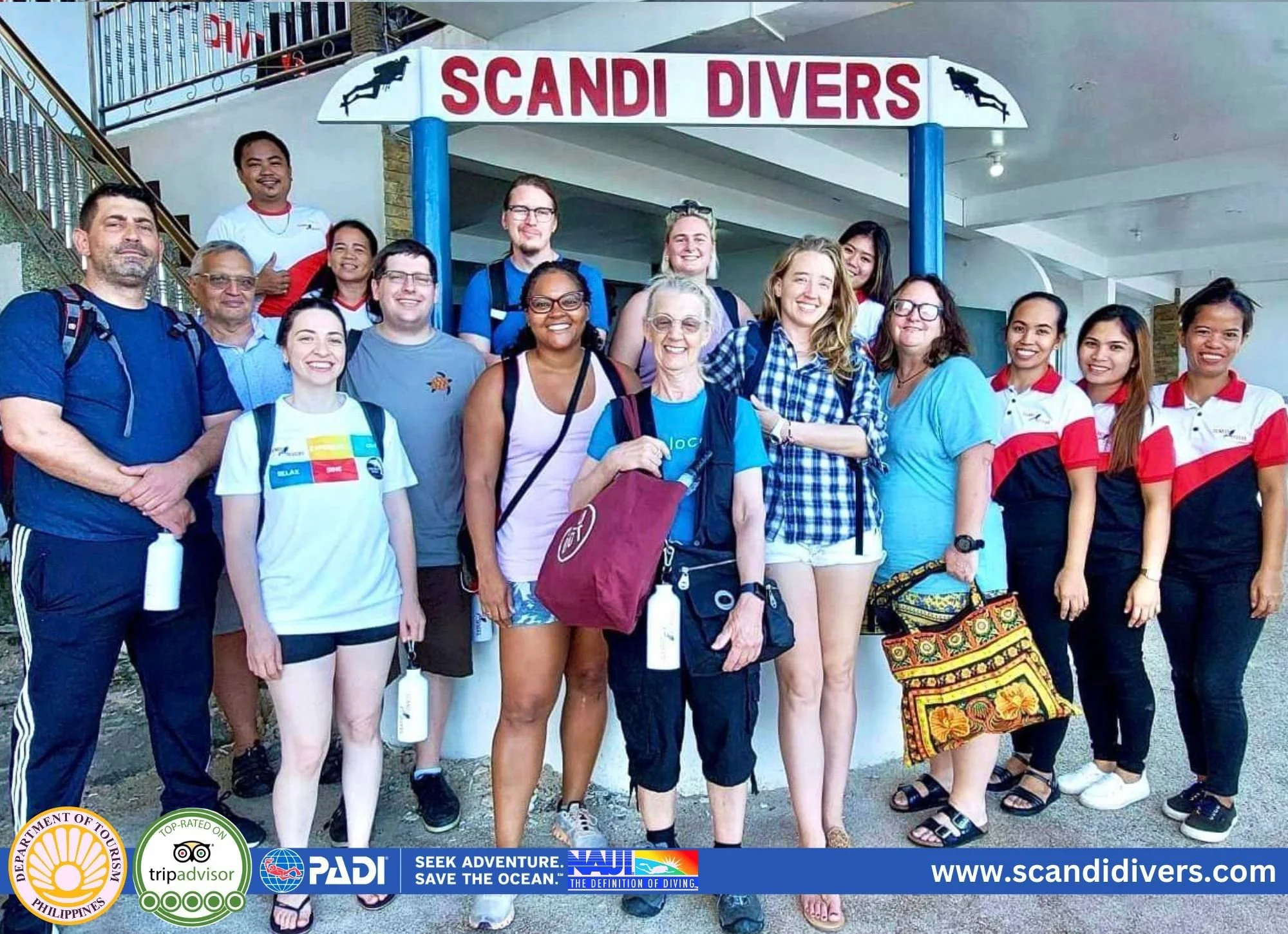
Divers: Ashton K., Steve G., Sandy M., Claire A., Alexis B., Udo K., Ann S., Margaret R., Allison S., Lala J.
21 Dives; 19 hours 45 minutes
The Adventure Continues… Part Two!
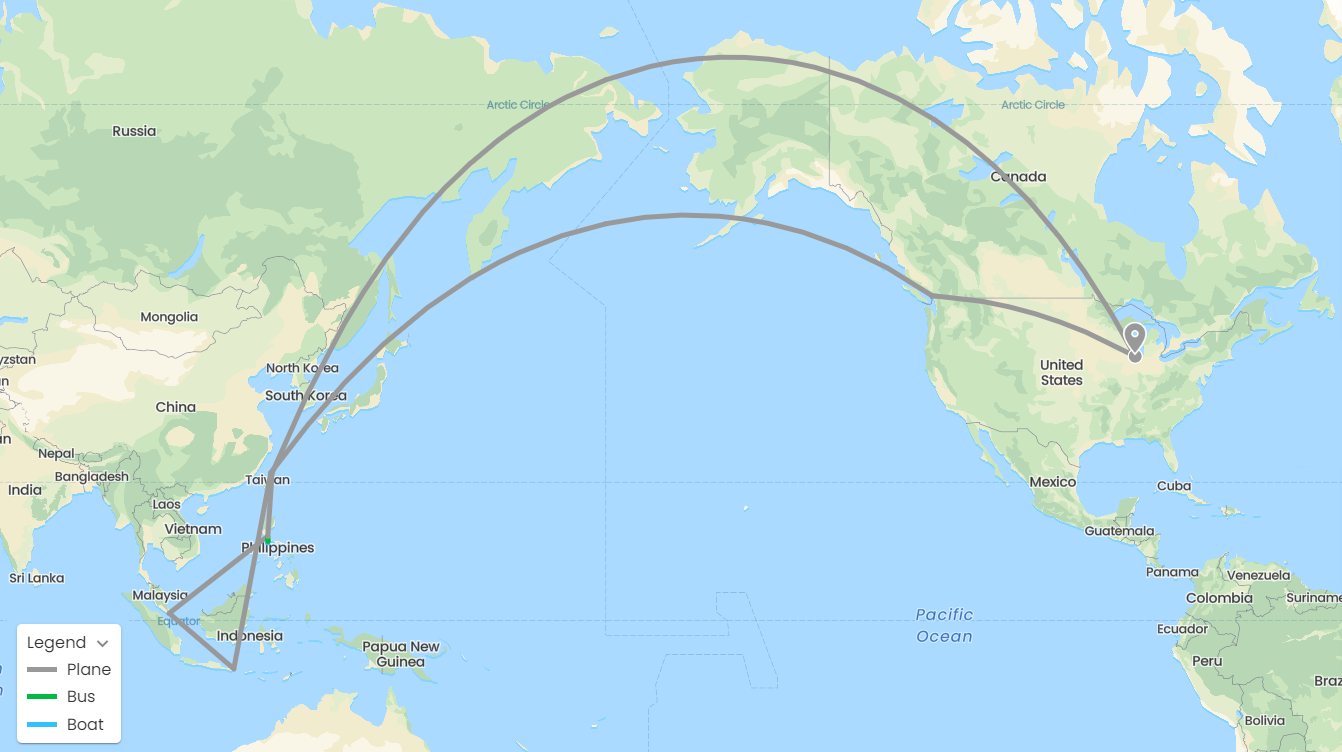
Picking up from where we last left off (Part One can be found here) leaving my hotel in Singapore we head to the airport! Now, how many modes of transportation can be used to get to one place? This portion of the adventure only required five modes of transportation. It took a taxi, a train, a plane, a shuttle bus, and a ferry to get to the resort, and it took absolutely no time at all.
Starting at the beginning, with much grumbling, I was kicked out of the hotel by a very grumpy individual who did not need to wake up or be awake for several hours. I clambered into what I hoped was my taxi and headed to the airport. Exiting out of Singapore is now a vague, half-asleep blur; most things were shut down at 5 a.m., save for a very busy Starbucks. [I am totally not still bitter at all that I missed exploring more of the Singapore Changi Airport, but half asleep, and multiple bags and everything being closed def won over exploration.]
The flight got into Manila early, which is great luck, one might think, except when you are the first of four to arrive and are kicked out of the airport terminal to sit in the hot and humid heat of the Philippines. For those just tuning in or who might have forgotten, picture it: Philippines, November, a balmy 84°F with 75% humidity. Images of shorts, loose fitting shirts, and maybe a big floppy hat come to mind. Now, what are we wearing? Jeans, a baseball tee, and a sweatshirt, and after the “Australia incident”, there was no risking it by changing in the airport bathroom, plus having two bags in tow was too much work. Luckily, after about 45 minutes of waiting around, I was informed that I could go back through security and sit in the aircon. Once again, bliss was found.
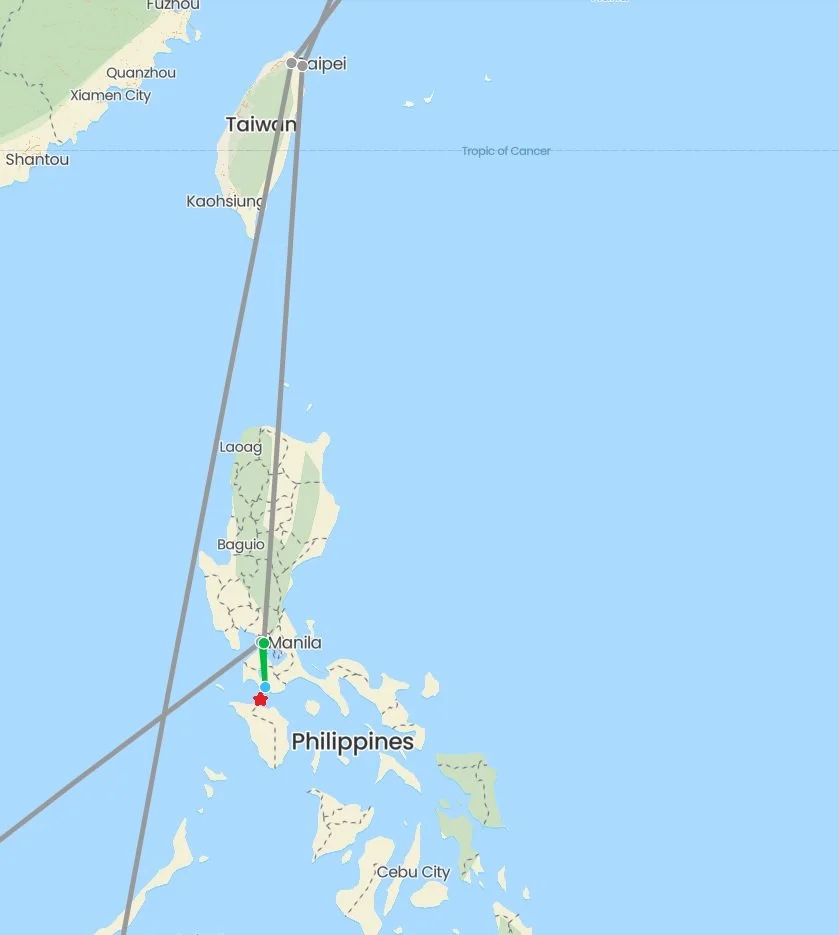
Our party slowly assembled from other parts of the globe, and we began the journey to the resort, stopping and picking up half of the other members from various locations before meeting the other half of the group for the ferry ride to the island. We only left two members behind on the mainland.
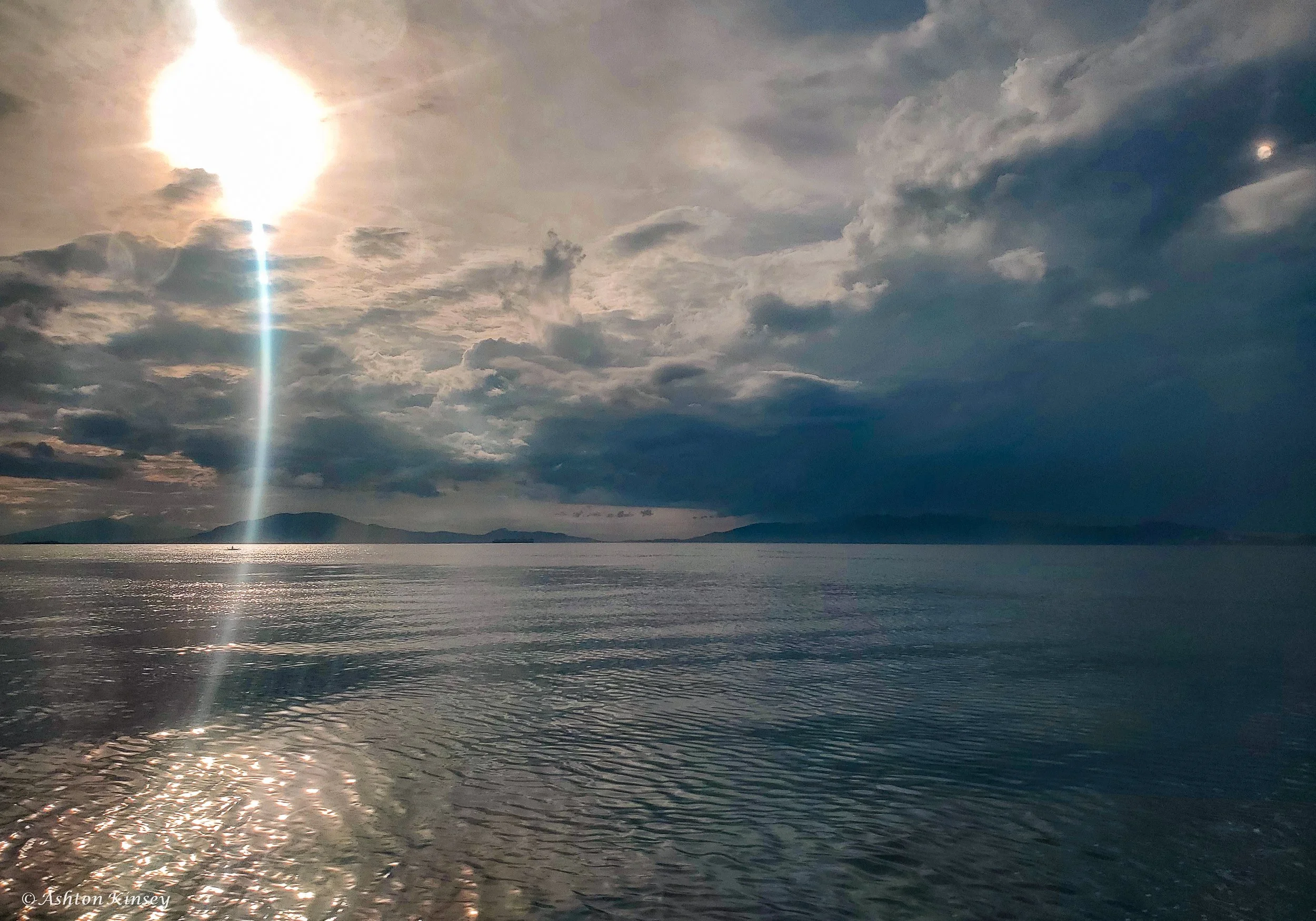
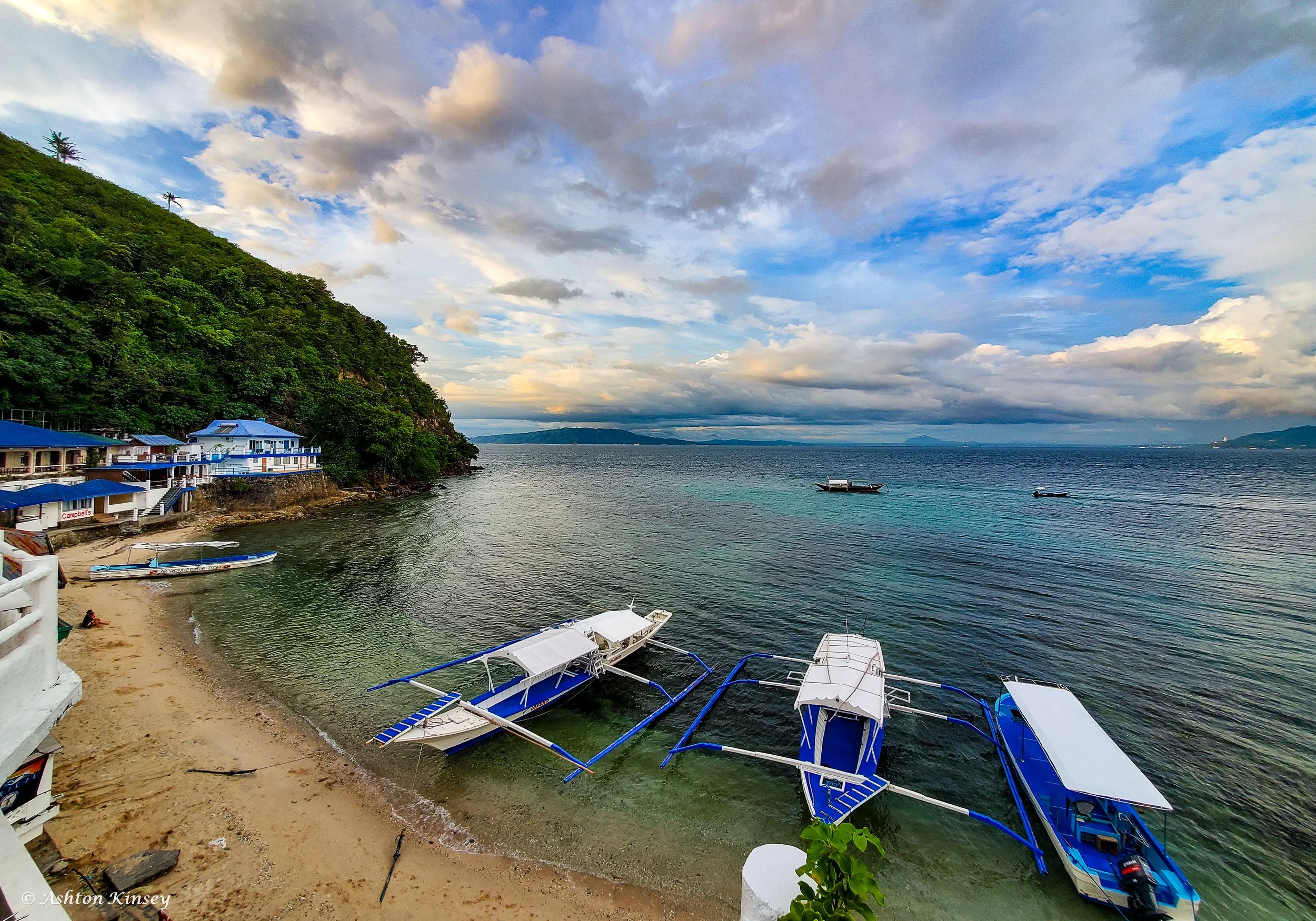
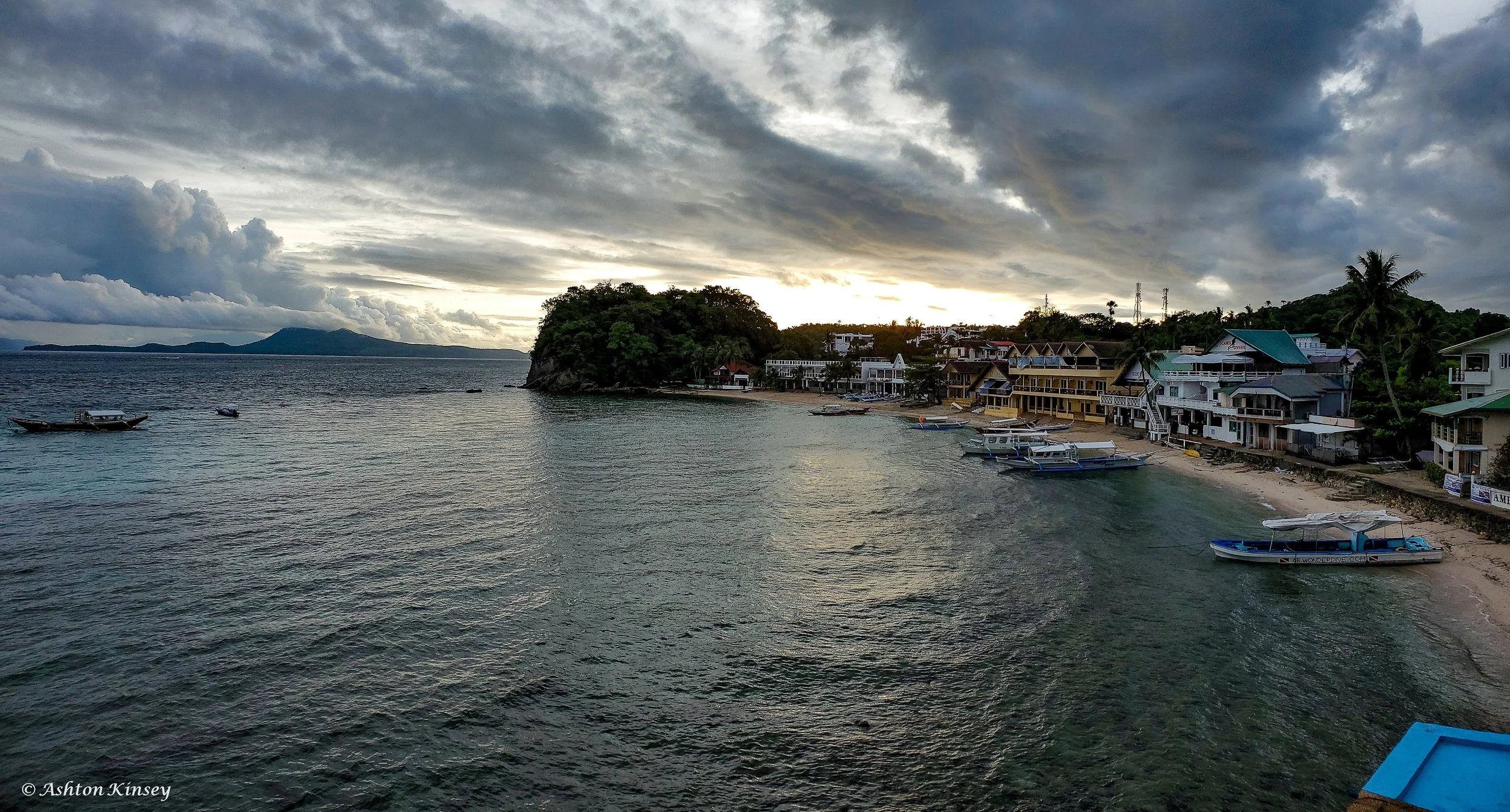
After an hour and a half ferry ride from Batangas Bay, we made it to Scandi Divers Dive Resort. It took nearly three hours from the airport, but we were welcomed with a drink and the ability to finally change and settle down for a minute before welcome briefings and information about how the week would progress.
The Oceanfront Deluxe rooms are spacious and have everything that you’d need from a resort hotel room. Aircon that worked, beds that were soft, and no toilet showers! One of the nice surprises with the rooms was that each afternoon there would be something small left by the housekeeping staff: candy, a bracelet, or a small coin purse (or a Christmas ornament if you’re like that). While these were definitely not expected, it was a nice touch each day. After settling in and eating, most of the group retired early to get dive gear organized and try to fight off jetlag as much as possible to be ready for the dives the following morning.
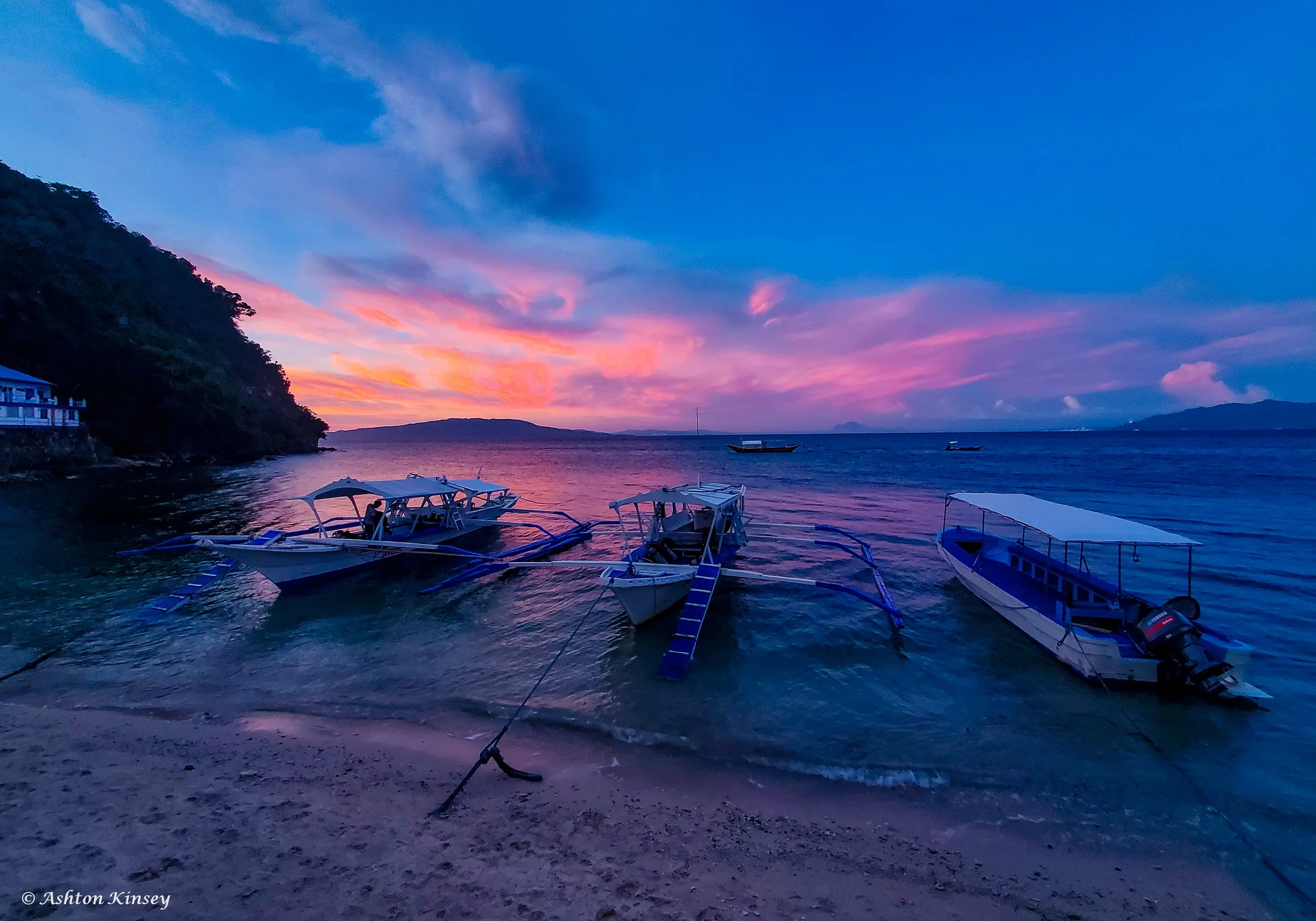
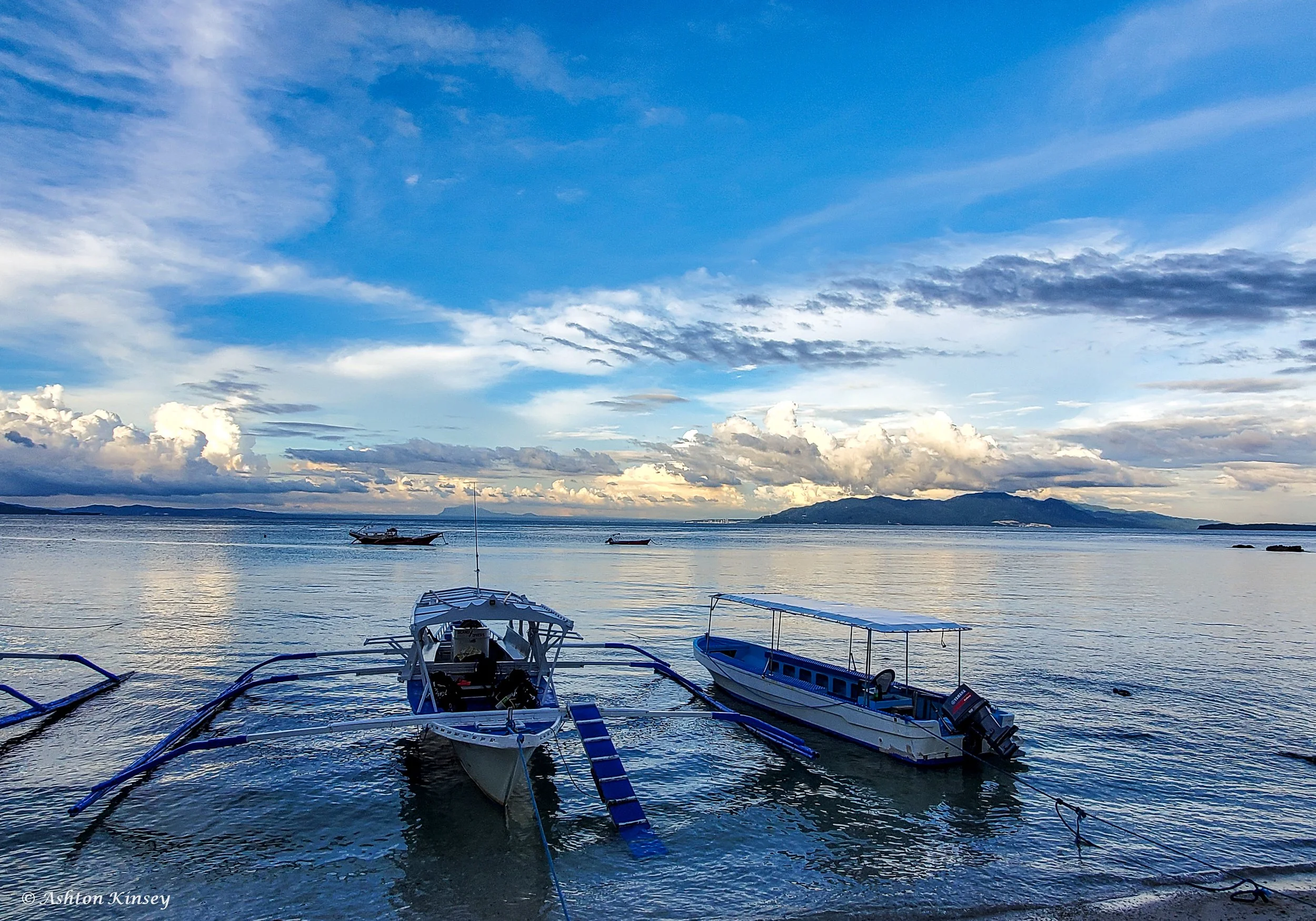
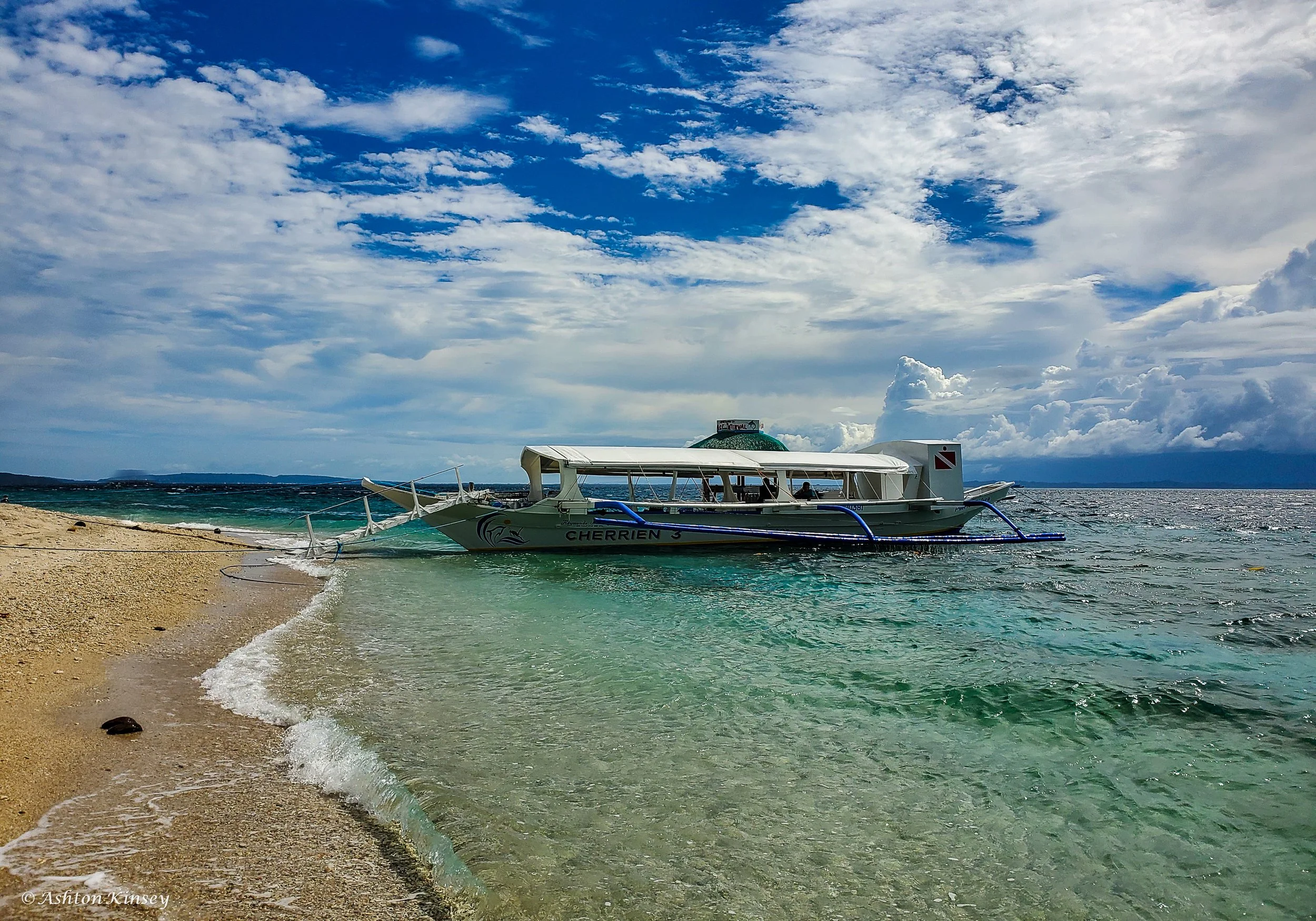
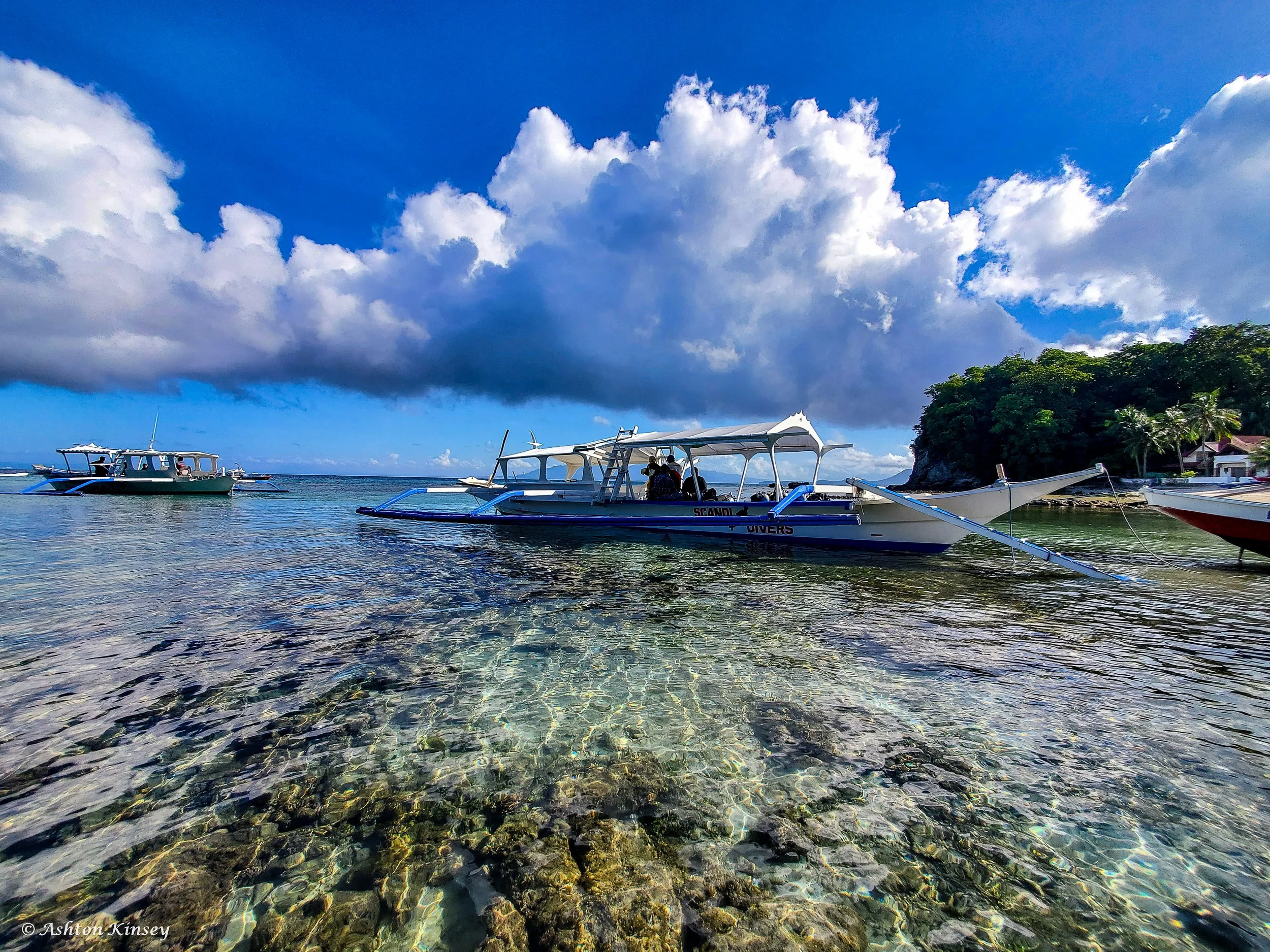
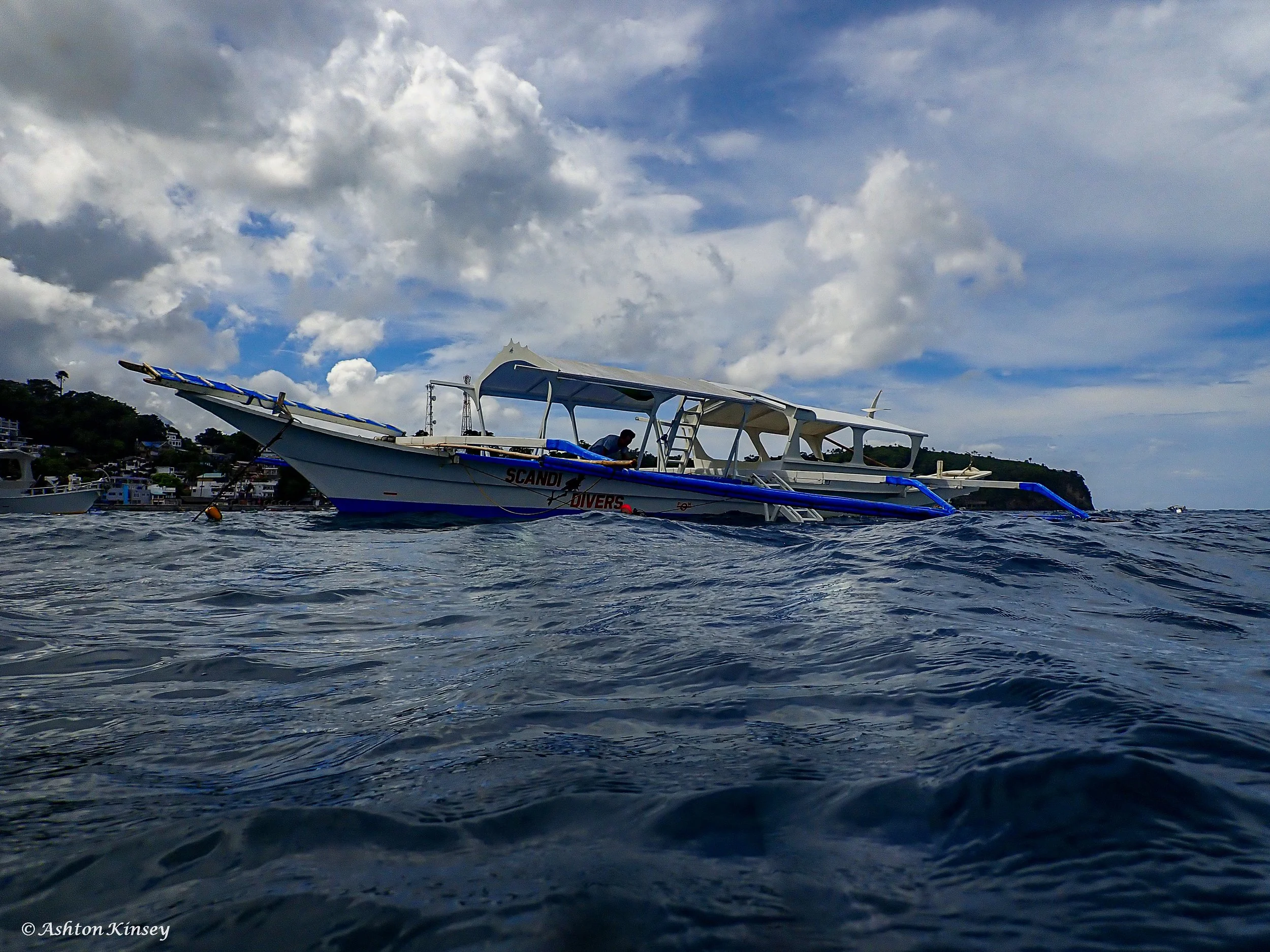
The dive boats for most of the diving were smaller, so our group of 10 was split into two groups. The boat was half covered with mesh netting overhead for towels, shirts, or other small things to keep safe during the dive. Each day, we did three dives during the day and one night dive. Since most of the dive sites are close by, they were all one tank boat dives, and then we would return to shore, rest, eat, and lounge around before doing the next dive. It was a really rough week.
The Dives
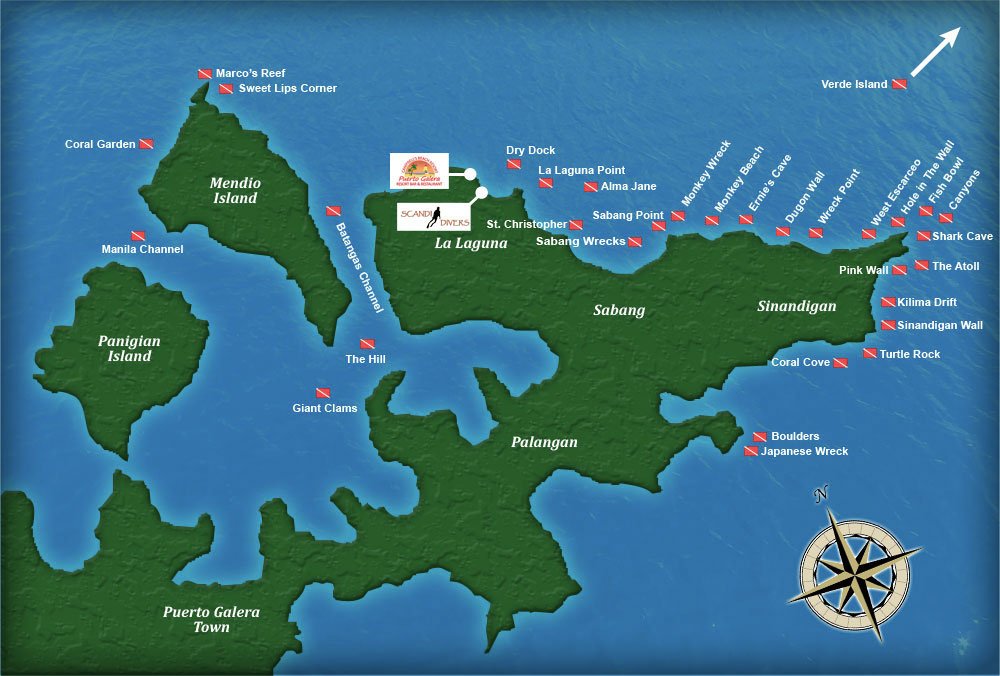
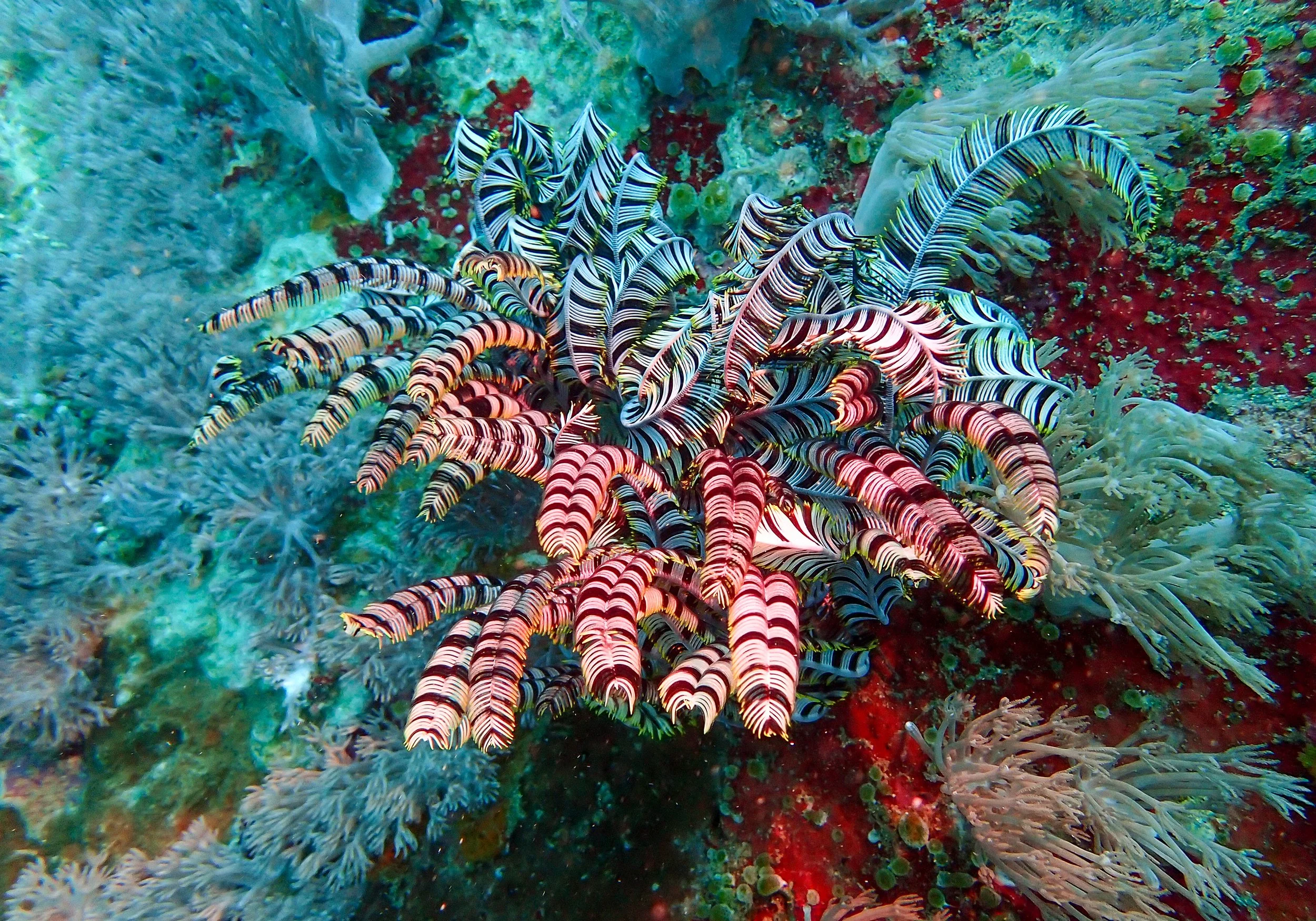
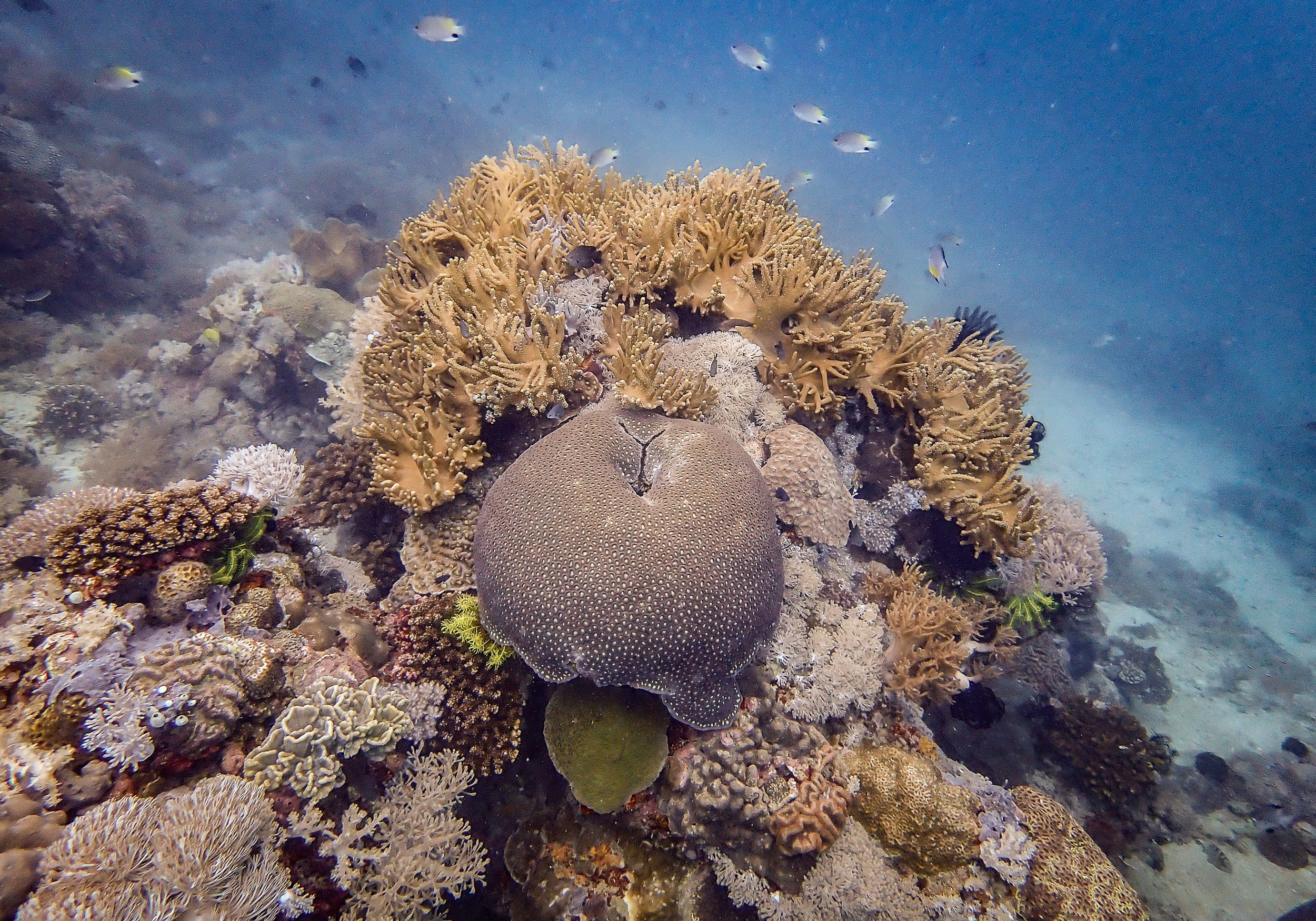
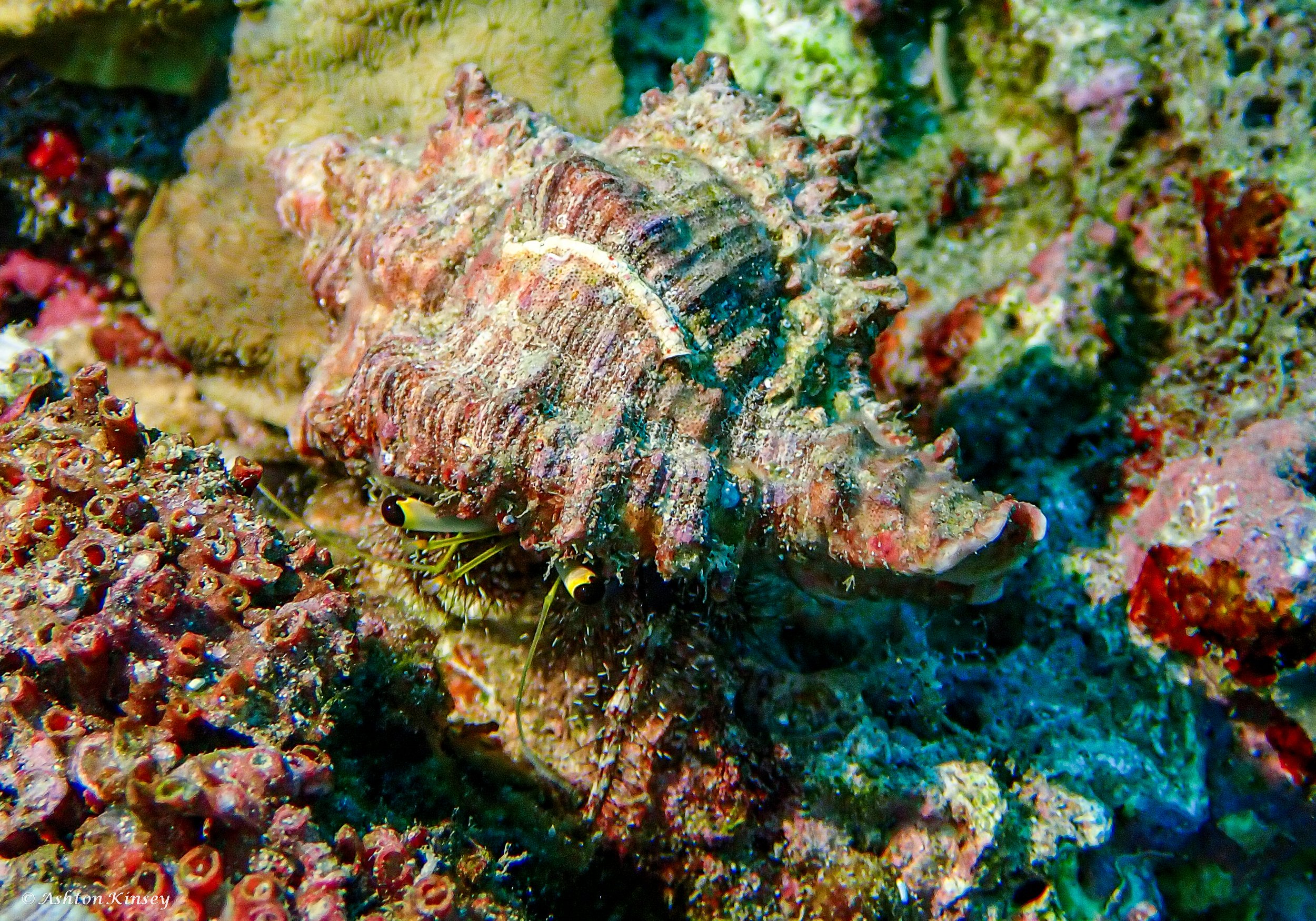
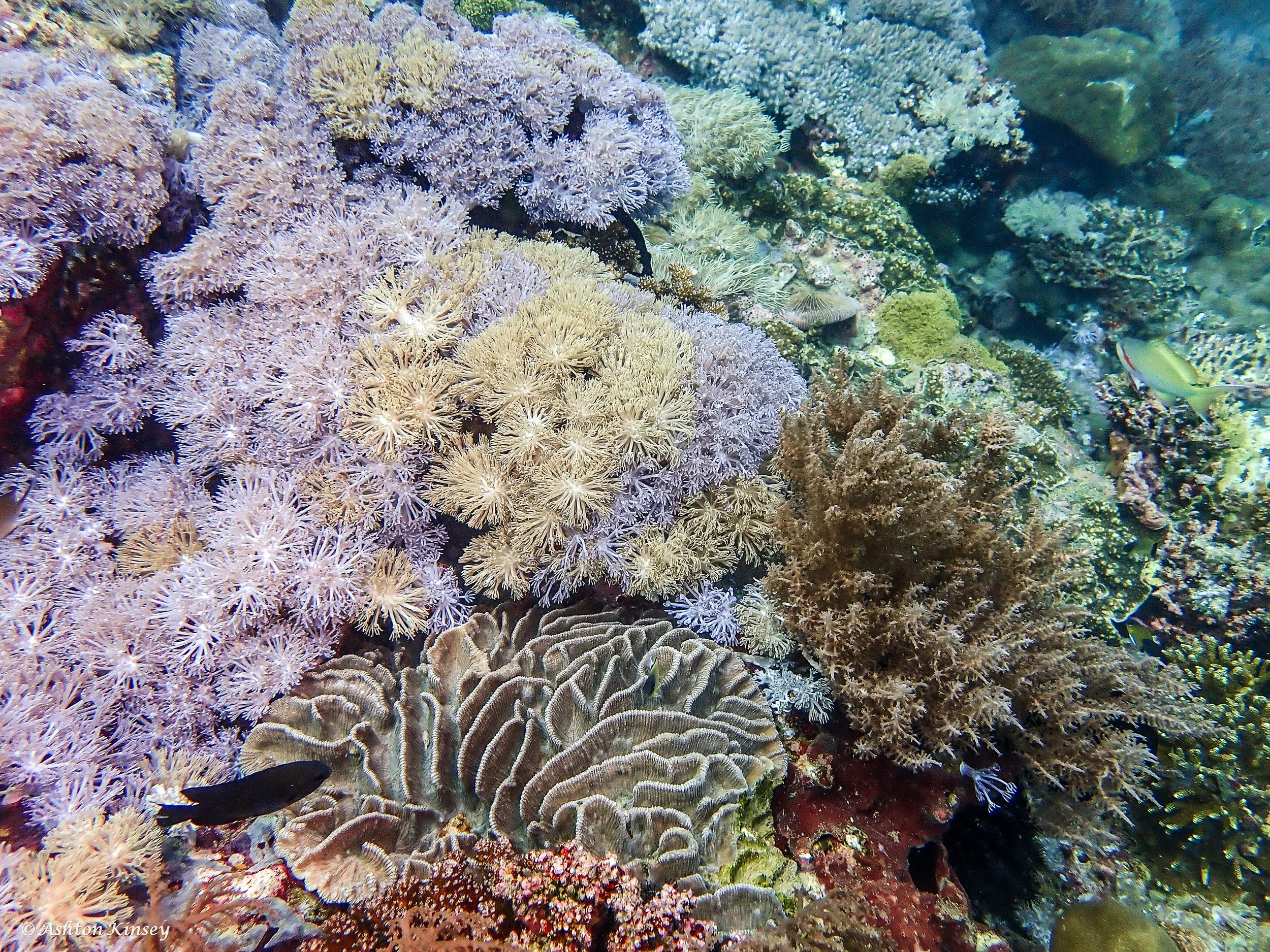
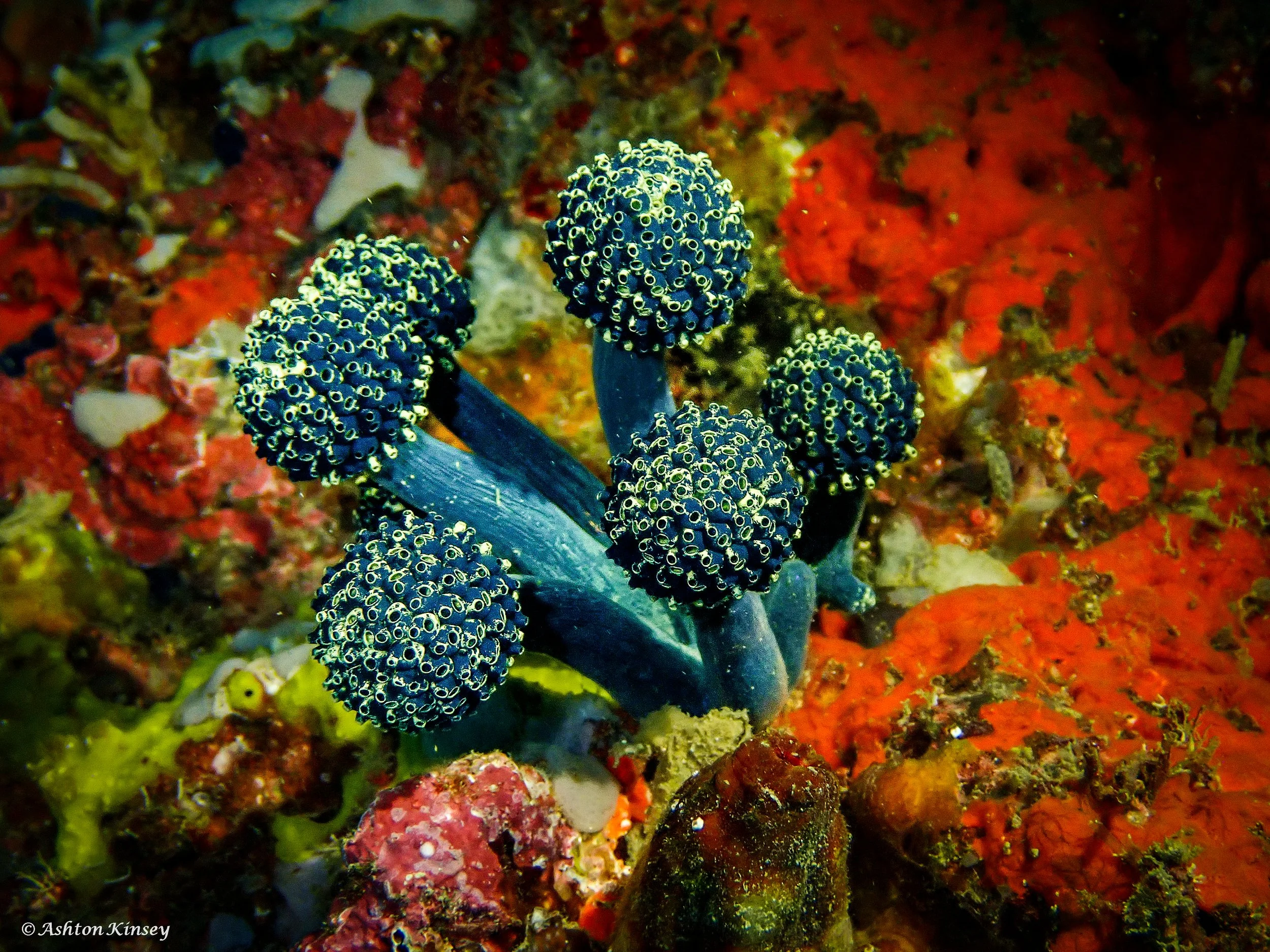
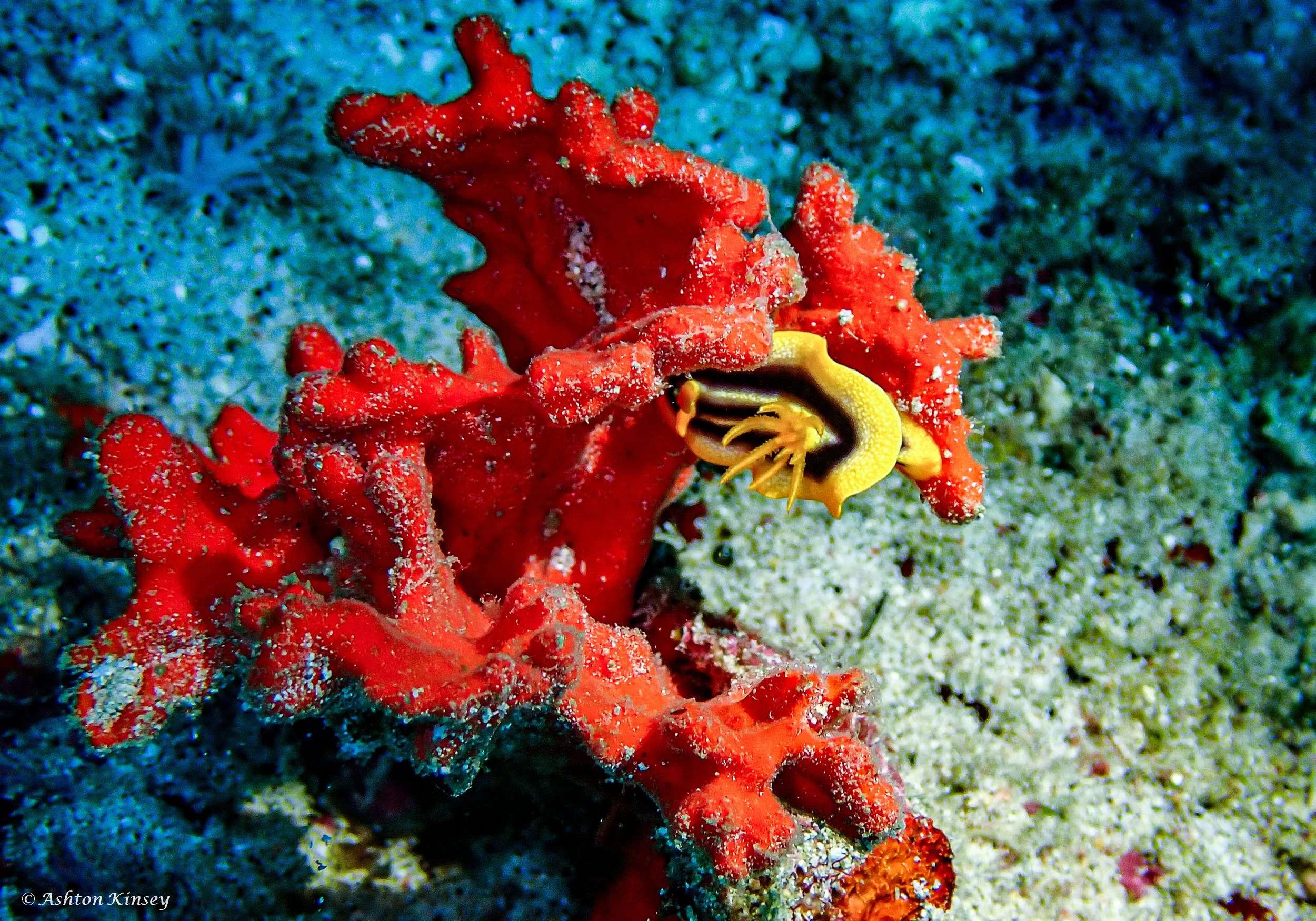
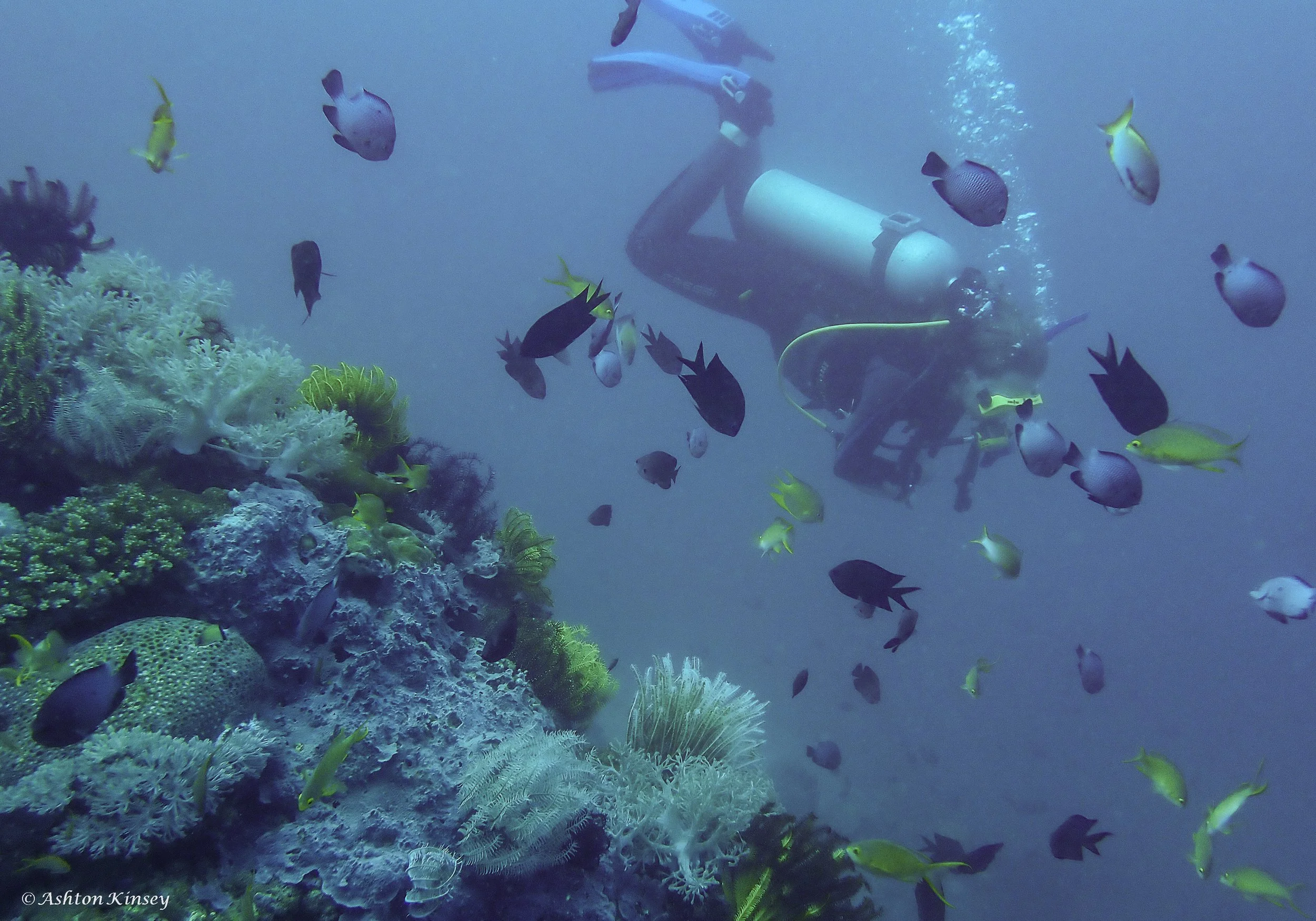
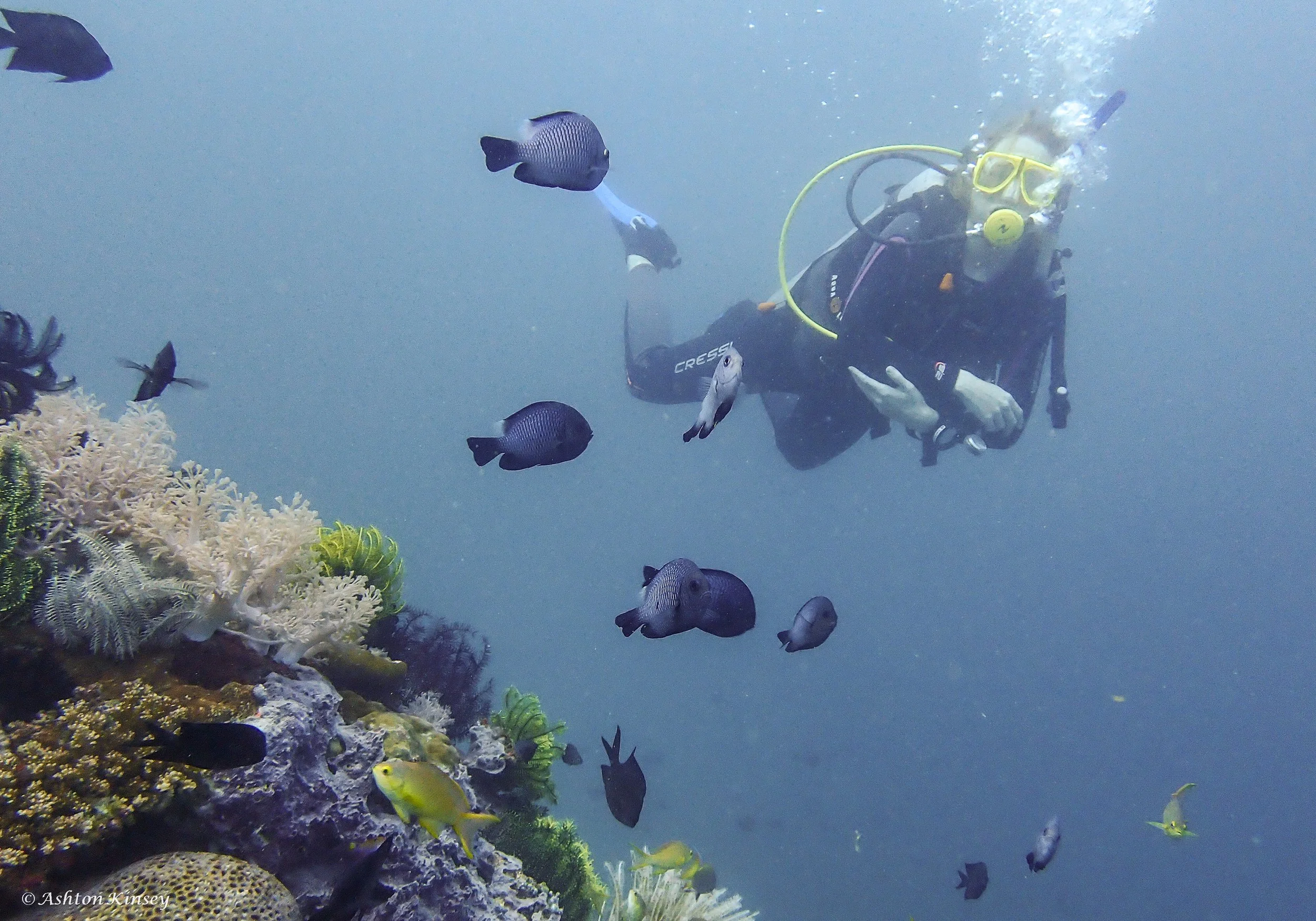
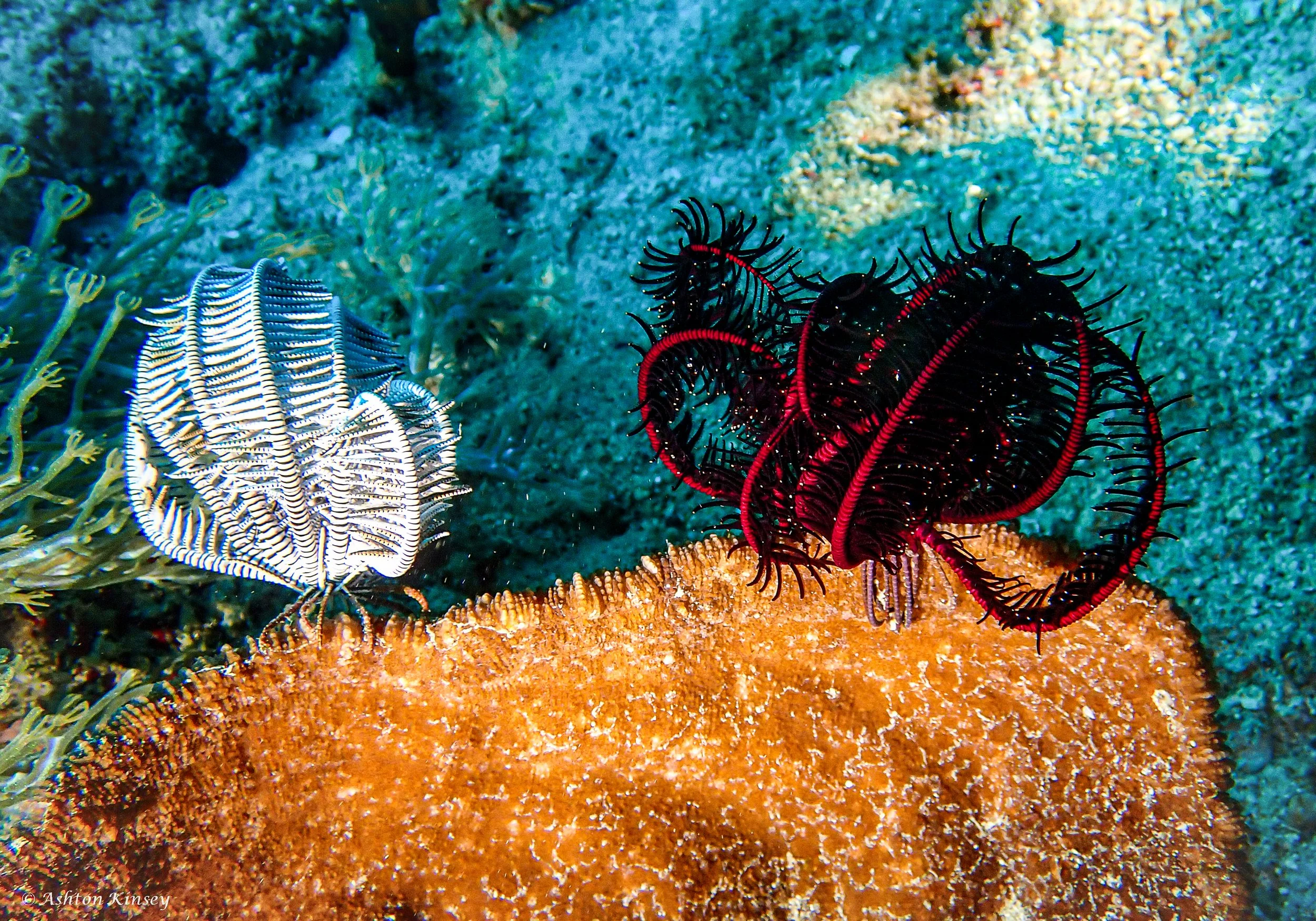
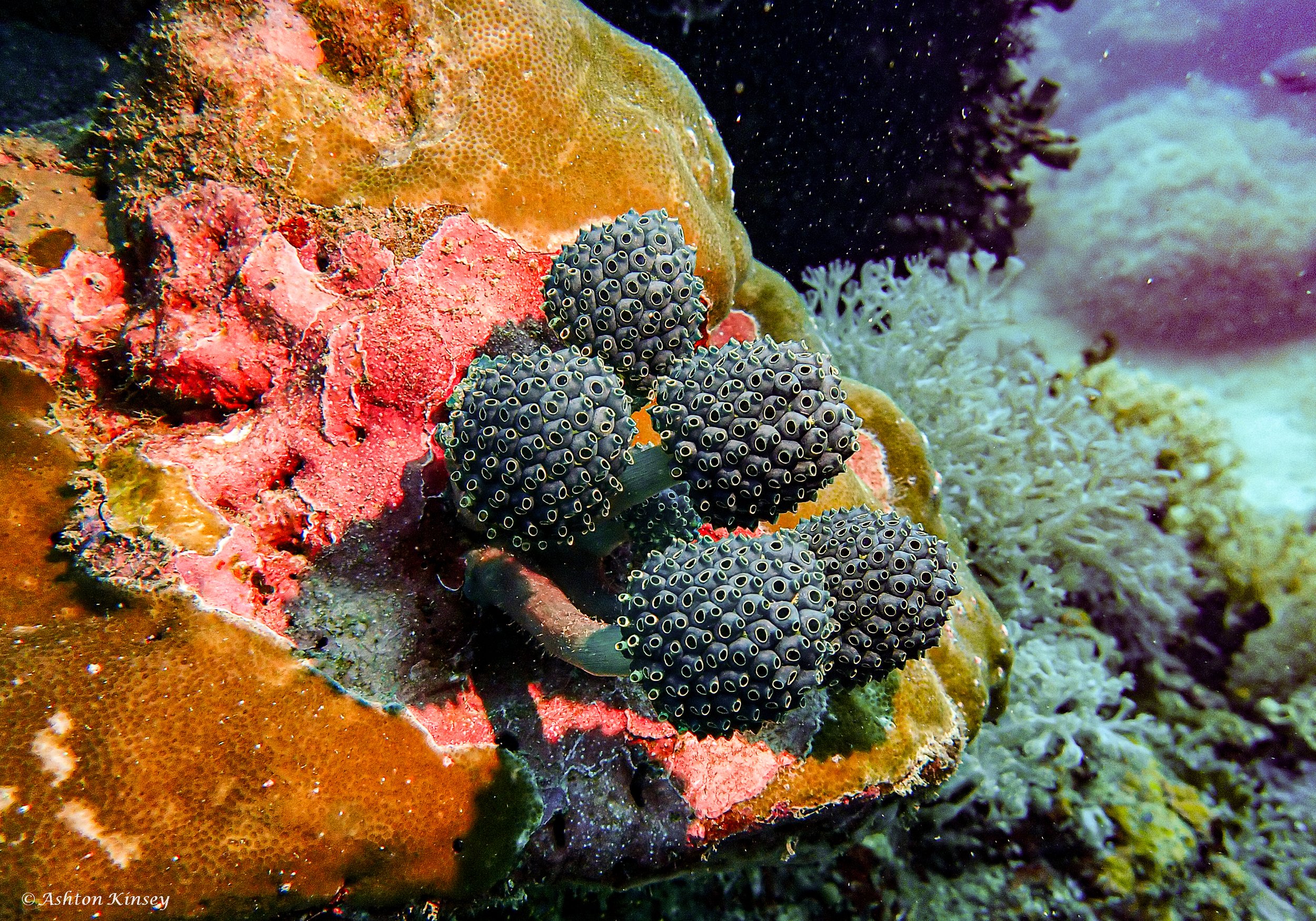
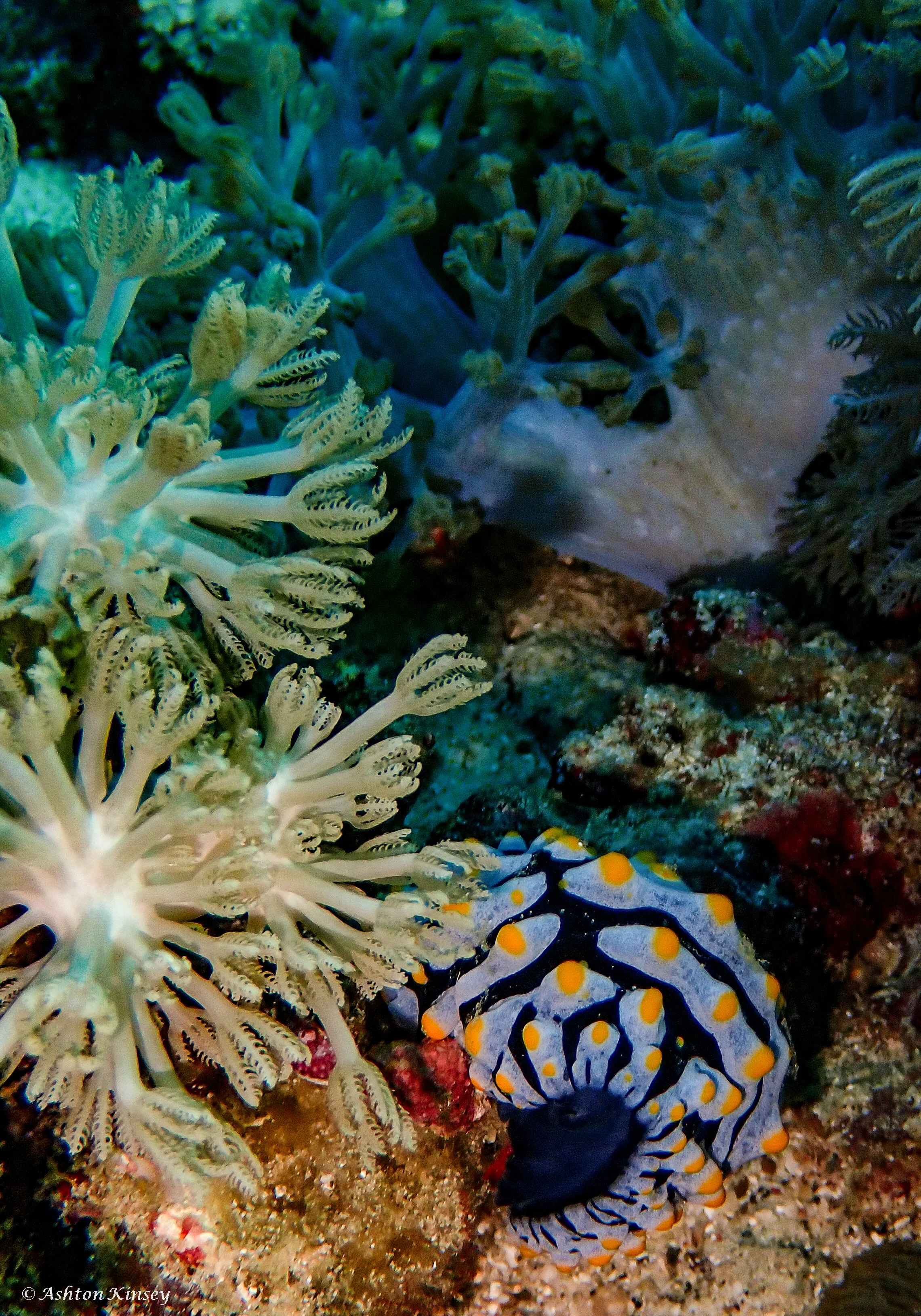
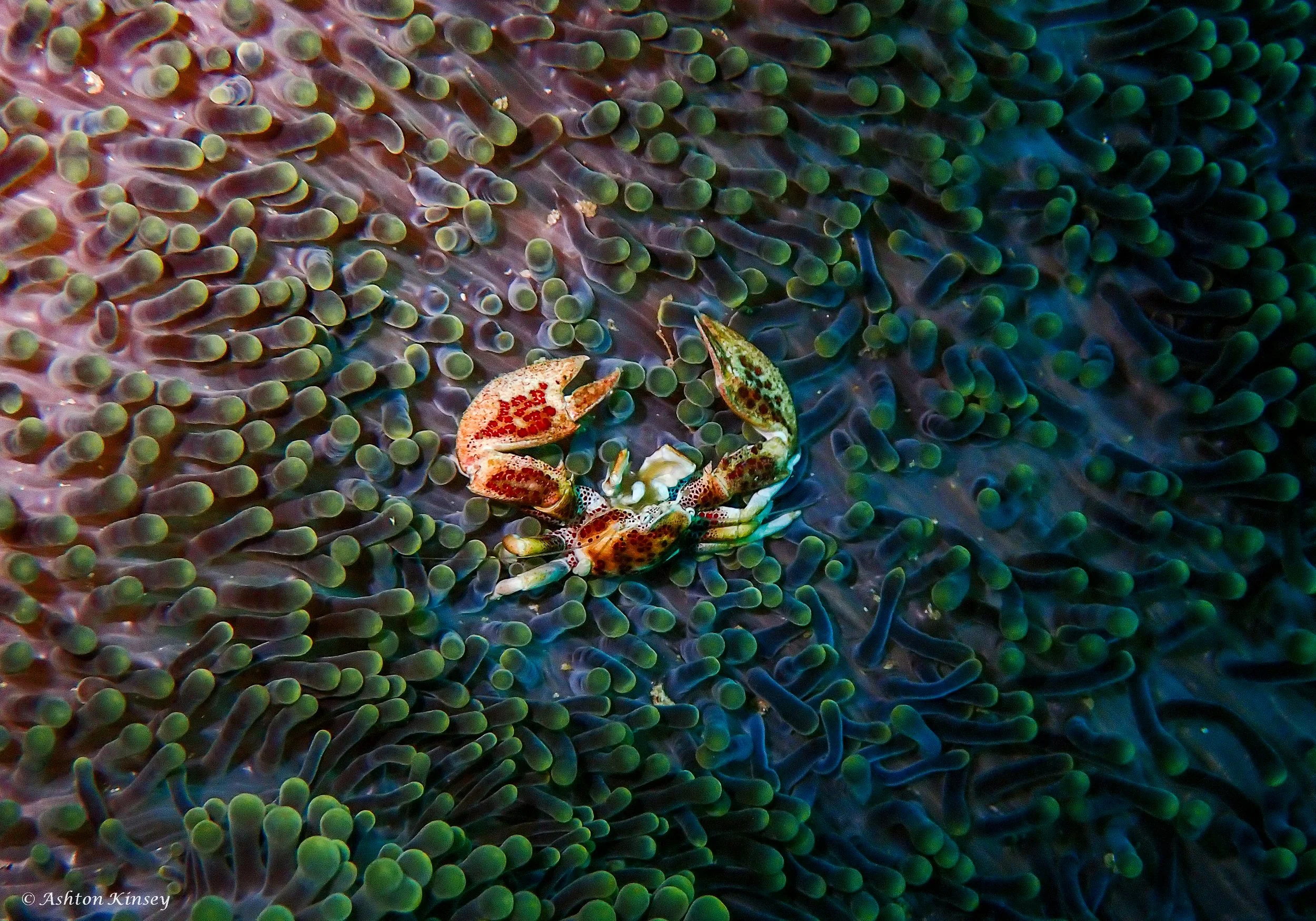
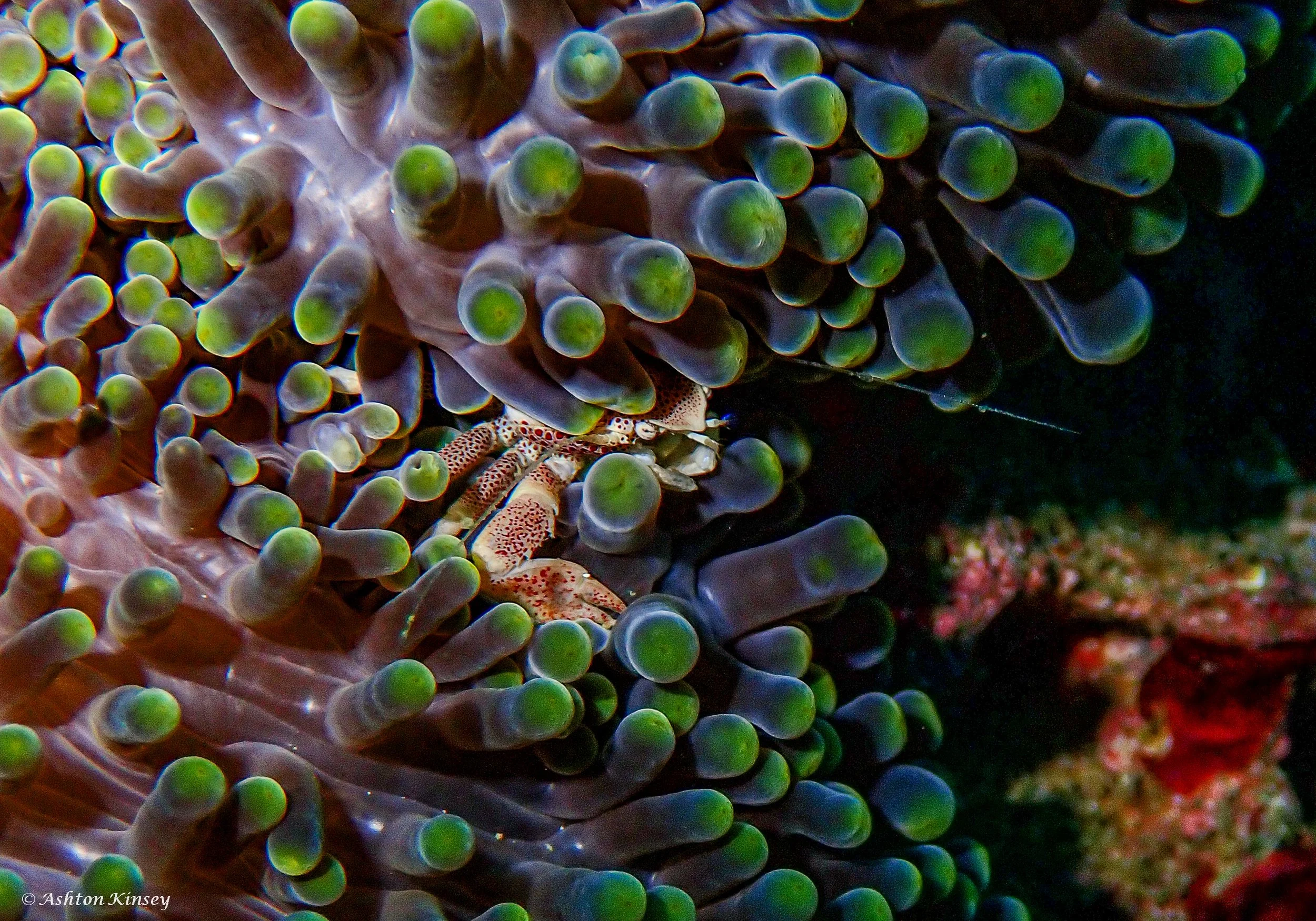
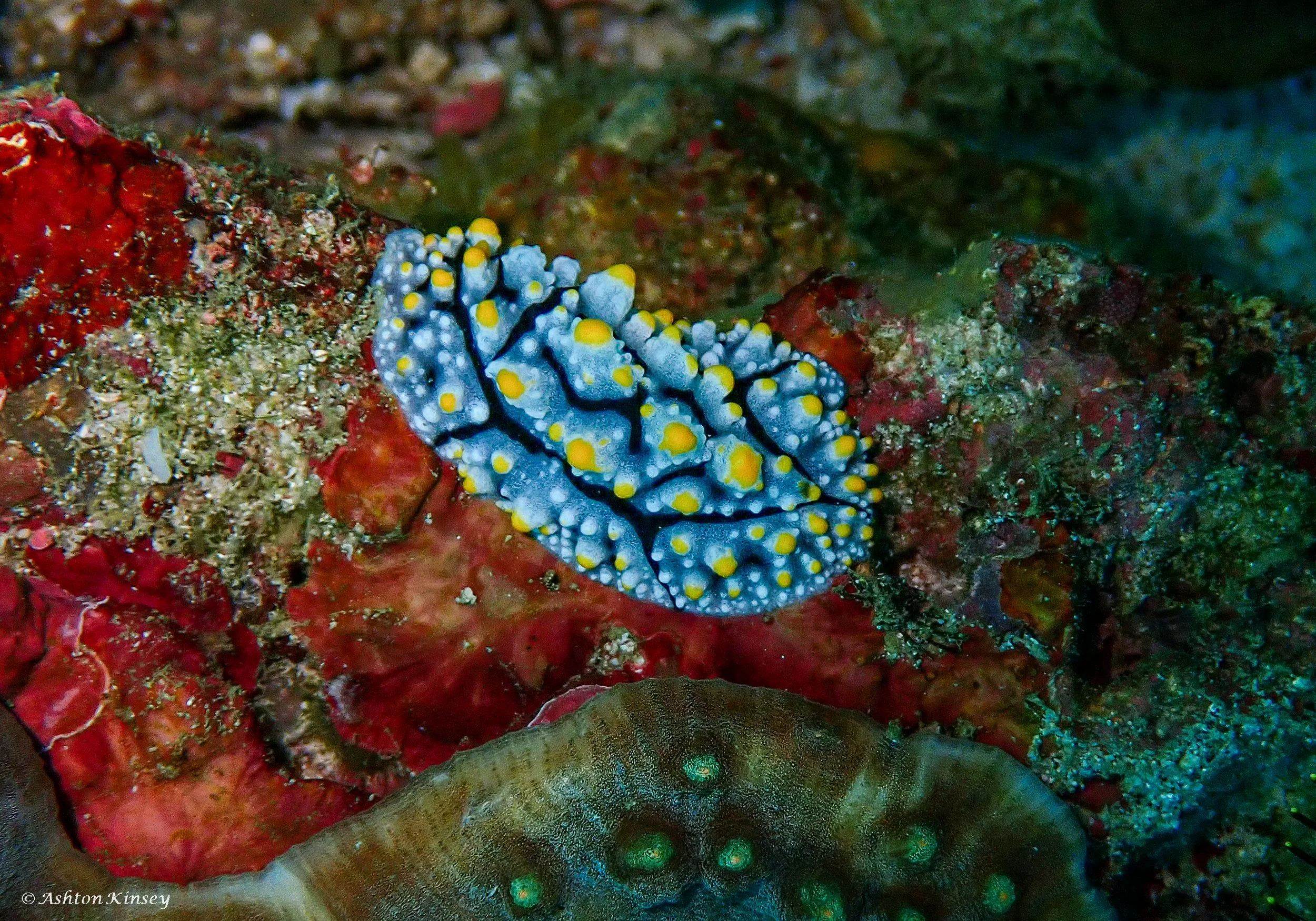
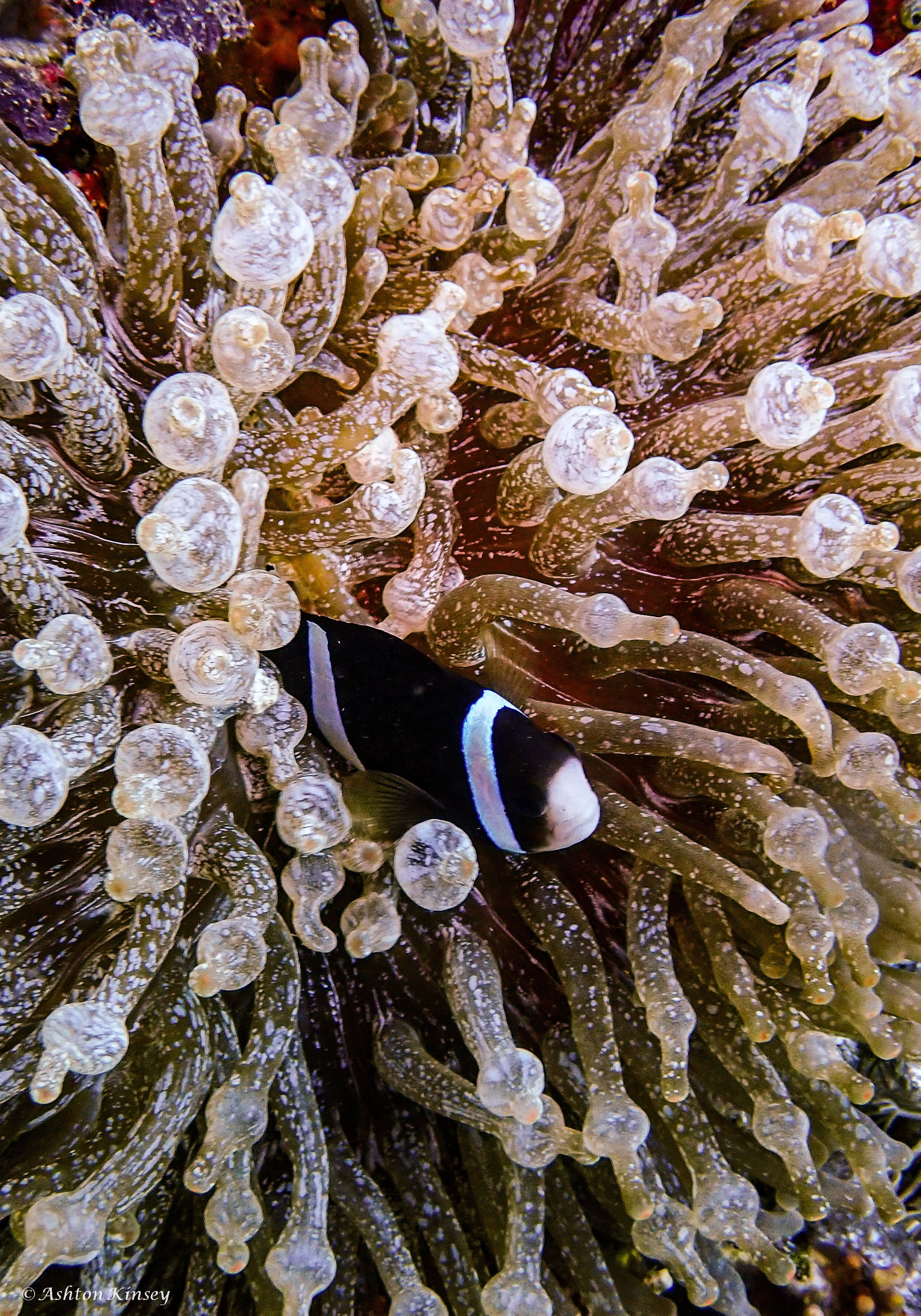
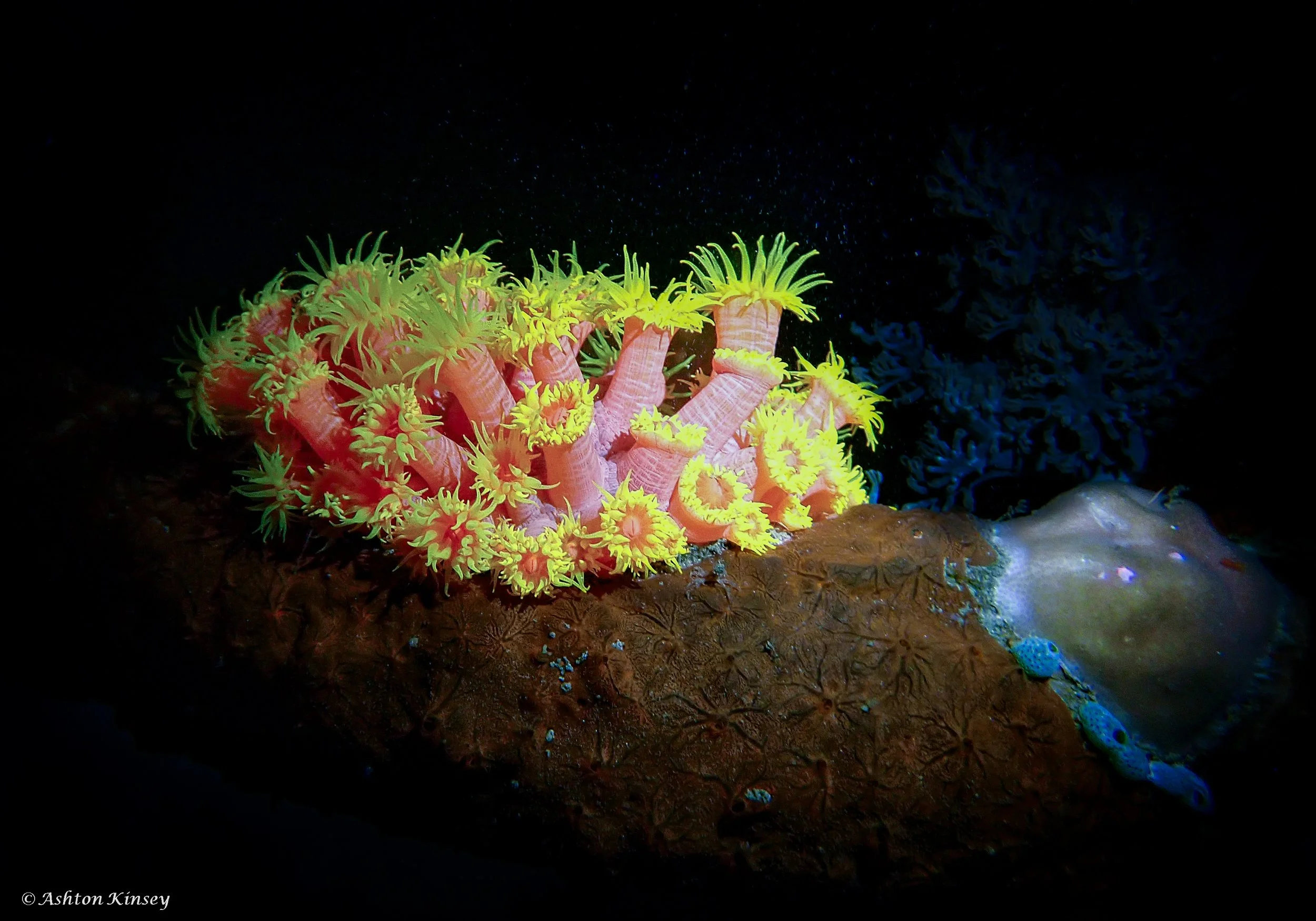
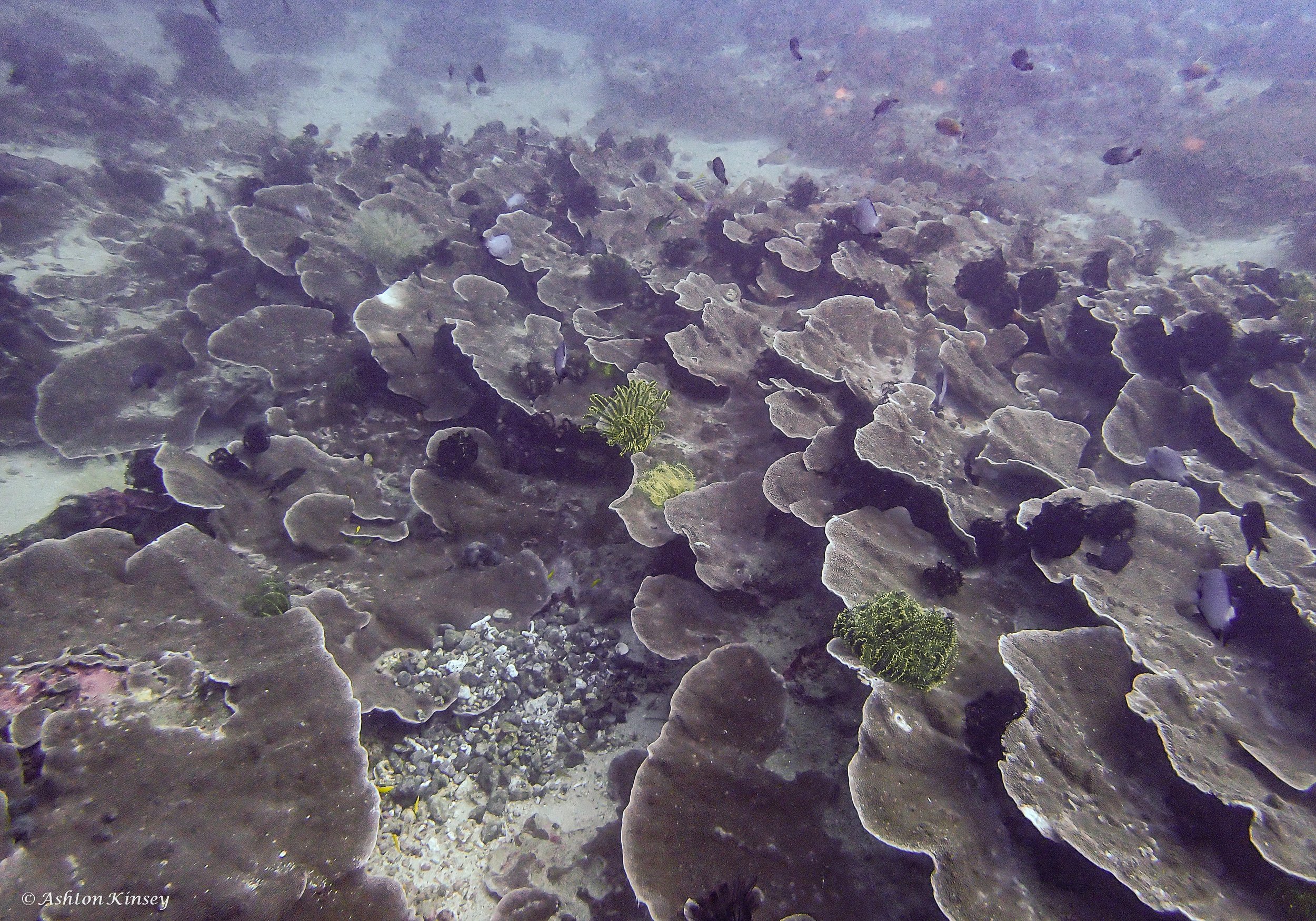
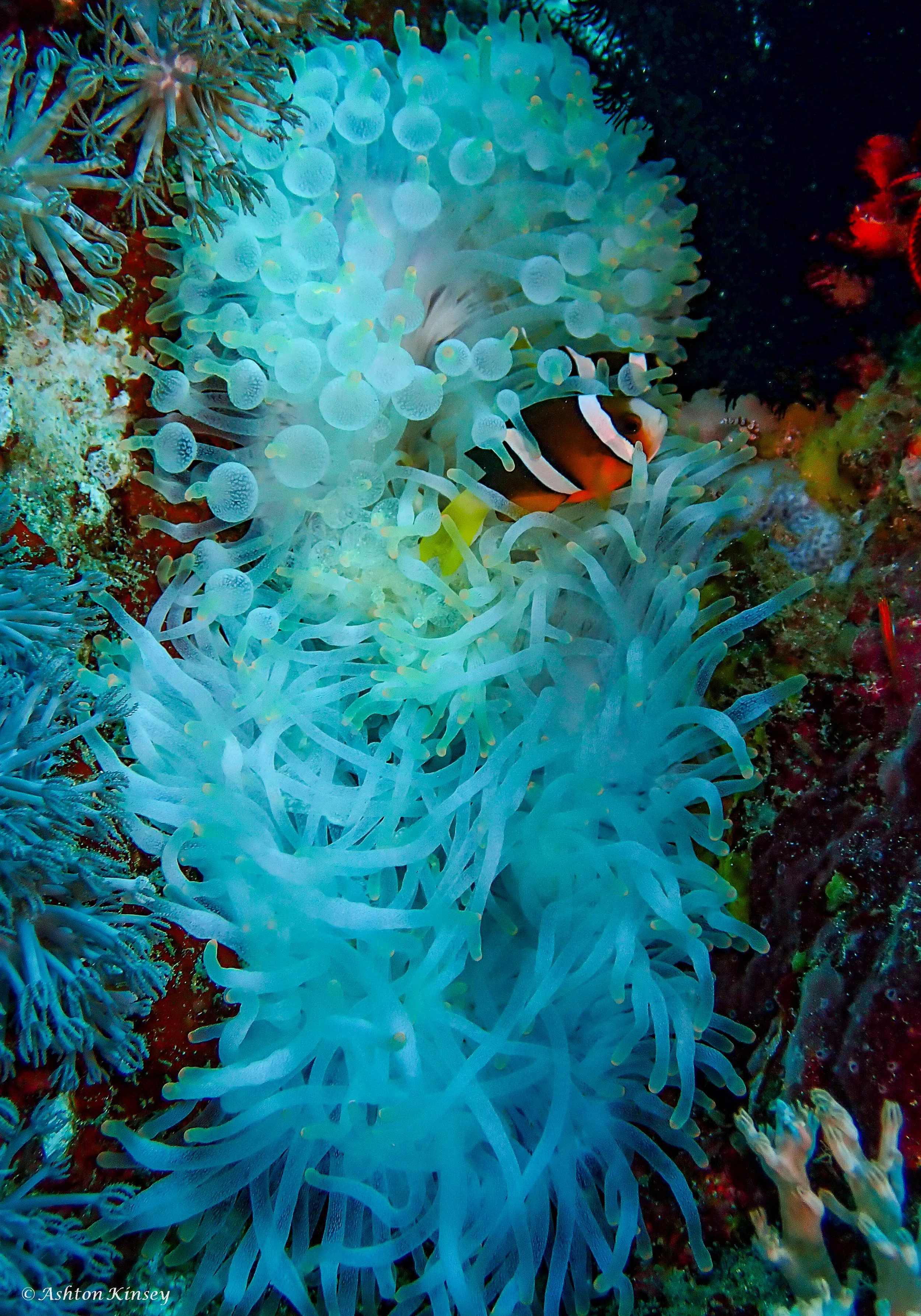
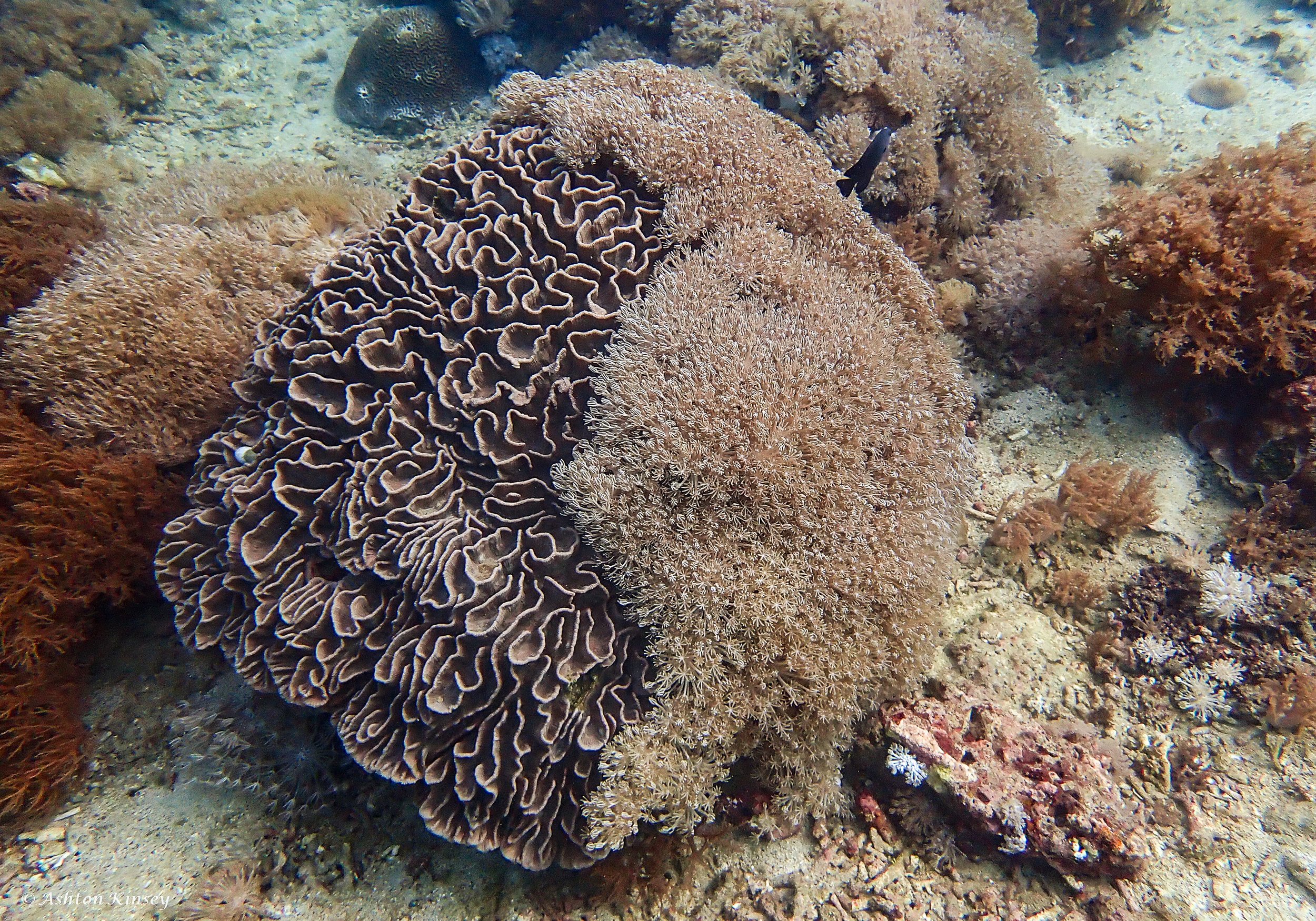
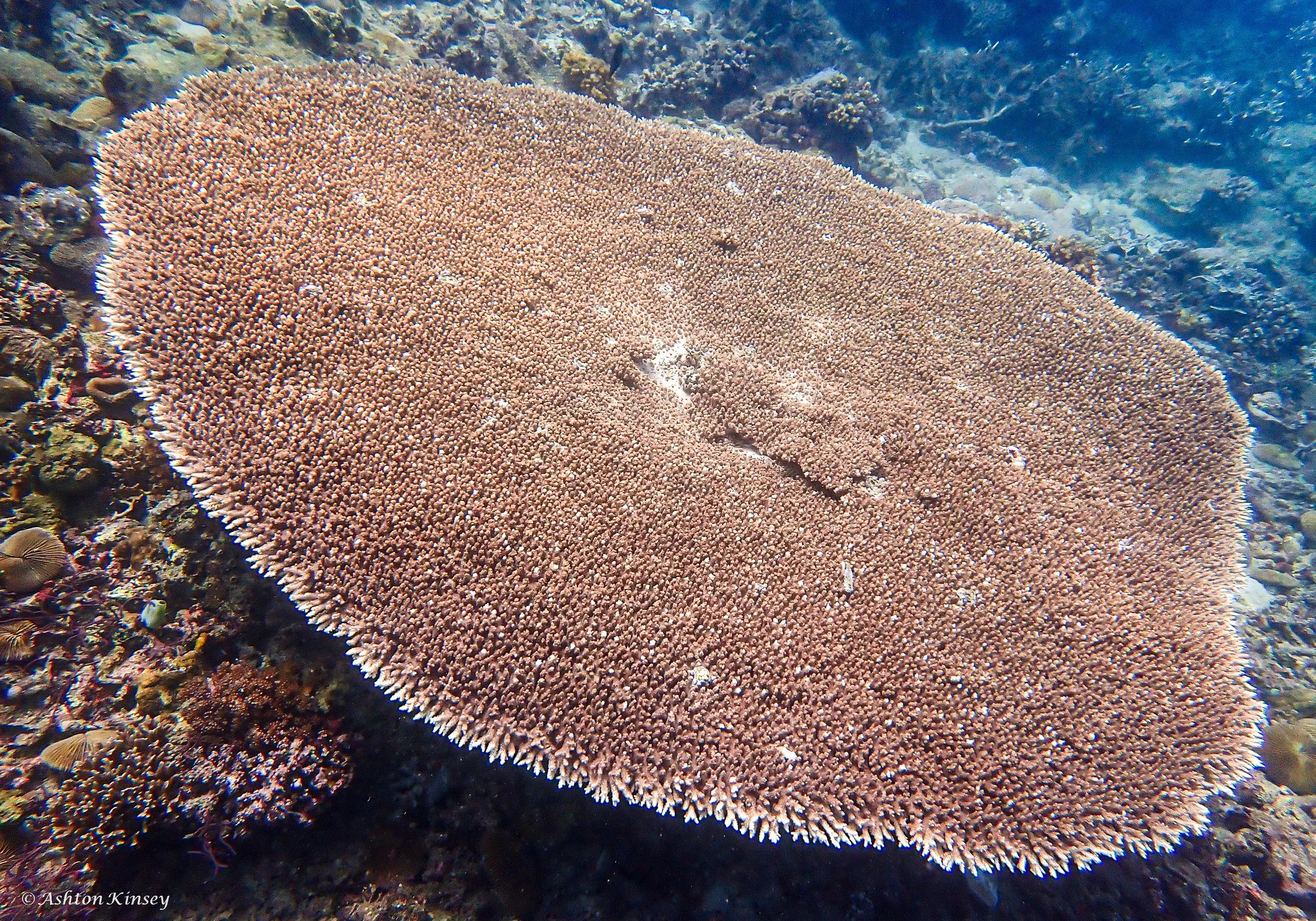
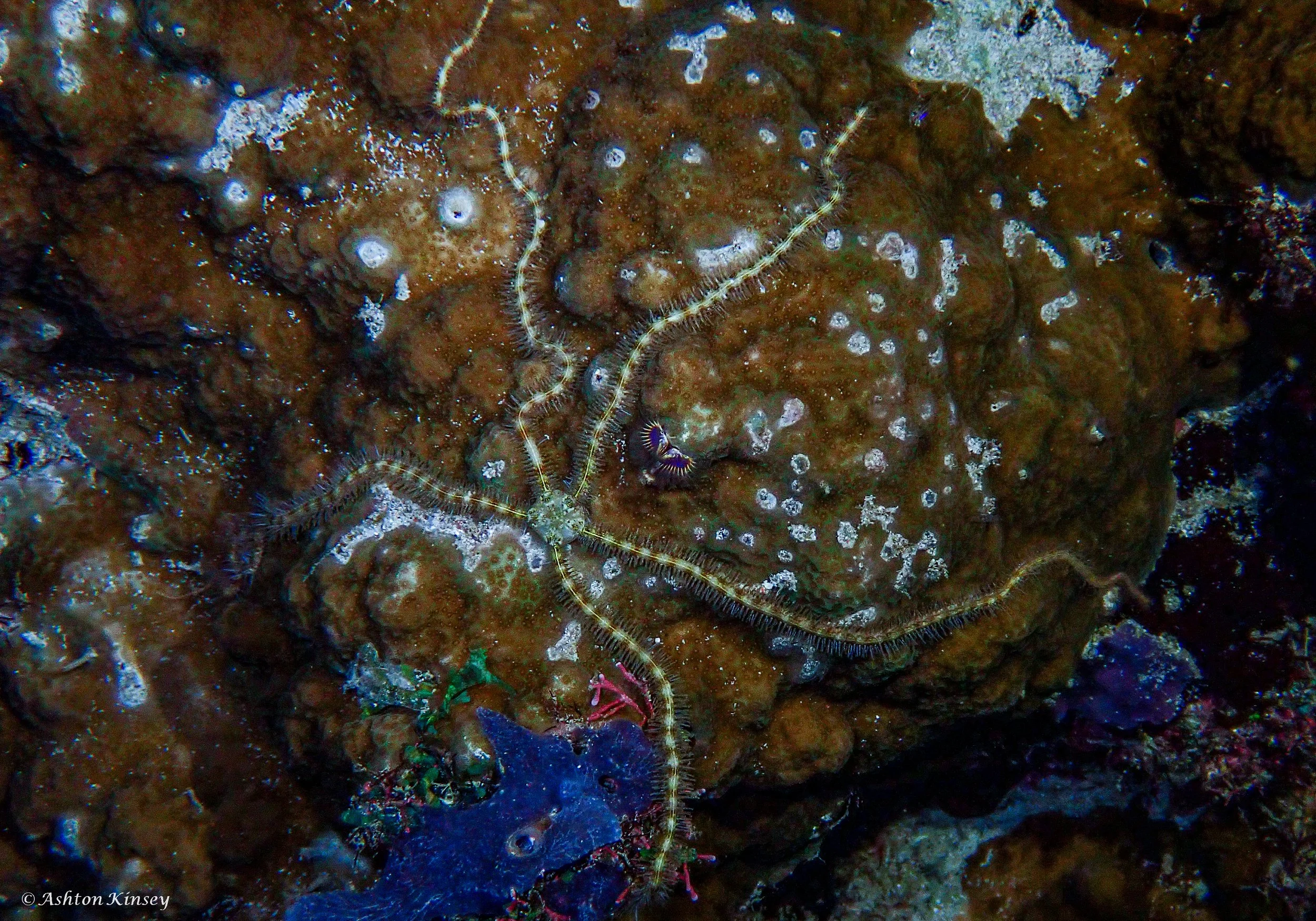
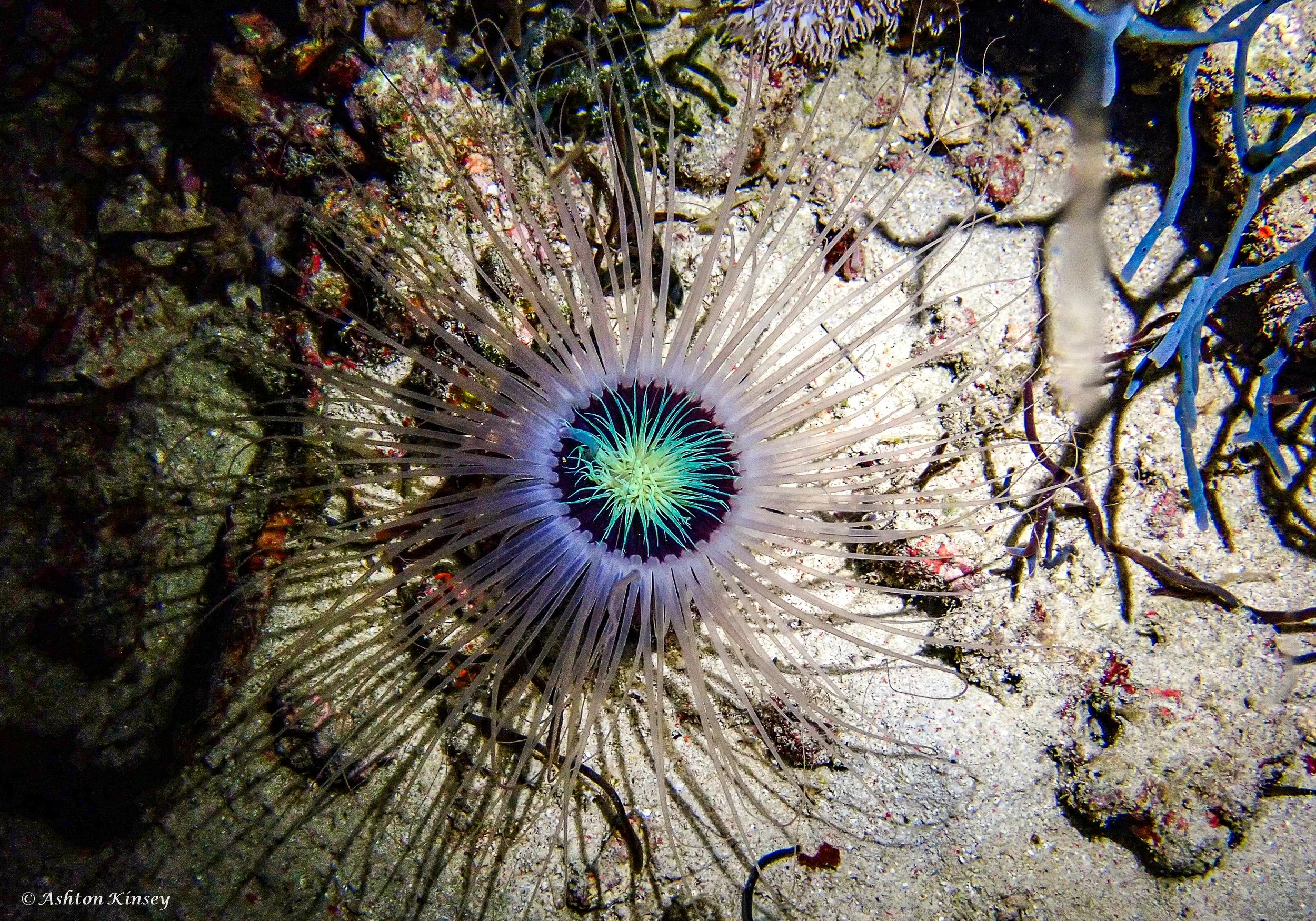
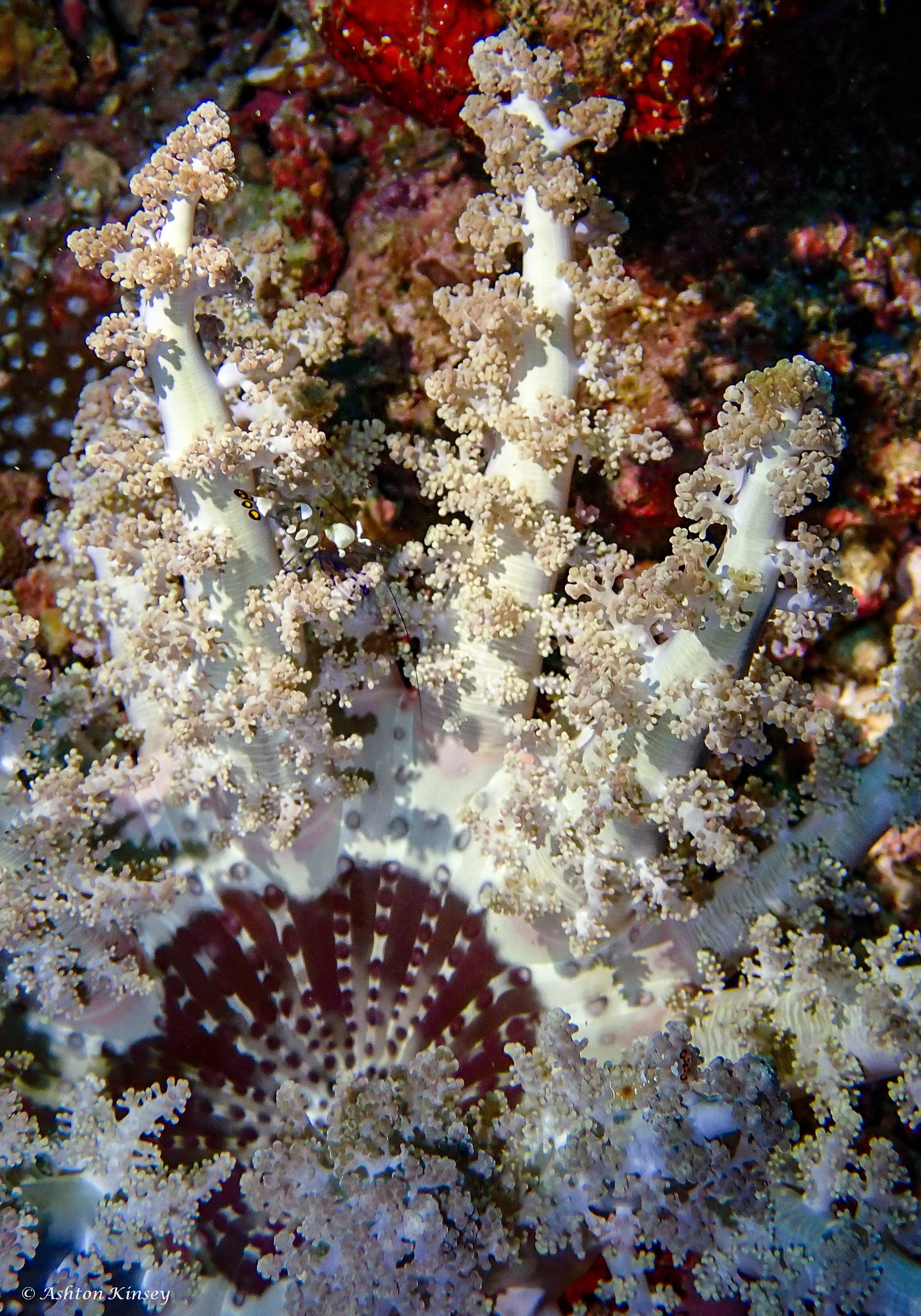
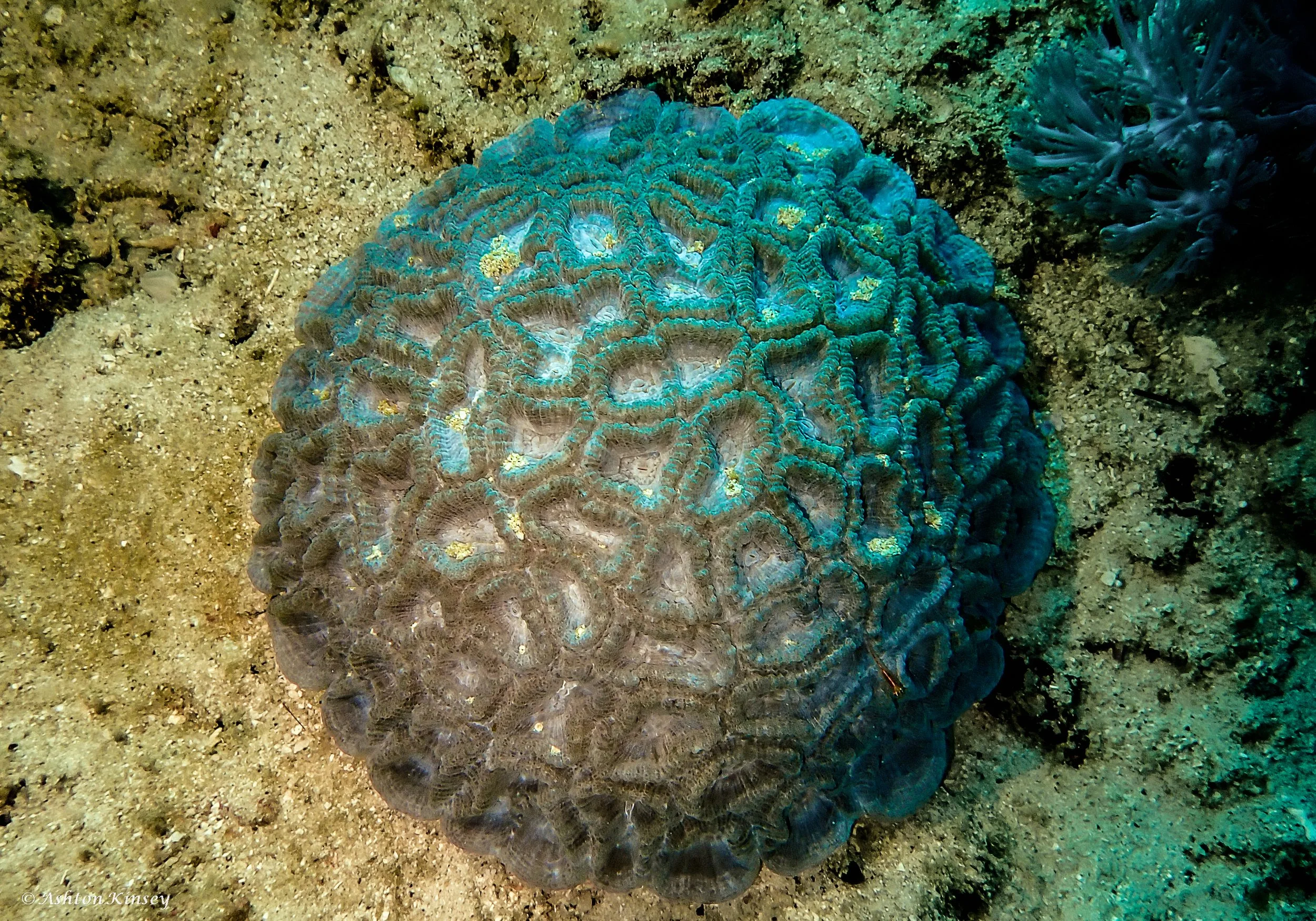
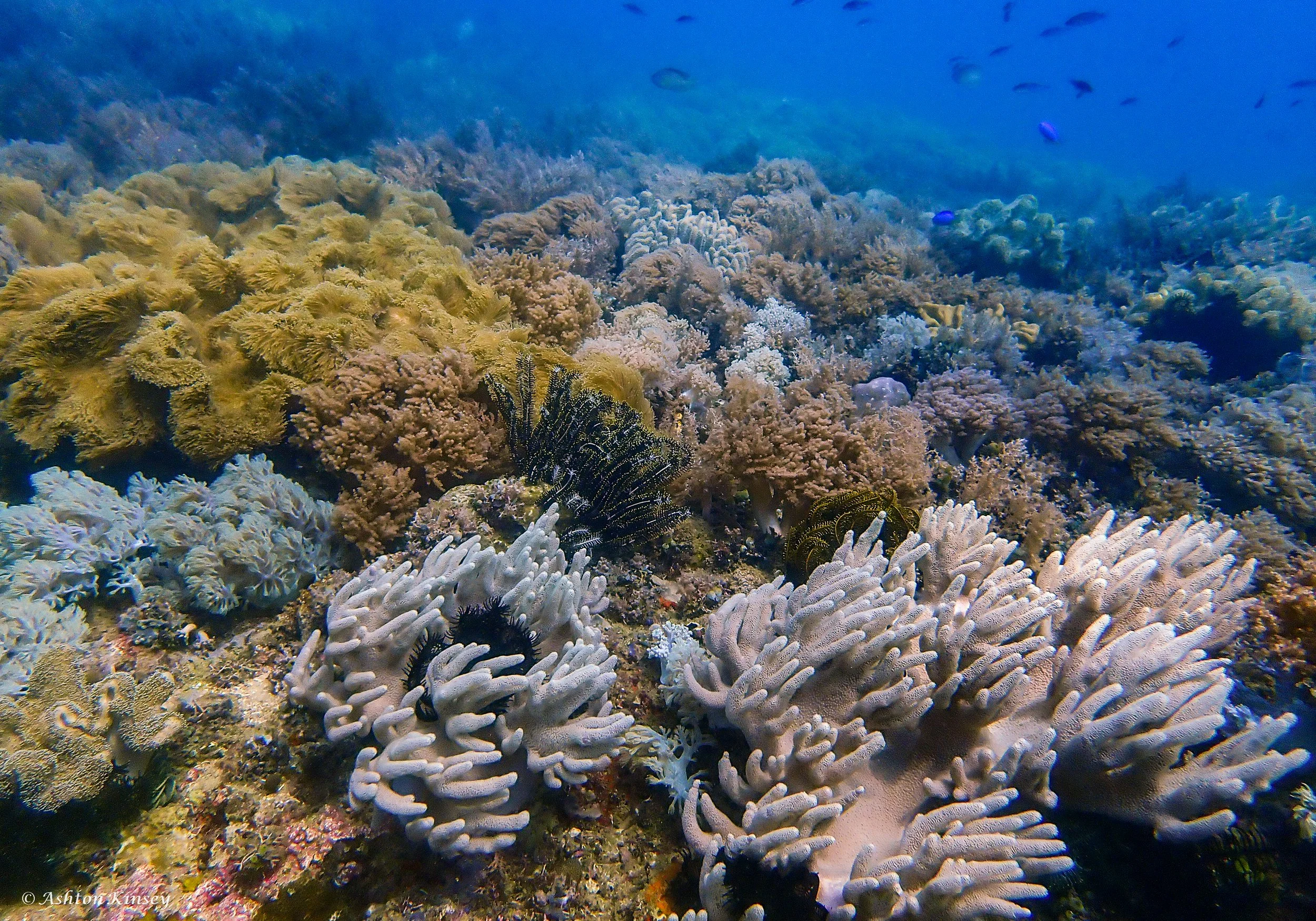
Monkey Beach, Dugon Wall and West Escarreo, are all part of the same continuous coral garden with many ledges that allow for hiding places for grouper, barracuda, invertebrates, and nudibranchs. There were plenty of soft corals, xenia, and Kenya trees. There were several porcelain crabs hanging out underneath large carpet anemones, while clownfish attacked anyone who got too close.
Dive 1: Monkey Beach
72’ for 49 minutes
Monkey Beach has a small wreck named Anihan, which translates to Two Winds, and is based on the North and East winds that blow along the islands. The wreck sits at the bottom of a sloping reef in about 70’ of water.
Dive 2: Dugon Wall
70’ for 55 minutes
Dive 11: West Escarreo
62’ for 61 minutes
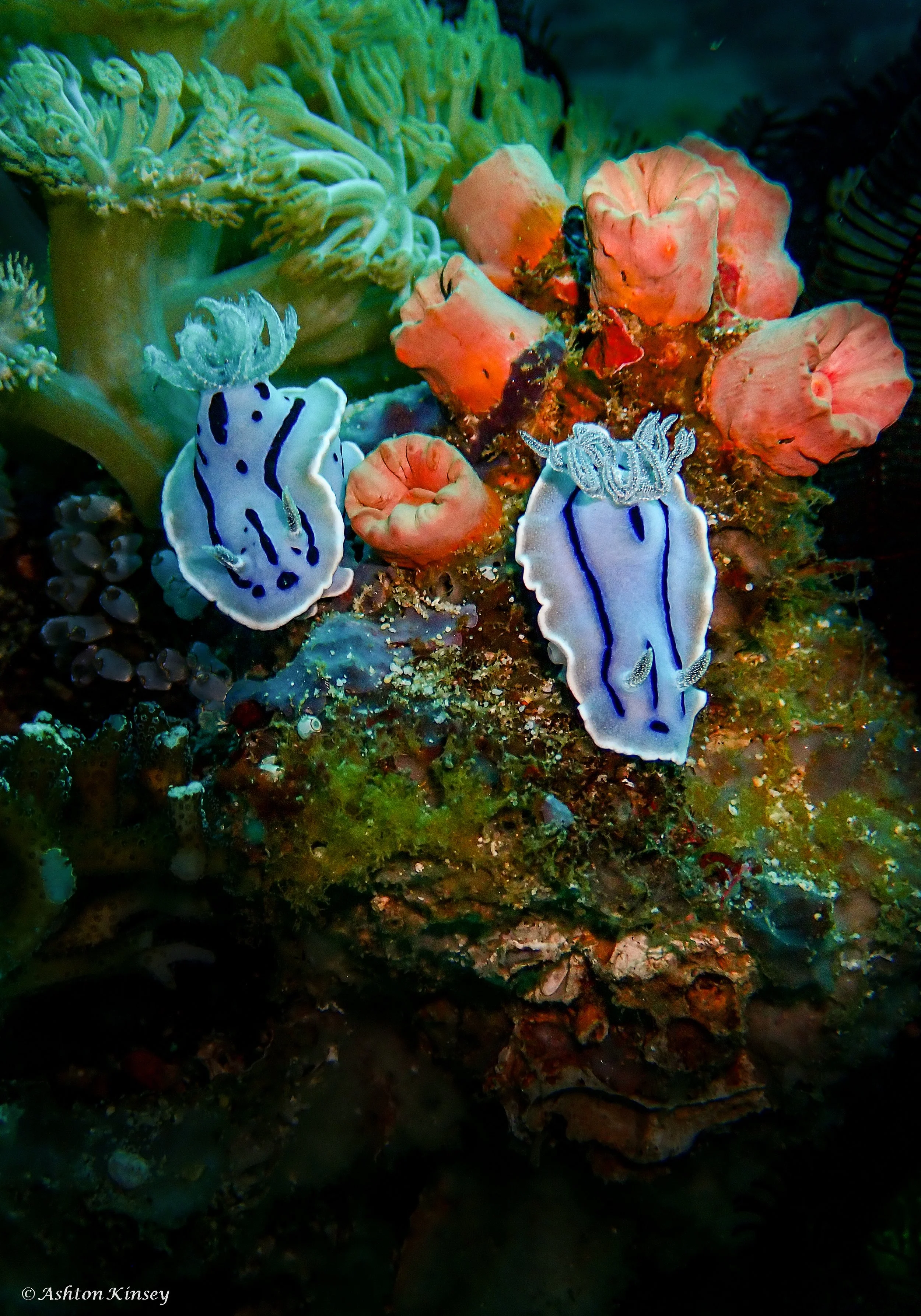
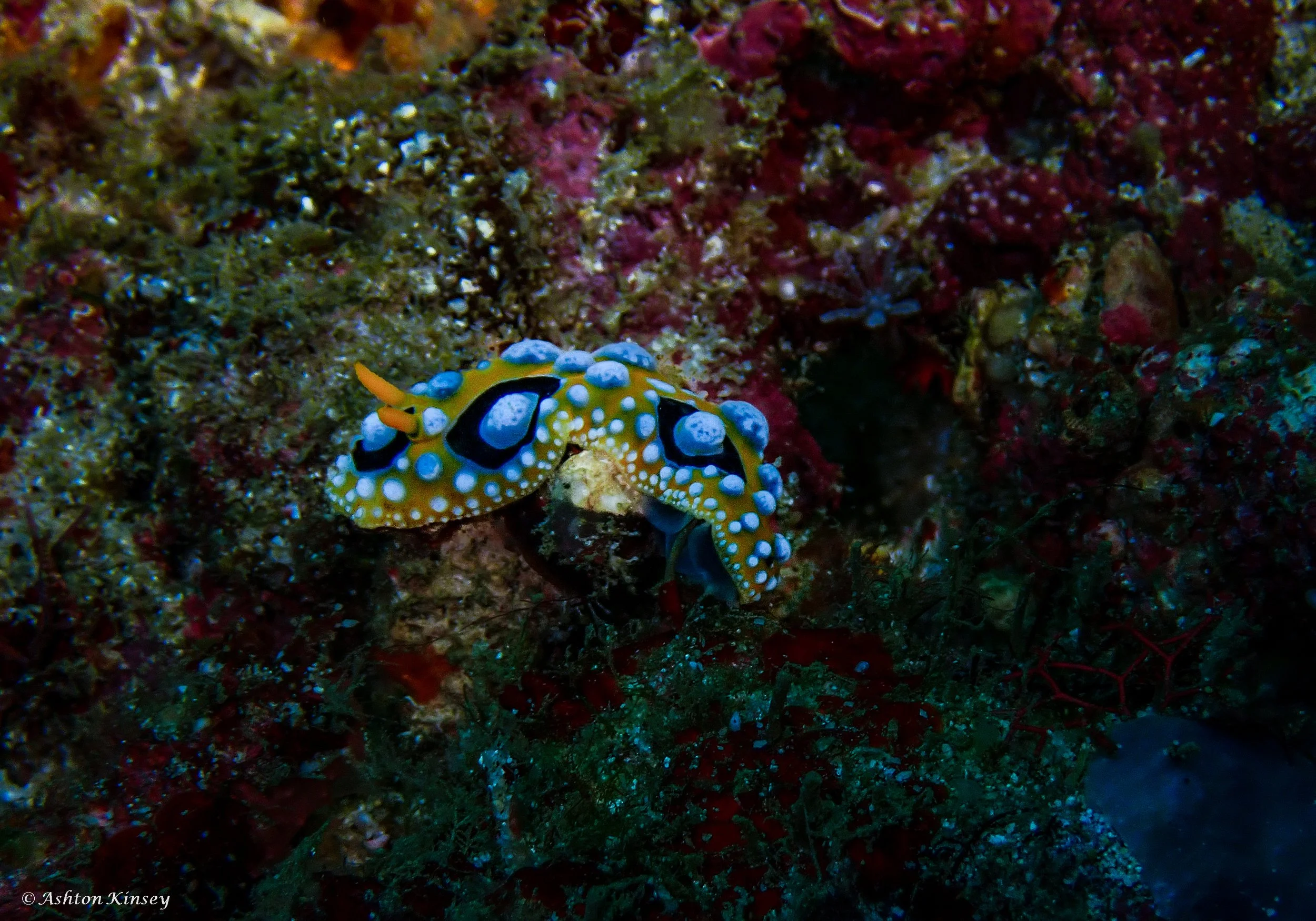
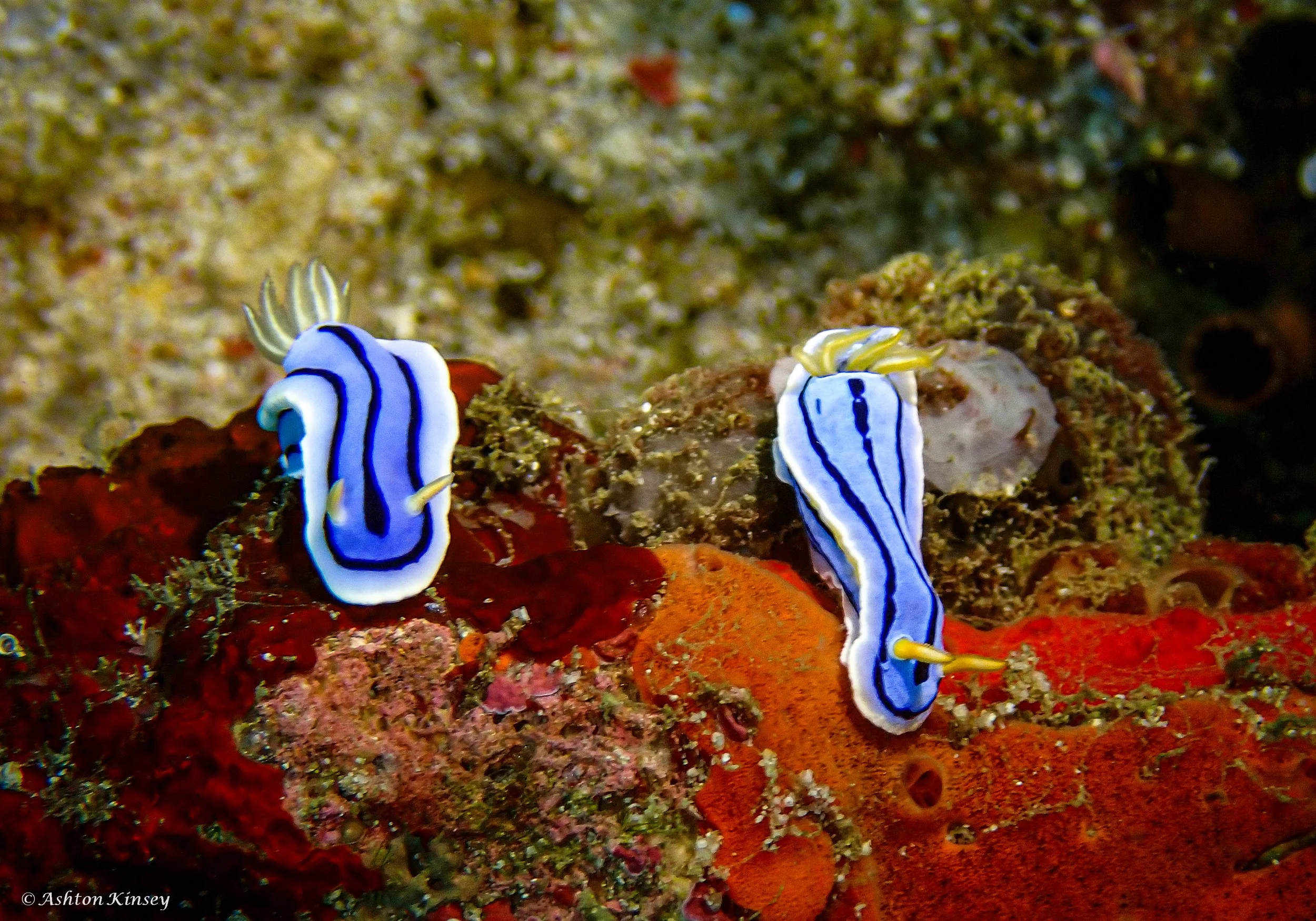
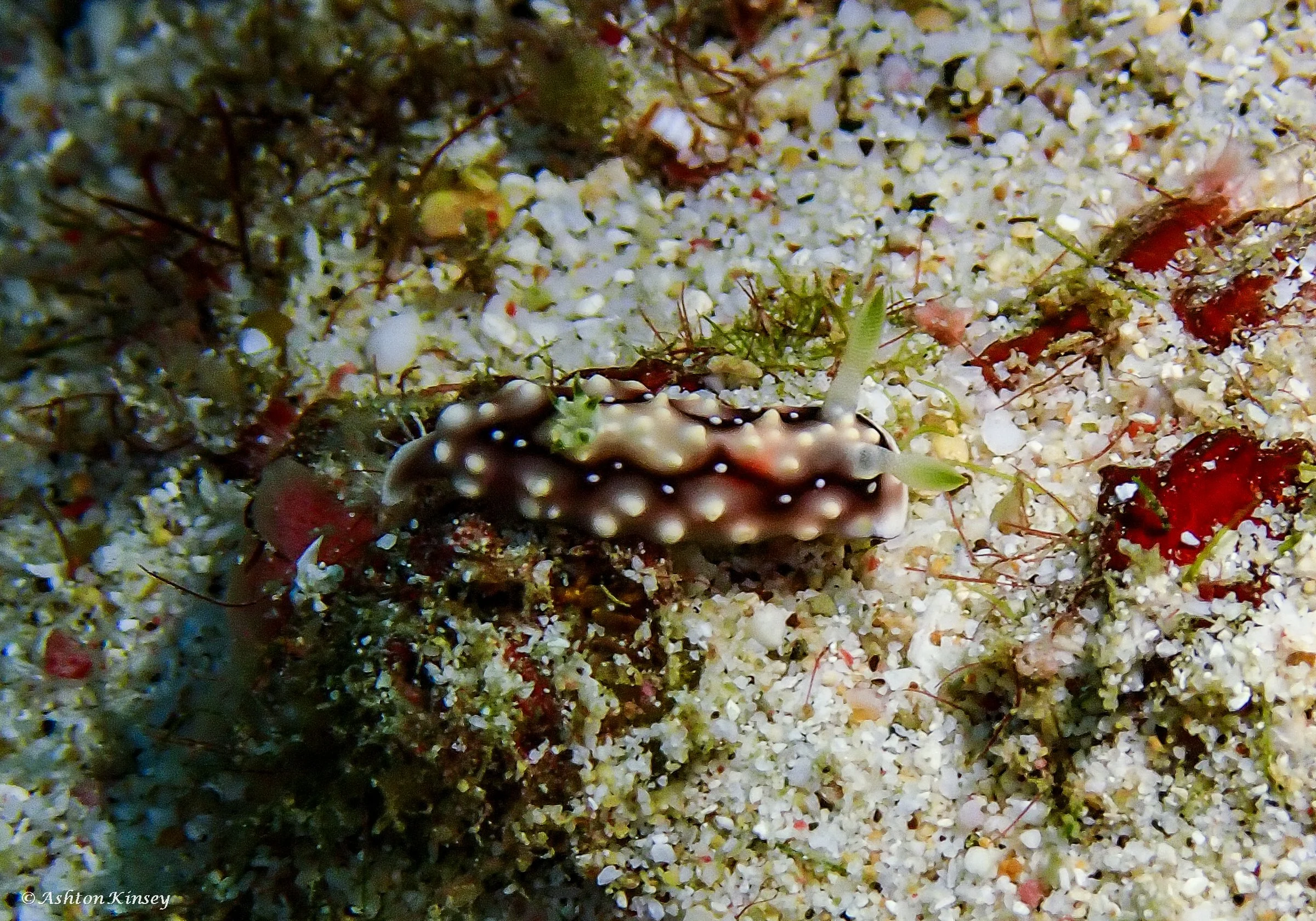
Dive 3, 8(Night): Fantasea Reef
52’ for 50 minutes, 45’ for 59 minutes
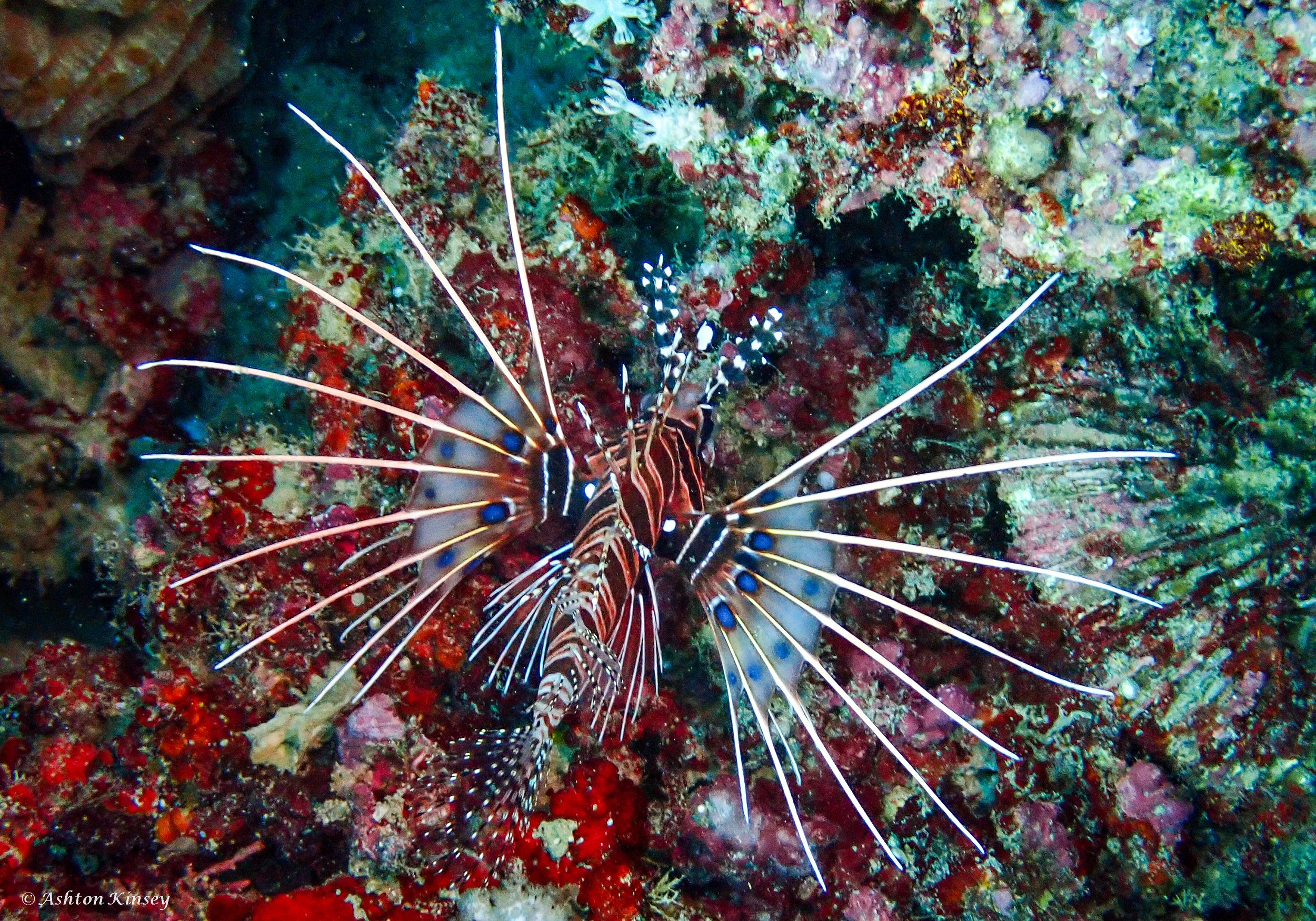
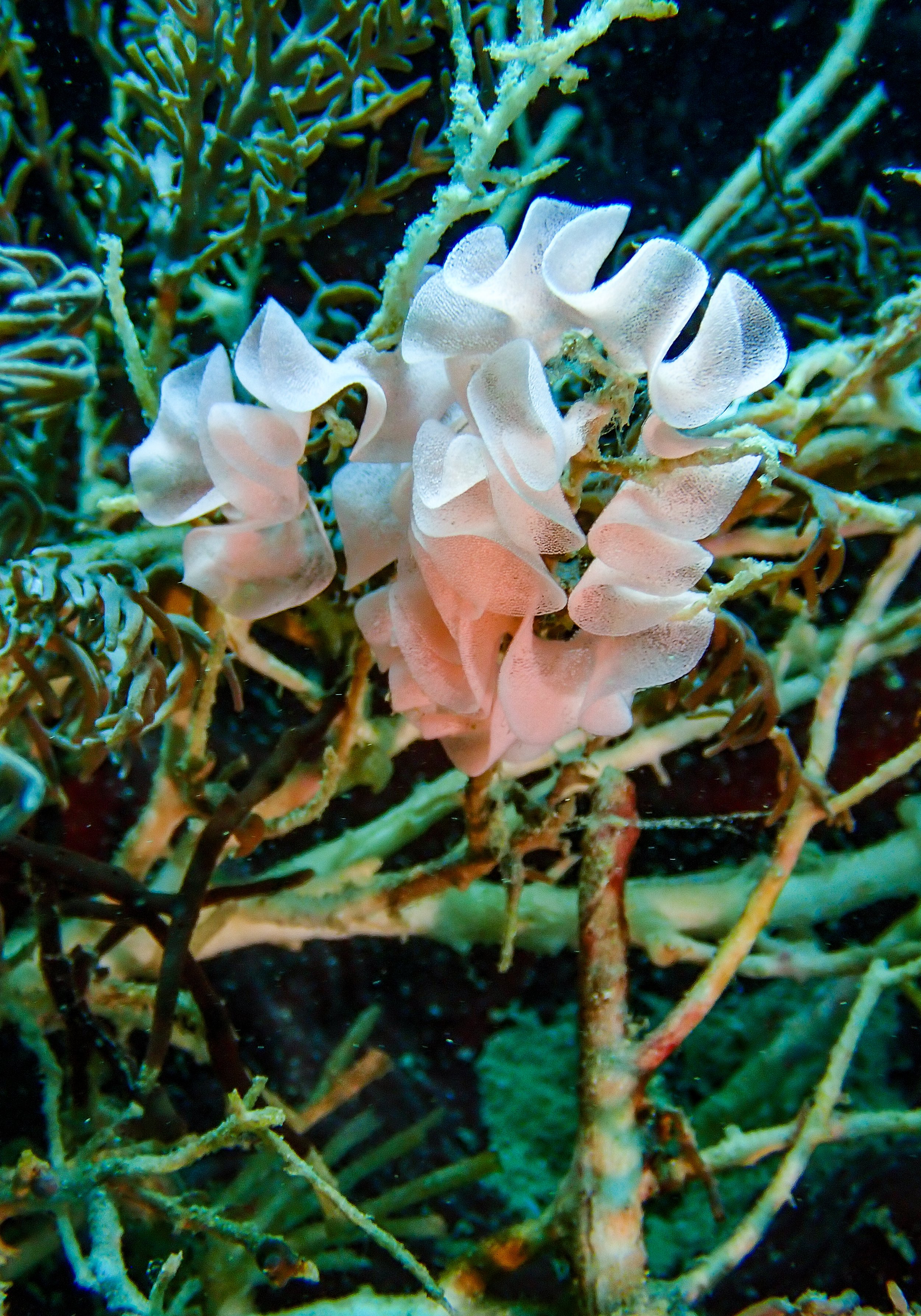
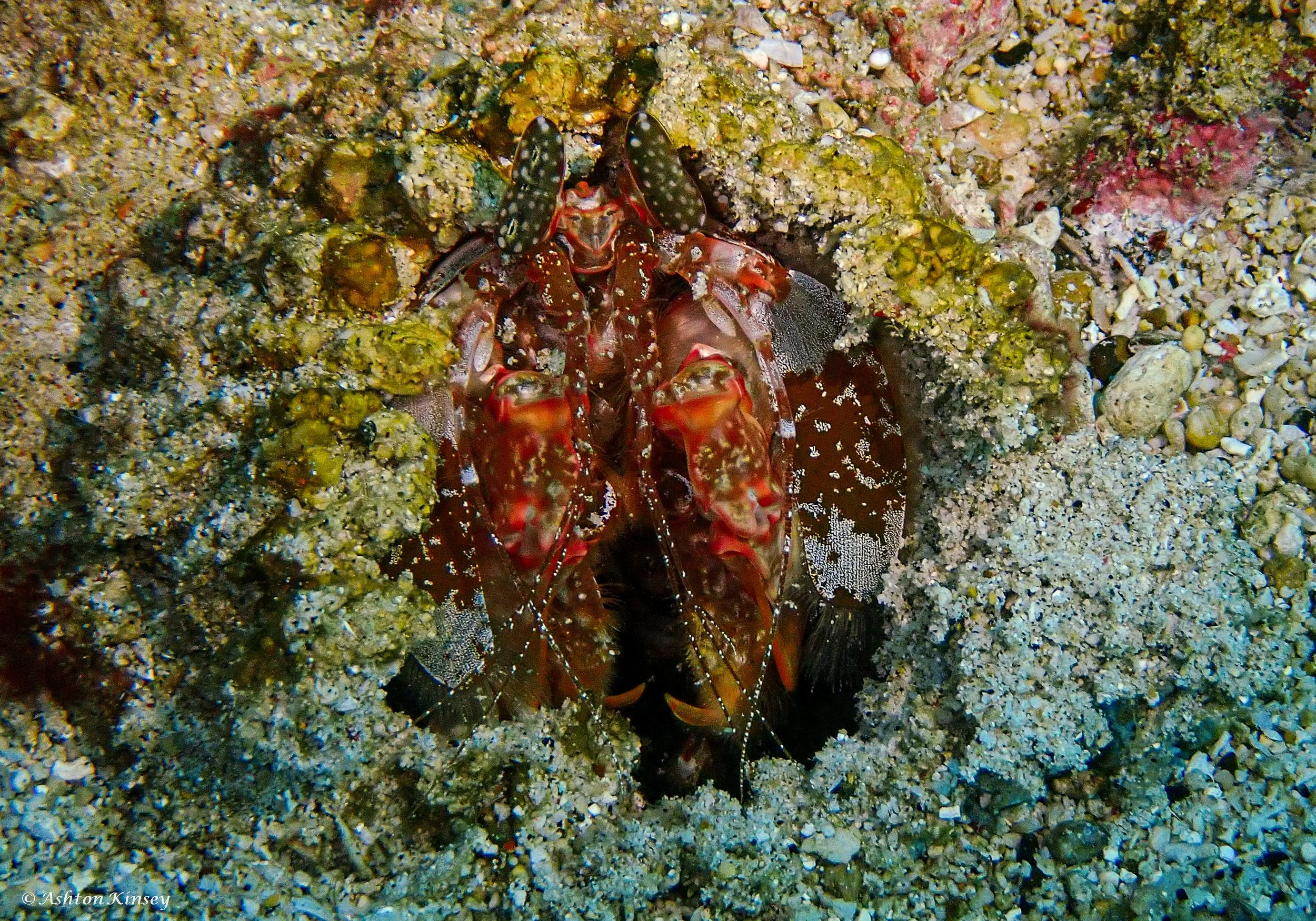
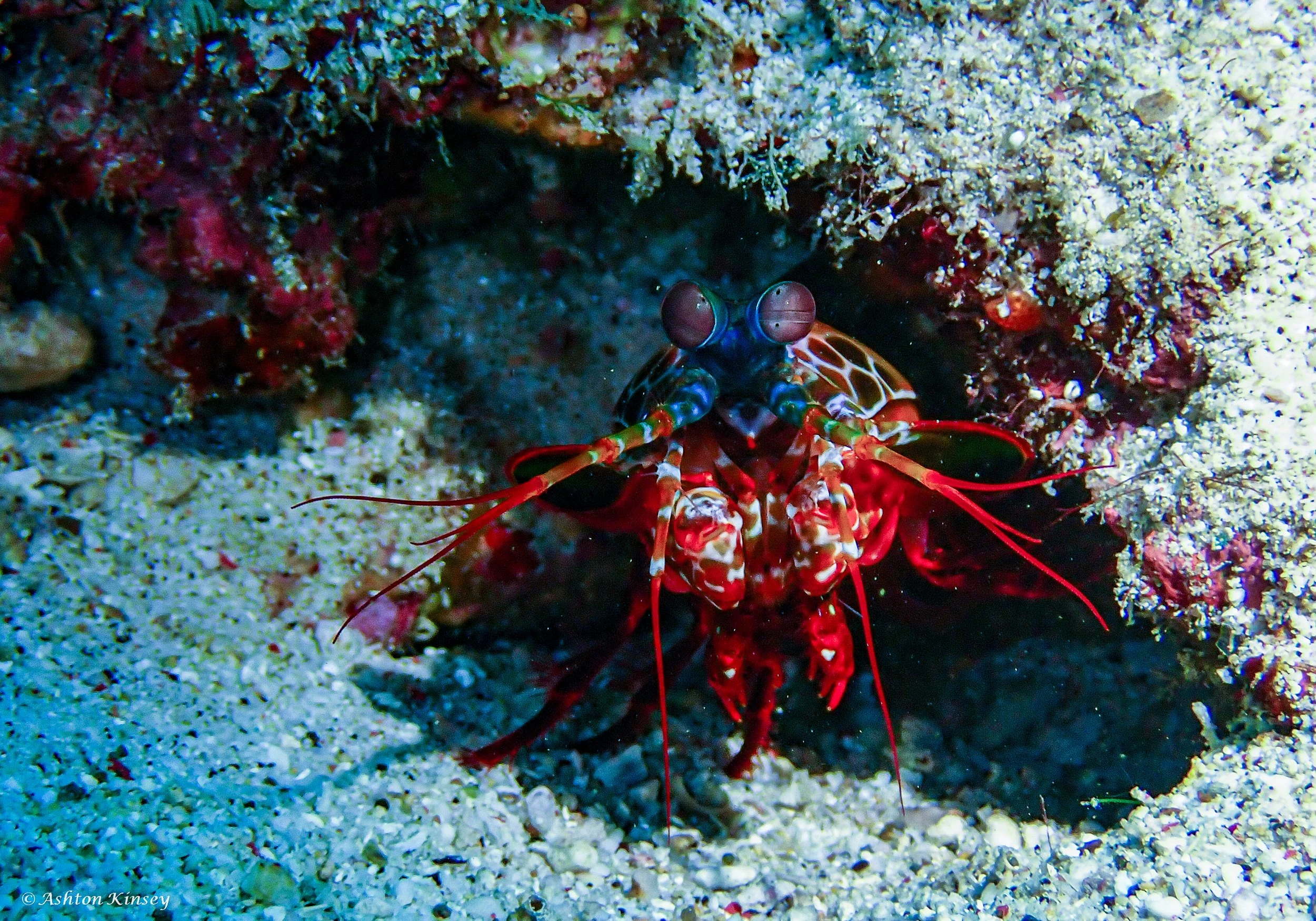
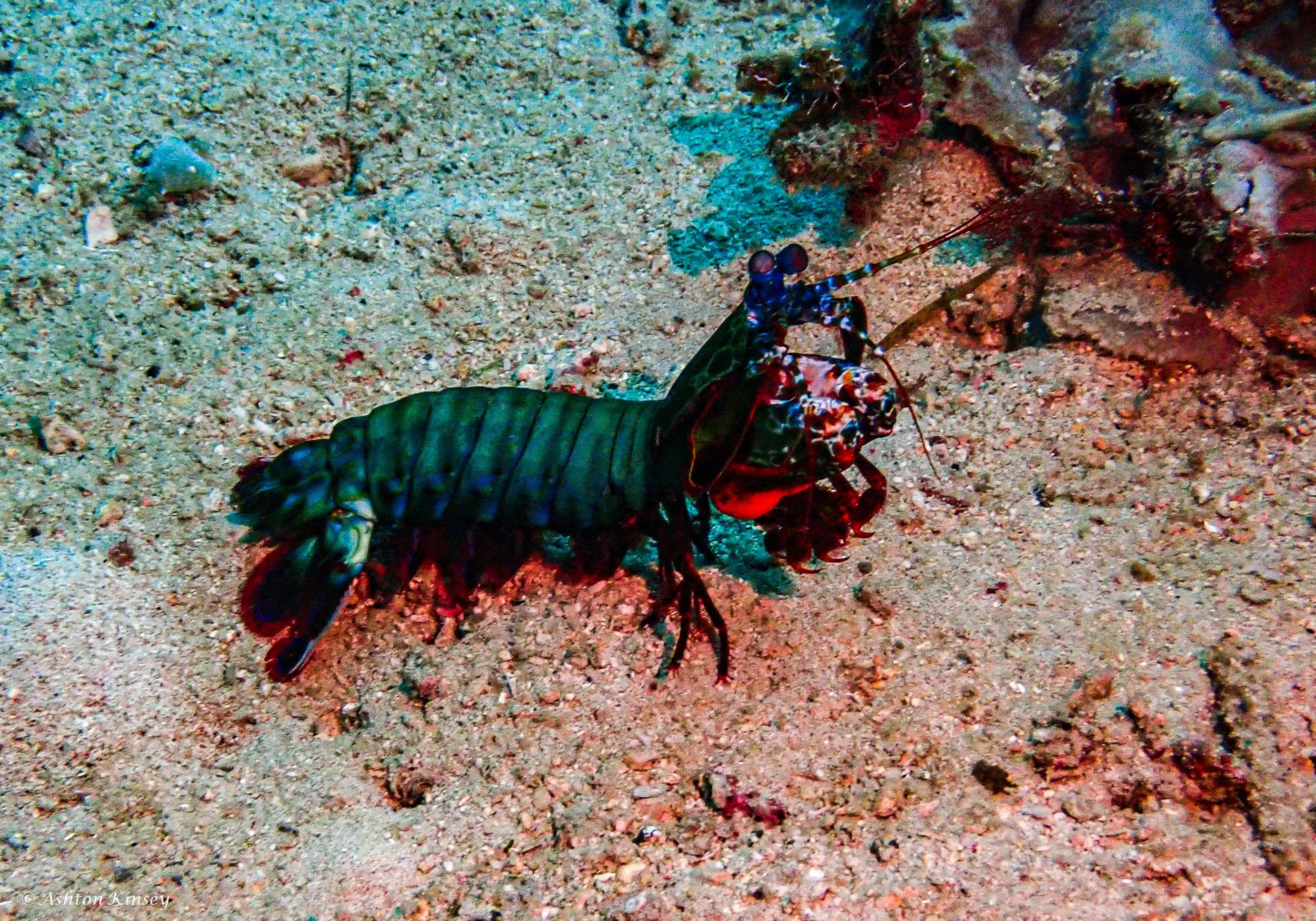
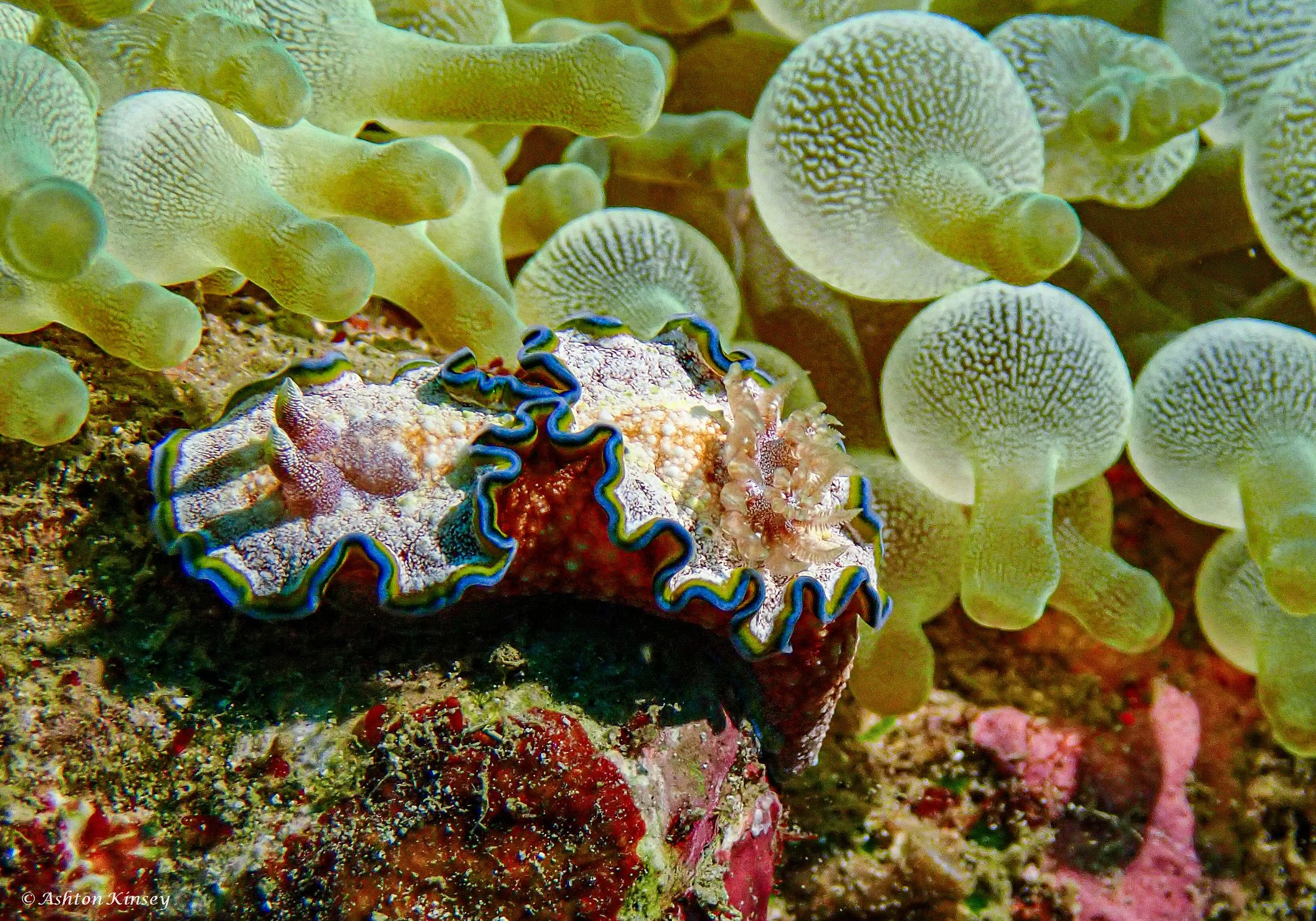
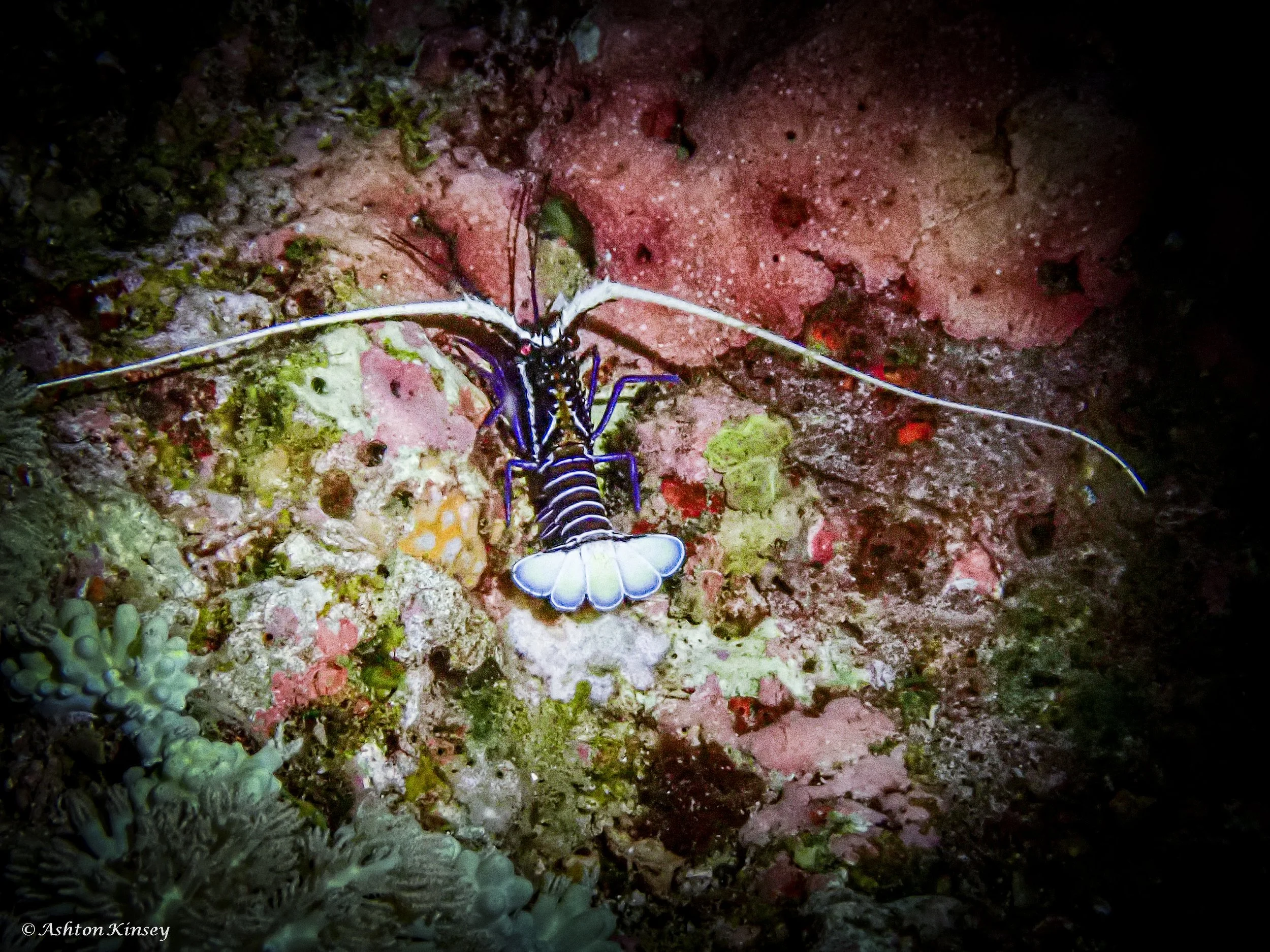
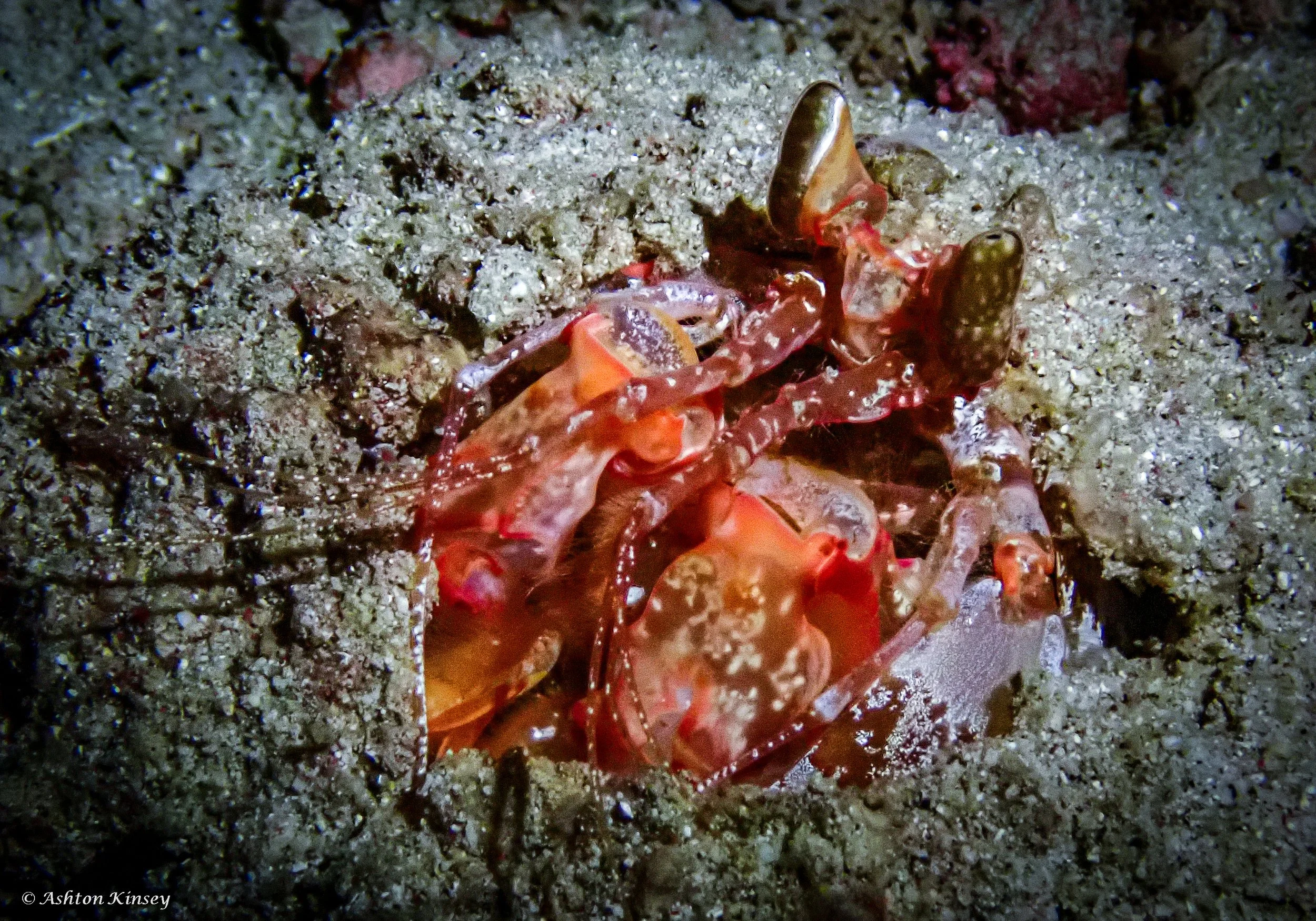
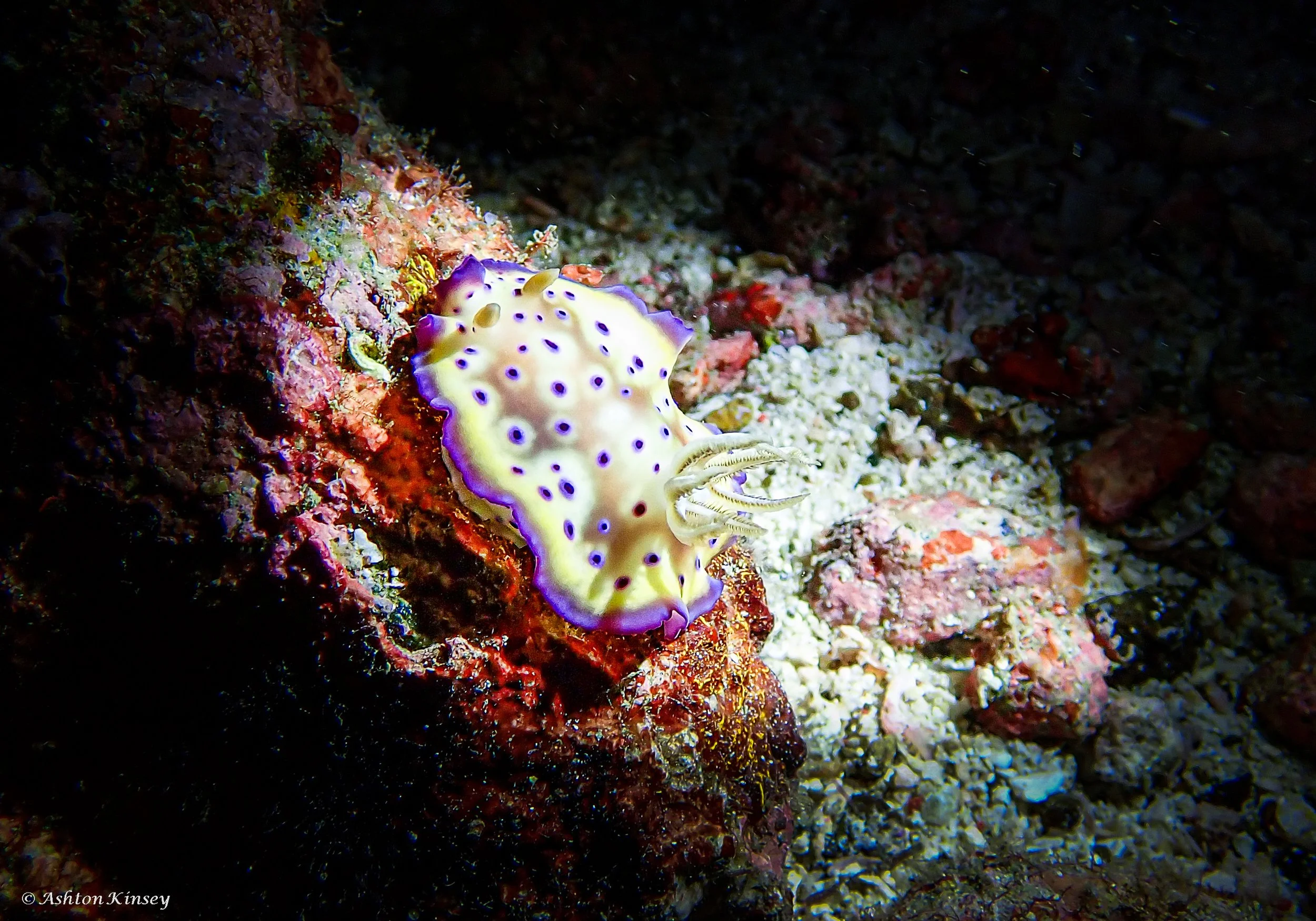
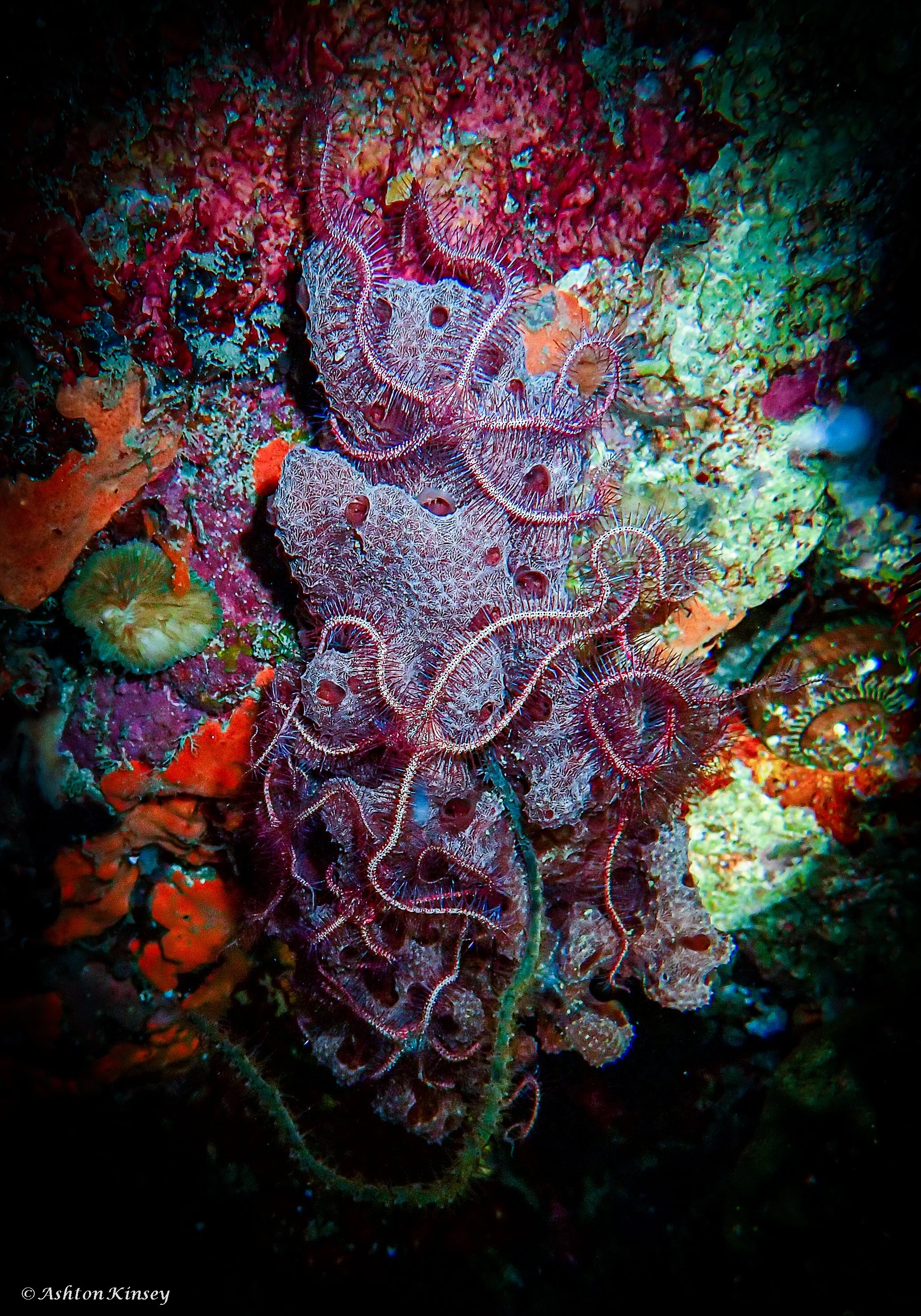
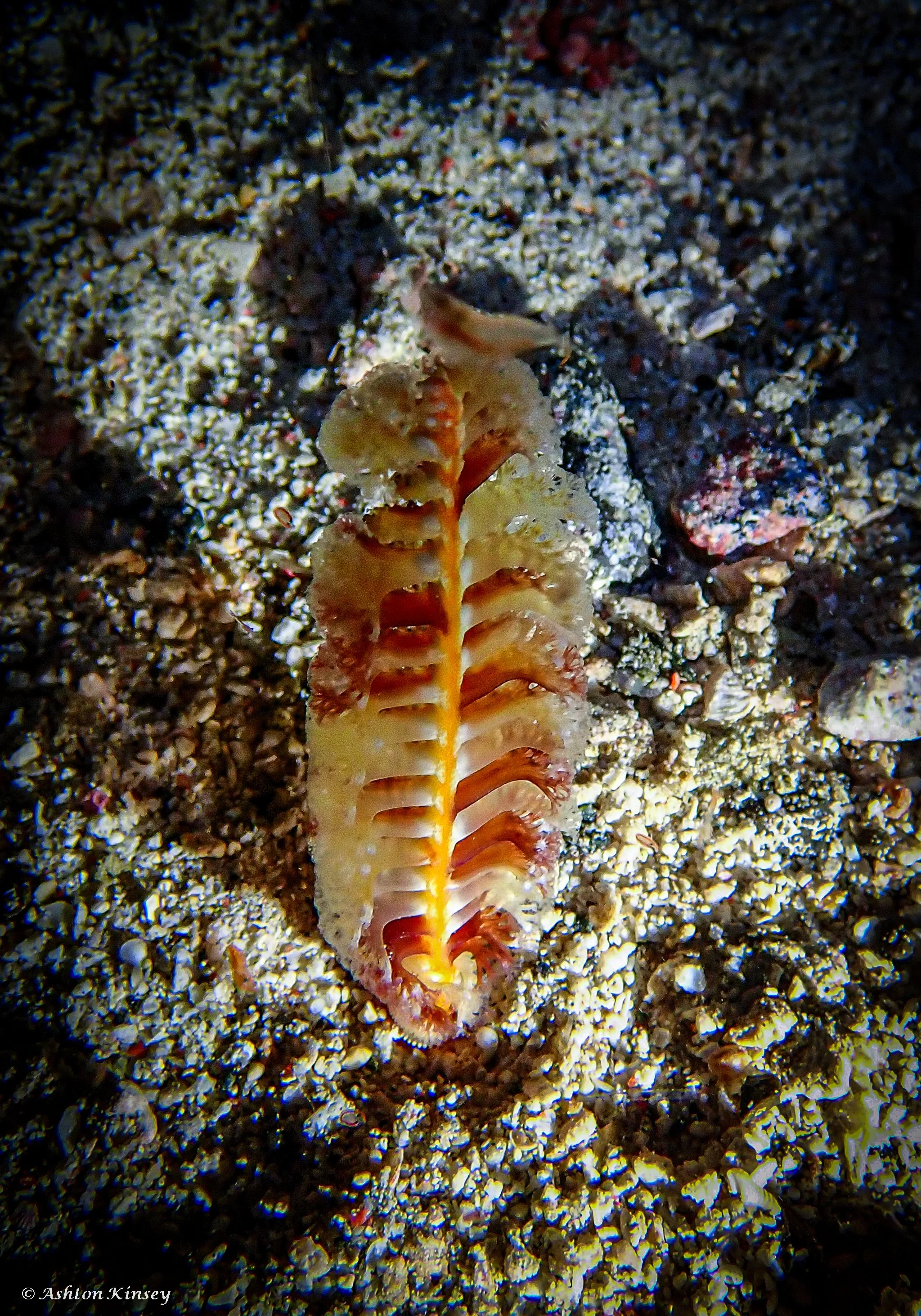
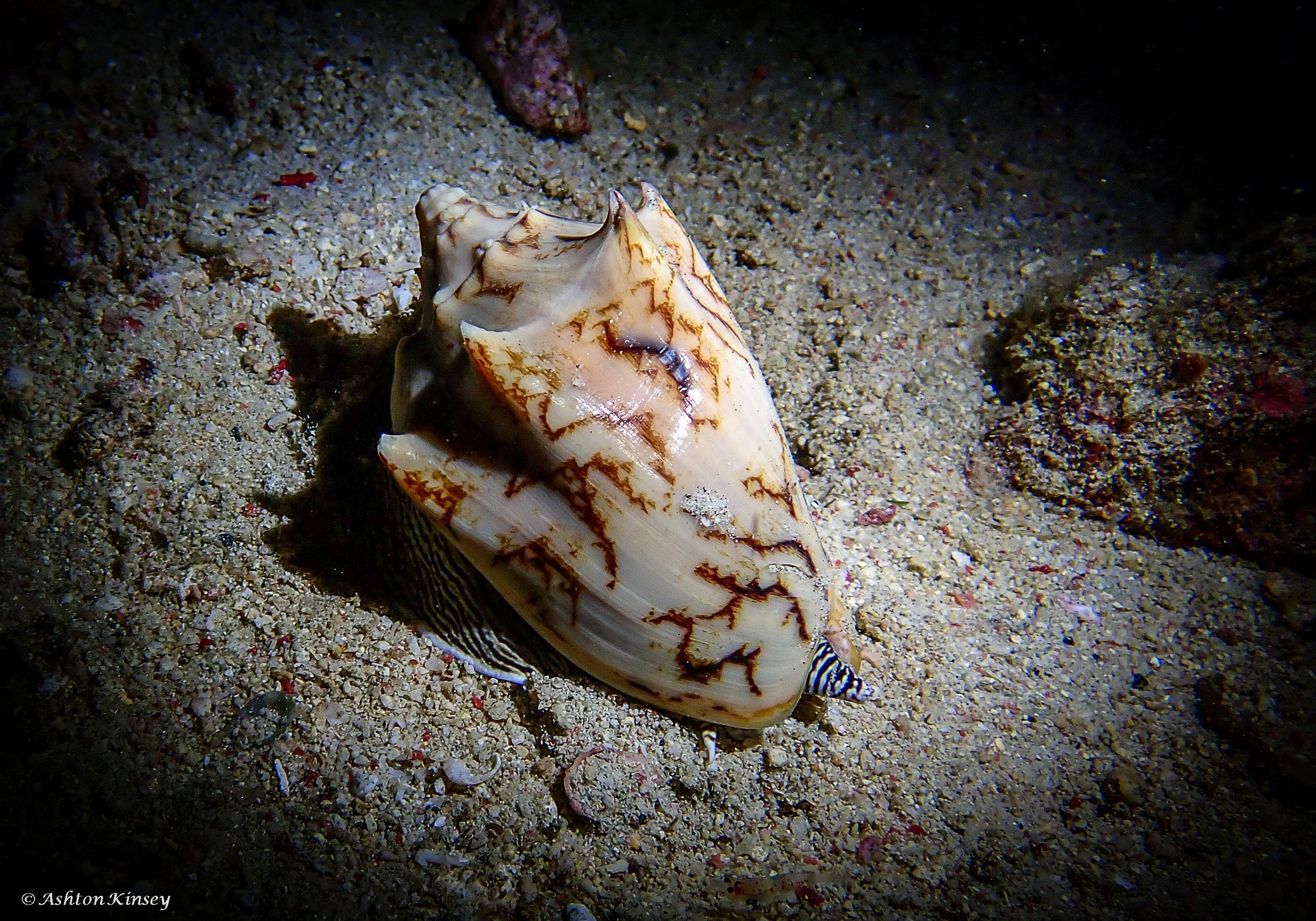
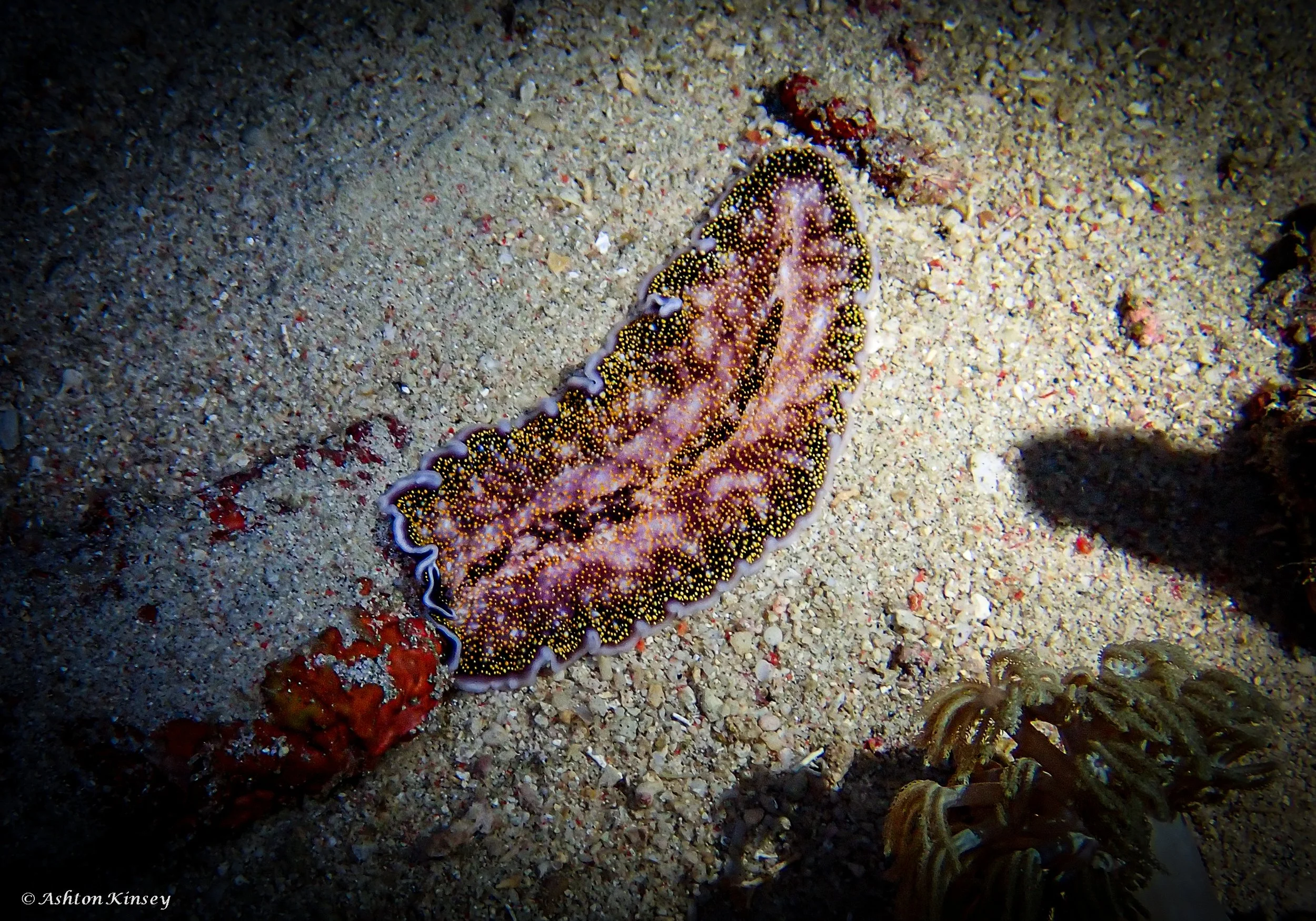
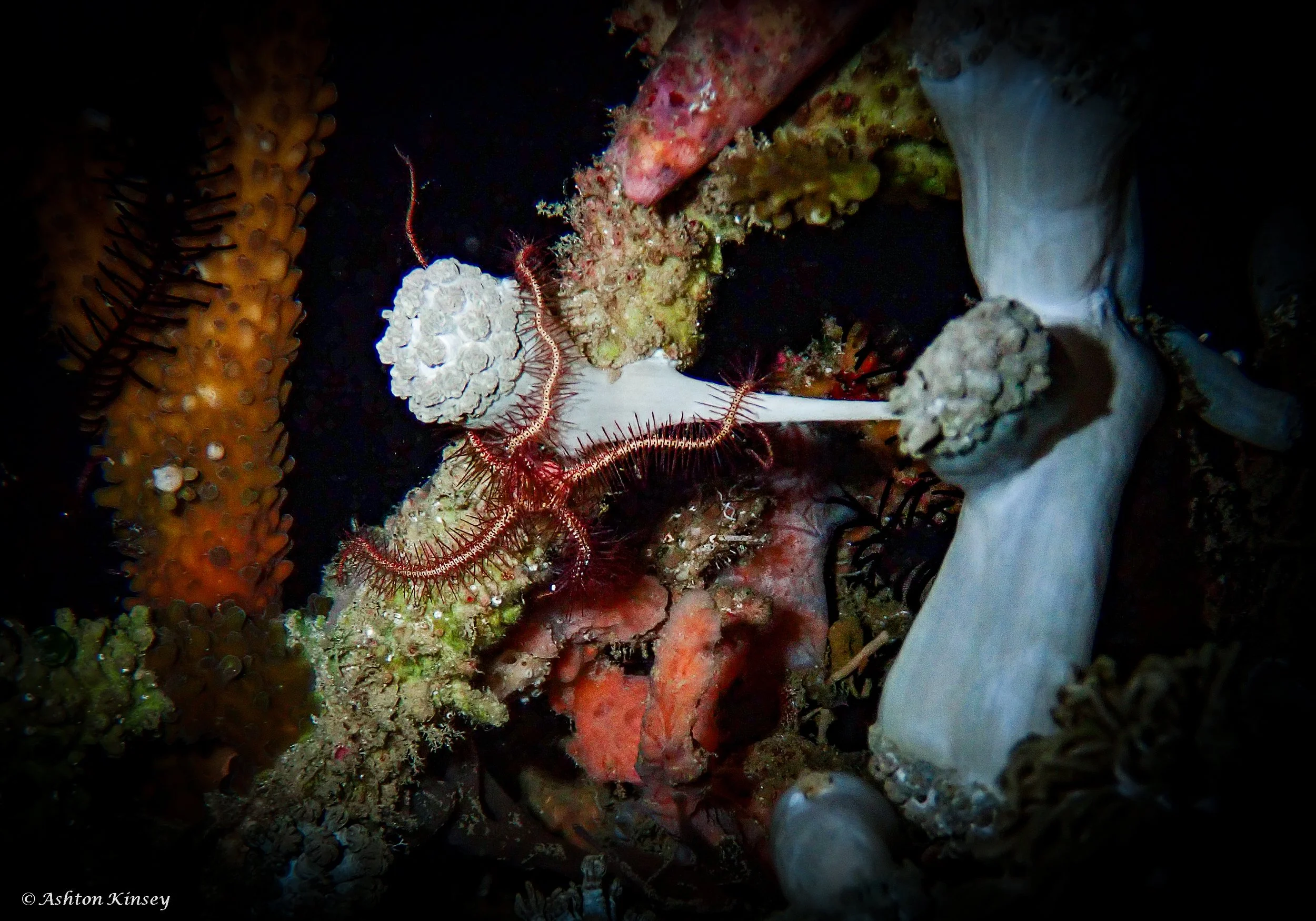
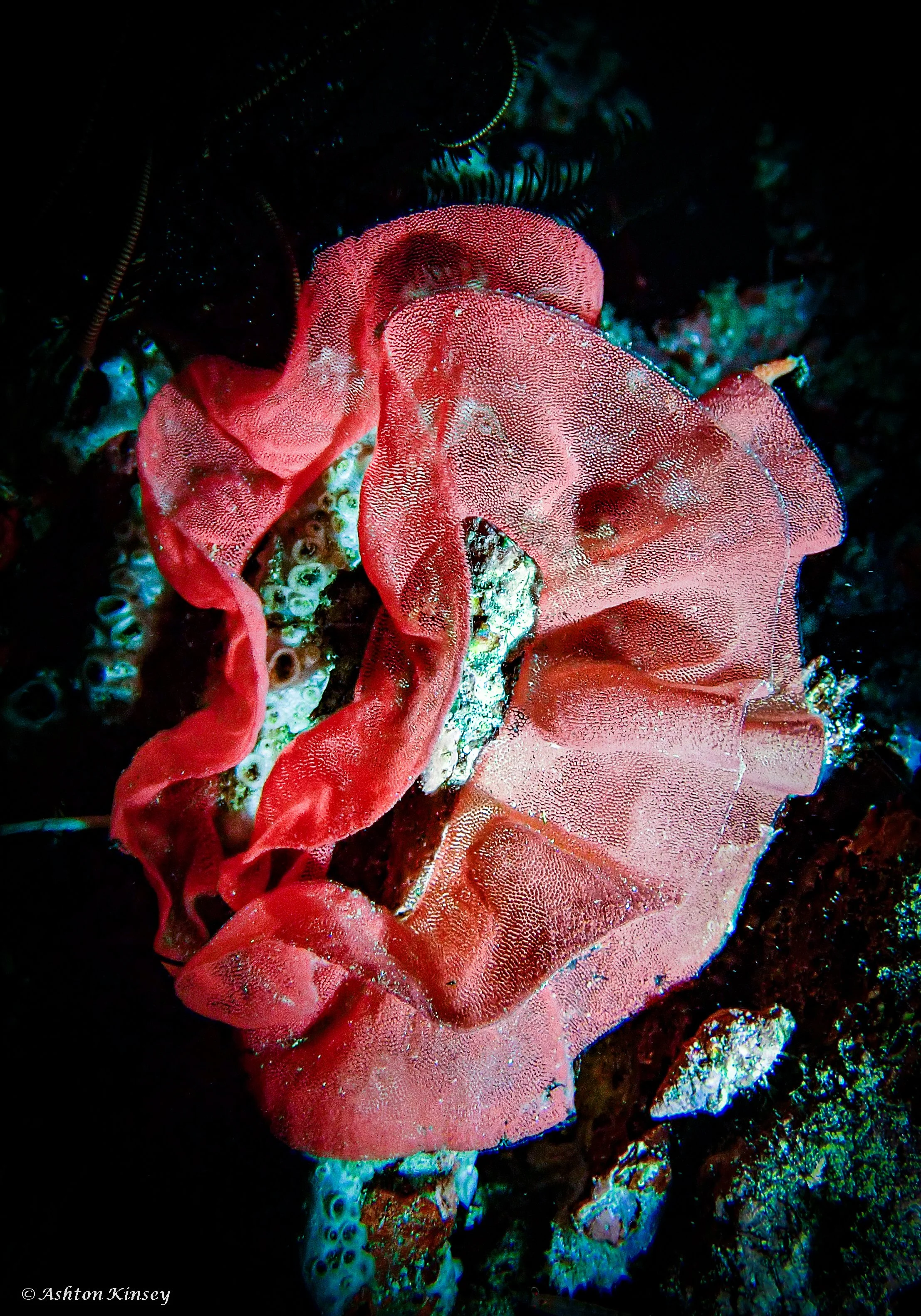
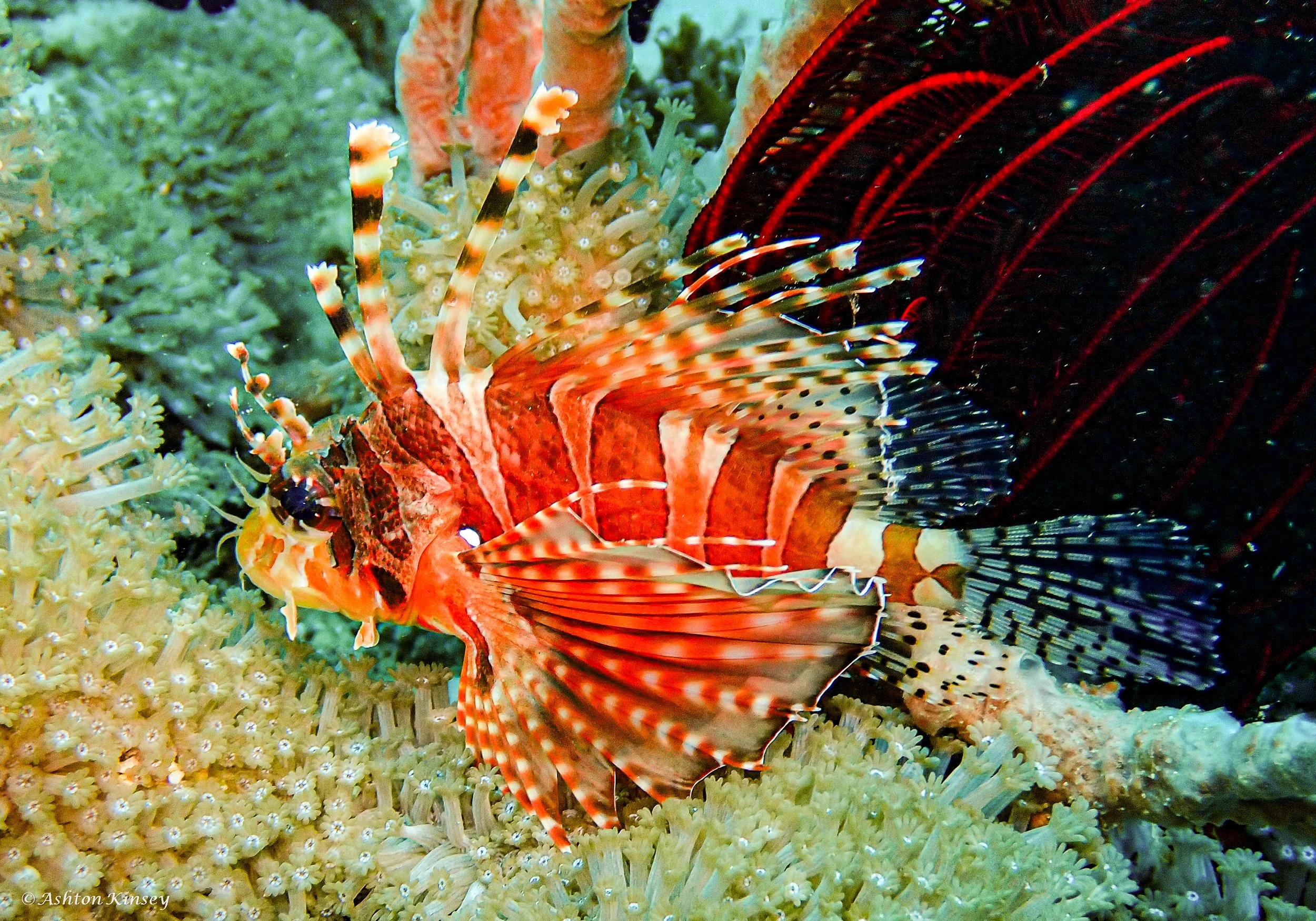
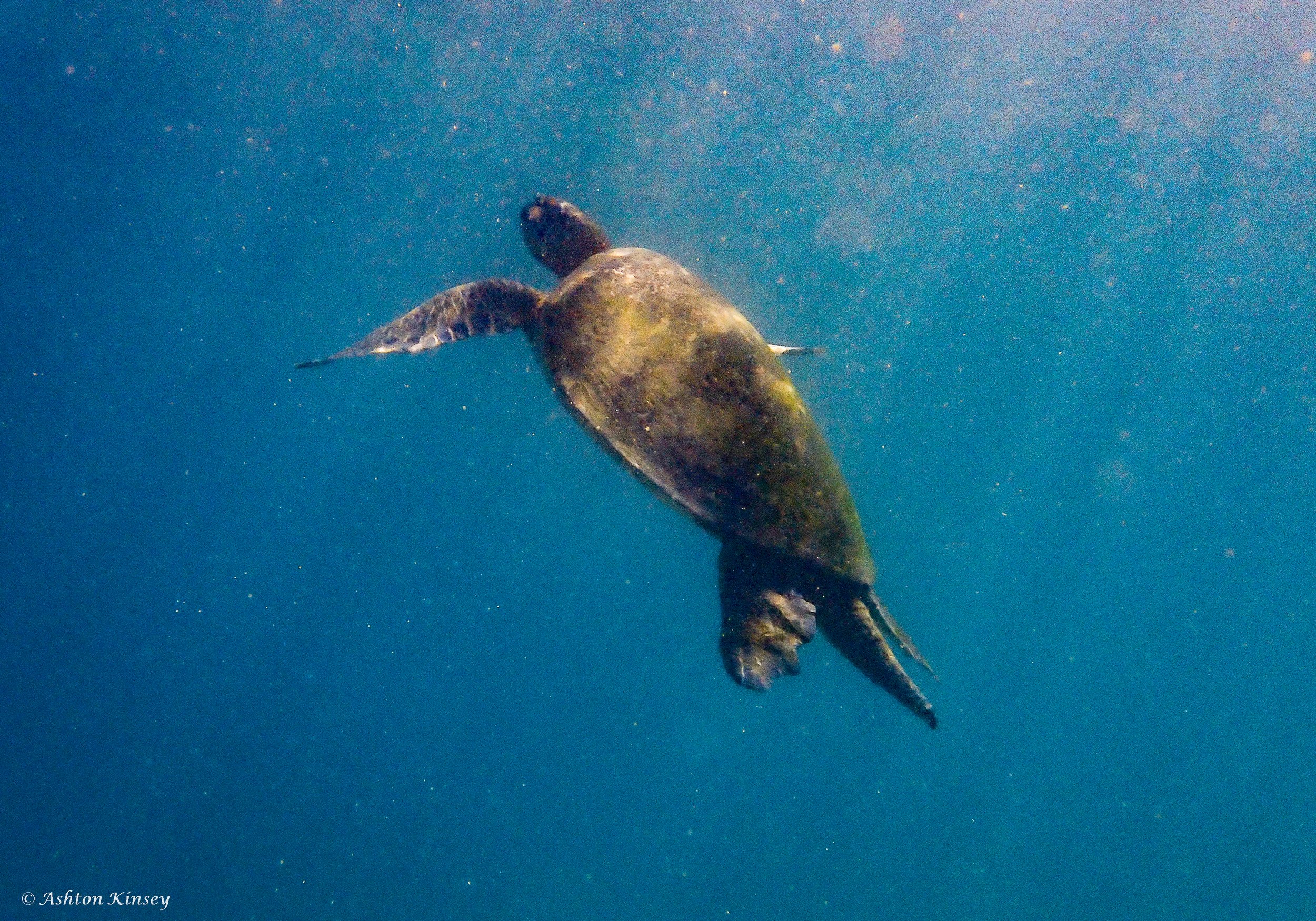
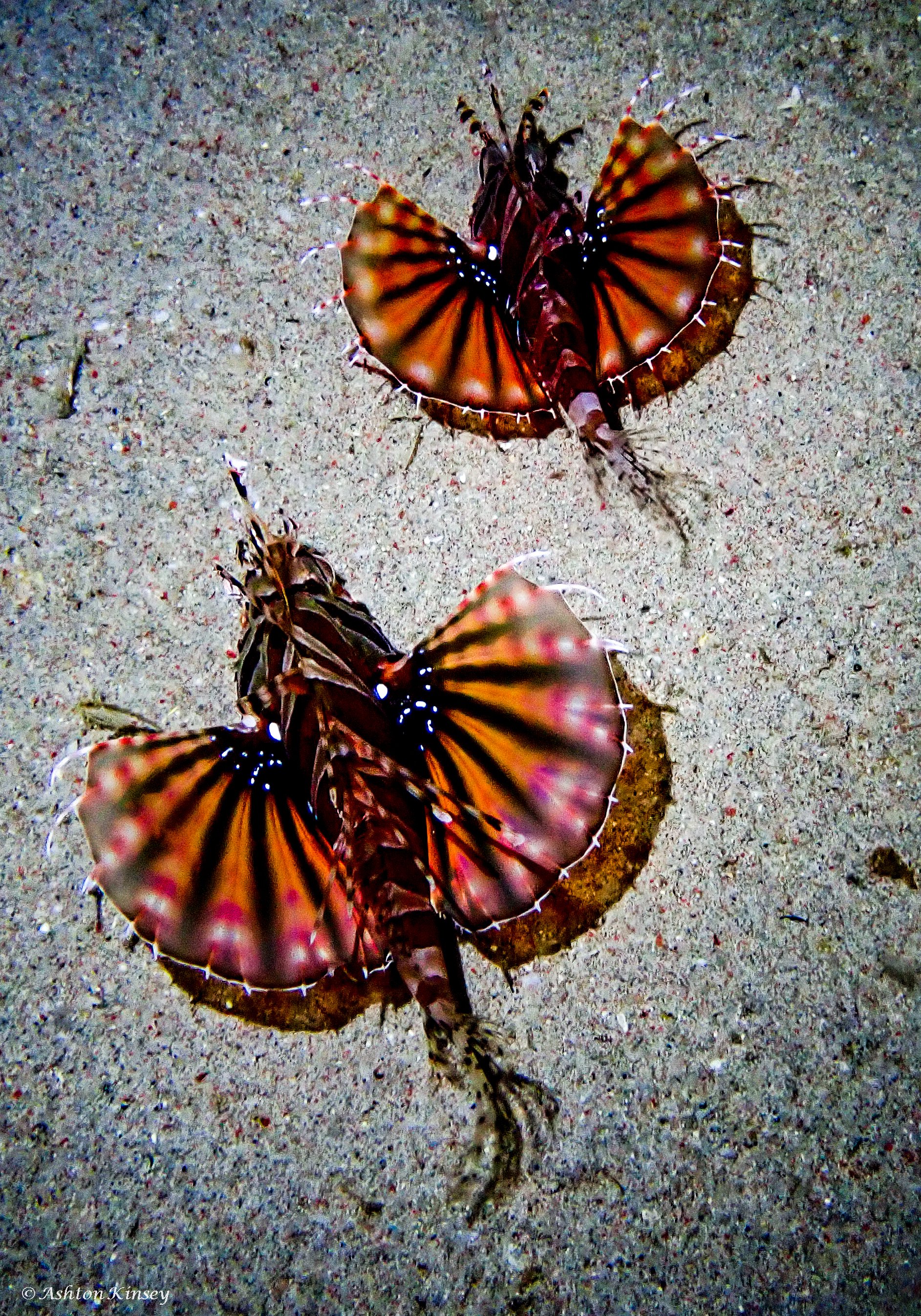
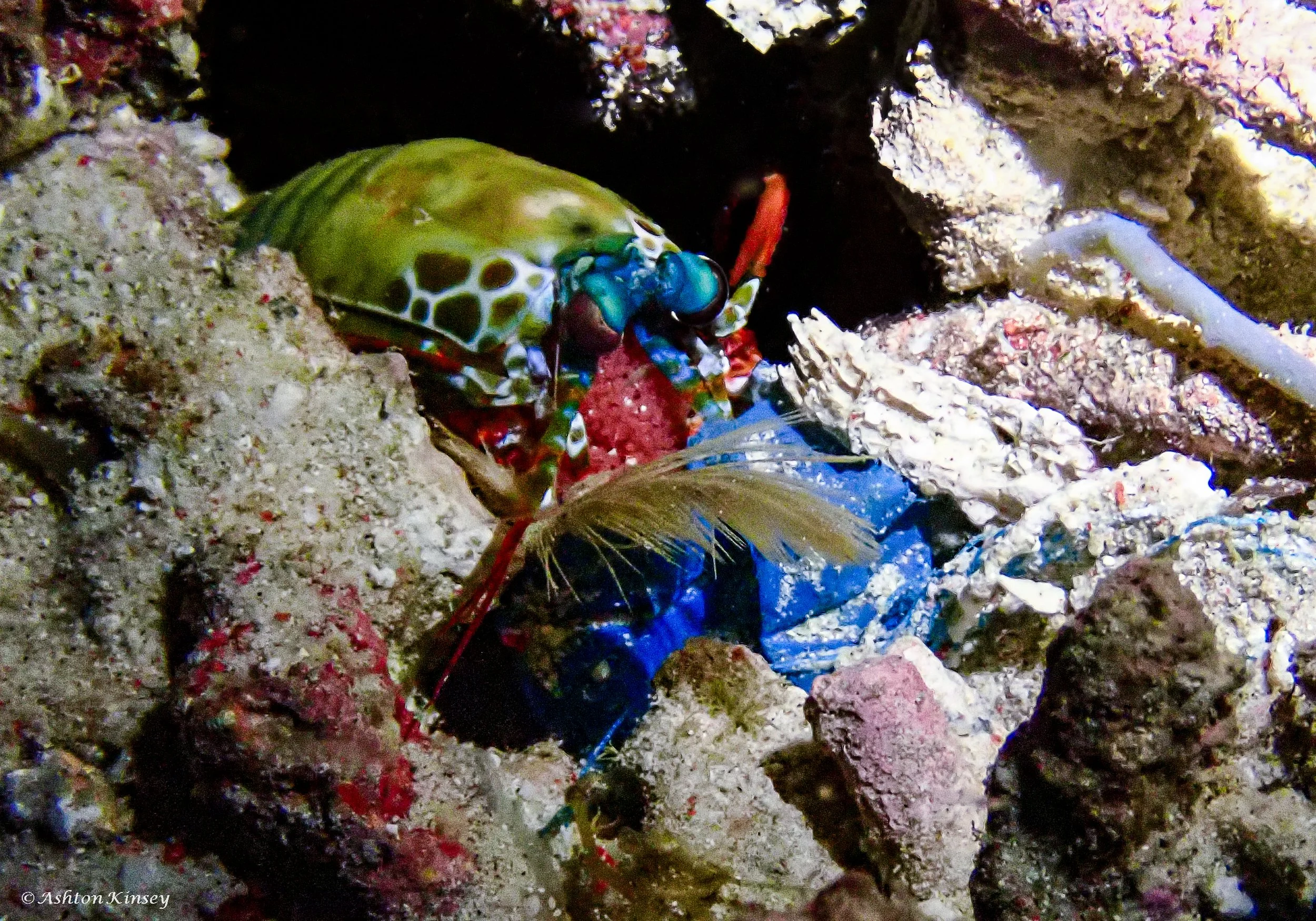
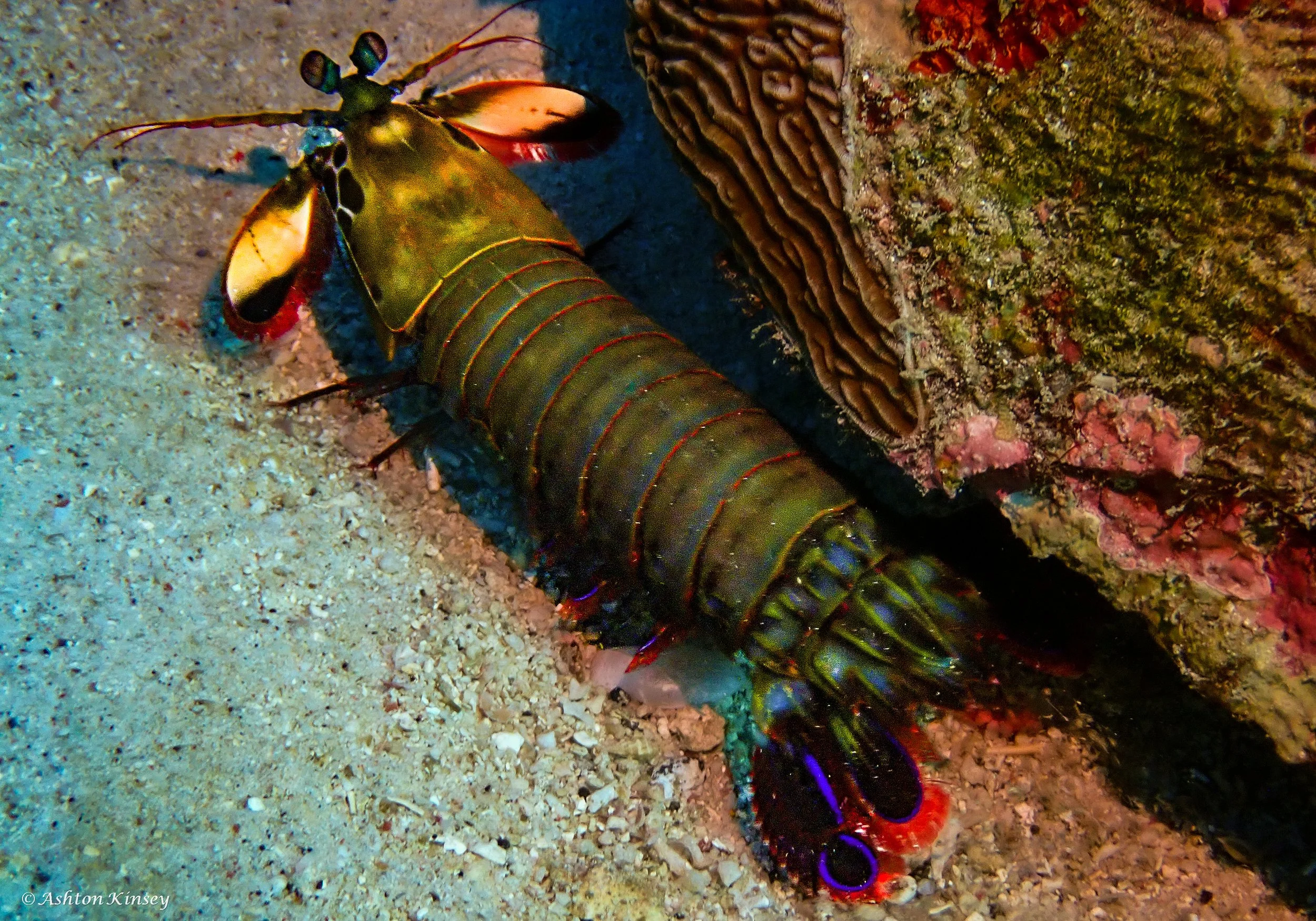
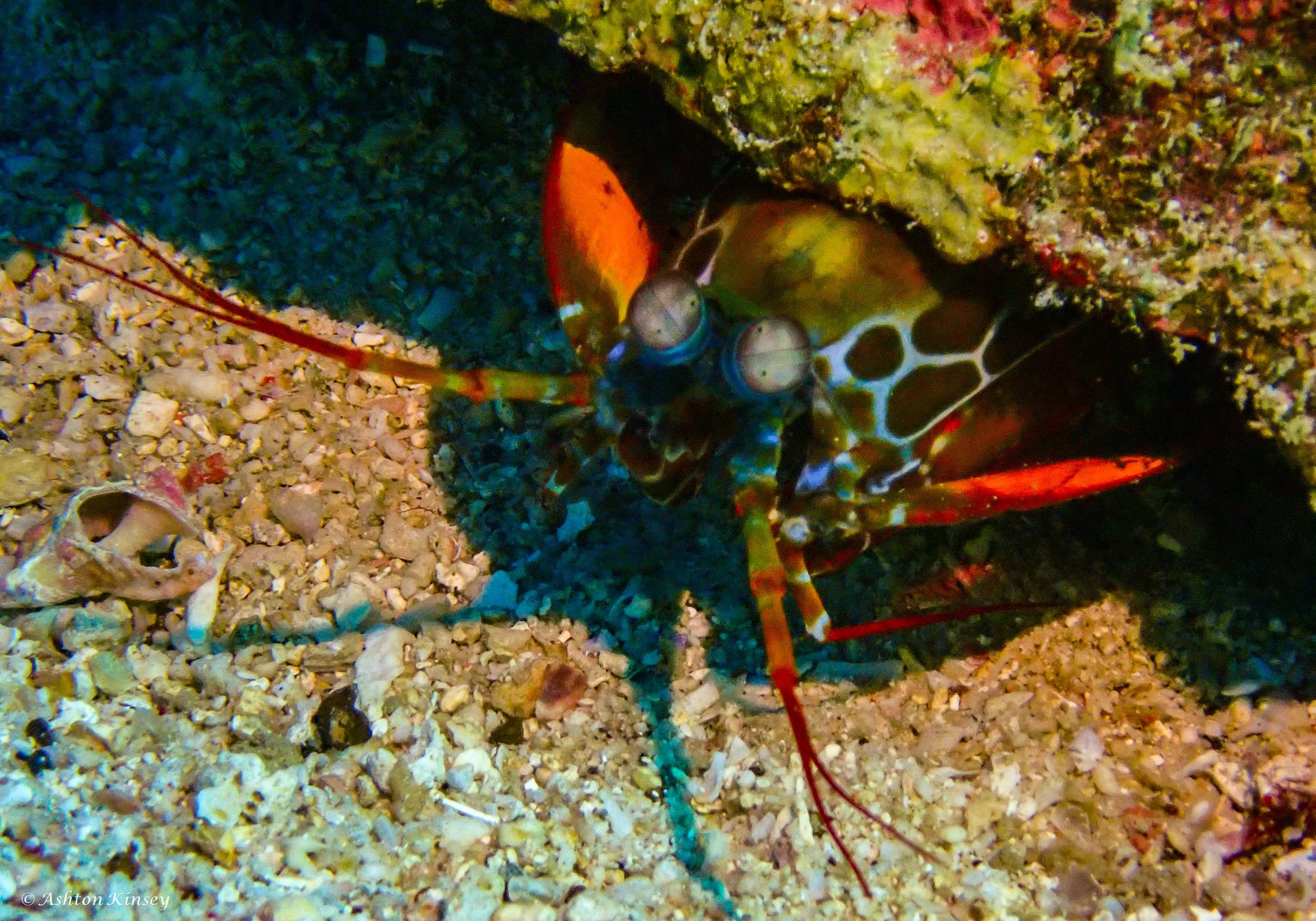
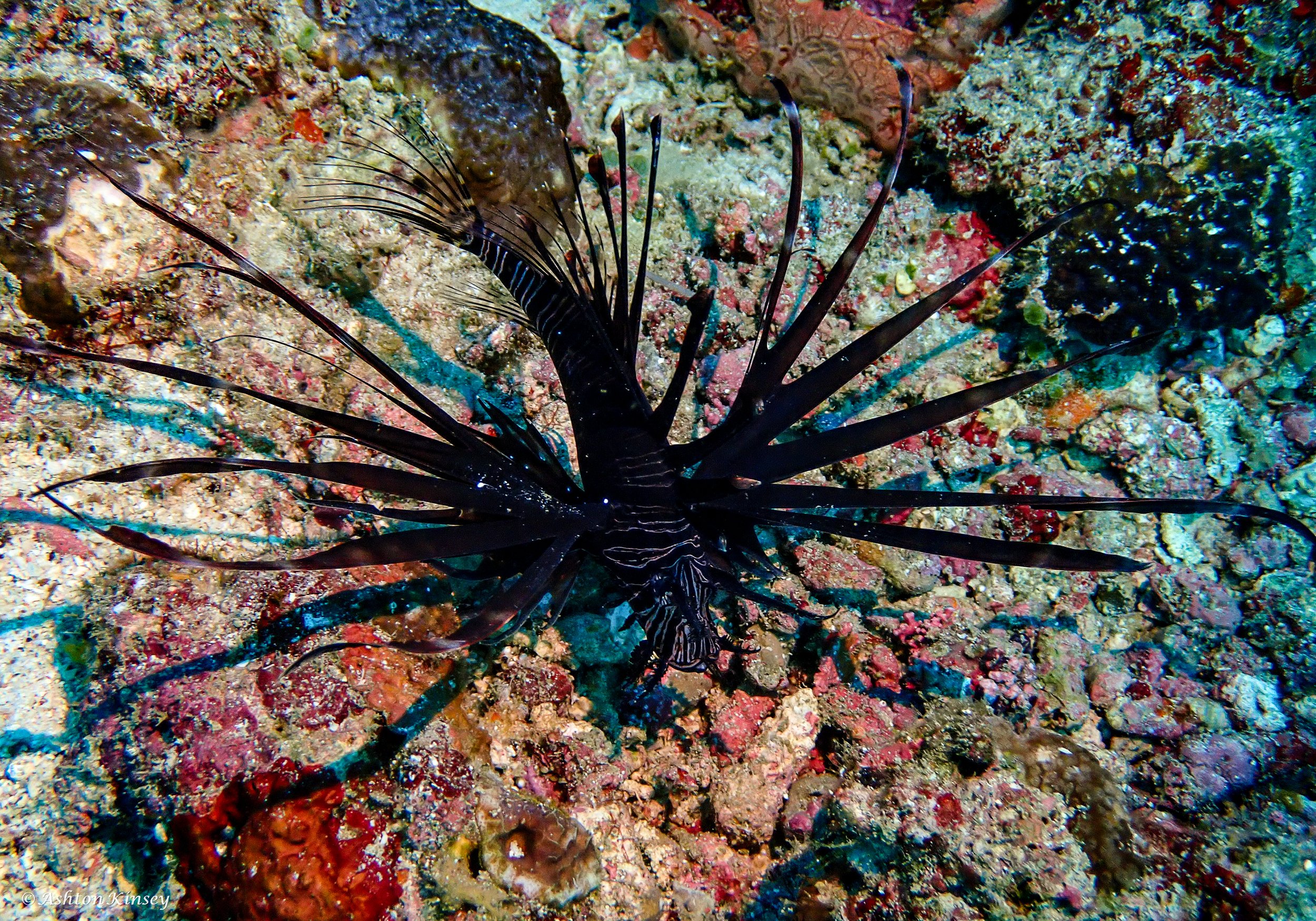
Shallow reef, below 50', mostly just rubble and broken corals, but increased chances of seeing turtles in deeper waters. The site has a high level of boat traffic, so caution and a dive flag is required on the surface. At night, there was a lot more life and a chance of seeing blue ring octopus, though none were seen. The night dive had several mantis shrimp, cuttlefish, lions, and a turtle. There were also a couple of nudie egg spirals, as well as a very small juvenile lobster.
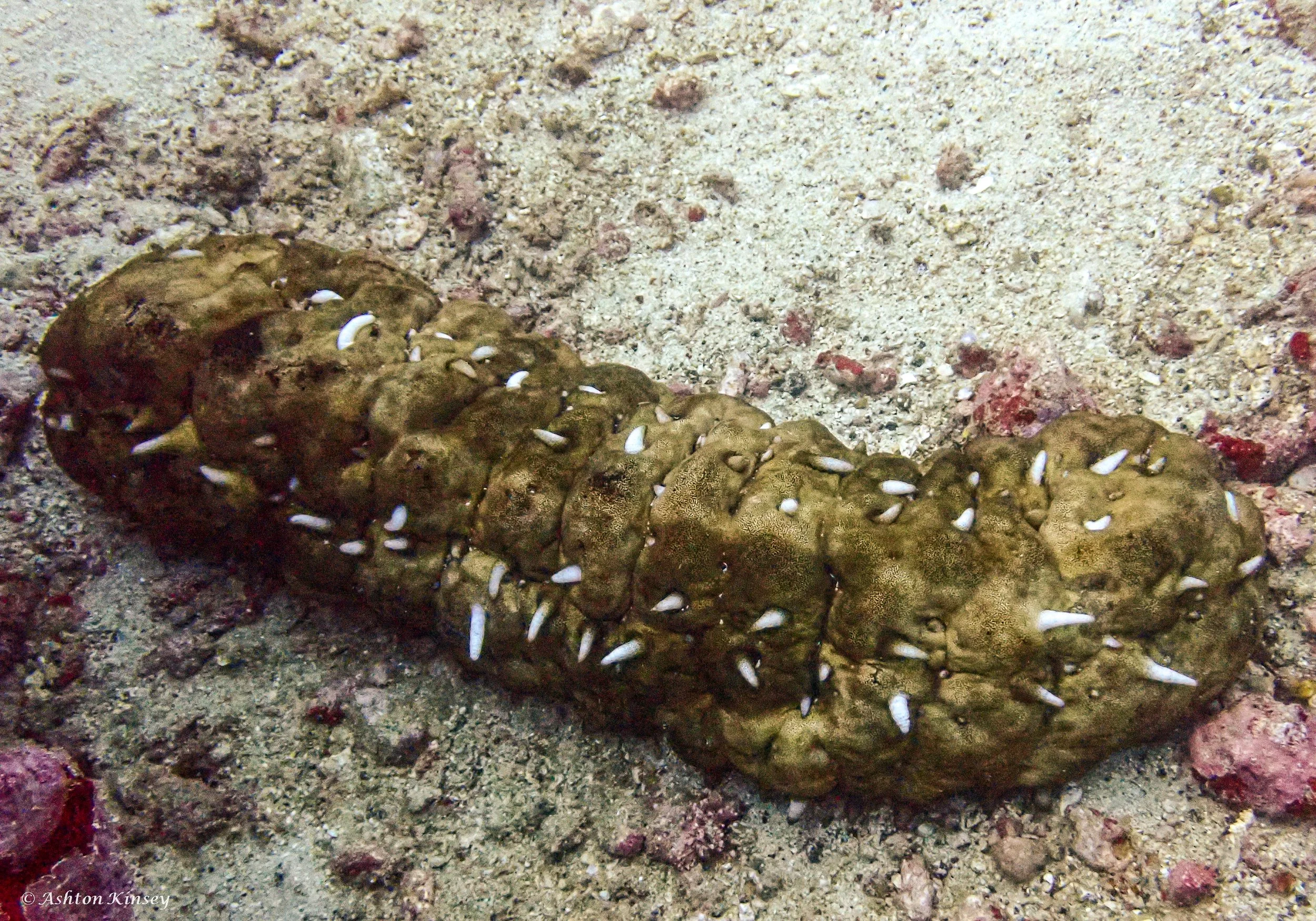
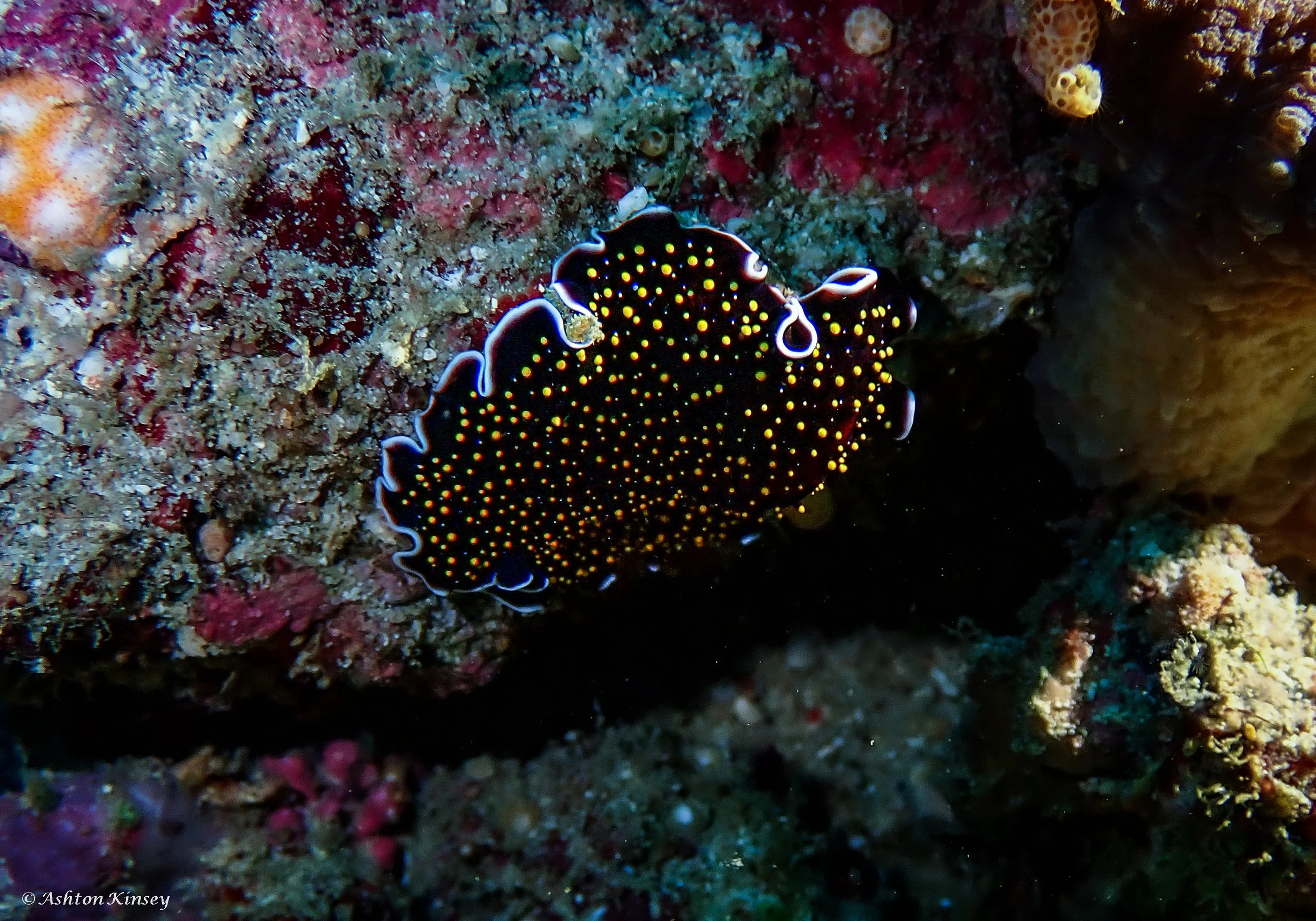
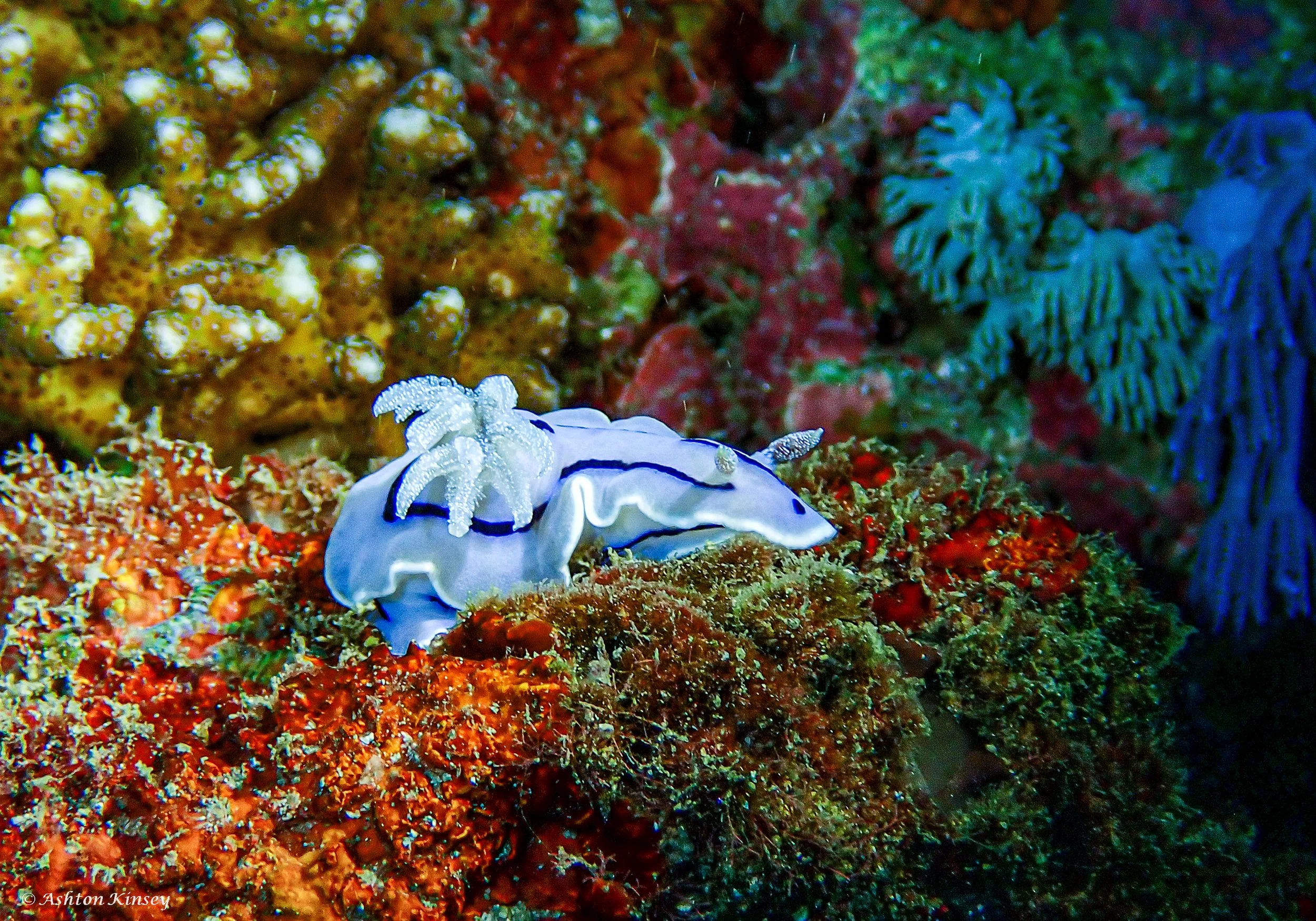
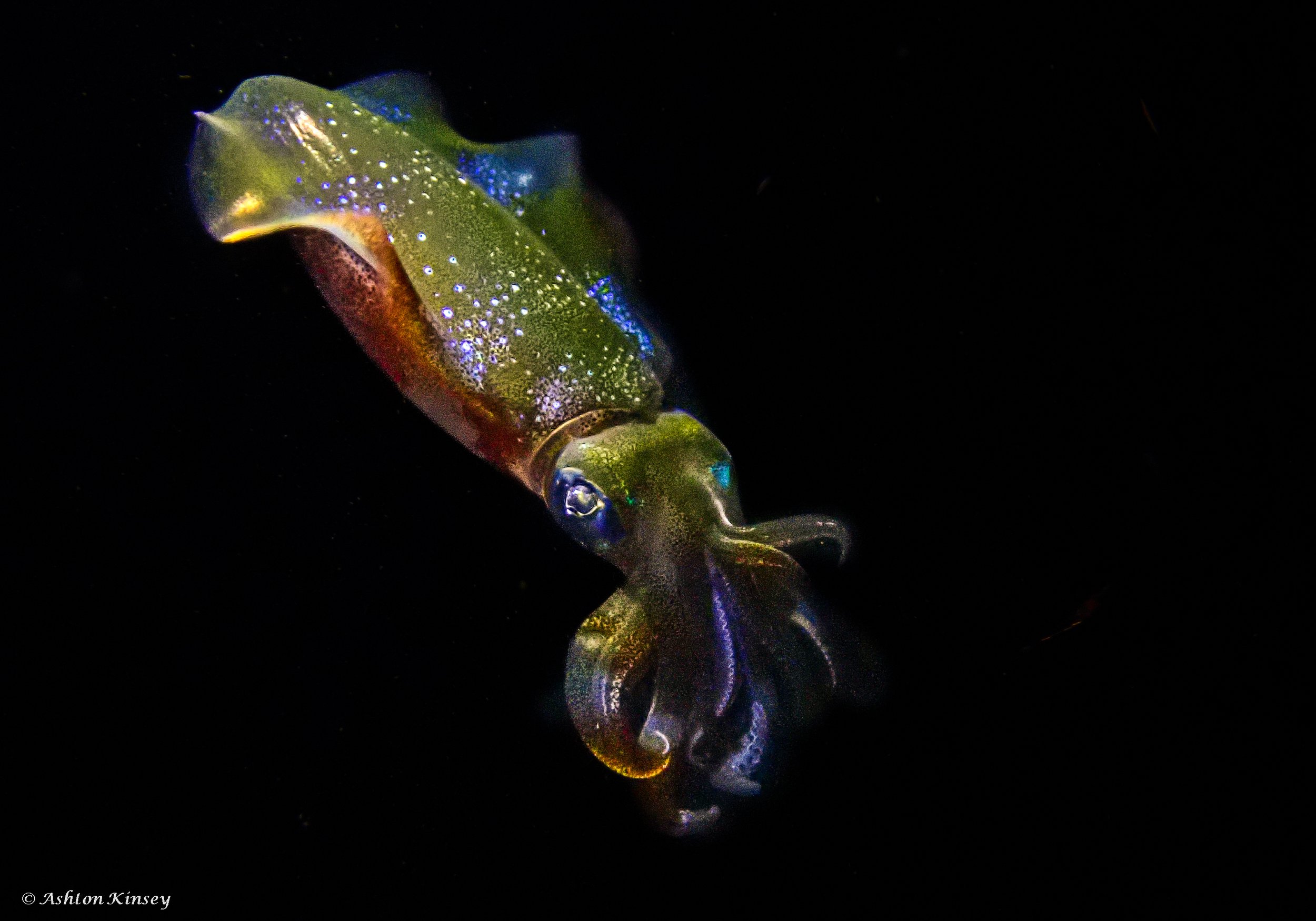
Dive 4: Sabang Bay (Night)
49’ for 53 minutes
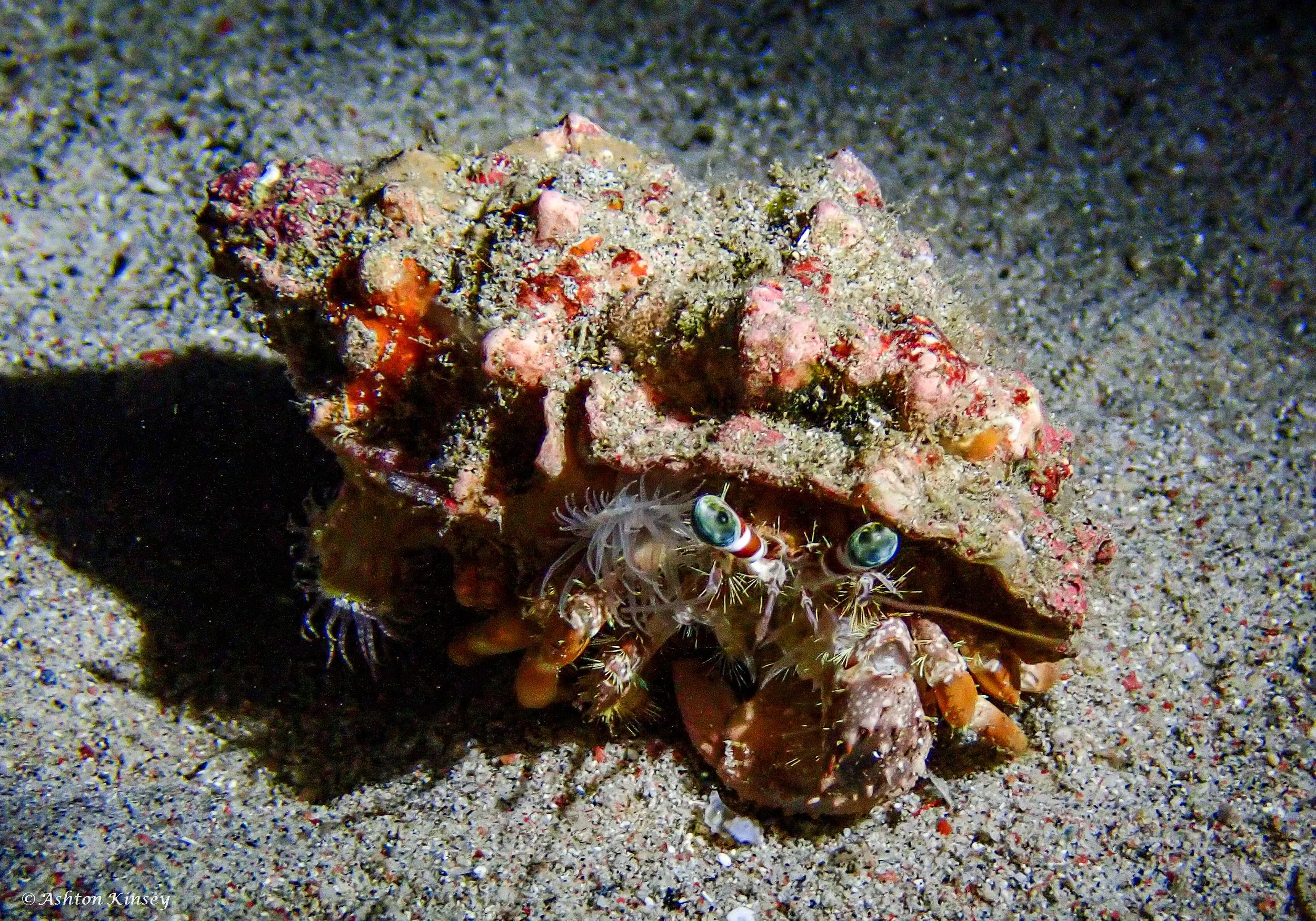
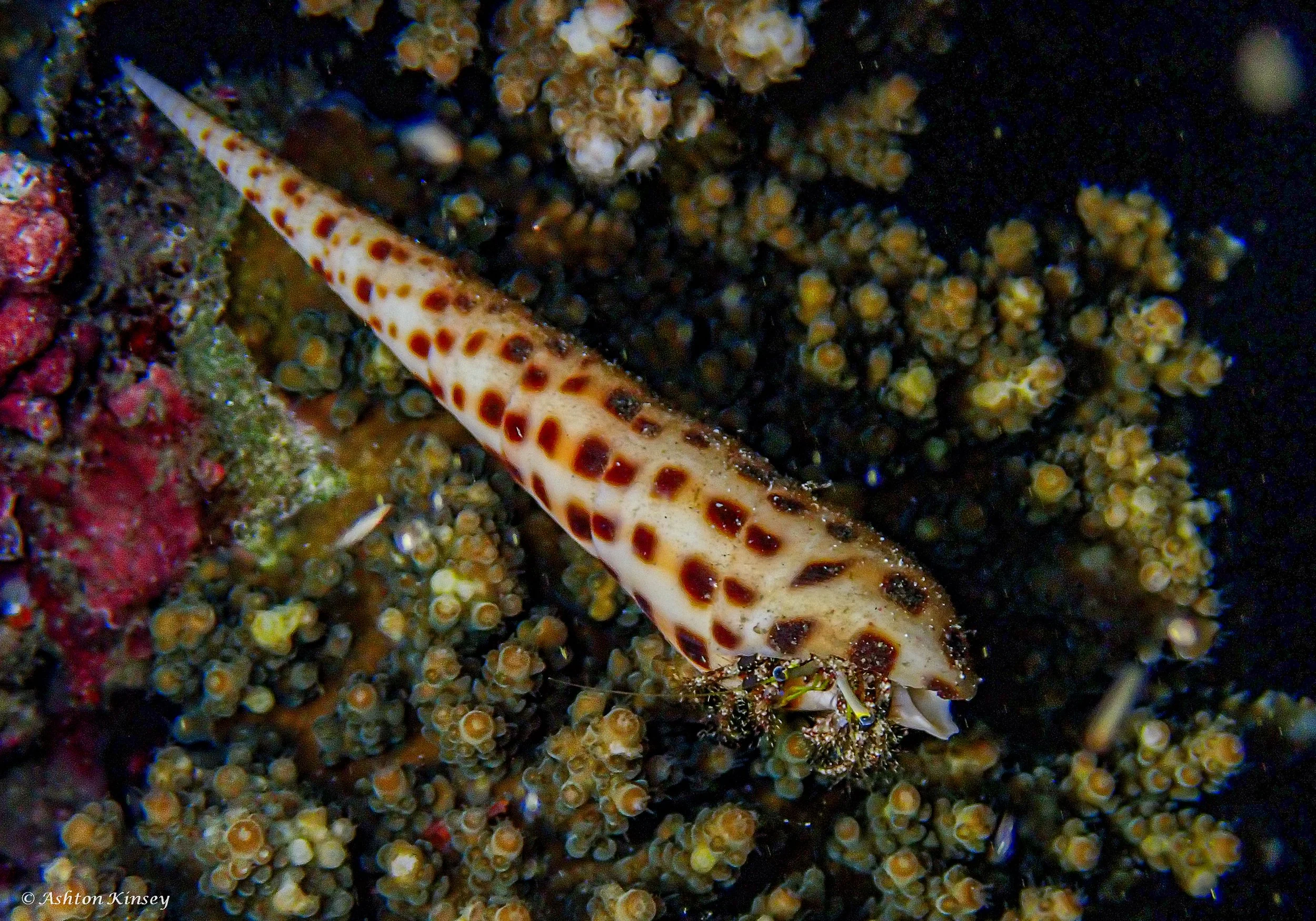
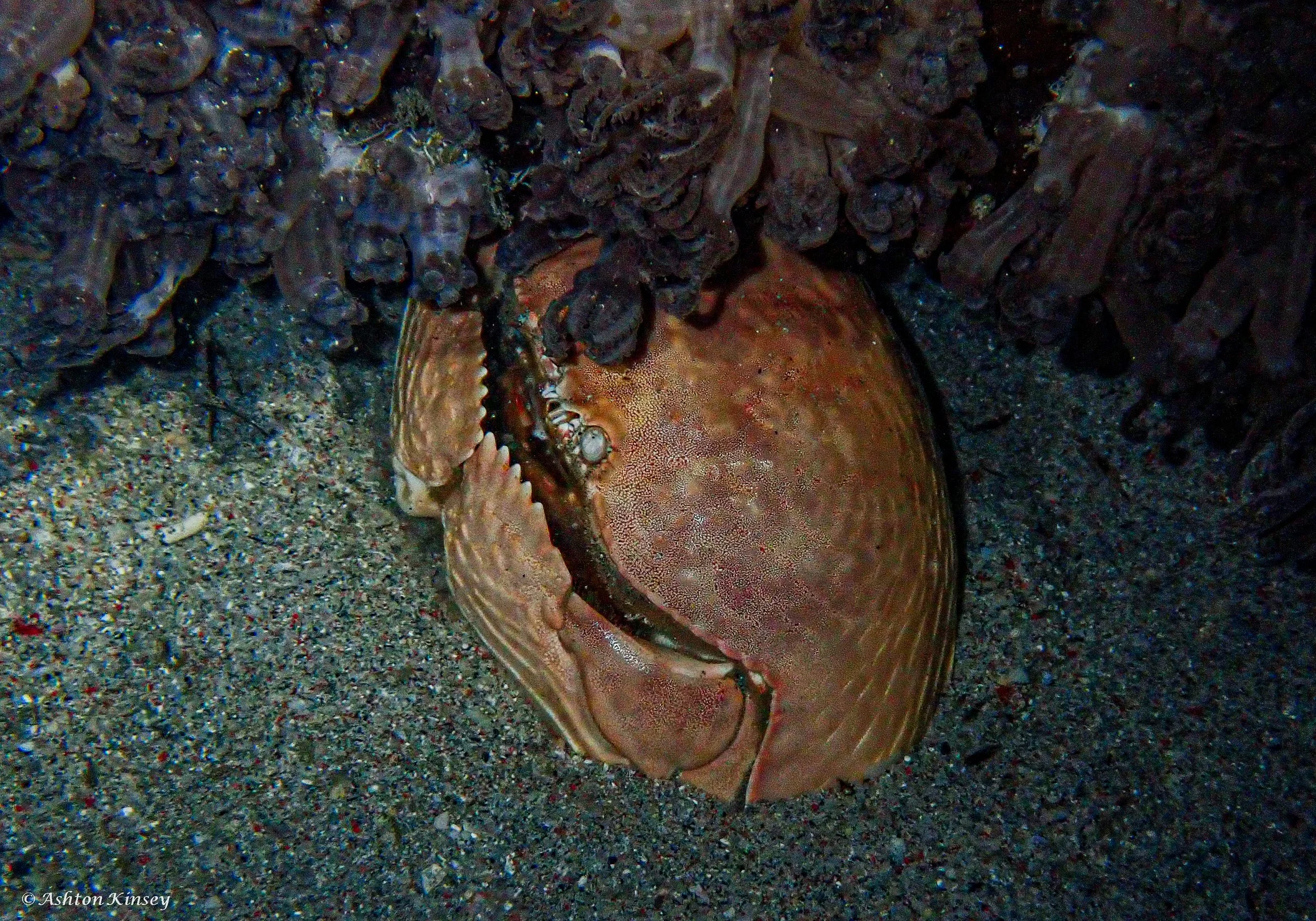
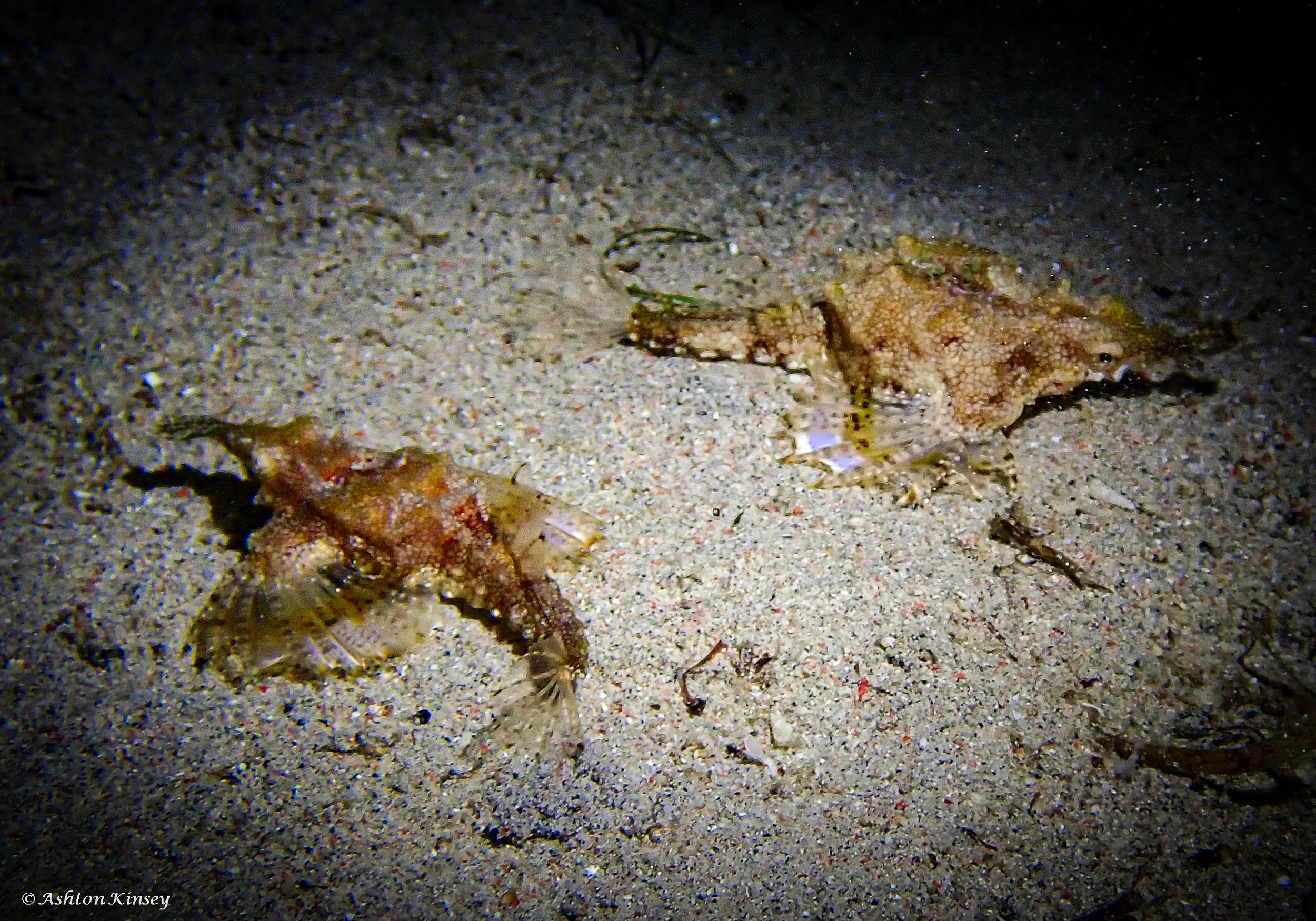
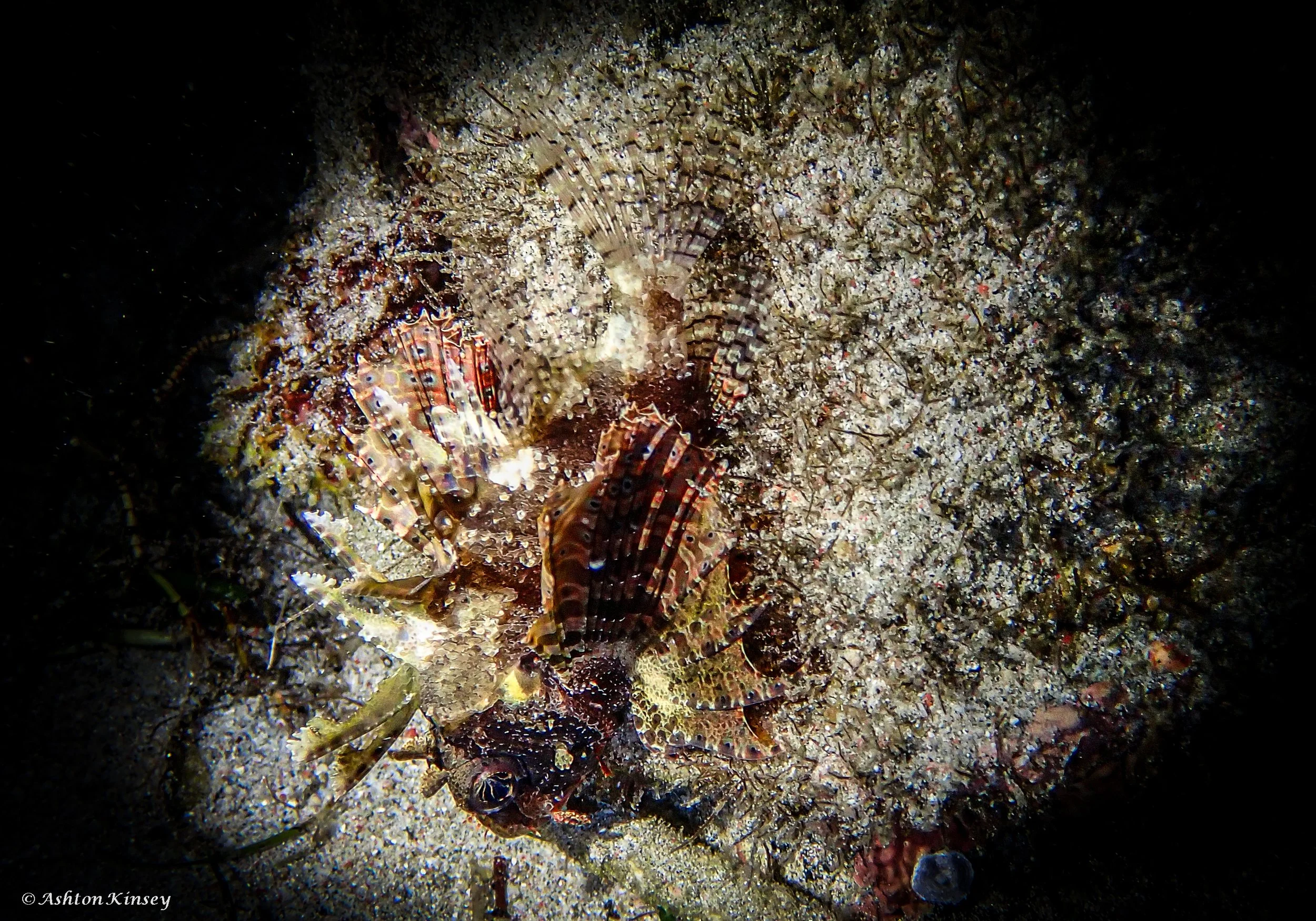
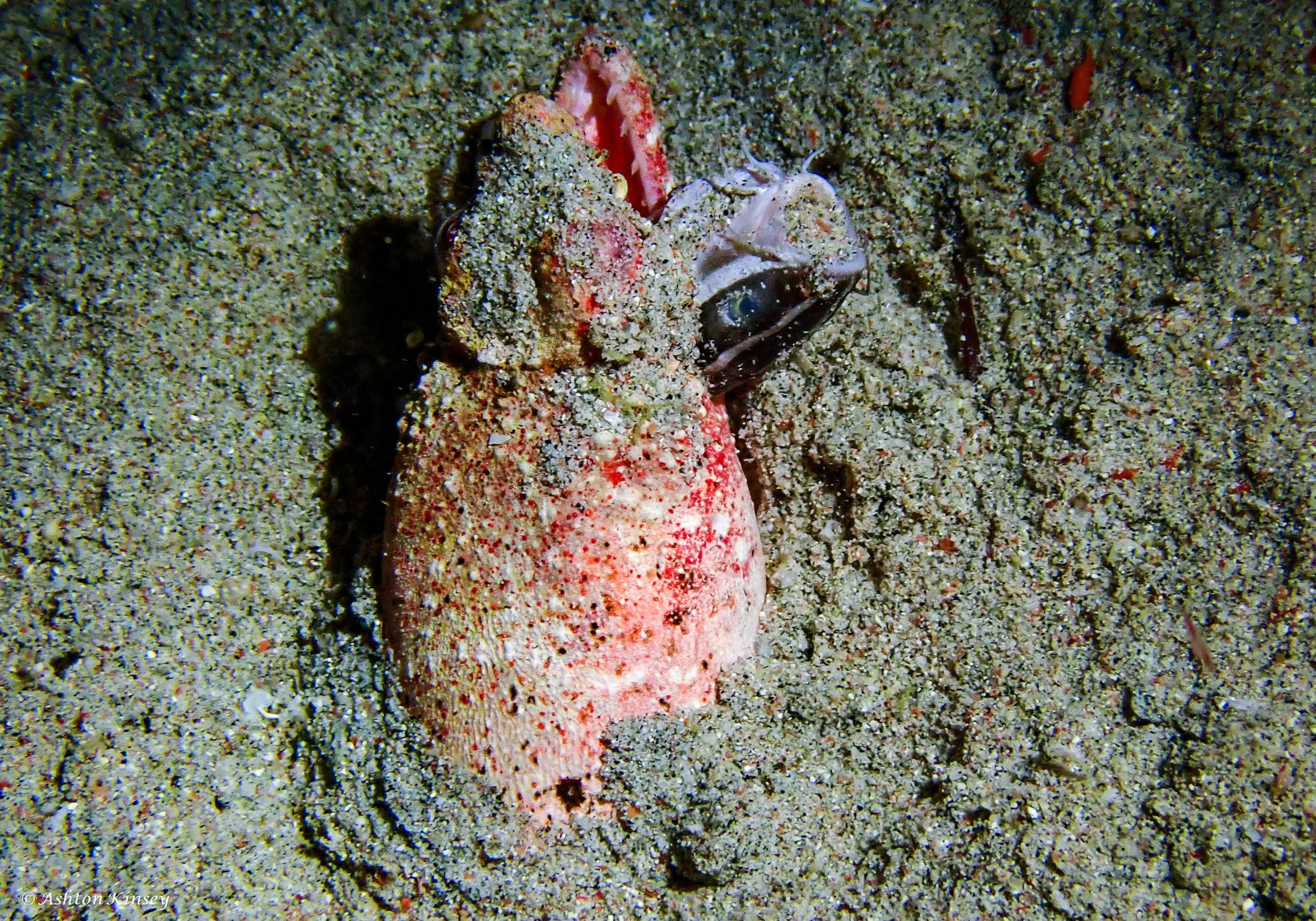
Sabang Bay is a shallow reef with sea grass growing in the first 10-15’. Hiding in the sea grass, and as you go deeper, stargazers look up at the divers with an empty, soulless eye, waiting for something to swim by to fill the void within. Other than that nightmare fuel, there were several octopus out hunting and a large cuttlefish doing its cuttlefish thing. Beware the zebra mantis waiting for a finger to slice.
Dive 5: Sinadigan Wall
81’ for 55 minutes
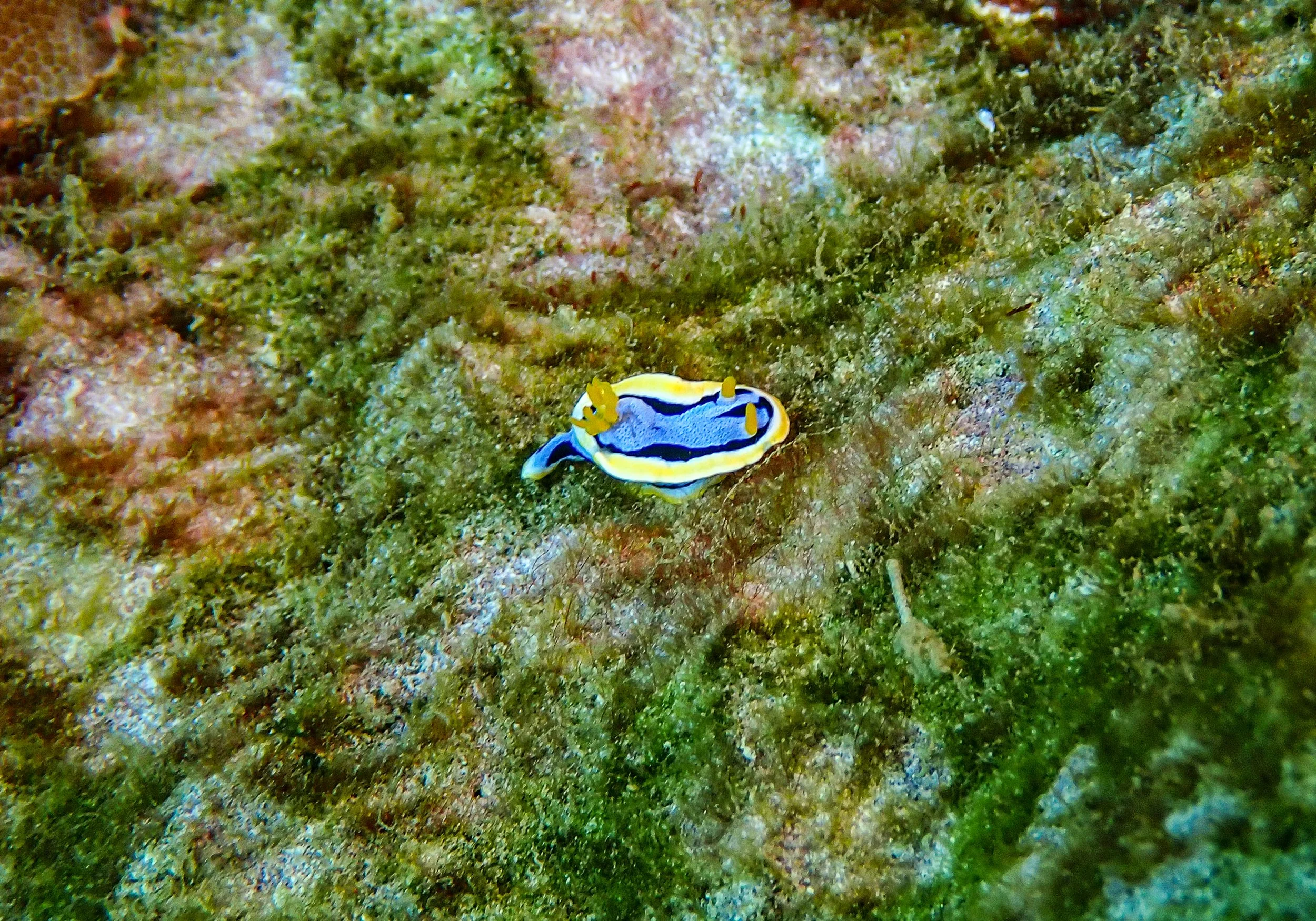
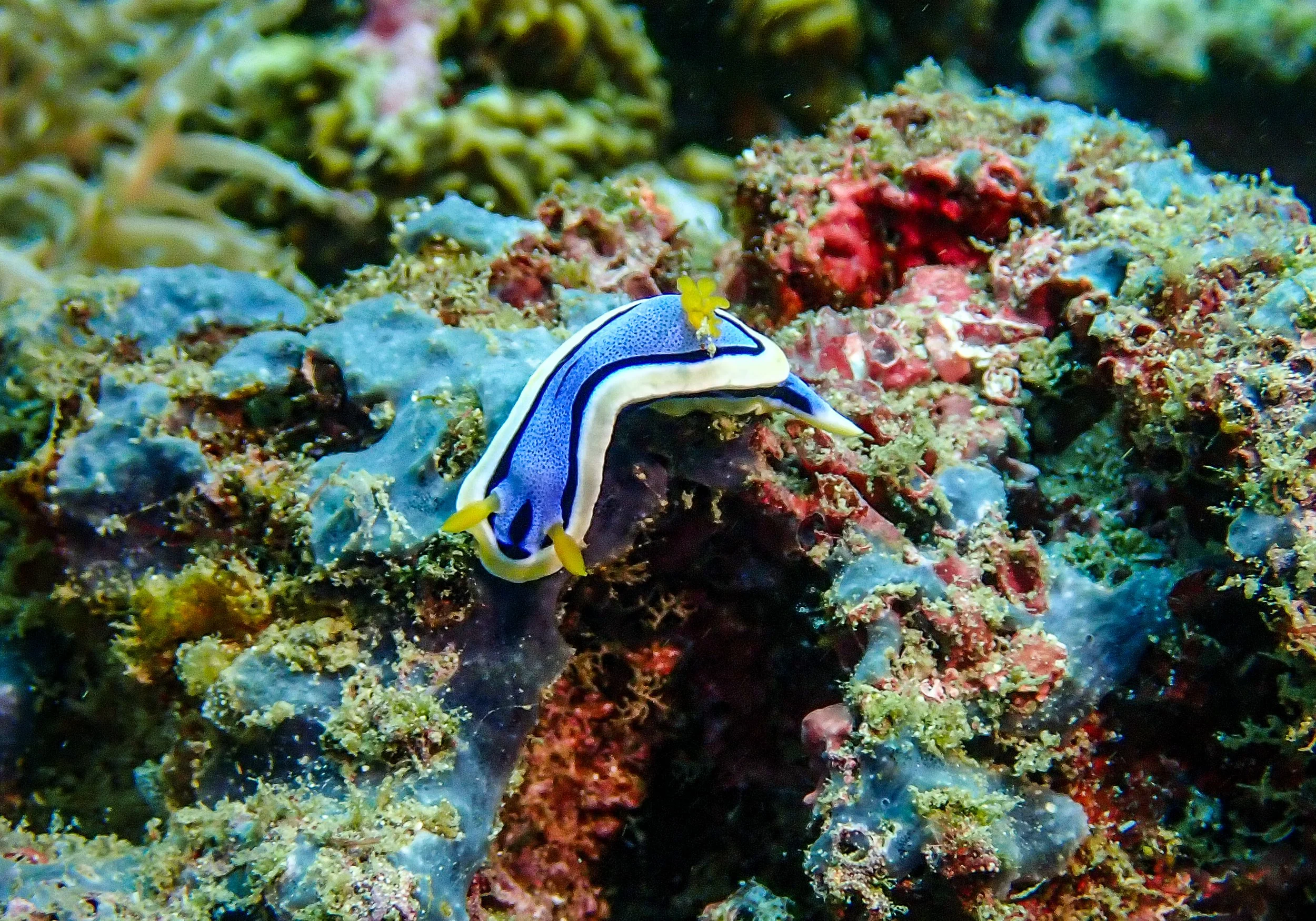
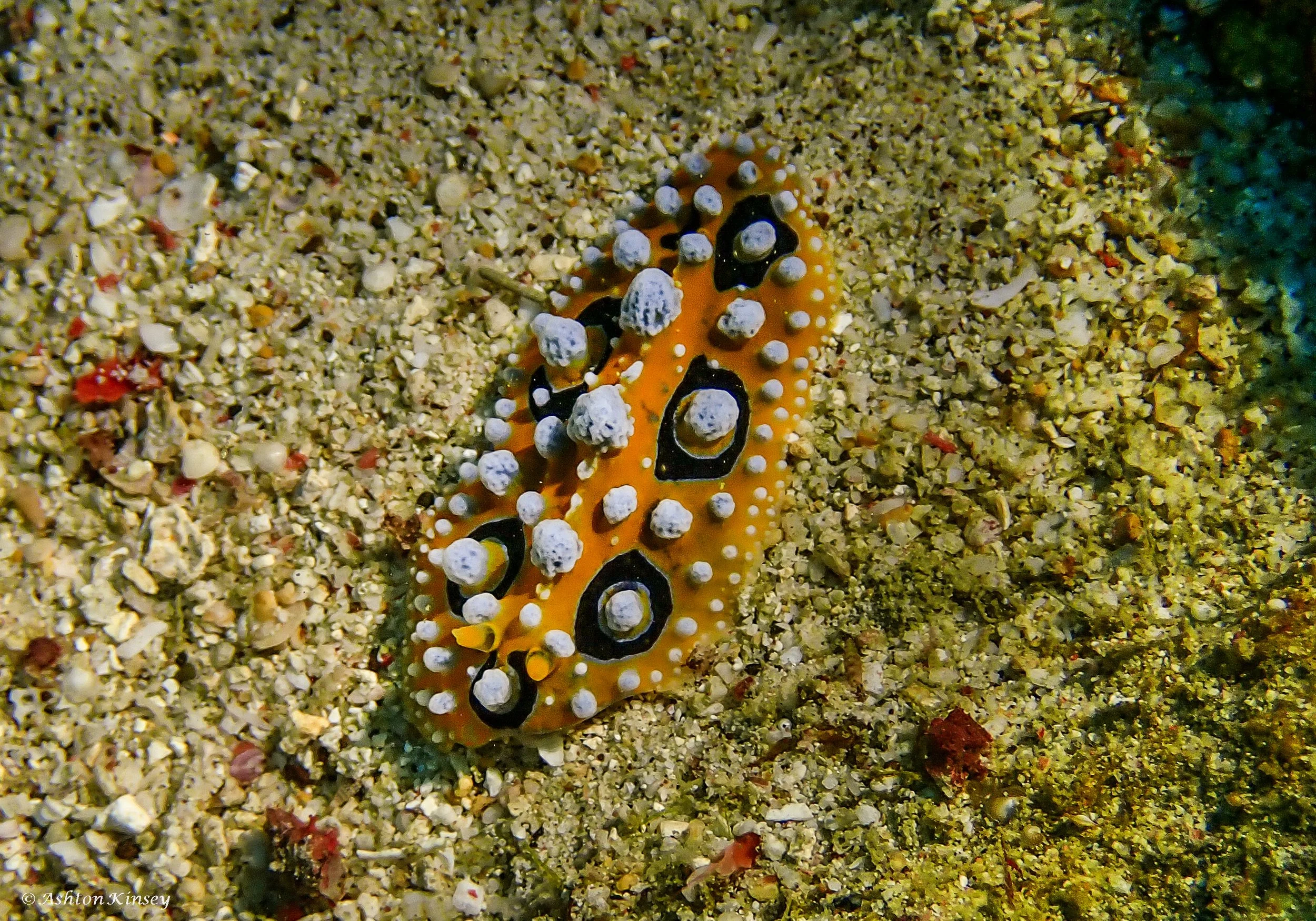
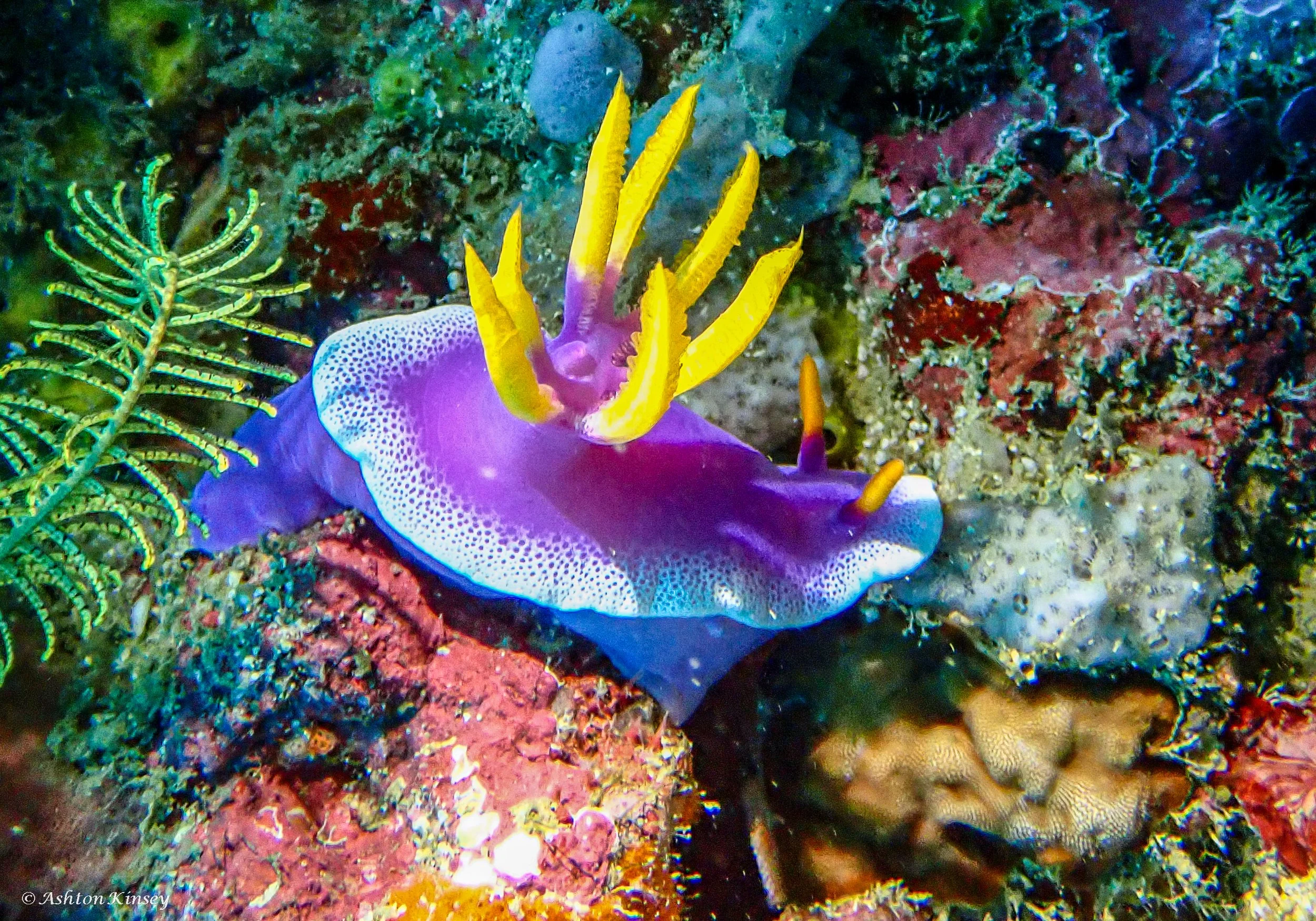
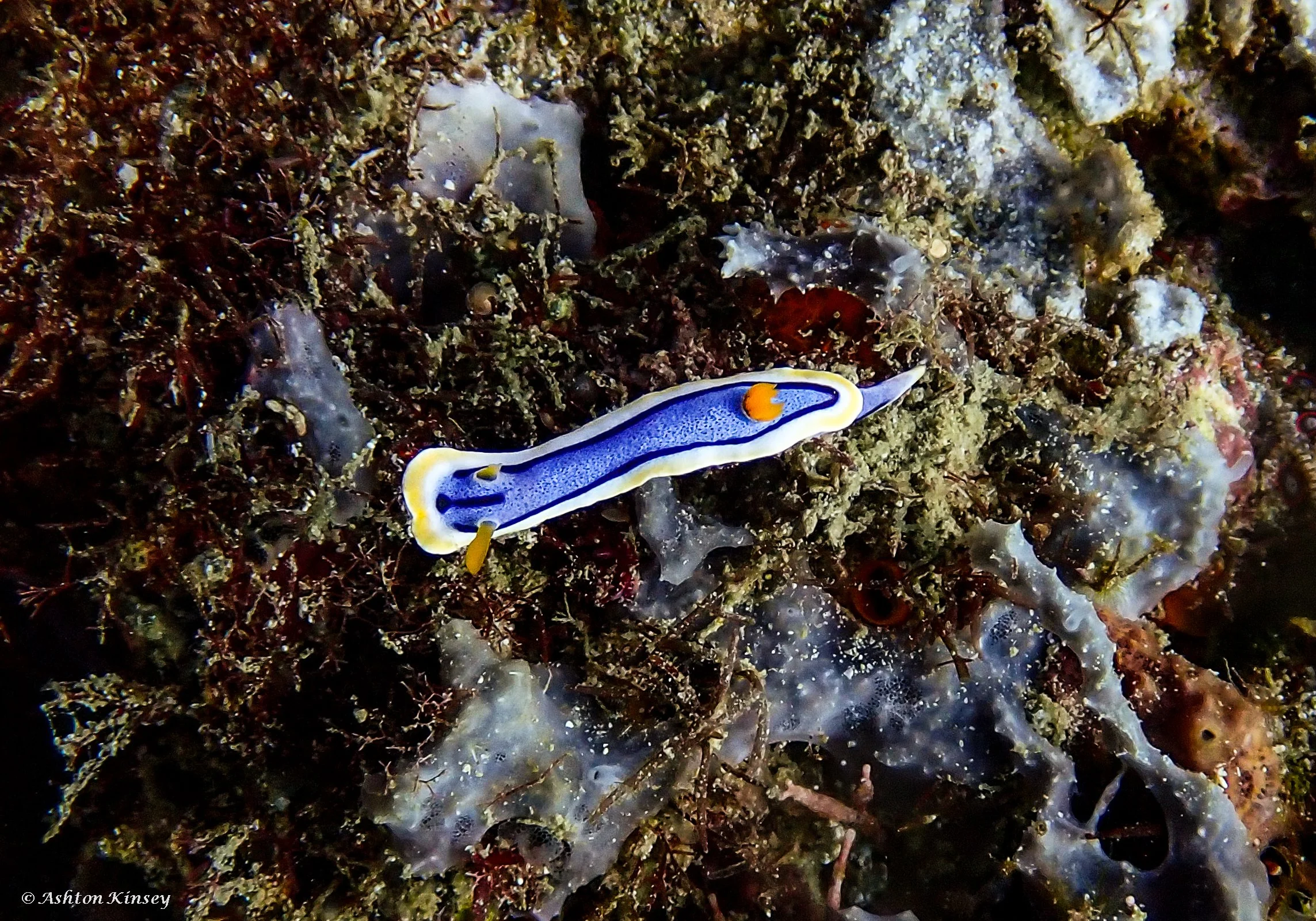
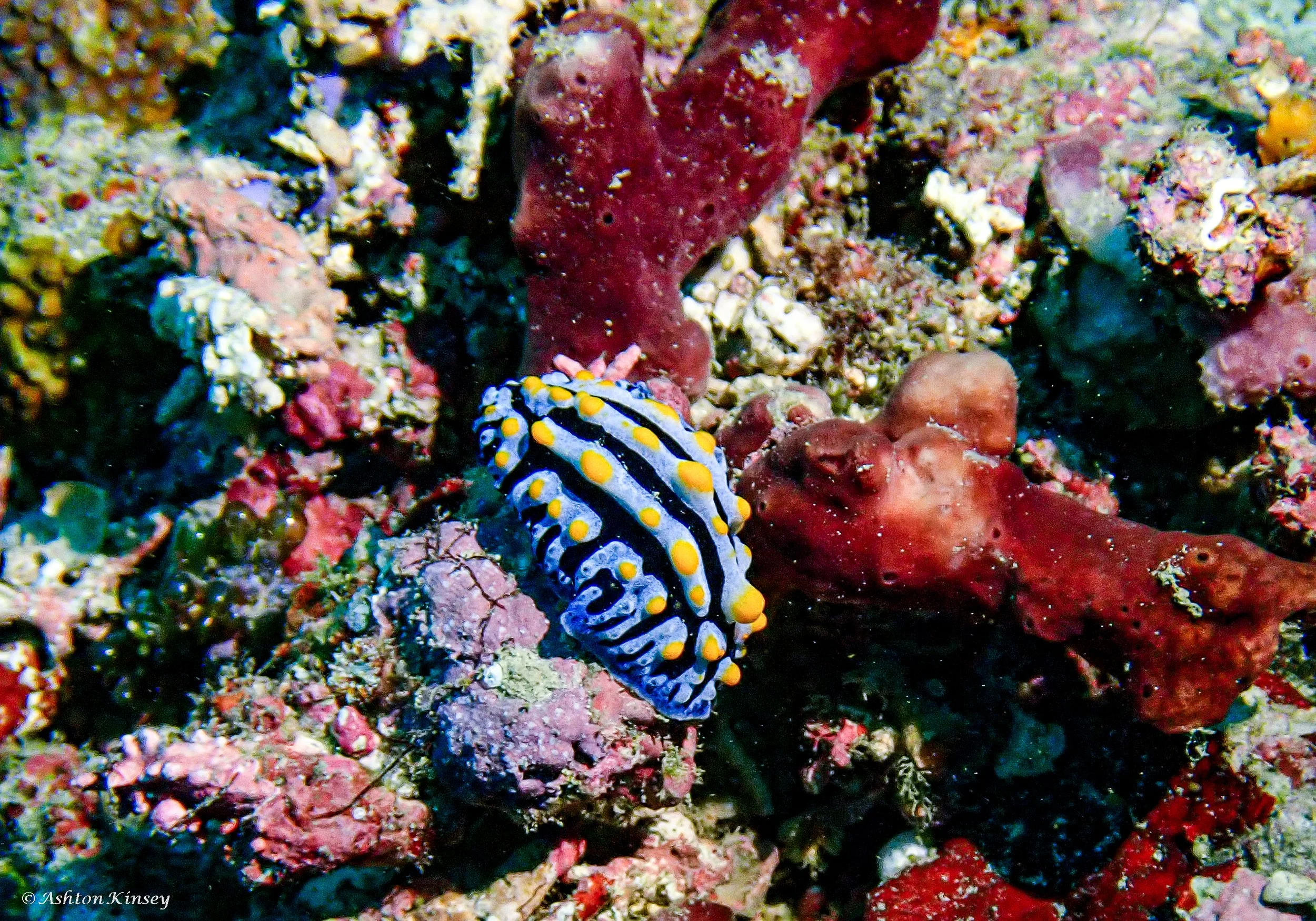
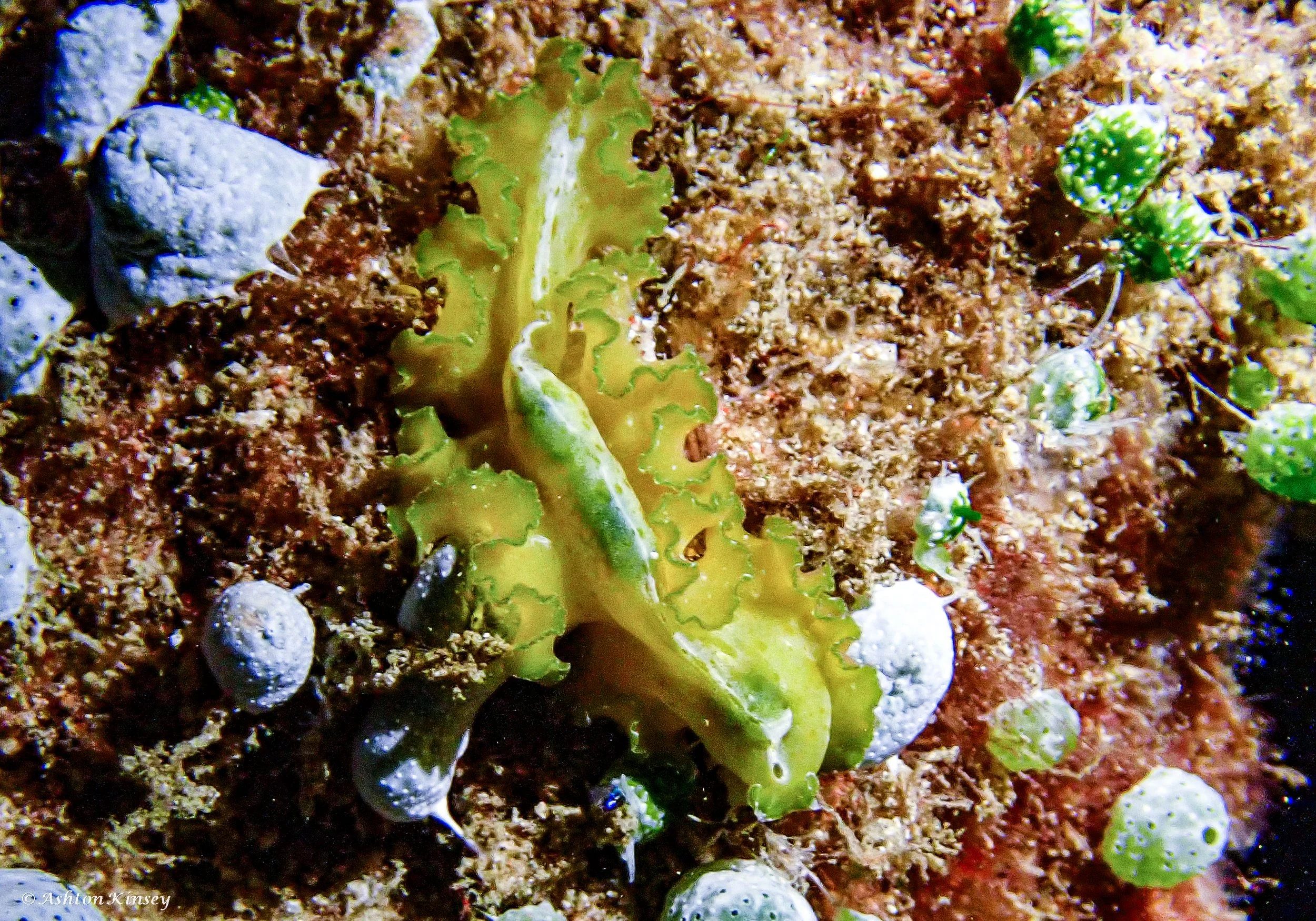
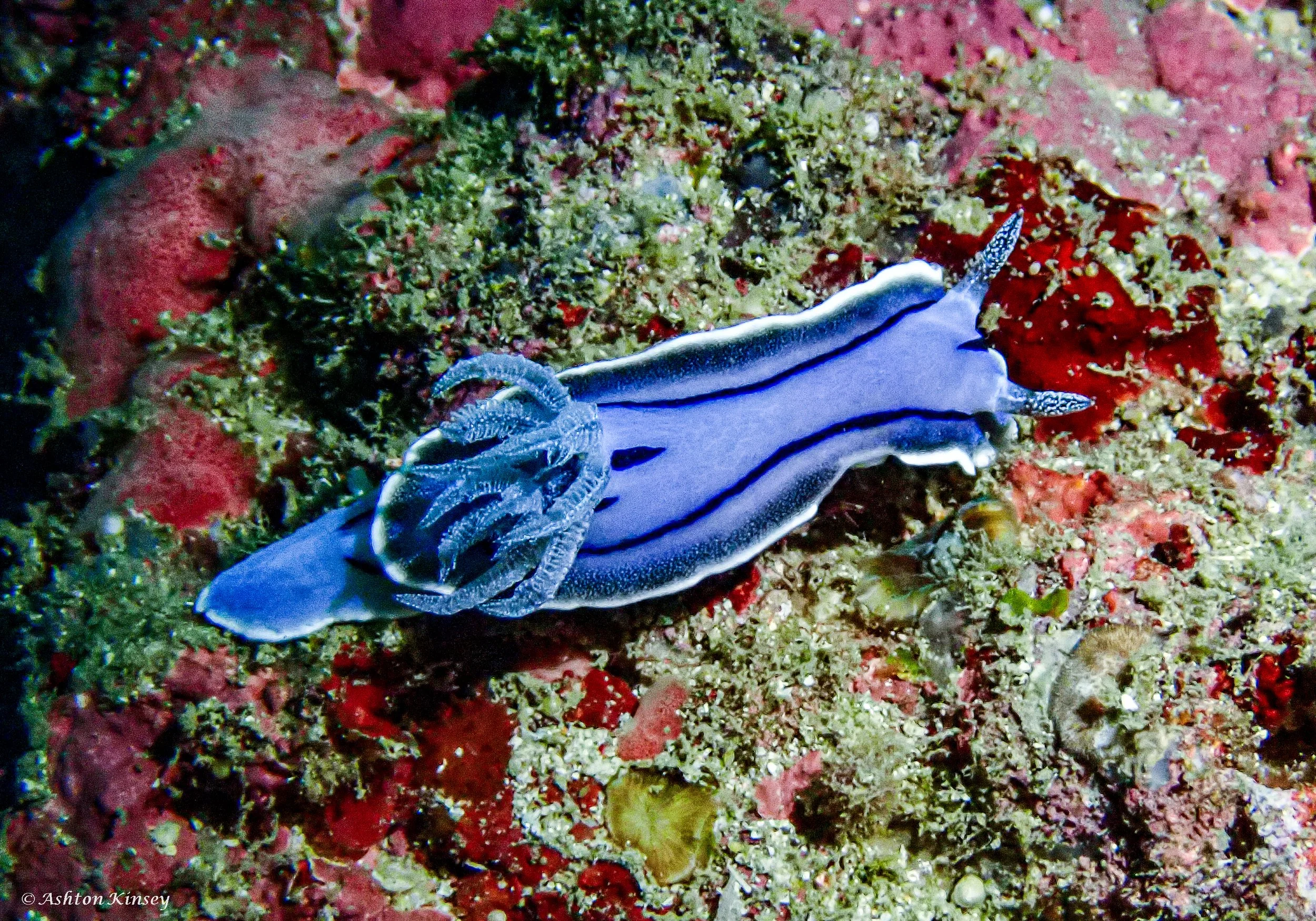
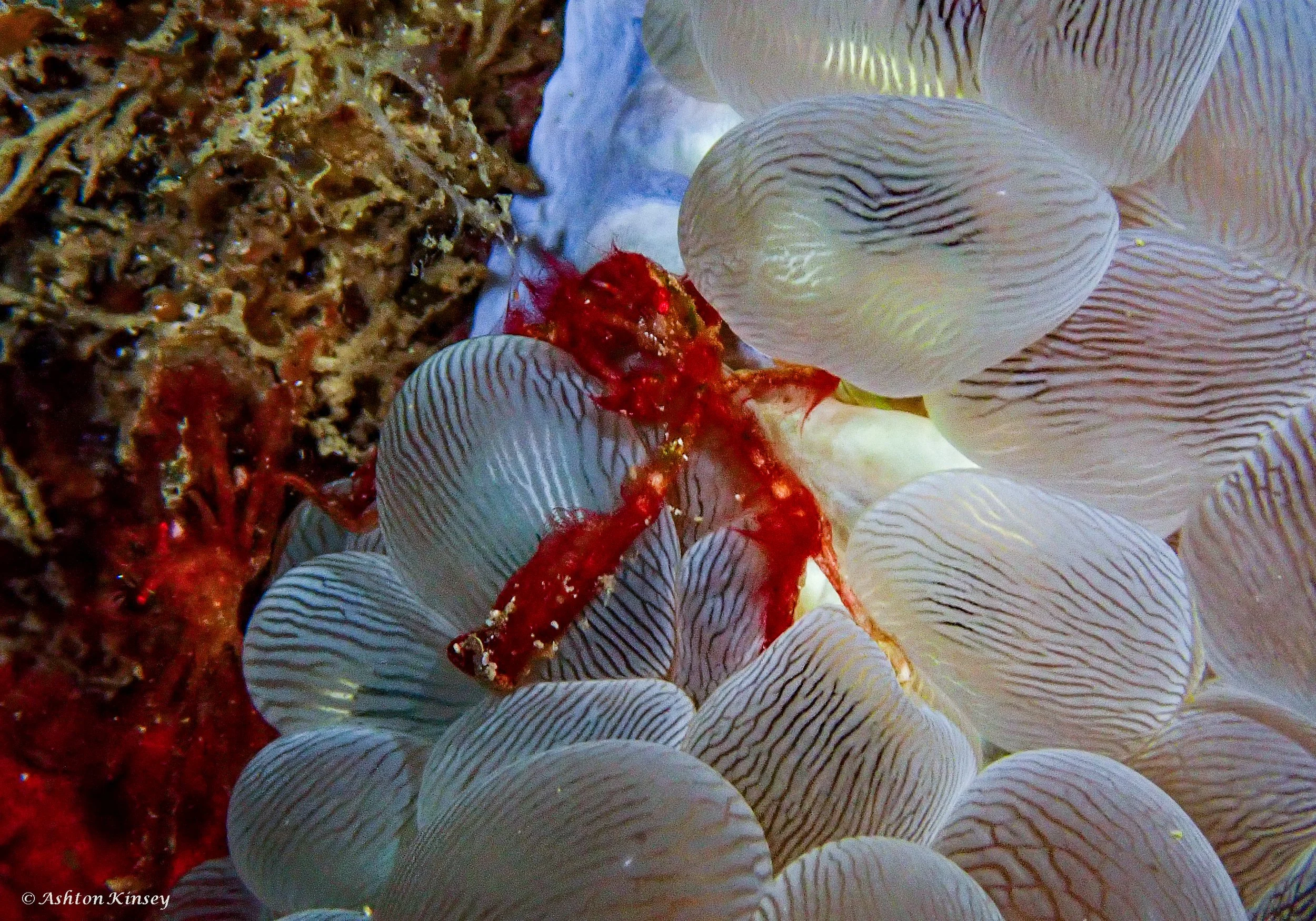
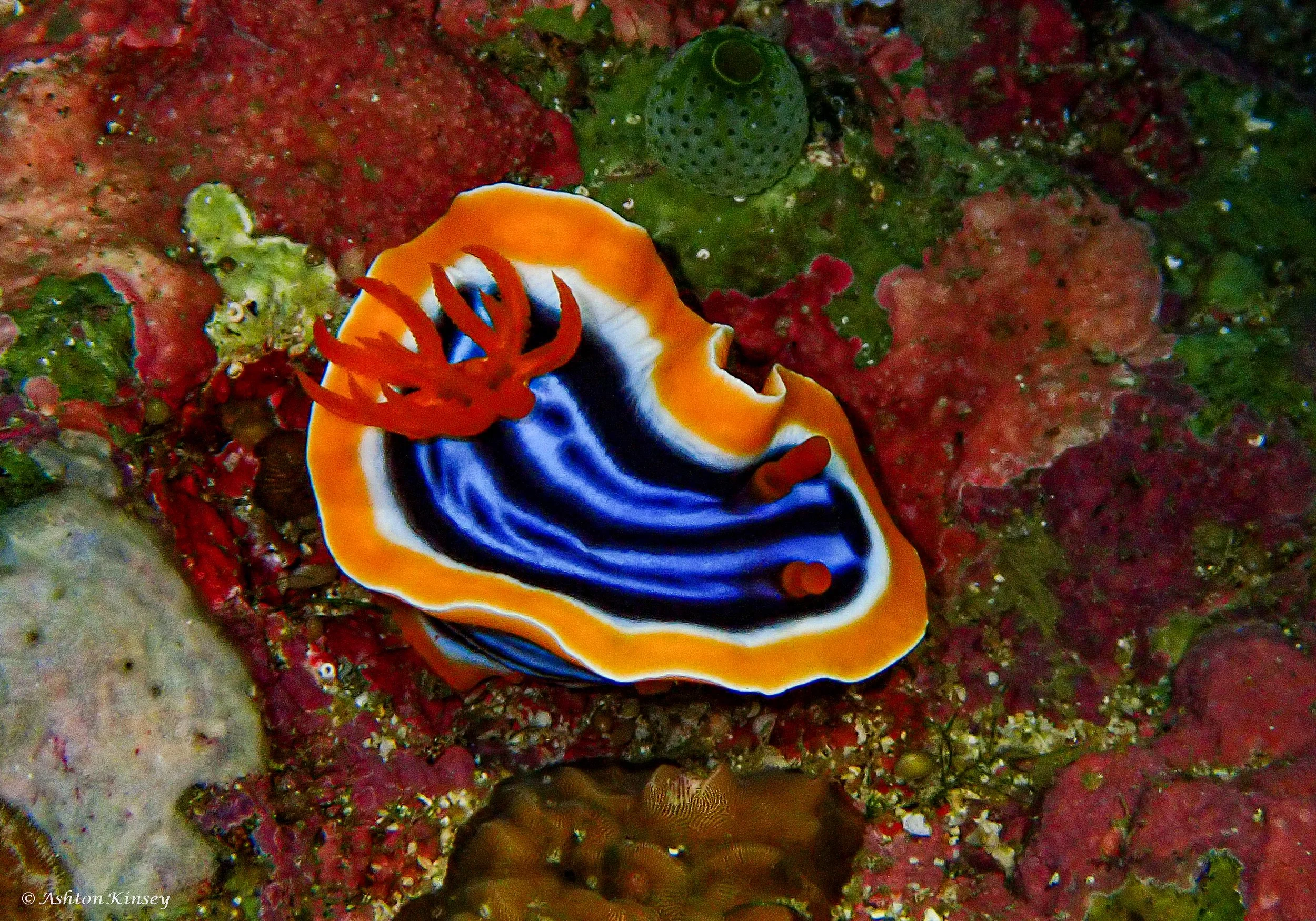
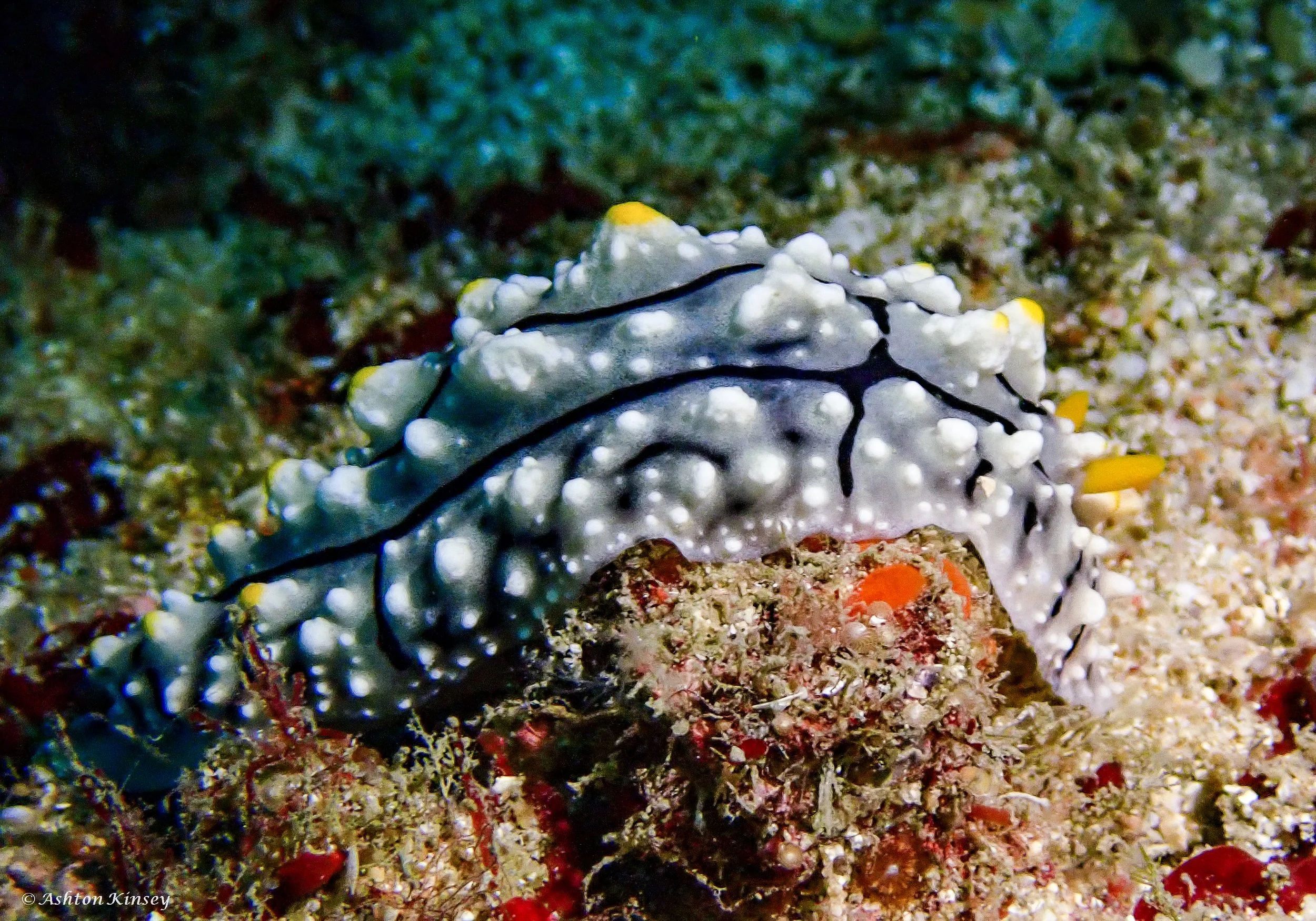
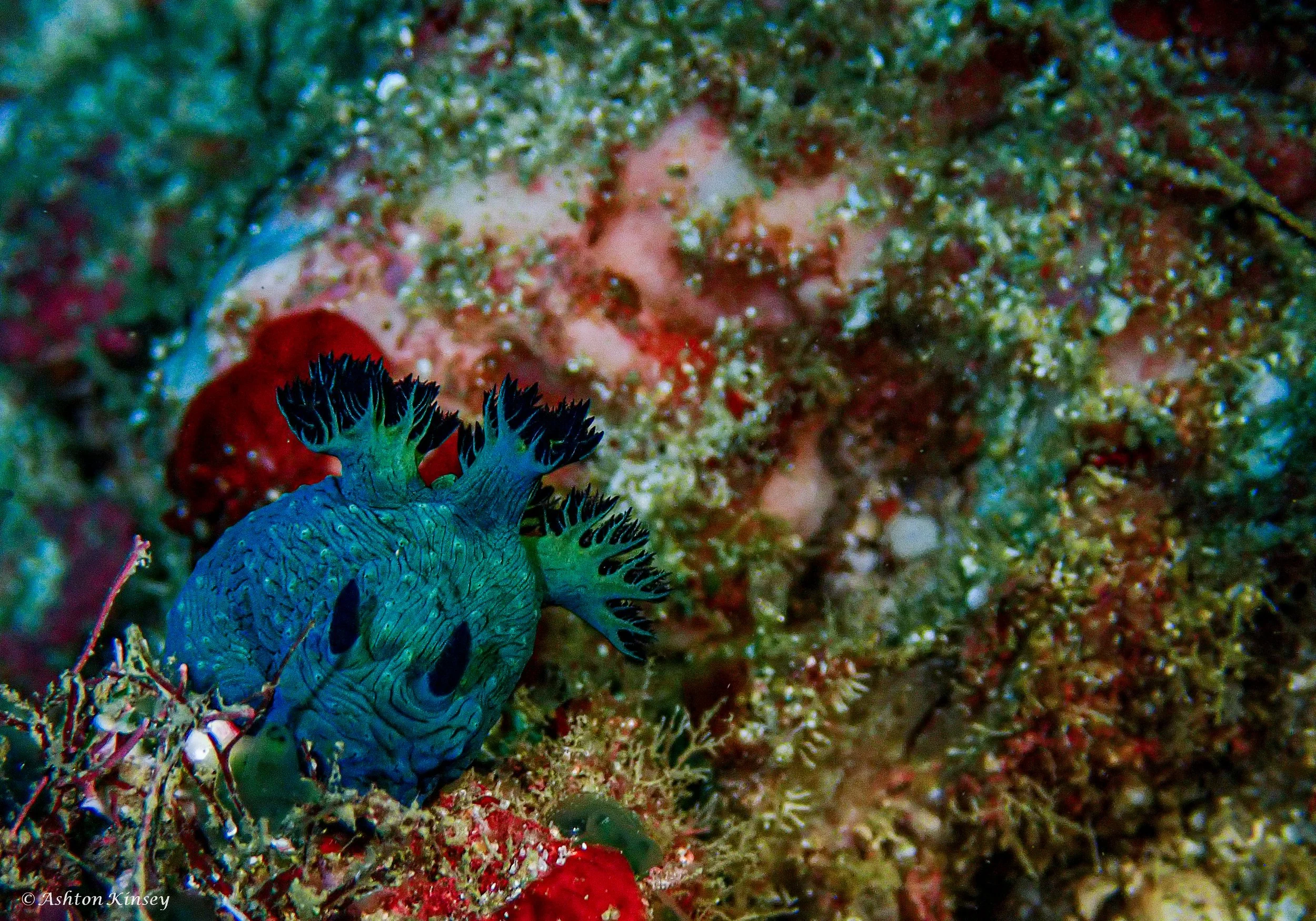
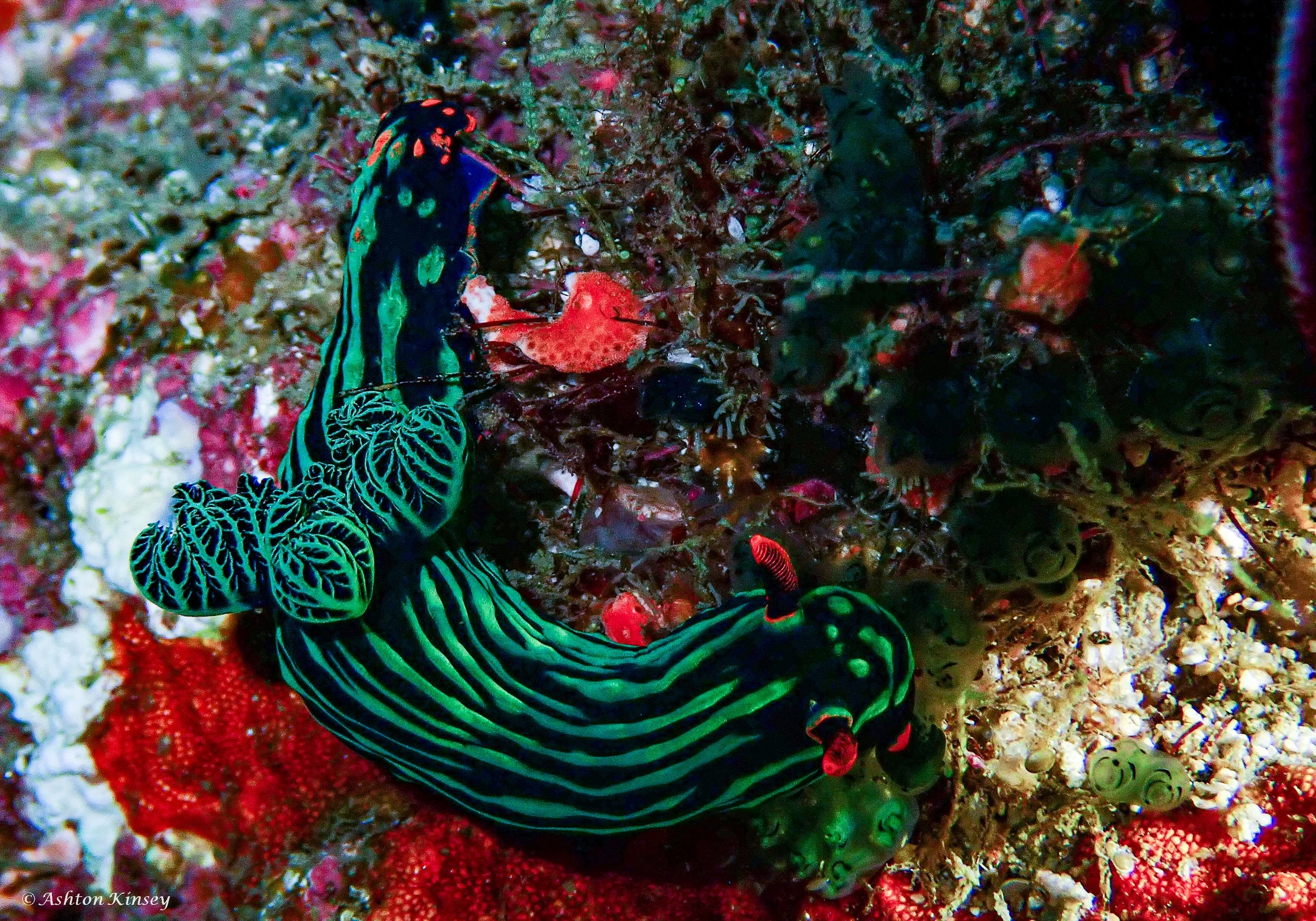
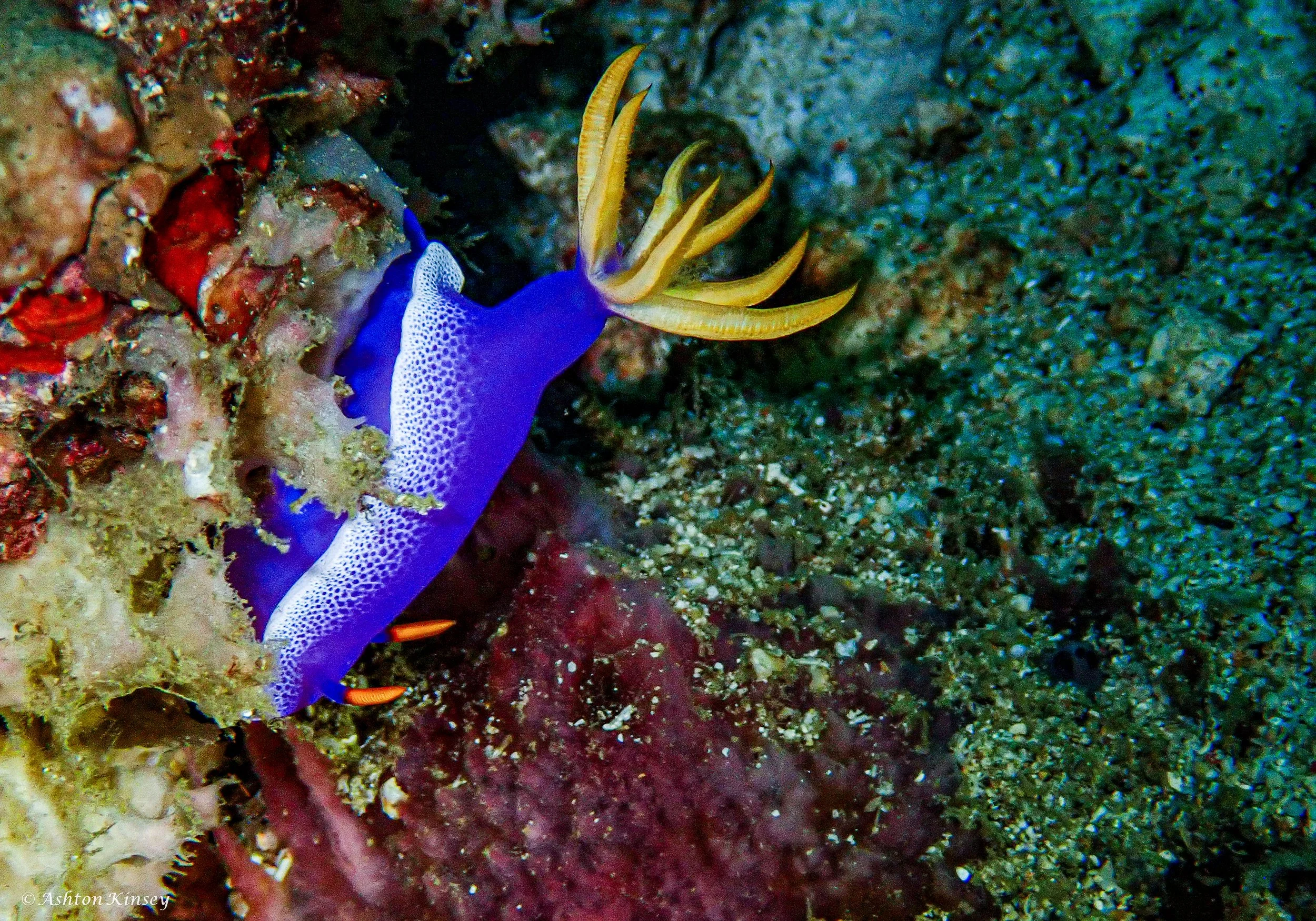
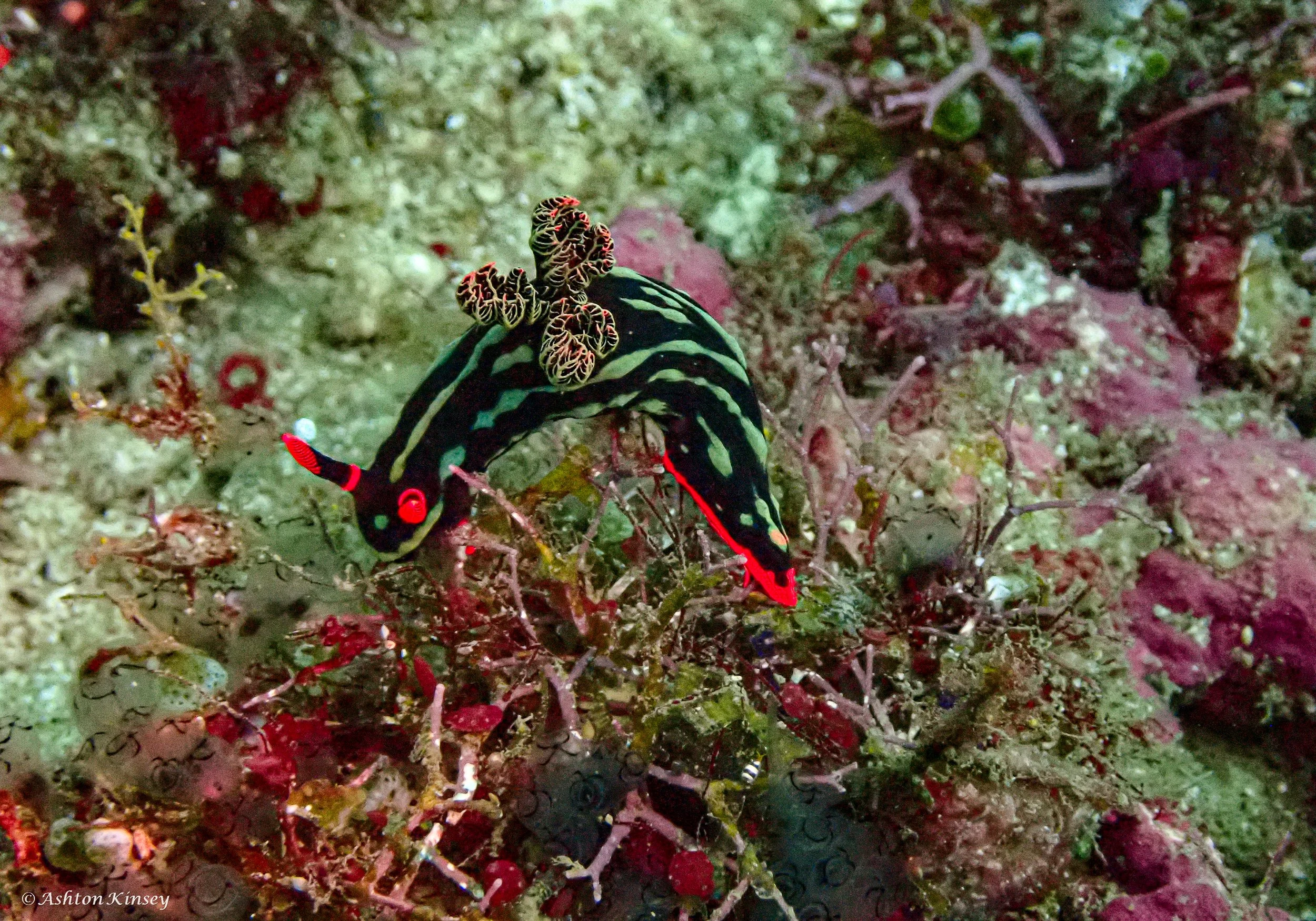
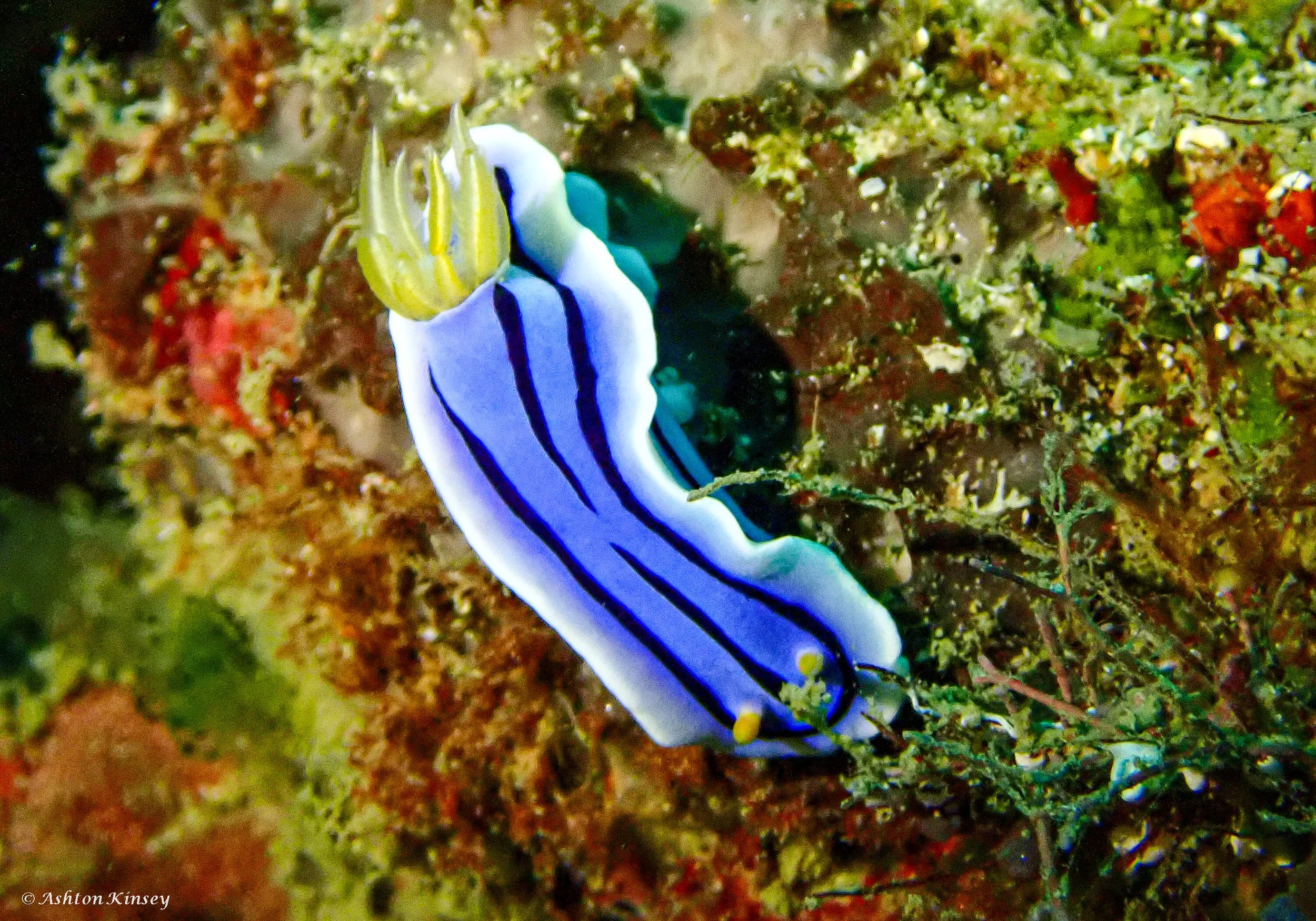
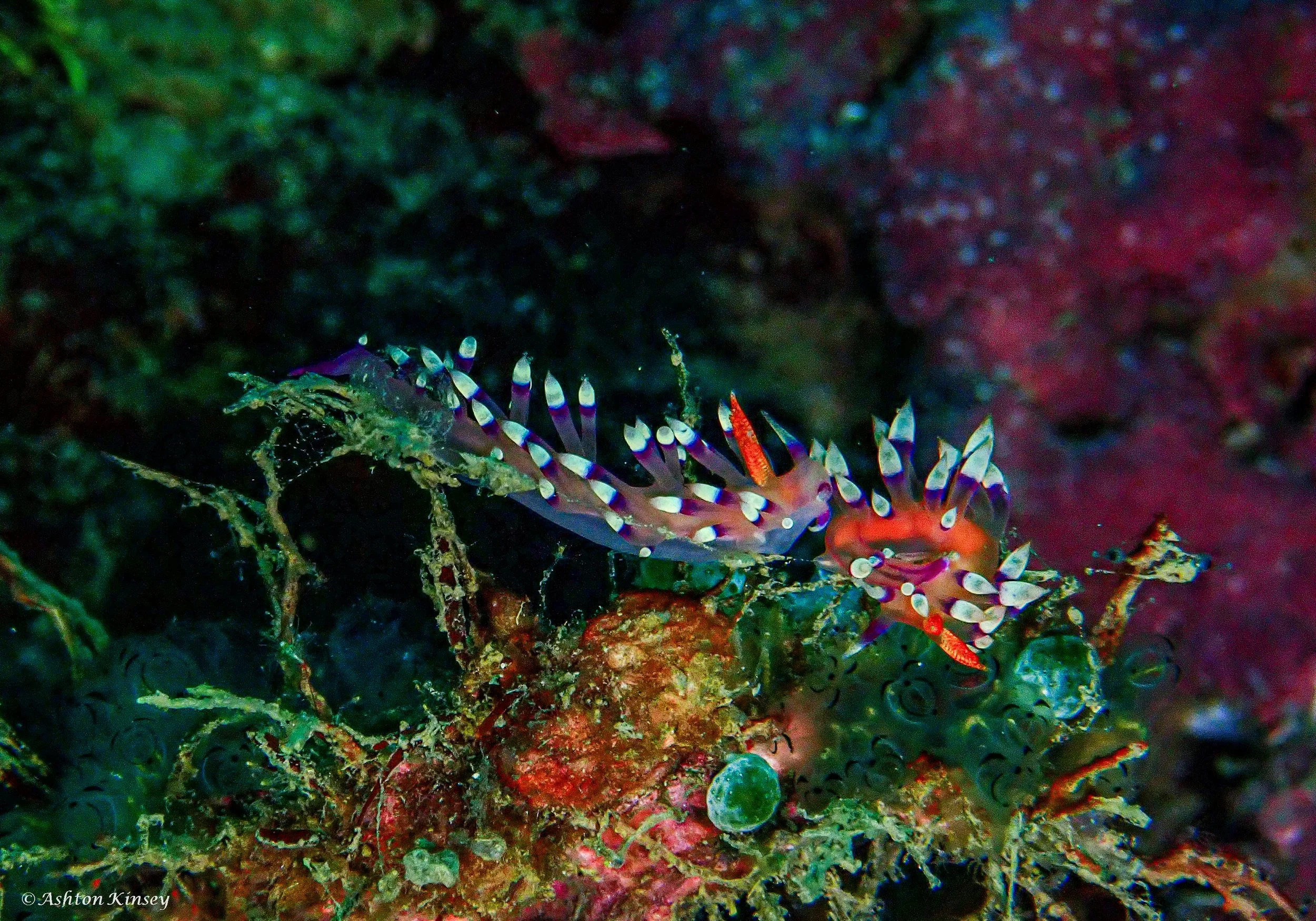
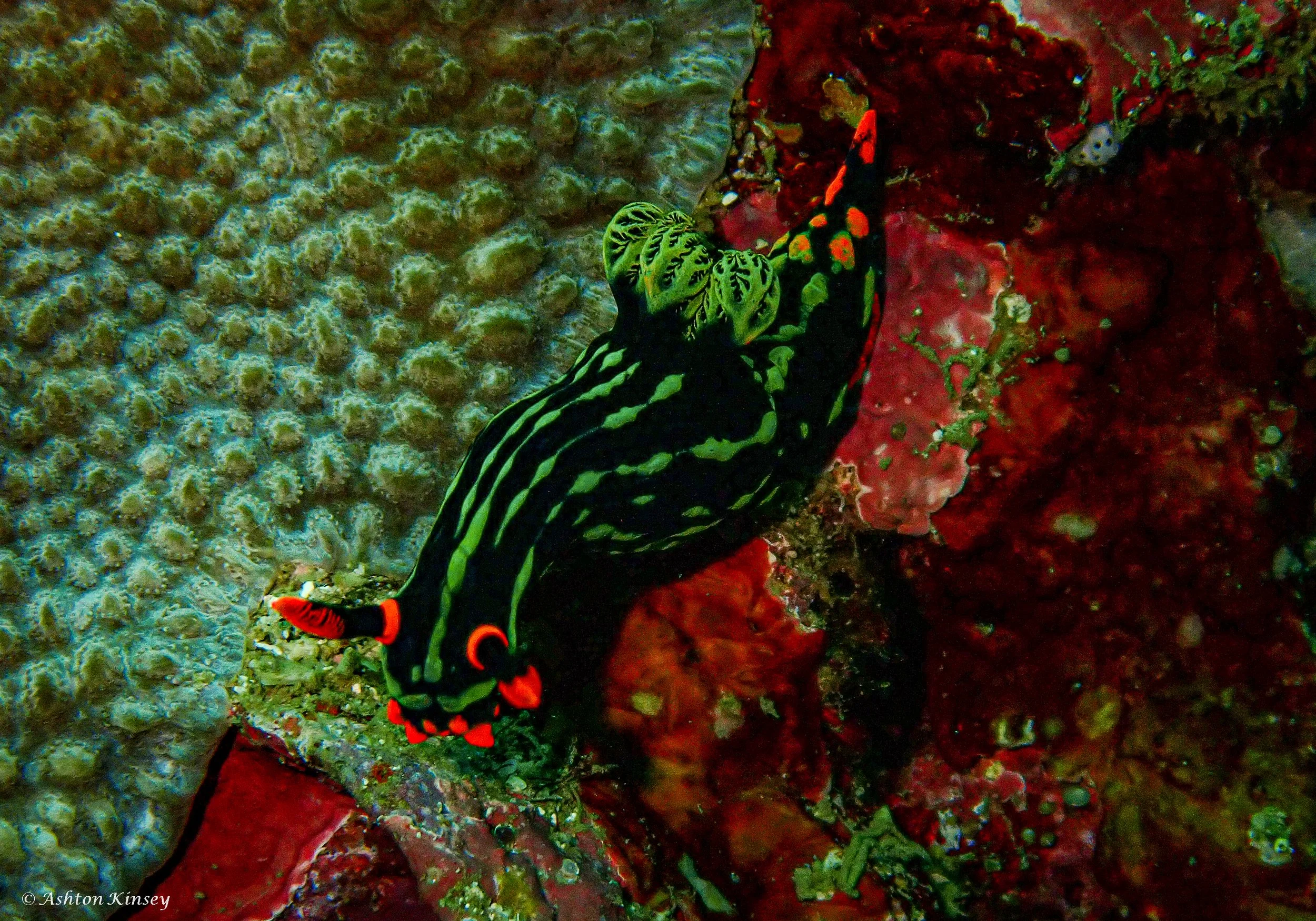
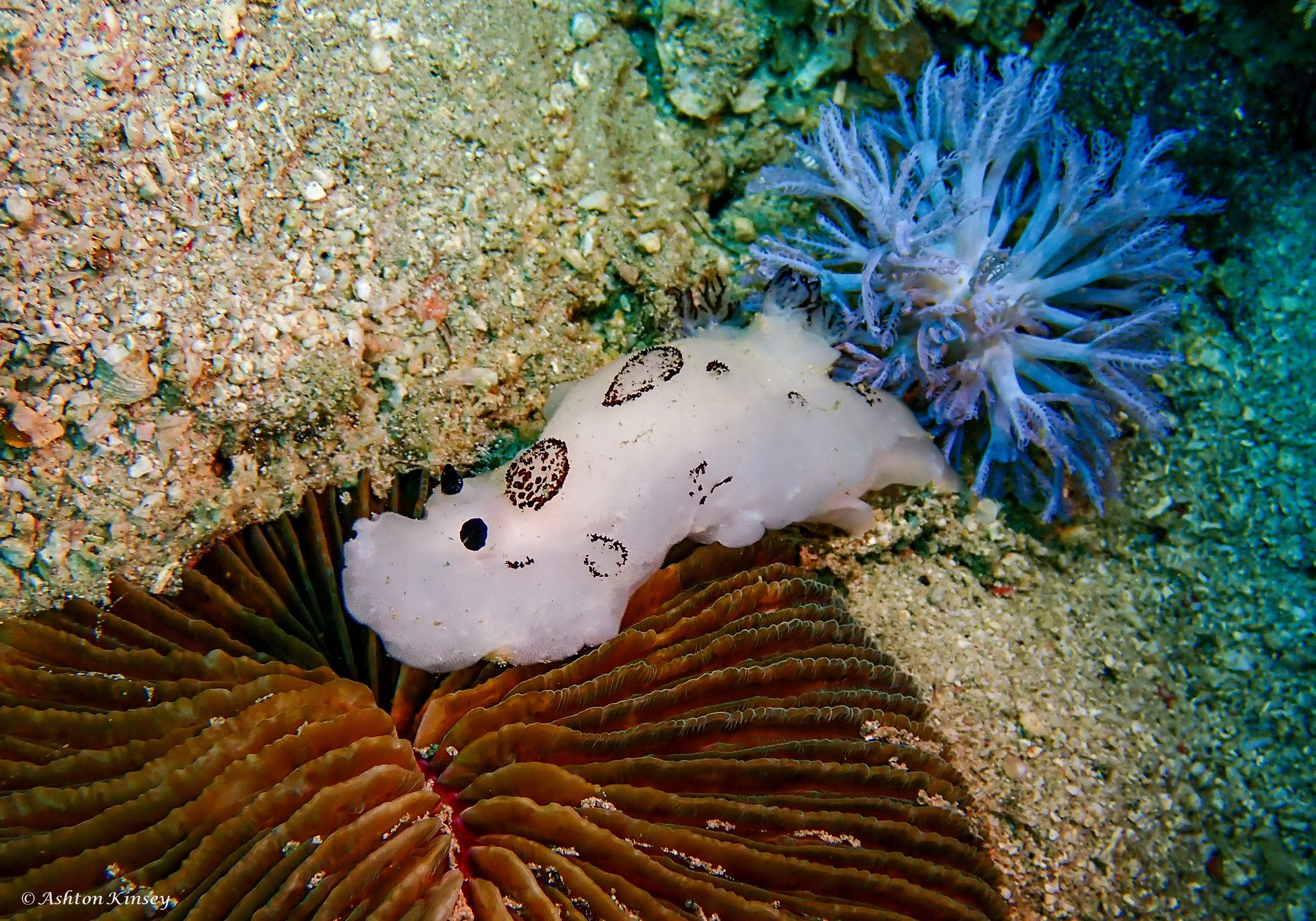
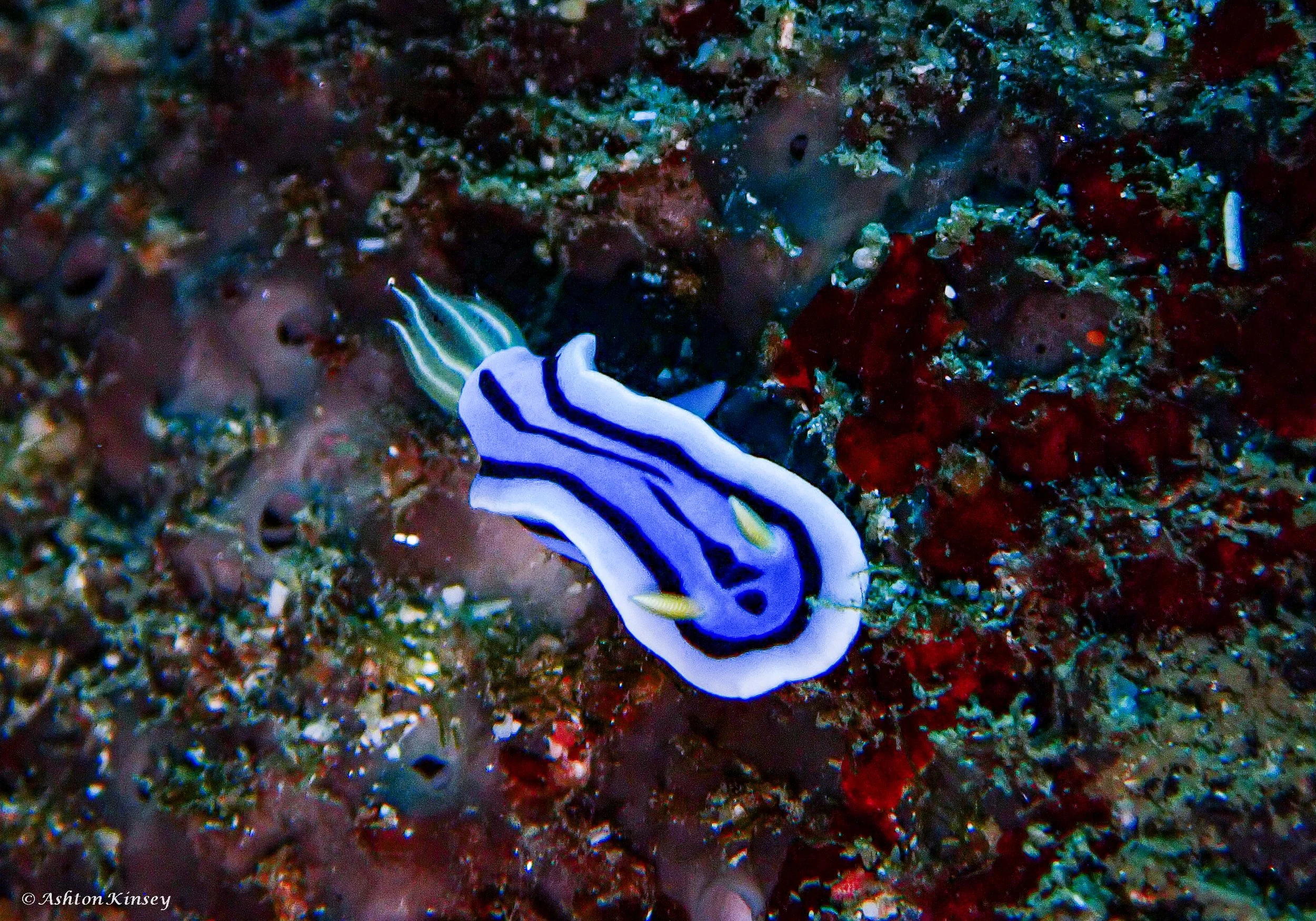
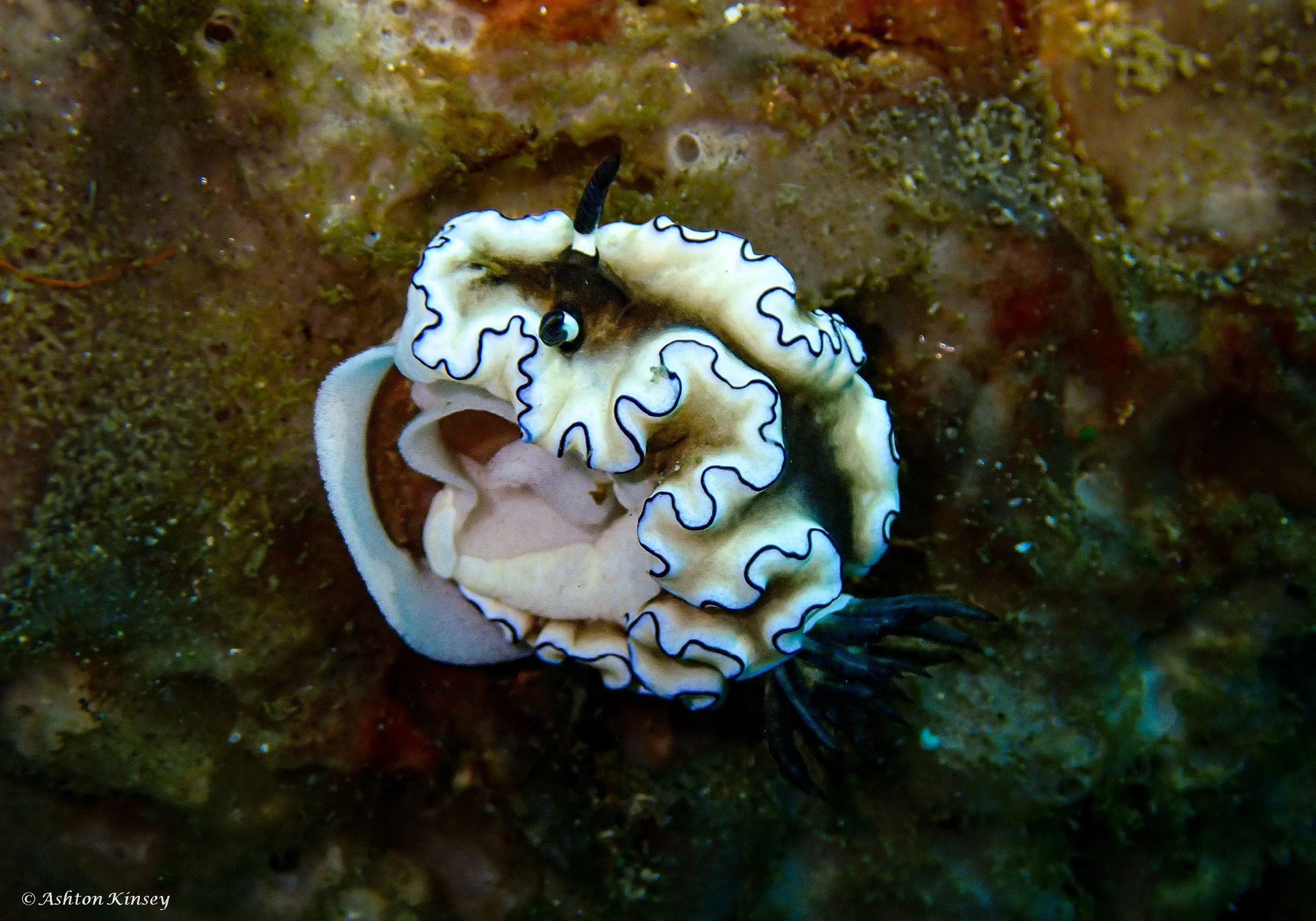
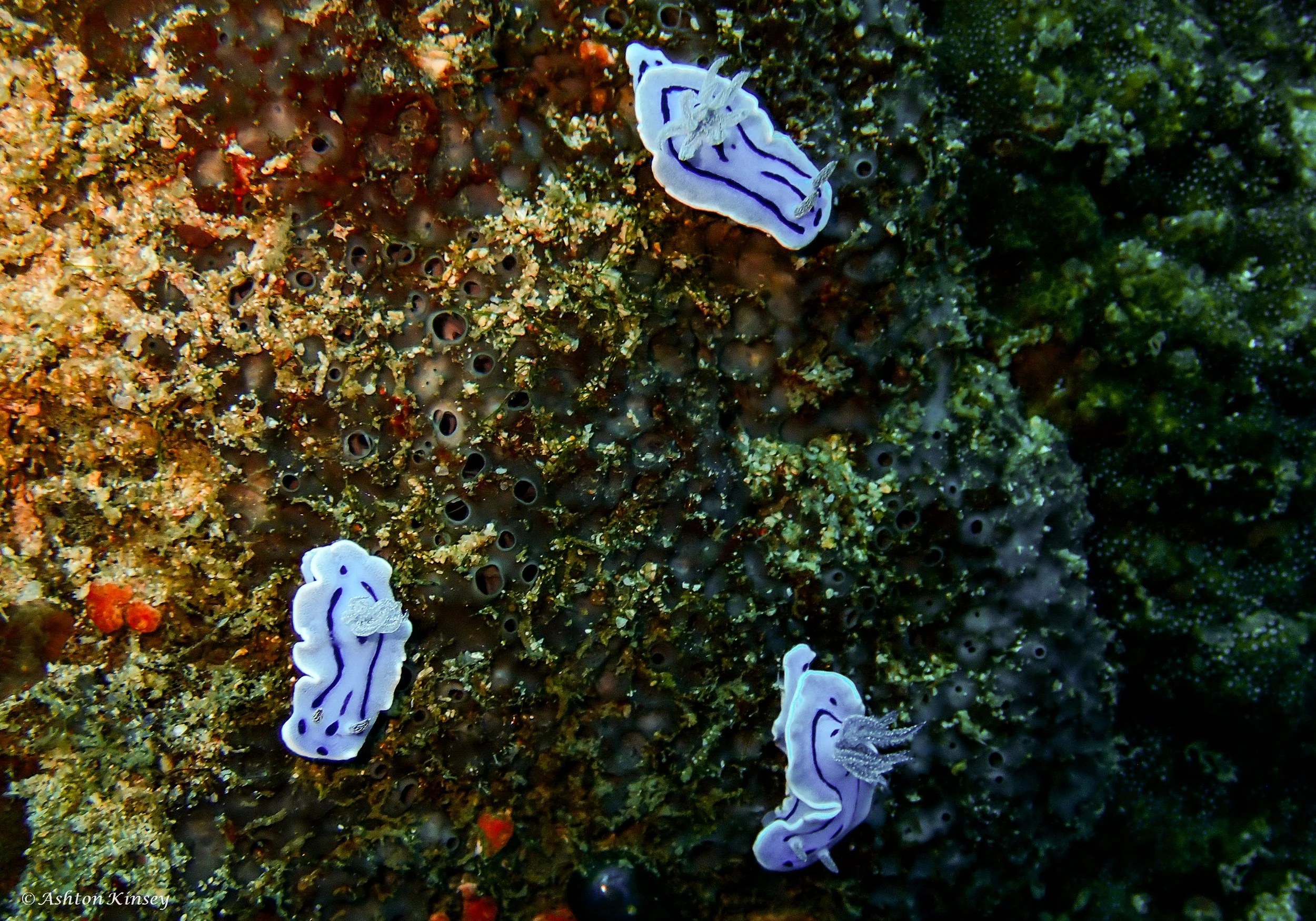
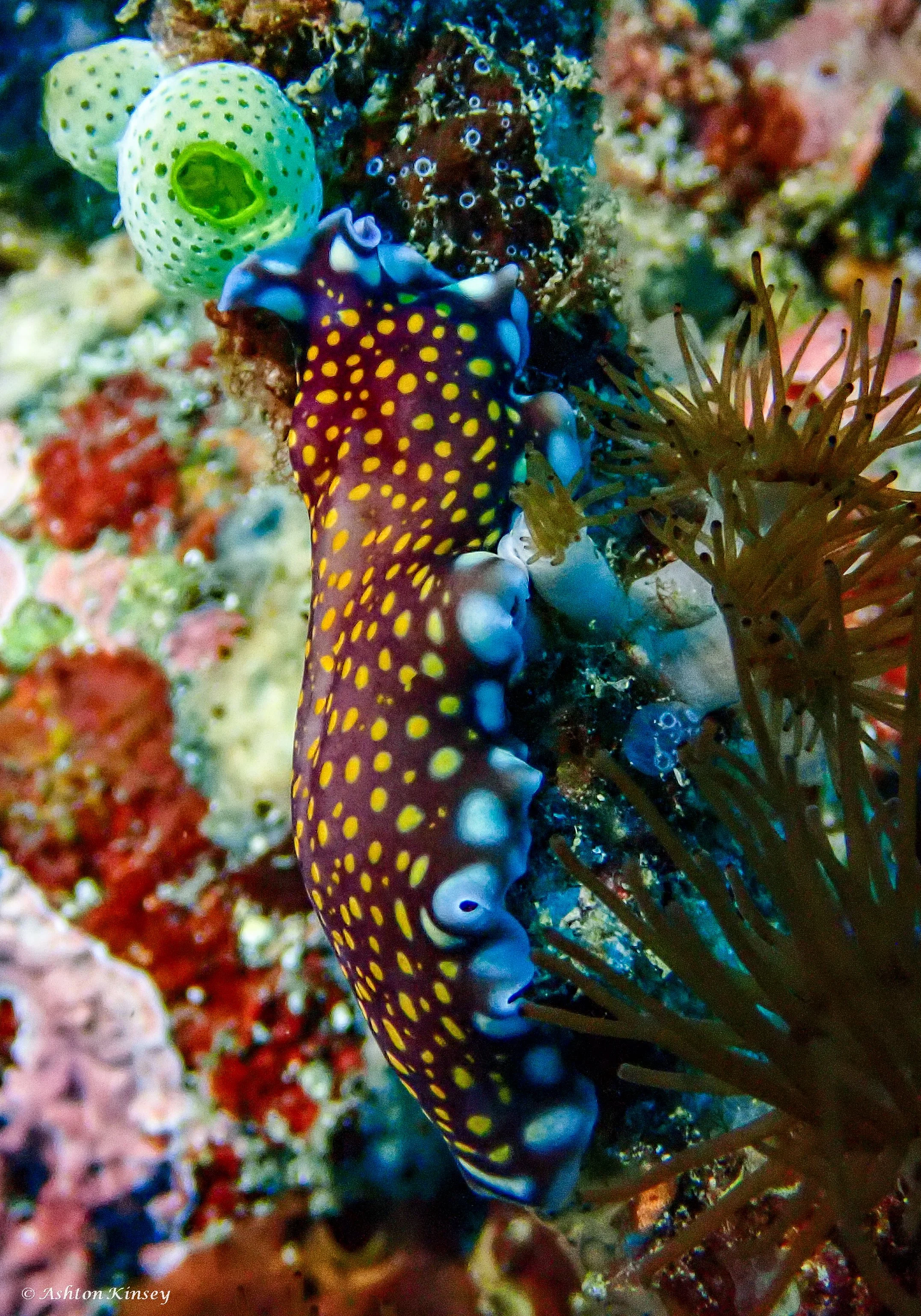
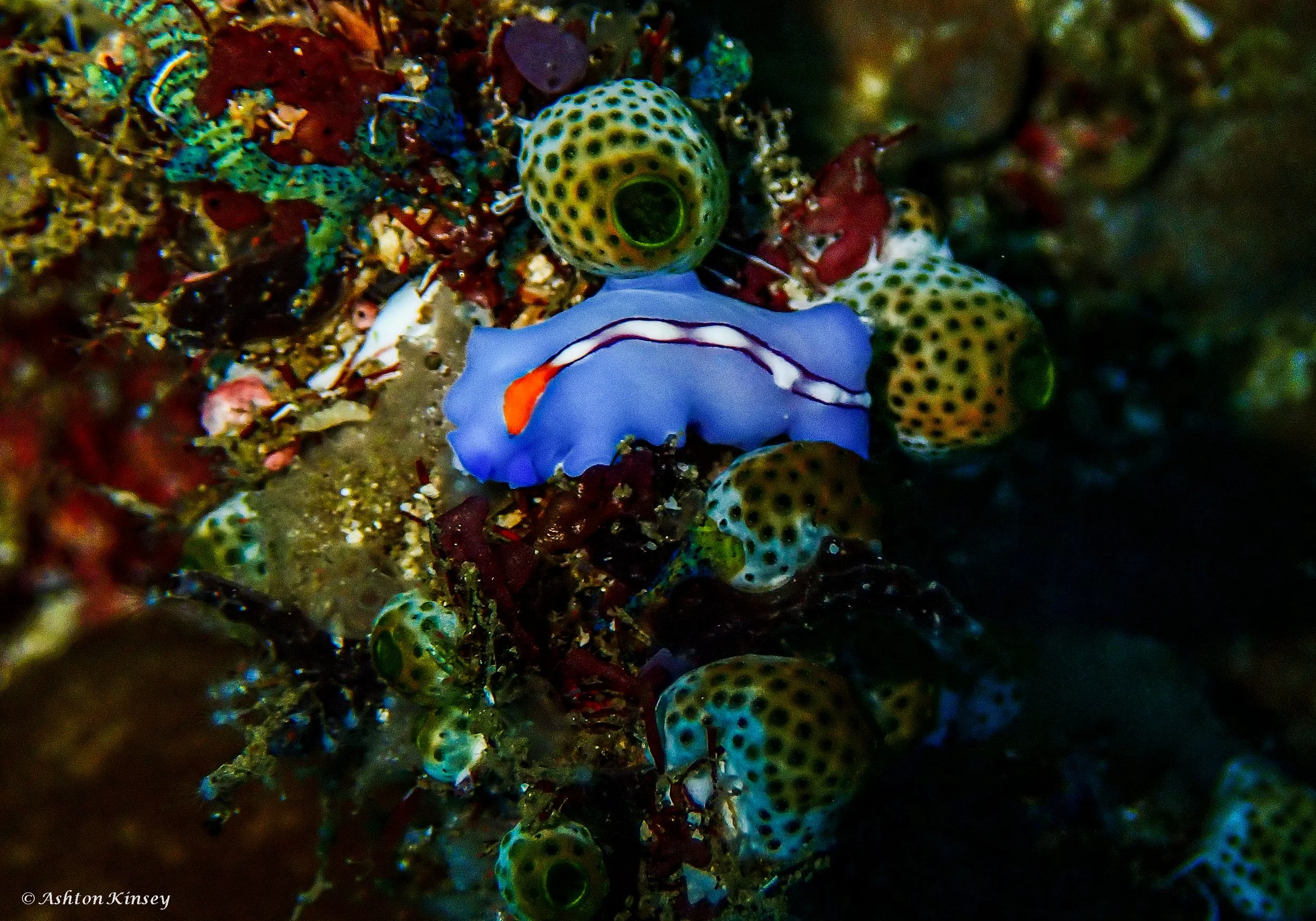
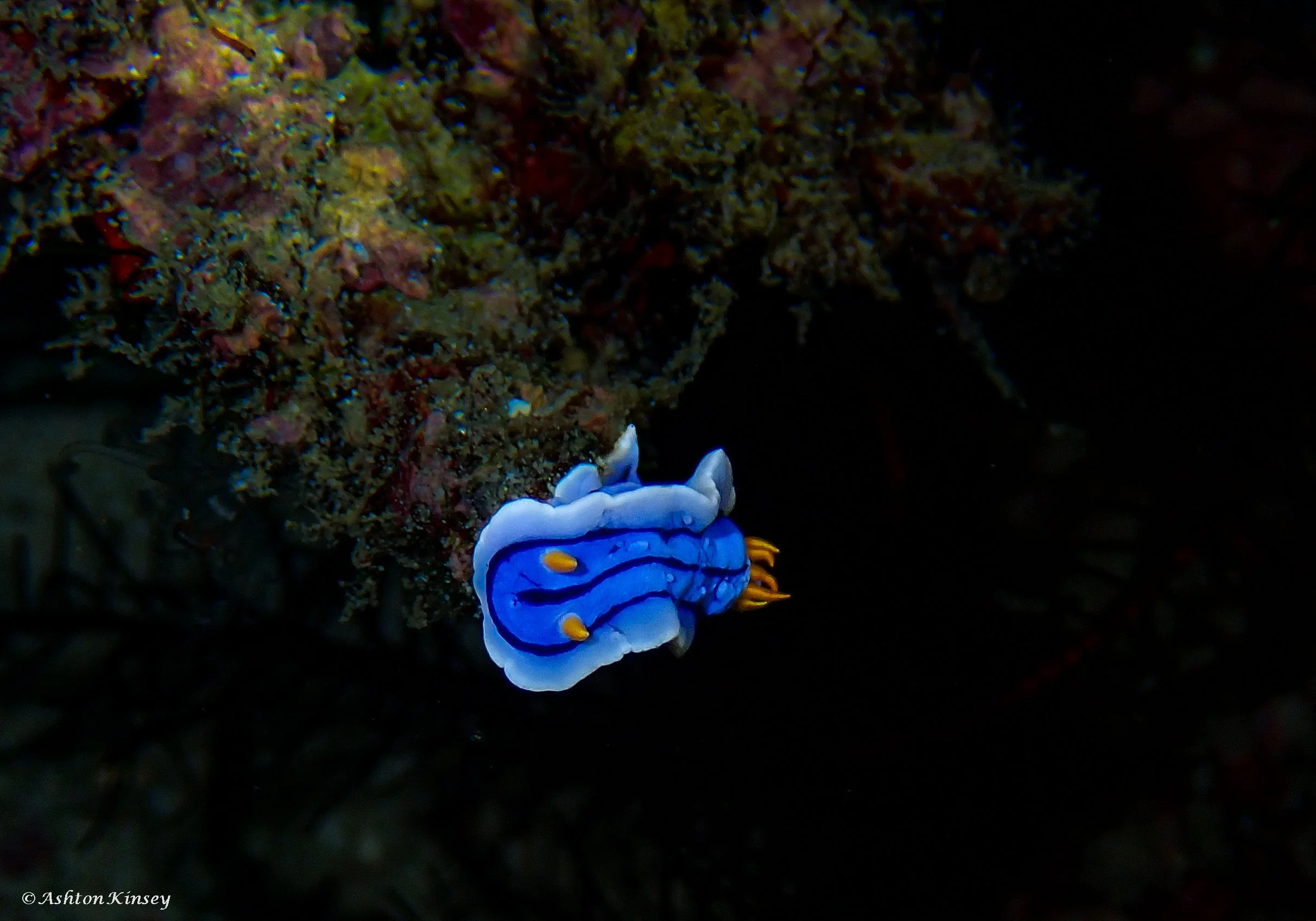
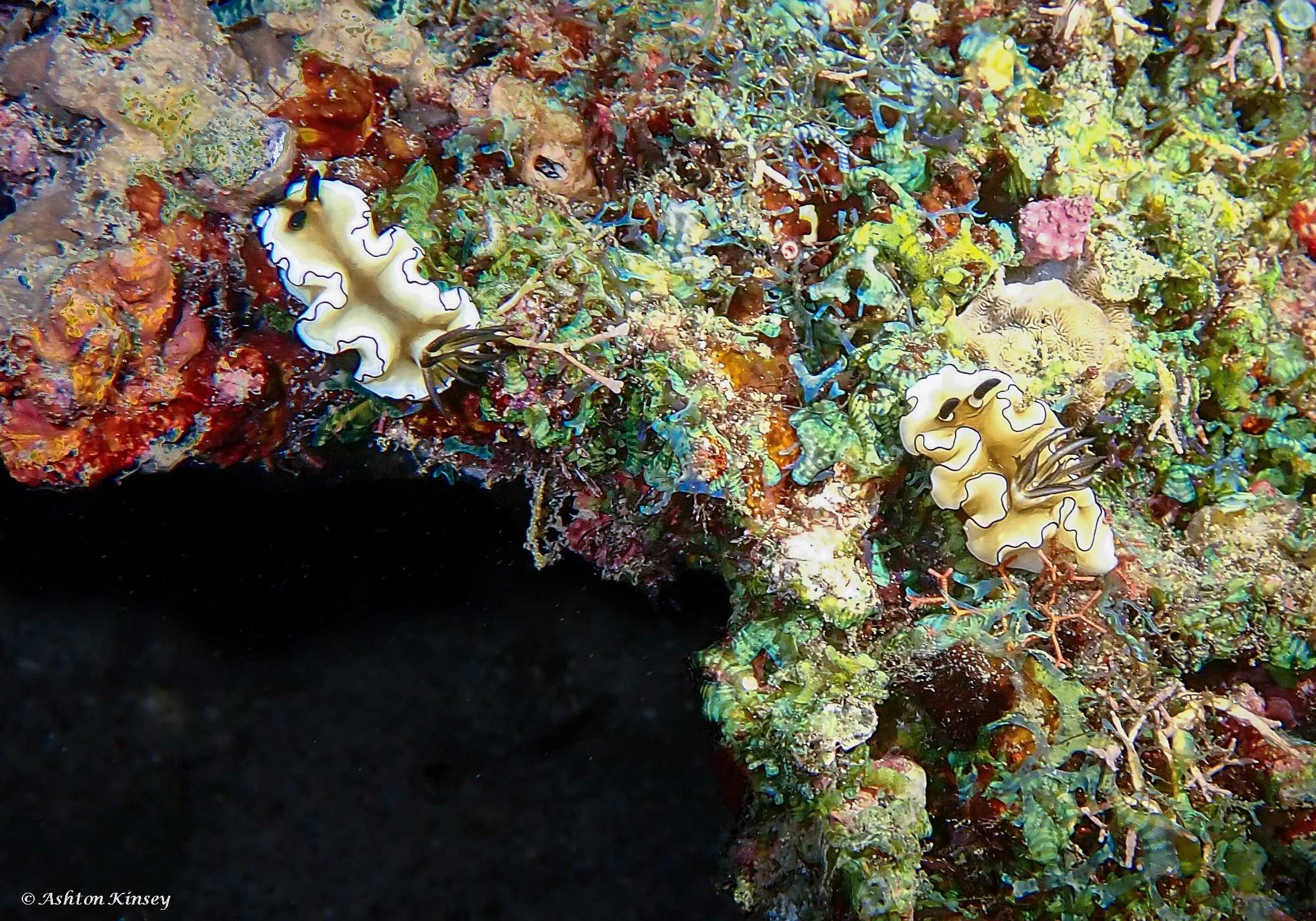
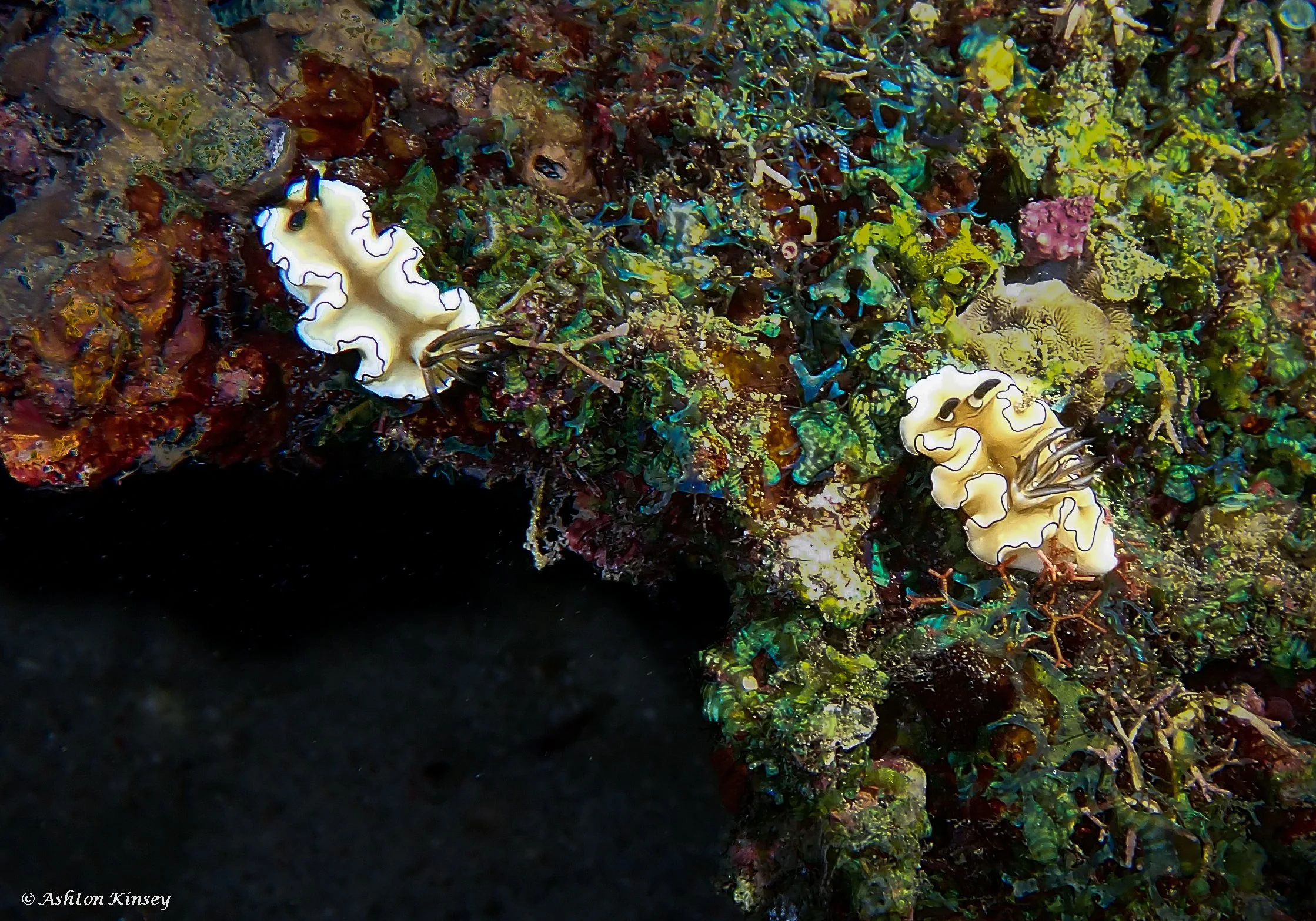
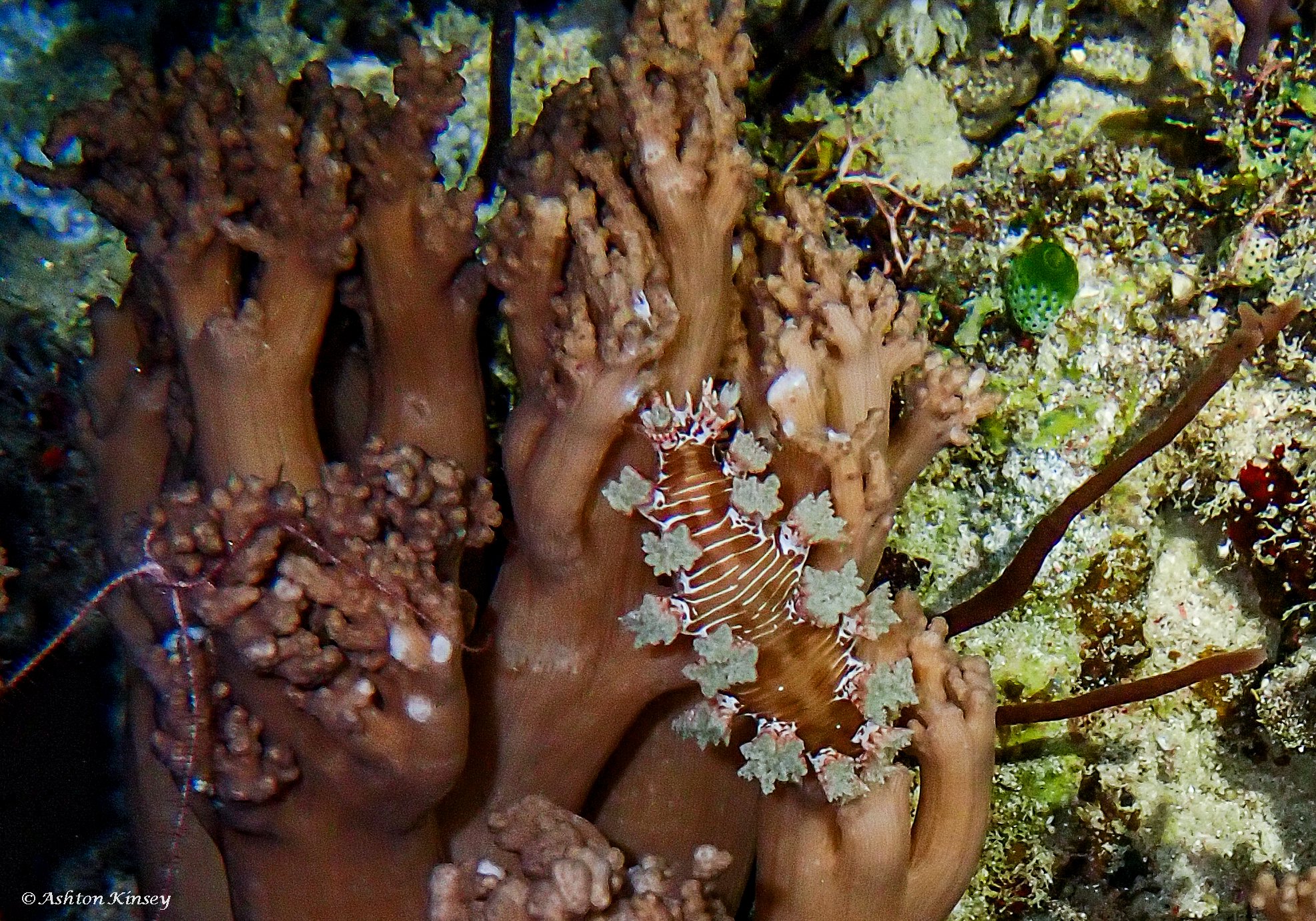
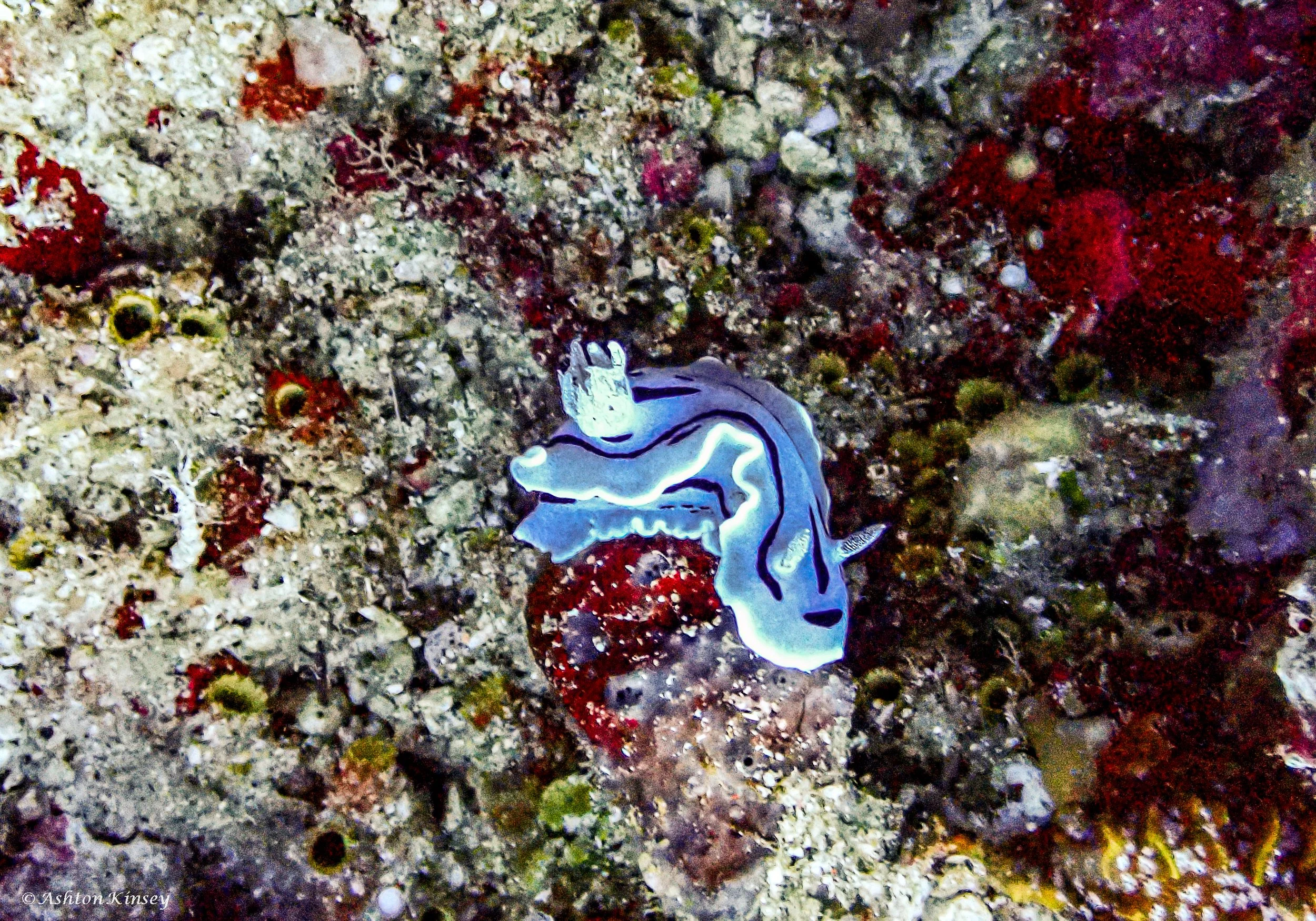
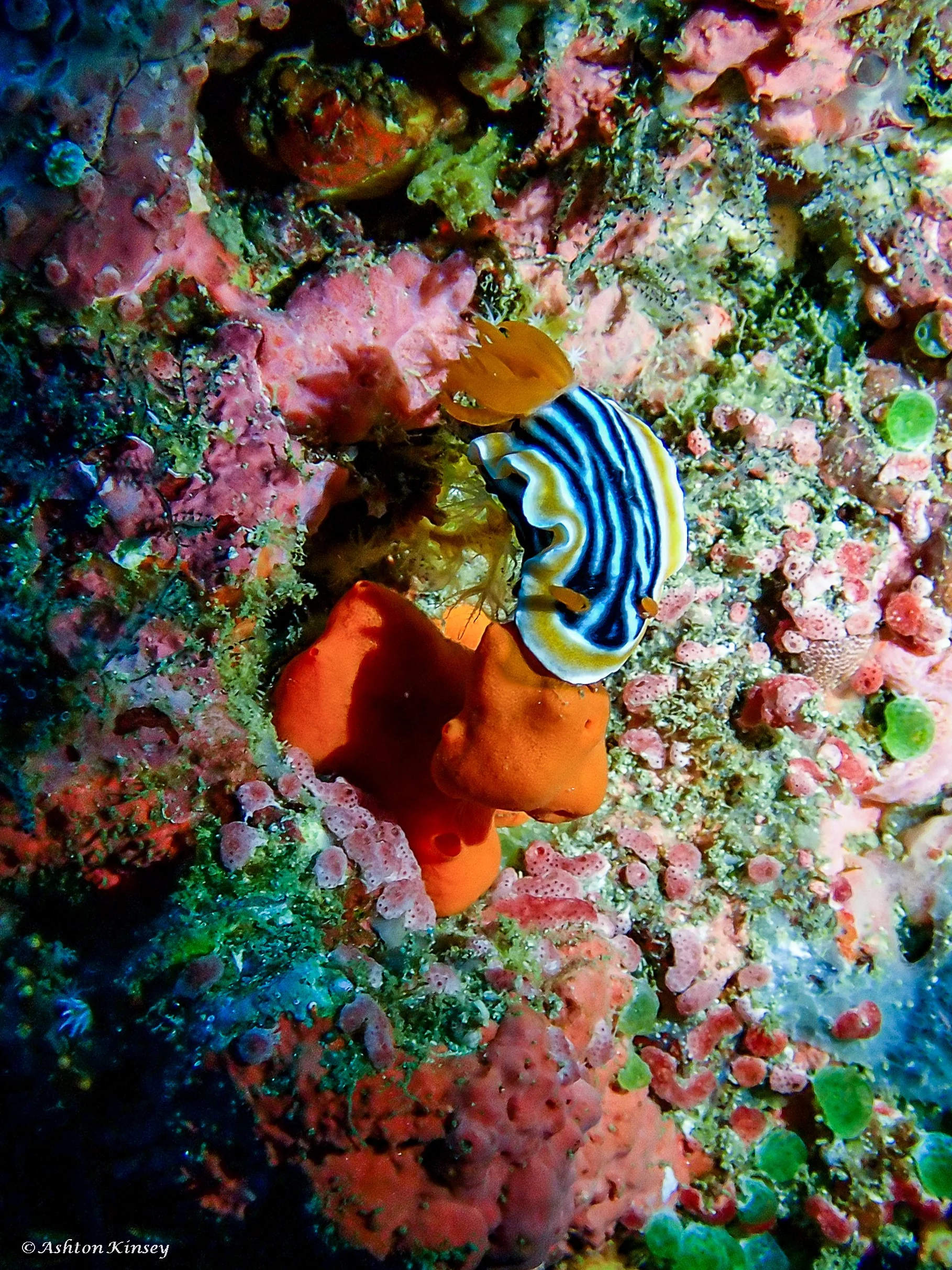
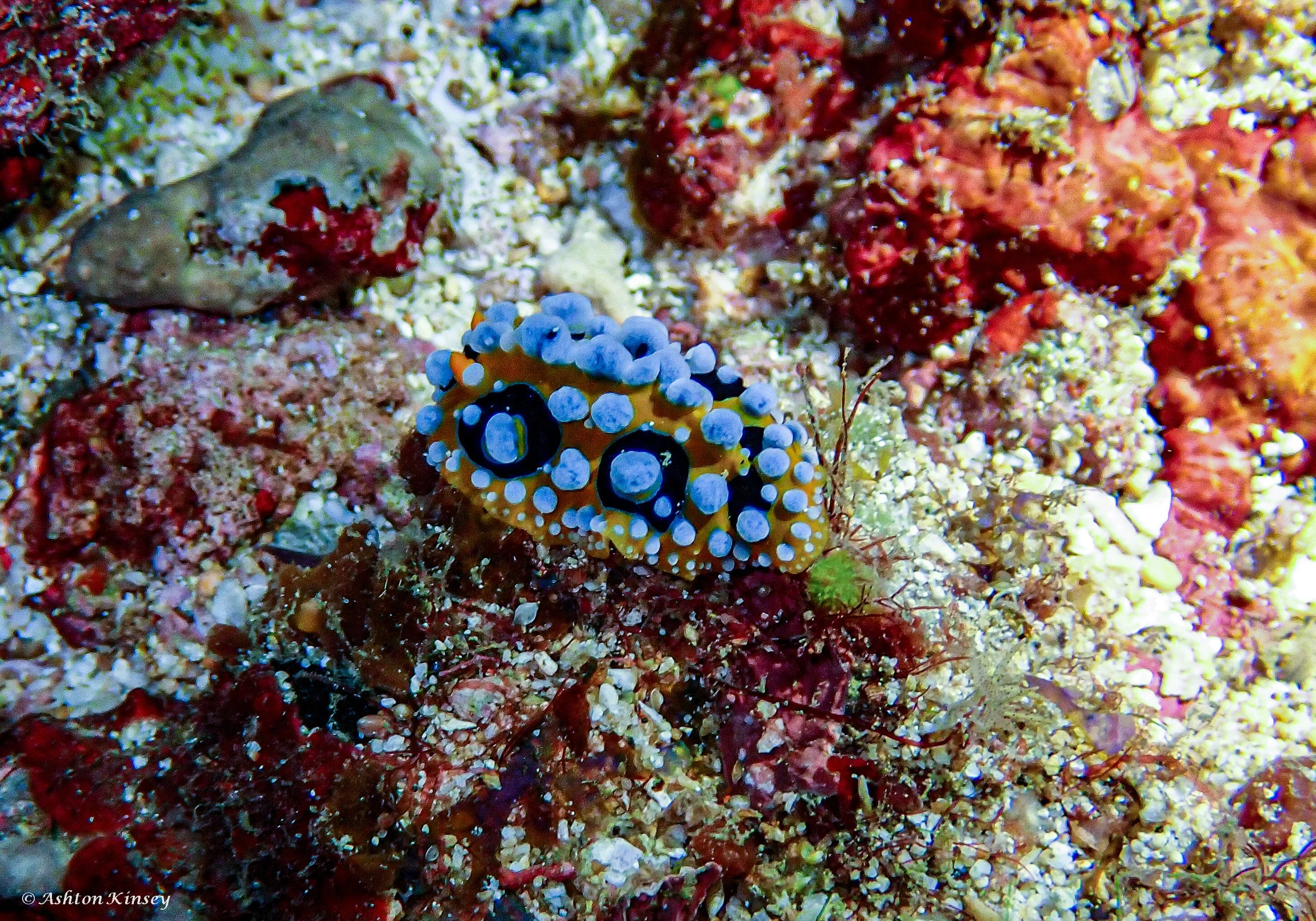
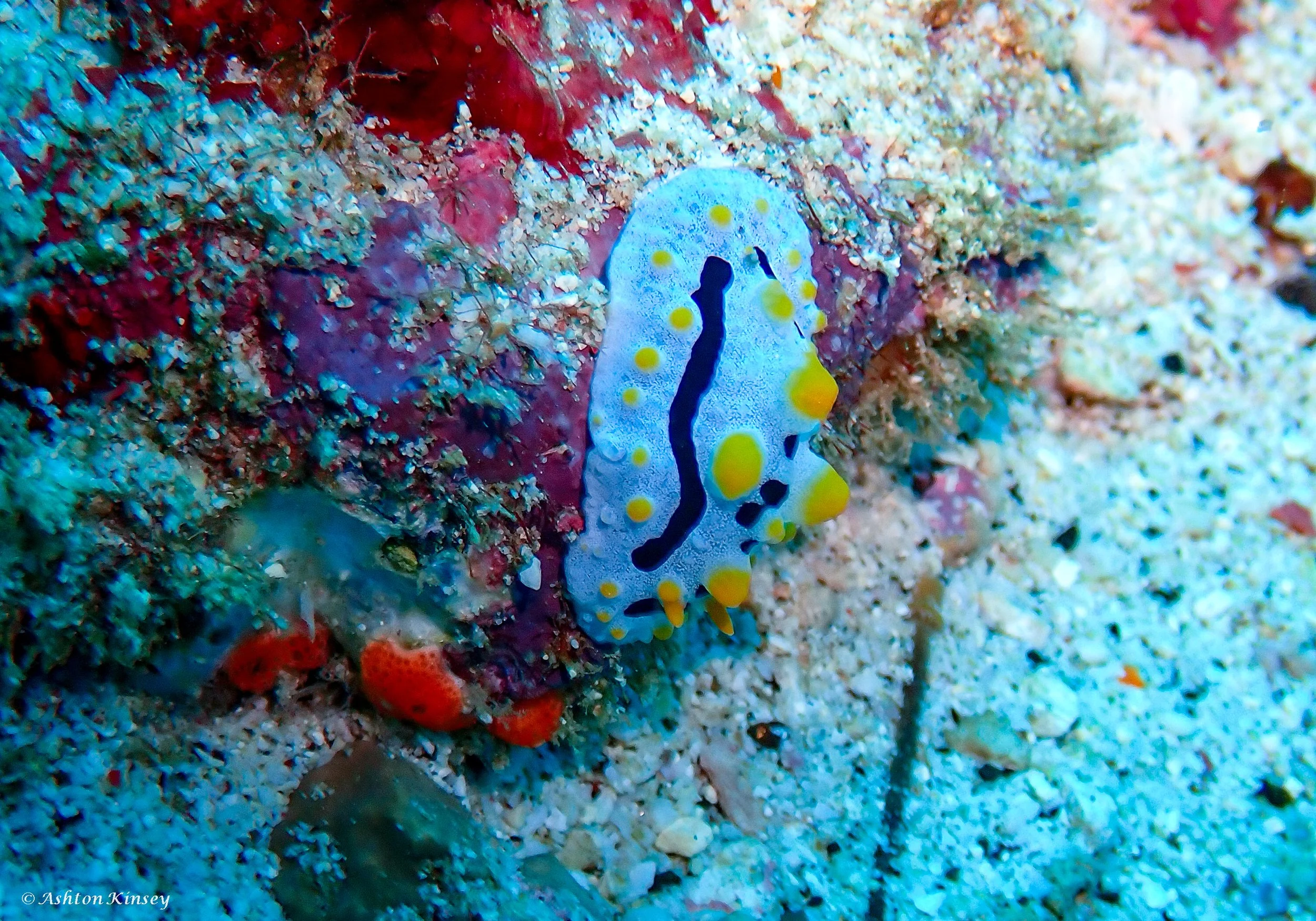
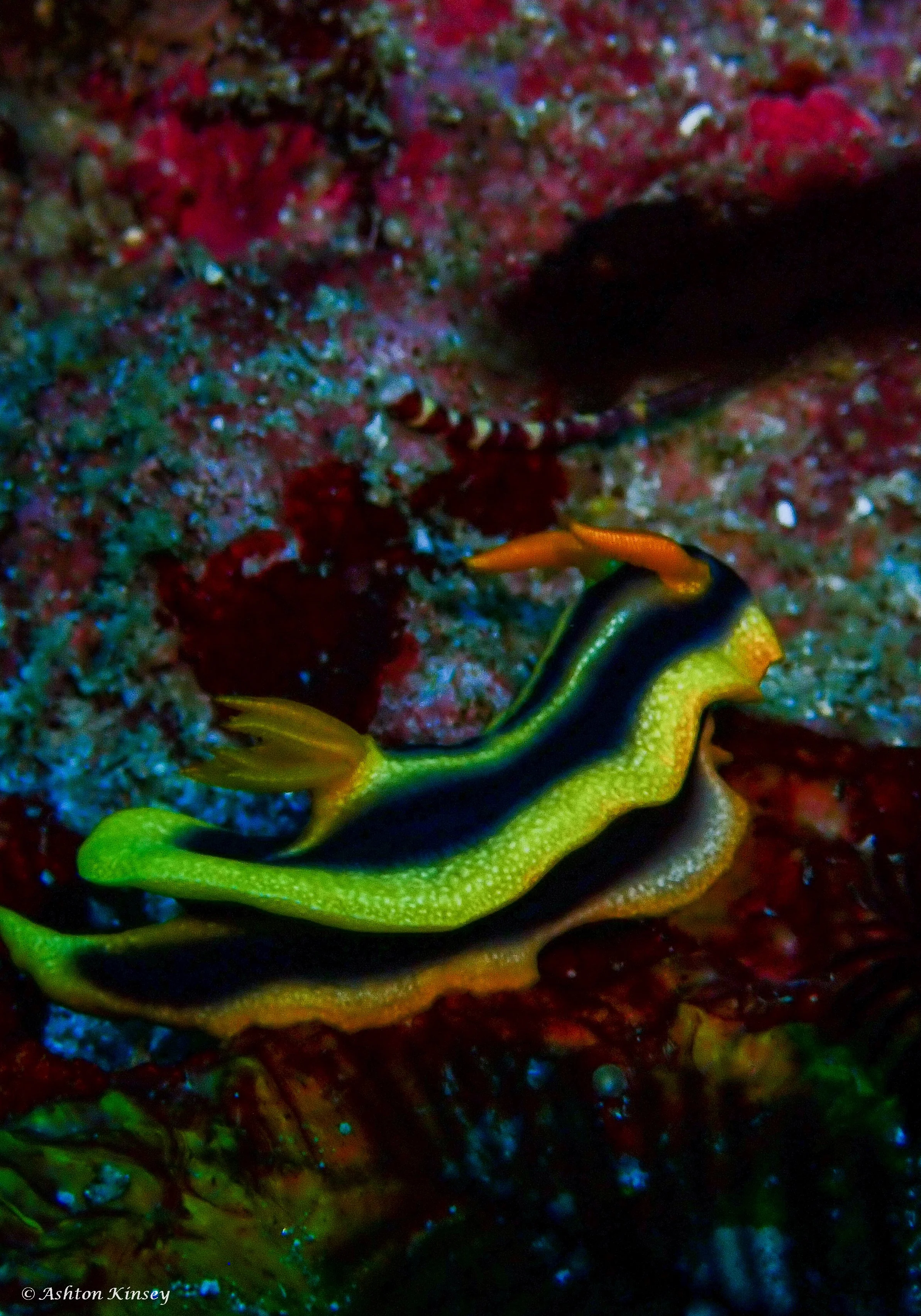
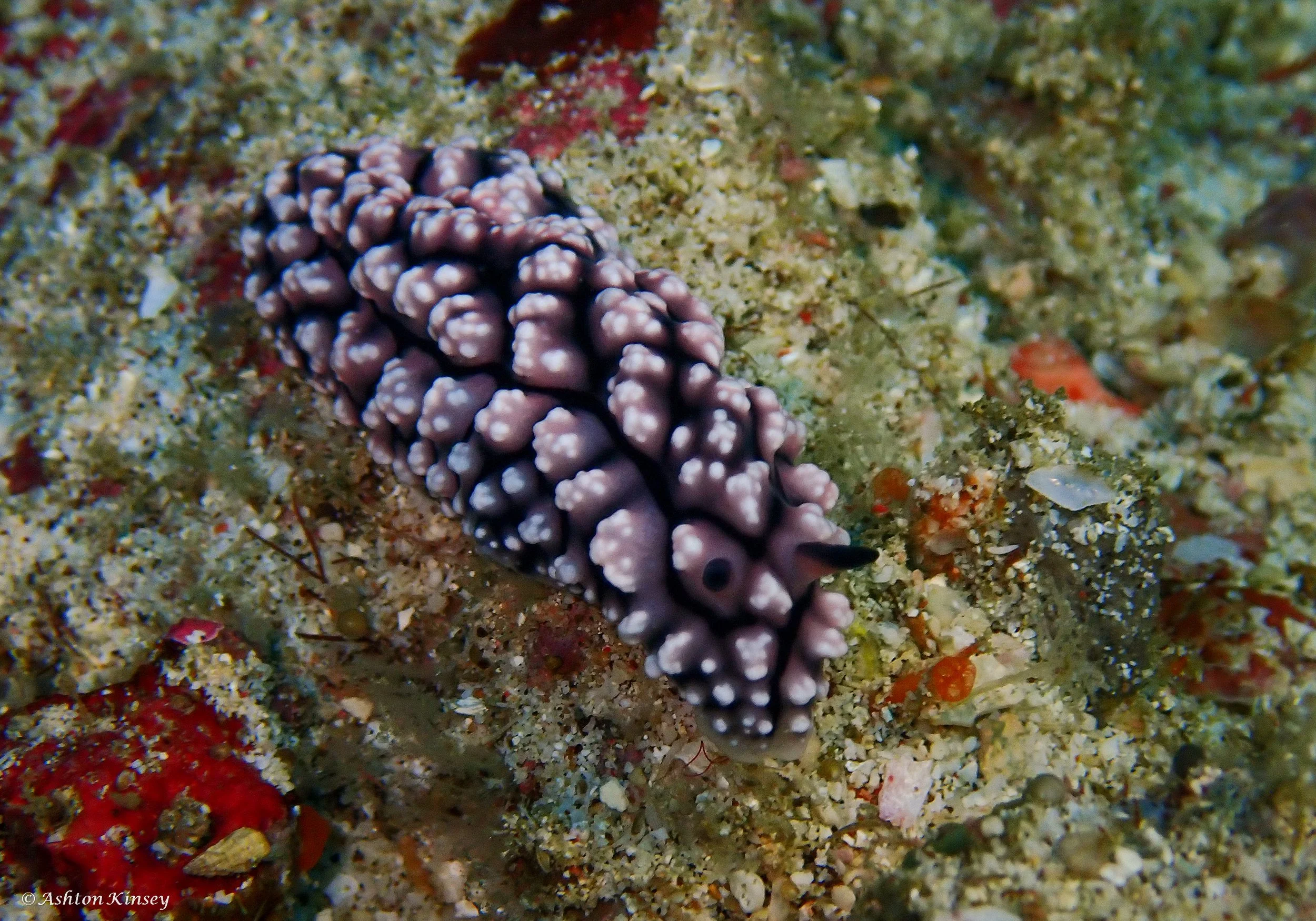
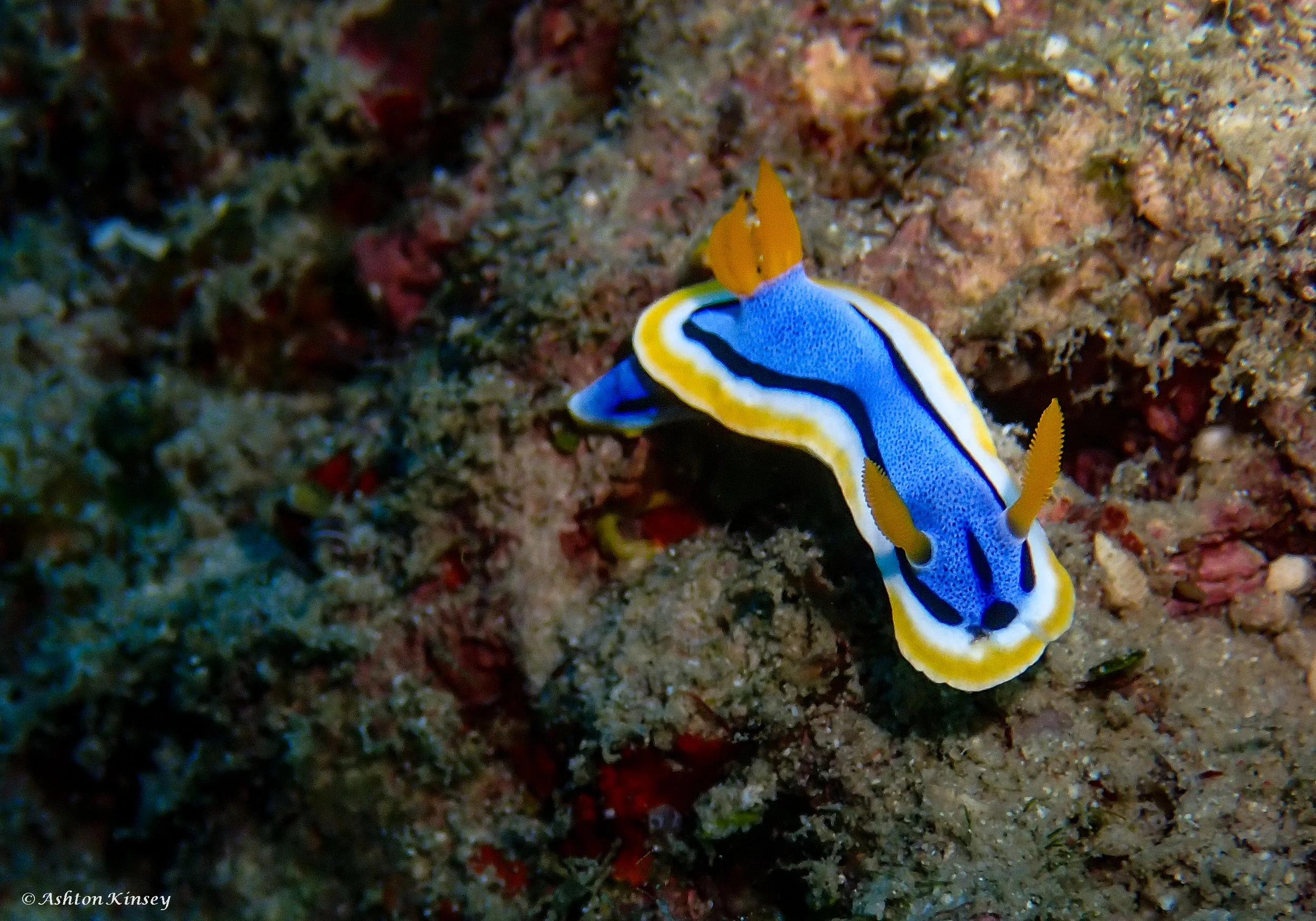
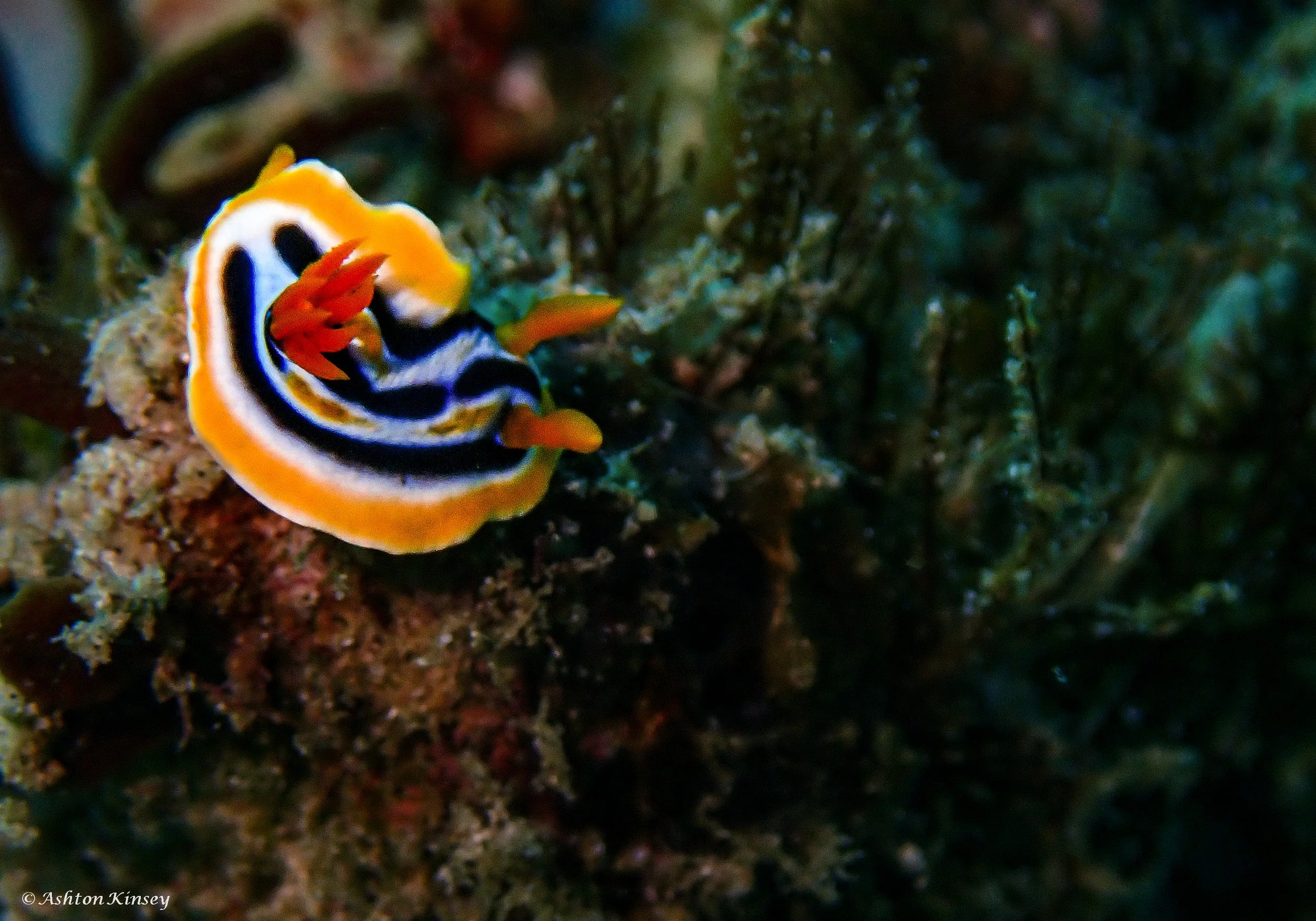
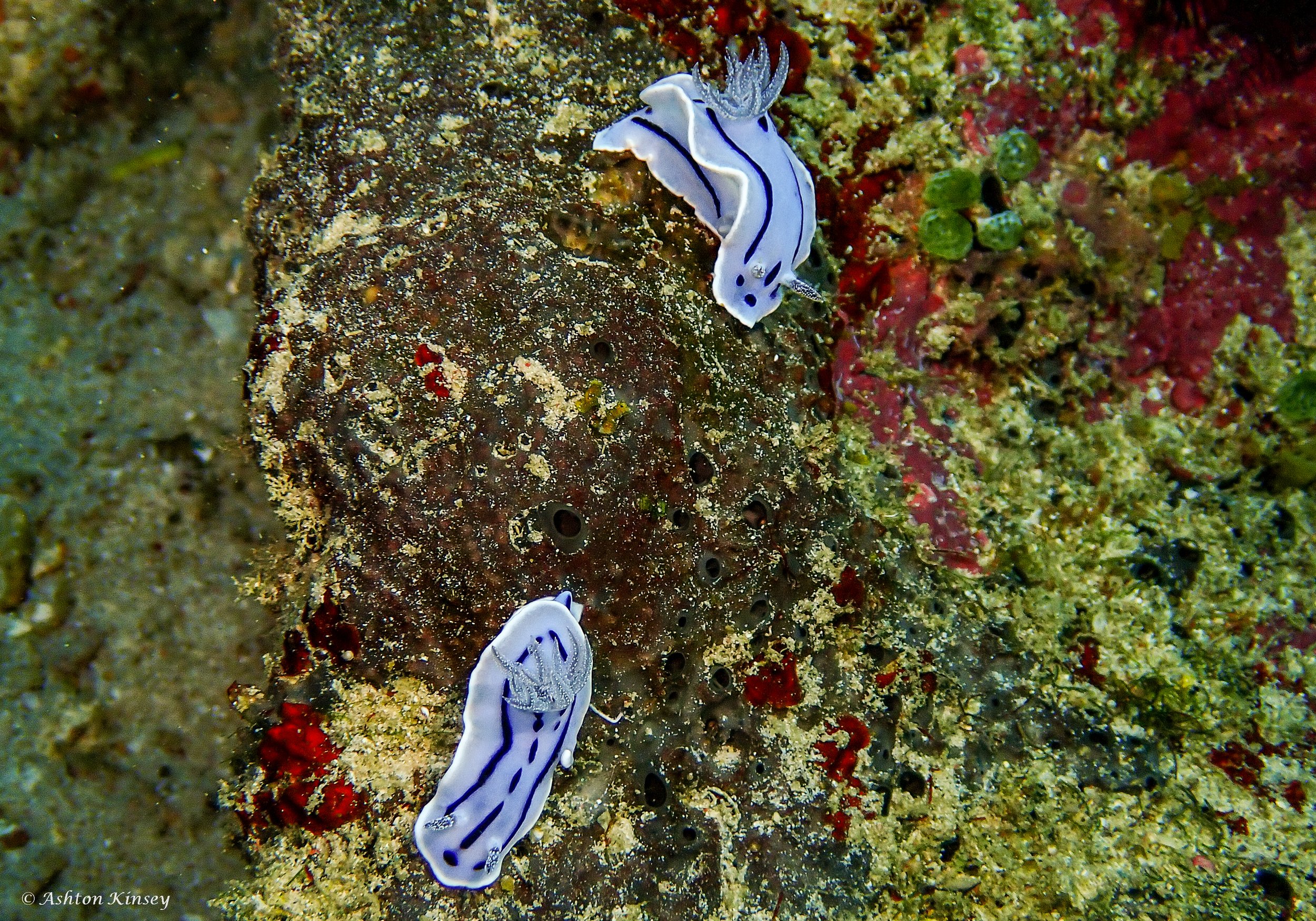
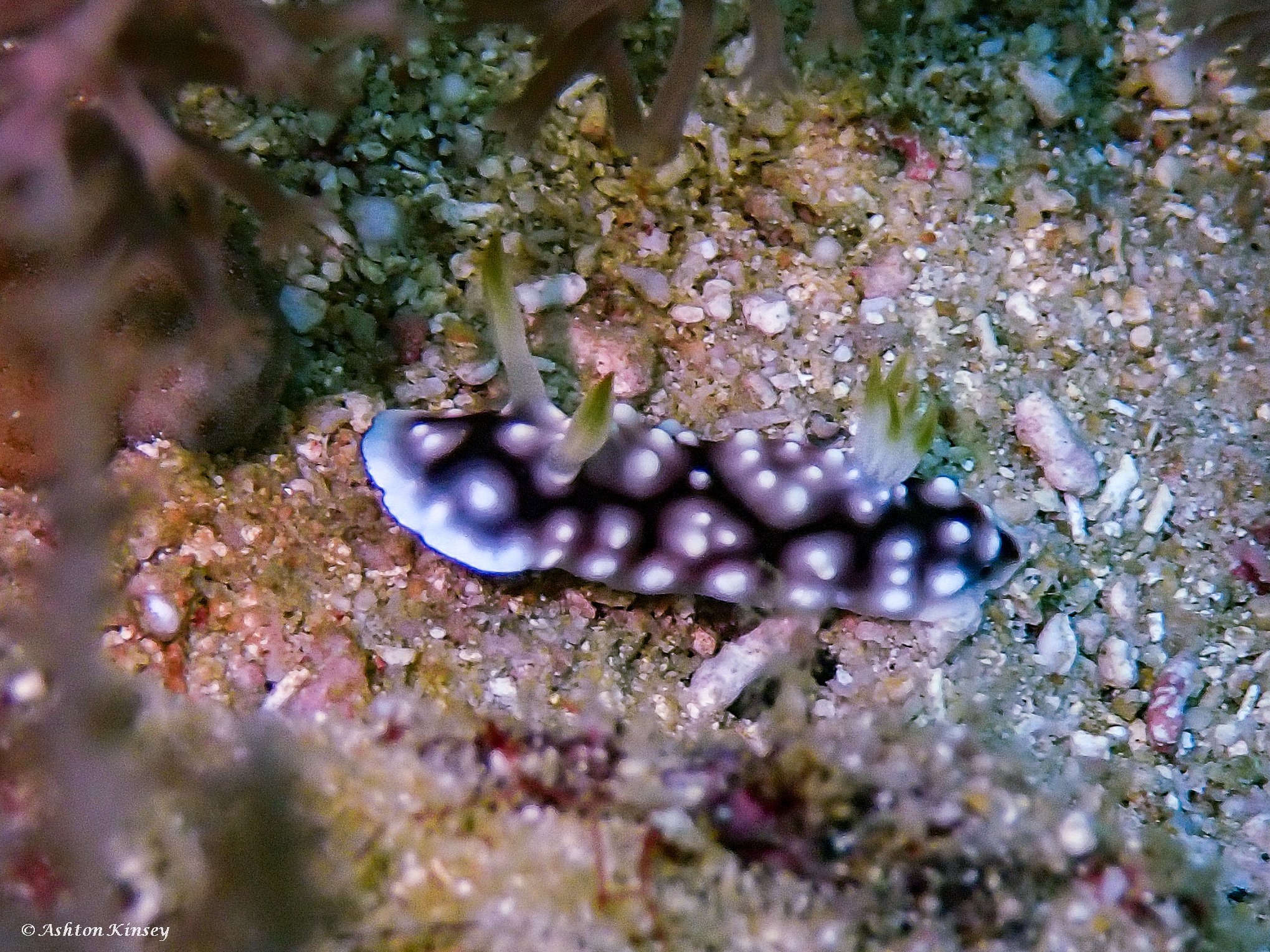
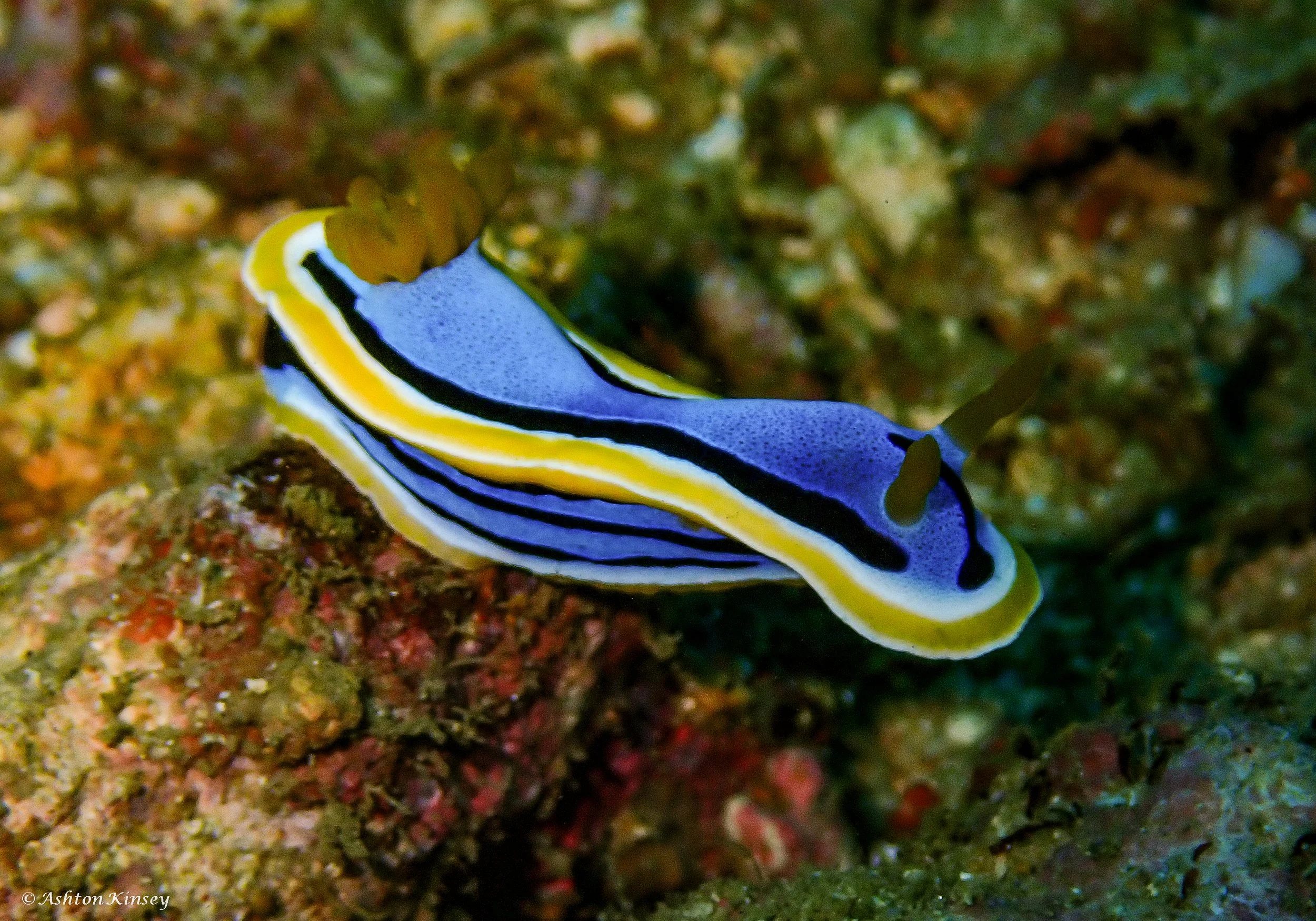
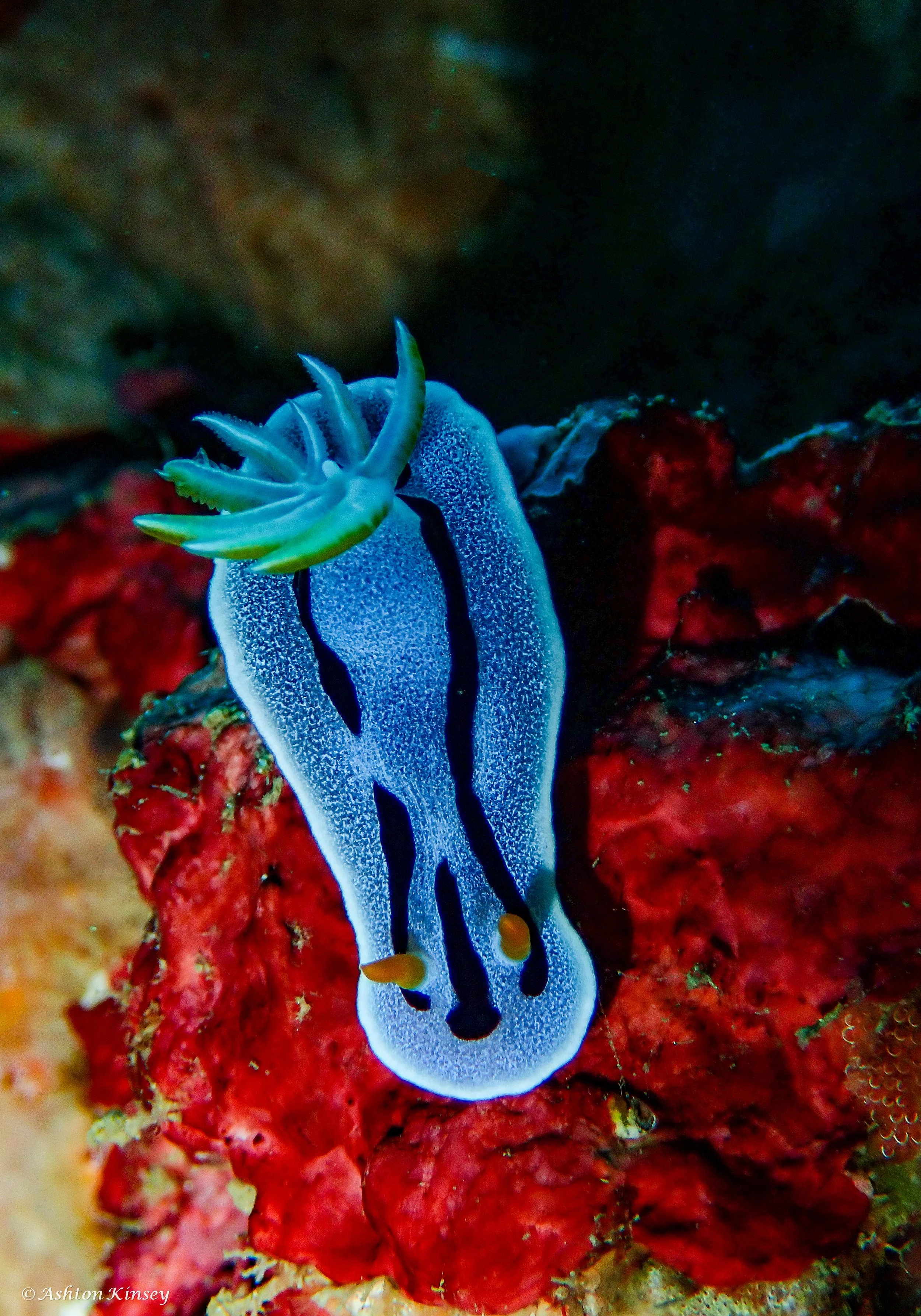
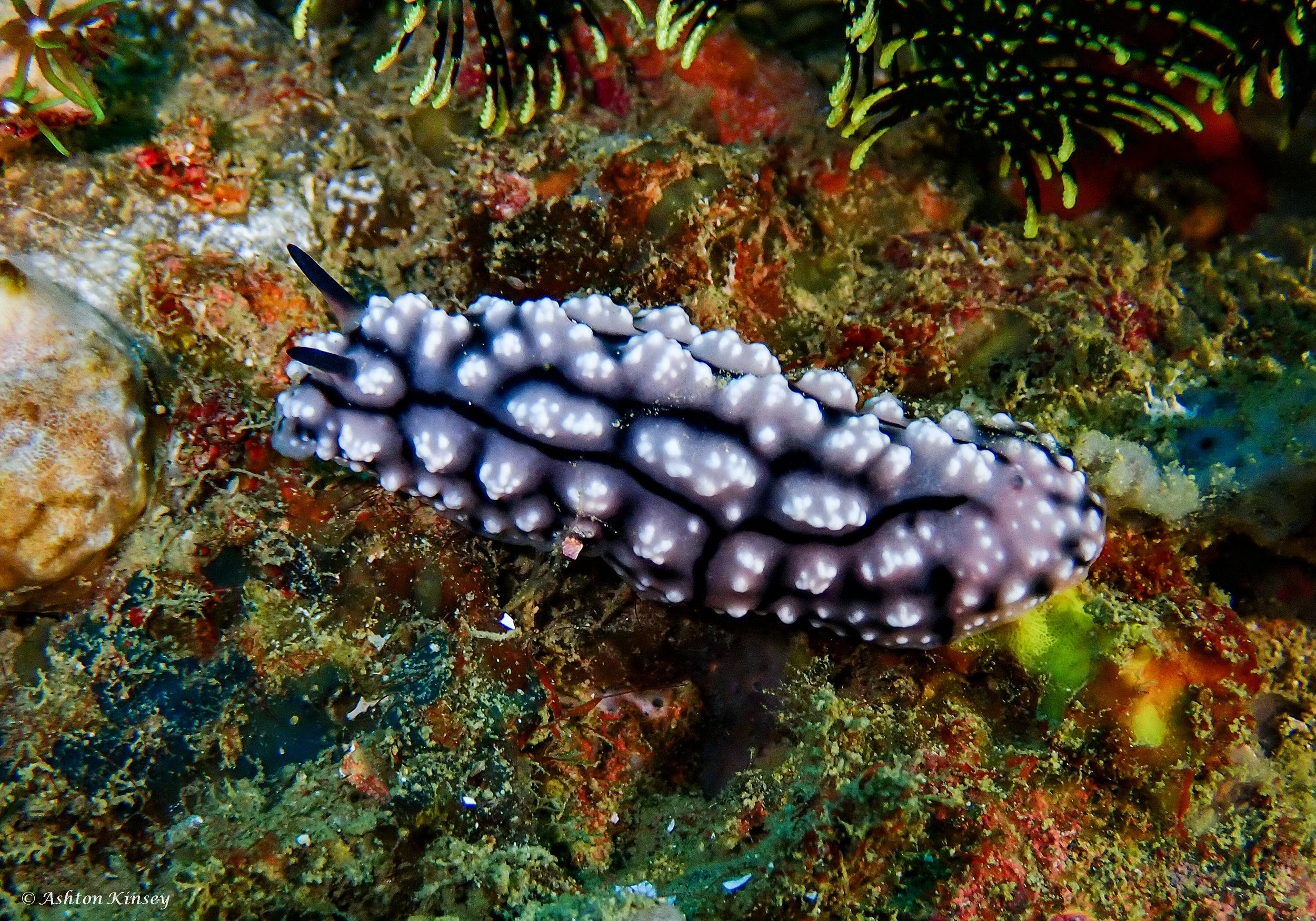
One of the furthest dive sites from the resort is located on the east side of the island. Also known as Nudie City, this site is known for its diverse population of nudibranchs. The site slopes down to two different walls, one at 60’ and a second wall at 100’. The majority of the nudies live between the two walls, where there is the highest abundance of coral and life.
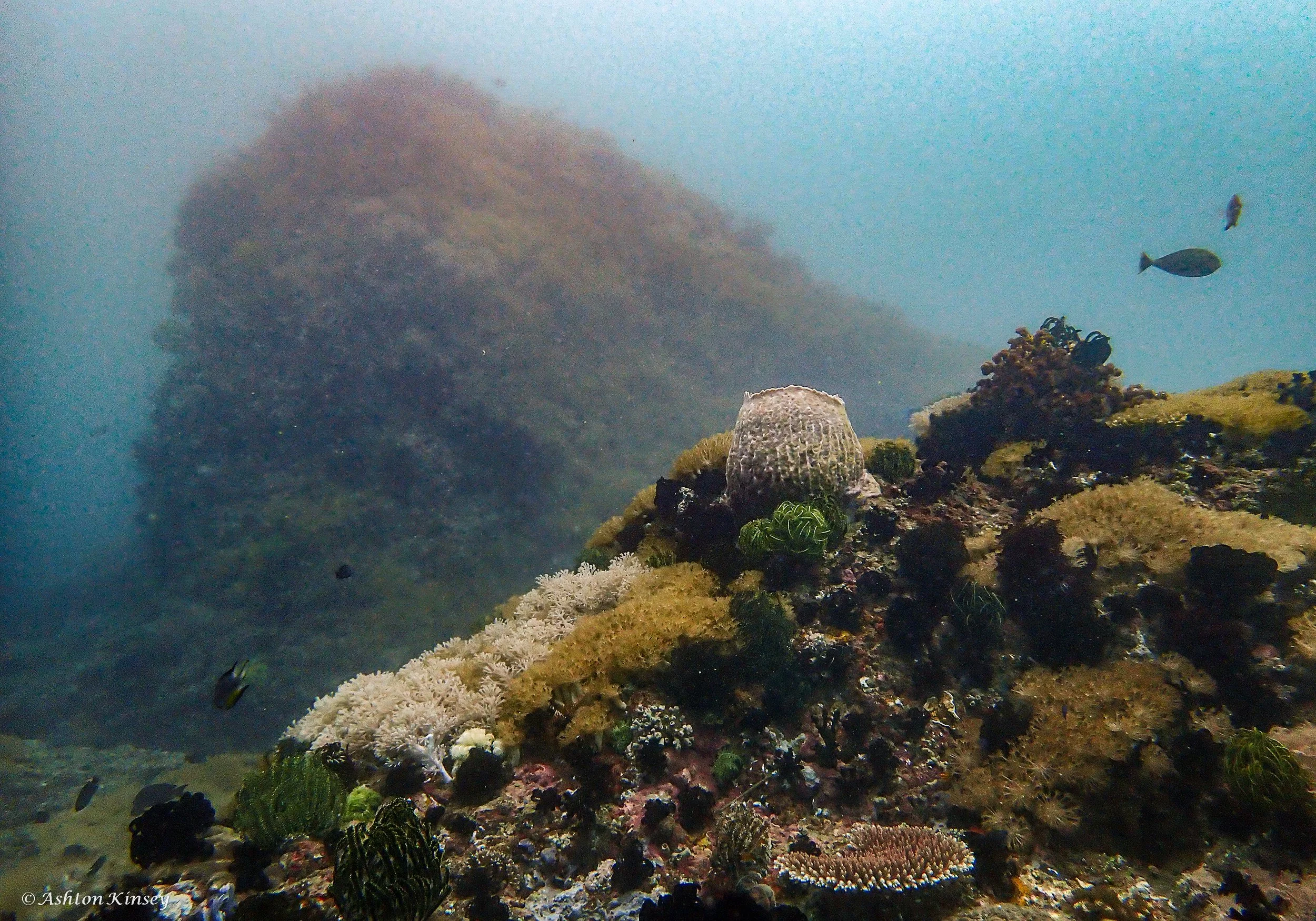
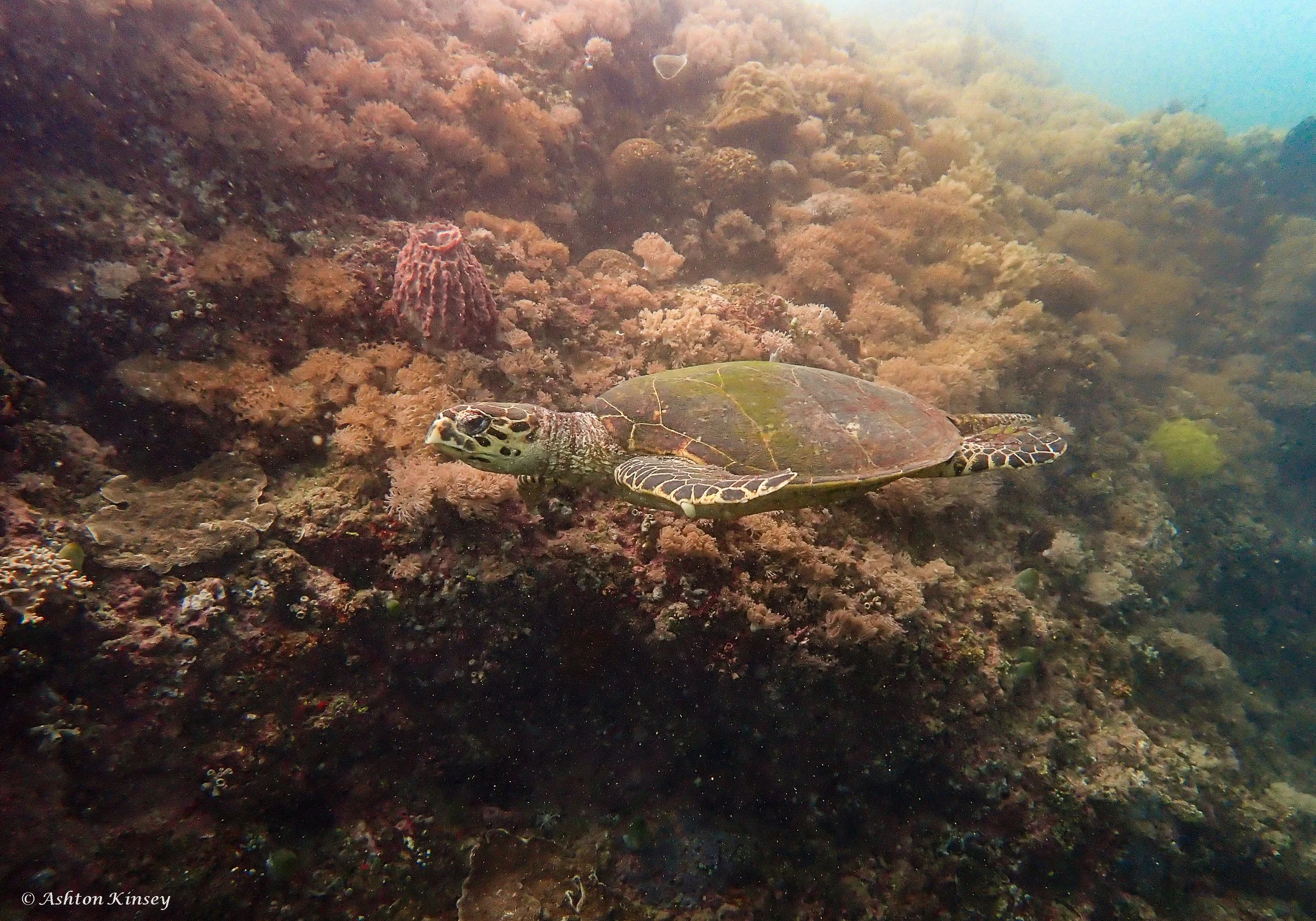
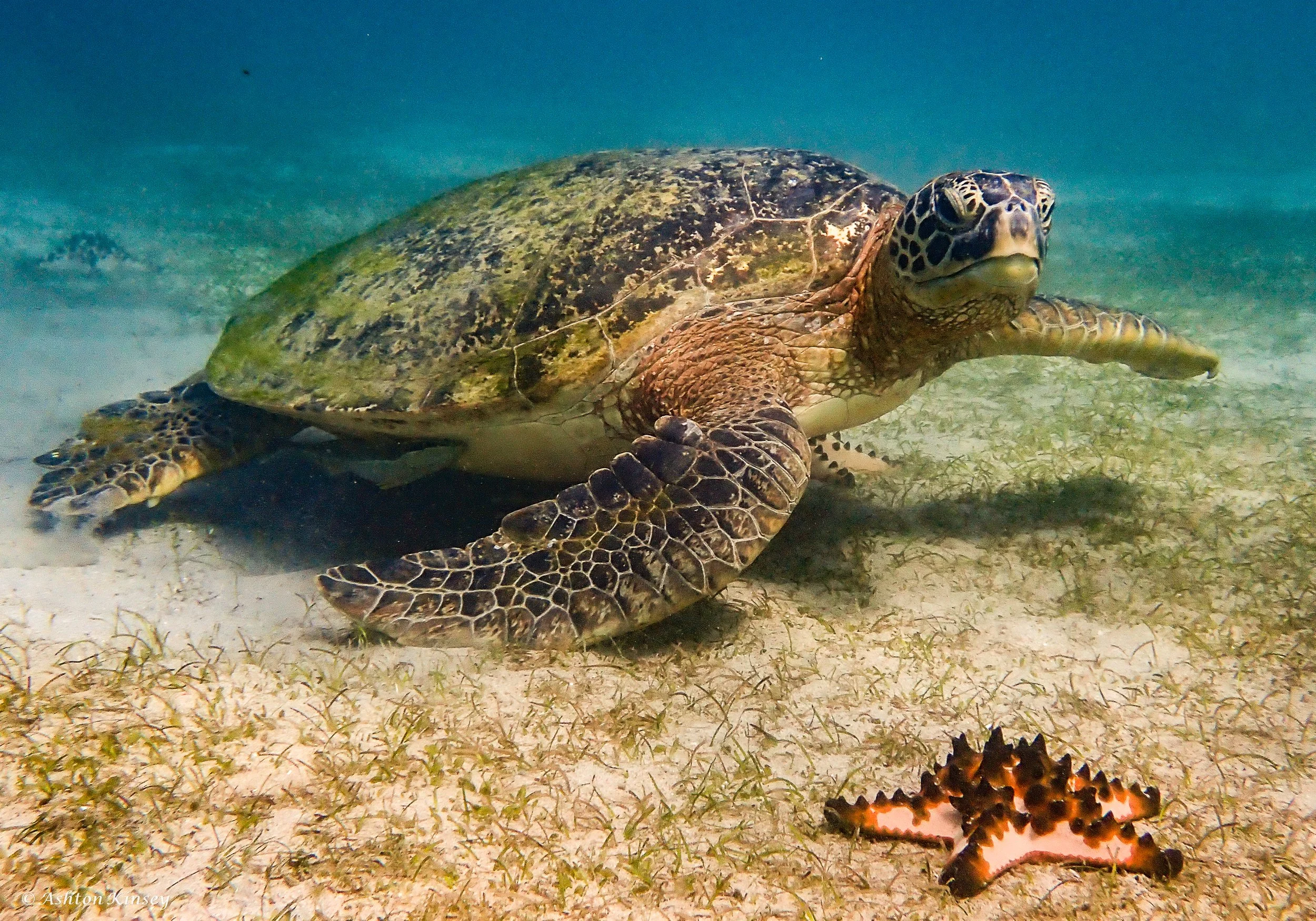
Due to rain the night before, visibility was less than 5’ for the first 20’ due to runoff. Deeper than 20’ visibility opened up and was comparable to the rest of the dive sites. There was a wide variety of life, and the dive ended with a large turtle in between several large rock formations covered in soft corals.
Dive 6: Sabang Point
69’ for 56 minutes
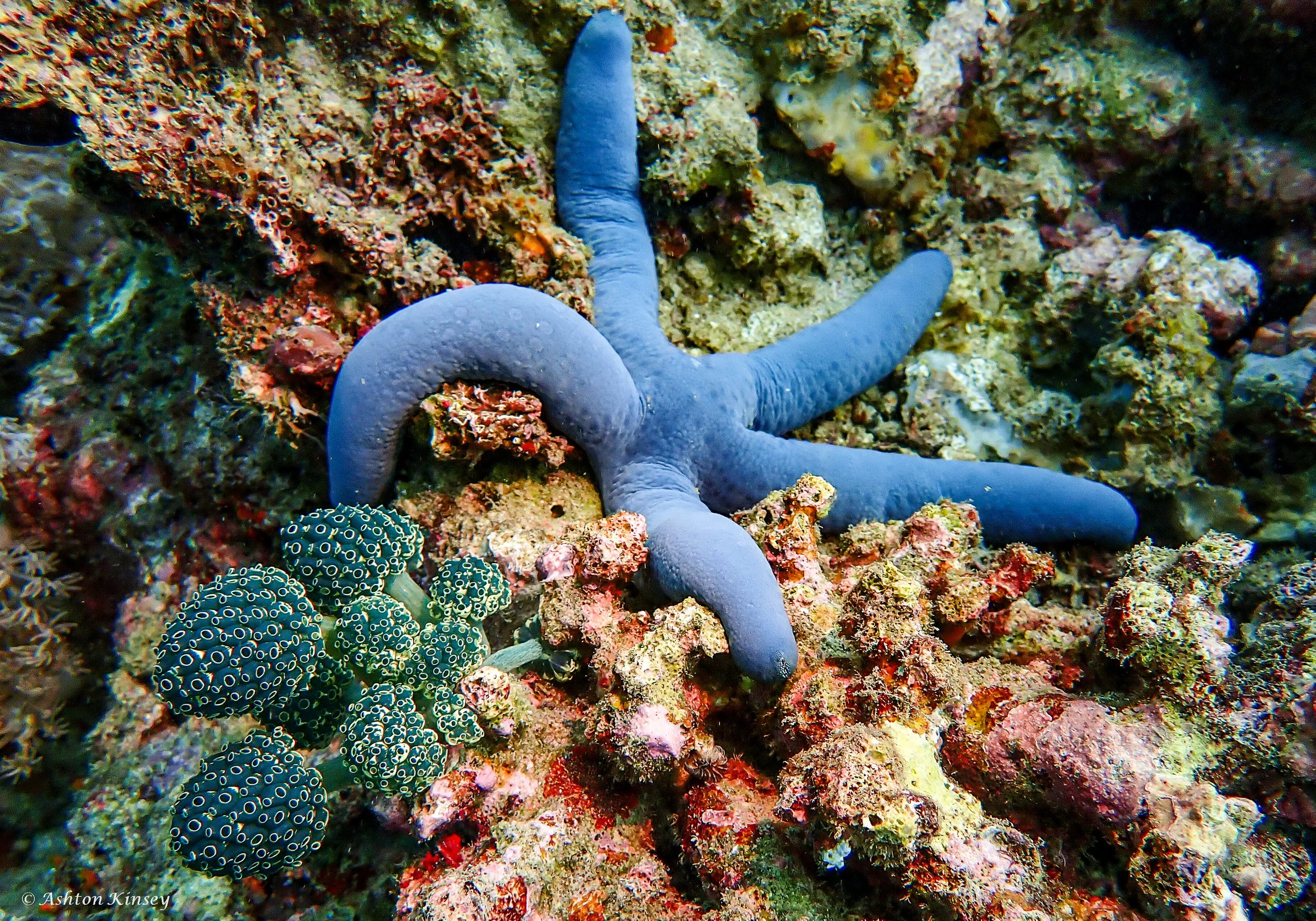
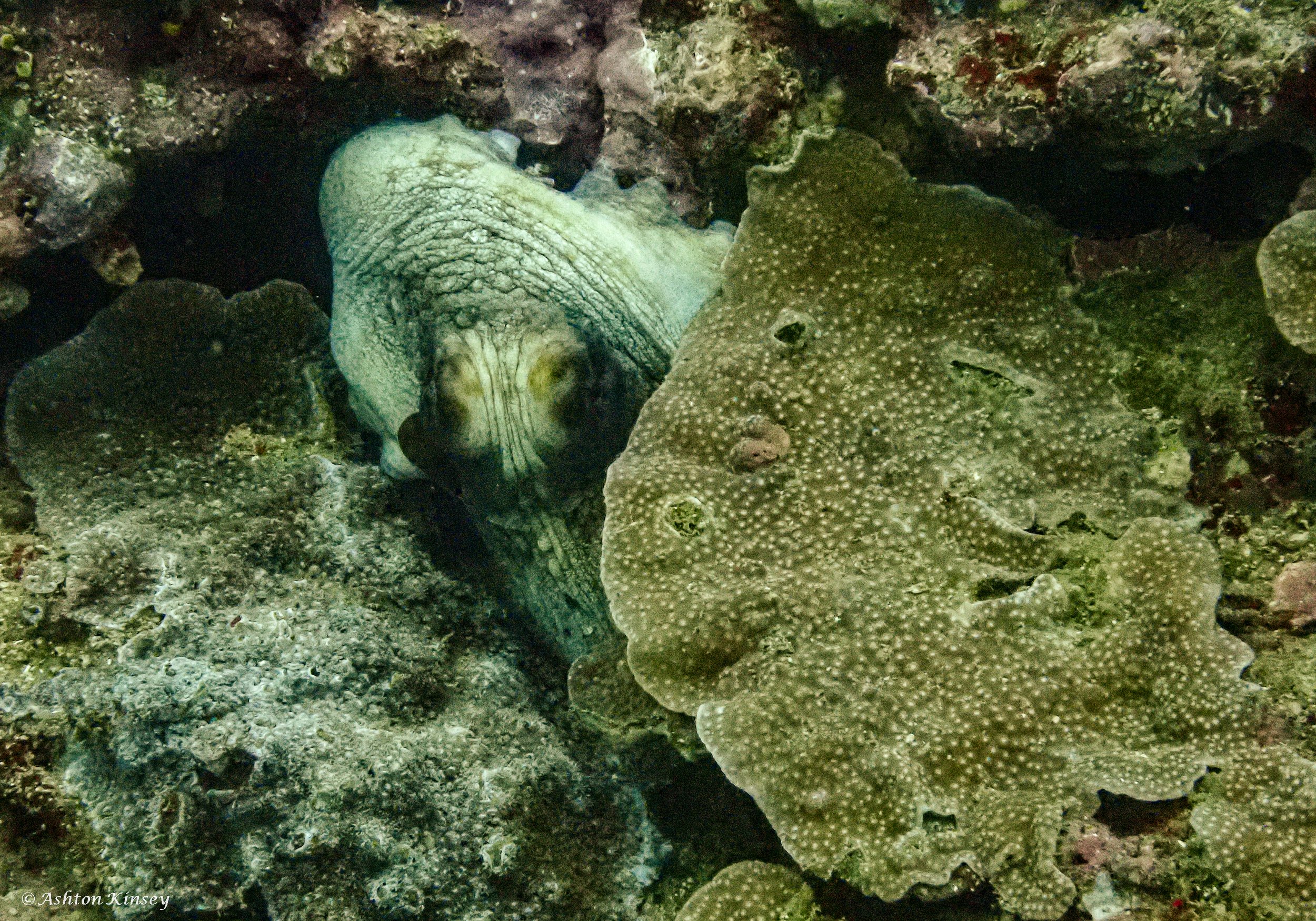
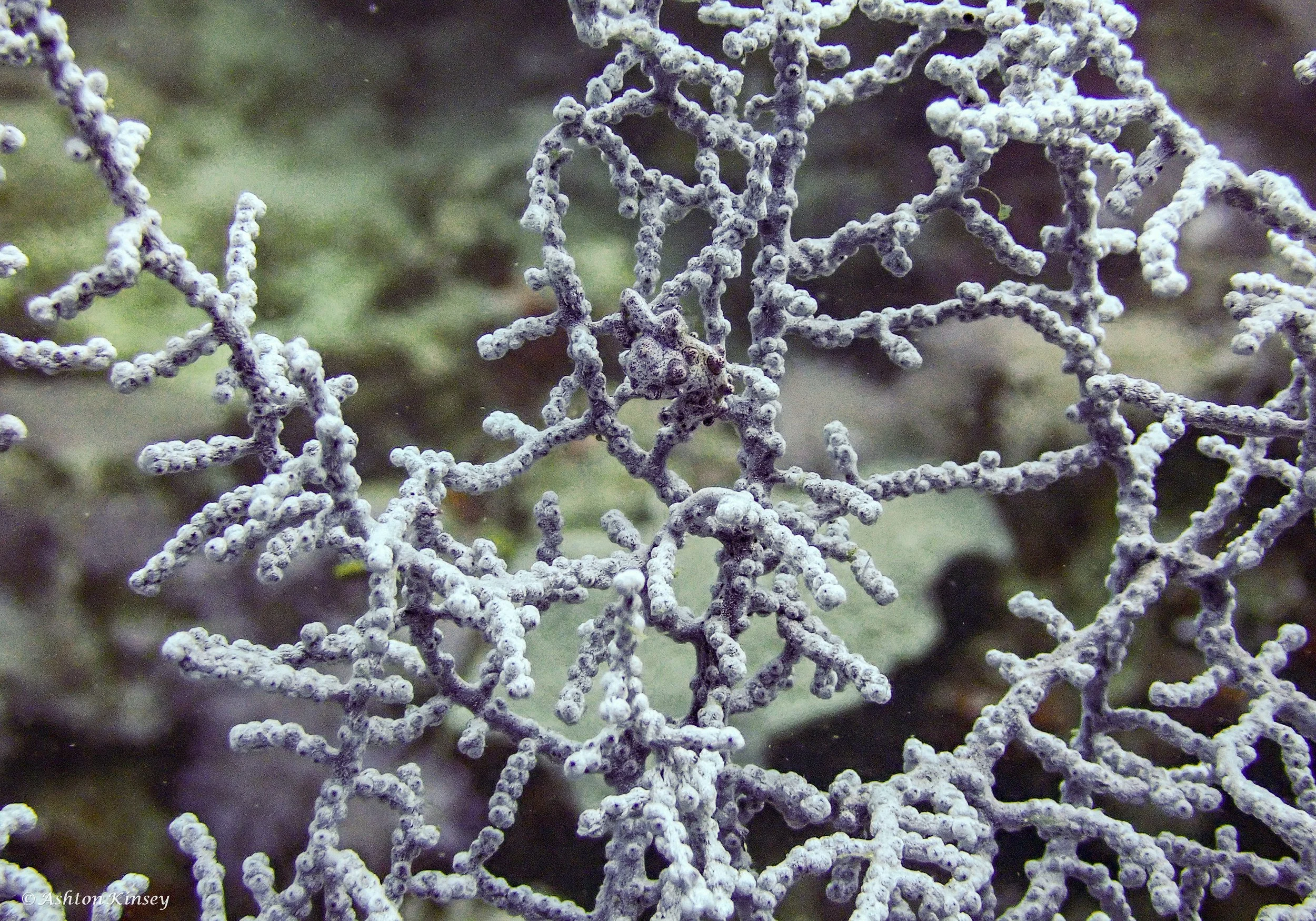
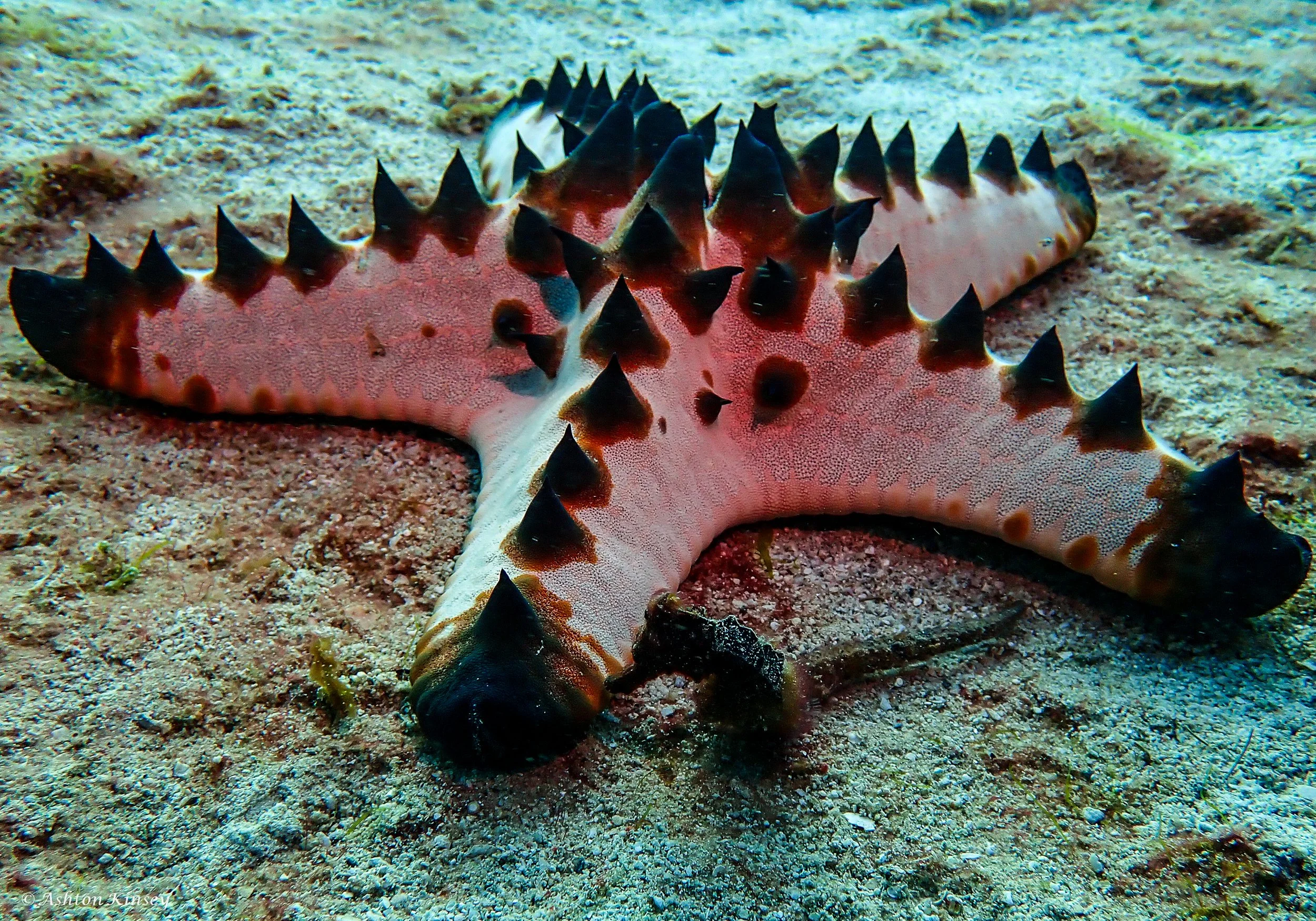
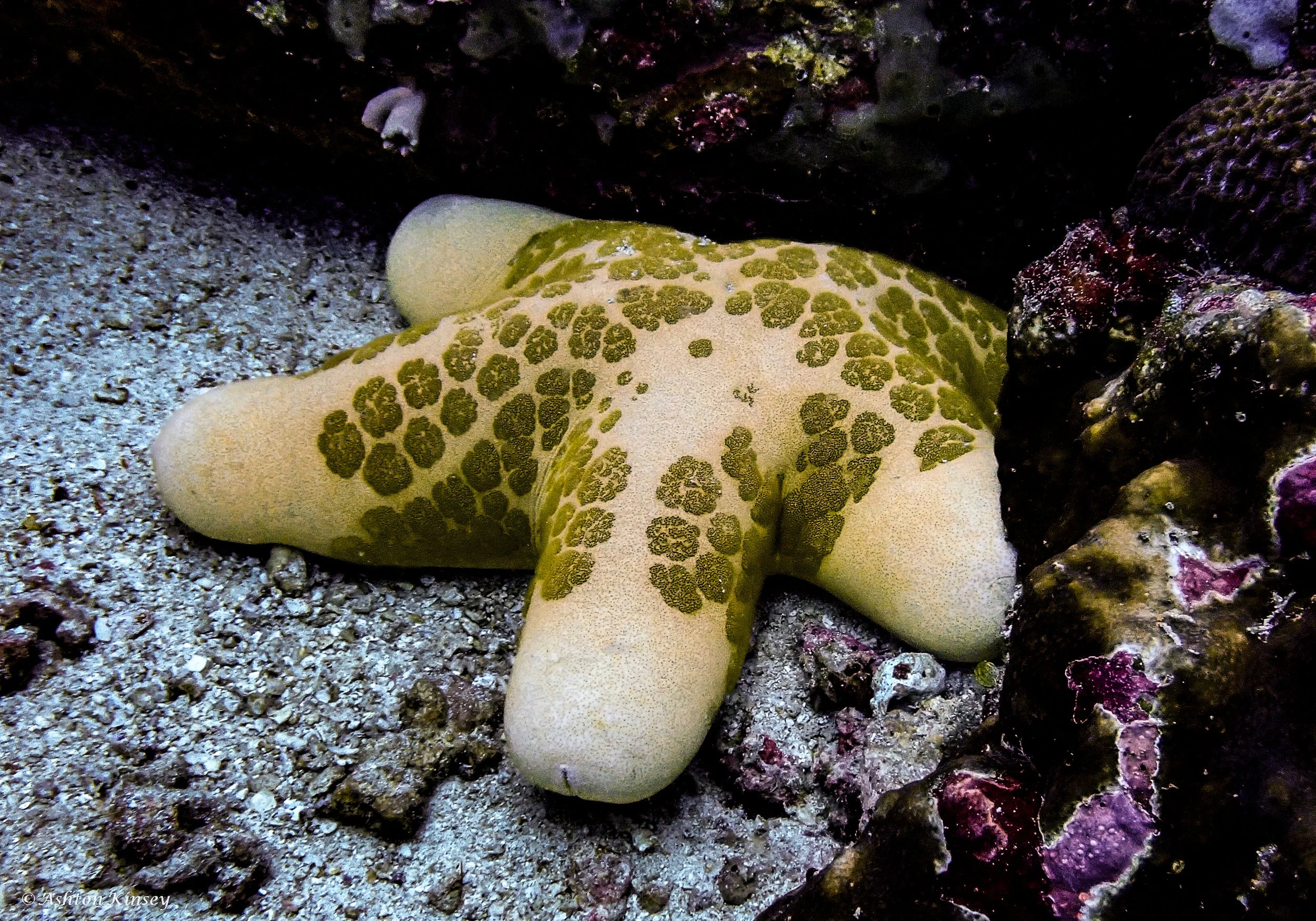
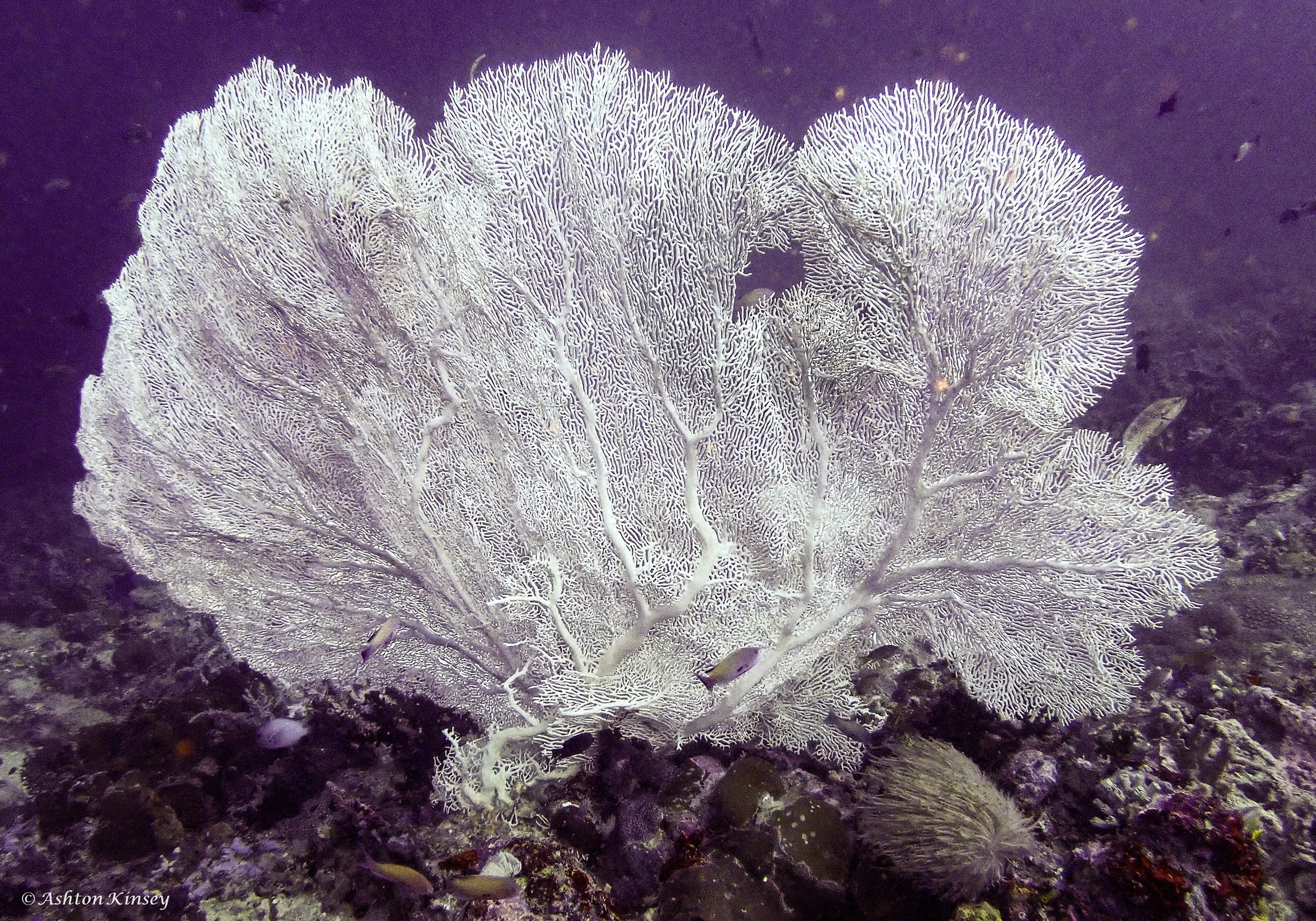
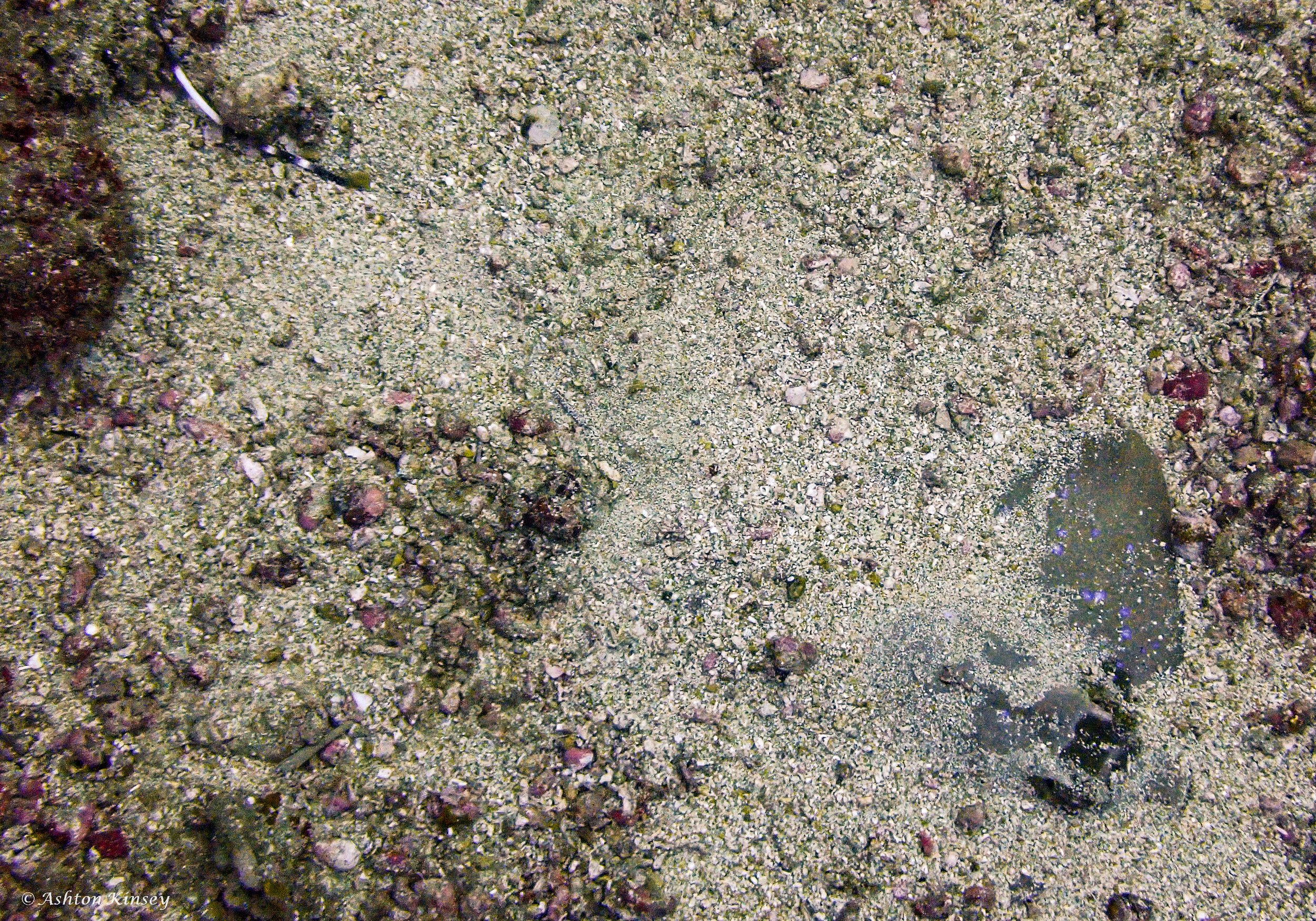
This site is known for a large gorgonian coral that sits on the top of a plateau and is host to several pygmy seahorses. Pygmys max out at about one inch and look nearly identical to their host corals. Generally, they will either be purple and pink or yellow and orange, depending on the color of the host coral. A single coral can house up to 28 pairs of seahorses. The rest of the site has frog fish, sea stars, crinoids, mantis shrimp, and a clownfish family guarding their eggs. (There is a pygmy seahorse in the center of the first picture in the gallery below. Bonus points if you can find it. It’s curled up and facing away from the camera, keep in mind most of these animals are sensitive and repeated flashes and divers harrassing them can stress them out and kill them. Taking that “perfect shot” of an animal is not worth moving it, moving corals, laying on top of corals etc don’t be that photographer.)
Dive 7: Montani
37’ for 59 minutes
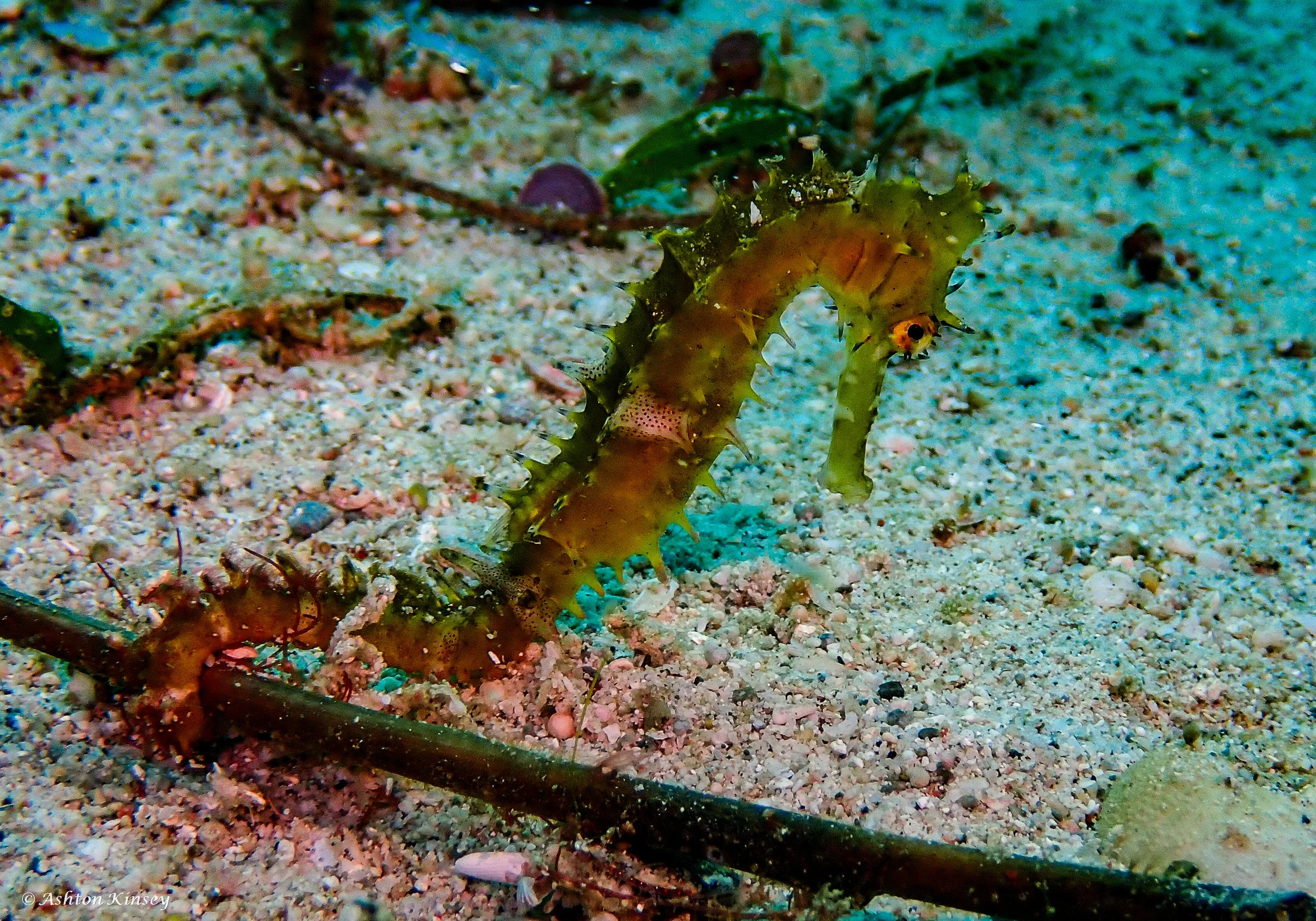
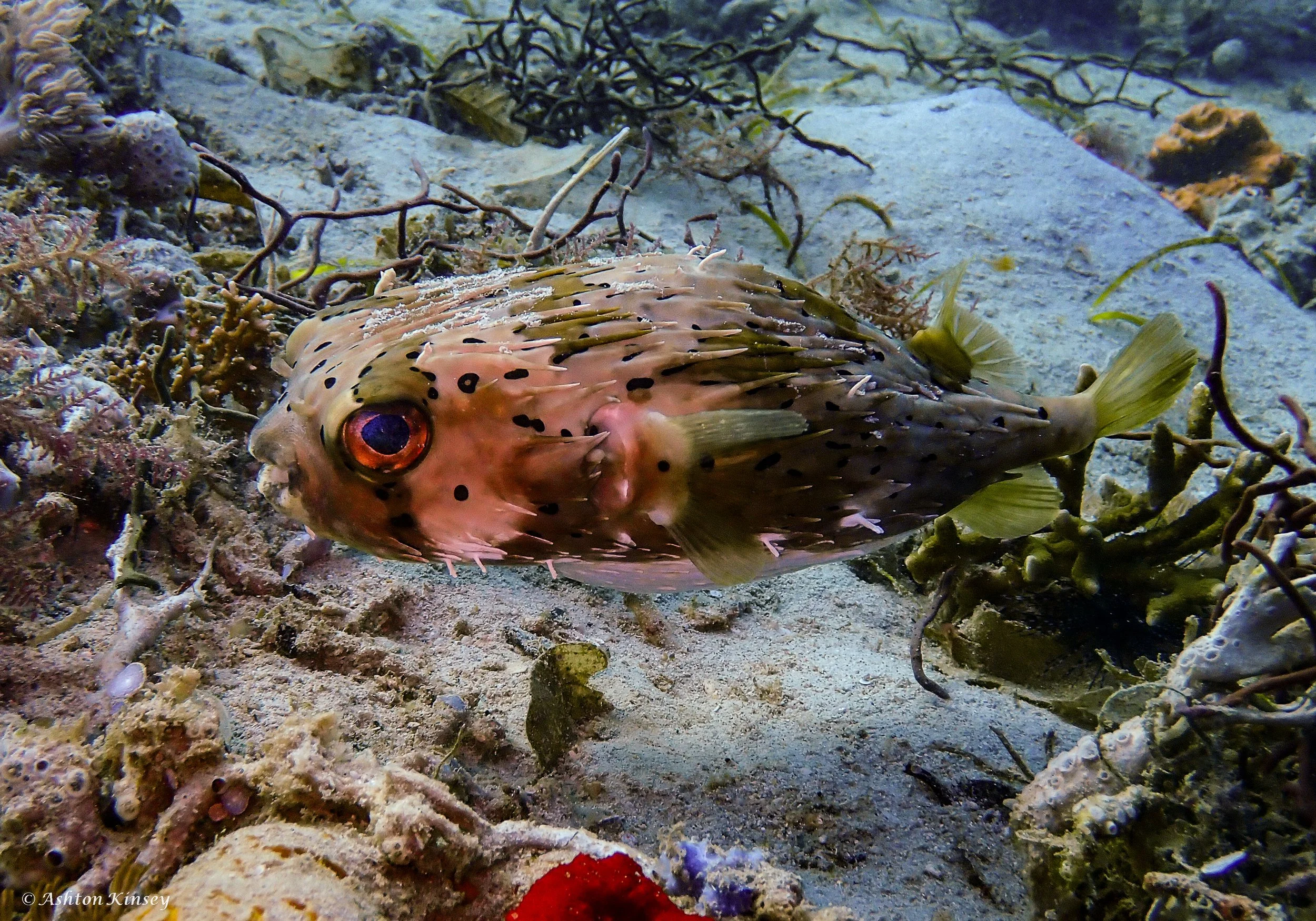
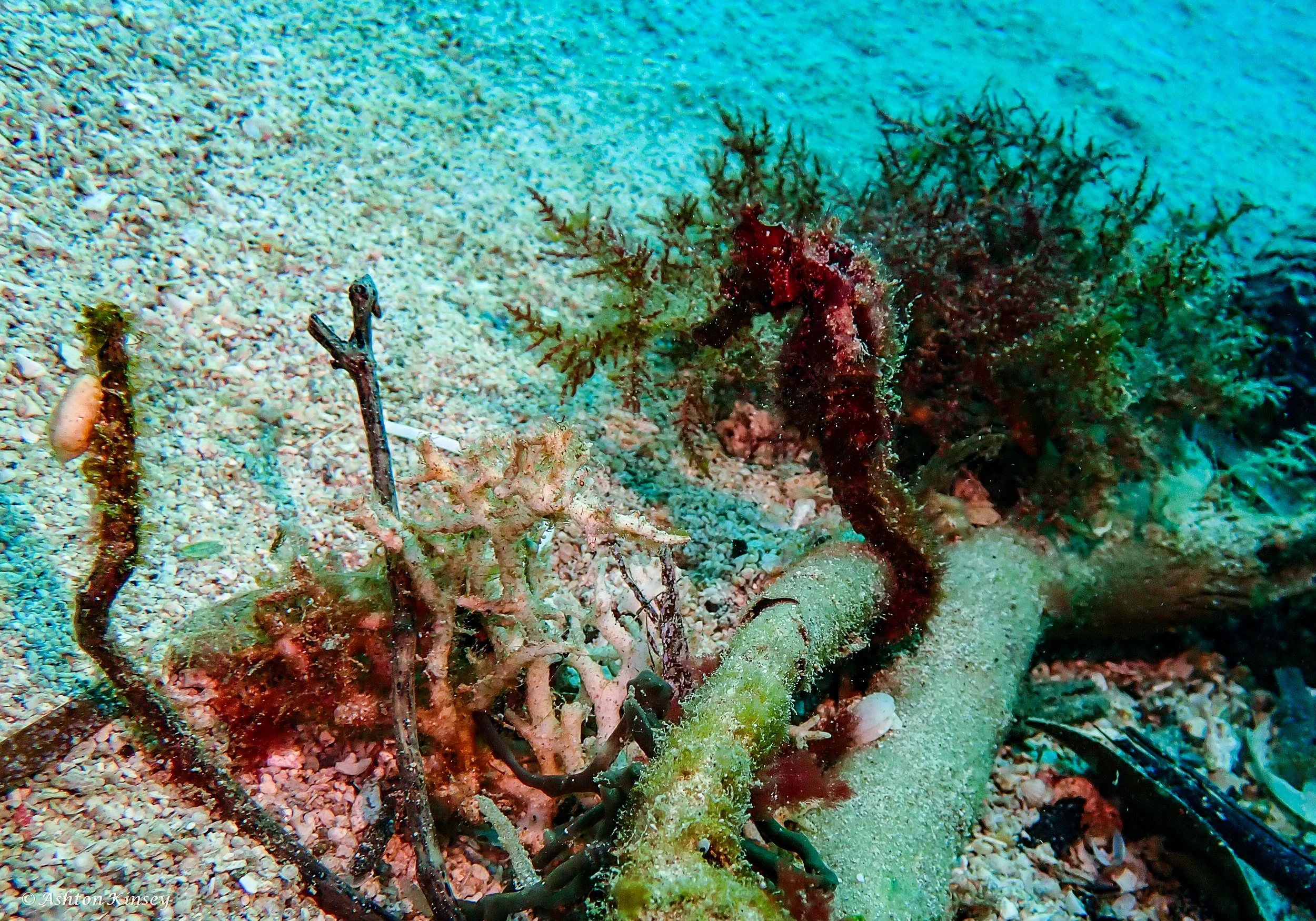
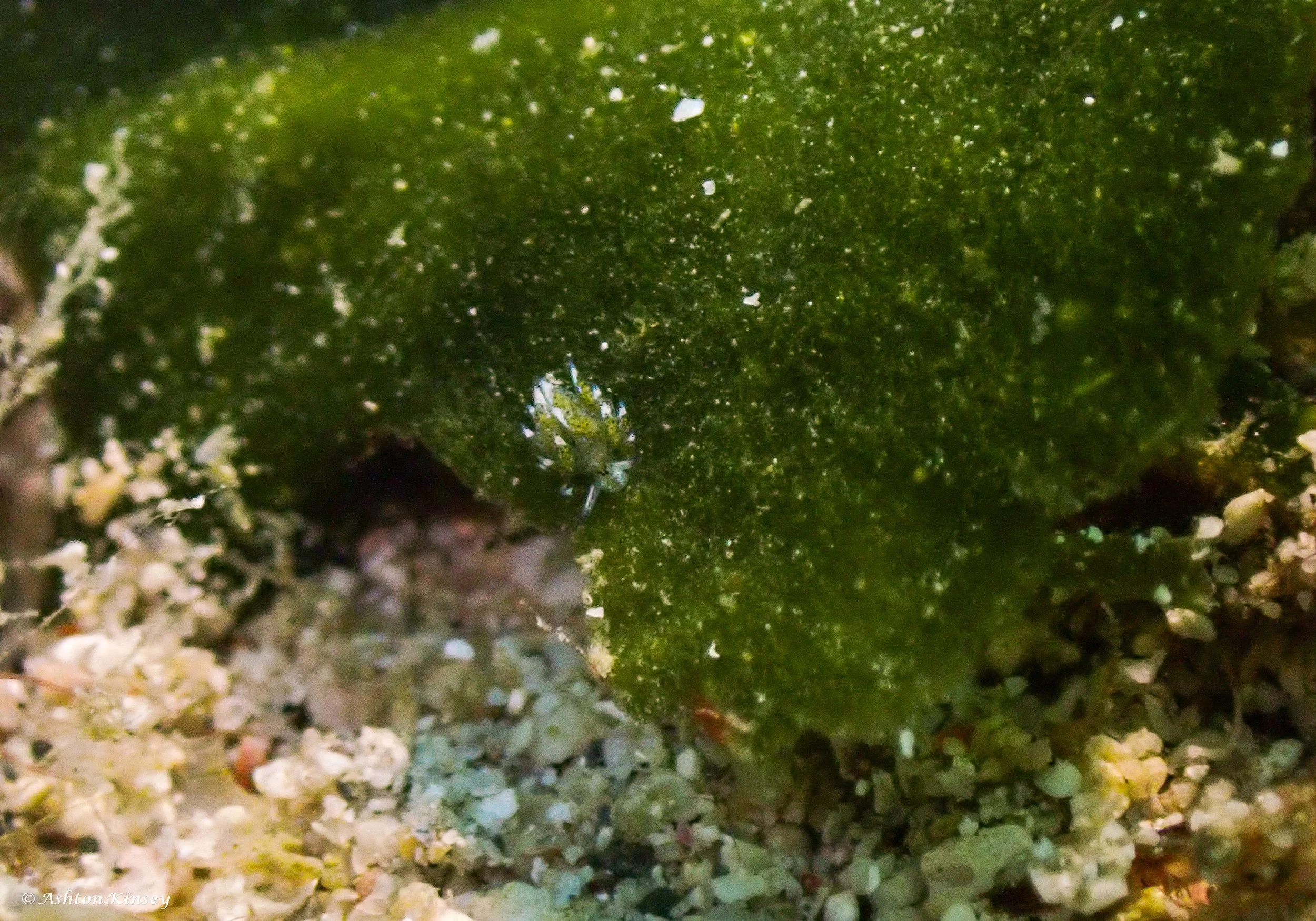
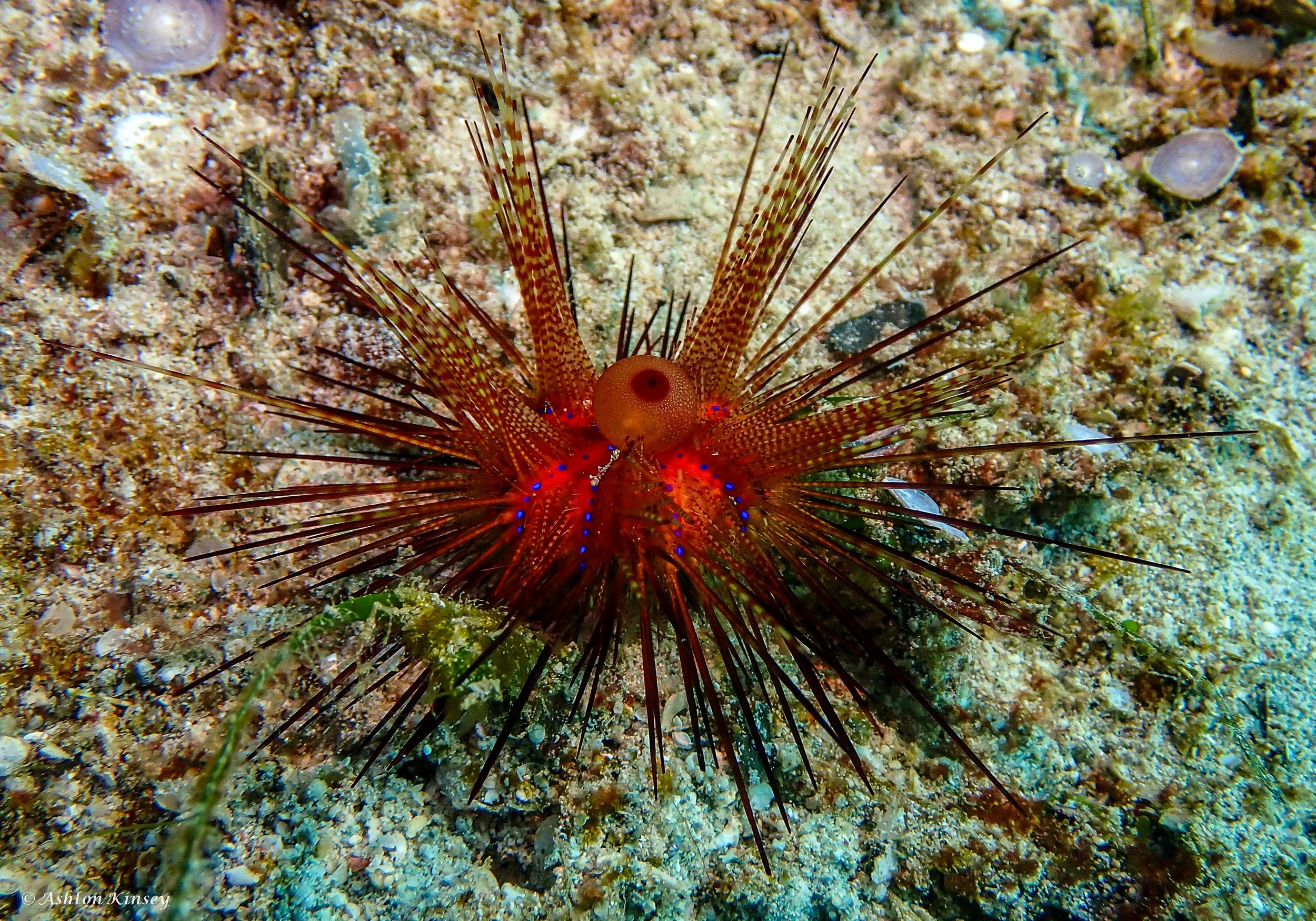
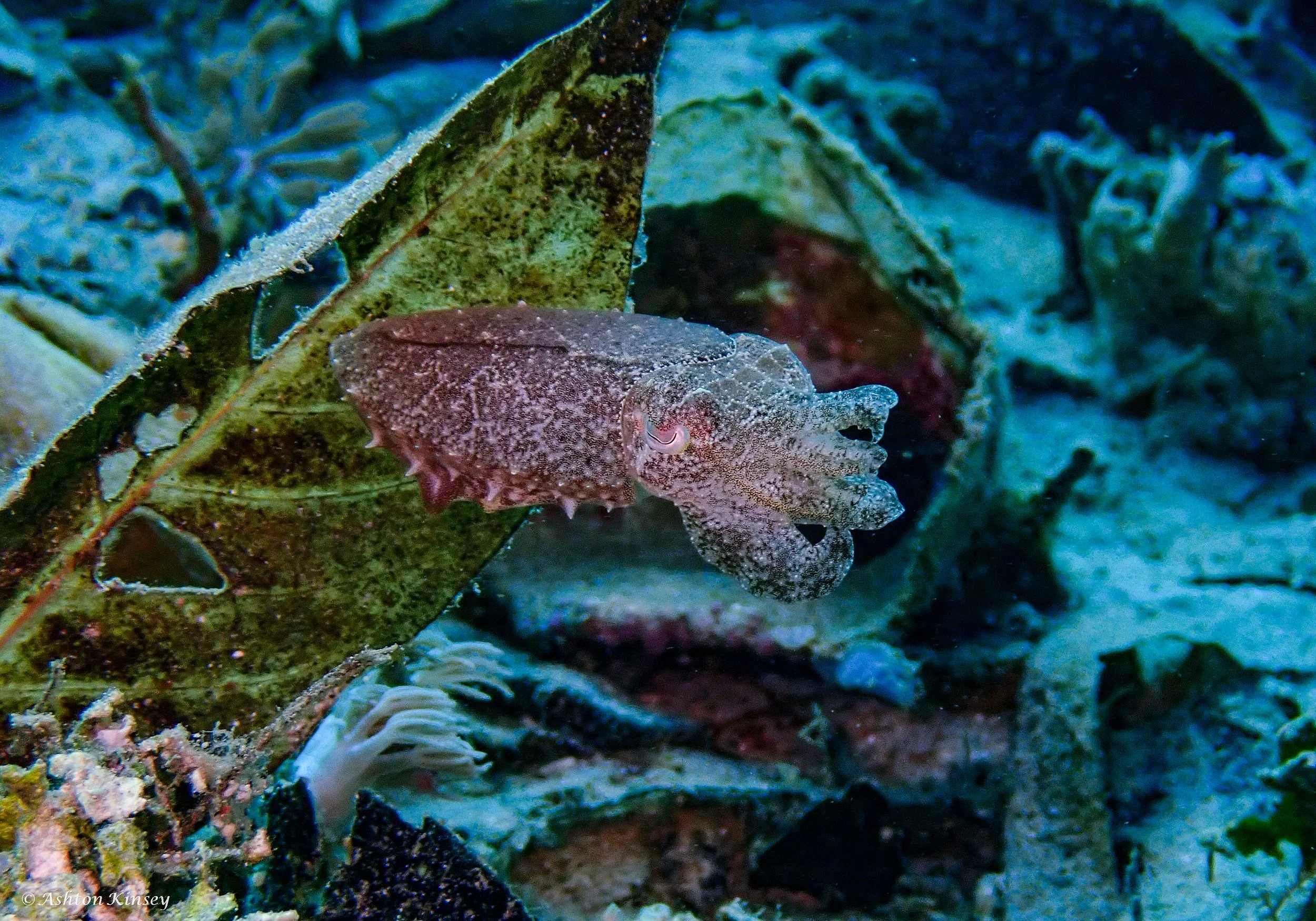
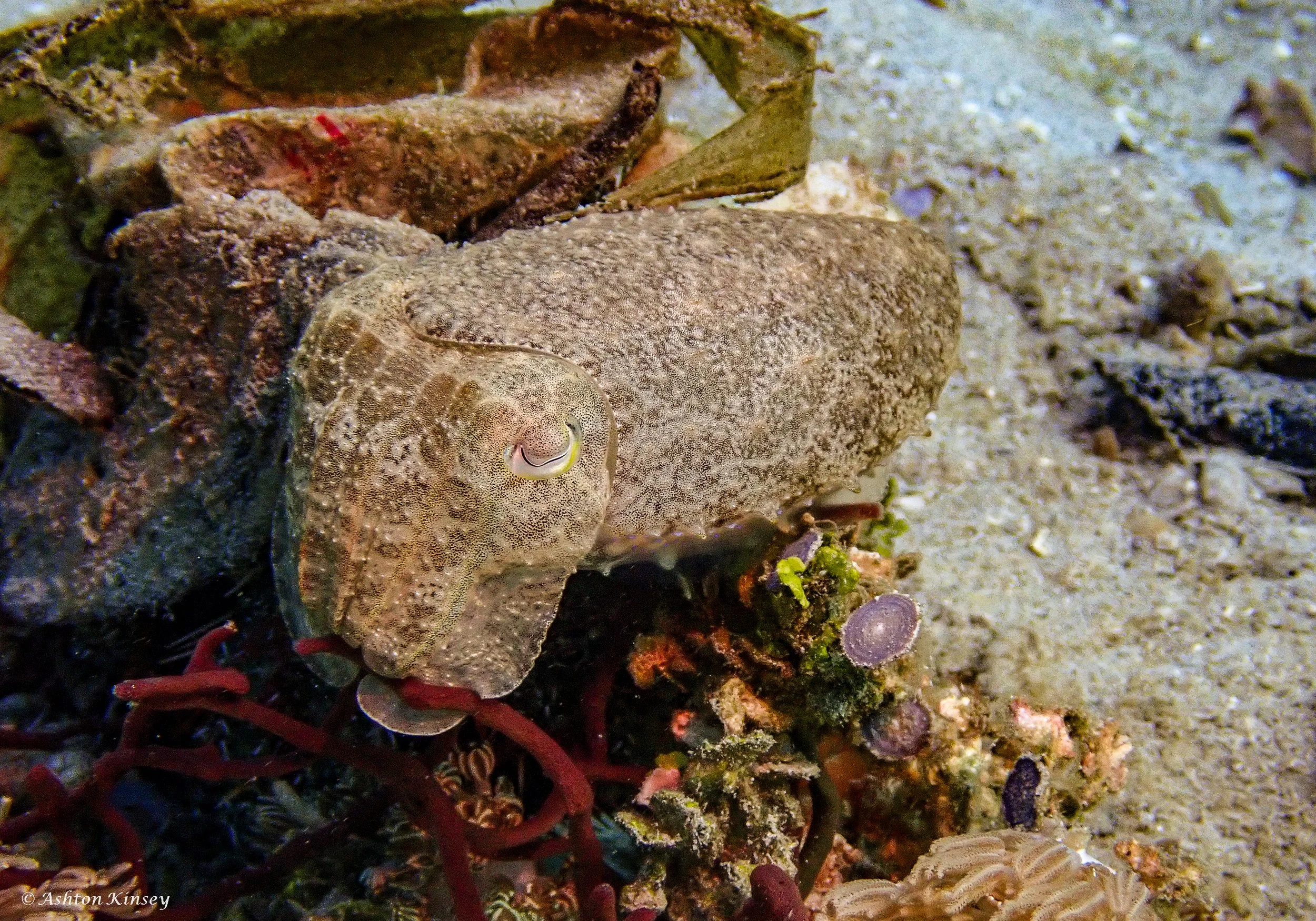
Muck dive on the west side of the island, located in the Batangas Channel. Like a typical muck dive, there weren’t a lot of corals, and it was mostly small mounds of rocks, logs, or other debris. The dive was fine; I saw three large sea horses and smaller cuttlefish. The most depressing aspect of the dive was the large amount of trash and garbage that littered the dive site.
Dive 9: Alma Jane Wreck
98’ for 37 minutes
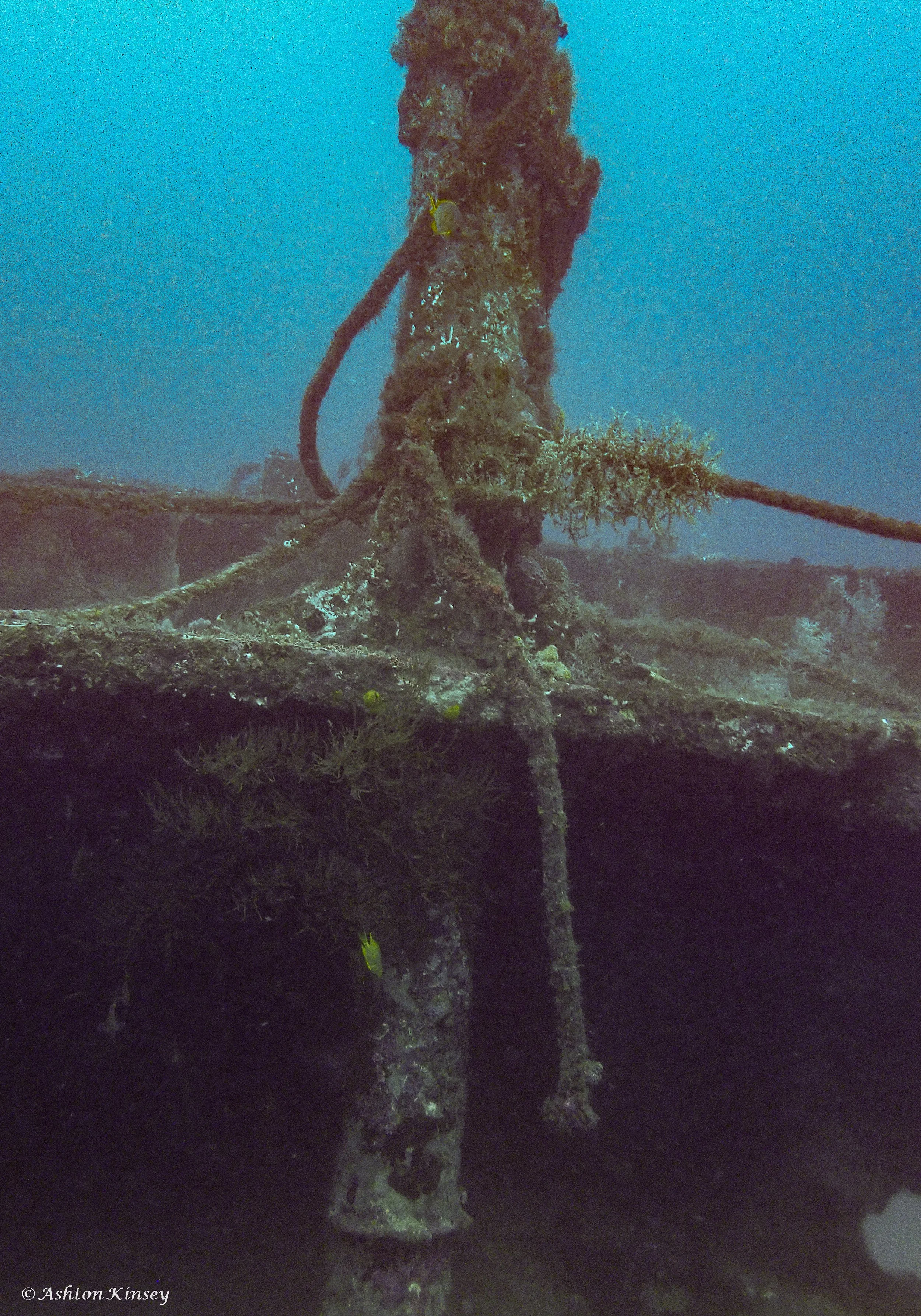
The Alma Jane wreck is a 99’ long wreck that sits upright in 100’ of water, rising about 33’ off the bottom of the seabed. It was intentionally sunk in 2003 as an artificial reef and allows for minimal penetration.
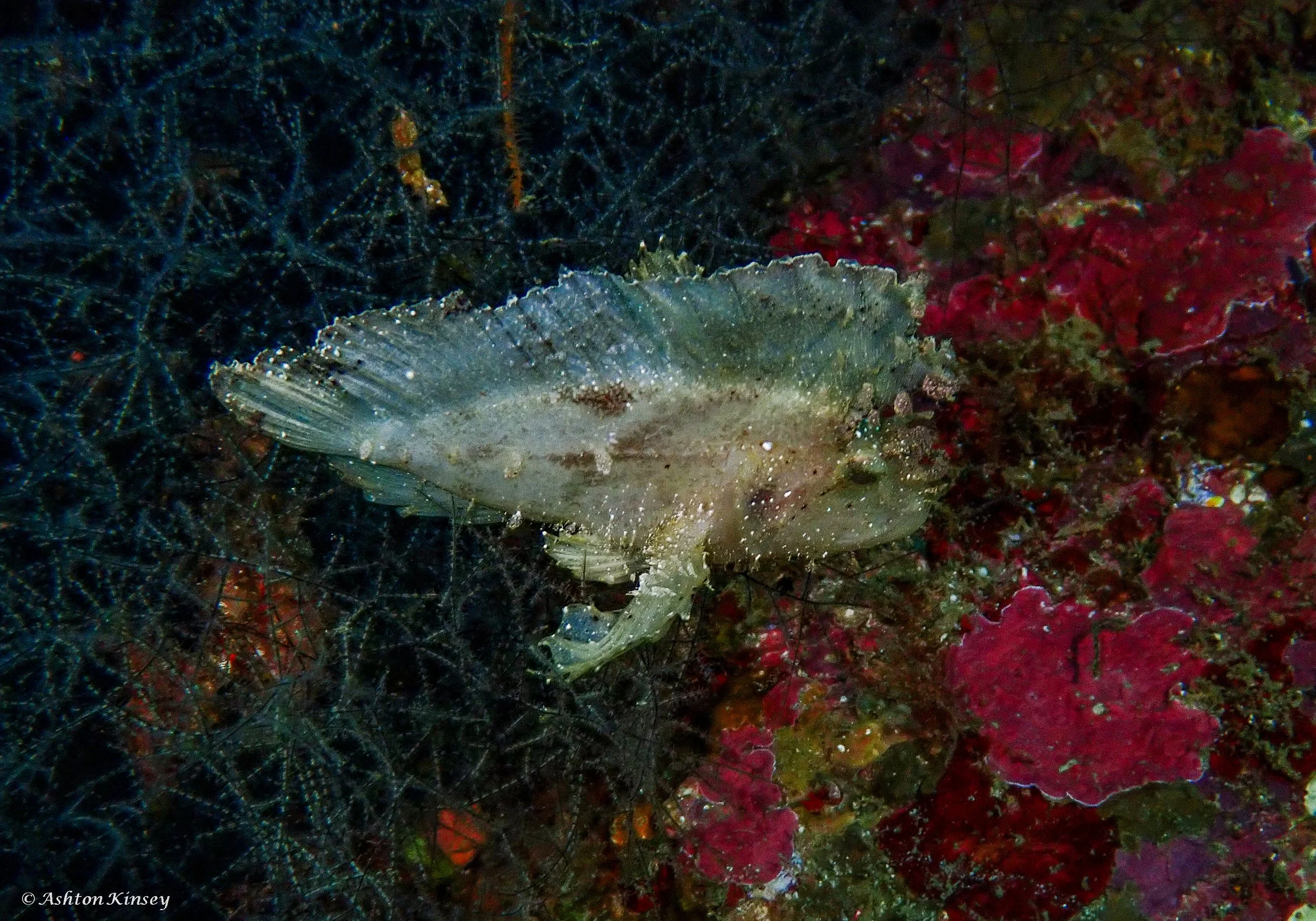
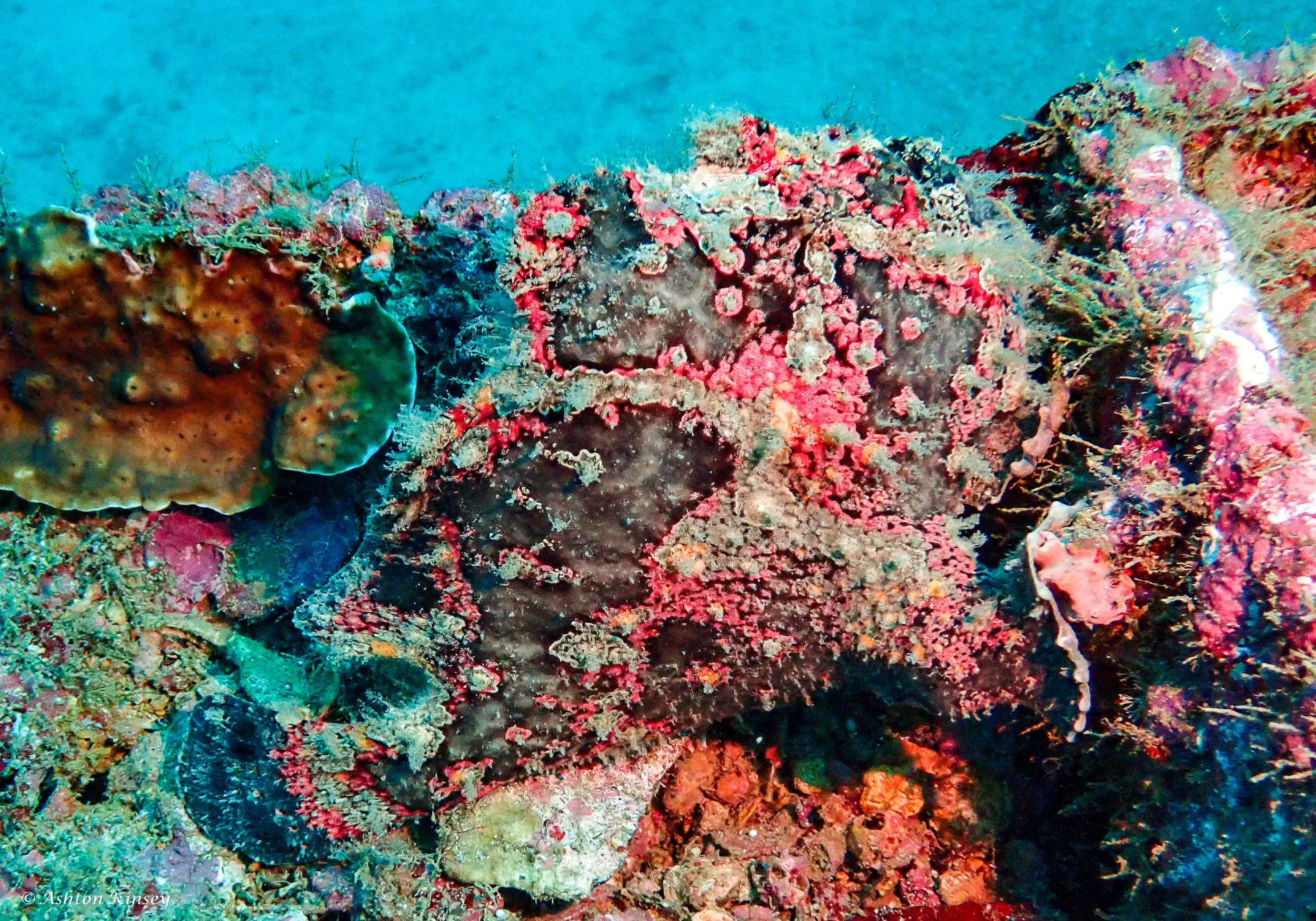
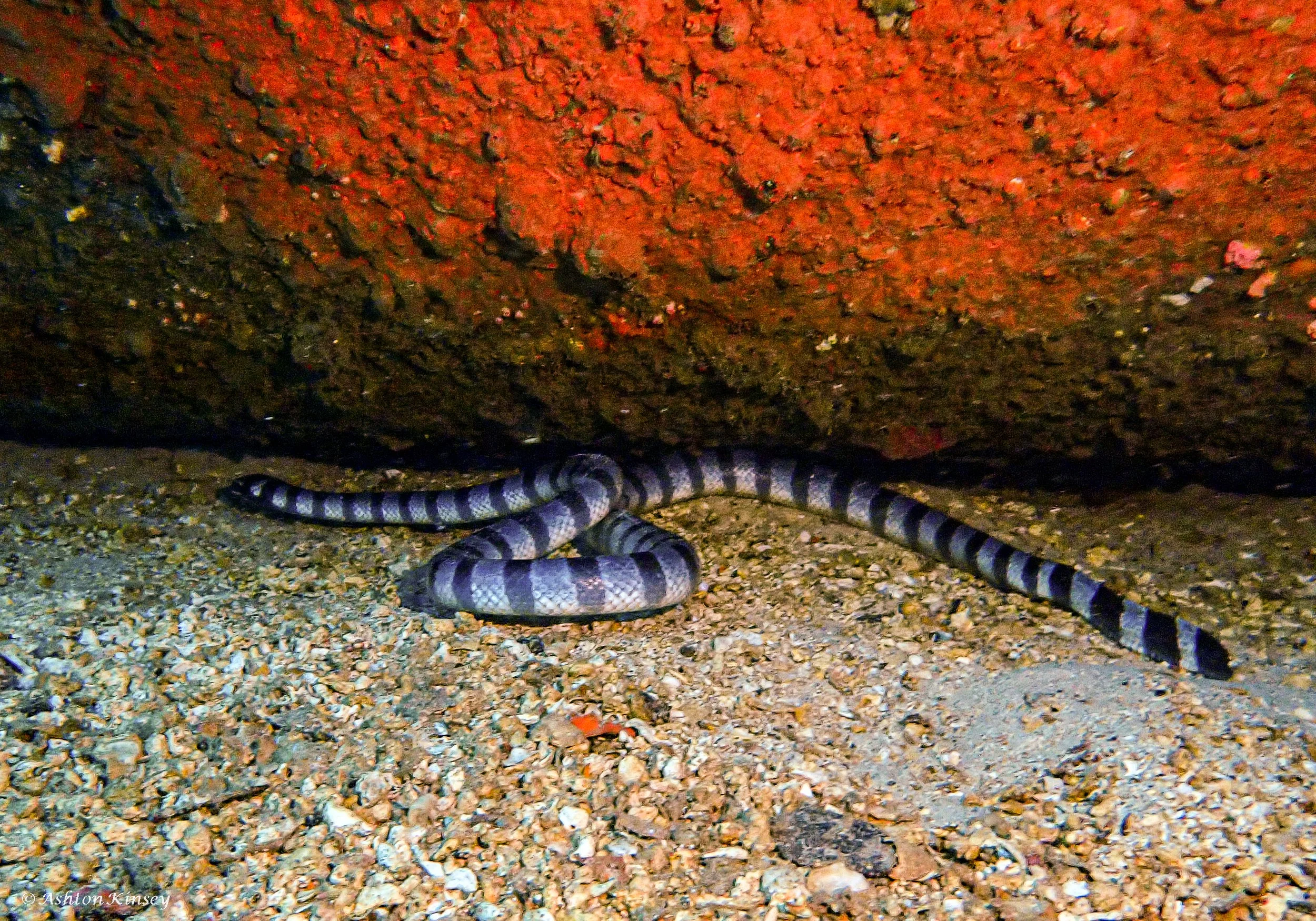
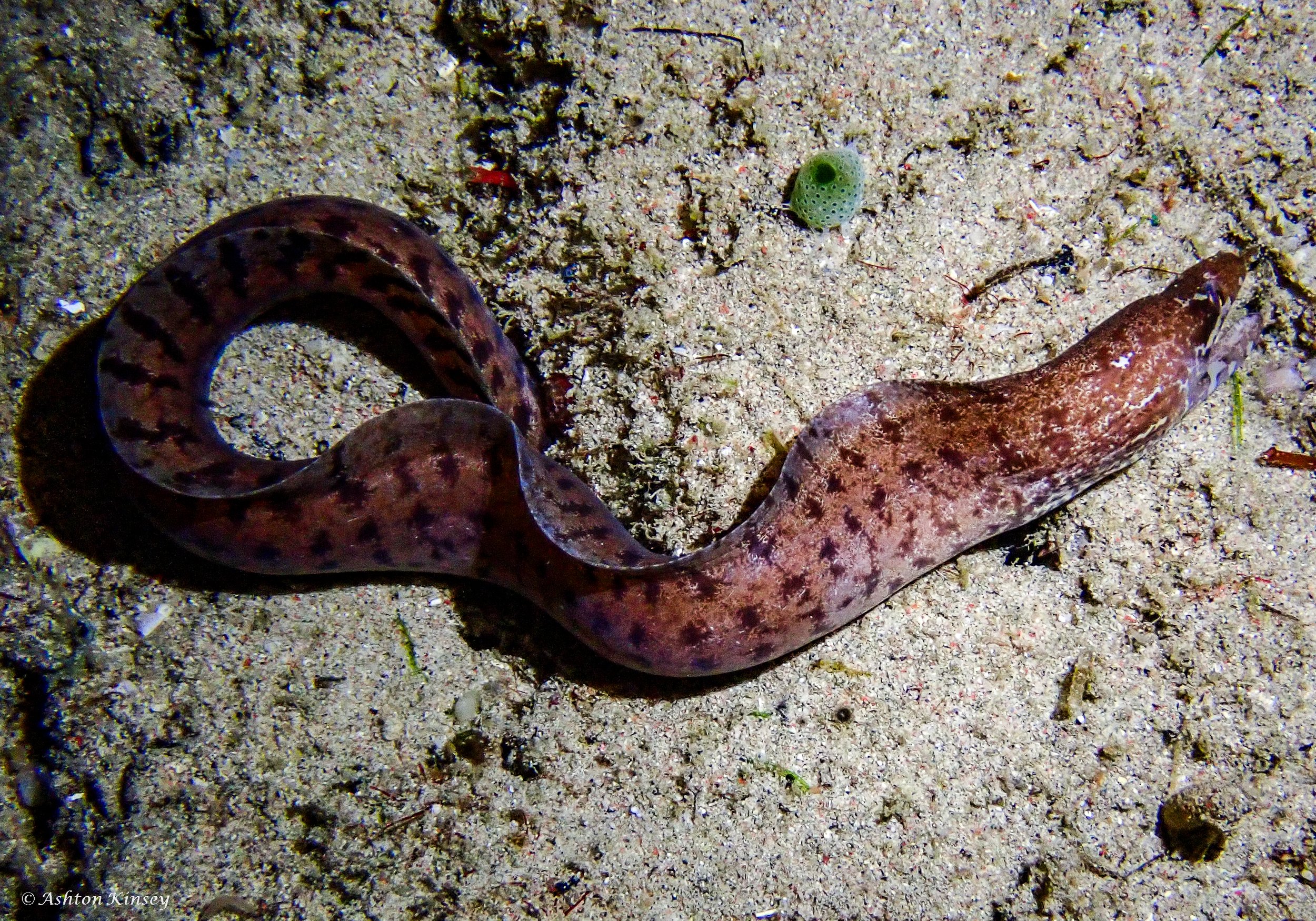
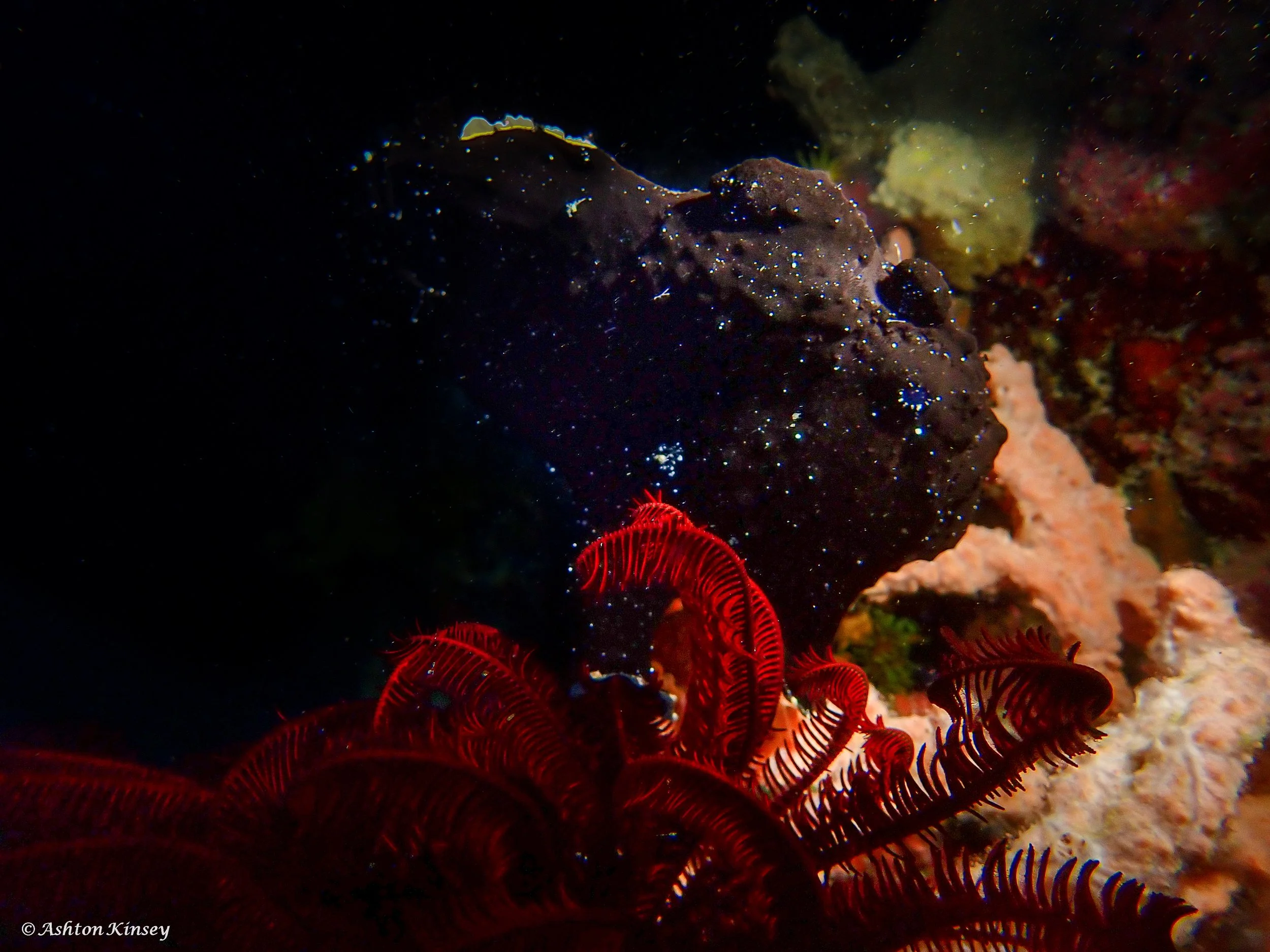
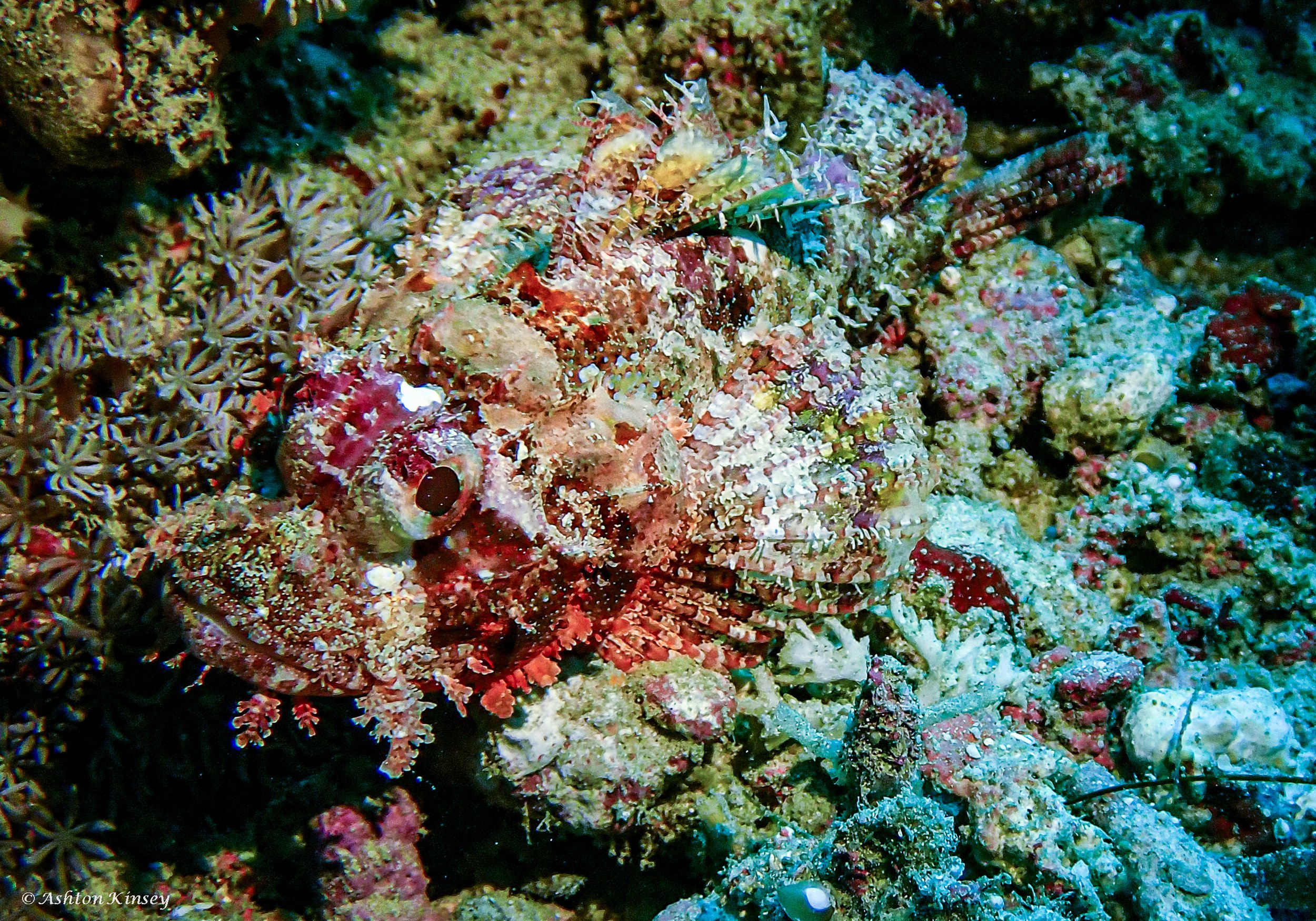
We saw a very large black frog fish, a couple of leaf fish, and a sea snake along the bottom and top of the wreck. As we finished the dive, we were attacked by a Braj of Dude Bros who thought they and their scooters were the best thing in the world. We finished our dive watching the batfish scramble out of their way and hoping everyone from our group made it to the surface.
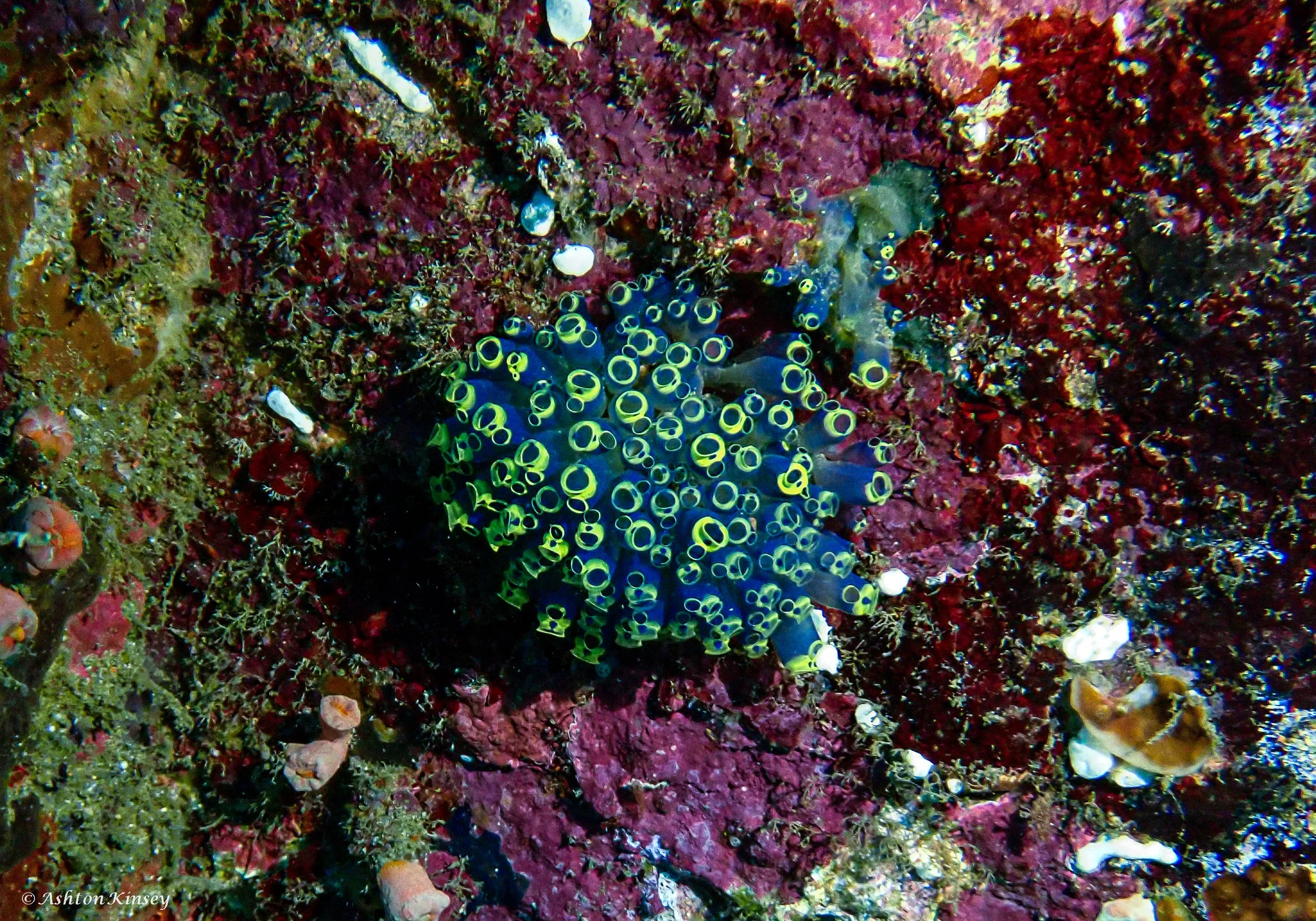
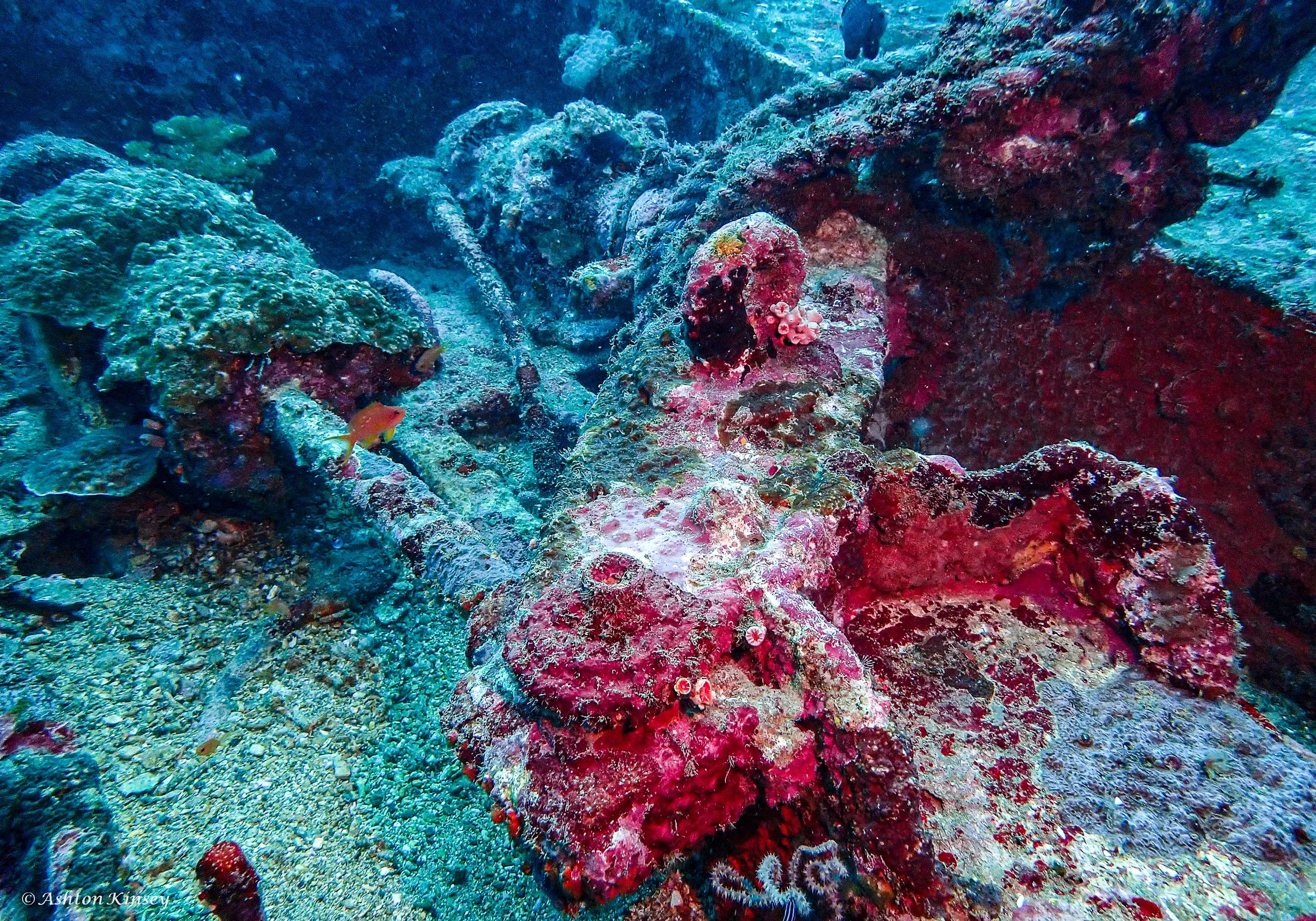
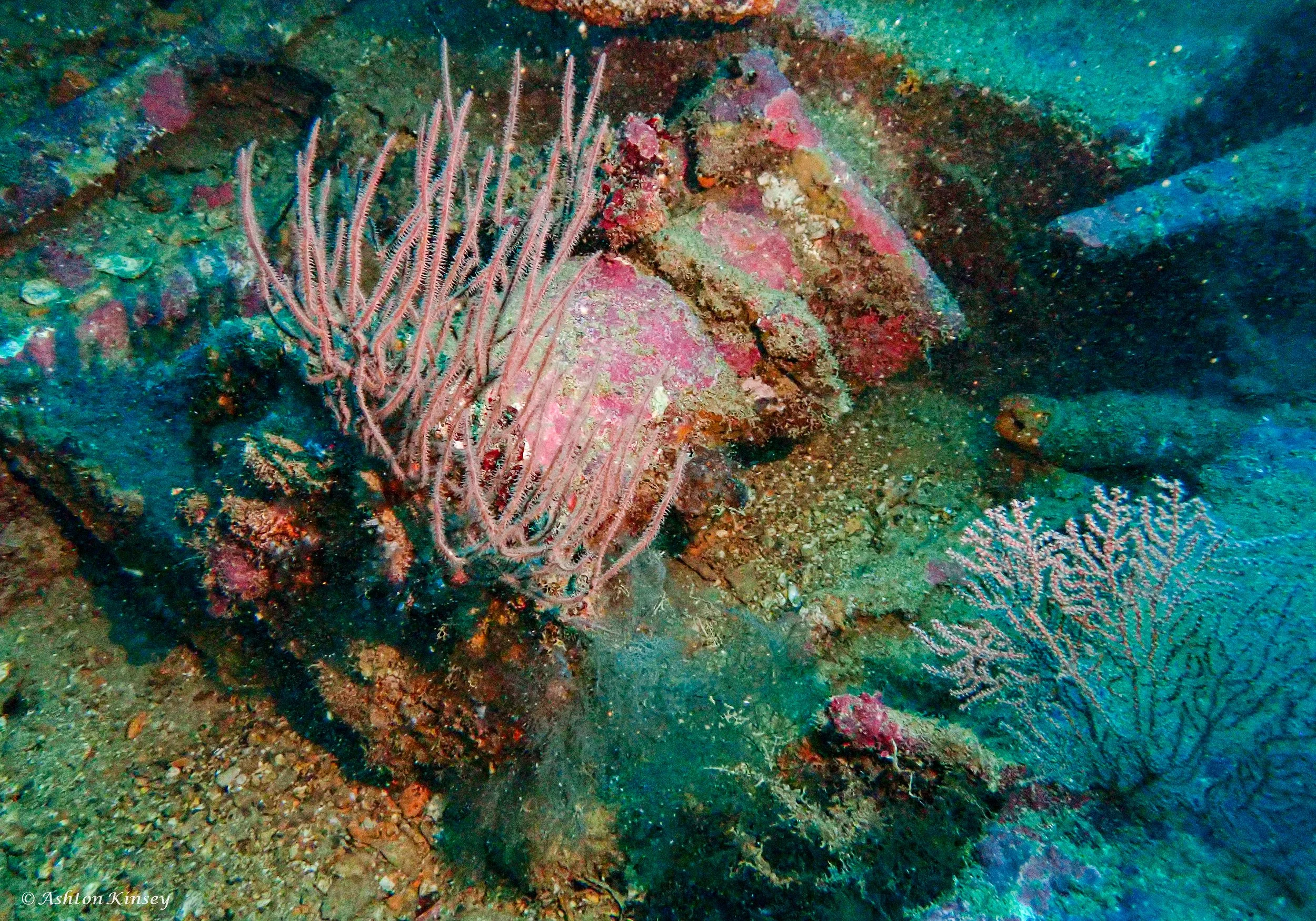
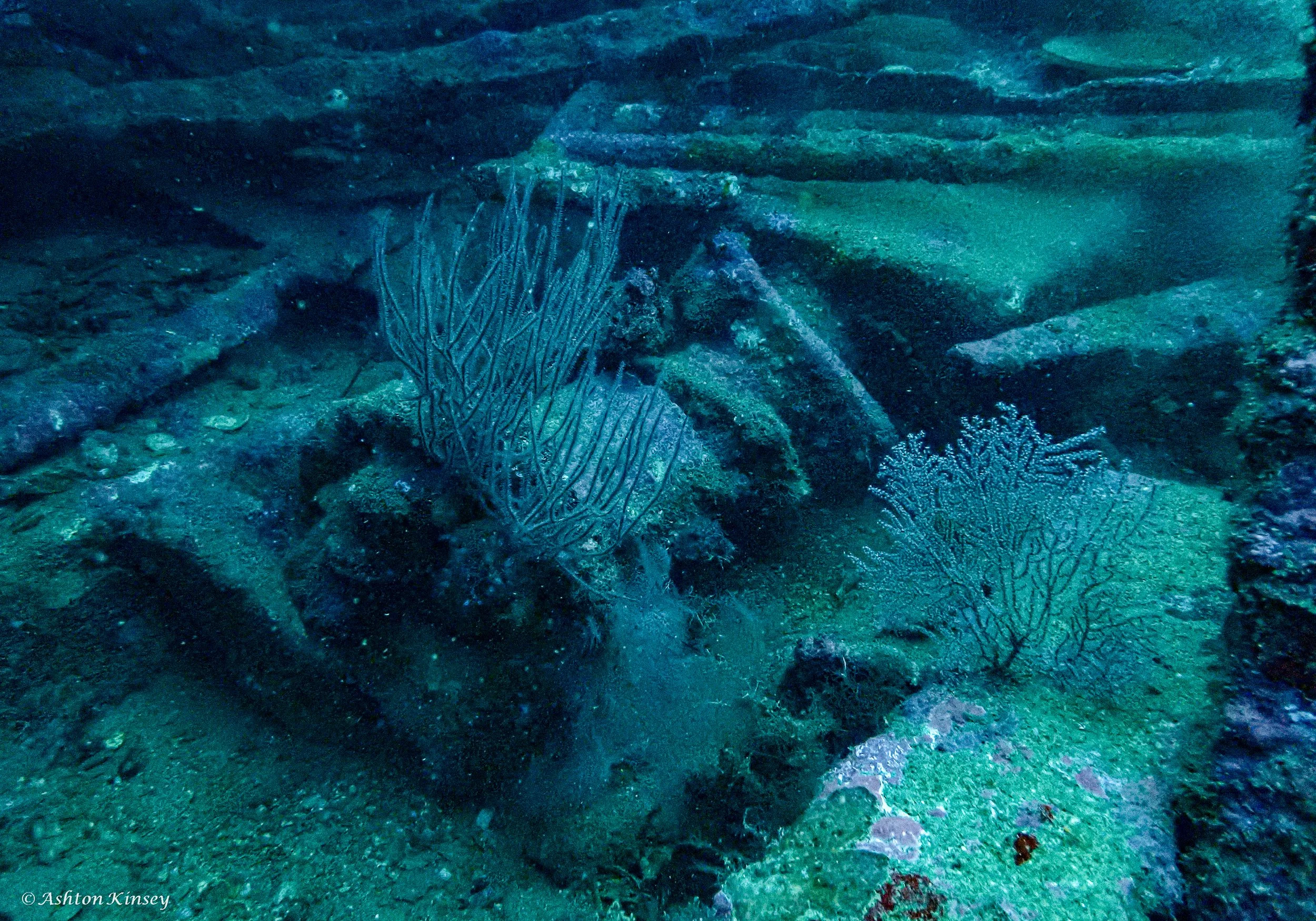
Dive 10, 20(Night): Sabang Wrecks
65’ for 56 minutes, 65’ for 60 minutes
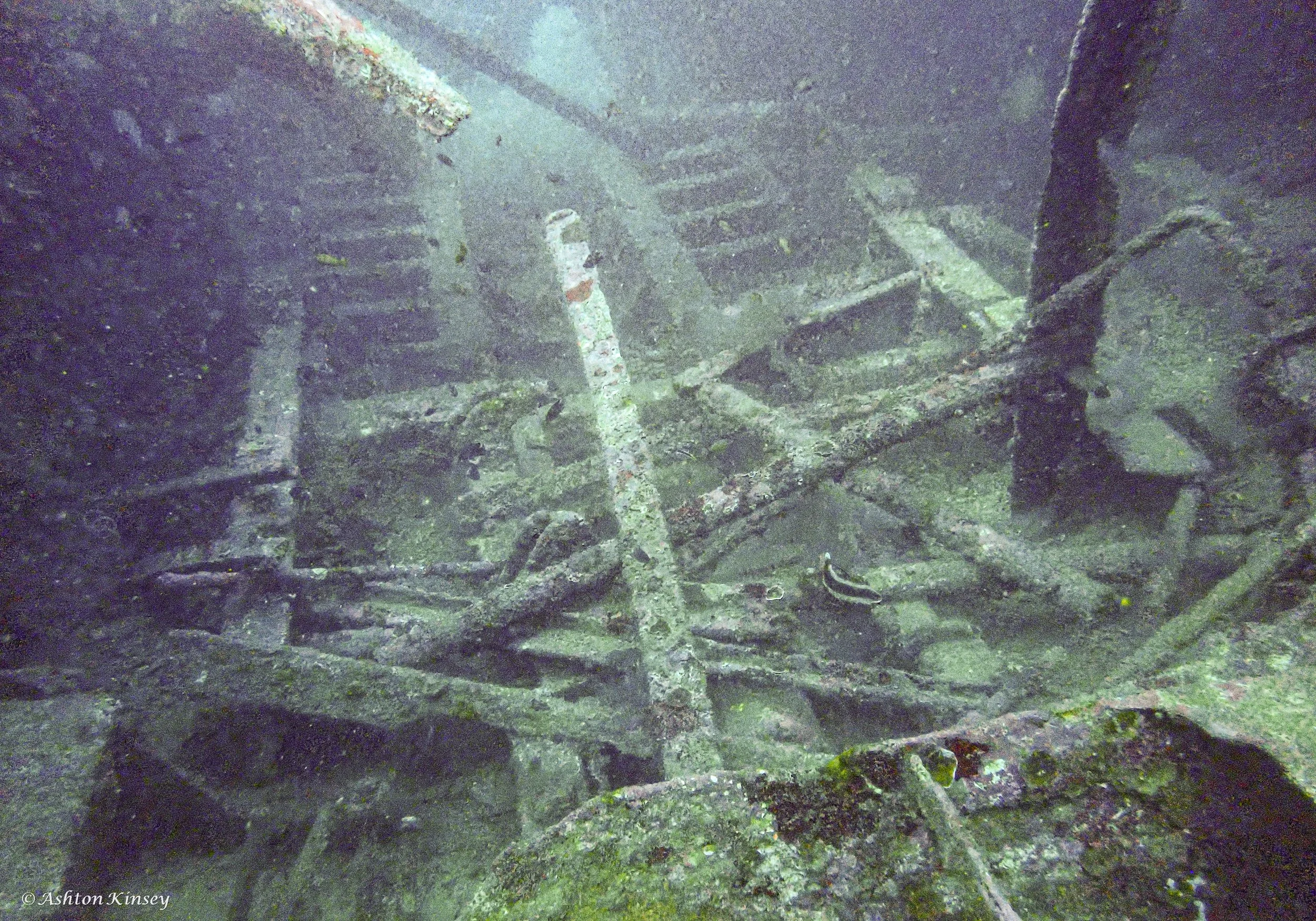
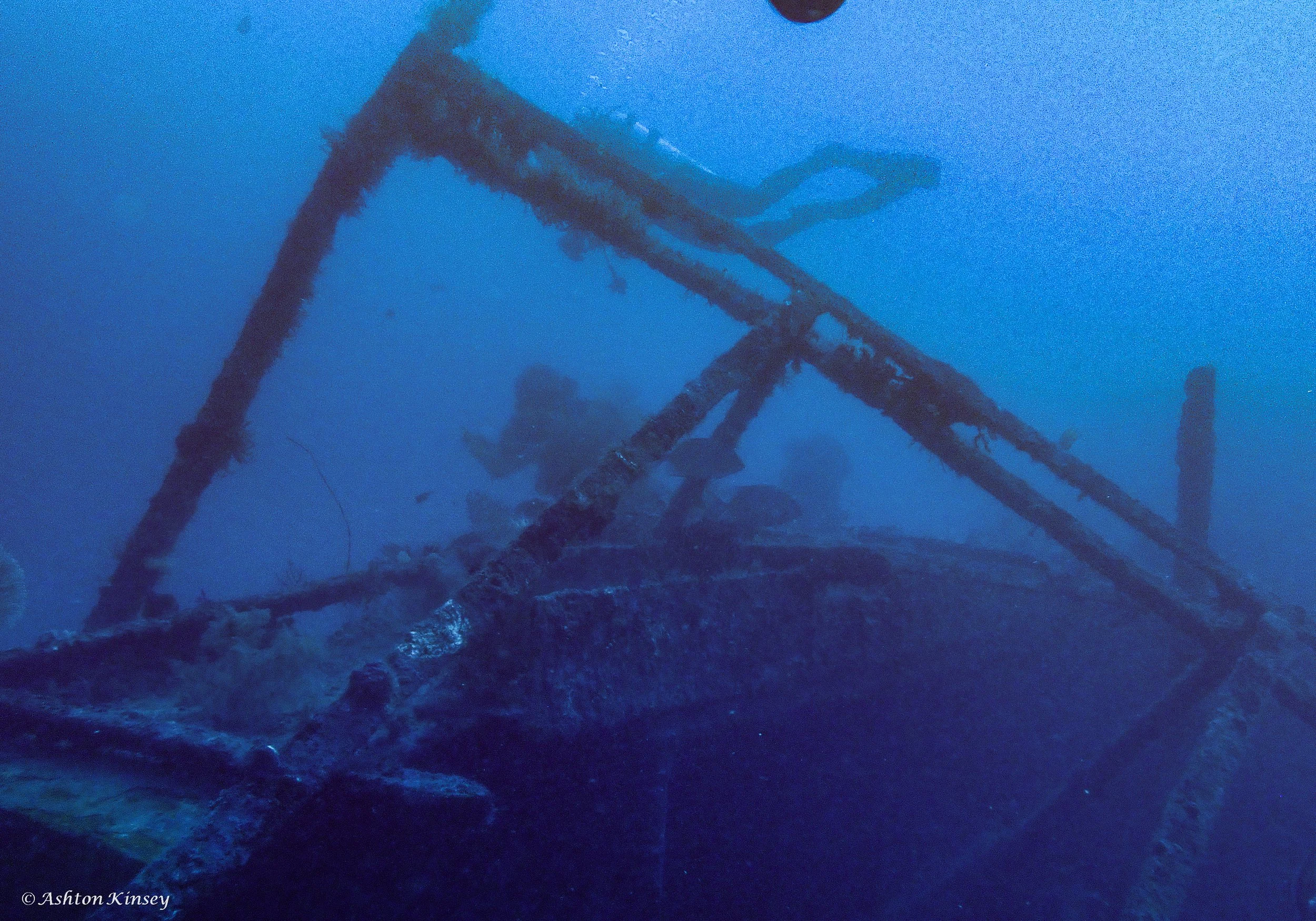
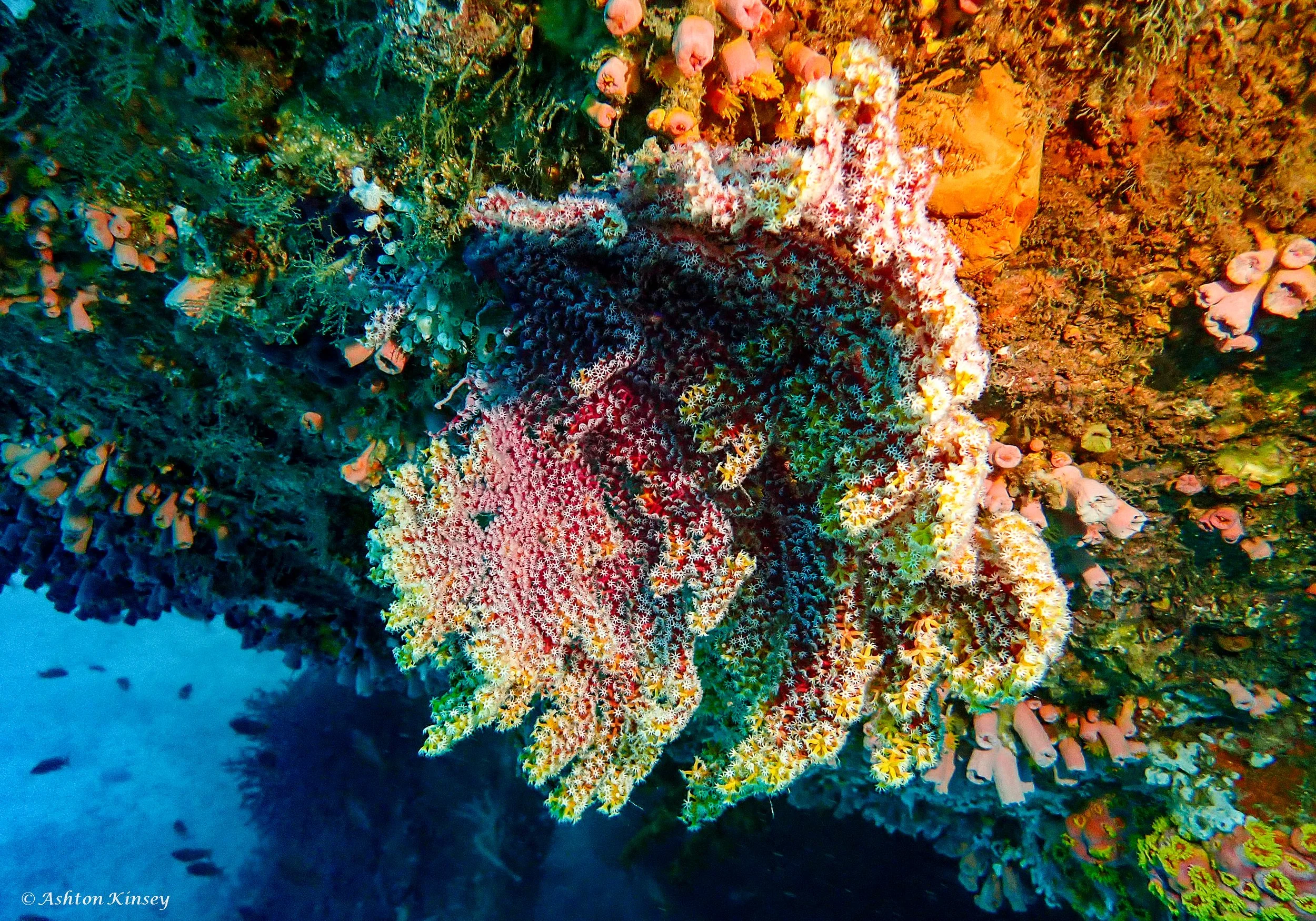
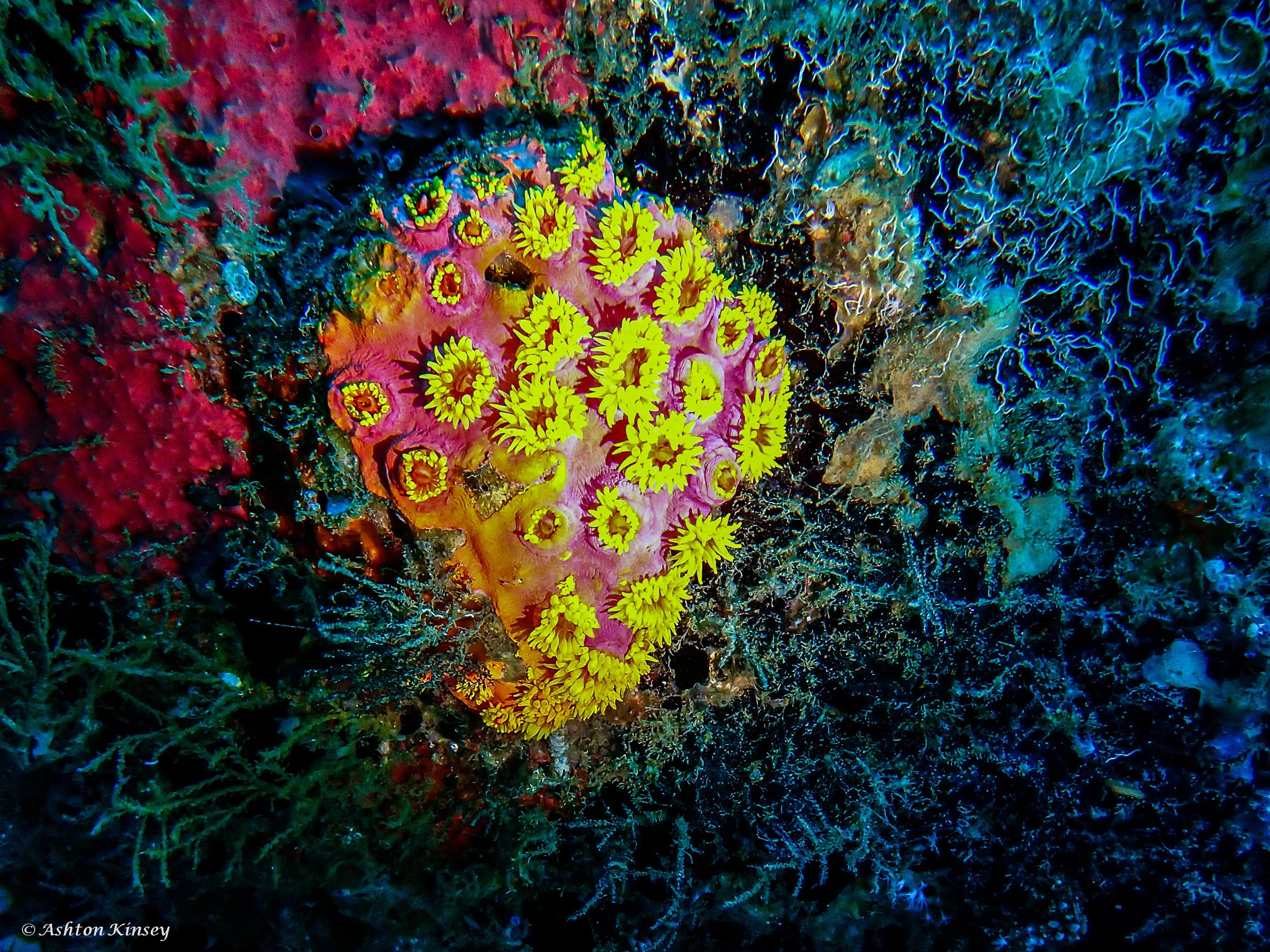
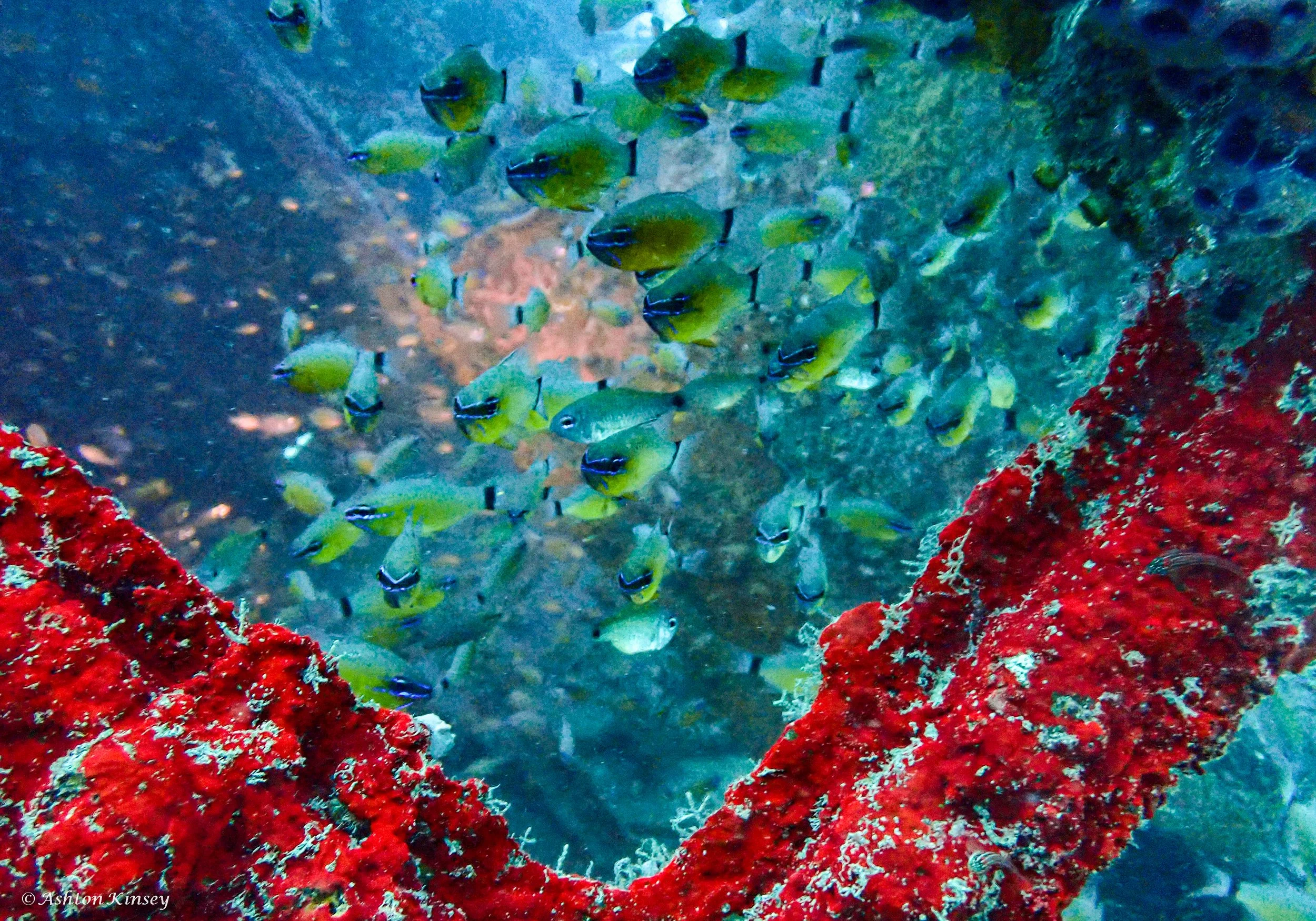
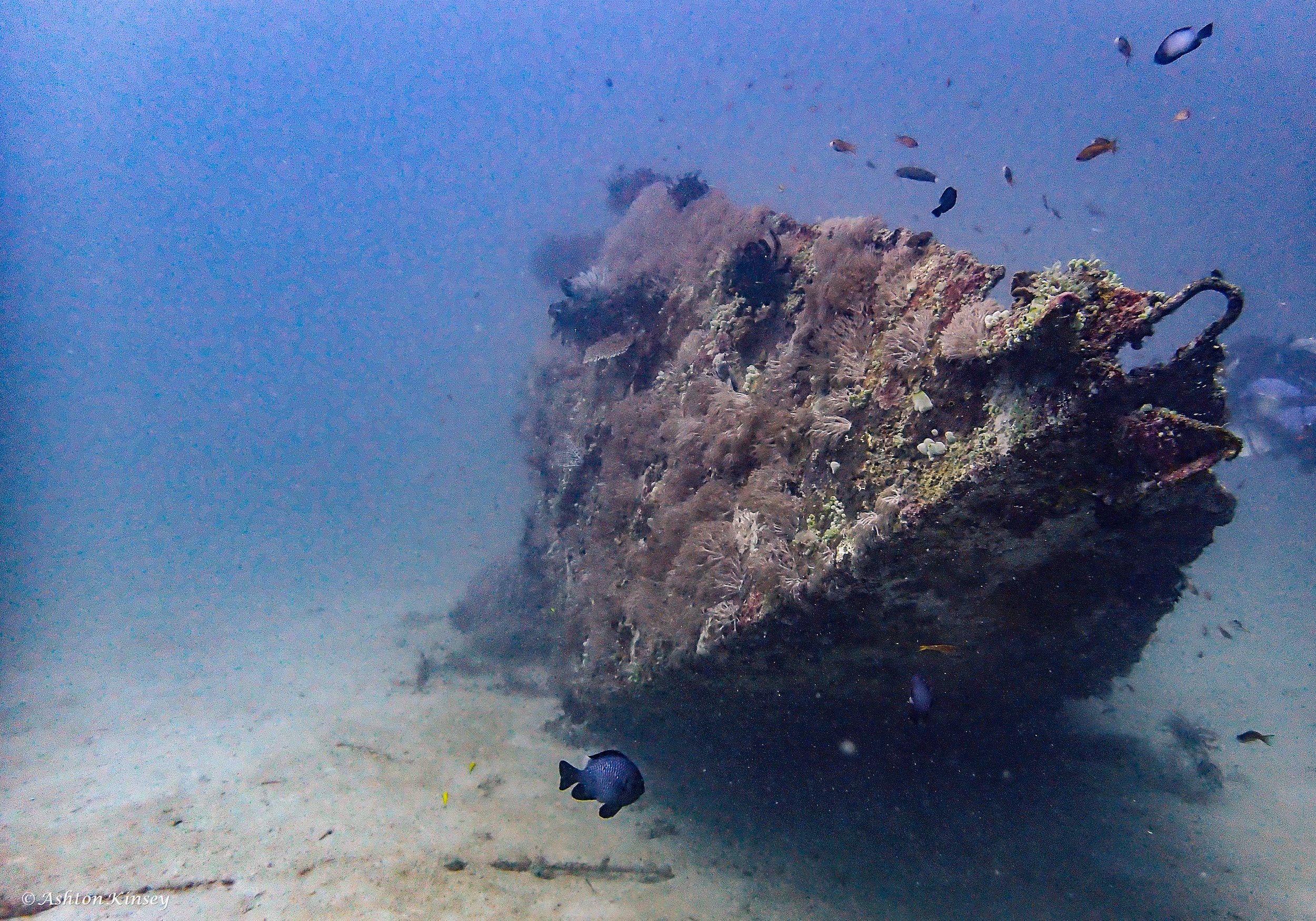
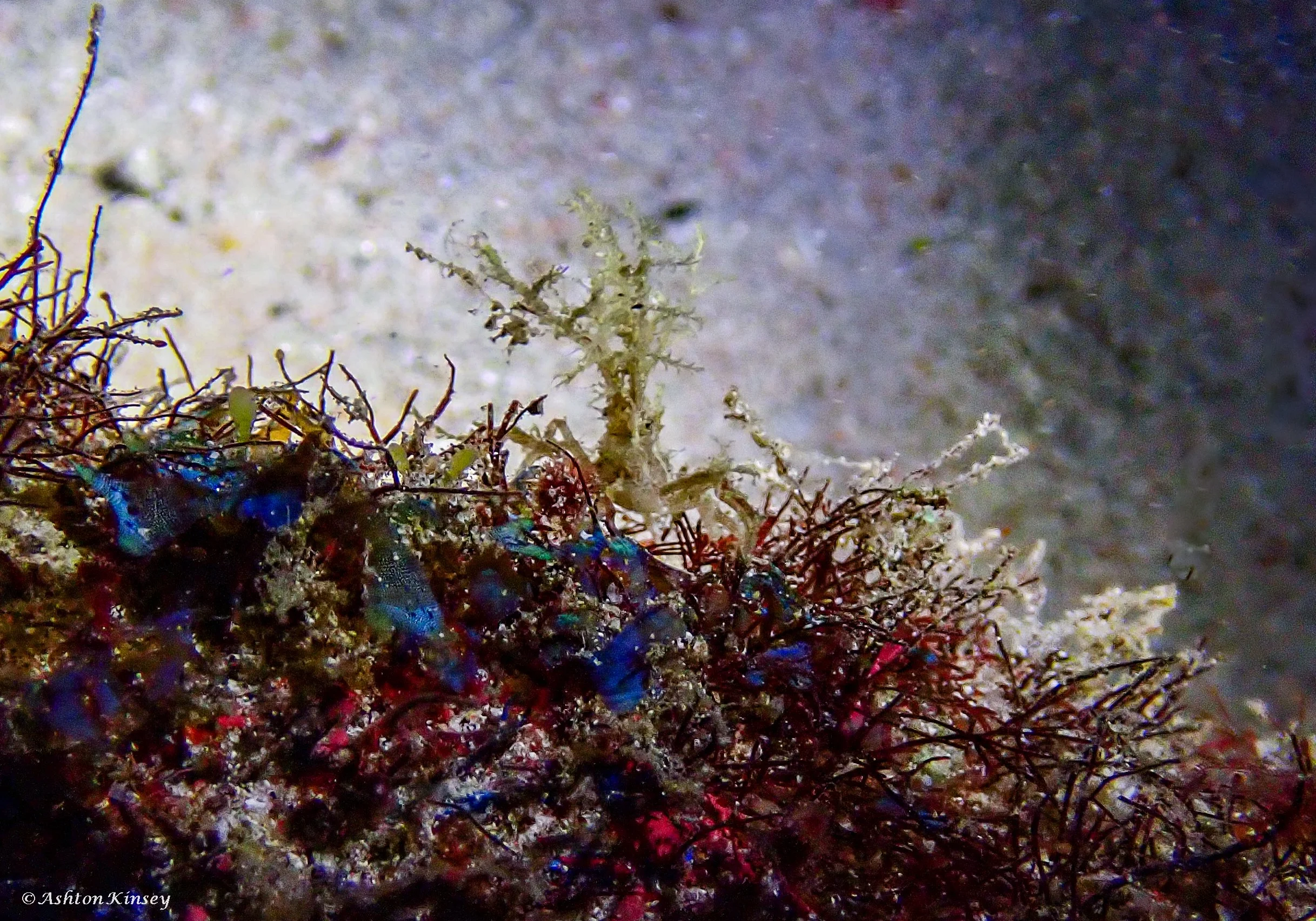
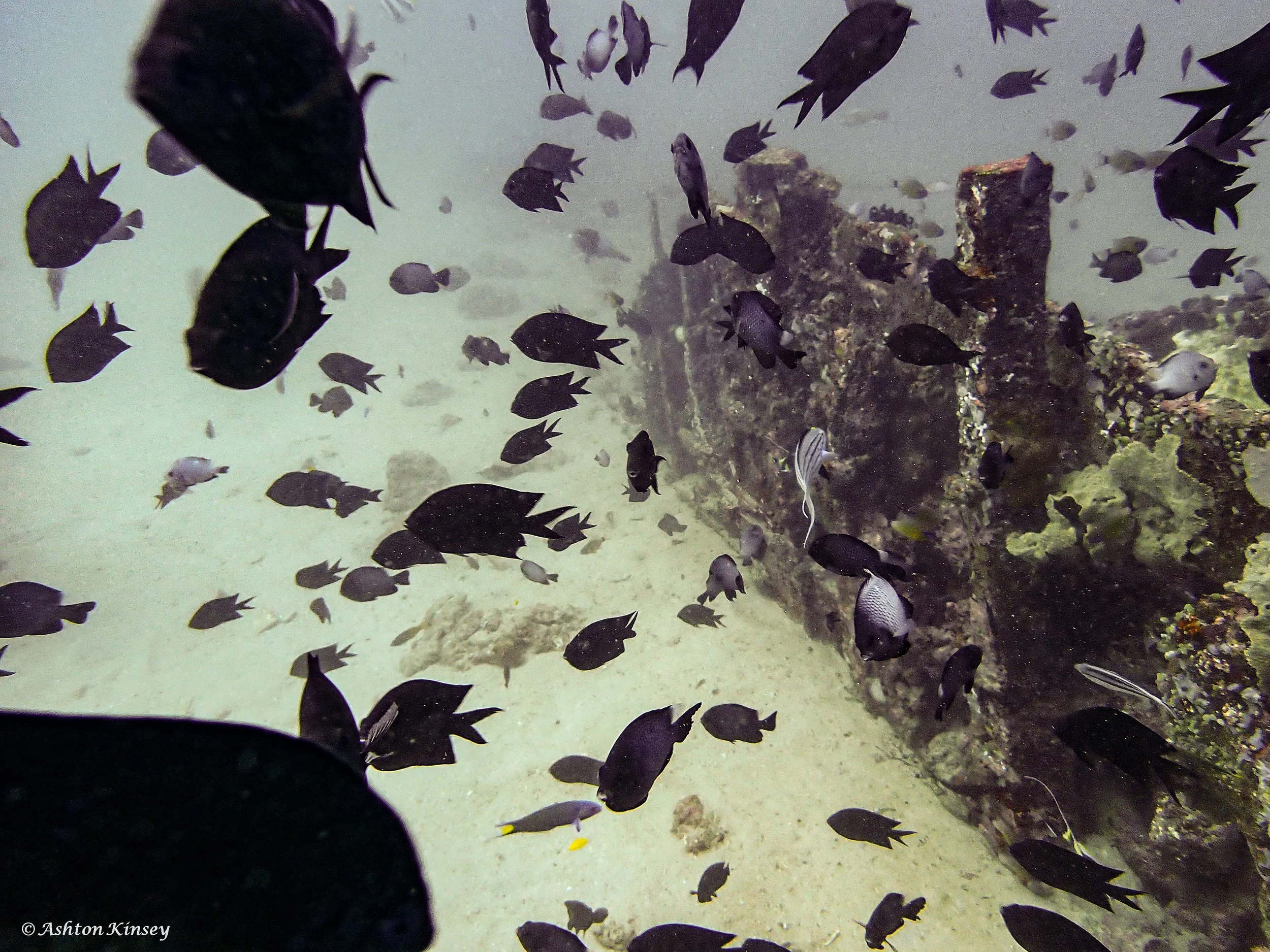
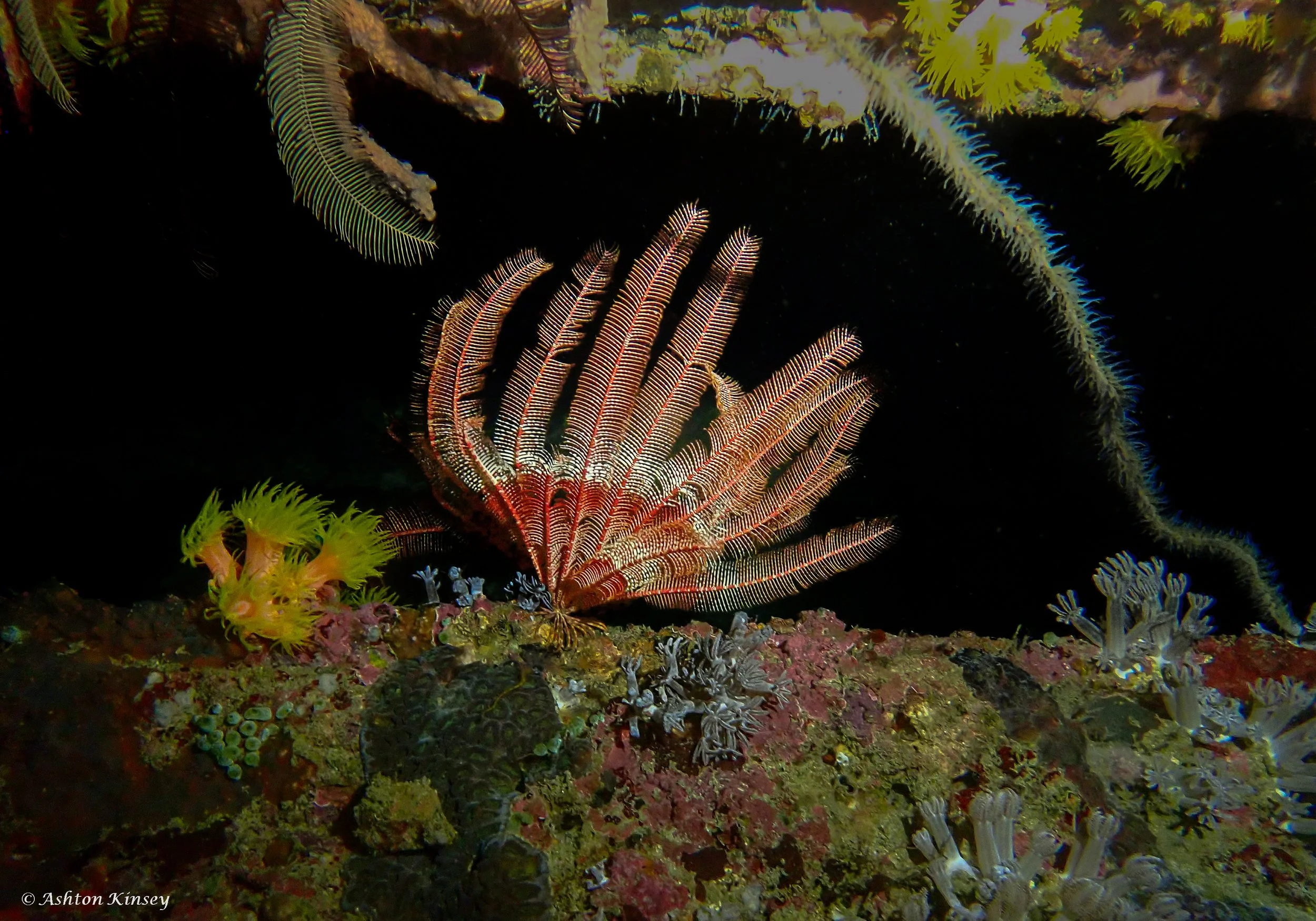
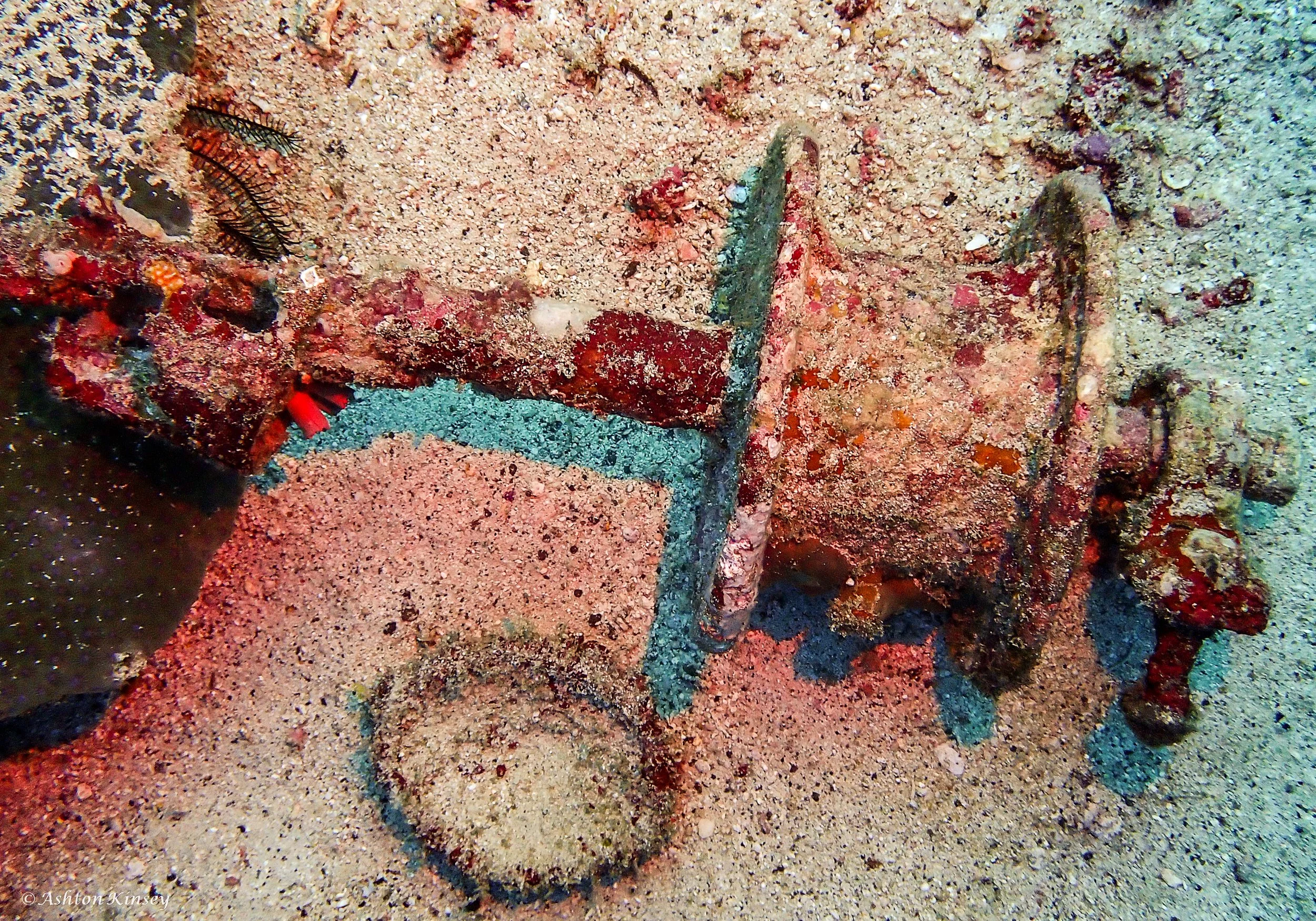
This site contains three old wrecks in various states of integrity. Two of them are the small wooden skeletons, and the third is a steel hulled yacht that has fallen on its side. The wrecks are spaced out, so if there are other divers on the site, it is easy to not have multiple people crashing around on it.
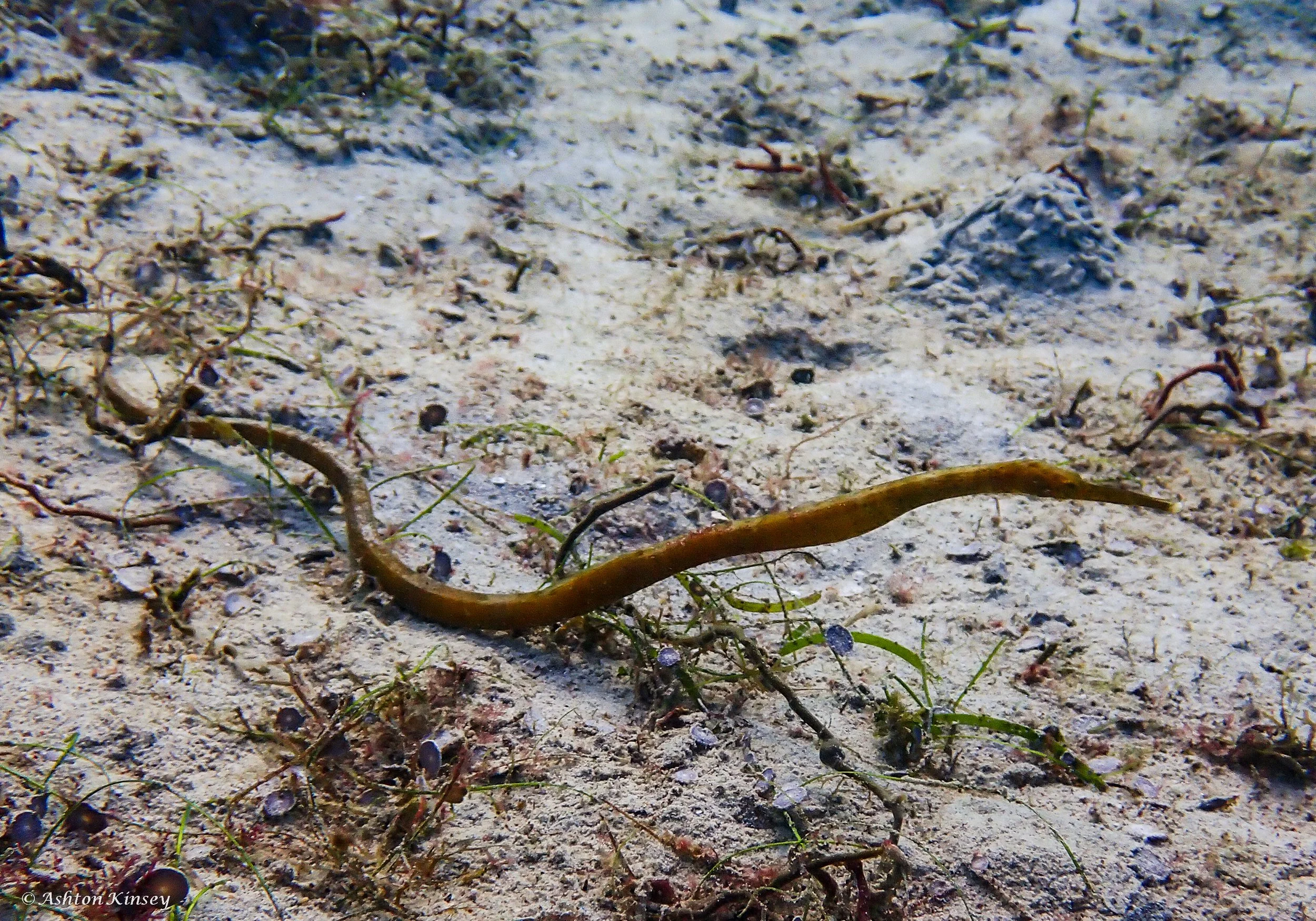
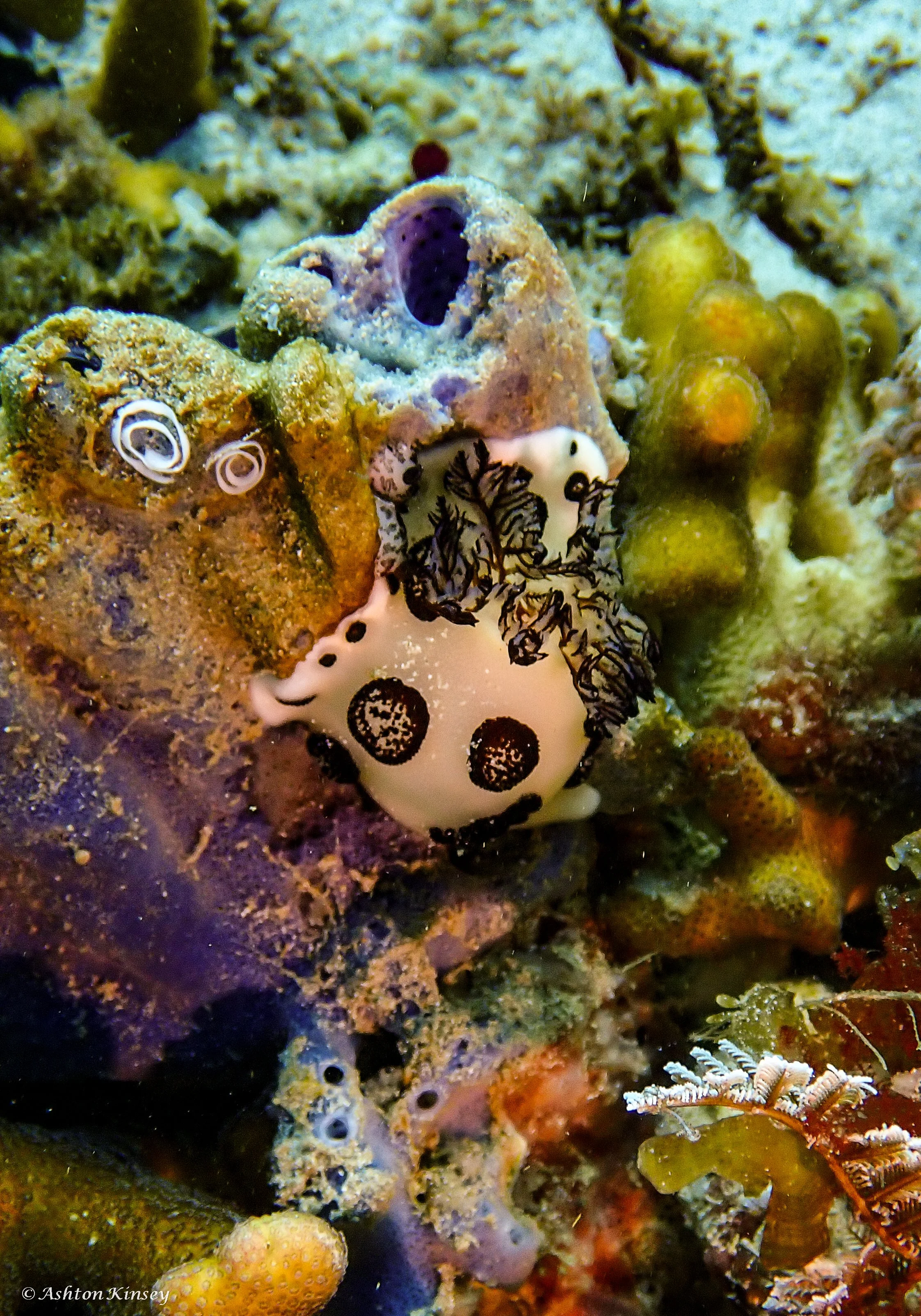
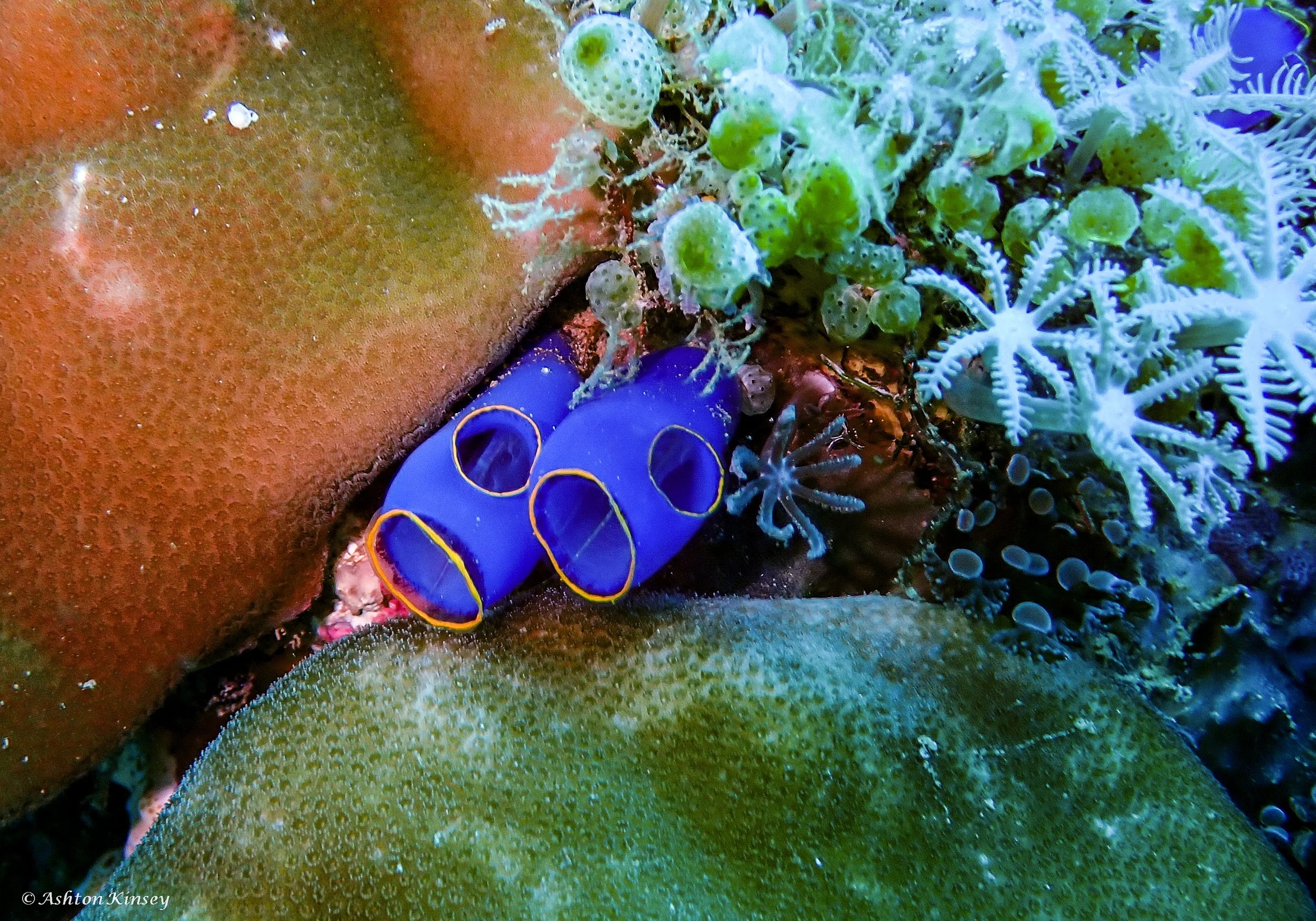
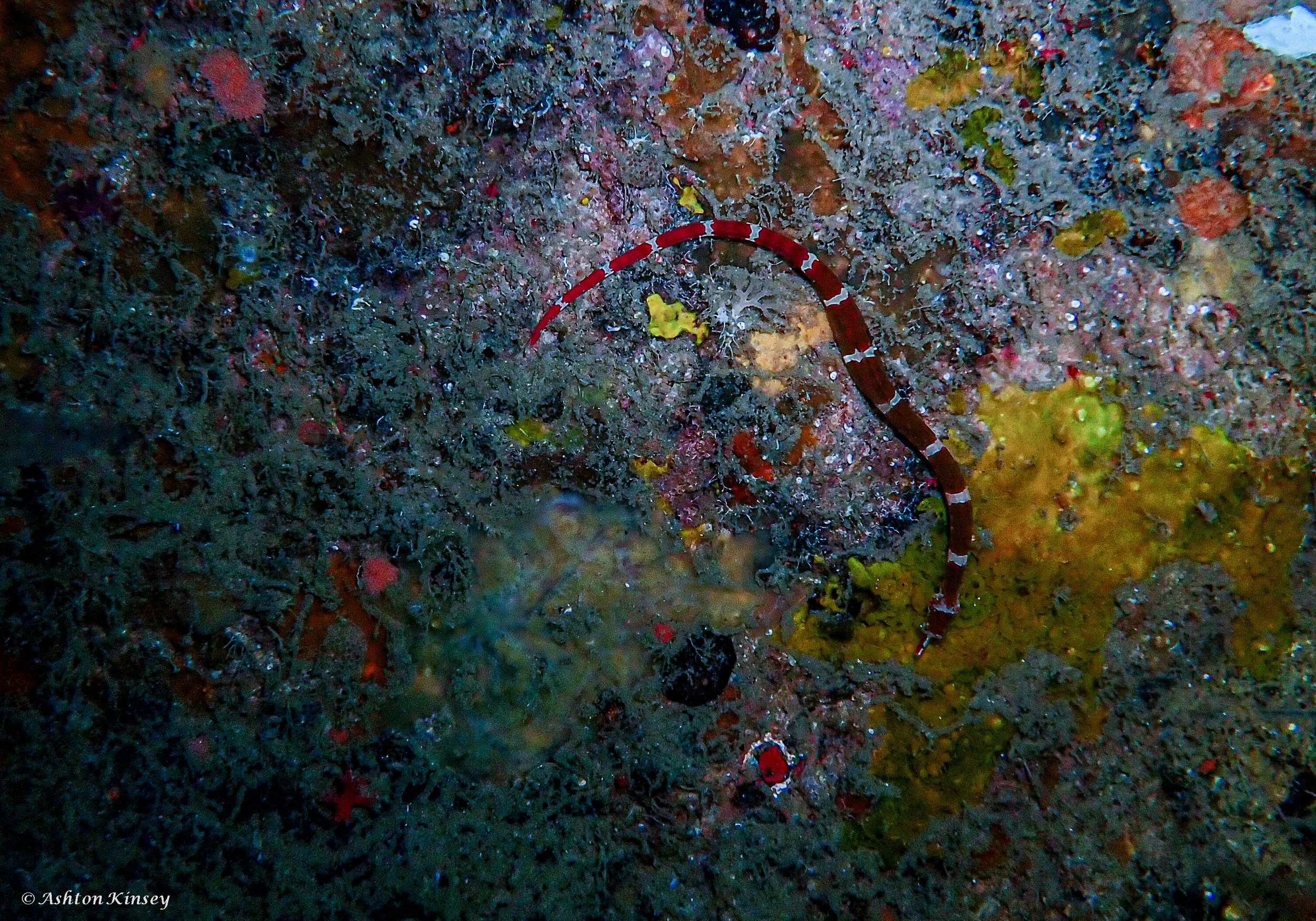
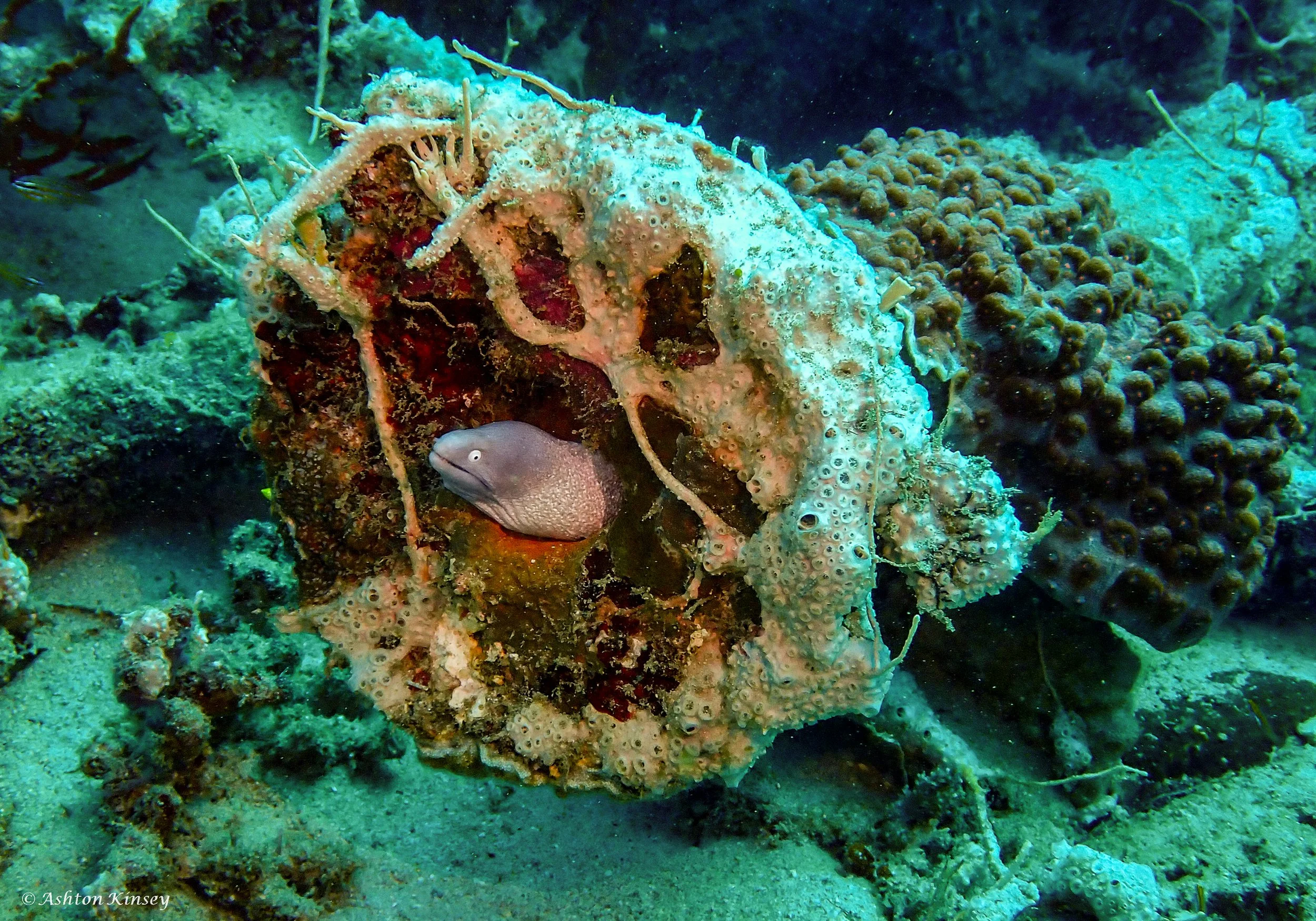
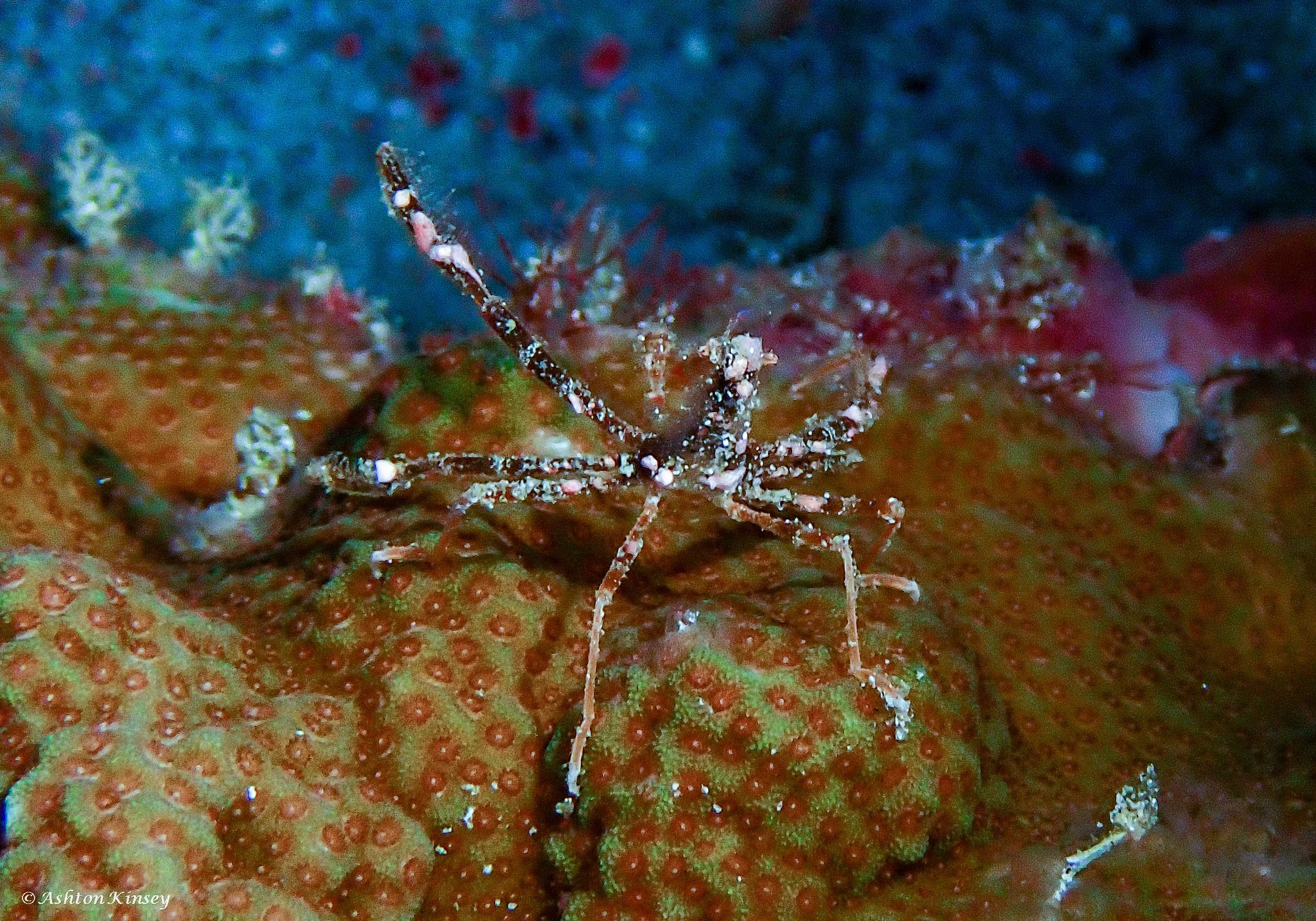
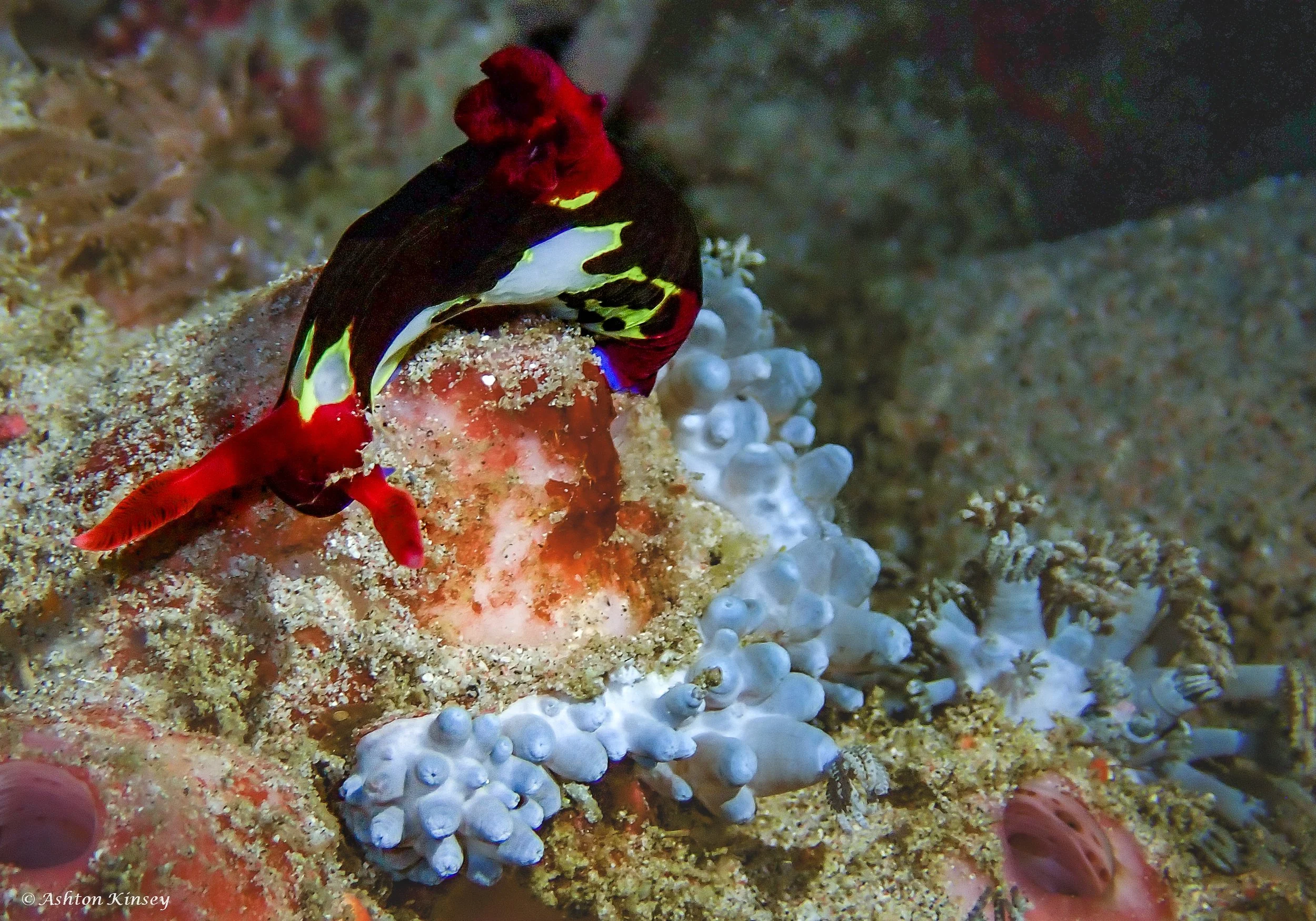
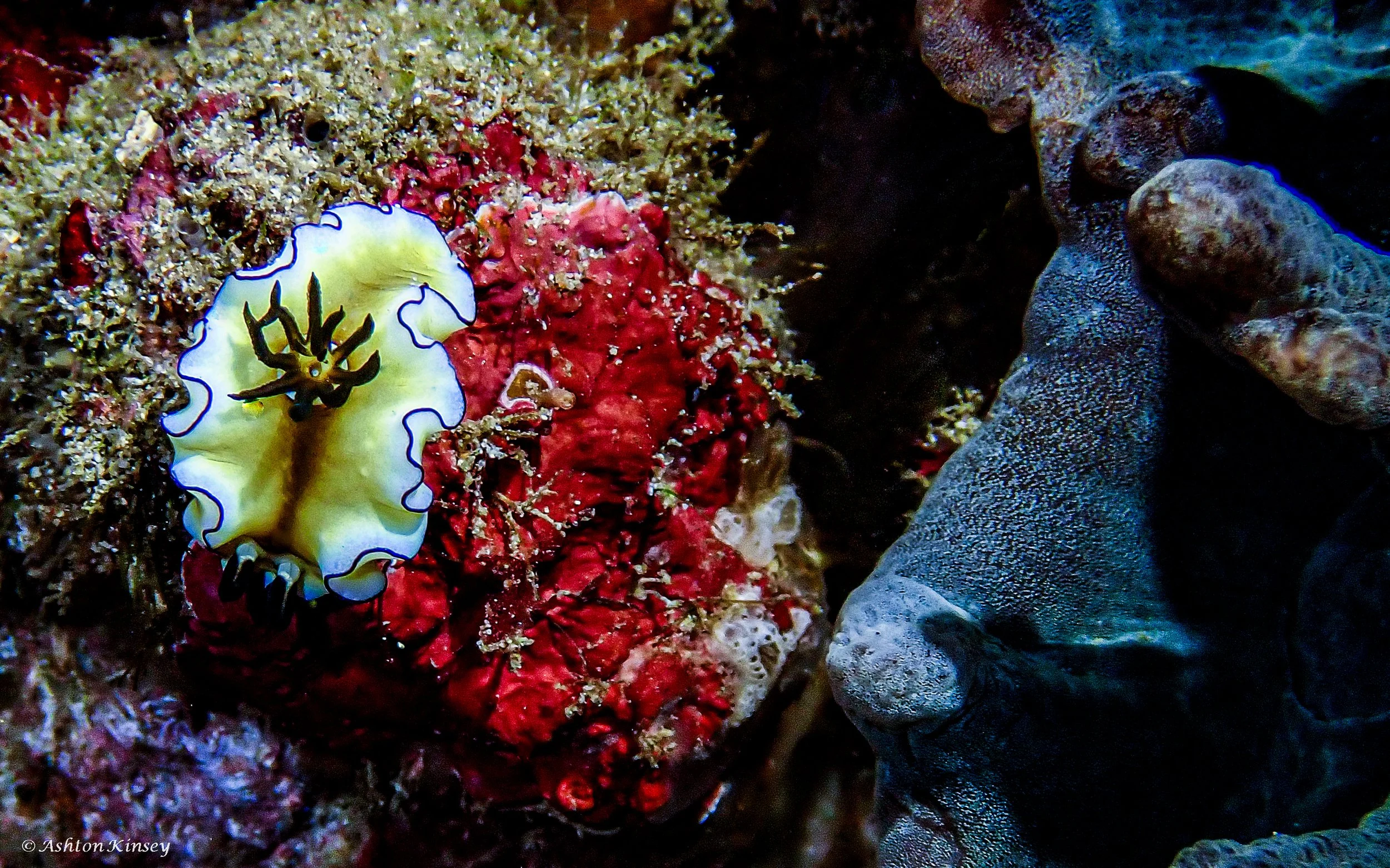
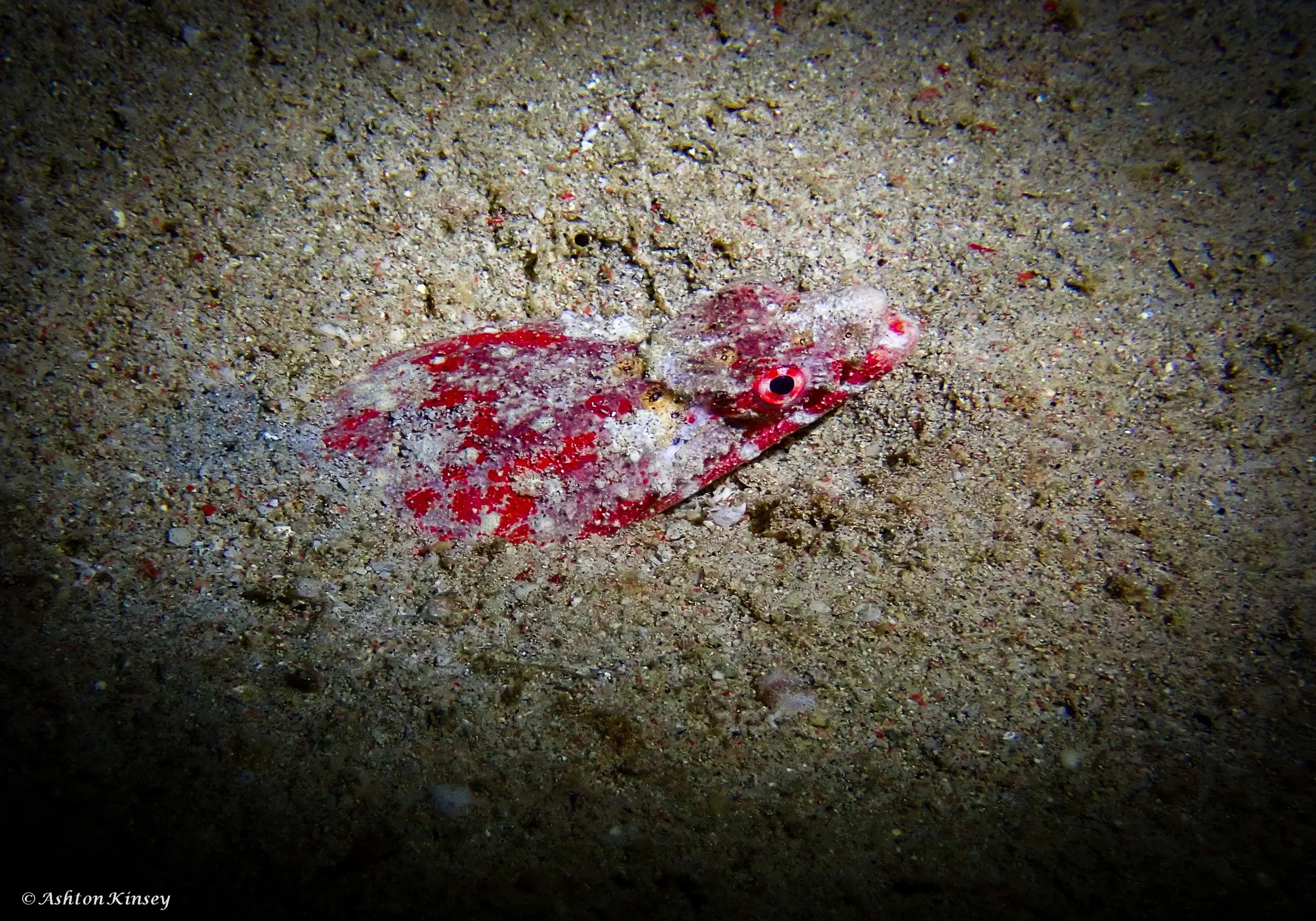
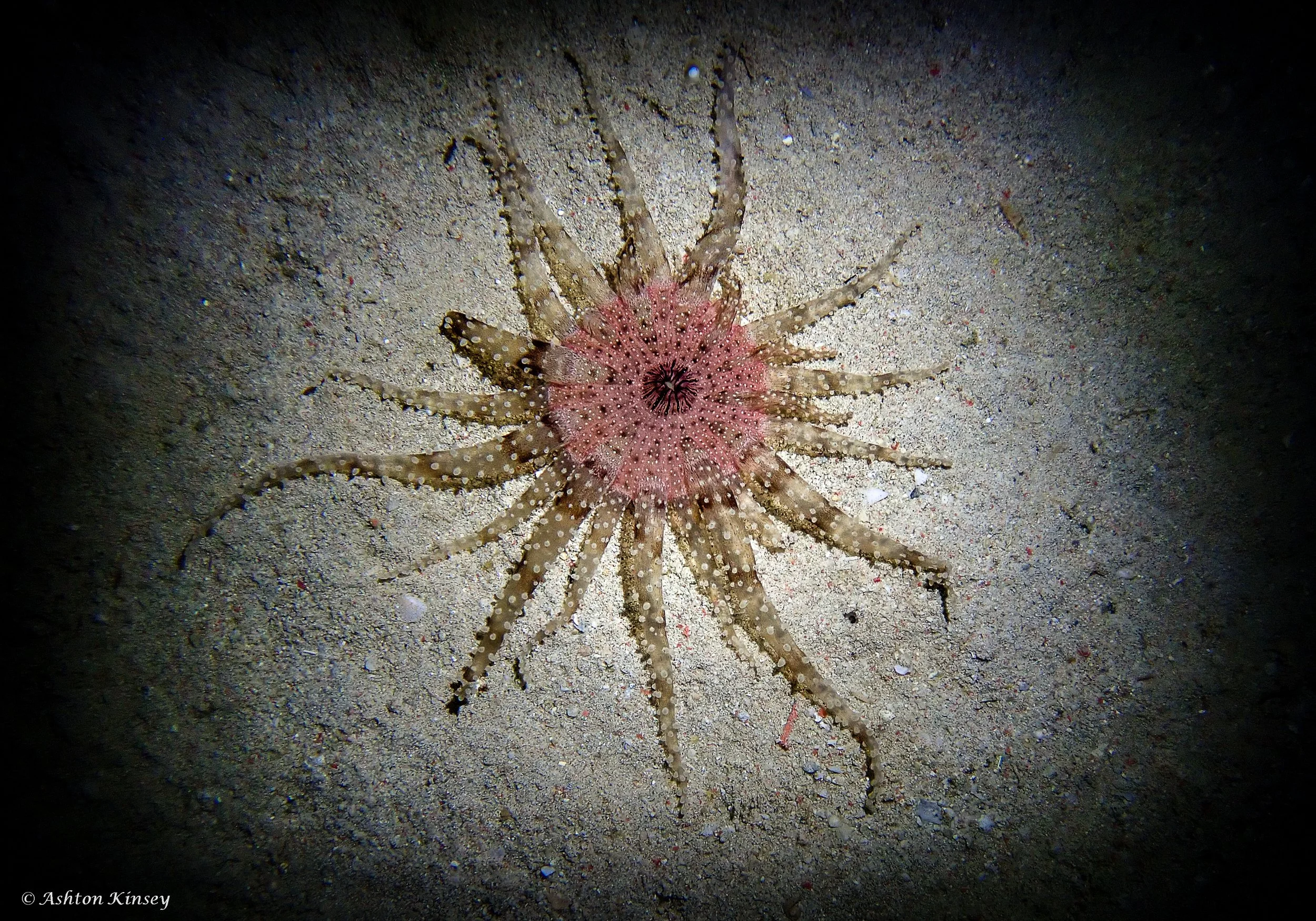
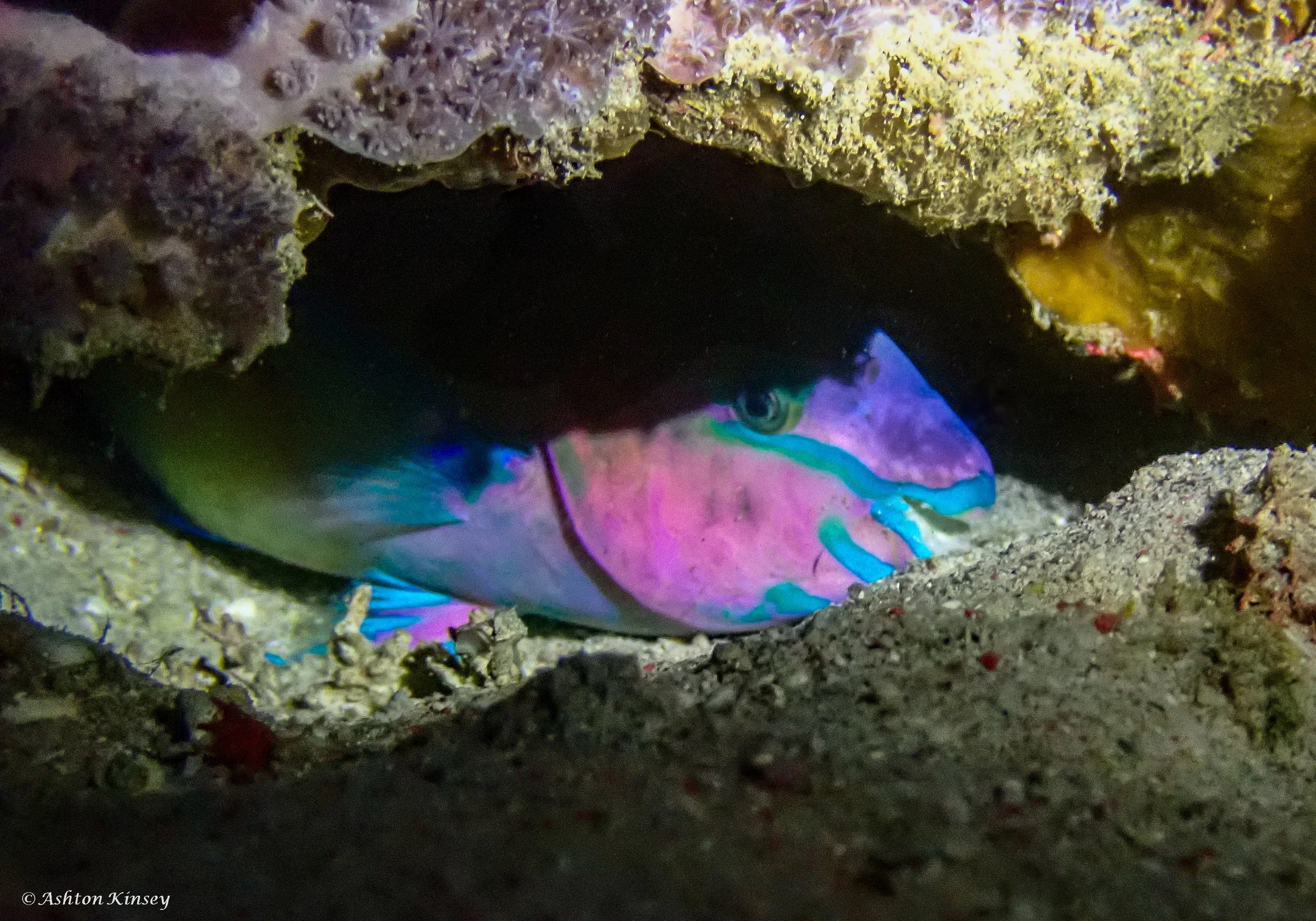
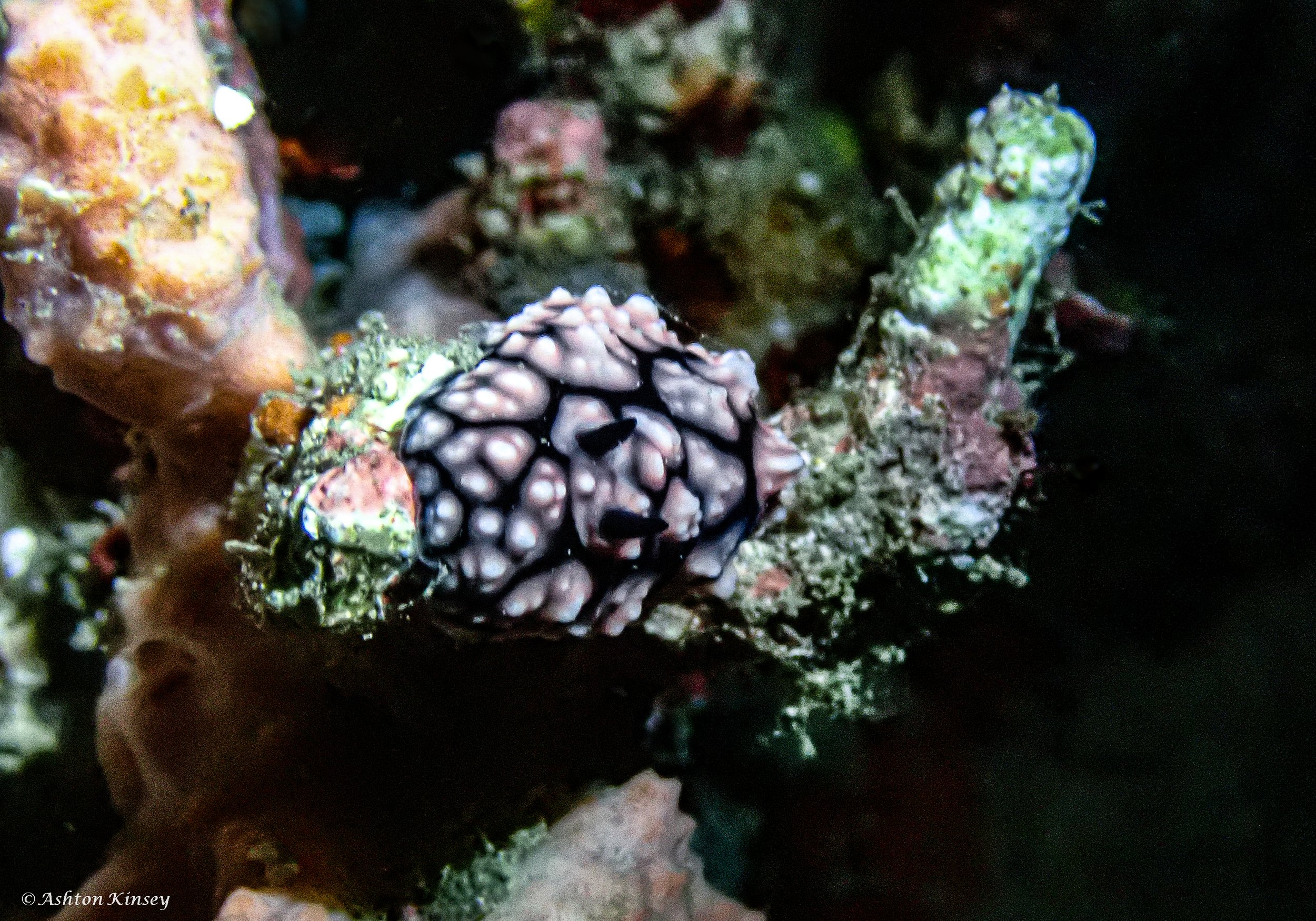
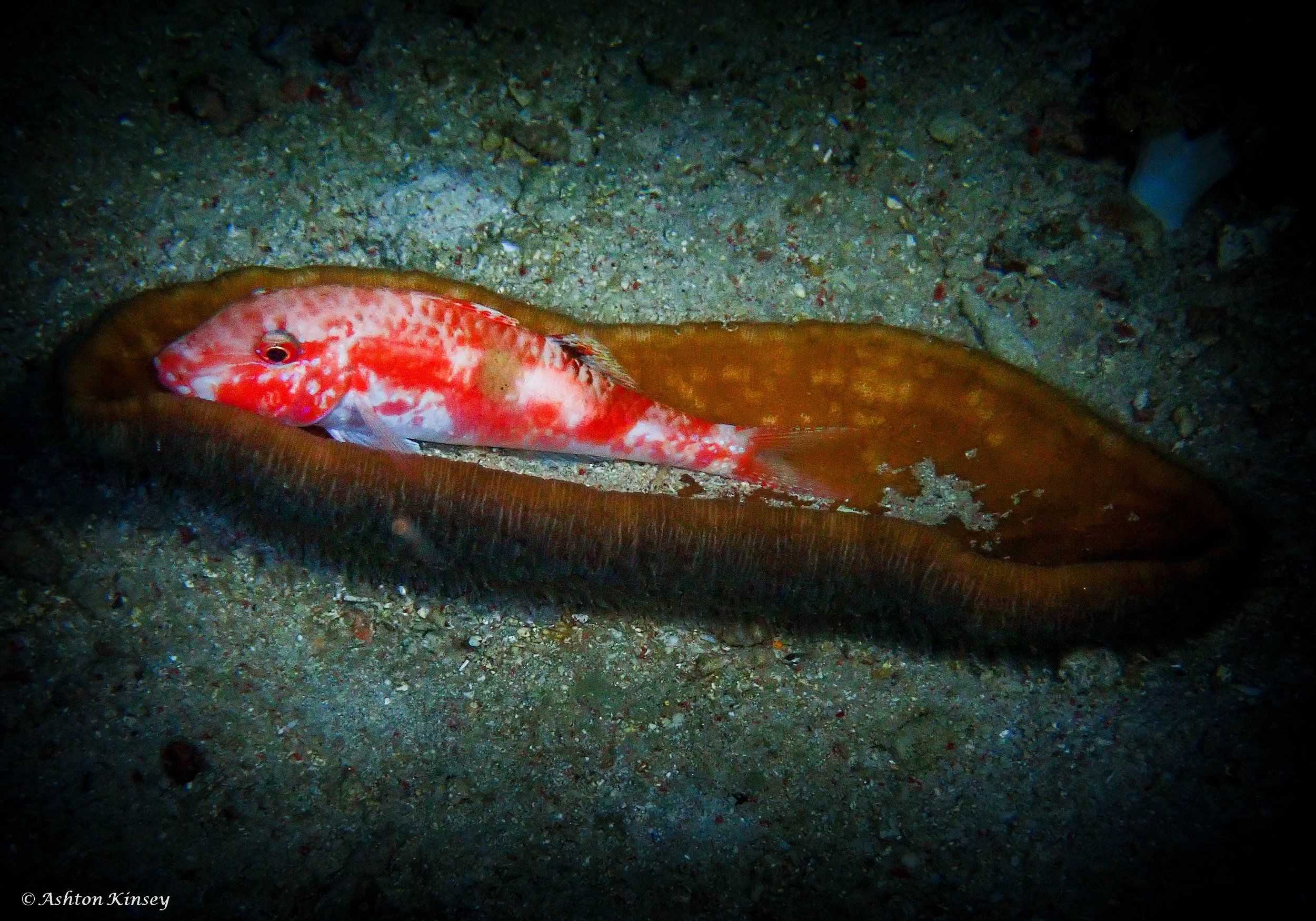
We did two dives on this site, one during the day and one at night, hunting for a blue ring octopus, our last chance of finding one. Unfortunately, no blue ring was found. But there were several nudis, frog fish, and banded pipefish that *almost* made up for the lack of blue rings, but not really.
Dive 12: Blackwater Dive (Night)
52’ for 79 minutes
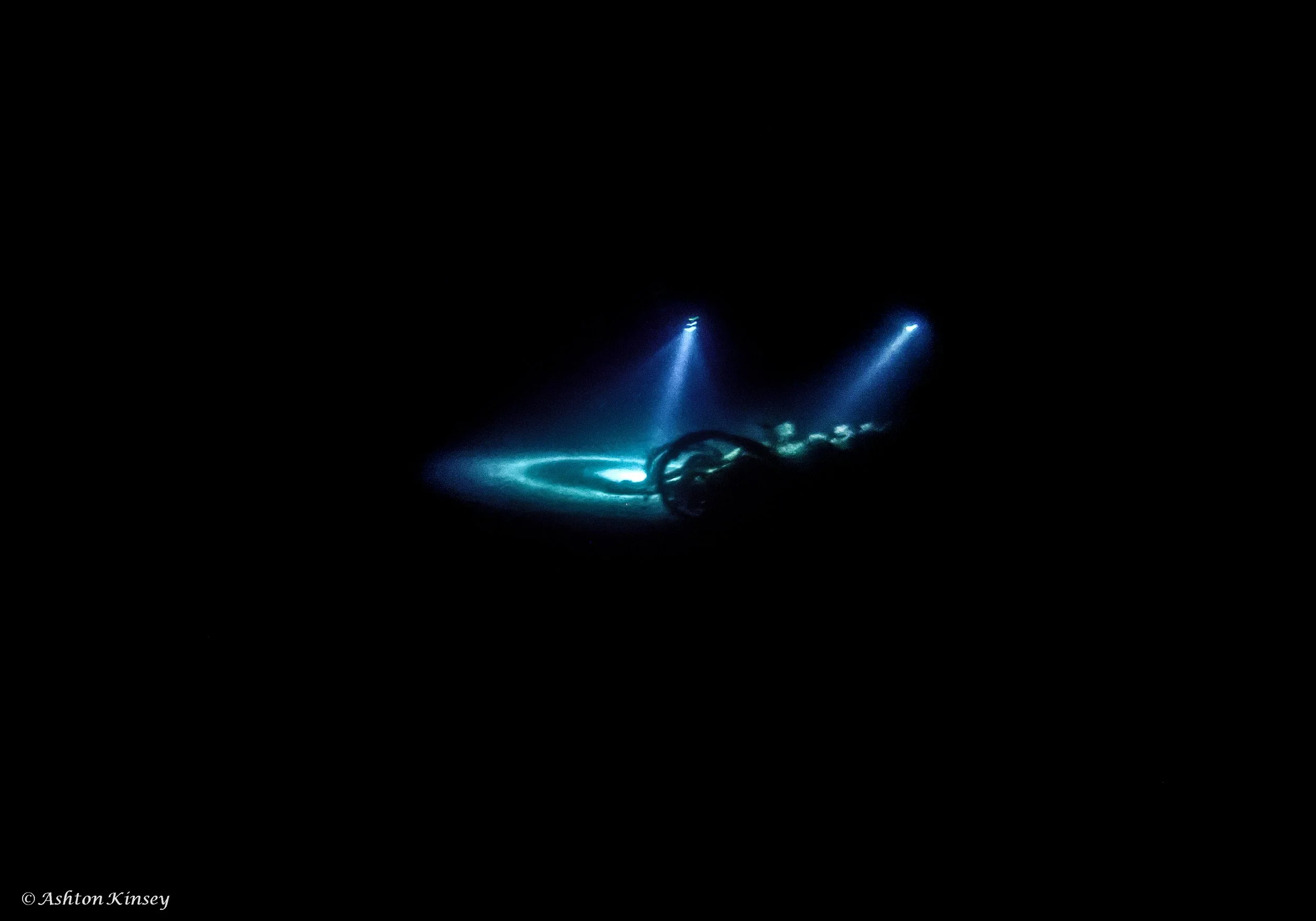
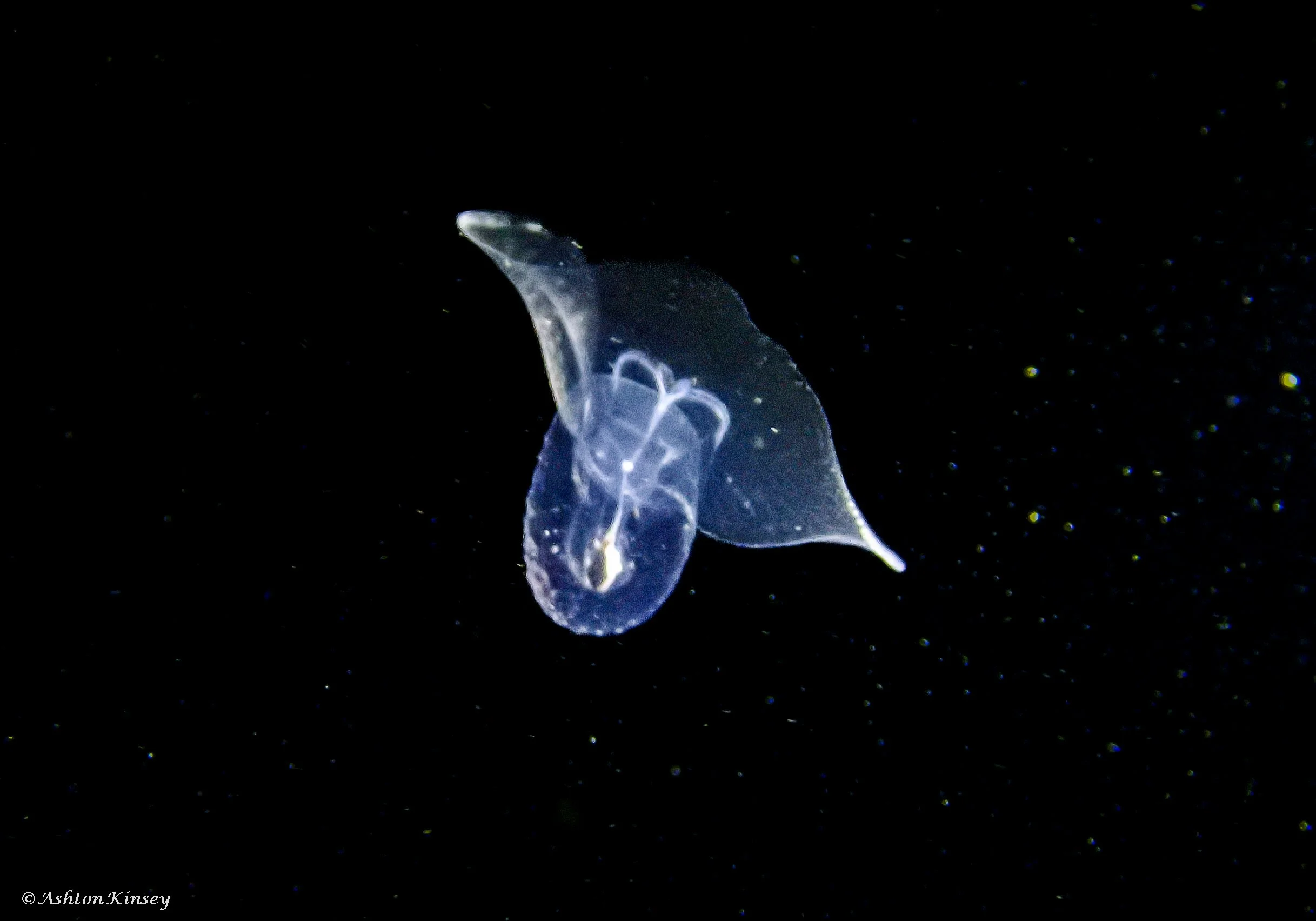
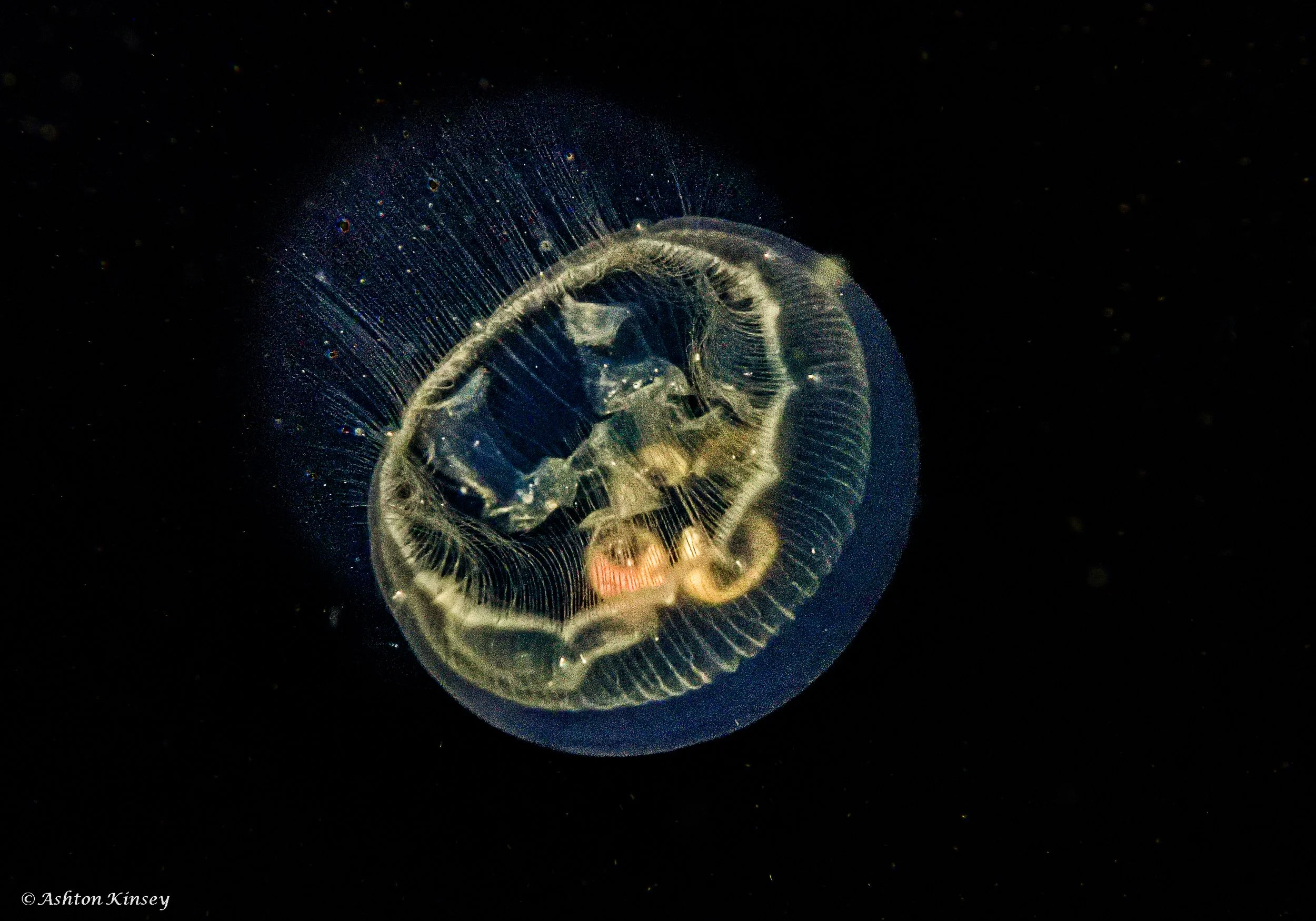
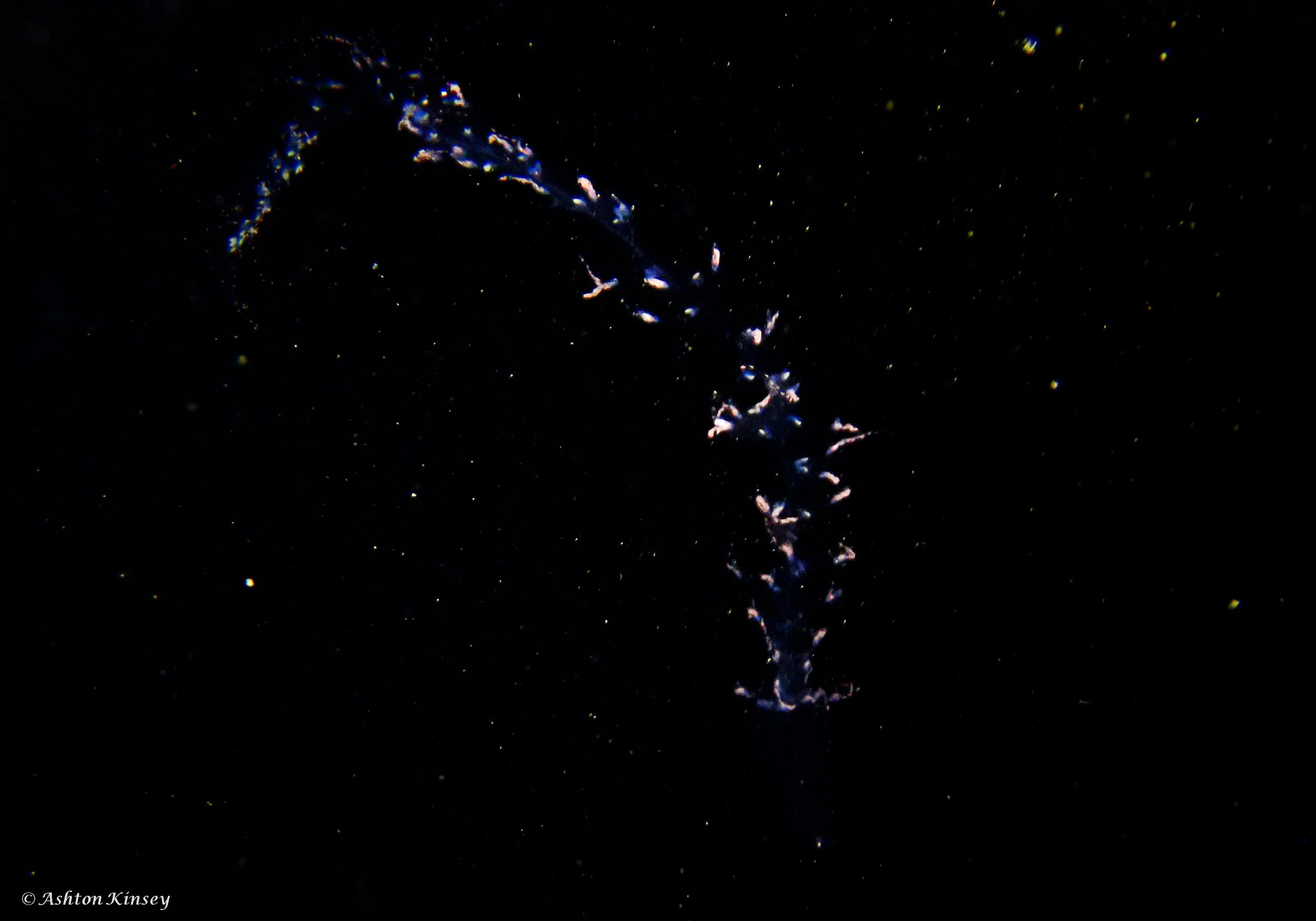
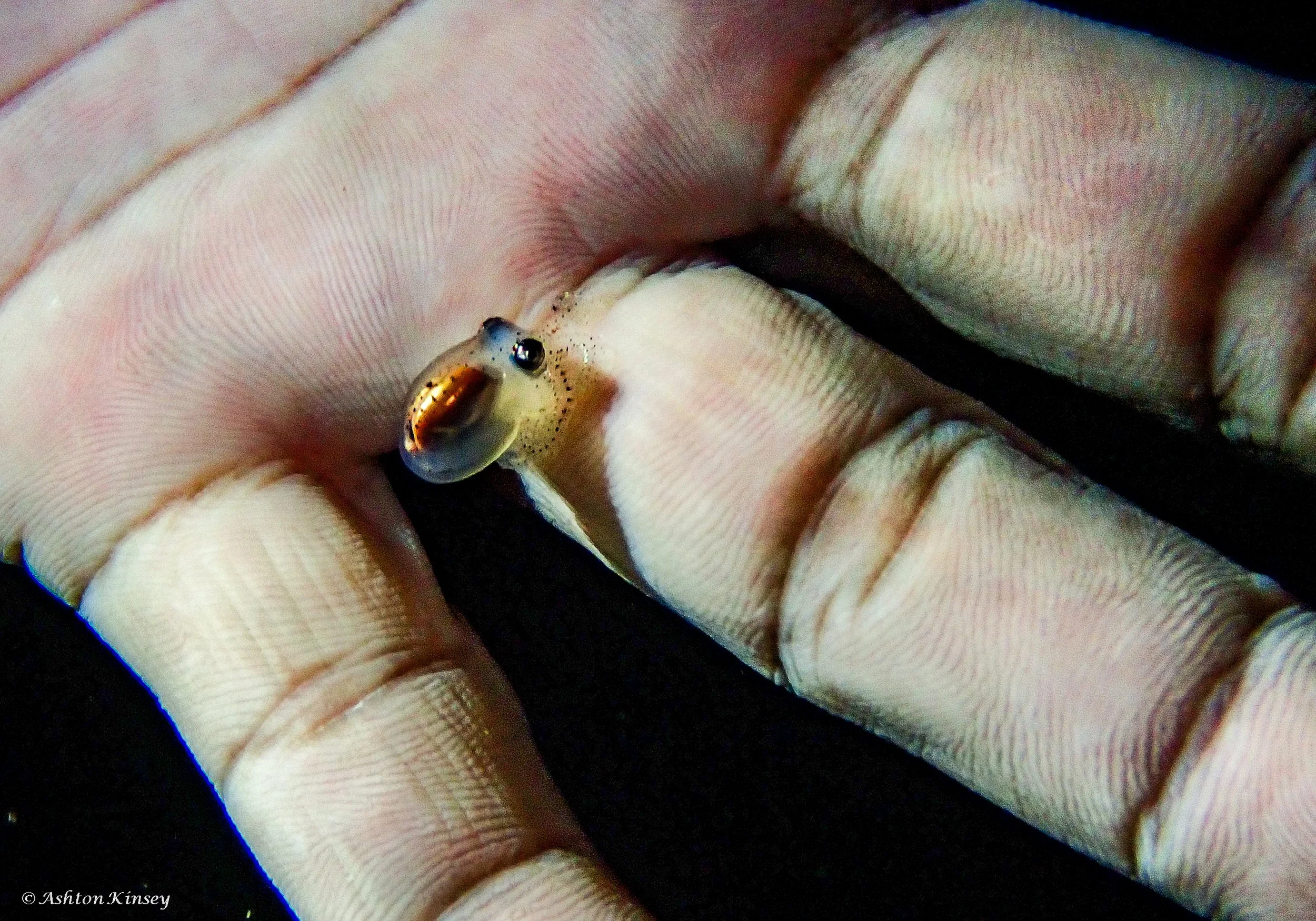
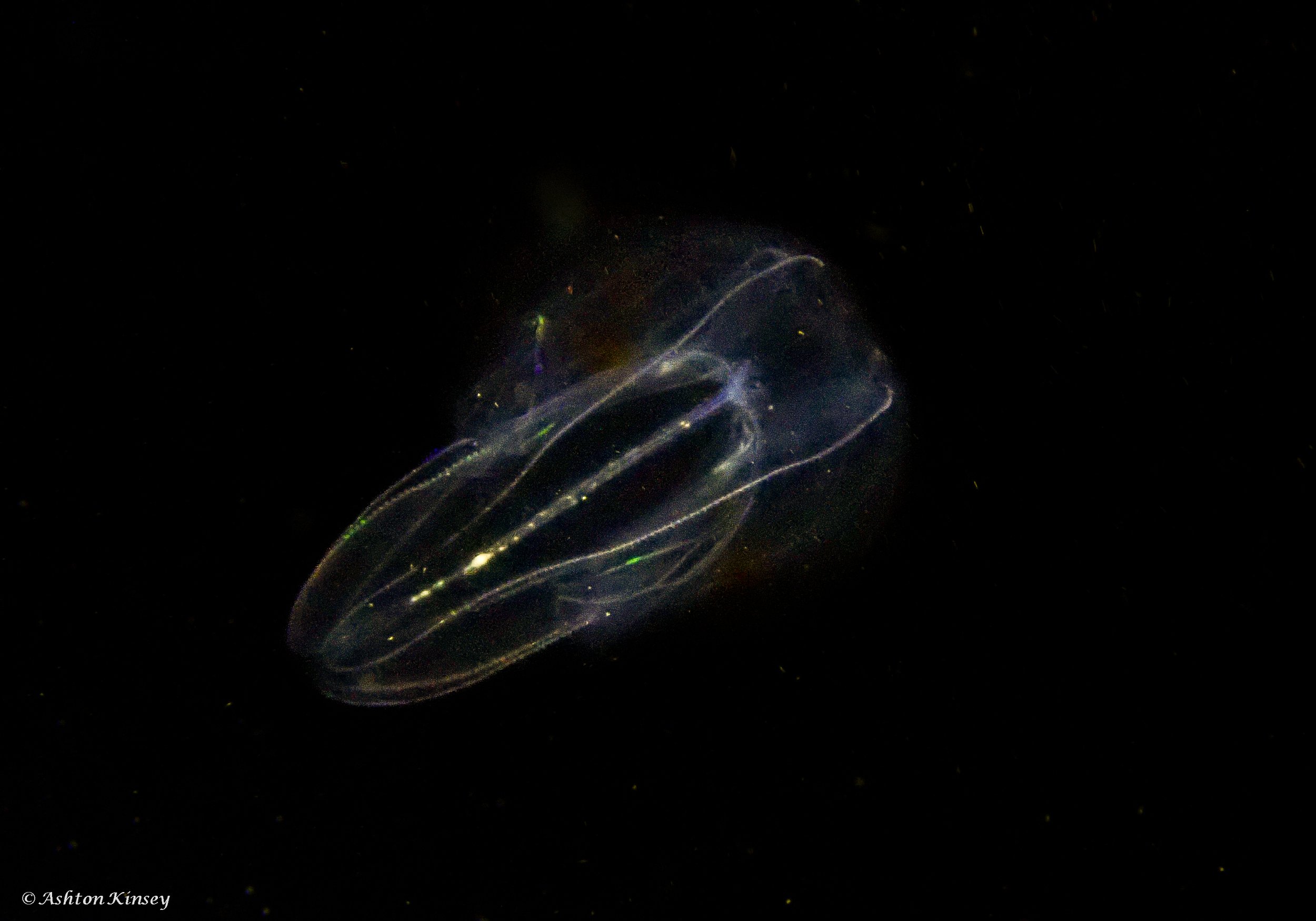
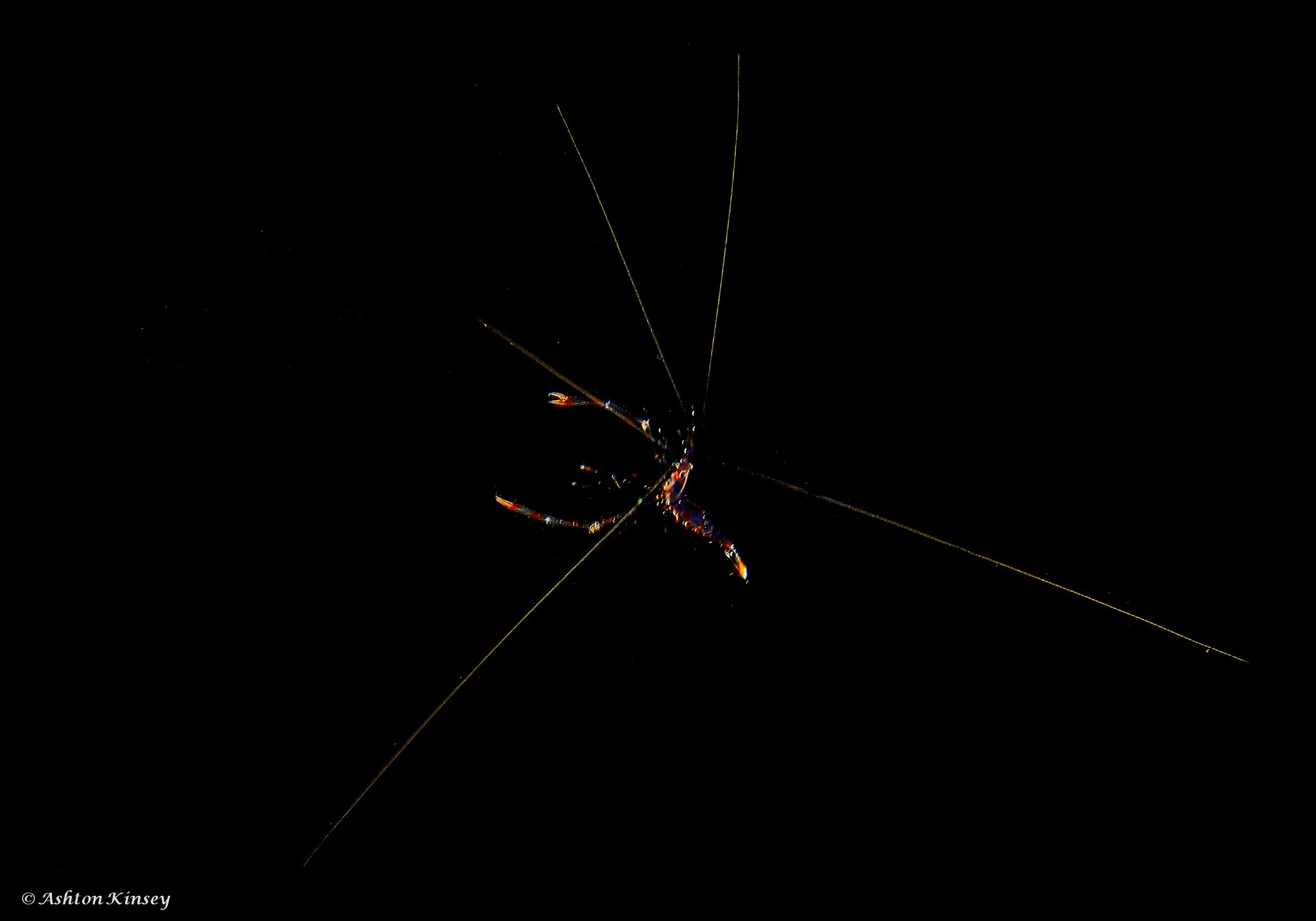
A nice drift dive through the ocean in 1000+’ deep water. The boat was organized into one long drift. There were two sets of lights on the line, one to signal the top of the dive and one for the bottom. In theory, we were supposed to stay between the two lines and never go deeper than 50’… or was it 30’… regardless… It totally happened and wasn’t a chaotic mess at all. Trying to maintain depth, keep an eye on your buddy and your guide, and take pictures while floating through the vastness of open water wasn’t a challenge at all. It did help that each buddy team was assigned one guide, in our case, Rey.
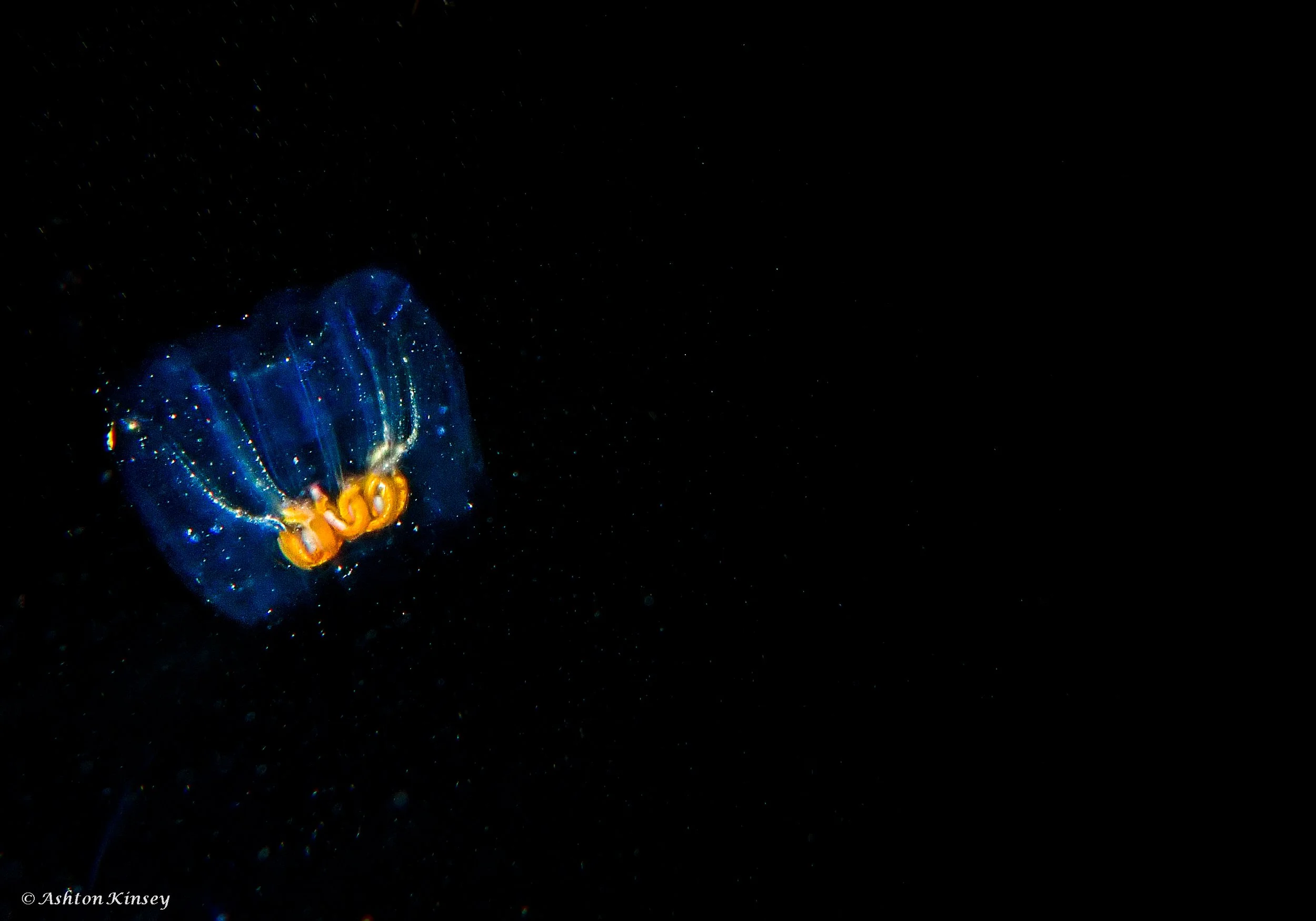
As with any blackwater dive, we saw all sorts of weird things, such as jellyfish, octos, little squids, and many unidentified creatures. Once we managed to get back on the boat, we discovered we had made lots of friends with octos and brought them back up with us. We picked them up as best we could and threw them into the water, not thinking too hard about the fact that blue rings live in the area…no one died; it’s fine.
Dive 13, 14, 15: Verde Island
79’ for 53 minutes, 66’ for 61 minutes, 74’ for 63 minutes
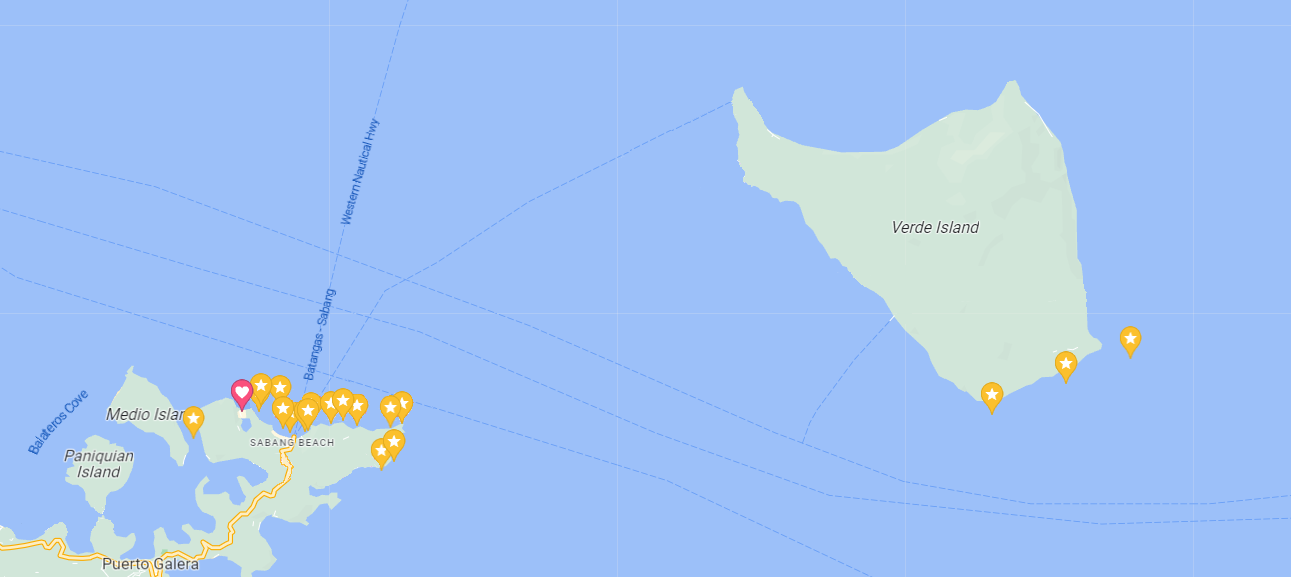
One of the days, we did a day trip to Verde Island, which is located about an hour and a half across the Verde Island Passage. For this trip and the dives, we took a larger banca boat that allowed us to move faster, carry all of our supplies for the day, and let the group all dive from the same boat for the first time on the trip.
Verde Island is a volcanic island that sits between the islands of Luzon and Mindoro. It was populated in 1988 by a small village and connected with electricity and solar panels to make the island self-sufficient. After that, it was declared a marine reserve and protected by the Philippine Tourism Authority.
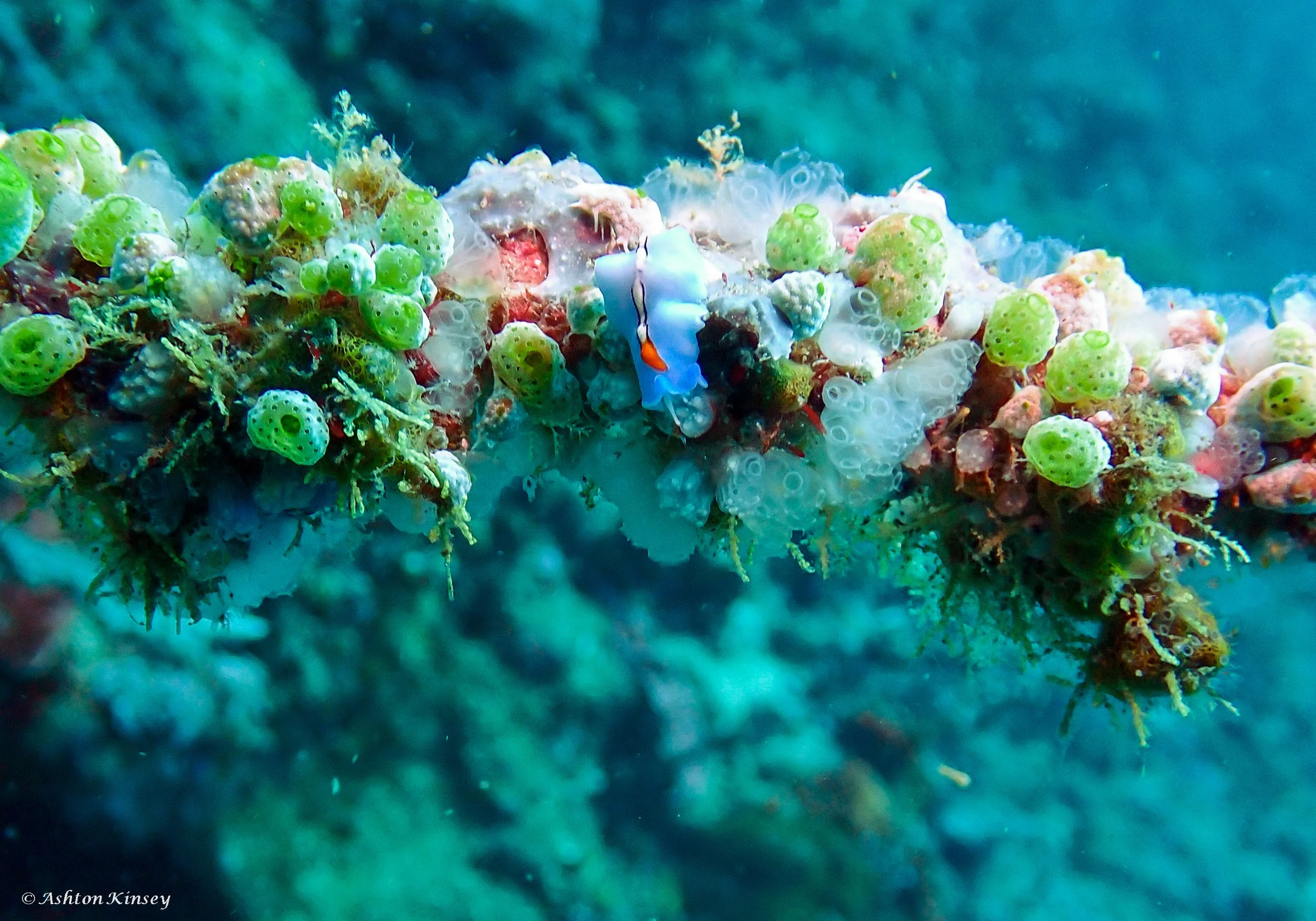
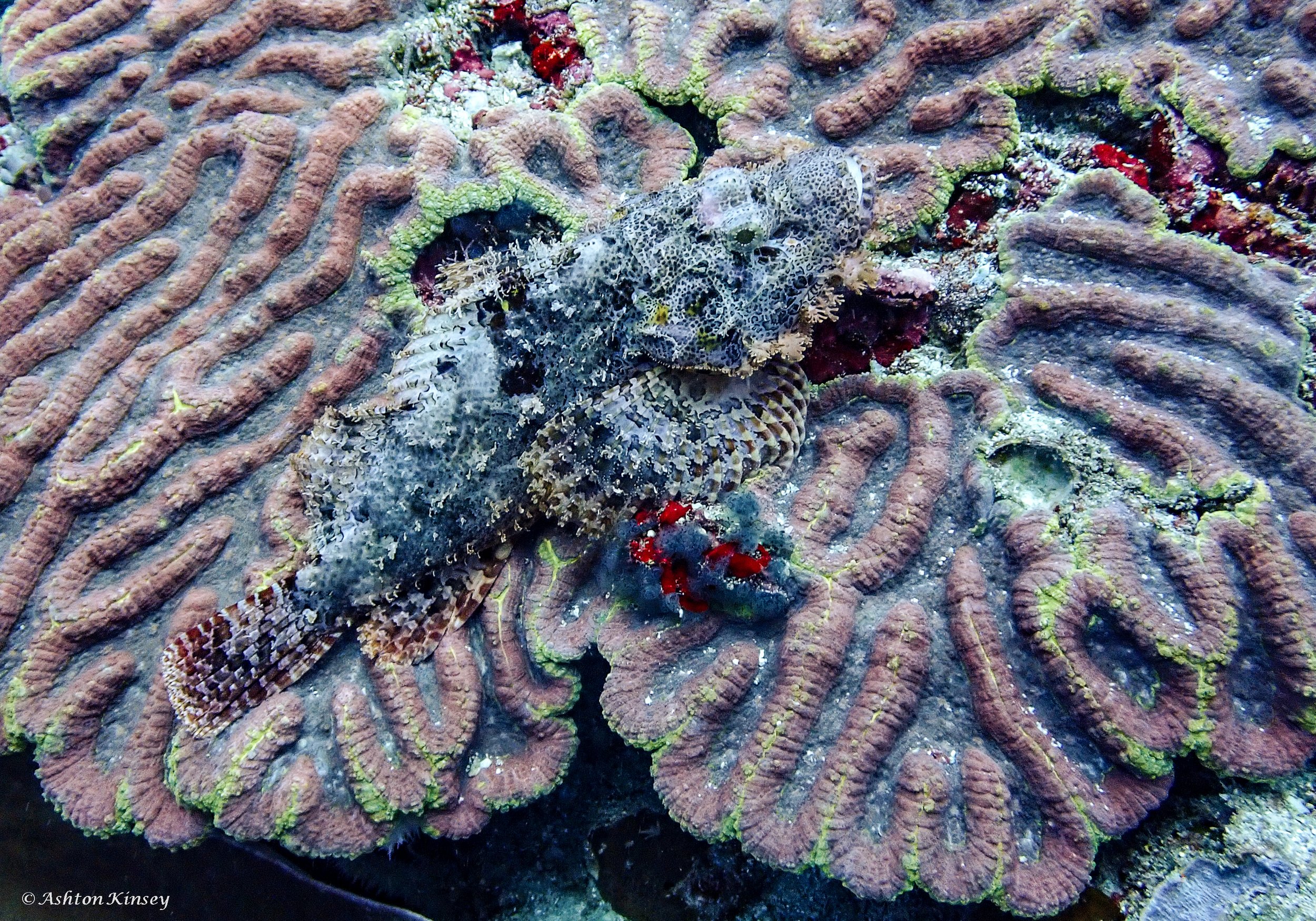
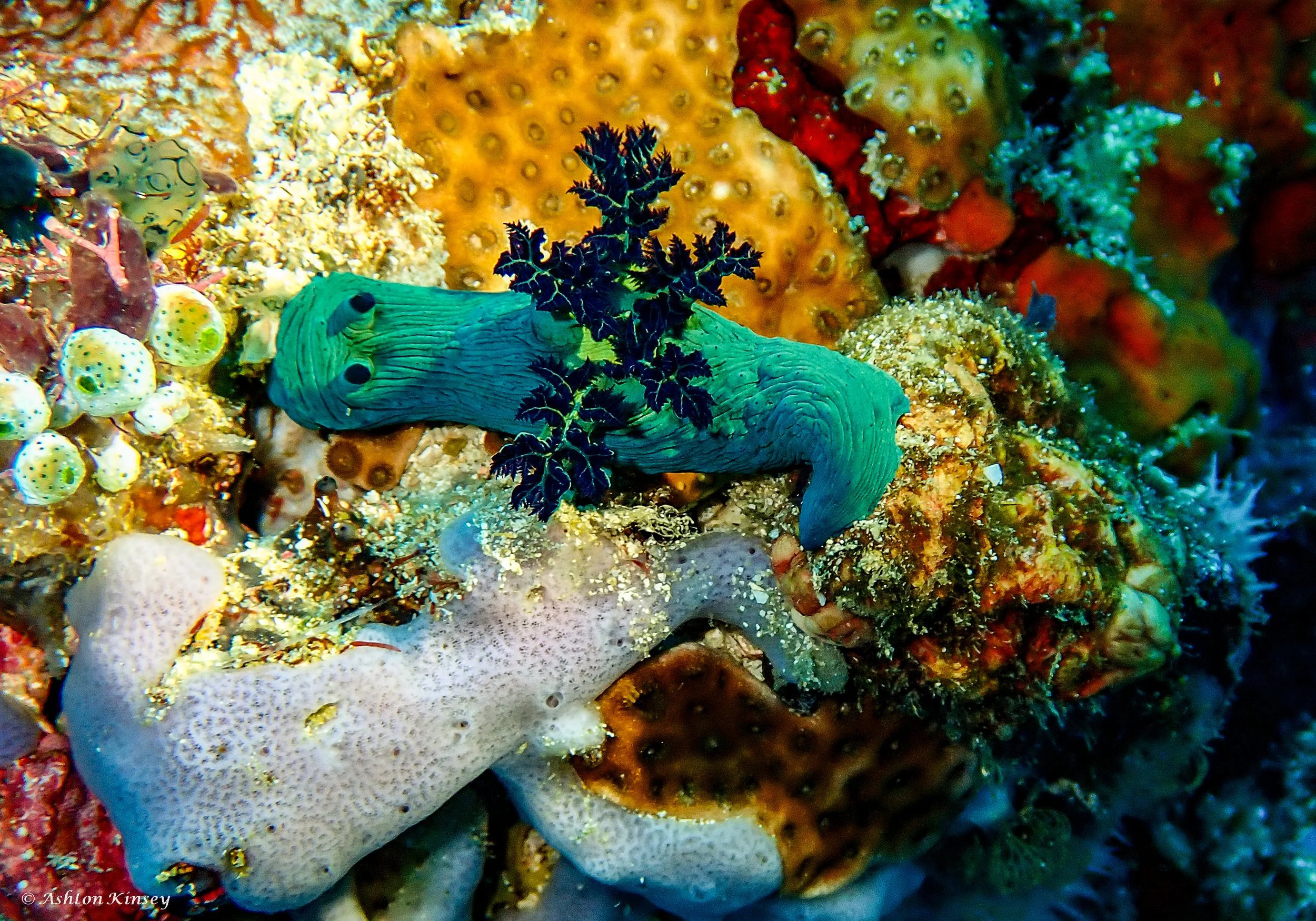
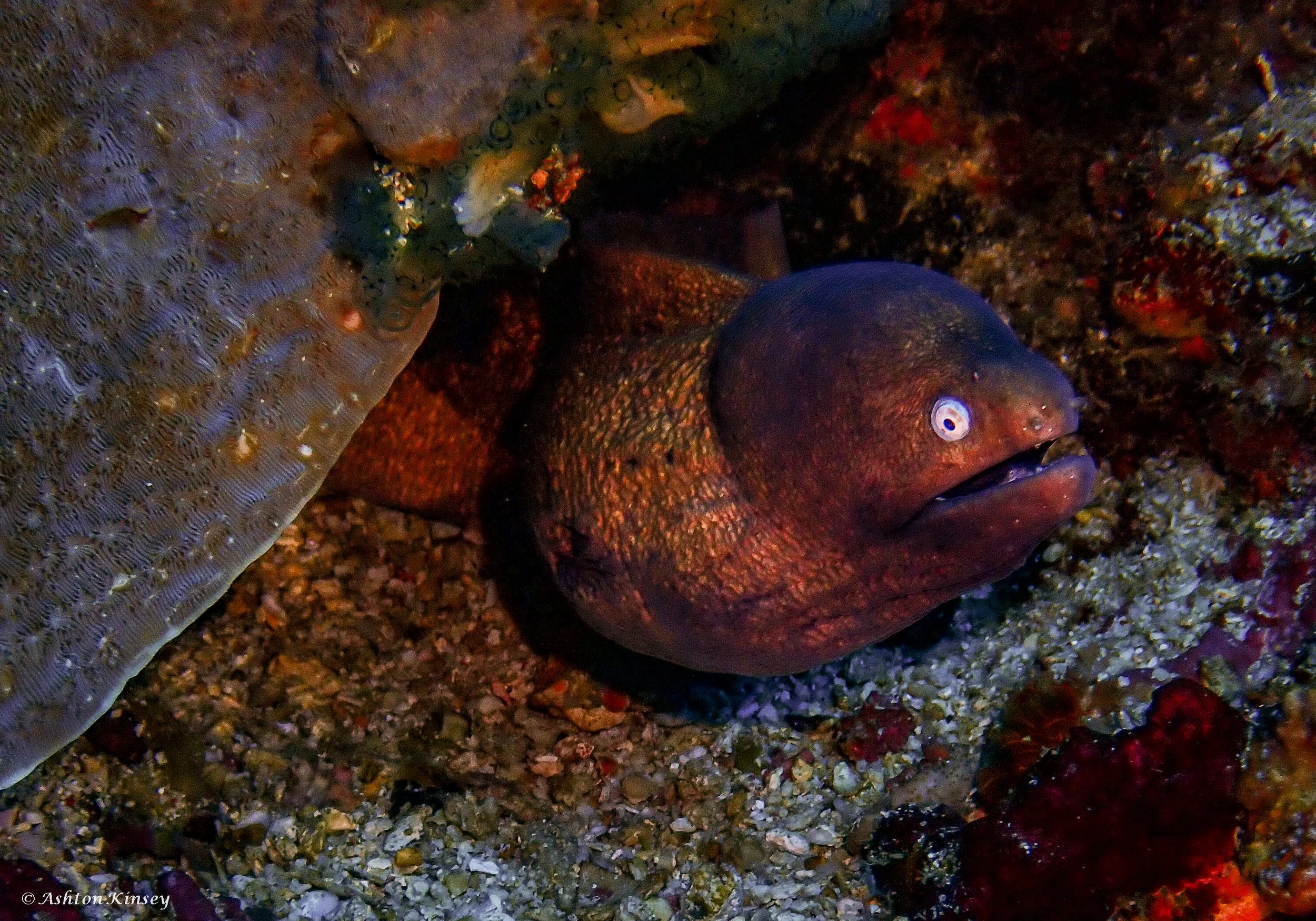
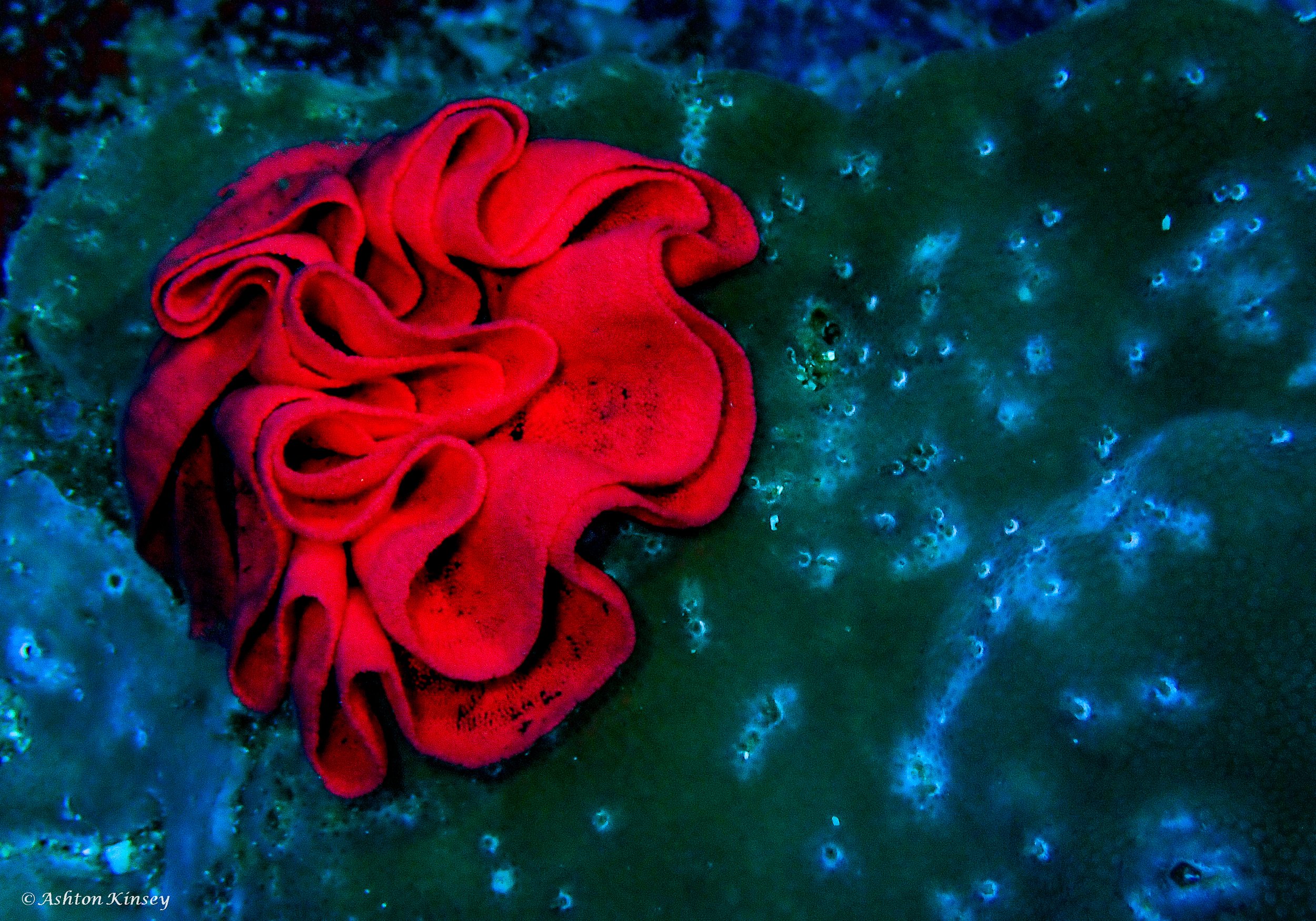
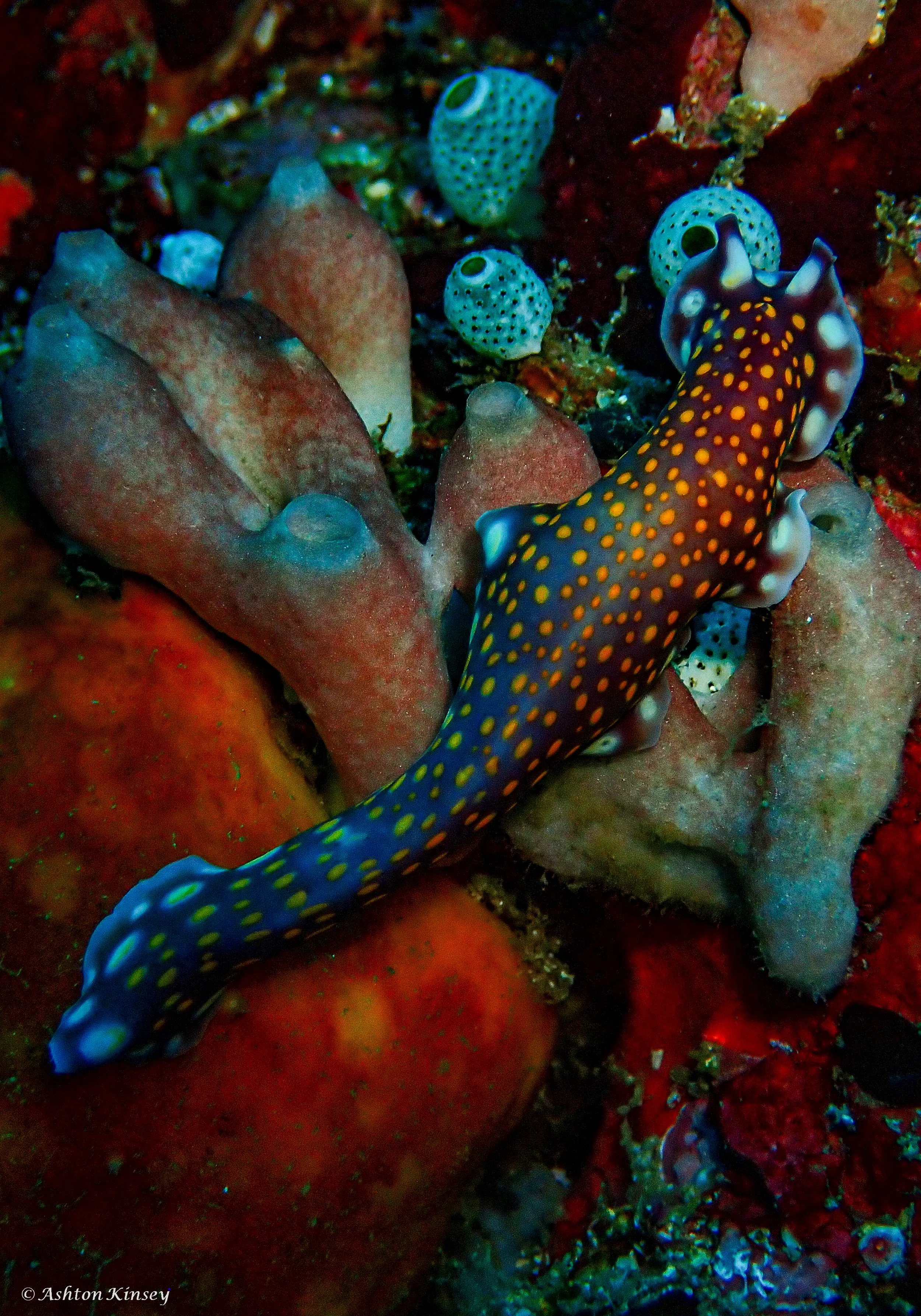
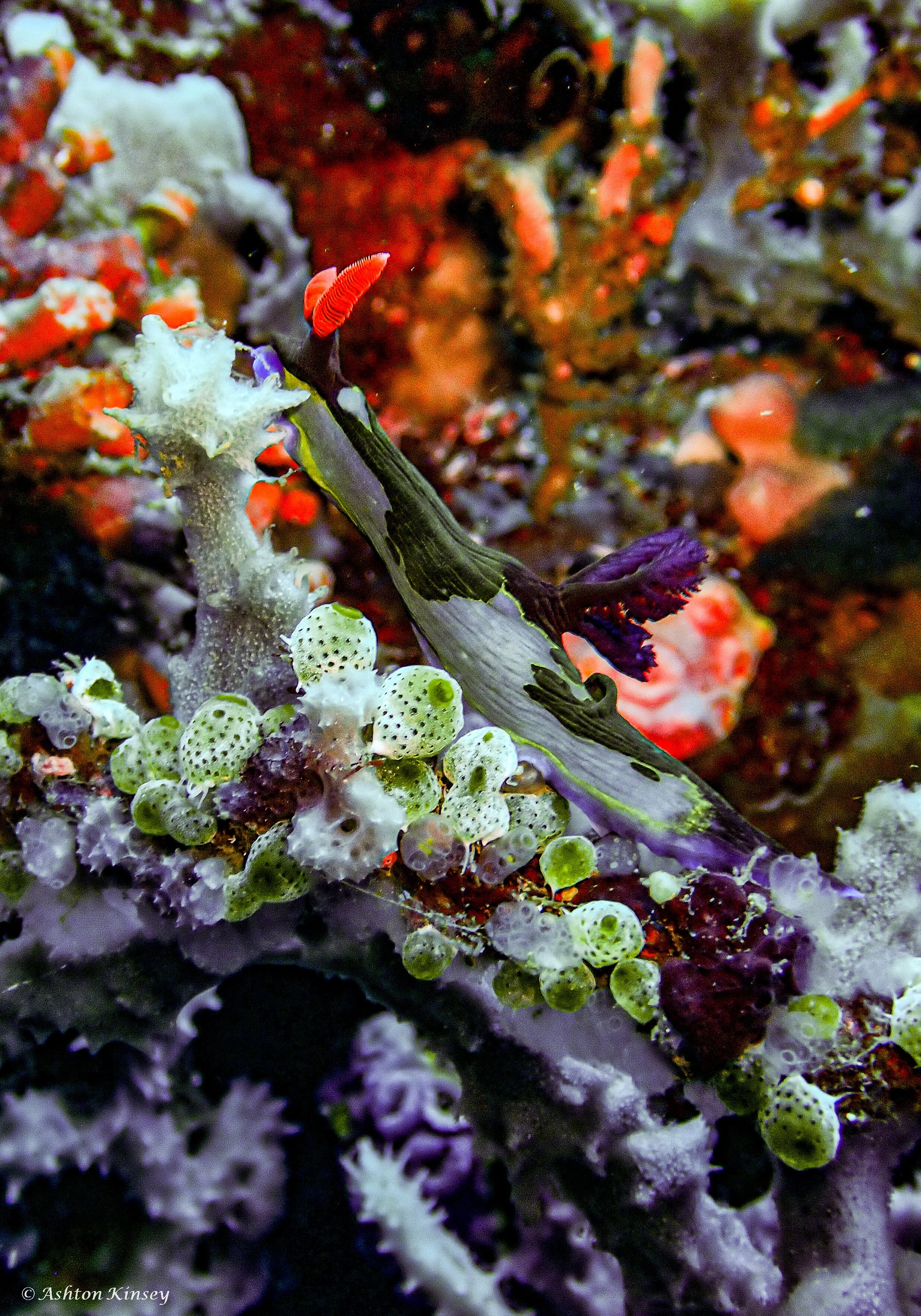
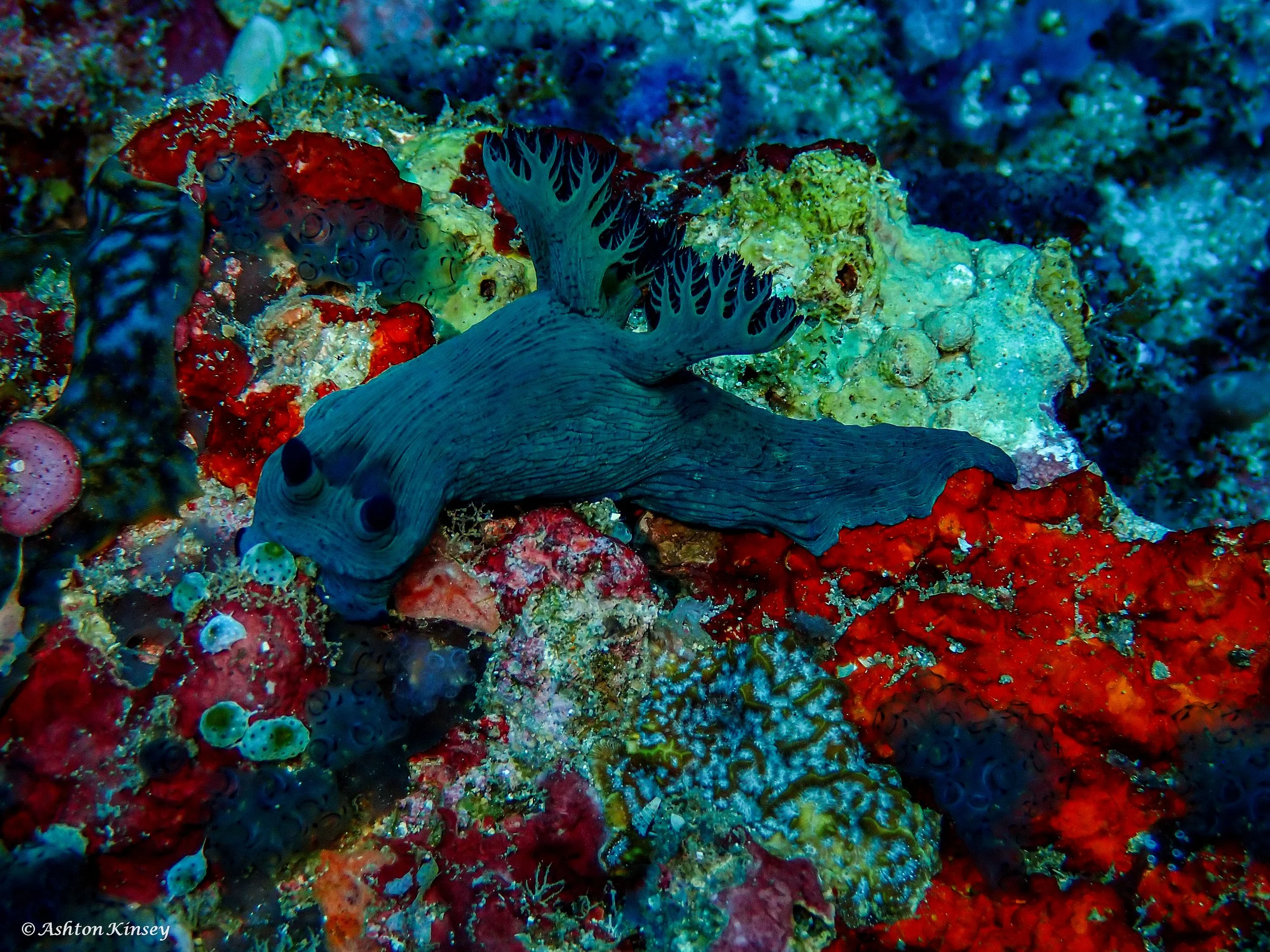
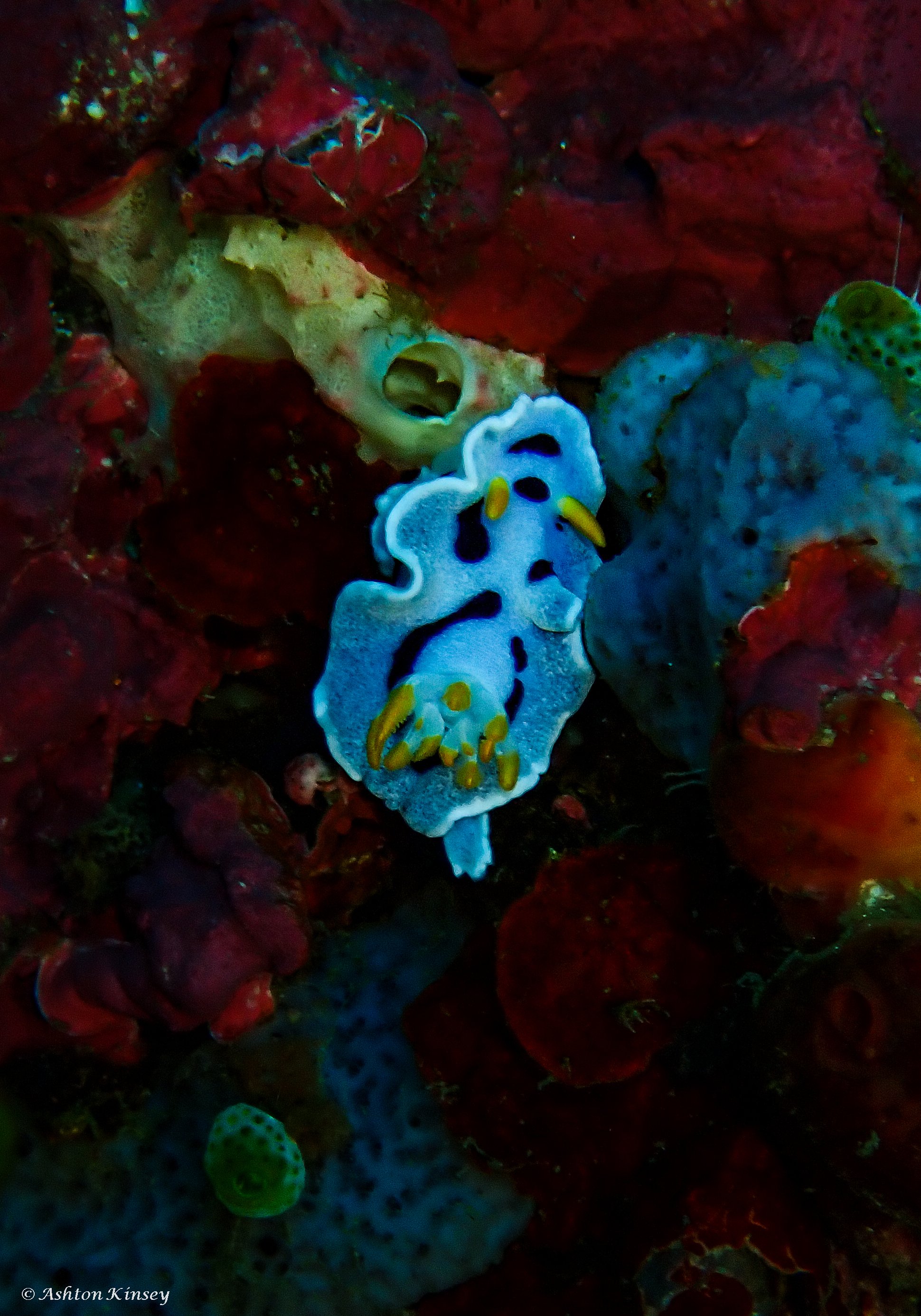
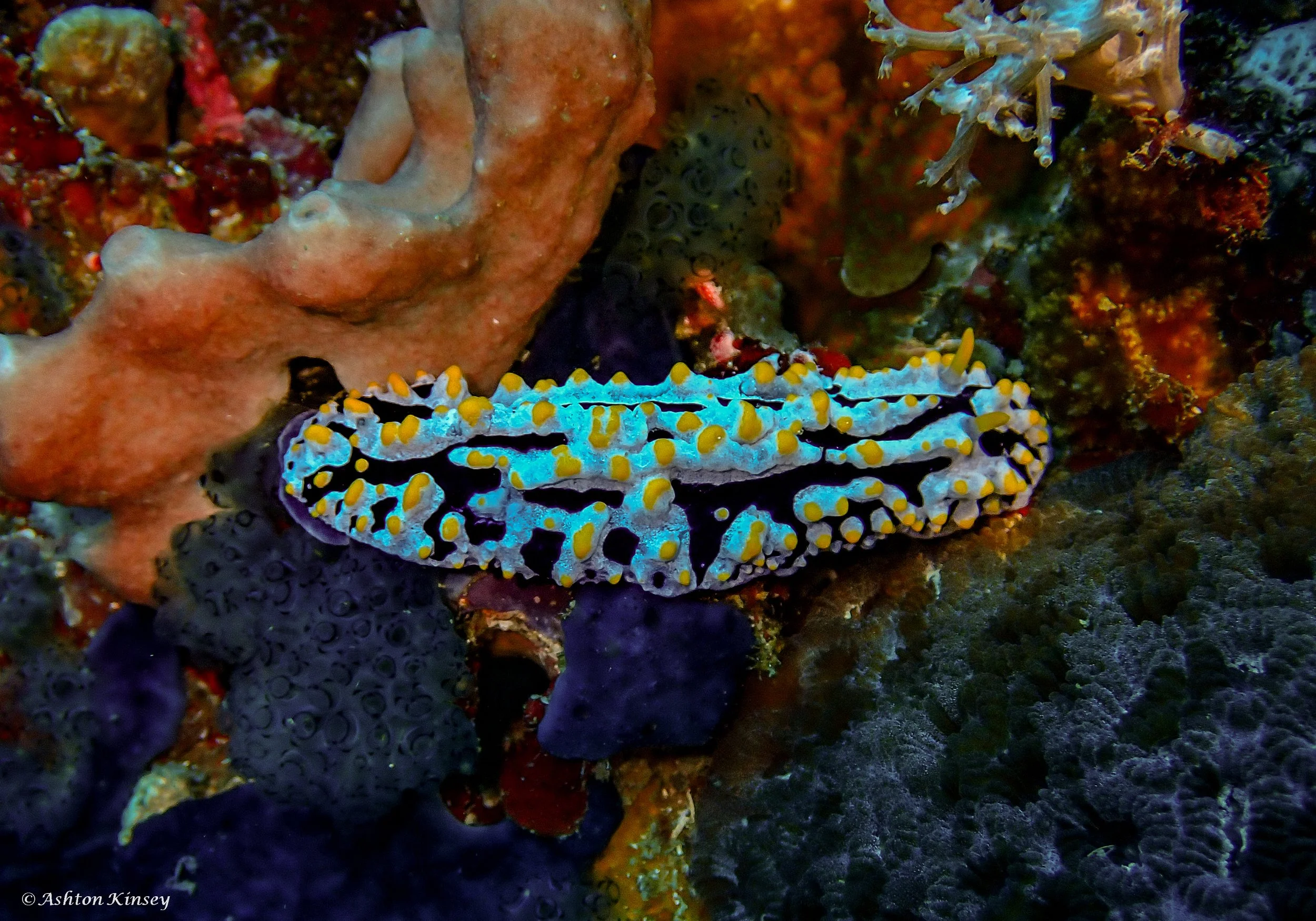
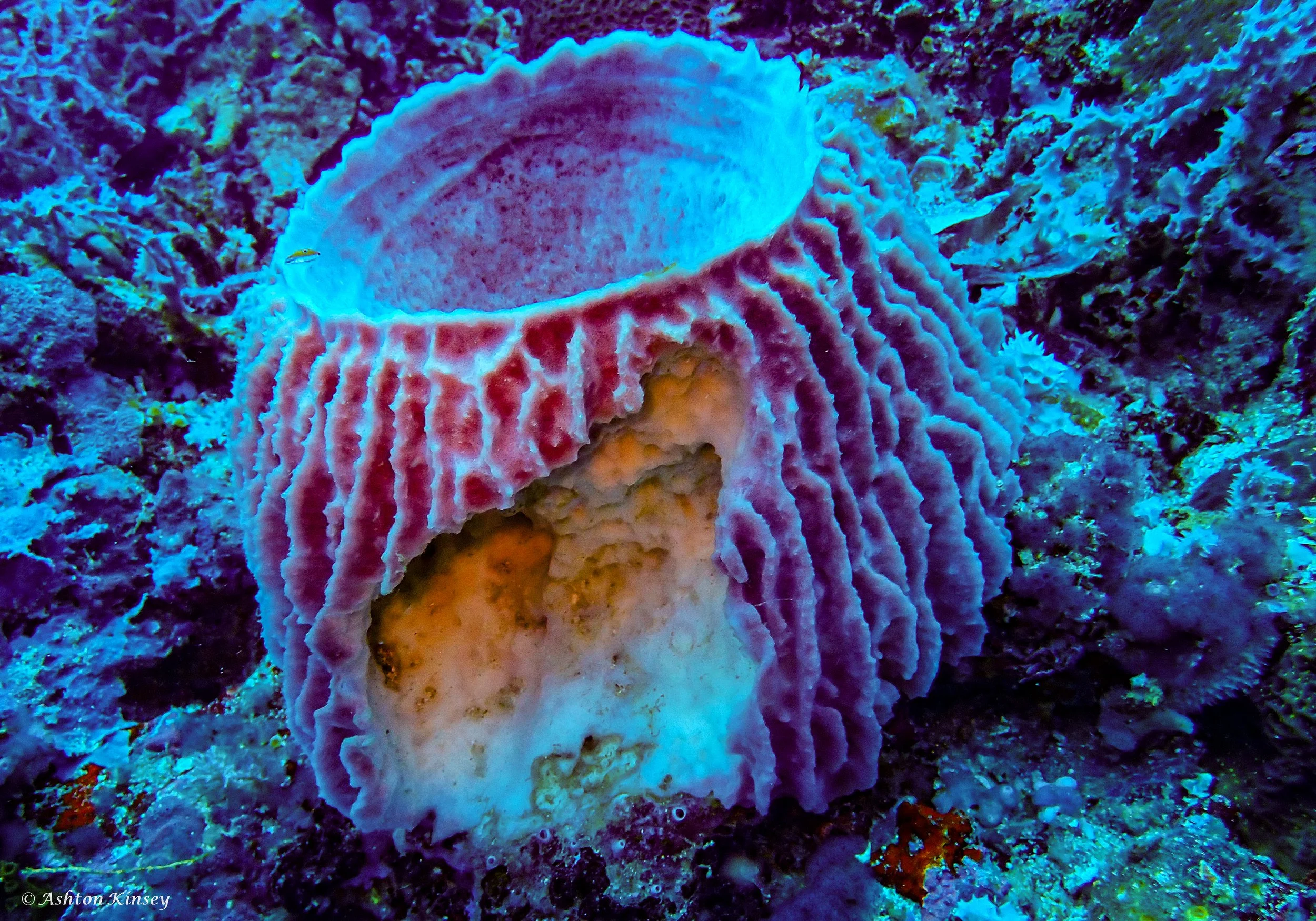
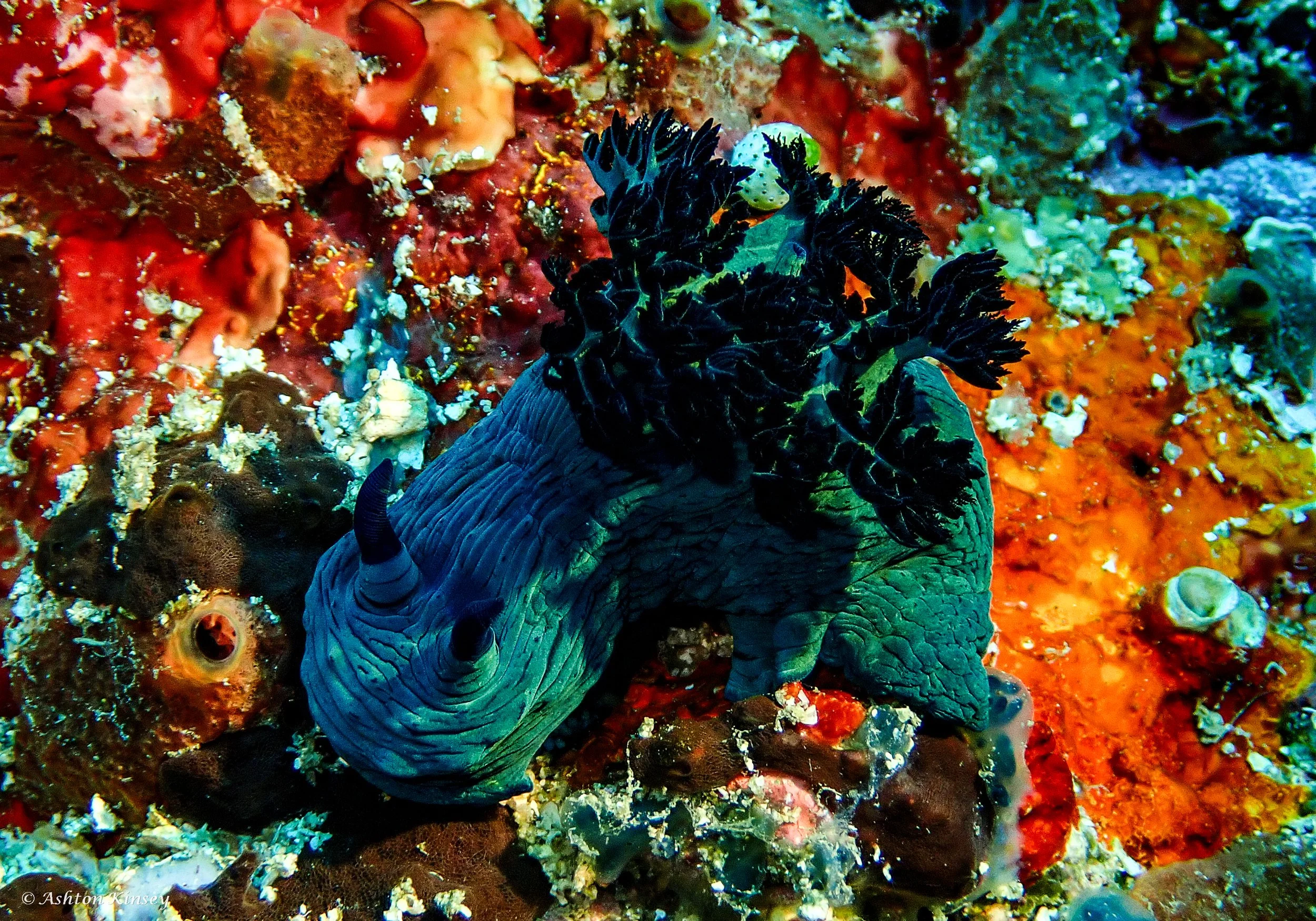
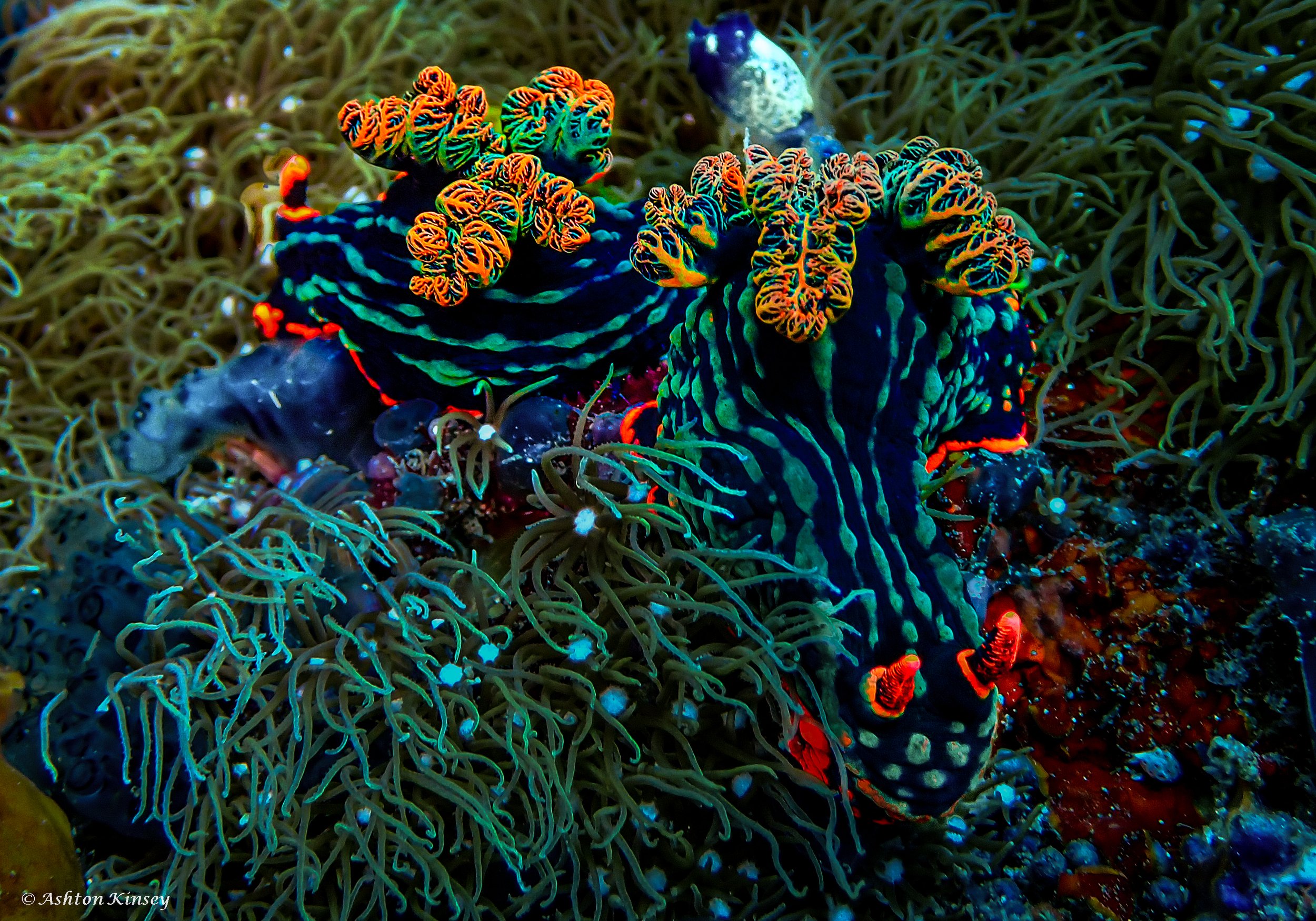
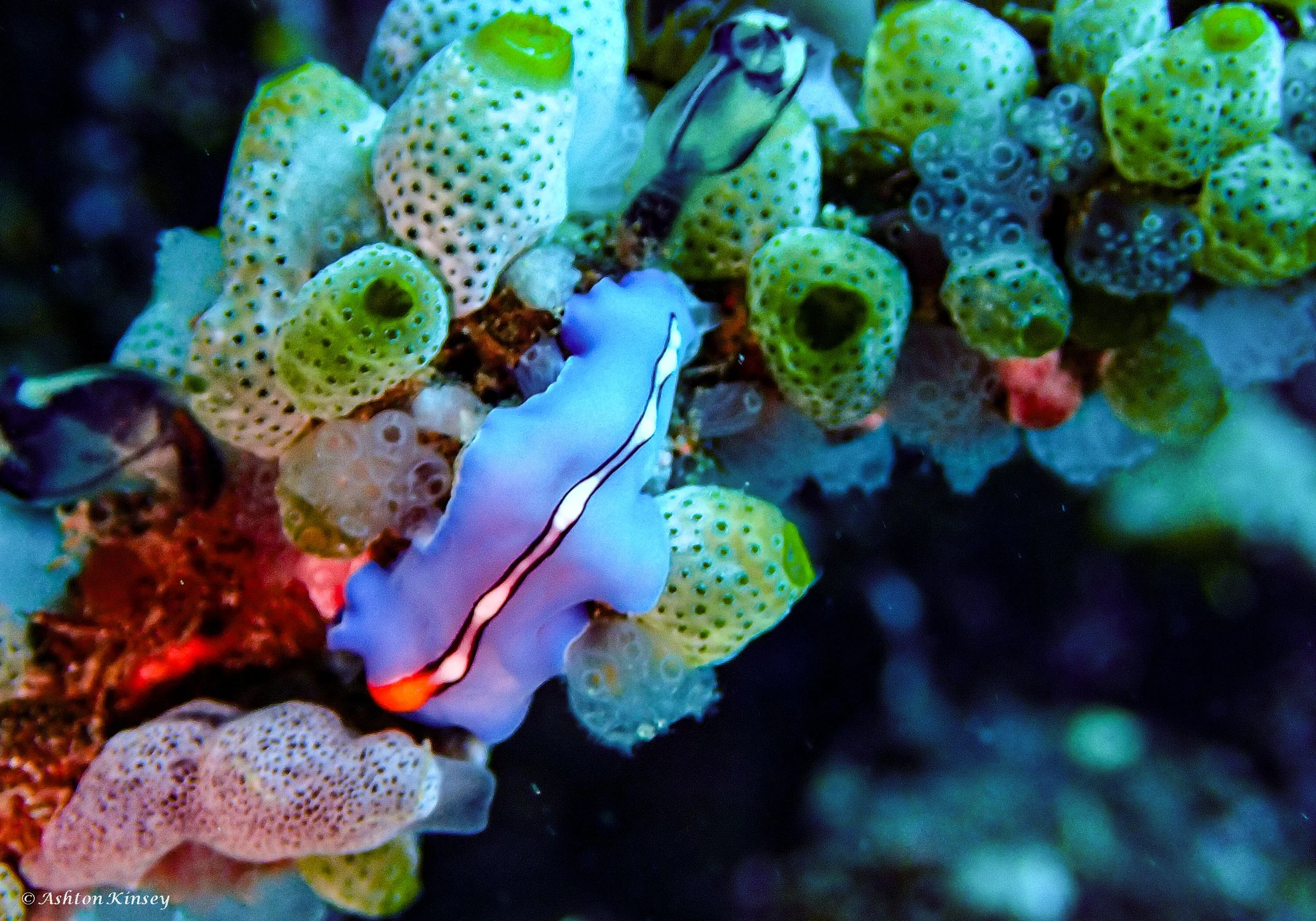
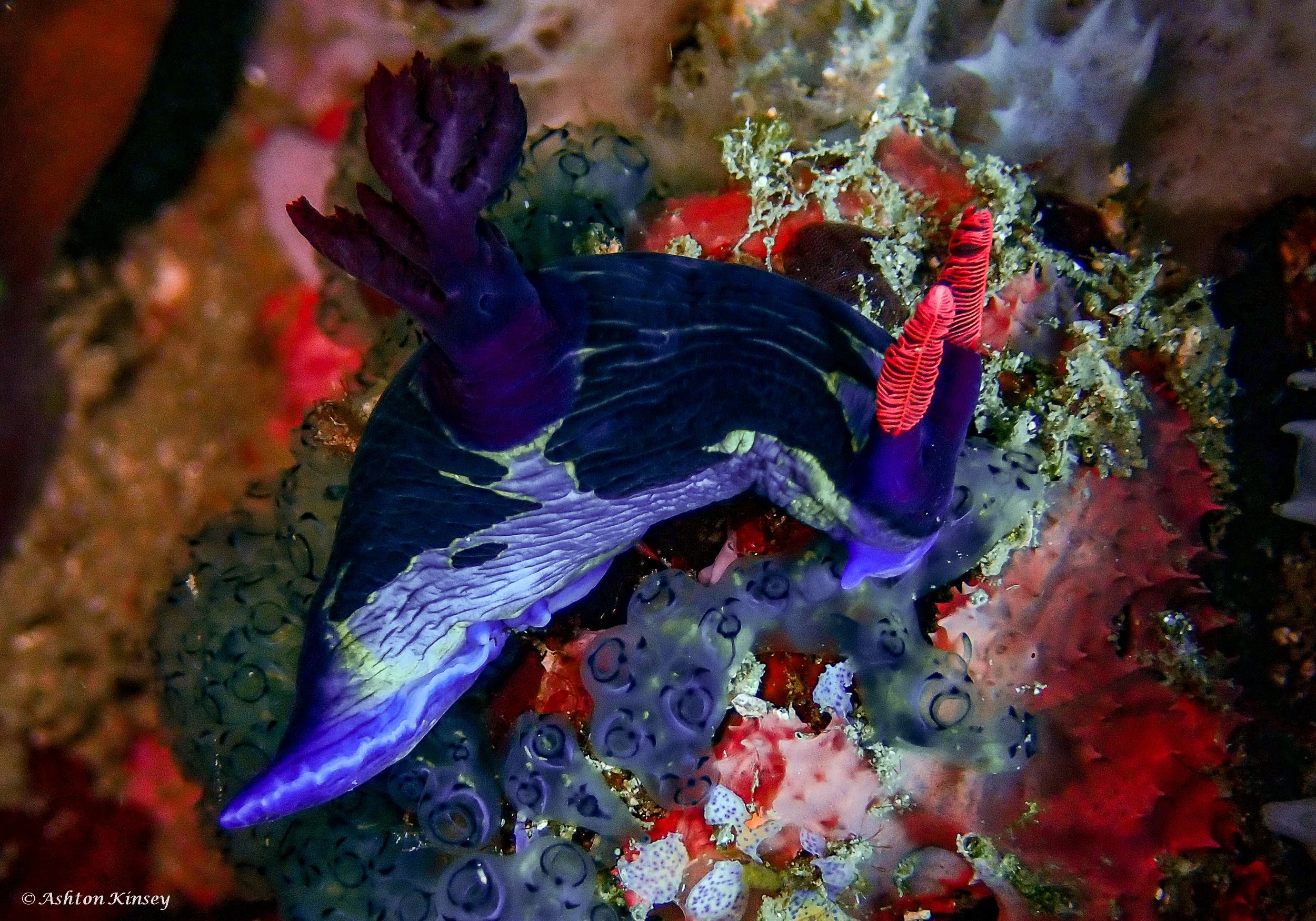
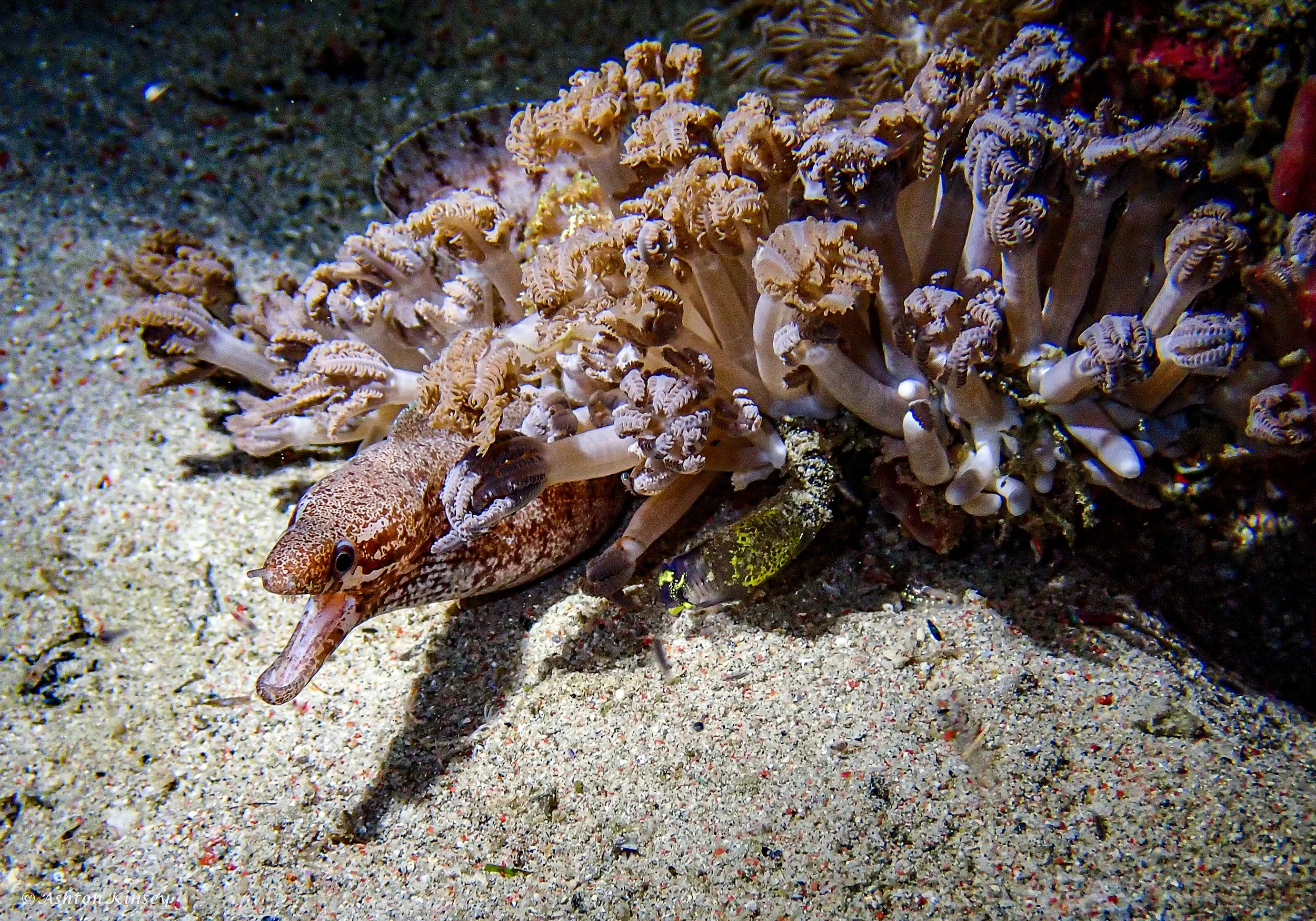
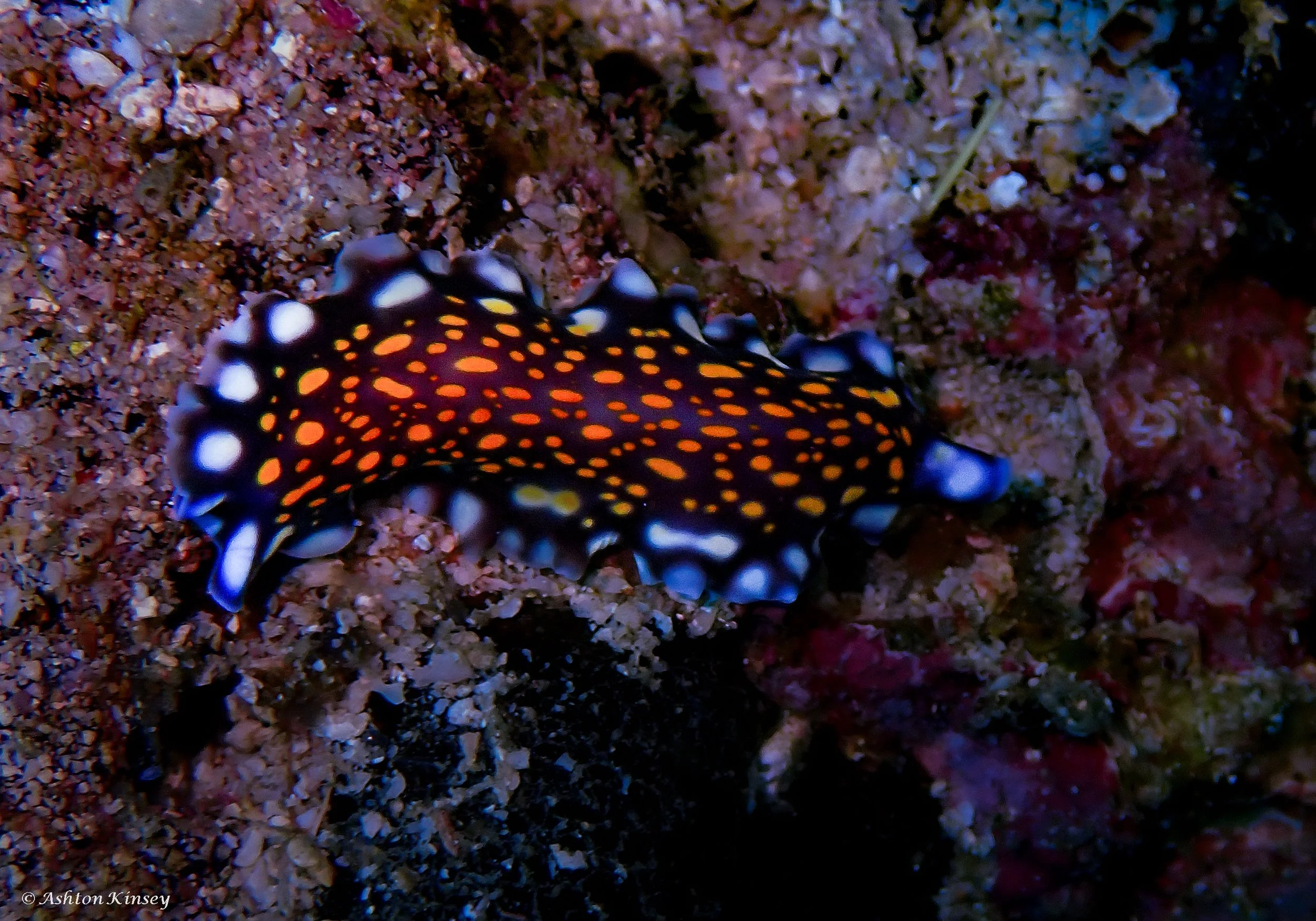
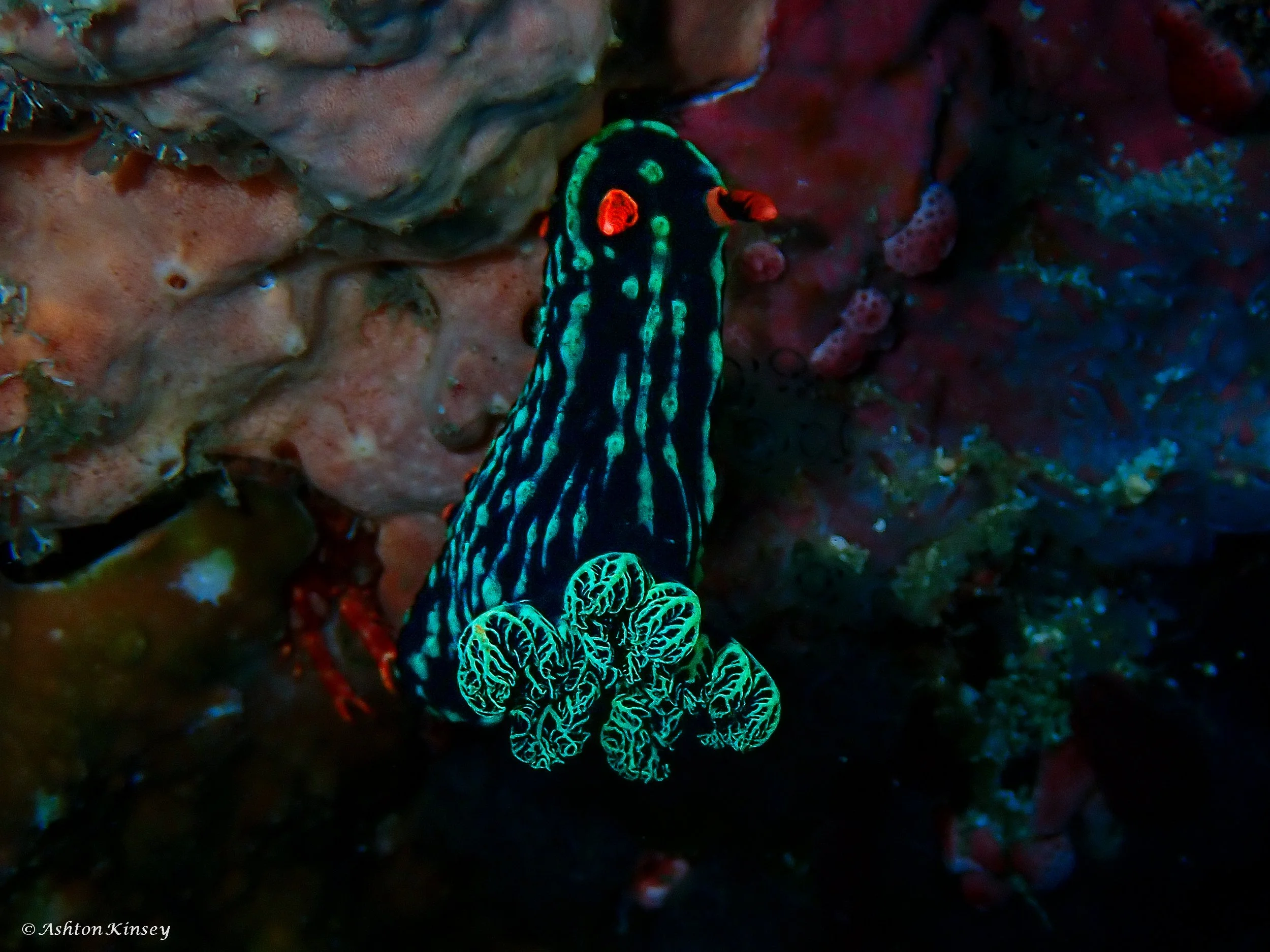
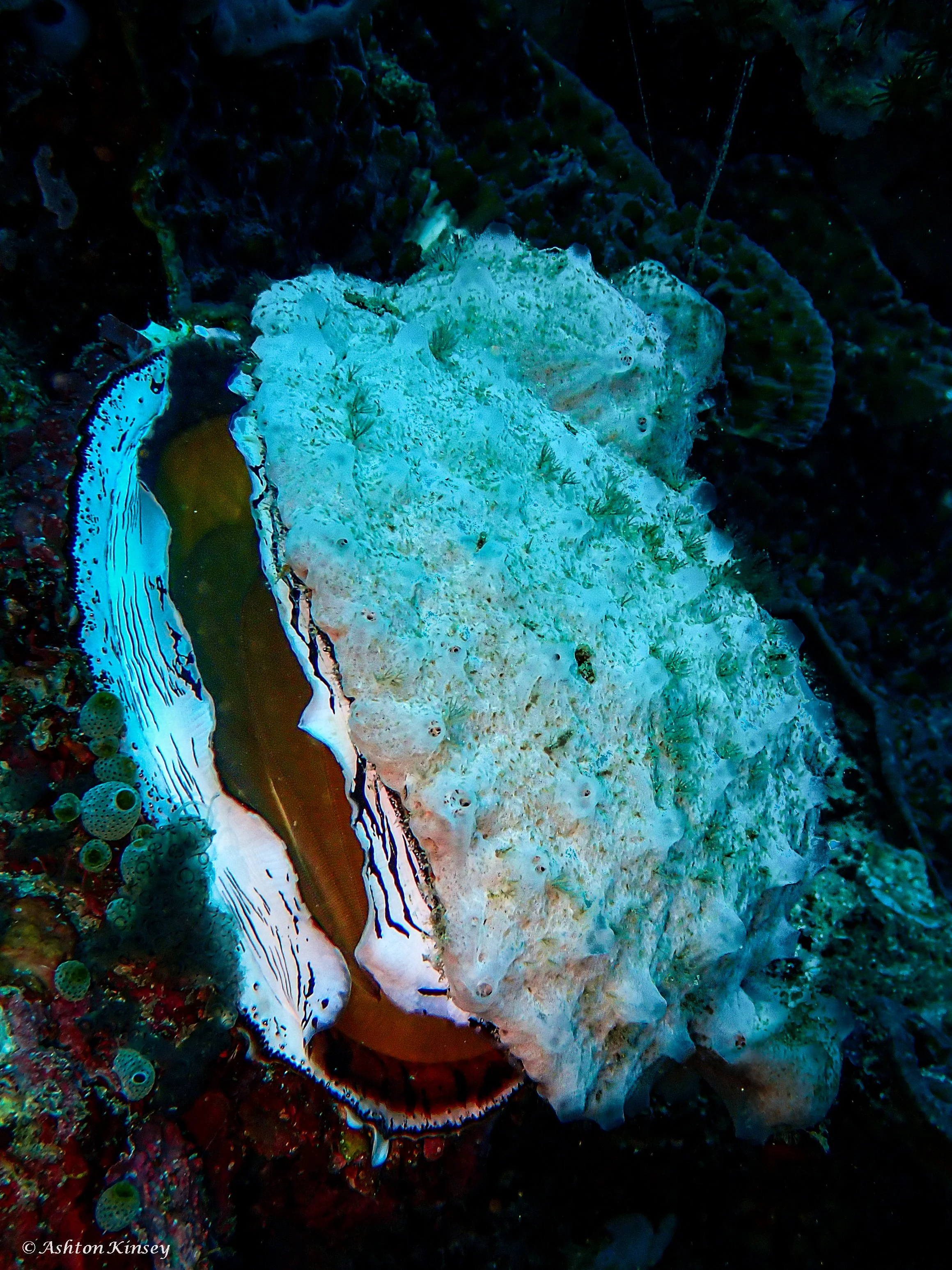
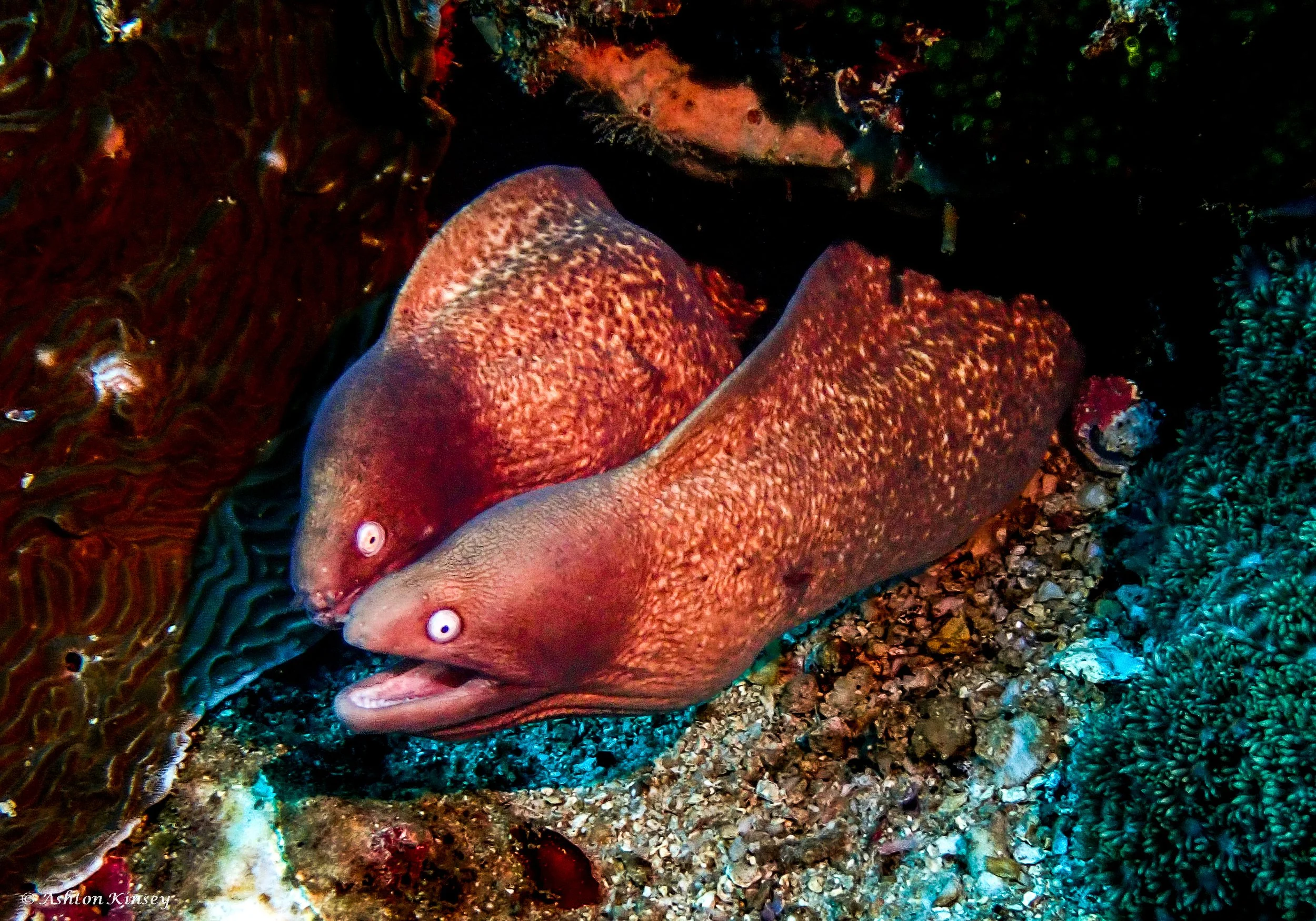
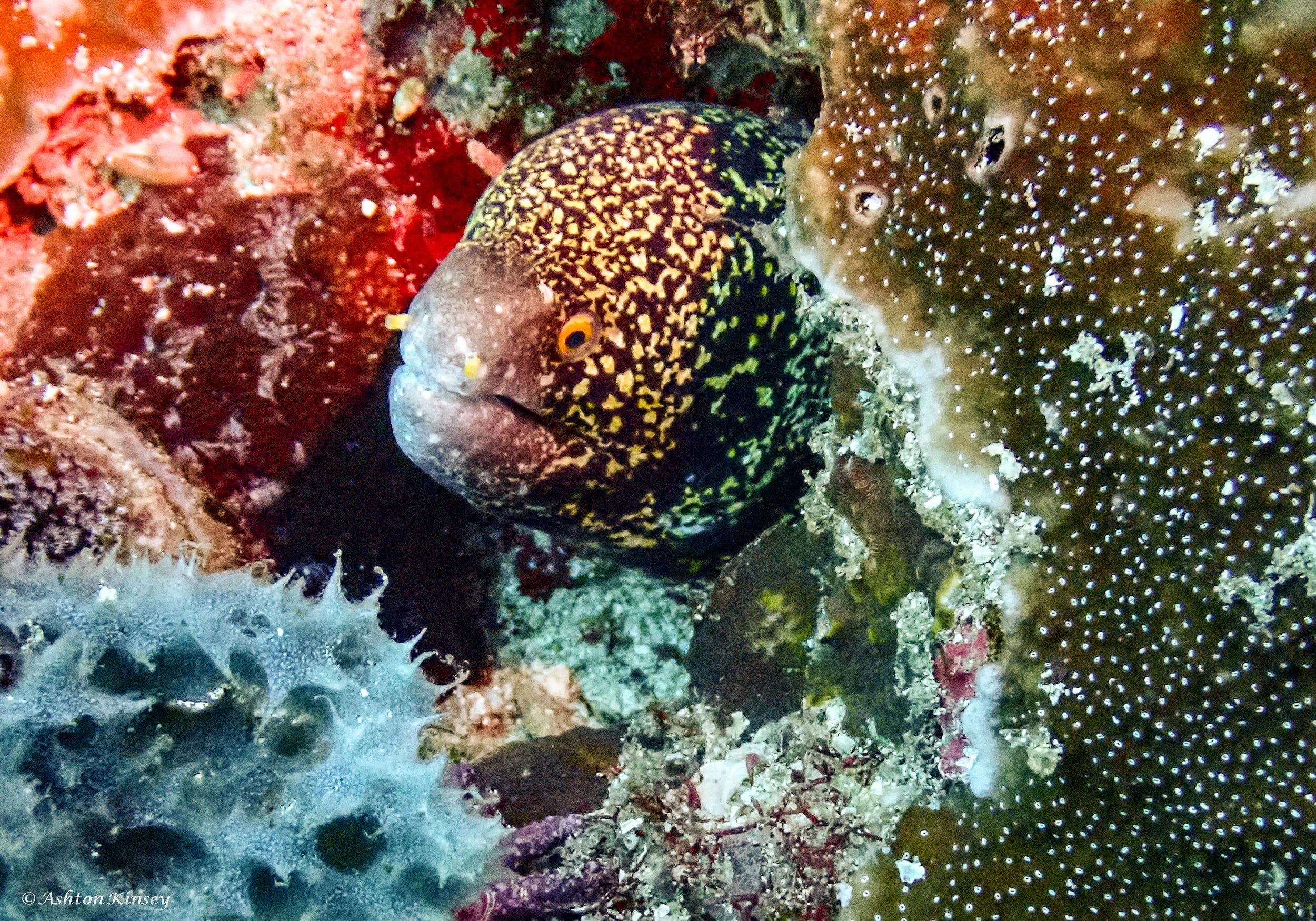
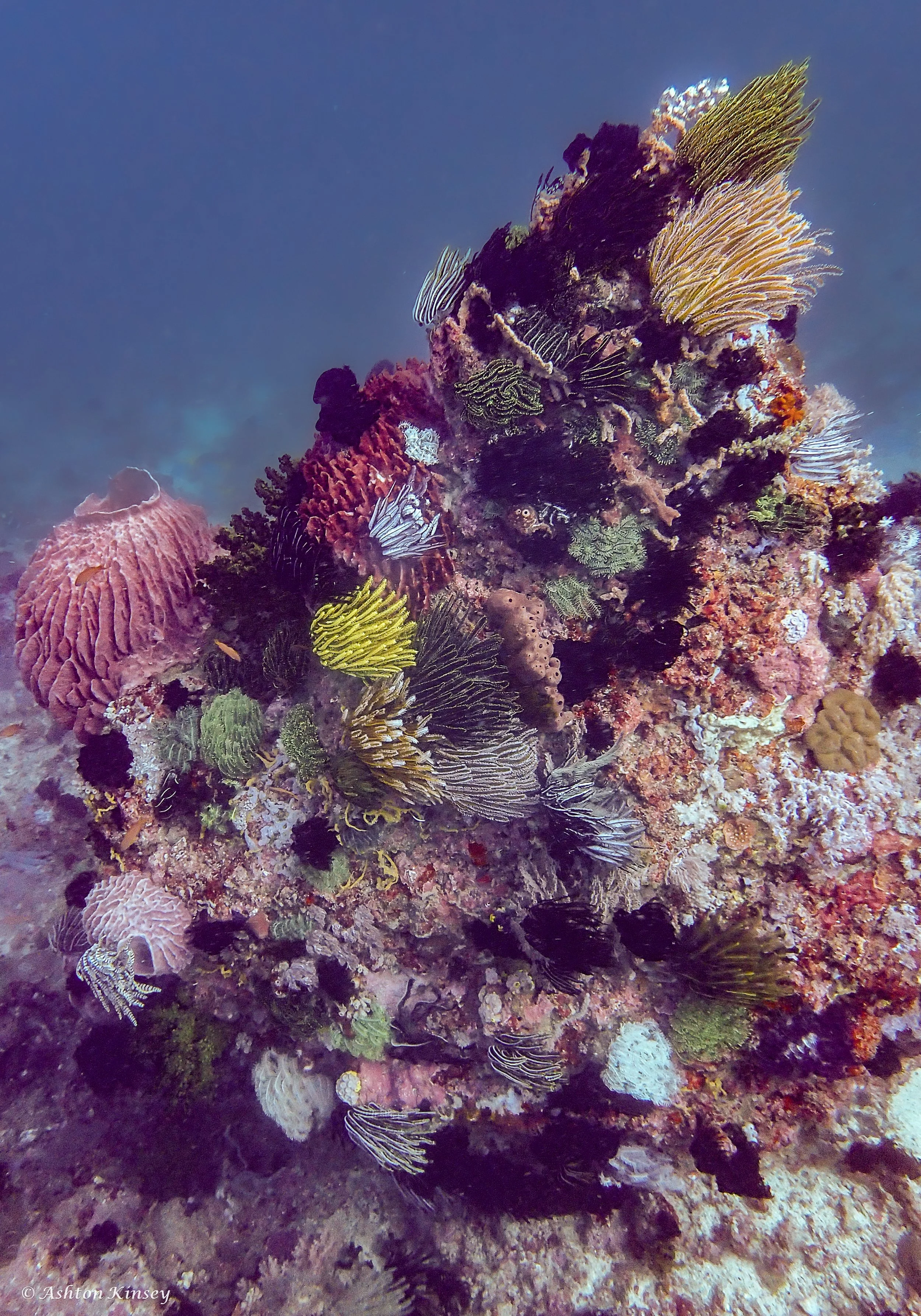
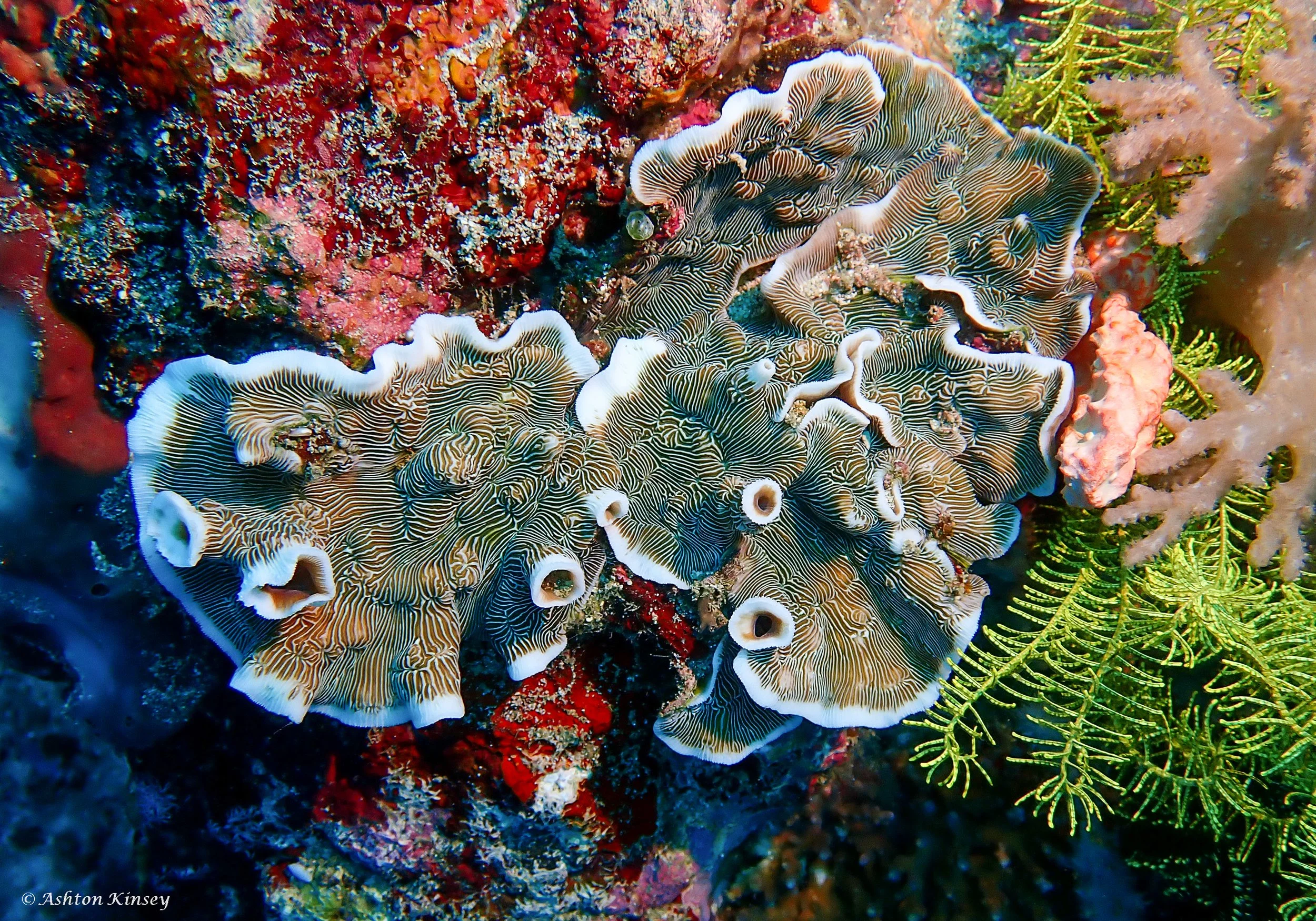
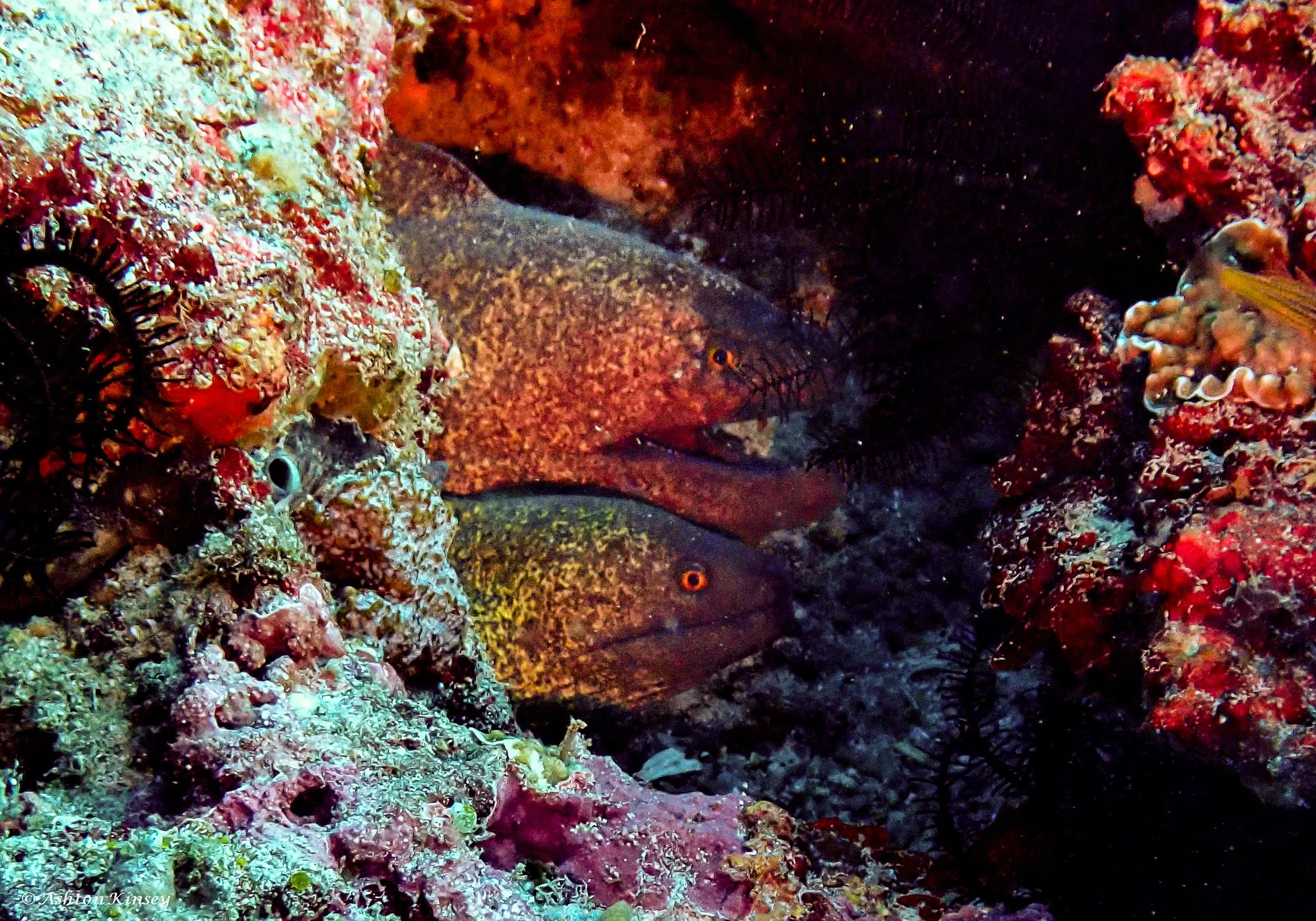
The three dive sites were all drop off dives that descended much deeper than we were allowed to go. There was a vast array of fish, ranging from small anthias to large moray eels, frog fish, and nudibranchs, ranging from a few centimeters to several inches, in a rainbow of colors. The vast majority of corals were healthy, and there were large intact fan corals along the ledges.
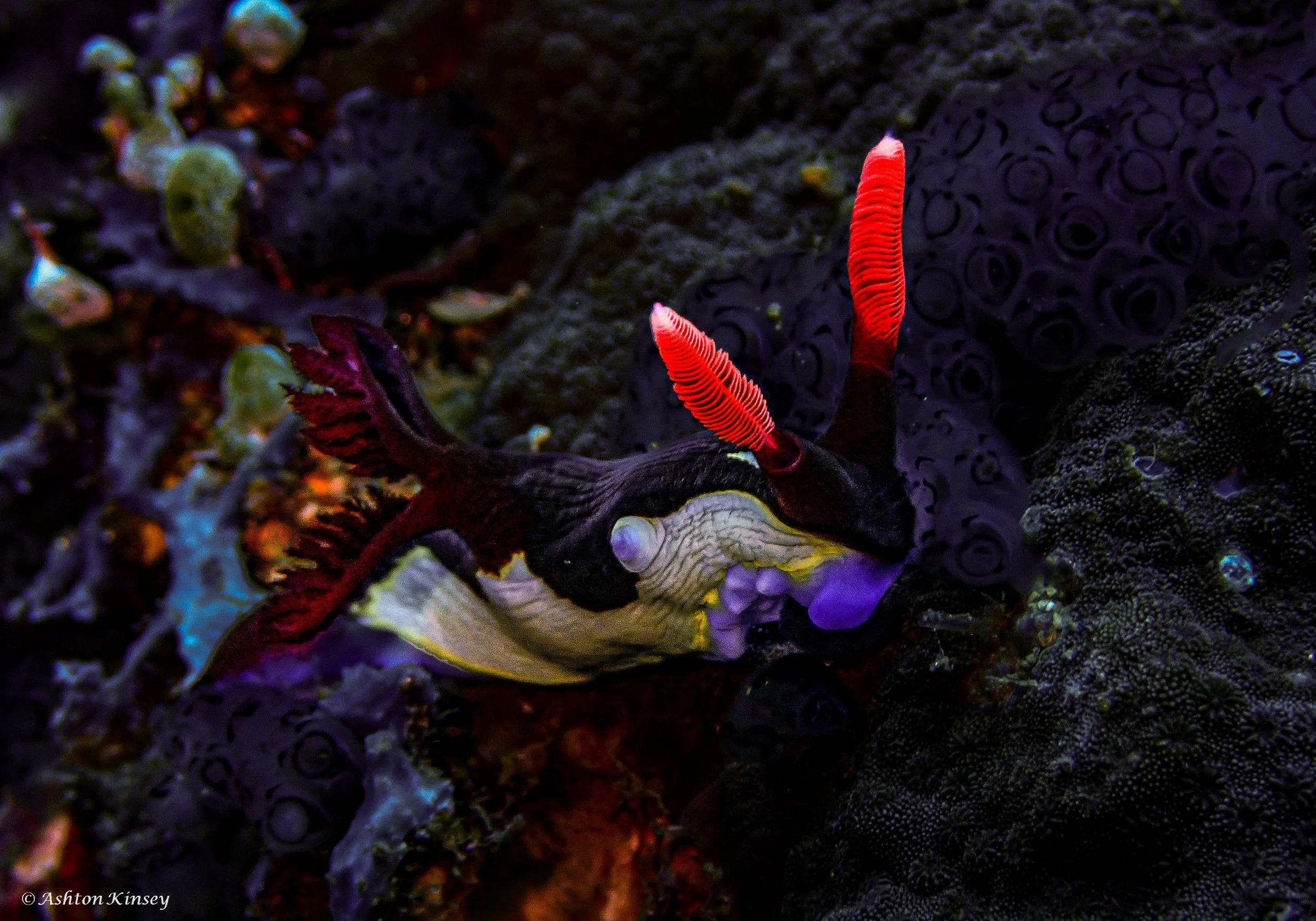
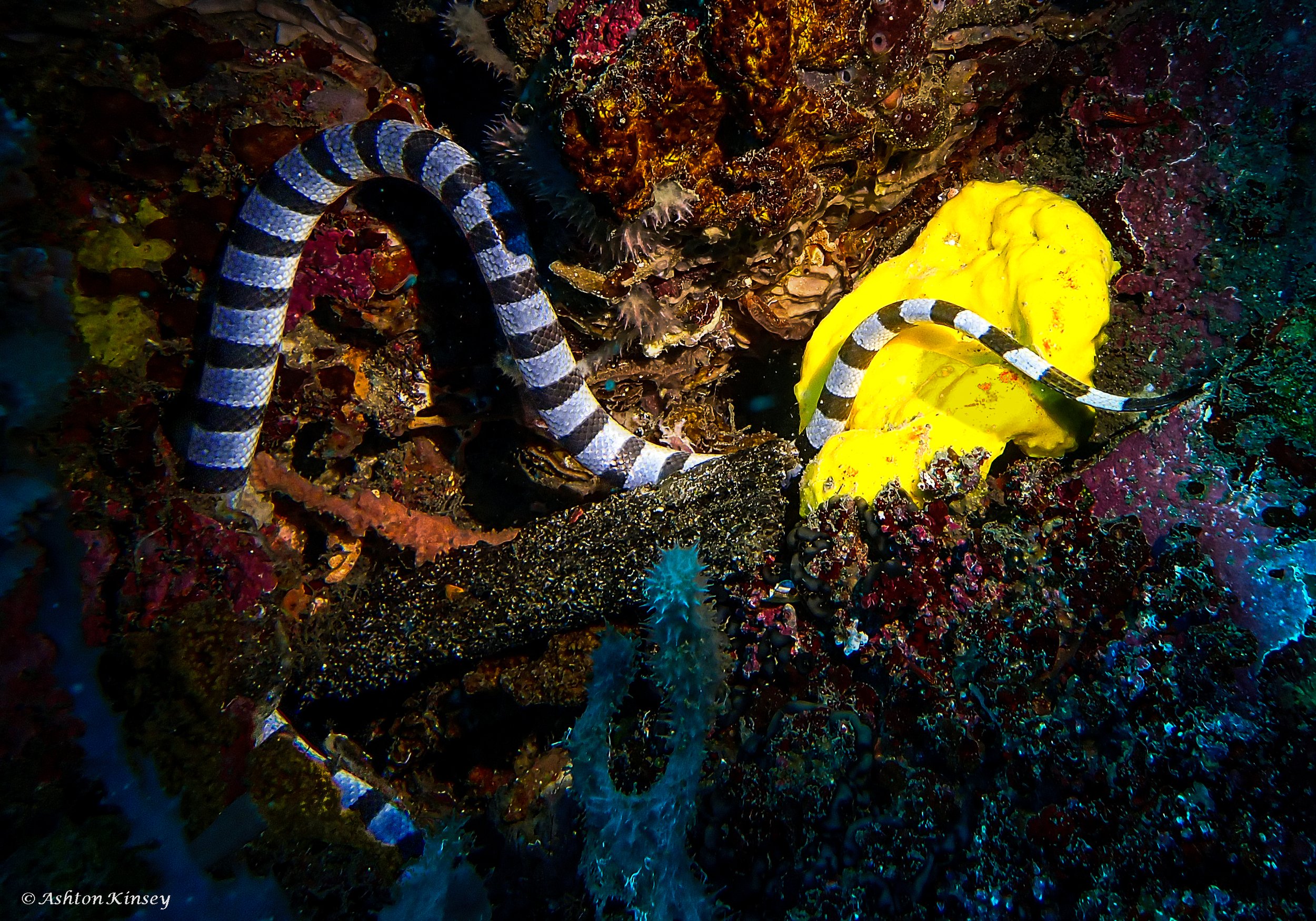
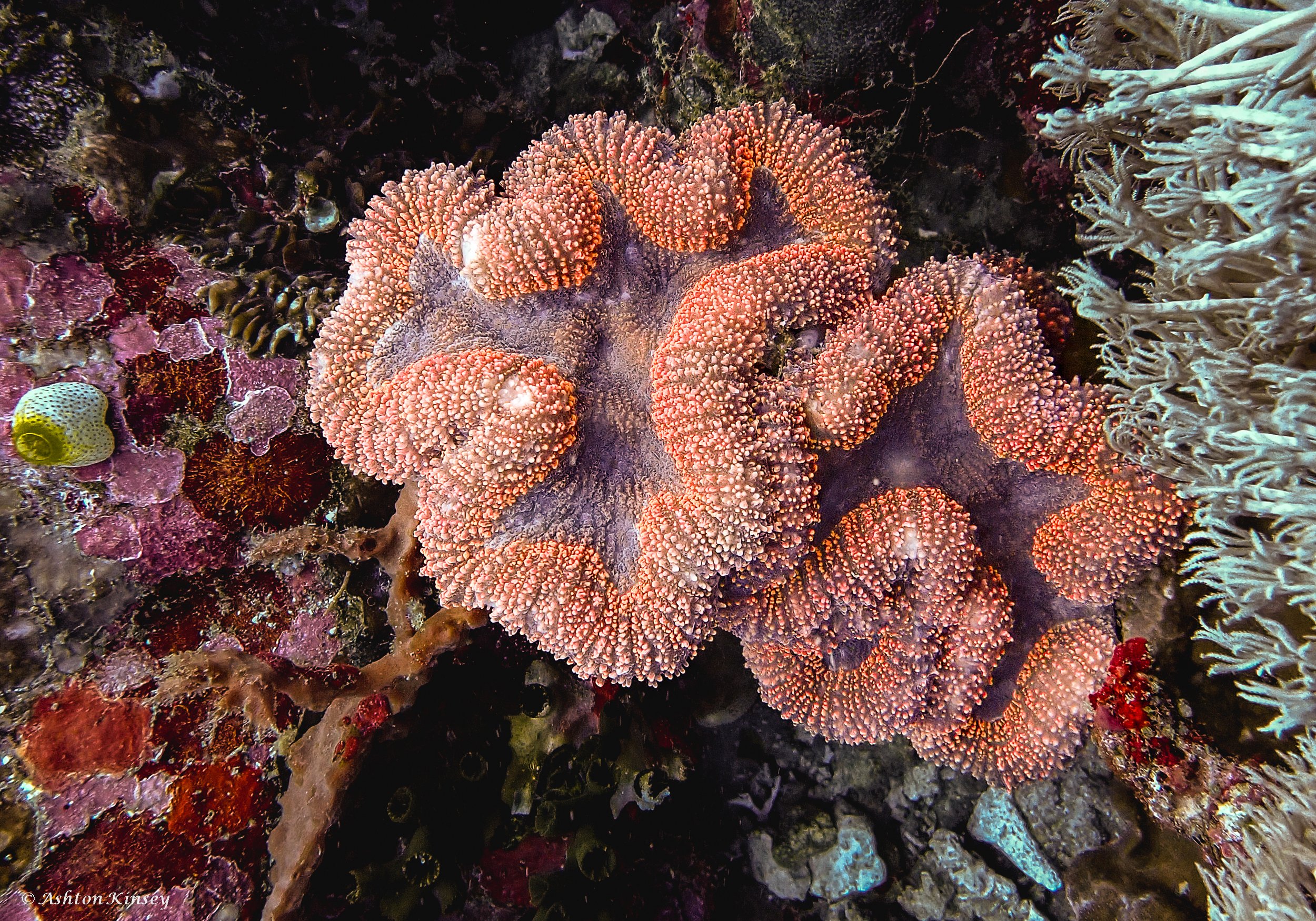
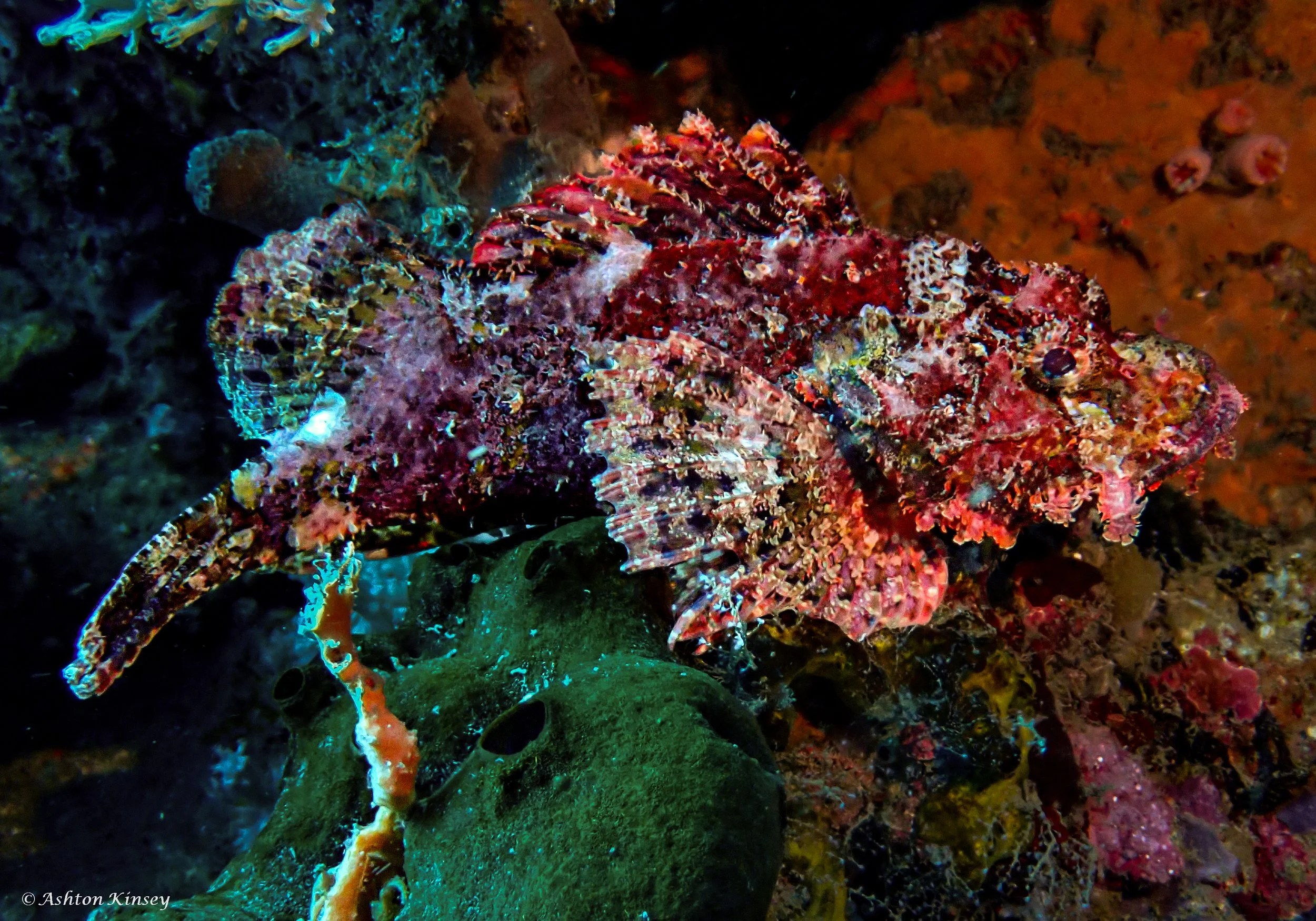
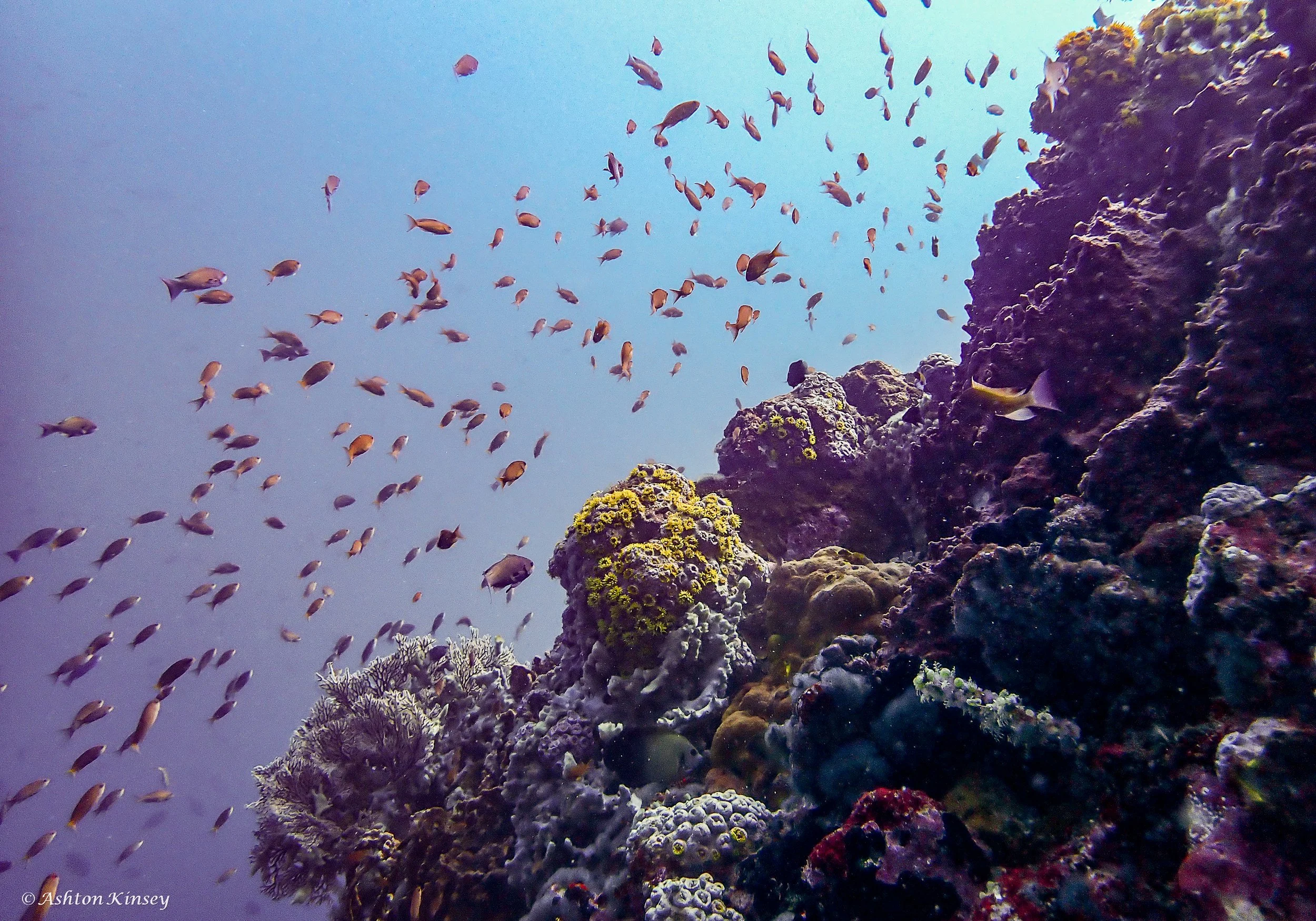
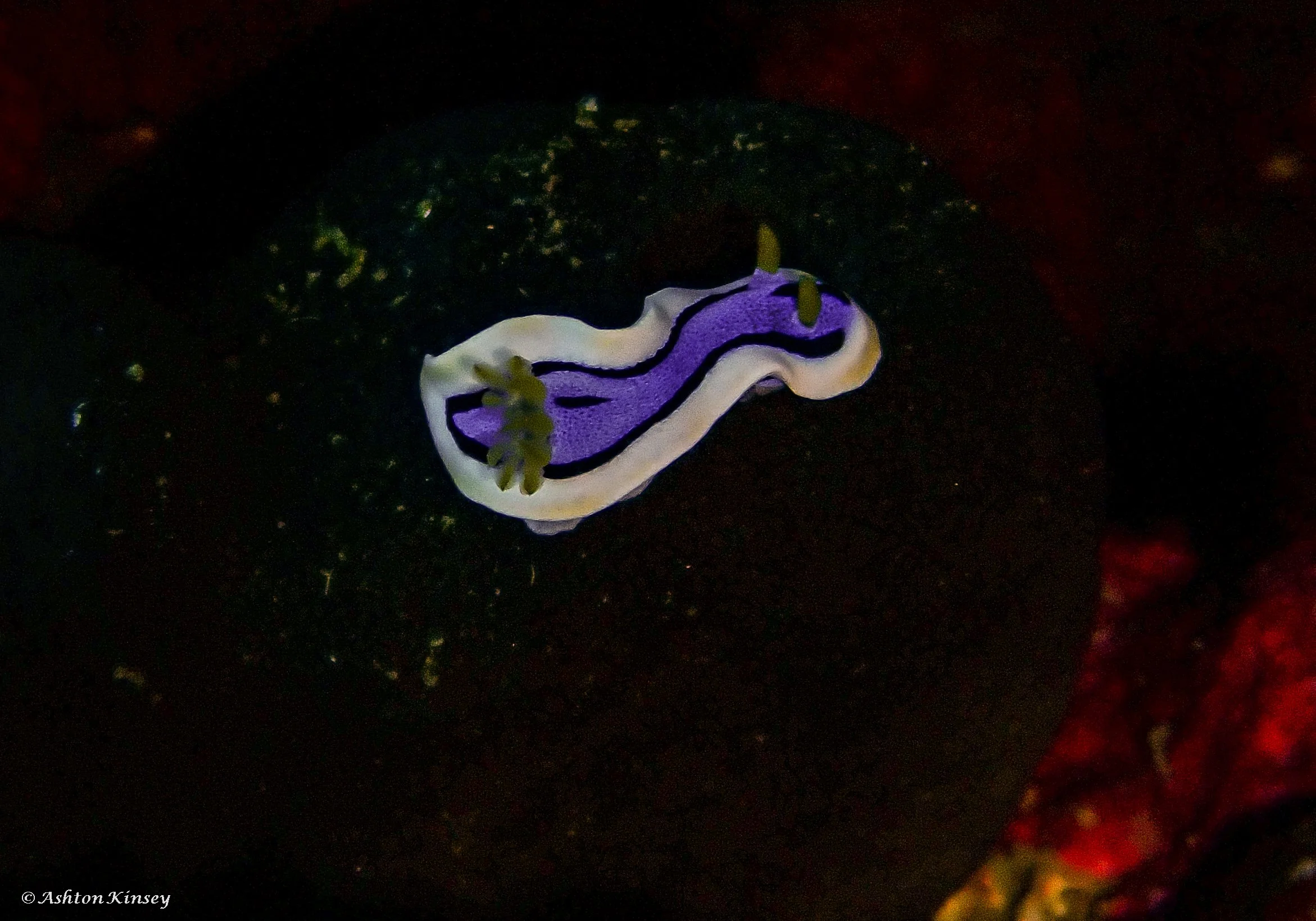
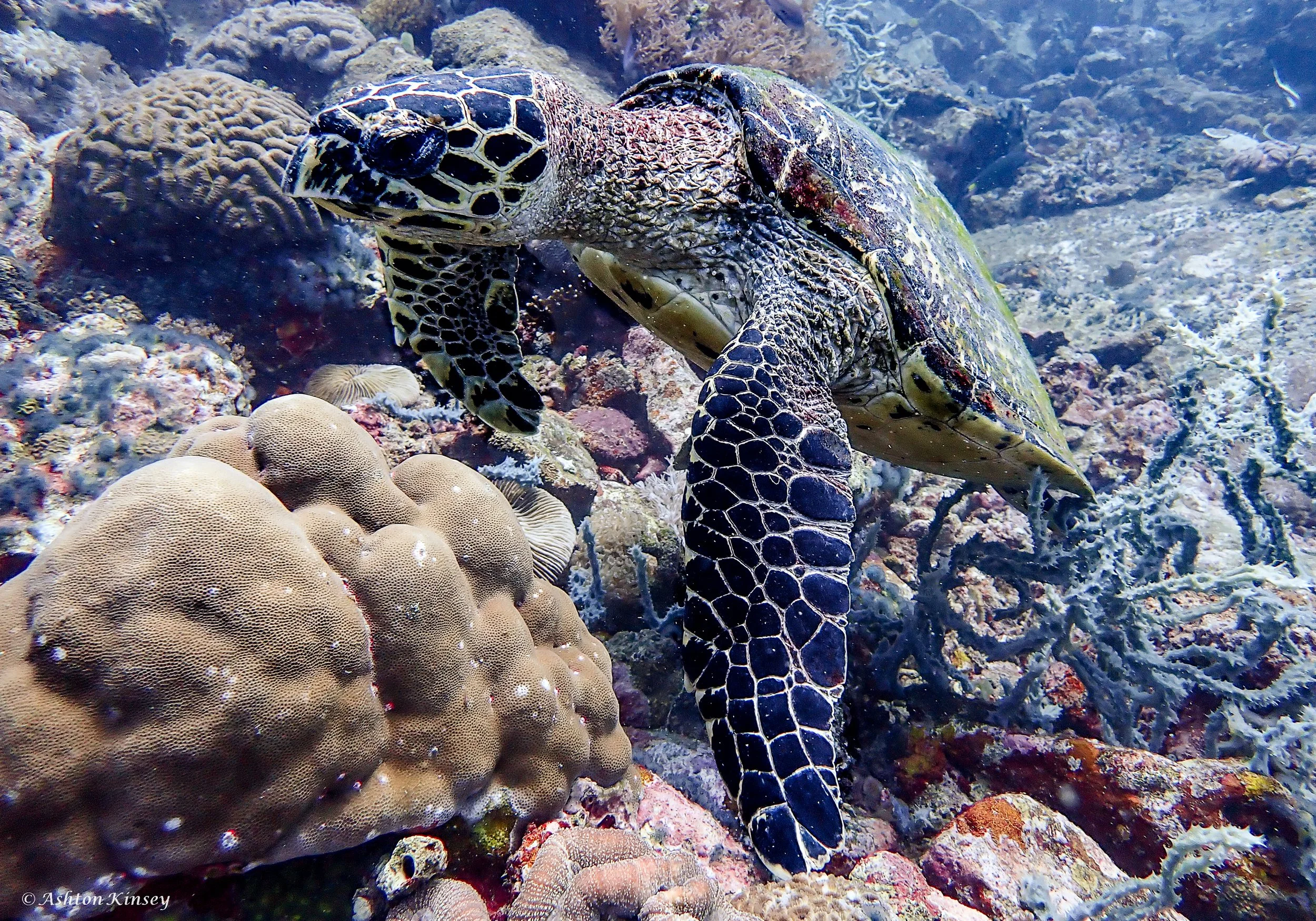
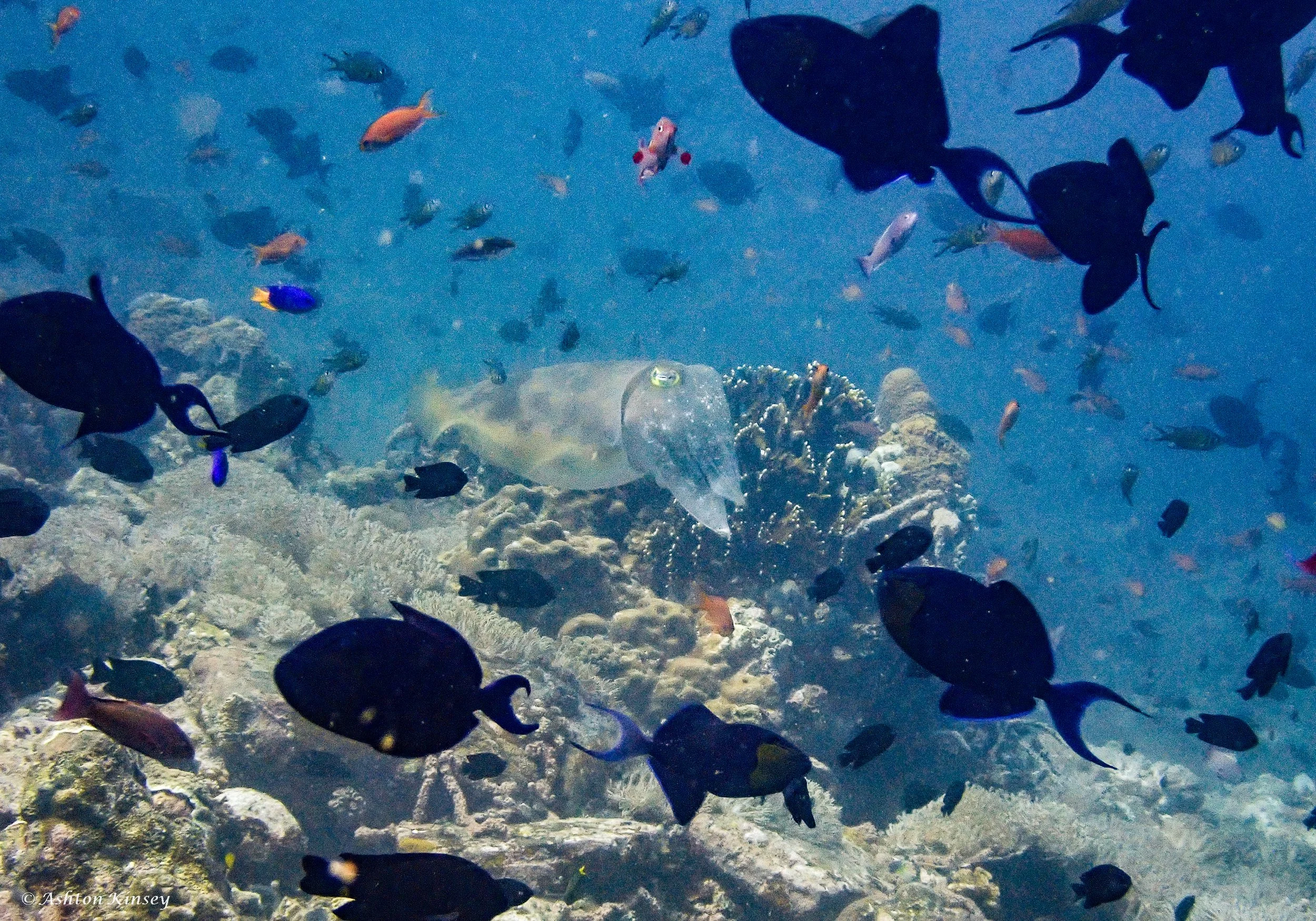
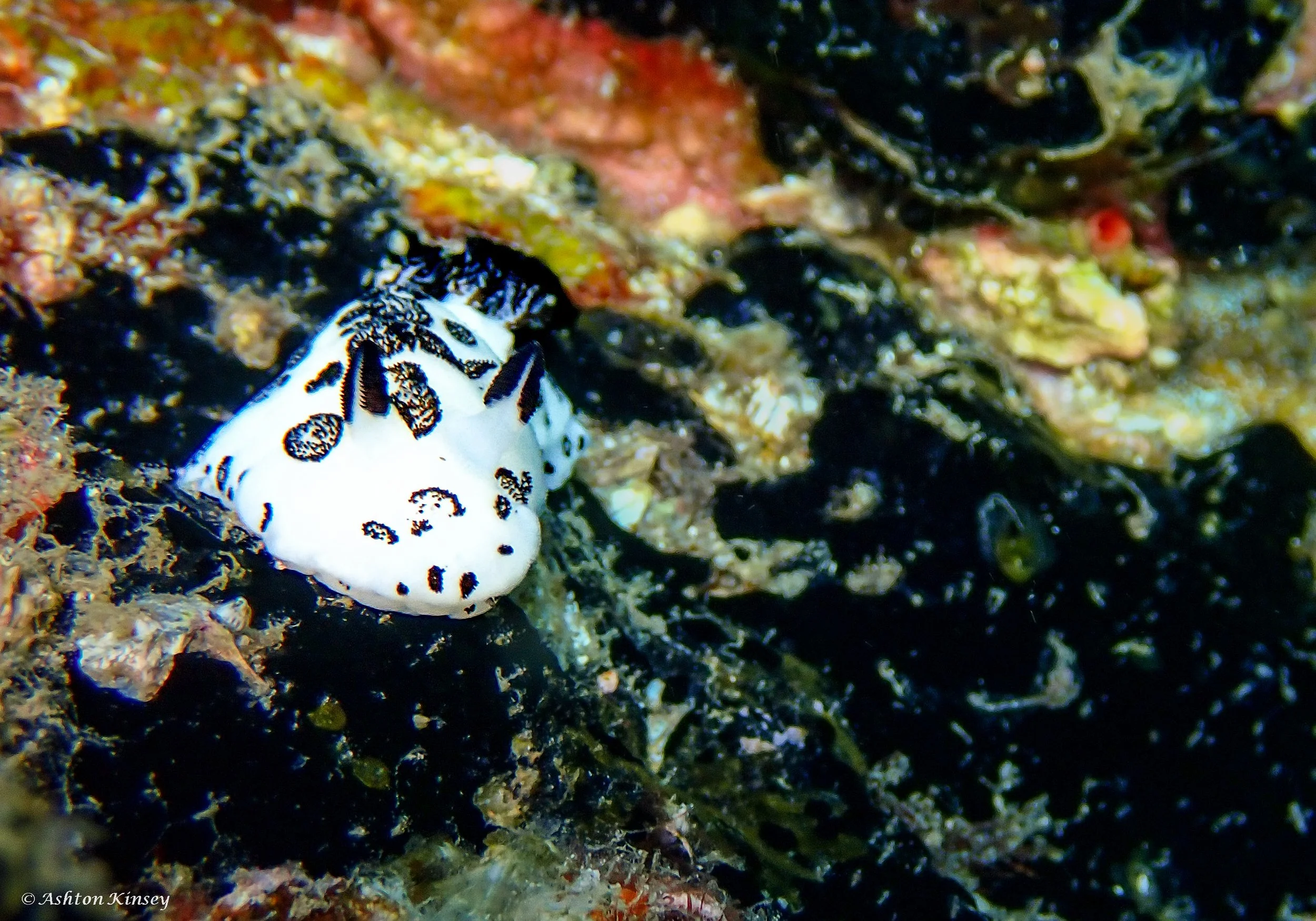
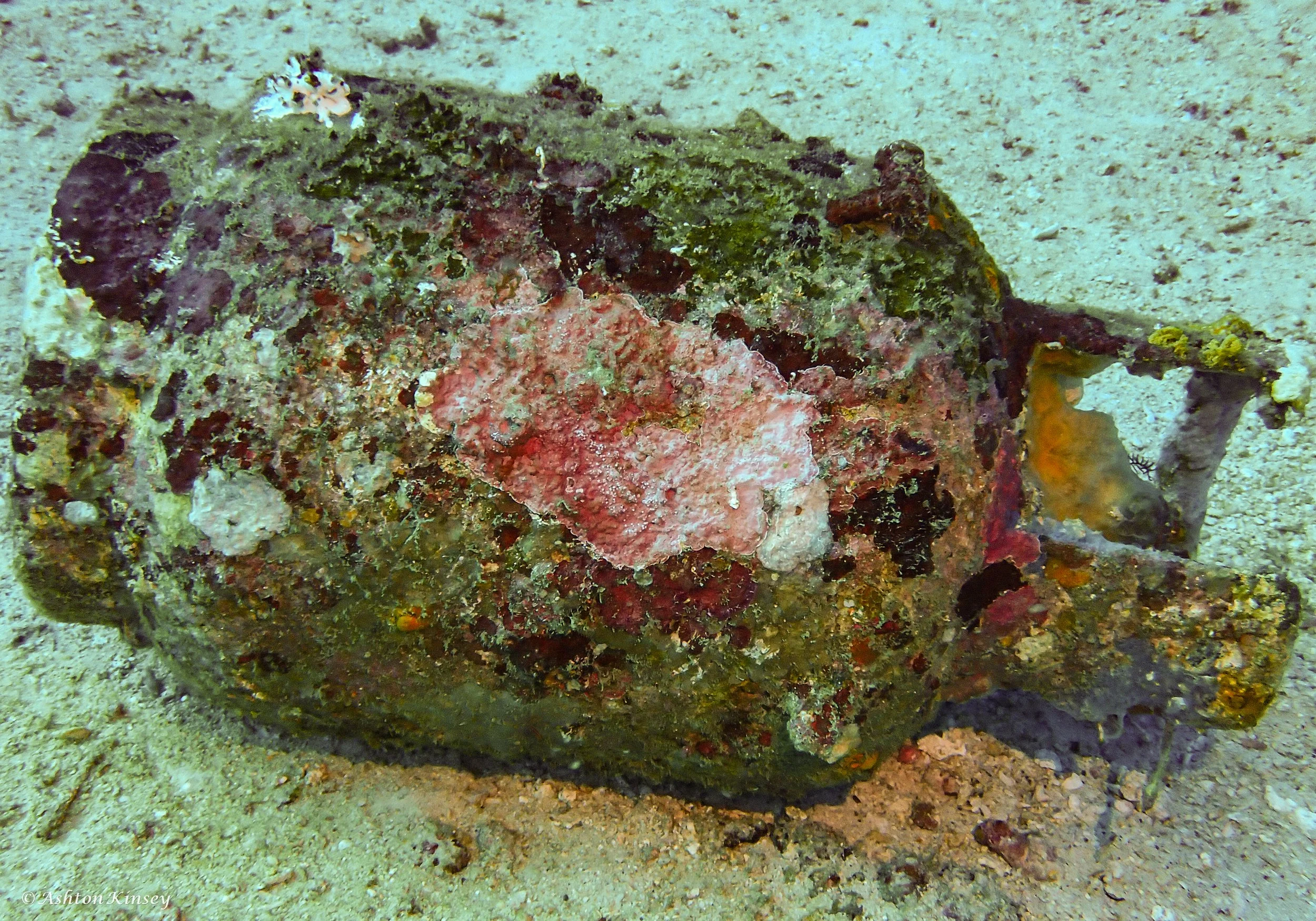
After our two dives, we had a cookout and relaxed while we tried to locate "porcelain Ming Dynasty pottery from a Spanish galleon that sank in the 1620s." There were plenty of pottery pieces to be found. Were they from the 1600s, or were they put out during our dives? No one will really know, but it was a fun way to spend a few hours.
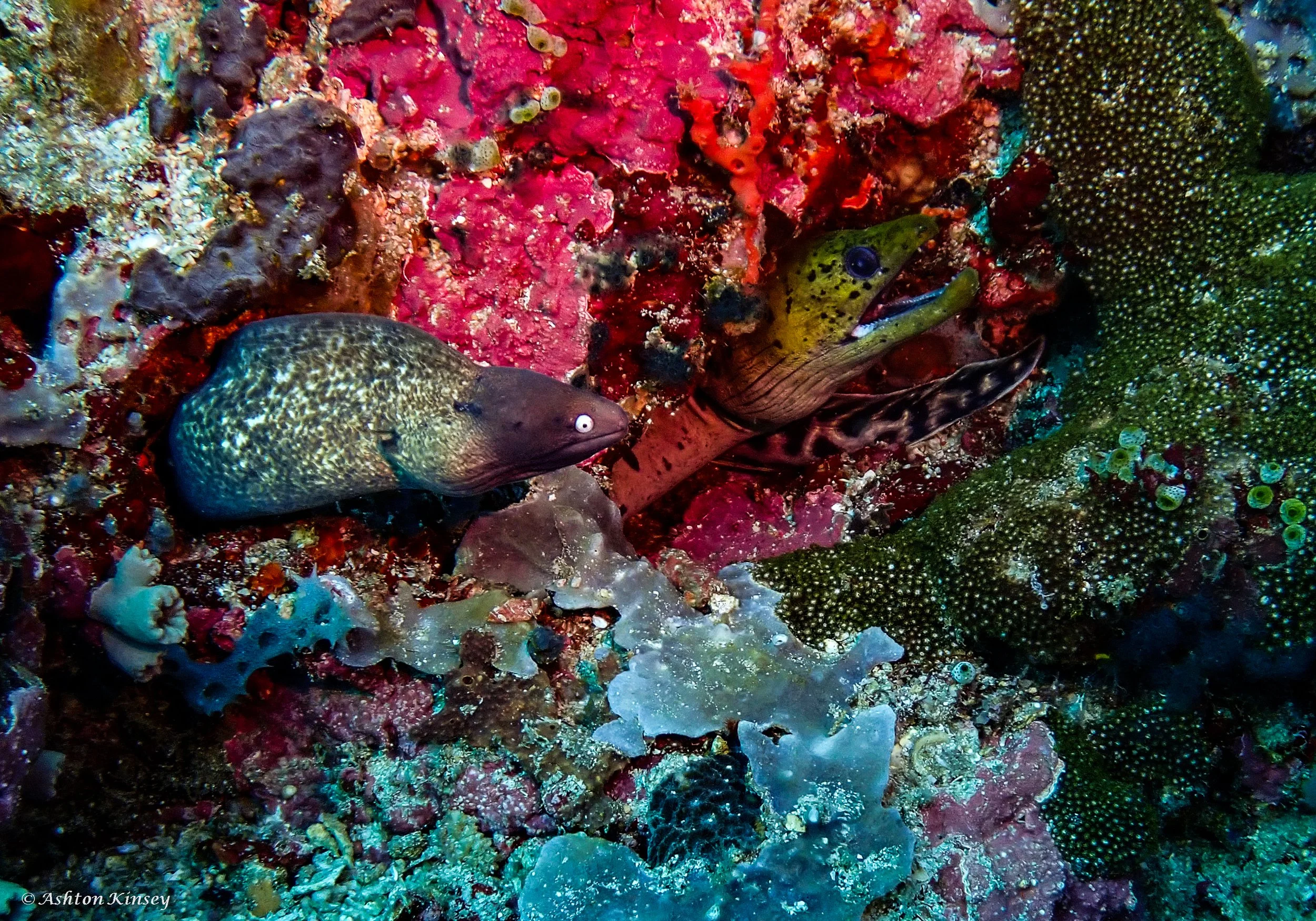
Dive 16: Small Lalaguna (Night)
44’ for 62 minutes
An extension of La Laguna Point, this is a shallow reef that is known for having blue ring octopus and bottoms out at about 60’ with a small wall full of cracks and crevices. Similar to other dive sites, there are a variety of fish and nudies, and it has been known to have blue ribbon eels.
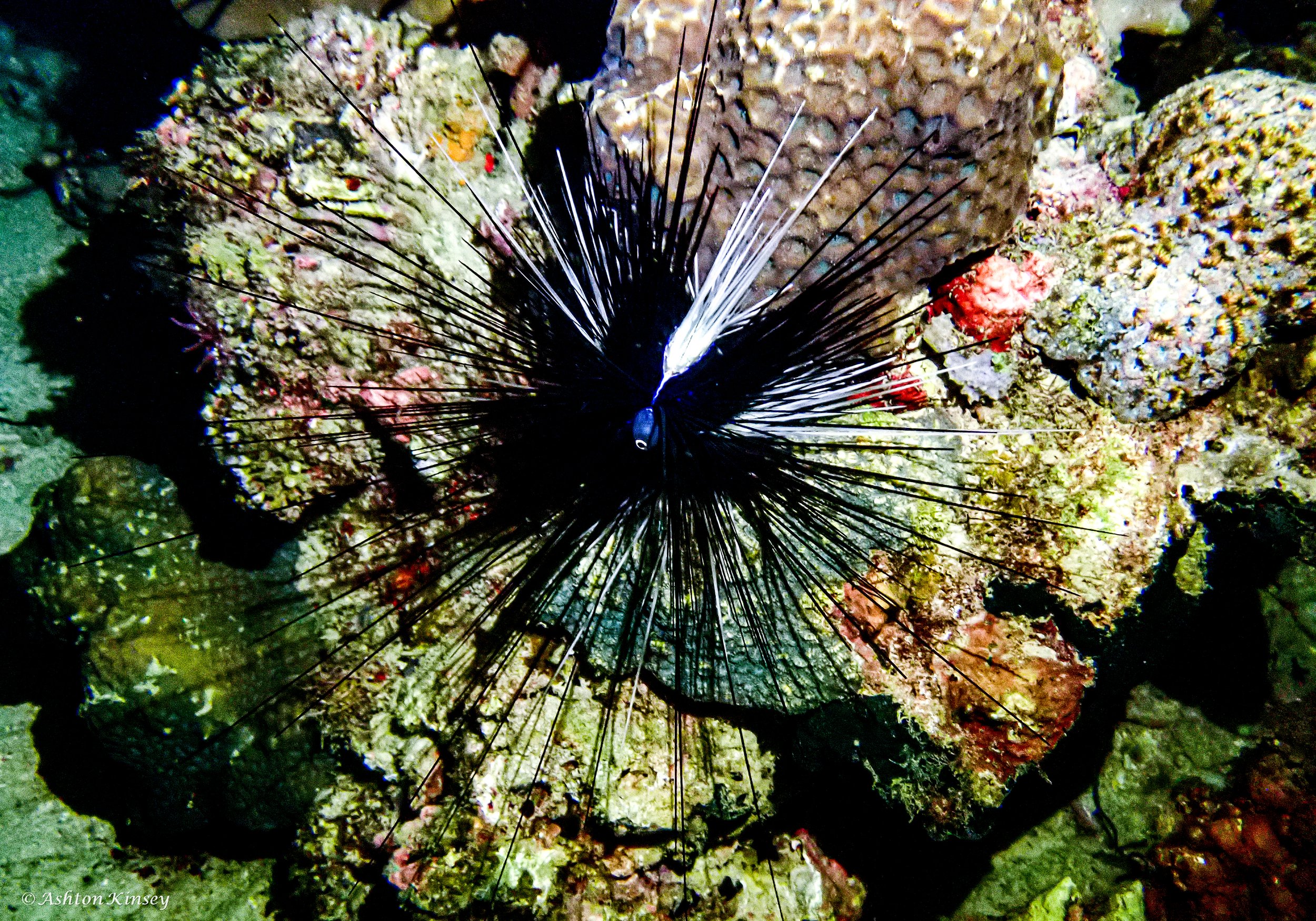
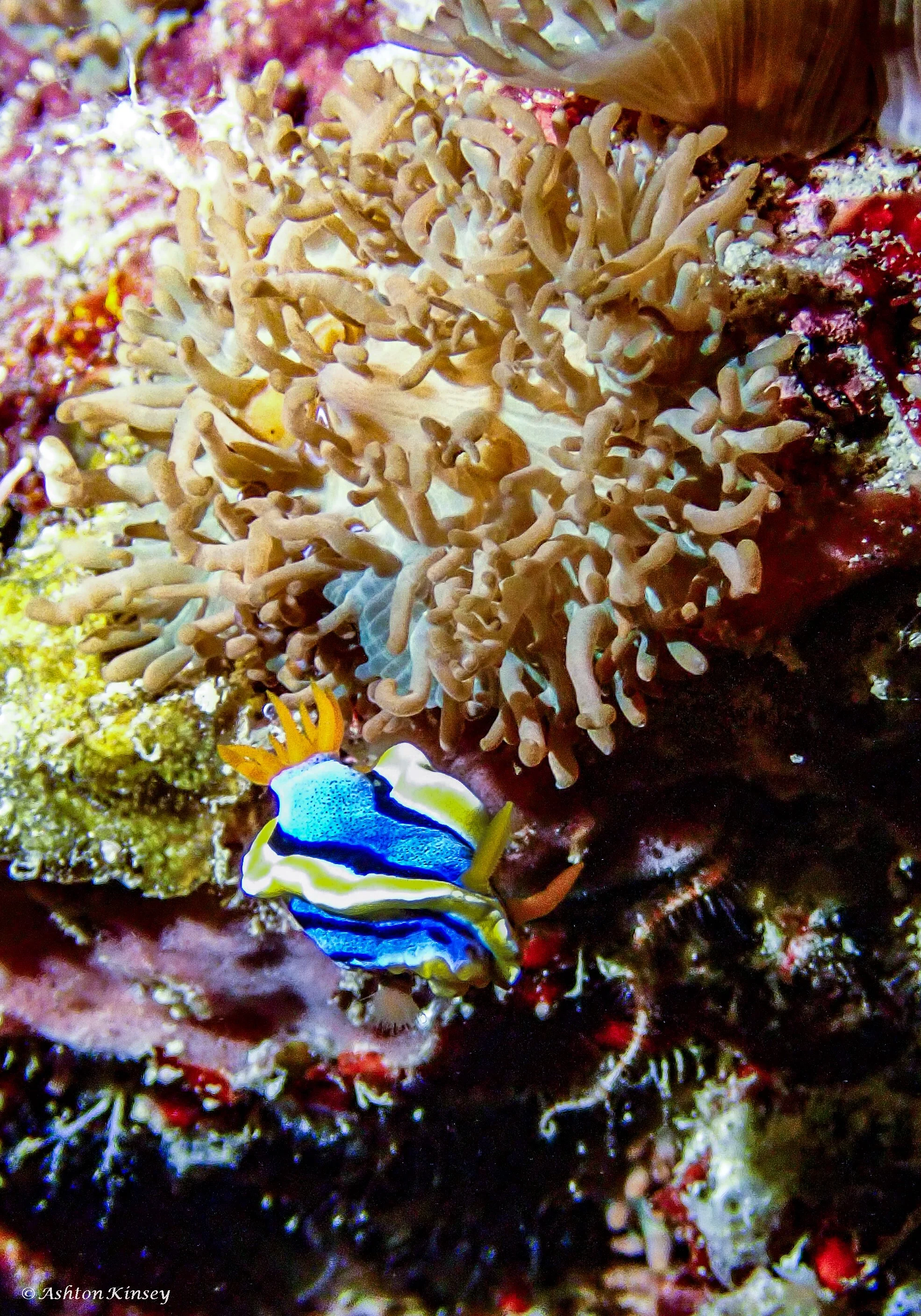
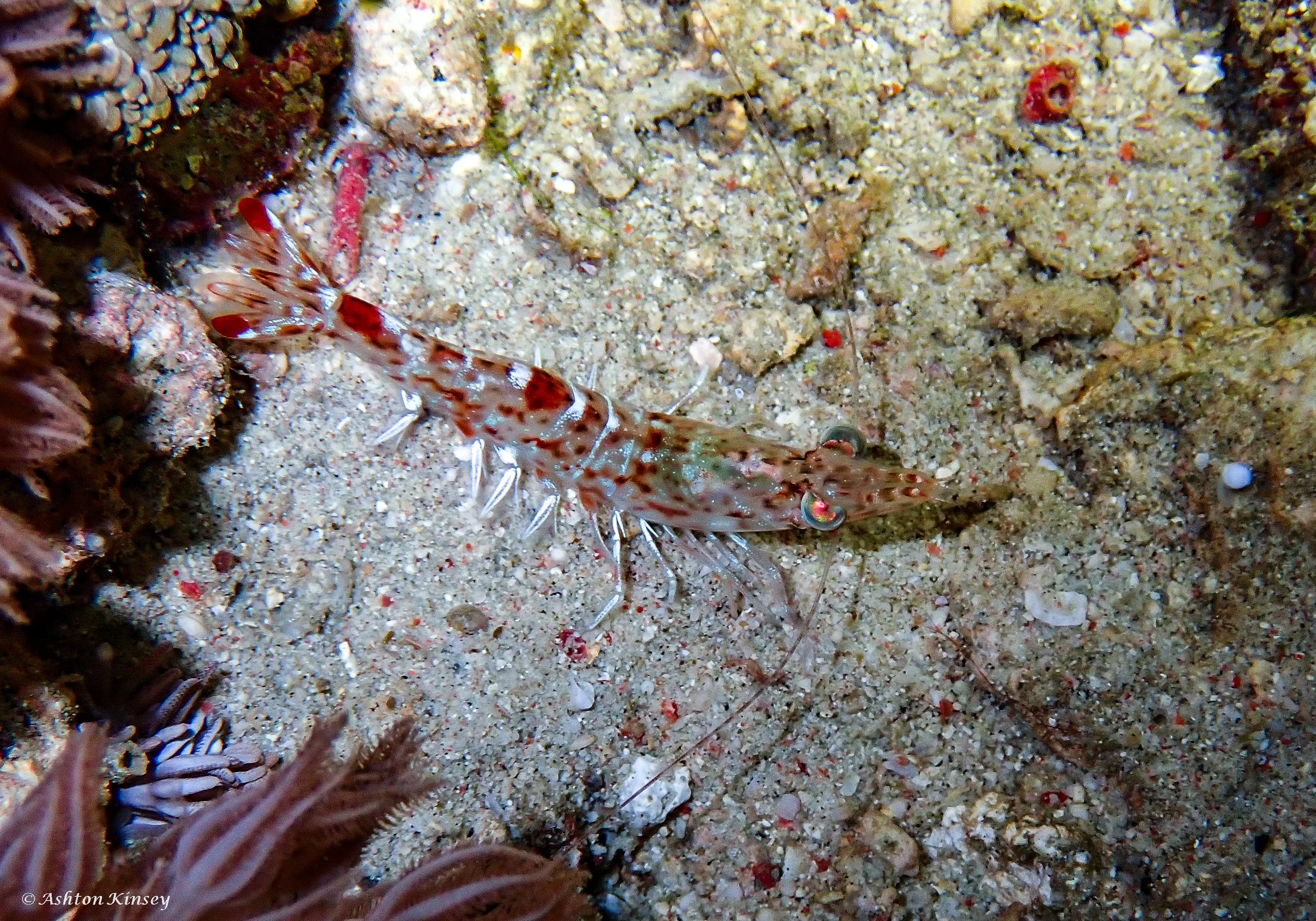
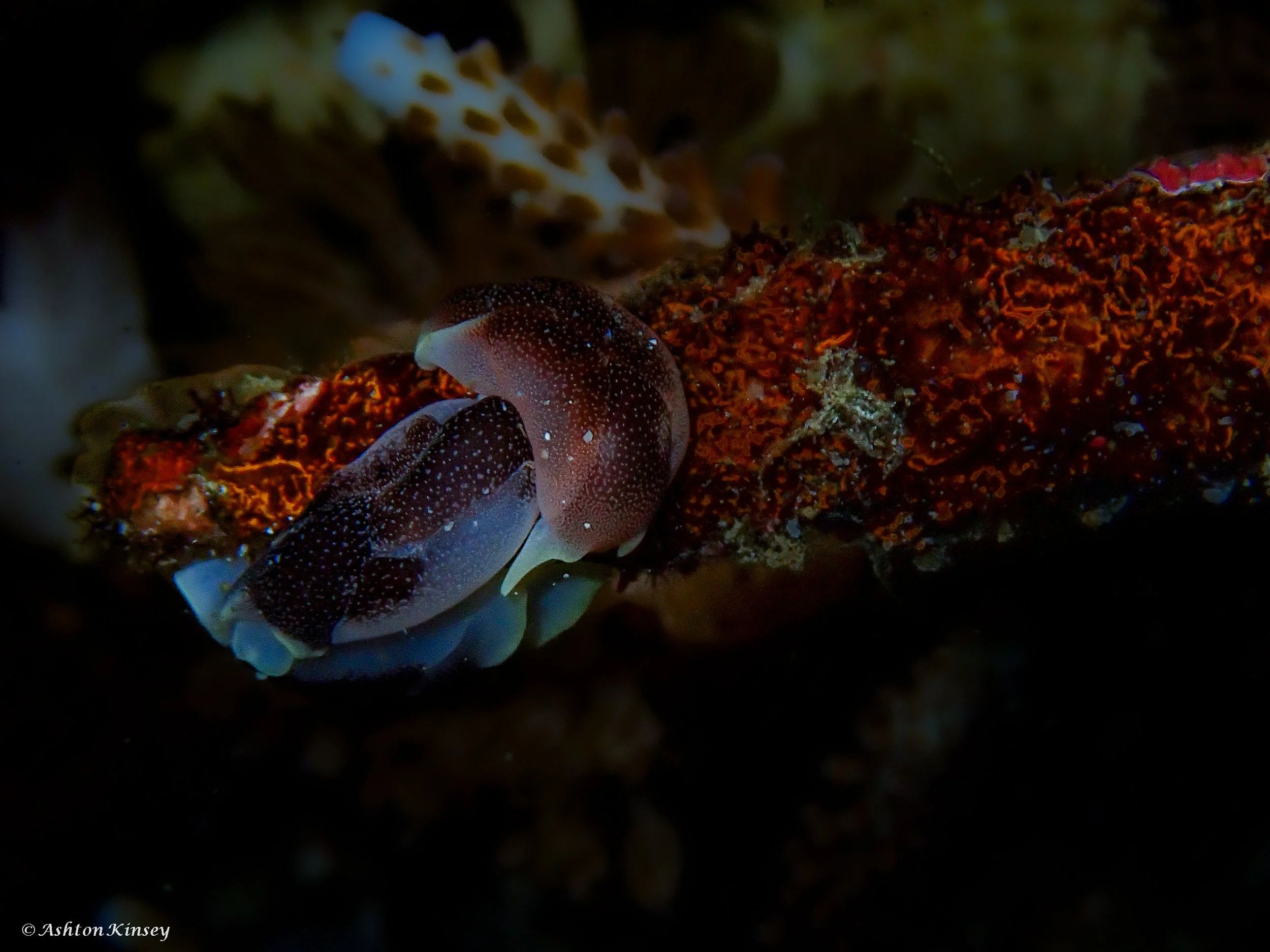
Dive 17: Hole in the Wall
74’ for 52 minutes
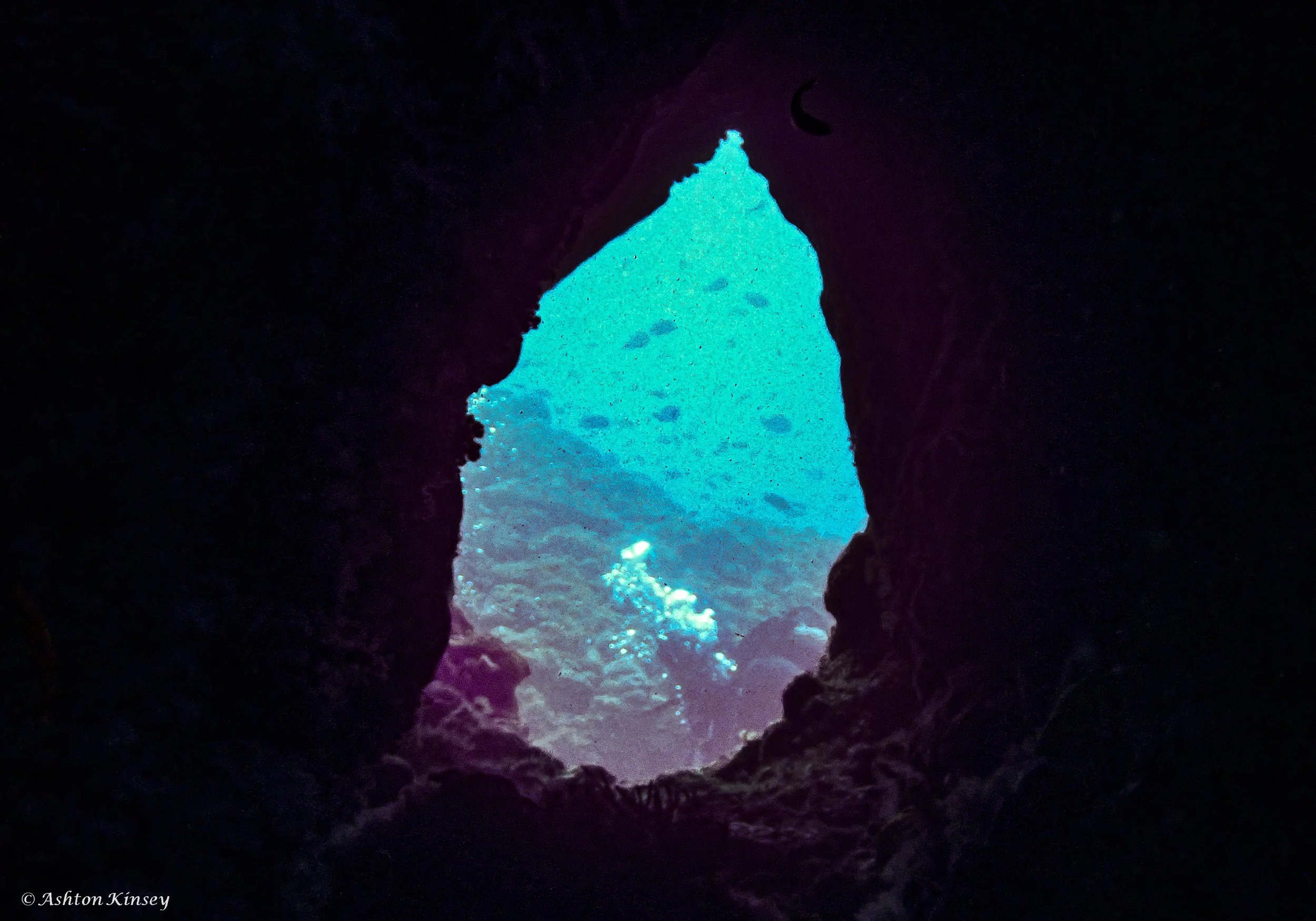
Very strong current during the first half dive that sloped down to 80’. At about the midpoint of the dive, there is a small swim through around 40’. On the other side of the swim through, the current slowed down, and there was more aquatic life, including a large Napoleon wrasse, an octopus, and a school of jackfish.
During the dive, a large storm rolled in with high winds, rain, and waves. There was a small dive boat in the area that was flipped over and capsized due to the storm. The other Scandi boat was nearby and was able to help and pick up the people from the boat.
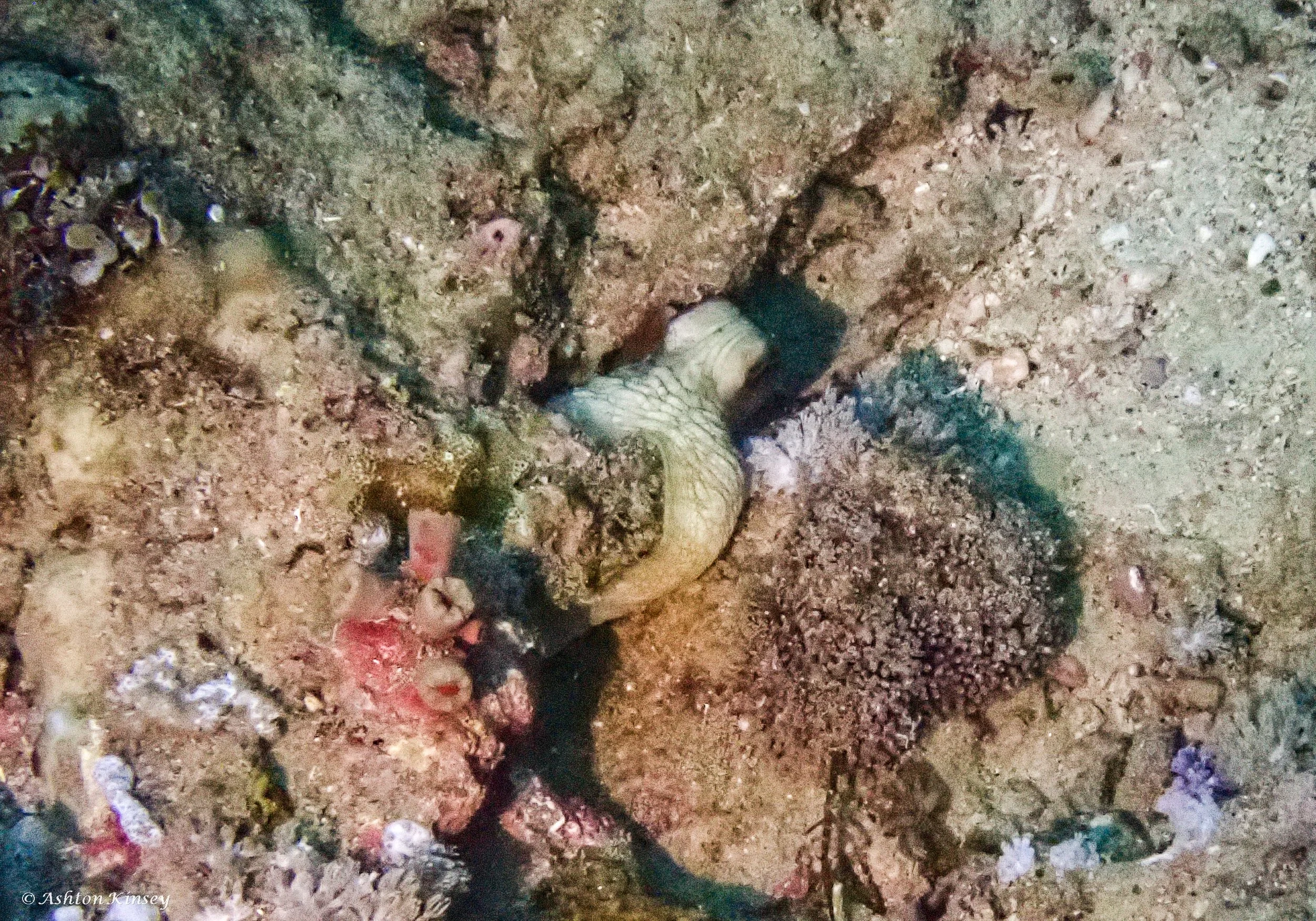
Dive 18: Ernie’s Point
71’ for 59 minutes
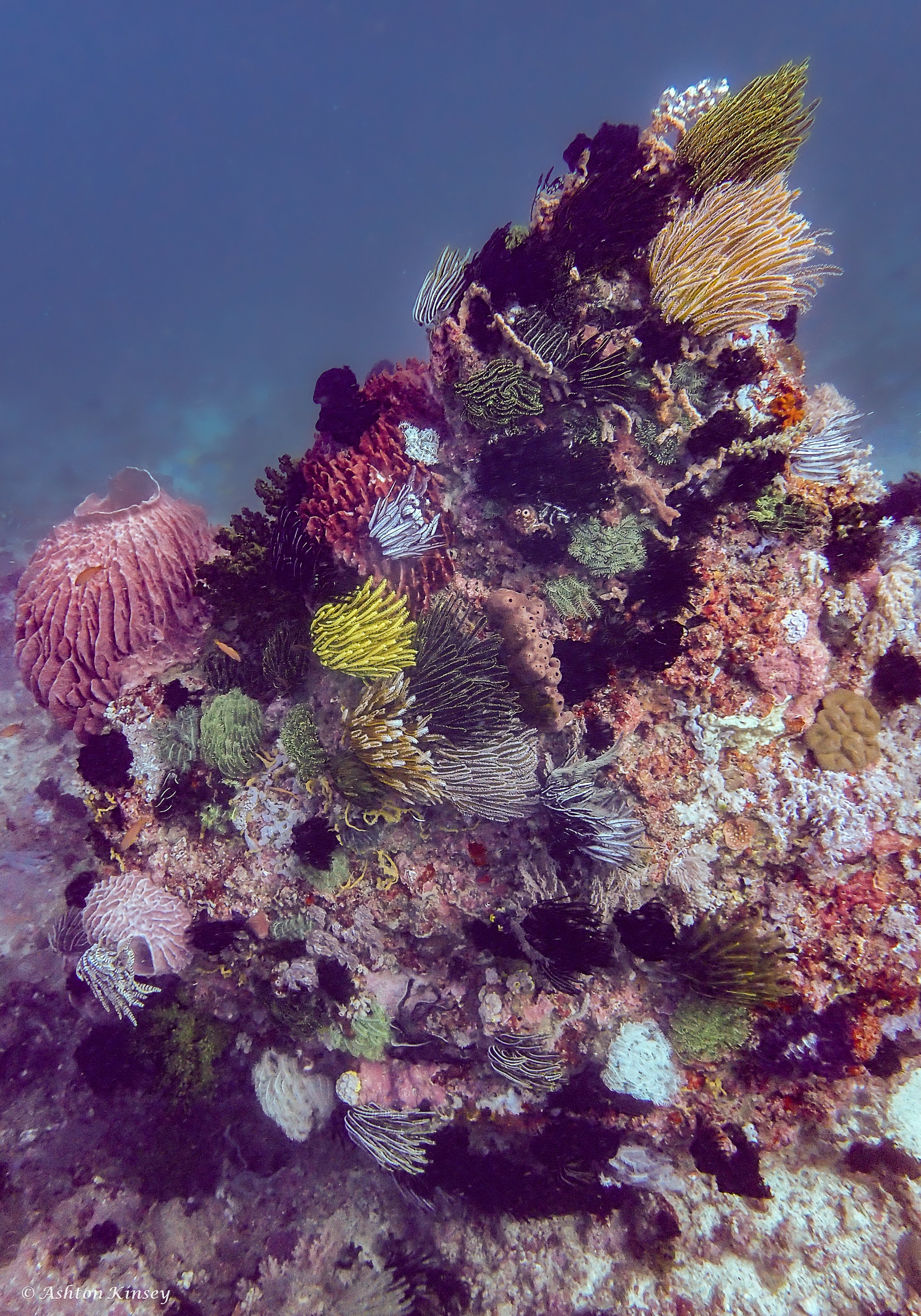
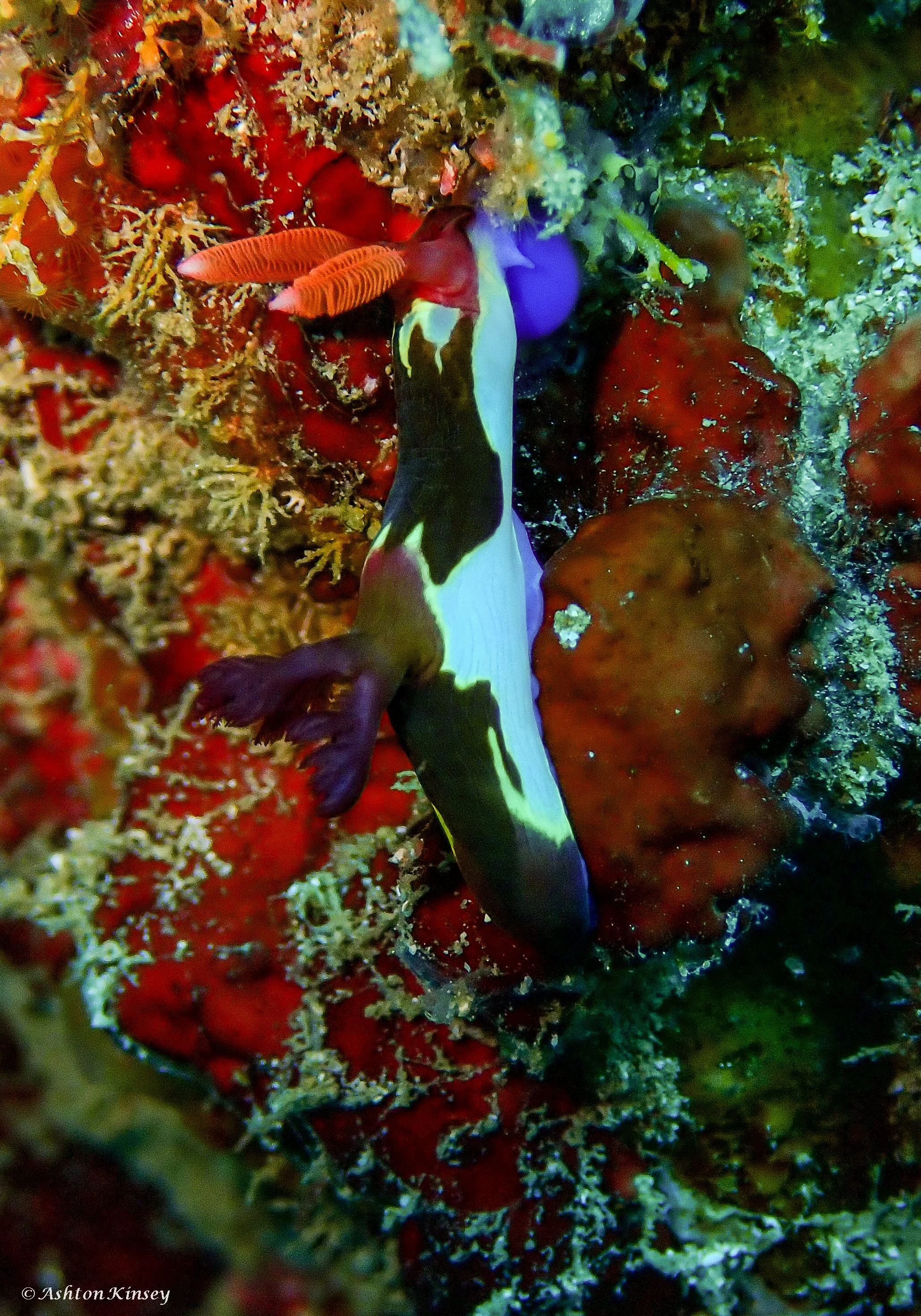
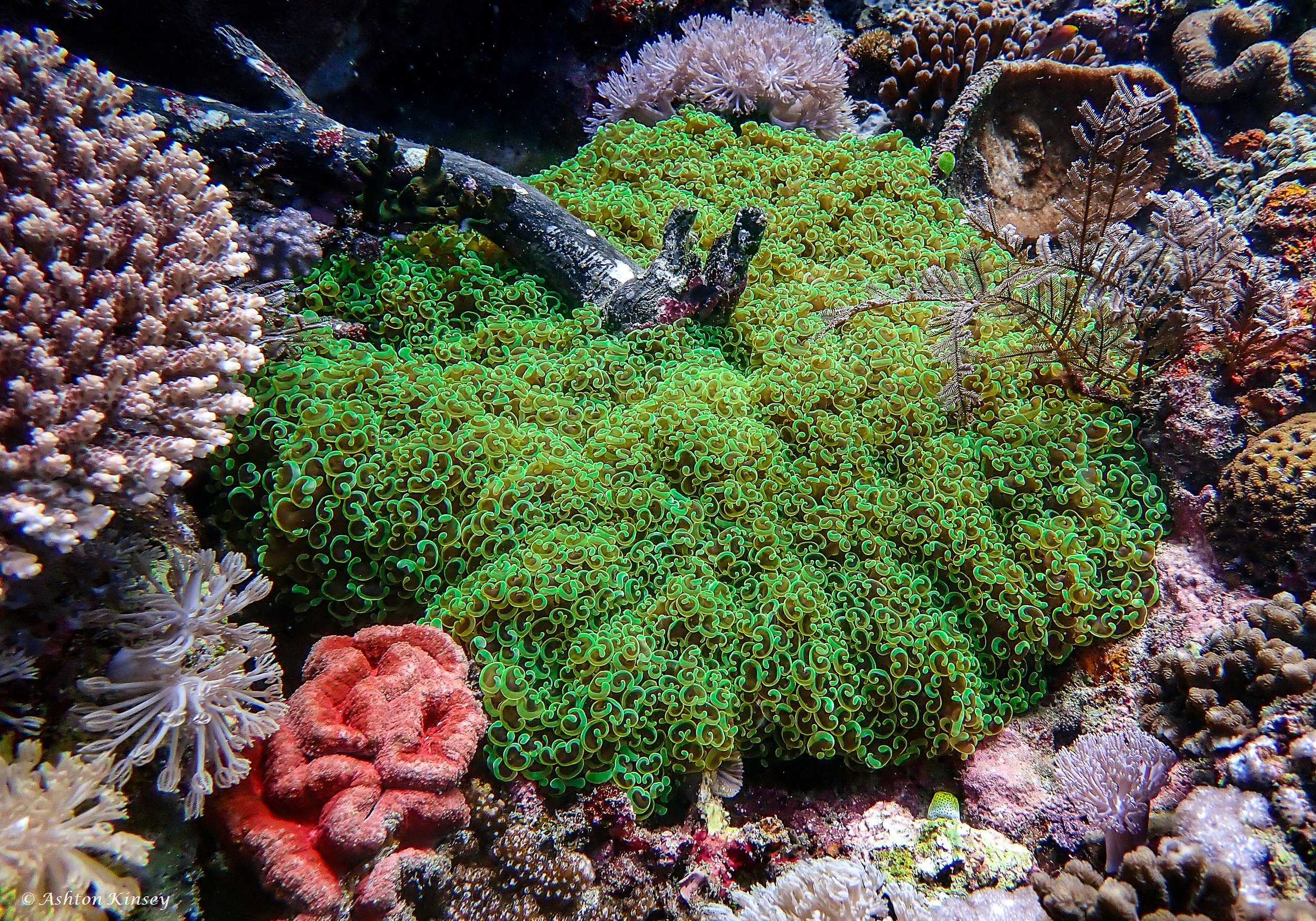
Close to Monkey Beach and Dugon Wall. This site has a sloping wall down to 70' where it drops off with a small ledge. In years past, there was a large grouper that was named Ernie, but it has not been seen in the last several months. There are several caves and overhangs that Ernie would hide in that have now been taken over by other fish and octopus. There was a large turtle and a remora cruising through the site.
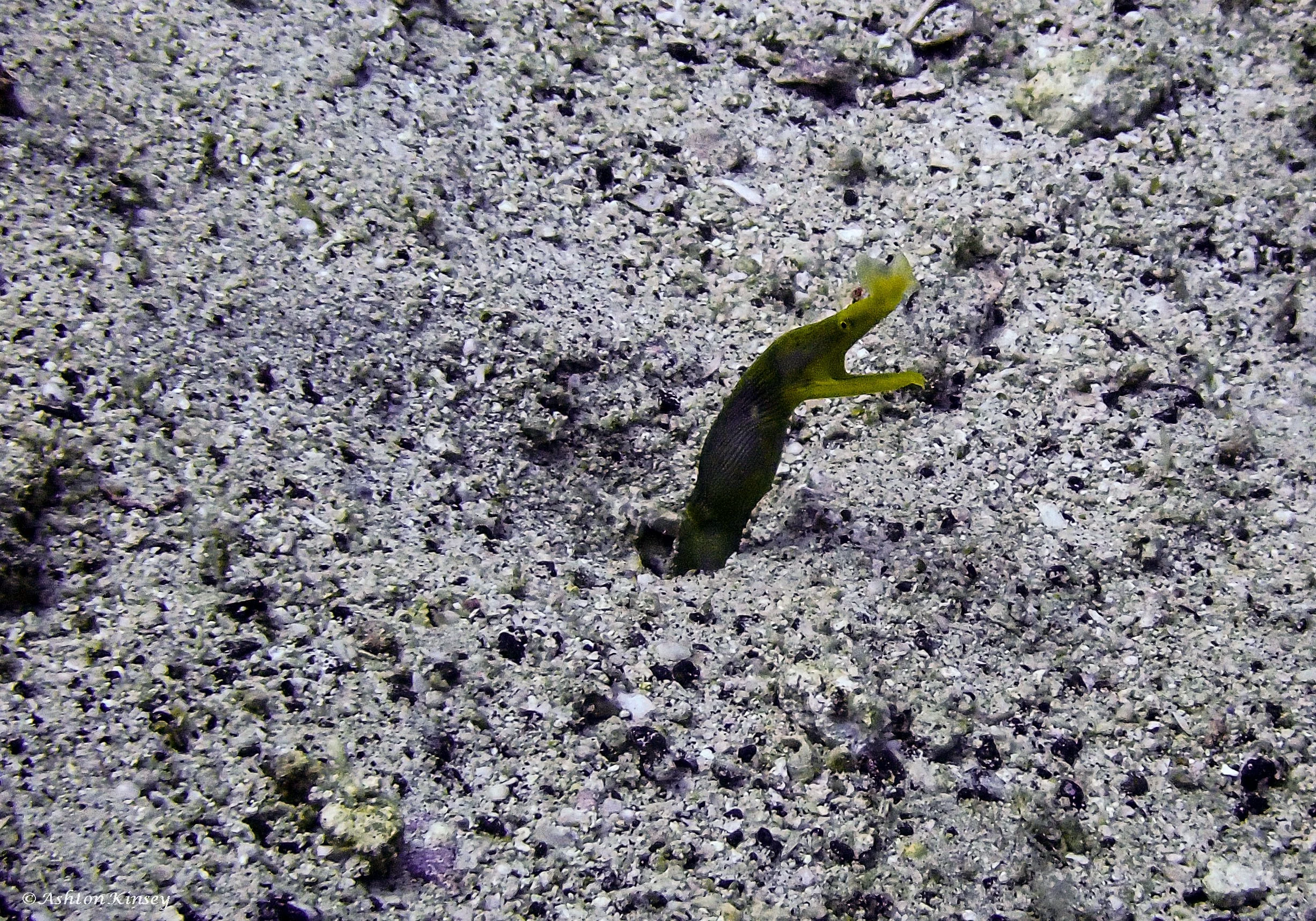
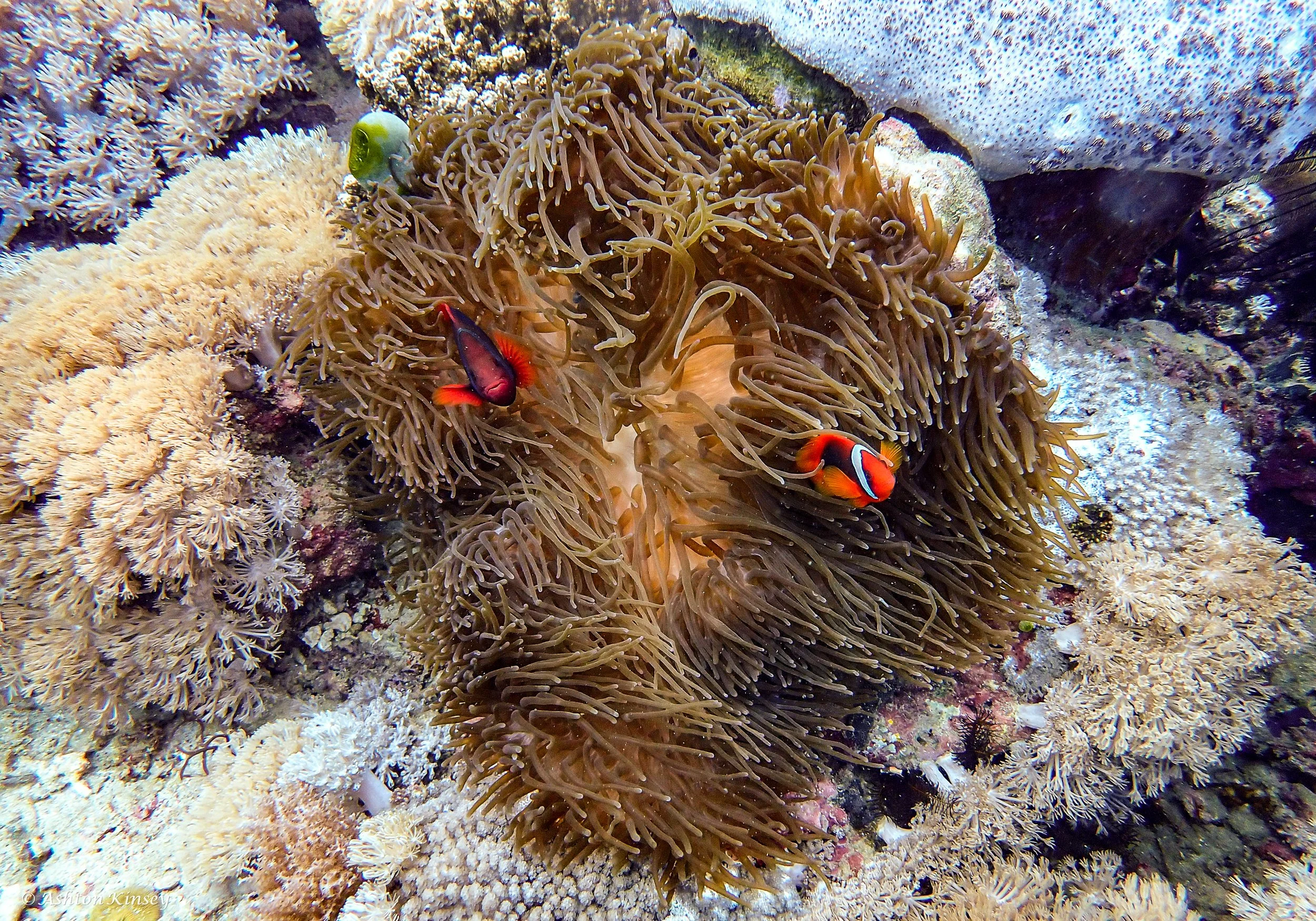
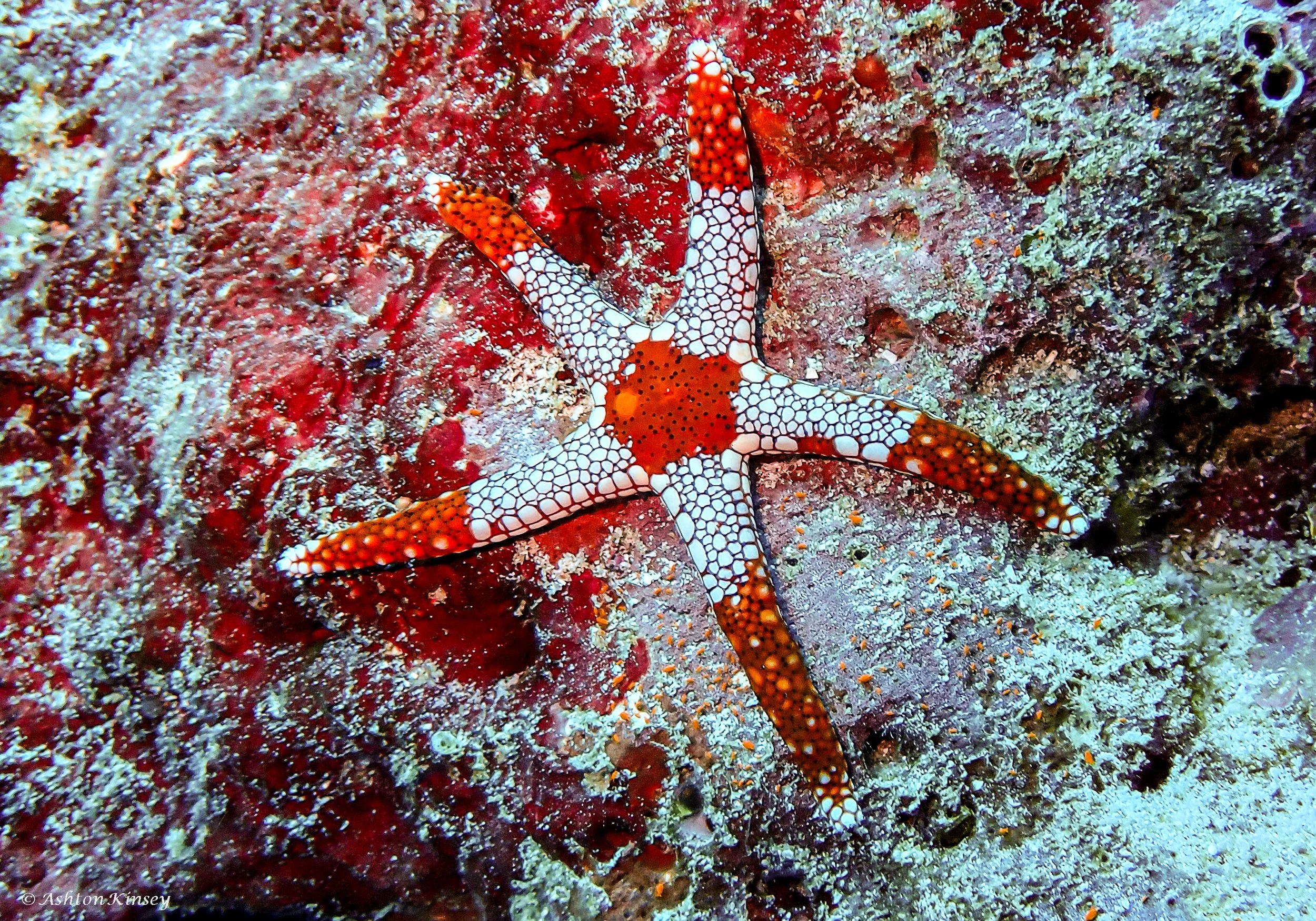
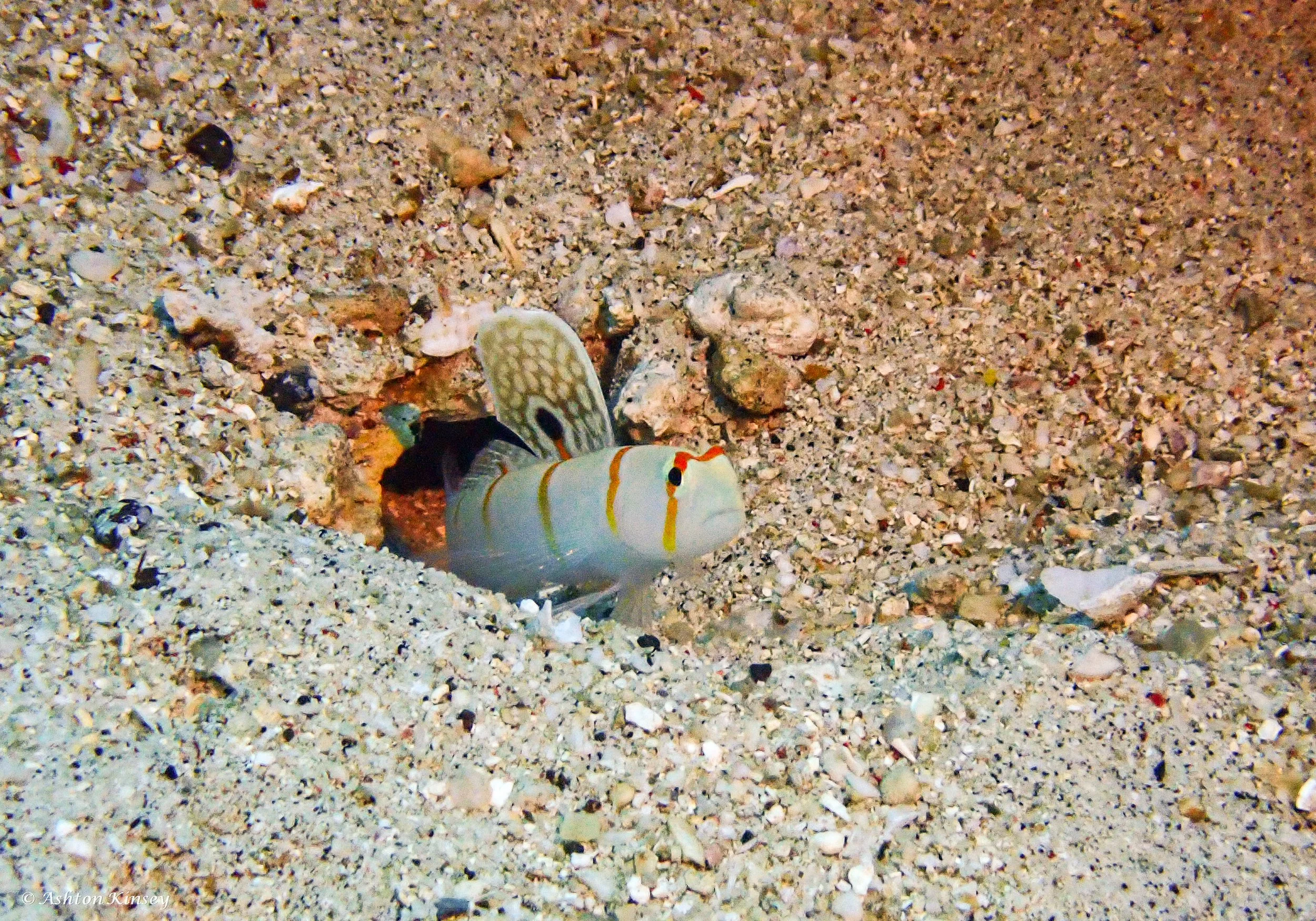
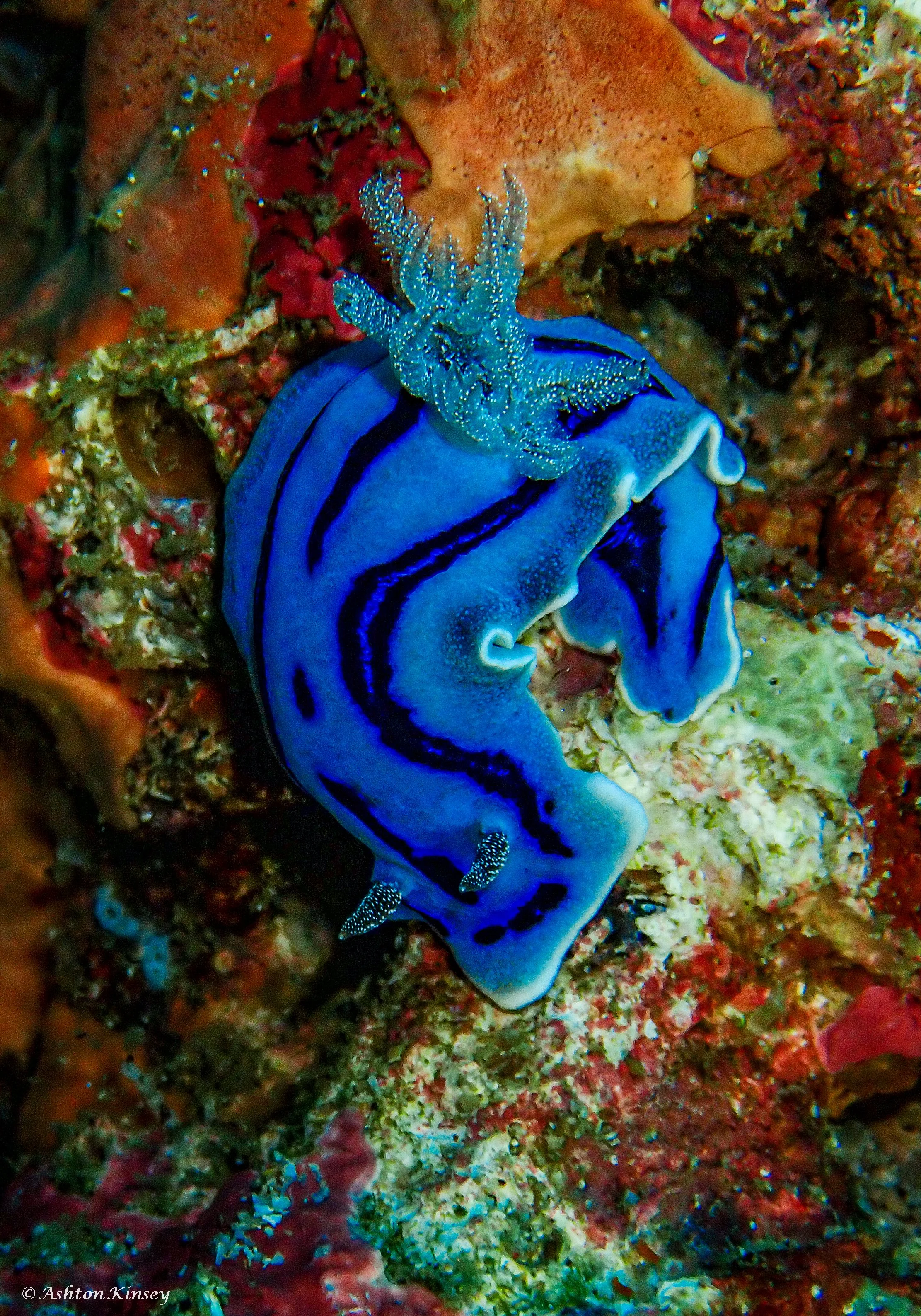
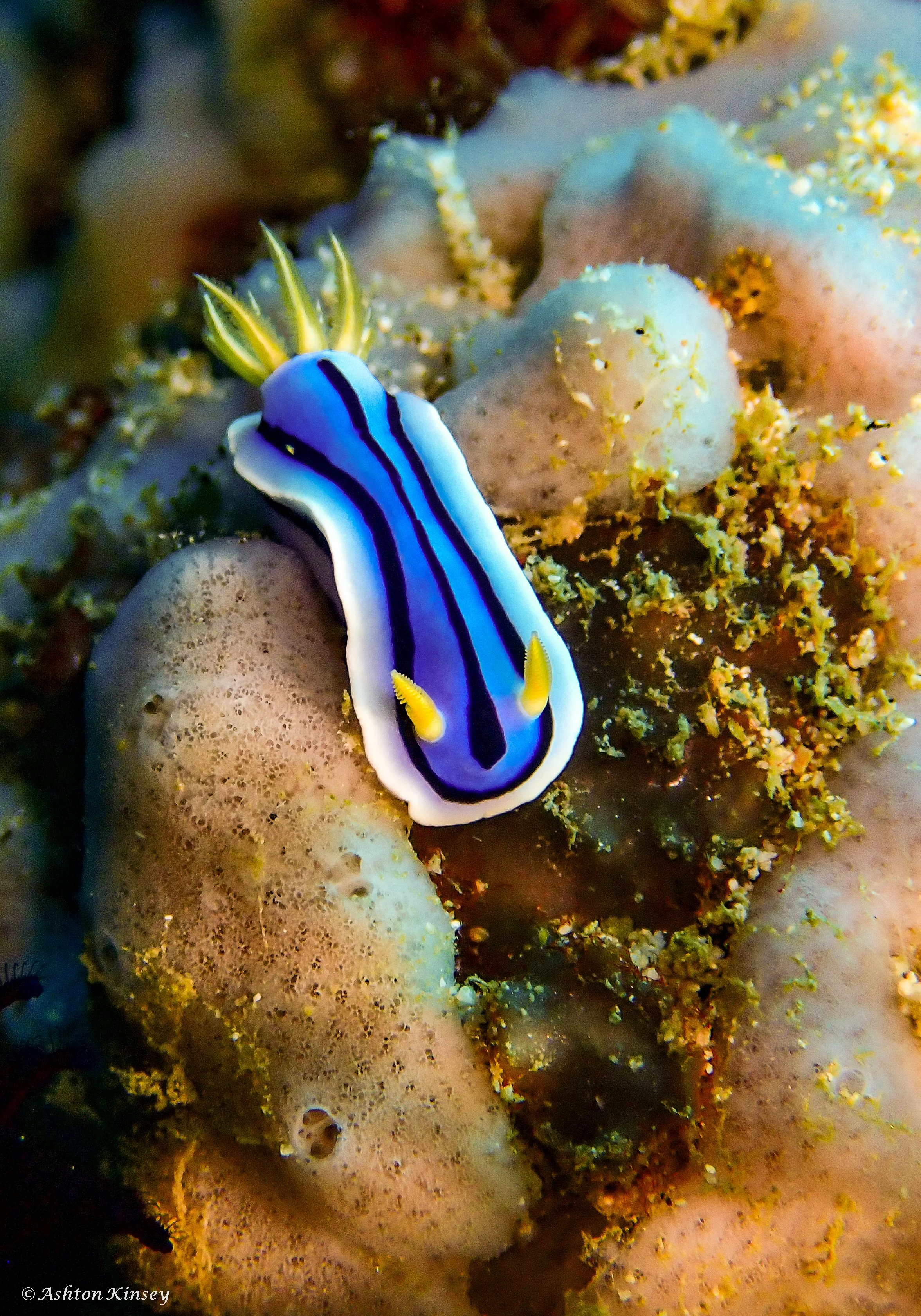
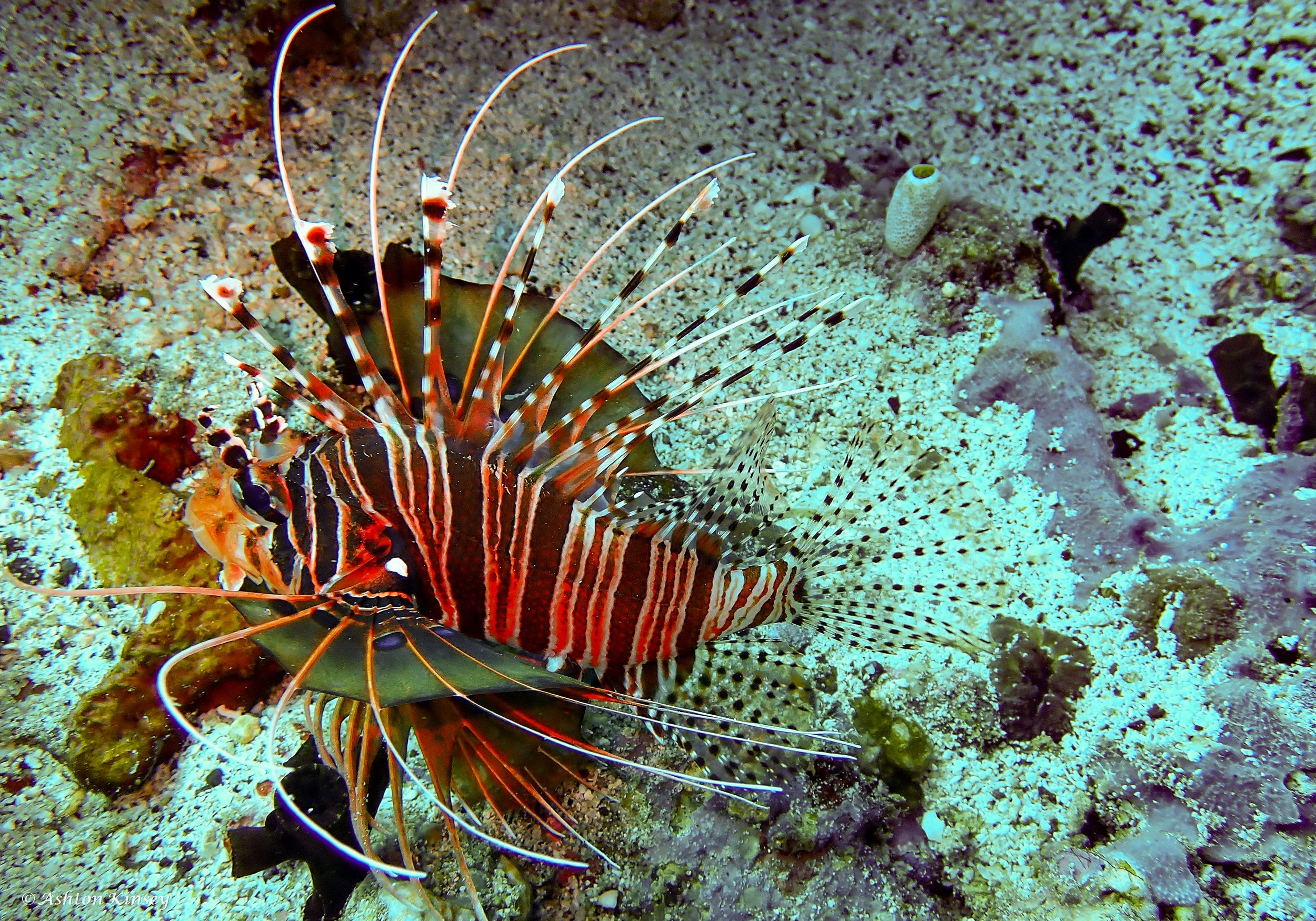
Dive 19: Lalaguna Point
62’ for 68 minutes
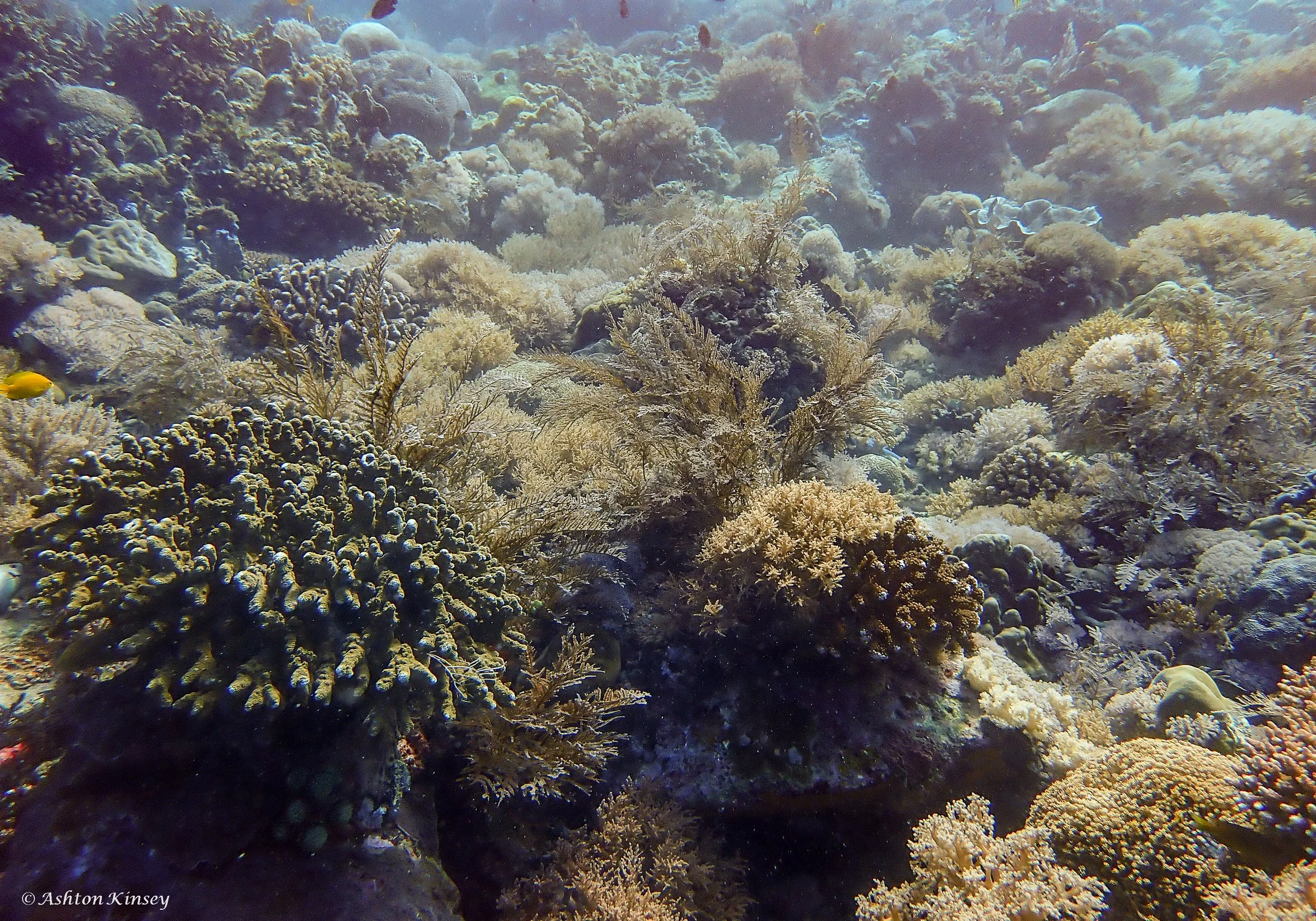
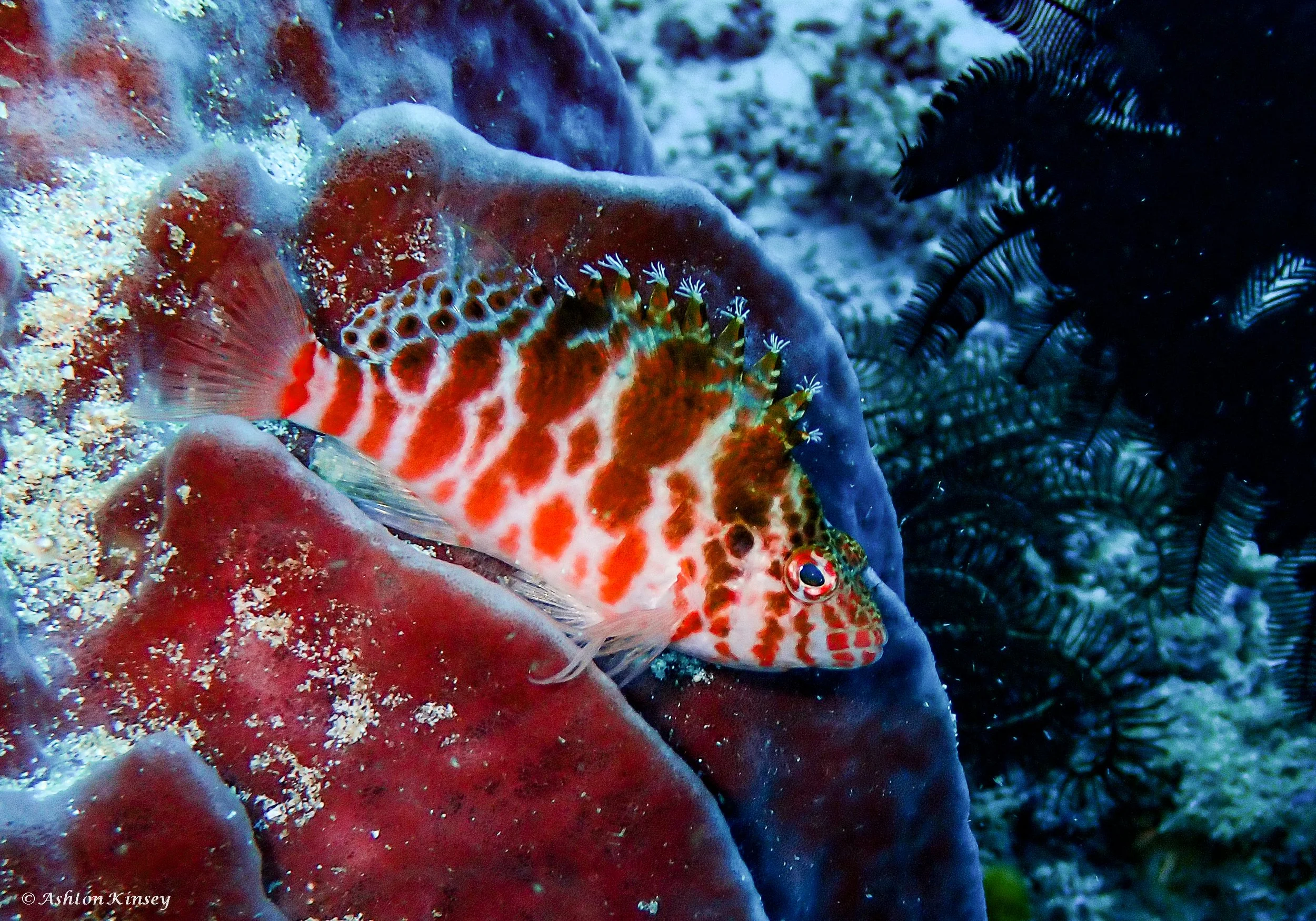
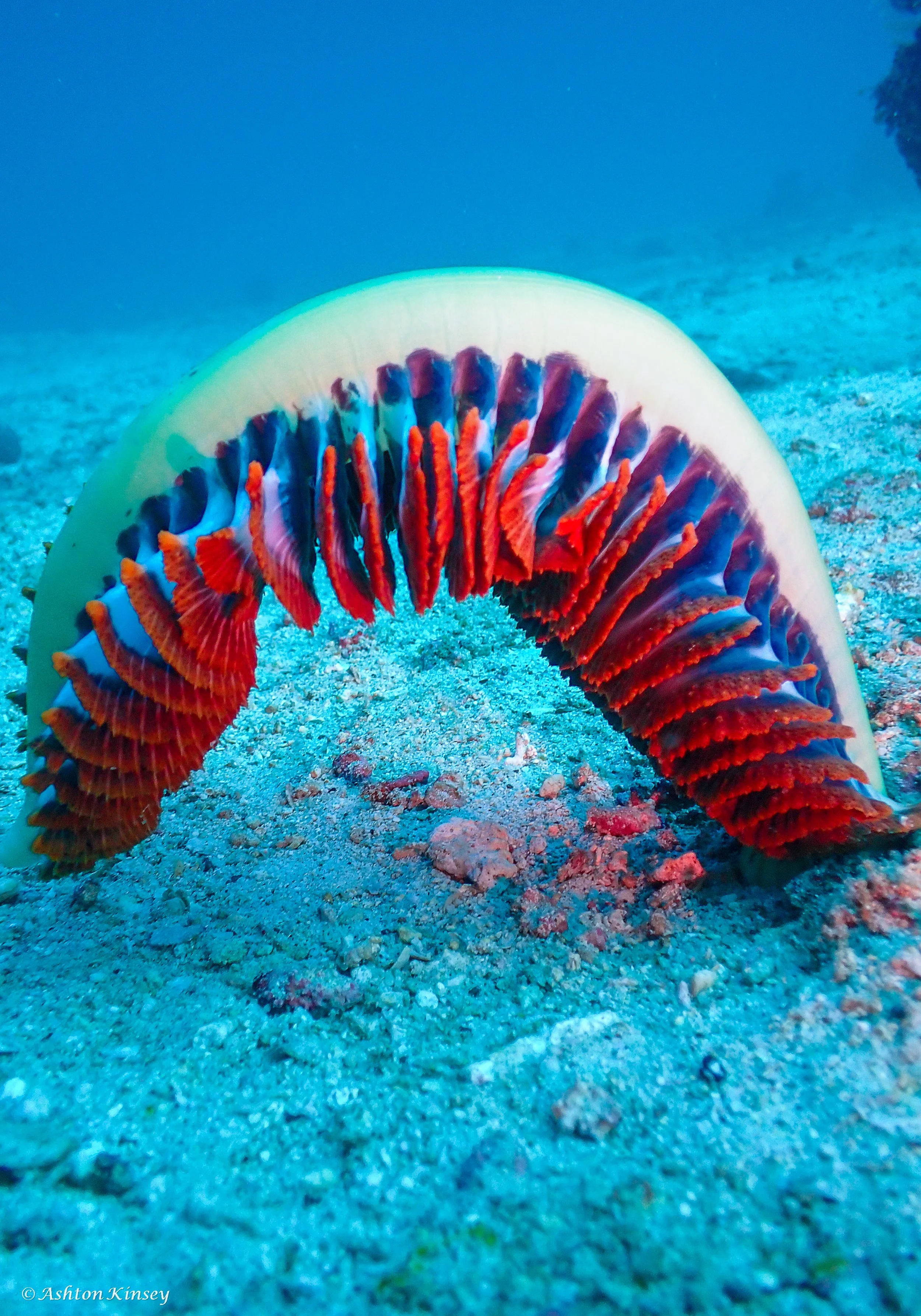
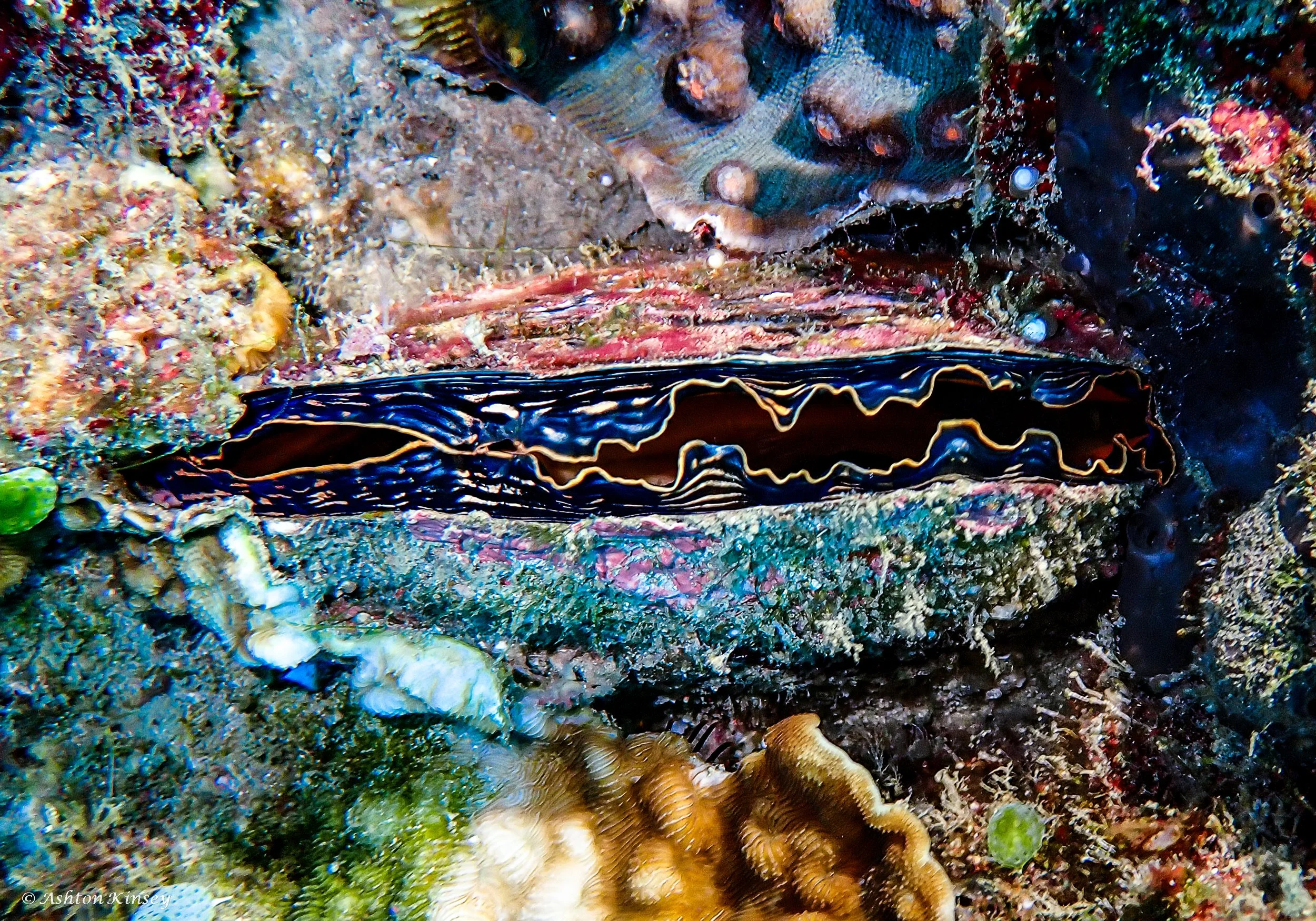
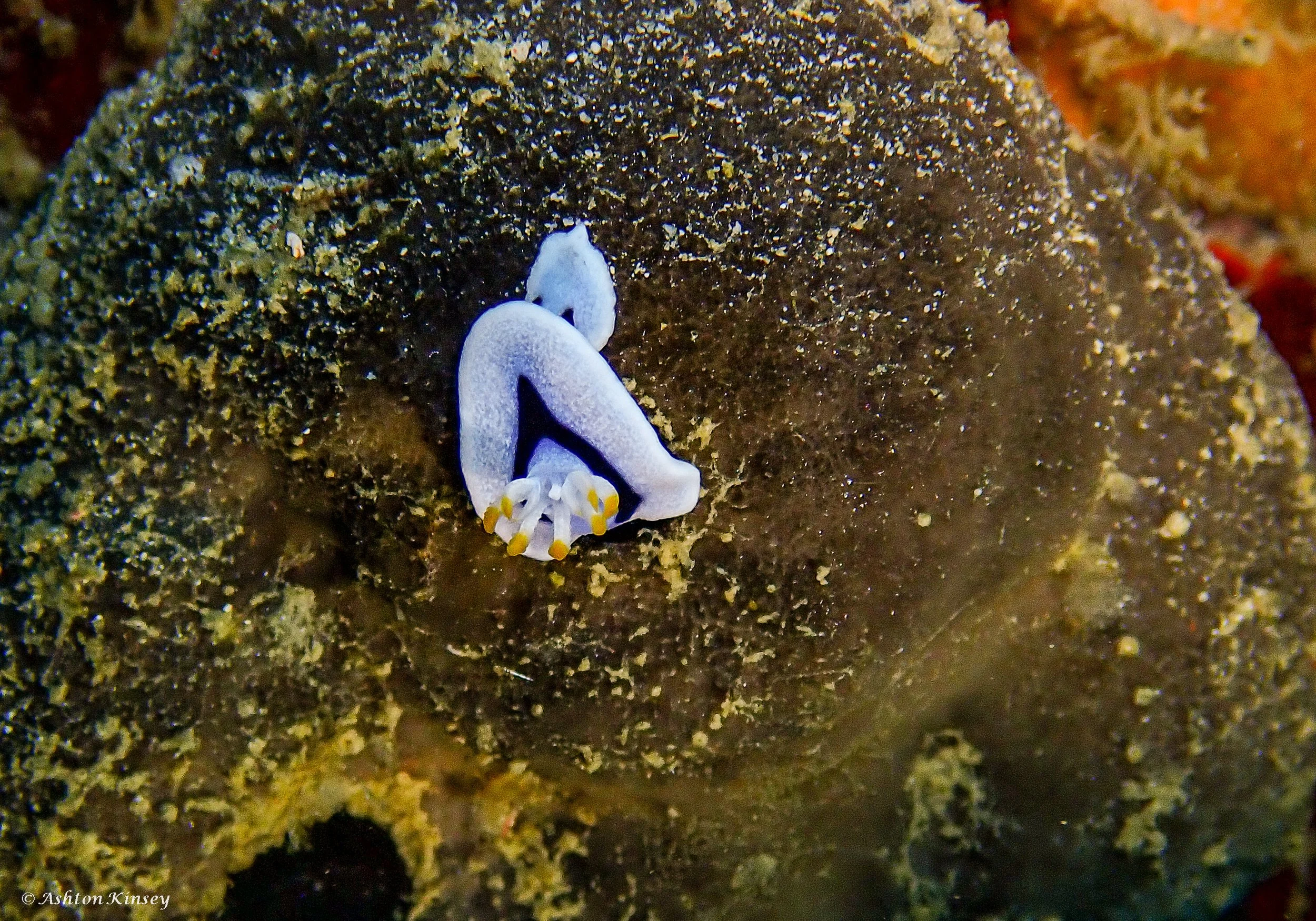
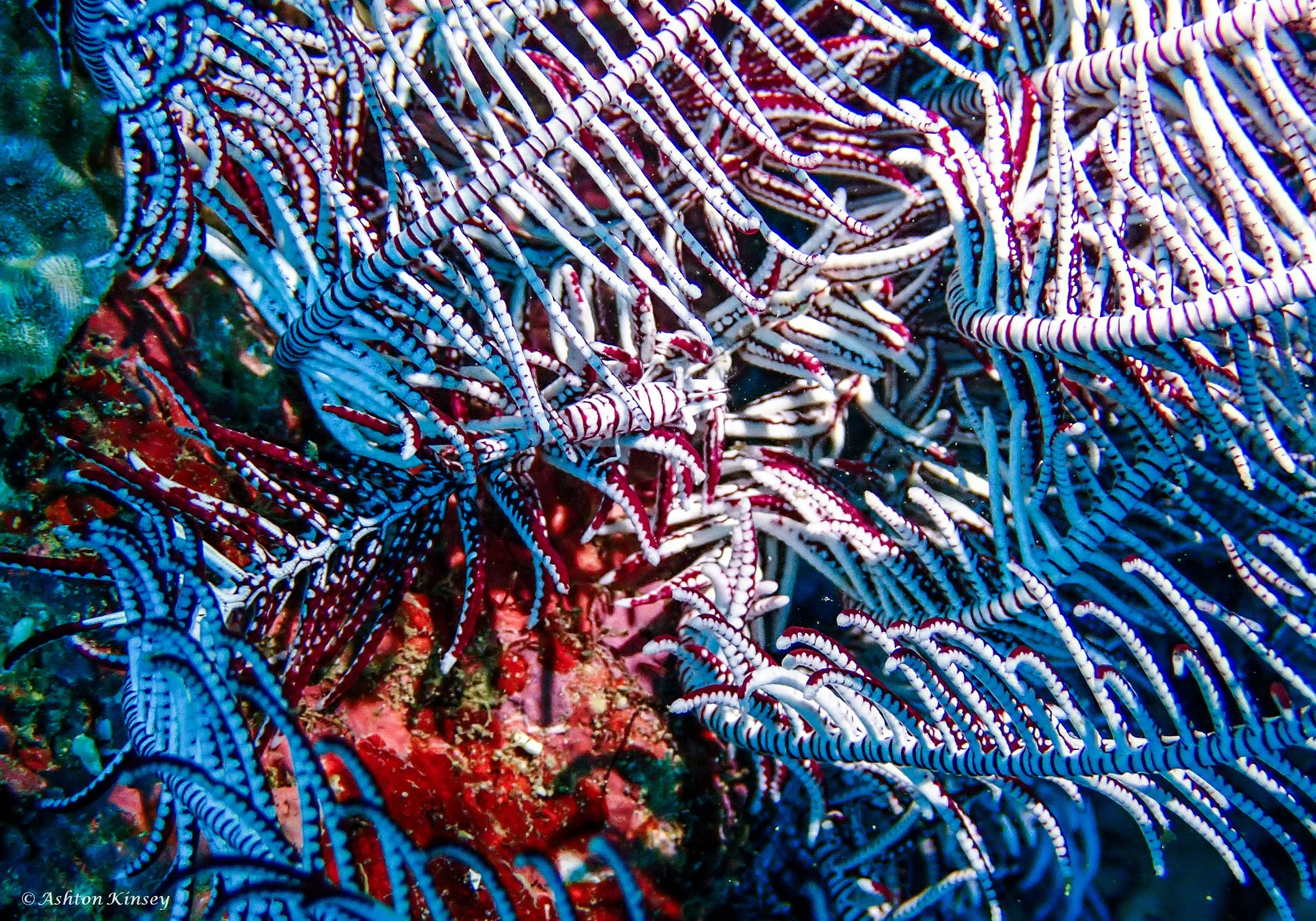
Drift dive between Big Laguna and Small Laguna. Like most sites, there’s a small wall around 15’ that then begins to slope down to 60’ Schools of bannerfish, sweetlips, and triggerfish cruise through the area; the cracks and crevices allow ample hiding places for frogfish, octopus, and sea fans. At the base of the slope, there’s a sandy channel with plenty of mantis shrimp, octopus, and eels.
Dive 21: Coral Cove
74’ for 60 minutes
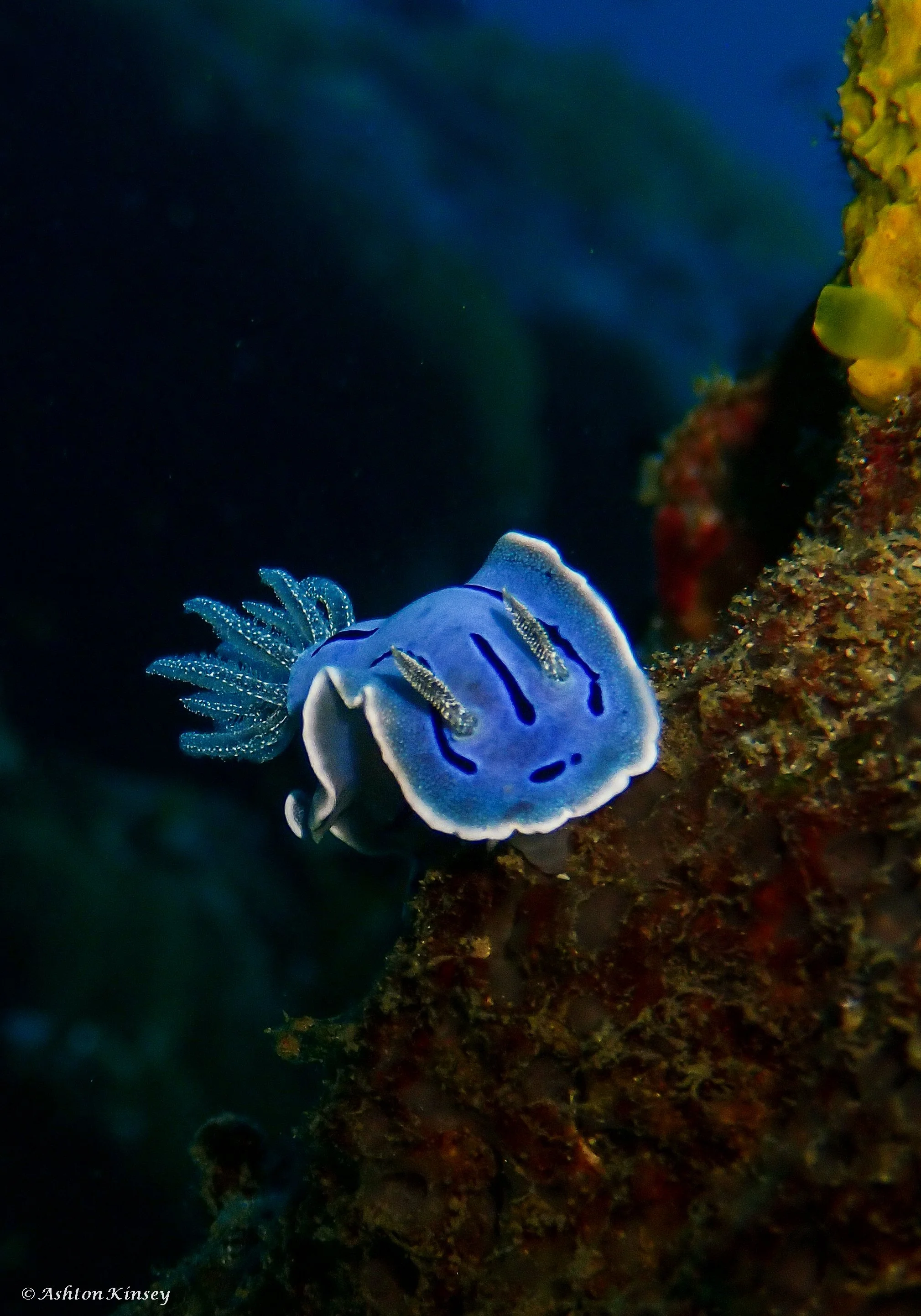
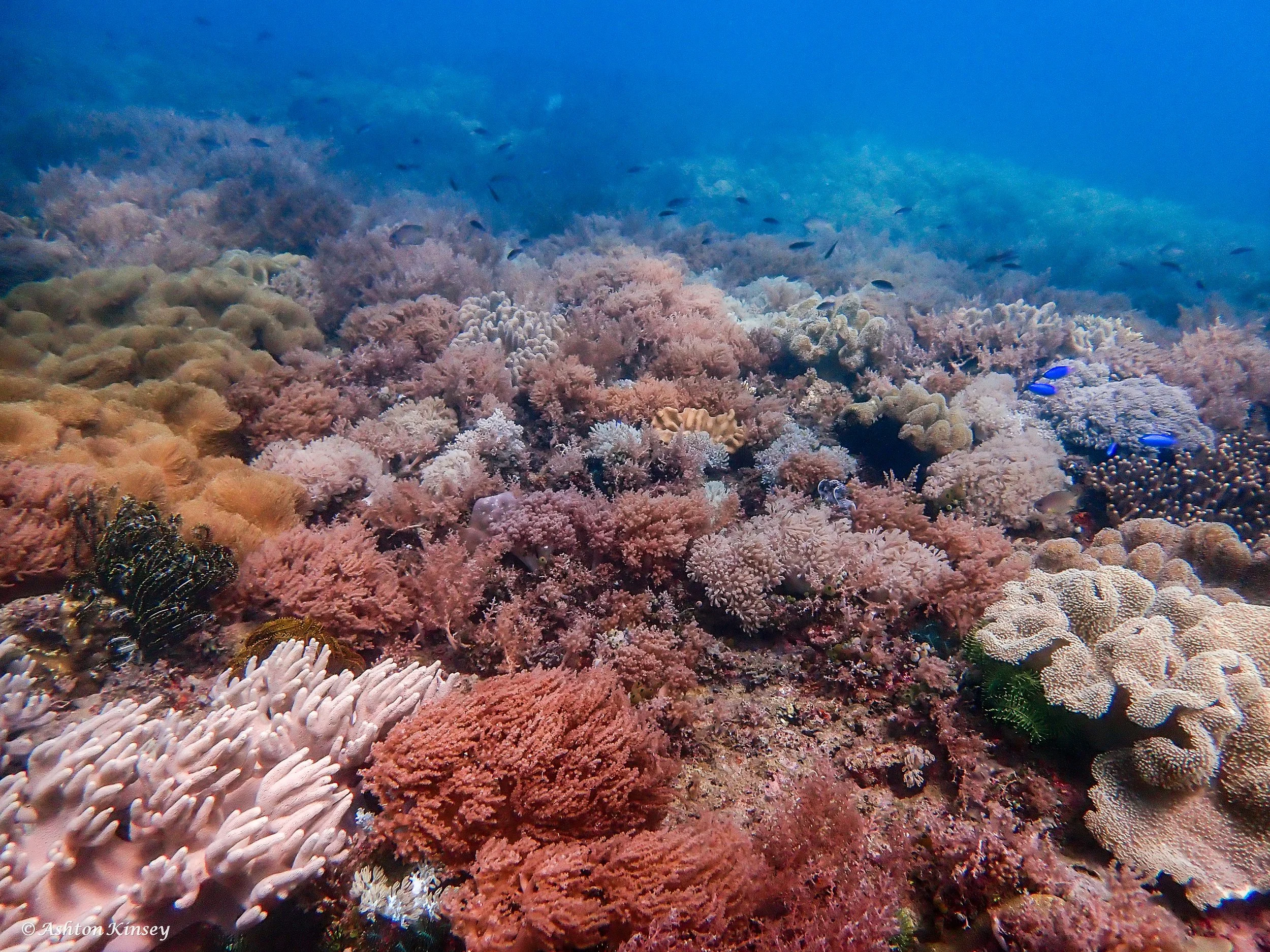
The last dive, and the furthest dive site. Sloping bottom with two ledges that ends at about 75’. At the base of the ledge is gravel and dead coral, which allows for the chance of seeing ribbon eels, blue spotted sting rays, and plenty of nudibranchs and crabs. On rare occasions, mimic octopuses can also be found in the sand and gravel. Above the ledge are plenty of lush corals, sea fans, frogfish, and thorny sea horses. A good last dive with plenty of things to see before heading back and hanging up our gear to dry.
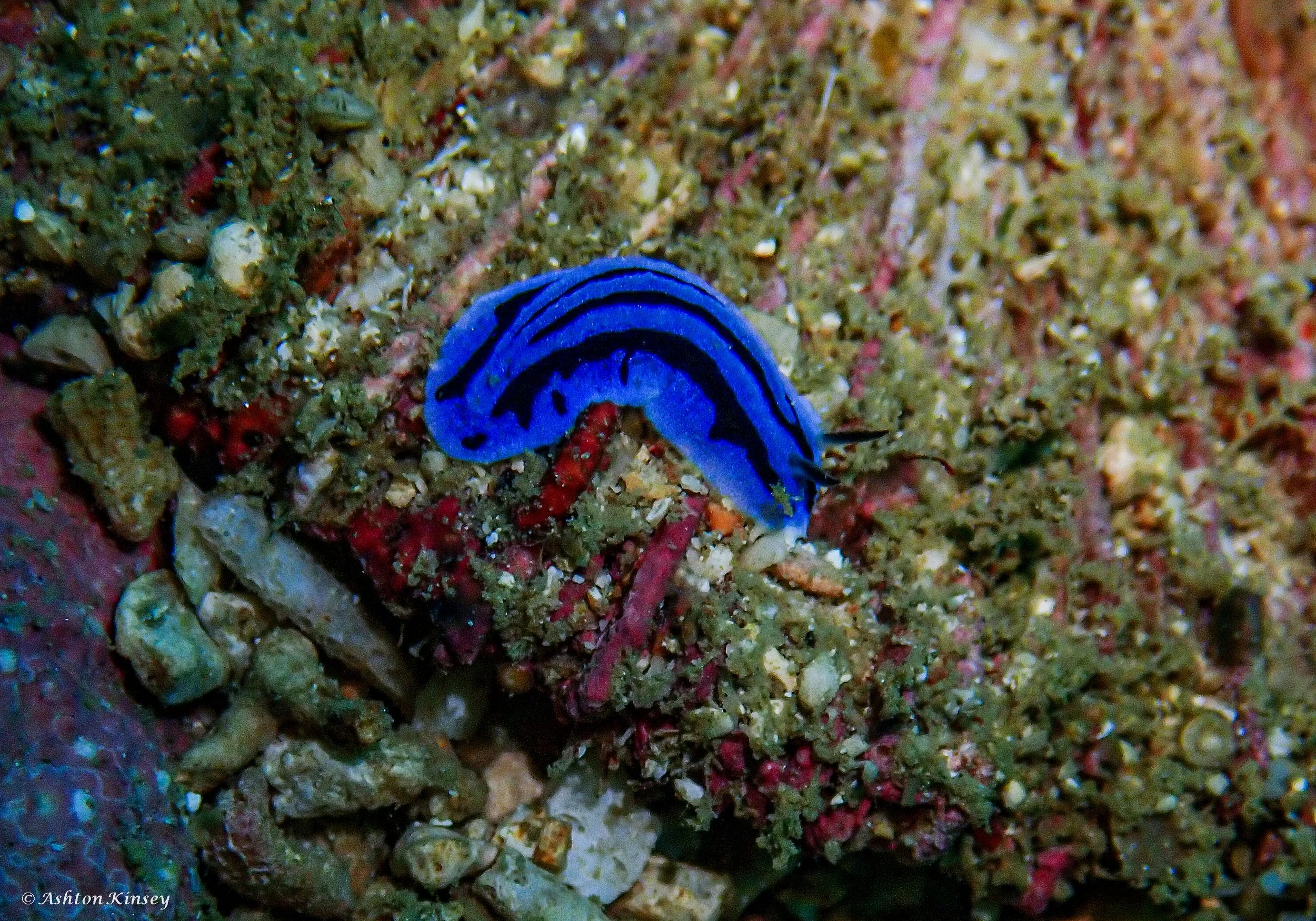
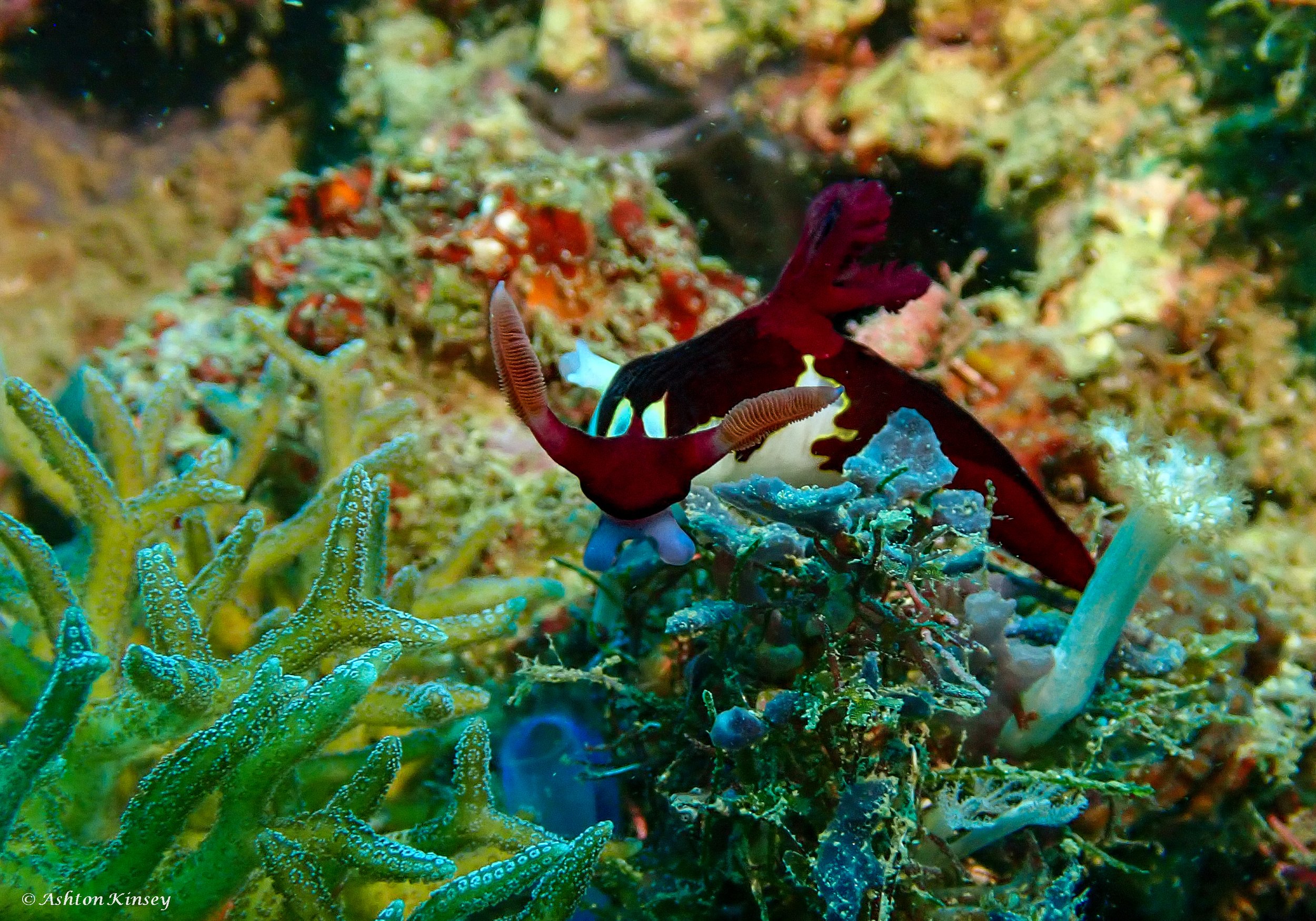
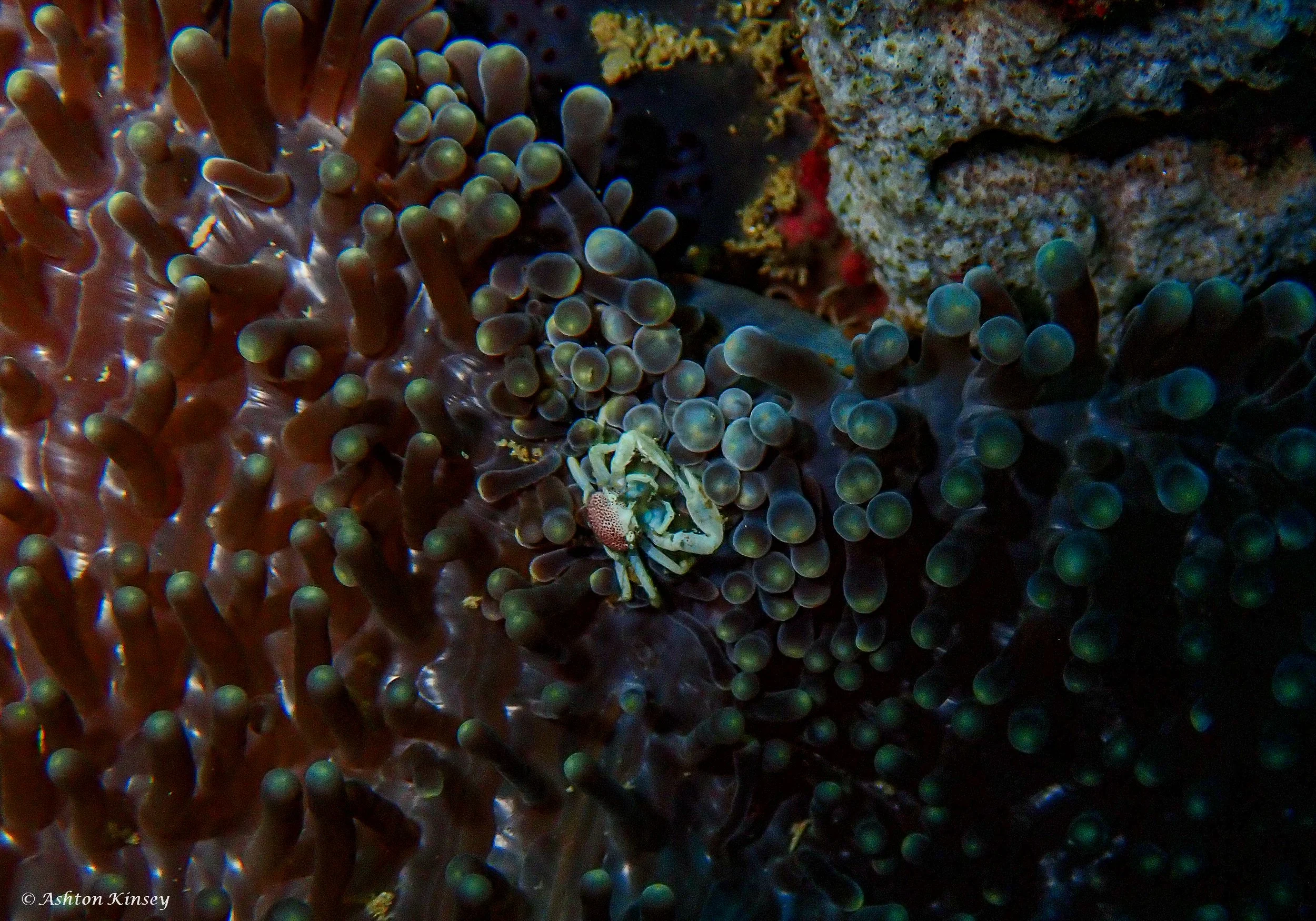
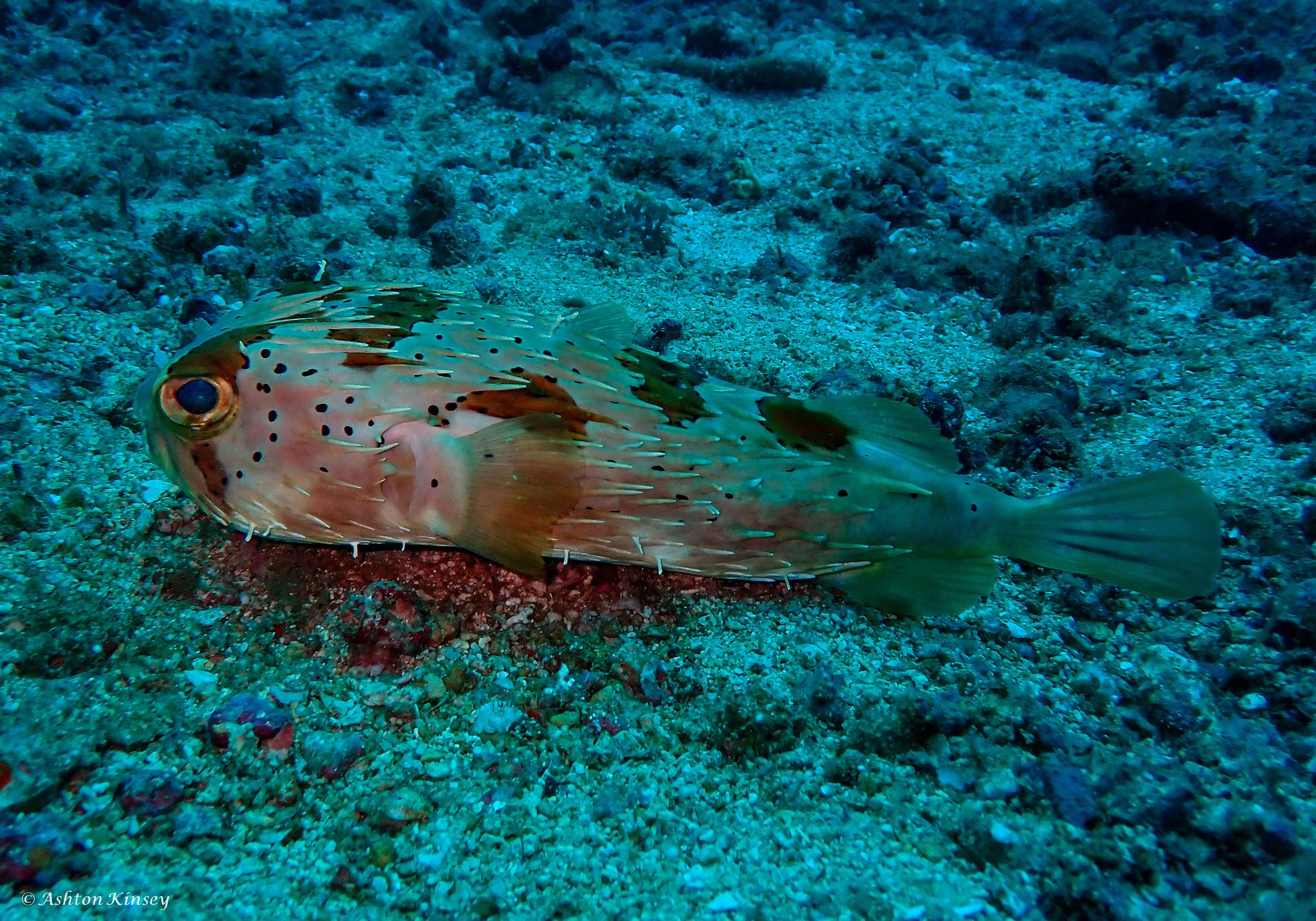
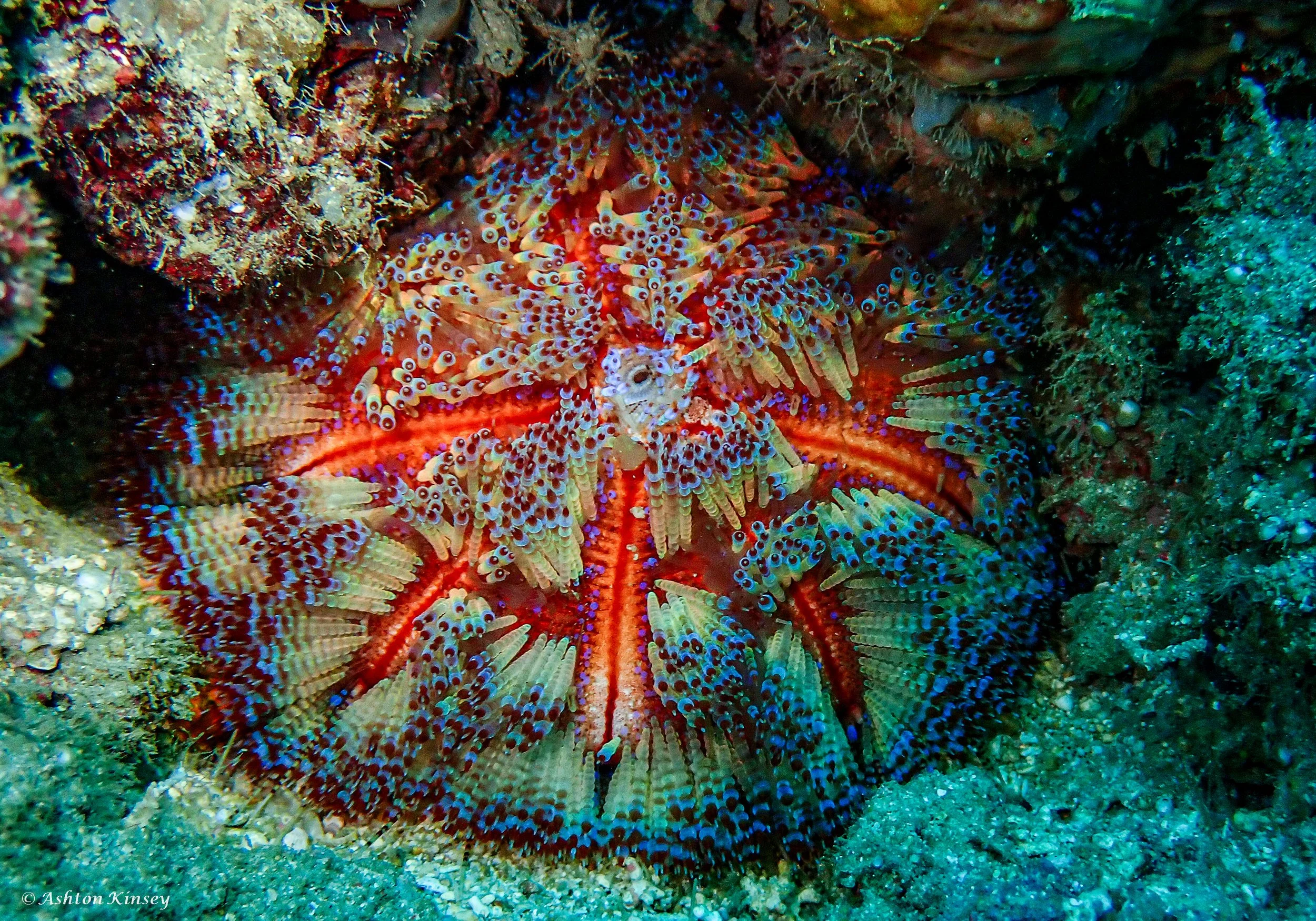
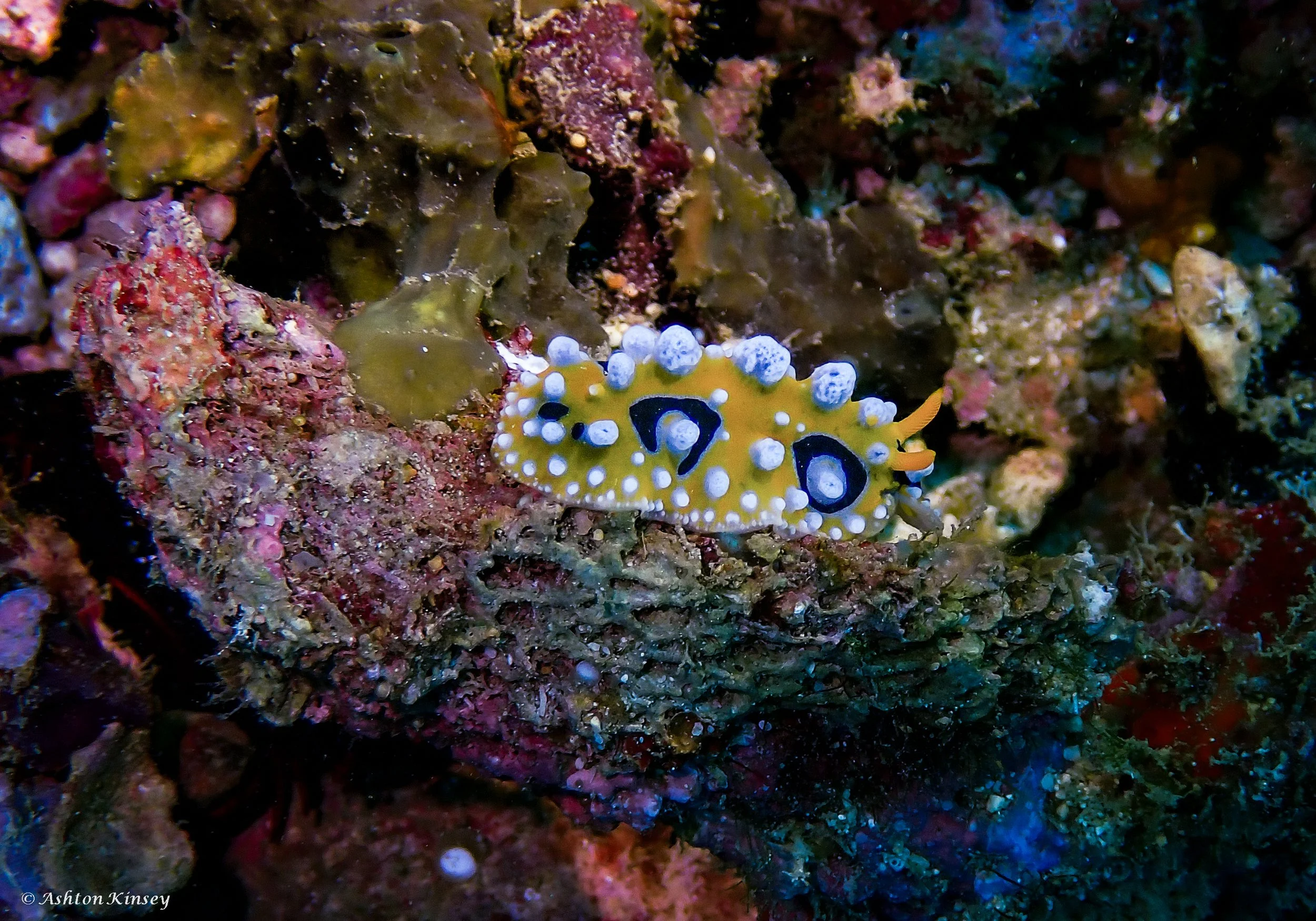
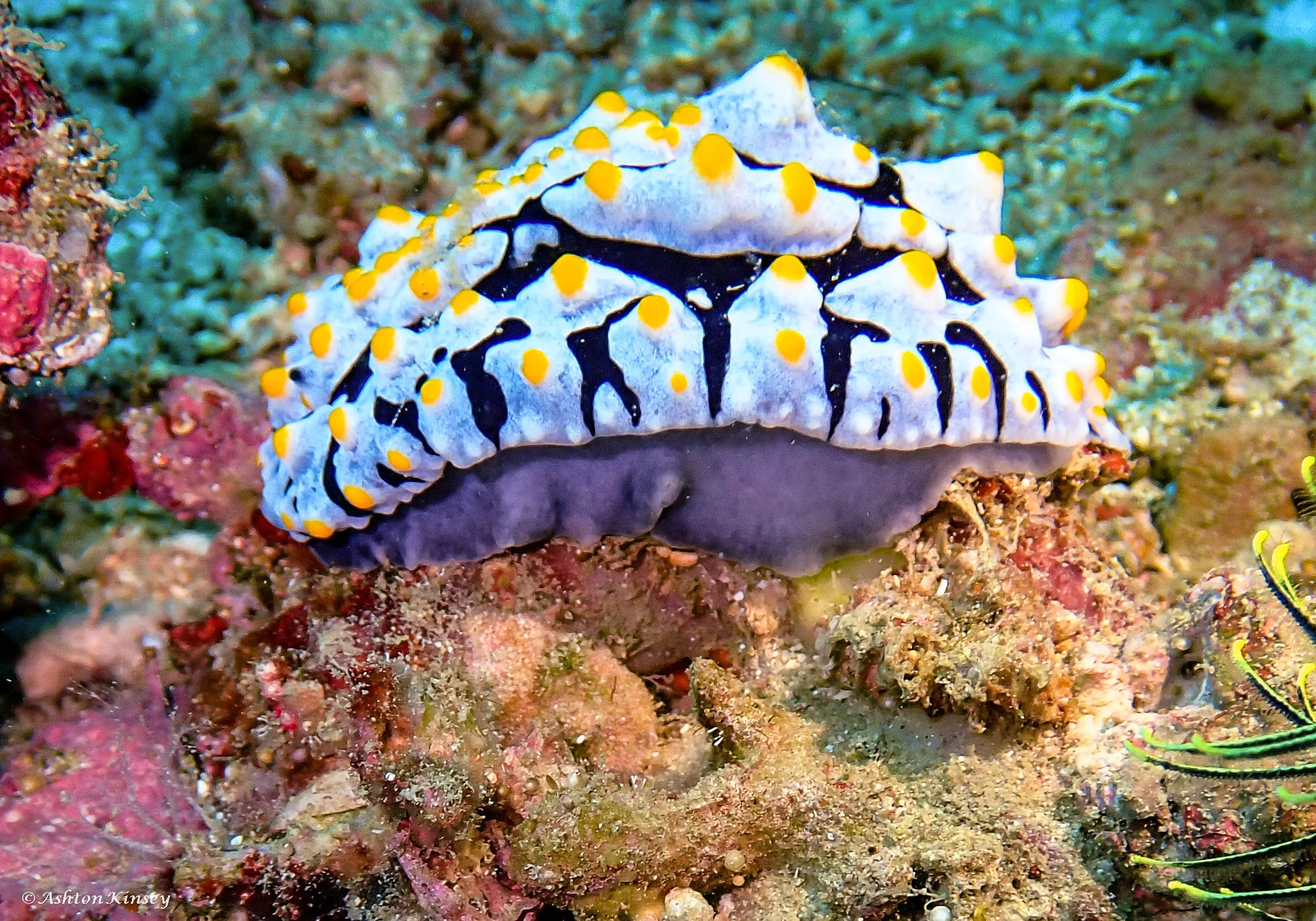
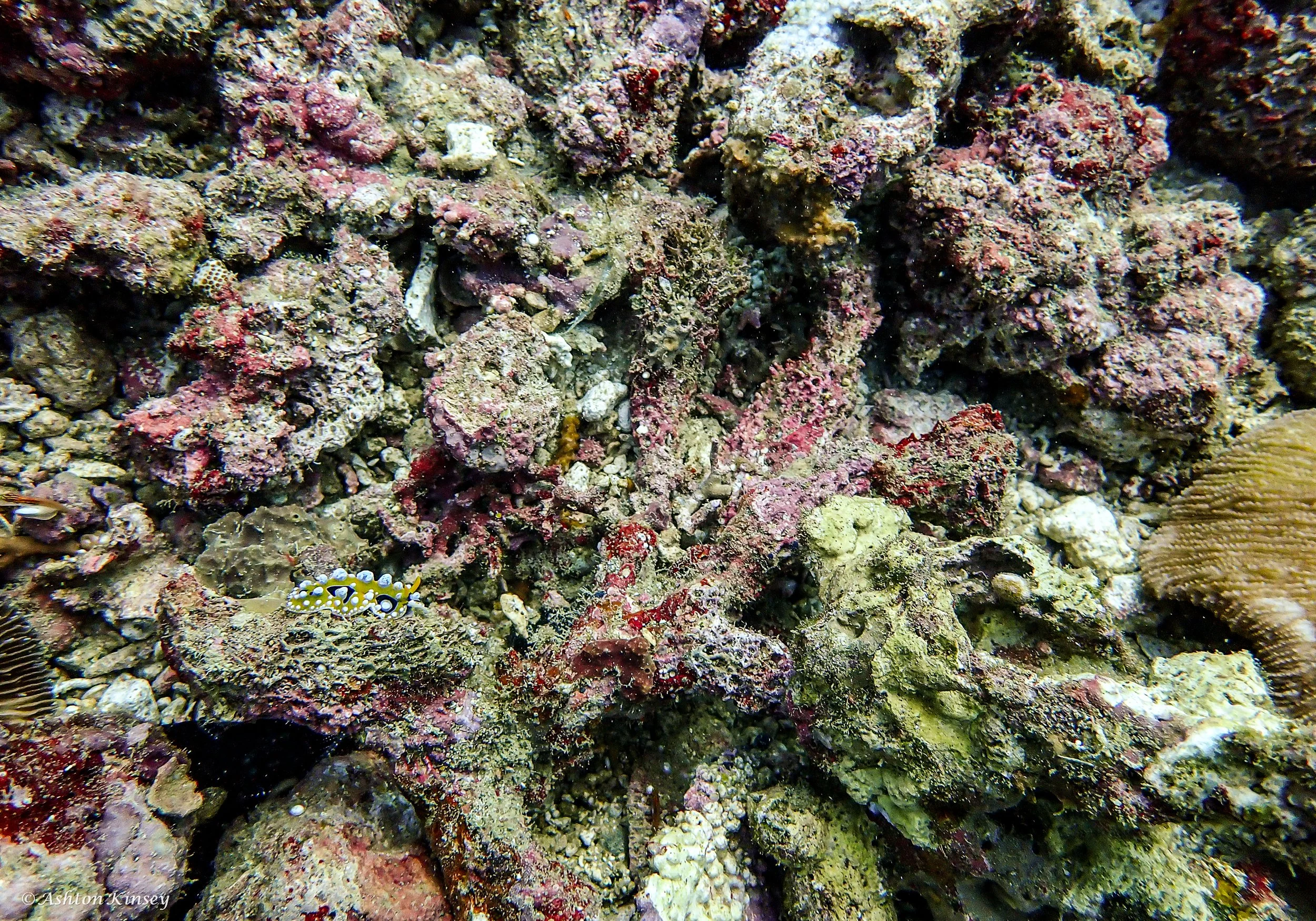
Adventures around the Island
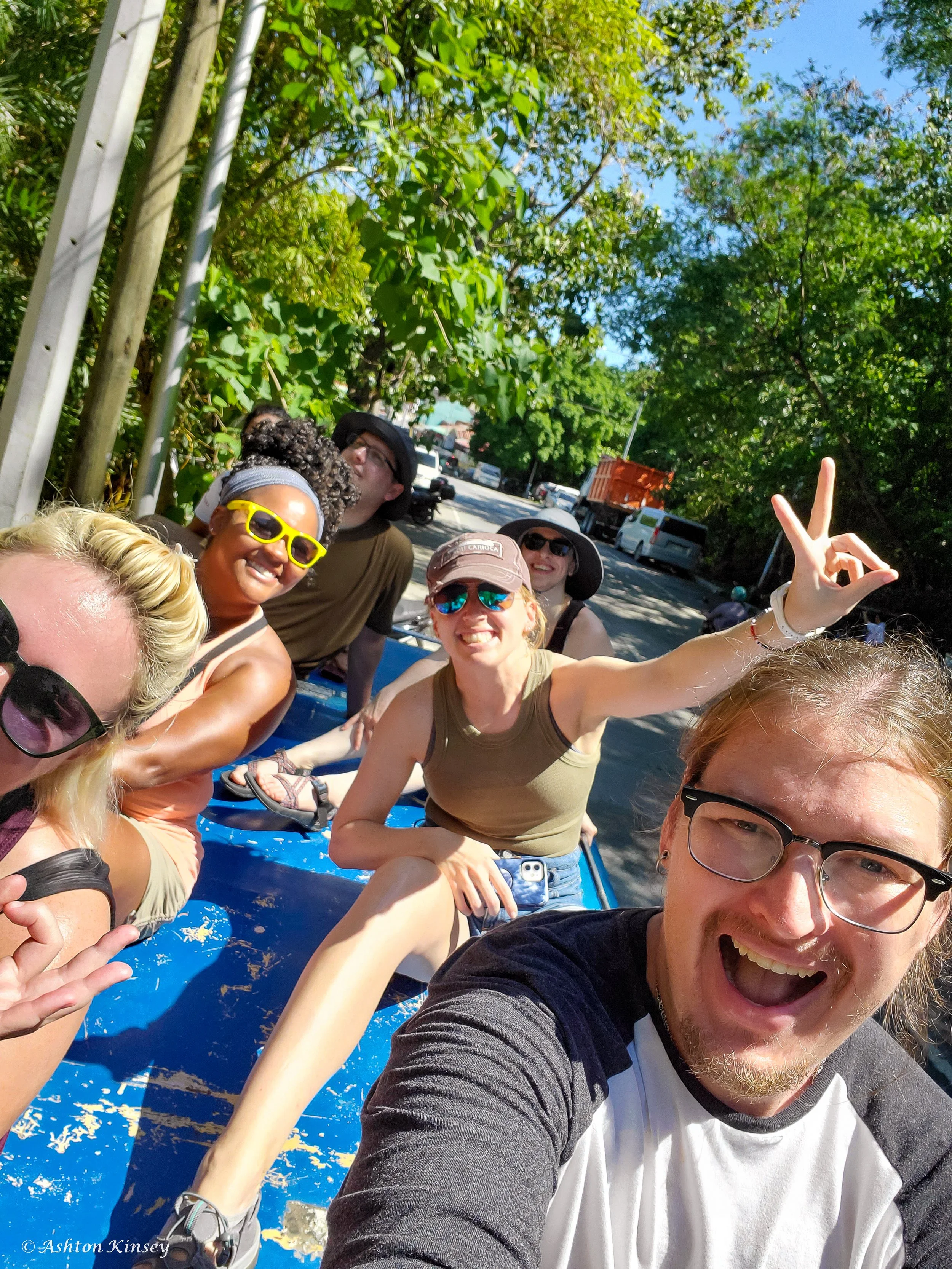
After all the diving, our gear was washed and hung up to dry while we went out and explored some of the island. Unlike our previous journeys in an aircon cooled bus, we took a more traditional jeepney with open windows, no seat belts, and 100% totally safety, especially while we were riding on top of each other and a thin handle railing.
Our first stop on our island tour was a marketplace to pick up candy and small treats for the children living in the local village. We arrive at the Mangyan village. The Mangyans were the original native inhabitants of Mindoro. As a nomadic culture, and while trying to avoid the incoming settlers, they moved away from the sea and up into the mountains. Walking into the village, we were greeted by weavers who were making traditional baskets, jewelry, and other small souvenirs.
Once we were in the village, the children came up to us and waved to us while we handed out candy and other small treats. We got a tour of the school, and there was a small museum talking about the traditional aspects of the Mangyan way of life.
From the village, we drove to check out the scenic Tamaraw Falls, which is named after the Mindoro Dwarf Buffalo called the Tamaraw. The buffalo is a very rare and endangered species found only on the island. It is the only endemic Philippine bovine; potentially, it was once located on the island of Luzon; however, they are now only located on Mindoro. The species once lived all through the island, from sea level up through the mountains, but is now critically endangered due to habitat loss and human influences.
From there, we went and had another ride on the top of the jeepney to get a scenic view of Verde Island. It’s a nice view, but honestly, I would have much rather been diving it again instead. We tried to go and have a drink at a local restaurant, but it was closed for a wedding. There were alternative plans for things we could have seen, but the group decided to go back to the resort to start packing and getting everything ready before the party. We did stop at a local bakery and got several traditional treats to try as we drove back to the resort.
Our final evening, we had a going away dance party with fire dancers, food, oh so much food, drinks, and performances from the resort staff. It was a fun last night, even if I had to give a speech and we all had to be awake at sunrise for our transfers back to the mainland to catch flights.
While most of the group went their separate ways, whether on early flights back to the states, extended travel to explore the rest of the Philippines, or just sitting in the Manila airport waiting for their avro flights, a handful of us opted to overnight in Manila before heading home. The time in Manila was largely uneventful. After walking around the downtown in search of acceptable looking street meat and seeing the sites, we returned and lounged by the pool before adventuring for dinner and calling it a night.
Flying back is always bittersweet, reflecting on the past trip, or in this case, trips, as nearly a month of traveling came to an end. The flights were largely uneventful. A long layover in Taipei, where we found a shop dedicated to a bock choy art piece, and then we were back headed to the states. Until next time, another adventure has come to a close.