Bali: AquaMarine Diving
AquaMarine Diving - Bali
November 7th – 18th, 2022
Guide Lead: Ann Dwi Zainul Khoshin
Buddy: Kody C.
17 Dives; 16 Hours 2 Minutes
The Adventure Begins
Let’s start at the beginning. Picture it: Chicago 2019, discussions of a trip to the Philippines, ‘uge interest, the biggest trip ever, All the people, everyone wants to be on this trip. Sells out, never been done before, waitlist galore, basically we have the resort to ourselves, iconic. Everything is set and we’re good to go, and then... March 2020. Two weeks, it’ll be fine; this will be gone by November; no need to cancel the trip. Such naïve fools we were. That’s fine; we can push it to November 2021; things must be better by then, right? Right? Better, sure. Great? No, but 2022 will be our year; we will do it! But wait, you might be asking, "Philippines? Isn’t this about Bali and Singapore?" Yes, this is part one of a two-part adventure, so strap in!
As time progressed, and the trip to the Philippines got closer, the idea of flying to the other side of the world for a week seemed... excessive. Through much conversation with other individuals, an add-on trip was plotted, and the search for locations that had decent diving and new creatures began. Thailand, Australia, Japan, and Chuuk Lagoon were all thrown out, each with their own pros and cons. Ultimately, Bali, with the hope of seeing Mola-Mola, won out. The chance of seeing them was low. The season for them would be ending in October, but it’s still not unheard of to see them in the early parts of November. The plan was finalized, and flights to Bali and then home from the Philippines were purchased. Getting from Bali to the Philippines was a future problem that would be taken care of later; besides, this is July, and the trip wasn’t until November. In "Ashton Time" that’s close to 2 years away—plenty of time.
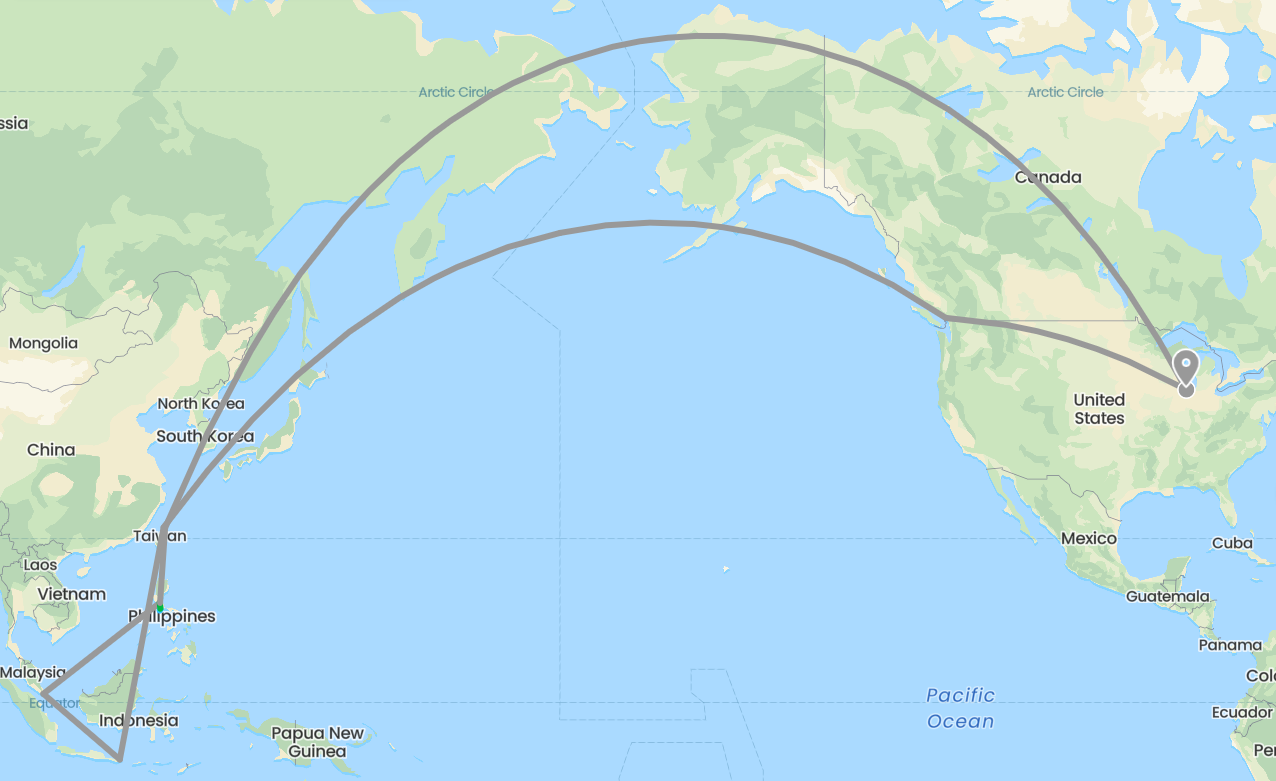
Time went on, all was well. The November trip slowly crept closer; the thought of packing was not even a consideration. Besides, it’s September, and the trip is still a year away. In early September, an email appeared saying the flight to Taiwan had been changed and would depart at 12:30 a.m. instead of 1:20 a.m. Great! That makes getting to the airport a bit easier and isn’t such a late night before boarding. The flight plan is below:
Chicago —> Taiwan —> Bali
Not bad; decent layovers; gets me to Bali a day before the diving starts; plenty of time to recover and not rush. That afternoon, the phone rang with a representative from the airline, confirming that the flight change was received and acceptable. Yup, all good; leaving an hour early is no big deal, except that... the flight leaves two days later than originally planned, and getting into Bali after the trip is scheduled to officially start. After some back and forth, the flights are rebooked, and while there will be an additional layover in Seattle, it could be worse. Updated flights:
Chicago —> Seattle —> Taiwan —> Bali
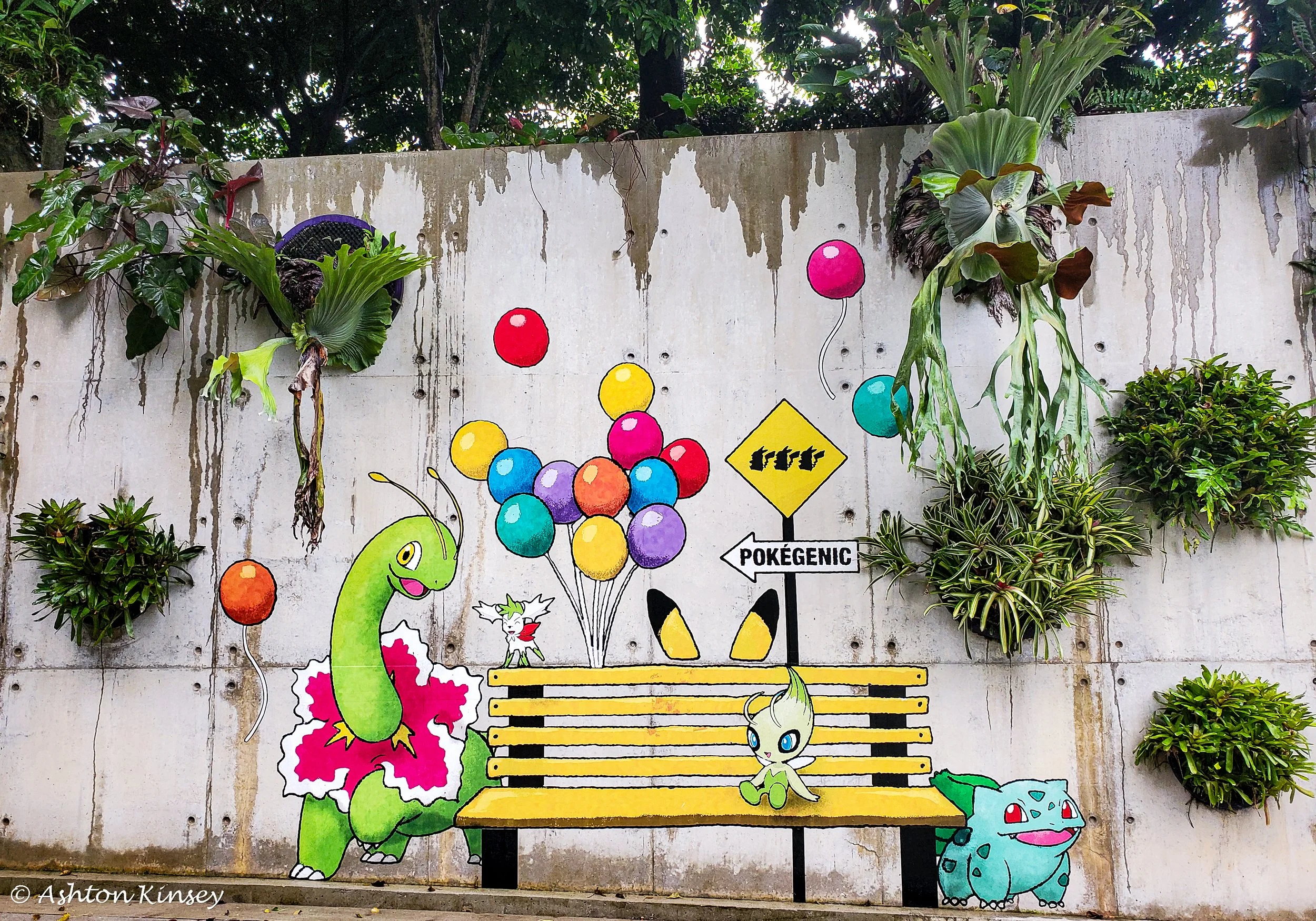
Time marches on. The winds turn and fall approaches. You can smell winter in the air; excitement is starting to build. The end of September approaches, and no flights from Bali to the Philippines are booked yet. There’s plenty of time to book the flights. Should I hang out in Bali longer or spend a couple extra days in Manila? There are plenty of options available! Meanwhile… Niantic and Pokémon Go announce a Safari Zone in Singapore that just happens to line up with the days between the Bali tour ending and the Philippines starting. The obvious plan is to add Singapore to the journey. Tickets were purchased and plans solidified.
Chicago —> Seattle —> Taiwan —> Bali —> Singapore —> Philippines
Finally, on the day of the flight, packing is mostly complete, and five hours before the flight, all is well. Until a pop-up notification saying the flight to Seattle has been cancelled. After a frantic search of emails and the airline website, it was thrice confirmed that the flight was in fact canceled. "This is fine." A call to the original airline was less than unhelpful, as the Seattle flight rebooking was through a partner airline, and the original airline still showed the flight as "on-time". Calling the partner airline resulted in a similar conversation, as the ticket was purchased through the original airline. Calling the airline again started a discussion on rebooking flights with very limited options, along with slightly judgmental tones about not being at the airport yet, four hours before the flight was originally scheduled to start boarding. Frantic texts were sent out requesting a ride, an hour sooner than was originally discussed, and final items were thrown into bags. One could argue that packing sooner would be a good idea, but they would be wrong.
During the mad dash to the airport, the following flight itinerary was booked: It left the next day and got into Bali eight hours after the required pick-up time but would be in Bali.
Chicago —> Los Angeles —> Sydney —> ?? —> Taipei —> Bali
Due to high winds in Chicago, several flights were canceled. Understandably, the line to talk to customer service was extensive and full of happy, pleasant people who were all *totally* covering their mouths while they hacked up their lungs. The line trudged on, the agents, looking very done and over everyone’s, "BUT I NEED TO GET TO FLORIDA NOOOOOOW" and "MY DOG NEEDS ME, YOU DON’T UNDERSTAND!" At last, I approached the counter with minimal hope, and the situation was explained. A flight is needed to land in Bali within the next 72 hours, preferably sooner, and that a flight change has already been started on the phone. After much typing, confused looks, and grunts, the flight itinerary was found, showing 13 different open flights that somehow were created over the phone.
A flight was found; however, it was scheduled to leave in 30 minutes, and changes aren’t allowed less than an hour before takeoff. After madly typing, multiple phone attempts, and lots of huh, that’s weird...", the agent handed over tickets. Stating that a flight to Vancouver was delayed, would be boarding shortly, and I should go directly to the gate. Do not pass go. Do not collect $200. Rushing through security, happy to have flights, the adventure was back on track.
Chicago —> Vancouver —> Taiwan —> Bali
Arrival in Bali
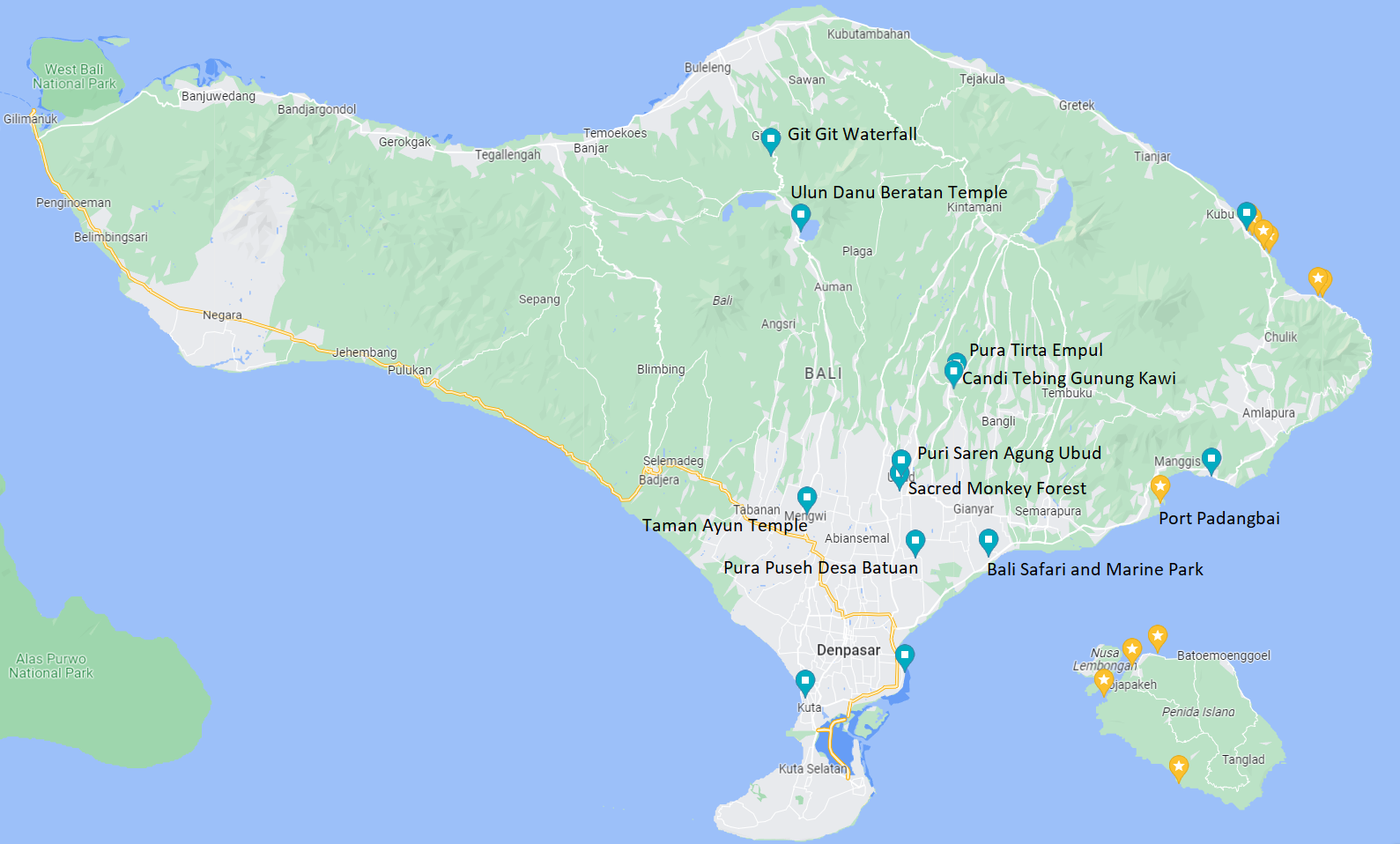
After several hours of traveling and only minor hiccups about "not having the right tickets" in Vancouver, the plane was touching down, and after a short cab ride to the hotel, the travel was done... sort of. This is an adventure around Bali... well, parts of Bali… the Central-South-North-East-ish Bali. Look at the map, it’ll make sense. Maybe, who knows.
The first night in Bali was before the adventure officially started. It was a nice chance to shower and peel off the layer of grime that comes with traveling for over 24 hours. After becoming presentable to the world, the remainder of the time was spent eating, walking around Kuta, and exploring the ocean front, because what else do you want to do before spending a week diving but go and hang out by the water?
Phase One: Ramayana Candidasa
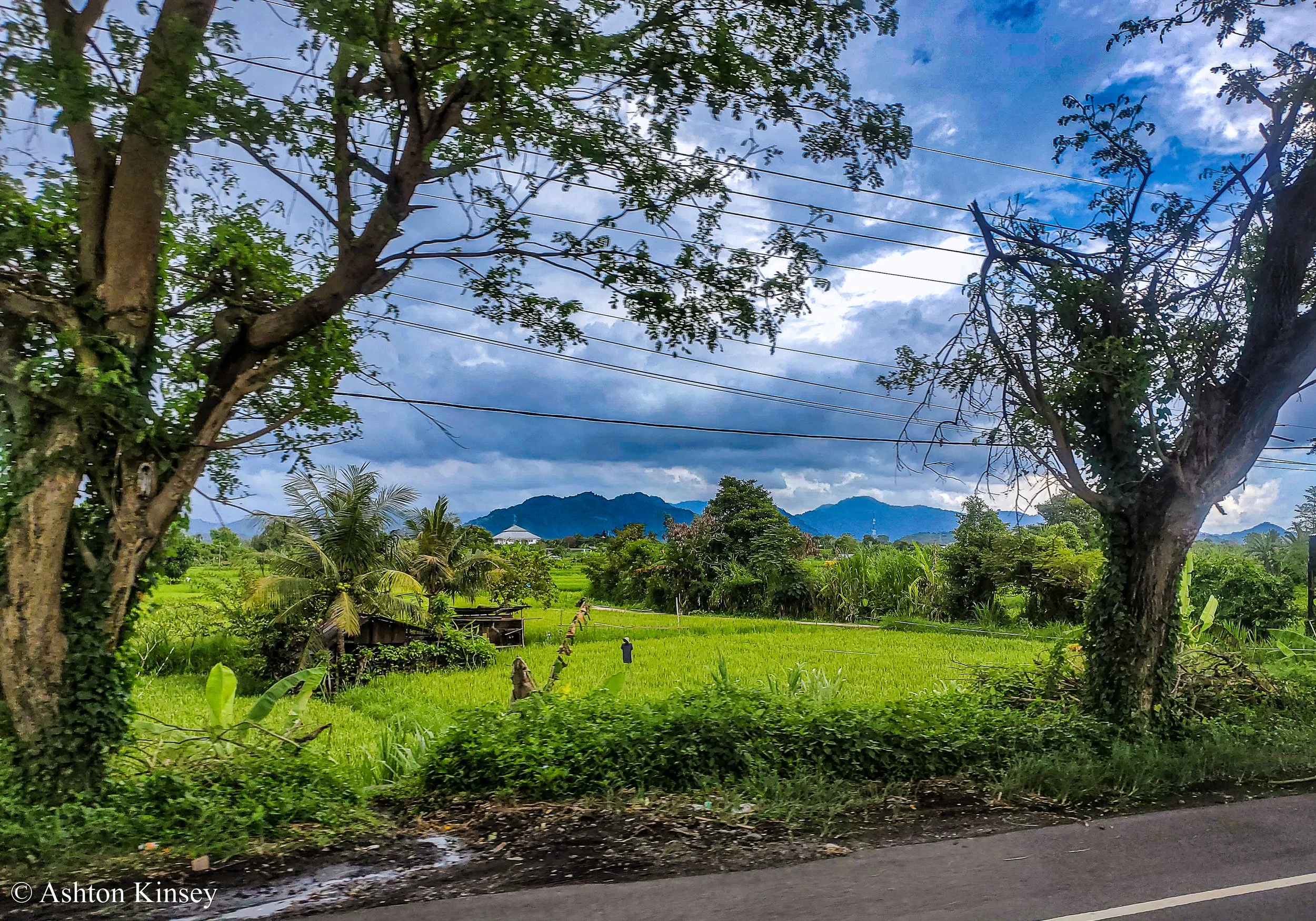
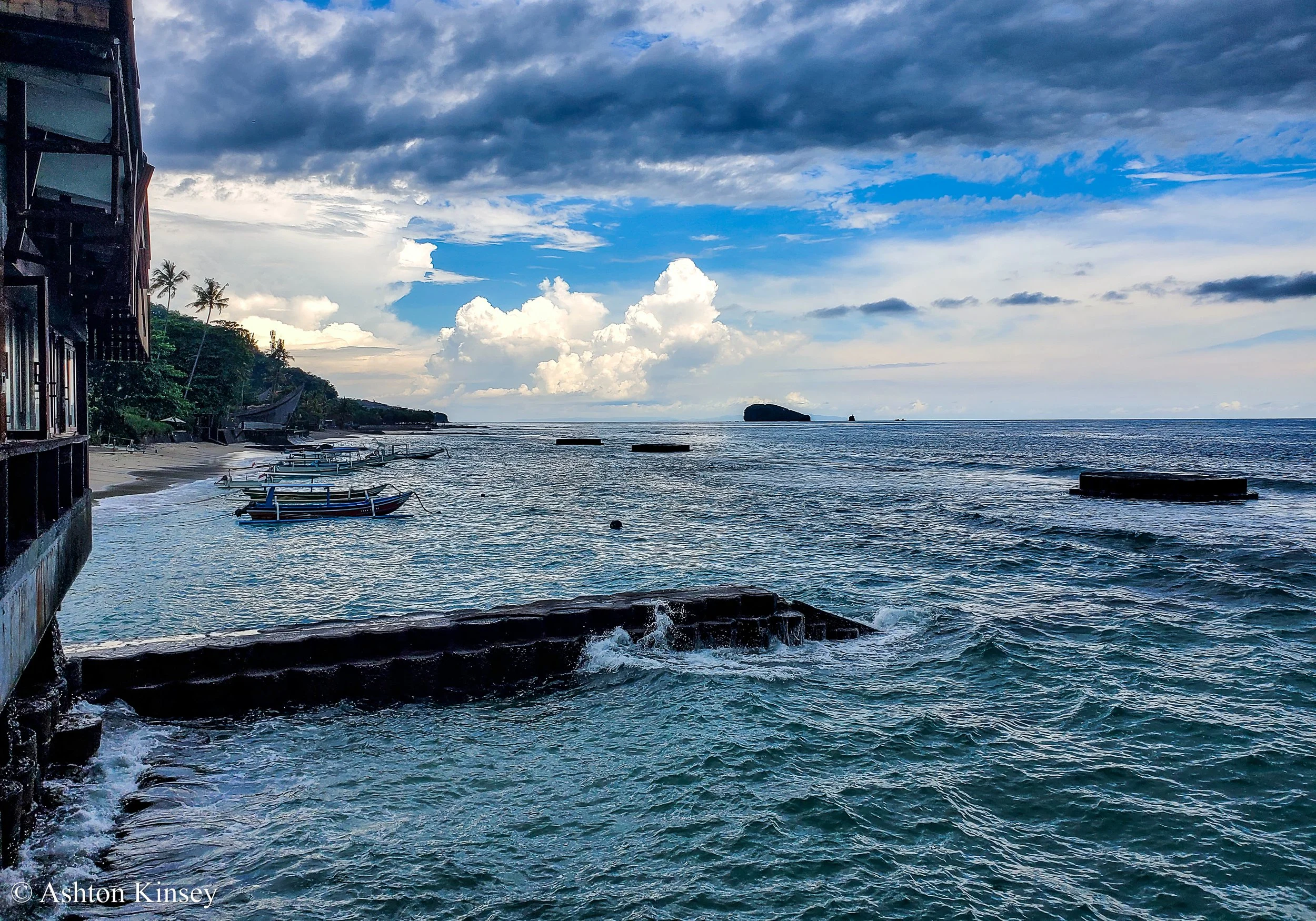
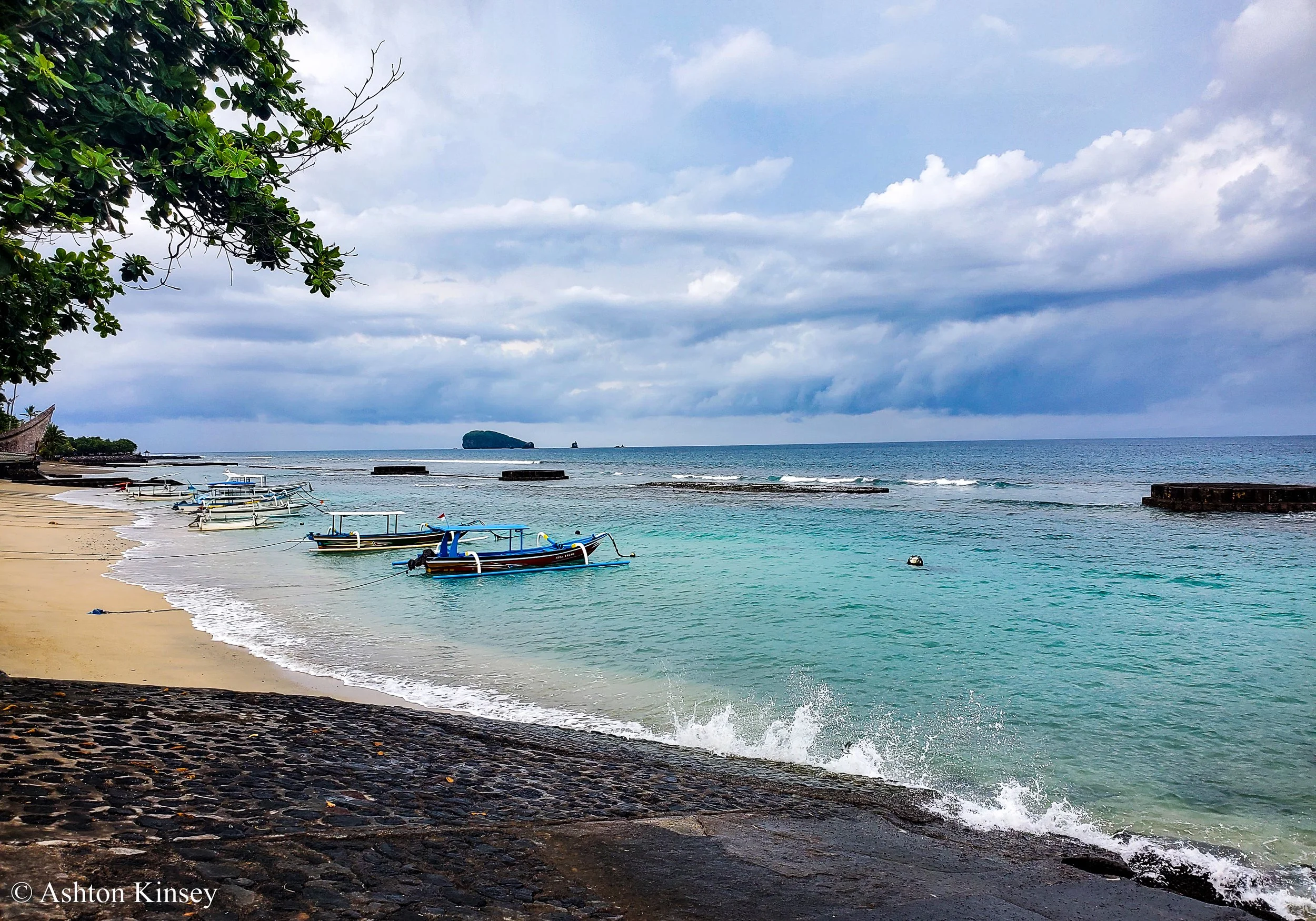
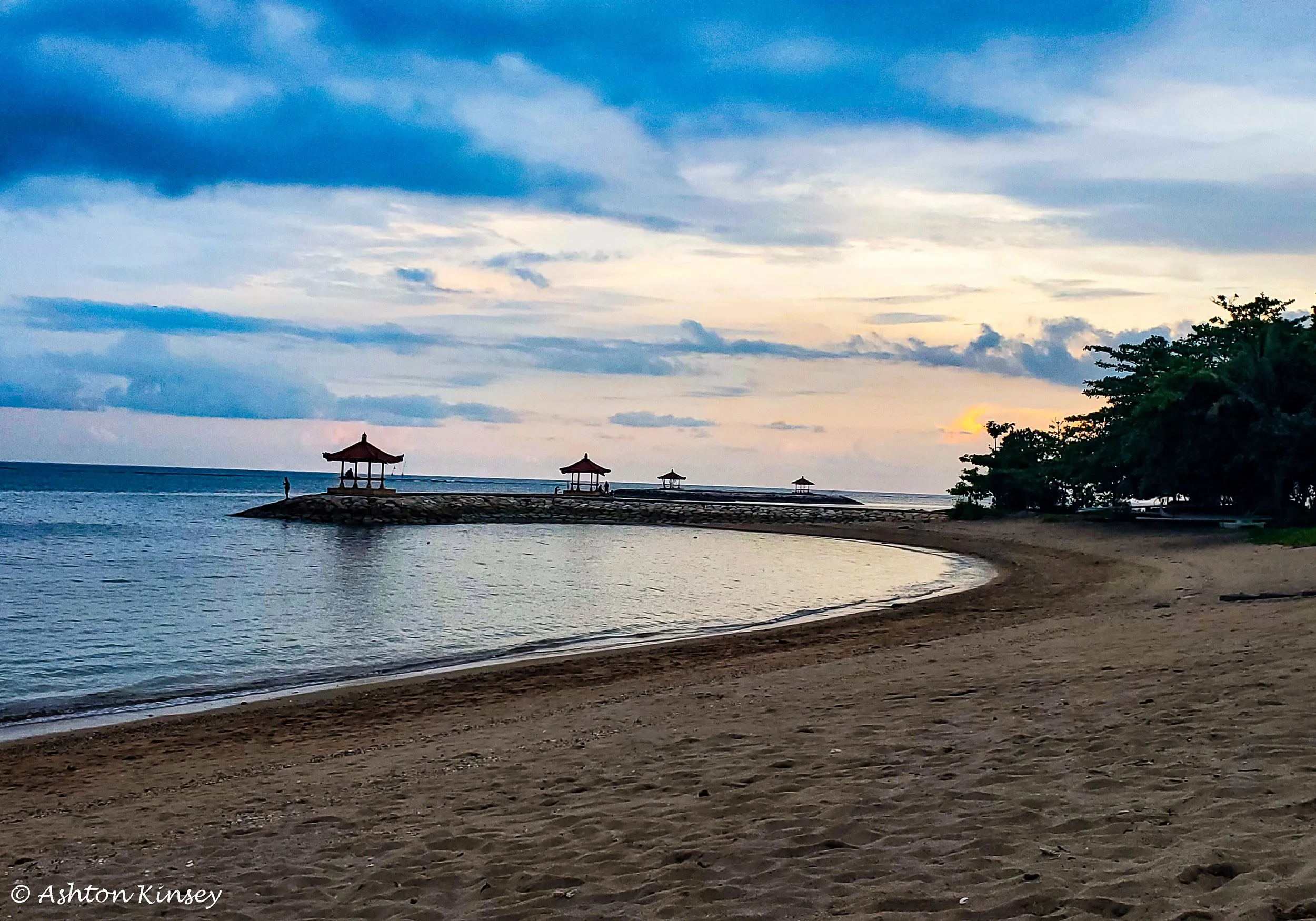
In the afternoon, we were picked up and transferred to the first stop on the dive portion of the adventure, dropping off at the Ramayana Candidasa. Candidasa is located about an hour and a half north along the coast, passing through several towns and farms, and is spotted with temples. The resort is extremely nice, with a restaurant, pool, and an artificial beach overlooking the ocean.

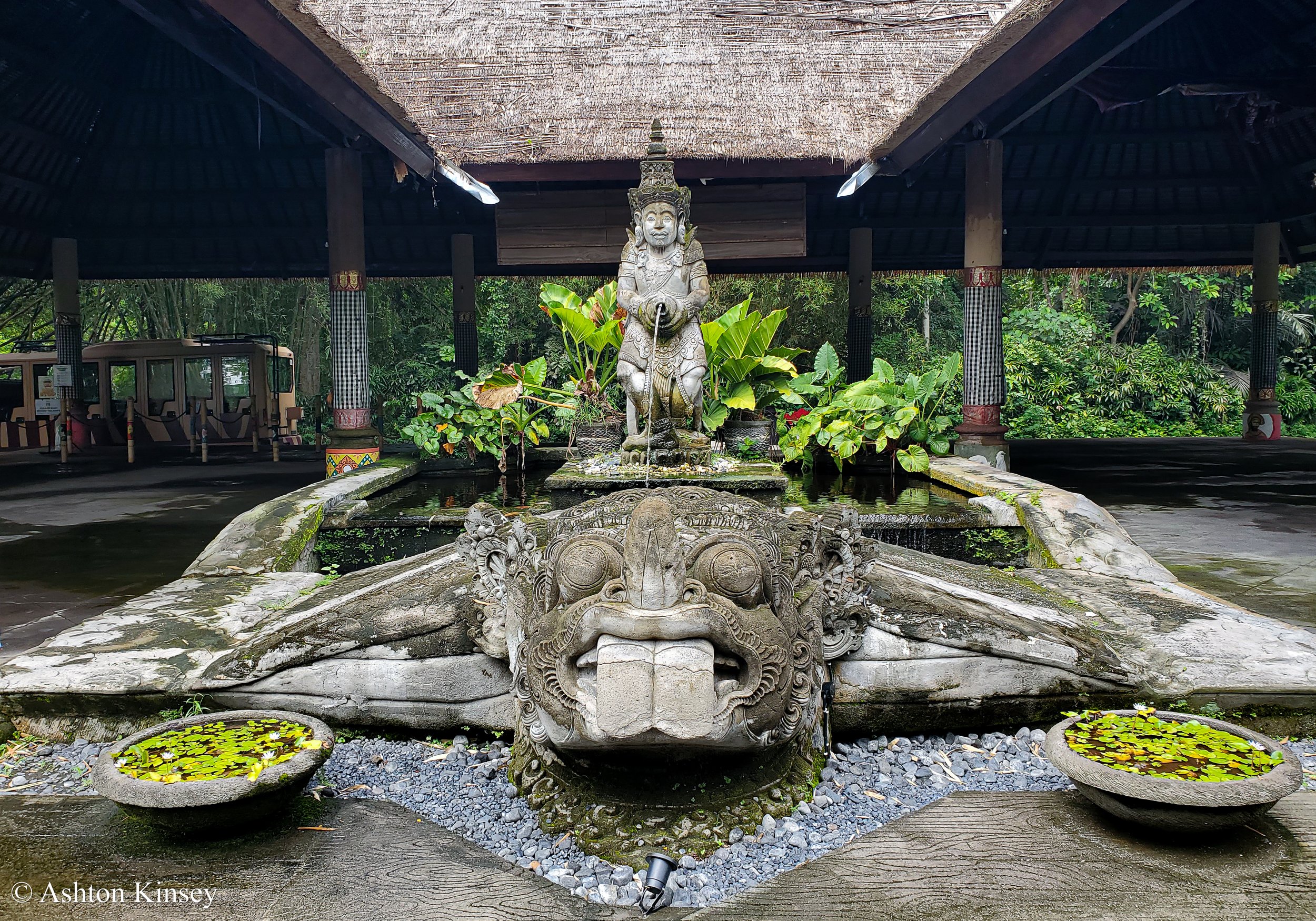
After getting settled and exploring the resort a bit, we ventured off and walked along the coast, checking out what was around. There was…not much. Since nothing was planned for the first day, instead of being boring and sitting on the "beach" or swimming and getting sunburned, we decided to check out the Bali Safari Park.
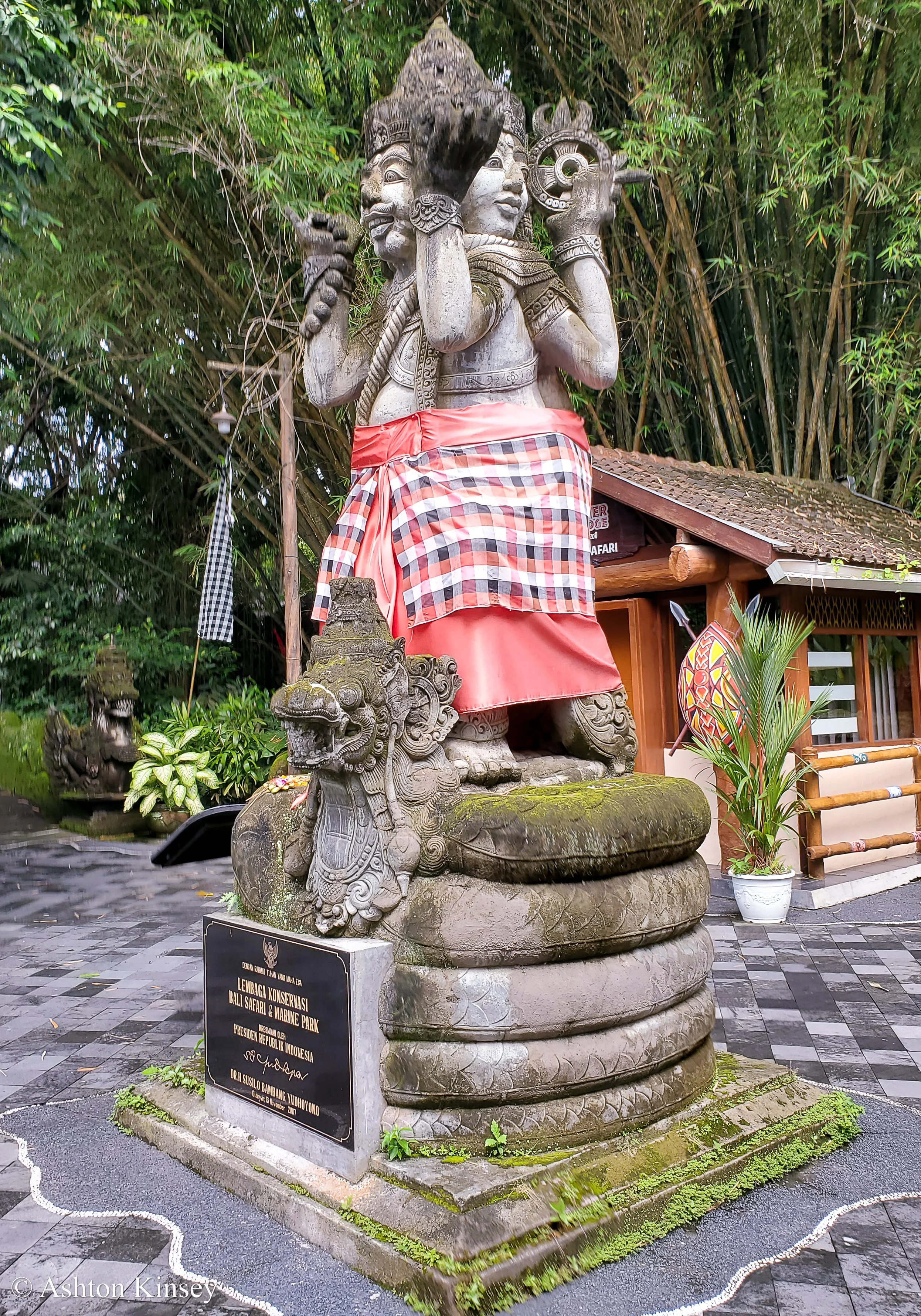
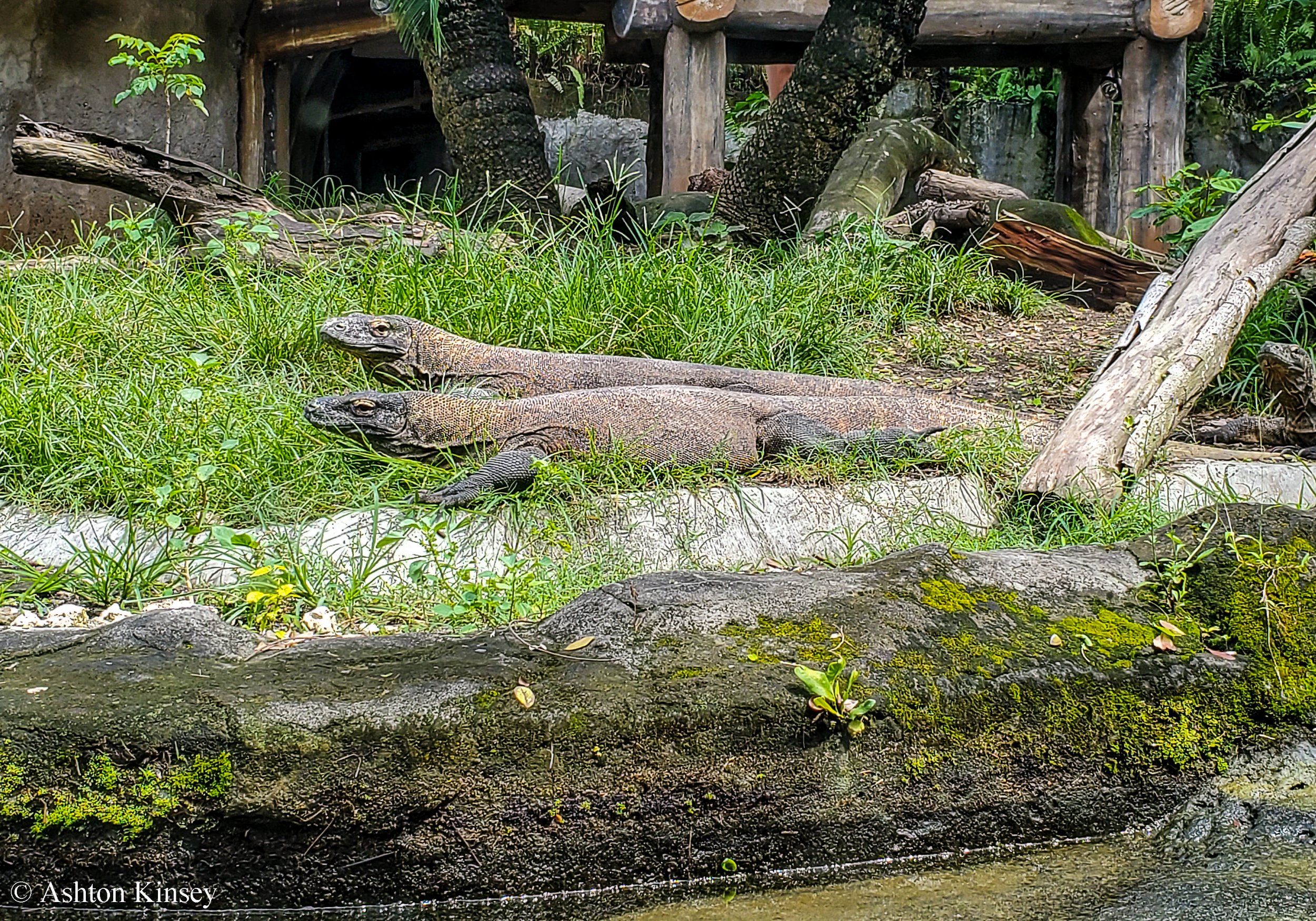
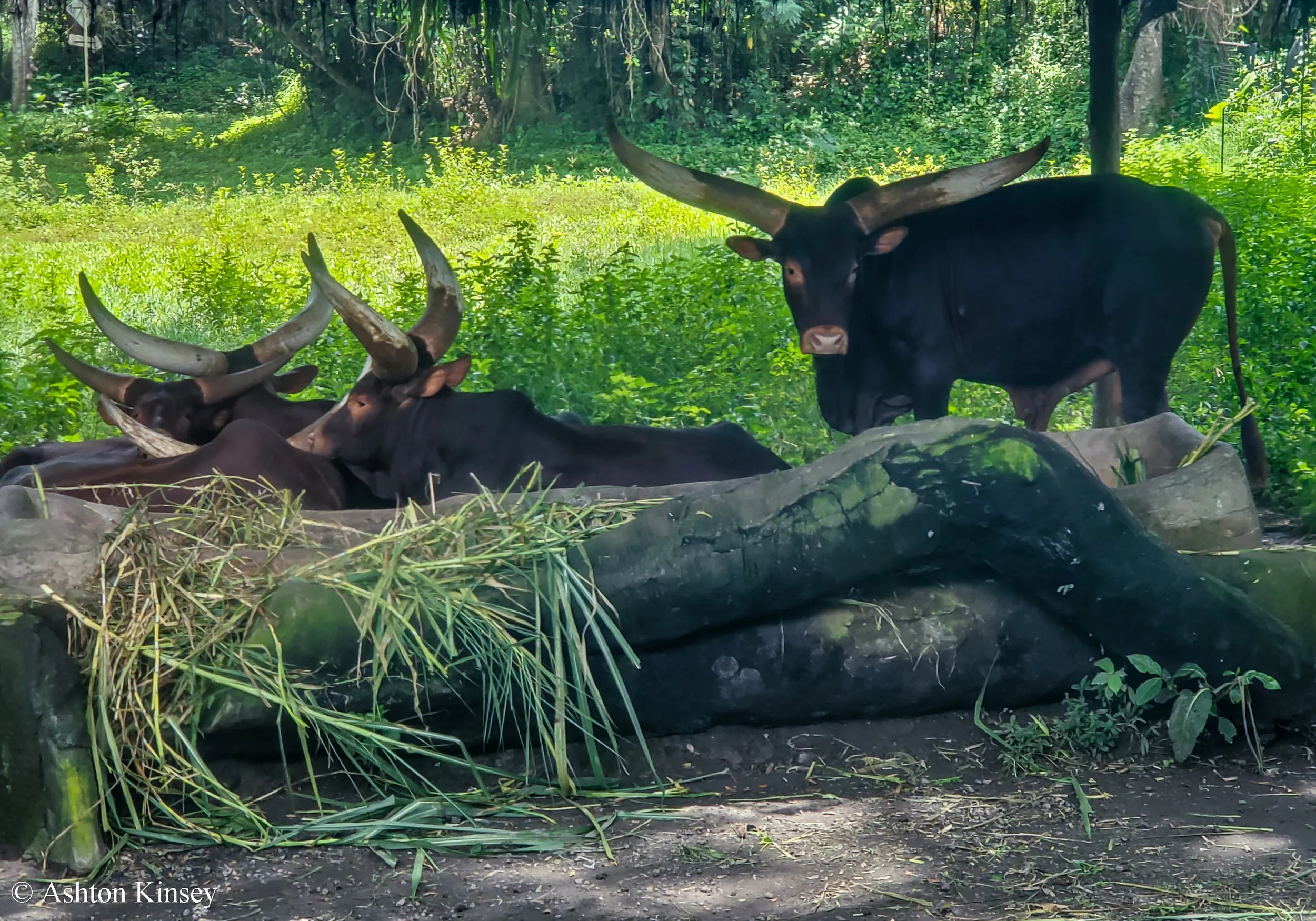
The Bali Safari Park was opened in 2007 and is a member of the SEAZA, CBSG, and PKBSI groups. Hosting over 120 animals, including elephants, lions, hippos, rhinos, and breeding pairs of Komodo dragons. The park is big enough to spend most of the day there, and luckily it wasn’t overly crowded with people. The park offers a Safari adventure that goes around the different big animals’ enclosures to see them in their "open and natural" habitat." Throughout the day, there are several educational talks where they introduce different animals and give more talks about them. It also features the highest Ganesha statue in all of Indonesia, sitting at 9 meters (29.5 feet) tall. Fun fact: the world’s largest statue is in Khlong Khwain, Thailand, and is 39 meters (128 feet) tall. All in all, it's not a bad way to spend a day if you’re in the area and have some time, but no special trip would be required otherwise.
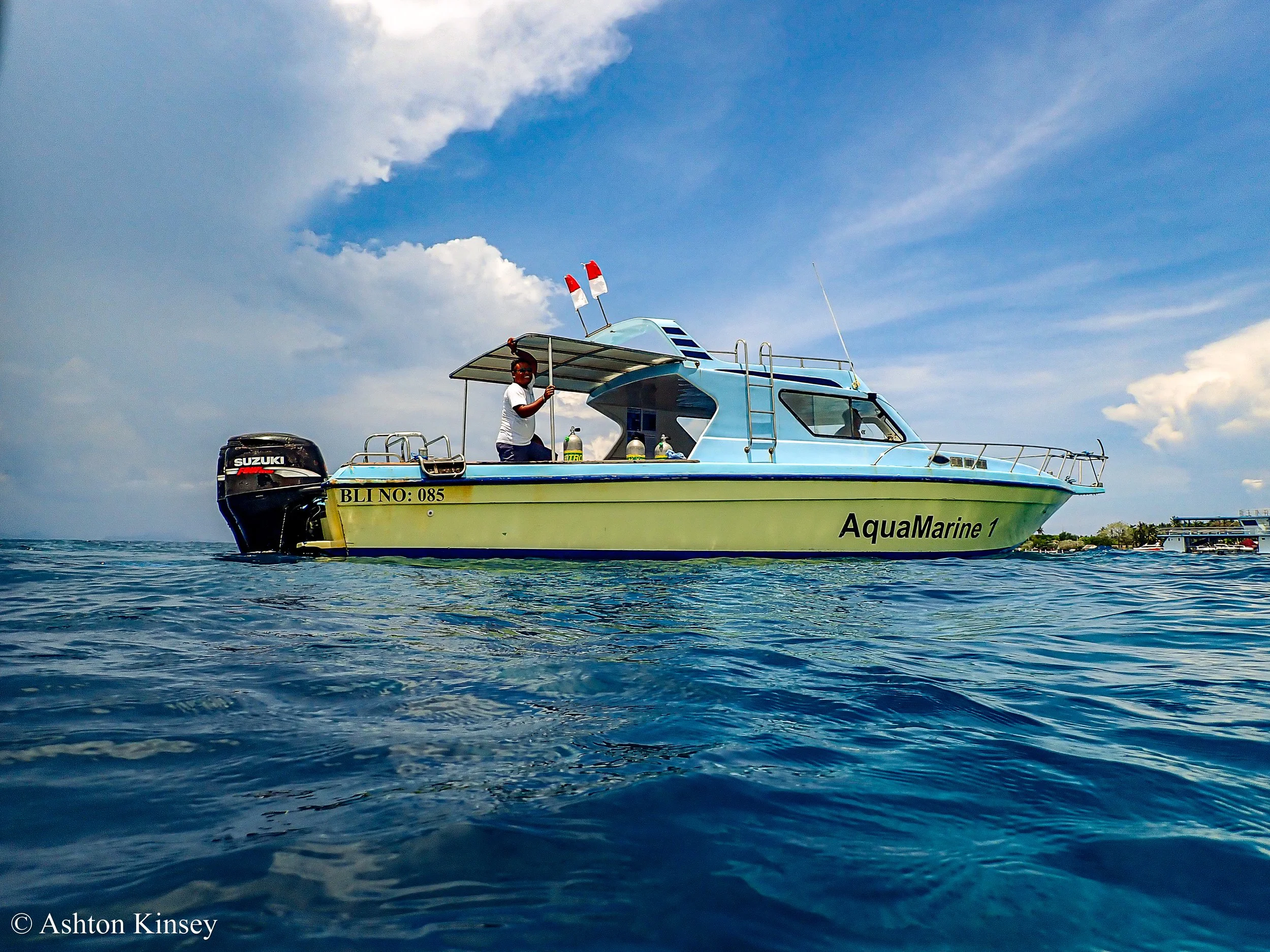
Once we were done at the Safari Park, we headed back to the resort to start organizing the dive gear for the next morning. After an early morning pickup and a short drive to Port Padangbai, we began to load up for the boat ride out to Nasu Penida. Here we would spend the next two days diving on a small island off the coast of the mainland, hoping for Mola-Mola.
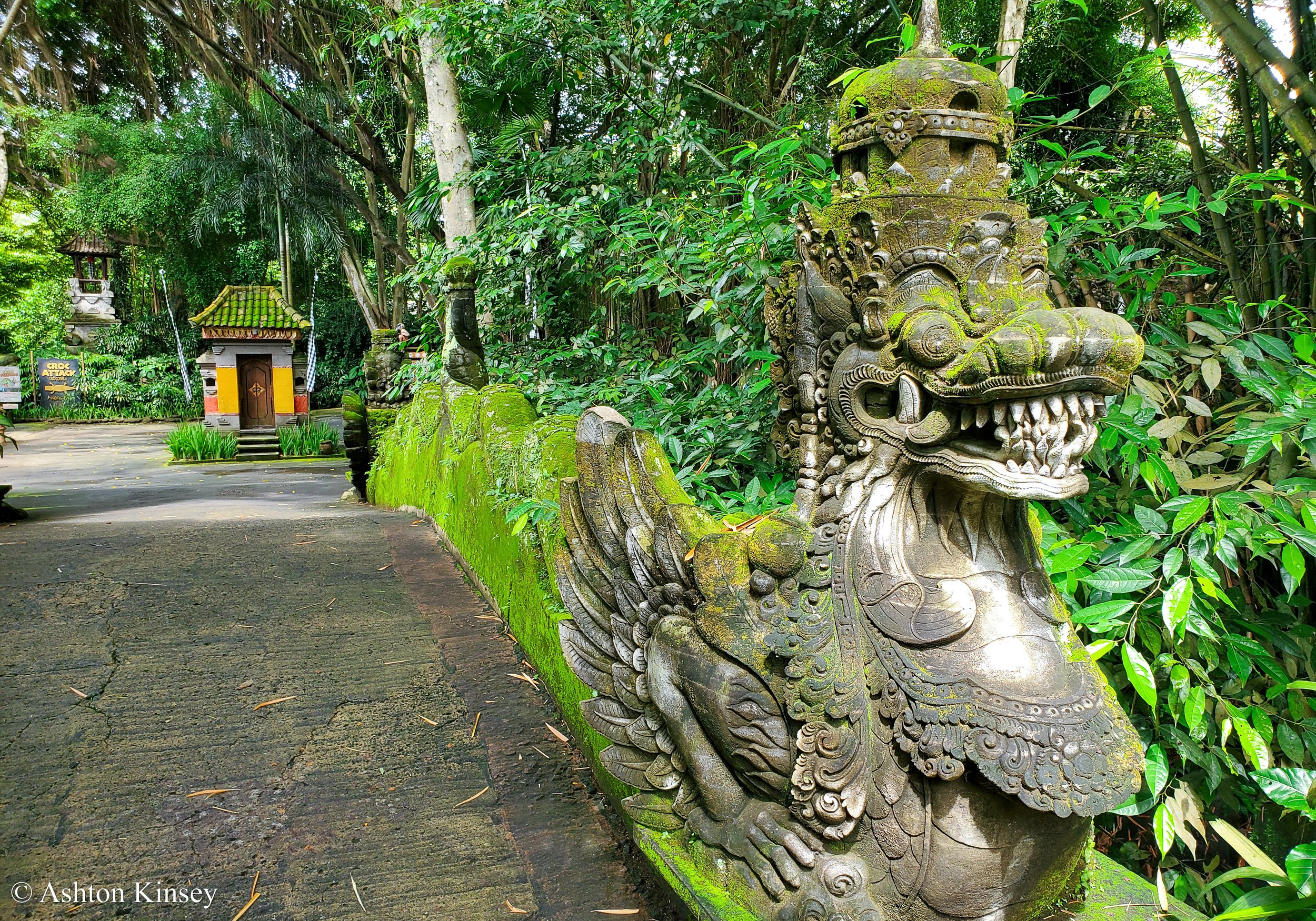
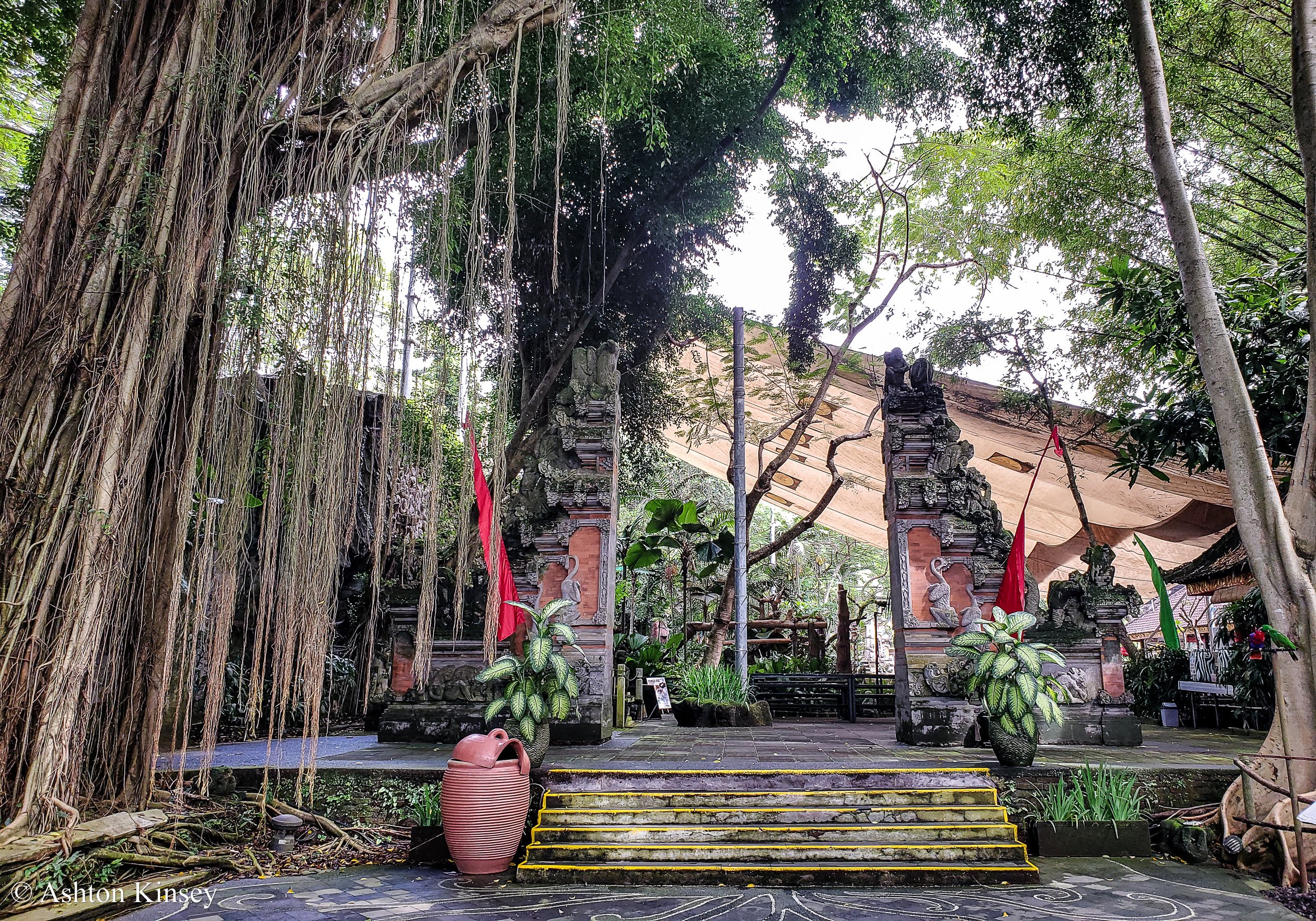
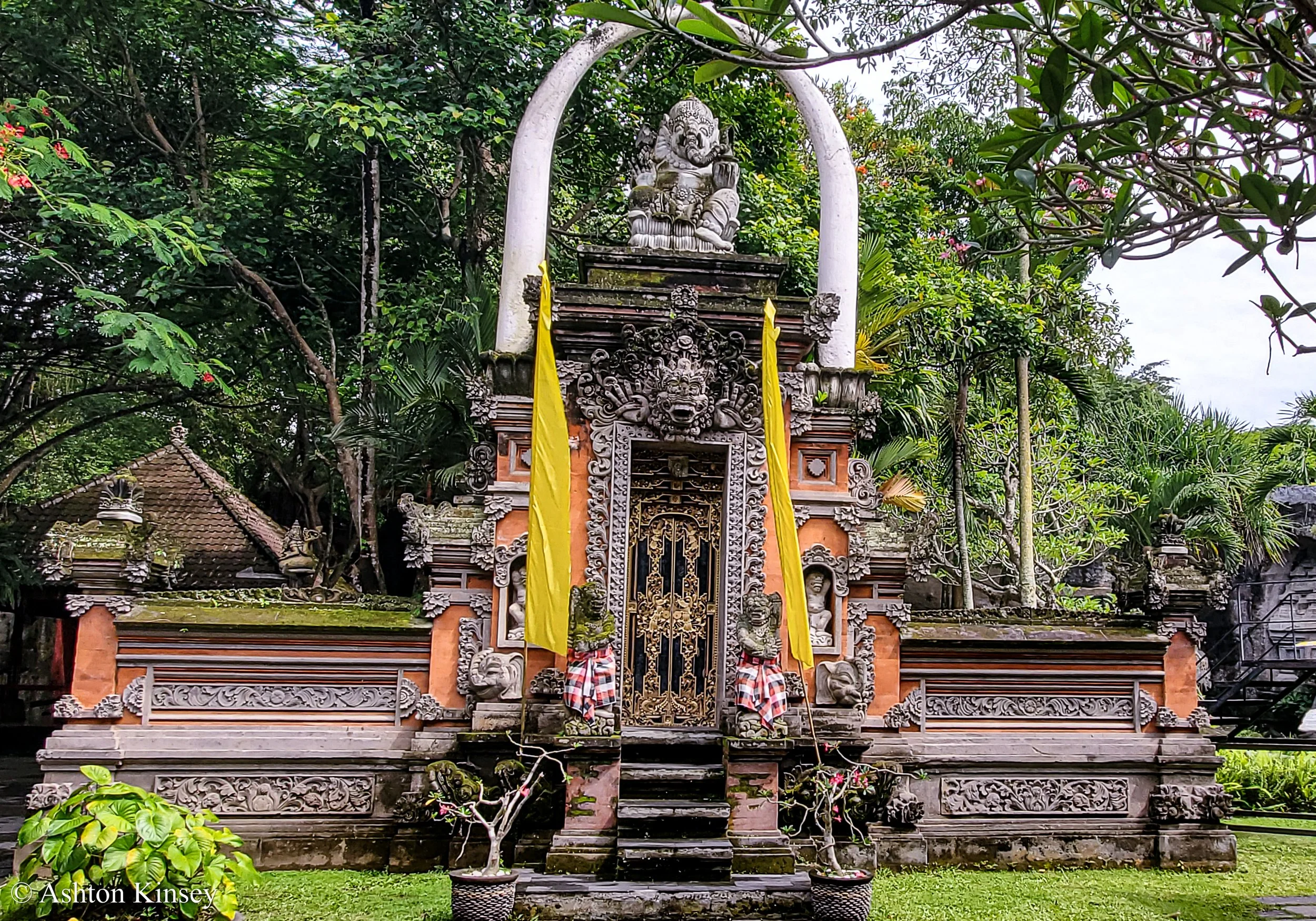
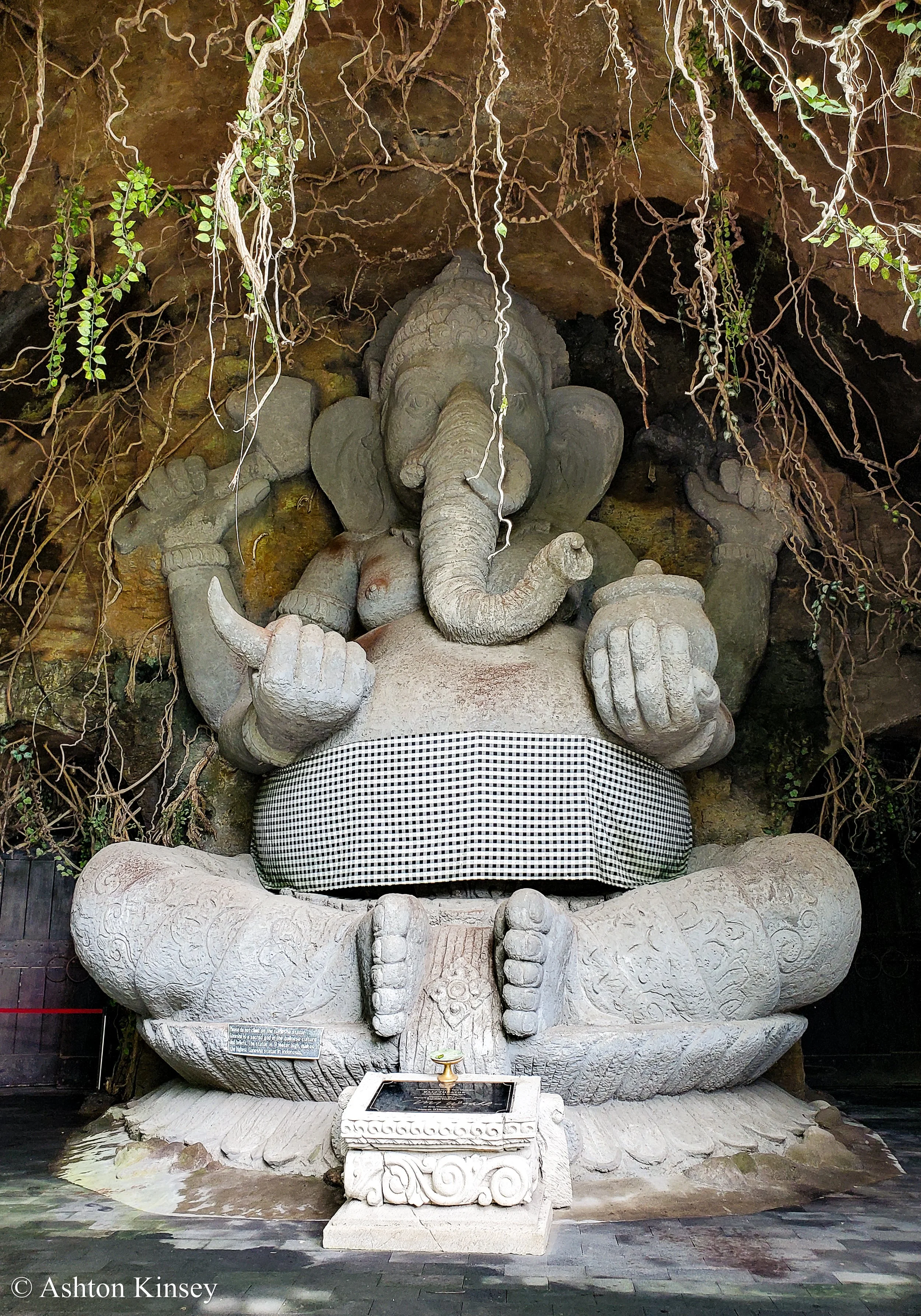
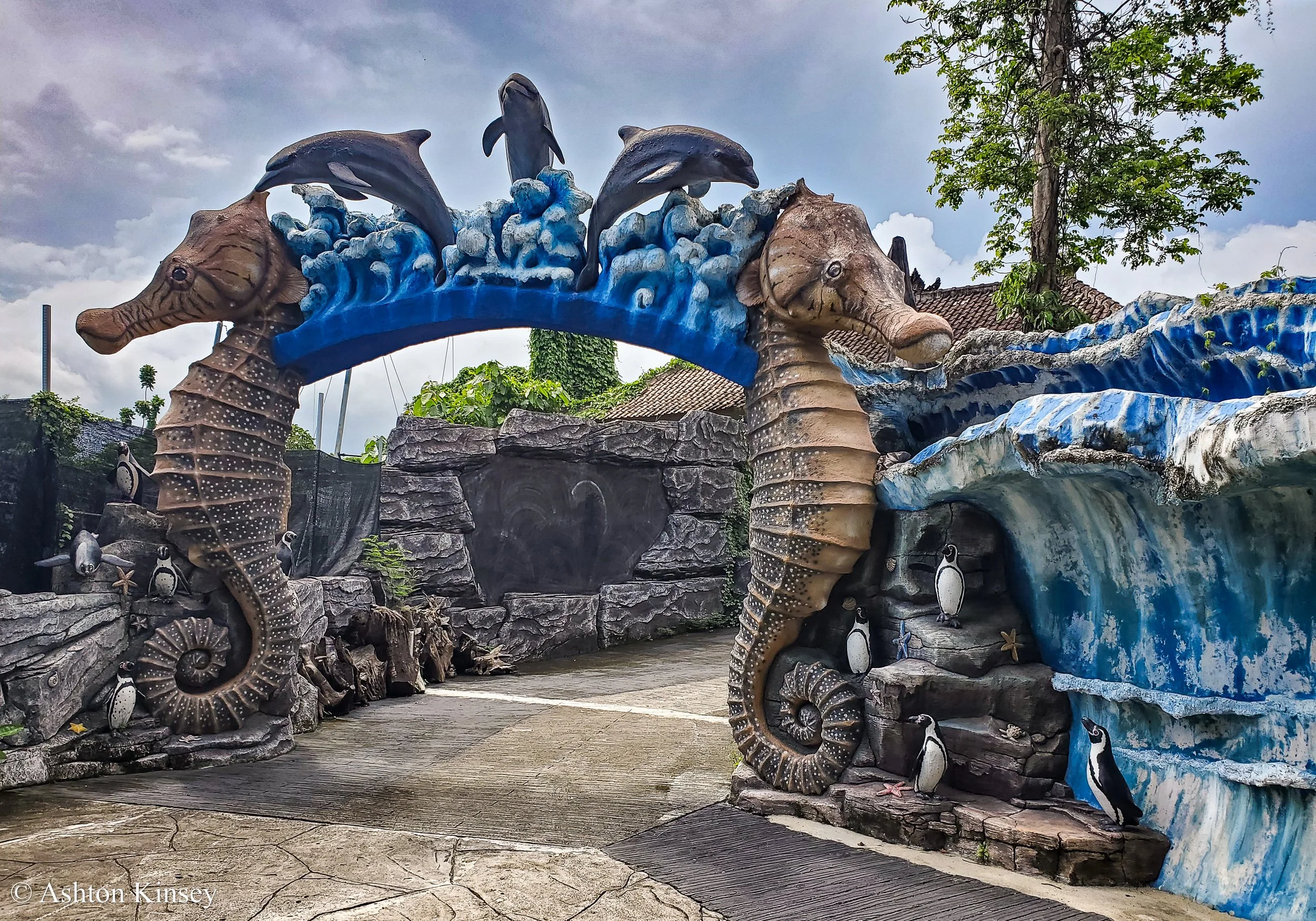
Dive 1: Crystal Bay
88’ for 47 minutes
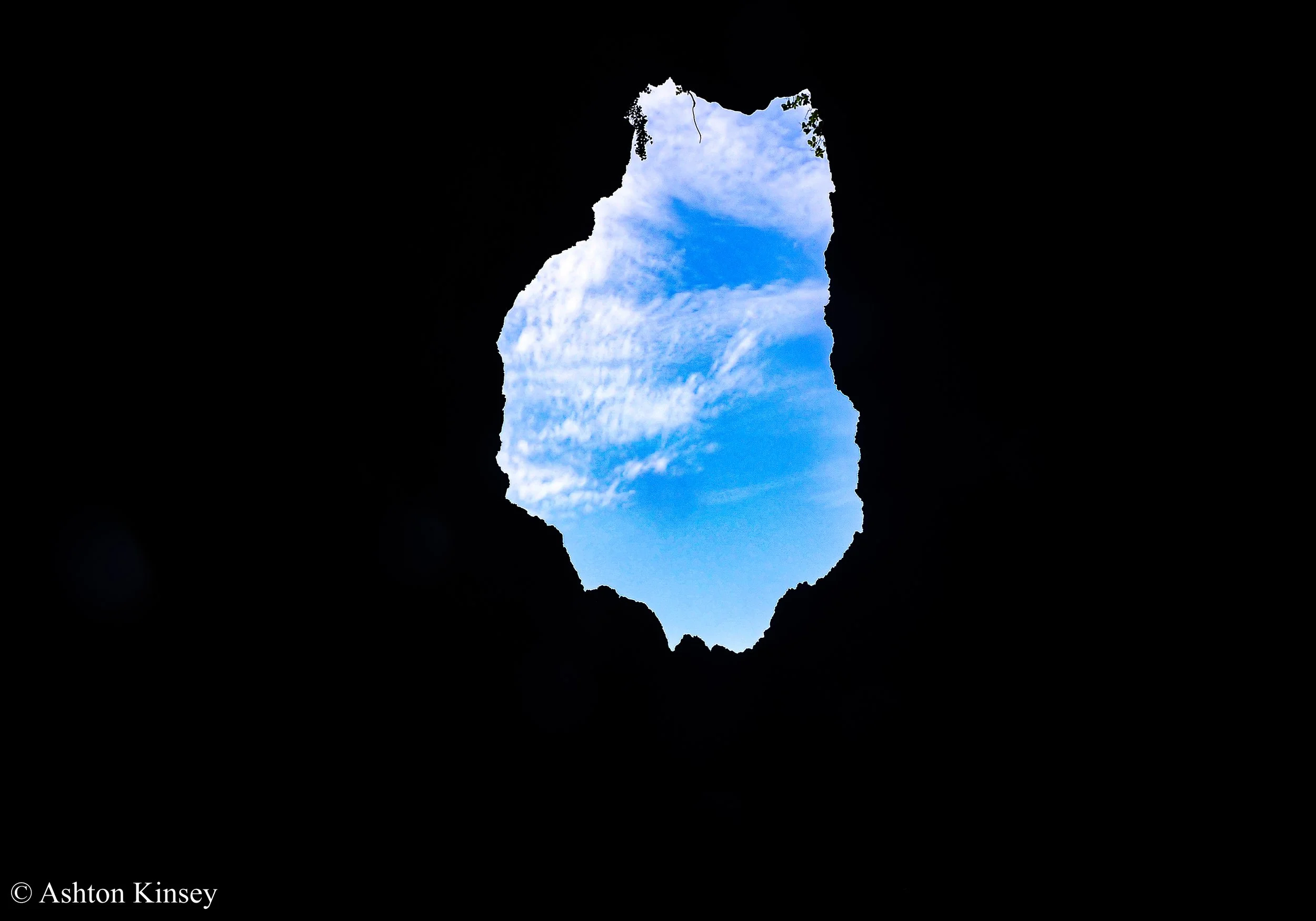
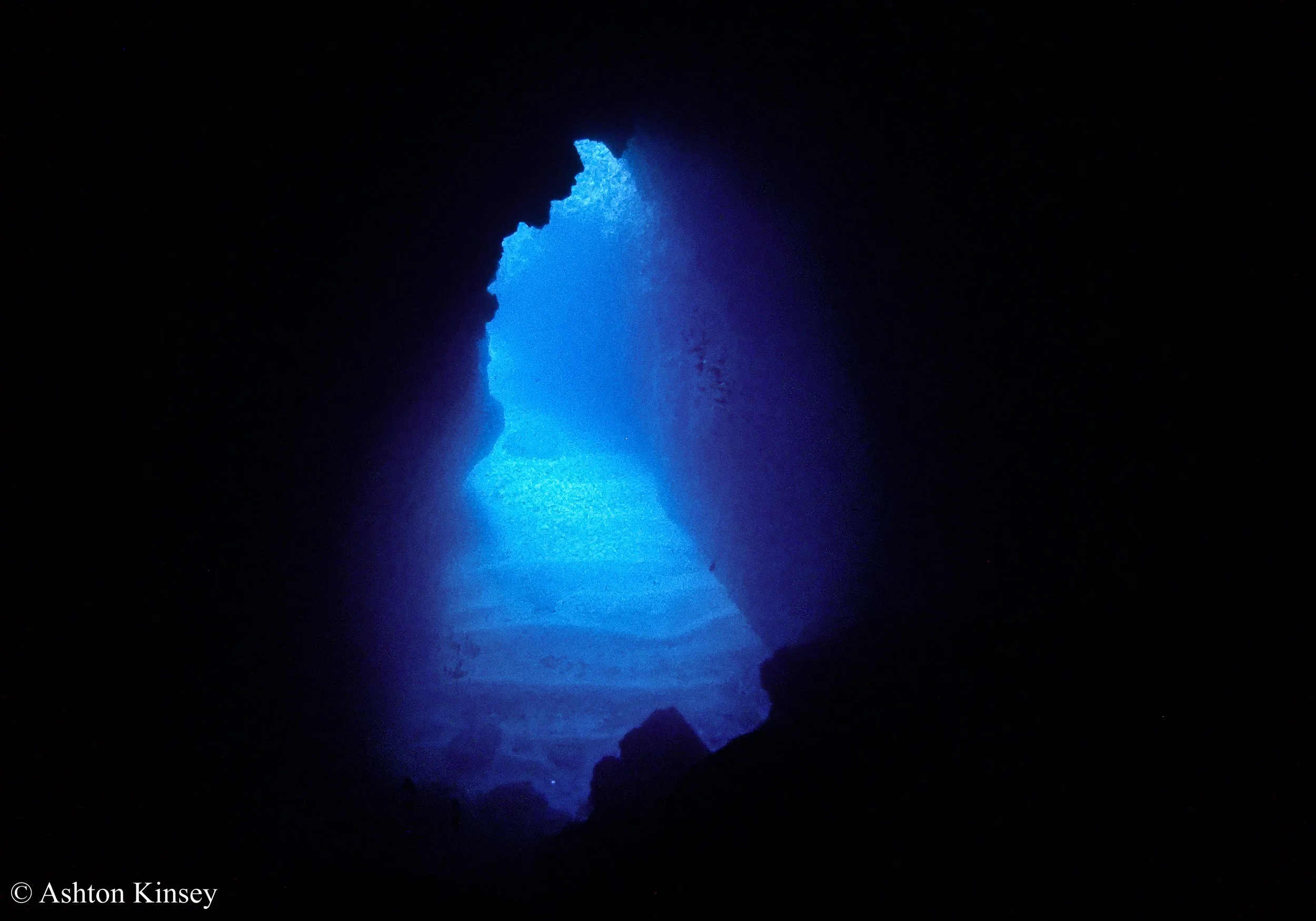
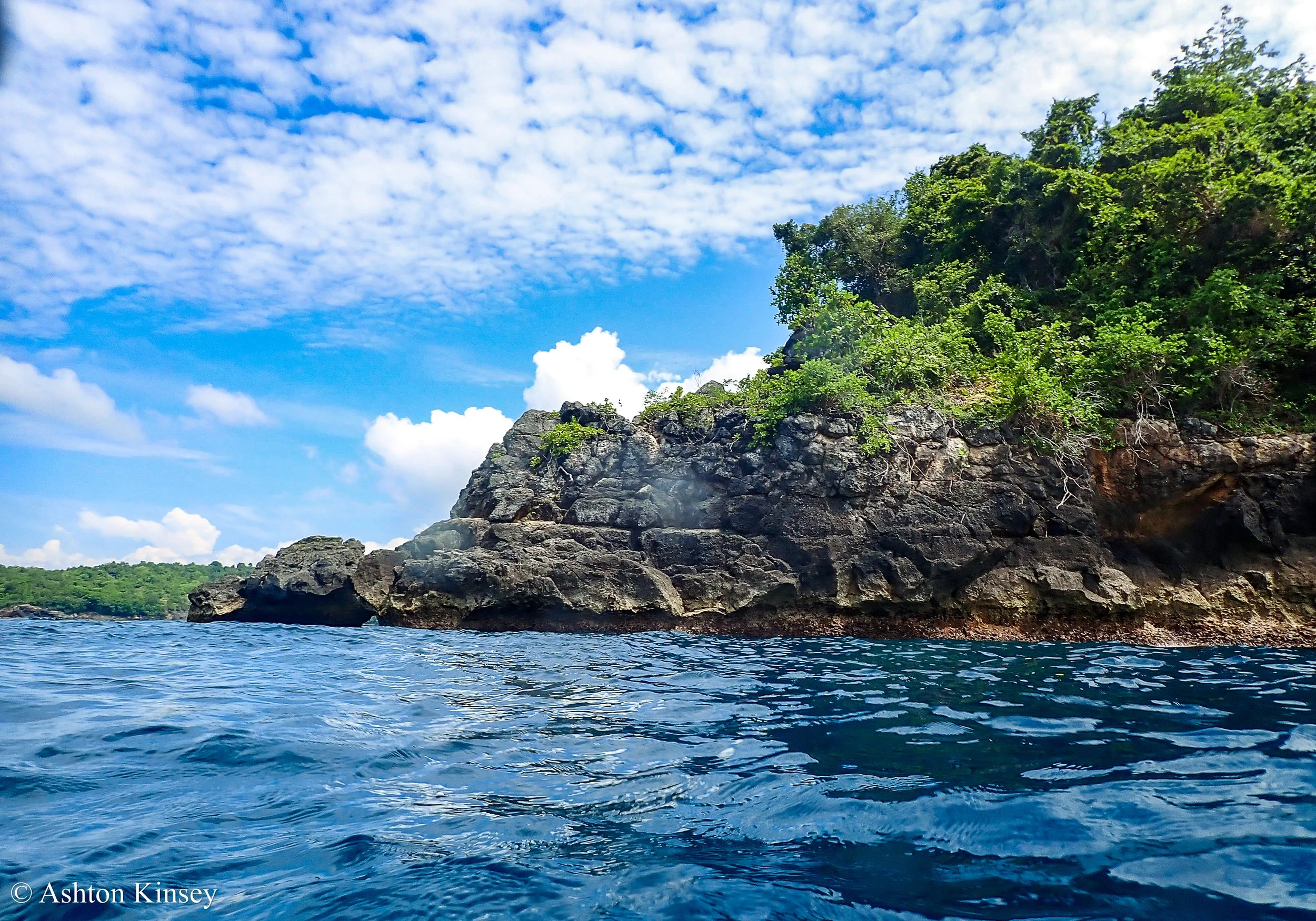
This was a good introduction dive; it started with a shallow reef with a small swim-through leading up to a cave. Upon surfacing inside the cave, the air was full of bats flying about without much else inside. While the cave was technically open to the outside air, we were told not to remove our masks or regulators due to the smell and high amount of guano coating the rocks.
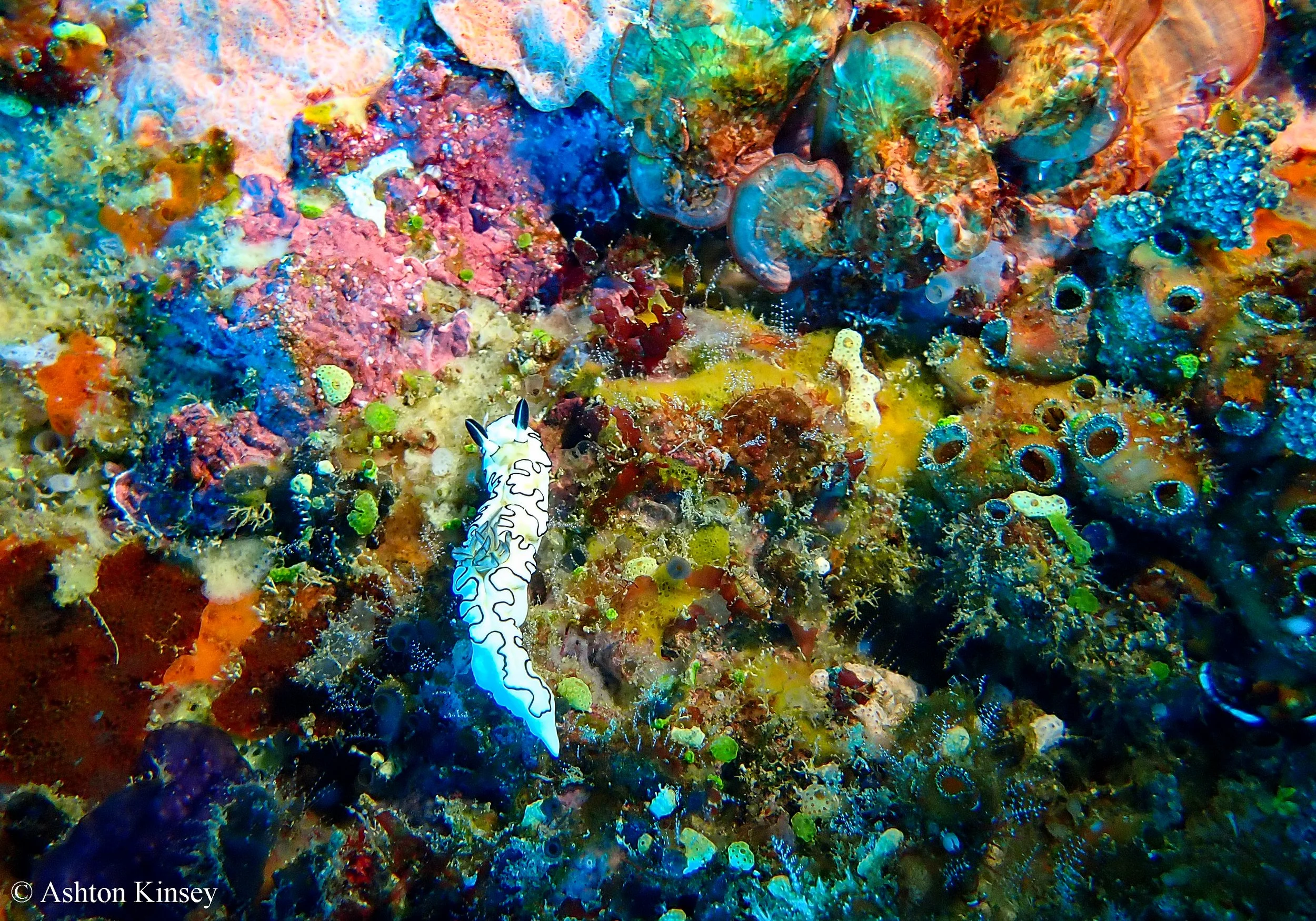
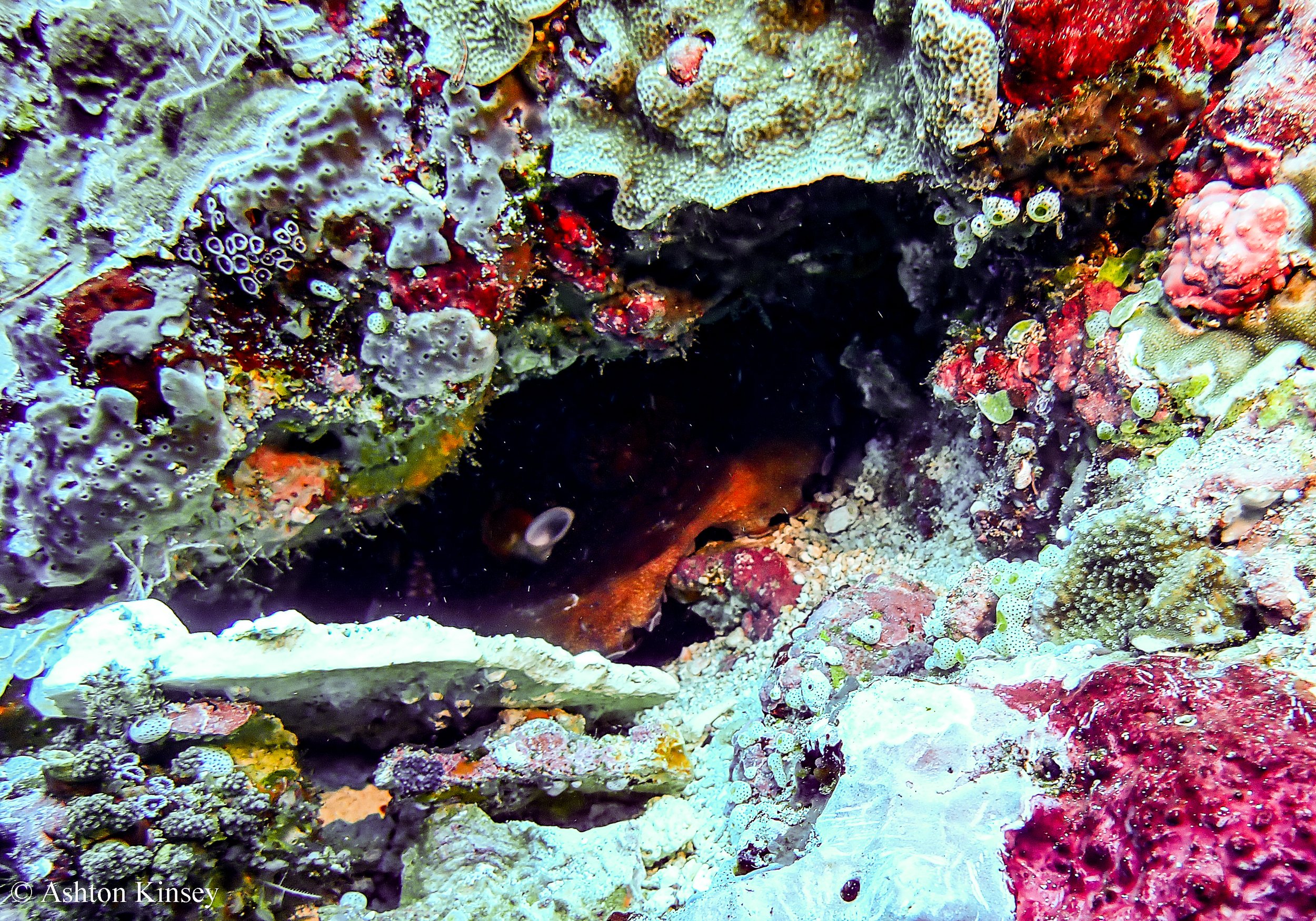
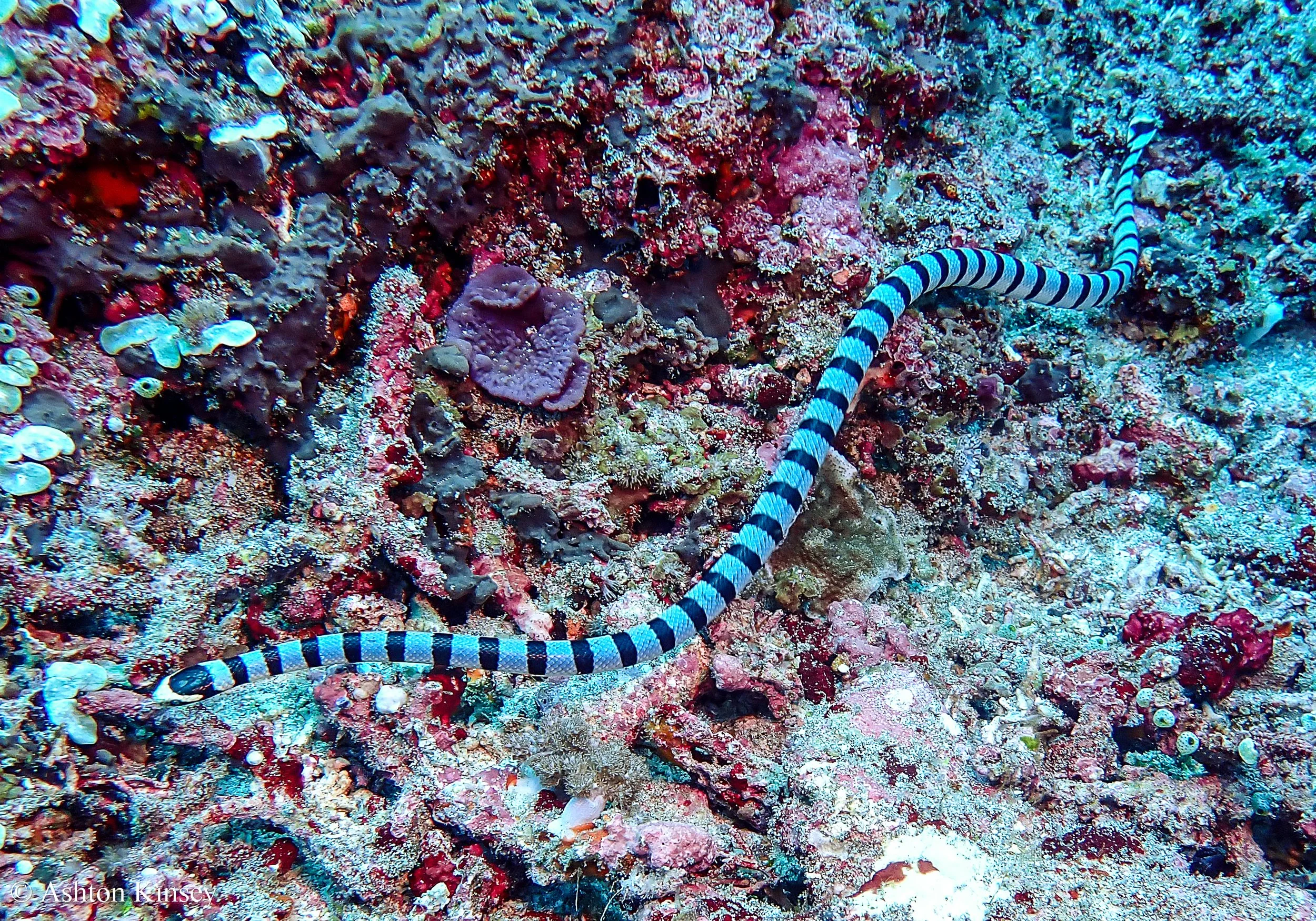
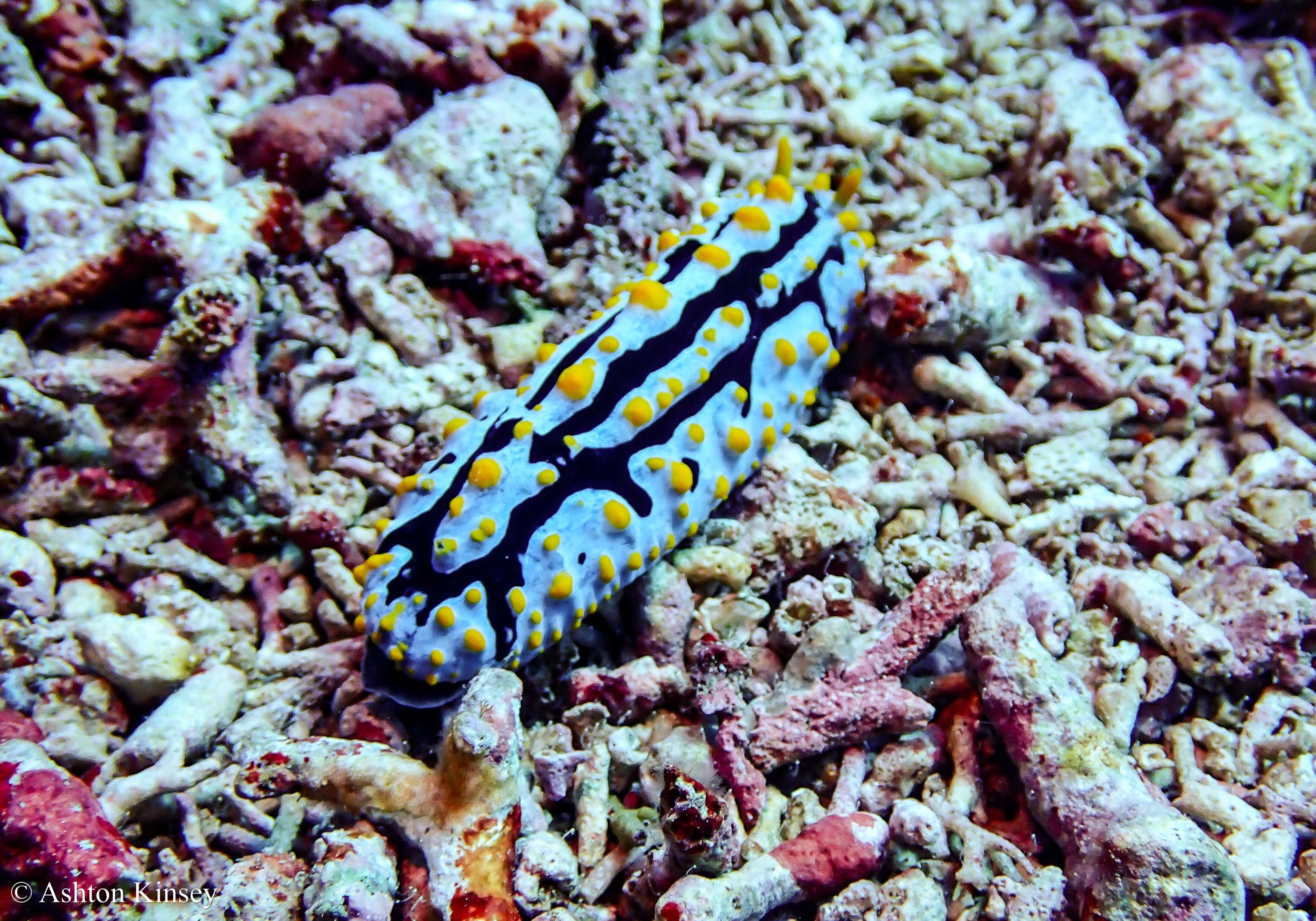
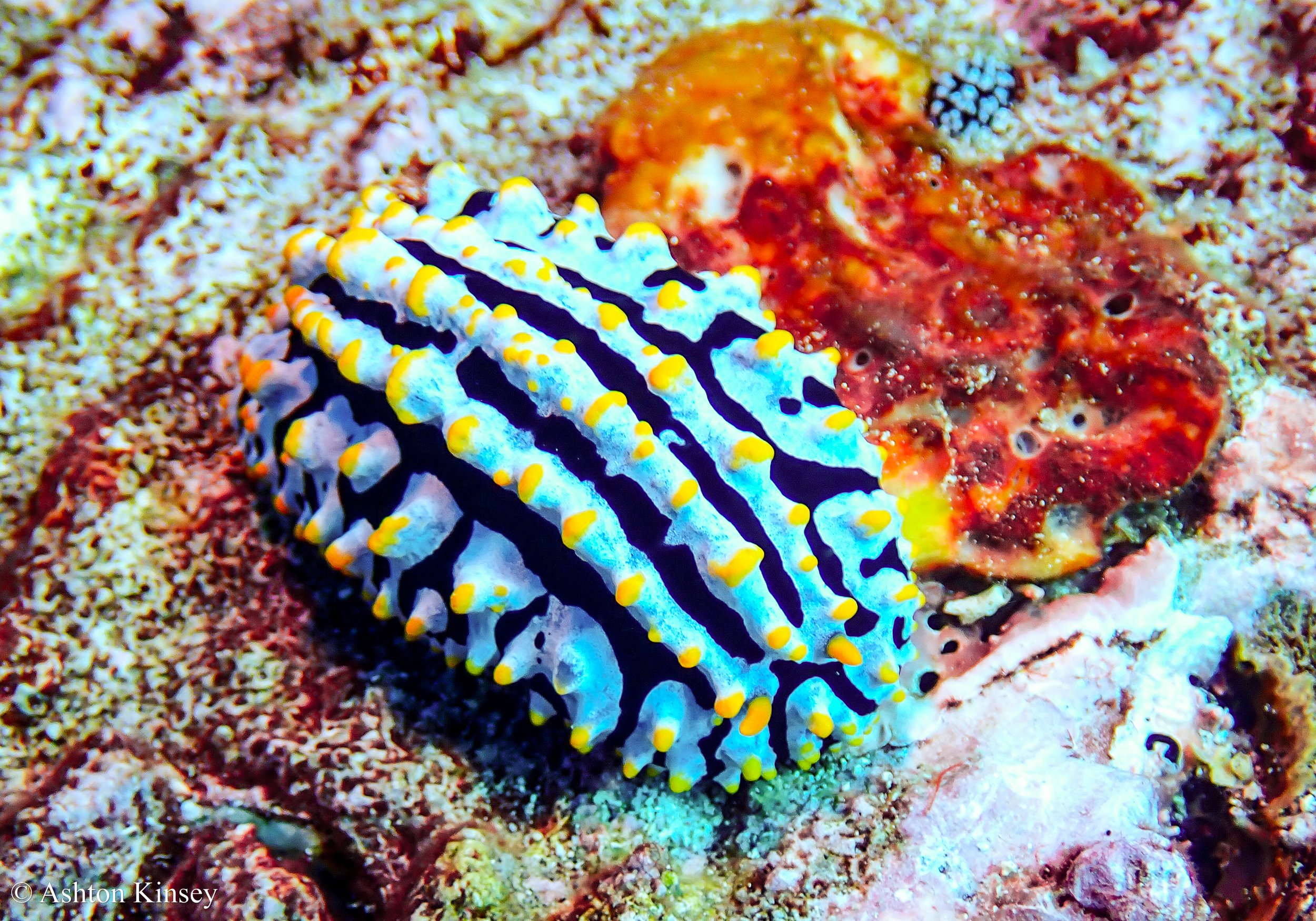
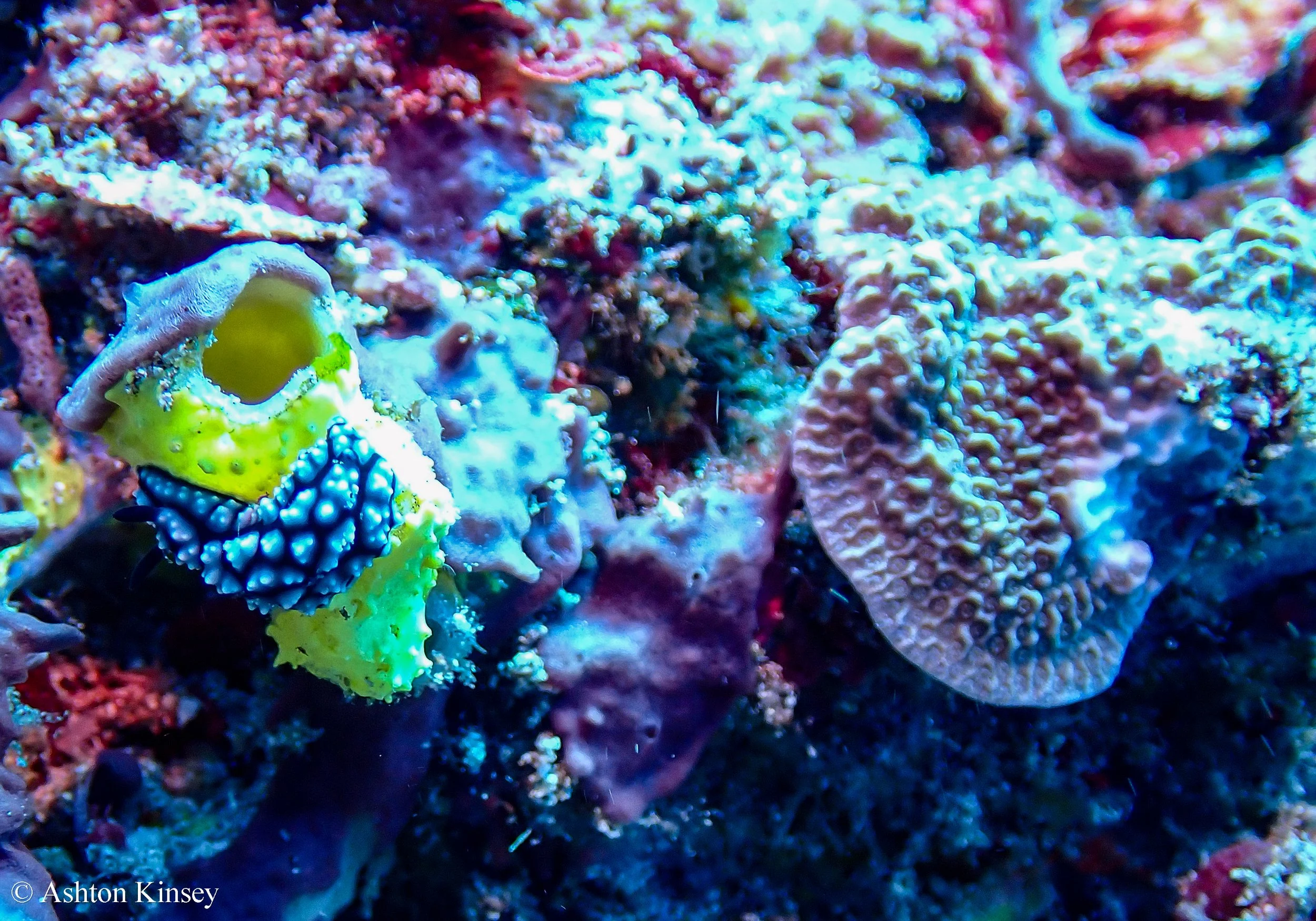
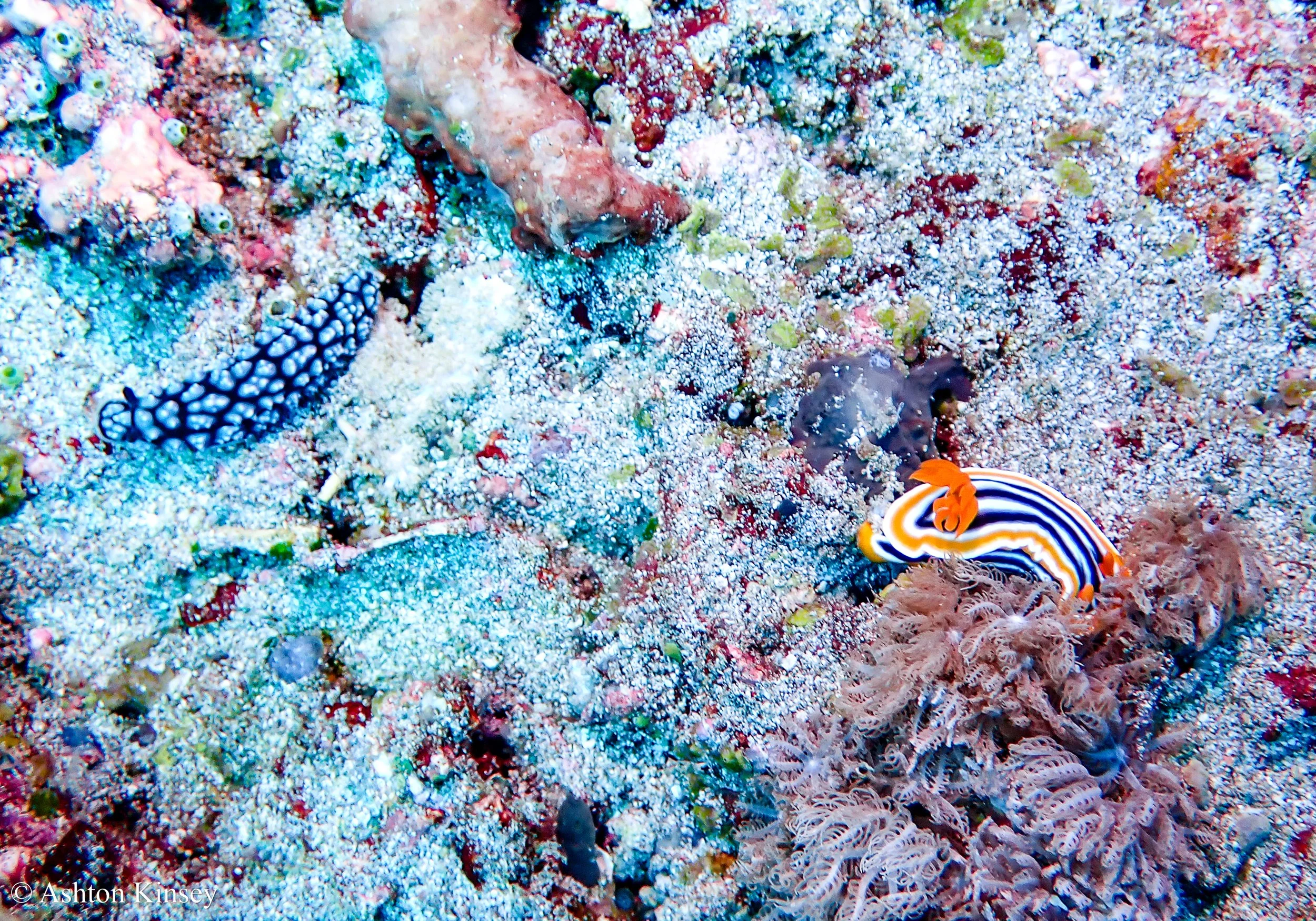
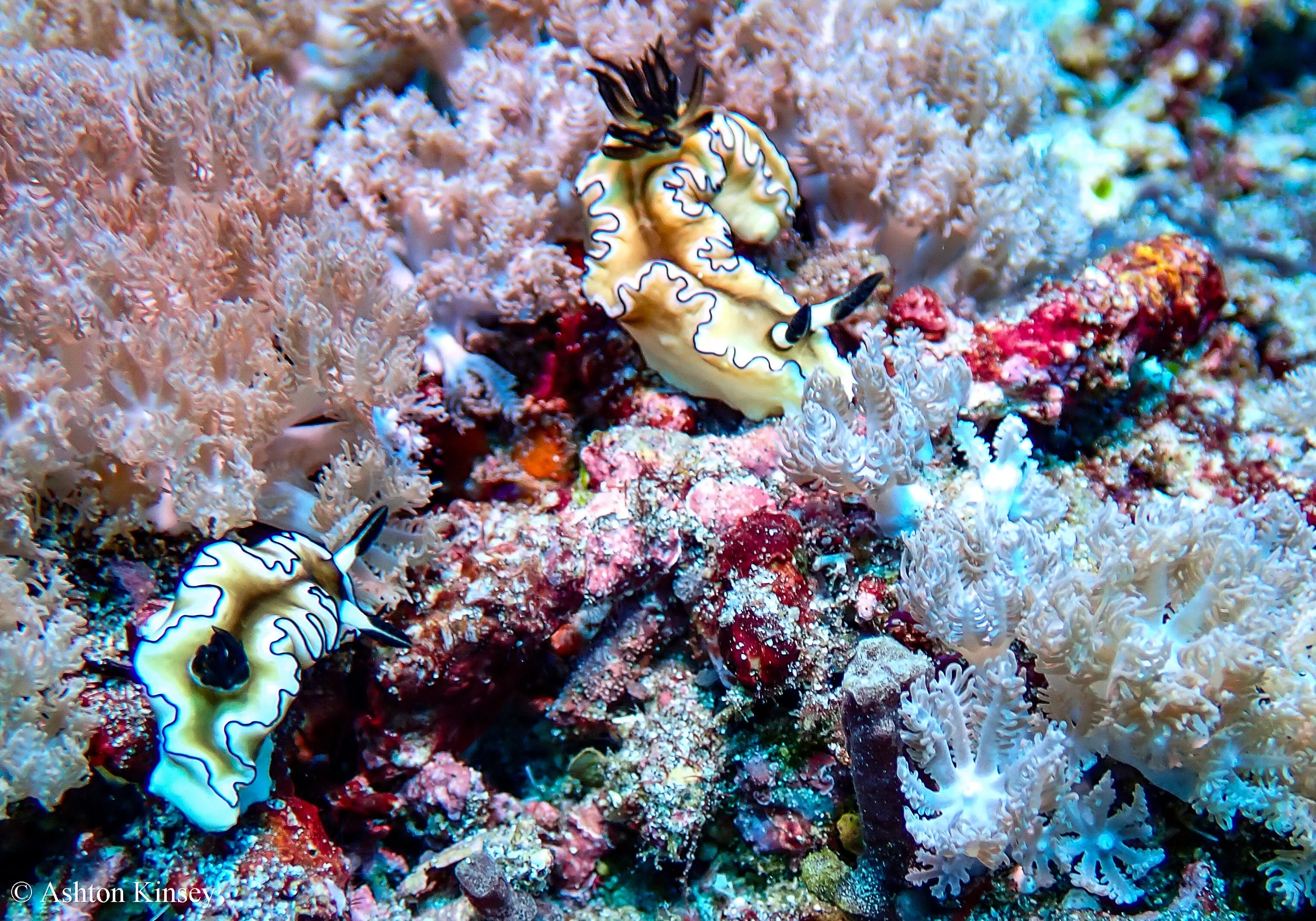
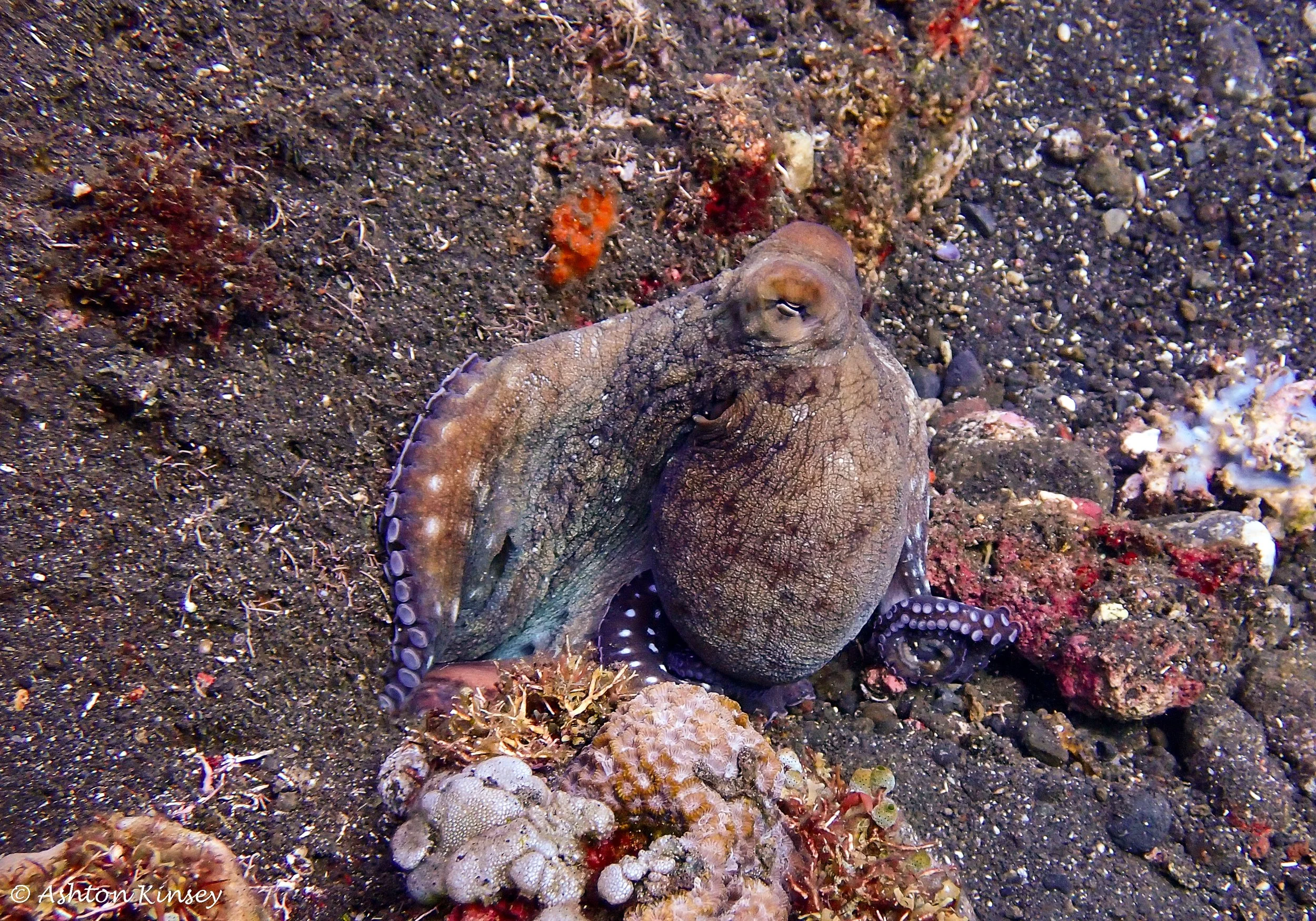
After the cave, we followed the wall down into a sandy channel between the islands. During the dive, we encountered several different warm and cold water currents coming from around the islands and up from the depths. It was not the most diverse dive, but there was still plenty of life along the wall. In the rocks were several nudies, an octopus, and a banded sea snake.
Dive 2: Manta Bay
49’ for 48 minutes
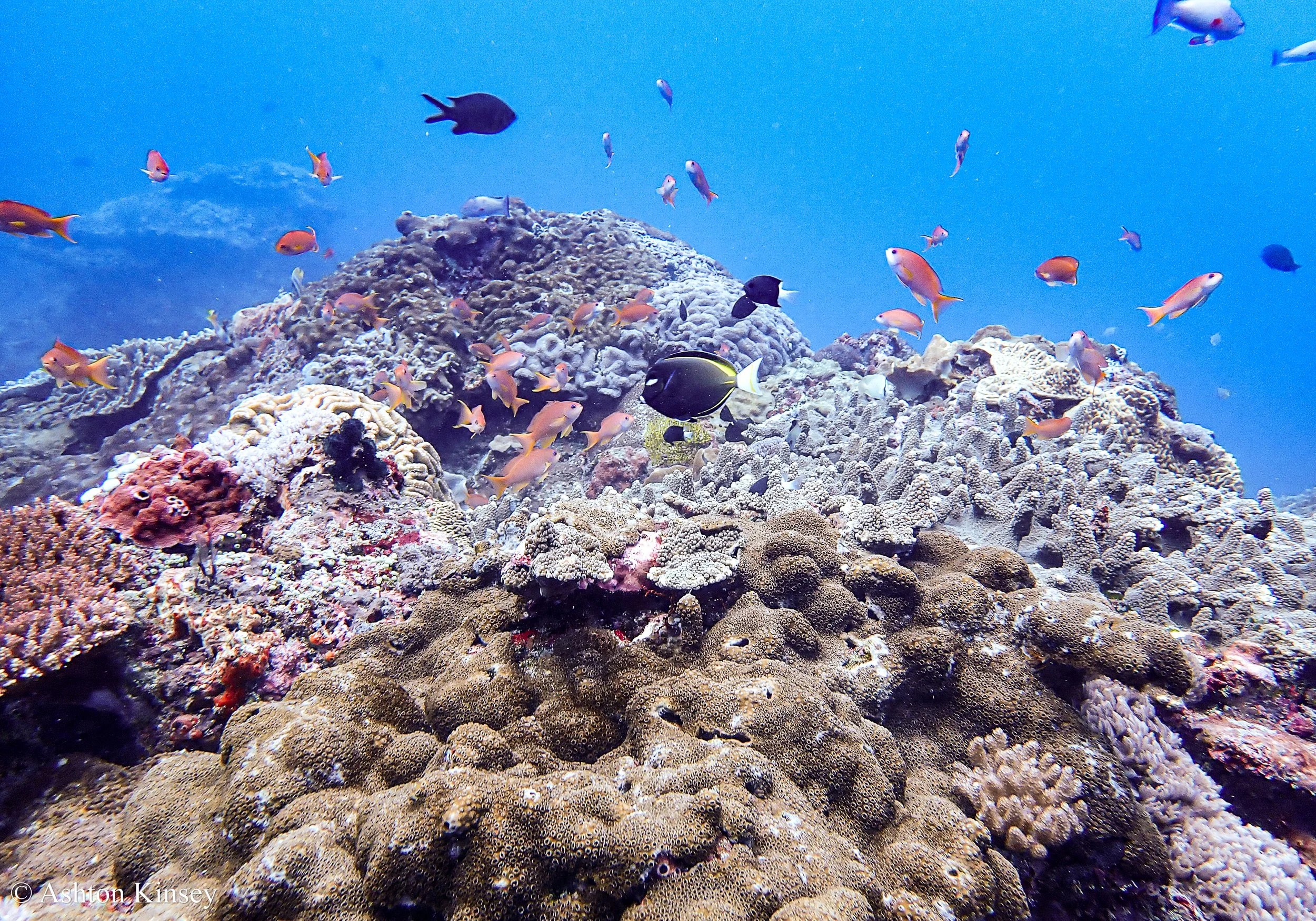
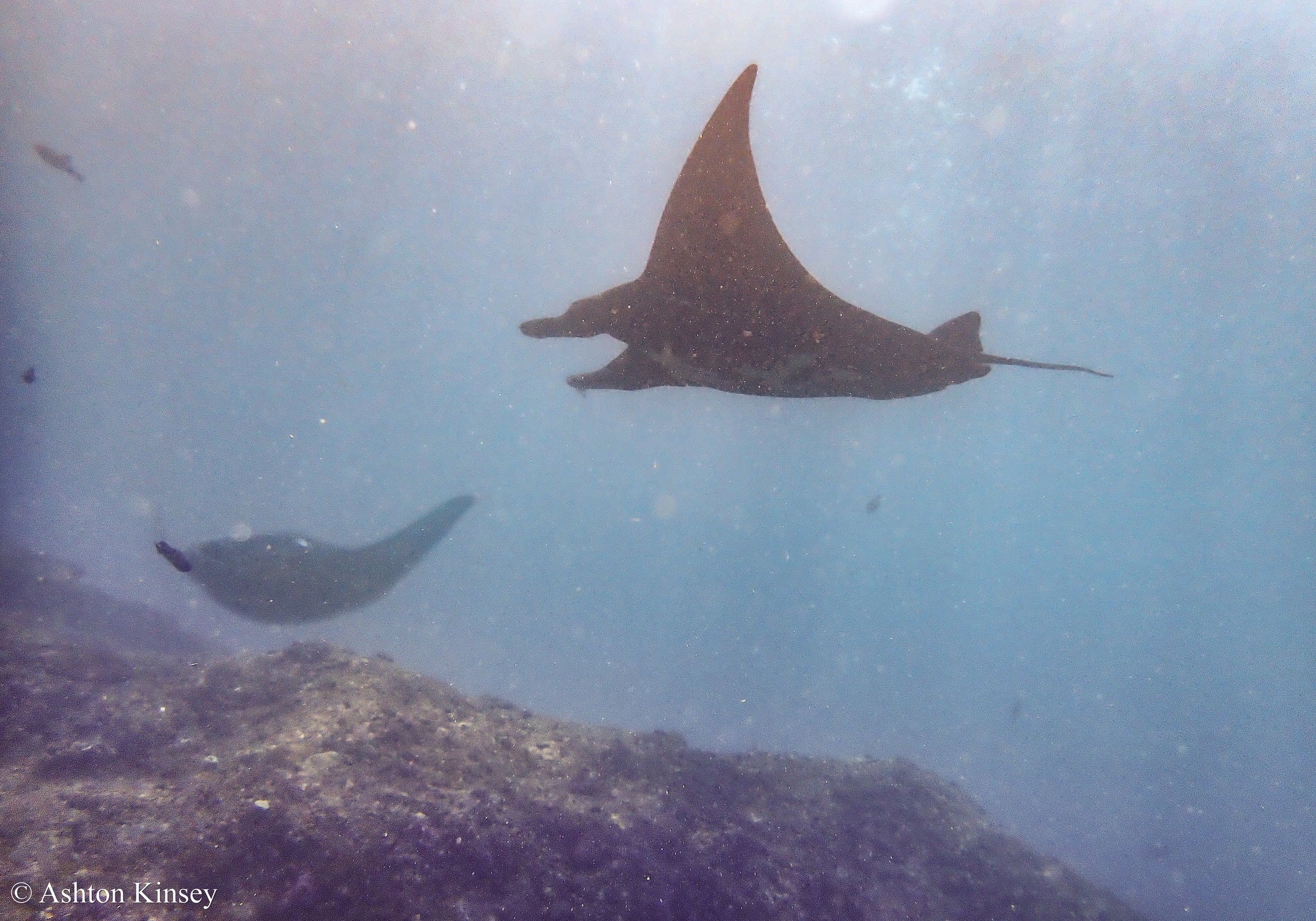
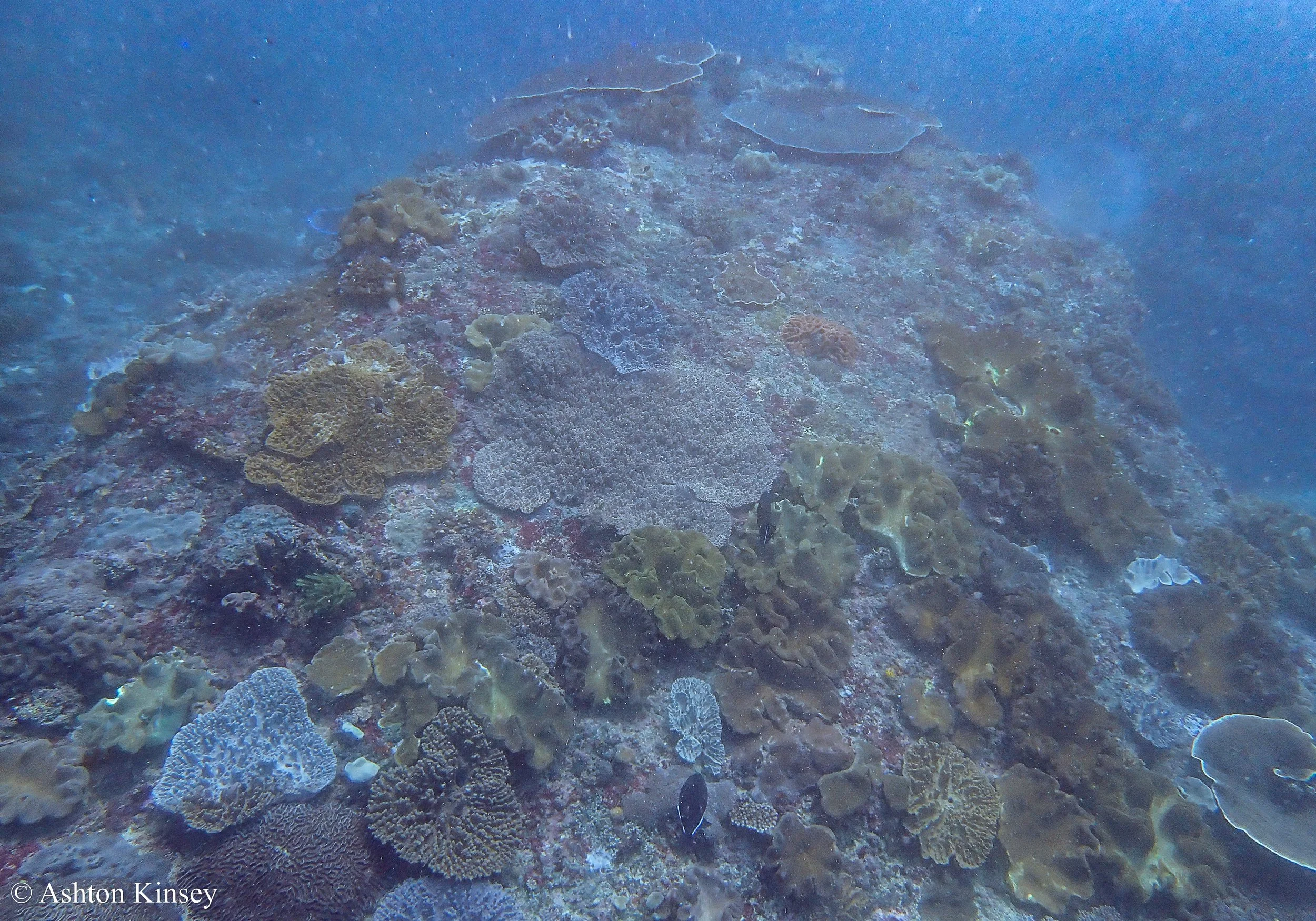
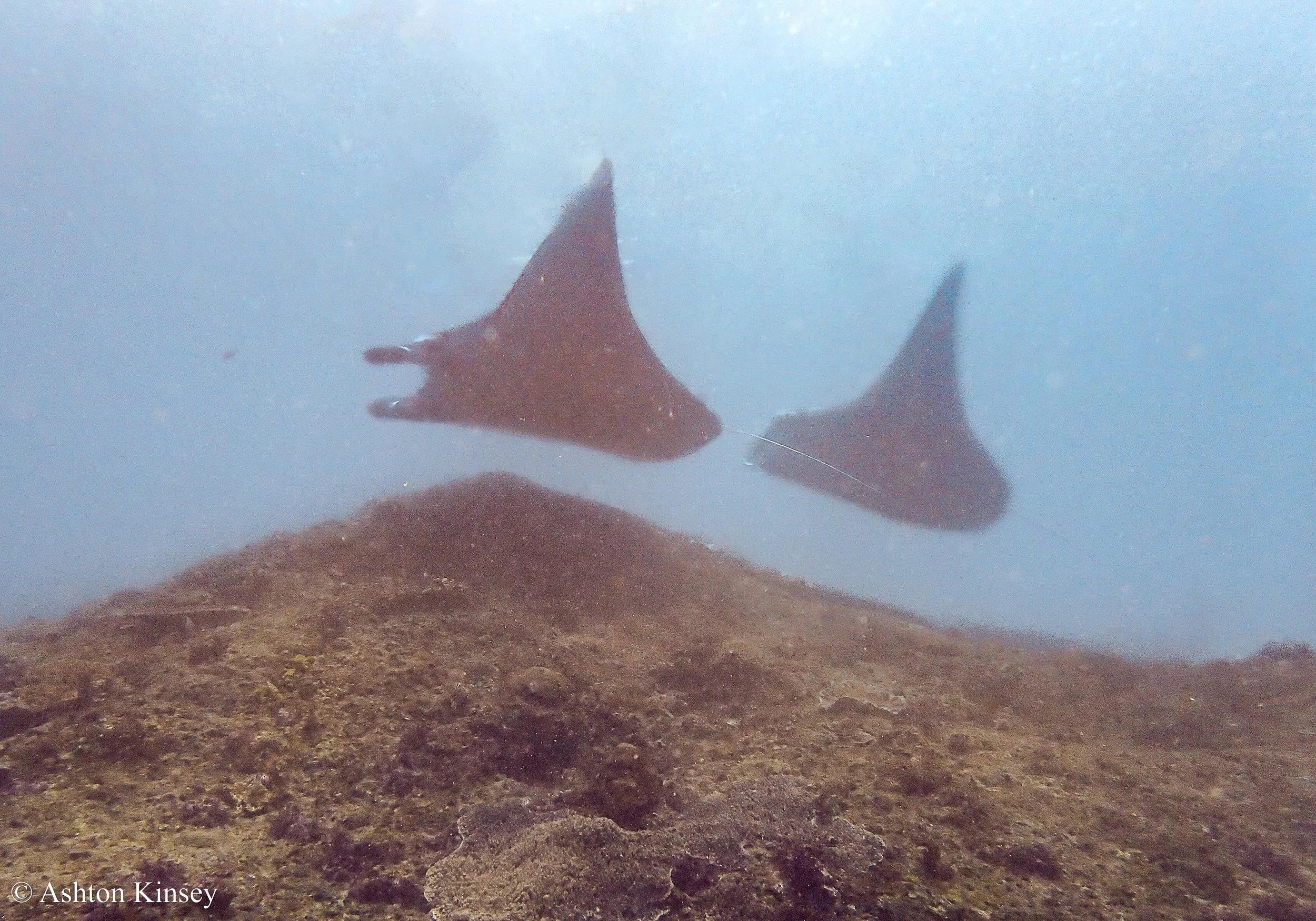
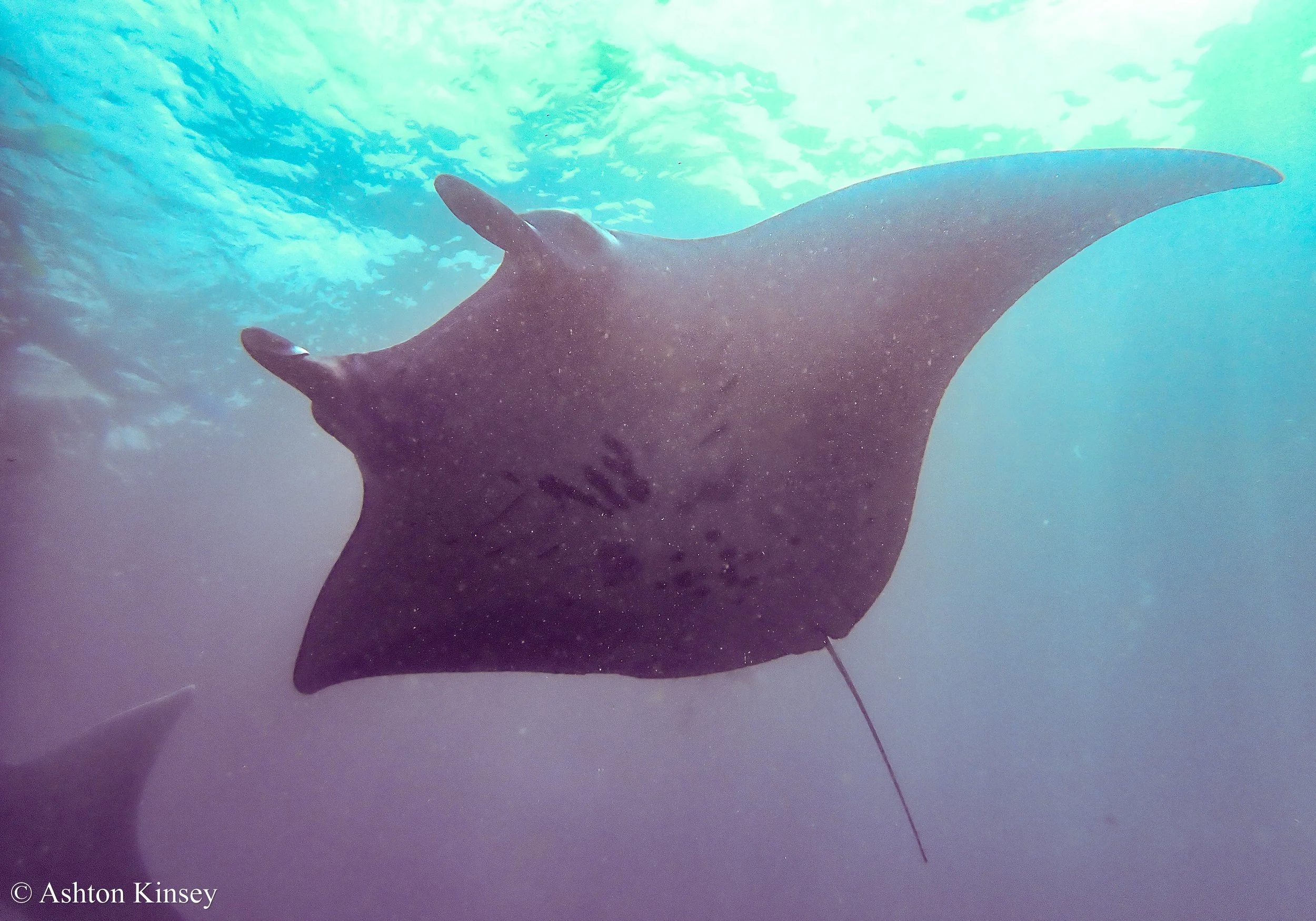
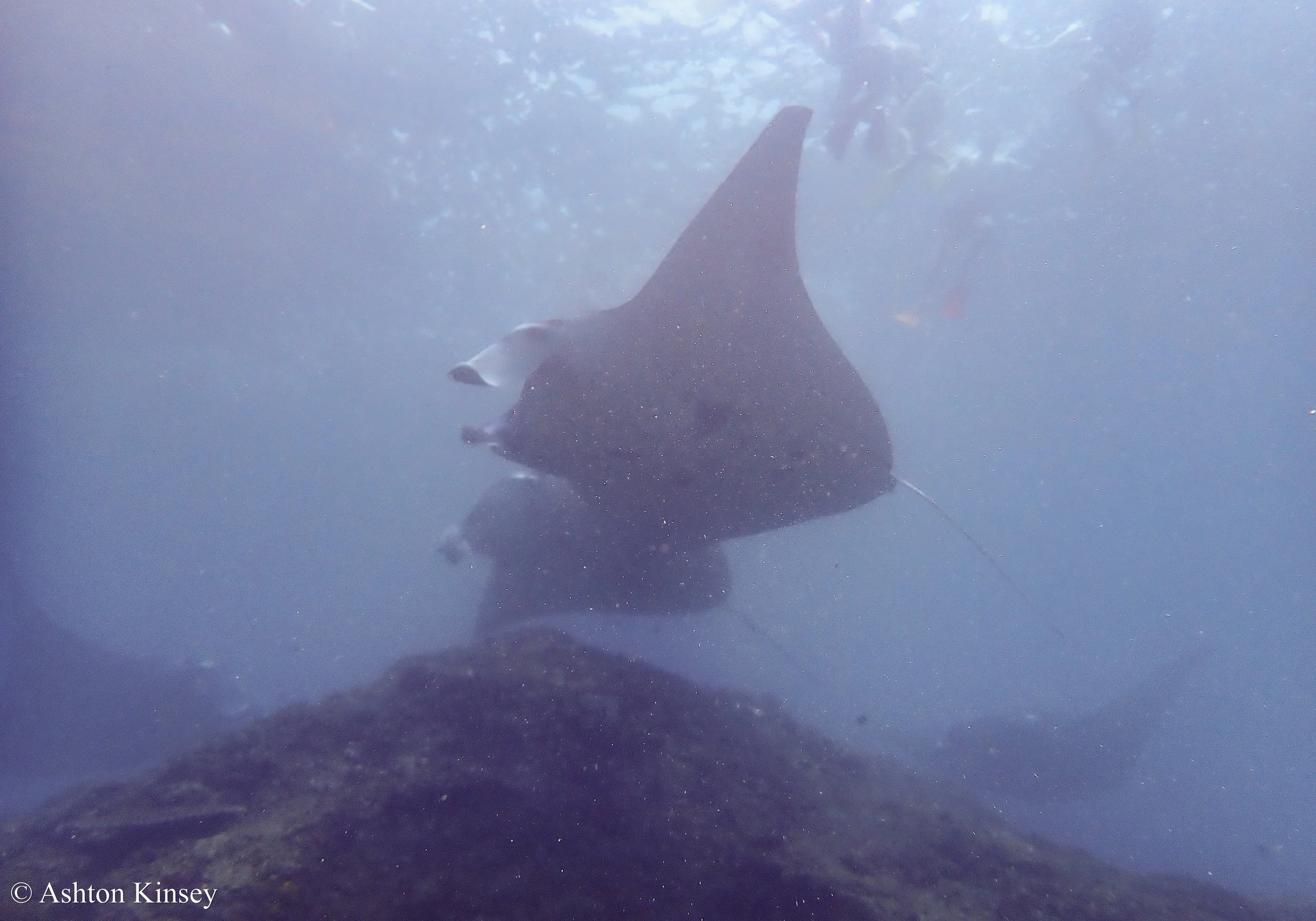
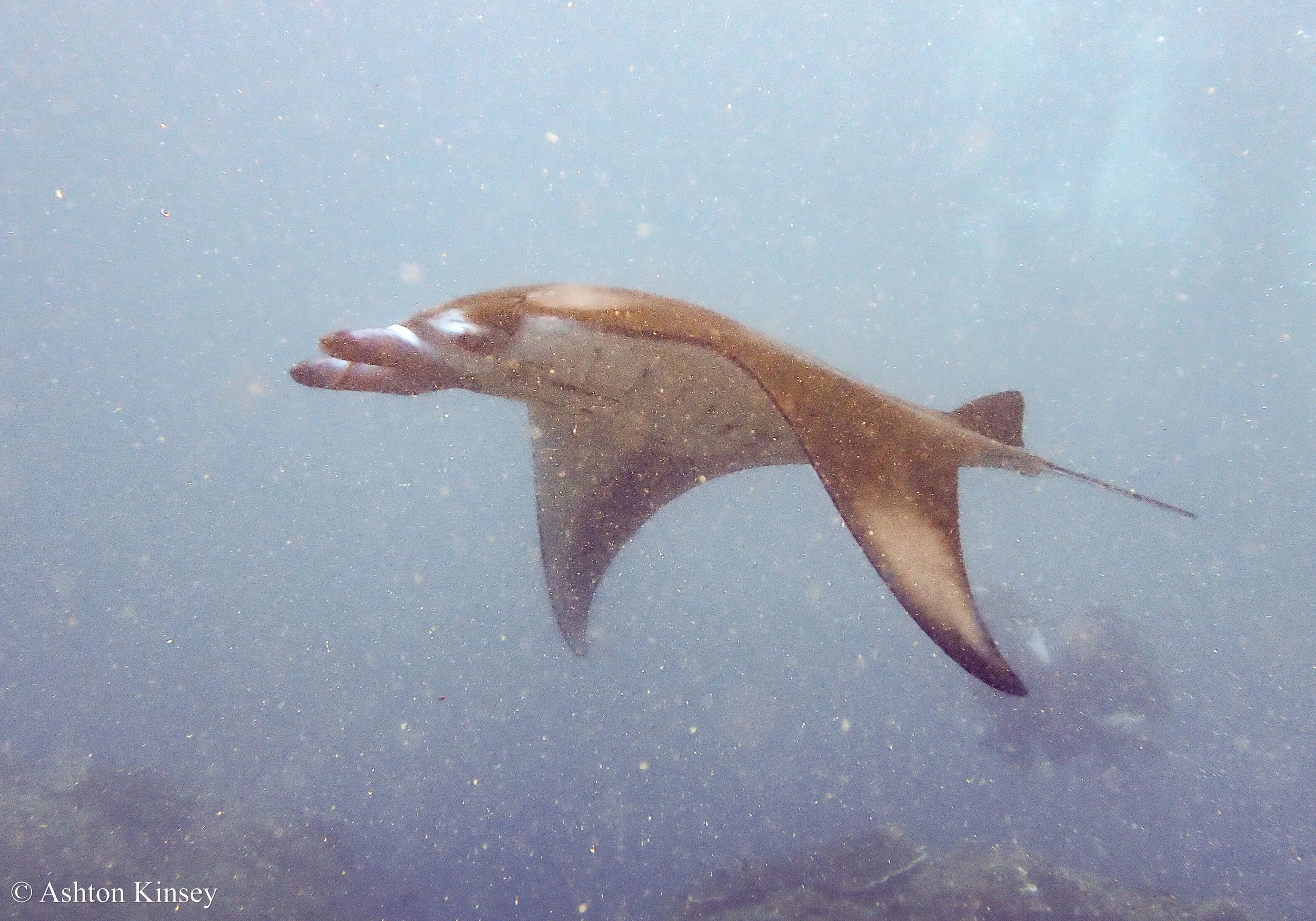
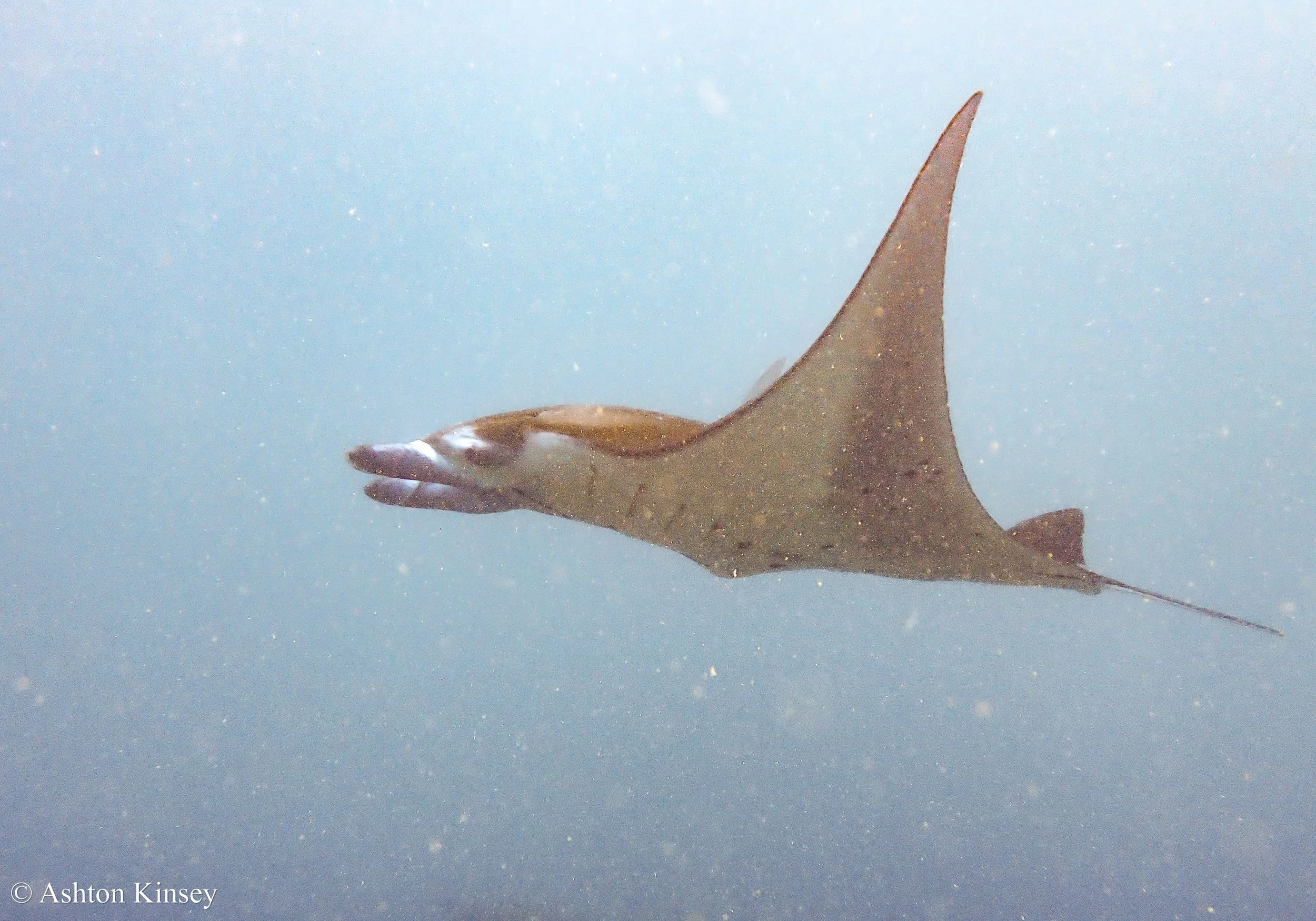
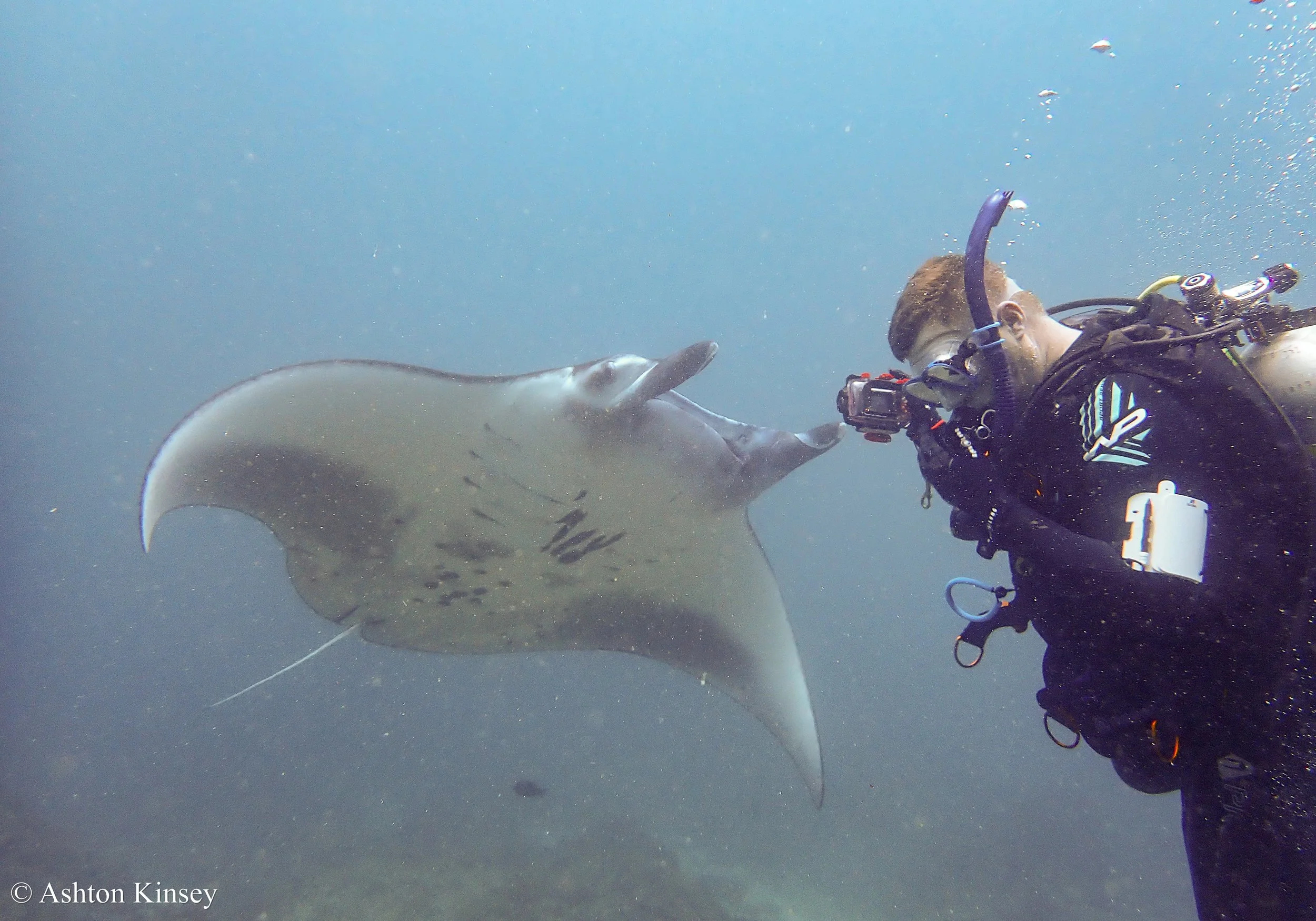
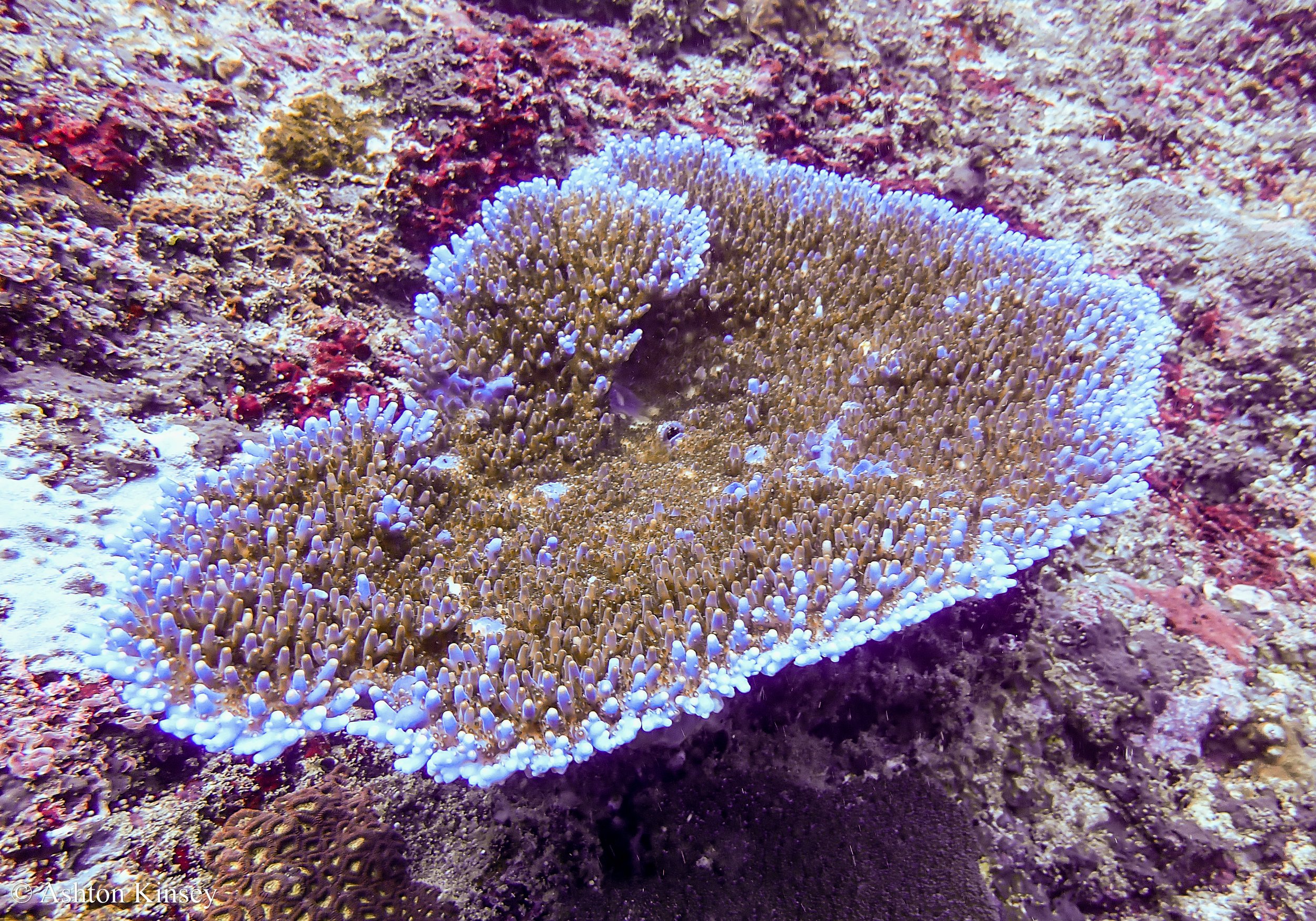
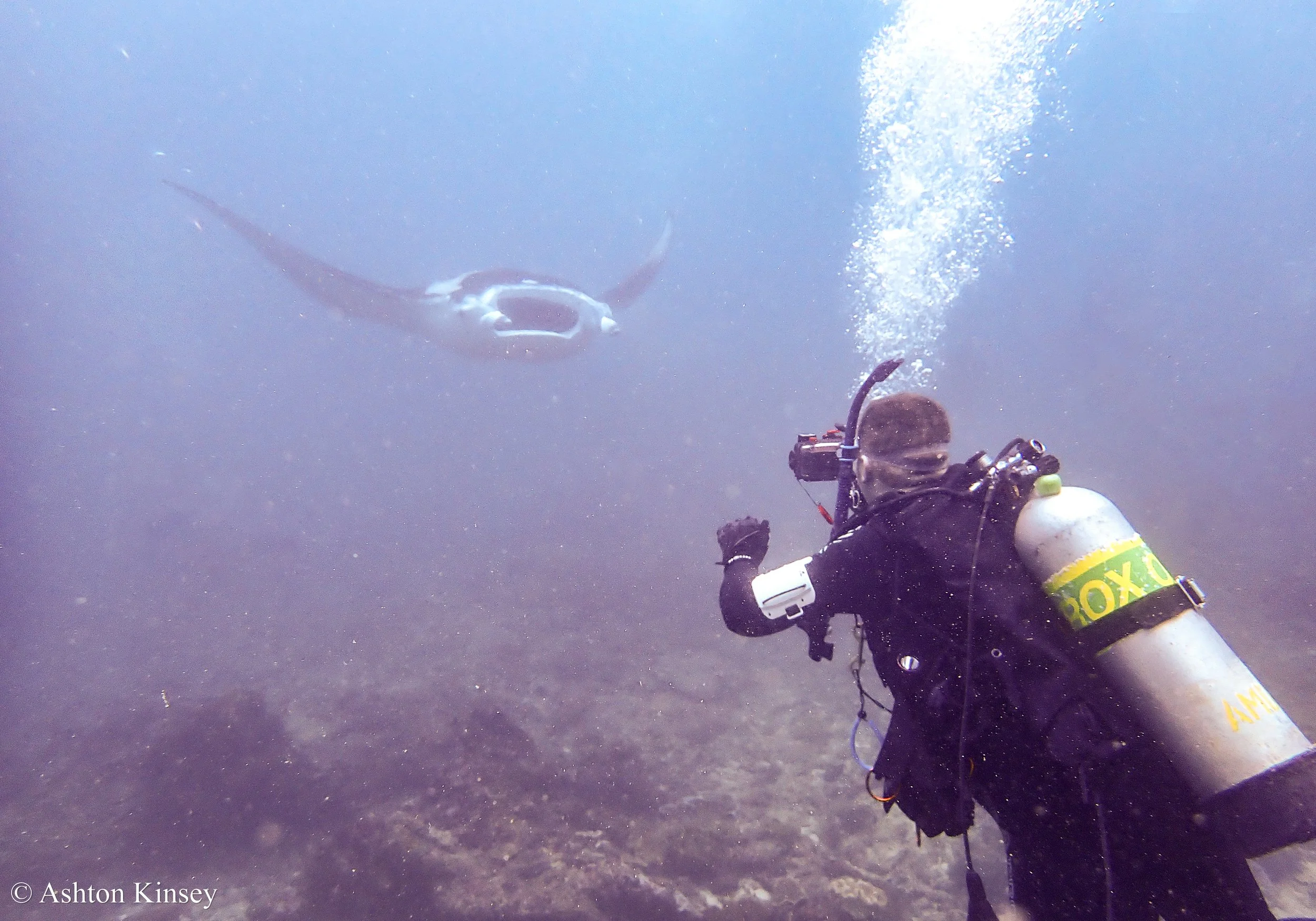
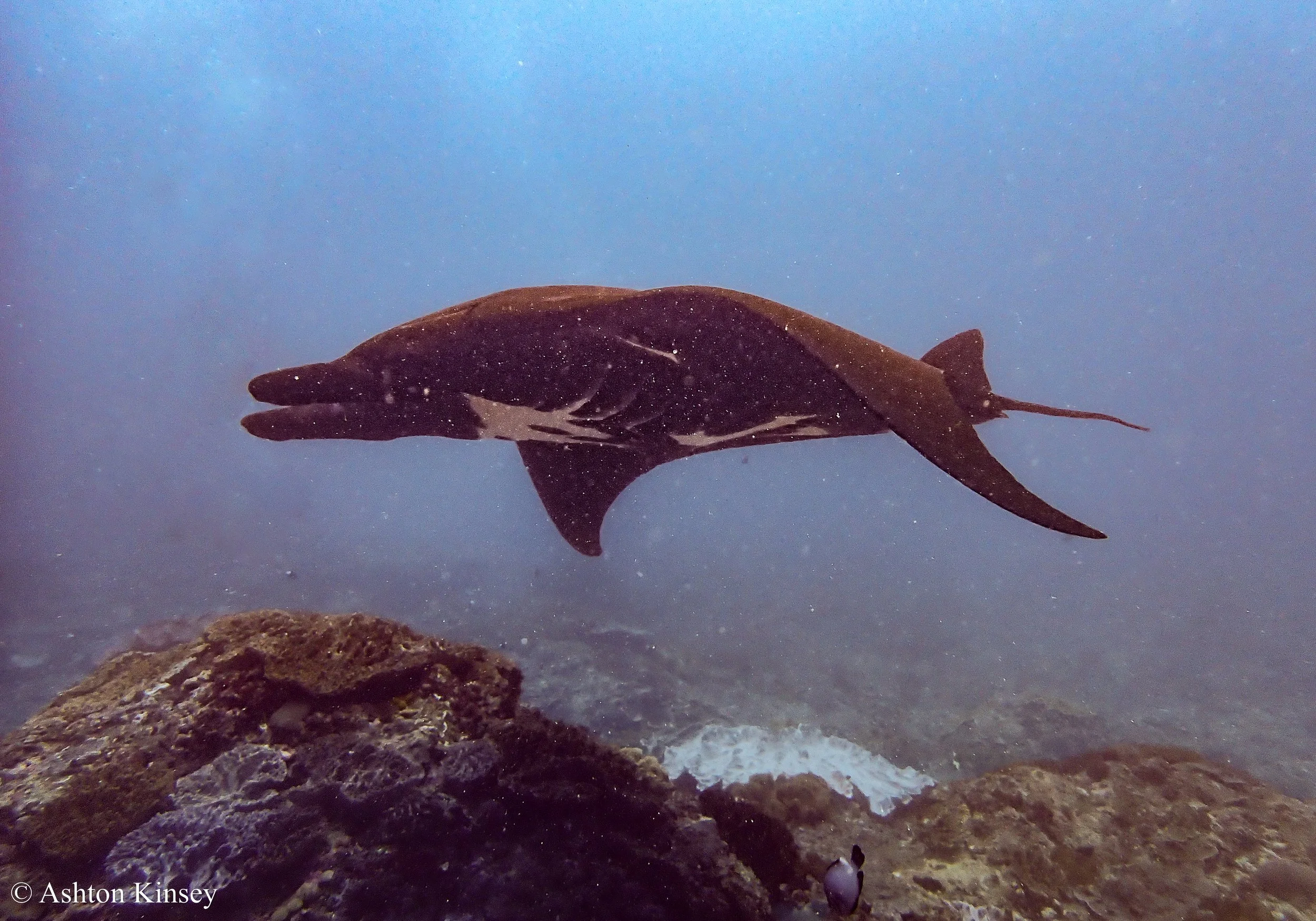
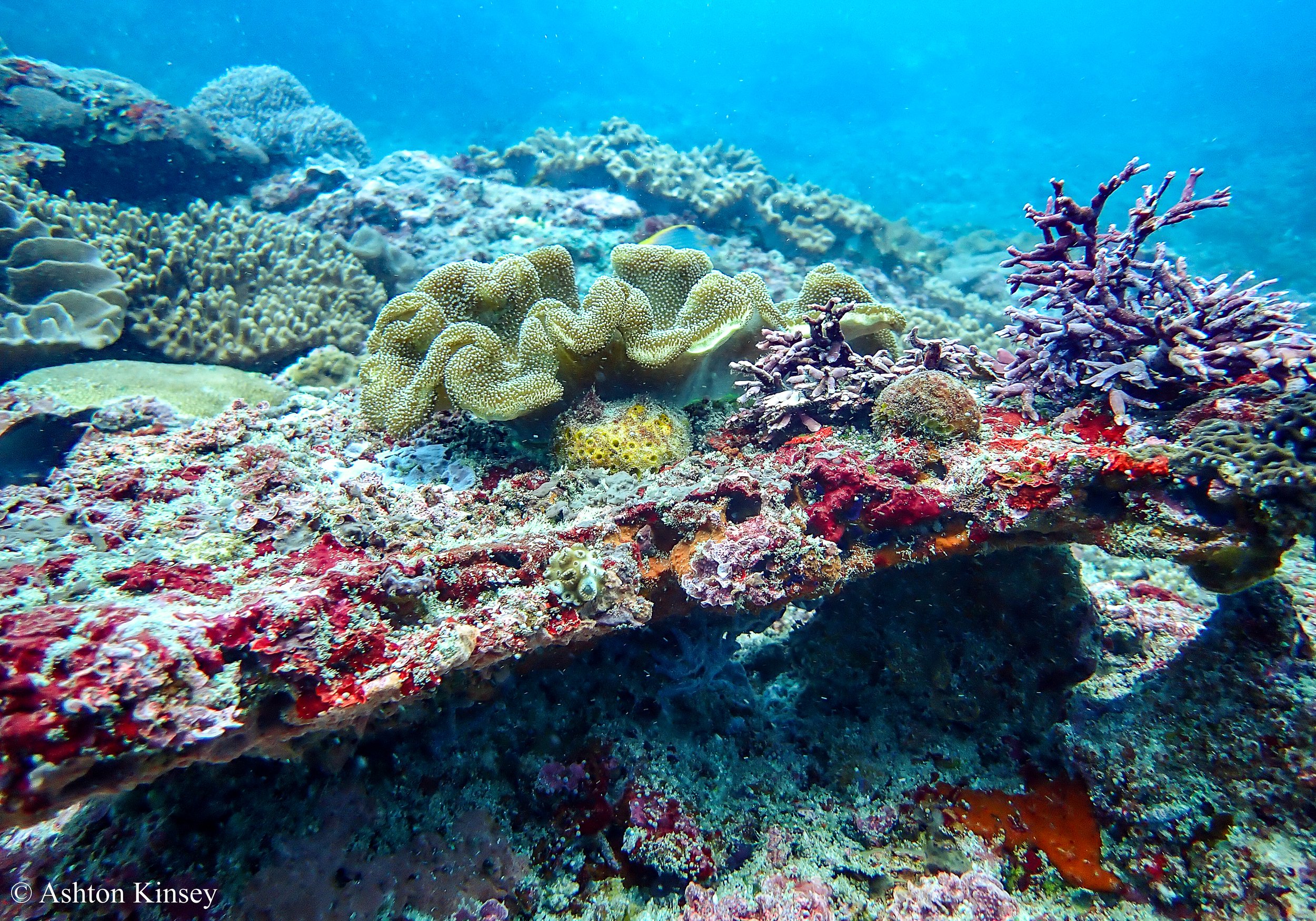
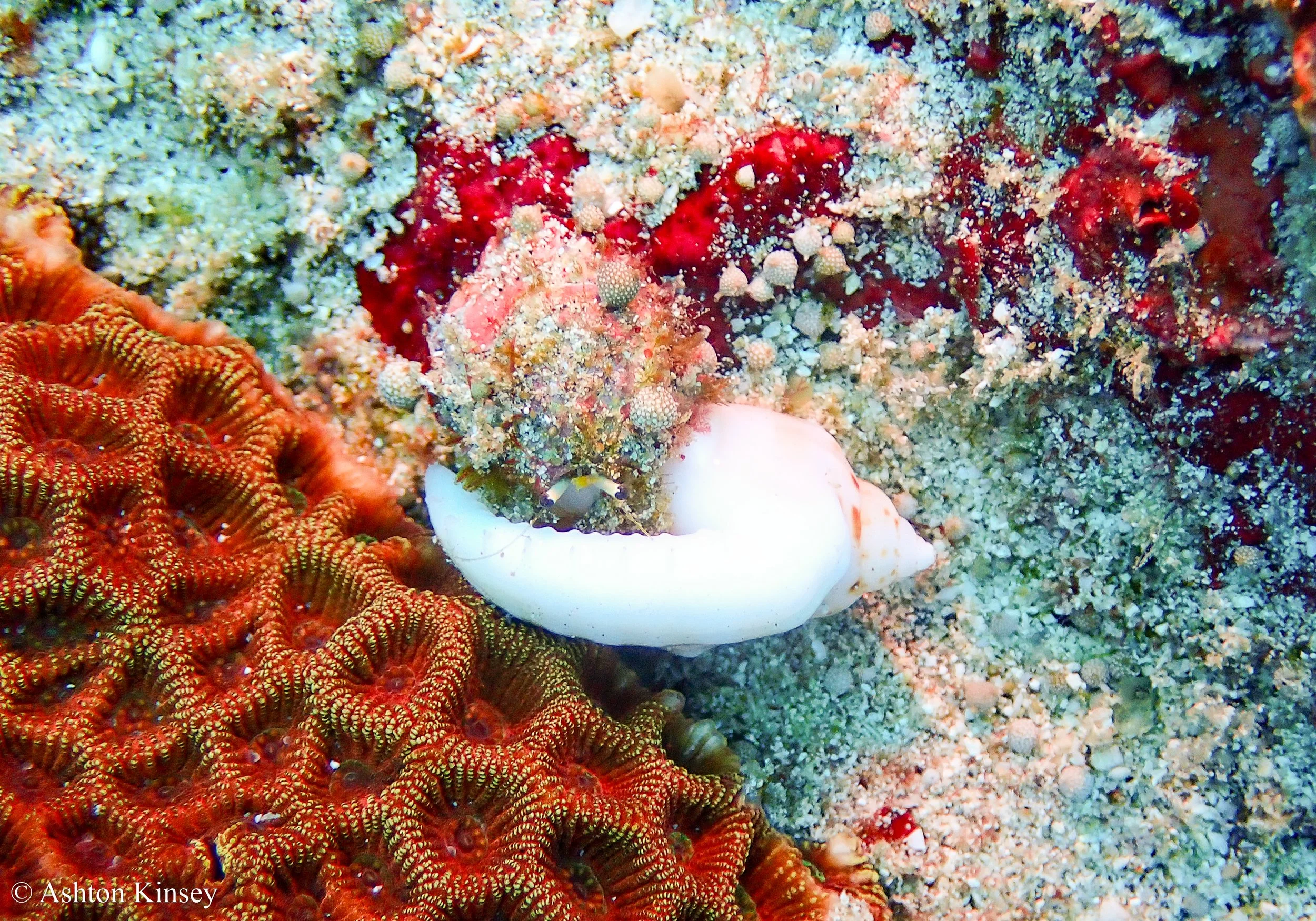
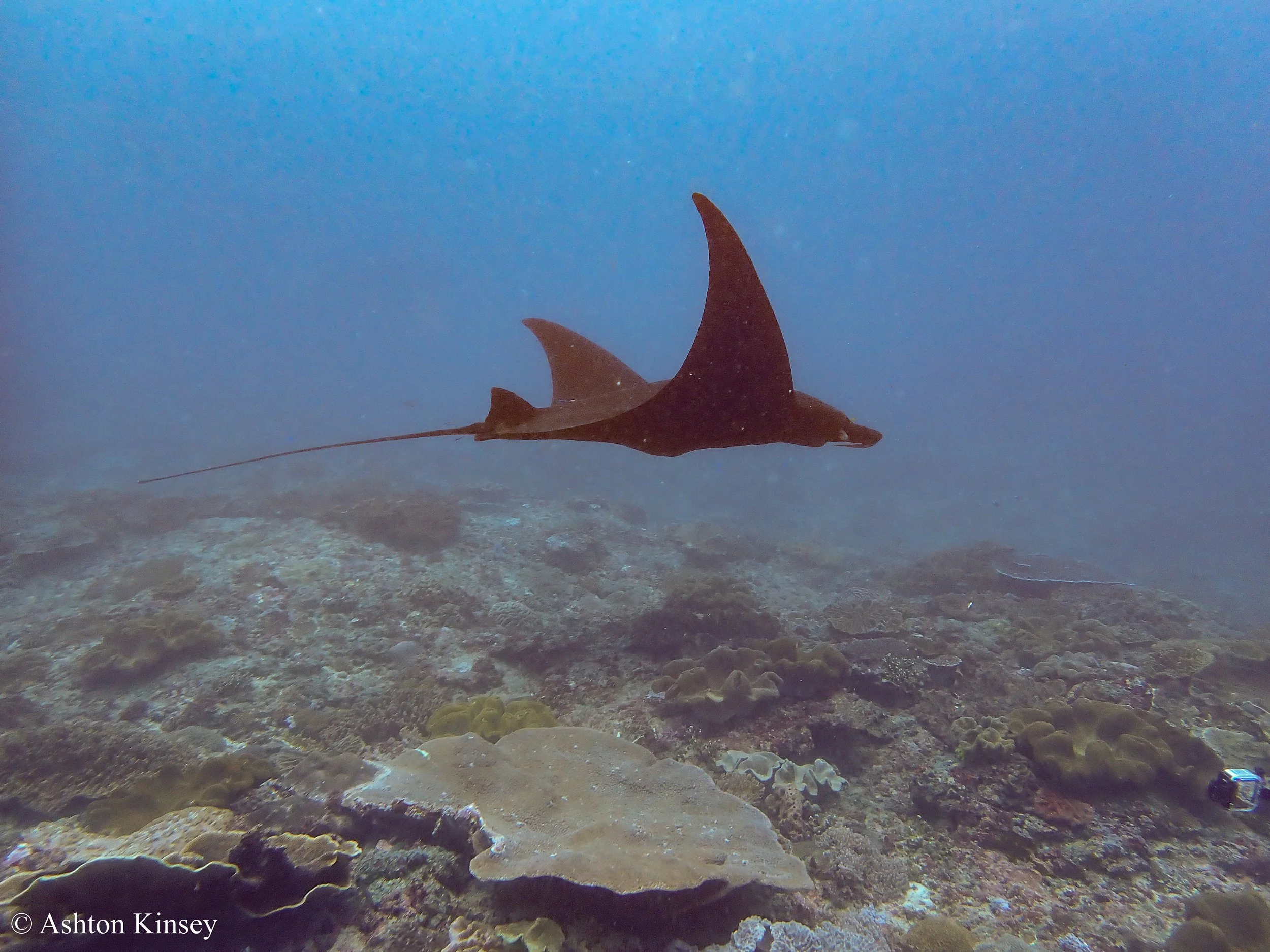
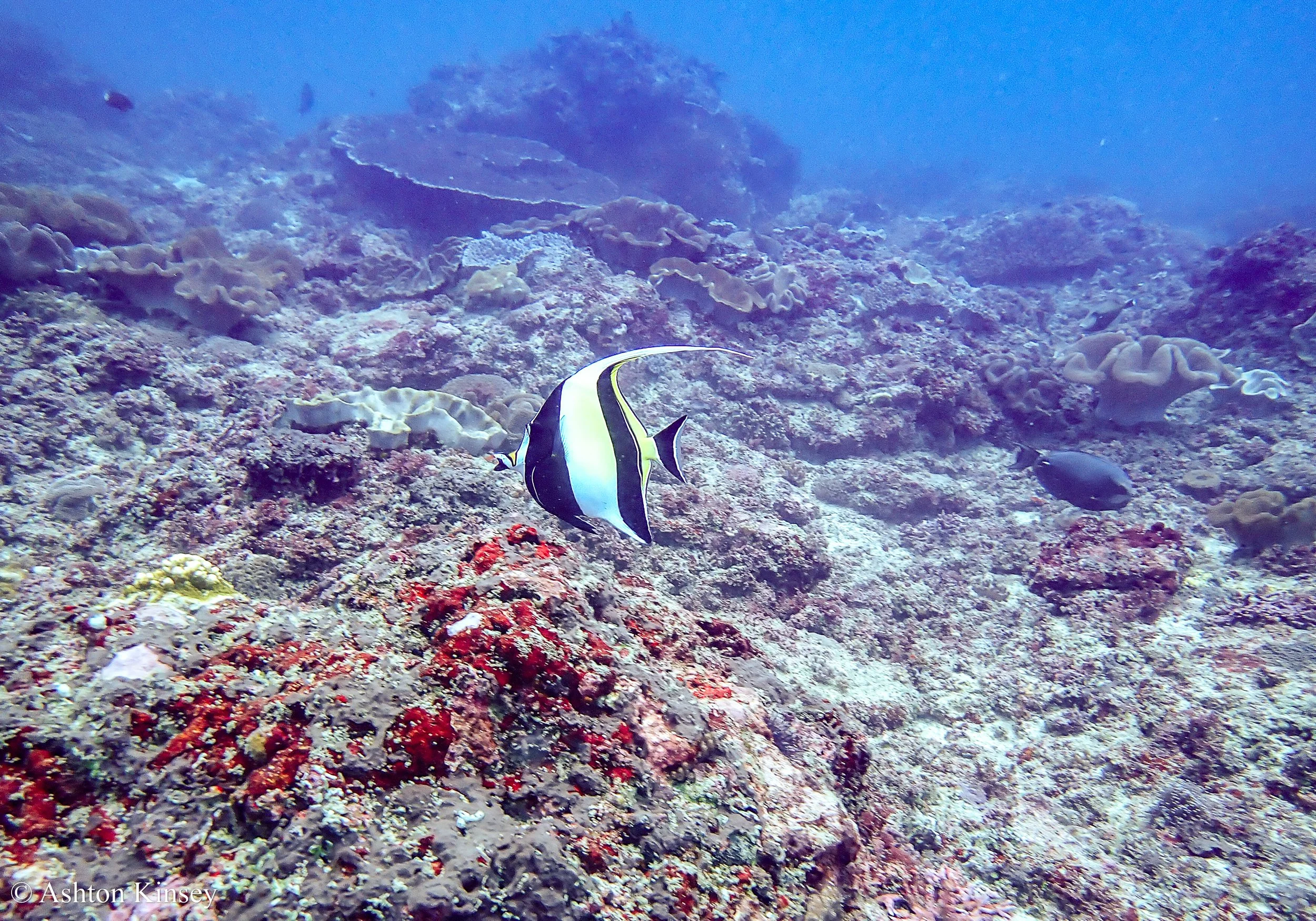
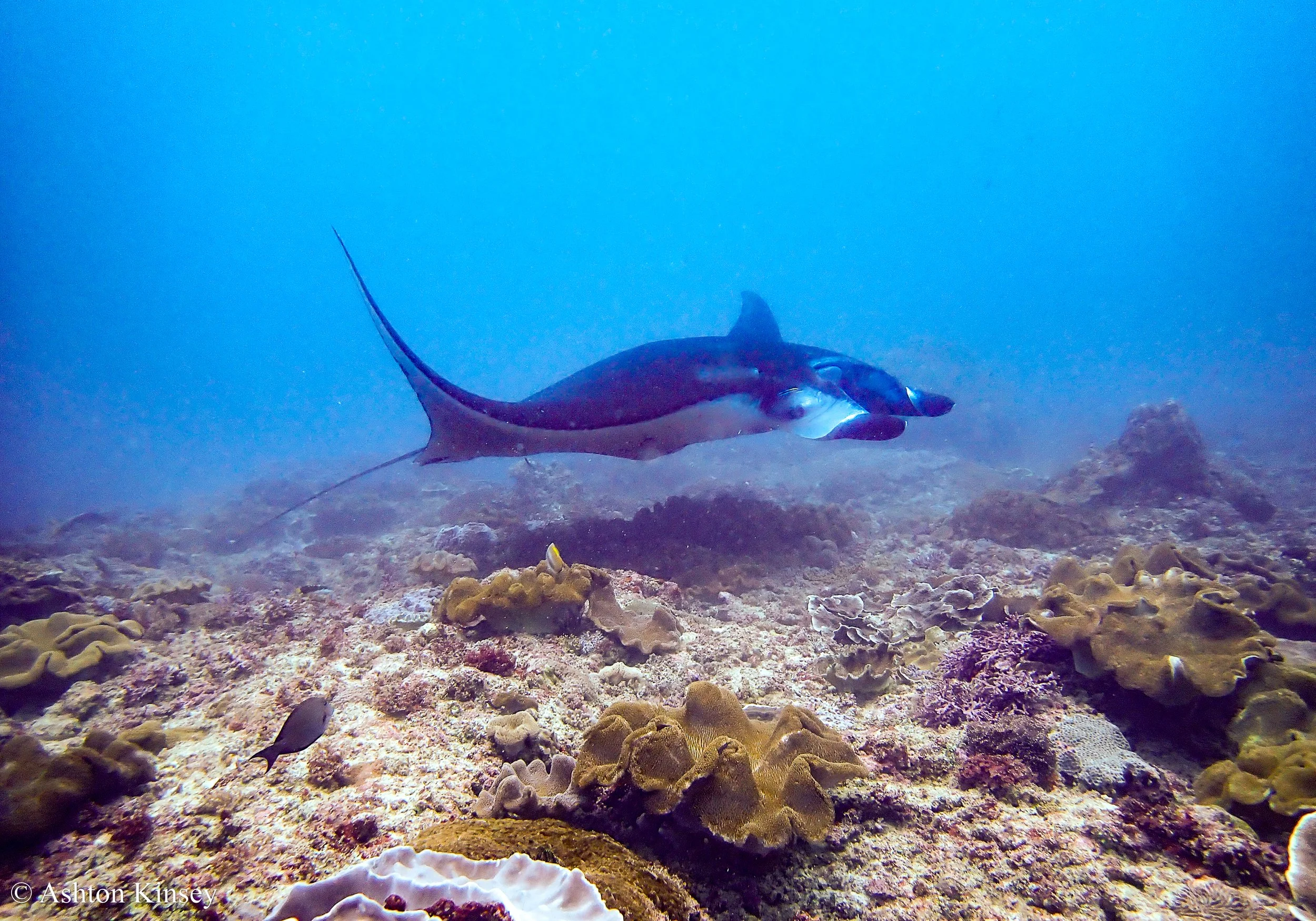
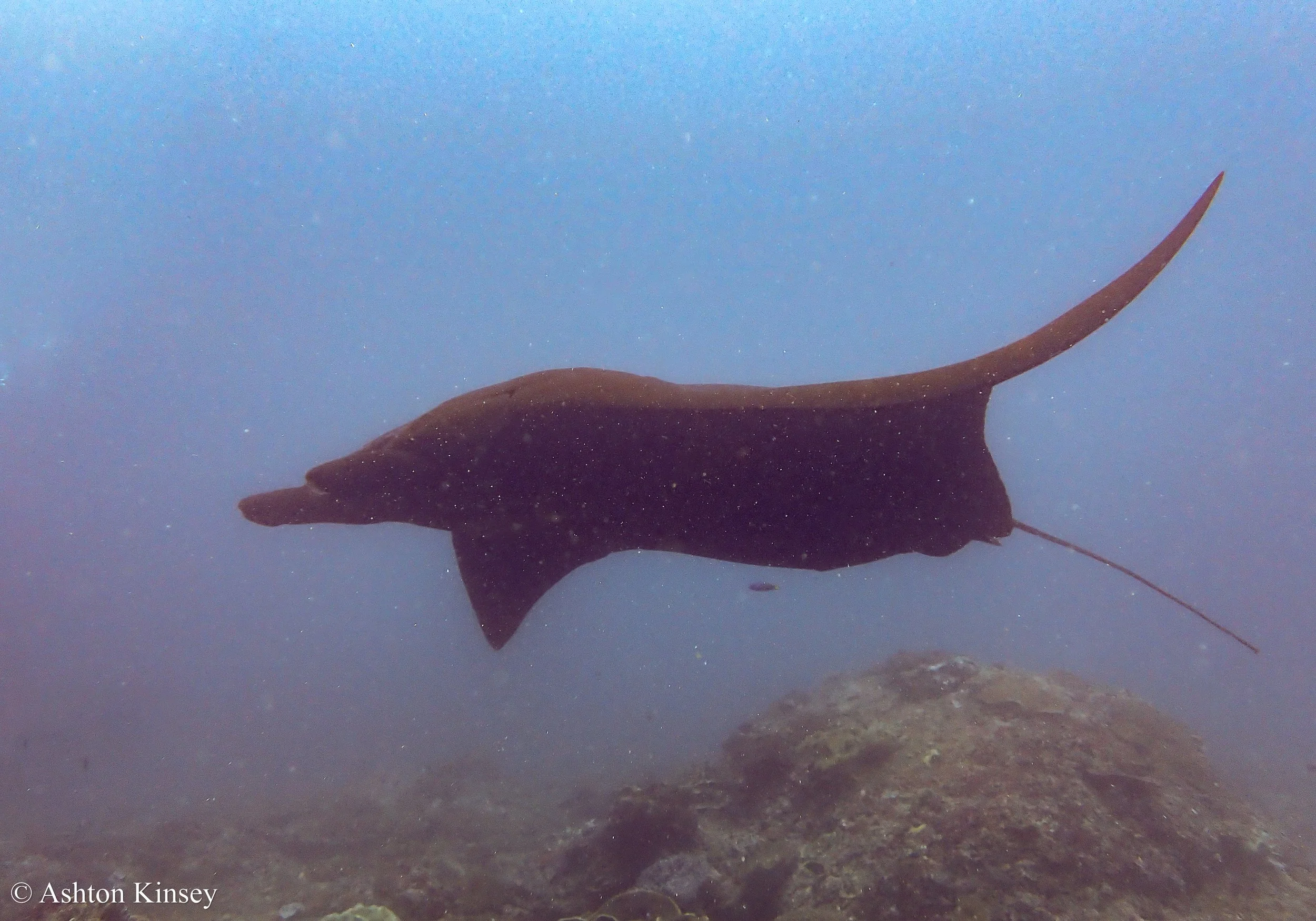
While the goal of the dives around Nasu Penida was to see mola-mola, Manta Point is a popular site that regularly has manta rays cruising through the site. A sloping reef with a sandy bottom, and in the center is a large rock that functions as a cleaning station for mantas. Smaller rocks will sometimes be used as cleaning stations, but less frequently. Viz wasn’t as good as other dives, as well as snorkelers... being snorkelers made the site a bit harder to enjoy, but there was still plenty to see. The primary highlight of the dive was the cleaning stations; however, there was plenty of coral growth, smaller fish, and even a small hermit crab finding a new home.
Dive 3: SD Point
50’ for 57 minutes
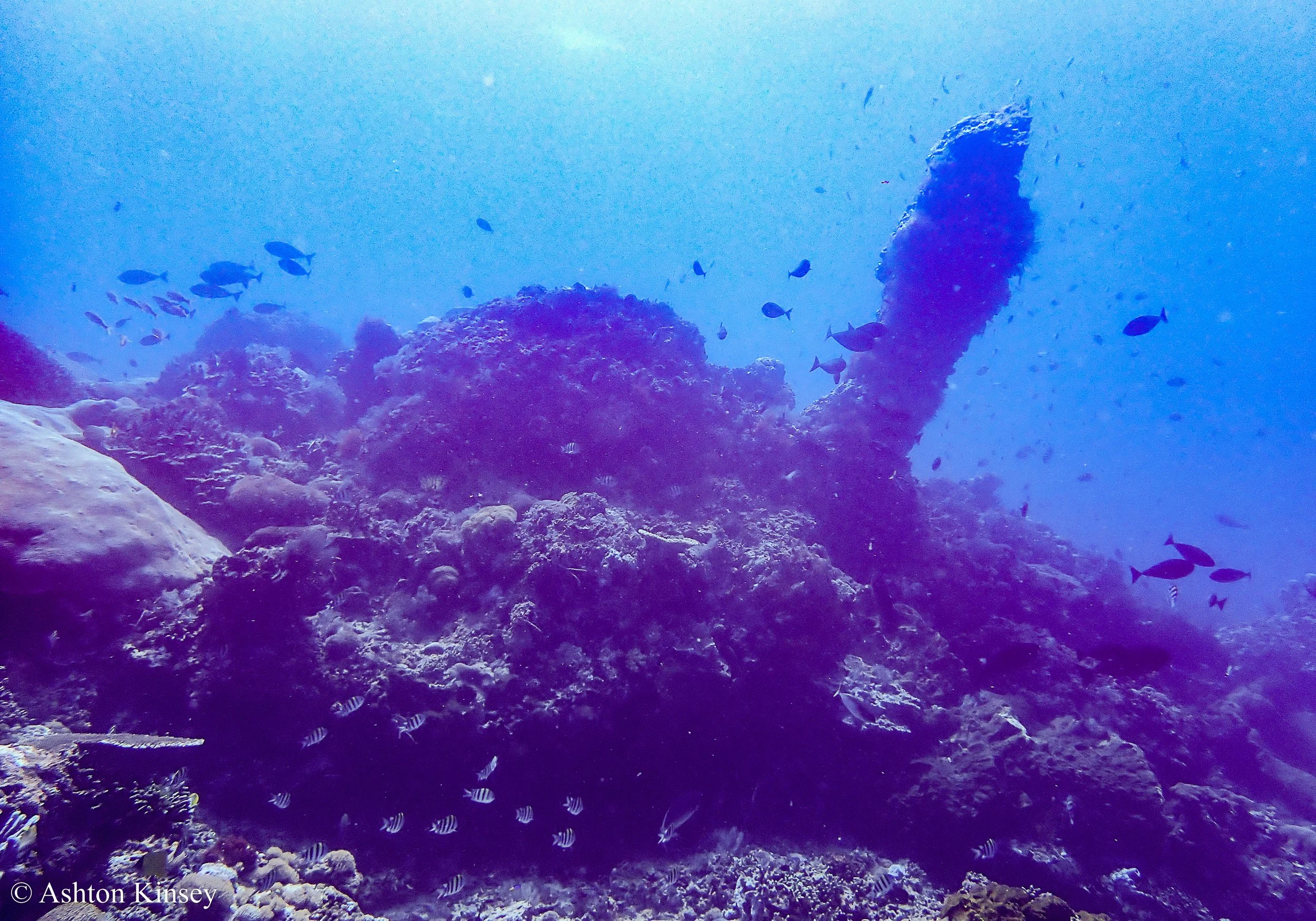
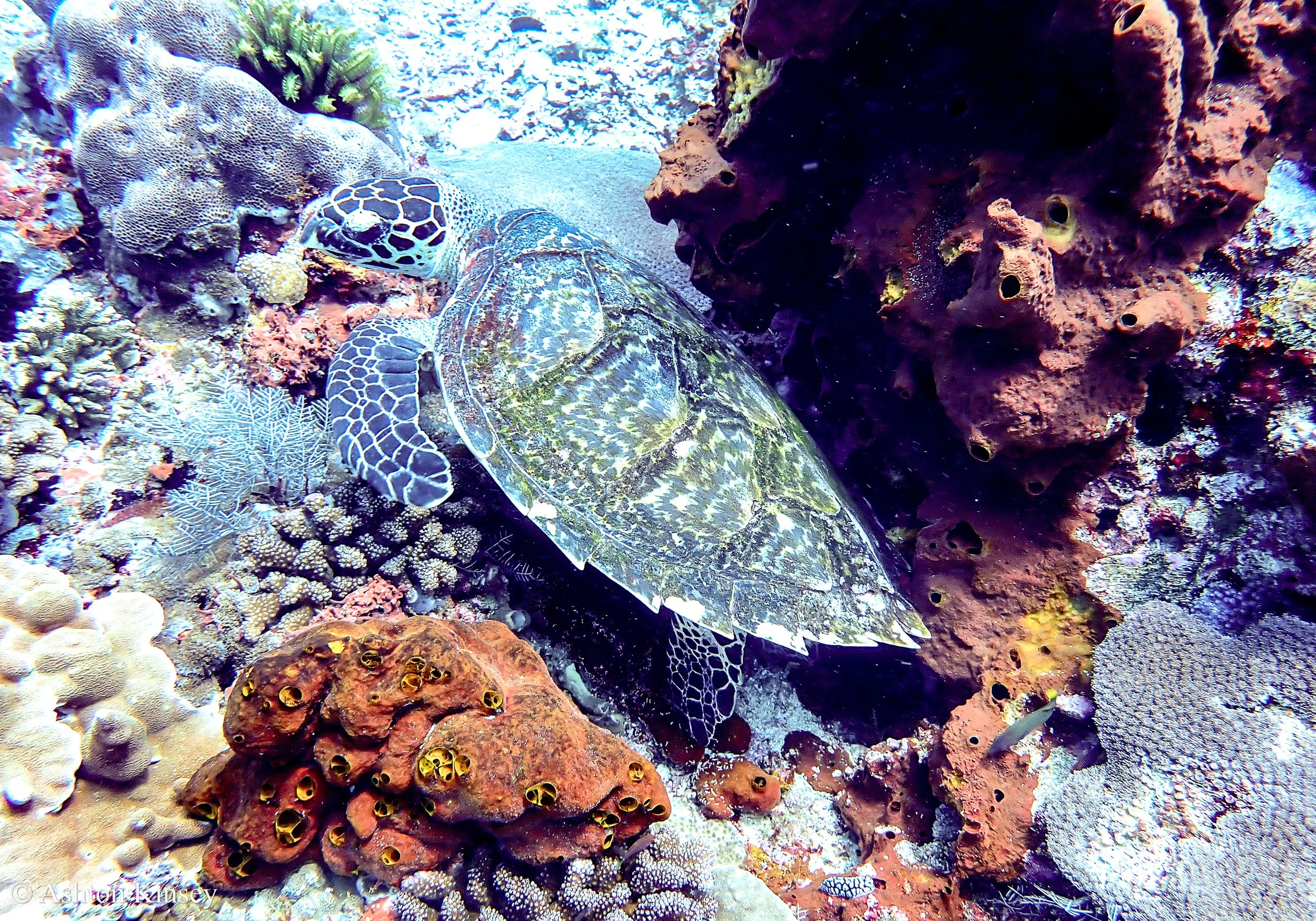
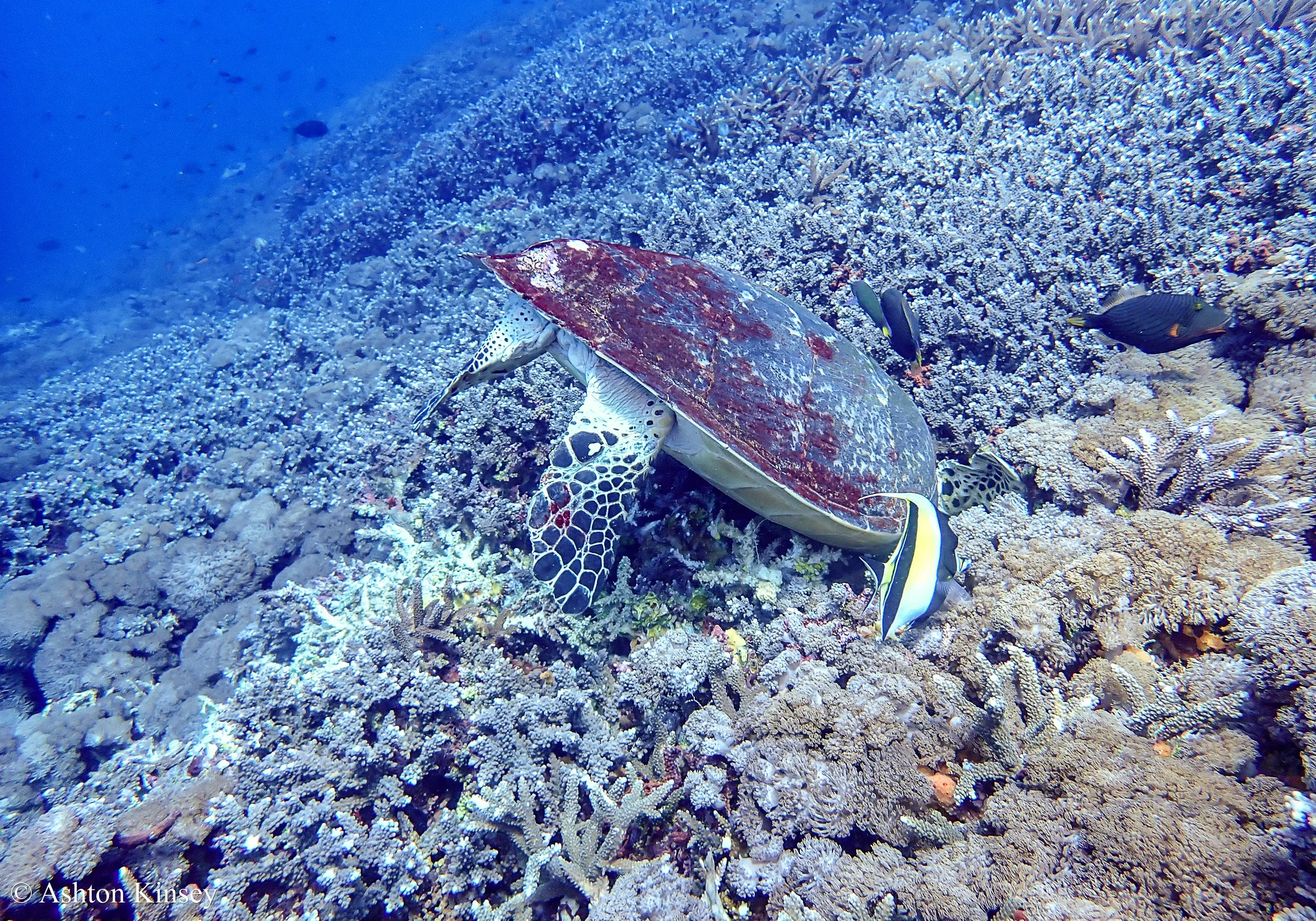
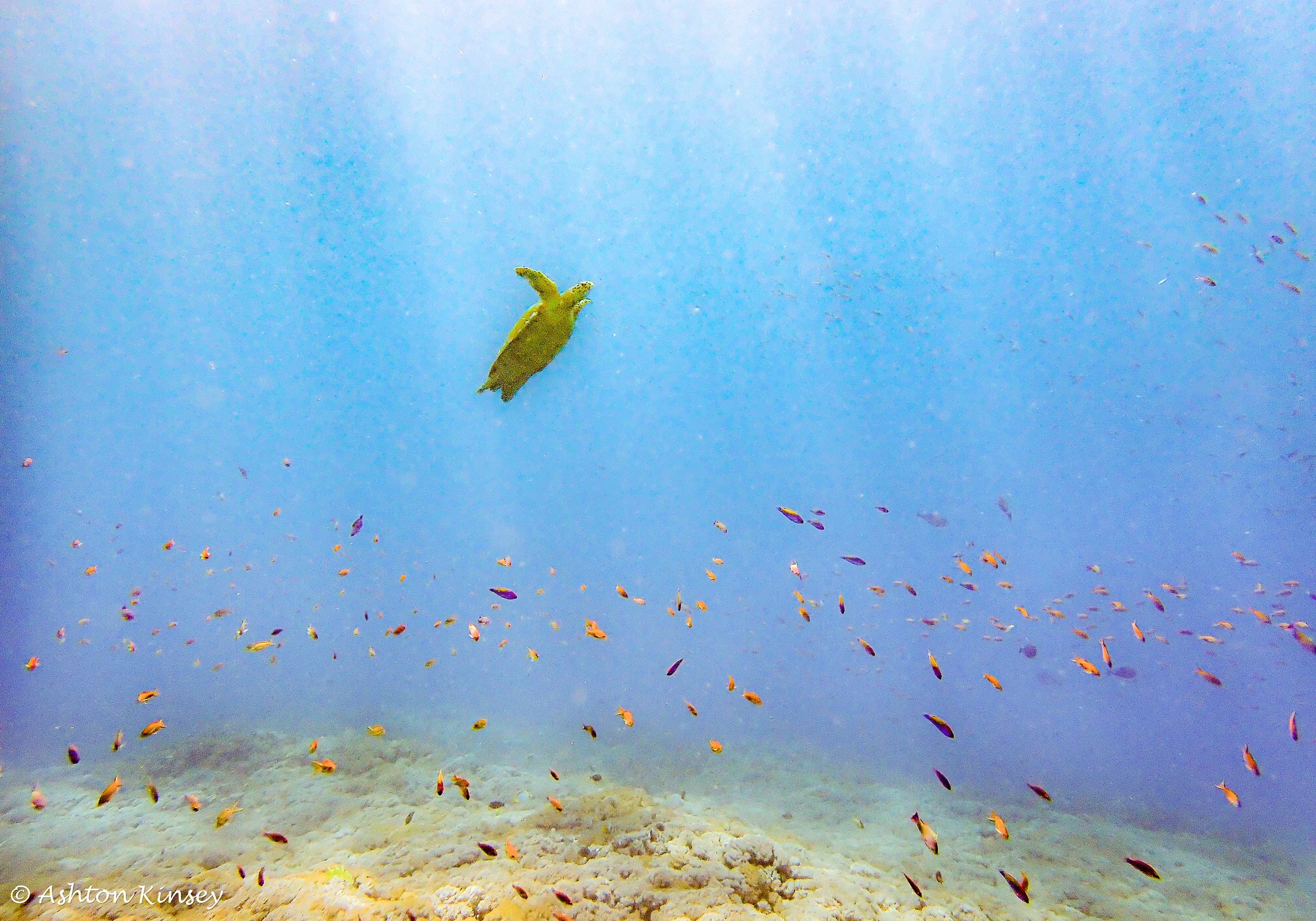
This was the best dive of the three. A drift dive that covered four different sites. There were spots of sloping sandy bottoms, and the potions of wall dives offered a chance to look out into the blue for sharks, rays, and other larger pelagic animals. These sites were very diverse, containing a good mix of animals, corals, and invertebrates, not to mention several turtles. Unfortunately, the day ended without seeing any mola-molas, but there are plenty of additional opportunities ahead!
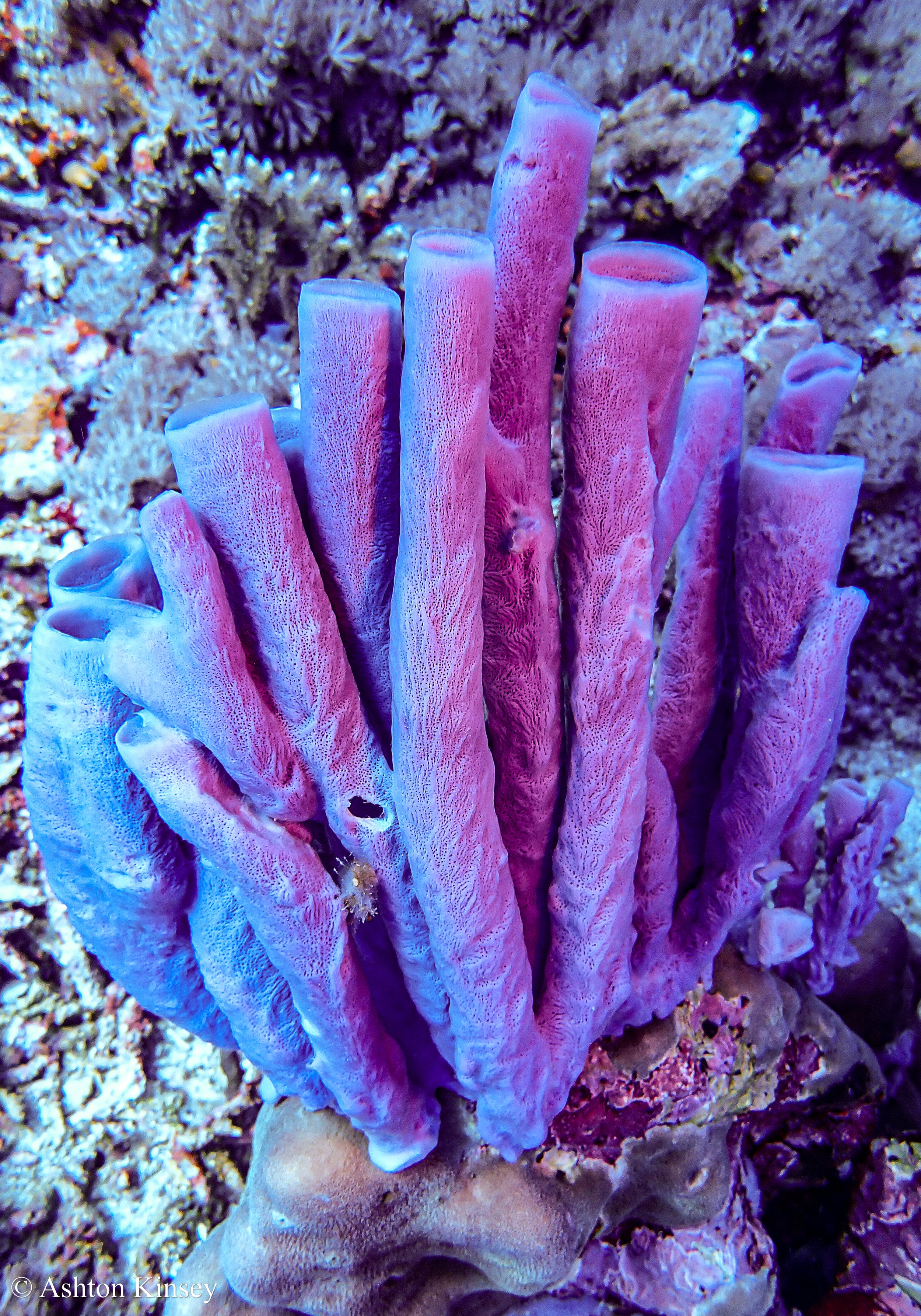
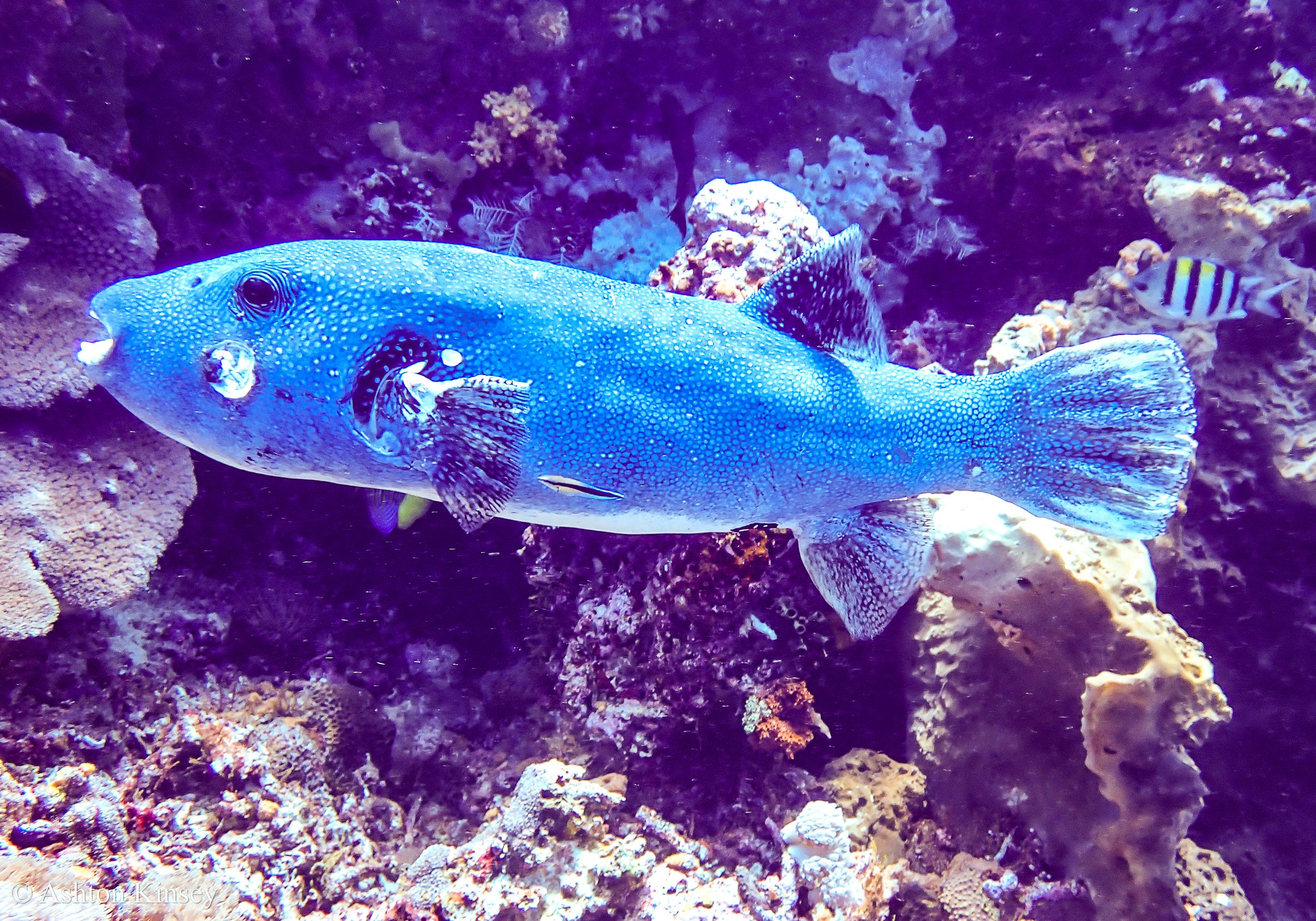
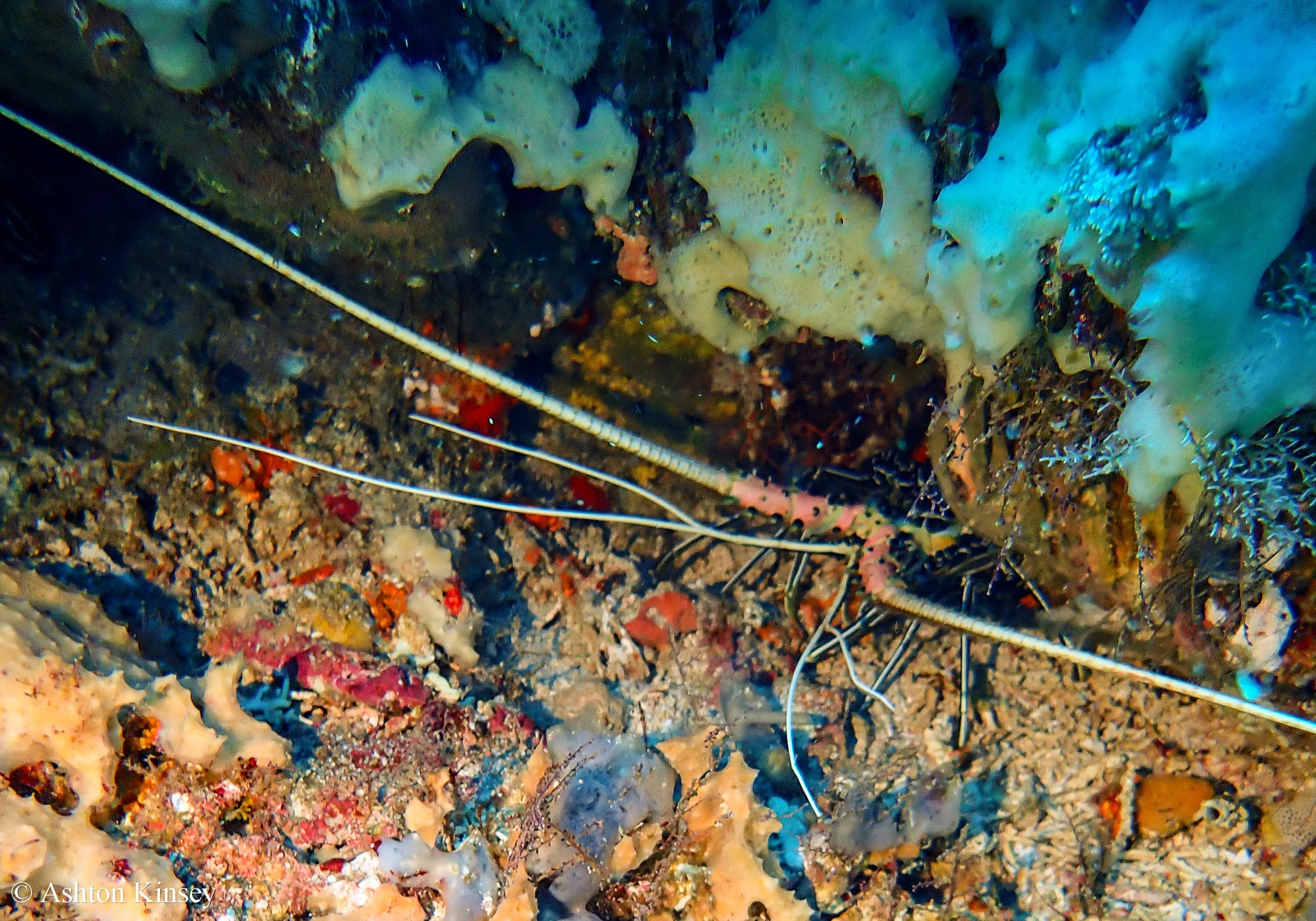
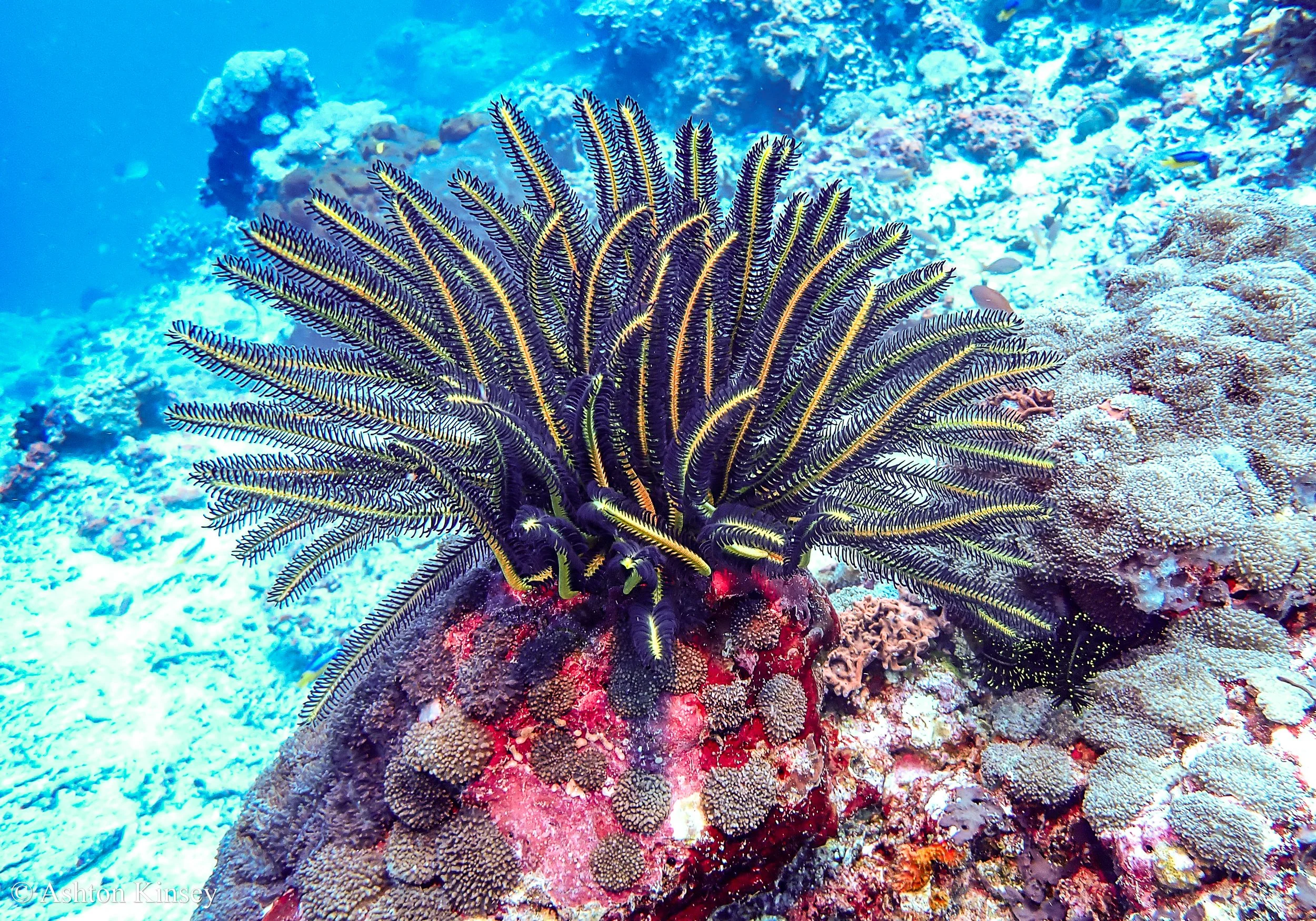
Dive 4: Crystal Bay
74’ for 53 minutes
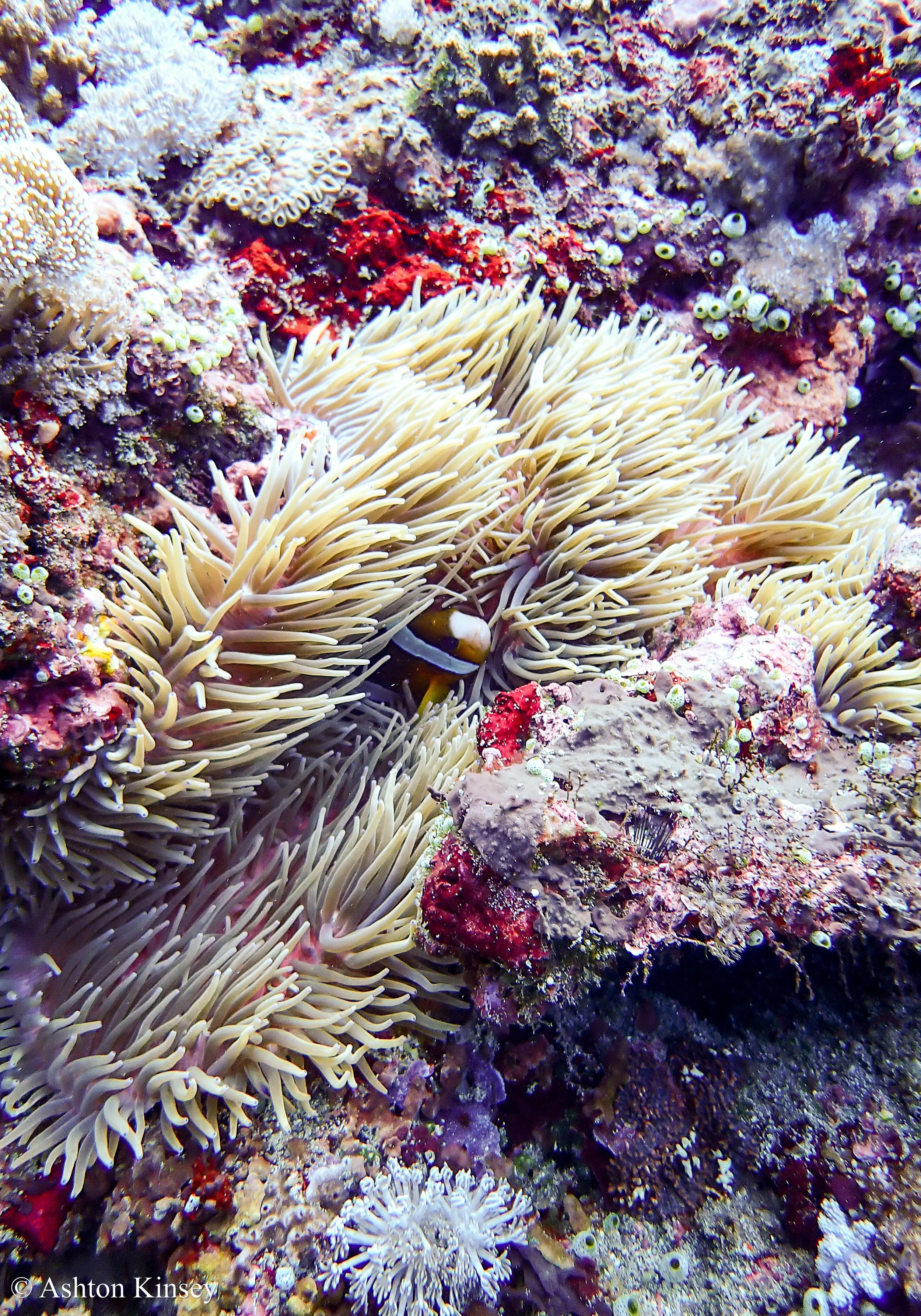
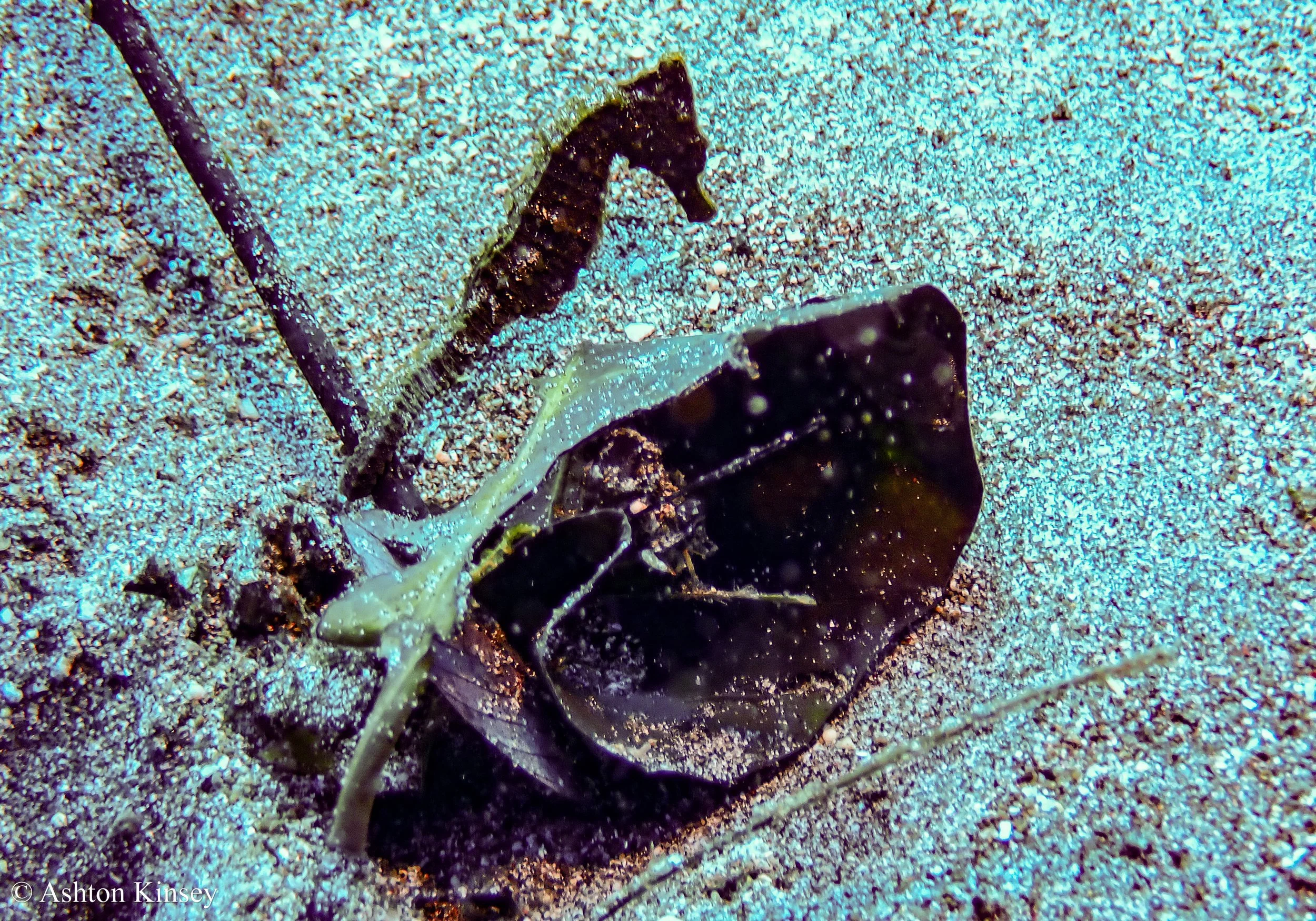
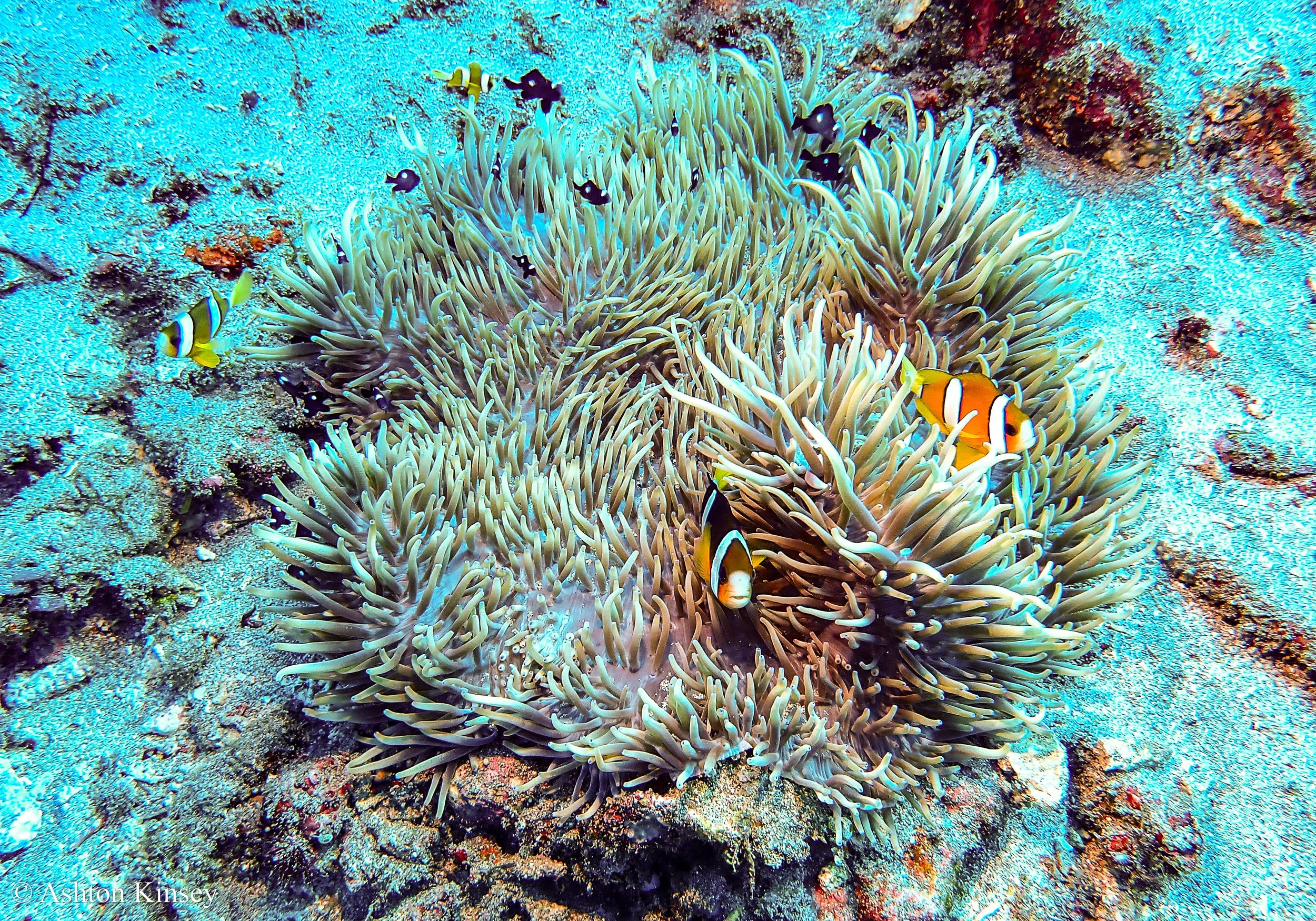
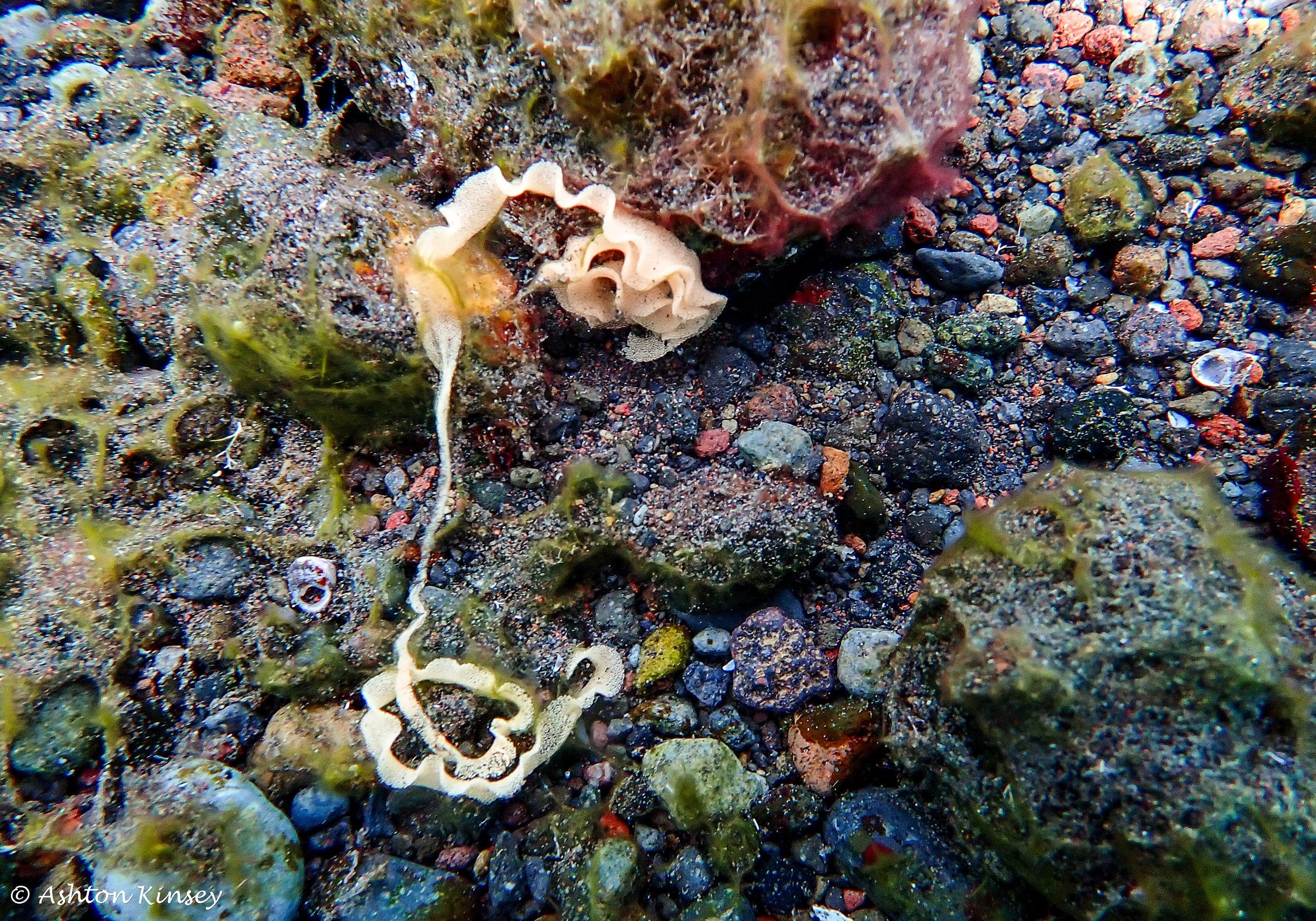
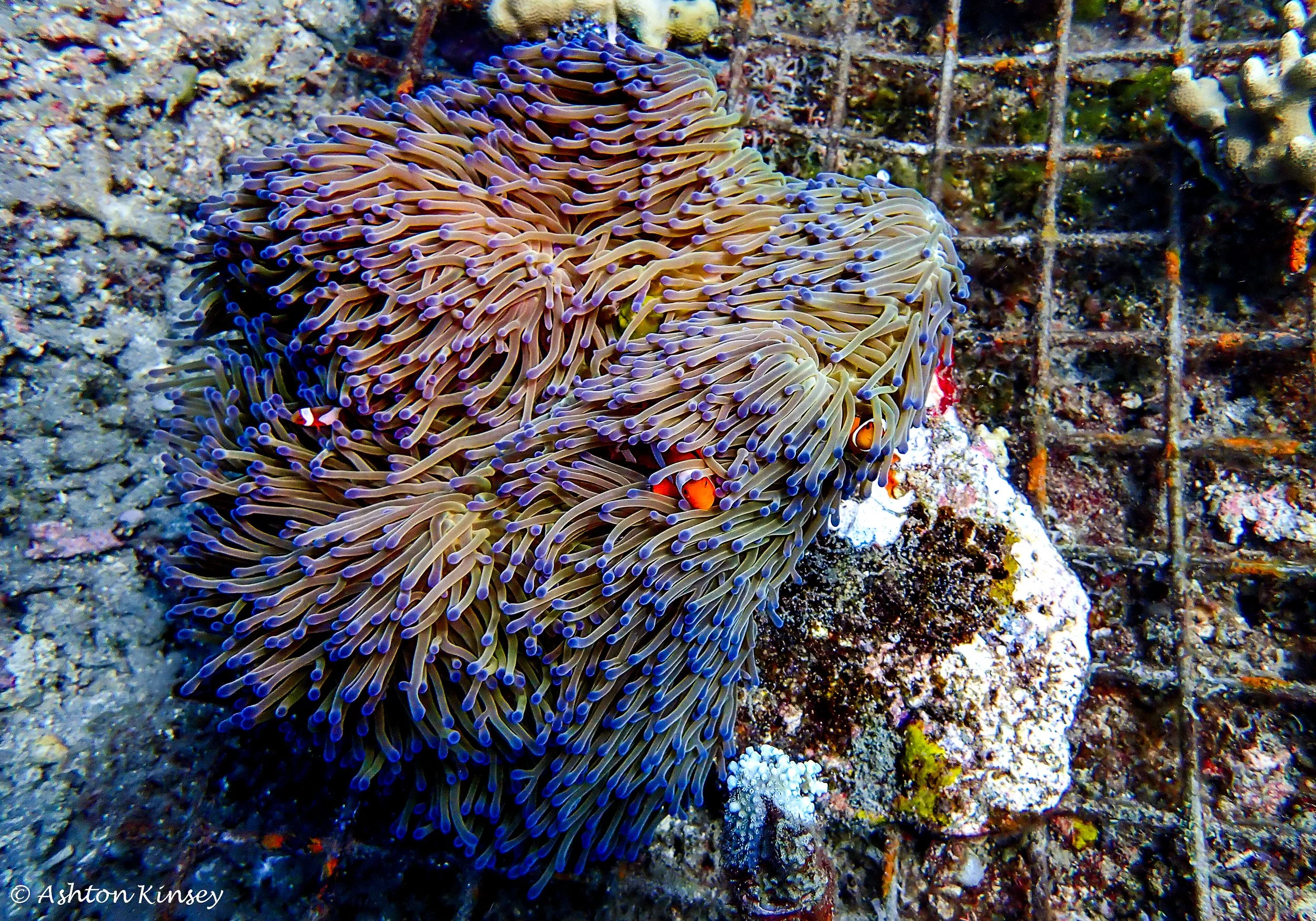
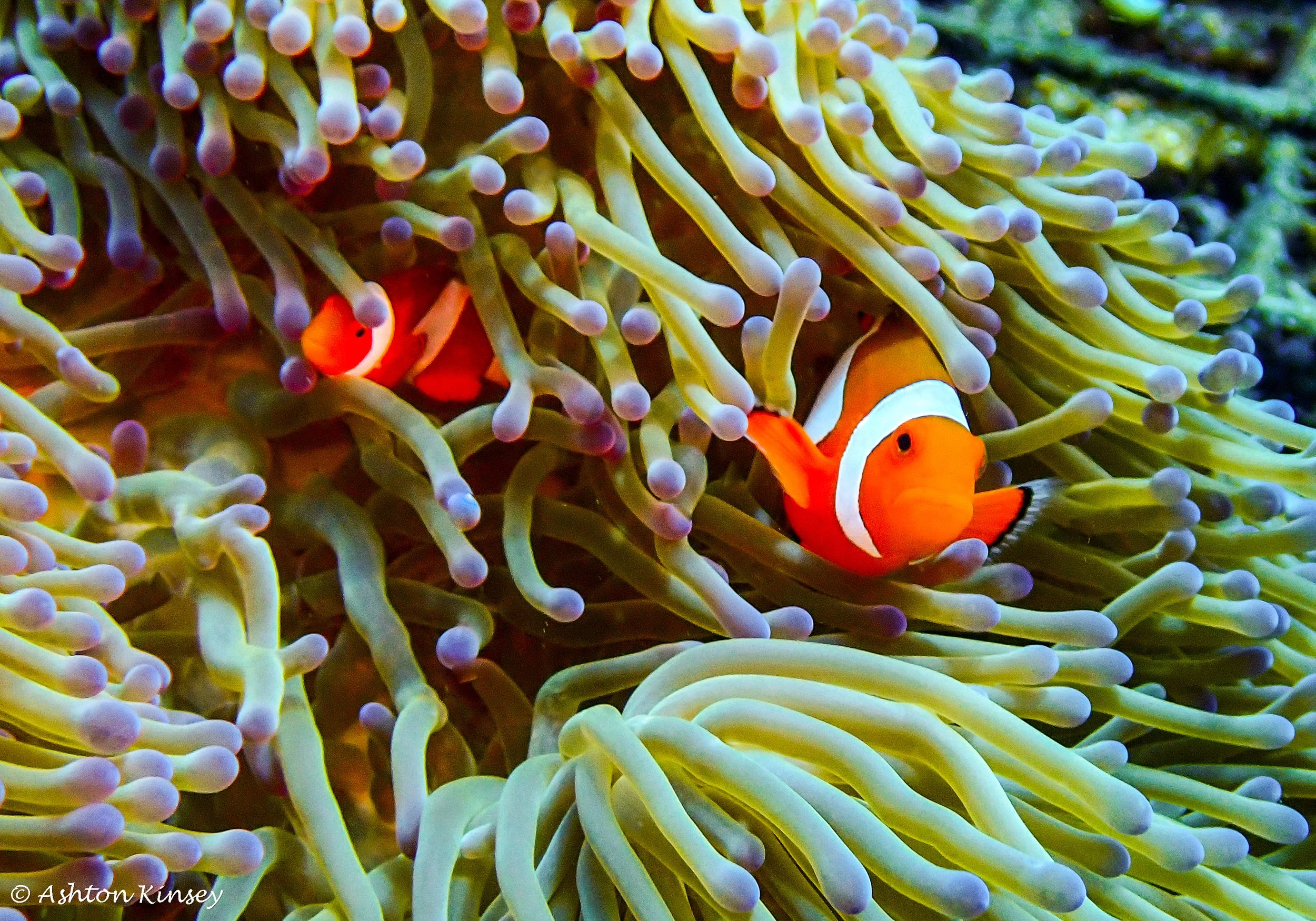
A return to Crystal Bay, this time ignoring the cave and going straight for the channel to hopefully see Mola-Molas. It was a similar dive as the day before, but with the added bonuses of seeing a seahorse, a nudi egg ribbon, and a clownfish with eggs under the anemone.
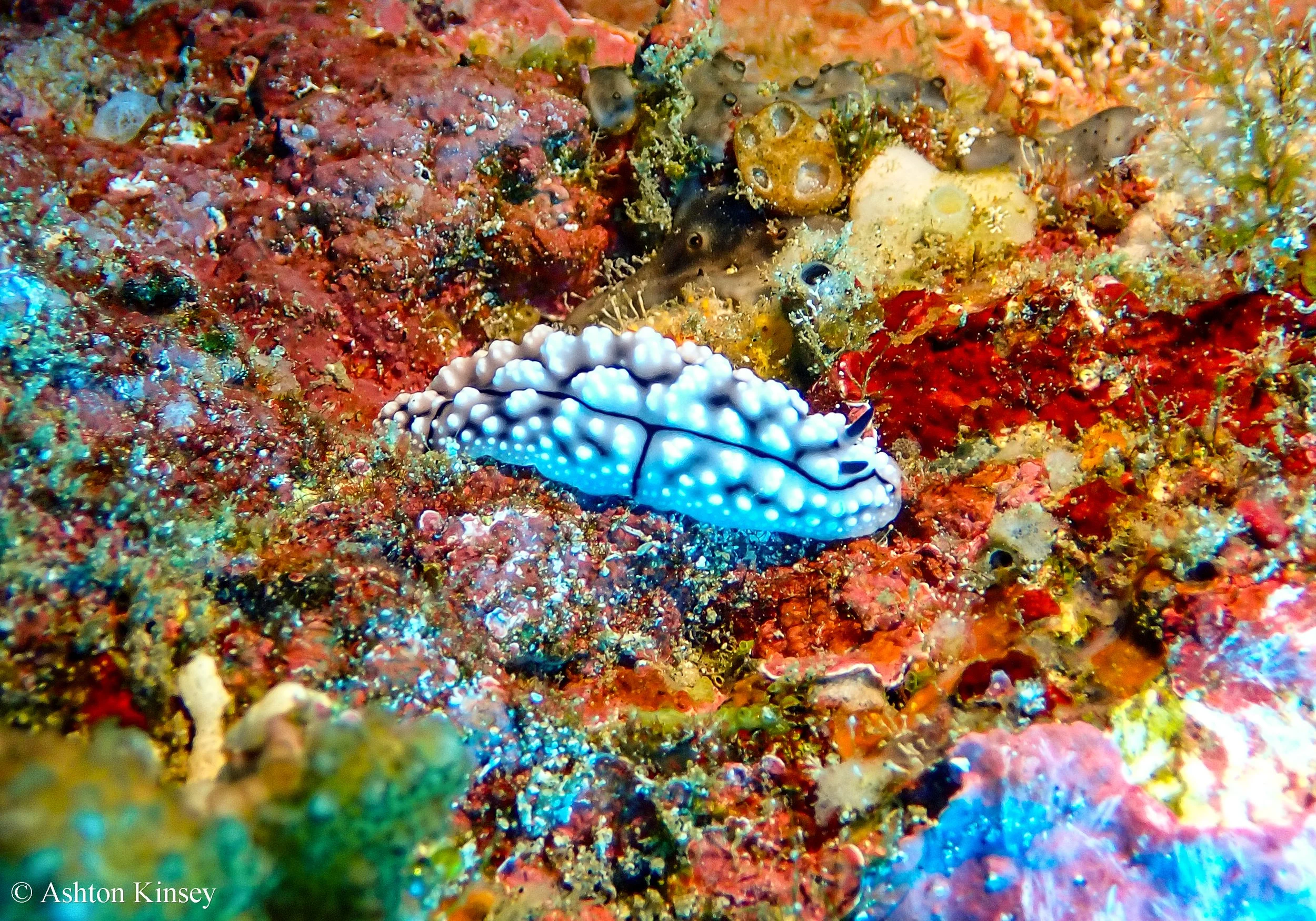
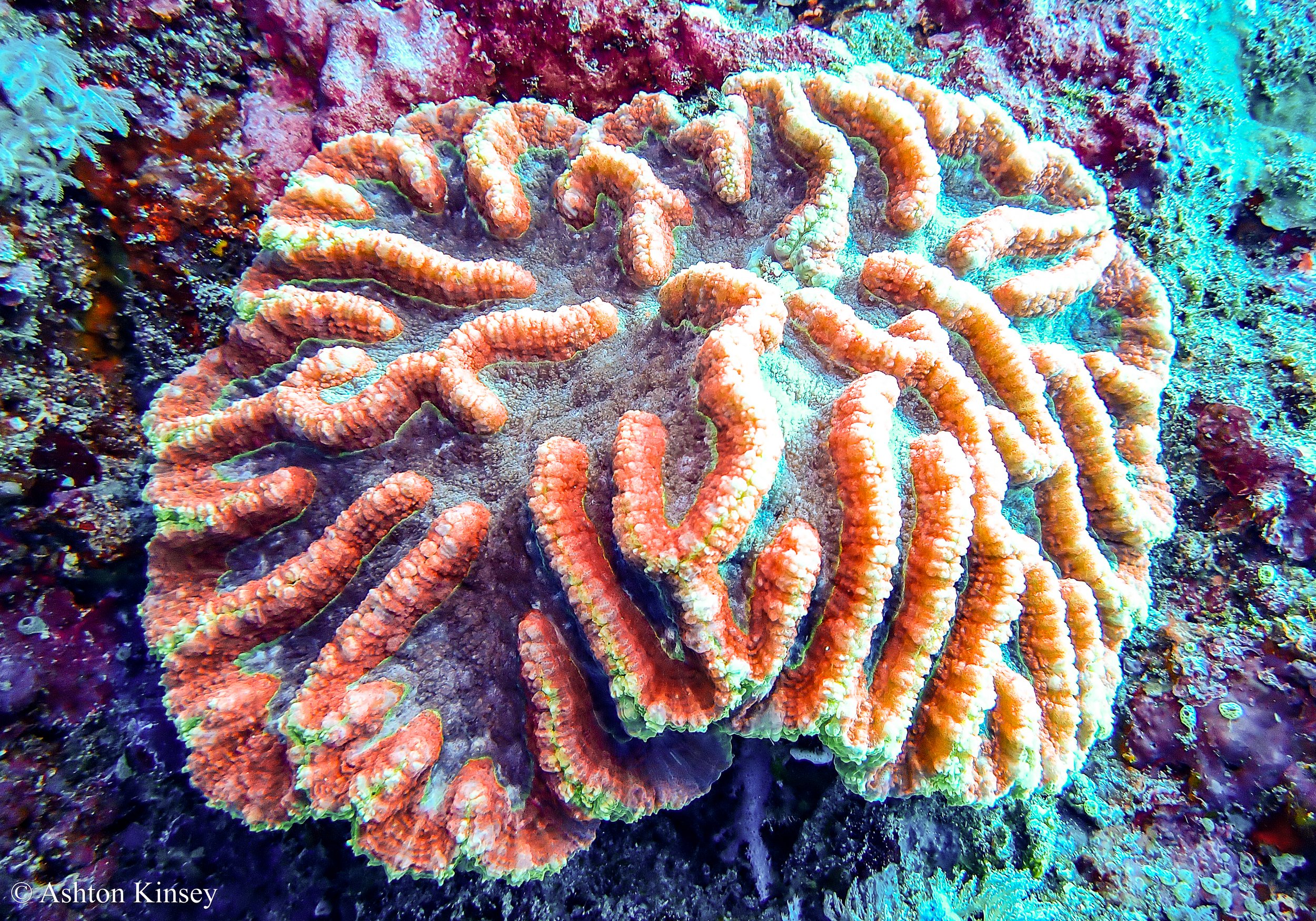
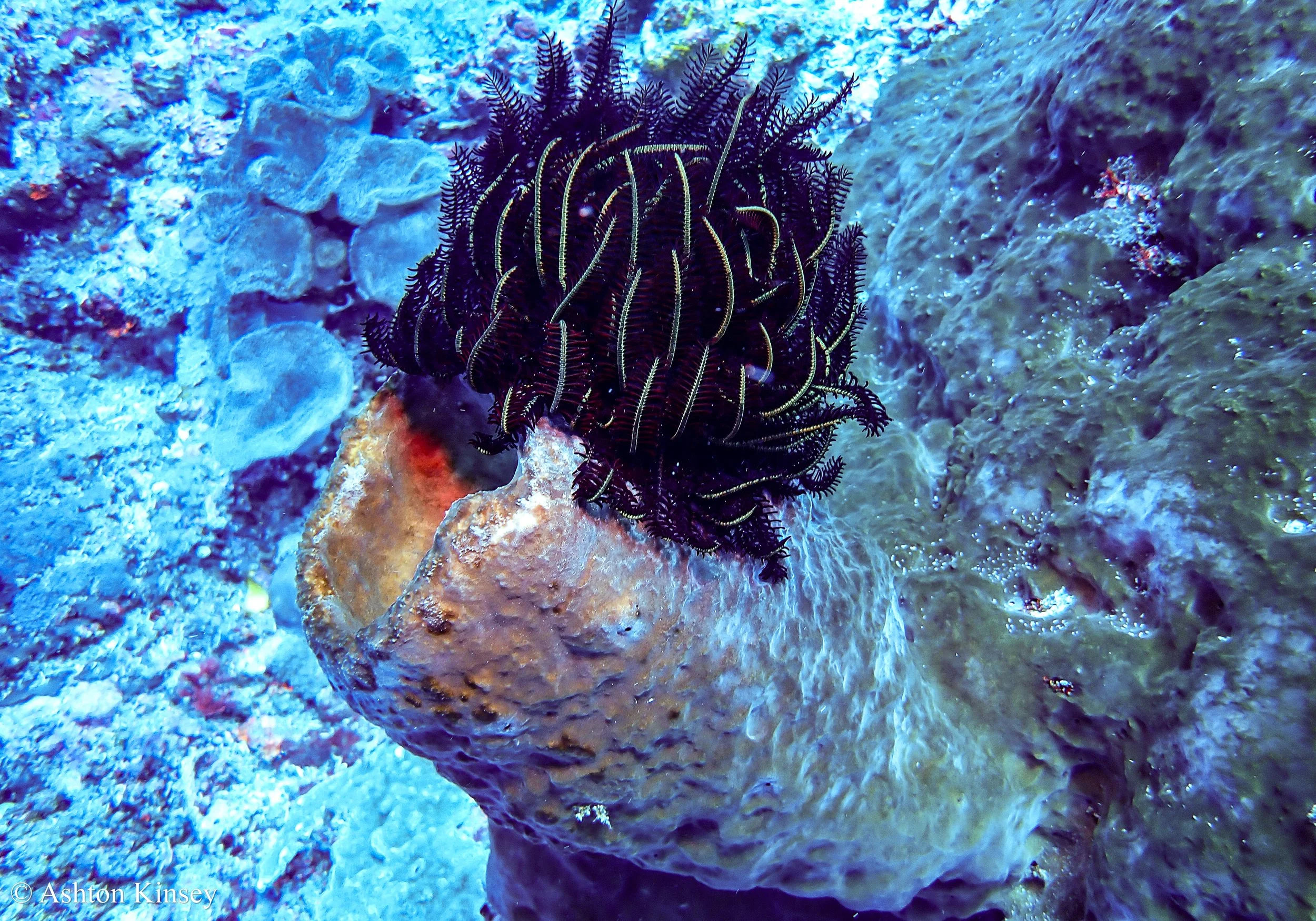
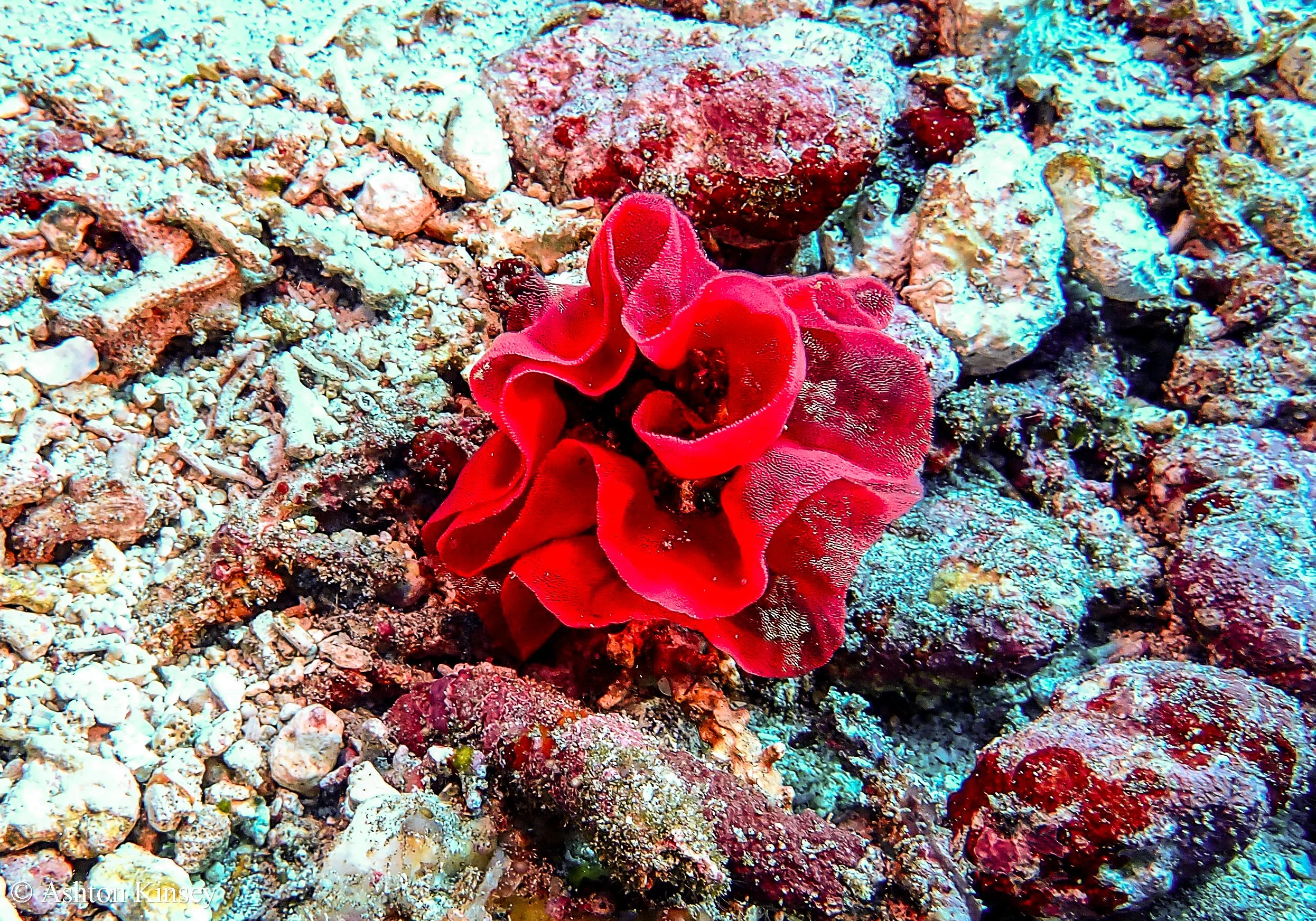
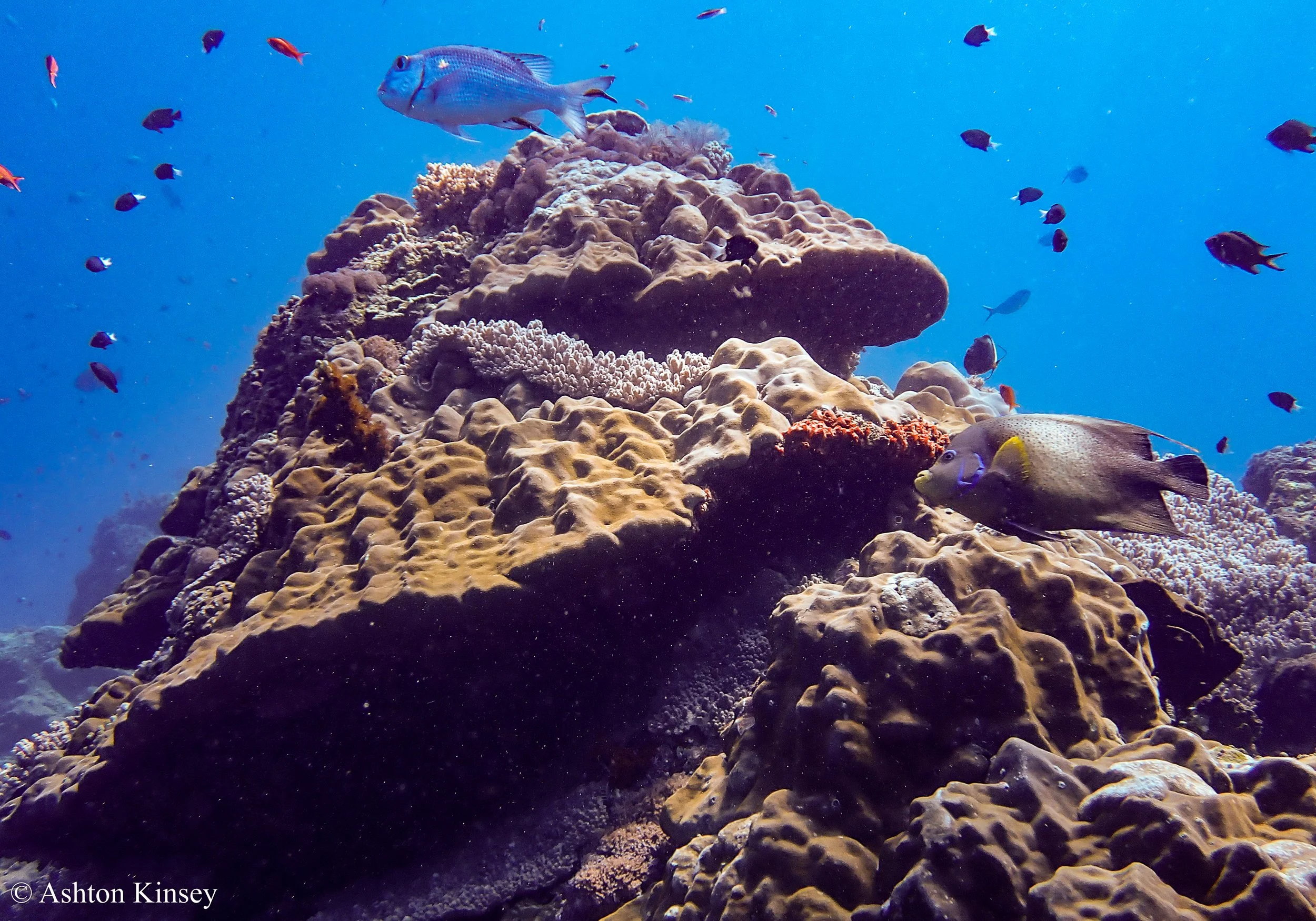
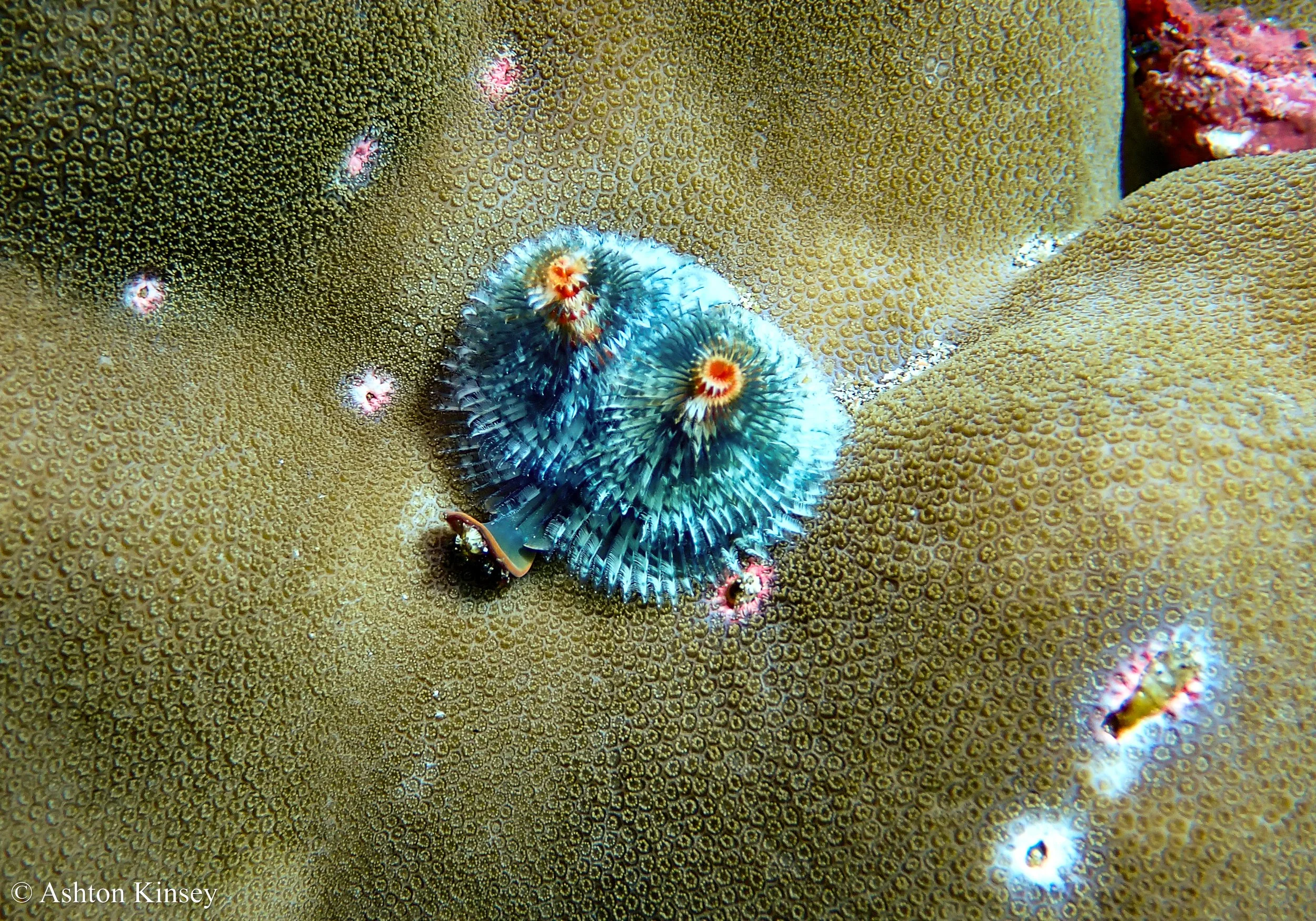
Dive 5: Manta Point
58’ for 50 minutes
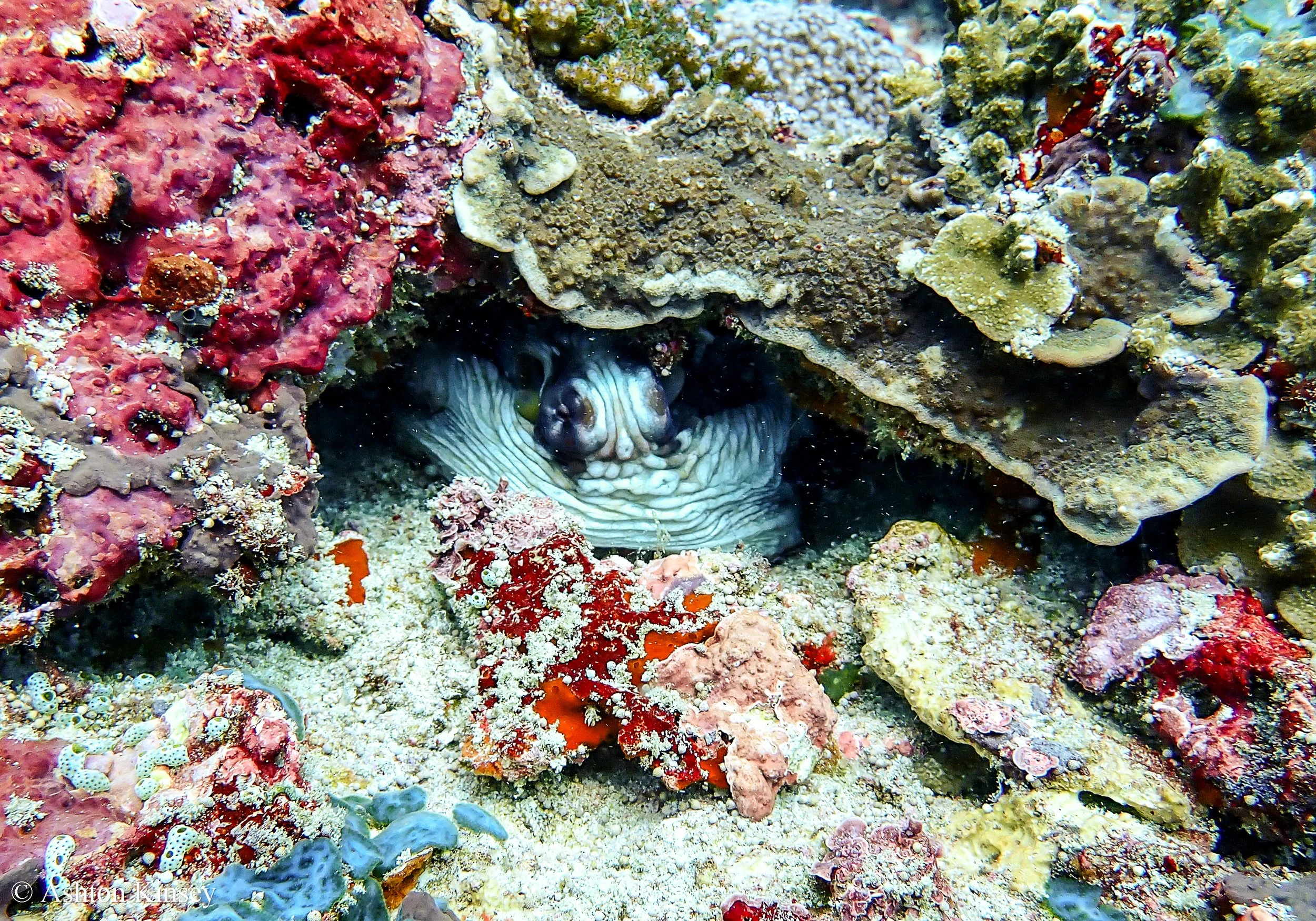
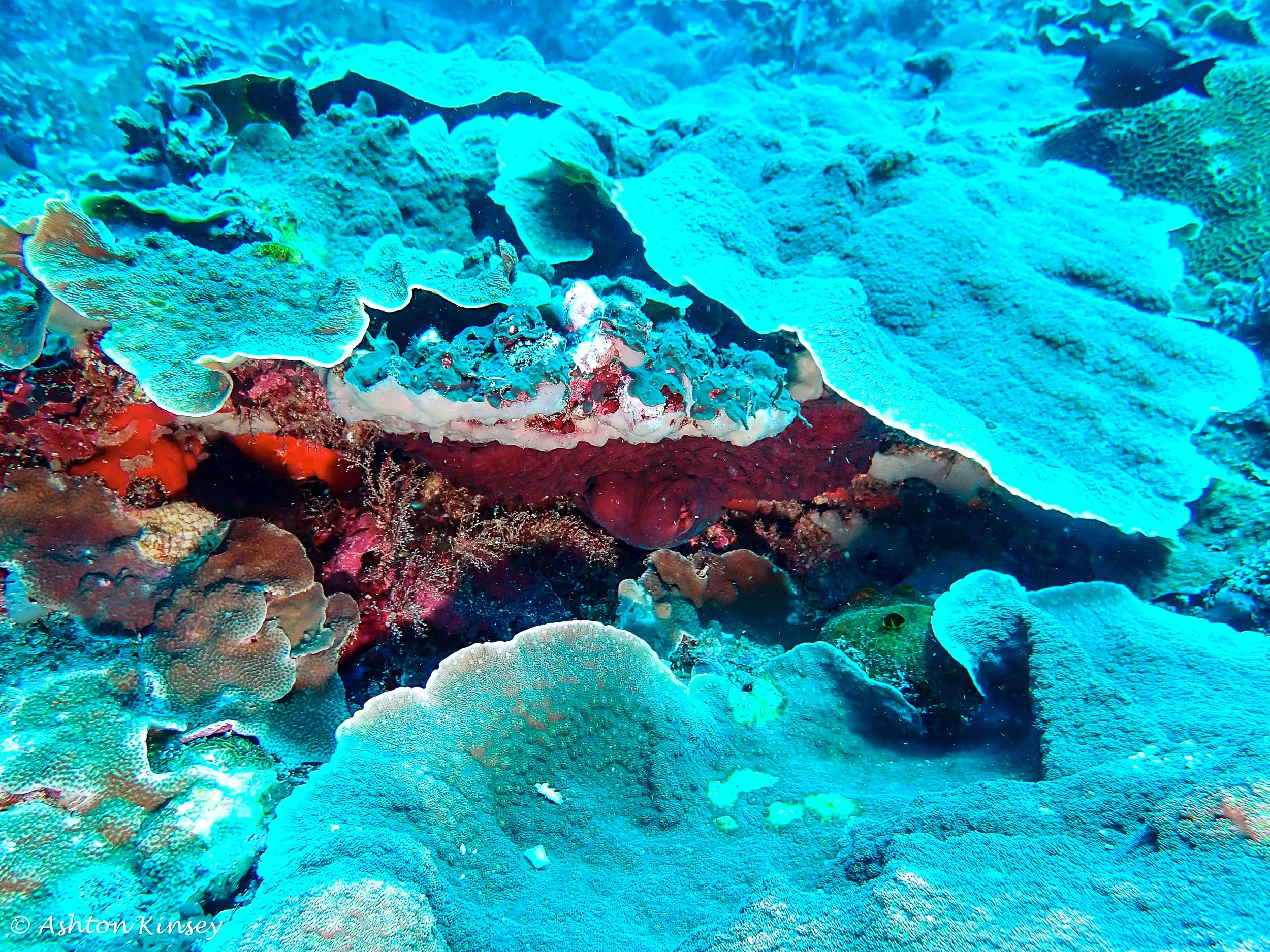
Manta Point is another manta cleaning station near Manta Bay. This dive, we opted for deeper cleaning stations to get away from some of the dive bombing snorkelers. There were fewer mantas on this dive than previously, but an octopus hunting along the hard corals doing its octo thing more than made up for it.
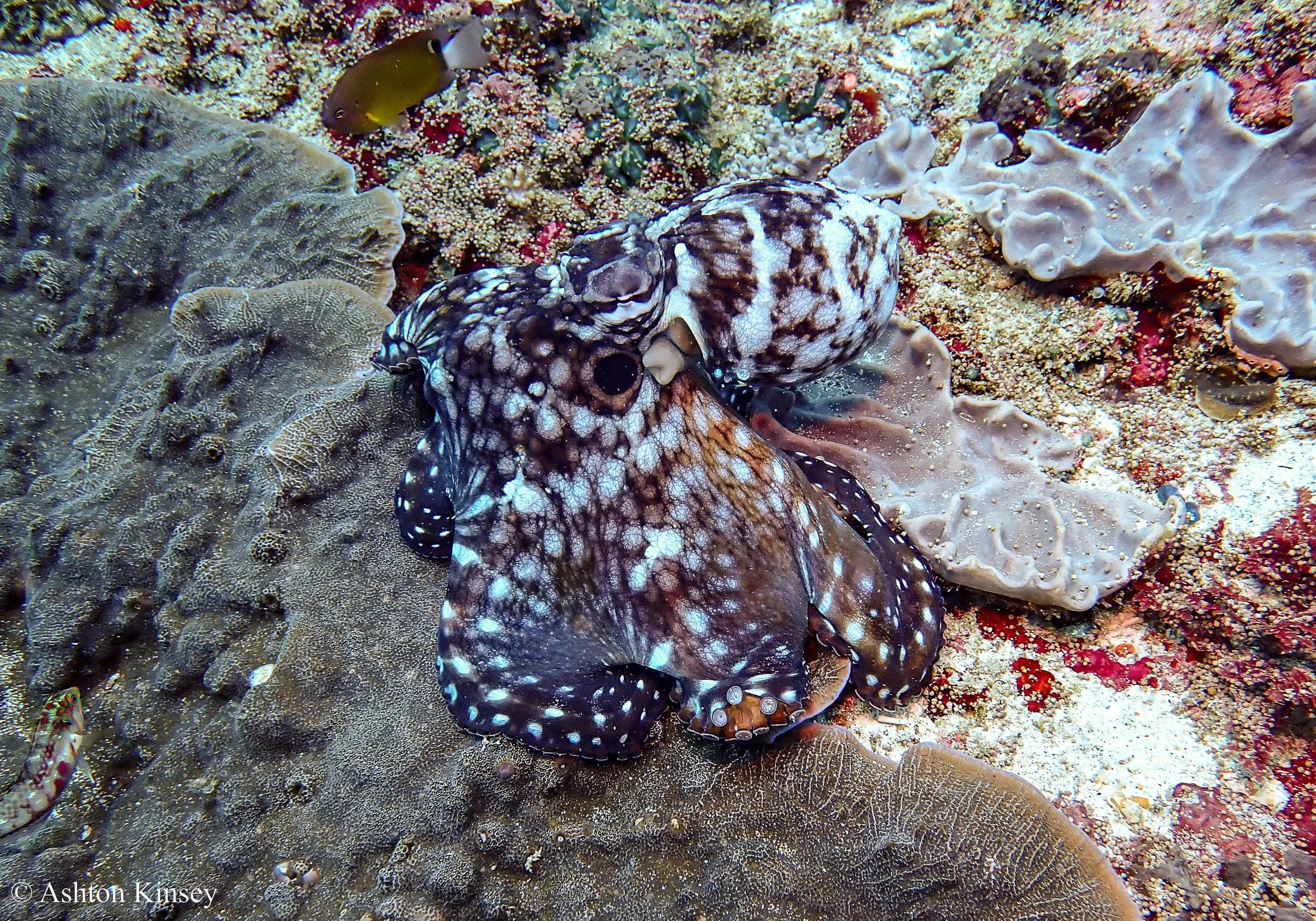
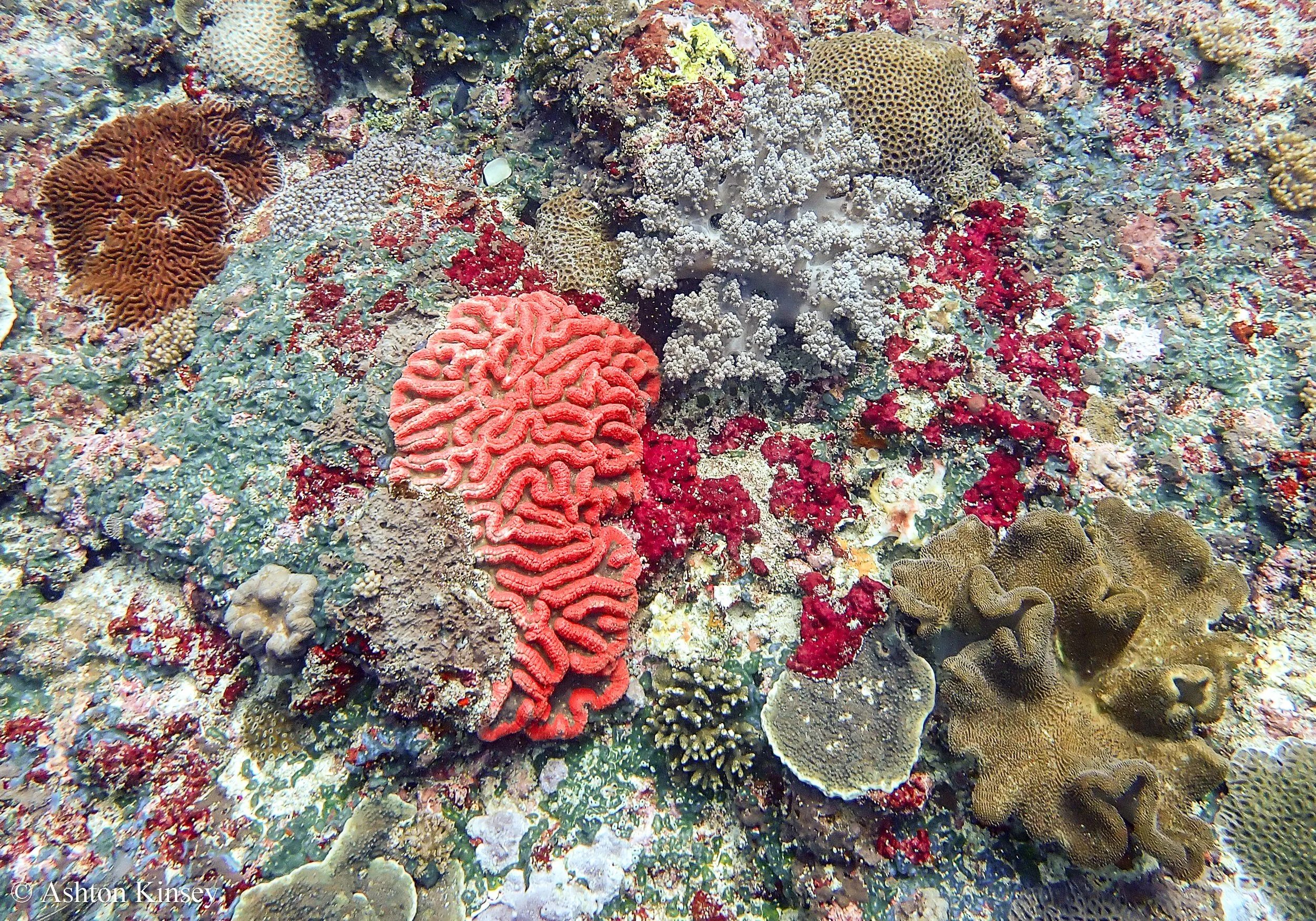
Dive 6: Bay and Wall aka Northwest Passage and Bay
61’ for 56 minutes
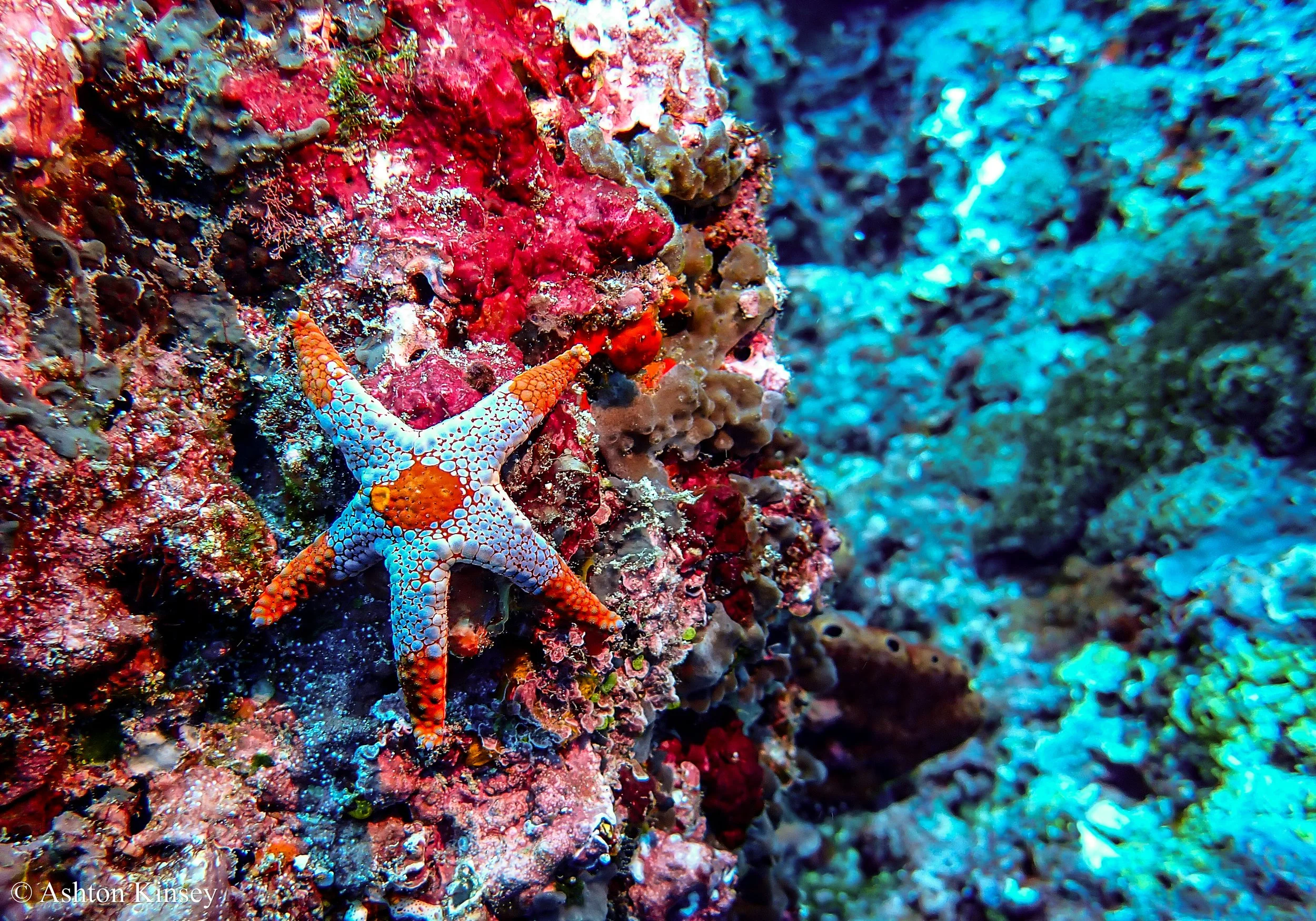
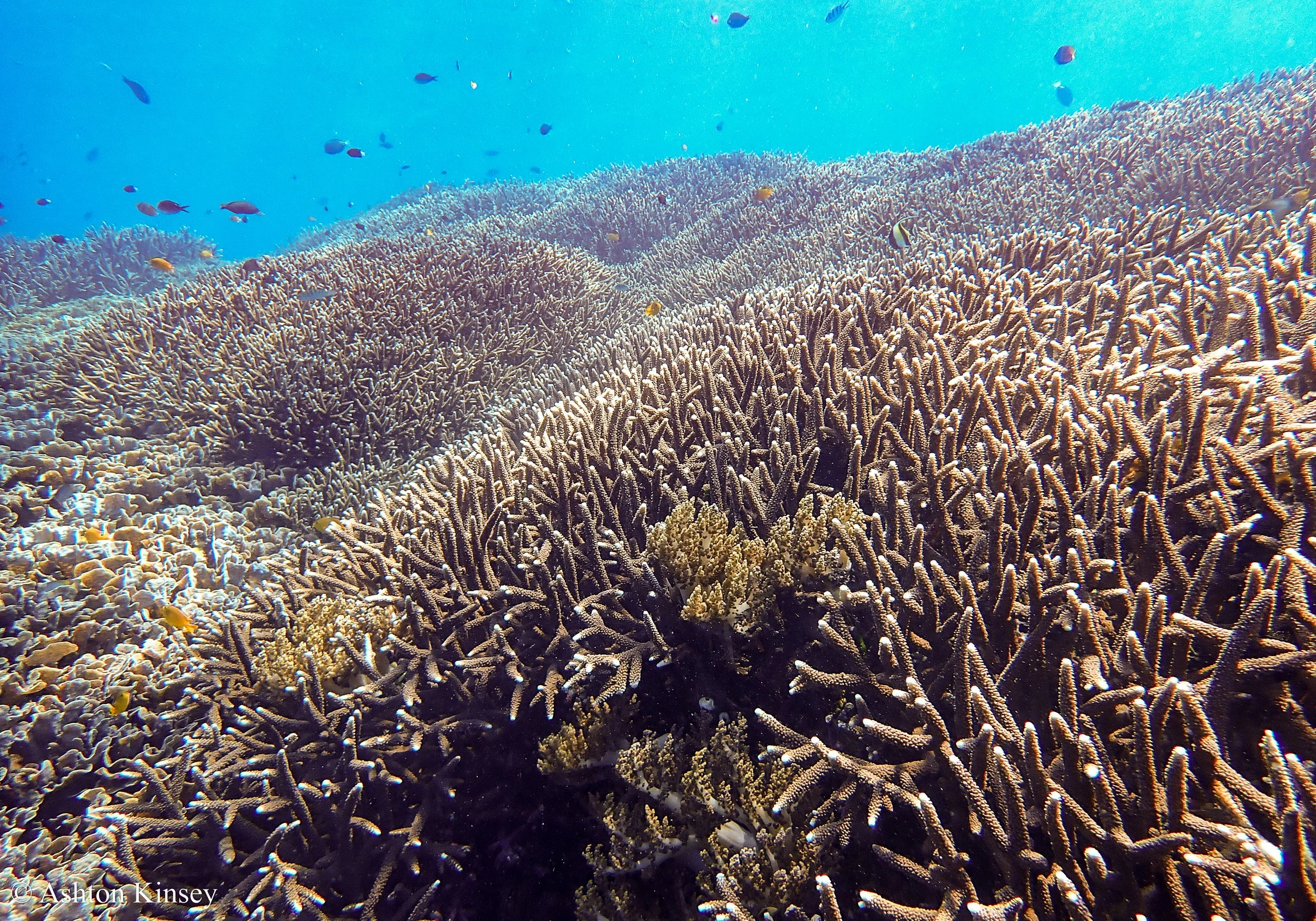
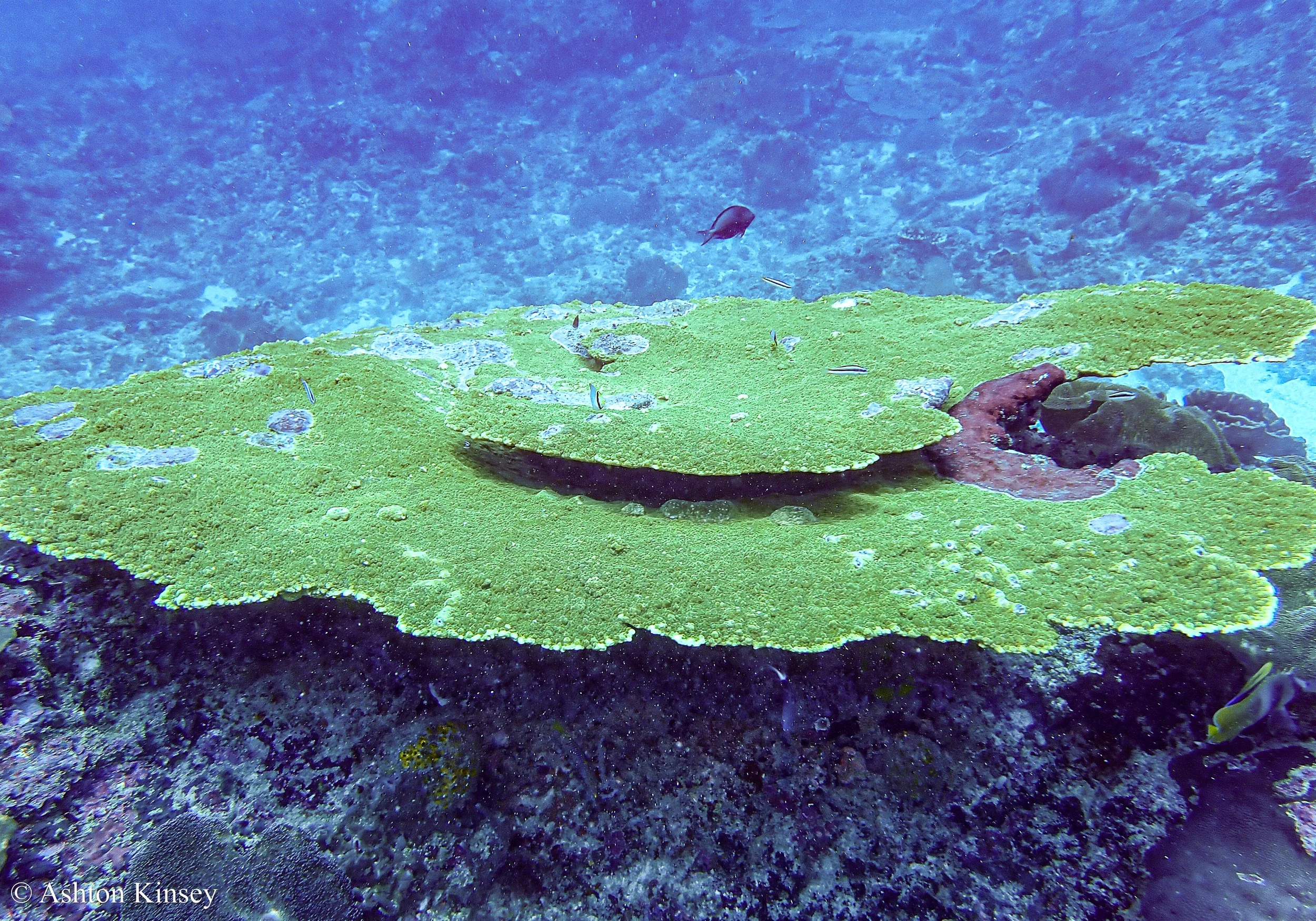
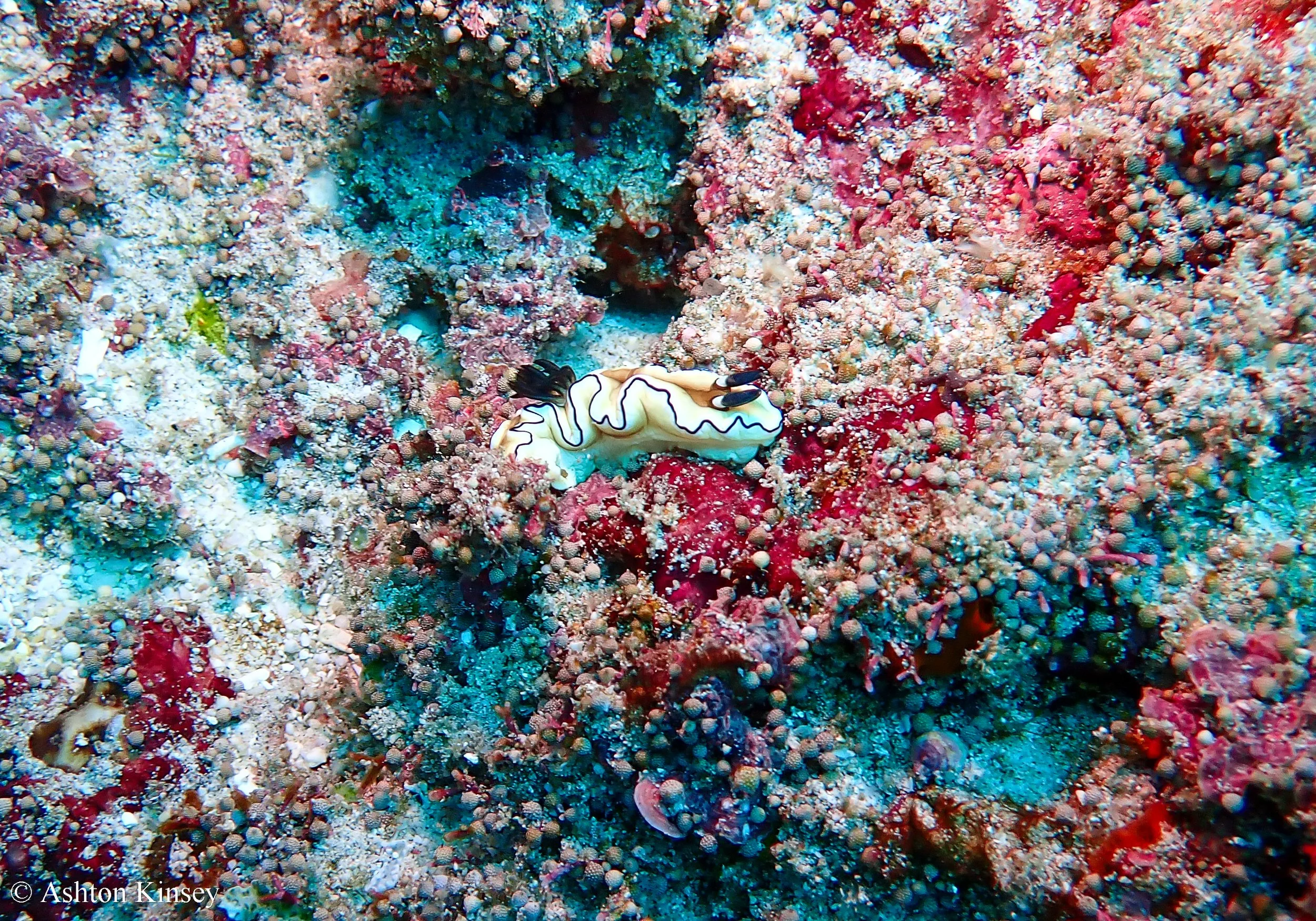
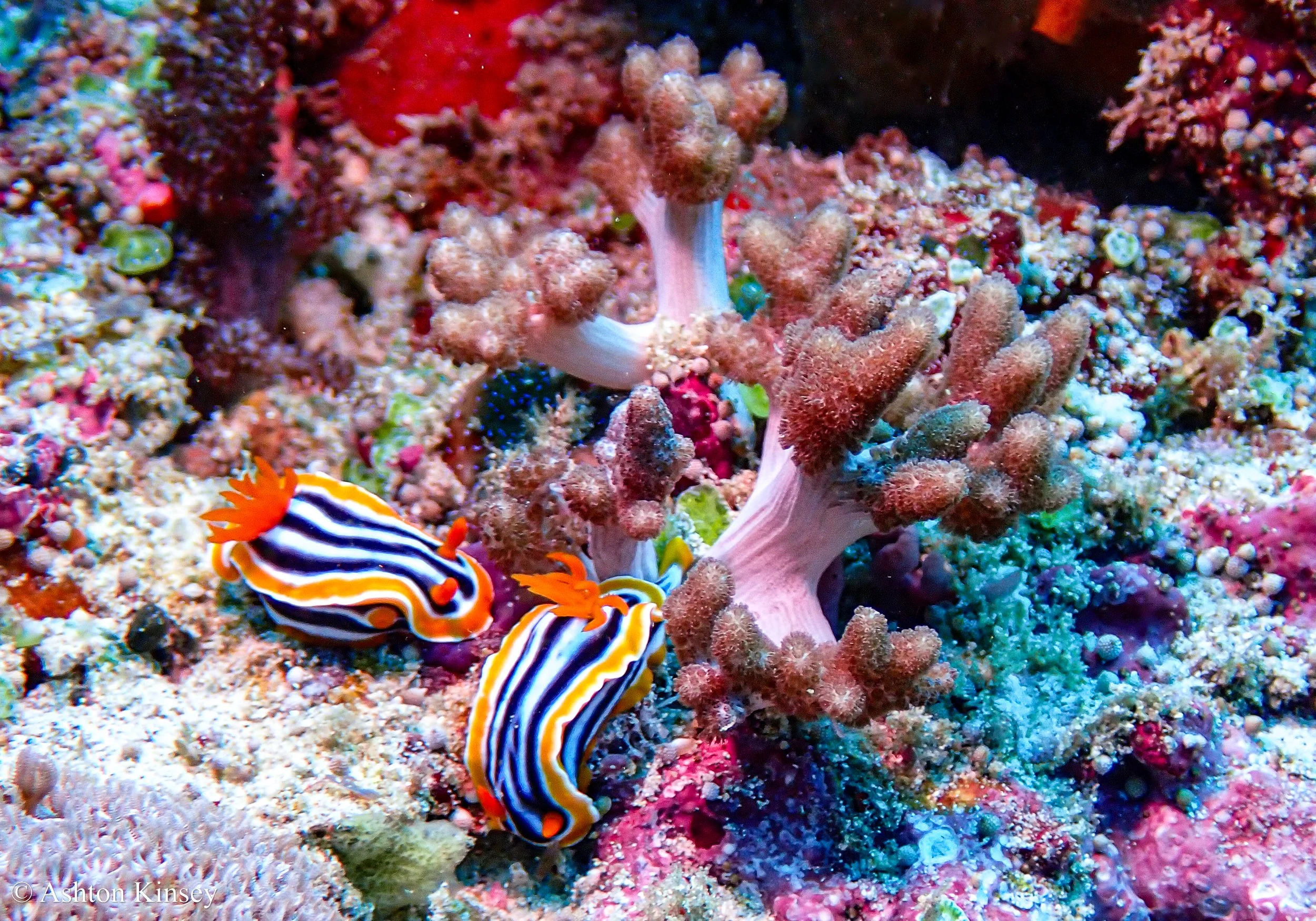
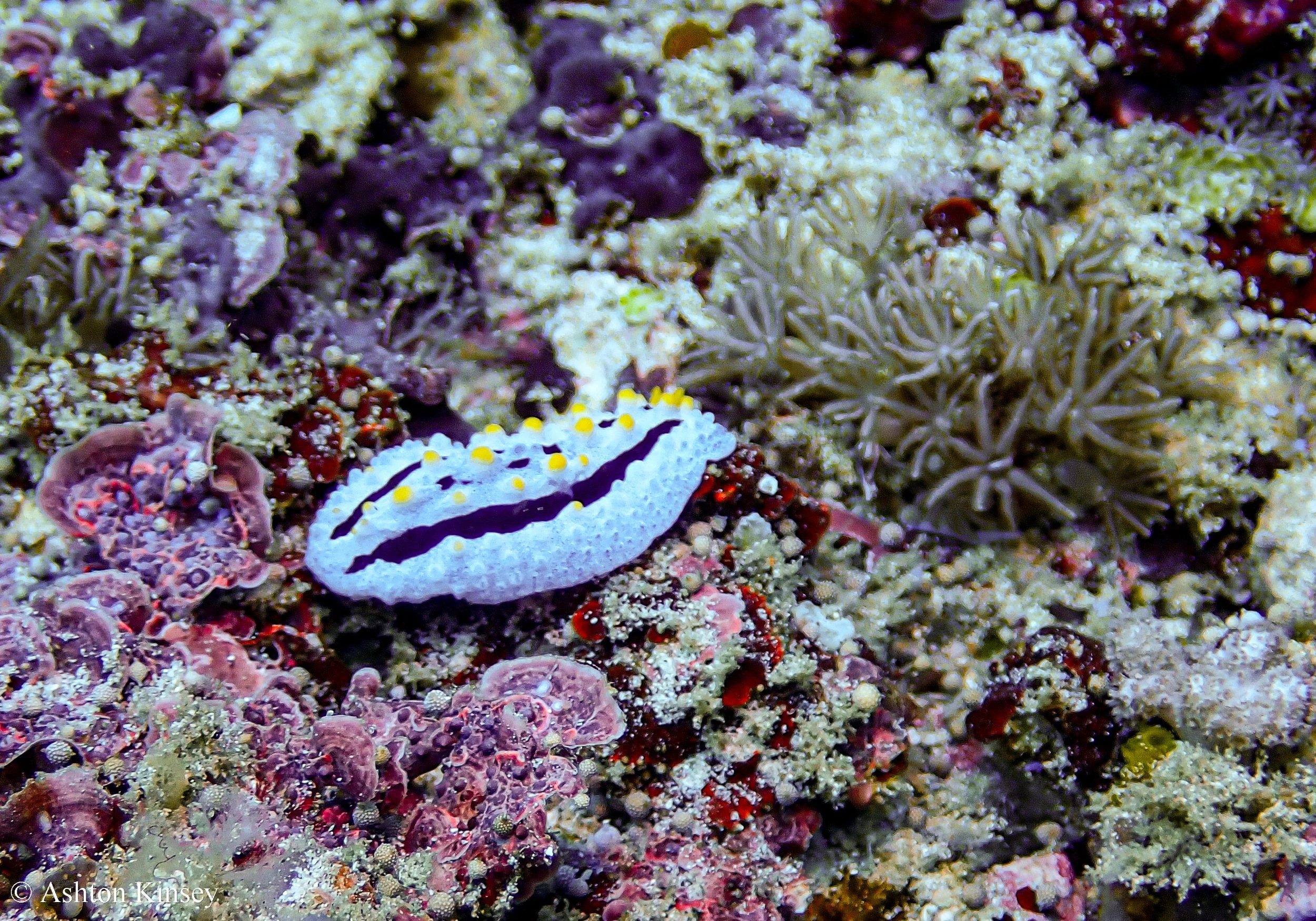
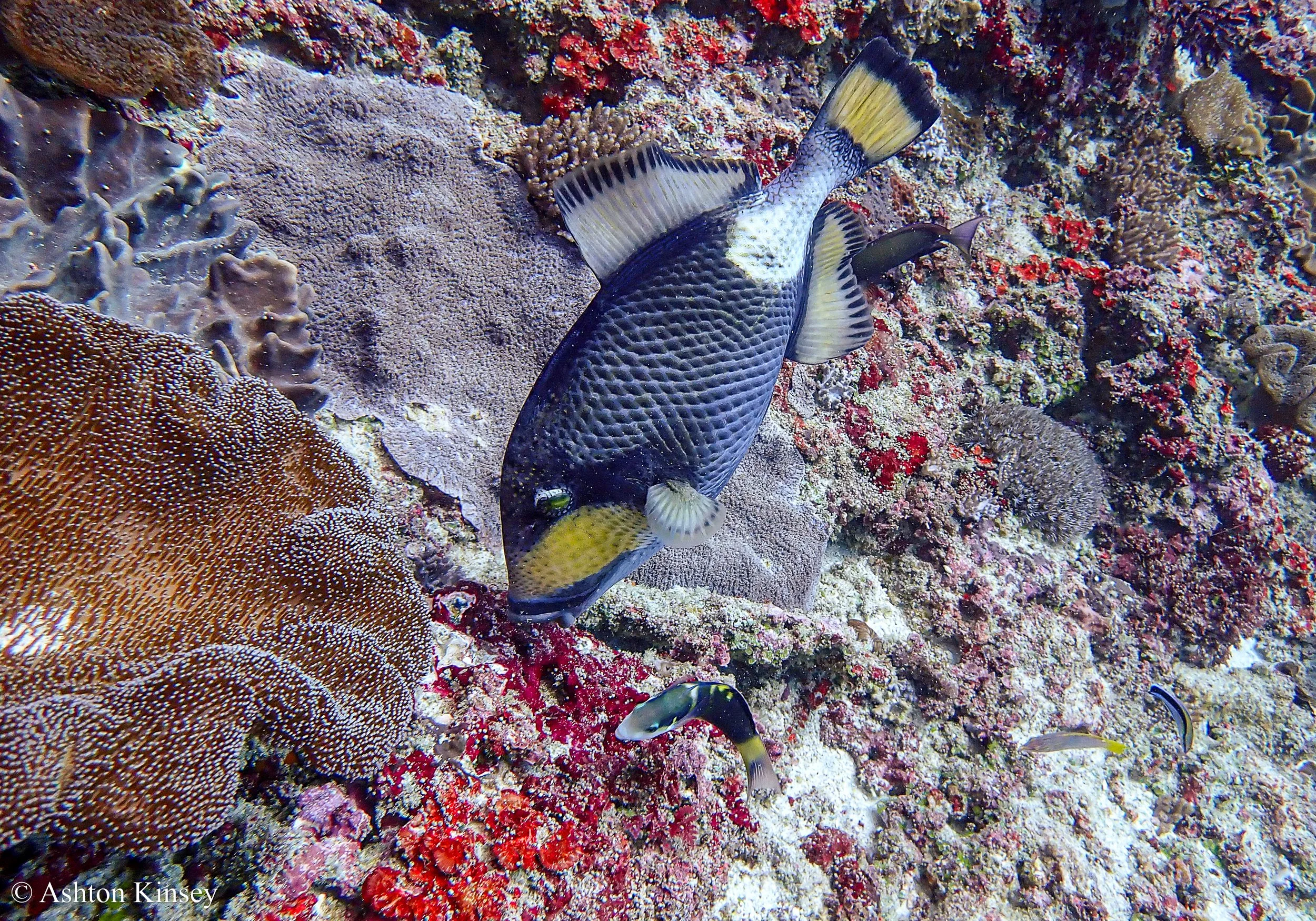
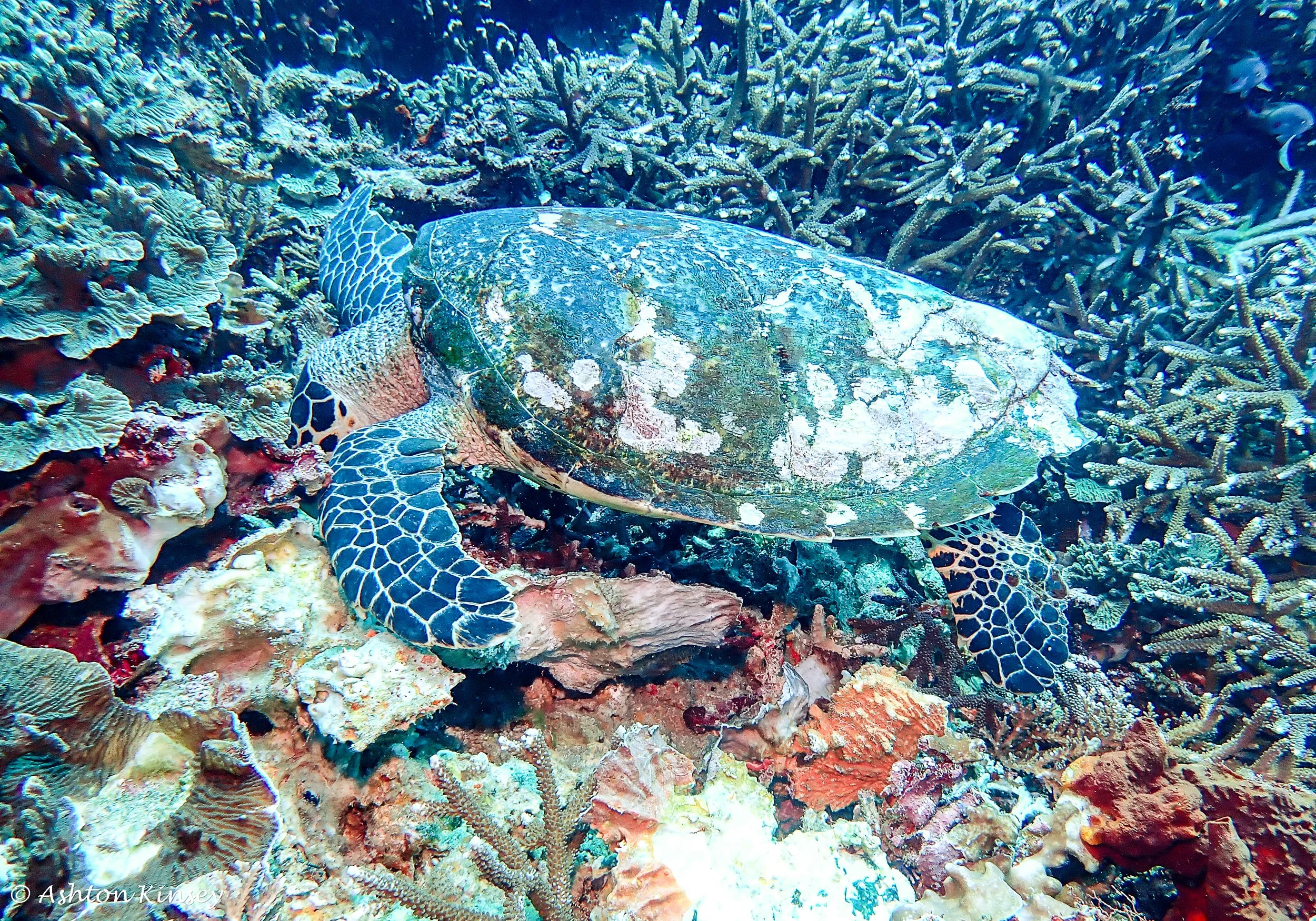
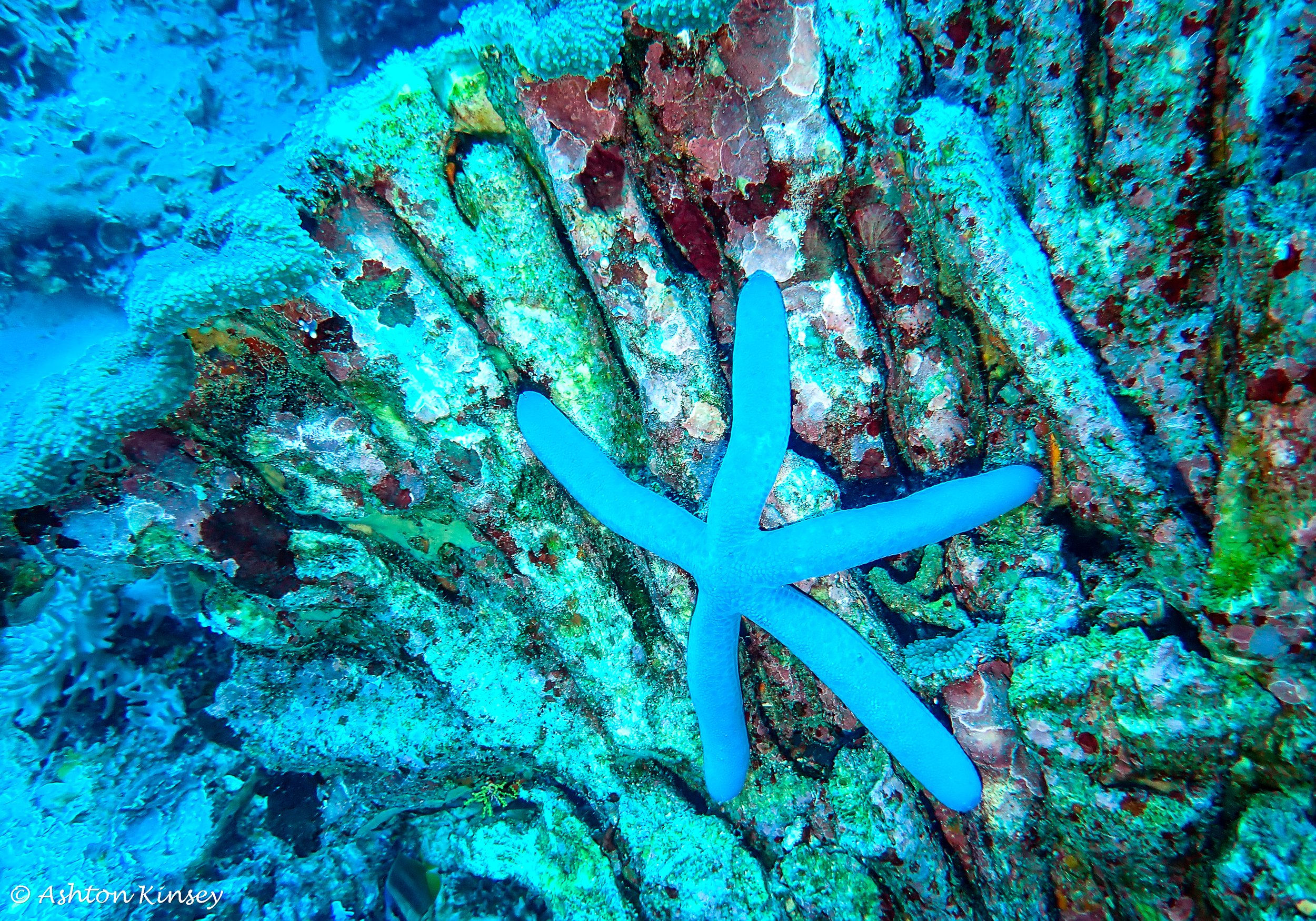
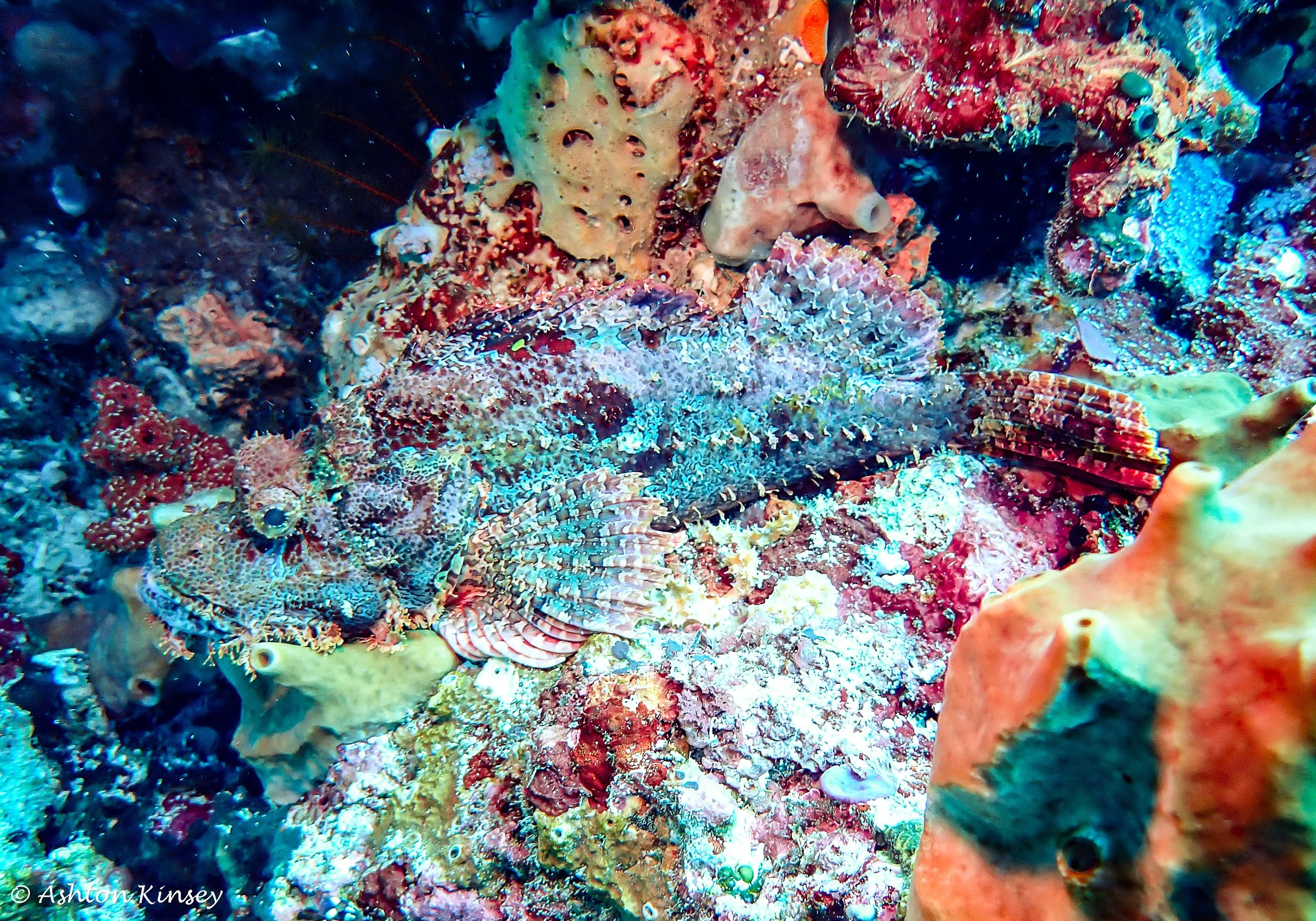
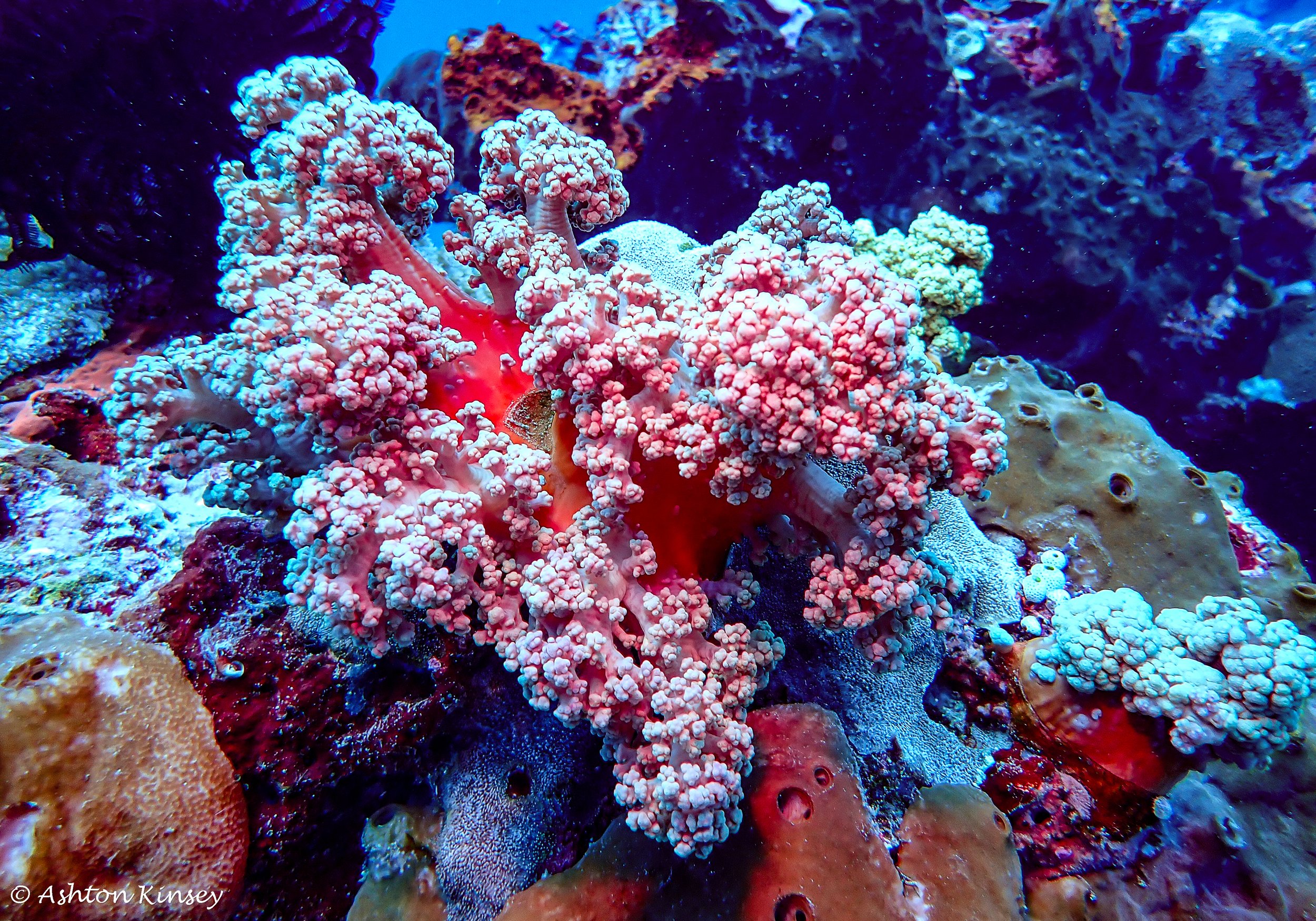
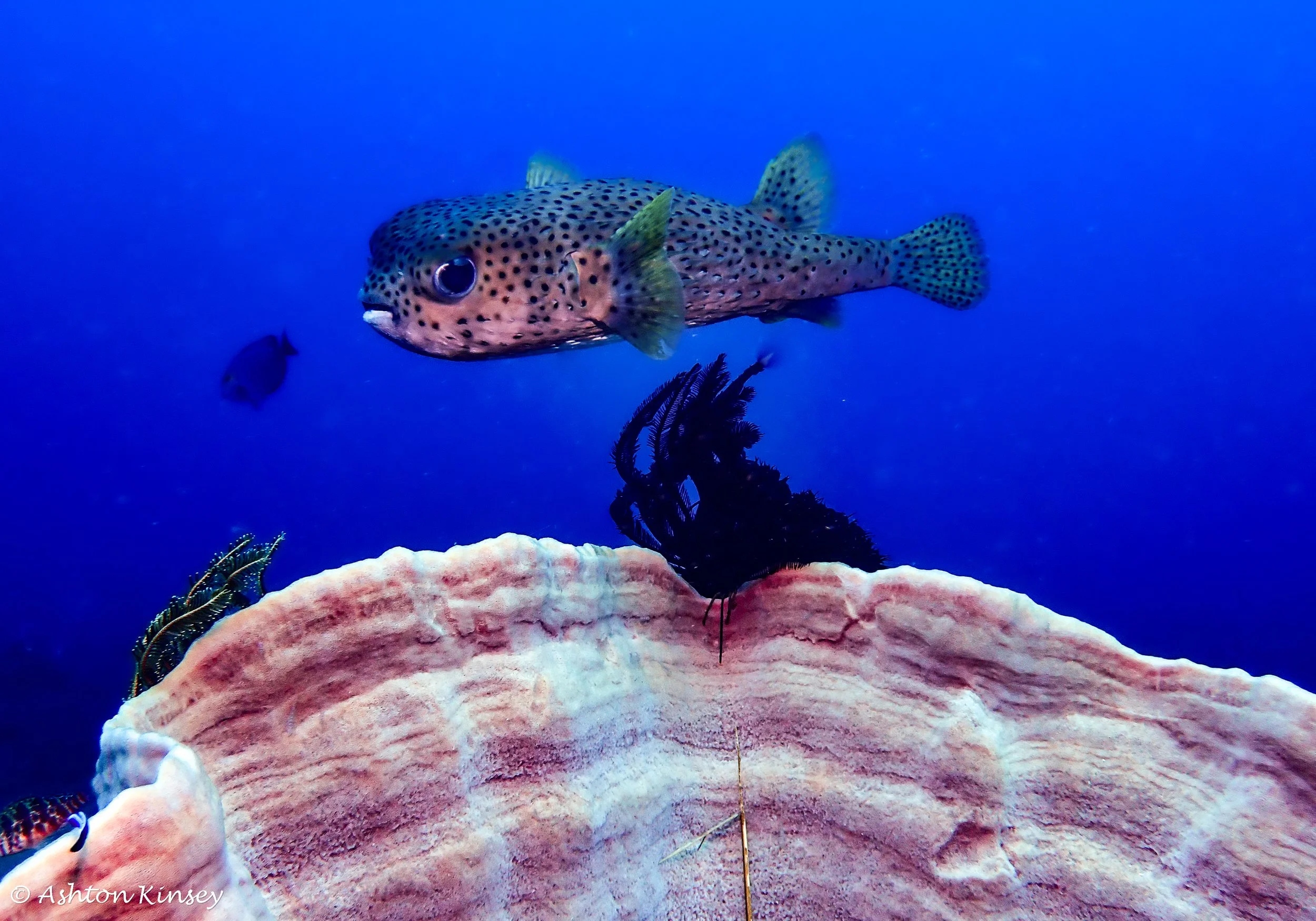
Like most of the other sites, this was a sloping reef that had large staghorn corals and a healthy mix of hard and soft corals. Lots of turtles on the dive! Large pufferfish, porcelain crabs, and nudies, all of which are typical of the other dives in the area. The site did have bare sandy areas between the coral groupings, but it was still a good dive with plenty of life.
Phase Two: Tulamben
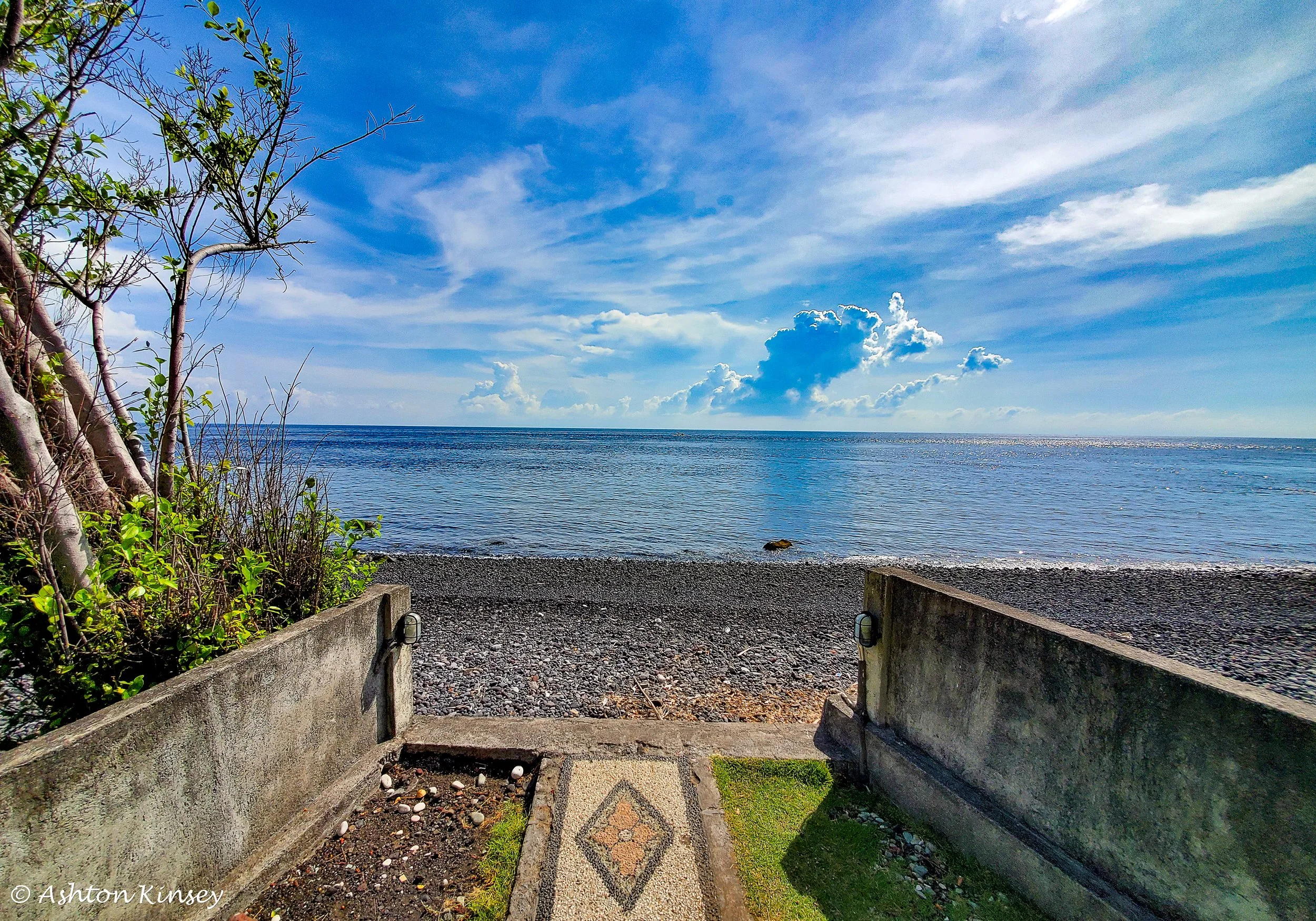
After the dives, we went back for one last night at the resort before packing up and heading an hour further north the next morning. The next couple of nights were spent at the Ocean View Dive Resort, AquaMarine Diving’s main resort and dive training center. Ocean View is a much more scaled-down, less upscale resort compared to Ramayana Candidasa. Due to COVID, they had only reopened a couple of months prior, and the resort was still fairly empty. That all being said, there were still several confined water classes being conducted in their two ocean-view pools.
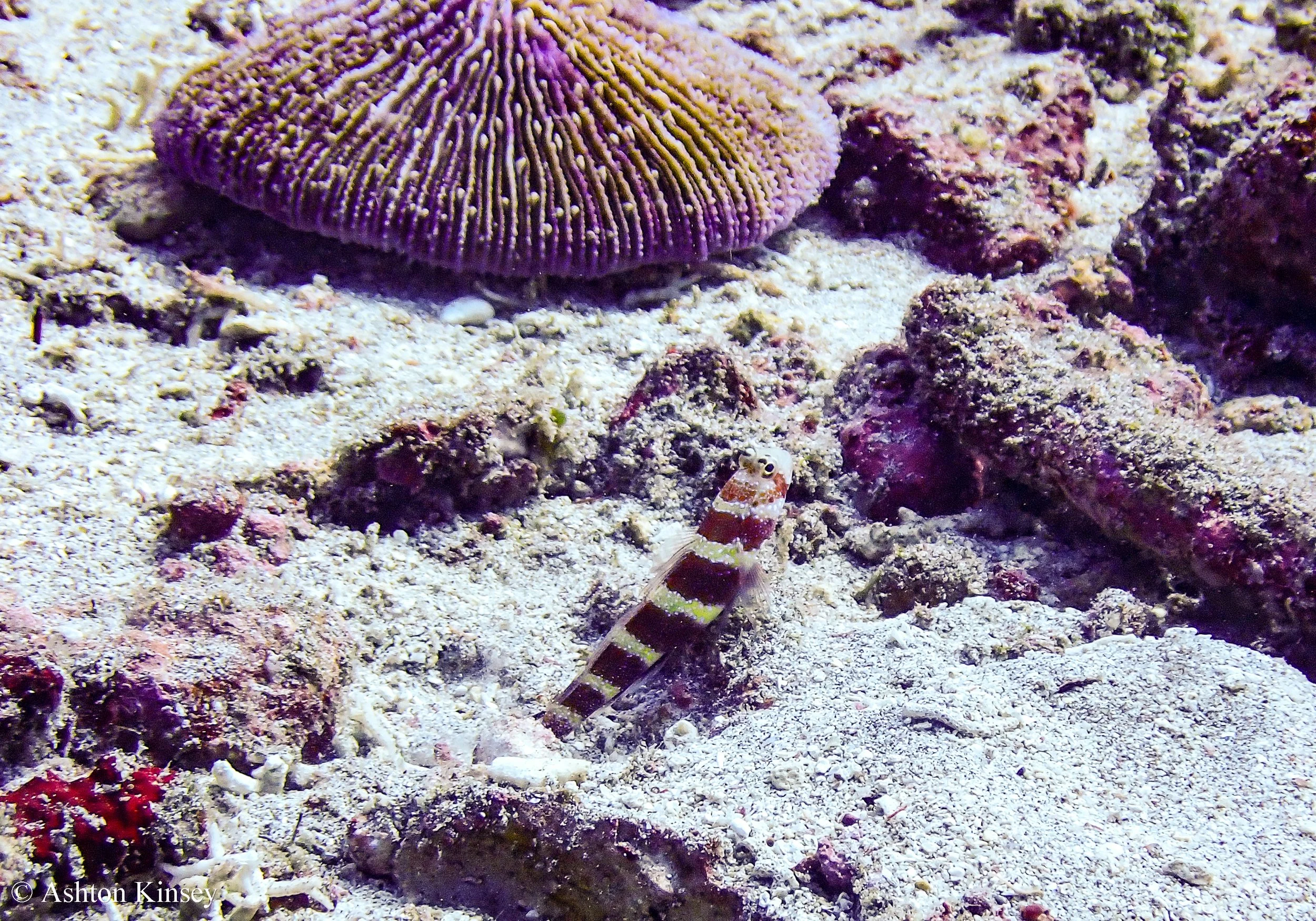
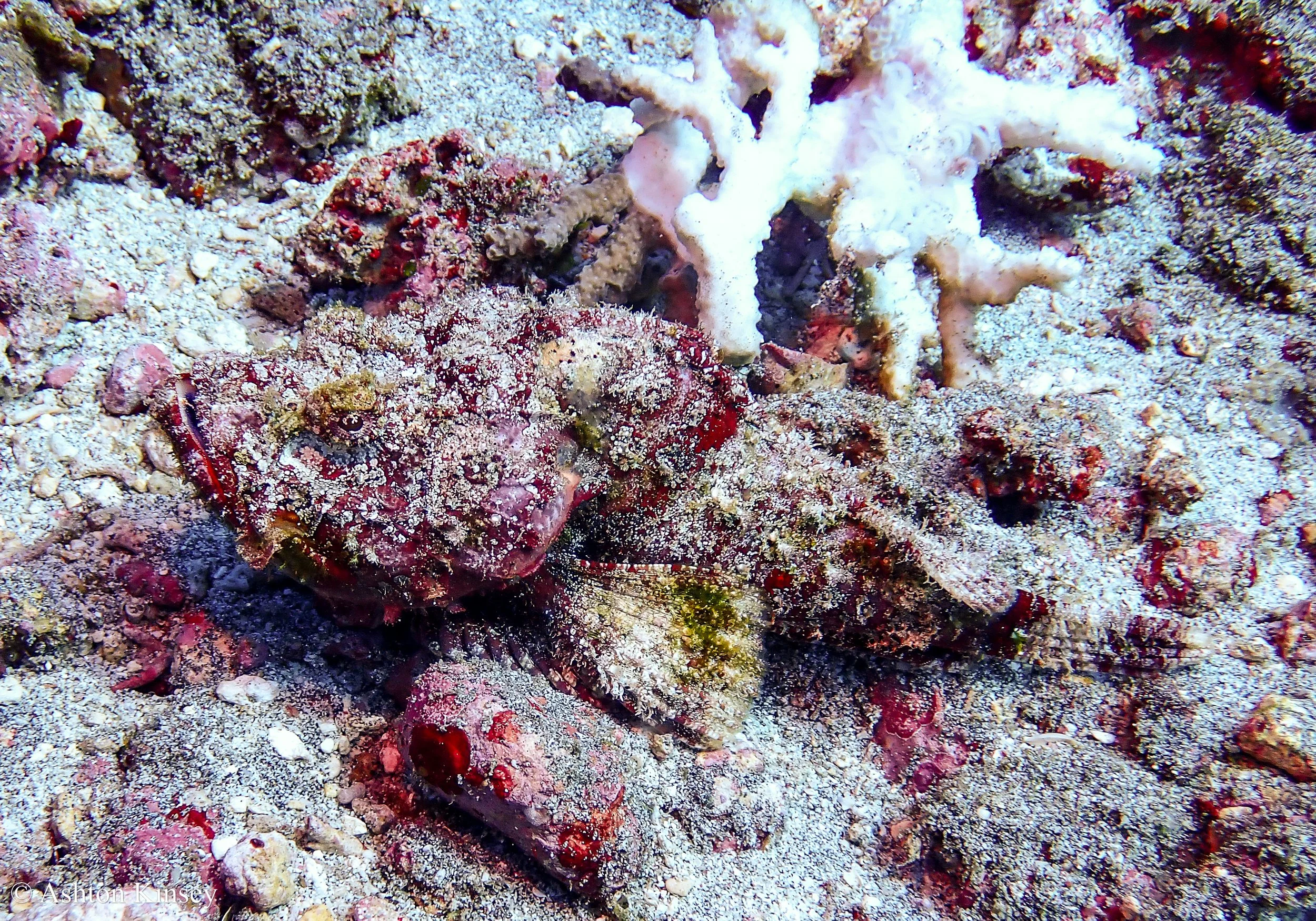
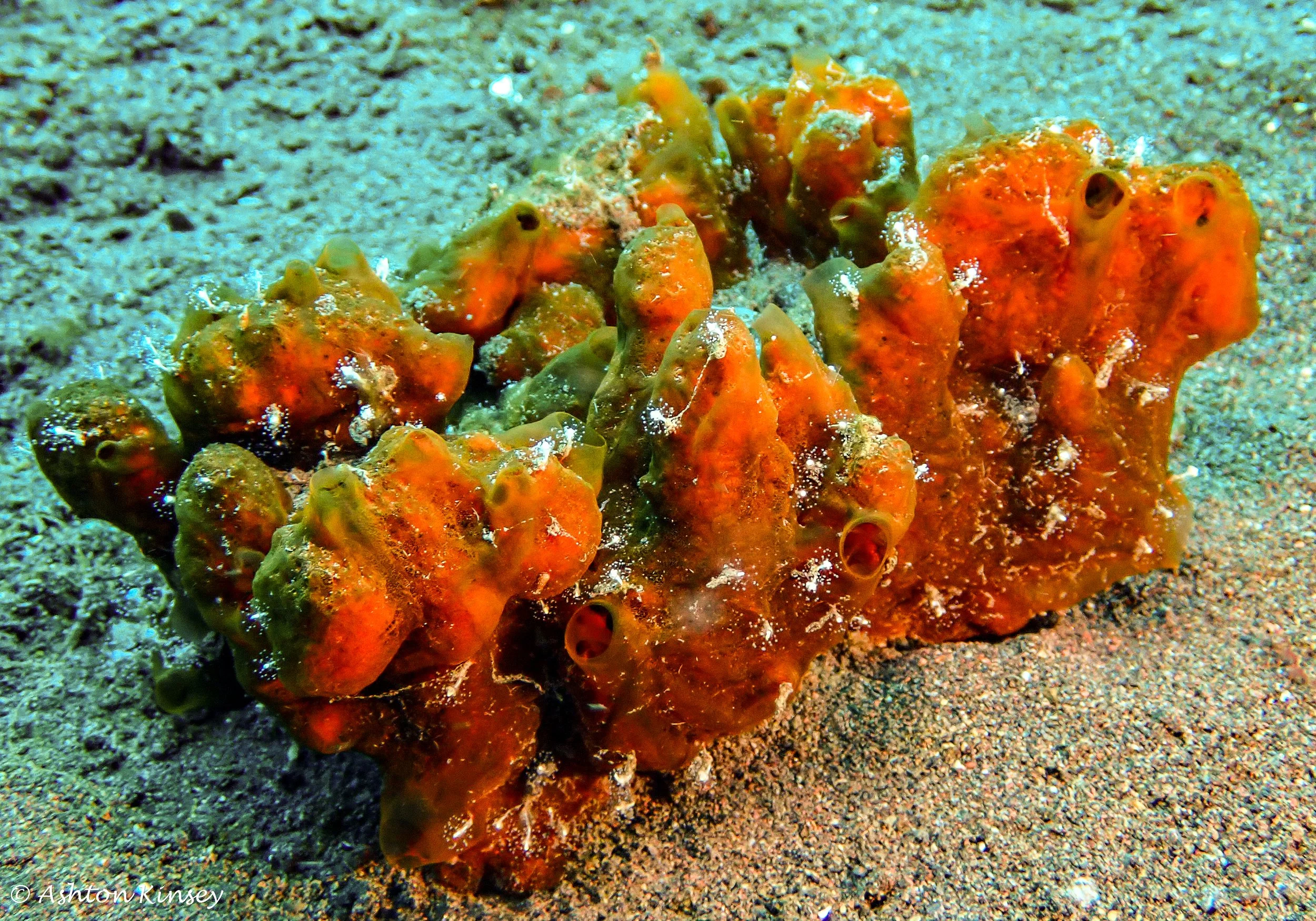
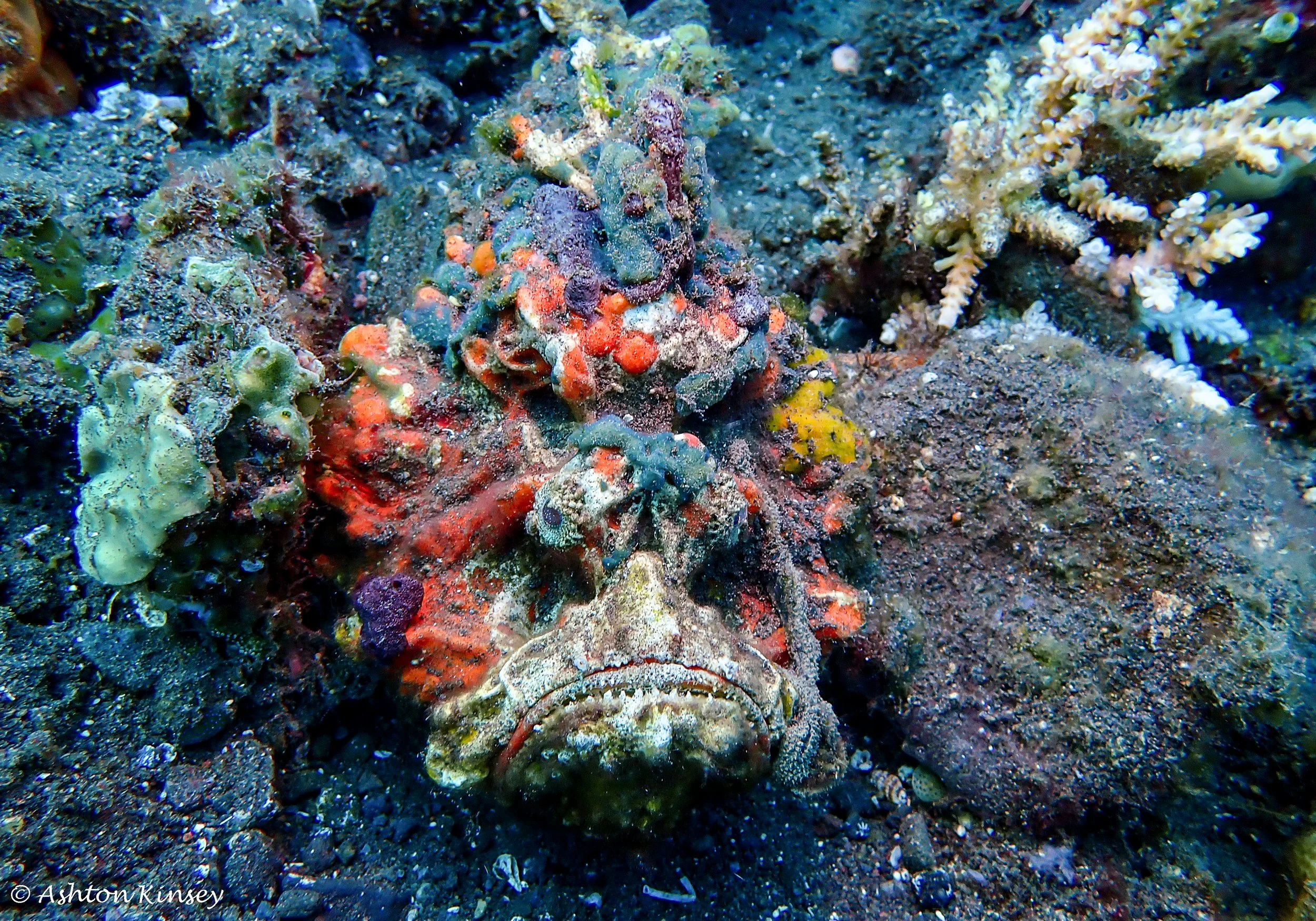
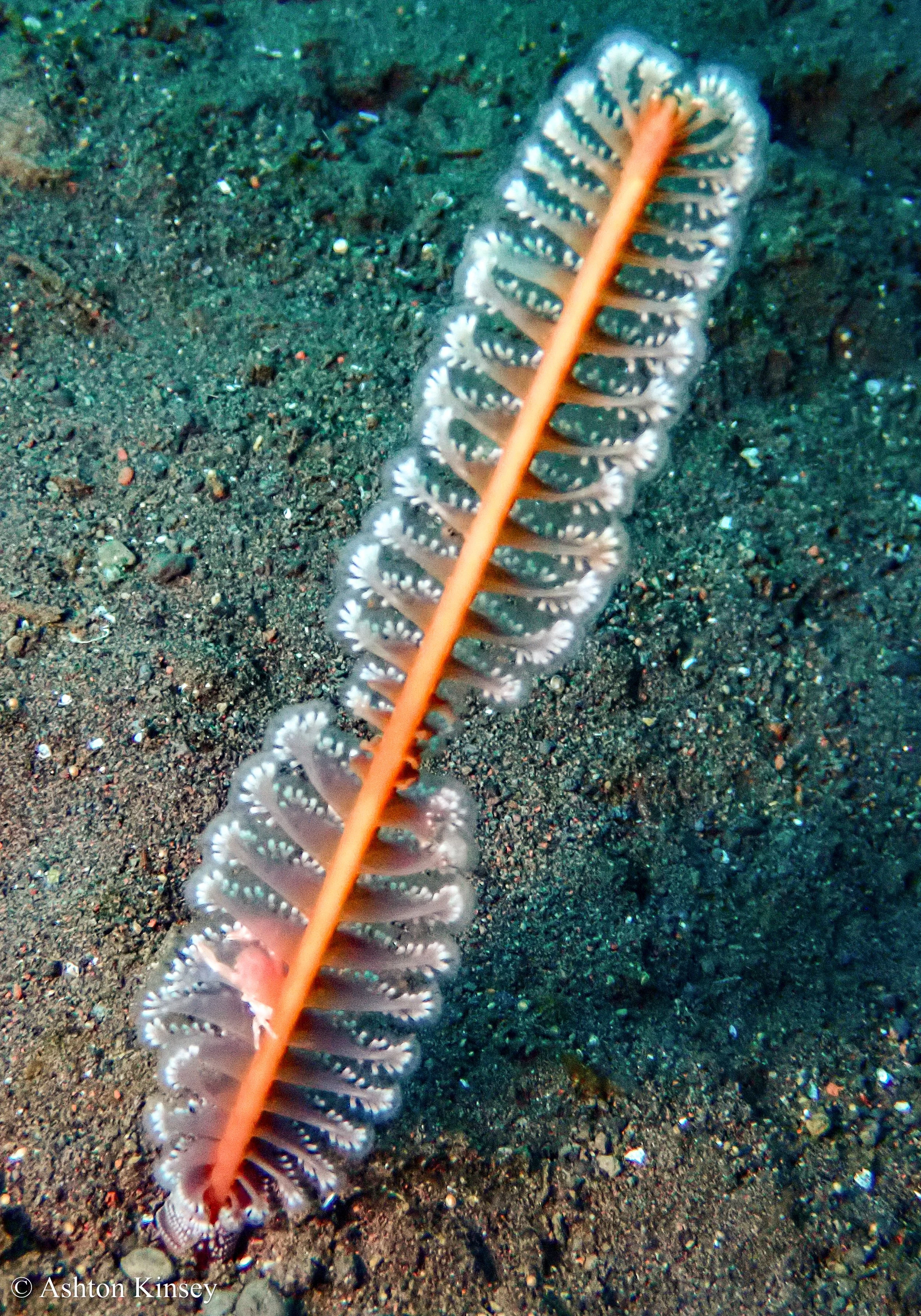
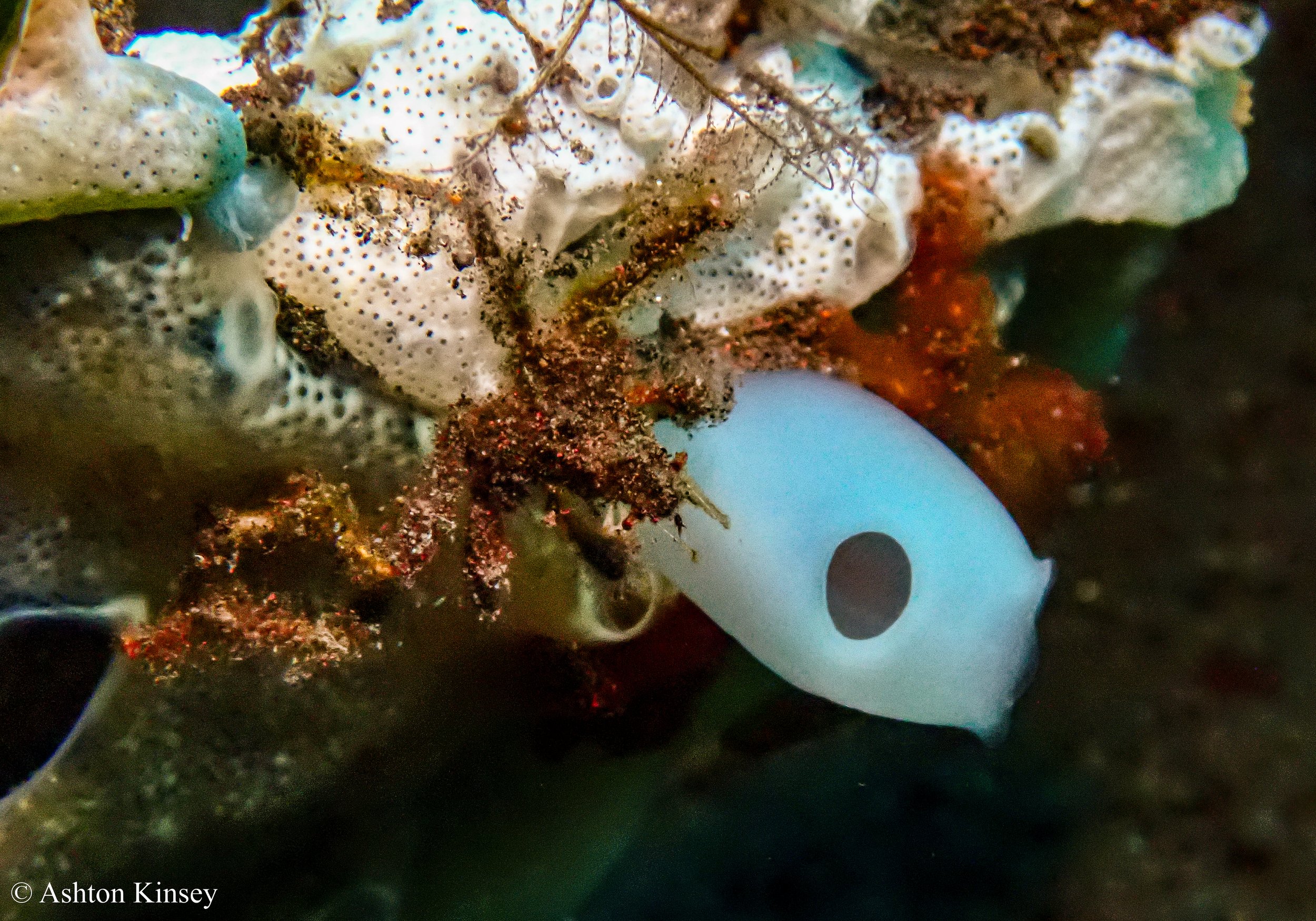
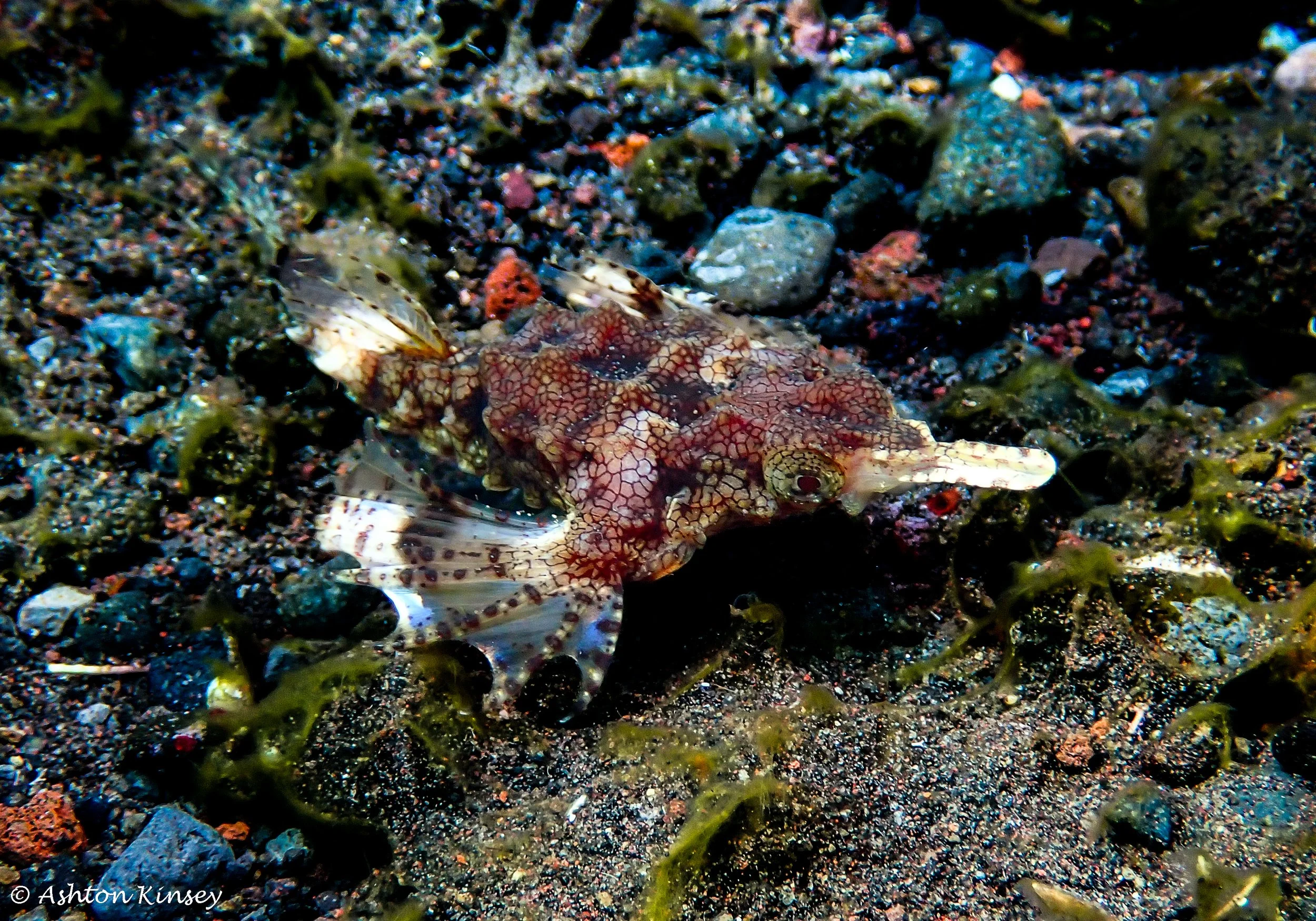
Most of the diving around Tulamben is muck diving; think of it as an underwater scavenger hunt or "I-spy". Generally, muck diving is conducted in sandy or silty bottoms in search of strange-looking tiny creatures, or 'muck critters', found there. These creatures’ range in size from a few centimeters to over a foot long, but they are sometimes buried beneath the muck and grime of the bottom.
Dive 7 & 8: Secret Bay
68’ for 61 minutes & 71’ for 66 minutes
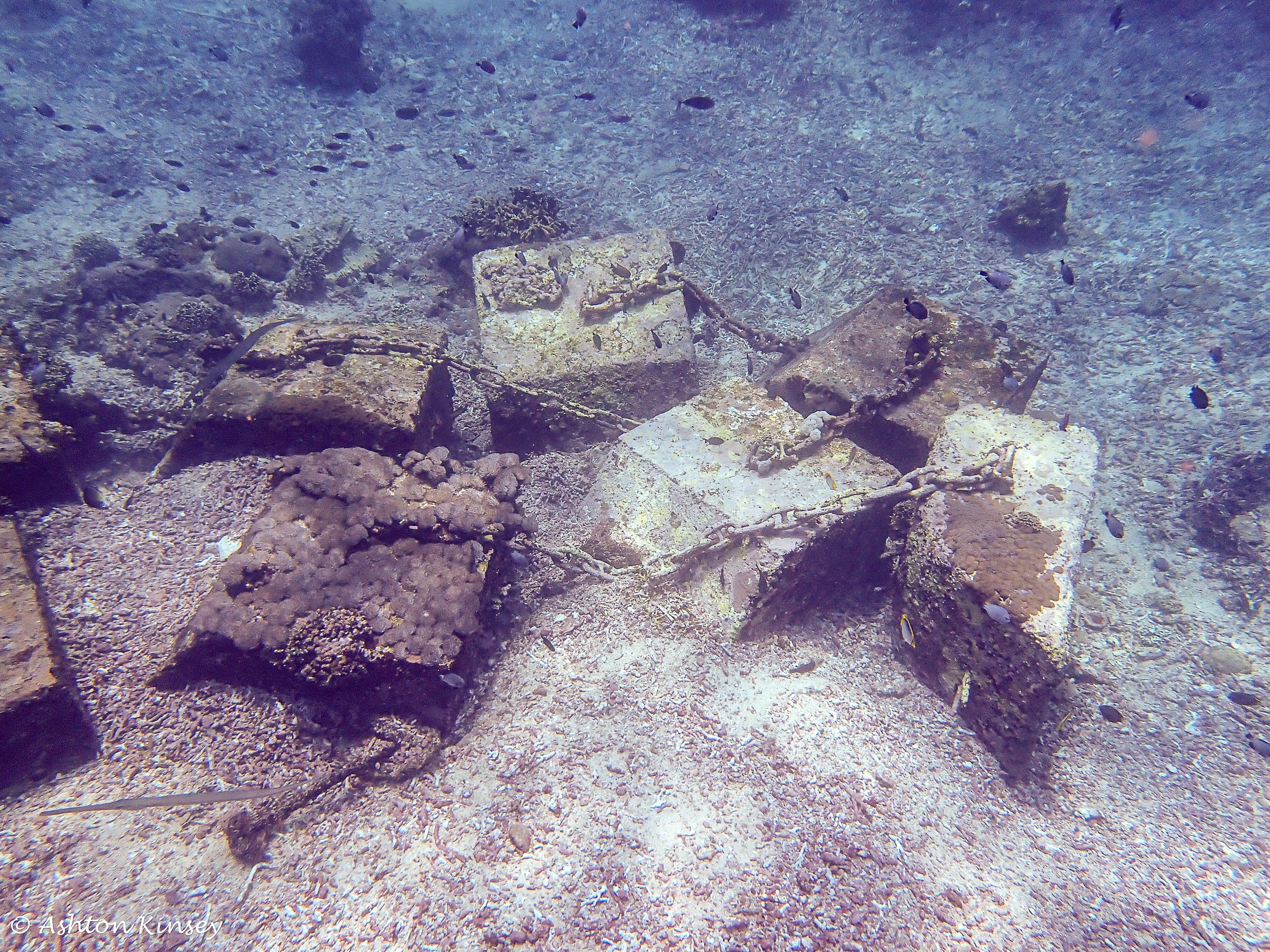
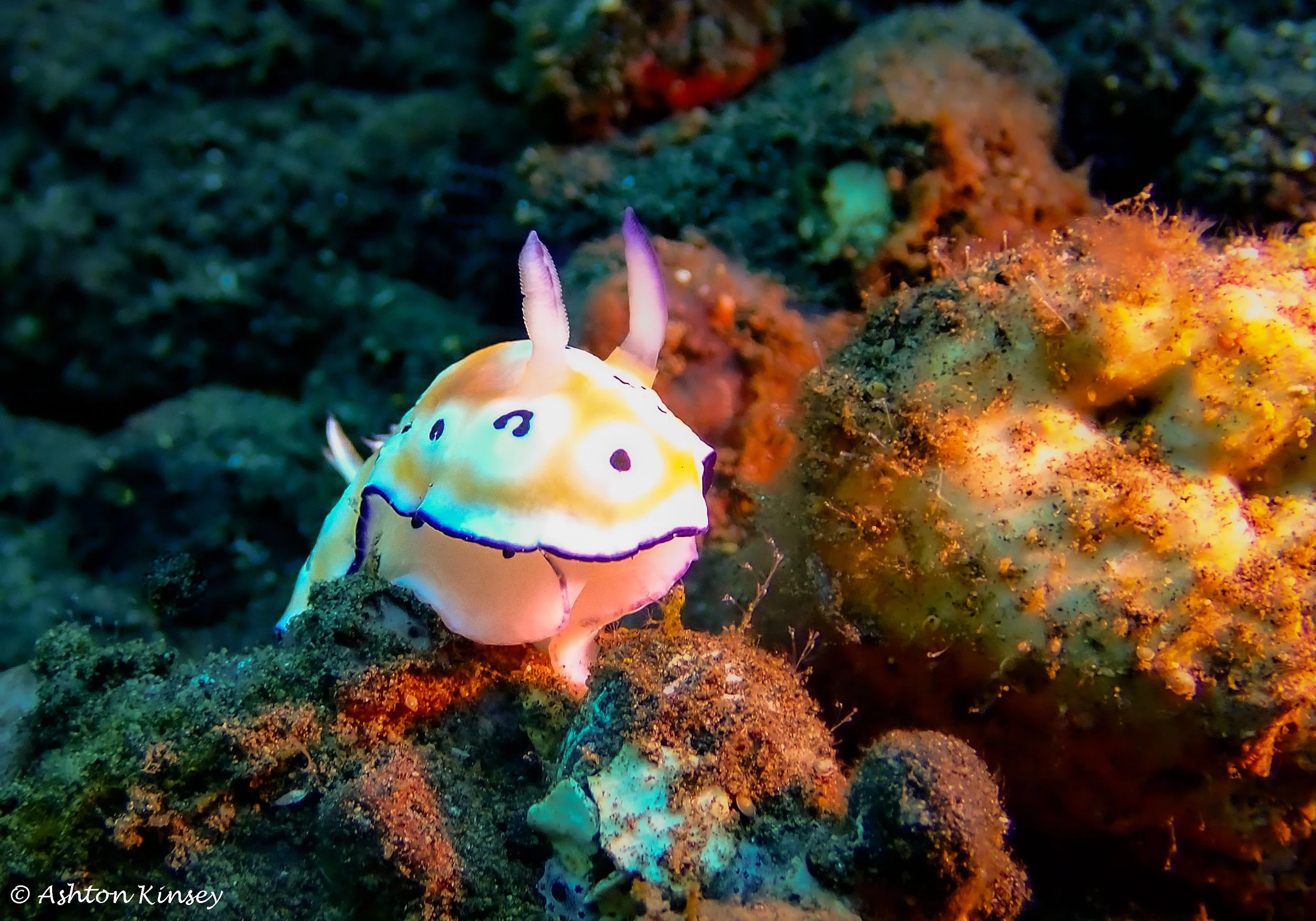
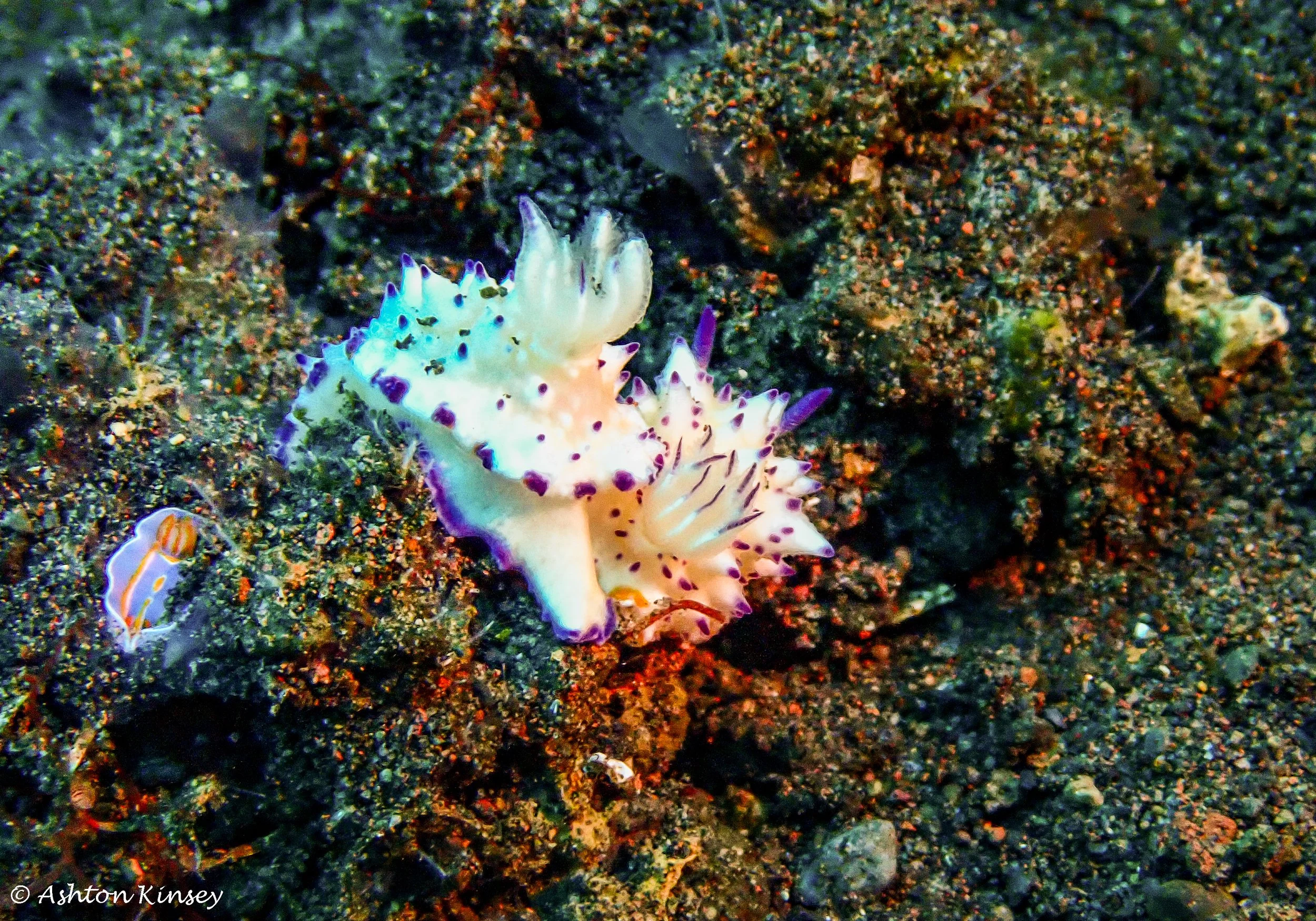
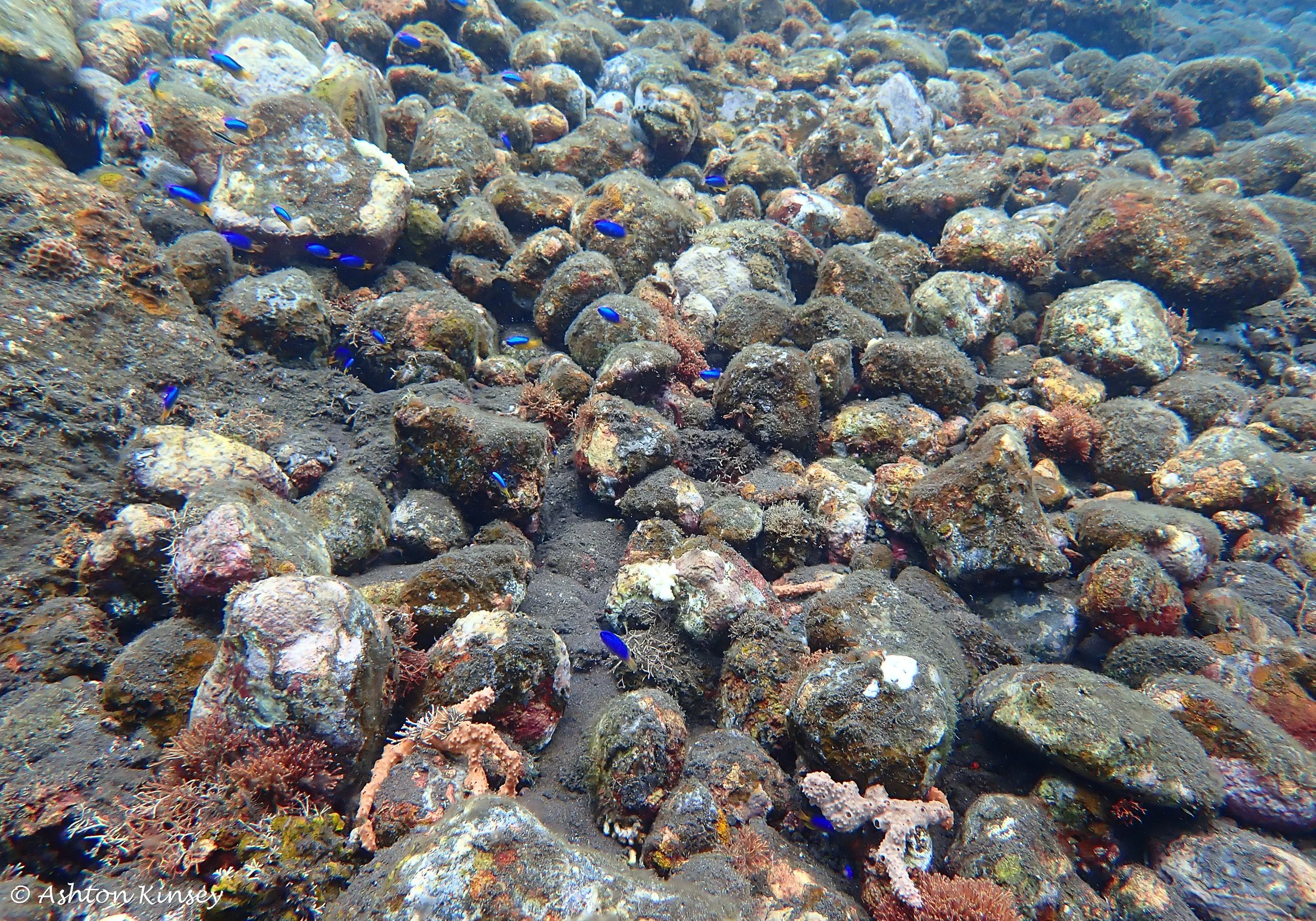
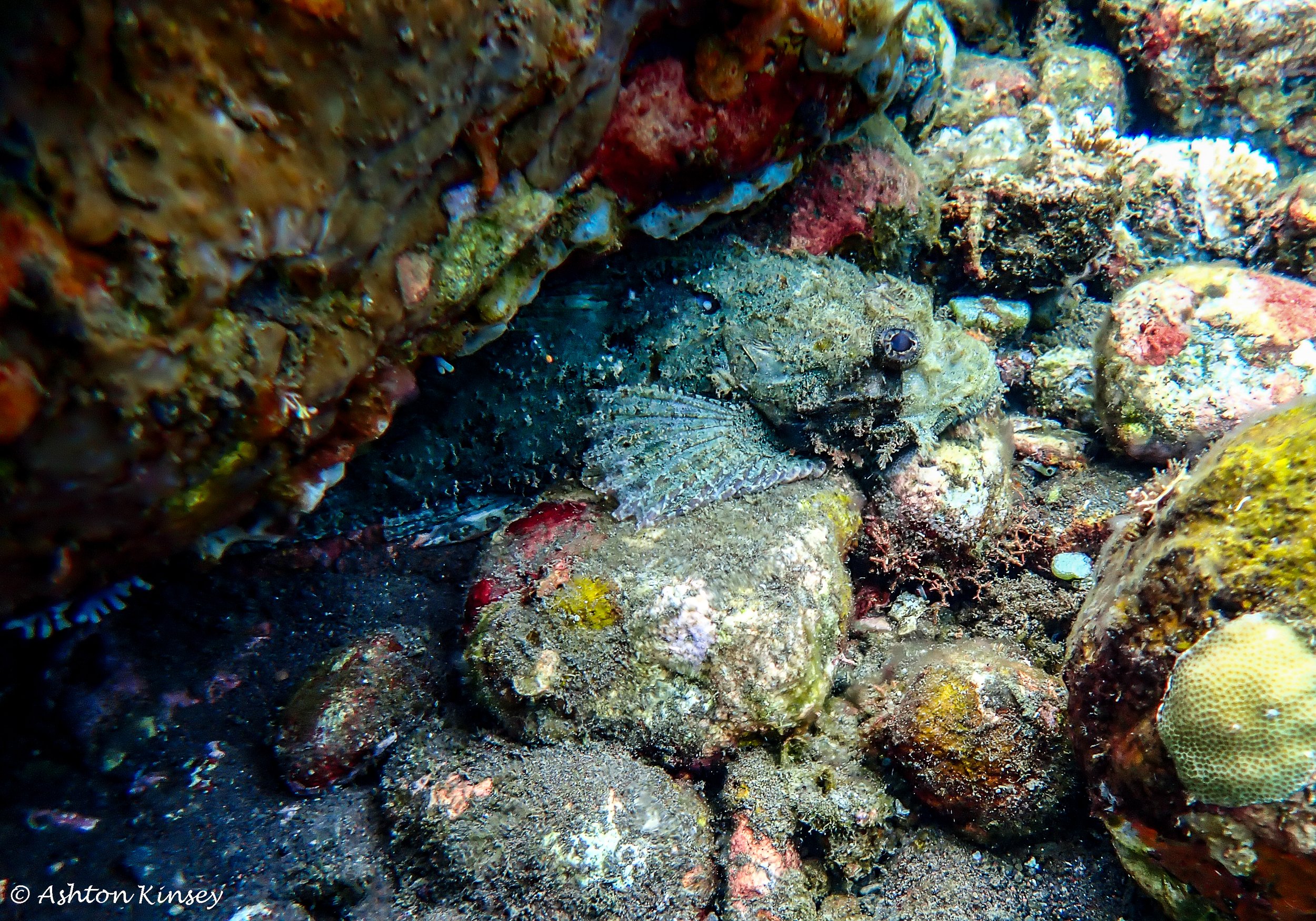
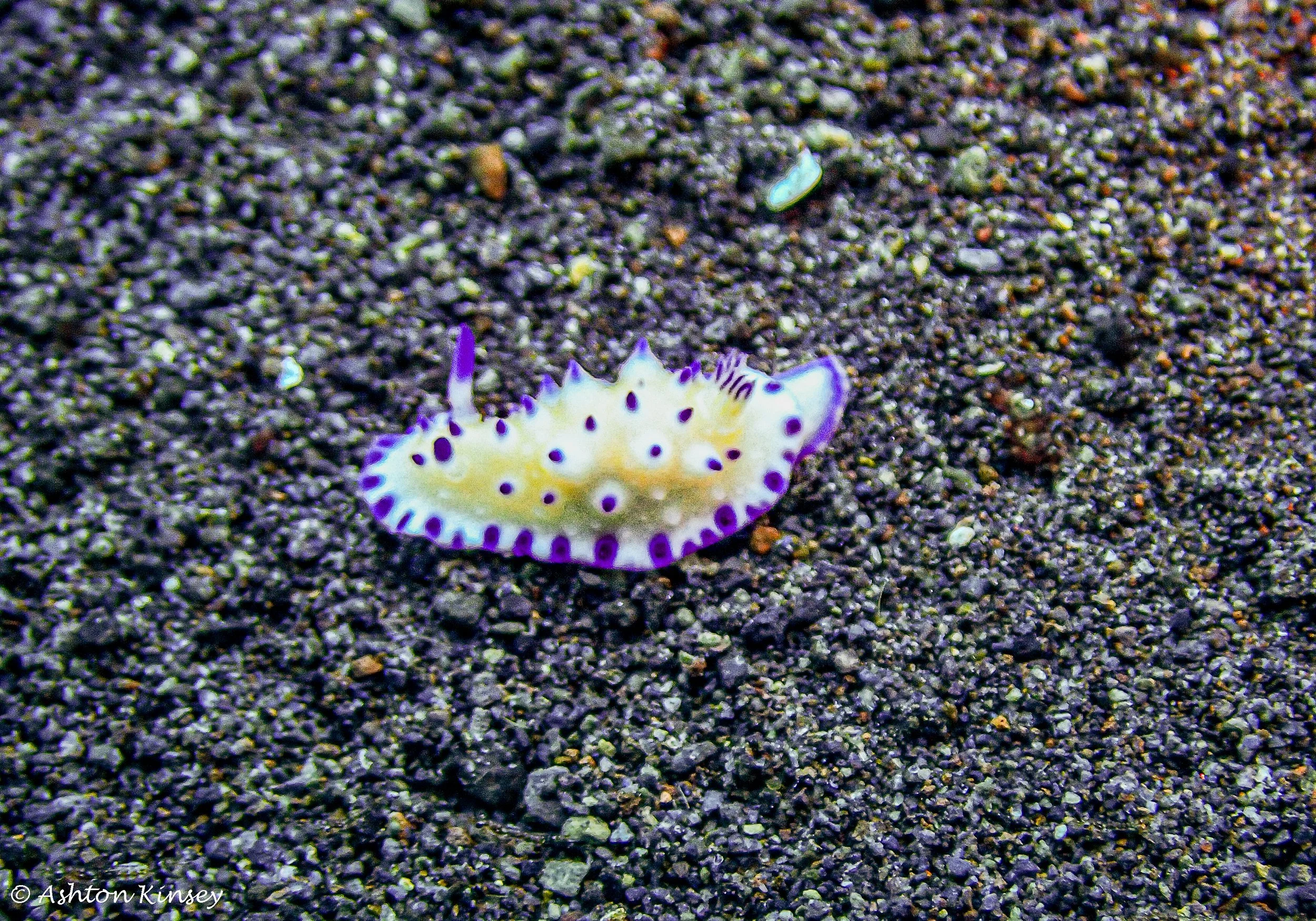
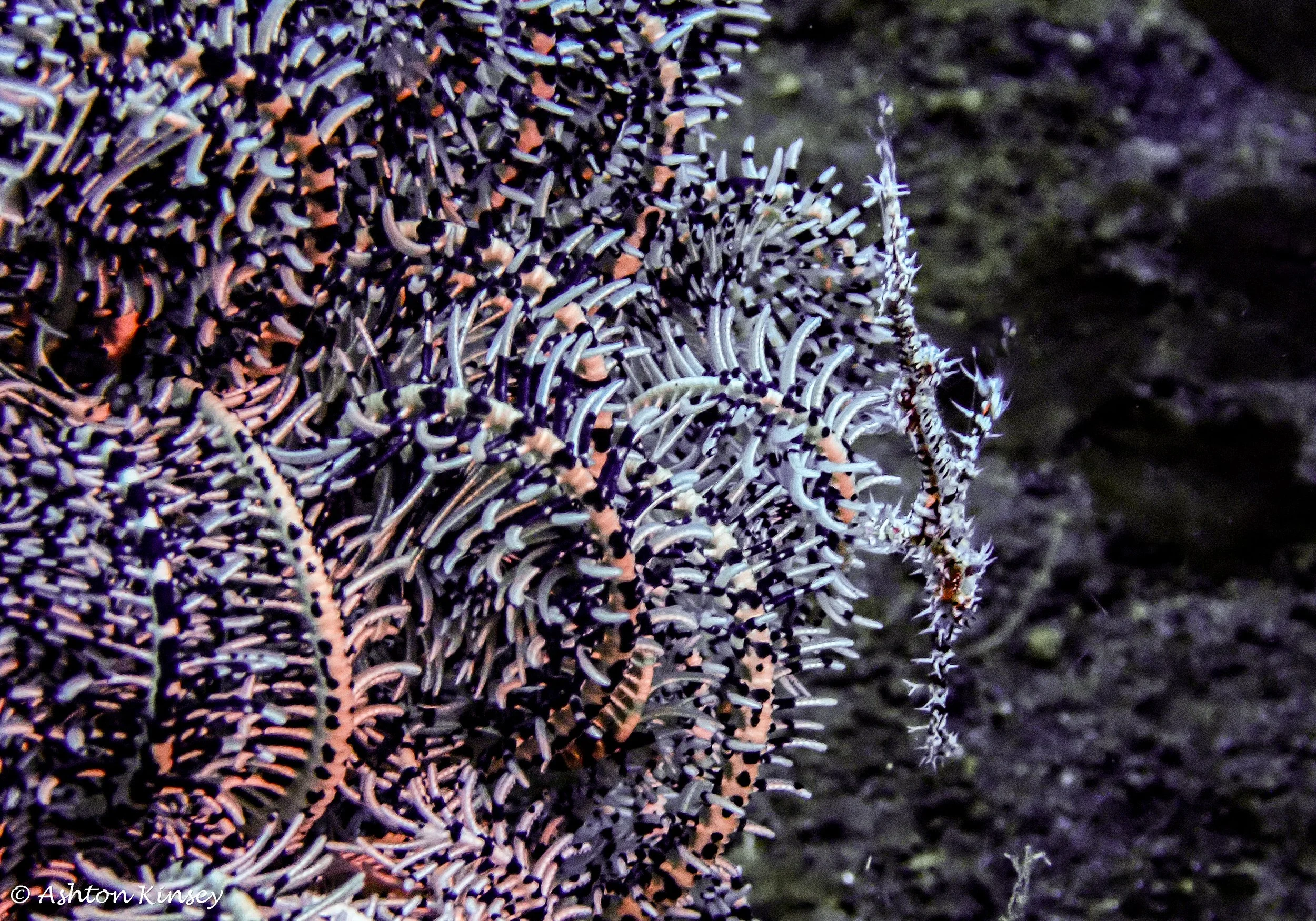
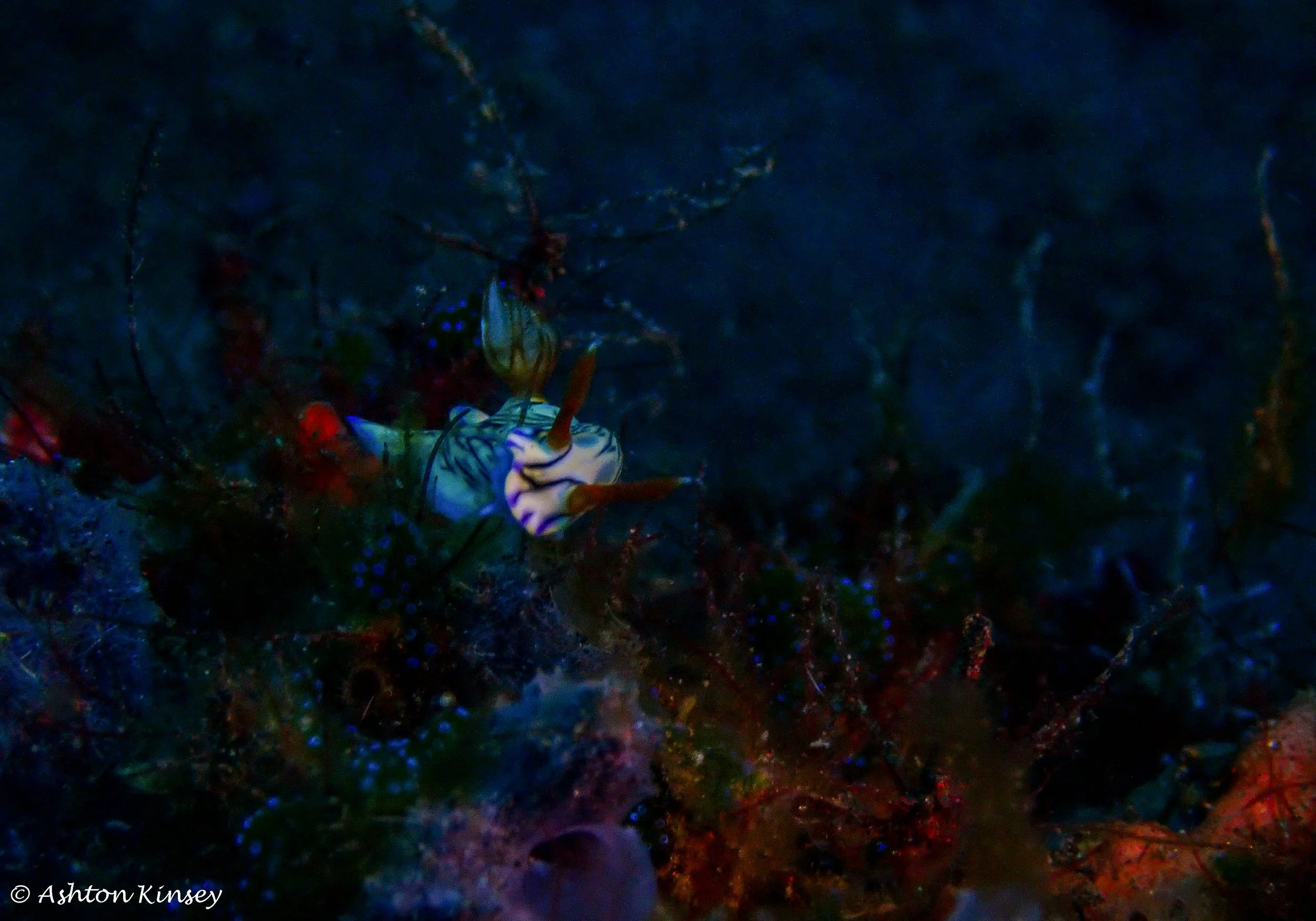
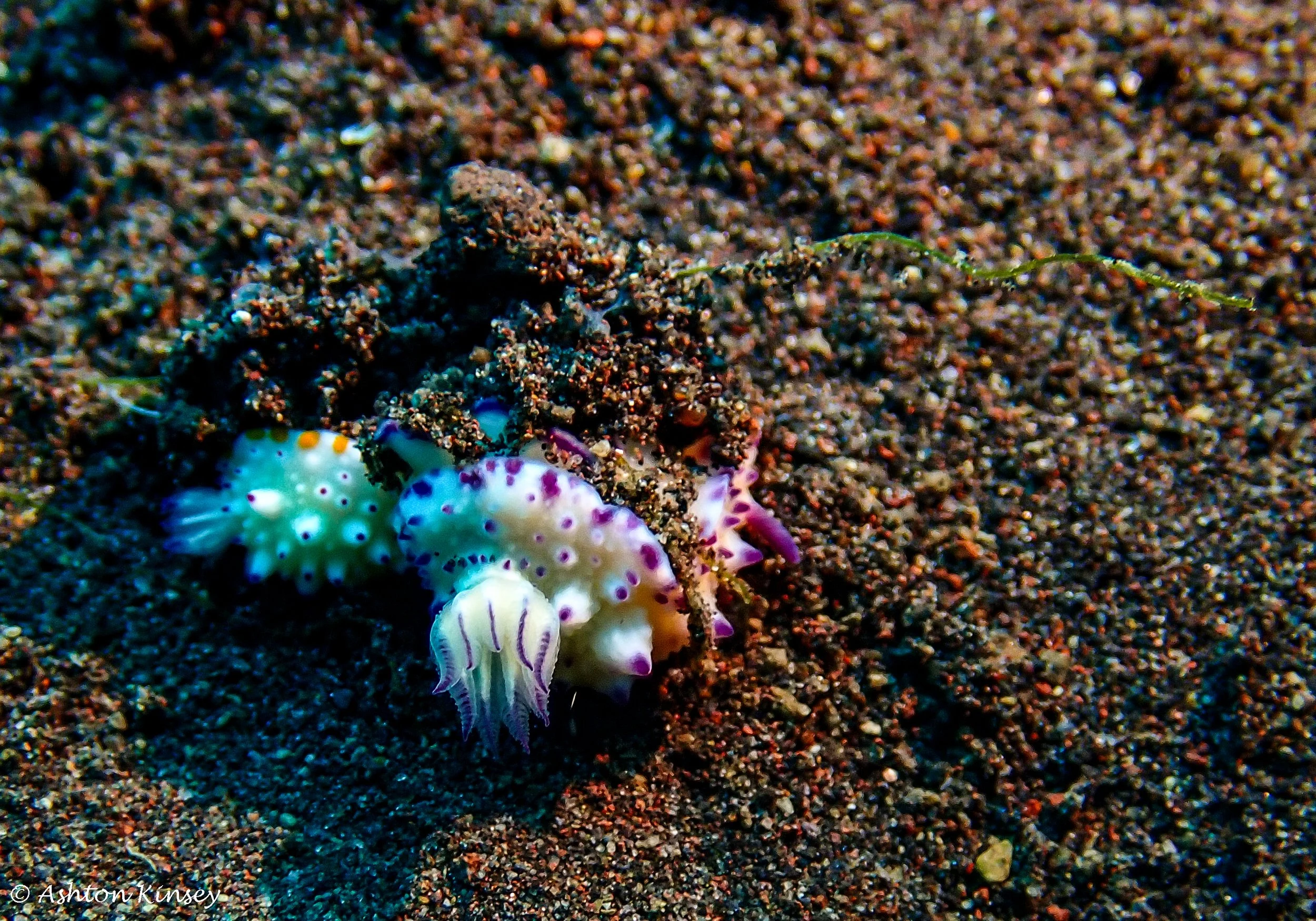
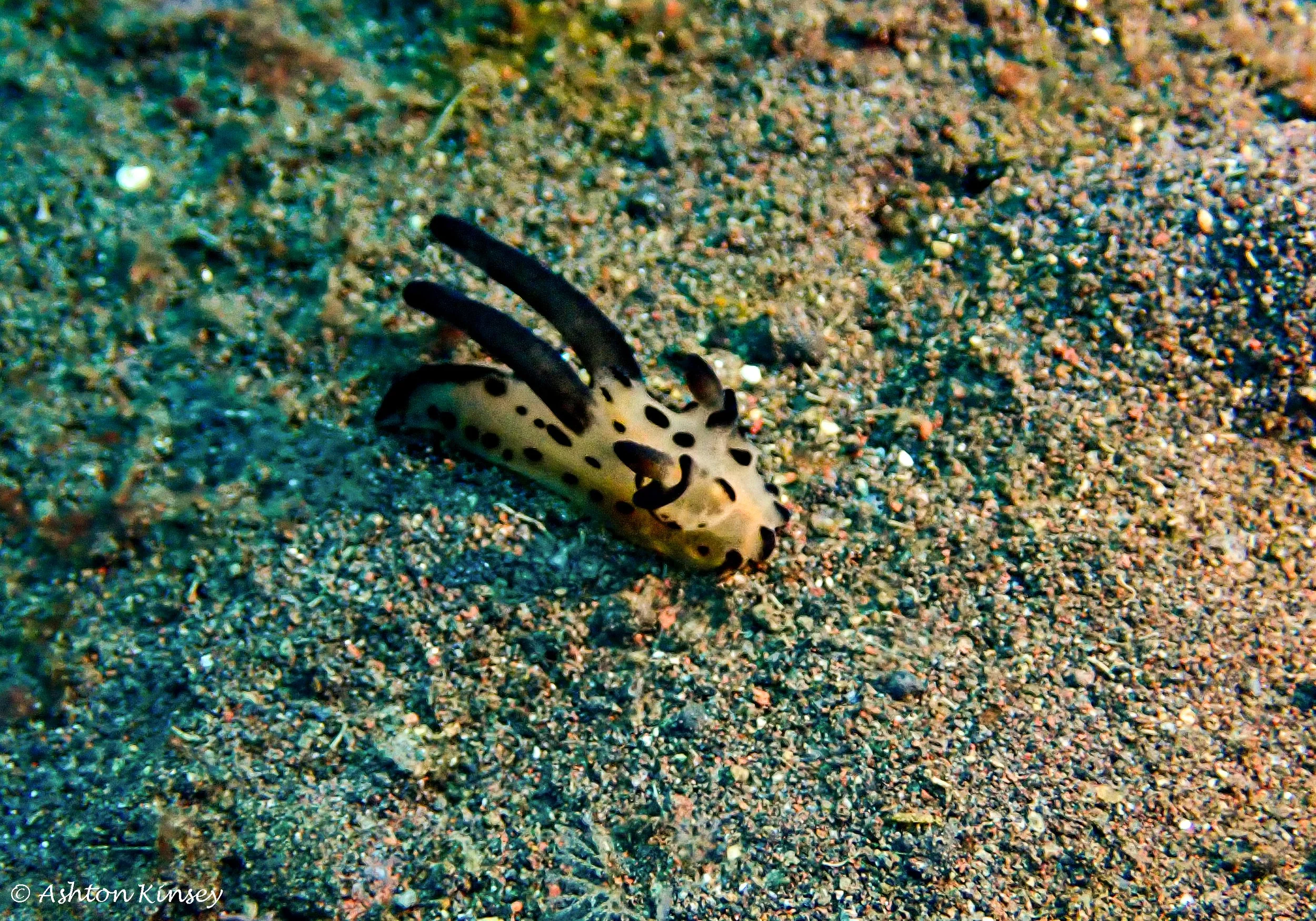
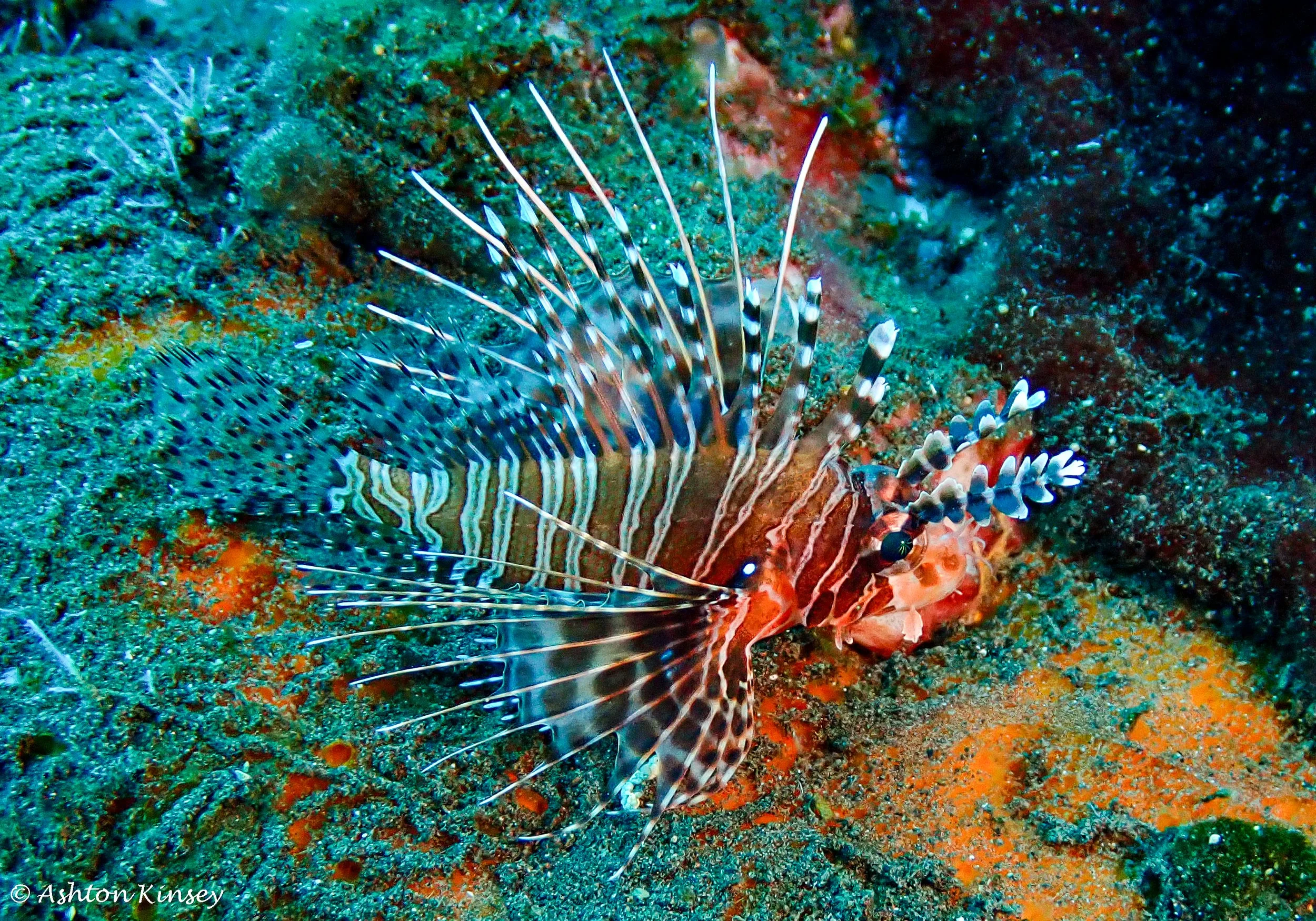
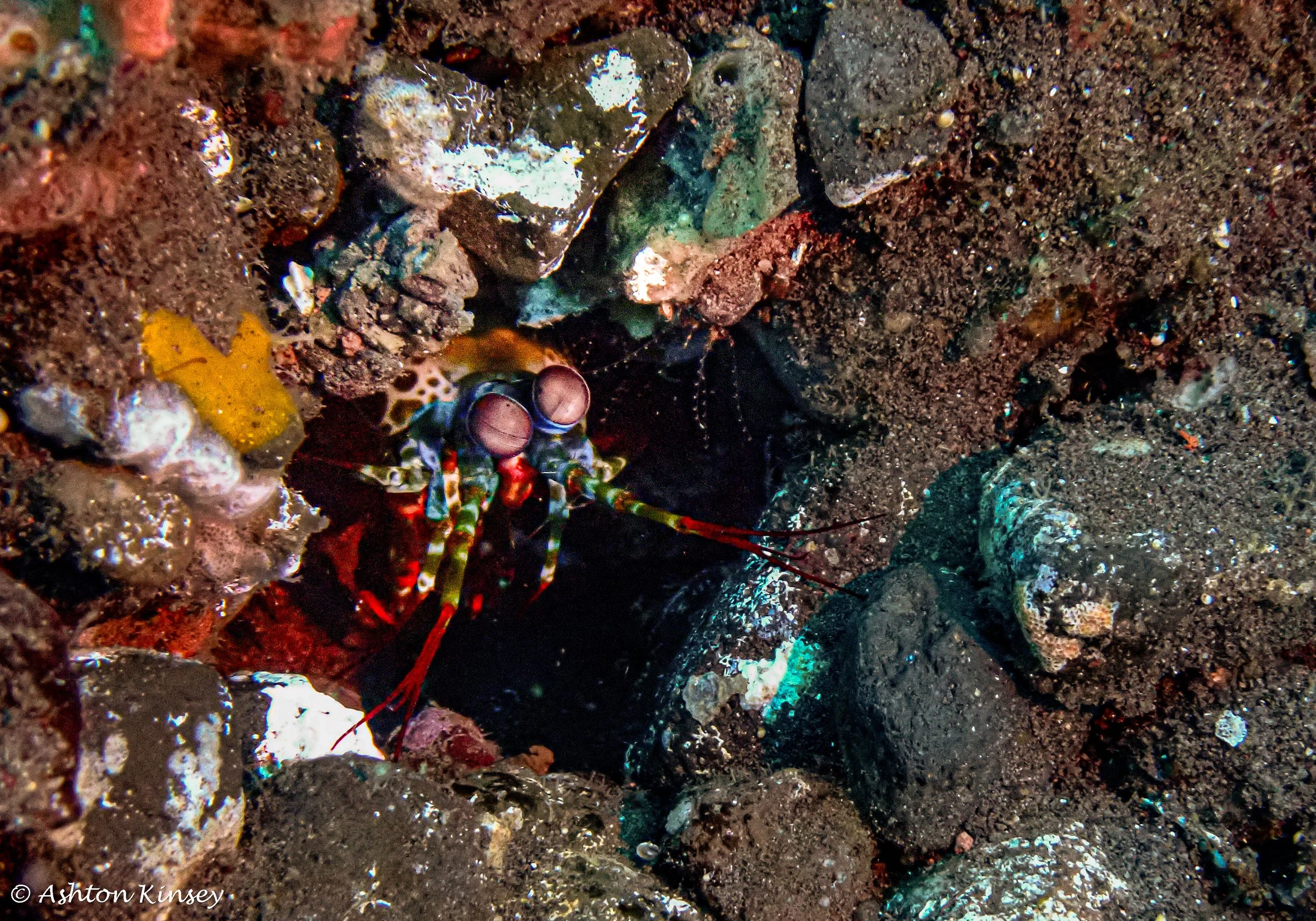
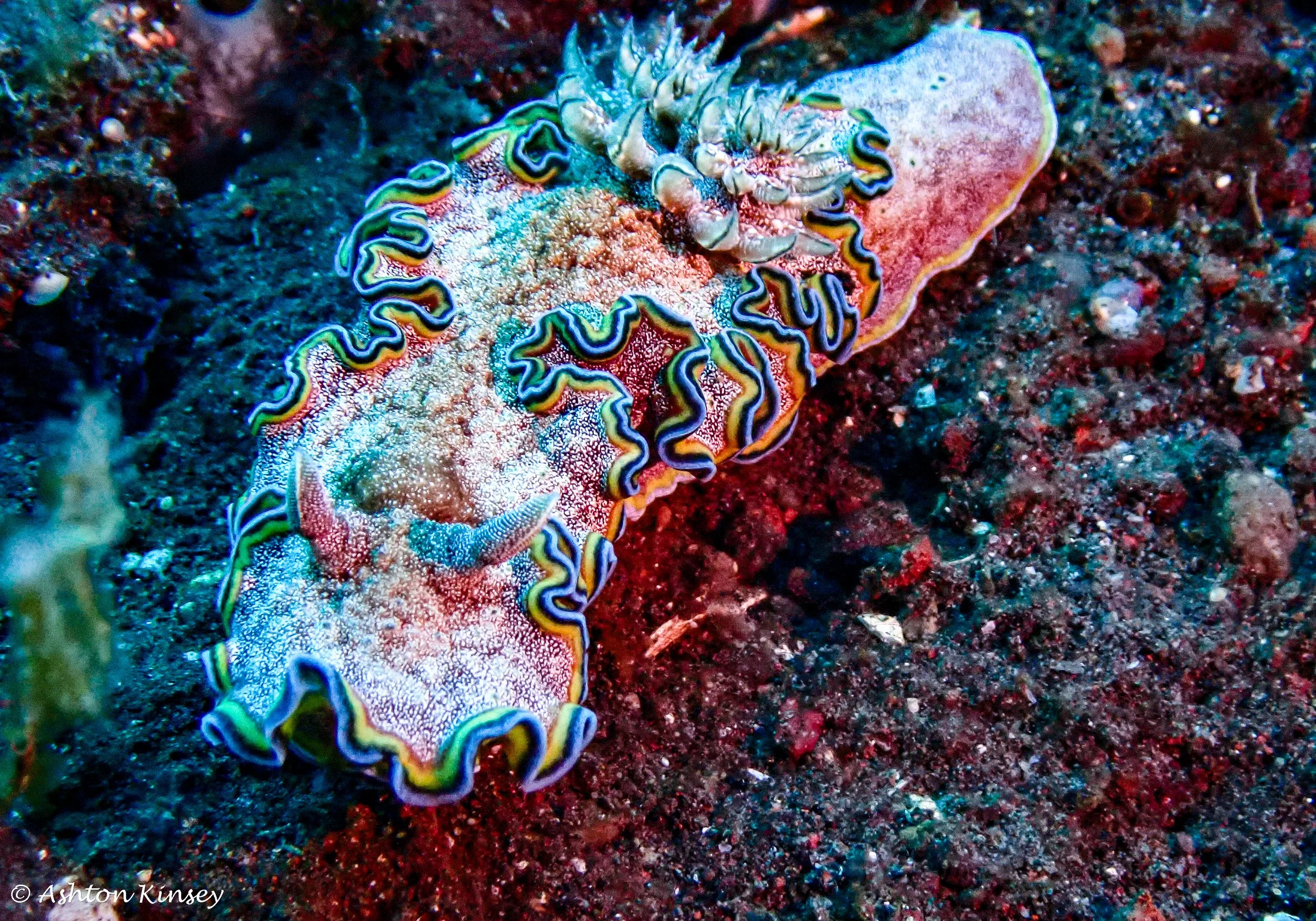
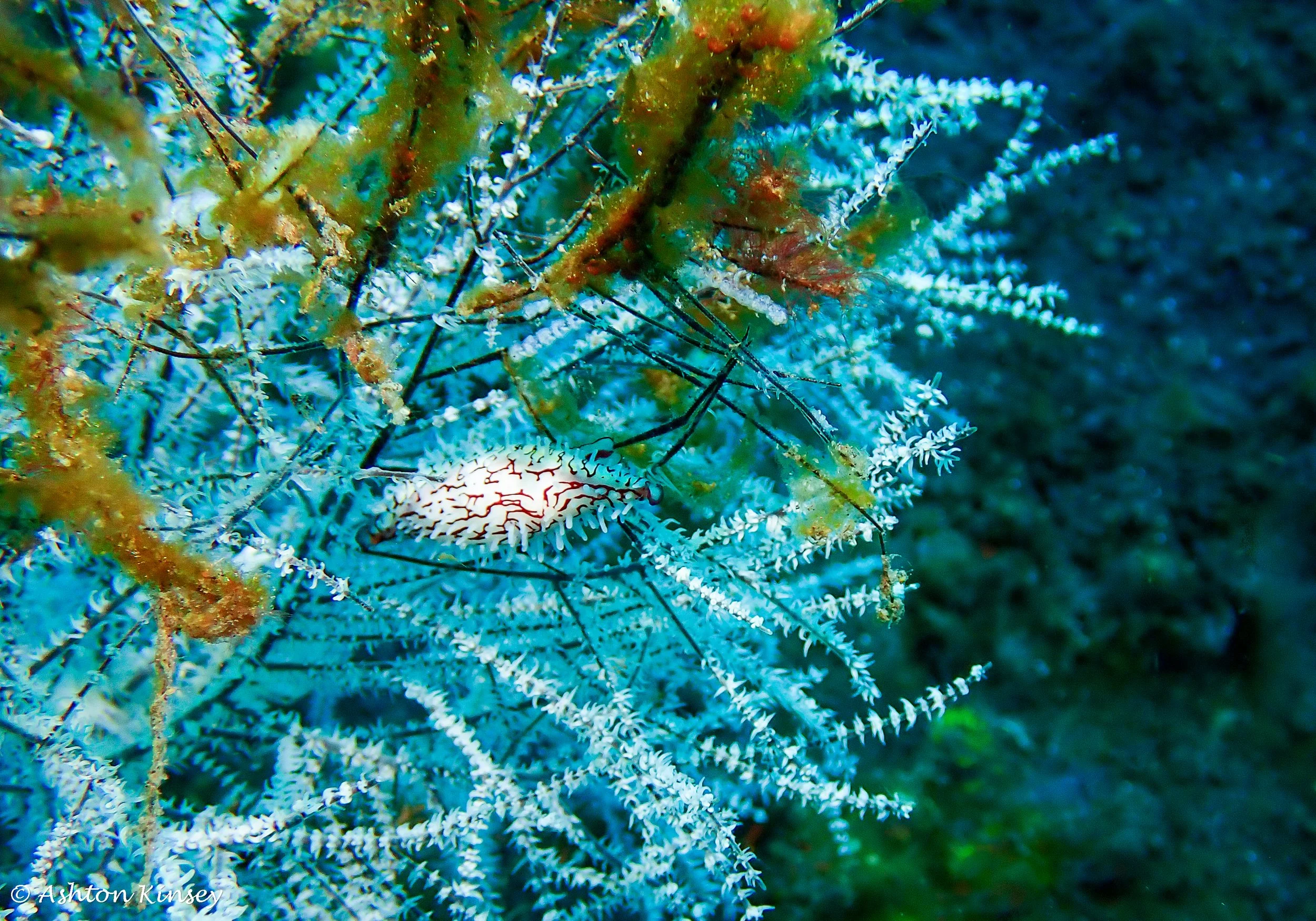
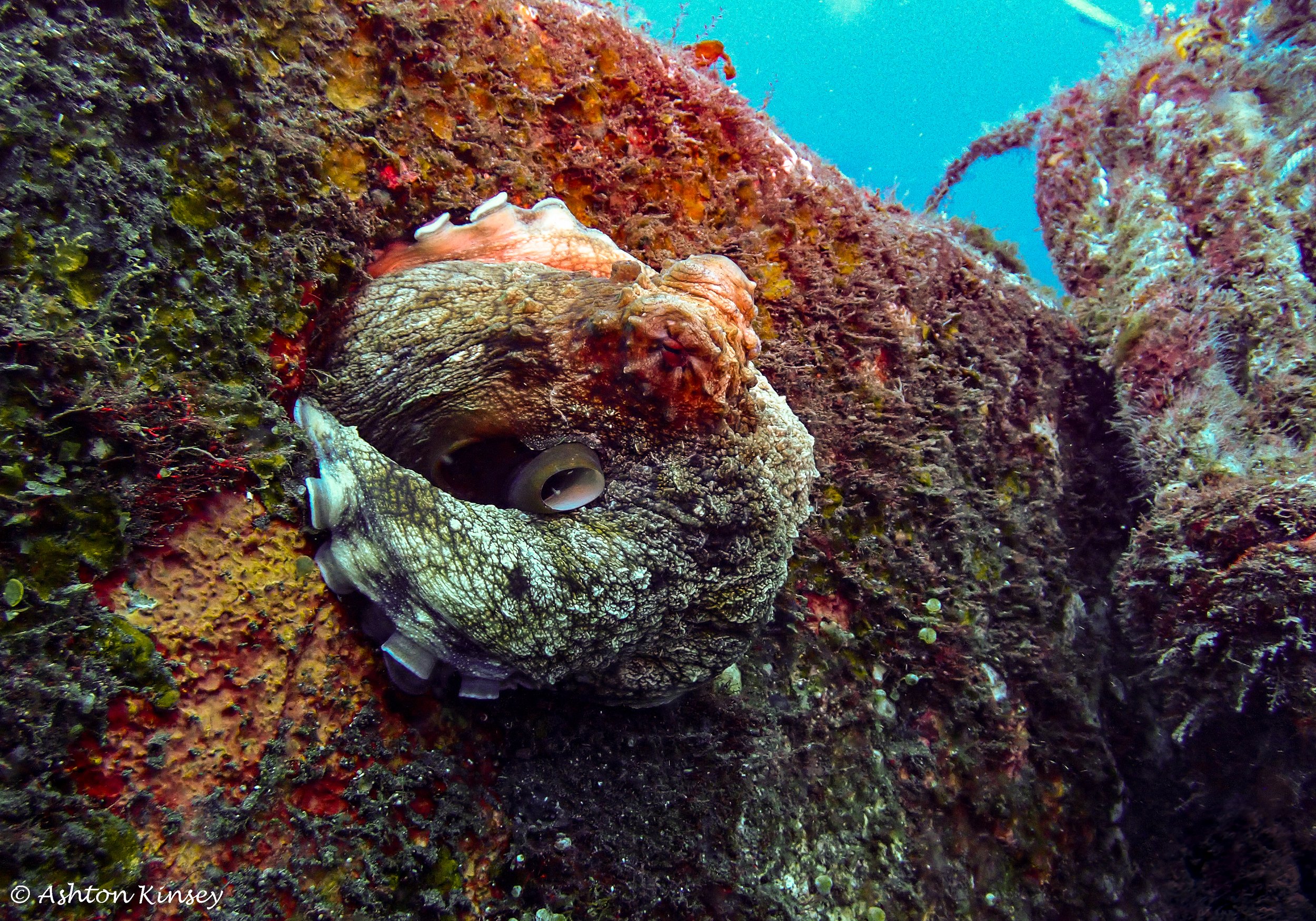
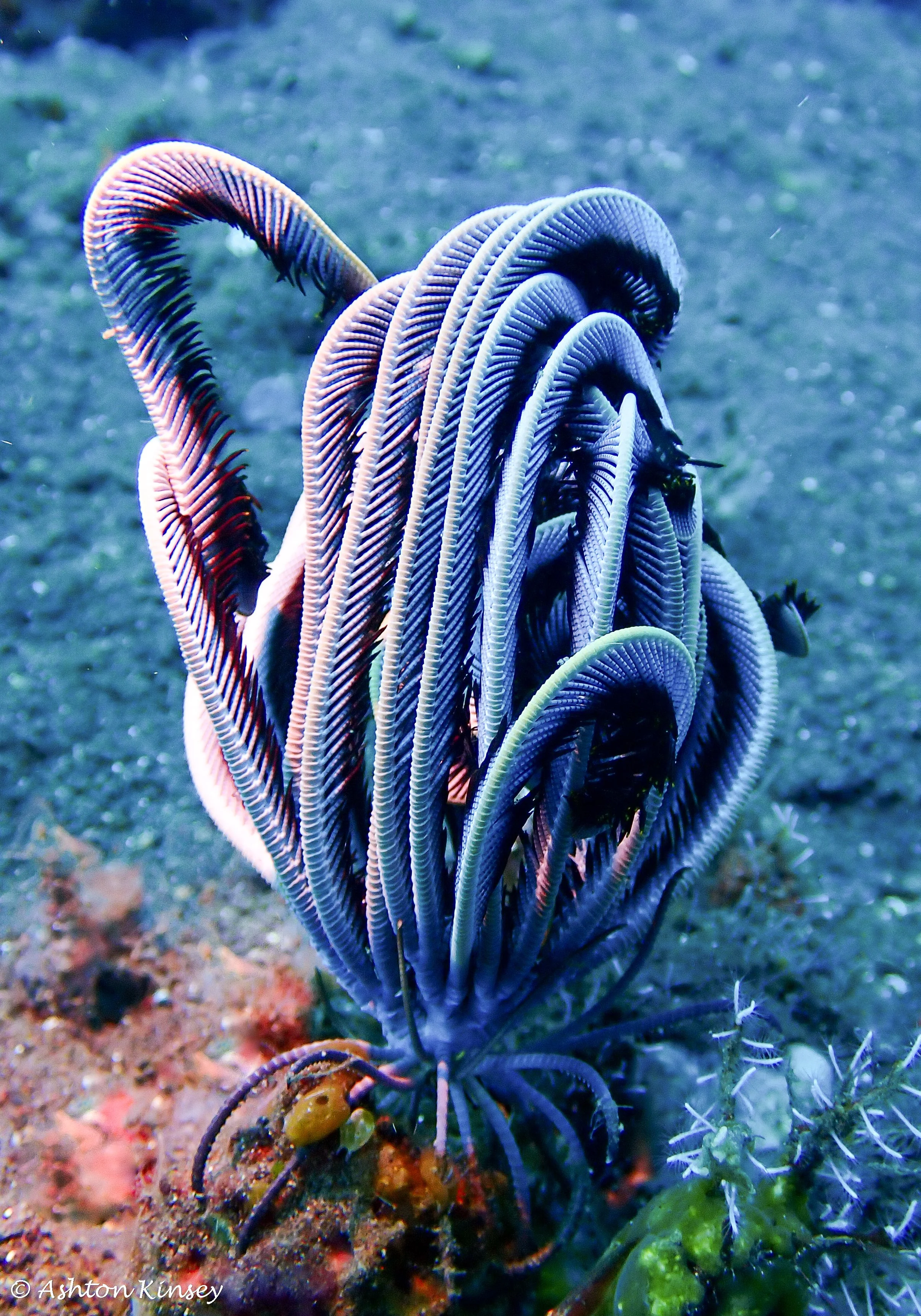
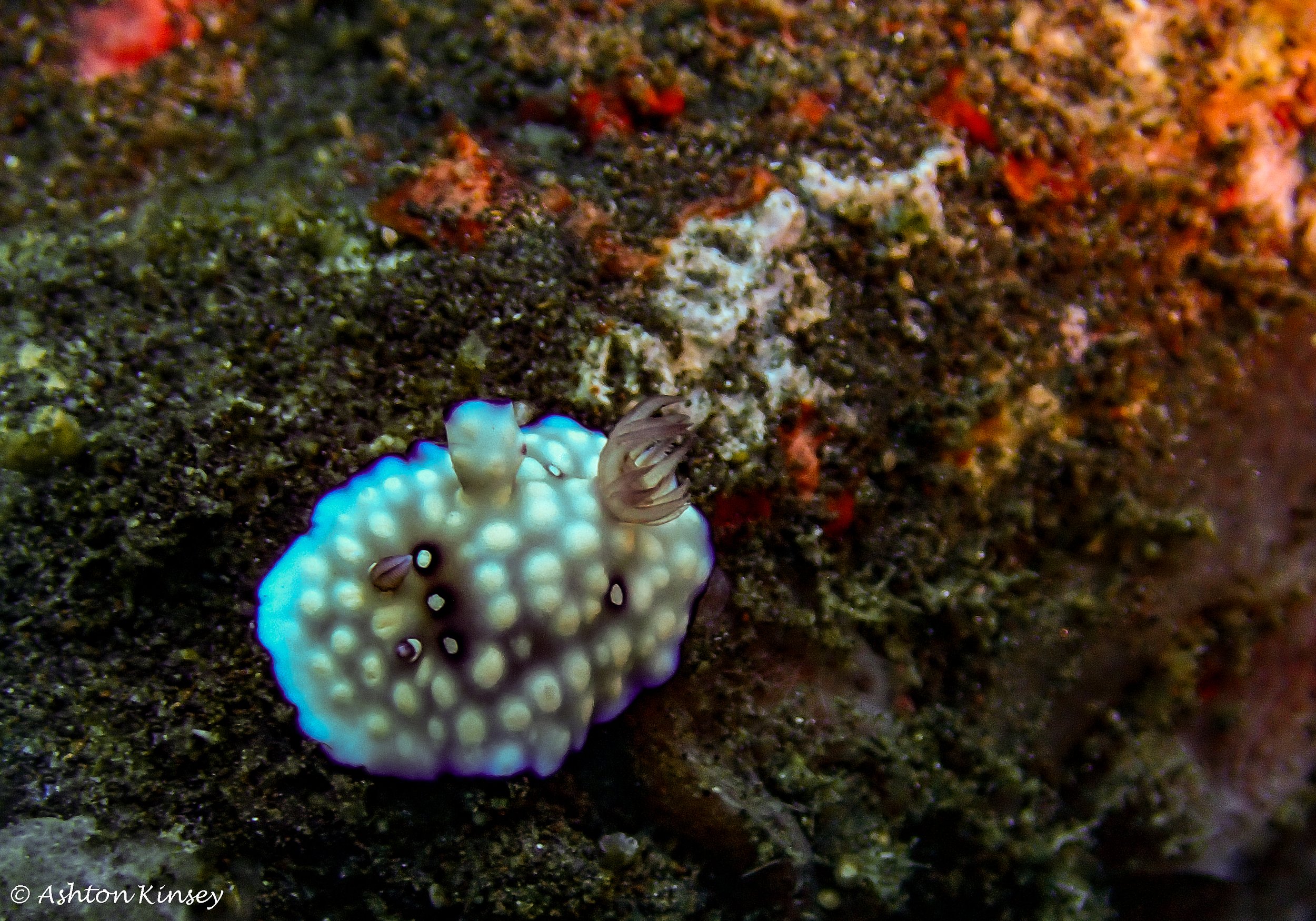
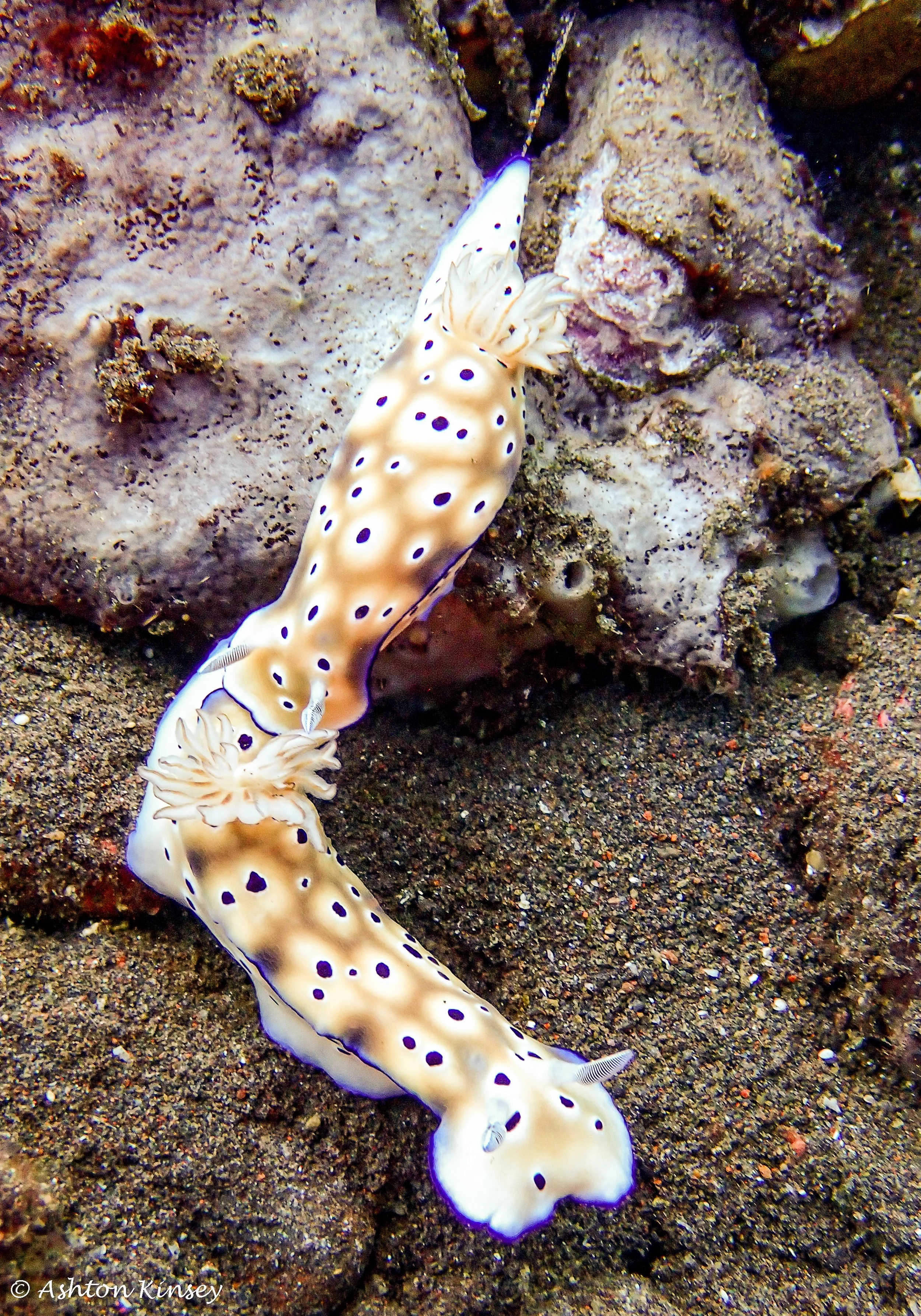
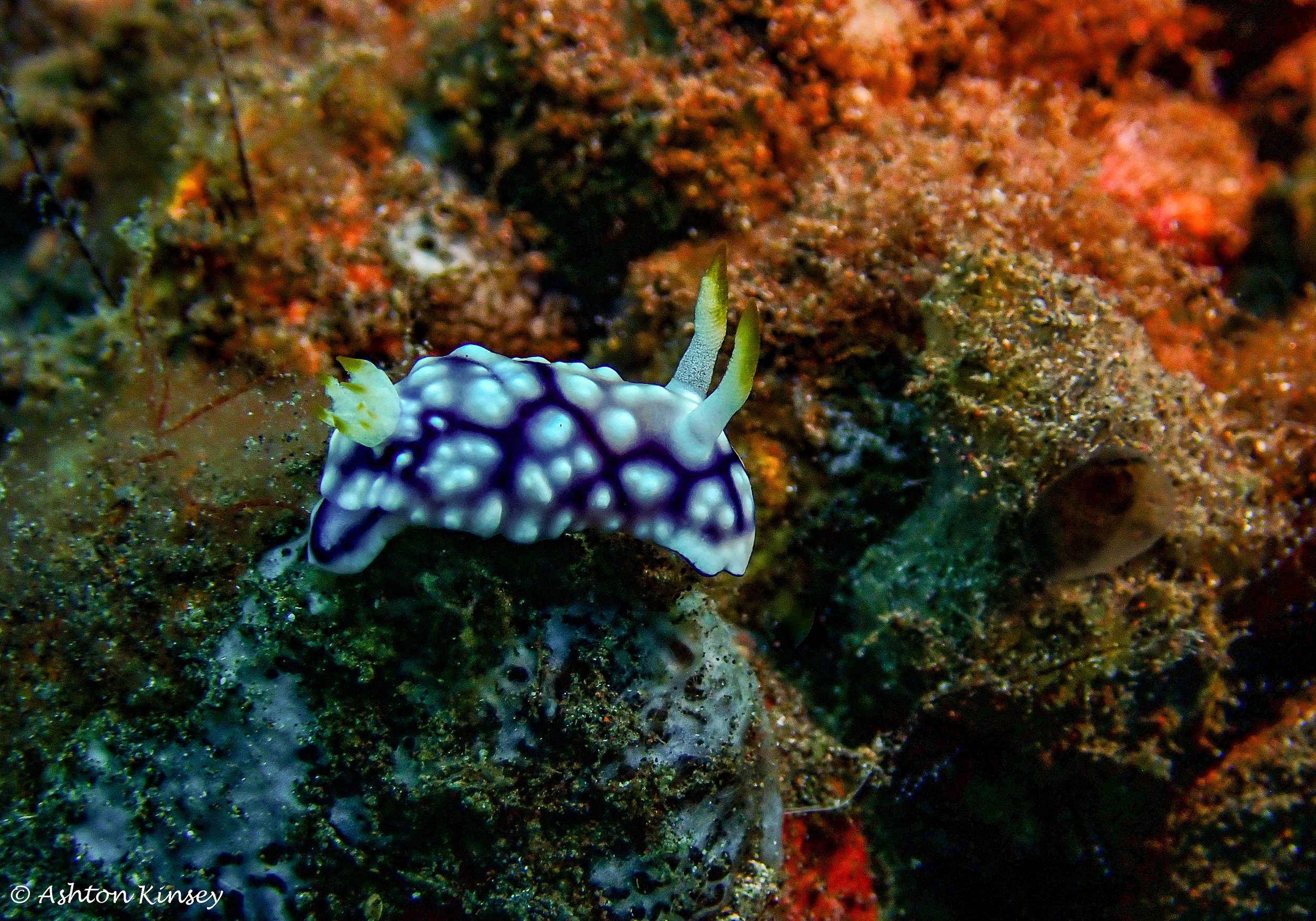
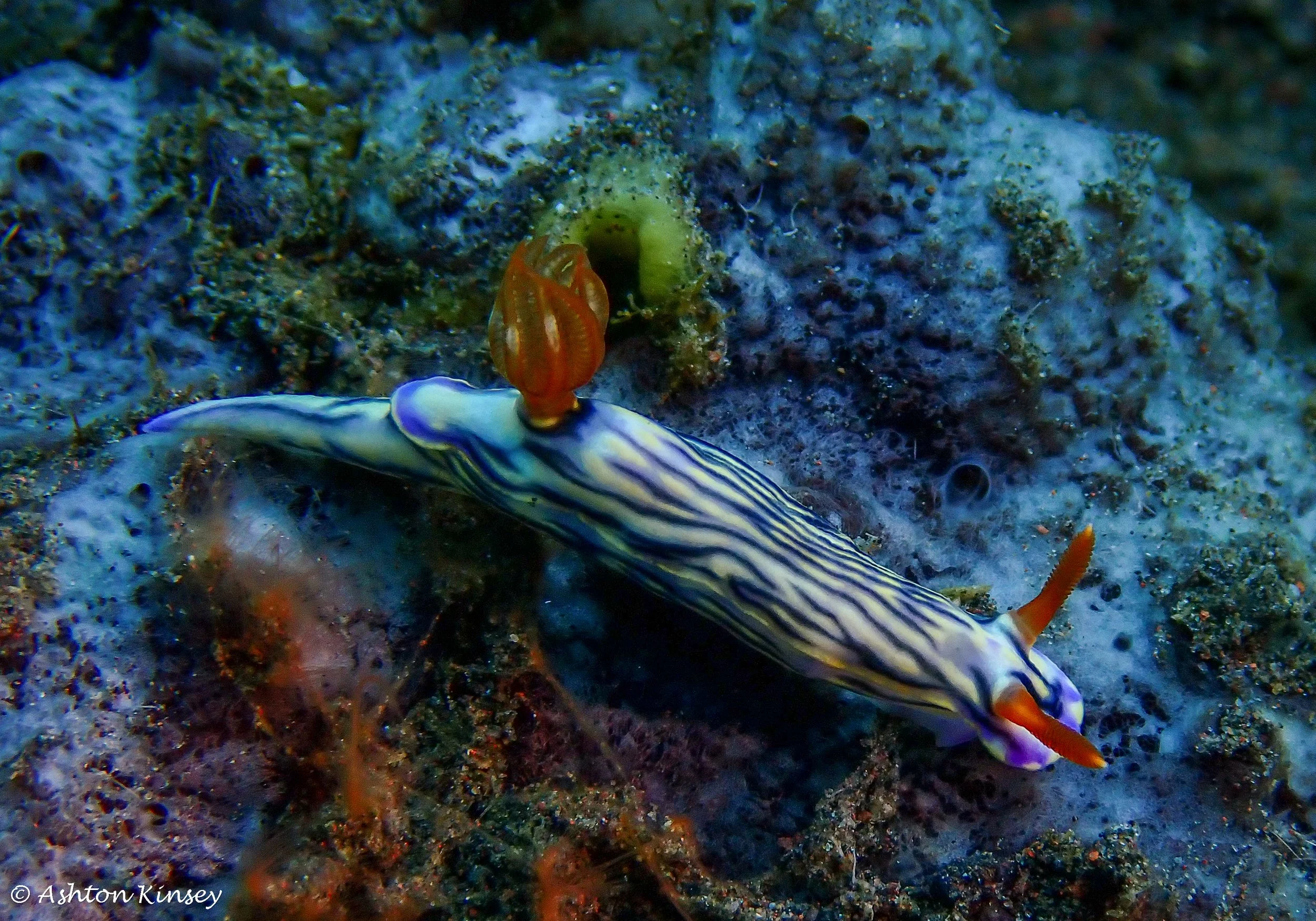
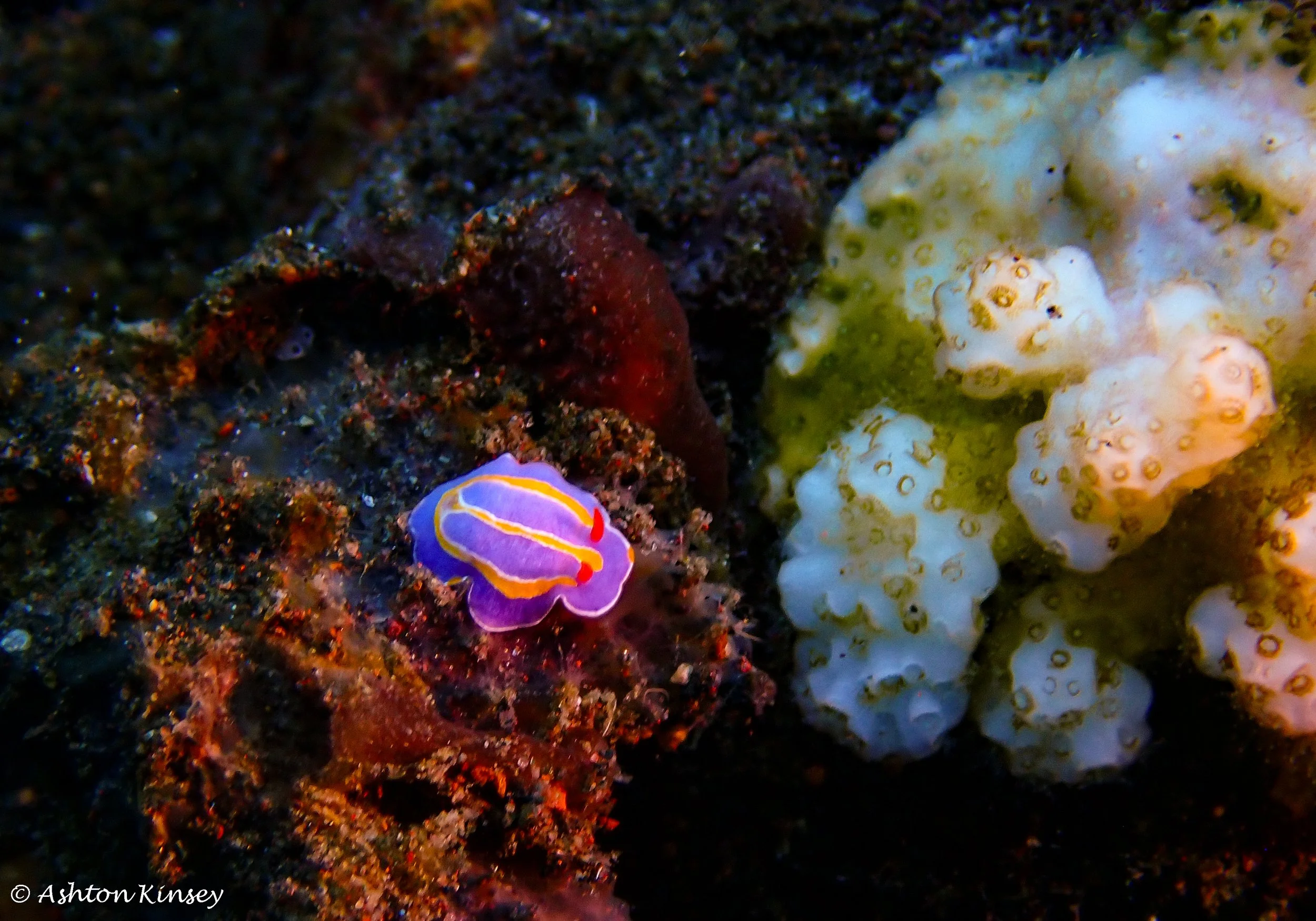
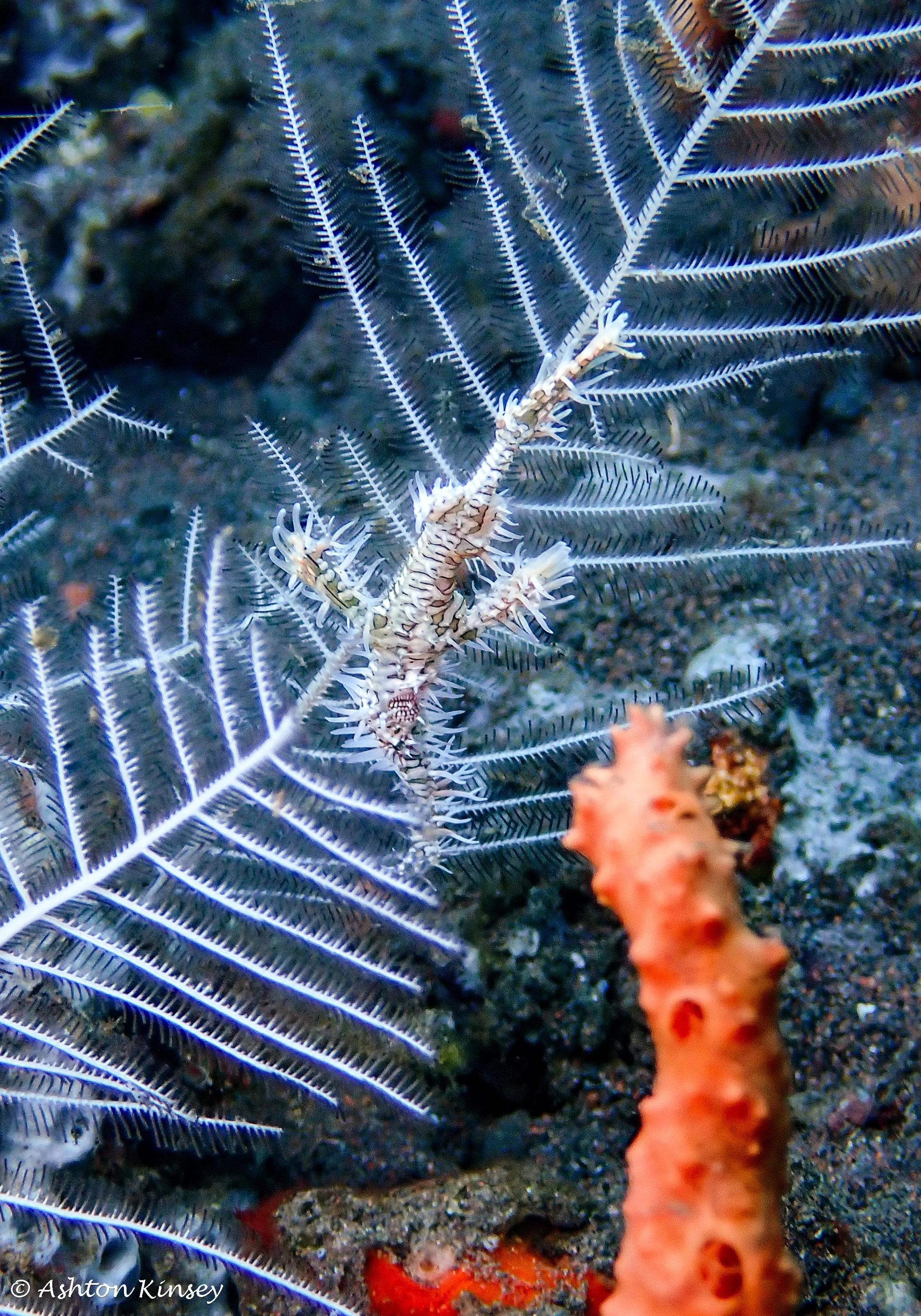
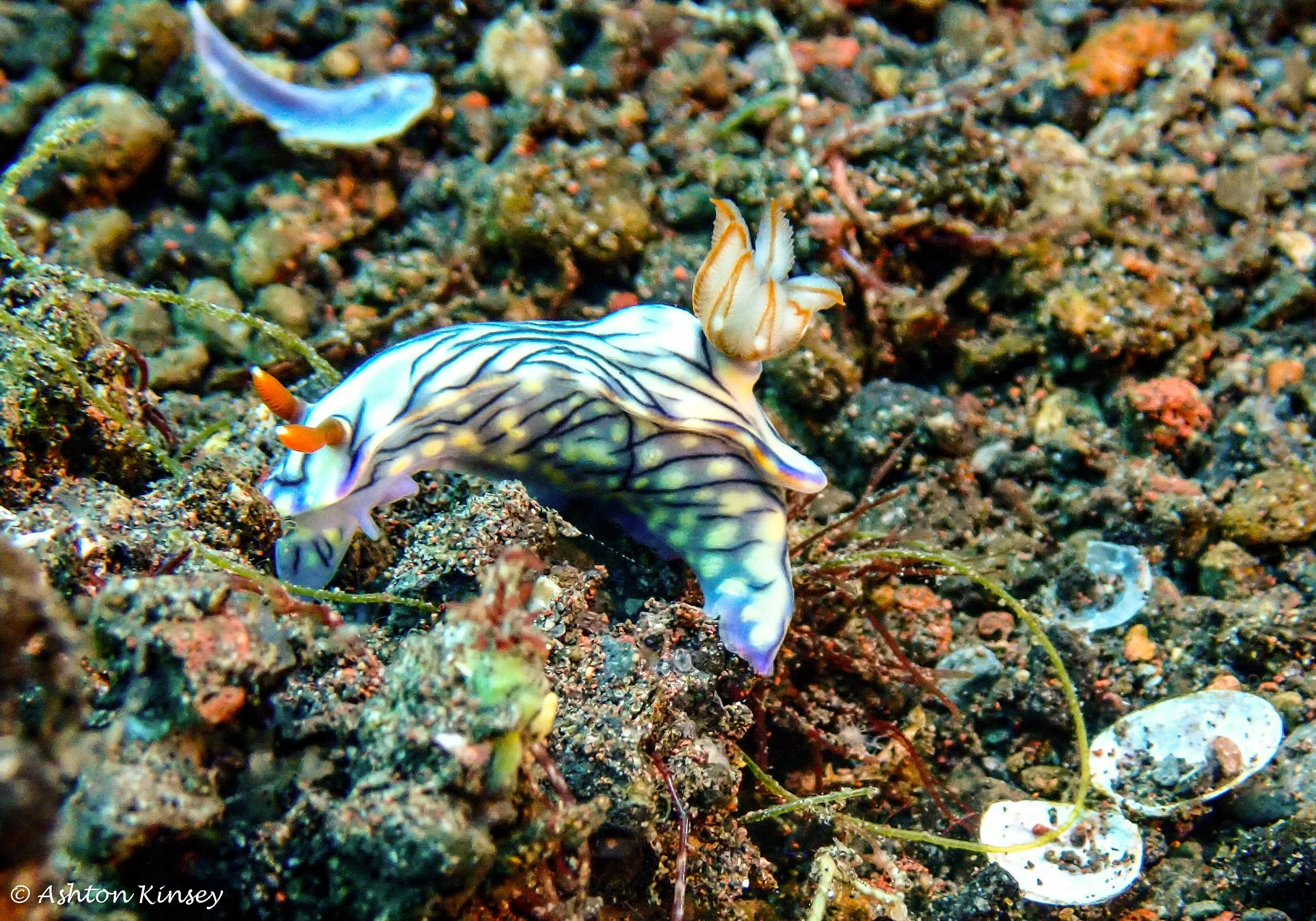
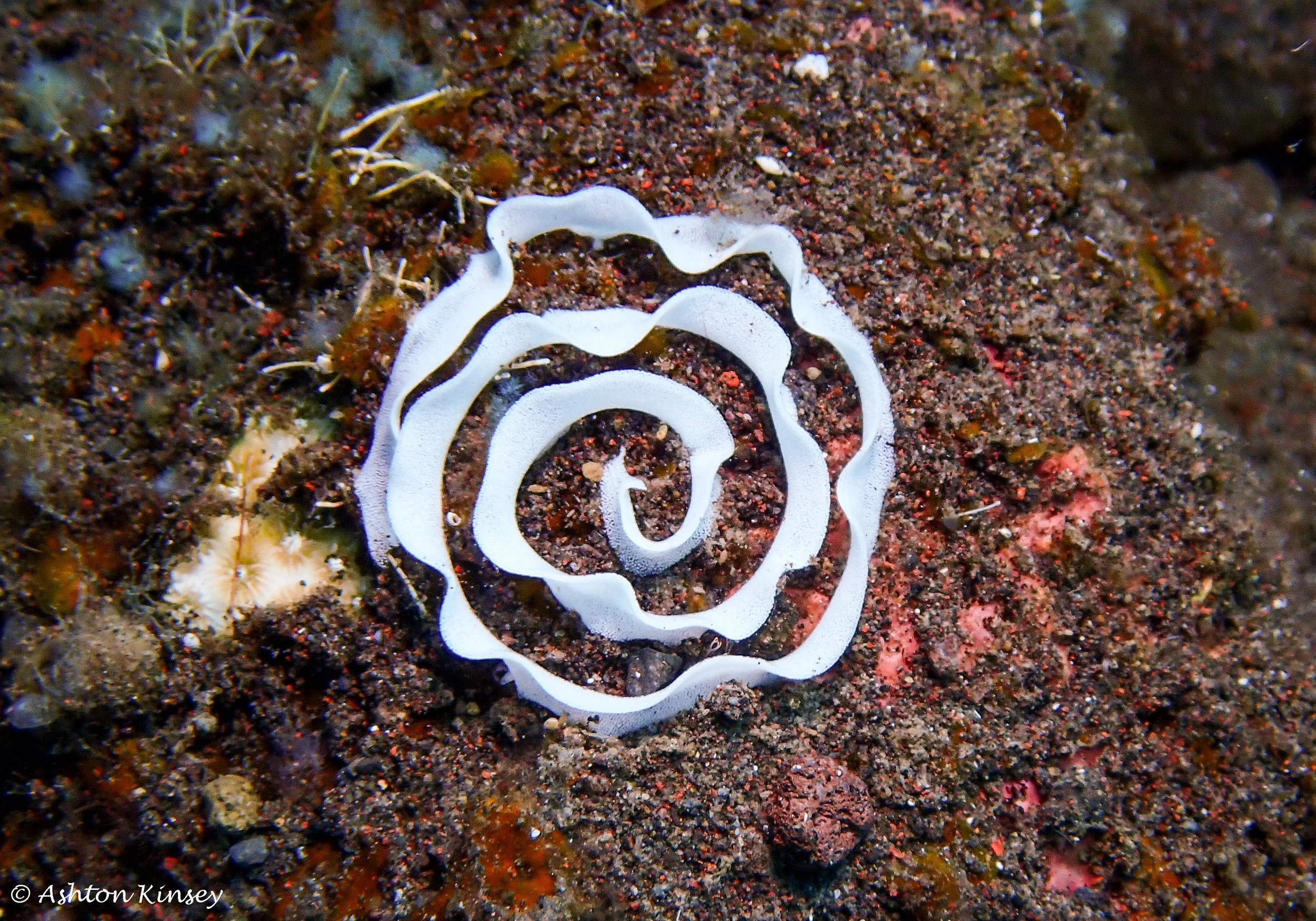
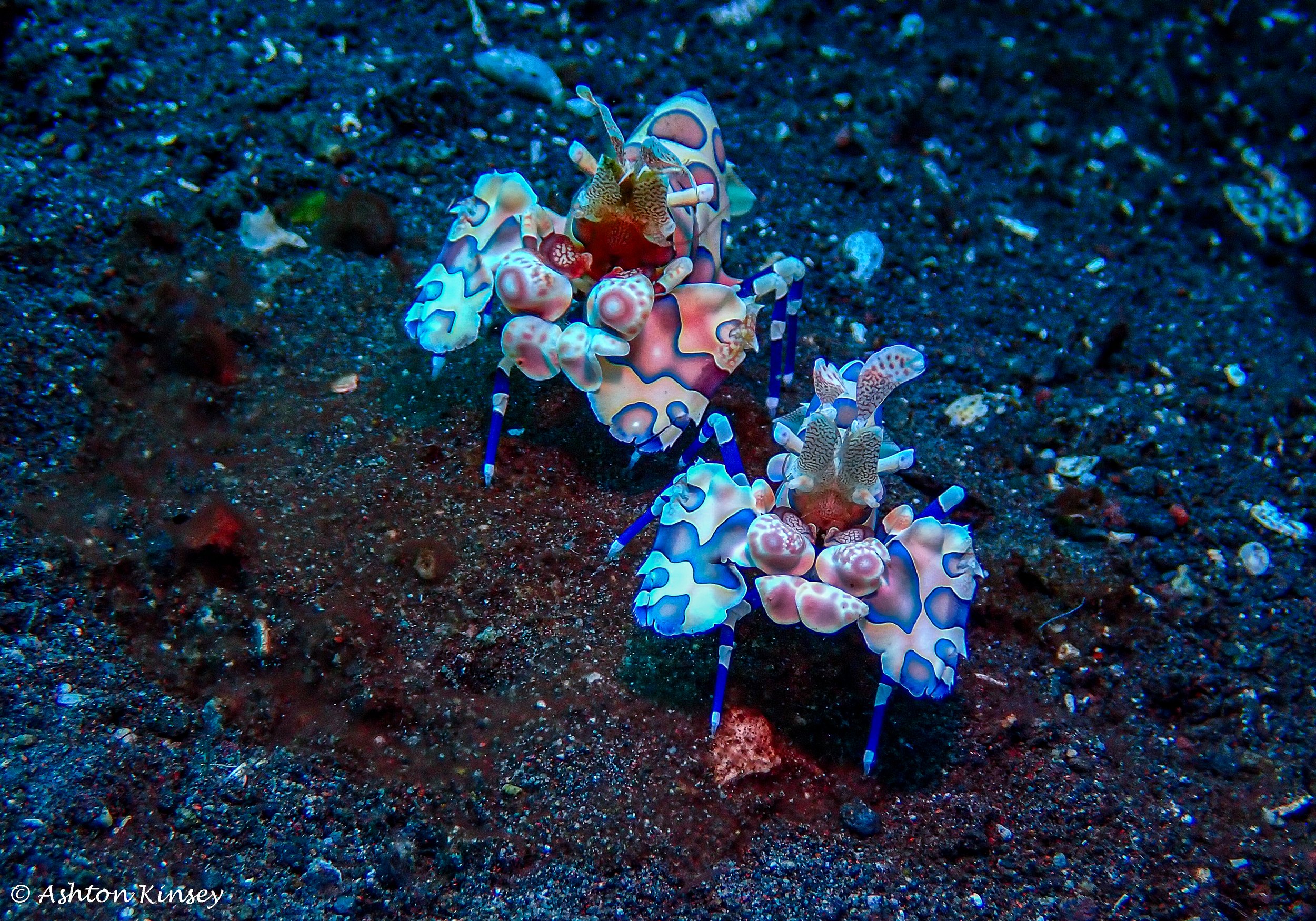
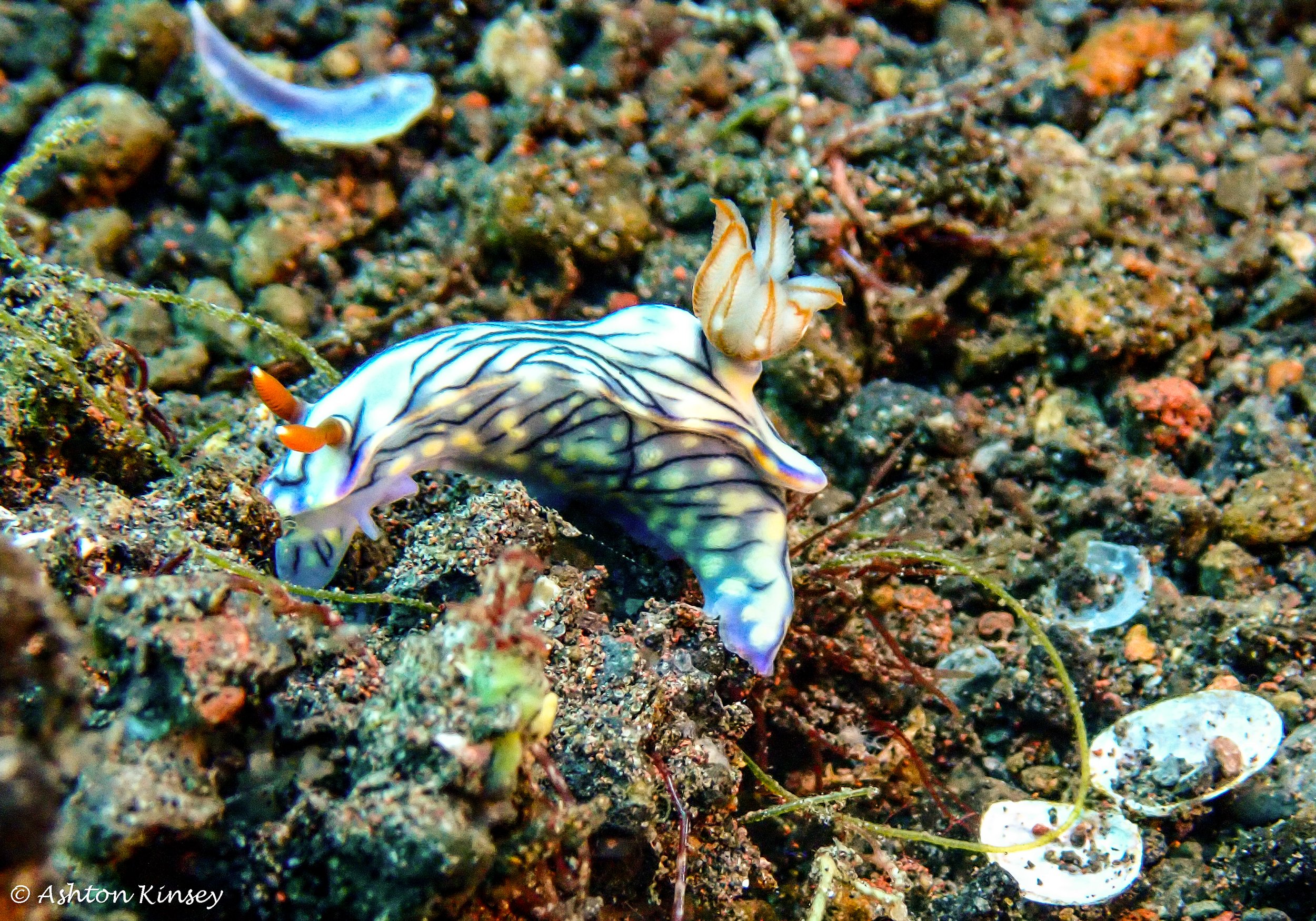
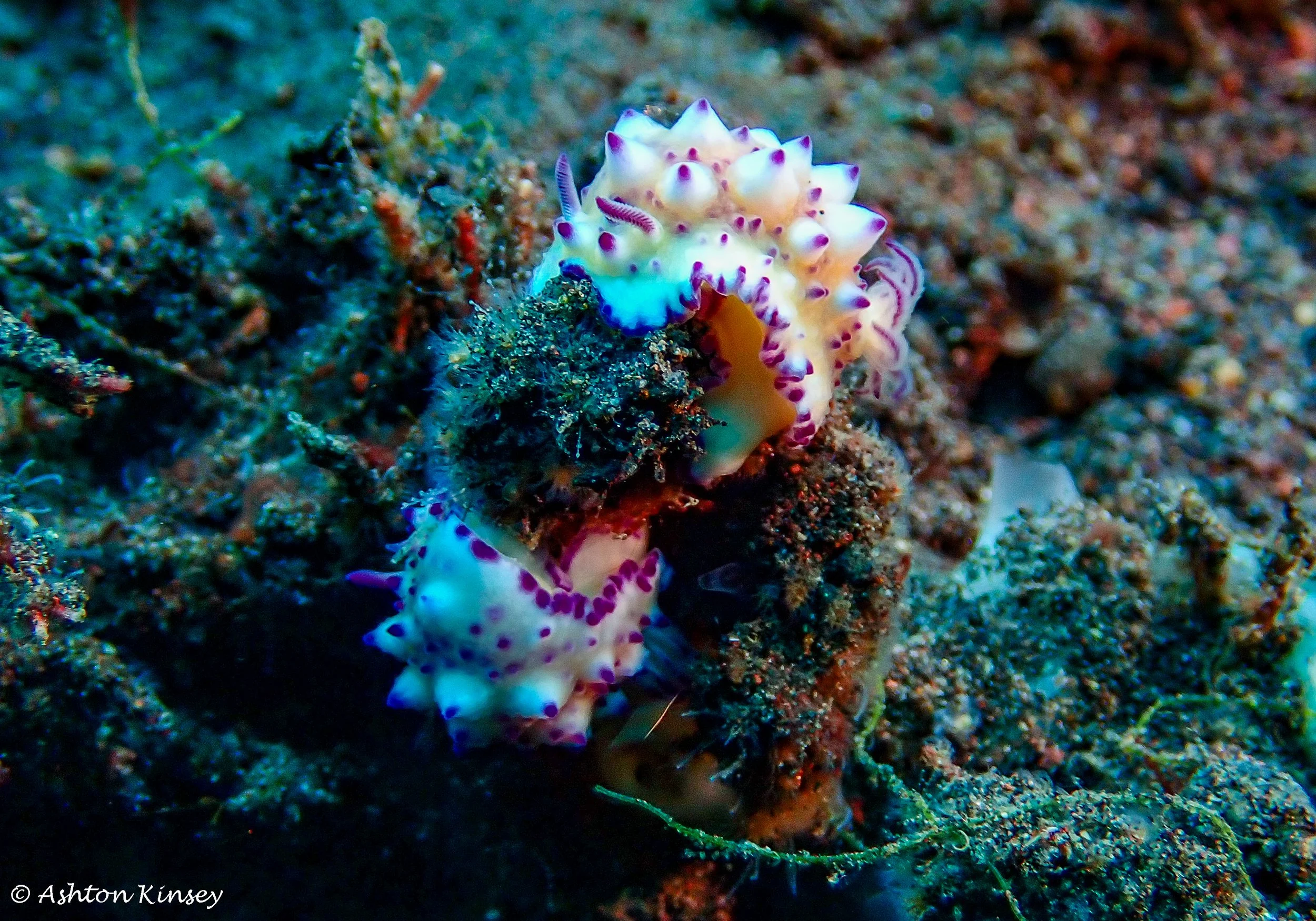
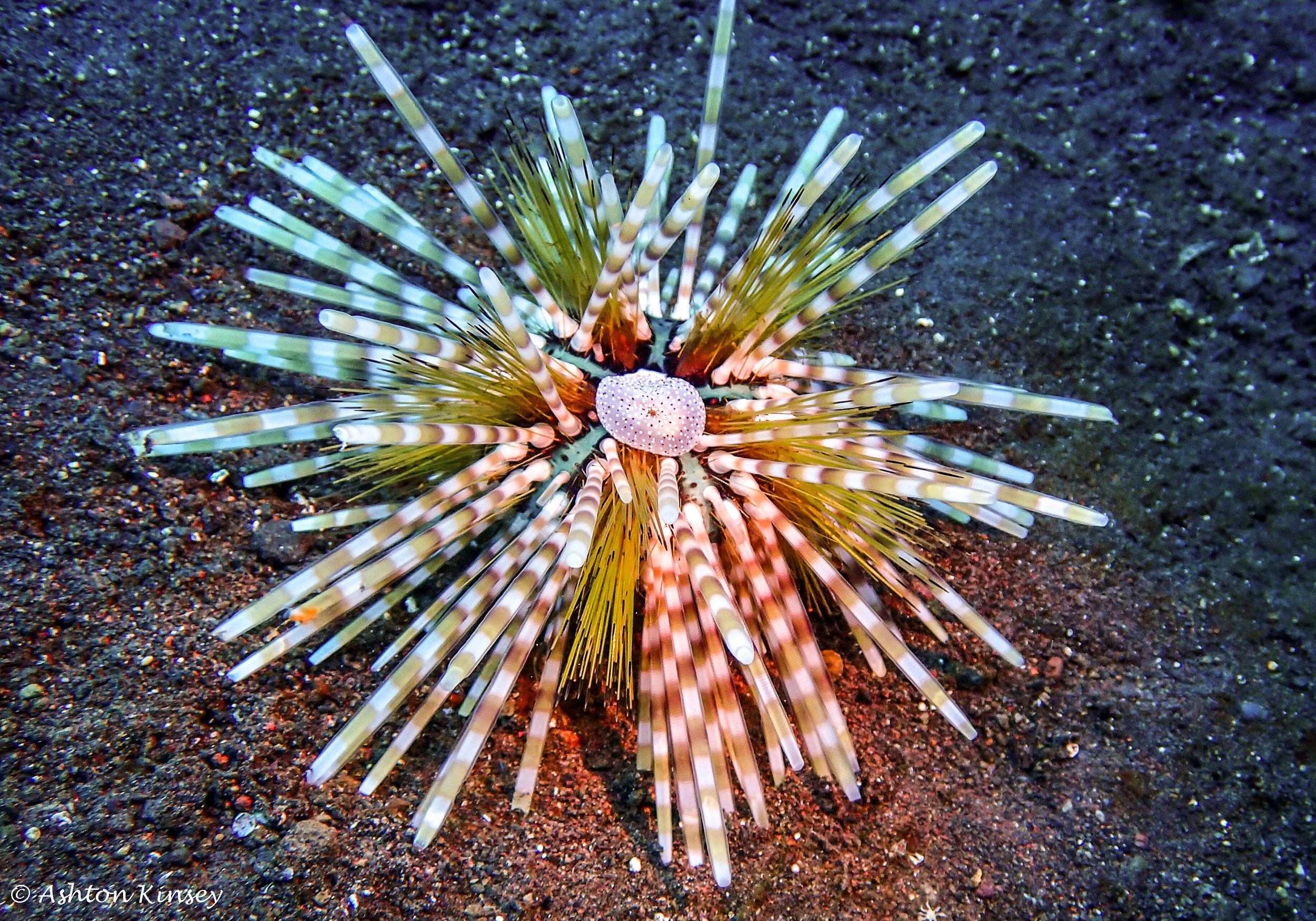
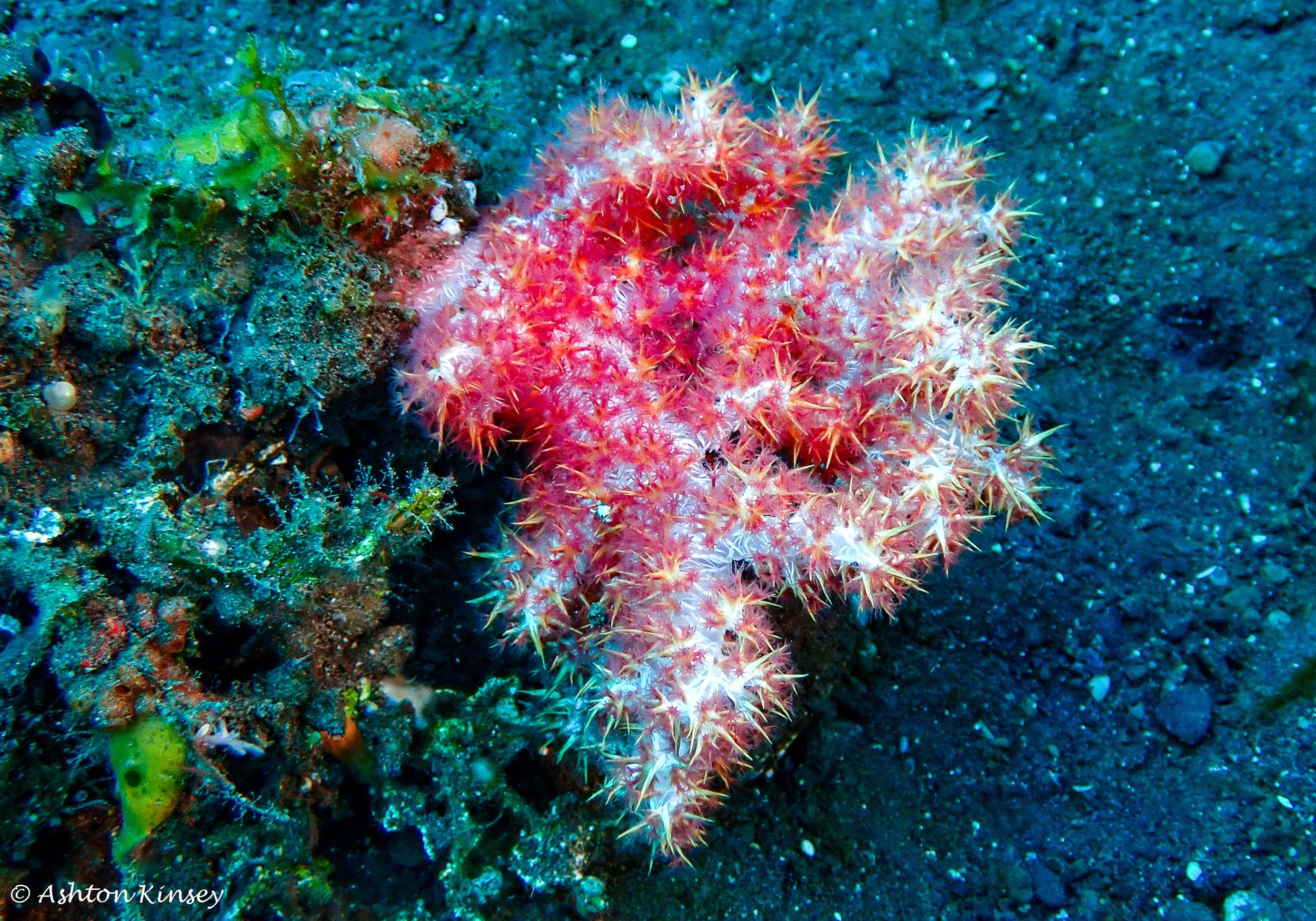
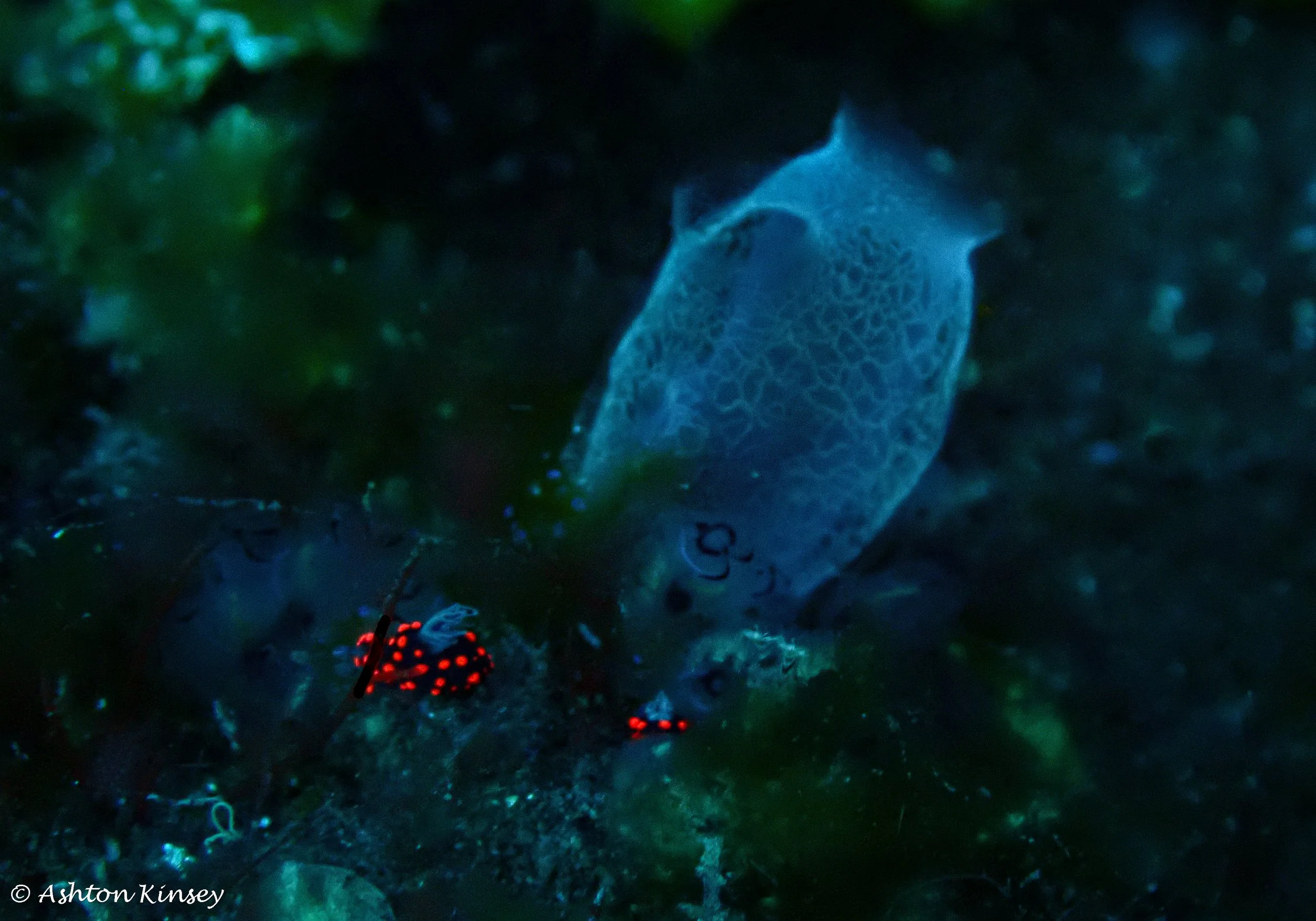
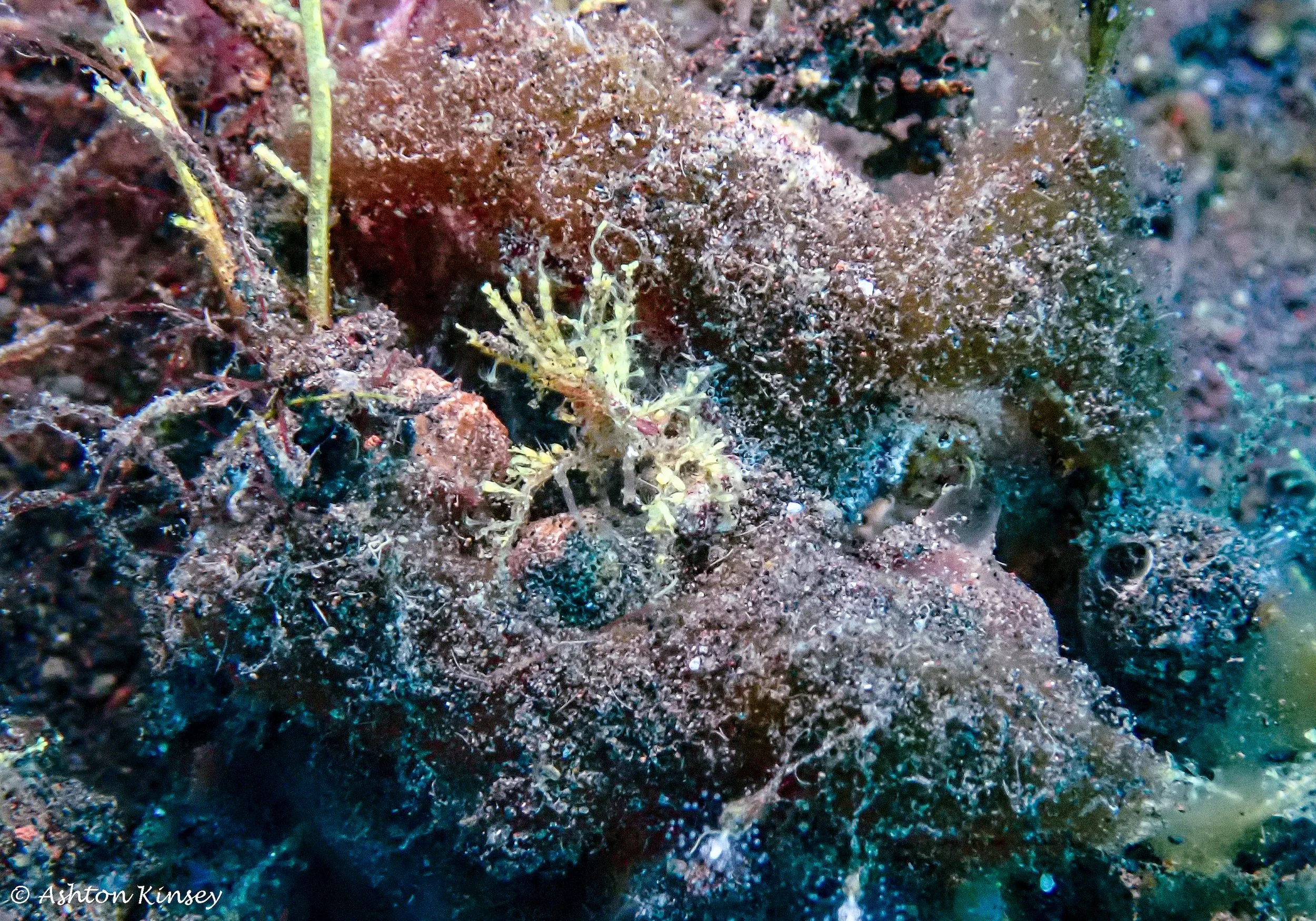
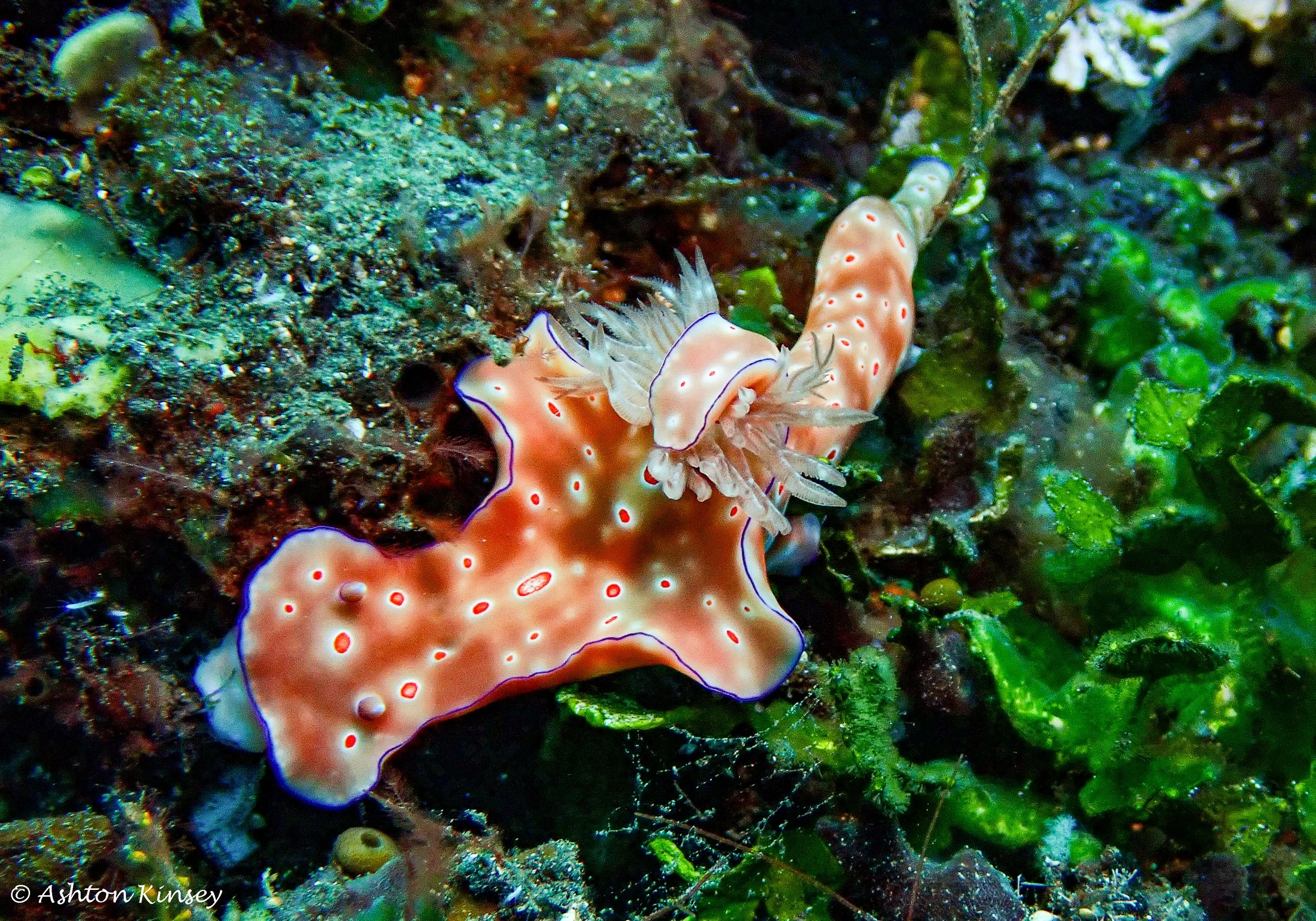
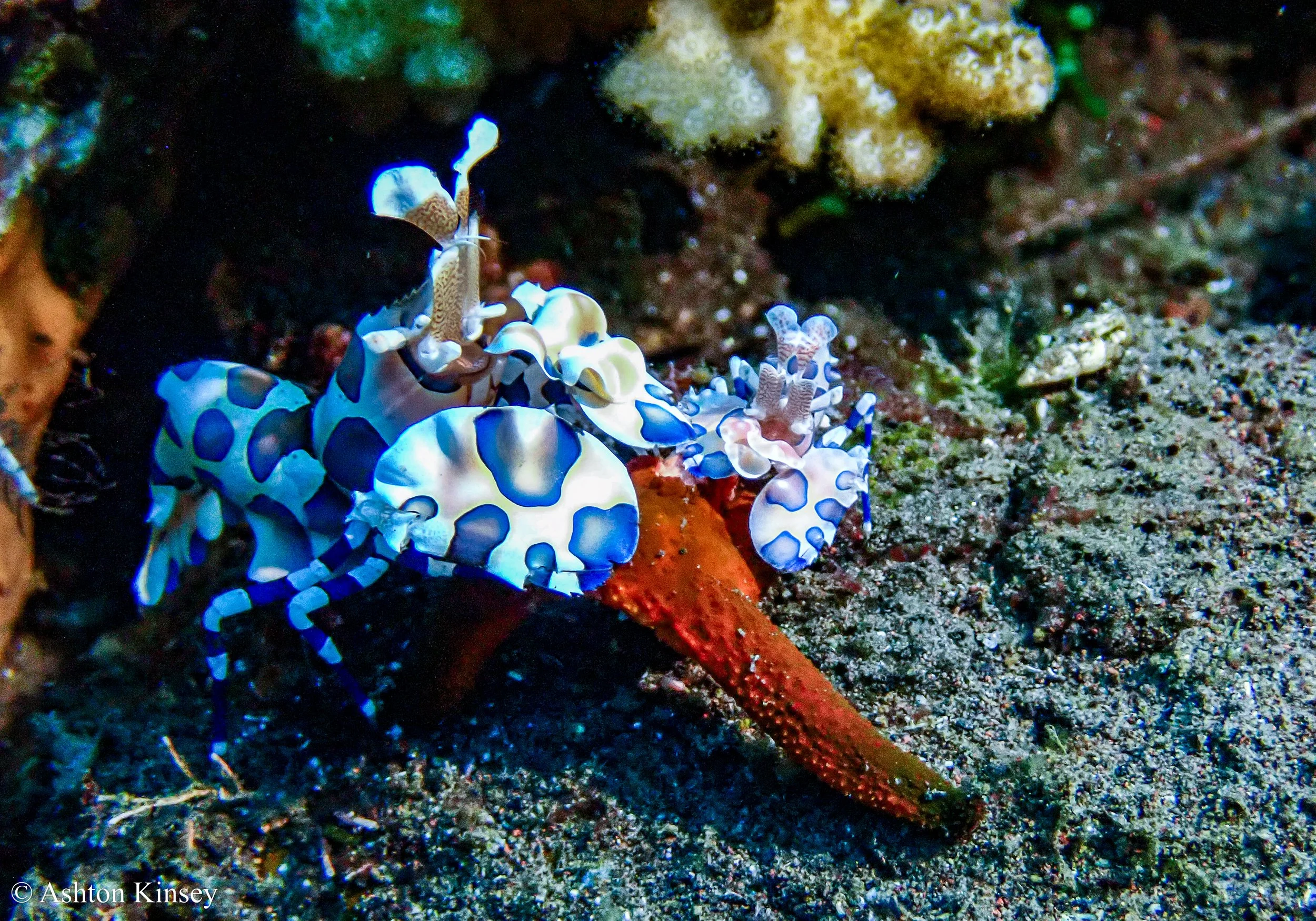
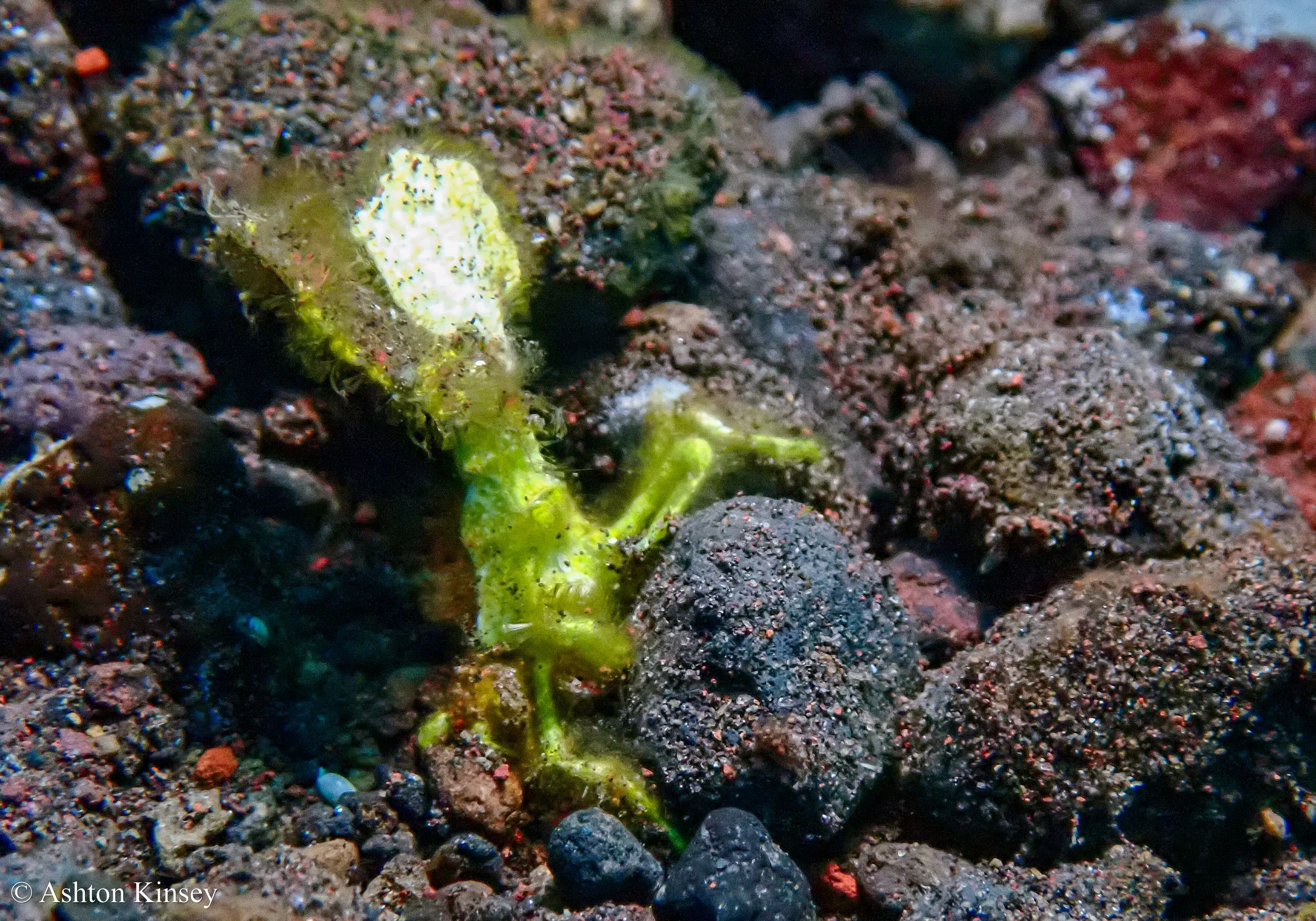
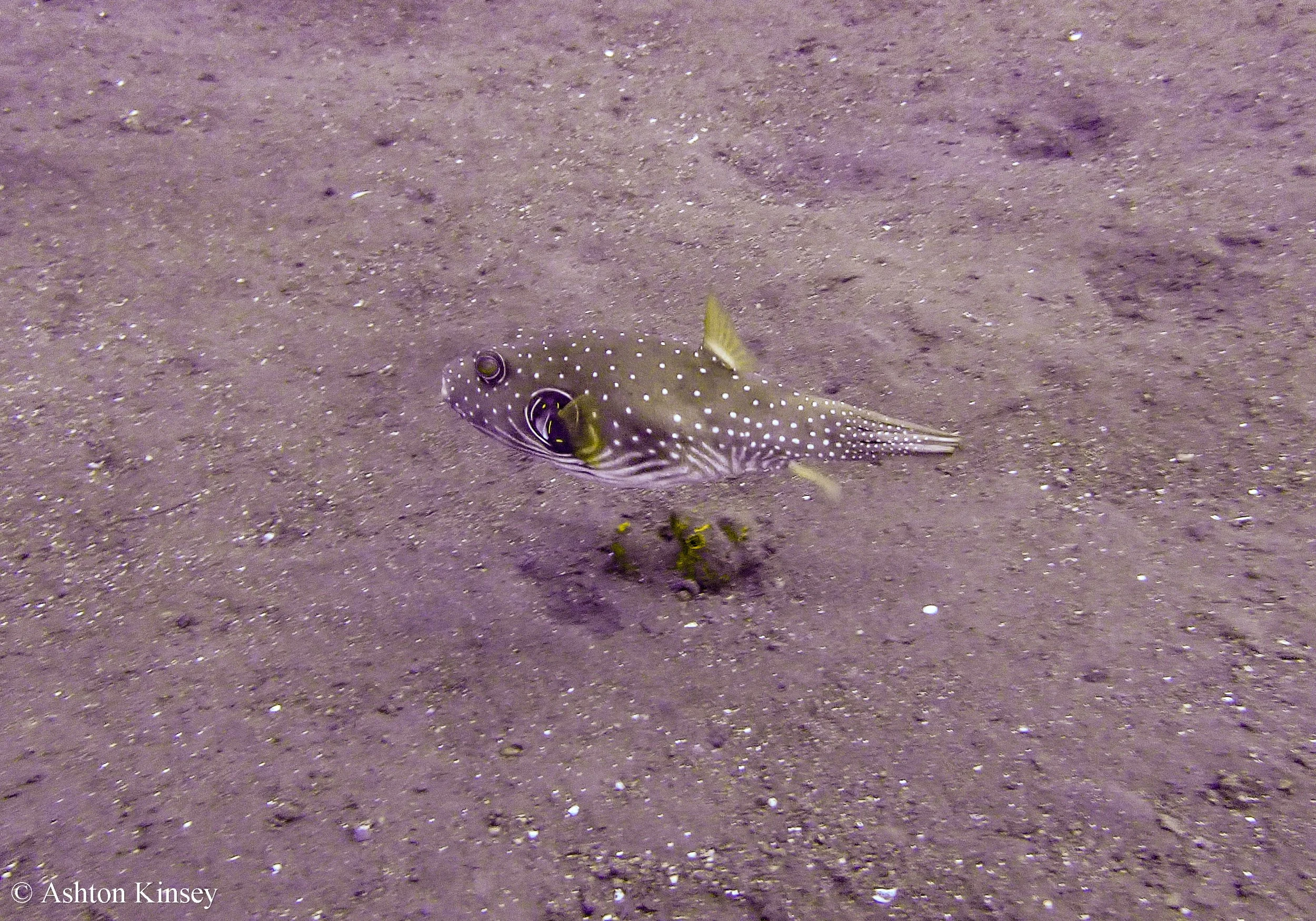
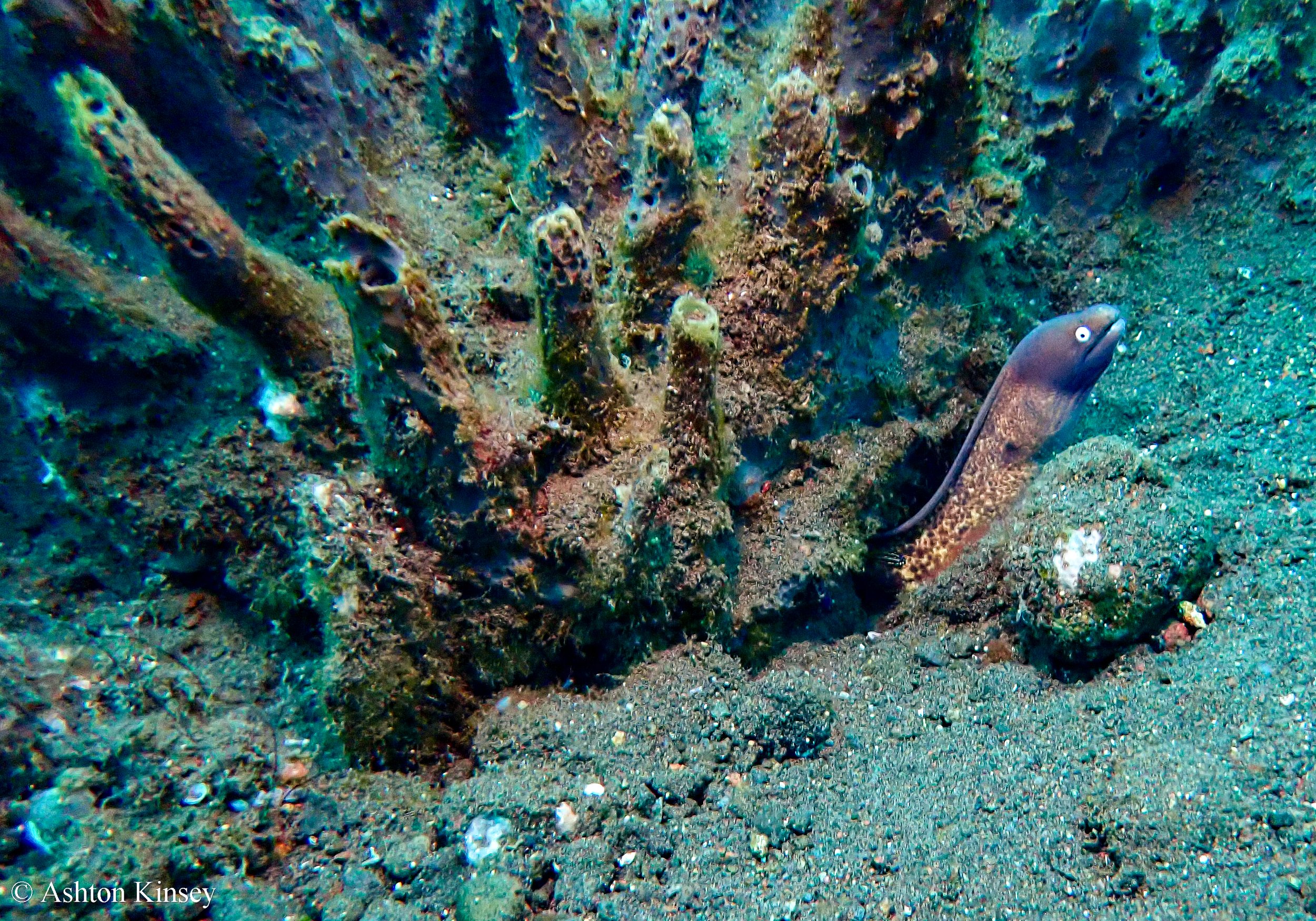
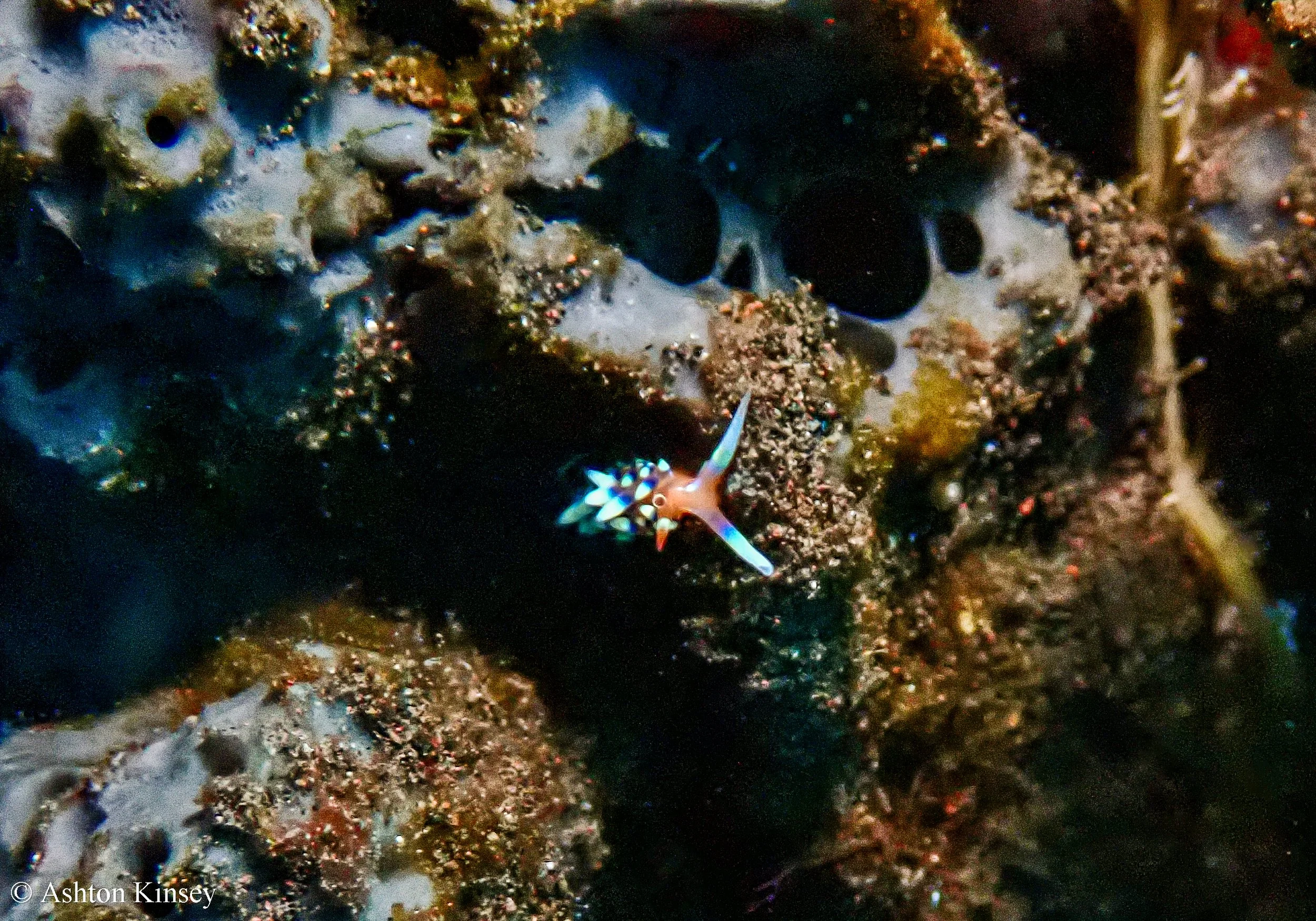
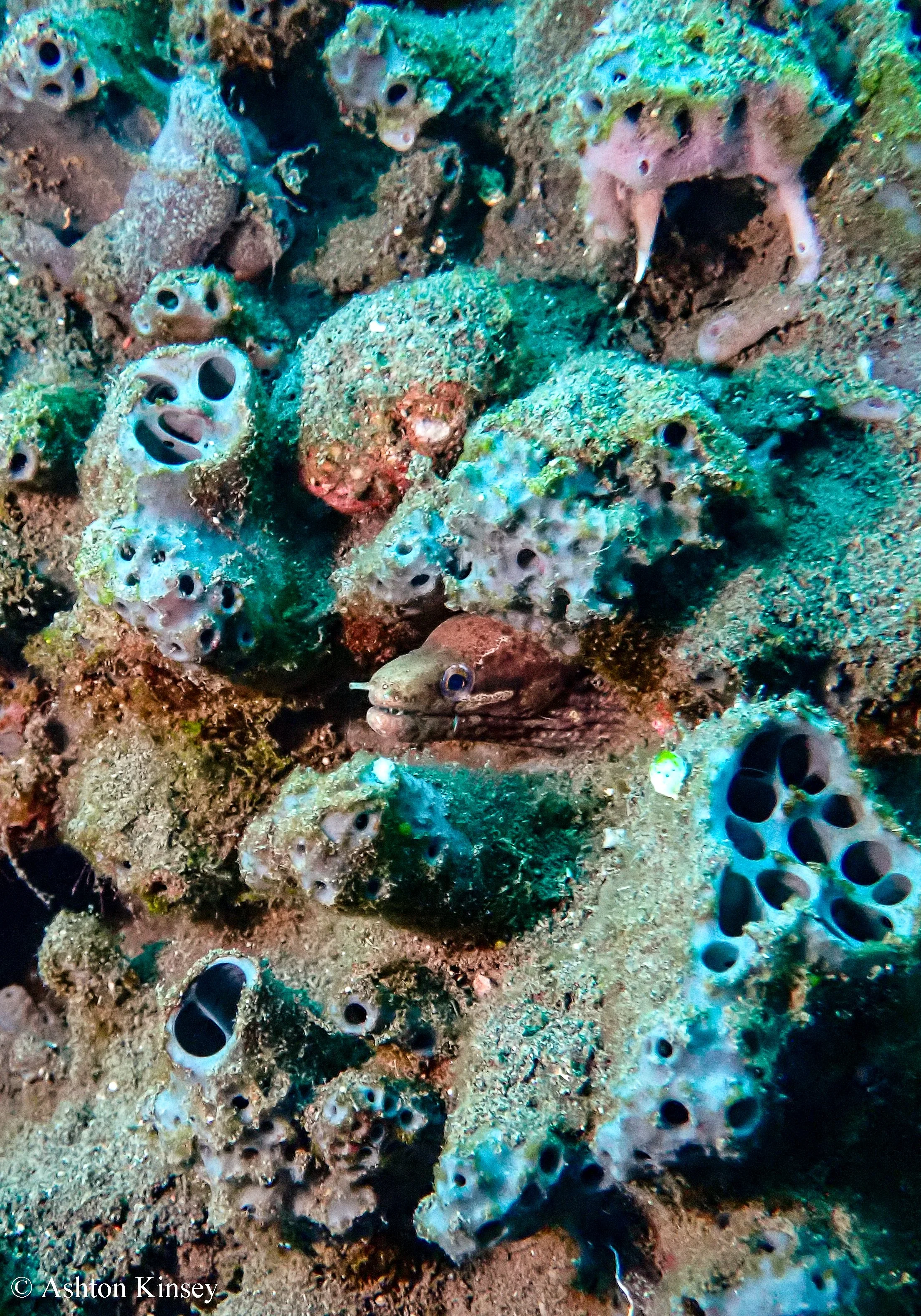
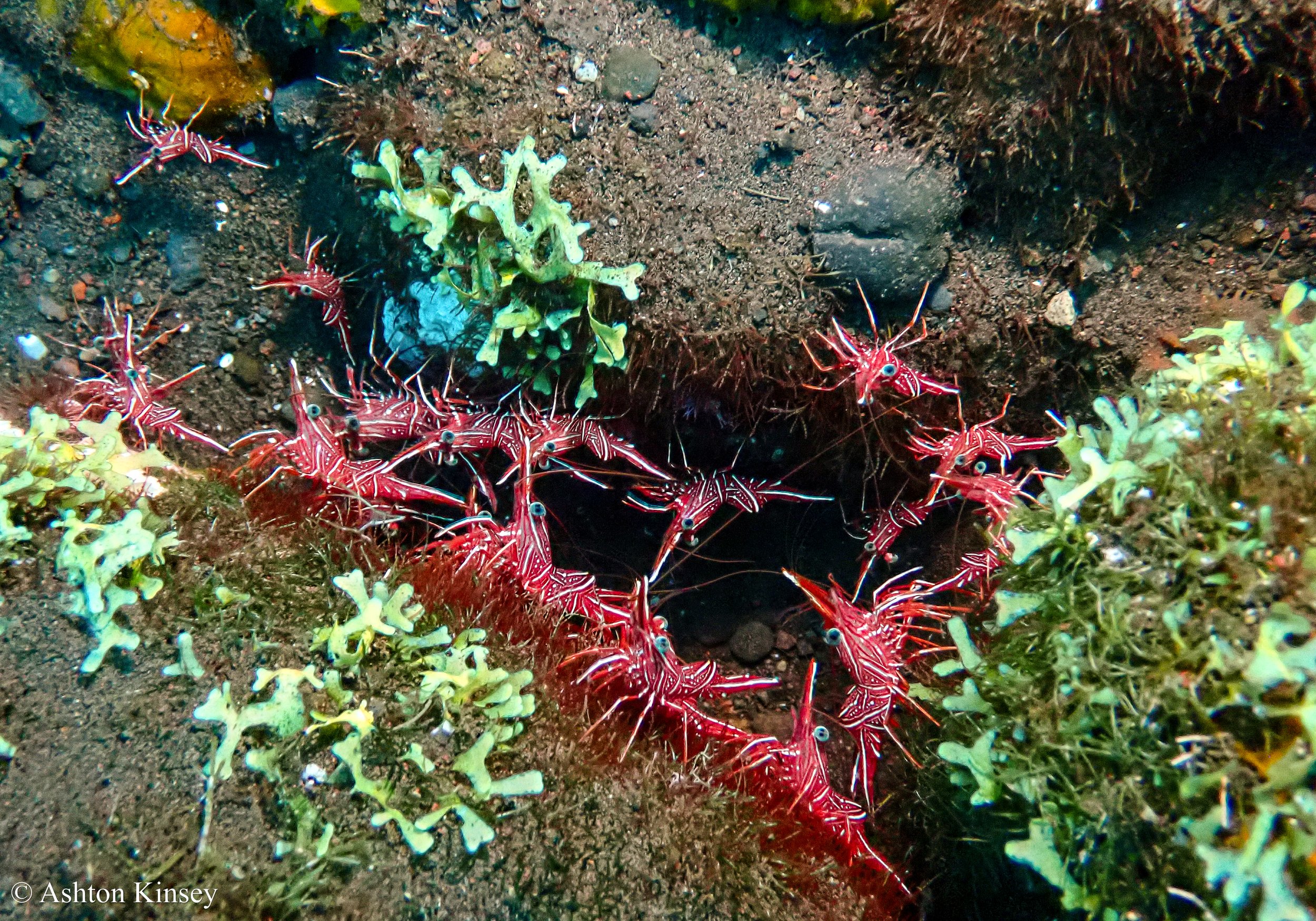
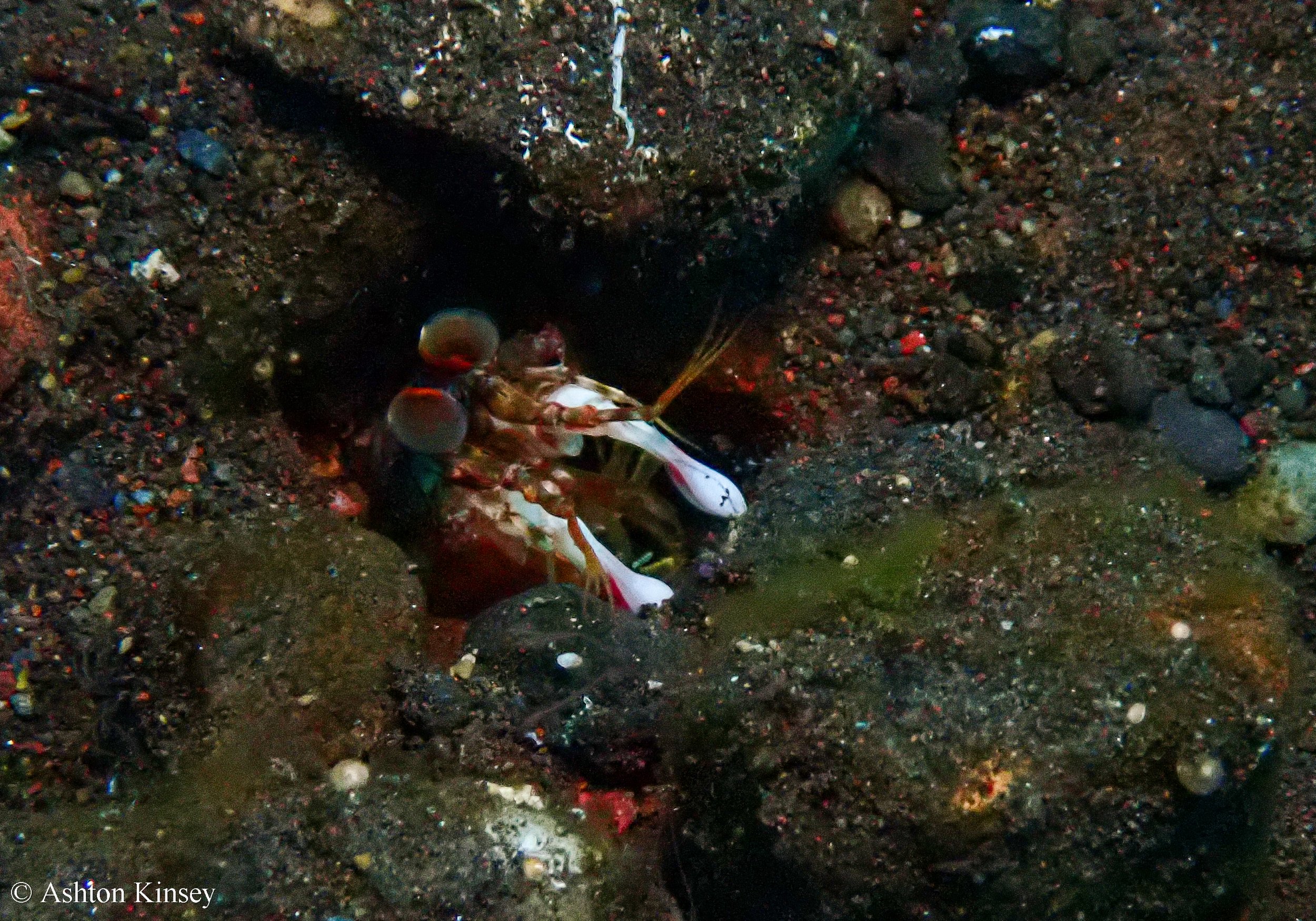
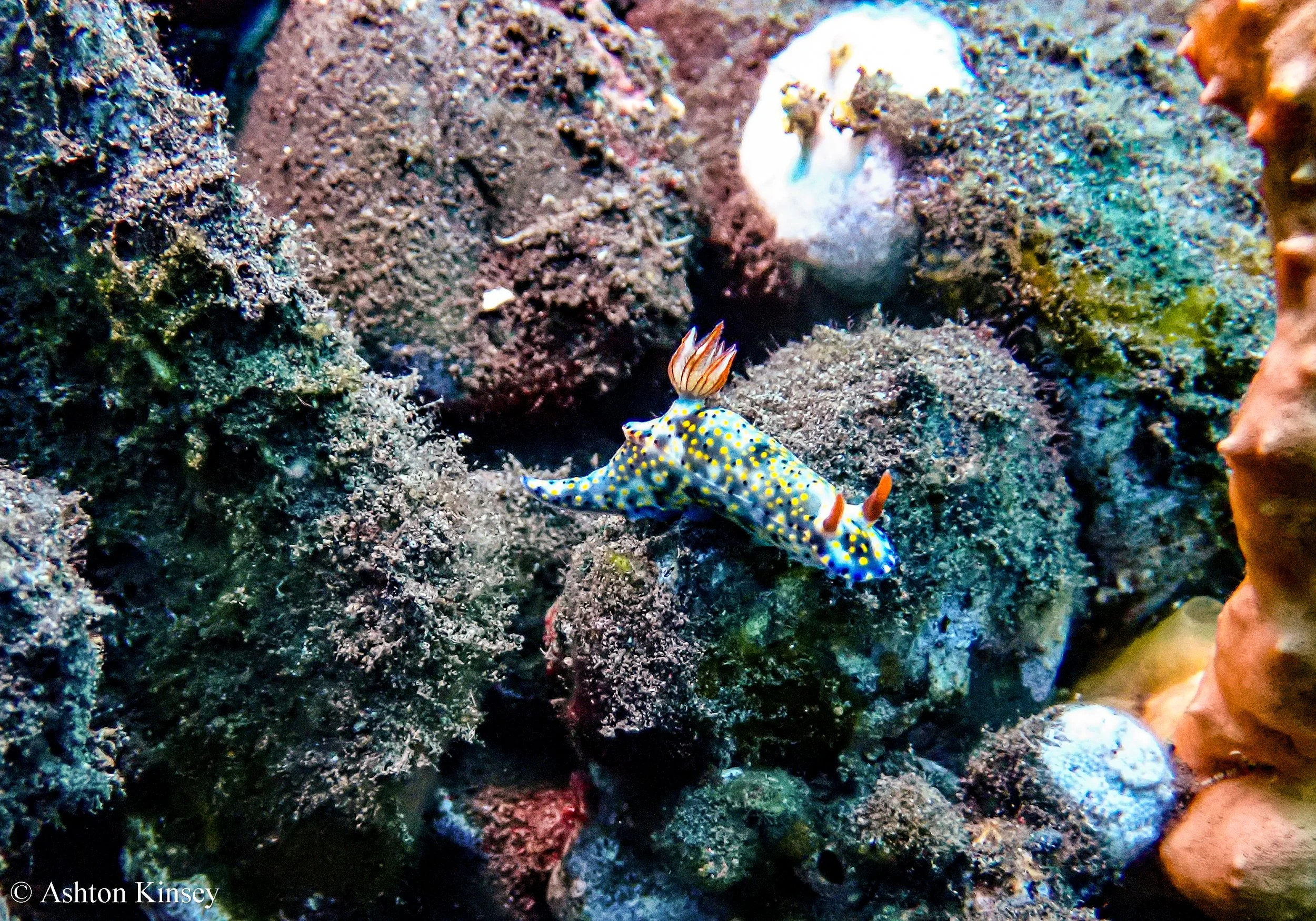
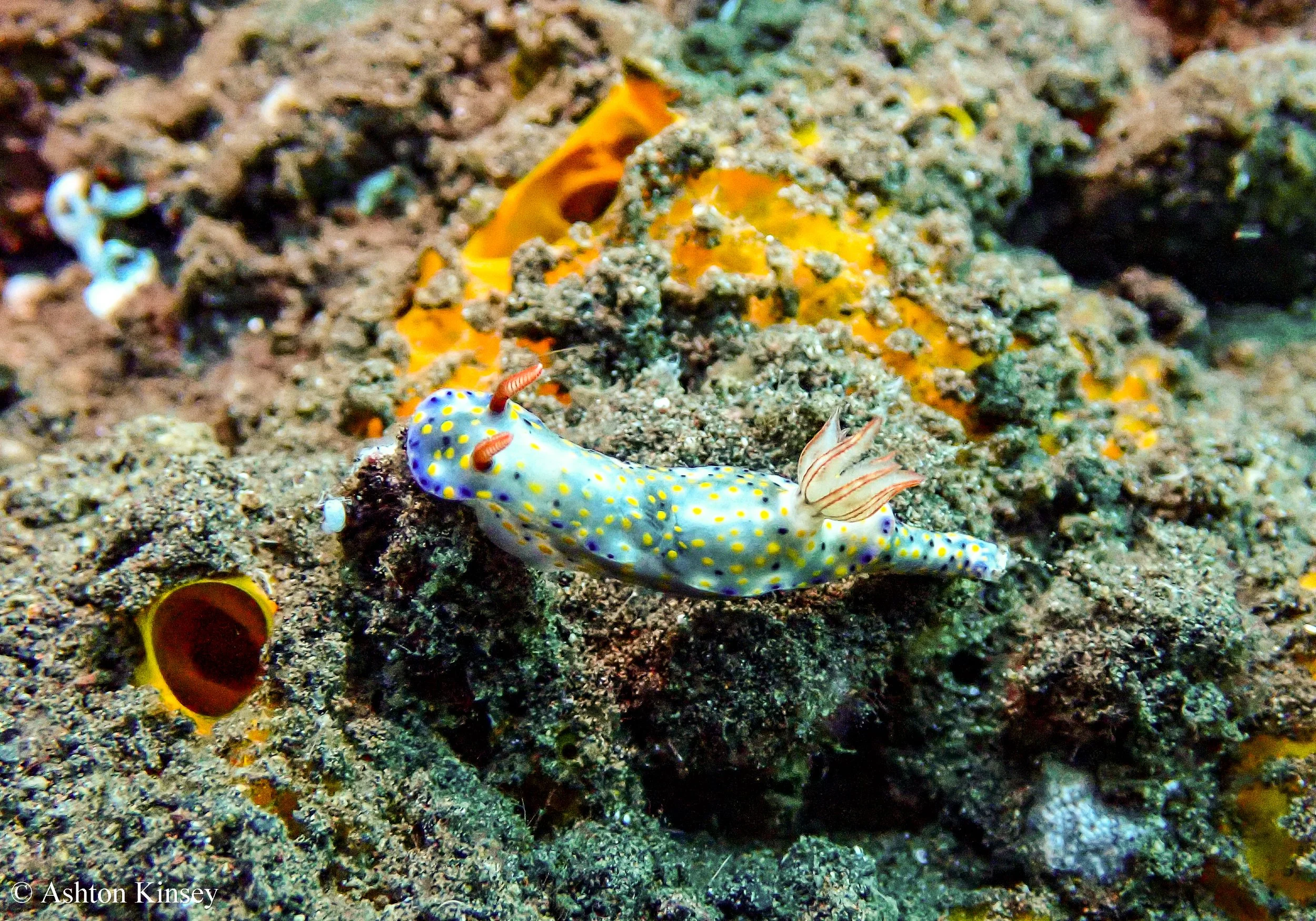
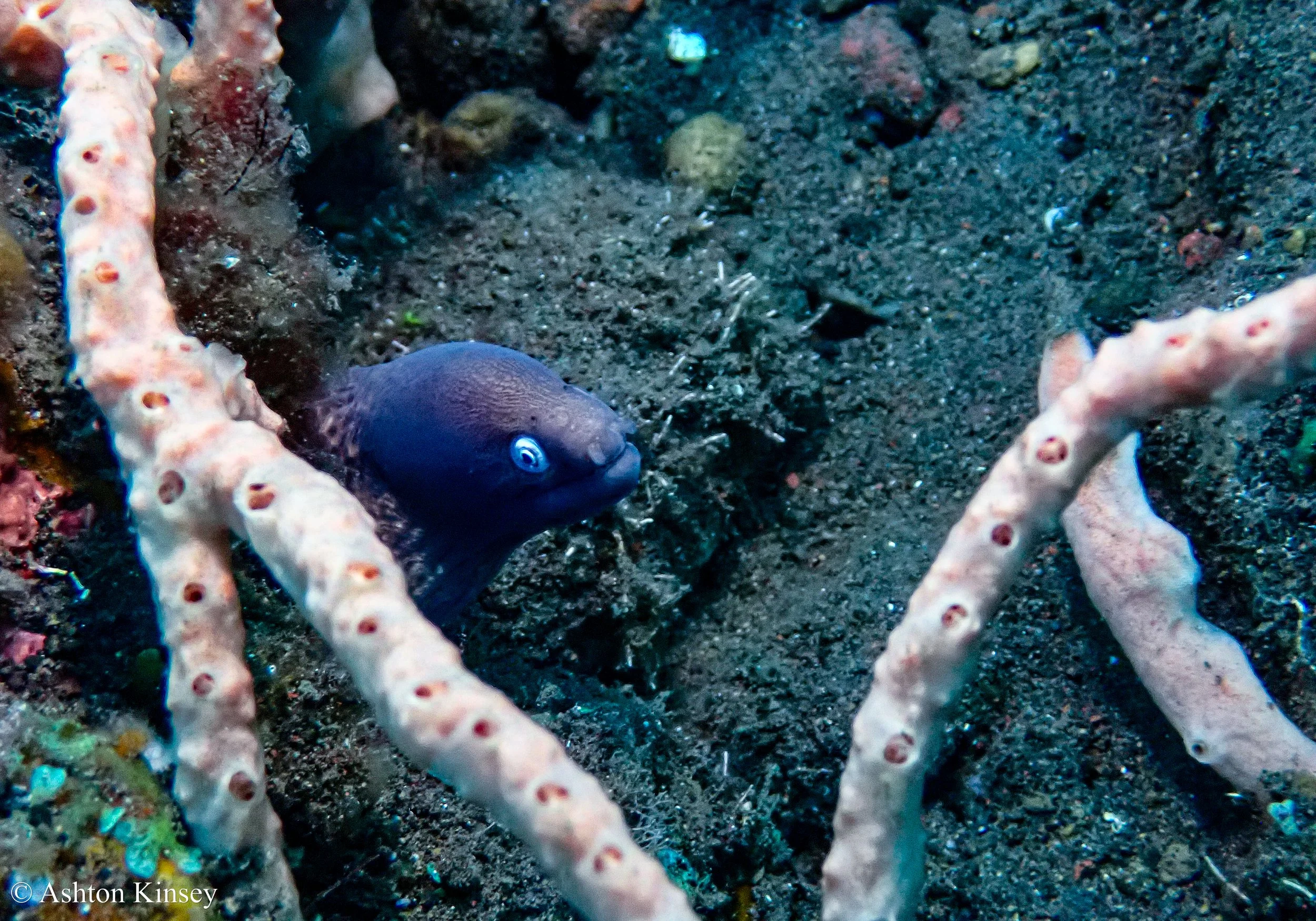
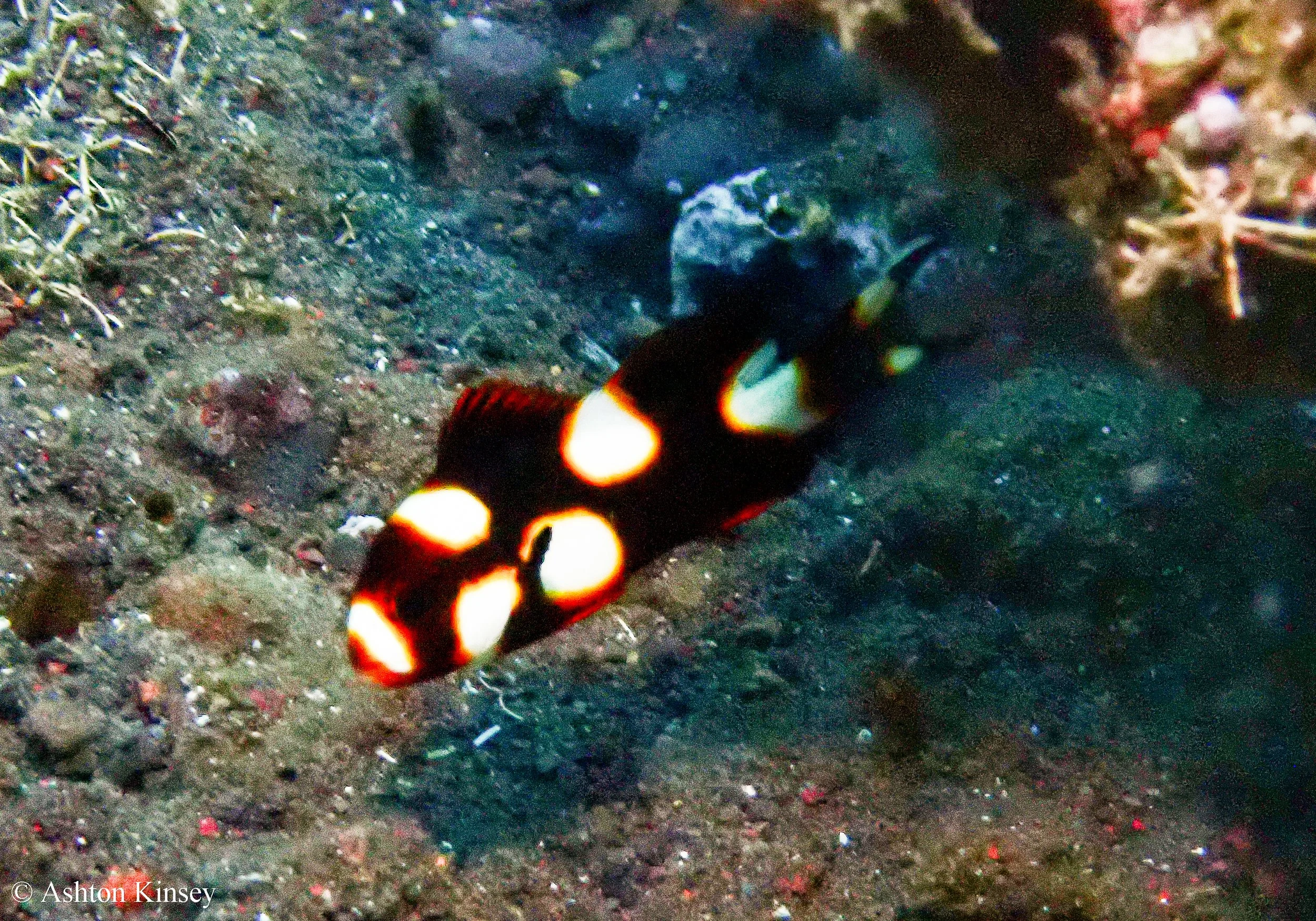
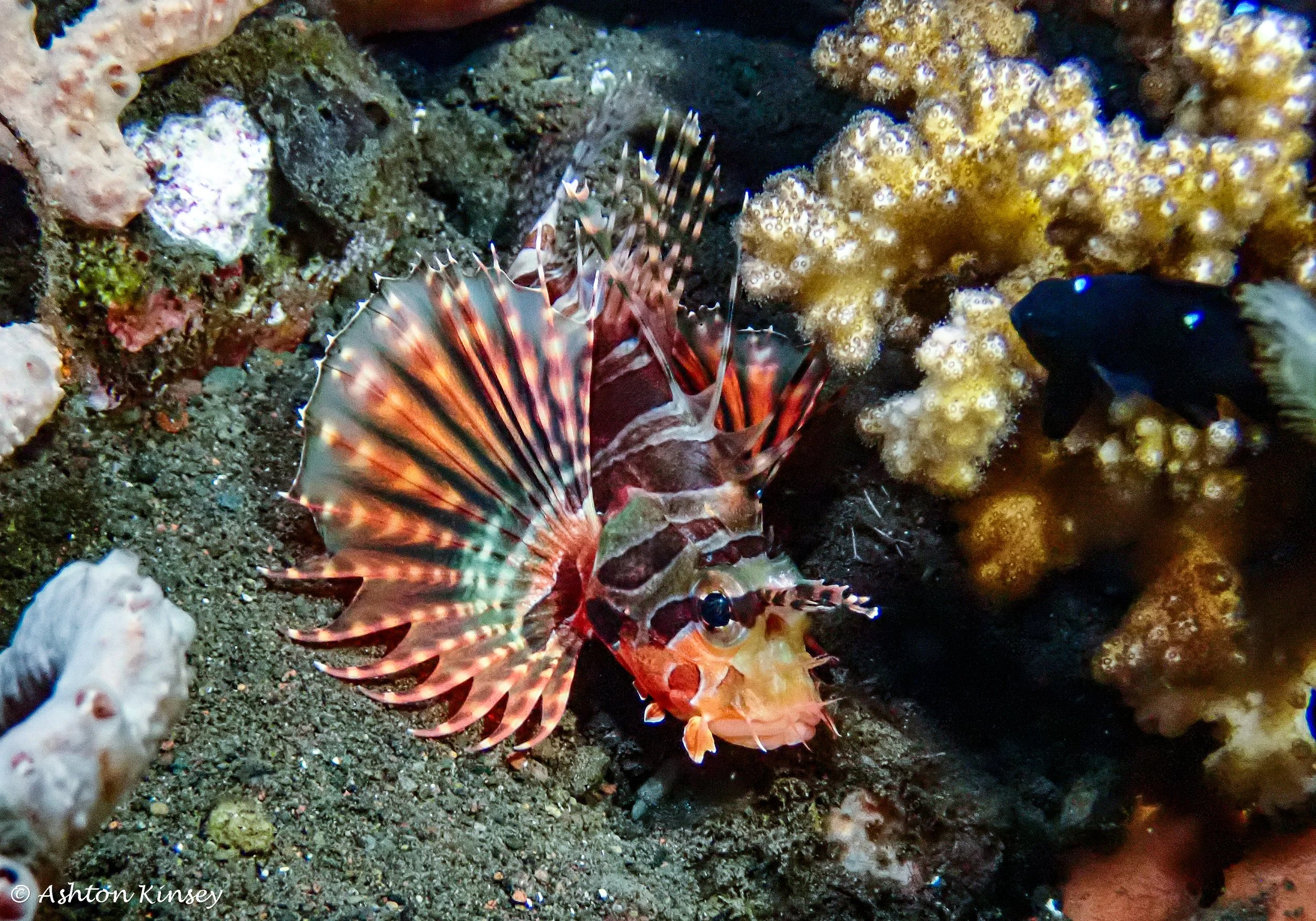
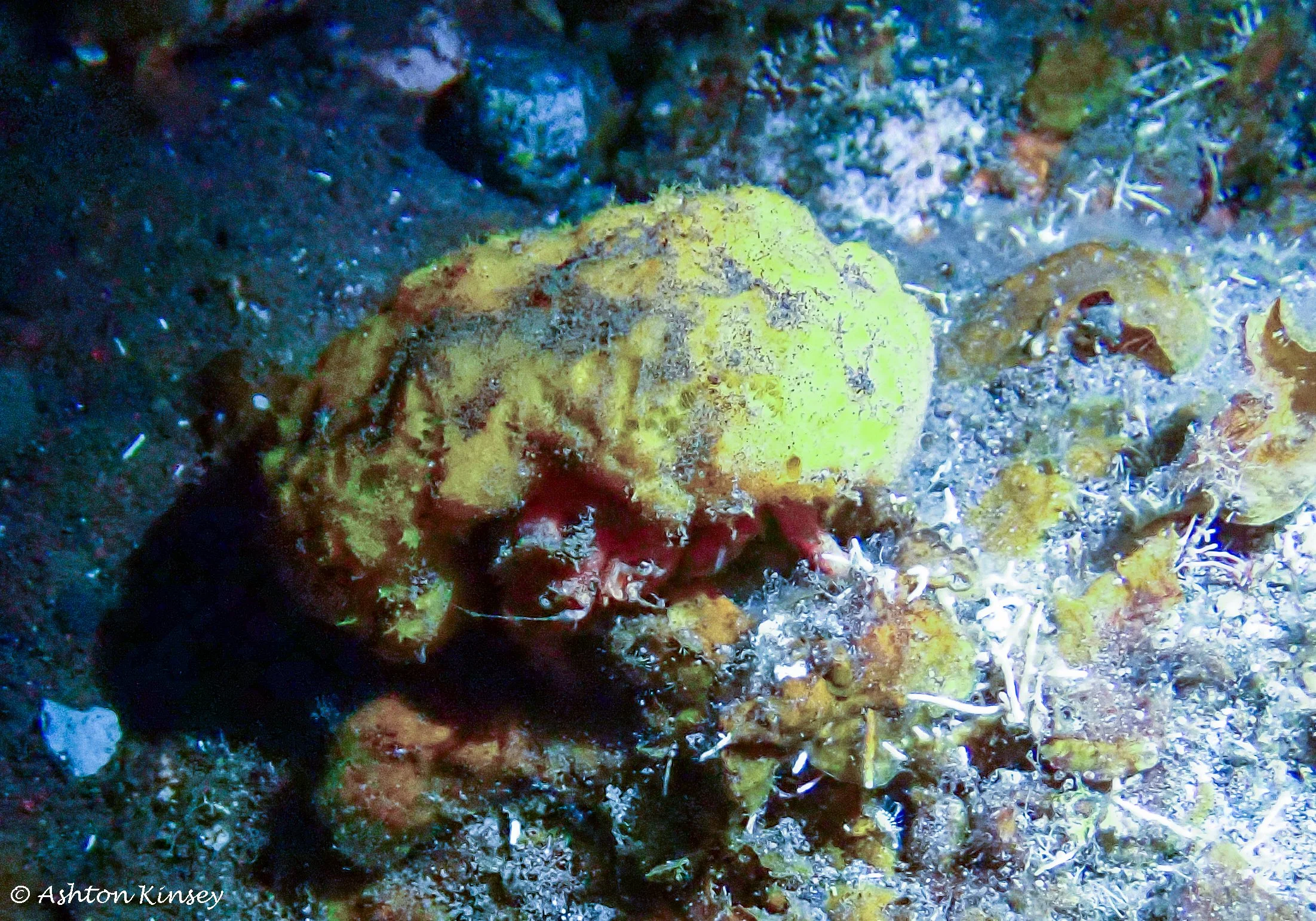
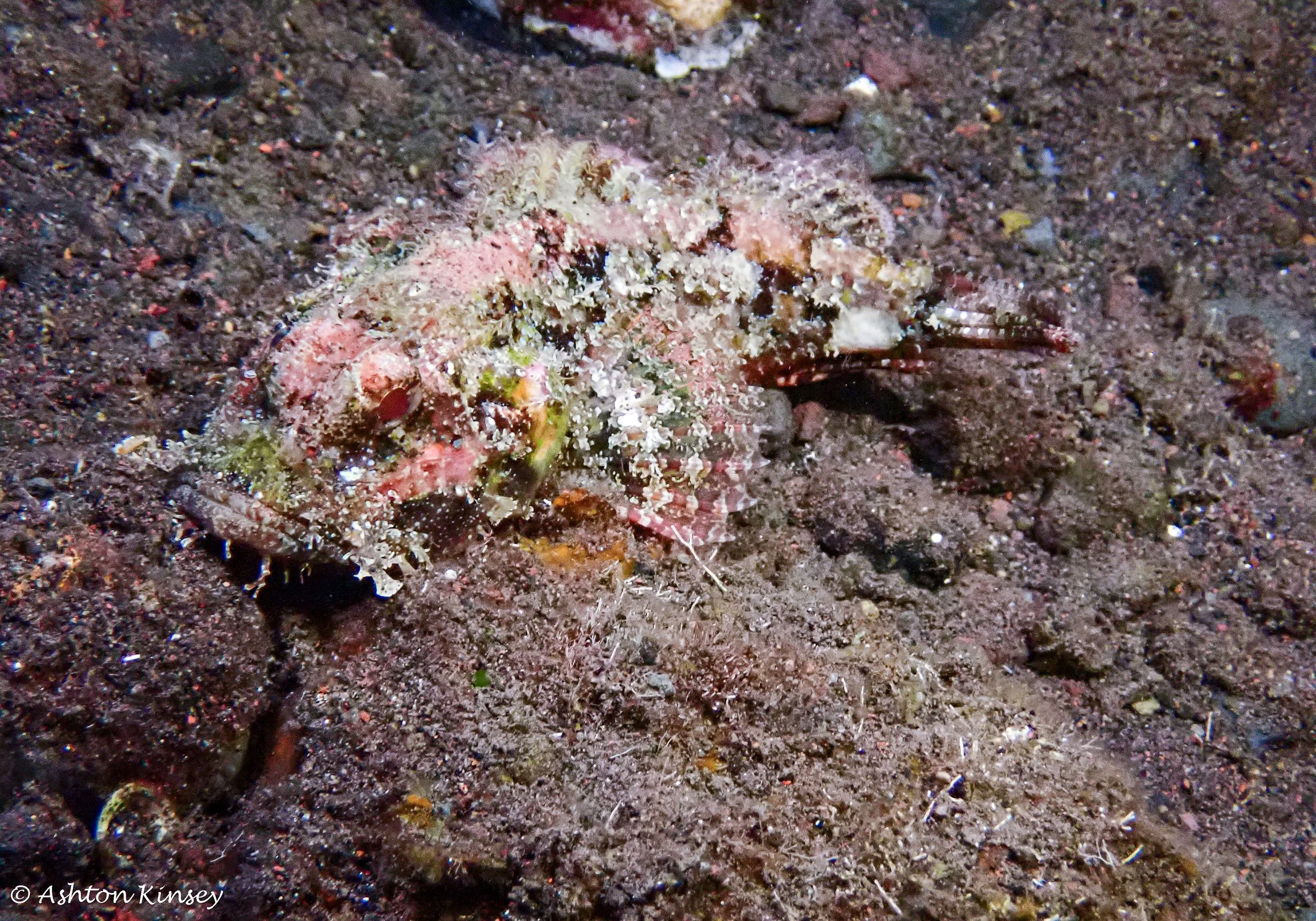
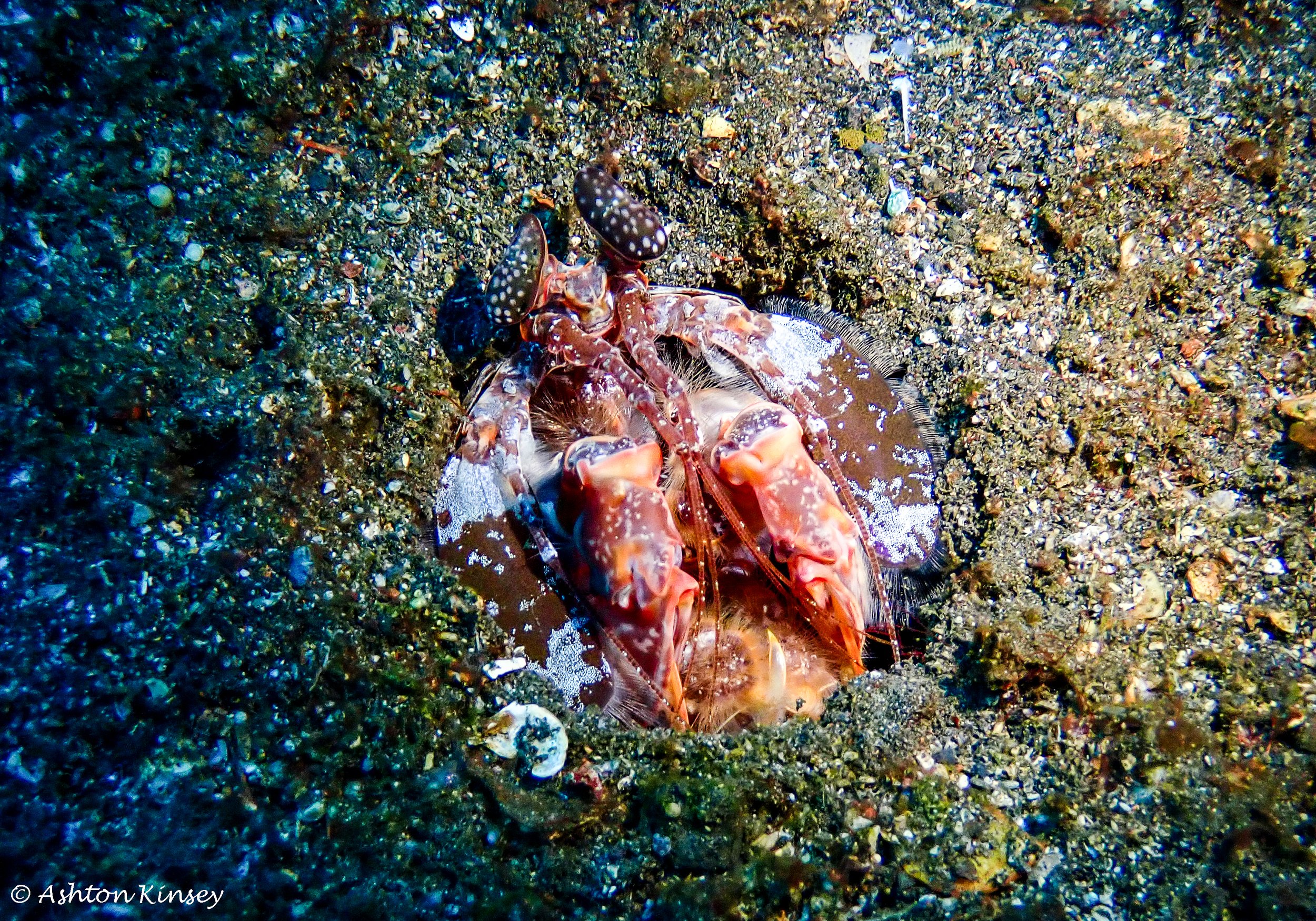
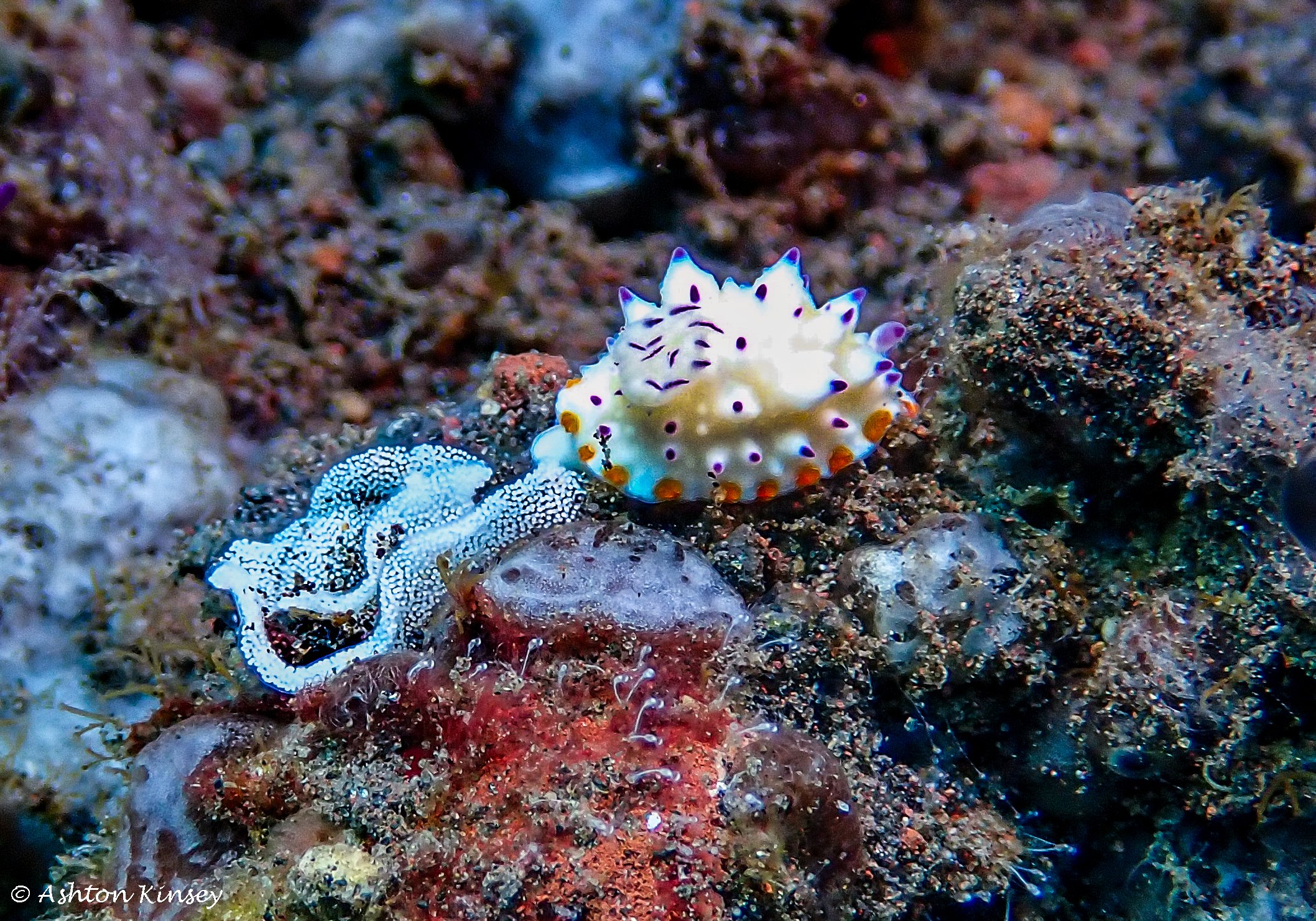
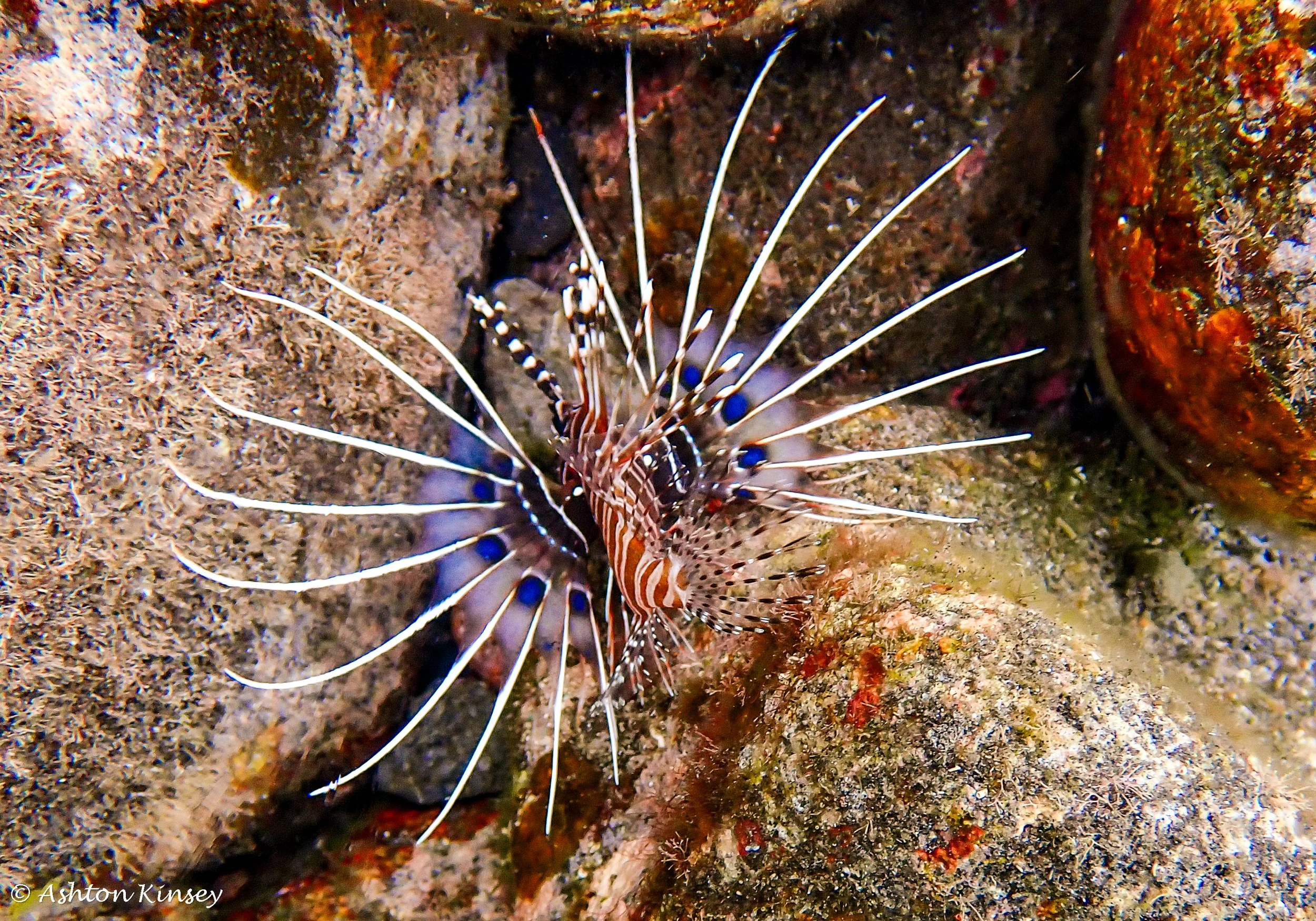
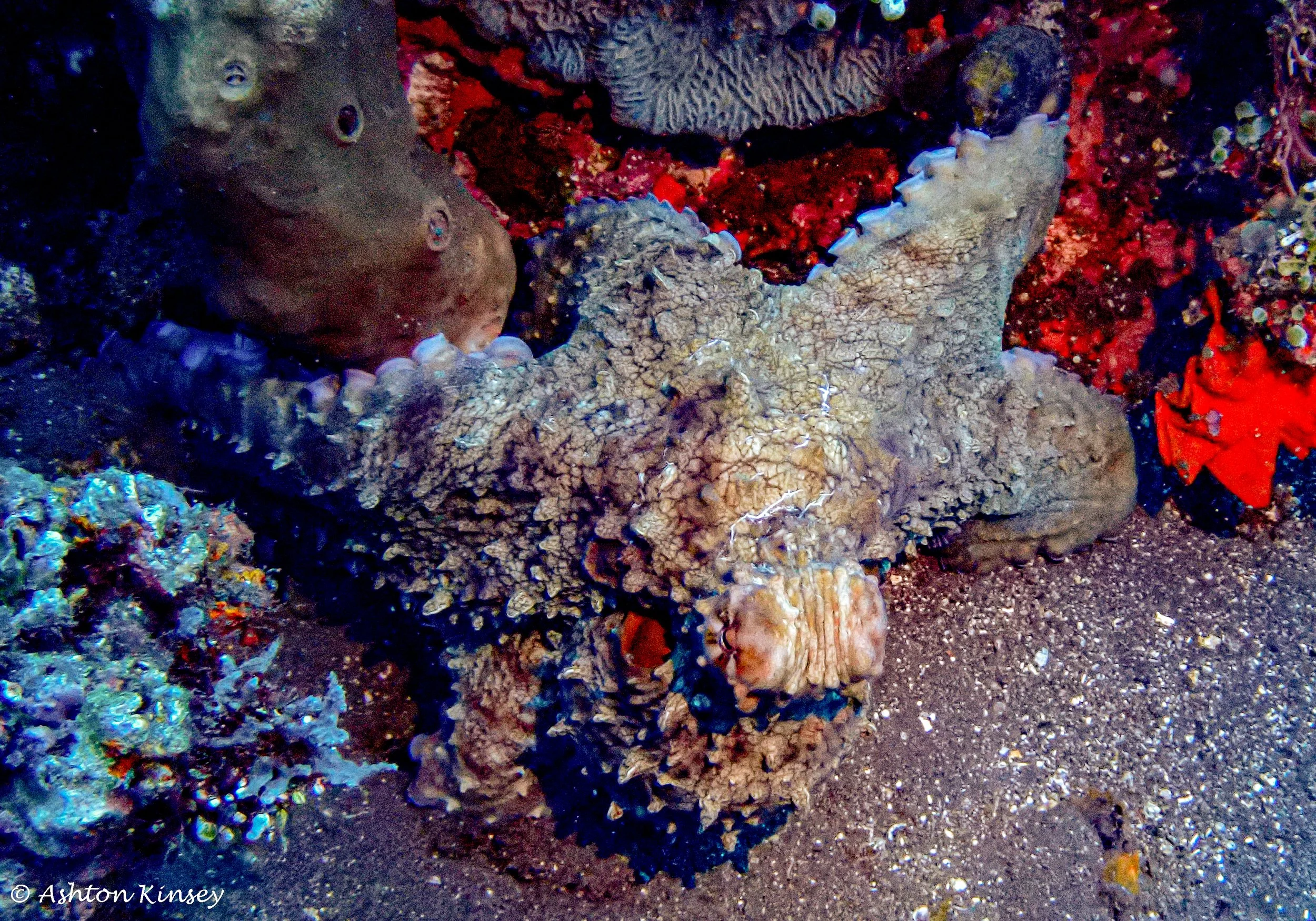
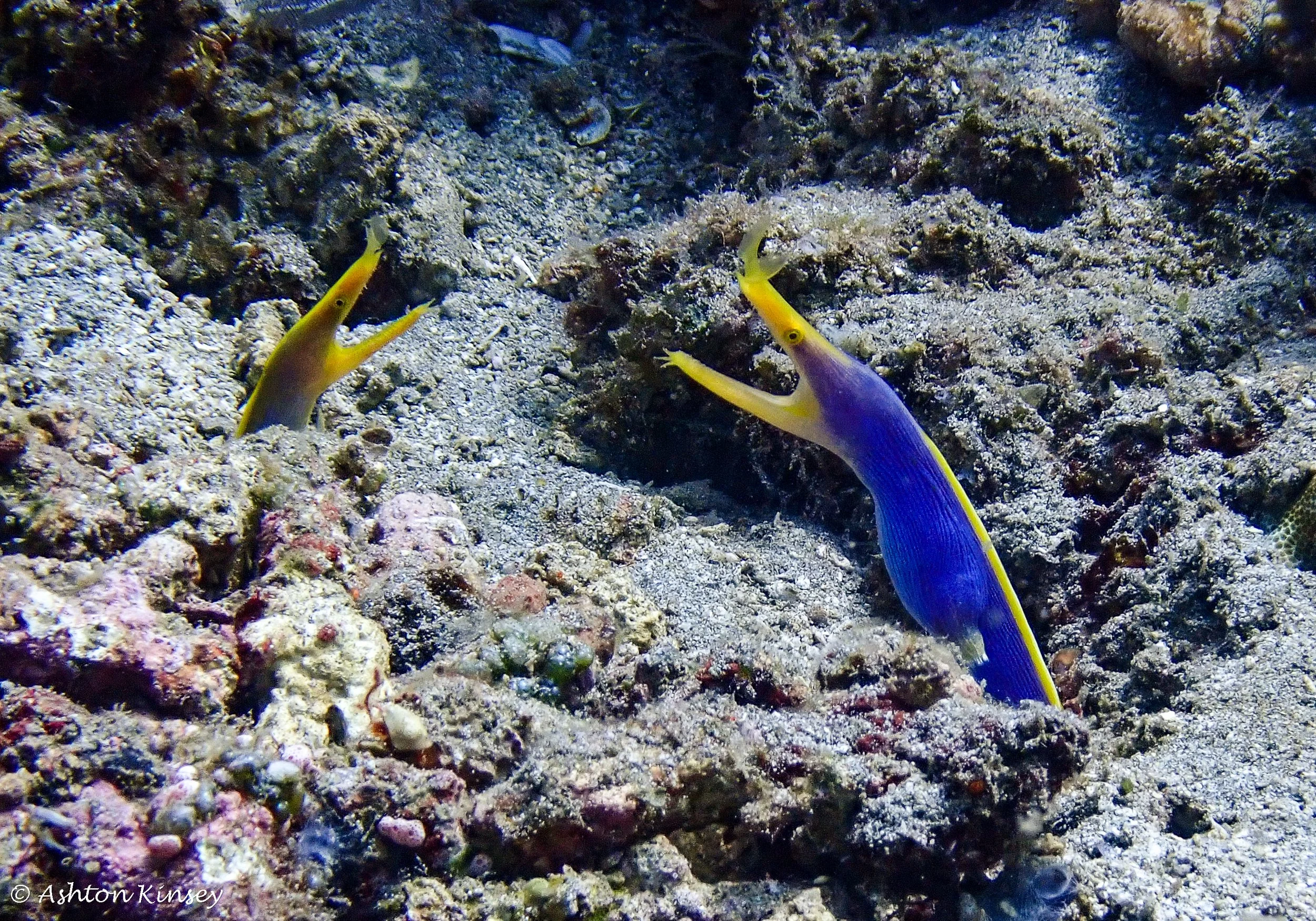
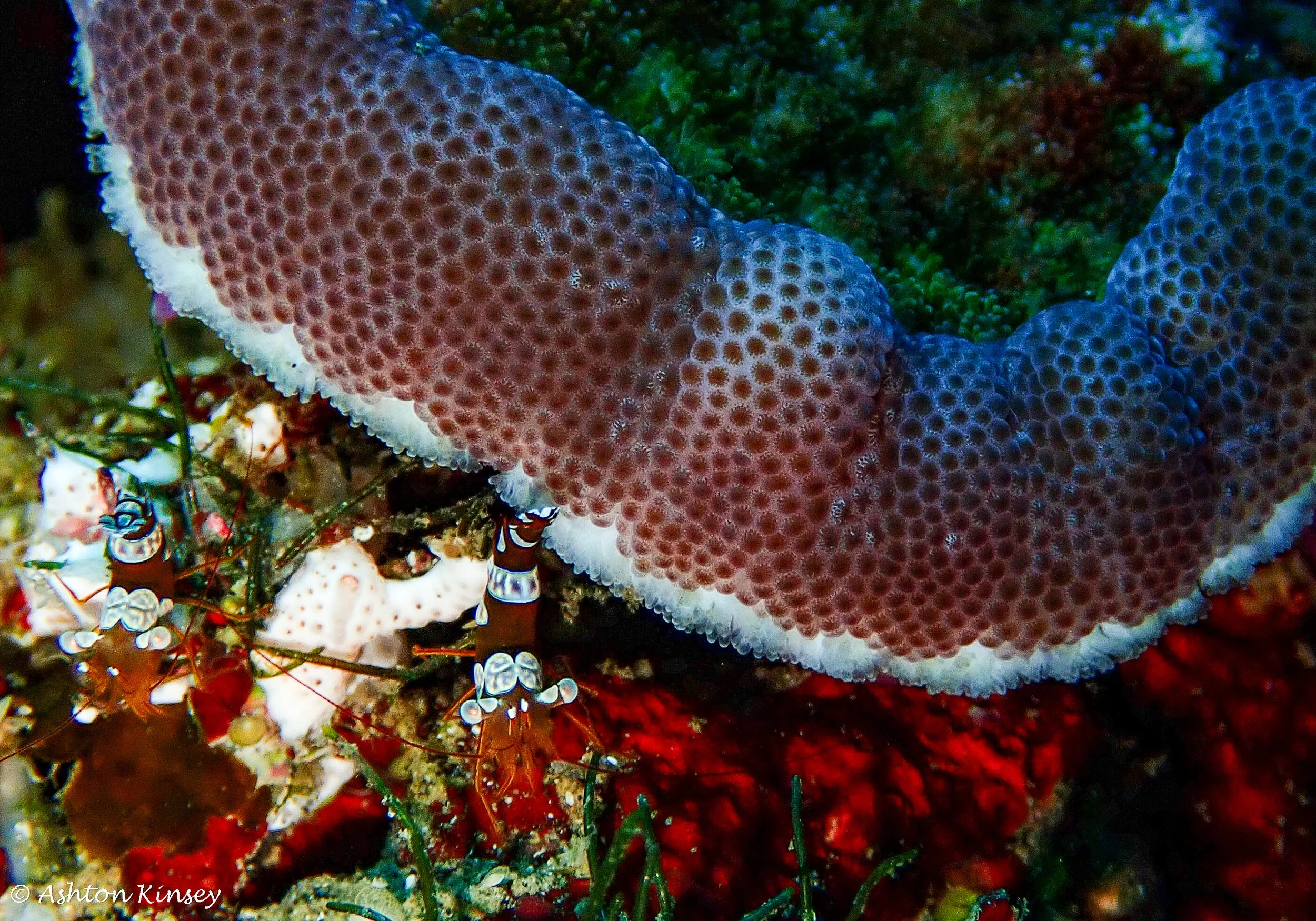
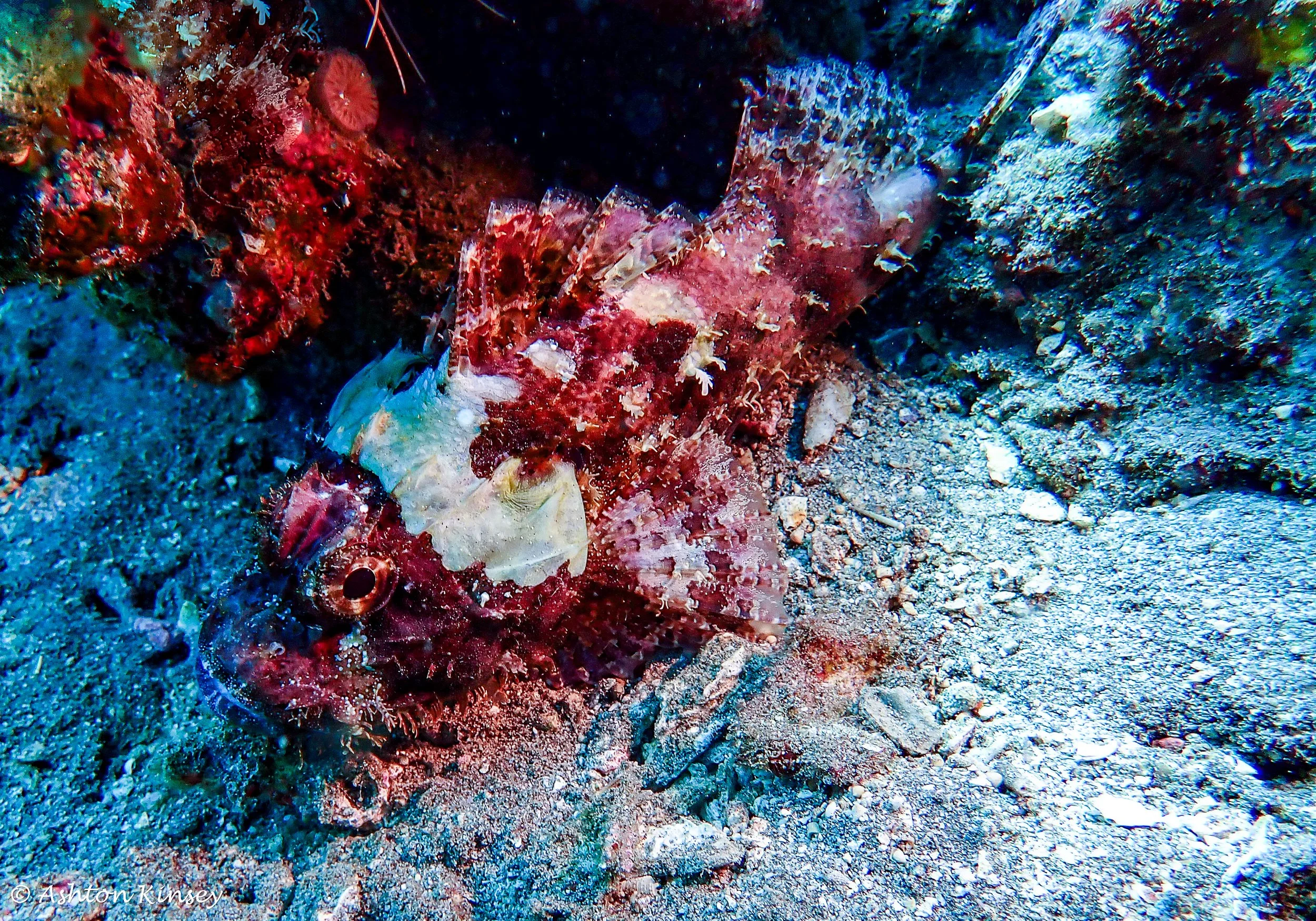
Dives 7 and 8 were both done at the same site, checking out everything that could be seen. As with most diving, even visiting the same muck site multiple times can be a unique and different experience. A sloping bottom down to the depths, full of rocks and artificially submerged concrete blocks, provided plenty of hiding spots for octopus, nudies, and lionfish. There were several large mantis shrimp and ghost pipefish hiding within the corals and rubble. The second dive also included a pair of harlequin shrimp and a nudibranch egg ribbon.
Dive 9 & 10 (Night): Bali Dive Resort House Reef
50’ for 57 minutes & 58’ for 48 minutes
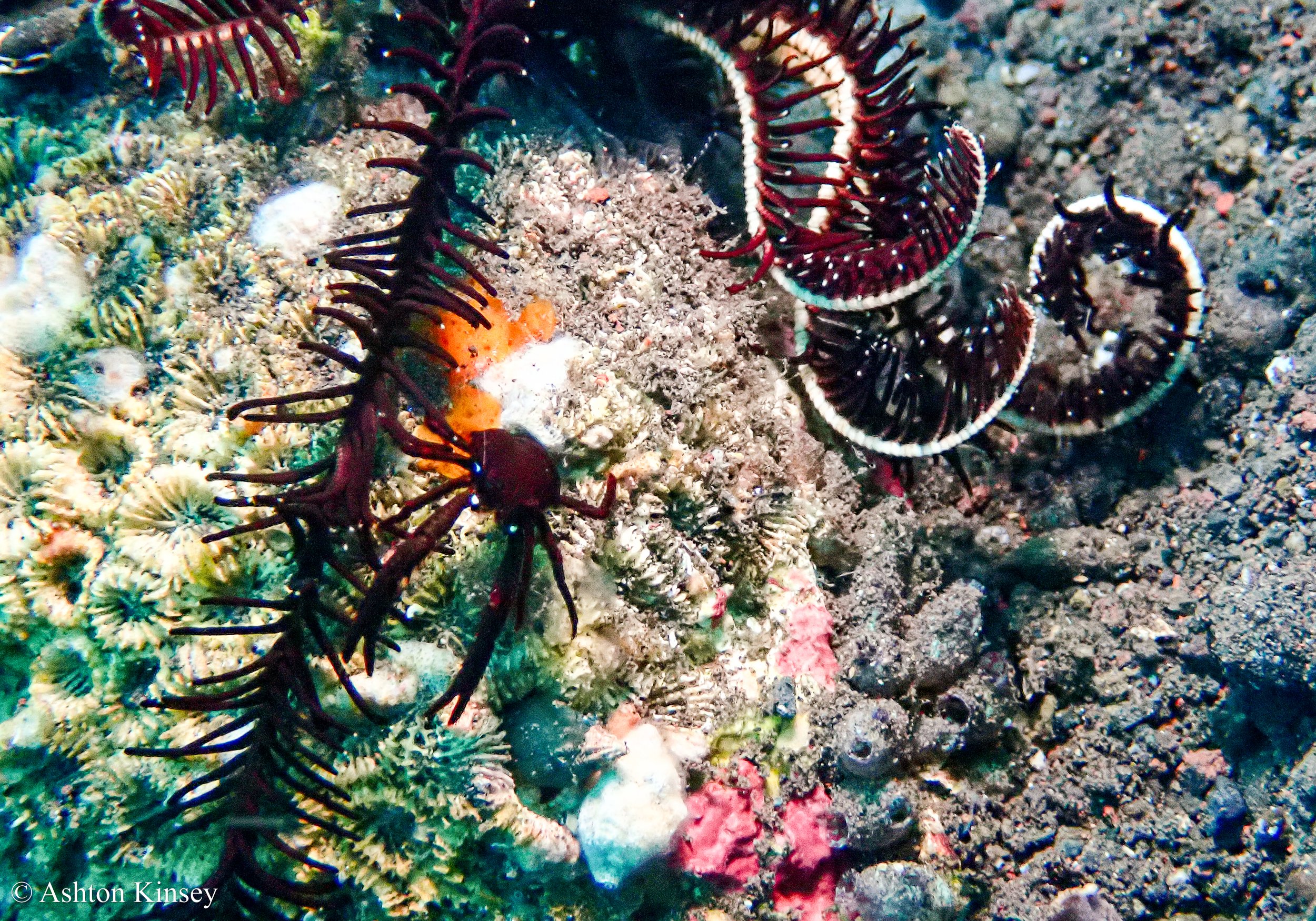
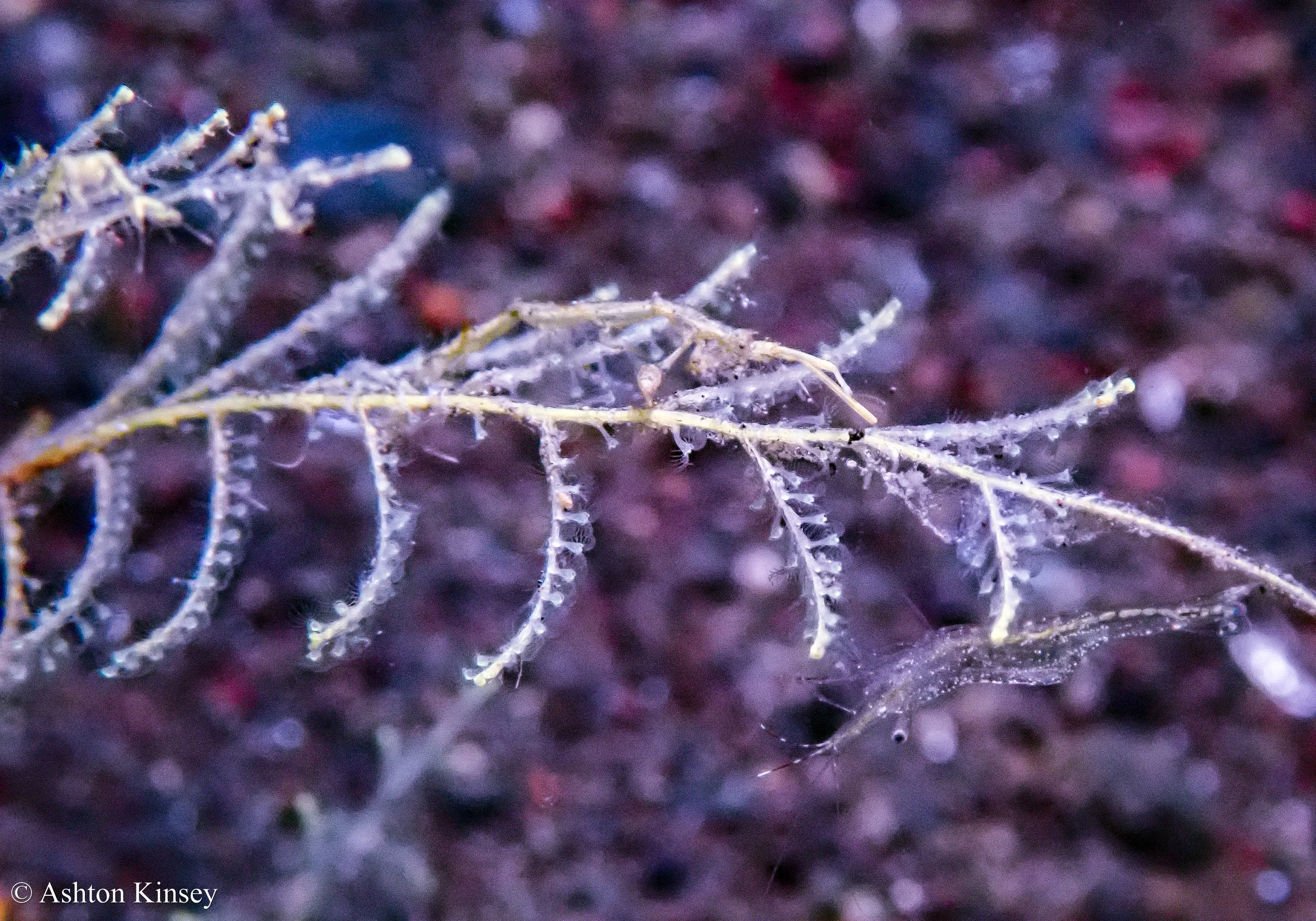
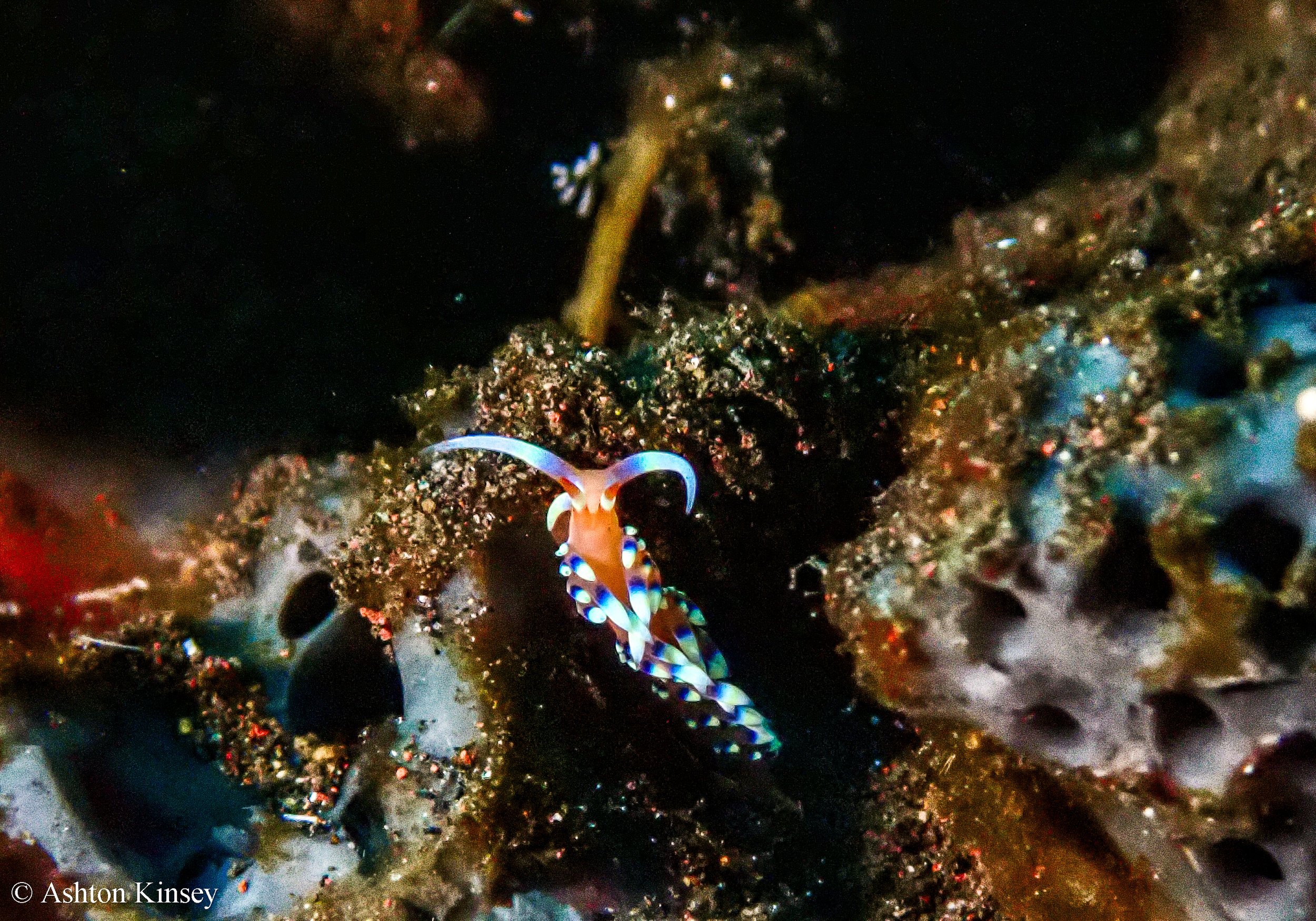
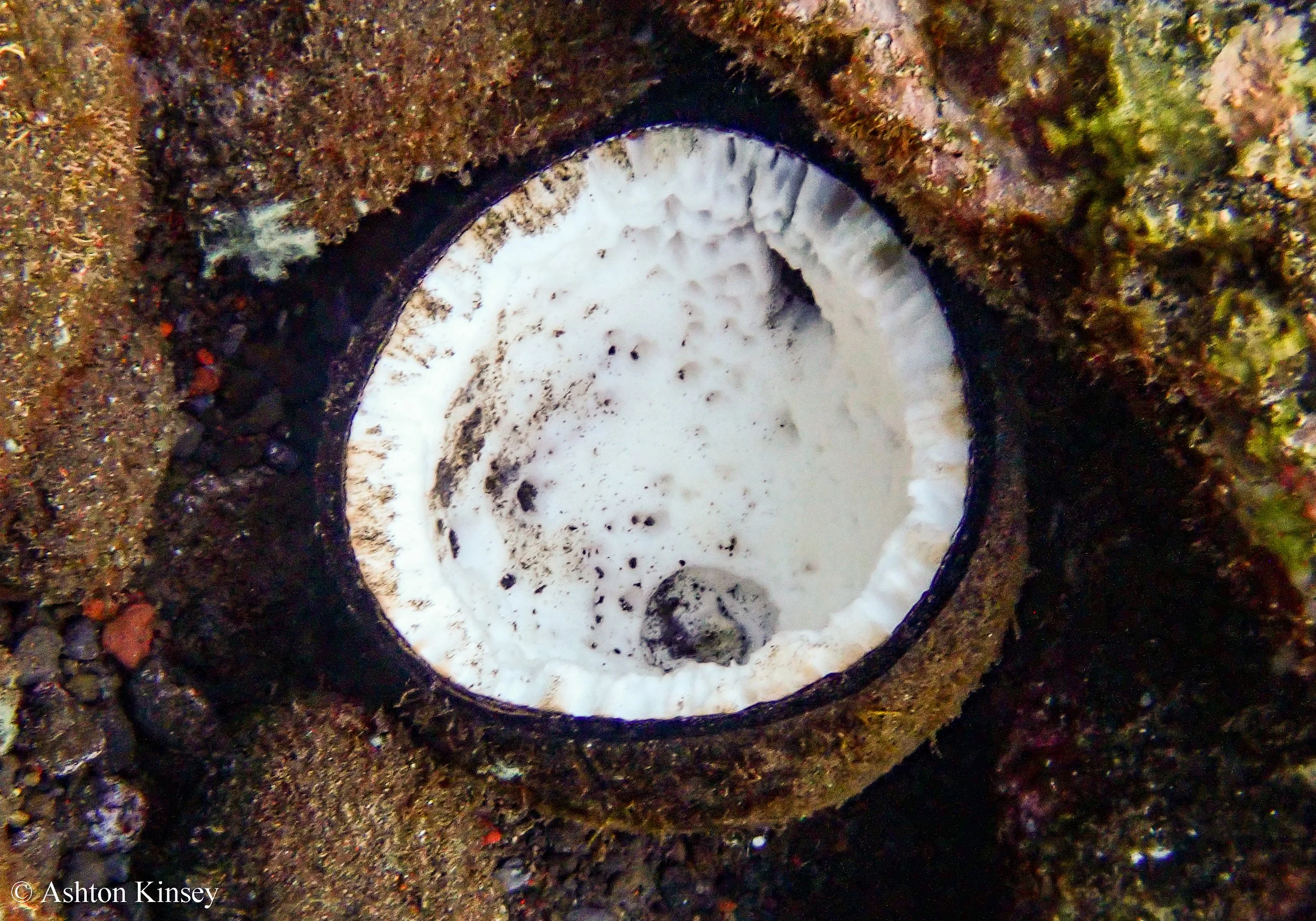
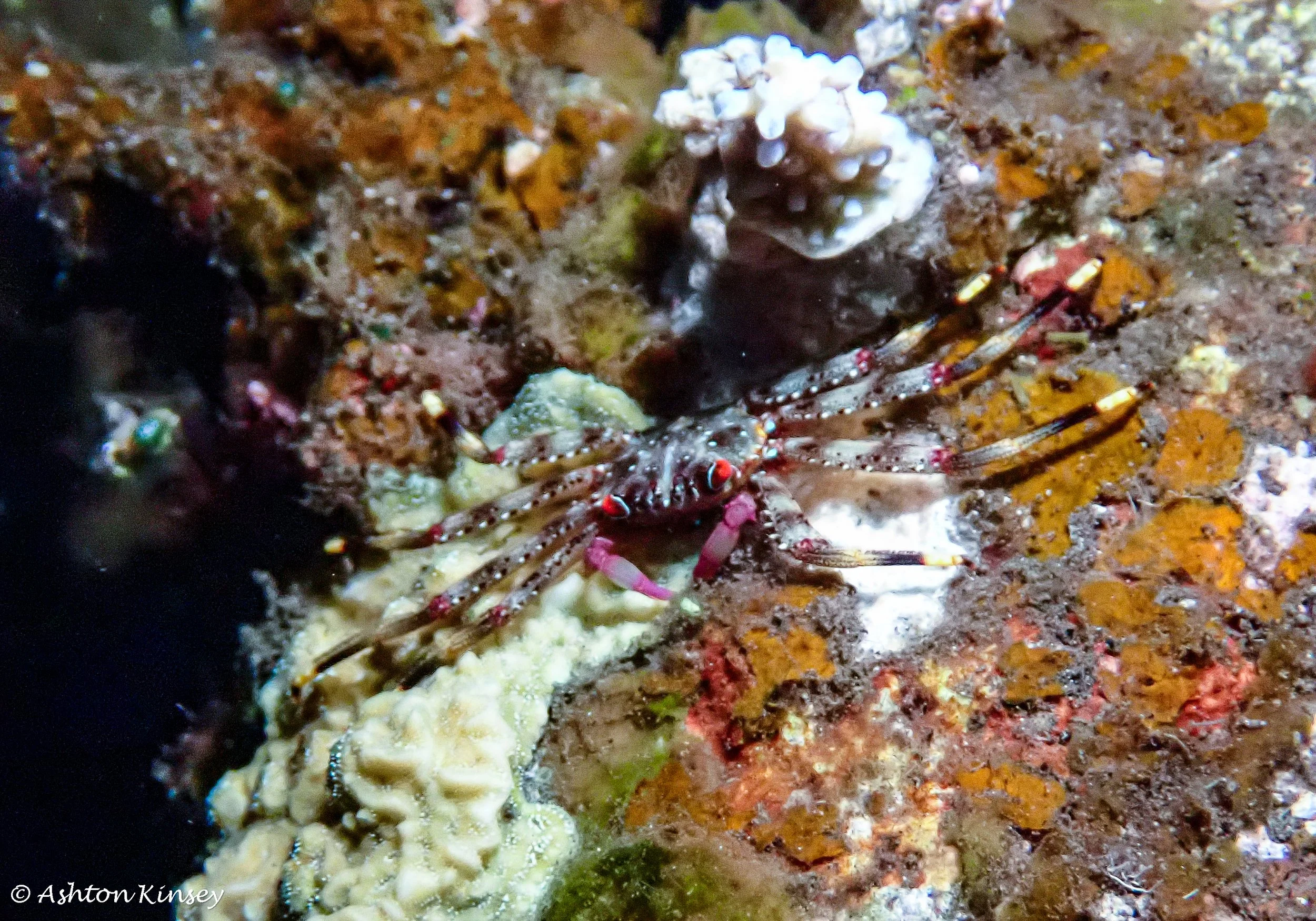
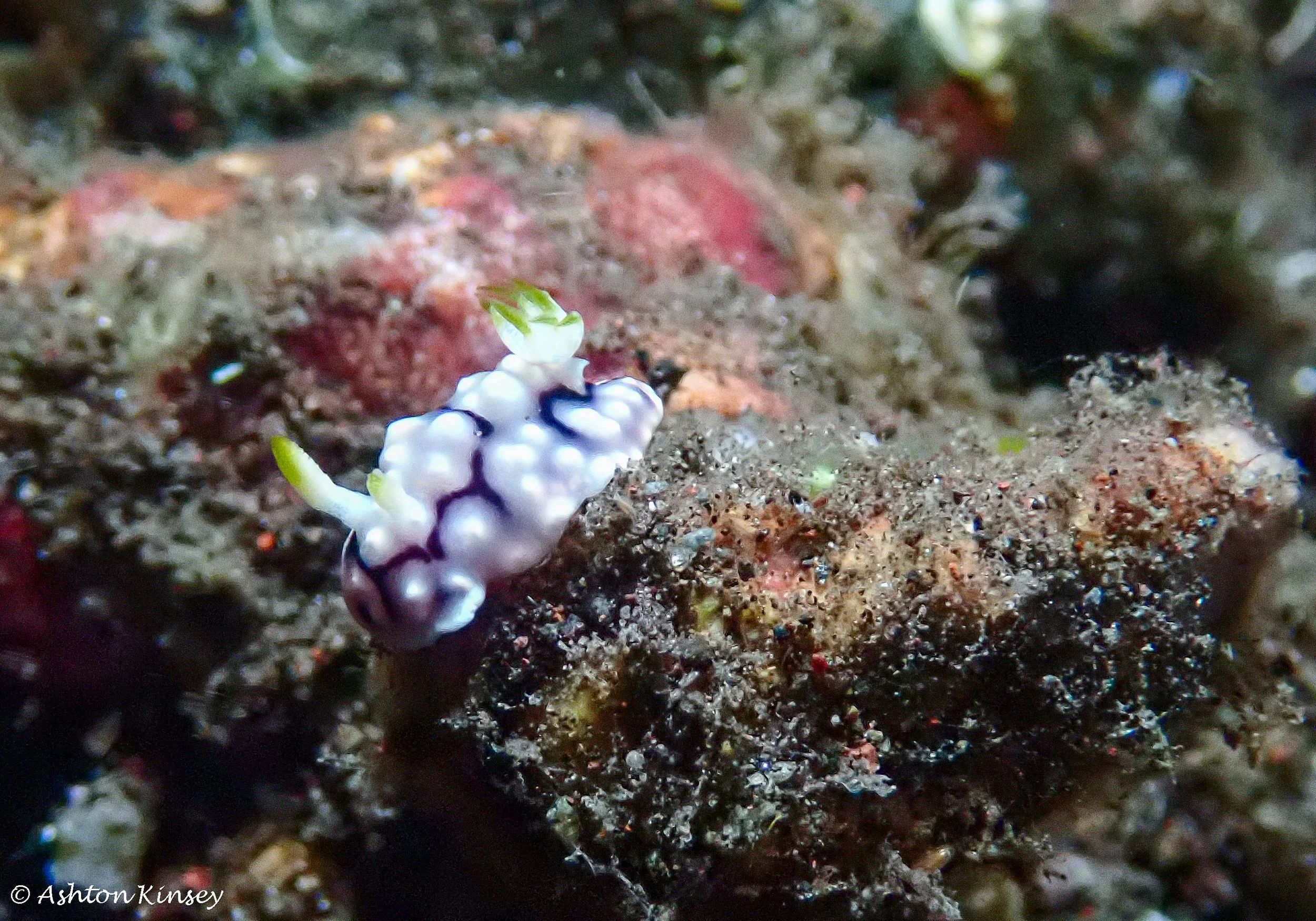
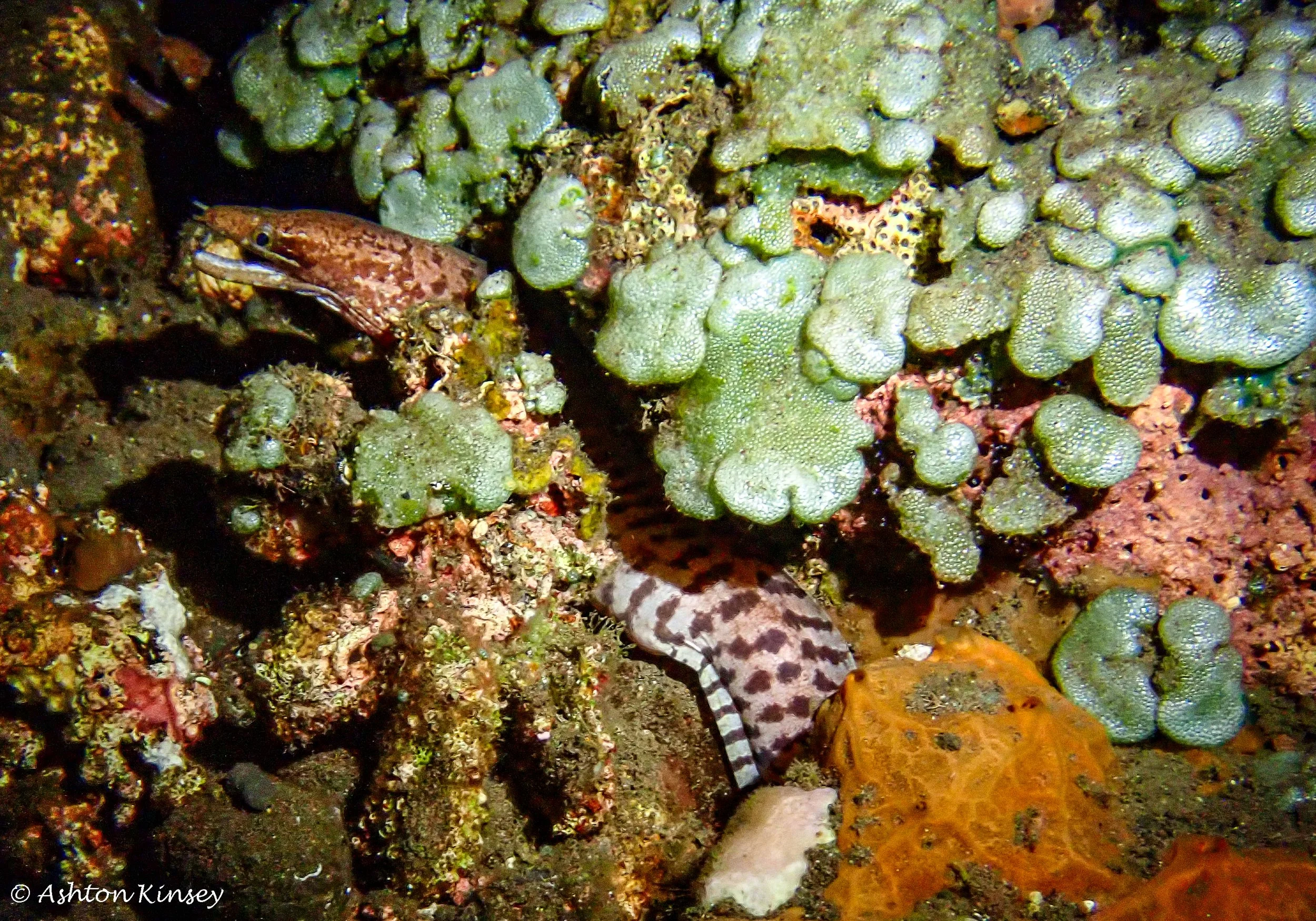
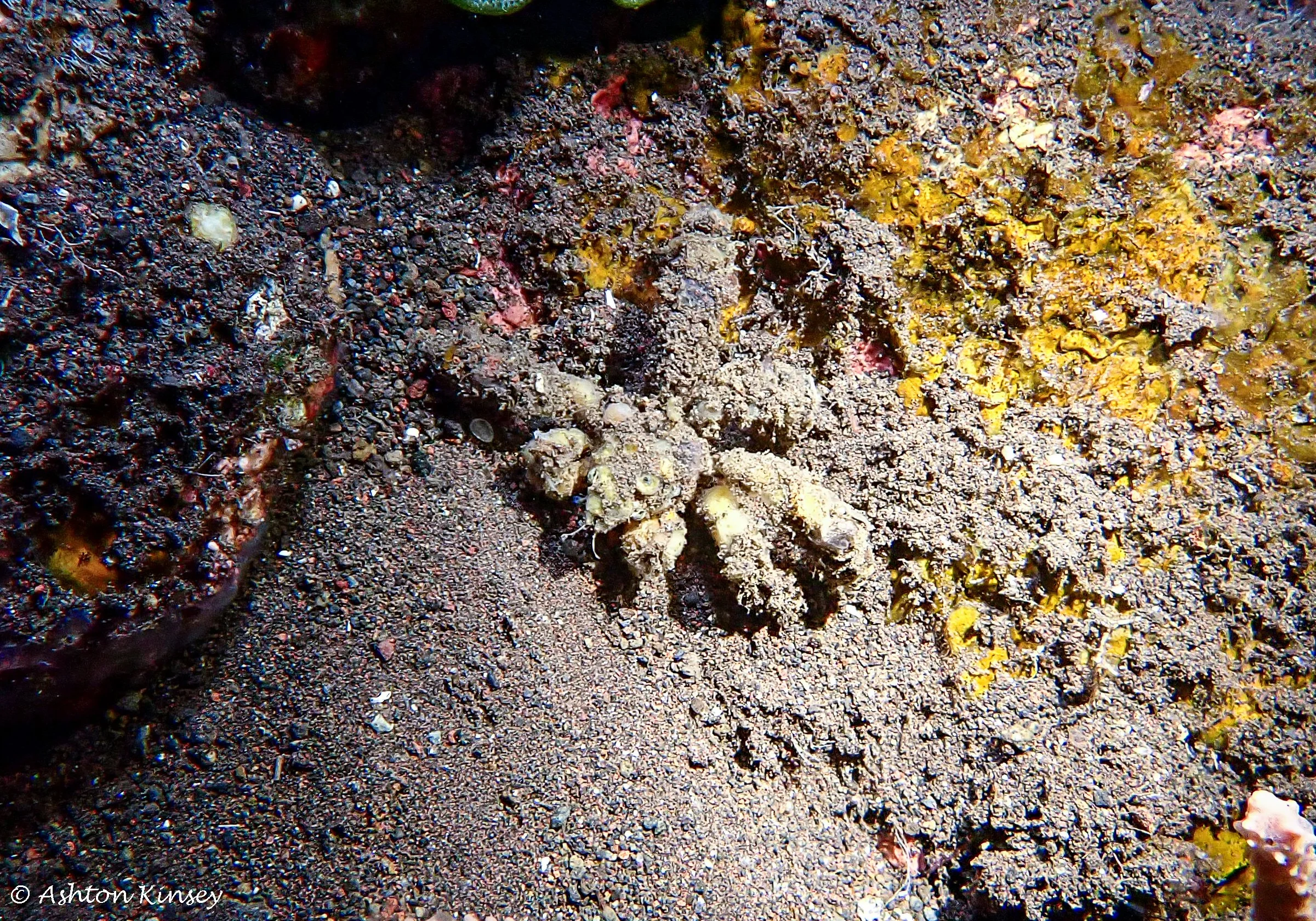
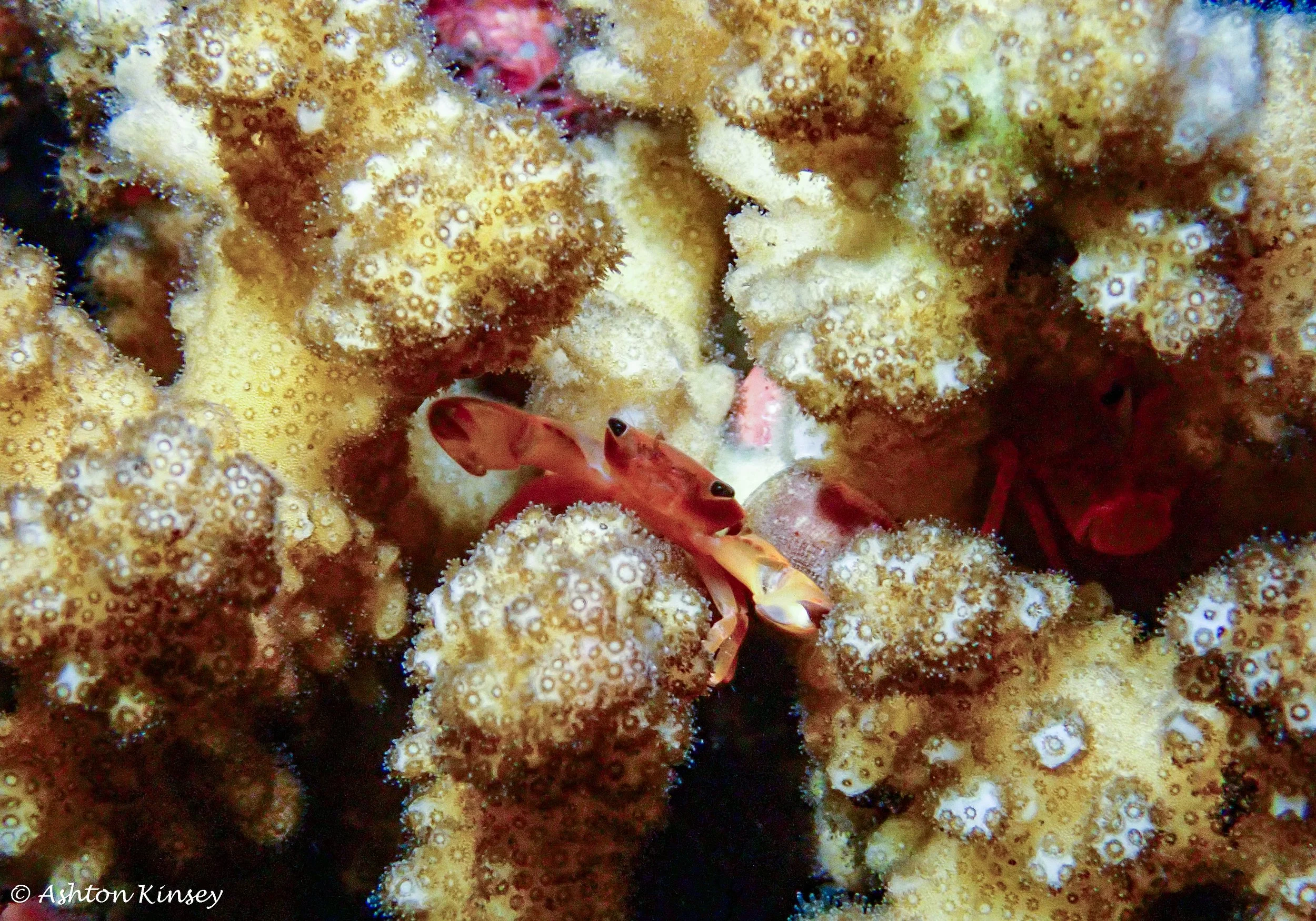
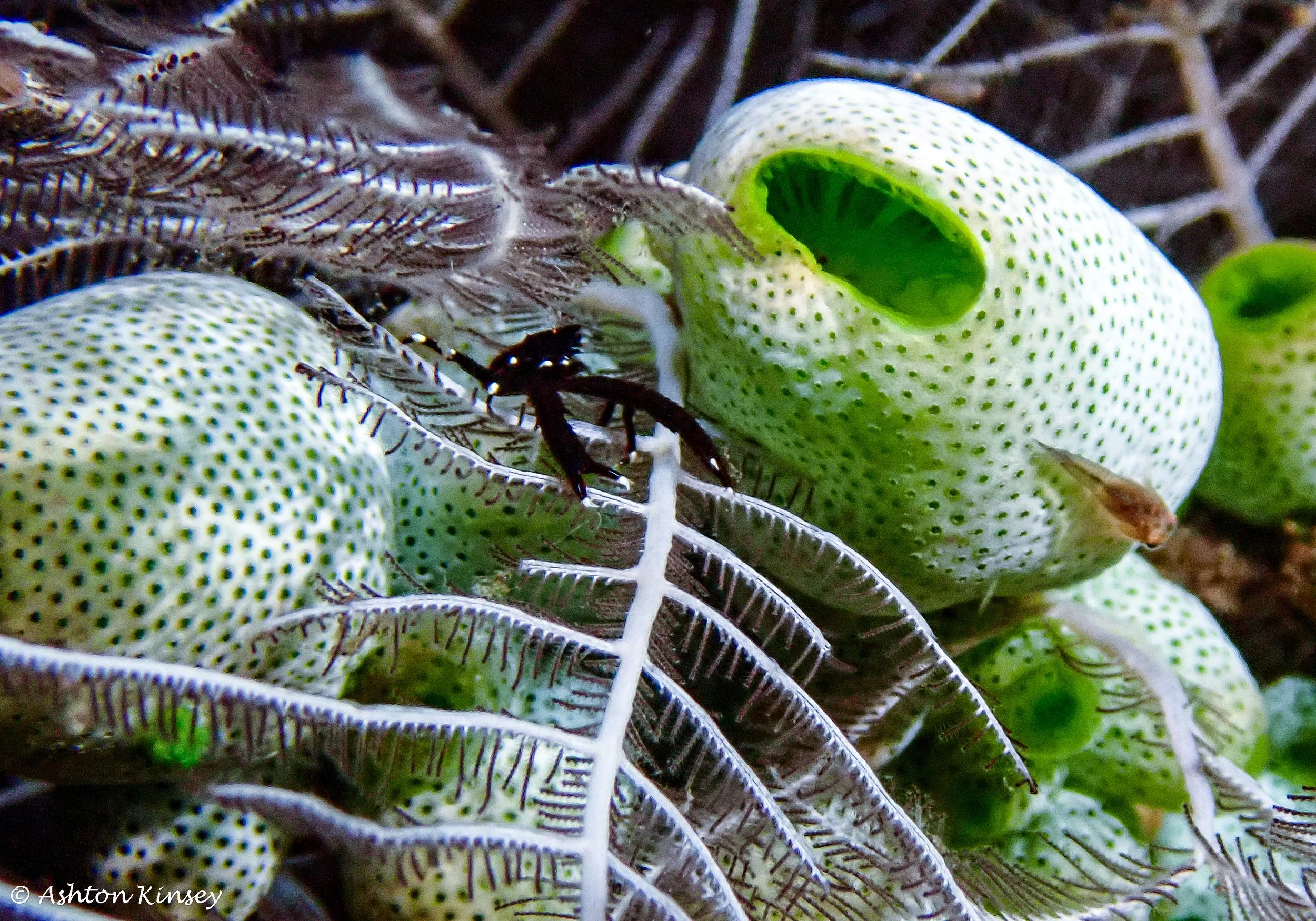
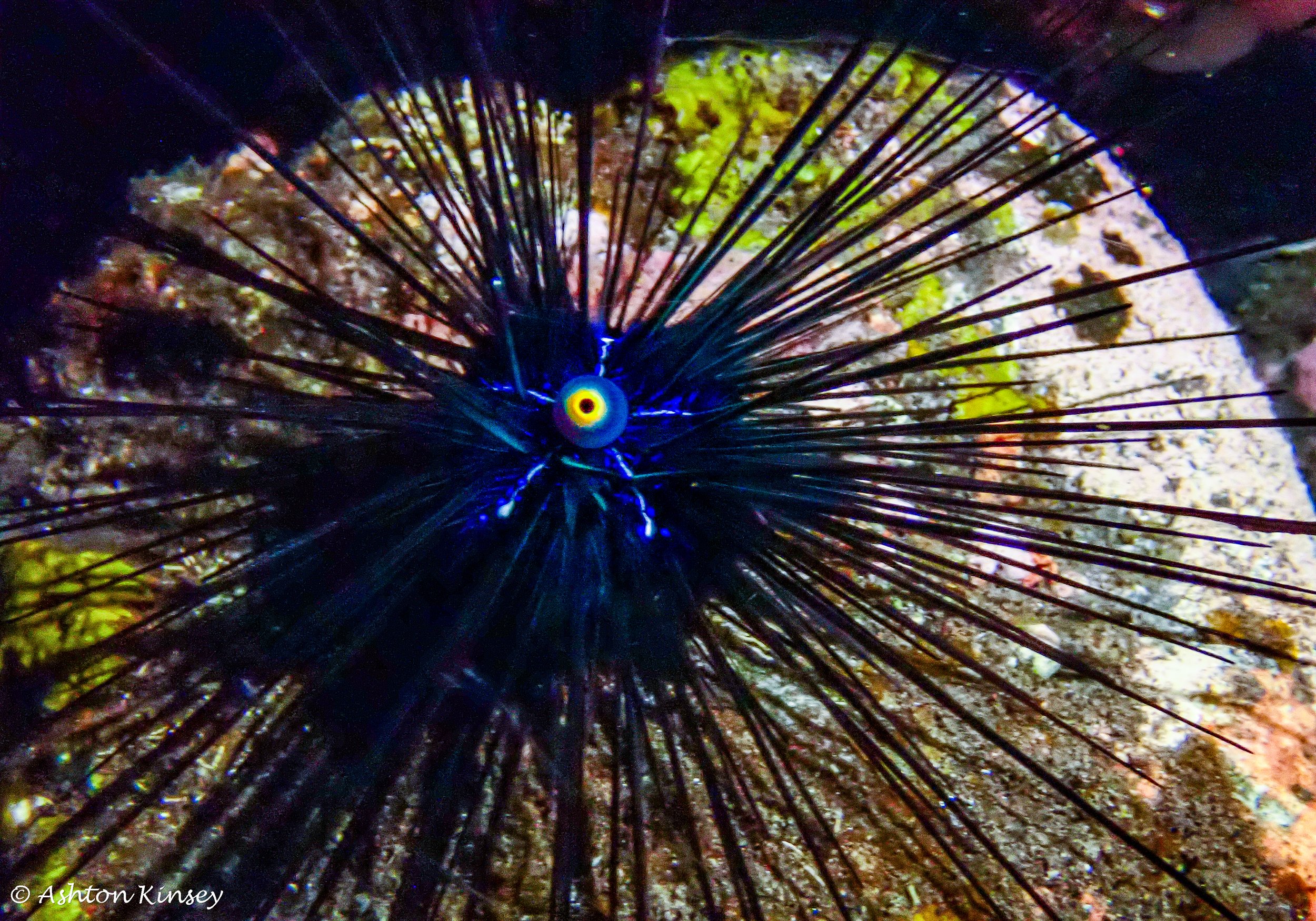
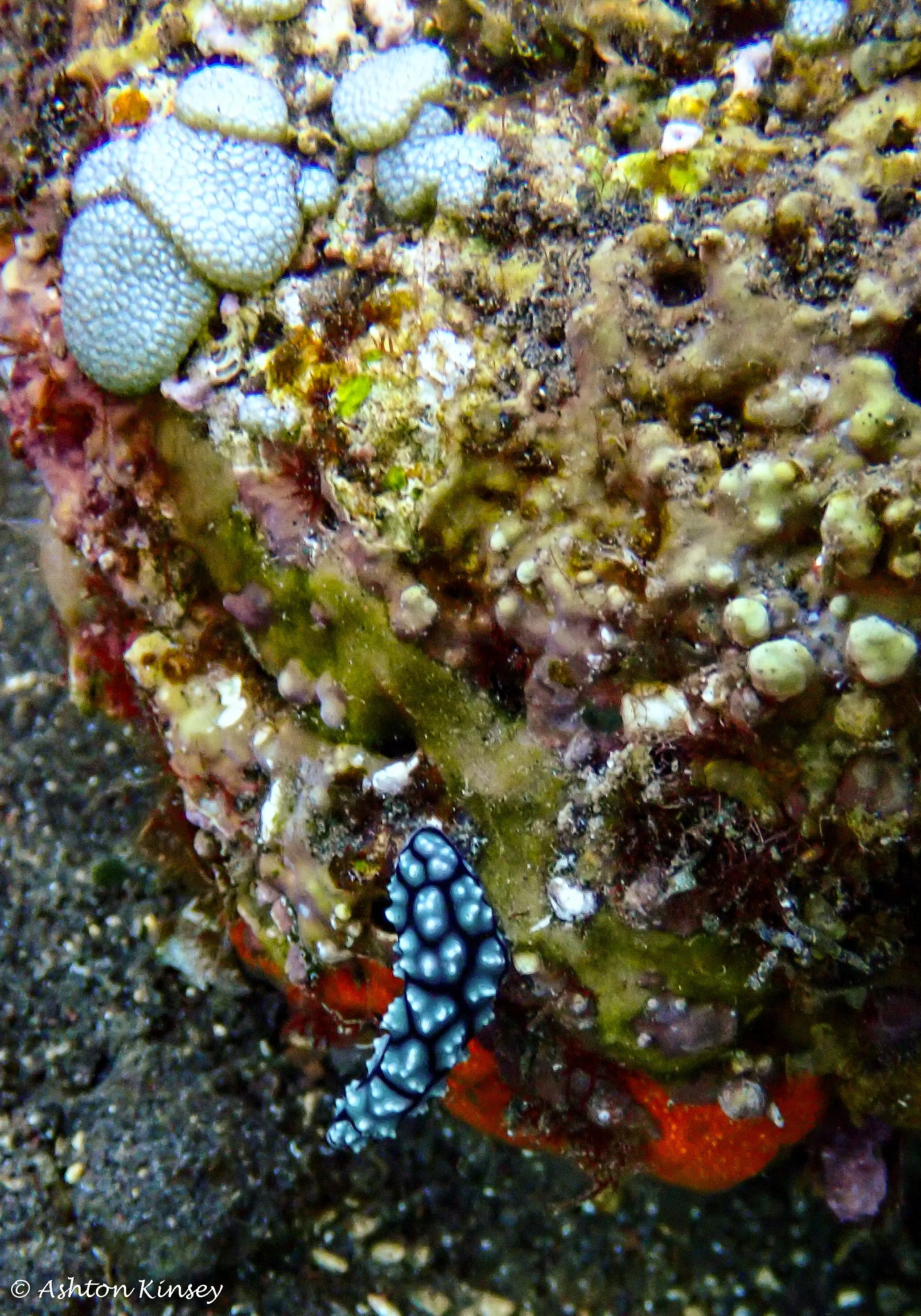
Dives 9 and 10 were a continuation of Secret Bay but we went in the opposite direction. The currents were stronger on these two dives, which resulted in fewer things to see and made it harder to stop and look for macro creatures. A couple of peacock mantis shrimp, more harlequin shrimp, orangutang crab, skeleton shrimp, and of course, more nudis!
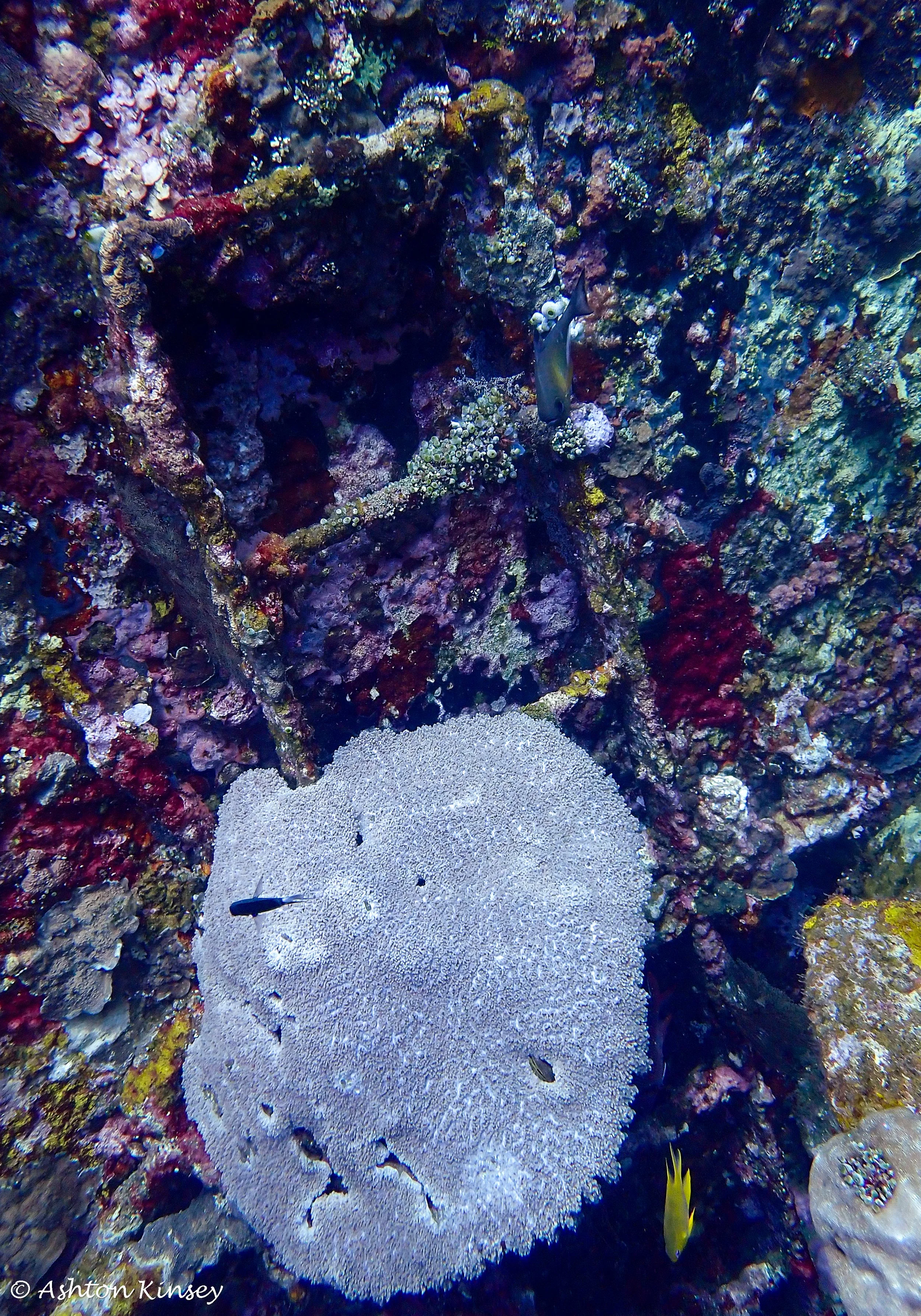
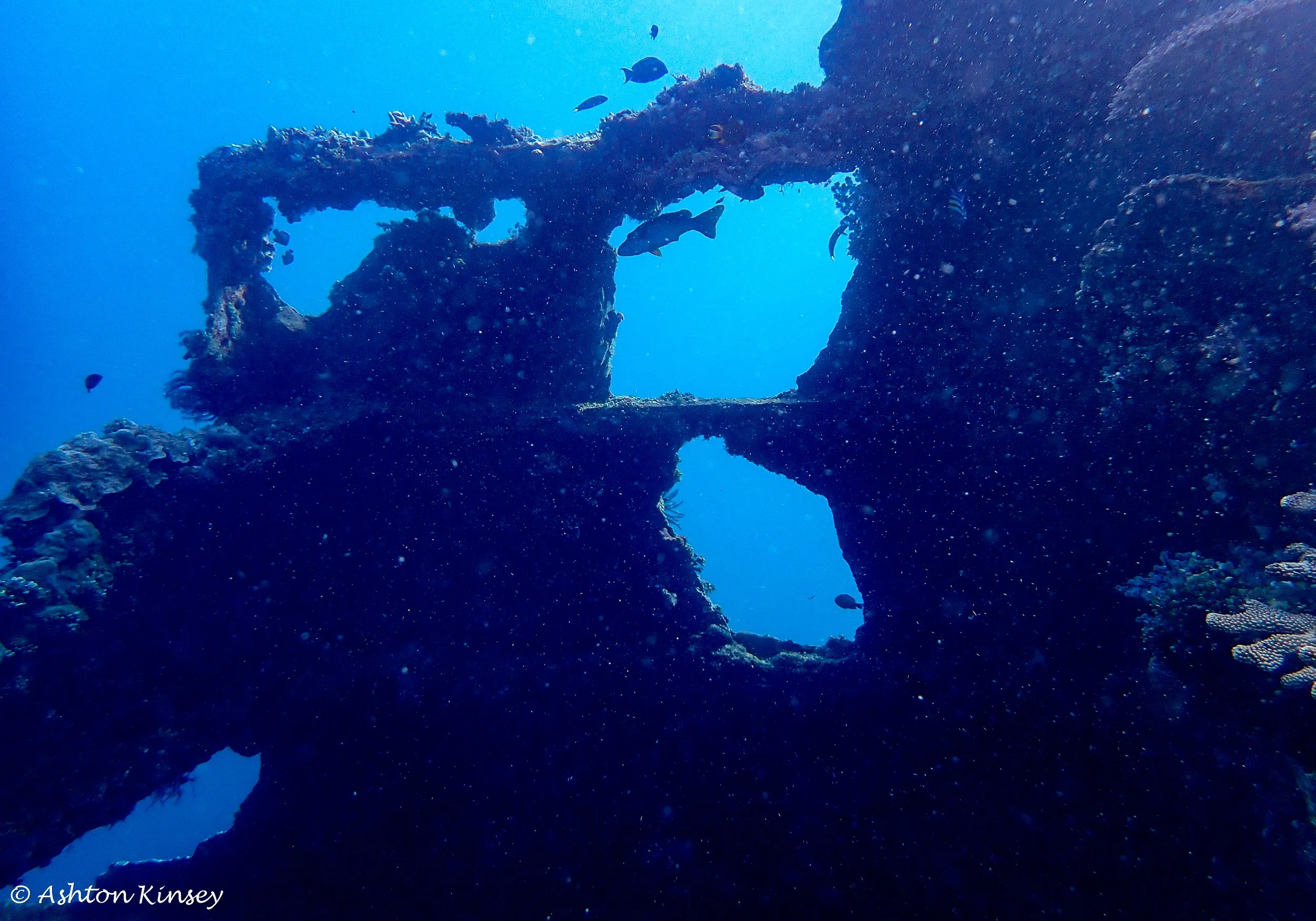
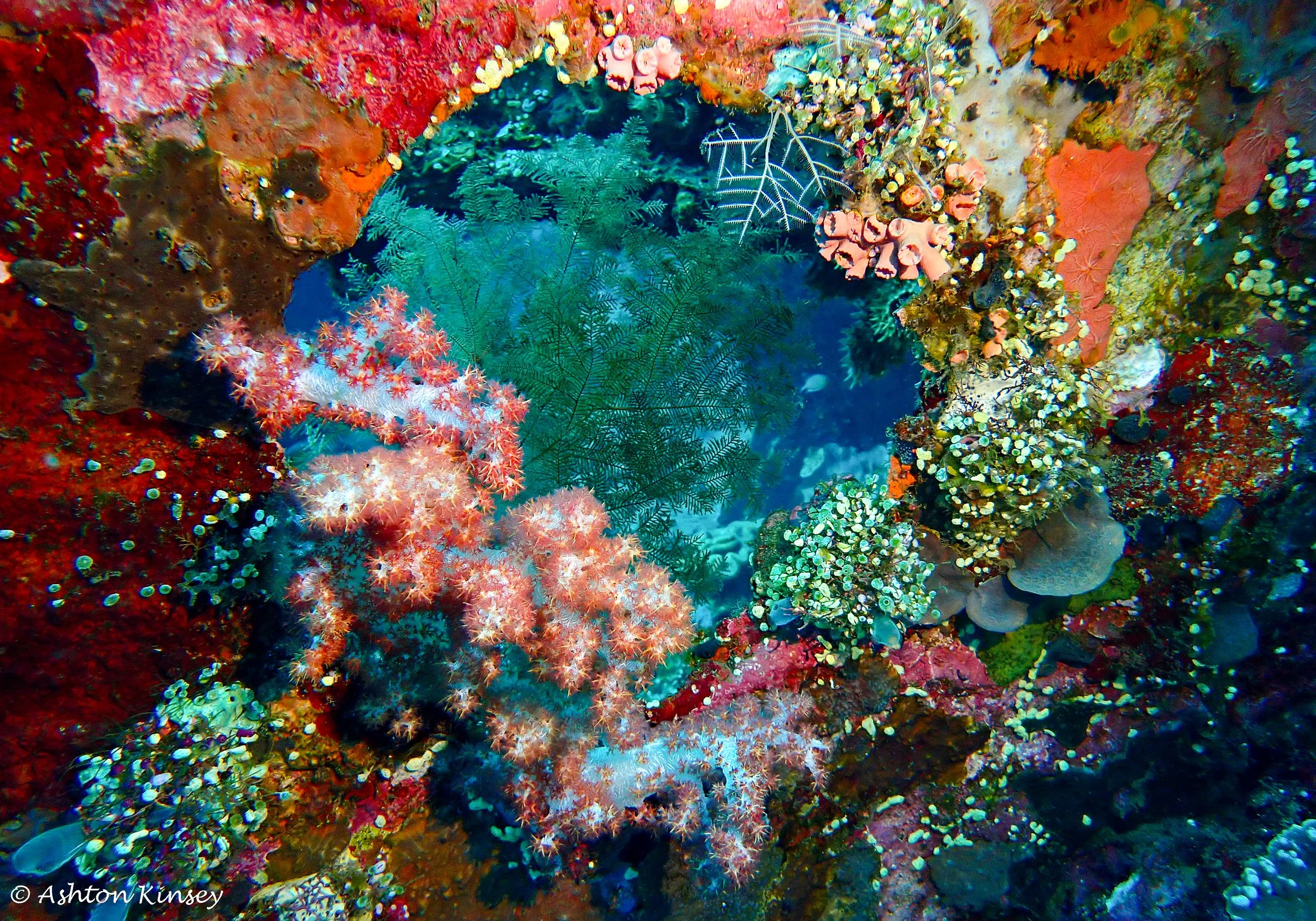
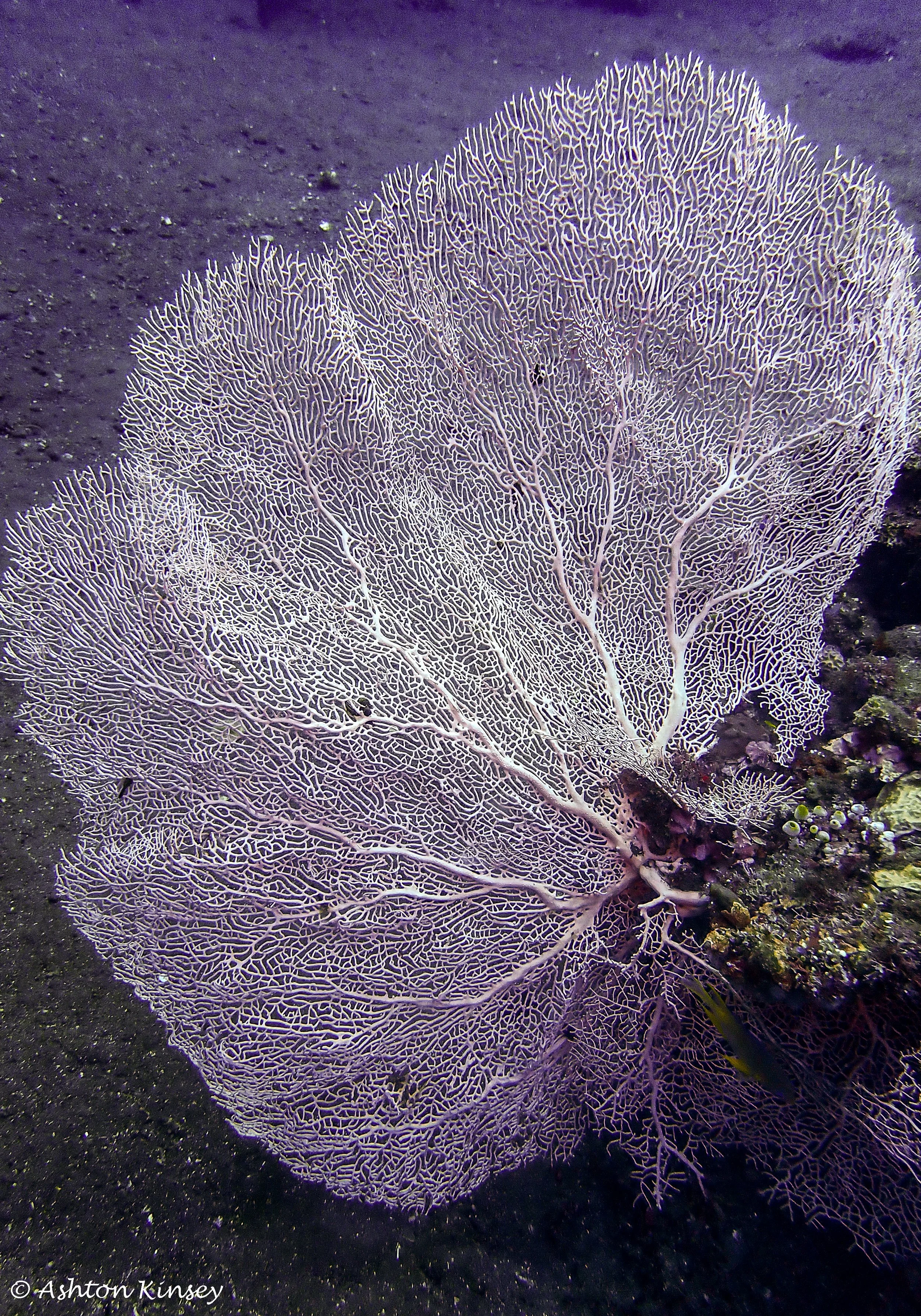
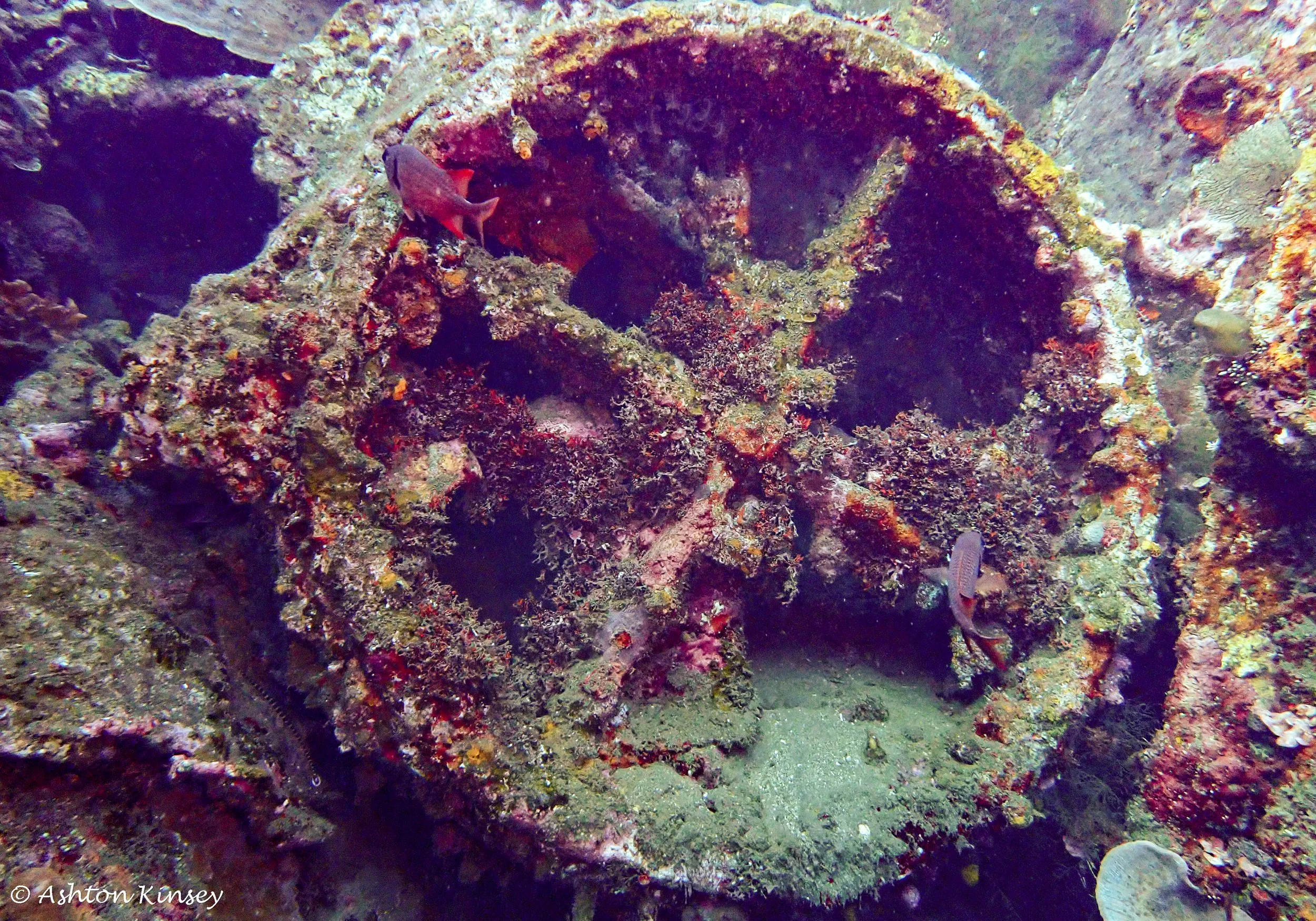
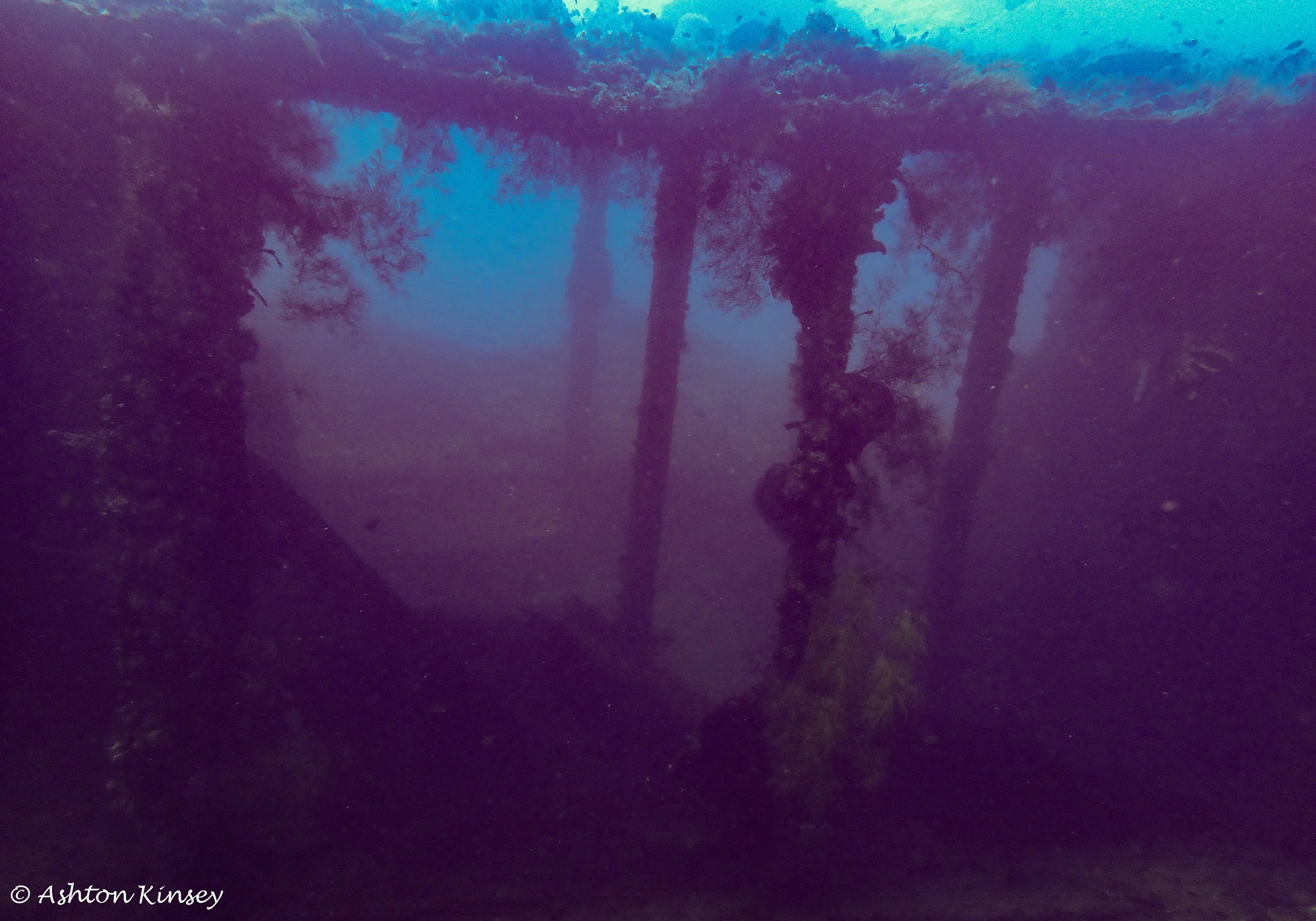
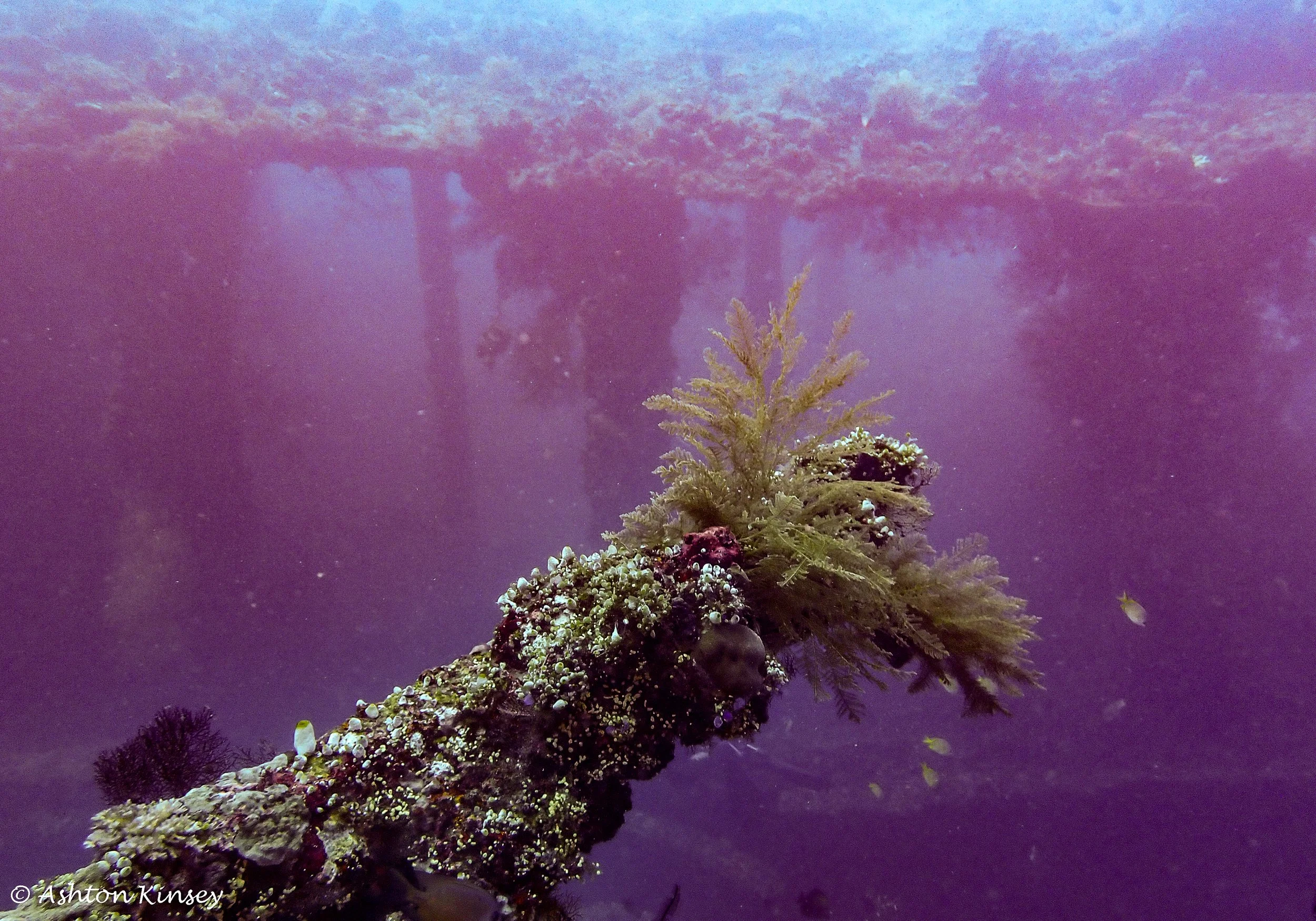
Dive 11: USAT Liberty Wreck
91’ for 62 minutes
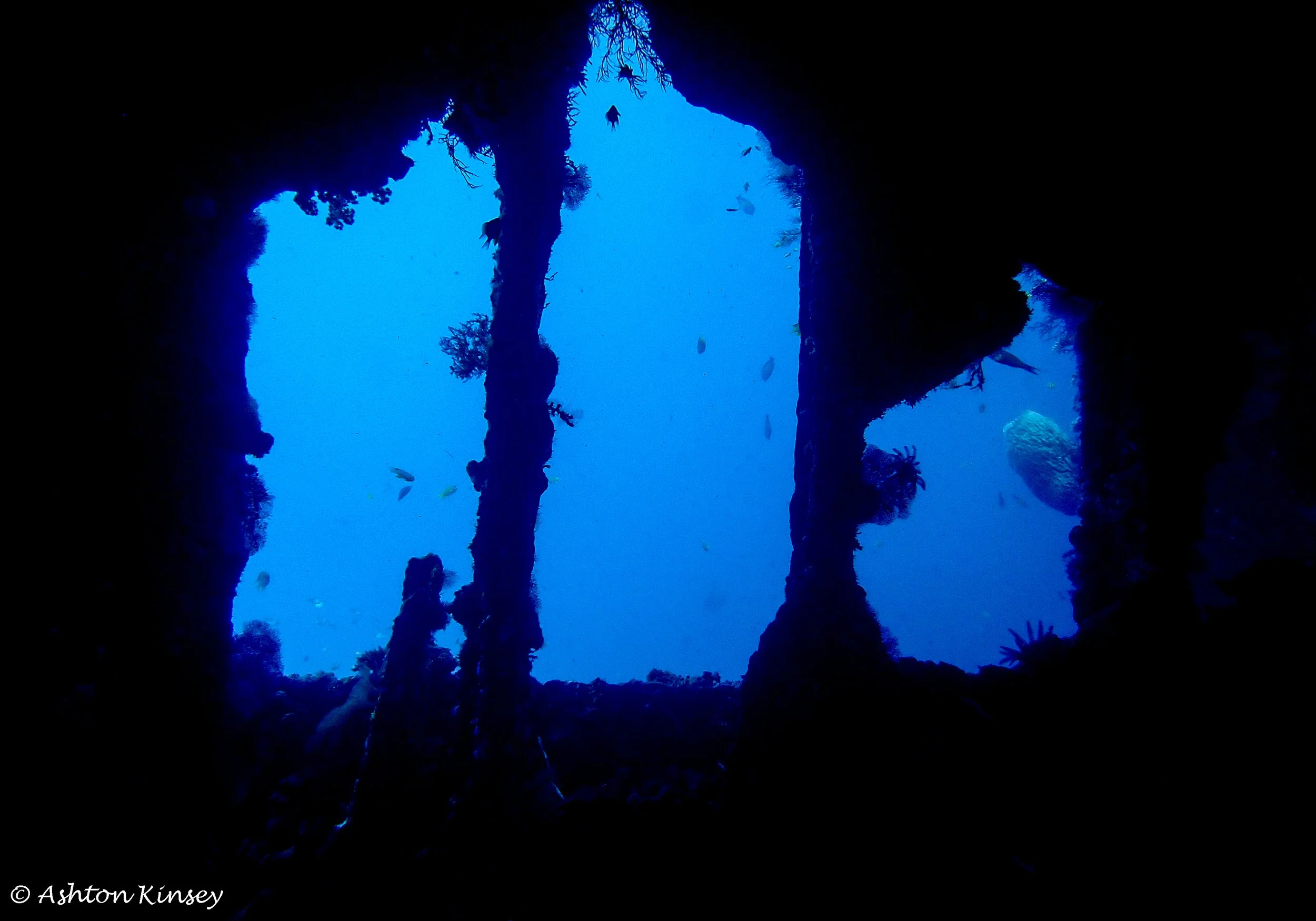
The USAT Liberty was a cargo ship that was torpedoed by the Japanese Submarine I-166 on January 11, 1942. Initially, towing efforts tried to take her to the Dutch port at Culukan Bawang Harbour near Singaraja, but she was taking on too much water and was beached on the island of Tulamben.
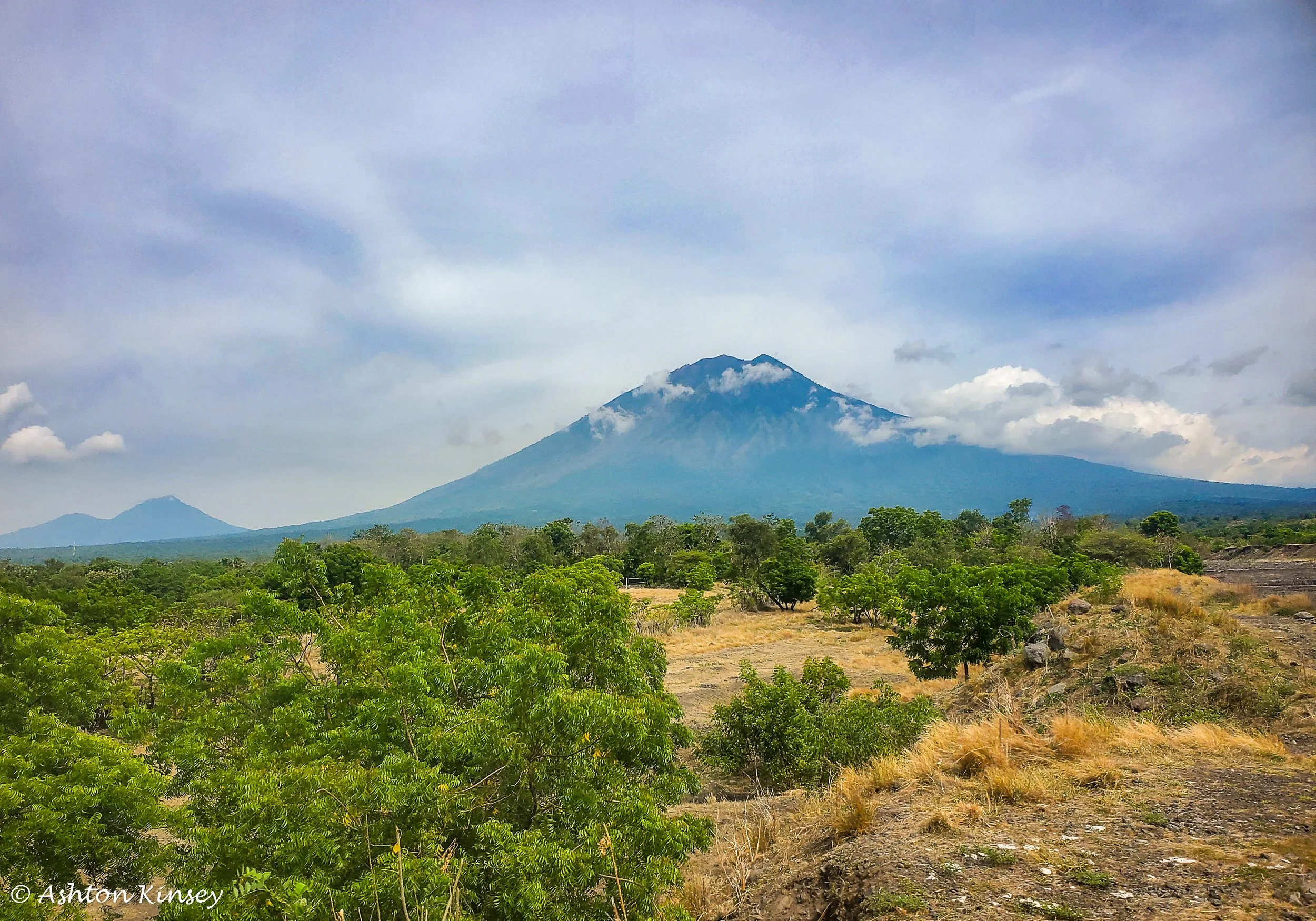
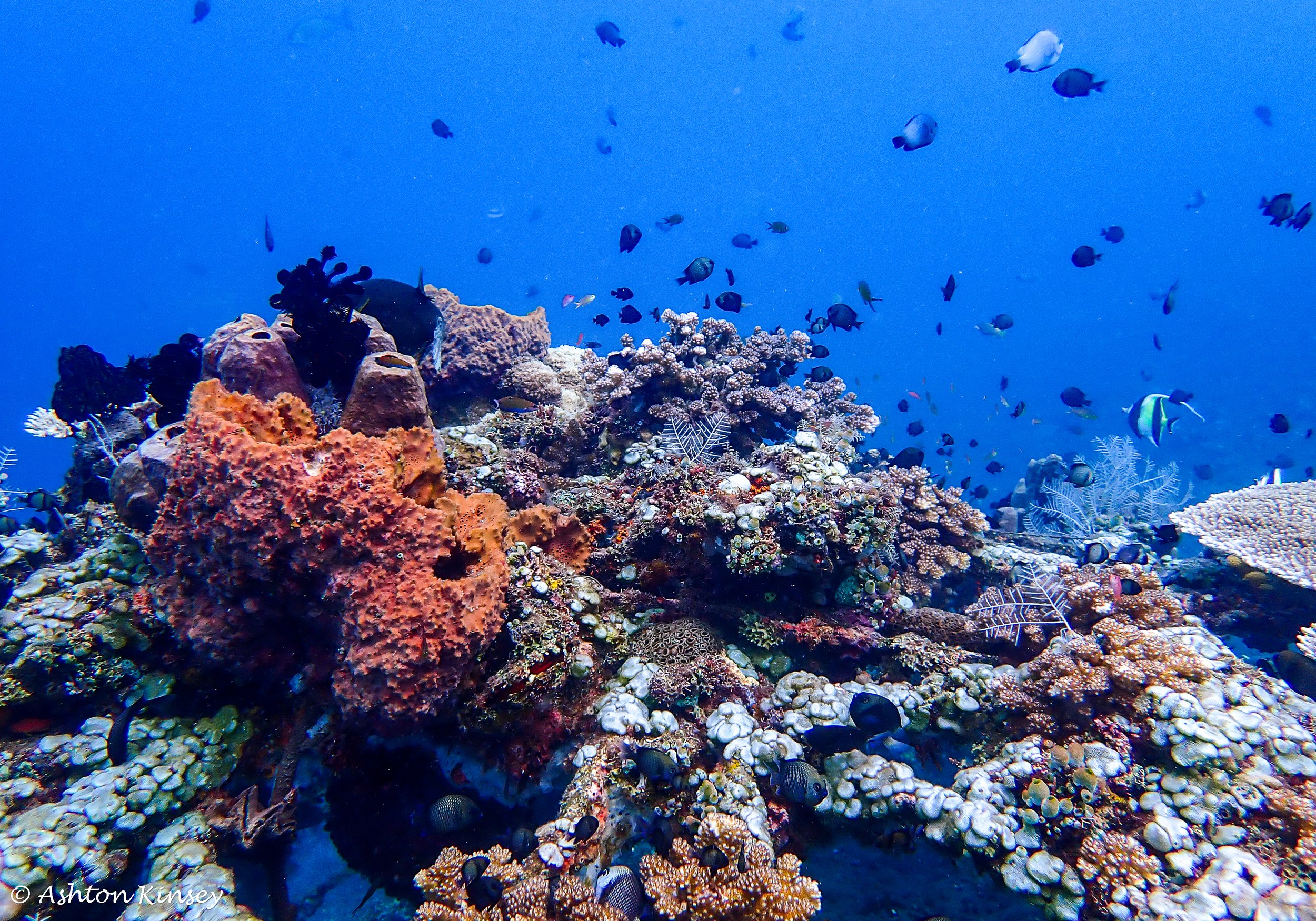
When Mount Agung erupted in 1963, the tremors caused her to sink into the ocean, and she now sits on a sandy slope ranging from 25' to 100'. Since sliding into the ocean, it has become overgrown with corals, and provides an artificial reef for a wide variety of sea life and is one of the most popular sites in Bali.
Dive 12 &13: Hi Blue Bali House Reef
67’ for 65 minutes & 100’ for 54 minutes
House reef for the Hi Blue Bali resort. Many years ago, the resort tried to use batteries to run currents along artificial structures to promote coral growth and to bring back coral and sea life. Due to the cost and effort required to replace the batteries, this was stopped, and the company decided to focus on the resort instead.
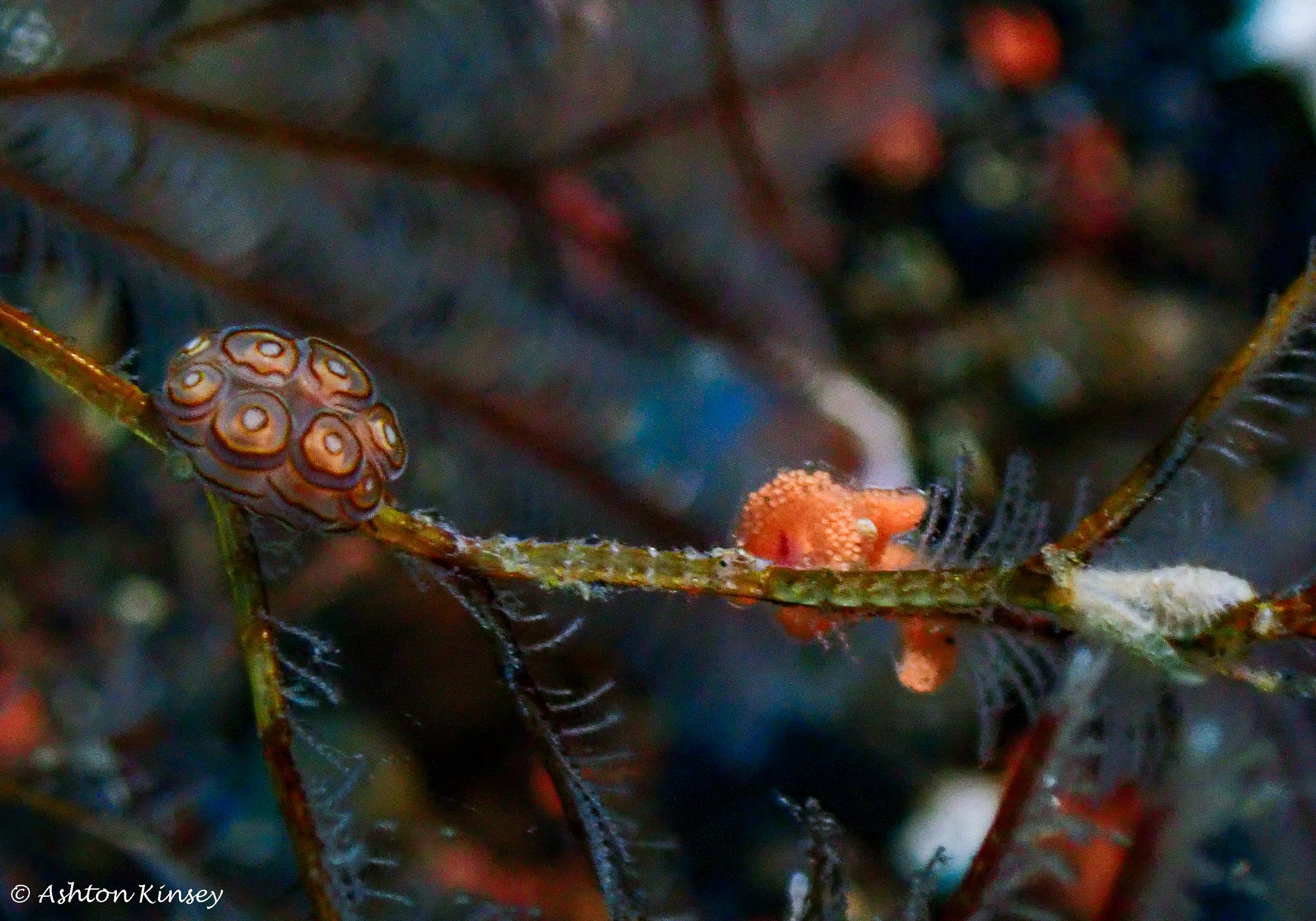
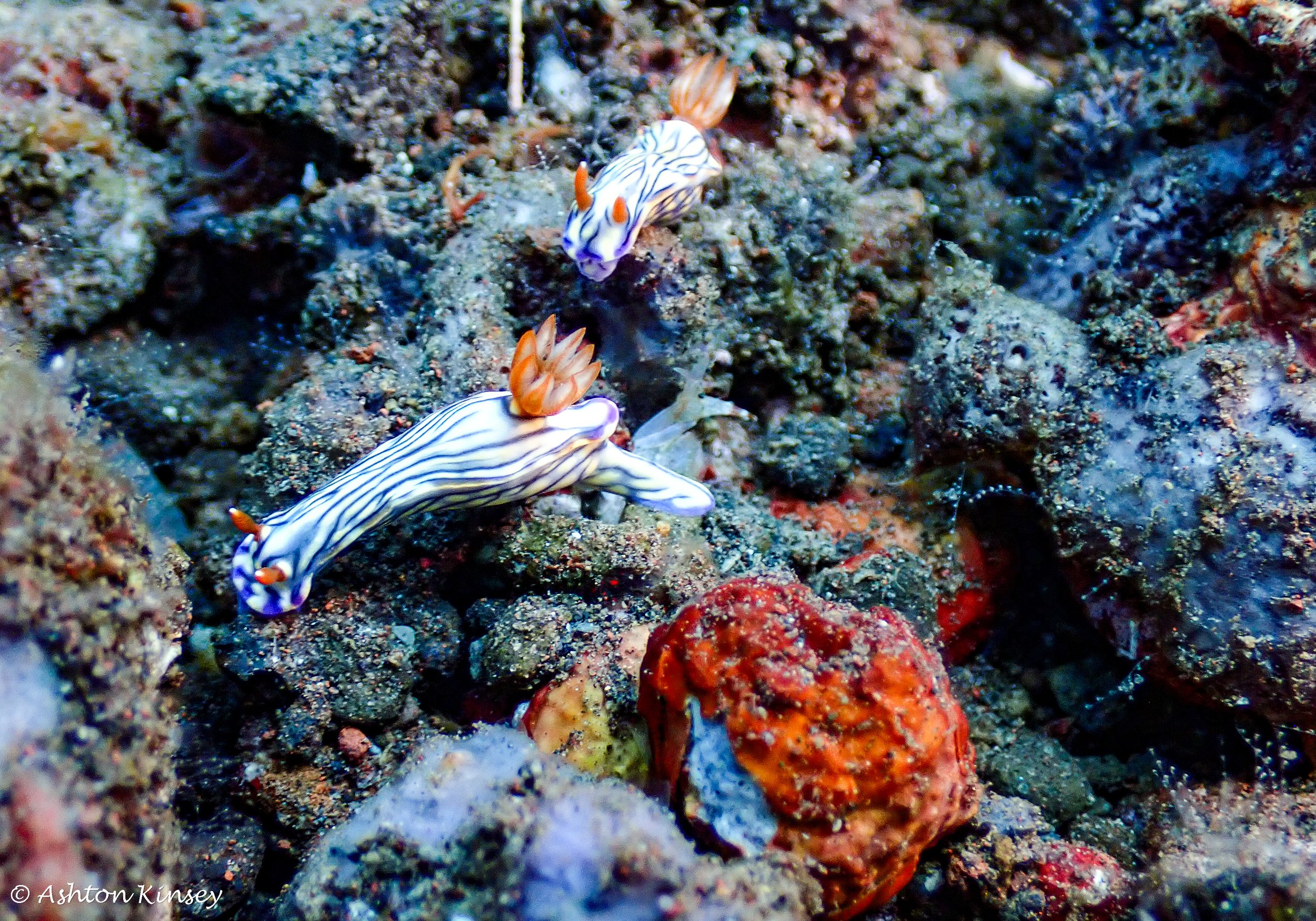
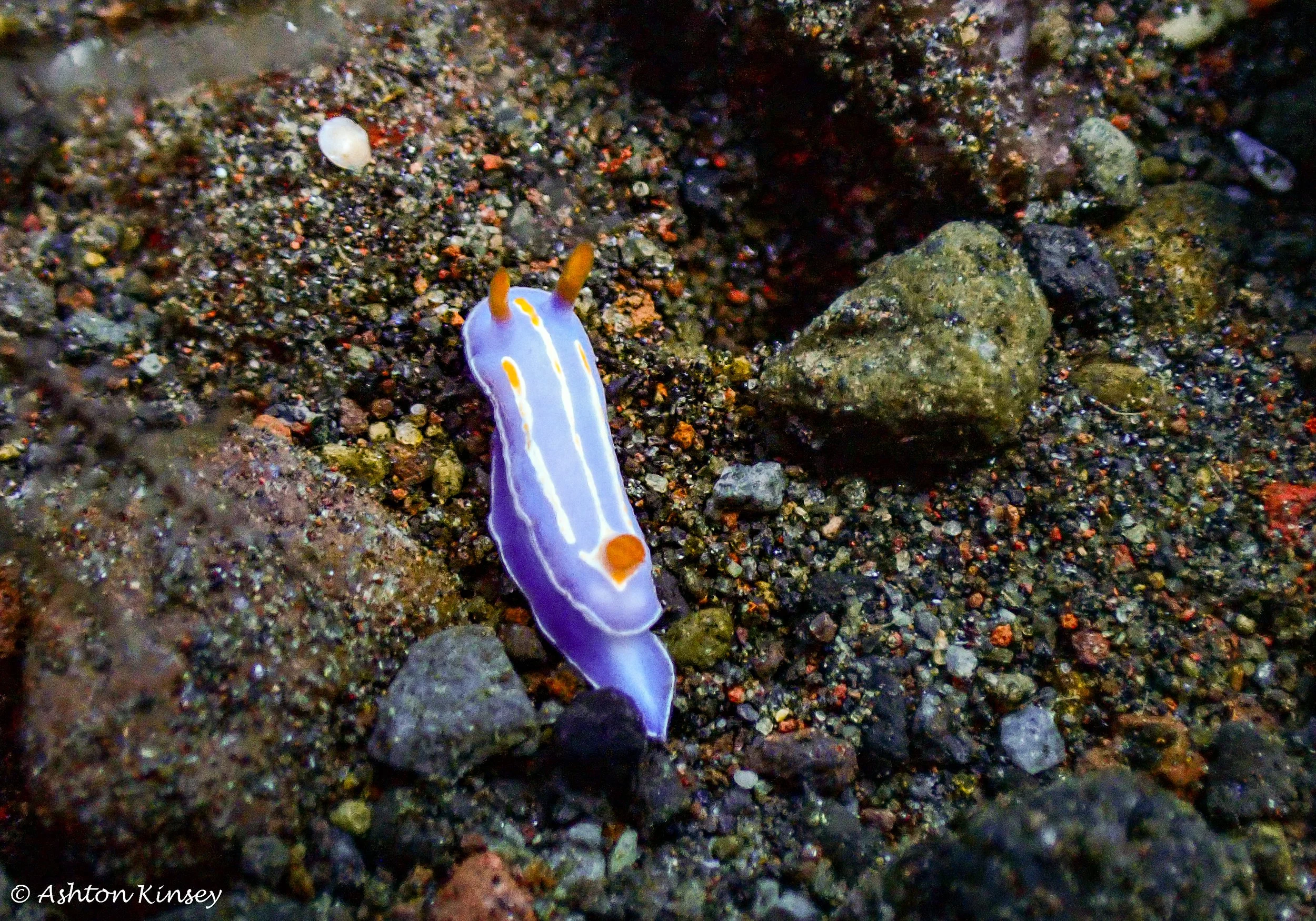
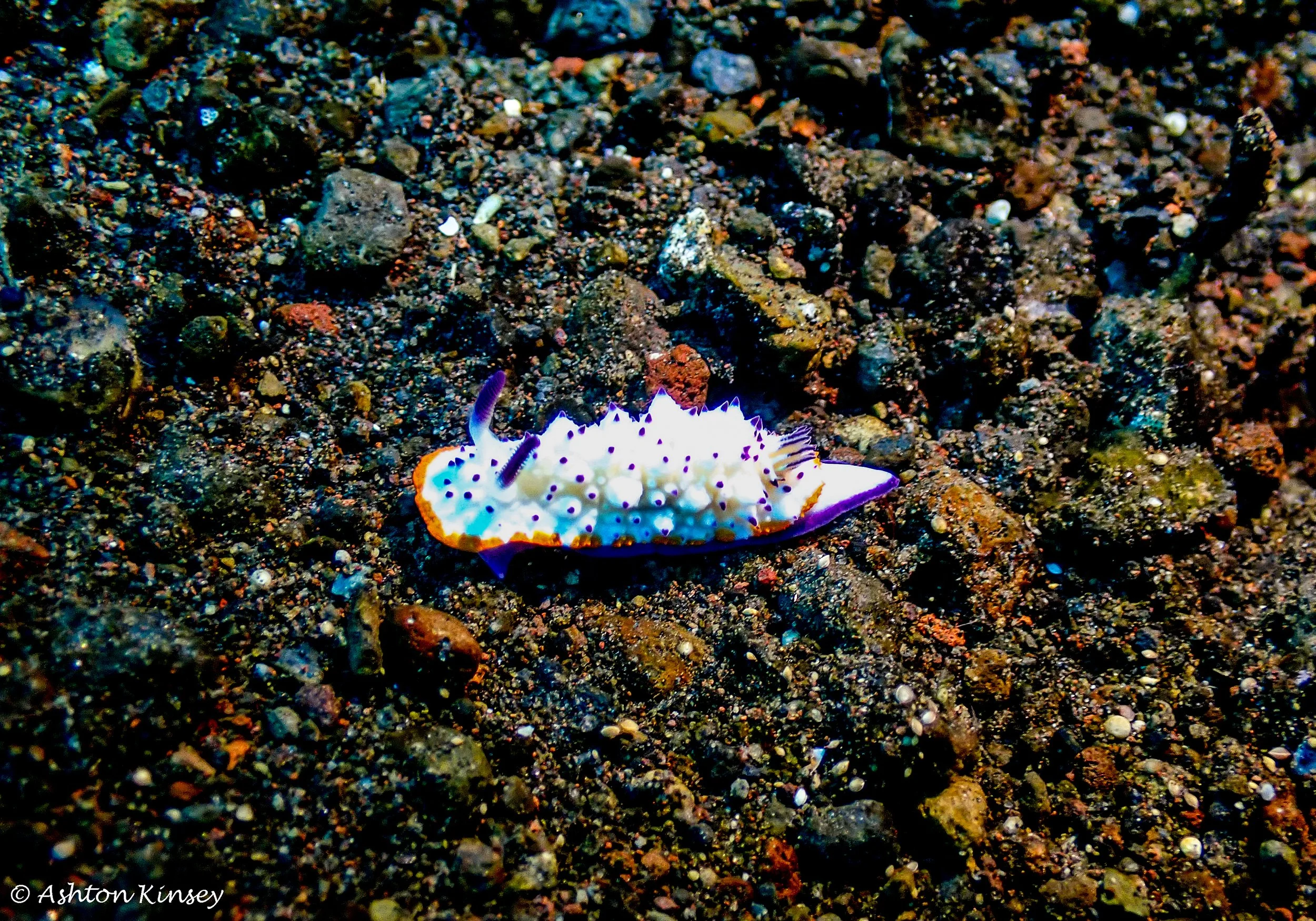
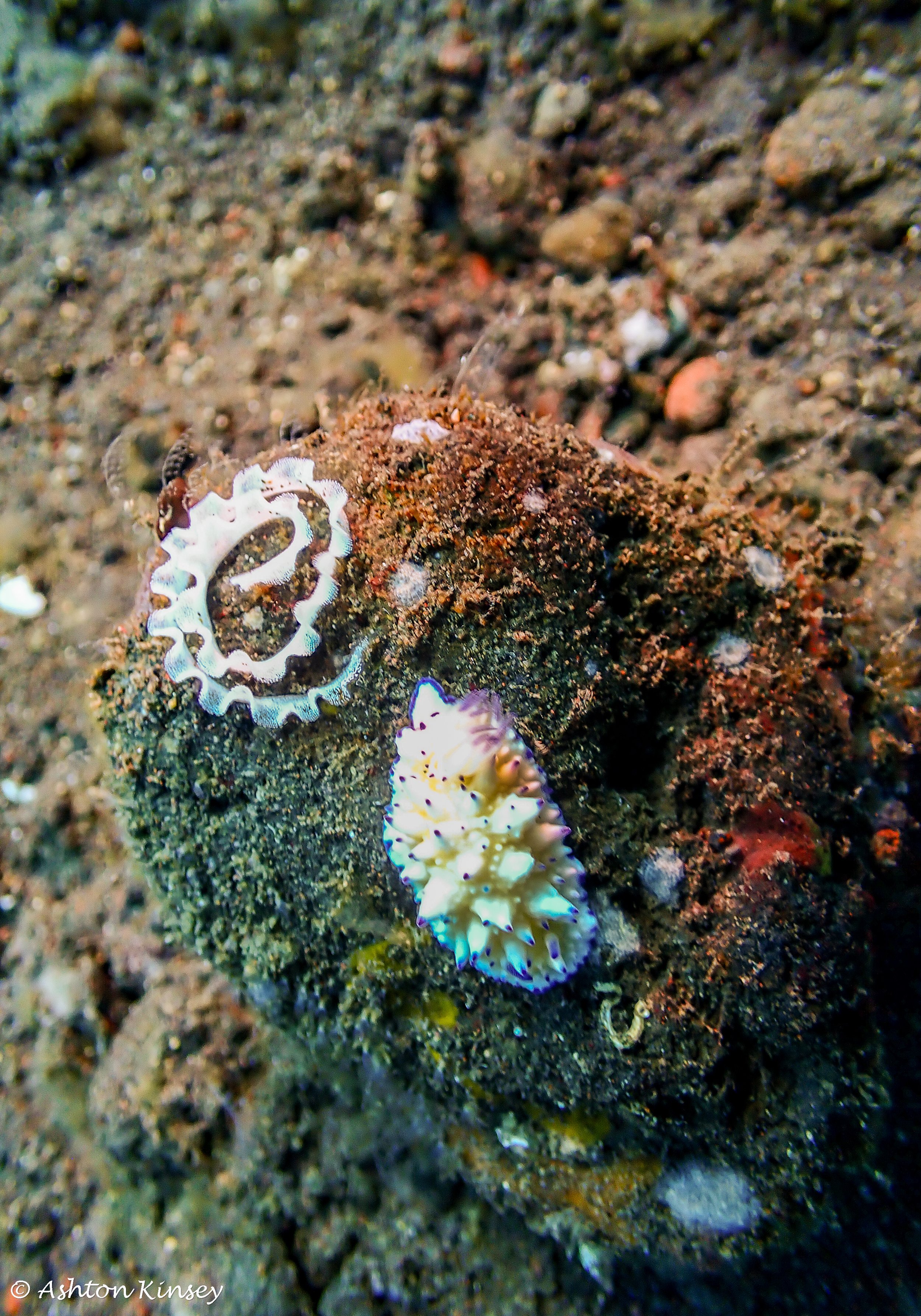
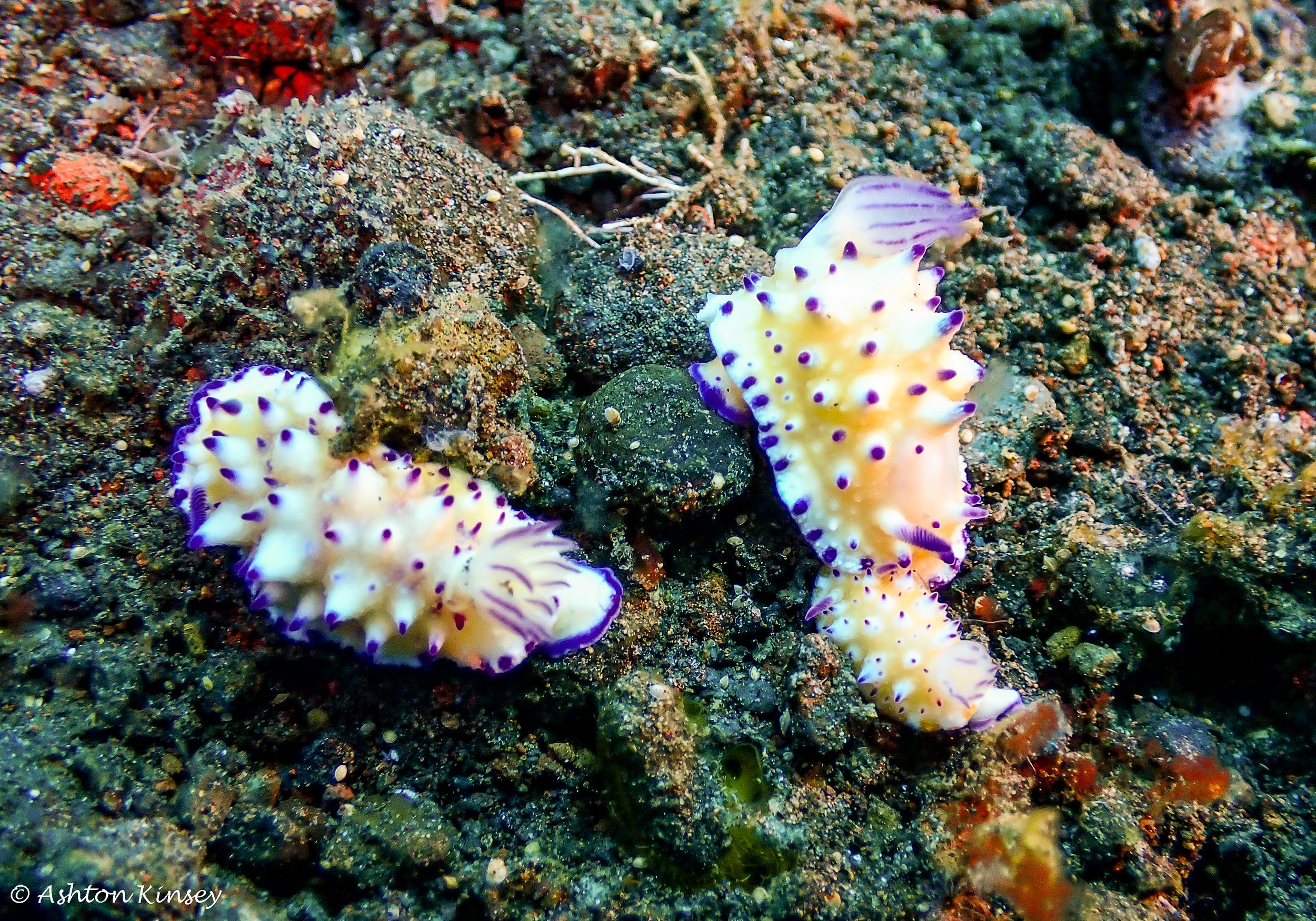
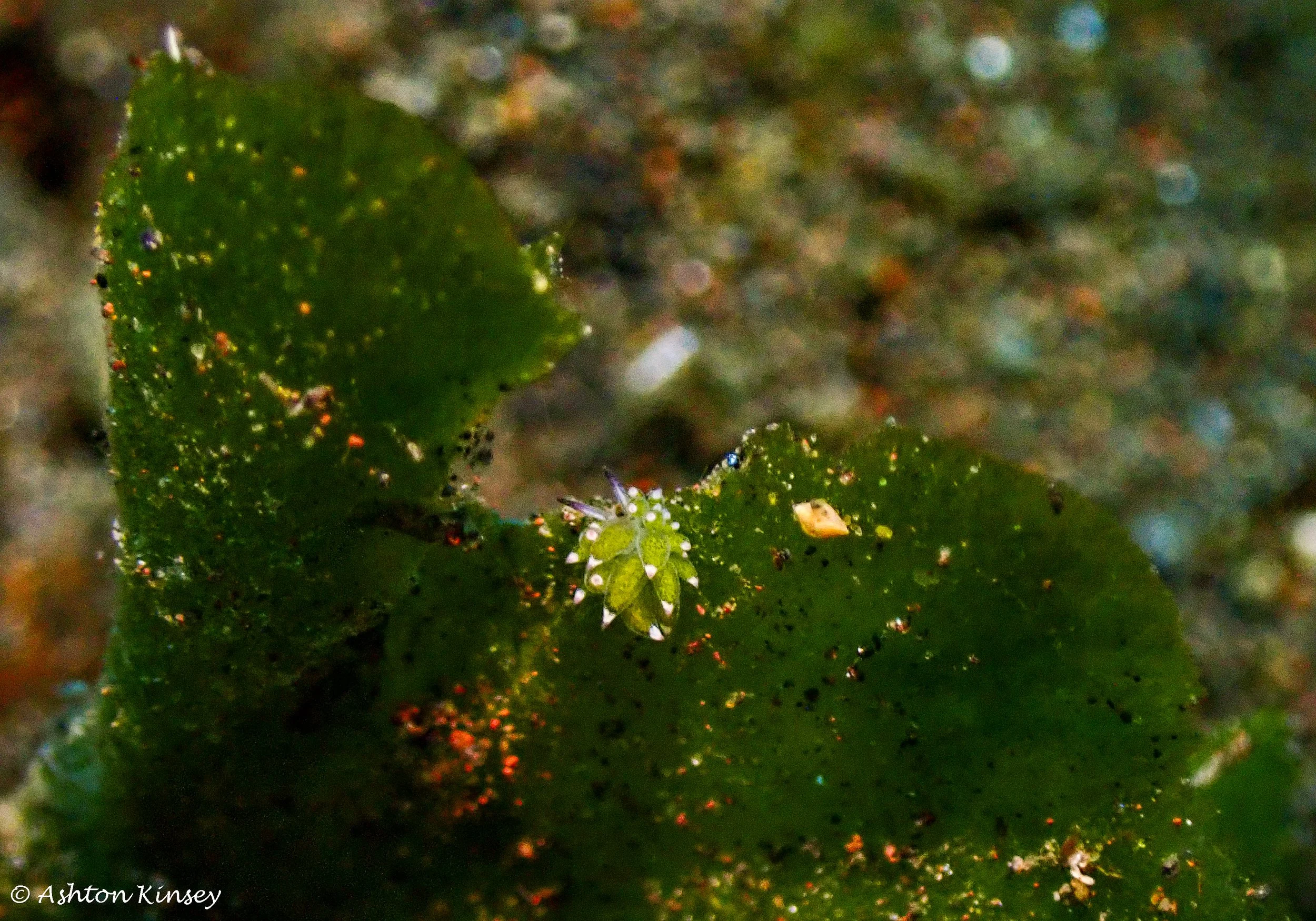
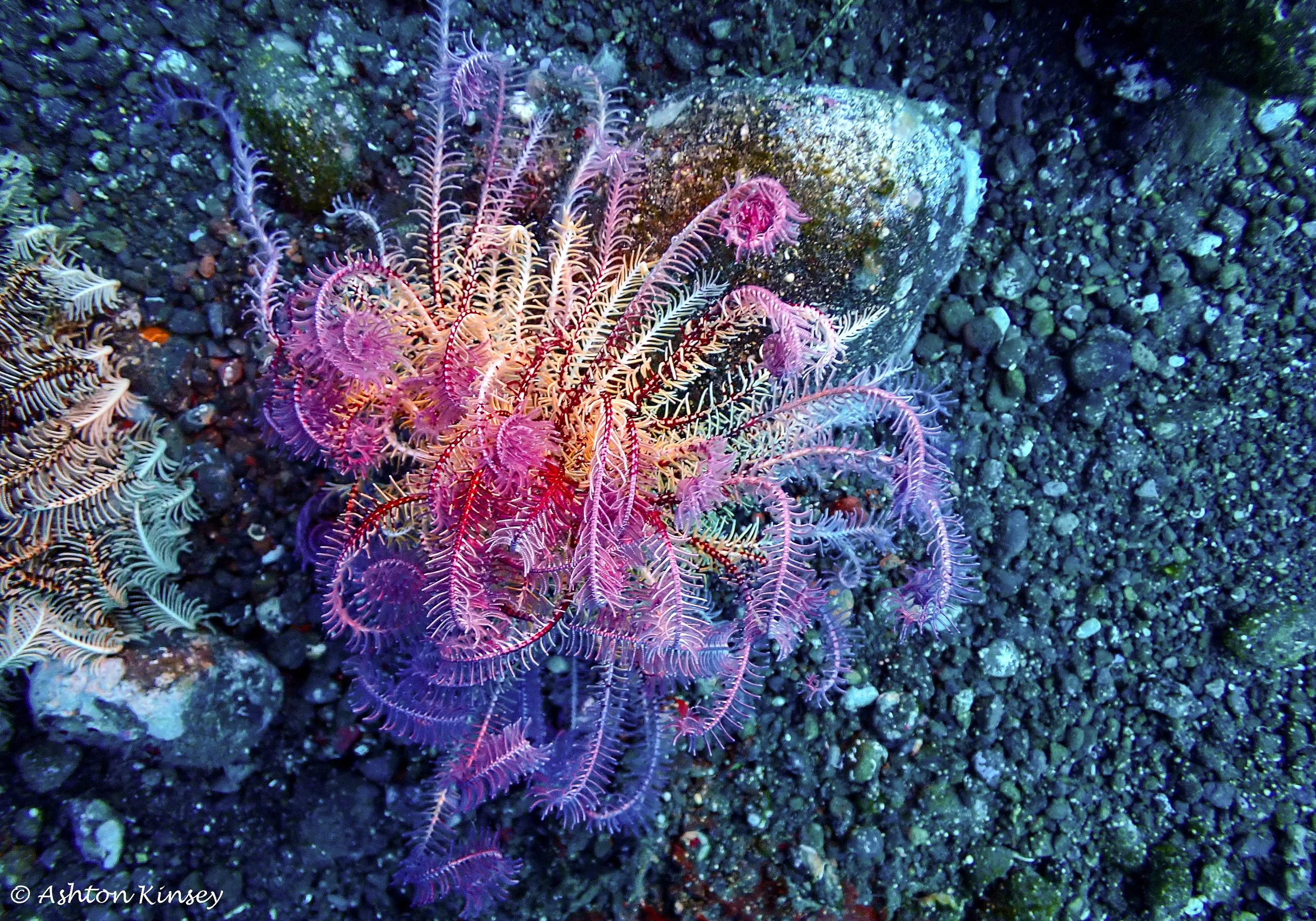
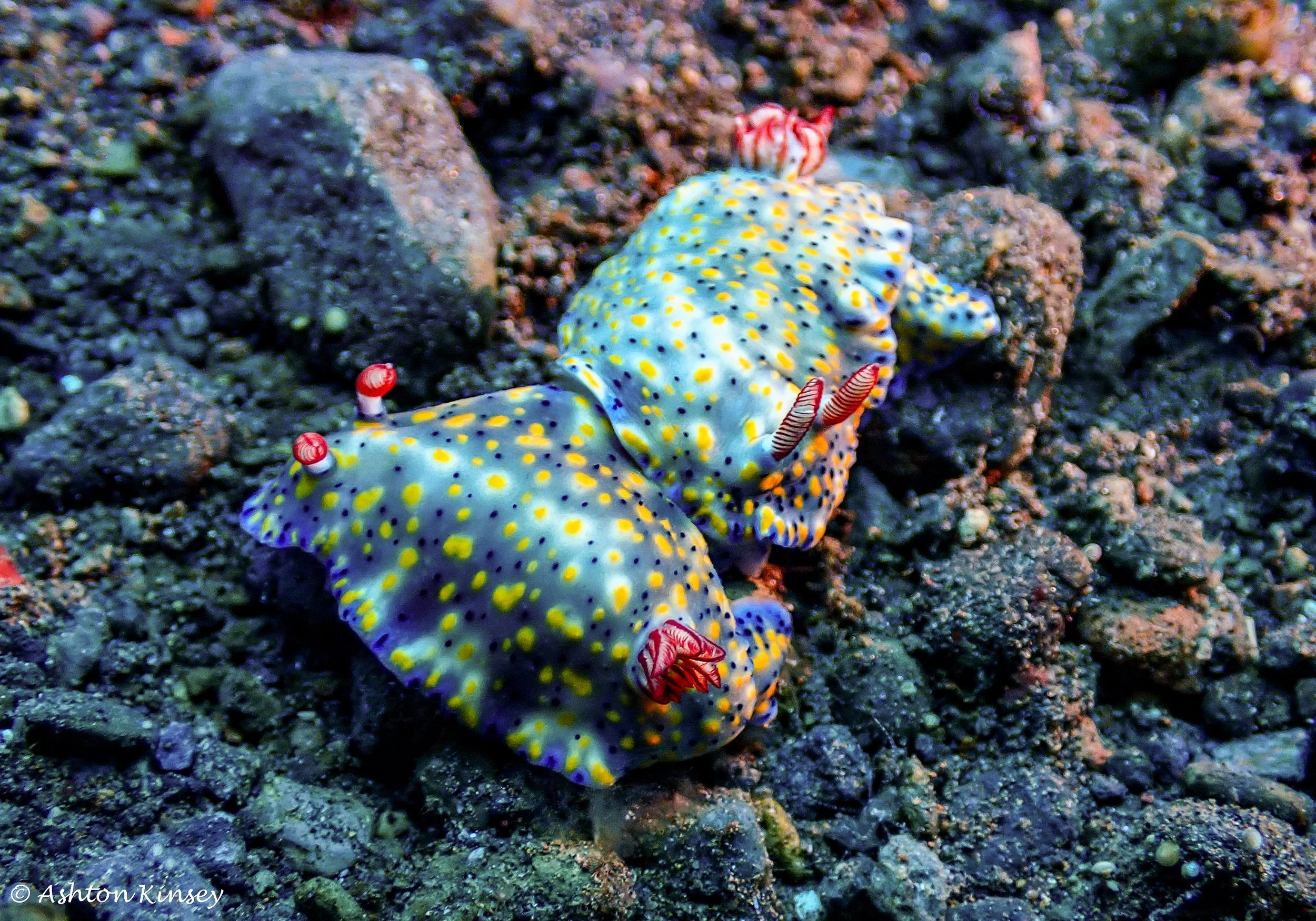
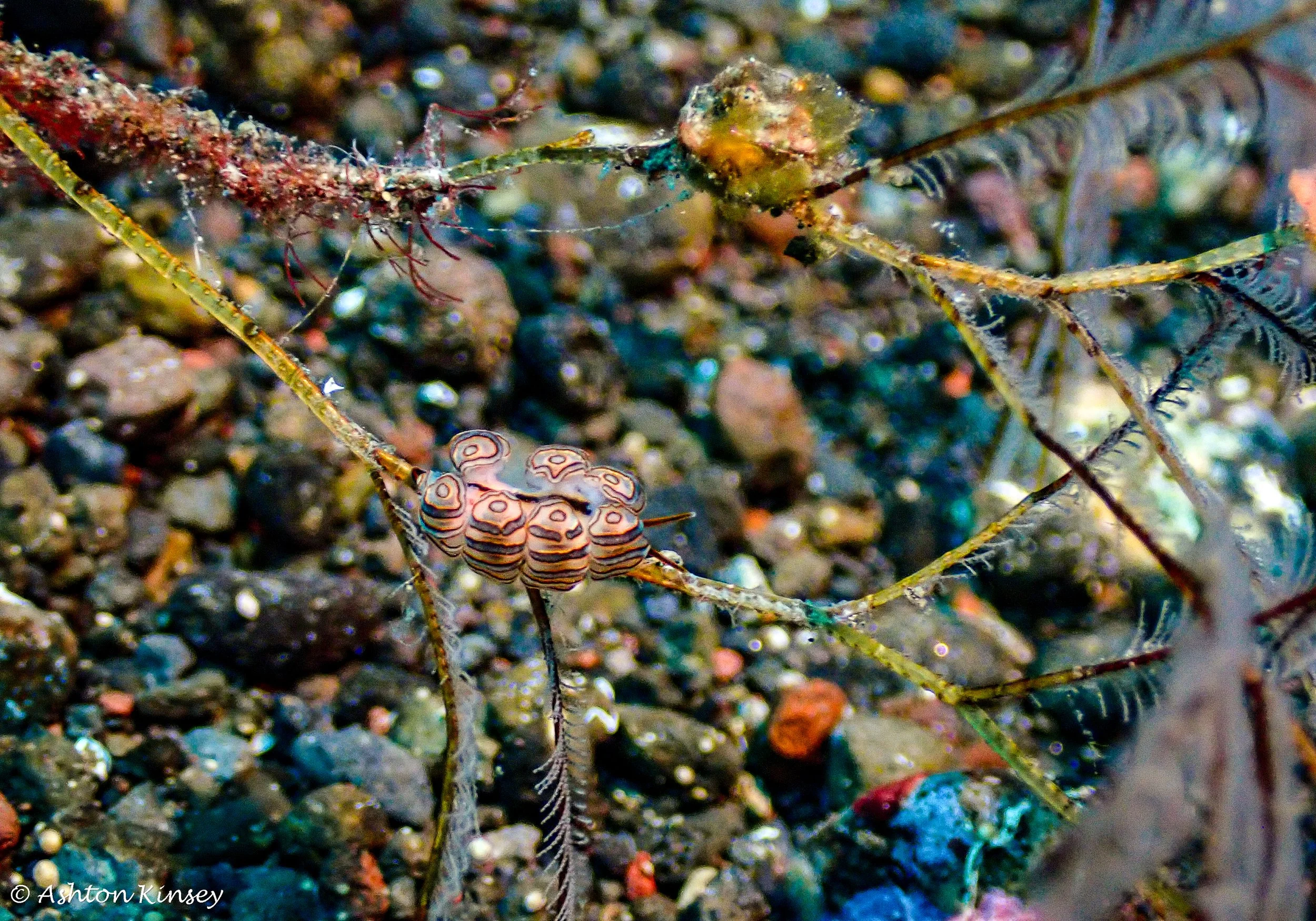
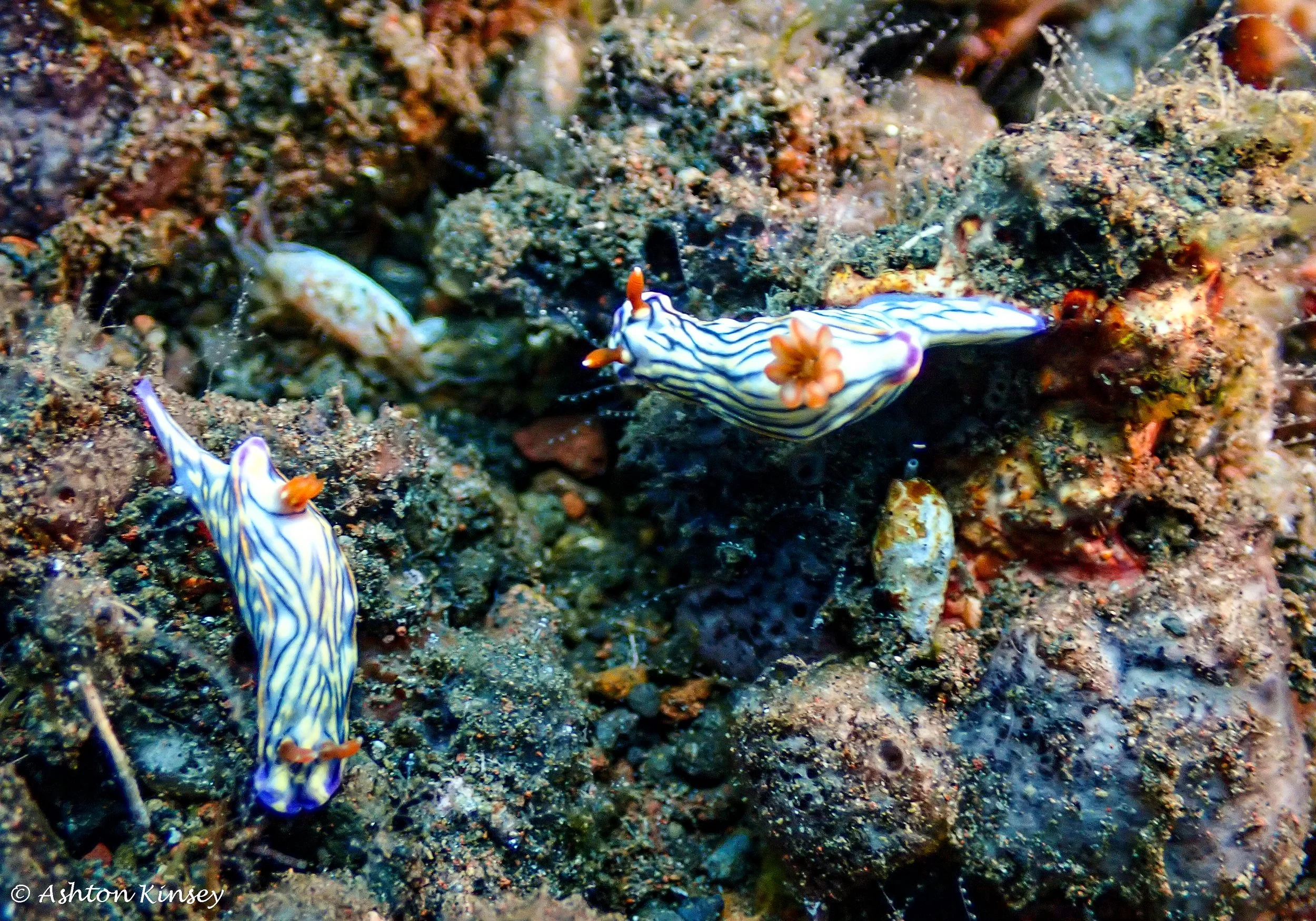
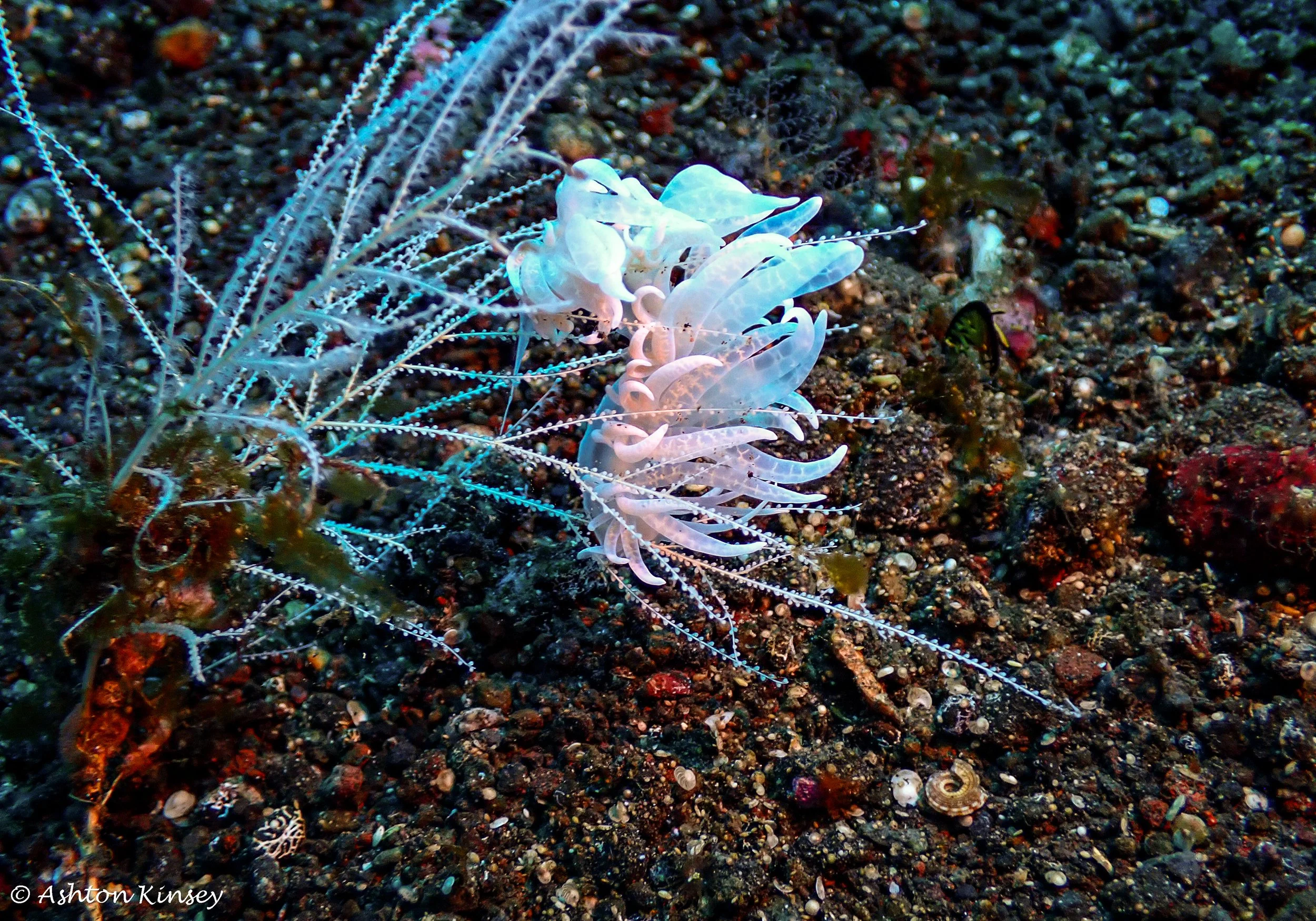
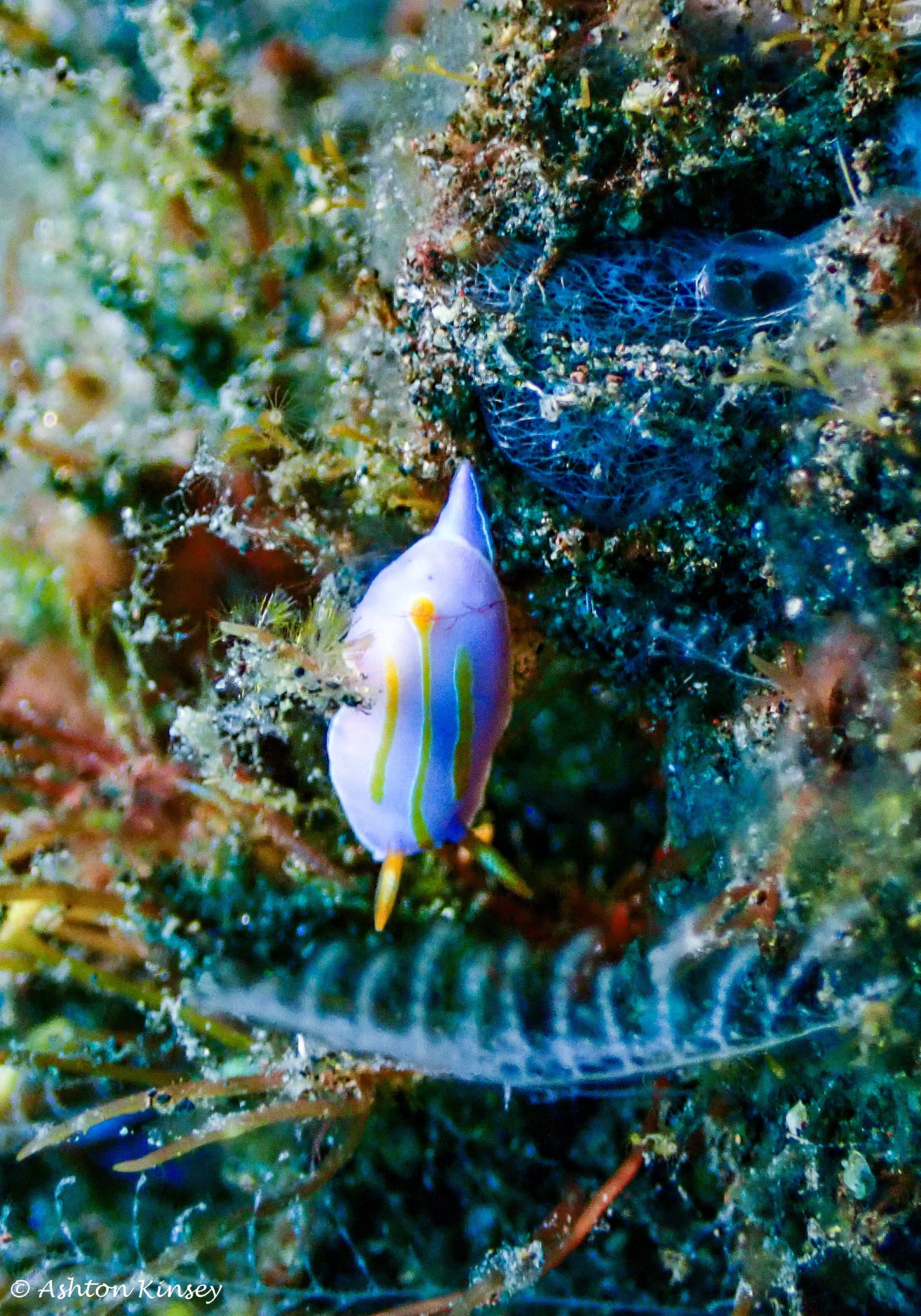
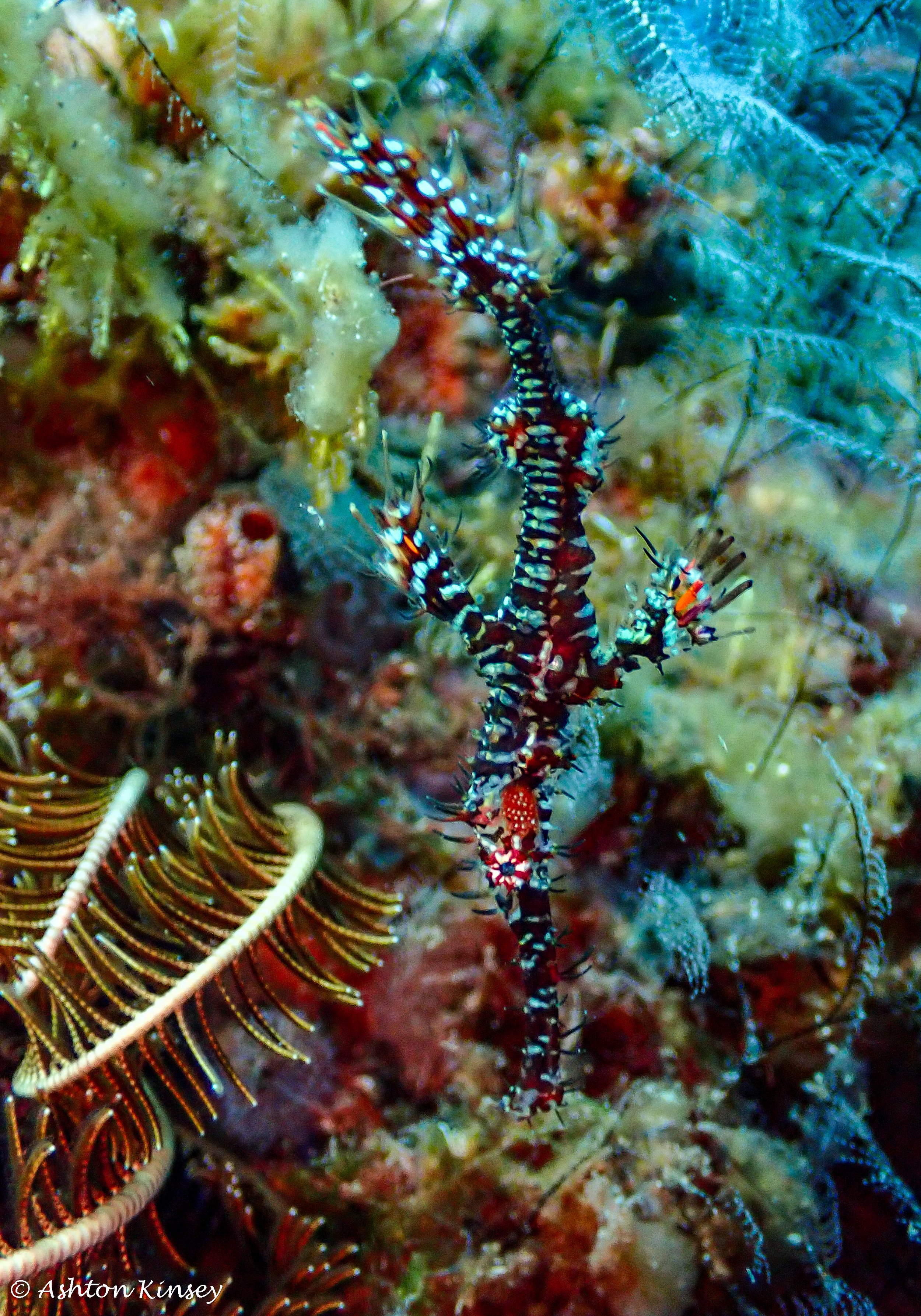
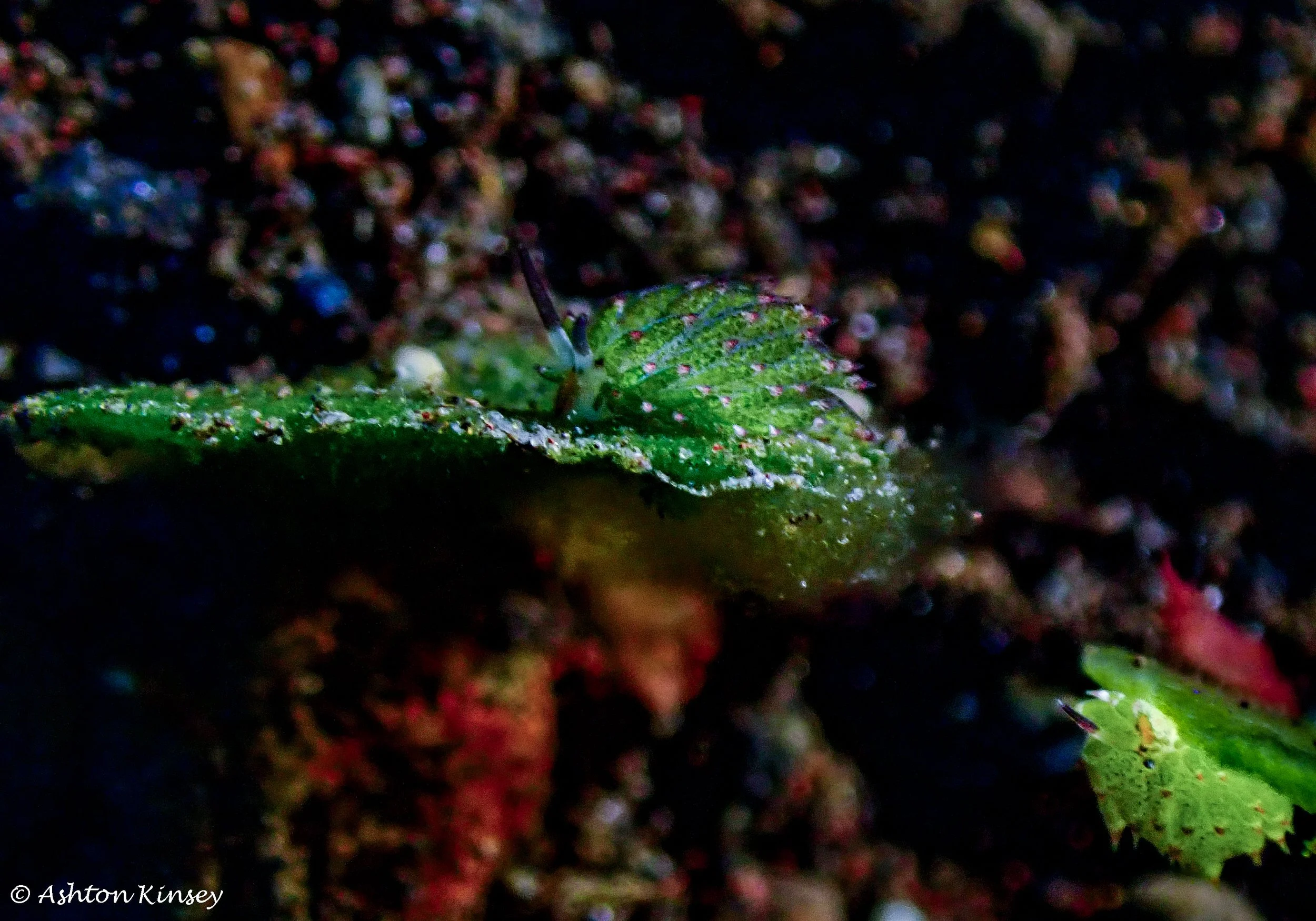
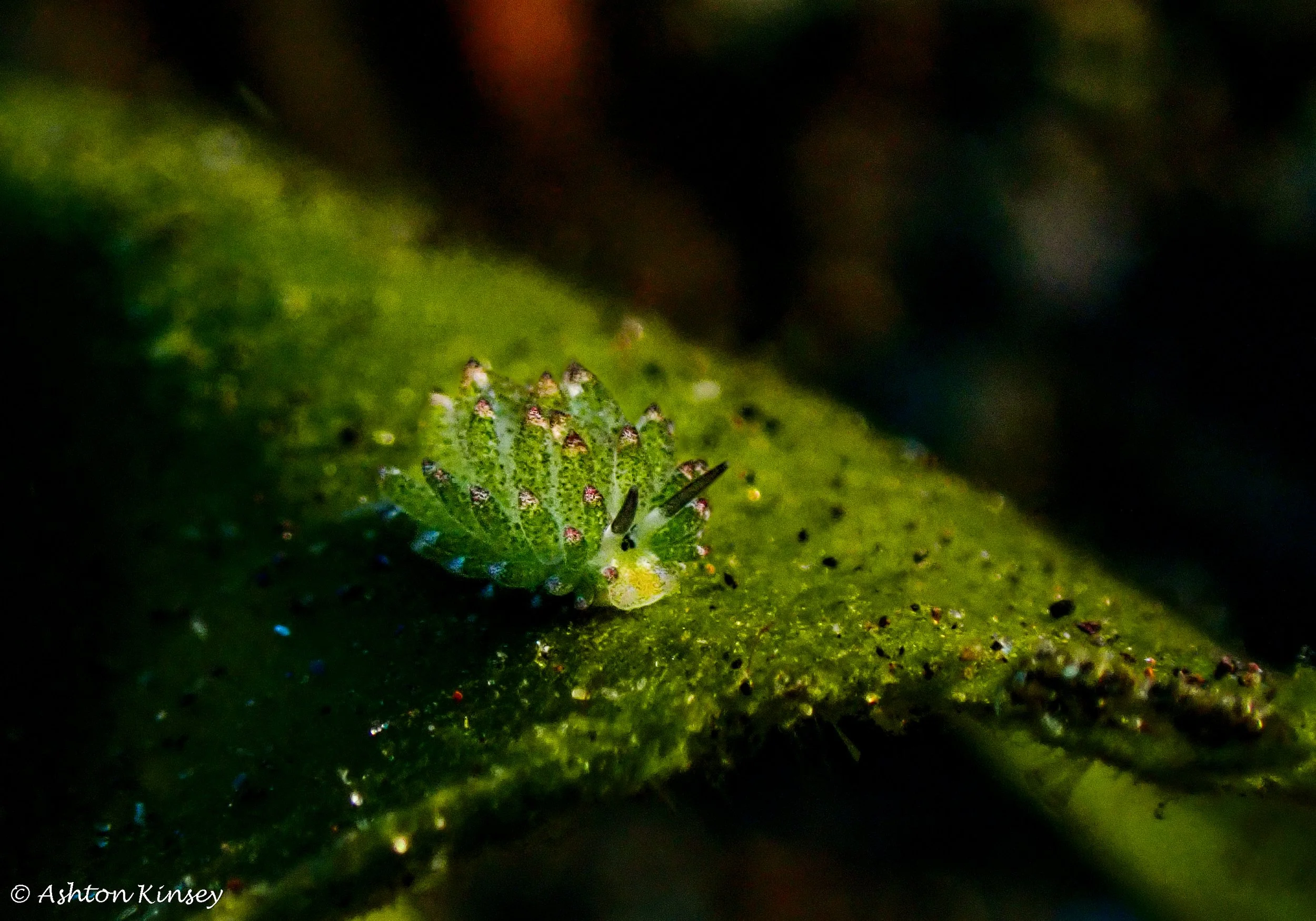
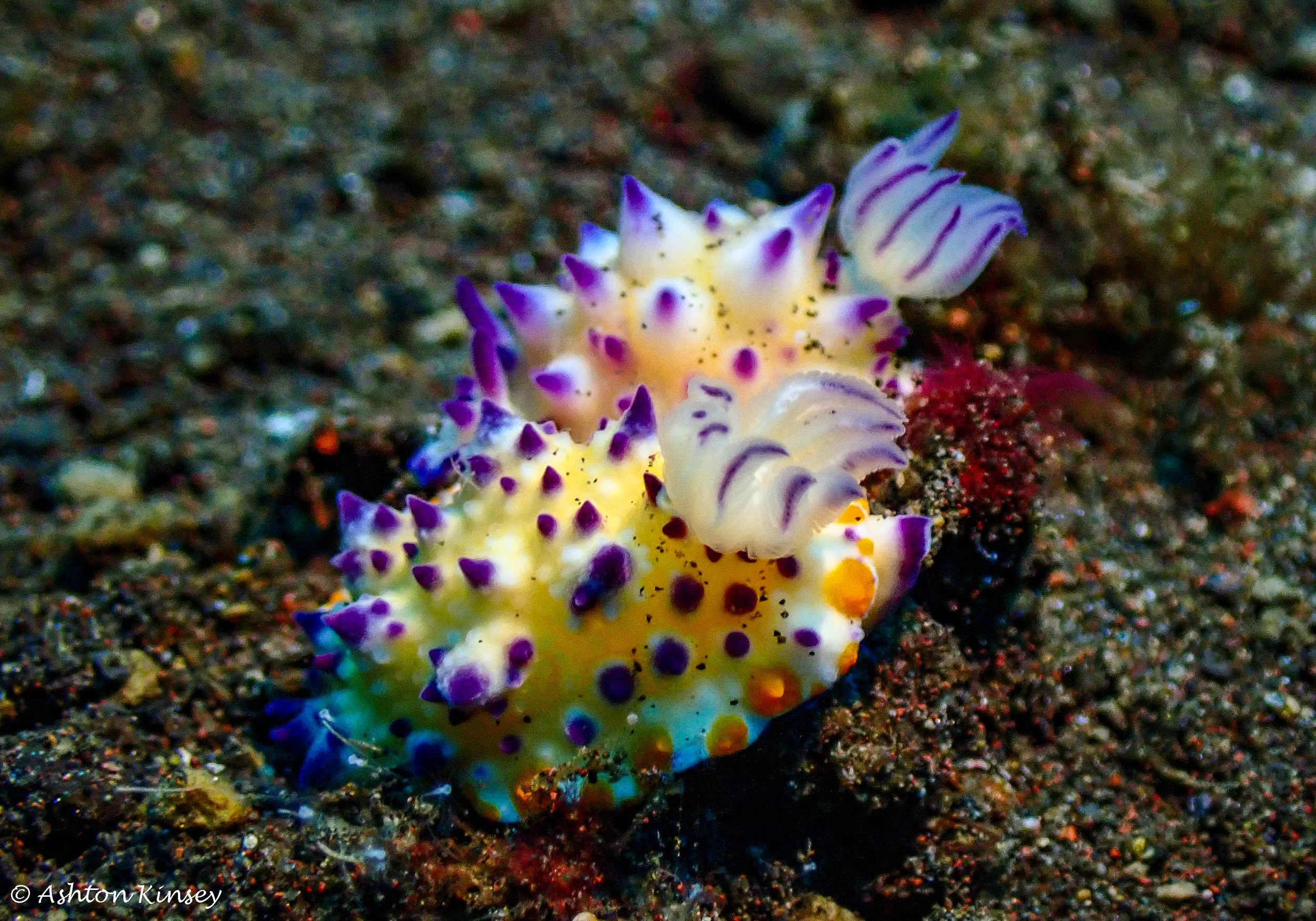
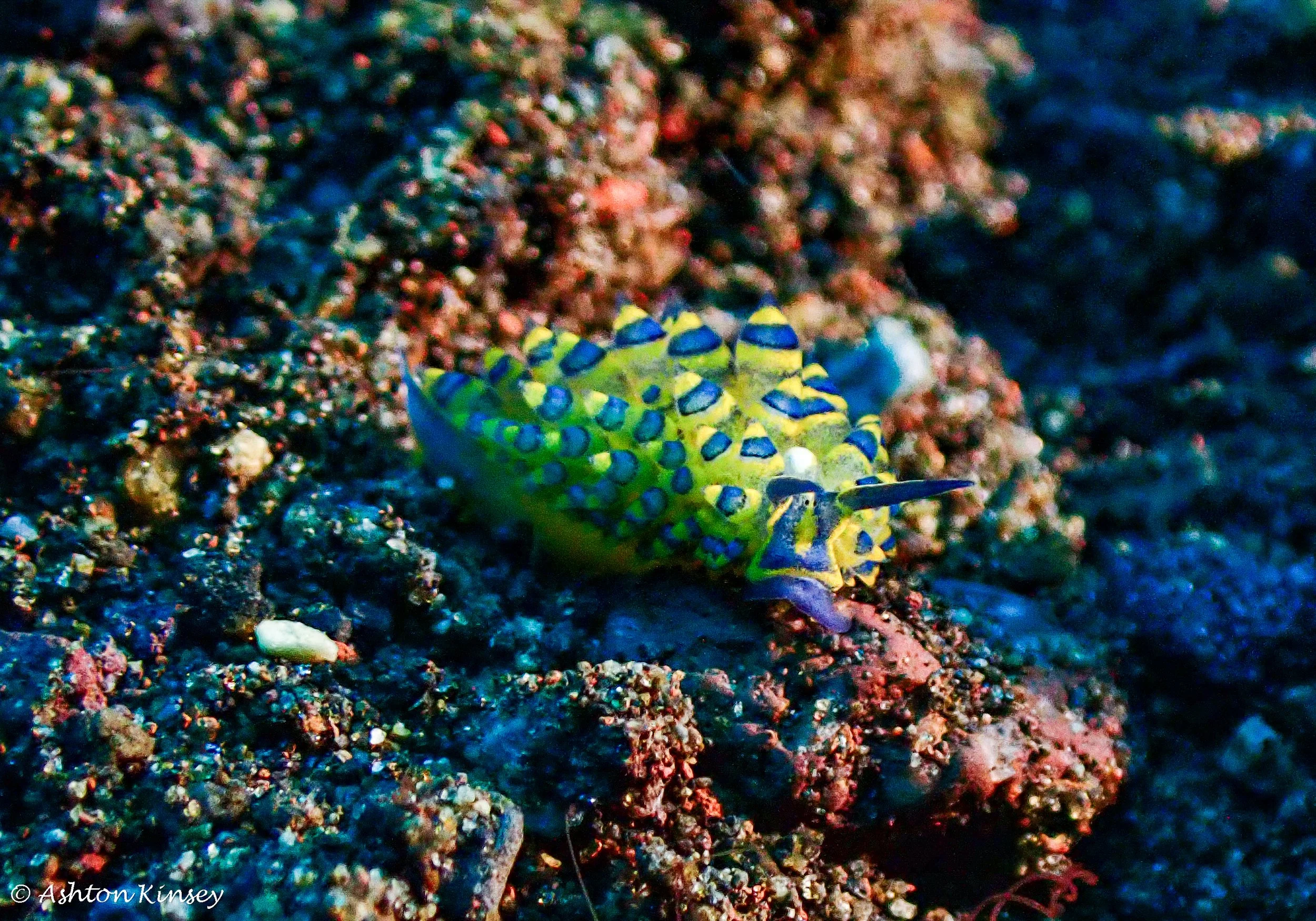
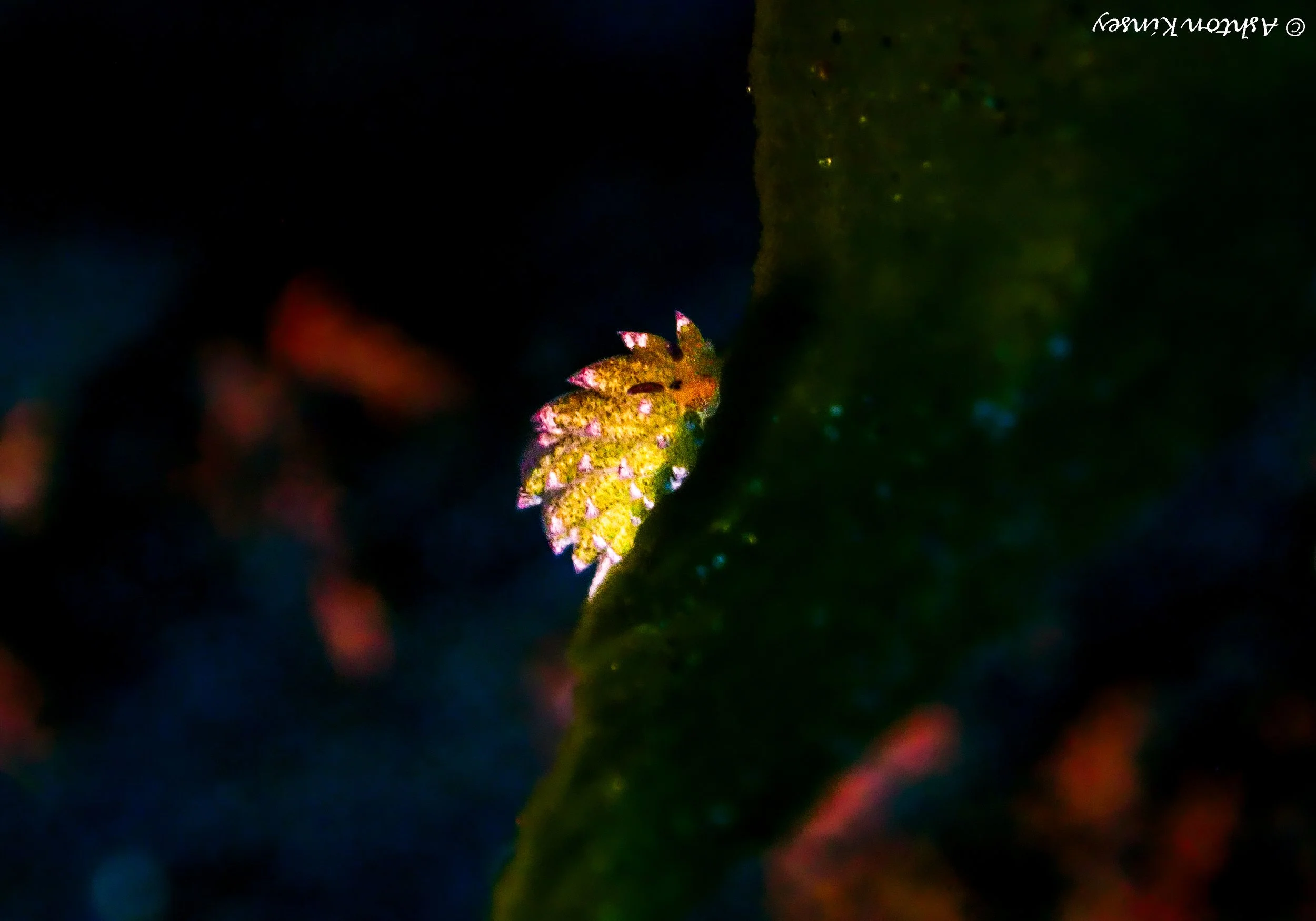
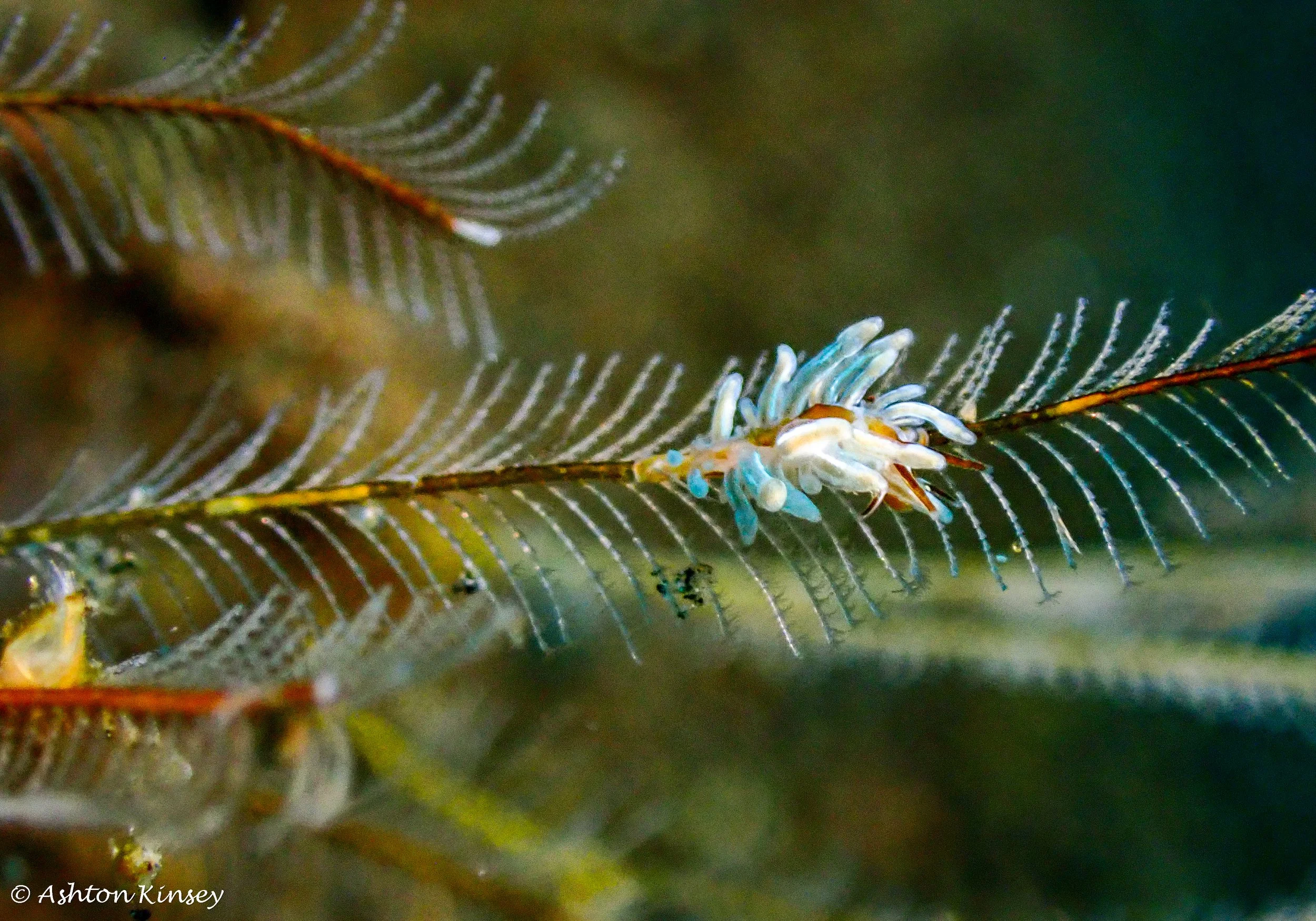
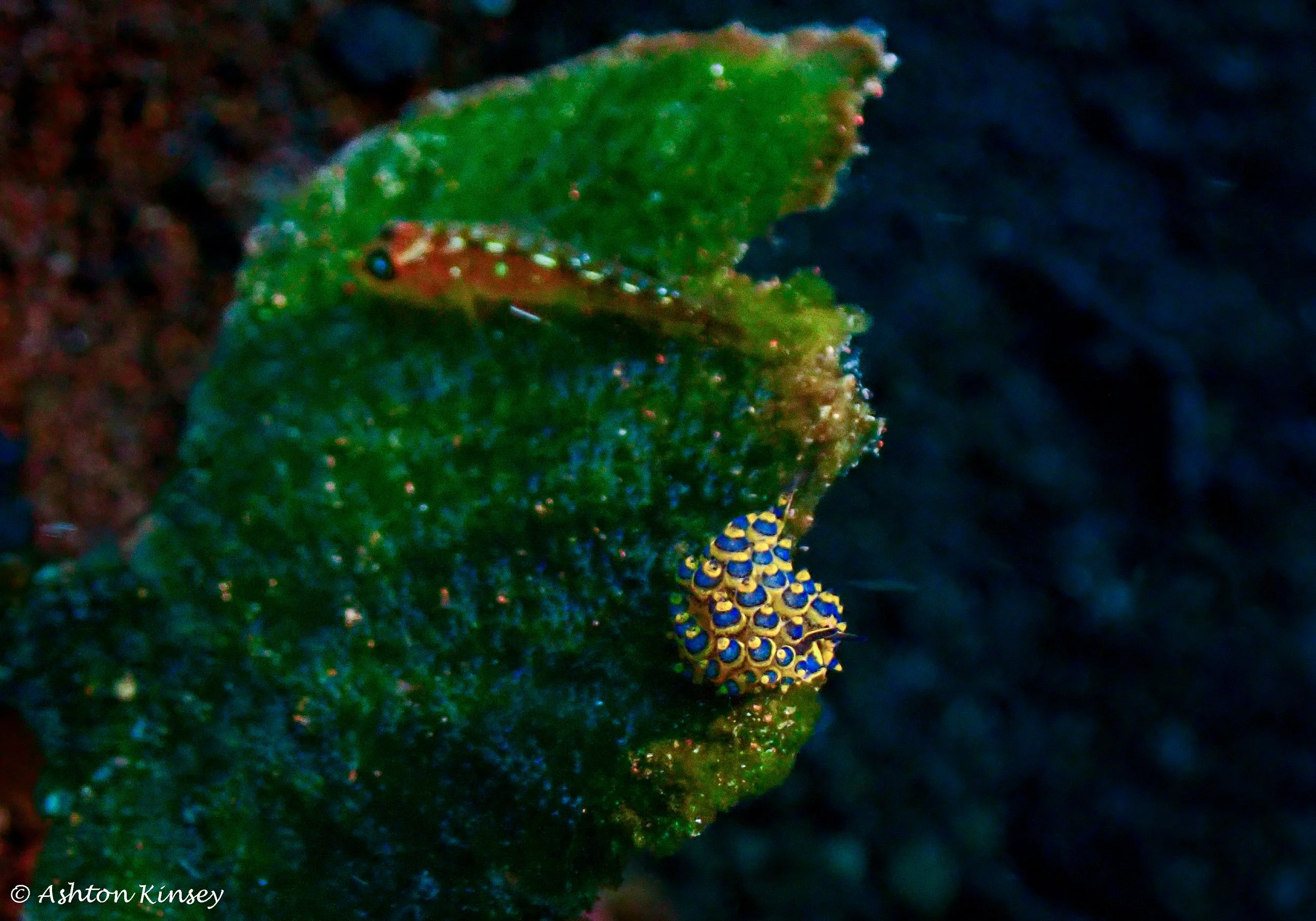
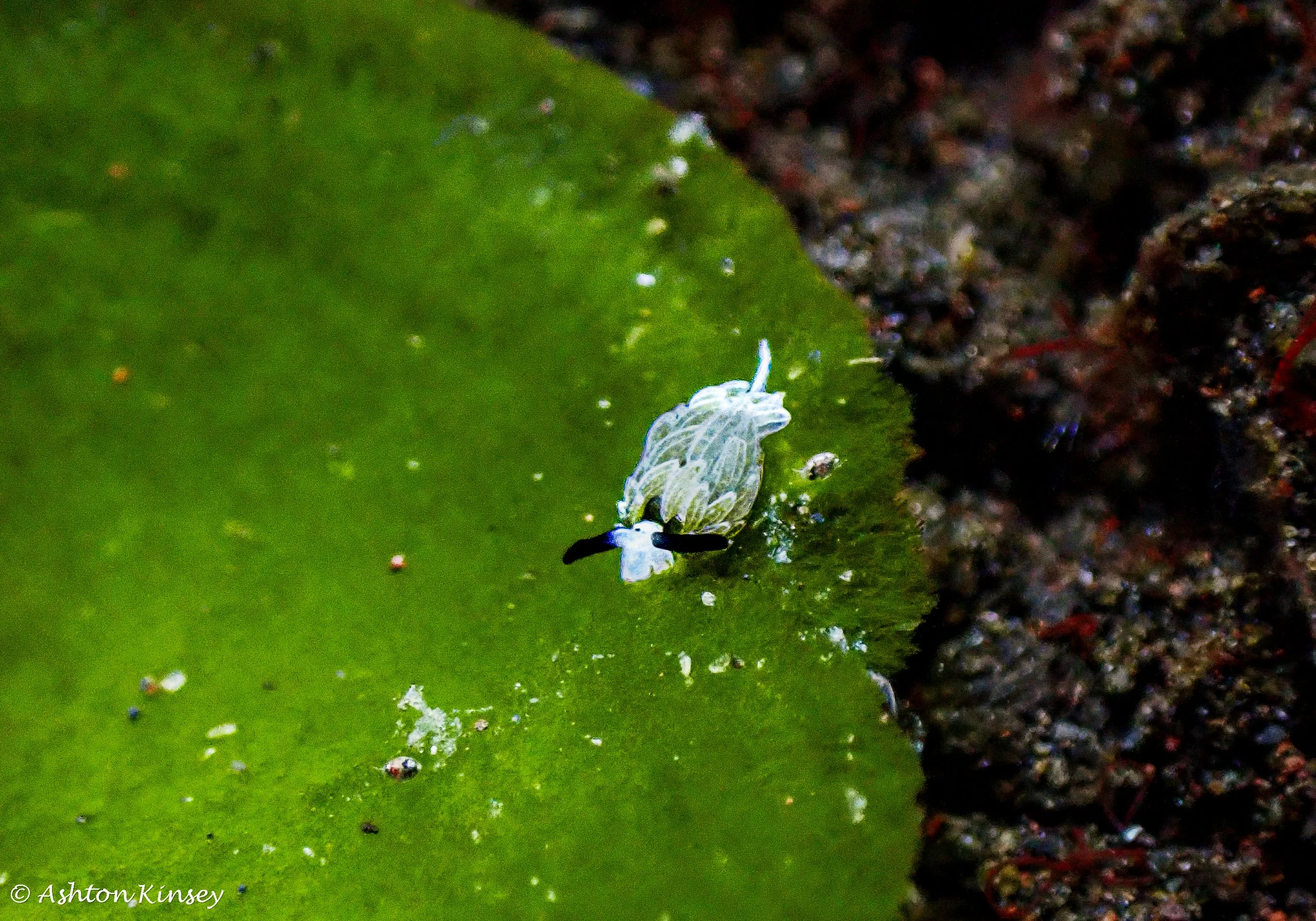
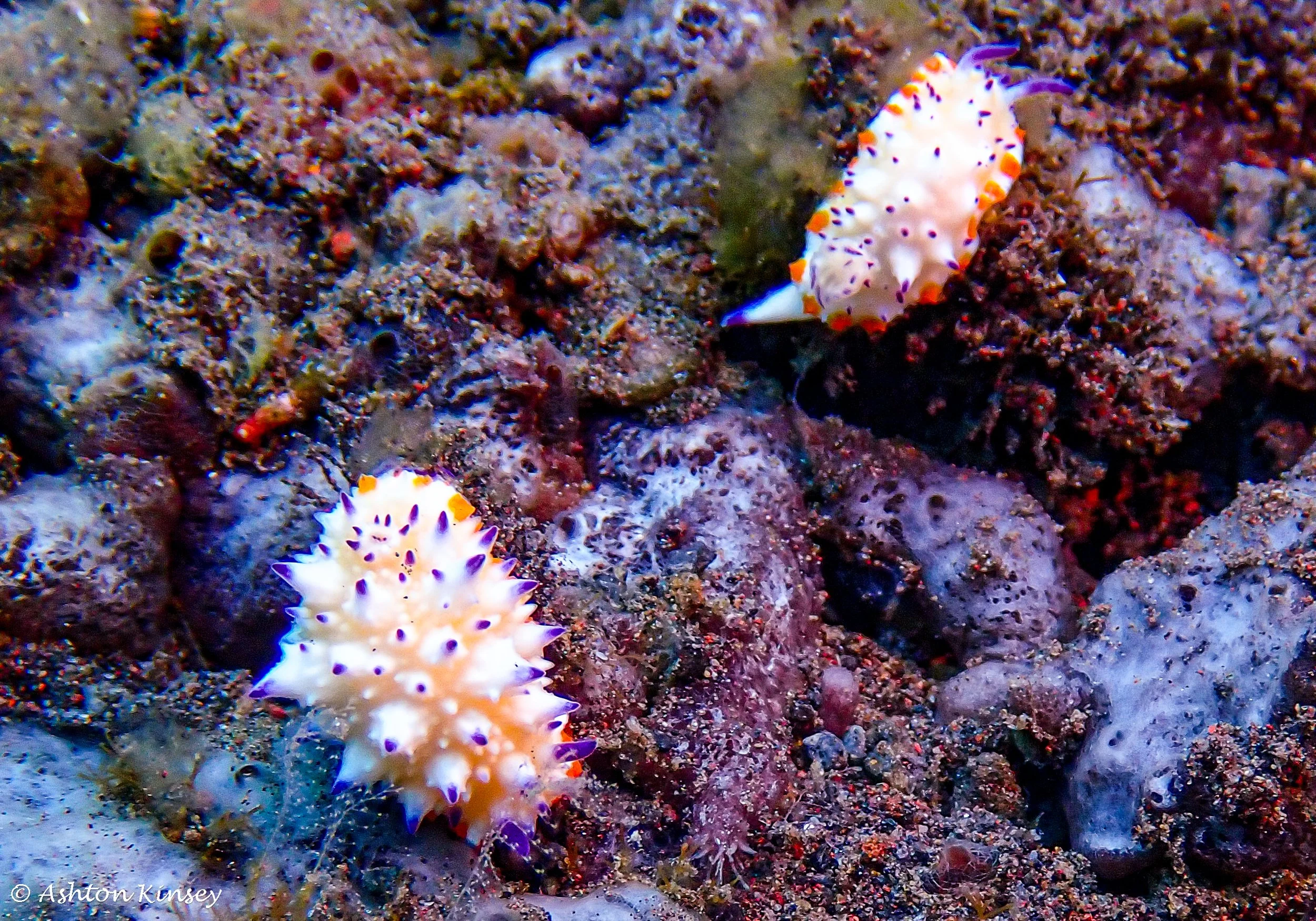
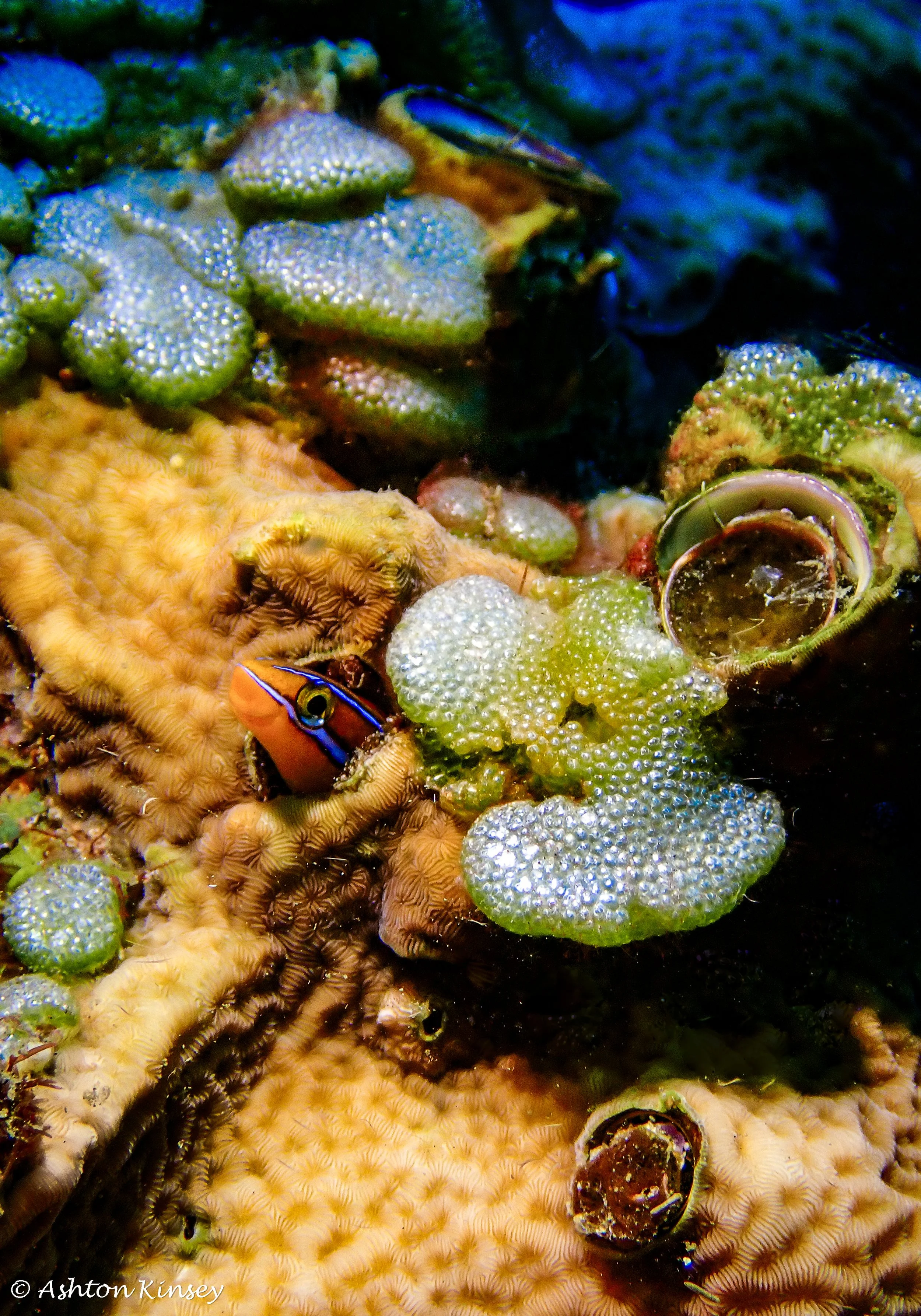
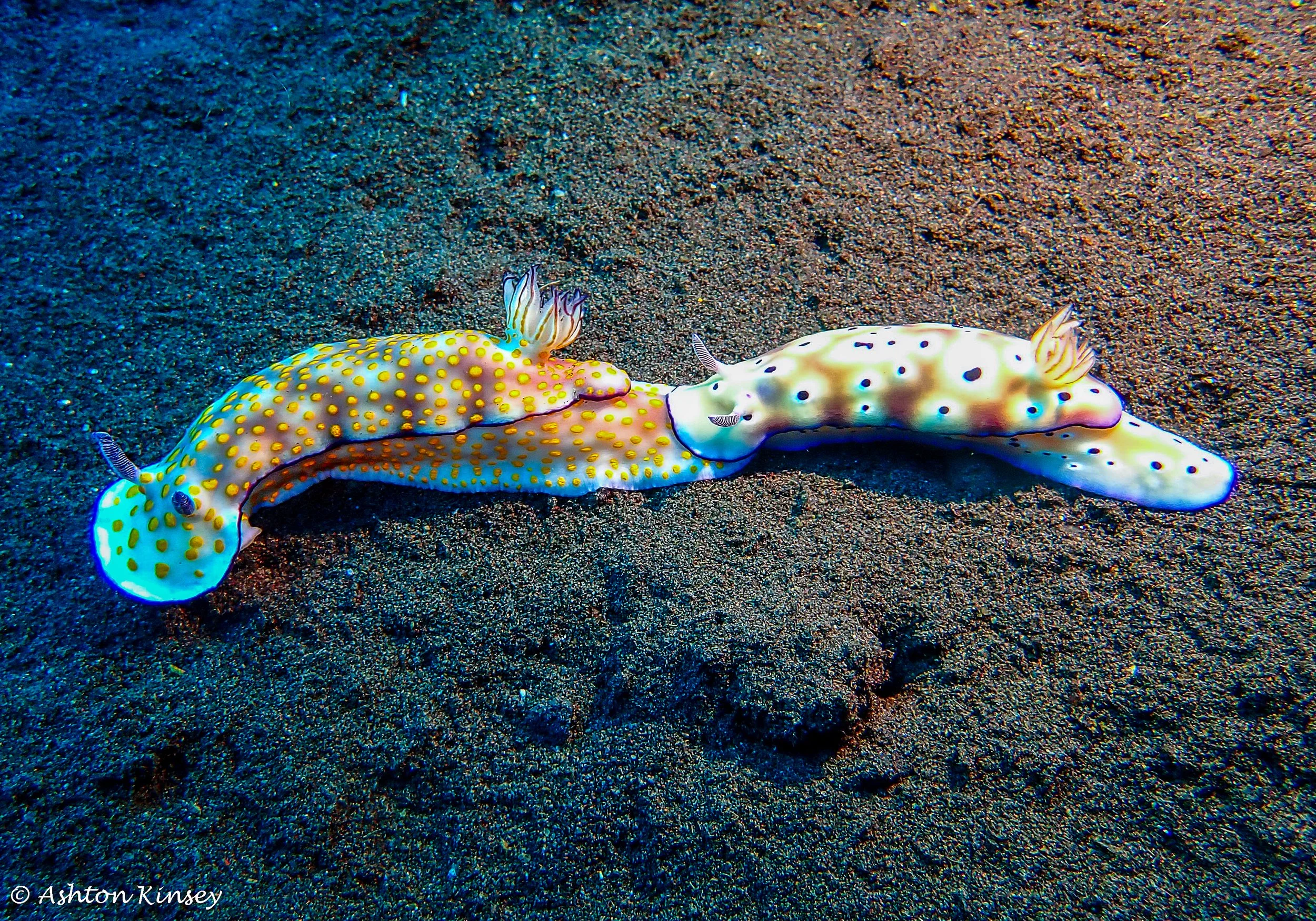
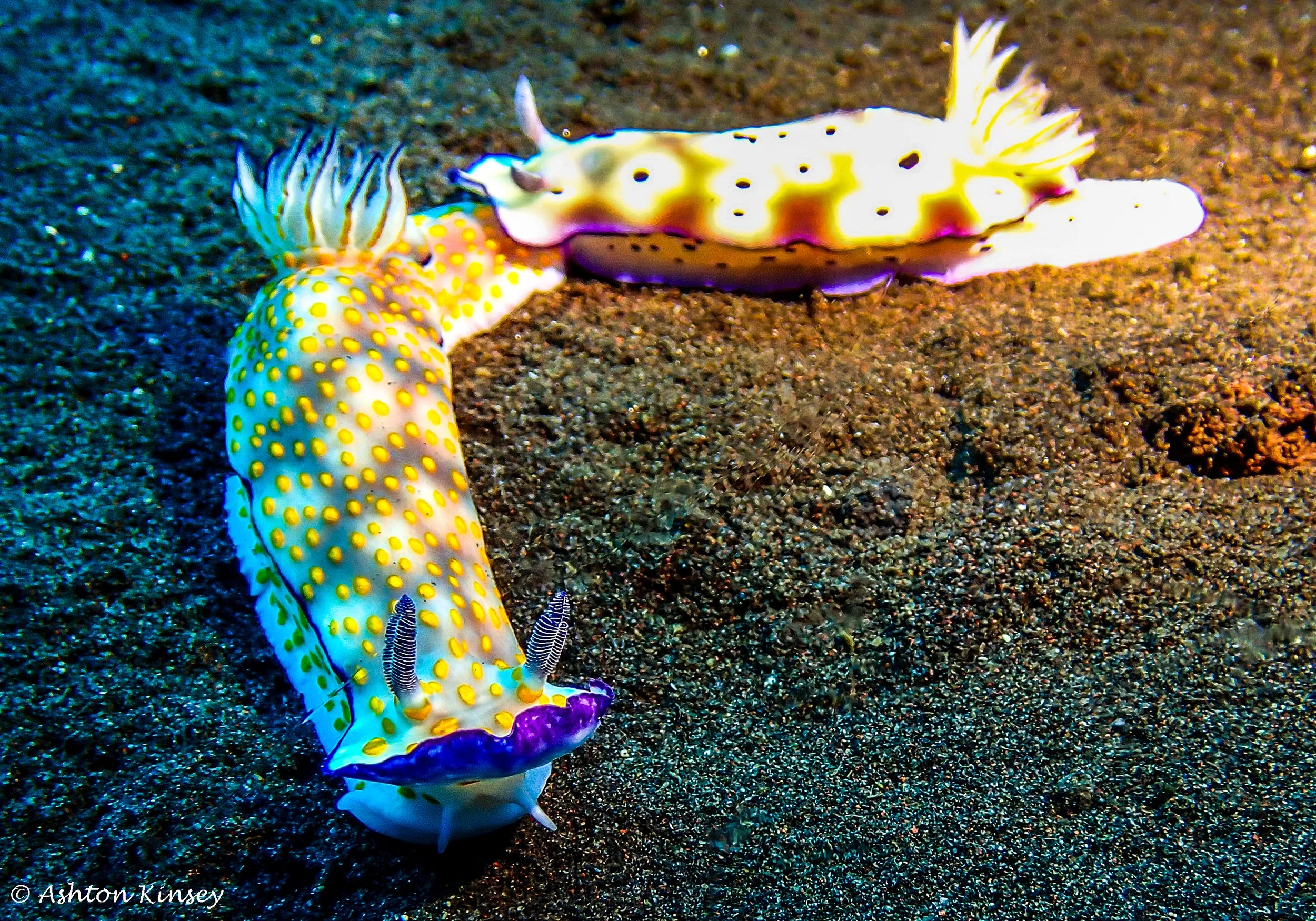
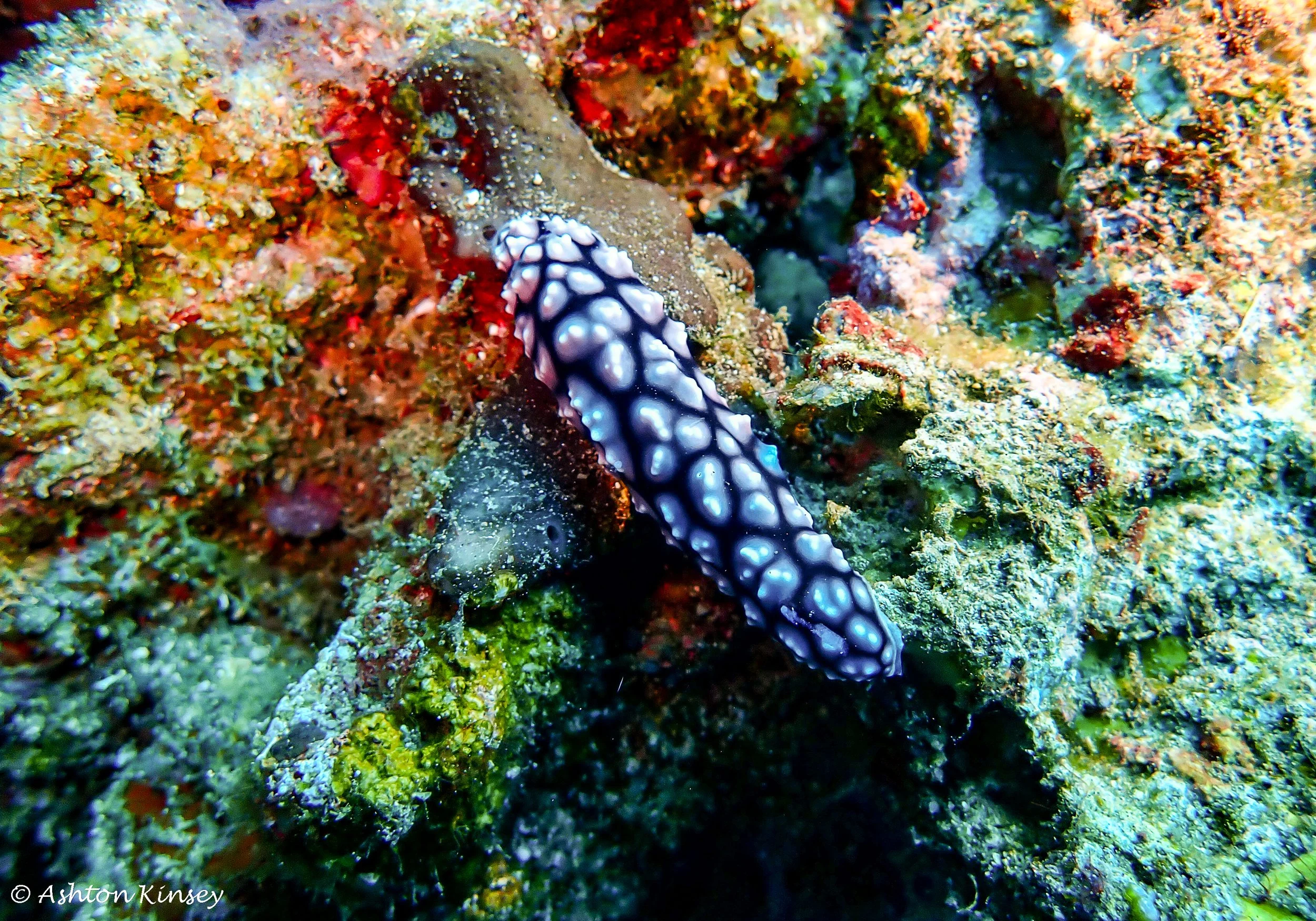
The dive is similar to others in the area, though it did have more hills and valleys vs a flat, sloping bottom. Not as much coral as other dives; mostly small algae patches with Shawn the Sheep nudies and other very small nudibranchs. Most of the smaller nudies in this area are sap suckers that are only 5 mm–1 cm long and will live on algae and slowly eat it.
Dive 14 & 15: Tulamben Drop Off
75’ for 61 minutes & 100’ for 62 minutes
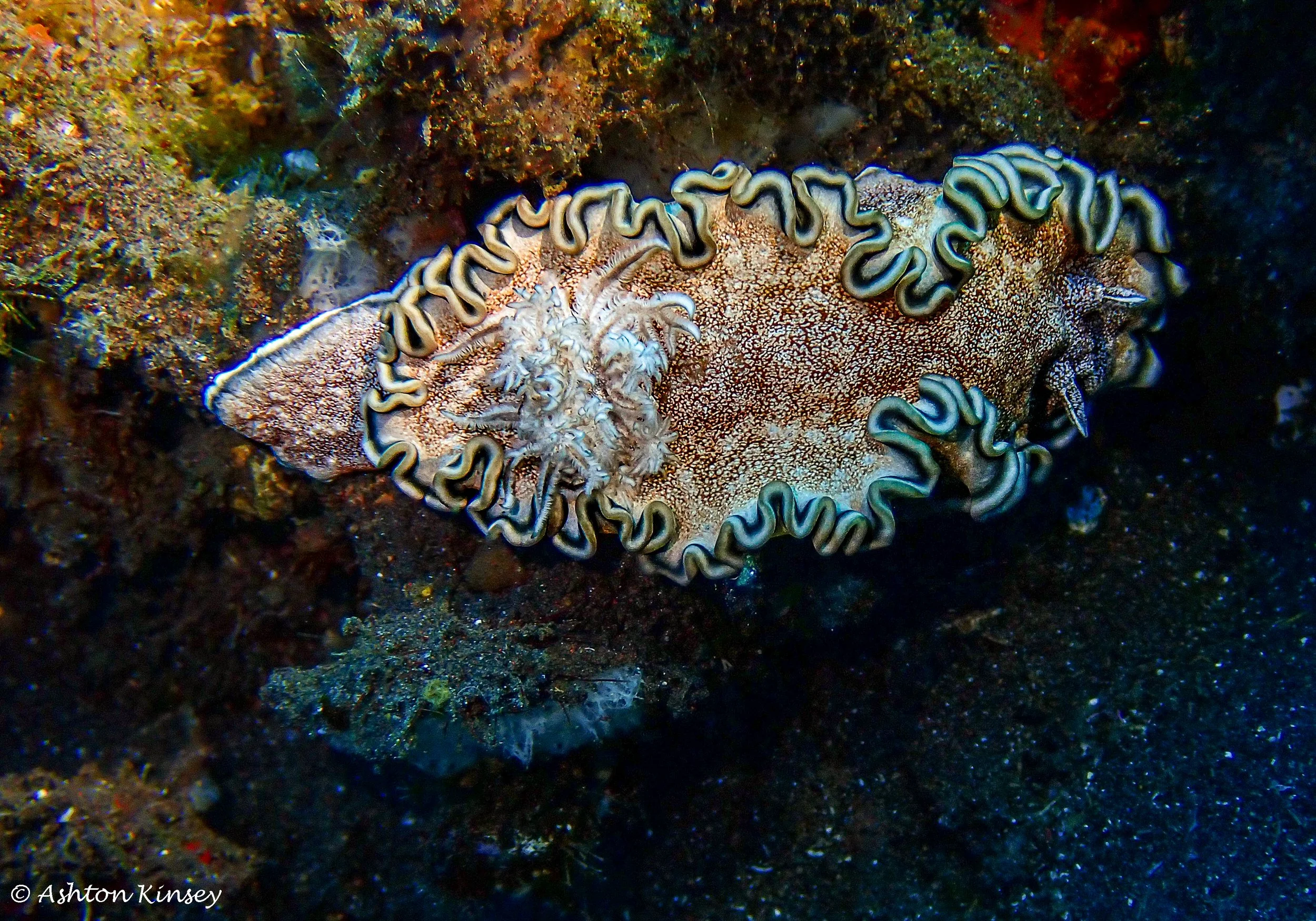
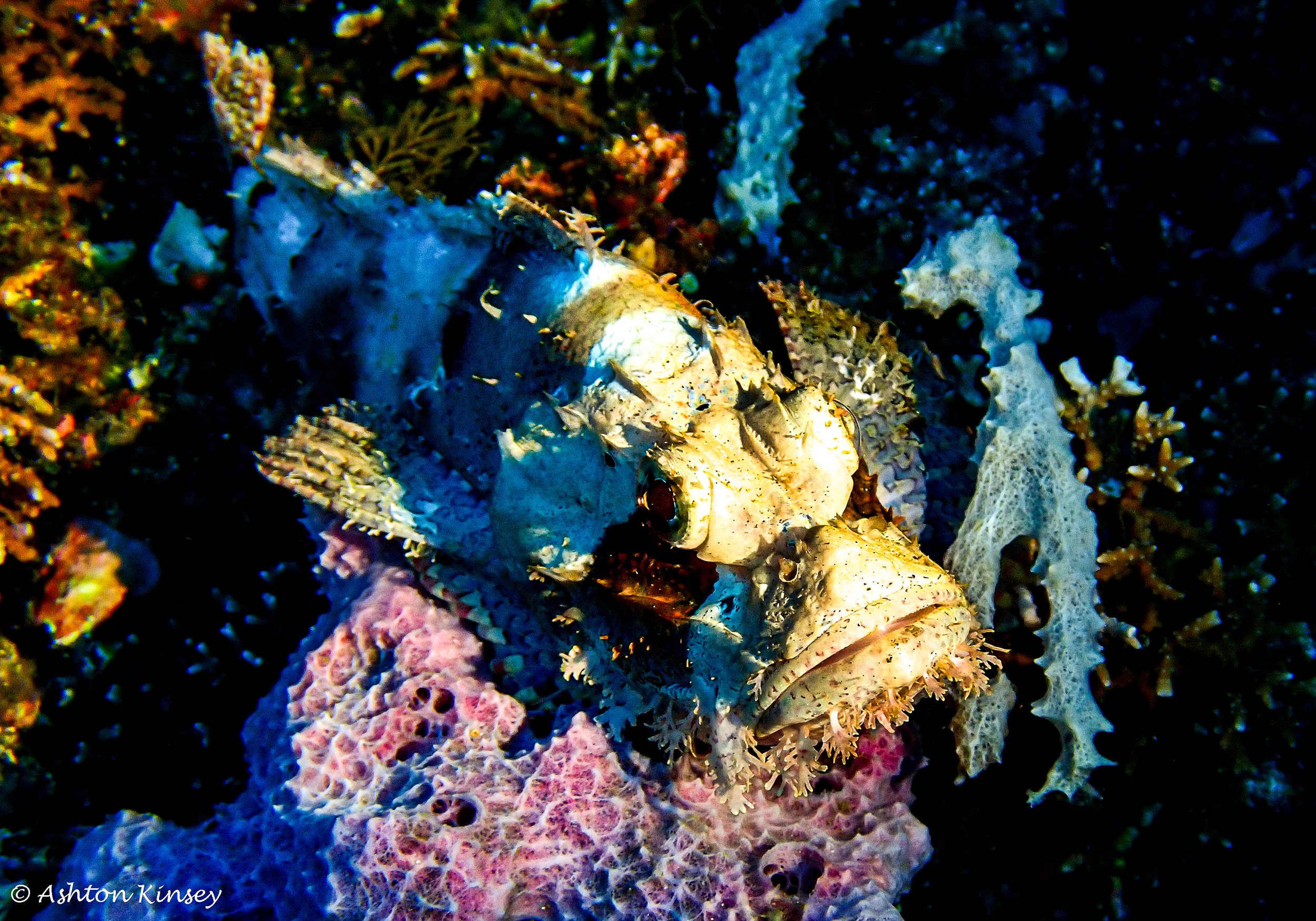
The site was created due to the 1963 eruption of Mt. Augung and the resulting lava flows. It is a popular dive site due to the combination of muck diving and wall diving. Initially, the site is shaped like a giant bowl that slopes down from the beach into an open muck area with lots of sea goblins, nudies, and other "muck creatures".
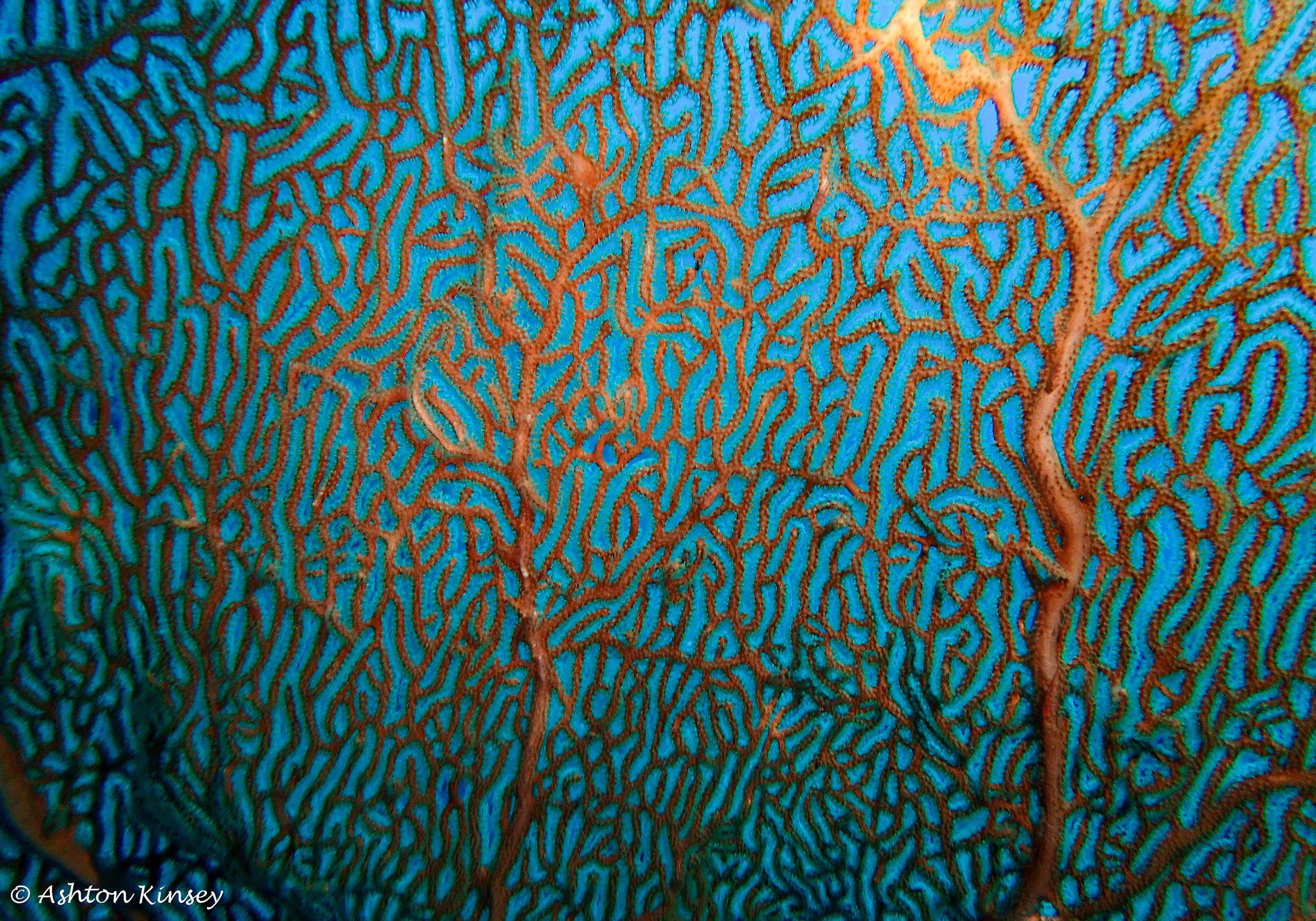
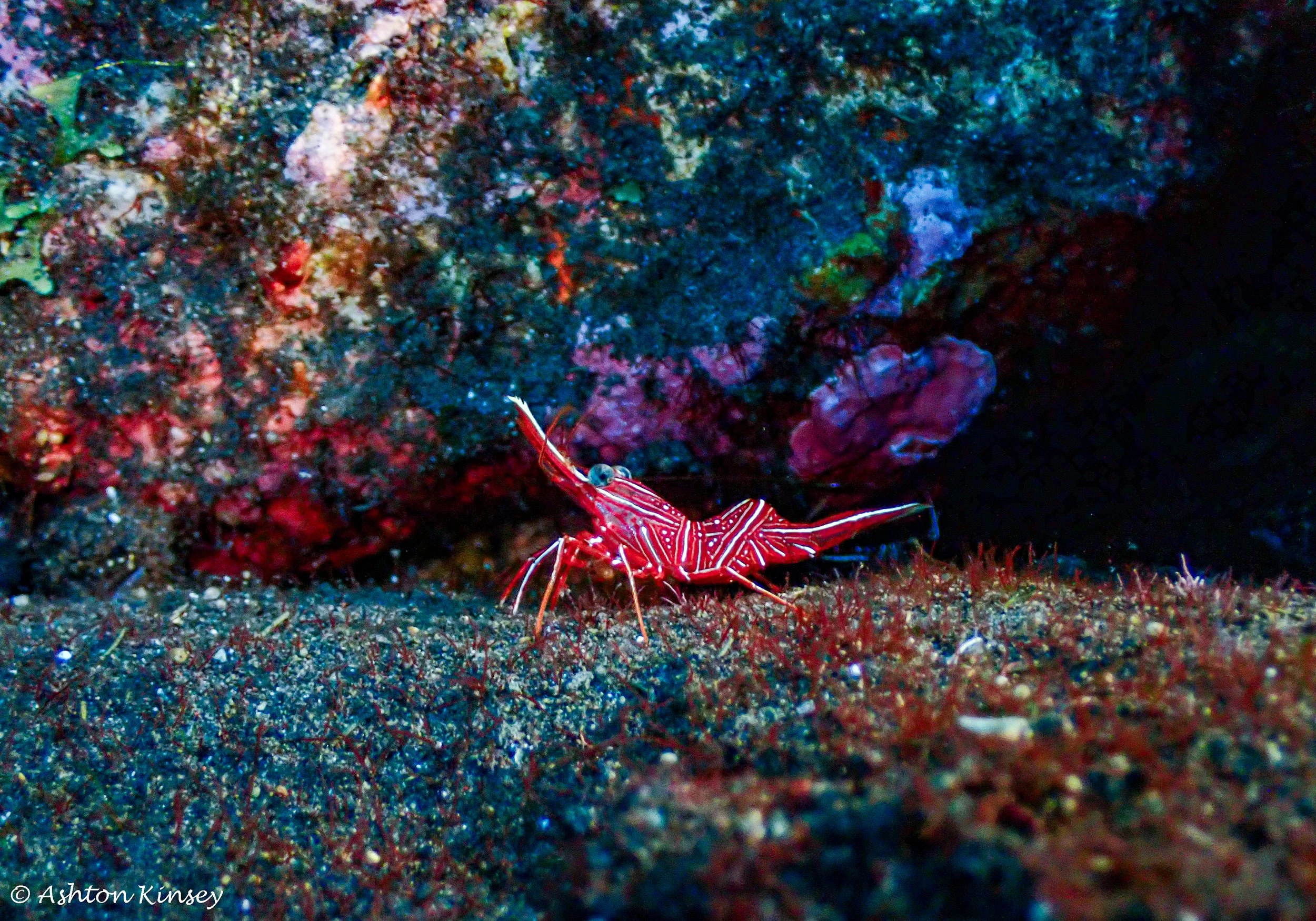
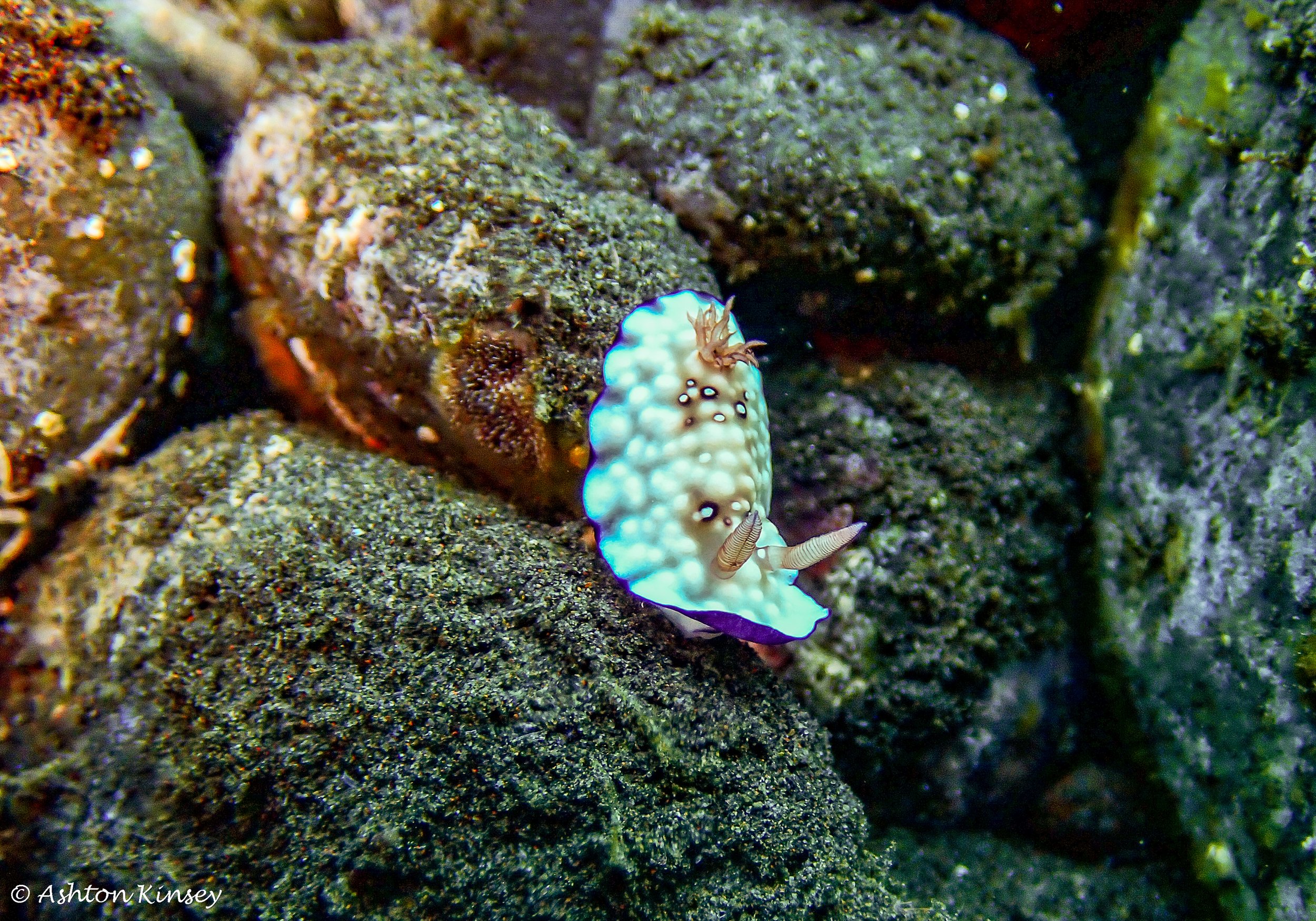
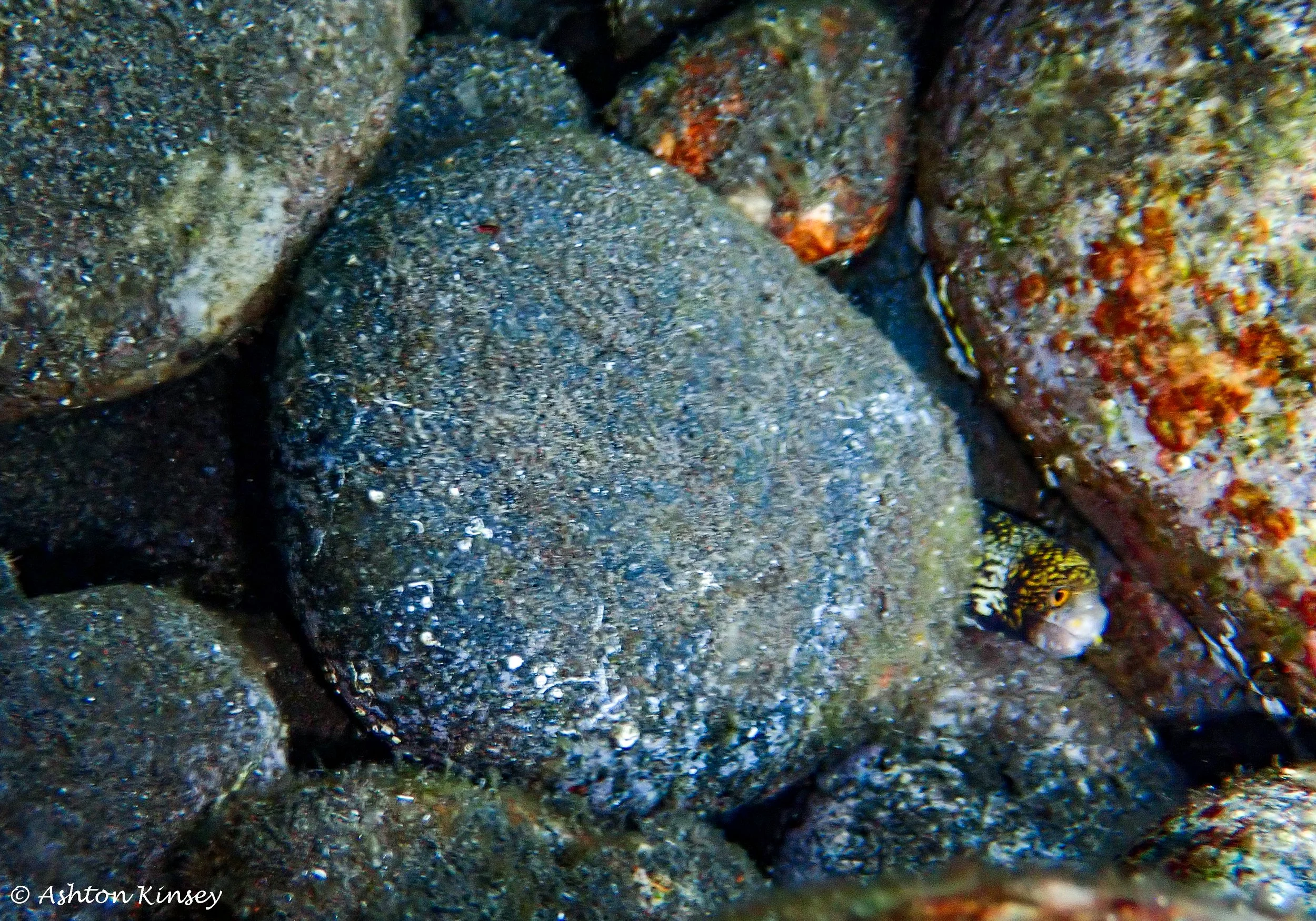
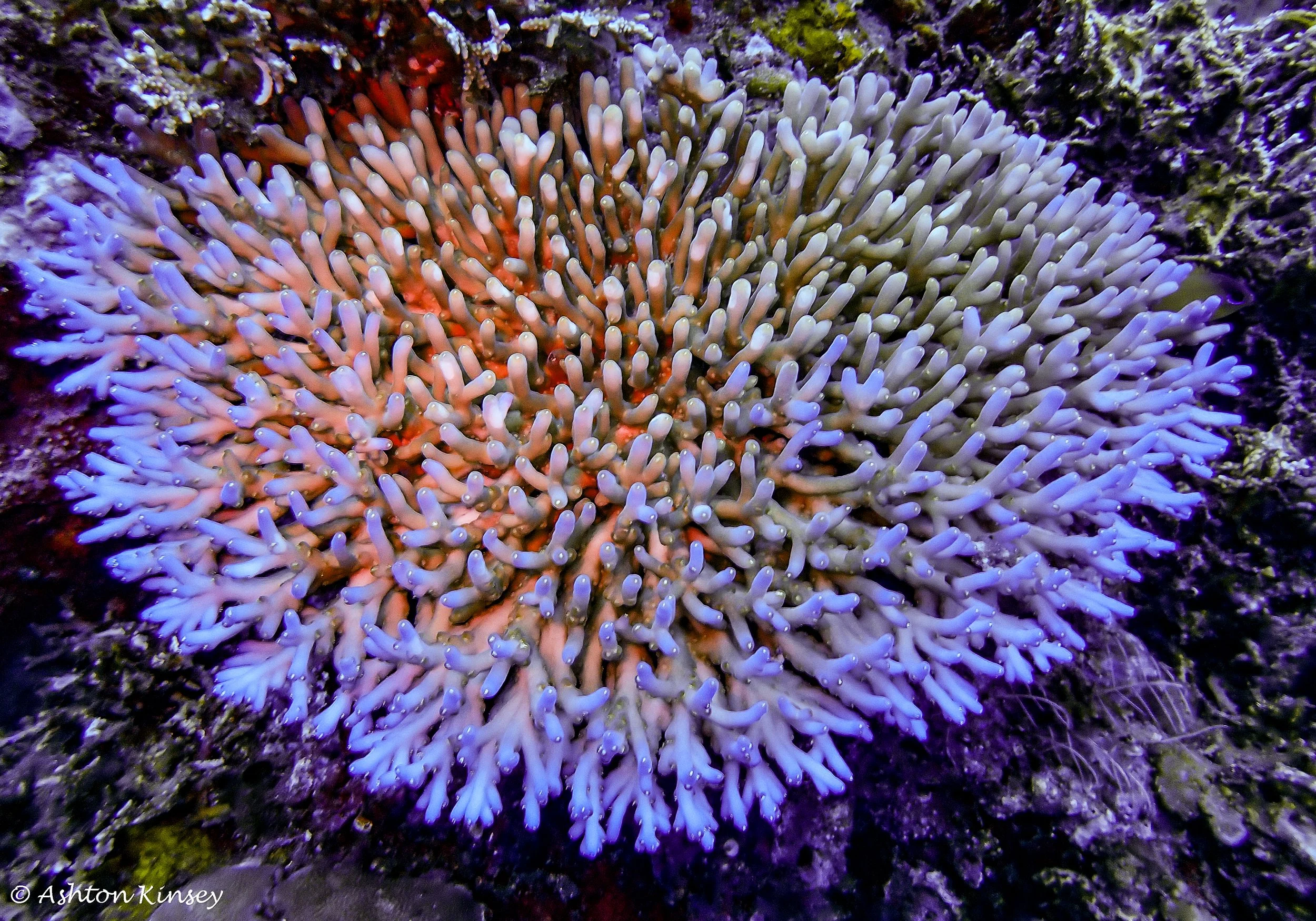
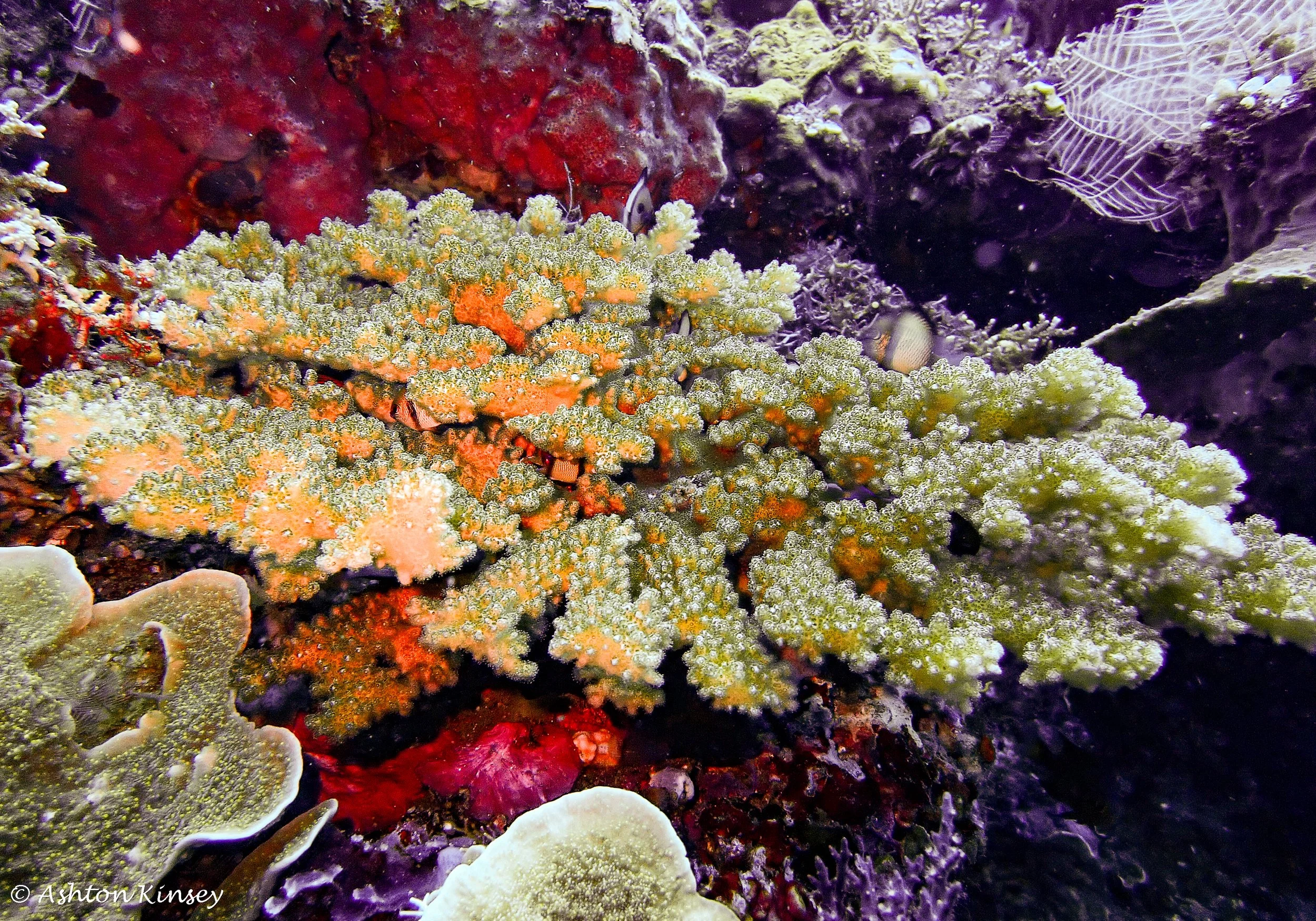
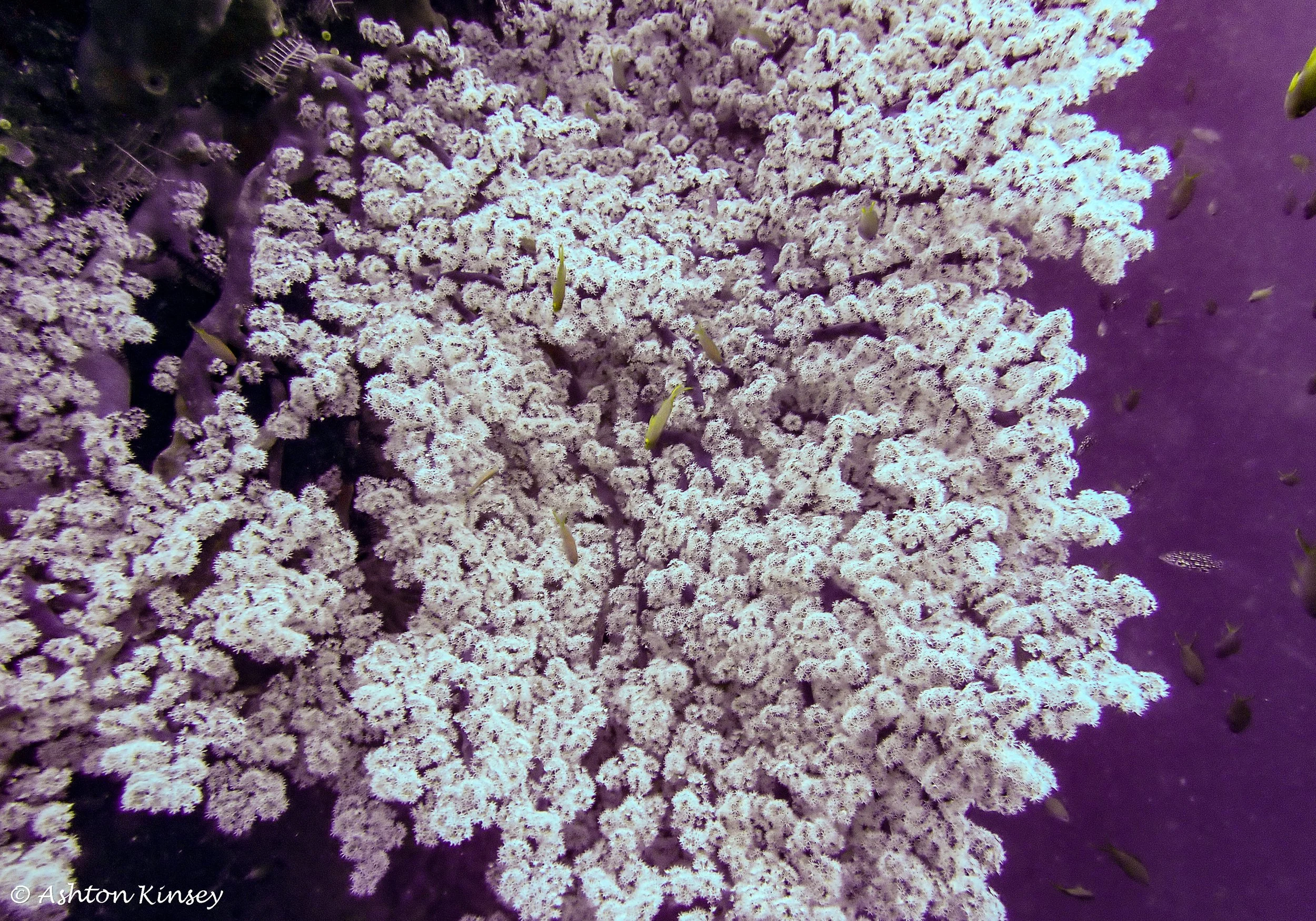
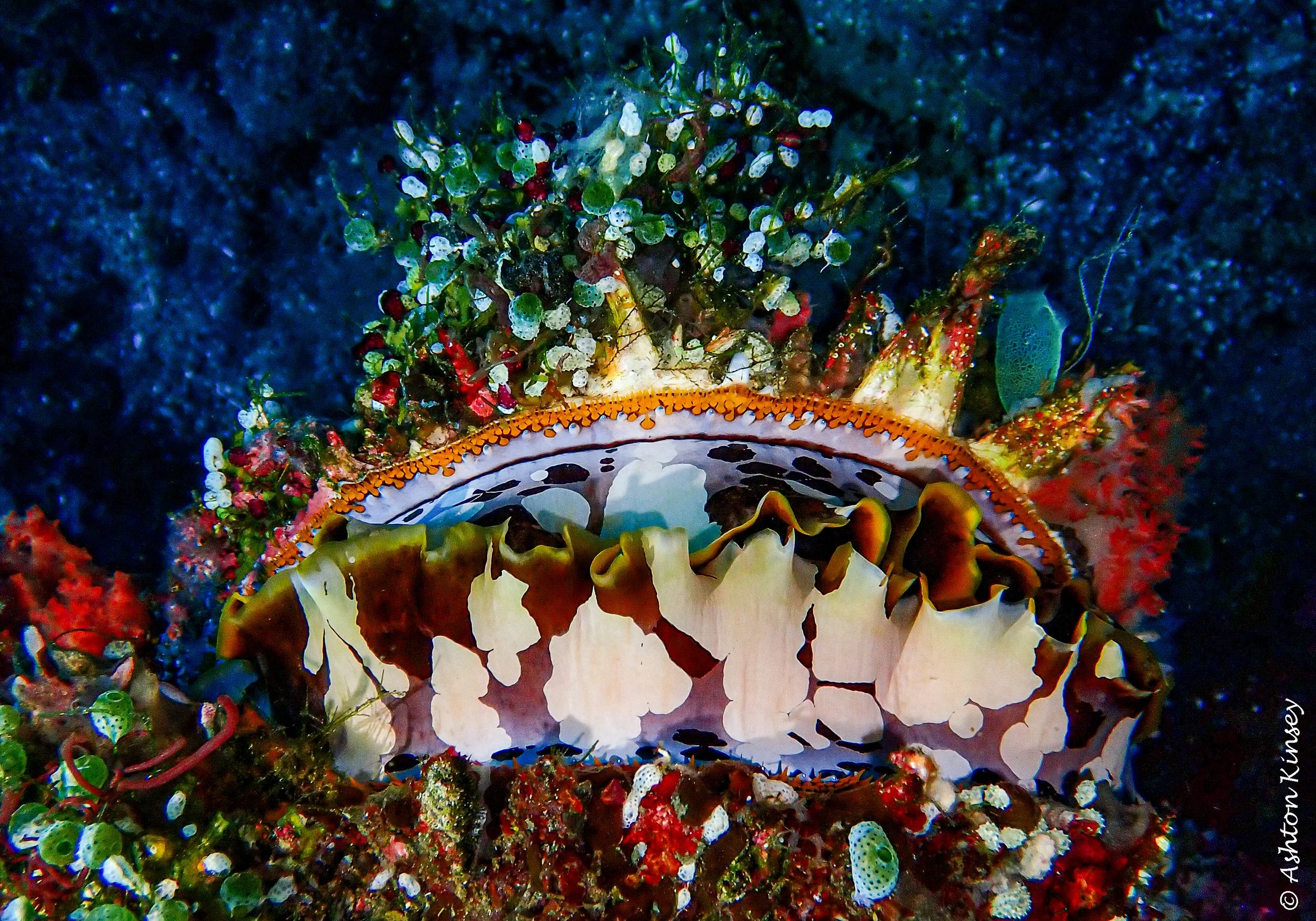
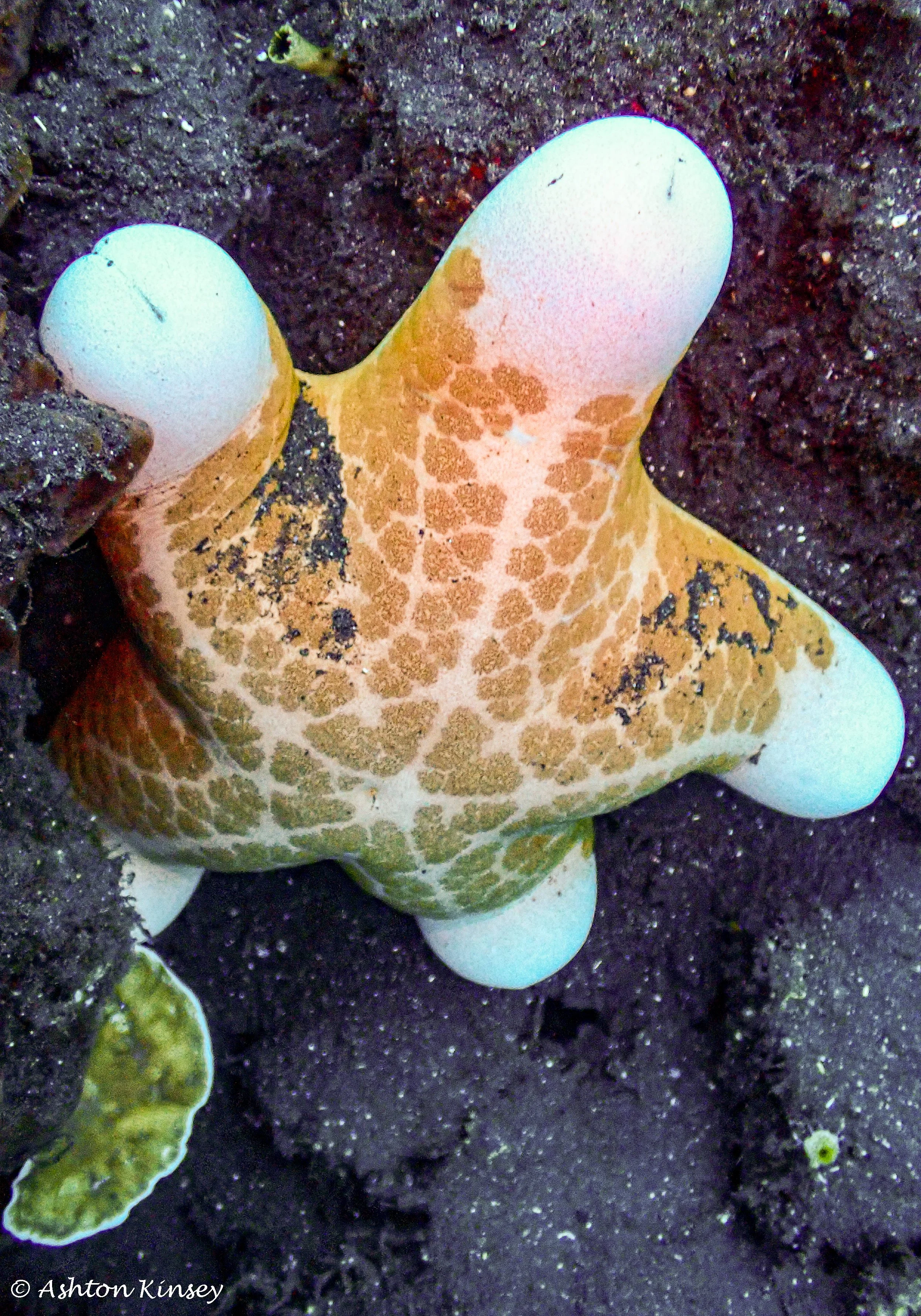
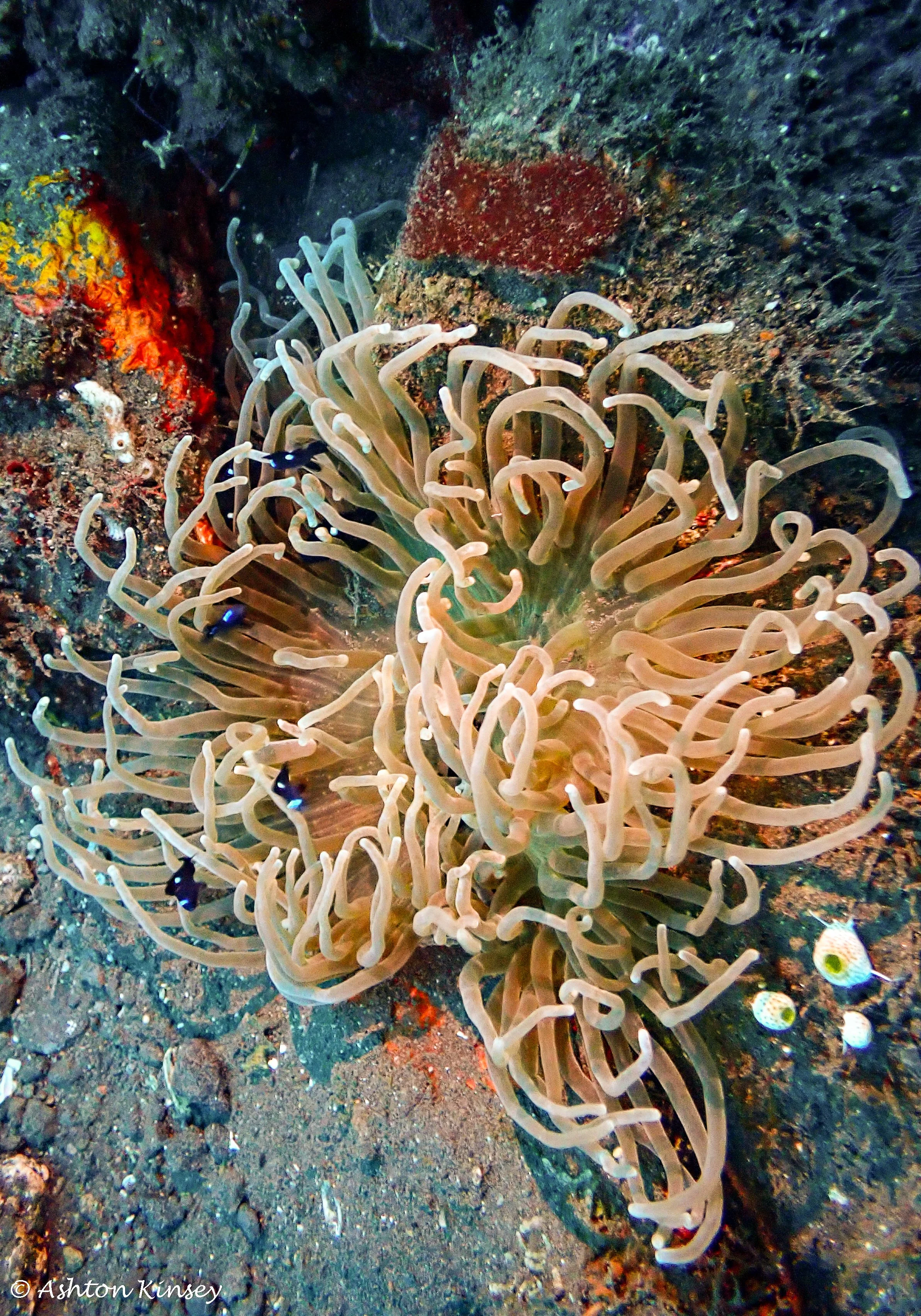
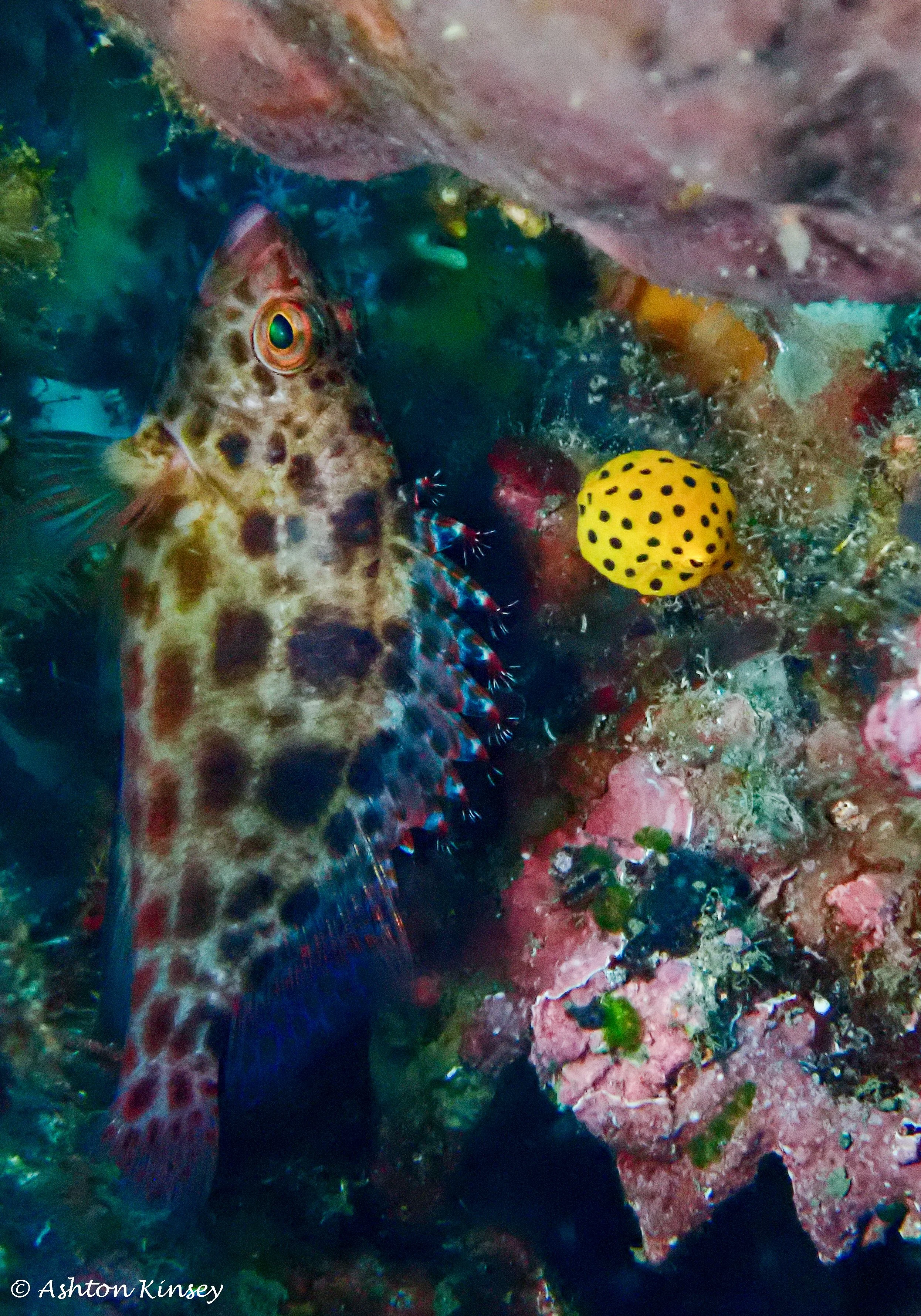
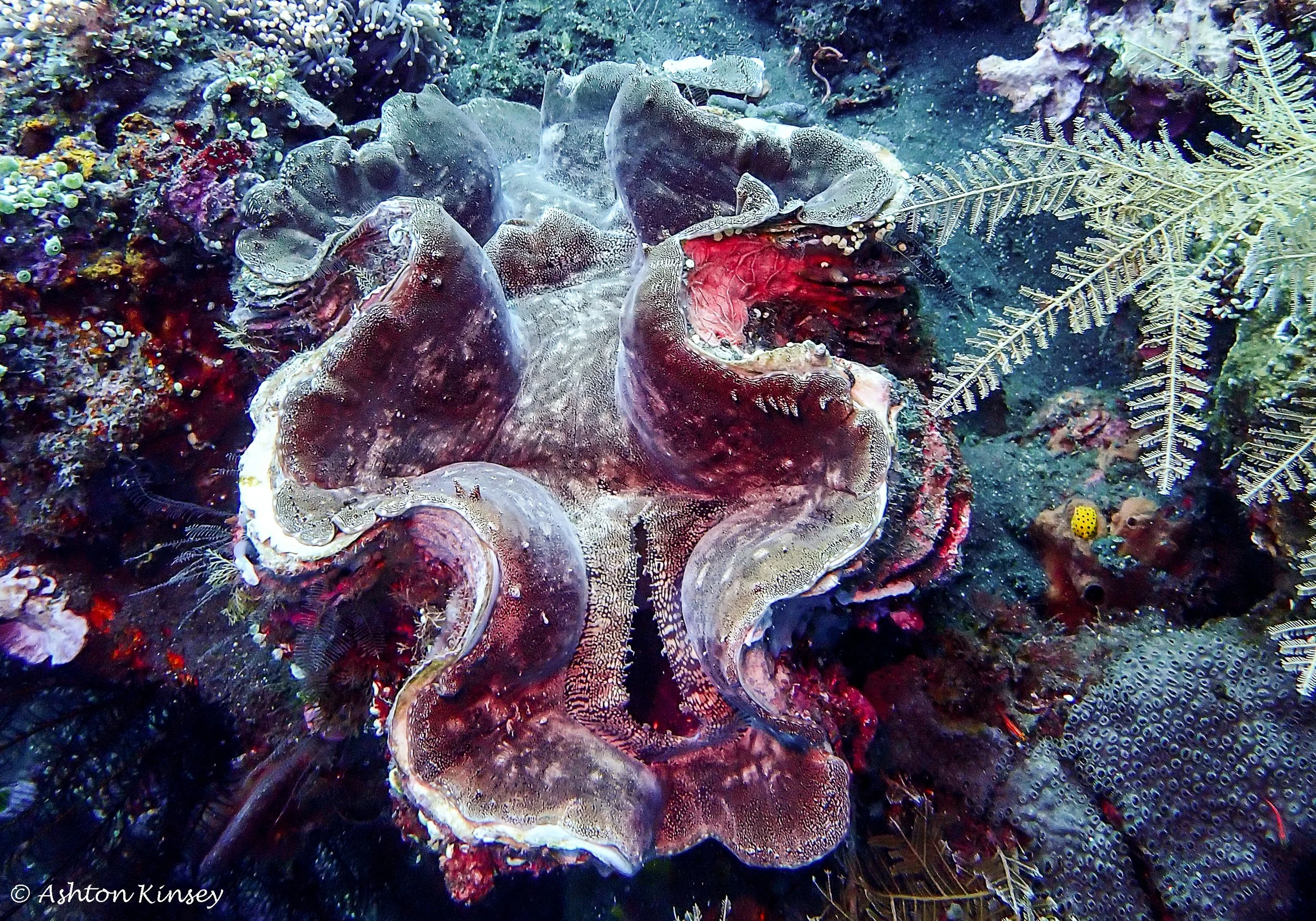
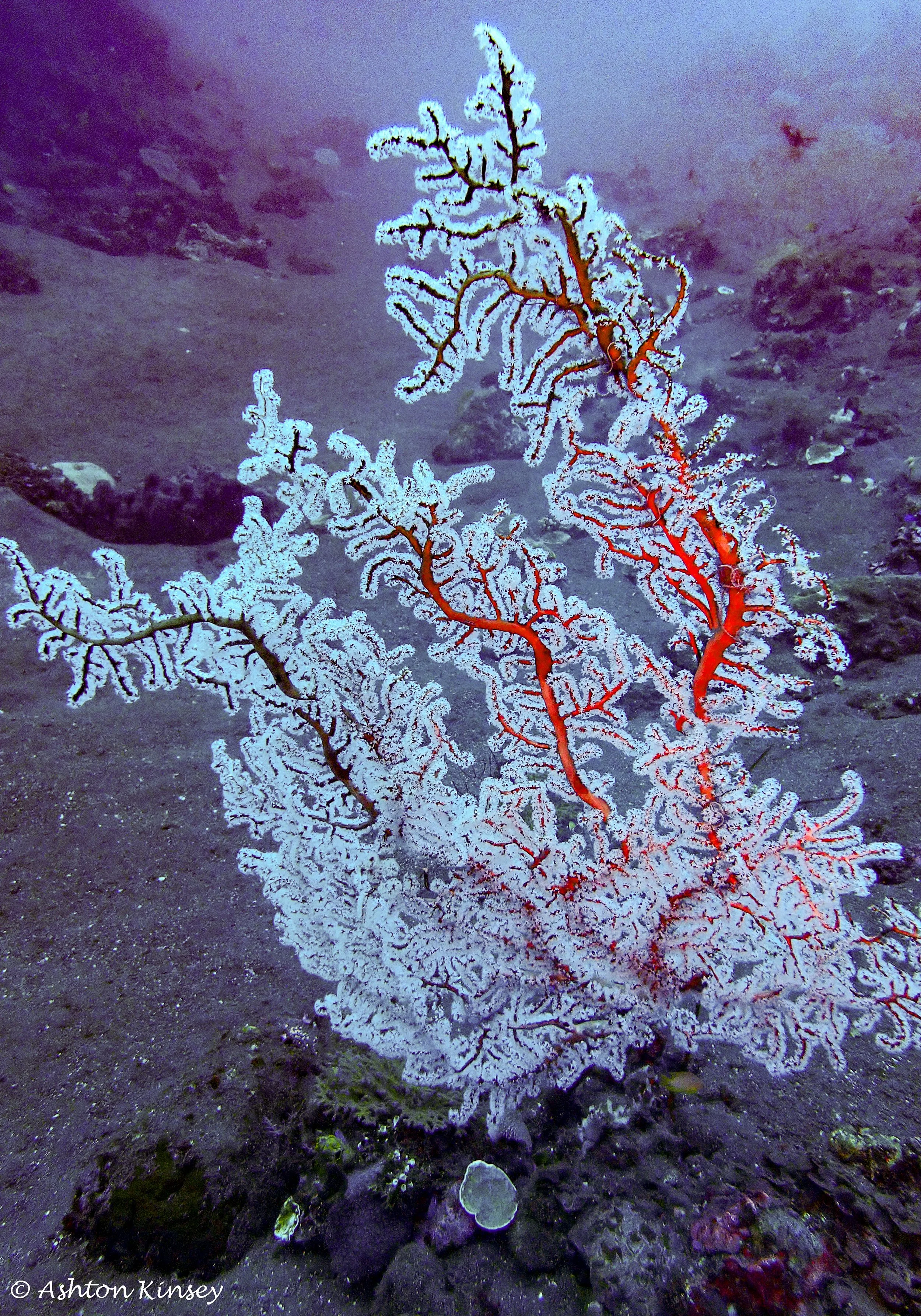
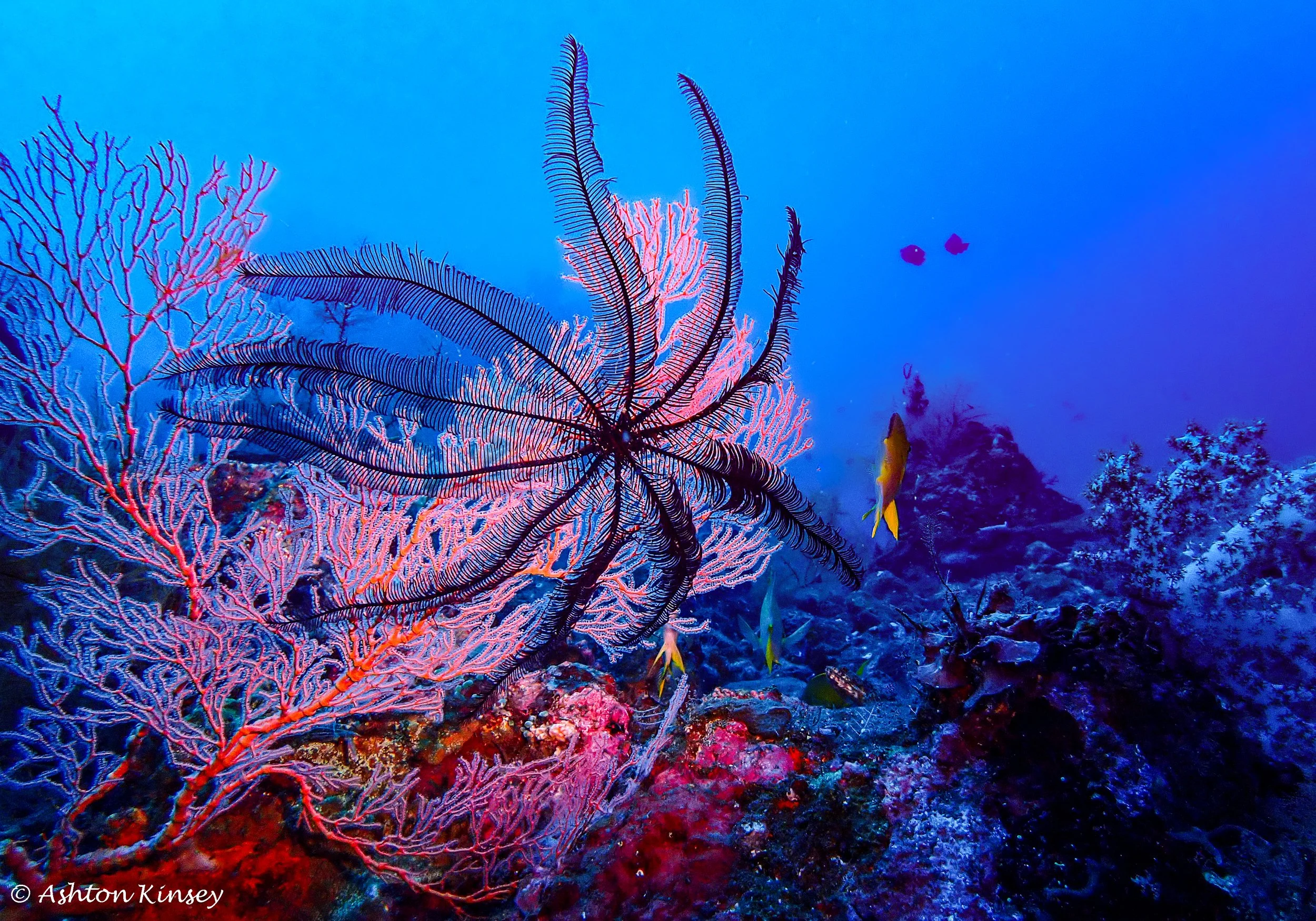
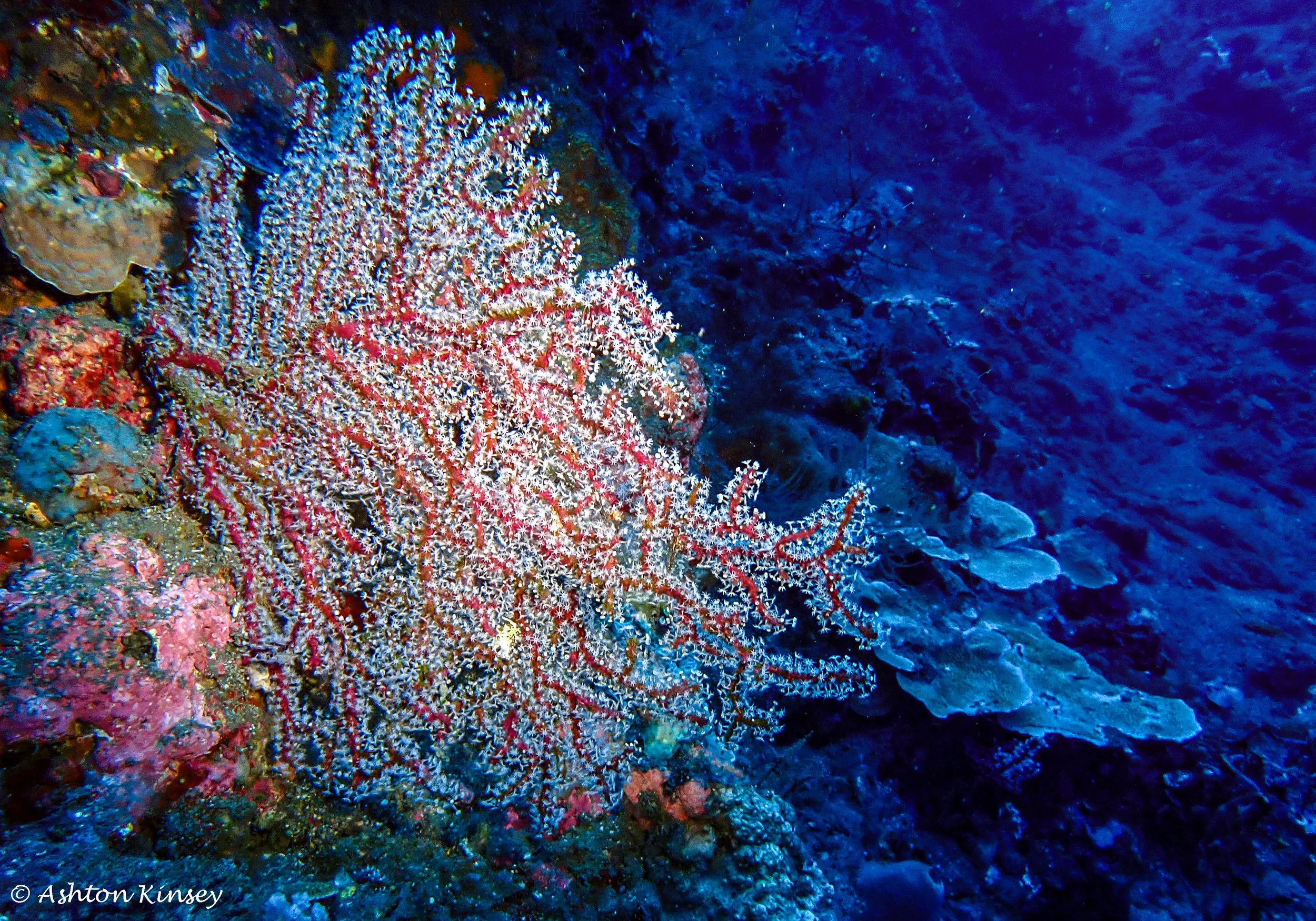
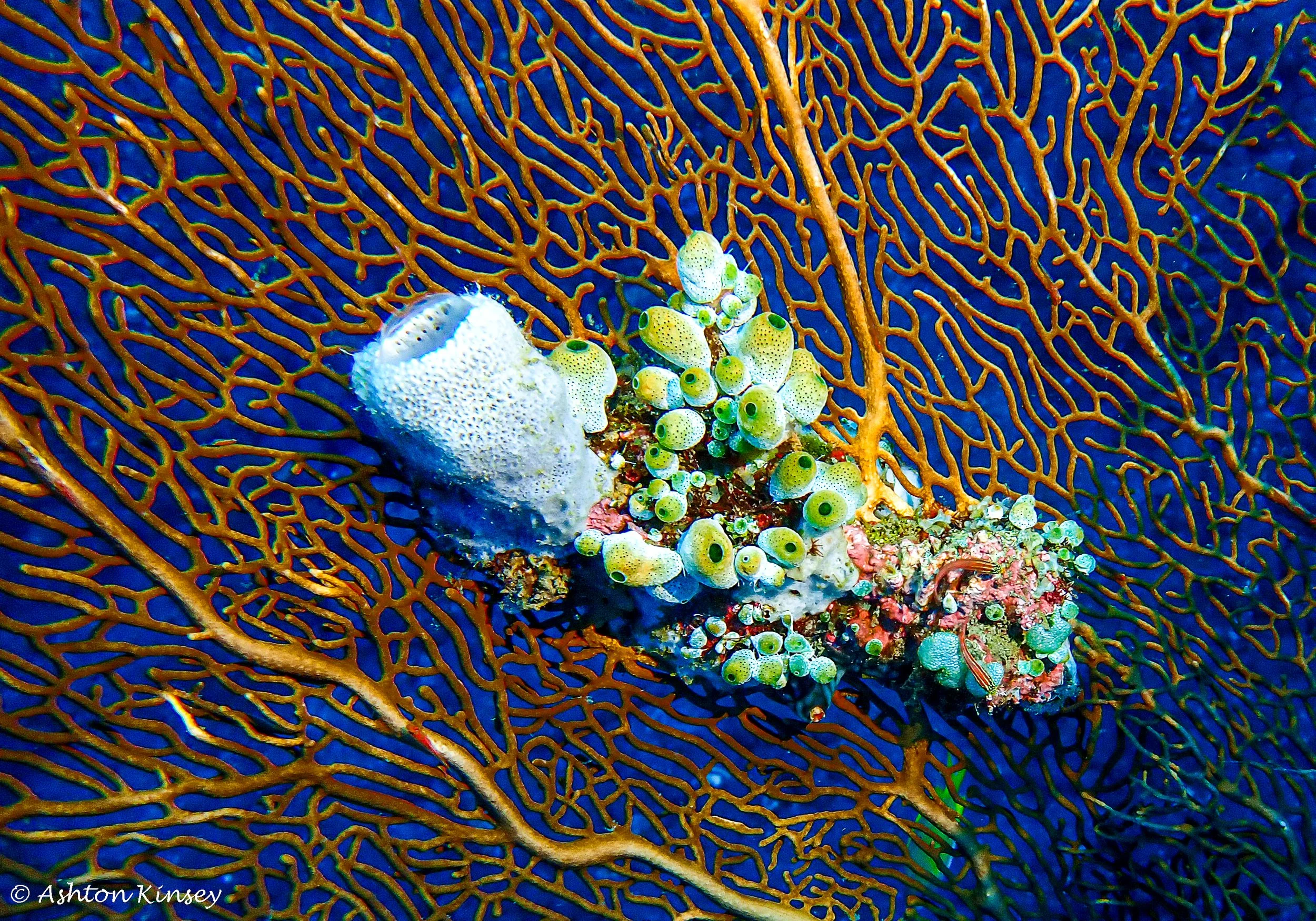
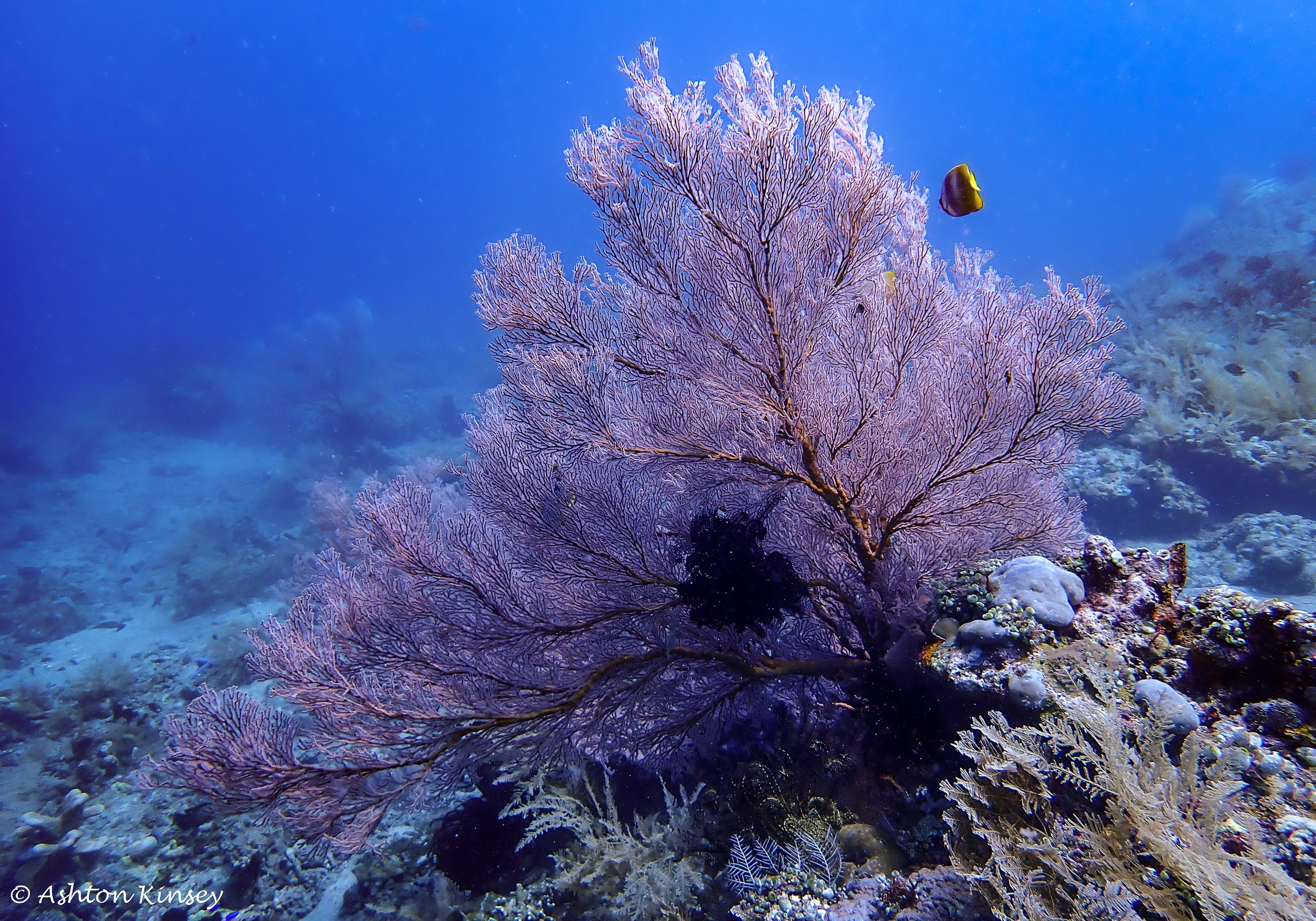
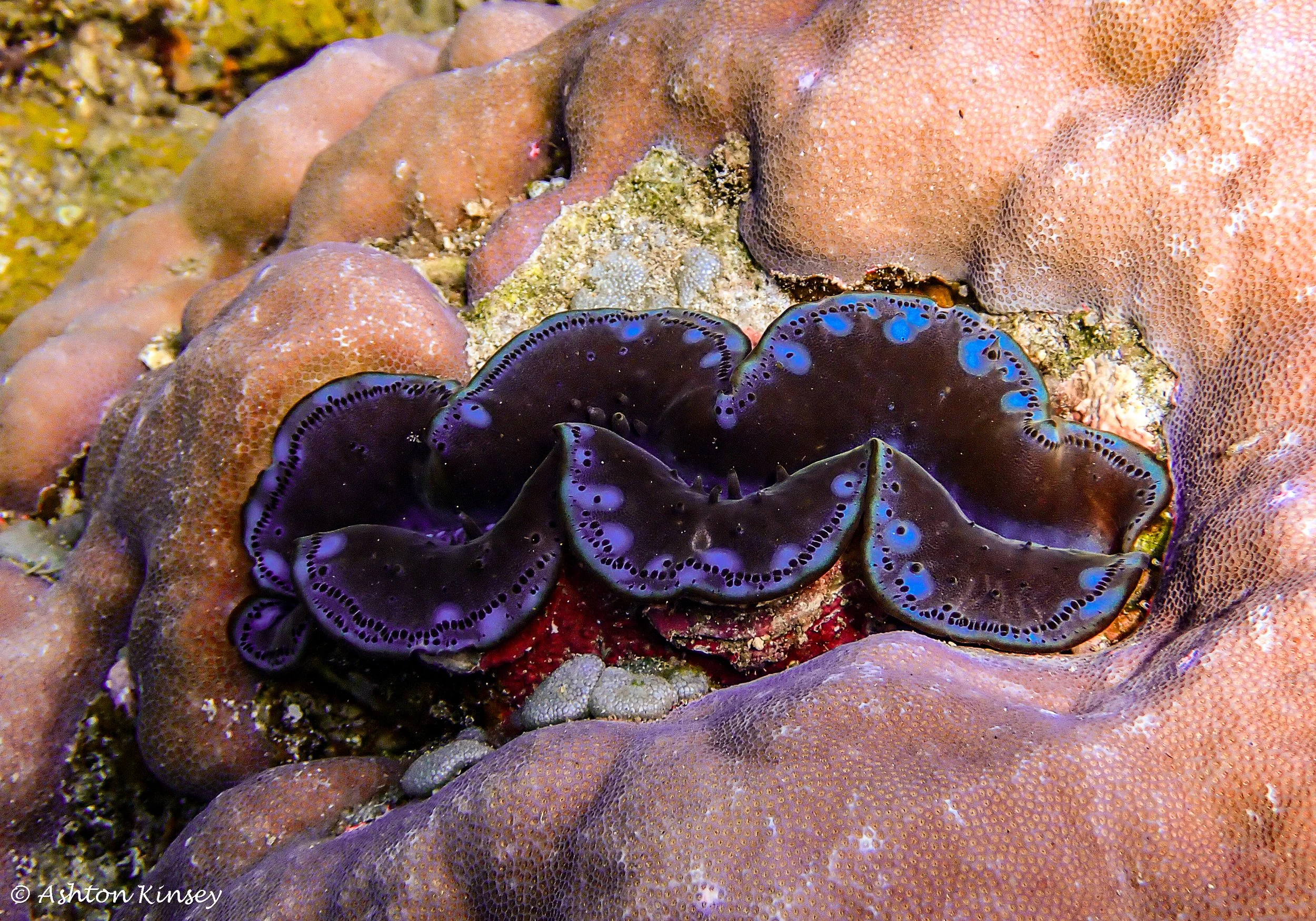
As you go further southeast, the bowl drops off and becomes a drifting wall dive with a maximum depth of well over 200 feet, covered with large sea fans, clams, and a variety of corals and fish. Pygmy sea horses and hawkfish can be found hiding amongst the branches of the gorgonian coral branches.
Phase Three: Amed
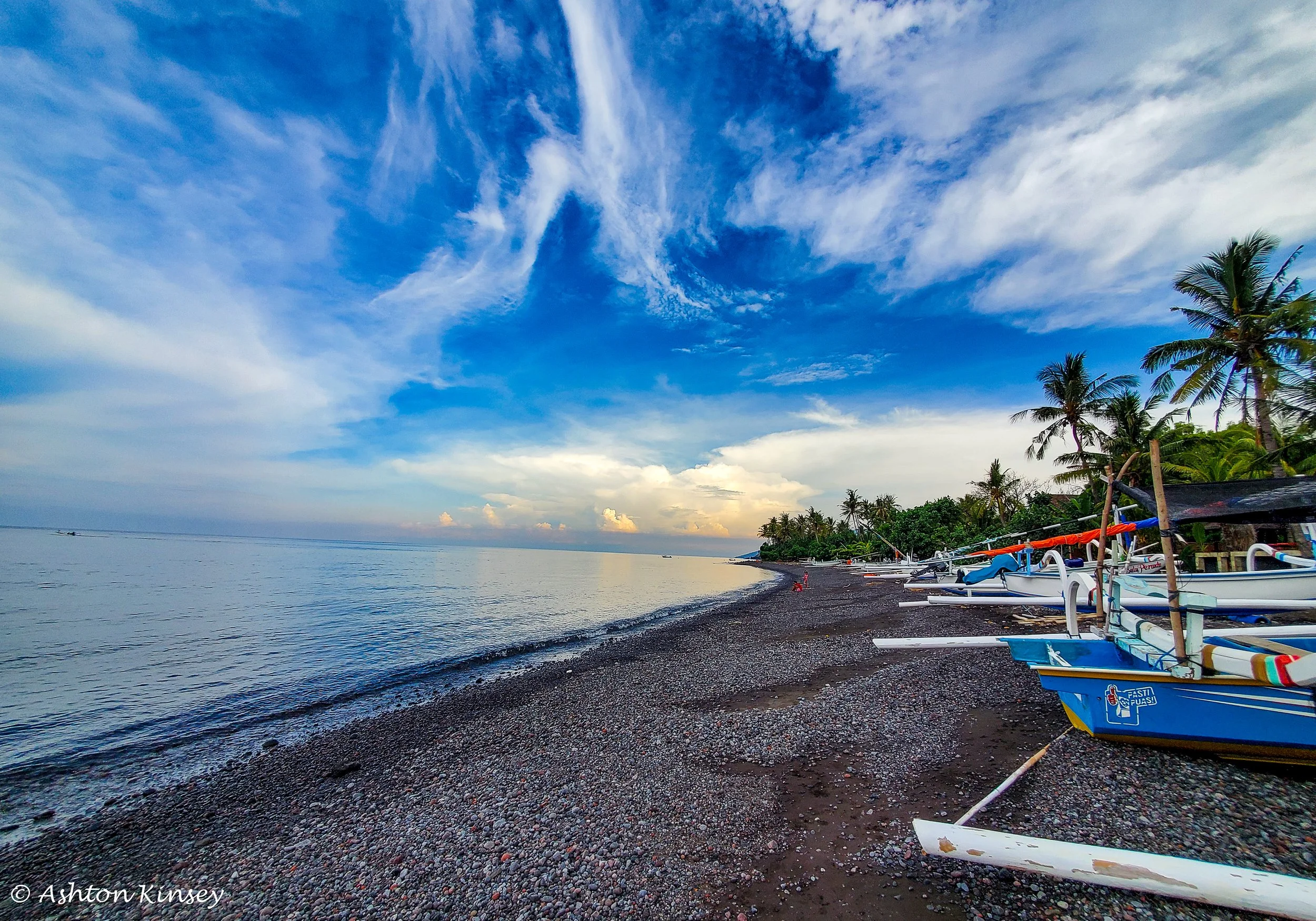
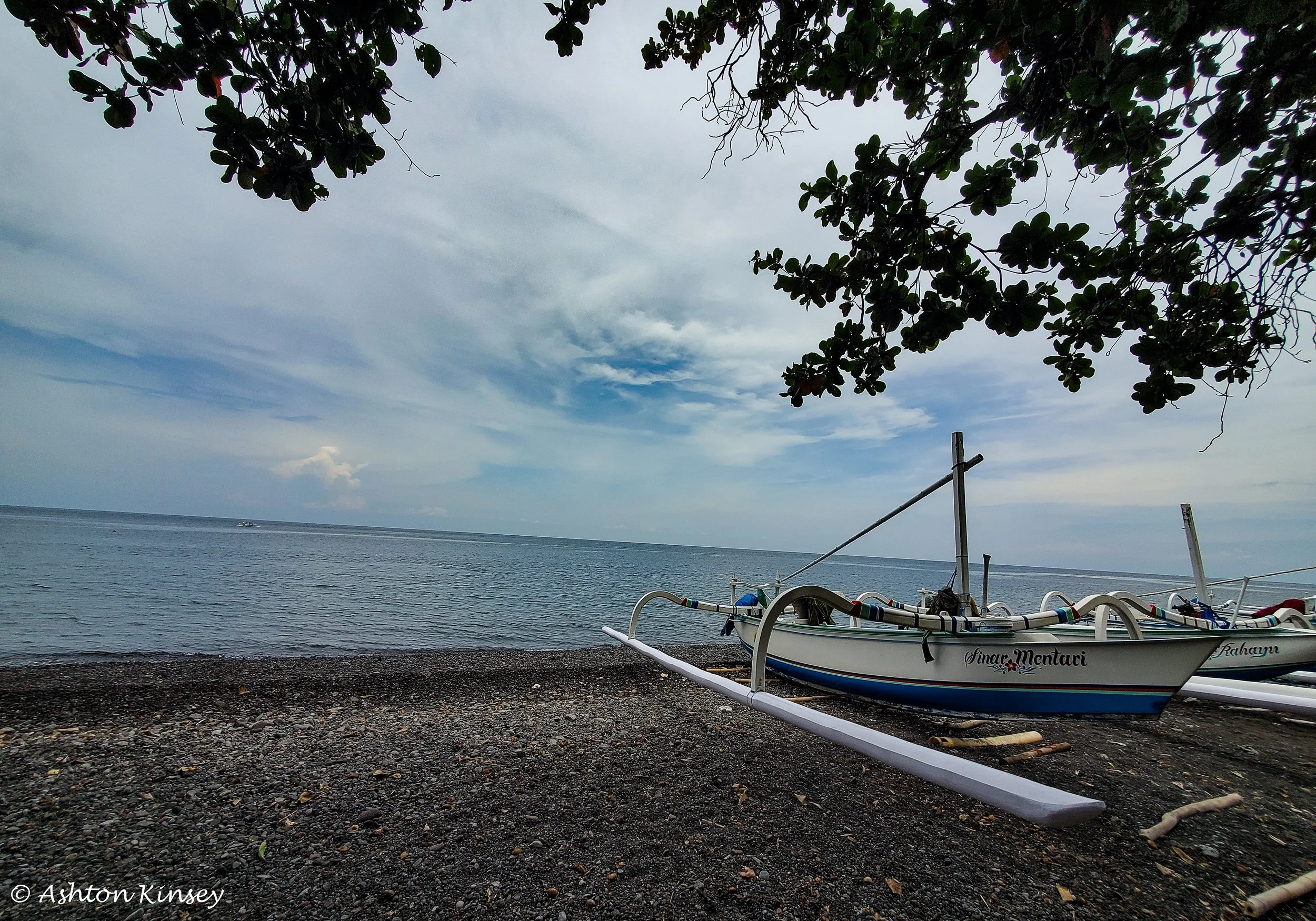
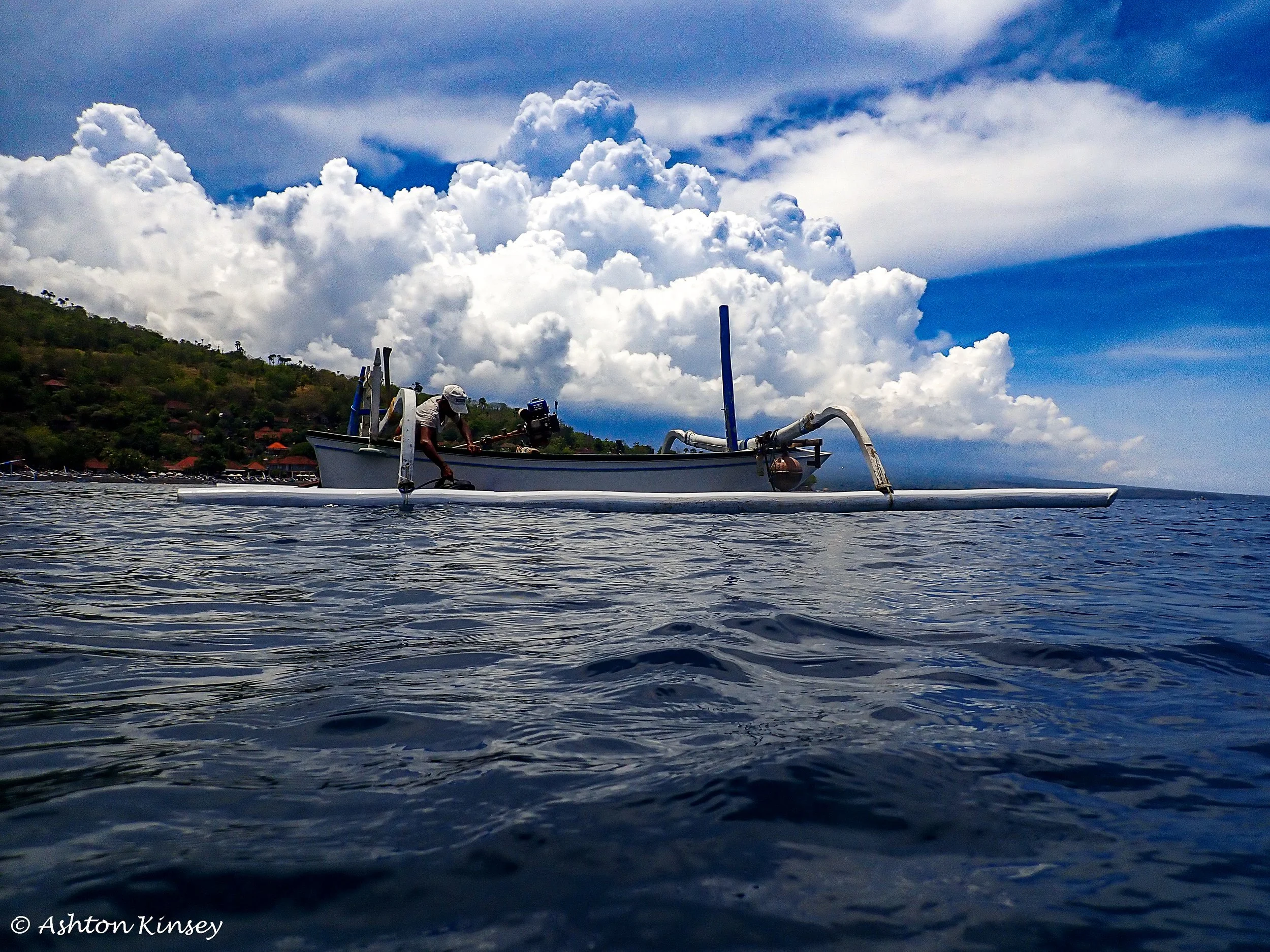
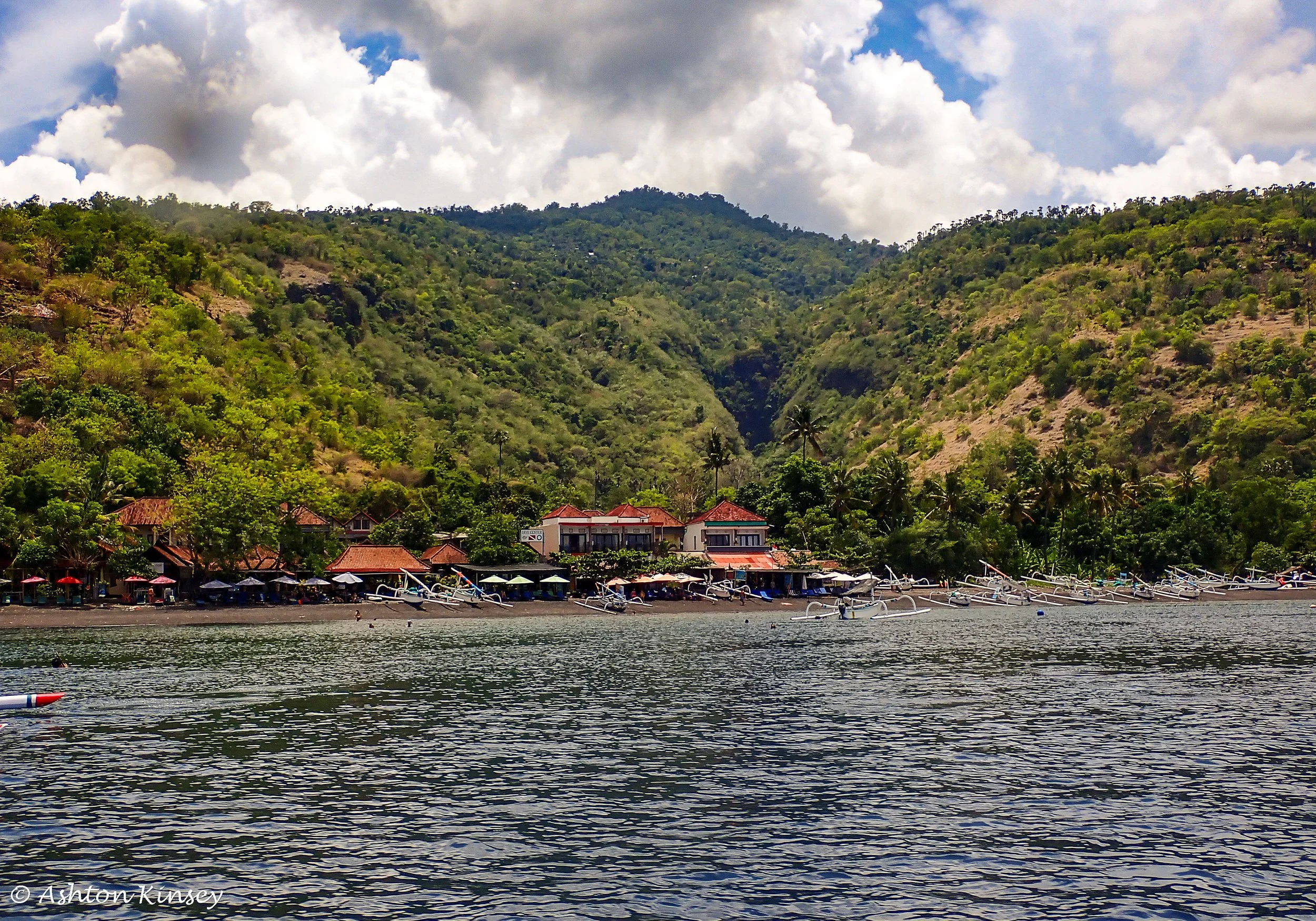
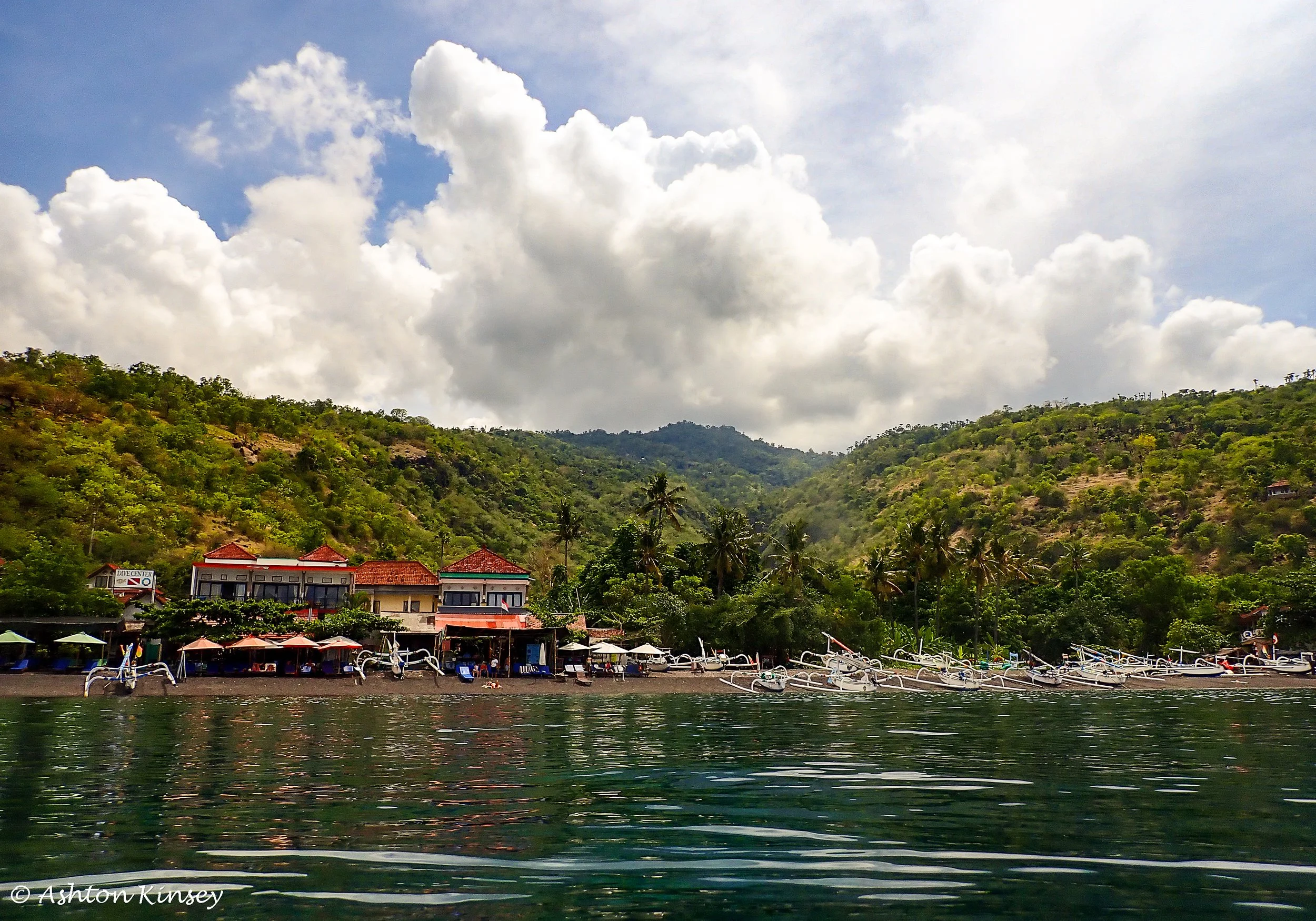
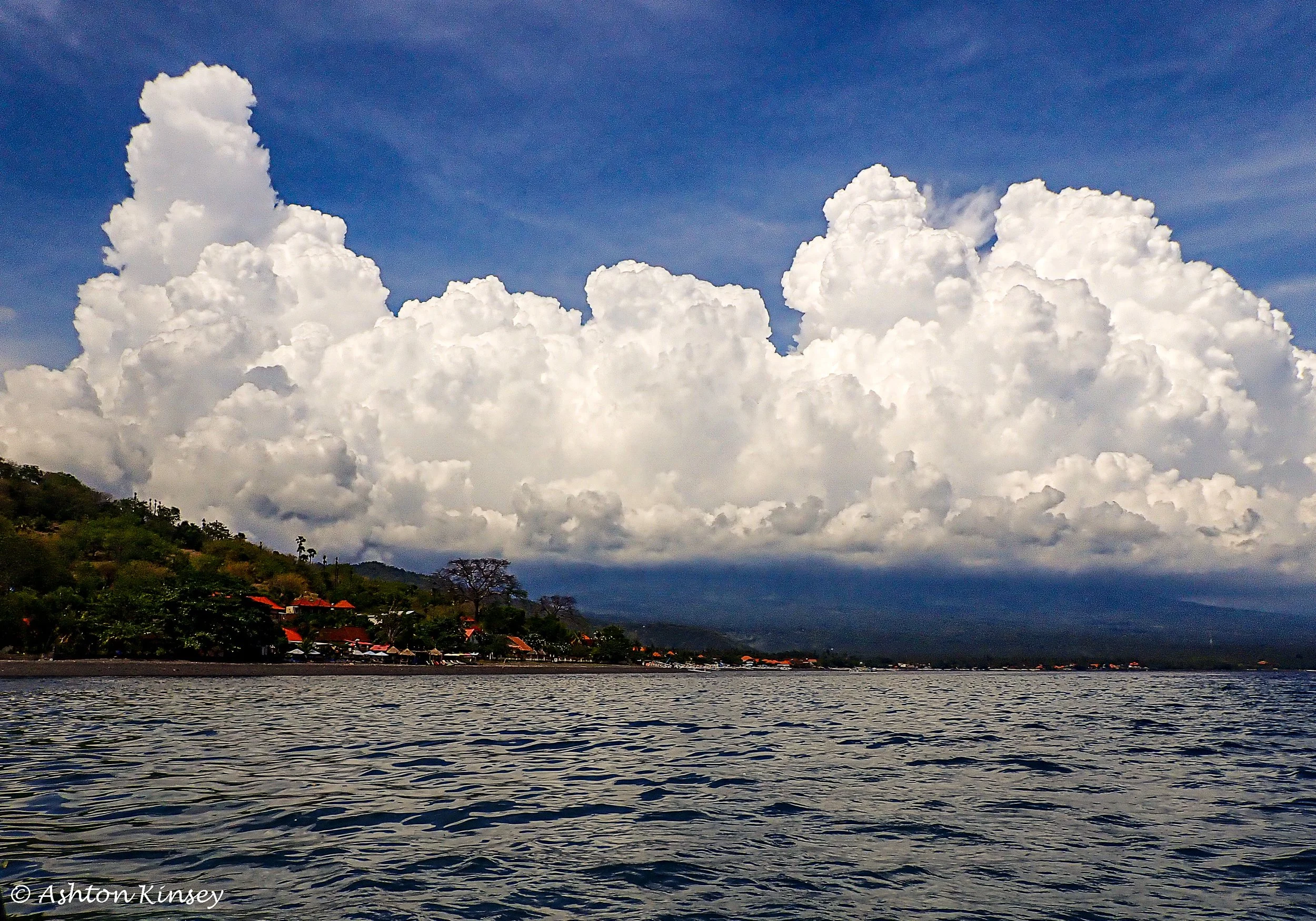
After we completed our morning dive at Tulamben Dropoff, we tossed our gear back into the jeep and proceeded to drive the 45 minutes down to Amed. We stopped at a small beach restaurant and had lunch while we waited to do our last two dives. These two dives were conducted from a jukung. These are also referred to as kano or cadik and are smaller traditional fishing boats that have recently become popular for taking divers out.
Since the boats are smaller and there is not a good place to set the gear safely to put it on, all equipment is put on in the water. At the end of the dive, gear is removed in water and pulled up into the boat before climbing gracefully back into the boat.
Dive 16 Pyramids in Amed
74’ for 61 minutes
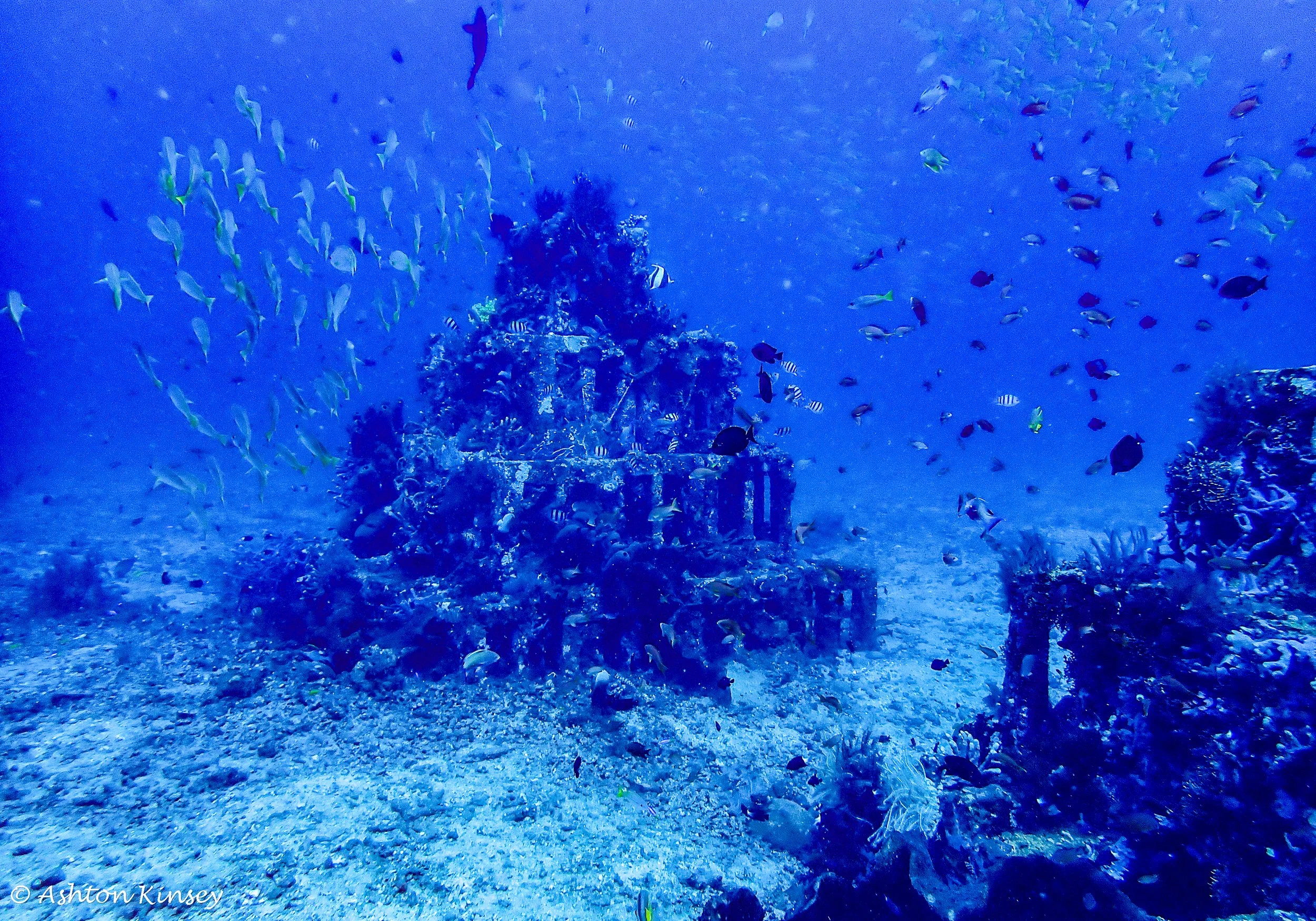
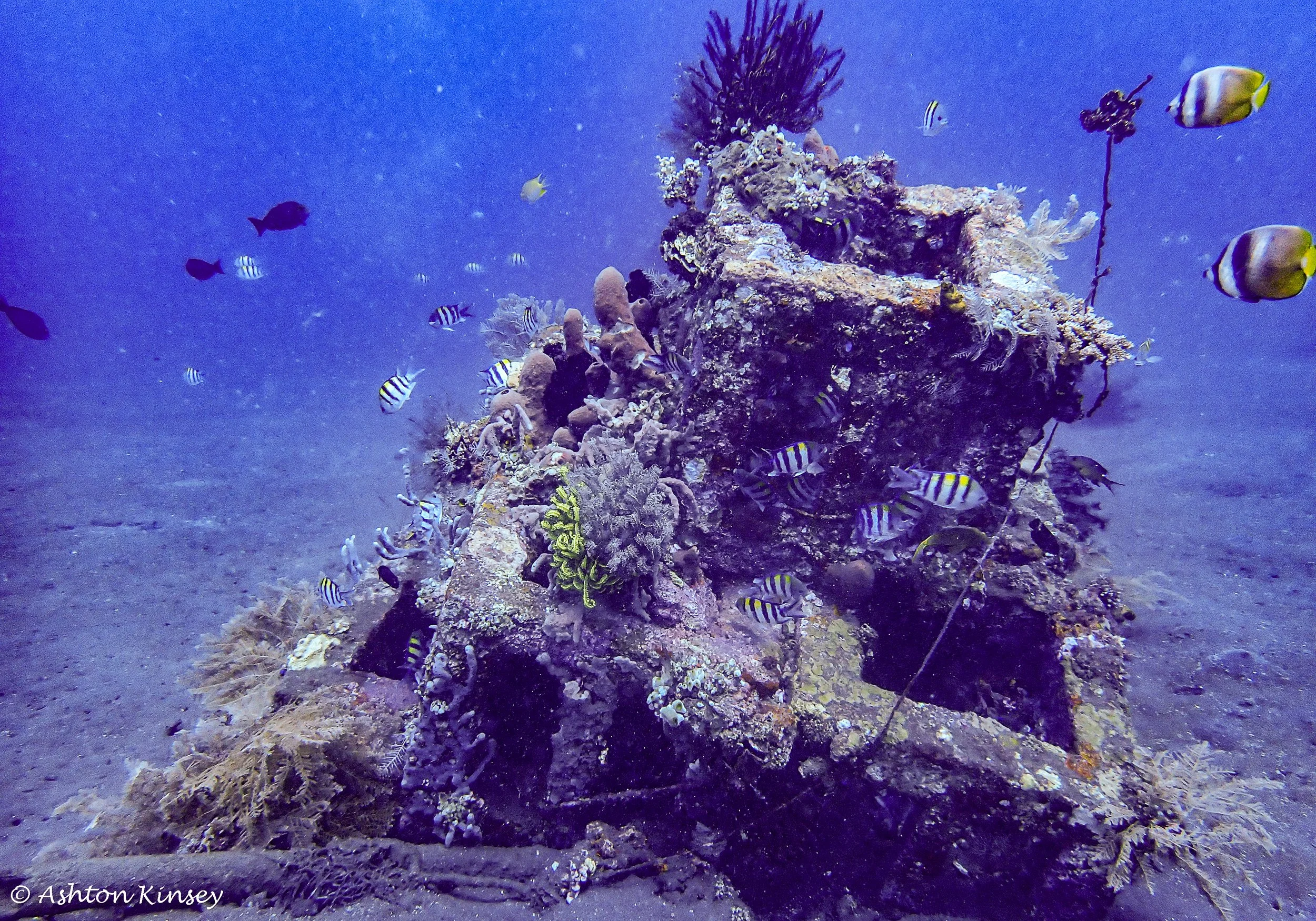
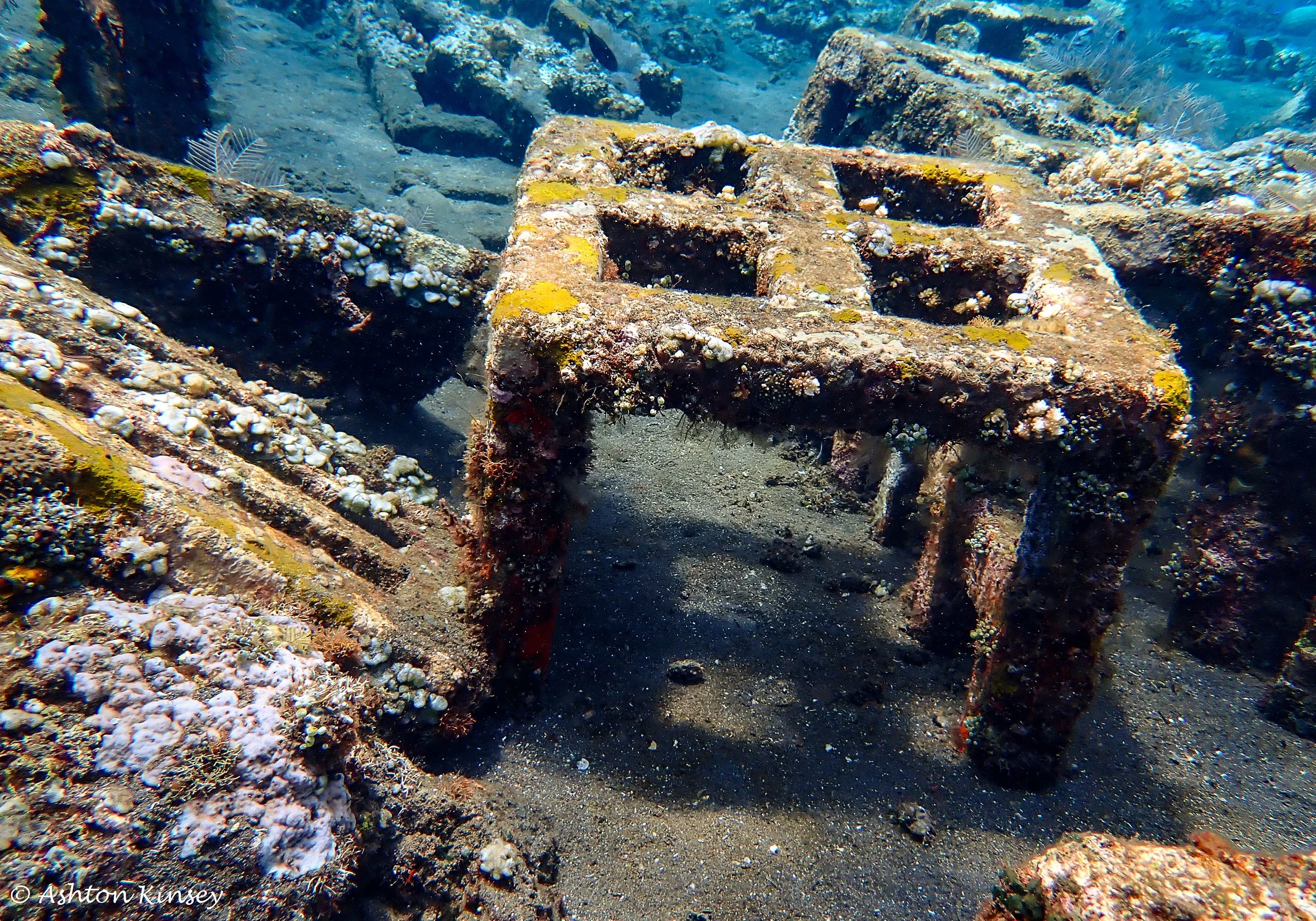
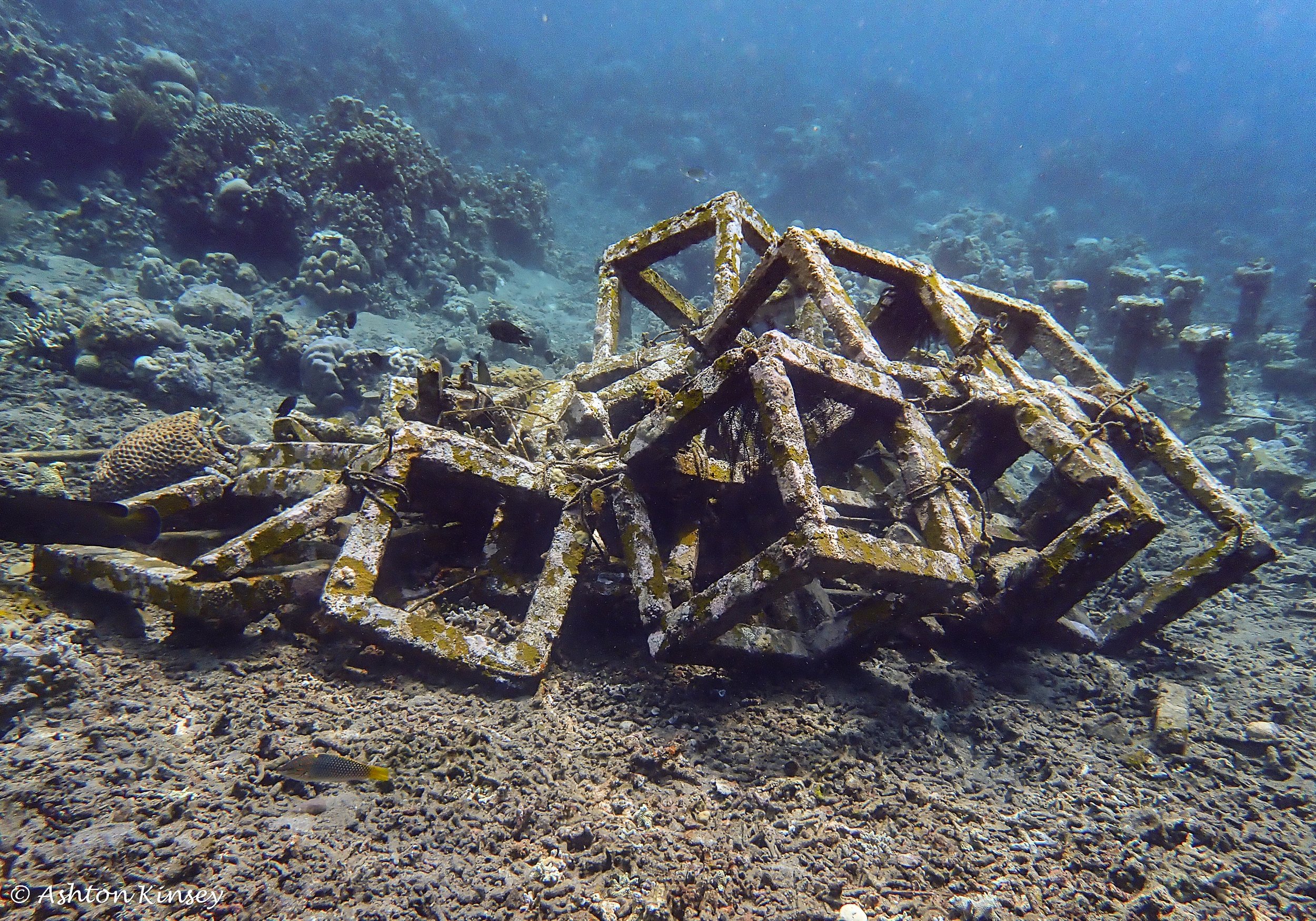
Roughly 25 years ago, locals dropped several large concrete cube structures at the dive site to create over 20 pyramid sculptures to act as artificial reefs for coral and fish. The pyramids range in depth from 10’ to over 70’ as the bottom slopes down deeper, making for a good dive for all experience levels.
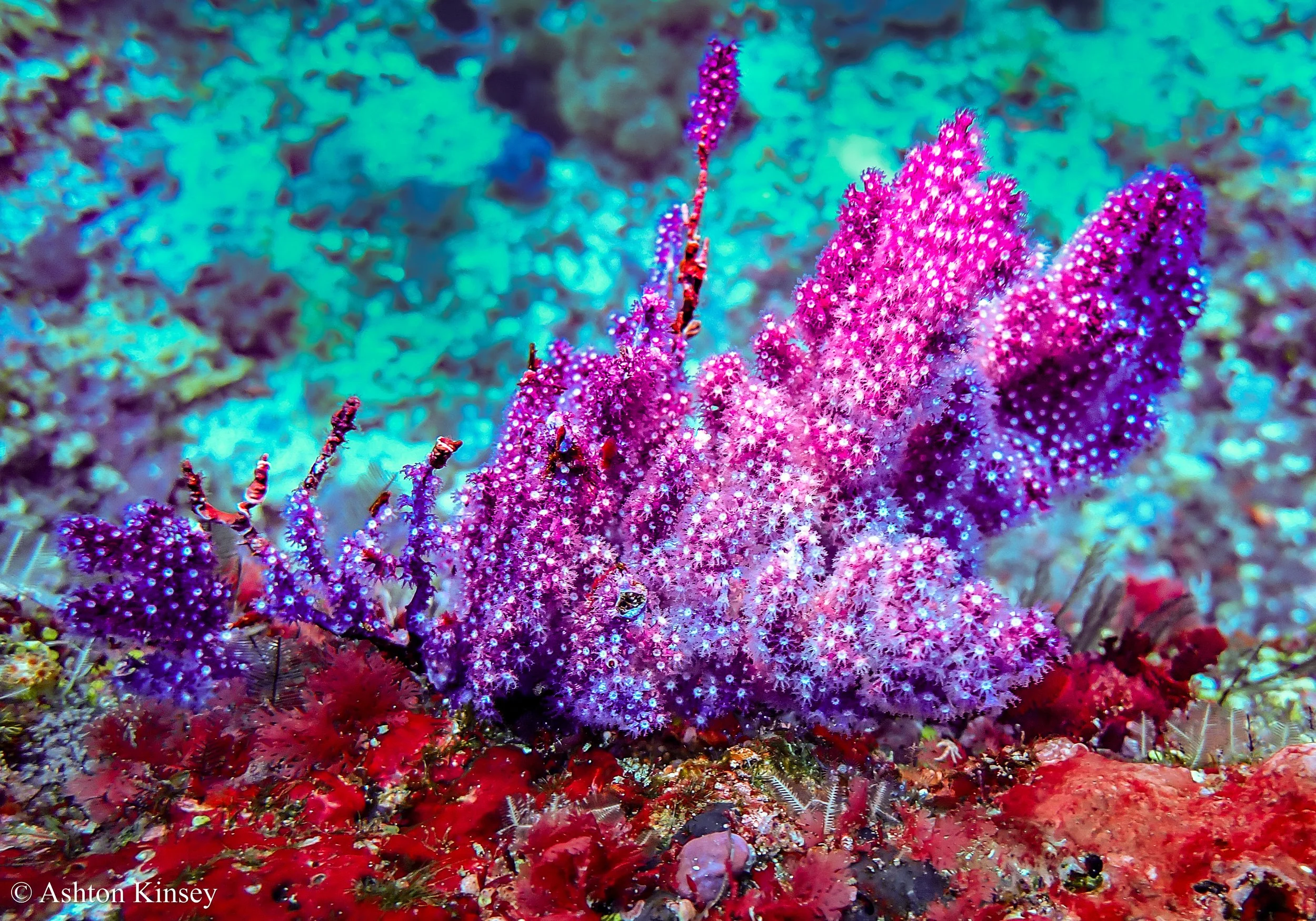
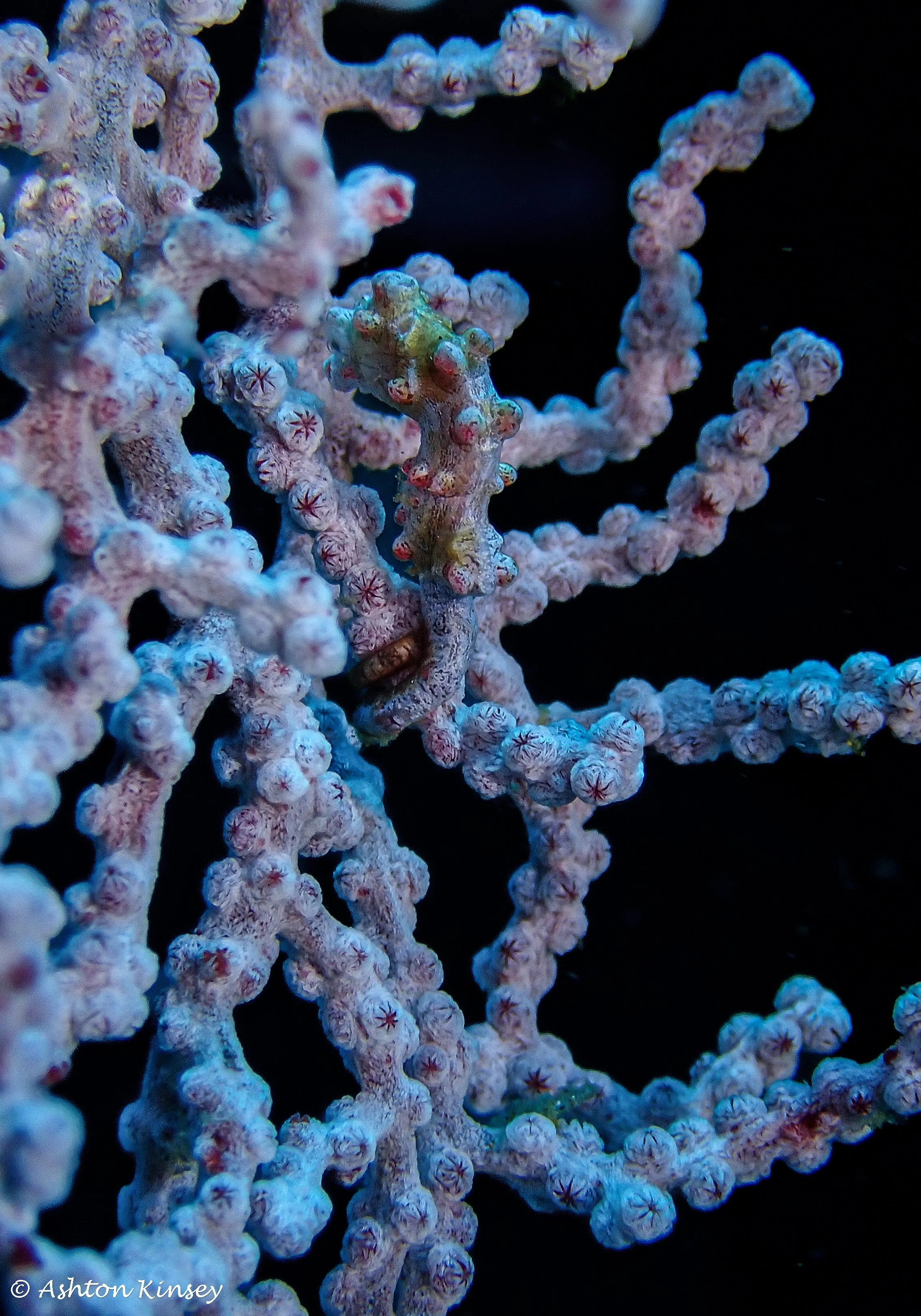
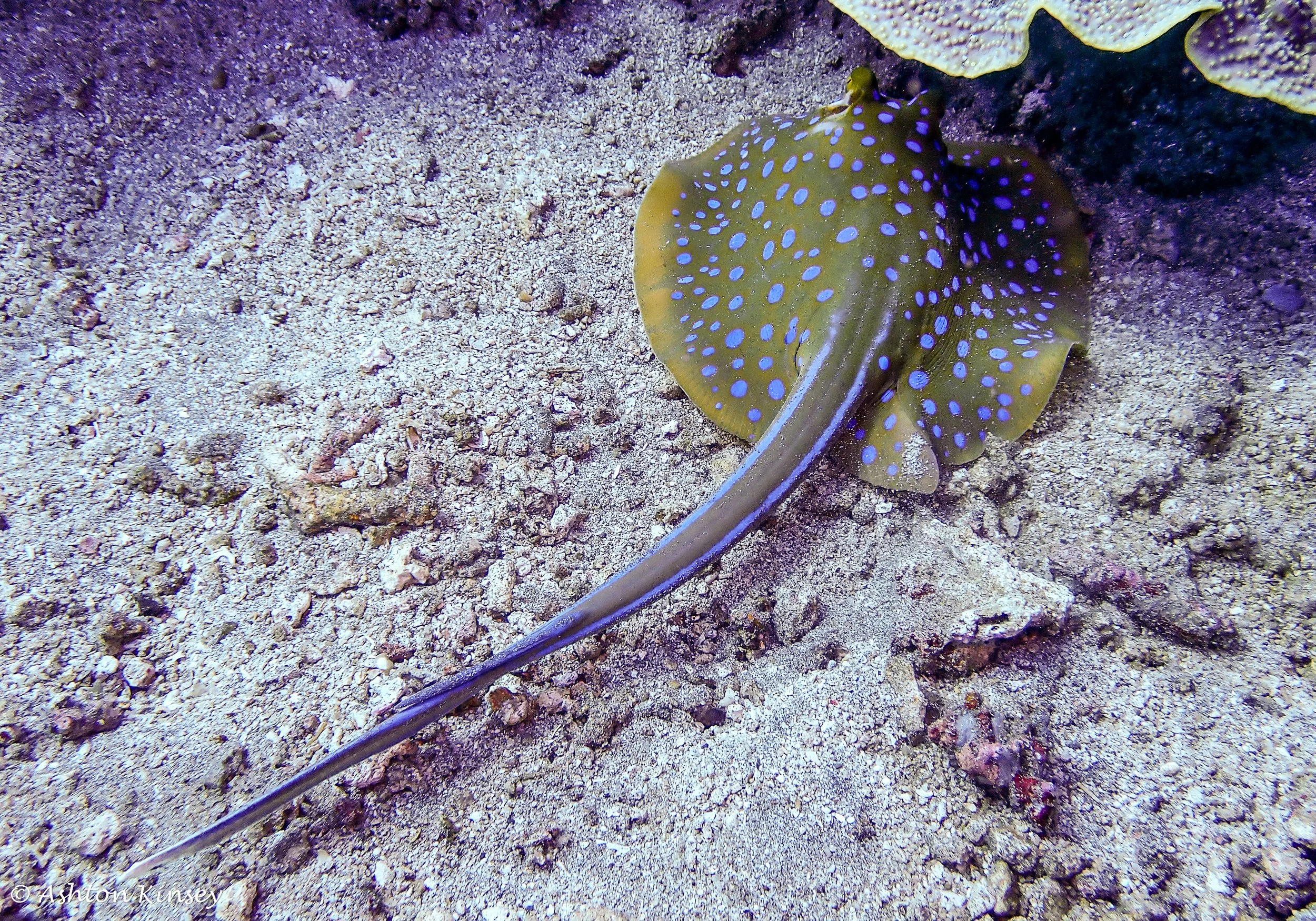
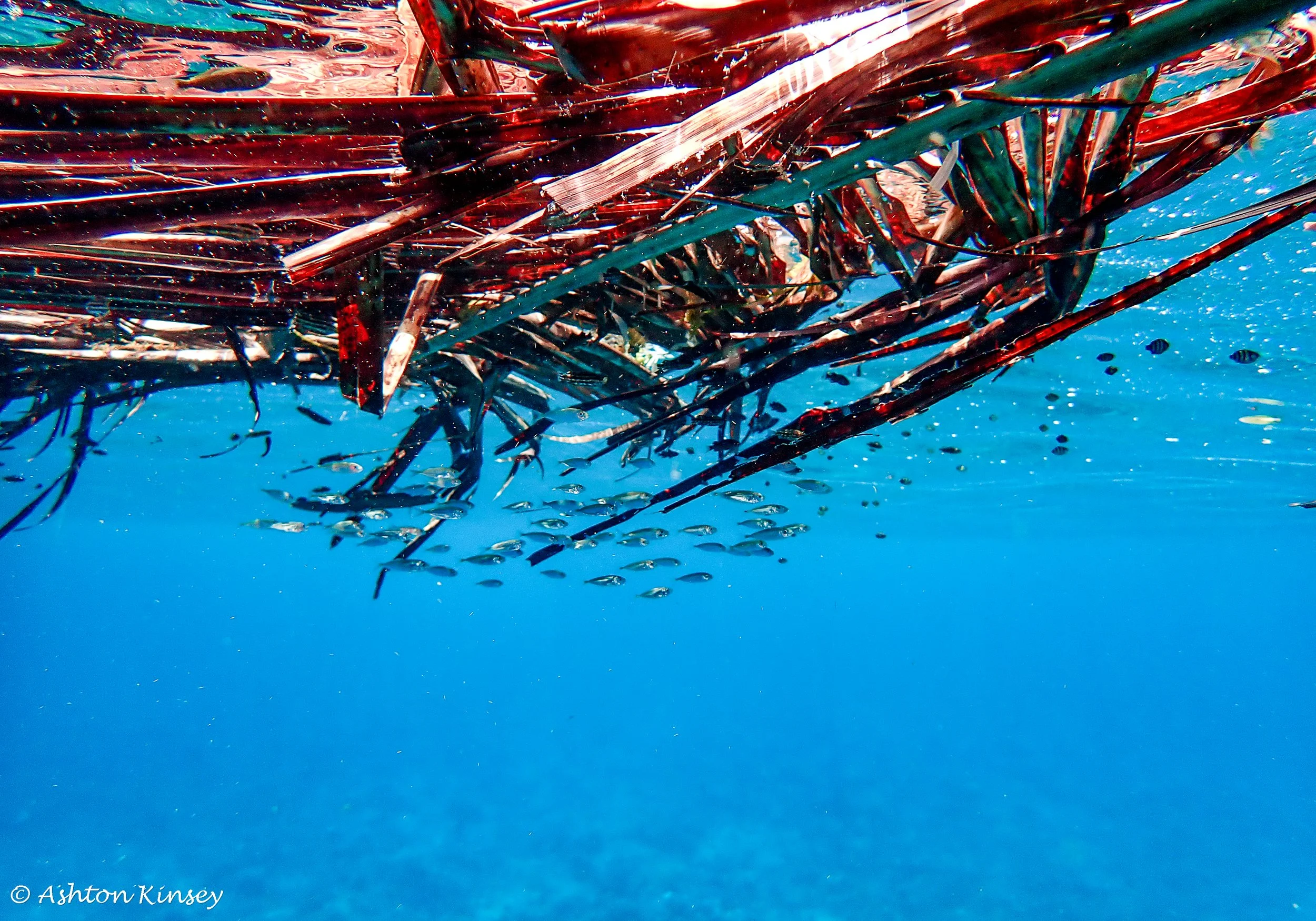
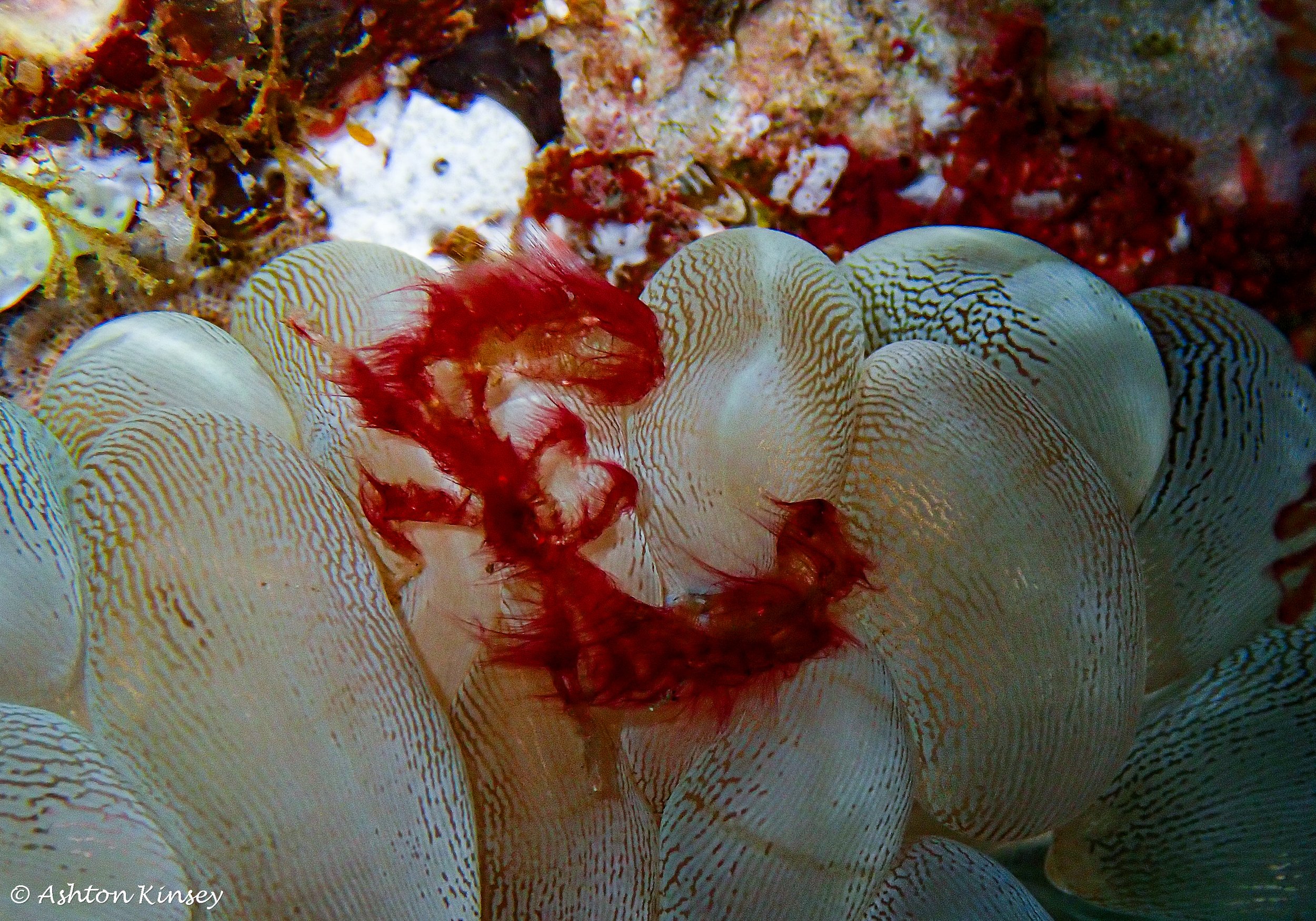
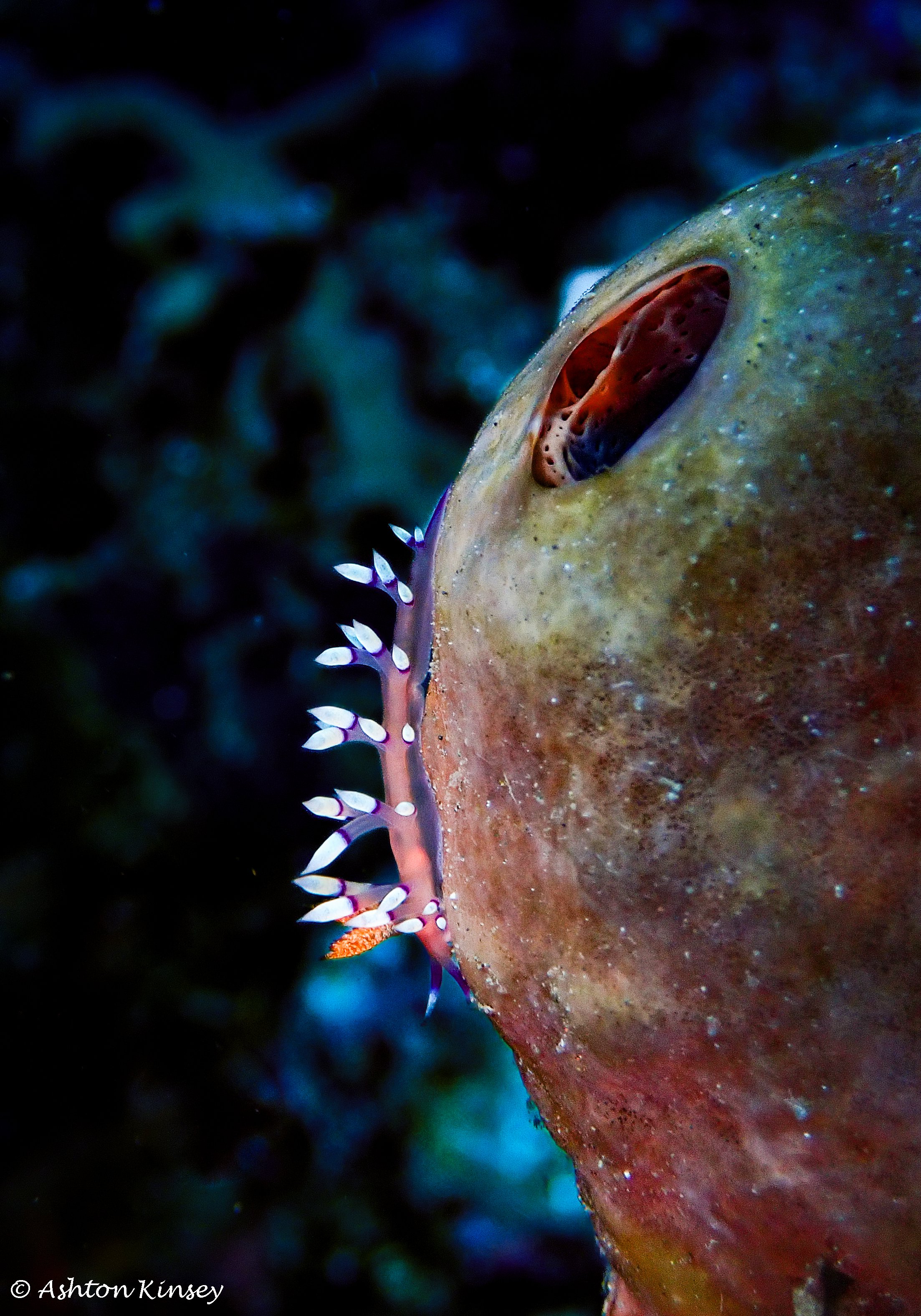
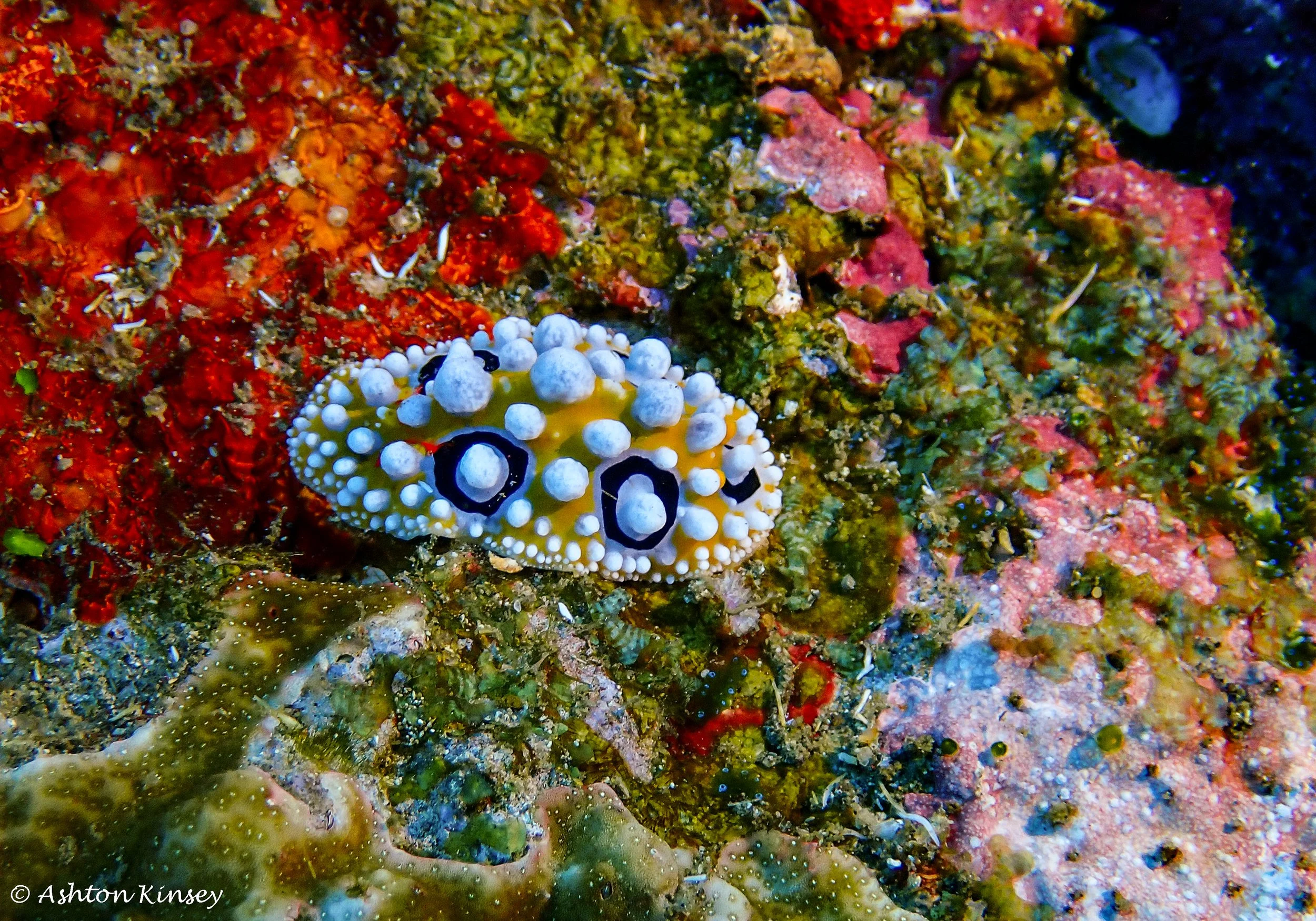
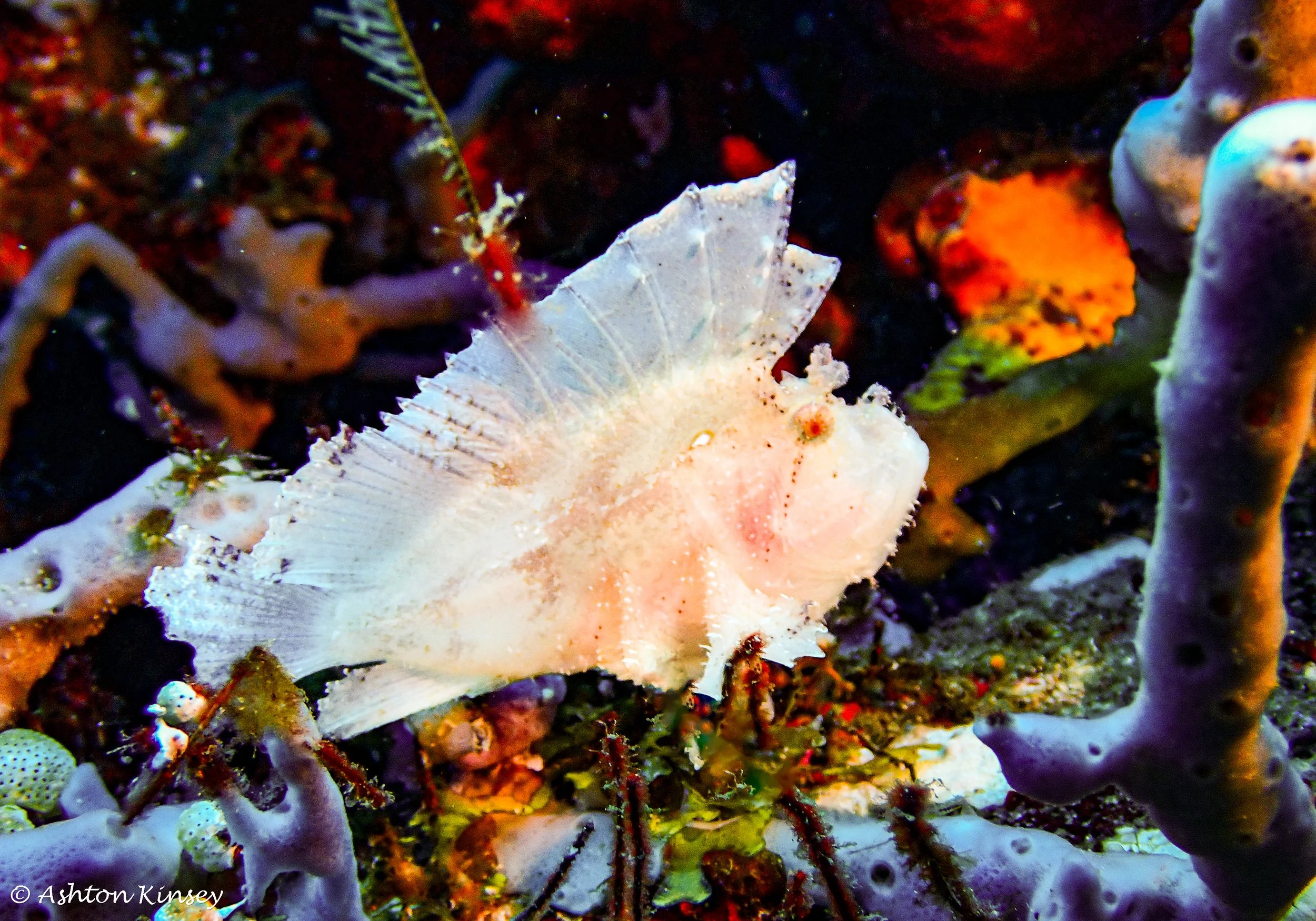
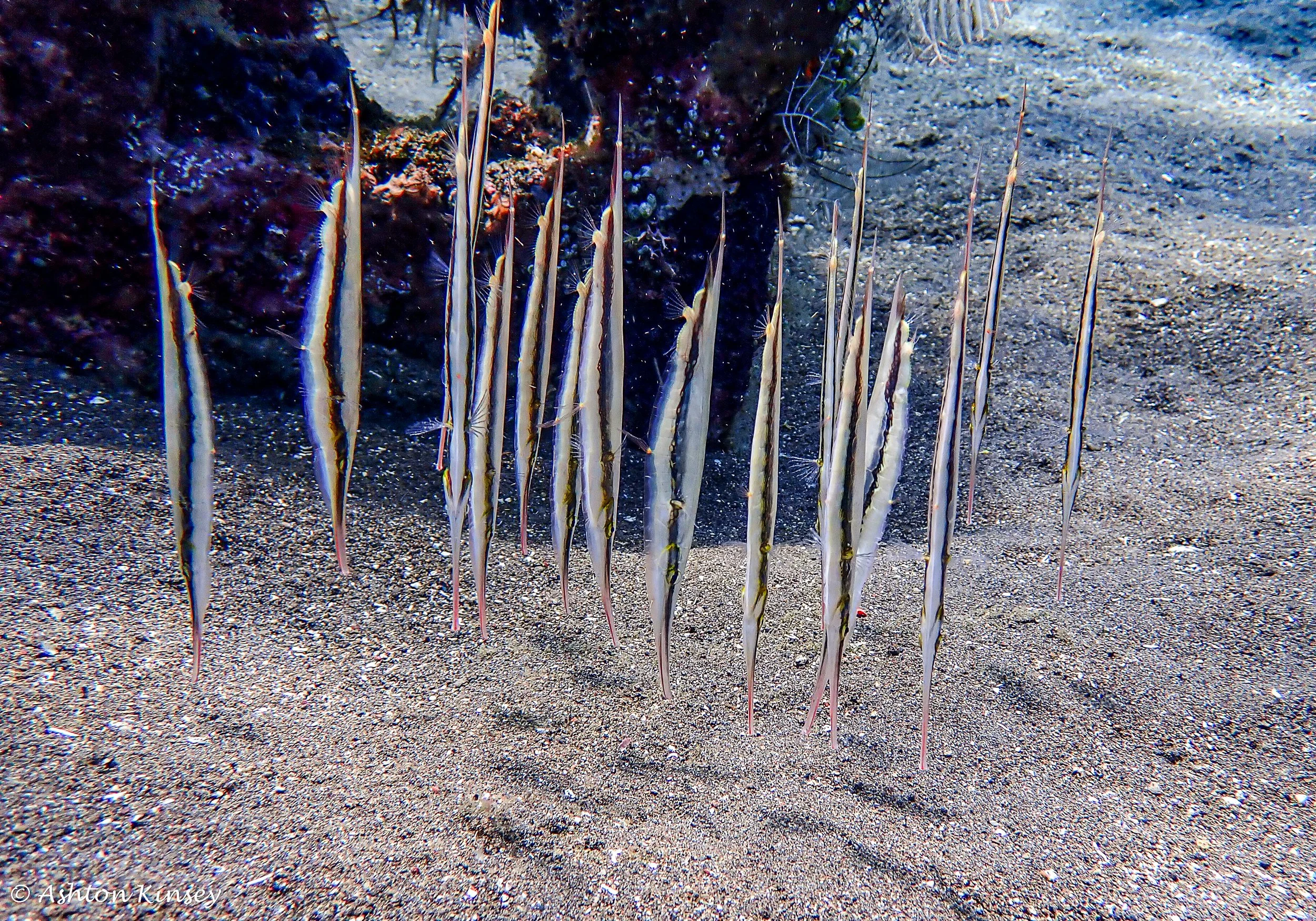
The pyramids have been overgrown with corals, and the sea fans are all very well populated with a variety of life. There were several large gorgonian corals that had a couple of small (maximum size: 1 inch) pygmy sea horses hiding in the branches. Leaf fish, garden eels, and turtles all make their homes in the pyramids and surrounding sand flats.
Dive 17 Amed Drop Off
90’ for 61 minutes
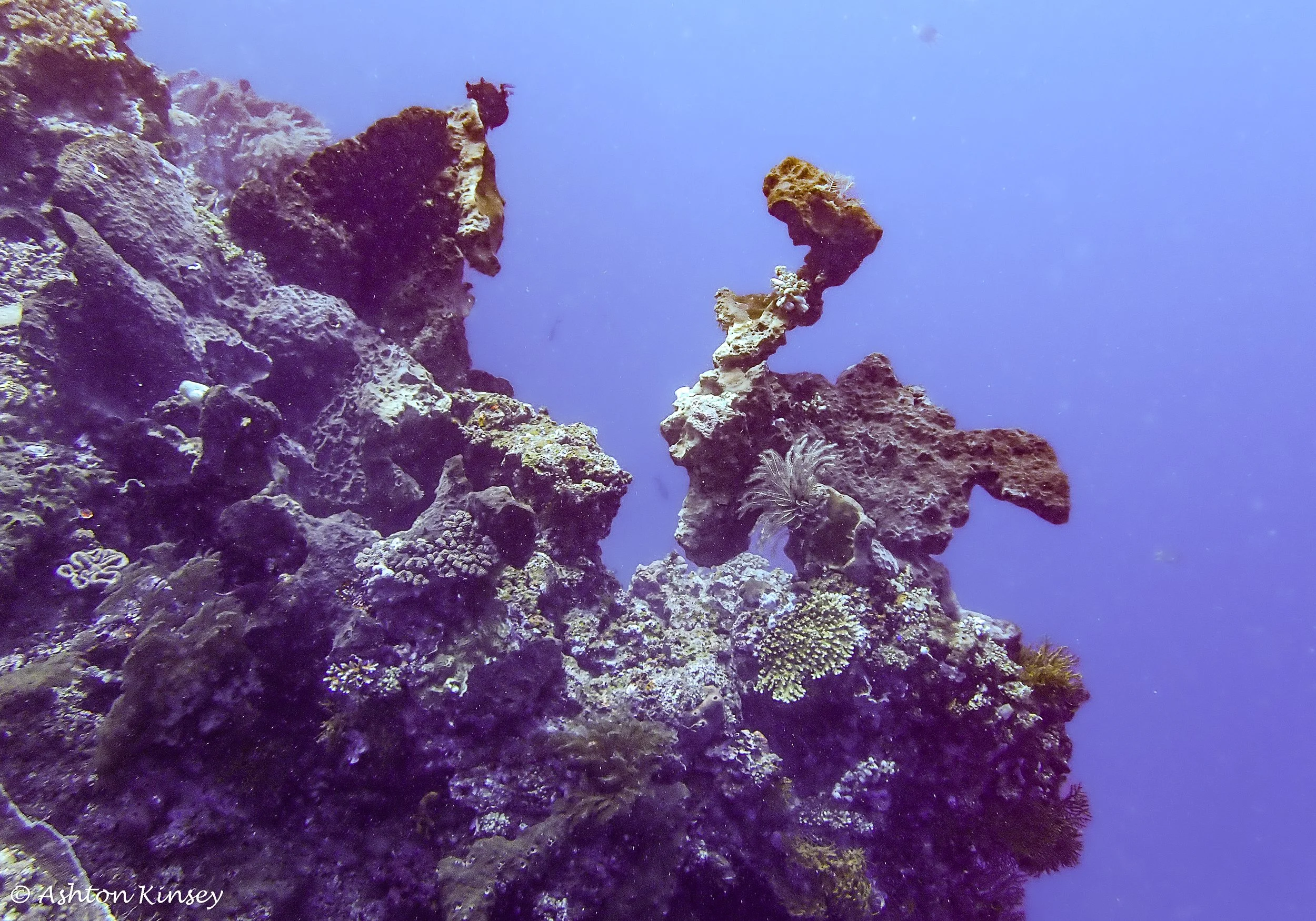
The last dive of the trip was a wall dive from the jukung. Like other dives, there are plenty of fan corals and large sponges. There was a good mix of hard and soft corals, with plenty of schools of sweetlips, damselfish, and anthias.
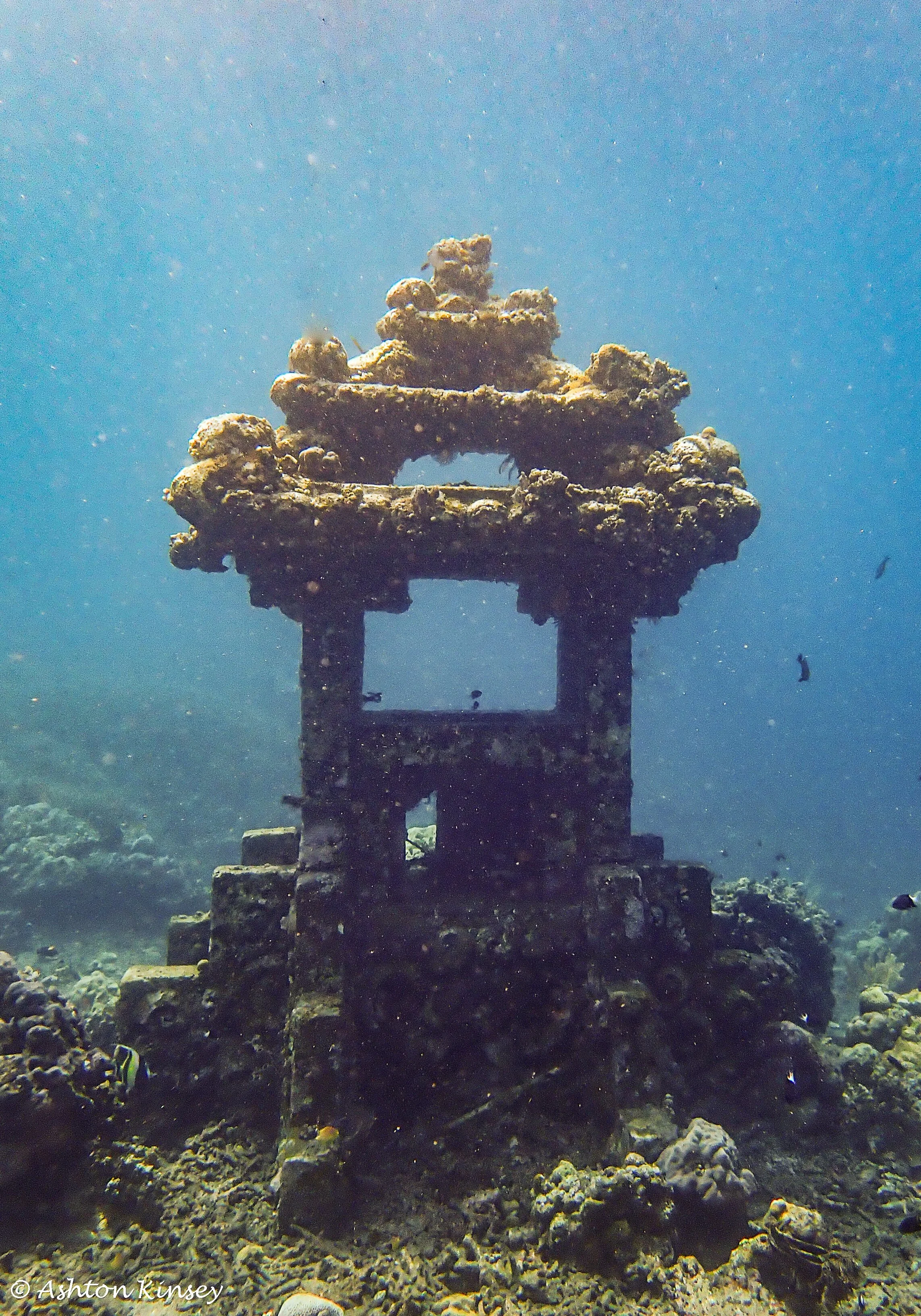
Towards the end of the dive, there were several underwater shrines that had been put up as artificial reefs where some offerings could be left for various Gods and harmony. While there were no Mola Mola on this dive or any of the other dives on this trip, there were still plenty of things to see and, all in all, very enjoyable diving.
Phase Four: Sanur and Land Tours
After washing all our gear and having a quick lunch overlooking the bay, we proceeded to drive back south and return to Sanur, where we would check into the last hotel before spending a few days exploring temples, jungles, and other exciting land excursions.
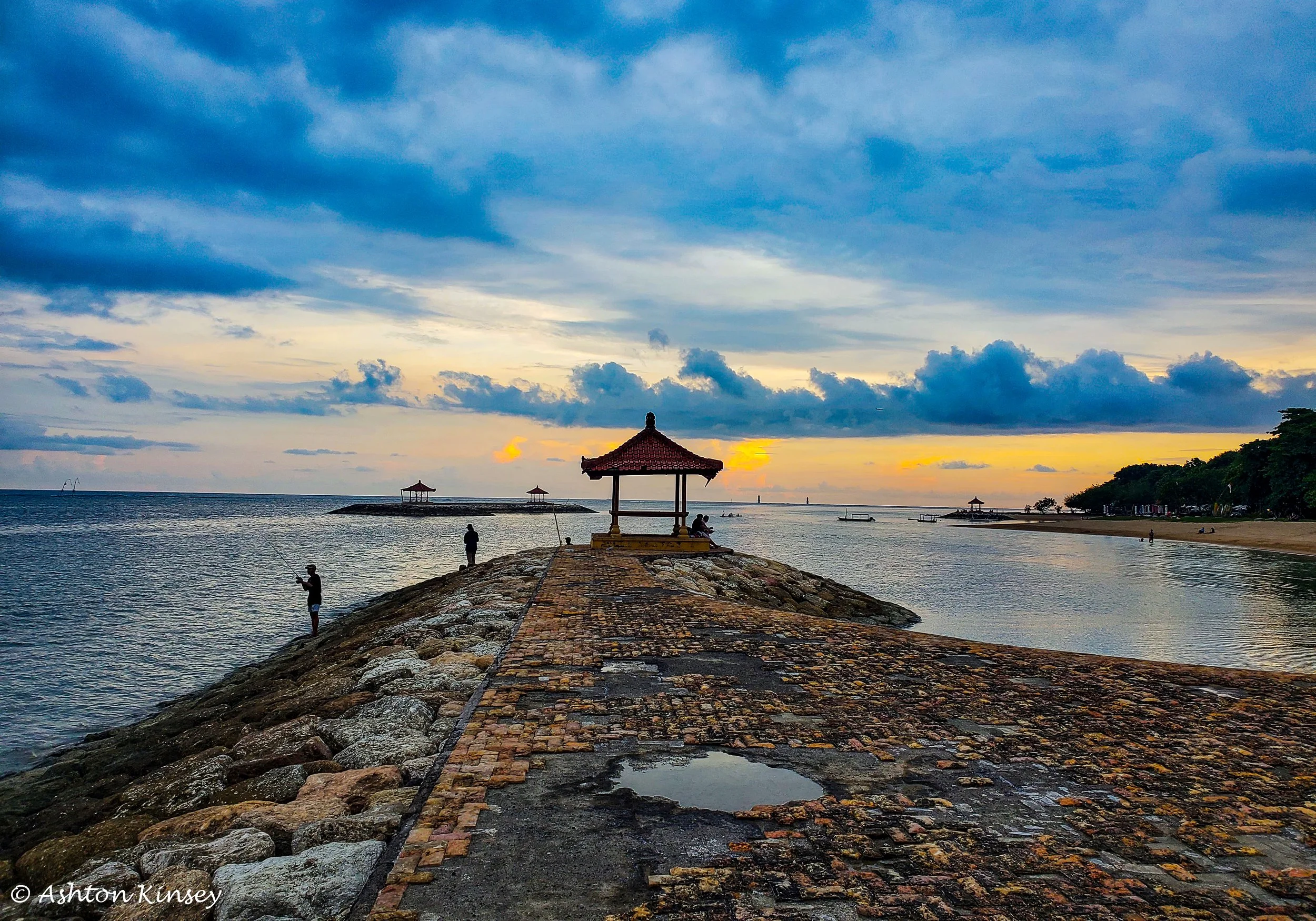
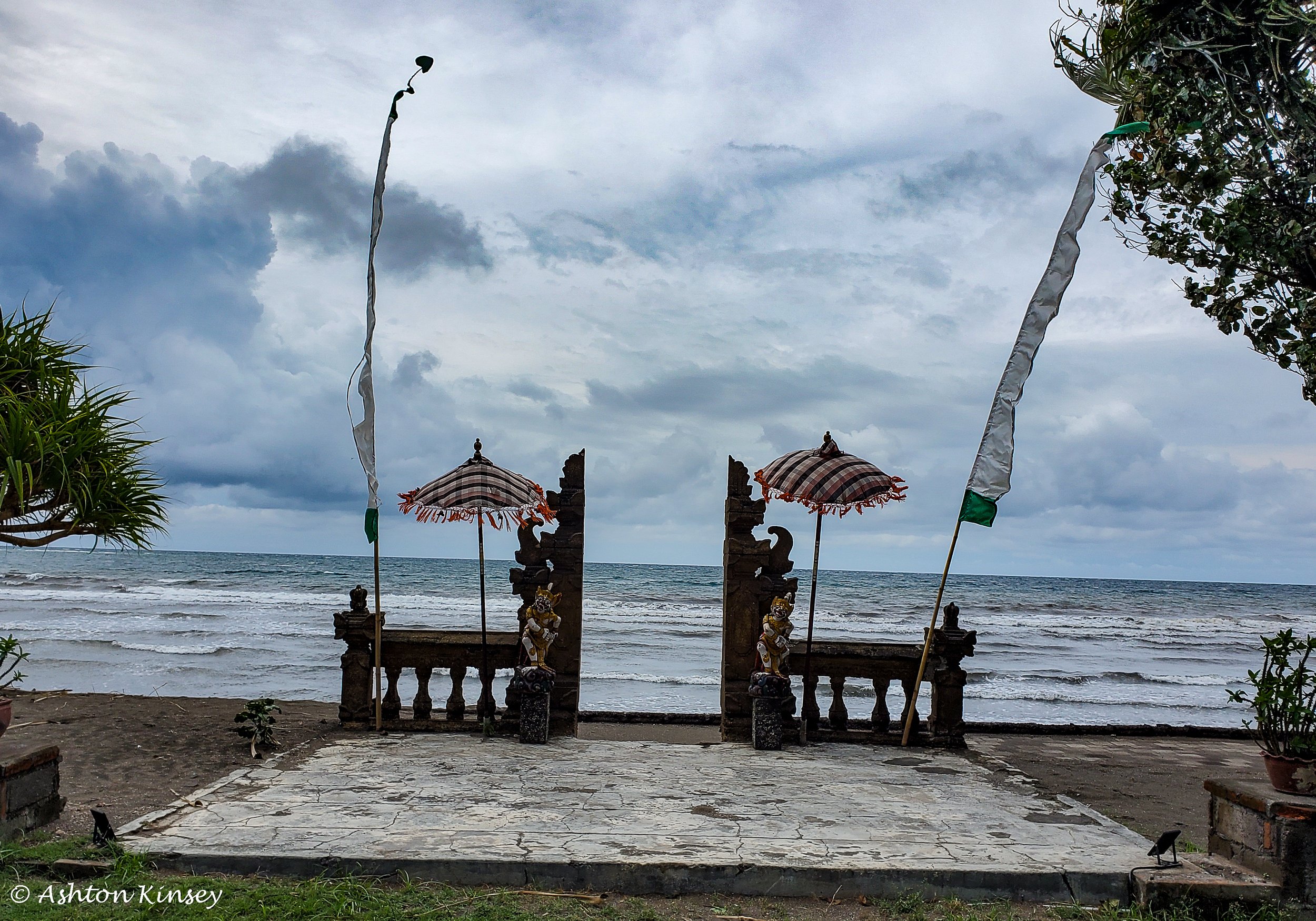
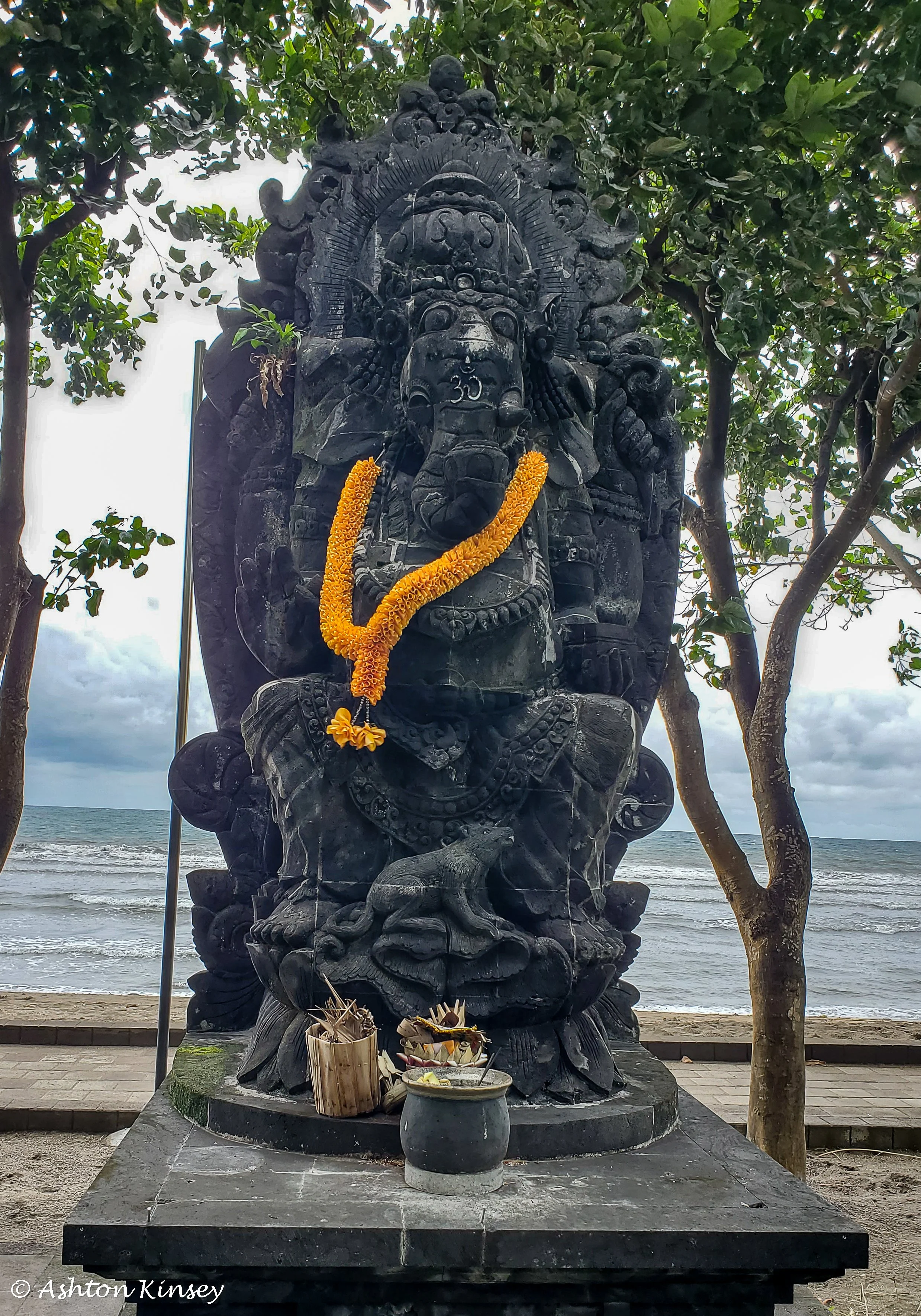
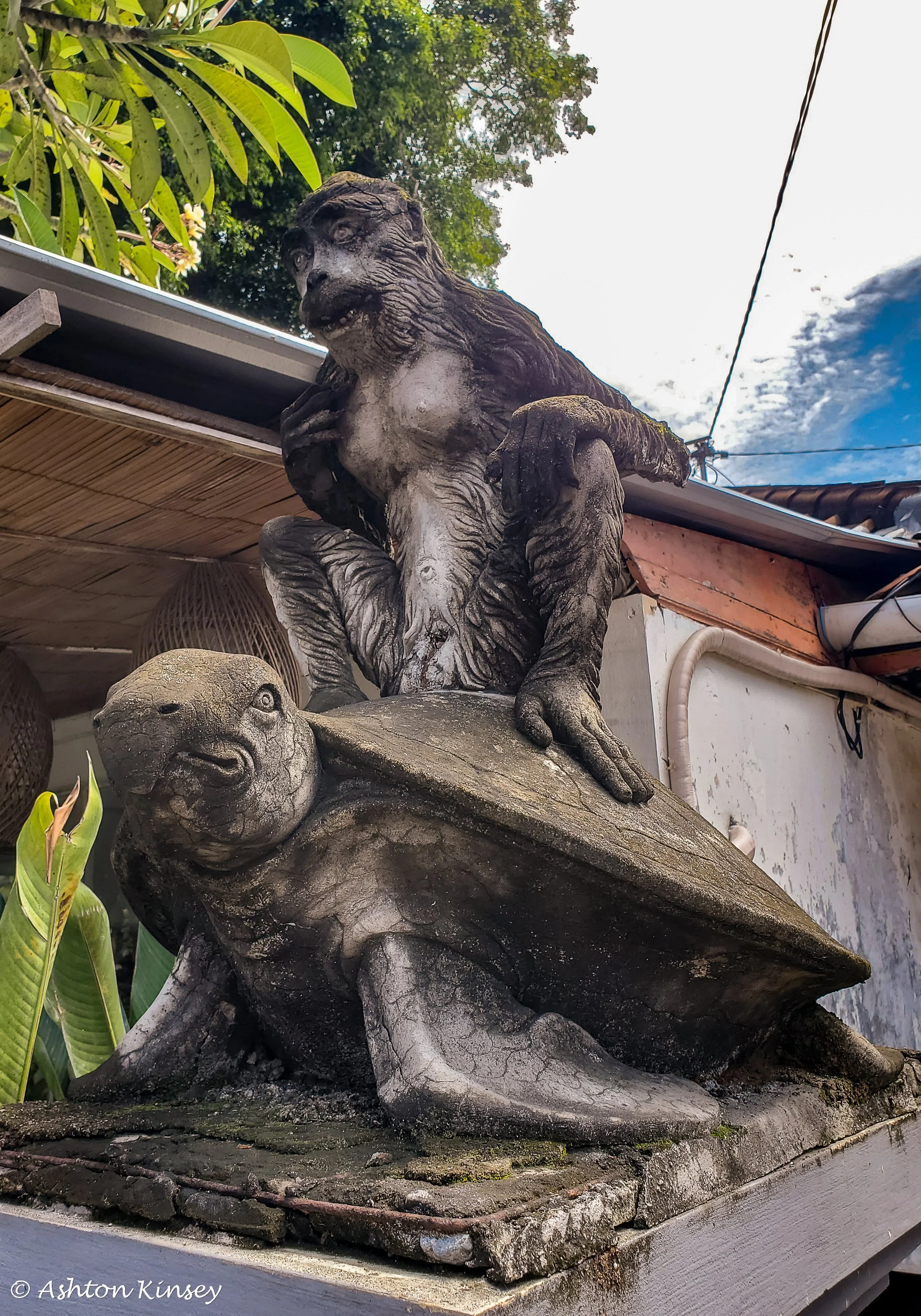
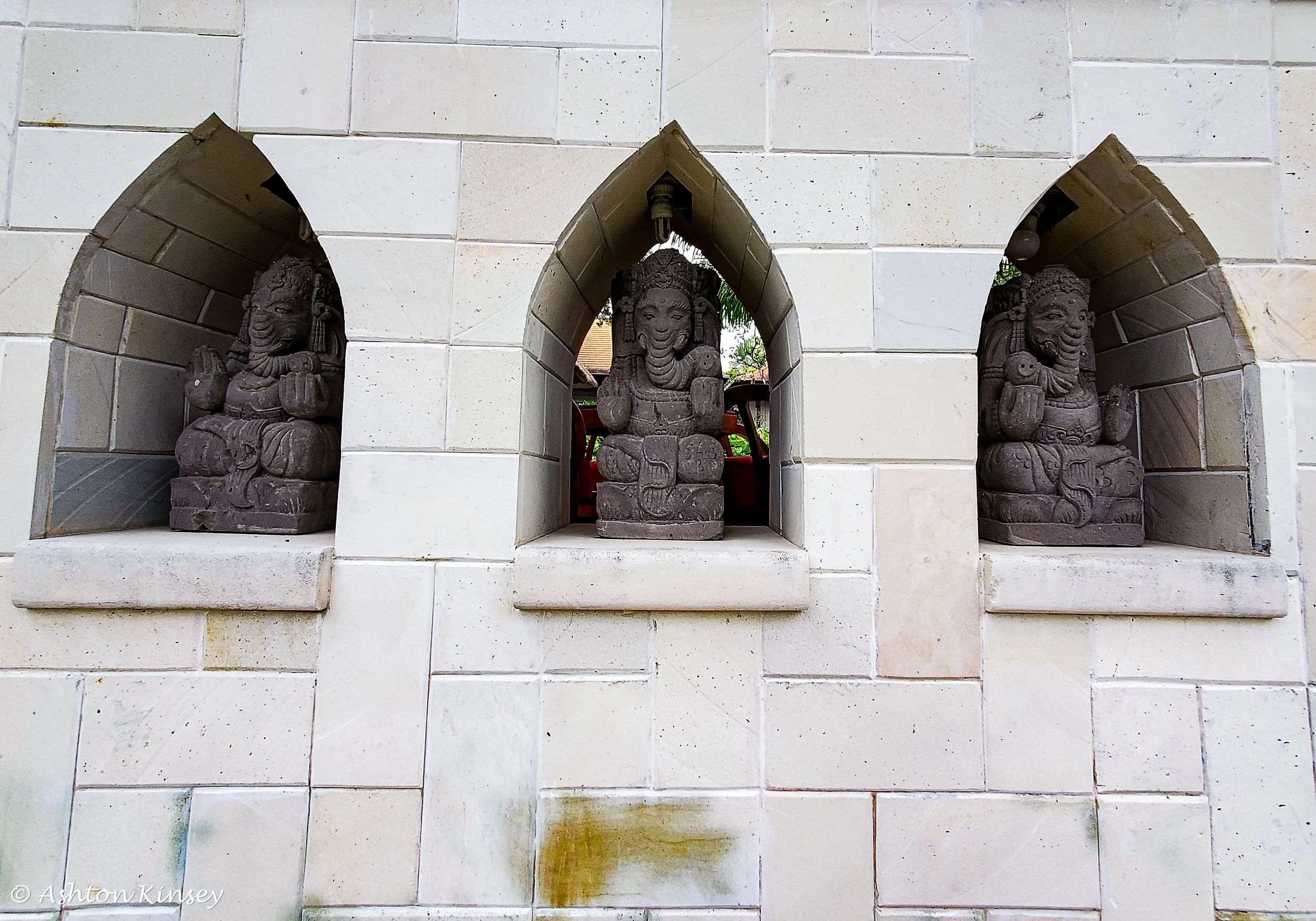
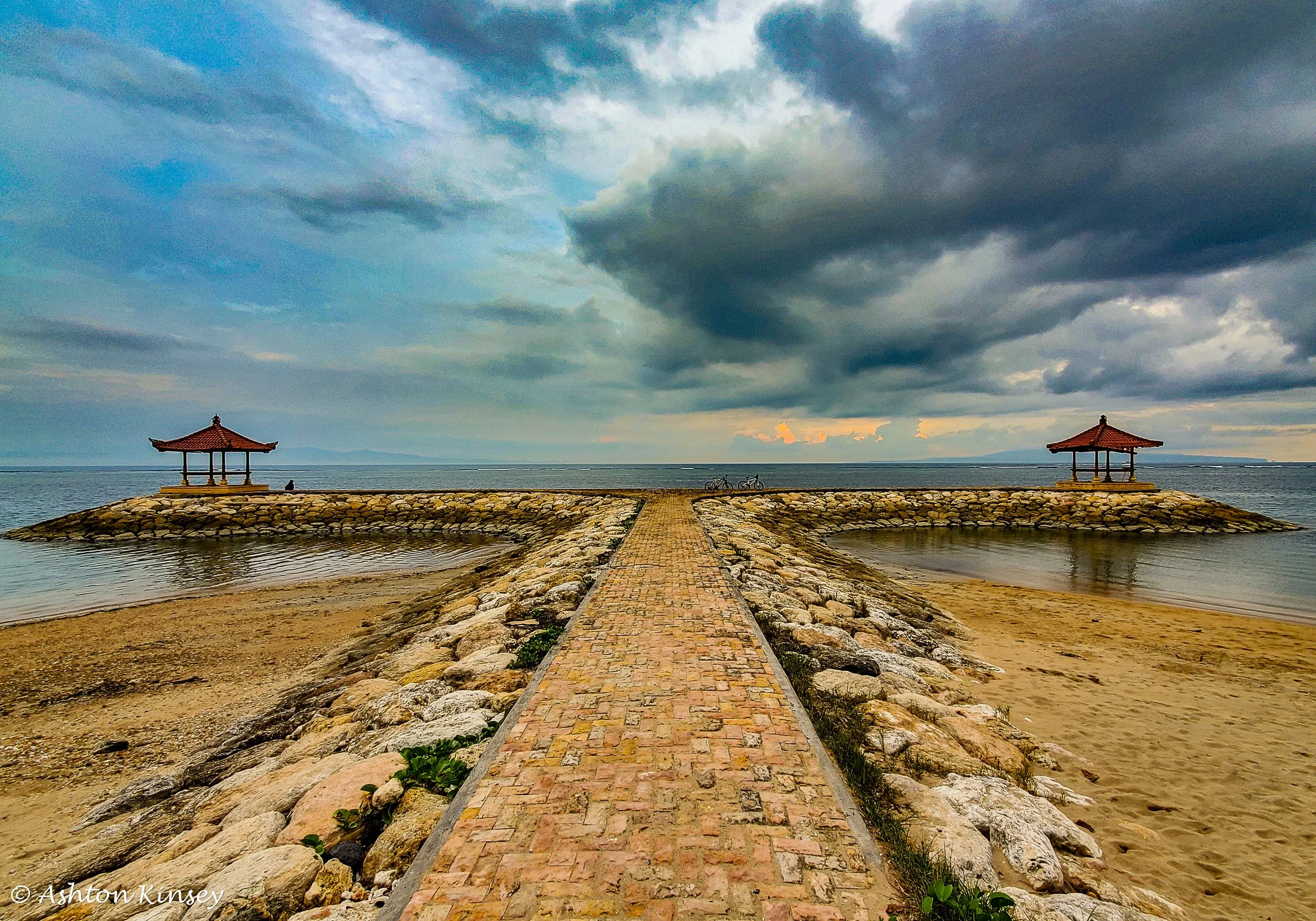
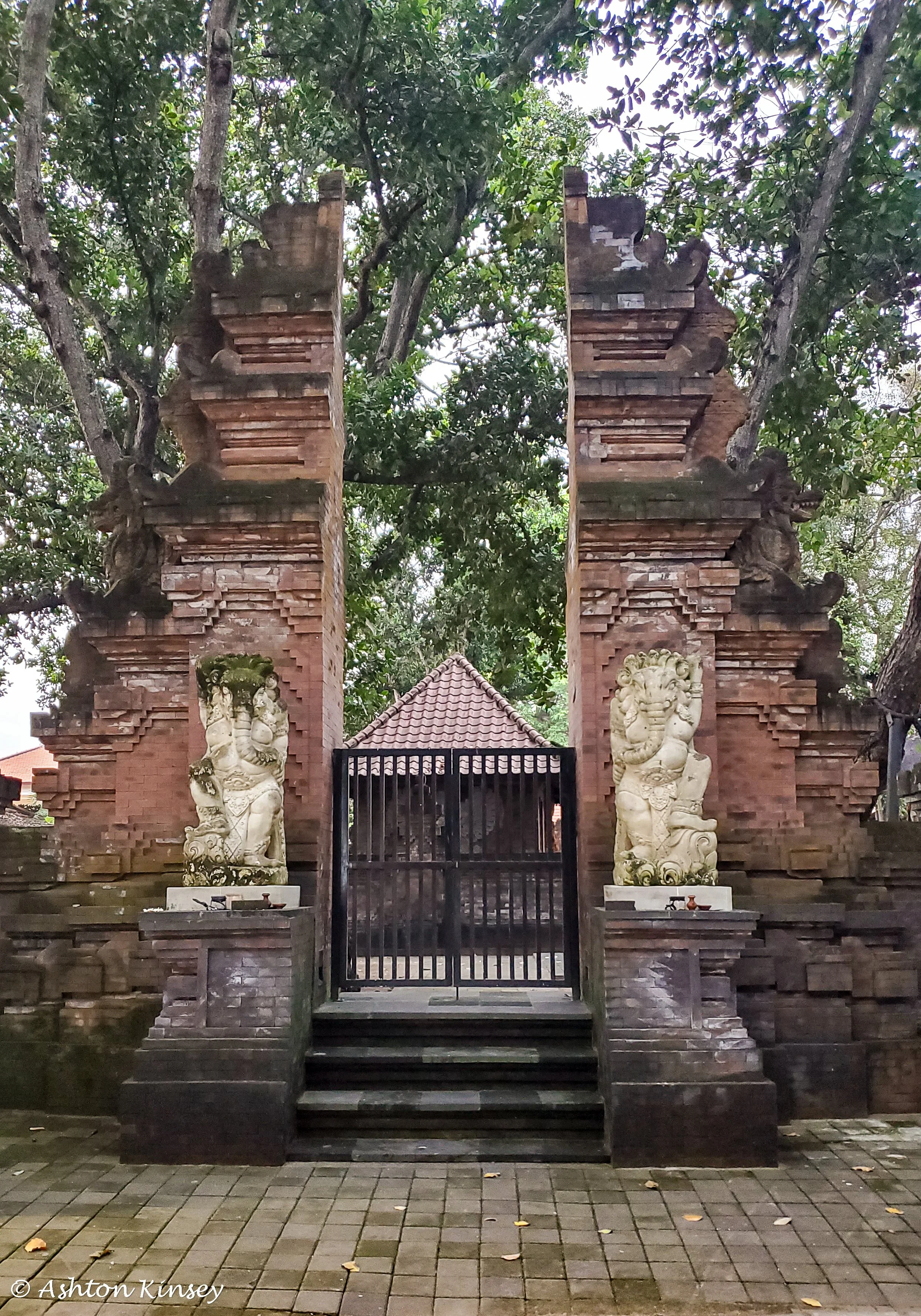
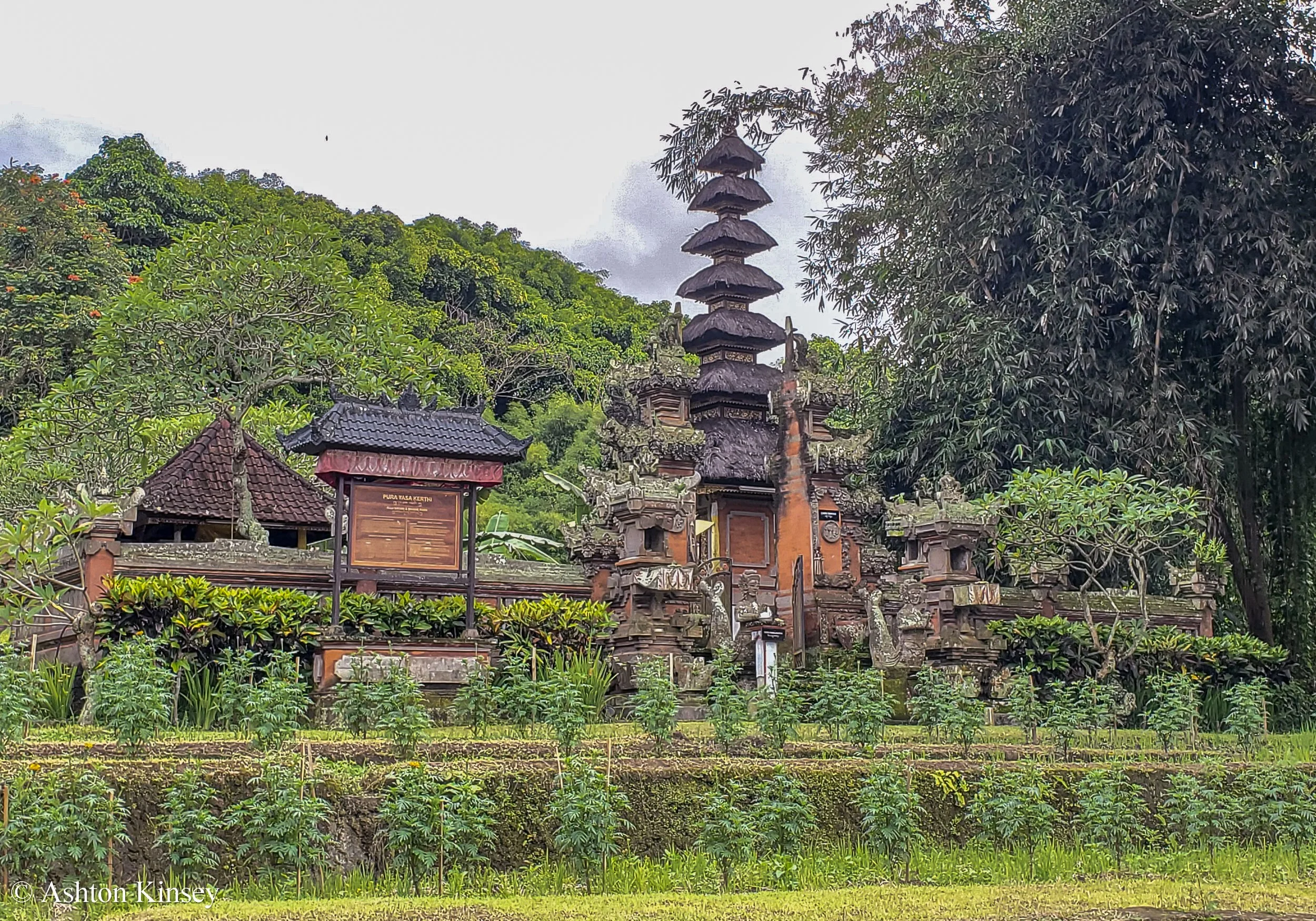
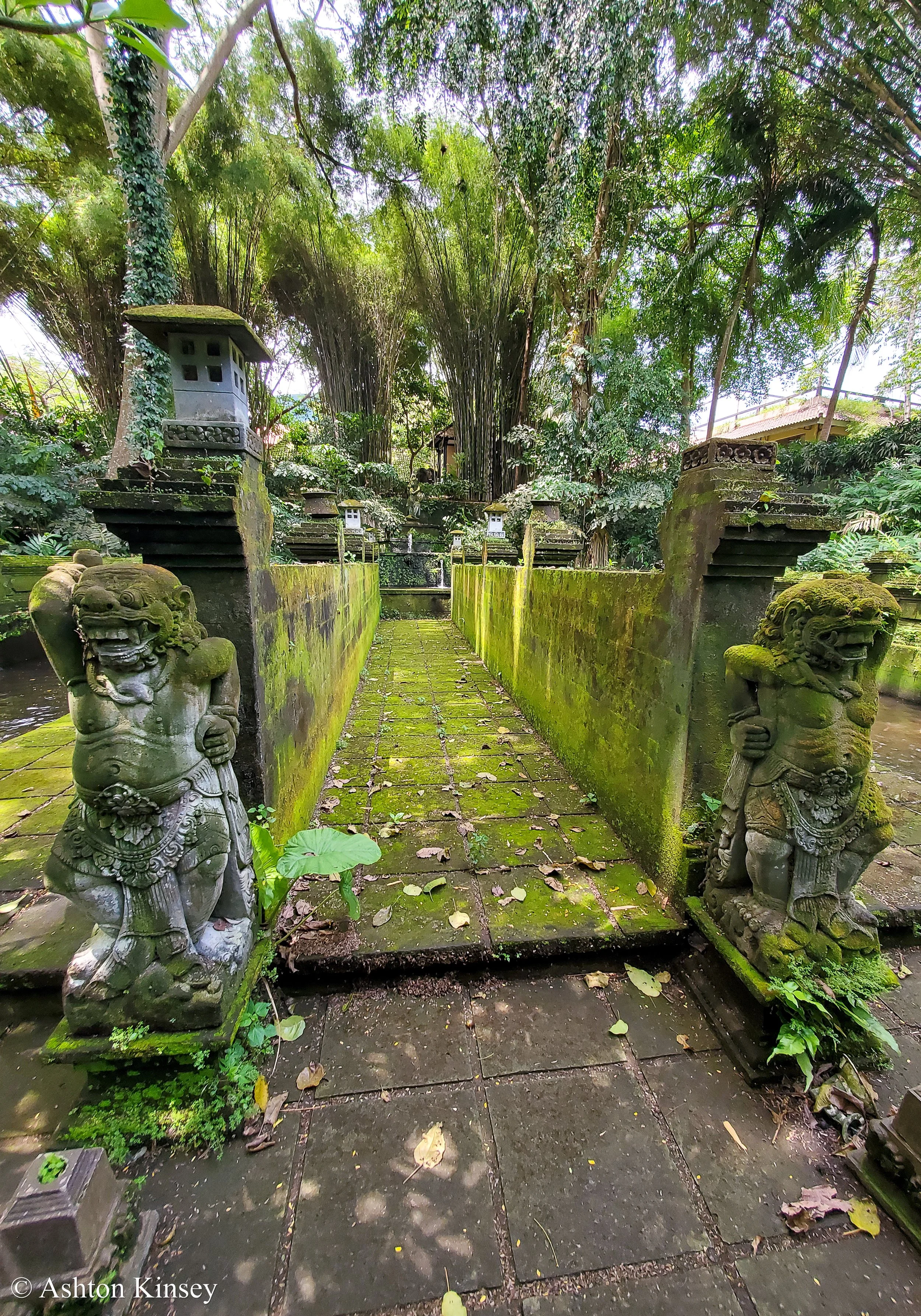
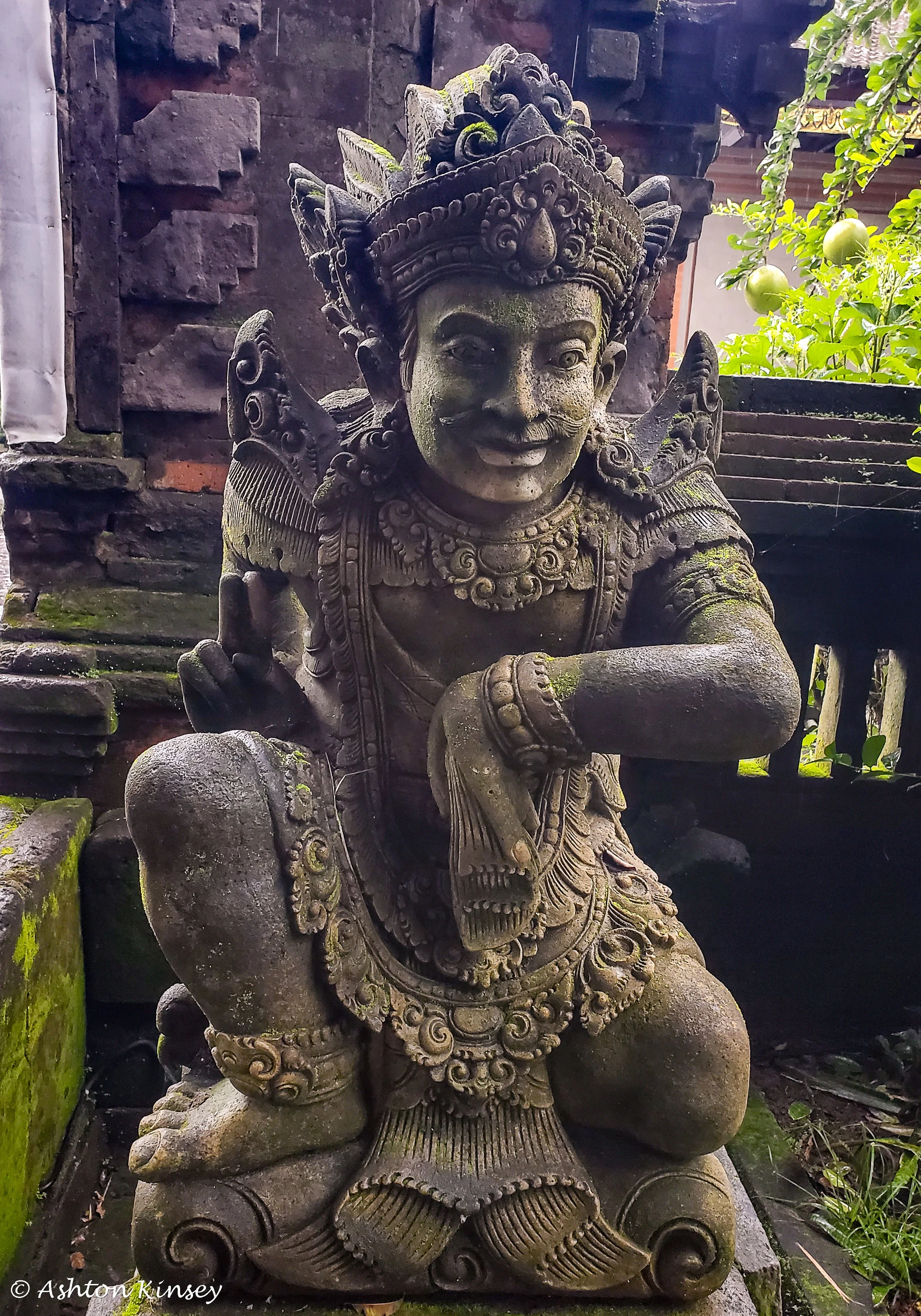
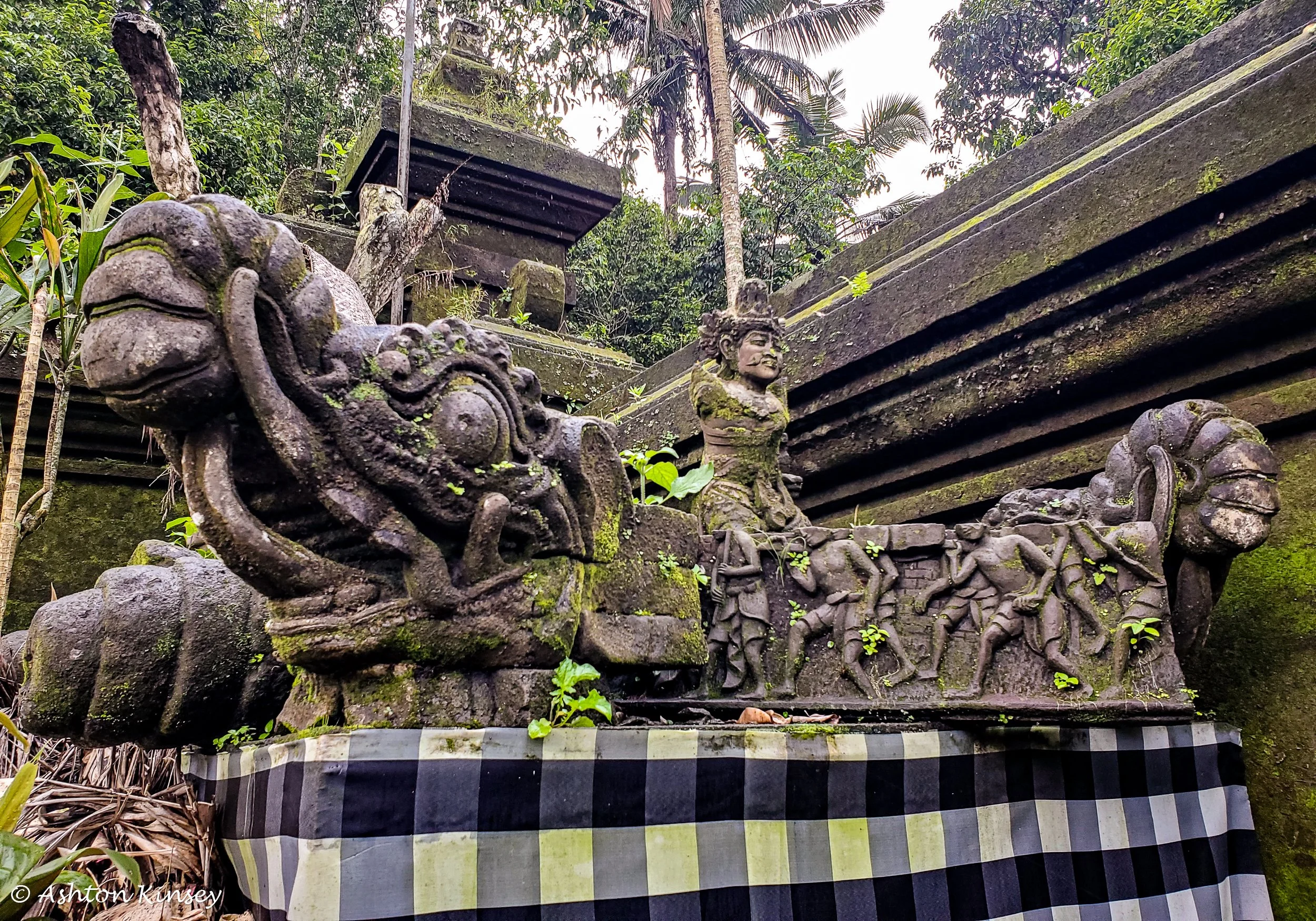
Throughout Bali, there are several temples and palaces for various religious and cultural purposes. The Balinese word for temple is pura, which comes from Sanskrit and translates to "walled enclosure." The Balinese word for palace is puri; these are used for important families, meetings, or cultural activities. The temples around the country are often highly intricately decorated with carvings, which are then regularly decorated with offerings and flowers. This is largely due to the fact that the temples are seen as a home for the Gods between heaven and earth. Each village must have at least three temples, resulting in upwards of 50,000 temples throughout Bali. There are five main types of temples: private, genealogy, territorial, functional, and public.
The three temples that each village must have are the Tri Kahyangan Temples. The first is always the Pura Puseh, or Temple of Origin. This is in the north of the city, facing Mount Agung, where the water flows down from, and is dedicated to the God Vishnu (The Preserver) and to the founders of the village.
The second temple is usually located near the center of the temple and is called the Pura Desa, or village temple. This is the temple for Brahma, the Creator. This temple is often used for community events and daily spiritual activities.
Finally, the last temple is the Pura Dalem, or the temple of the dead. This is located at the lowest point of the village, facing an ocean or river. As water flows from the north through the land of humans, where it is fouled, and ends in the ocean. The temple is dedicated to either Shiva, the Destroyer, or the witch Rangda. Often, in this temple, there will be a burial ground where bodies are stored until it can be purified by cremation.
Functional, or occupational, temples are usually temples that are dedicated to a specific god relating to that occupation. Genealogy temples, or ancestral temples, are often built by the descendants of particular leaders or influential families. Most of these are private temples that are not open for visitation.
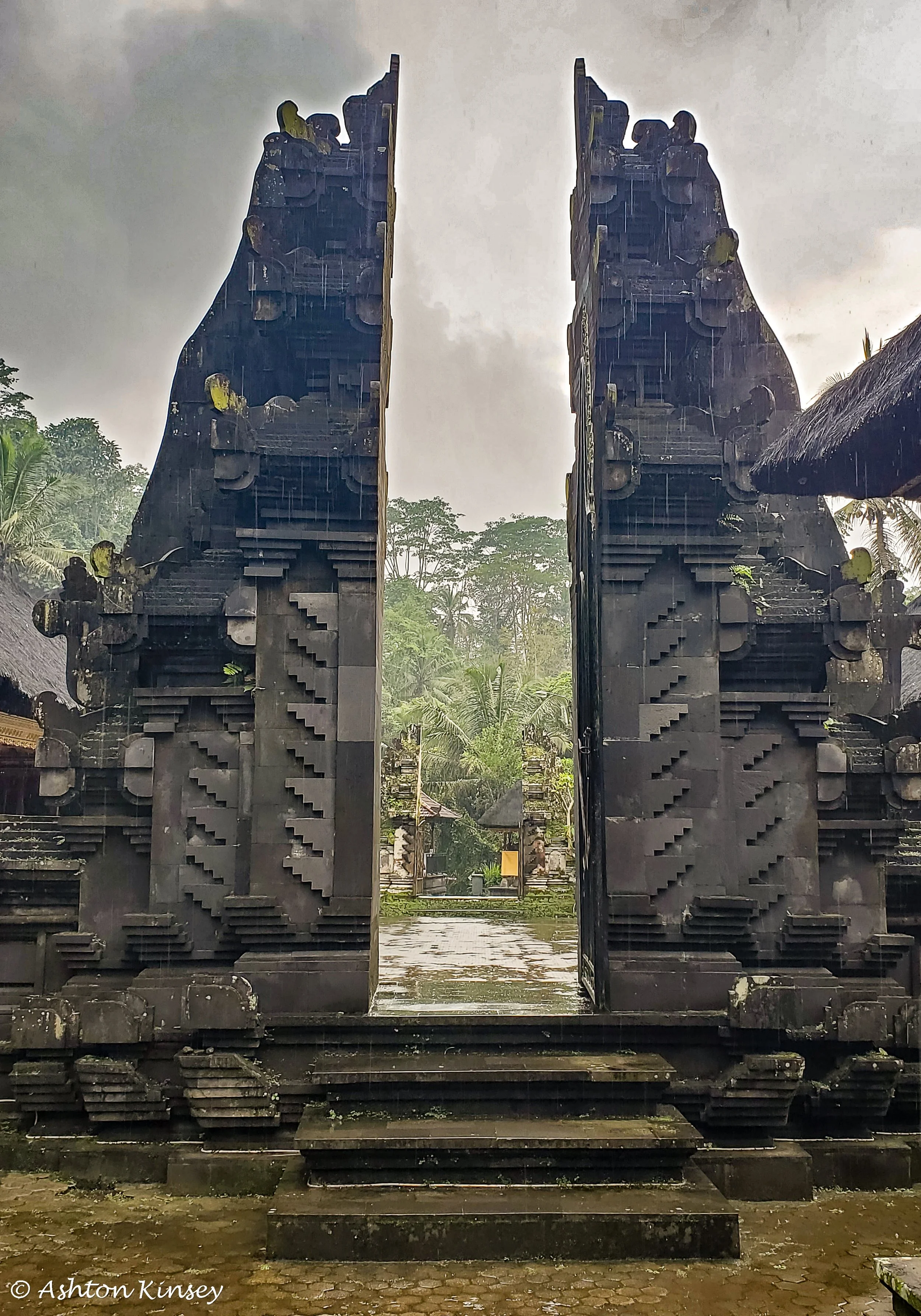
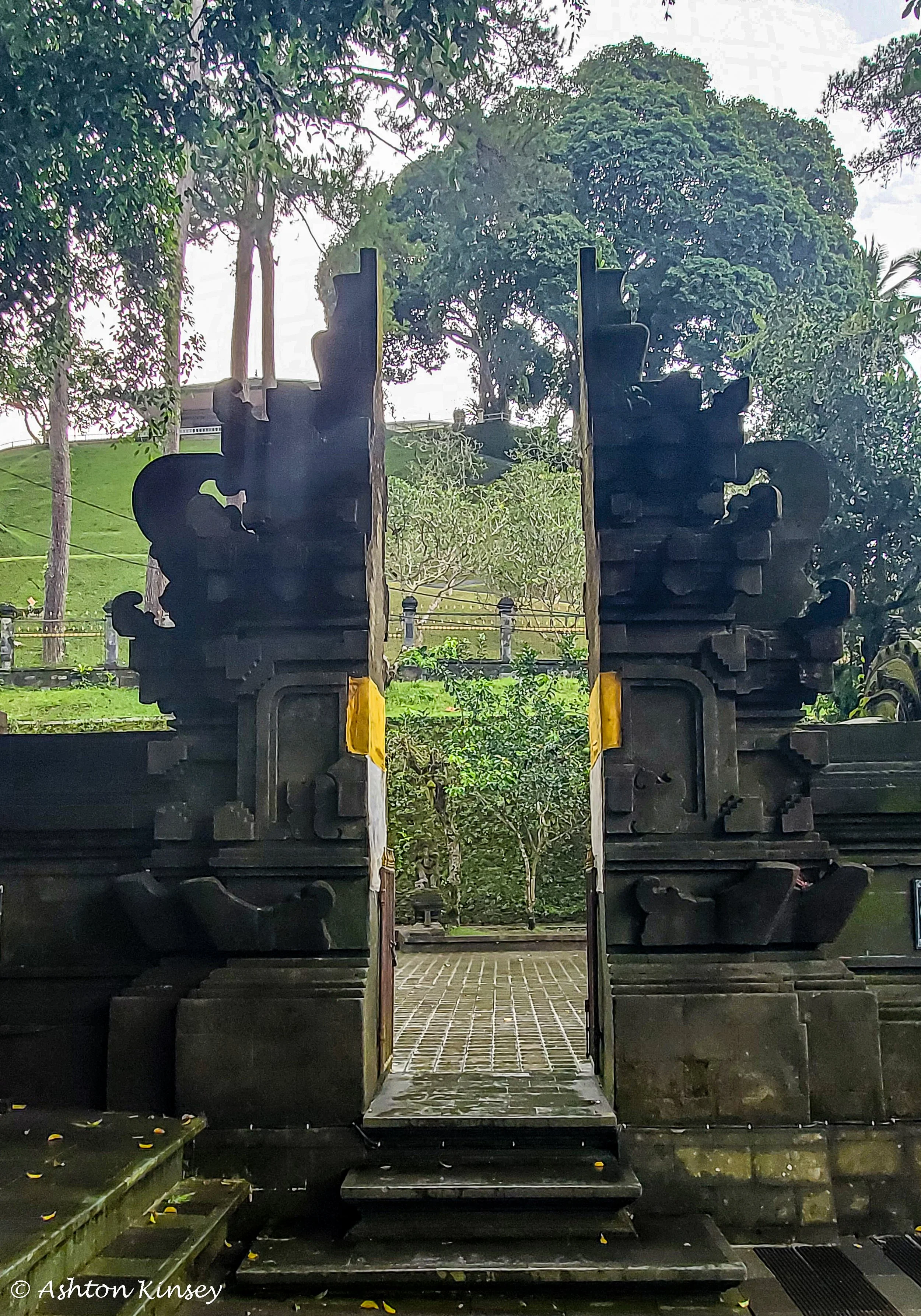
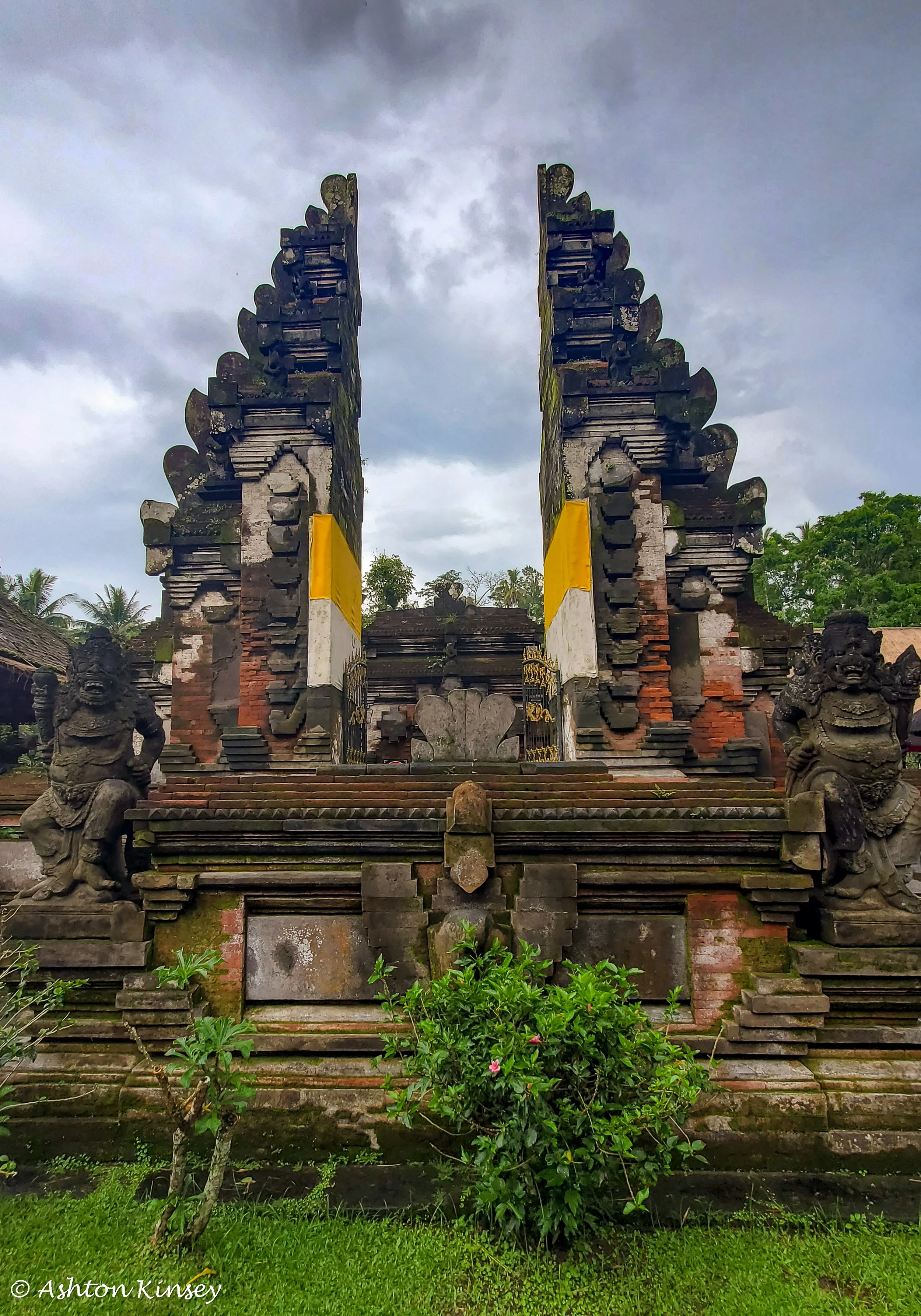
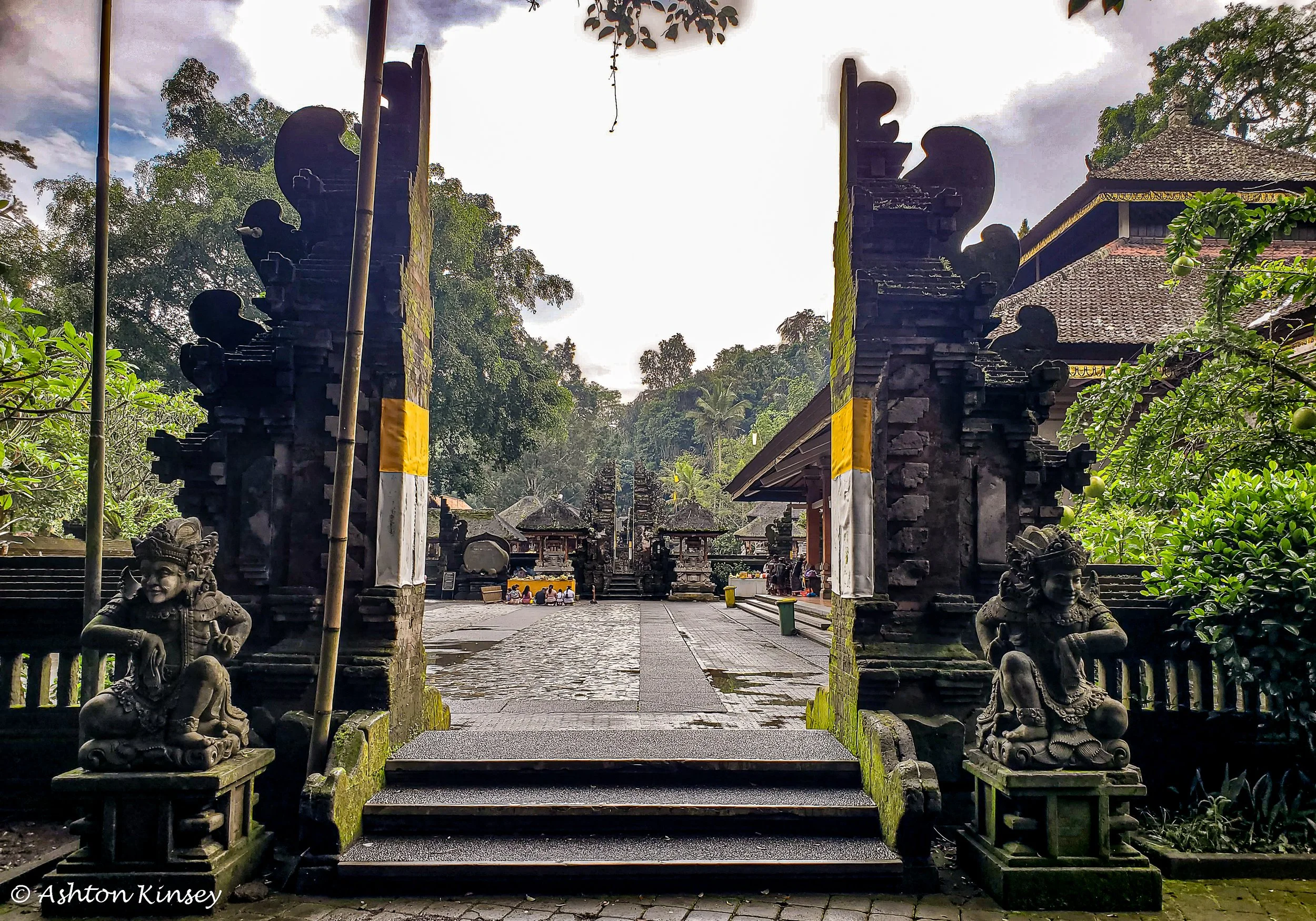
While most temples have a similar layout, starting with three courtyards. These three levels represent the human world, the realm of the gods and deities, and the highest, the divine level. Usually, when entering the temple, there will be a gate, and just past the gate will be a wall. It is believed that evil spirits can only travel in straight lines. By adding this wall after the gate, it adds another level of protection to keep the evil spirits out of the temple.
The outer courtyard is called Jaba. This is a transitional area between the outside world and the sacred area of the temple. This is used for various entertainment purposes.
The middle courtyard is called the Jaba Tengah, where offerings are prepared and meetings with priests are held. It is often a holding area for musical instruments and temple relics. Finally, the inner courtyard is the Jeroan, which is the holiest part of the complex and not accessible to visitors. This inner courtyard houses the shrines for the gods and is where offerings, temple rituals, and prayers are held.
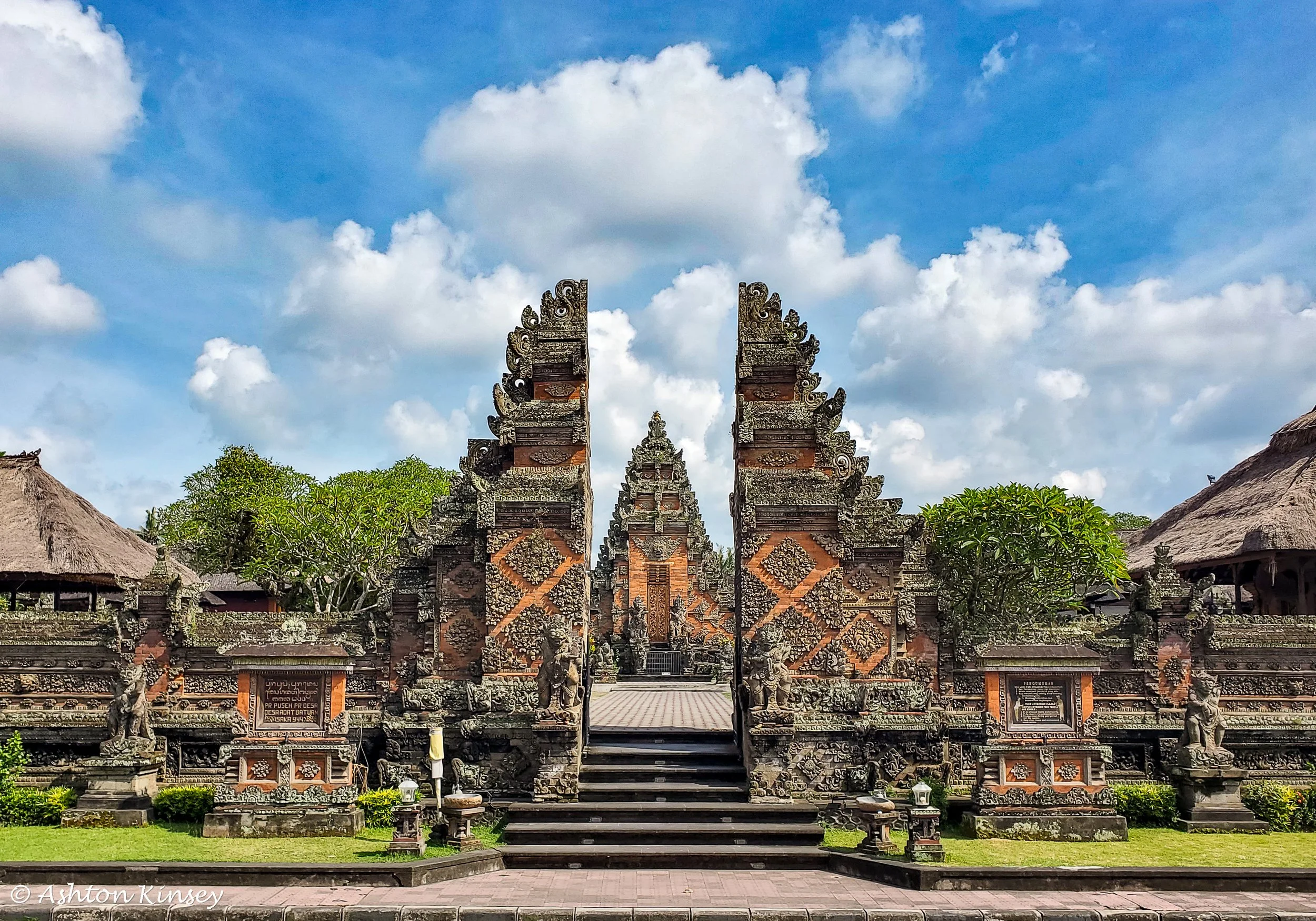
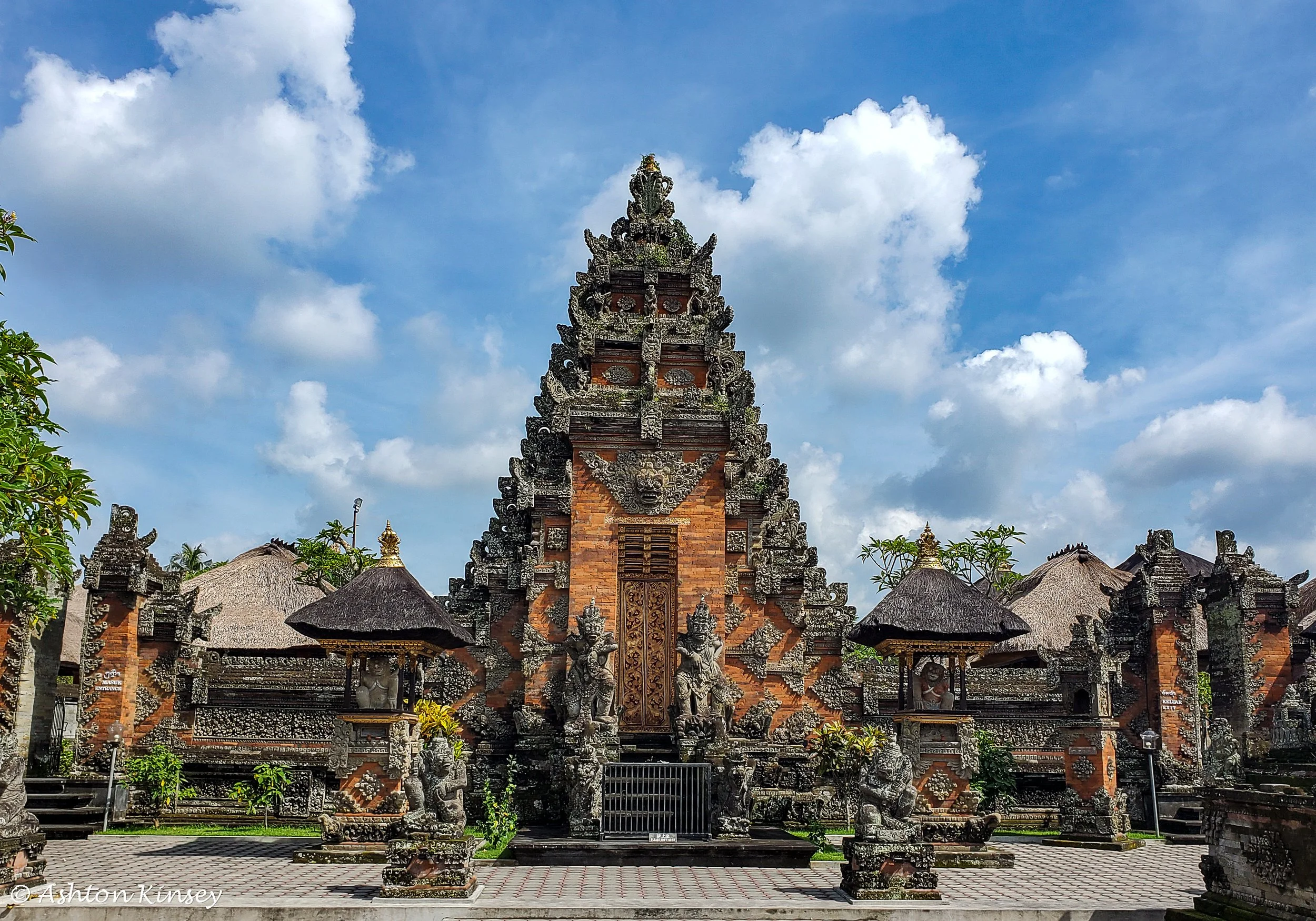
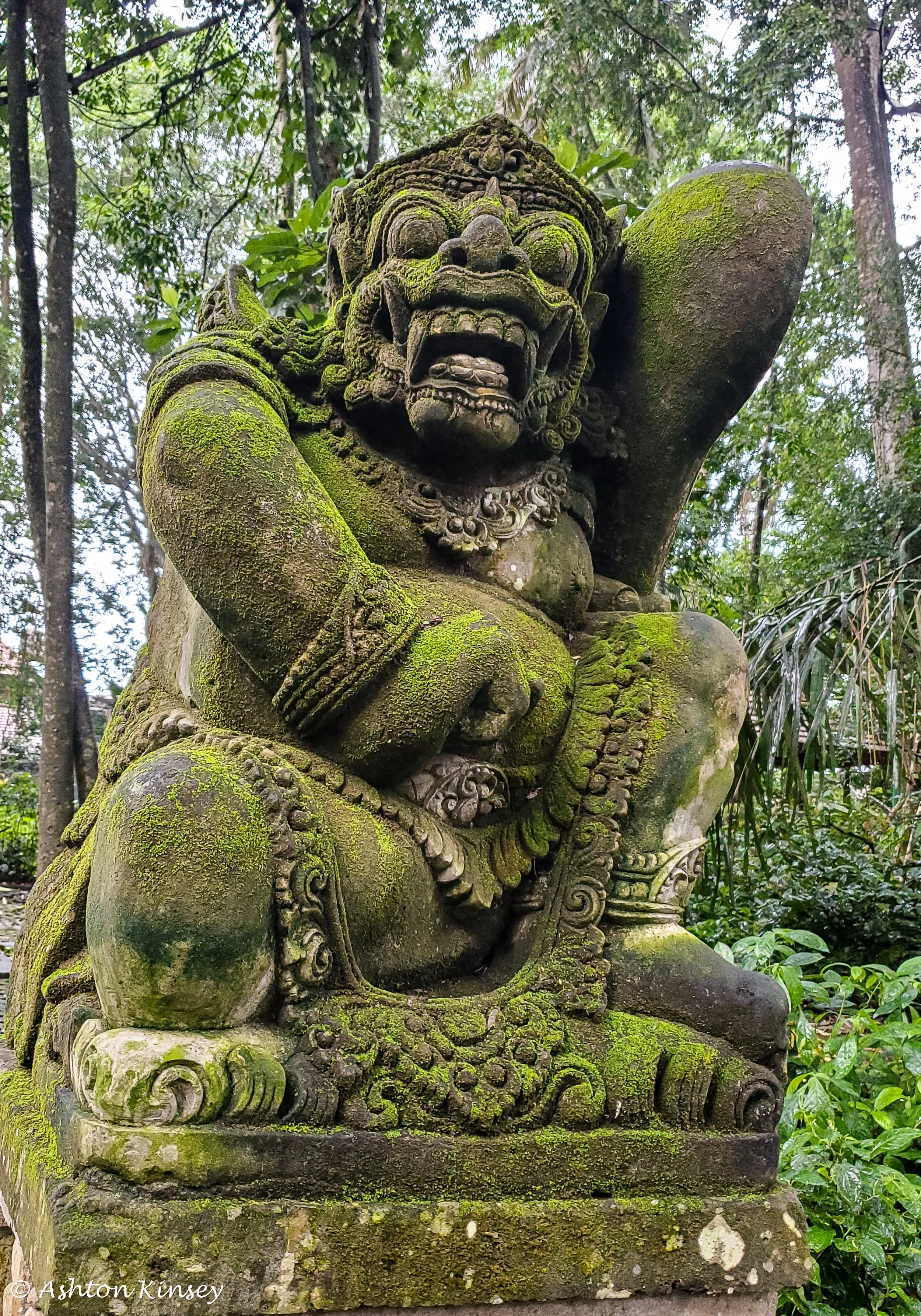
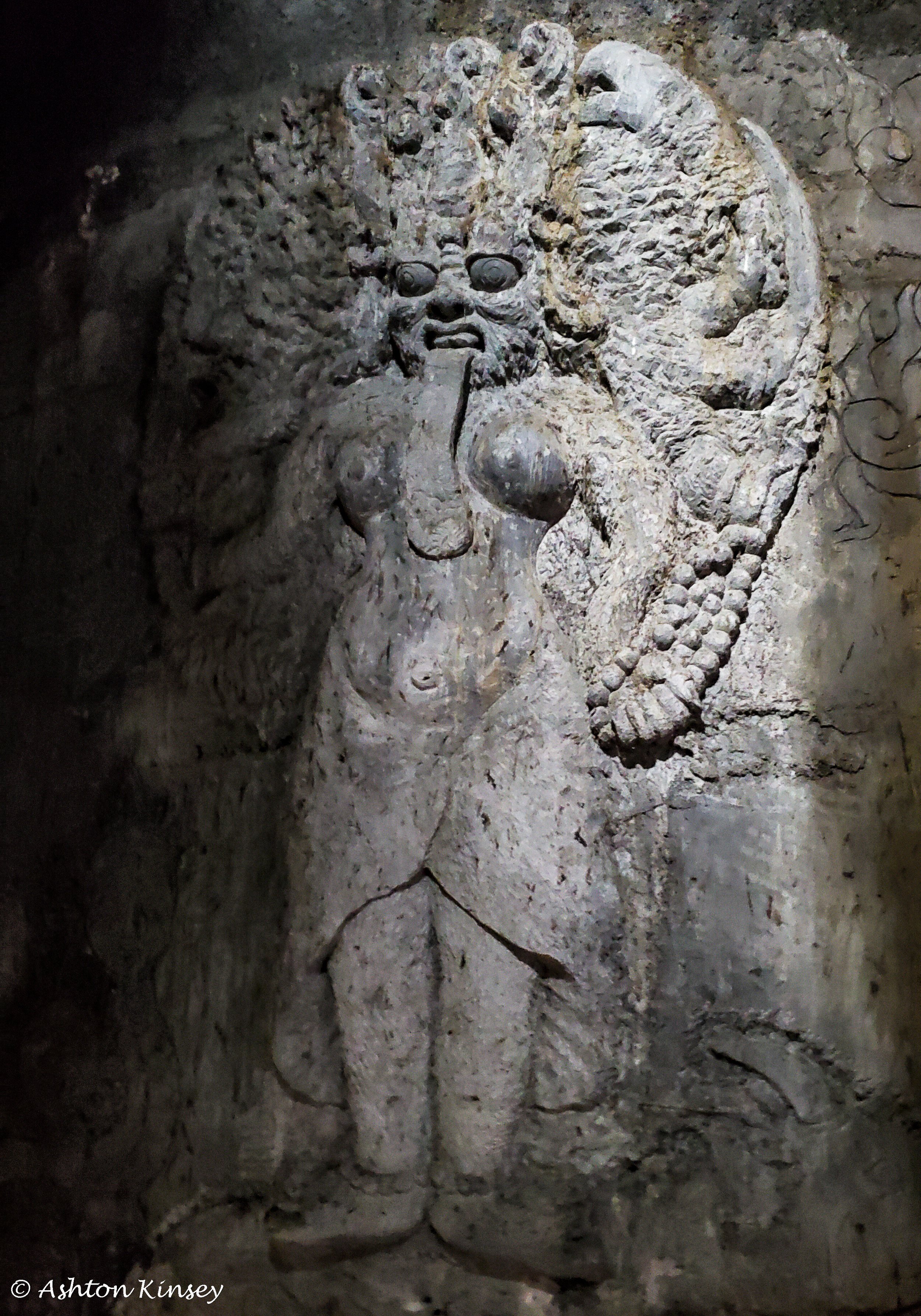
Between each courtyard is a temple gate; the first two gates are called Candi Bentar. These generally look like they were split down the middle with smooth interiors. From here, the gate leading into the inner courtyard is called the Kori Agung. This generally has a door and other decorations, including the face of Bhoma, or the Jungle God. This is a protector, and his intense carvings are designed to scare away evil spirits from entering the inner courtyard.
Inside the courtyards, there are often different shrines and towers. The shrines are made for different reasons, but usually they provide a home for the deity. These shrines can also be found in houses and village temples. The doors to the shrine are only opened during religious ceremonies. The roofs of the shrines are made from the black fiber of the sugar palms. The taller the meru, or pagoda structure, the higher the status of the deity. A meru will always have an odd number of roofs but will never exceed eleven, as that is the most sacred.
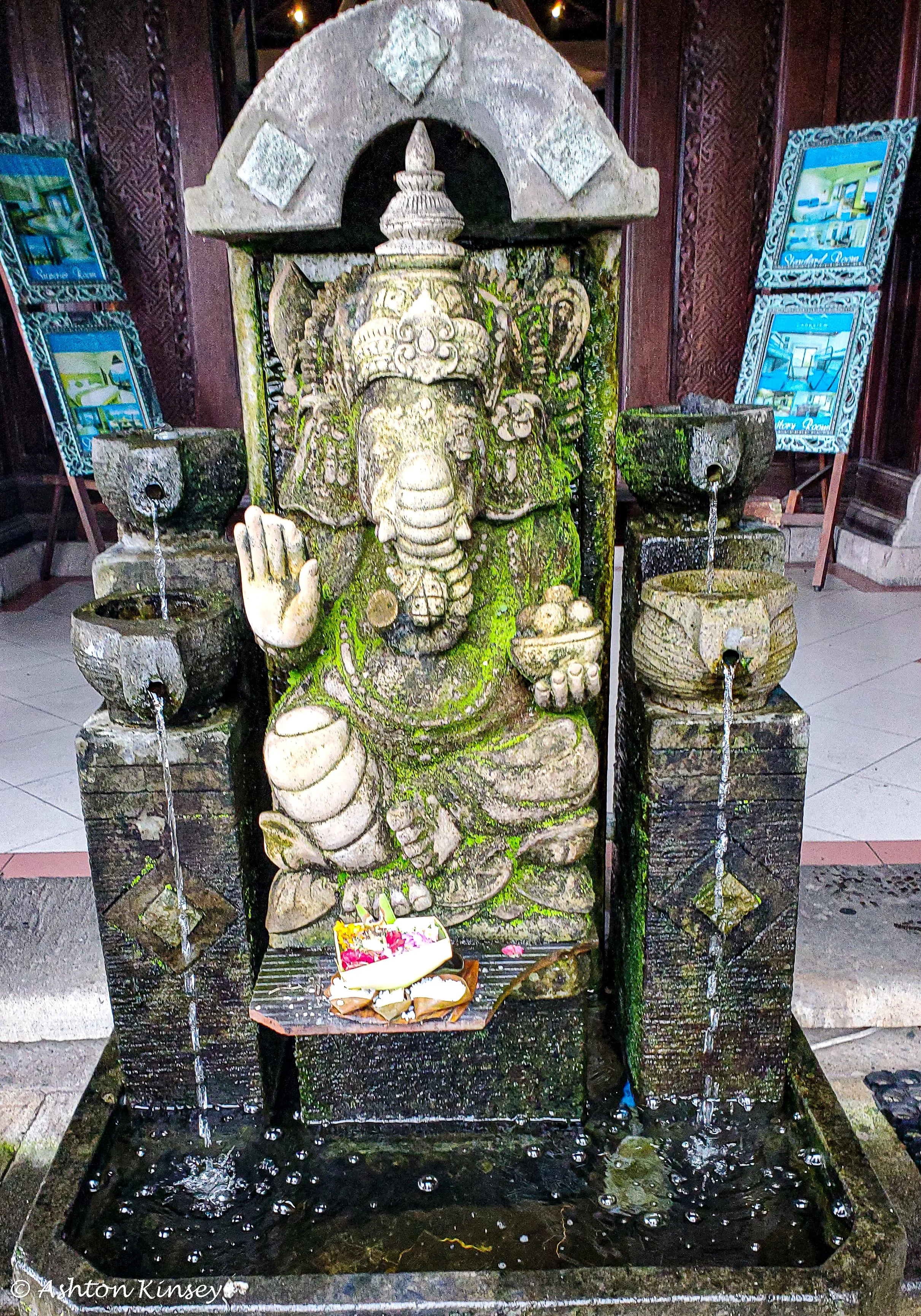
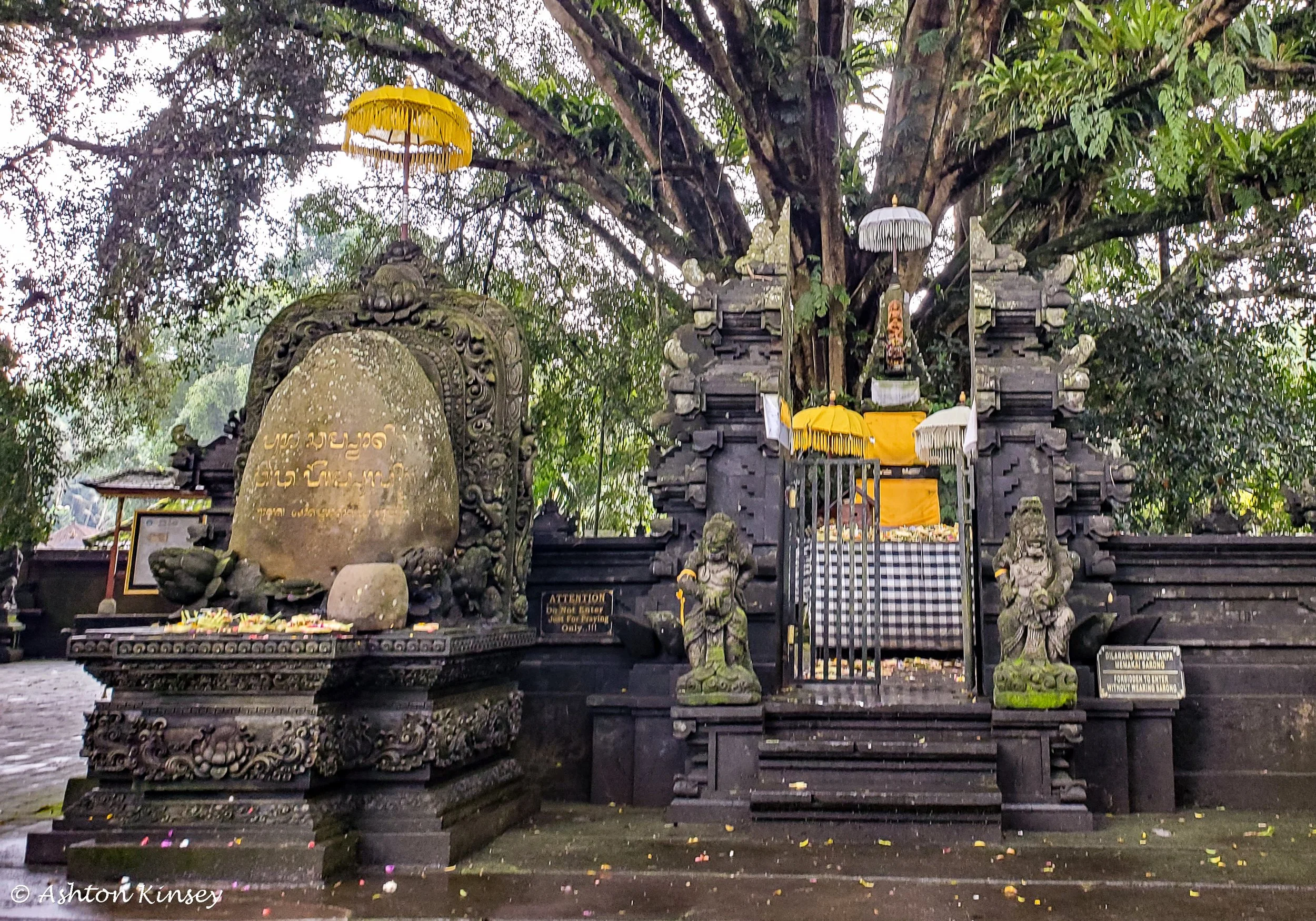
There are several types of offerings that are left at the different shrines or intersections. These offerings are known as canang sari and are typically handmade each day from bamboo reeds. Unlike other religions, the offerings are left to try and express gratitude to the Gods, but also to bring them down to Earth to provide protection for the people and nurture the island that they live on. Each offering has one of three shapes, depending on the God that it is for. A triangle representing fire, a square representing water, and a circle representing air.
The offerings are also left outside of houses and at intersections to confuse evil spirits and keep them from entering a household, vehicle, or preventing accidents. Each offering has four colors: red representing Brahma, God of creation and birth; yellow representing Shiva, God of destruction and death; green/blue representing Vishnu, God of protection and life; and lastly, white representing Iswara, God of nature.
A frangipani flower, also known as a jepun, is dopped in holy water and sprinkled over the top to symbolically fuse the four elements together. When placing the offering, incense is lit while a prayer is said to take the essence of the offering up to the gods to awaken them and invite them to Earth. Once the incense is done burning, it can be removed, but until then, care should be taken not to step on or over an offering. Food or small coins are often included in the offering to represent selfishness and help feed local animals.
The first day we spent exploring several temples, coffee plantations, and the jungle. It was a busy and packed day. Most temples will require you to wear a sarong and sash, called a kamben. This is worn around the waist as a sign of respect, honor, and protection according to our guide from evil spirits running up your legs and into your butthole.
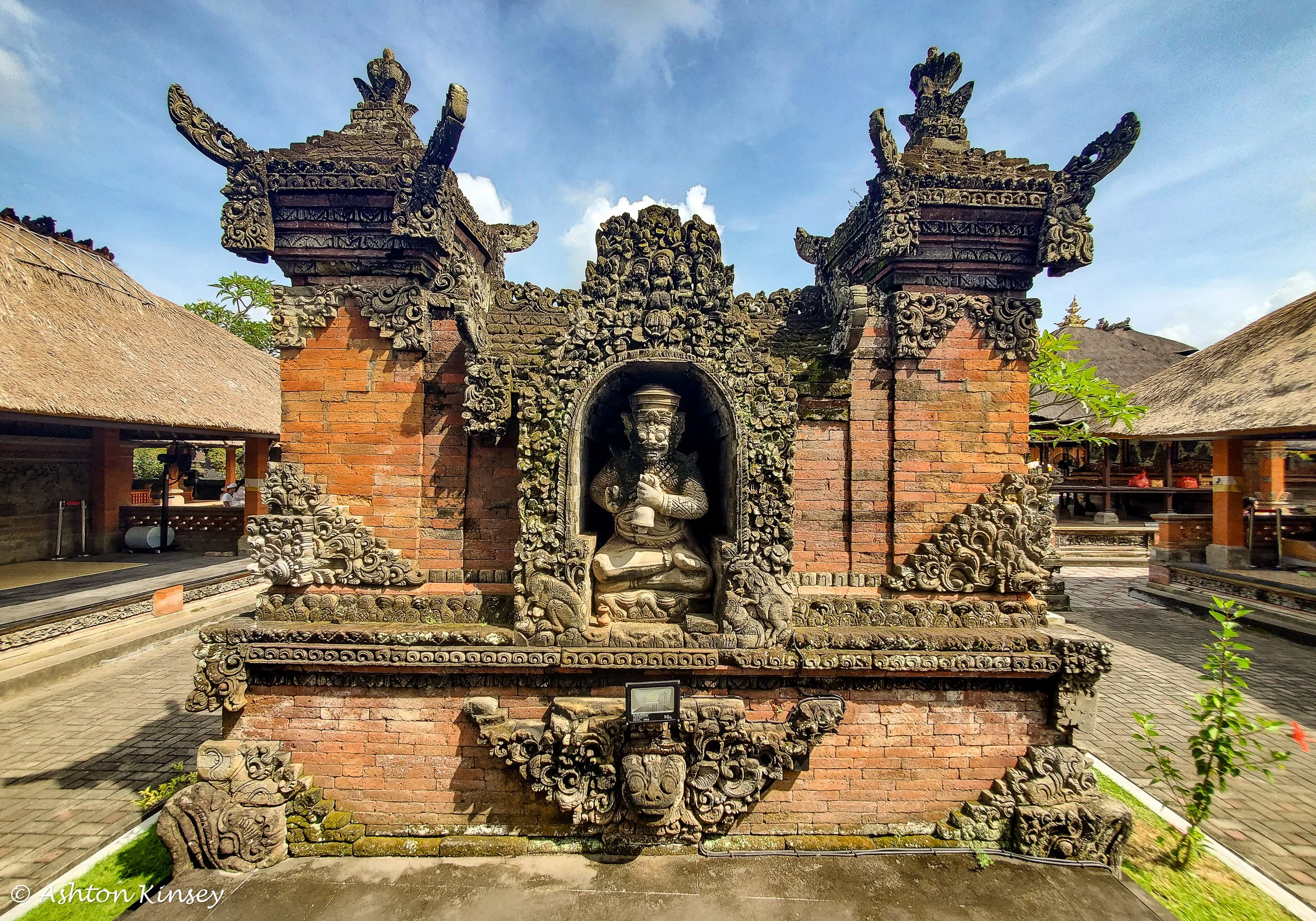
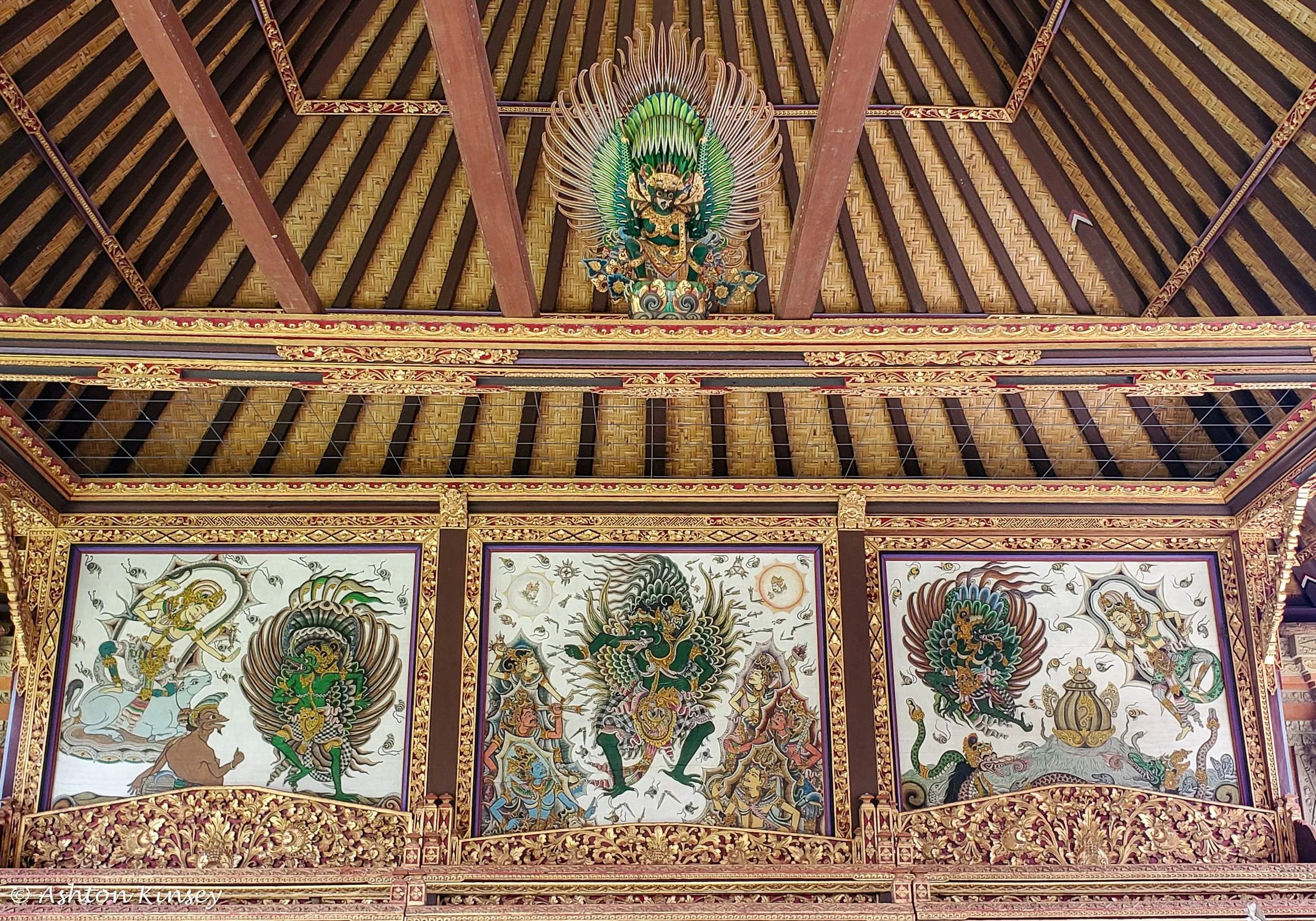
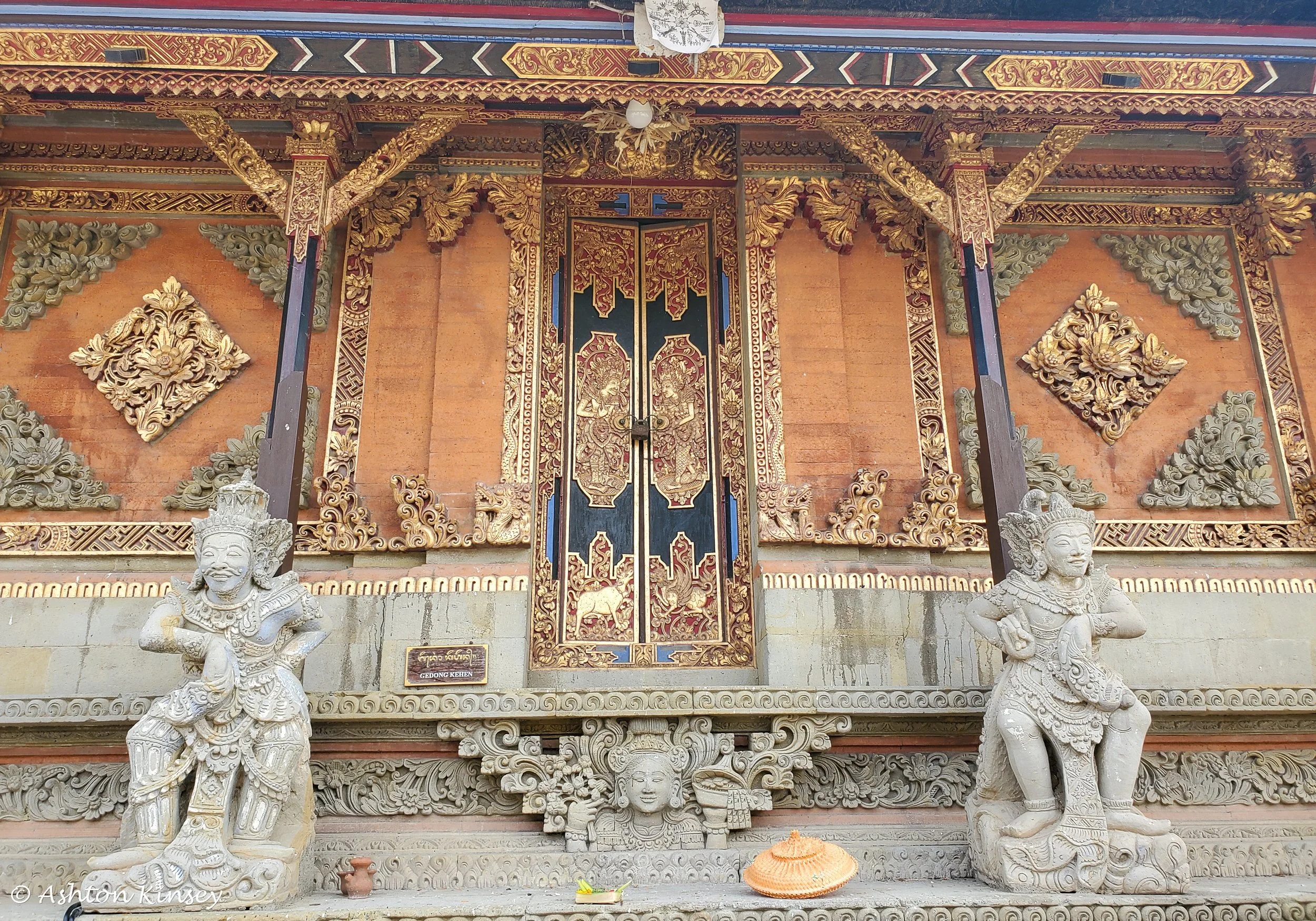
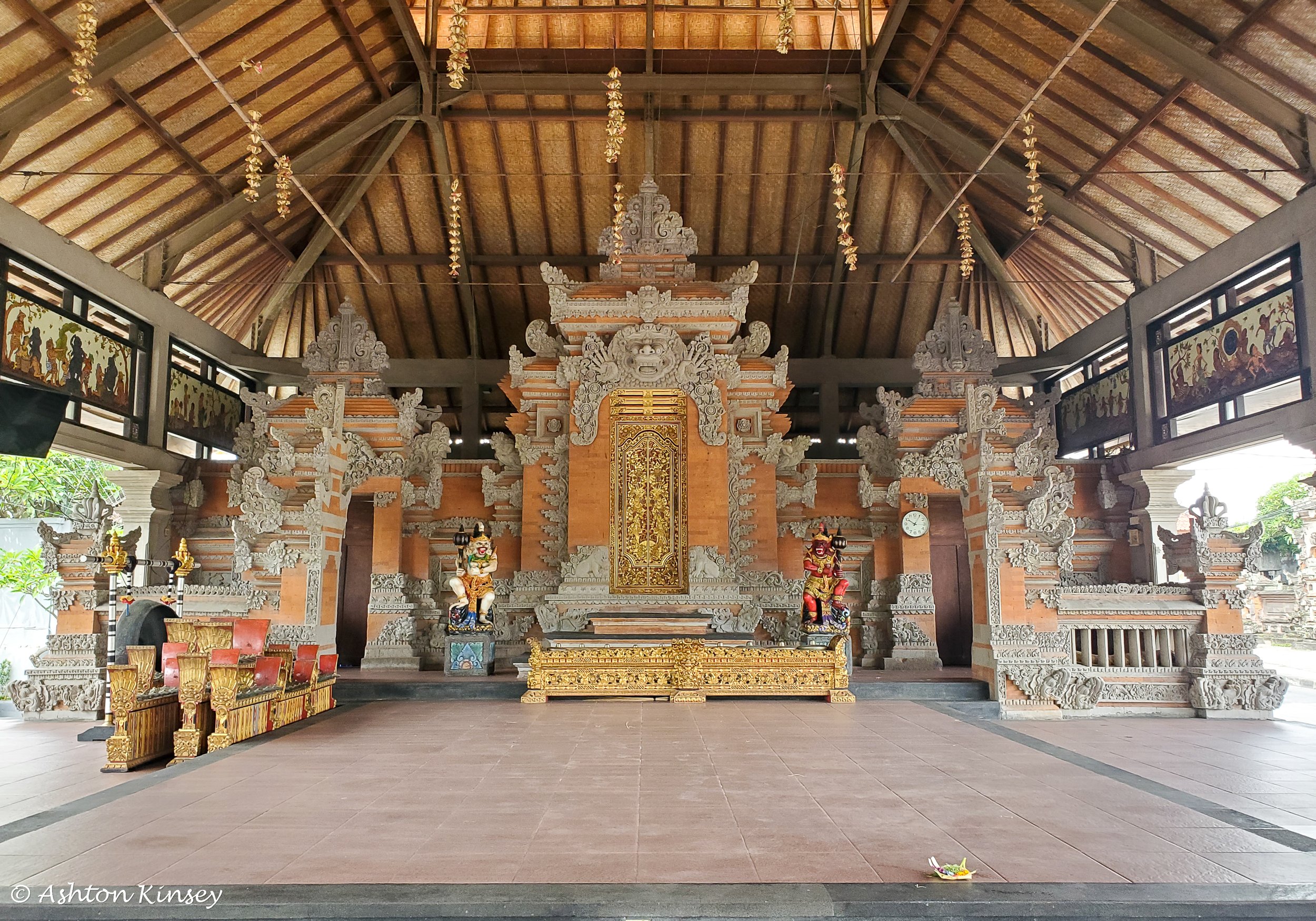
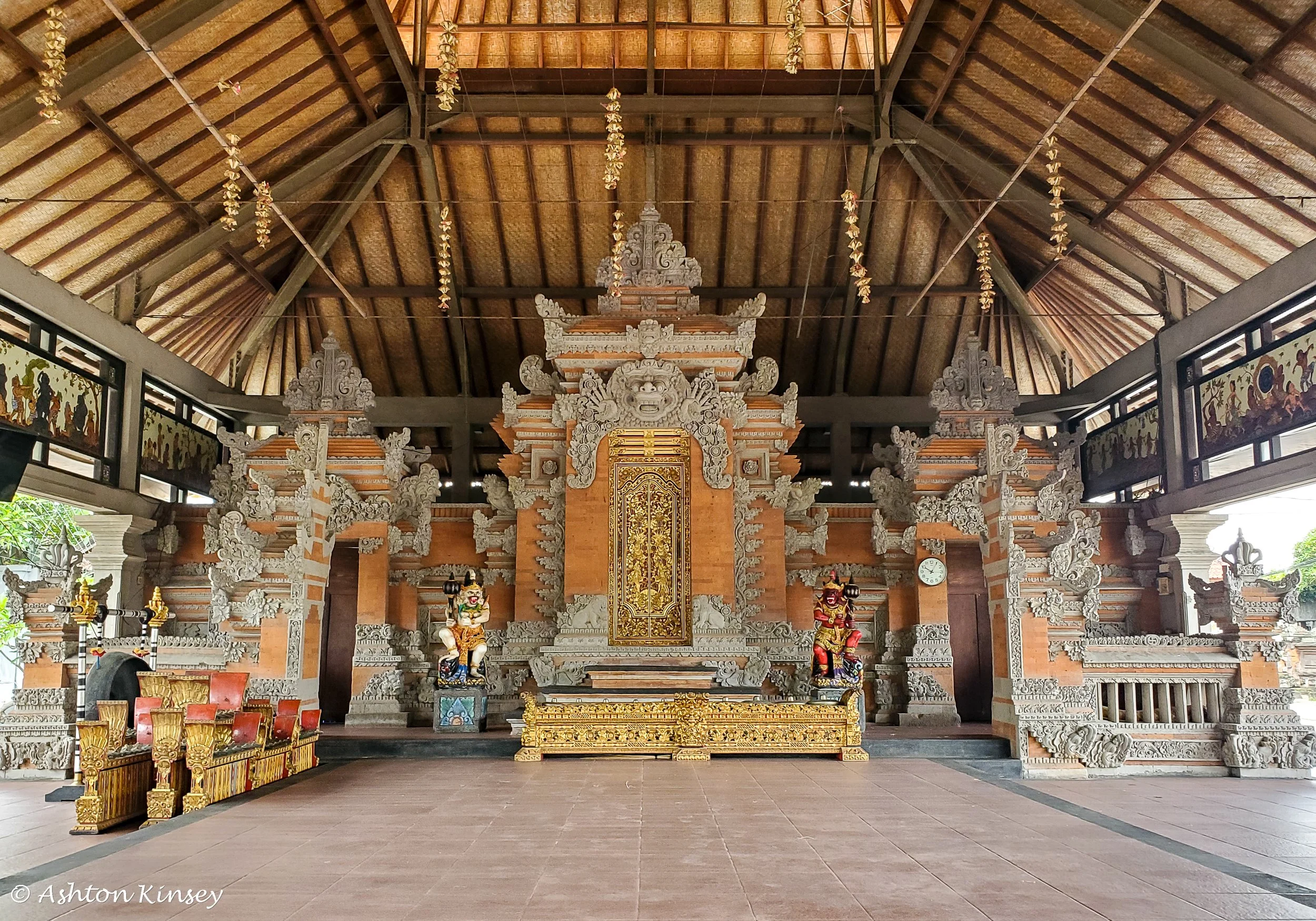
Pura Puseh Desa Batuan
The first temple we visited was the Batuan Temple. This is one of the most popular village temples and is part of three major temples called Tri Kahyangan, each dedicated to the gods of the Hindu Trinity. Batu in Balinese translates to stone, potentially referencing the large amount of stonework or the large gate standing stones flanking the entrance.
The temple was founded in 1020 AD and incorporates a lot of traditional Balinese architecture, sandstone bas reliefs, and thatched shrines. Outside of the temple is a large meeting pavilion, Wantilan, that is used for celebrations, meetings, or community gatherings.
Candi Tebing Gunung Kawi
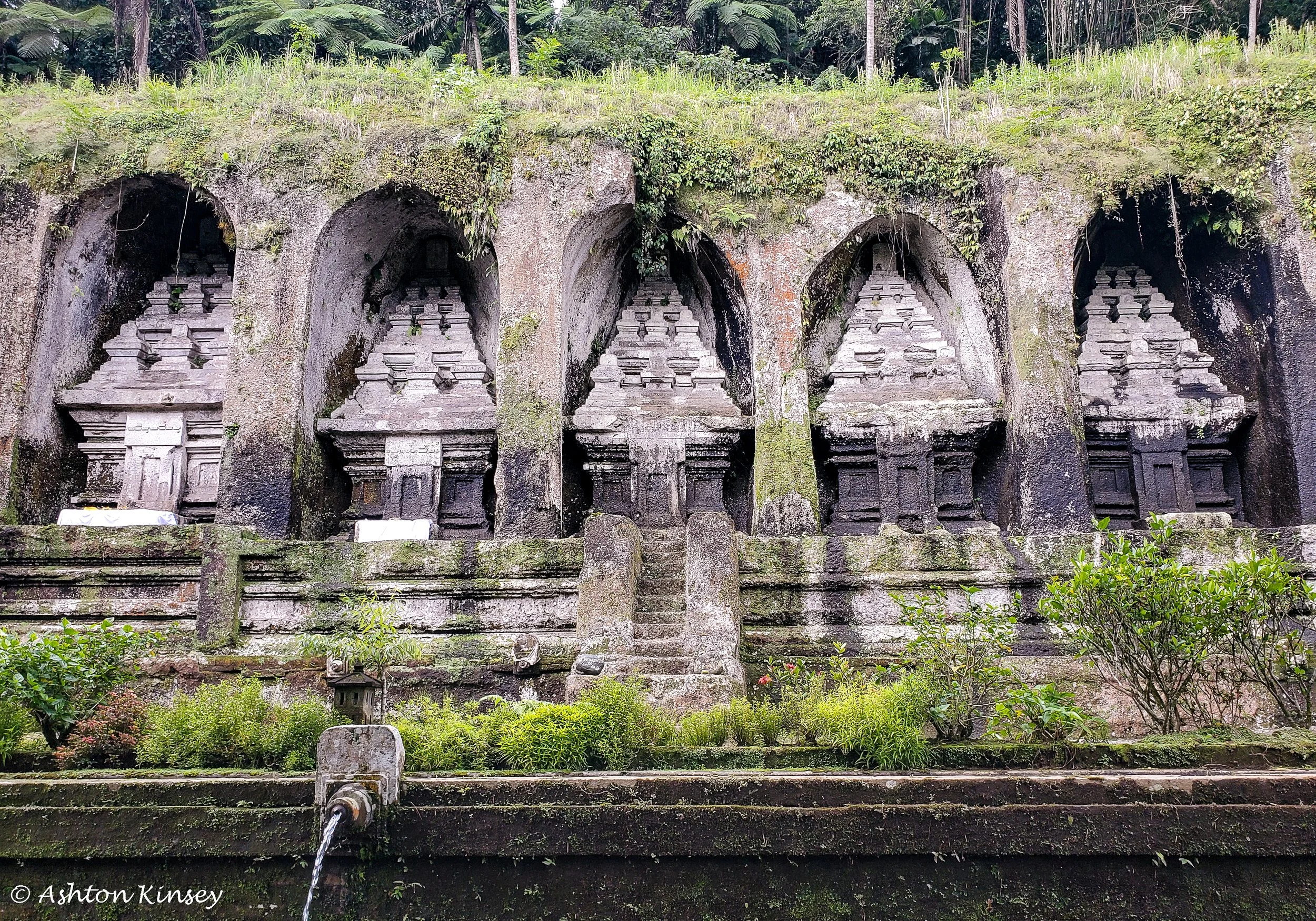
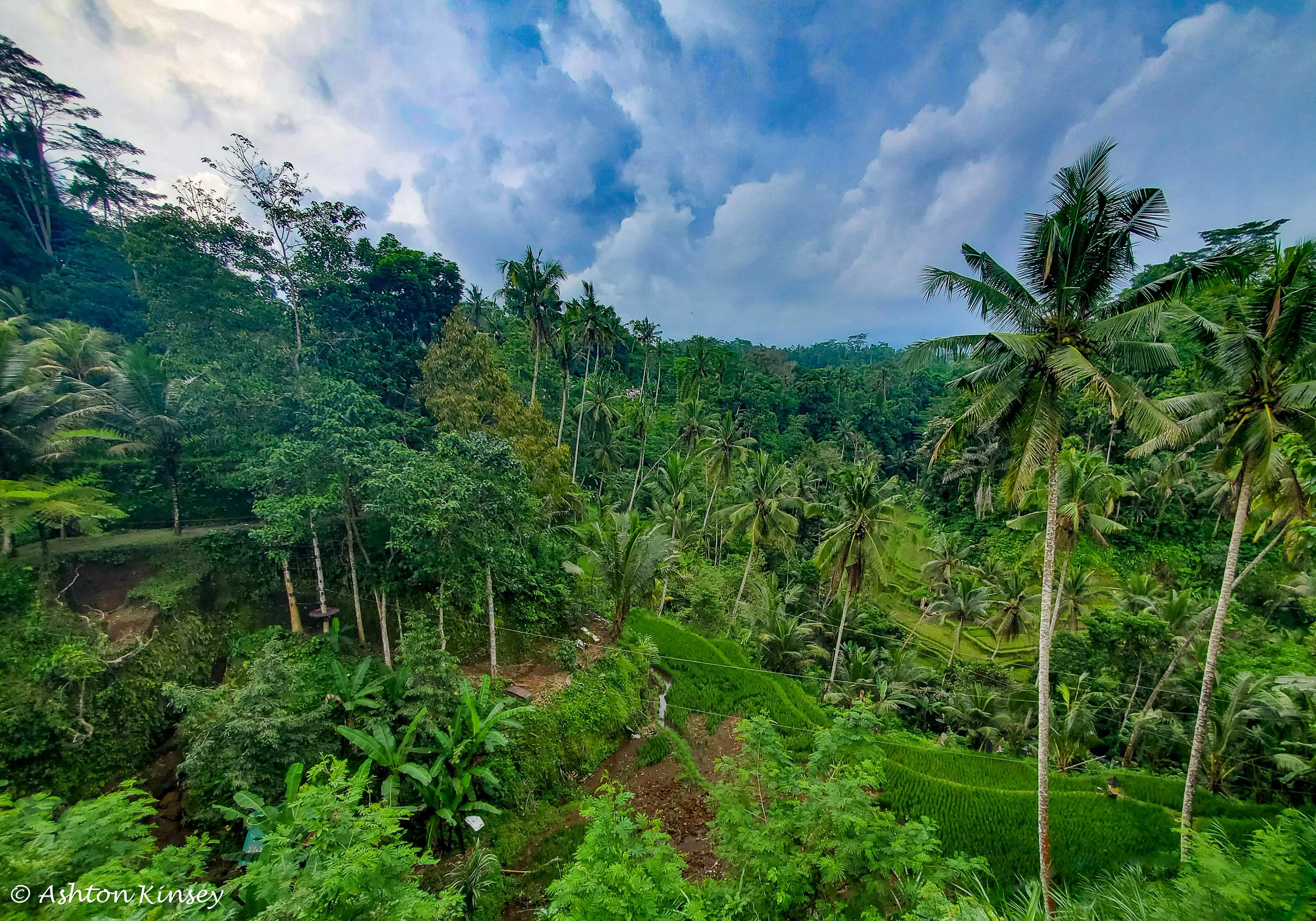
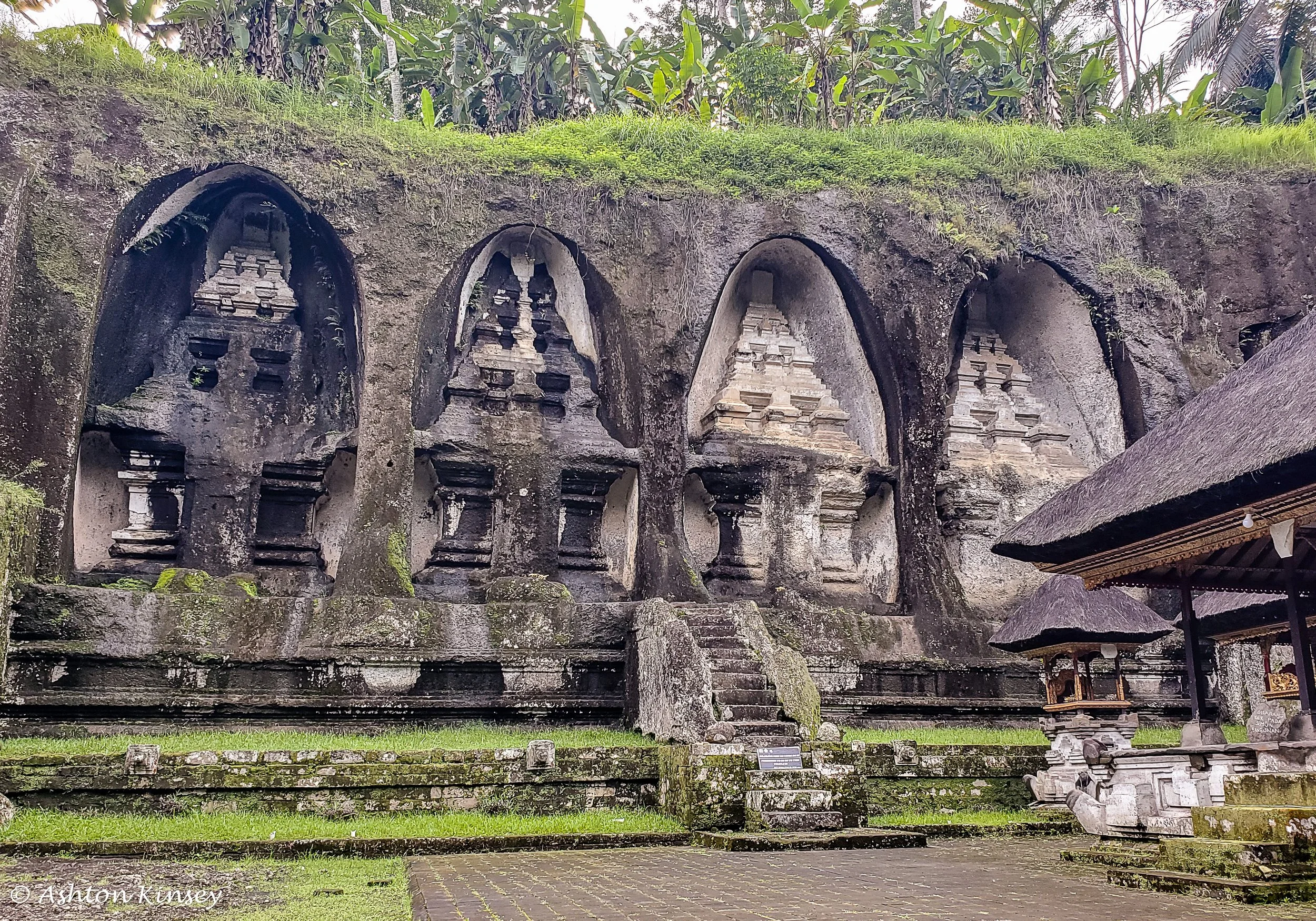
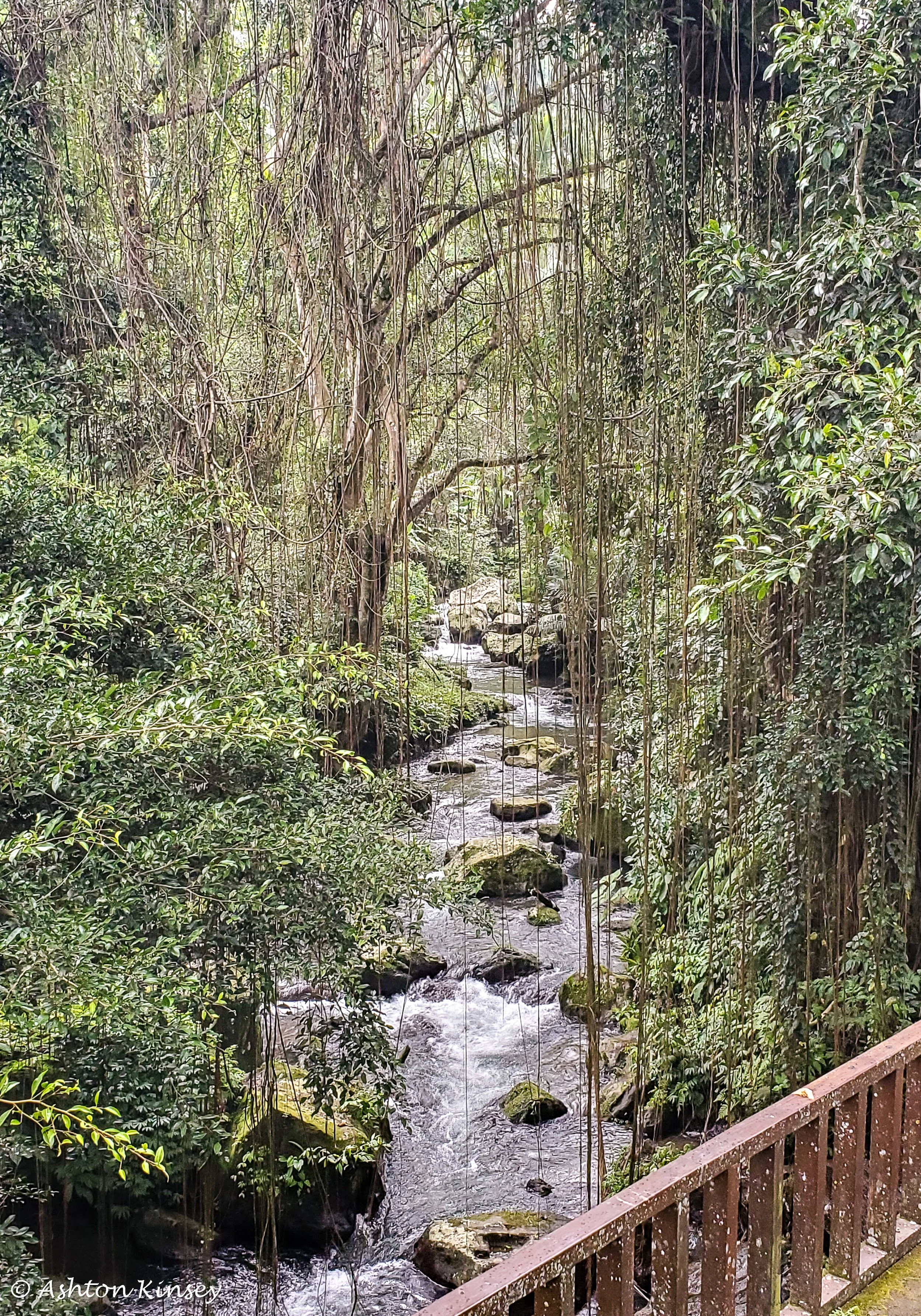
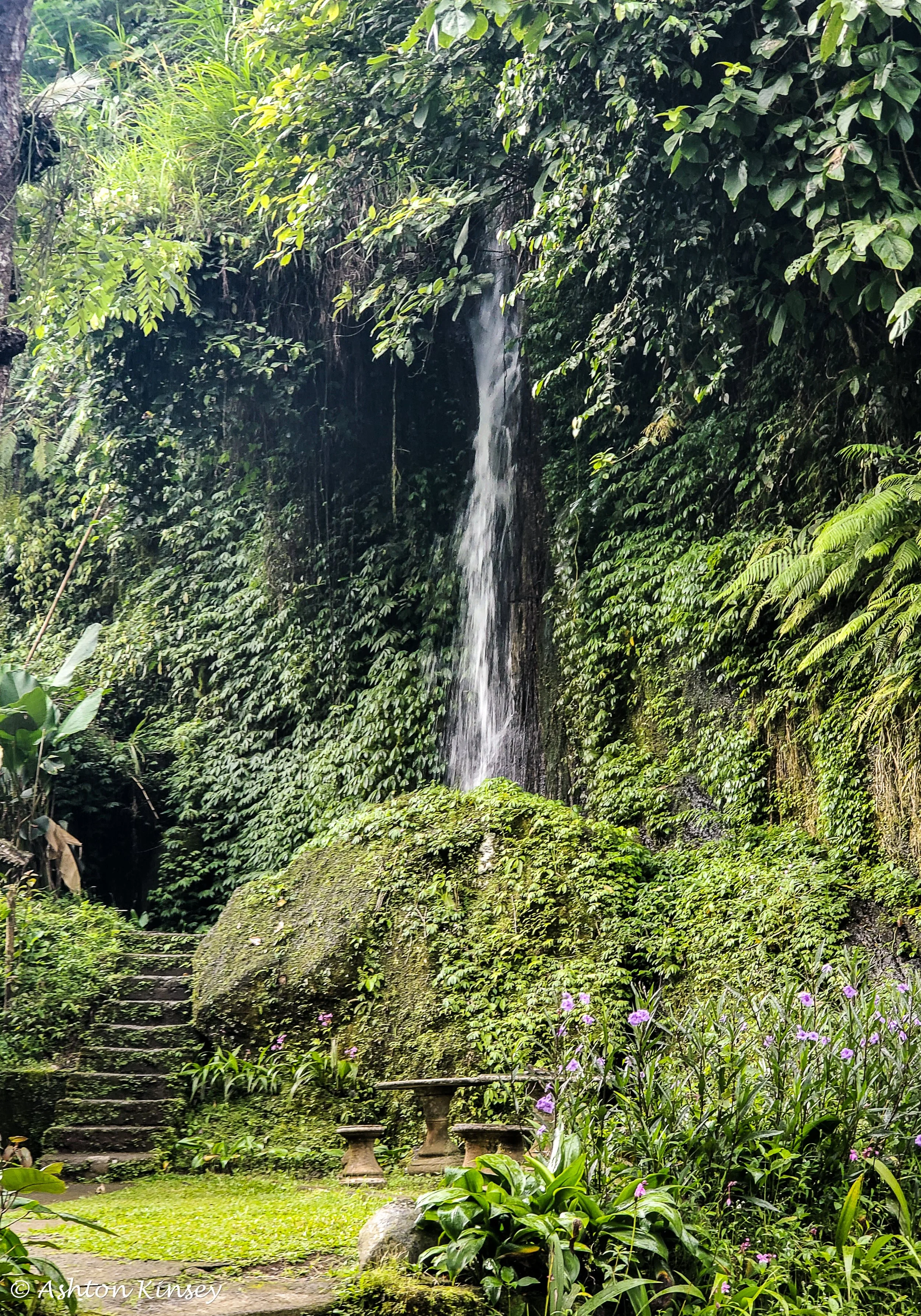
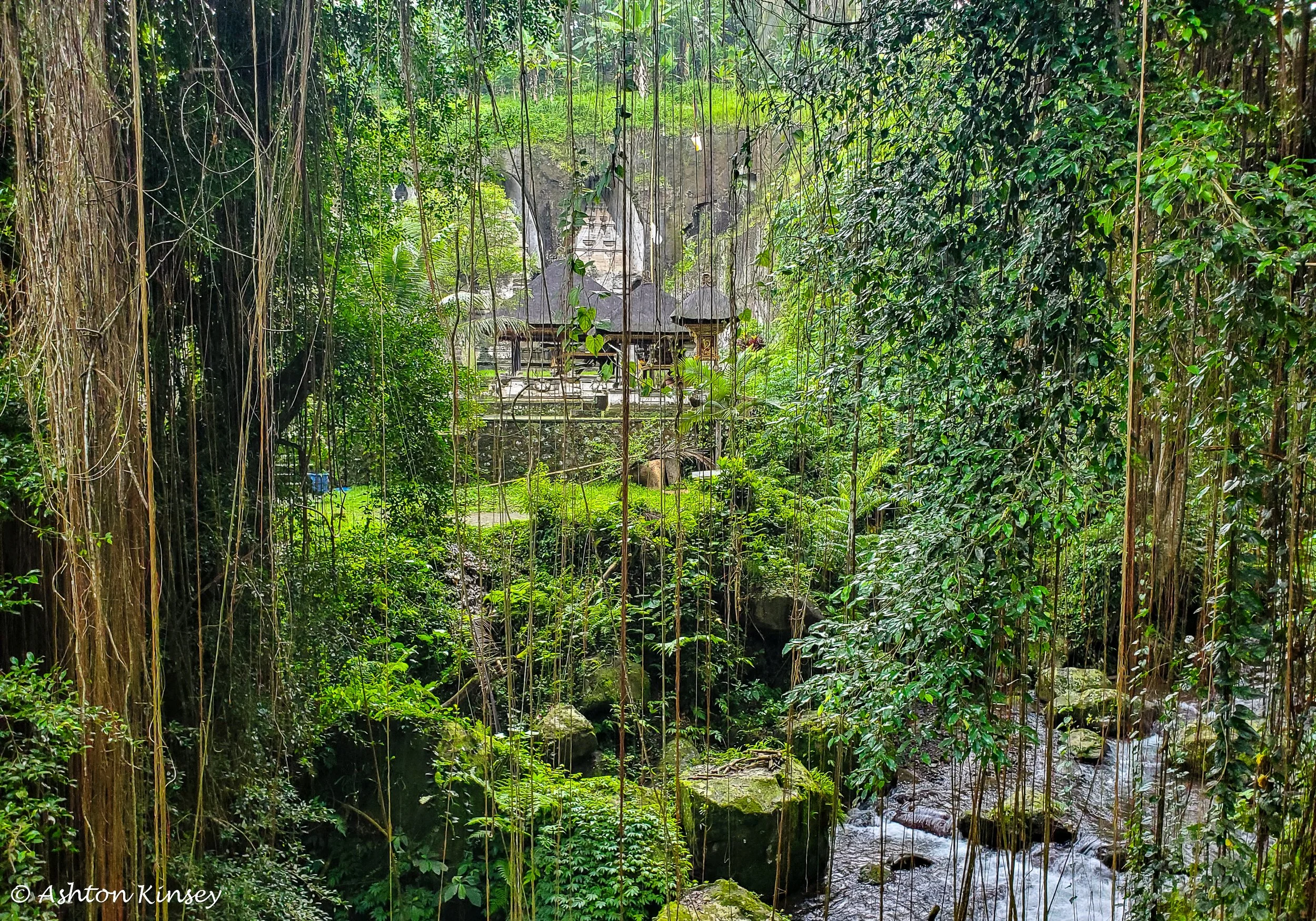
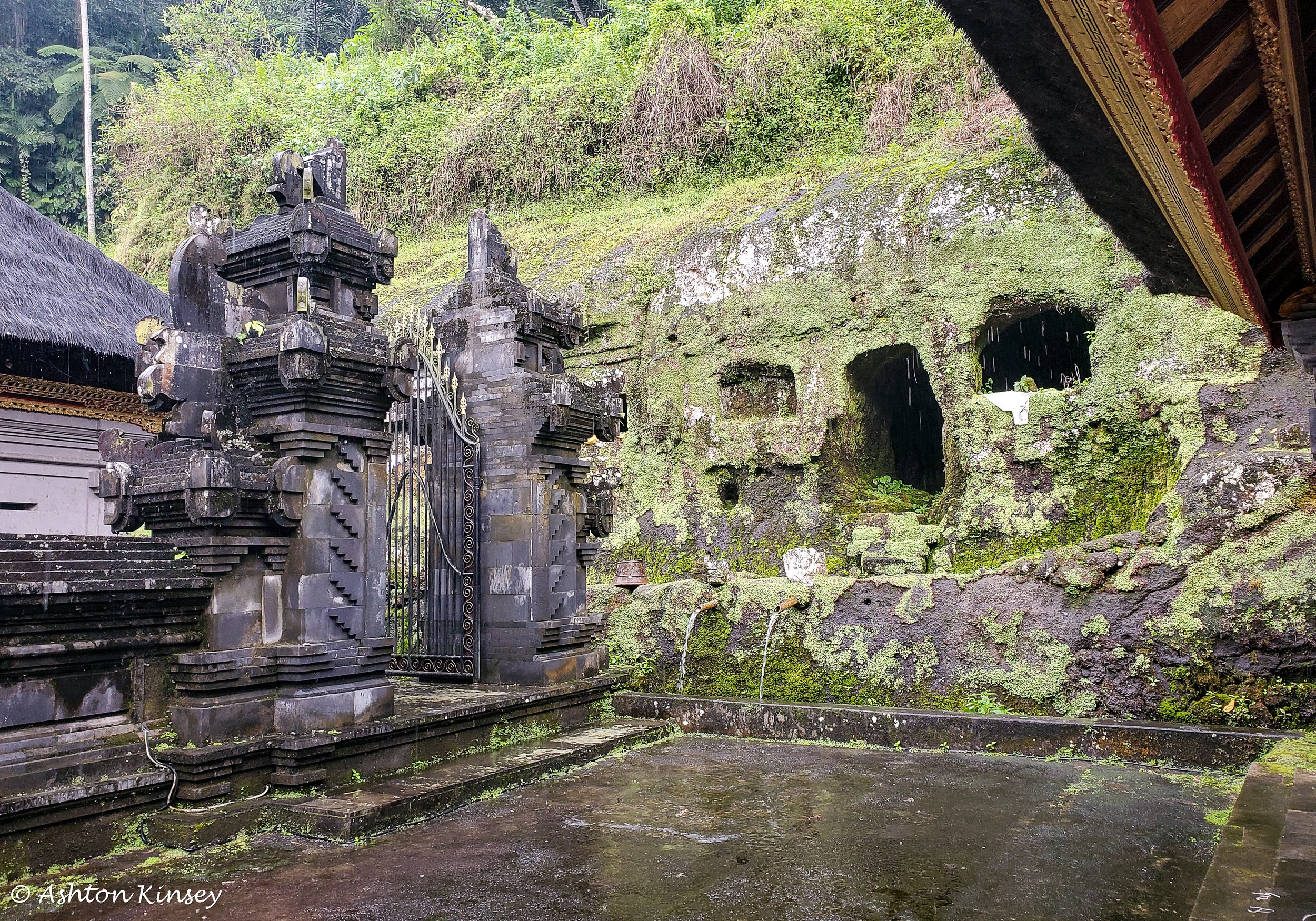
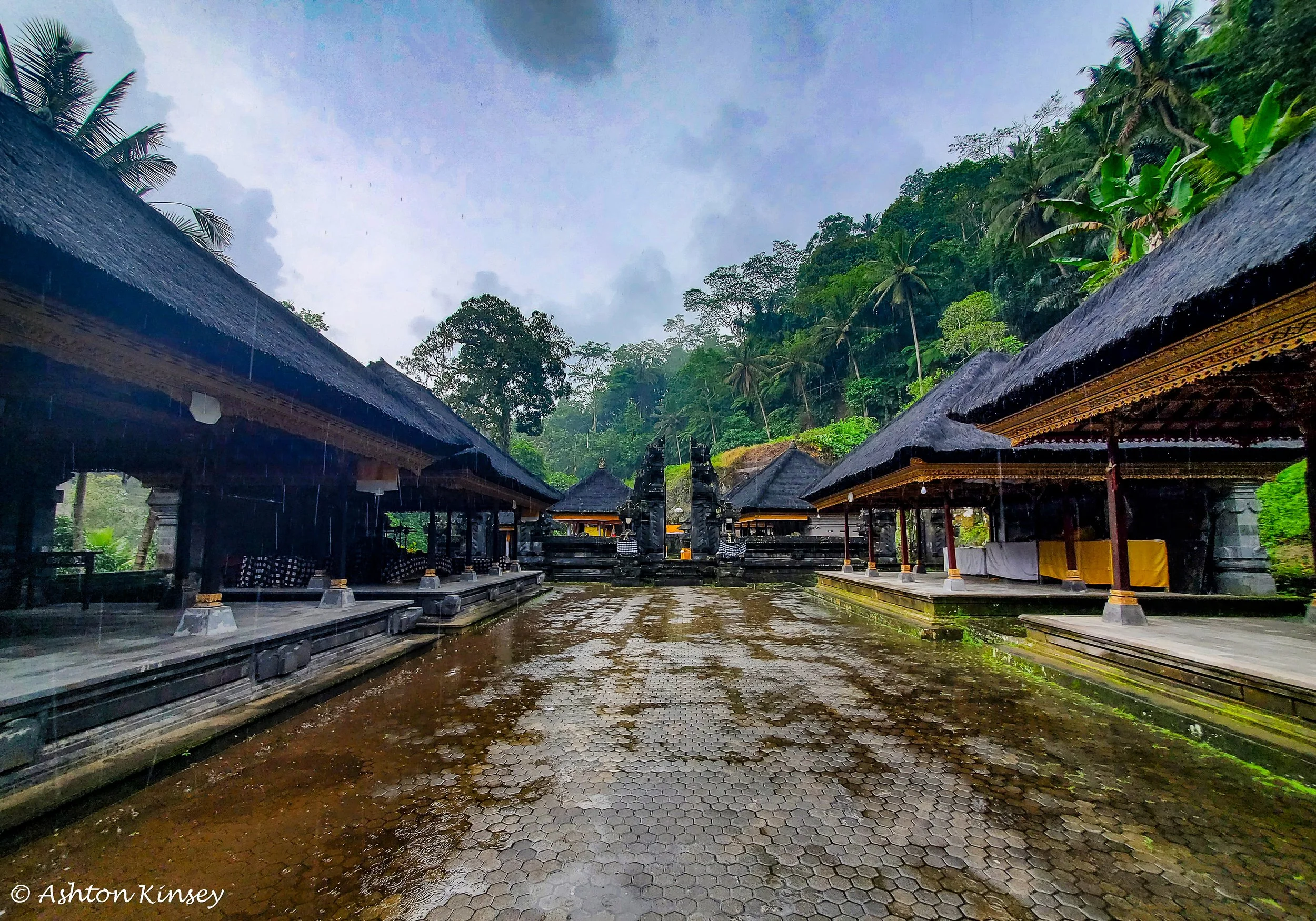
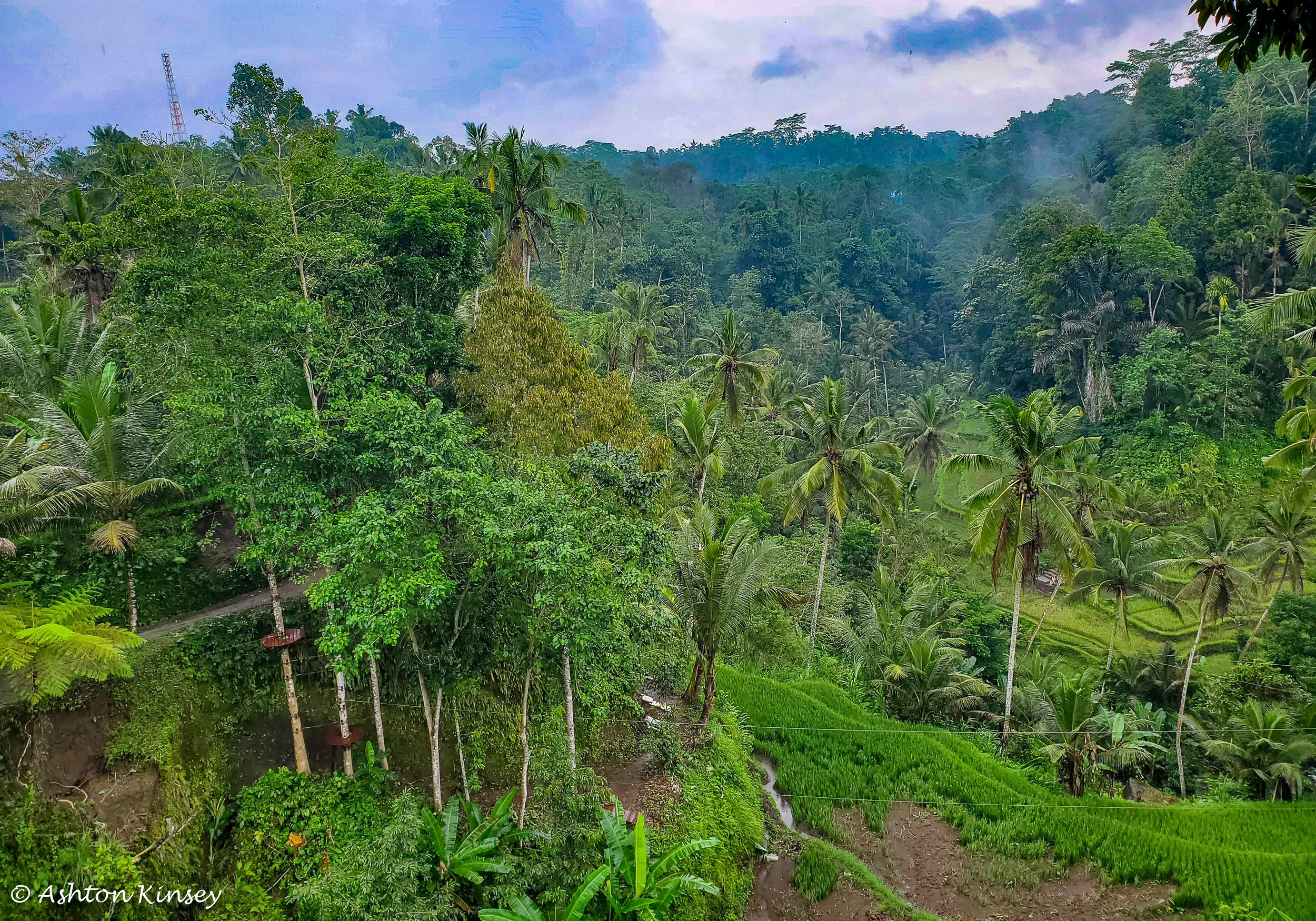
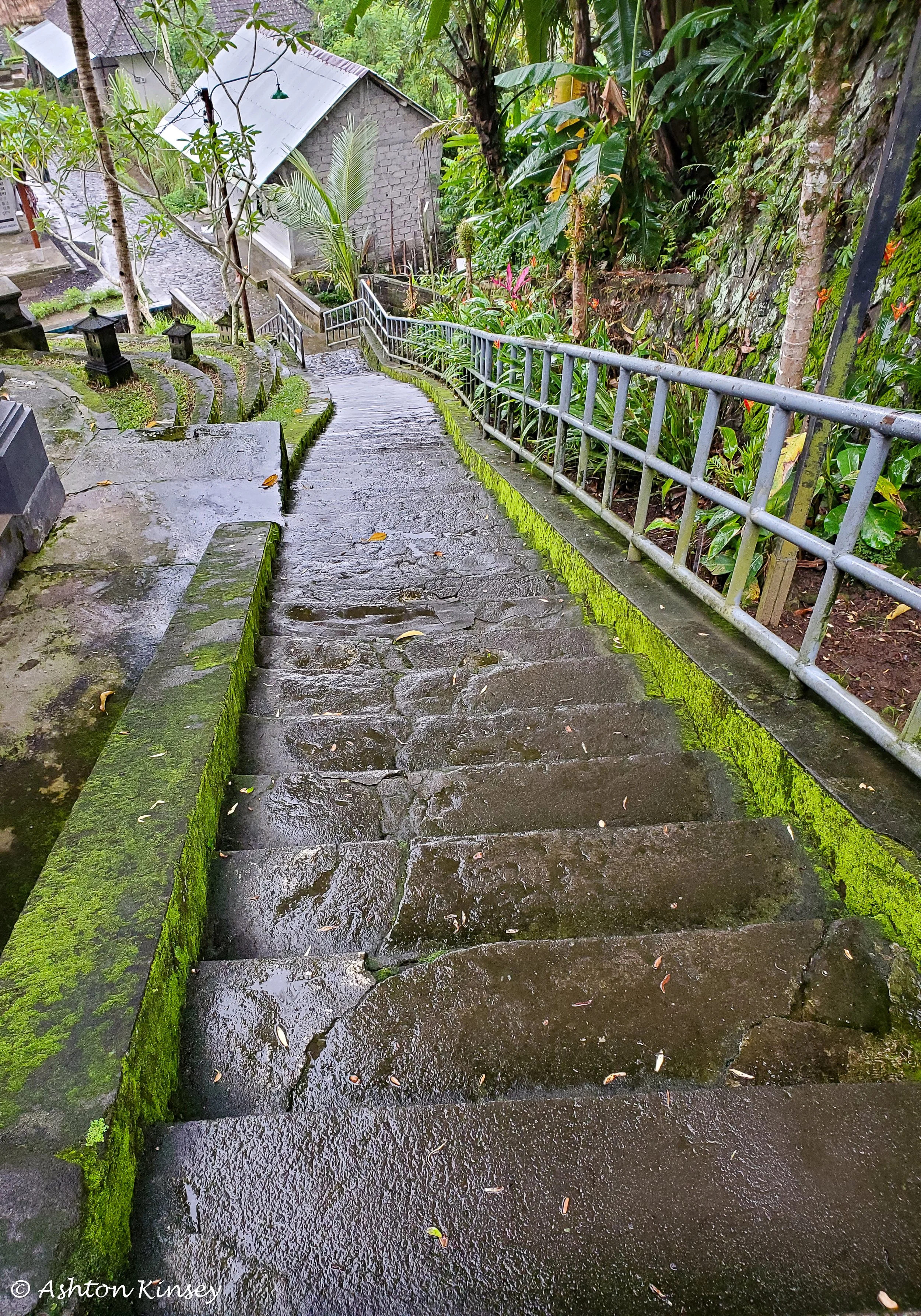
For those who saw posts from the Ex-Yugoslavia trip and heard the comments about the number of stairs from that trip, Imagine that again for this next temple. So many stairs. So many uneven stairs. So many uneven, moss-covered stairs. So many uneven, moss-covered, rain-slicked stairs. While you’re trying not to slide down the steps, there are several very nice views of the jungle and local rice fields; some of the staircases even have handrails, so that’s a step up. The Gunung Kawi Temple, aka The Valley of The Balinese Kings, was built sometime in the 11th century as a temple and funeral complex. The complex is dedicated to King Anak Wungsu of the Udayana dynasty and his queens. On the east side of the temple are five temples, one for King Udayana, one for his favorite queen Mahendradatta, and one for each of their three sons. On the west side are five more temples dedicated to the king’s minor queens and concubines. Each candi is 23 feet tall and carved directly into the cliffside.
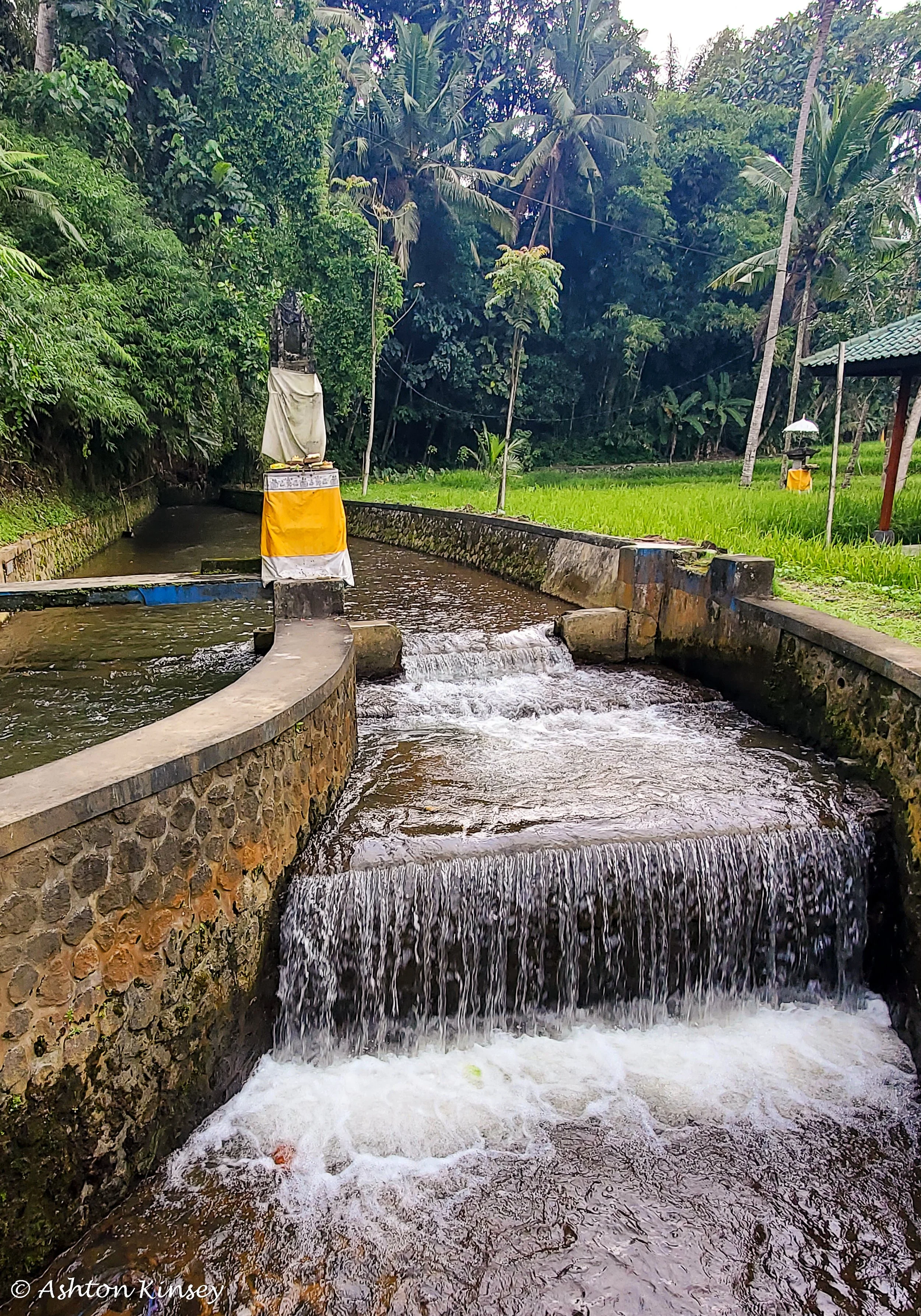
Past the candis, there are several small shrines and temples, as well as small meditation caves that are believed to be pre-Hindu places where monks and pilgrims came to meditate. Flowing through the temple is the Pakersian River. This is a holy river and is thought to bring peace and protection to the temple.
Satria Luwak Coffee Plantation
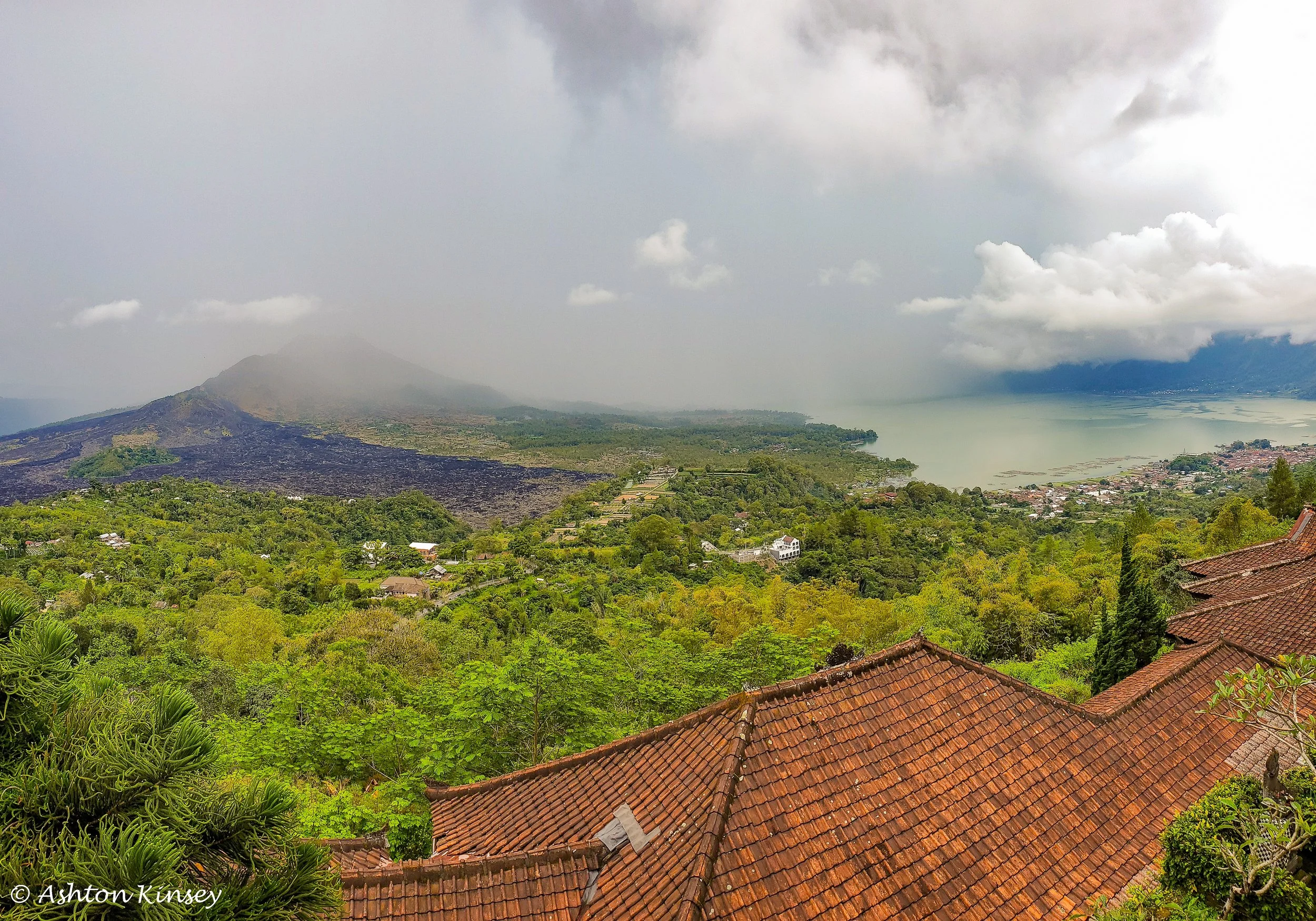
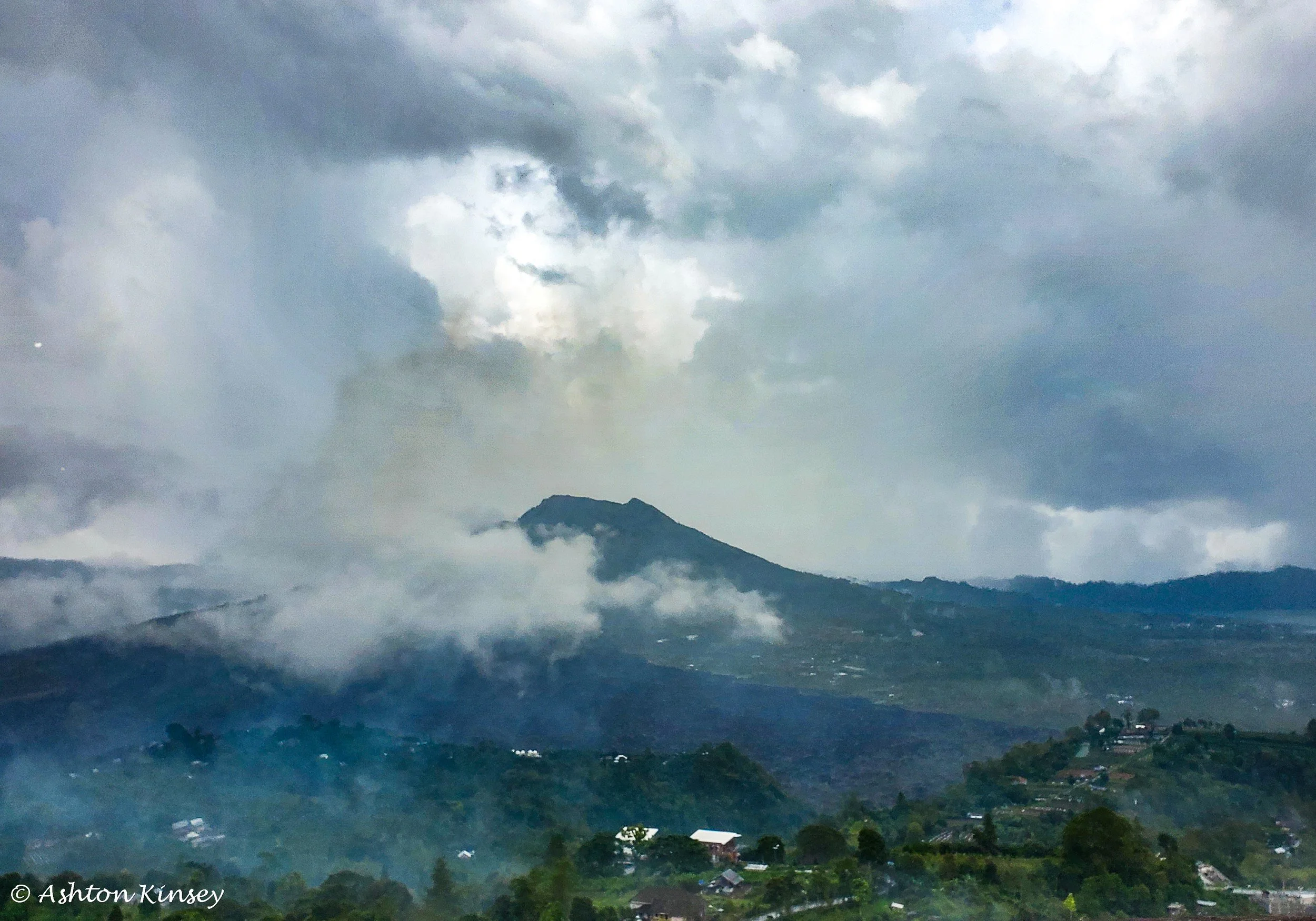
We slipped and slid our way back up the steps and made our way to the Lakeview Hotel and Restaurant. The big draw of this location was the volcanic crater and views overlooking Mt. Batur and the two surrounding lakes.
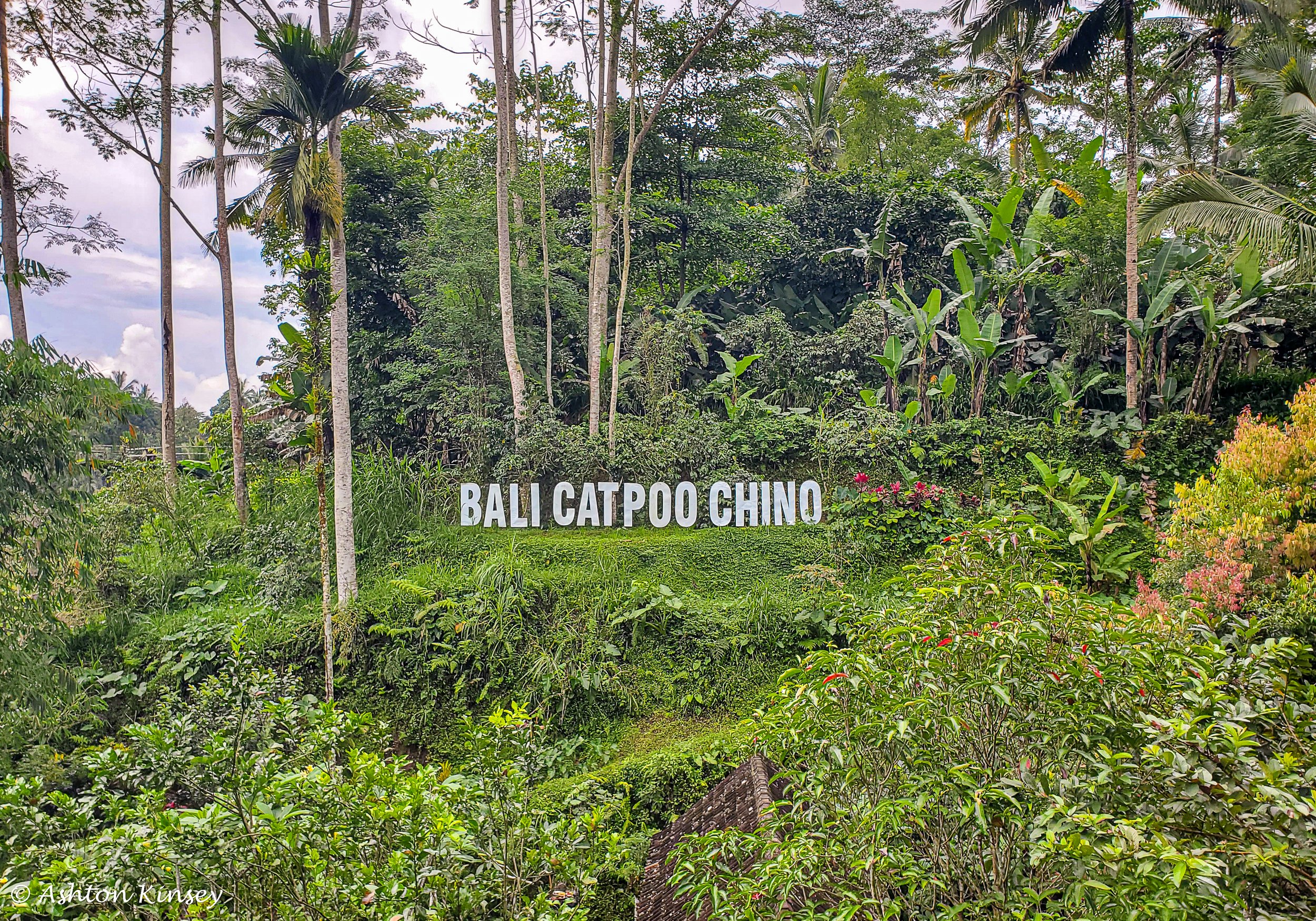
For a bit of a pick-me-up after lunch, we made our way to the Luwak Coffee Plantation. Luwak coffee, or cat poo coffee, is the most expensive coffee in the world due to the process of getting the beans. Asian palm civets, a small racoon-cat animal, will eat the fruits of the coffee plant, and then the seeds will pass through their digestive tracts. They are then collected, washed, and roasted over an open fire, which results in a smoother, less acidic cup of coffee.
While we couldn’t see any of the civets, the plantation did have a step-by-step process showing the cleaning and preparation of the beans using traditional methods. While the coffee was tasty, it was more expensive than I would pay for a cup of coffee. We were also able to sample a variety of other drinks while we were there, including saffron tea, avocado coffee, and mangosteen tea.
Pura Tirta Empul
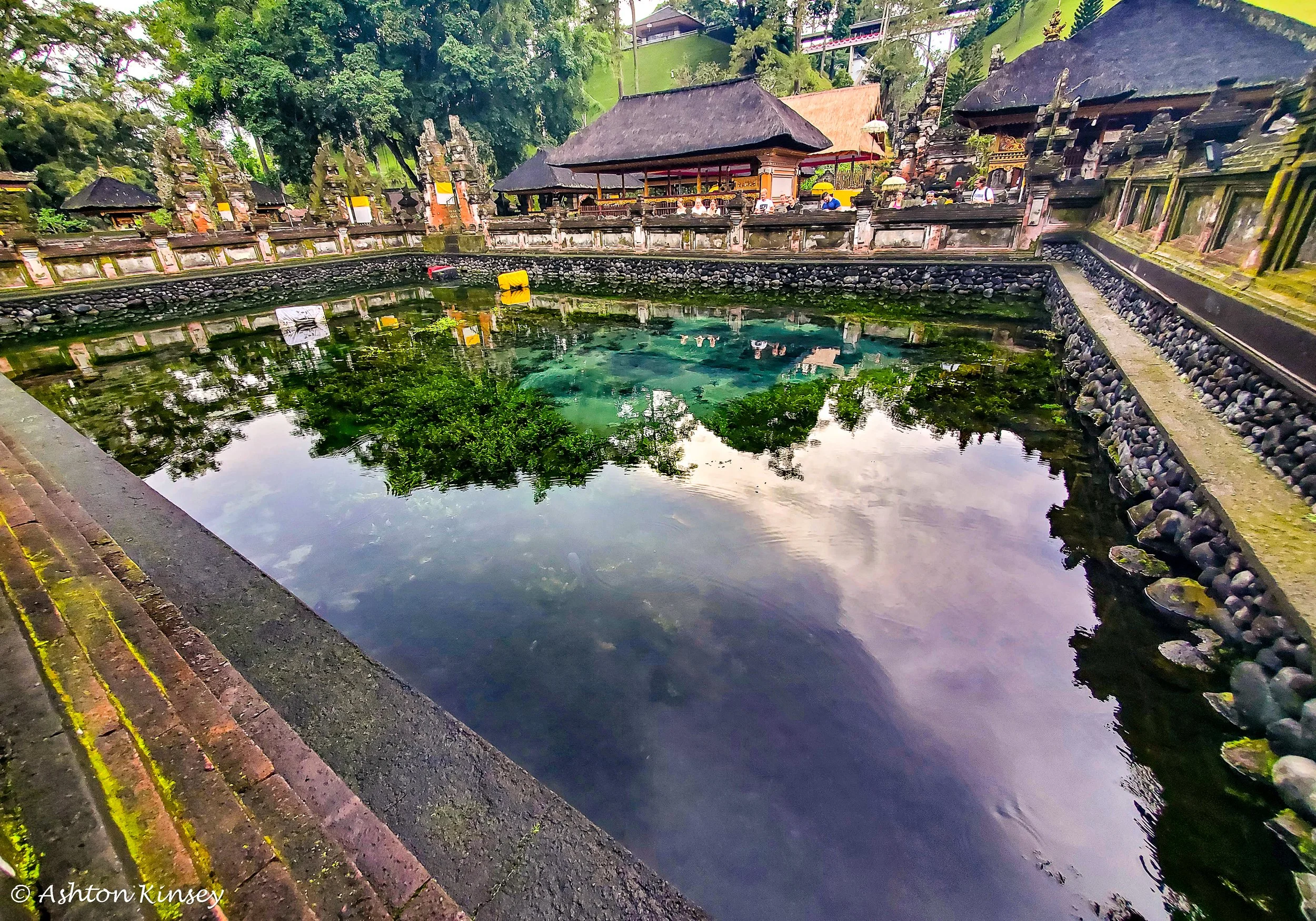
The temple Tirta Empul is one of the most popular temples and is considered sacred in the Balinese Hindu community. There are several naturally fed holy springs believed to have been created by the God Indra and will heal anyone who bathes here. This is one of the five most holy temples and is considered the holiest water source in all of Bali.
The temple is dedicated to Vishnu, the God of water. Tirta Empul roughly translates to "water gushing from the Earth". While the temple is dedicated to Vishnu, there are also shrines for Shiva, Brahma, Indra, and Mt. Batur. The temple was created in 926 AD and is an active temple that is still used for religious purification rituals.
After entering the inner courtyard, you see the jaba tengah, or main bathing area. Here are two large purification pools with 30 spouts that let water come through to wash yourself with natural spring water from the above pools. The process for purification starts on the left and moves towards the right, with people washing themselves under each spout. There are two spouts that are used for the cleaning of the dead and should not be used by living individuals.
Behind the purification pools and the springs is the jeroan, where one can sit and pray. Around the jeroan are several shrines that are brightly colored and decorated. Next to the temple is the Presidential Palace of Tampaksiring. The palace was built in 1957 and finished in 1963 by Indonesia’s first president, Soekarno. It is still used to this day for important visitors and royalty that are visiting Bali.
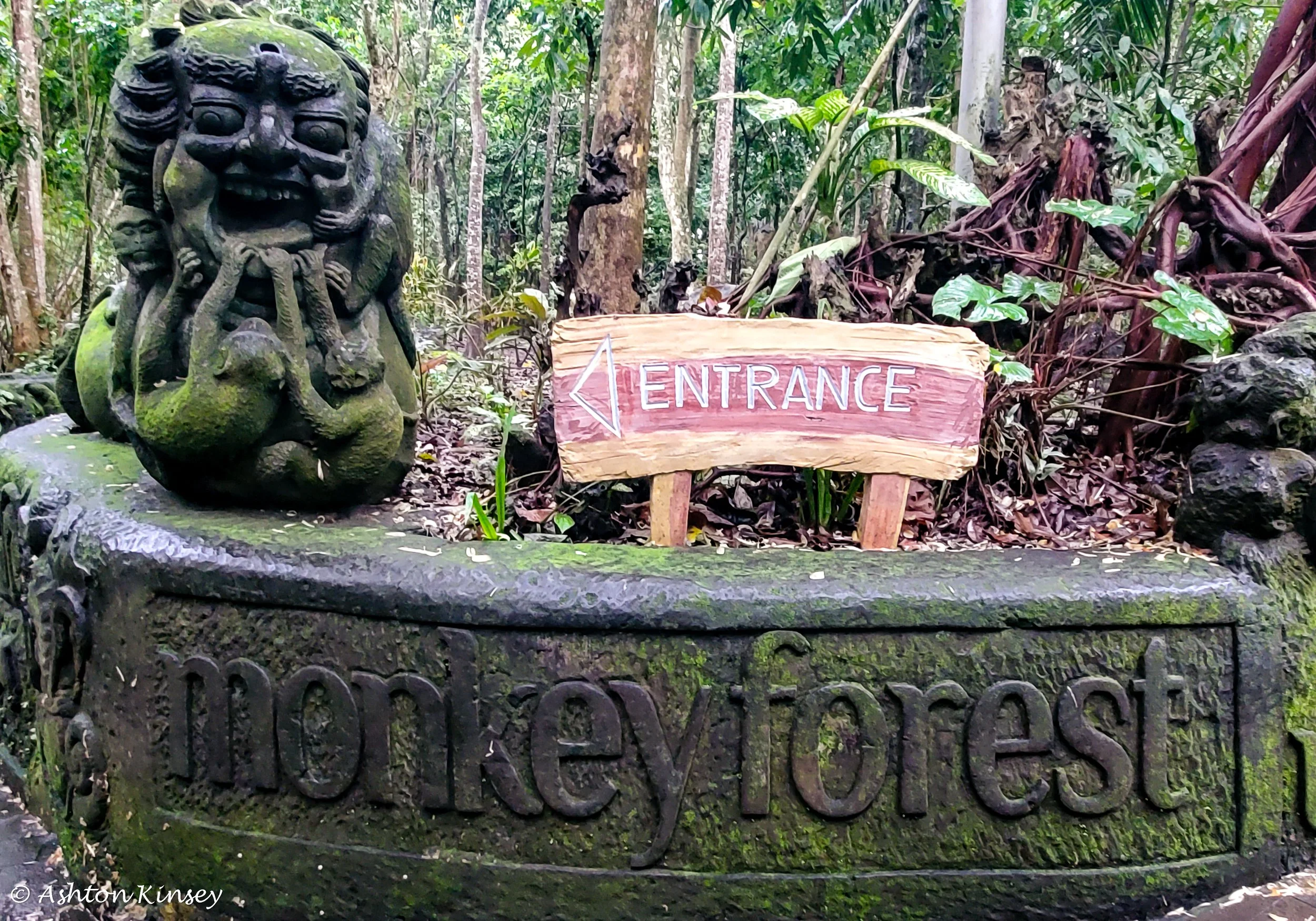
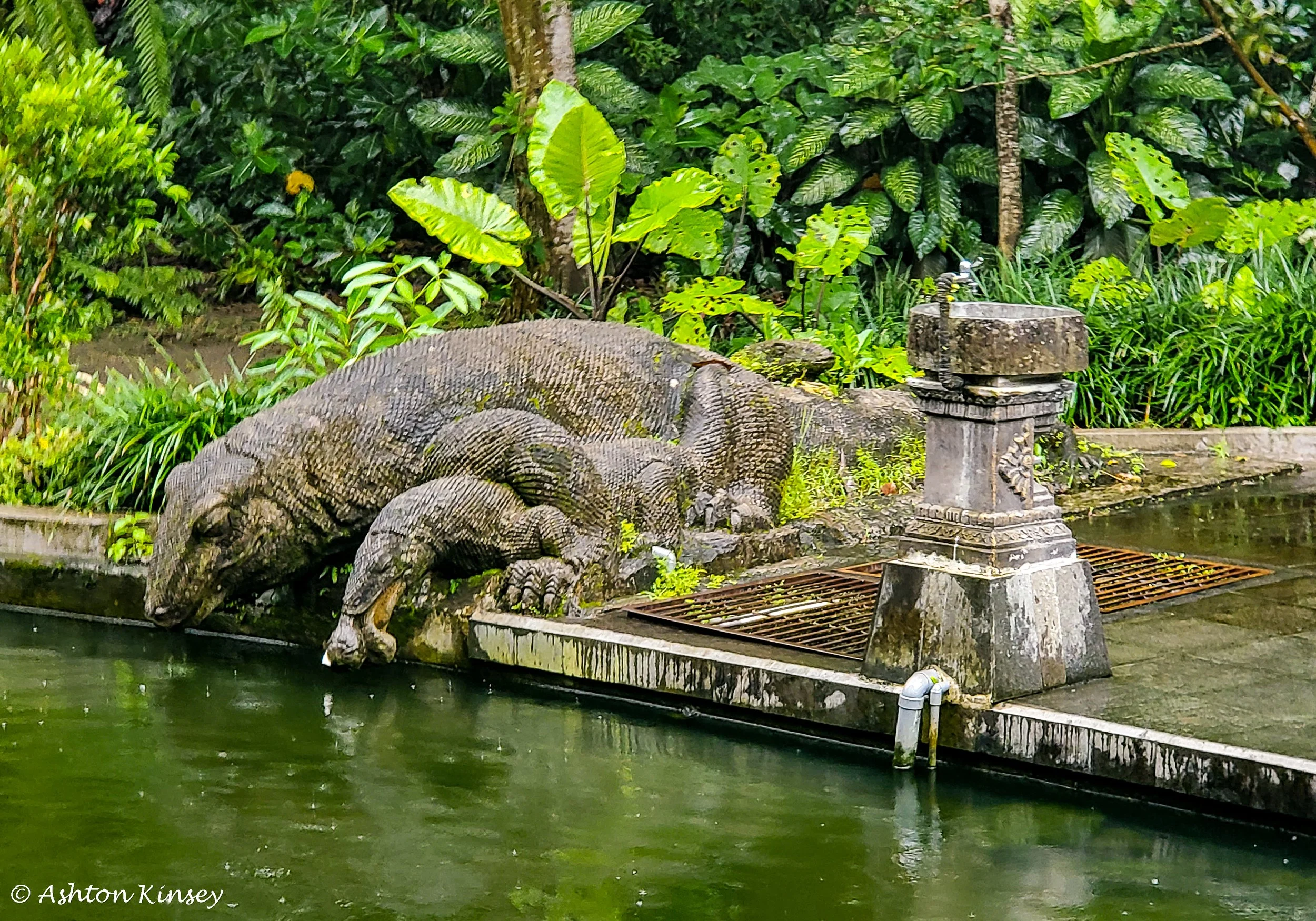
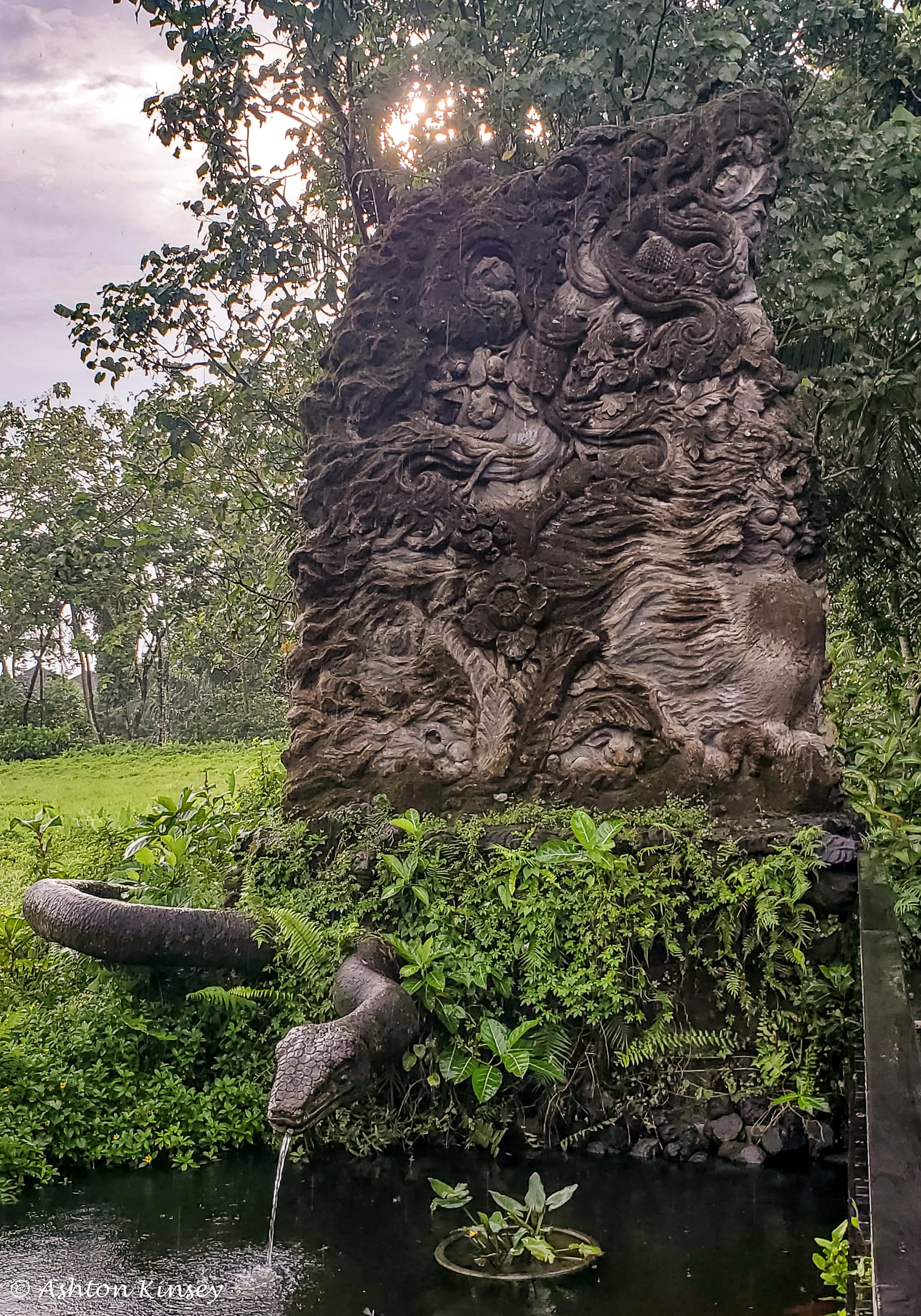
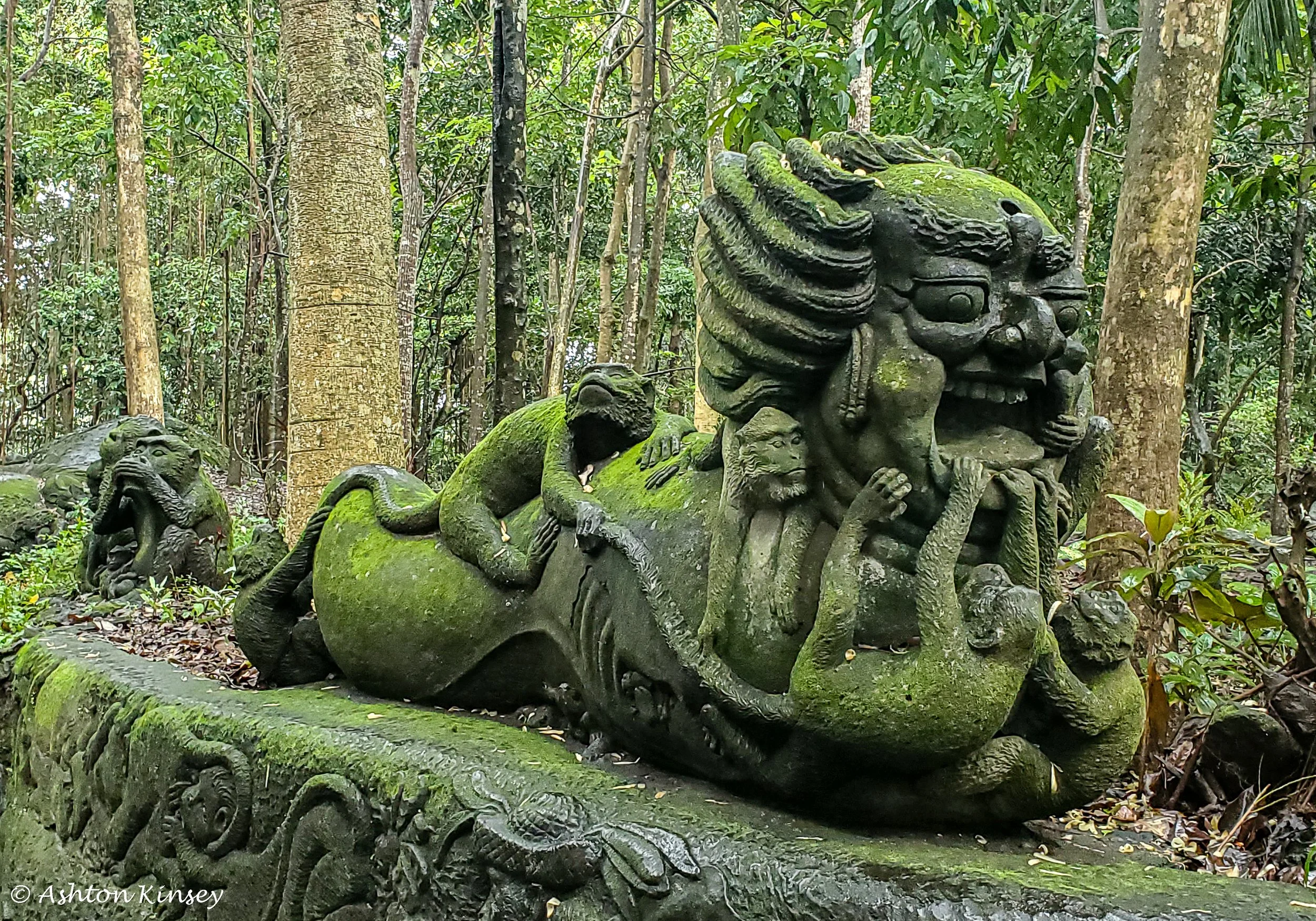
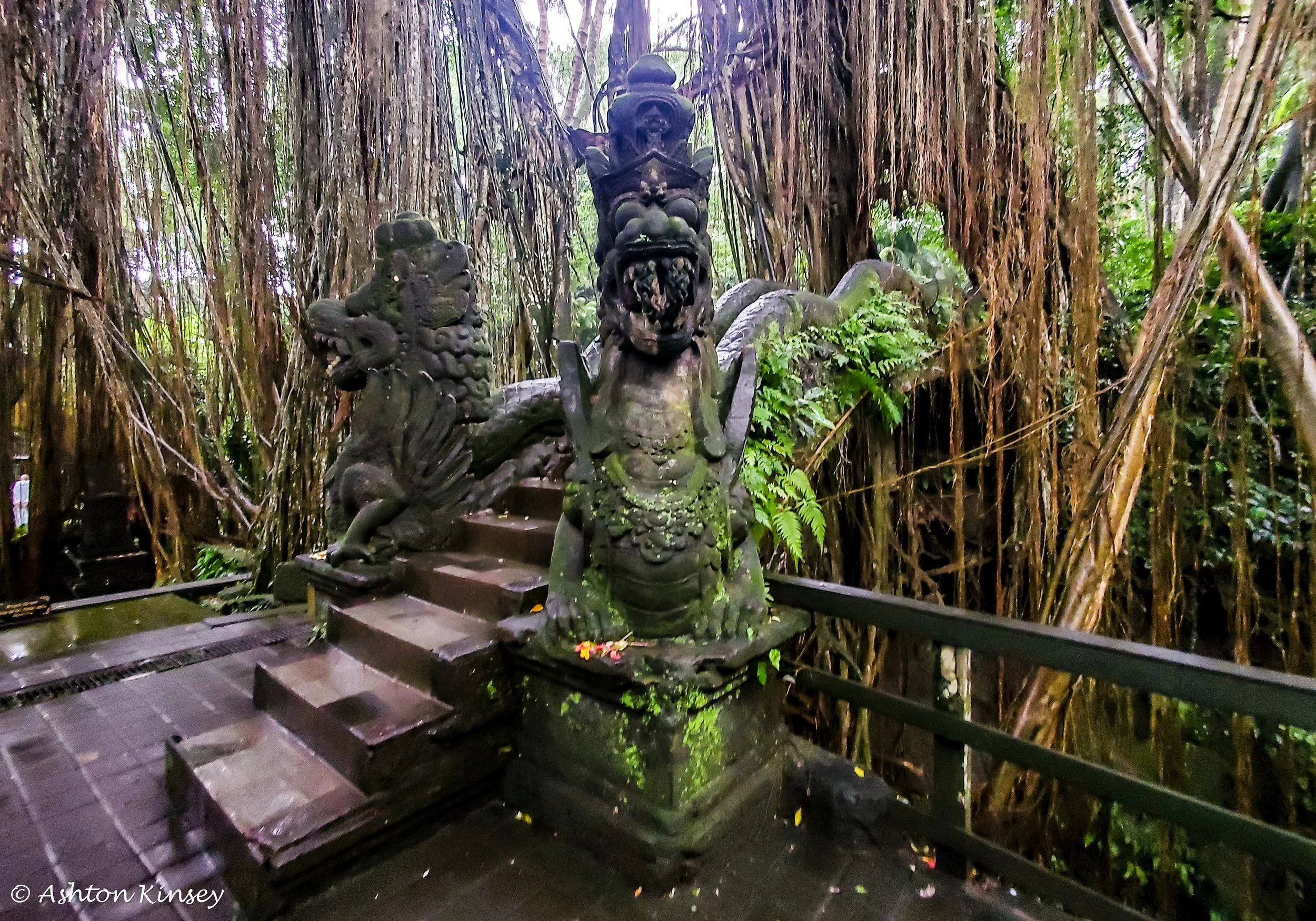
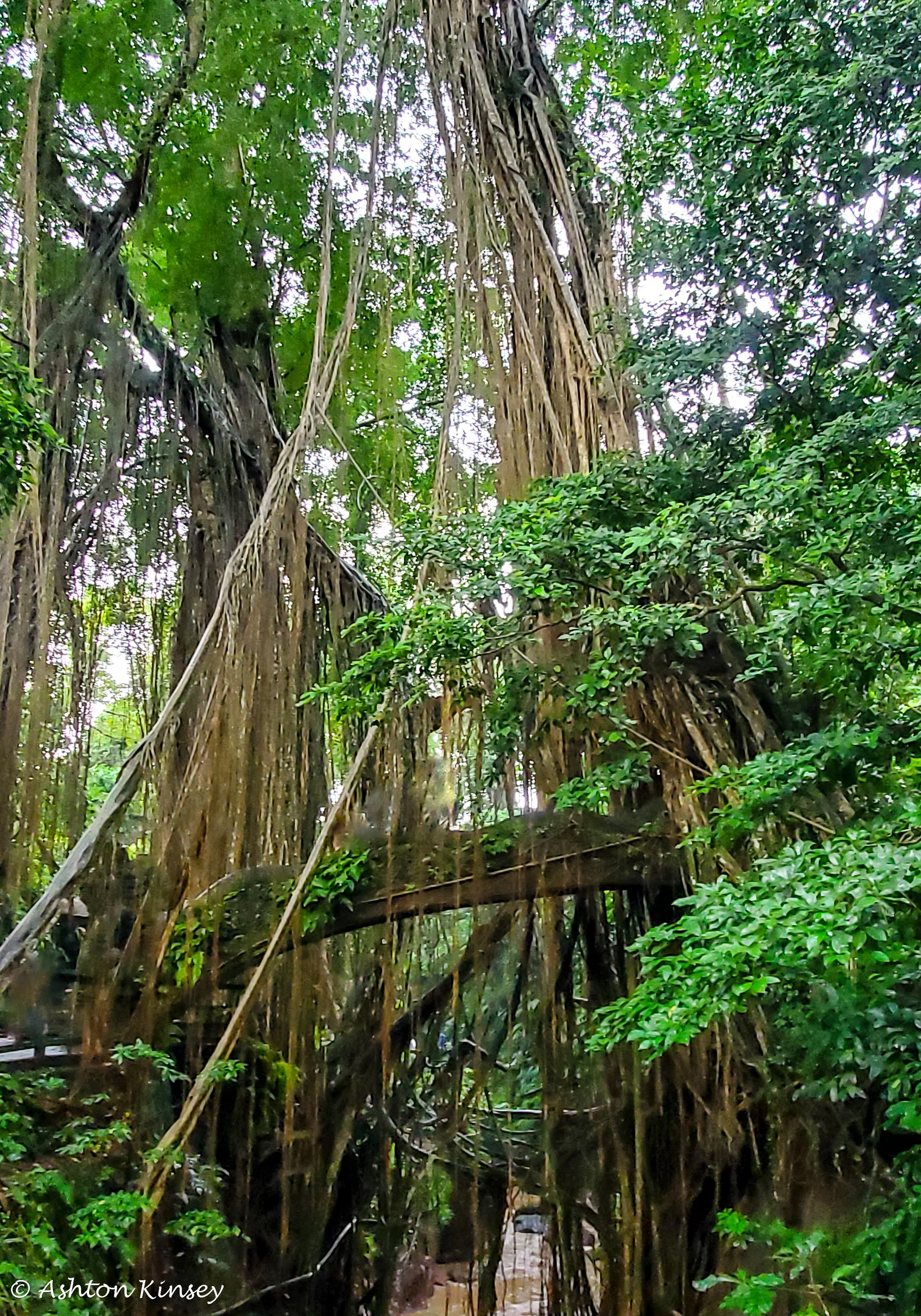
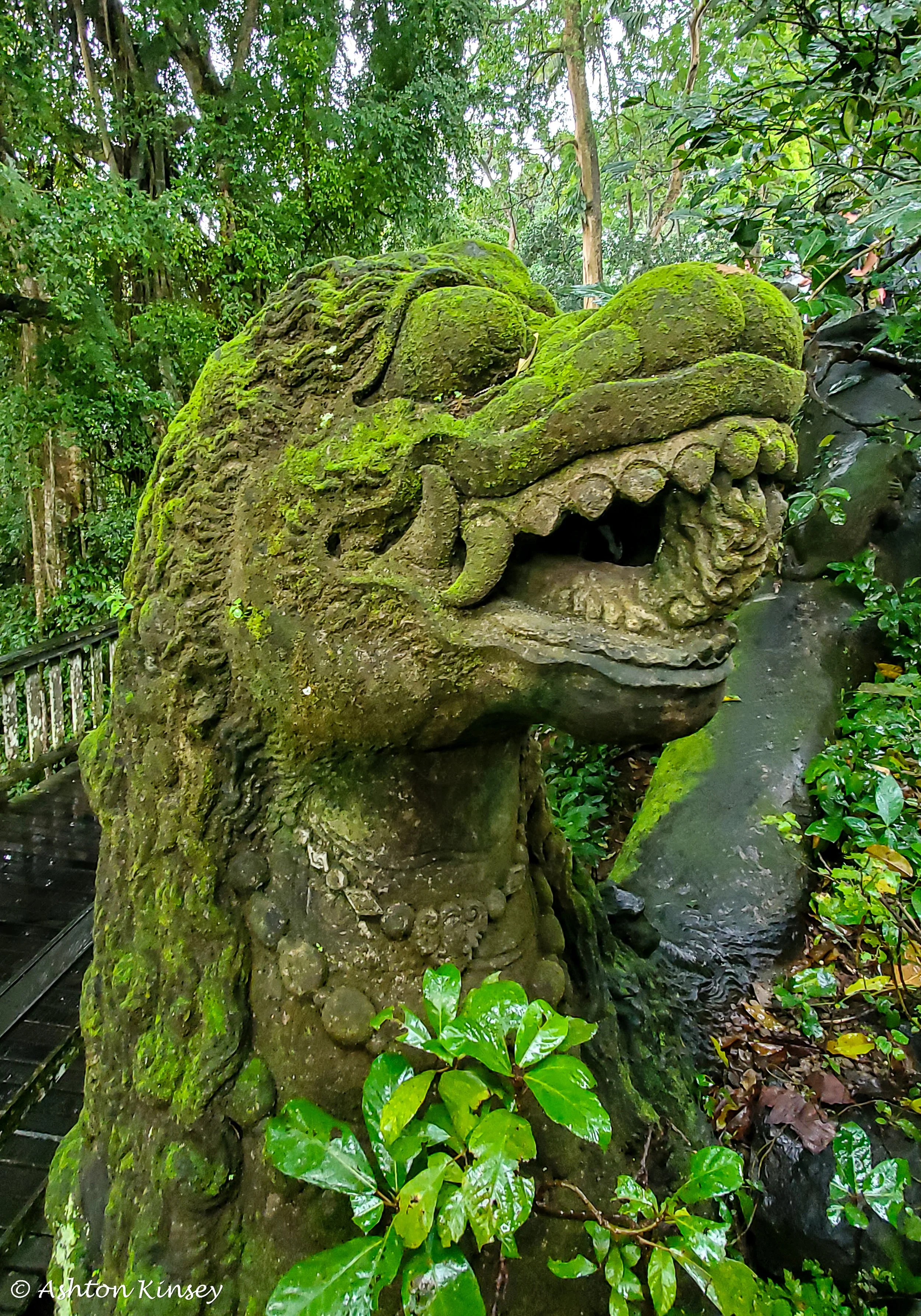
Ubud Monkey Forest
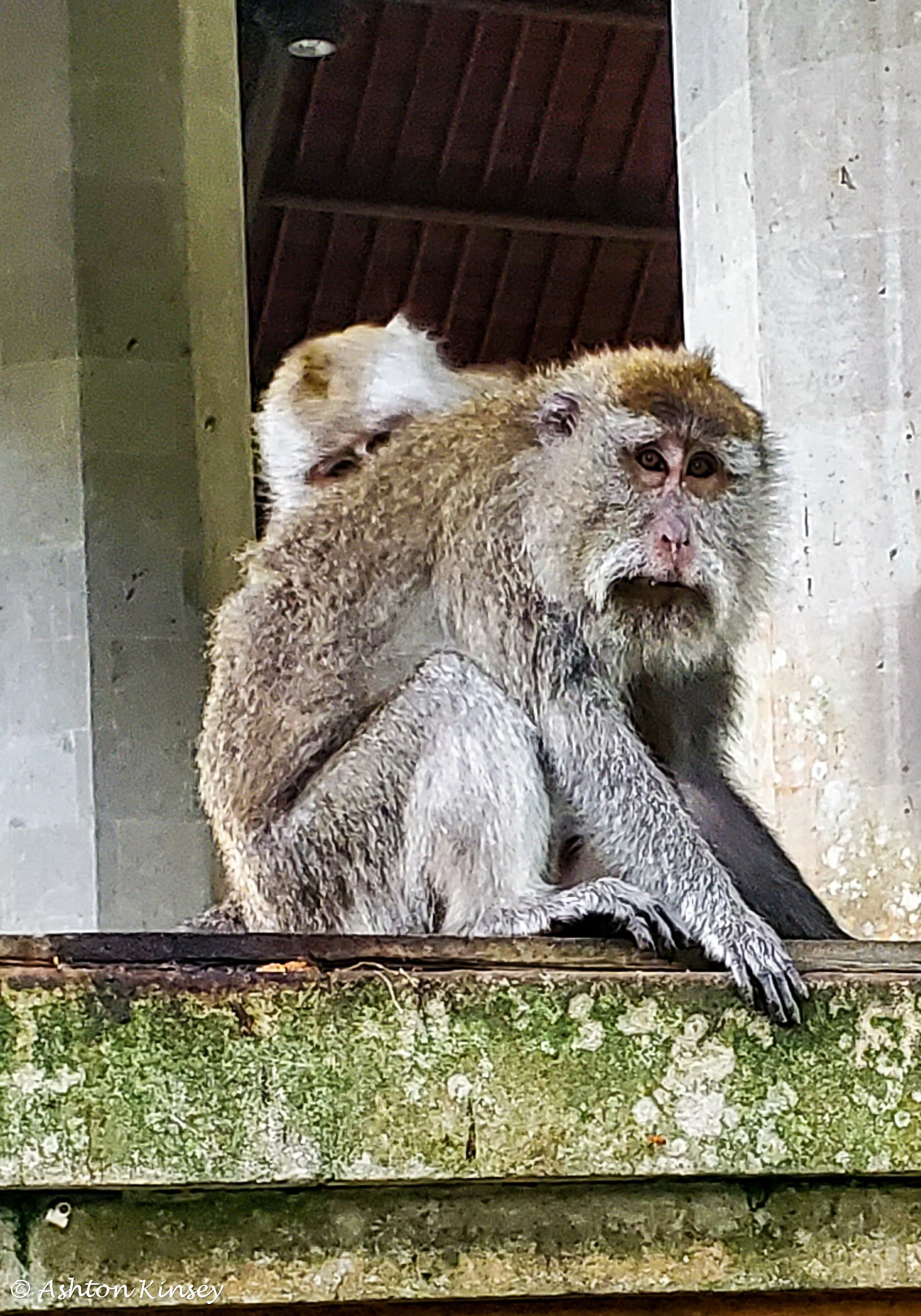
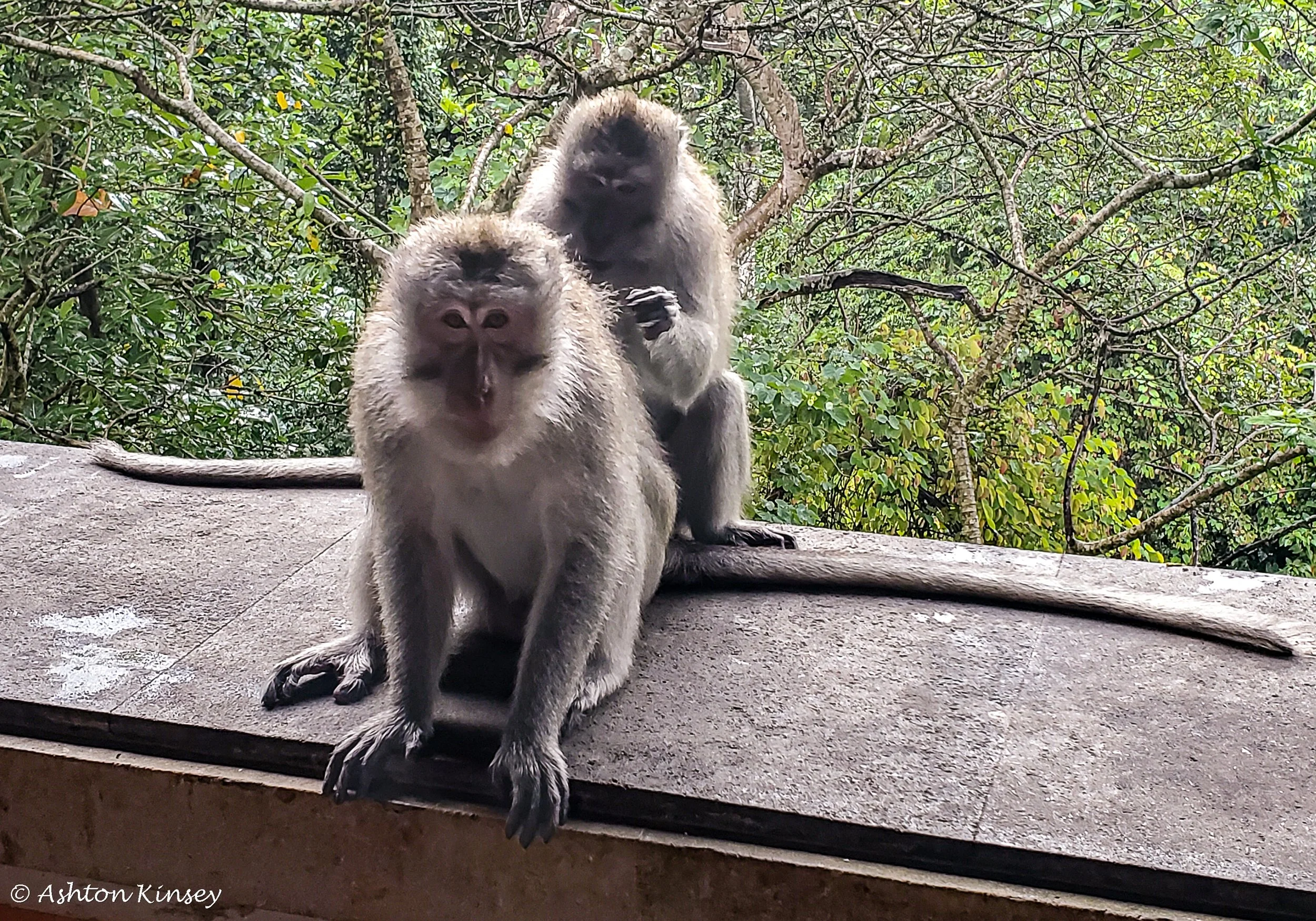
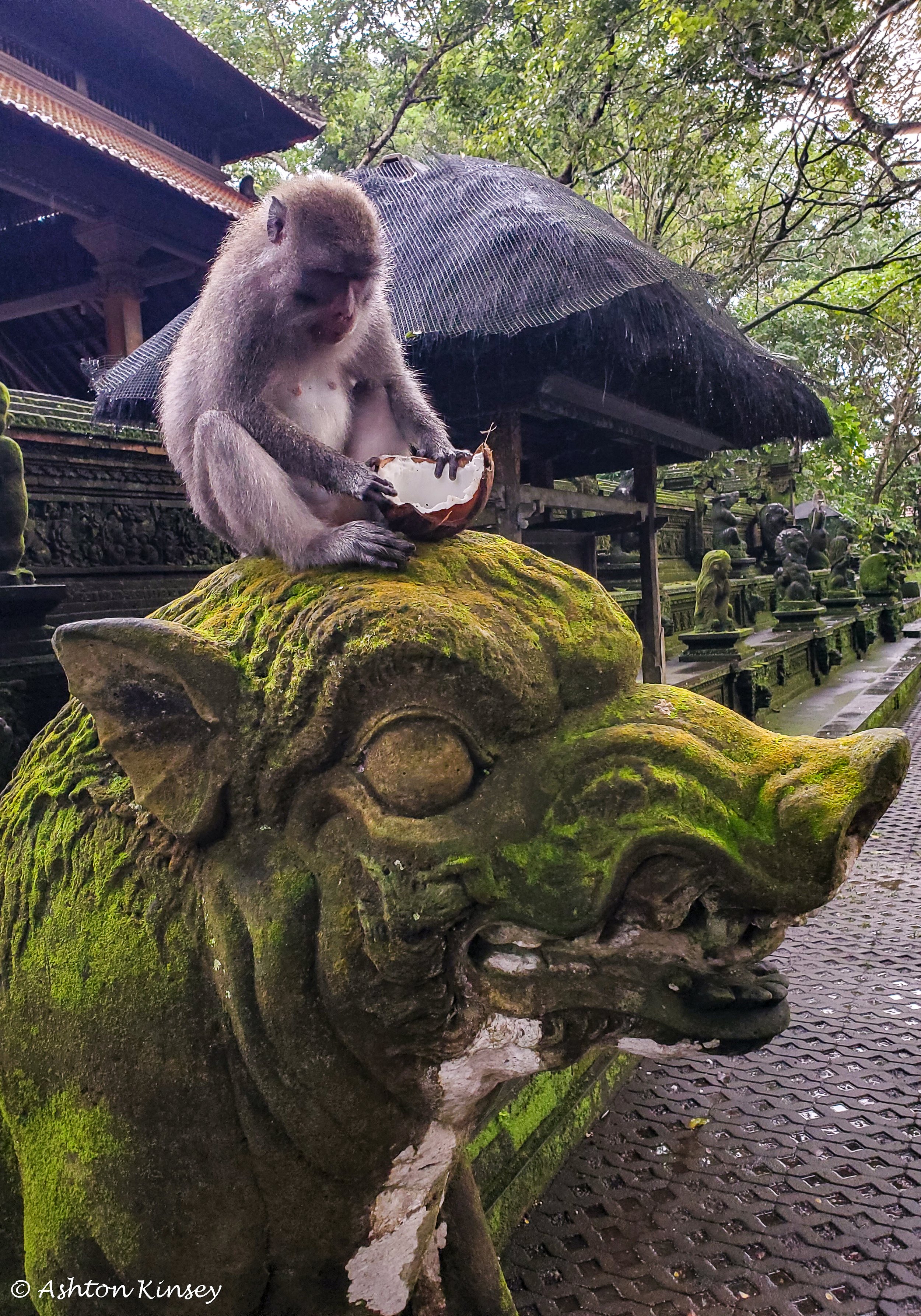
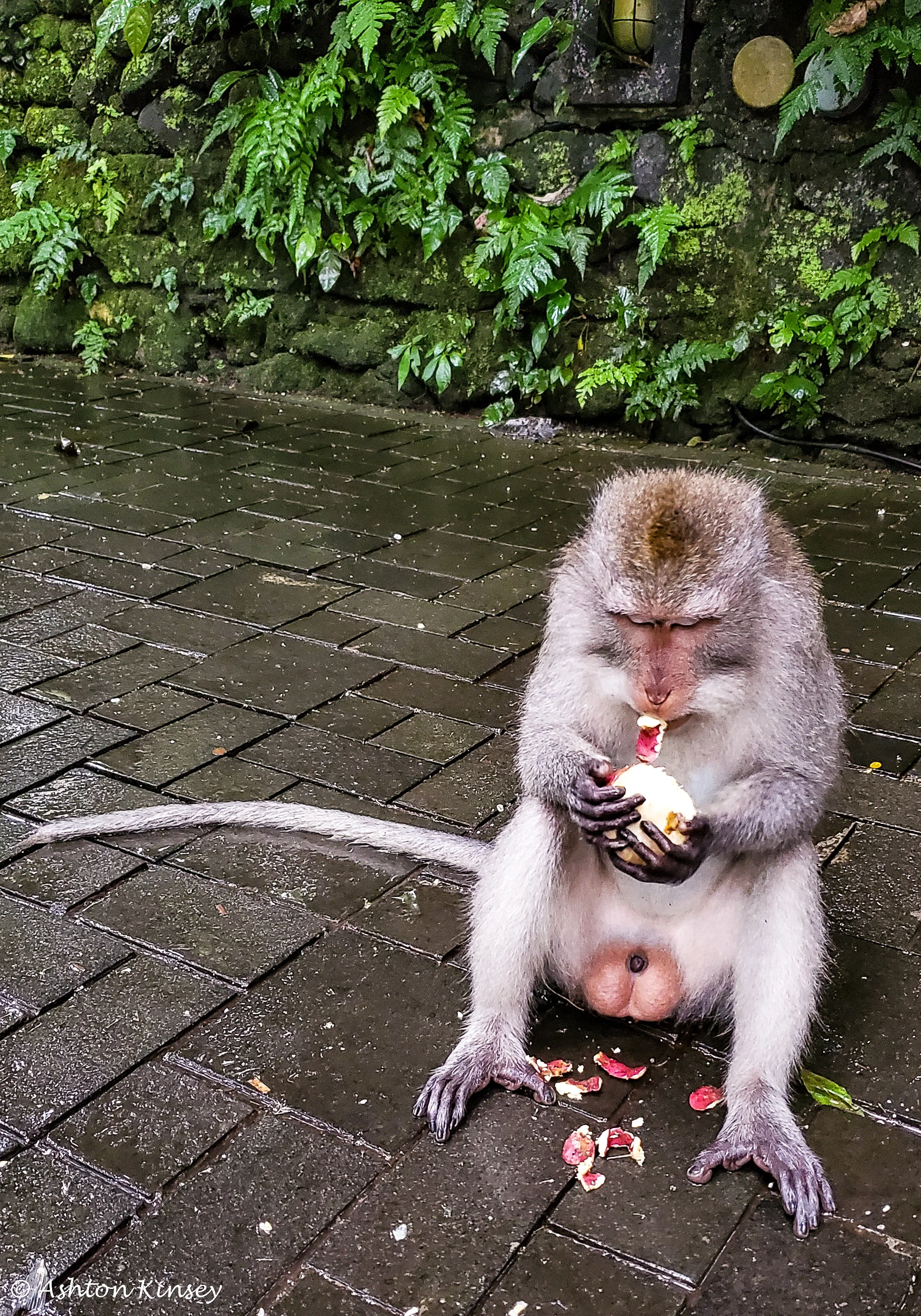
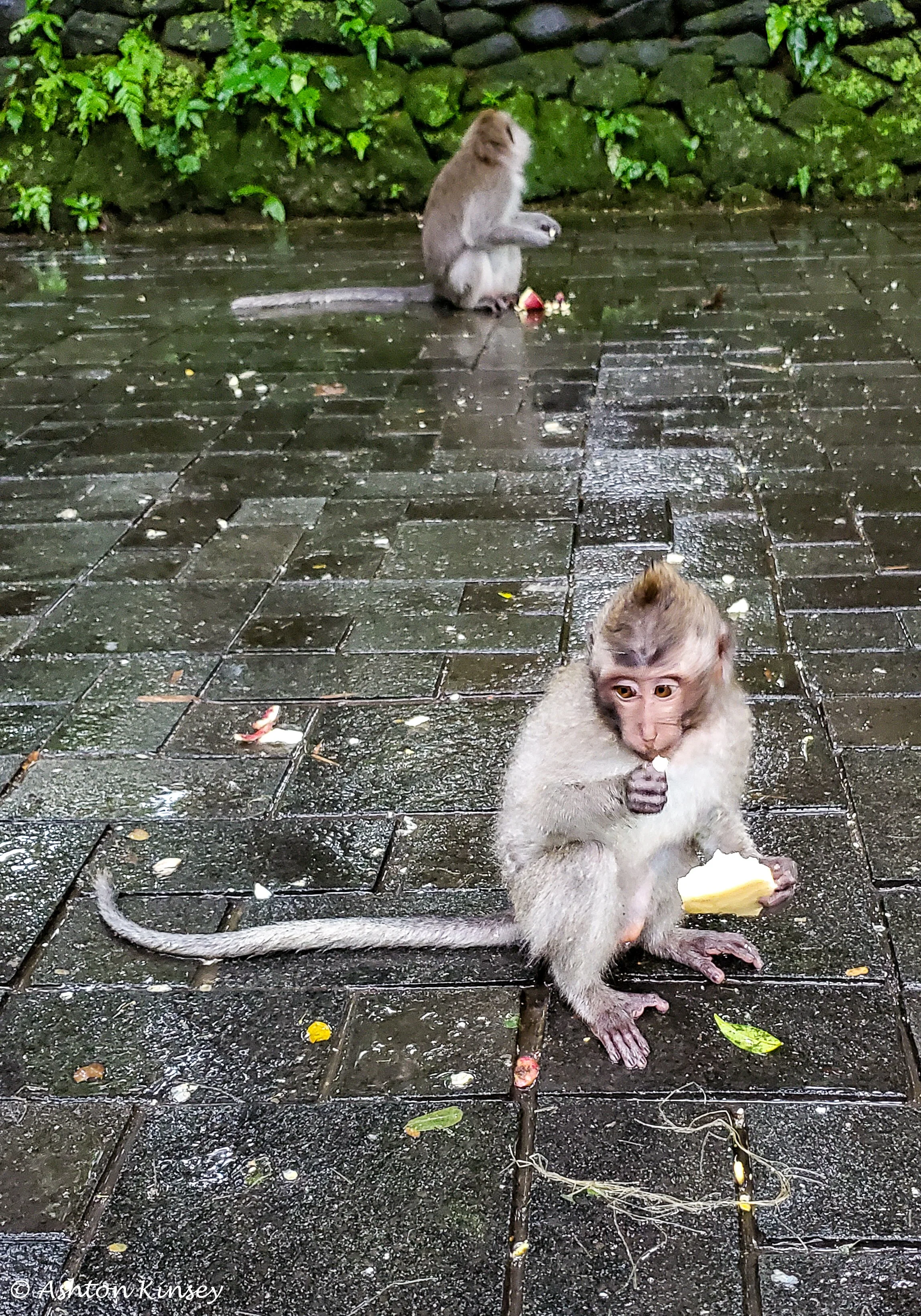
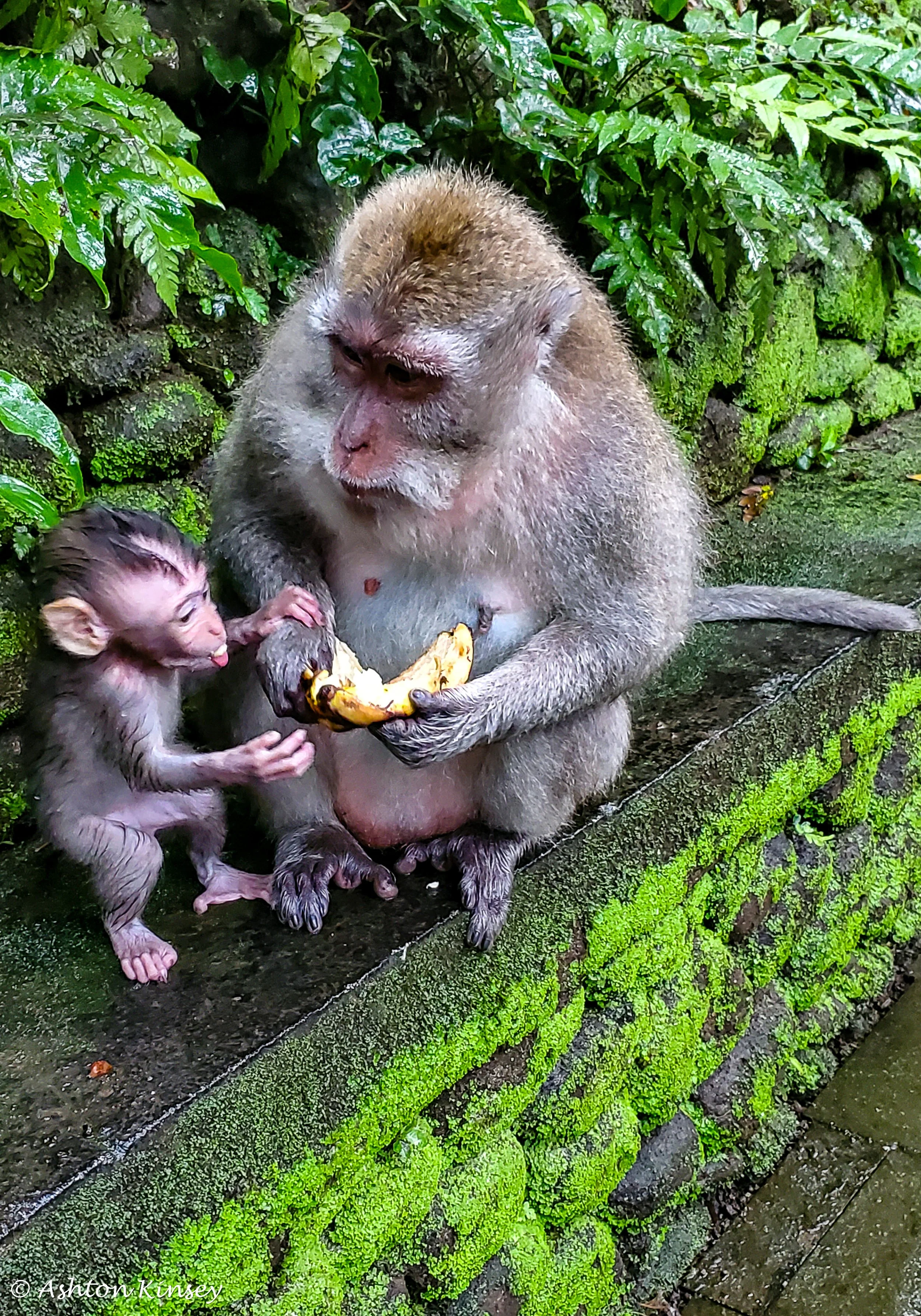
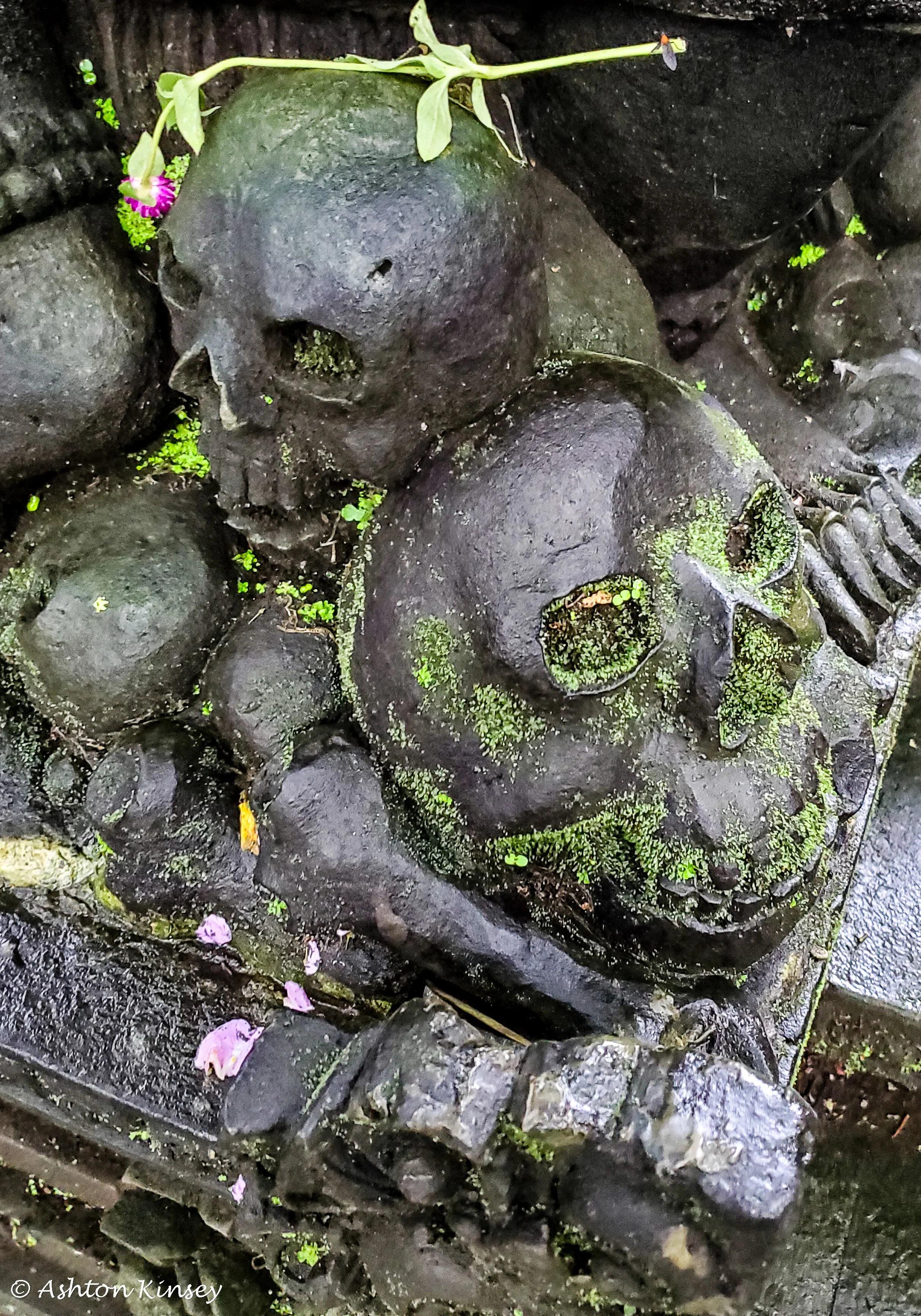
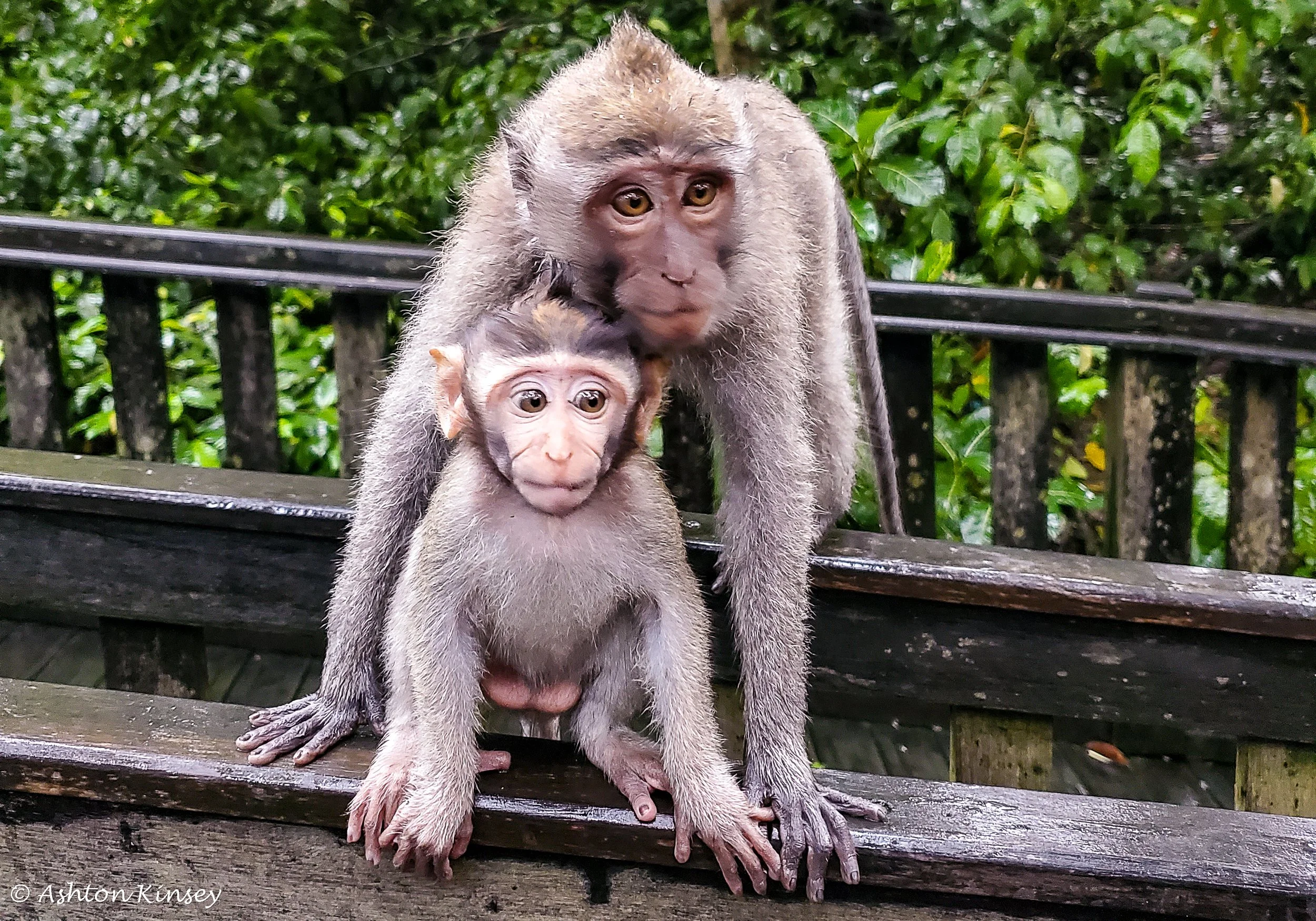
The Ubud Monkey Forest is a large forest sanctuary that houses over 1200 Balinese long tailed macaques. The monkeys are very used to humans and freely roam throughout the forest. They can often be seen running through the trees, along the temples, and sitting on the paths, waiting for tourists to give them food. While the monkeys are fed regularly by the staff, in years past, bananas used to be for sale. They are no longer for sale due to overfeeding and the animals becoming aggressive when not fed by visitors.
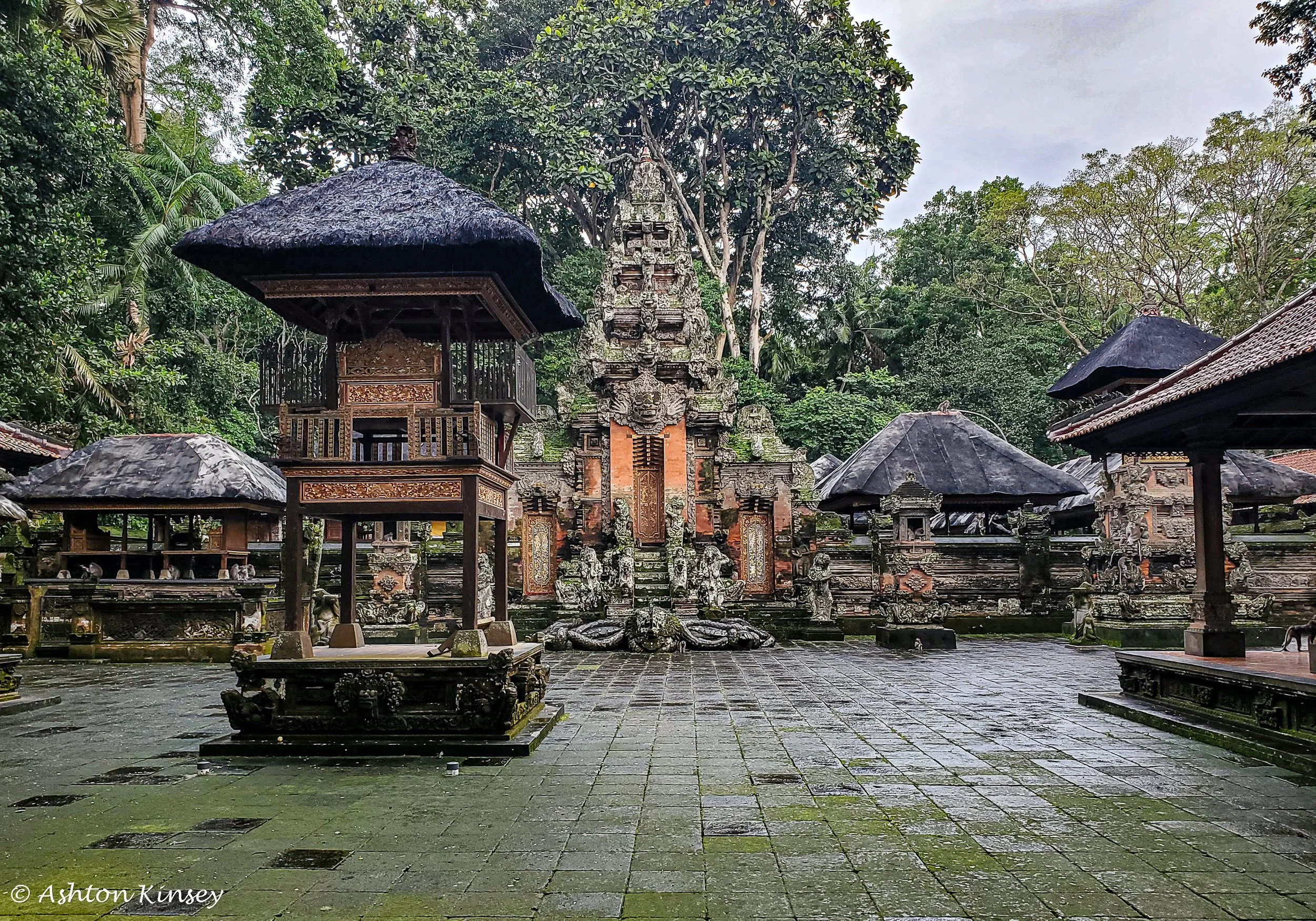
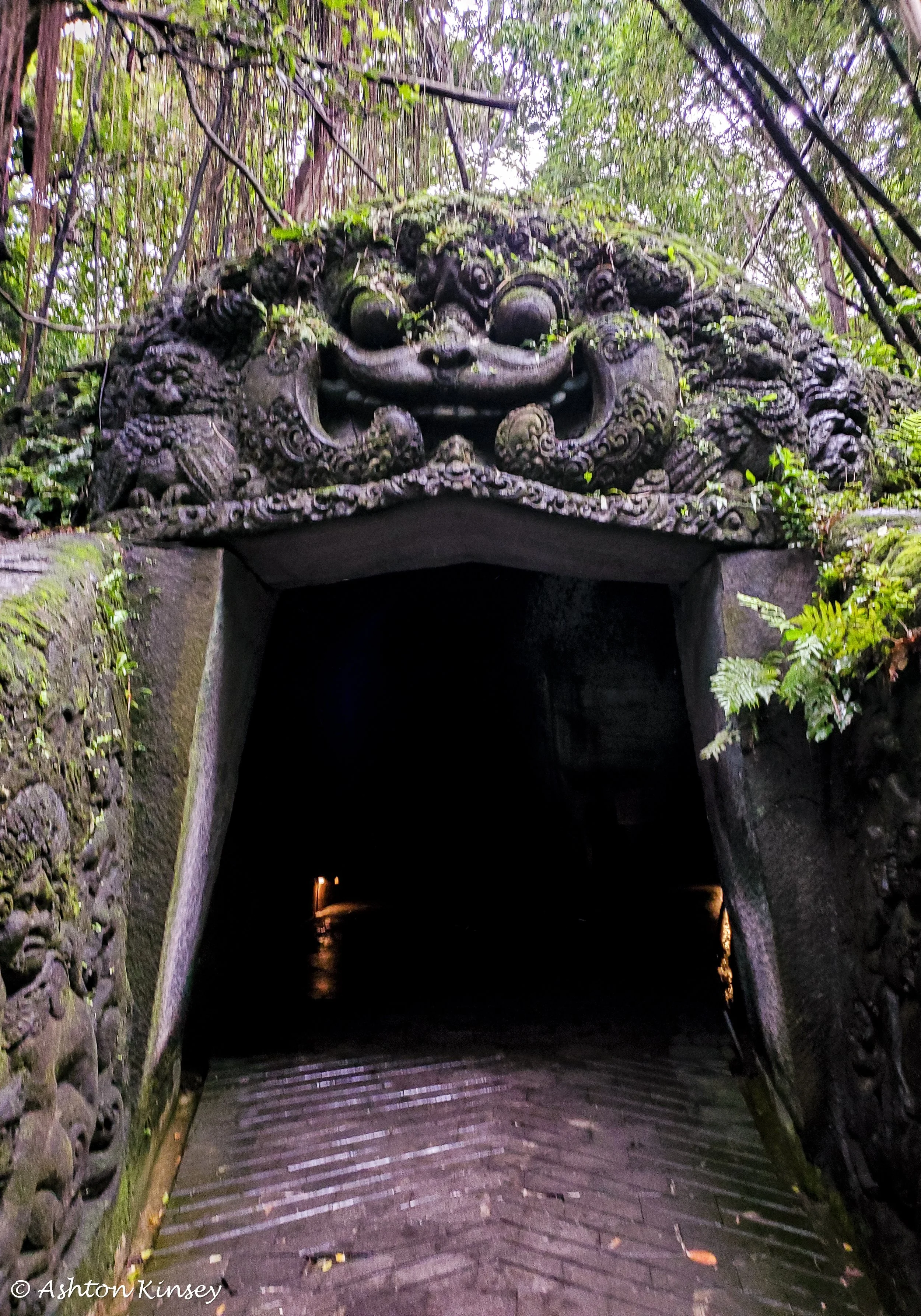
Inside the forest, there are three large temples that were all built in roughly 1350 AD. All three temples are used to worship Hyang Widhi as different personifications of a God.
The Pura Beji is used to worship the personification of the goddess Gangga. This temple is used as a Holy Spring bathing temple and is used for purification before religious ceremonies.
The largest temple is Pura Dalem Agung Padangtegal, or the Padangtegal Great Temple of Death. This is used to worship the personification of Shiva.
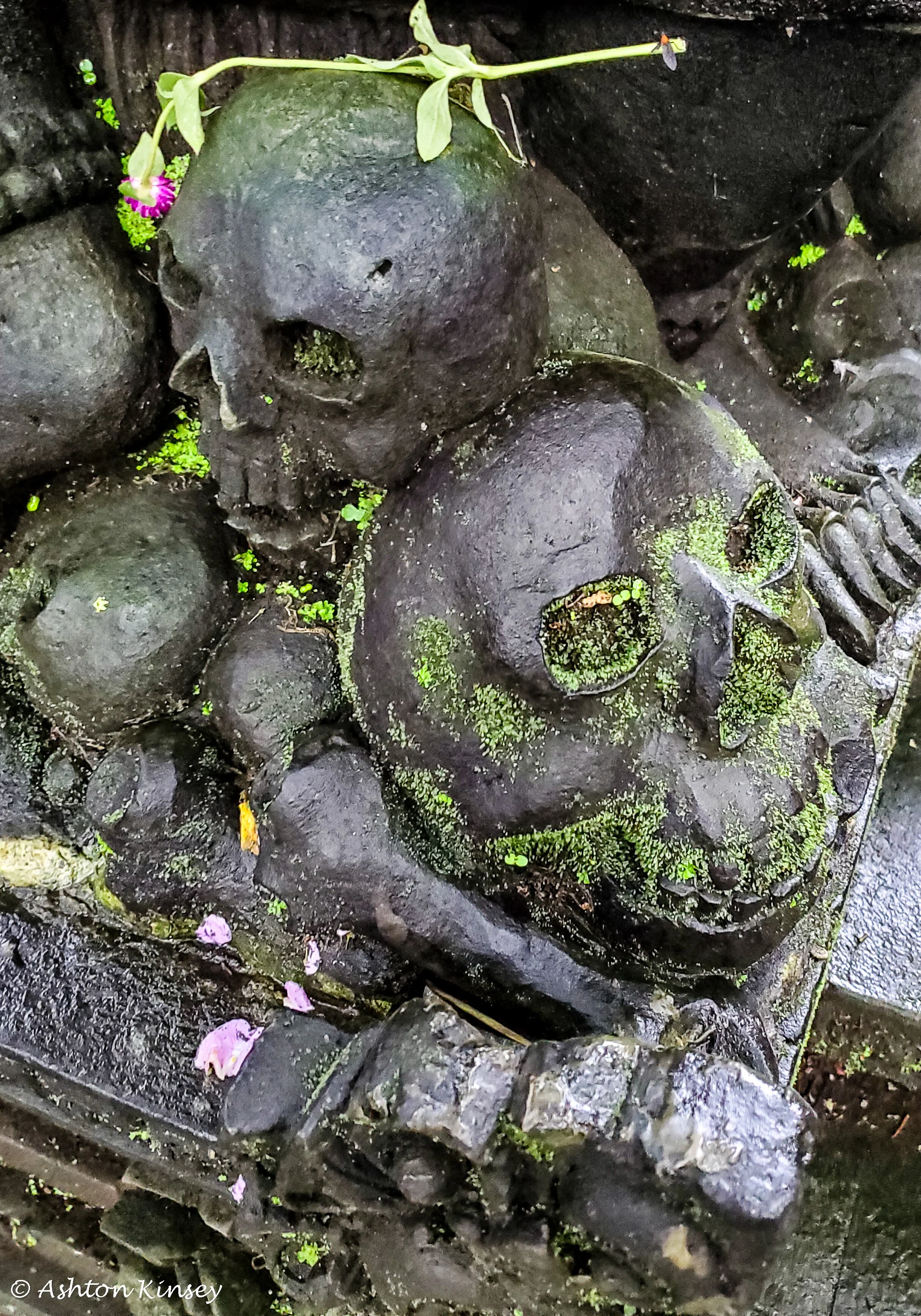
The last temple is Pura Prajapati, which is for the personification of Prajapati. Next to this temple is a cemetery that will temporarily hold bodies while they wait for the cremation ceremony. Due to the high costs of cremation, this ceremony is usually only carried out once every five years.
For the ceremony, the families will build a patulangan, a sarcophagus that is made of wood, bamboo, and paper. The patulangan is often topped with multi-tiered pagoda structures and a large lembu, typically a bull or mythical animal structure. Inside of this will be a coffin where the body is washed and dressed and is carried through the village for a final goodbye, prayer, and celebration of the individual’s life. When crossing a major road, the coffin must be rotated three times to confuse the evil spirits and protect the body. Twelve days after the bodies are burned, the families will collect the ashes inside a coconut and return the body to the sea, thus returning the body back to the elements.
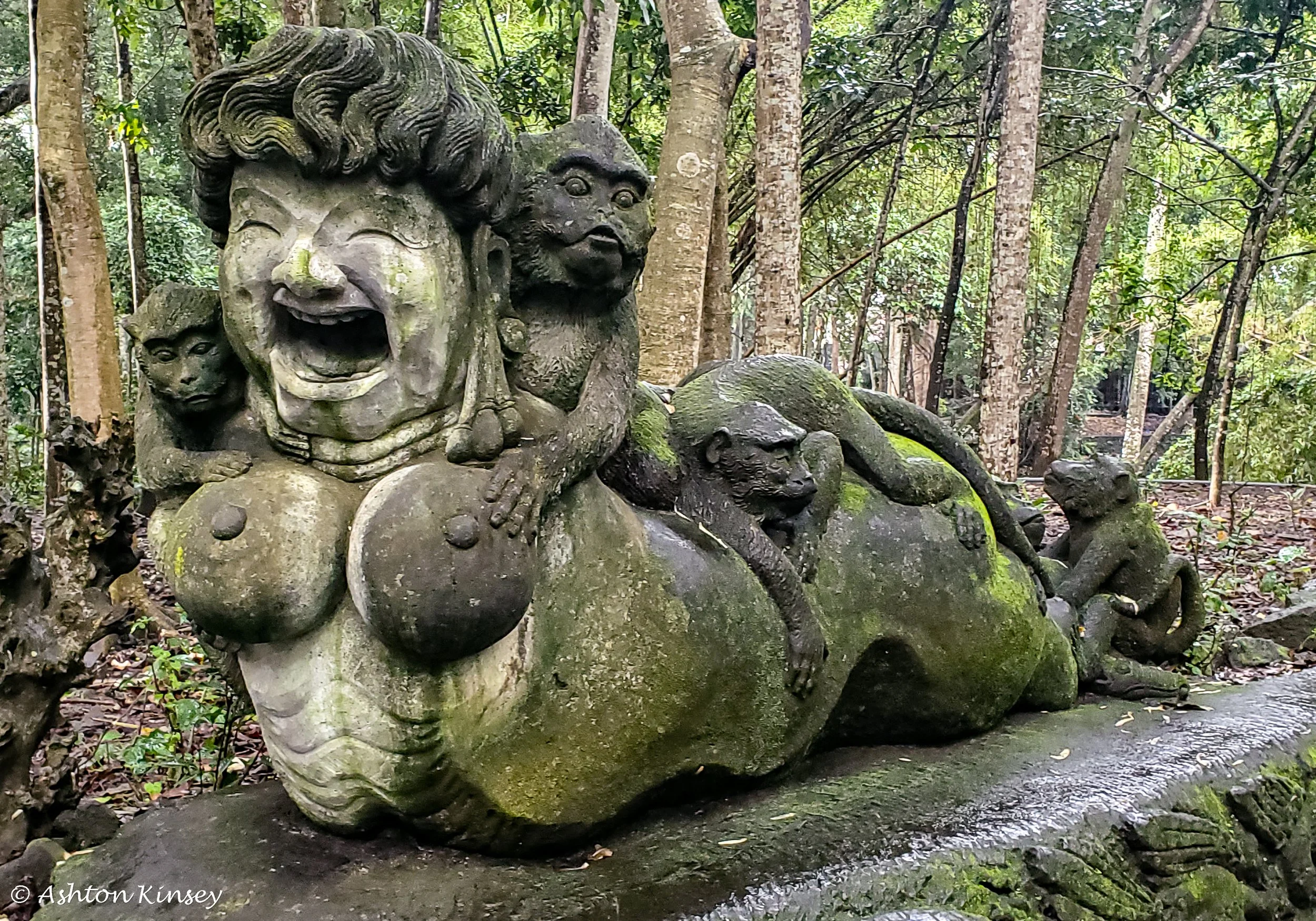
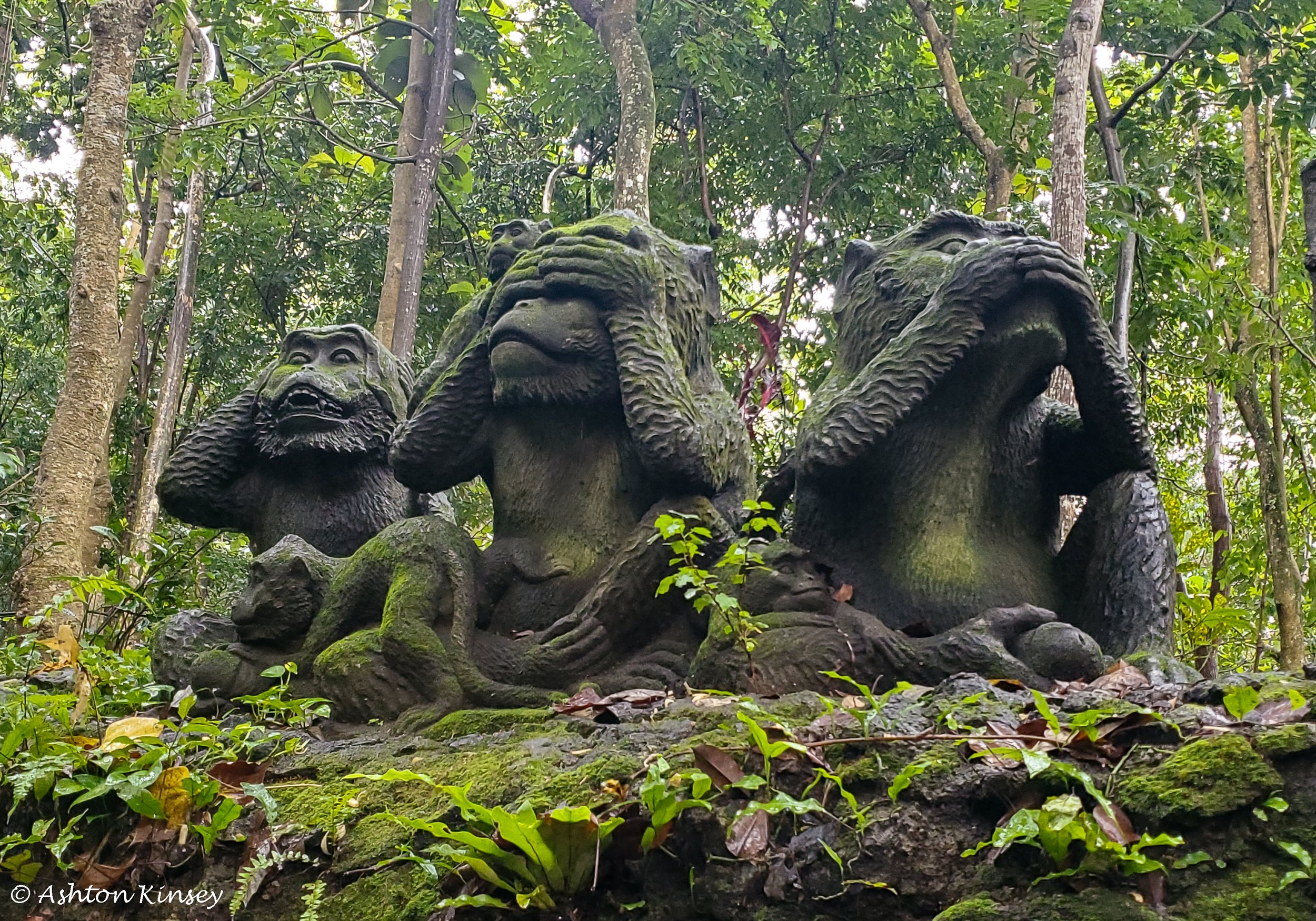
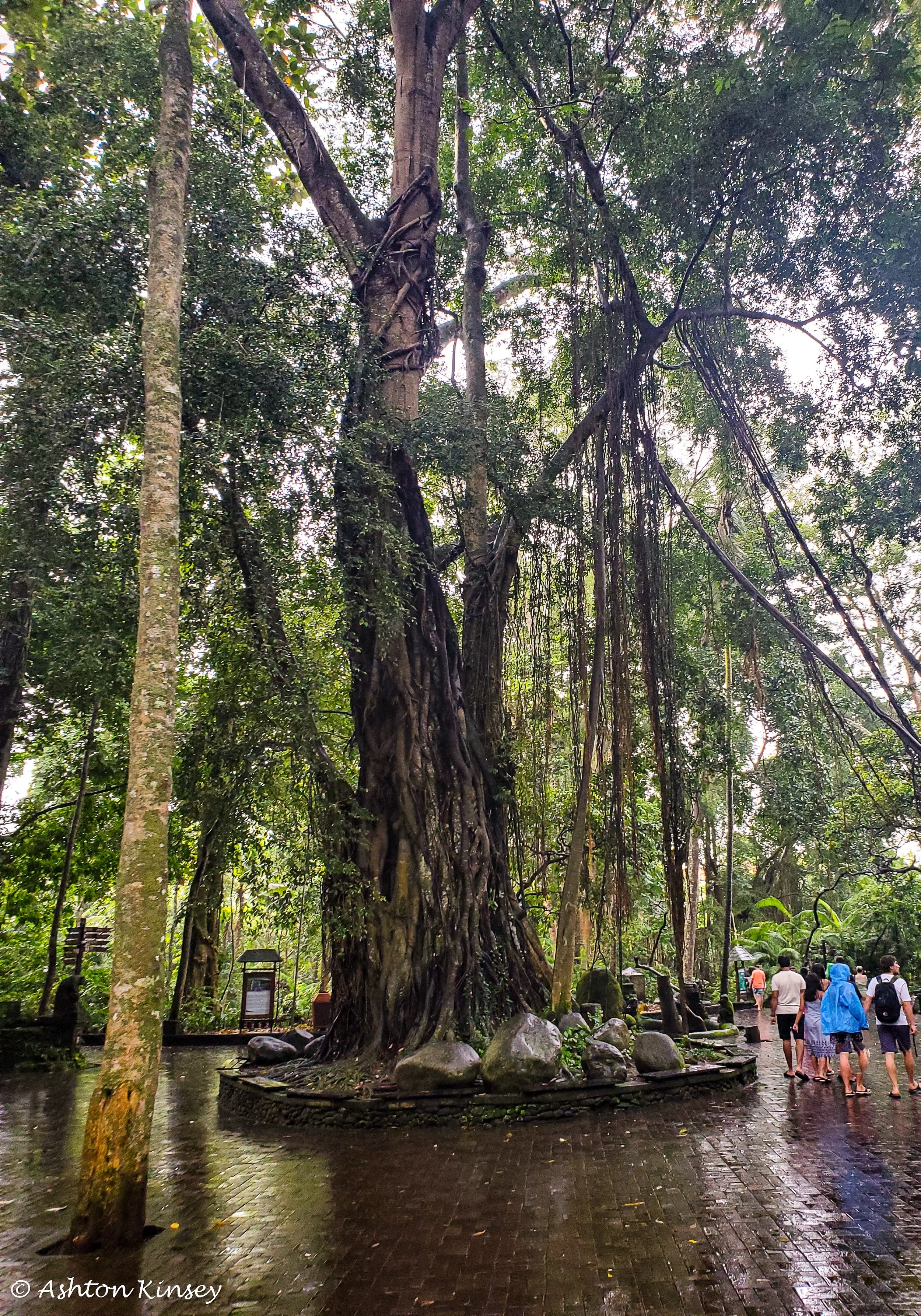
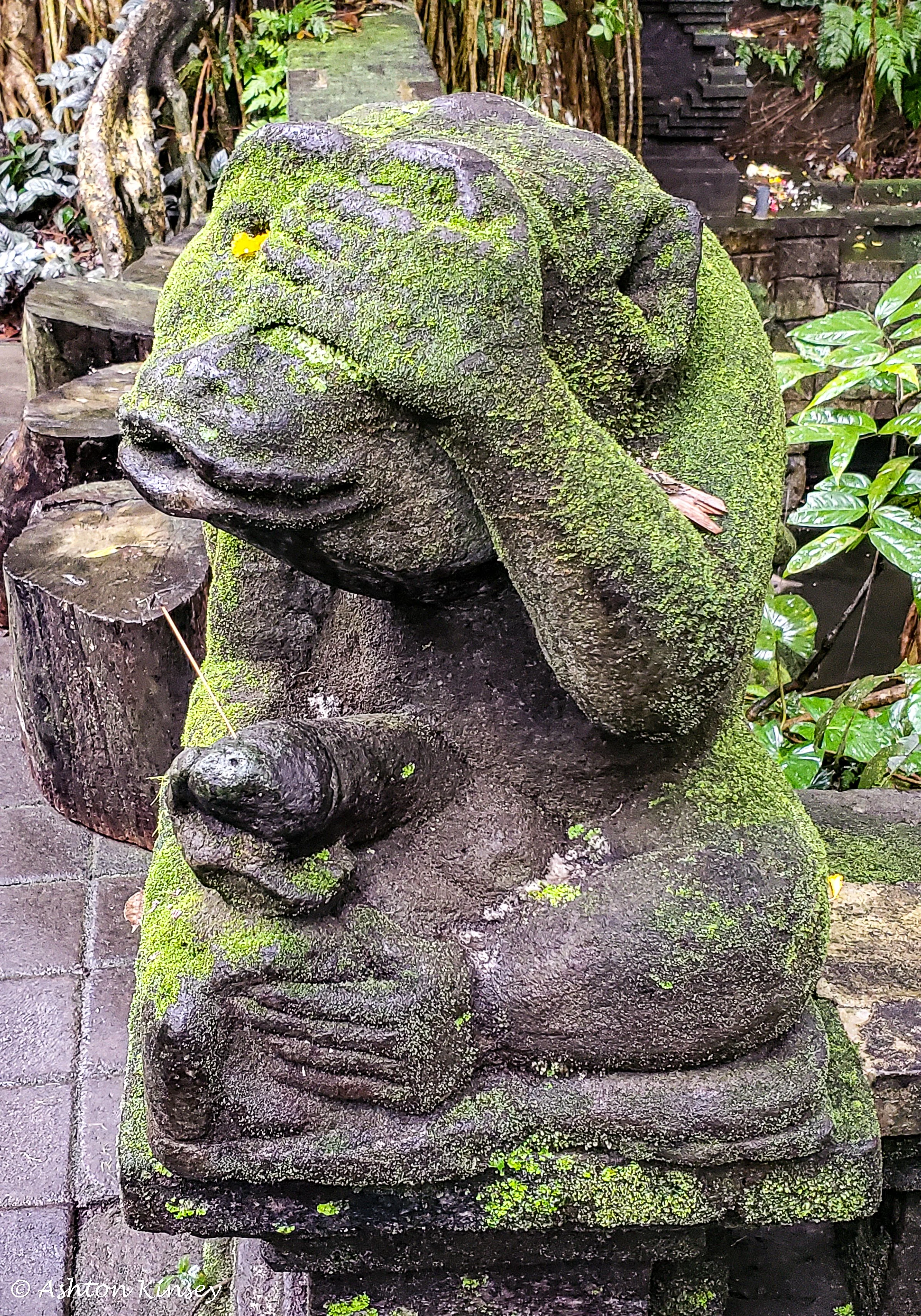
Puri Saran Agung
As the sun started to set and our day was winding down, we had one last stop at the Ubud Palace. This was built after the 1917 earthquakes and is the official residence of the royal family of Ubud. There are private temples and living quarters for the family that are off limits to tourists, but in the evenings, traditional dance ceremonies are held that are open to the public.
We went back to the hotel and rested after driving across the island all day. Getting ready to do a similar journey the following day with more temples and a waterfall.
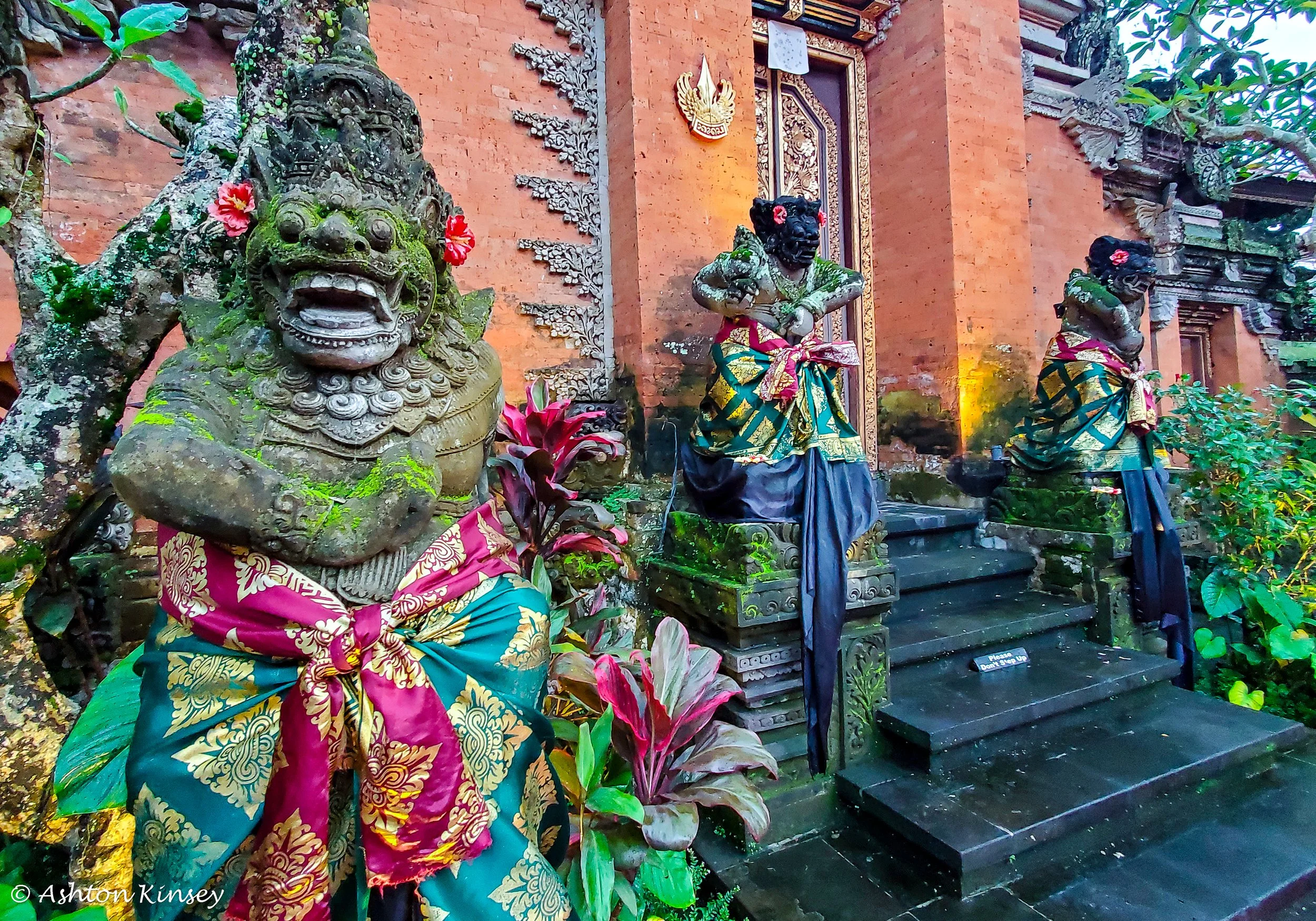
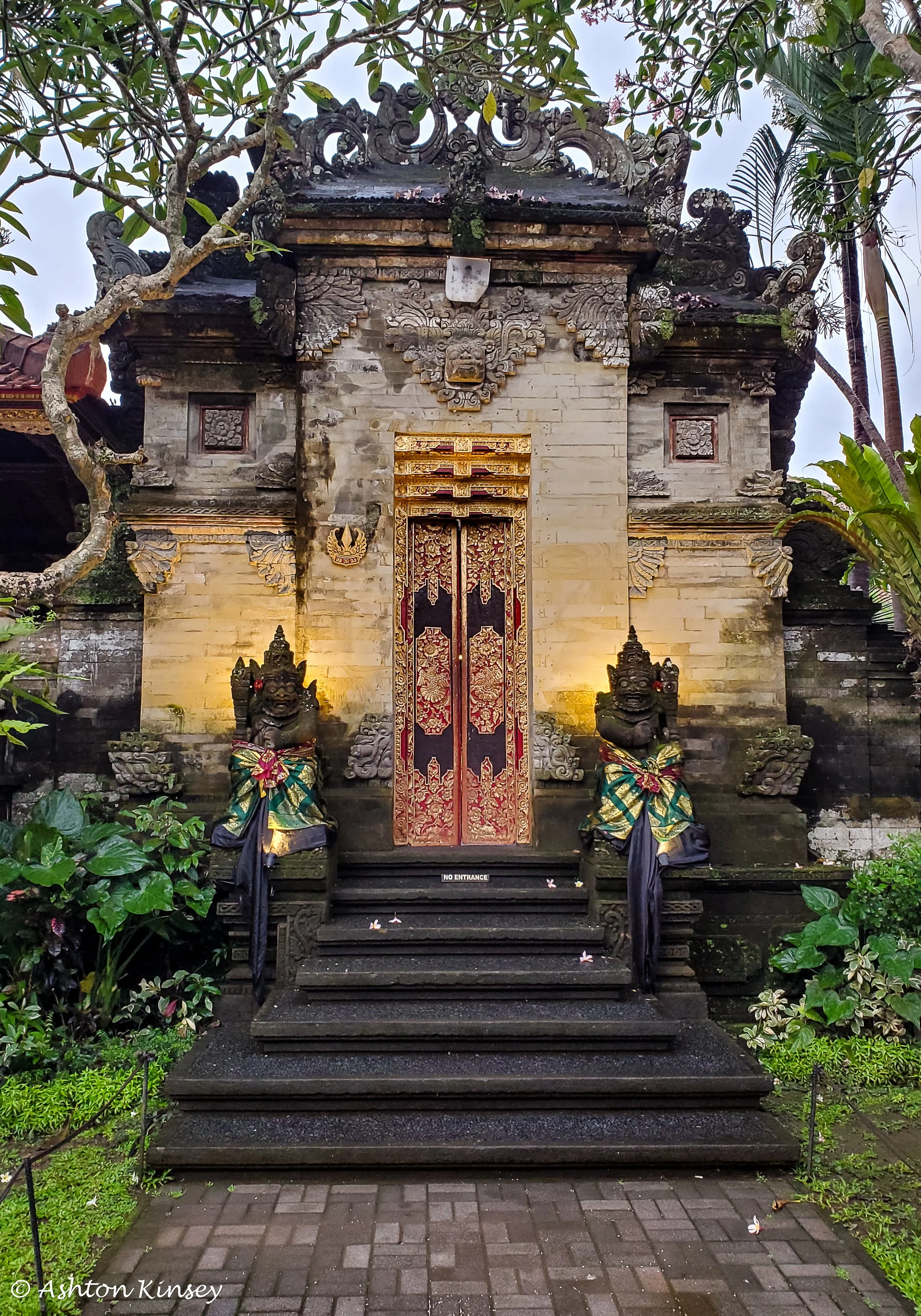
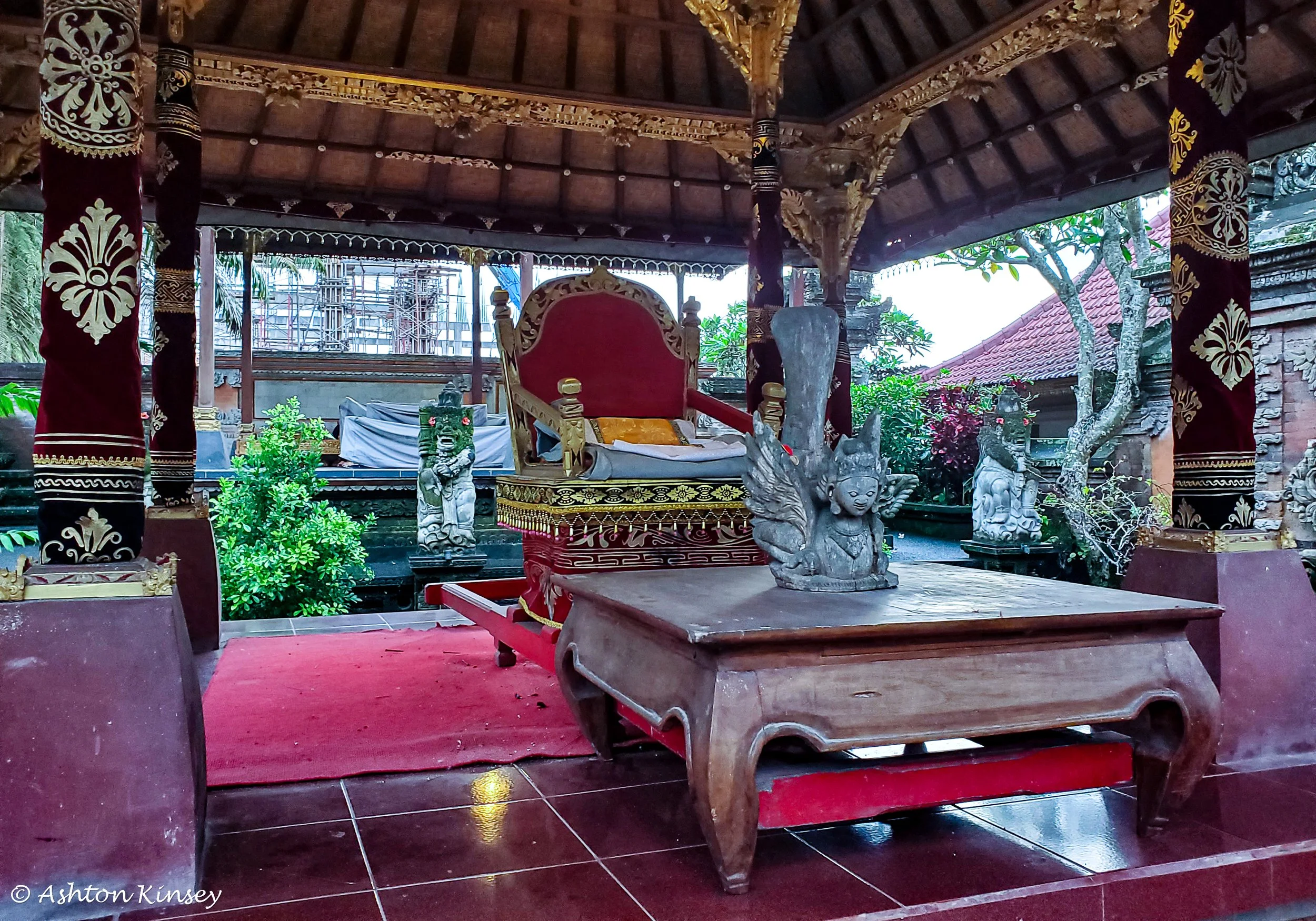
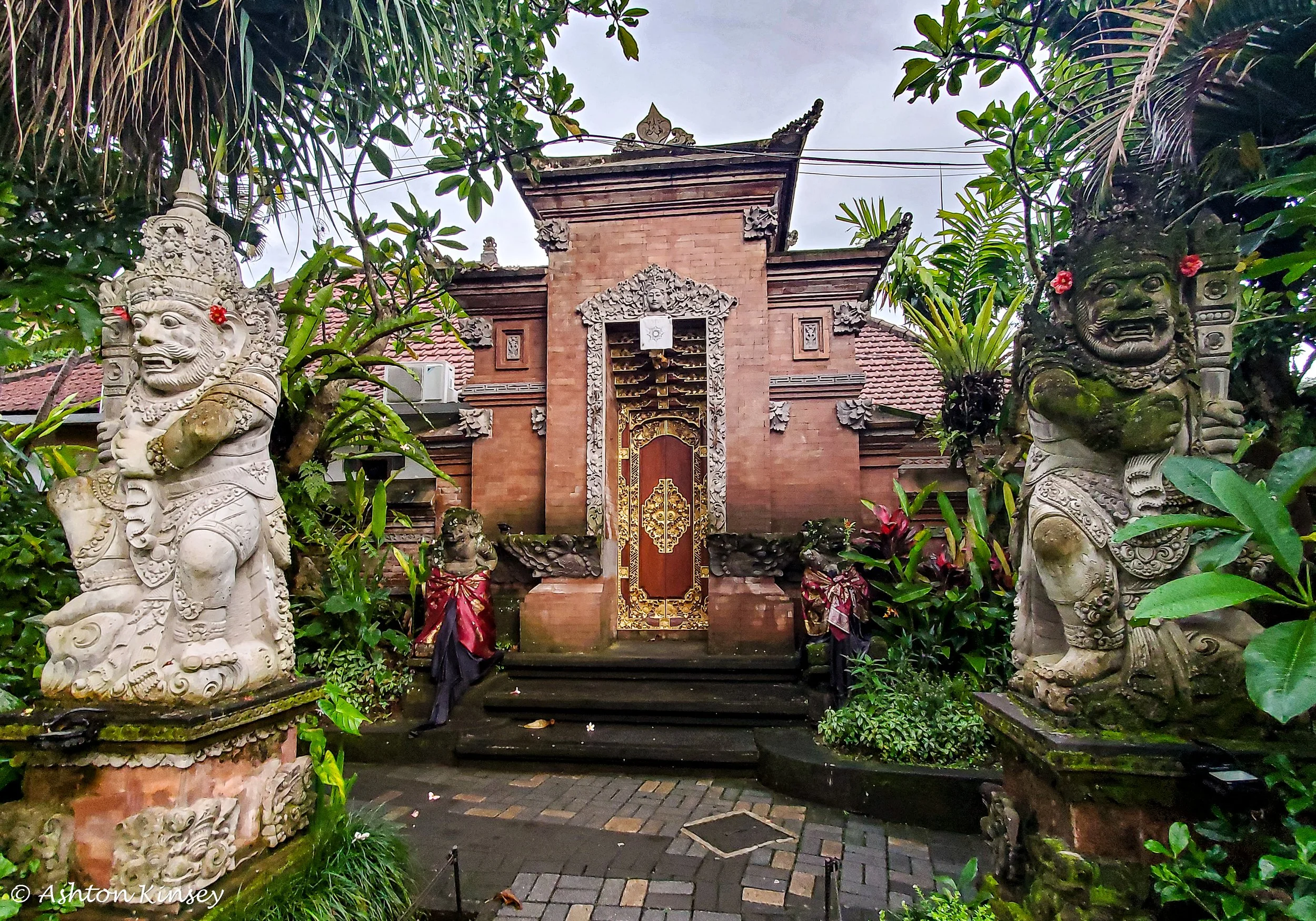
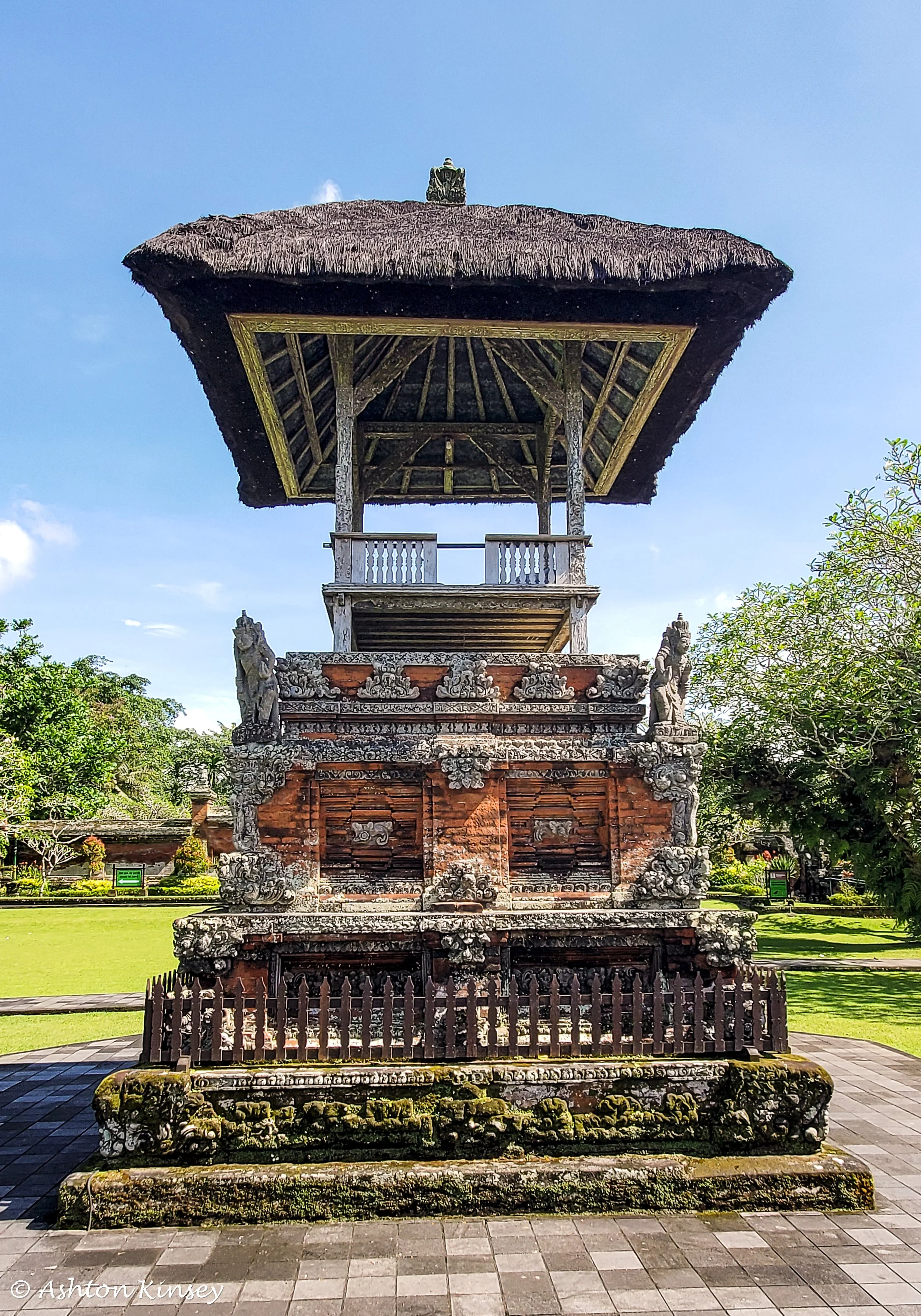
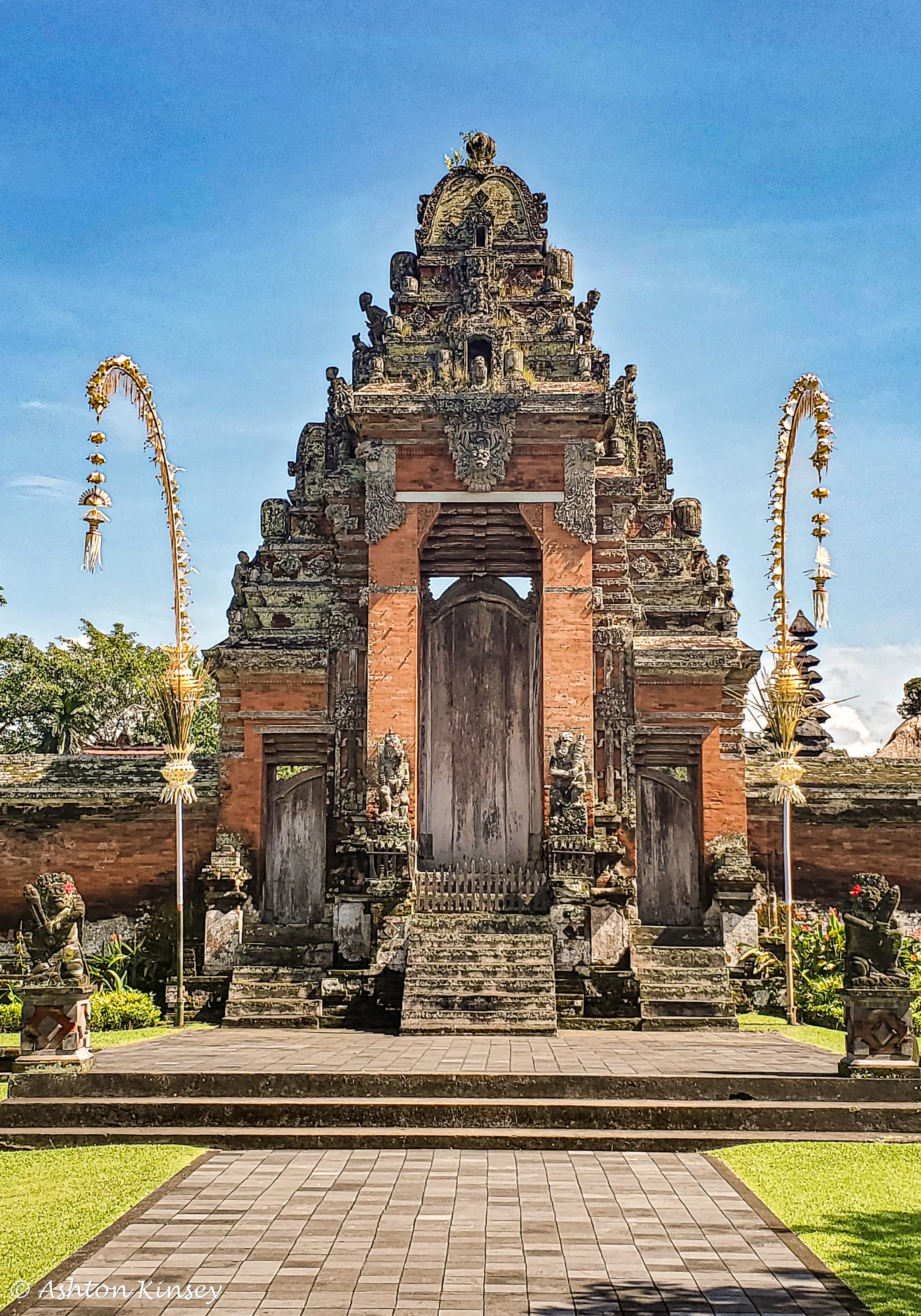
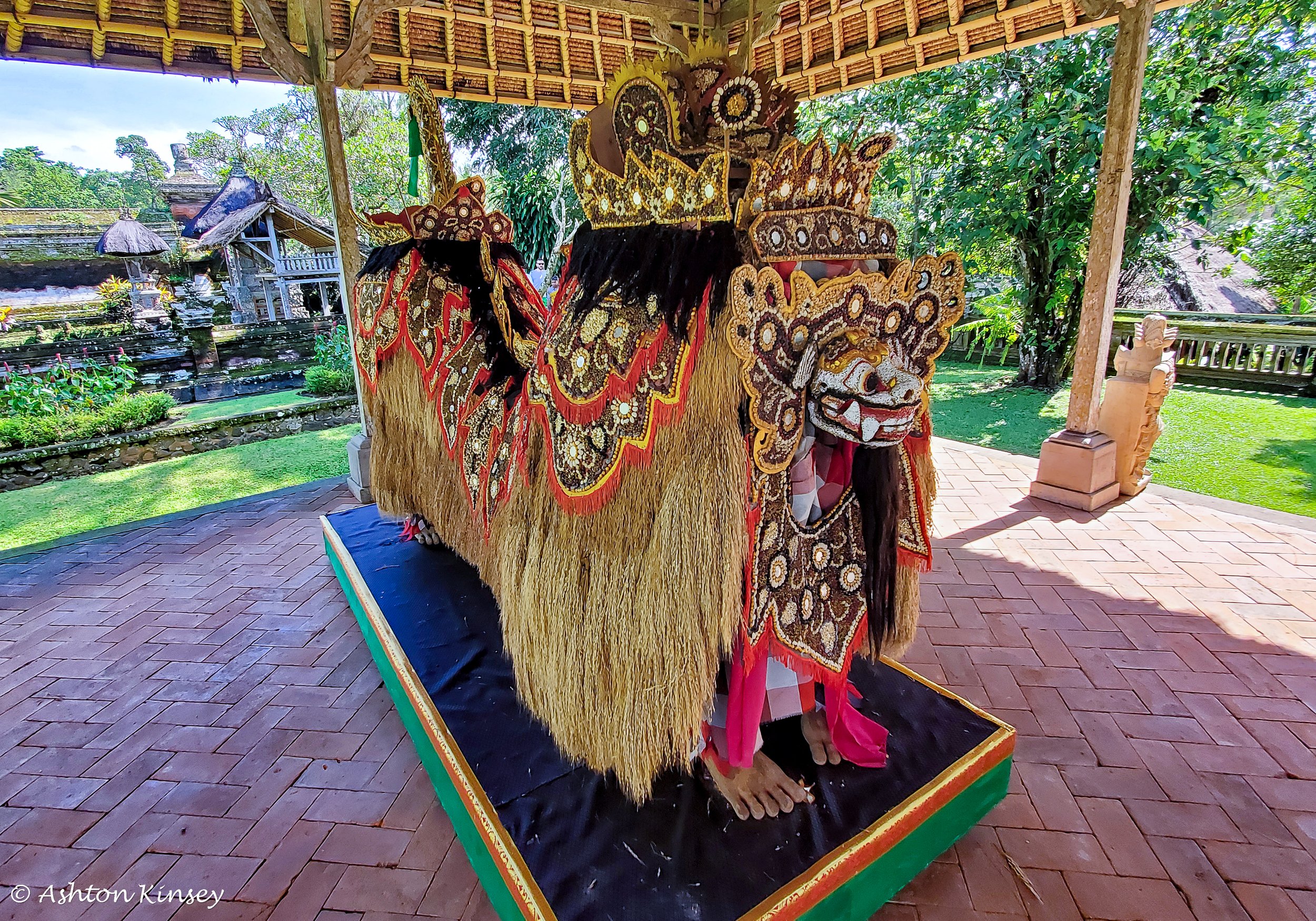
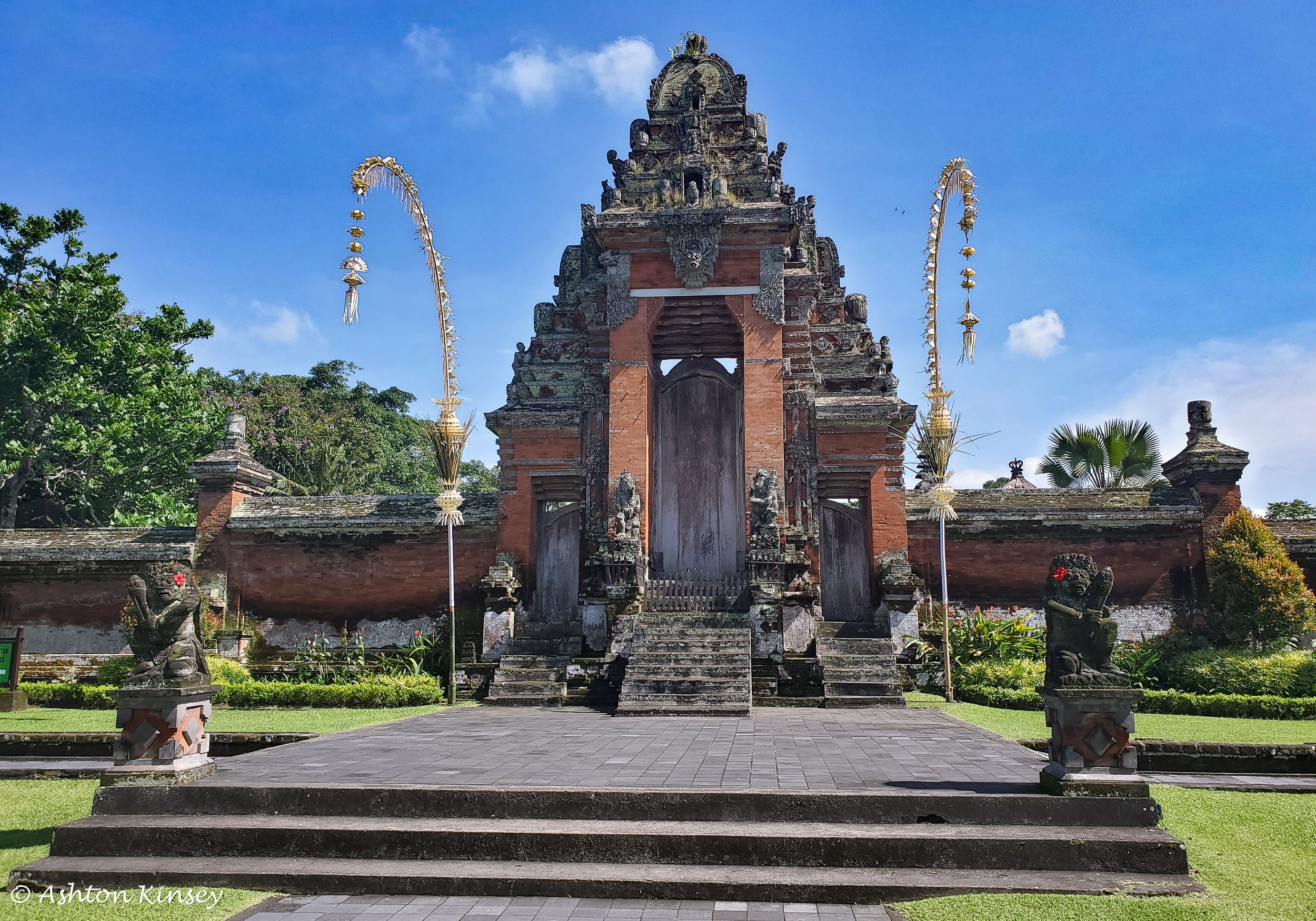
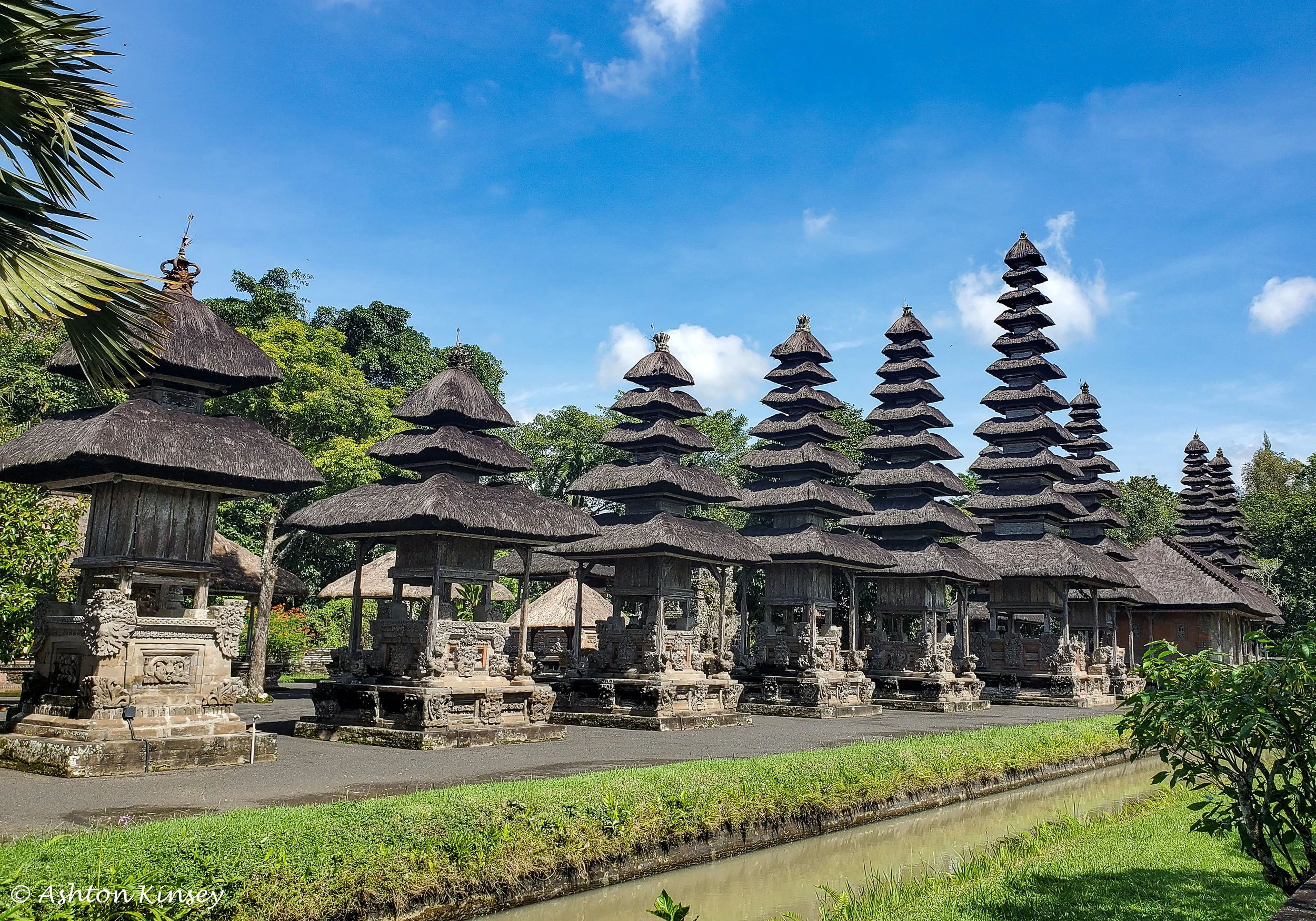
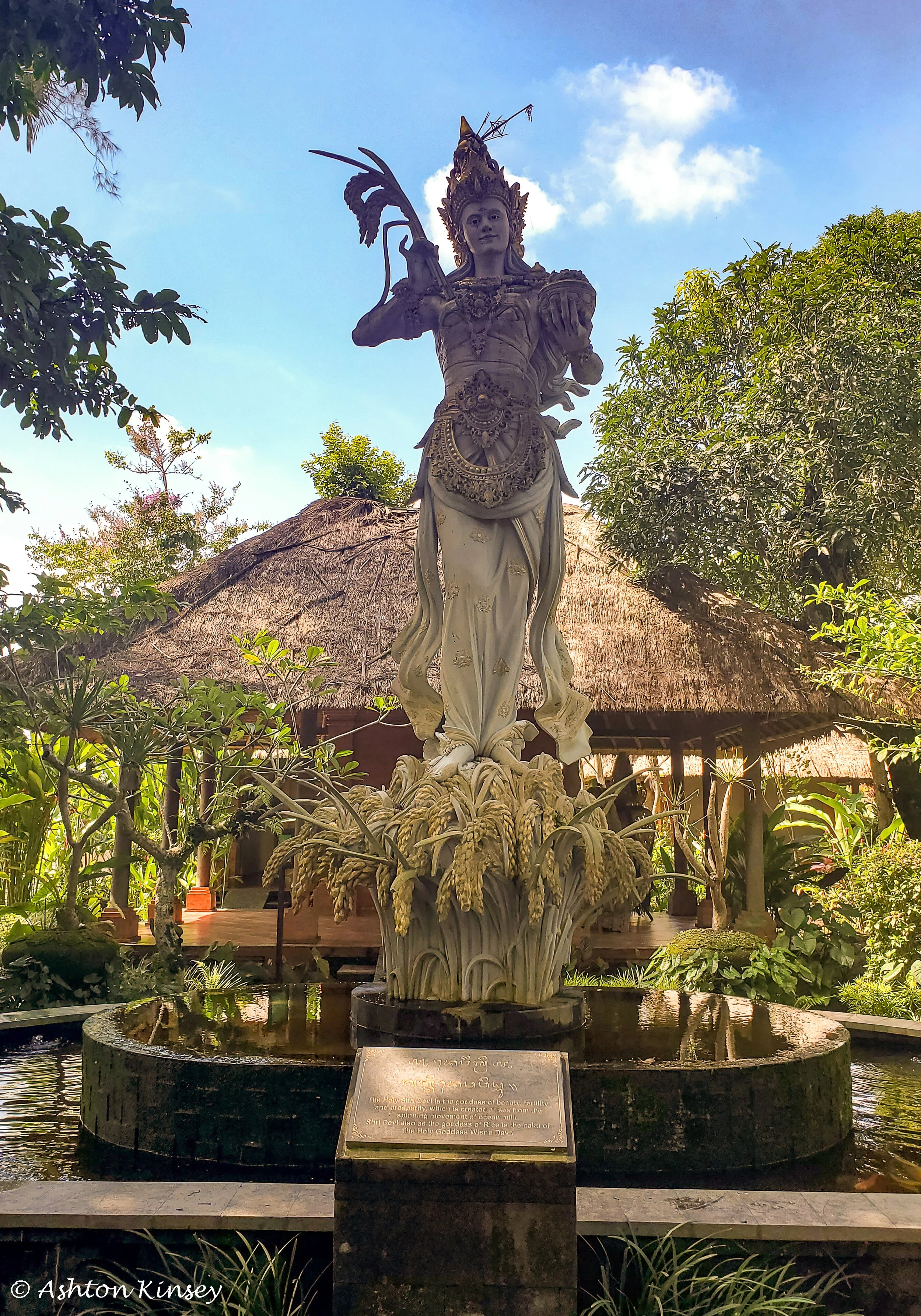
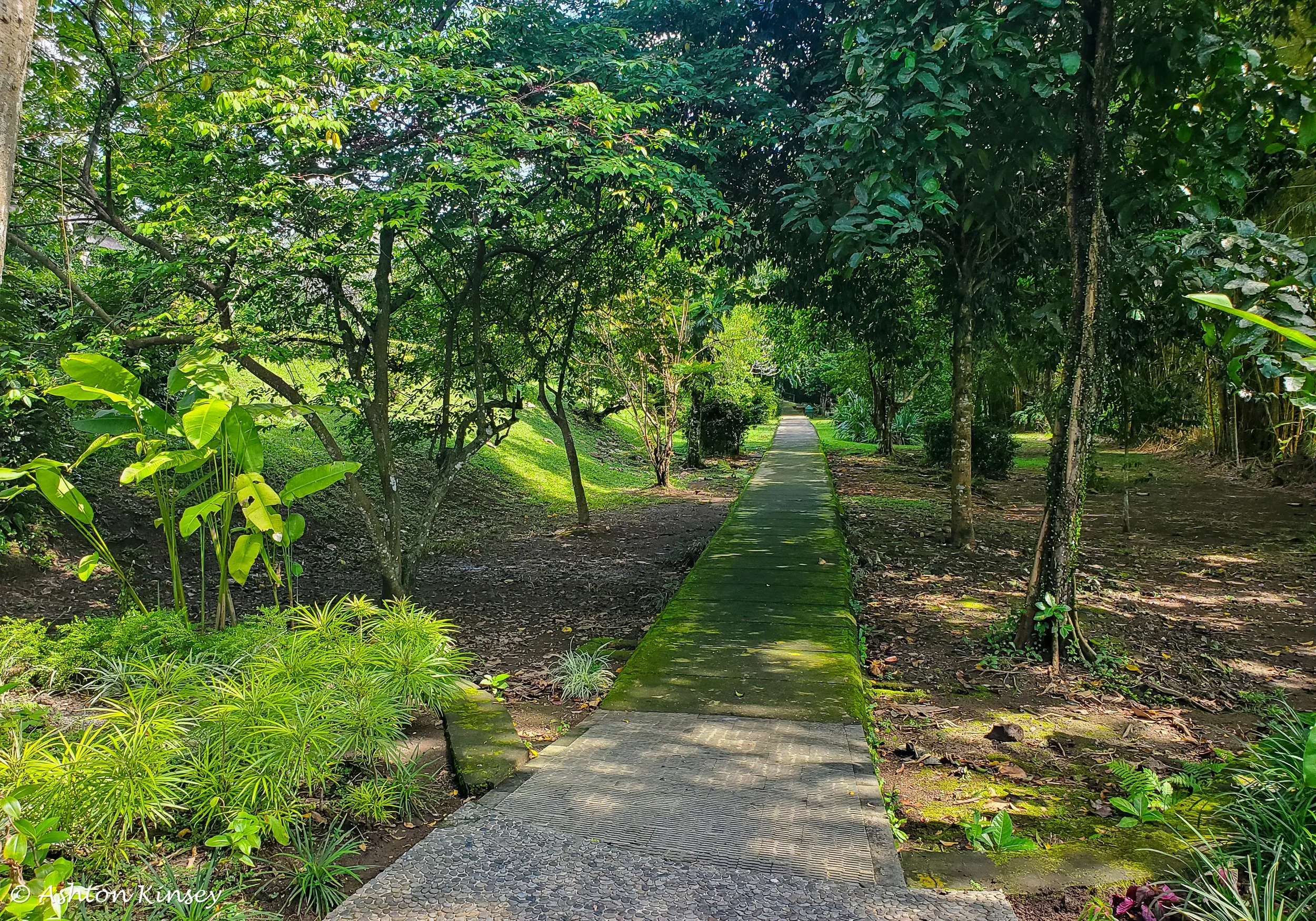
Pura Taman Ayun
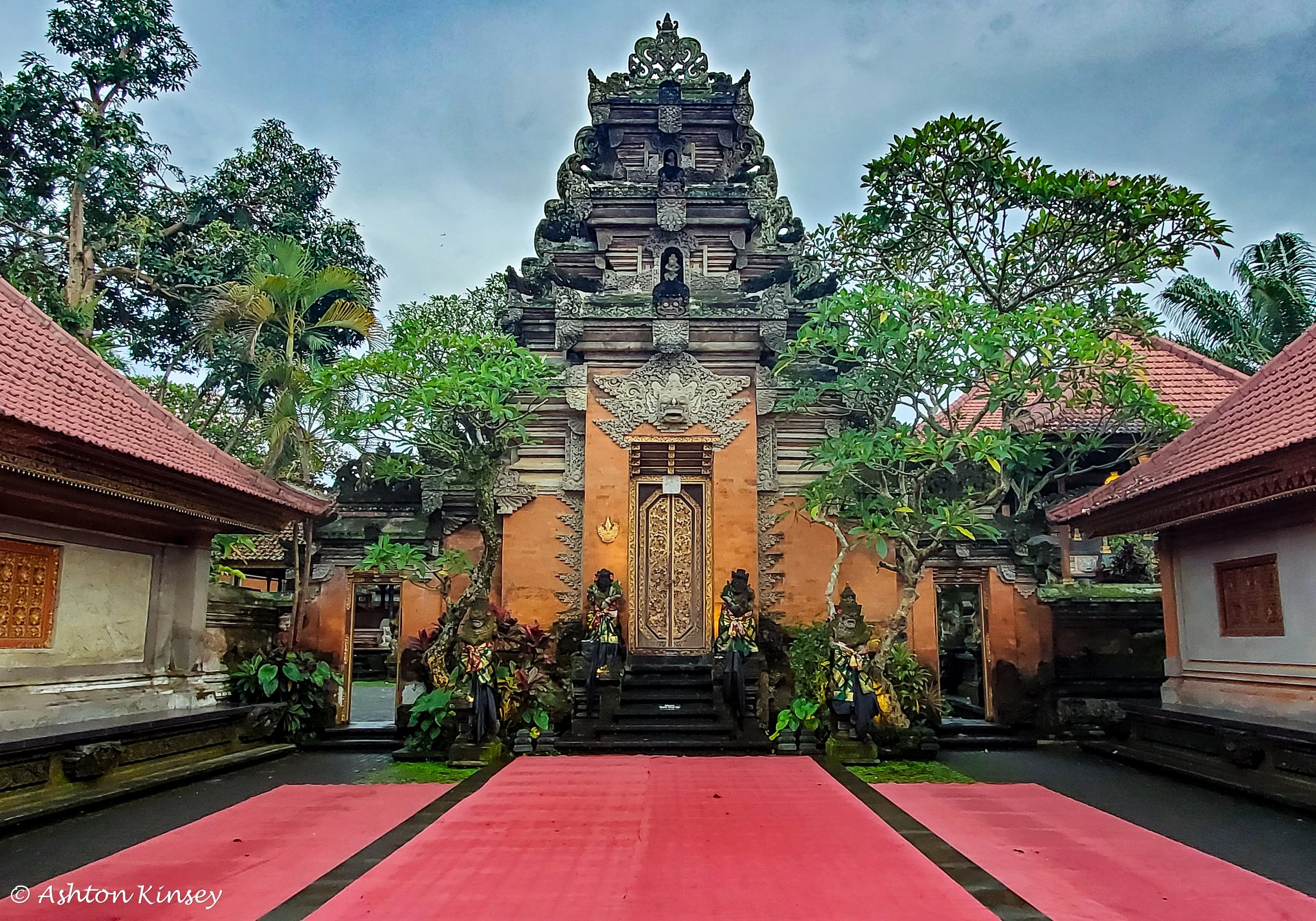
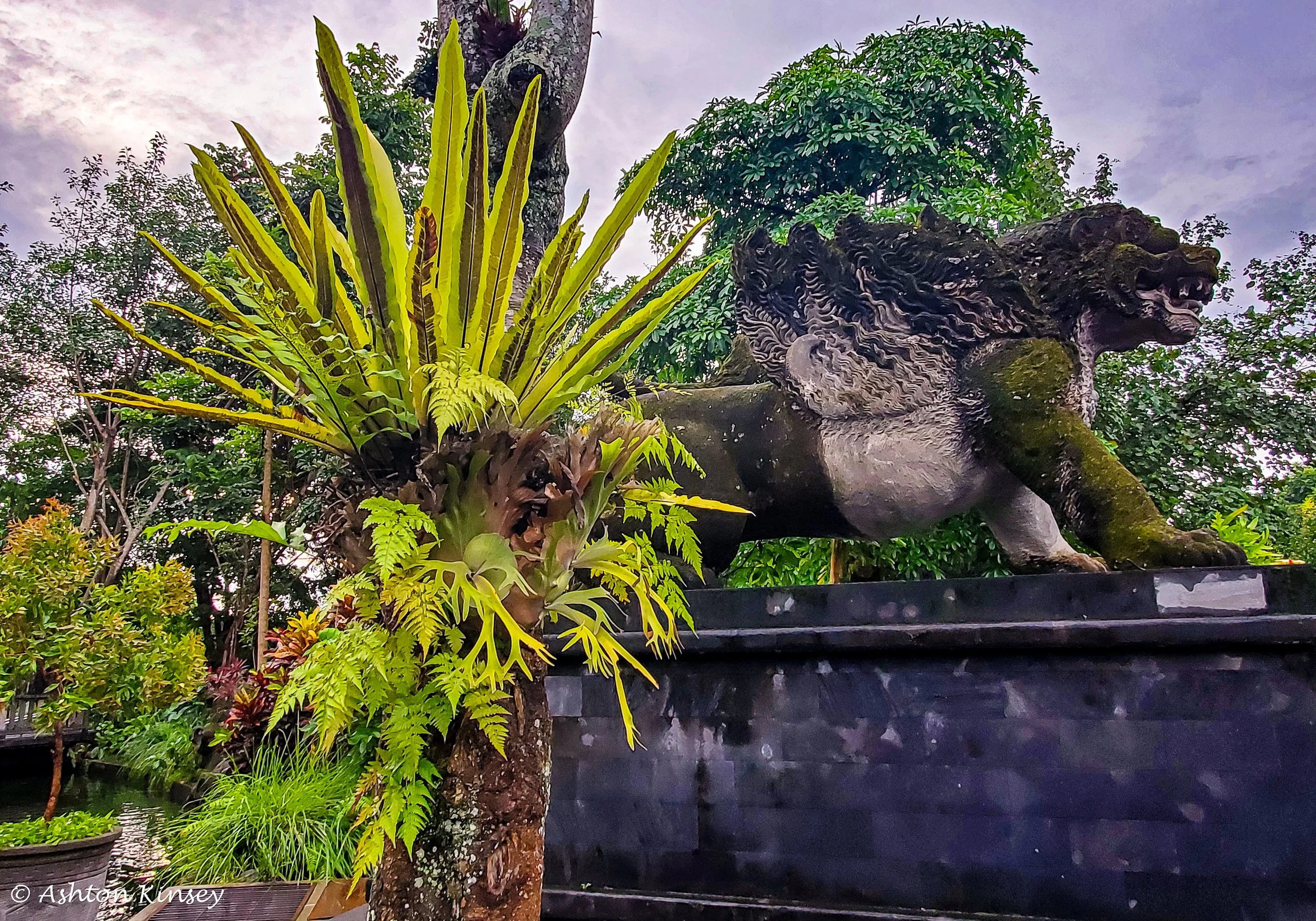
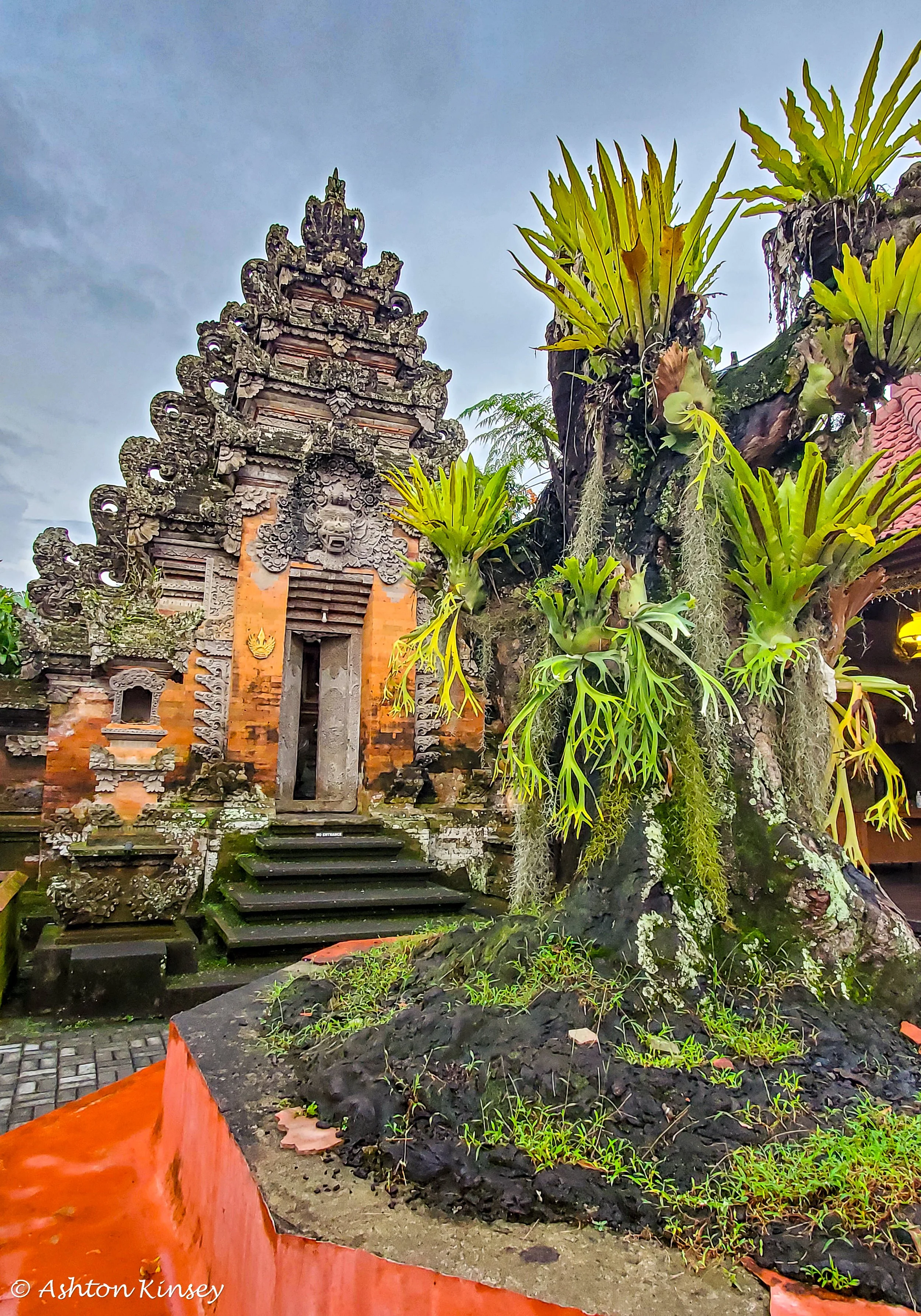
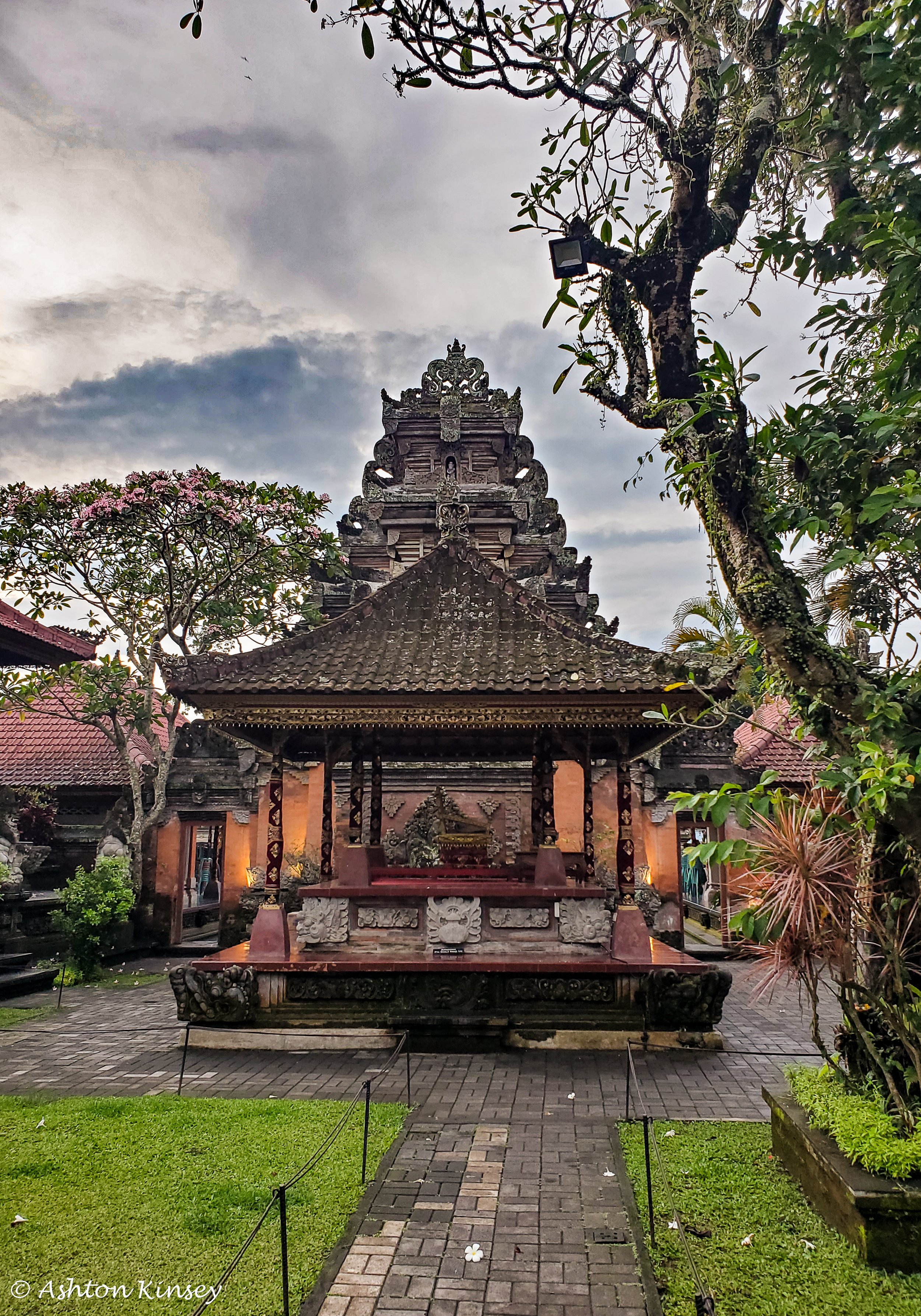
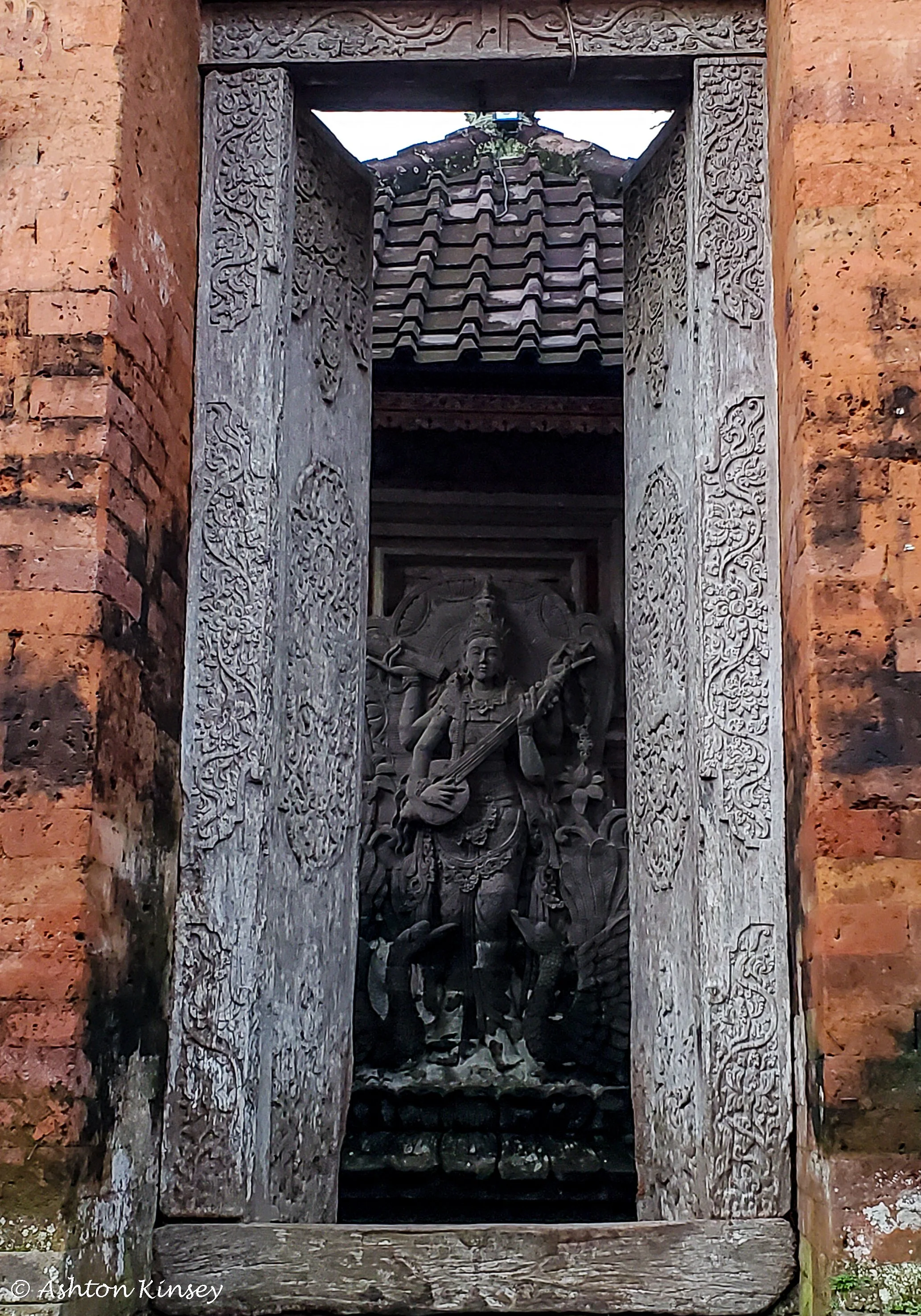
The temple Taman Ayun is one of the six royal temples in Bali, being specifically important both spiritually and historically. Taman Ayun translates to Garden Temple in the Water, aptly named for the pond that runs around the temple.
Construction started in 1632 by the first king, Tjokerda Sakti Blambangan, and finished in 1934, during the Mengwi family empire. The temple was set to serve as a place to worship as the other larger temples, Besakih and Batukaru, are much further away and not accessible. This also served as a unifying symbol between the royal family and the people.
Pura Ulun Danu Bratan
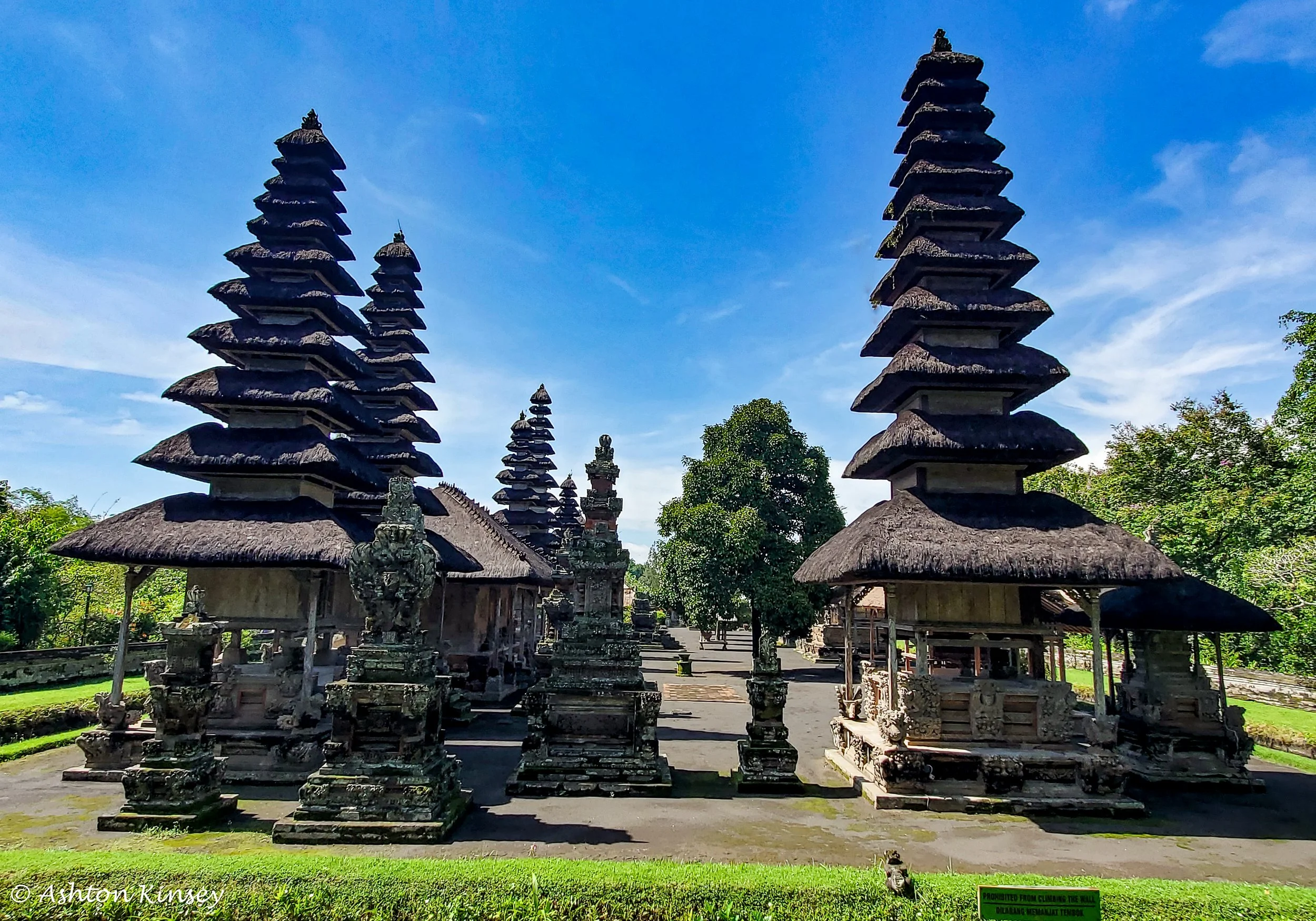
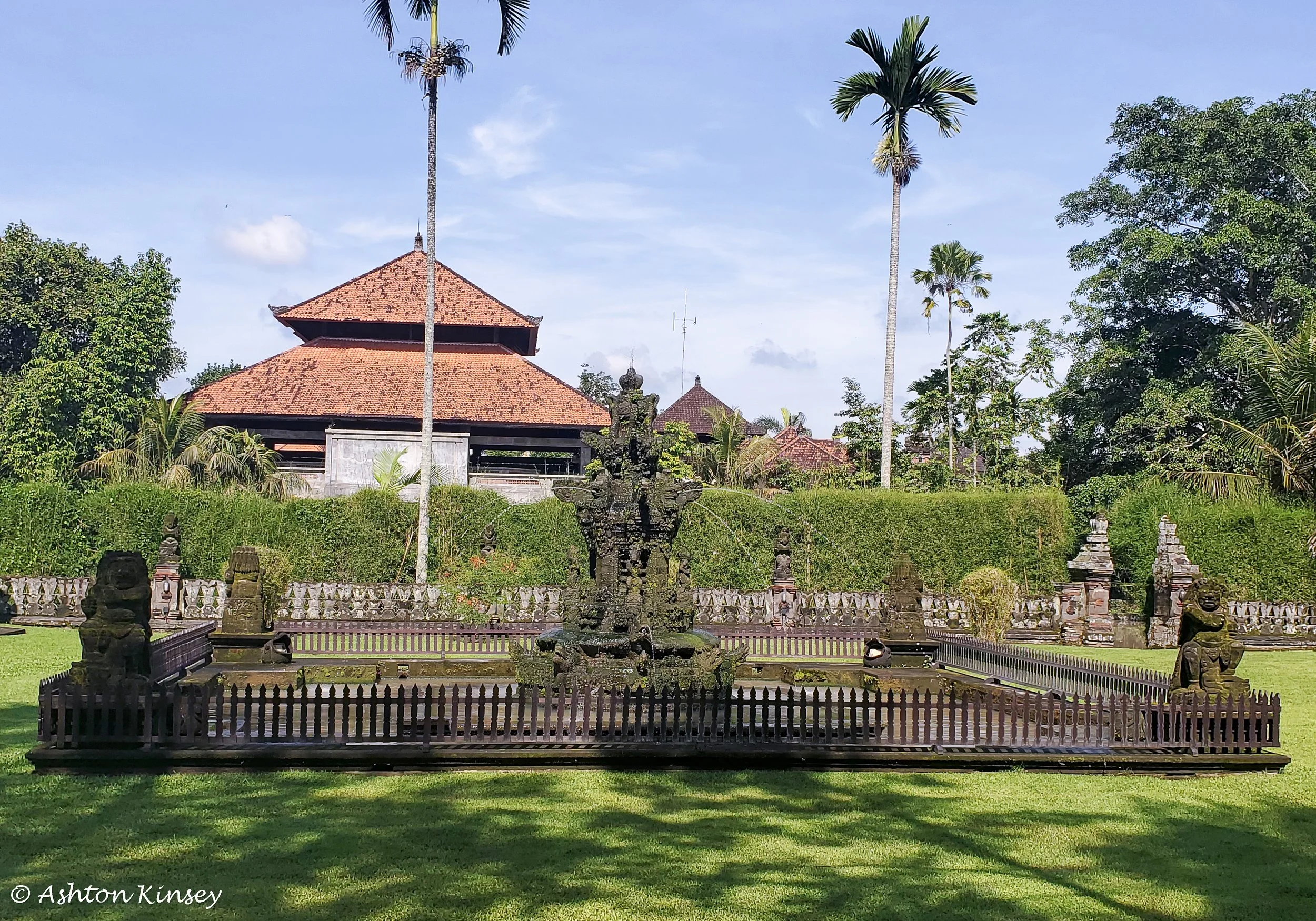
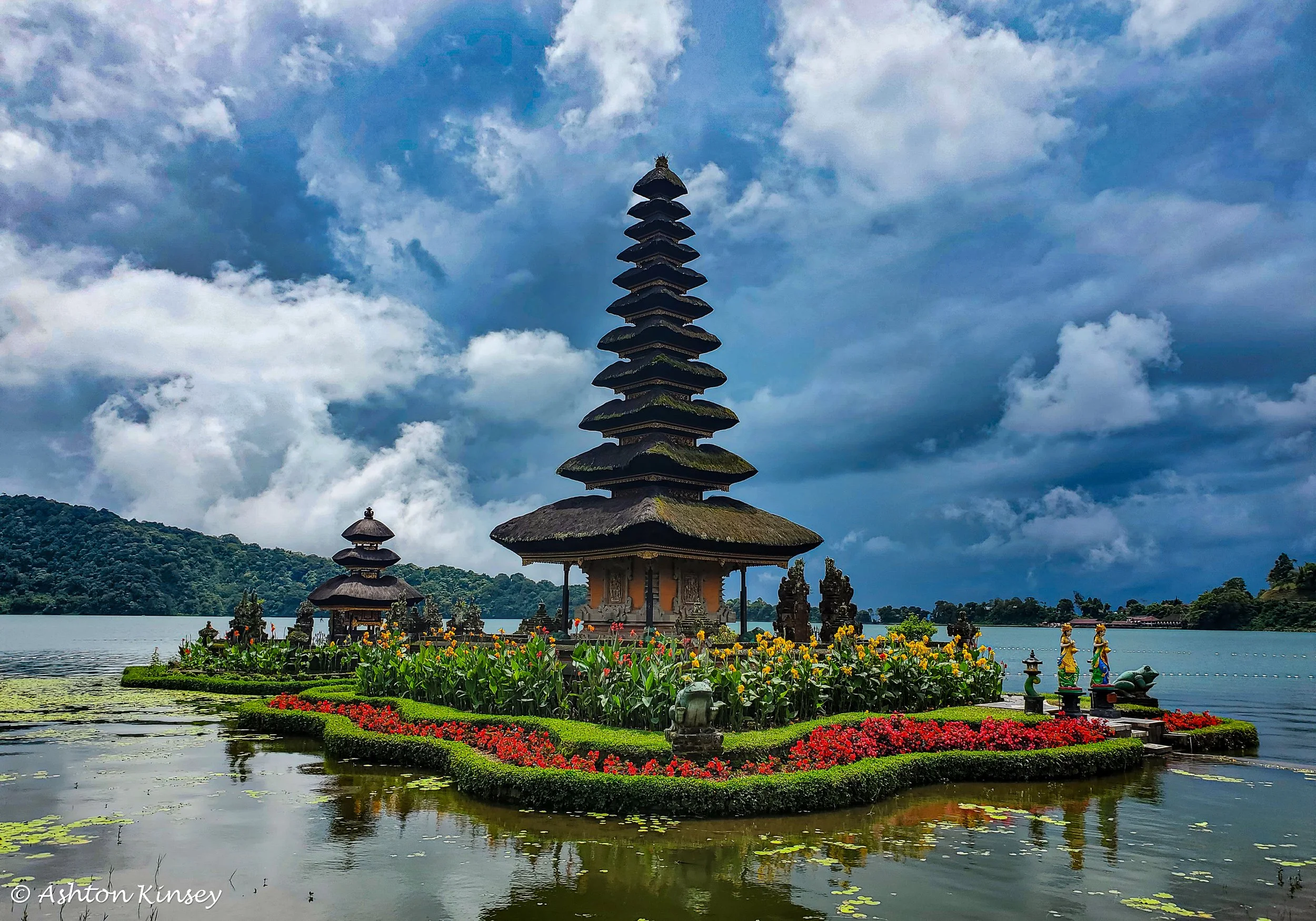
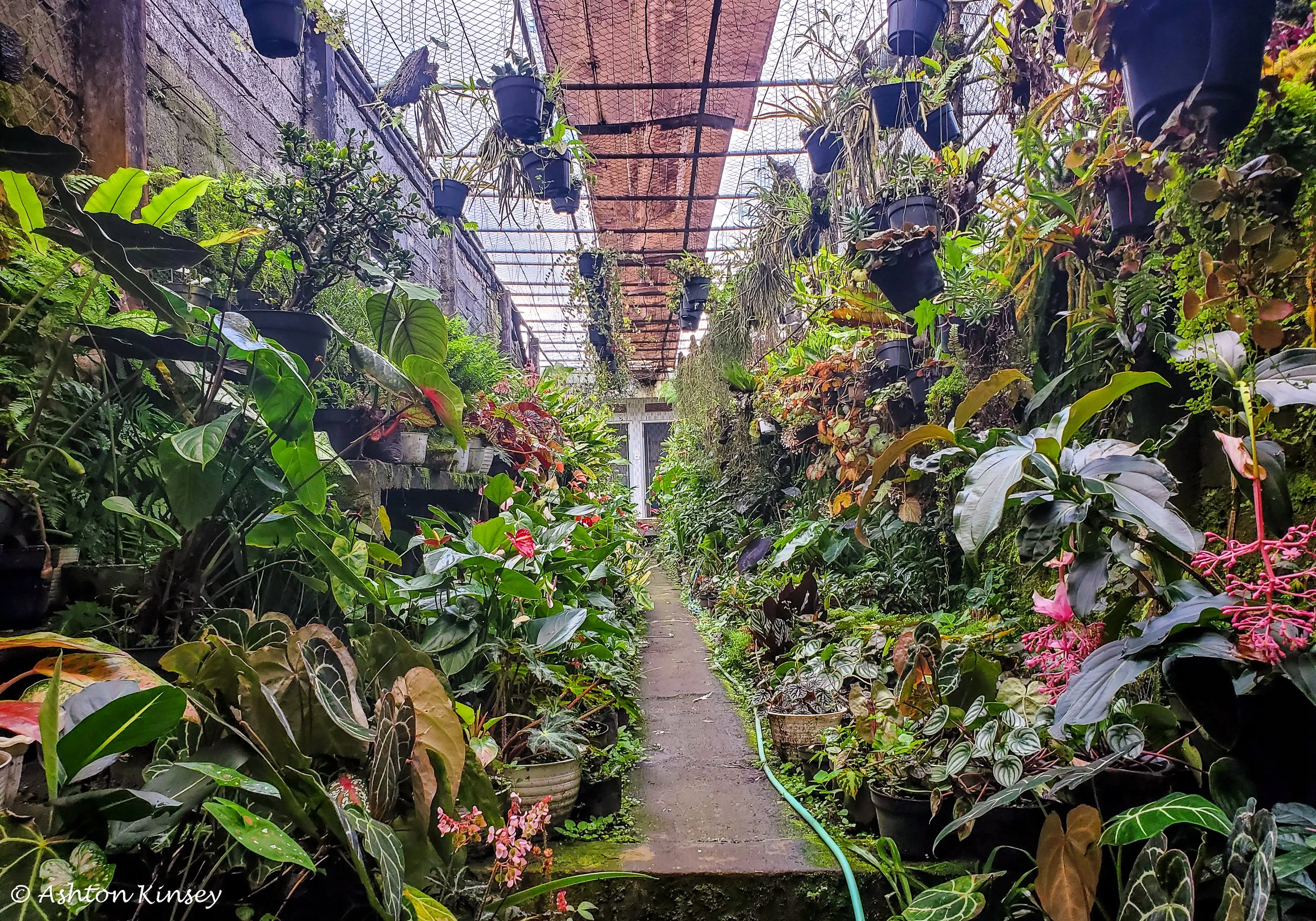
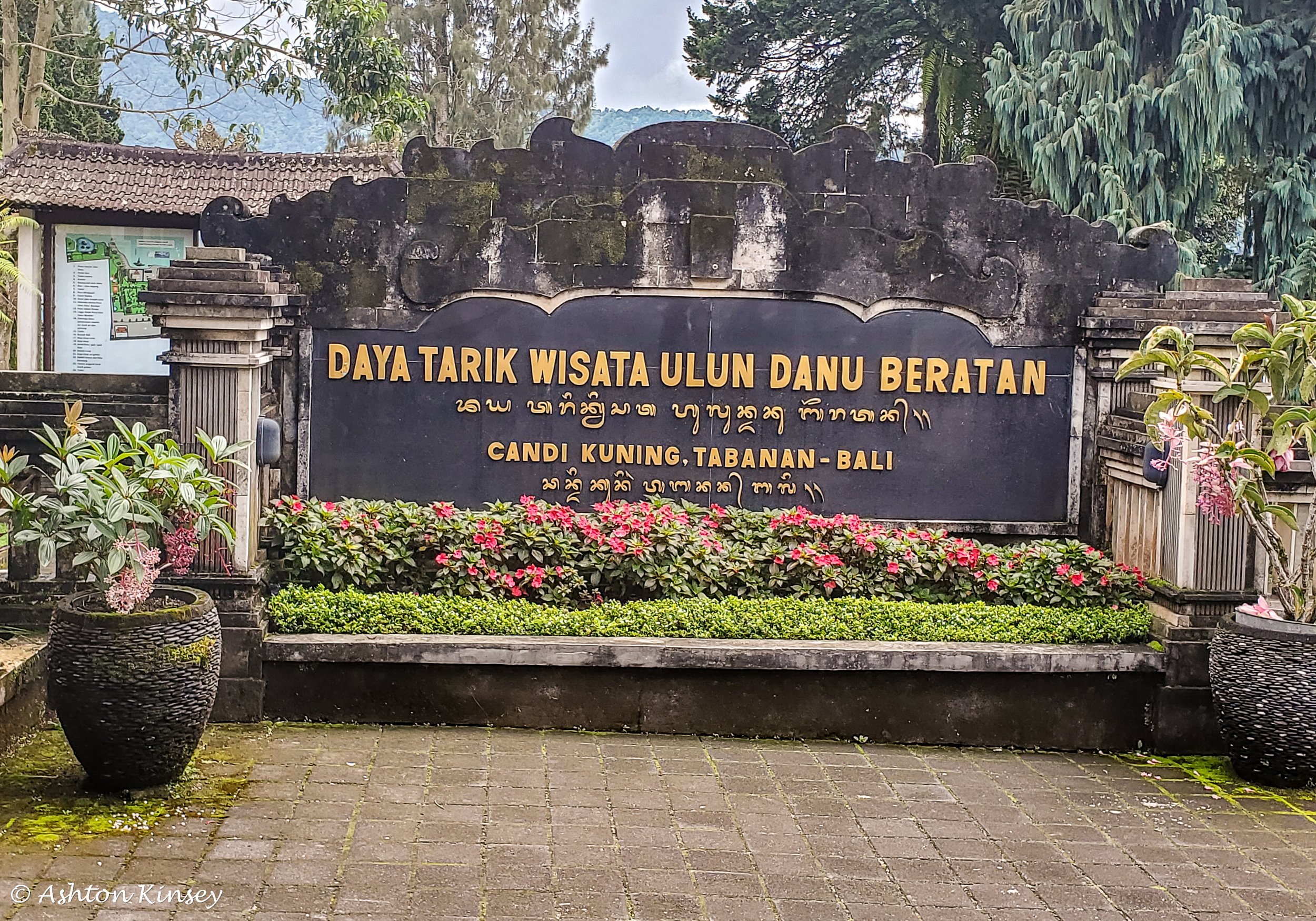
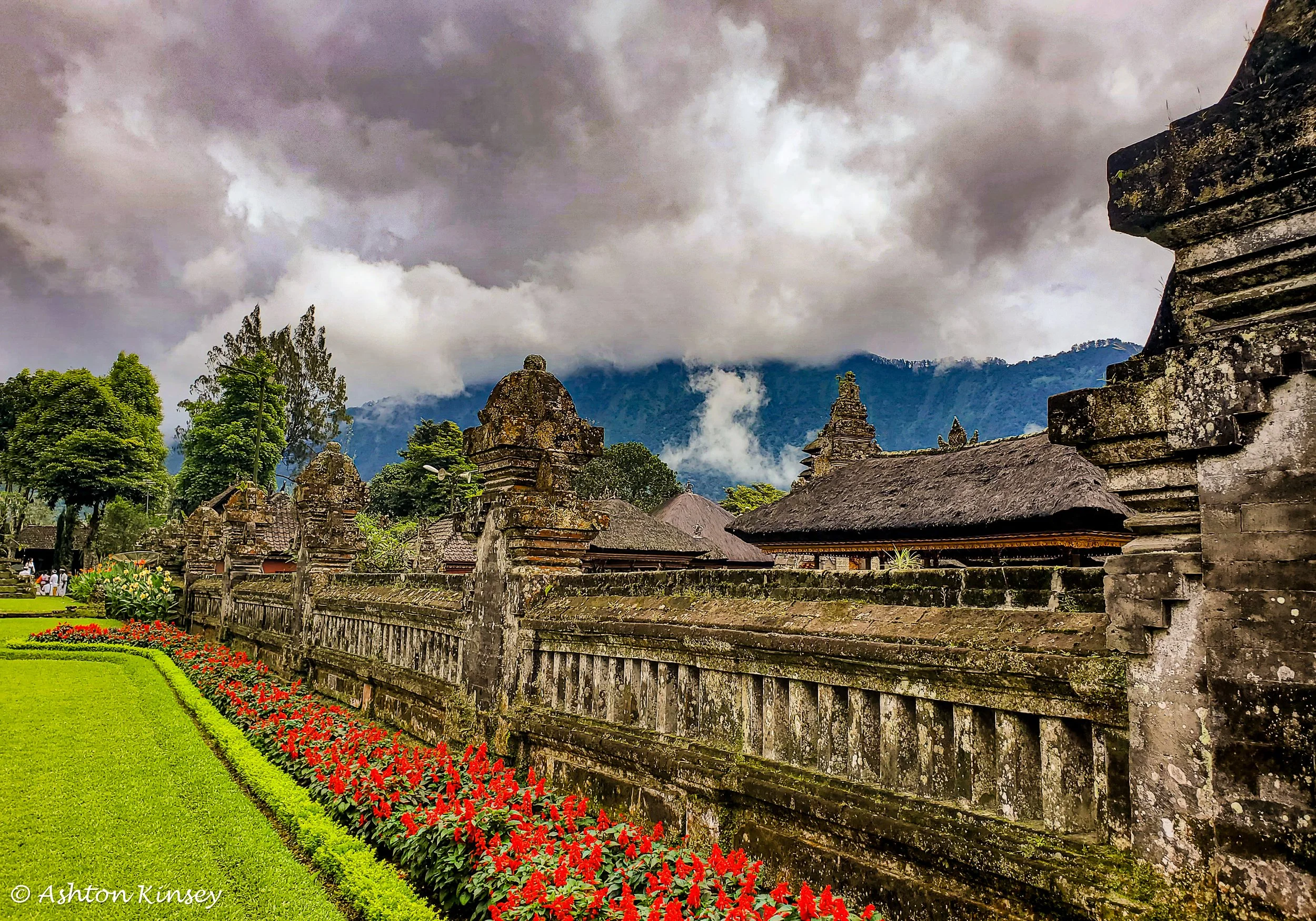
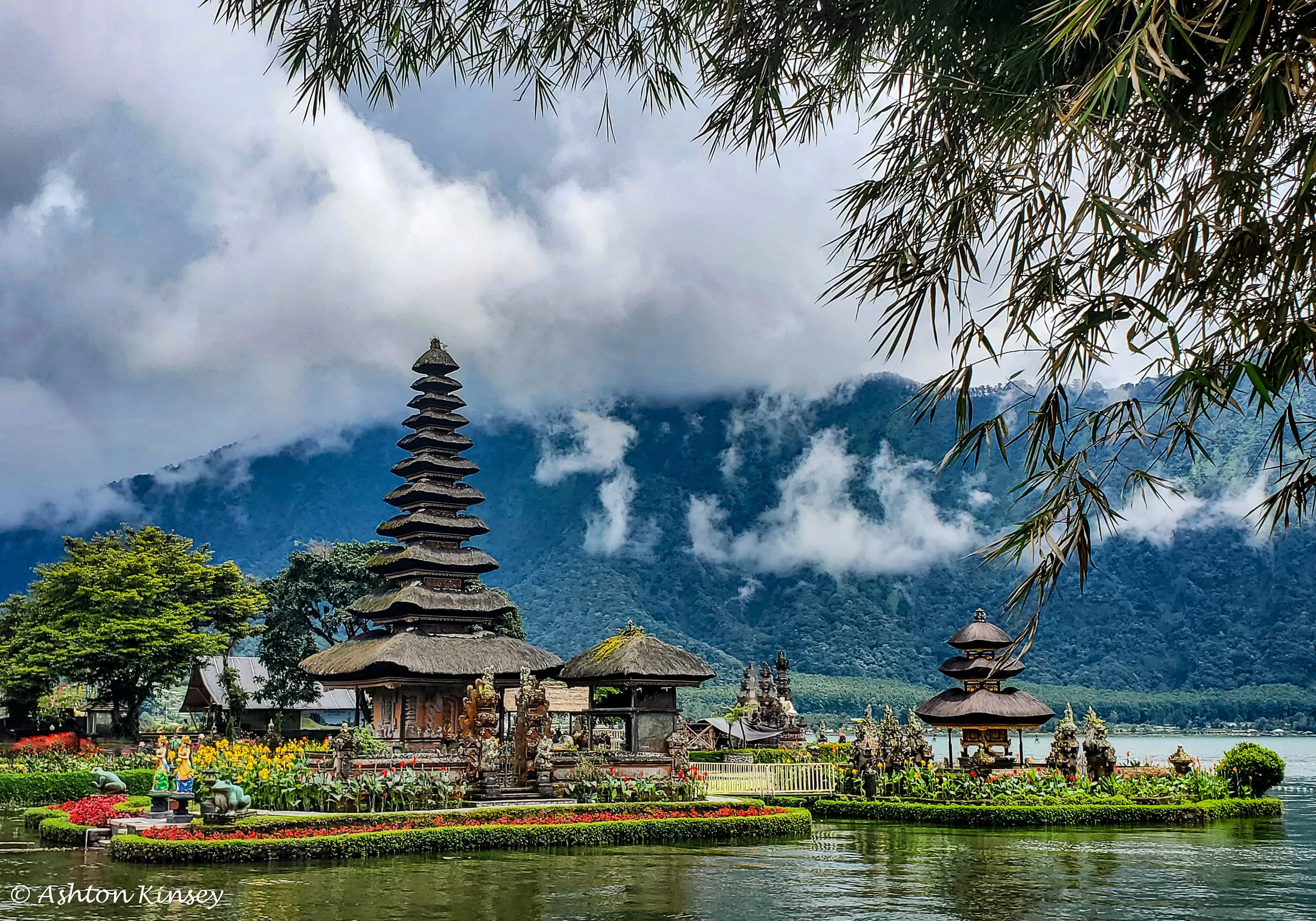
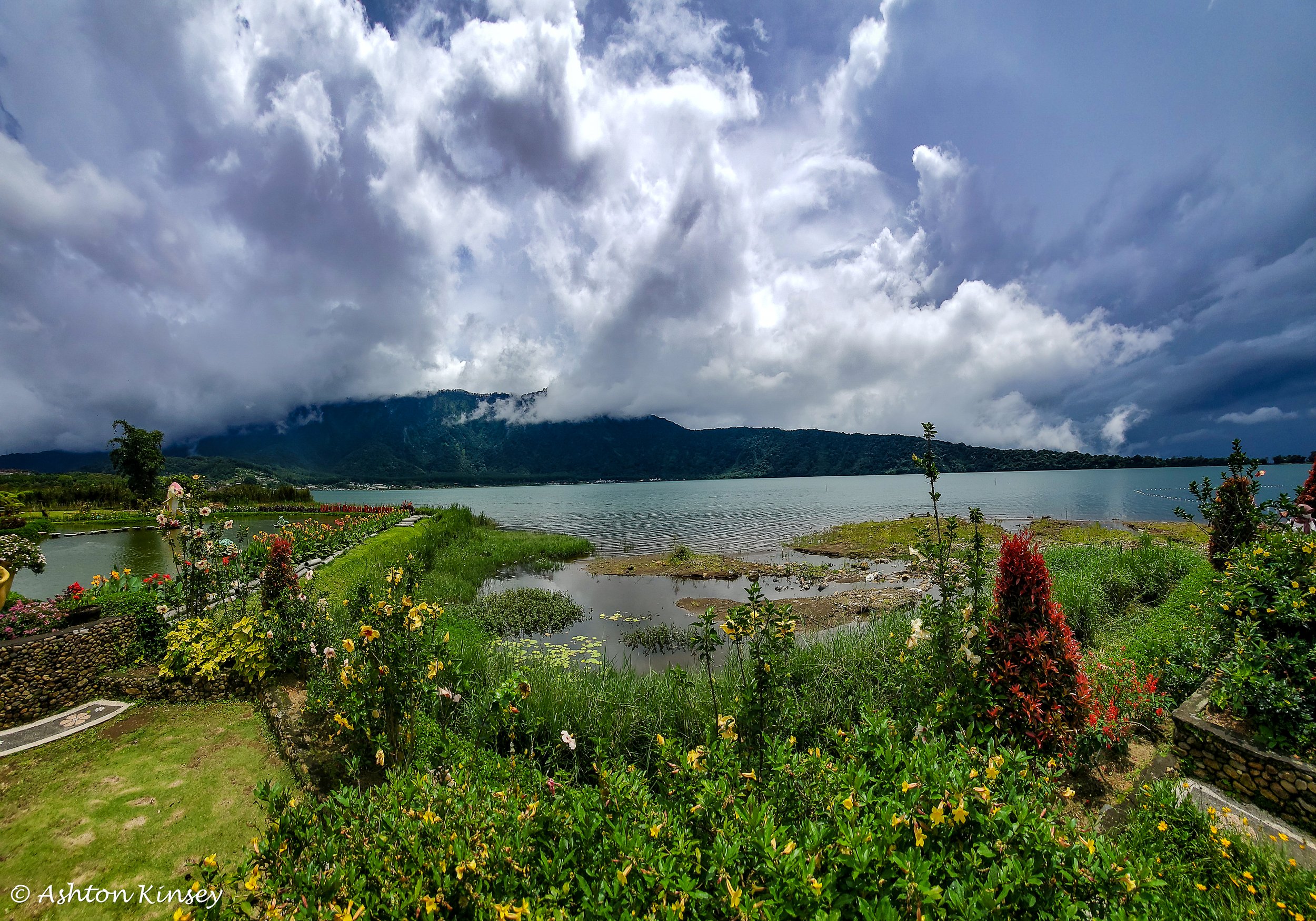
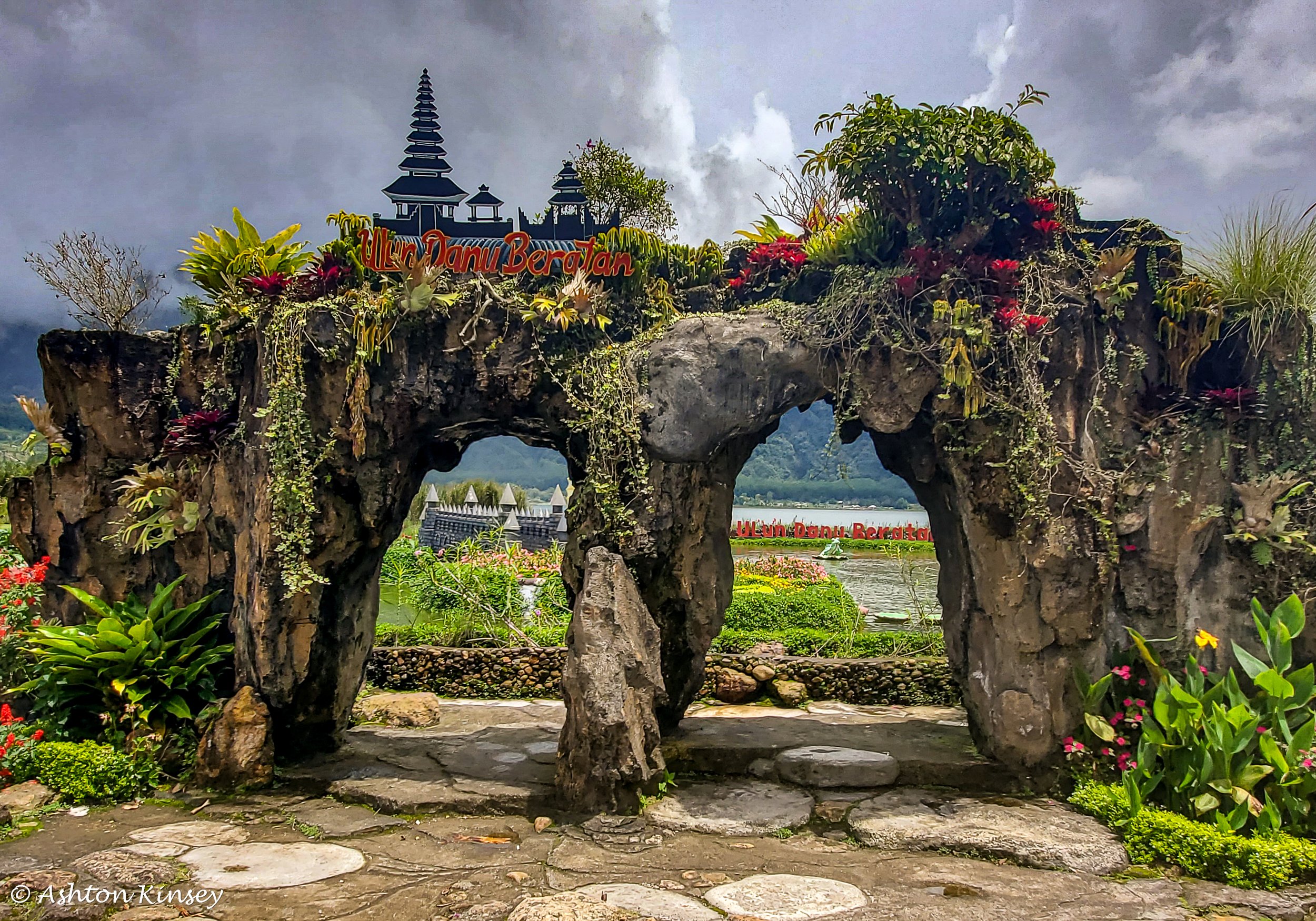
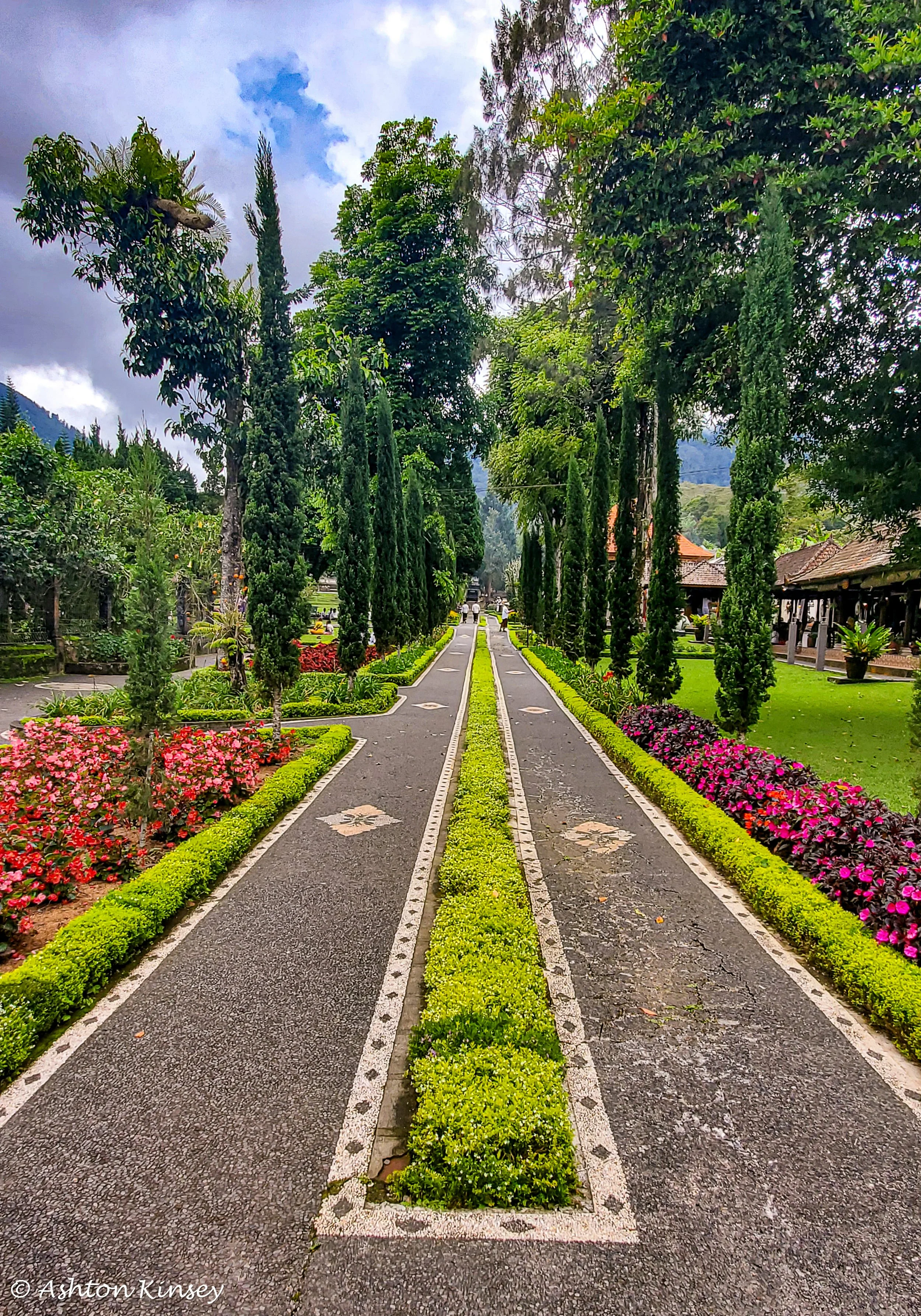
Sitting in a lake surrounded by mountains was the last temple that we visited. Ulun Danu Bratan, also known as the Floating Temple, is one of the six major Bali temples. It was constructed in the 17th century with similar layouts as the other temples in Bali. Around the grounds of the temple are several statues of animals, shrines for various gods, and a large 11 story thatched pelinggih meru dedicated to Shiva and Shiva’s consort Parvathi.
There is a Buddhist stupa of Beratan located on the grounds of the temple. Stupas are Buddhist places of worship and are not typically found near Hindu places of worship. The stupa signifies religious harmony and balance.
Git Git Waterfall
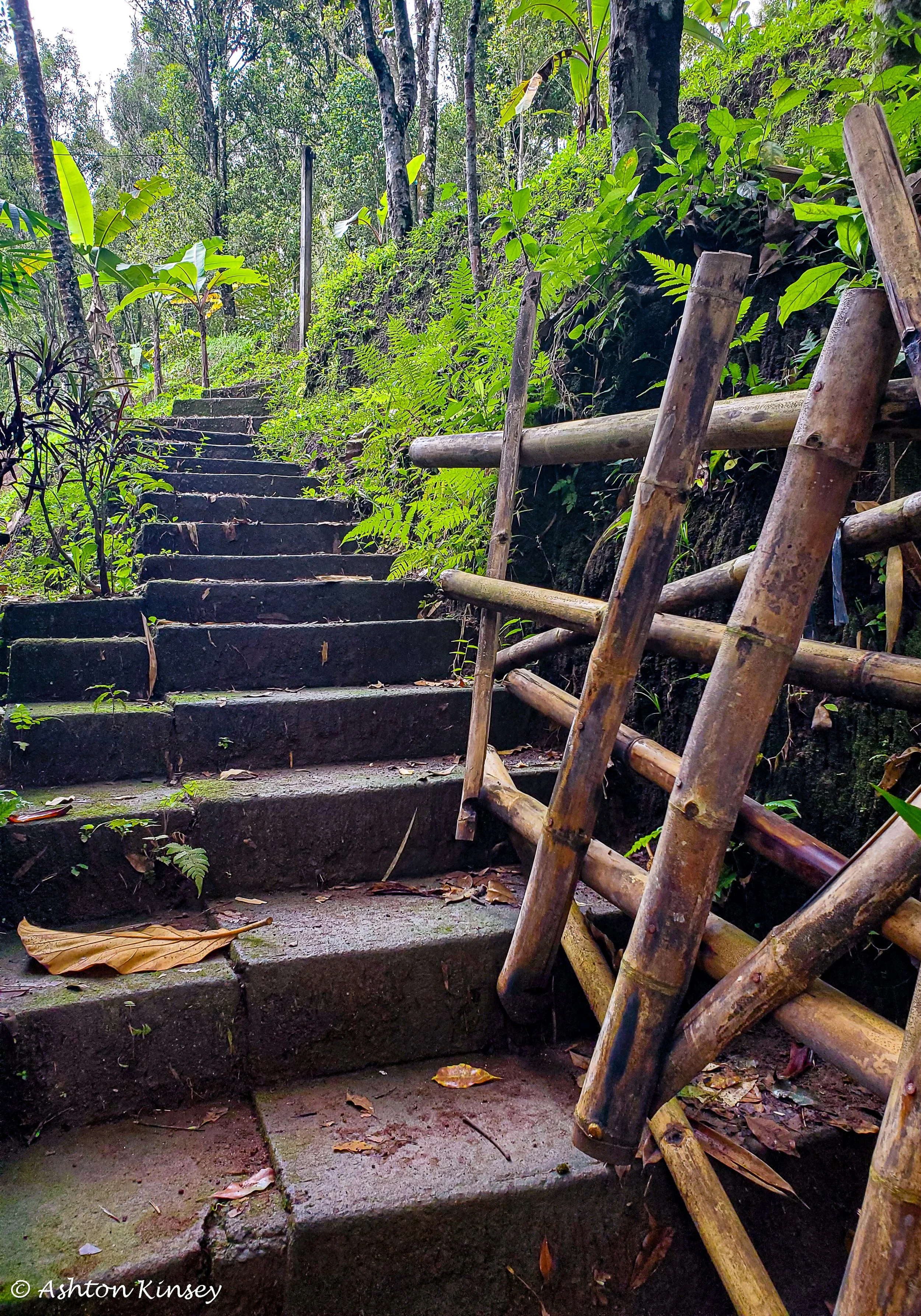
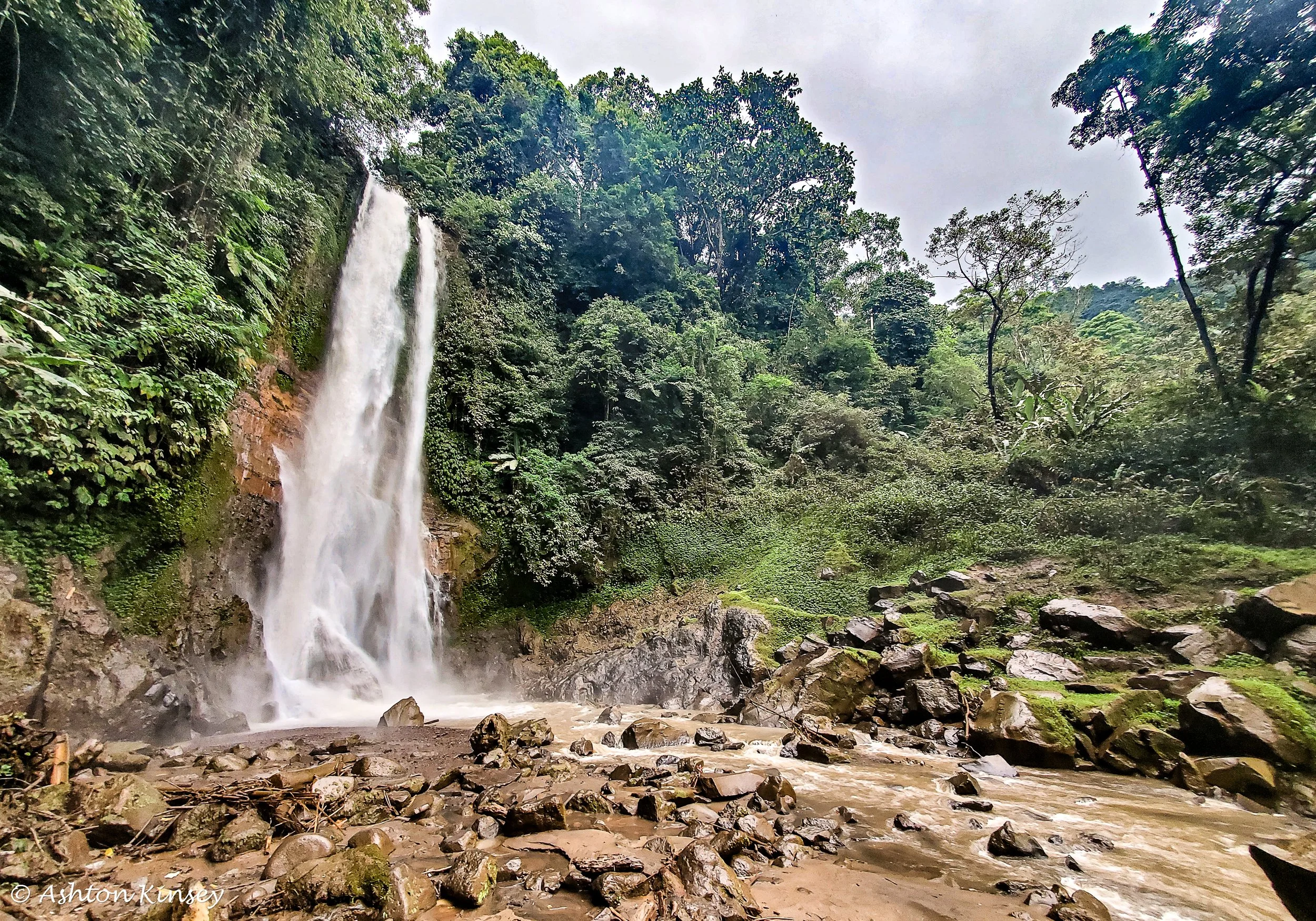
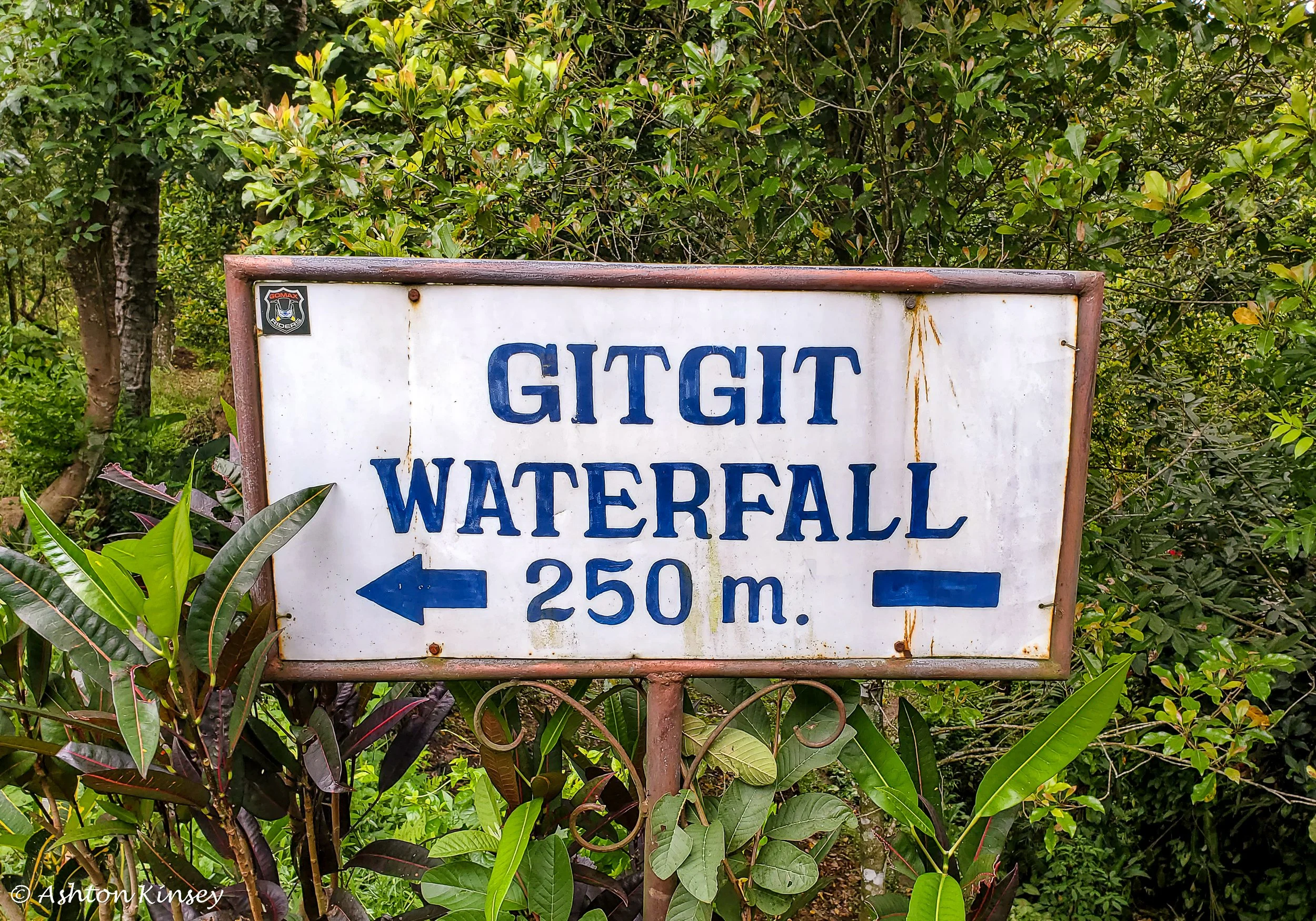
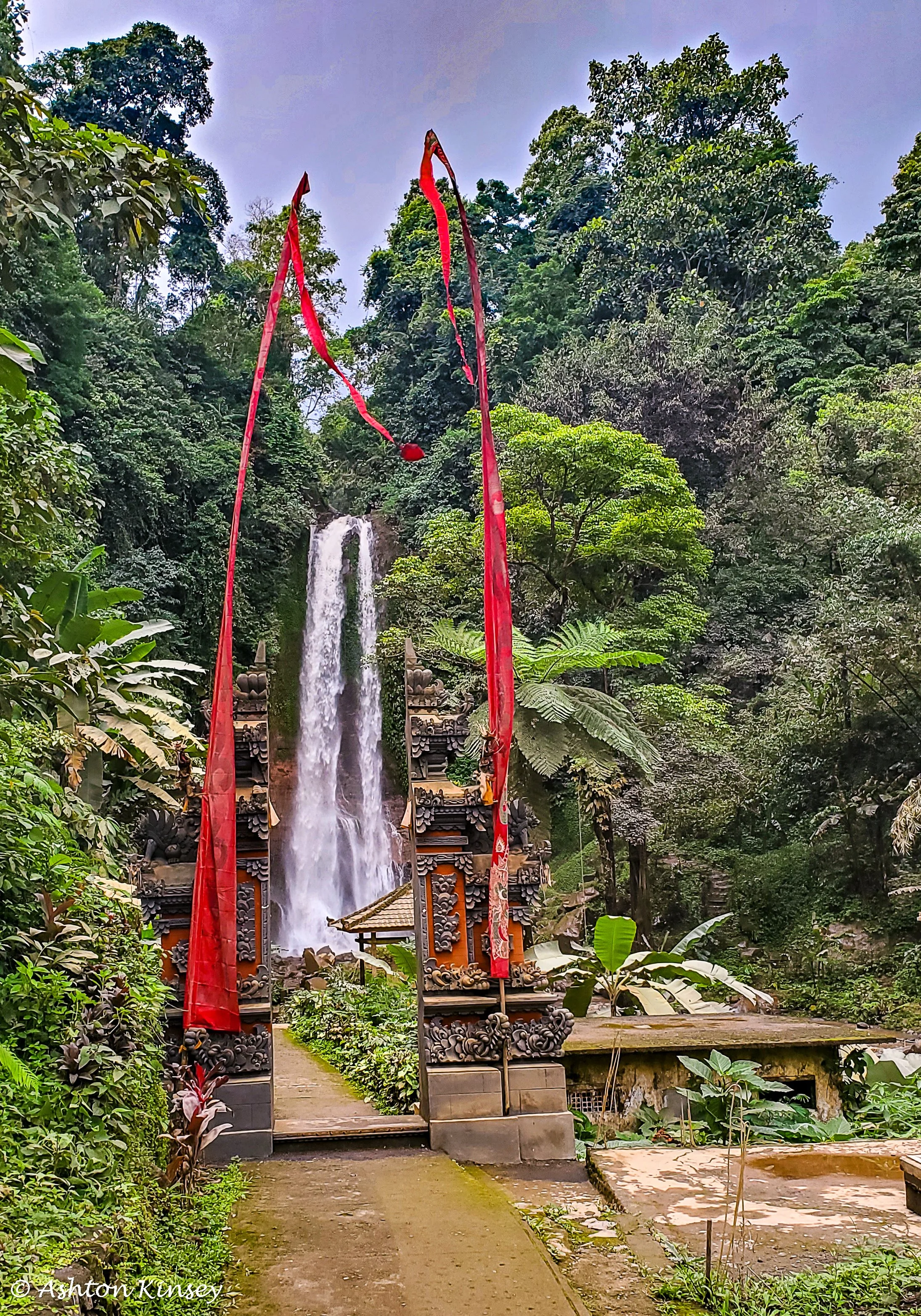
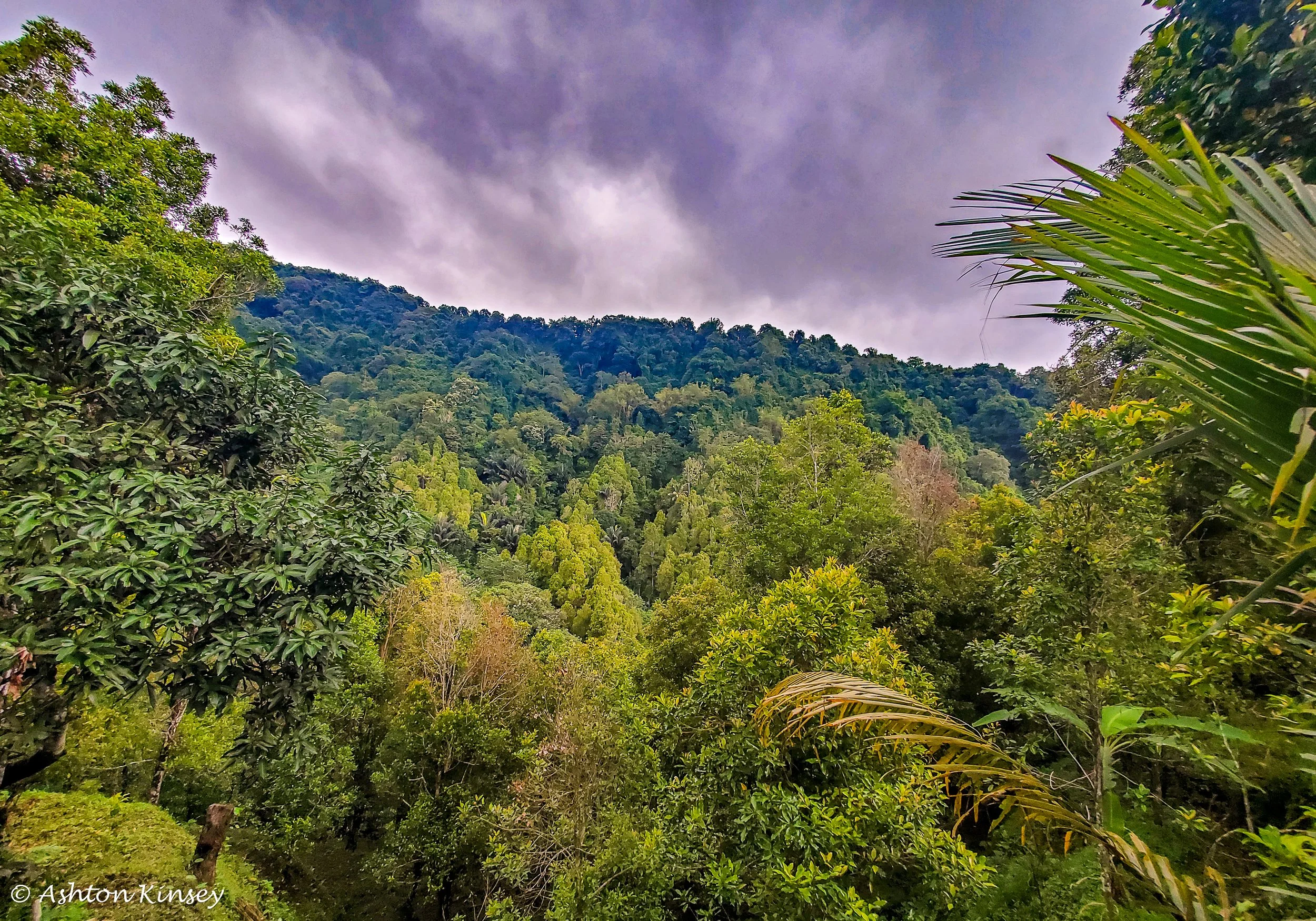
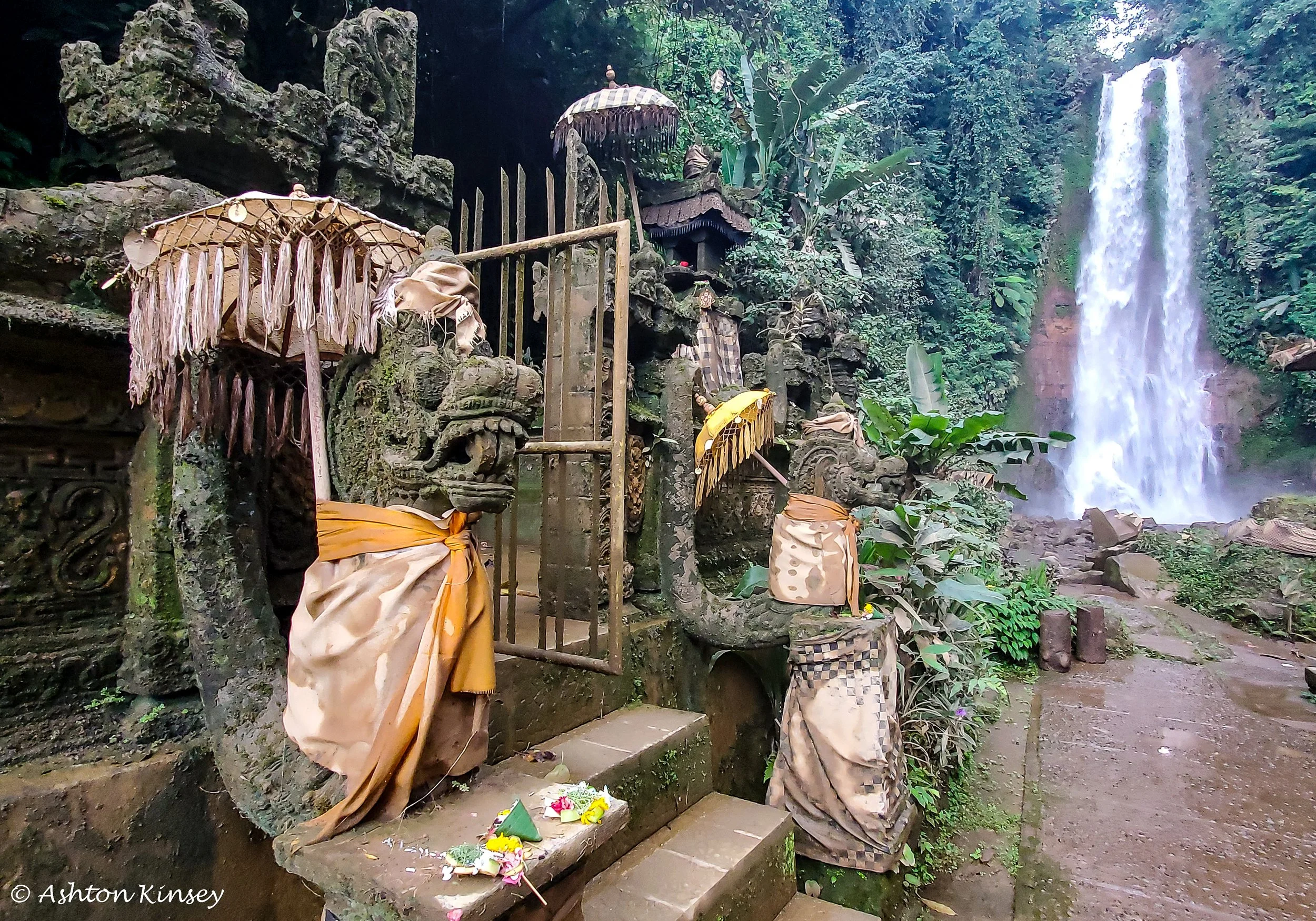
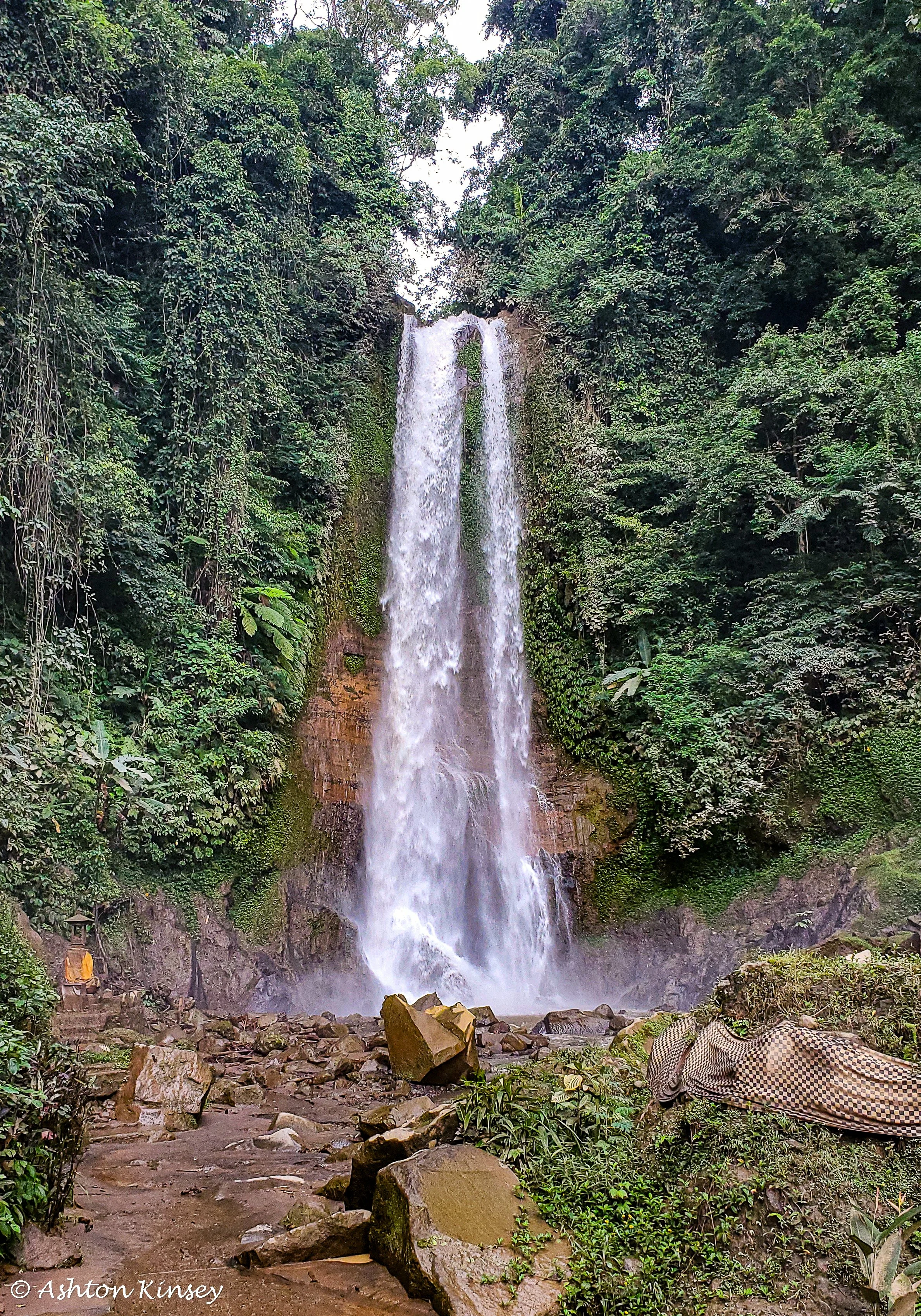
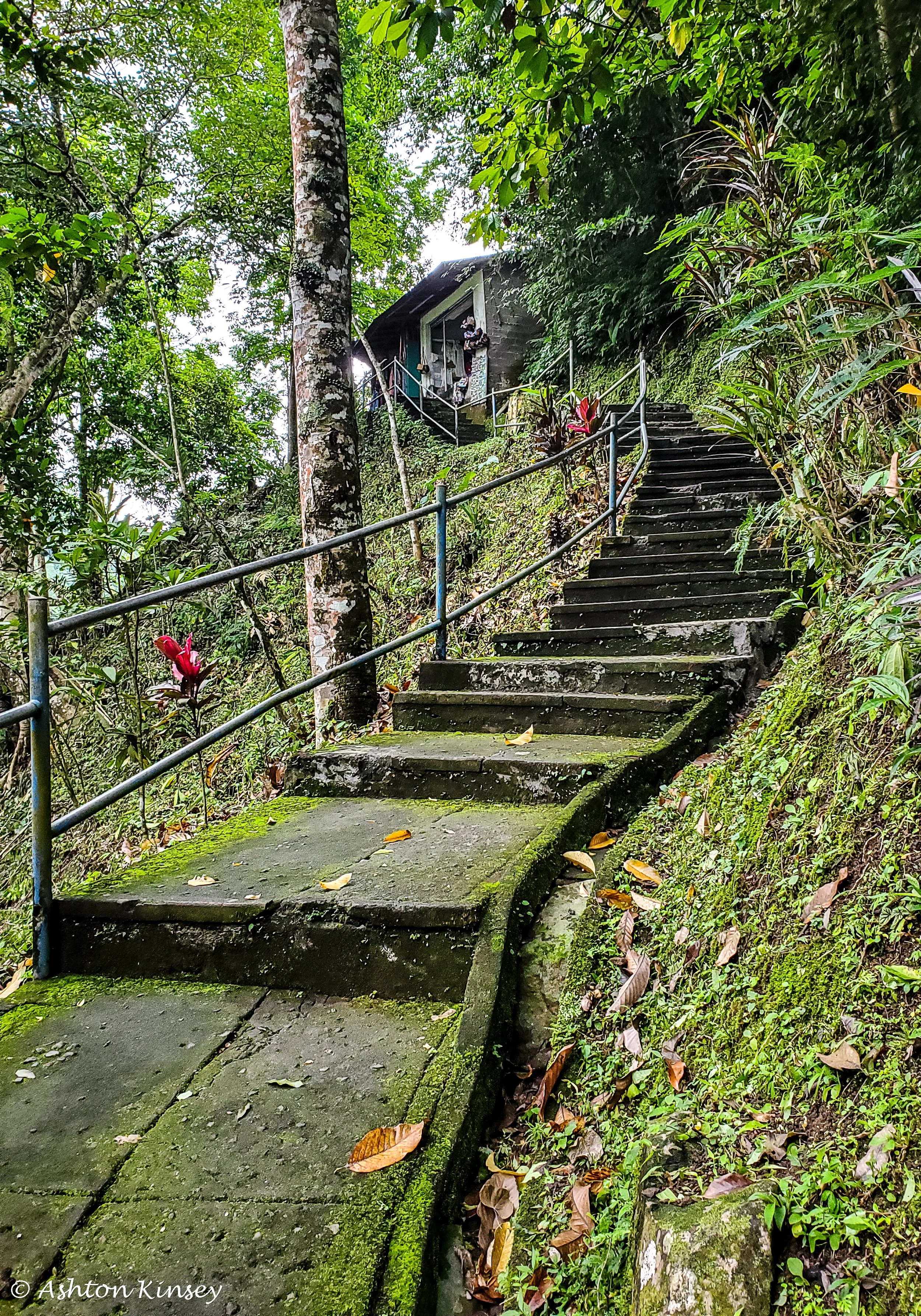
The last stop on our tour was a hike through the jungle full of clove trees and screaming insects. The path through the jungle is paved with some steps and lined with shops with homemade trinkets and chachkis. The waterfall is 115 feet tall and is one of the largest waterfalls in Bali, with two falls cascading down onto the rocks. The pools and falls are open, and there is a covered pavilion to hang out under if the weather turns bad.
We then made our way back to our hotel in Sanur for our last night in Bali. After some very creative packing and rearranging our belongings between the two of us, we were packed and ready to fly to Singapore the next morning for Pokémon Go Safari Zone!
Phase Five: Pokémon Go Safari Zone: Singapore
November 18-20th
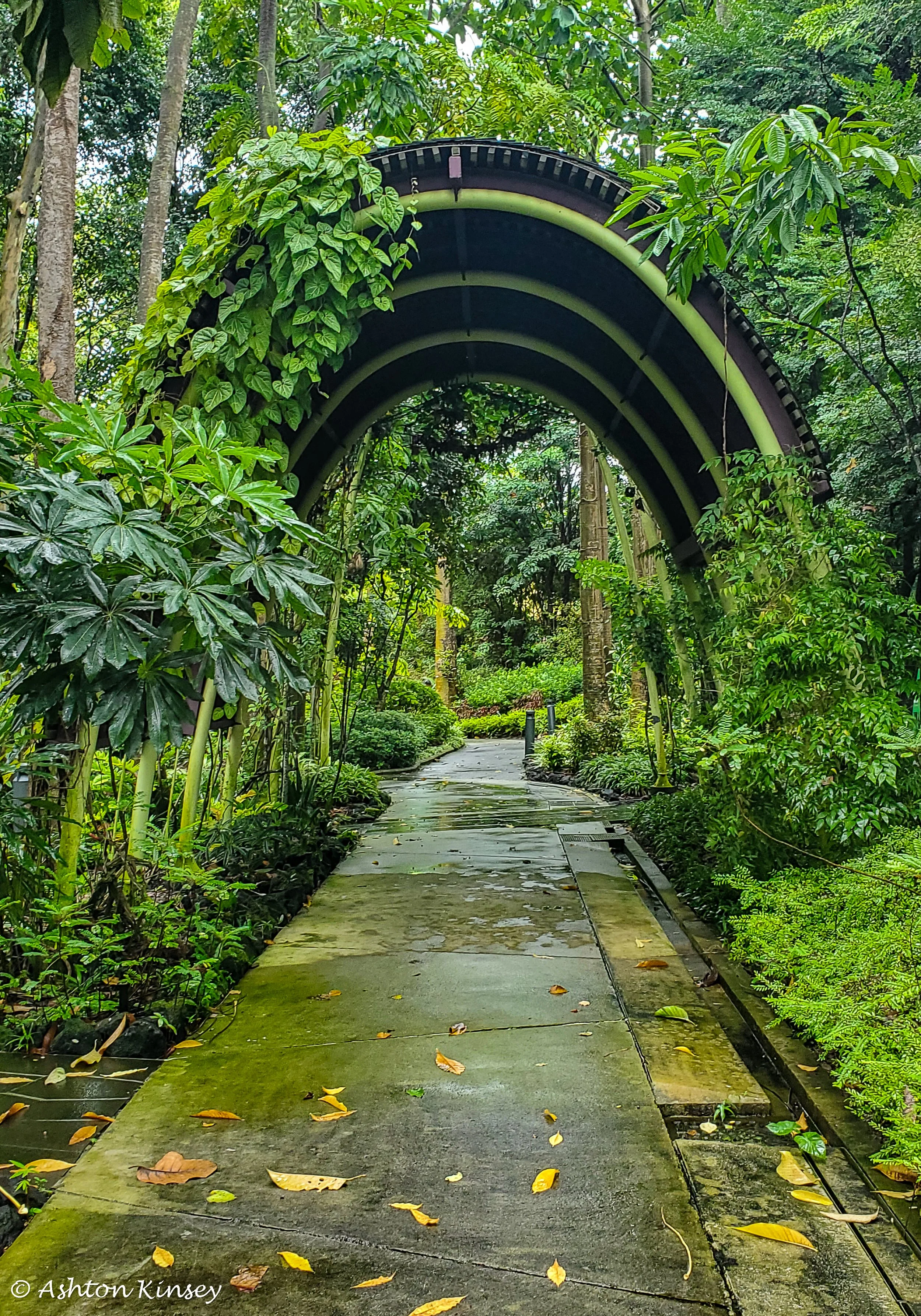
The flight to Singapore was short and uneventful. We quickly grabbed our bags and made our way to the hotel before we walked around and explored. The next day was cloudy and slightly drizzling, but we made our way to Gardens by the Bay, the event location.
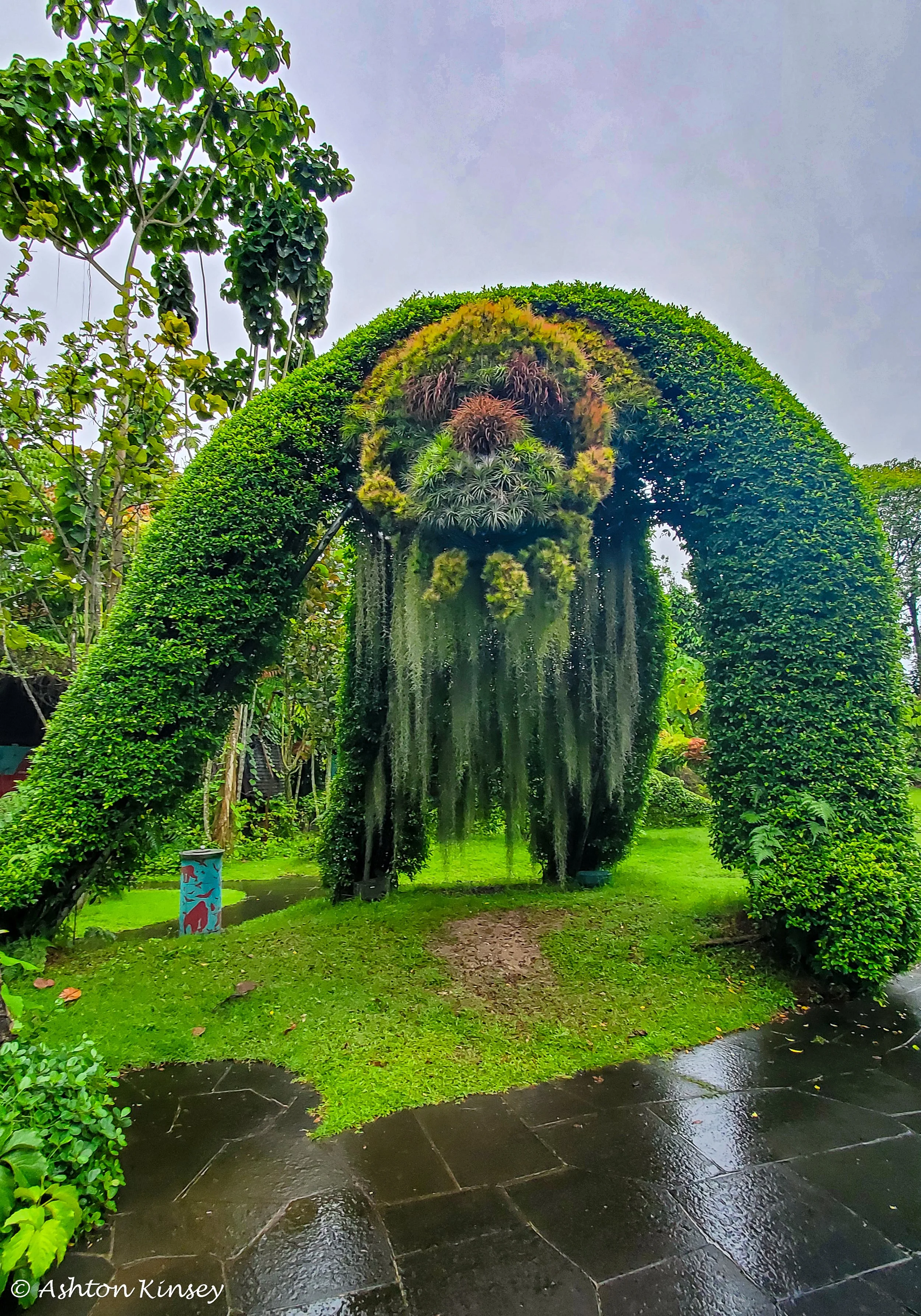
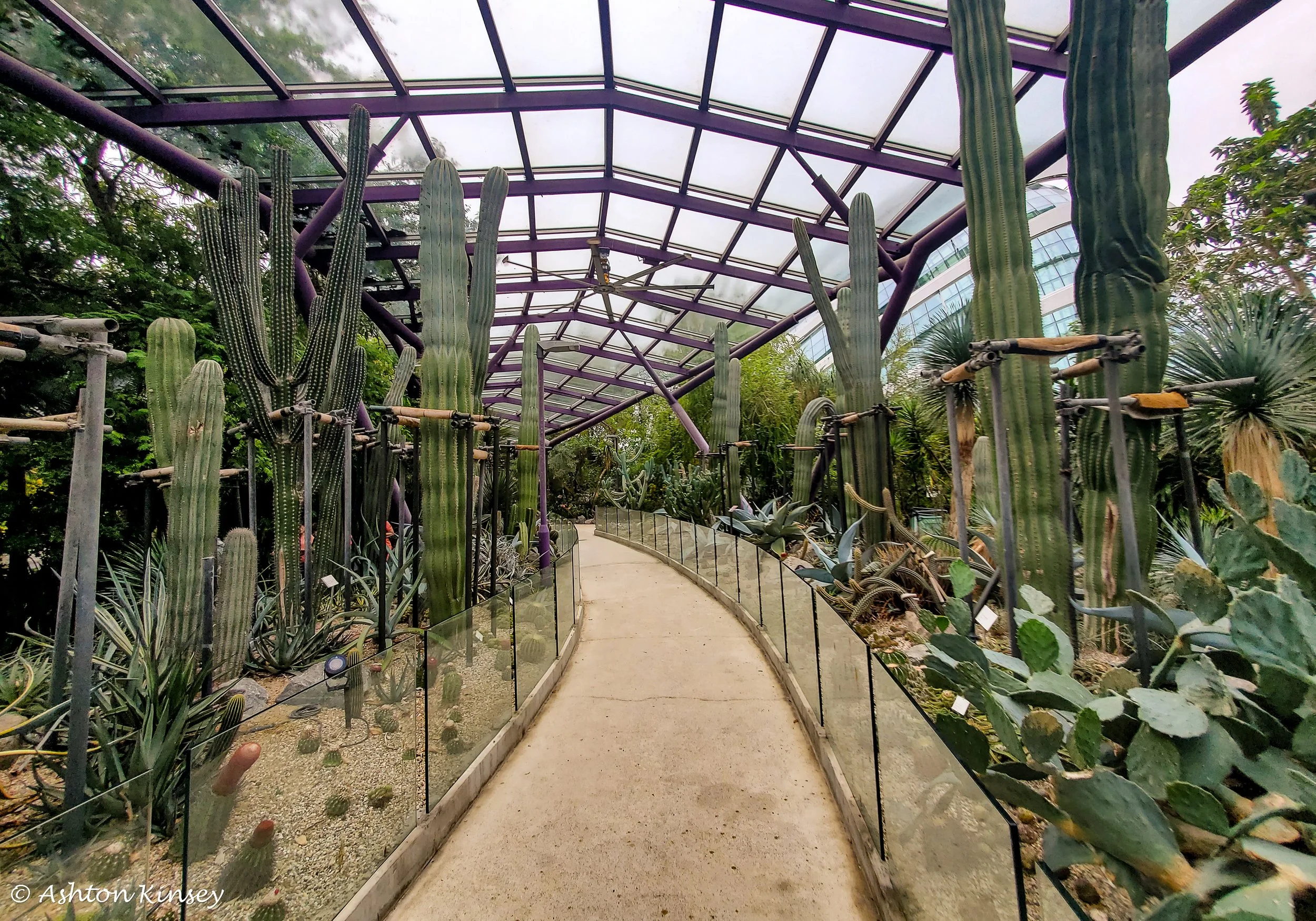
The Gardens by the Bay is a 250-acre nature park that was opened on June 29th, 2012. The goal of the park was to increase the quality of life in the city by adding more greenery and flora for visitors and the people living in the area. It consists of three waterfront gardens, one of which contains the Flower Dome. The Flower Dome, which is the largest green house in the world. The park has rotating themes and displays depending on the time of year and the exhibit, often hosting large orchid displays.
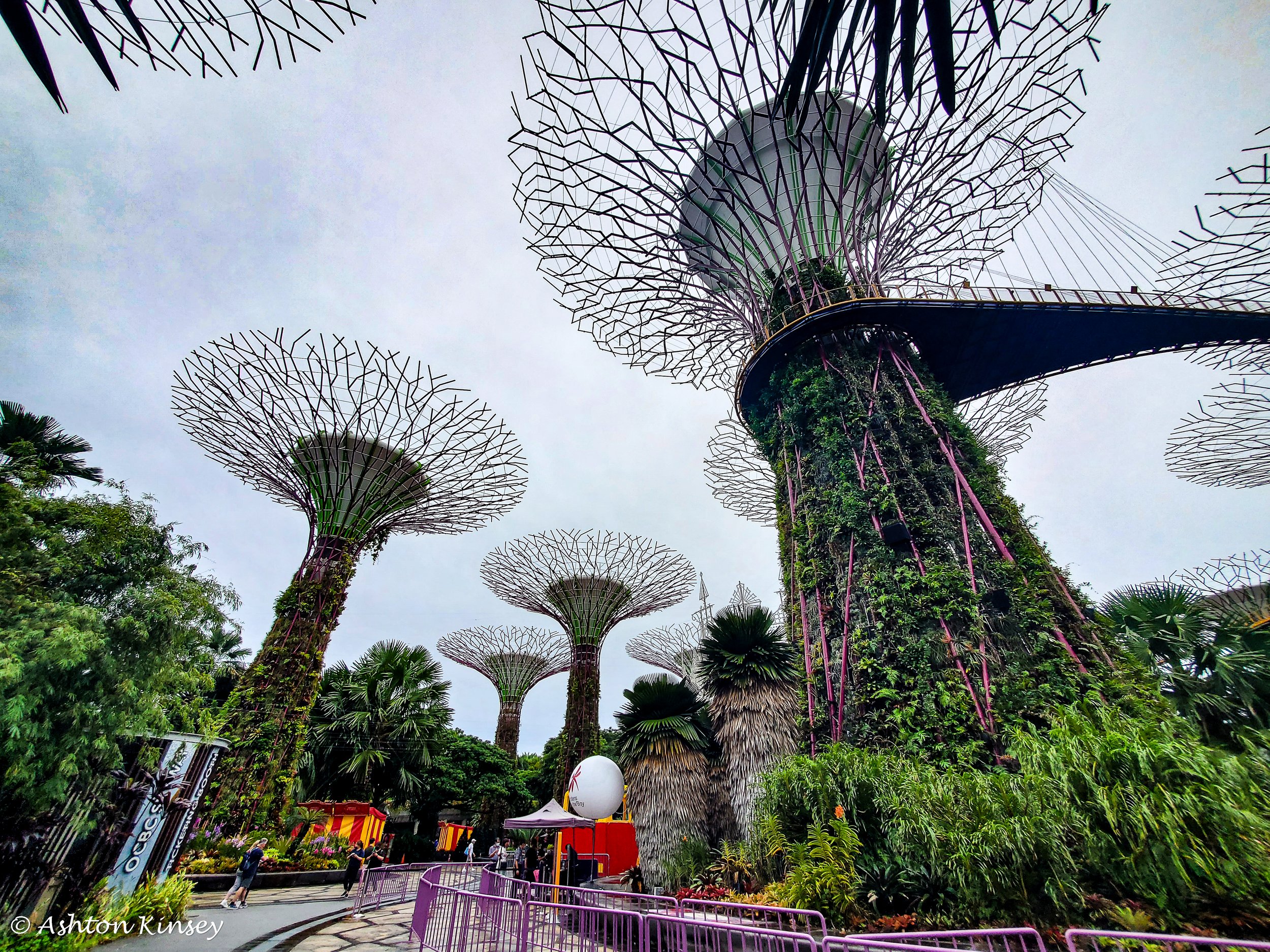
In the center of the park is the supertree grove. The grove consists of 18 tree-like structures that range from 82 to 160 feet, with walkways connecting the largest together and an observation deck to get a panoramic view of the gardens. The "trees" are functional as both vertical gardens and mechanical engines, having been fitted with solar panels that are used to help power the park. The trees also help collect rainwater that is used to water the gardens and run the fountains in the water features.
Once we were done catching all the Pokémon around the gardens, we headed back to the hotel for dinner and to crash before I had to catch an early flight to Manila. The trip to Singapore was a very quick 38-hour layover, which combined with the two days of land tours was a nice break from diving before going on to the final phase of this adventure. A week of diving at Scandi Divers, located in Puerta Galera, Philippines.