Galápagos Master
November 25th – December 8th, 2023
Guide Lead: Carlos & Geoffry
Buddy: Partial Friend: Allie Bugajski
30.5 Dives; 25 Hours 37 Minutes
It was a dark and stormy night, (Allie here: I’d like the record to show it was summer in Chicago which I’m sure was very delightful weather and not at all as drastic as Ashton is currently making it out to be, but I’ll let him carry on for dramatic effect), the lake fraught with crashing waves and churning waters when there was a “DING”, and the post was delivered. Out of the darkness came an email. “GIVE US ALL YOUR MONEY! Huge Discount! Galapagos Liveaboard! Sign up now!” With the excitement of a small child the email was forward off to multiple prospective individuals. Images of whale sharks and walls of hammerheads danced like sugar plum fairies…until the responses came in. “I’d love to, but…” and similar styled responses. One final candidate was on the table, the most unlikely candidate of all (Allie: Ok rude. How was I the MOST unlikely candidate?) [Because of our, even now, questionable friend status?]. A message was sent out, and a very lackluster “I guess” was received back (Allie: That part is true and unembellished). While the prospect of spending a week together in a small space on a boat together didn’t immediately cause them to want to leap for joy (Allie: NO IDEA WHY), it was the best response that was received so far.
After some discussion (Allie: Read as, multiple attempts by Ashton to convince me this was a good idea)[Multiple attempts? No! It was very much a “hey wanna do this?” Sure, sounds great, let's go!] and back and forth a booking request was sent off to the company requesting a single room for a seven-night liveaboard throughout the Galapagos. Excitement abounds, work approval granted, the sky cleared, and the sun was shining down (Allie: *sighs resignedly* Truth. Once we sent the booking off, it became very exciting). As the birds were chirping another “Ding” as the other shoe dropped, we were informed that the trip was sold out and our reservations were canceled. However! For only a “nominal” increase of price, there is another trip that has some space, but it was not on sale and does not fall under the same dates as the previous trip. Resigning that this trip was not meant to be, we moved on with life and went back to the slog of work.
During one of the weekly meetings at work, the trip that was not meant to be was brought up. After an explanation that the trip was no longer happening mostly due to dates and time off a simple response of “Just do it. It’s the freakin’ Galapagos, the office can manage without you for a few extra days.” Back to the travel agency to try and find something that wouldn’t break the bank but still be worth the time on the boat. A plan was set, a conversation was had, and a text was sent saying “Drinks tonight?”
That evening, after a half a pitcher of sangria had been consumed, it was off handedly mentioned that if they were still interested, there were two beds booked on a ten-day liveaboard leaving the Saturday after Thanksgiving and we had 24 hours to cancel without penalty. (Allie: I would like to submit for the record my side of this night. First of all, after the initial booking and subsequent cancellation, that was the last I had heard. I had NO IDEA Ashton was going back and forth with the travel company again looking for another option. That day, he told me he *just so happened* to be cat sitting for a friend in my neighborhood and so it would be very convenient to meet up for a drink. We agreed on a place nearby for a cocktail. We then decided to move locations for said sangria. After getting me tipsy with a fancy cocktail and half a pitcher of sangria [She suggested a 2nd location and sangria, not me!], Ashton just CASUALLY and OFF HANDEDLY brings up the fact that he has found a liveaboard with a cabin available on similar dates over 7 days. It was within our budget and time we thought we could request off work. As we neared the bottom of the pitcher though, that 7 days turned into f*ck it, let’s just go for the 10 and we’ll figure it out. The once in a lifetime Galapagos trip was a go)[Until we go back because spoilers, we didn’t see the swimming iguanas or the Mola Mola.]
Both parties were on board, with only a few minor tasks needing to be completed before the travel day (Allie: Hold on, hold on, hold on. Let me add some clarity to the “minor tasks” here. I knew my passport was going to expire soon and would need to renew it before the trip. So, LITERALLY that same night, we looked up at the current estimated wait times for getting a passport and calculated I would need to submit the application BY THE NEXT DAY to get it in time. [This would have been less of an issue if SOMEONE wasn't also getting ready to galivant off to Mexico for several months for who knows why.] We finish the sangria and run down the street to Walgreens for a passport photo. But of course, I’m wearing a white shirt, and they can’t take my photo against the white background. Oh, but guess who has an extra shirt in his bag? [This was purely a coincidence! Also you should always be prepared!] I throw on Ashton’s red t-shirt, successfully get the passport photo [By a very unenthused Walgreens employee at…11pm?], run back to my apartment, fill out the application, and then rush to the post office the next day to drop it in the mail with fingers crossed it would arrive in time. So yeah, just a MINOR TASK to be able to leave the country.) [Again, this is largely due to you already having a trip to Mexico for a few months.]
The trip was booked, and the annual Thanksgiving trip was back on the books.
Club One: San Cristobal
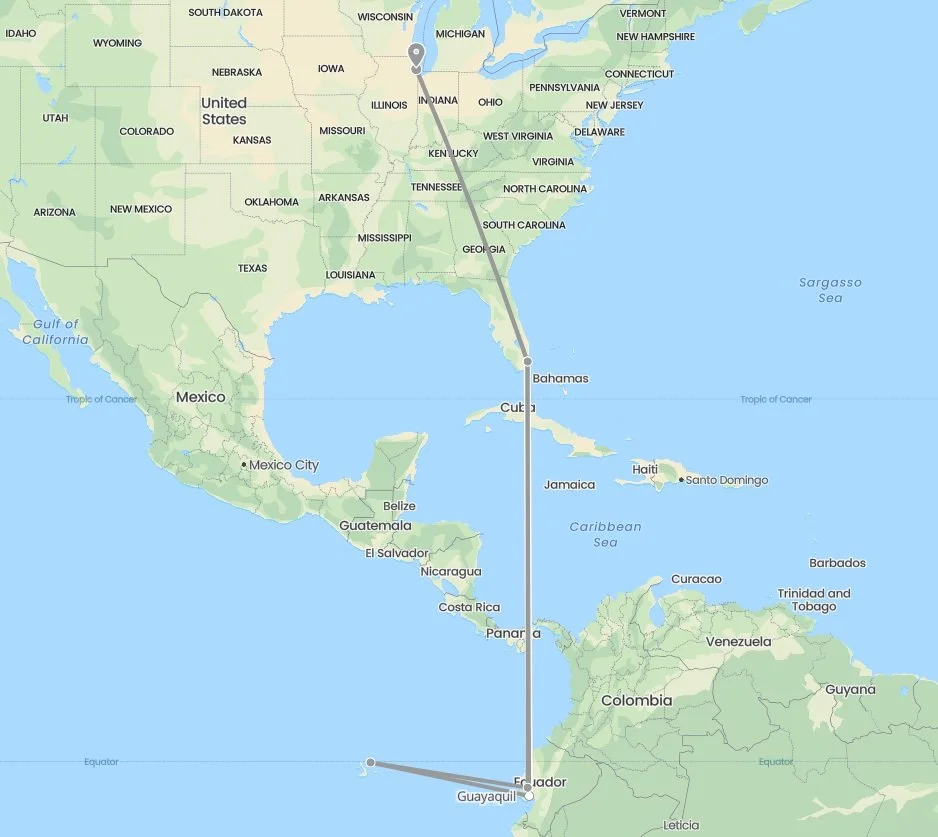
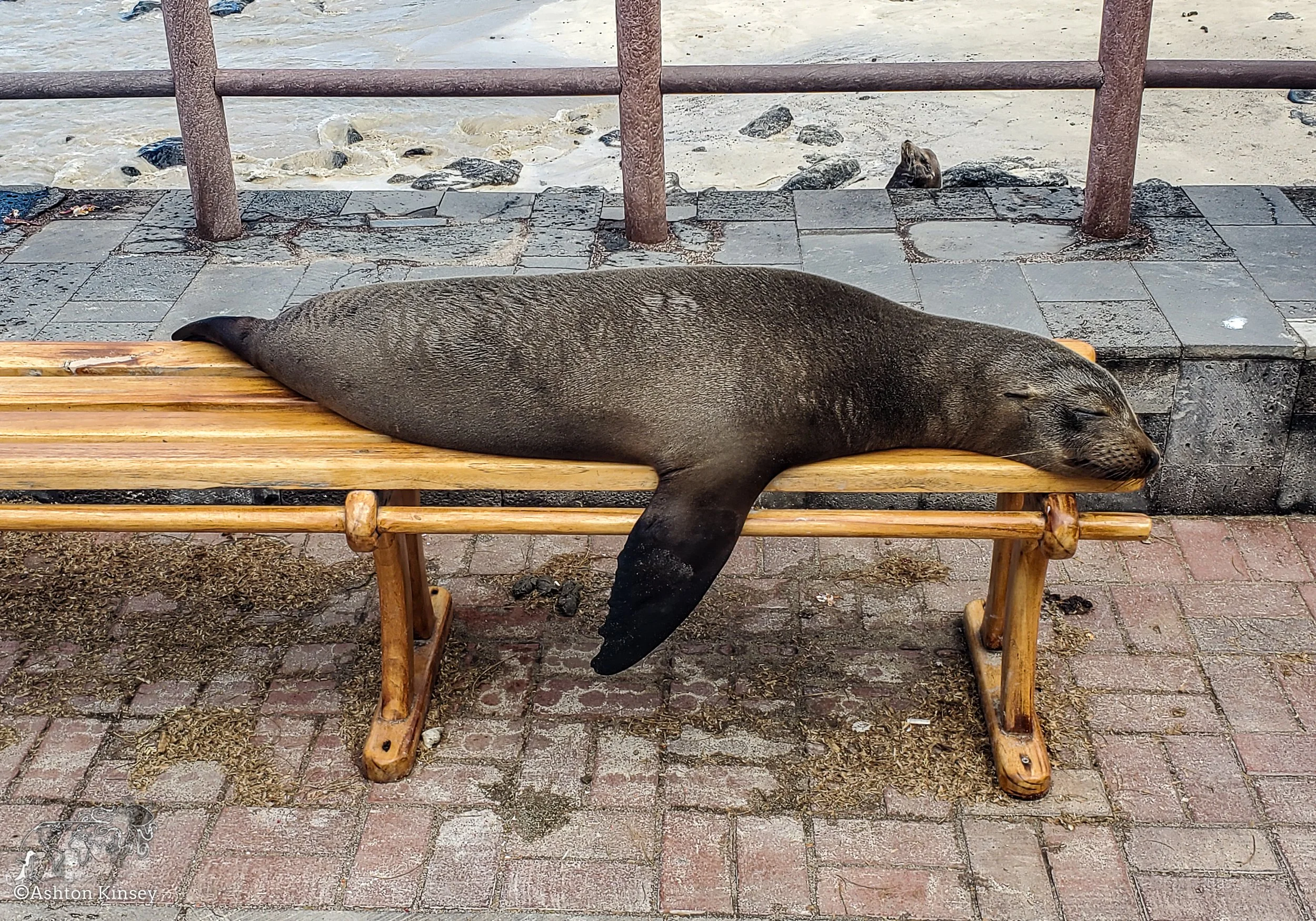
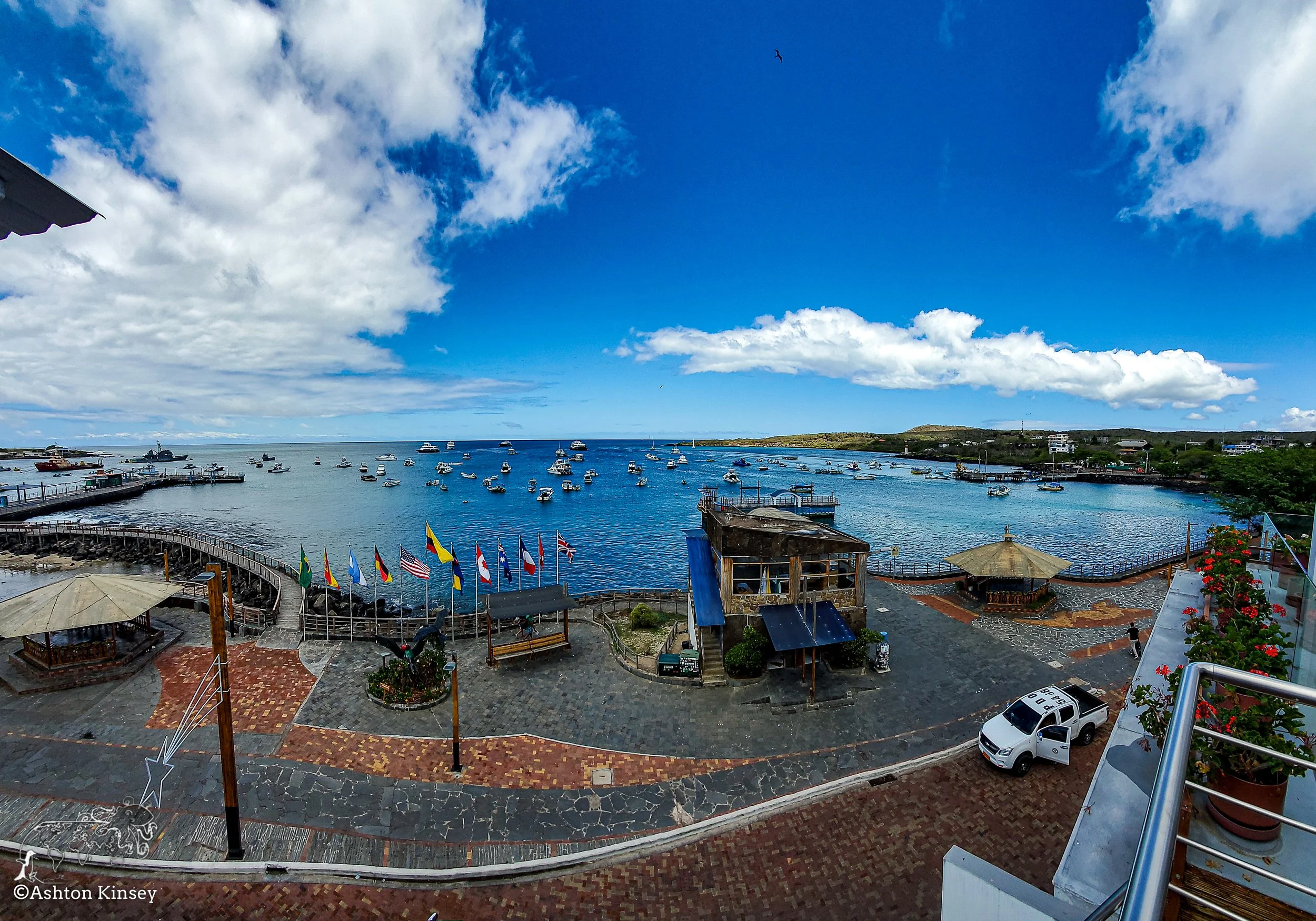
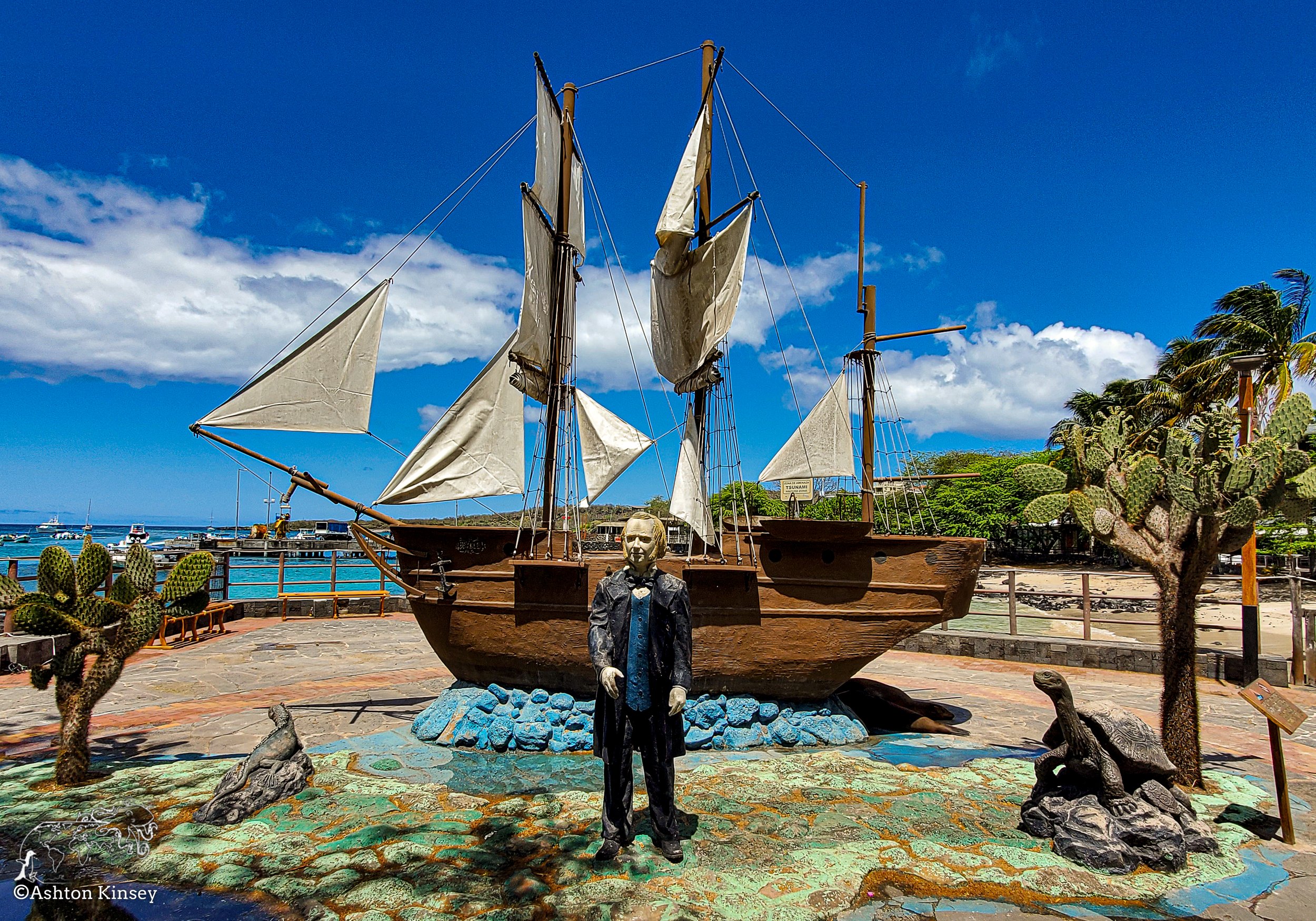
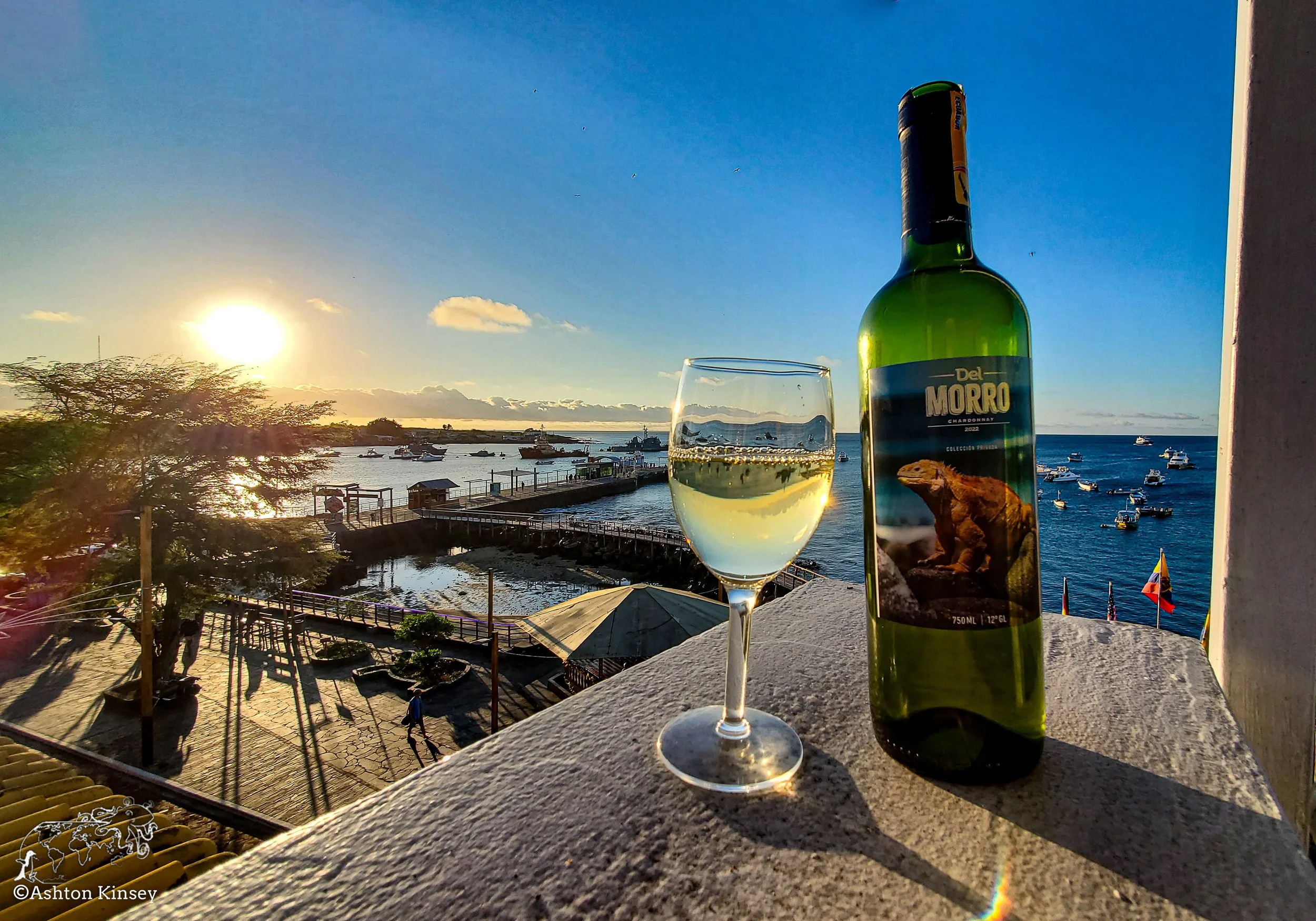
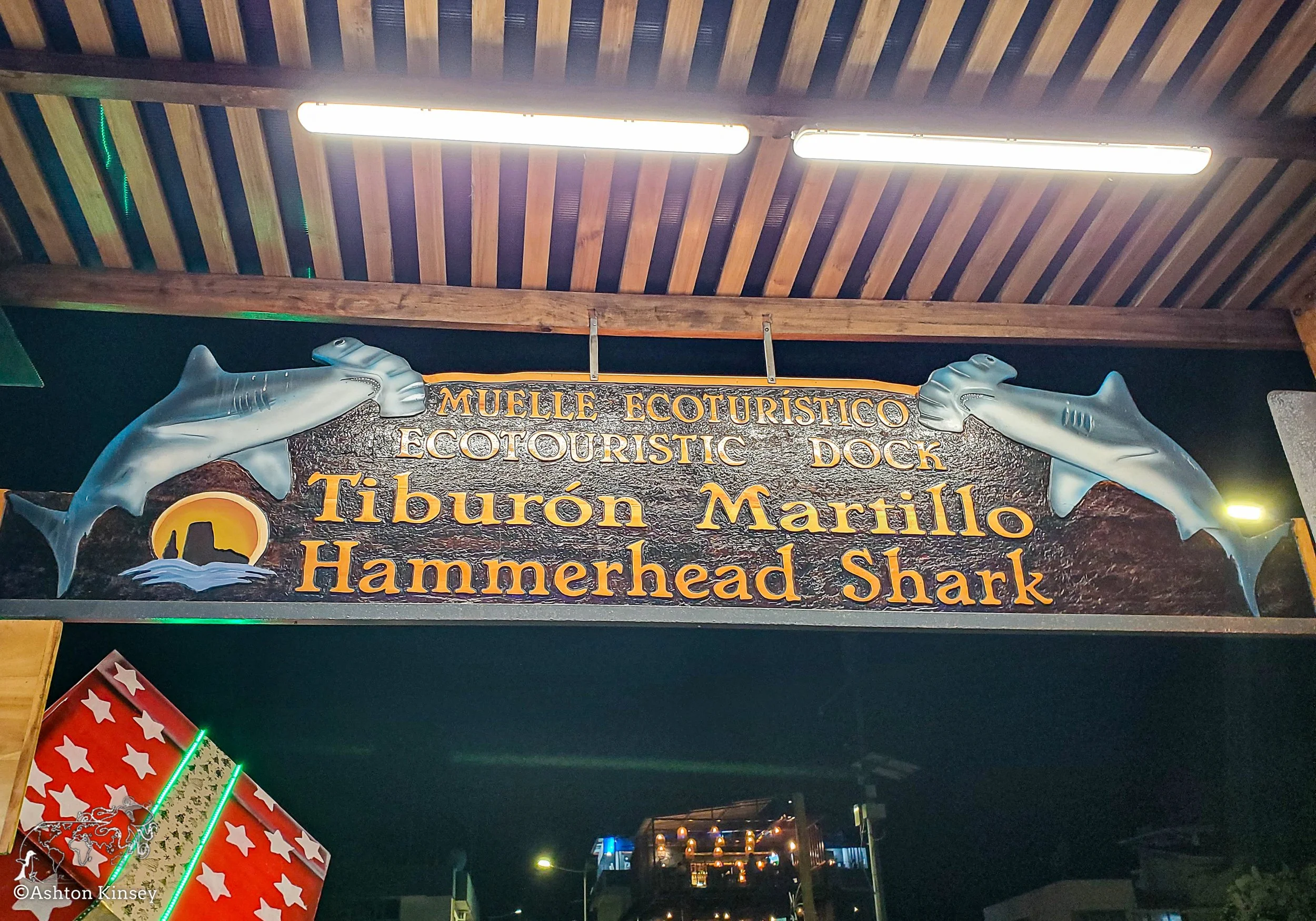
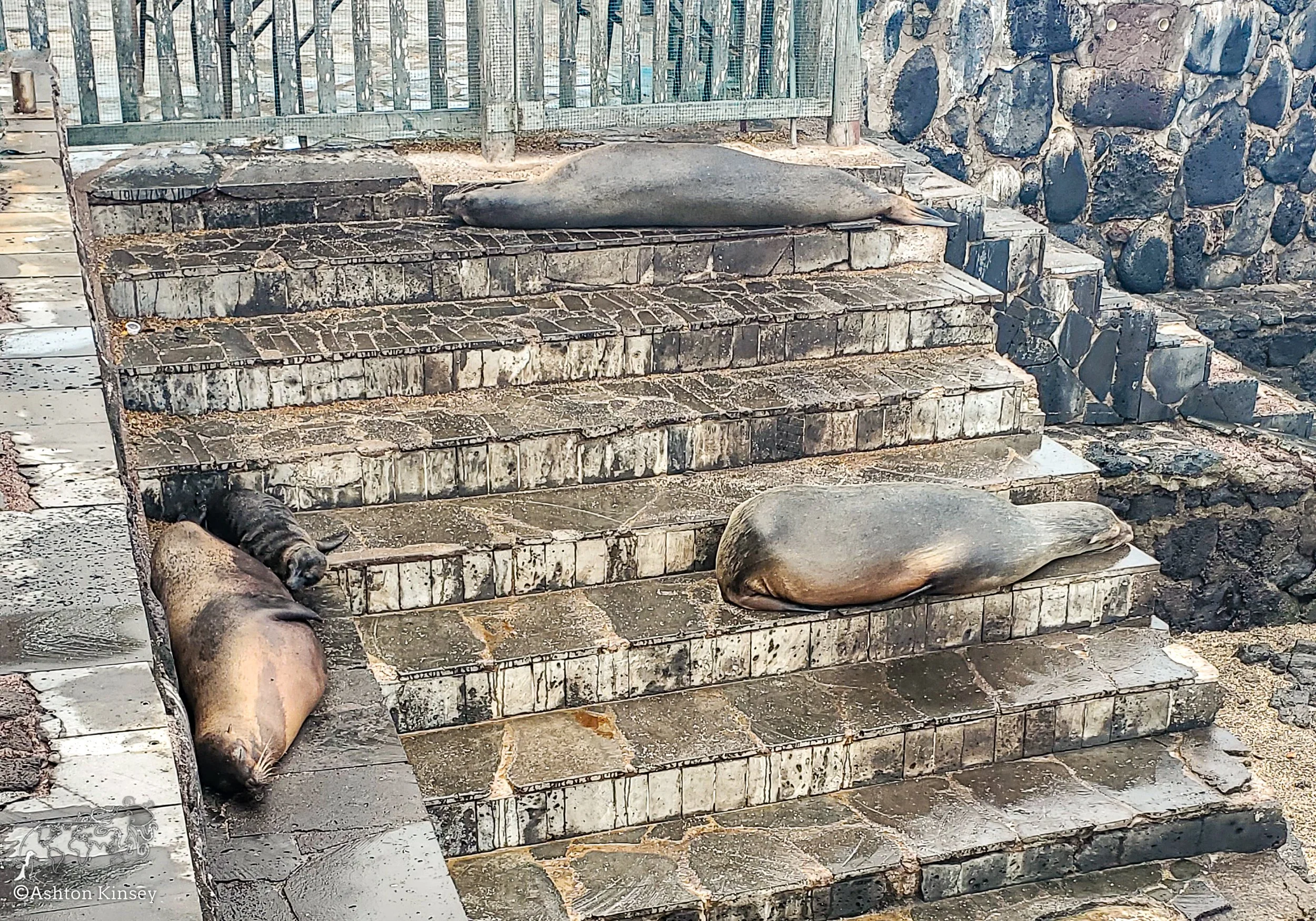
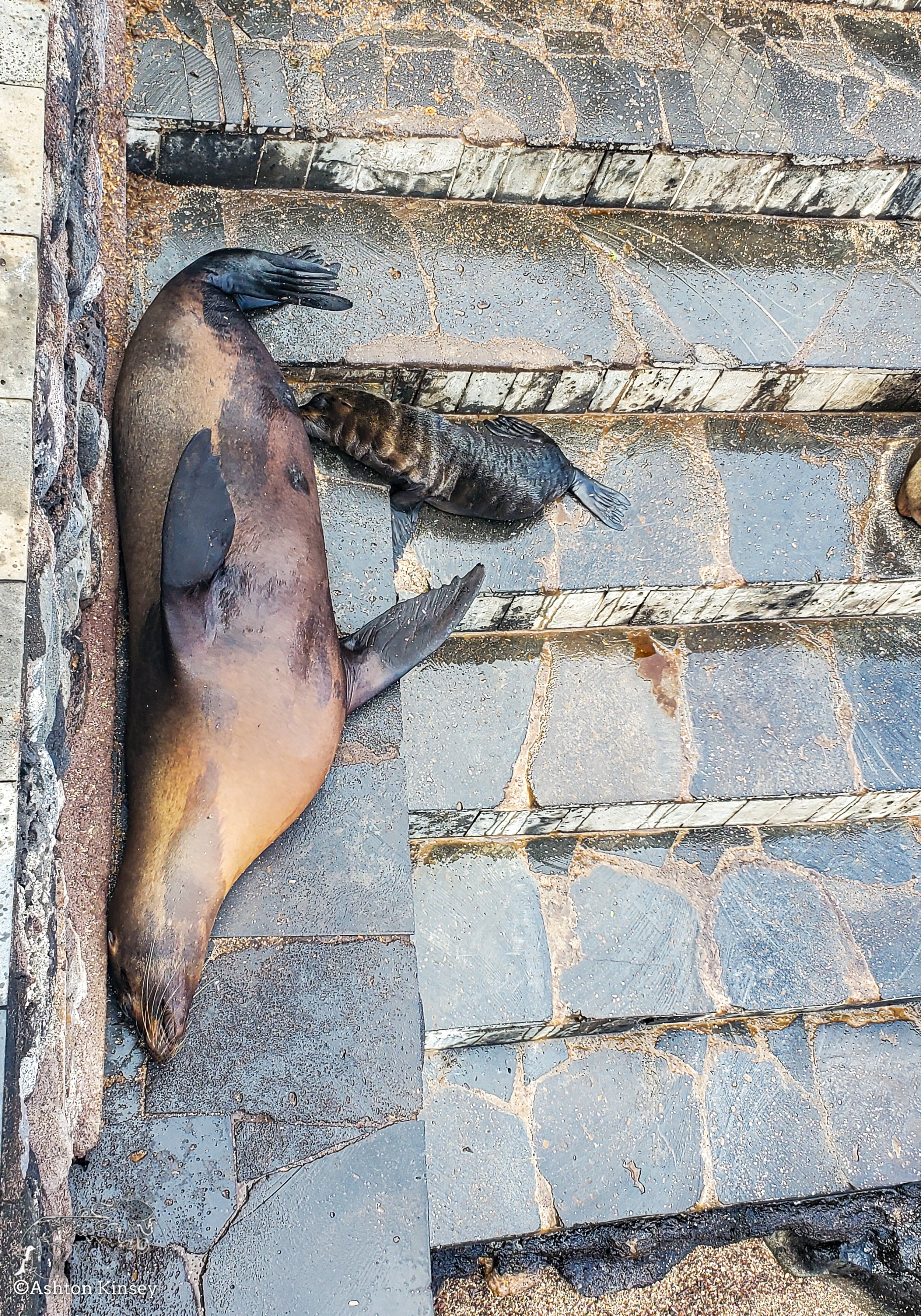
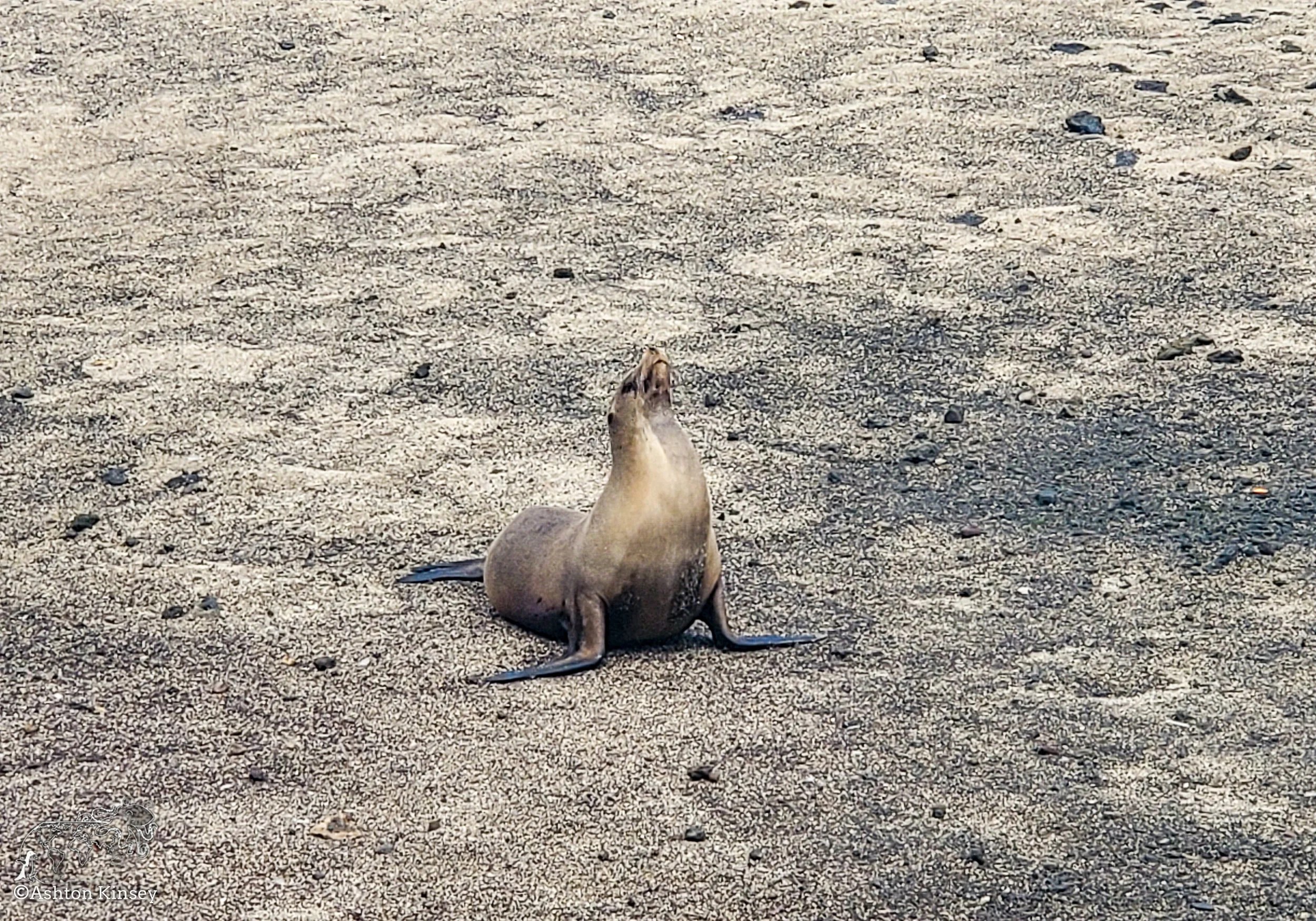
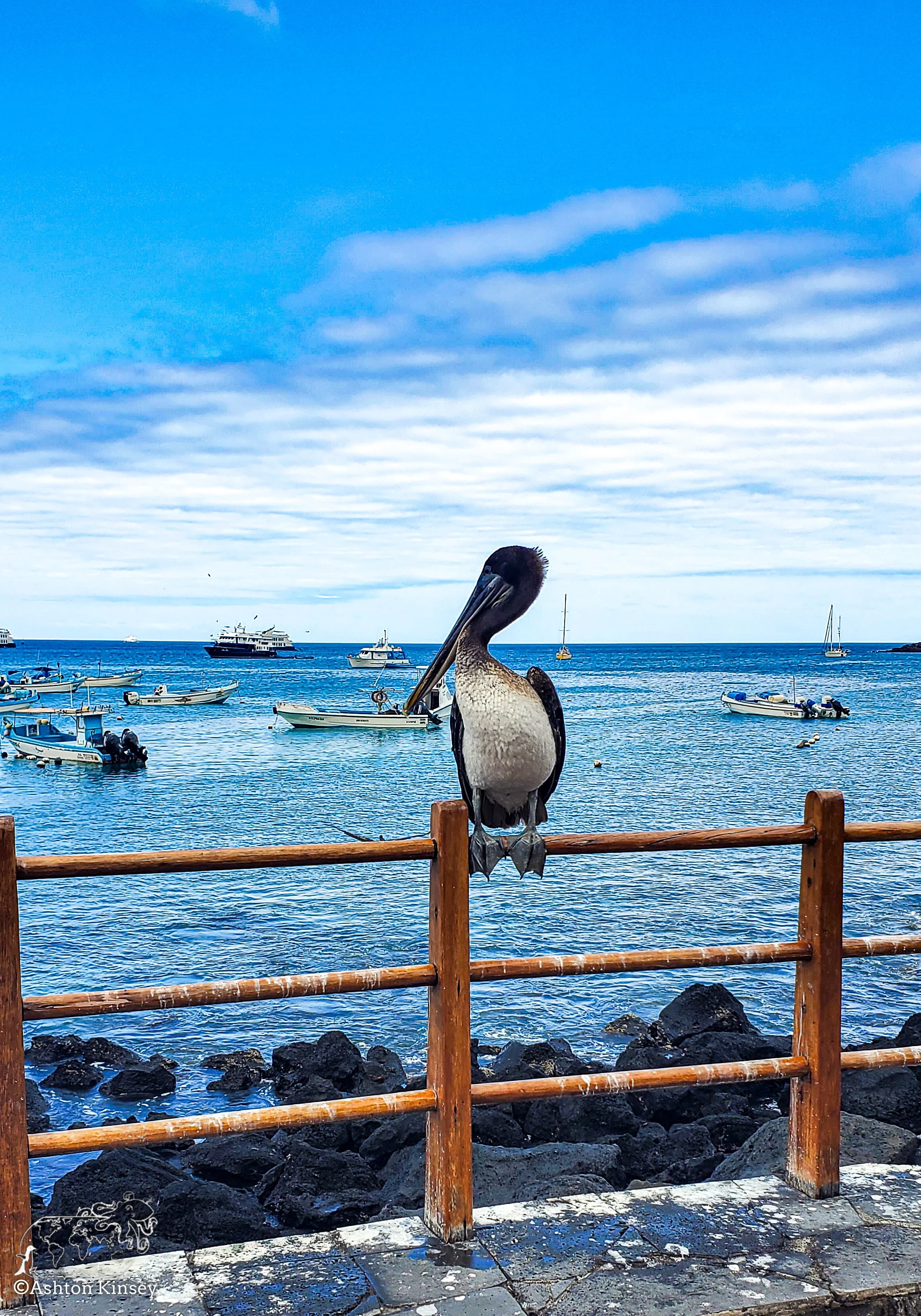
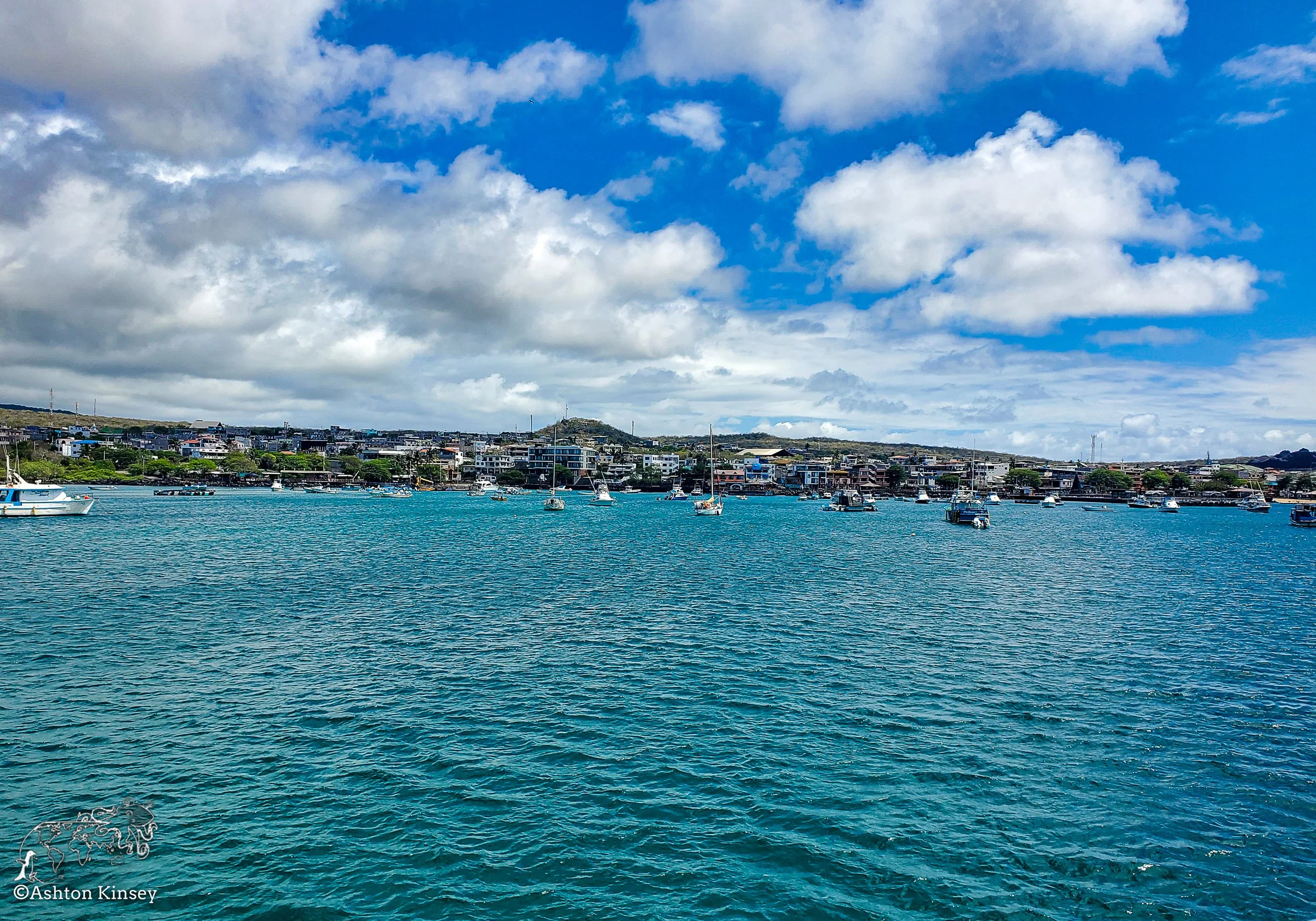
Time passed, seasons changed, flights were booked and, finally, it was the day of departure (Allie: Shout out to Kai for driving us and our ten thousand pounds of luggage to the airport at 6am) [If *someone* didn’t over pack…]. The flights were uneventful, we had a quick overnight in Guayaquil, Ecuador, aka getting to the hotel, showering, shoveling food into our faces, passing out, and then waking up a few hours later to get to the airport to fly to the Galapagos officially. Once arriving in San Cristobal, we had a day-ish to explore and point and laugh at sea lions that covered the beach. Drinking iguana wine (Allie: I’d like it on the record that this was wine with an iguana on the label, NOT wine made from or for iguanas) on the terrace of the Sunset Hotel while watching the sunset, and then later eating flaming sushi while sipping on cocktails overlooking the ocean, we were really roughing it. The following morning, we dropped off our bags and the adventure was underway!
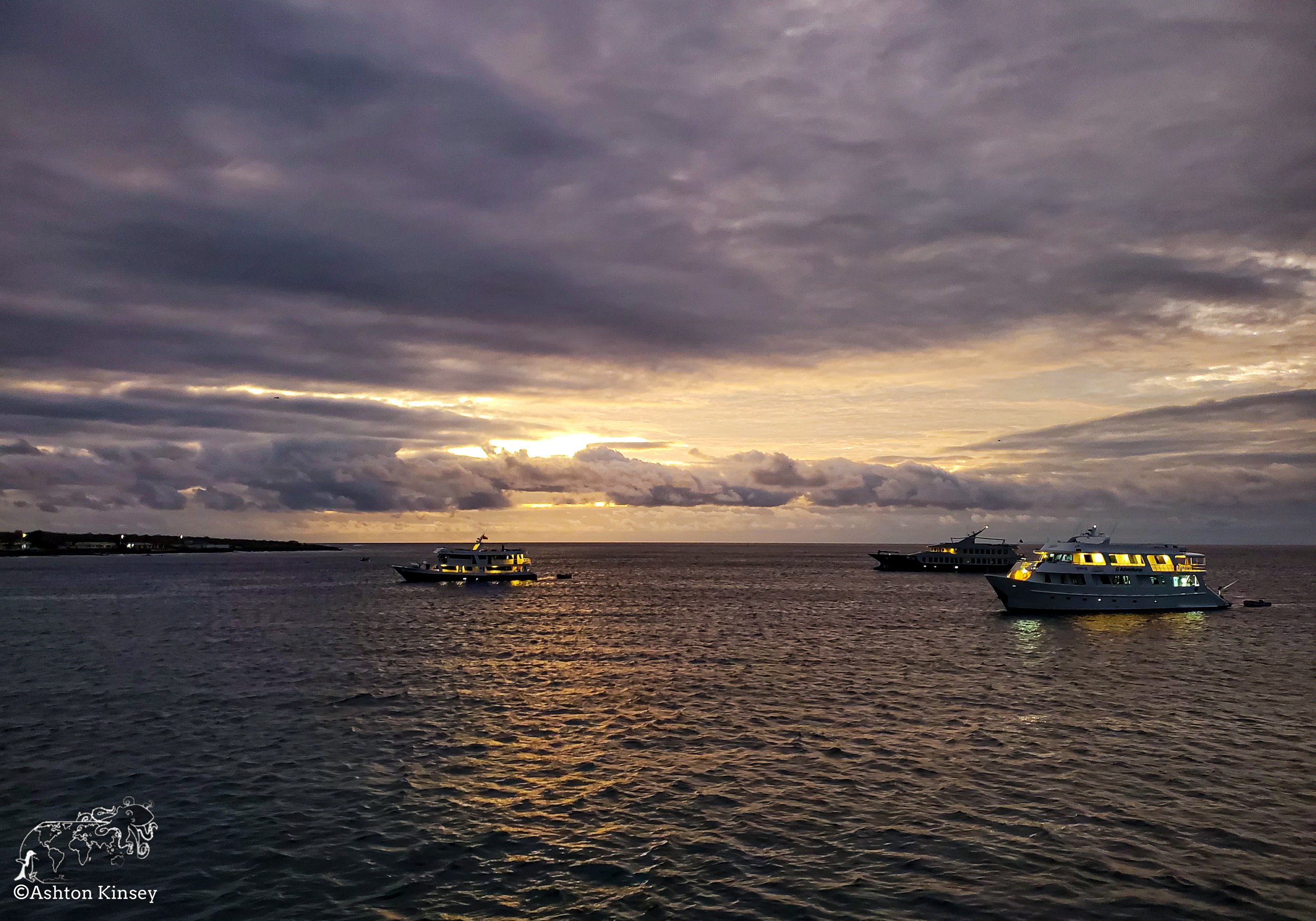
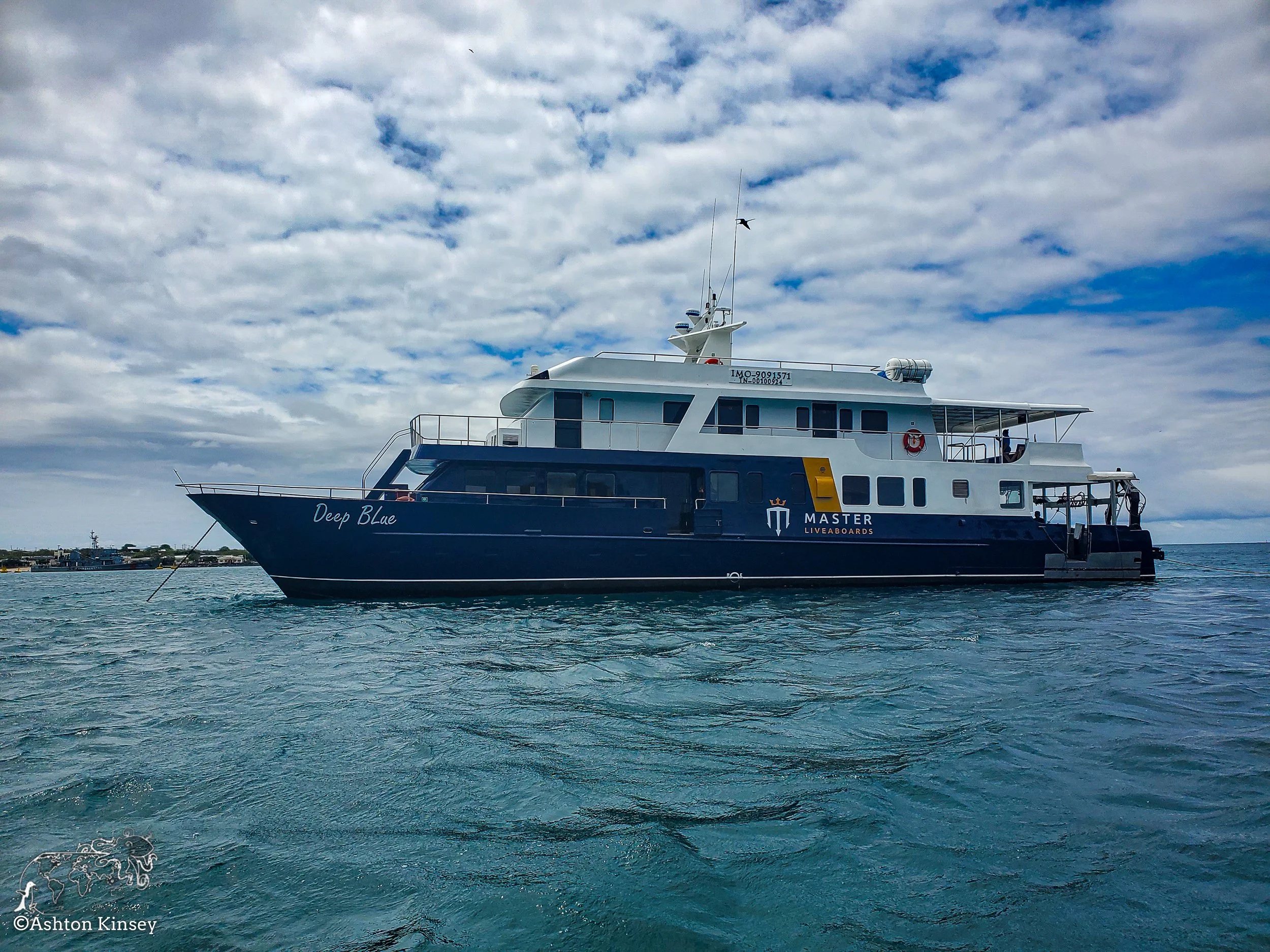
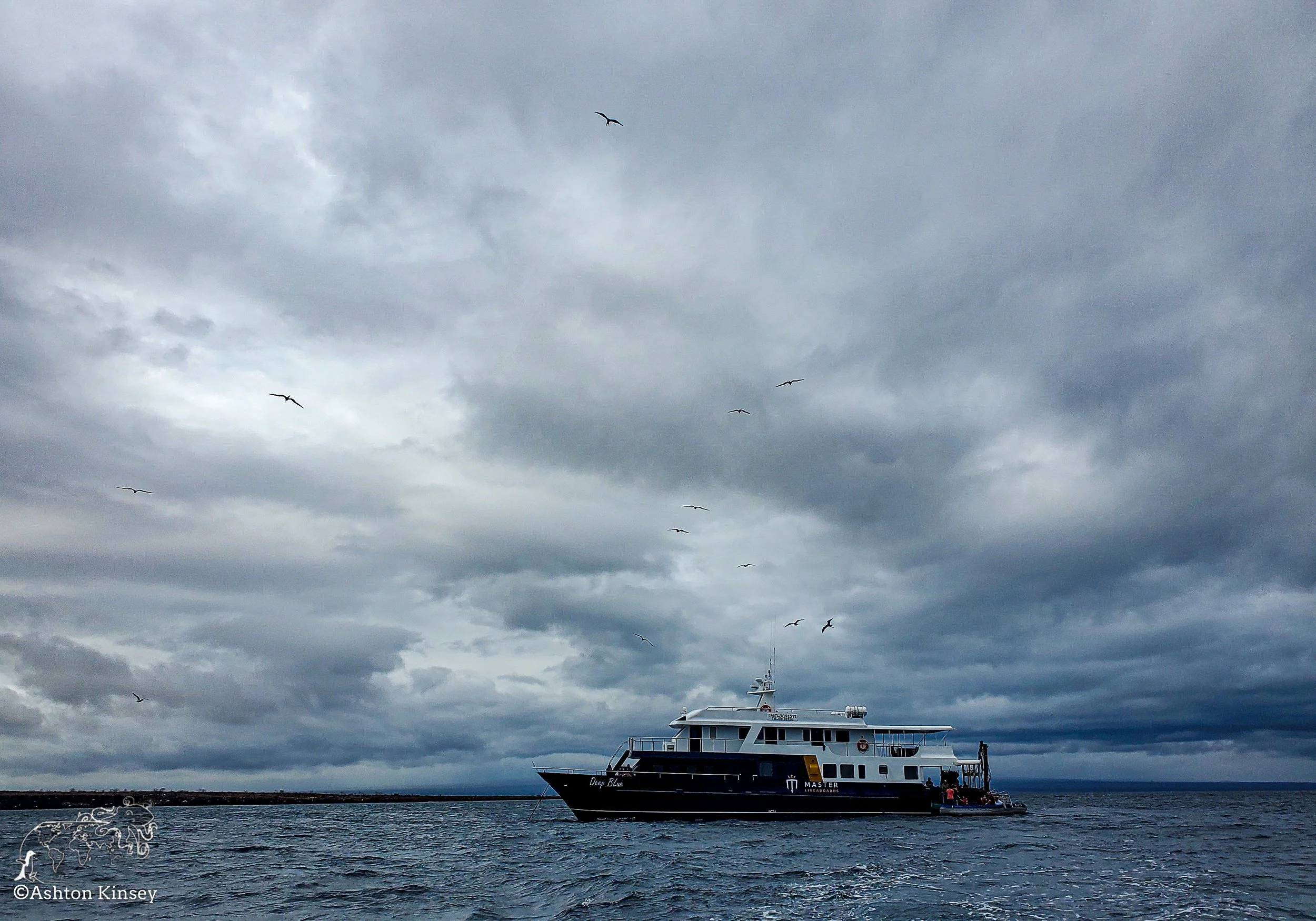
Deep BLue is a 105’ long by 25’ wide steel hulled ship built in 2001 and updated in 2015 to bring it up to liveaboard diving standards. It has capacity to hold up to 16 divers in 8 spacious cabins spread through three different decks. The sun deck offers seating and bar space for lounging during surface intervals and star gazing on clear nights. Cabins were spacious, and bigger than previous liveaboards. Nice sized bathroom with separate shower which is always better than the toilet shower (Allie: One of my greatest fears after agreeing to come on the trip and then Ashton proceeds to tell me all the glamorous features of living on a boat.). All in all, it was a place to sleep, without having to climb on top of each other to move around. That was more than enough for what we needed it to be. Meals were served mostly buffet style with eggs taken on request for breakfast. Typical food that would be expected on a liveaboard, a few repeated meals which is partially due to supply chain issues but none of us went hungry. Coffee, cokes, and tea were available whenever, with beers and wine for purchase. The salon area was comfortable enough, however was not really utilized except for a few briefings. Most surface intervals and down time was on the outdoor deck or up on the sun deck (Allie: with snacks!!).
An open concept dive deck was nice, with tanks along the walls kept them out of each other's way and made for more space to cram yourself into thicker wetsuits for the dives. There were two bathrooms on the dive deck, along with two camera stations with charging ports away from tanks and wetsuits to help keep everything dry. The dives were carried out from pangas, smaller rubber sided boats that can carry up to eight divers plus a guide, relatively, comfortably. All dives were carried out as negative backroll entries to descend as quickly as possible due to the strong currents. Most dives are “sit and watch” style of diving; which translates to wedge yourself against or between some rocks and do your best not to get blown off by the currents or other random divers who broke off and are now tumbling through the ocean flailing about and shoving their selfie sticks anywhere and everywhere. Not that, that would EVER happen on this trip (Allie: FORESHADOWING!!!), but still a good thing to be mindful of while you’re positioning yourself underwater. After 10-15 minutes if there wasn’t much action, we would detach and move to a different location with better views. On average the dives lasted around 50 minutes, towards the last third of the dive we would swim out into the blue and coast along with the currents seeing what schools of animals we could see.
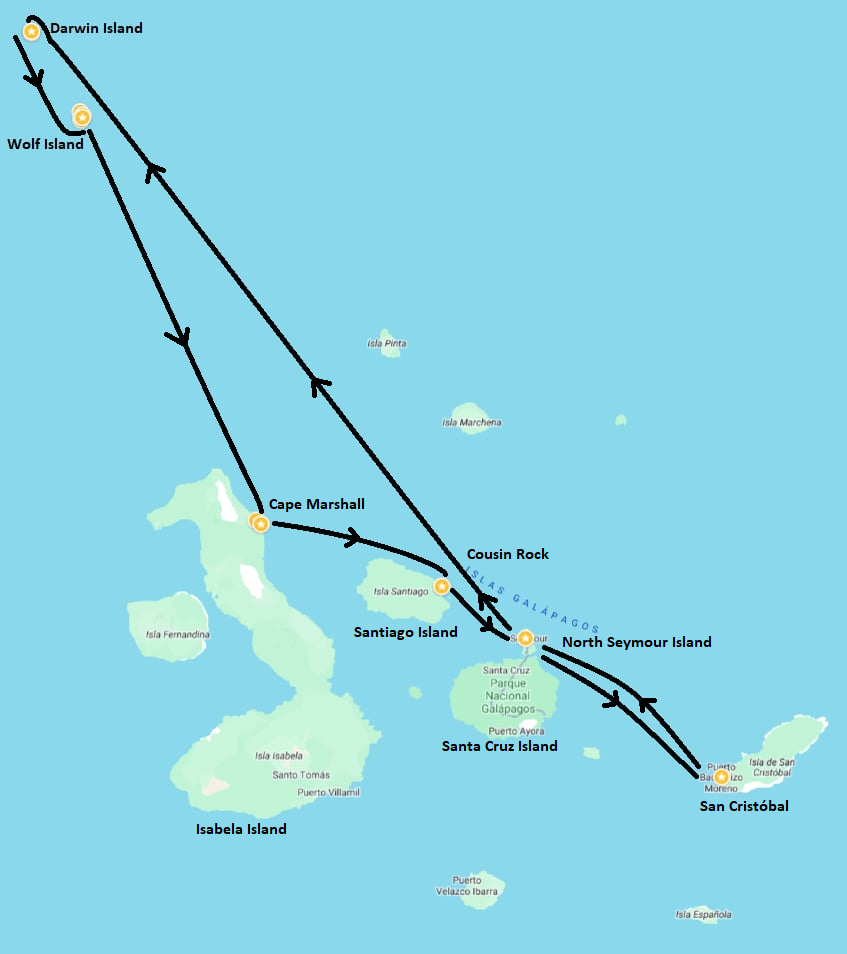
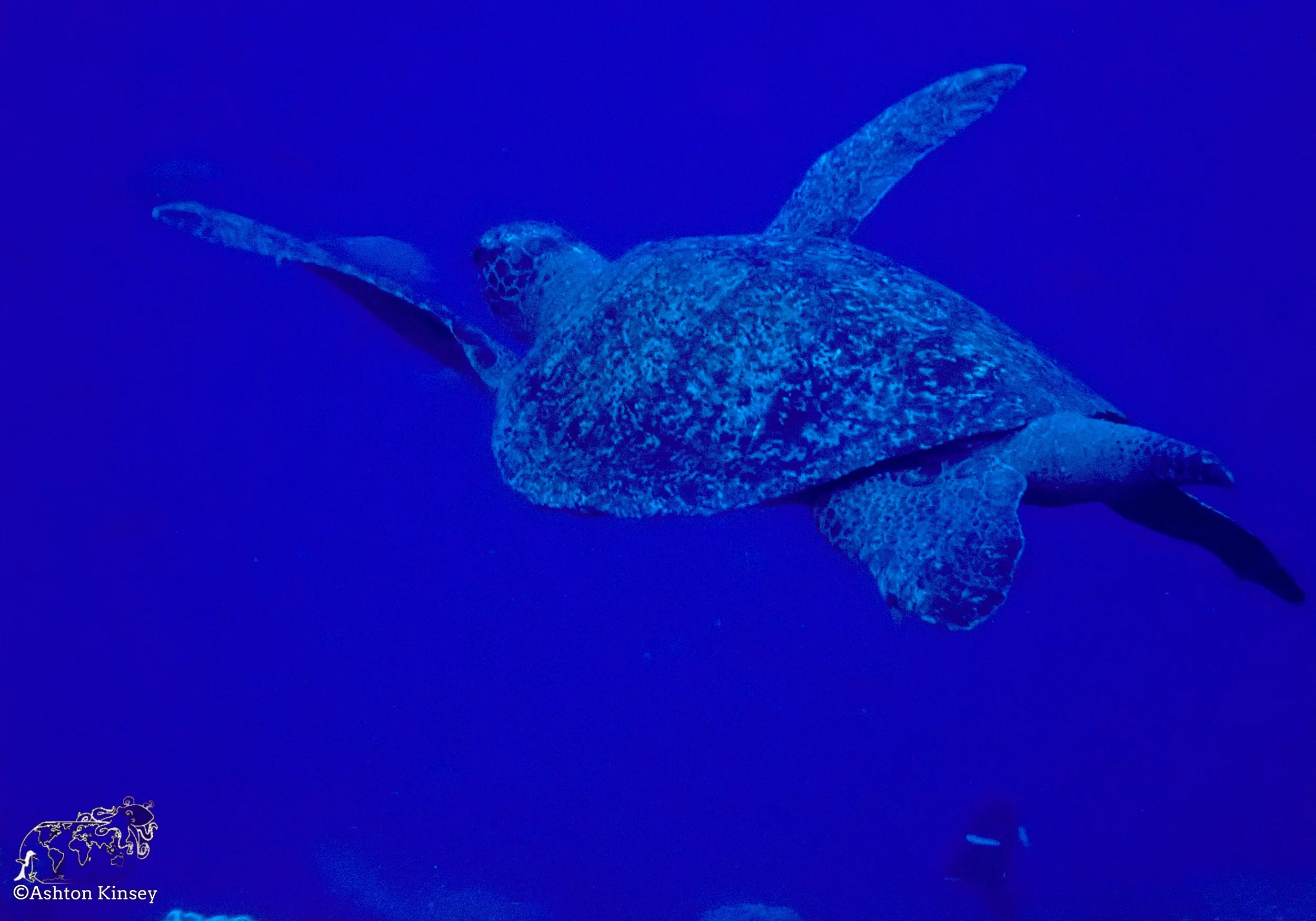
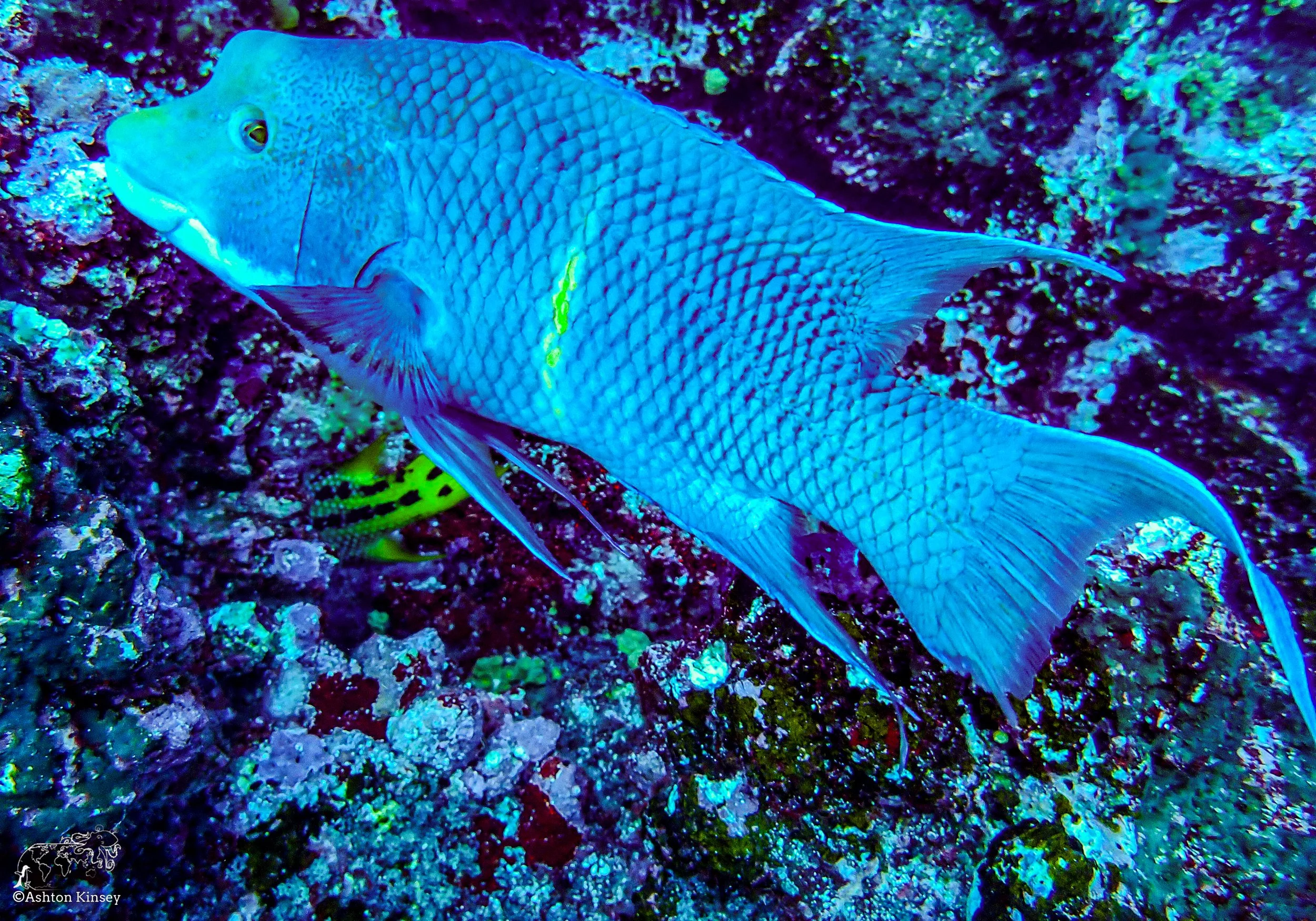
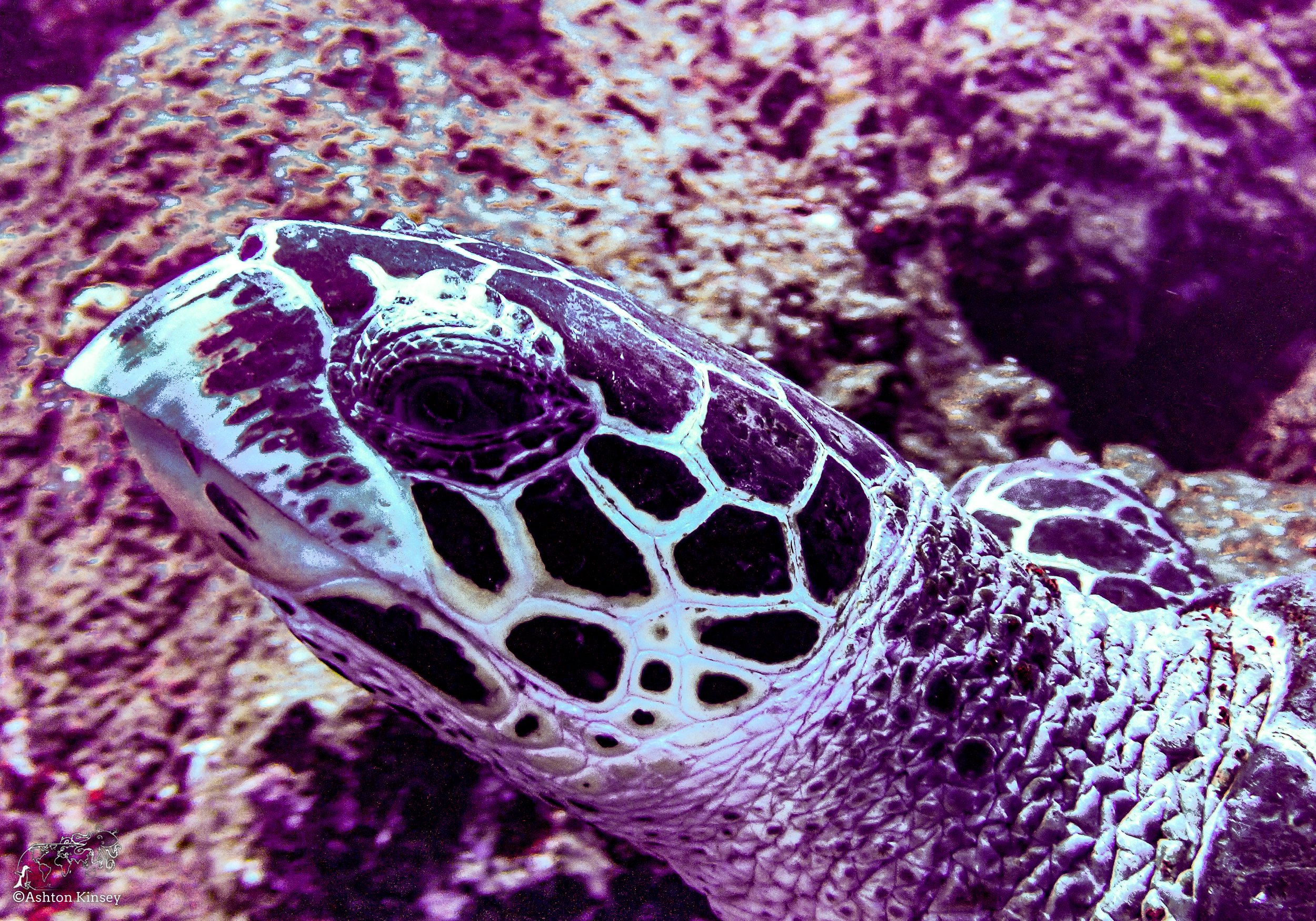
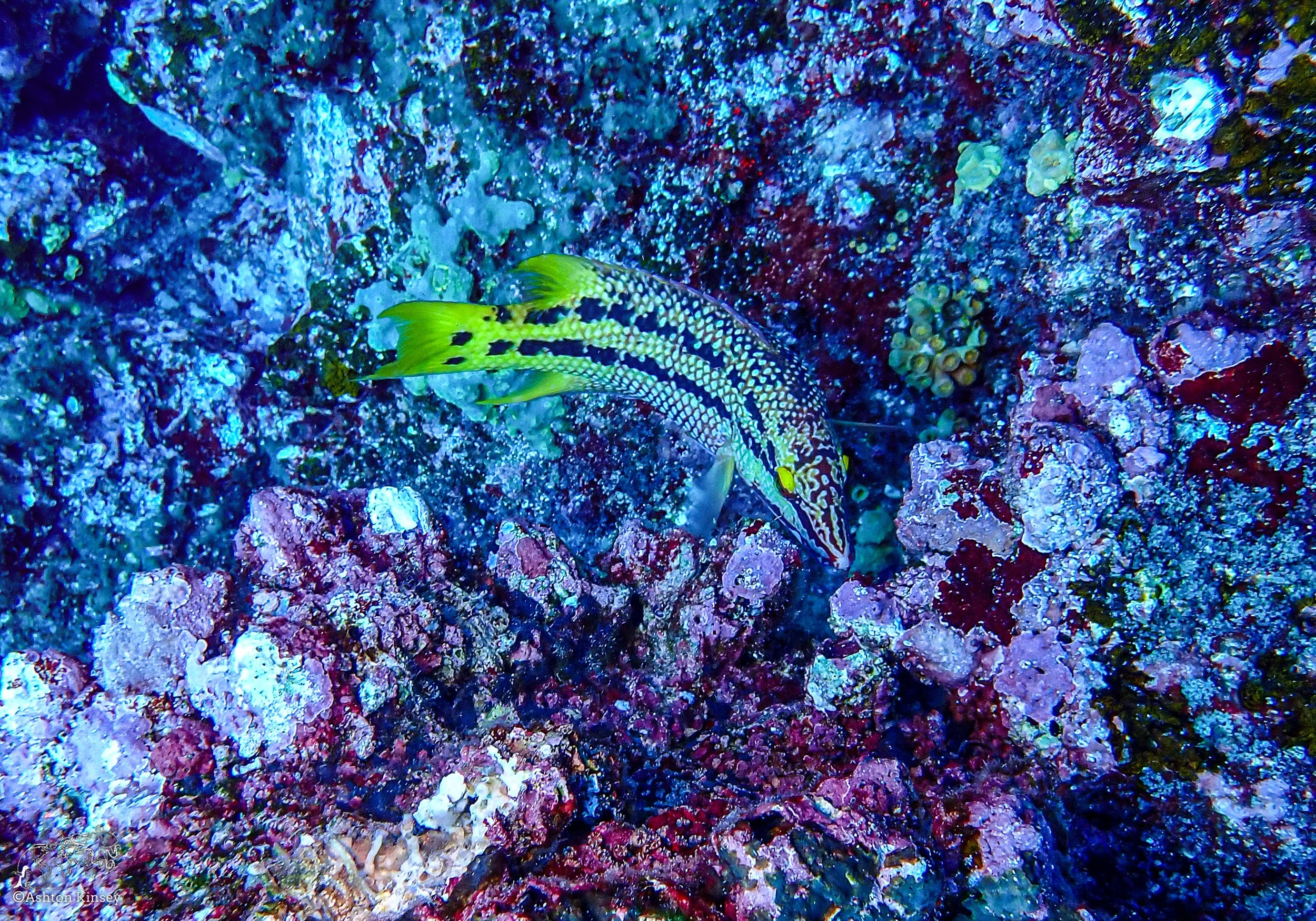
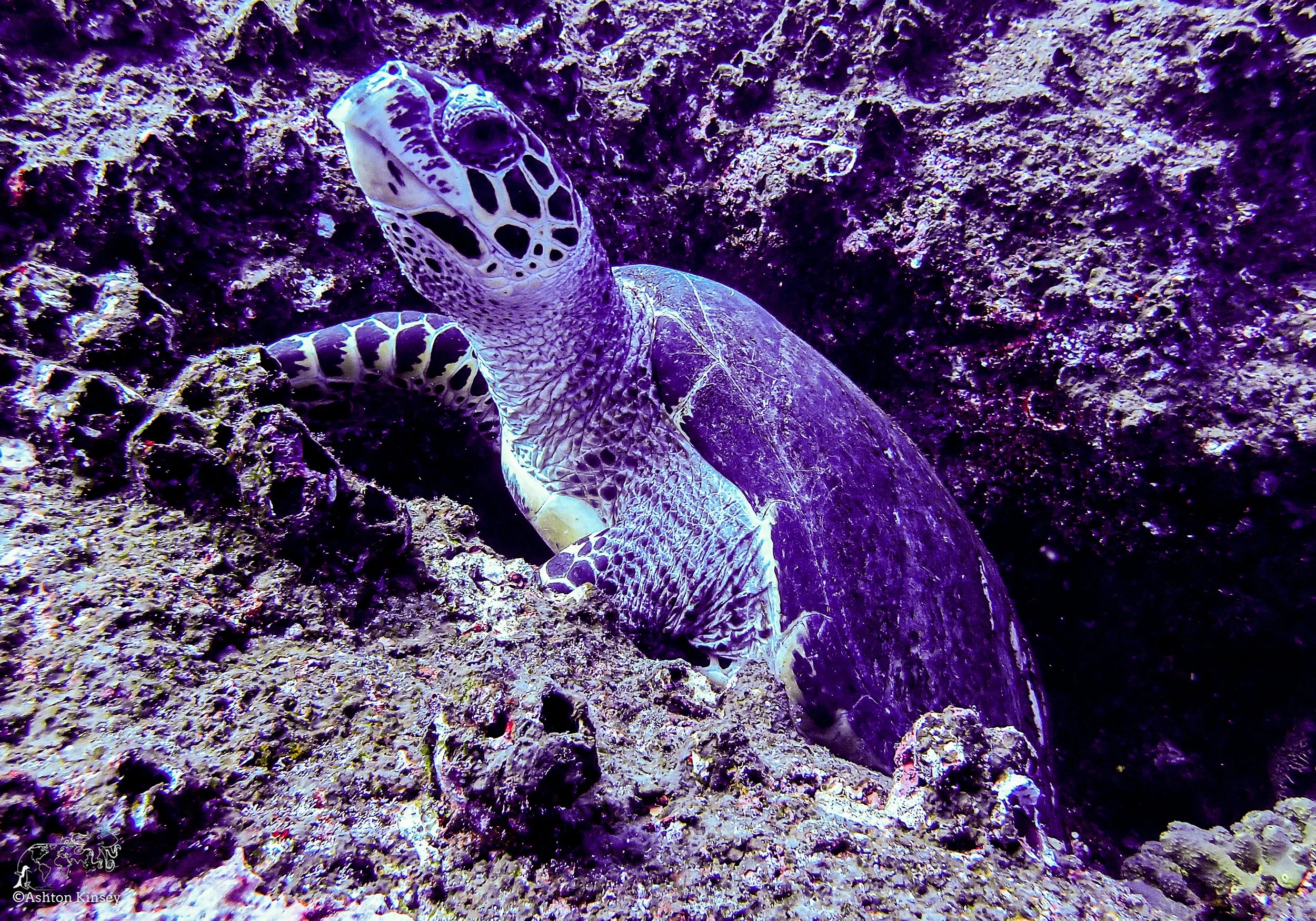
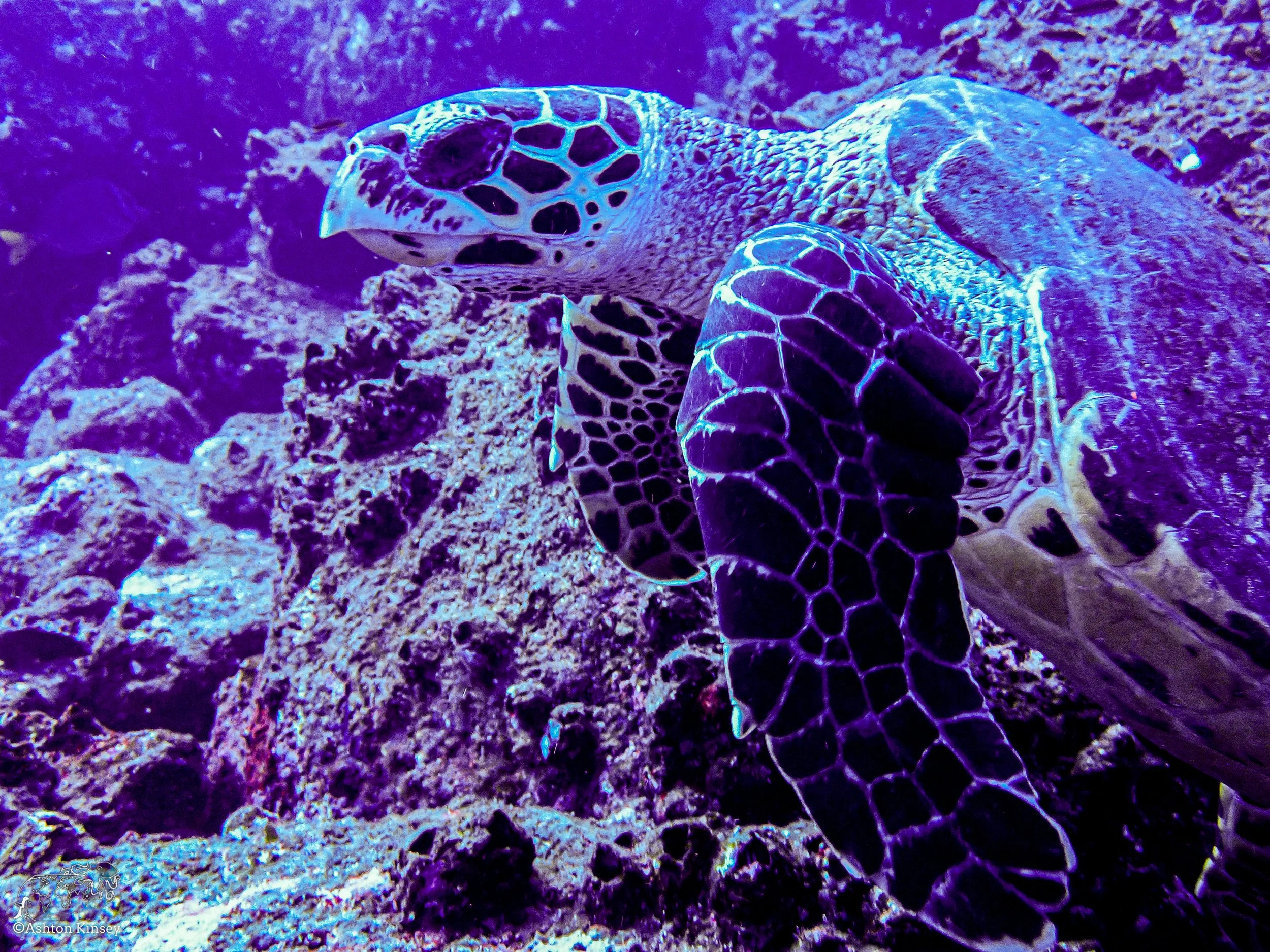
During the next ten days we traveled roughly 435 nautical miles hitting up six of the hottest clubs in the surrounding sea. They had everything; whale sharks, sea lions, GoPros in your face, scalloped hammerheads, silky sharks, turtles, Galapagos sharks, white and black tipped sharks, 360* camera selfie sticks in front of manta rays, tortoises munching on berries, torrents of birds that would make even Hitchcock nervous, a murder restaurant (Allie: It wasn’t their fault!), and some hot, hot, looking nudies.
Hang on to your butts because this trip is going to be a ride.
Excitement and arguments happened before we even left port. Once we were dropped off on the boat we were instructed to relax in the gally, enjoy the drinks and snacks that the crew had put out while the rest of the cast members were assembled onto the boat. Once we arrive there are ten guests in total. We’re divided into two groups and given team captains. Some names have been changed in certain cases to protect the “innocent”.
Team Killers Team Chomp Chomps
Team Lead: Geoffry Team Lead: Carlos
Ellie Ashton
Sandy Allie
Harry Beyoncé
Griffen Frenchie
Anya Björk
Team Killers were organized by Ellie’s shop in Germany and were all on the upper deck with nicer rooms and a view. For the most part they kept to themselves and were all enjoyable to interact without any issues. Team Chomp Chomps…was a cast of characters. Our rooming assignments were pretty straightforward, The A-Team would room together (Allie: That’s us! Also to note, Ashton and I had a bet to see how long it would take everyone to figure out we were just friends and, spoiler alert, it did take the full 10 days)[This includes us talking about past love interests and flat out saying we are not together, however on the last day during the drive back from the turtle sanctuary we were asked to confirm we were not together, with much shock and amazement to Beyoncé], and Beyoncé would obviously get her own room, but when Frenchie and Björk were told that they would have to share a room, even though neither of them paid for a single, attitude rose up and arguments (Allie: This was the first of many, many judgey, shared glances between the A-Team) about why should they have to share when there is was an empty cabin broke out. Eventually they got their way, and each got their own room and the adventure of boarding the boat was finished.
We all dispersed, went to our rooms, and got our luggage sorted out. Once we got all the dive gear thrown on the deck and into our slots it was time to start pulling on the wet suits for our check out dive.
Puerto Baquerizo Moreno
Dive 0.5: 26’ for 13 minutes
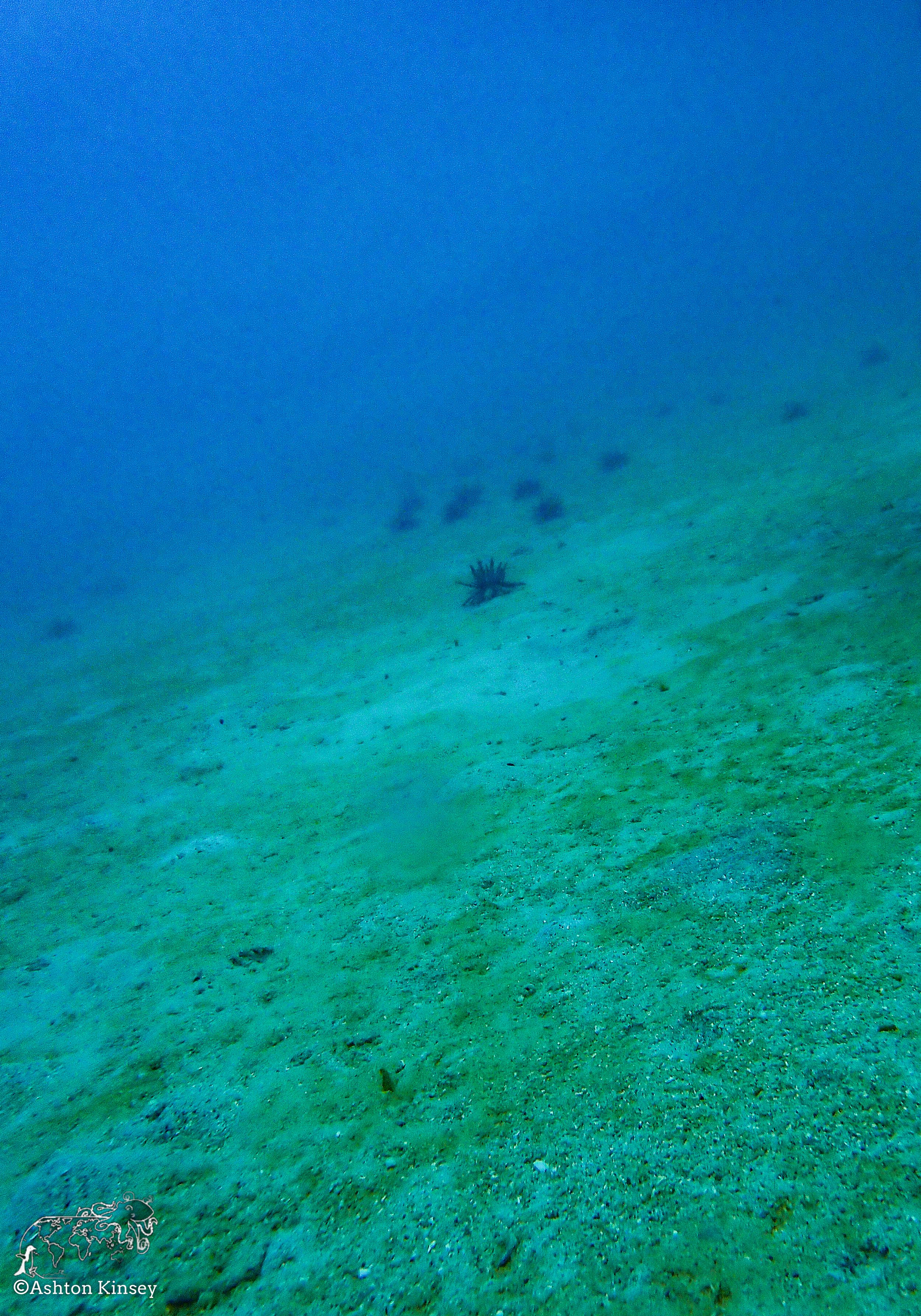
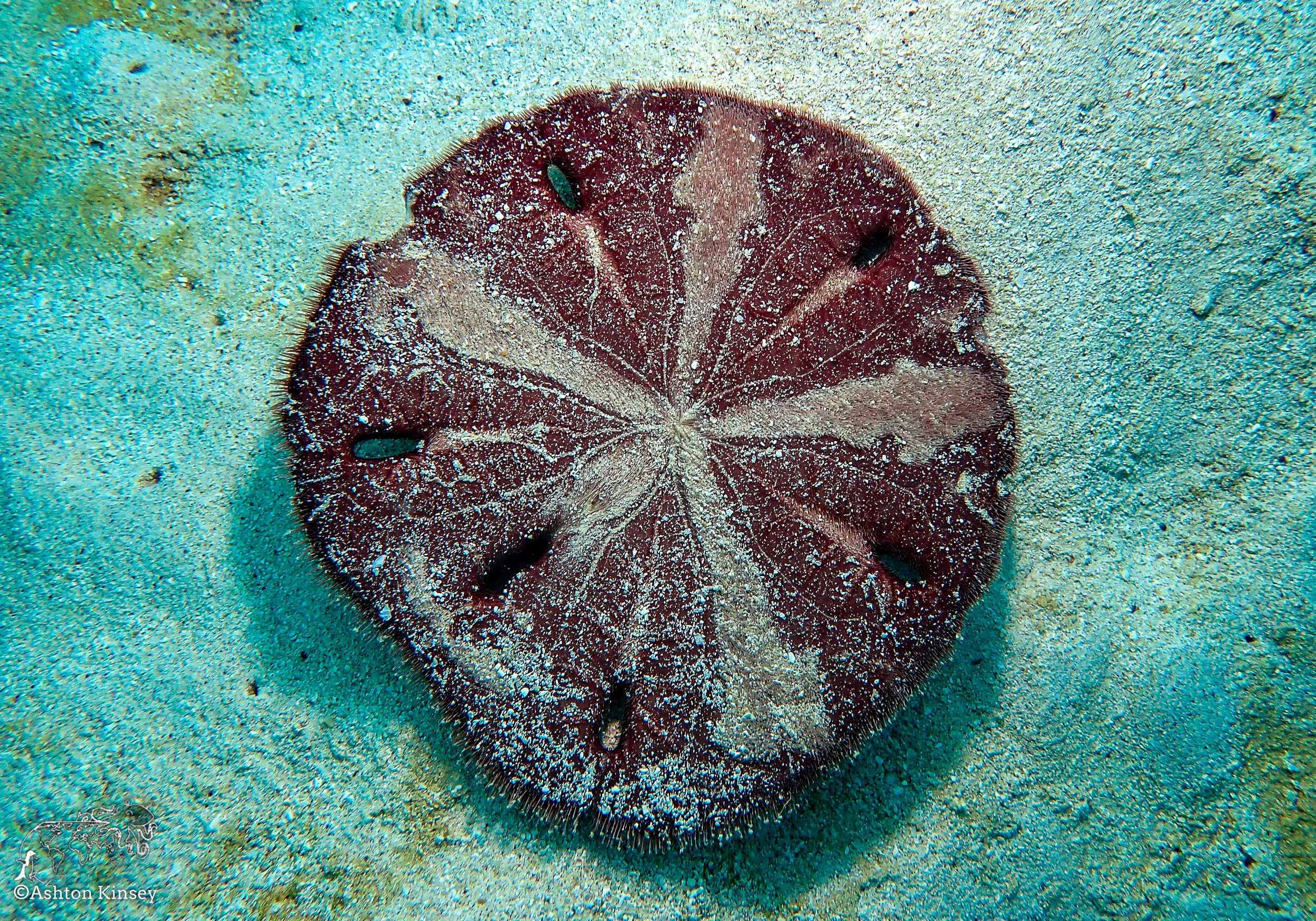
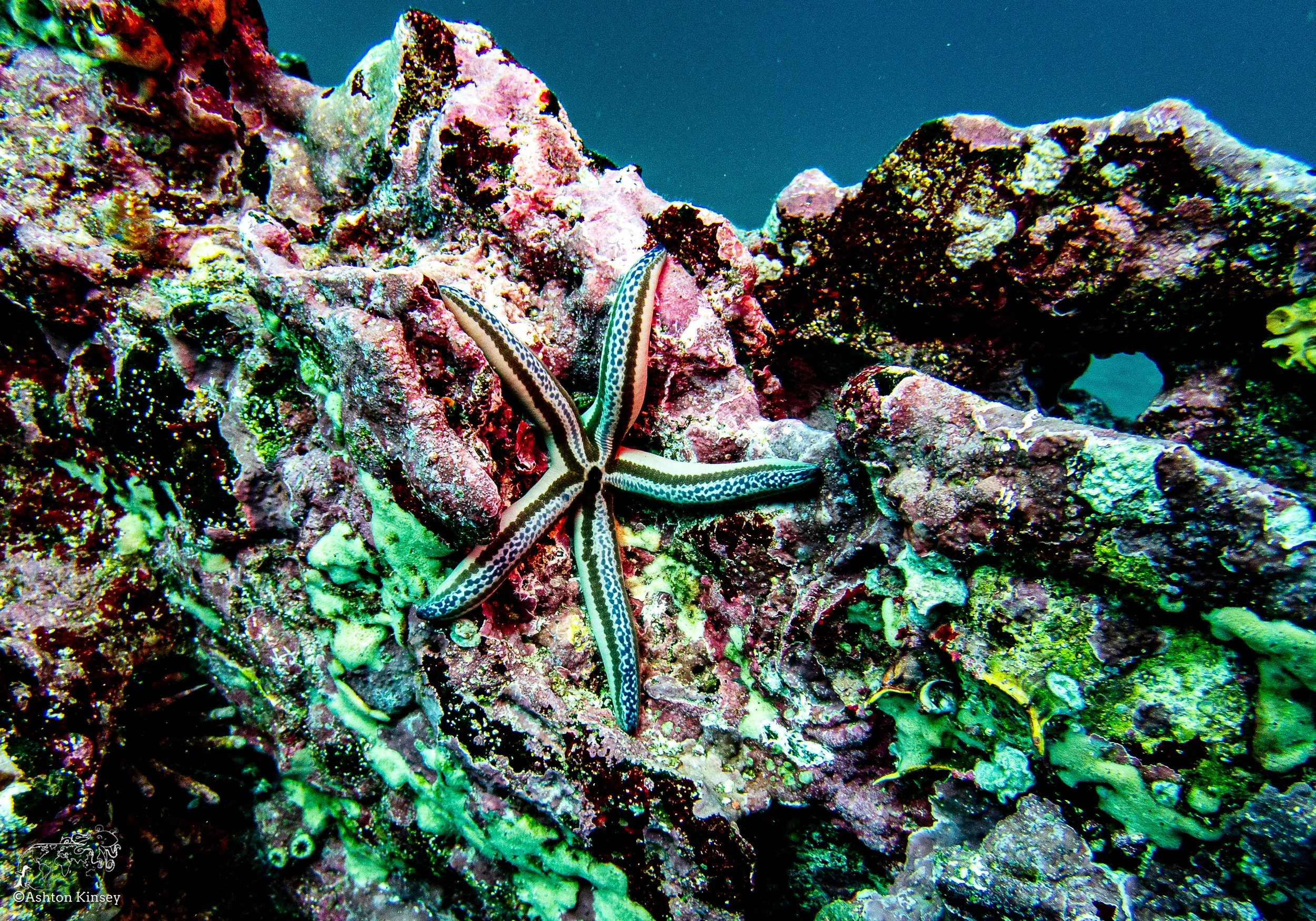
Our first “dive” was led by Carlos and was mostly spent getting organized and making sure everyone is properly weighted in a semi-controlled area not too far from the boat. The “dive” was fine, mostly a flat sandy area, full of sea stars and urchins. There was a very large hermit crab that was burrowing in the sand and caused a big cloud of silt to get lost in (Allie: And also, a sea lion and juvenile black reef tip shark that Ashton missed because he wasn’t paying attention to HIS BUDDY trying to show him)[I never claimed to be a “good” buddy]. Rumor has it that there is also a small shipwreck in the area that local dive shops from the island will utilize for discover scuba dives as a fun and interesting site, this however was left unvisited by us.
After a shower, we head up for our first dinner brought to us by crew member Hanks. Prior to our trip, we all received a notice that due to supply chain issues the variety of food would be slightly more limited than normal. Luckily this did not seem to be an issue and there was a good variety of different things to eat. The menu for the week, thankfully, was not as heavily fish based as other liveaboards, though shrimp was a frequent tasty visitor.
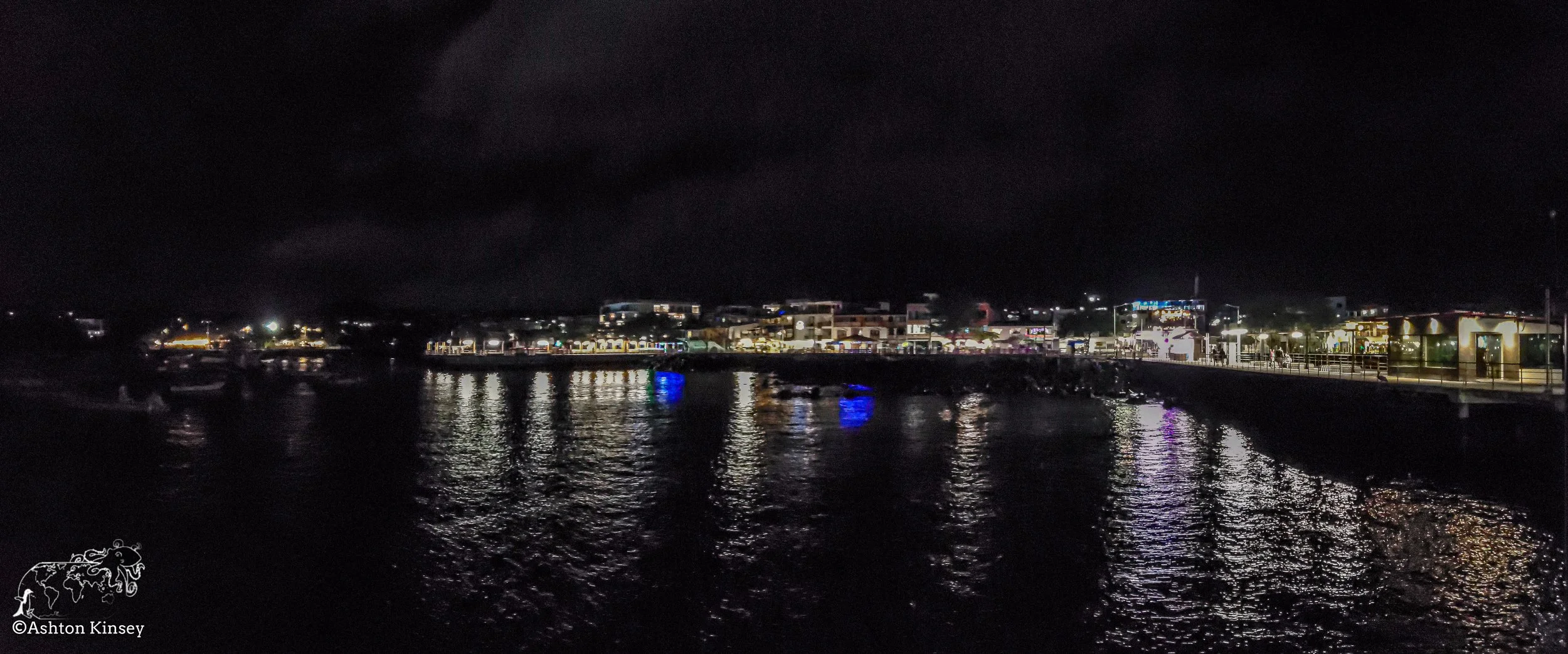
As the sun set and darkness came over the island, the clang of the anchor being pulled up could be heard throughout the boat. Most of us climbed up to the upper decks to watch the lights of San Cristobal slowly get farther and farther away as the trip officially began and we set sail for open water.
Club Two: North Seymour Island
After sailing 50nm we came upon North Seymour Island and were woken up by the crashing of the anchor being dropped sometime around 3am; or so were the grumblings the next morning at breakfast. The joys of being able to roll over and go back to sleep, combined with not having the cabin directly next to the bow.
Baltra Island
Dive 1: 85’ for 48 minutes
The first “legal” dive of the trip was off the coast of the Isle of Baltra. Baltra is one of the smaller islands close to the center of the Galapagos Archipelago. Originally, the island was named South Seymour Island, after the British Naval officer Hugh Seymour, but was renamed Baltra in 1915 for…some unknown reason. No one really knows, previously there were some shipping documents that referred to it as such but no notes on who they were referring to in particular. It is also a pretty common Spanish surname. The island is mostly empty save for a small airport that originally was used for the US Air Force to help aid in the protection of the Panama Canal. The island originally was populated with yellow iguanas, but due to human interactions they went extinct.
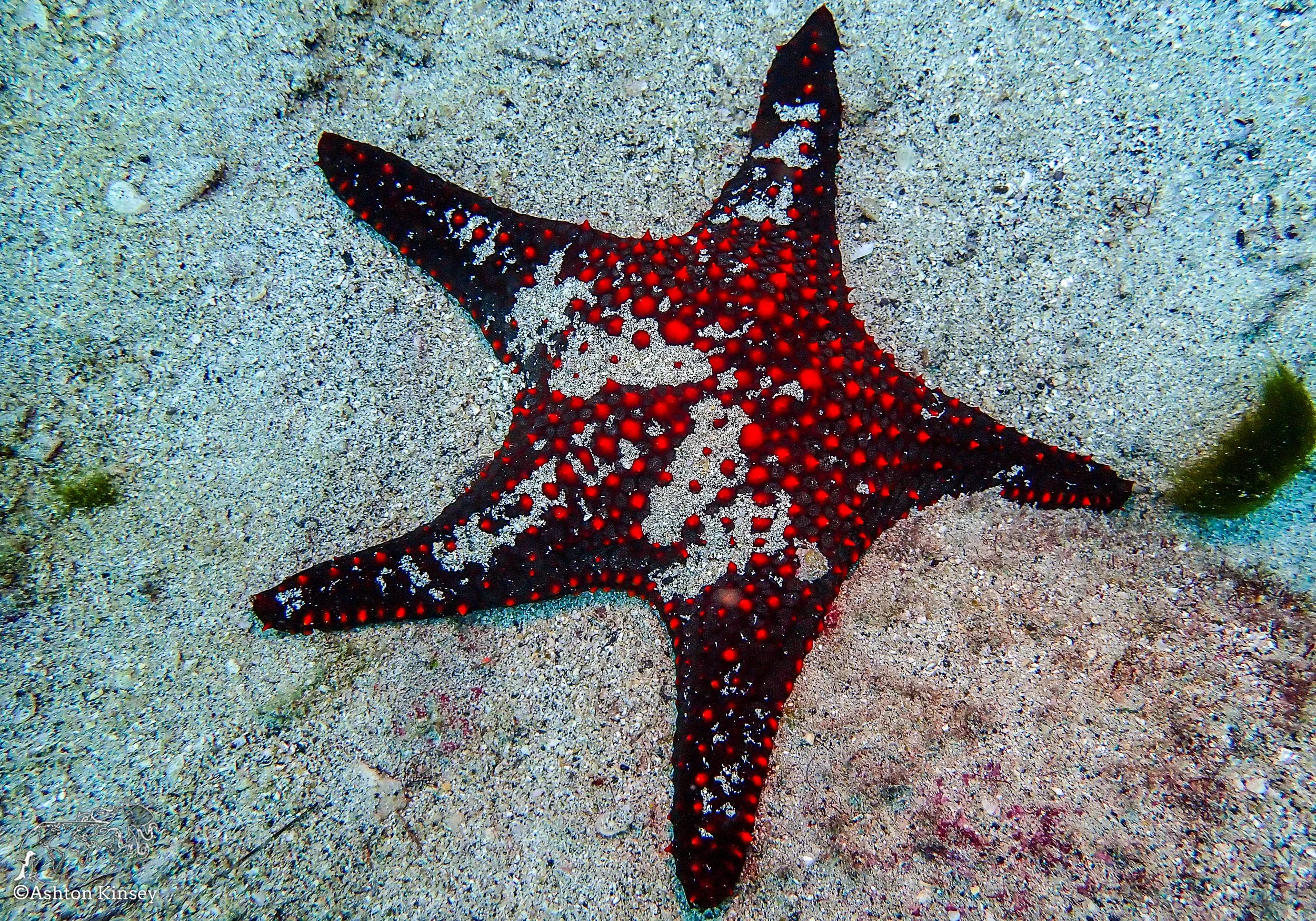
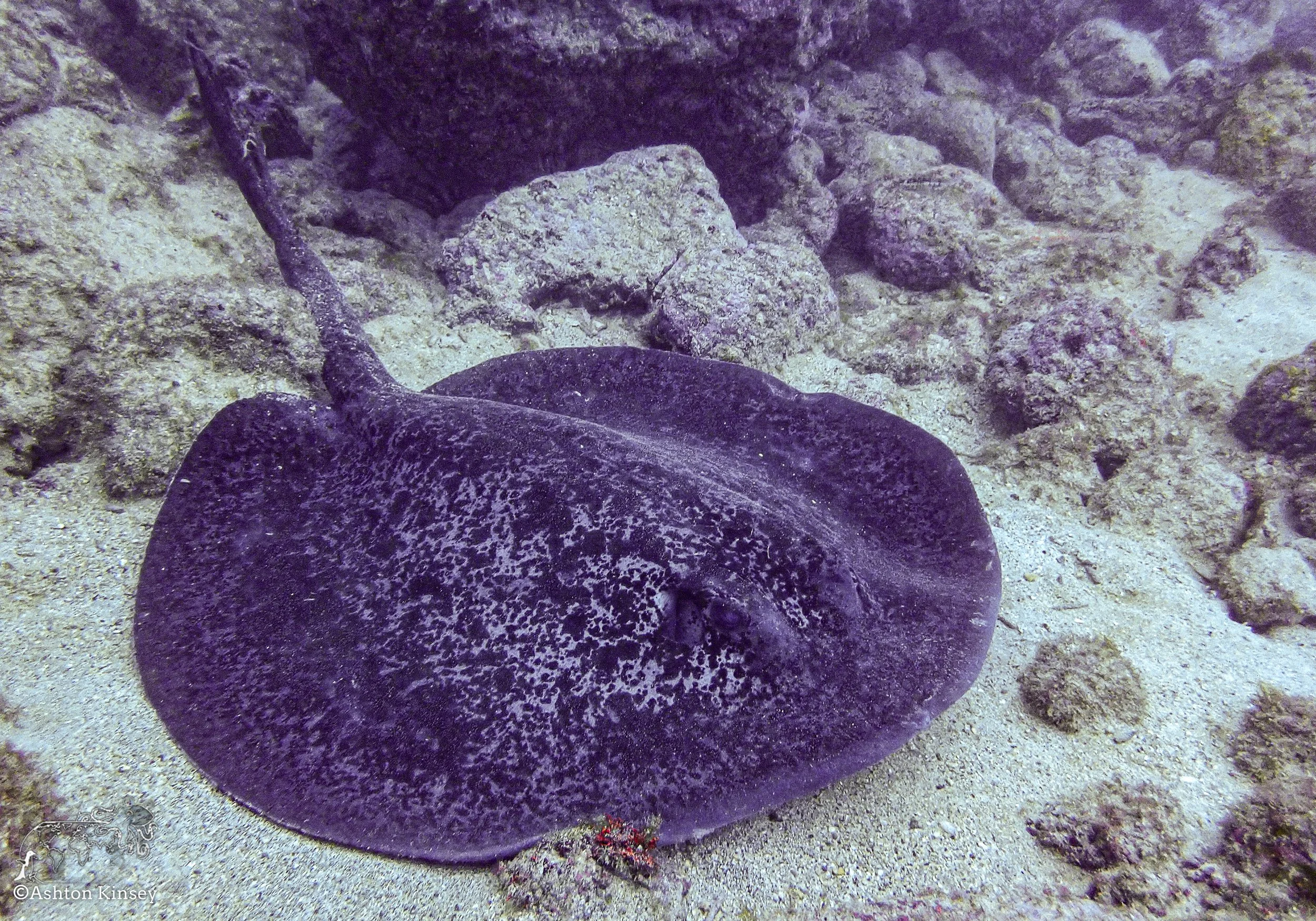
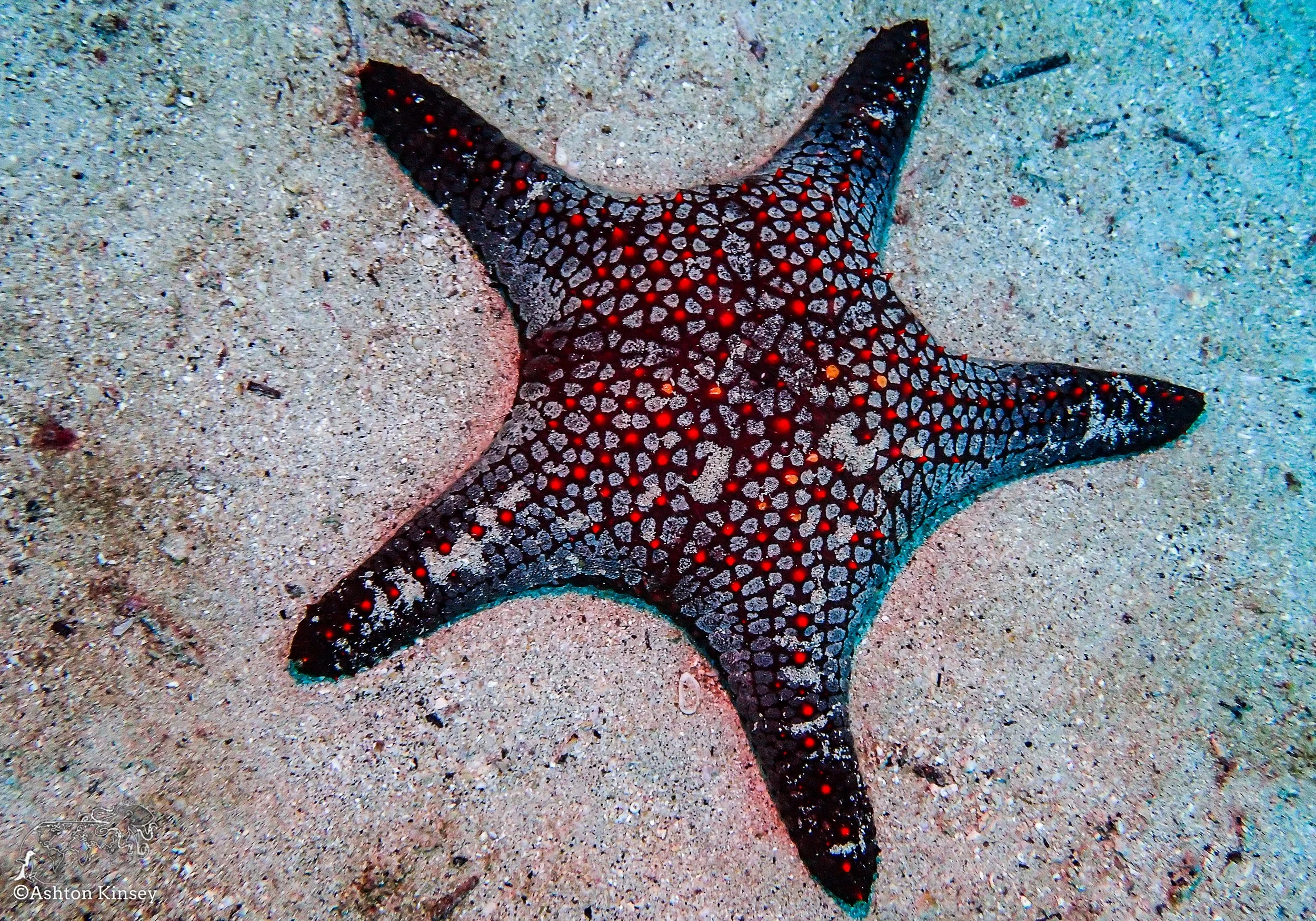
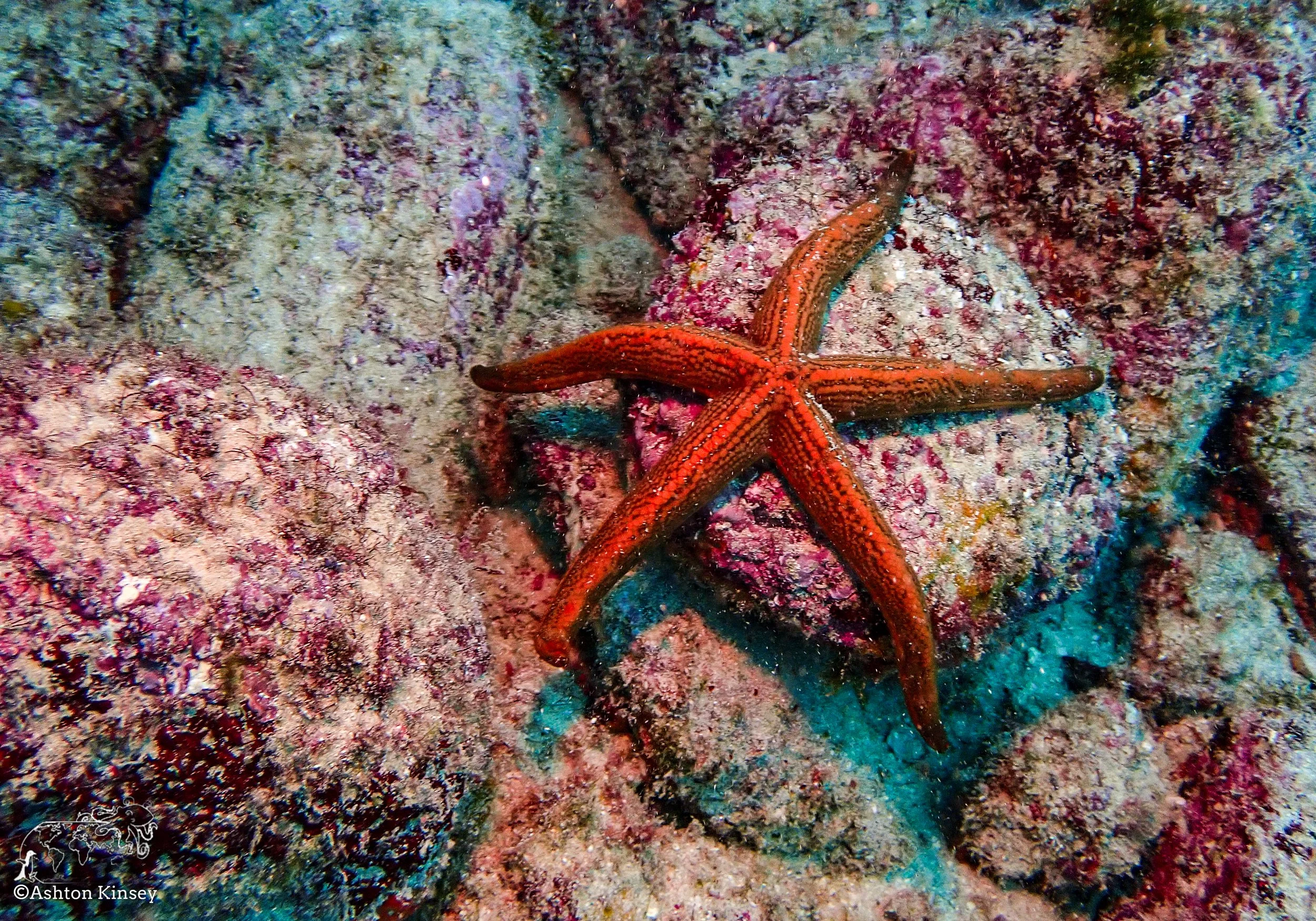
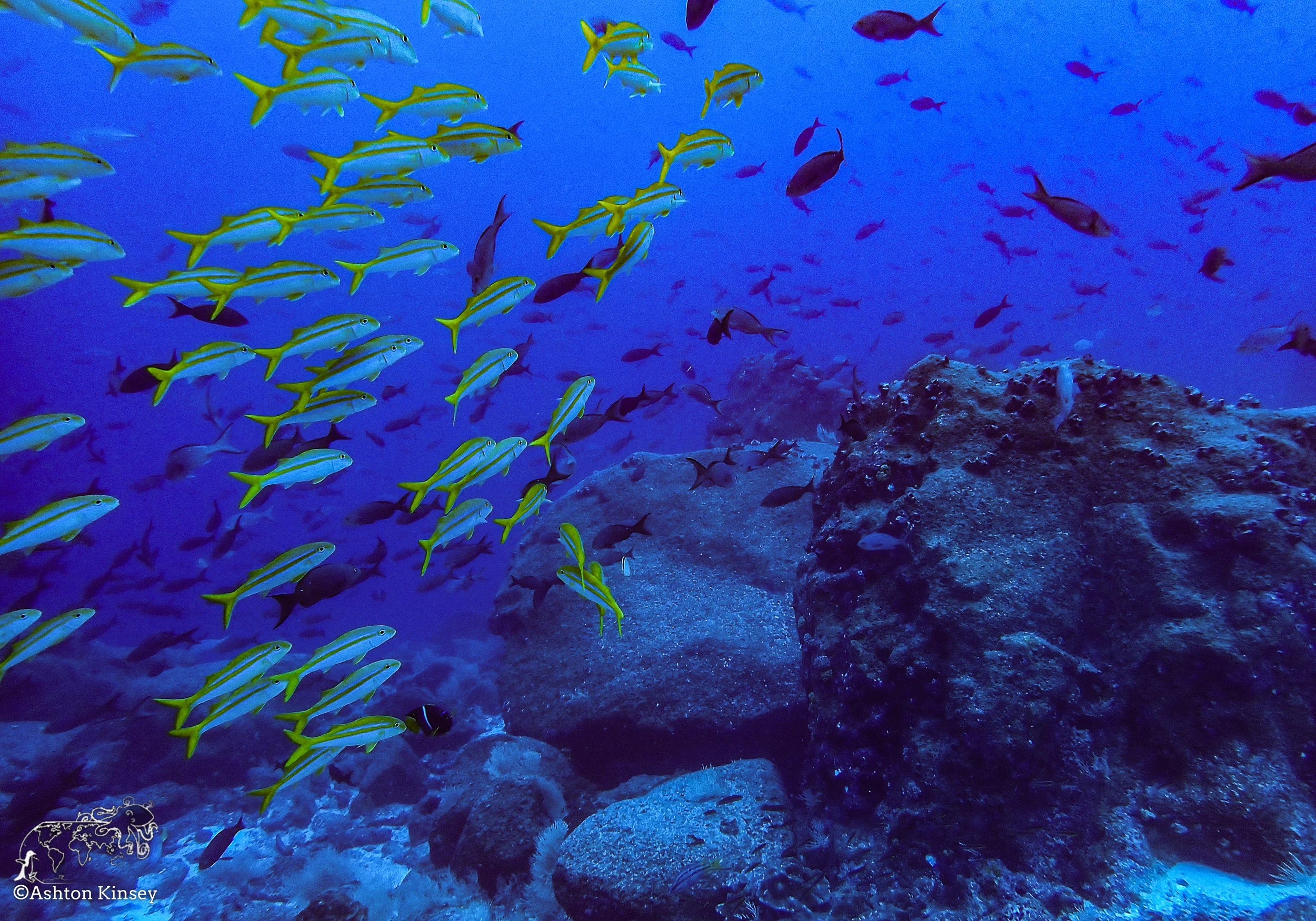
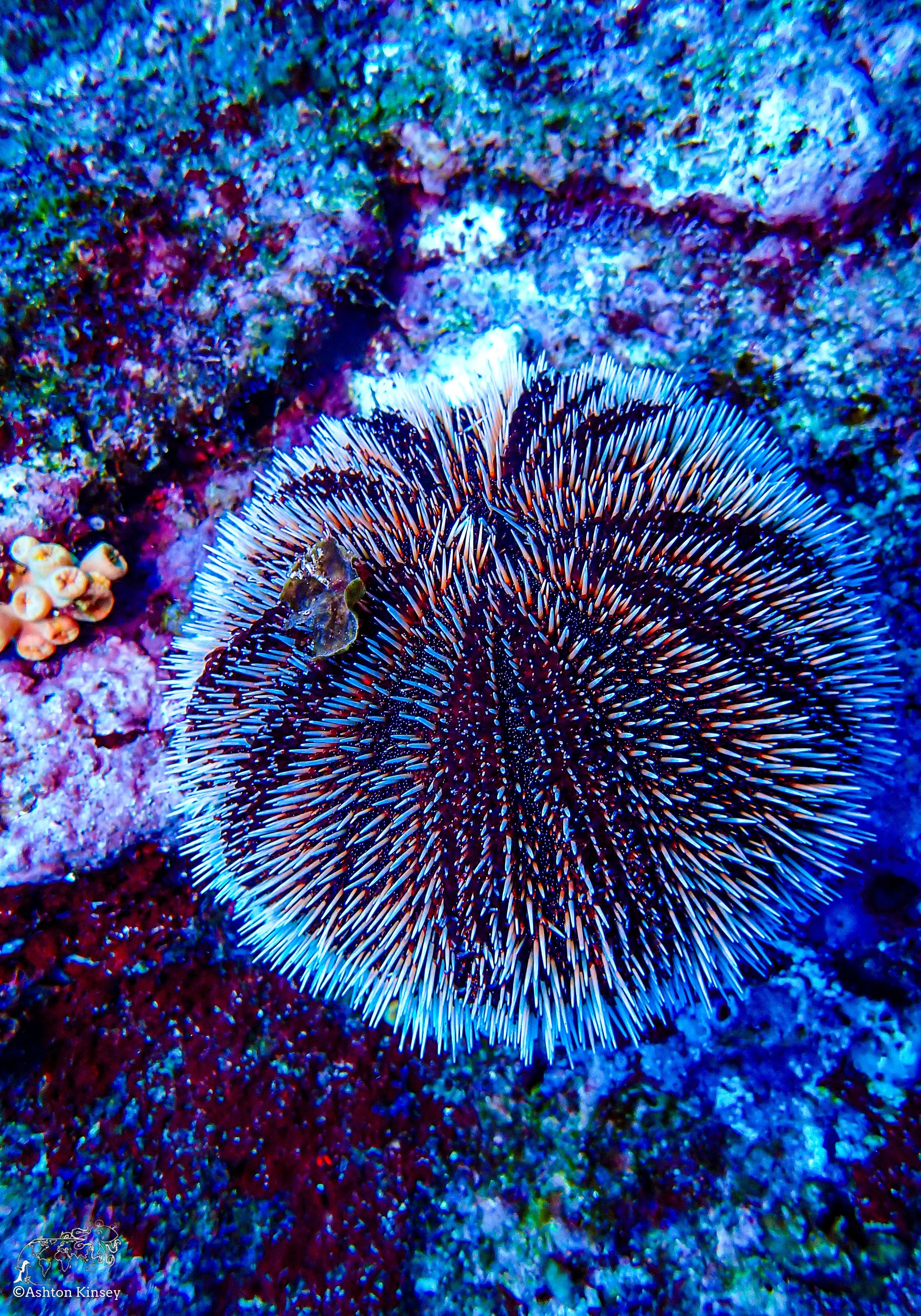
The site consists of a small rocky ledge around 15’ that goes down to 75’ before sloping to a sandy bottom. A very mild current pushed us along as schools of tangs, chromis and gobies grazed on the rocks and corals. Similarly to the previous dive, there were plenty of sea stars and urchins cruising around and hiding in the rocks. Several spotted moray eels laughed at us while we sat and tried to take pictures of uncooperating sting rays. The dive ended with everyone deploying a surface marker buoy from depth. This was to ensure everyone knew how to do it in case of buddy separation during a dive and could alert the panga captain where we were located. Not that anyone would ever get lost or separated on a dive...(Allie: FORESHADOWING!)
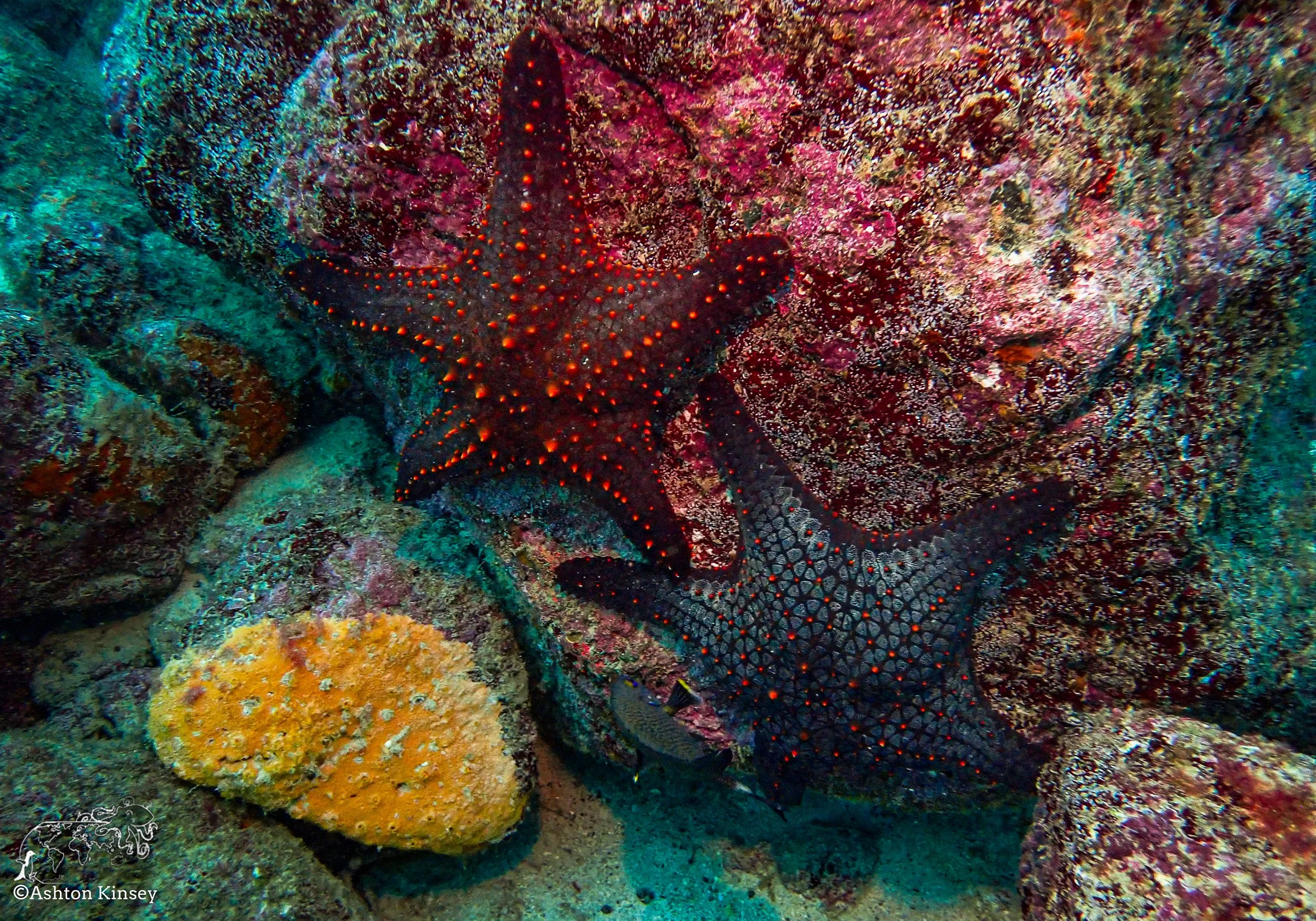
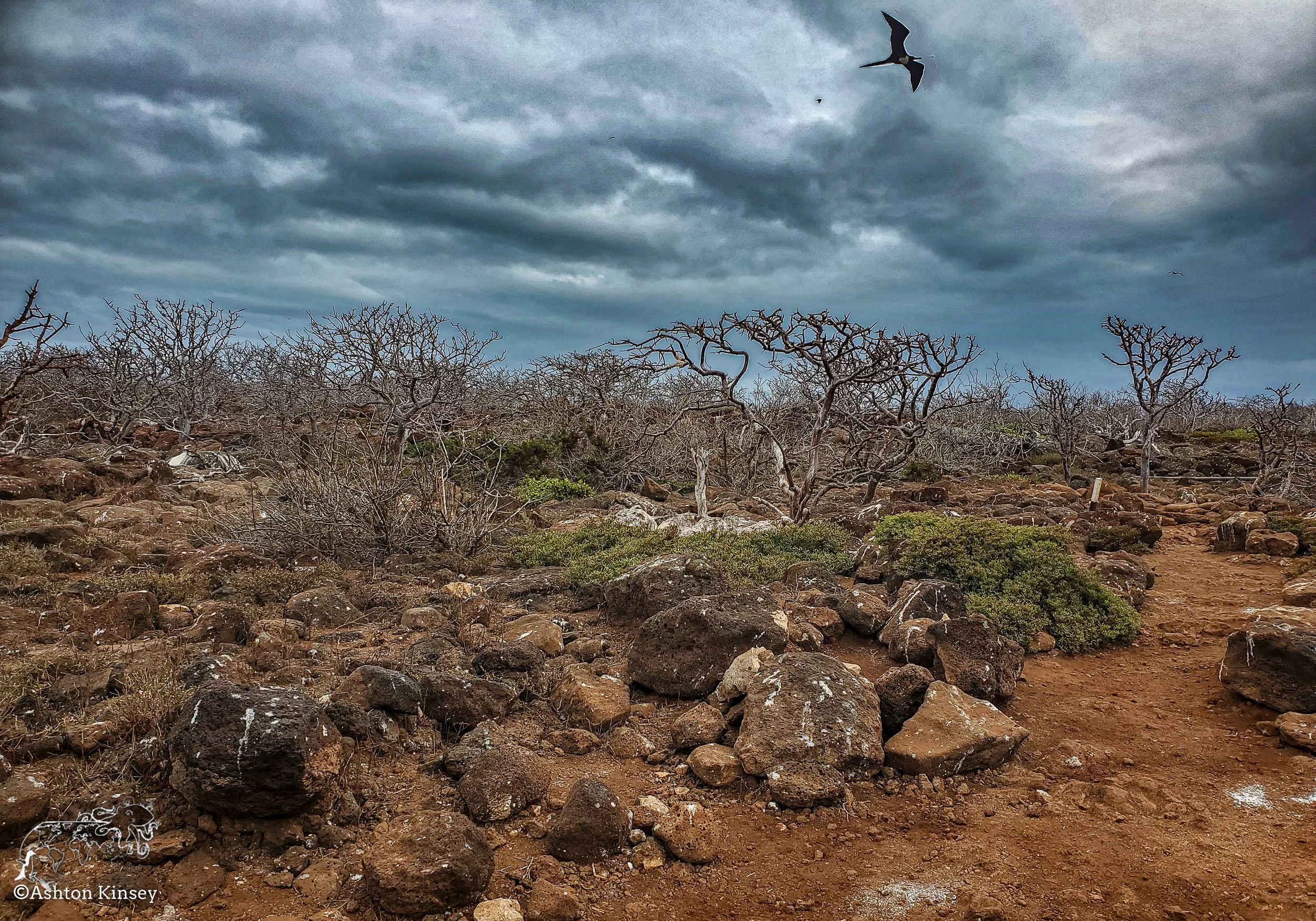
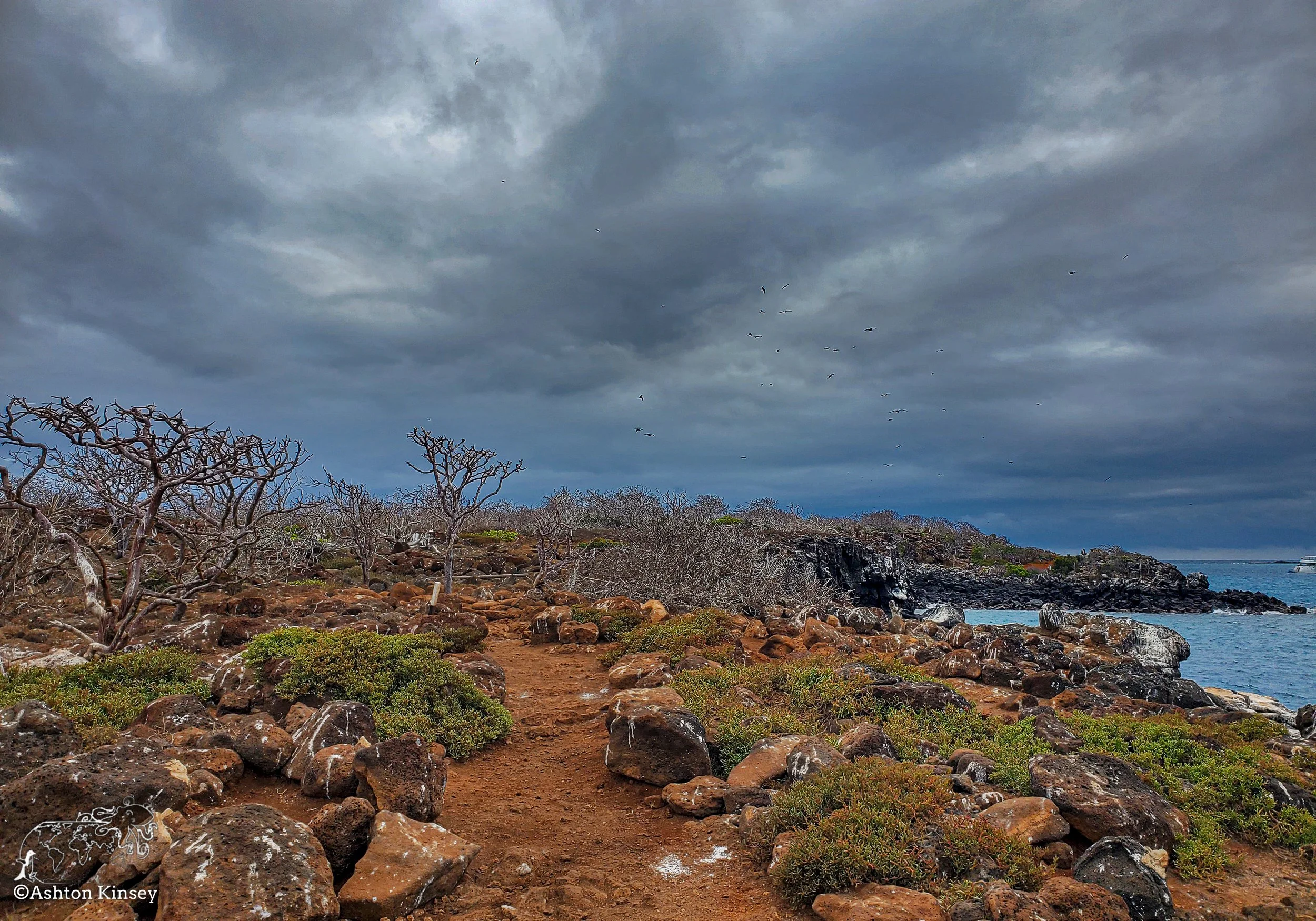
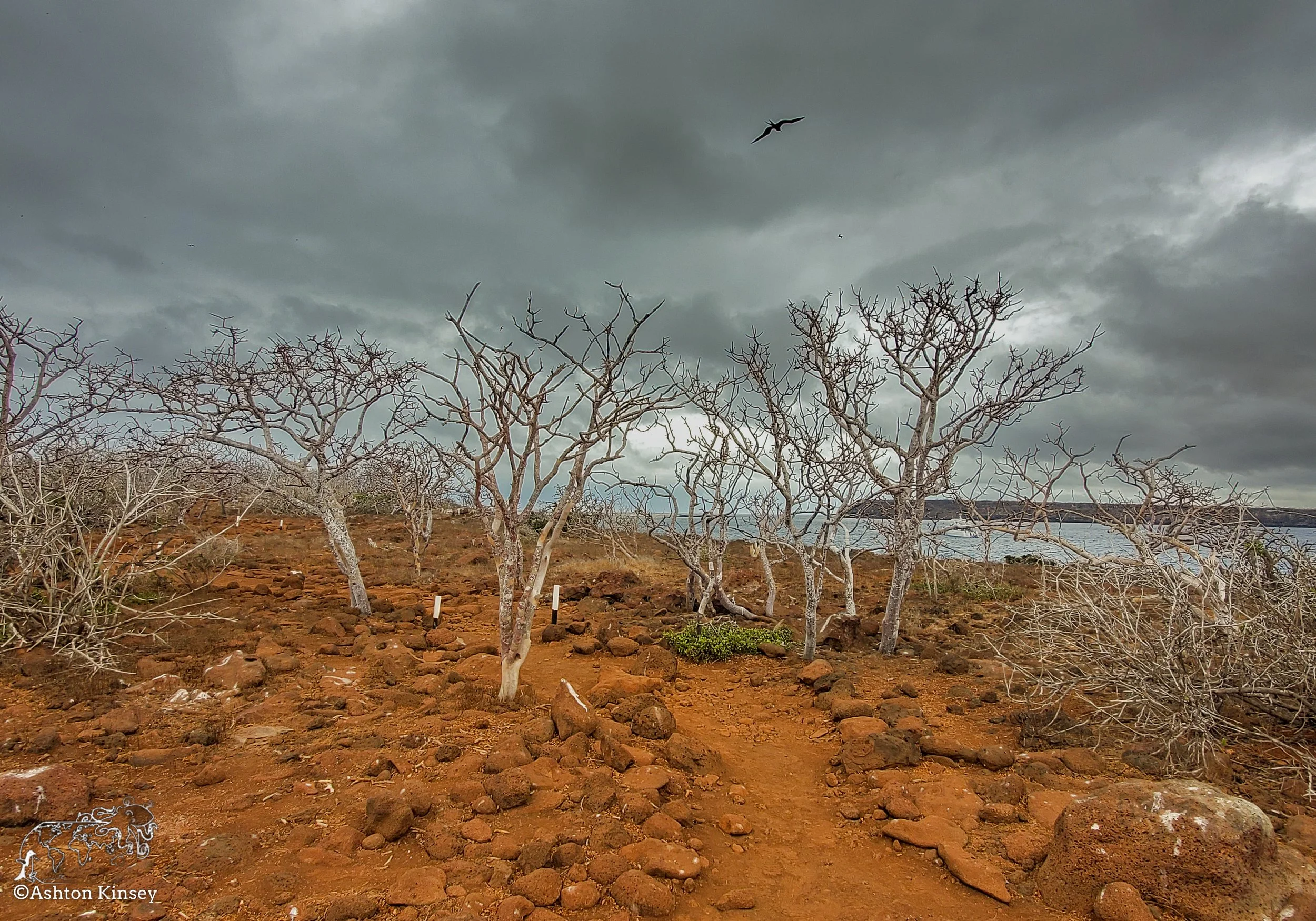
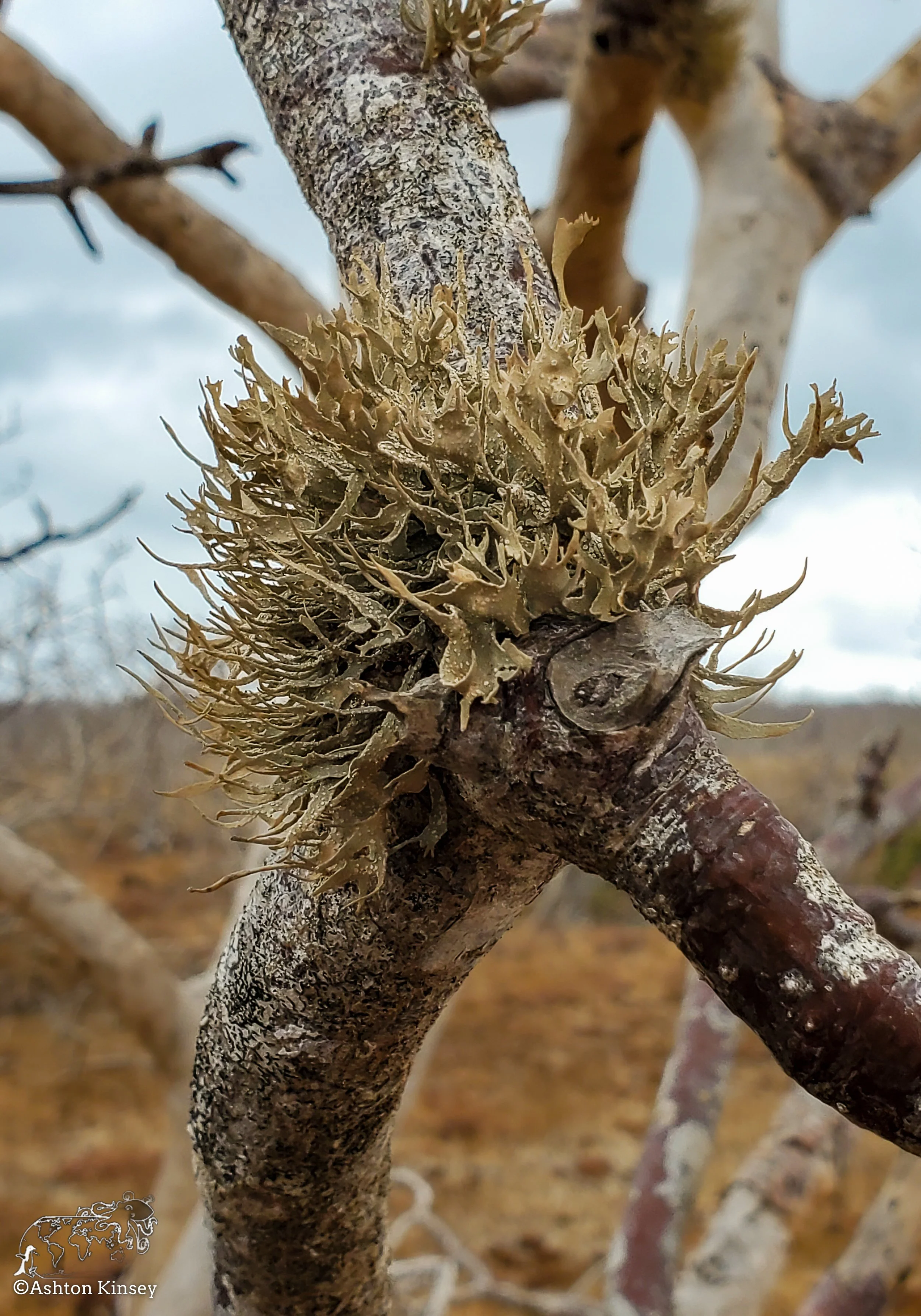
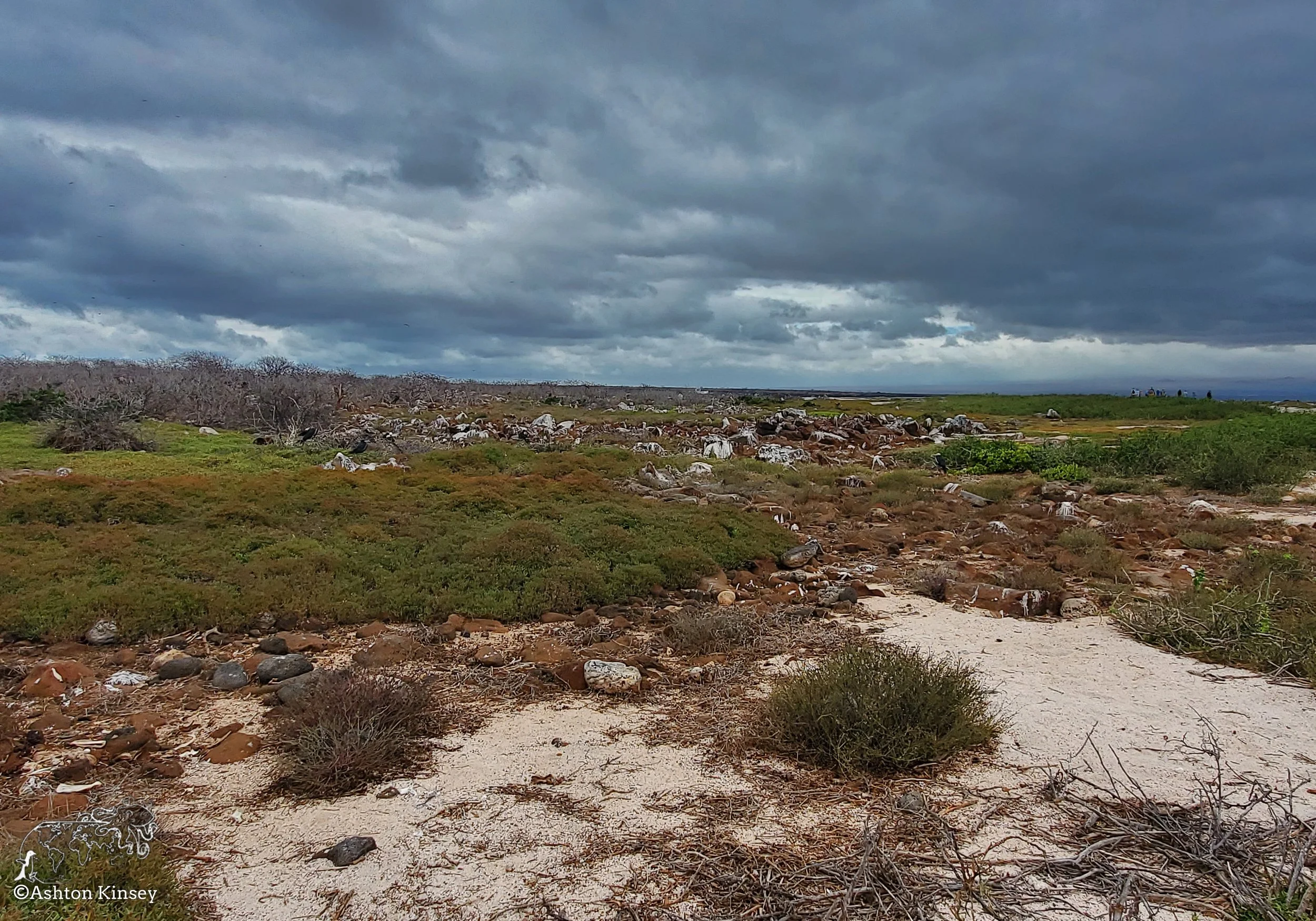
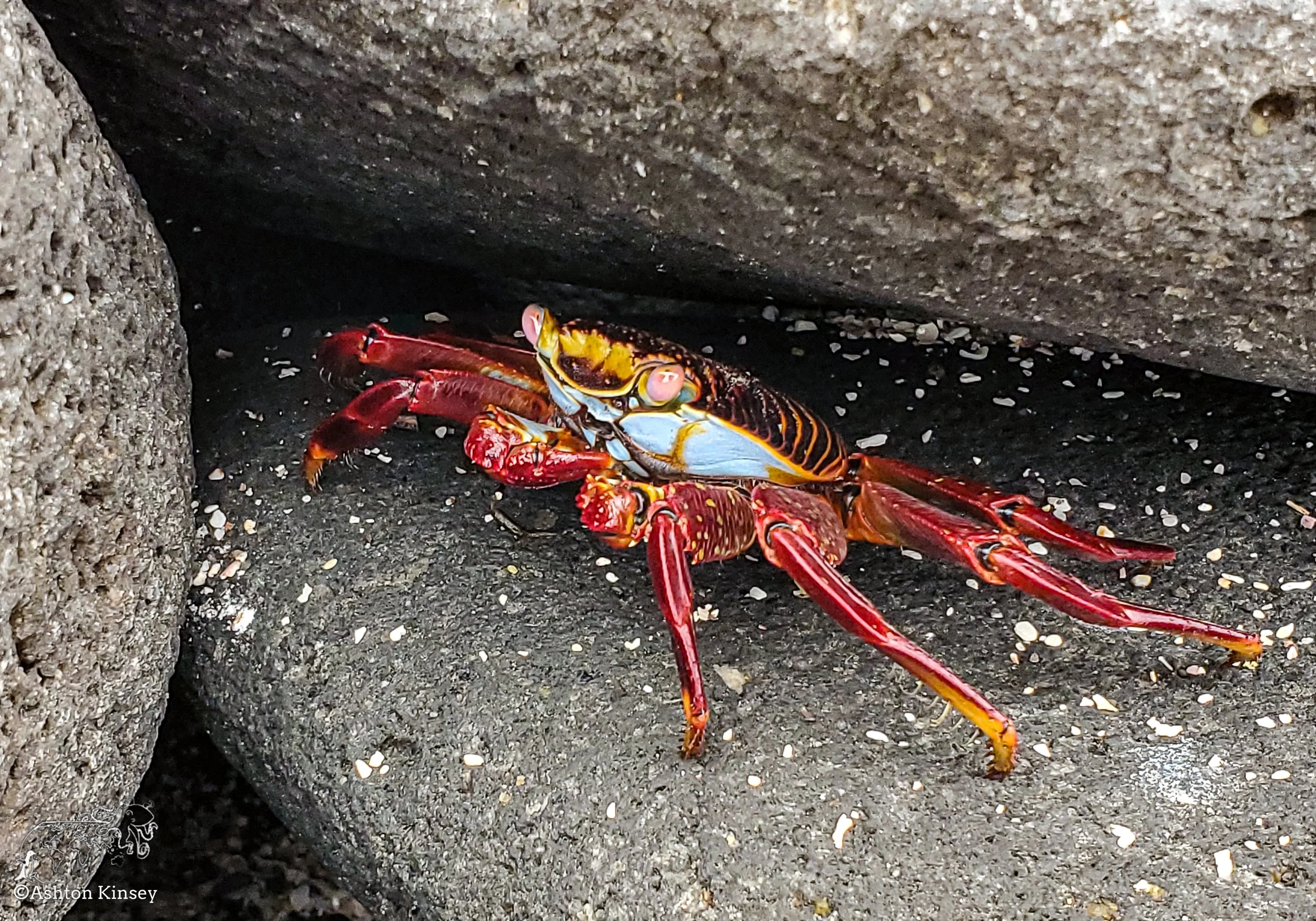
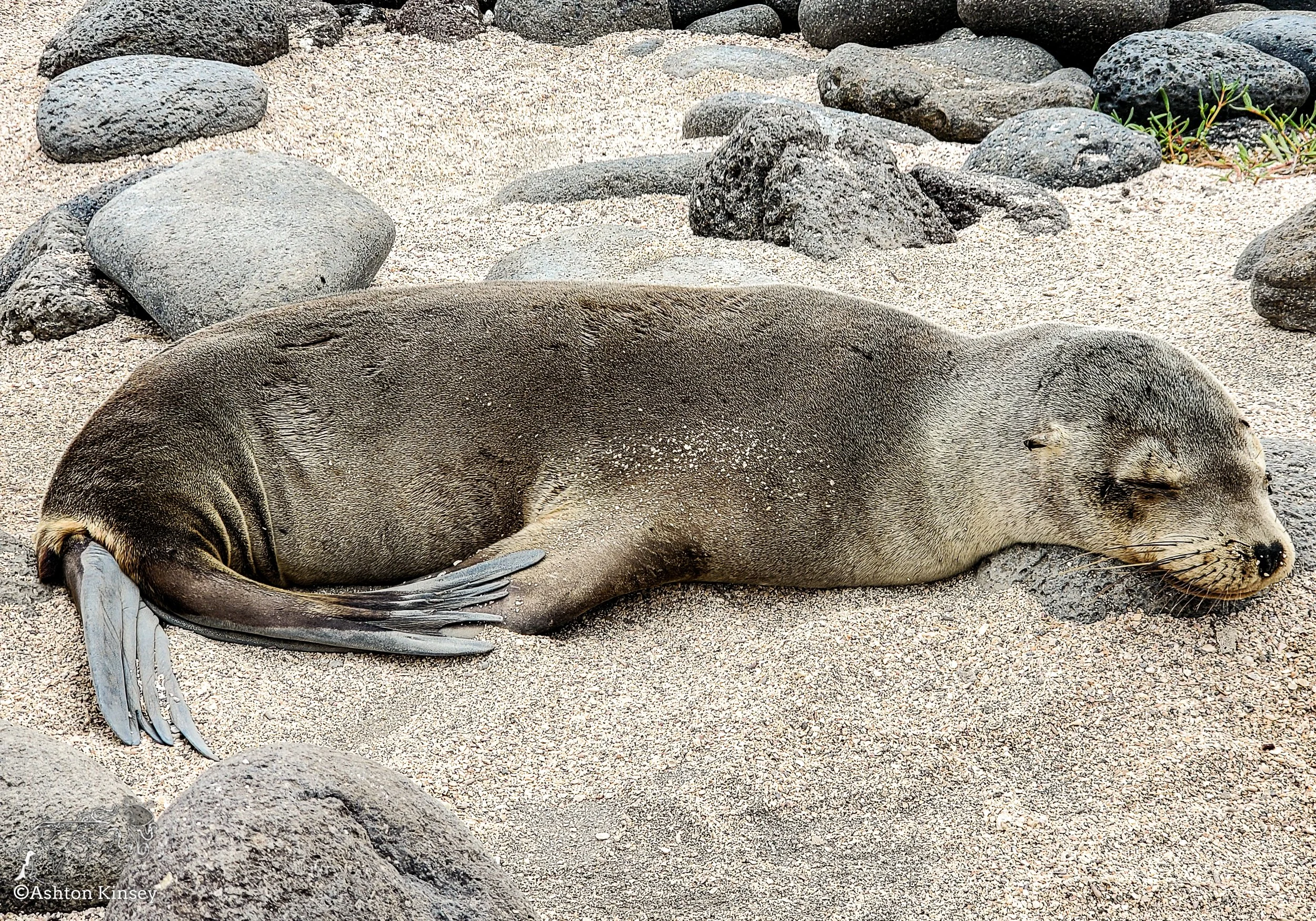
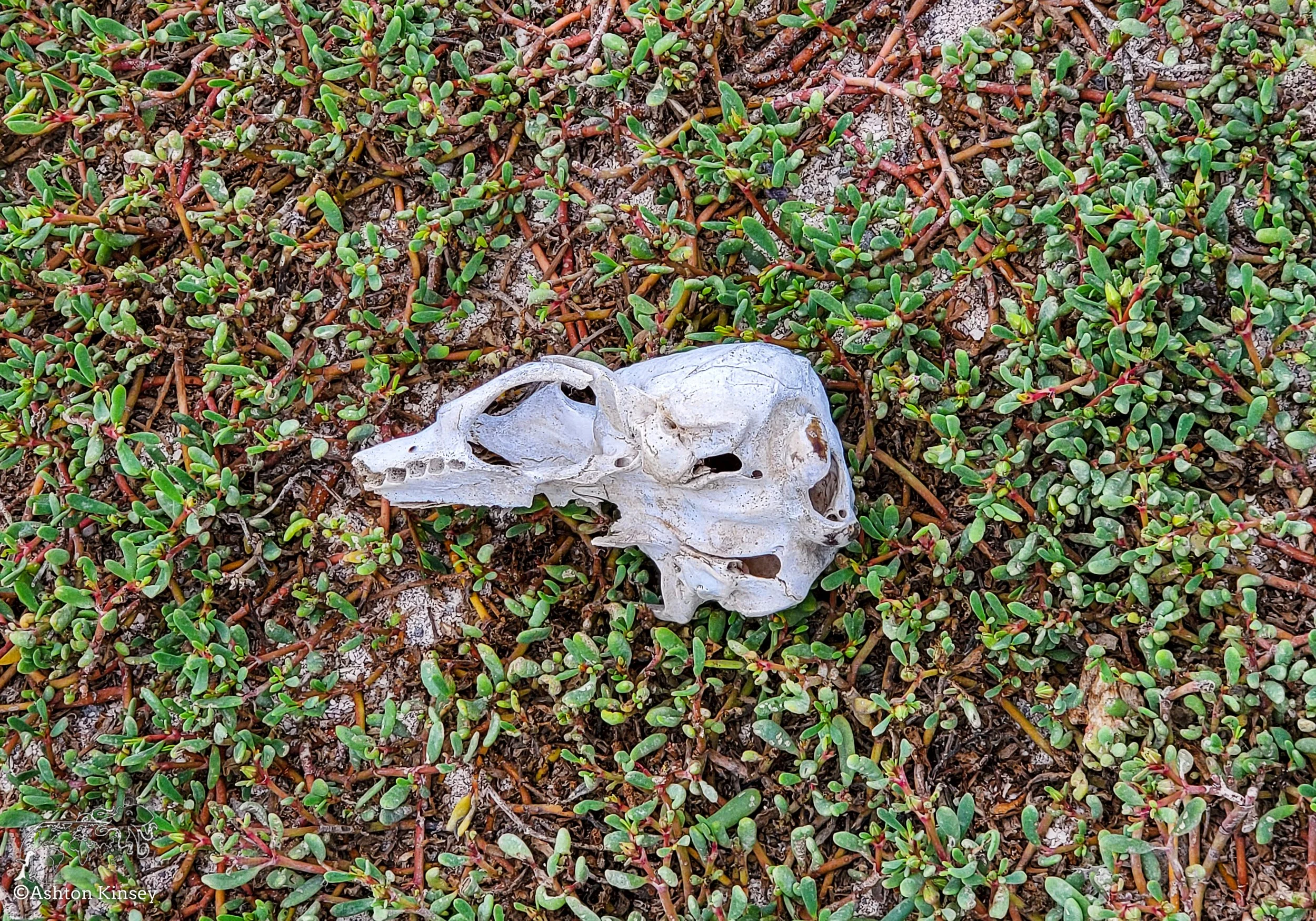
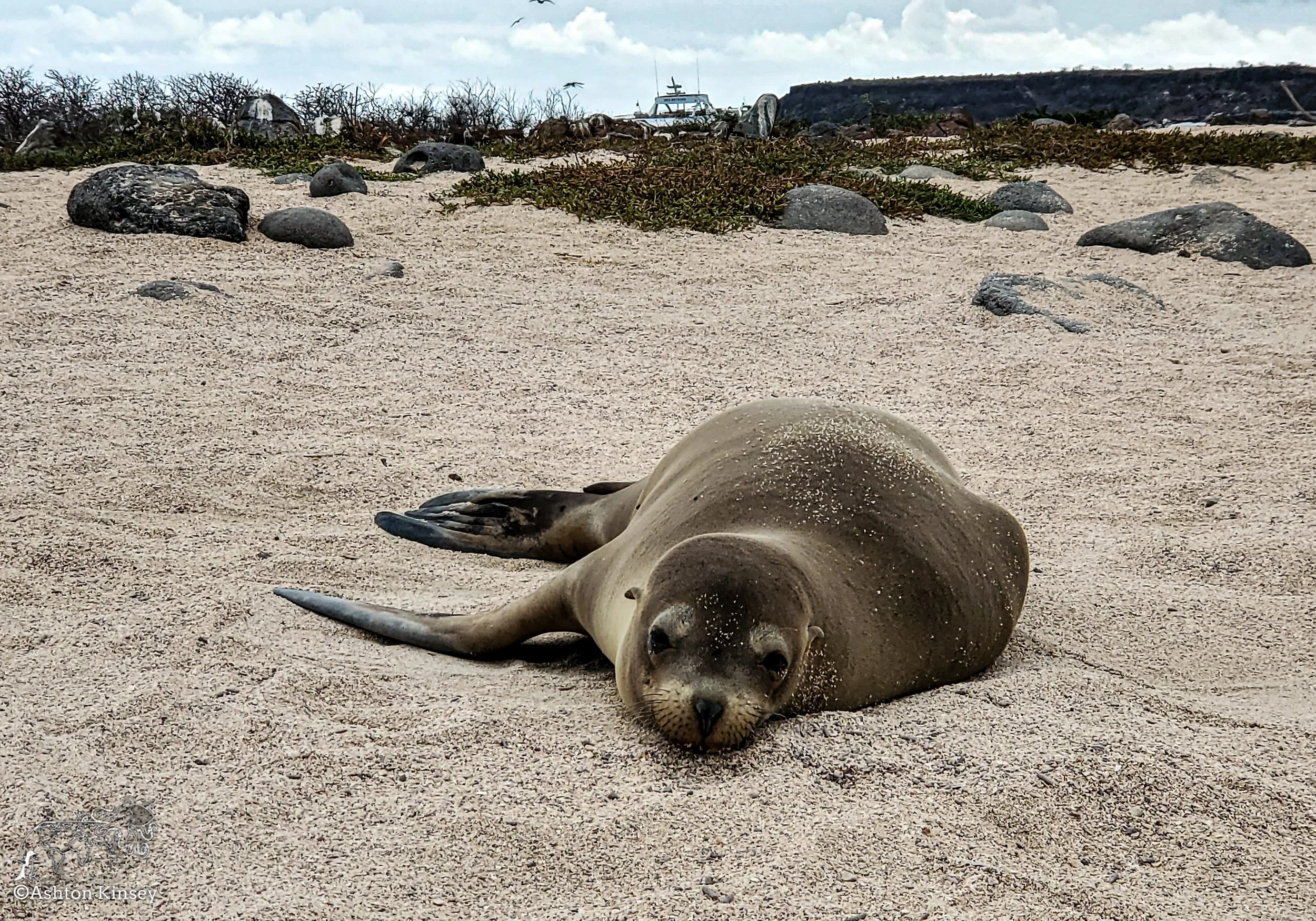
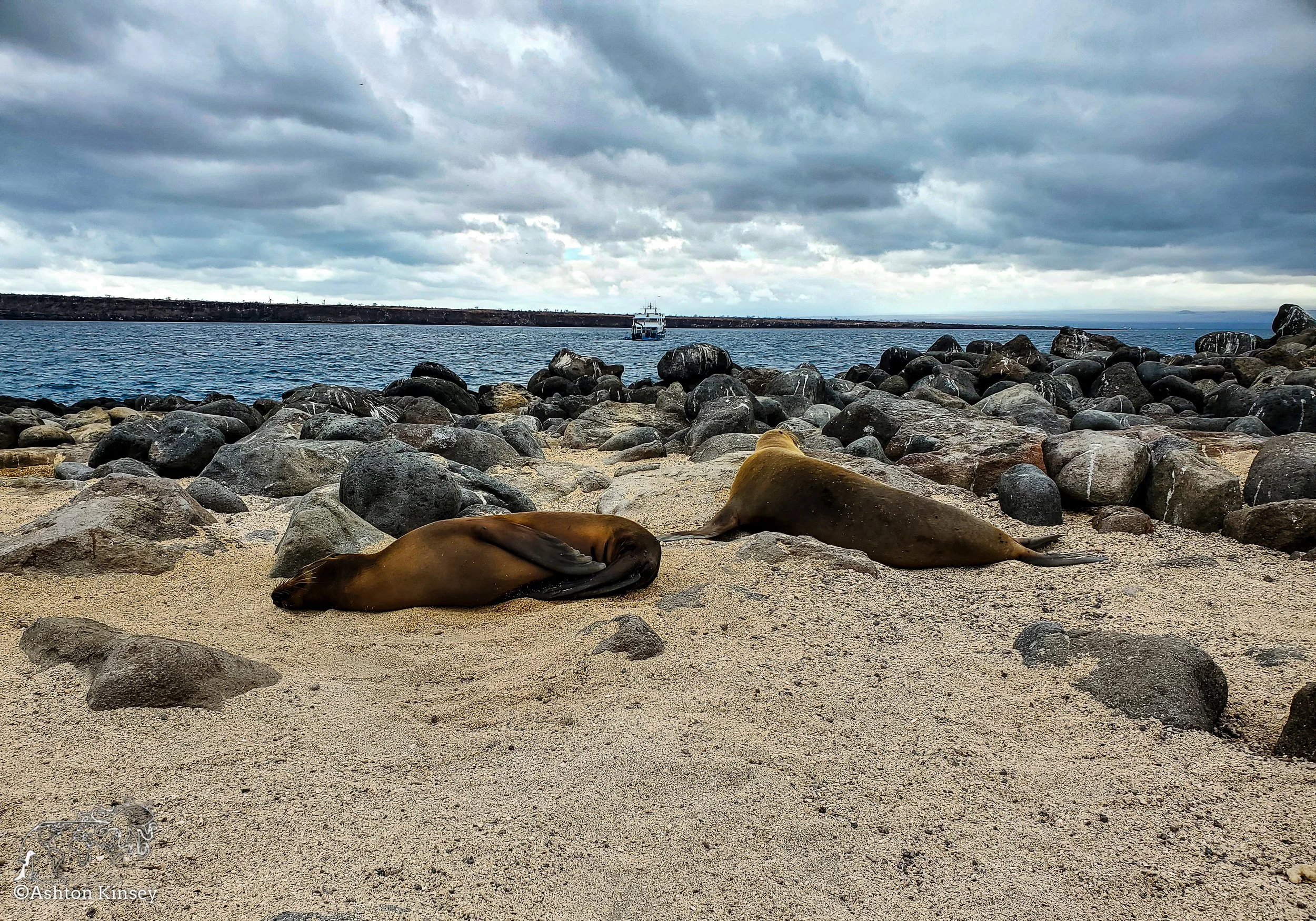
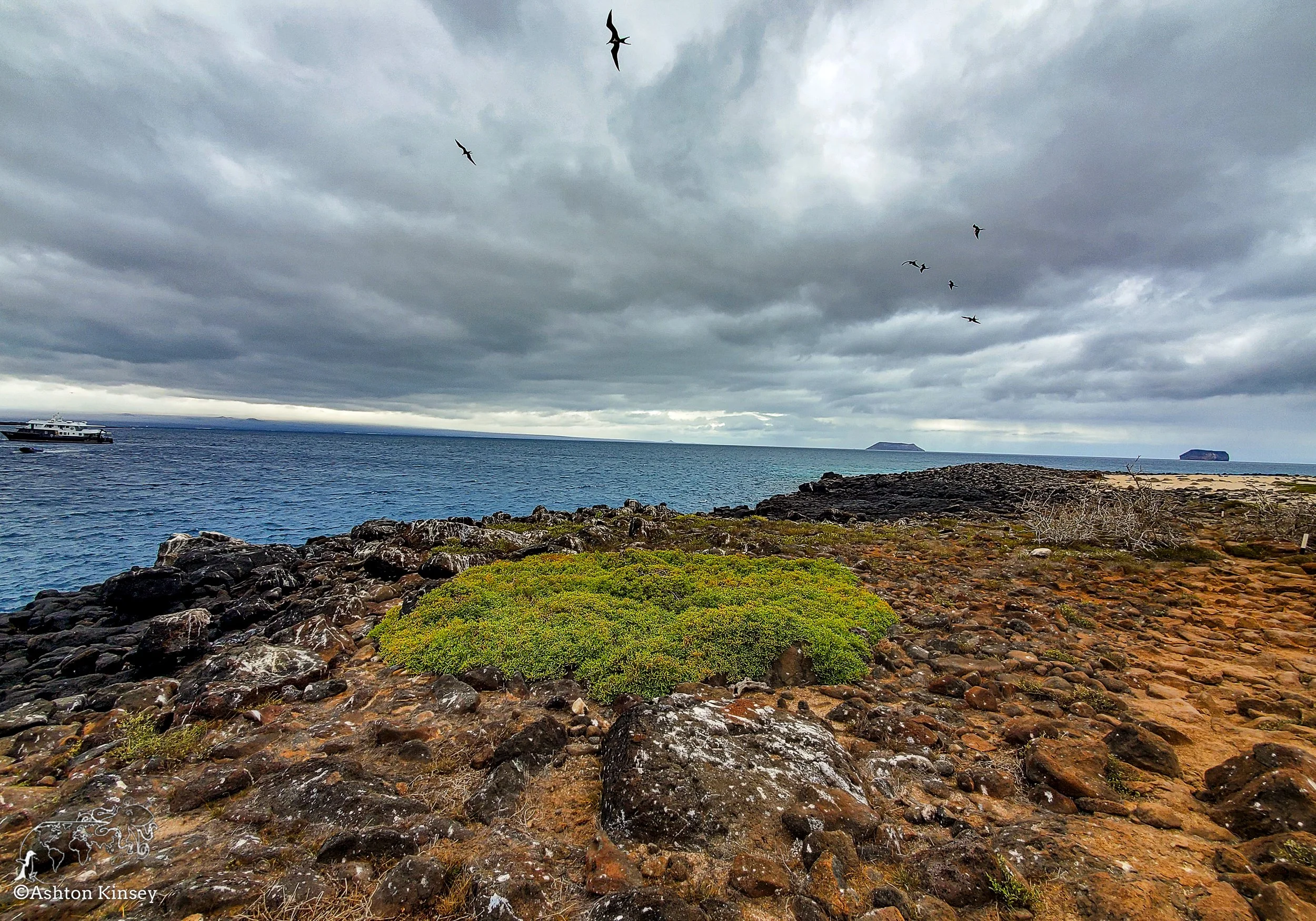
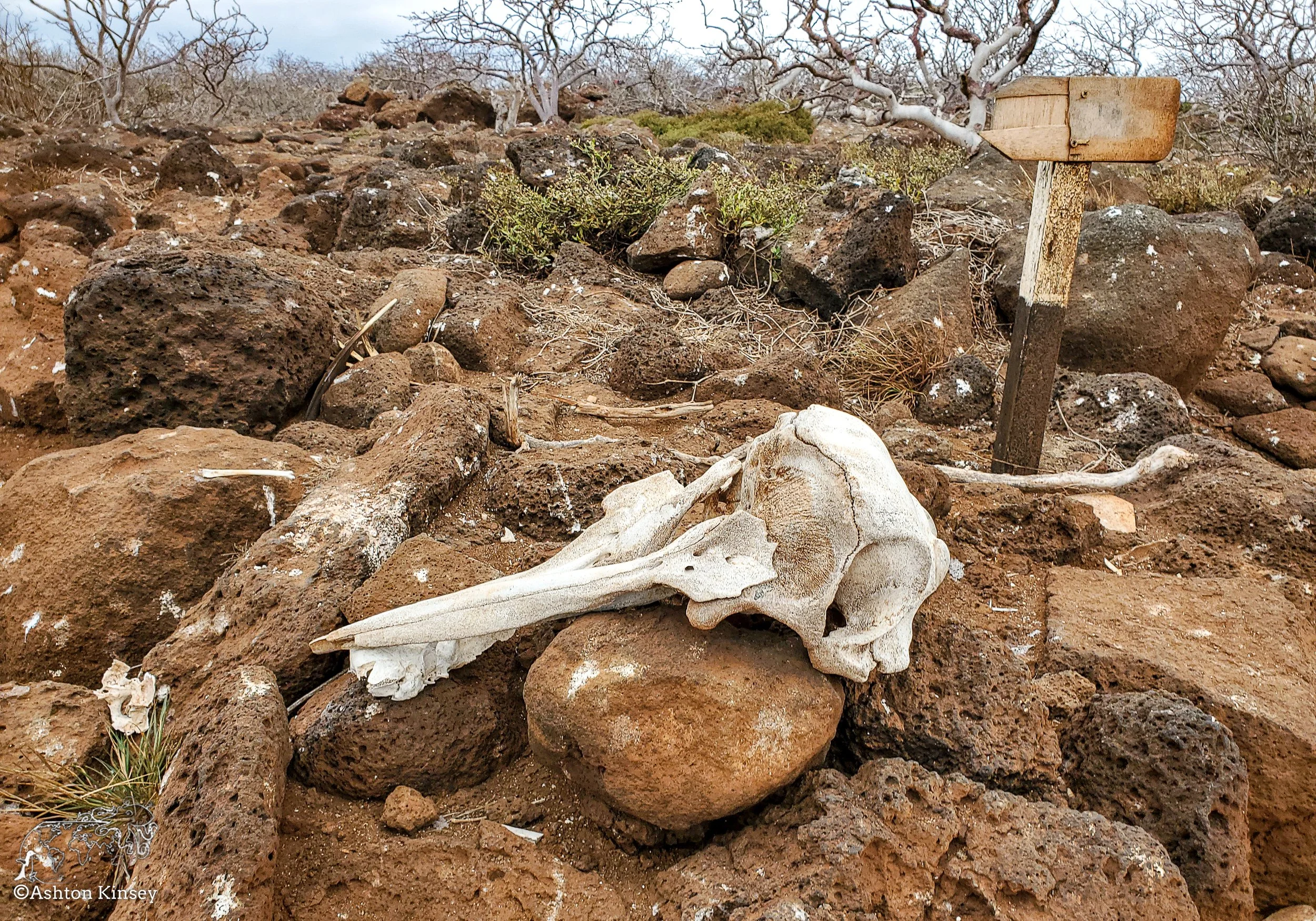
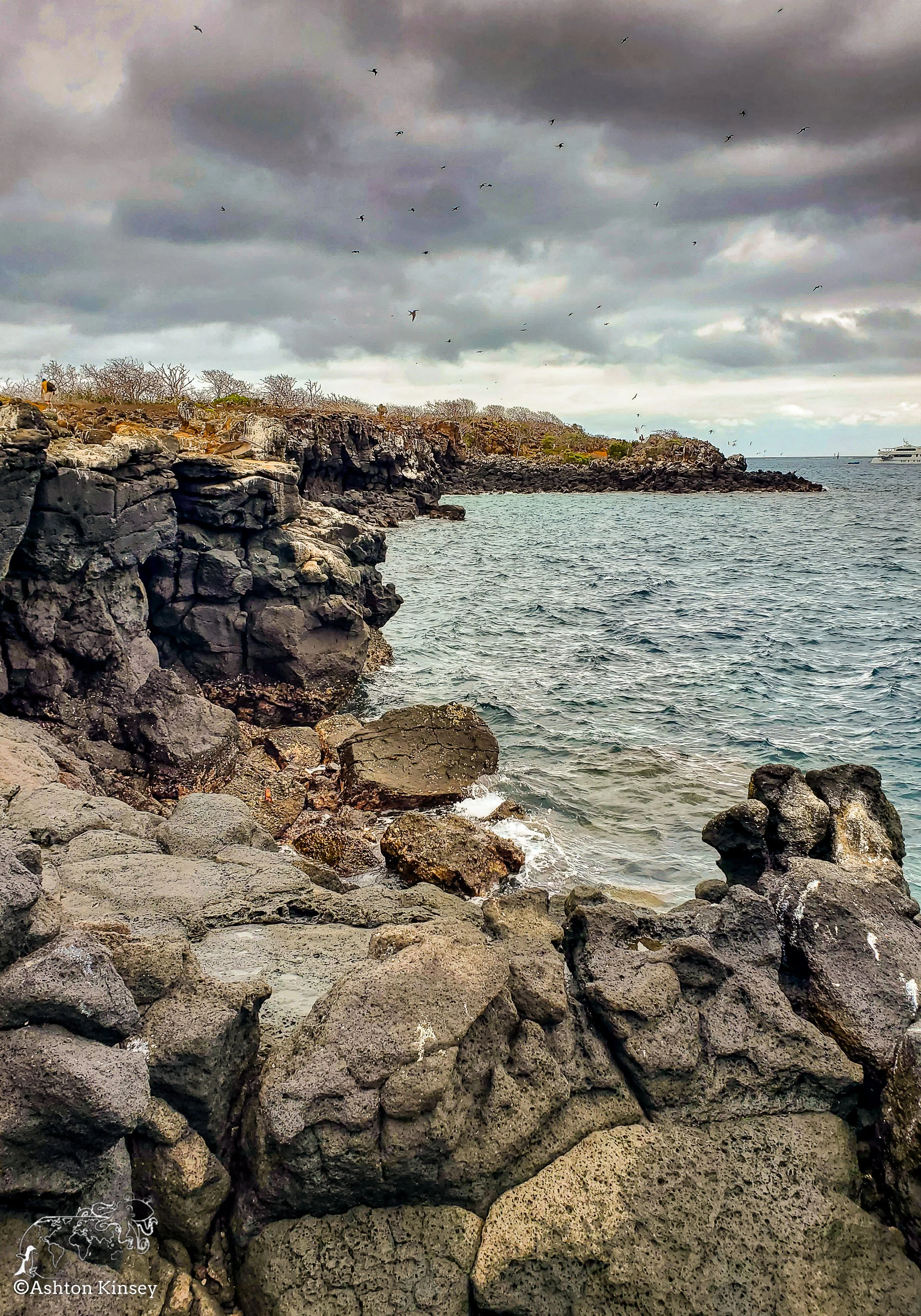
Before setting sail again we took the pangas over to land on North Seymour Island. Way back when, North Seymour Island, was formed by an upwelling of submarine lava resulting in a 1.9 km2 island. The island remains unpopulated save for some vegetation and animal life. A 1.2-mile foot trail has been formed around the island that can only be accessed when guided by a certified National Park guide.
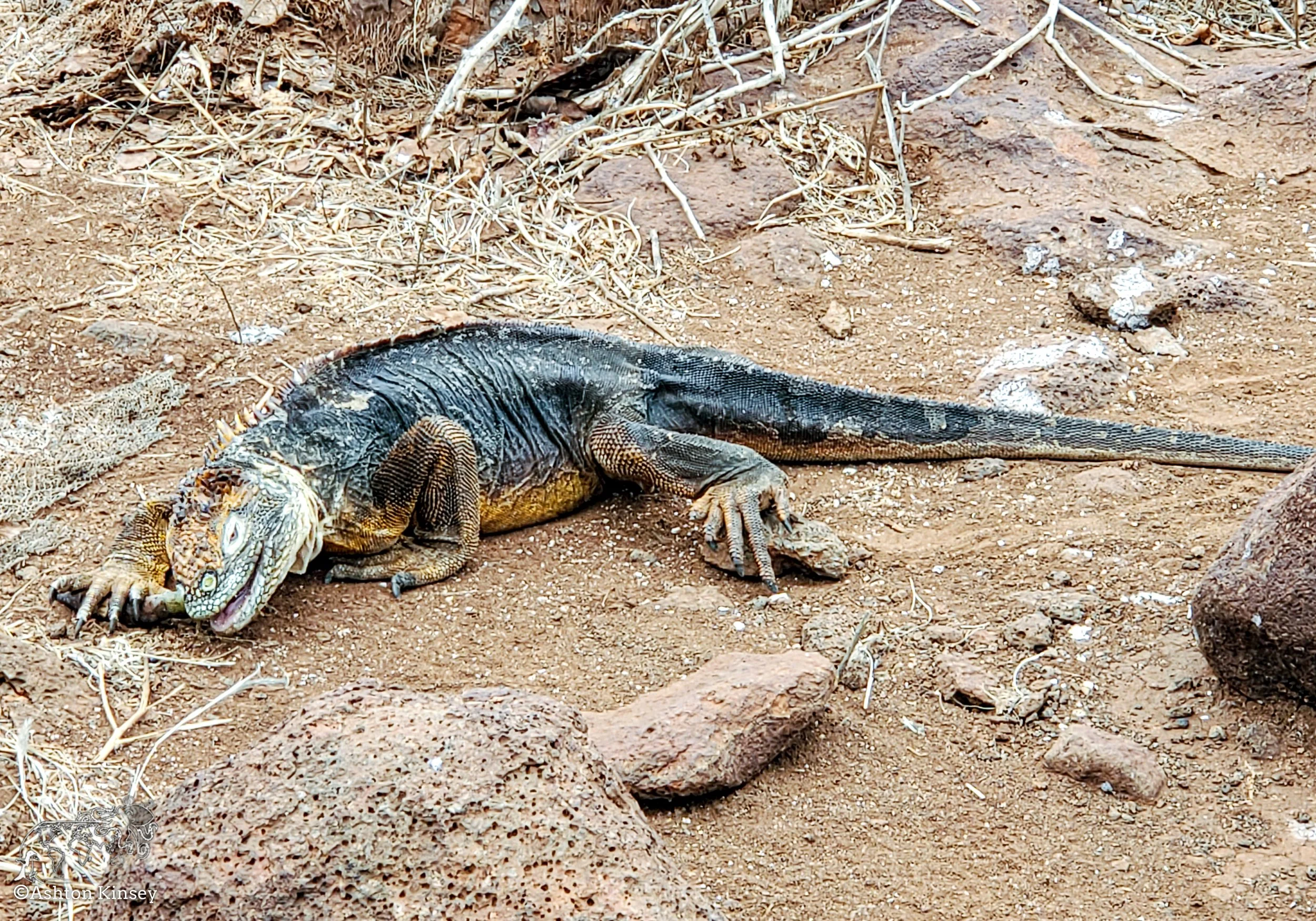
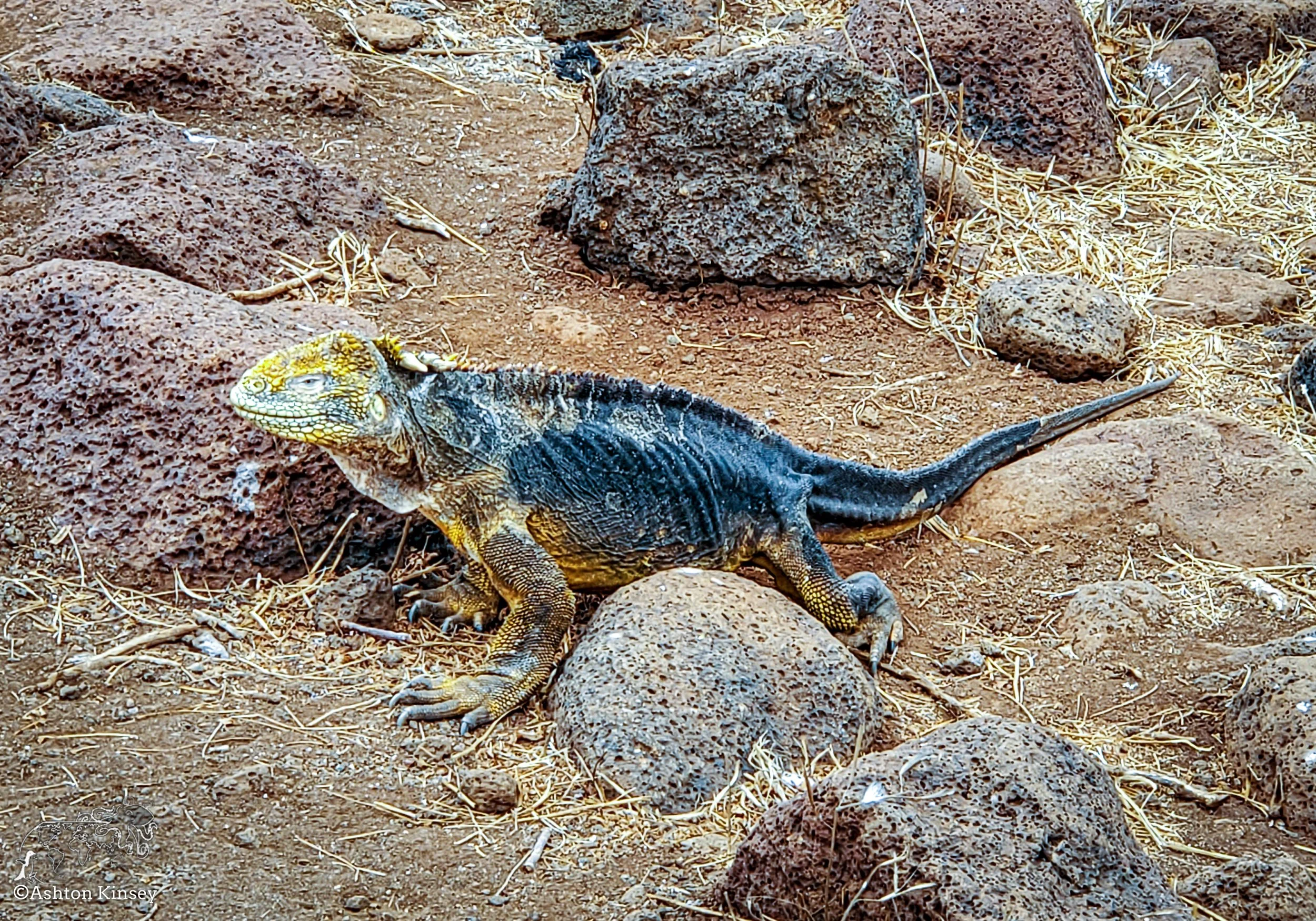
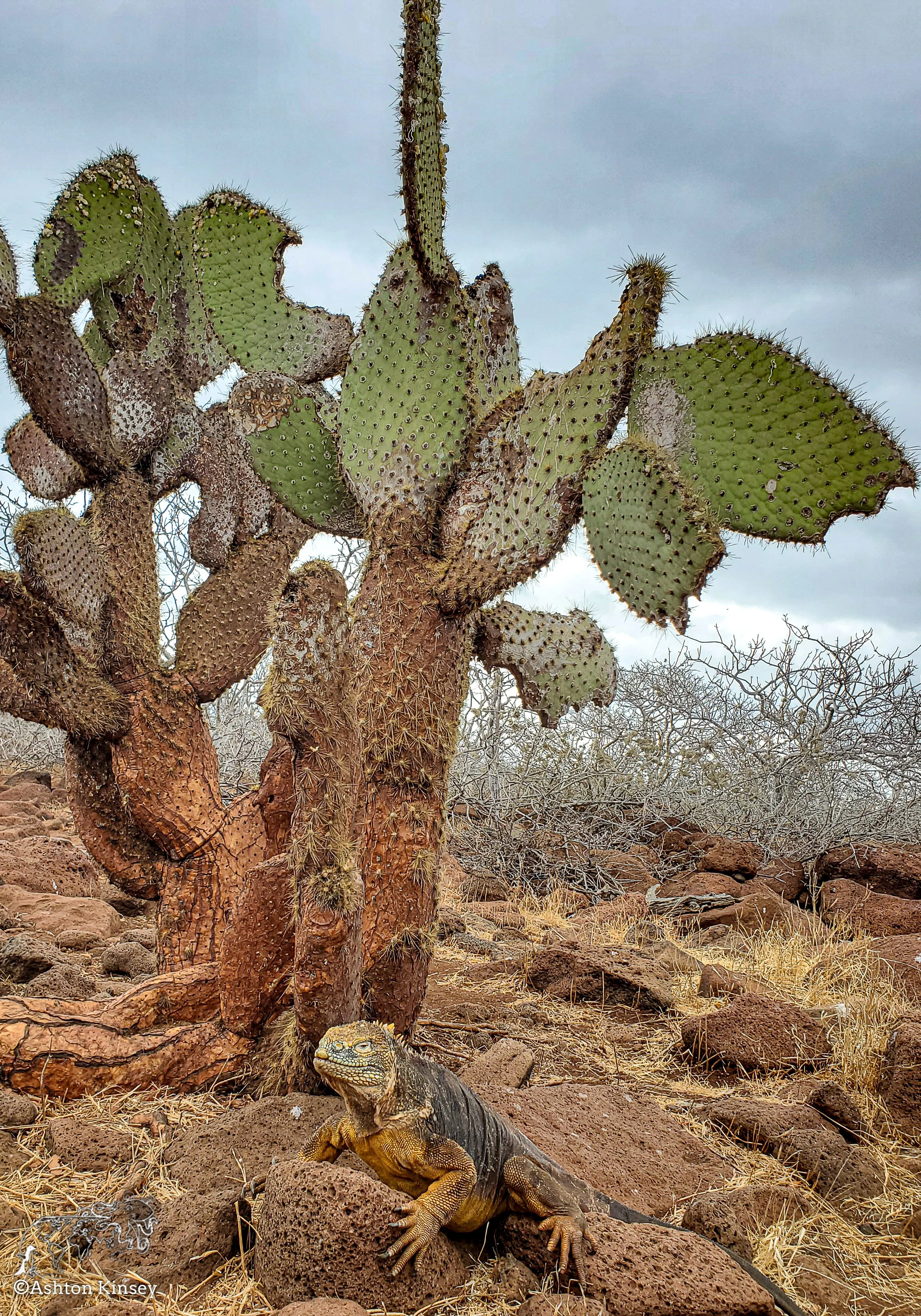
When Captain G. Allan Hancock was on Baltra Island in the 1930’s, he and his team brought several yellow land iguanas over to North Seymour Island. Black and brown rats, introduced accidently from ships, would help control the iguana population by eating the babies, however the National Park began the process of eradicating the invasive species in 2019. With no natural predators the iguana population boomed, and the native cacti population has been nearly depleted. The increased population size, combined with decreased rainfall due to climate change food sources for the iguanas has dwindled. To help control the population, 1,500 iguanas were captured and released on Santiago Island, one of the neighboring islands. Iguanas were first identified on the island by Charles Darwin in 1835, but the last record of living iguanas on Santiago was only three years later in 1938.
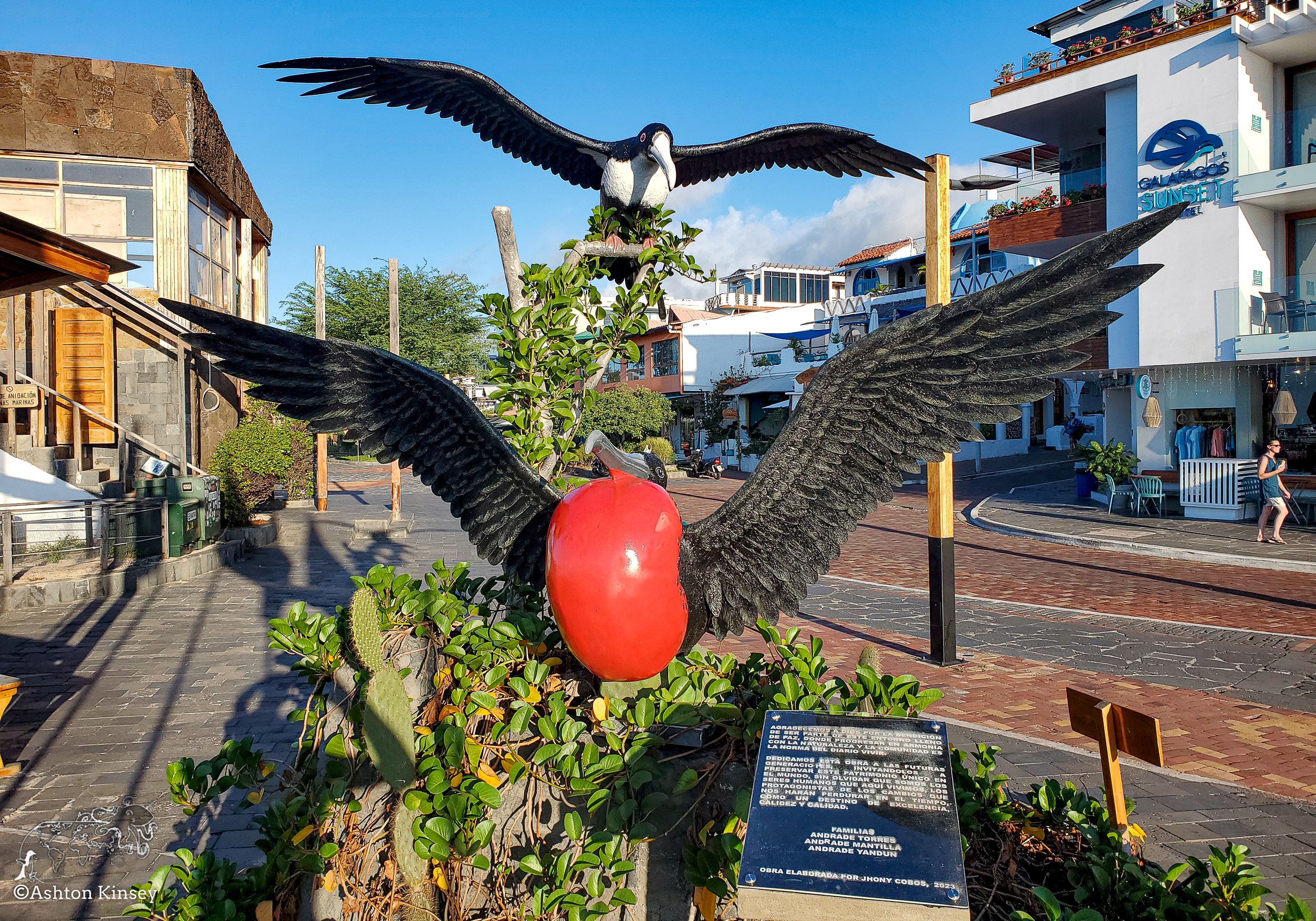
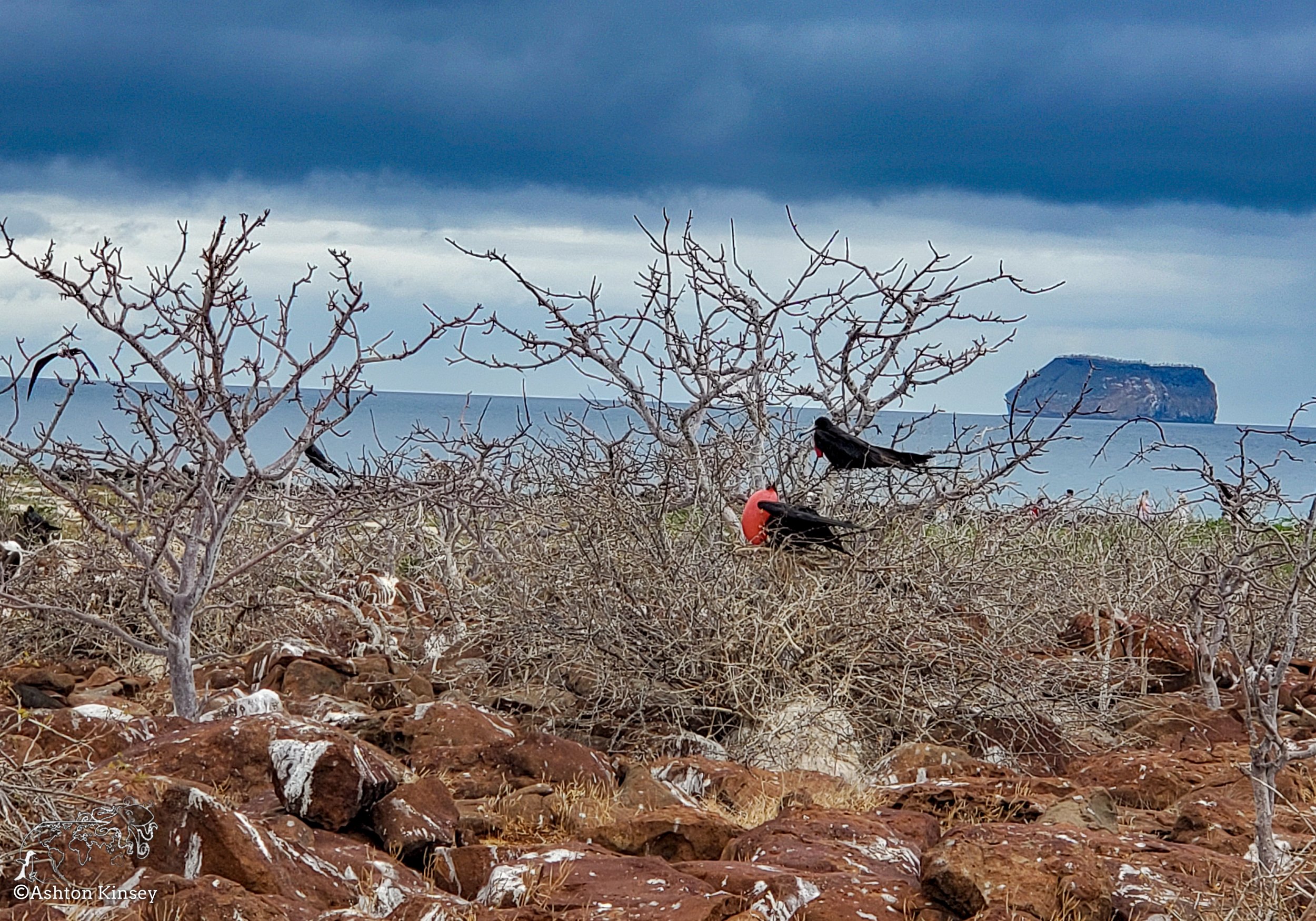
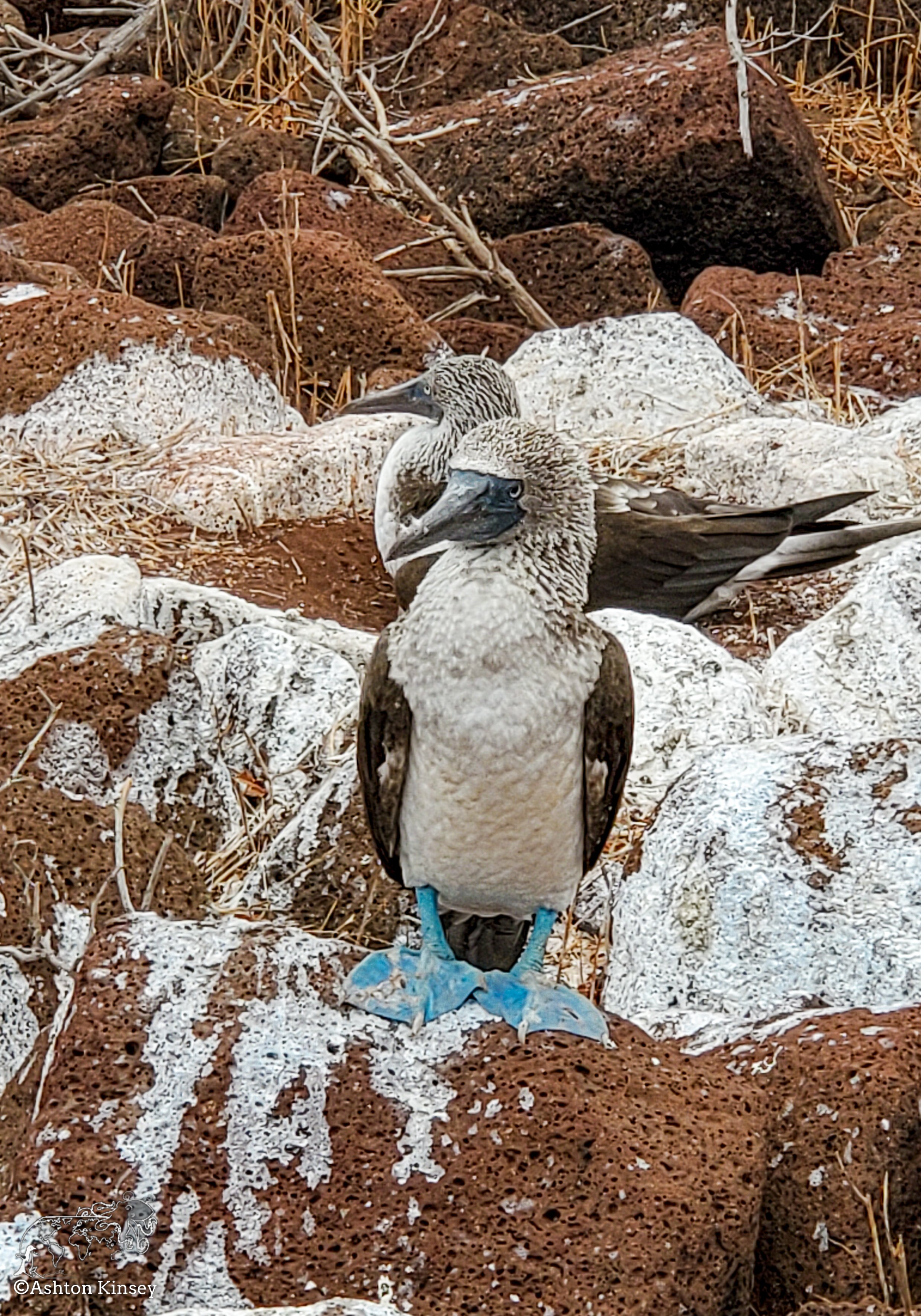
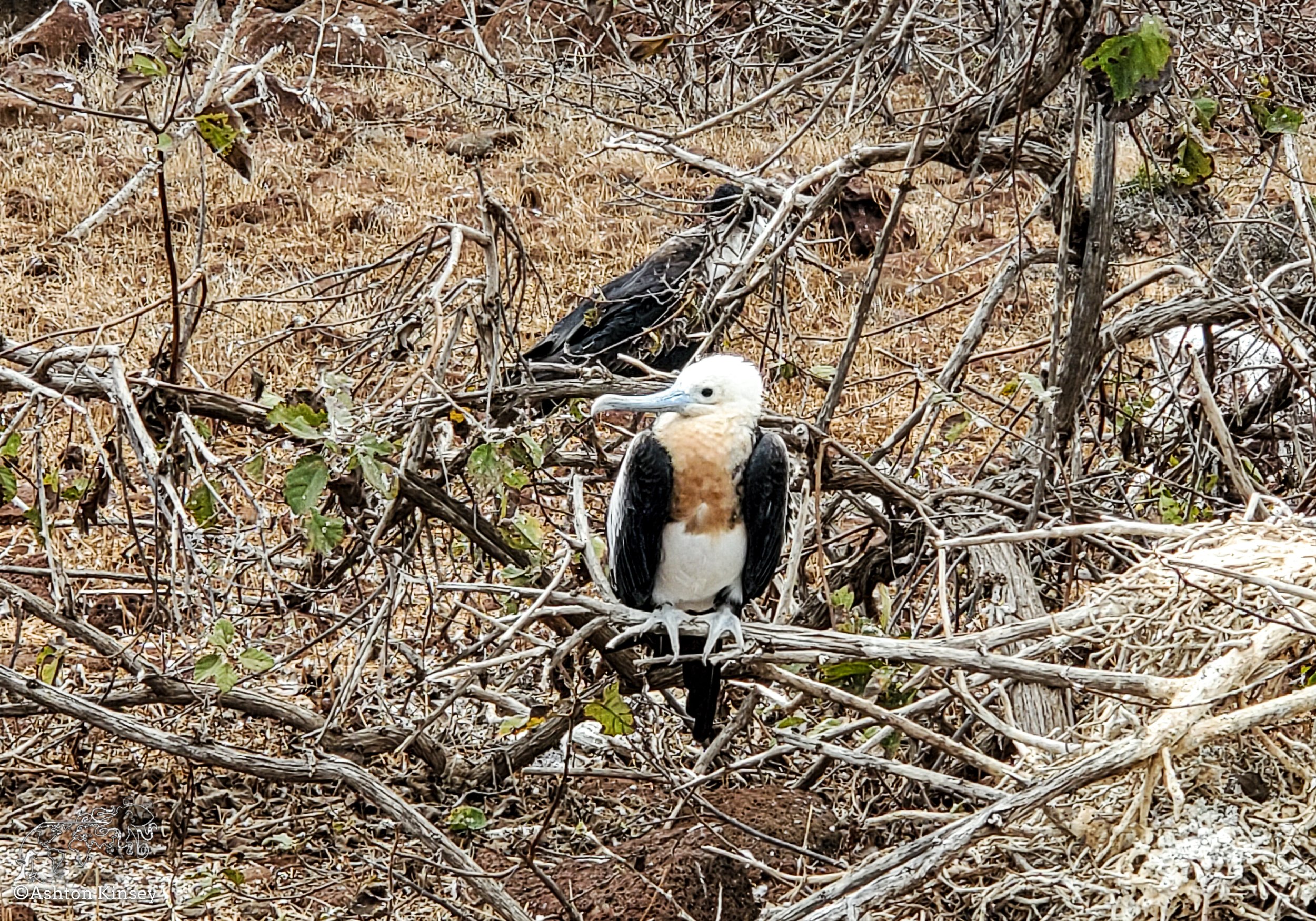
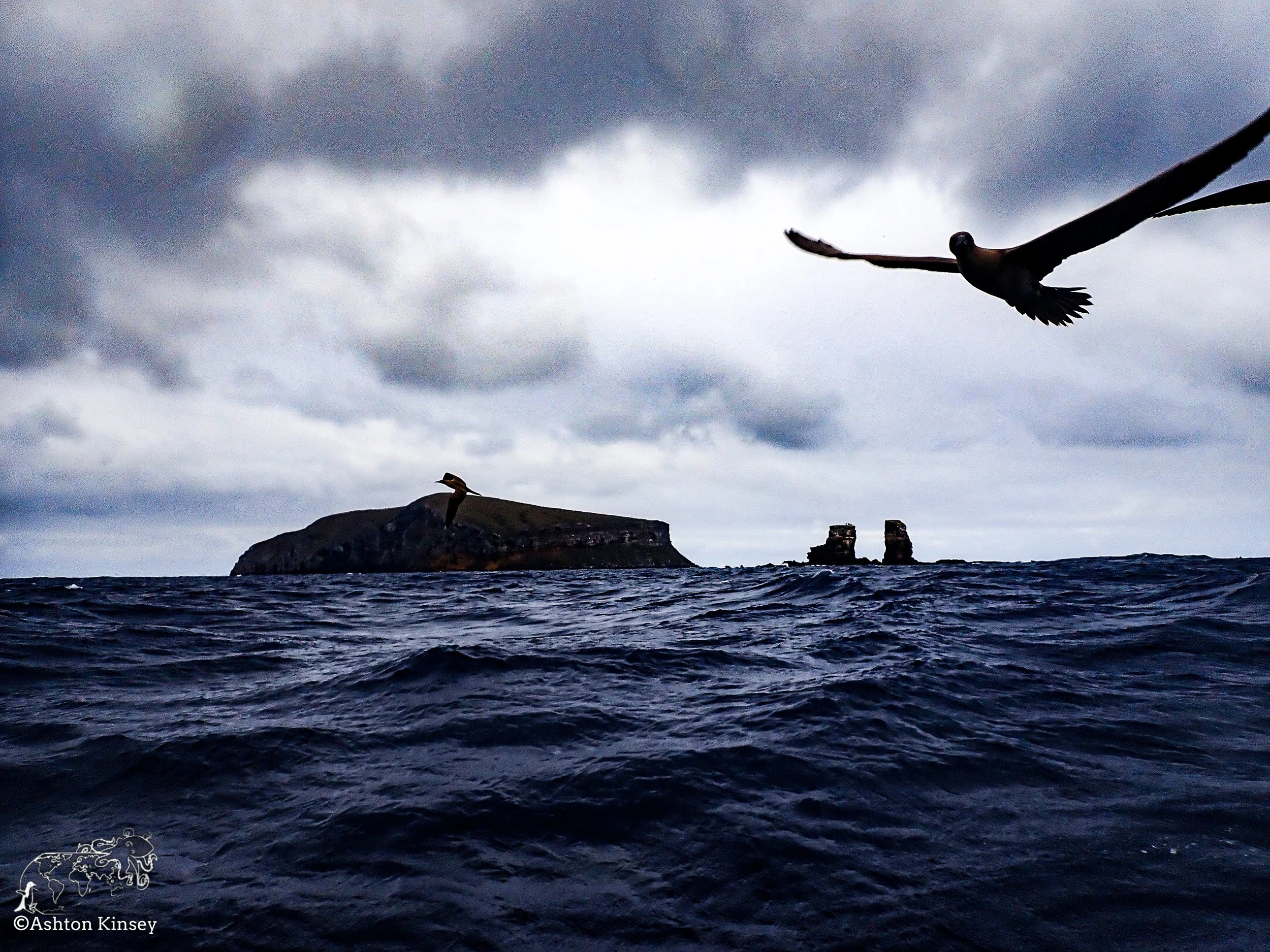
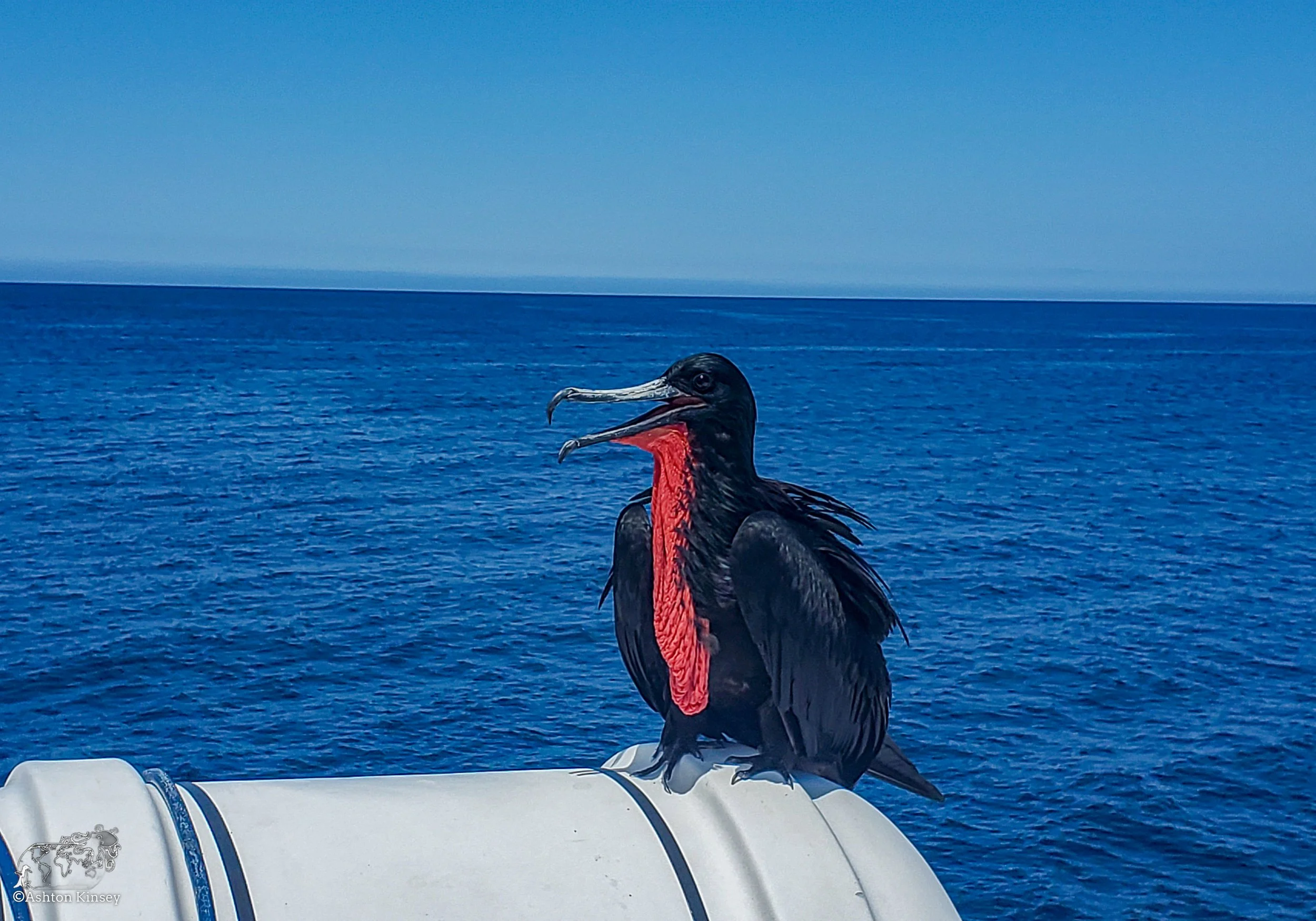
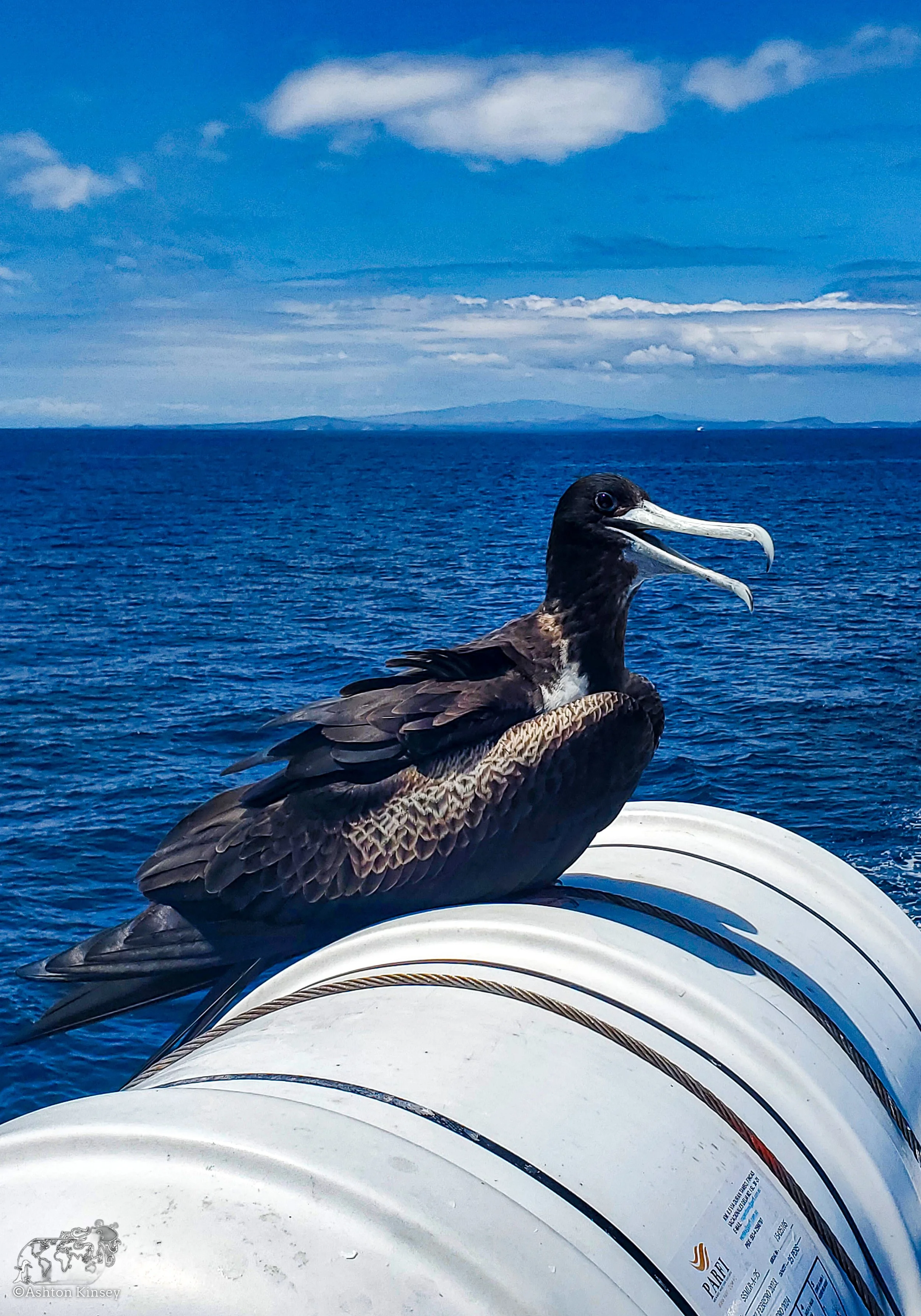
Similar to fish in the ocean, the iguanas utilize cleaning stations, and will pose to signal to the Darwin finches to come and eat the parasites off of their bodies. The island also has one of the largest populations of blue footed boobies and is frequently visited by many species of birds including frigates, swallow-tailed gulls, pelicans, and Nazca boobies. Male frigates are all black and can often be seen inflating their bright red gular pouch to try and entice females into mating. Fun fact: their wingspan can span up to 7.5’ which is the largest wing to bodyweight ratio of any bird. And with that, time for the next club!
Club Three: Darwin Island
Once we got back onto the boat from playing with boobies (Allie: hehe, boobies), the anchor was pulled up and we quickly headed out to open ocean to make the long, bumpy ride to Darwin Island. Traveling at about 13.5 knots, over 160 nautical miles we traveled throughout the night, with most people a bit green around the gills and popping anti-nausea medicine. Well, except for Frenchie who had several healthy fingers of rum, he did offer to share with most of us, so that’s nice, I guess.
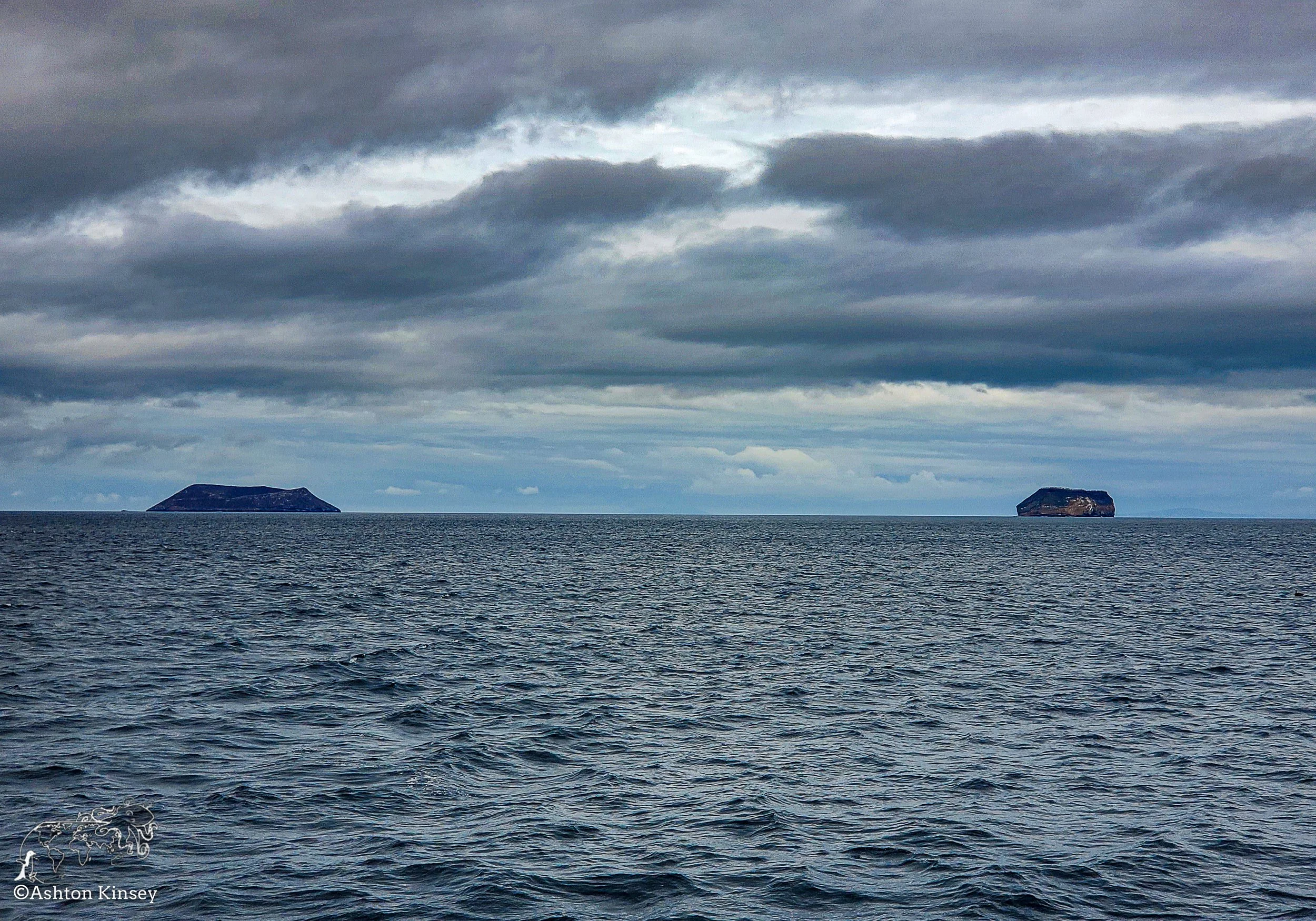
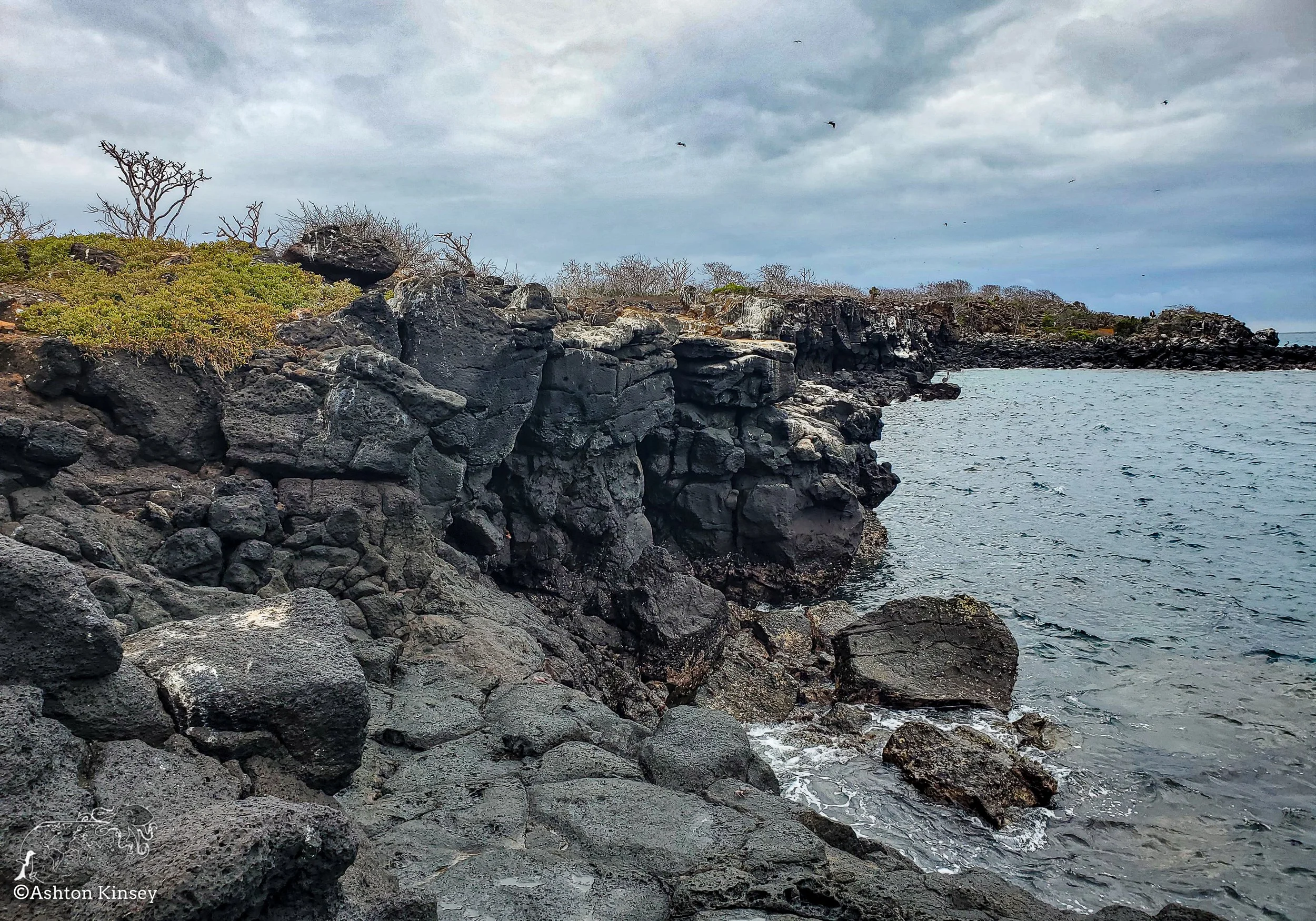
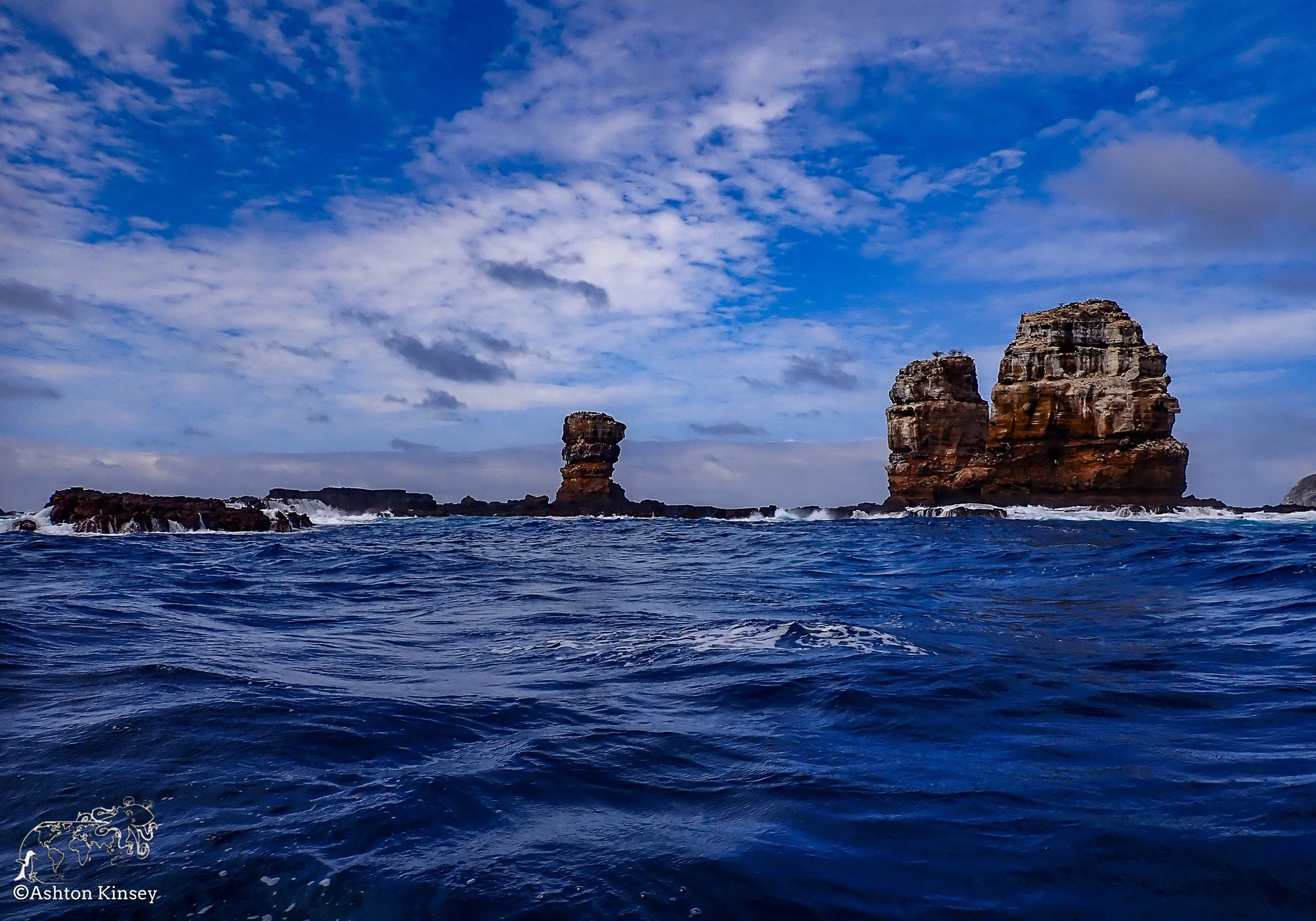
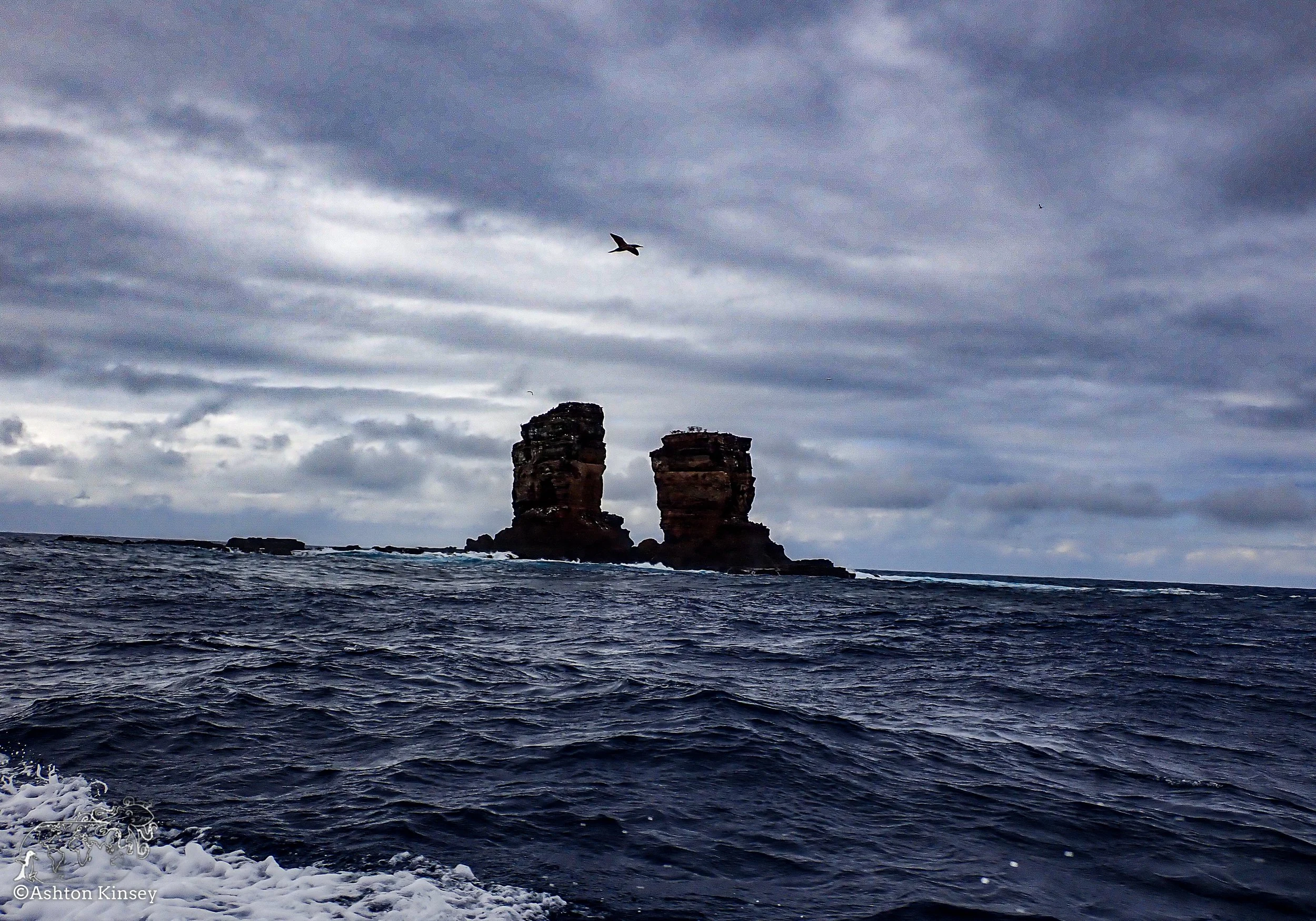
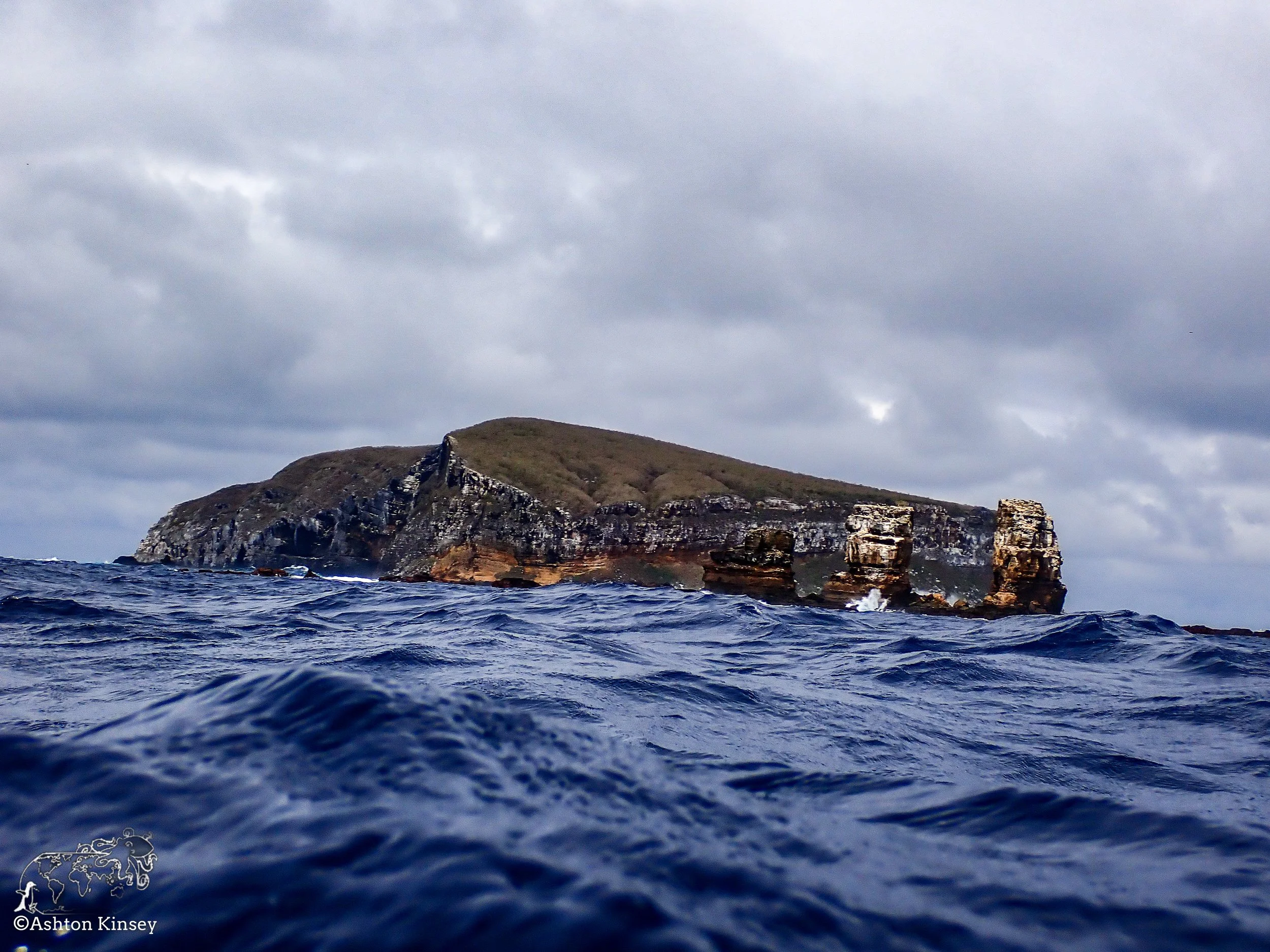
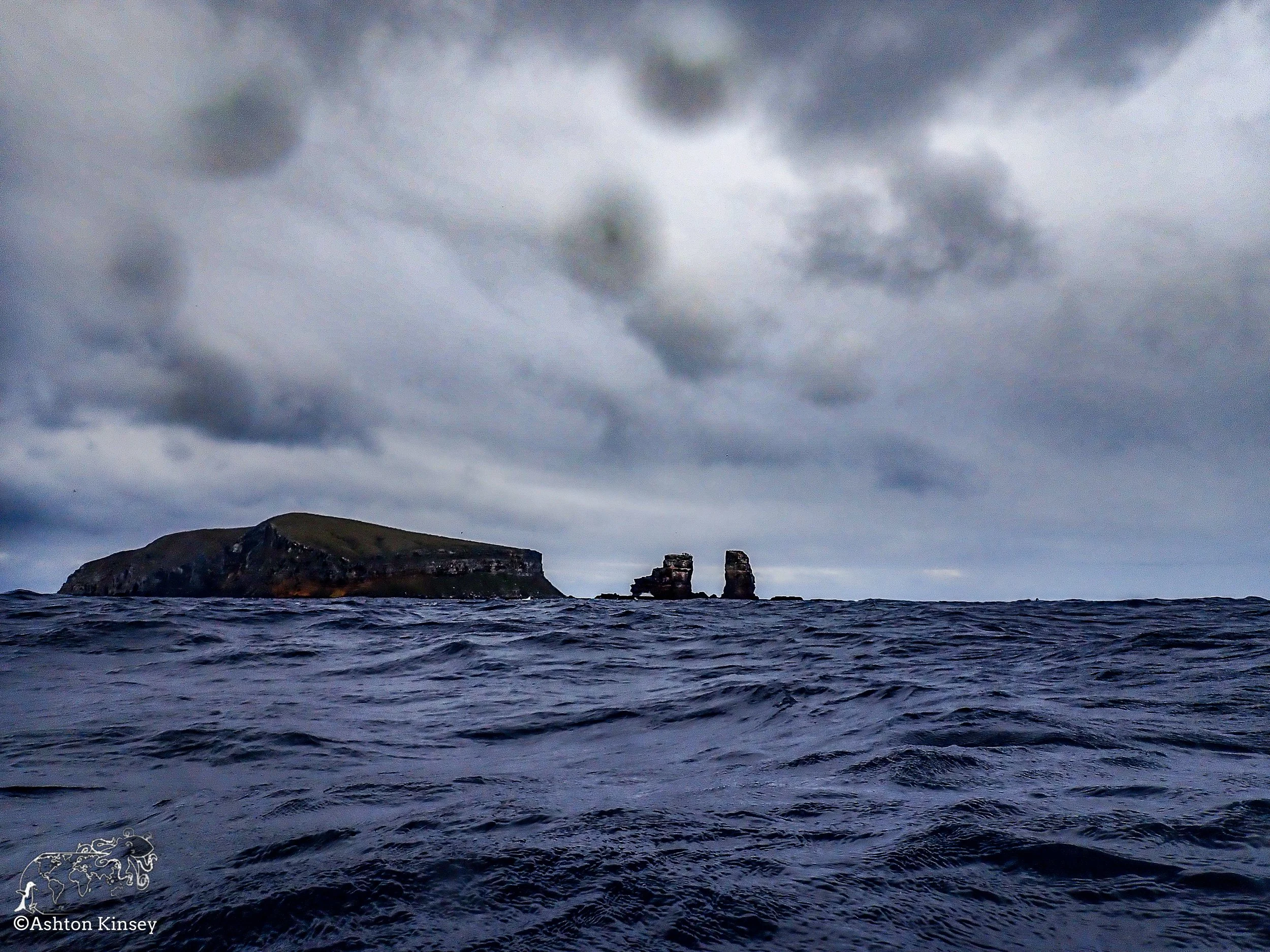
Darwin’s Island and the Pillars of Evolution were created by past extinct volcanic eruptions. It is the smallest and youngest of the Galapagos Archipelago. Darwin’s Arch collapsed on May 17th, 2021 [Nothing else important happened historically on this day](Allie: FIRST OF ALL, I want the record to show that Ashton originally had the date incorrect which meant he DID NOT remember my birthday because if he would have REMEMBERED my birthday, maybe he would have also remembered this historical date accurately) [Wow…dramatic much?], due to natural erosion from wind and sea spray, and have been renamed as the Pillars of Evolution.
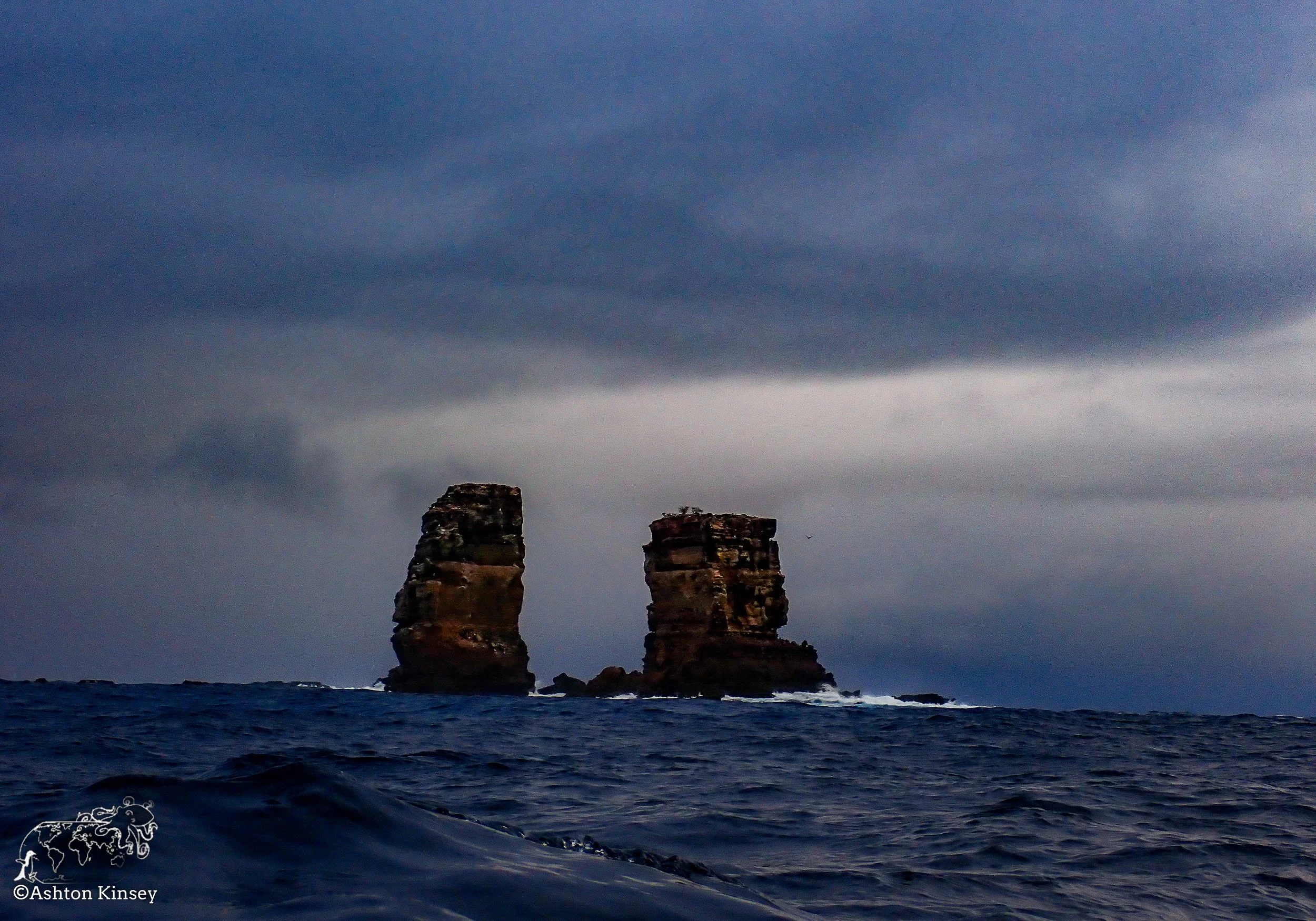
There are three main currents that feed into the islands: the Humboldt Current (southern current), the Panama Flow (northeast current), and the Cromwell Current (eastern currents). The Humboldt and Cromwell currents come up from the depths bringing nutrient rich colder water that helps feed the shallower waters. Due to El Nino, the waters were unseasonably warm resulting in sharks and bigger animals staying down deeper.
Dive 2: 107’ for 49 minutes Dive 8: 86’ for 53 minutes
Dive 3: 94’ for 49 minutes Dive 9: 100’ for 50 minutes
Dive 4: 95’ for 53 minutes (Dive 1300) Dive 10: 90’ for 50 minutes
Dive 5: 84’ for 51 minutes Dive 11: 84’ for 50 minutes
Dive 6: 98’ for 48 minutes Dive 12: 86’ for 51 minutes
Dive 7: 83’ for 50 minutes Dive 13: 90’ for 50 minutes
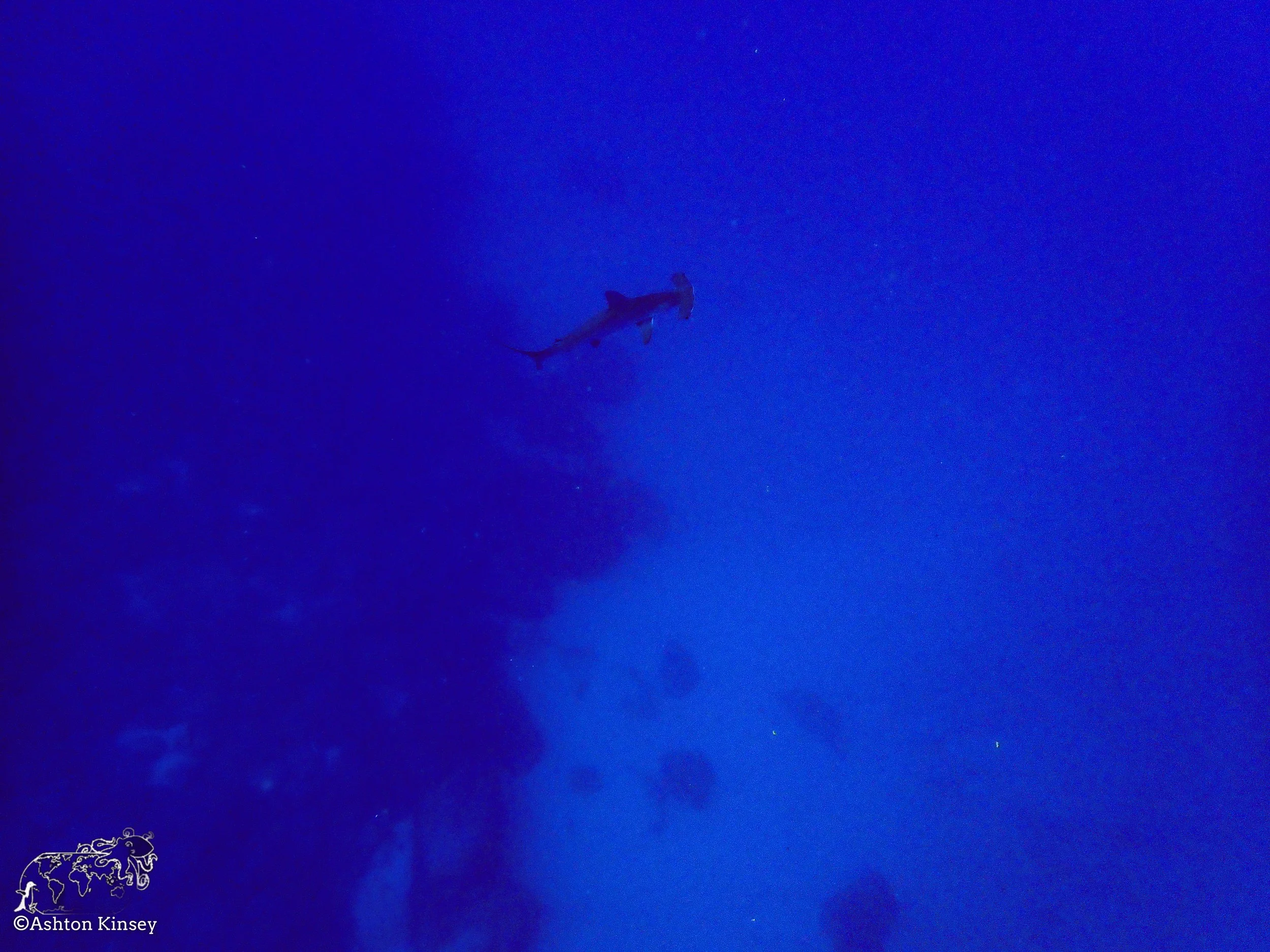
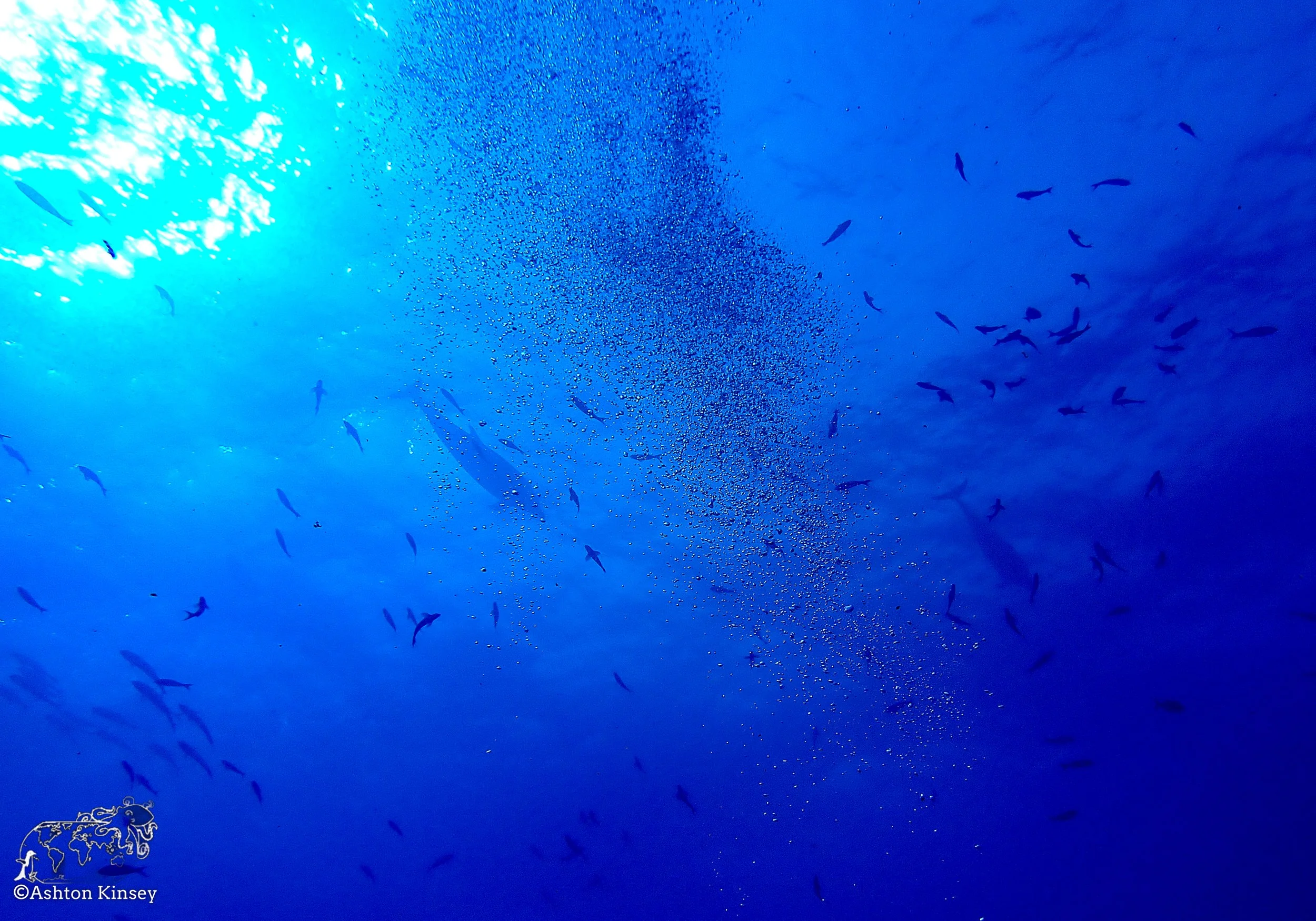
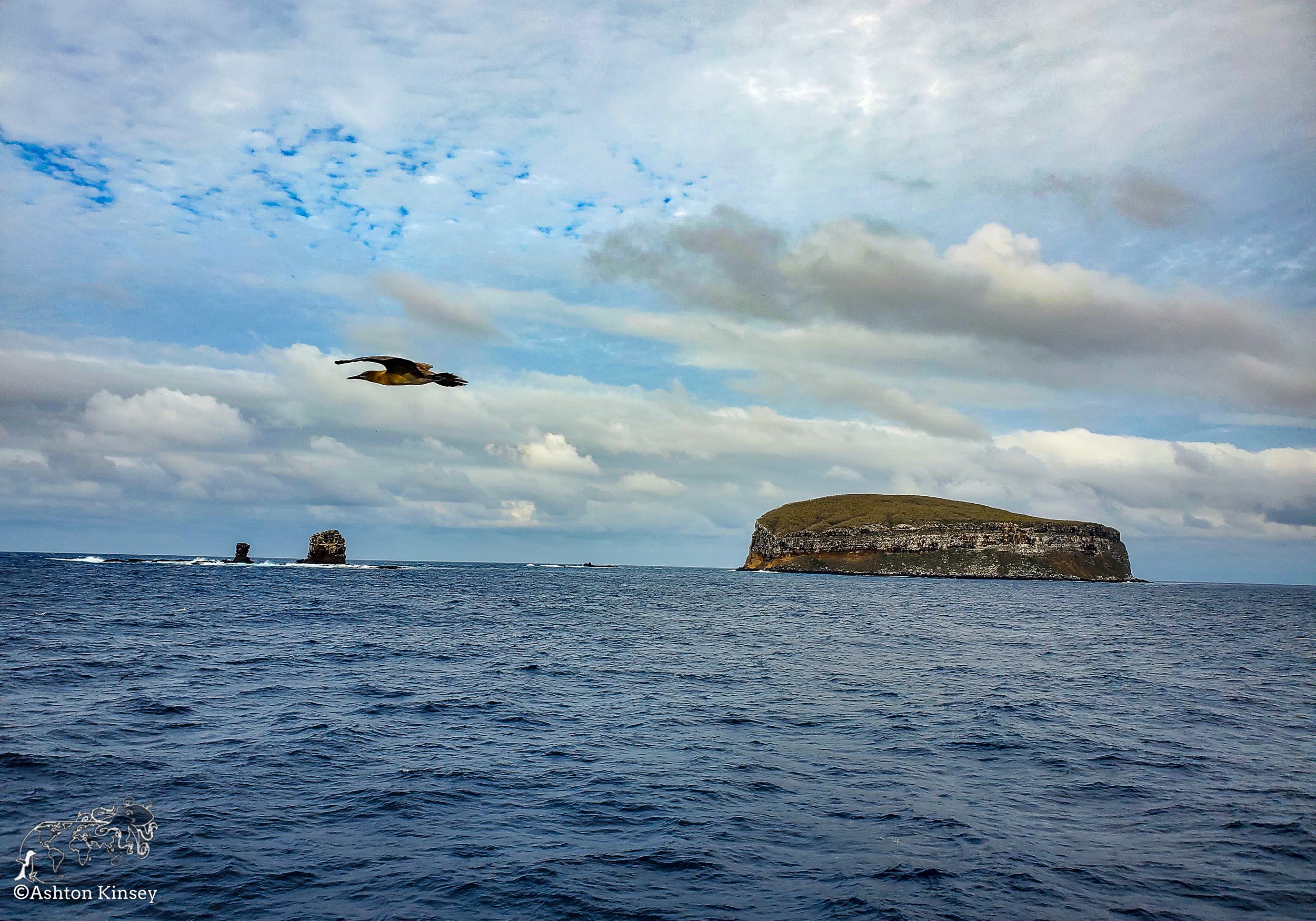
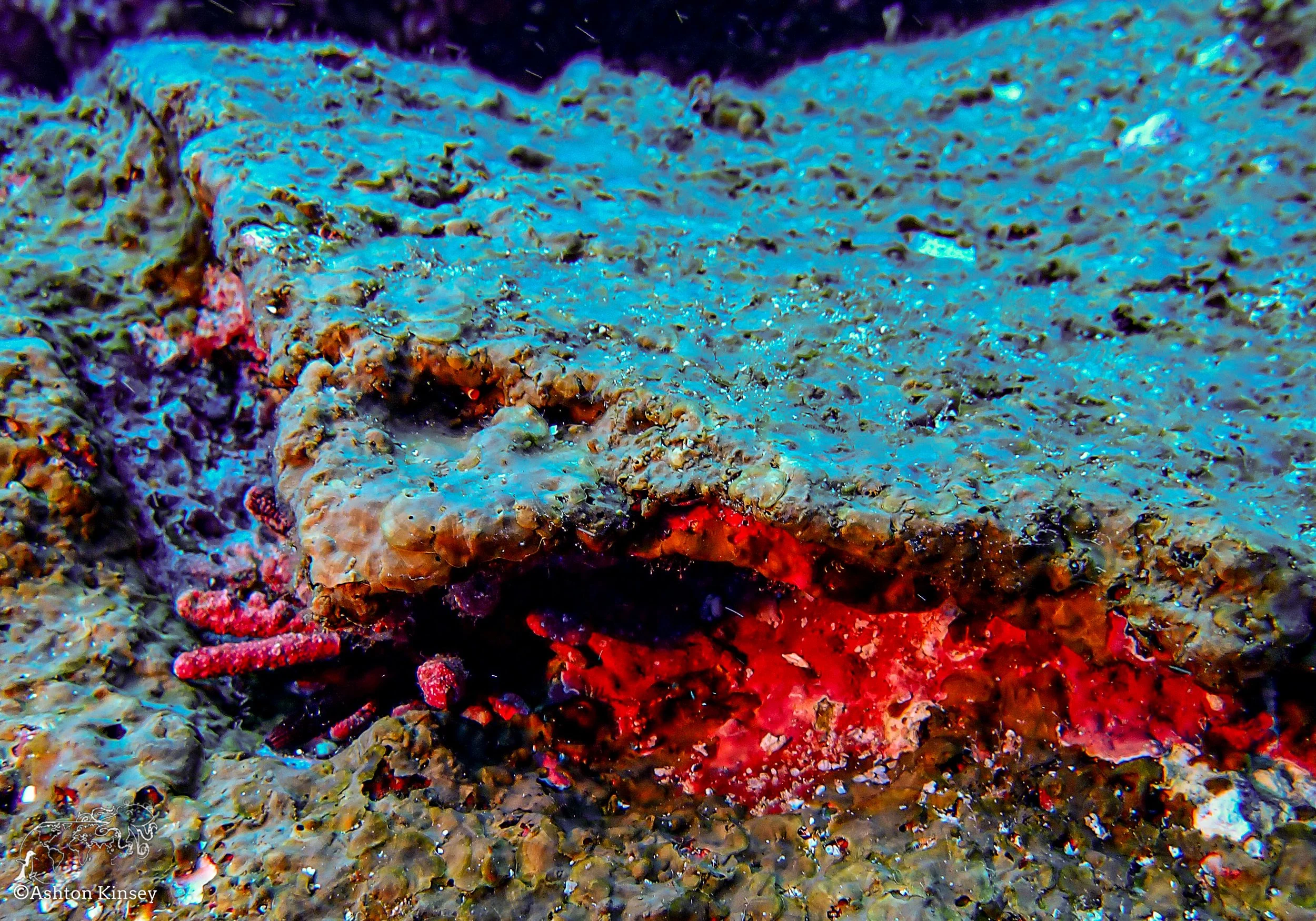
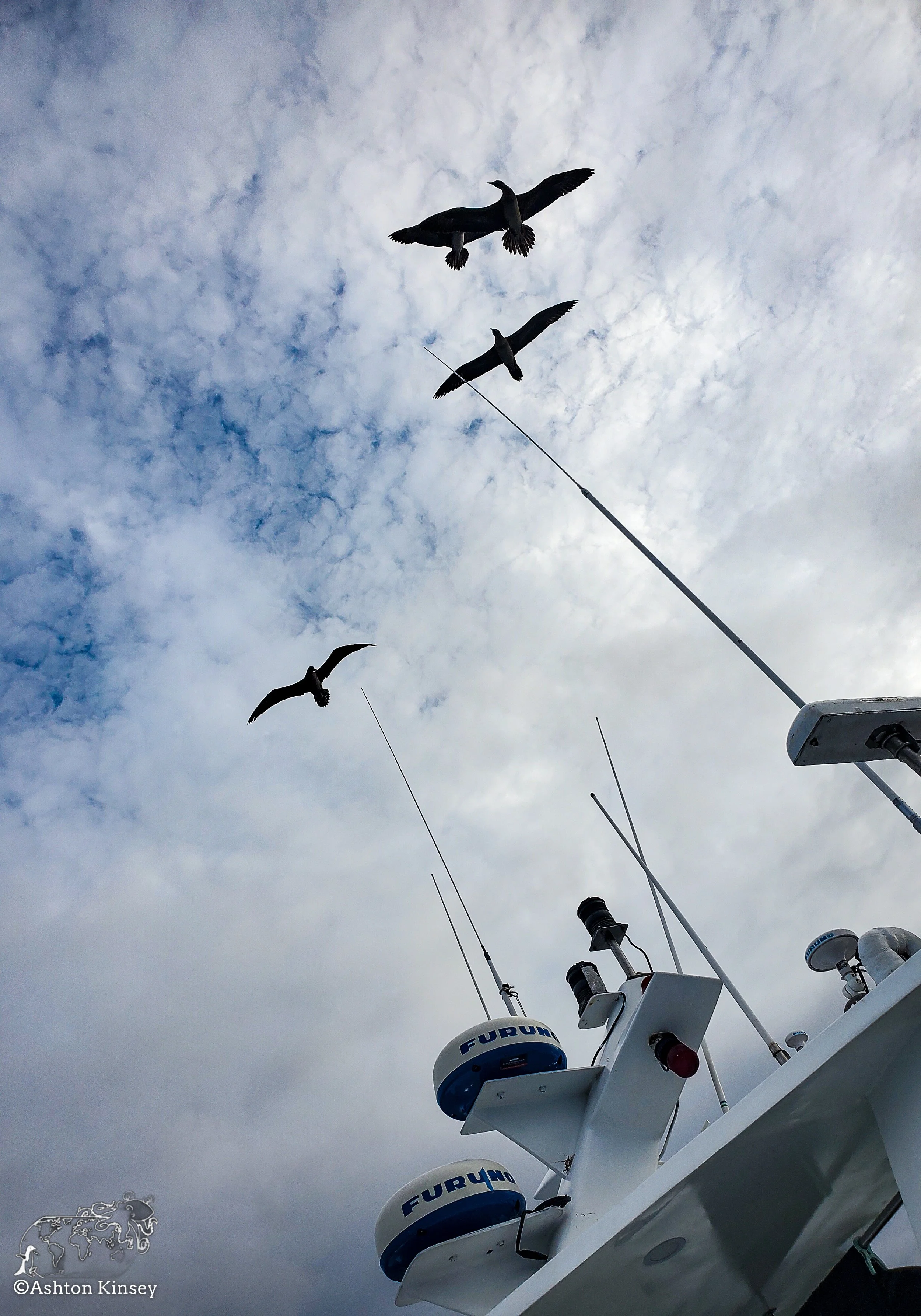
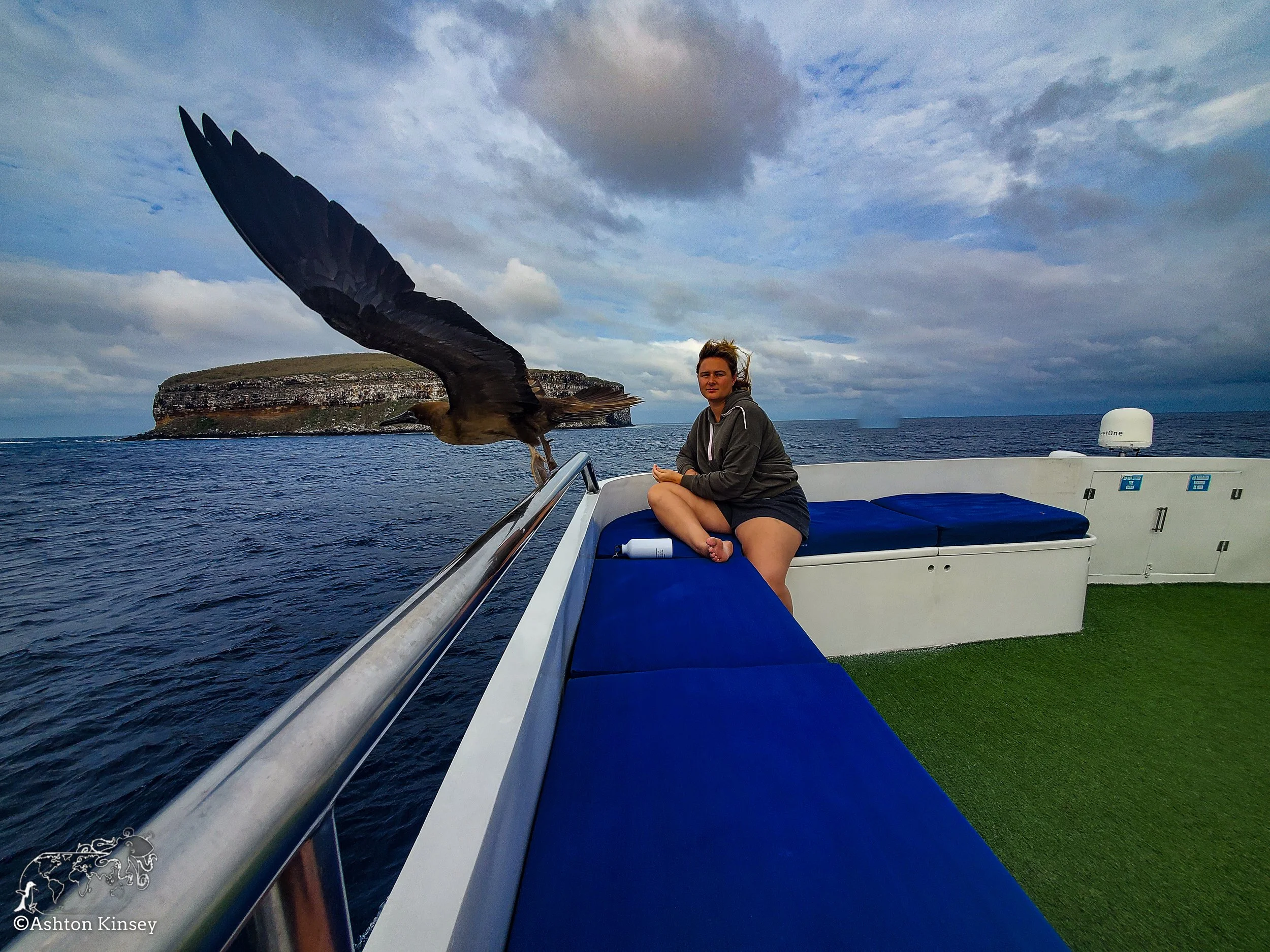
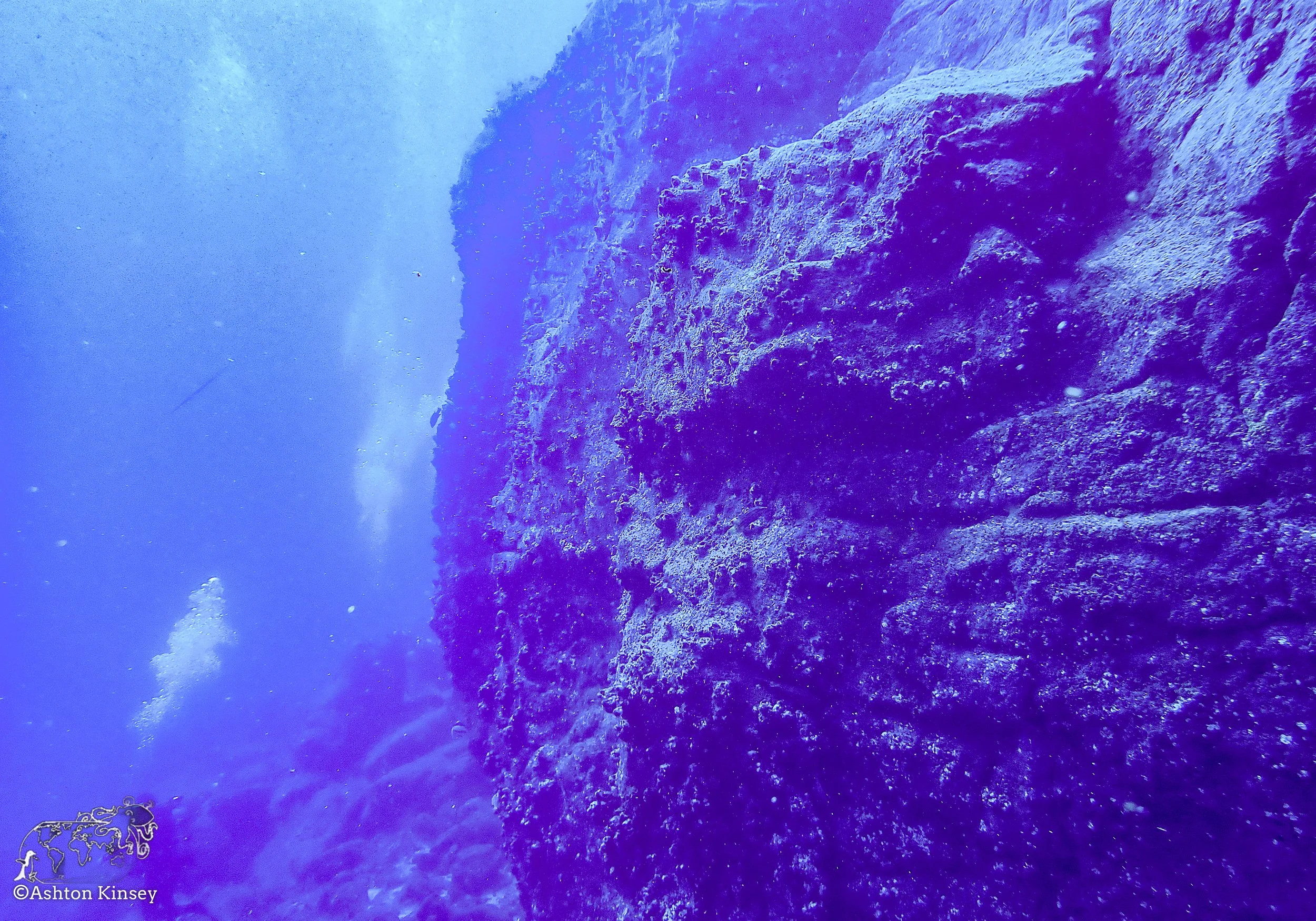
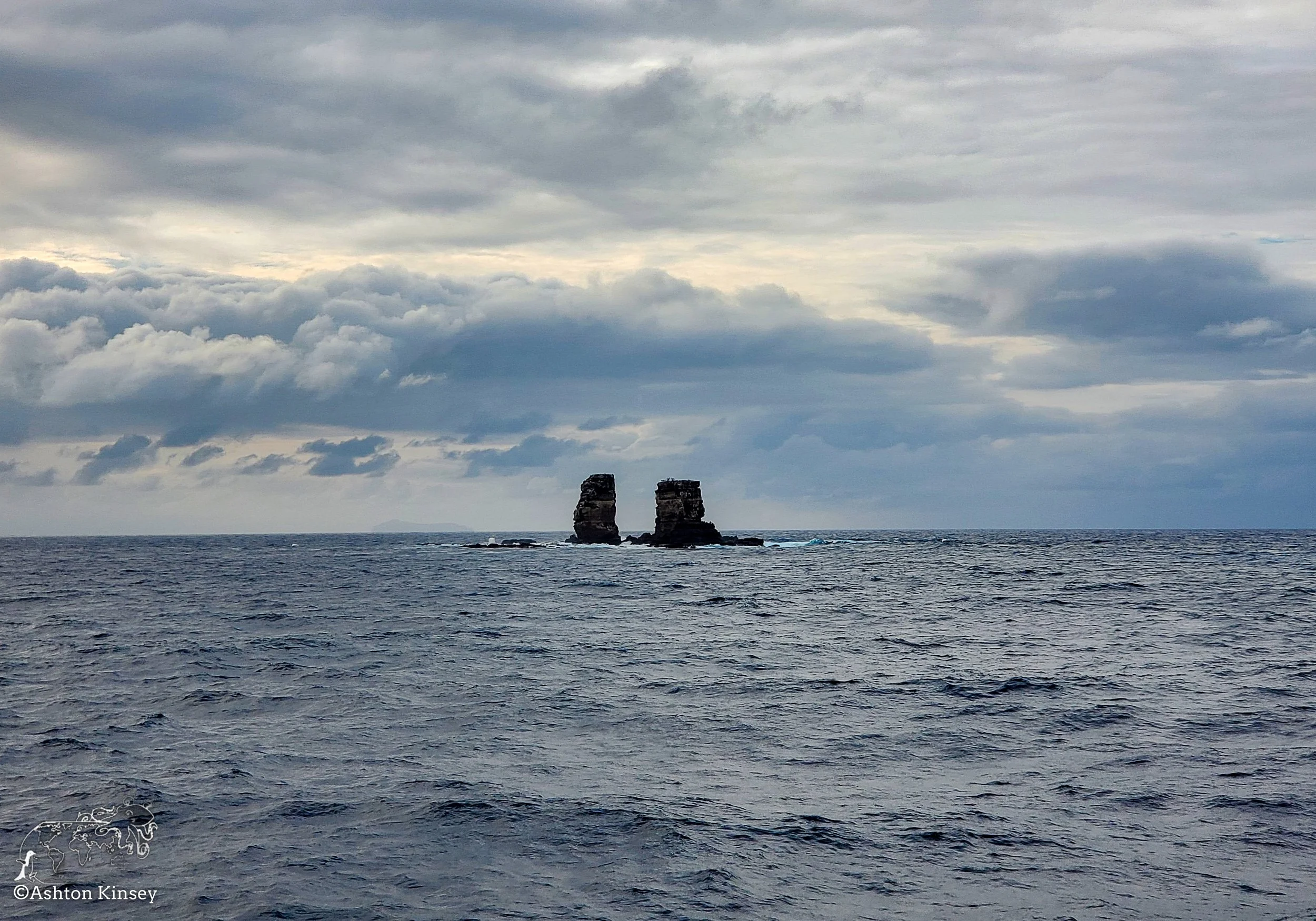
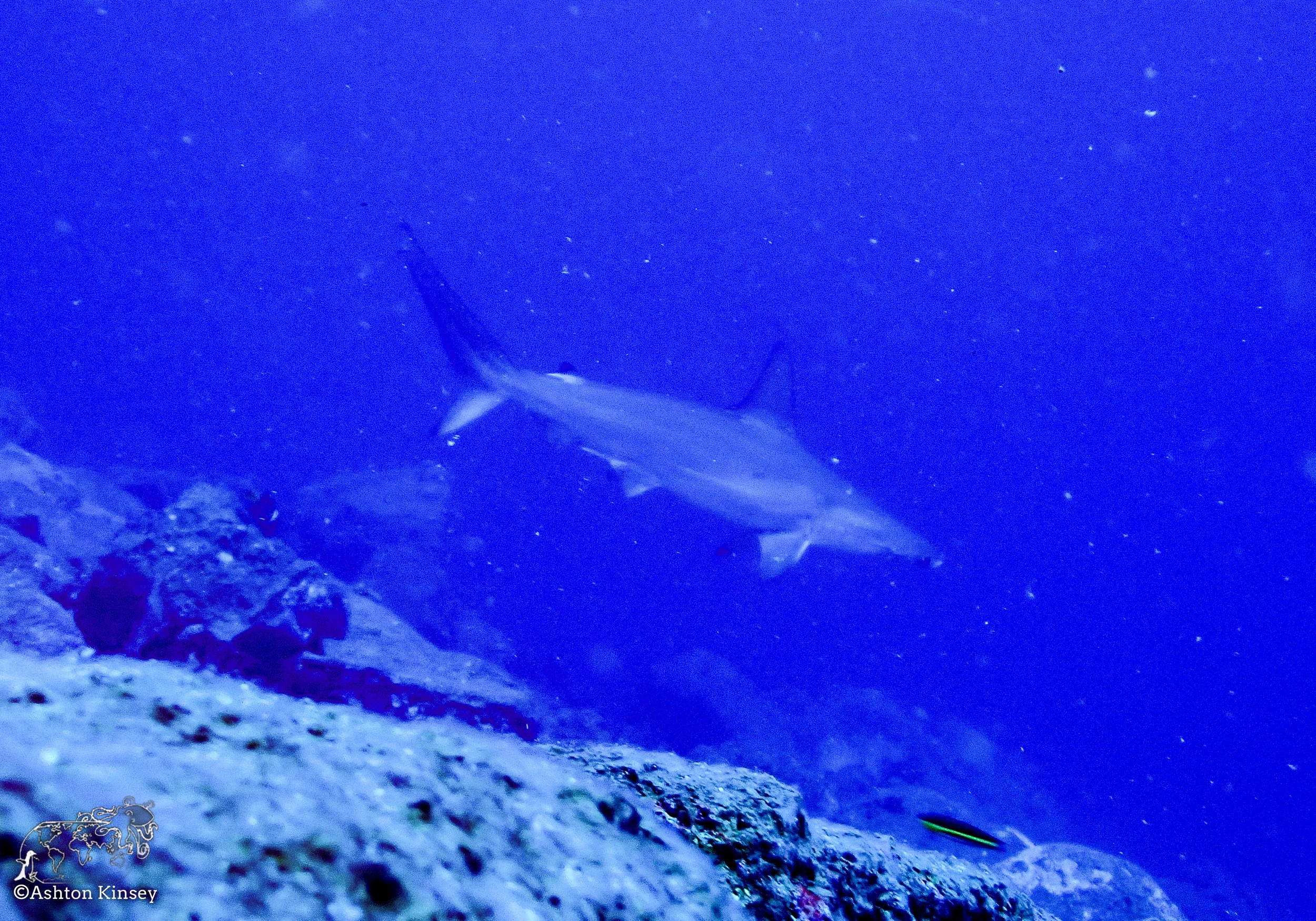
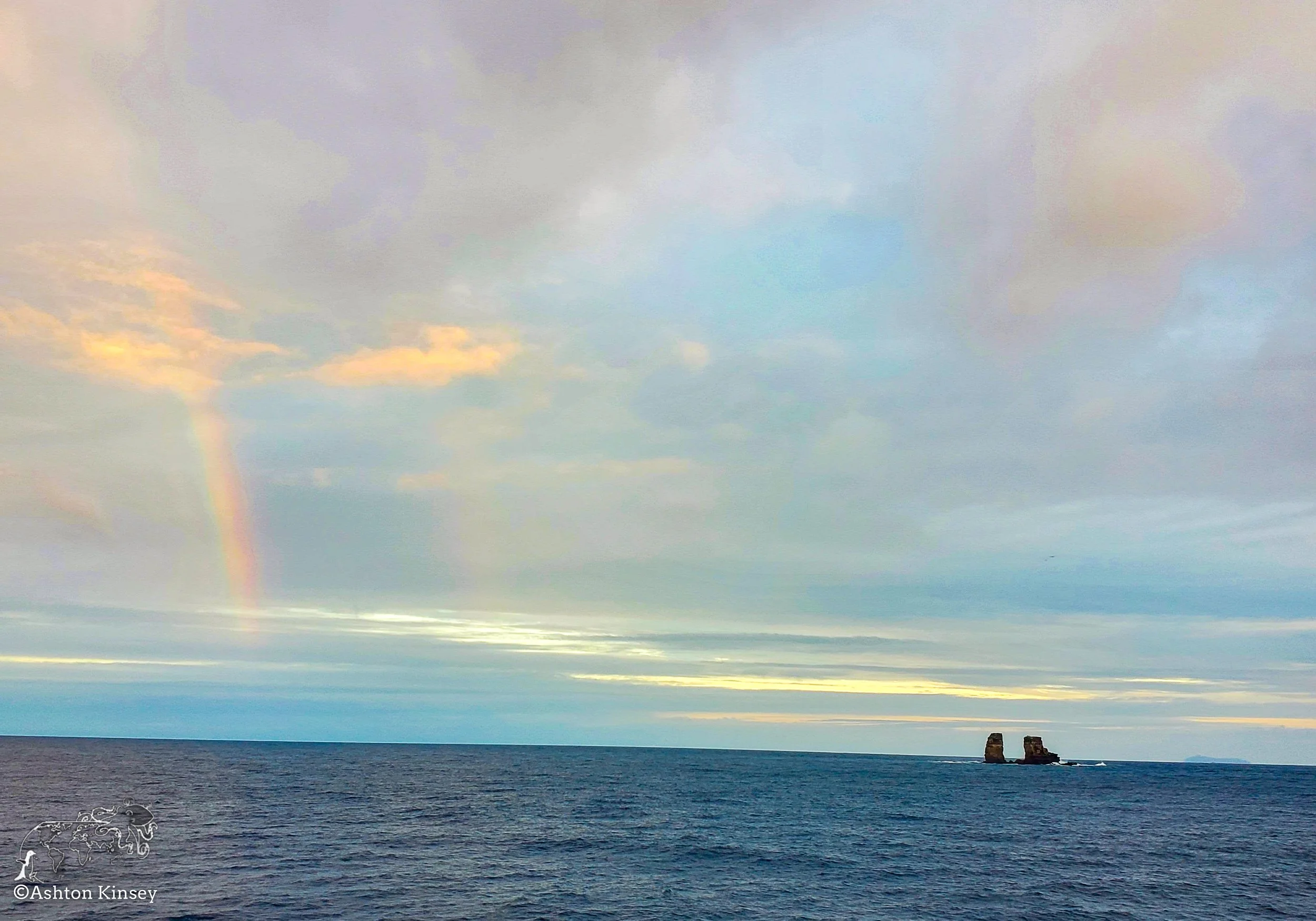
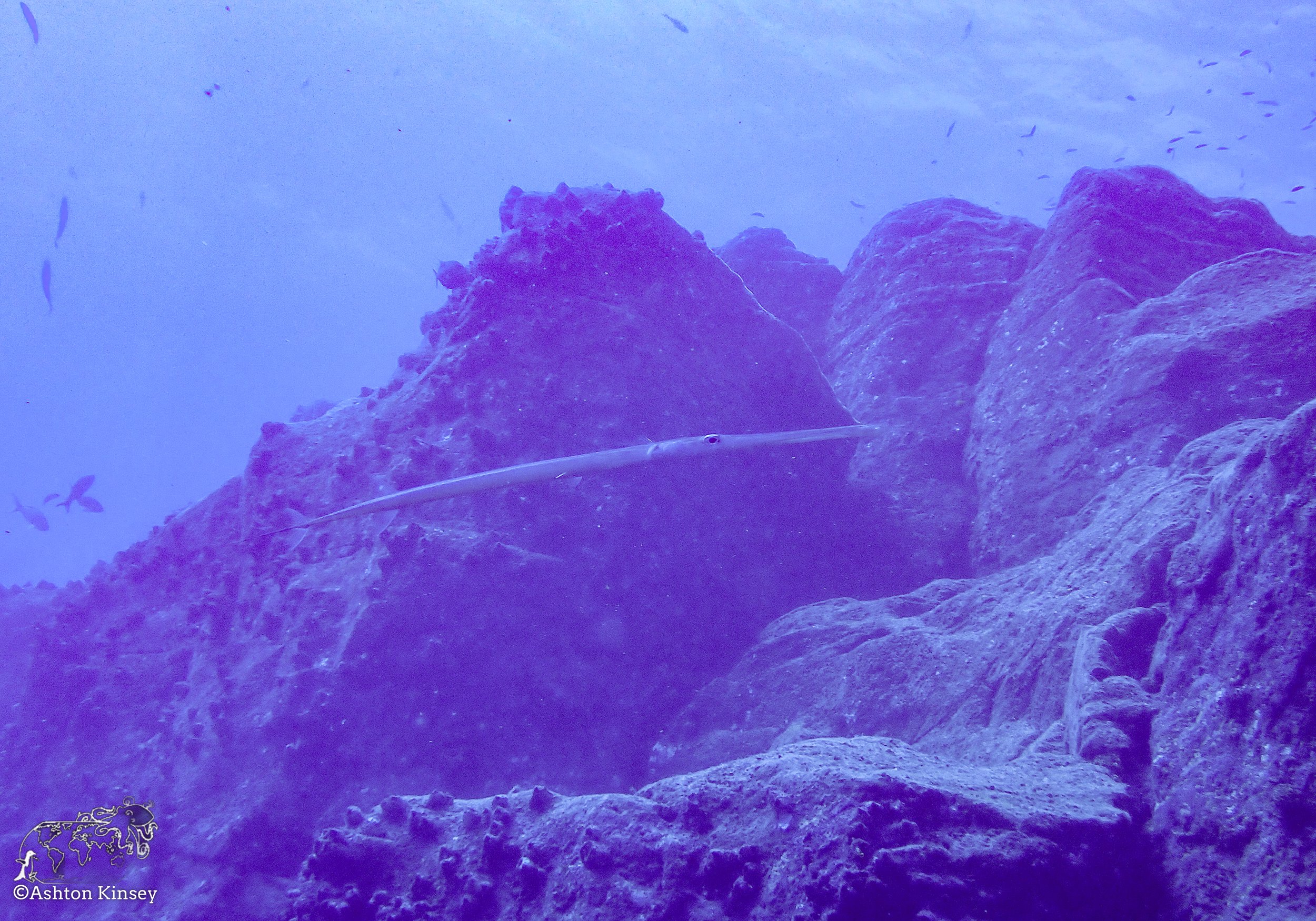
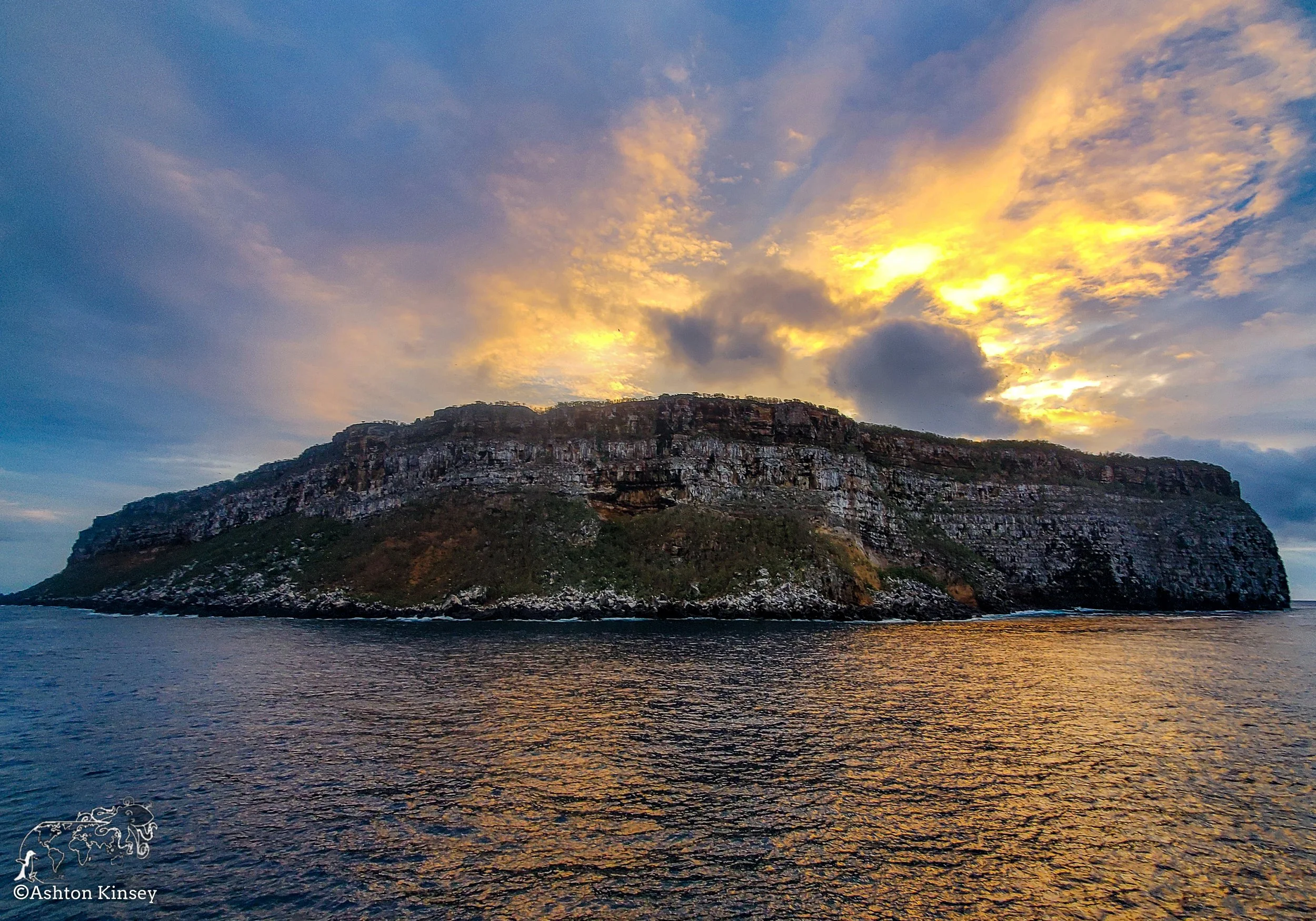
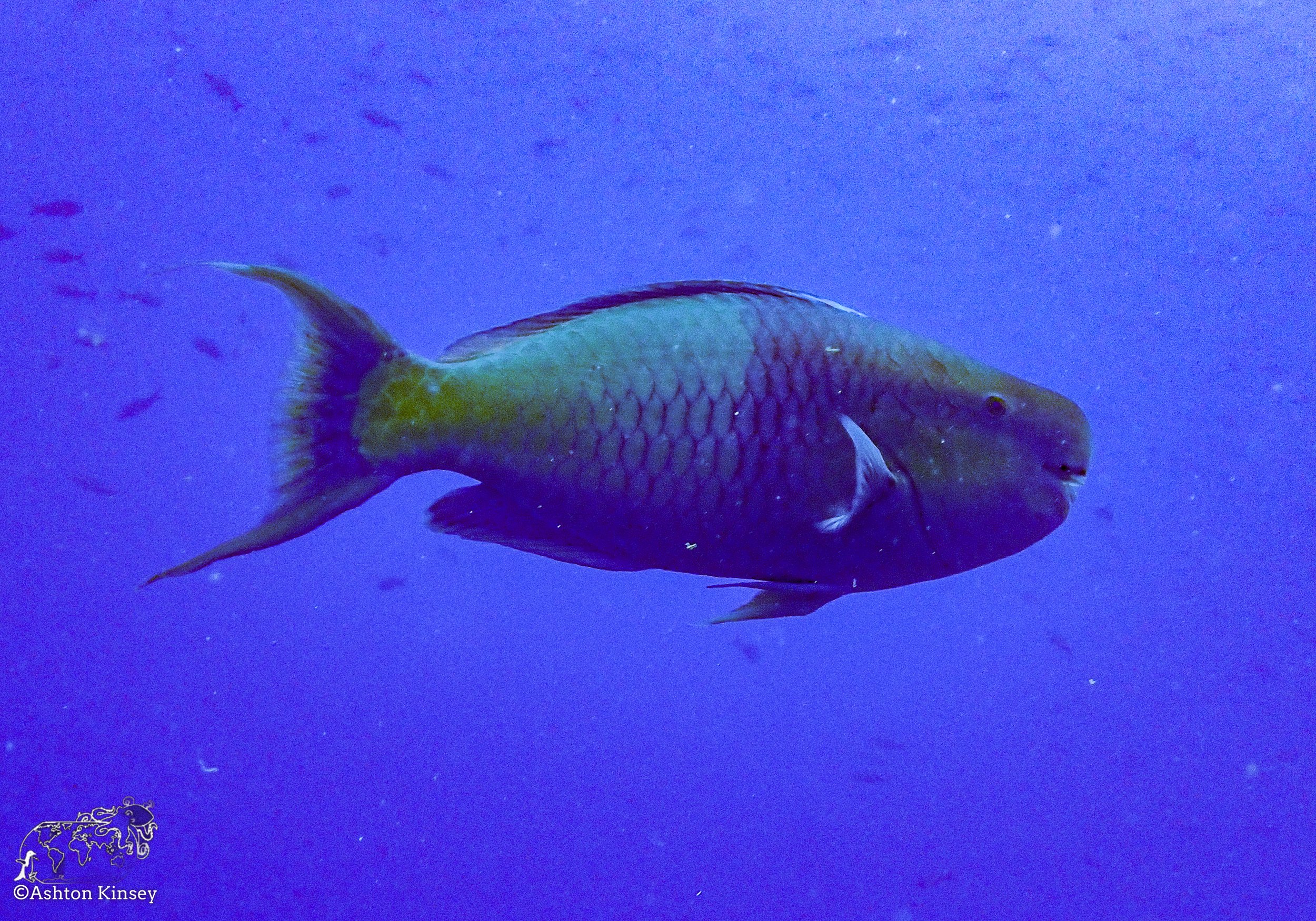
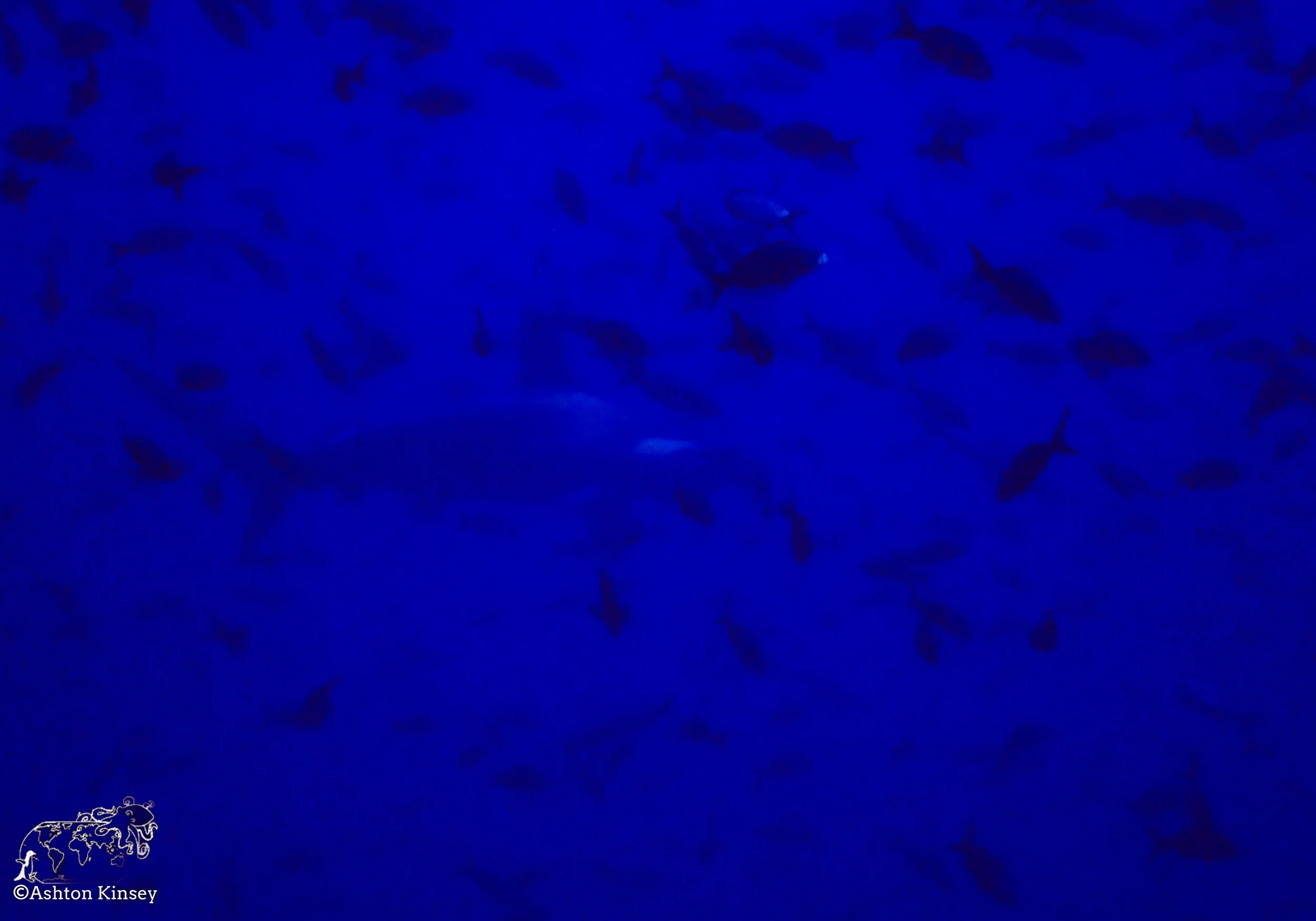
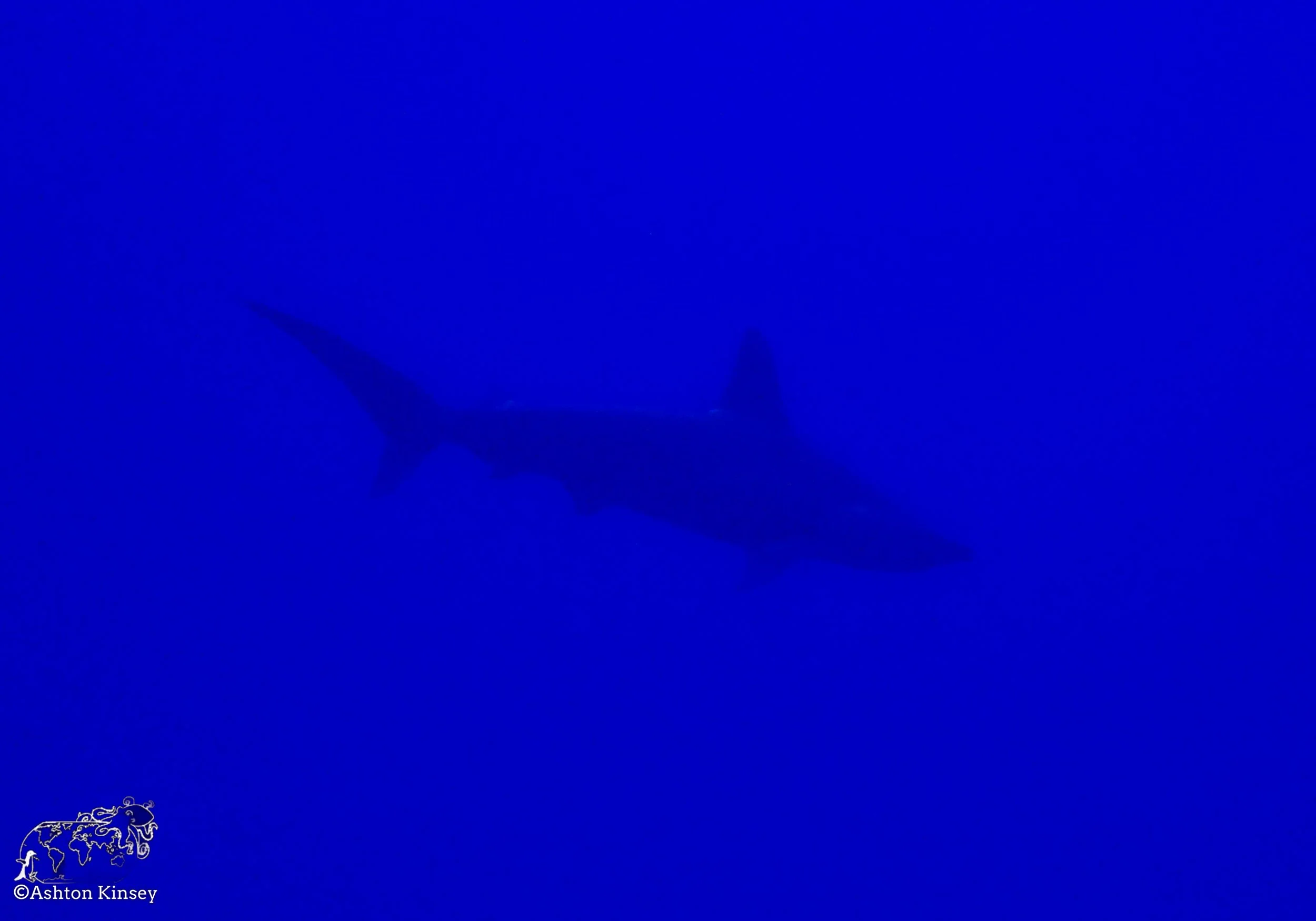
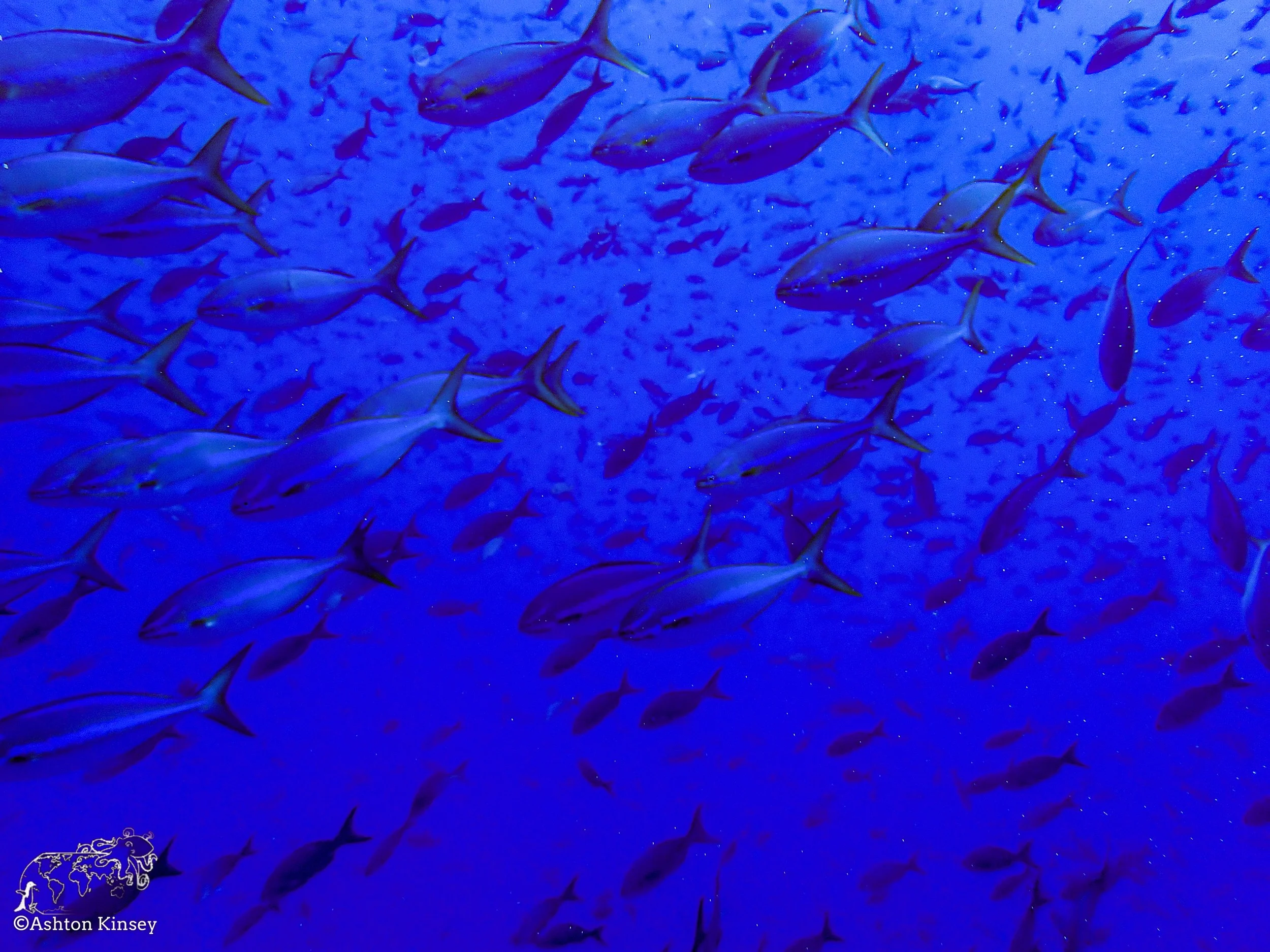
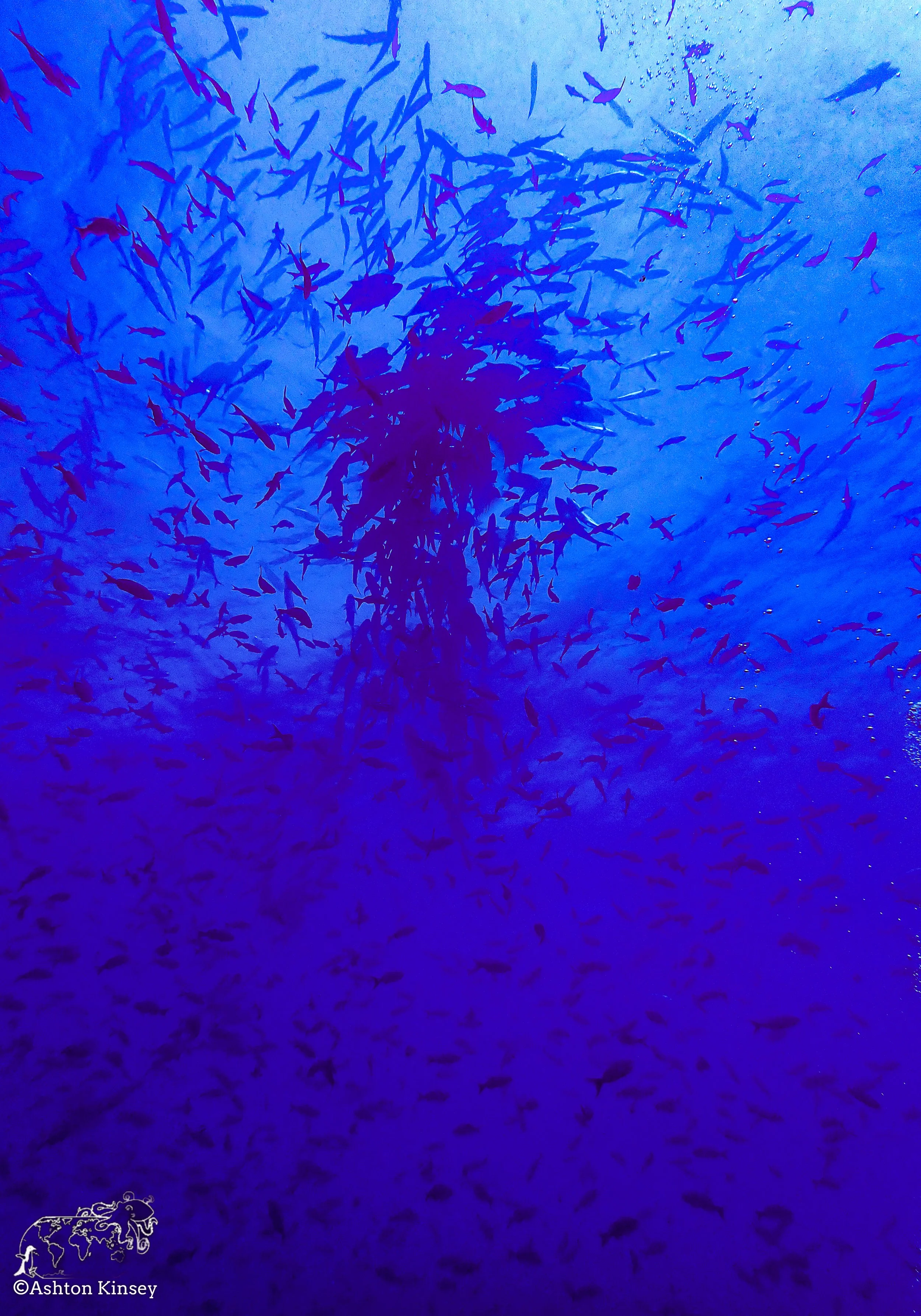
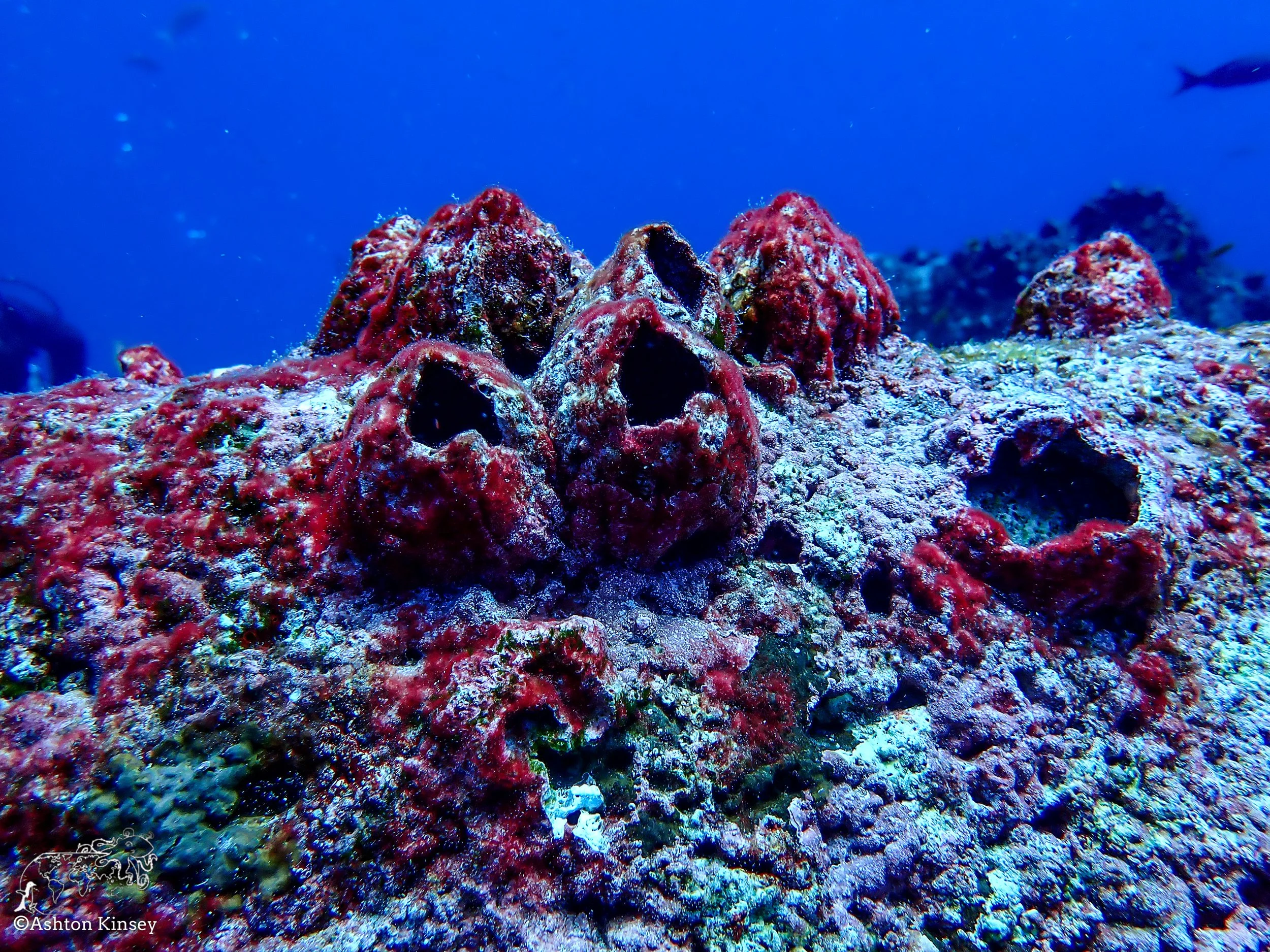
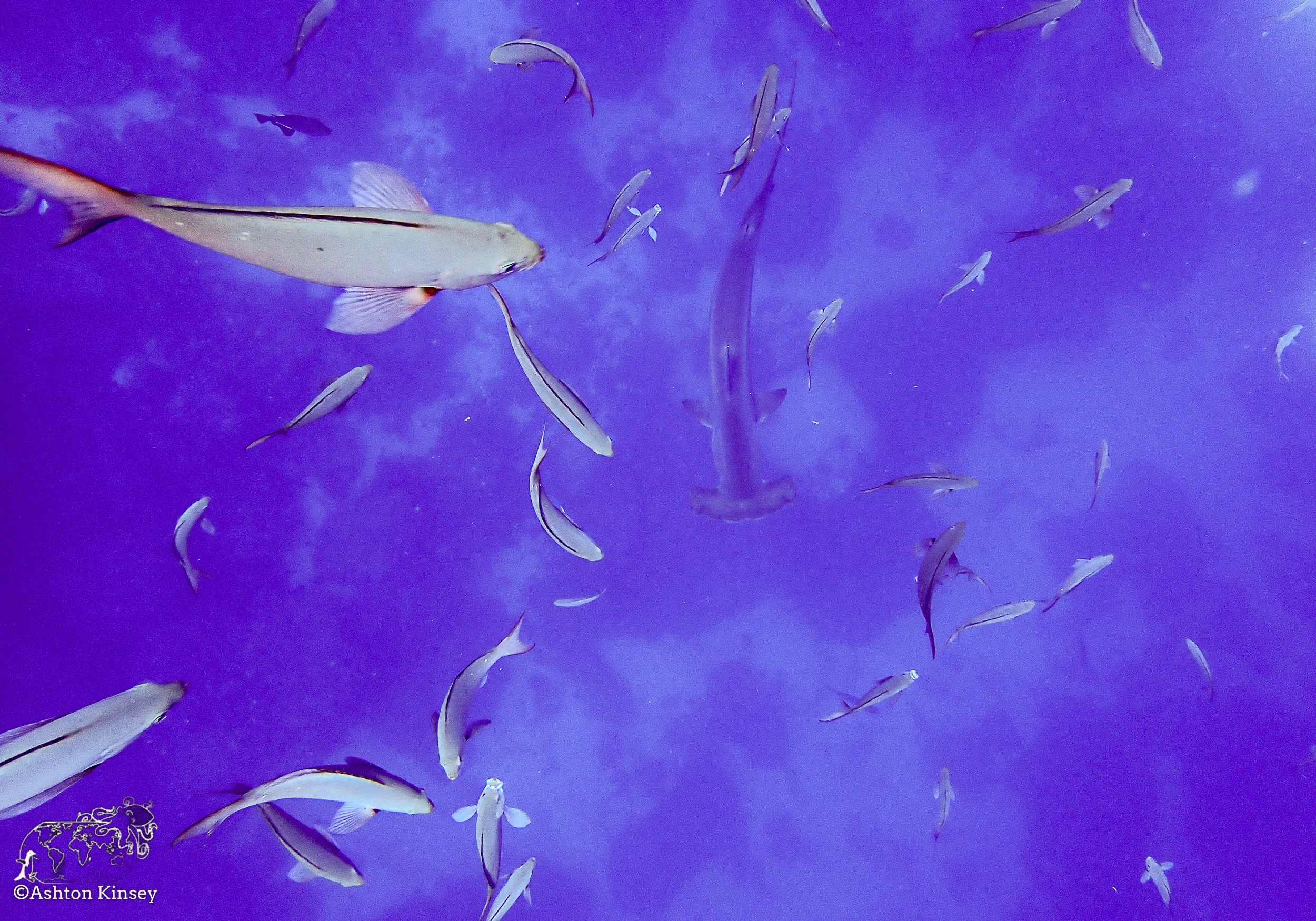
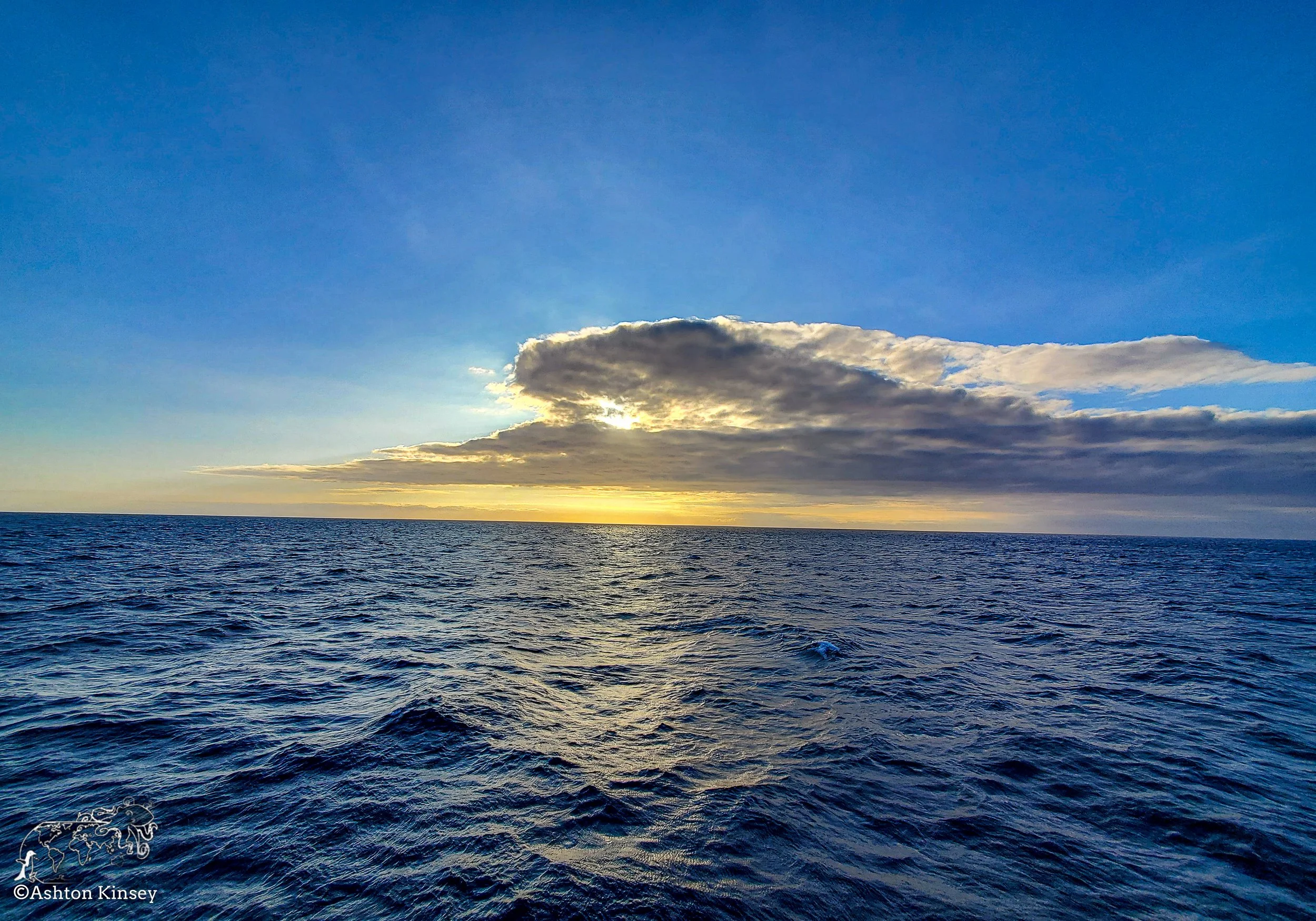
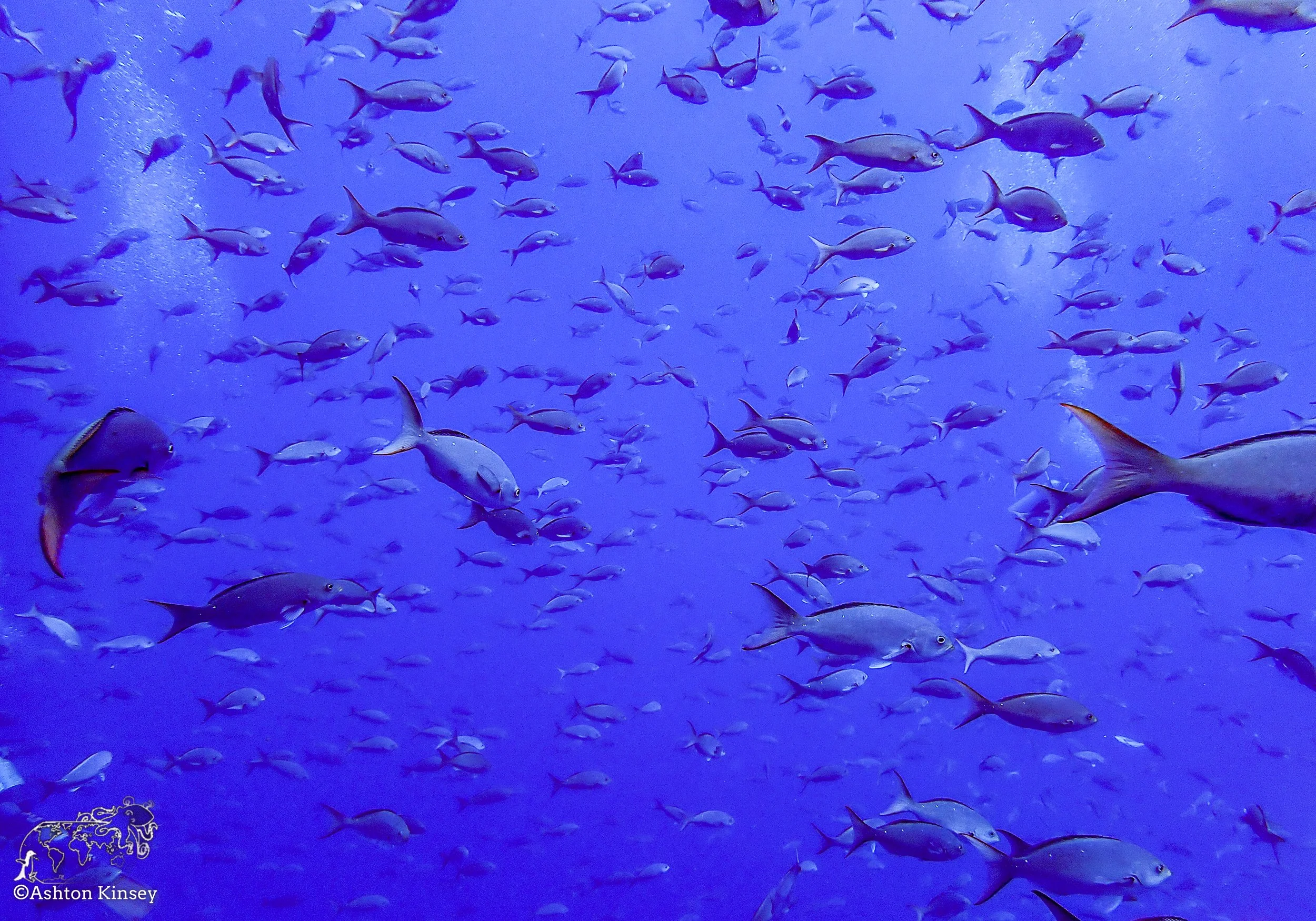
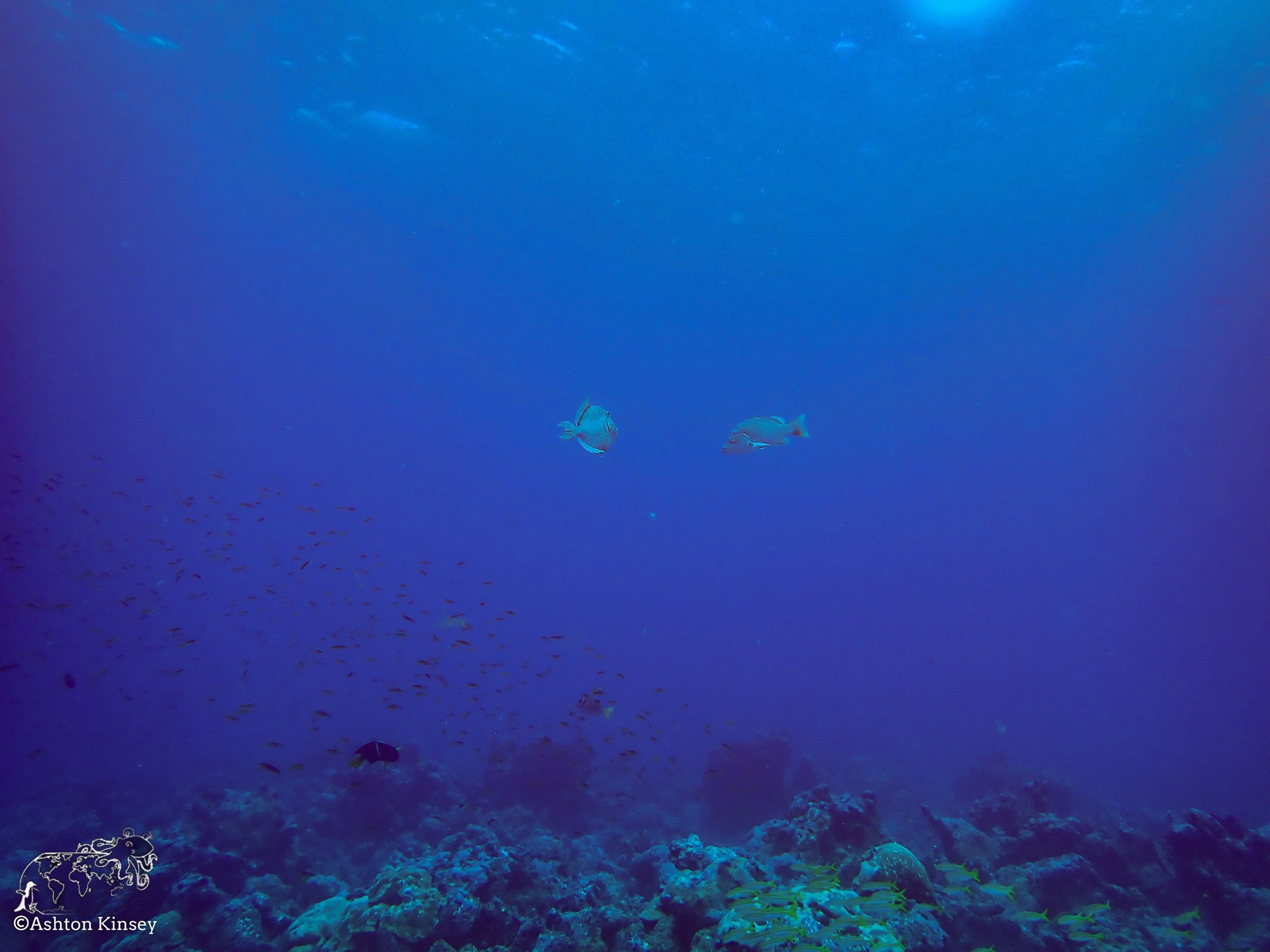
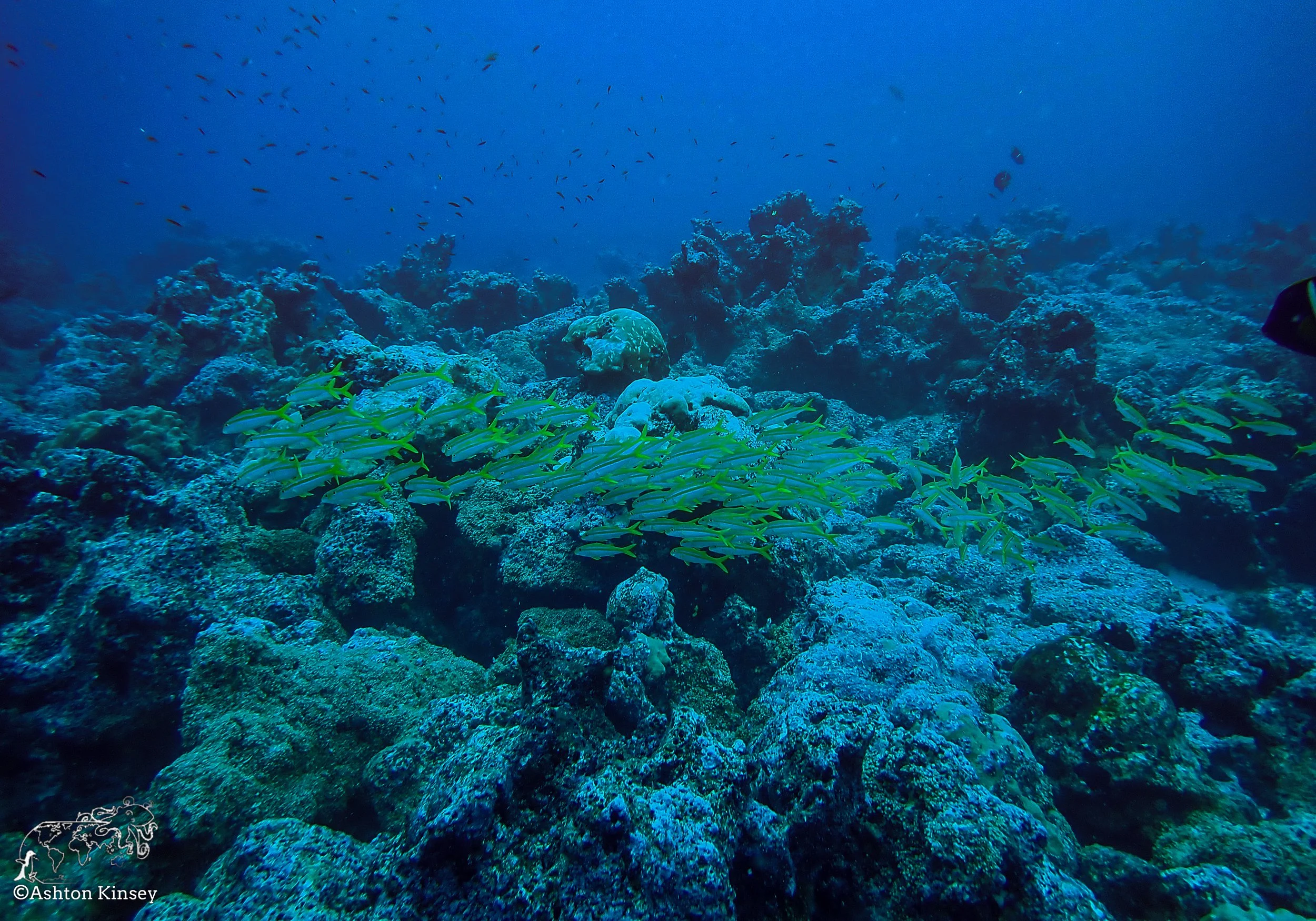
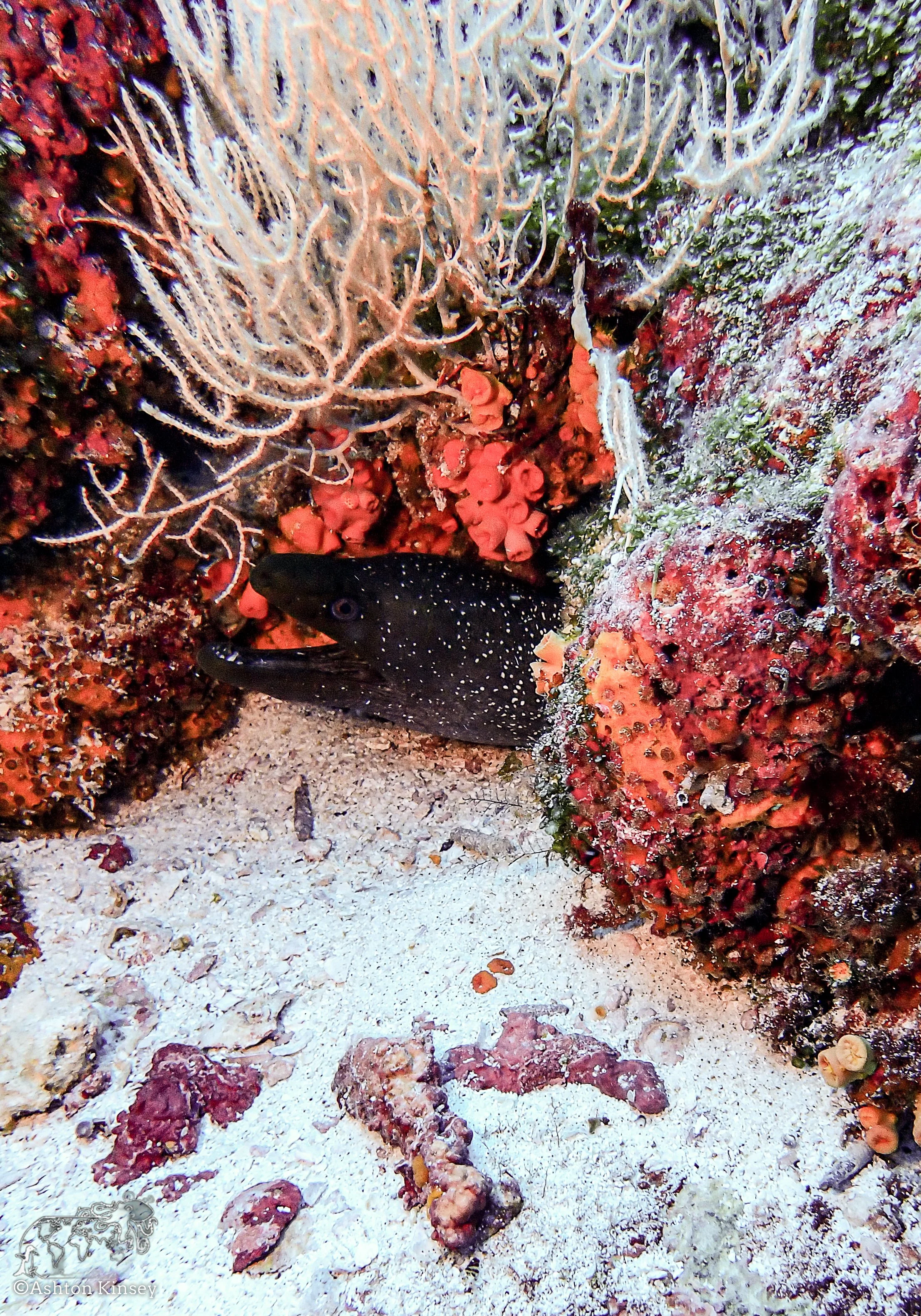
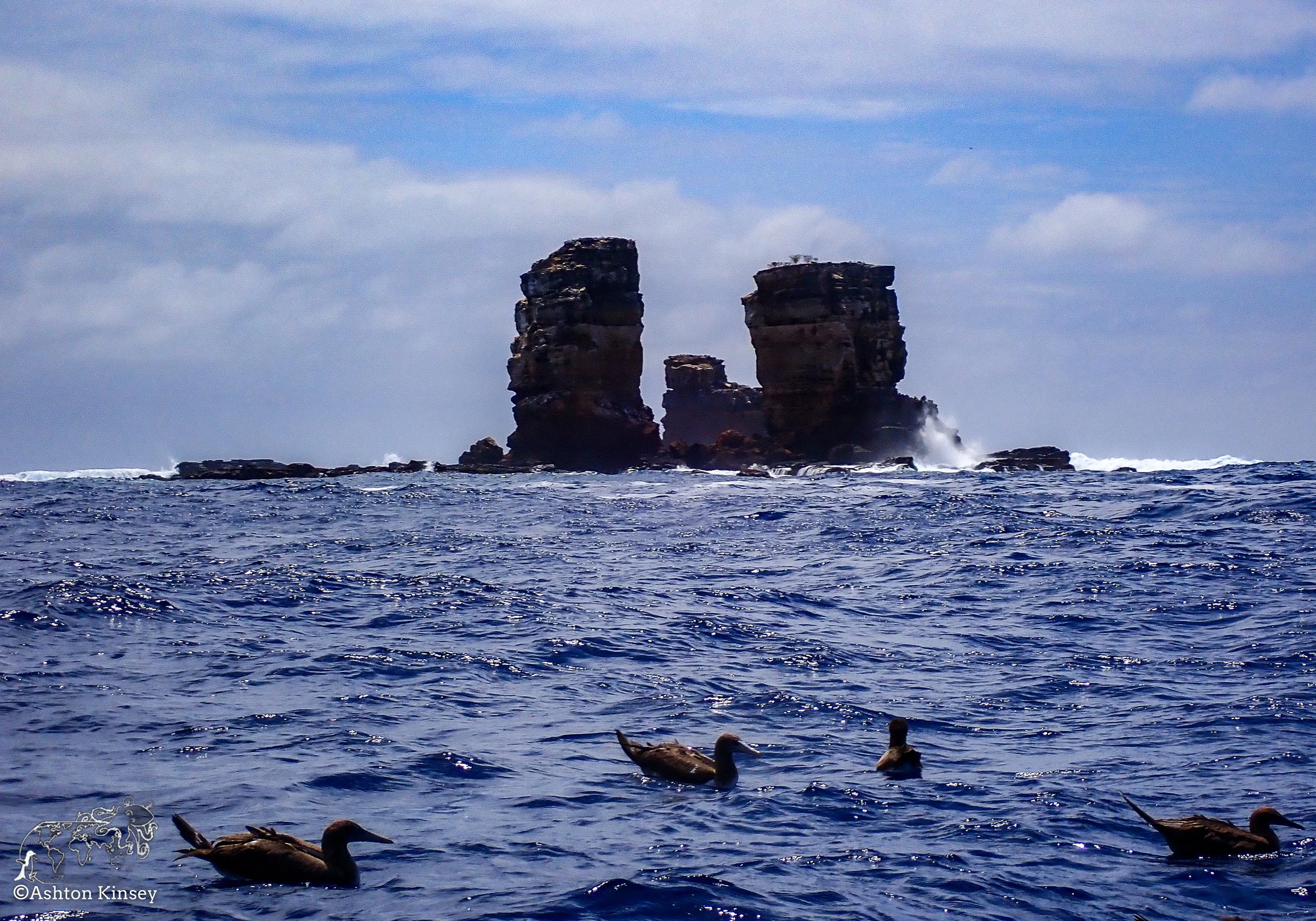
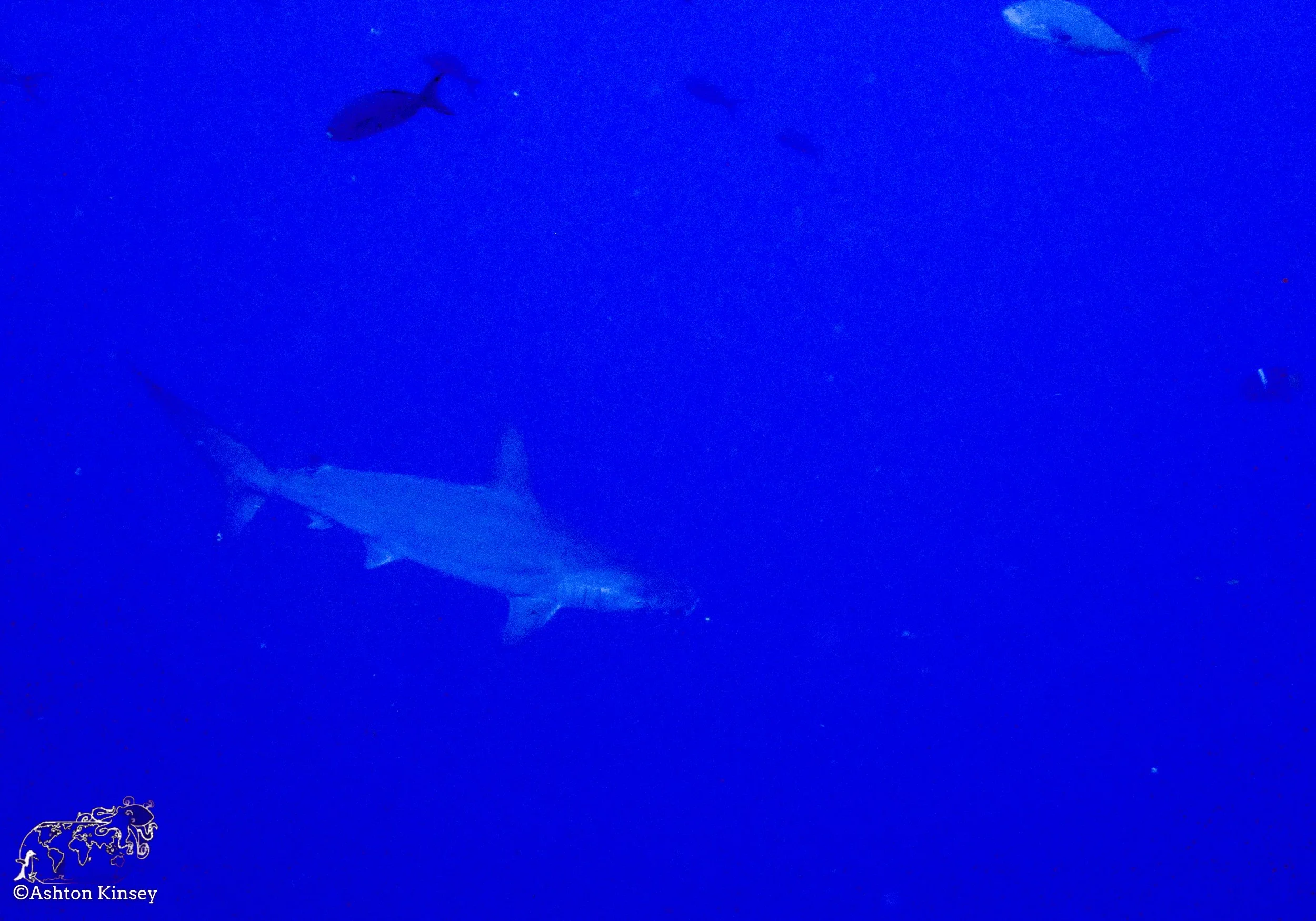
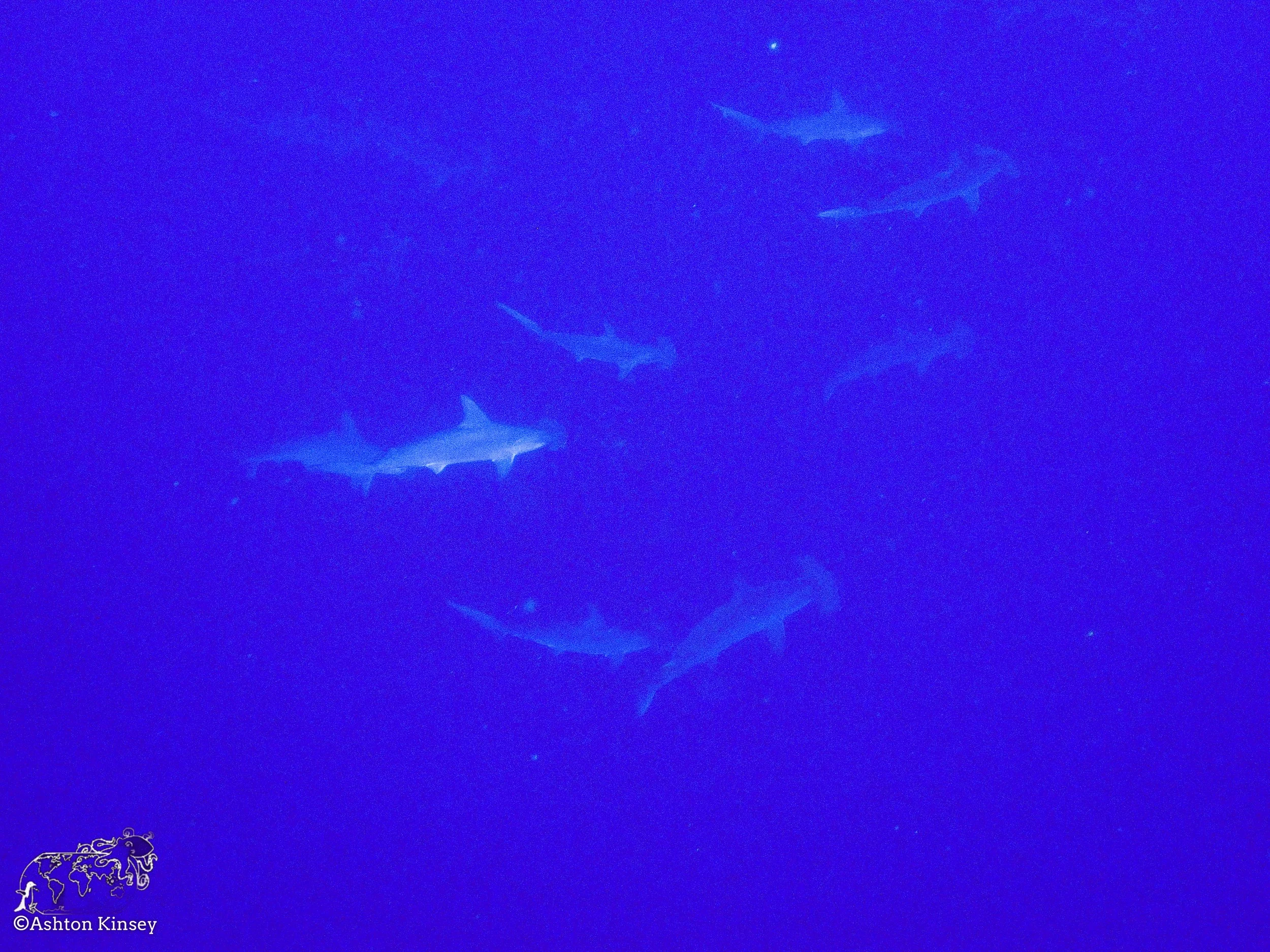
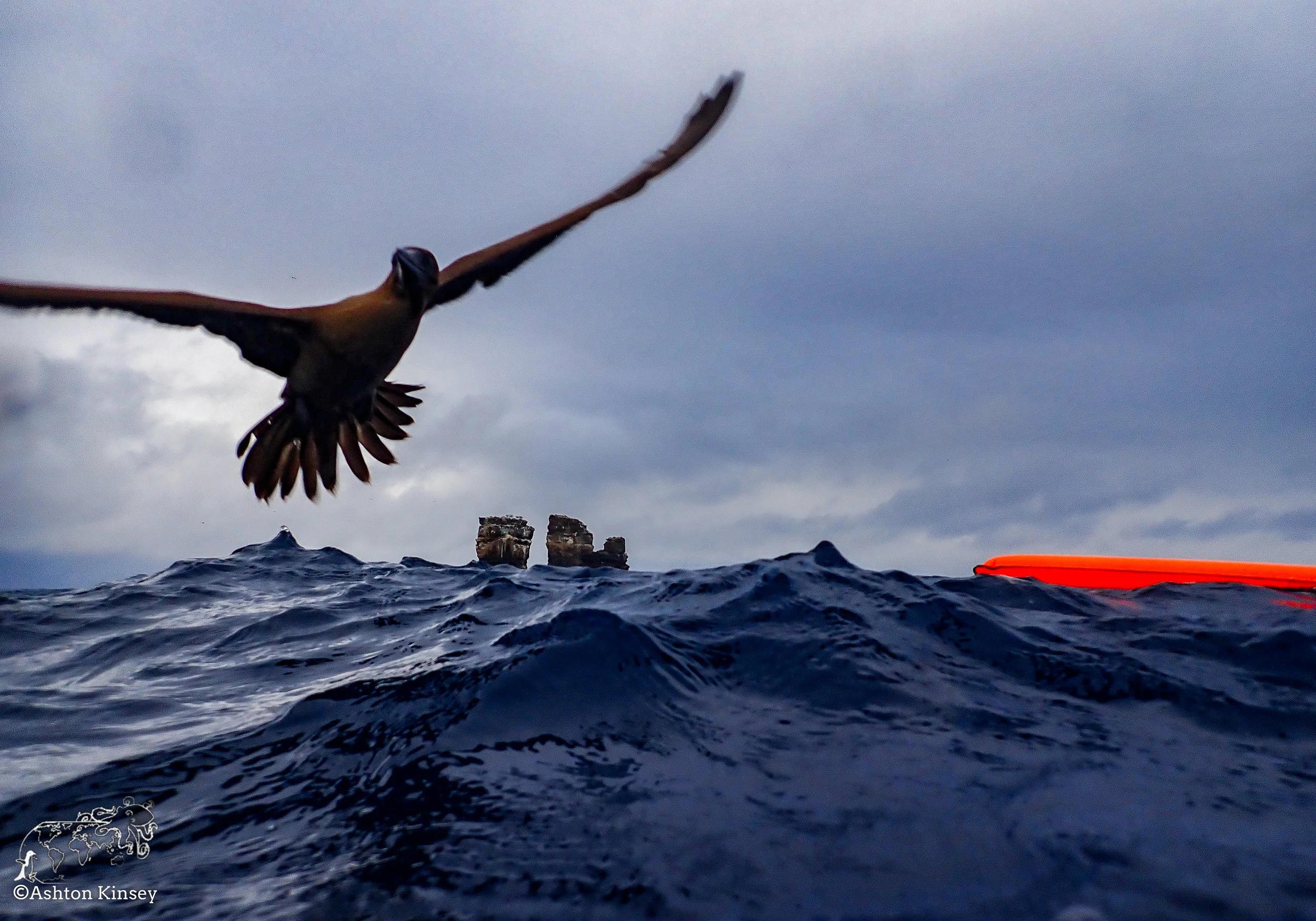
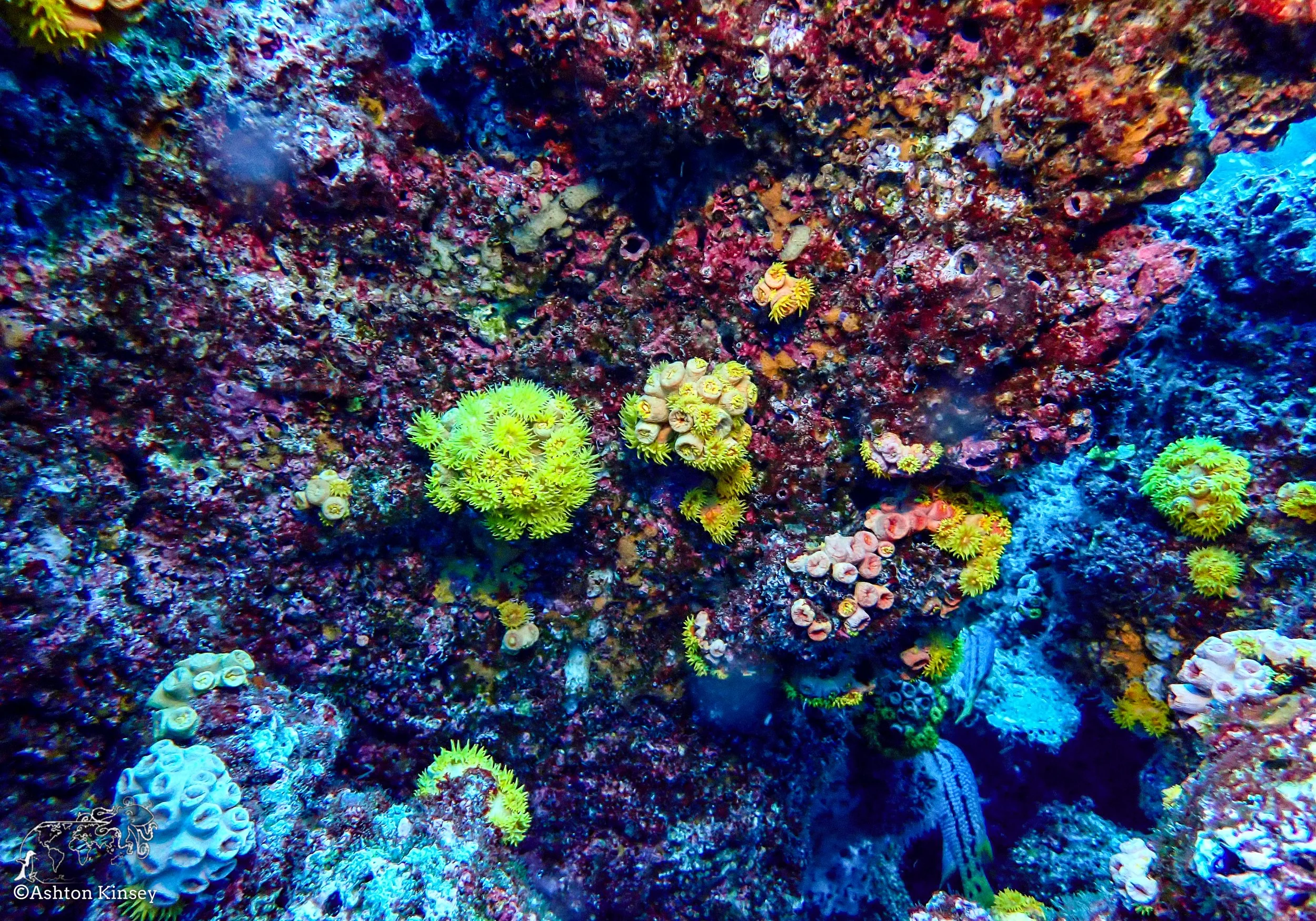
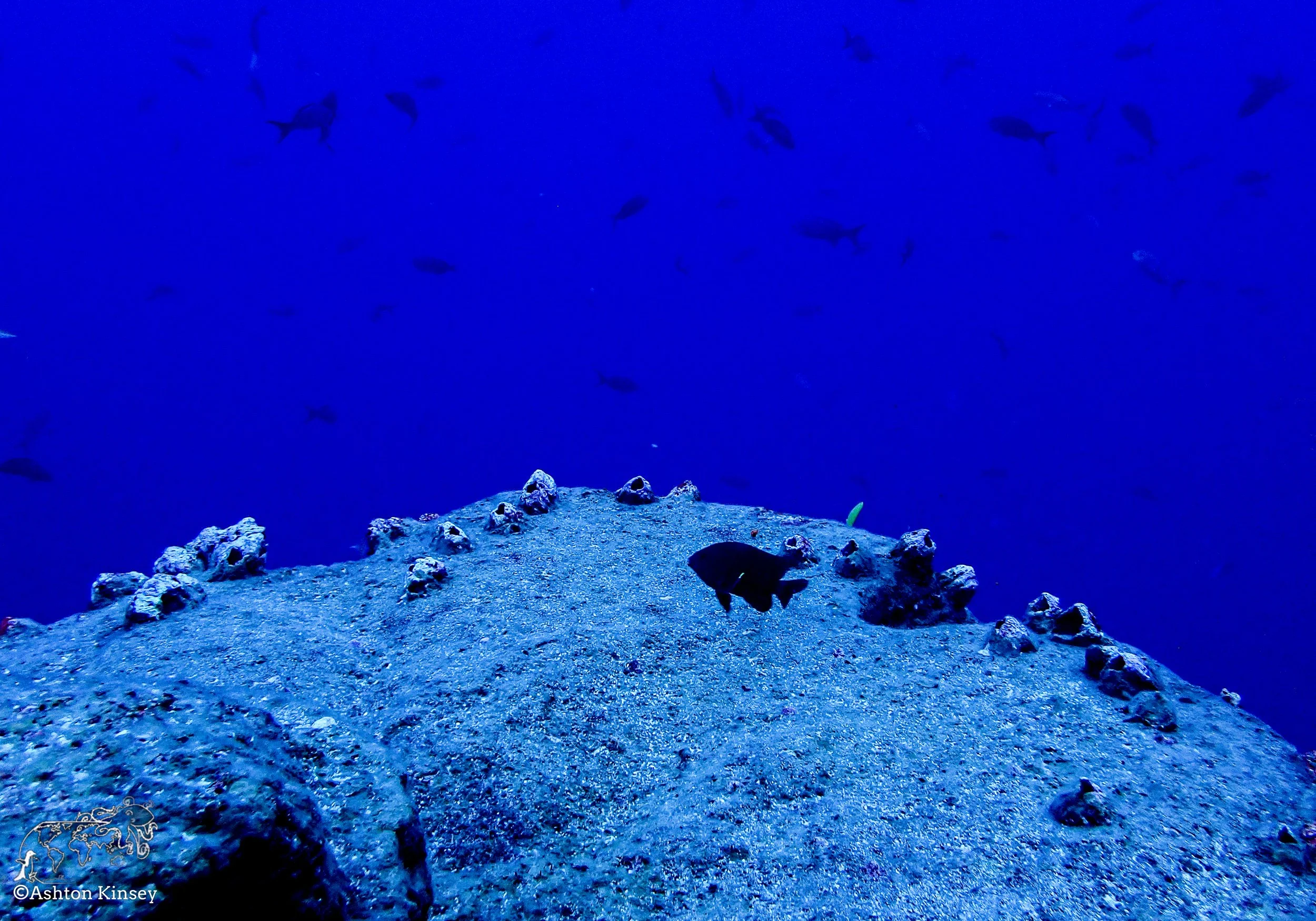
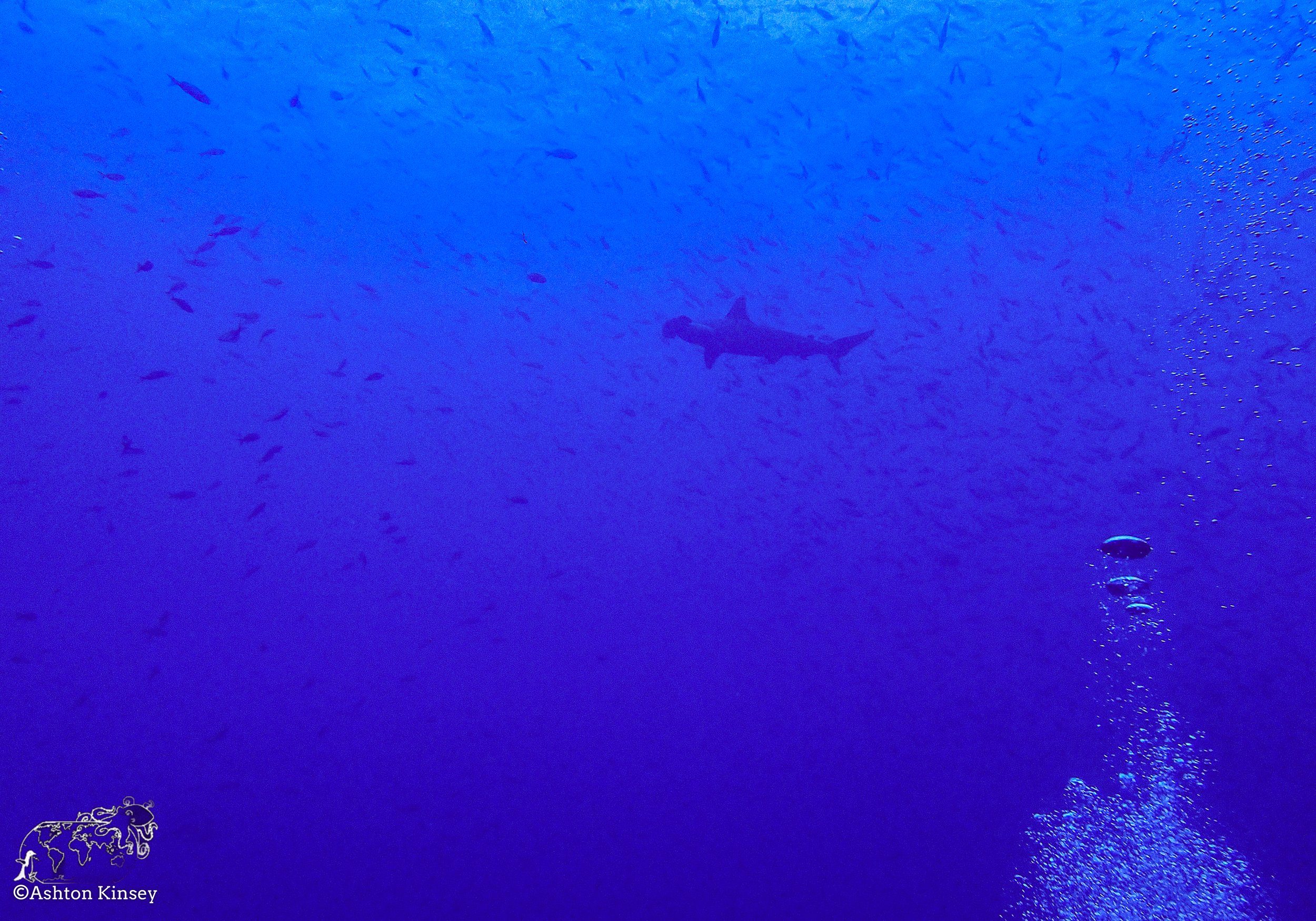
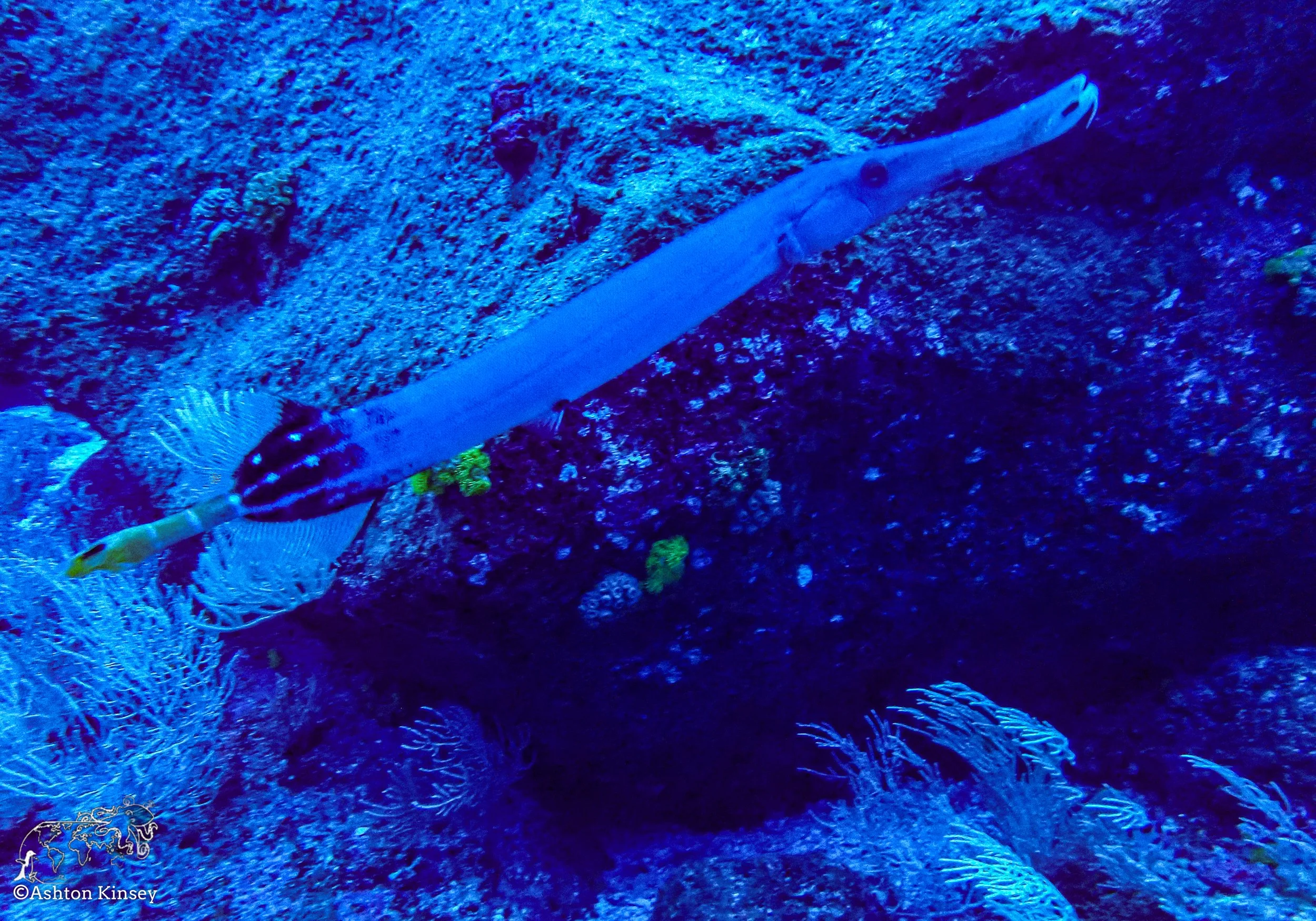
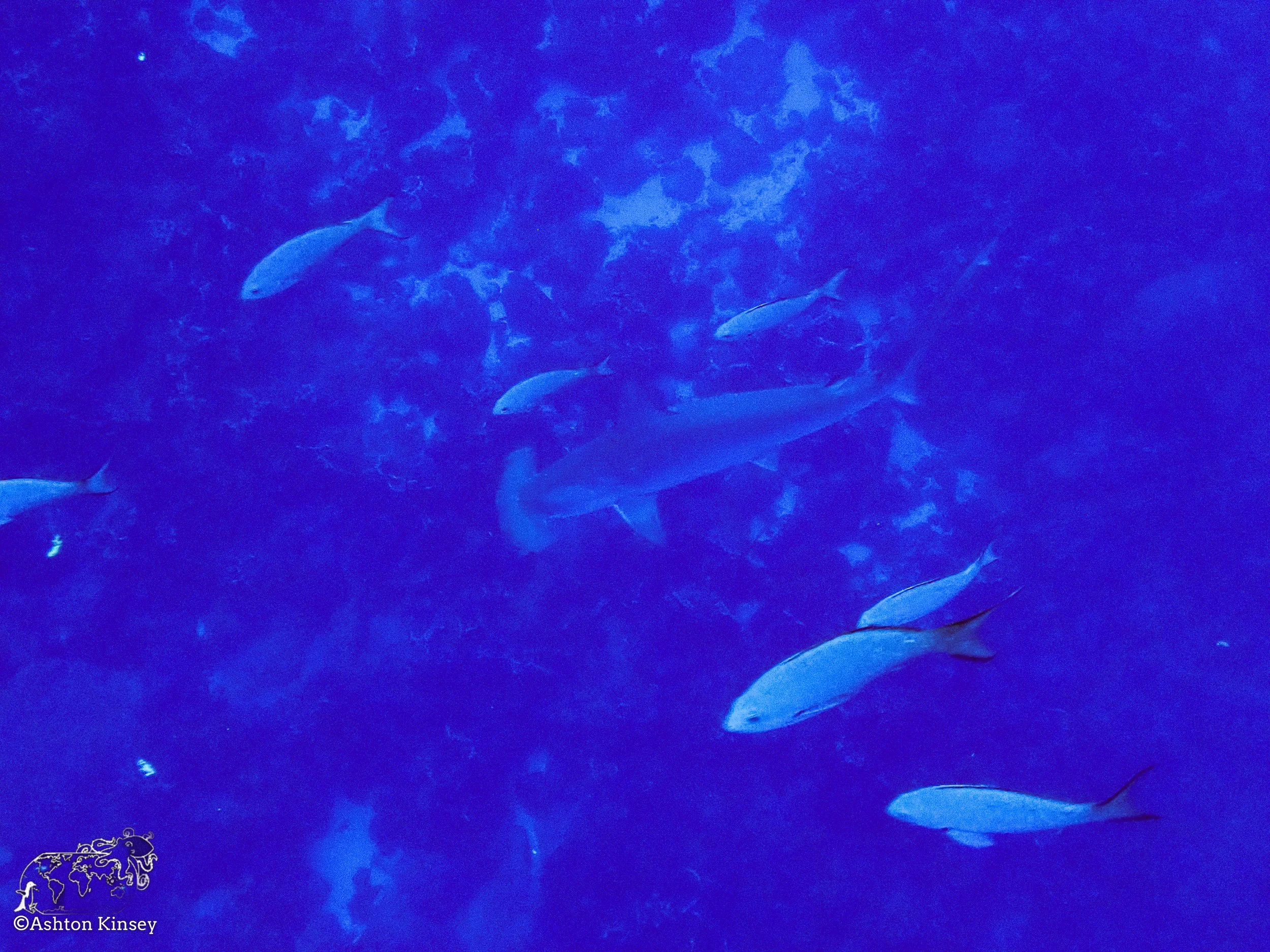
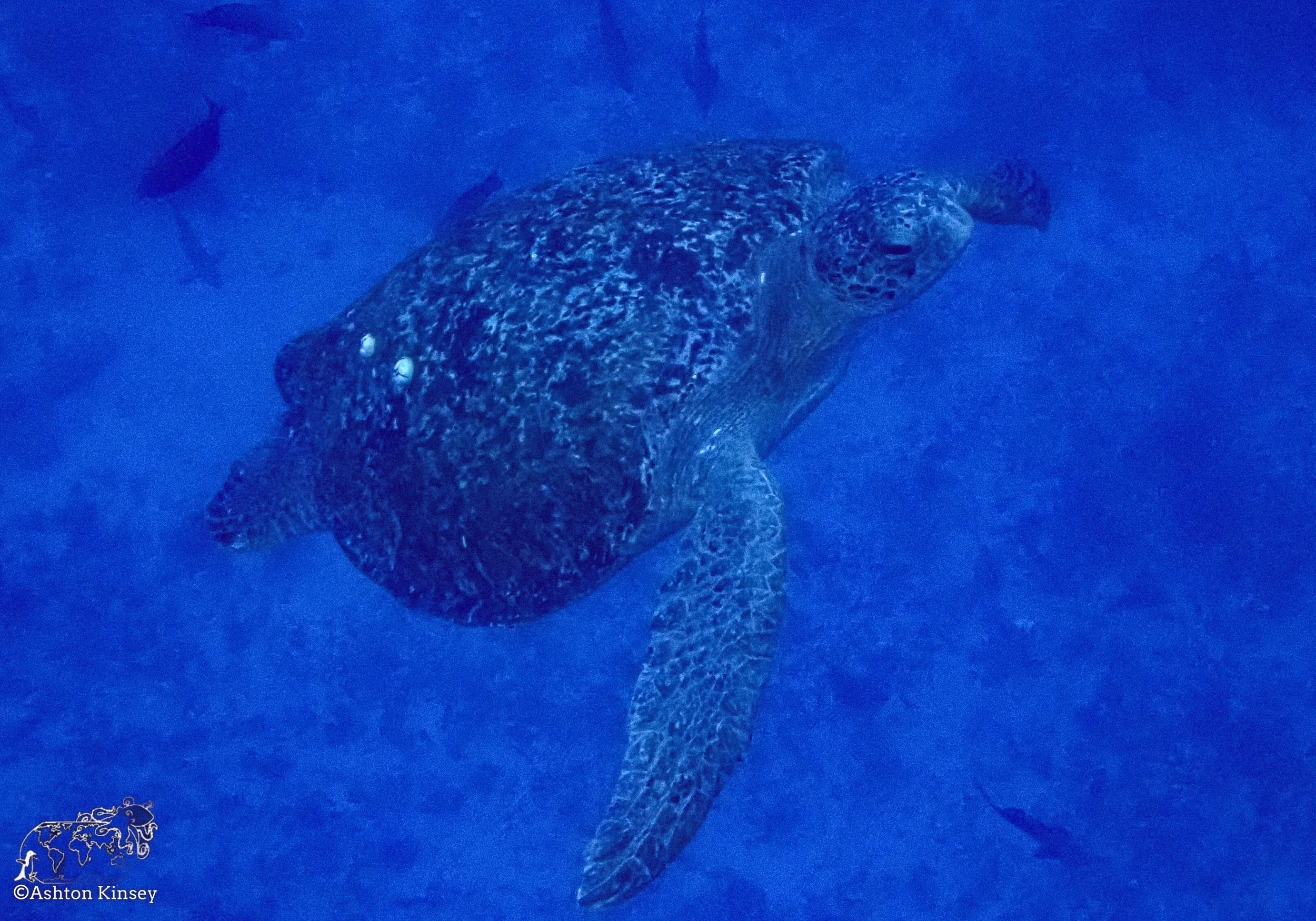
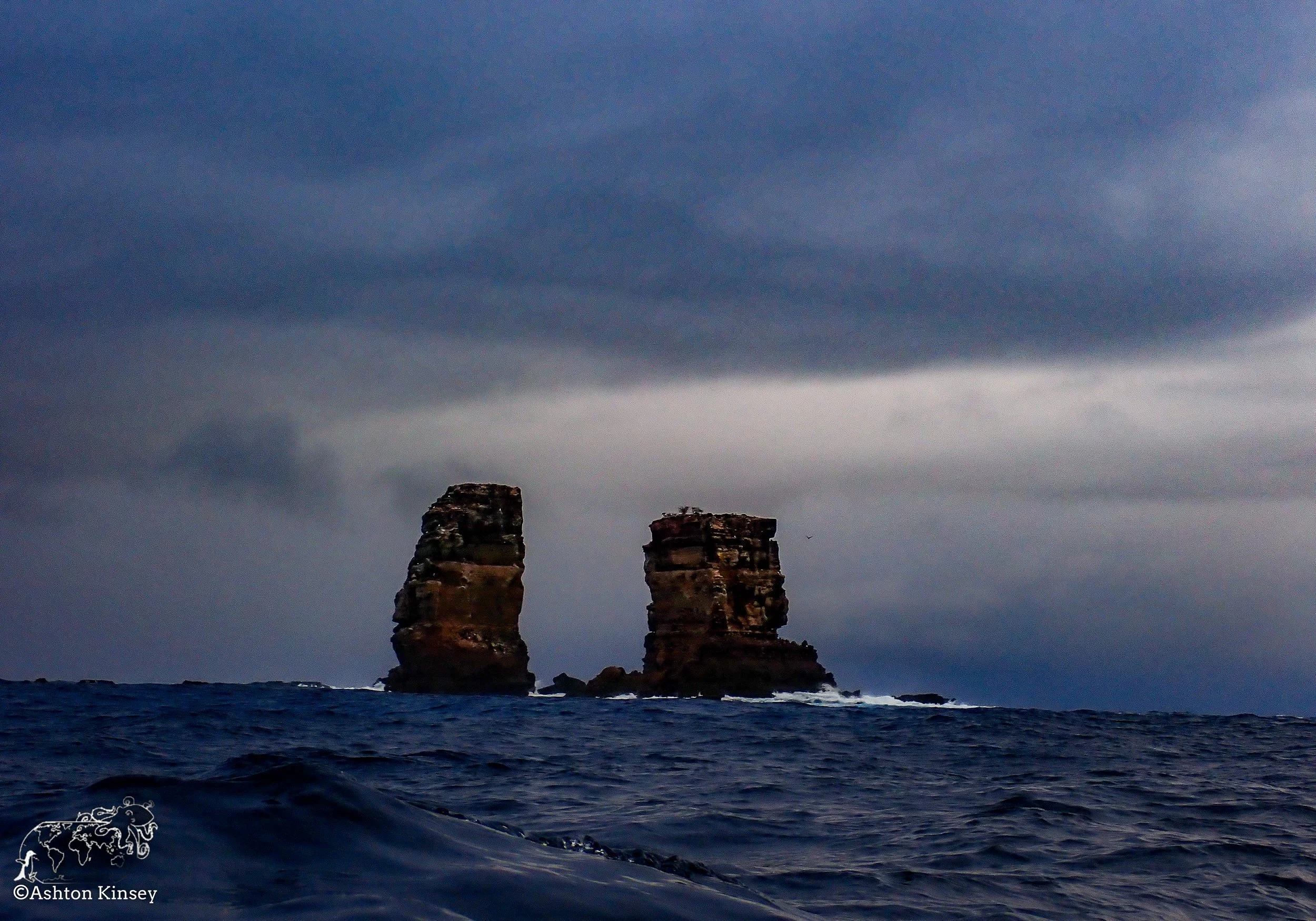
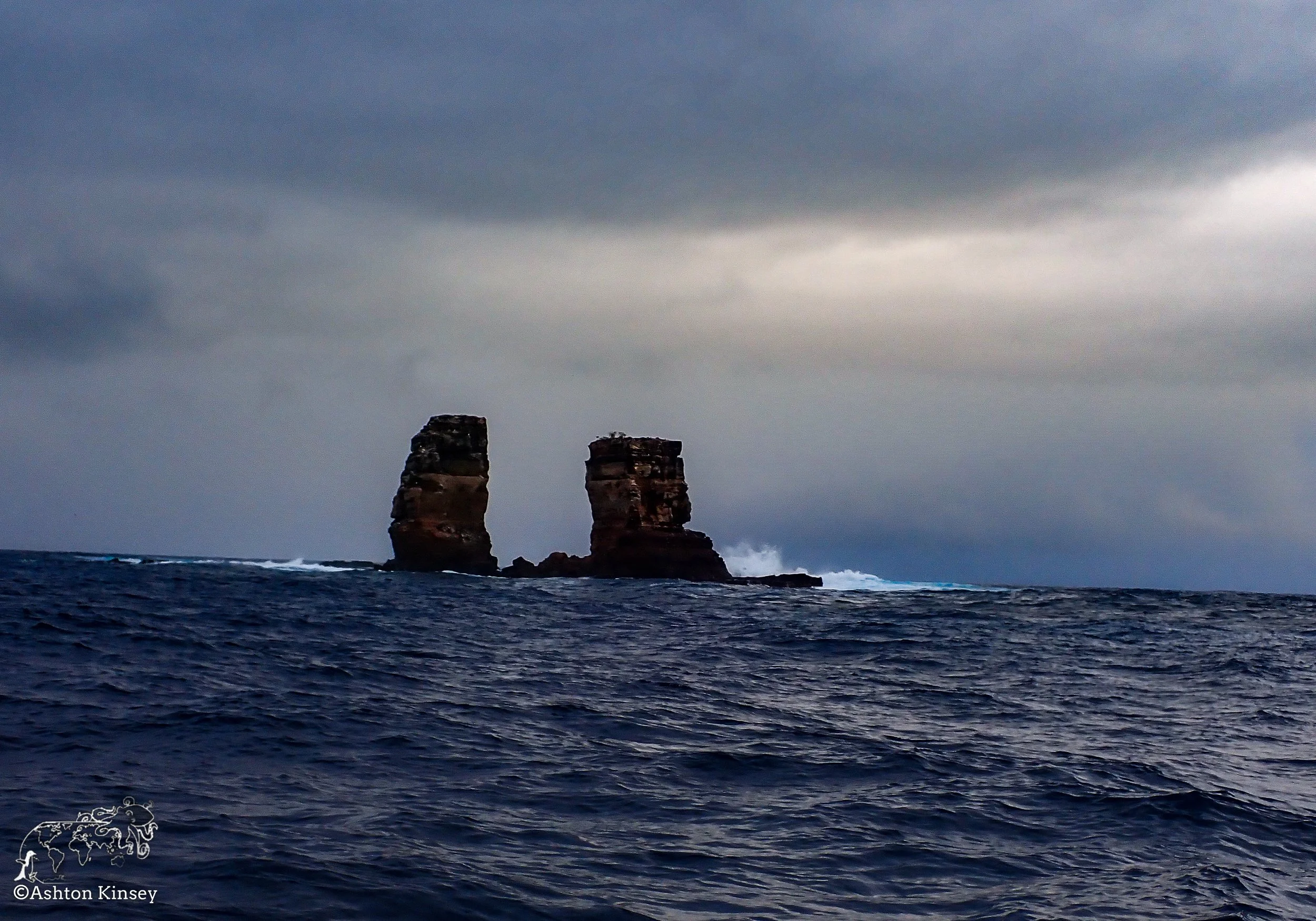
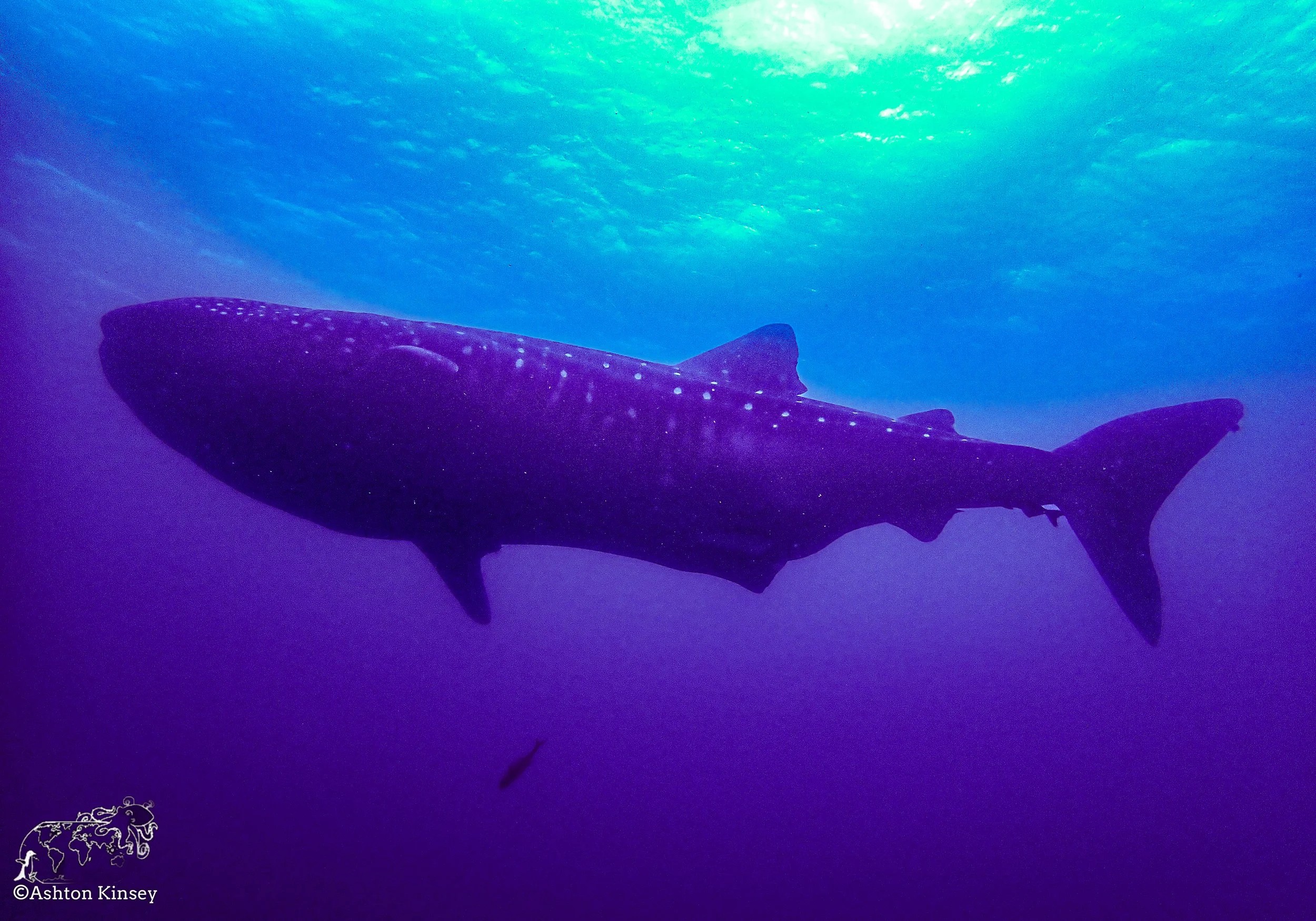
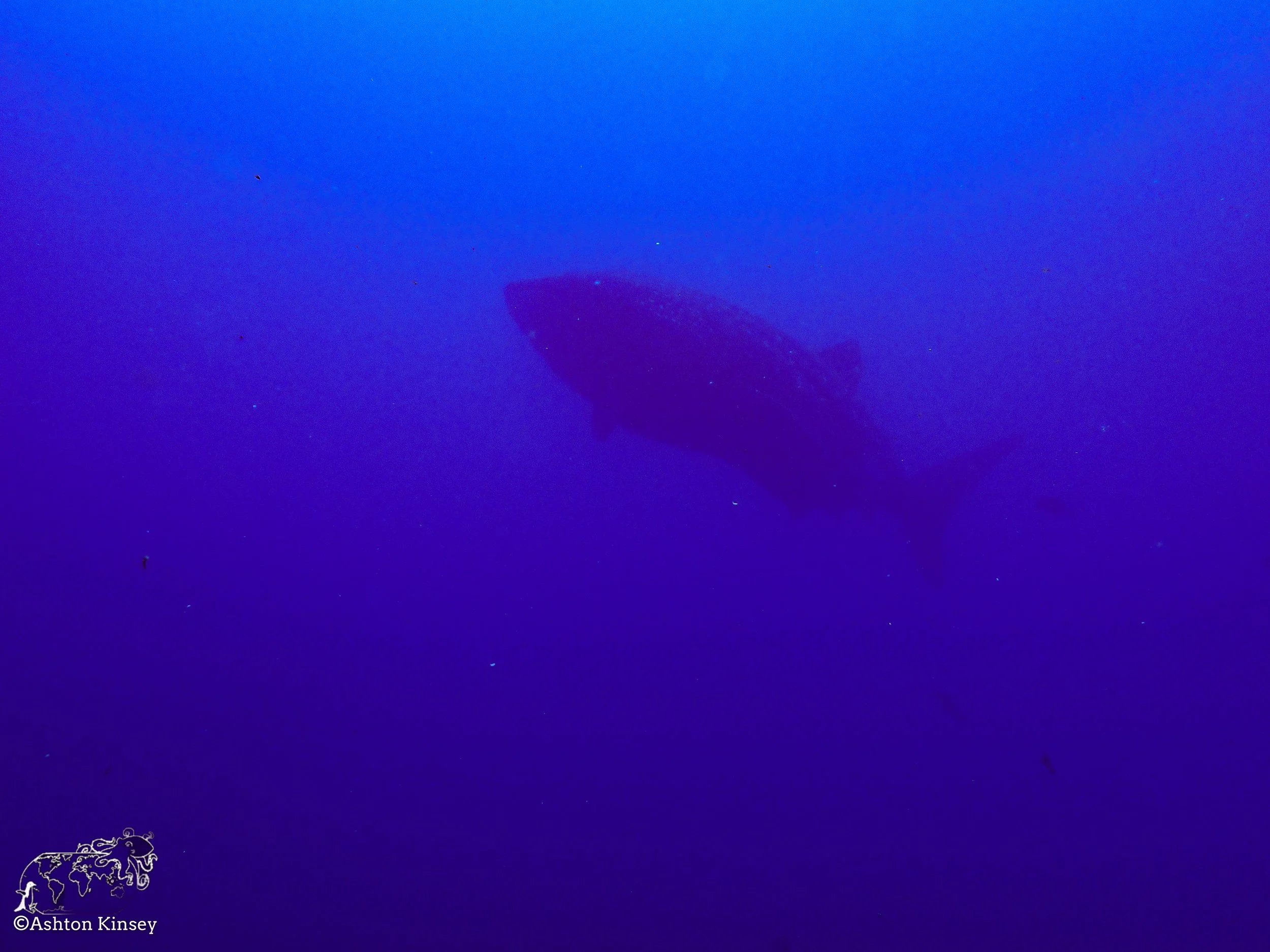
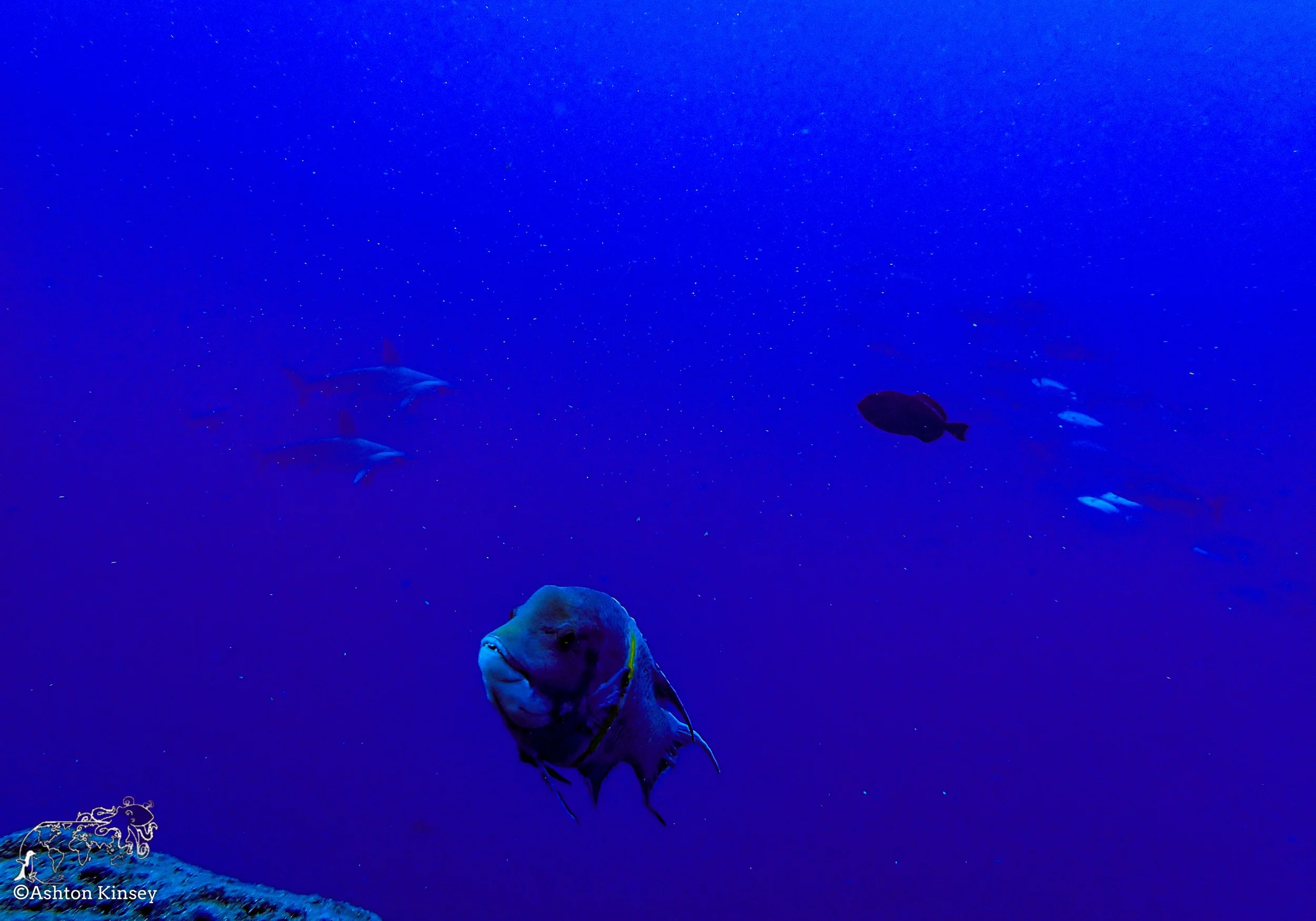
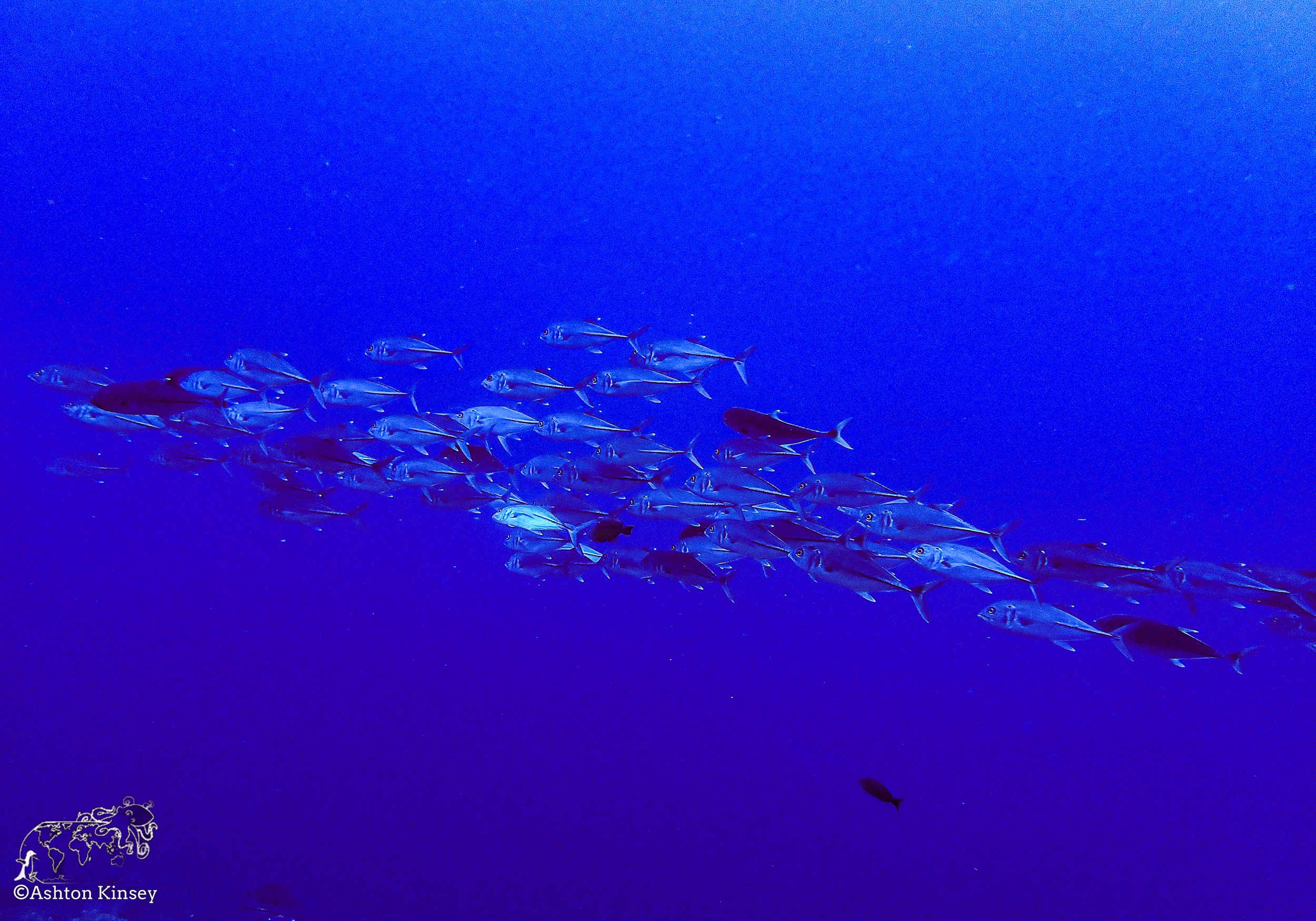
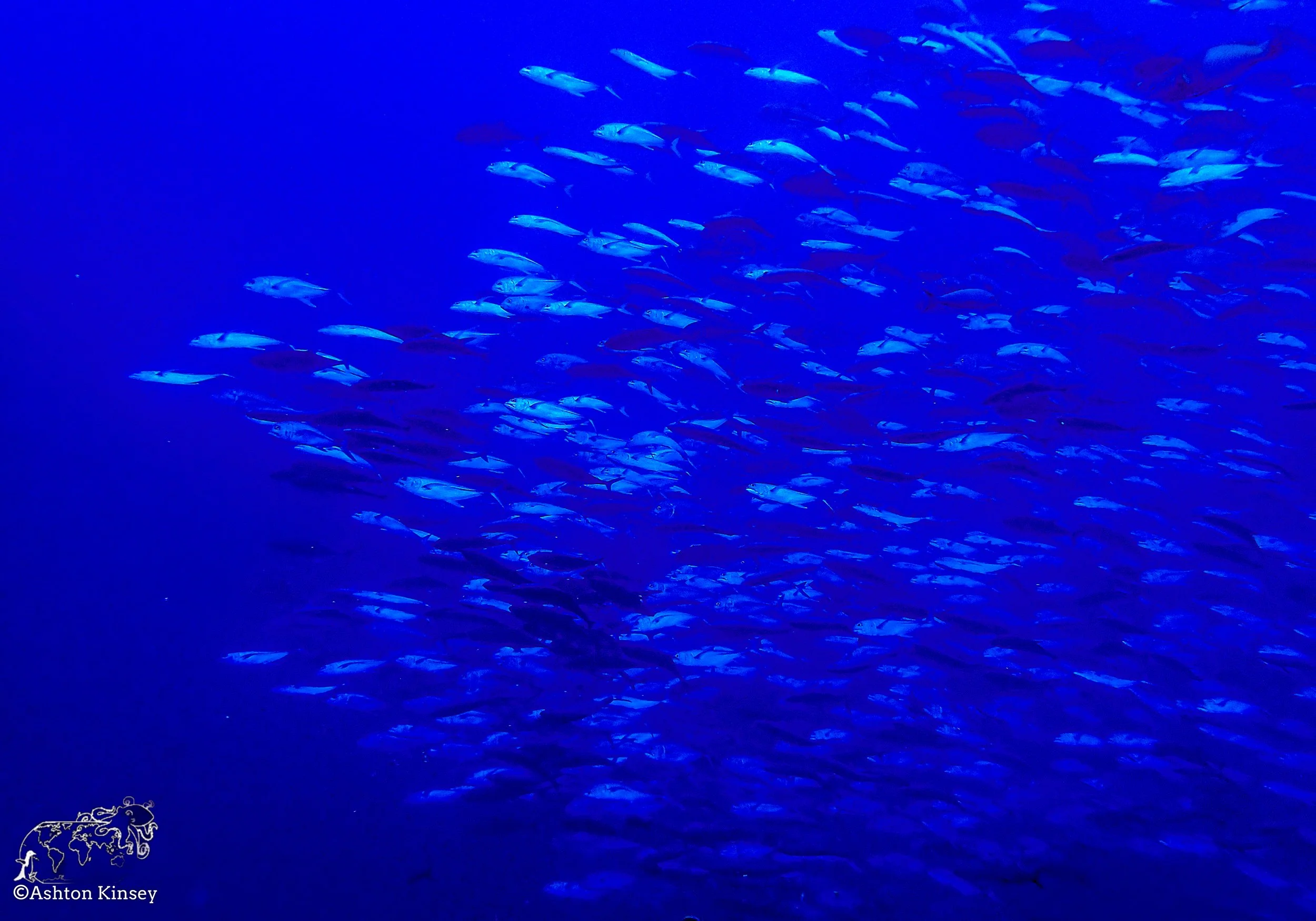
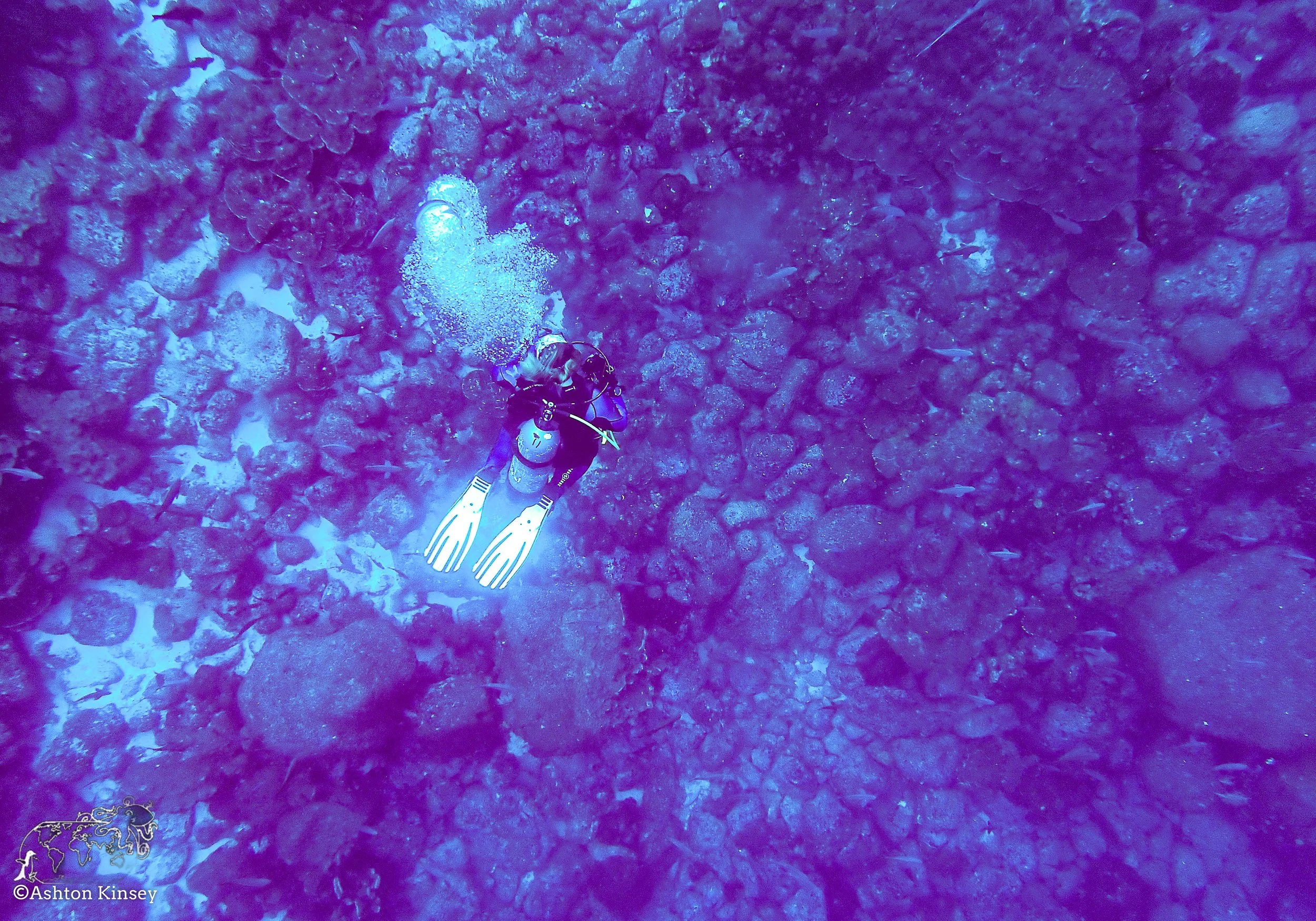
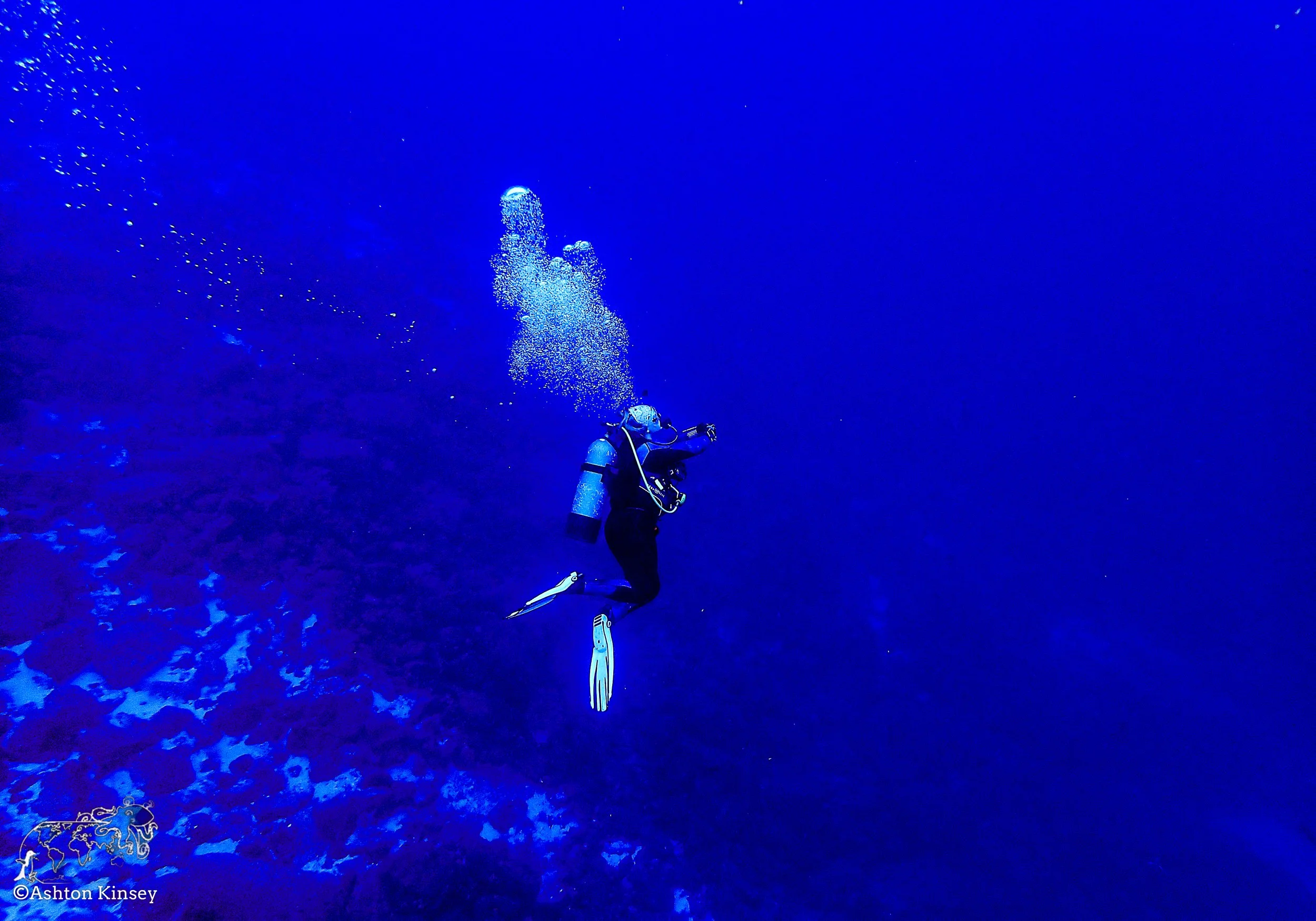
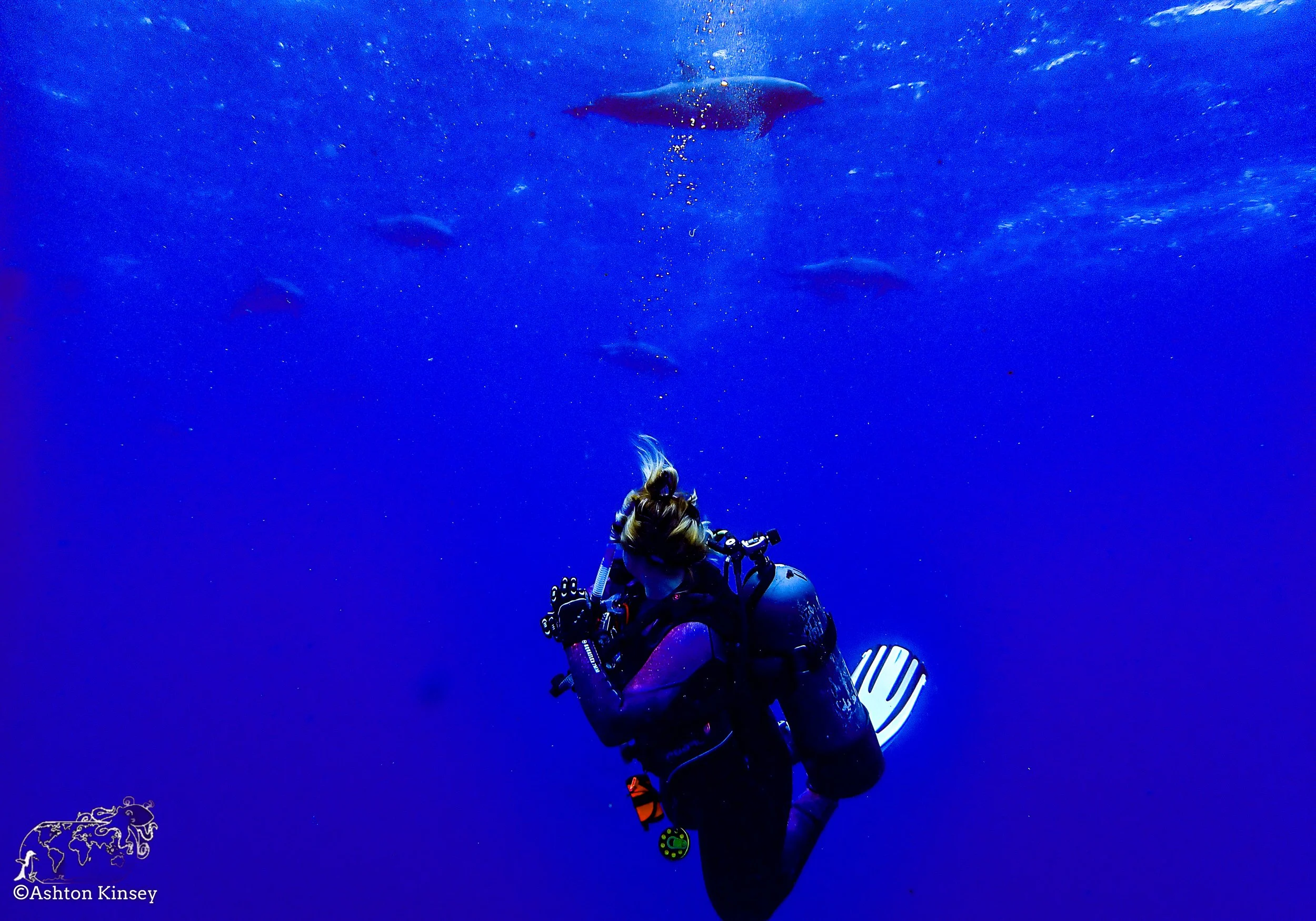
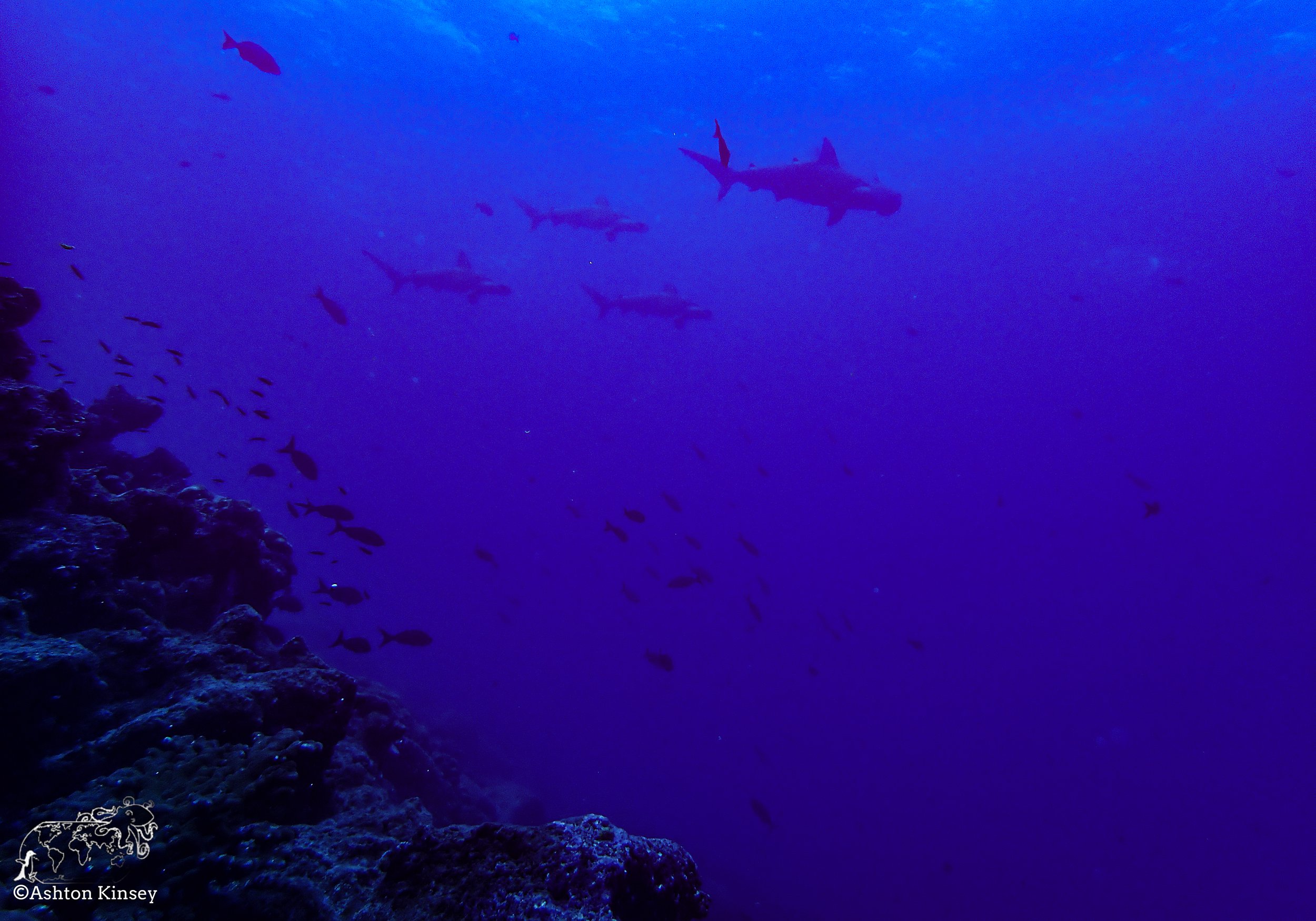
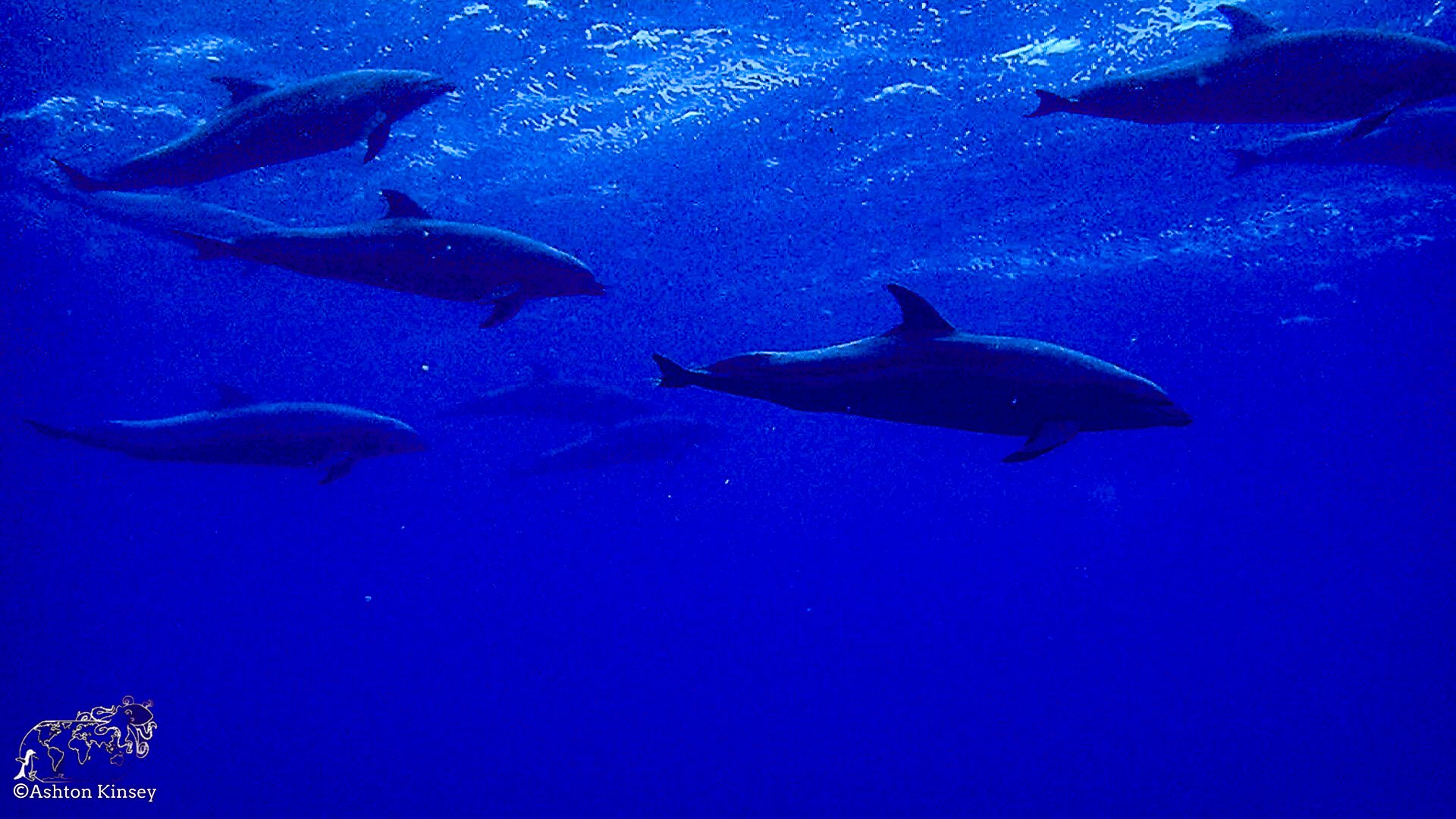
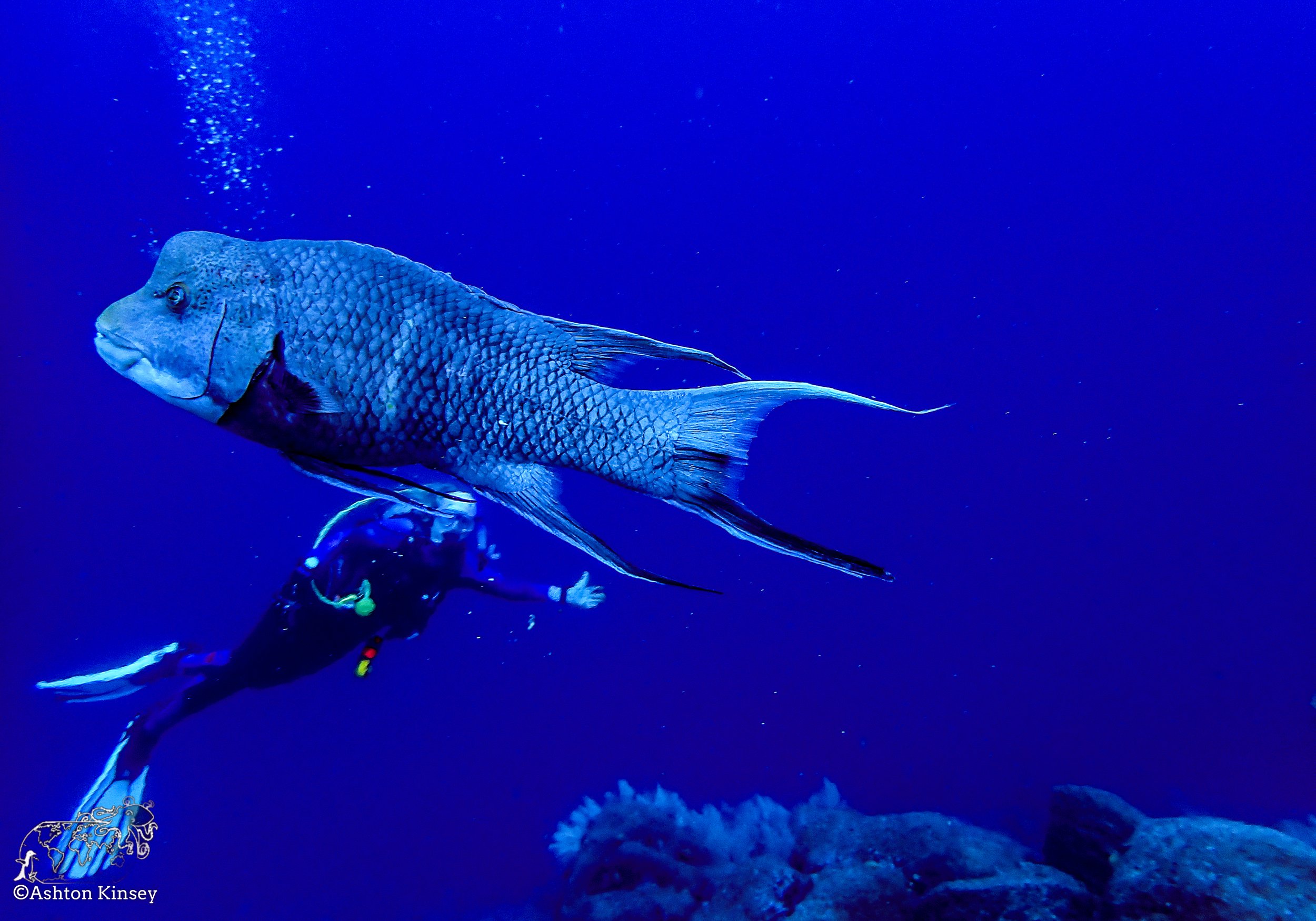
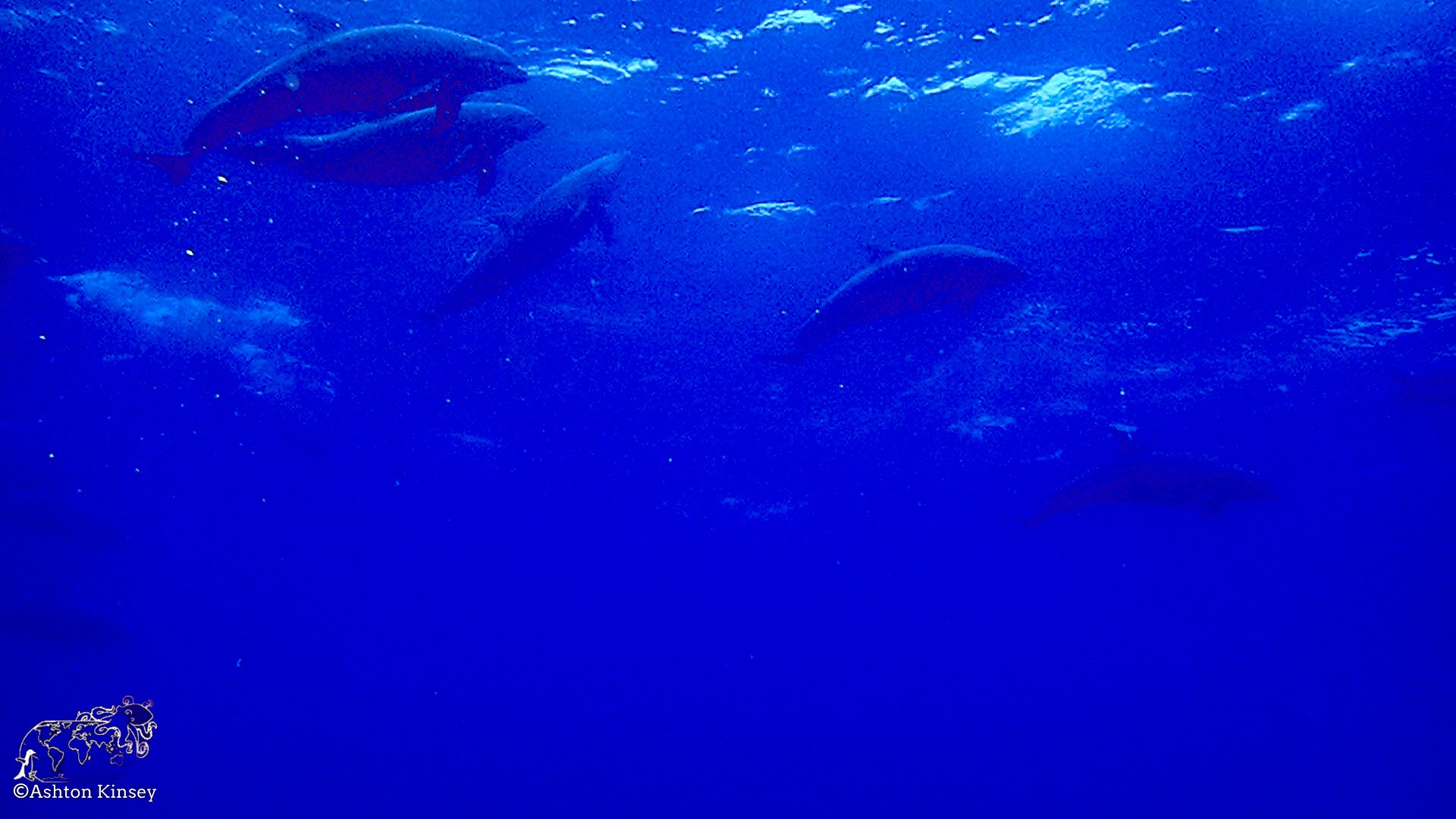
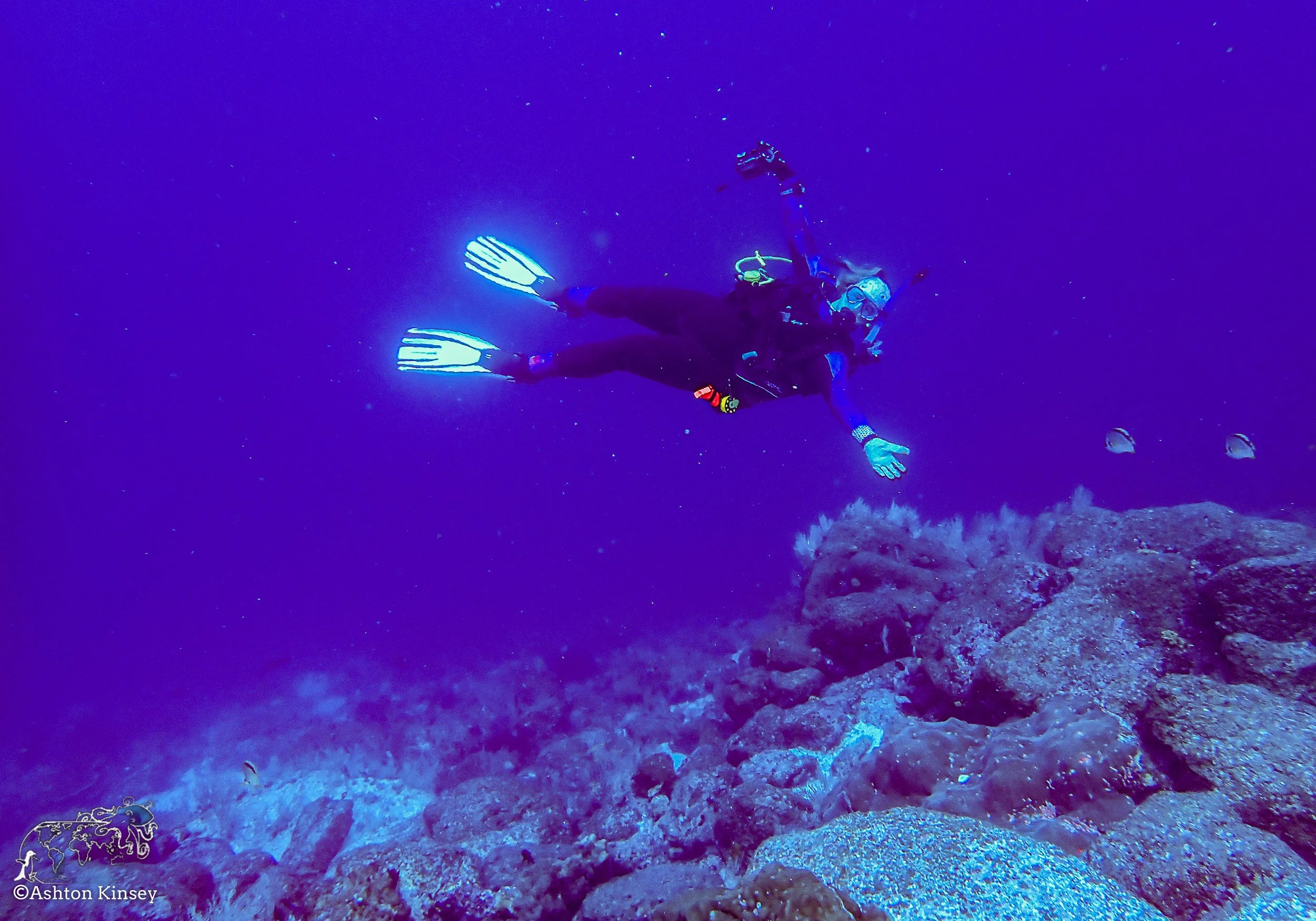
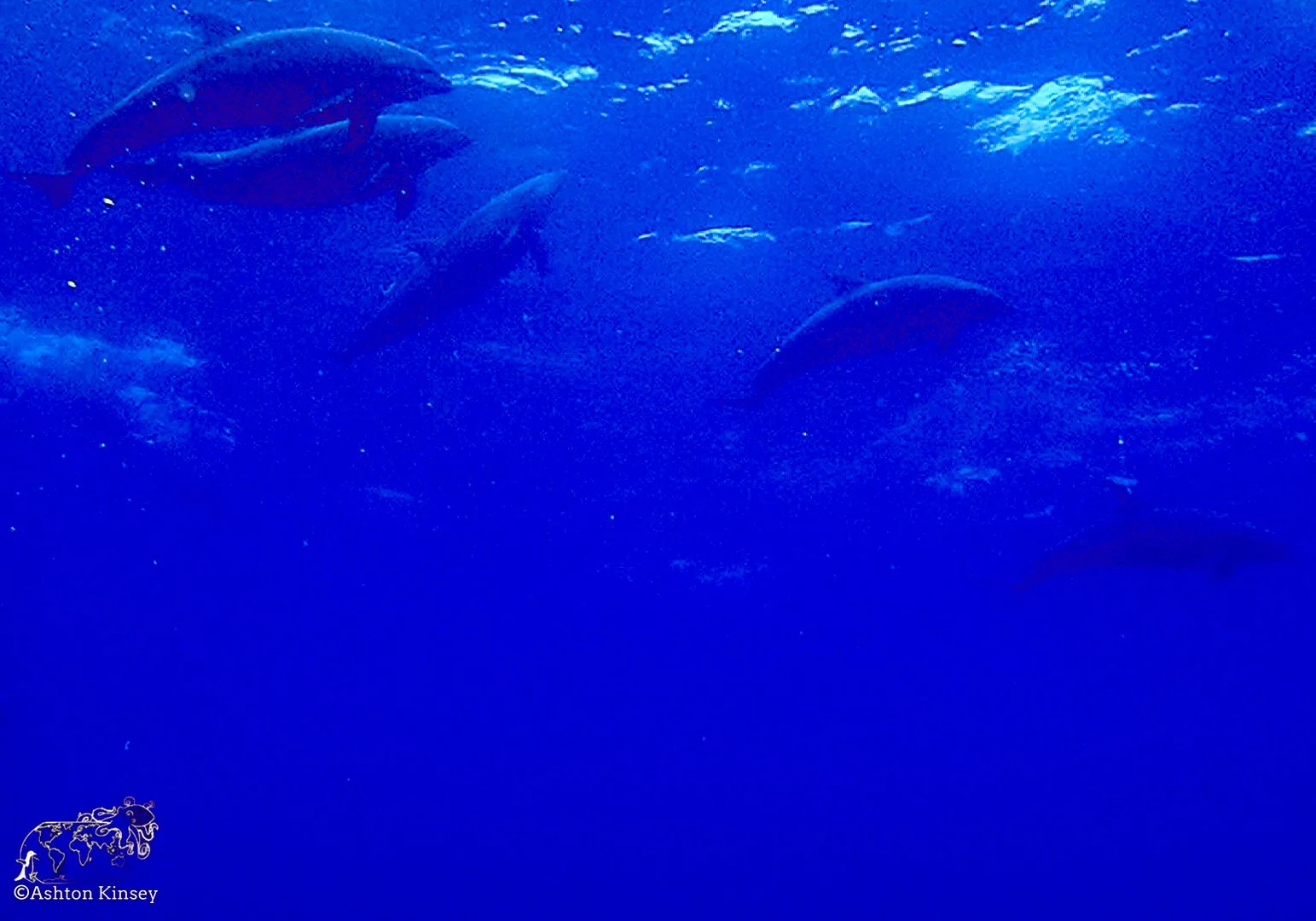
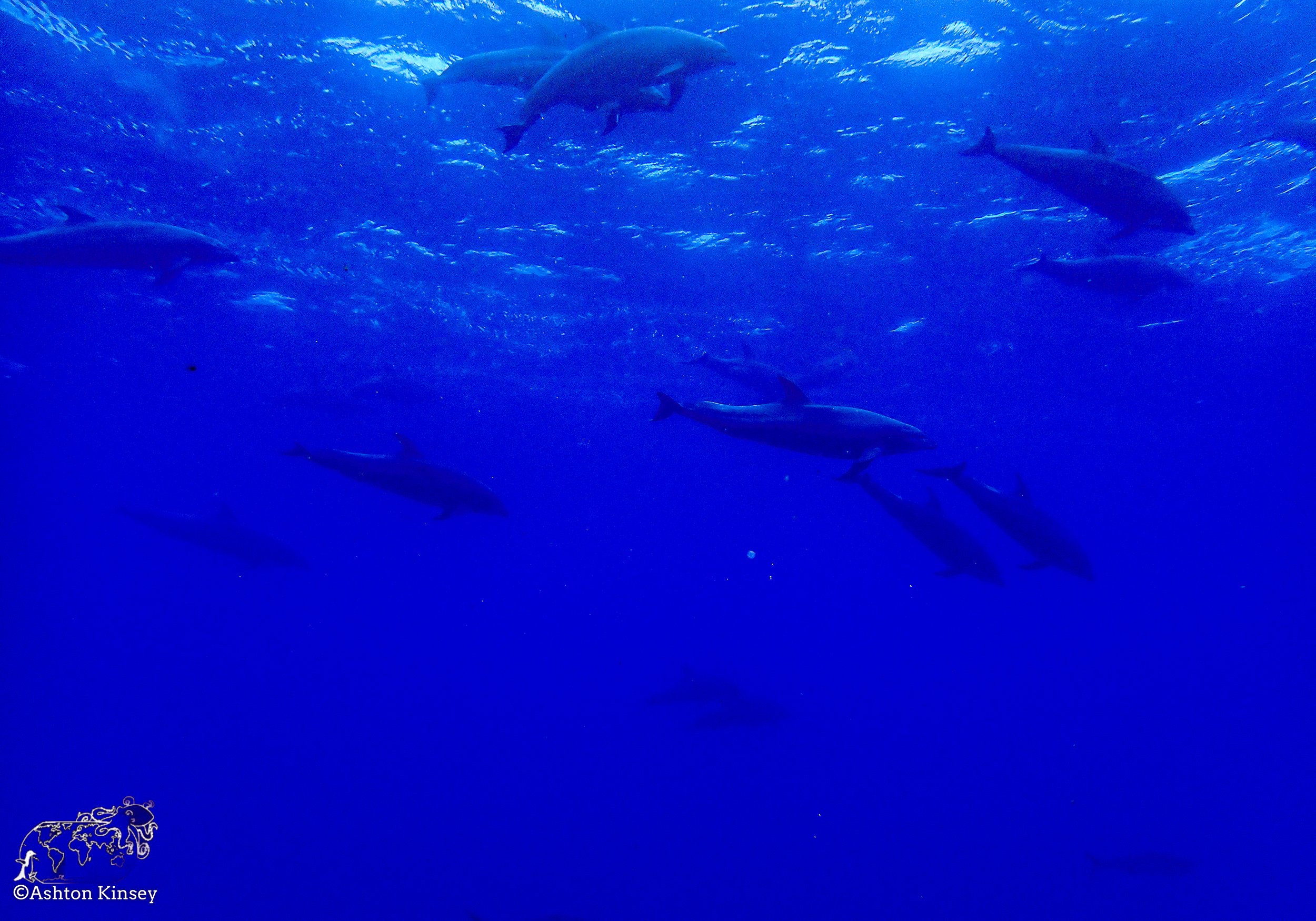
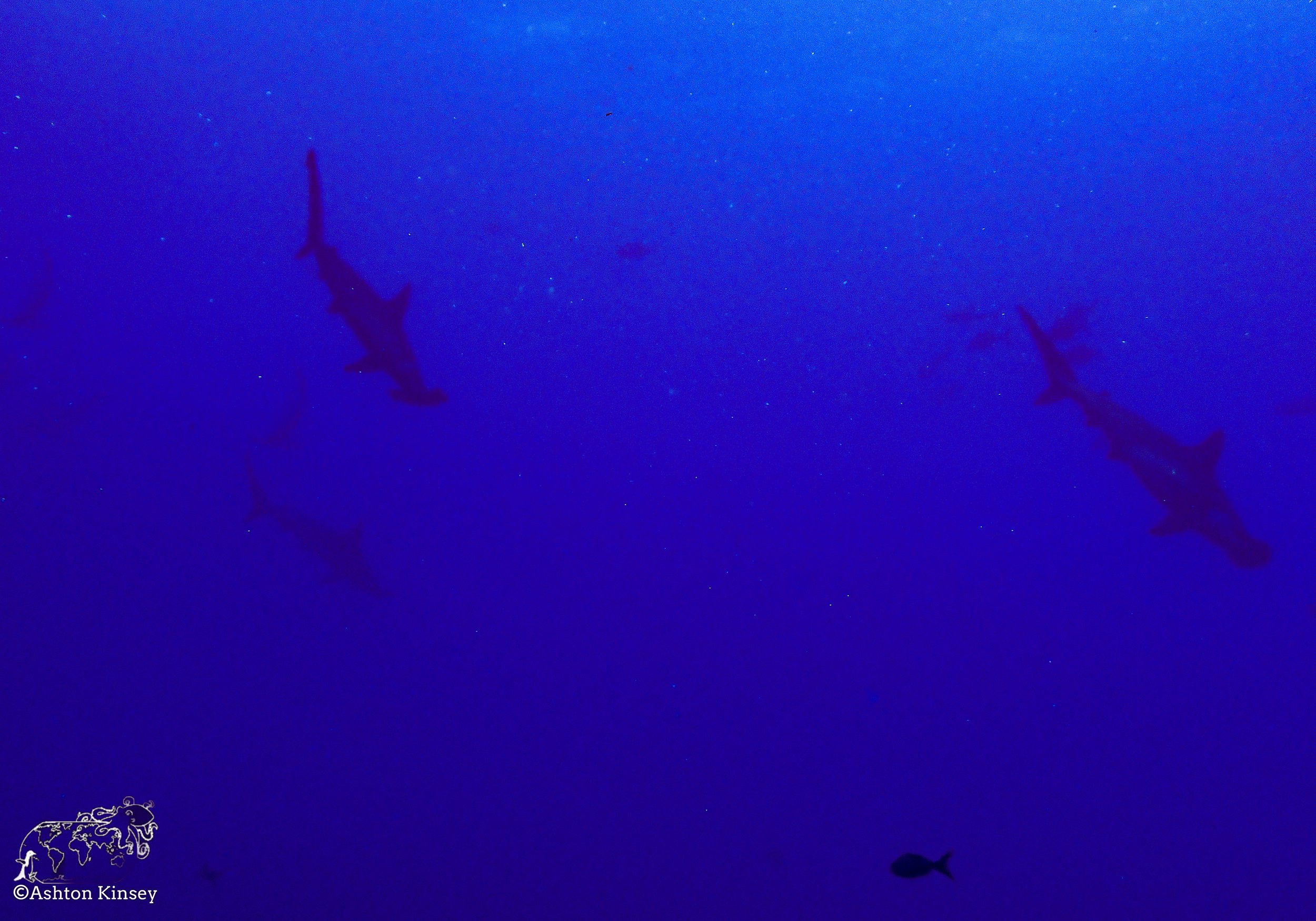
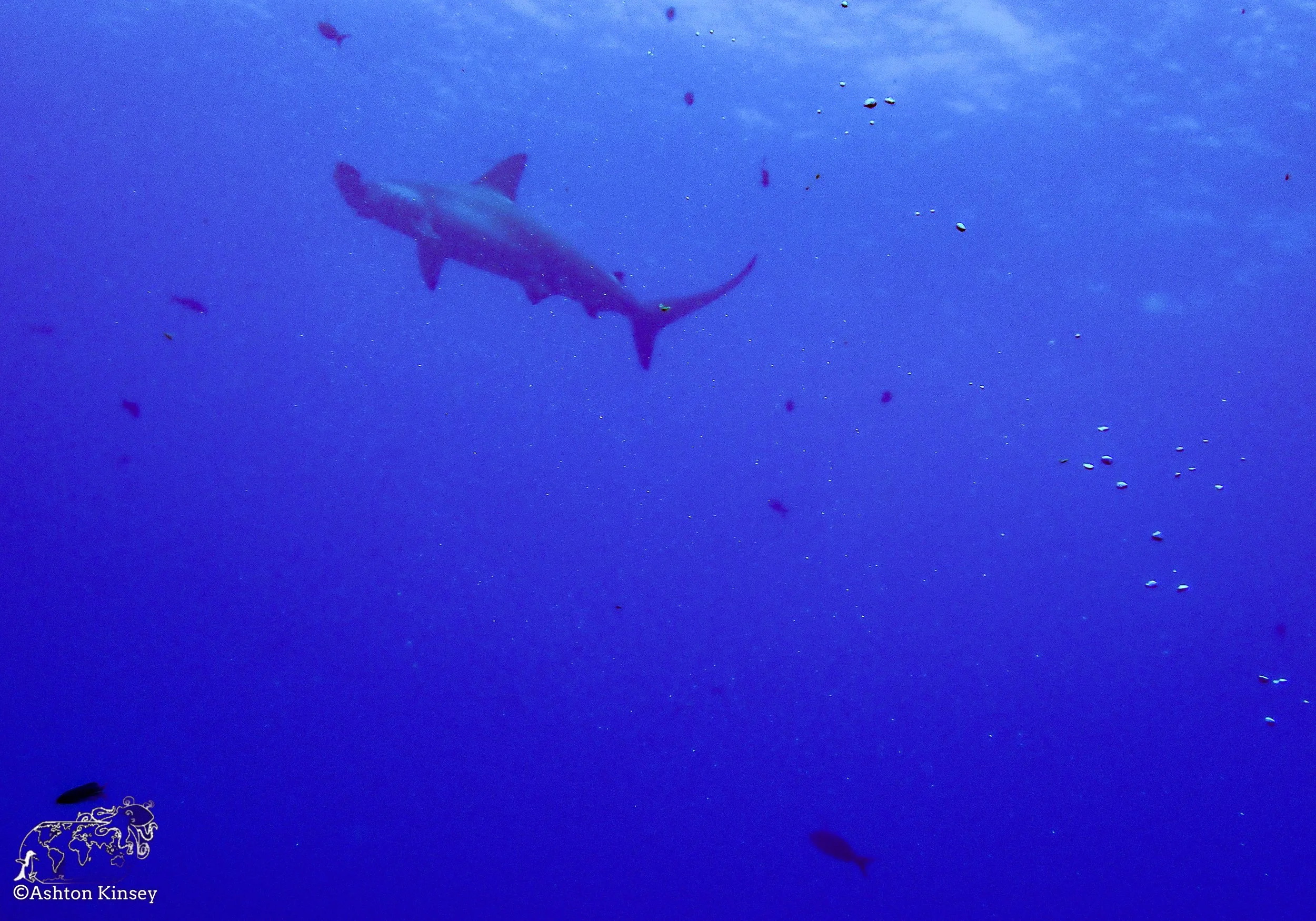
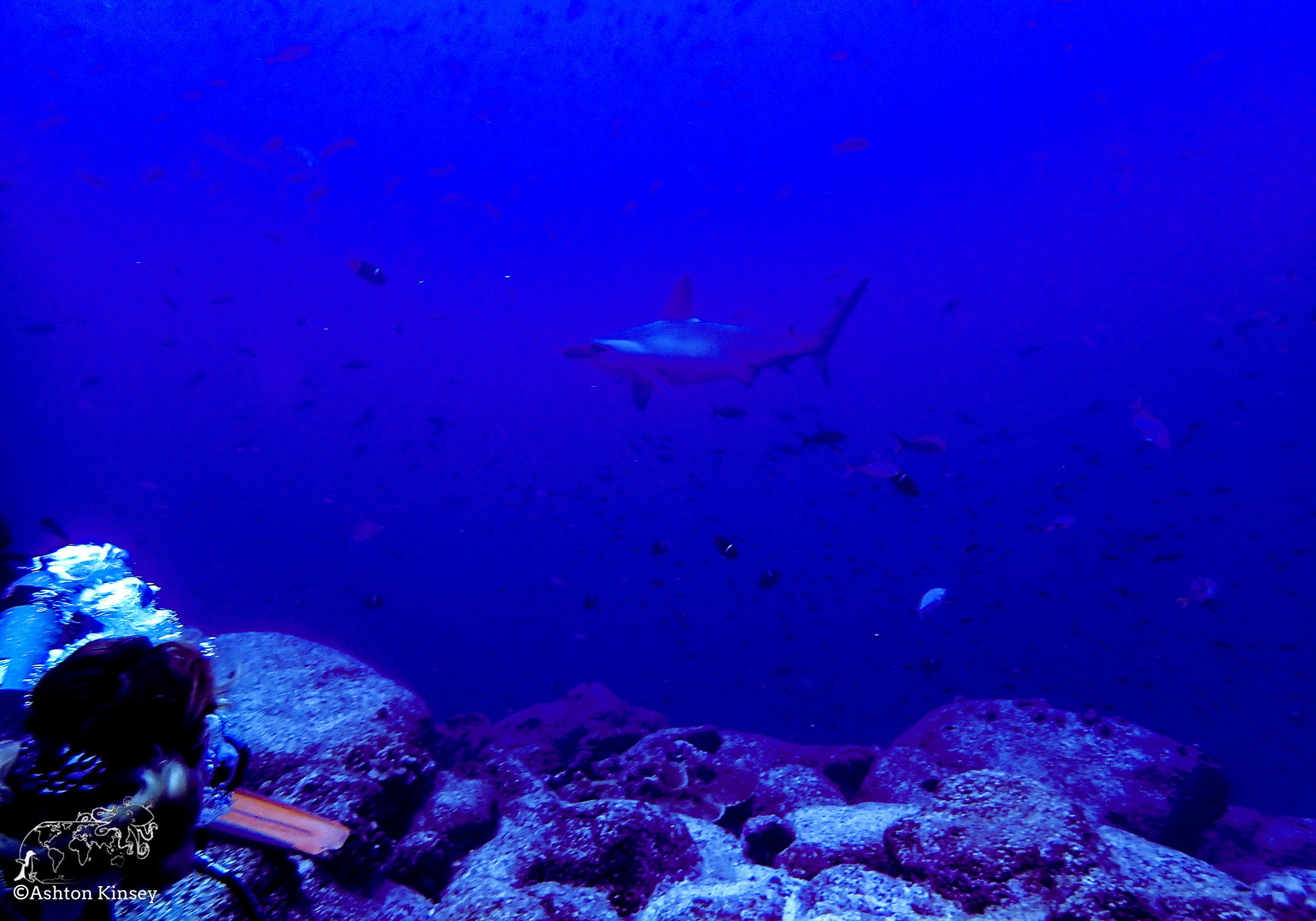
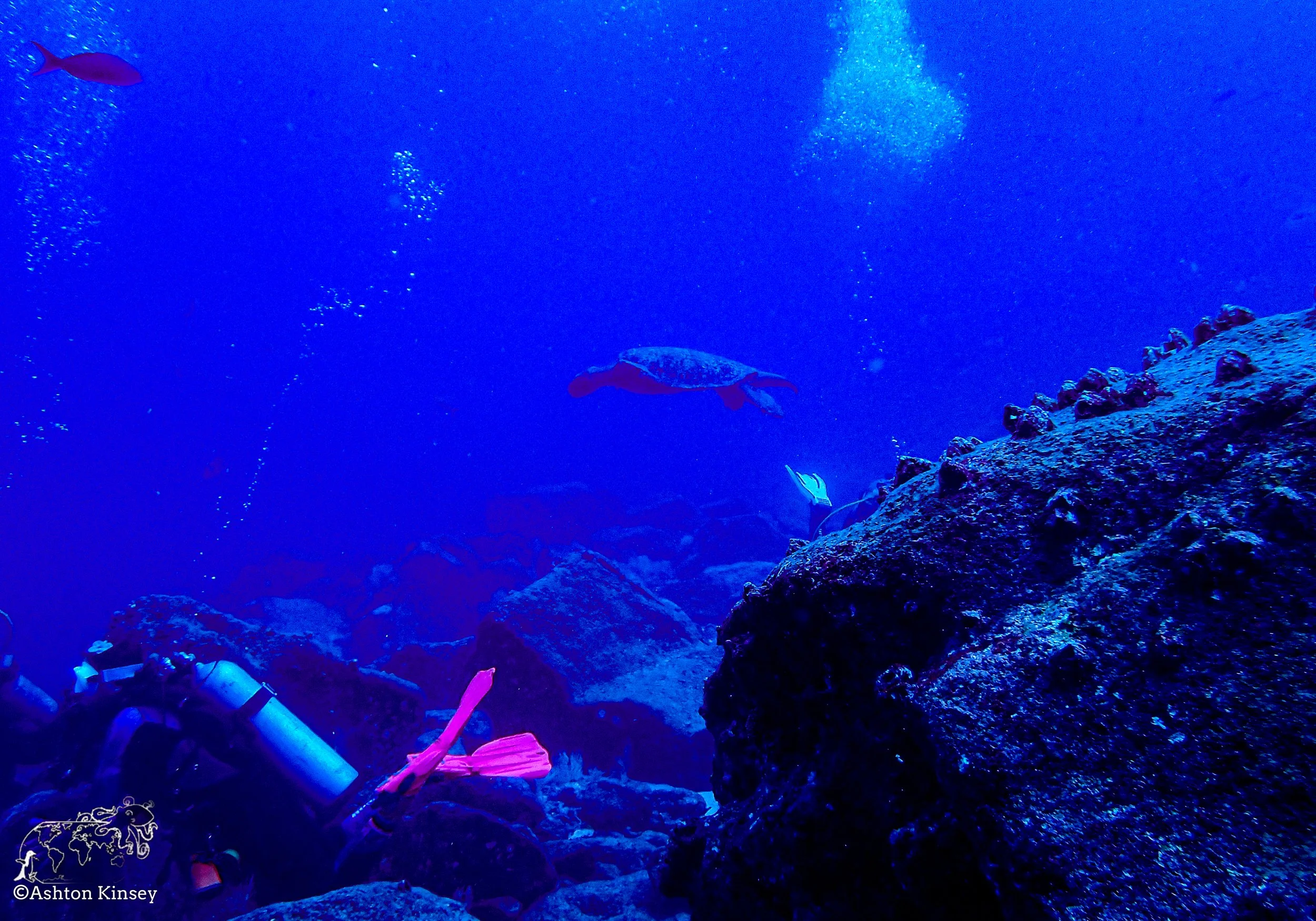
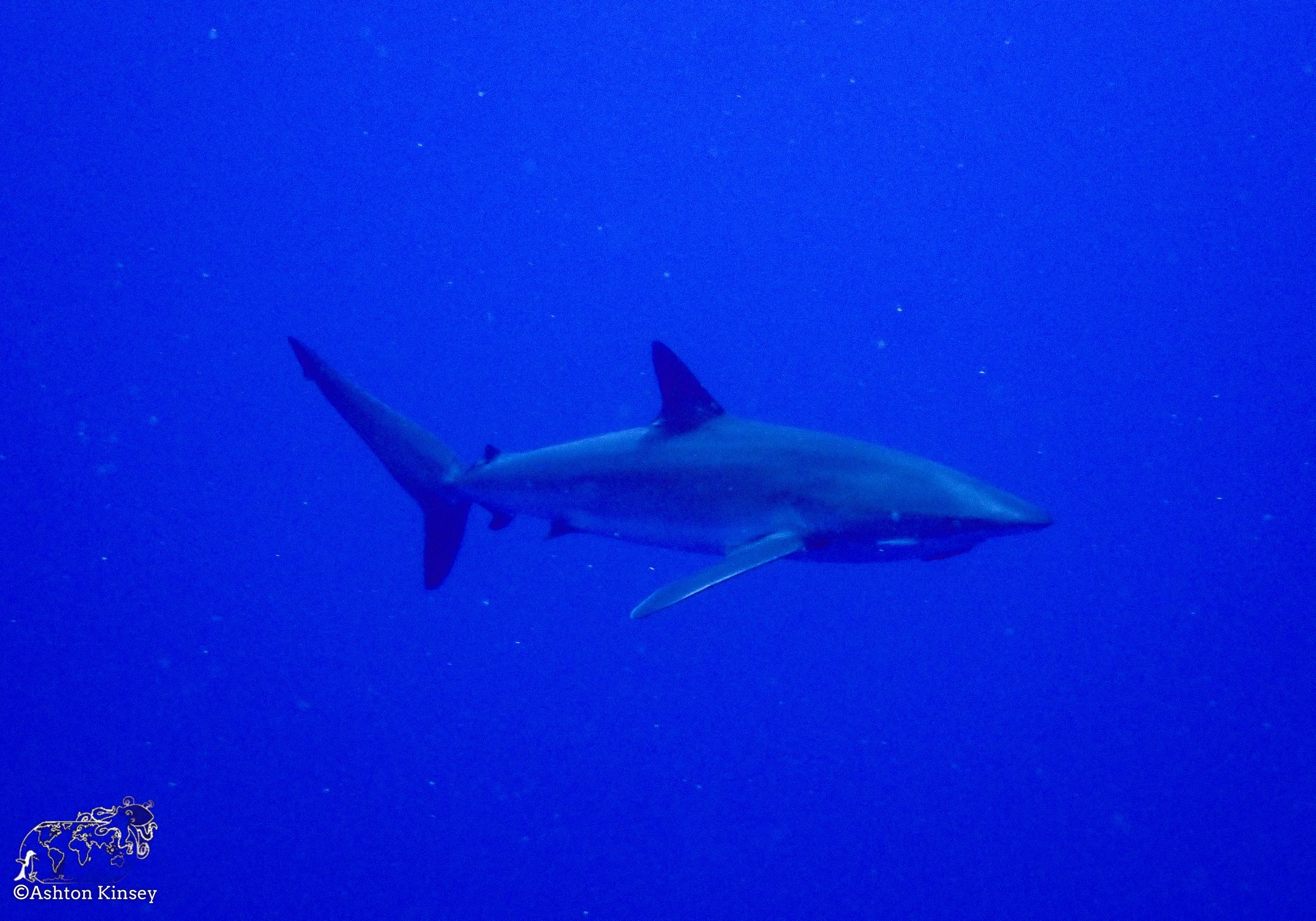
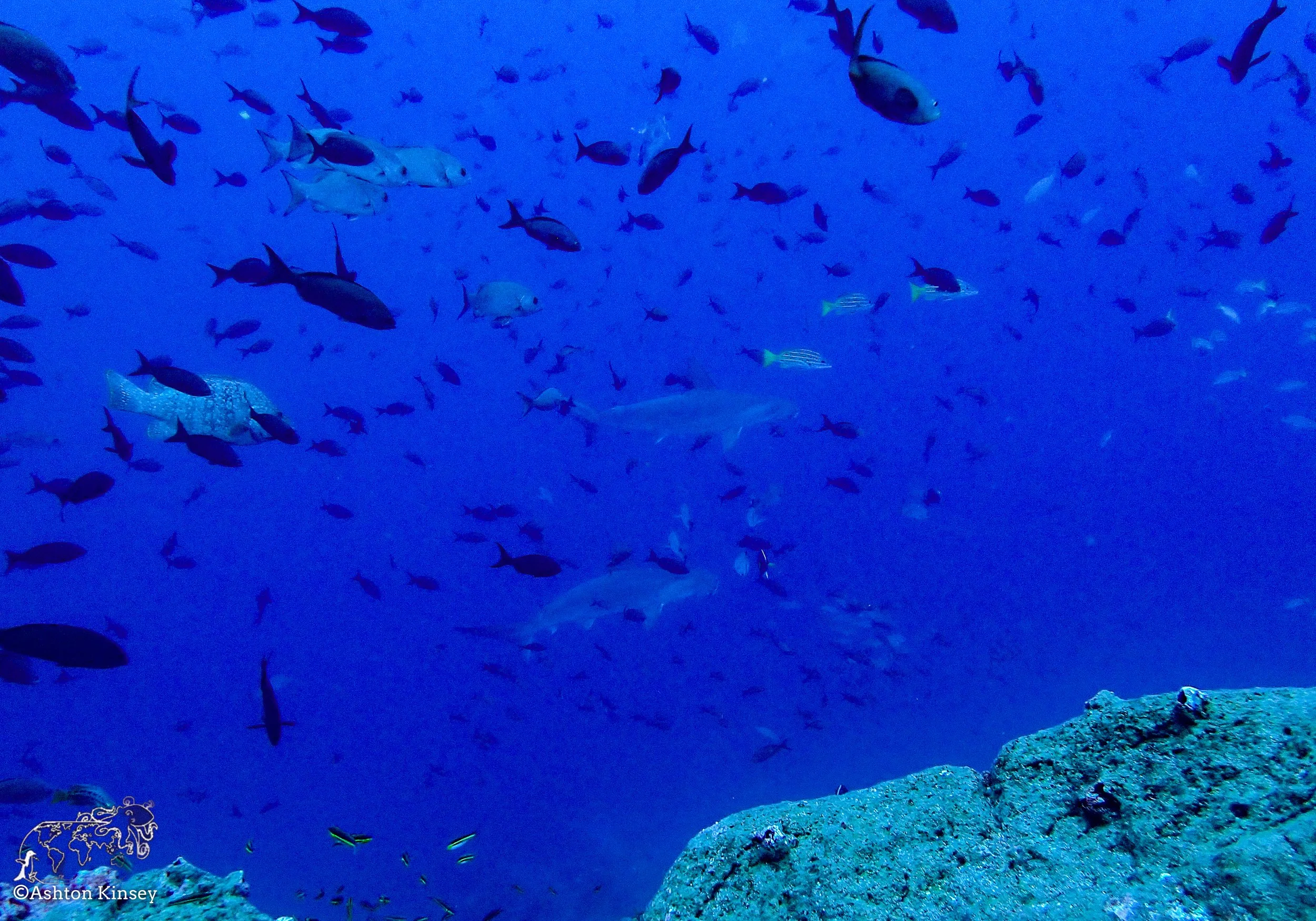
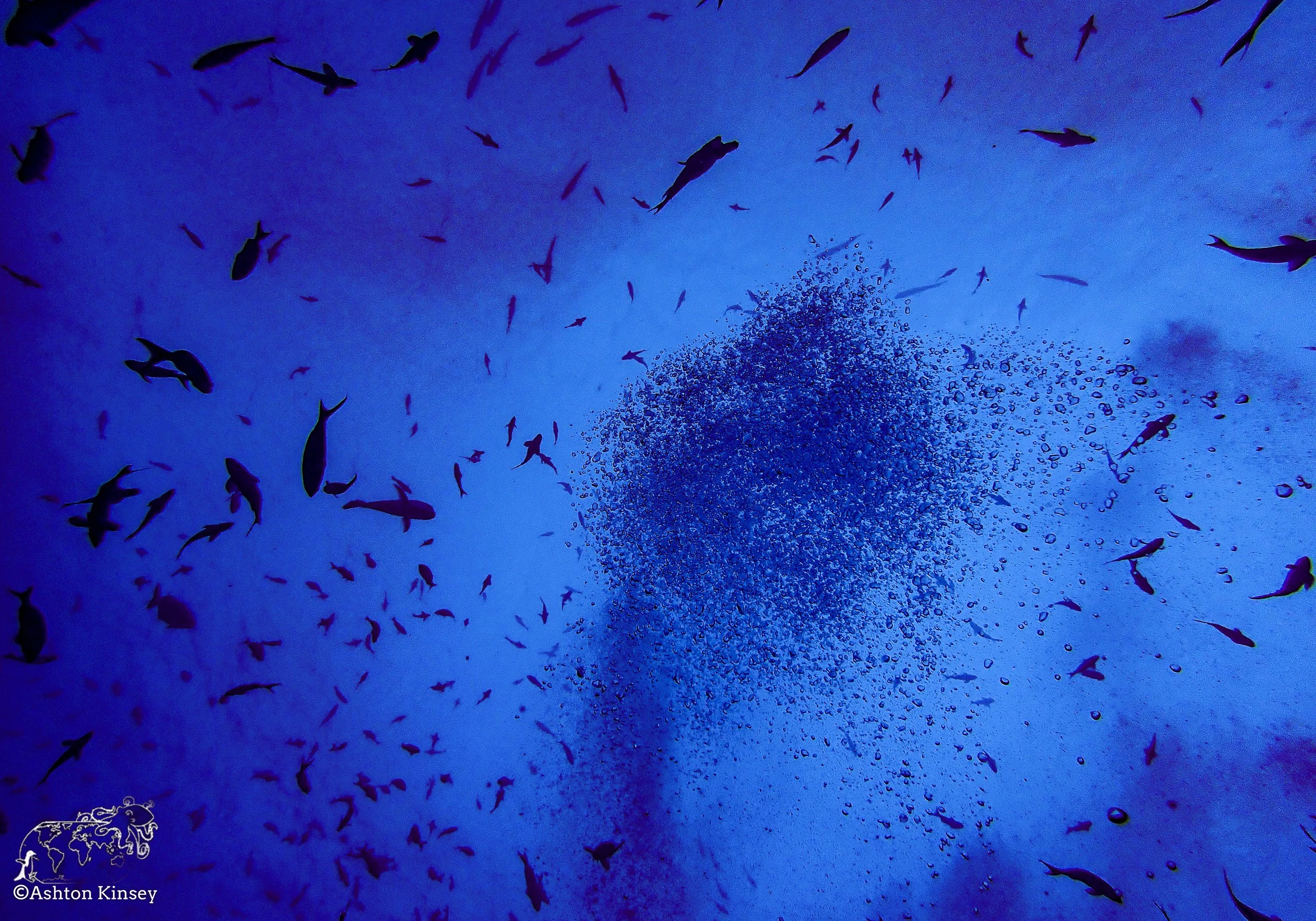
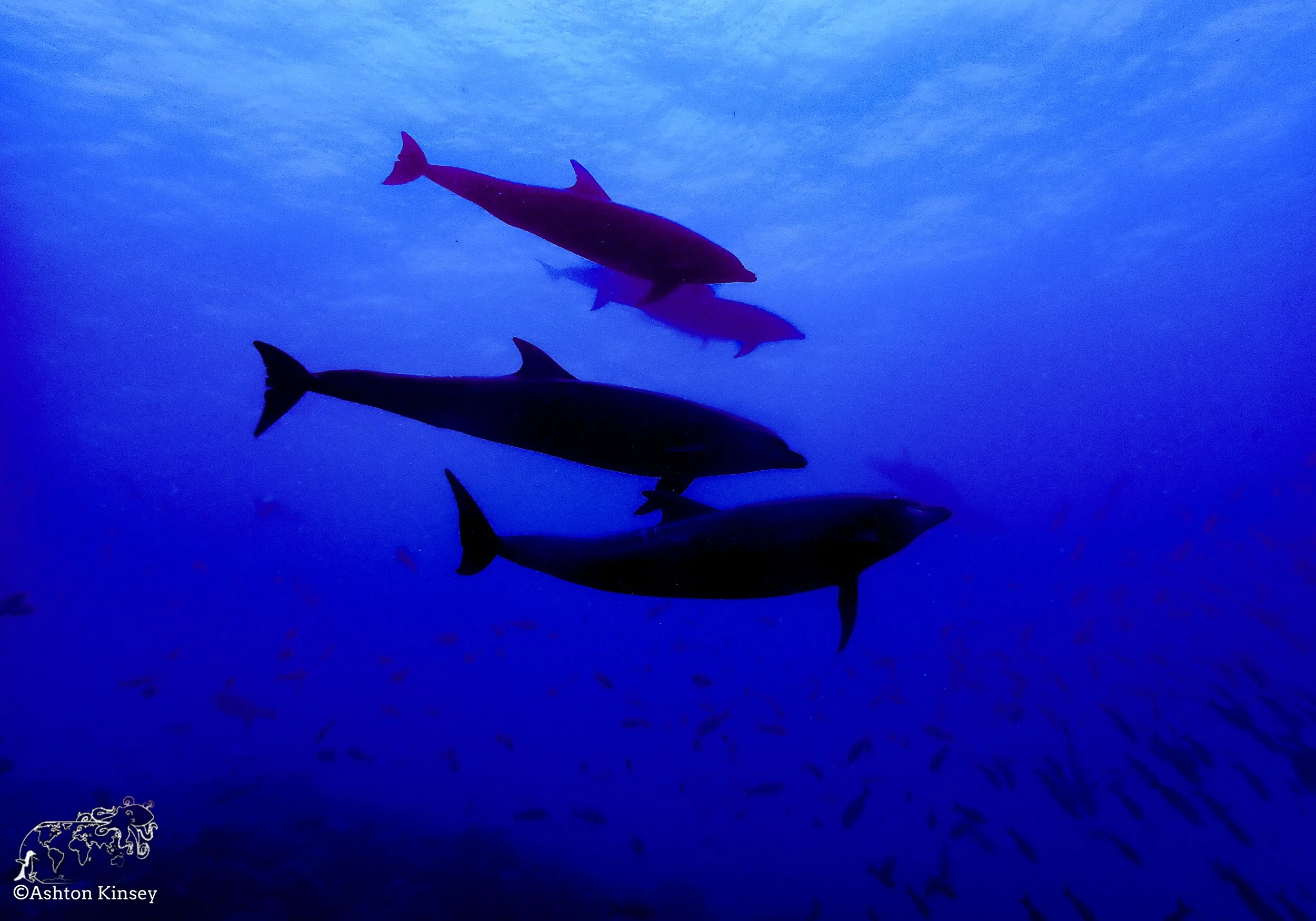
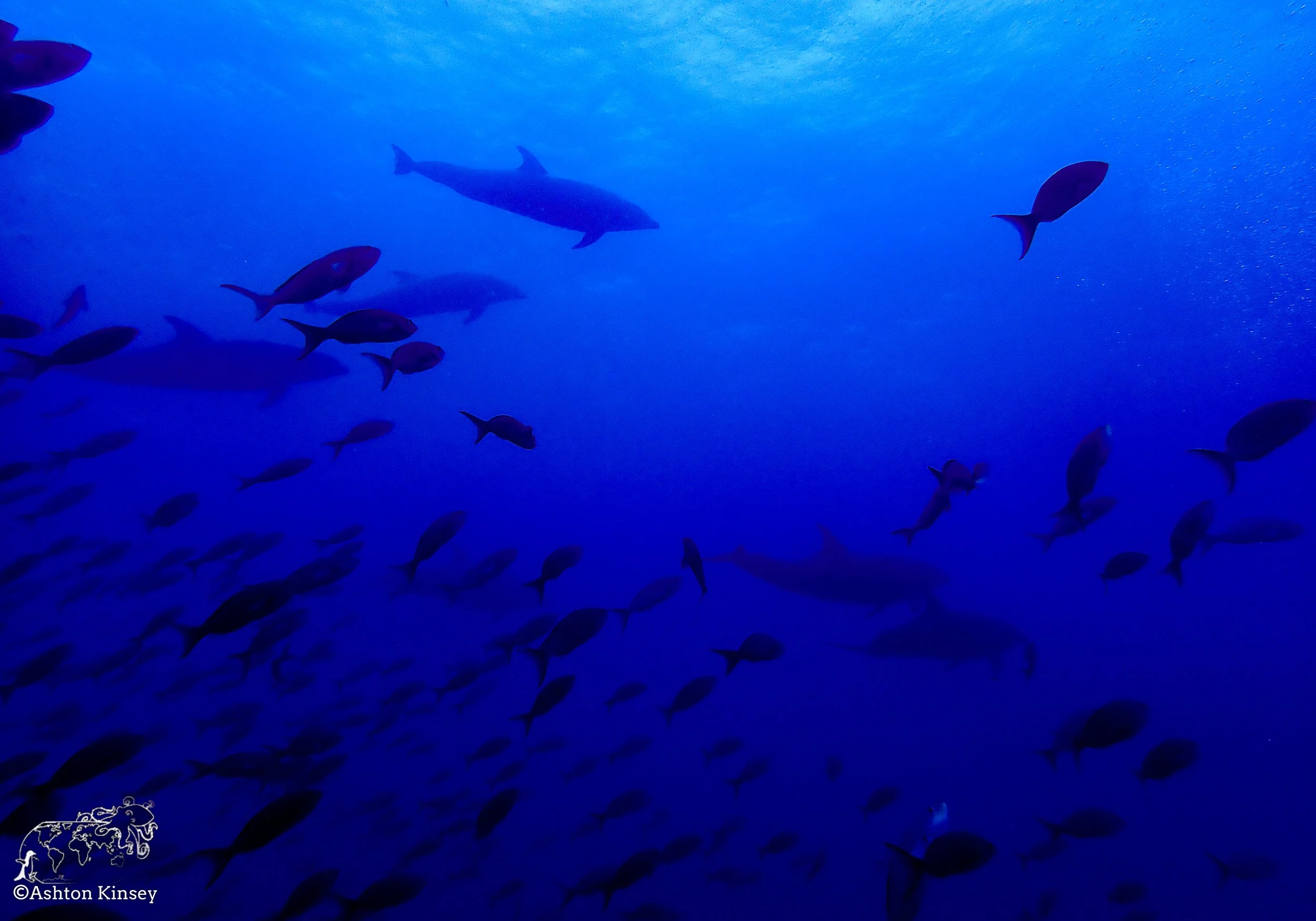
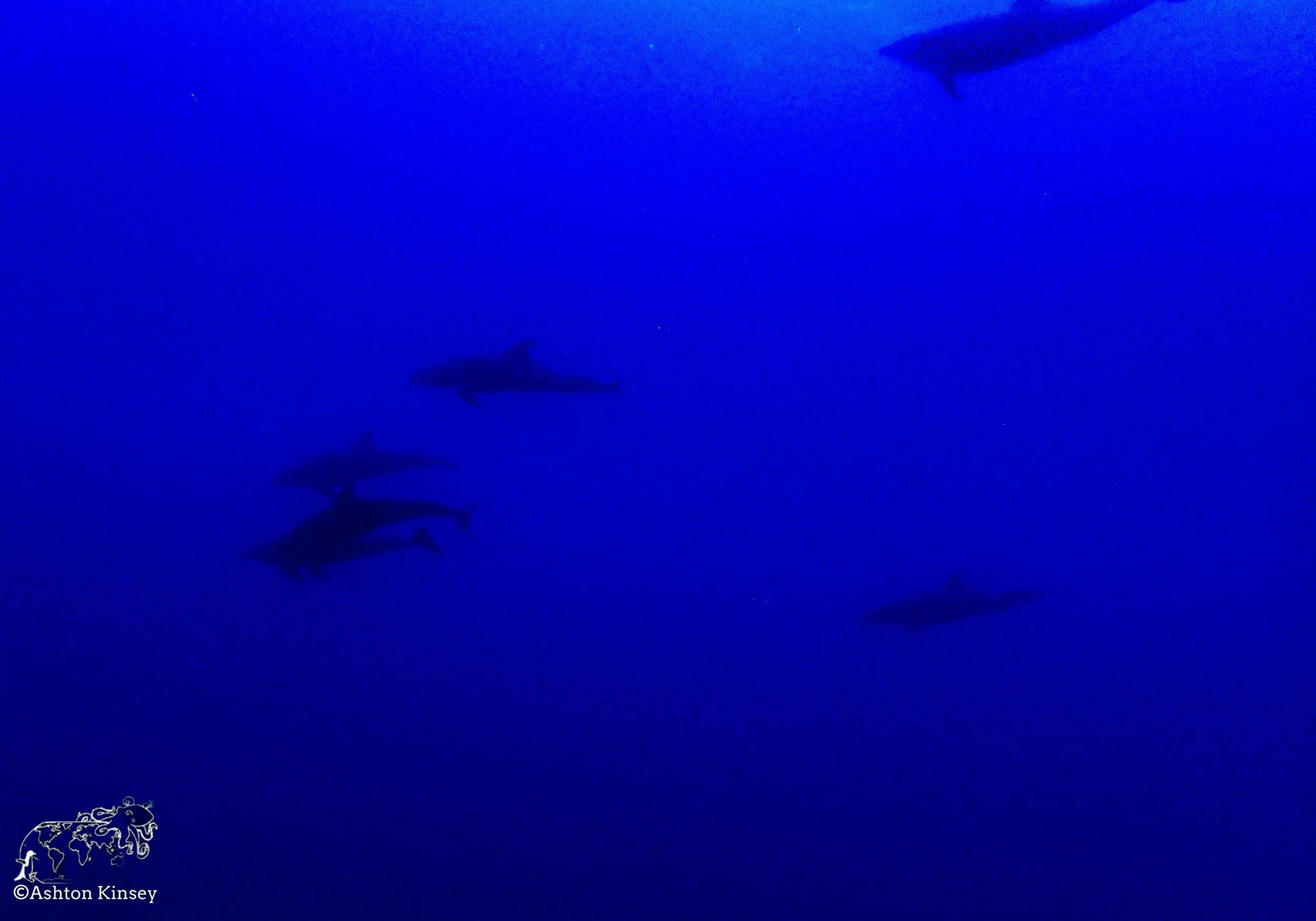
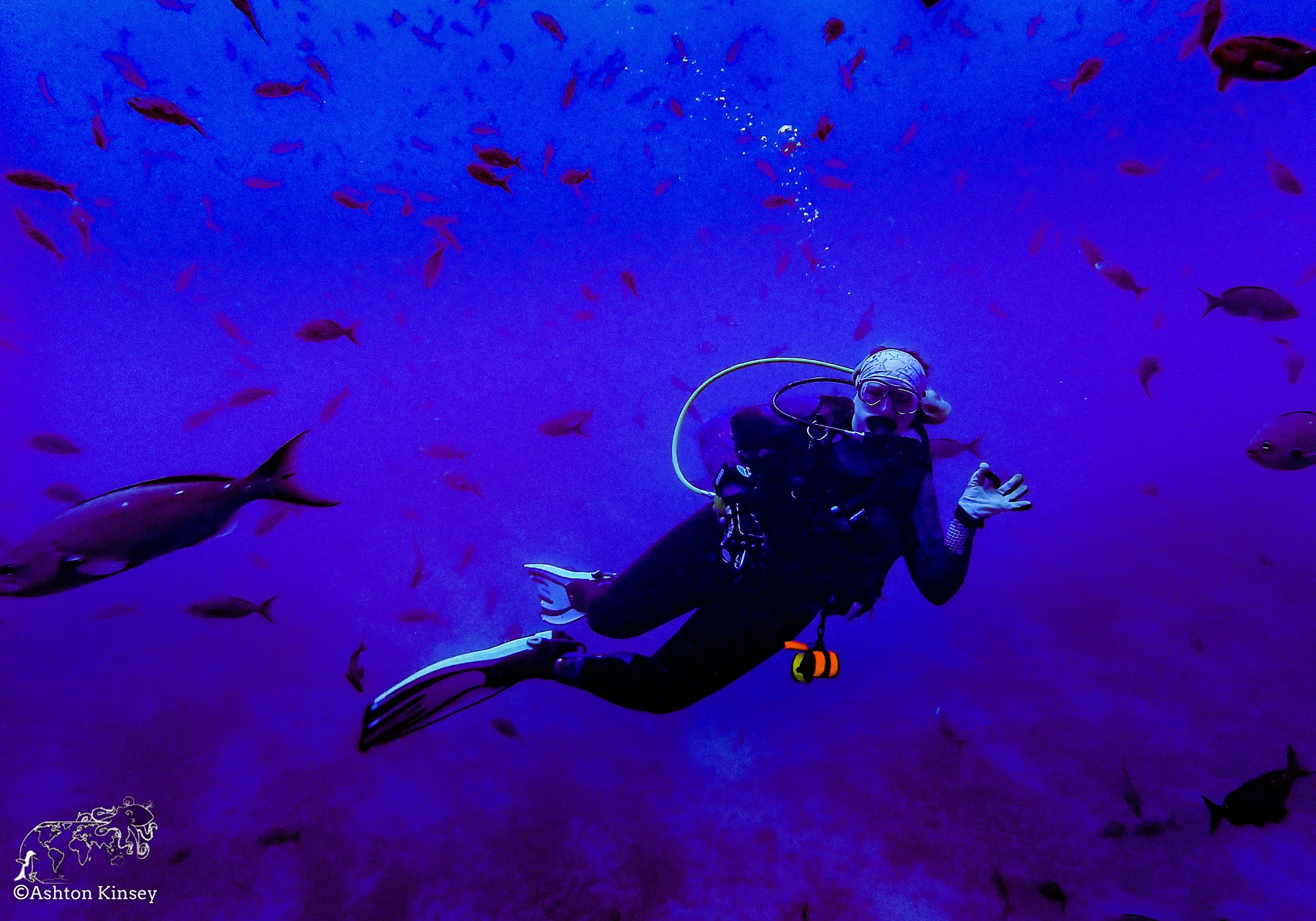
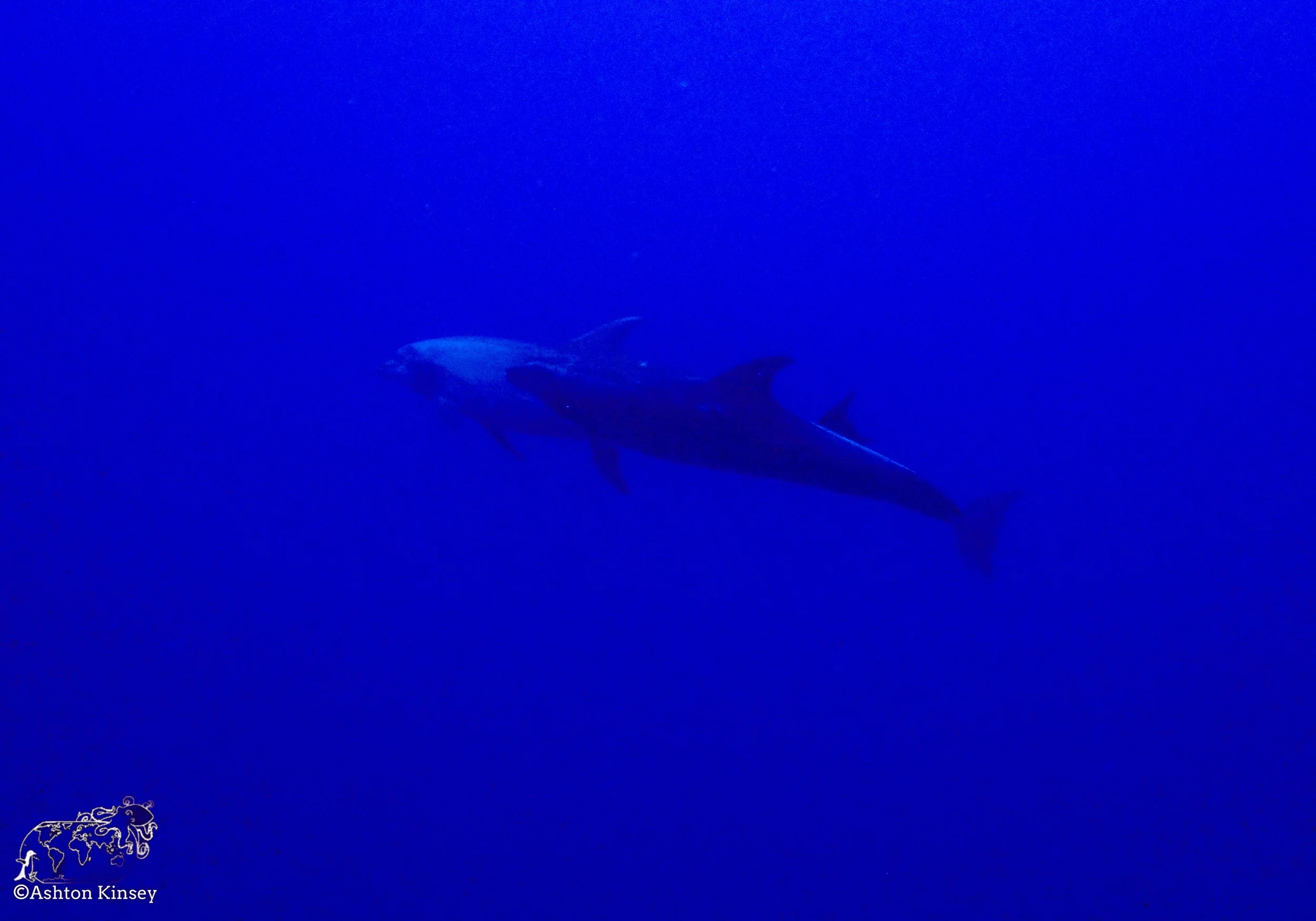
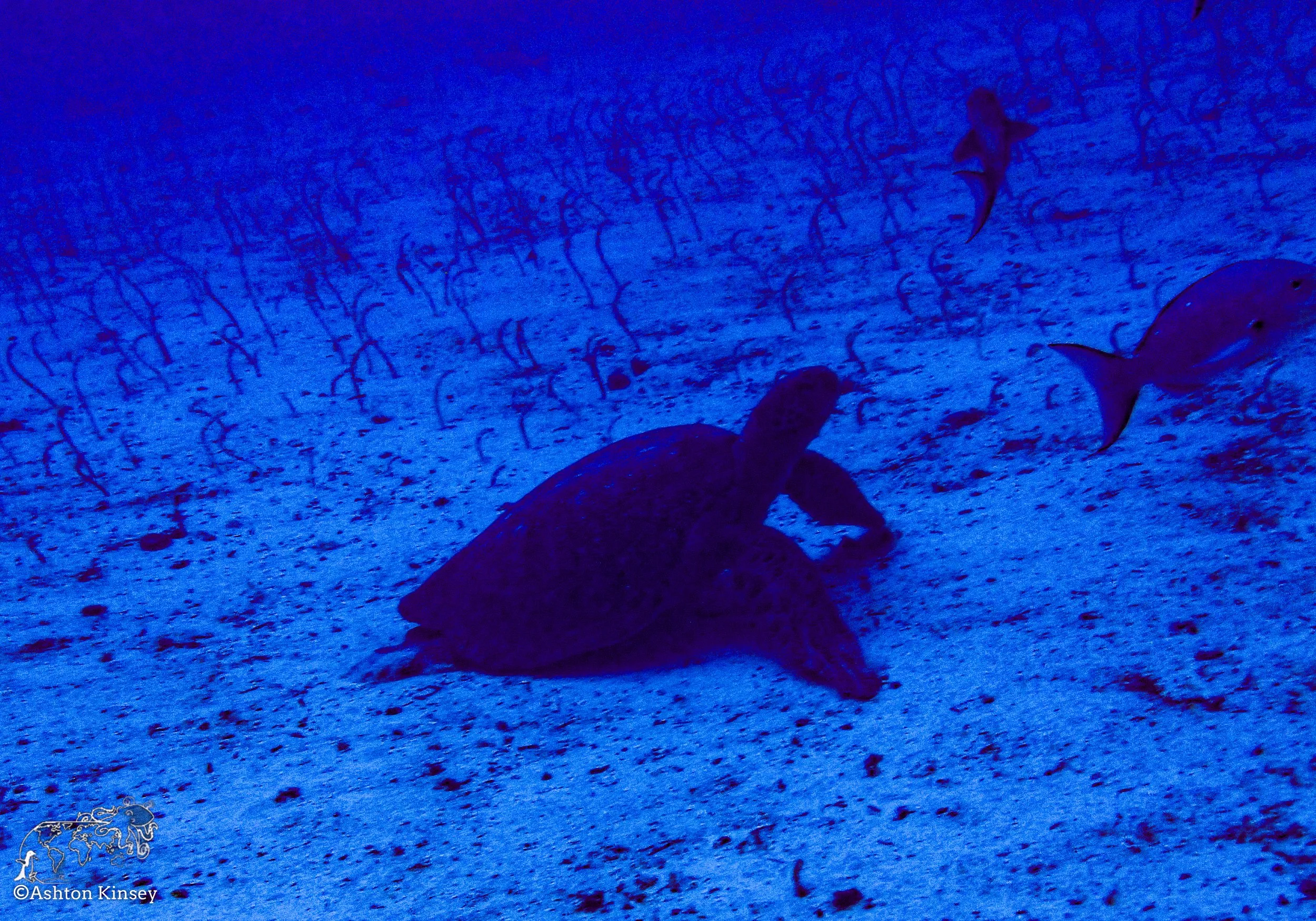
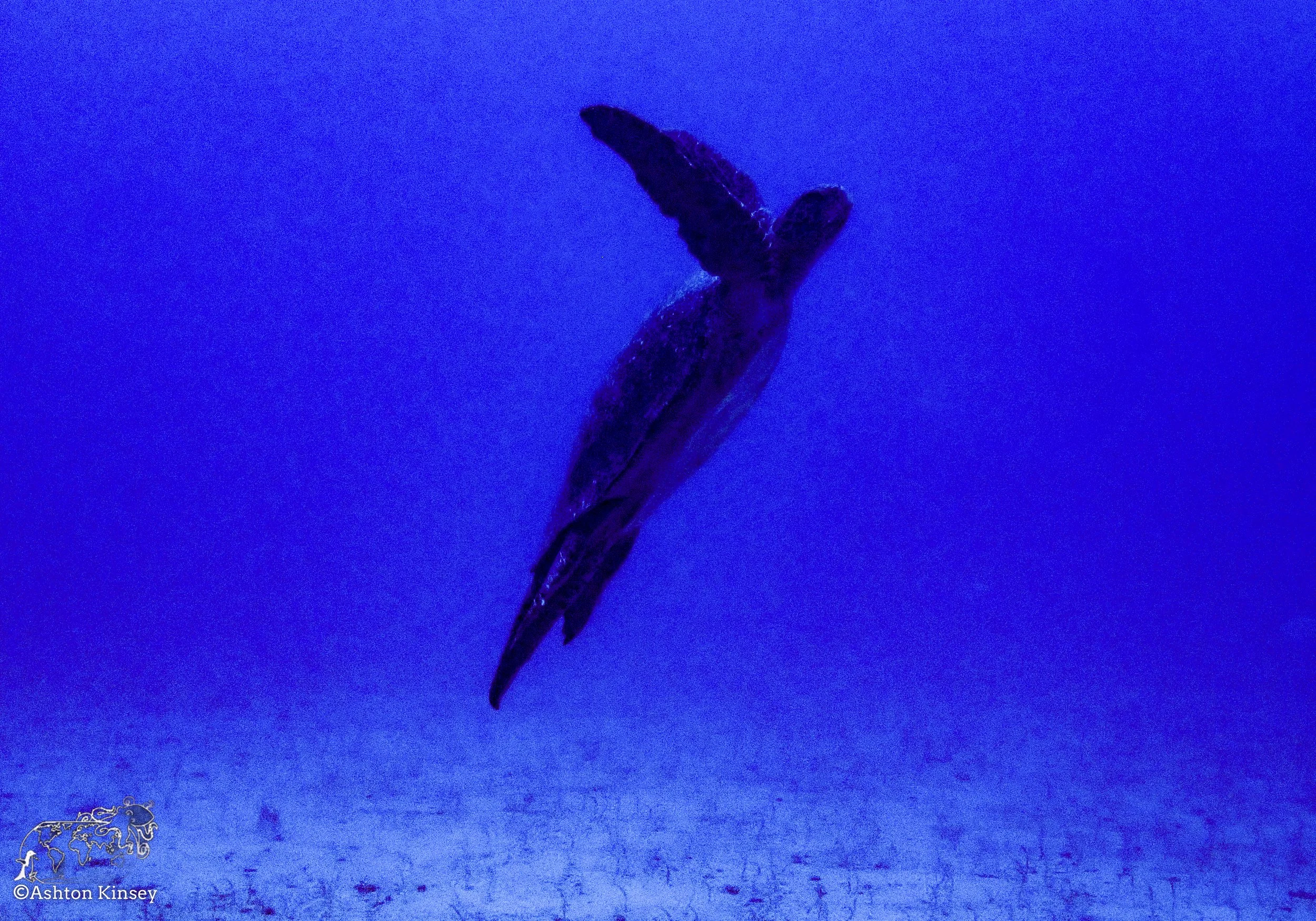
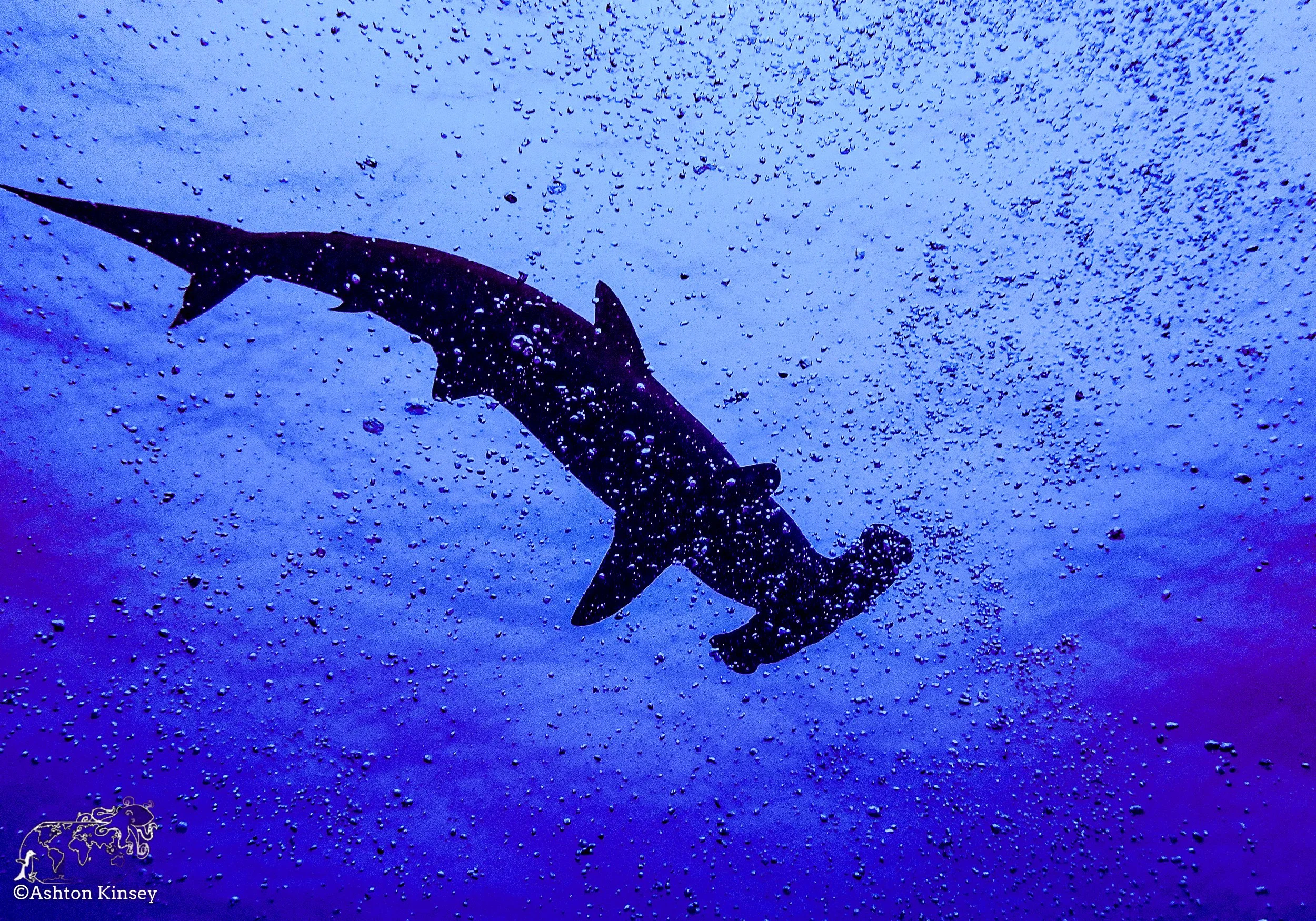
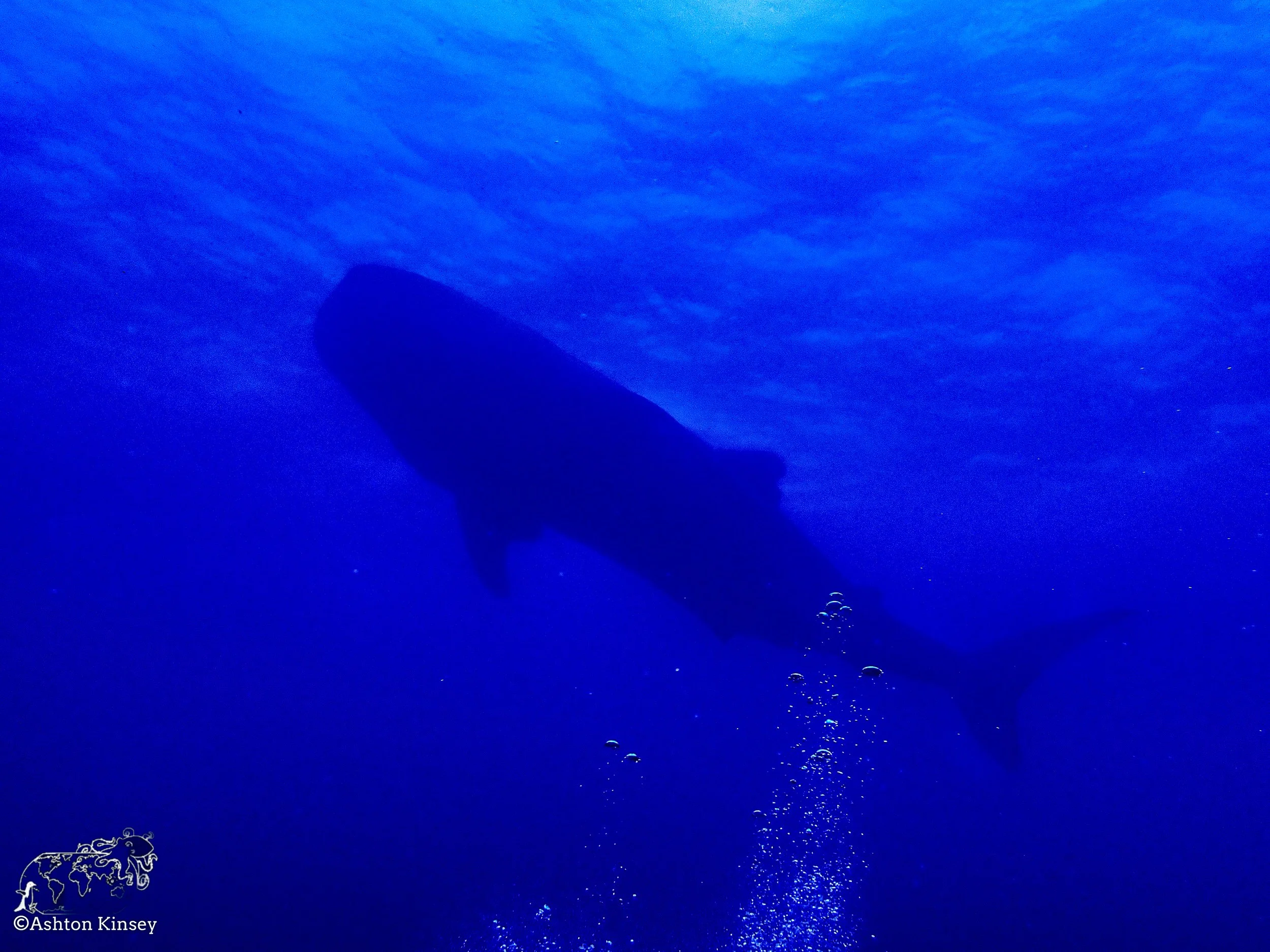
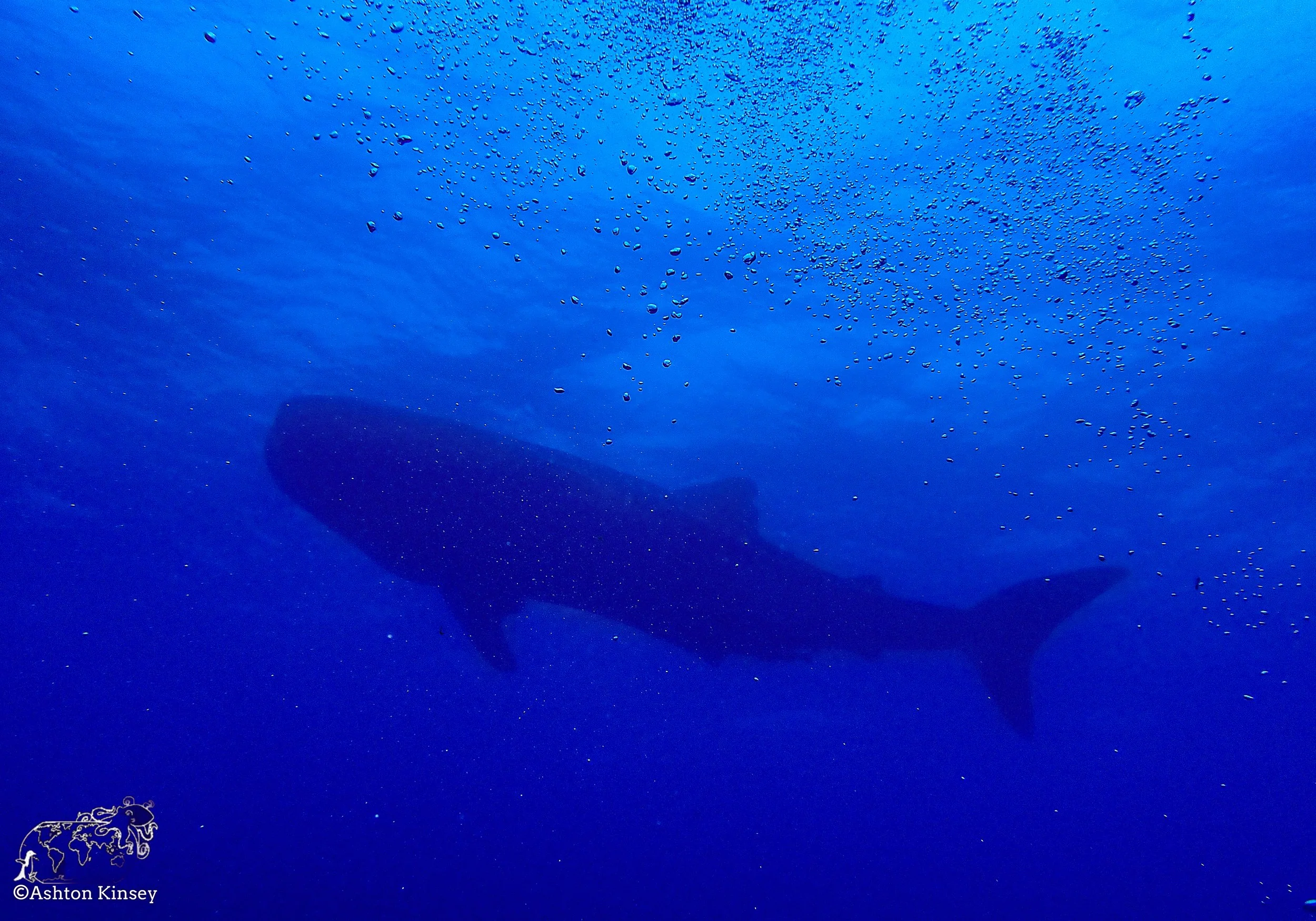
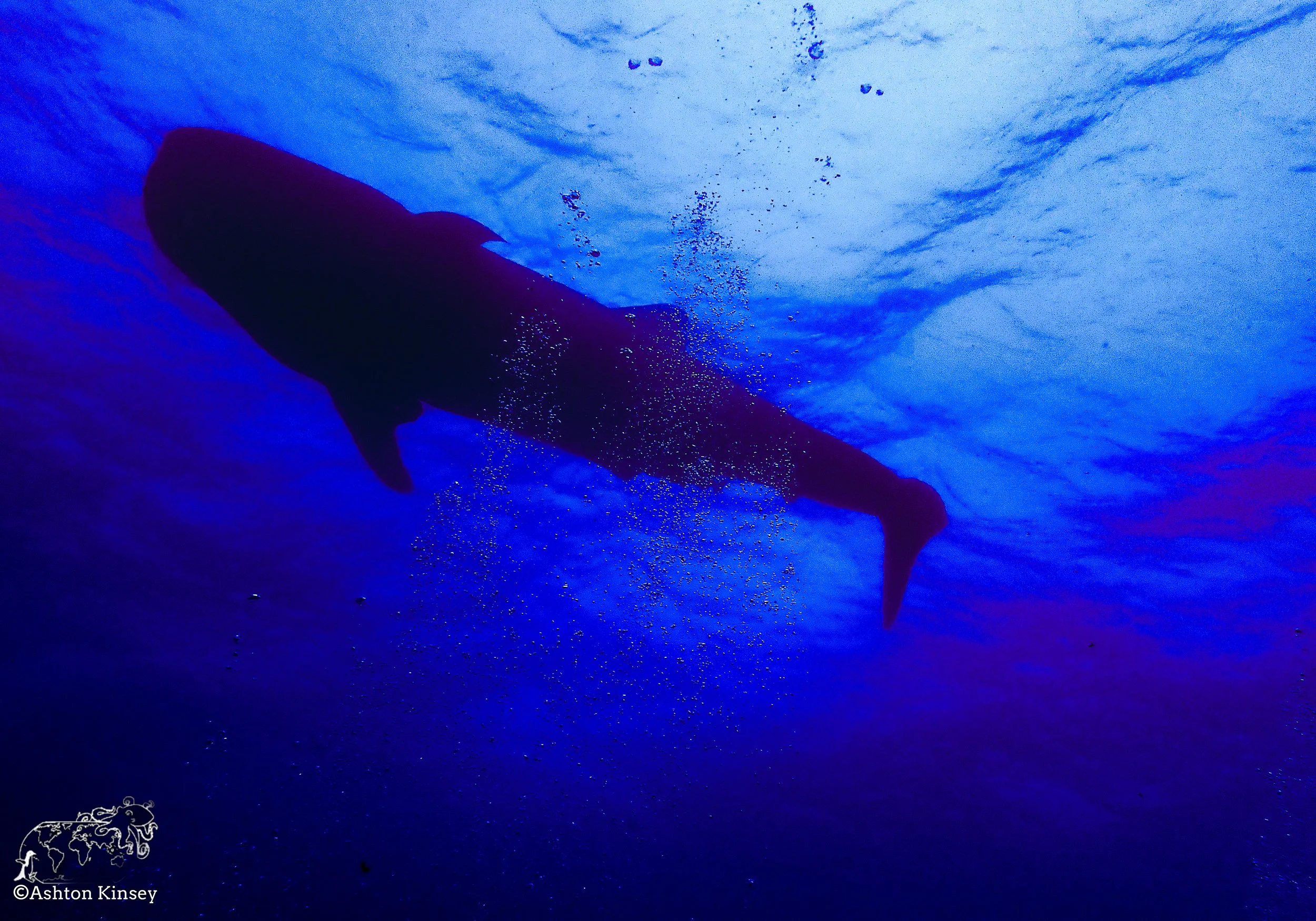
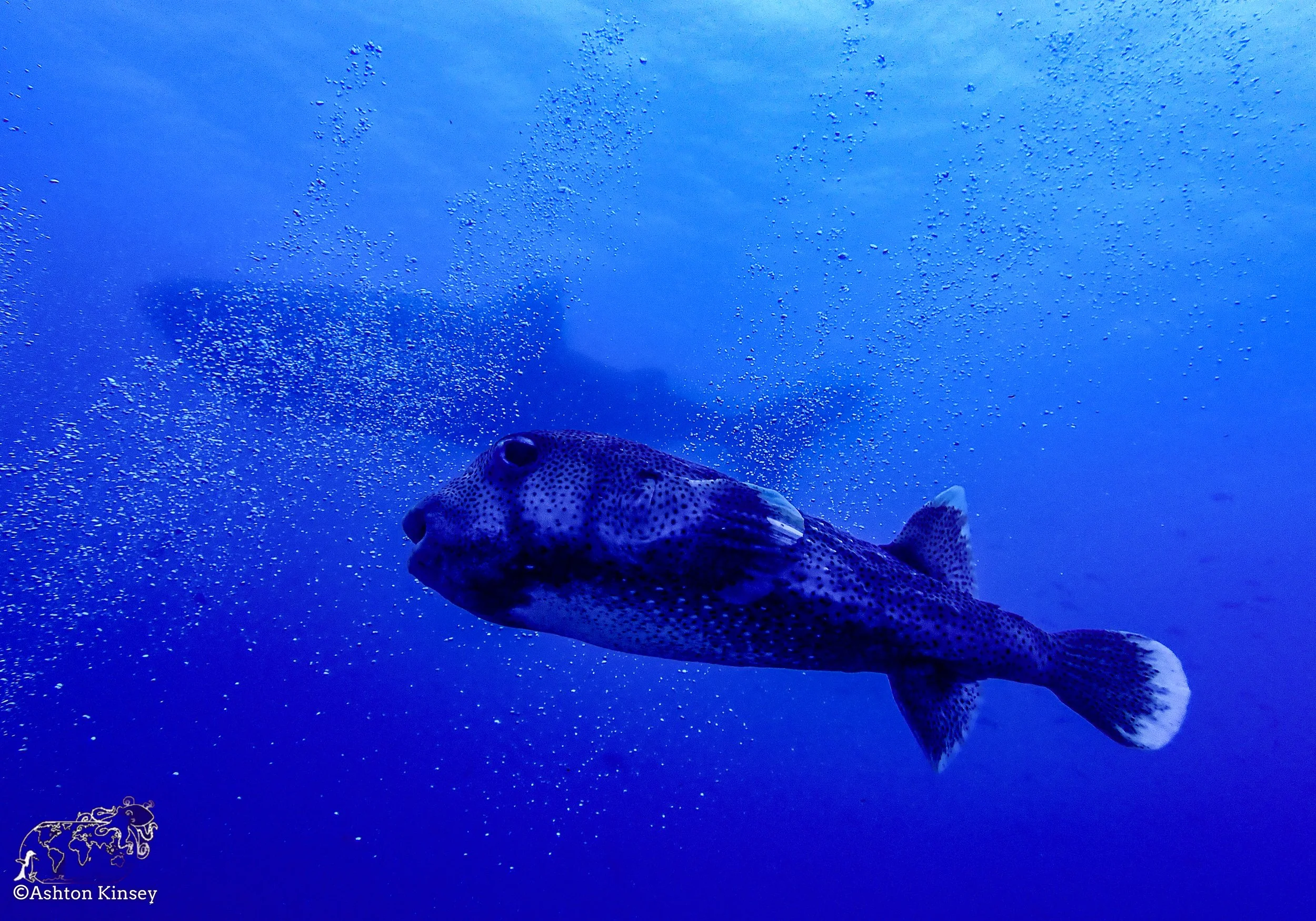
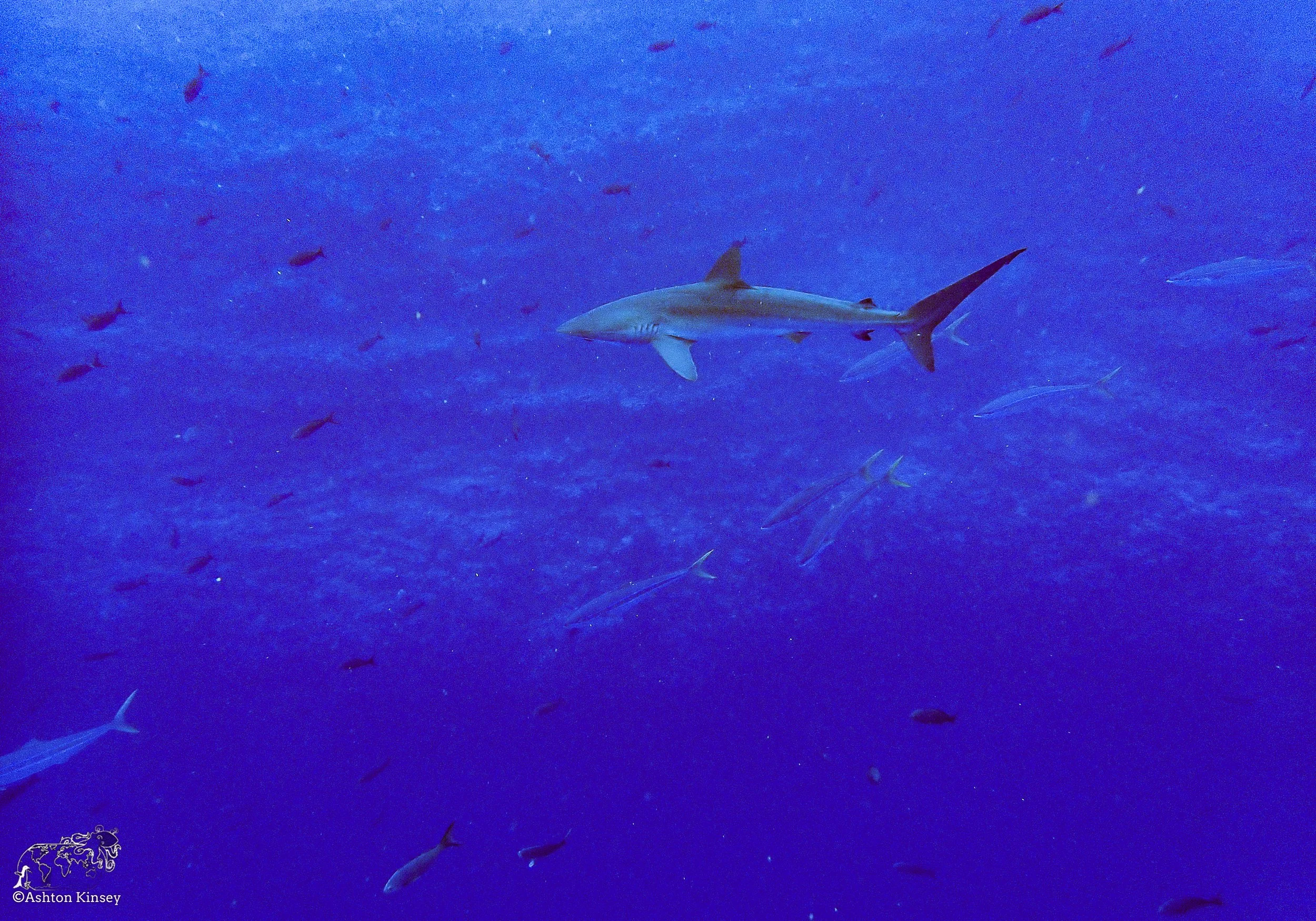
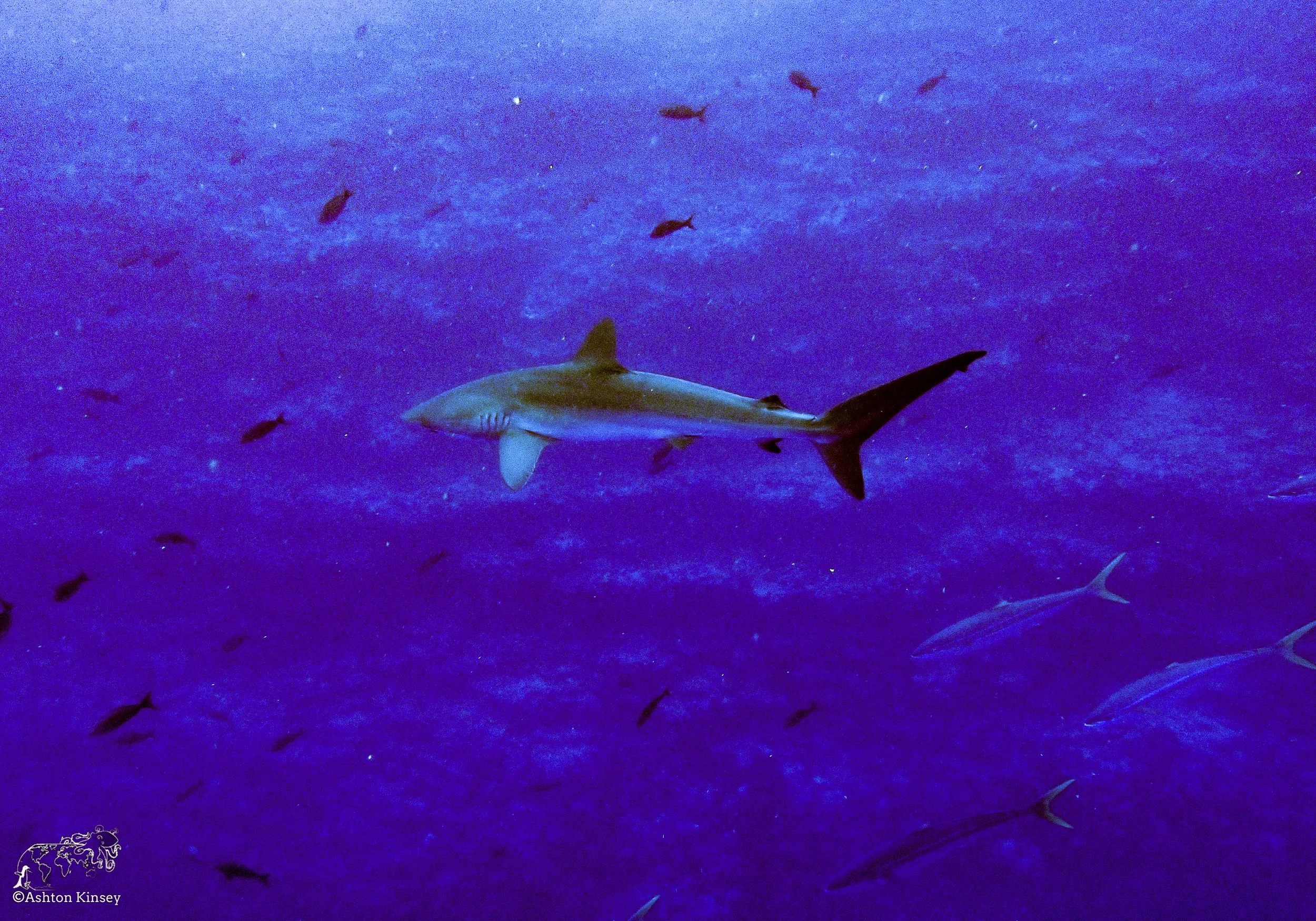
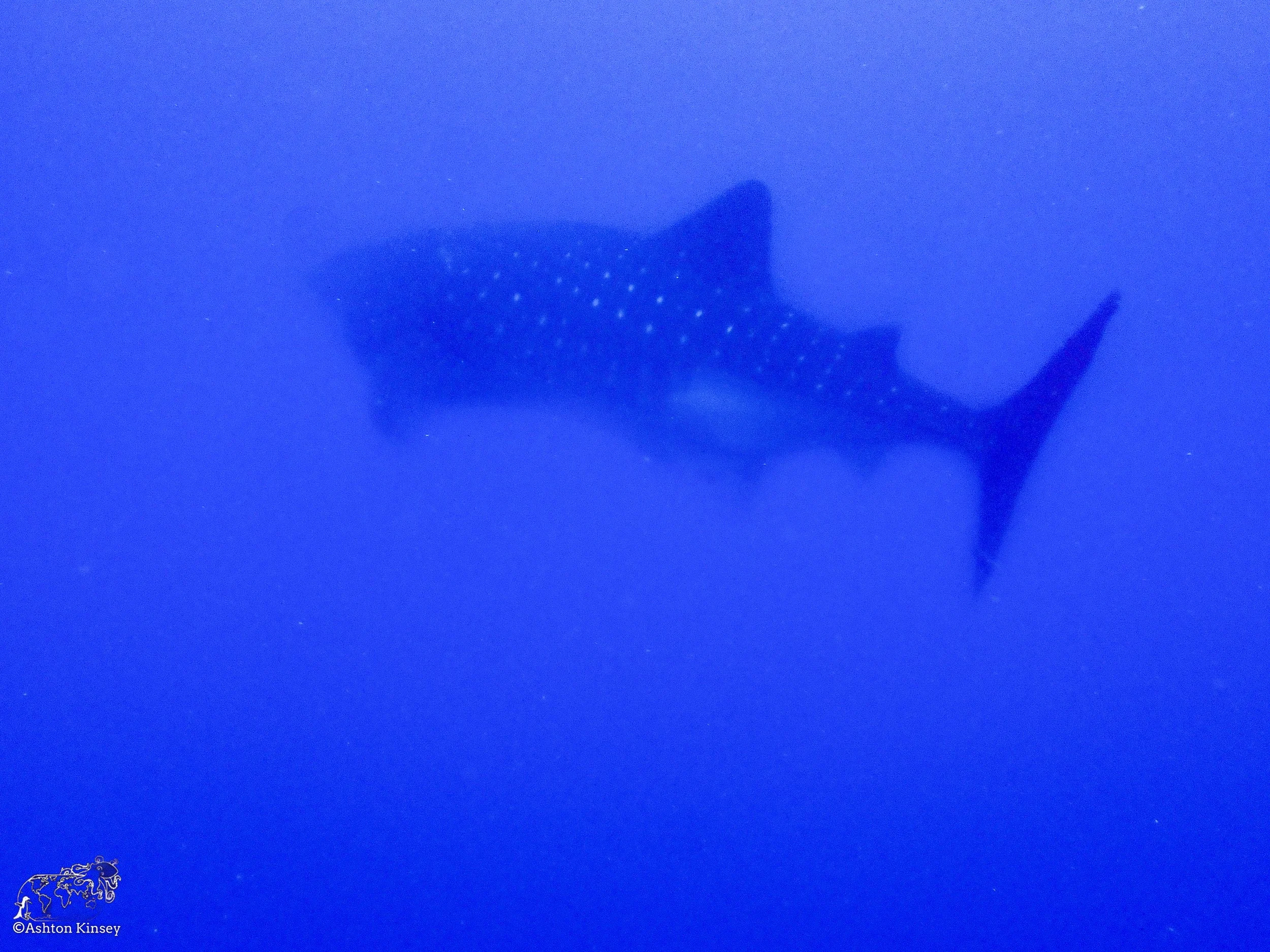
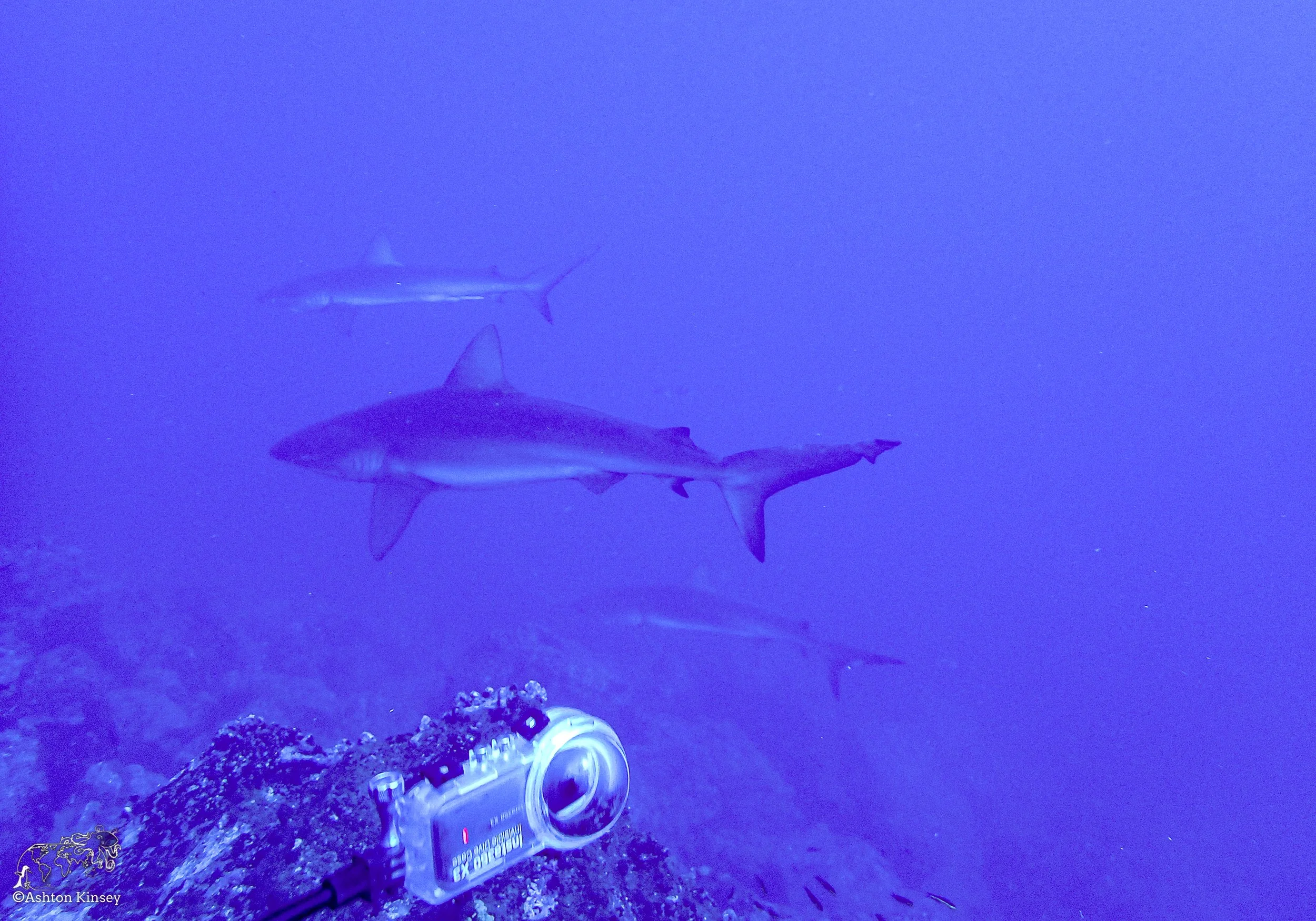
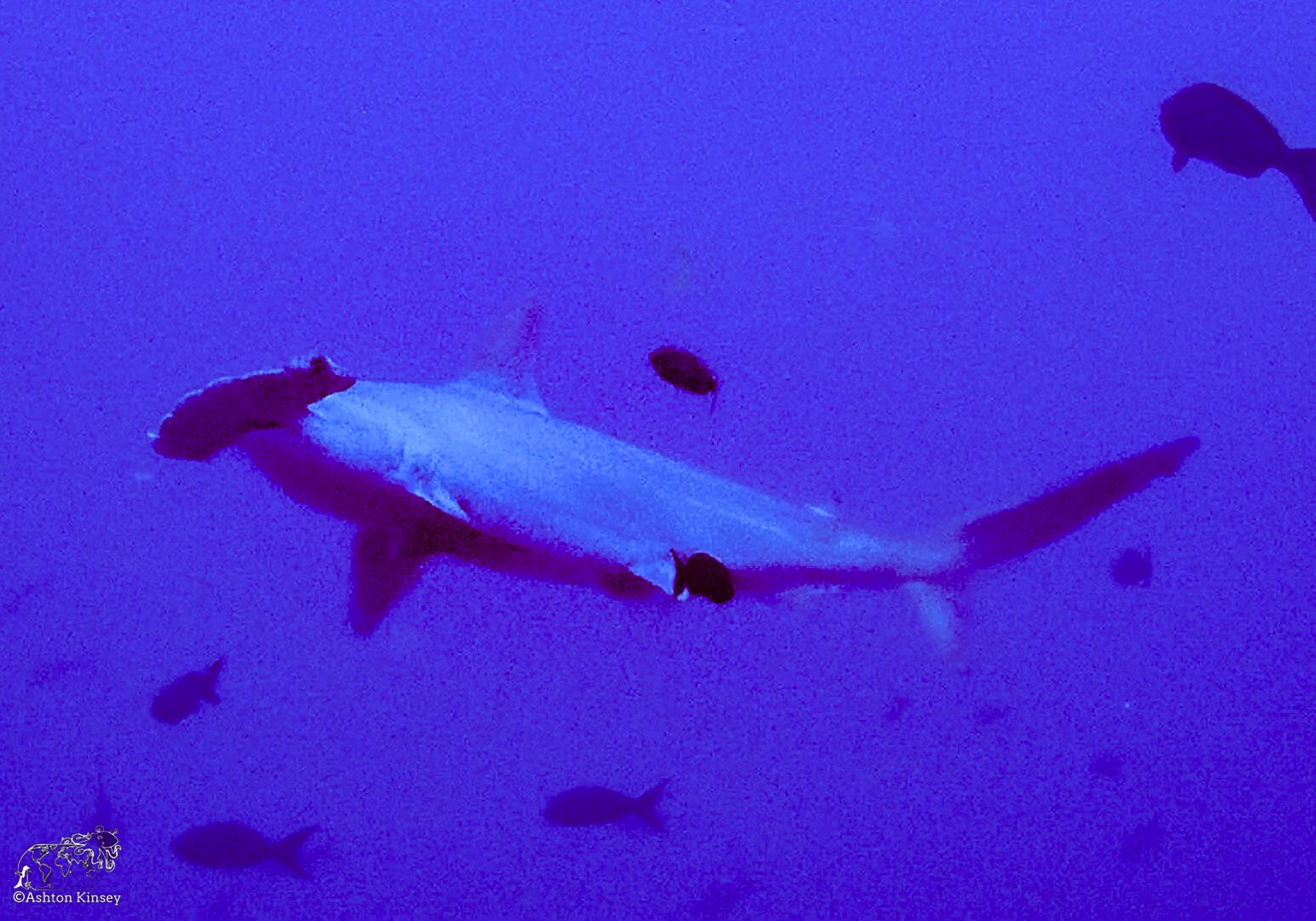
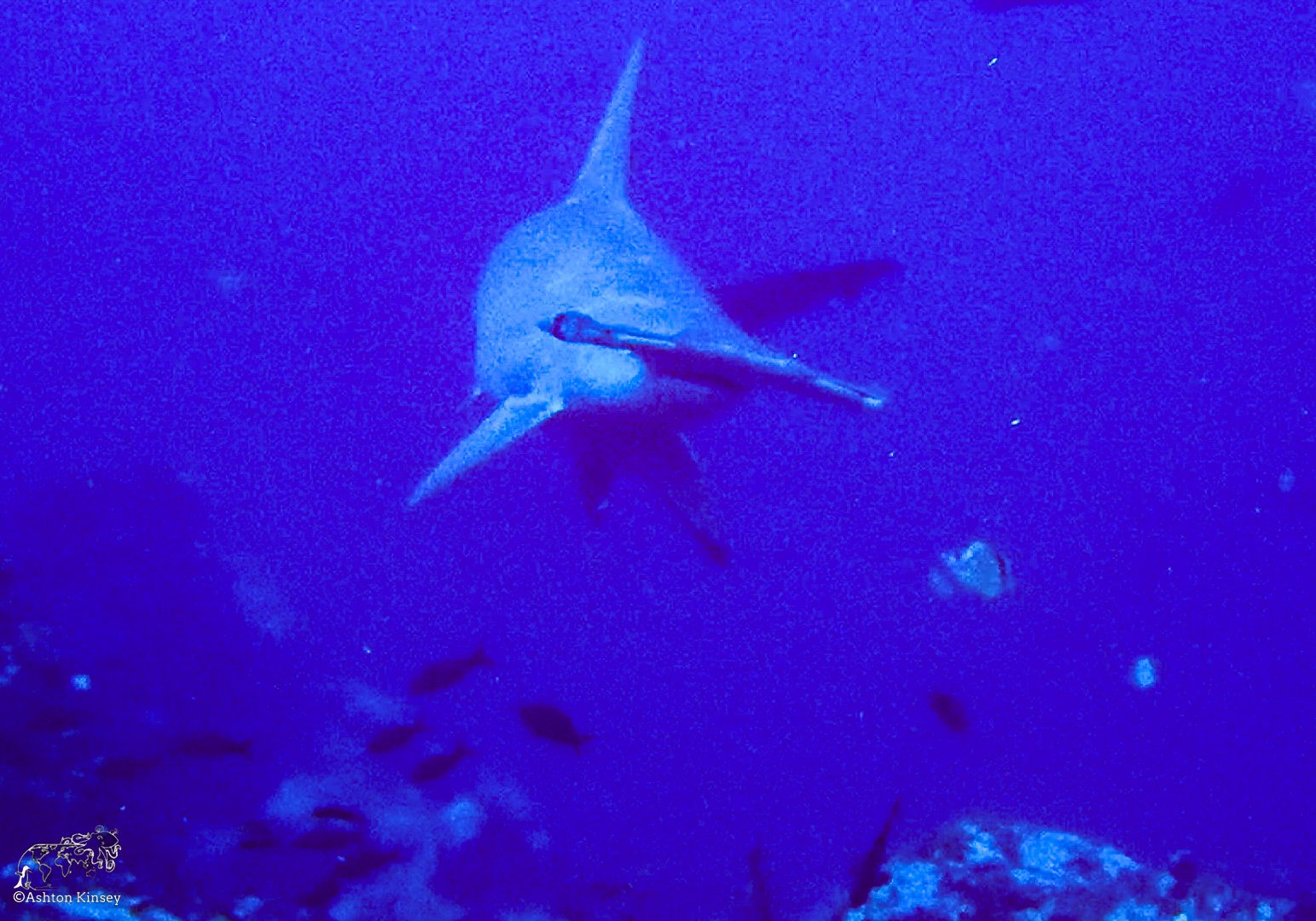
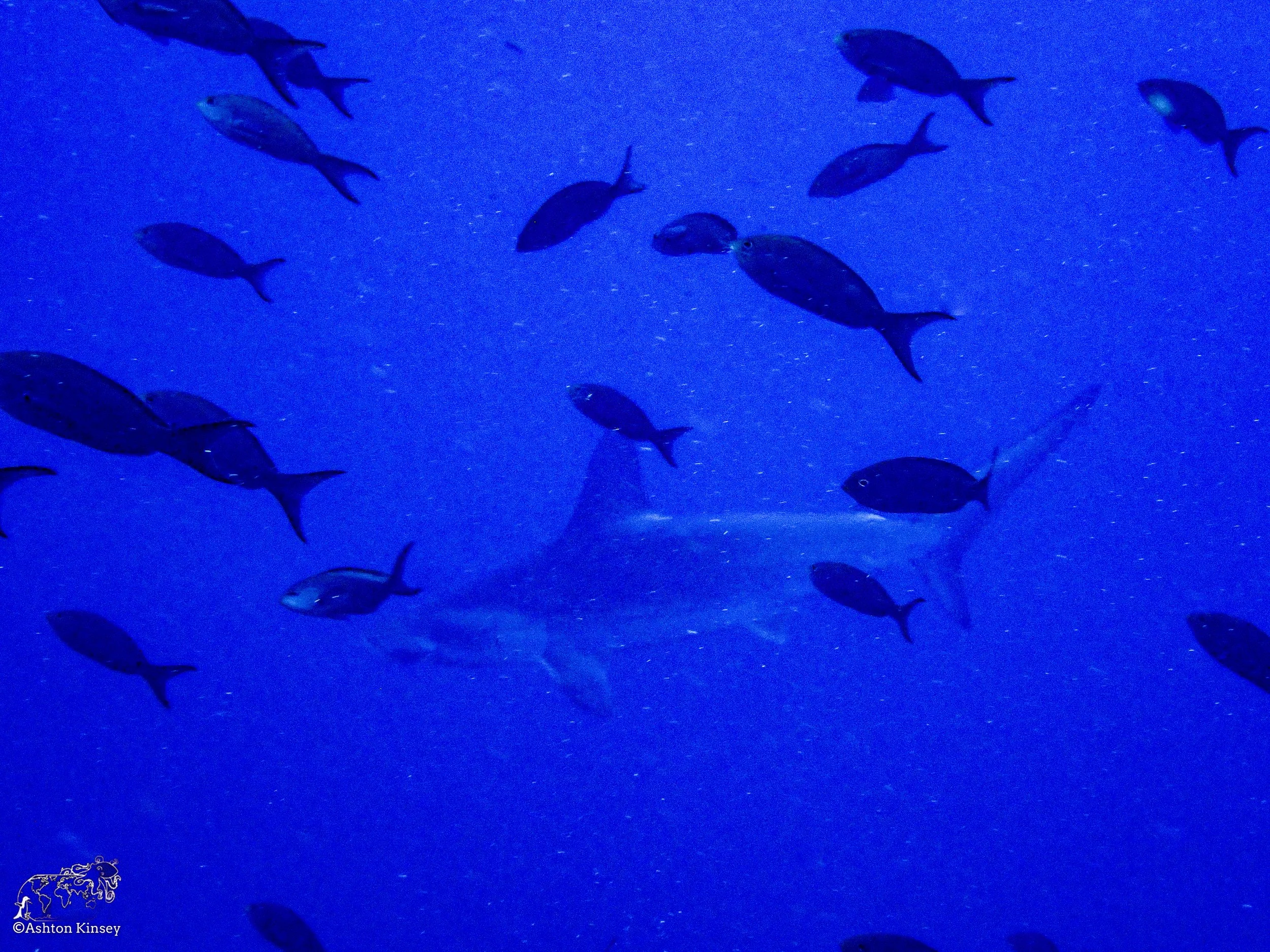
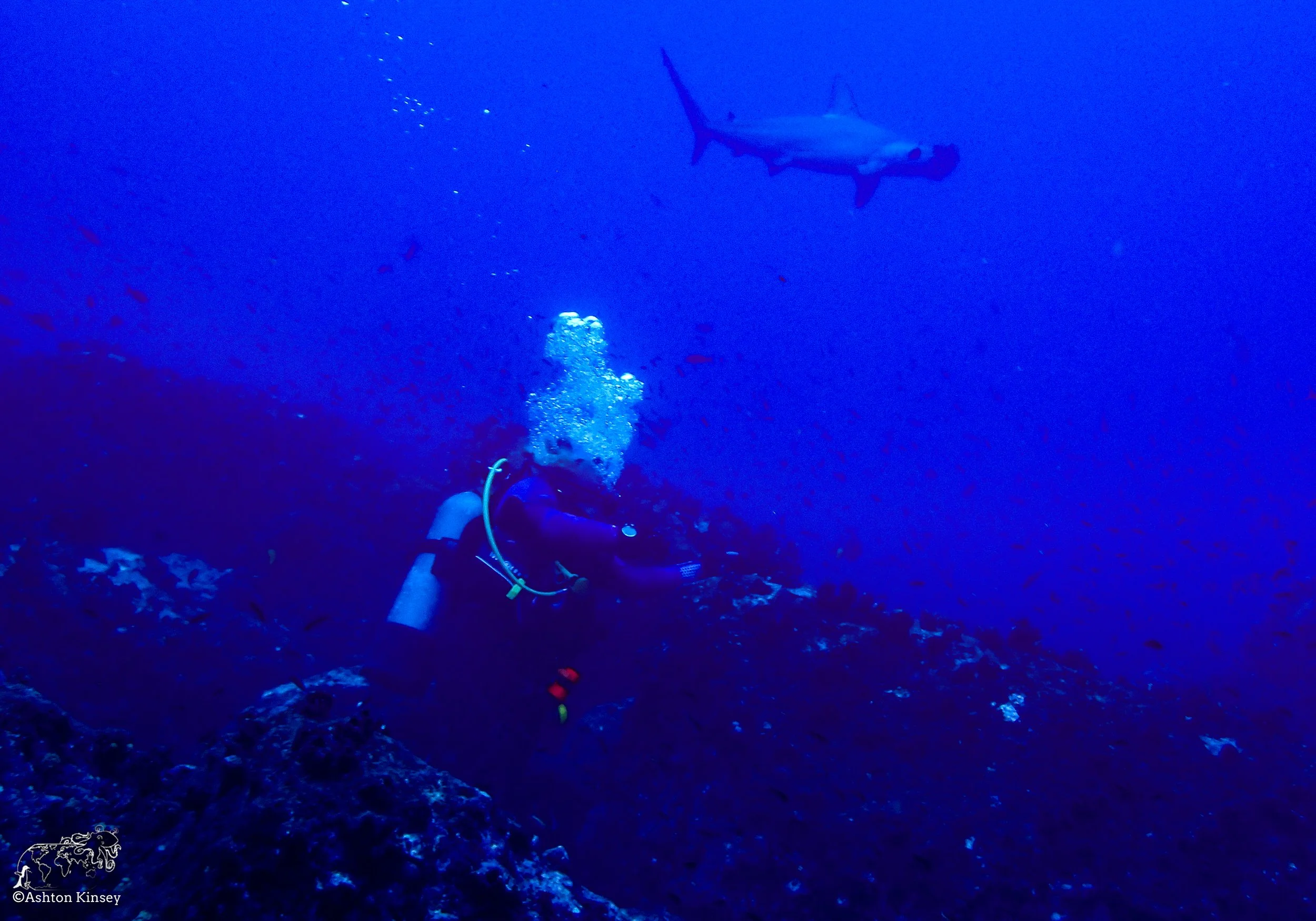
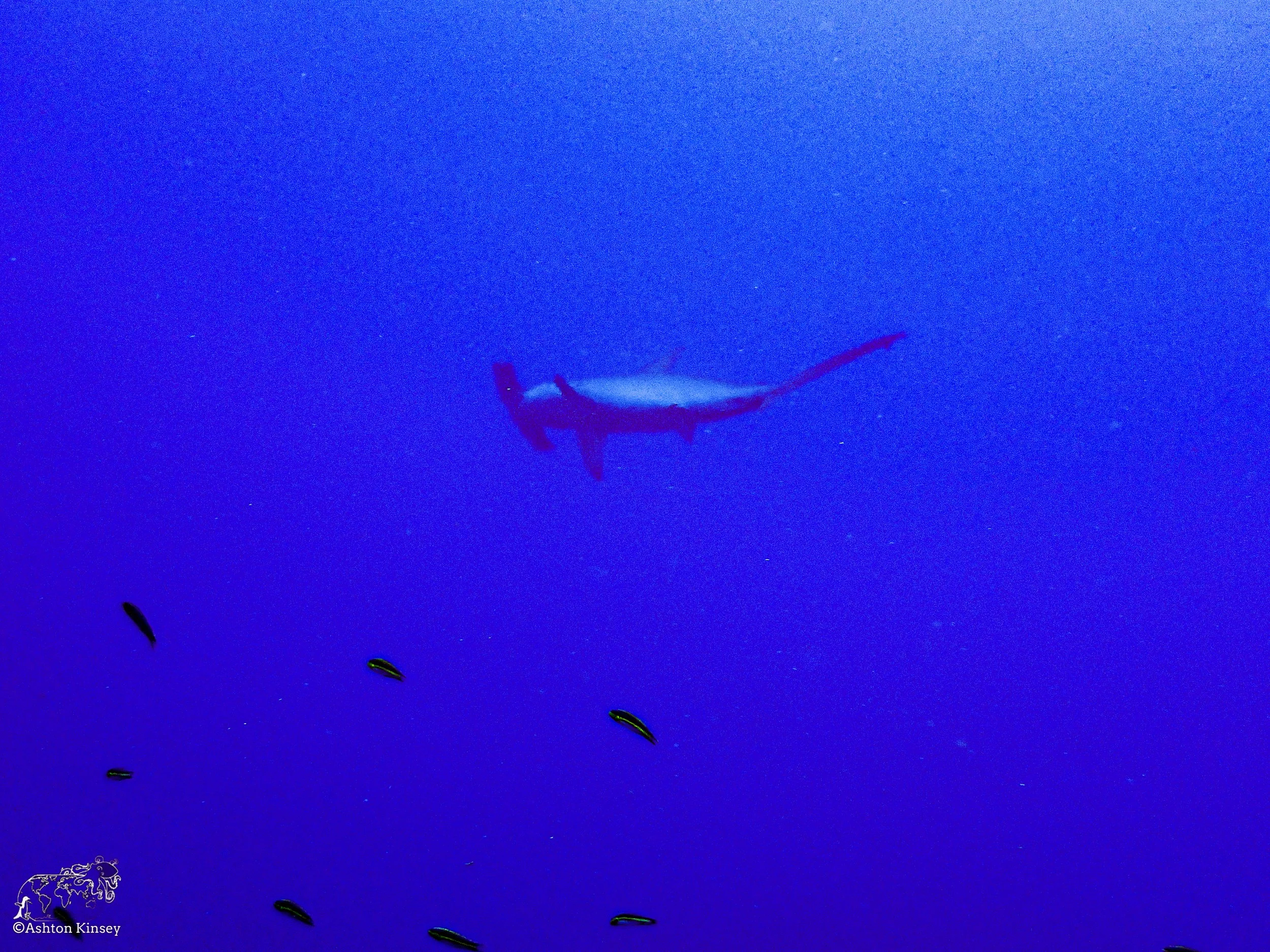
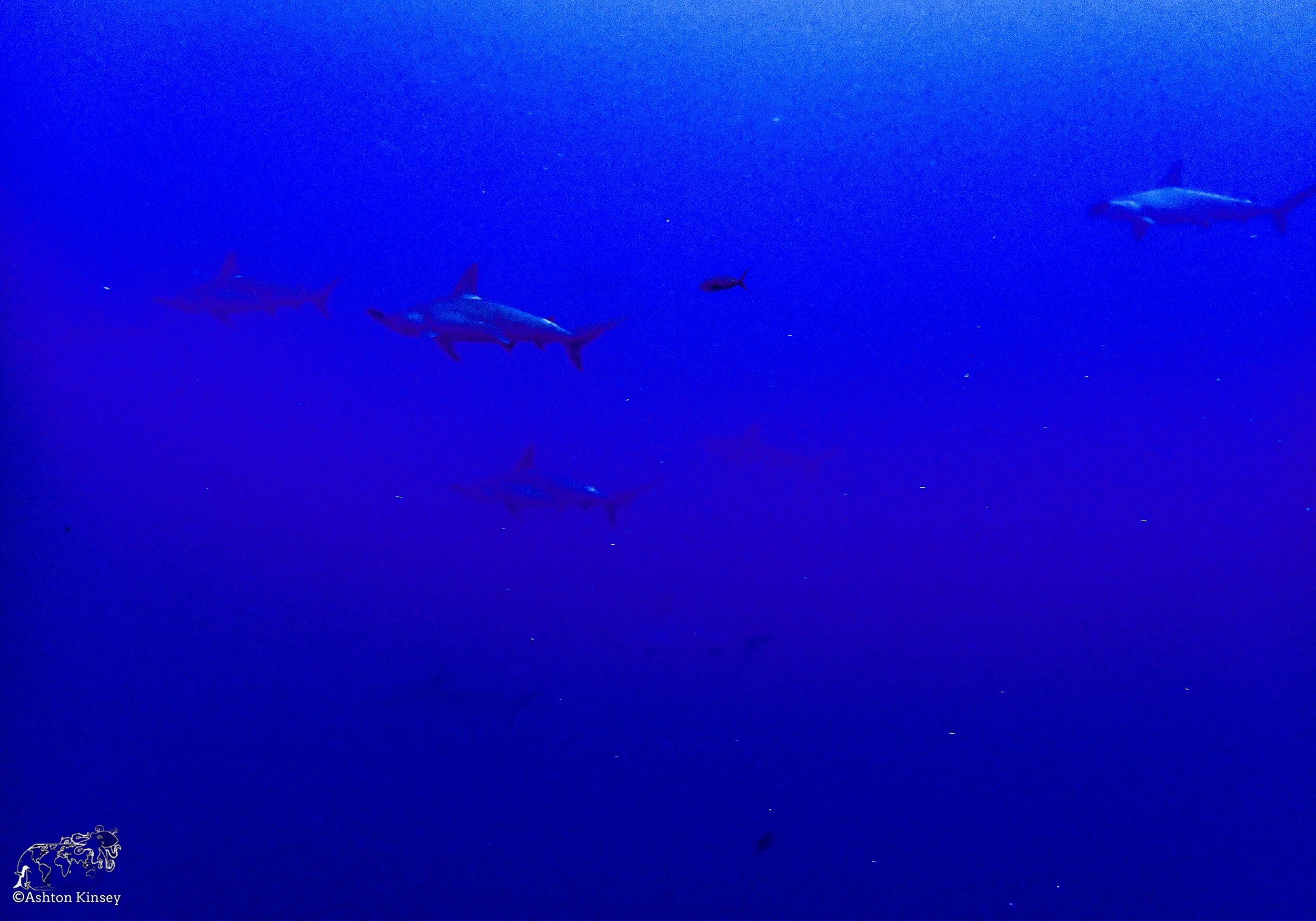
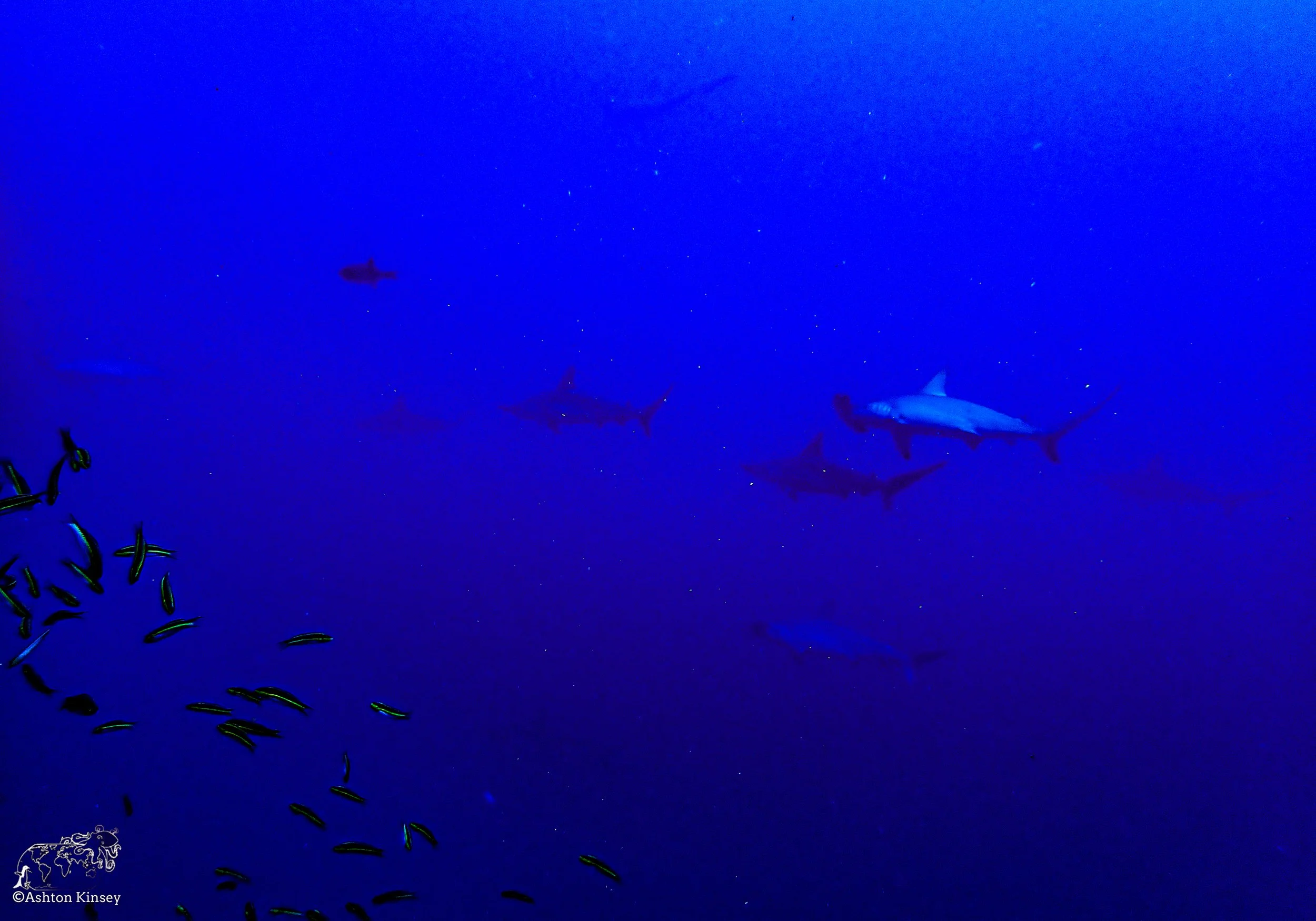
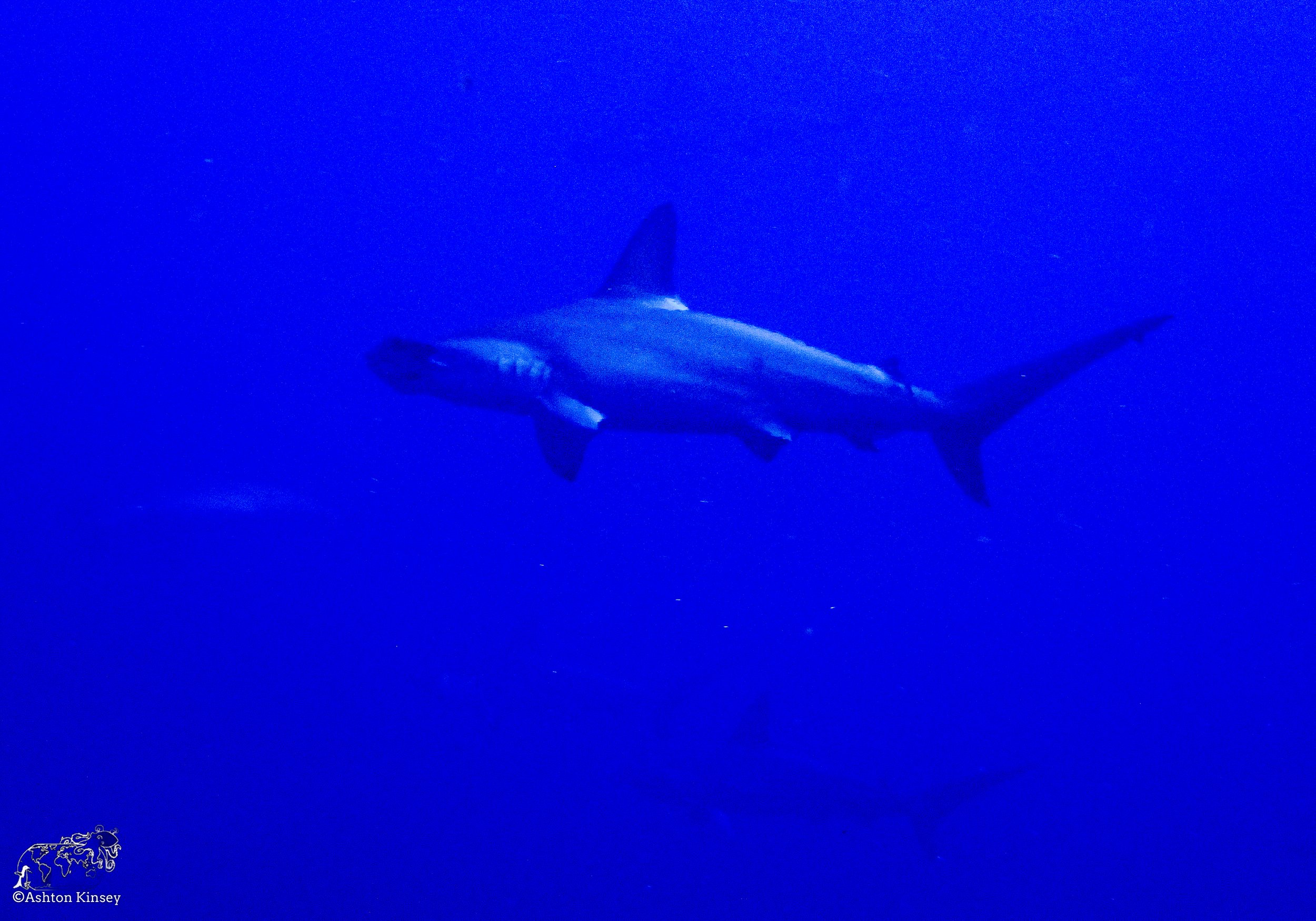
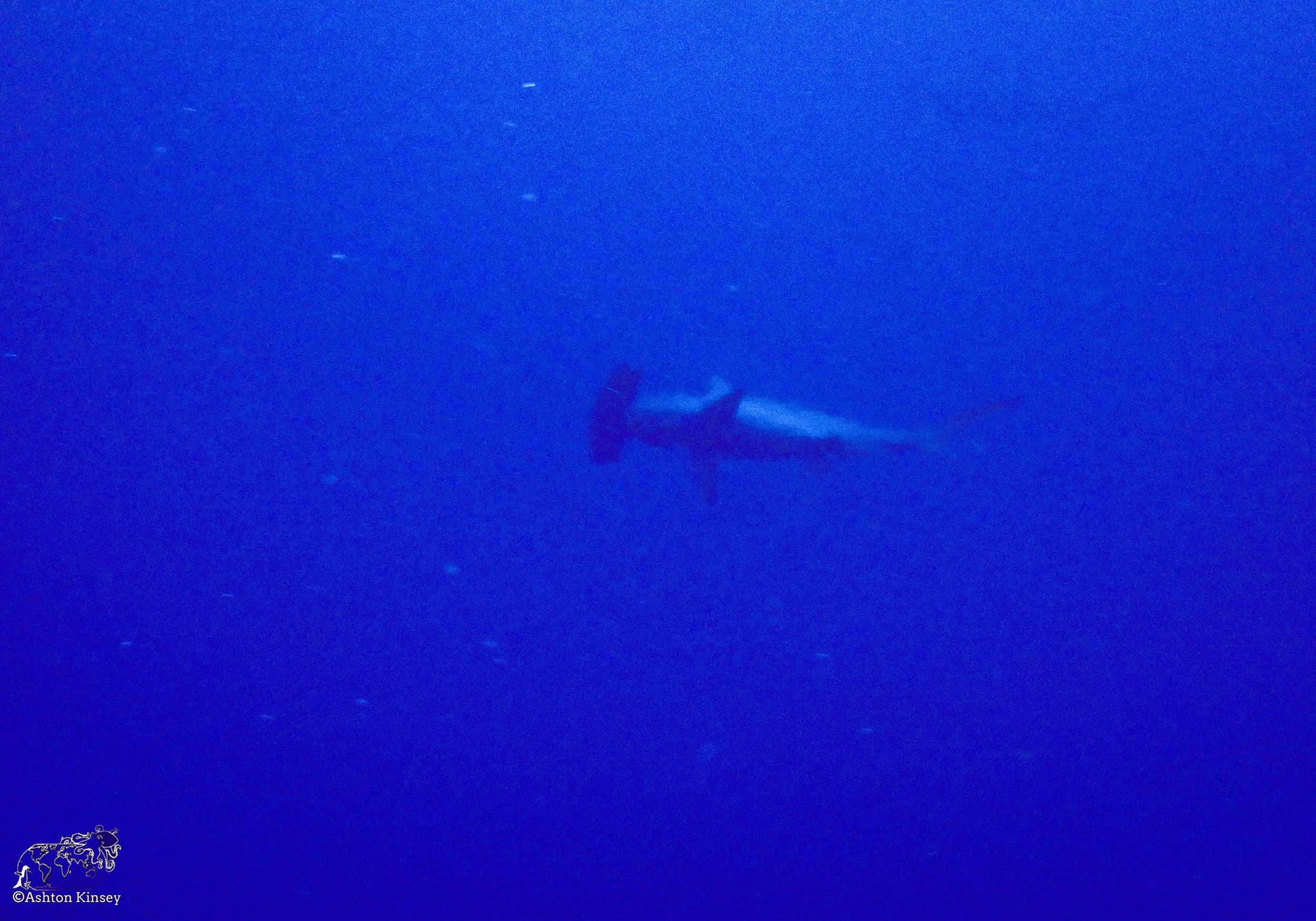
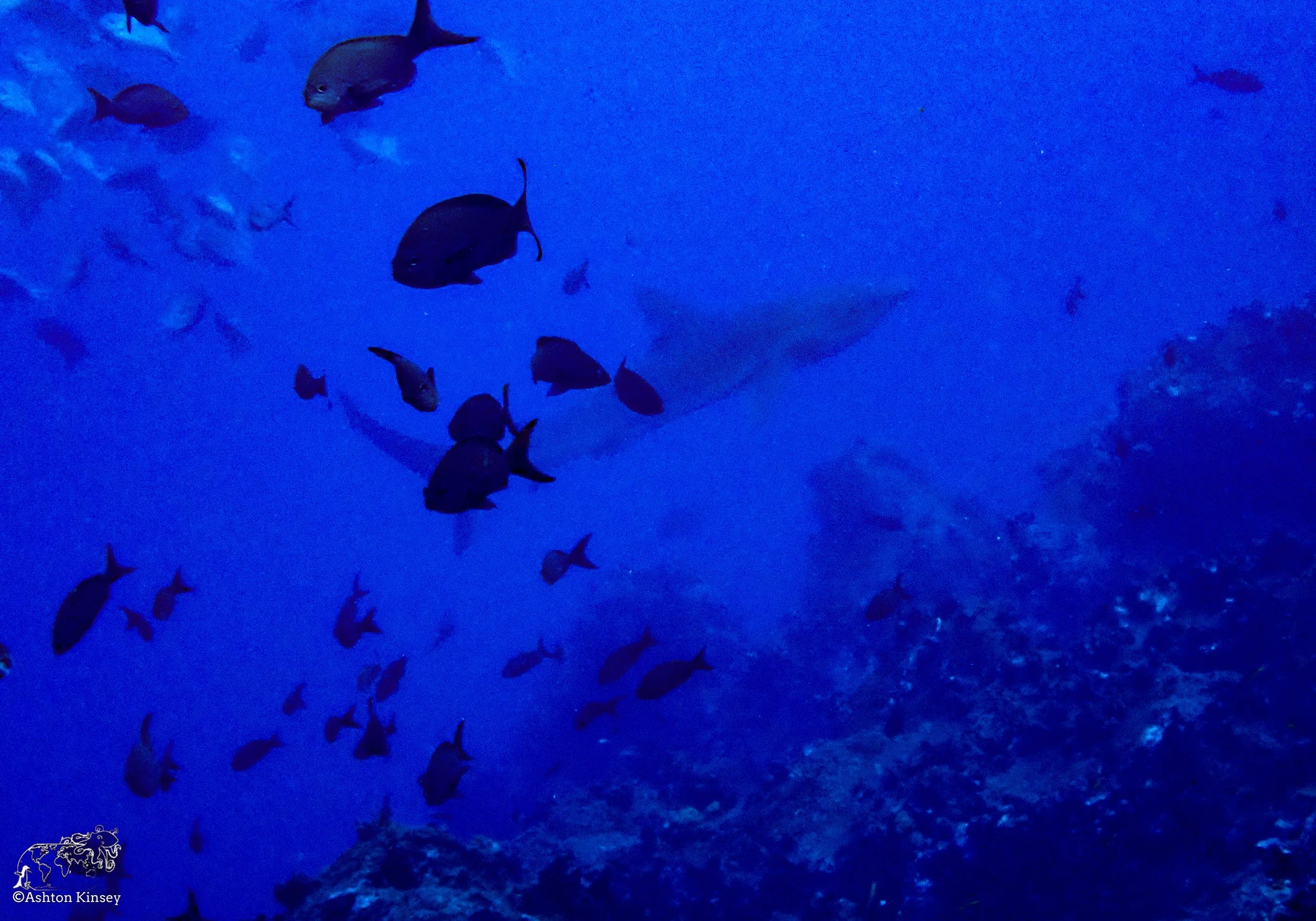
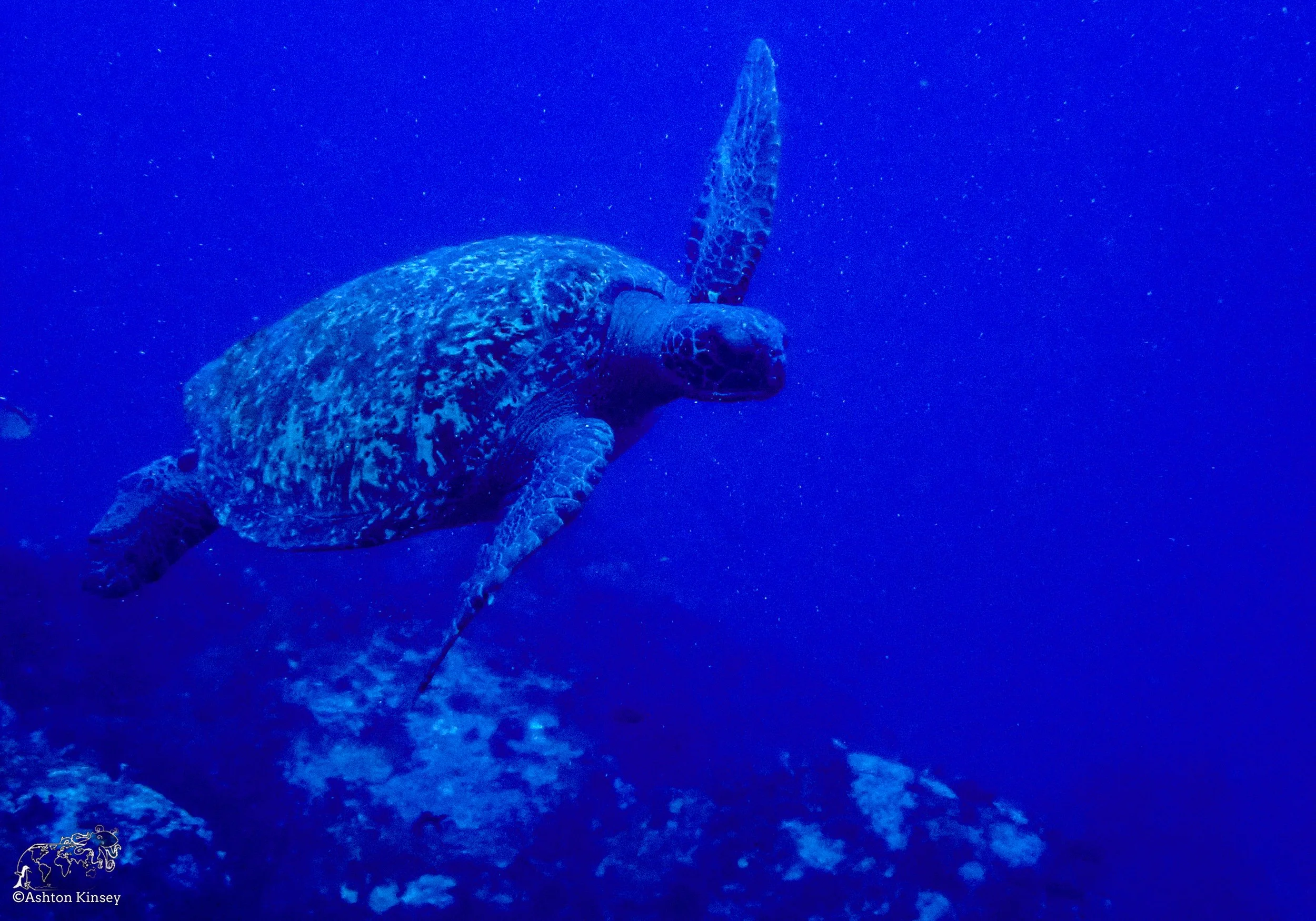
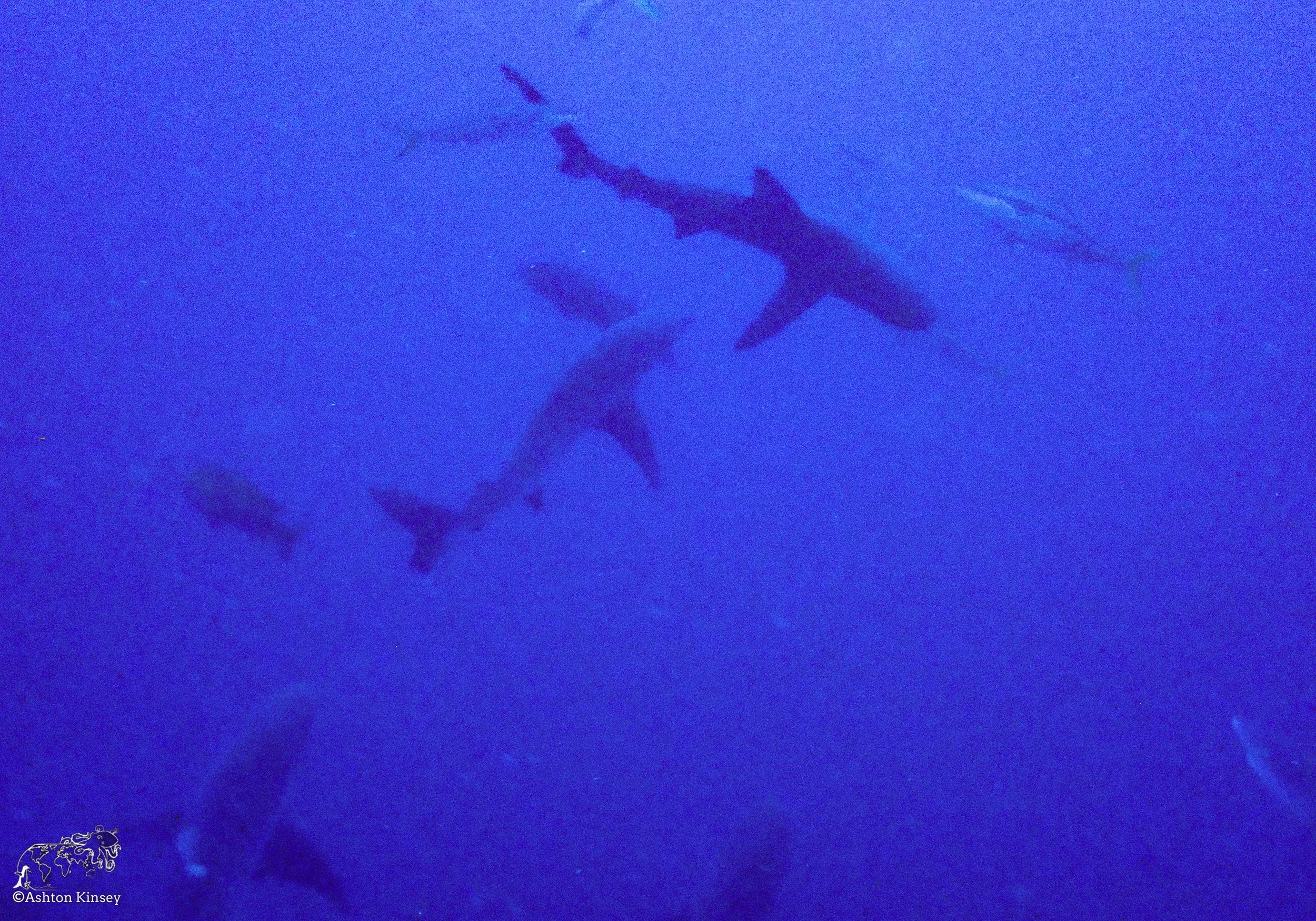
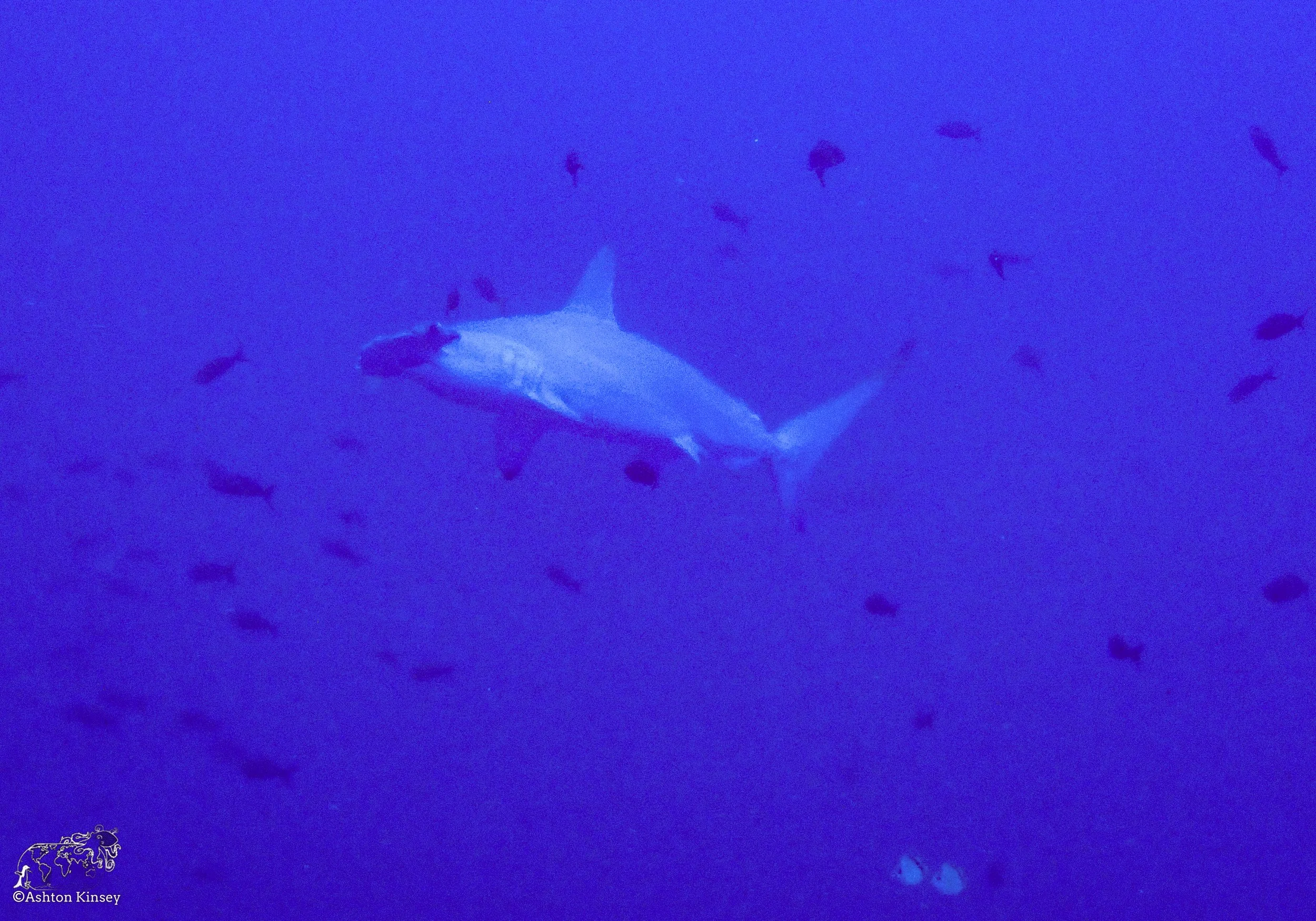
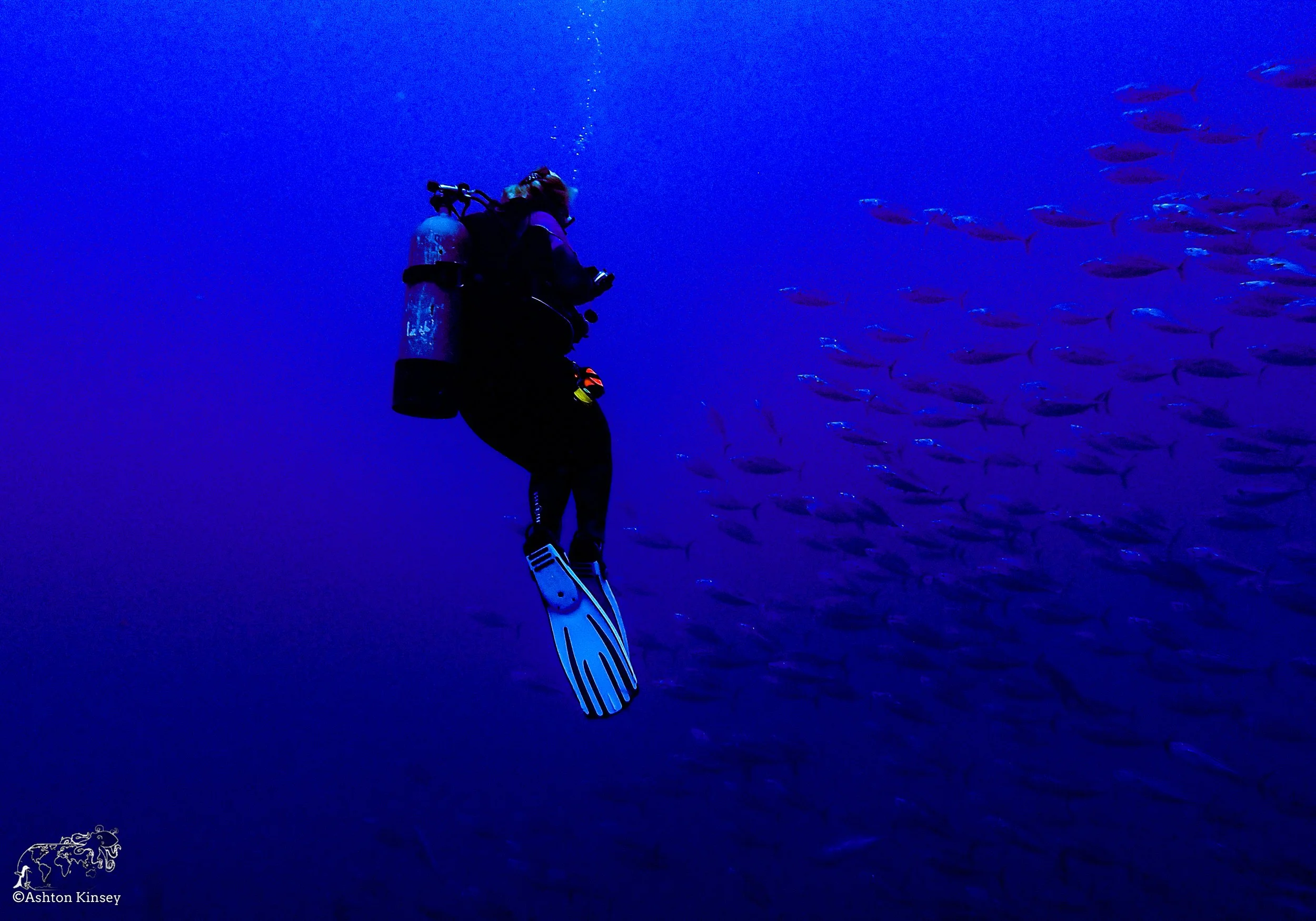
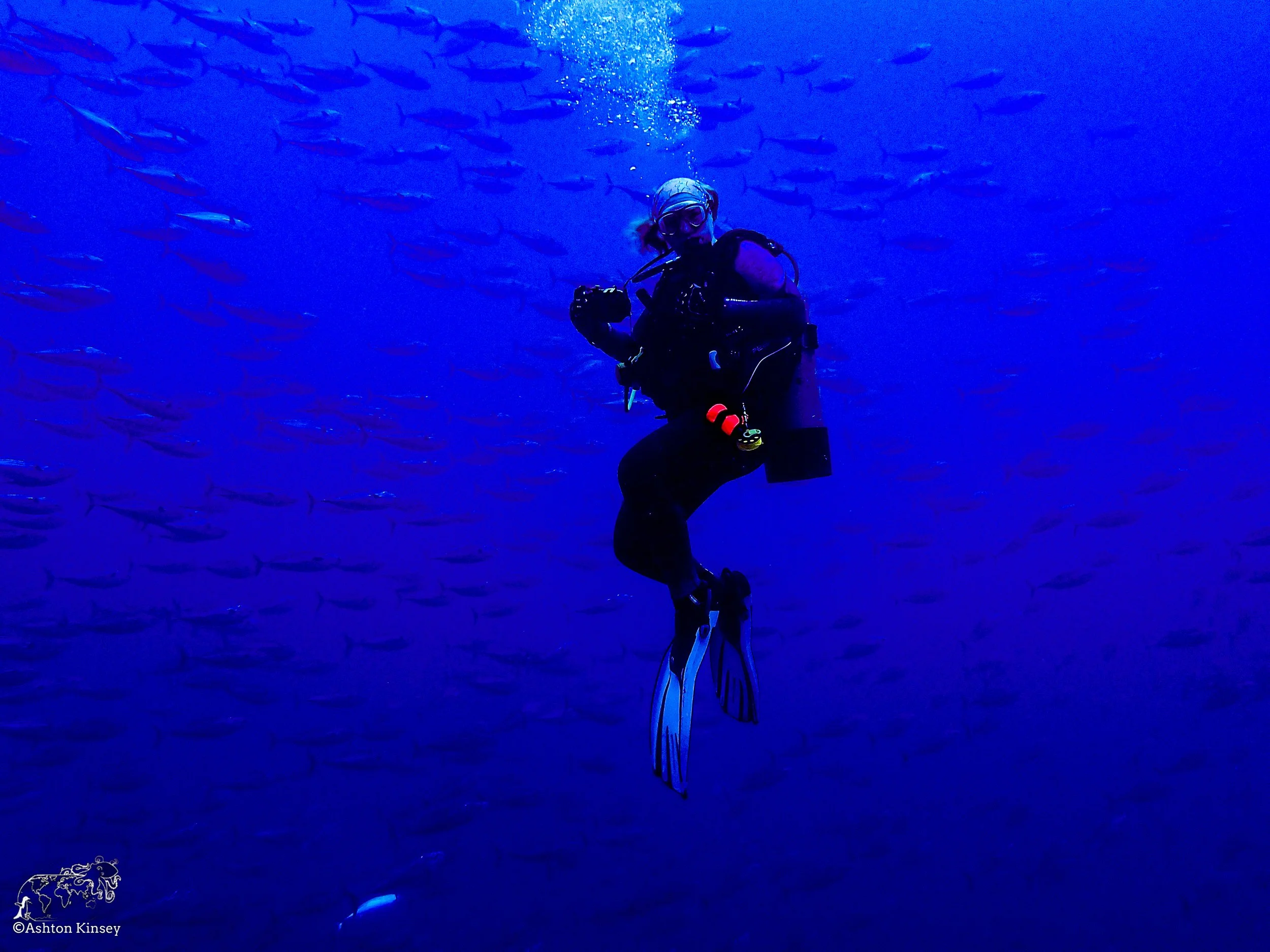
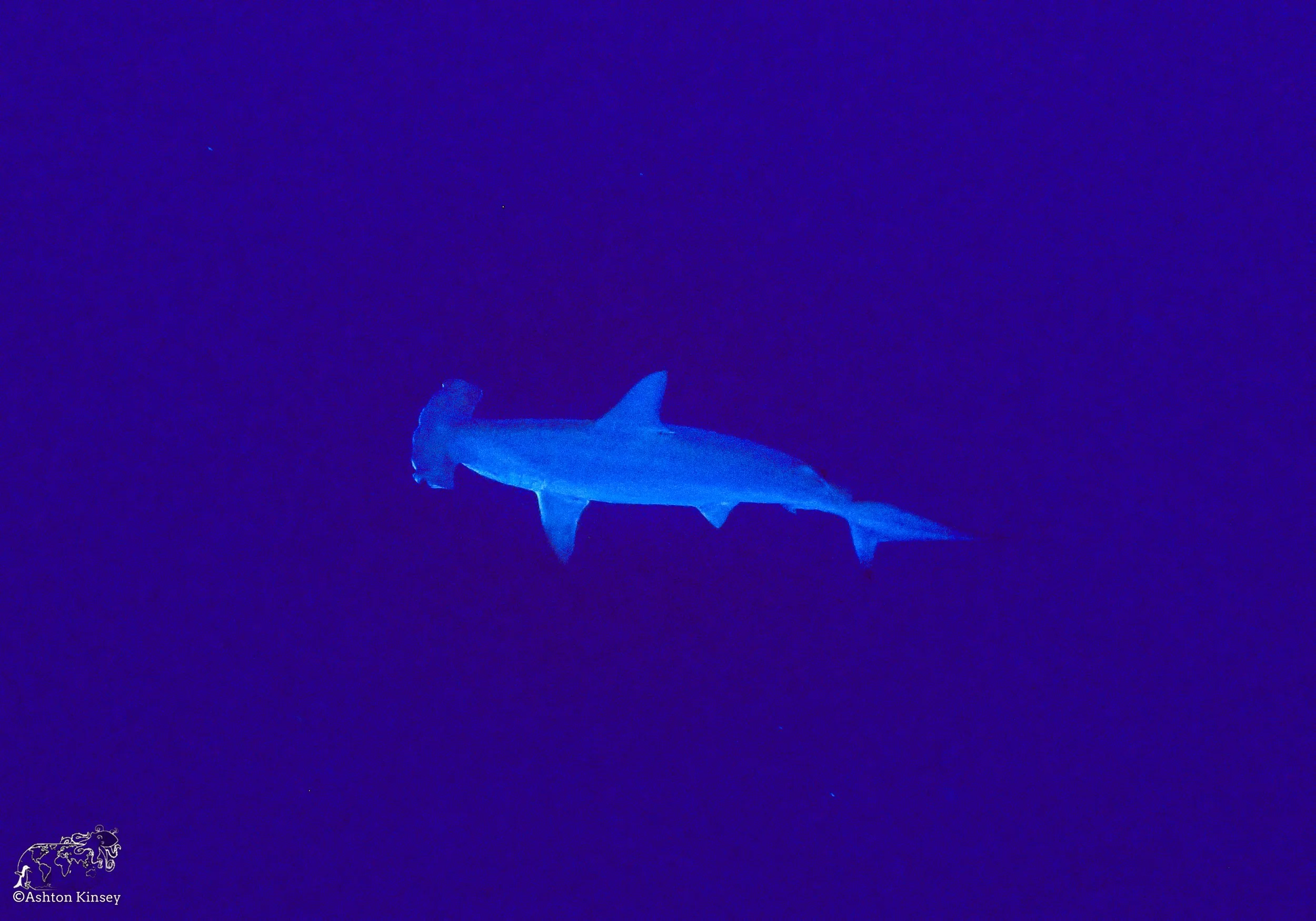
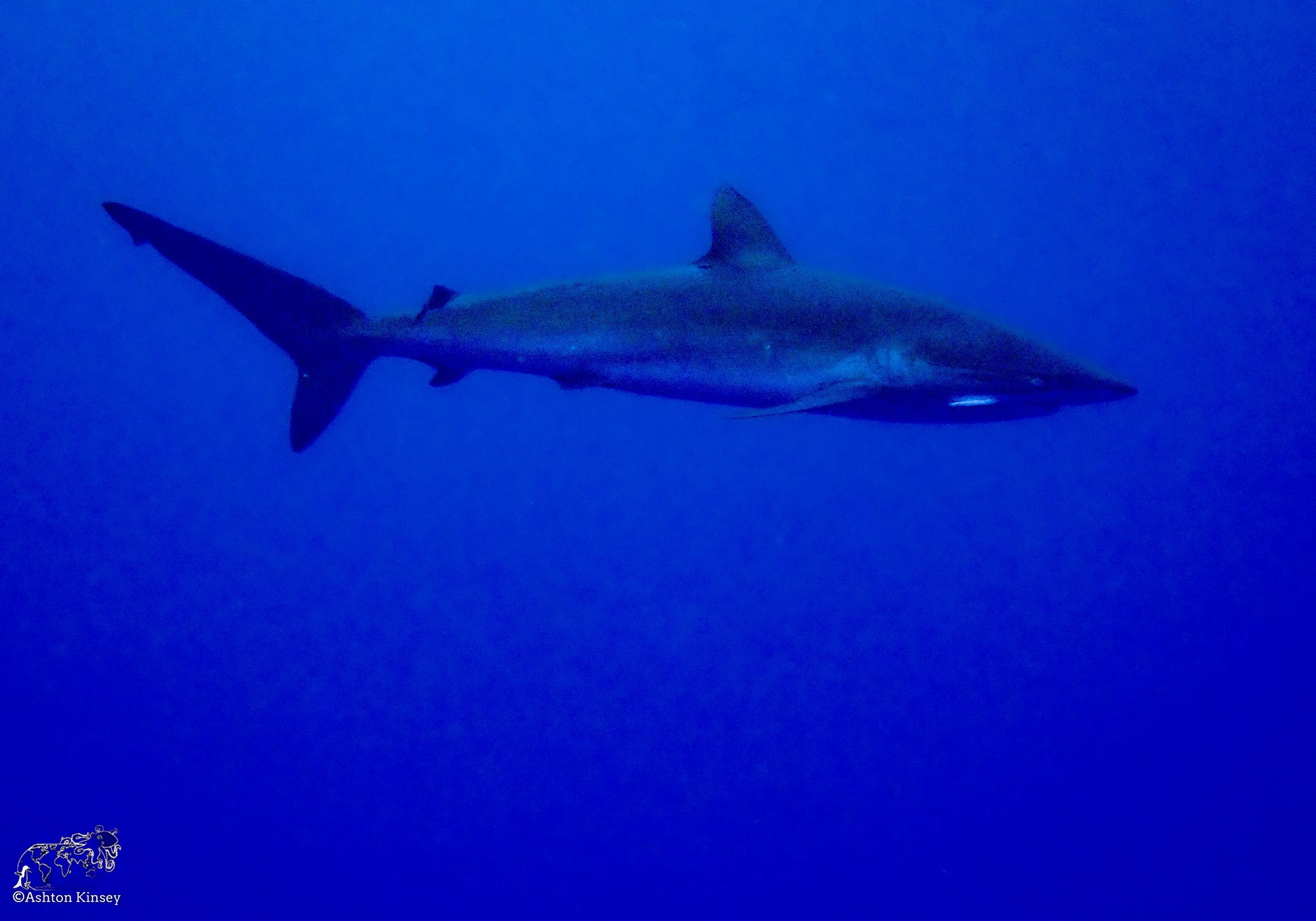
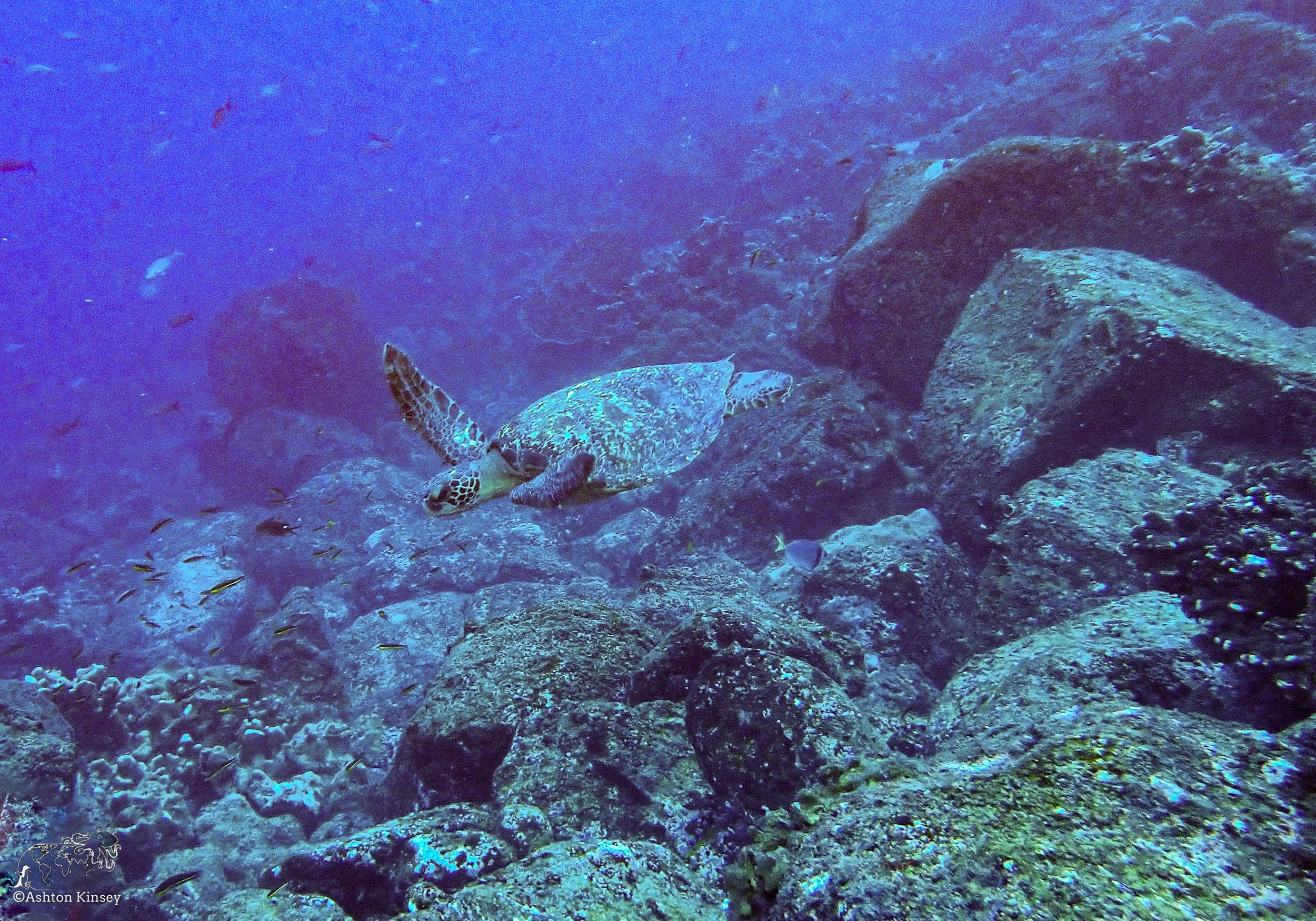
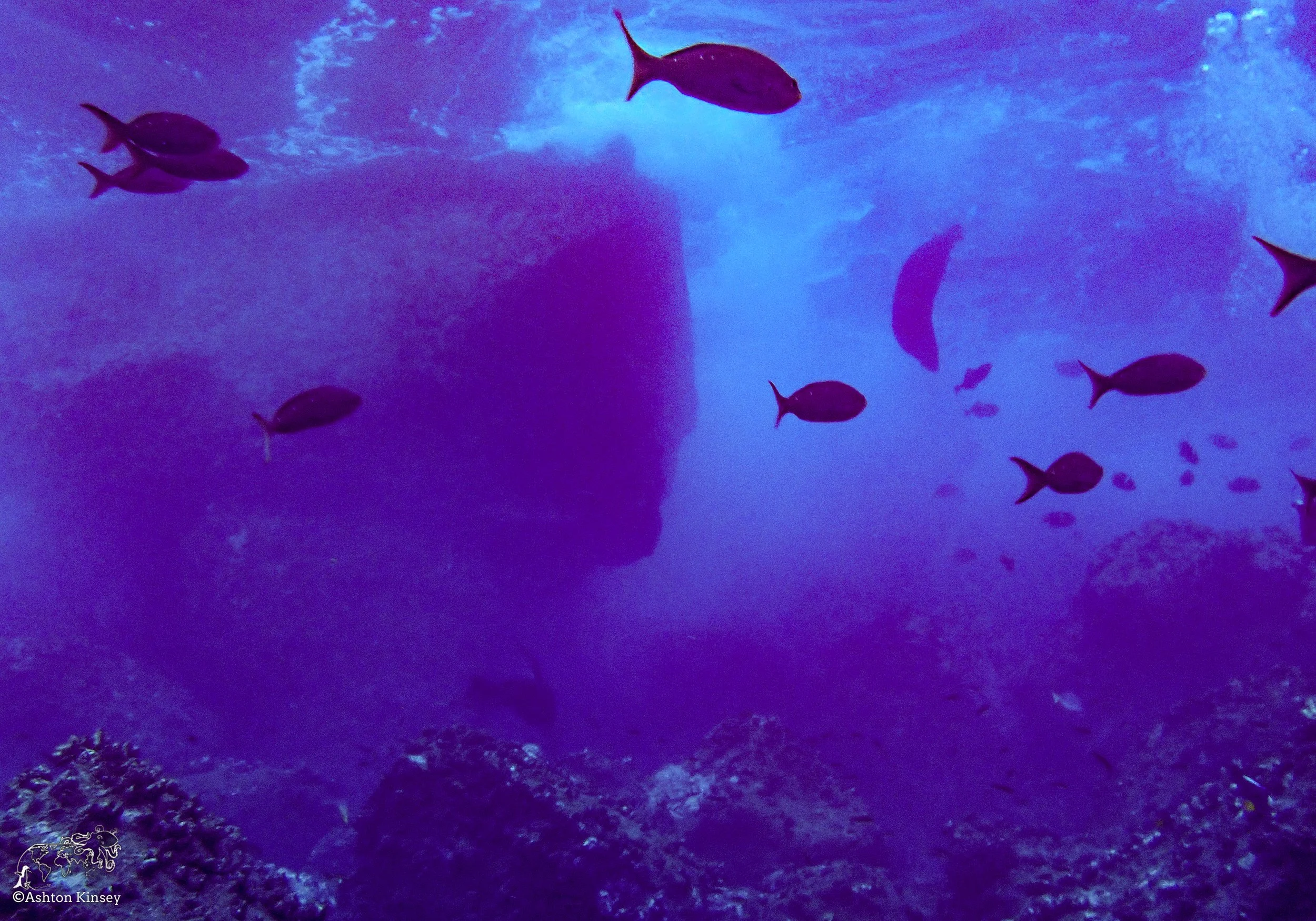
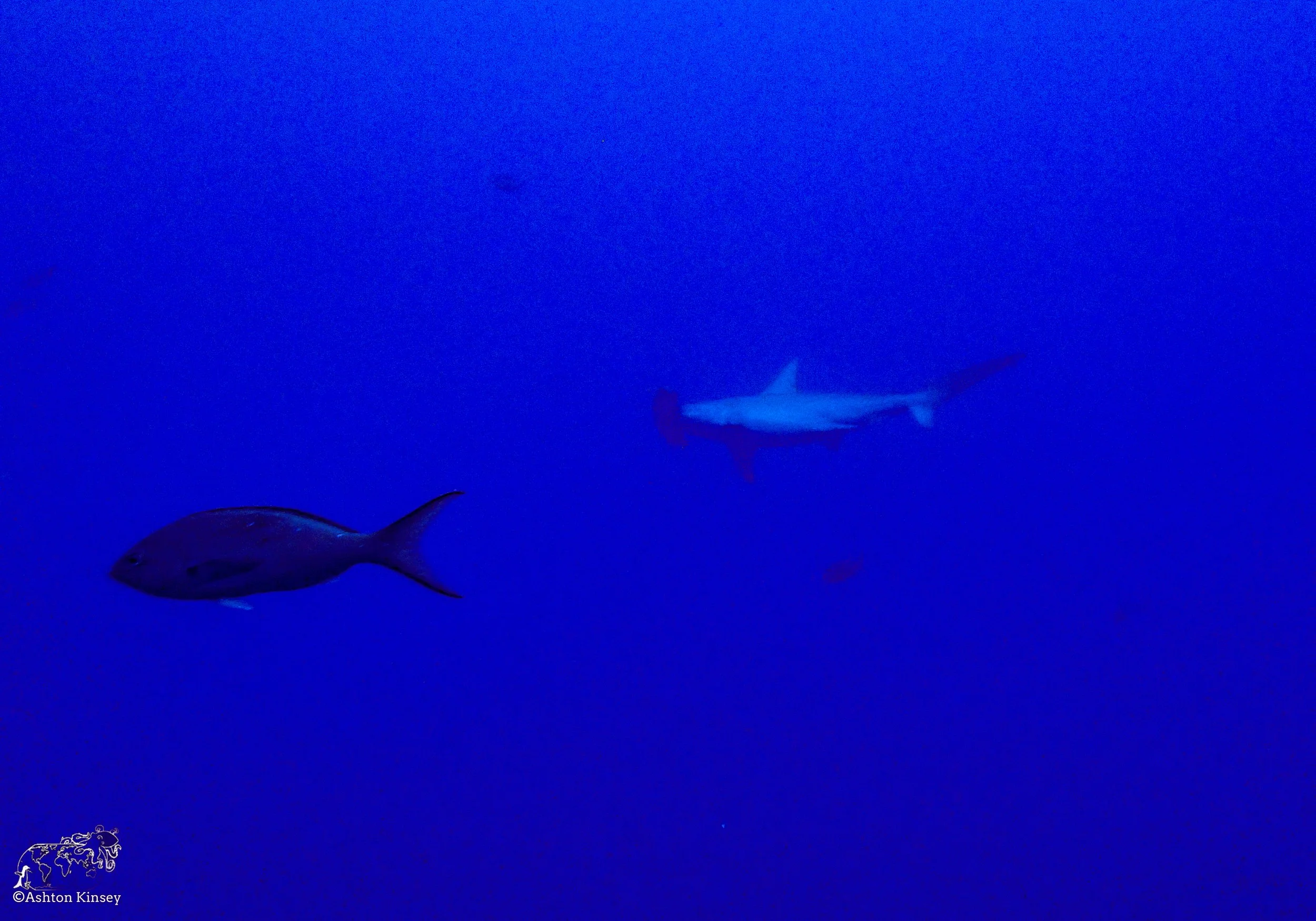
All twelve dives while we were on Darwin were done near the Pillars of Evolution and followed the sit and chill style of diving. Each of the morning dives had a whale shark, with the first two mornings having very pregnant whale sharks that we tried to keep up with and failed. Nearly every dive, dolphins were on the surface and occasionally came down to play around us while we were in the blue and doing our safety stops. Hammerheads generally schooled around us in the blue, on one dive having a wall of over 100 sharks. Silky sharks were often common and very curious, and in the words of our wise guide, “One silky shark is okay, two, let’s start grouping closer together, and three tanks together fins out towards the sharks. Nothing happened, I’m sure he was just being extra cautious…
Side bar: scuba diving can be dangerous, we all accept the risks and follow the steps needed to make sure we don’t die or hurt ourselves. This includes diving with equipment that is functioning properly, fits correctly, analyzing and knowing our gasses etc. Part of the PADI Enriched Air Nitrox class, teaches you how to switch your computer to various blends and the importance of analyzing a tank before each dive. Pretty straightforward and standard practices, the one downside, some computers if they go 24 hours without getting wet will default back to 21% oxygen, not hard to switch them back but it is important to do so. After our check out dive on Baltra Island, we had a long surface interval before diving again on Darwin, during this time most of the dive computers reset back to 21%, they were adjusted, and all was well. Well…most of us adjusted, Frenchie forgot and did the first two dives without adjusting his computer. This put him into deco during dive two and required to do a longer decompression stop, which he did not do. Instead of sitting out and letting his computer and his own nitrogen rest to be safe, he kept diving and after dive 3 his computer locked him out and shut down. His solution? Stop analyzing his tanks because it “doesn’t matter anymore” and just follow along with everyone else without any real information about his limits (Allie: He would literally copy people’s homework and write down whatever percentage their tank was for his record, which meant he was literally diving without a computer the whole trip). Don’t be stupid folks.
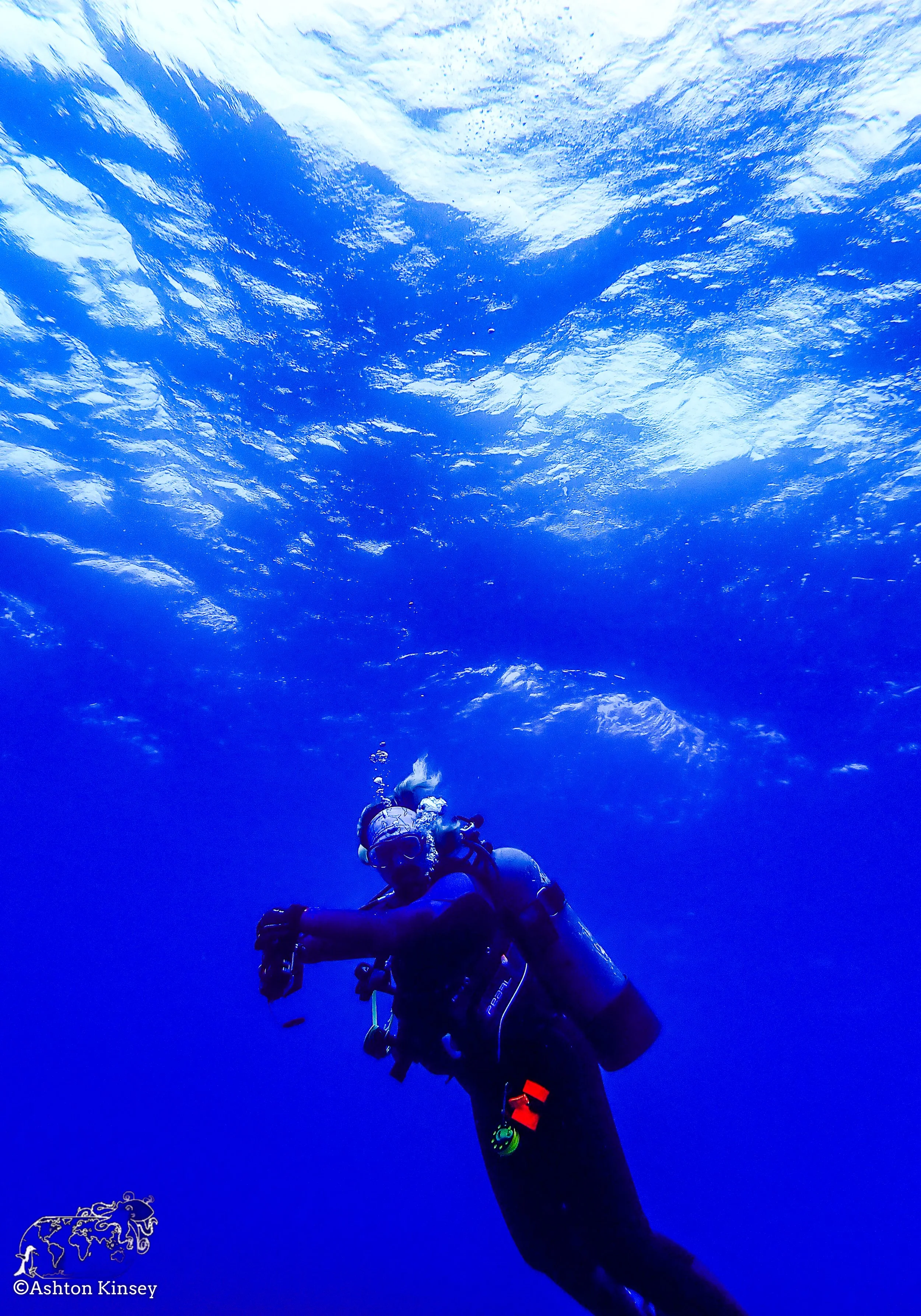
On top of people being extra and diving like idiots (Allie: more drama was about to follow…). Before one of the dives, half of Team Killers decided to sit out of the dive, which put the total number of divers at seven. If the boat would have been full each dingy would have had eight divers, plus the guide and driver. Due to most of the other group sitting out, the team captains decided that we would be combining into one group of seven divers with one team captain leading us on the dive. This went over as well as Allie’s unsupported tank that went spilling over the boat deck (Allie: i.e. not well. But for the record my tank WAS secured, the bungee just didn’t want to stay put…), and both Frenchie and Björk had many words to say about the combination of dive teams. Arguing with the guides yelling that “this is not what we paid for” and “this is such bullshit” ultimately their whining and yelling paid off and we stayed separated into our original groups. Don’t be an ass hat to your guides folks.
The dives were a good introduction to “true” Galapagos diving and were pretty similar each time. While they were enjoyable, it was good to move on to the next club. We packed in from our last dive, had one last sleep on Darwin Island (Allie: with limited star viewing opportunities because of too many clouds 🙁) and then sometime during the night started out over to Wolf Island to hit up club number four!
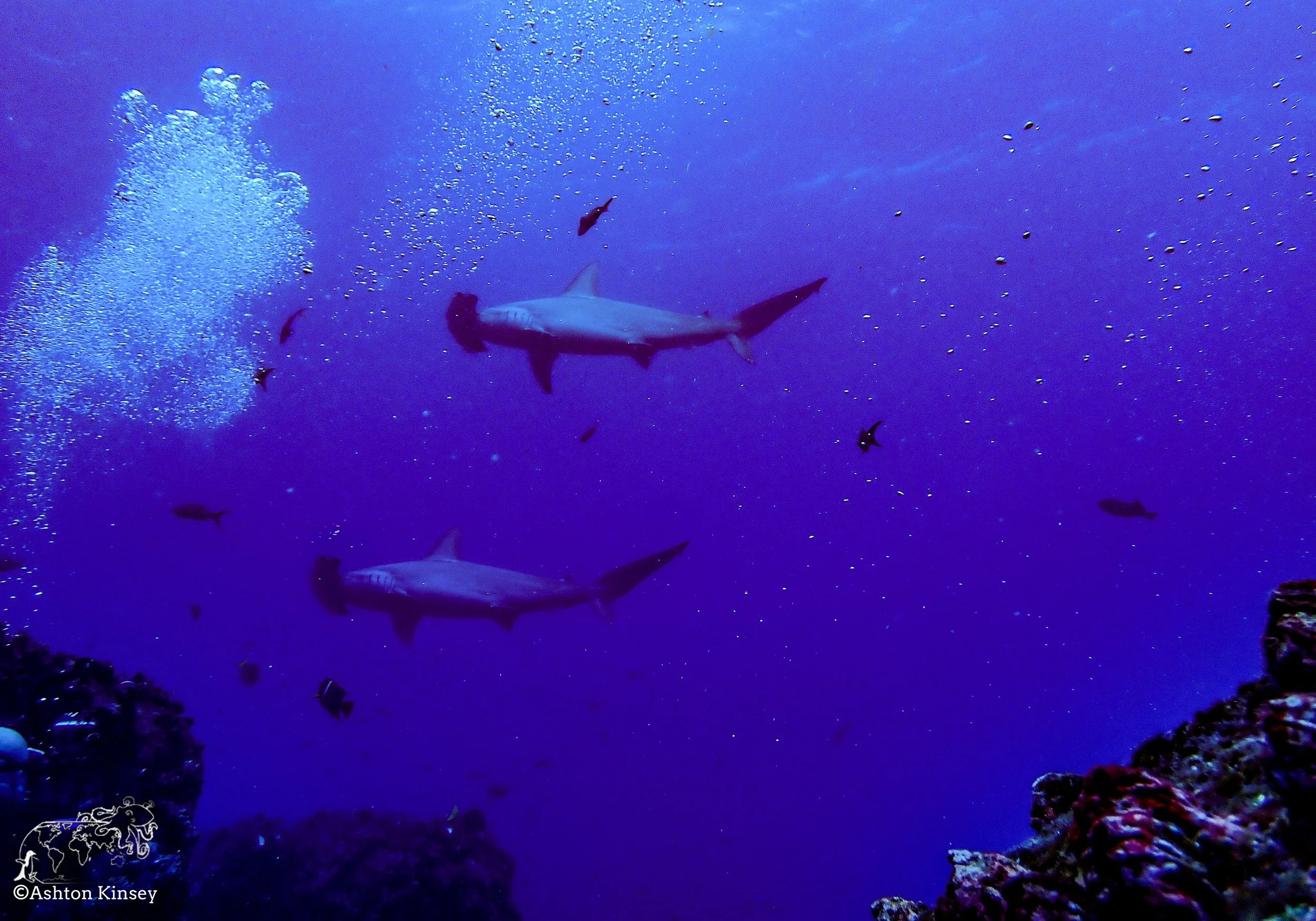
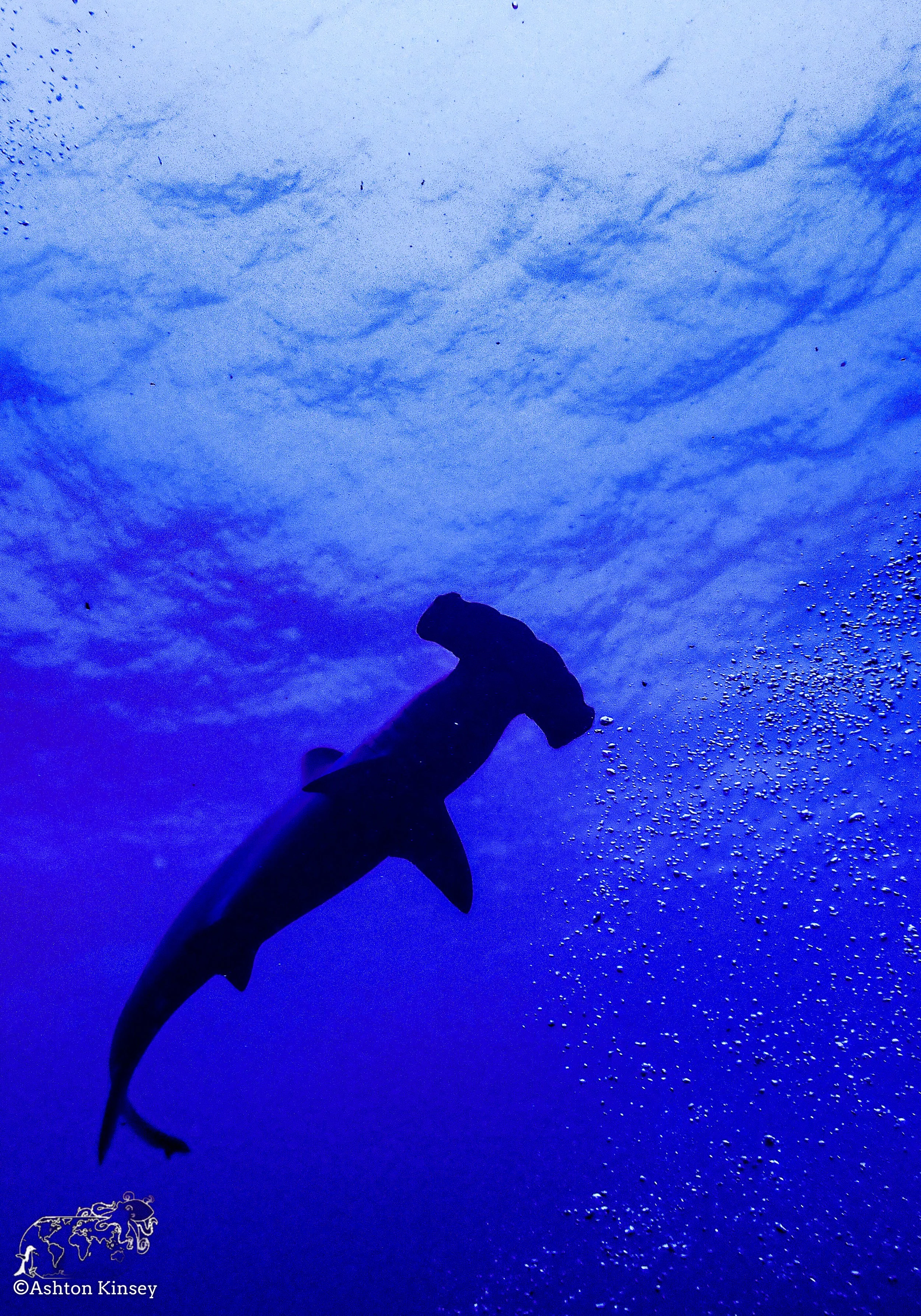
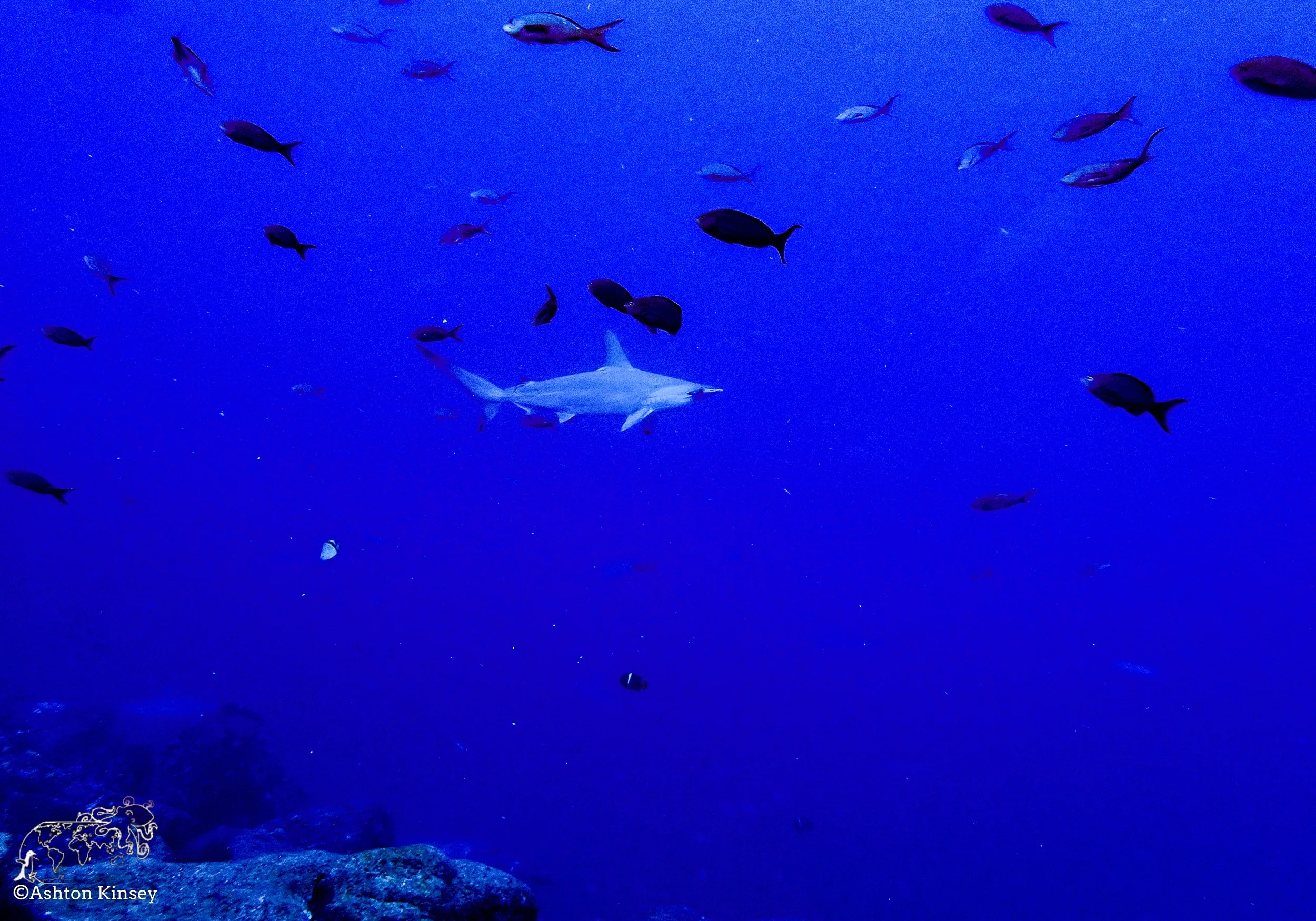
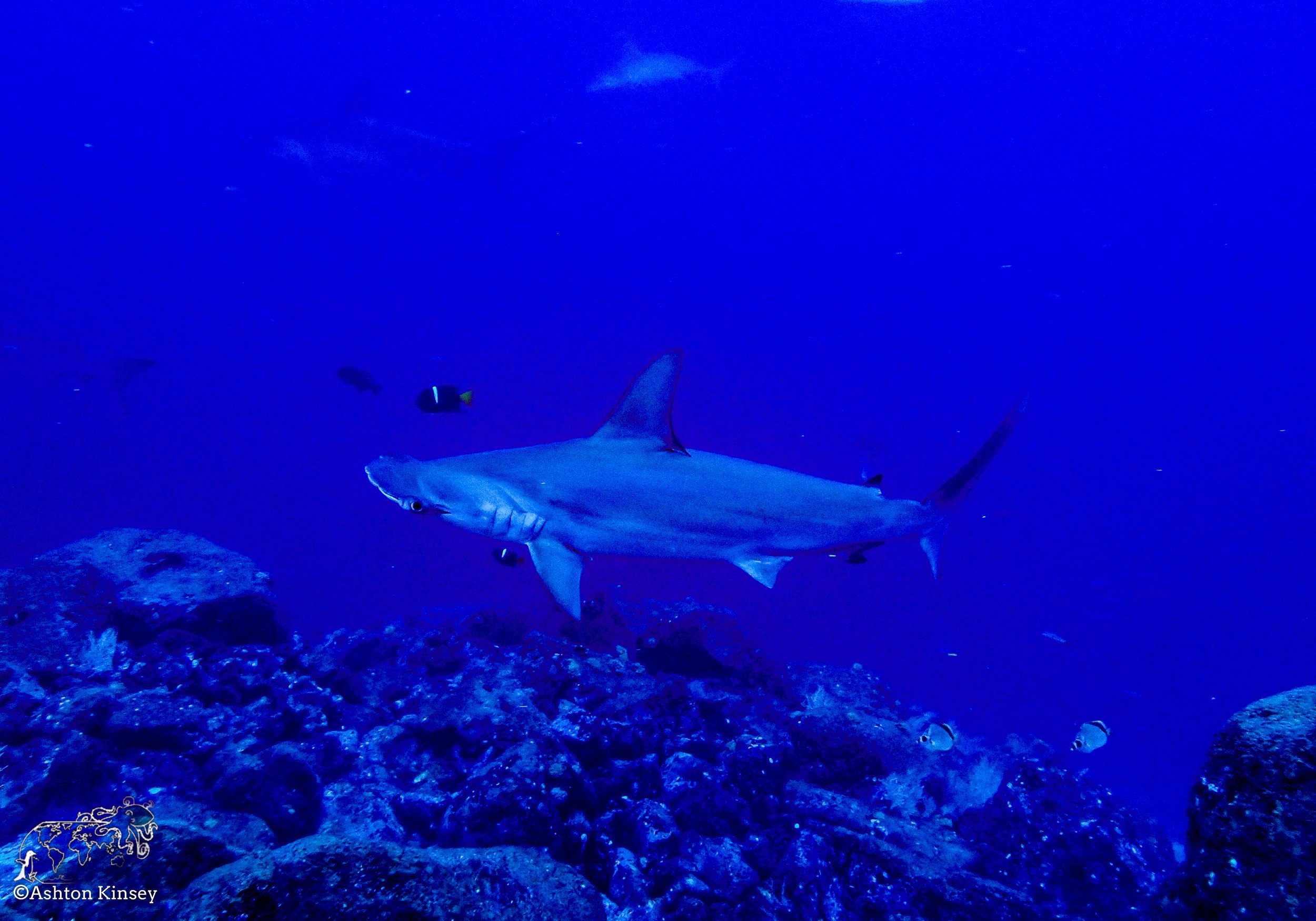
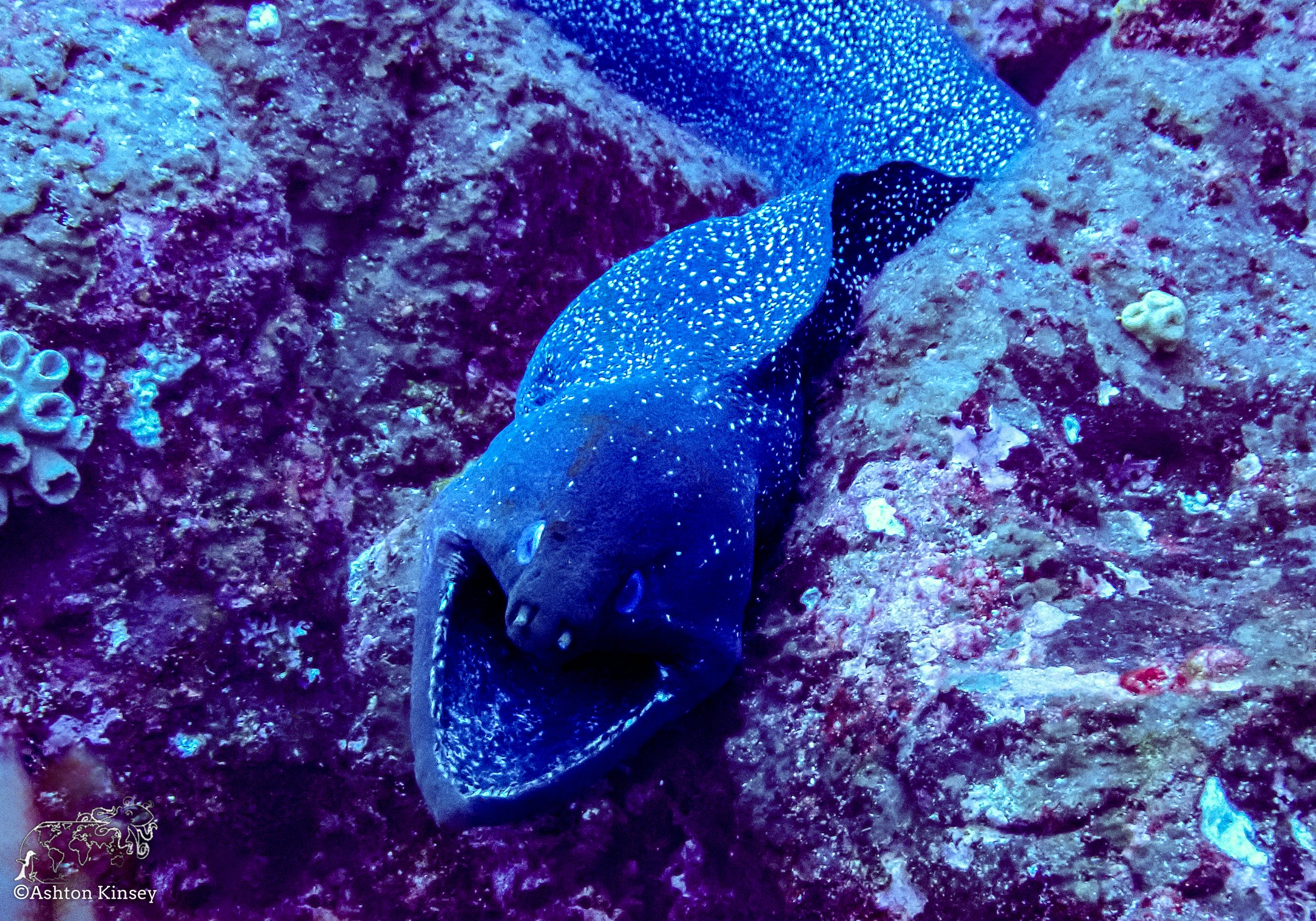
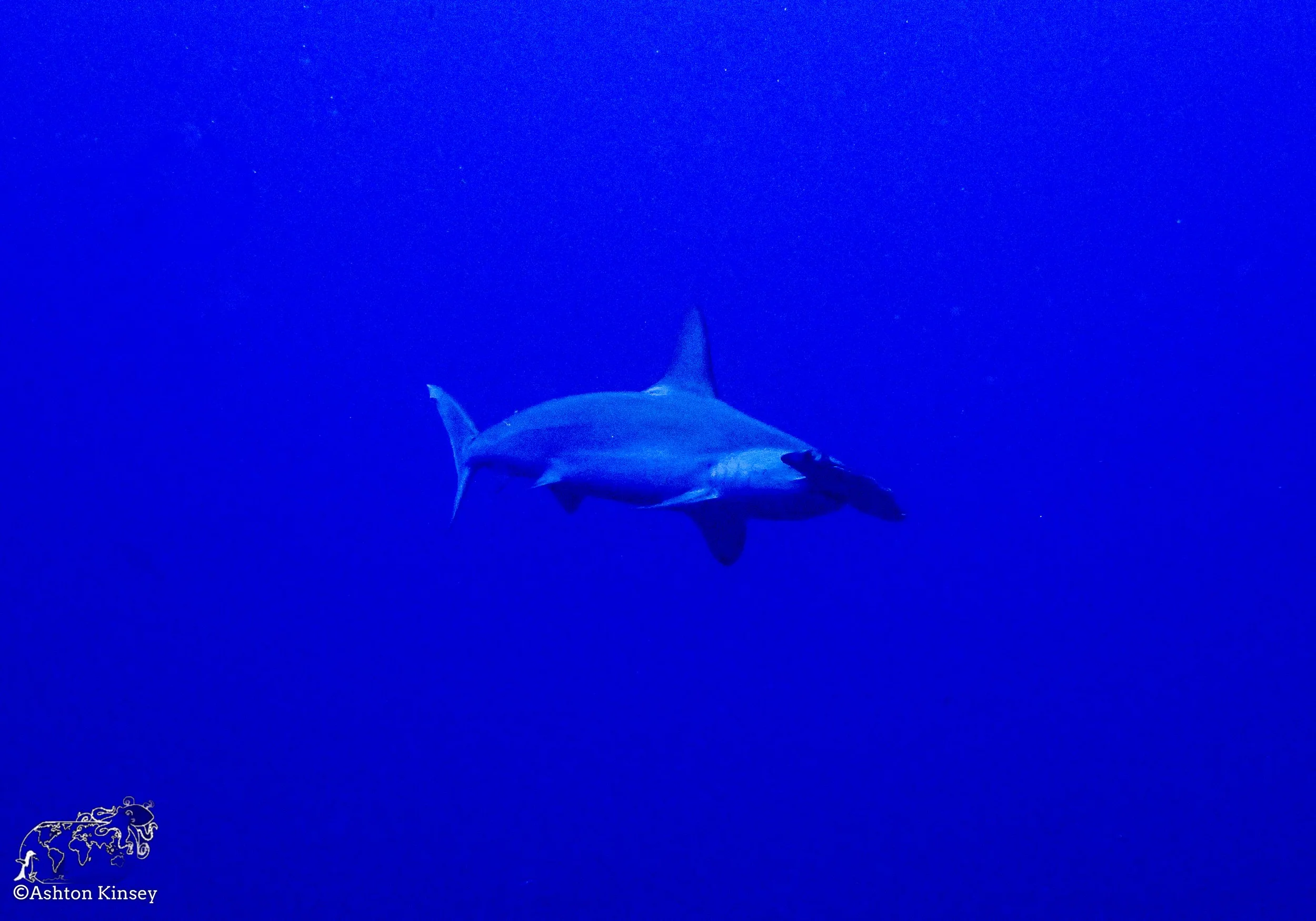
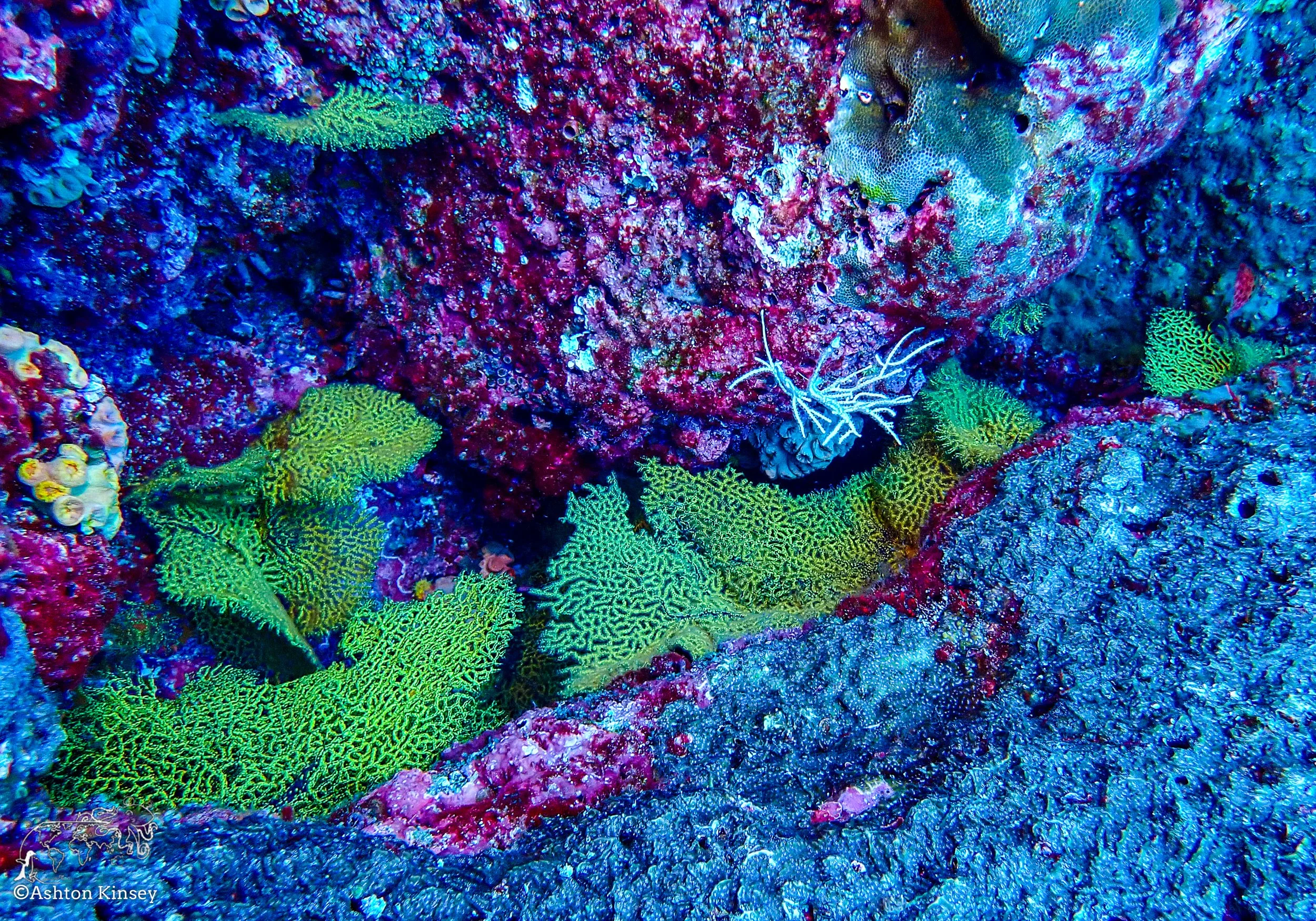
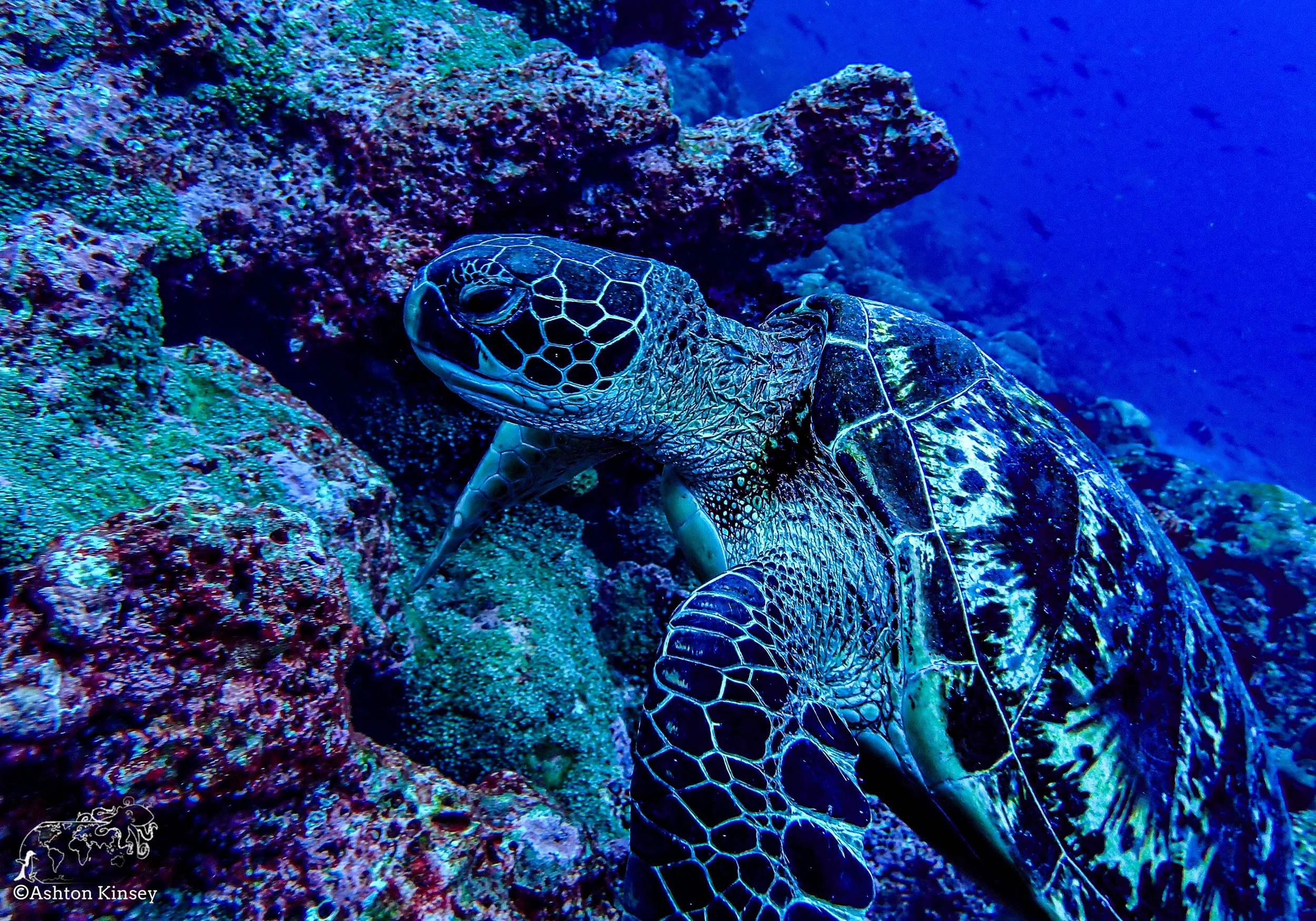
Club Four: Wolf Island
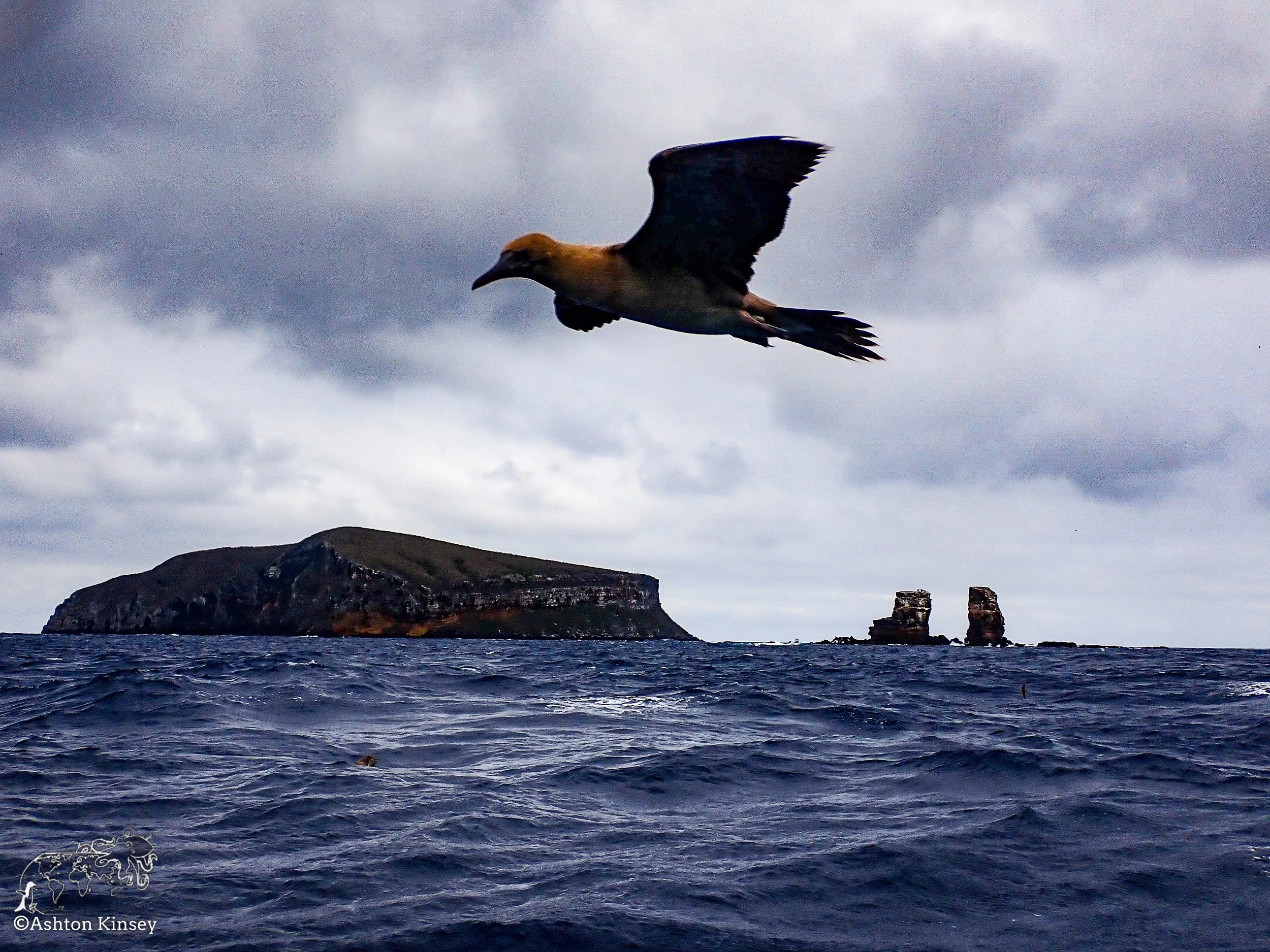
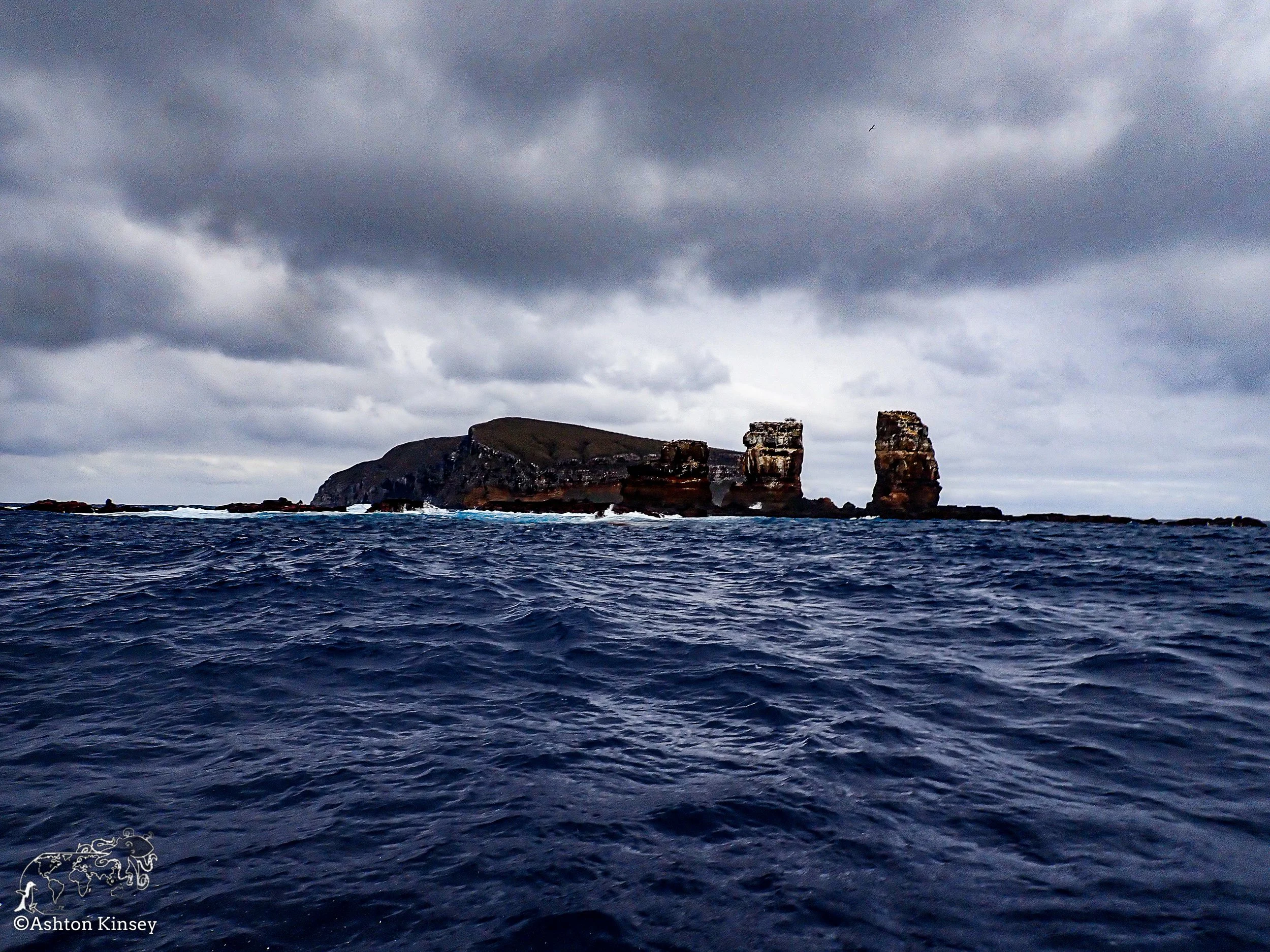
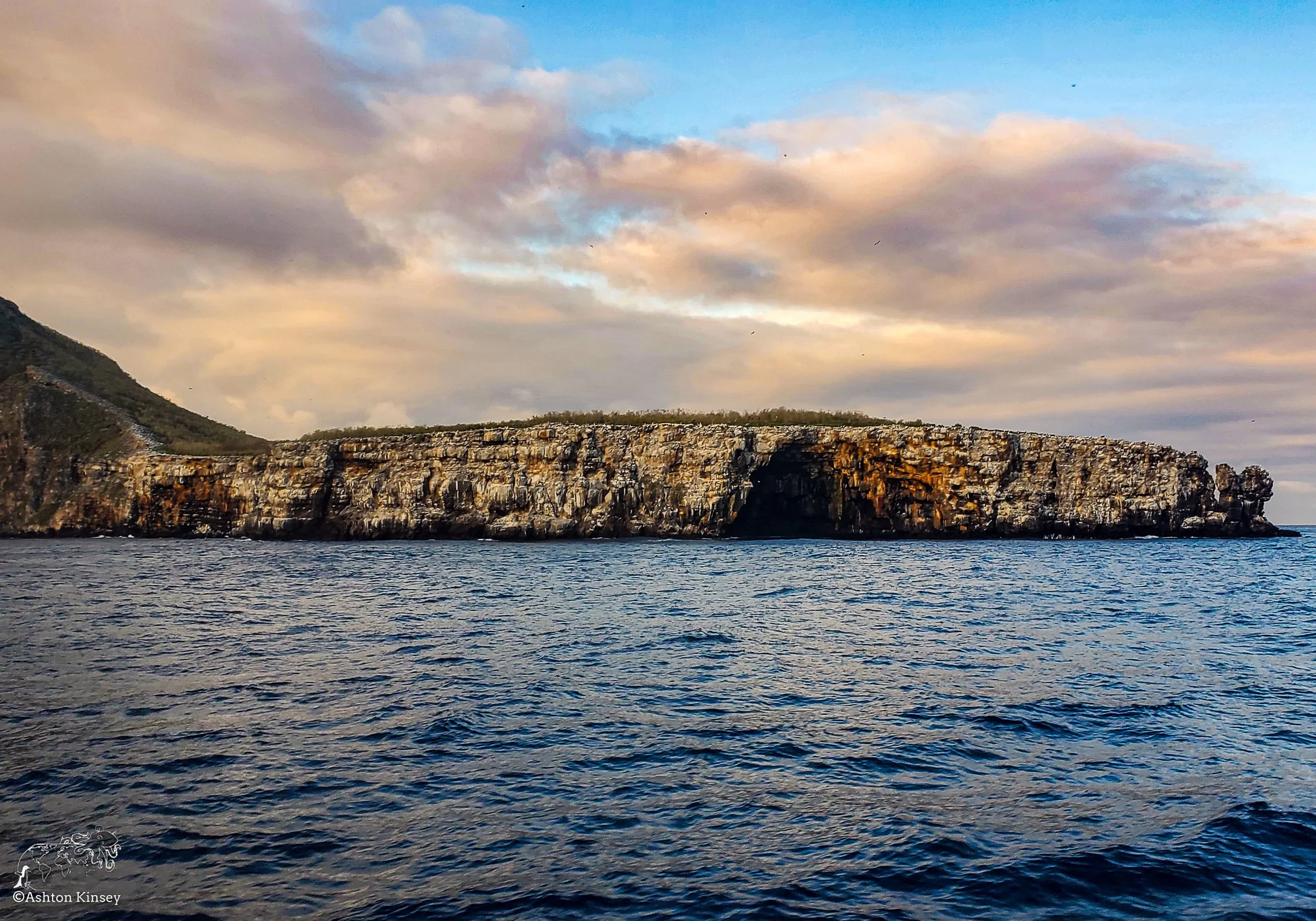
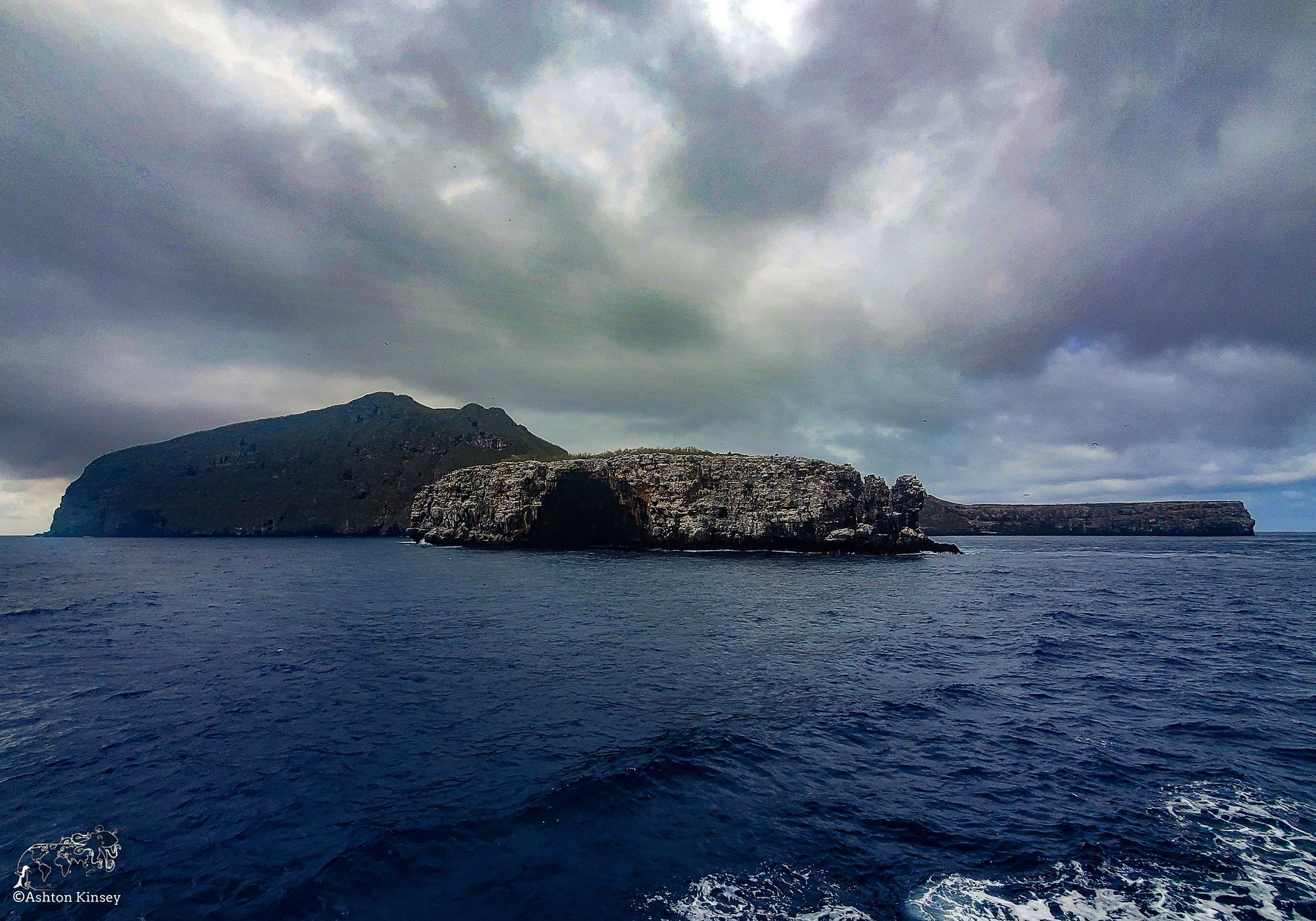
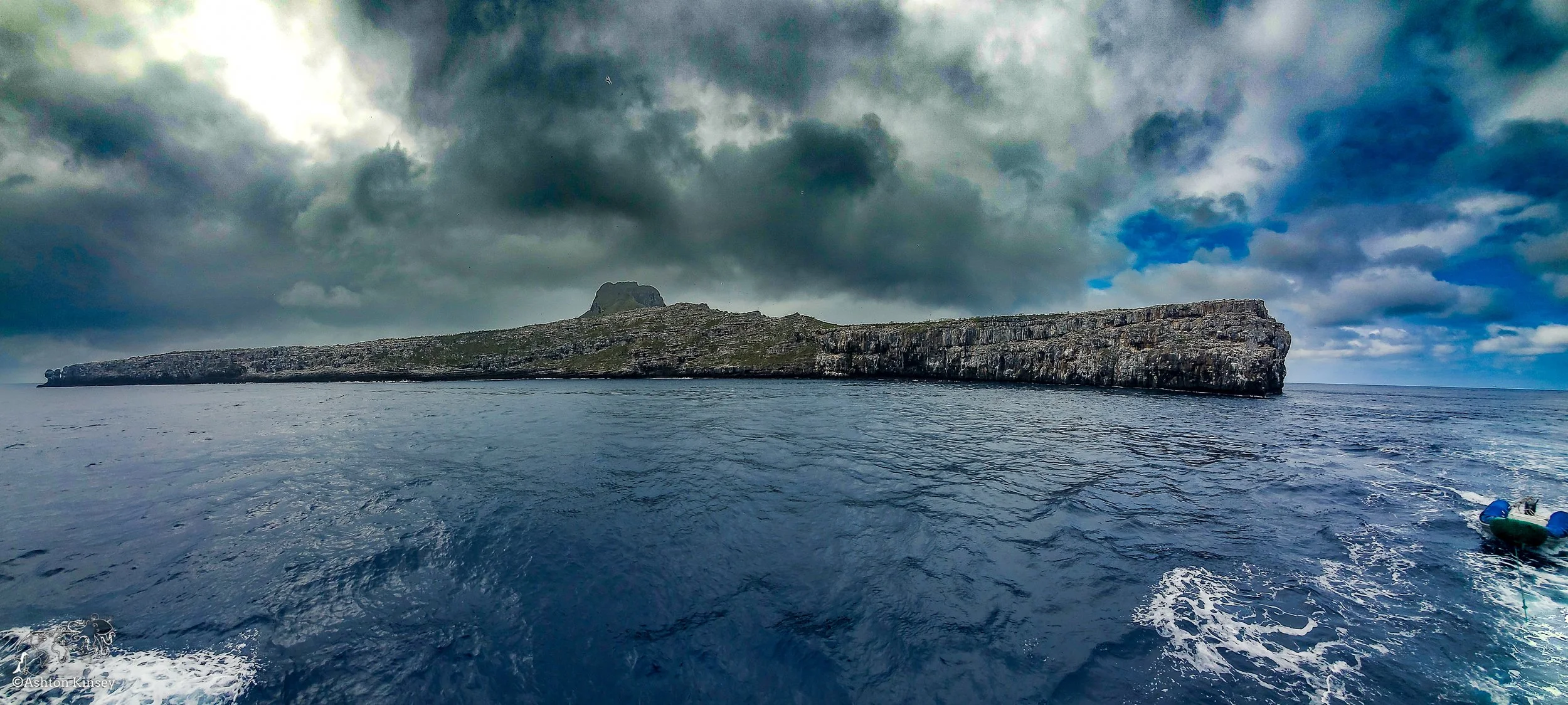
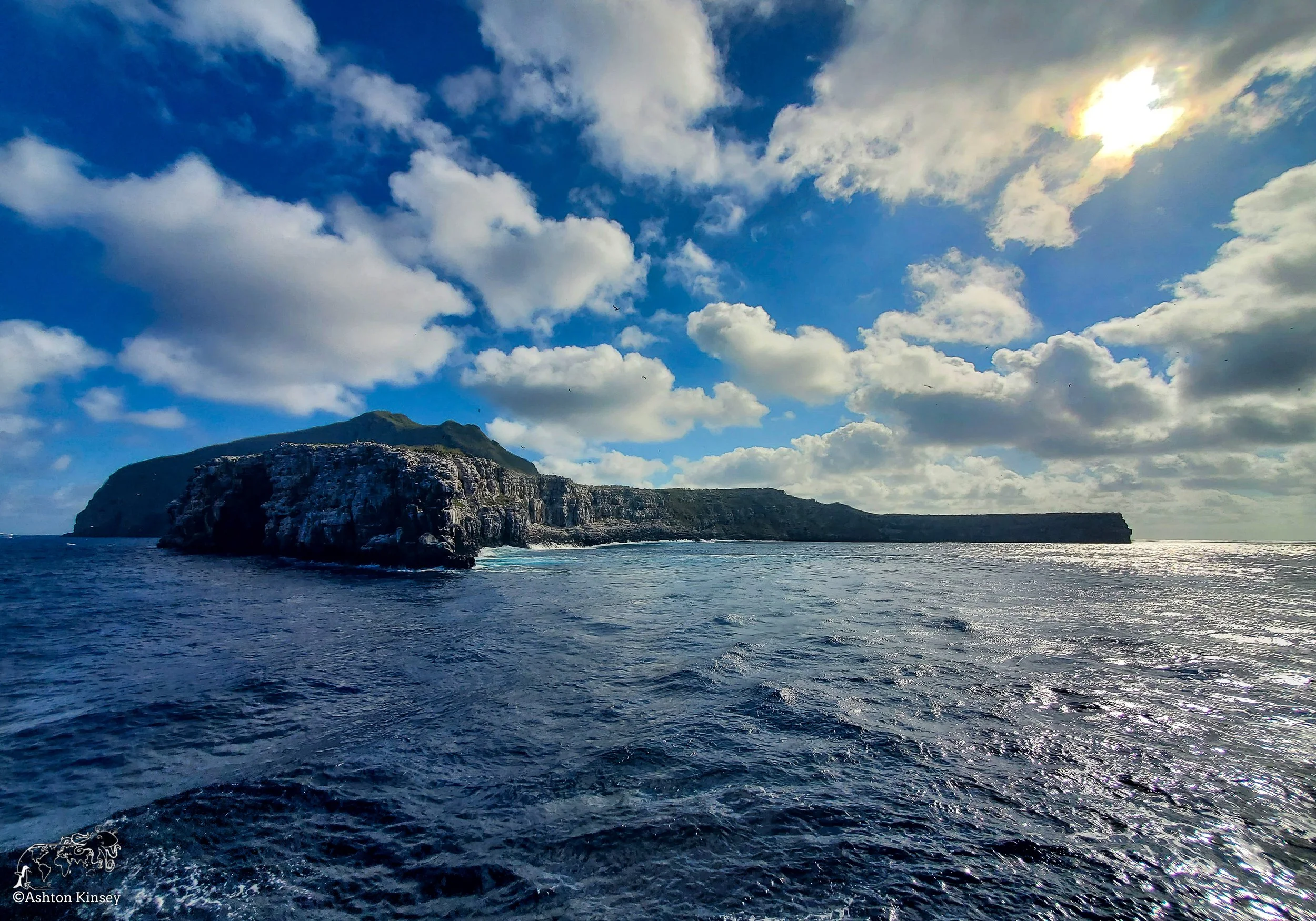
The island was originally named Lord Wenman’s Island after Philip Wenman who was the 3rd, Viscount Wenman. This name was bestowed by the English pirate William Ambrosia Cowley in 1684 until being renamed after German geologist Theodor Wolf who studied and published multiple reports about the geography and geology of the islands and Ecuador.
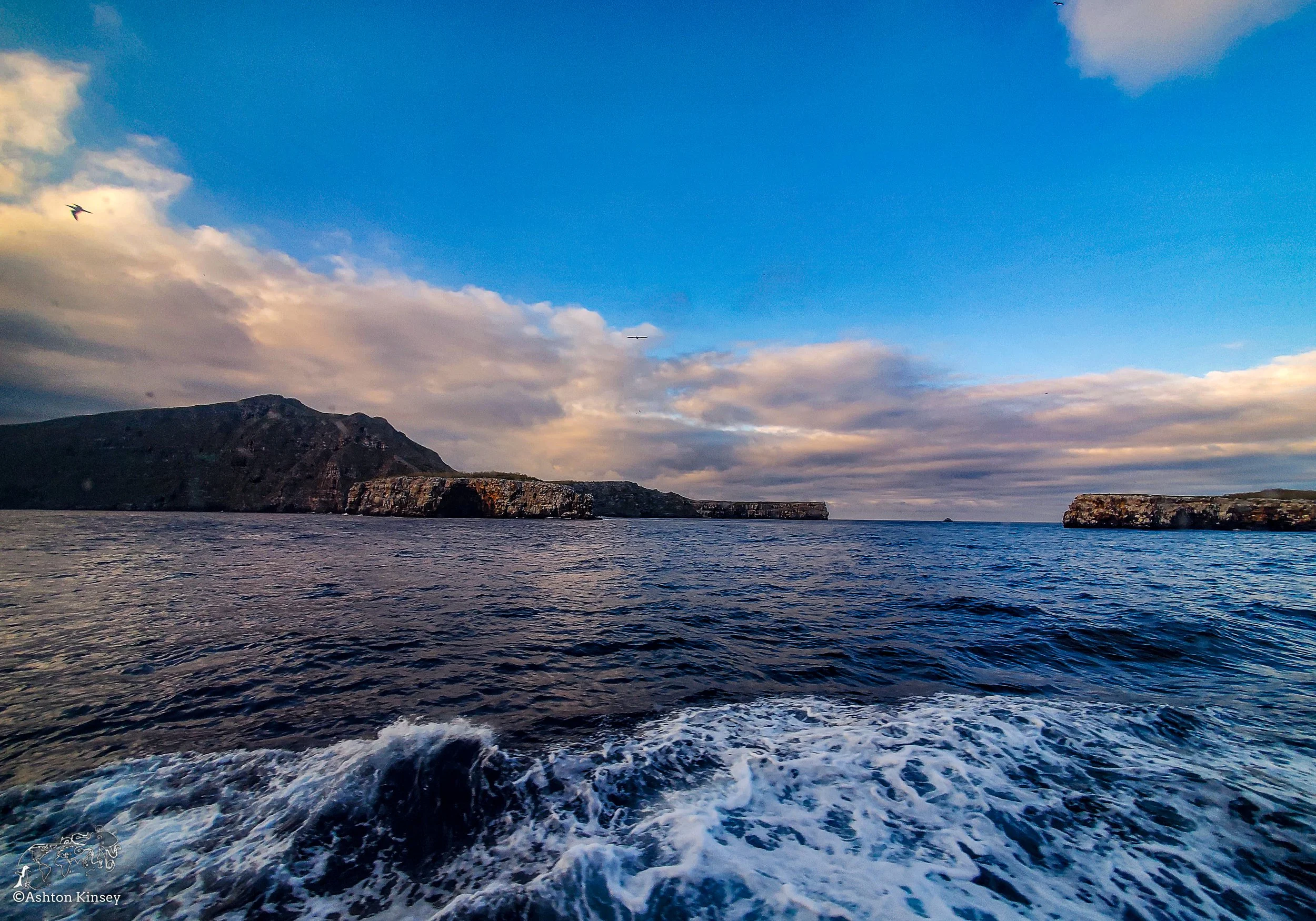
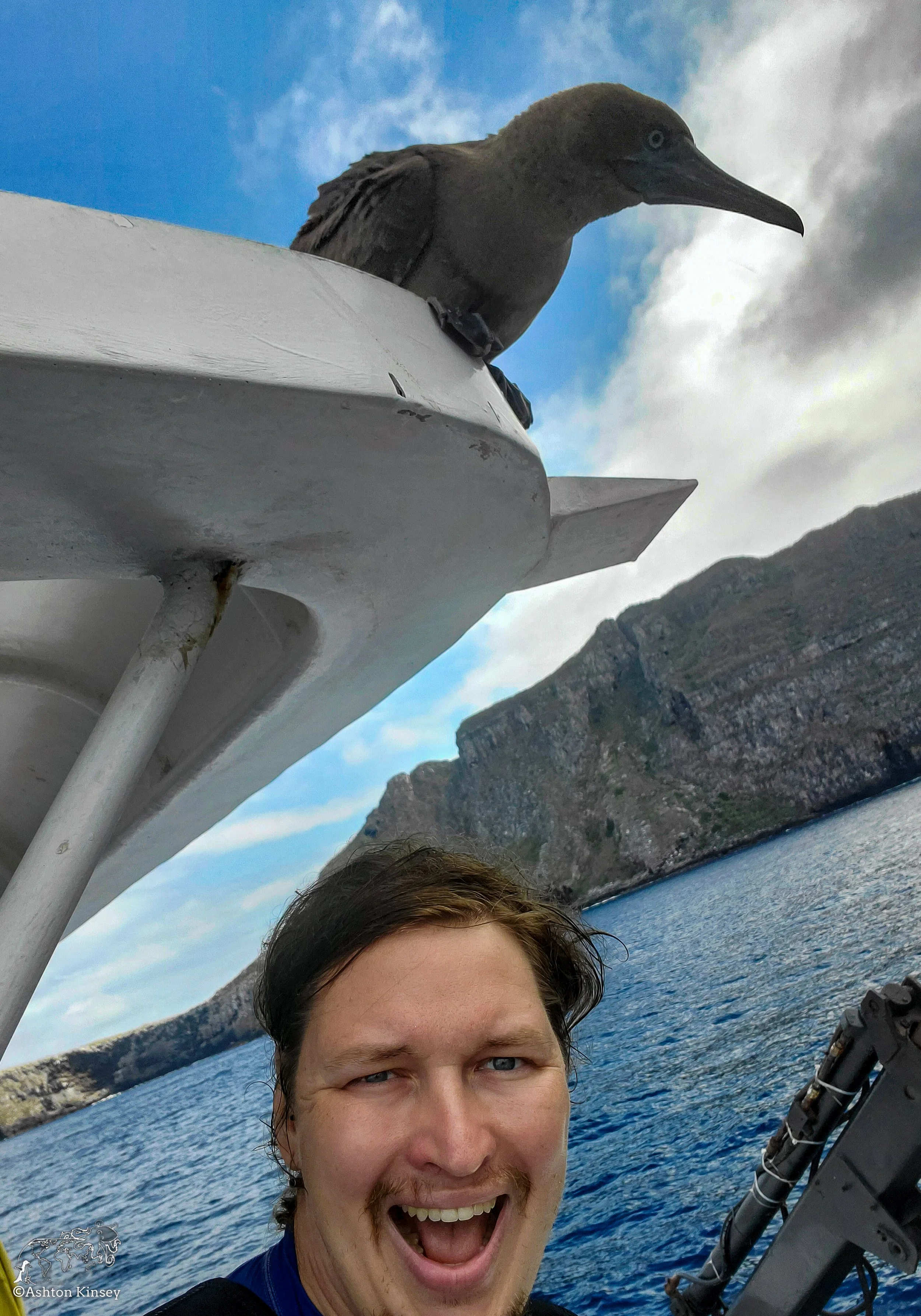
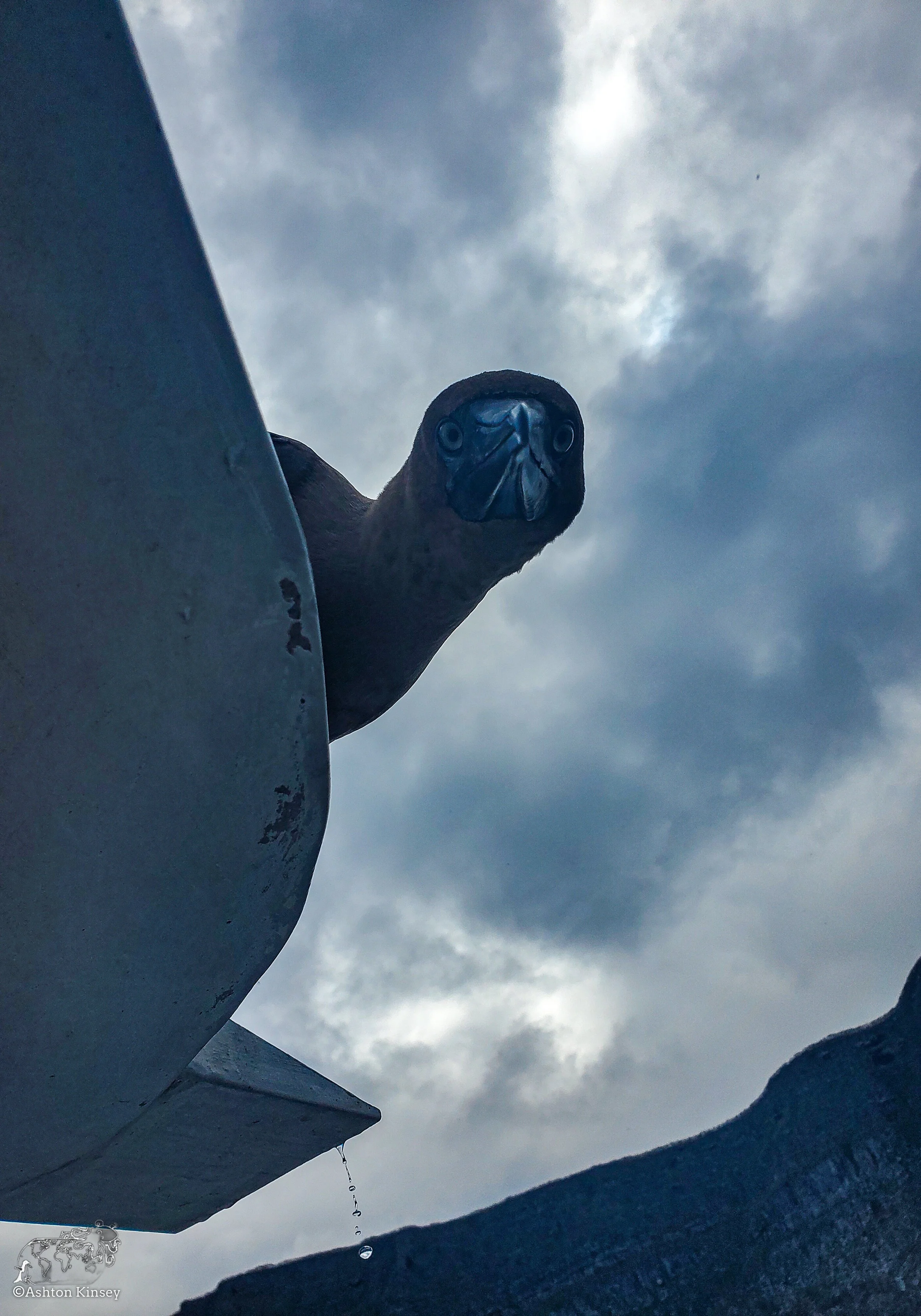
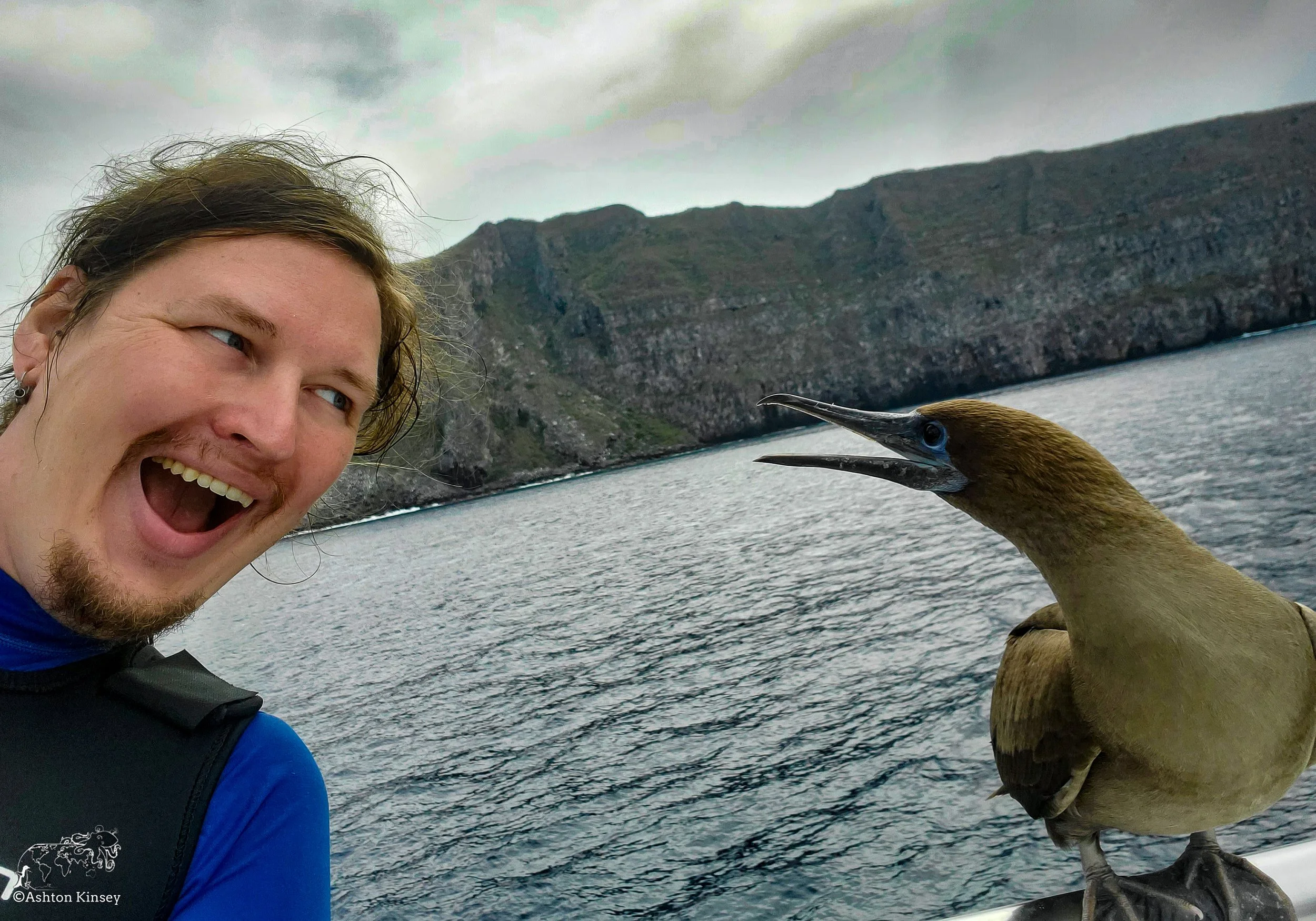
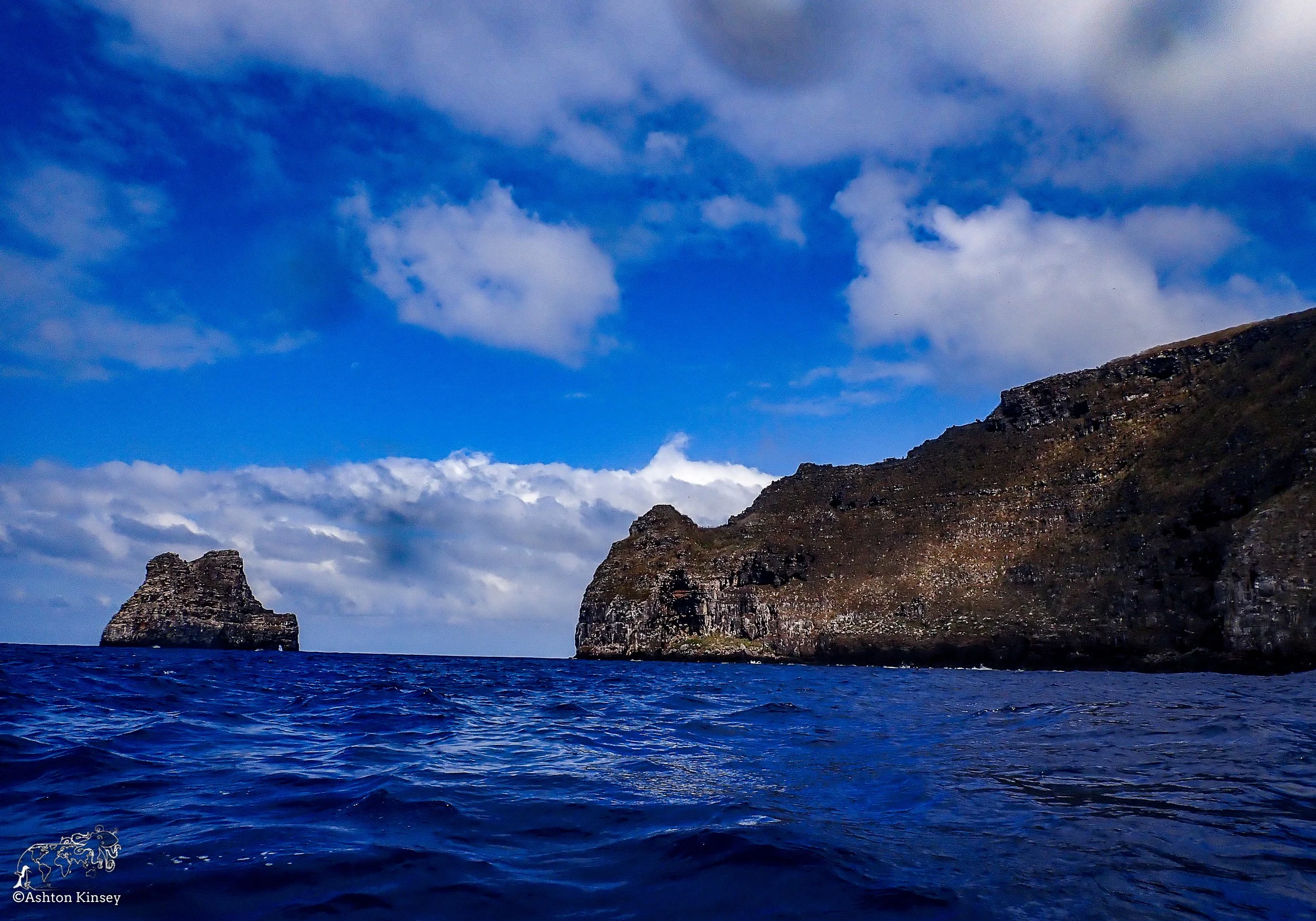
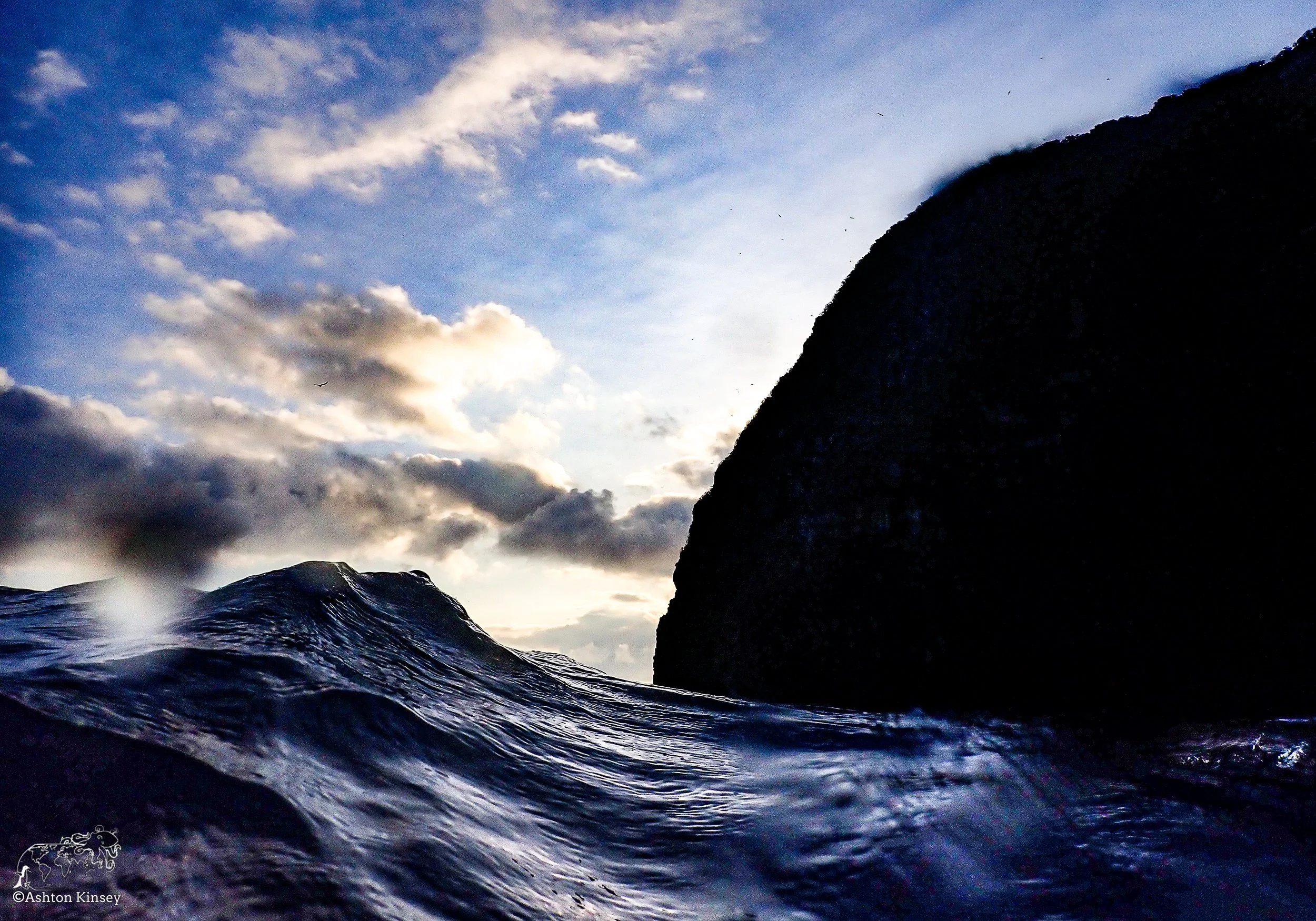
Wolf island is the remains of a now extinct volcano that has partially collapsed in on itself. It is a relatively small island of 1.3 km2 (0.5 mi2) and has a maximum altitude of 253 m (830 ft) above sea level. The last eruption of Wolf would have been over 900,000 years ago, before the last eruption on Darwin. During its active stage there were two distinct eruptive phases. The southern part of the island formed a flat basalt layer (rapidly cooled rock), that has eroded and collapsed to form a caldera or a cauldron shaped depression that was once full of magma. You can still see most of the wall that would have formed the edge, but parts of the wall have collapsed to form a protective bay. There is no landing permitted on the island, to protect the flora and fauna but there’s not an easy landing site due to the cliff walls around the island anyways, plus the brittle rocks don’t allow for easy climbing. (Allie: I can’t believe you forgot to mention the finches. This is where our guides described how some finches on this island evolved to drink blood since apparently younger finches mistook older finches eating tiny bugs off other animals as piercing their skin and drinking their blood. Hence why they became vampire finches).
There were two main dive sites, Landslide, and Shark Cove, where we spent most of our dives. There were two other “bonus” dive sites, The Caves and The Bay which both had interesting results.

Landslide
Dive 14: 92’ for 55 minutes Dive 19: 85’ for 50 minutes
Dive 15: 91’ for 50 minutes Dive 22: 78’ for 54 minutes
Dive 16: 102’ for 49 minutes Dive 24: 72’ for 51 minutes
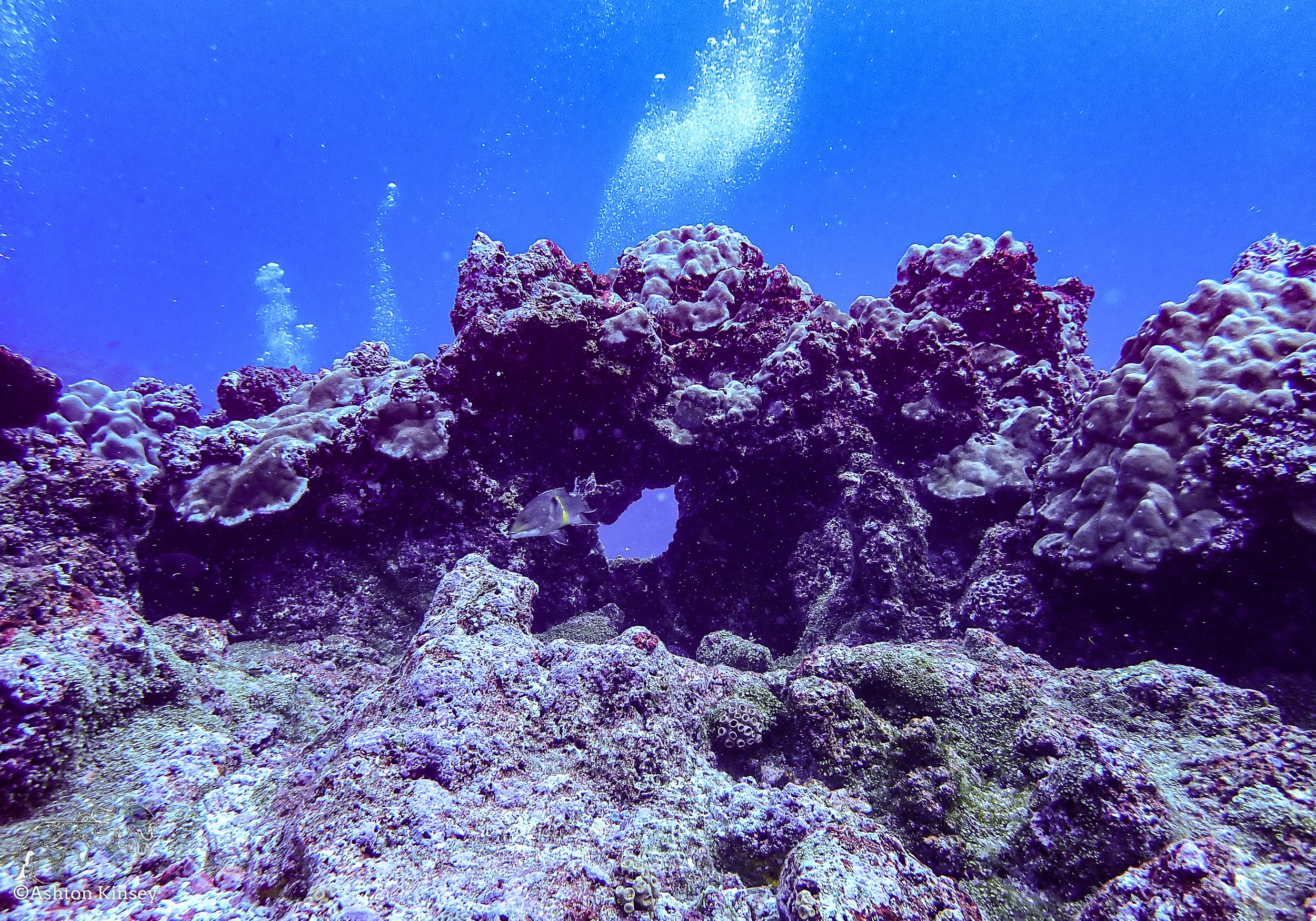
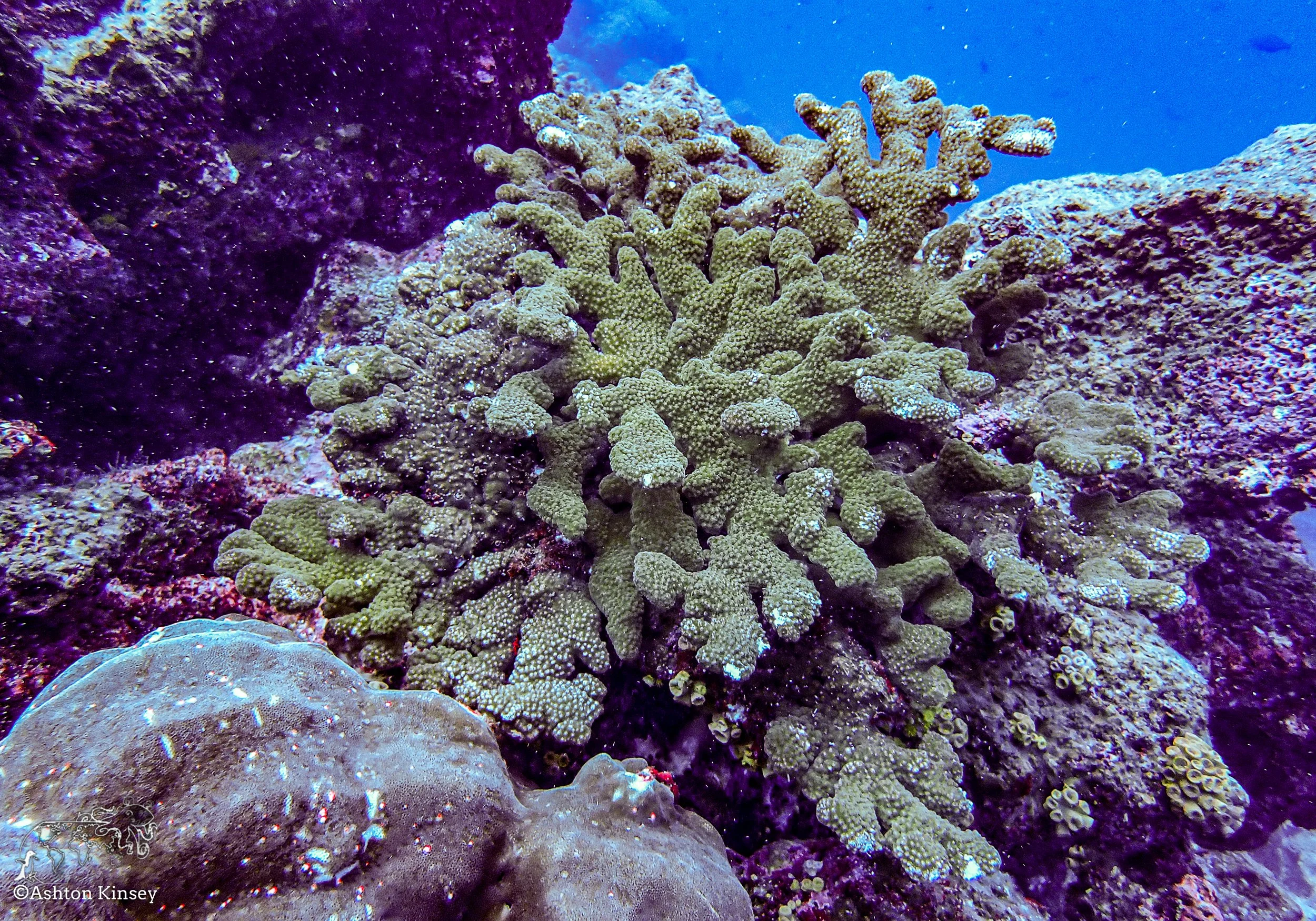
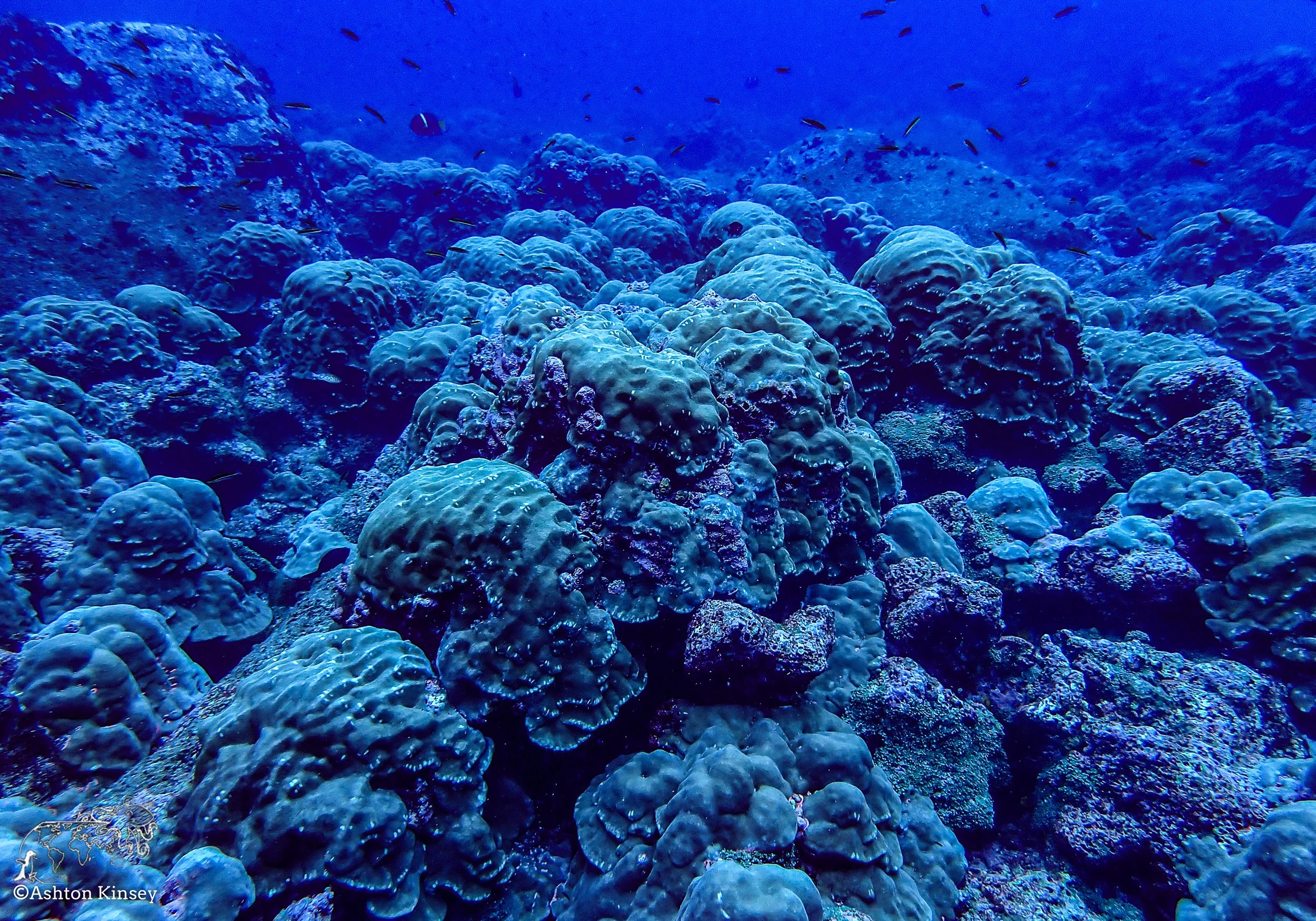
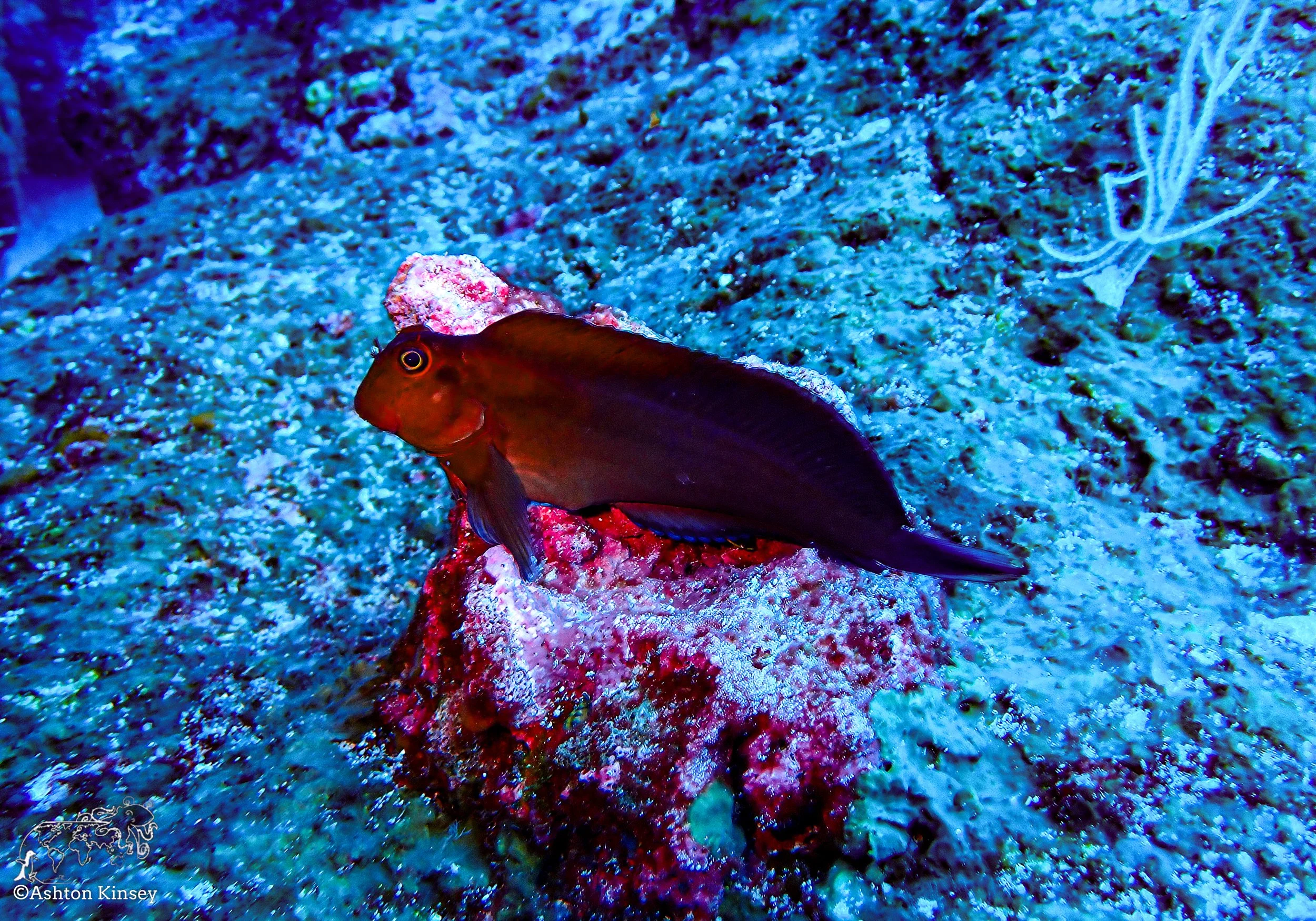
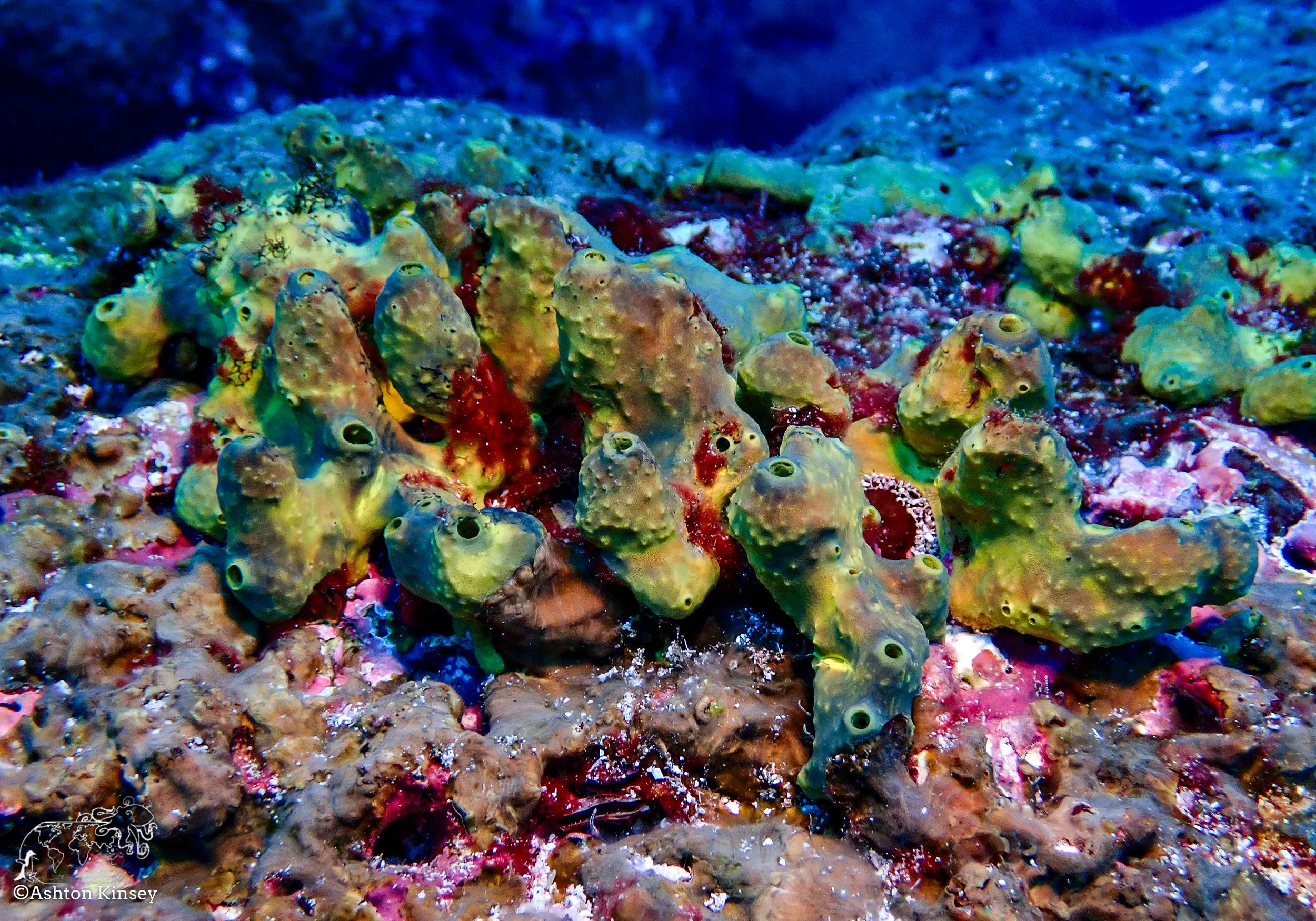
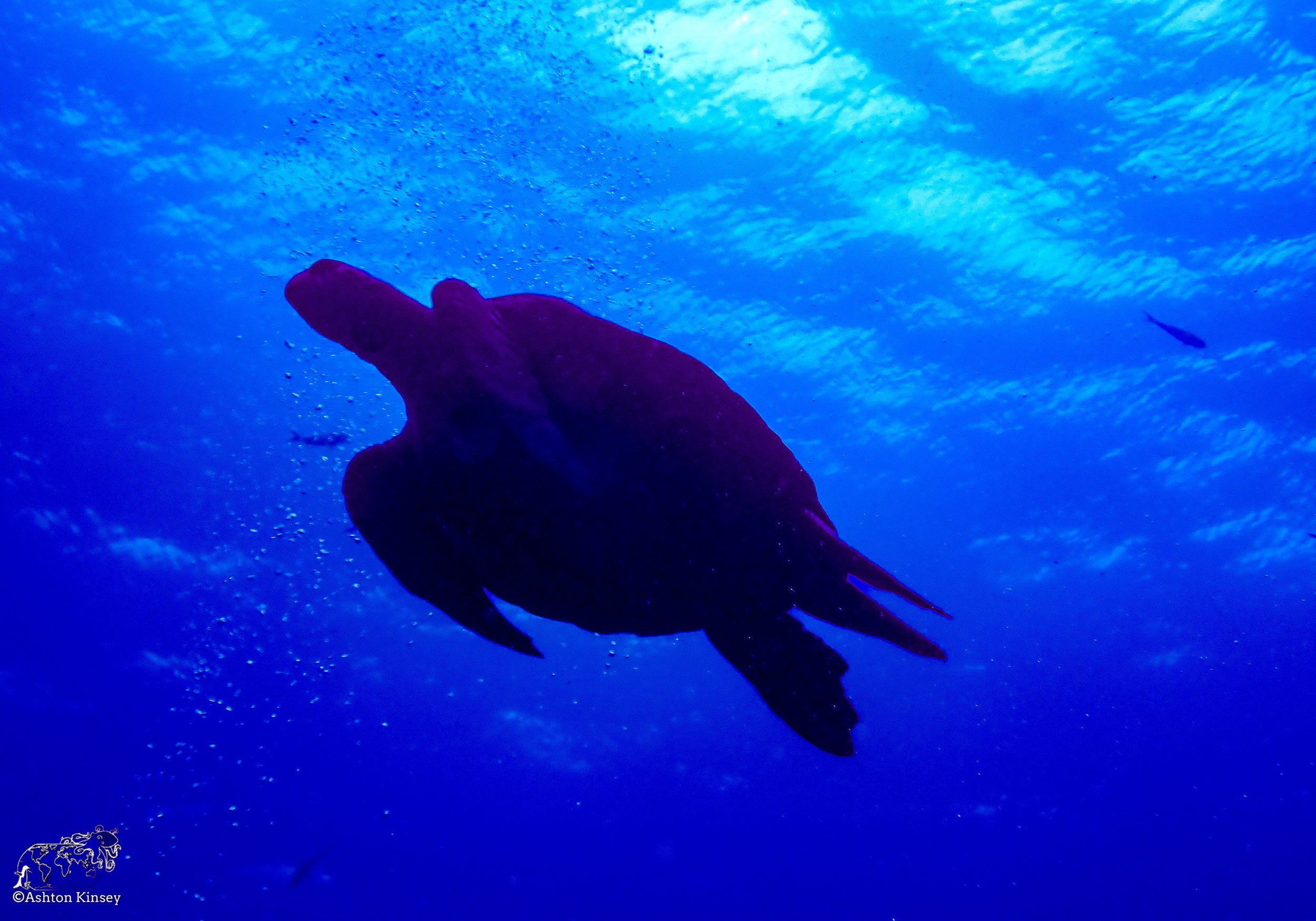
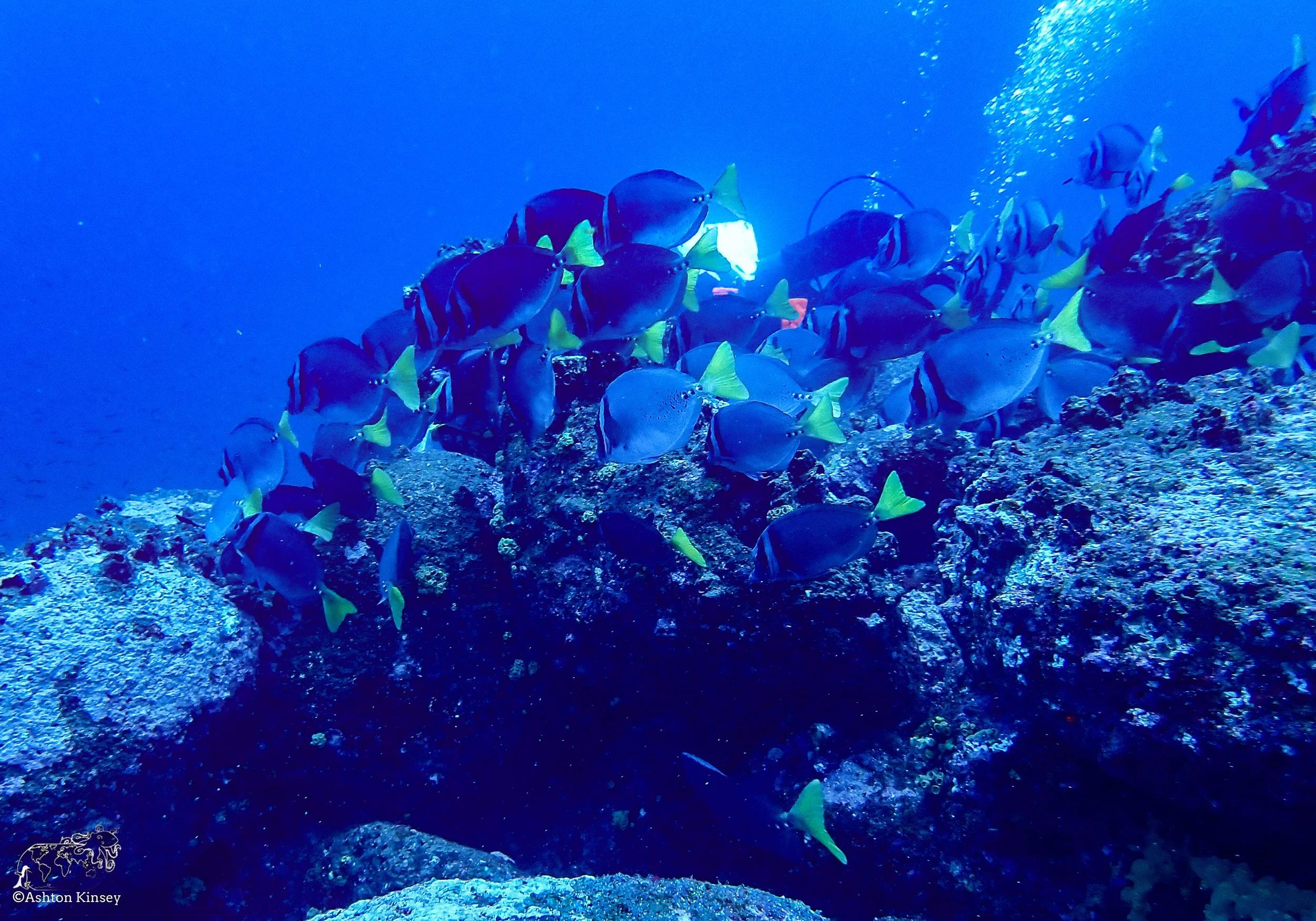
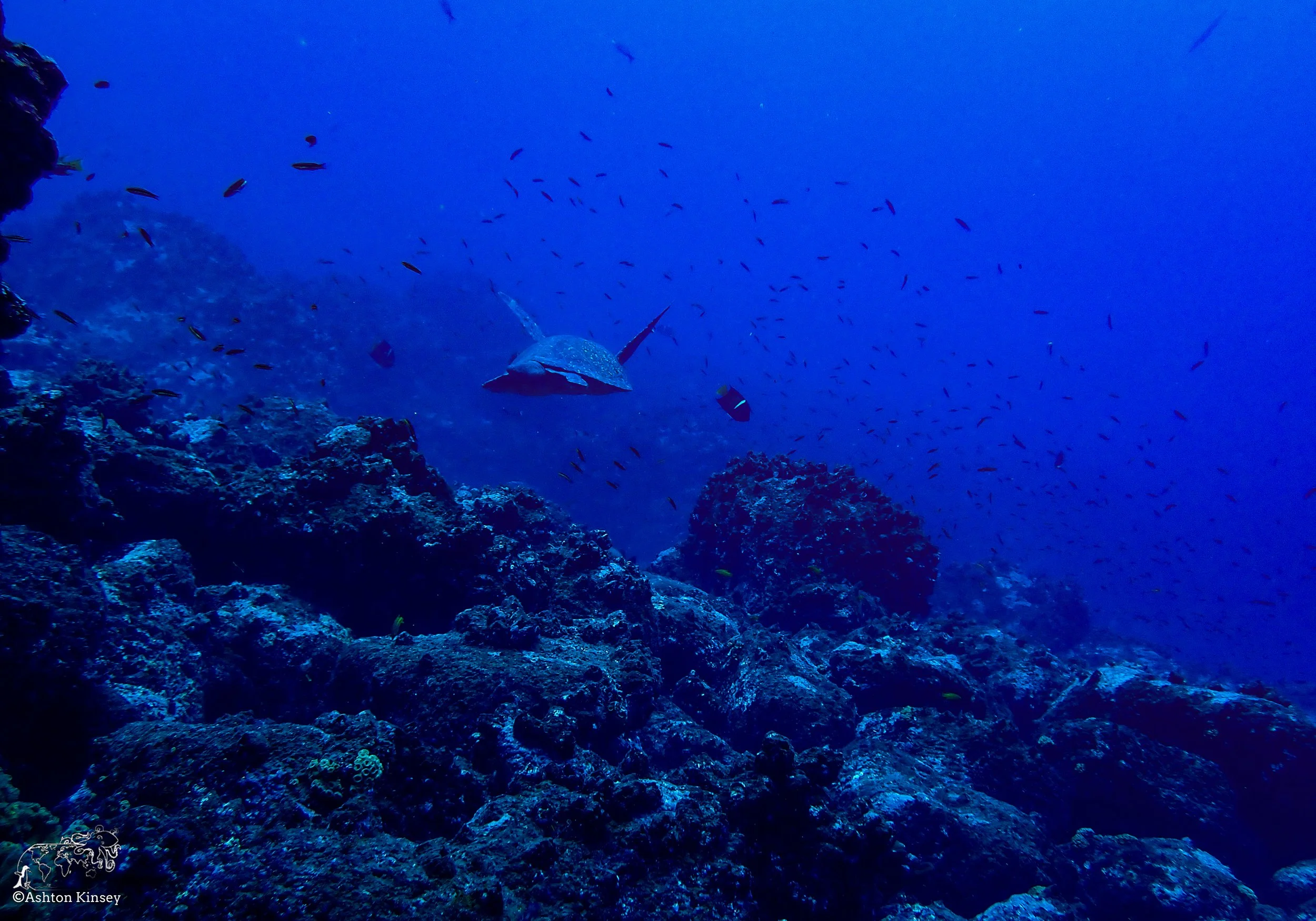
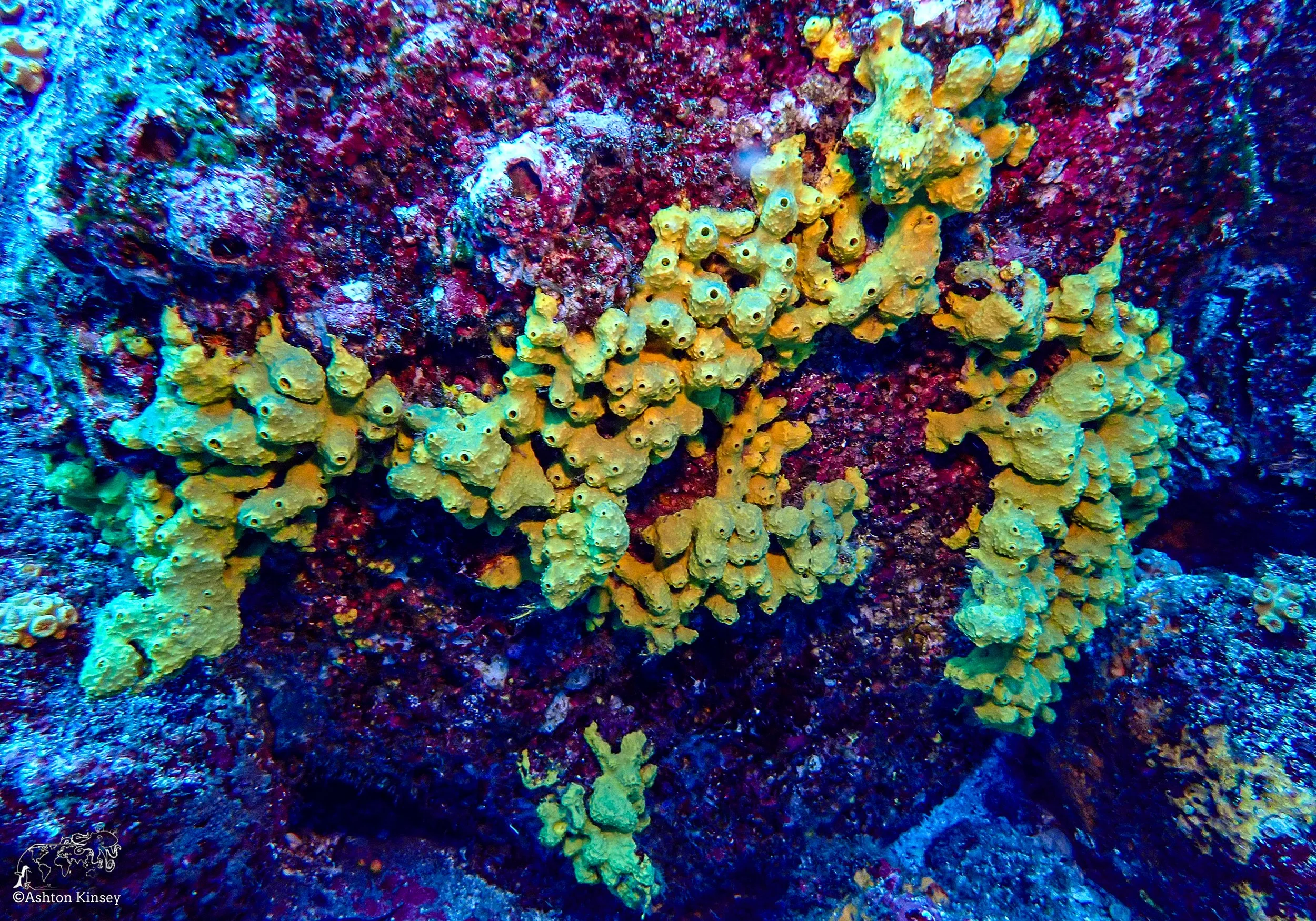
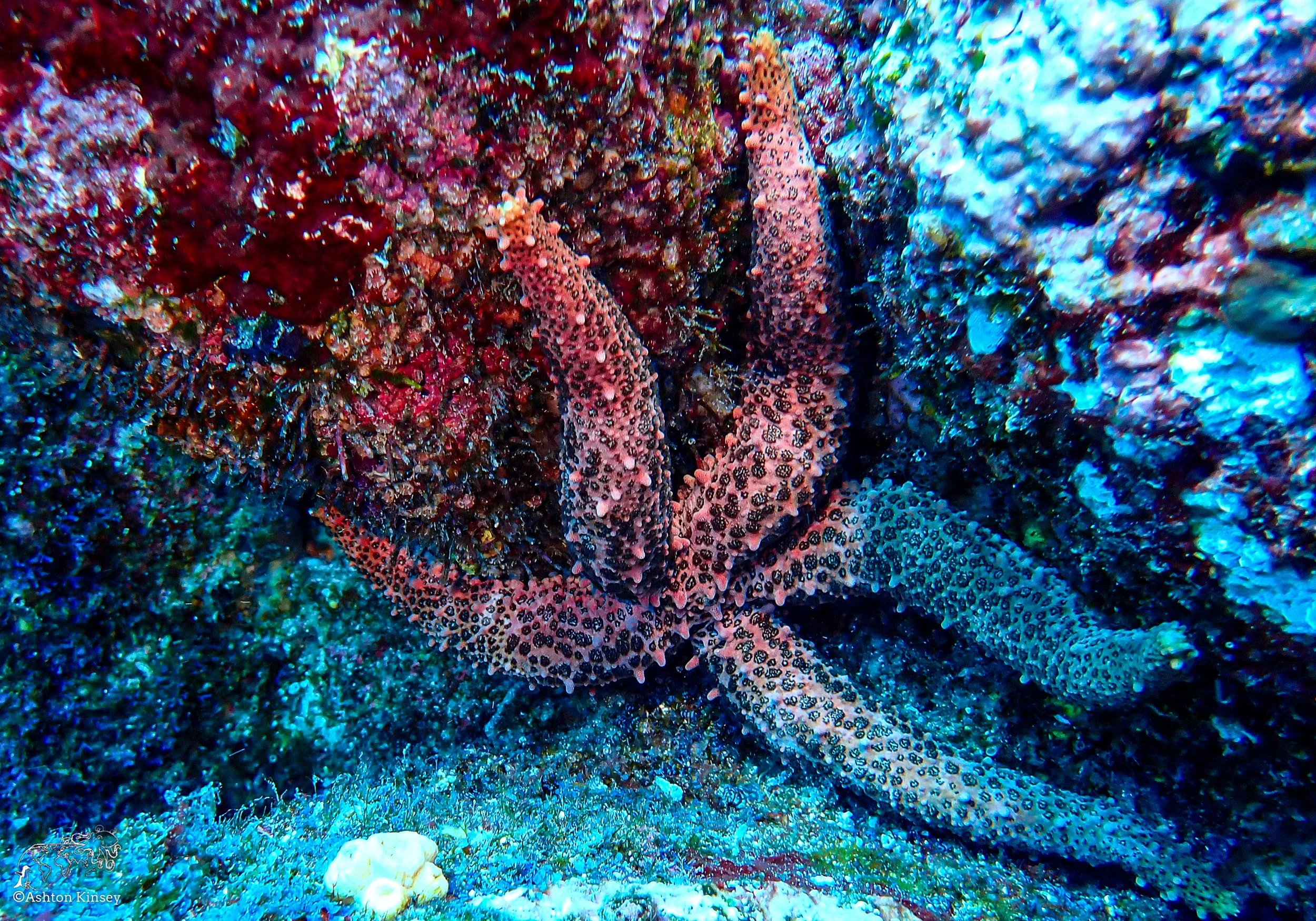
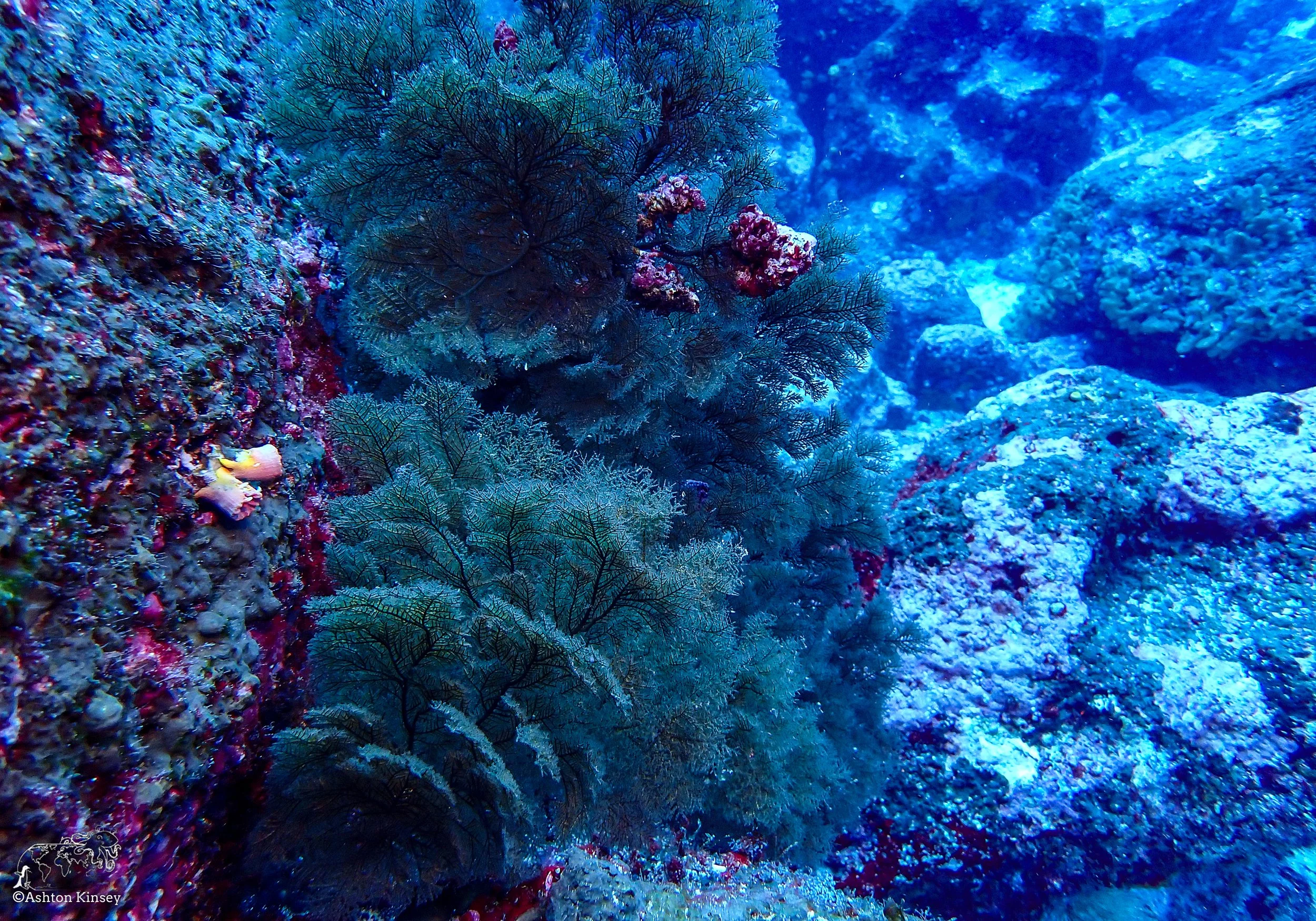
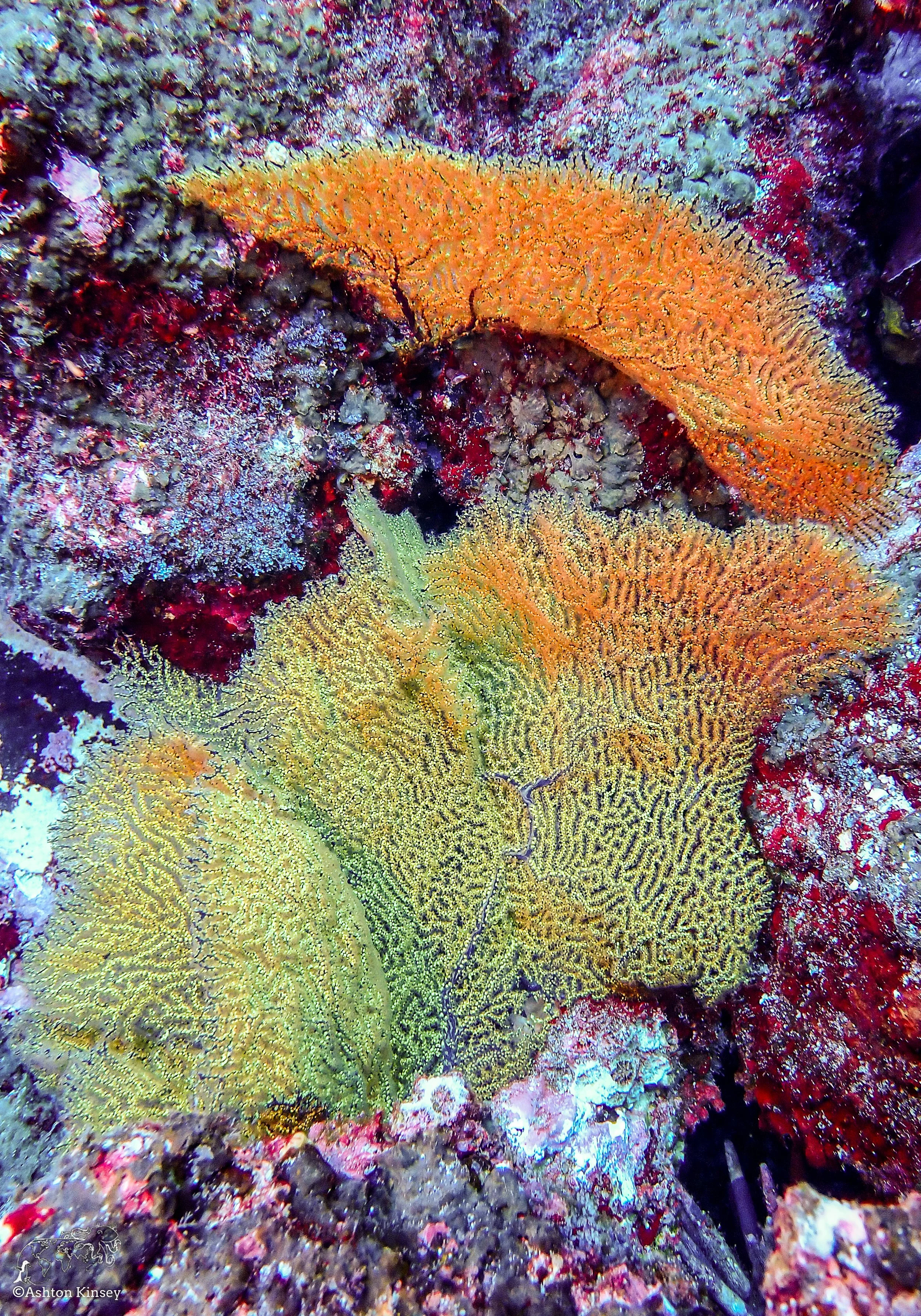
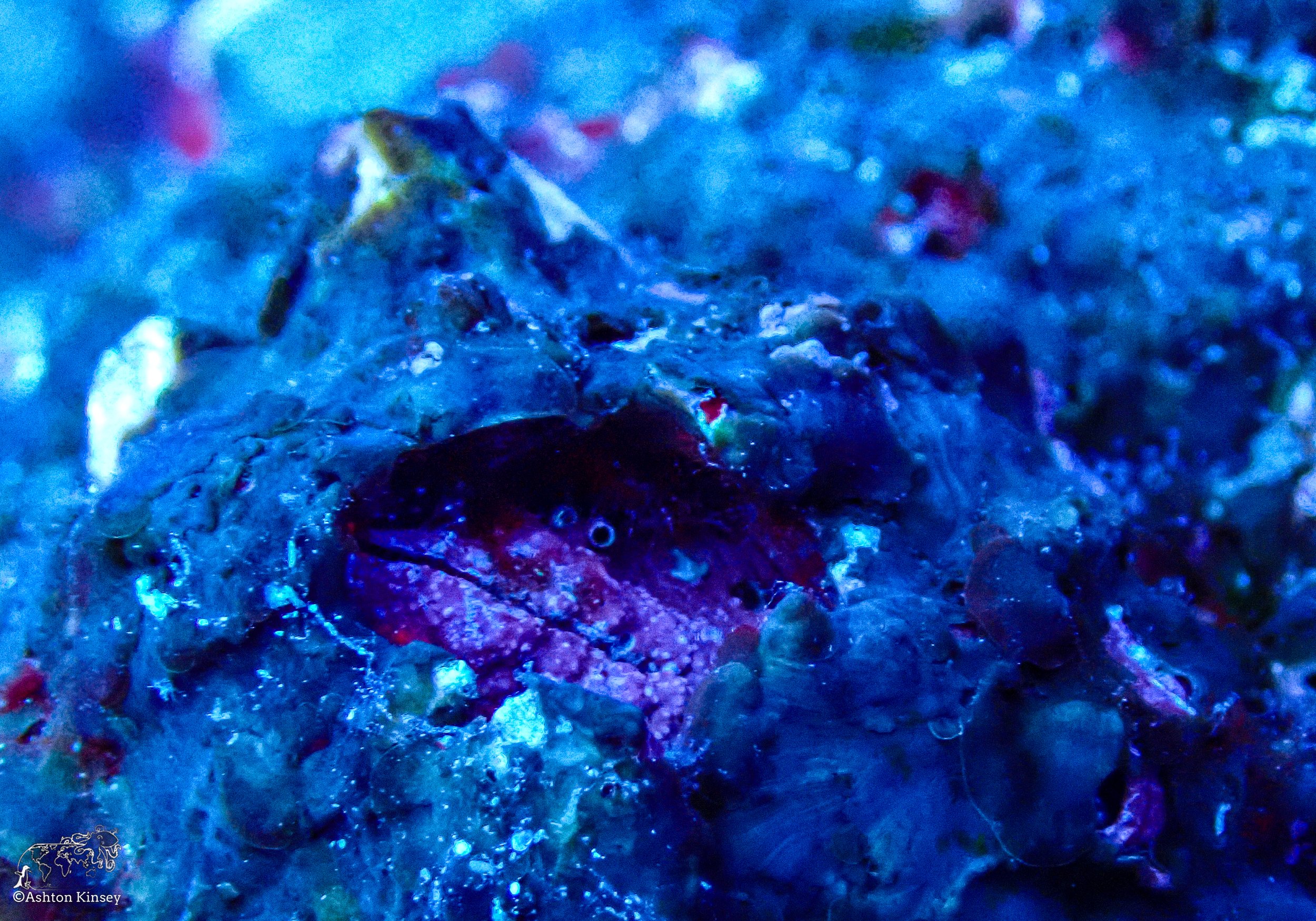
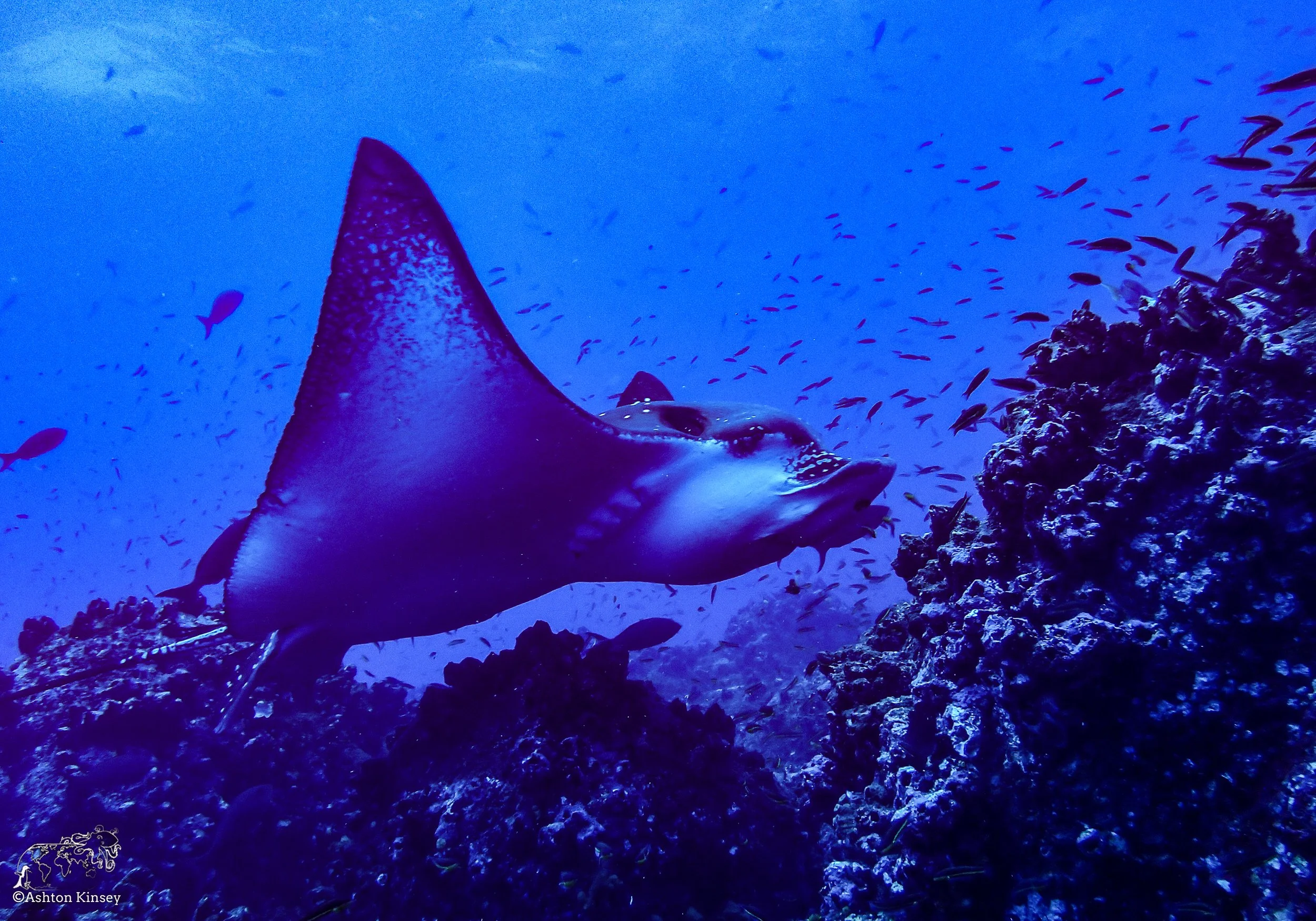
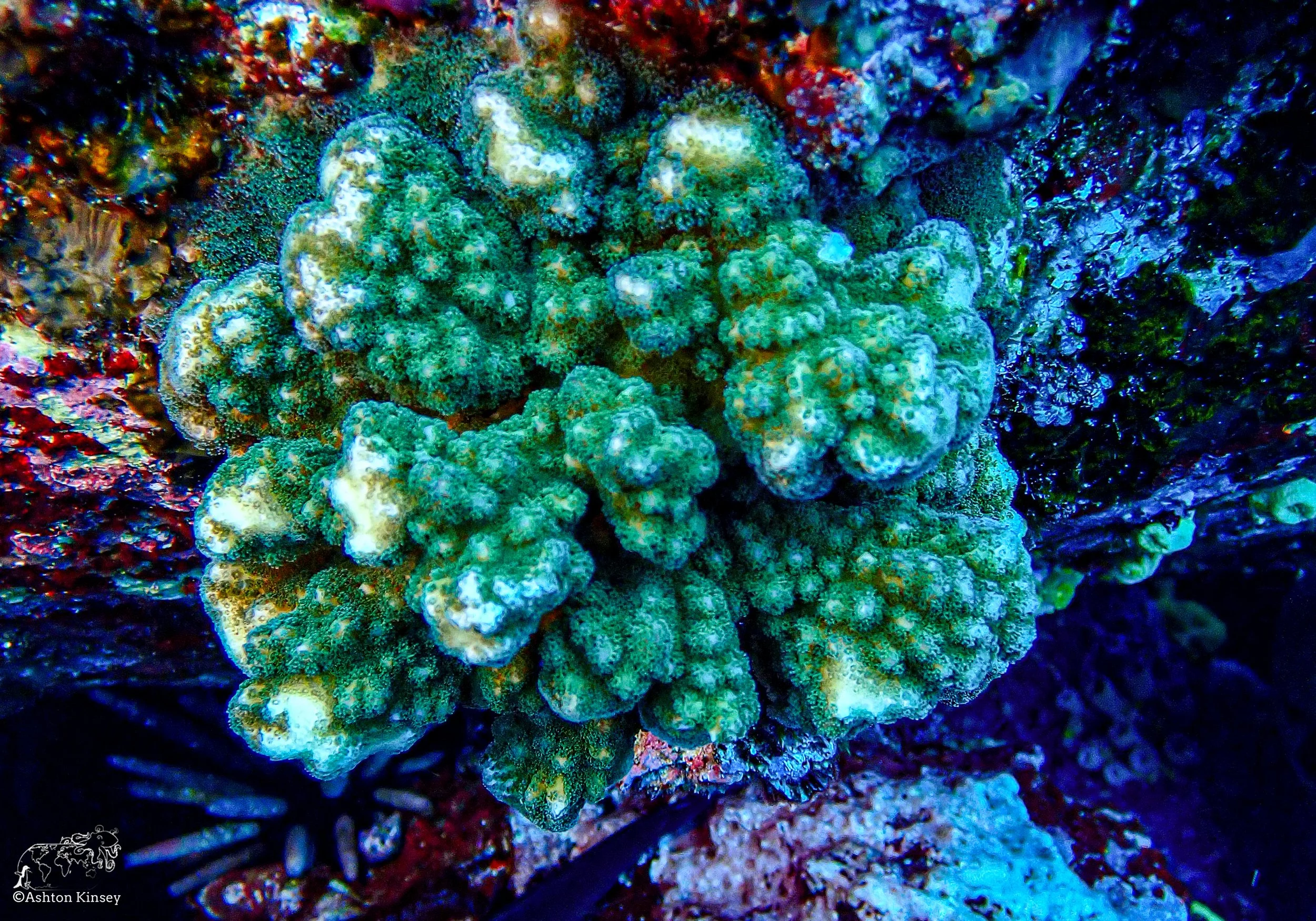
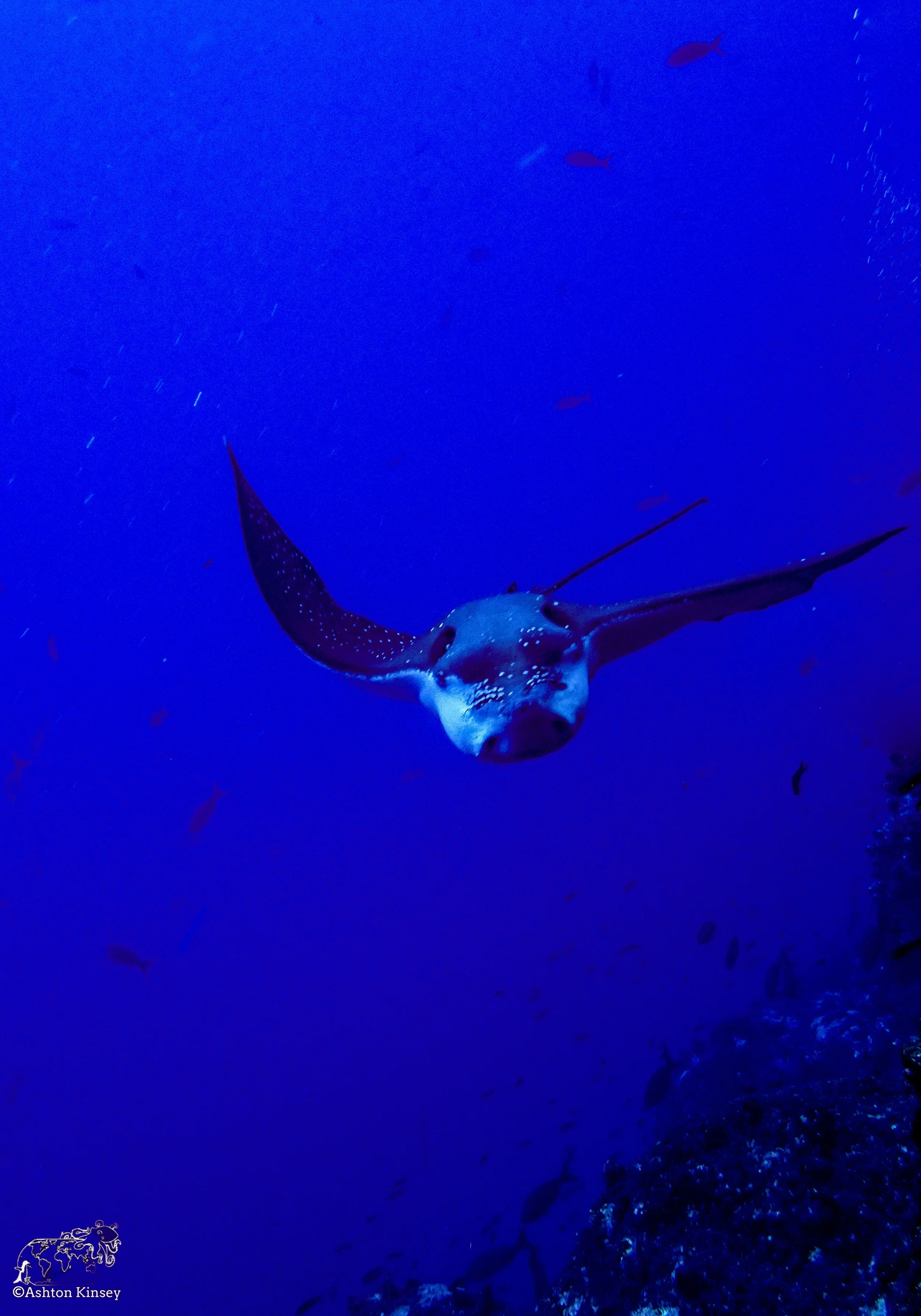
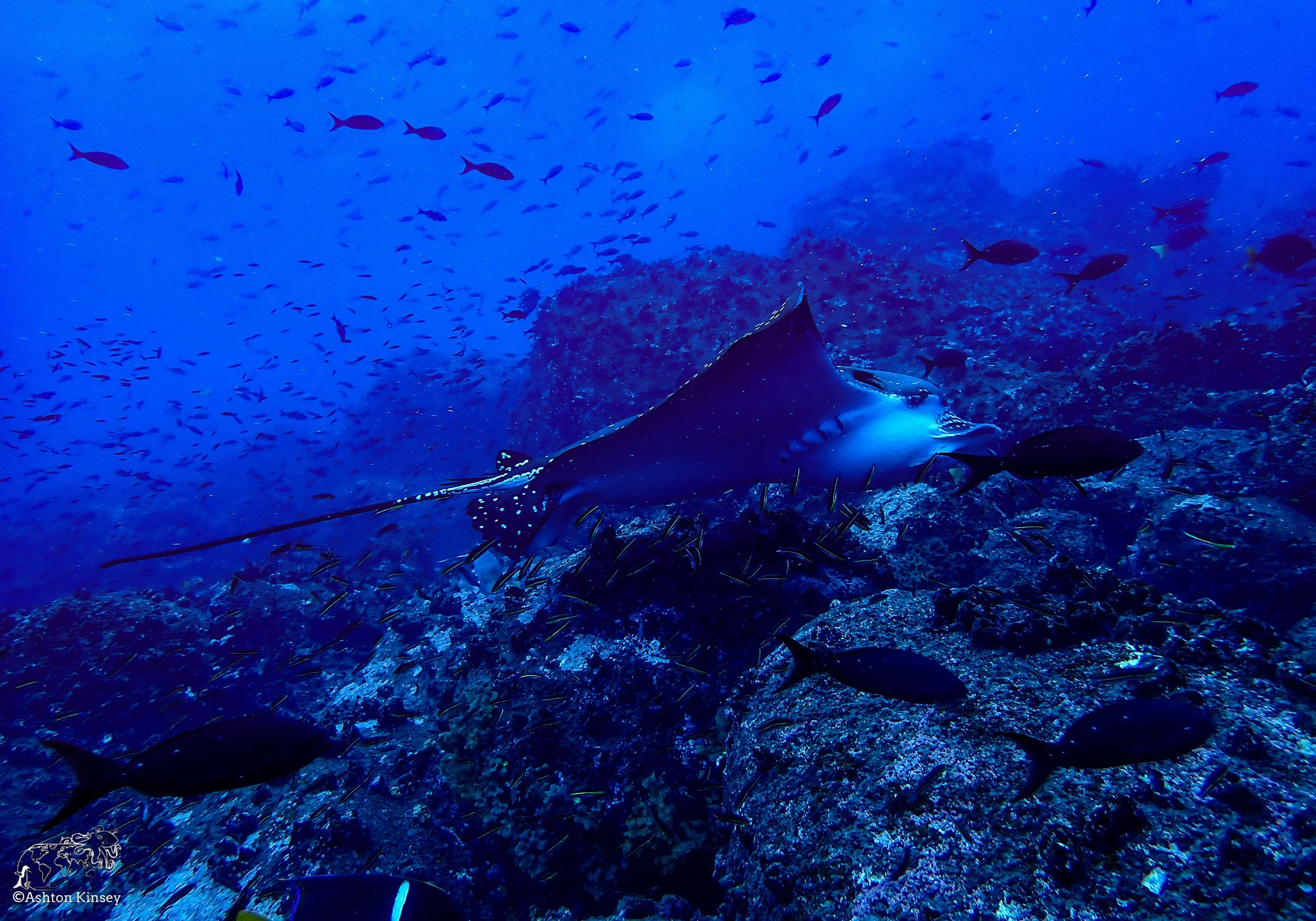
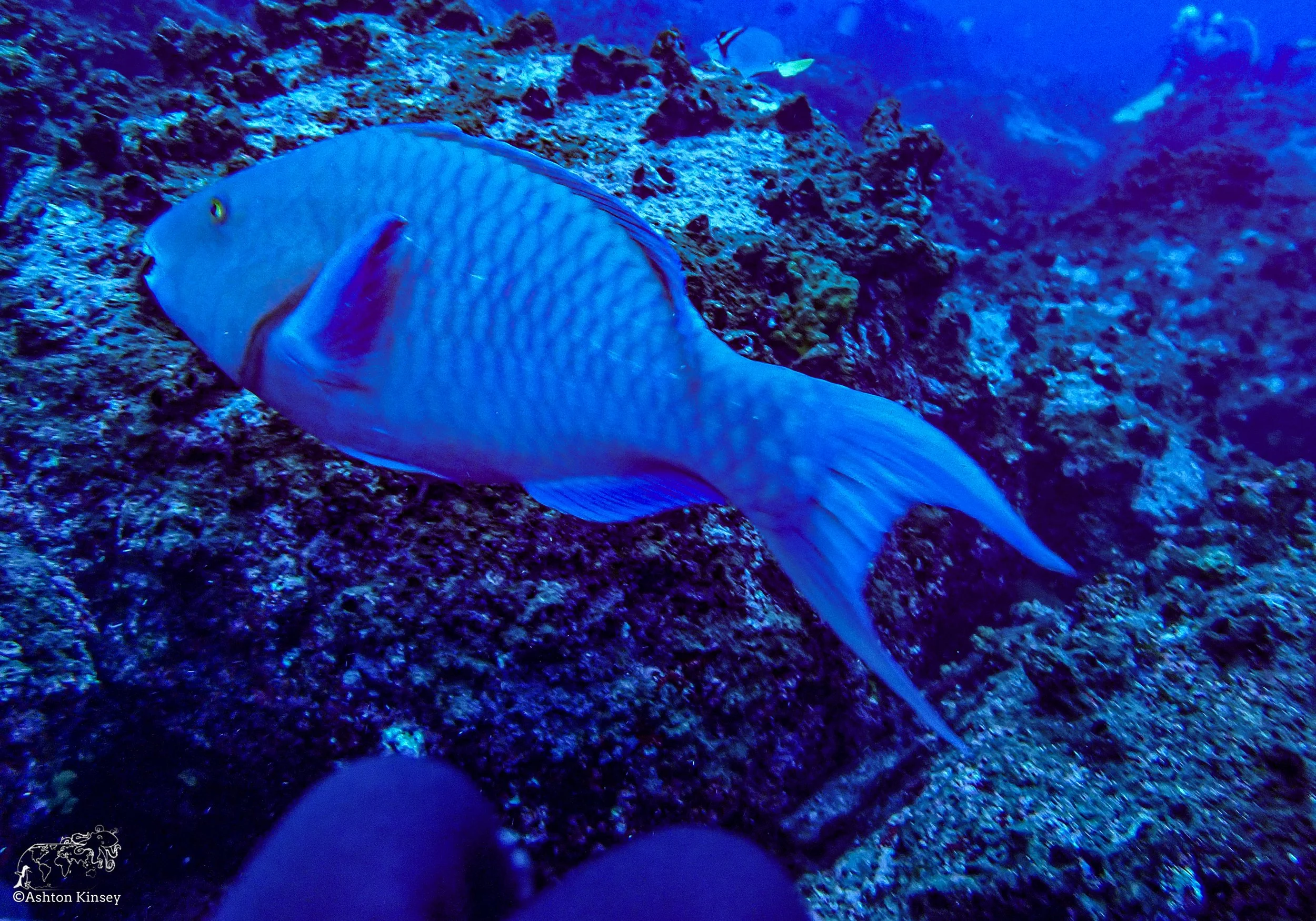
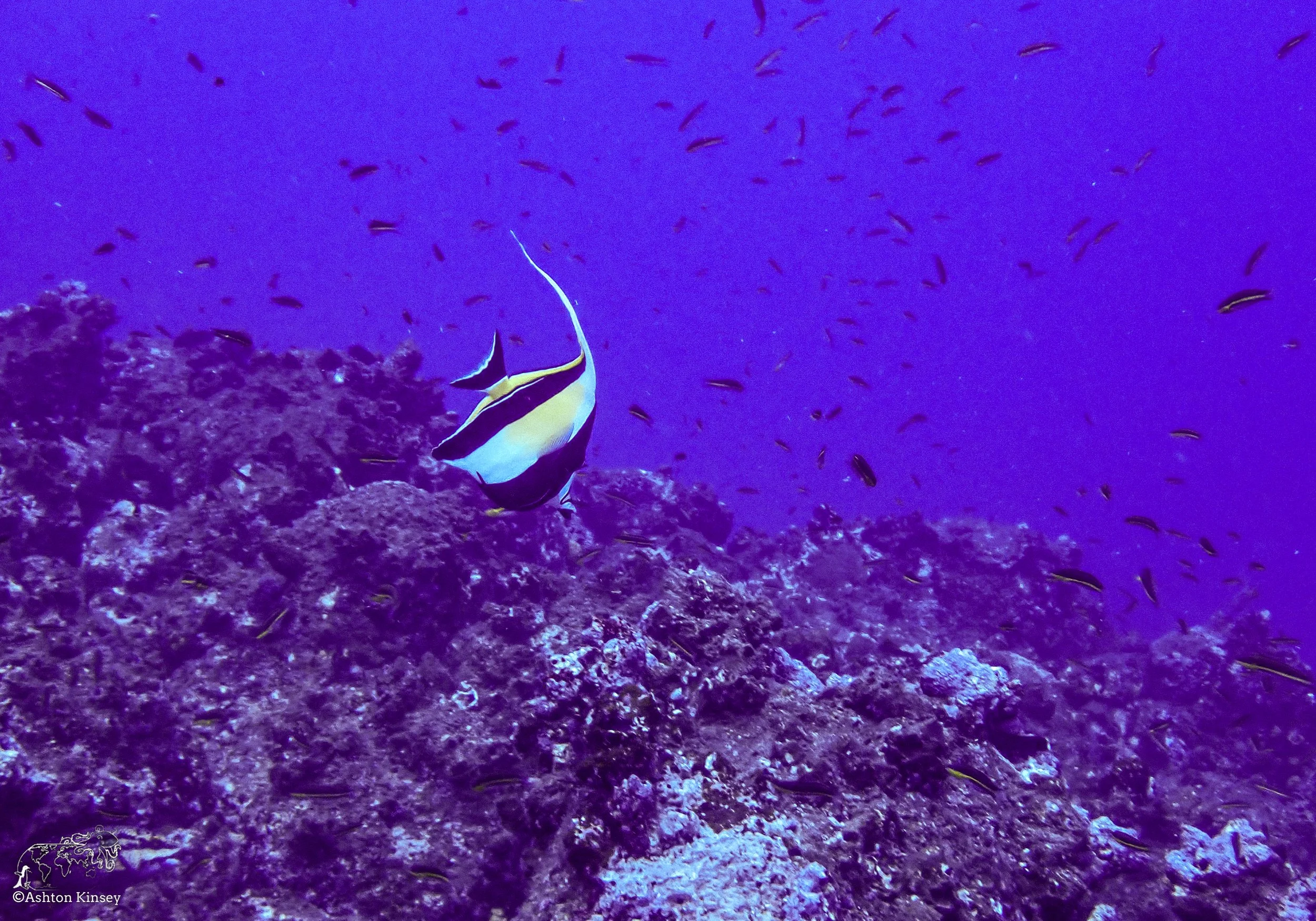
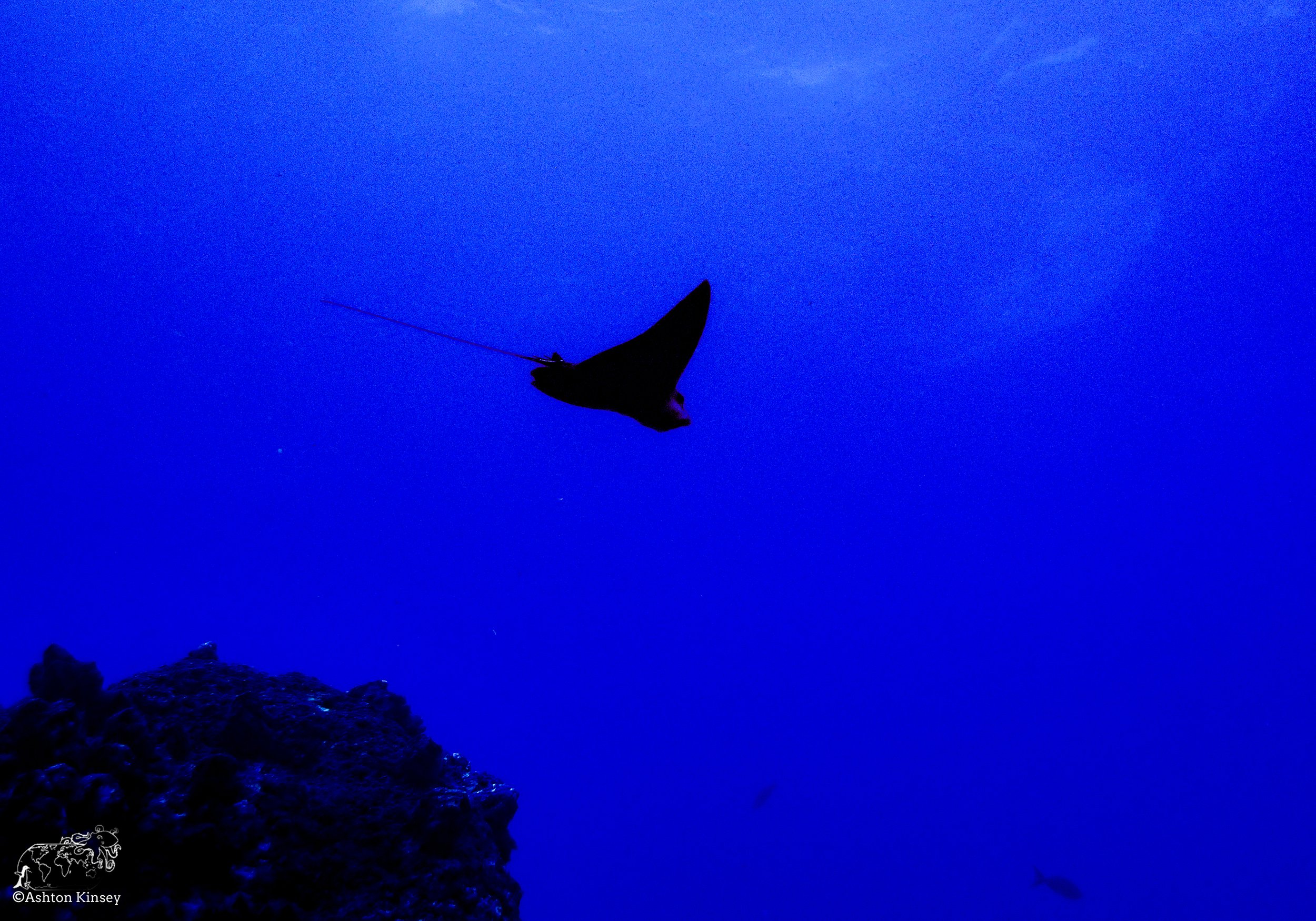
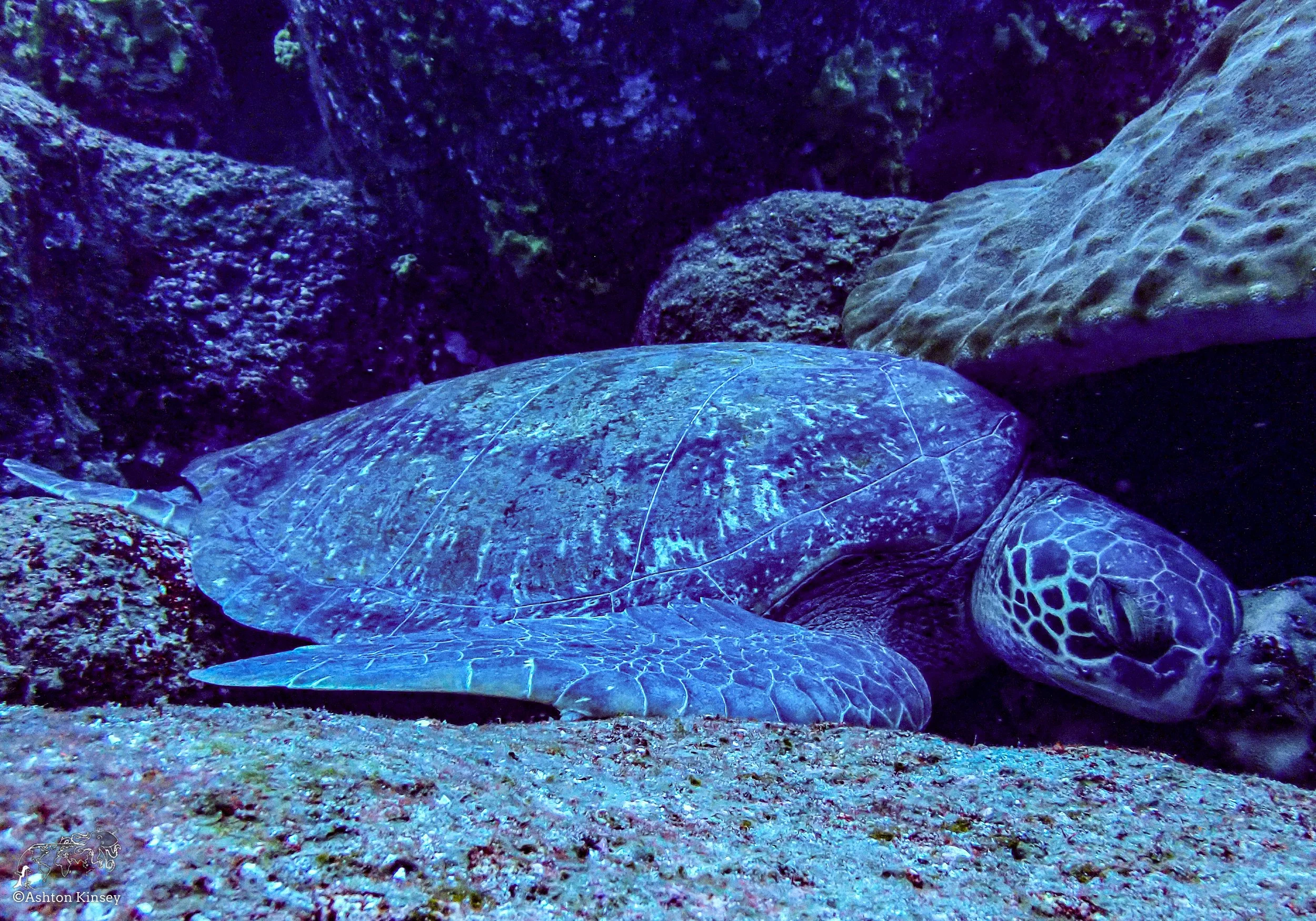
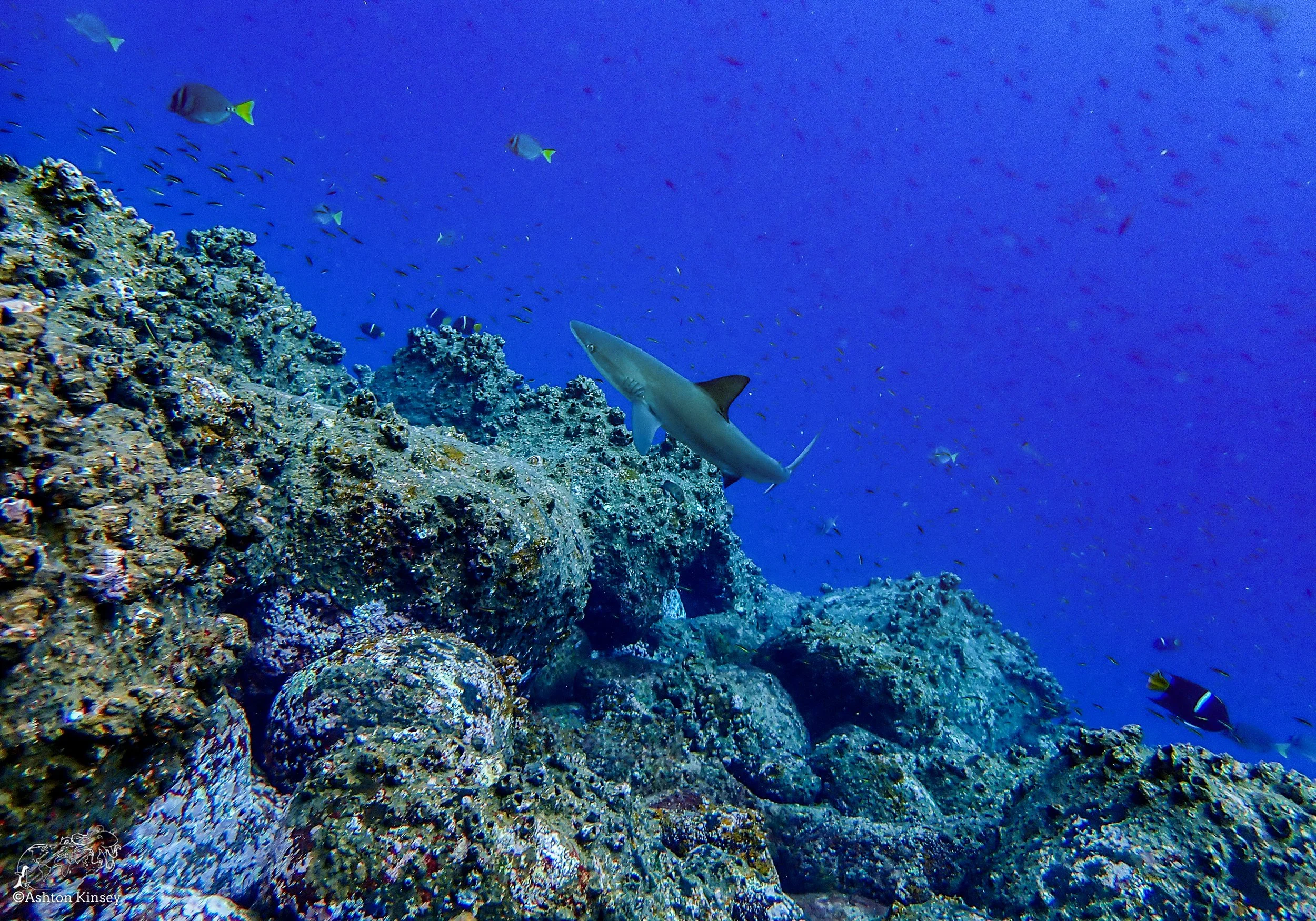
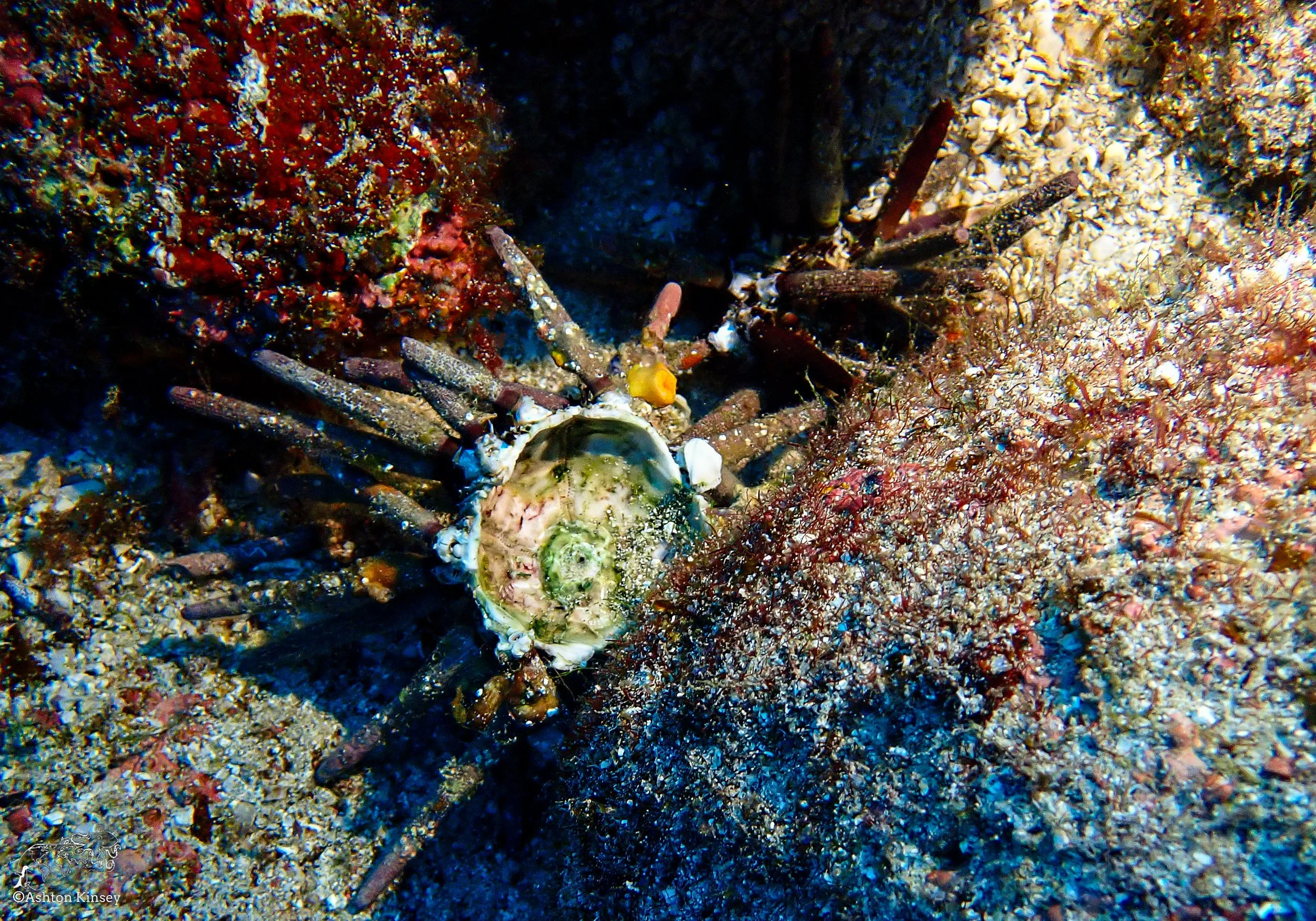
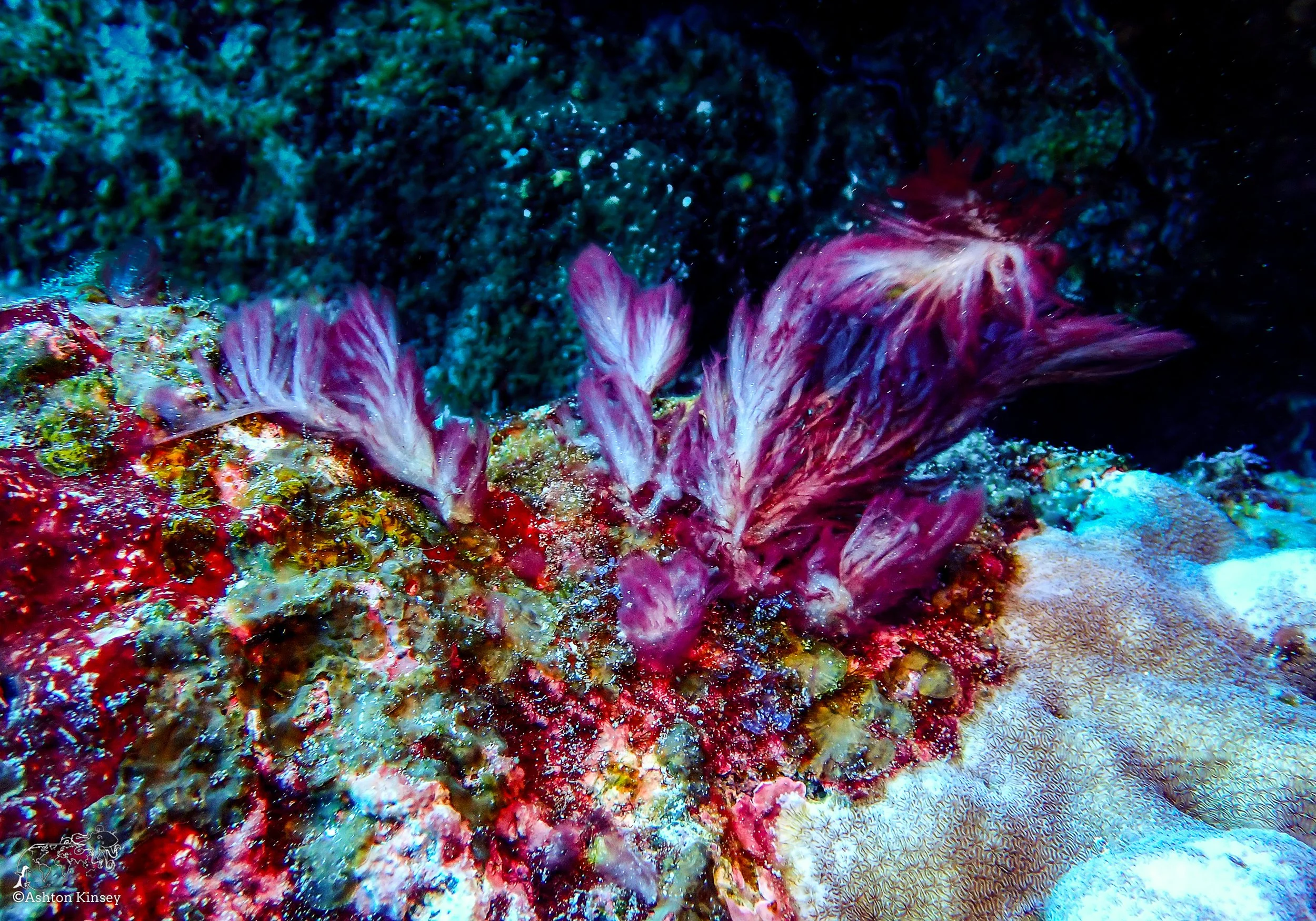
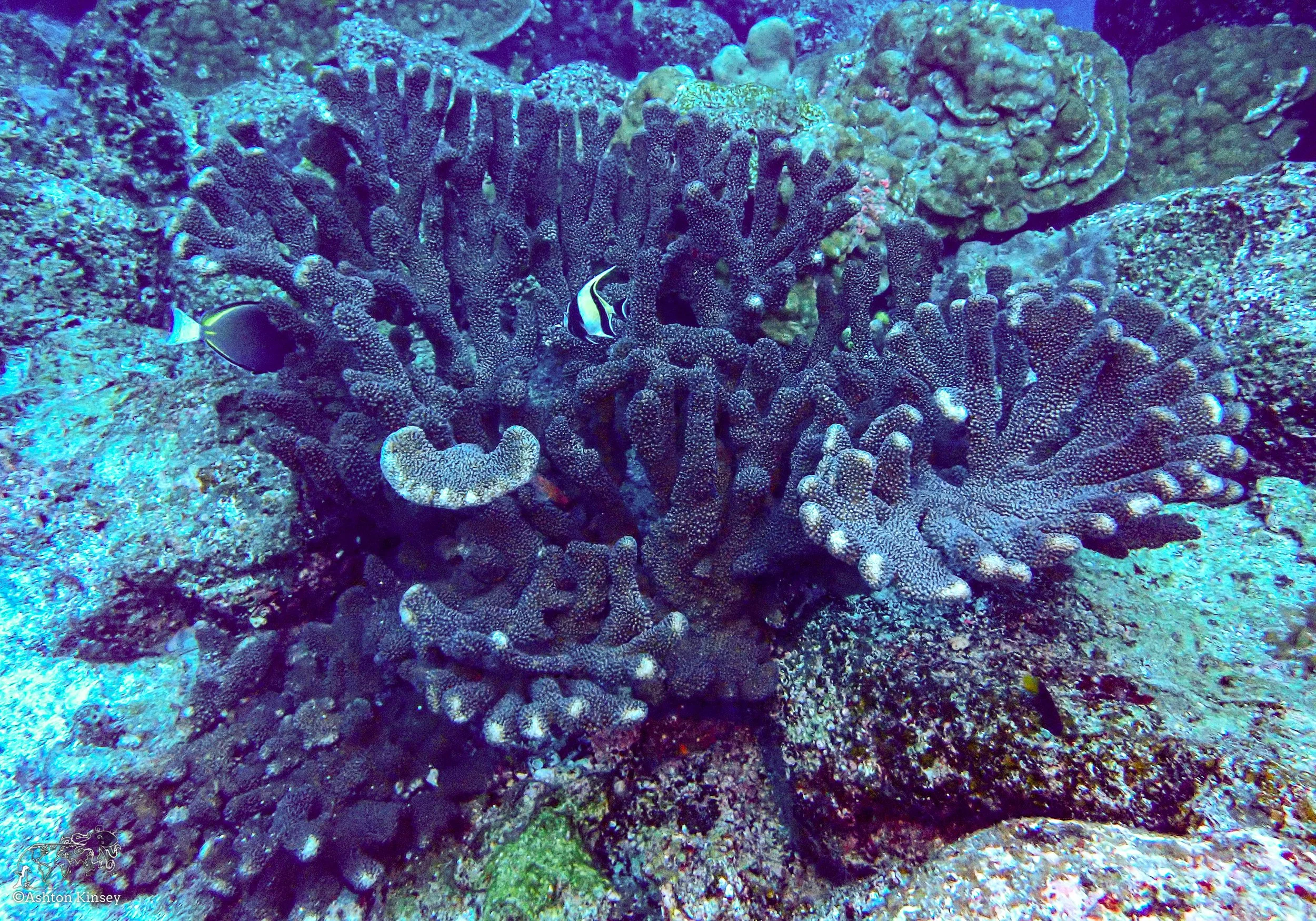
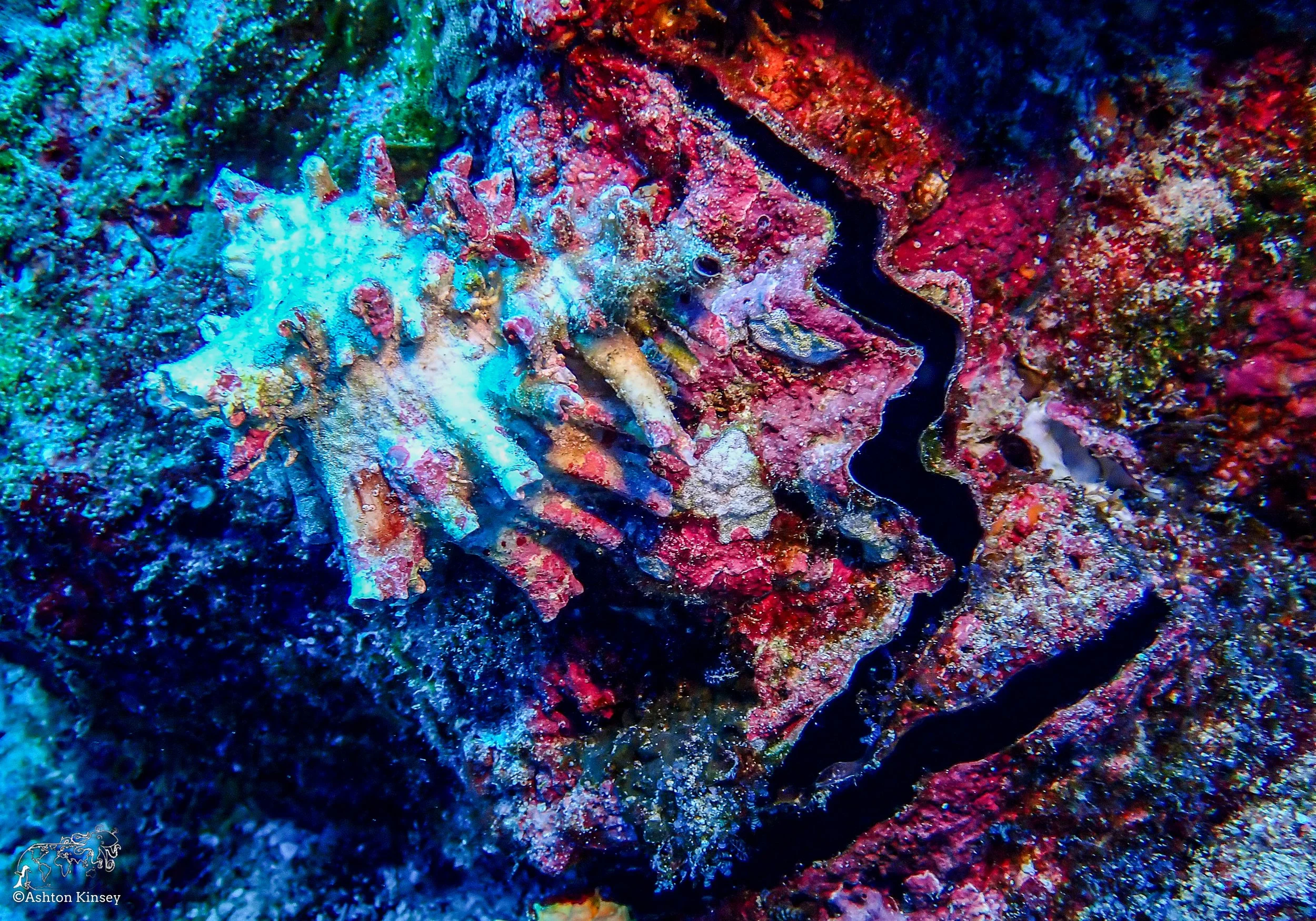
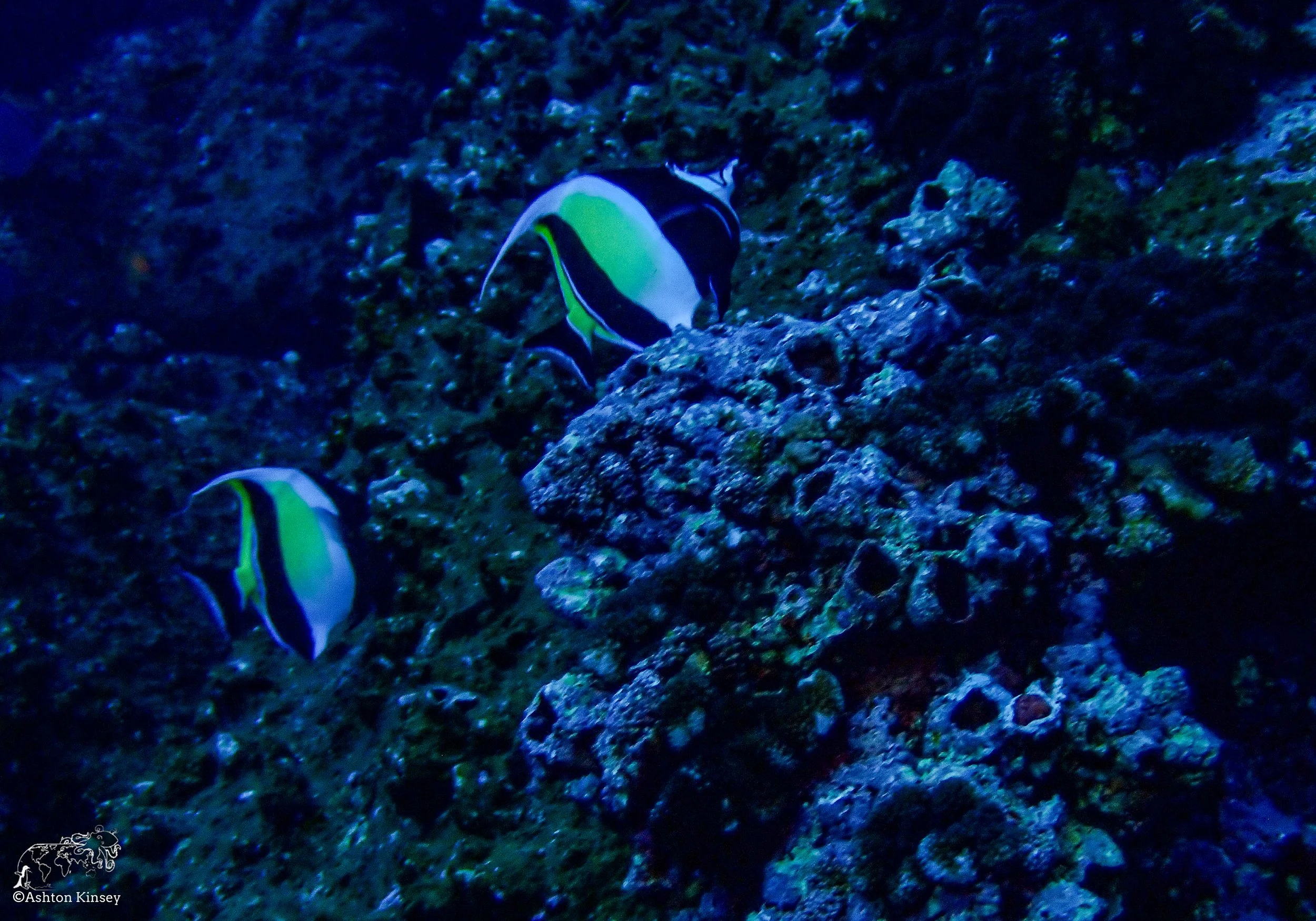
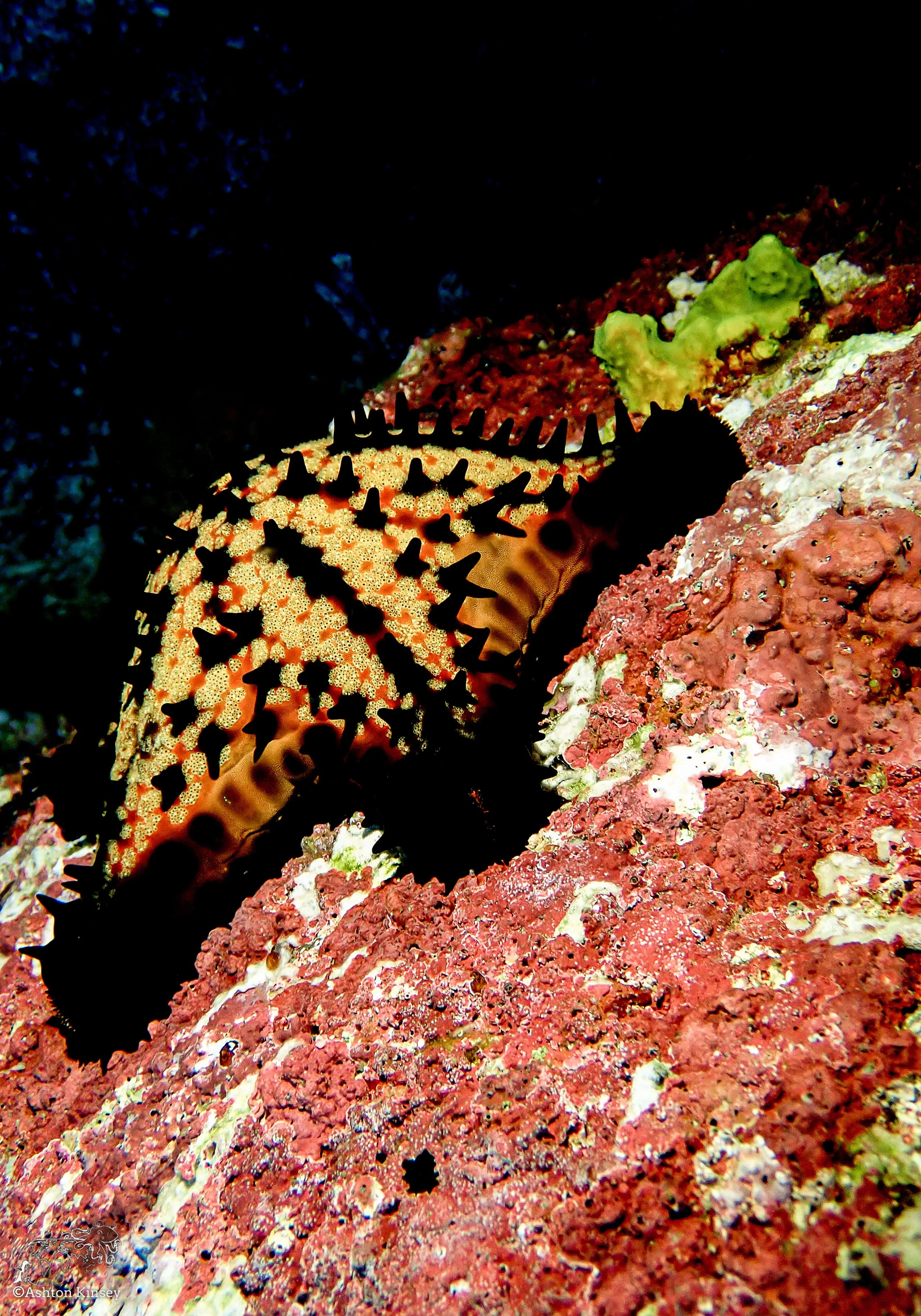
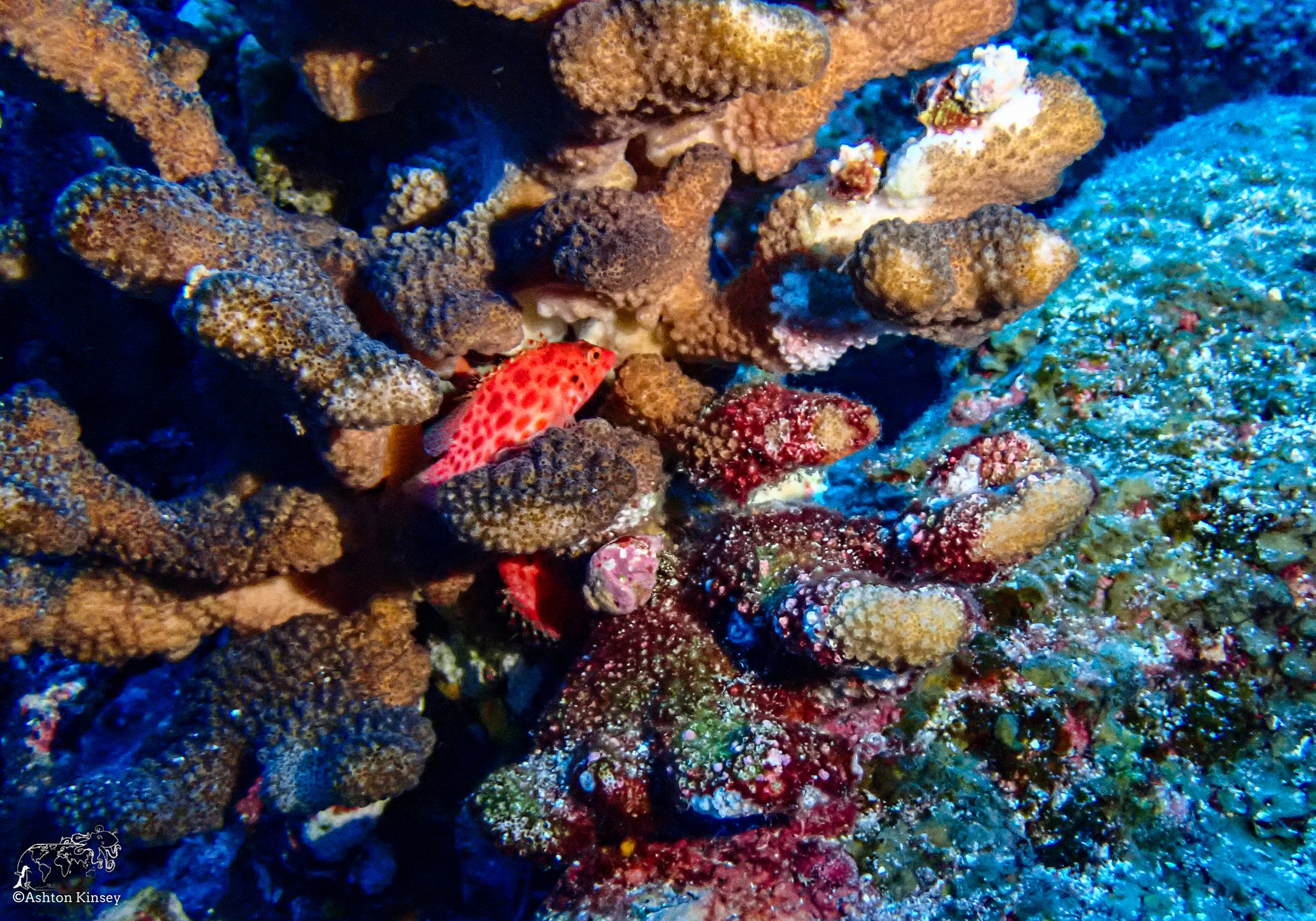
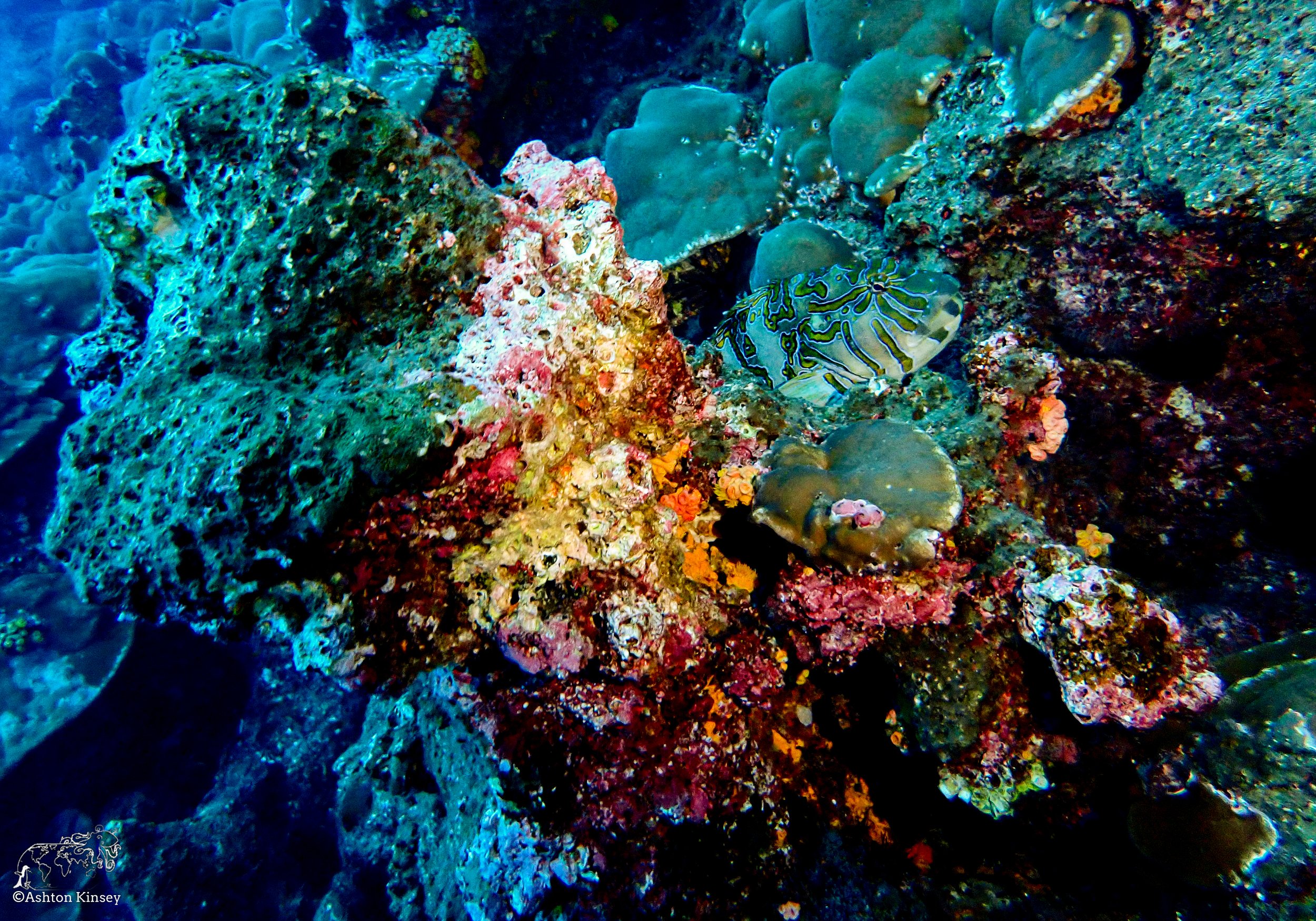
Much more of a diverse reef than Darwin Island, but there were less sharks potentially due to slightly weaker currents near the rocks. Out in the blue the currents were still fairly strong. Thankfully, there was more macro stuff to check out on the rocks and coral heads. These dives were carried out very similarly to the ones on Darwin where we would sit and observe before going off into the blue. Highlights included a lot of sex, turtles mating, dolphins going at it, and smaller reef fish spawning, as well as a chance to see schools of spotted eagle rays (Allie: My favorites ❤. This was also the best spot for stargazing, and we had multiple nights of being able to lay back on the sun deck and enjoy an unobstructed view of billions of stars️.)[Before getting told off we weren’t allowed to sit on the sun deck at night because there were no lights up there, and if we fell overboard we would never be found. But it was nice while it lasted.]
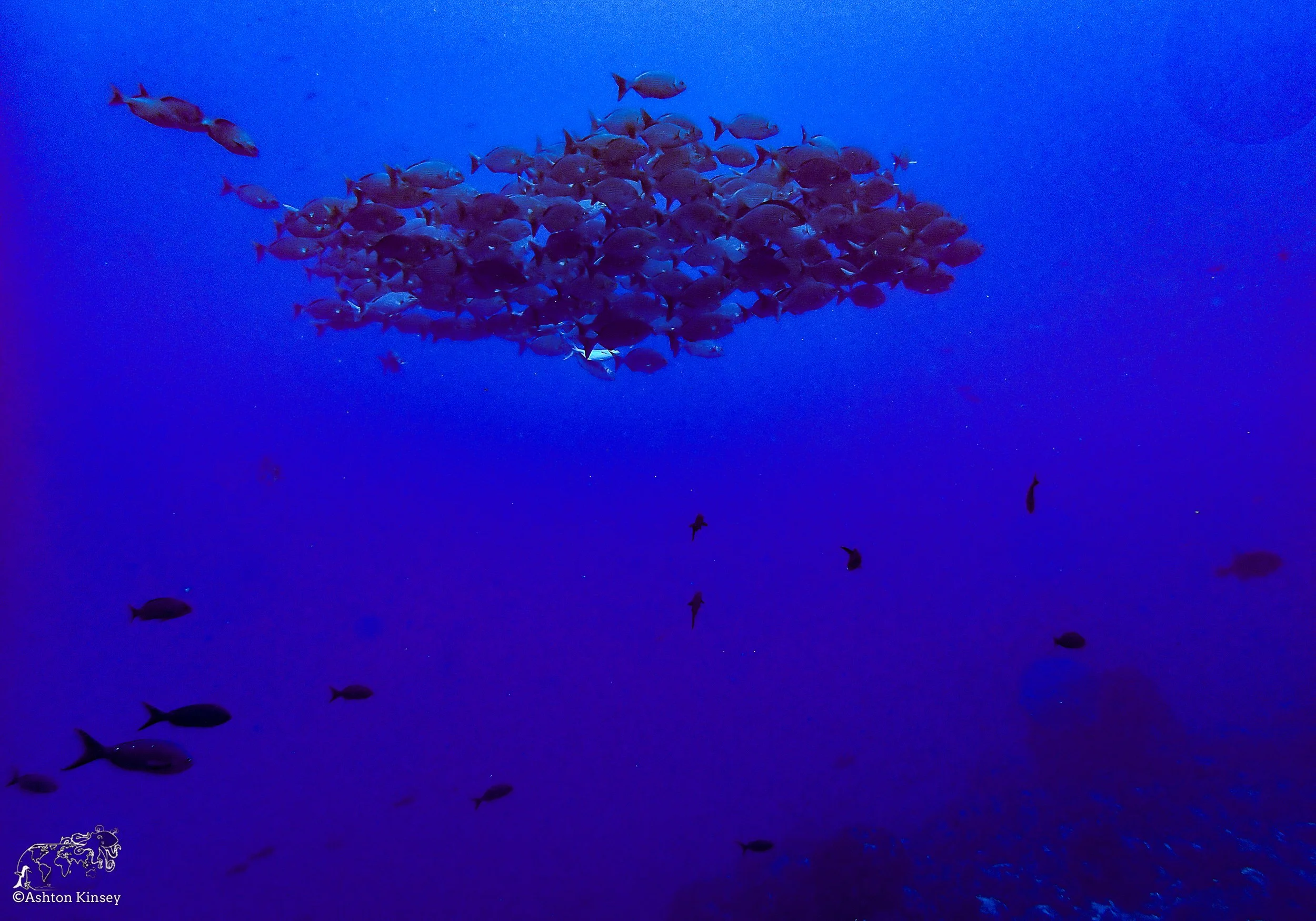
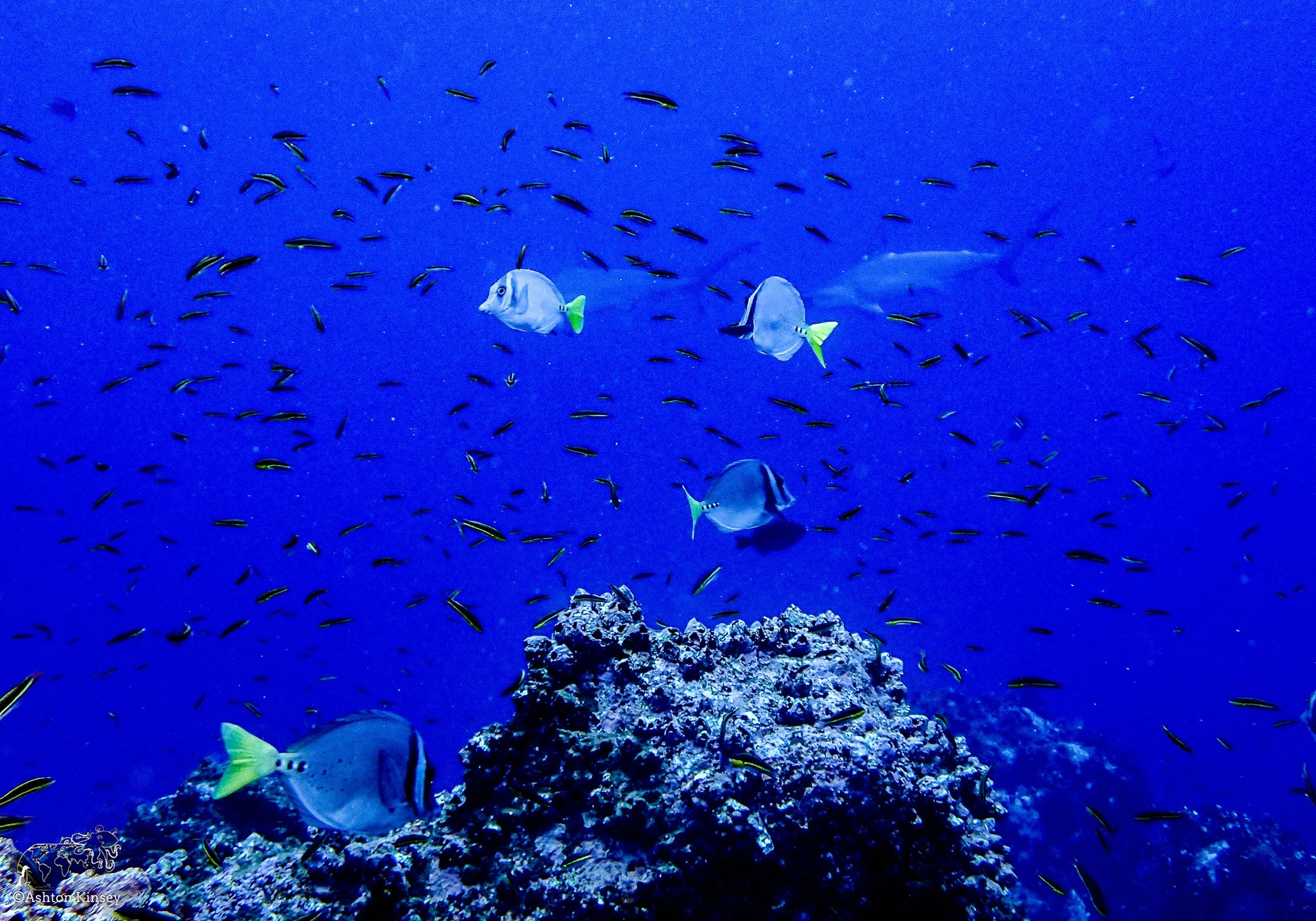
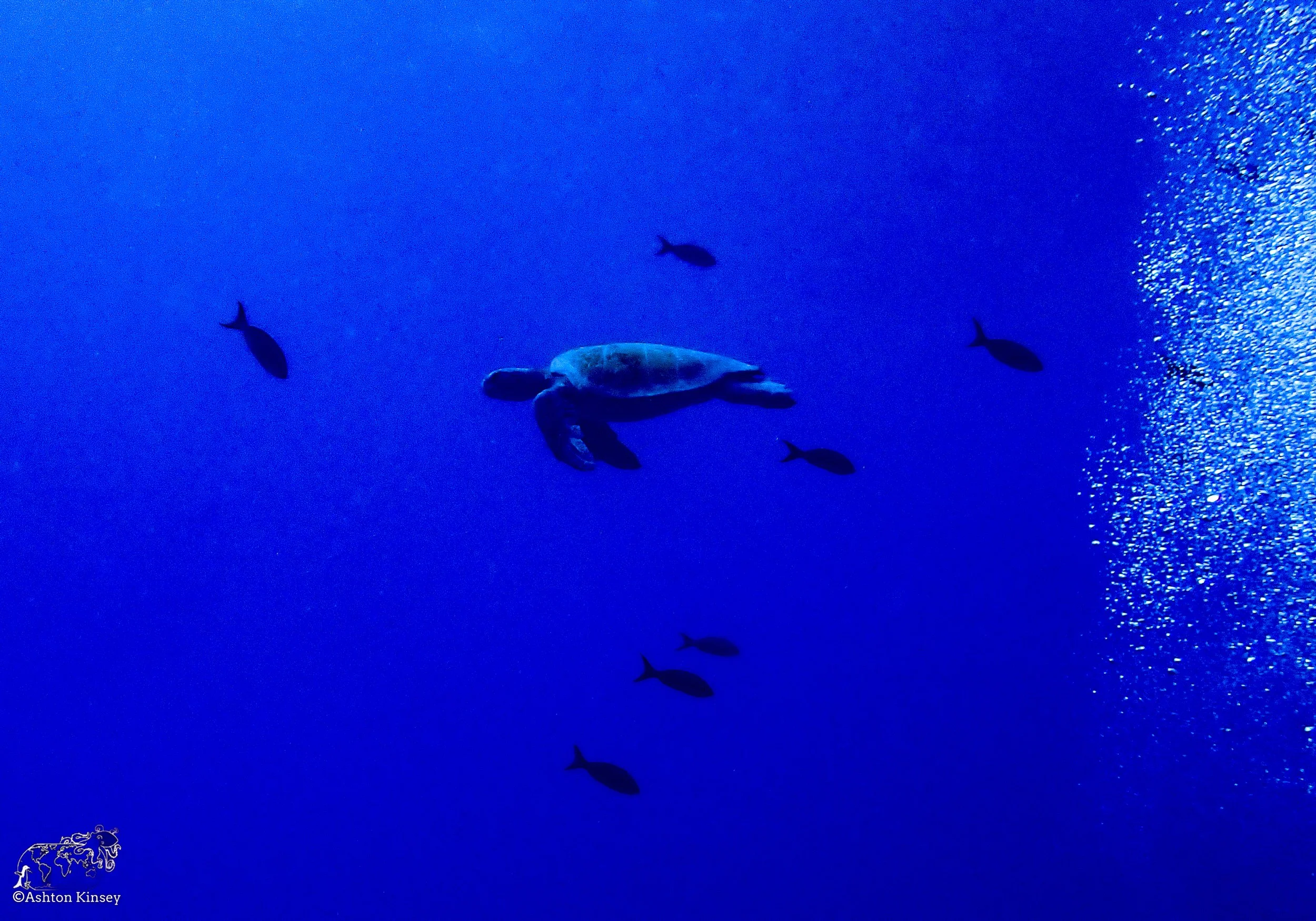
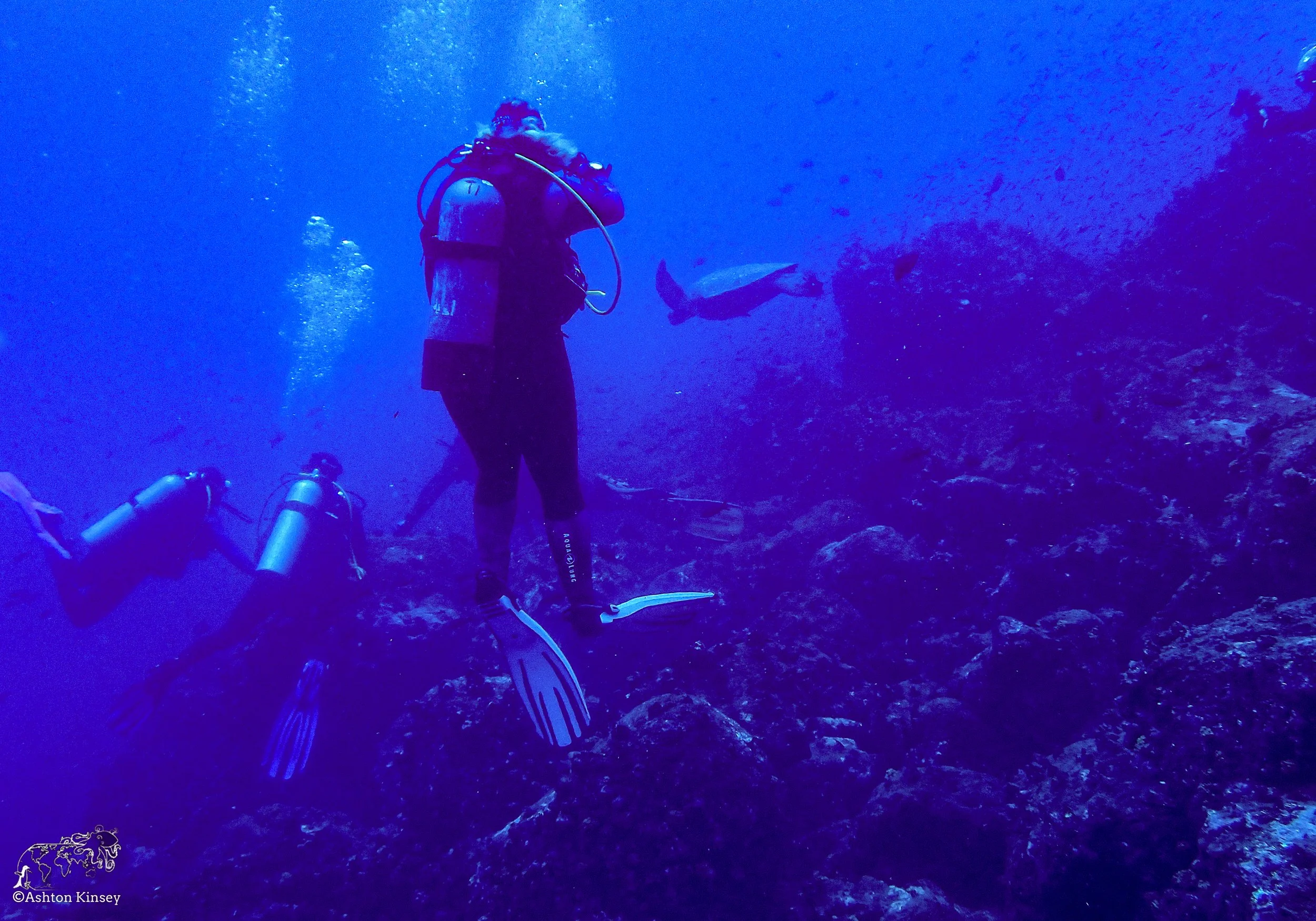
Remember when we were told to stay with the group and not get lost? Yeaaaa… As we were finishing up dive 19, Carlos signaled for us to all start to swim into the blue, per the norm I was hanging back taking pictures of something, I’d say nudies, but we had yet to find any yet so maybe just a rock who knows. I was probably slightly deeper than I should have been (Still within my acceptible limits and dive plan). Looking down, I see Björk swimming furiously down with his camera light spiraling down to the depths. (Allie: Being the good buddy that I am, I was hanging out in between the group swimming out into the blue and these two photographers getting their last shots on the reef, keeping an eye on Carlos as he, Frenchie, and Beyonce swam out. I saw Bjork’s light falling and pointed. He tried to grab it quickly, but like Ashton said, it just kept going deeper and deeper.). Trying to keep an eye on him, as well as get the attention of the rest of the group, while being pushed further away from him by the currents, eventually Allie sees me (Allie: And we form an underwater human sight line chain trying to stay in sight of the reef and also the other group) and somehow Carlos swims back and gives me the WTF signal. At this point I’ve turned on my lights trying to give Bjork something to try and see us but he’s no longer in view and at least 100’ deep. The remainder of us group together (Allie: sharing solemn glances between us) as Carlos tries to locate Björk, after a bit of searching and waiting Carlos comes back without Björk and we ascend to rapid conversations between the two boat guides, Carlos and the main boat. We found Björk (Allie: remember those SMB skills we practiced a few dives ago? This is exactly the reason why!!), not too far from us, he managed to get his light. It had landed on a coral ledge over a drop off, lucky break for him but who knows if he would have gone deeper after it. After going a slightly deeper than he should have and getting lost he was slightly more humble after that…for a dive or two.
Shark Cove
Dive 17: 60’ for 48 minutes Dive 23: 72’ for 54 minutes
Dive 21: 67 for 51 minutes Dive 25: 56’ for 50 minutes
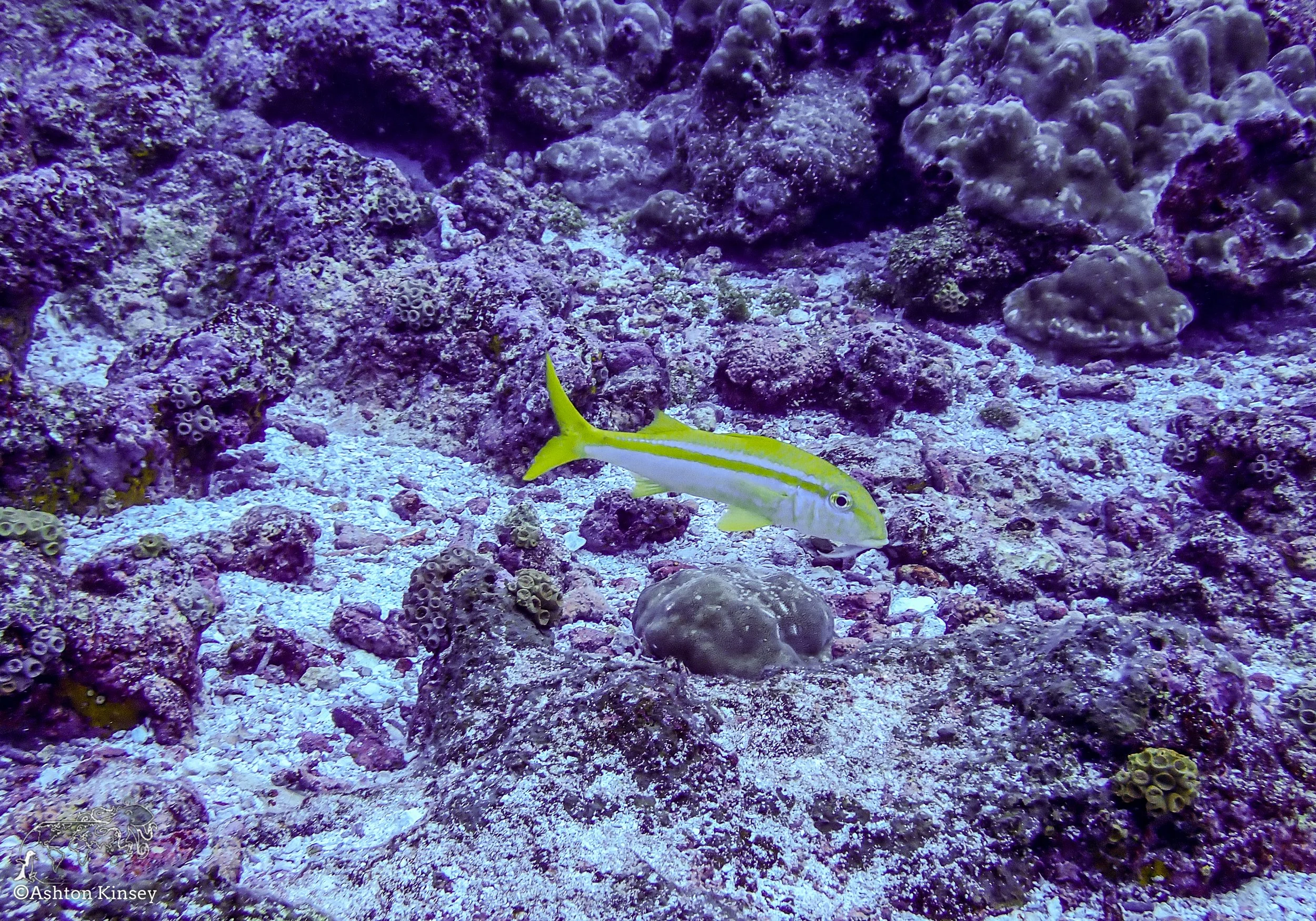
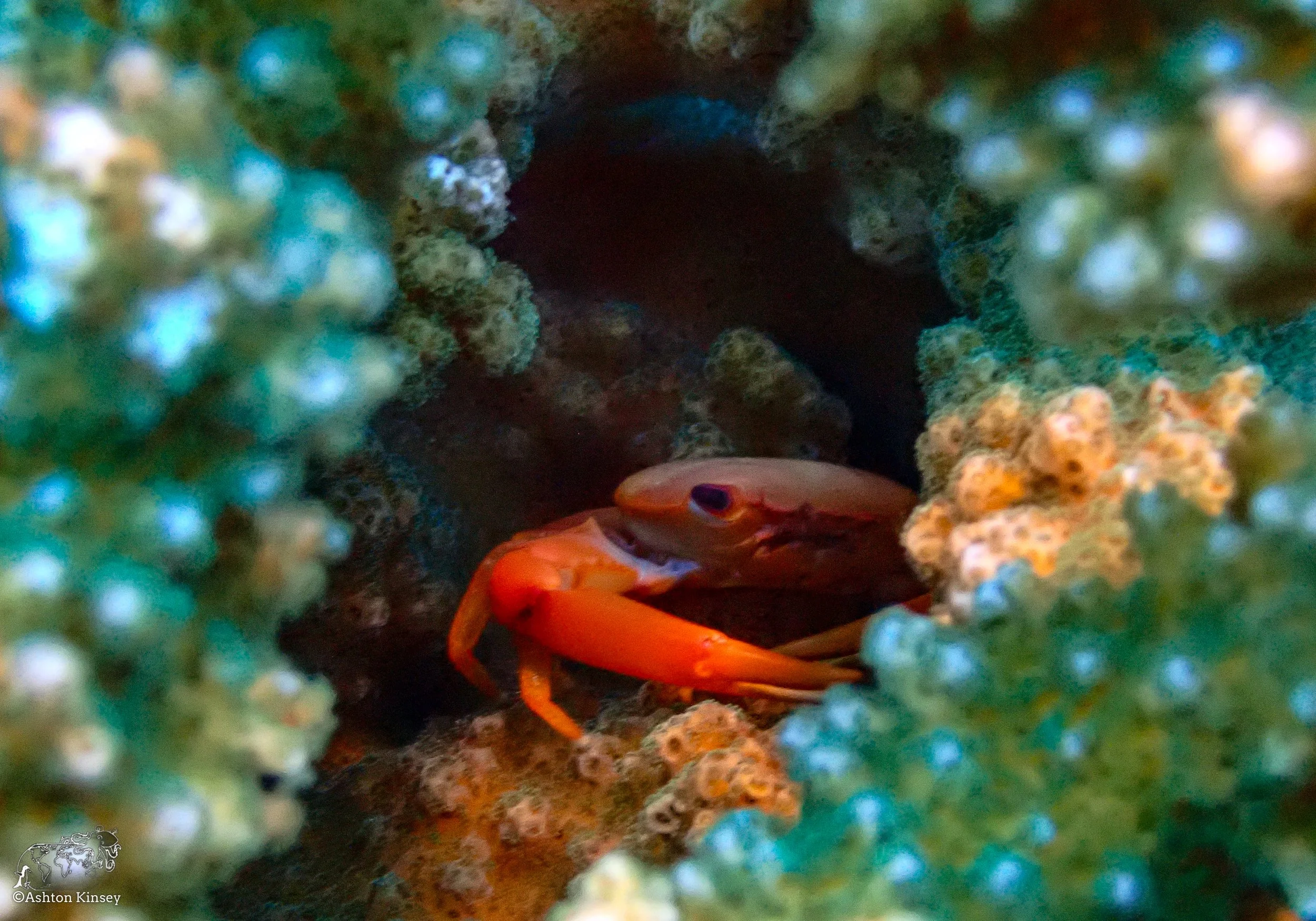
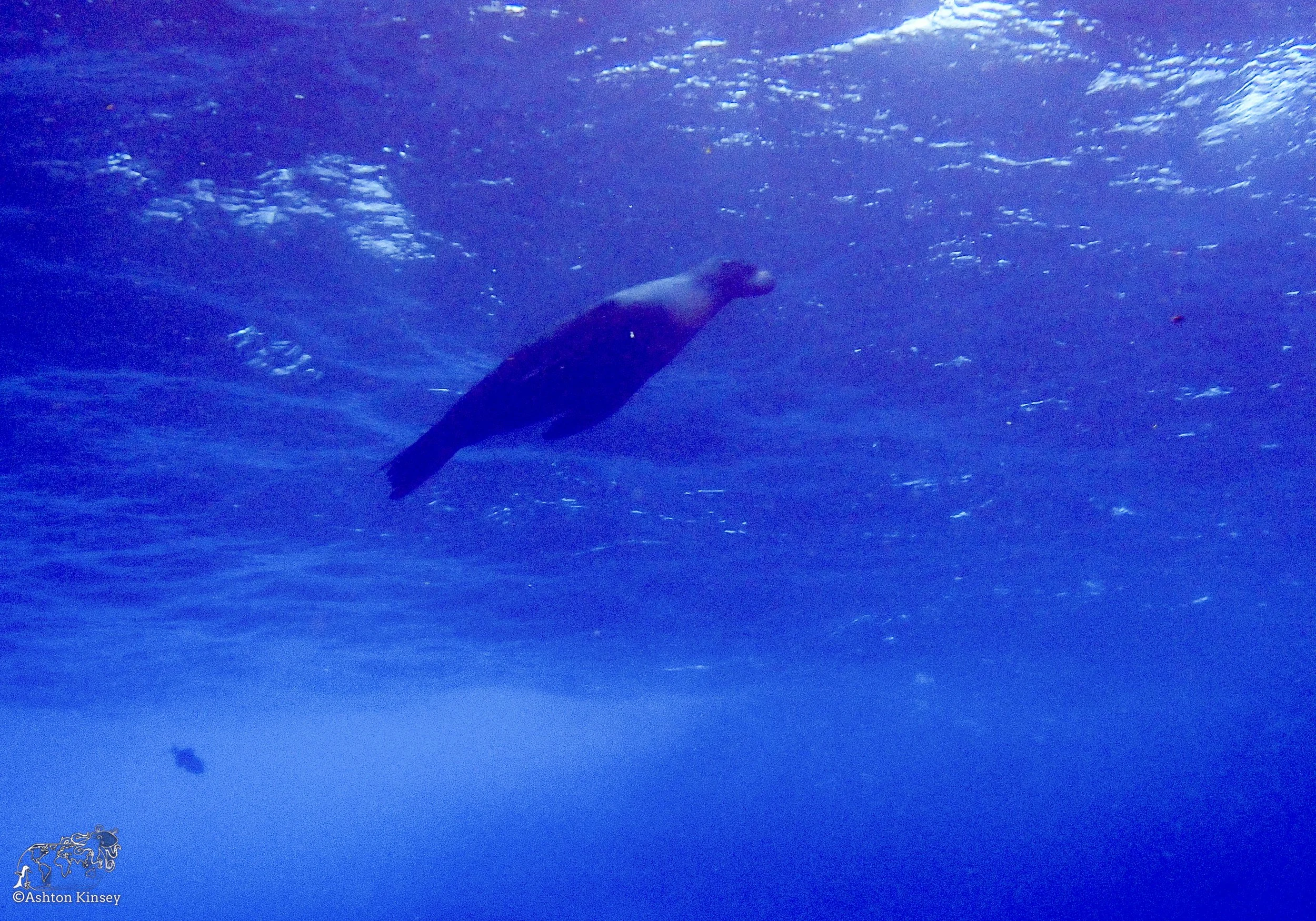
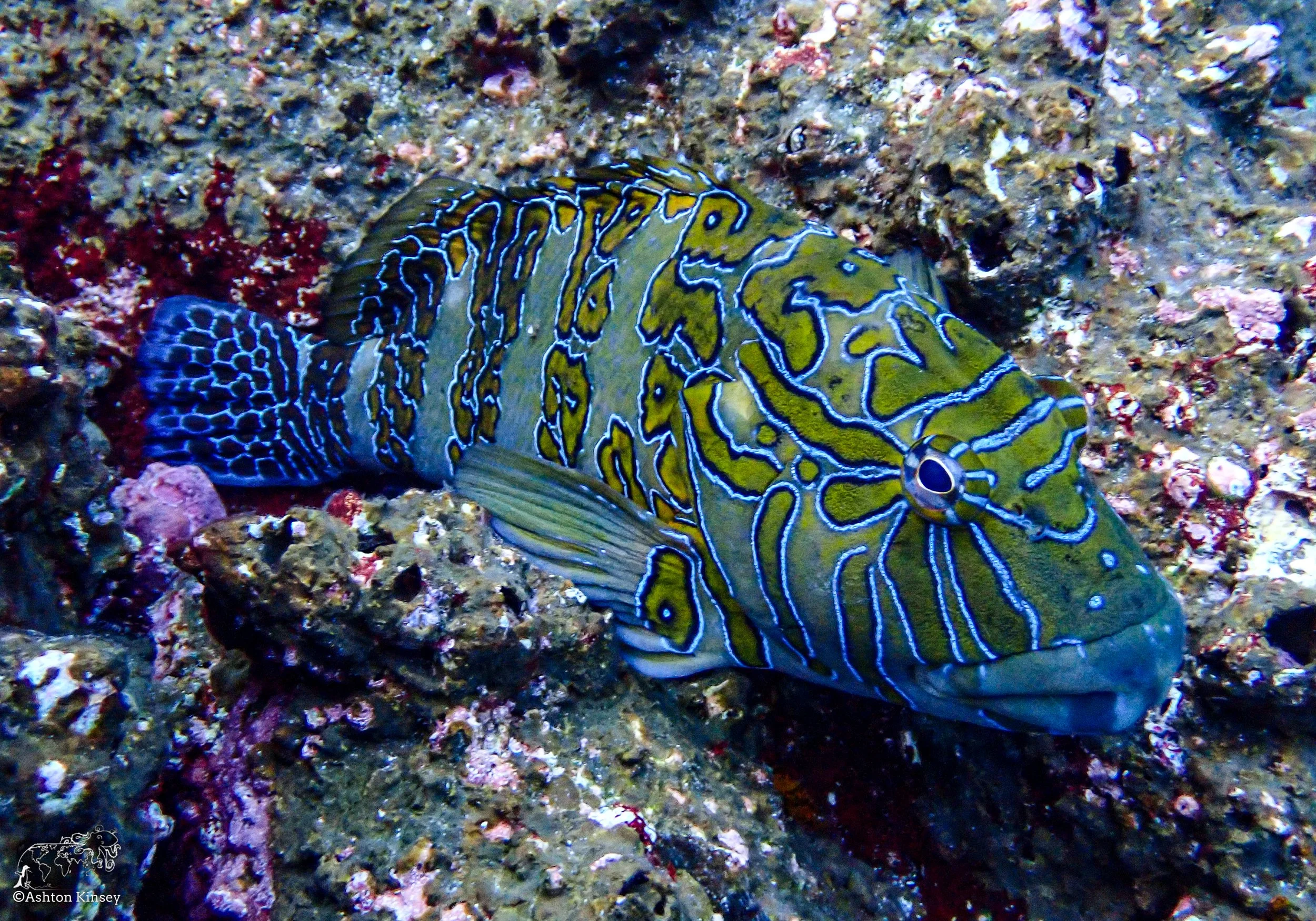
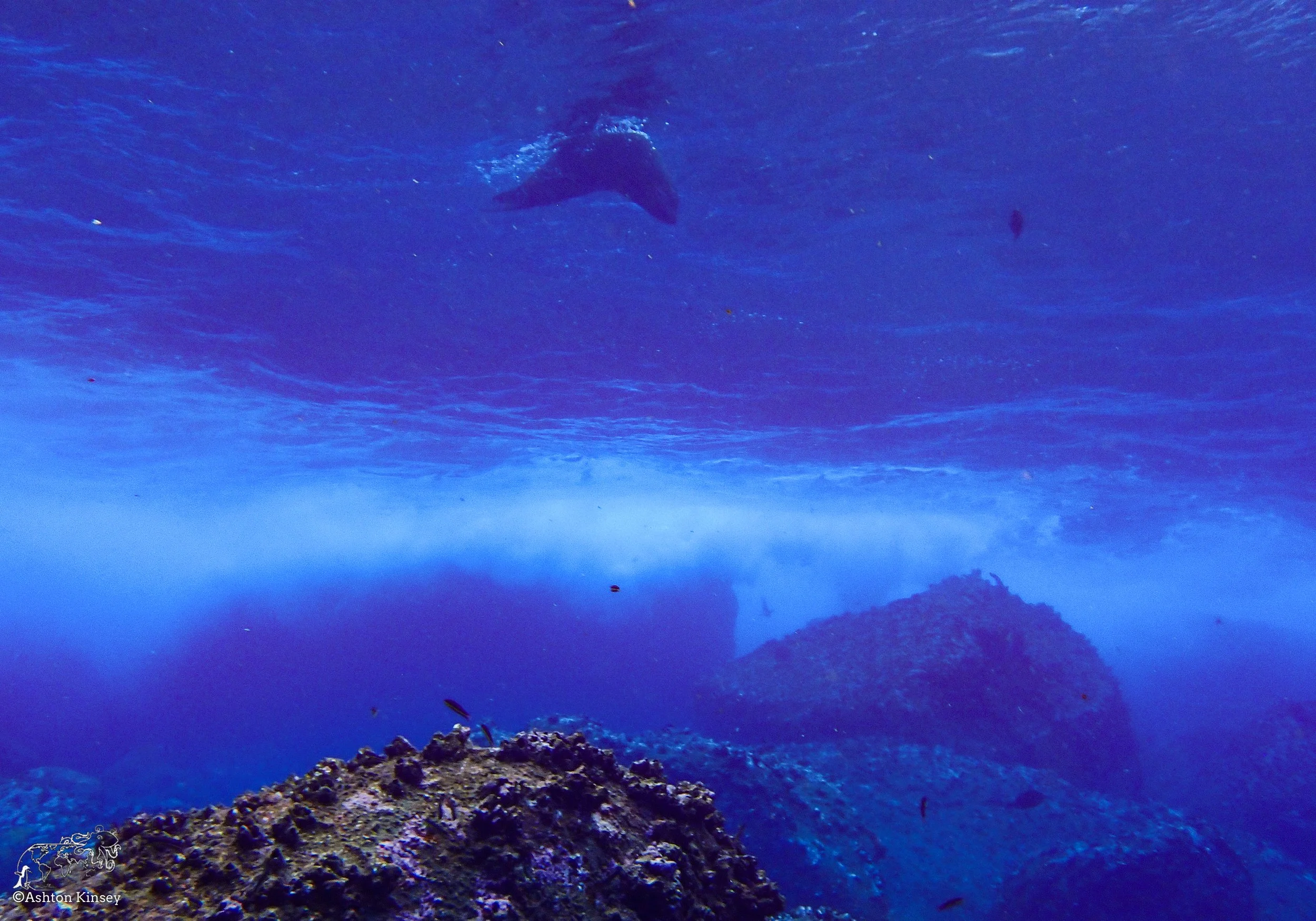
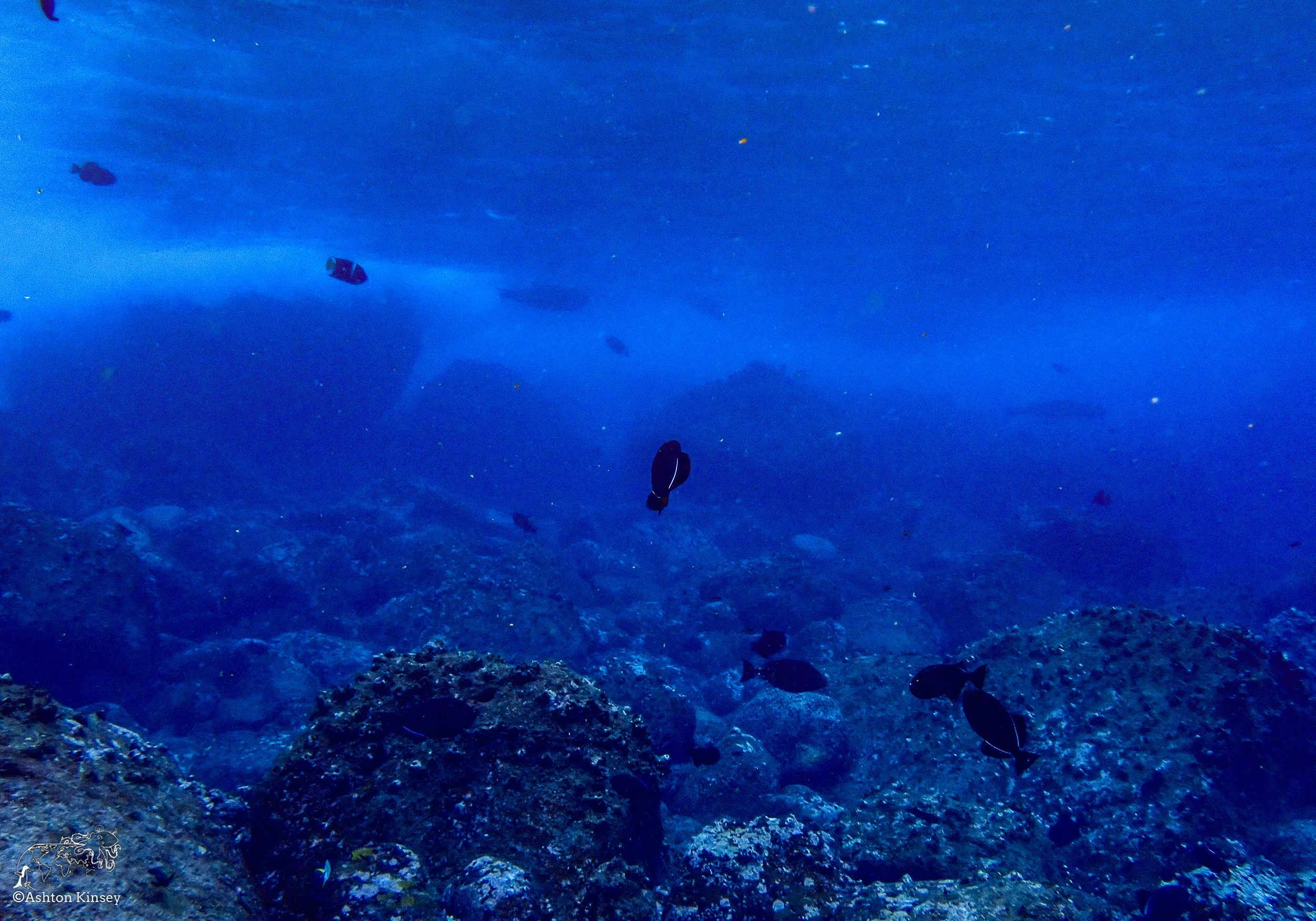
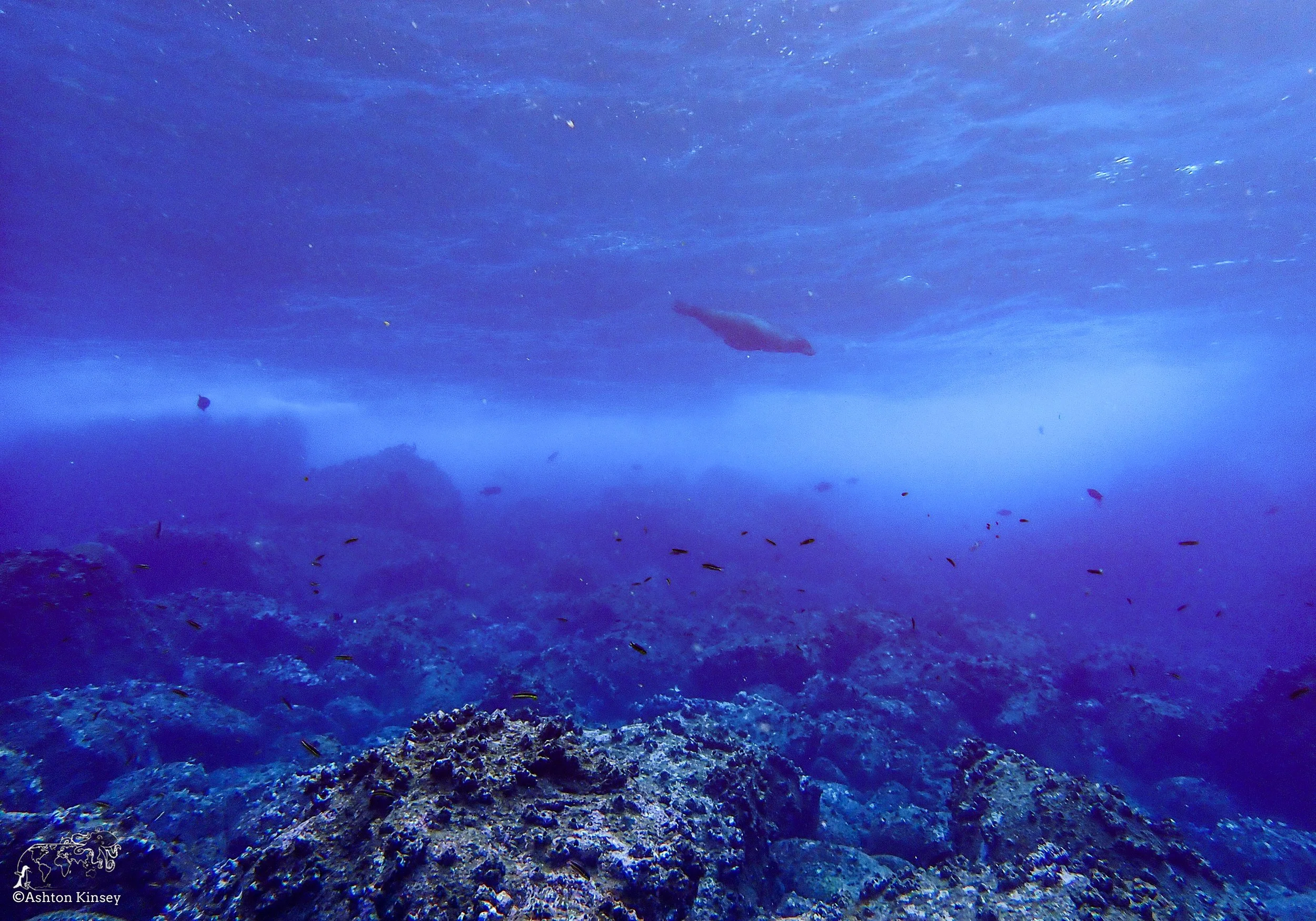
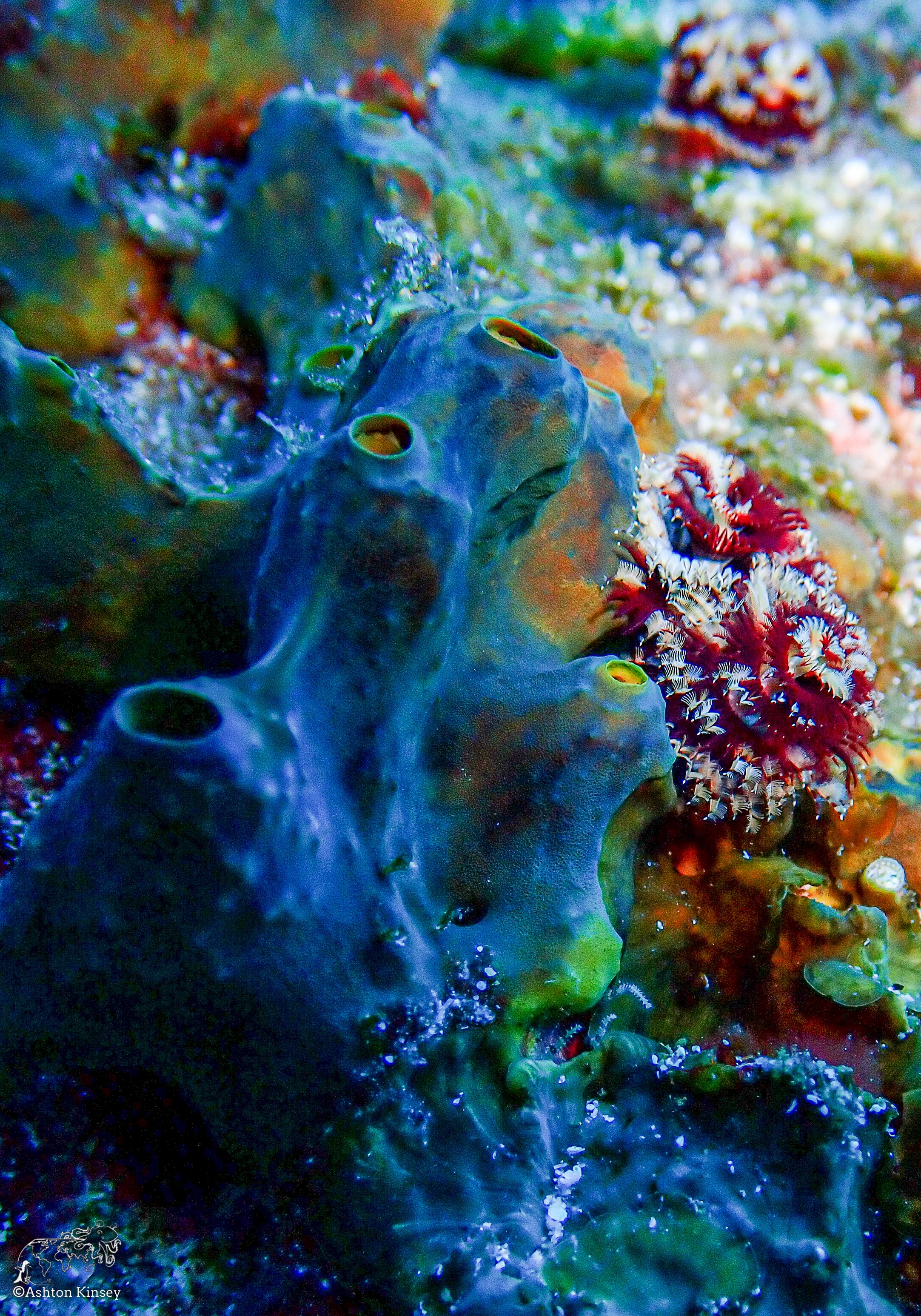
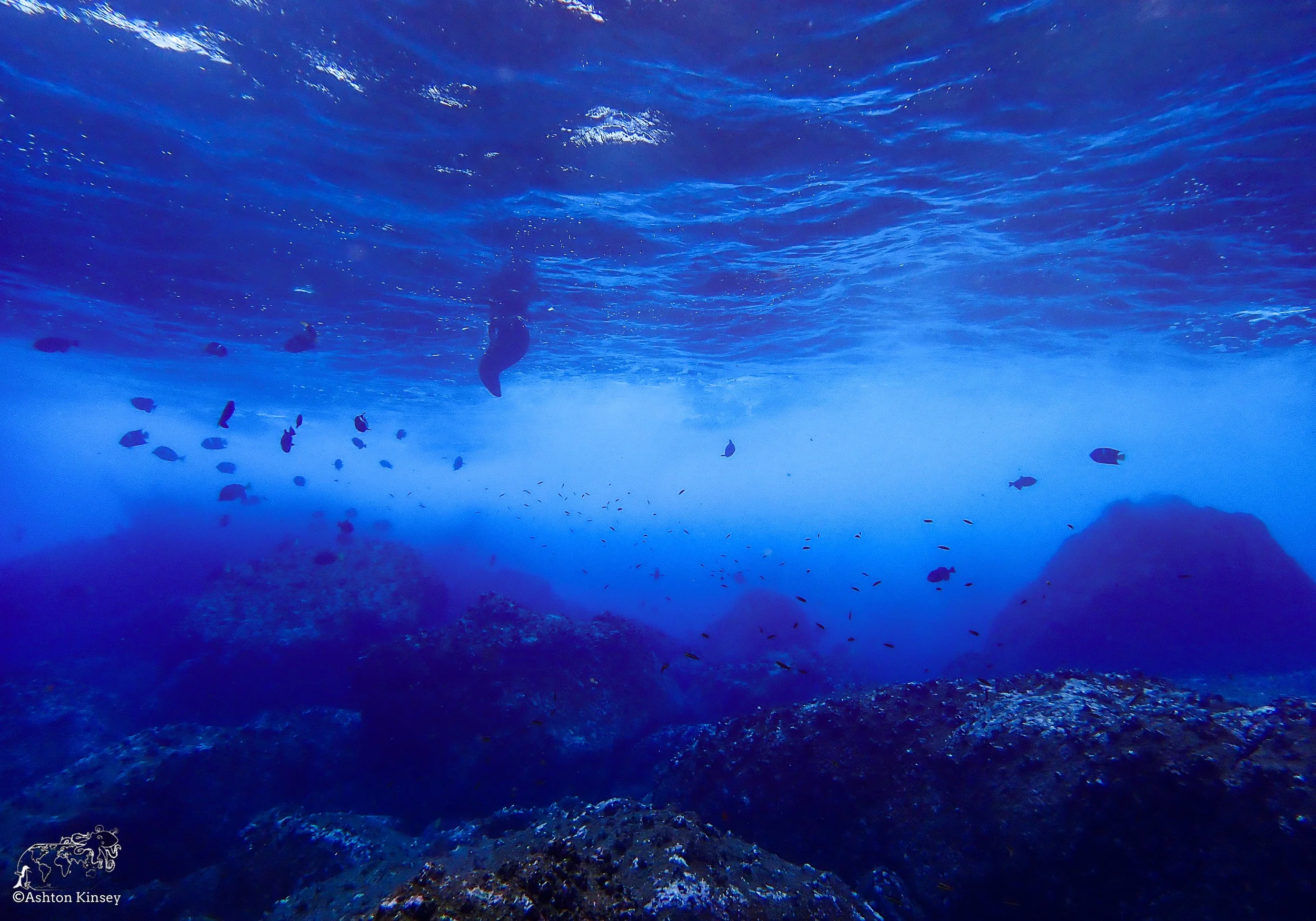
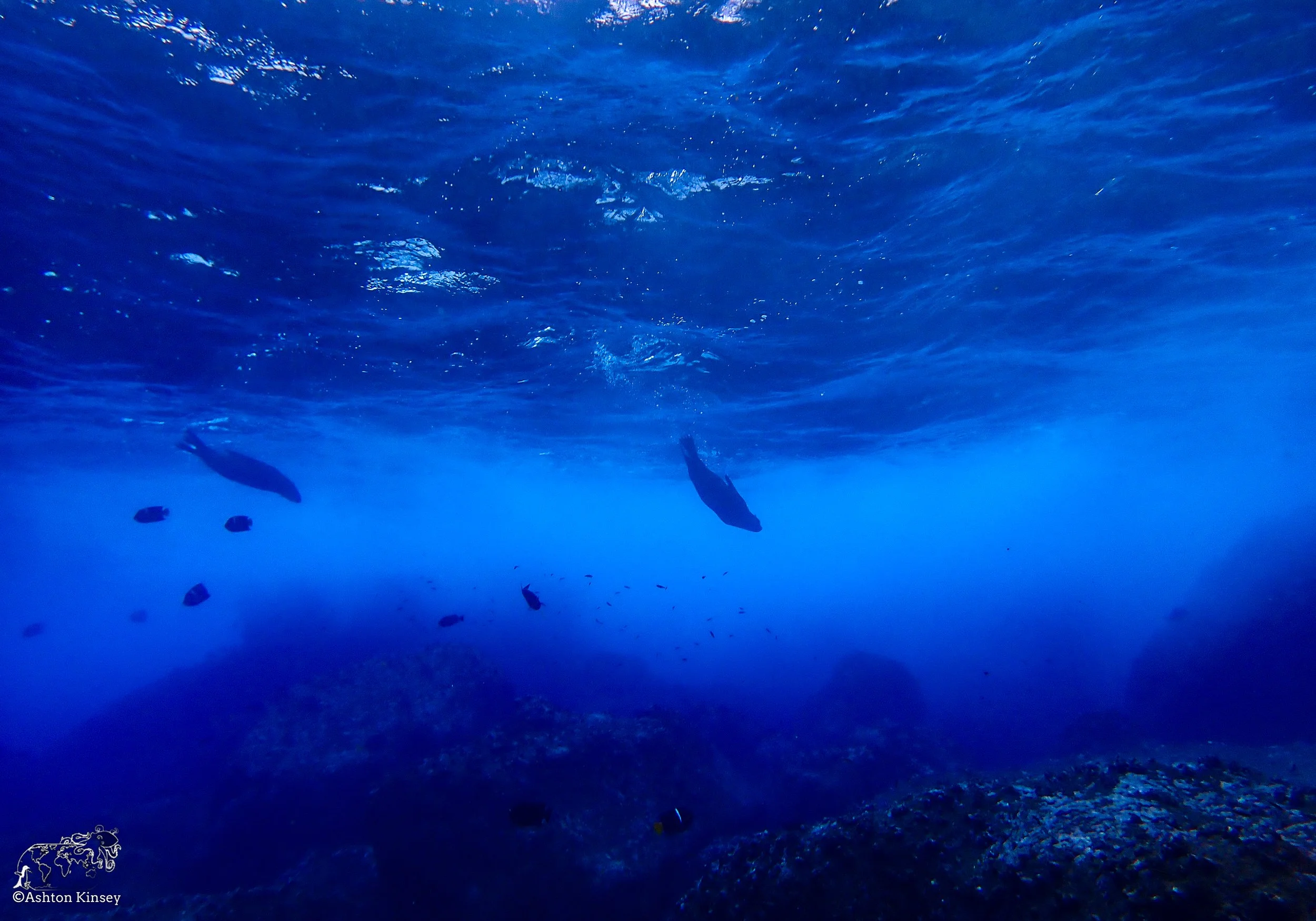
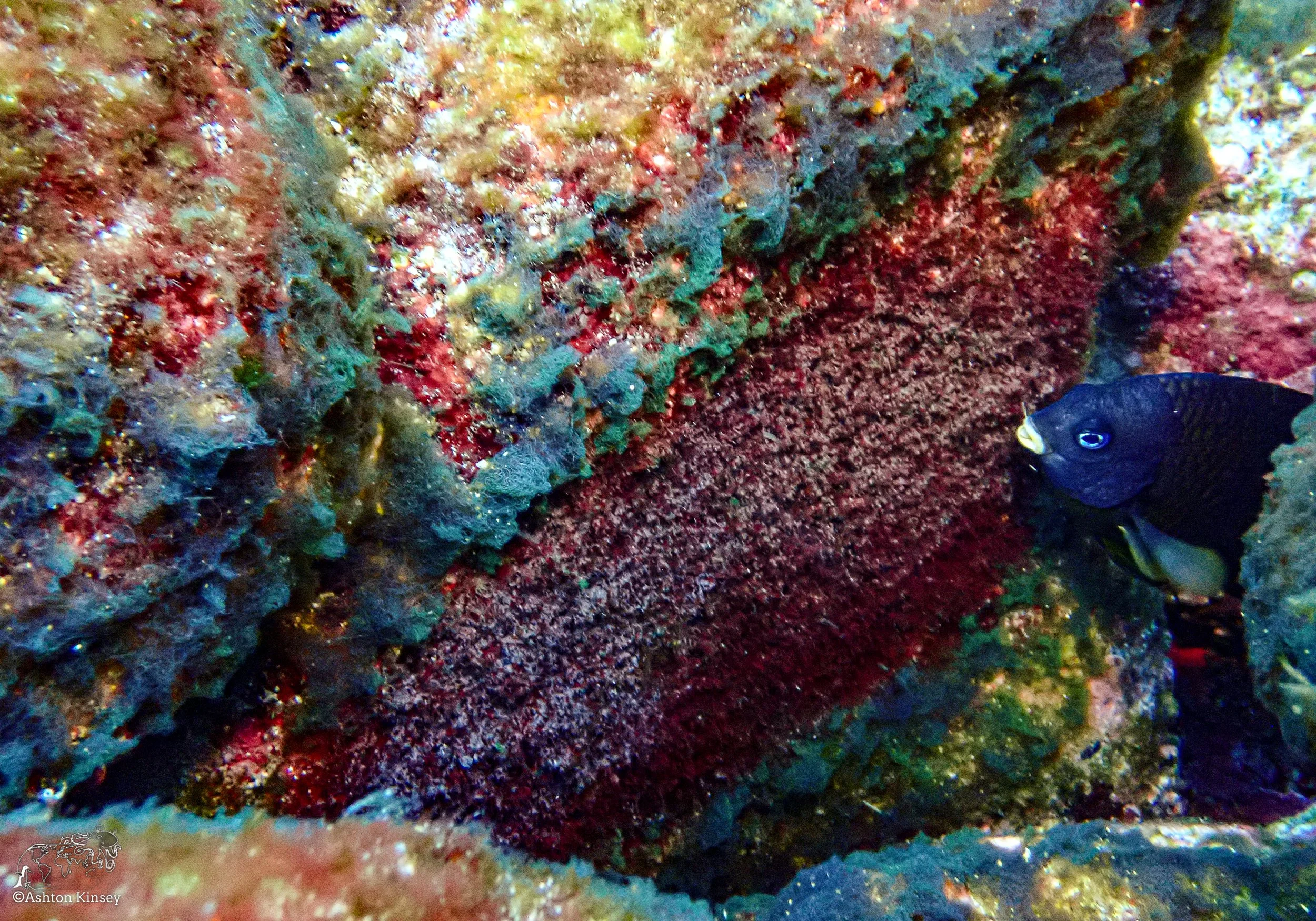
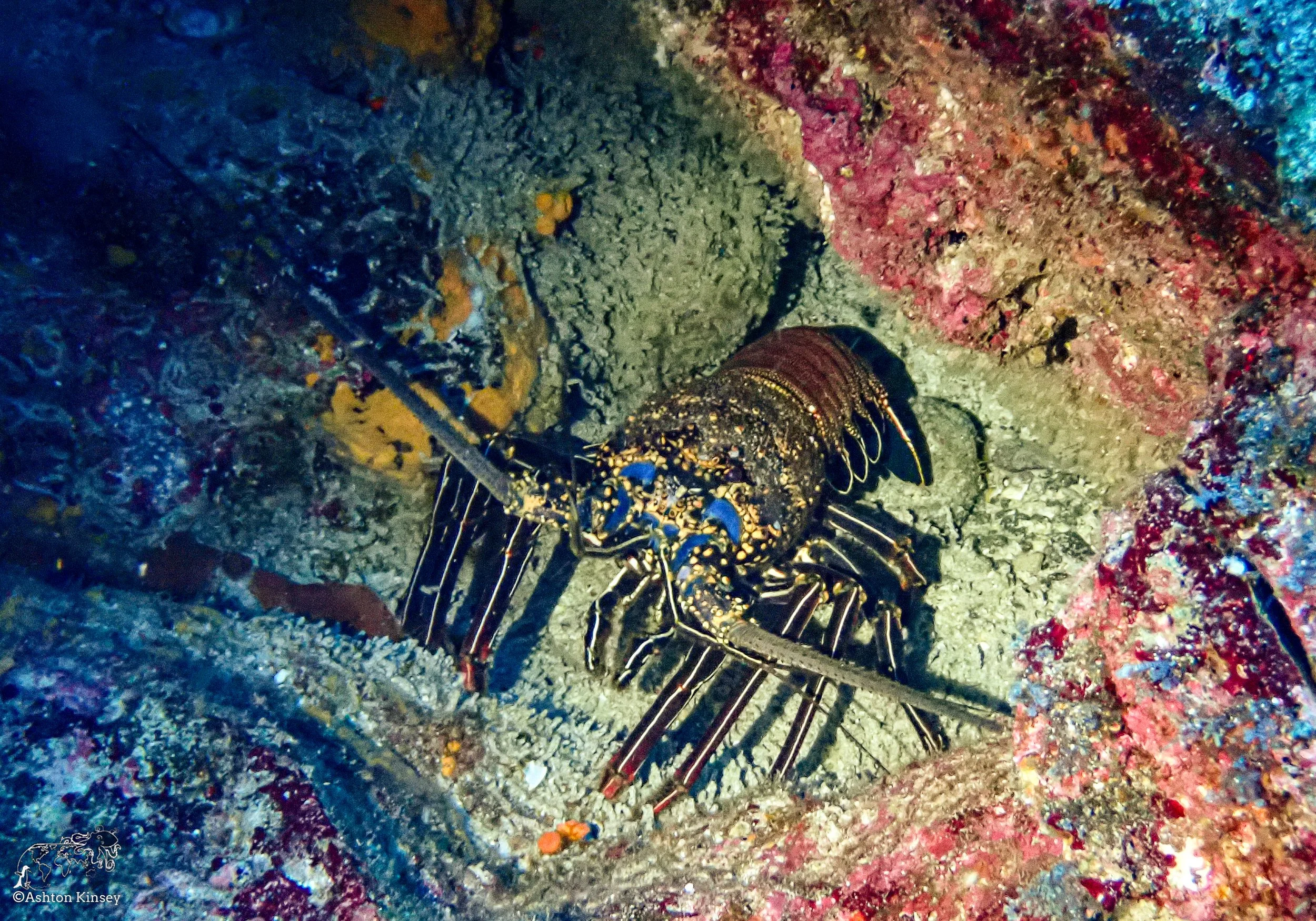
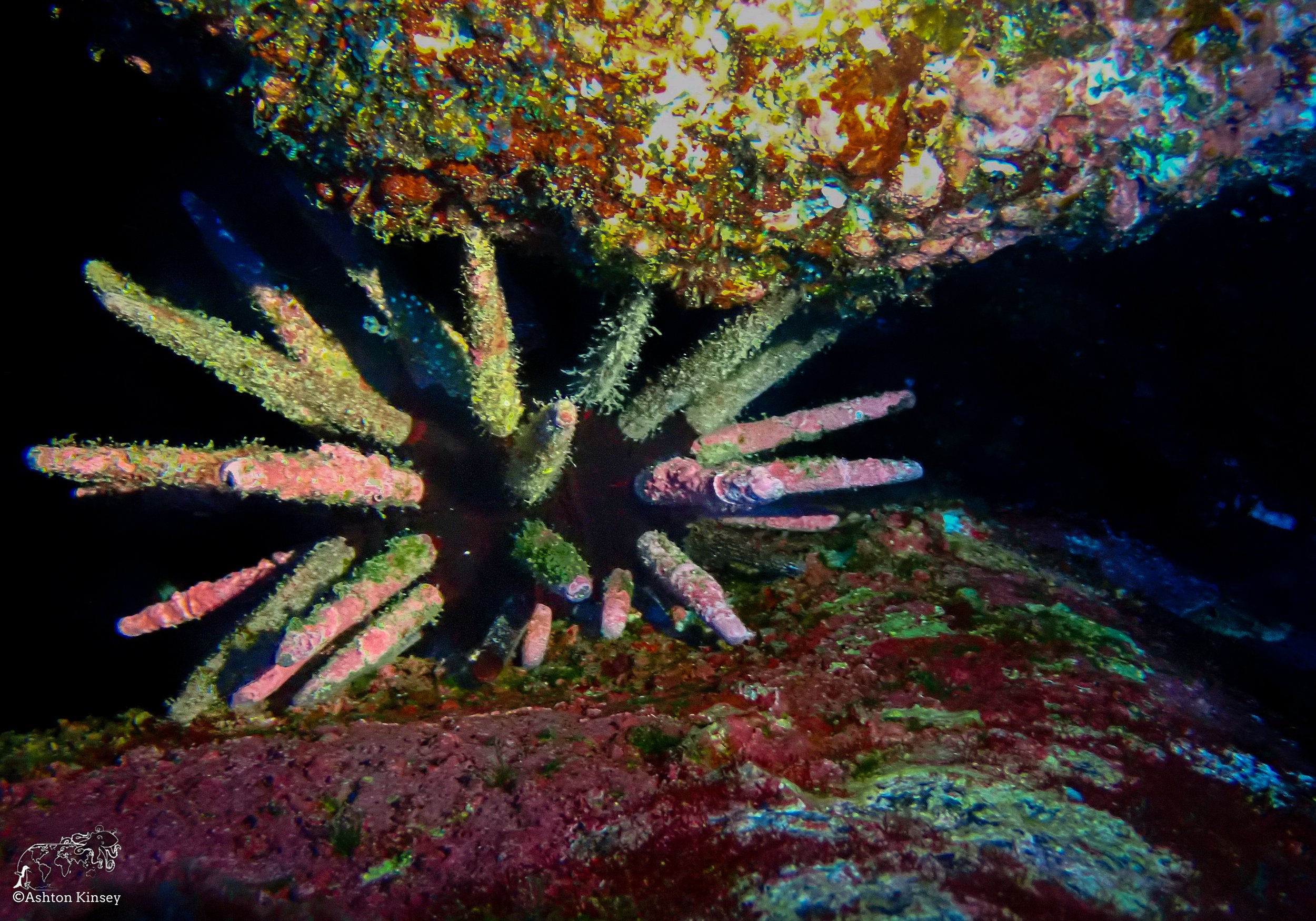
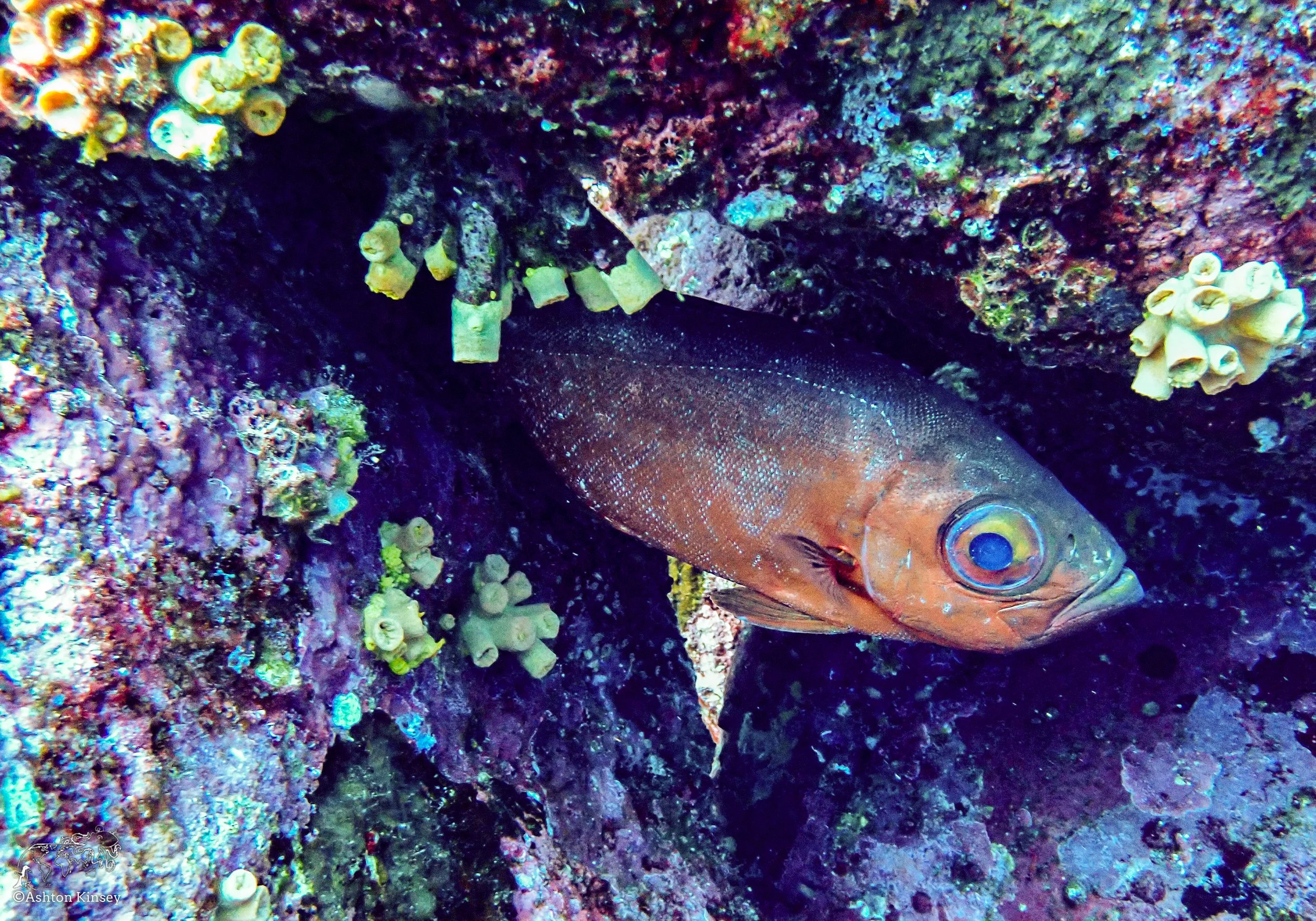
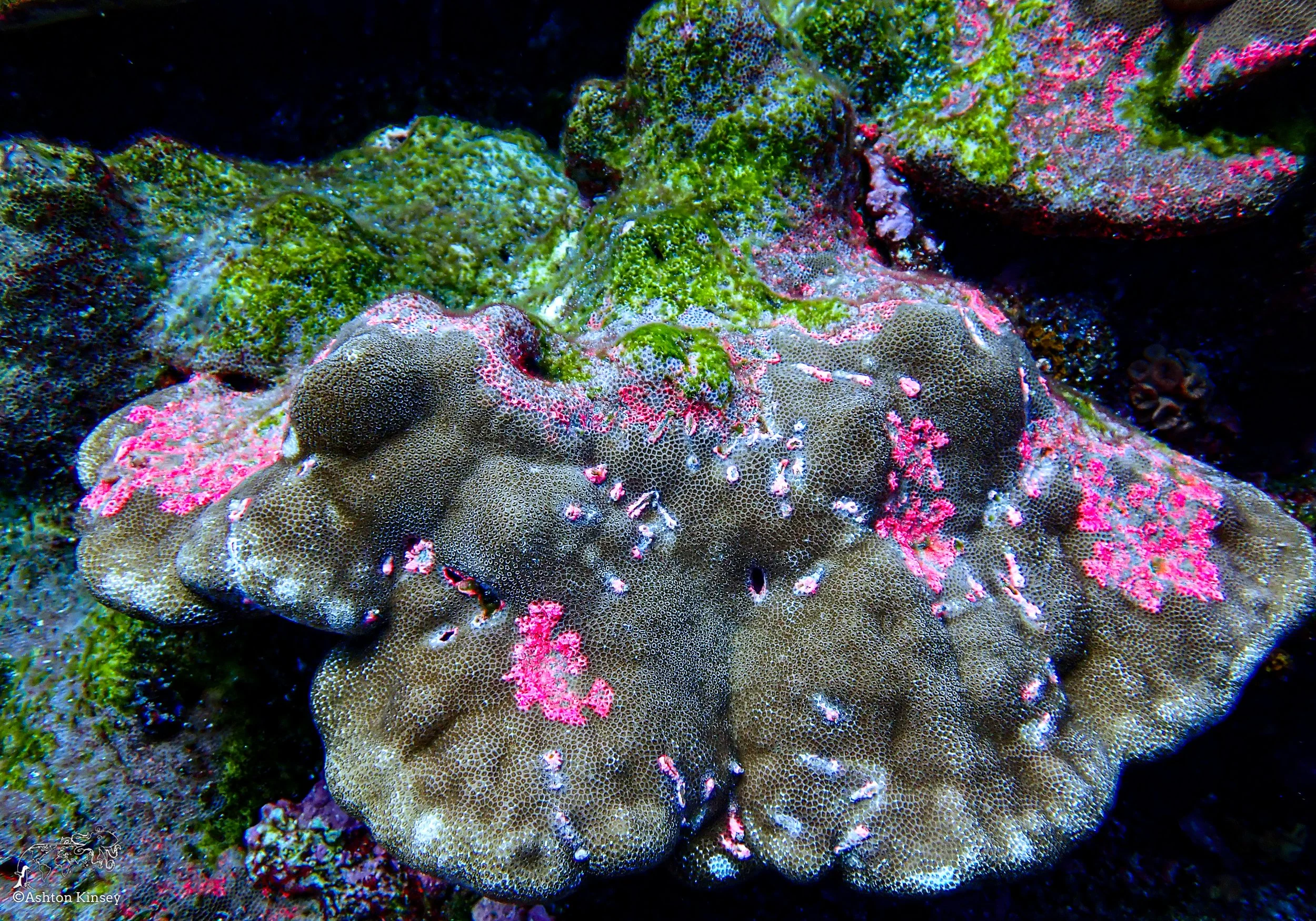
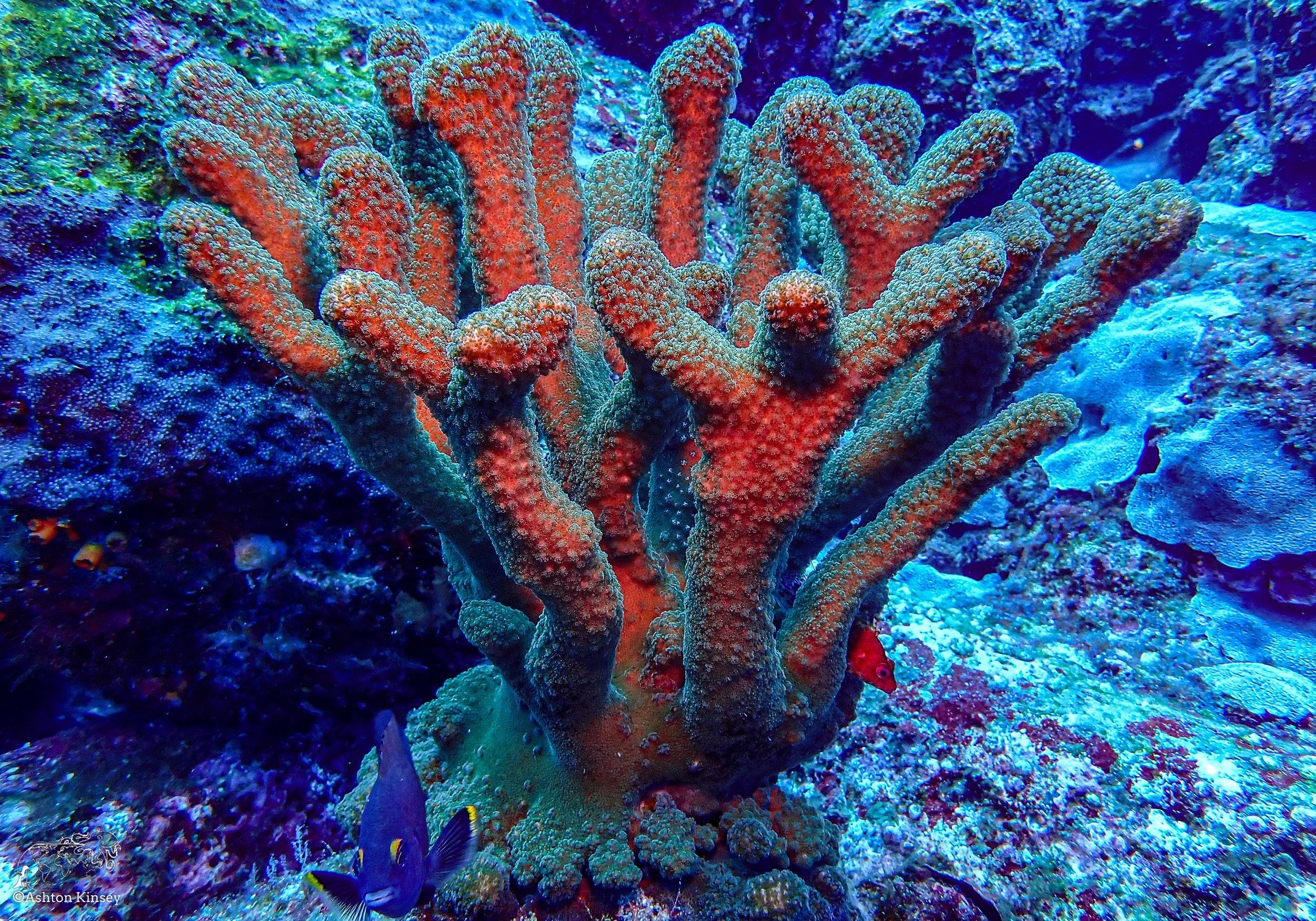
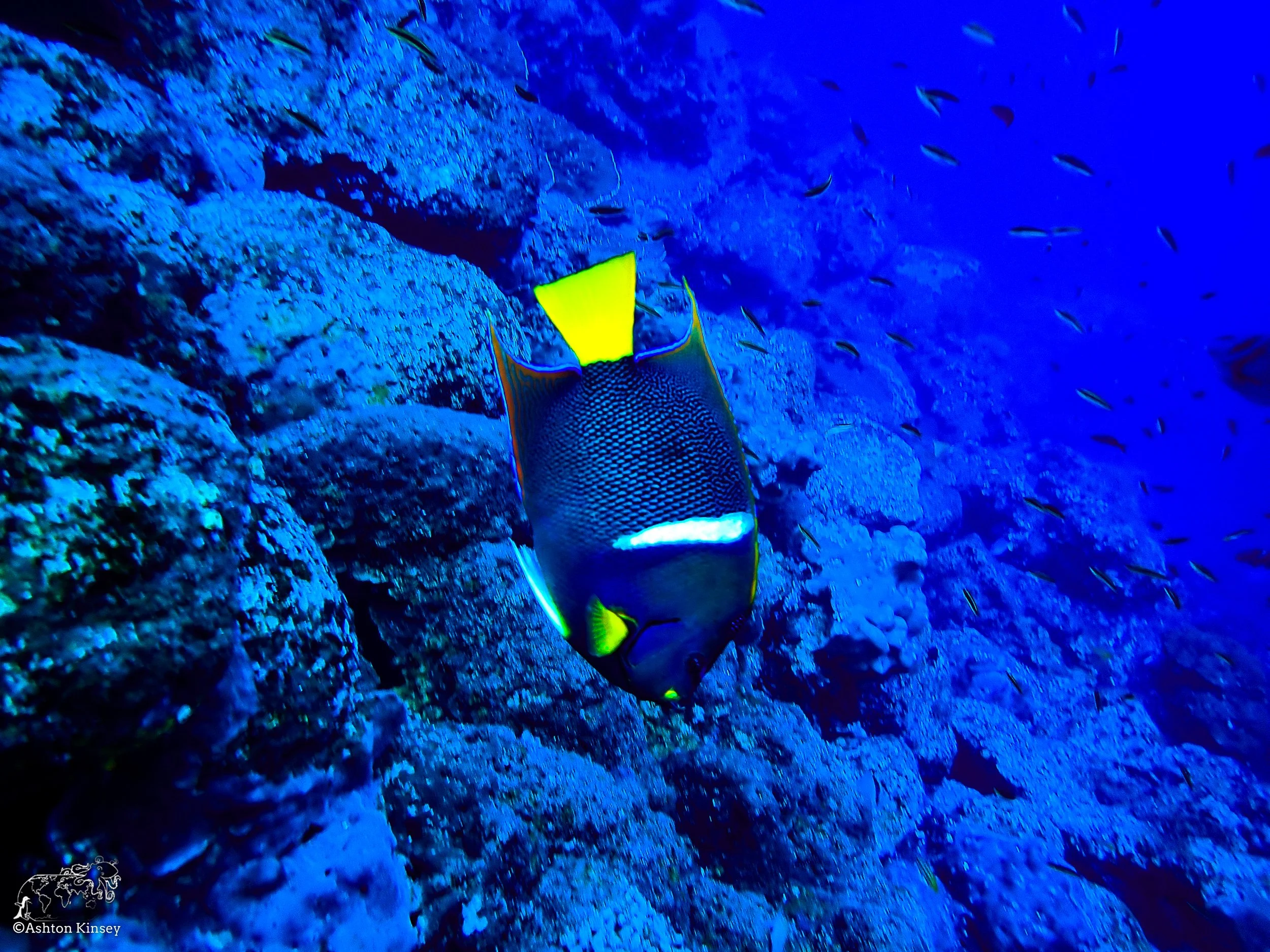
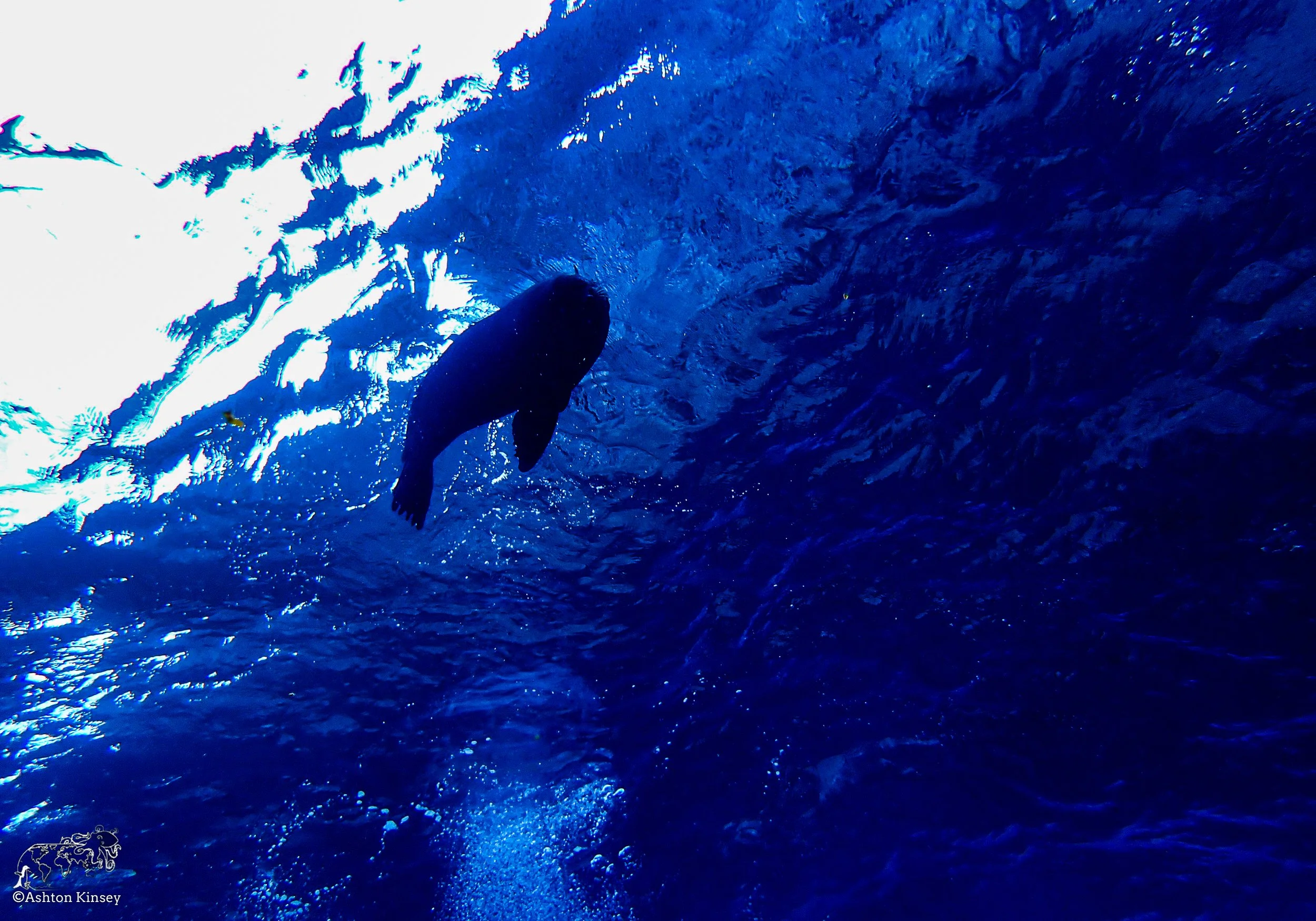
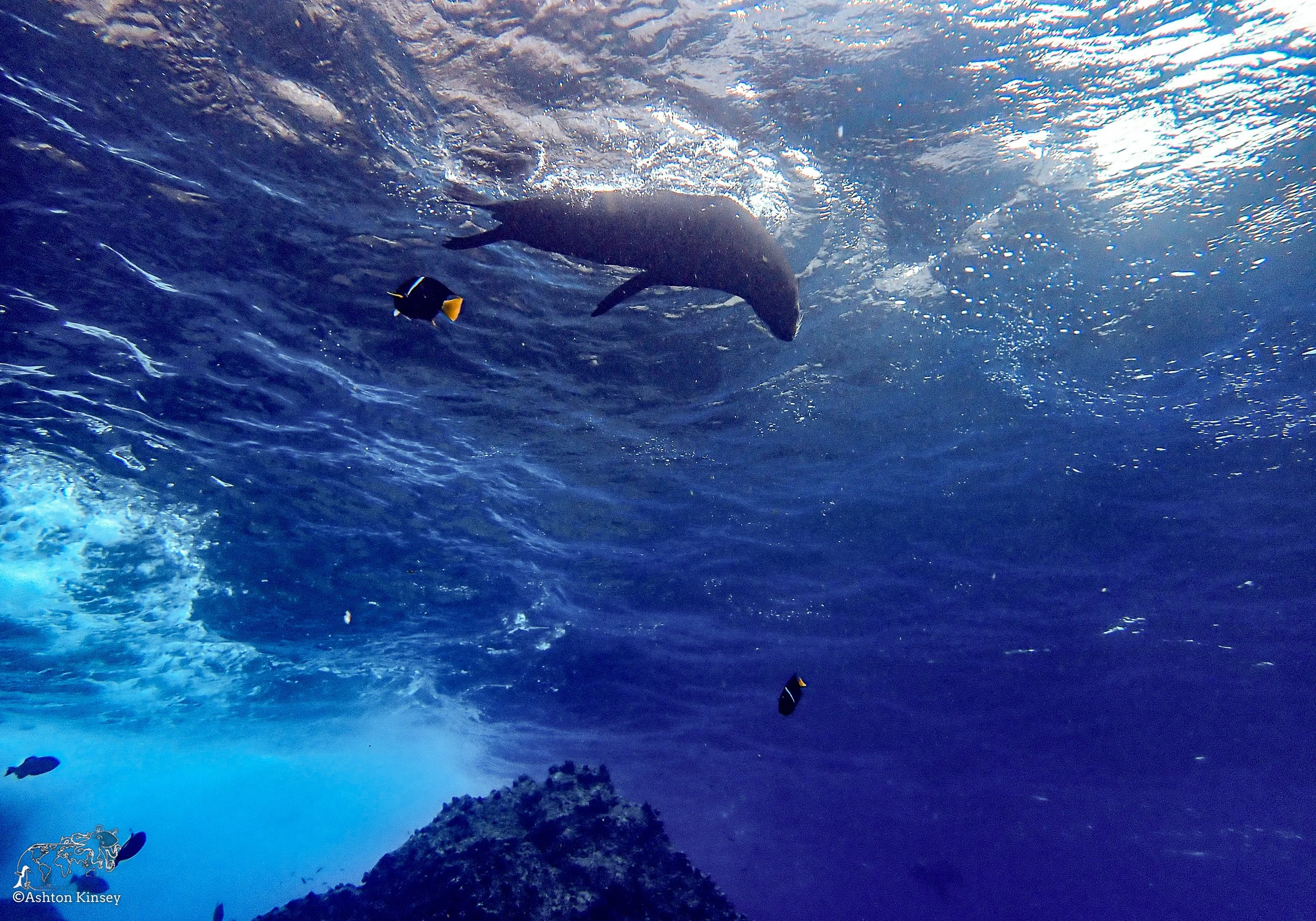
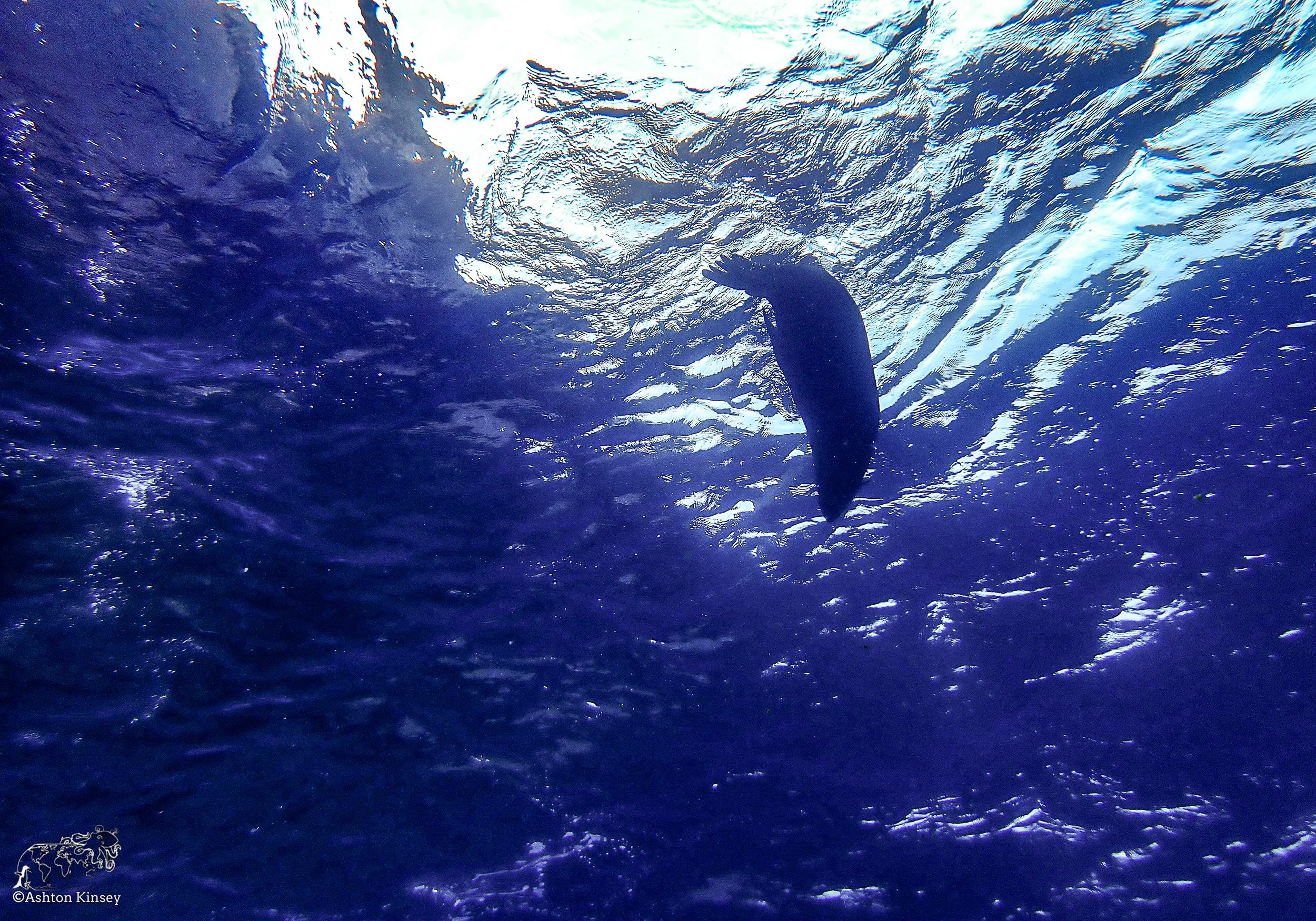
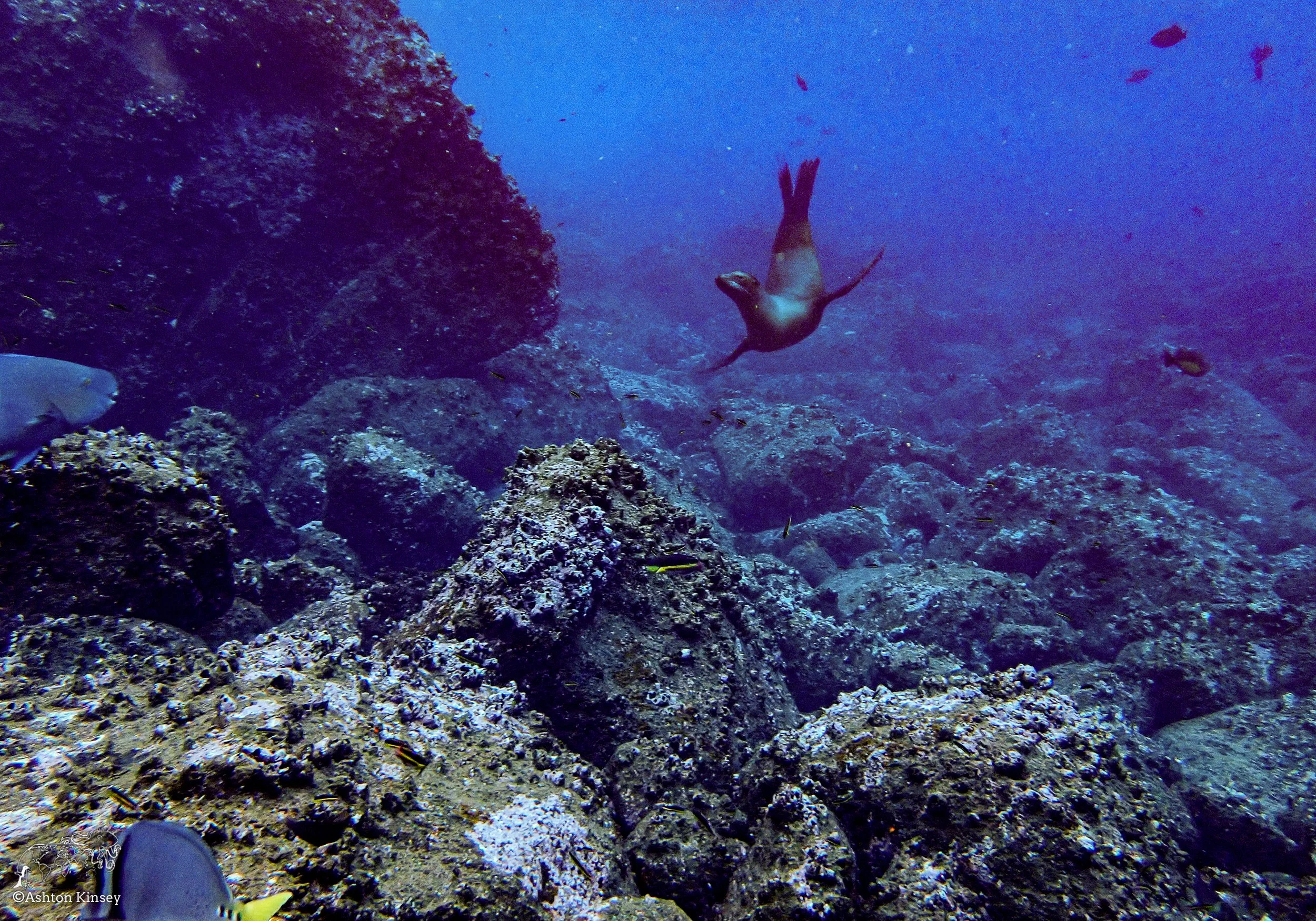
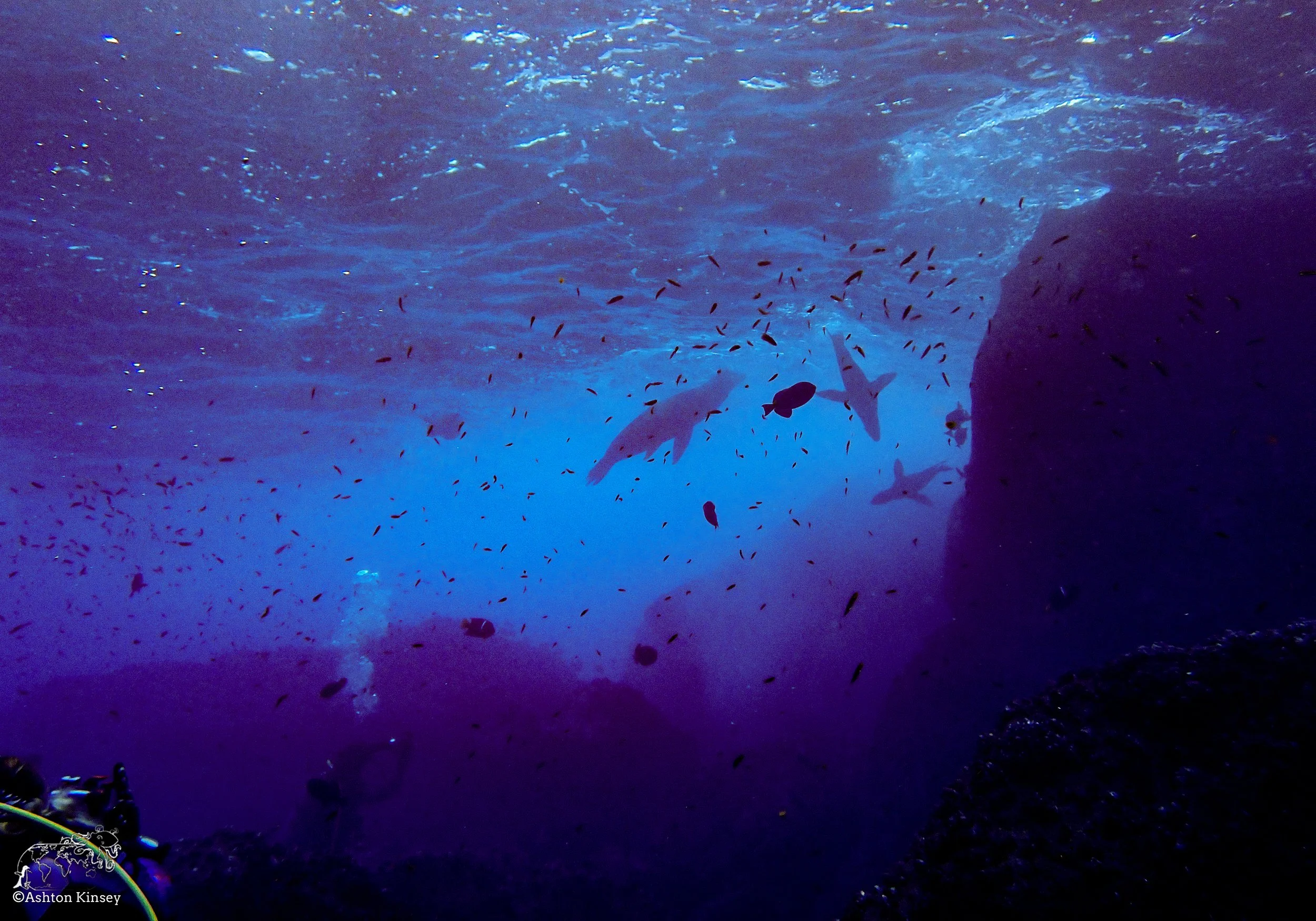
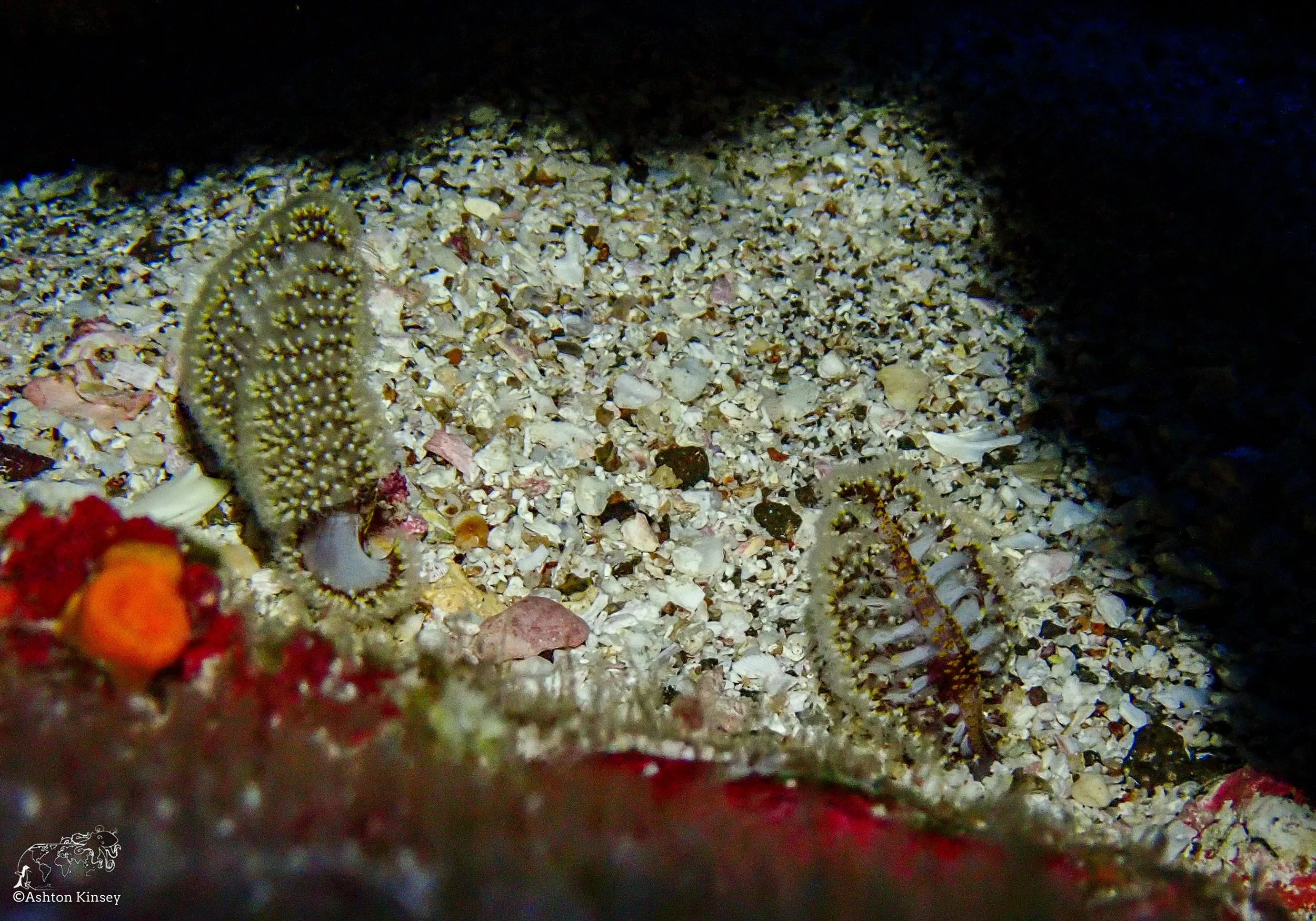
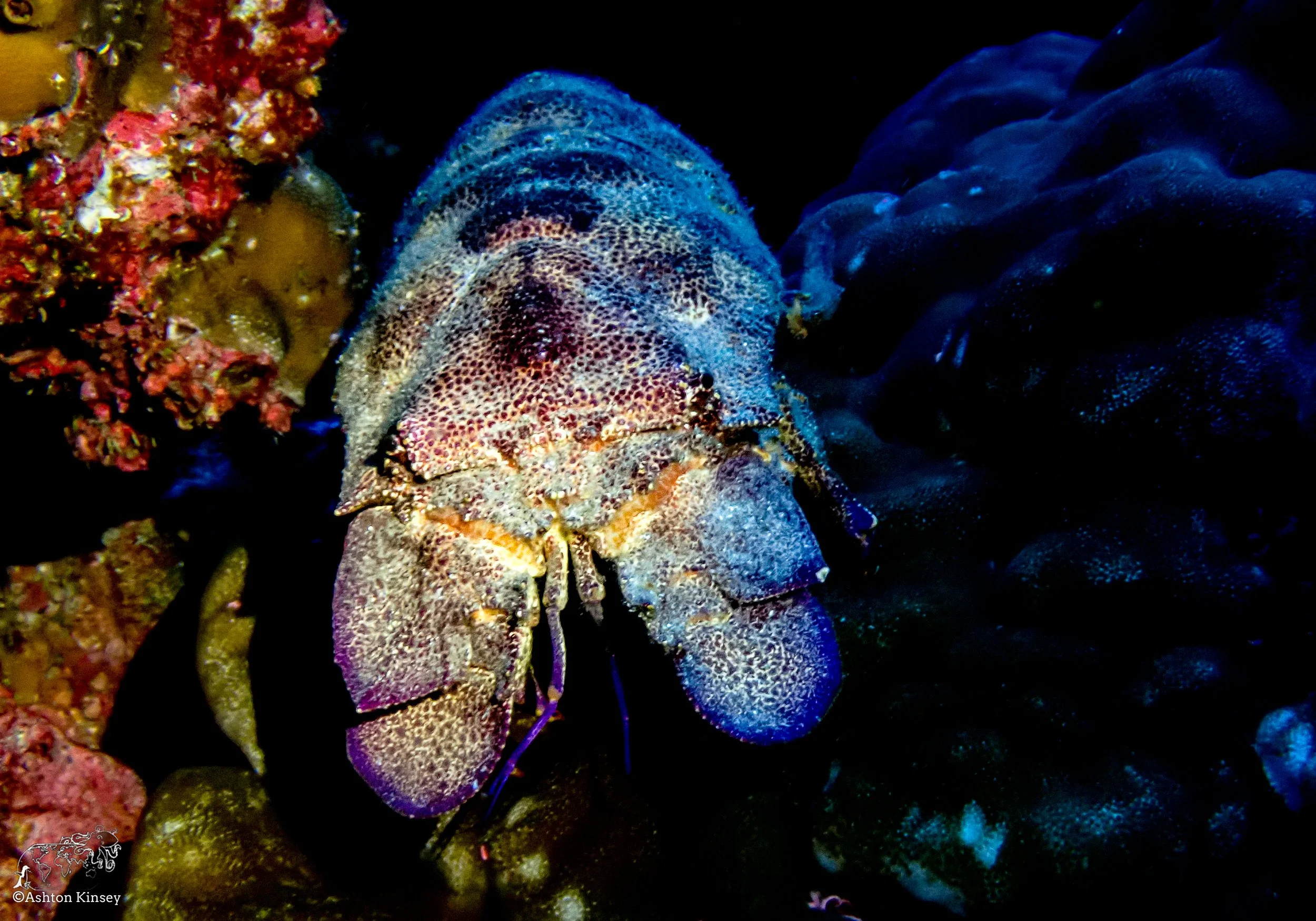
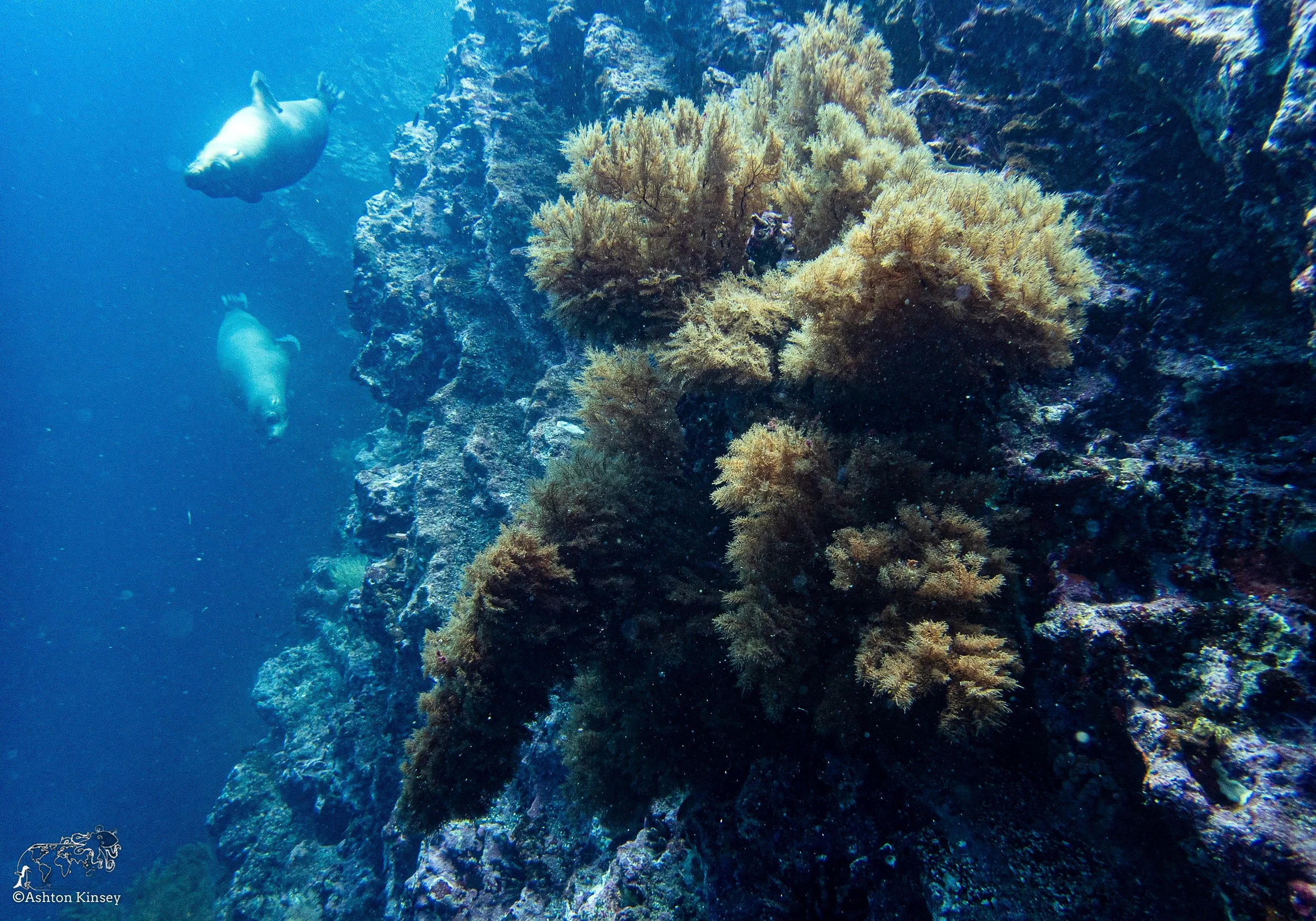
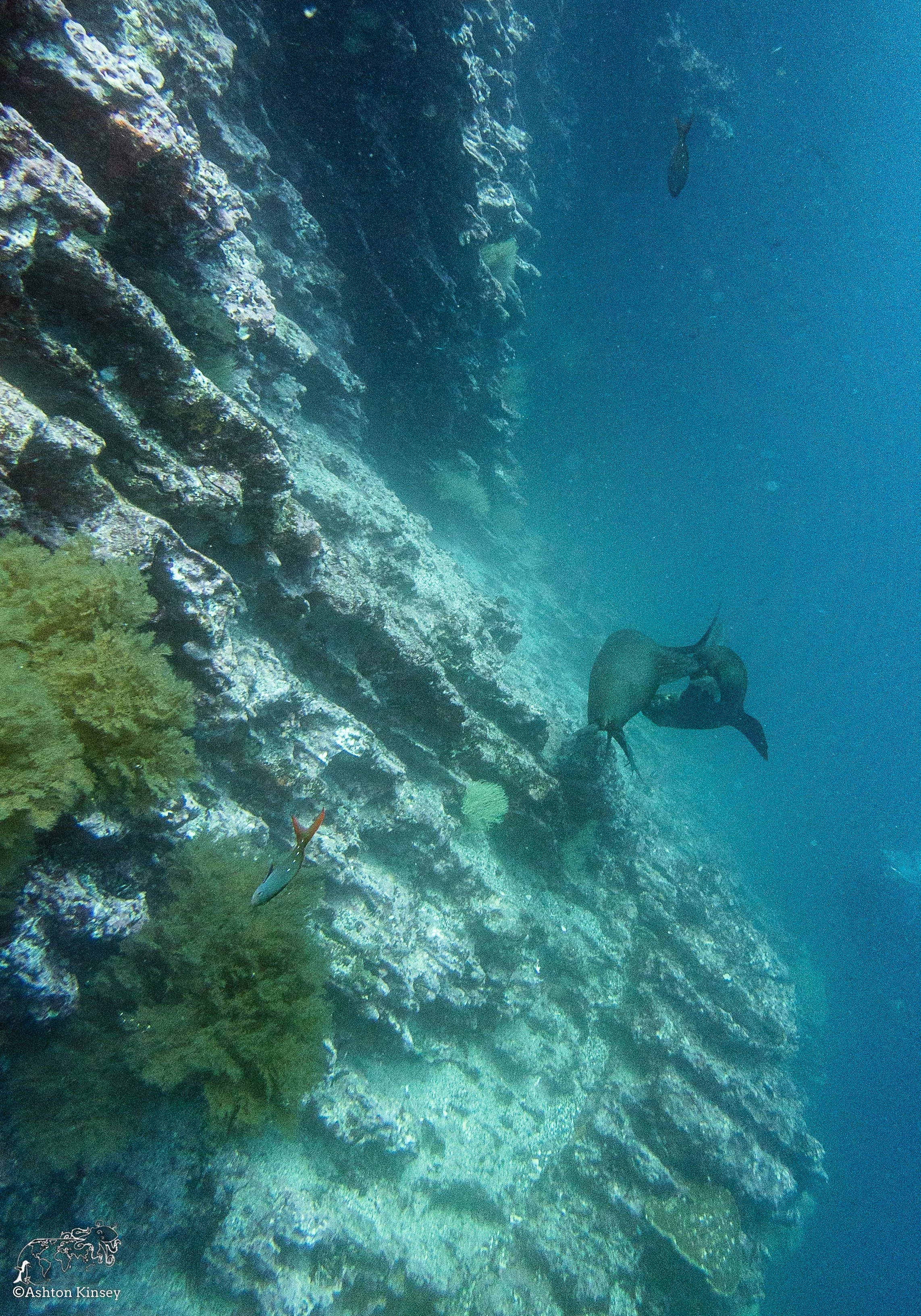
Shark Cove was more of a sea lion breeding ground than a cove with sharks. This site was shallower with a steep drop off. Most of the dive was spent hopping between rocks, while trying not to get bashed into them, other divers, or sea urchins due to the strong surge. These had larger coral heads, still not like the corals in the Caribbean or elsewhere but big for Galapagos, there were also a lot more macro and invertebrate life than the other dives. The sea lions were the main draw for the dive, if you cared to deal with the surge and wanted to try and get close to them. After spending some time with the sea lions we would drop down and drift along the wall to see what we could see in the blue (Allie: and this is where we saw that really cool slipper lobster thing! Still no nudis tho…)
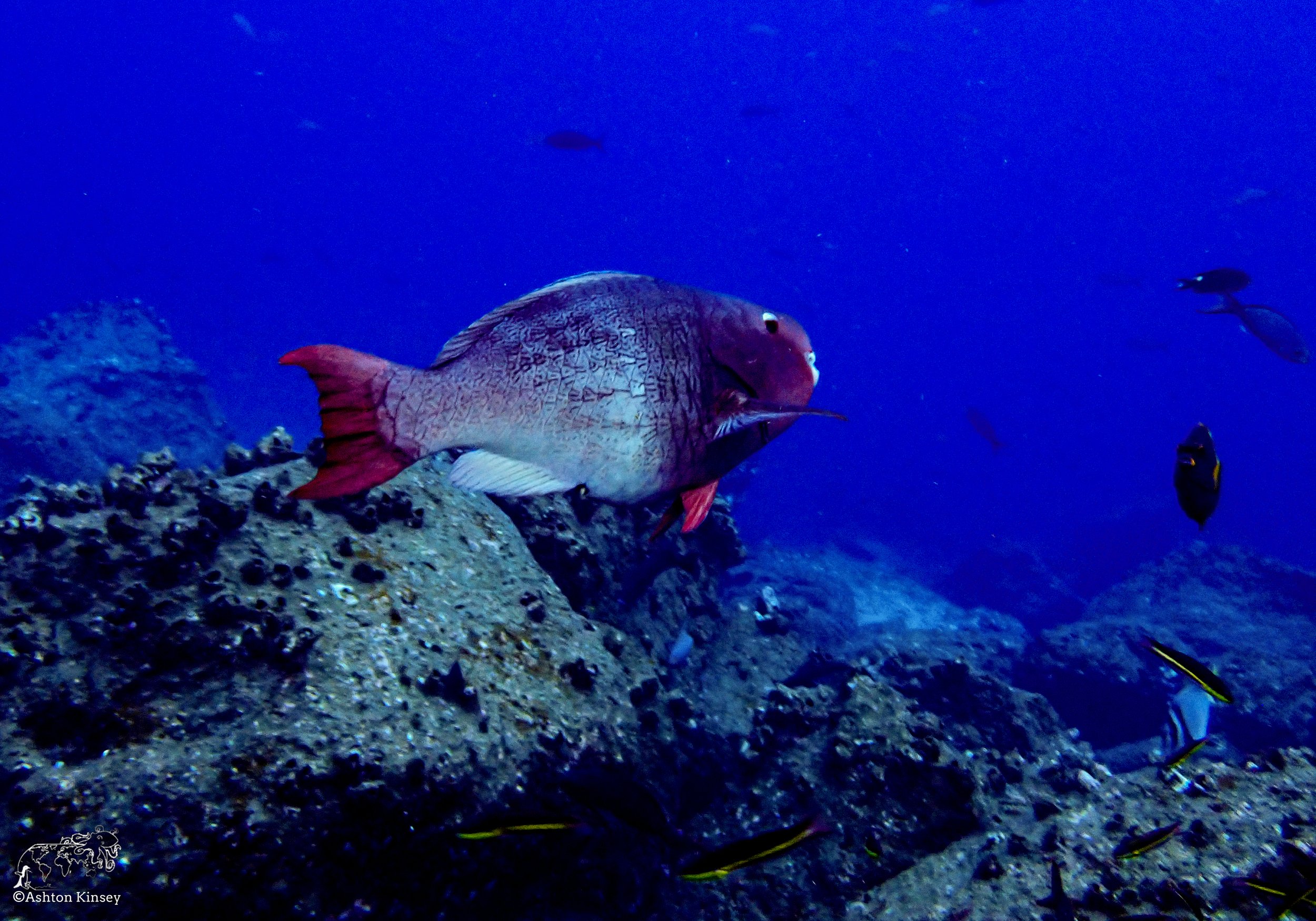
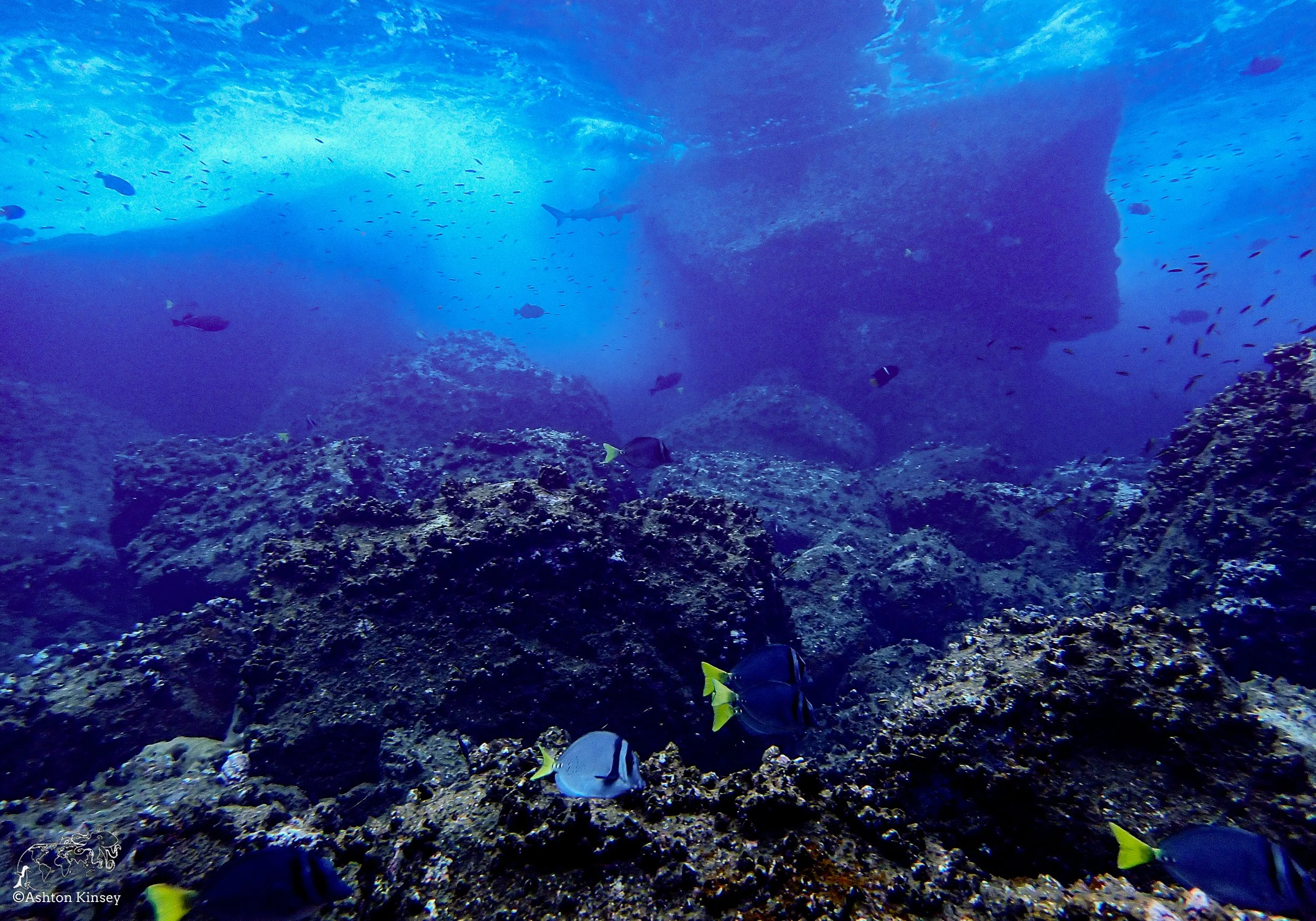
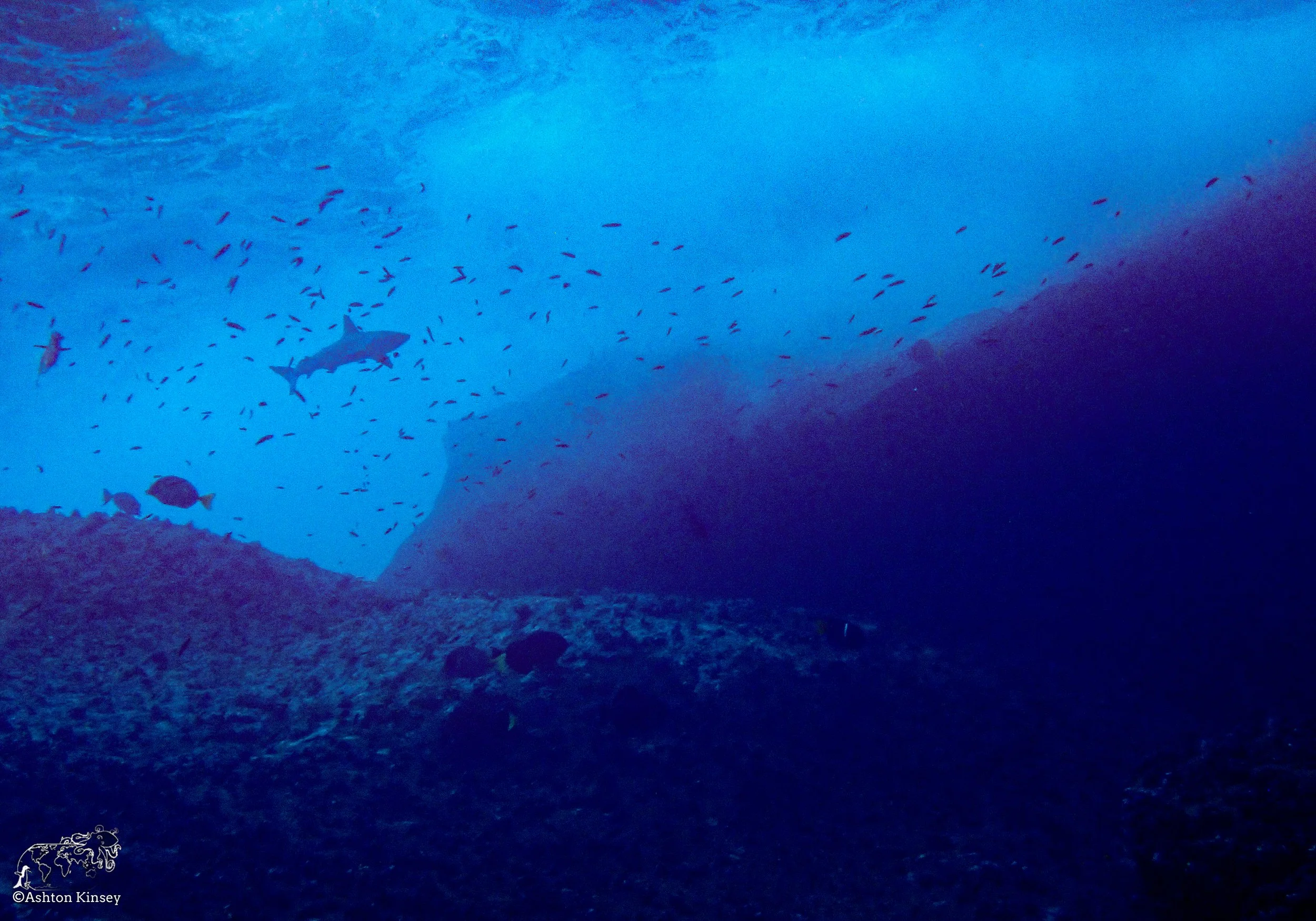
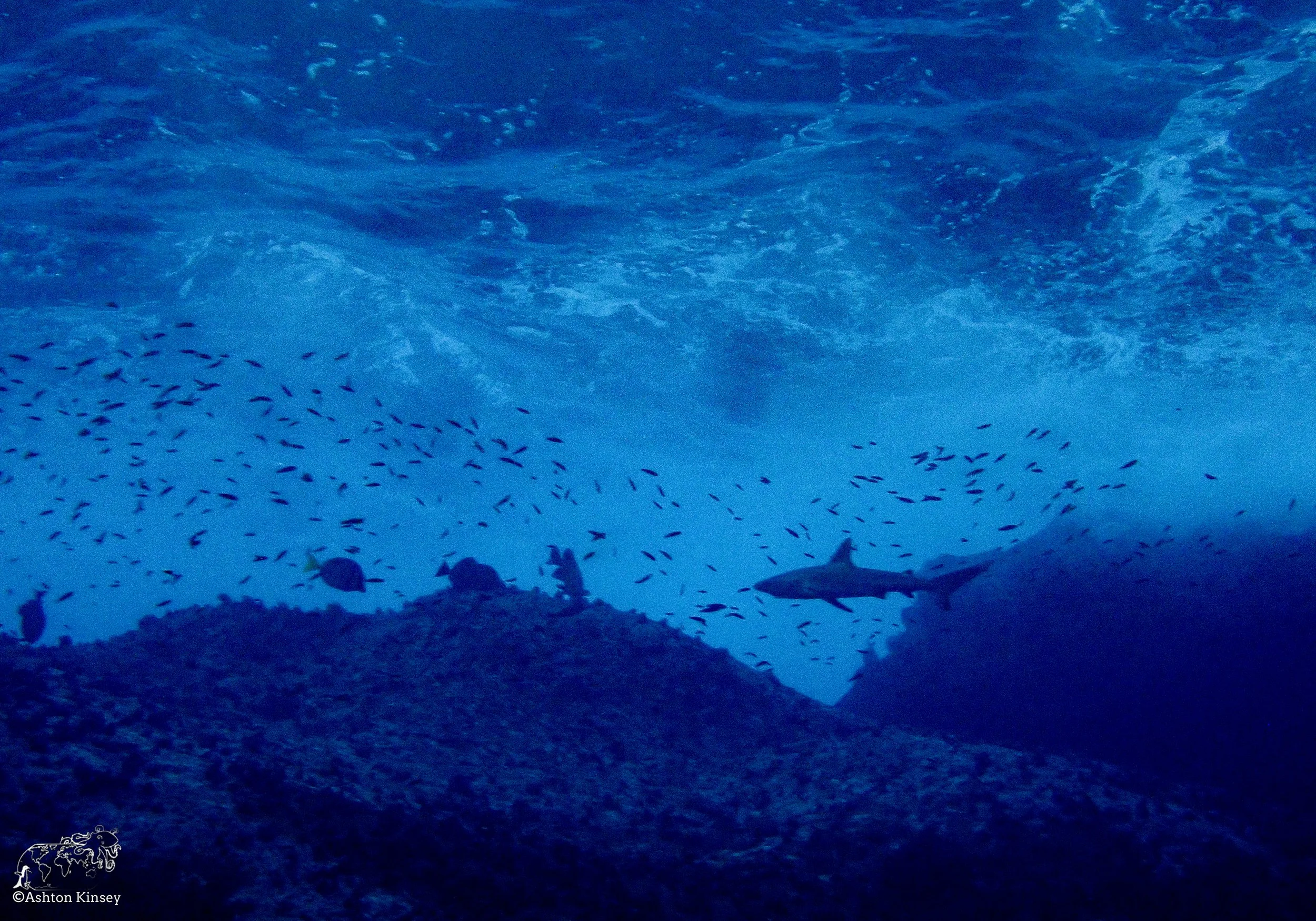
The Bay
Dive 18: 112’ for 48 minutes
The boat was moored in a large bay at the base of the cliffs, and during the Wolfe Island briefing Beyoncé asked Carlos if there was anything interesting to see below the boat and if we could just jump off vs using the dinghies. Carlos was less than enthusiastic, saying it’s deep and mostly just sand flats with a couple of small rock piles and ultimately kind of a waste of a dive. Our first night on the Wolf, Geoffry gathered us together and asked if we would be interested in diving the bay, saying that there’s a chance to see the red lipped batfish since we weren’t going to be able to go to the southern sites where they’re more commonly found due to bird flu. We agreed, it was worth a shot and something that we wouldn’t be able to see otherwise.
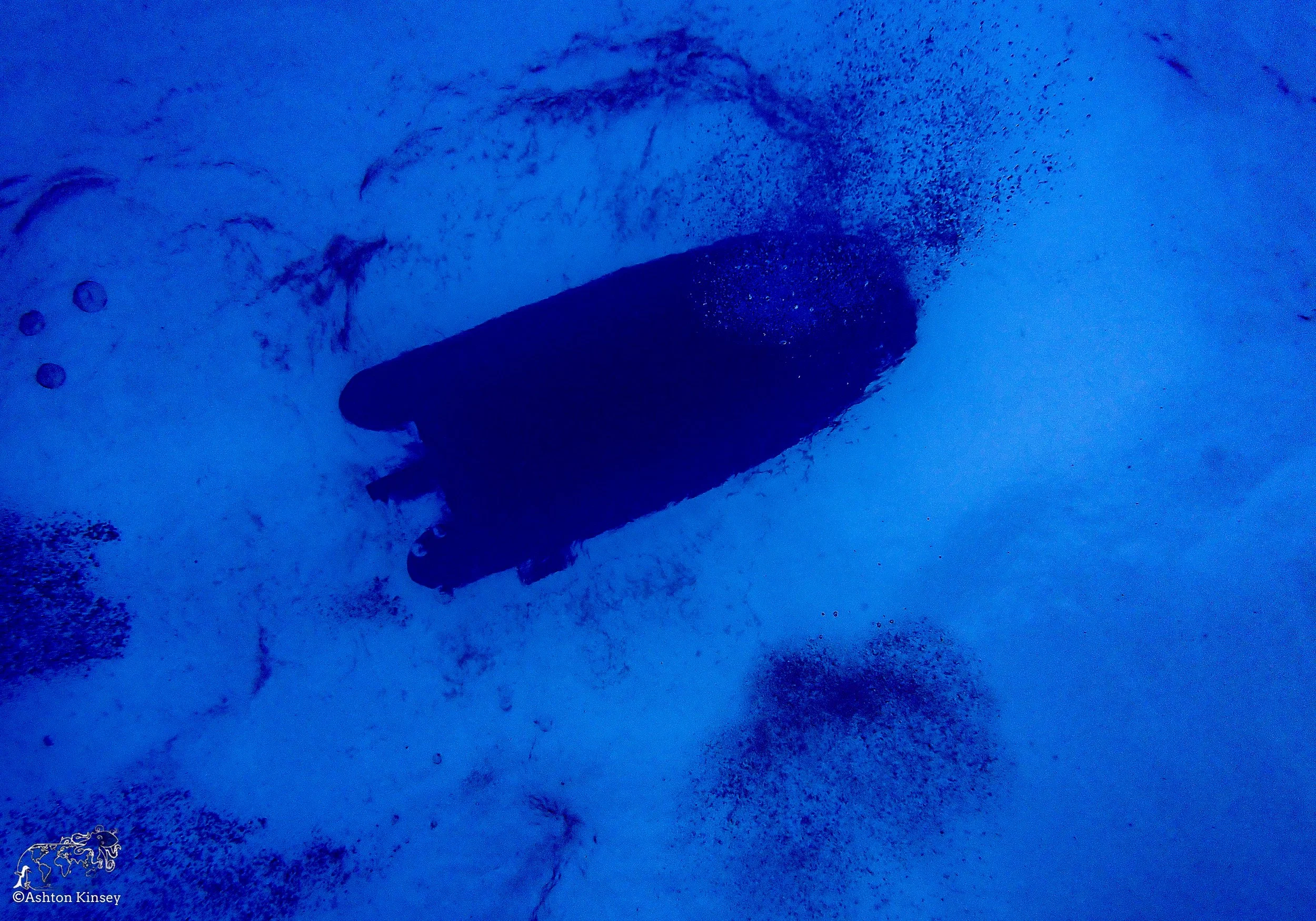
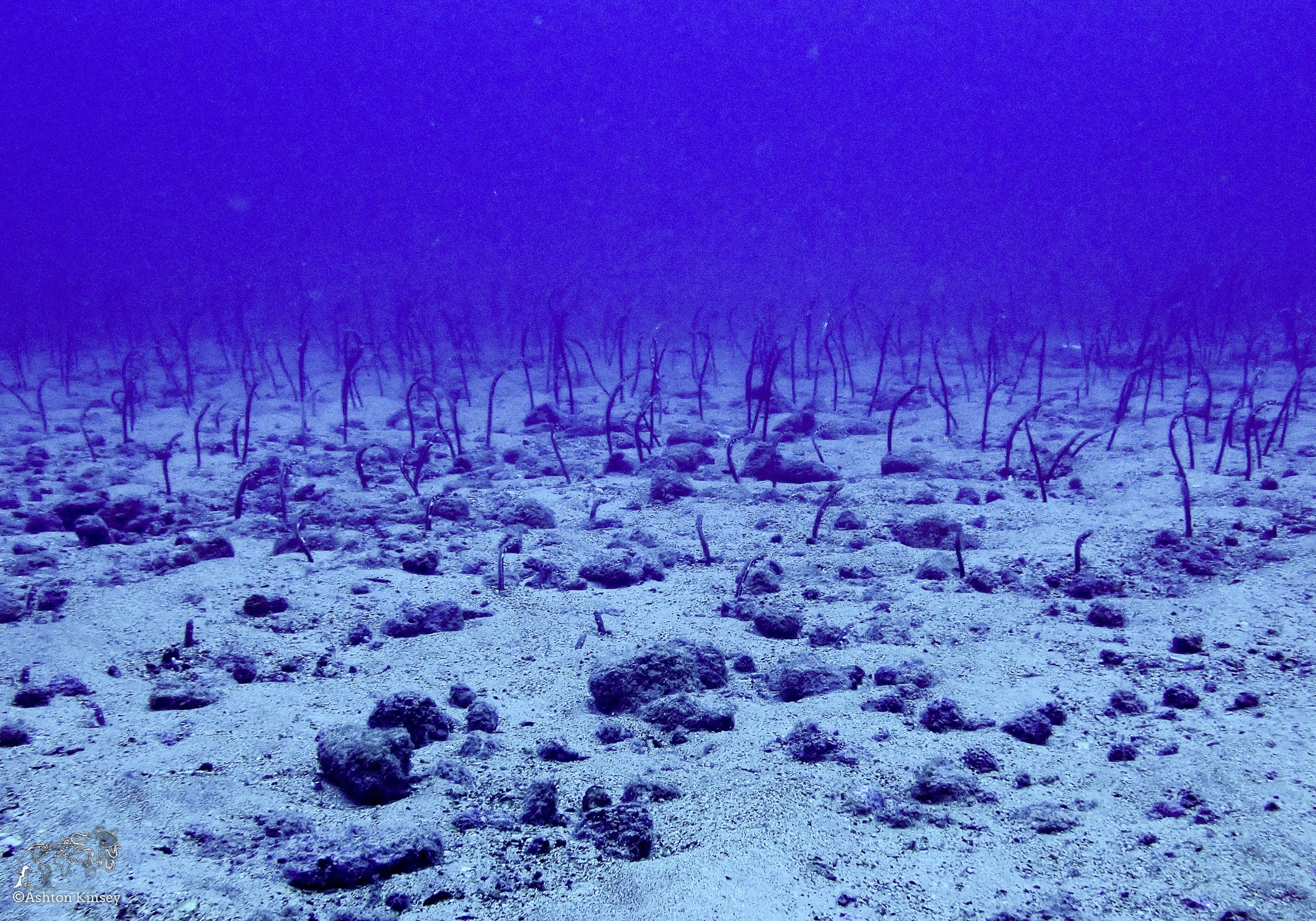
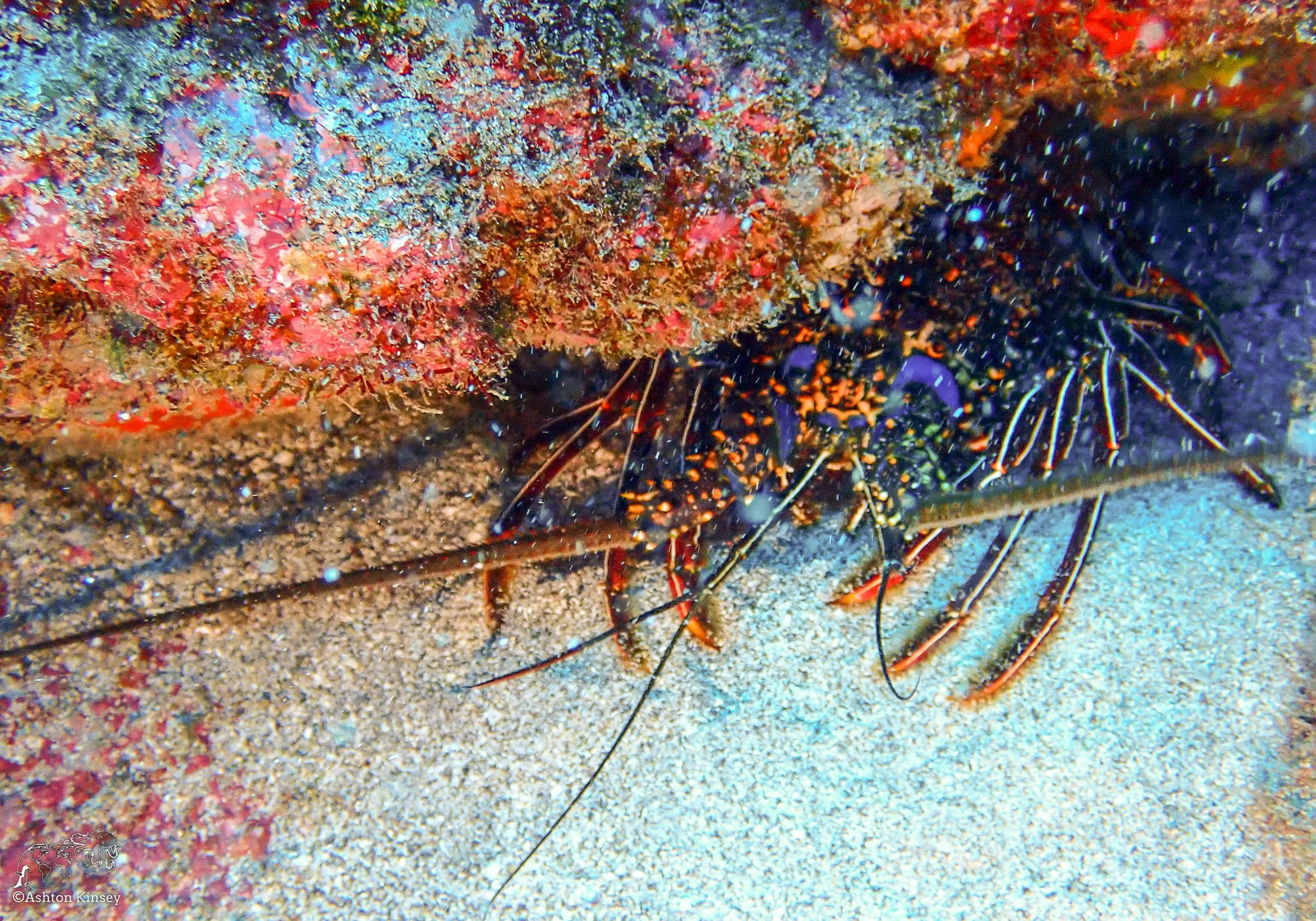
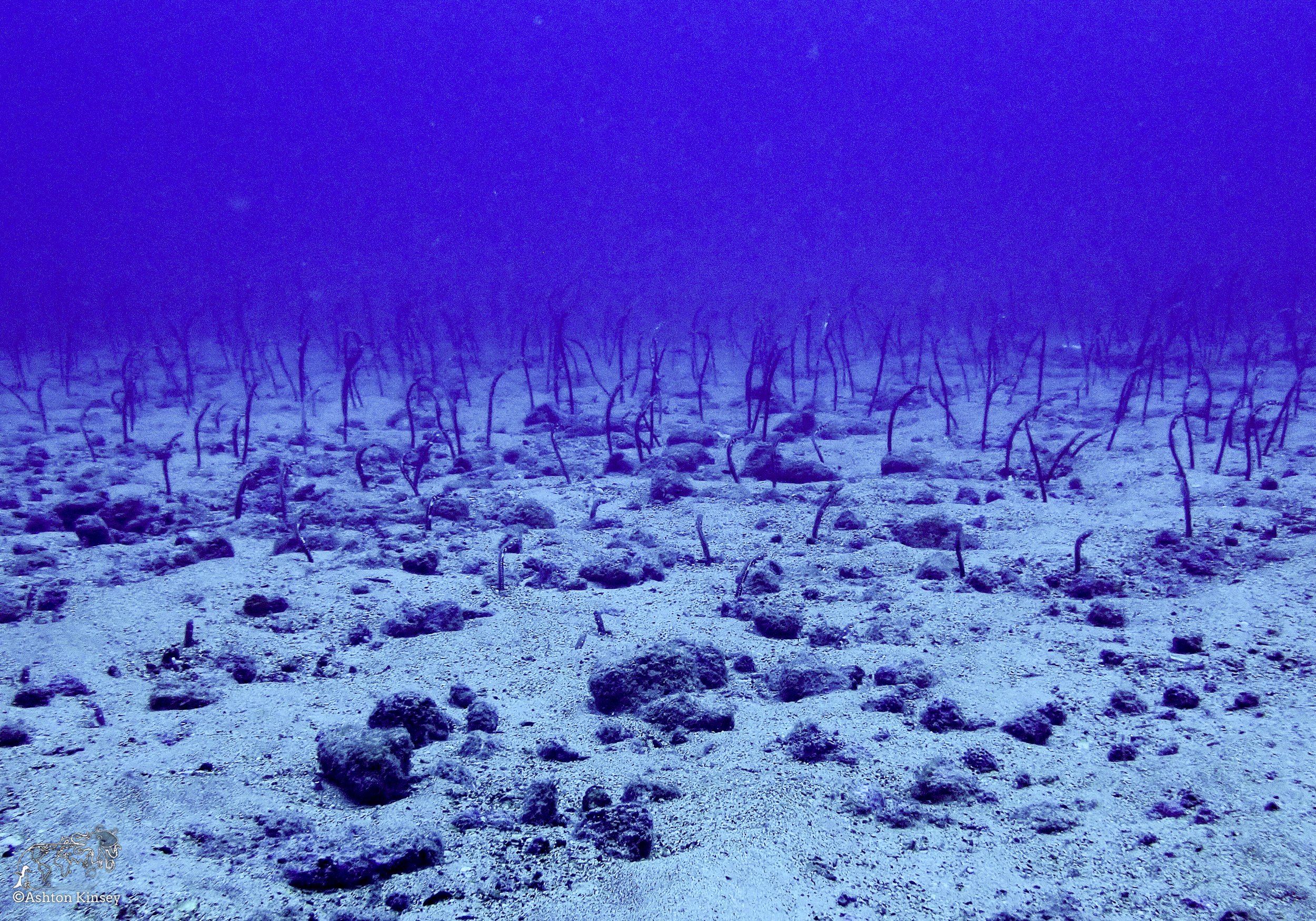
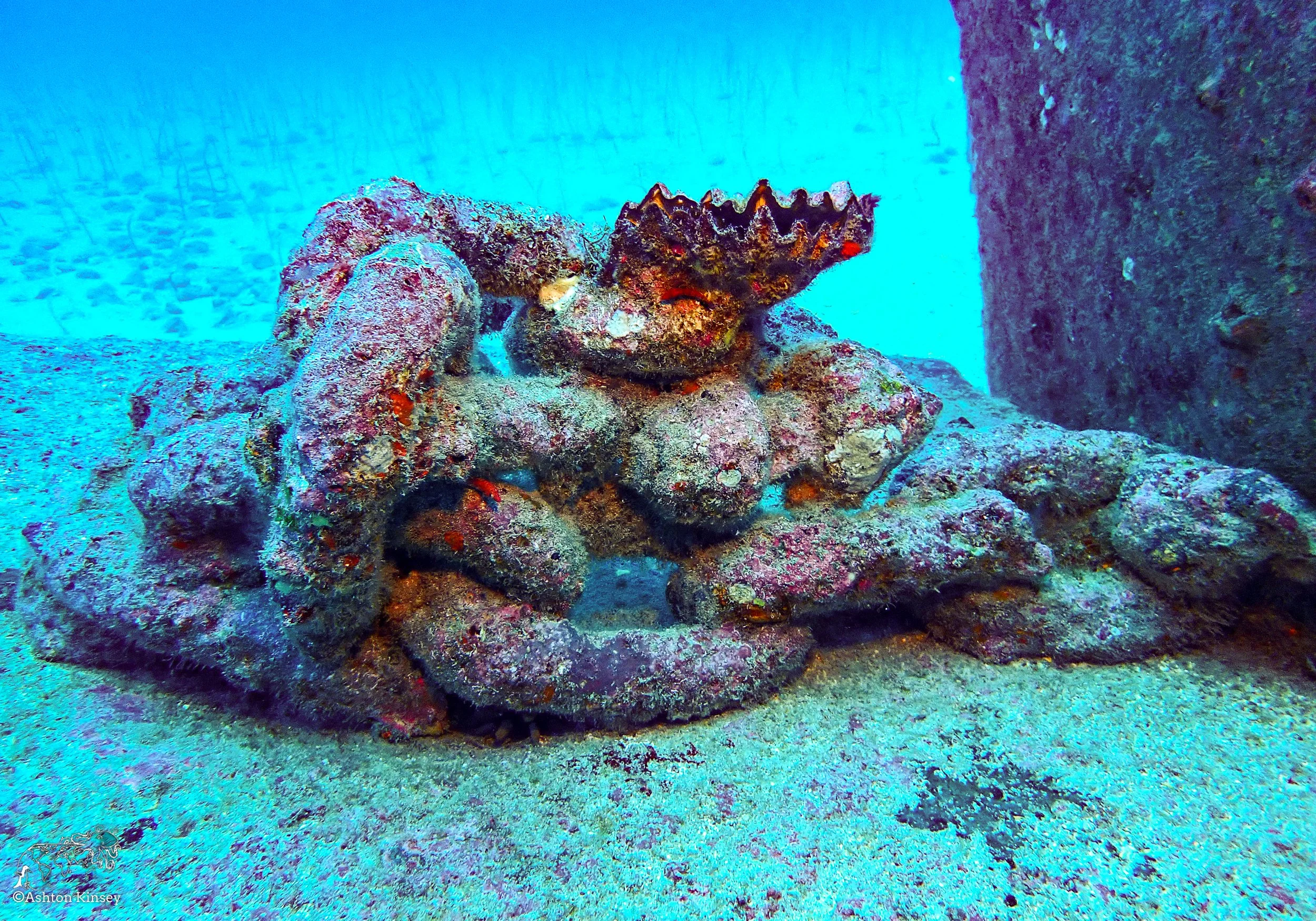
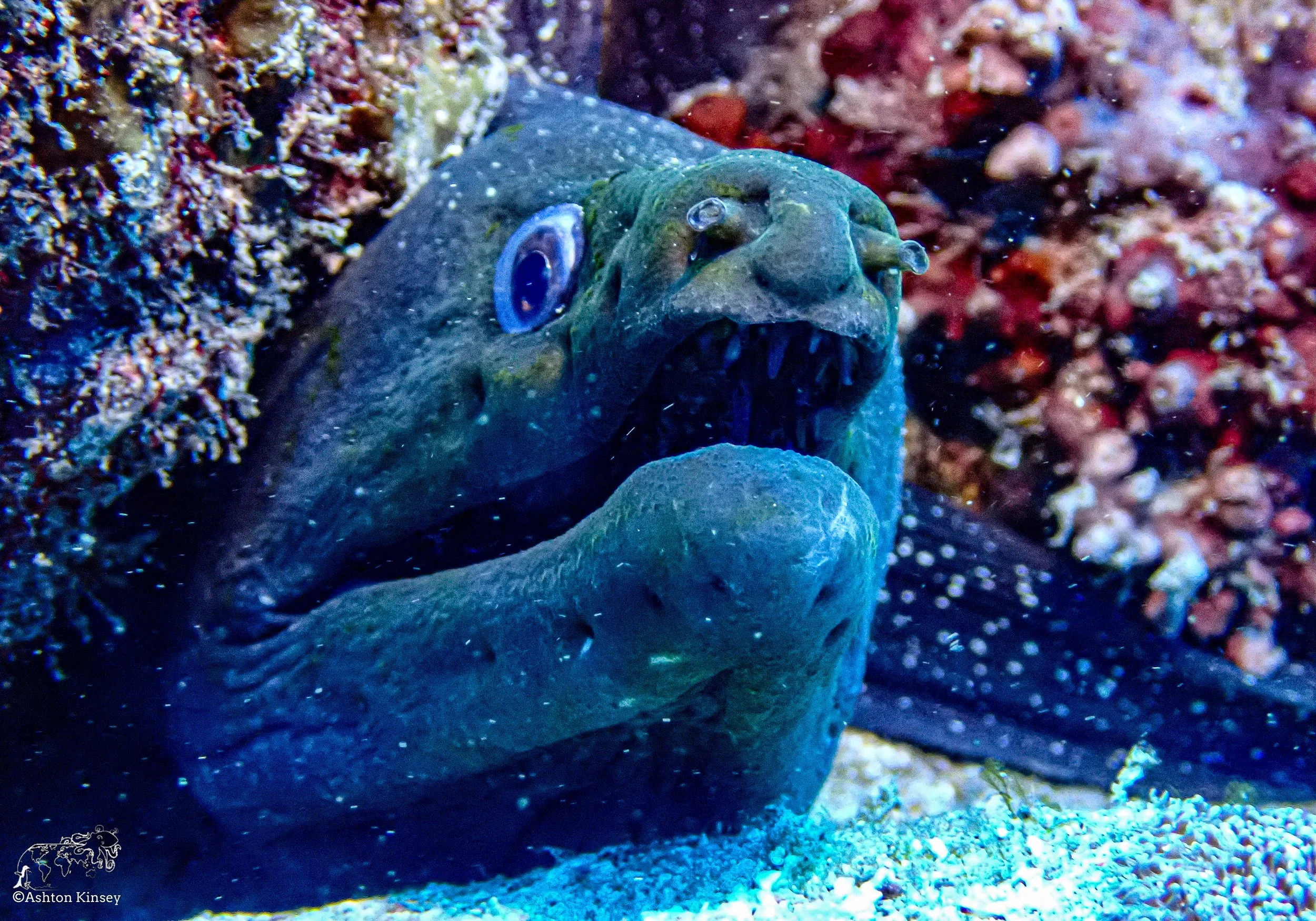
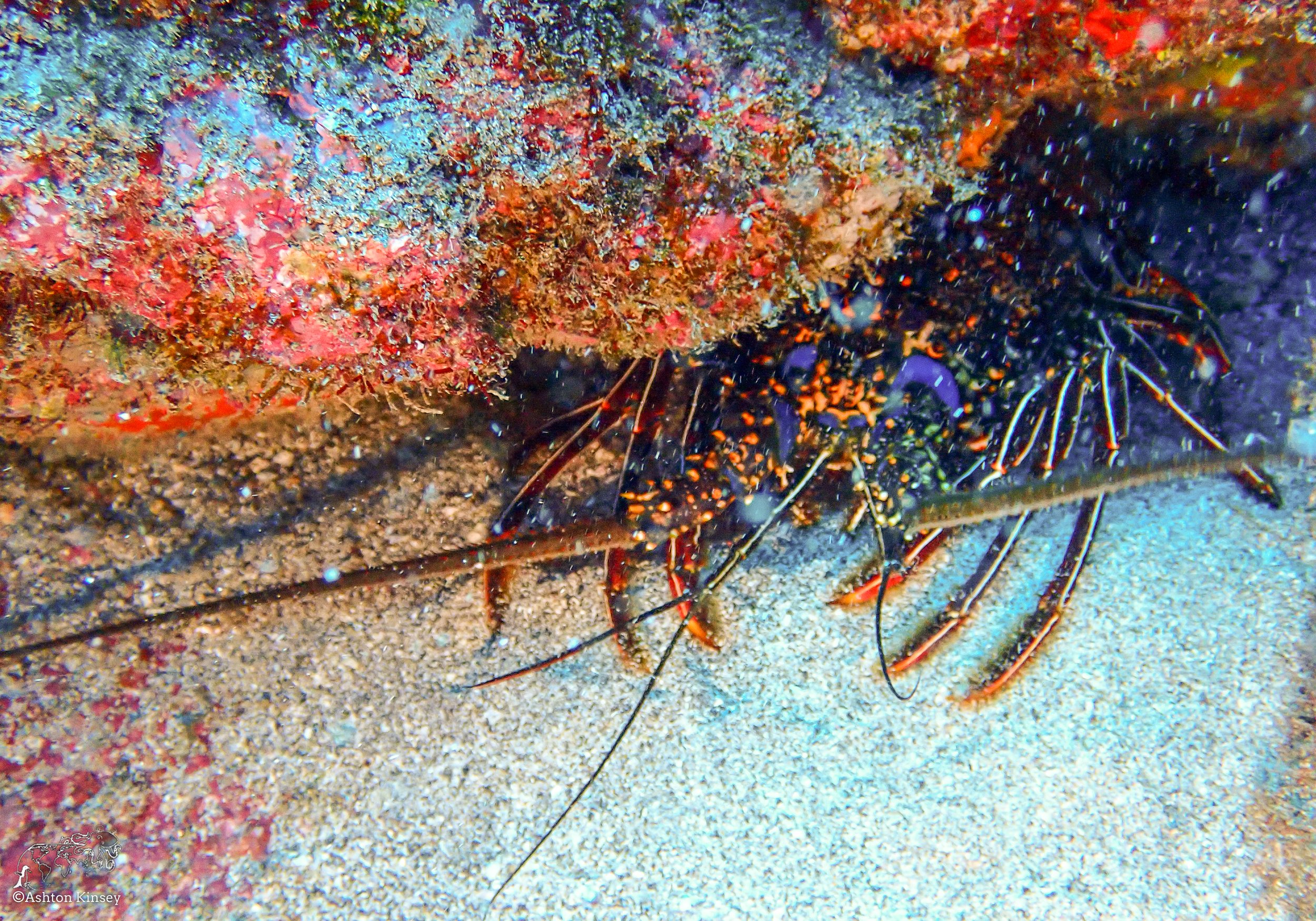
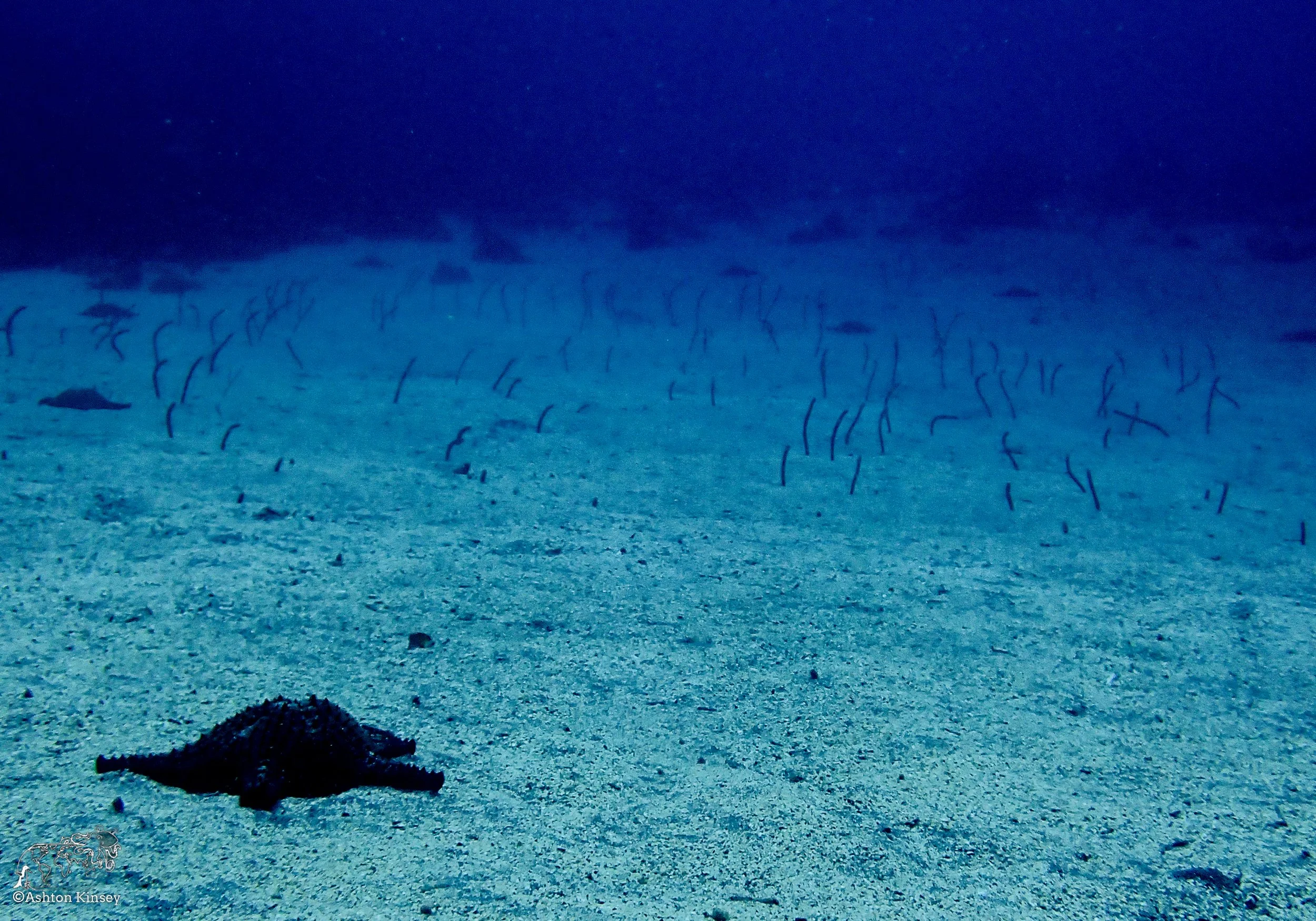
The dive site is deep and is the bottom of the crater of the old volcano, it starts to bottom out at about 80’ and then slopes down deeper than we were able to dive on the nitrox blend we were using. The bottom was mostly just sand and some garden eels, nothing too exciting. A notable find was a very large cruise ship anchor at about 100’ that we found on our way back to the group after Allie swam off to look at…stuff (Allie: I needed to take an artistic photo! You can’t contain my artistic eye!)[It was trash that was littering the ocean floor but sure, “artistic”]. As we were making our way back to hopefully find our group Geoffery and his team “discovered” the anchor and spent some time taking pictures of Geoffrey and the anchor. We rolled our eyes, met up with our group, and didn’t think much more of it. We got to the wall and found a group of reef sharks snoozing on the bottom that woke up and swam around us for the remainder of the dive. Not the most exciting dive, but still, something to see and dive to do. Plus, there was a good-sized lobster at the end, and outside of seeing them in Florida are always neat to see.
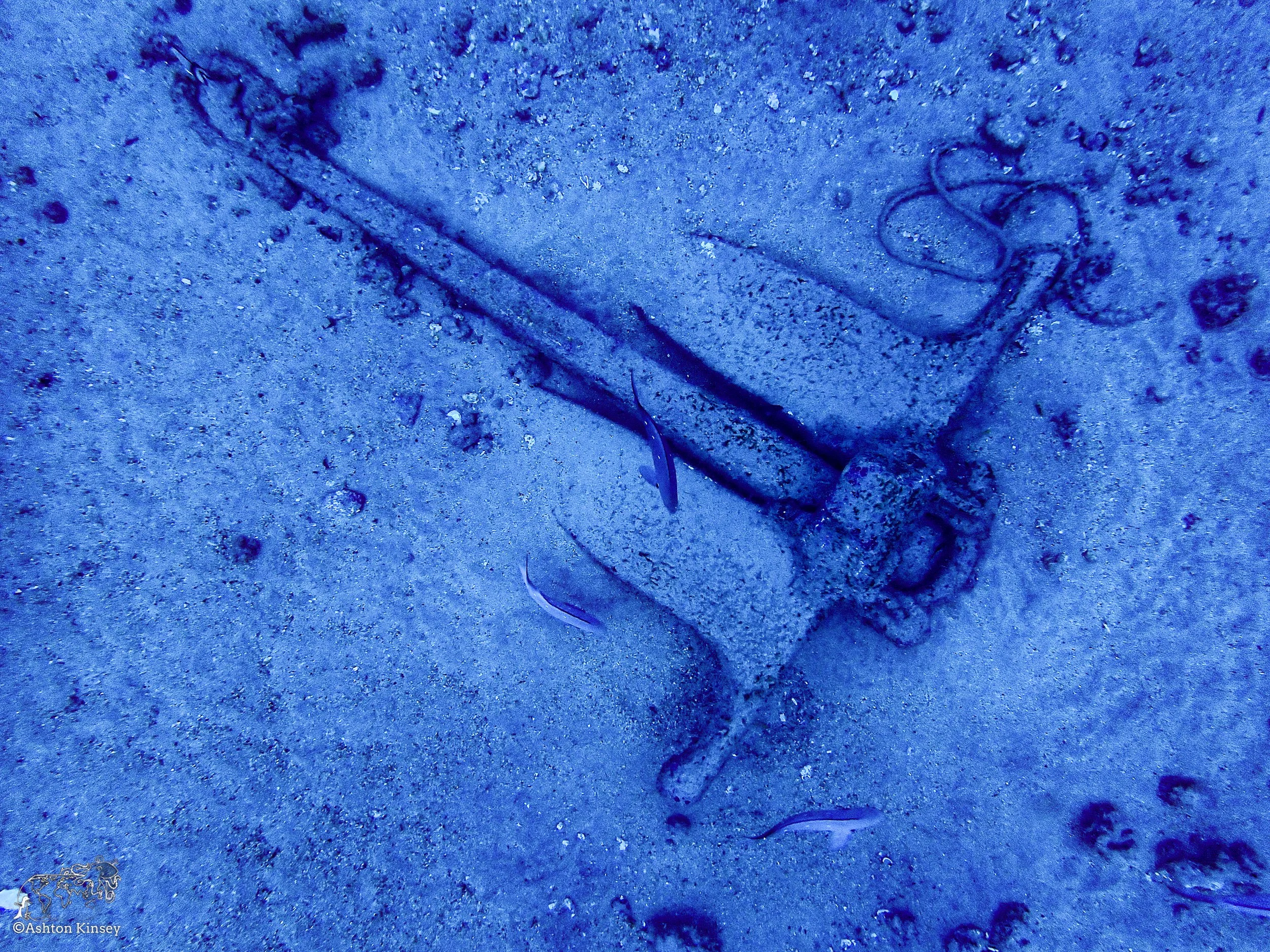
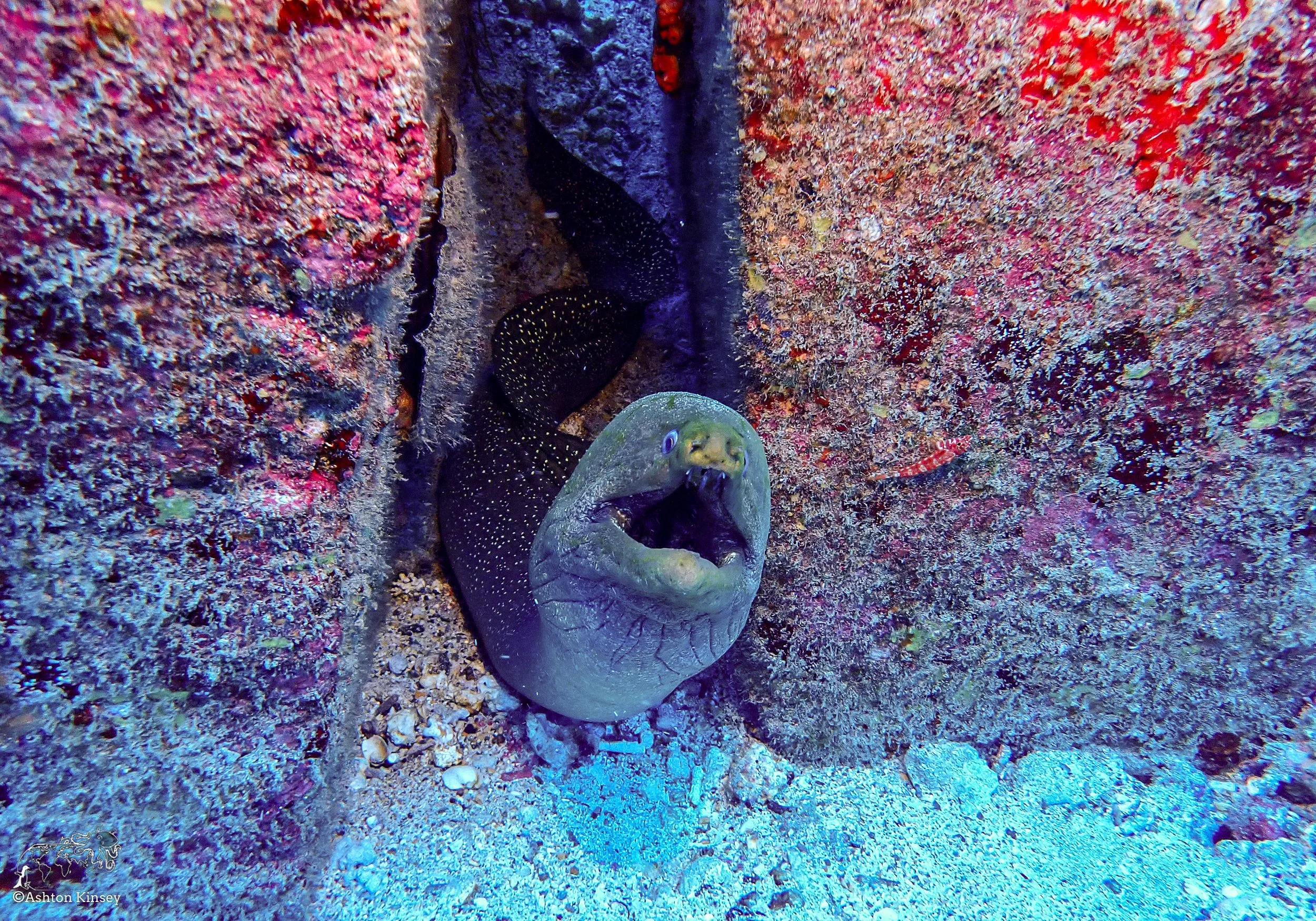
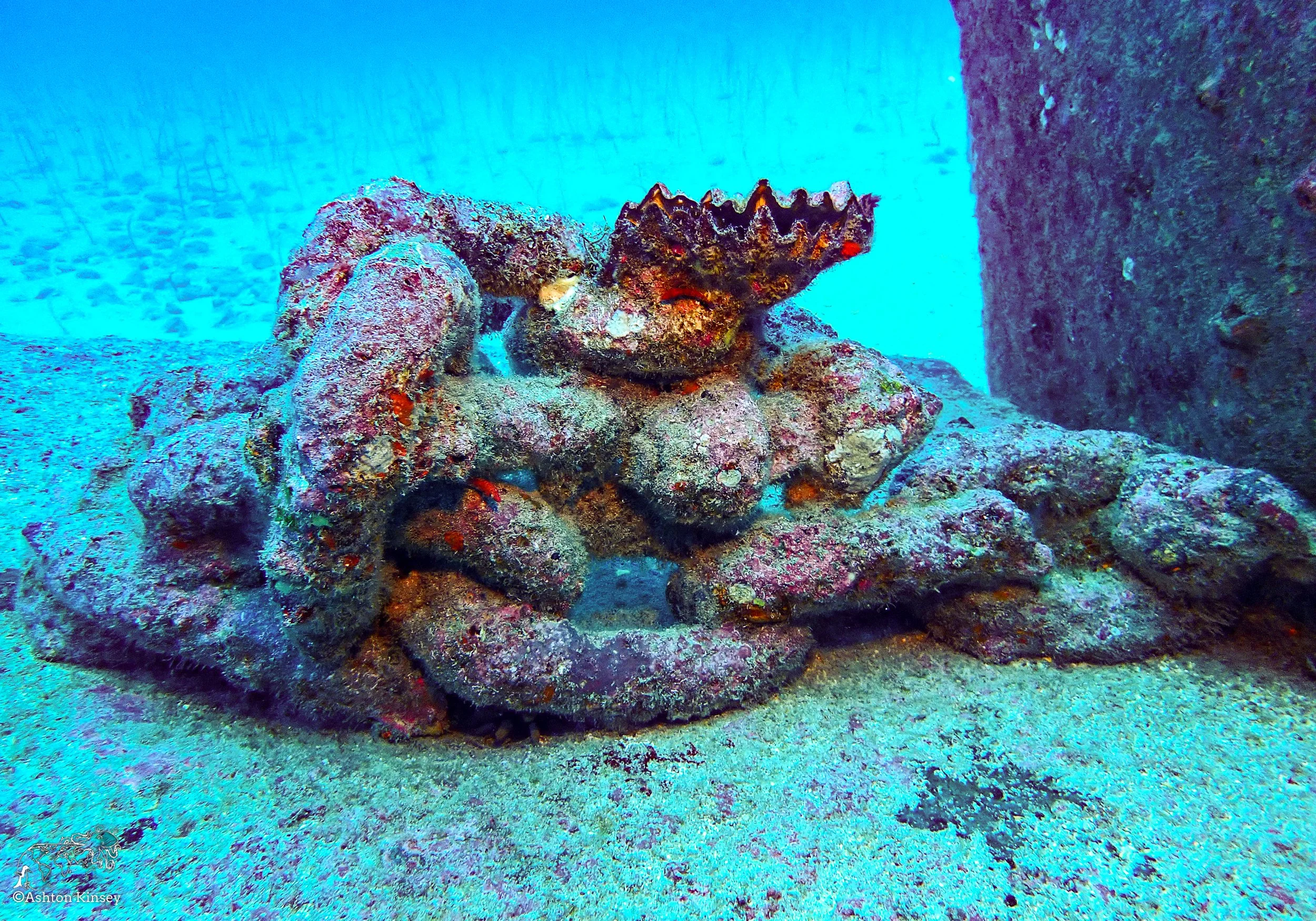
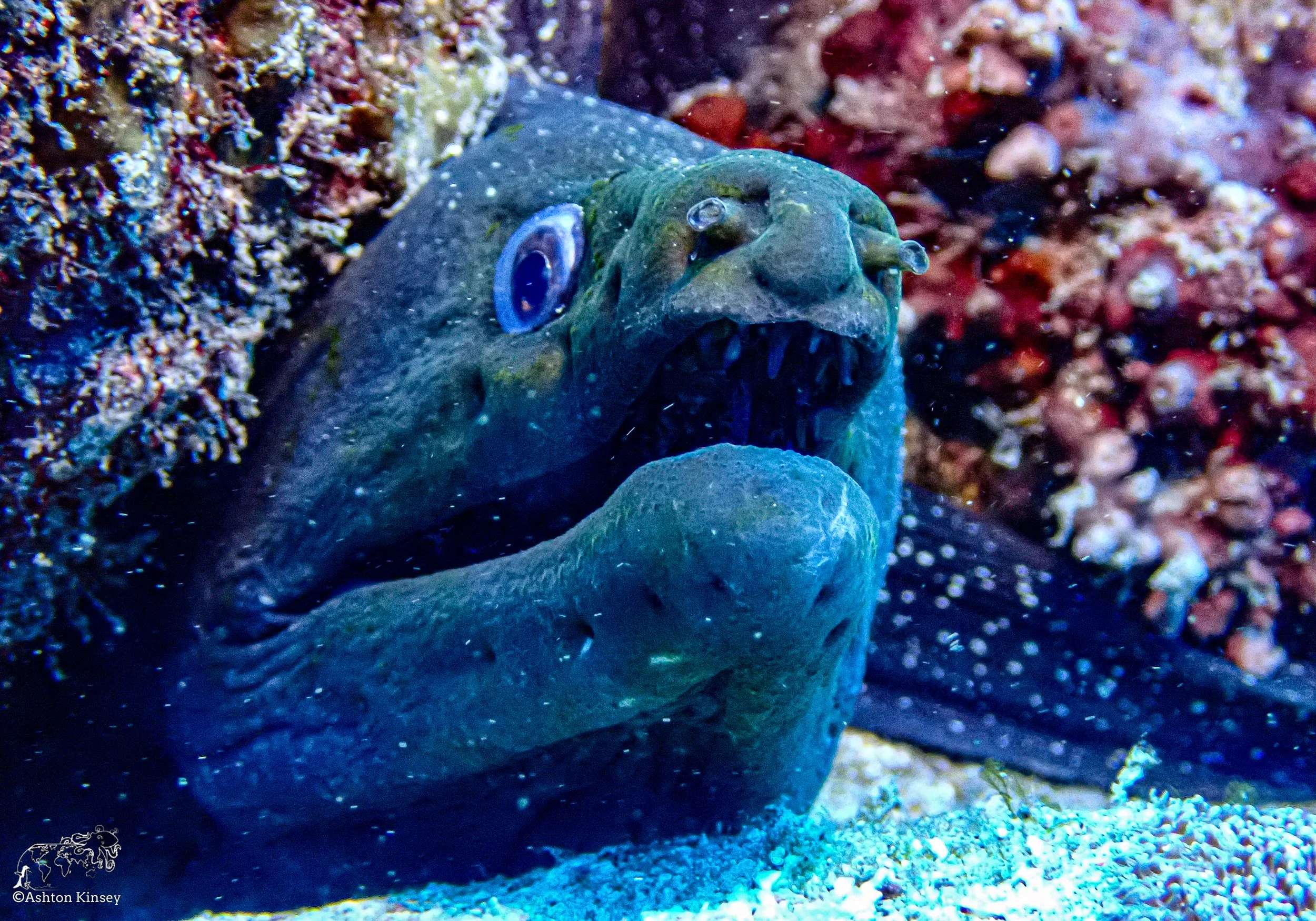
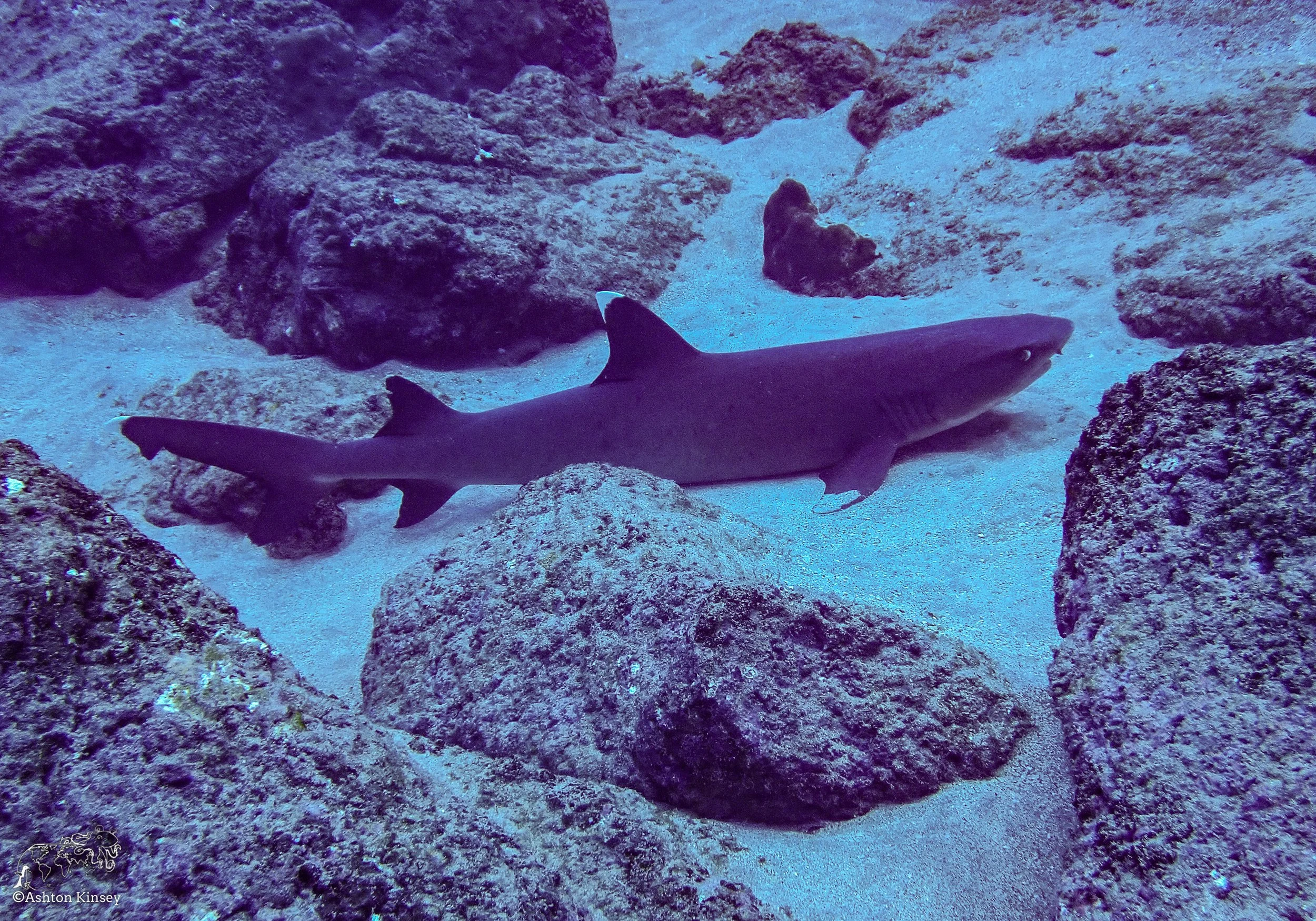
During our surface interval at lunch, the crew tried valiantly to bring the anchor back up, after Geoffrey went on and on about how *he* discovered it (Allie: *dramatic eyeroll*). After several hours of attempts (Allie: Like two hours max), and nail biting close calls with the anchor line, attempts were made to bring it up out of the water and then set it into the dinghy, however the iron (top part of the anchor) was still partially submerged and the bottom part of the anchor was still significantly below the surface at the highest point that they could pull it up. They decided to move the anchor to 30ish feet to leave until next week when they could come back with lift bags and hoist it up that way. Thankfully no one was injured, and we only had to listen to comments from Frenchie and Bjork about how we should get a cut of the salvage since “it’s eating into our dive time”. Shockingly, we did not miss any dives for this side quest (Allie: To note, they had also previously complained about our surface intervals also being “too short,” so you know, just the usual, which one is it then boys?).
The day after we “recovered” the anchor, we were sitting on the boat enjoying snacks, hot chocolate, and comradery, when we noticed a small rubber zodiac full of people zooming directly at us (Allie: dun, dun, DUN!!!). The bay had a few other boats moored here so it wasn’t that unusual to see zodiacs zipping along. However, as the boat got closer and continued to come directly towards us, we realized that everyone on the boat was fully armed with several wearing helmets and face shields. The boat pulls up and the Ecuadorian Navy boards our boat as rapid Spanish is exchanged between them and the crew.
Ultimately, we, and all the crew were corralled on the deck and watched as the crew got patted down against the side of the ship. The navy initially wanted us all to be patted down as well. Thankfully, our guides convinced them that there was no way anyone could be hiding anything in our wetsuits and settled for us pirouetting around in a circle for a quick check of contraband. After a tense thirty minutes the navy thanked us and departed without further incident. We were told that this was “fairly standard” and not to be concerned. It might have something to do with the barrels of drugs and weapons that were recently discovered in the area, but who really knows.
The Caves
Dive 20: 67’ for 51 minutes
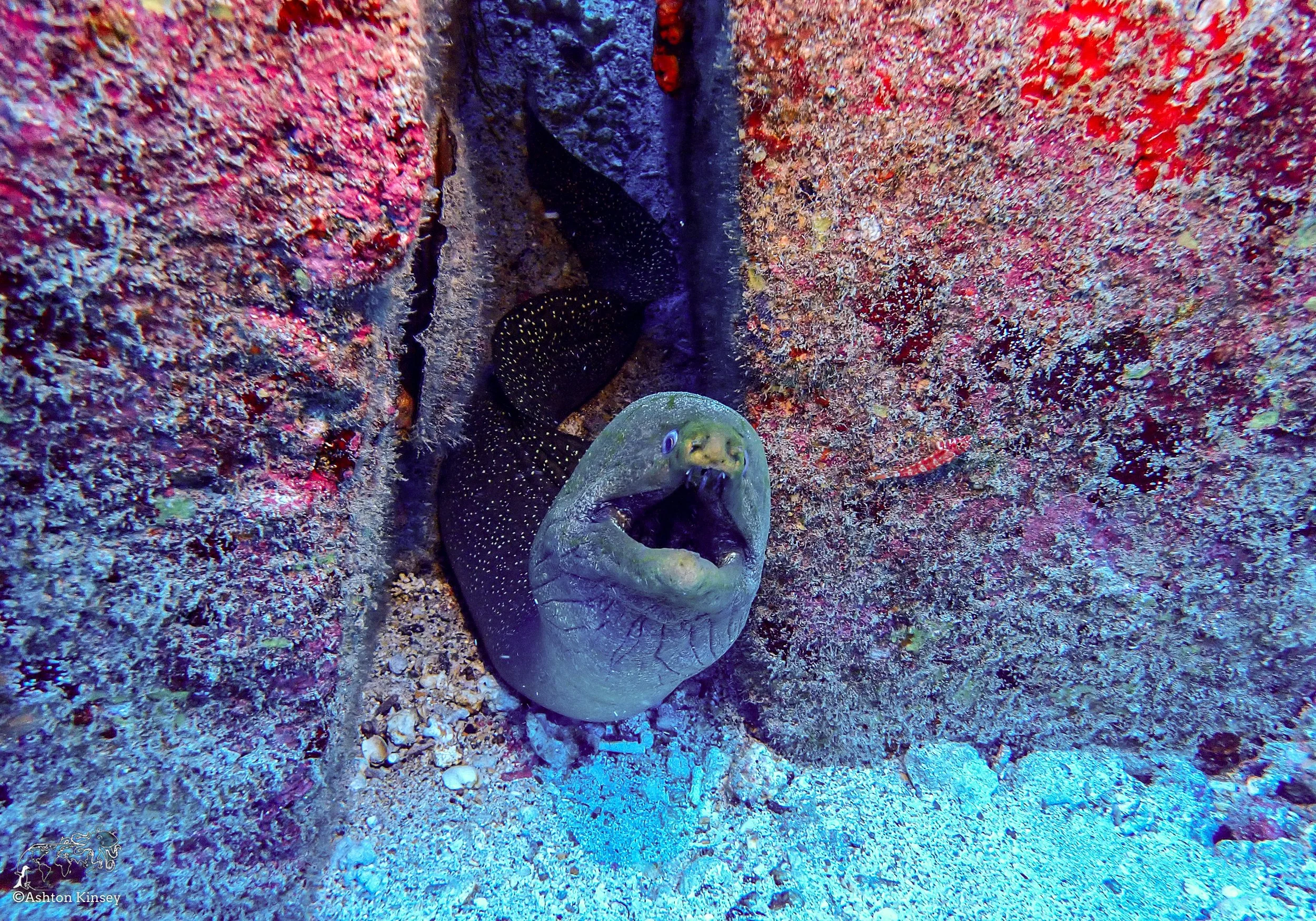
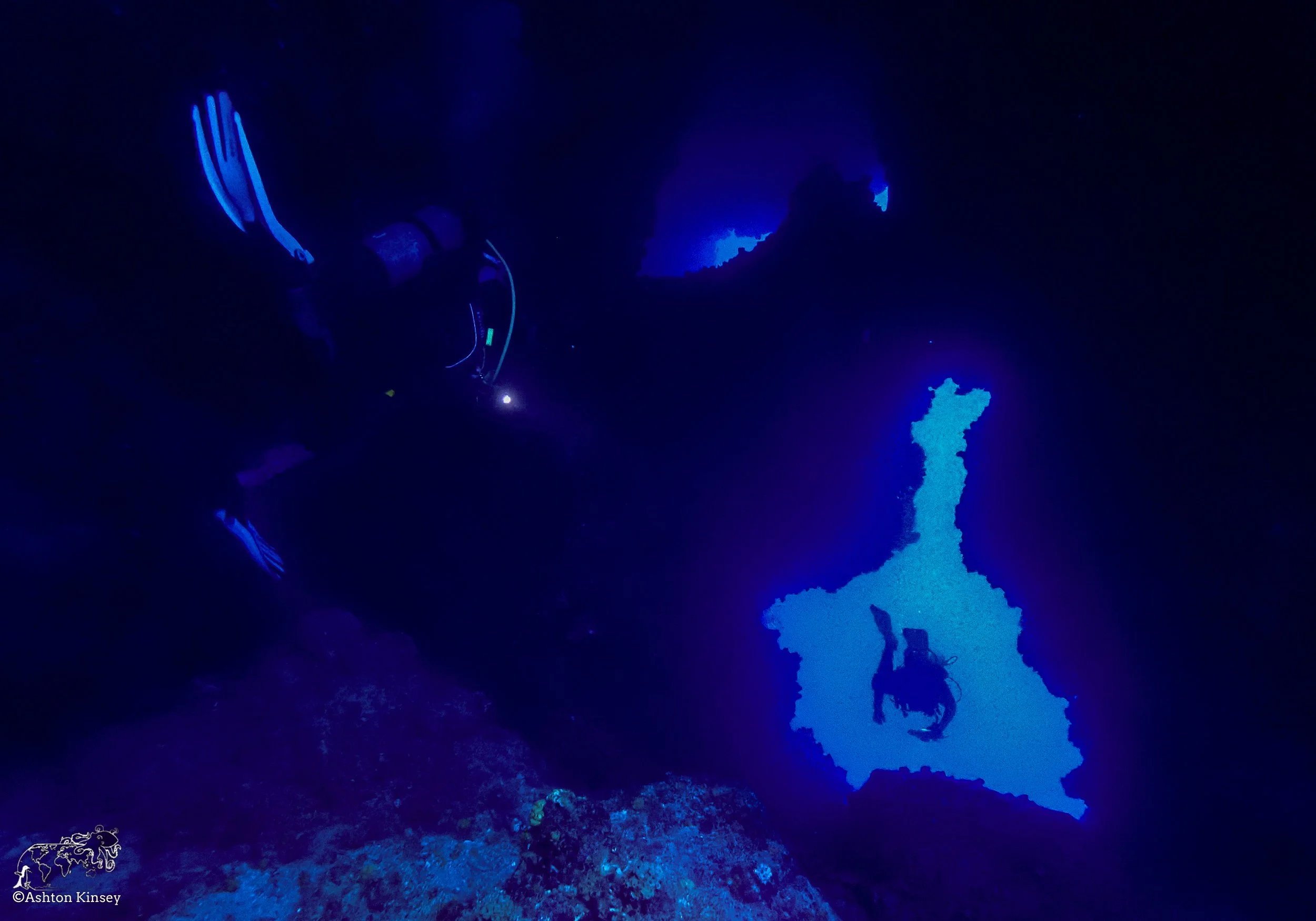
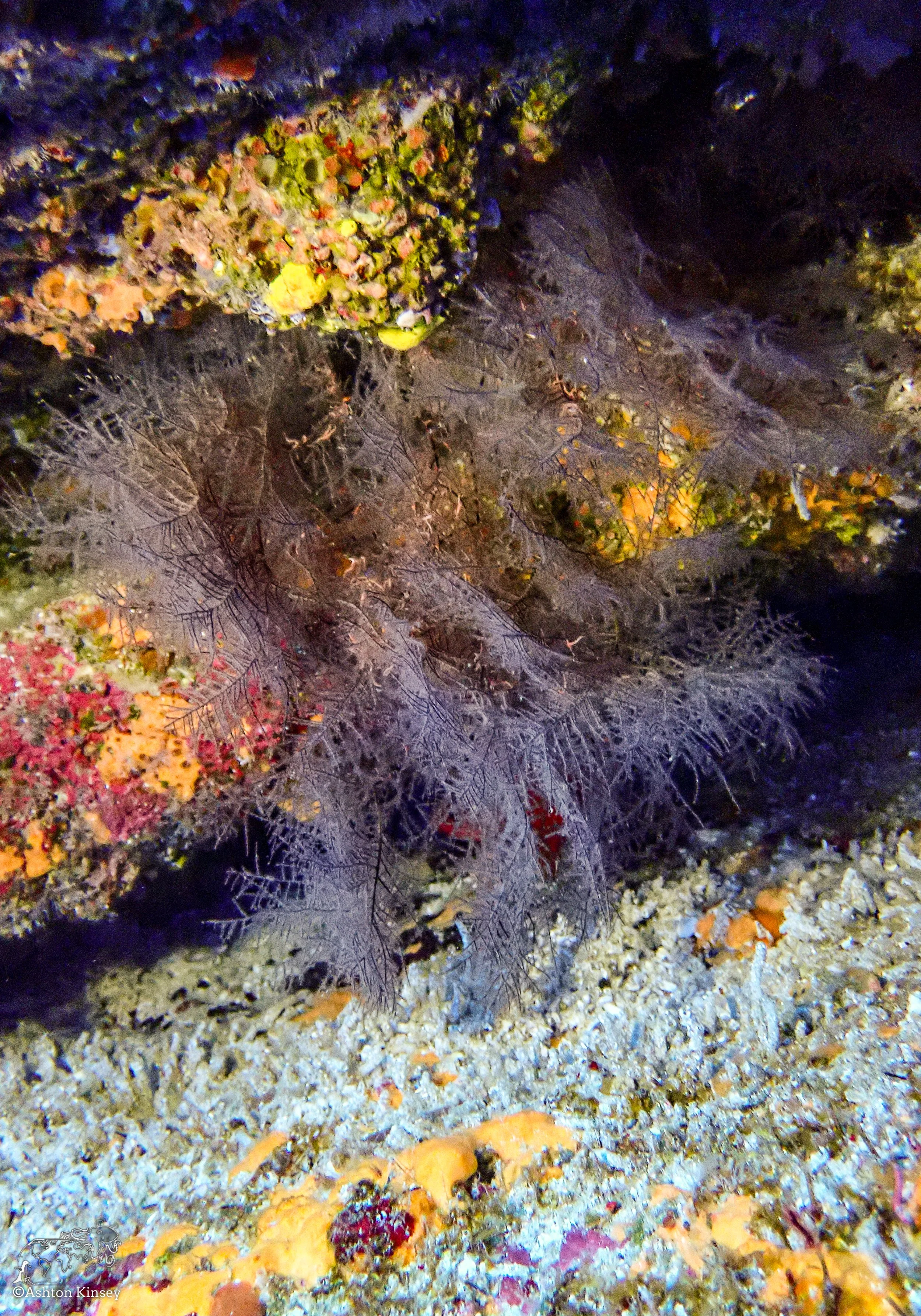
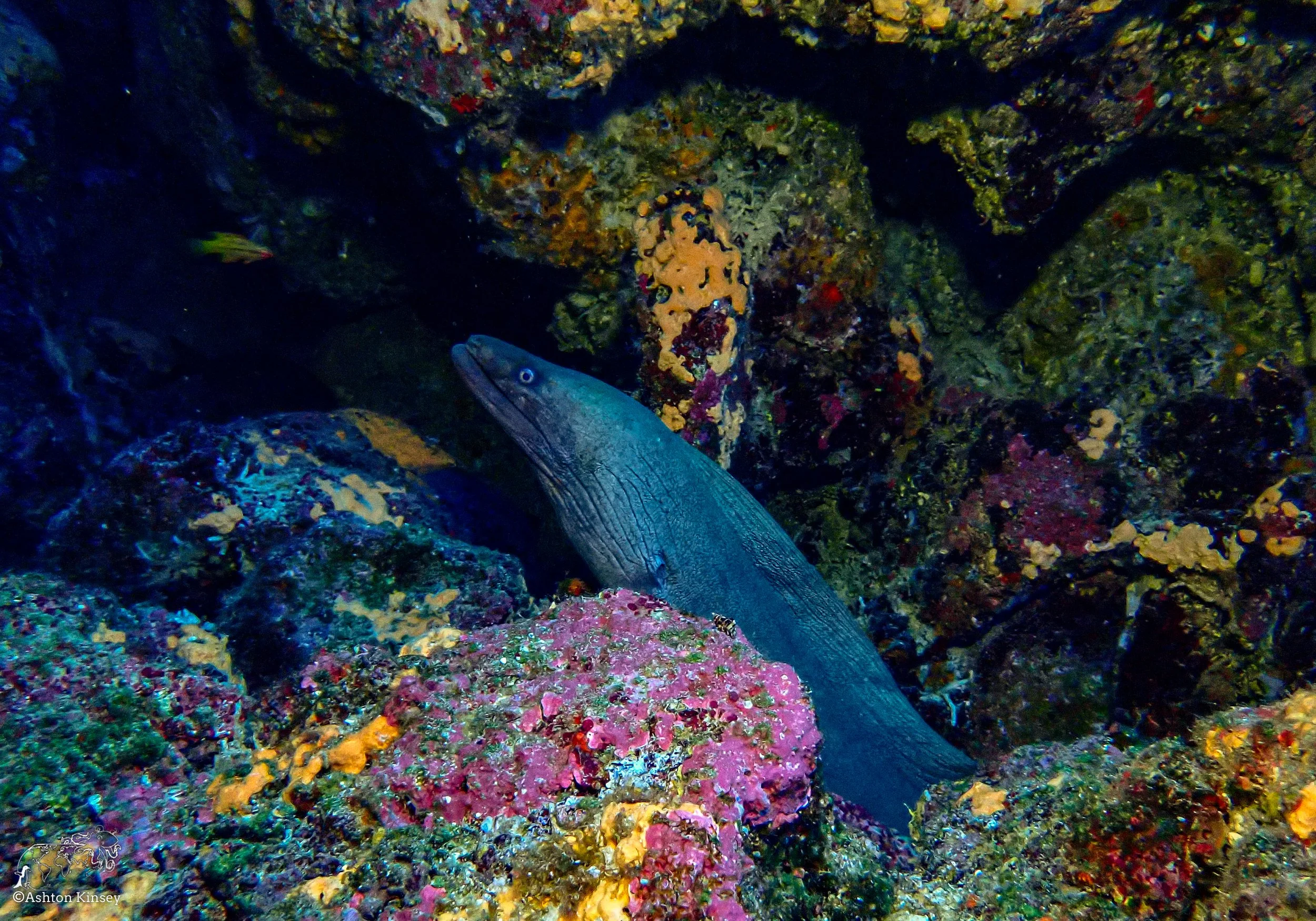
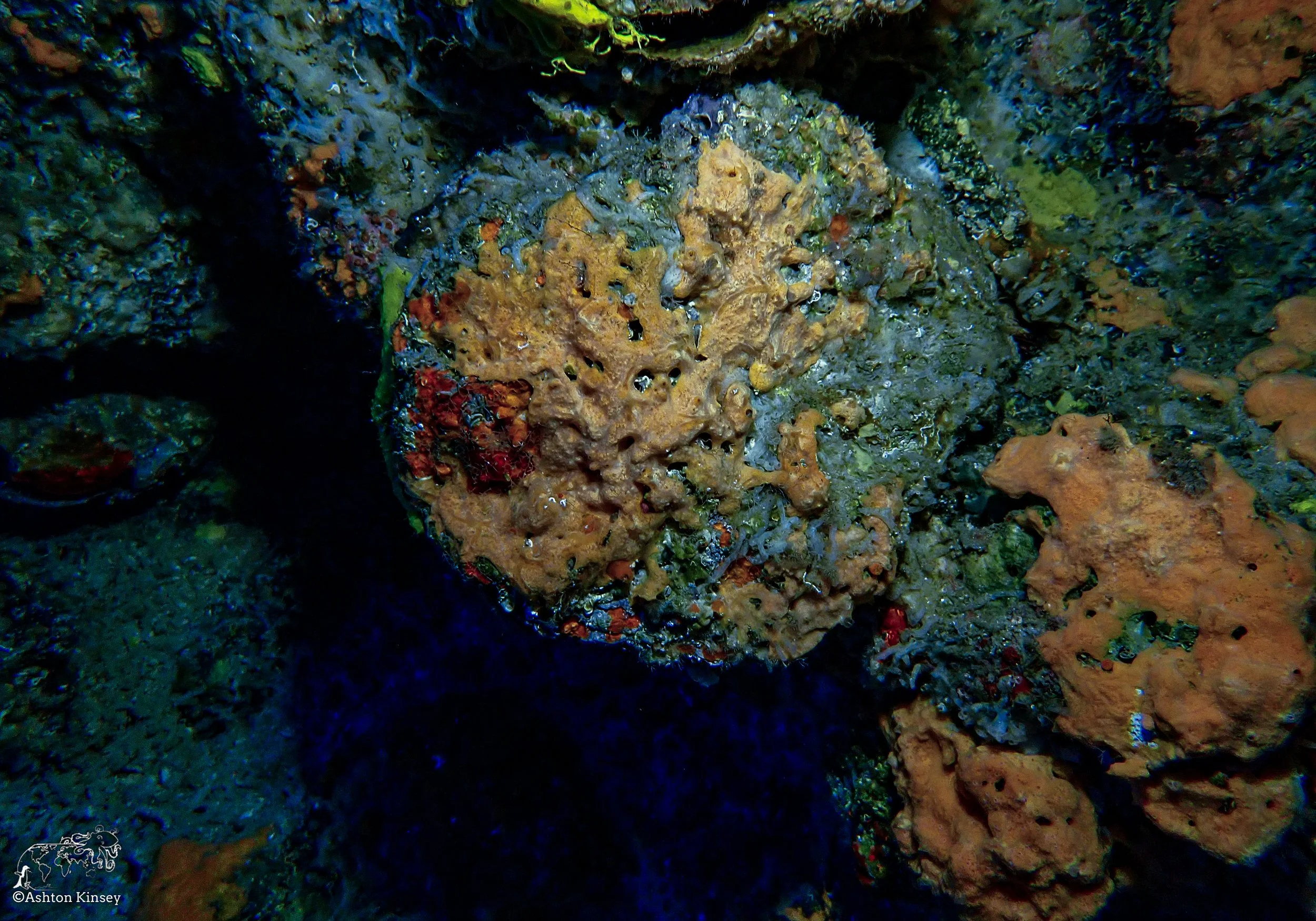
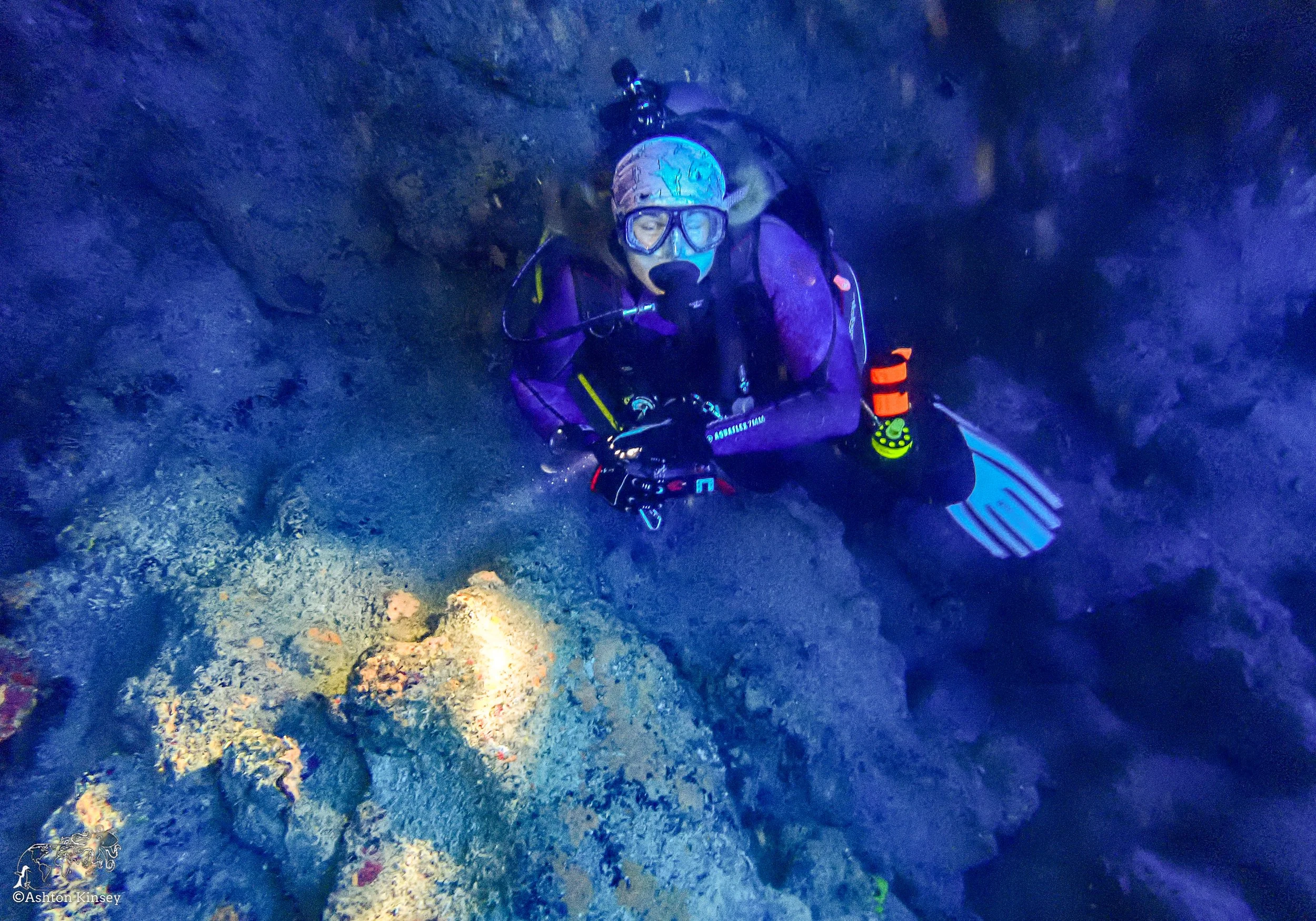
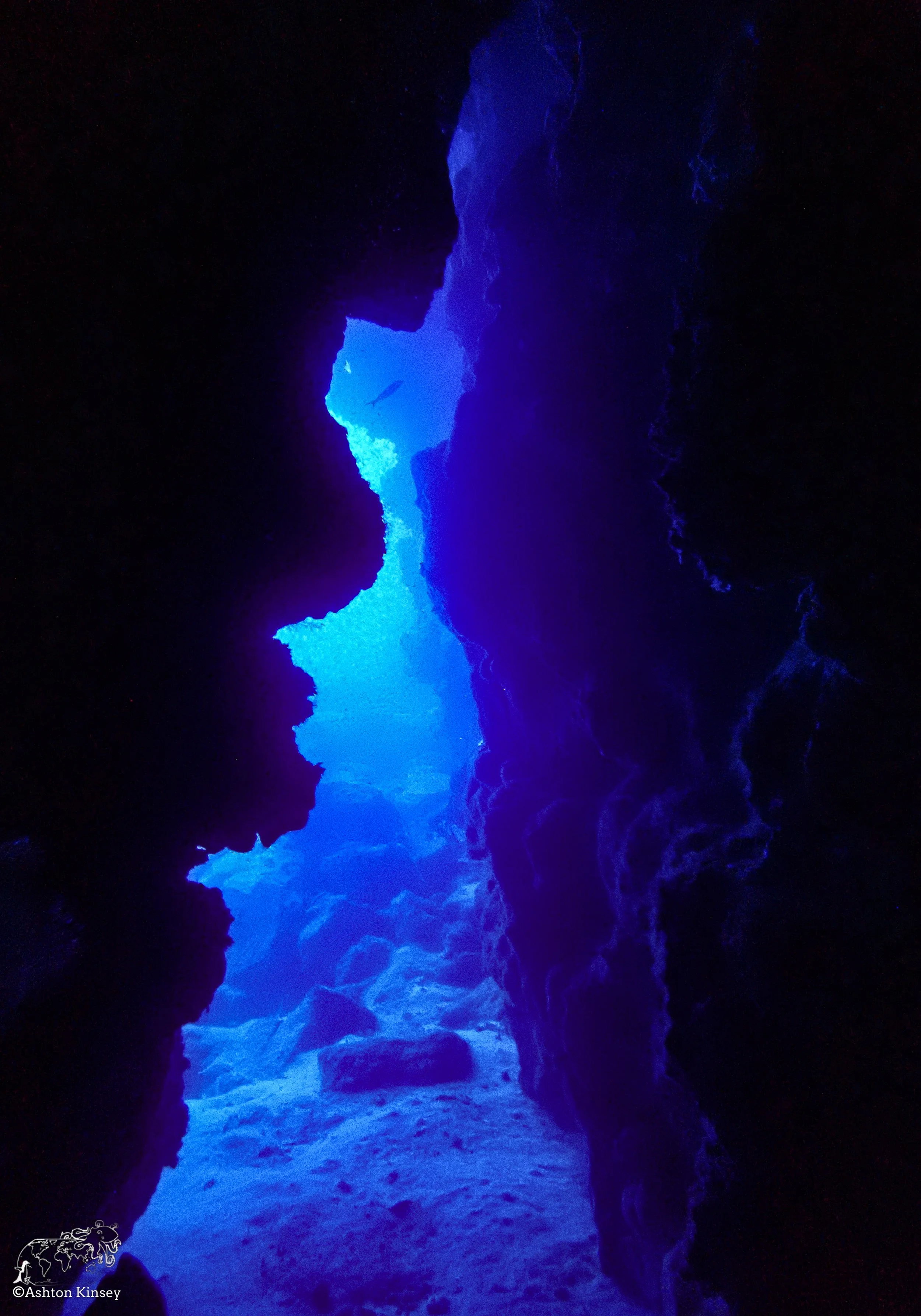
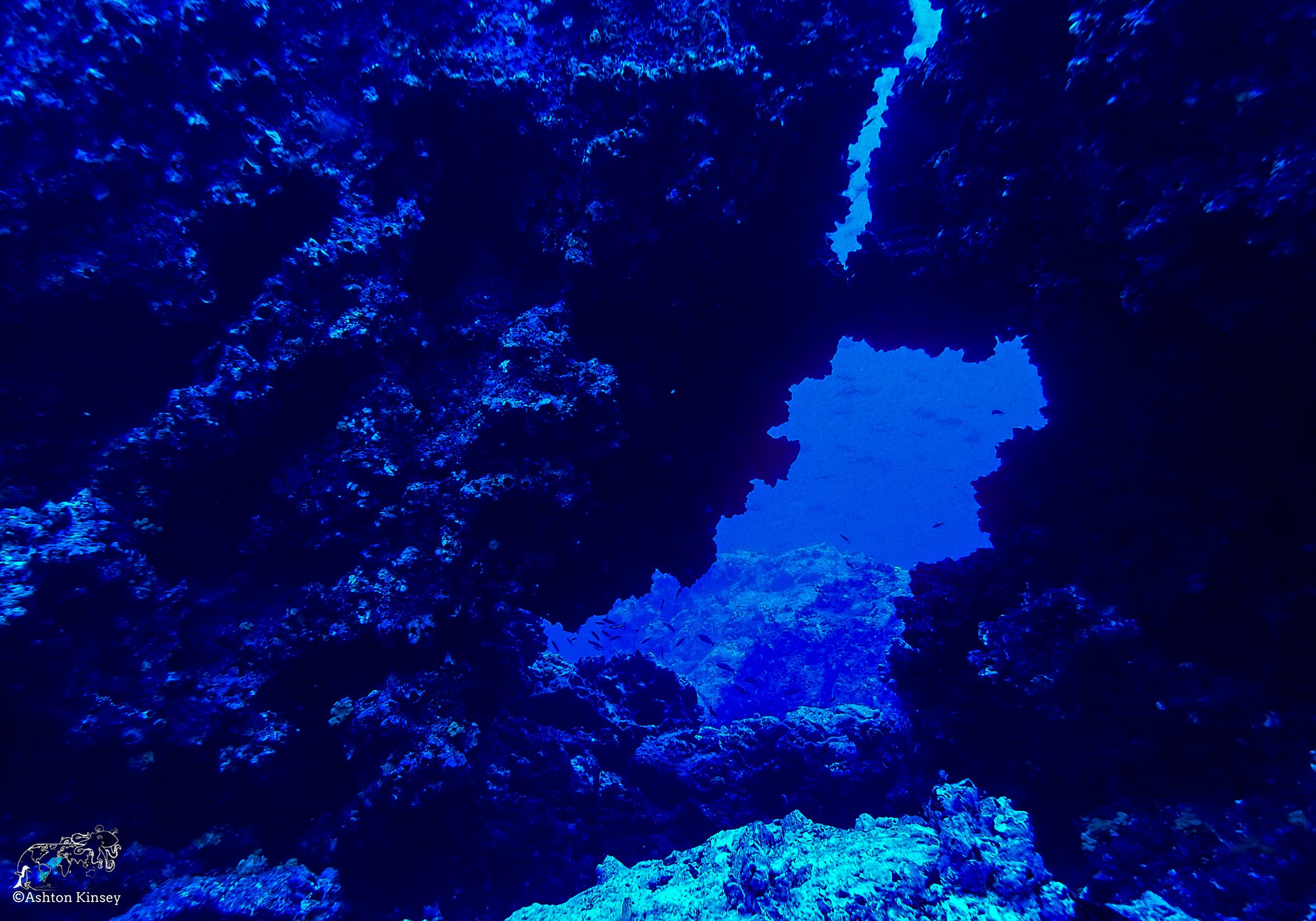
The Caves are located along a wall on the north side of the island. Starting the dive, we swam against the current along the wall looking in the nooks and crannies of the site. The first cave’s entrance is at about 60’ and curves up with the second opening around 40’, think of a large piece of elbow macaroni. While this cave doesn’t have as much life as others, it does have a couple of cave fish, some big-eyed squirrelfish, and some small inverts that the other caves didn’t have.
The second cave is more of a typical swim through at around 40’ and is roughly 25’ long. It has a bit more life and growth on the inside and splits into two paths at the exit. The bottom of the cave is a lighter softer sand so extra care and buoyancy control is important to make sure no one silts out the bottom. Taking the lower exit, we went out and followed the wall until we got to the last cave.
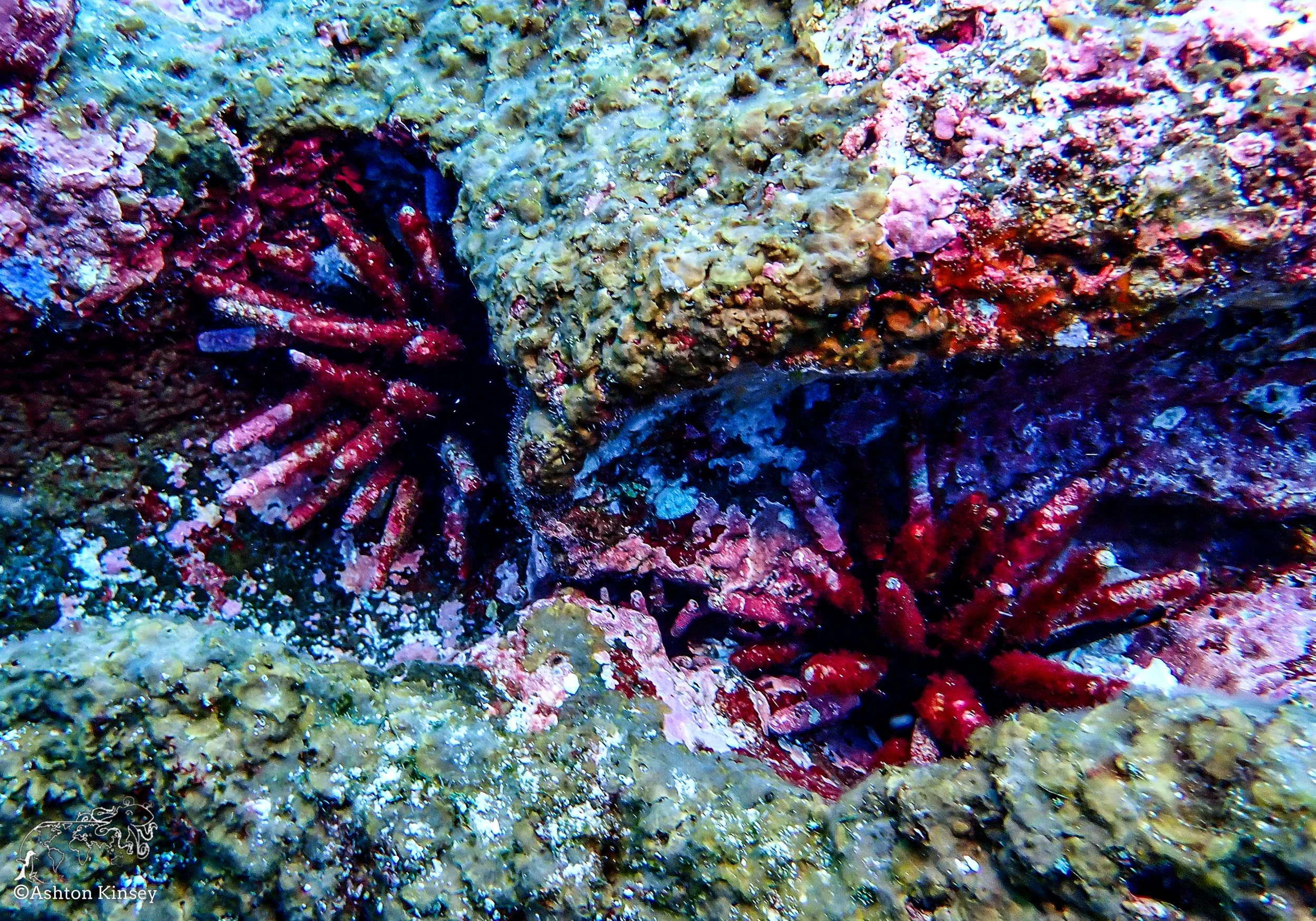
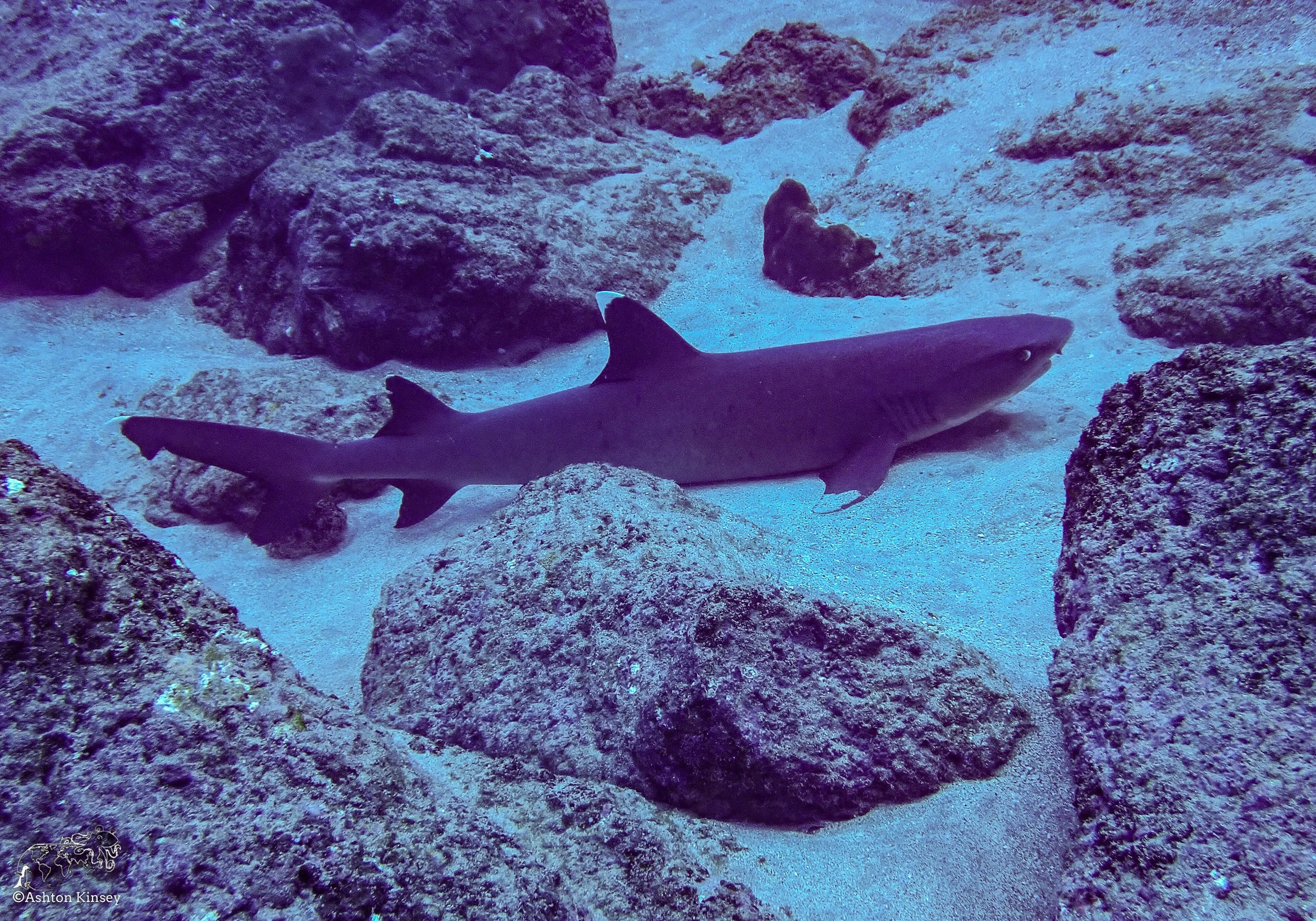
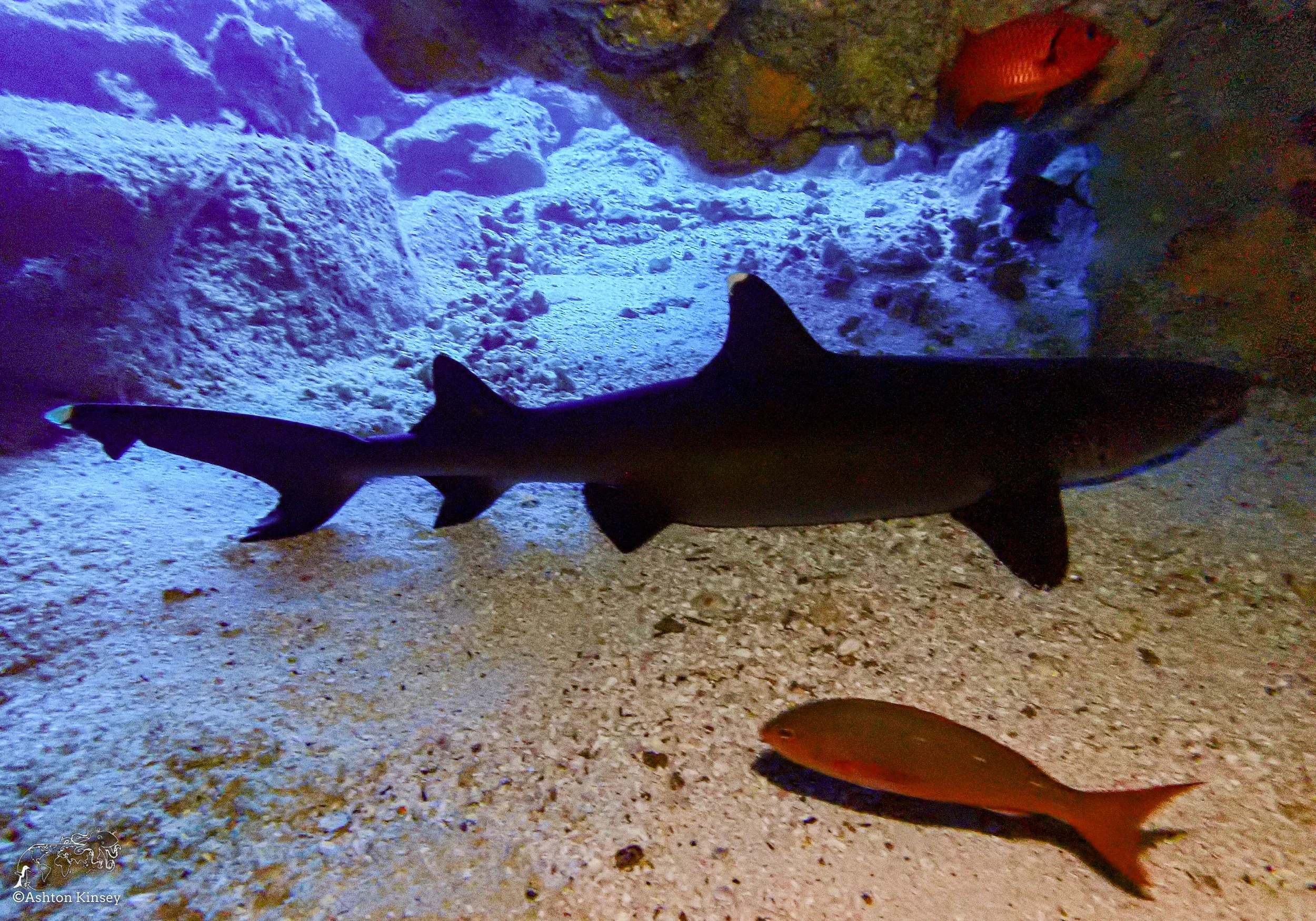
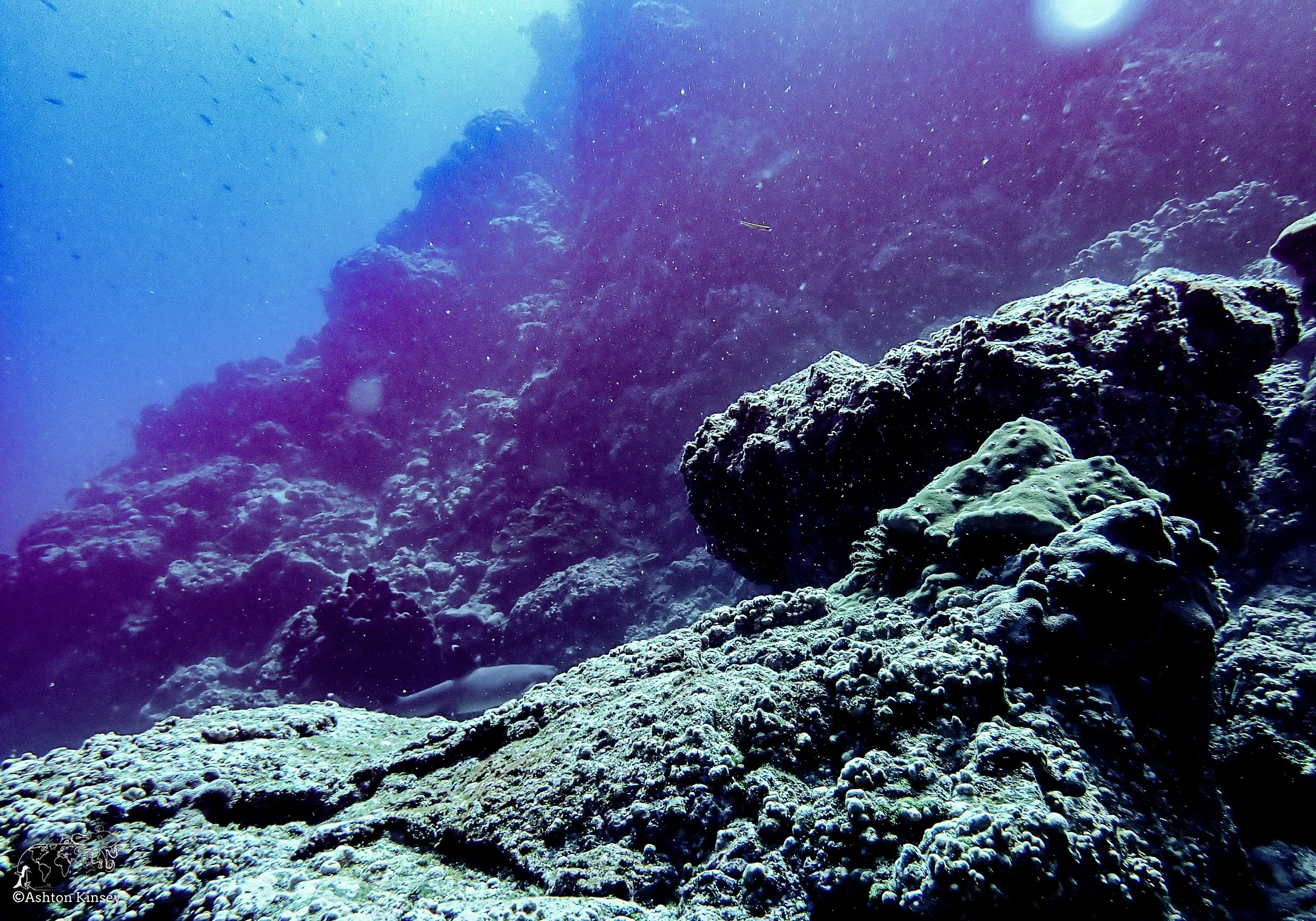
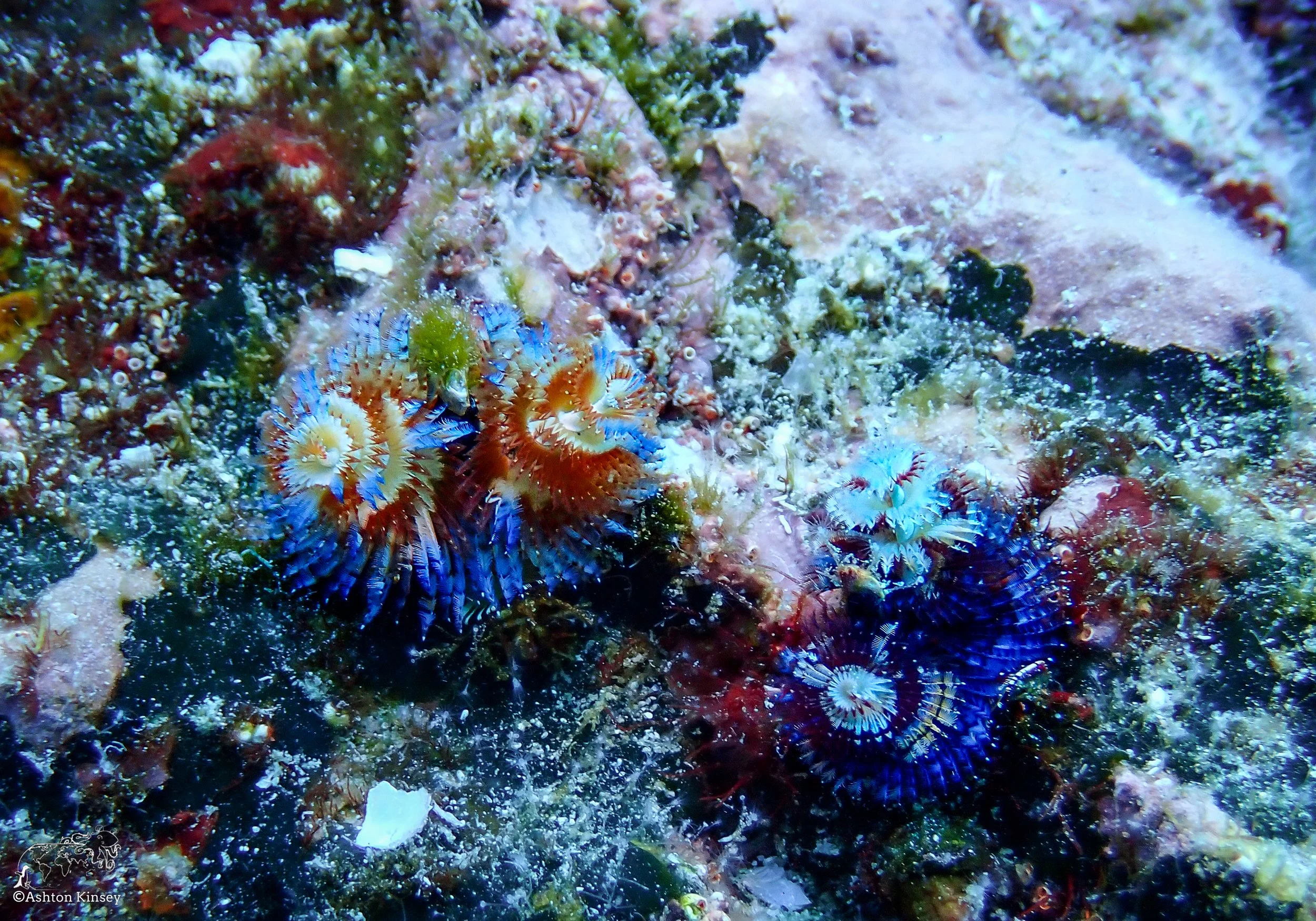
The final cave is a large room that has been covered with tube worms along the rocks and walls with little other growth. The softer sandier bottom makes a common place for white tips to sit and sleep along the bottom. We were lucky and saw a very large pregnant shark sitting under a ledge, very unbothered by us taking pictures and disrupting the nap with our bubbles.
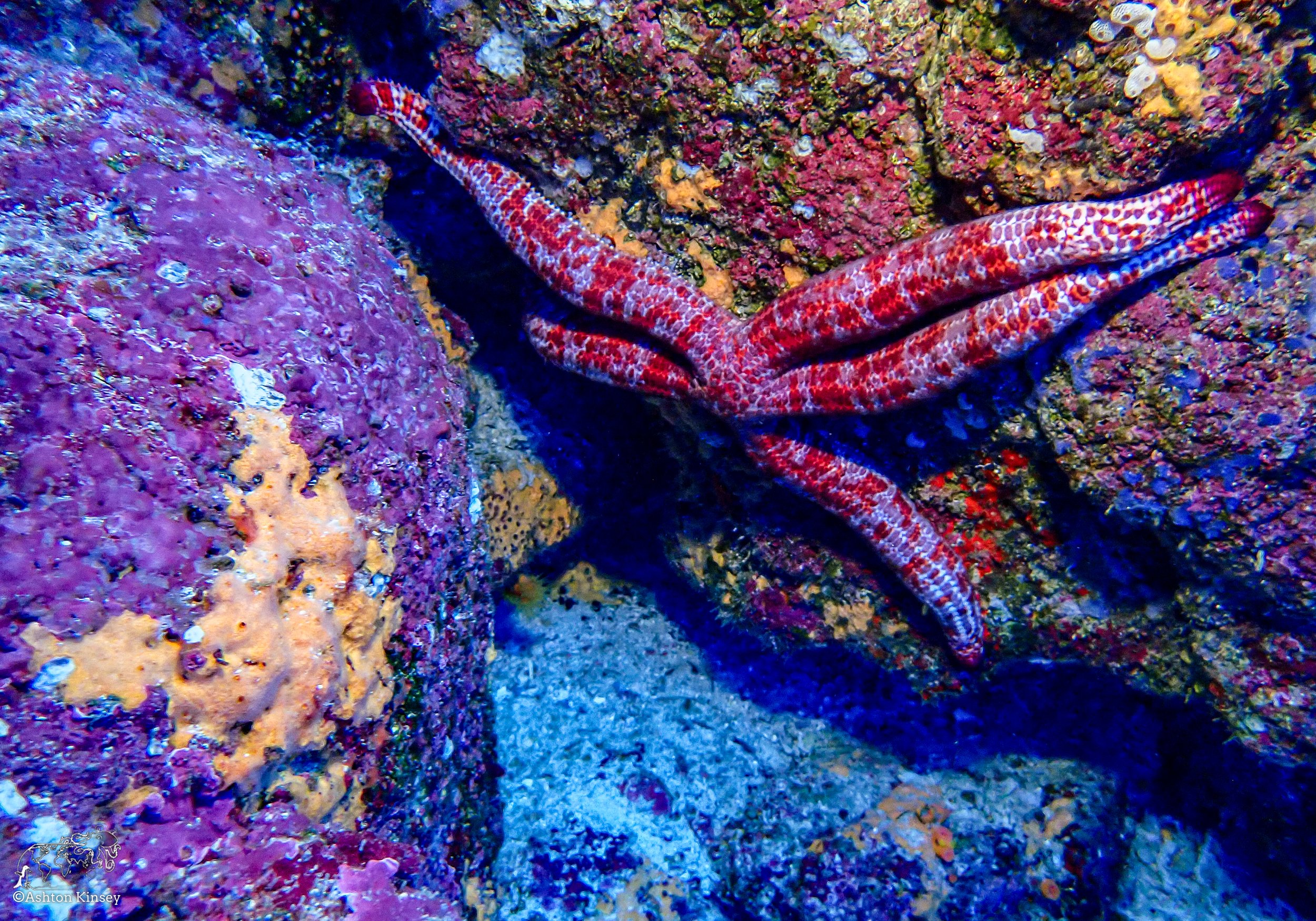
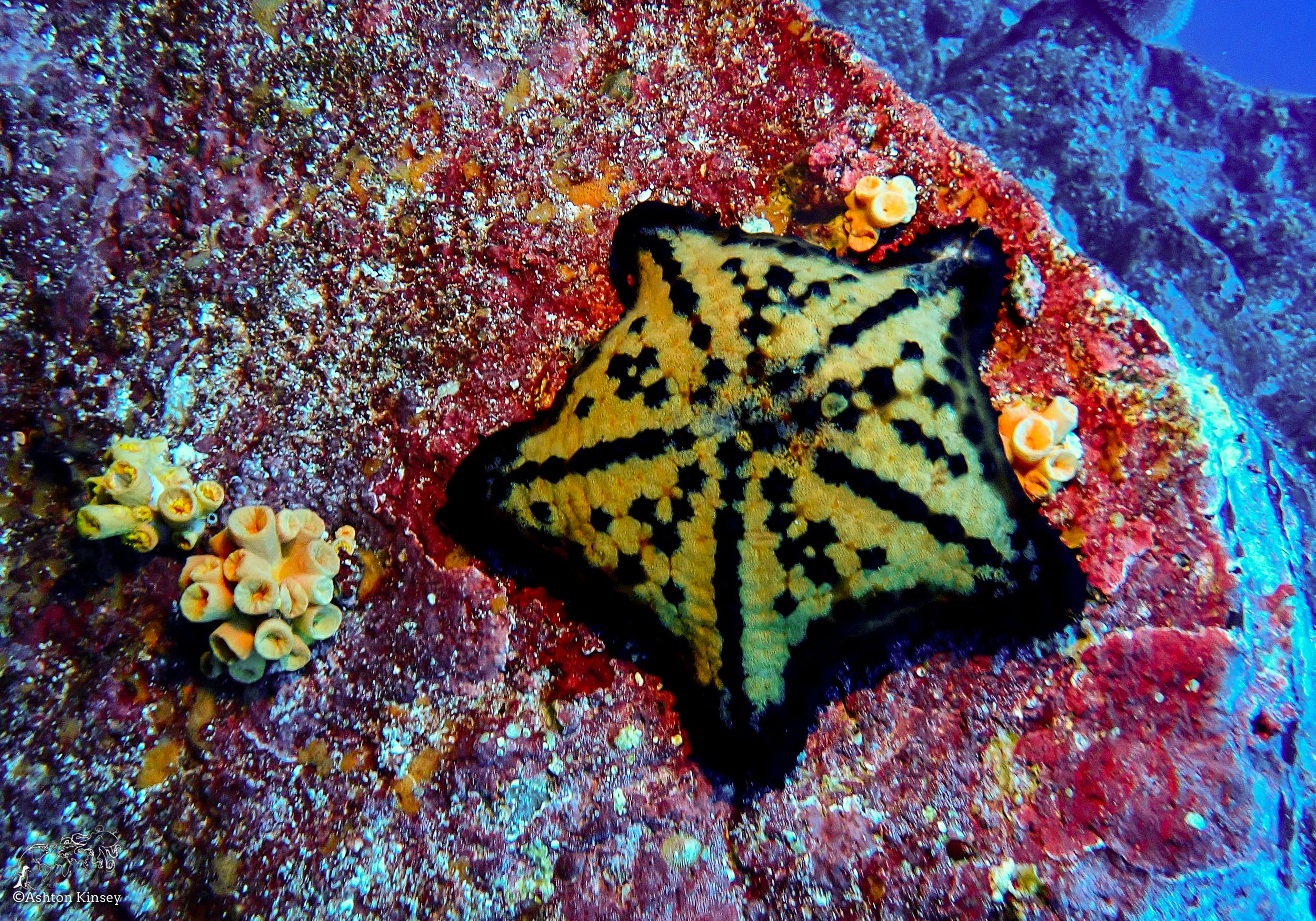
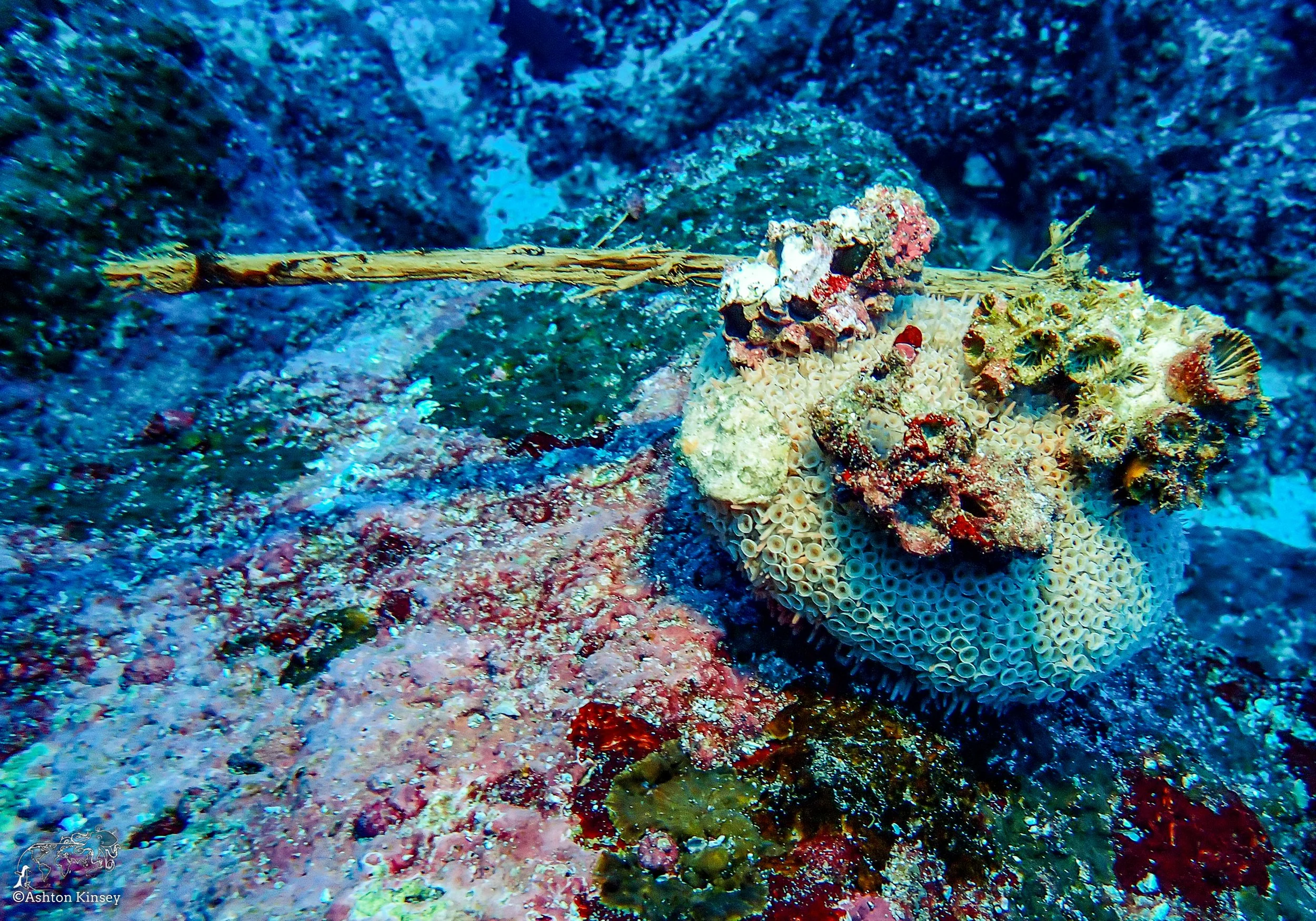
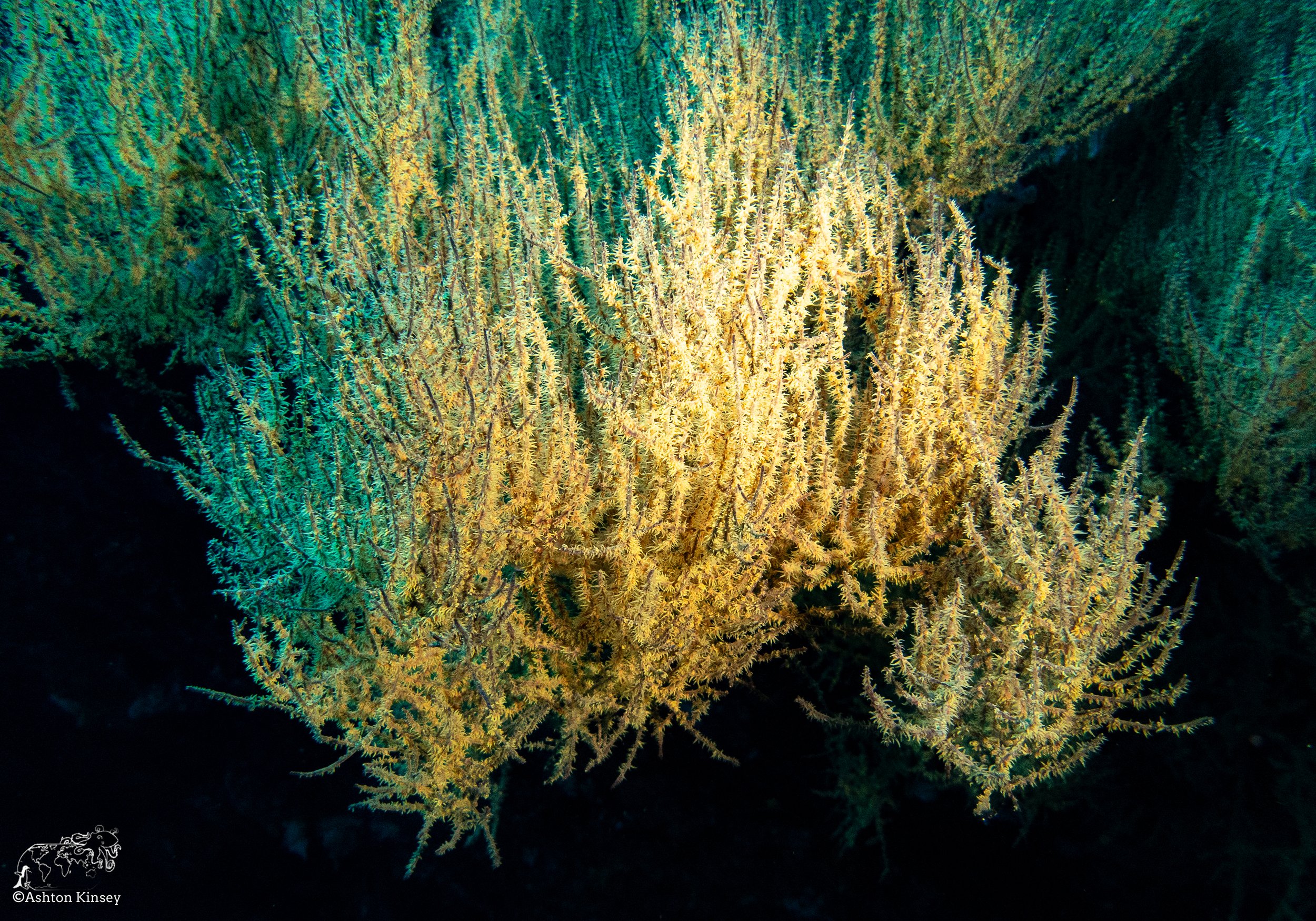
The wall ends and once you get past the wall the currents pick up and you are jettisoned out into the open ocean. Depending on how Poseidon is feeling and how strong the currents are (anywhere from 1-6 knots or 1-7 mph) you can be shot to the left, right, or down to the depths. We were lucky (kinda) and with the currents being mild were able to swim out to the pinnacle and follow the now collapsed former wall of the caldera or volcanic dome that has collapsed. Interesting dive with similar fish as previously seen but the added bonus of more inverts inside of the cave that we hadn’t seen before.
The Secret Cave
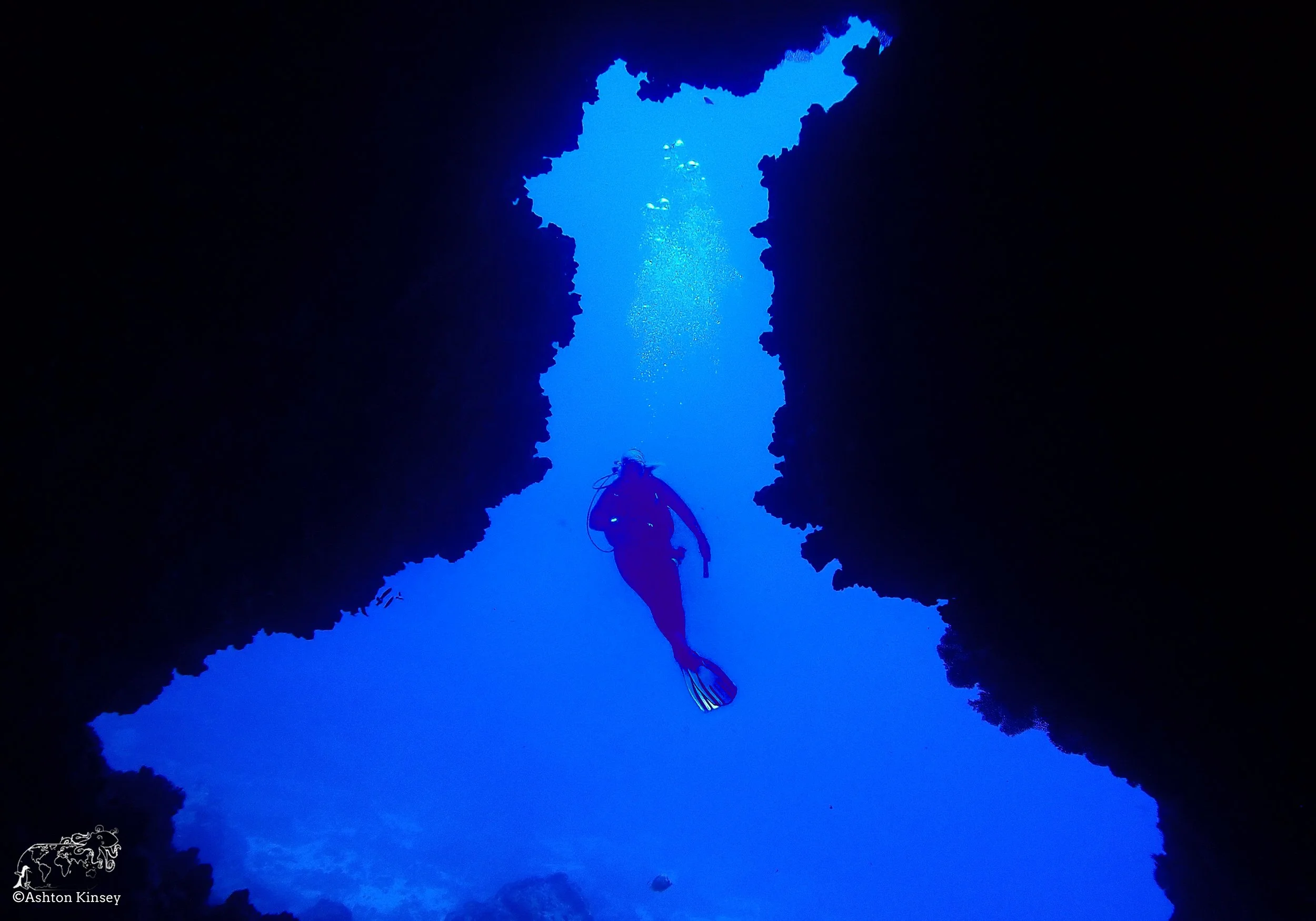
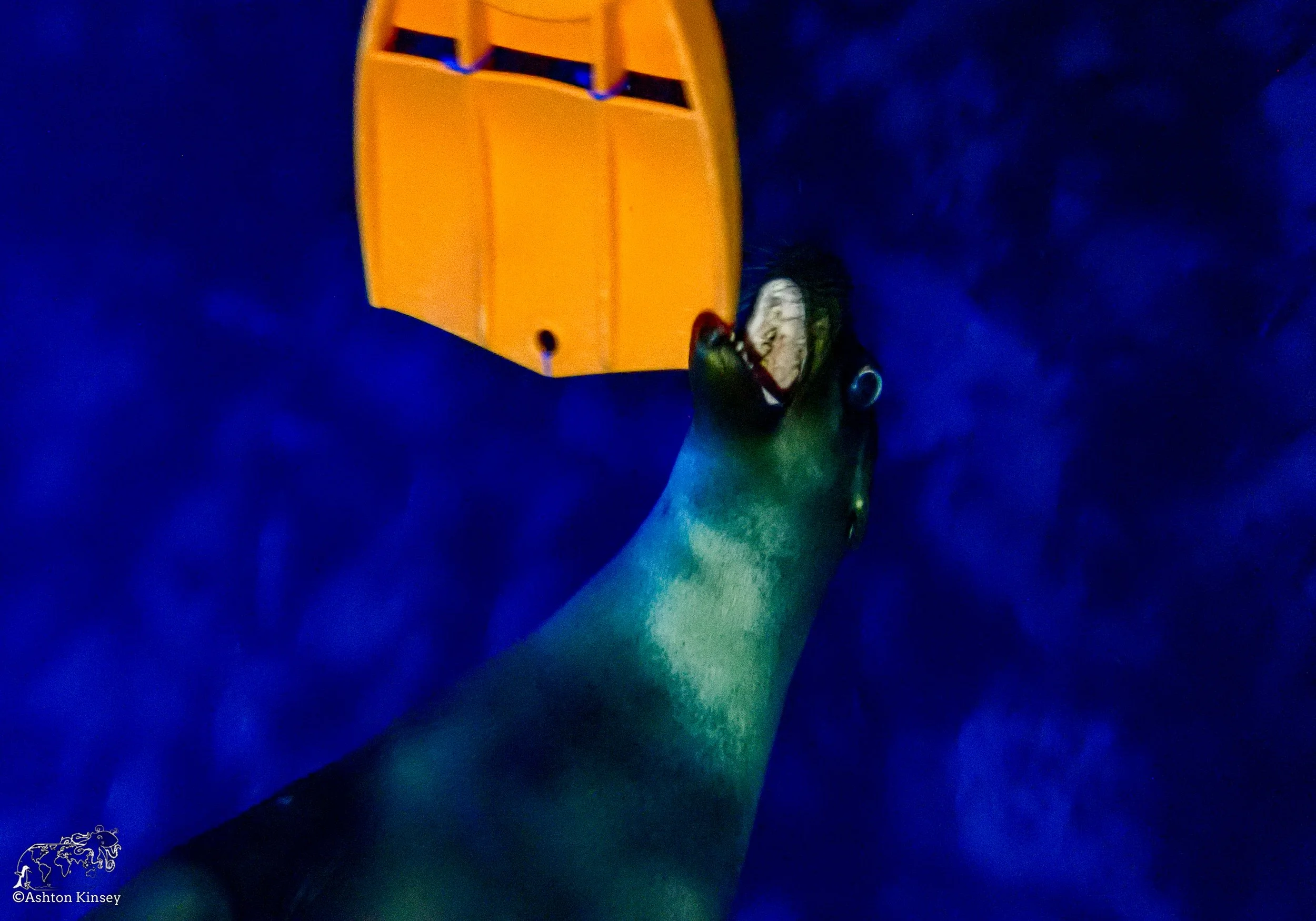
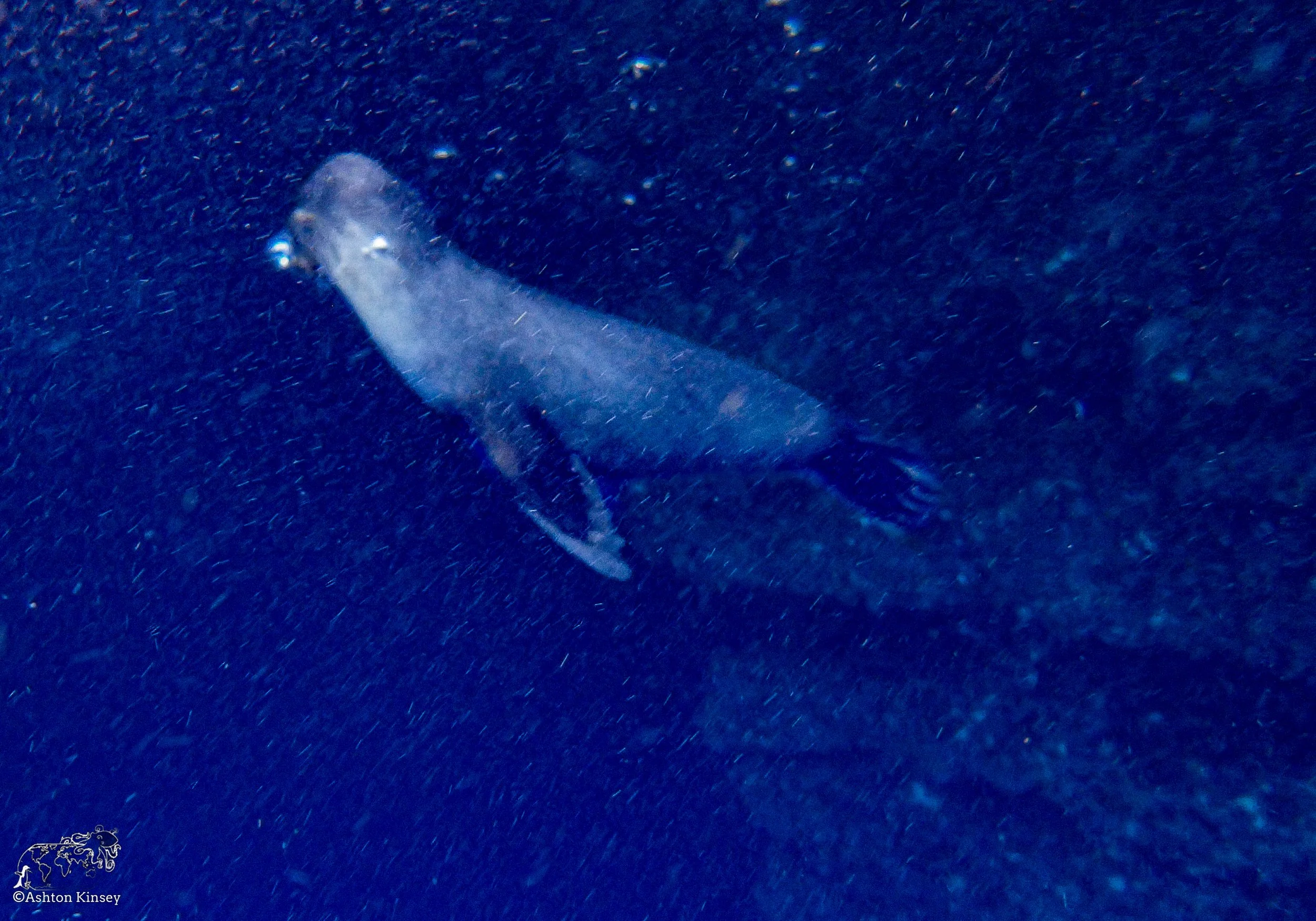
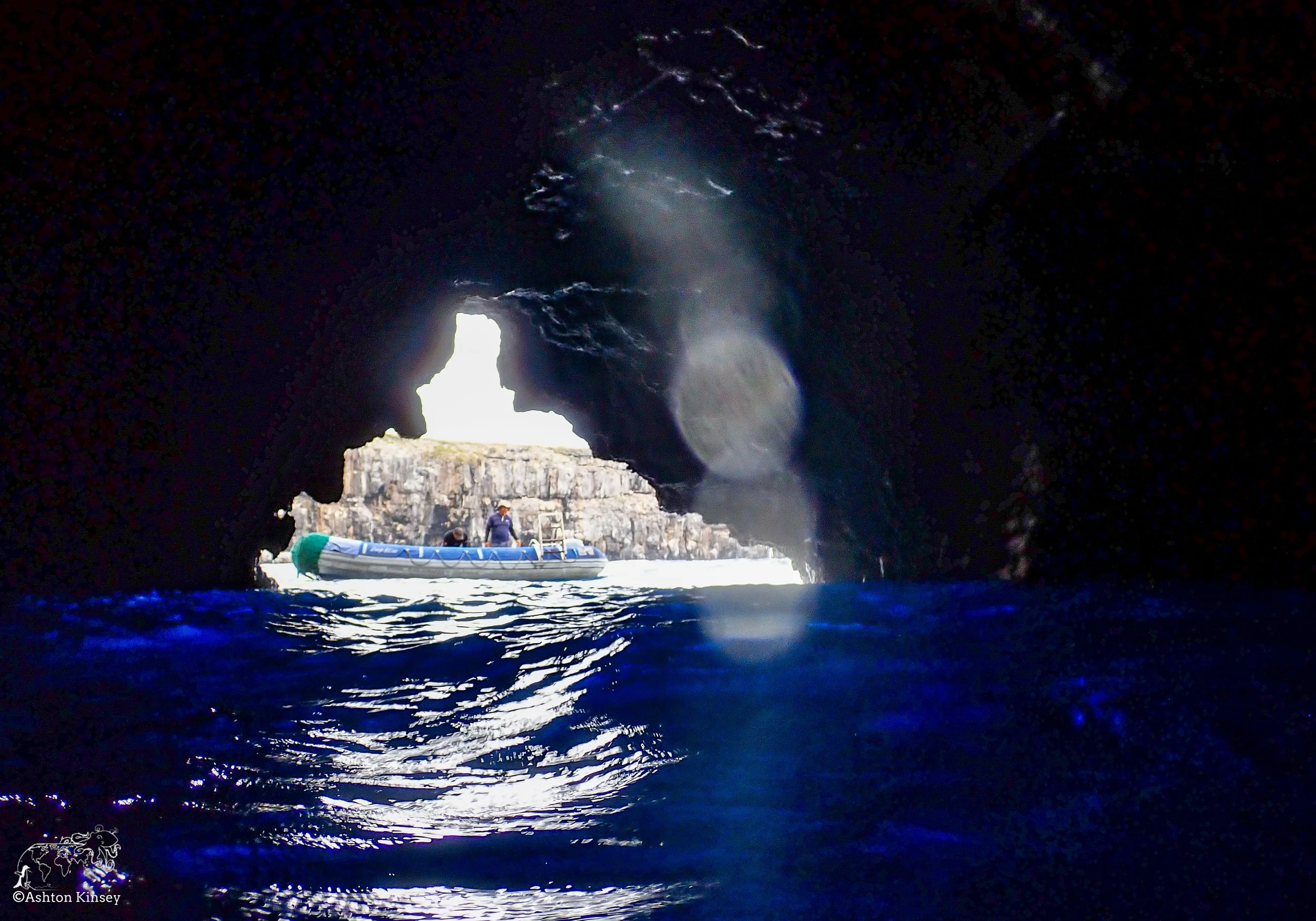
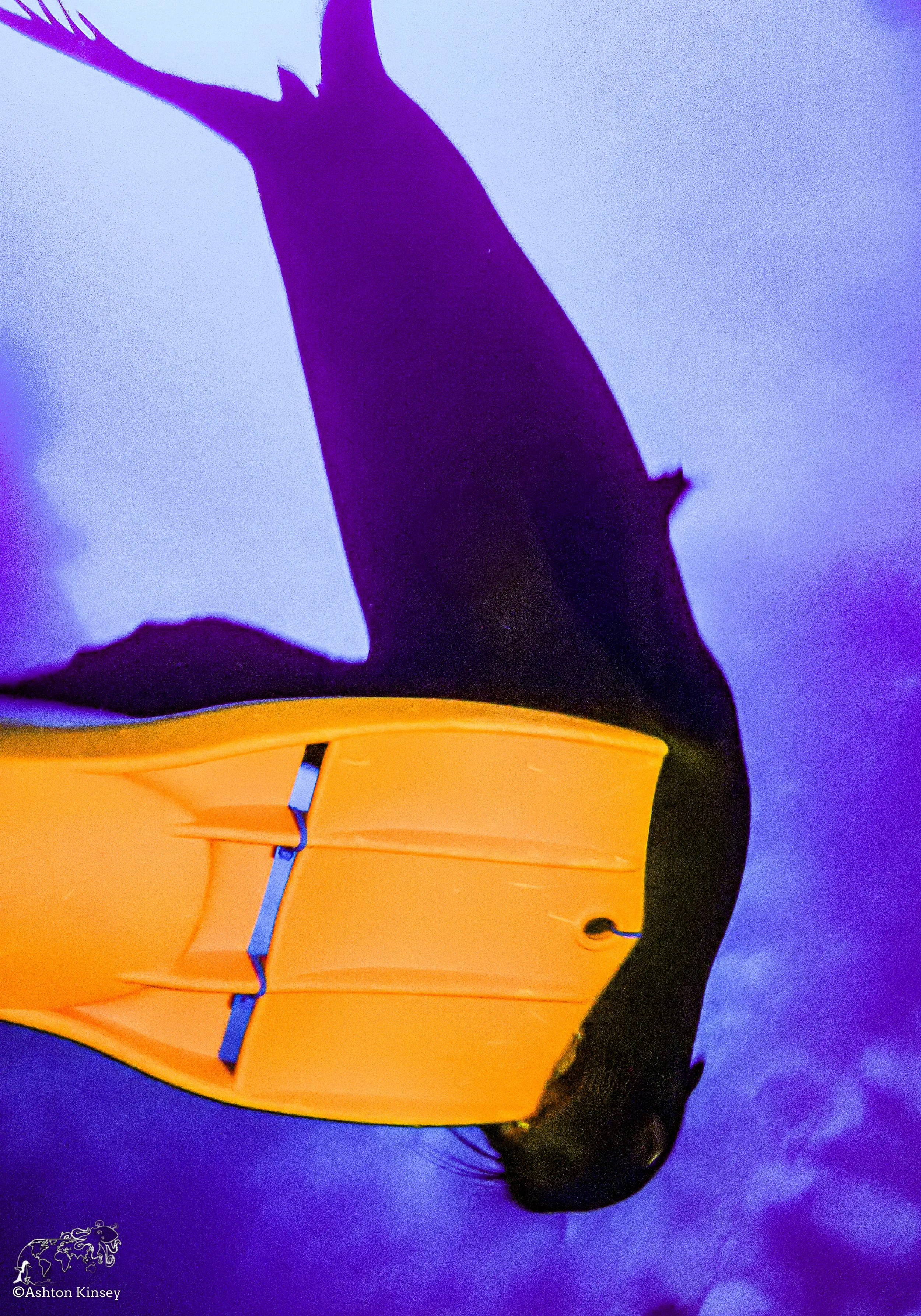
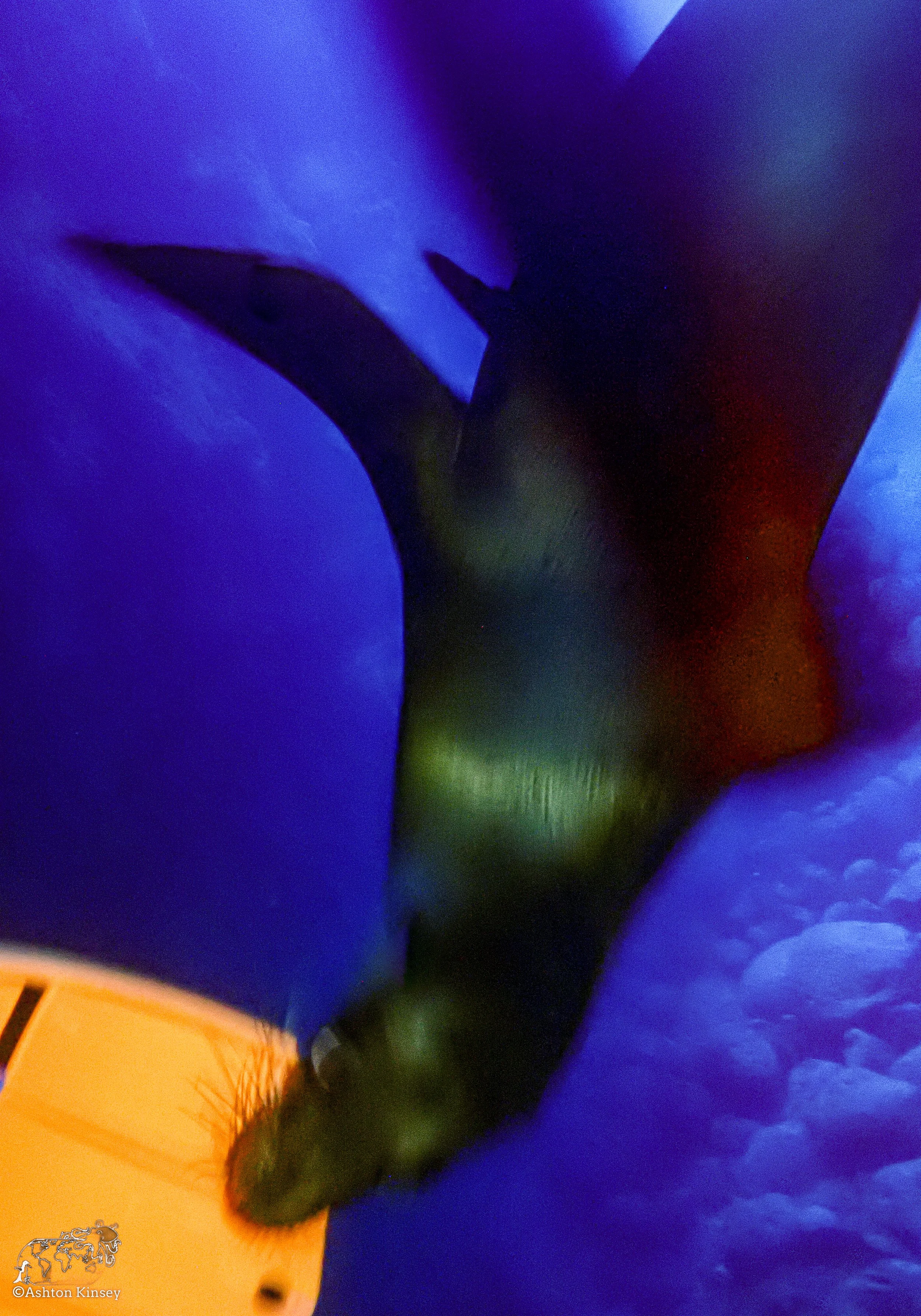
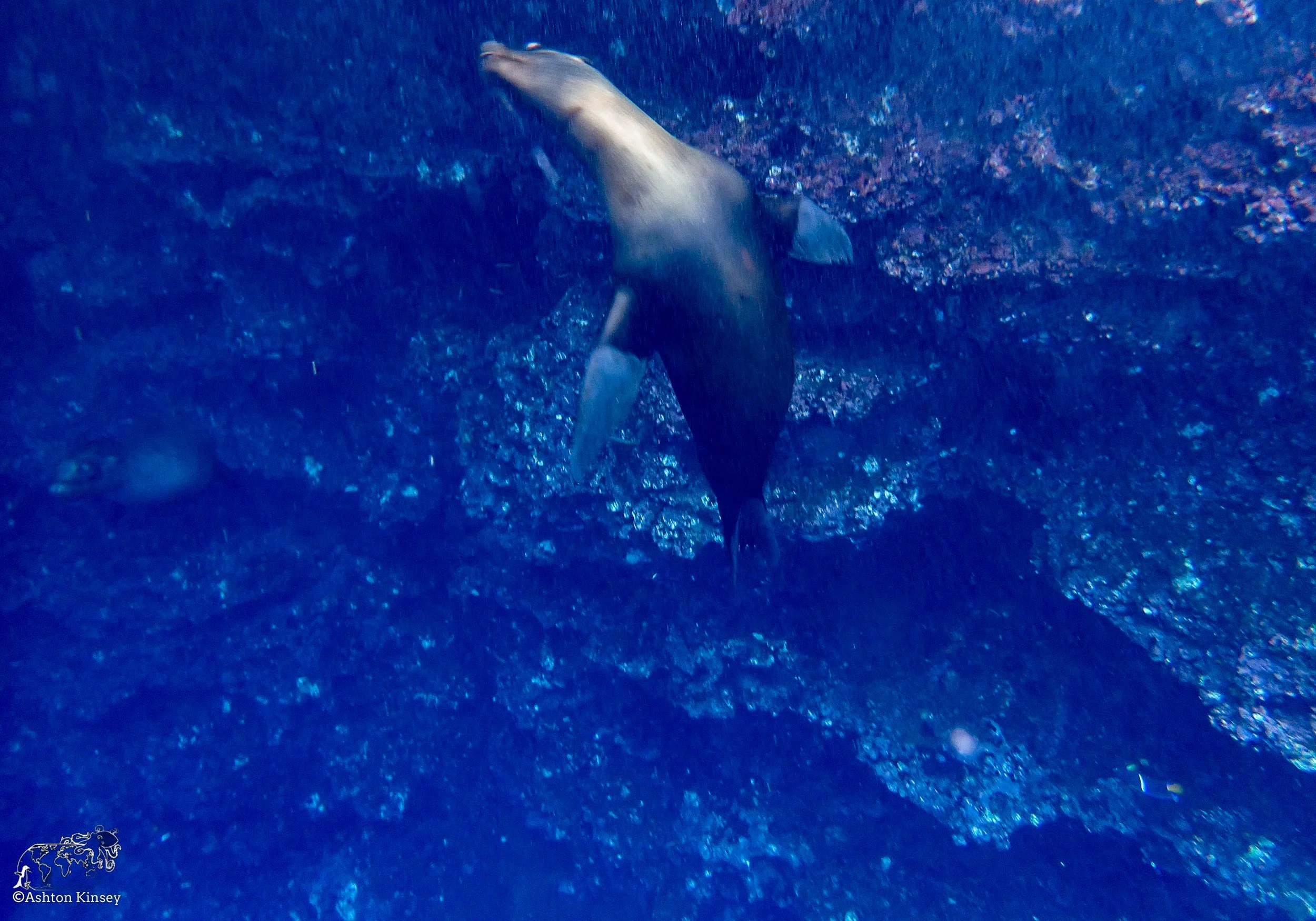
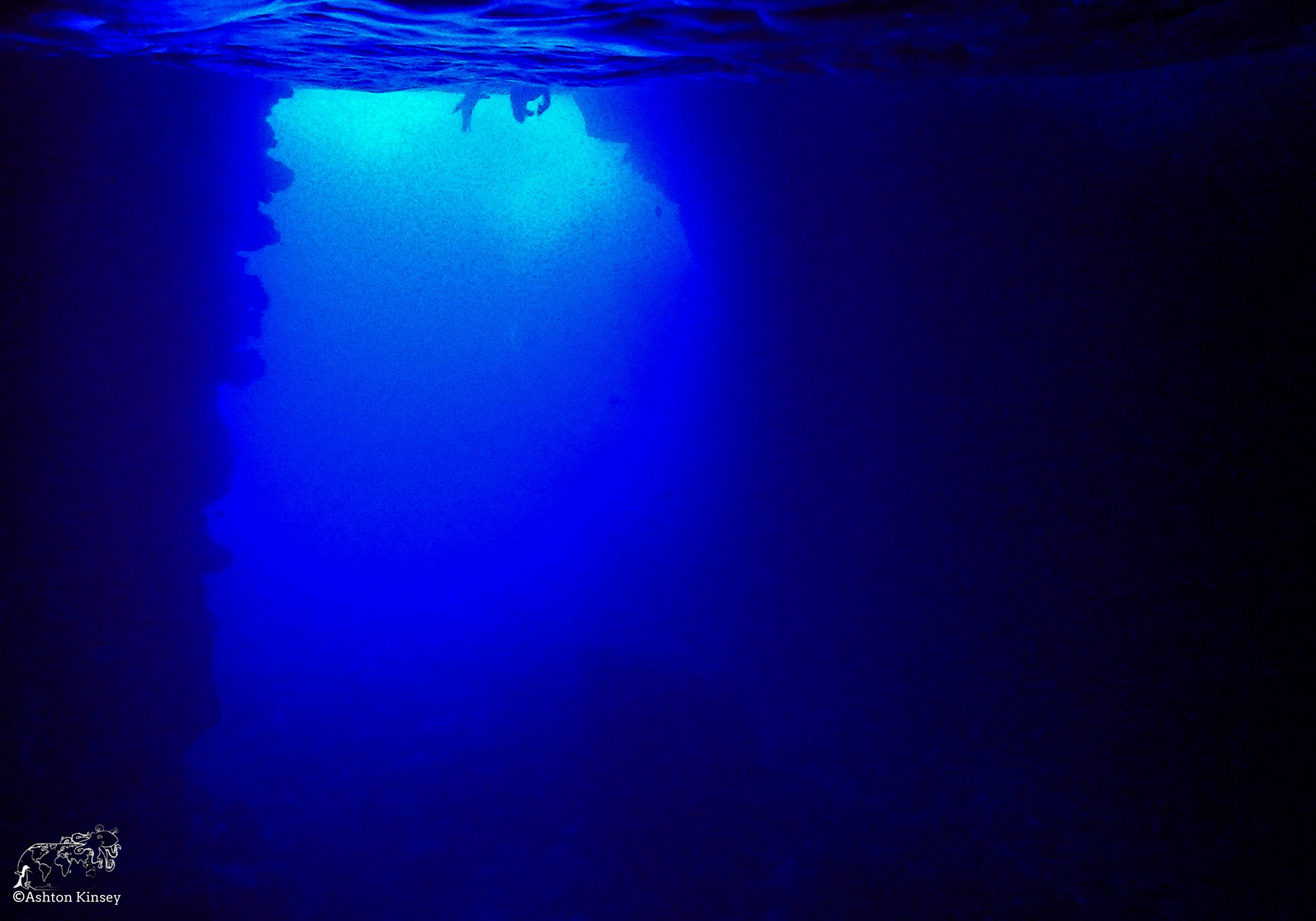
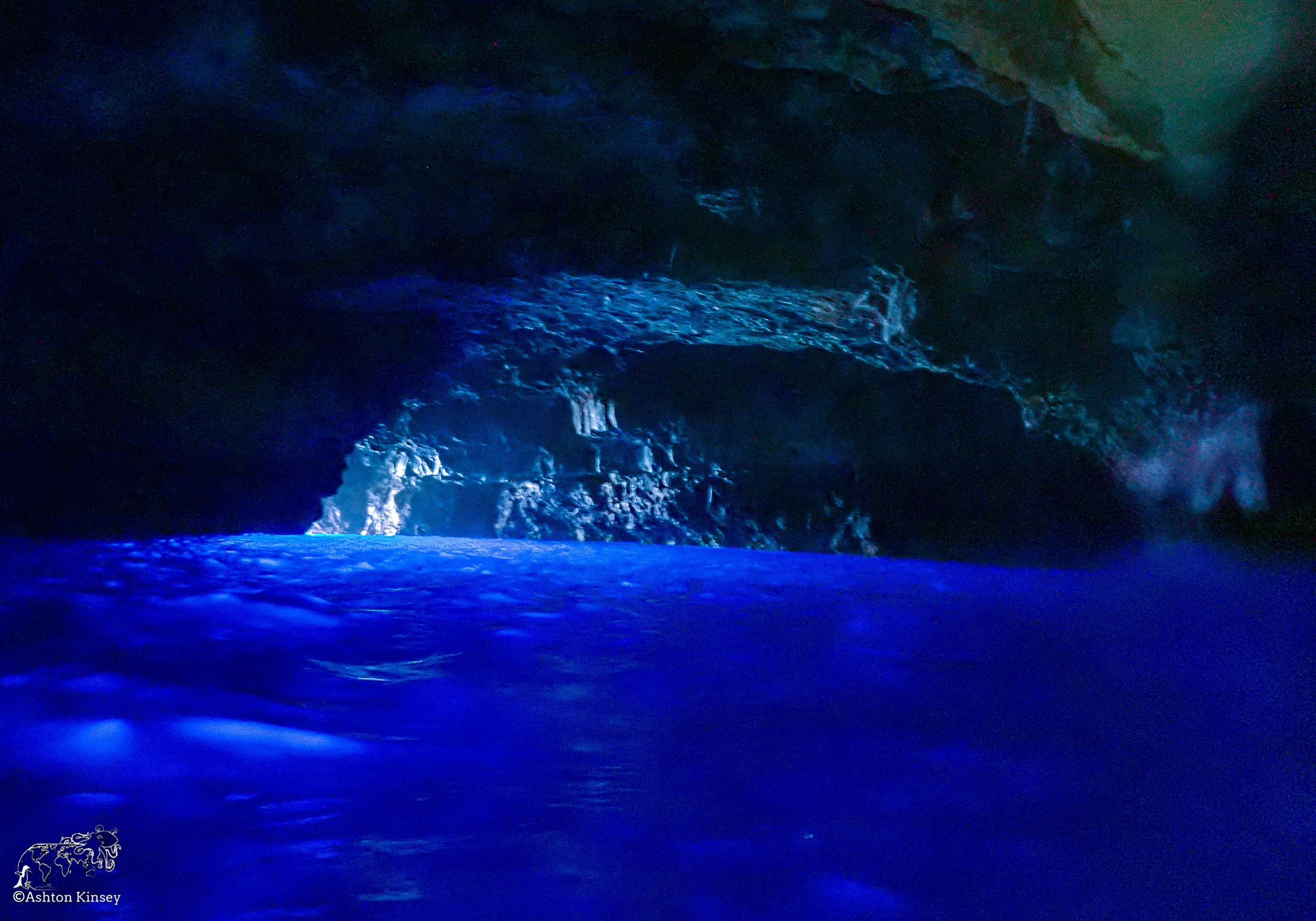
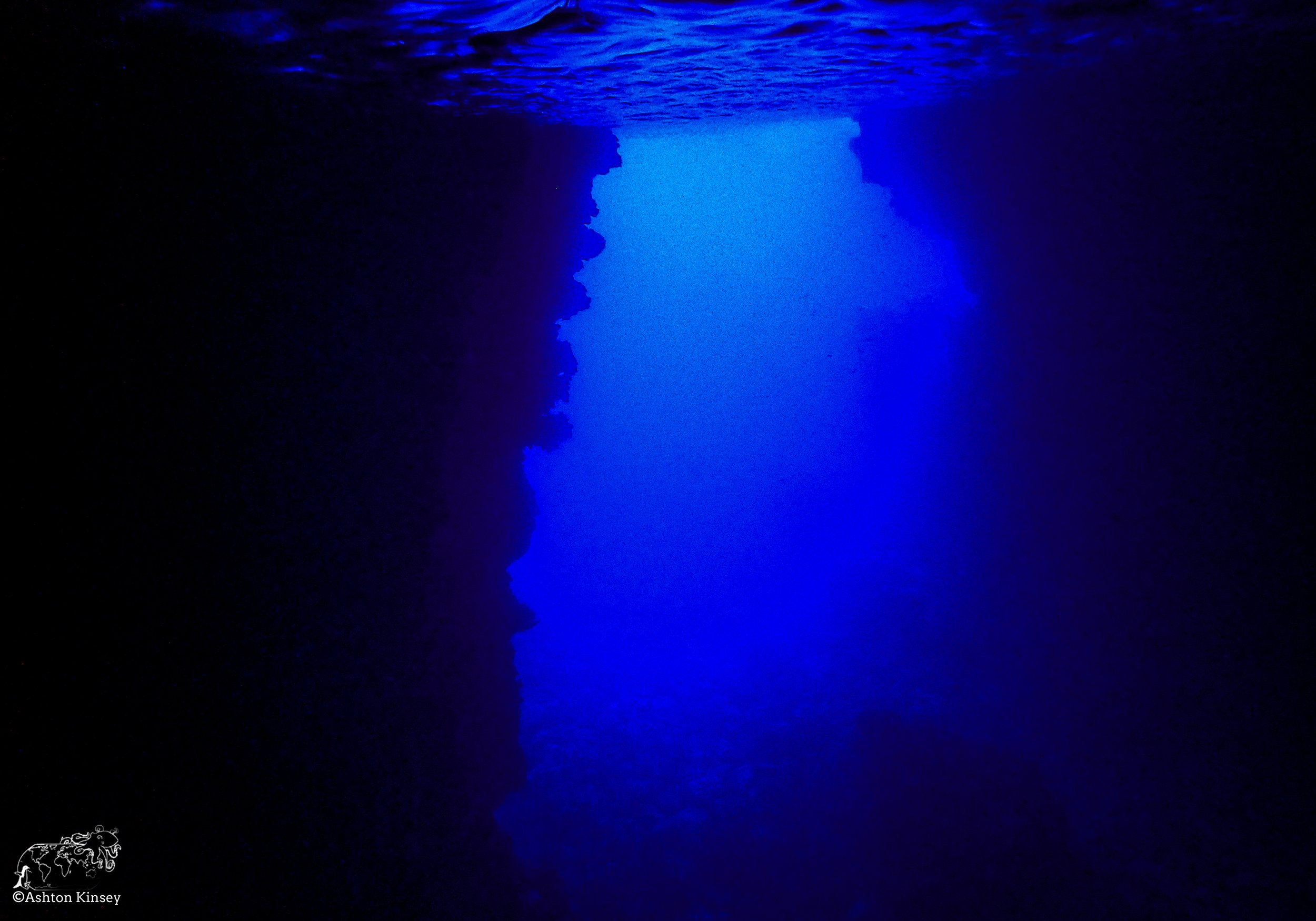
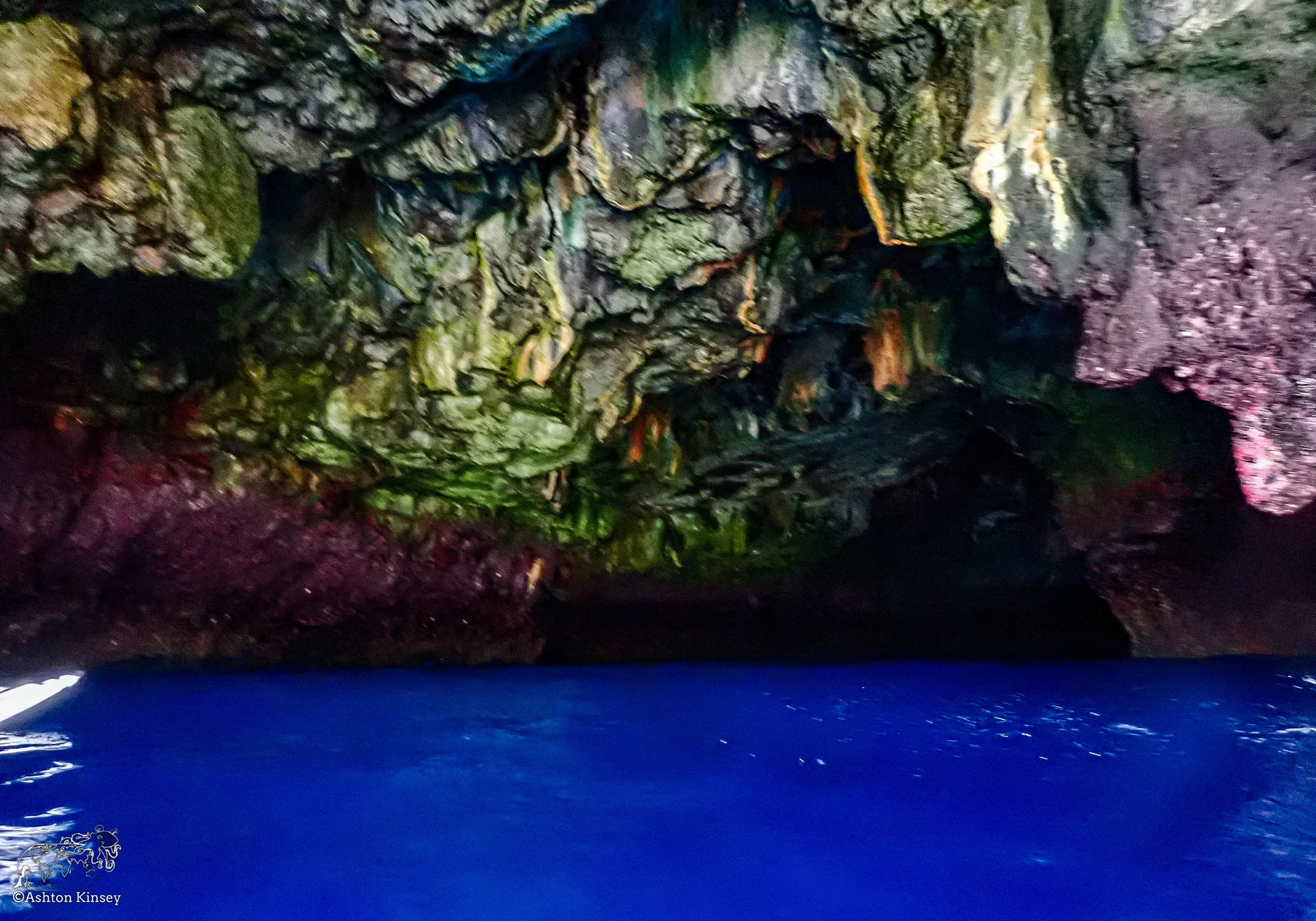
This snorkel site really isn’t that secret, but it’s a small cave that is exposed during low tide and opens up into a large cavern under the main part of Wolf Island. The cave is a popular breeding site for sea lions and usually has small pups swimming around. The pups are very used to humans and will come right up to snorkelers to blow bubbles, nip at fins and all-around play with divers. (Allie: It was very cool to snorkel in there and the lighting at the cave’s mouth leant itself to some very lovely blue backlit photos. And we definitely did not intentionally pet the sea puppies, but when they were coming right up to your fins to play well….)[Don’t touch sea creatures folks. But if you put your palm flat and they bump/rub against it well…that’s on them…]
Club Five: Isabela Island
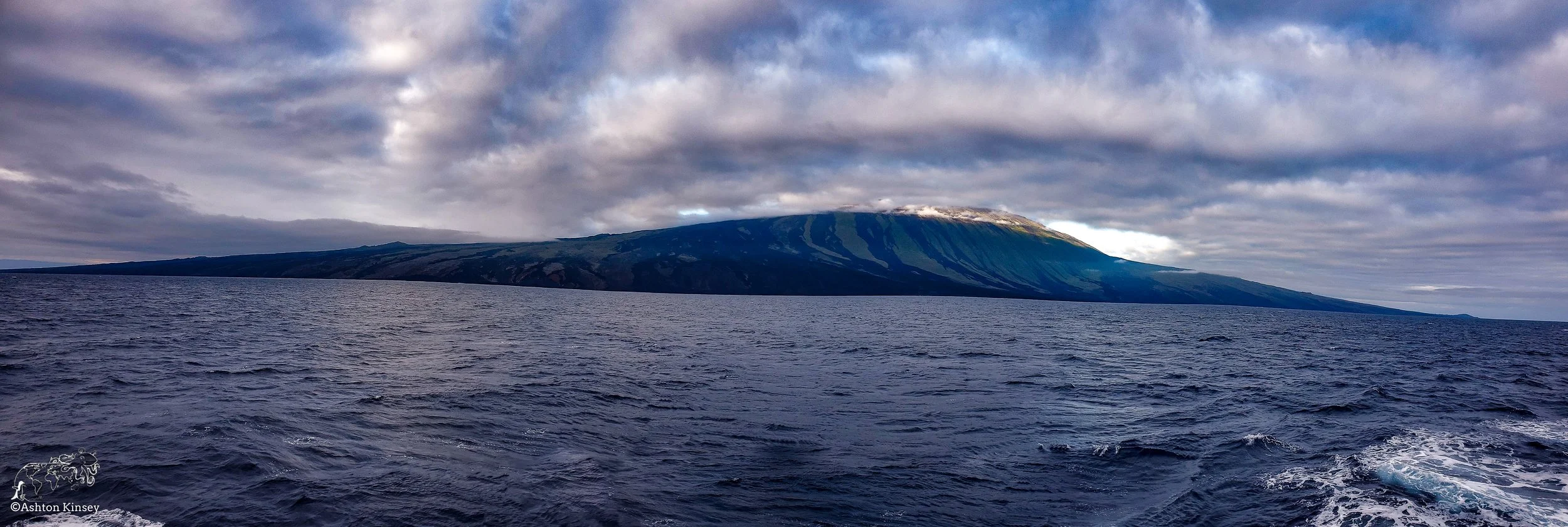
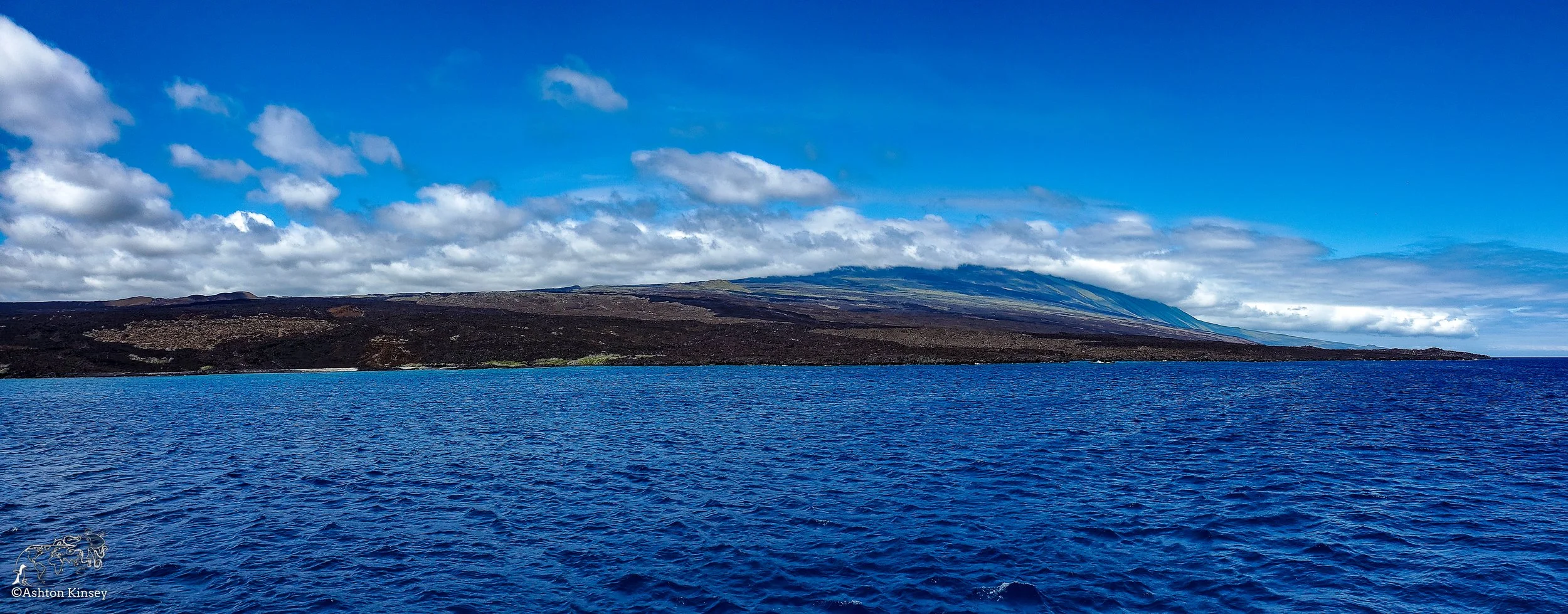
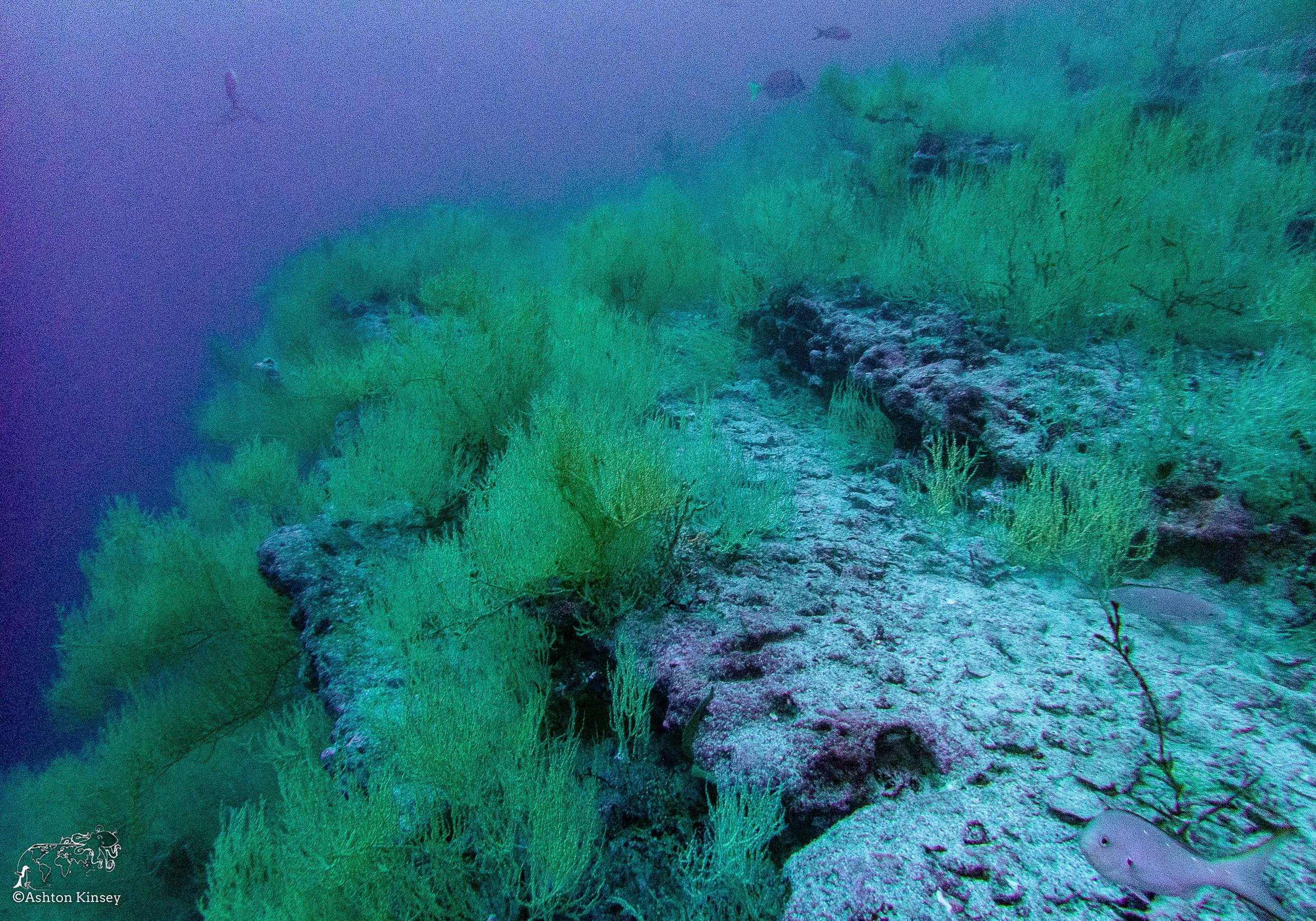
After our last dives on Wolf we pulled up anchor and started to head towards the youngest of the Galapagos islands, Isabela Island. Isabela is the largest of the 18 major islands in the Galapagos, mainly due to the connection of six shield volcanoes. From the north to the south, they are Ecuador, Wolf, Darwin, Alecedo, Sierra Negra and the Cerro Azul volcanoes. The volcanos are all still active today except for Ecuador which has started to collapse in on itself. Wolf volcano has been erupting for the past eight to nine months for the first time in 33 years. So far it has been mostly fumes and smoke coming from the top, and lava has not been present. Wolf volcano is the highest point of the islands at 1707m (5,600 feet). Wolf and Cerro Azu both volcanoes lie directly on the equator.
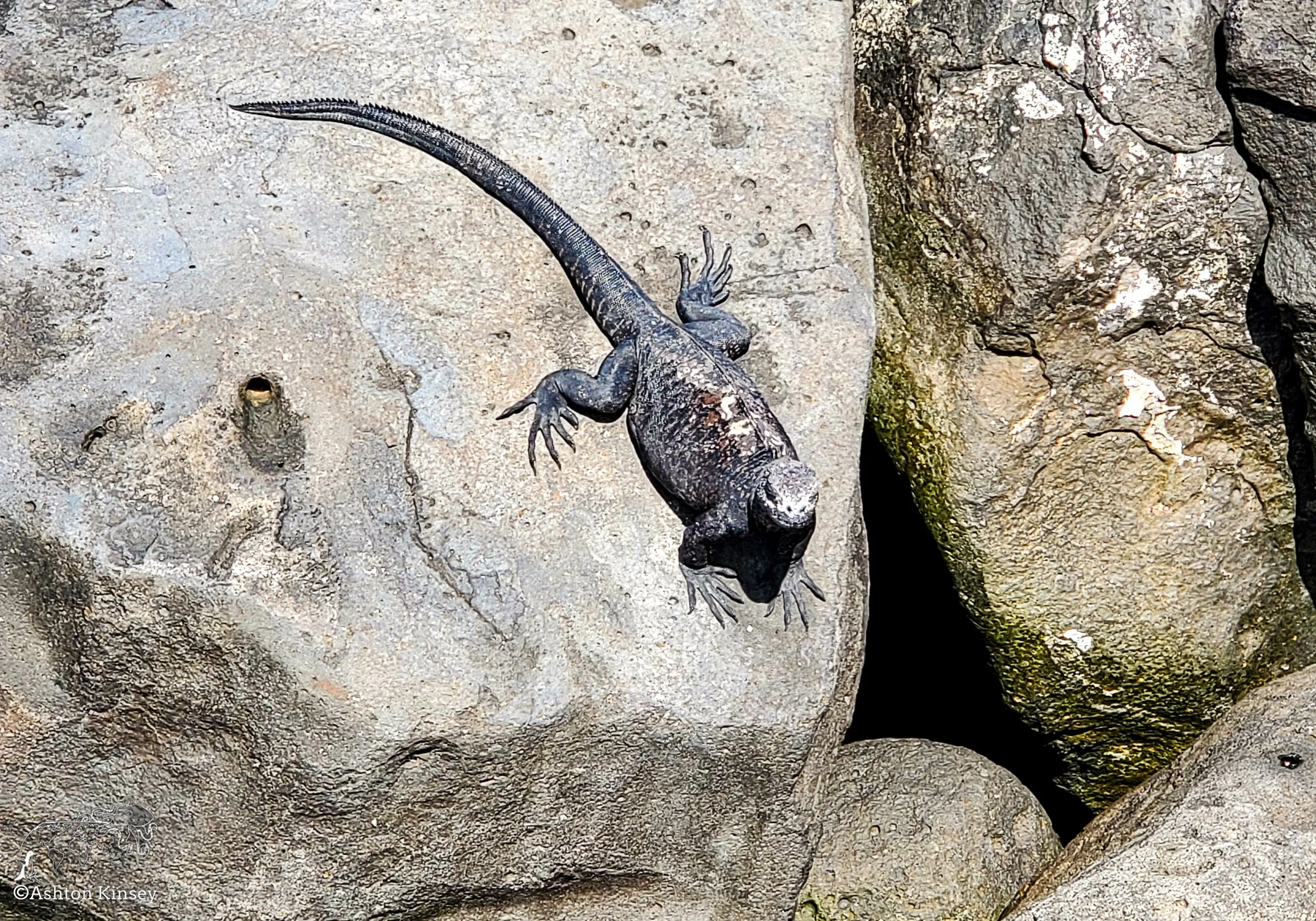
Normally the dives are carried out on the southern part of Isabela which usually has colder temps, and lower visibility. Unfortunately, due to avian flu, and wanting to help prevent the spread of the disease to the blue footed booby colony, the southern dive sites were closed for diving and tourists. This is also where the swimming iguanas live that dive down to eat the marine algae and mola molas are commonly seen in this area. (Allie: We did know this prior the trip, but it was still sad when we were there and didn’t get to see them ☹️)
Cape Marshall
Dive 26: 110’ for 50 minutes
Dive 27: 96’ for 50 minutes
Dive 28: 89’ for 53minutes
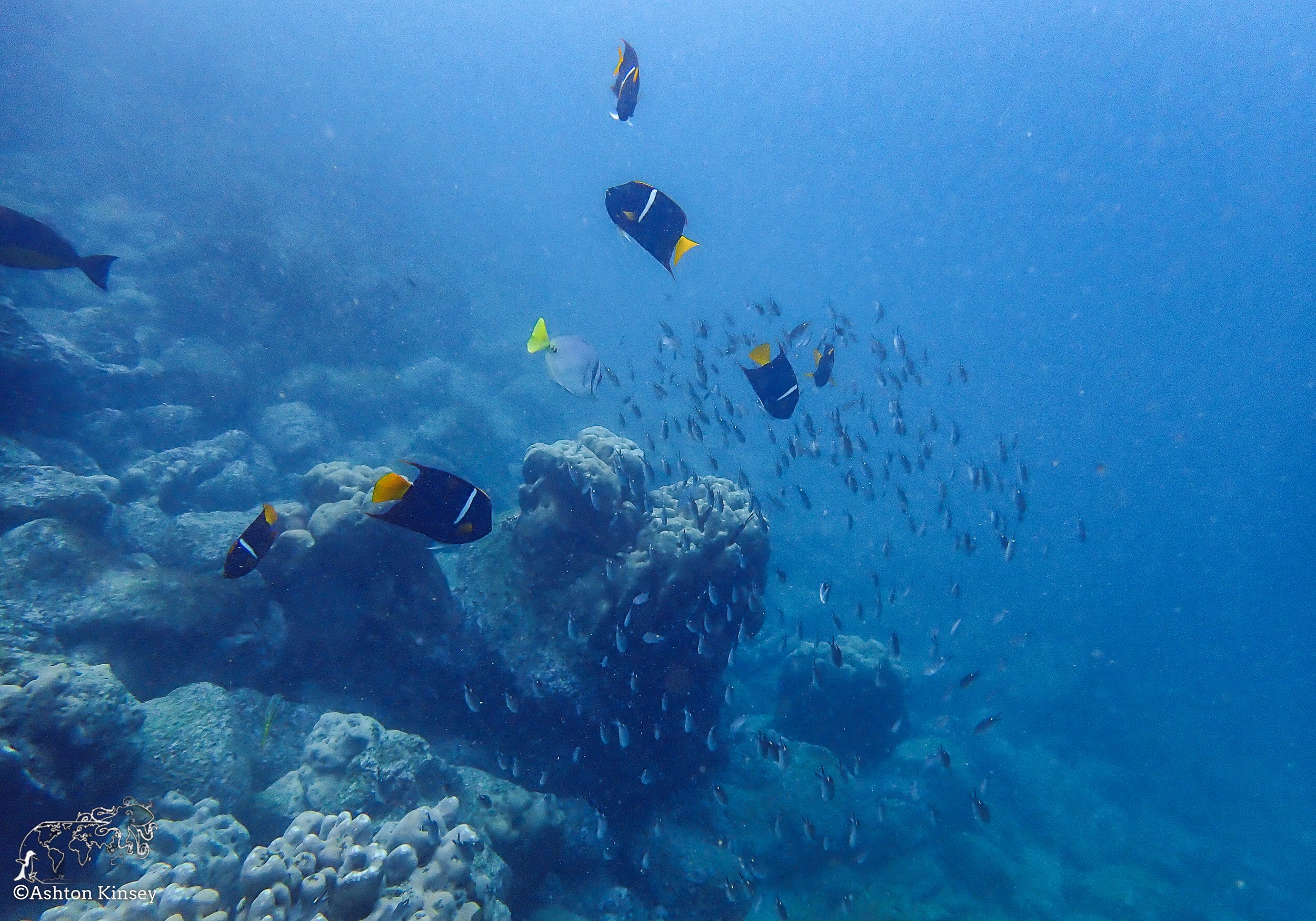
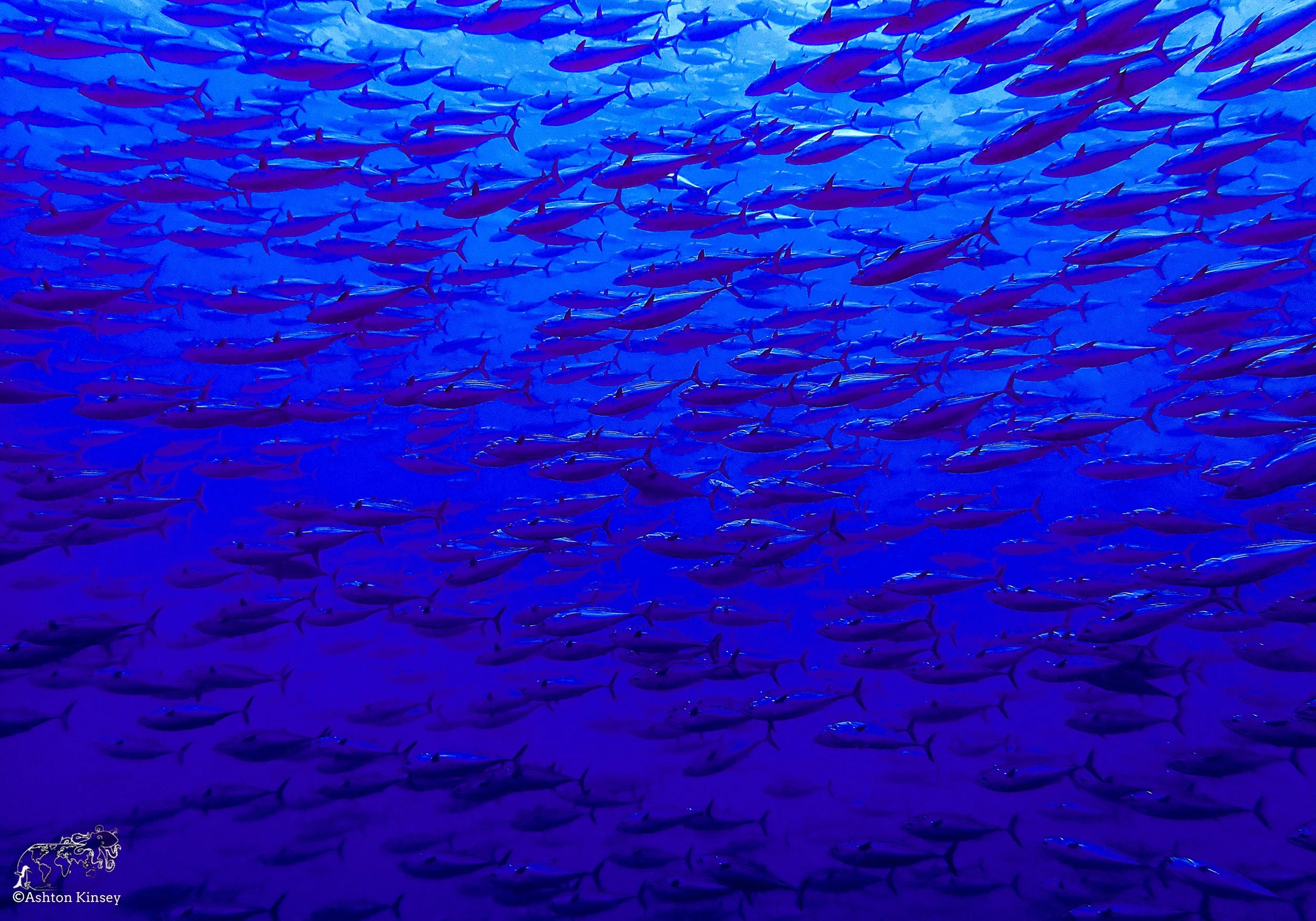
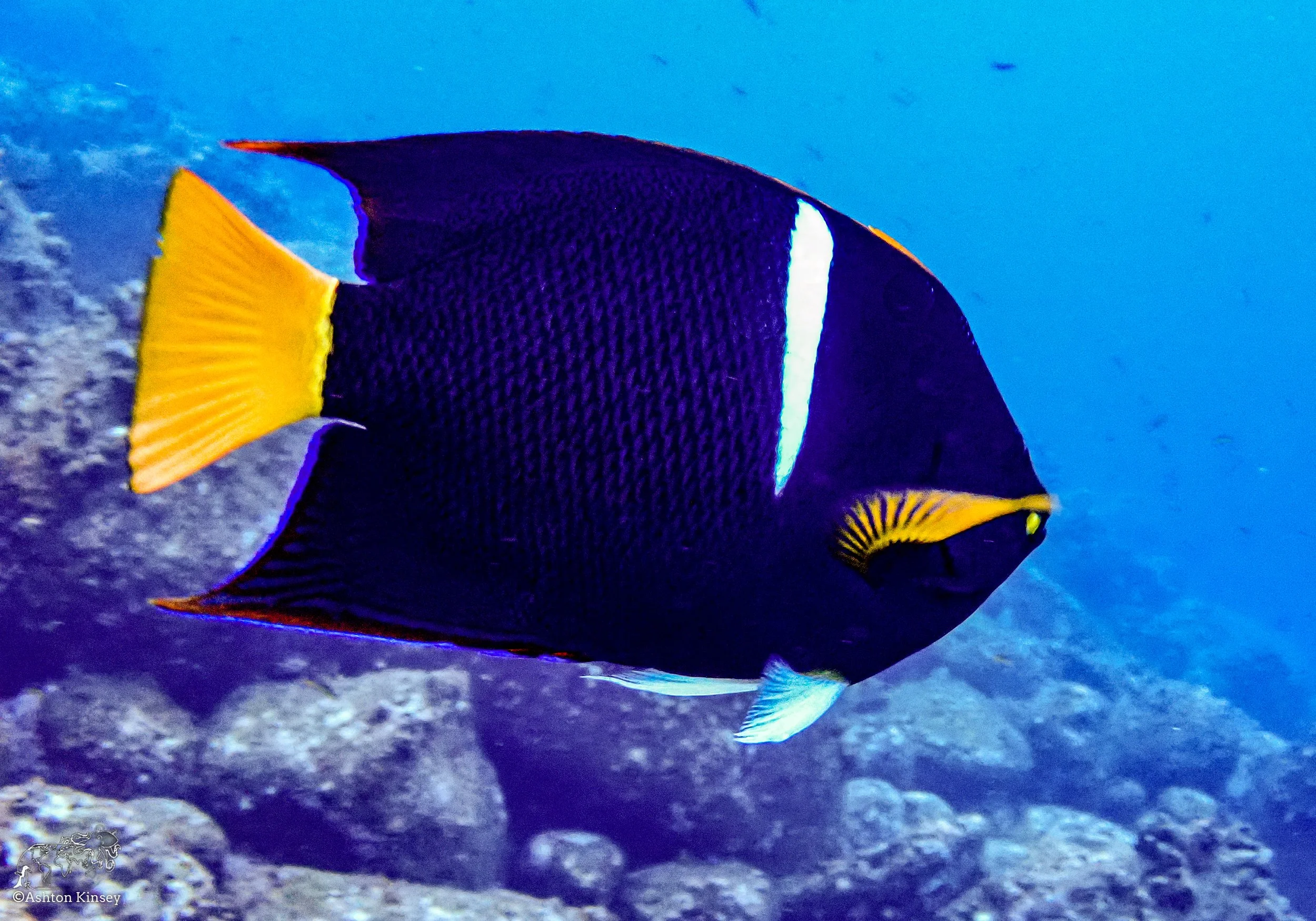
The dives at Cape Marshall are generally carried out earlier in the morning where the waters will be cooler. As the day goes on the currents will change and bring in warmer water and increased algae which reduces visibility and makes for a less enjoyable dive. Off of the northeast tip of Isabela the dive is carried out as a wall dive consisting of a volcanic wall that slopes down to beyond acceptable diving limits. While mola mola are not generally seen while diving on this site, they have been spotted at deeper depths in the colder waters. The plan for the dives was to drop down to the deeper water and hang out to try and spot them, if they didn’t show up we would go shallower to the cleaning stations to see the manta rays. Unlike in other places around the world, in the Galapagos mantas and other fish are cleaned by king angelfish, where usually queen angelfish will be doing the cleaning. The colder water and algae brings in more nutrients, which allows for more biodiversity and generally a lot more aquatic life on the dive sites. Large schools of tuna are commonly found here.
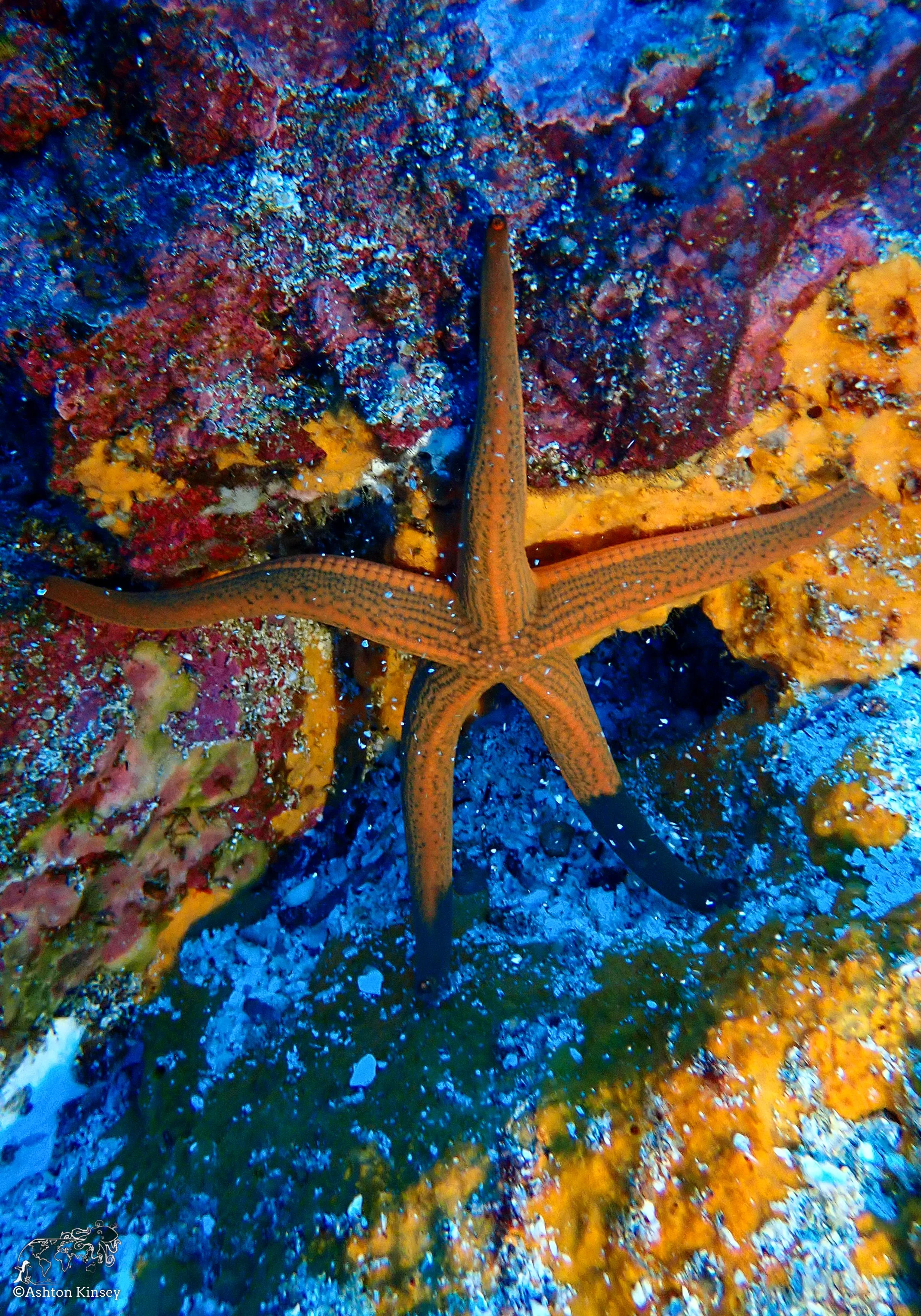
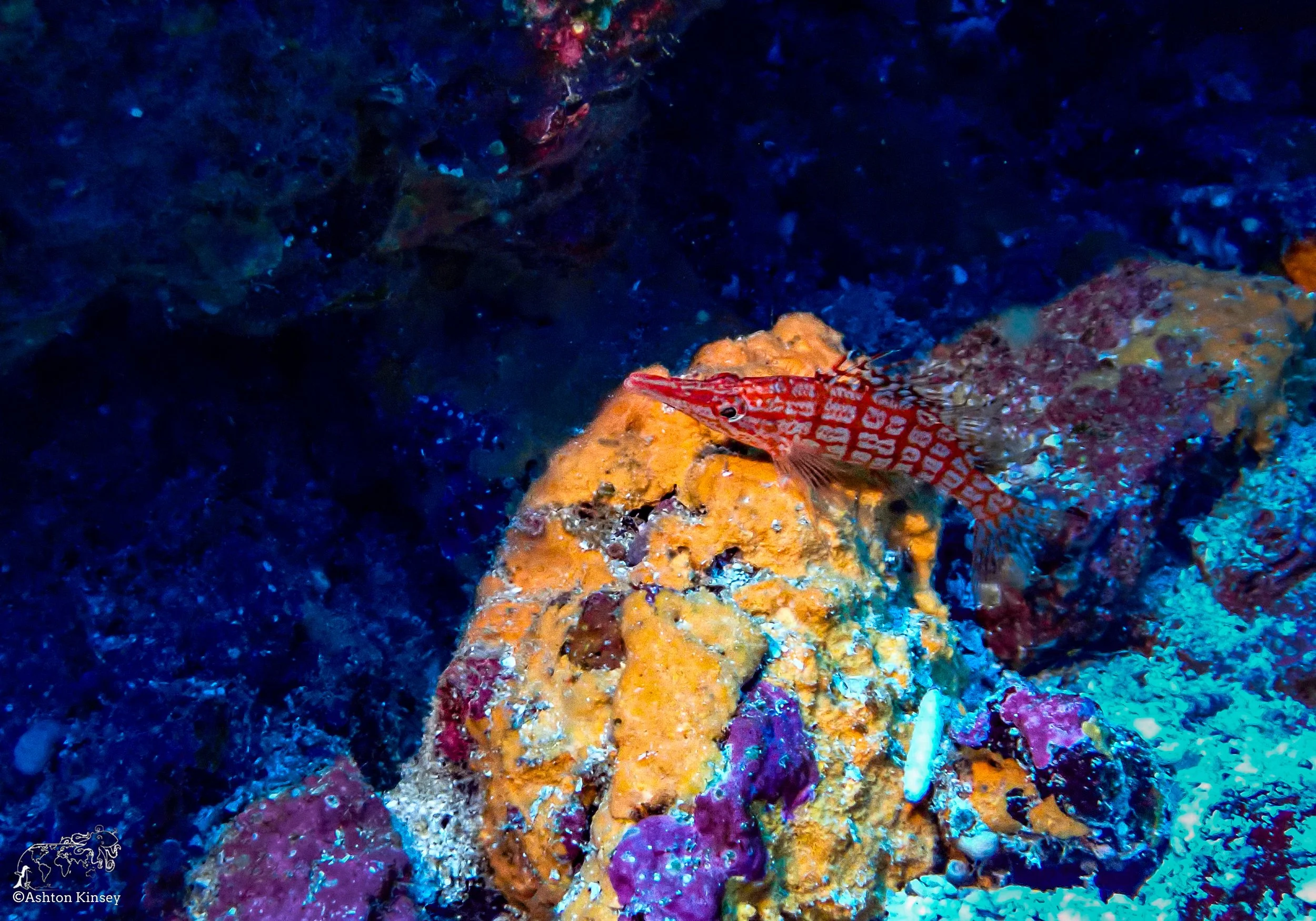
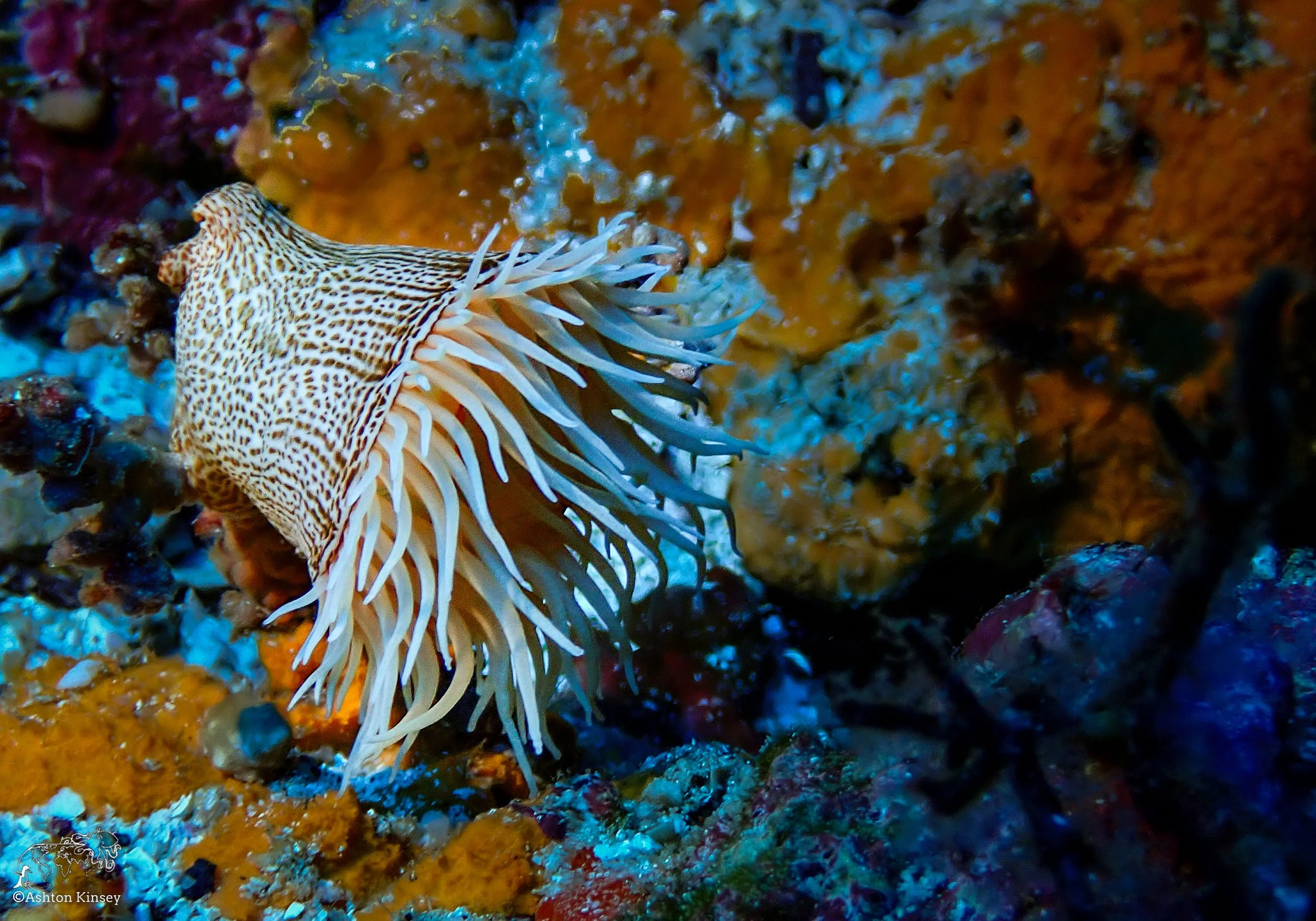
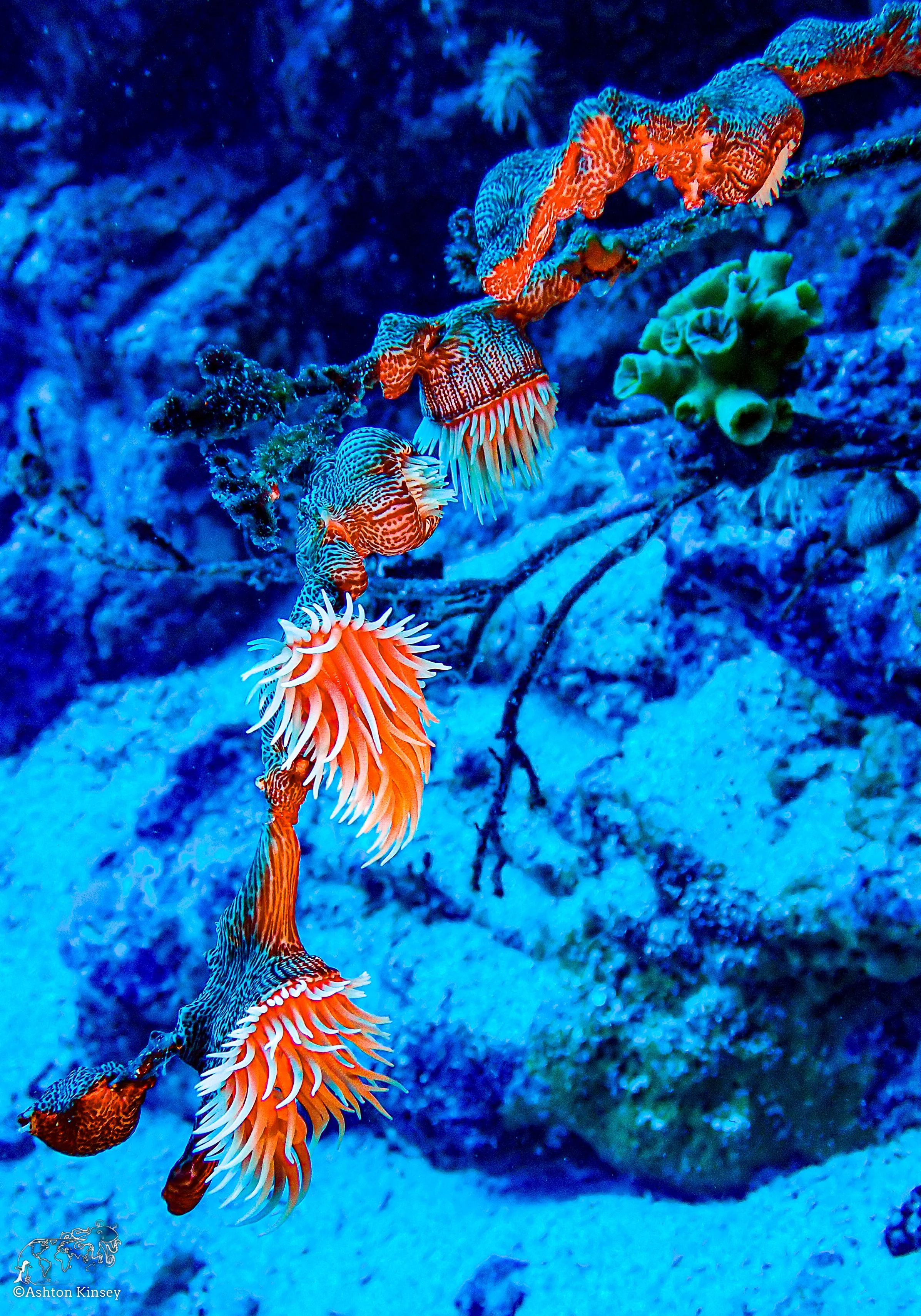
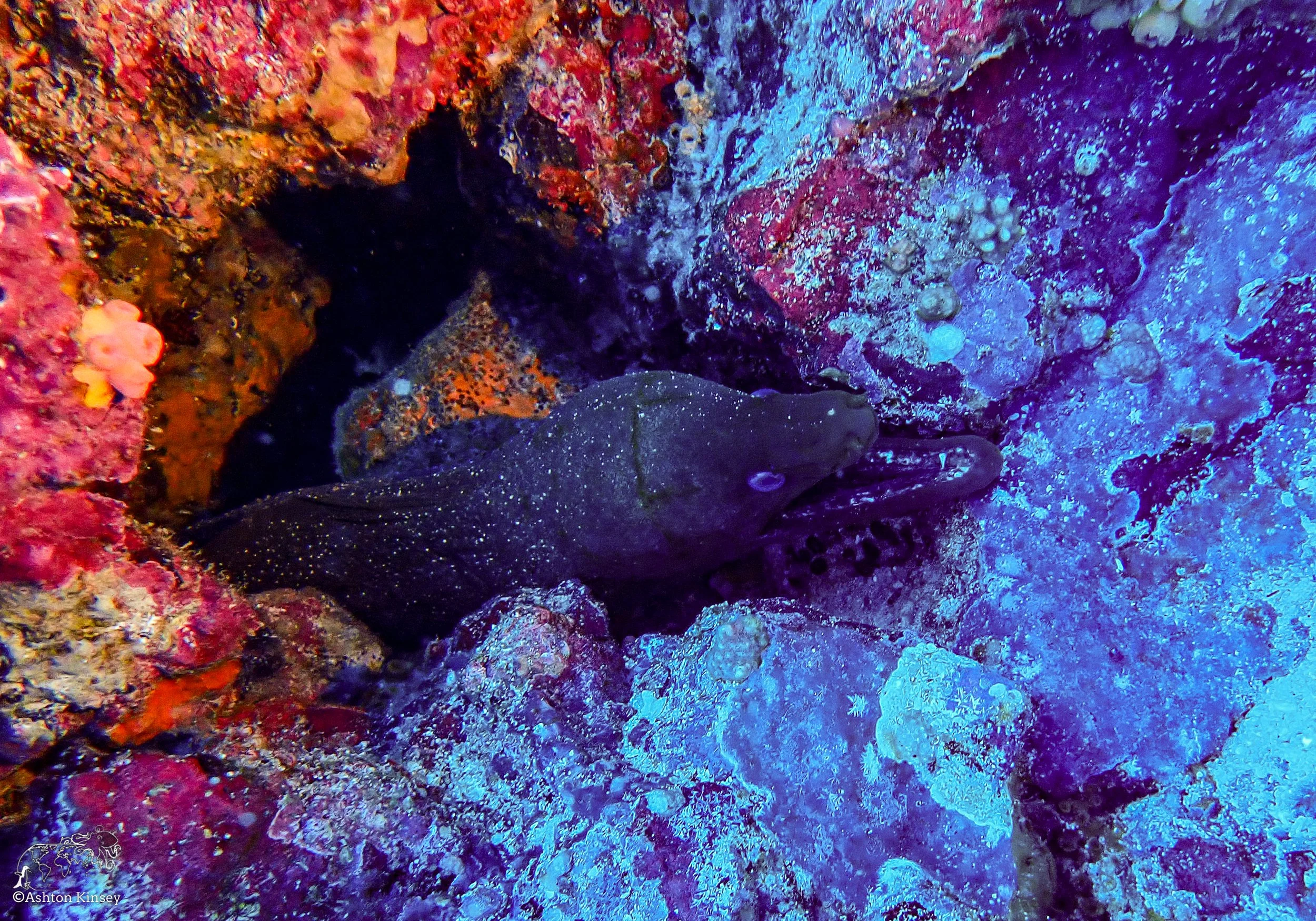
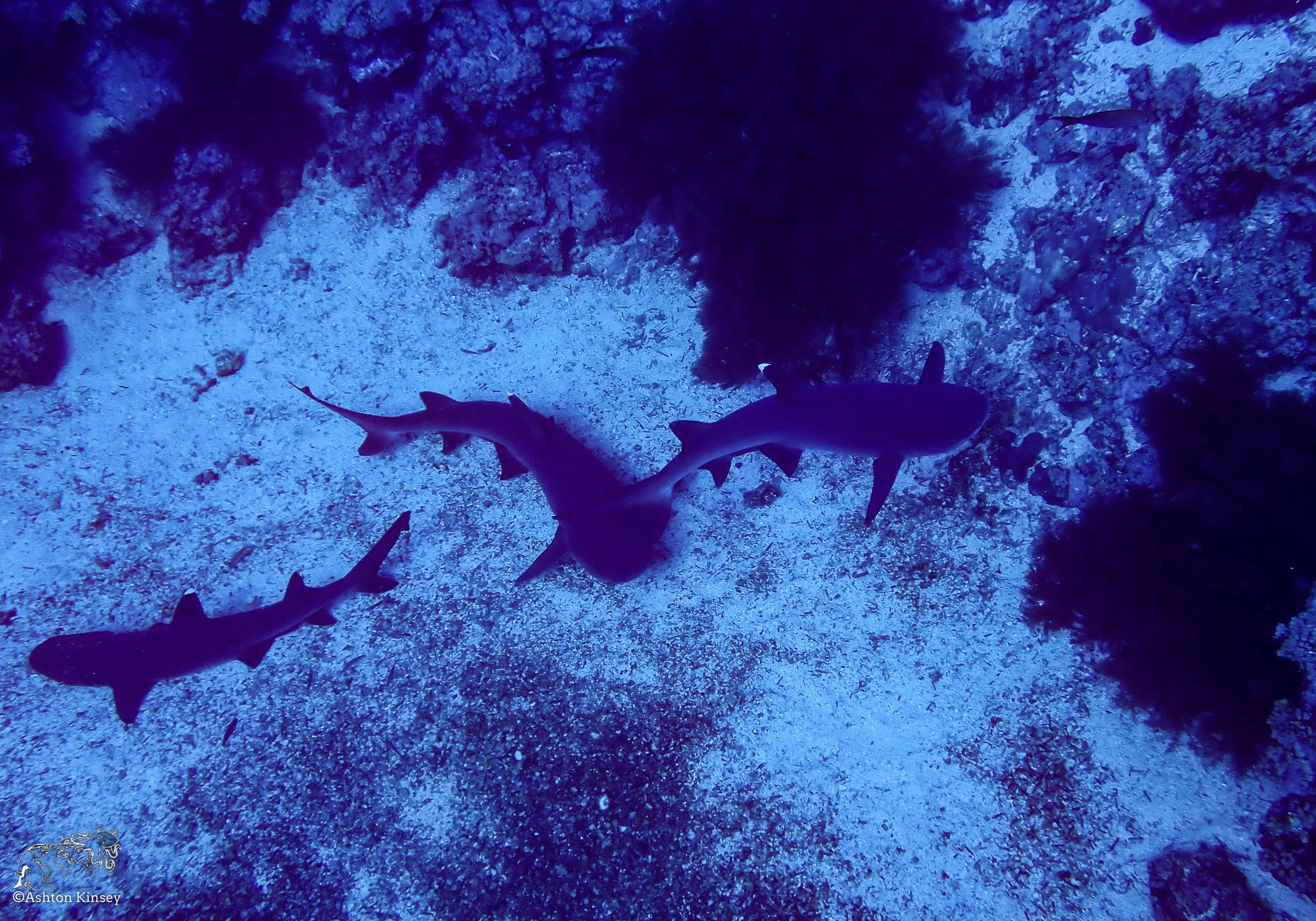
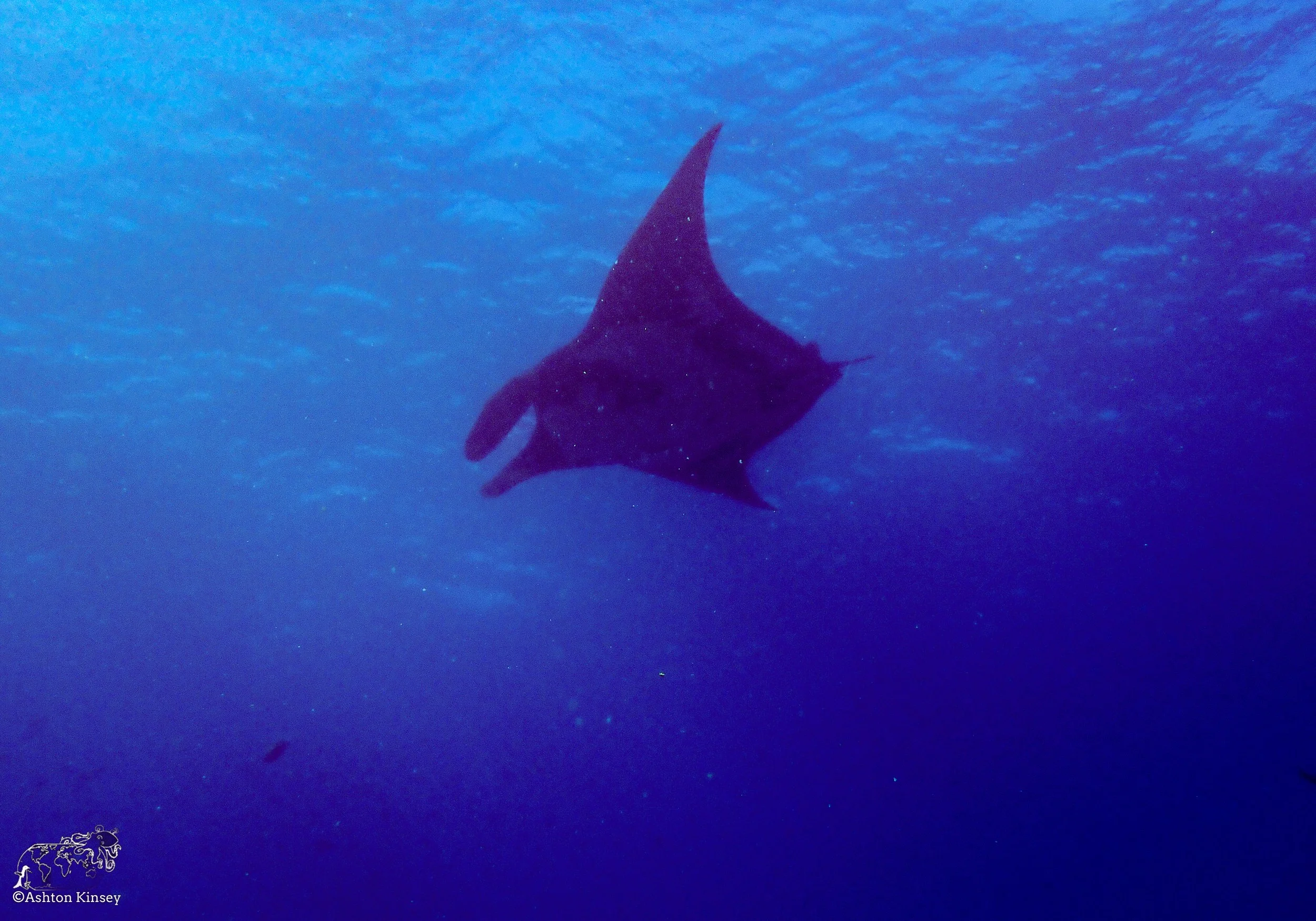
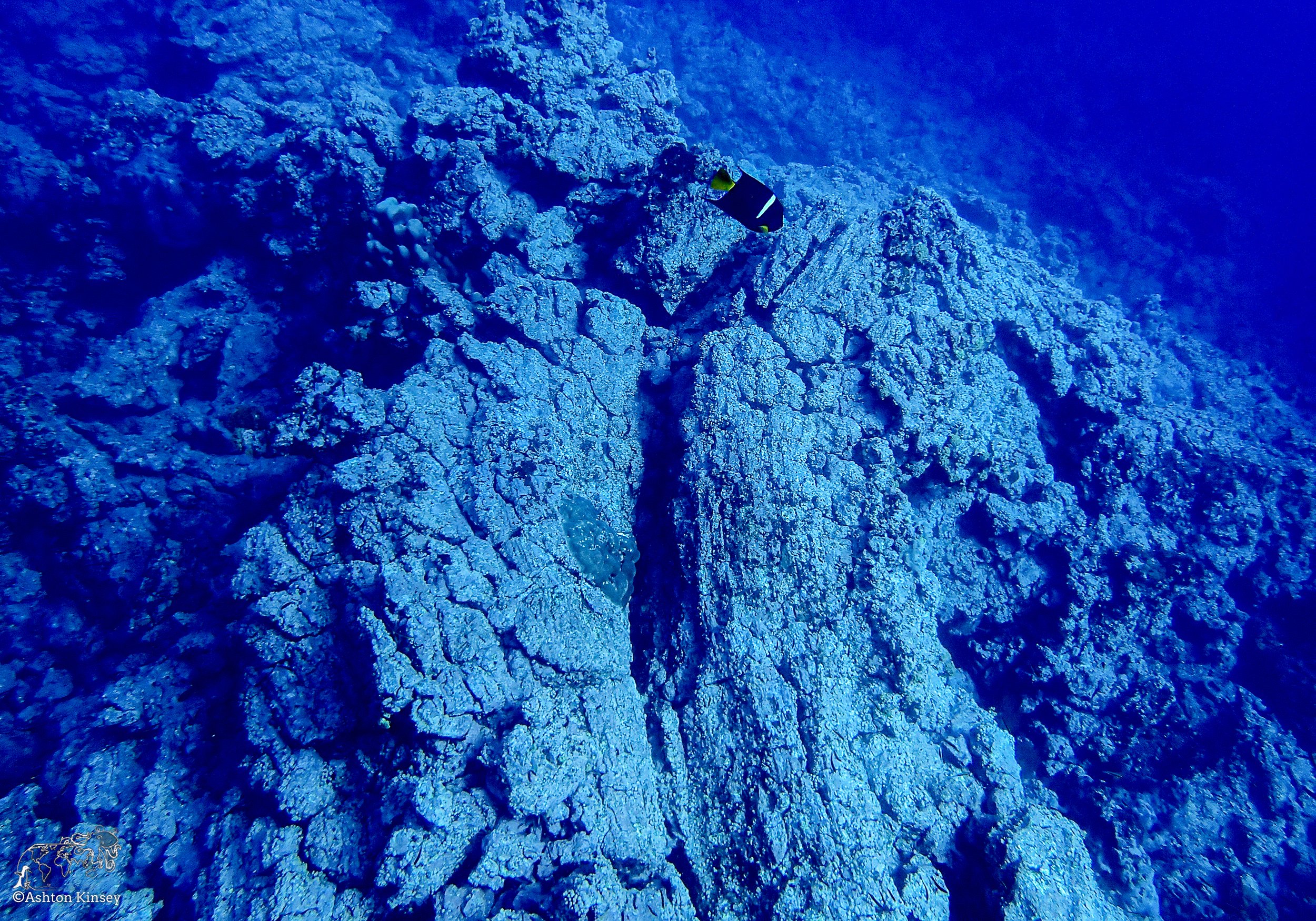
We were told that the water temperature was going to be in the low 60’s to upper 50’s and to layer up and make sure to bring hood, gloves, and add thicker undergarments to make up for this. Entering the water the surface temperature was right around 80*F, similar to the rest of the dive sites. We dropped down to 110’ expecting a thermocline and a big drop in temperatures, but only found it to be 73* much warmer than we anticipated (Allie: And you can bet those hoods and thicker gloves came right off for the next dives) and far too warm for mola mola. Most of the group started to ascend to a shallower depth to save air and bottom time, while a couple of us stayed deeper hunting for nudibranchs that also enjoyed the cooler temperatures (Allie: *cough cough* Ashton *cough cough*. Not to mention we also had another trail of 2-3 white tip reef sharks curiously following behind us again. They probably thought Ashton looked like a very nice new friend). [I’m a great friend!]
During the hunt for nudis there was a loud human sounding noise, which, underwater, is never a good sign. Looking up, the noise, and lots of bubbles are coming from Björk and Carlos combined with lots of arm flailing and gestures. After a quick check of the other divers and not being able to see anything of immediate concern we lazily started our ascent up to the hot mess express to see what was going on (Allie: Once it was clear no was hurt or panicking, we took the scene in and saw Bjork pointing and motioning furiously downwards. We looked down, but there was nothing there (and again, visibility was like 75+ft.) He kept gesticulating wildly and eventually TOOK HIS REG OUT OF HIS MOUTH to yell ?? at Carlos that he wanted to go back down. I don’t know how many of you realize this, but unfortunately you can’t really talk, even if you’re yelling, underwater. But at least he was continuously exhaling with his silent yells, so he was still following the number one rule of scuba diving). By the time we got up there the drama seemed to have subsided and no one seemed in immediate danger. Partially being helped by the fact that Björk had gotten distracted by manta rays and swam off to chase after them to get video (Allie: And promptly chased them away from the rest of us, but I’m not bitter 🙃). The rest of dive one was spent shallower watching the large mantas in the cleaning stations and being slowly stalked by a trio of fat white tips.
Now, as another side note: It is important to pay attention to the dive plan before a dive. Even if you’re really cool, even if you’ve done a ton of dives, the people running the dives are more familiar with the sites and conditions and animals who live there. Failure to do so leads to very tense times getting back on to the boat, or worse. Luckily, in this case, Björk was only pissed because the dive was “cut short” and we went shallow after only spending 5-10 minutes at depths. This was two fold, mainly, Carlos knew the water was too warm for mola molas and decided to spend time with the cleaning stations vs hanging out in deep water without much to see. Secondly, because being that deep eats into your bottom time, and you air and actually cuts the dive short. All of which was explained to us during the briefing and before we got into the water. Björk calmed down and he and Carlos shook hands and all was well. However, on the next dive we got together as a group to plan the dive together and to make sure everyone was on the same page (You know, like we had been doing every other dive but now everyone was actually paying attention.). Pay attention to your dive guides kids, they know more than you do, and it makes everyone’s lives easier plus helps make sure that your guides don’t want to drown you.
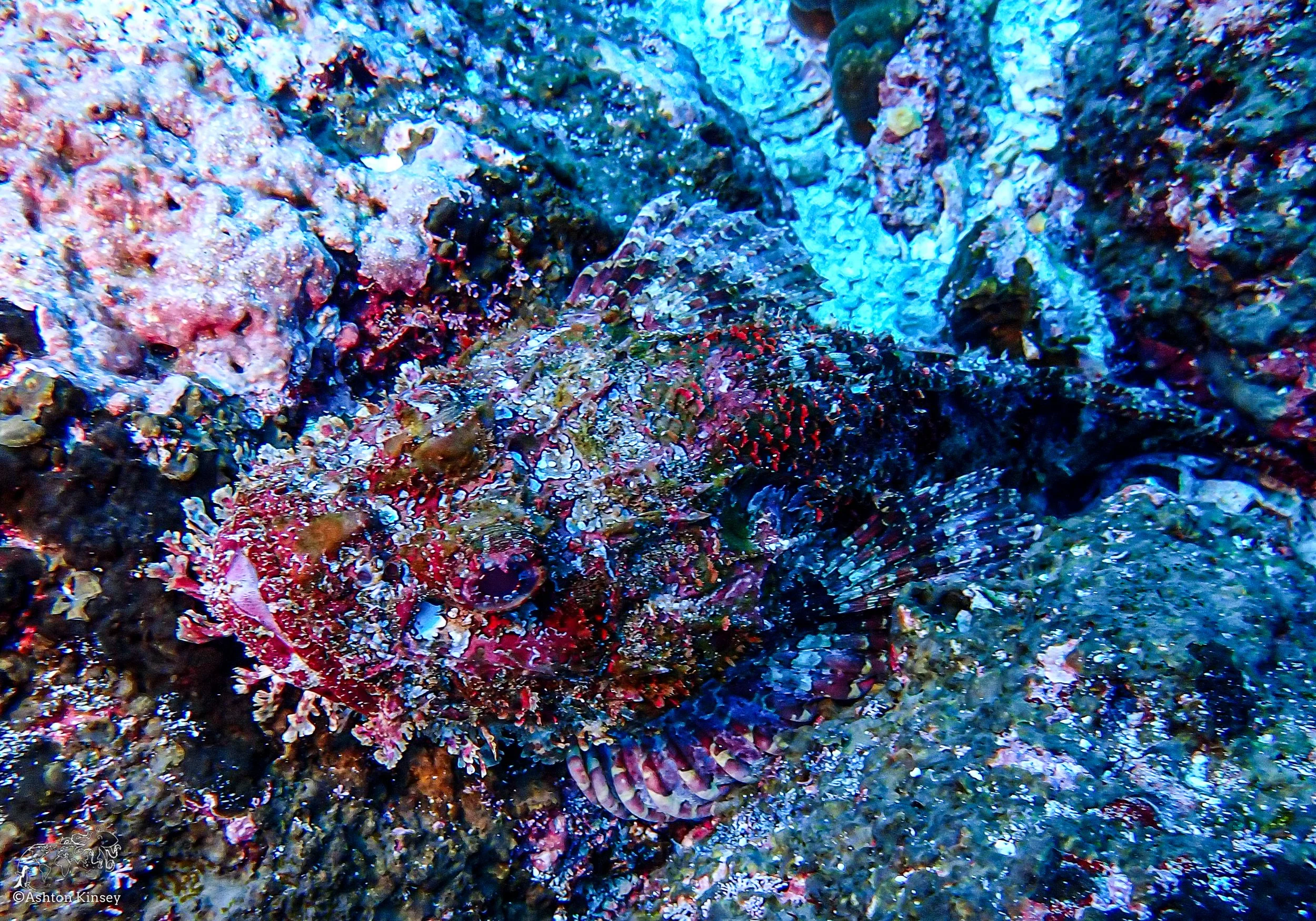
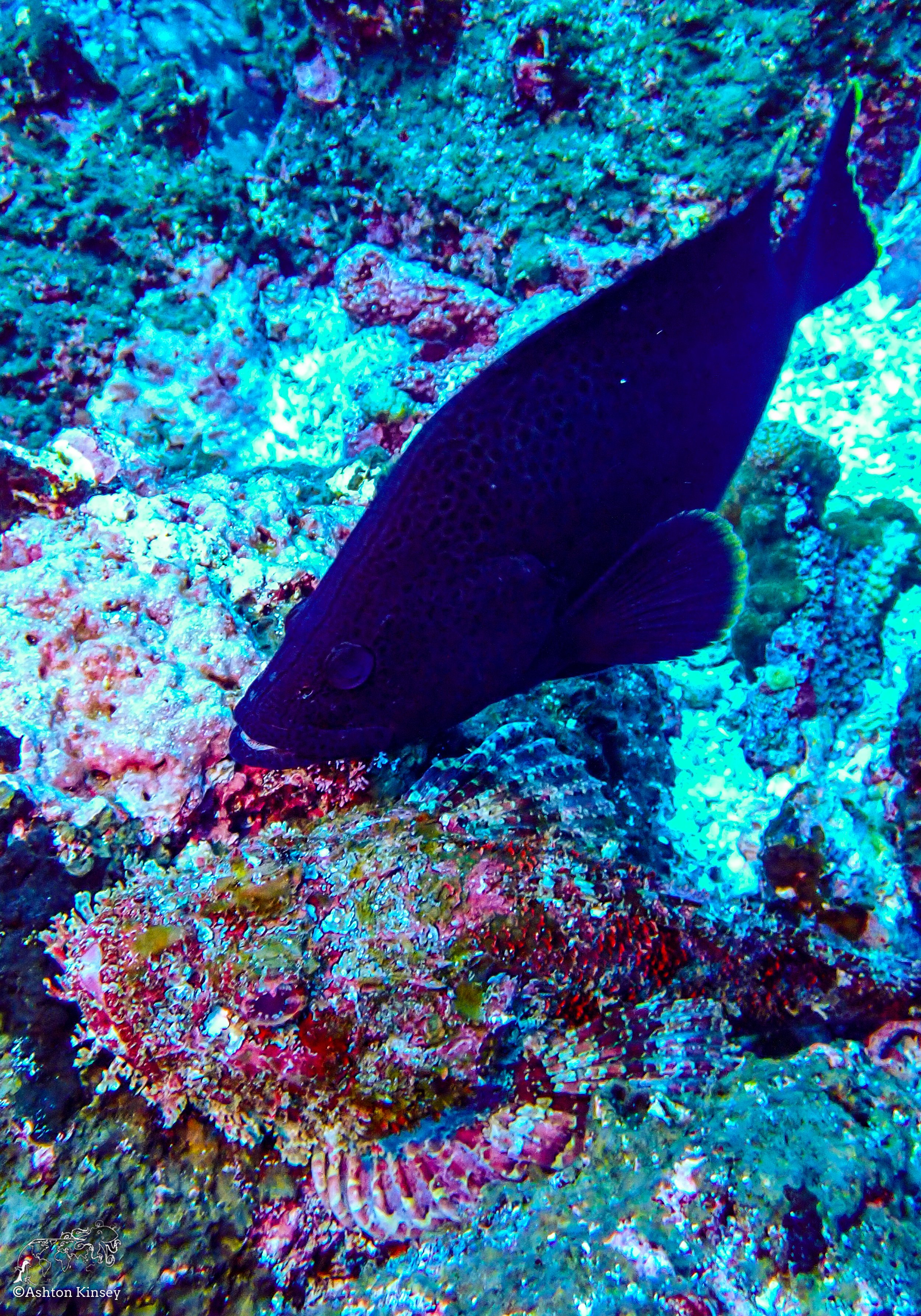
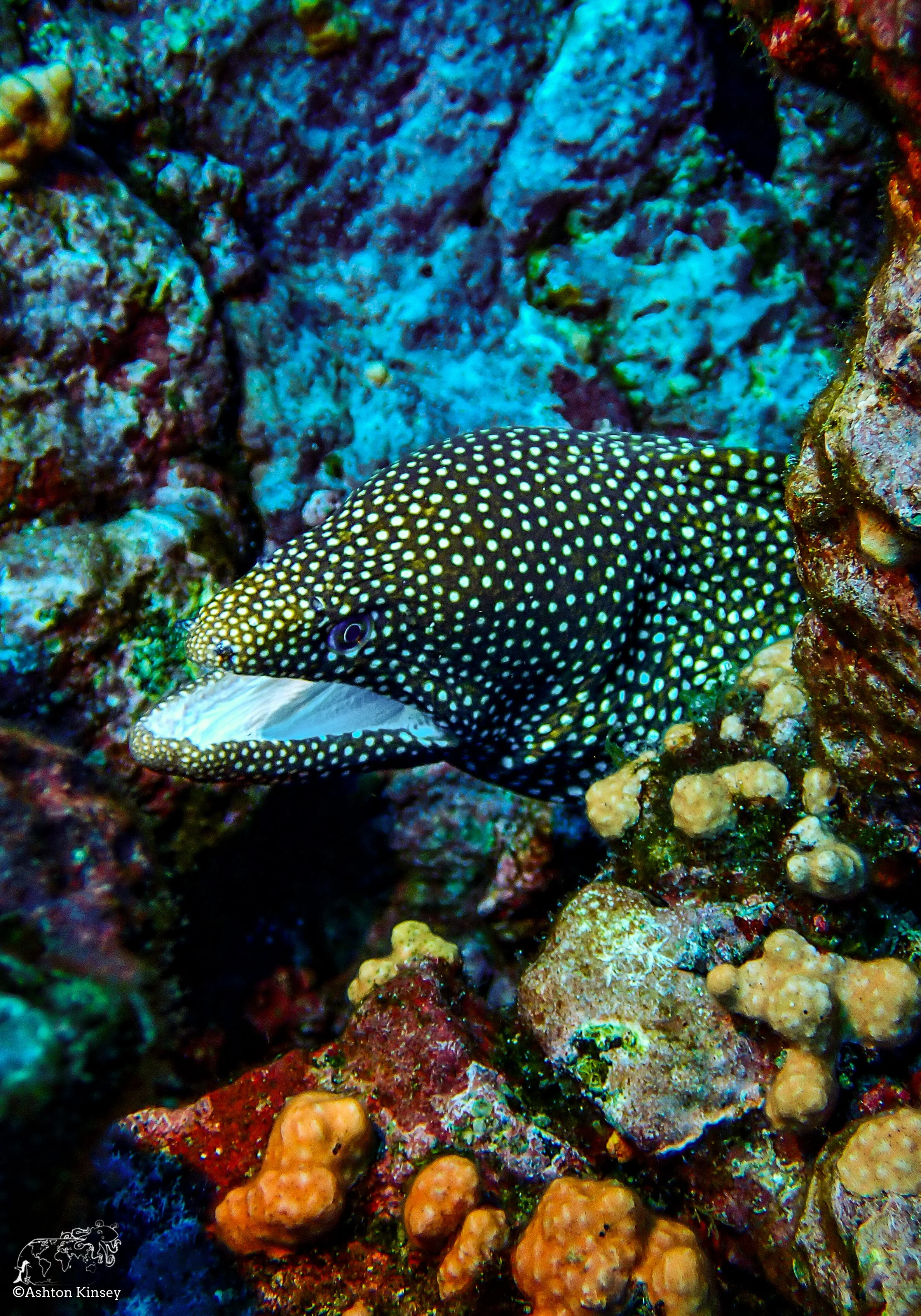
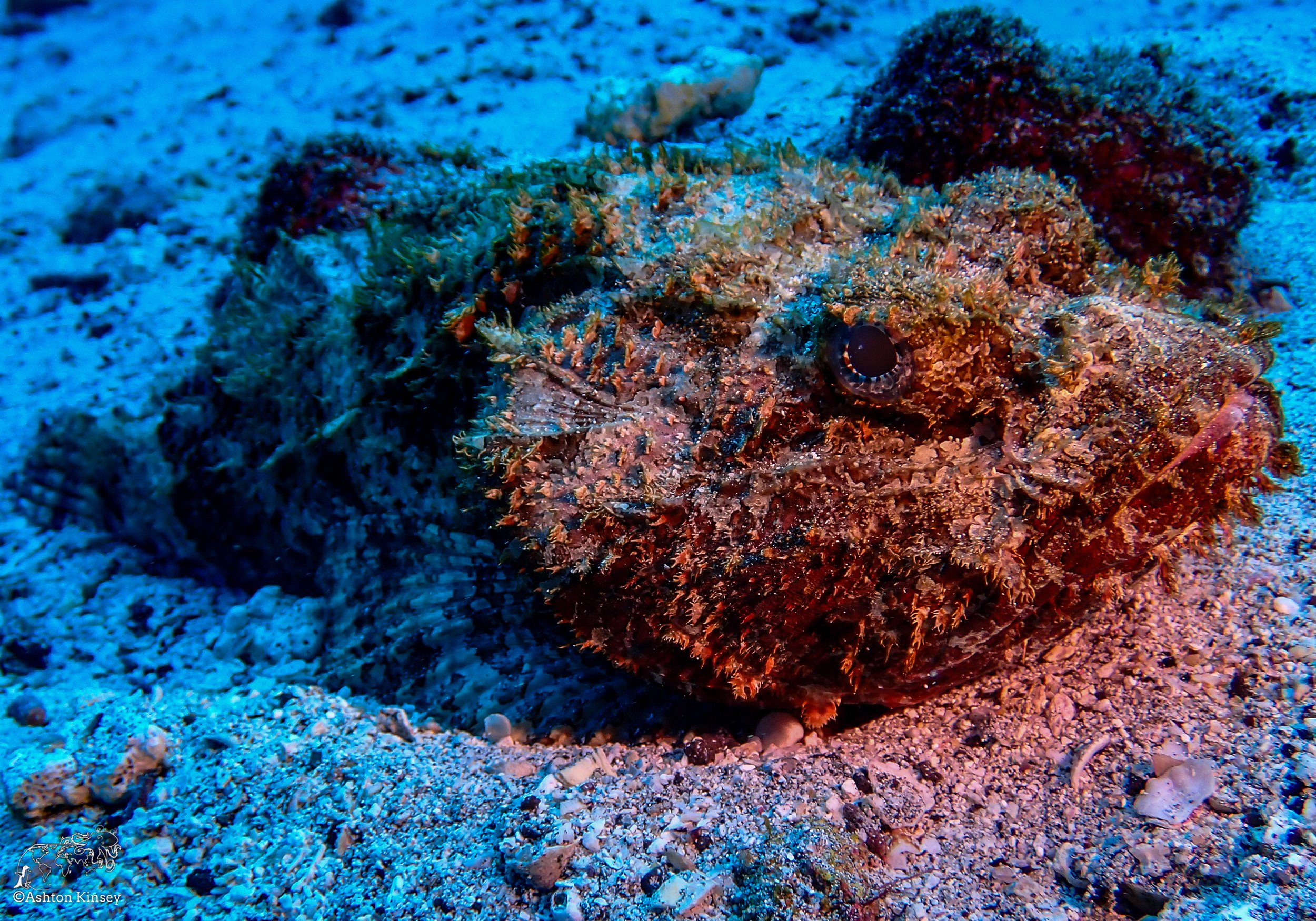
The other two dives were carried out mostly in shallow waters with a quick drop to the deeper waters to see if we could see anything. We would come up to the shallows and cruise around looking for stone fish, and eels while manta rays hung out in the cleaning stations above us, and the trio of white tips hanging out behind the group looking for non-existent scraps (Allie: and a very curious turtle who liked his reflection in my camera!). Something a bit different than the other dive sites and good times all around. The hunt for nudies and mola molas continues, as the trip is winding down to our final couple of dives…
Club Six: Santa Cruz Island
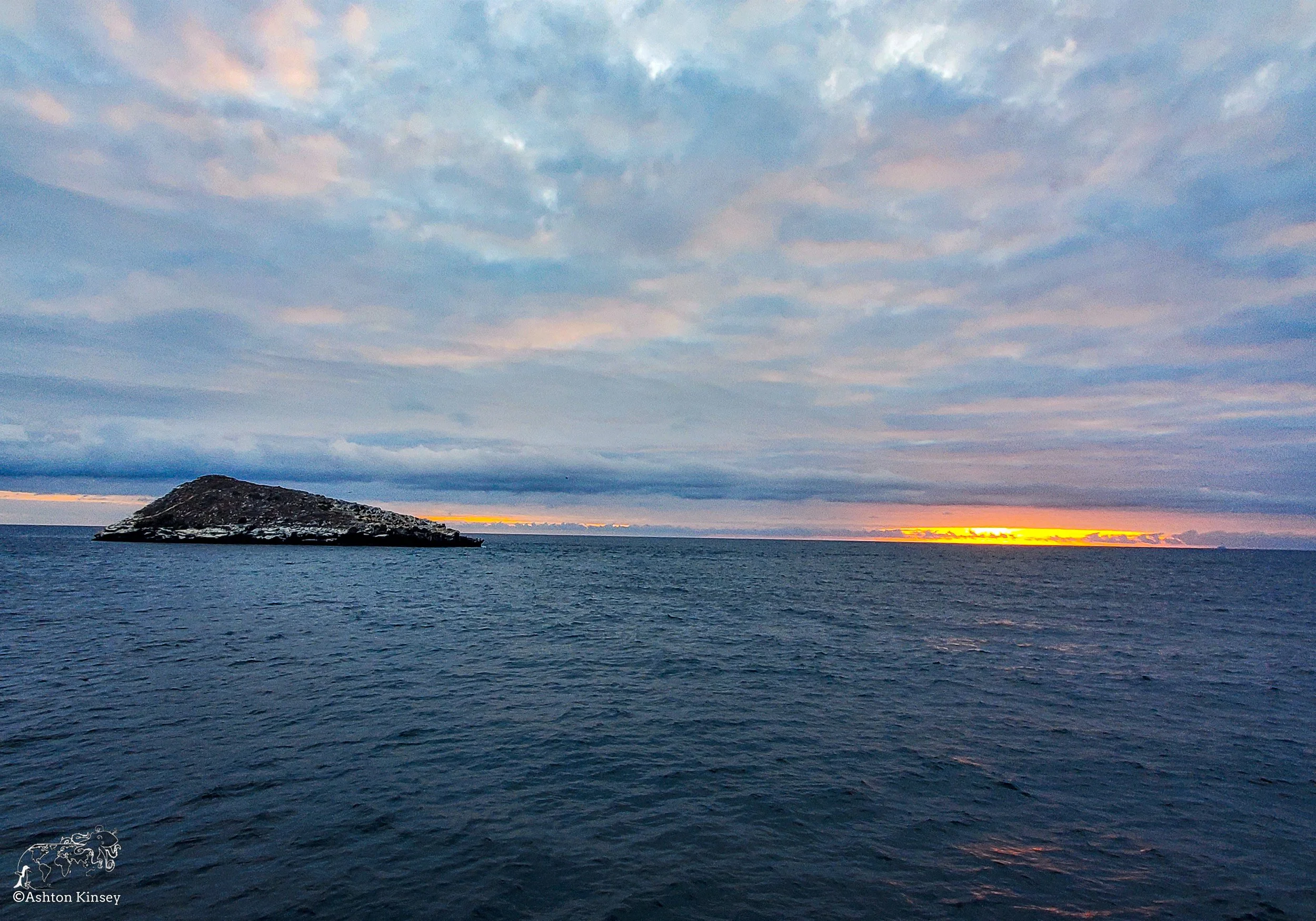
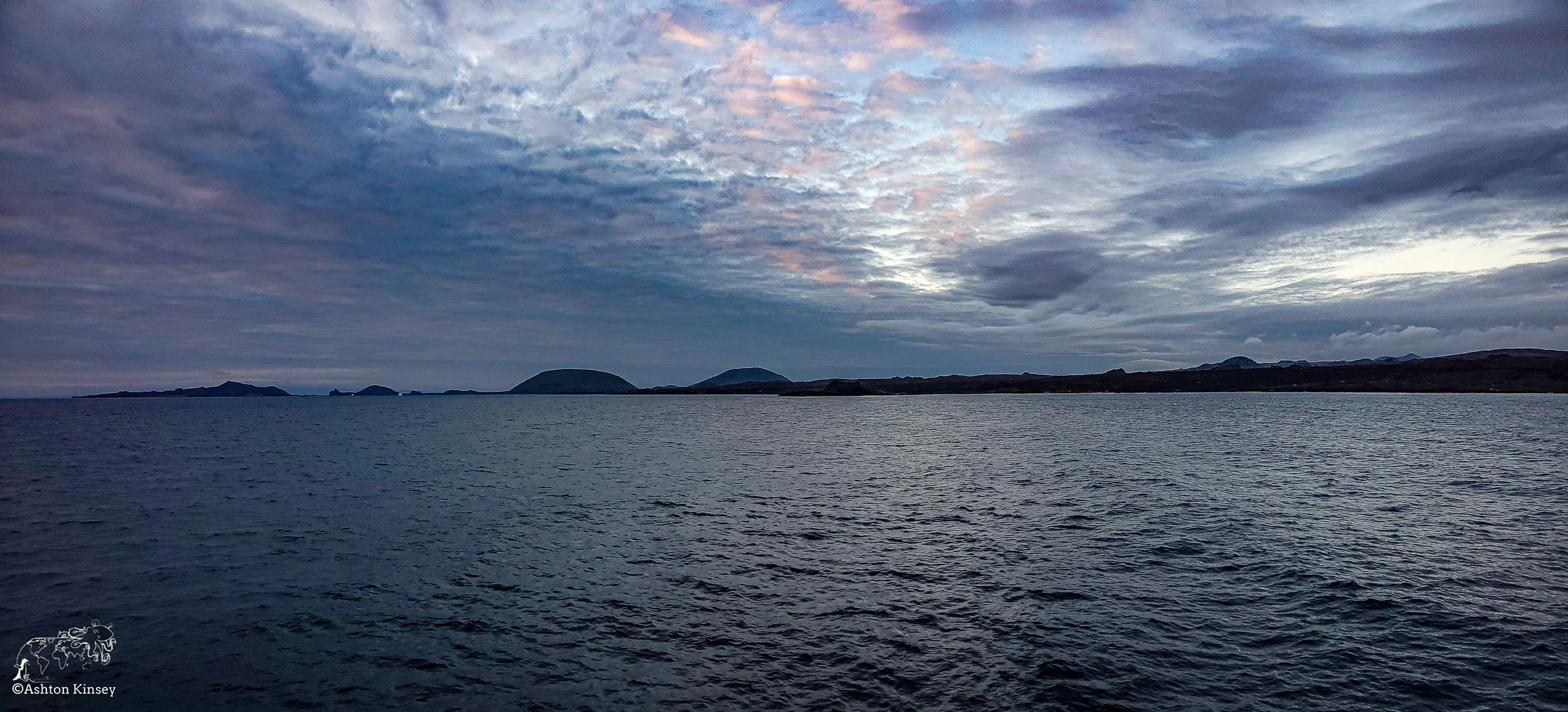
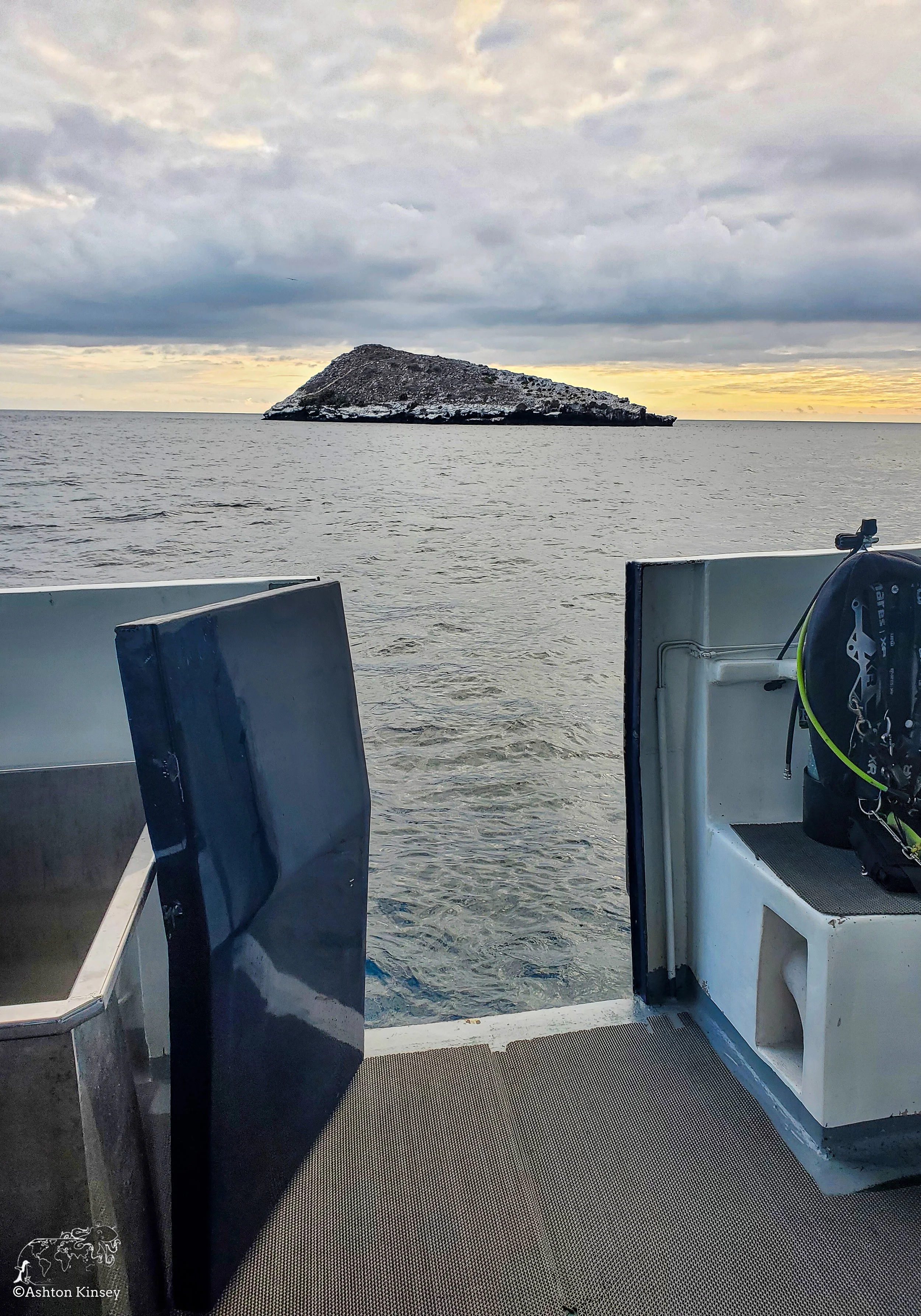
Our time on Isabela was short, and similarly to the islands, we bounced soon after finishing our dives so we could get to the next club before the crowds hit: Santa Cruz Island.
Santa Cruz is the main tourist hub of all of the islands. It has the longest paved road in all of Galapagos, and the only island where tourists can experience the higher elevation that Galapagos has to offer. It was originally formed by a volcano, similarly to the other islands, but is now no longer volcanically active. It has gone through a variety of name changes over the years but is commonly known as Santa Cruz nowadays. The name translates to “Holy Cross' ' but is also known as Indefatigable, named after the British vessel HMS Indefatigable, but that doesn’t roll off the tongue quite so well. Humans began to introduce invasive species and change agriculture back in the 20th century between WWI and WWII introducing new crops and livestock benefited by the various geographical zones on the island.
Cousin Rock
Dive 29: 102’ for 56 minutes Dive 30: 100’ for 52 minutes
Located off of Santiago Island this is a common dive site for day trippers coming from Santa Cruz Island. It’s a small shark tooth shaped island that is made up of quickly cooled magma. Due to this it is very porous and easily eroded with lots of nooks and crannies for creatures to hide in between. There are multiple ledges that start around 27’ and continue down to the depths. Sea horses used to be common at this site however in the last five years have become much less common in the shallower water, some have been found in 70’ of water off the northwest area of the site.
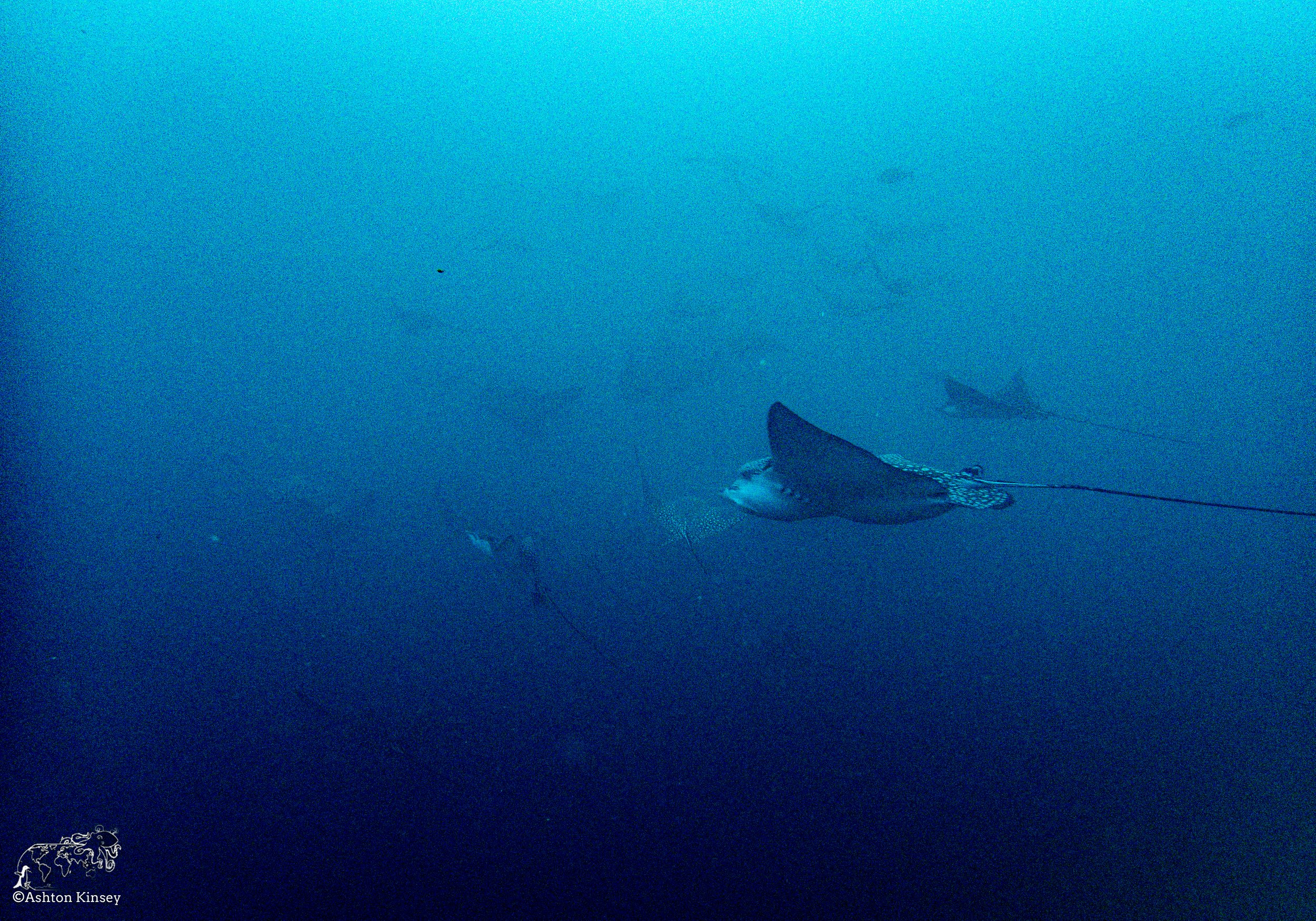
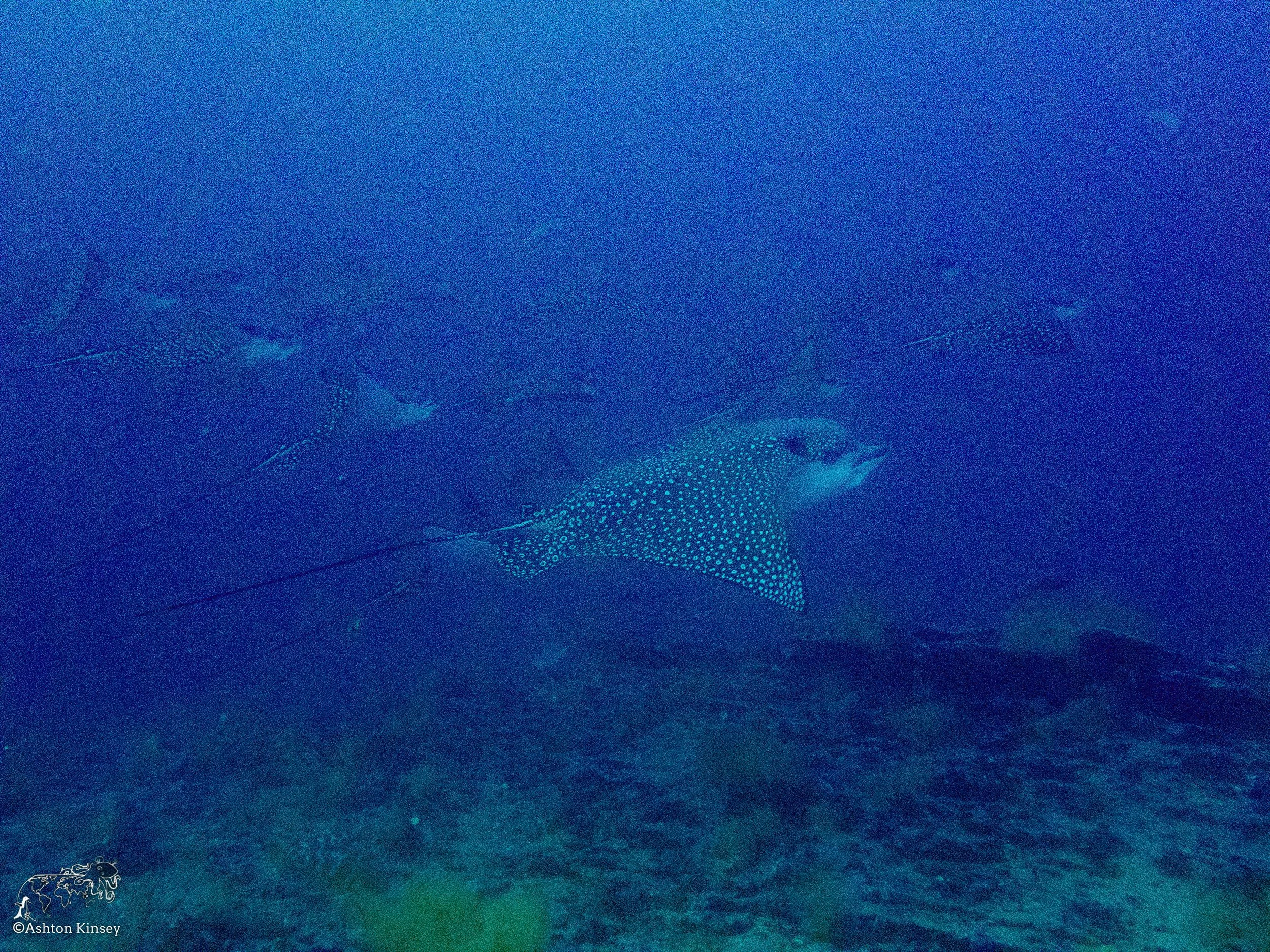
The dive started with a search for seahorses hiding in the soft corals and under the ledges, however we were unsuccessful. Traveling south along the island currents started to pick up coming in from the west. The currents brought in a school of 100+ spotted eagle rays (Allie: where most of us sat still and let them swim around us while SOME OTHERS thought the best strategy was to go chasing after them for videos…), along with several white tips, turtles, and other fish.
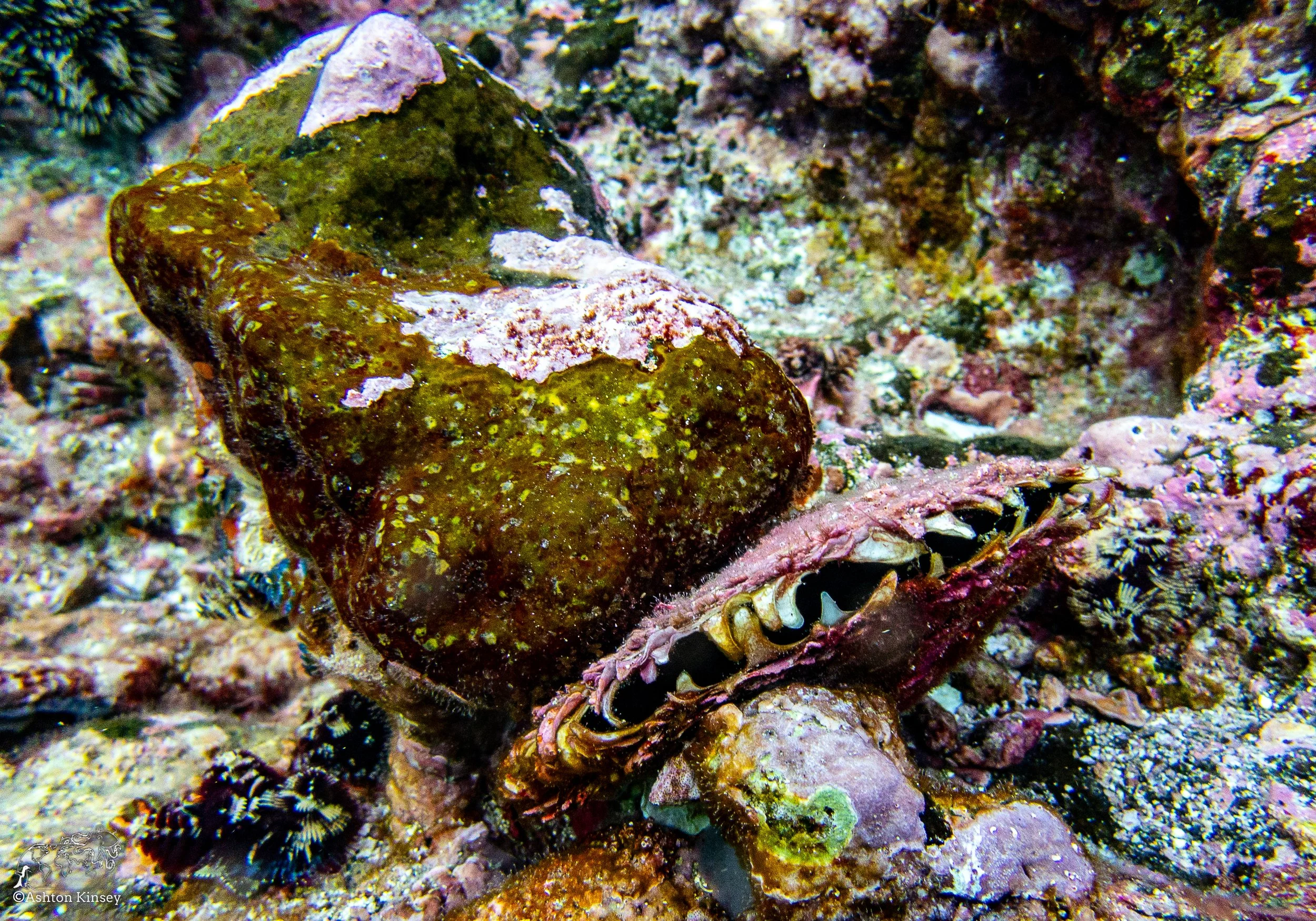
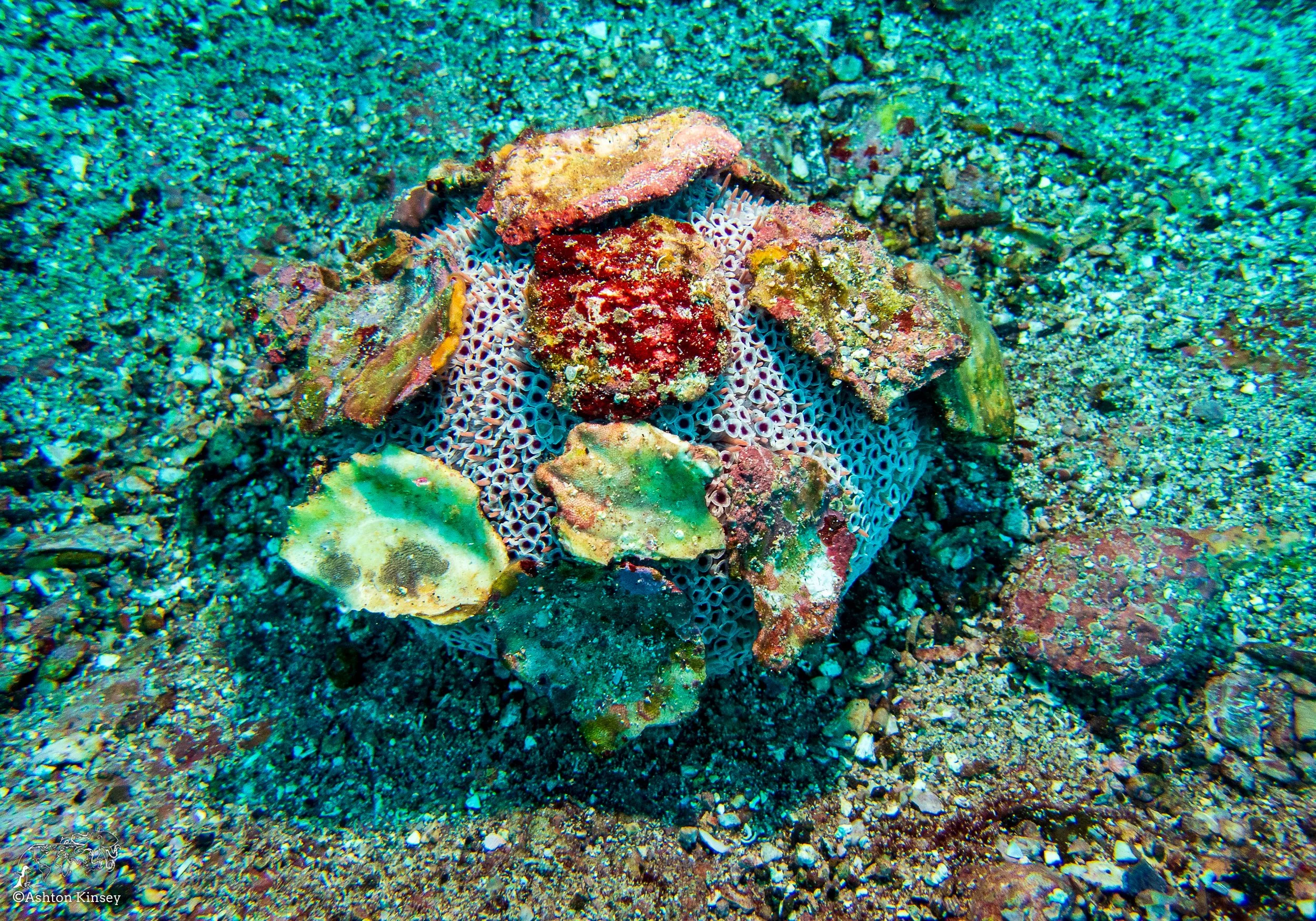
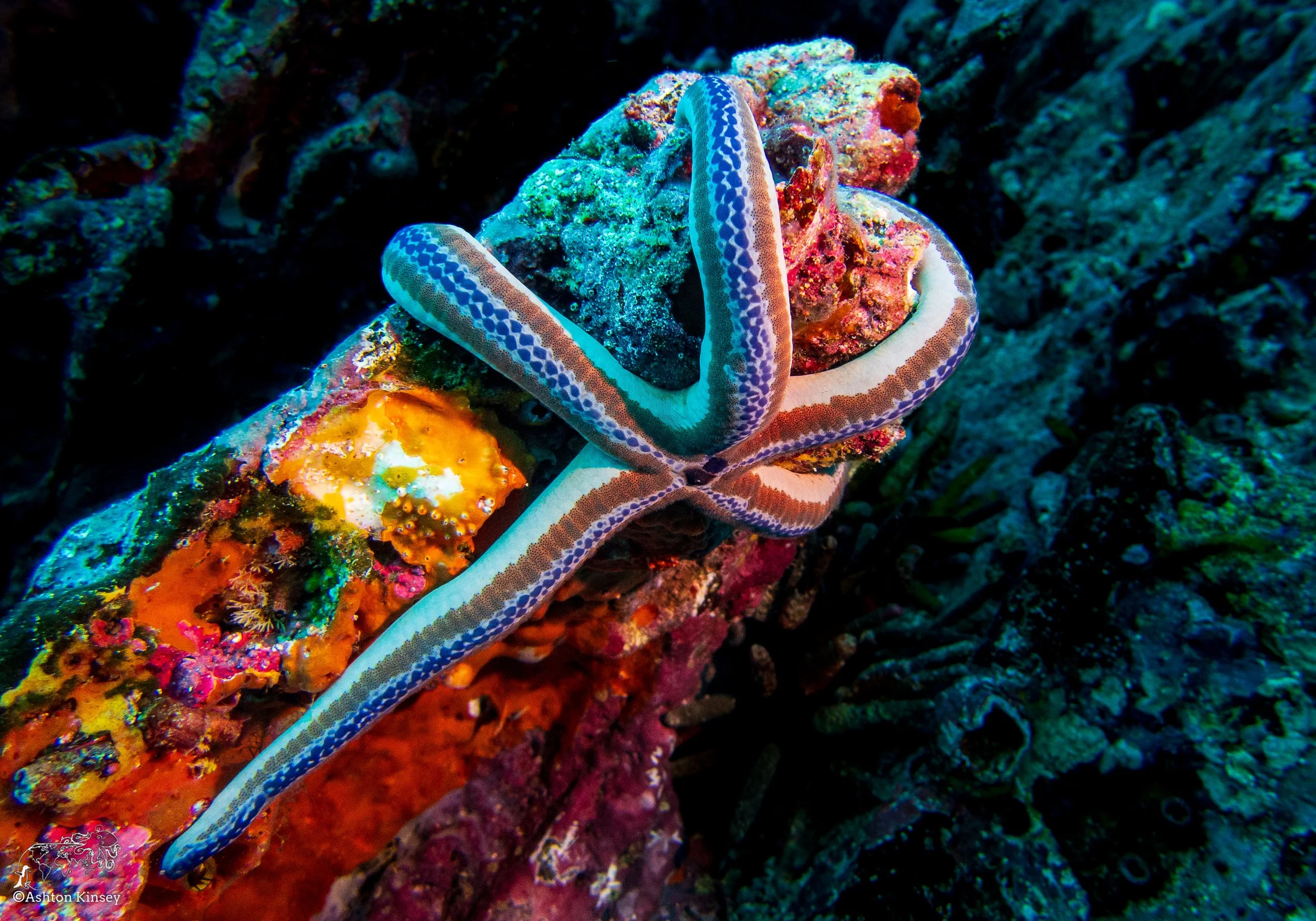
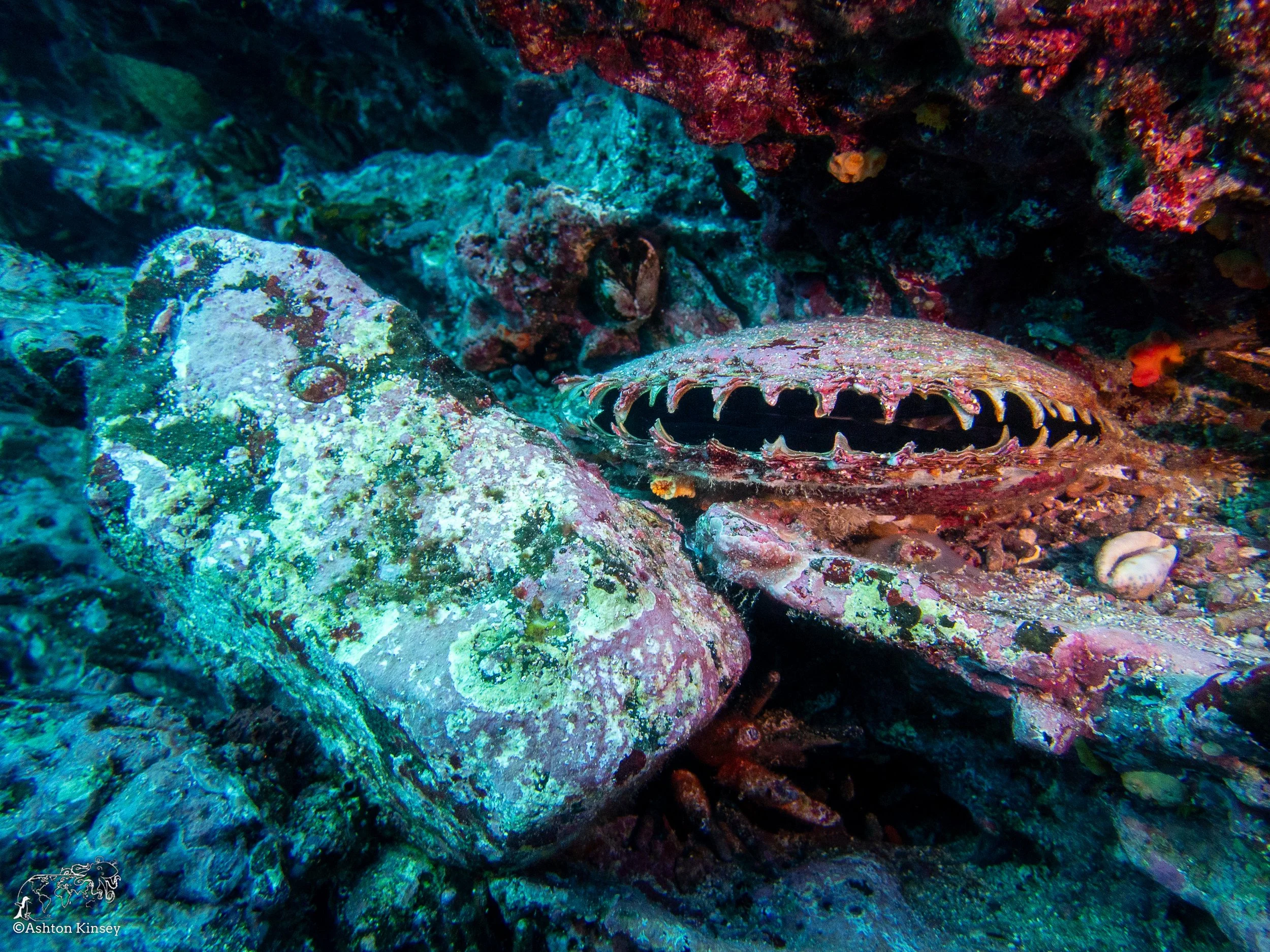
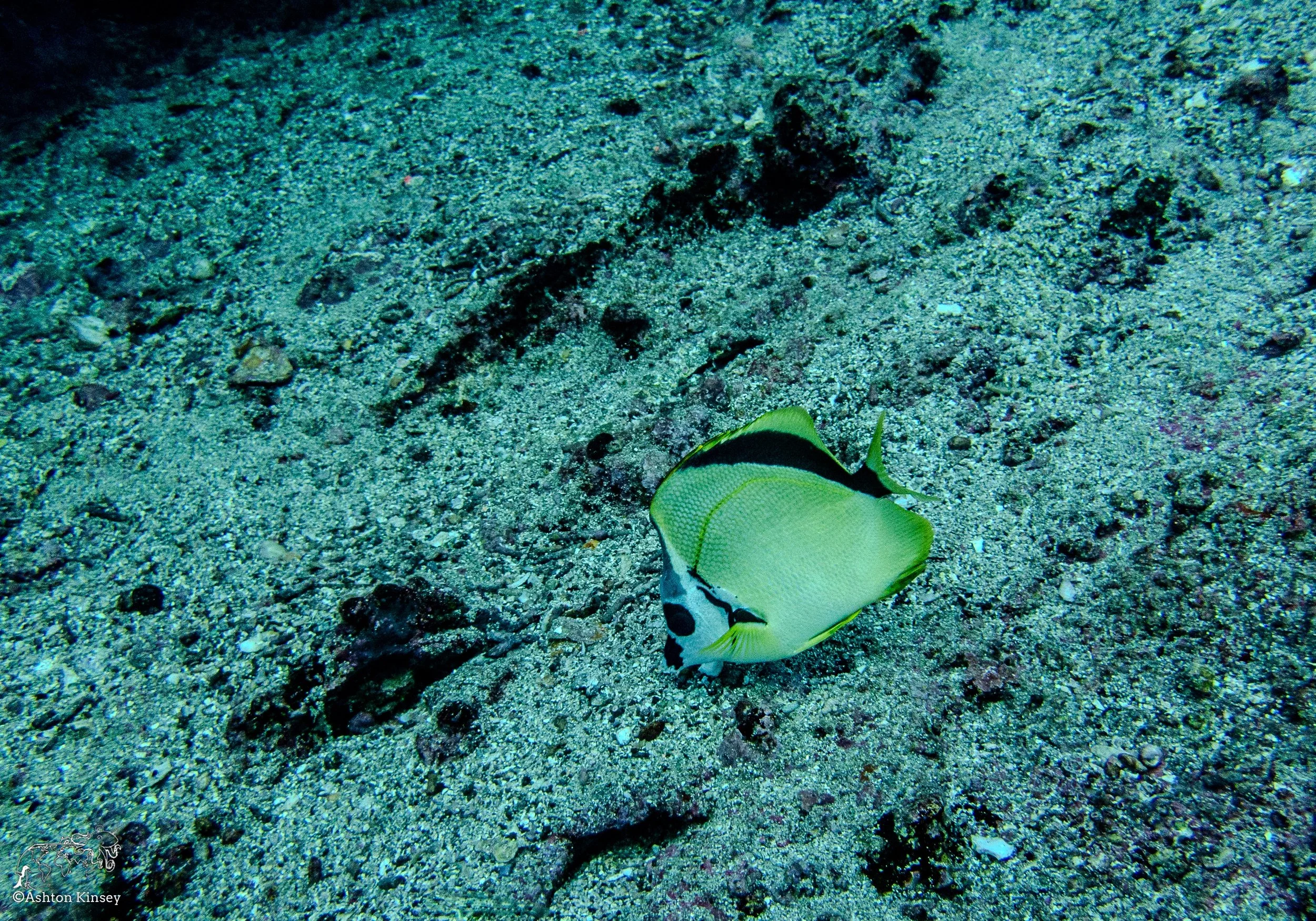
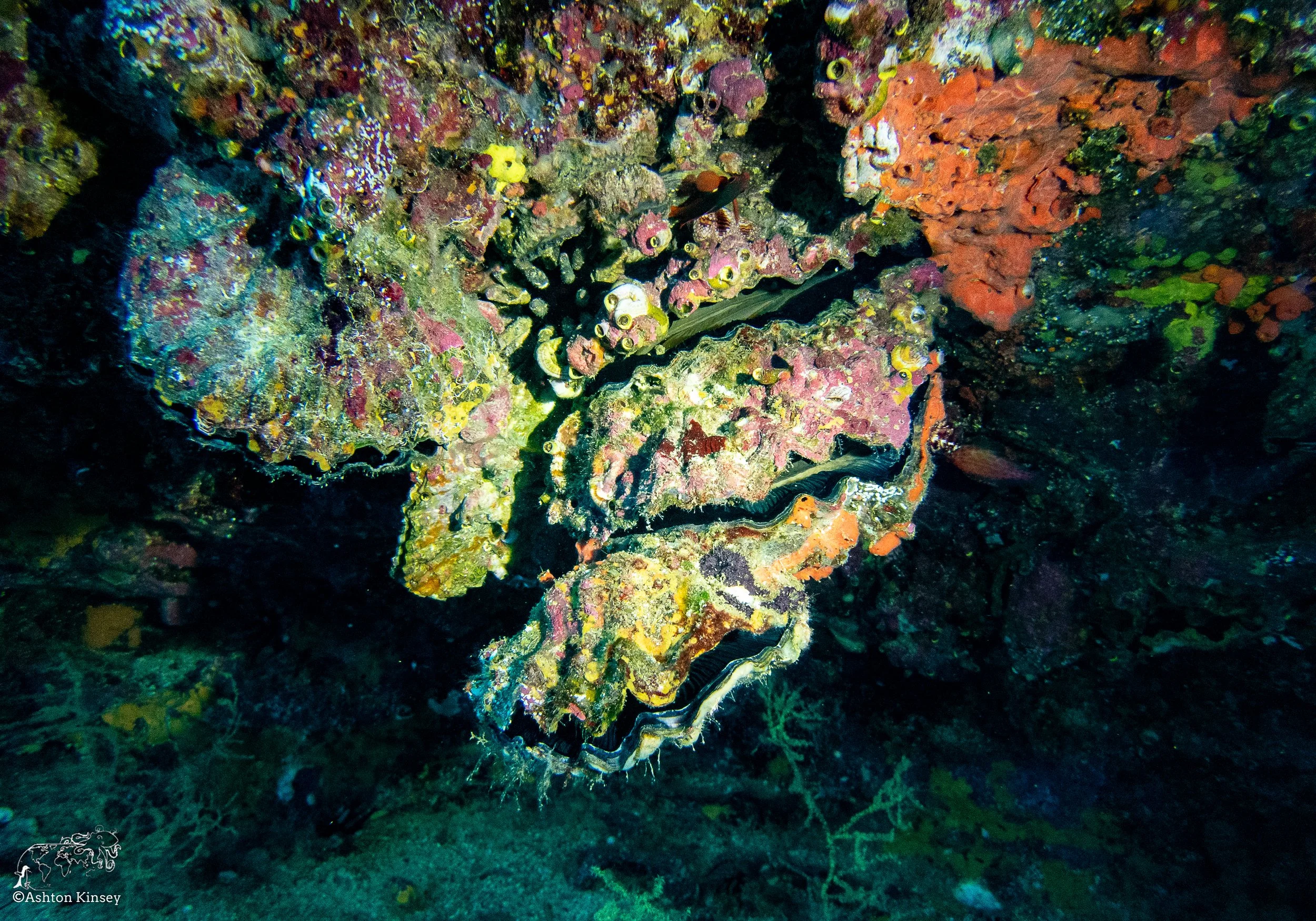
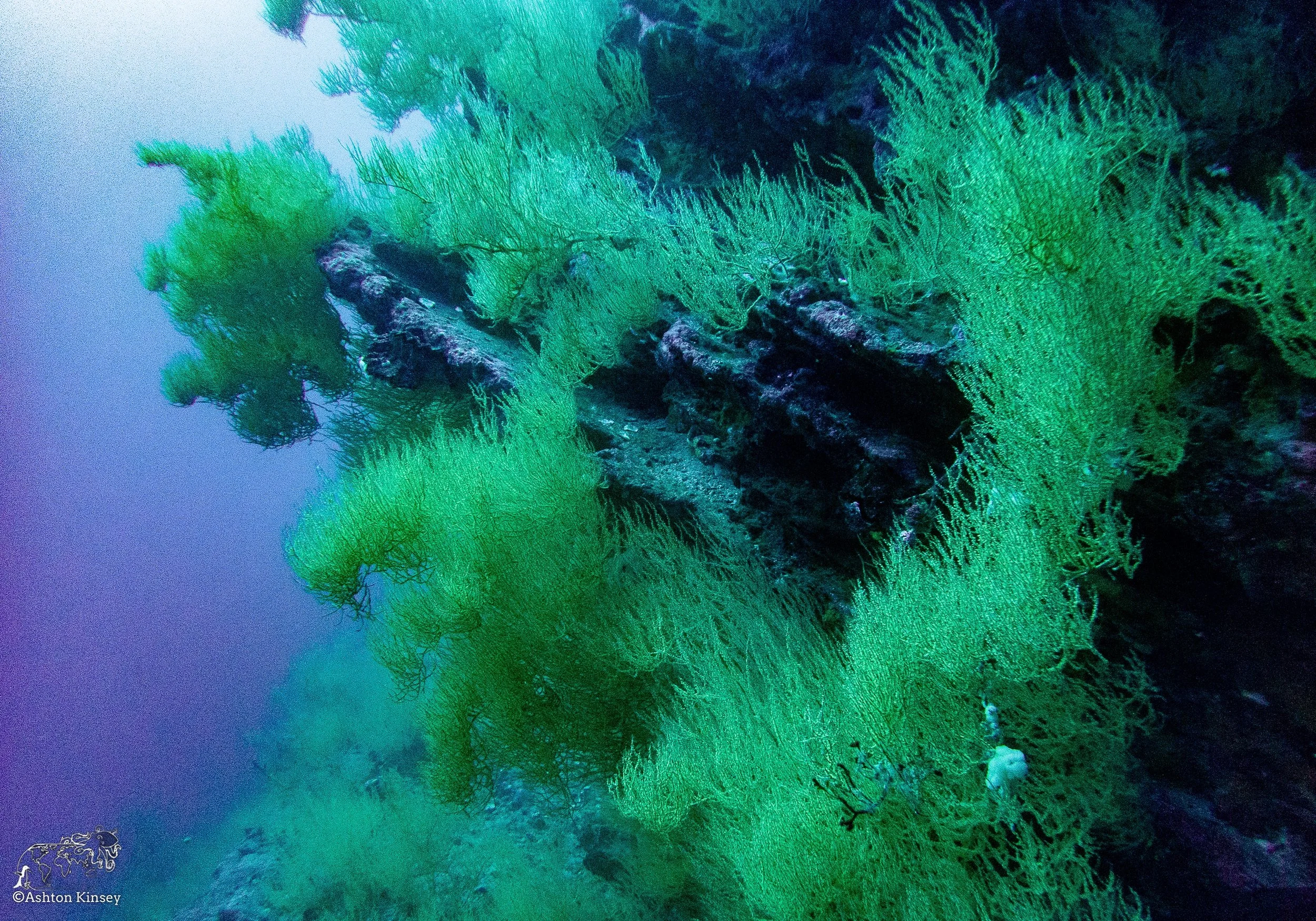
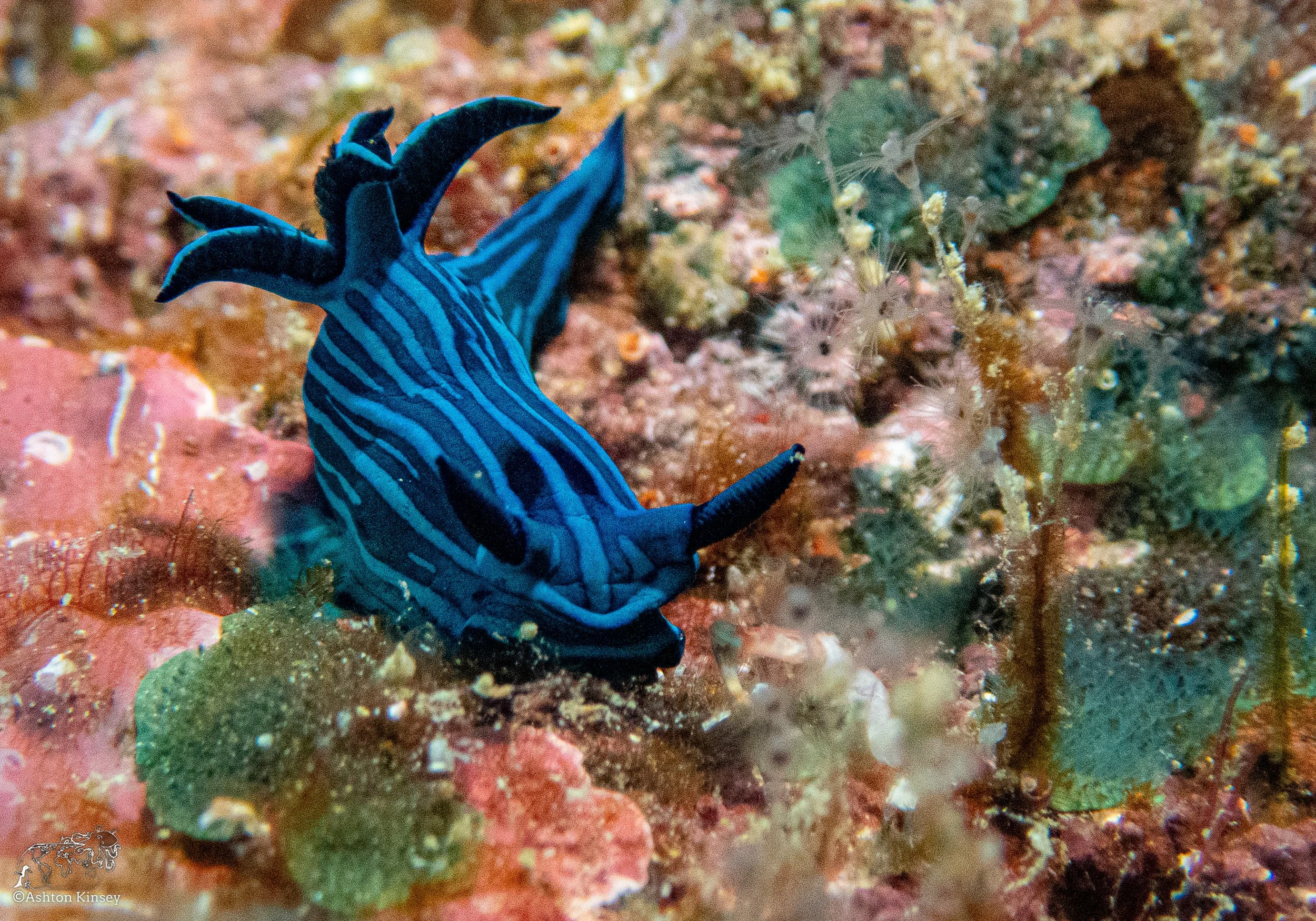
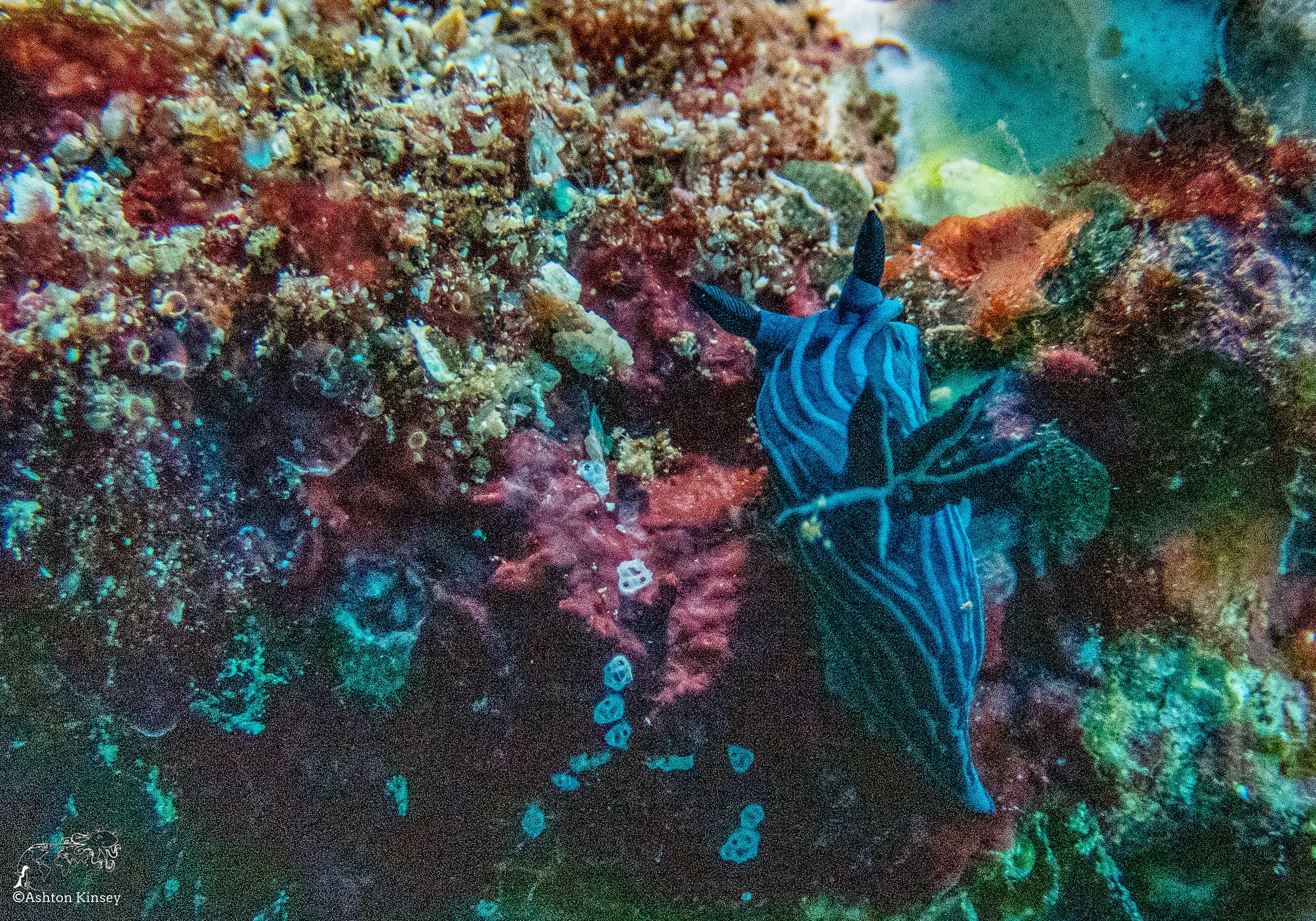
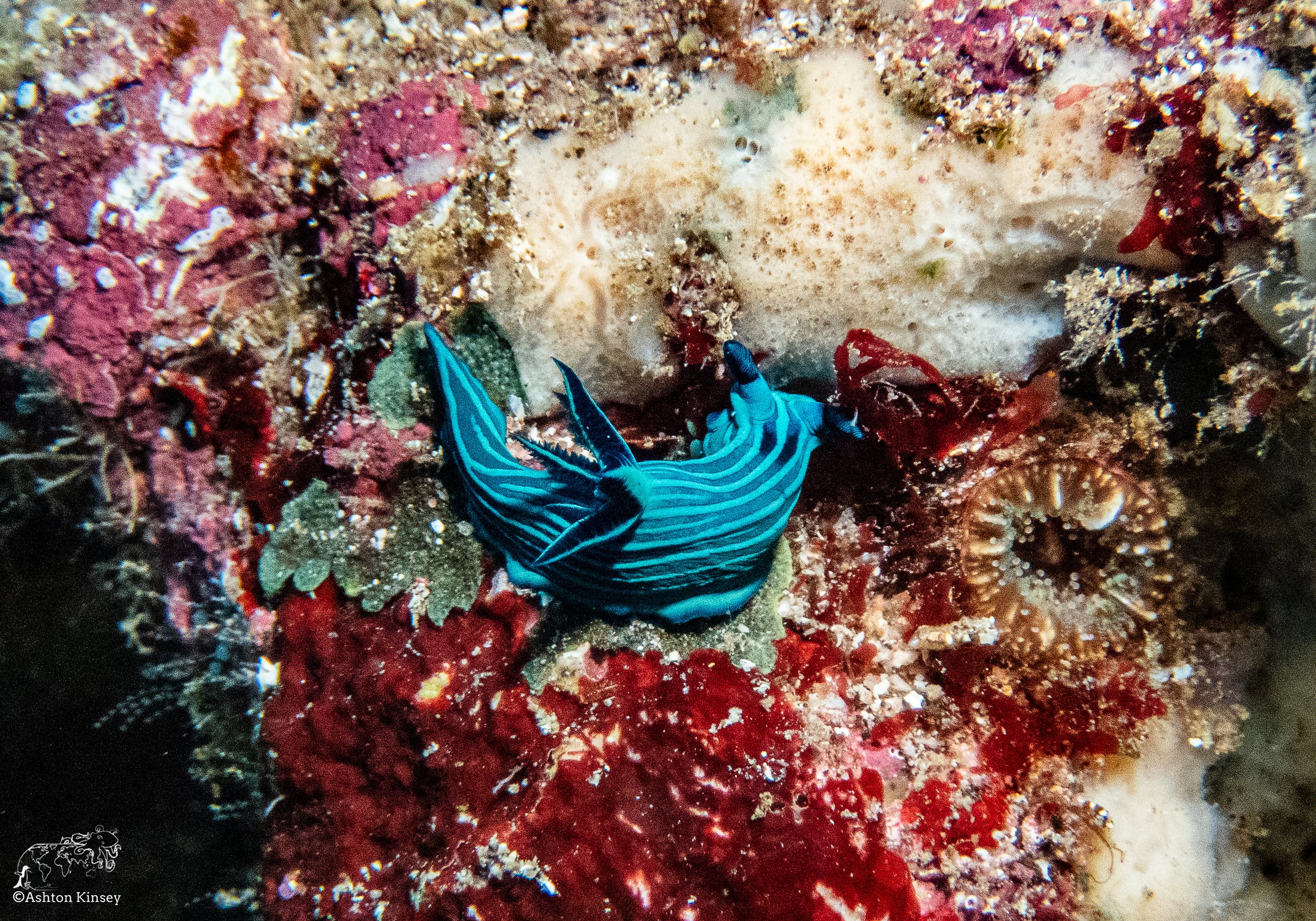
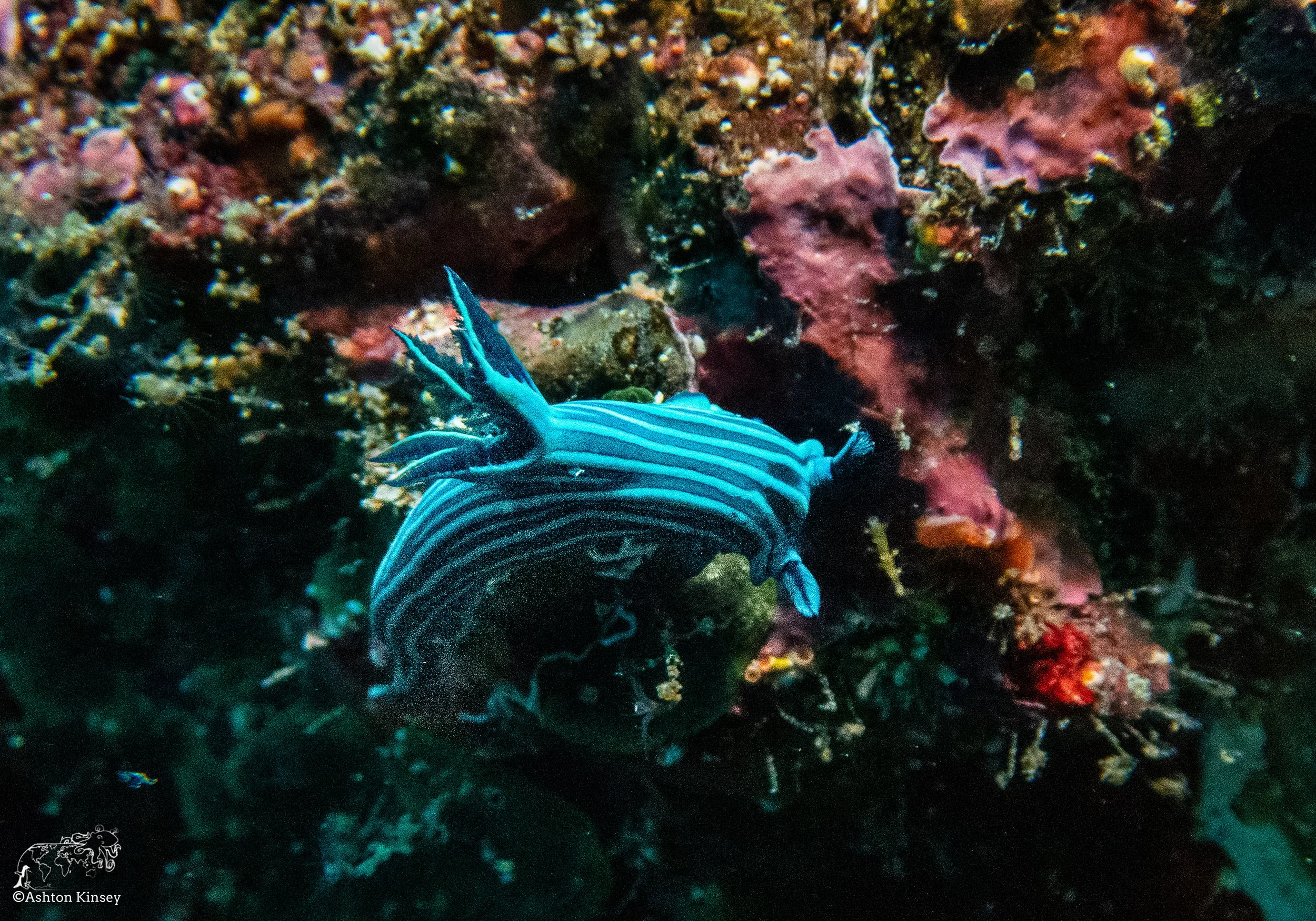
Dive two was very similar to the first dive but going along the opposite side of the island to once again try and find seahorses. While they were still missing, the star of the dives were several nudibranchs that were hanging out at various depths. Obviously, these took priority over other things as they had been “promised” on every dive so far with no avail. After spending a “bit” too much time with the nudes (Allie: read as, Ashton spent about 30 minutes photographing one nudi)[There were multiple ones I was photographing! I don’t like to overly harass them, don’t want to stress out their dumb lil faces.], it was time to ascend to shallower depths to prevent getting DCS. Being responsible and safe was rewarded when several sea lions came by and spent the remainder of the dive swimming around and hanging out. We returned to the boat, dropped off our gear and relaxed before heading to the tortoise sanctuary.
El Chato Tortoise Reserve
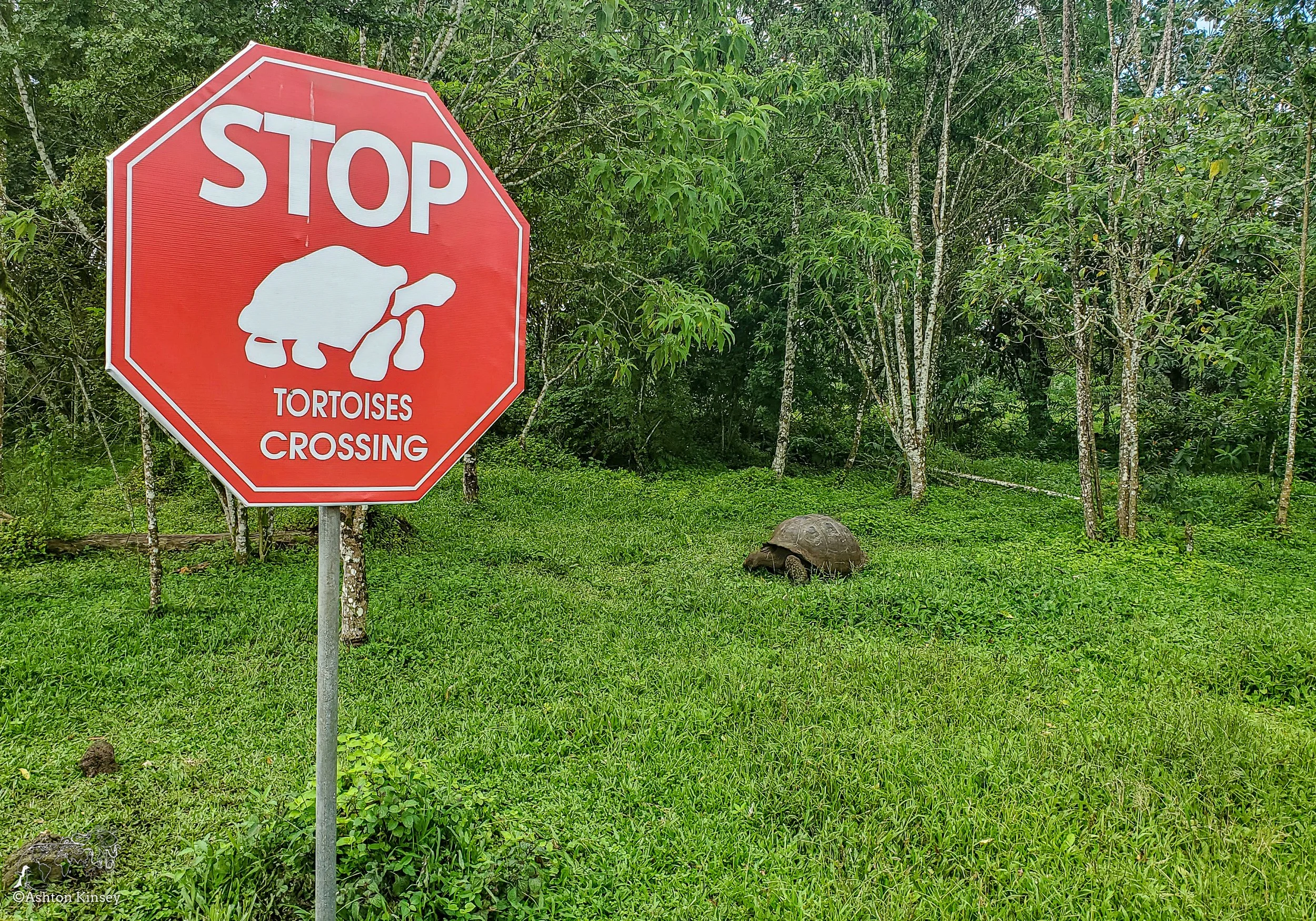
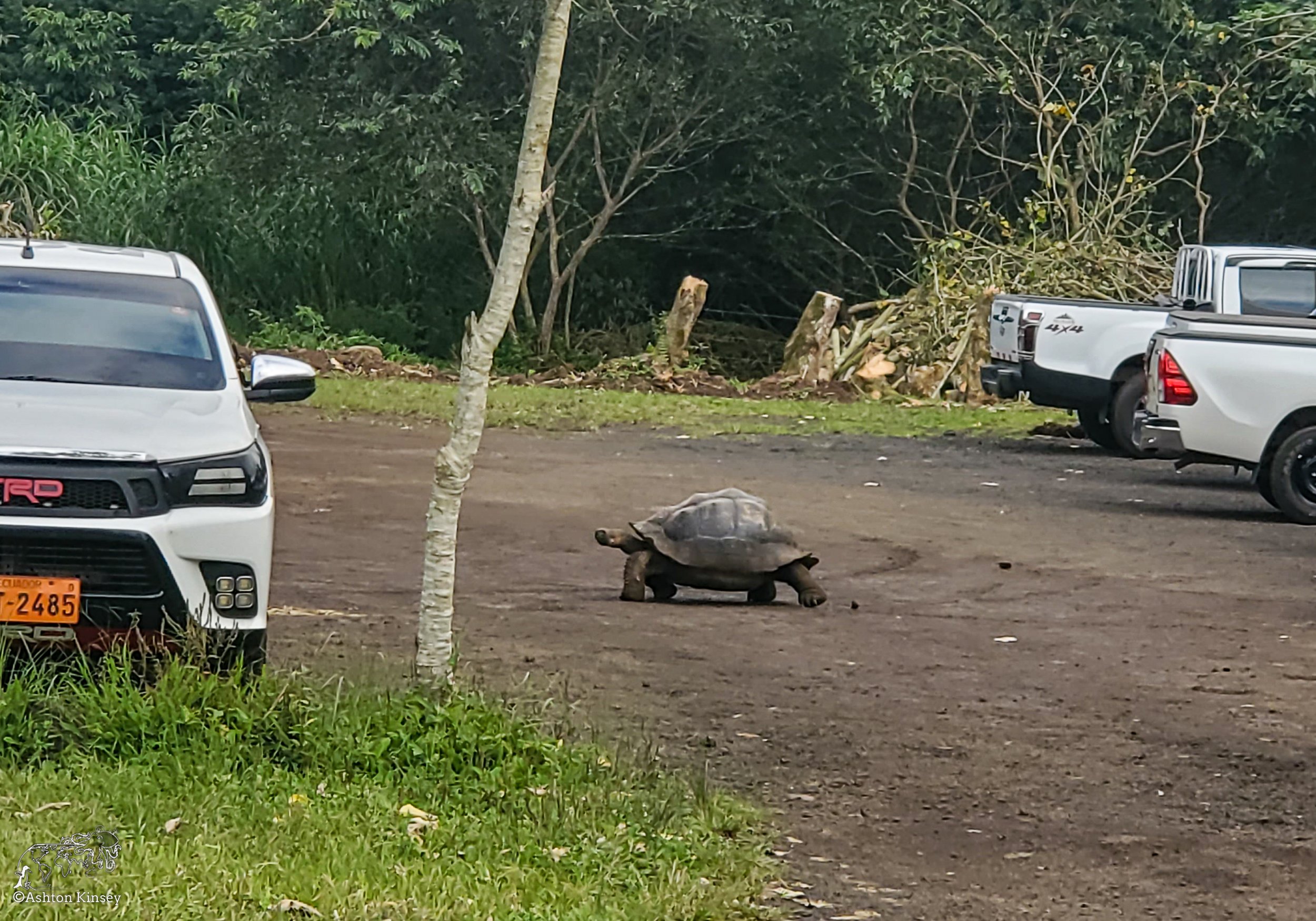
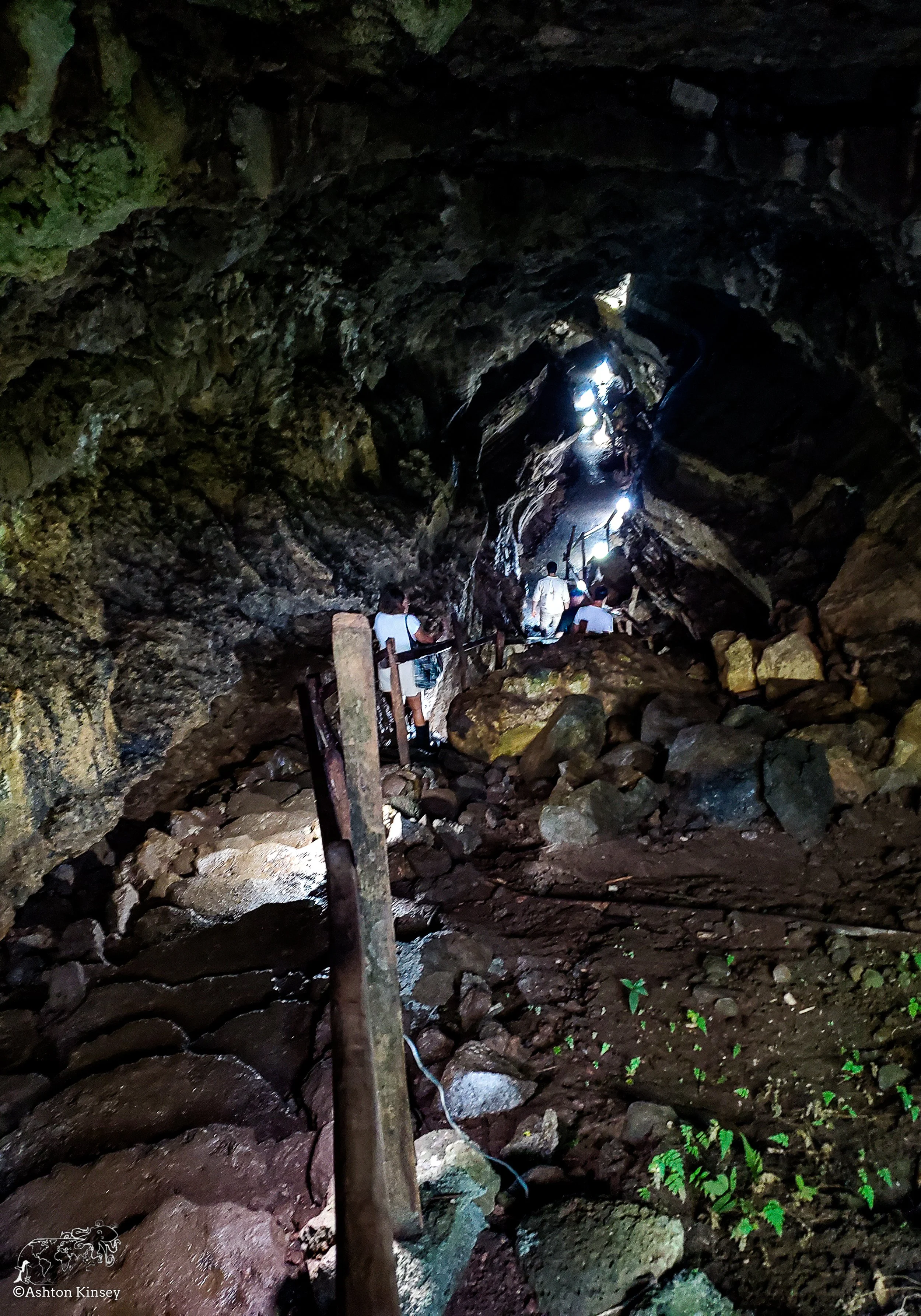
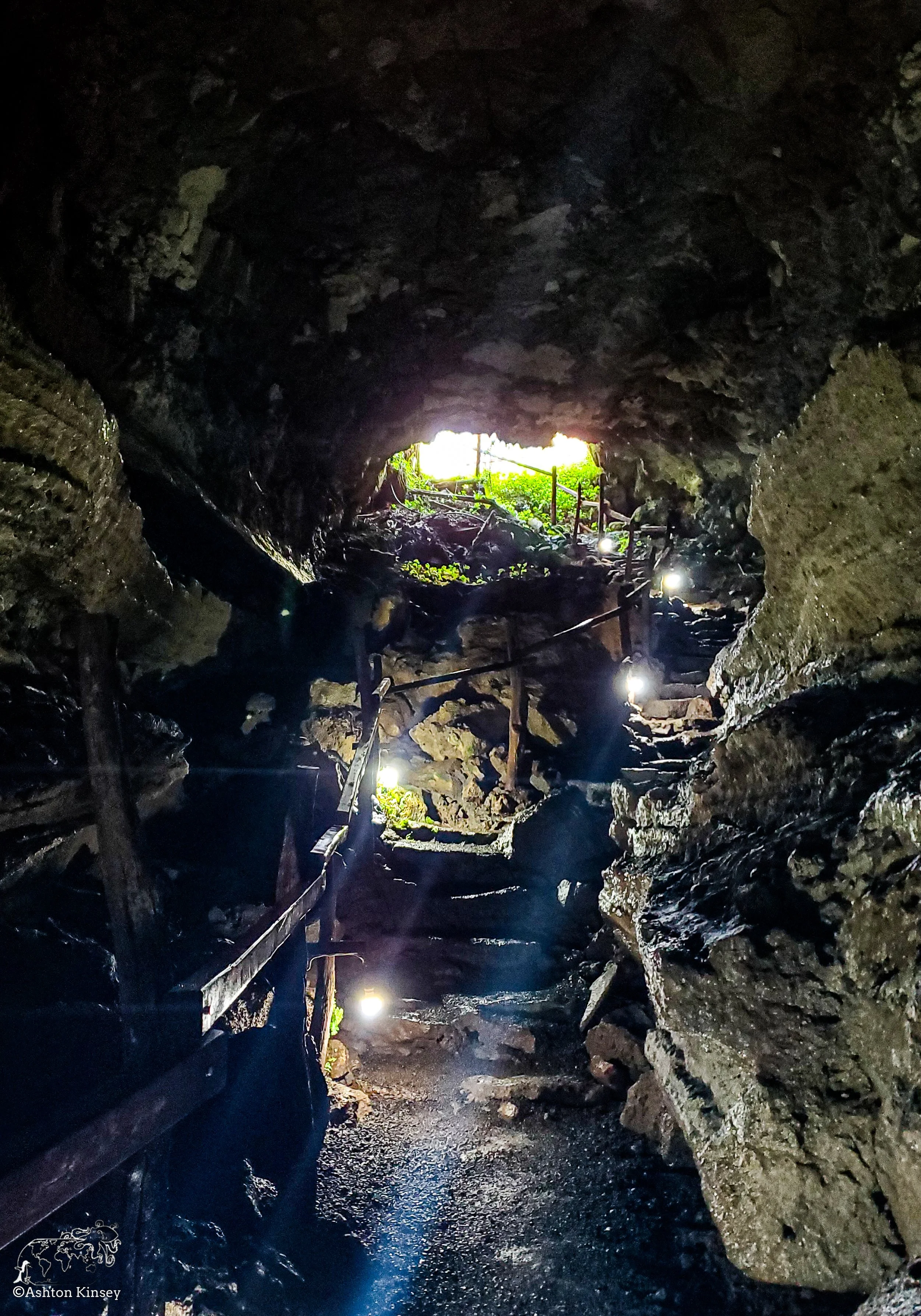
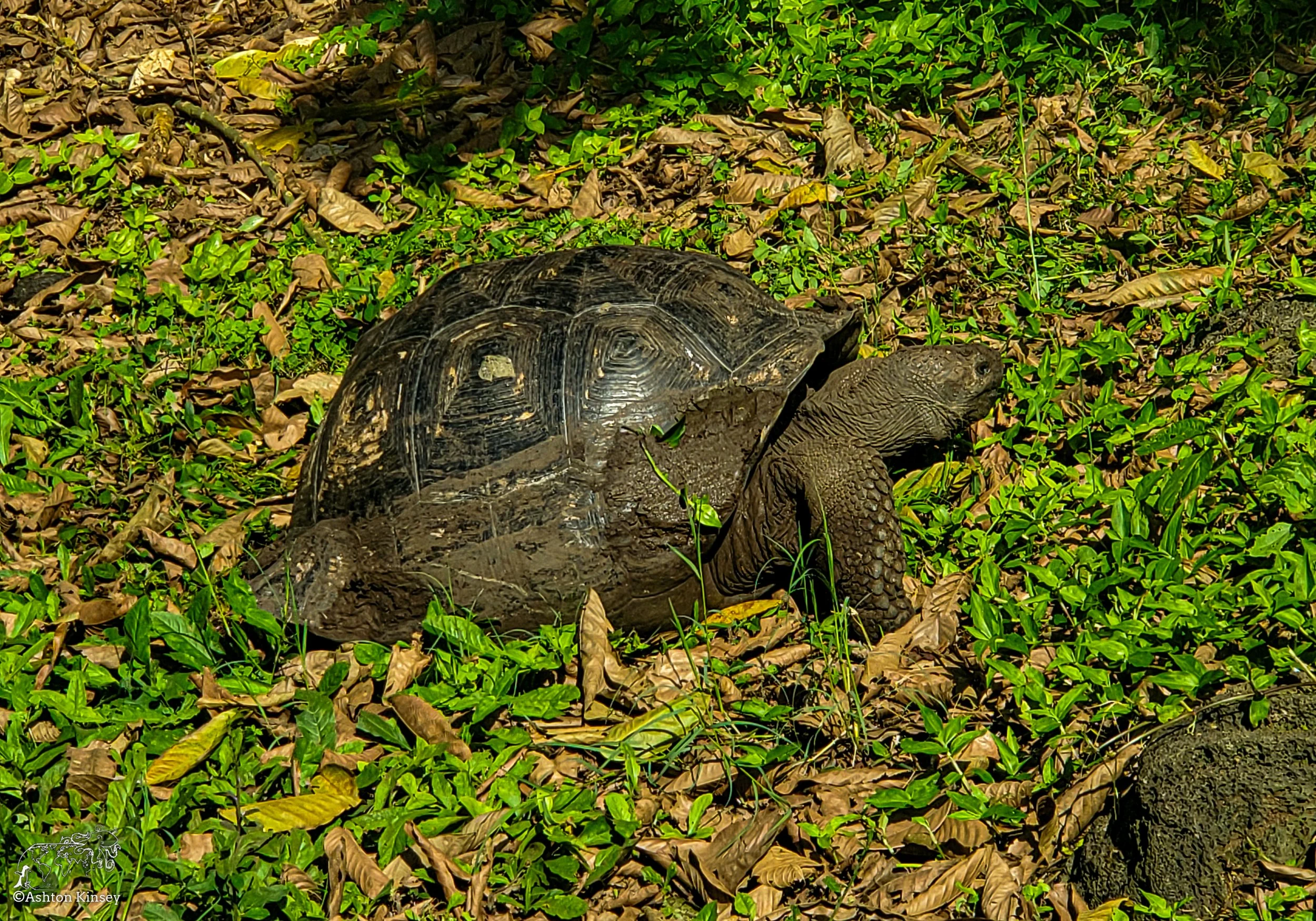
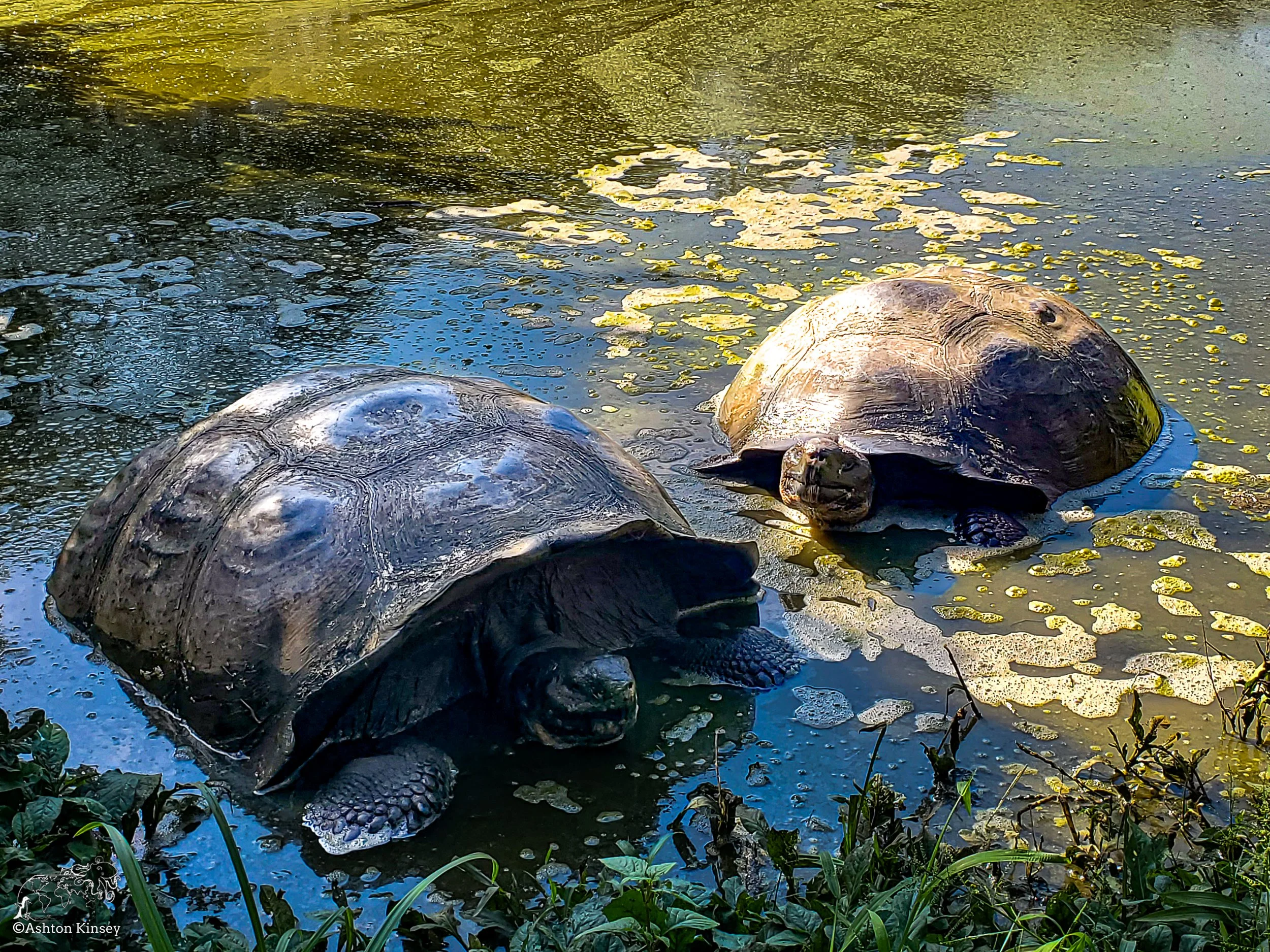
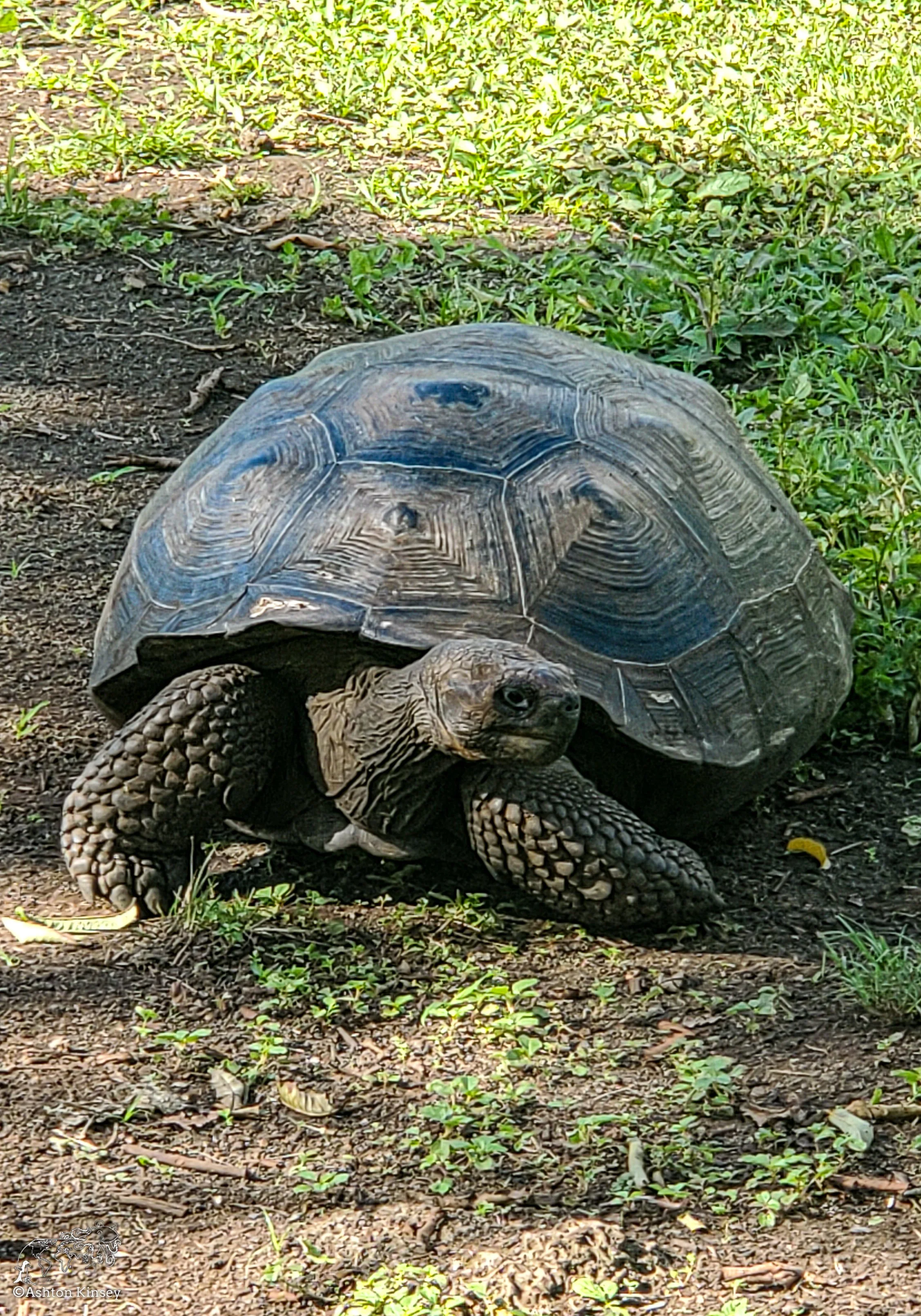
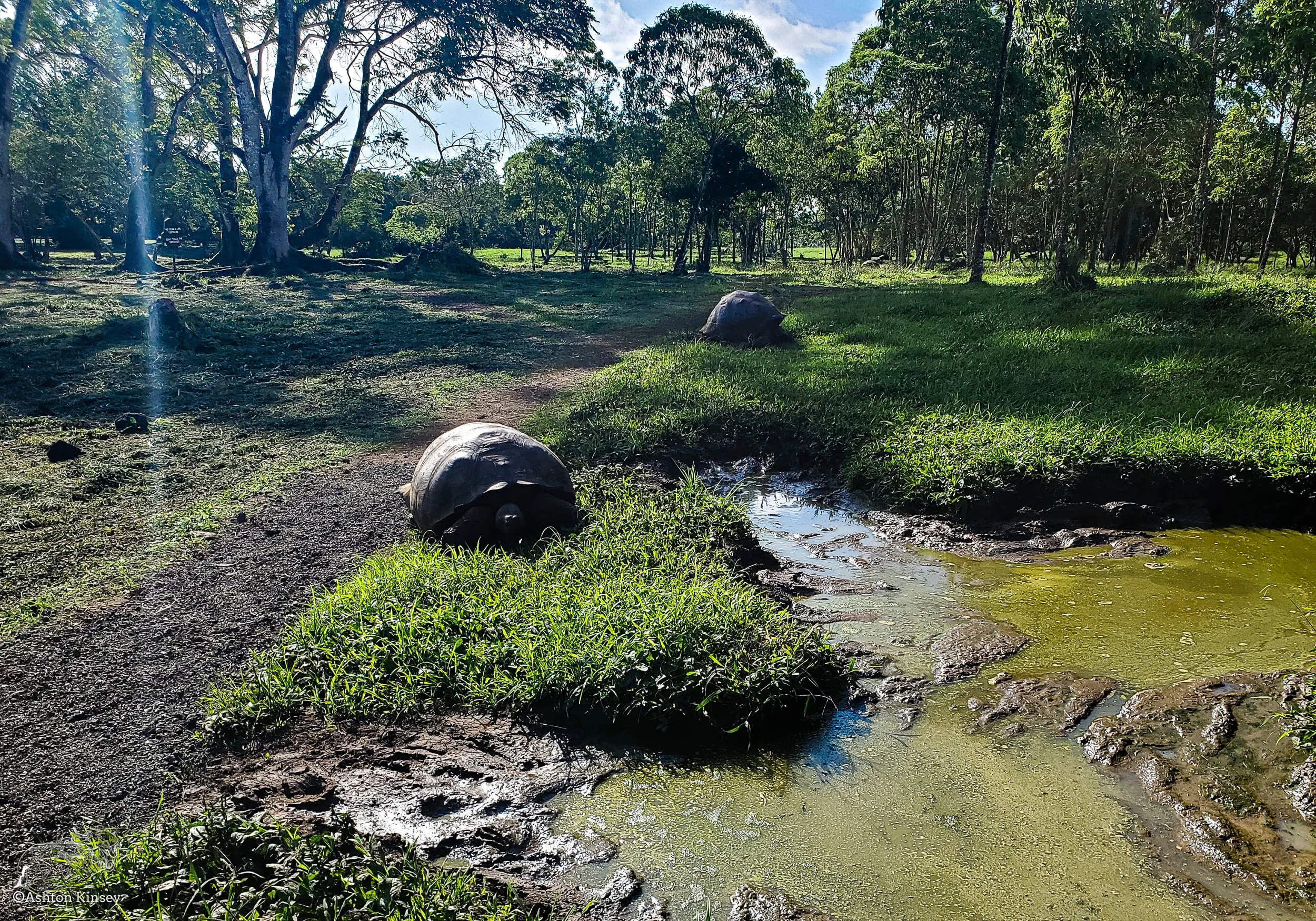
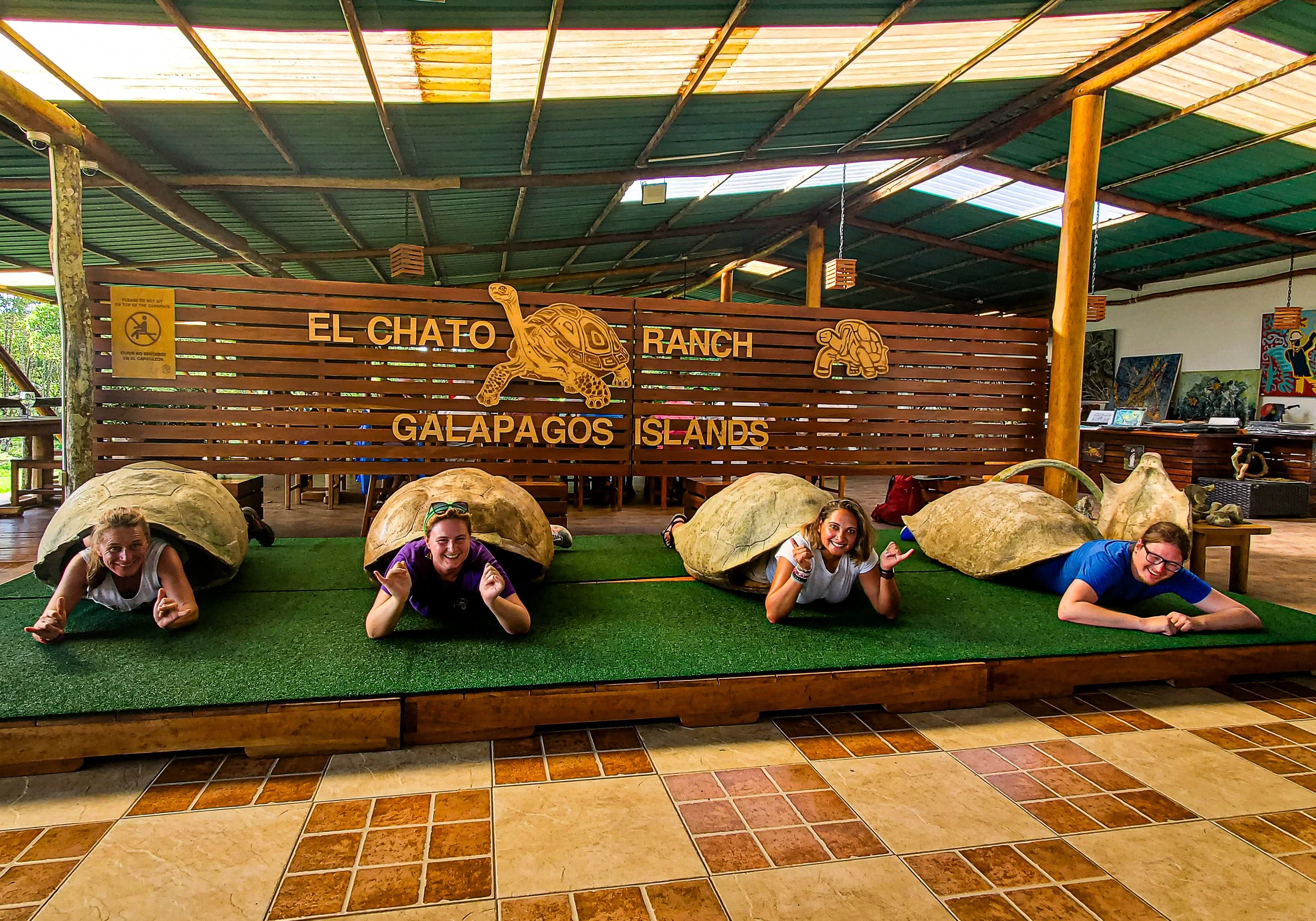
After a long, winding, bumpy drive we arrived at the Tortoise Reserve. Opened in 2012, it is located in the highlands of the island and is a private reserve that acts as a secondary forest consisting mostly of native scalesia trees. As we drove into the reserve, a couple of tortoises, and cows (Baaaah!) pocketed the landscape, excitement bound! We get to the reserve and are told to take off our shoes and replace them with highly fashionable knee-high wader boots to make sure we don’t track anything into or out of the reserve.
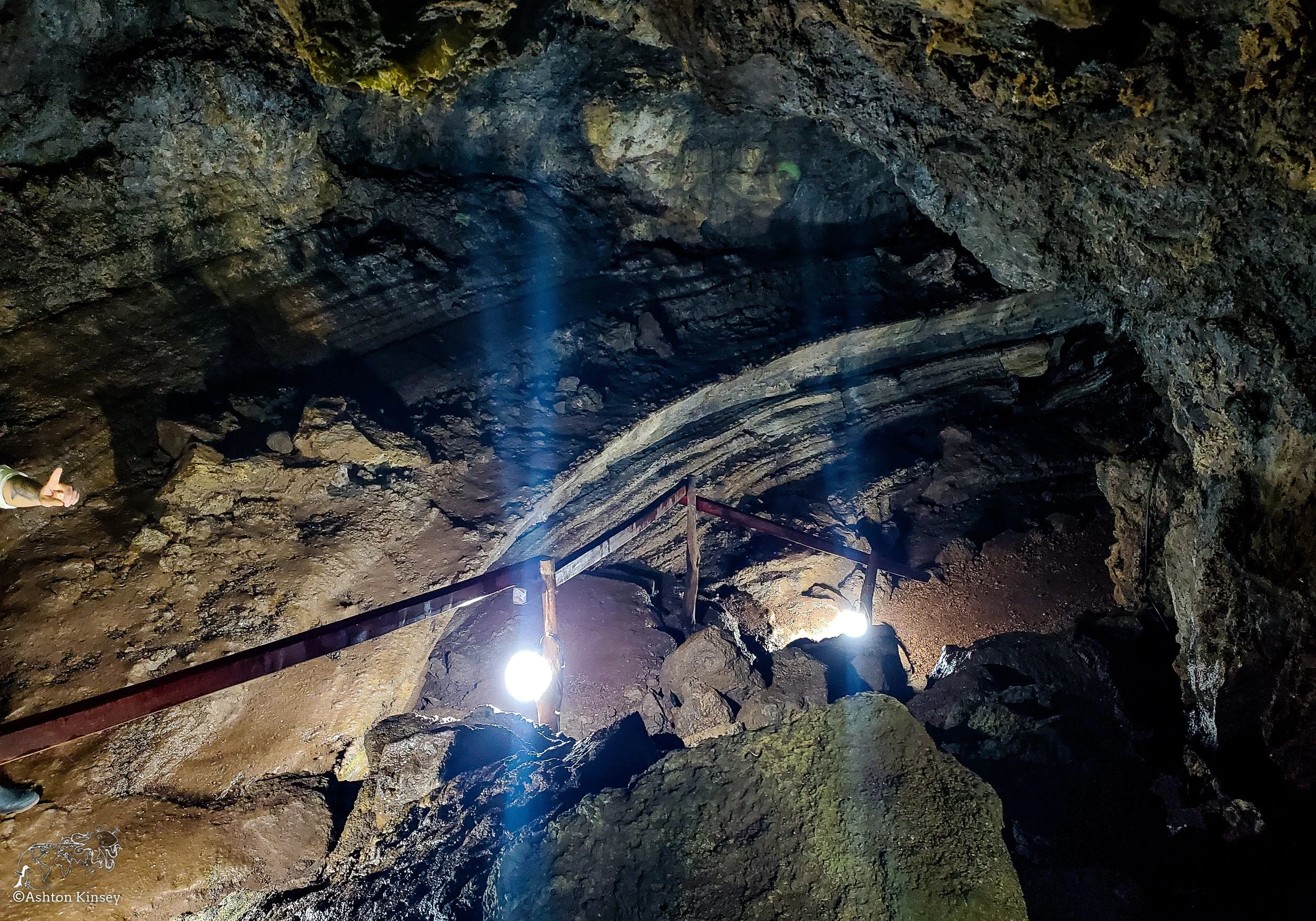
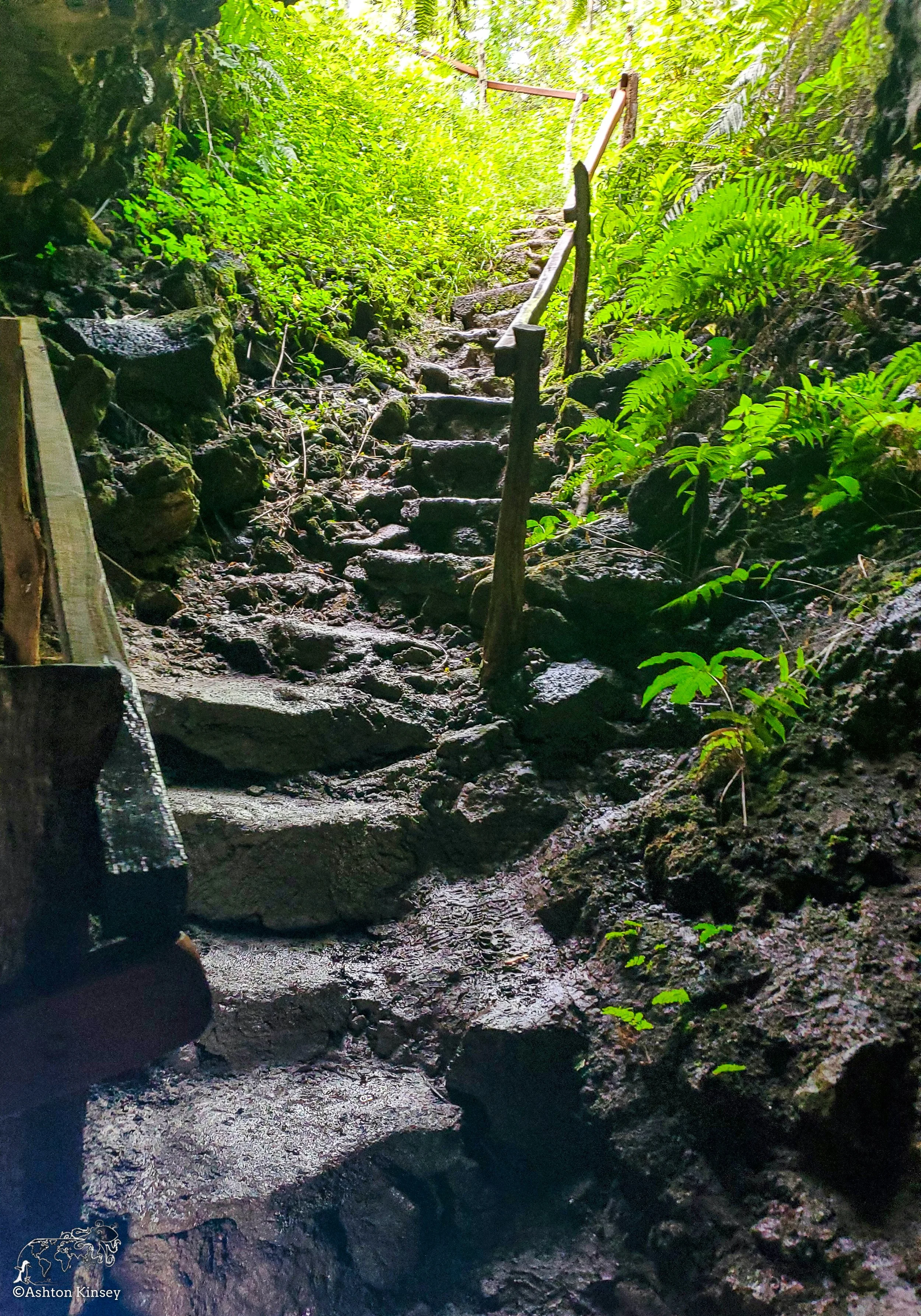
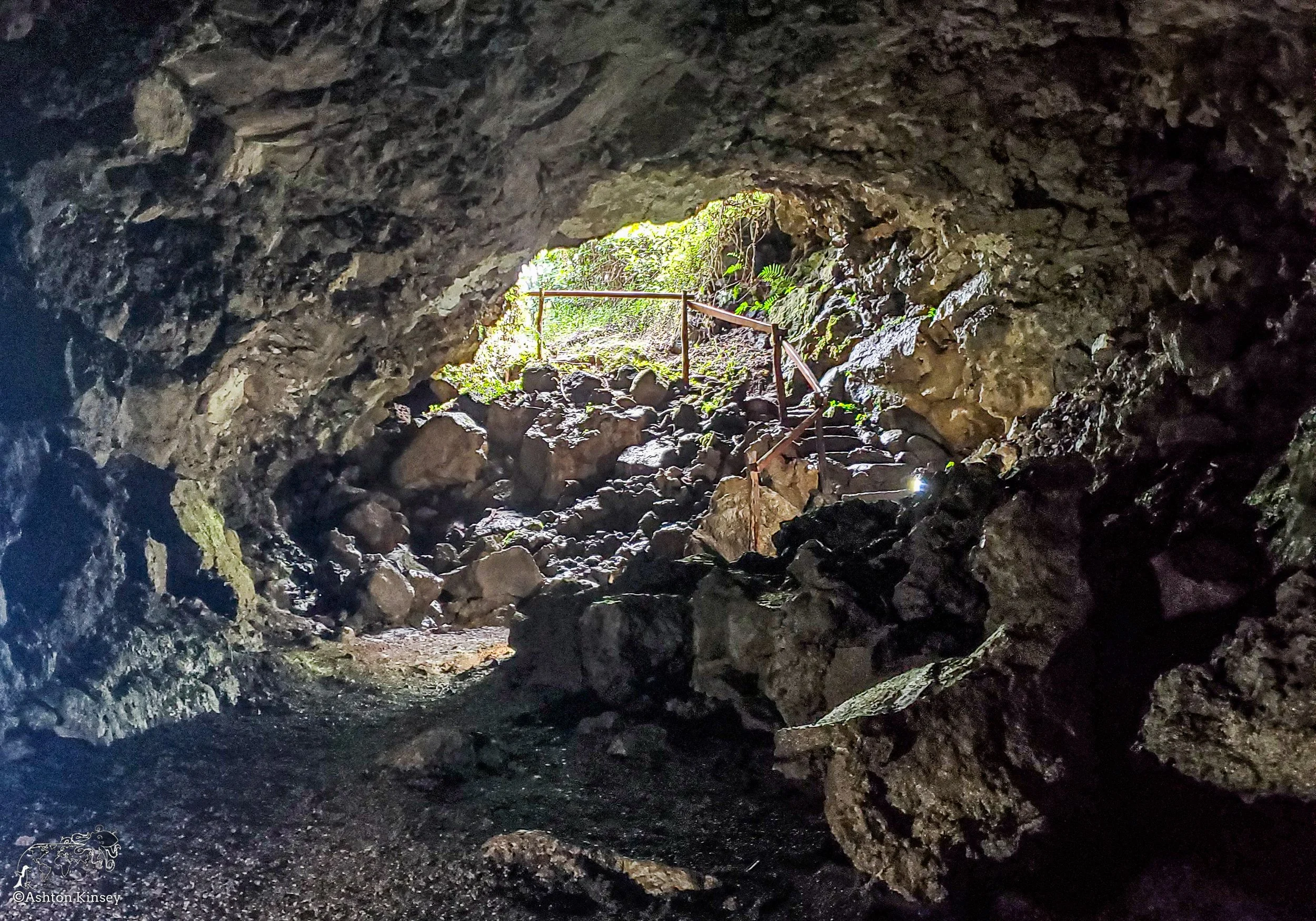
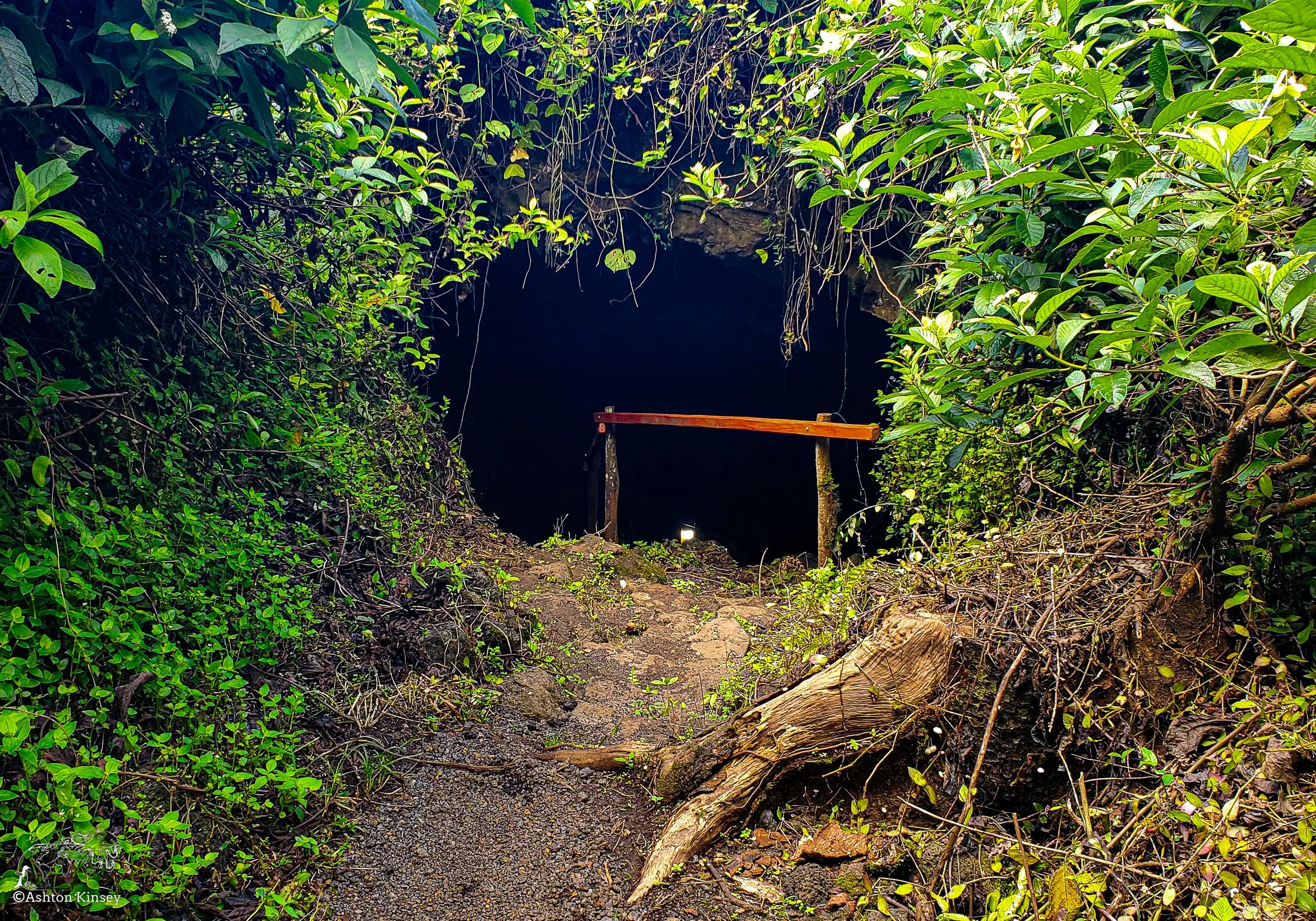
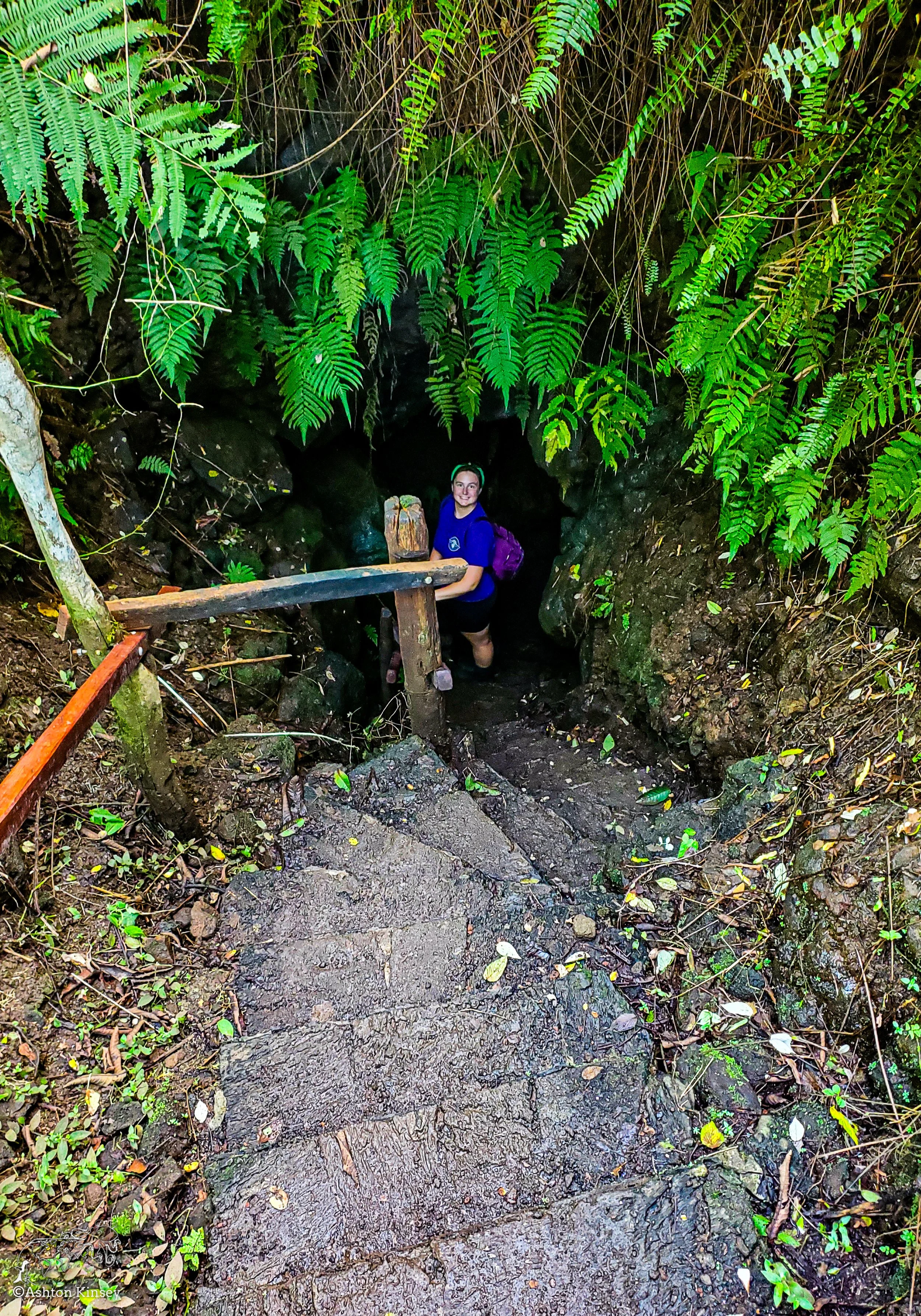
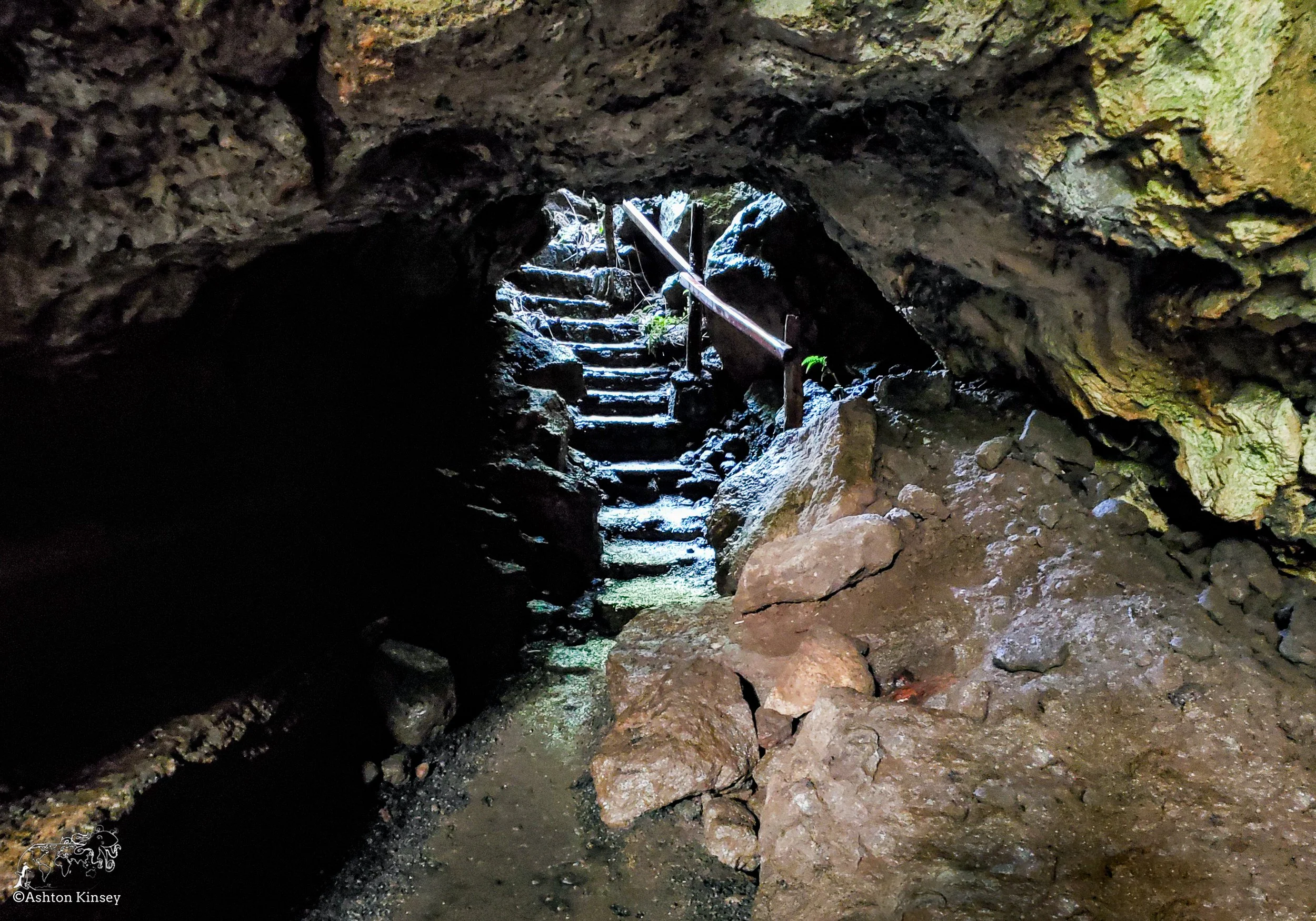
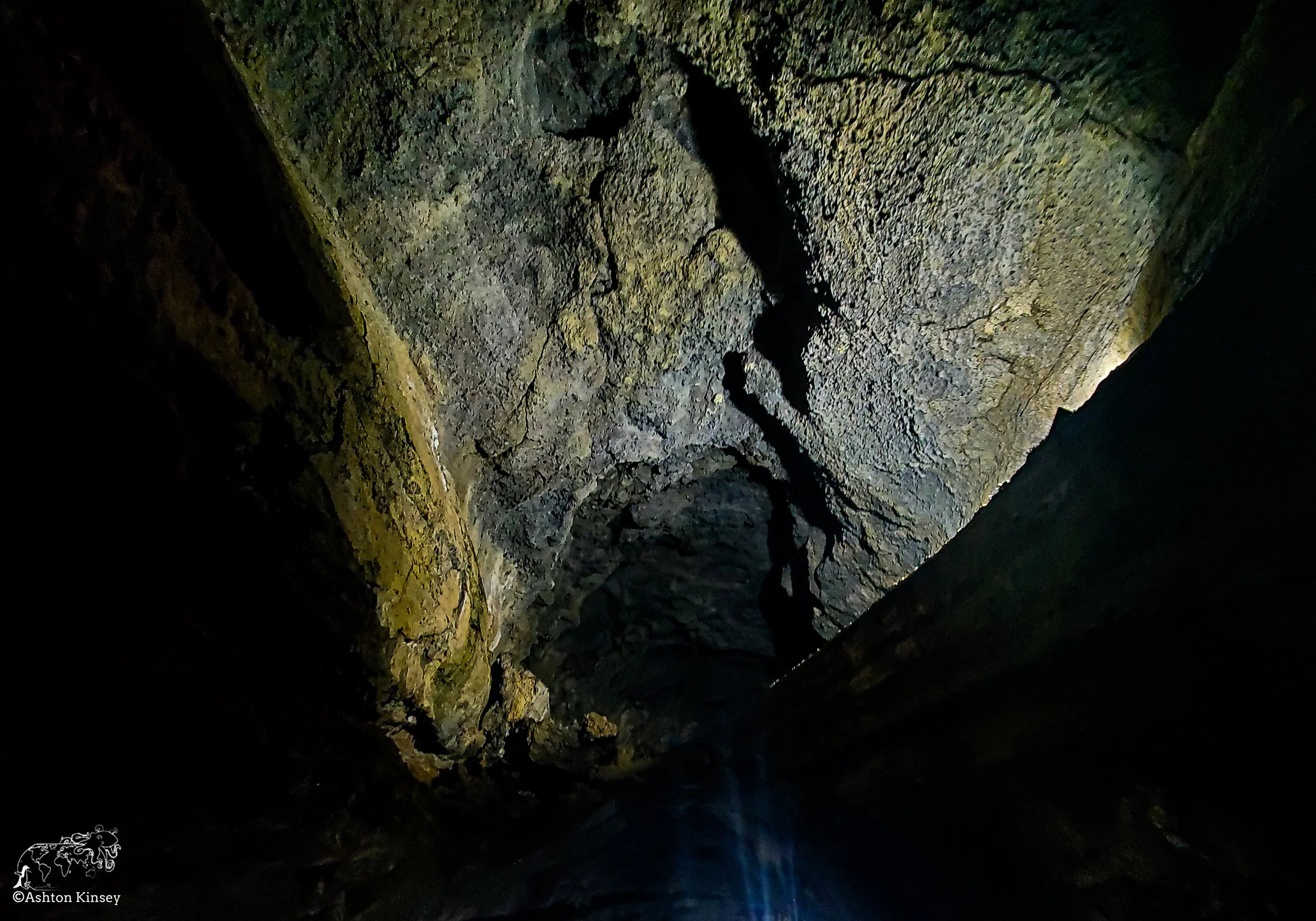
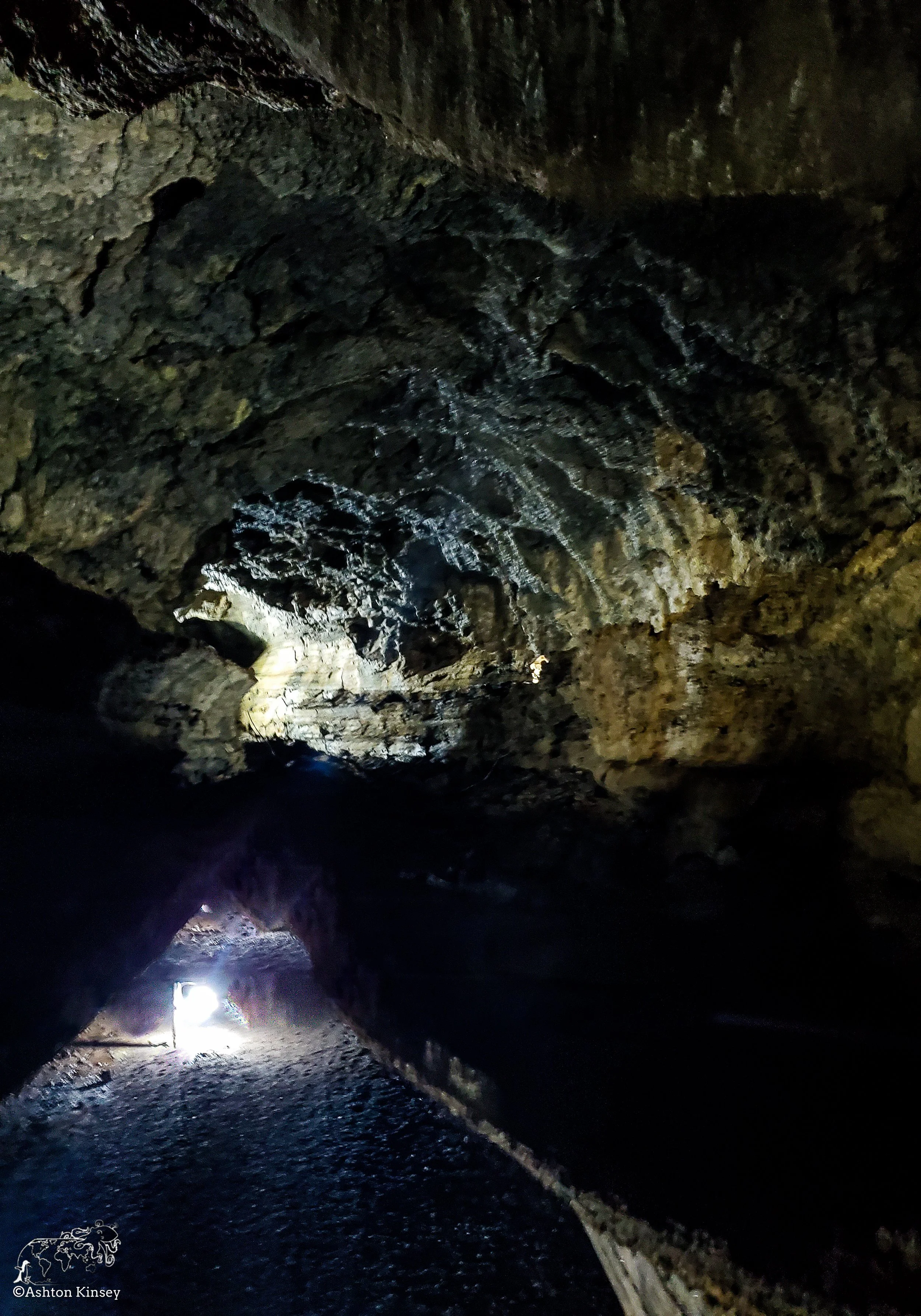
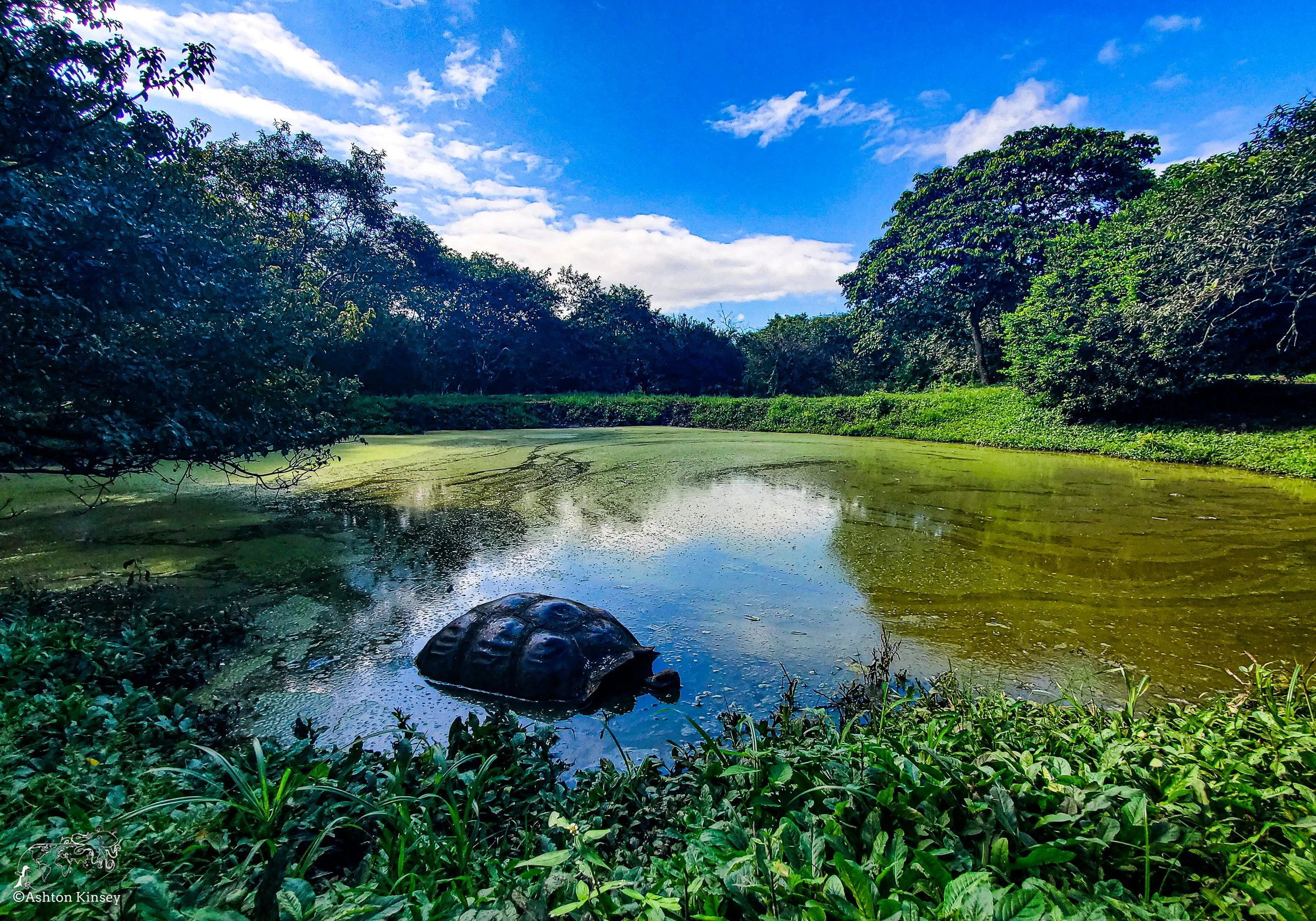
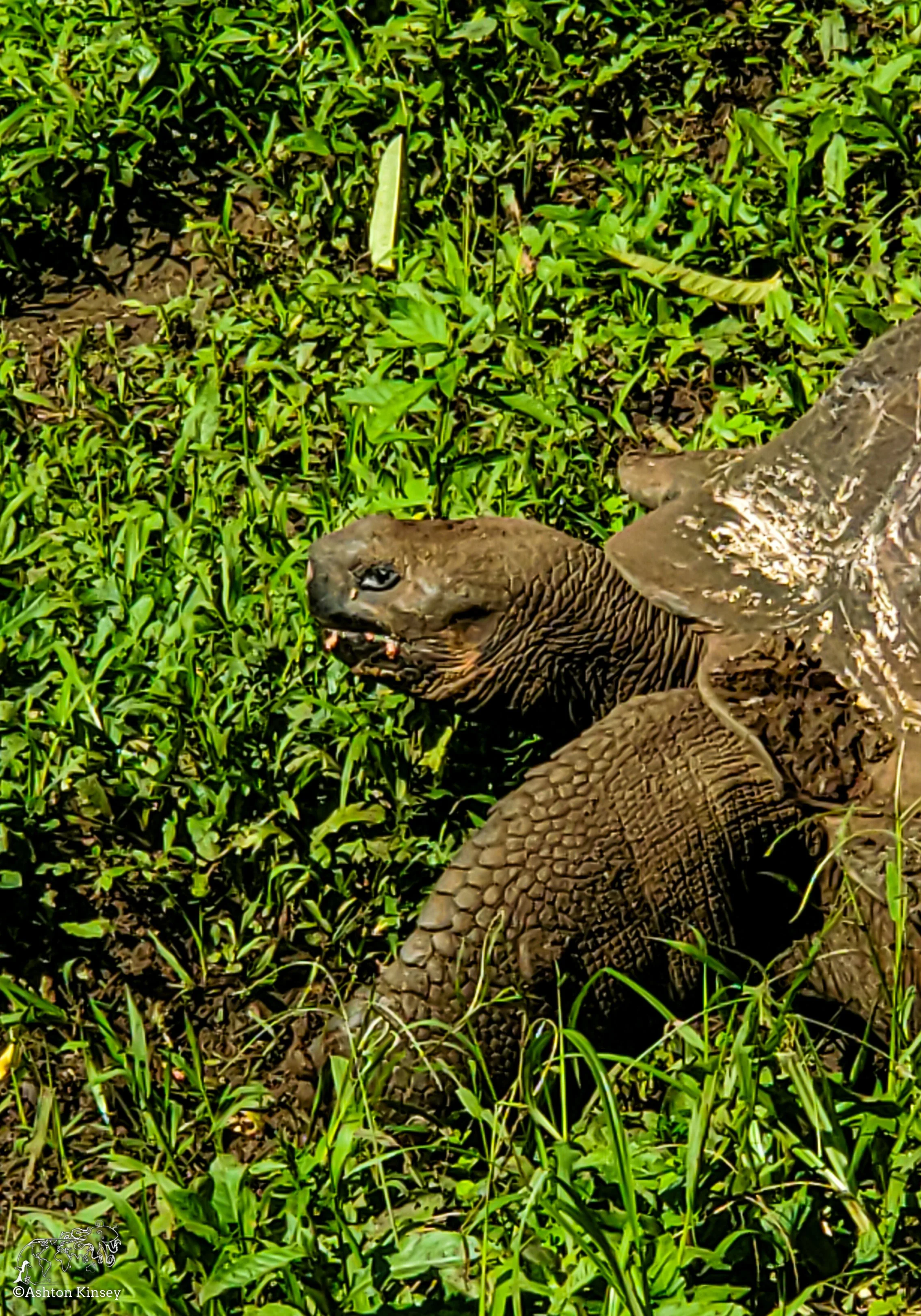
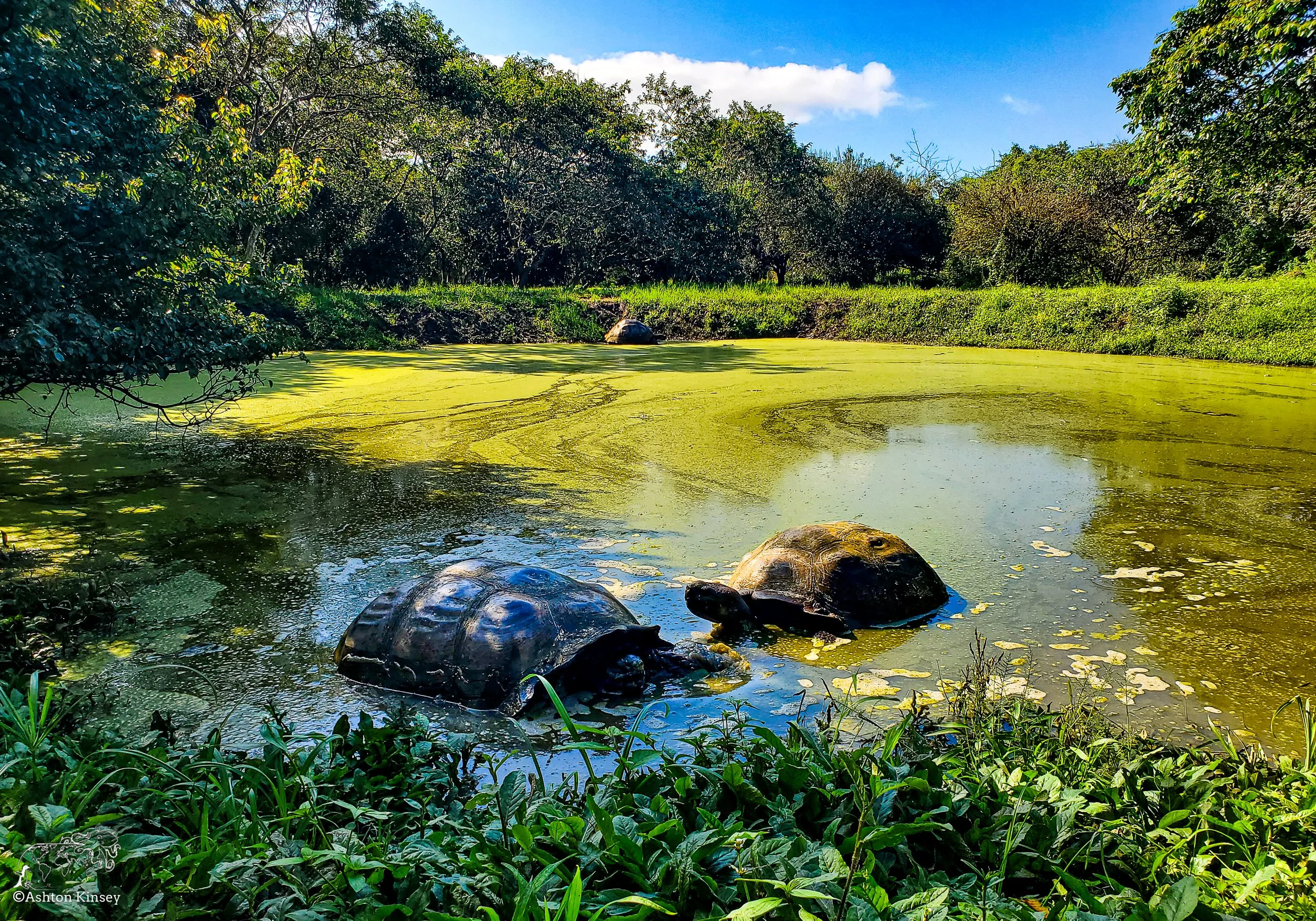
The reserve is approximately 4.5 km in diameter and is one of the few places you can observe the giant tortoises, Chelonoidis porteri, as they freely wander around the reserve (Allie: Carlos told us the other place to visit the giant tortoises was at the Santa Cruz zoo, but previous guests expressed they much preferred the reserve since it allowed them to roam in the vast fields and us to get fairly close to them vs being stuck in an enclosed habitat). There are also multiple species of birds, lava tubes to hike through (Allie: SECRET TUNNEL!!) and natural plants to check out when you’re not nerding out over the tortoises eating. The tortoises have free roam and where they spend their days eating, relaxing, bathing and doing their own thing unconcerned about the people taking pictures and watching them tromping through the ponds.
After enjoying our walking tour, we went back to the main entrance, swapped out our boots and enjoyed locally grown coffee before heading back to the city central. During the drive Beyoncé was shocked to find that Allie and I weren’t actually dating/married and were just traveling together. It took nearly the full 10 days. Walking around downtown Santa Cruz was enjoyable, window shopping and getting used to being on land again. Before we were set loose downtown, we were told multiple times to be on time for our pickup, to not be late or else we could be left behind. While we all managed to get there on time our fearless guides were nowhere to be found. After about 20 minutes one of our guides was found and we were informed we would be picking the other one up from a volleyball game (Allie: NOT a strip club as some other guests joked). We made it back to the boat, and started the cruise back to San Cristobal, the first and last club of our journey.

Club Seven: San Cristobal- The Remix
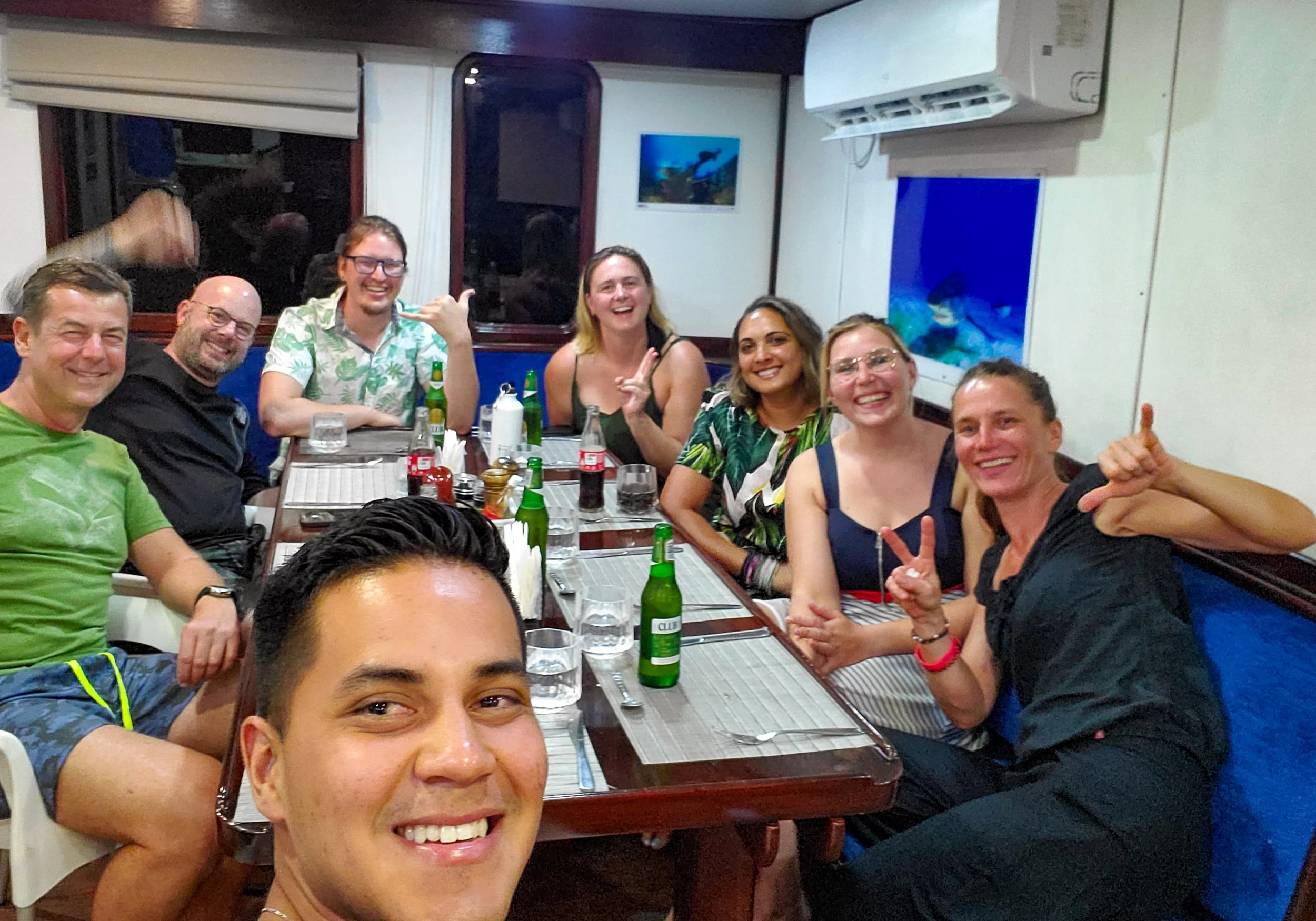
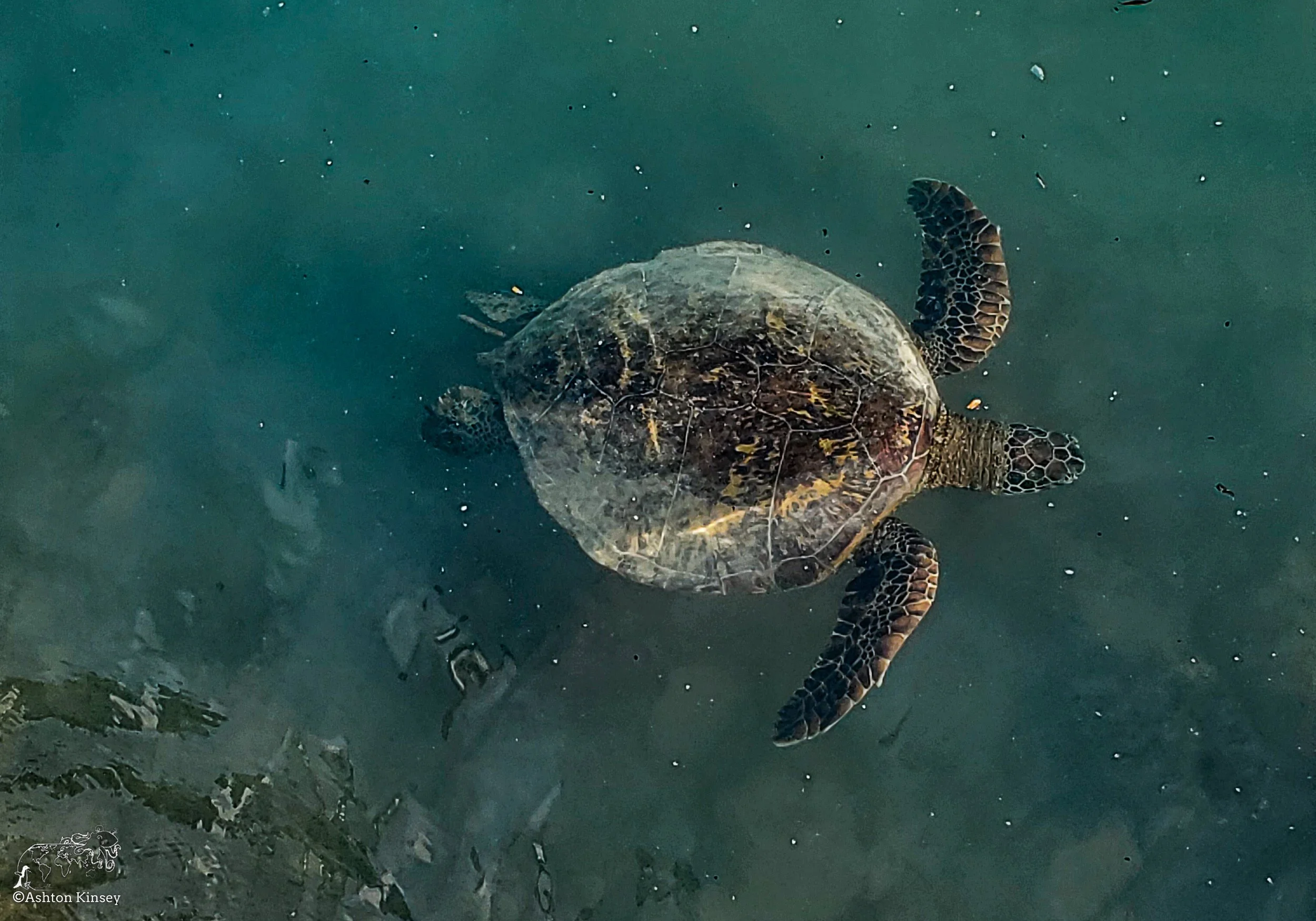
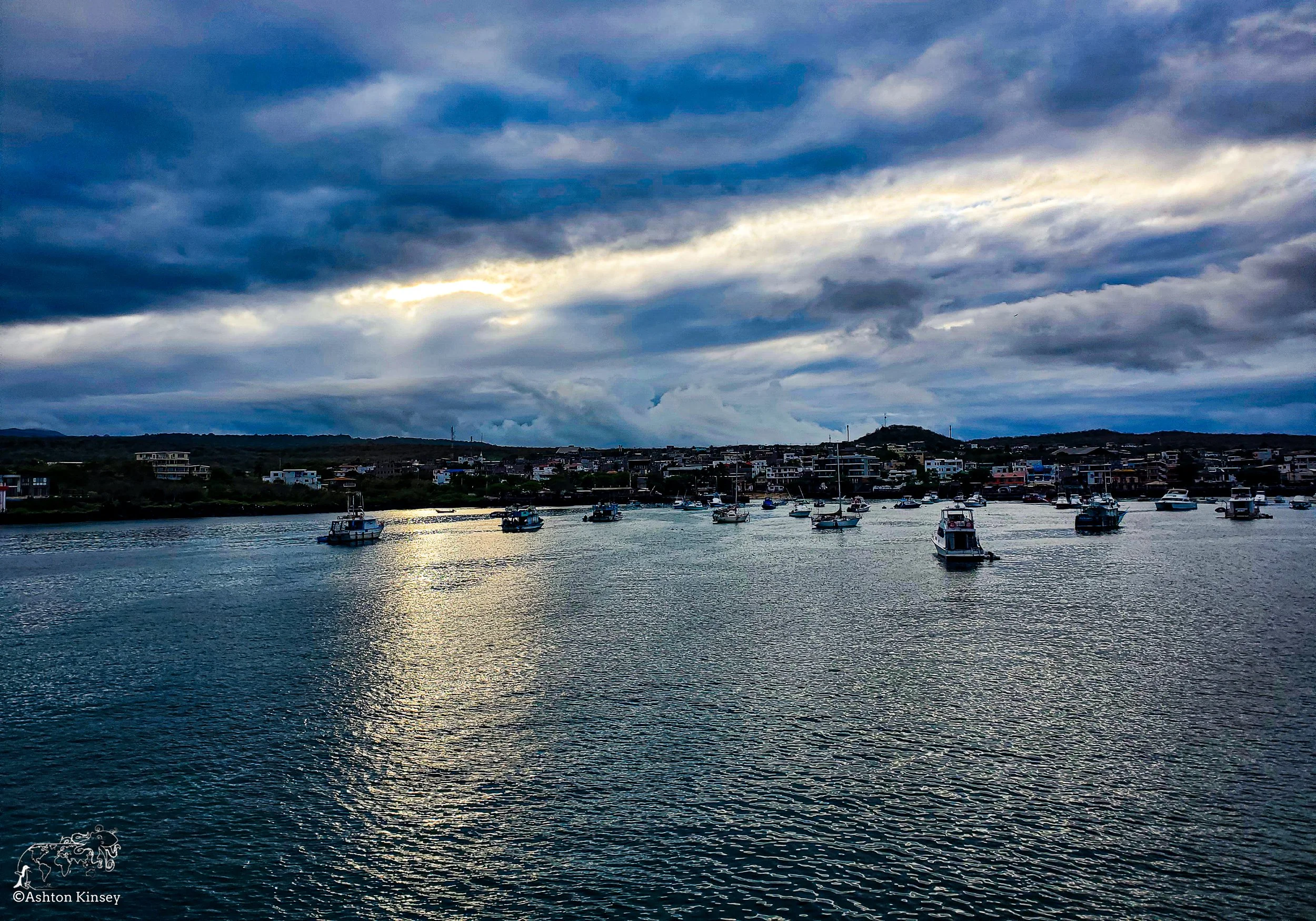
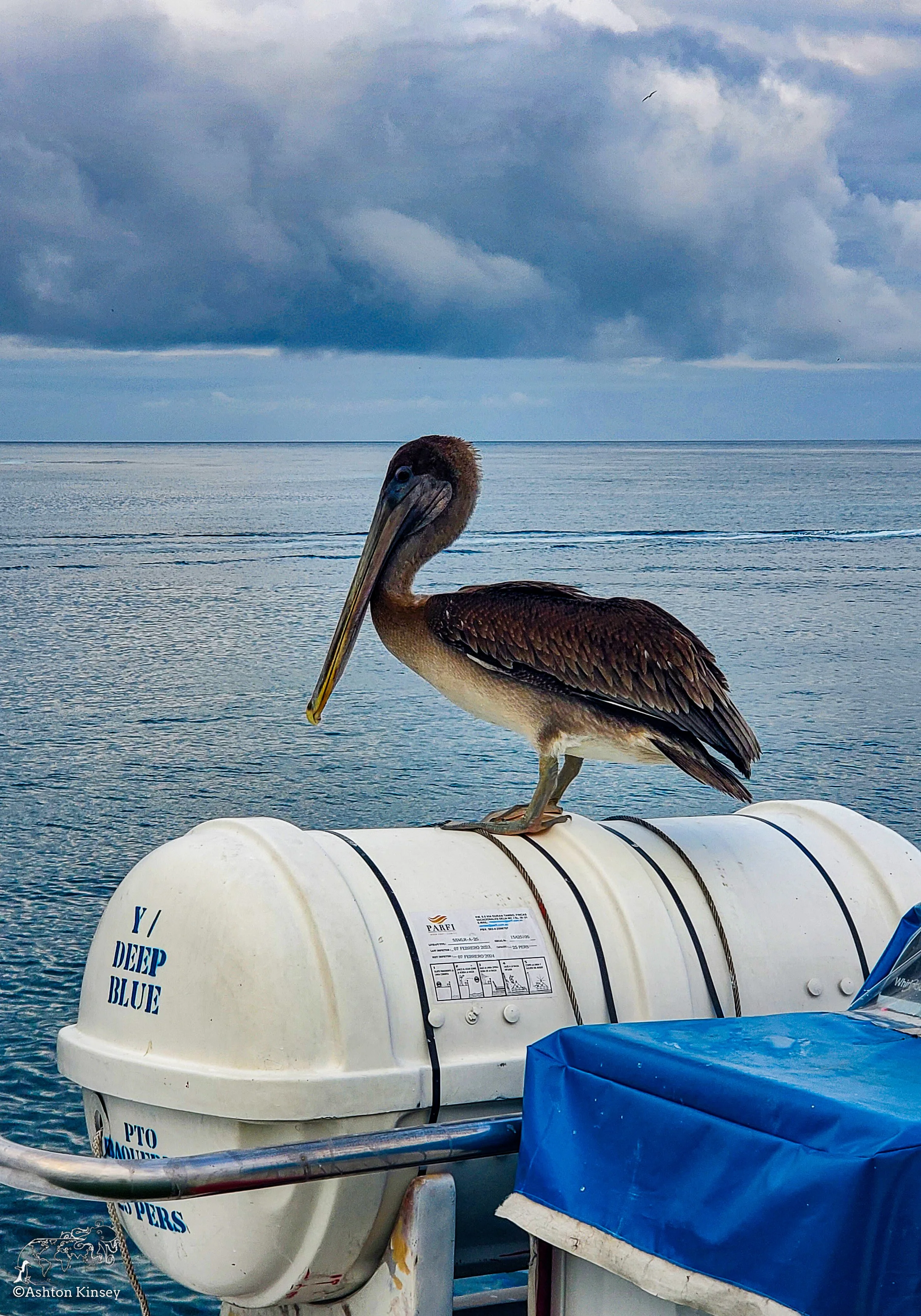
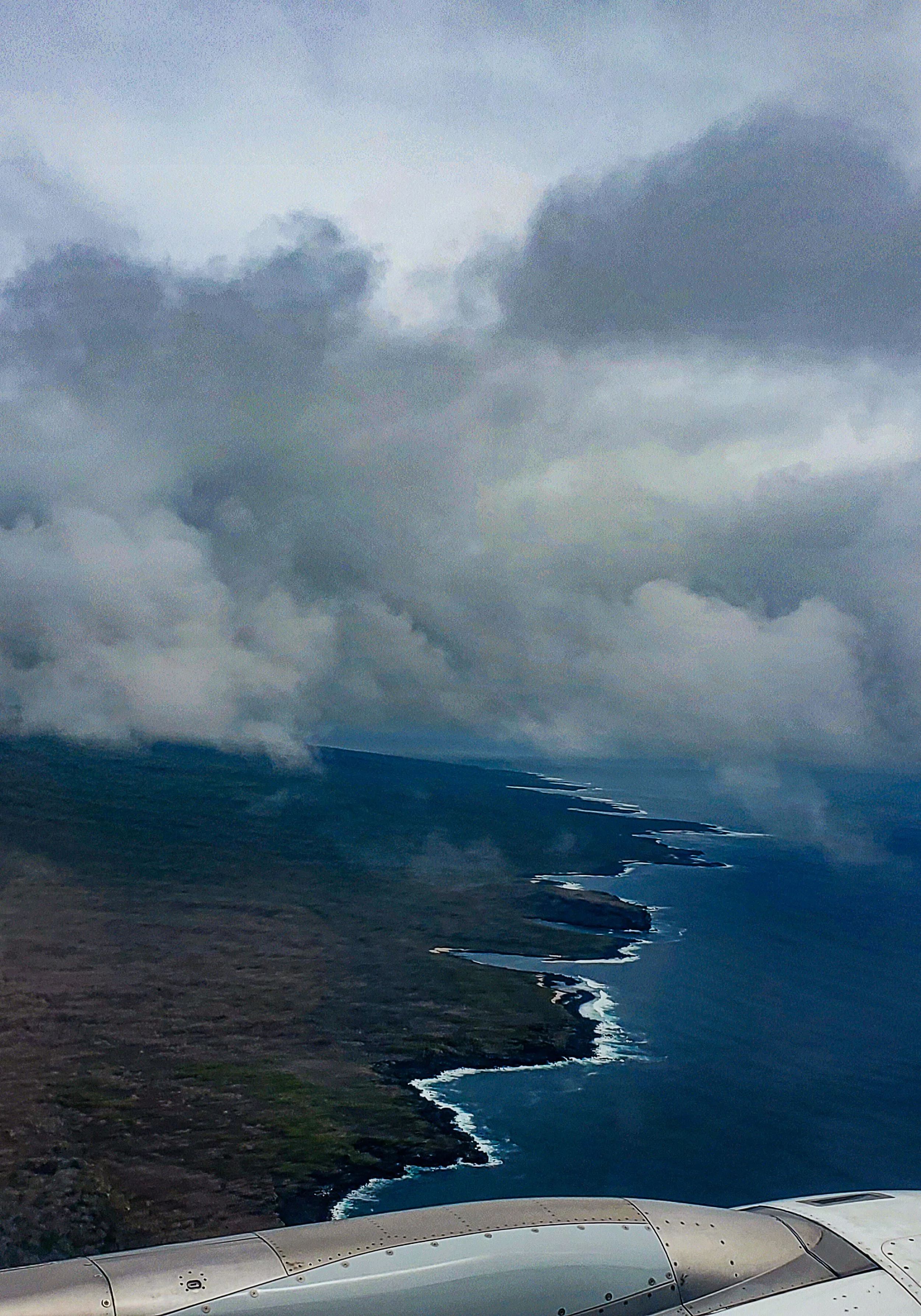
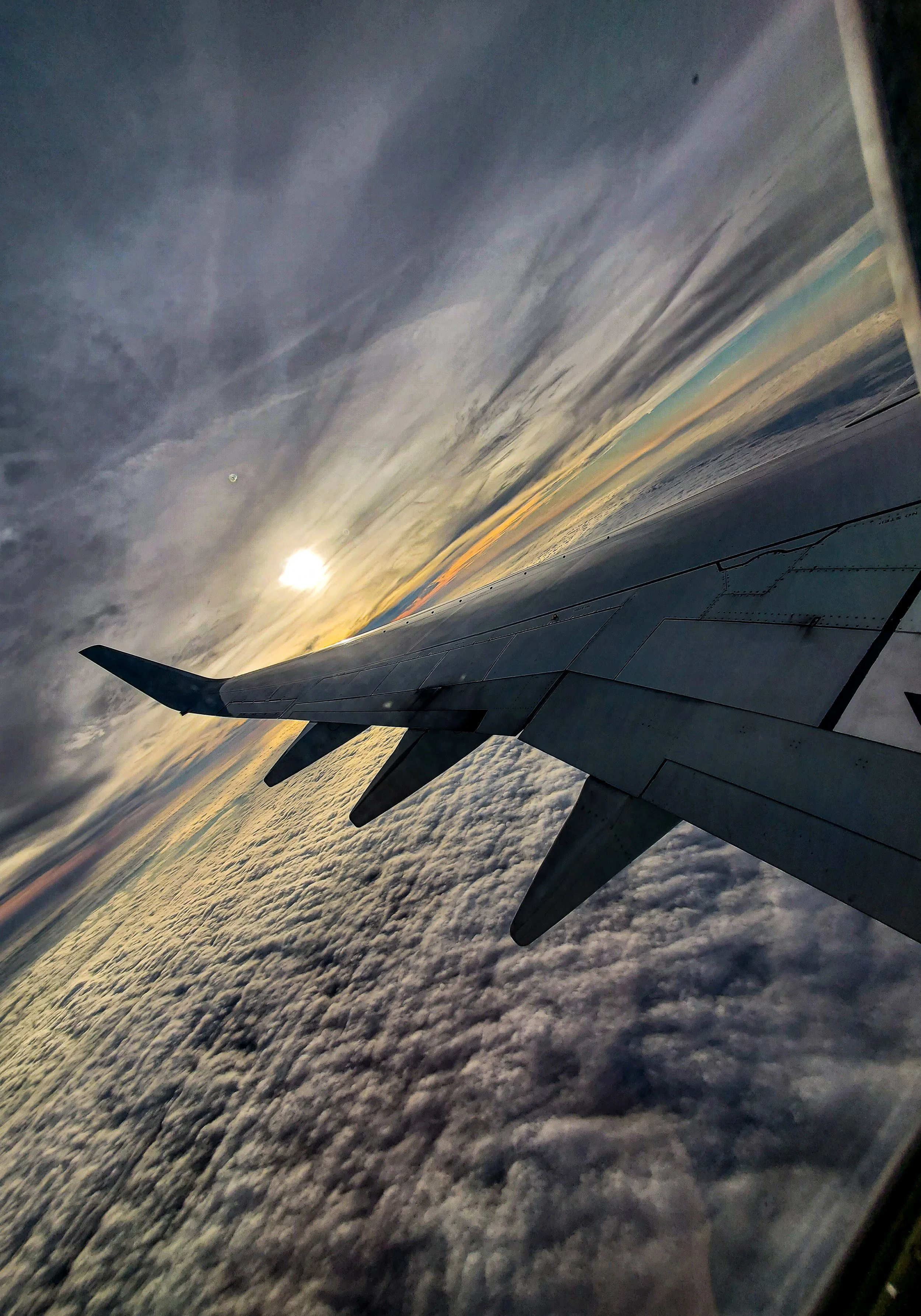
Getting back to the boat, (Allie: after a nice final group dinner with the remaining 8 of us since we lost two guests in Santa Cruz)[Their flight left from Santa Cruz, they didn’t die.], we packed up our nicely washed and dried gear, and were briefed on the process for disembarkment. Our gear was loaded up and transported to land, while we were given a few hours to do last minute shopping and find some empanadas for lunch. Goodbyes were said, and we were ushered through security to our planes to our respective destinations.
Club Eight: Guayaquil, Ecuador: Bonus club!
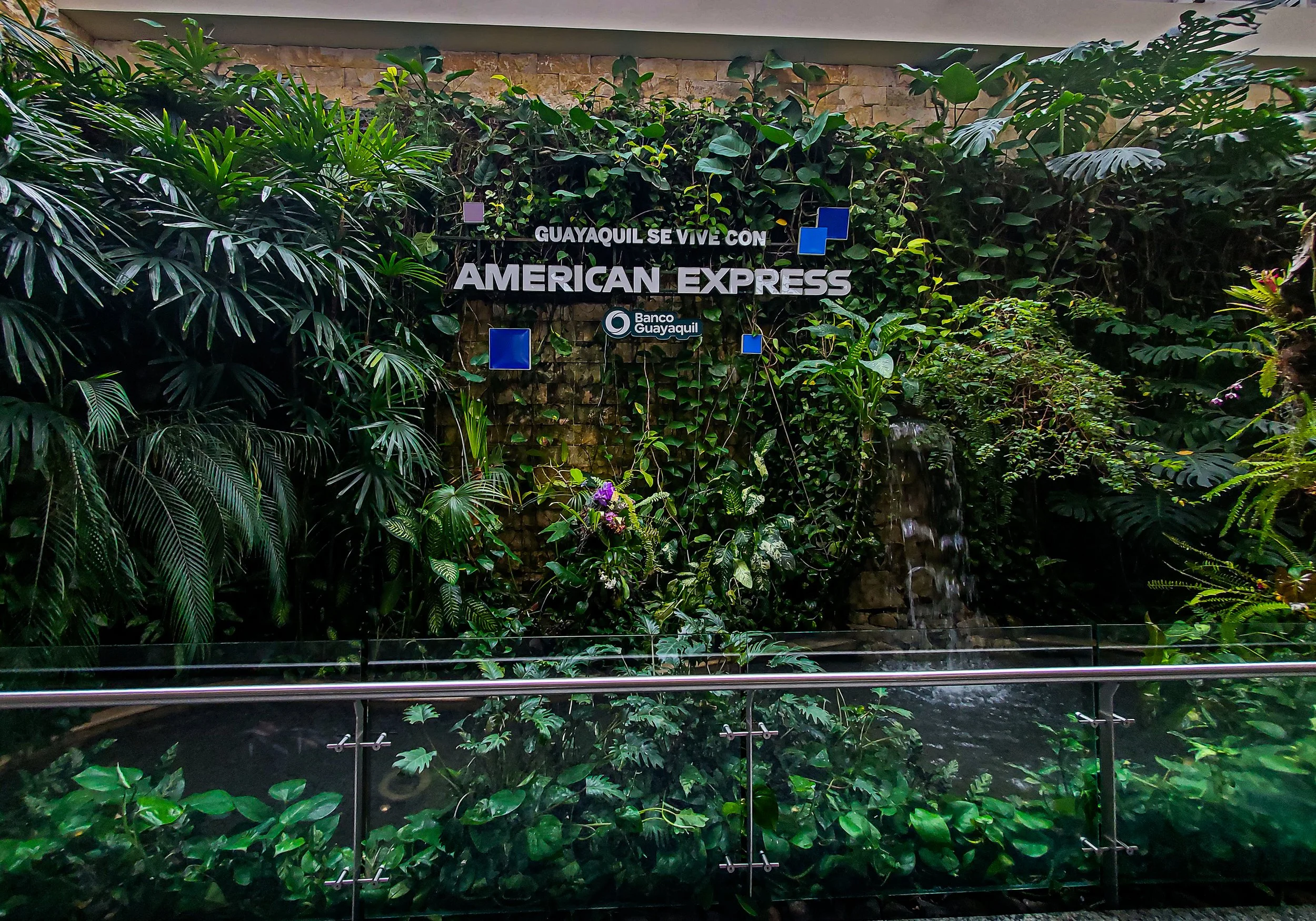
While not being part of the Galapagos, we were able to spend an afternoon in Guayaquil before our flight back to the states. After the adventure we had, our plans consisted mostly of dropping off our bags, getting dinner and then having pool beers.
Getting to the hotel was fine, and we eventually found a restaurant that we could agree upon. However, looking at their reviews it was found out that someone in the last couple years had been assassinated there. It’s not the restaurant’s fault (Allie: one reviewer exclaimed in response to the Google review! And with that sense of relief, we thought why not and still went)! The food was tasty, and we enjoyed our meal without any issues (Allie: i.e. getting murdered). The hard part of the adventure was getting back to our hotel. When we got a taxi going to the Murder Restaurant, we asked the hotel if it would be easy to get a cab to come back. We were told to talk to our driver or call the hotel and they would send a car. After…delays, our driver showed up and hot tub beers were enjoyed by all before enjoying a dry, non-moving queen-sized bed.
While not everything we wanted to see on the dives was found, and not all of the dive sites were available to us, it was still a great trip with *mostly* enjoyable people and some new friends. Another trip for the books and more stories to tell!