Fast Tracked Fiji
Solomon Islands
Florida and Russell Islands
(And Fiji)
Seminole Scuba
January 14th – 29th, 2026
Total Time: 23 hours 26 minutes Total Dives: 27
A nice relaxing trip to Truk Lagoon was booked, and planned for Thanksgiving 2025. Figuring something out for Thanksgiving 2026 was a future Ashton problem and that wouldn’t happen until maybe after getting back, maybe this would be a Nebraska year, who knows plenty of time to figure that out. Until the phone rings (a text comes in because who calls people anymore), and yet another terrible plan was set into motion. Instead of doing a Thanksgiving trip in 2026, how about a late January trip a couple of months after getting back from three weeks in Micronesia? There was much debating and back and forth but ultimately a promise of seeing a blue ring octopus. Live, and in person, not a cut out, not a plastic toy was enough to finally pull the trigger and another insane trip was booked.
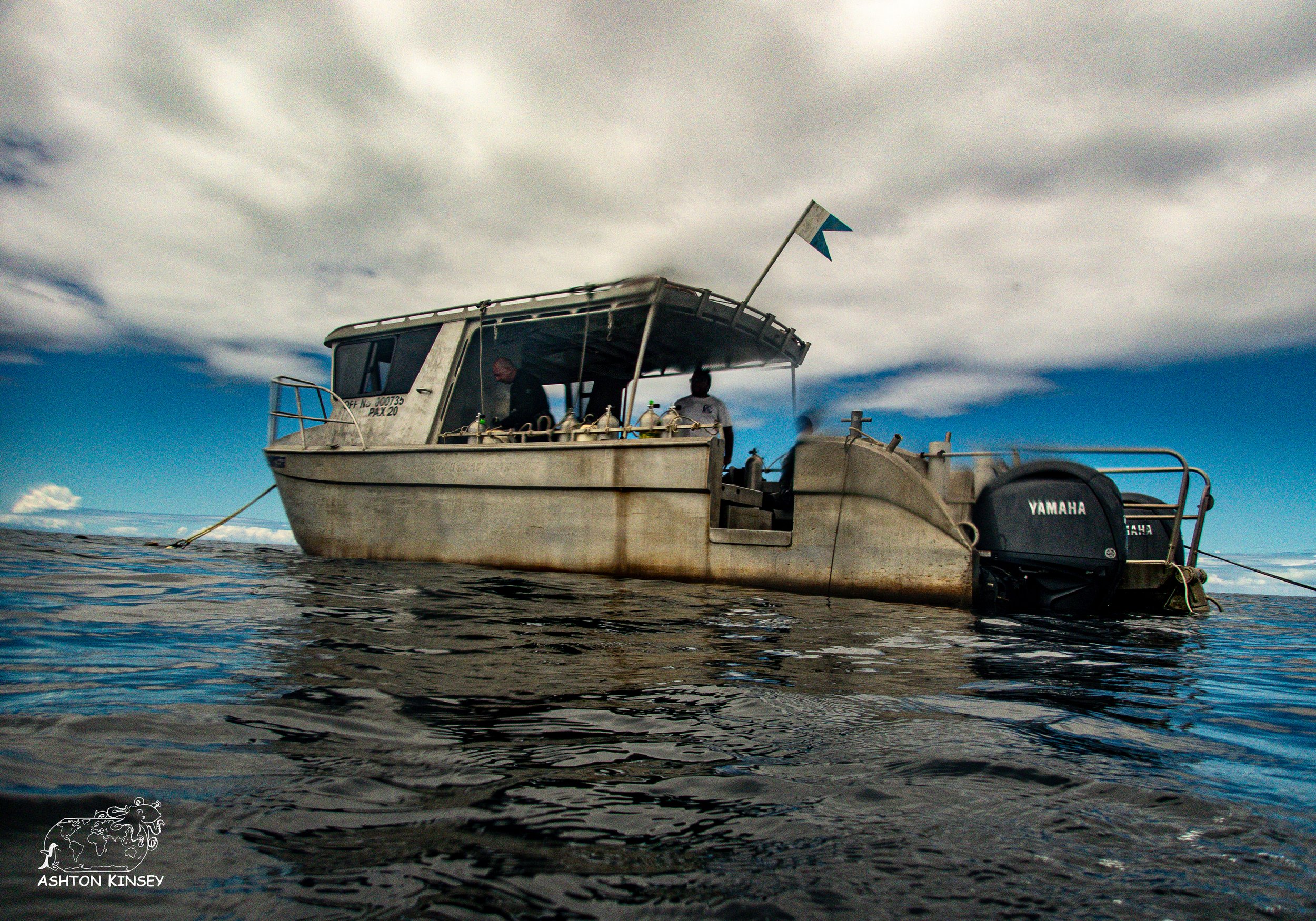
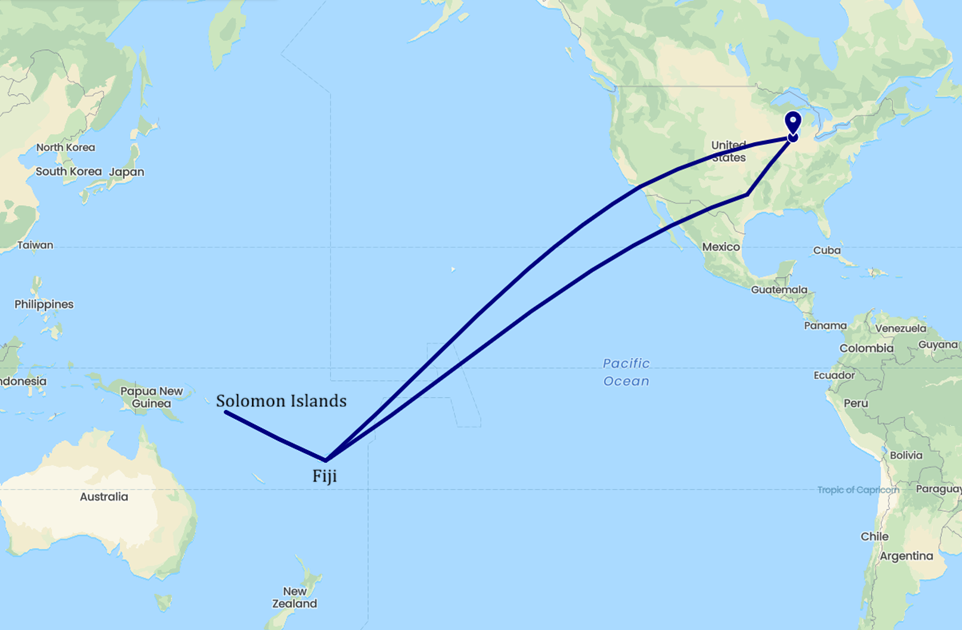
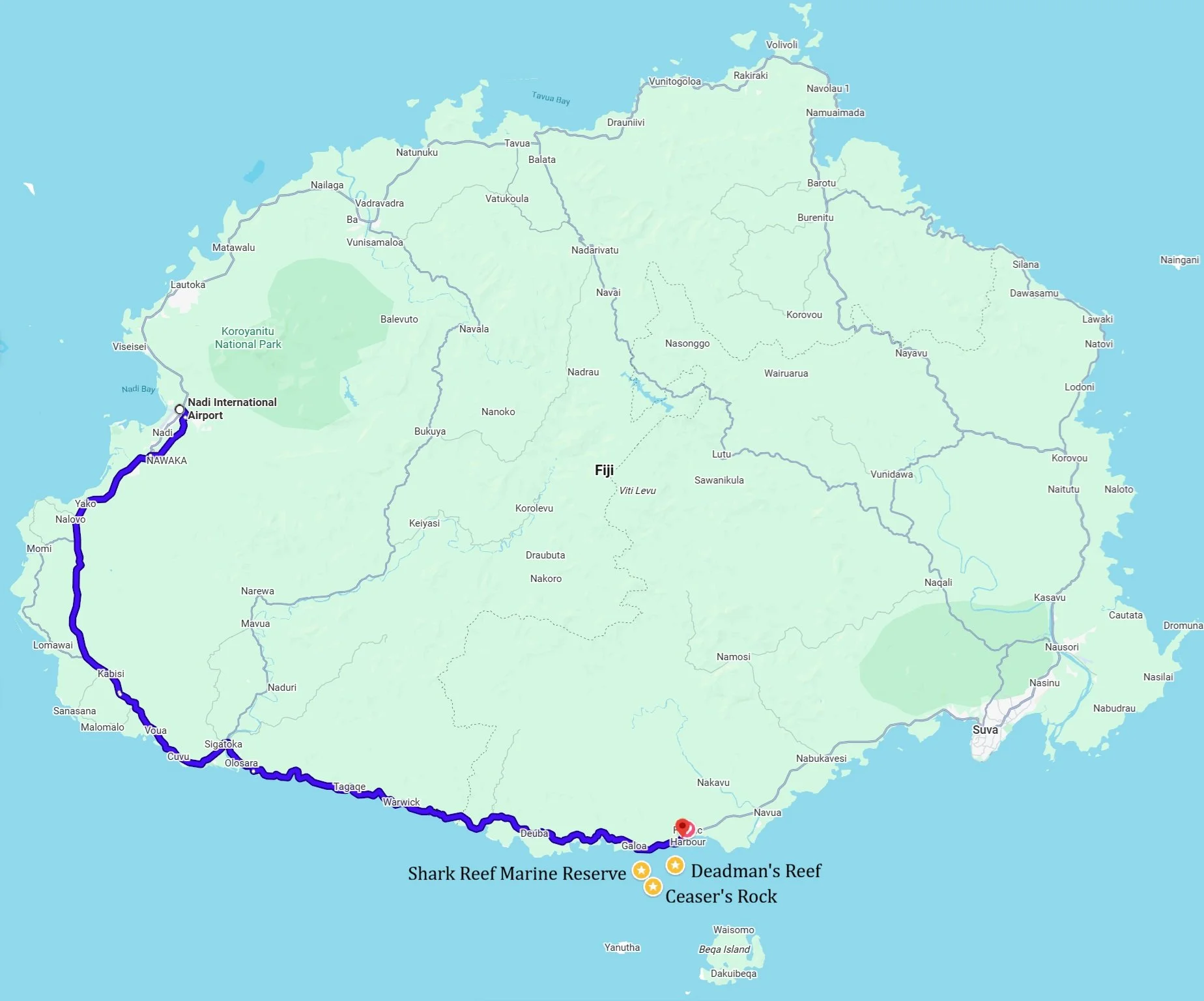
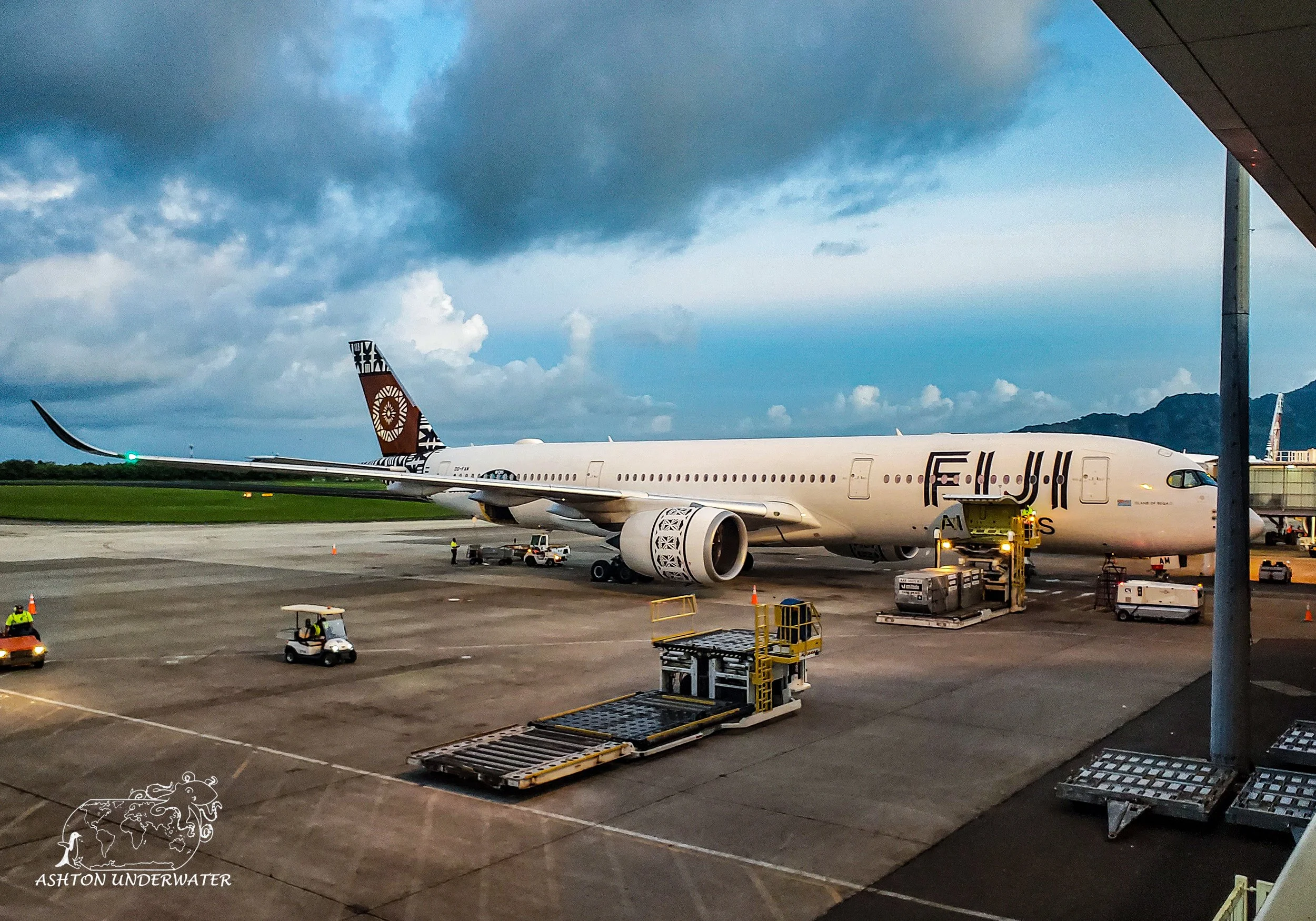
Details of booking flights are now a bit fuzzy, but somehow, we ended up with a ~48-hour layover in Fiji. This was probably part of the original plan or had cheaper flights, but it gave us time to find something close to the airport for some diving, at least in theory. Looking around the city of Nida the diving was meh at best. We made the great decision to get off of our 12-hour plane ride from LAX, crawl into a taxi, take a three-hour drive down to Pacific Harbor, drop our bags off, shovel some food into our bodies and then meet up with a dive boat for a two-tank afternoon dive followed by dinner, a shower and passing out and then an additional two tank morning shark dive.
Fiji
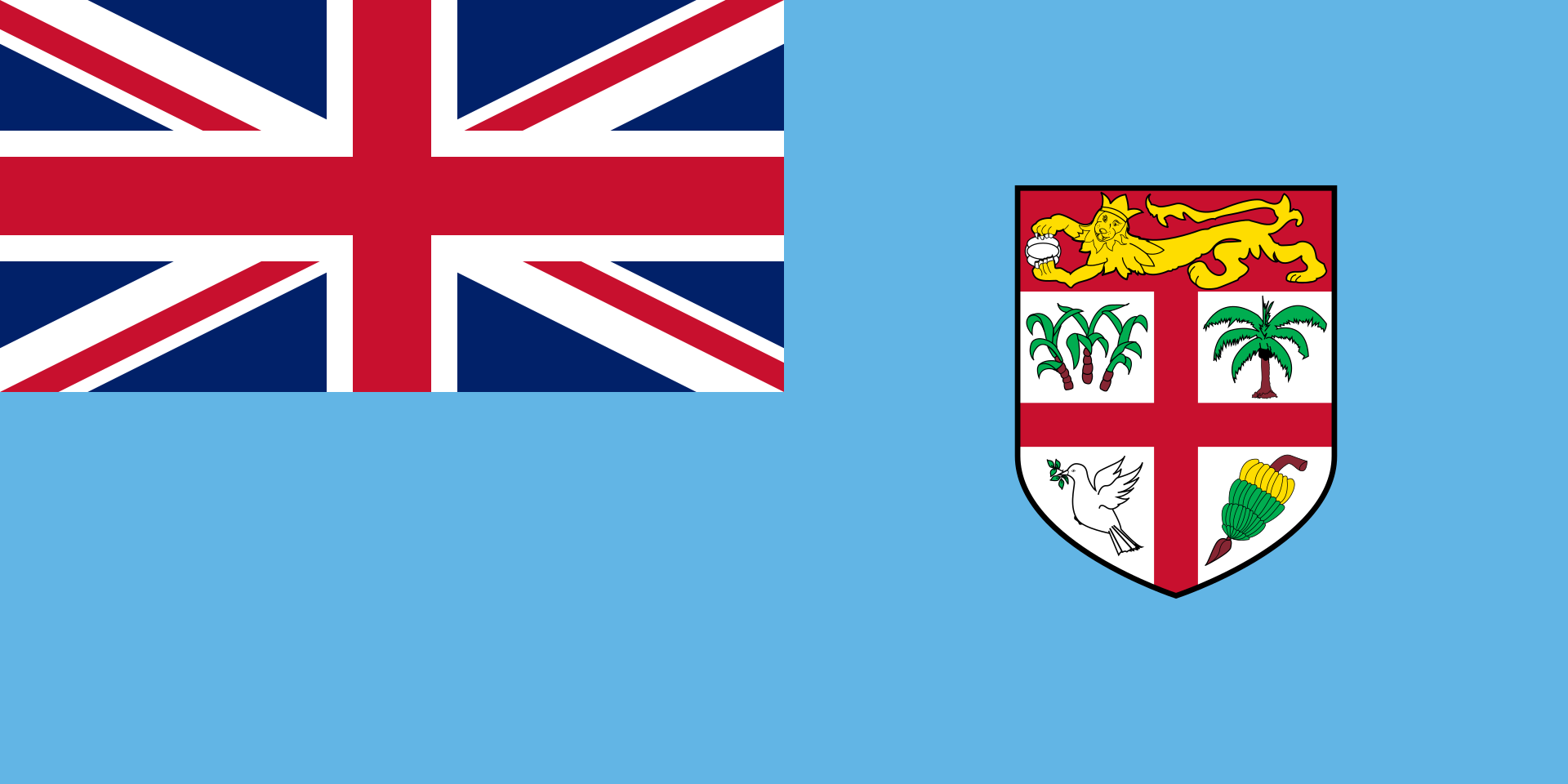
The Republic of Fiji isan archipelagic country in Melanesia, which is a part of Oceania also containing Papua New Guinea, Solomon Islands, and Vanuatu. Fiji is made up of over 330 islands and more than 500 islets with the majority of the population living on Viti Levu (the largest island) and Vanua Levu (second largest island). The various islands were formed similarly to the Hawaiian Islands by volcanic activity and has been inhabited since the early 2000 BC. Over the years Fiji has been an independent kingdom, was a Crown colony (1874) under the British, gained its independence and was the Dominion of Fiji (1970).
After a series of coups, a ruling from the Fijian High Court saying military leadership was unlawful, and delayed elections Fiji elected its first credible election on 17 September 2014. It is one of the most developed economies in the Pacific, exporting sugar cane and bottled water. The TV show Survivor has been using Mamanuca Islands since the 33rd season and is working to have them be the permanent island location.
Beqa Adventure Divers
January 16th – 18th, 2026
Dive Buddy: Allie B.
Total Time: 3 hours and 20 minutes Total Dives: 4
Self-classifying as a “conservation group masquerading as a dive shop”. BAD has been working with the Fiji Shark Project since 2003 and helped establish the Shark Reef Marine Reserve in April 2004 as the first shark sanctuary in Fiji. Then in 2014 it became Fiji’s first National Marine Park. This came through a great agreement of the Fiji Department of Fisheries and the owners of the reef from the village of Galoa (Nah-low-ah) which agreed to stop fishing in the reserve and maintain it as a protected area.
Since its creation the fish population has boomed and the number of sharks and fish seen in the reserve and surrounding reefs have increased exponentially. The reserve and the sharks are now under legal protection and poachers are prosecuted when they are caught in the area.
Ceaser’s Reef
71’ for 60 minutes
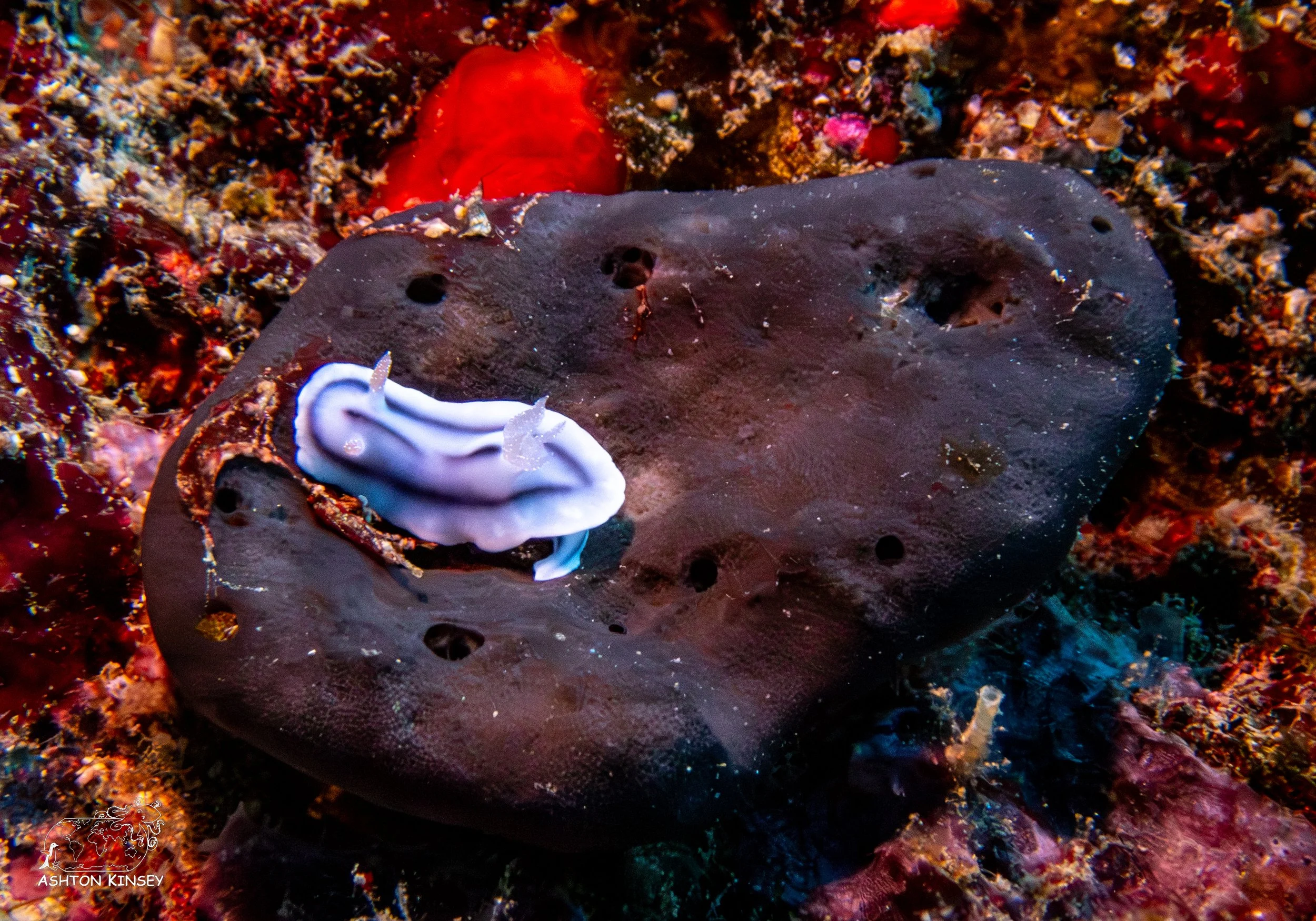
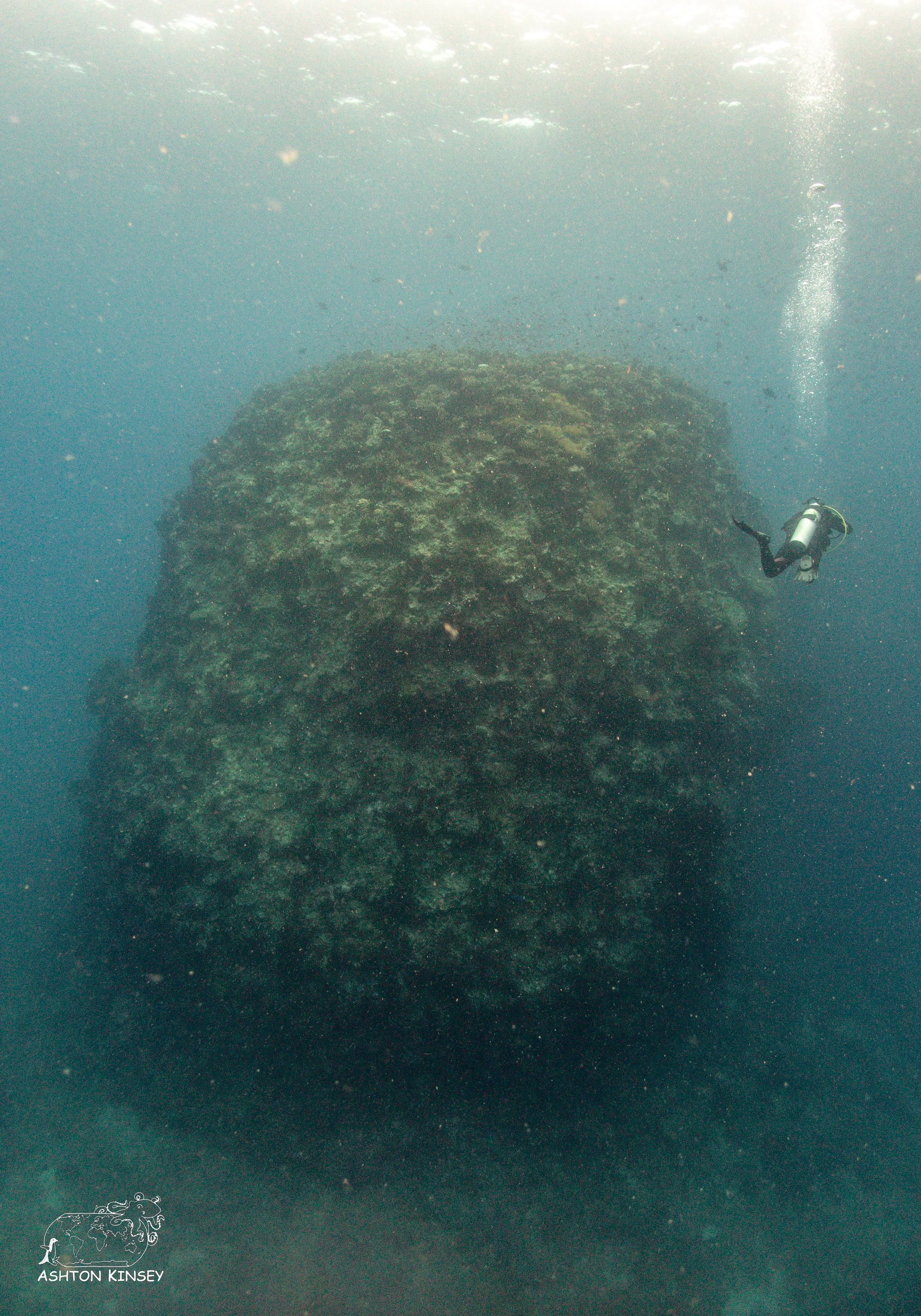
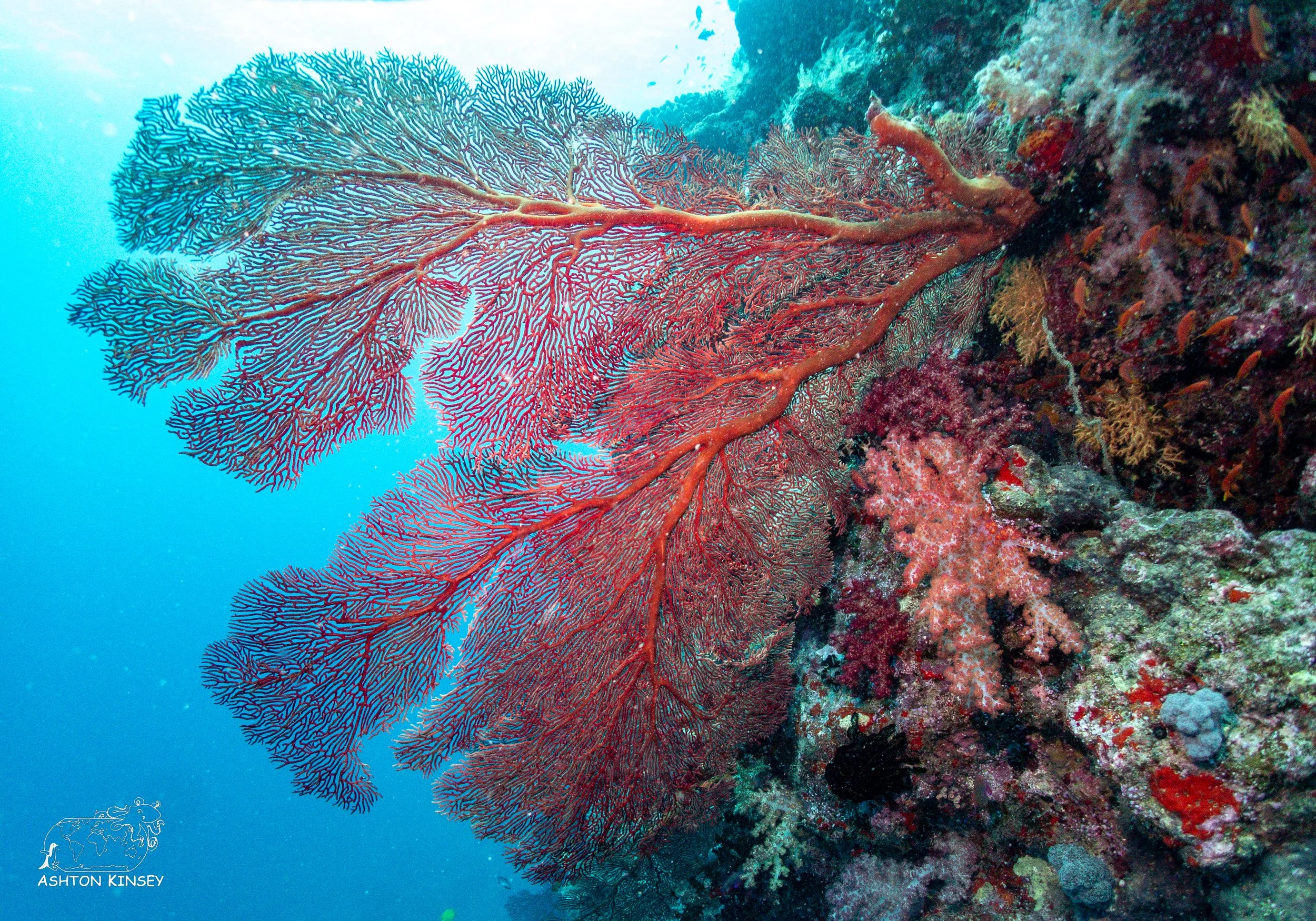
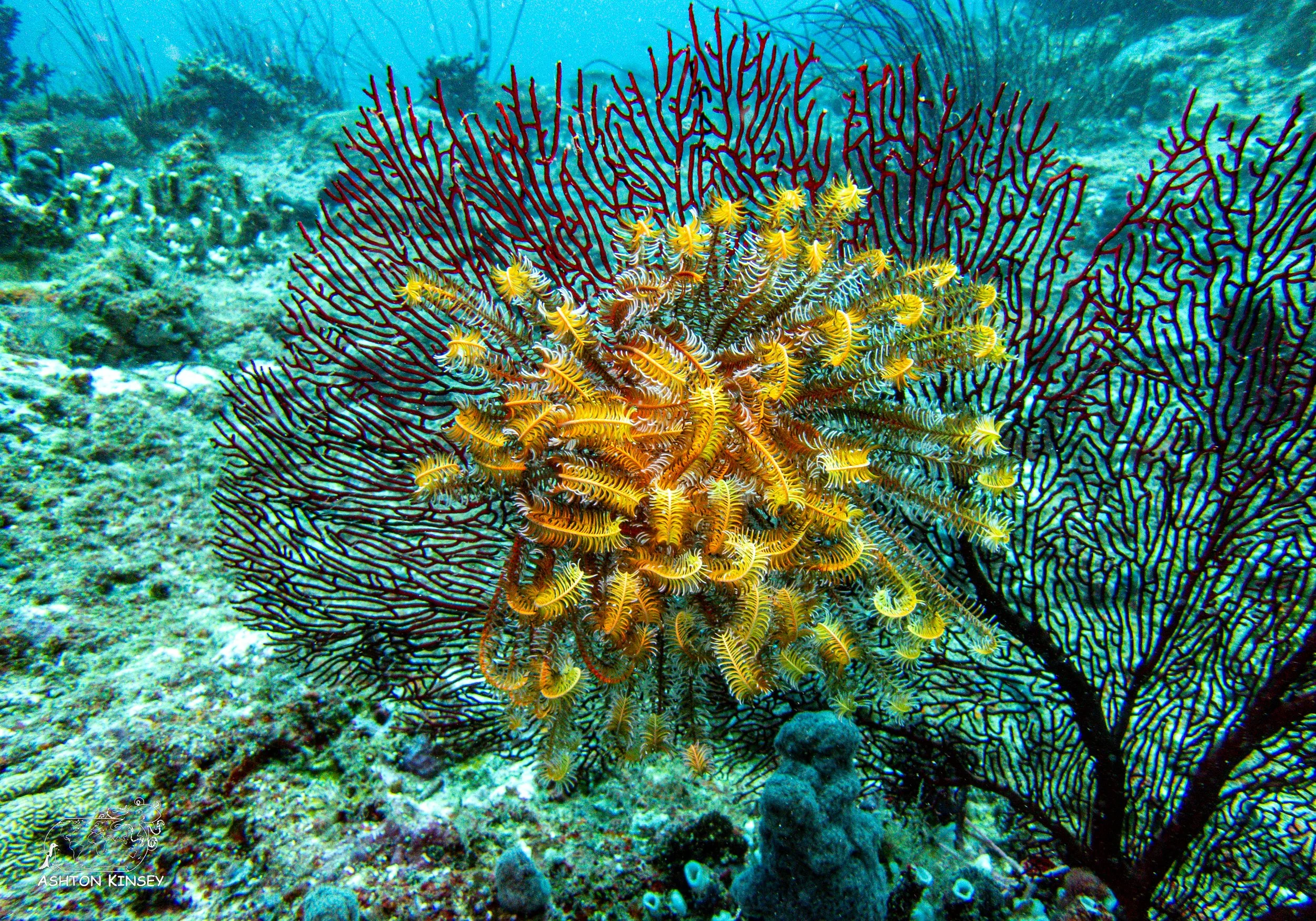
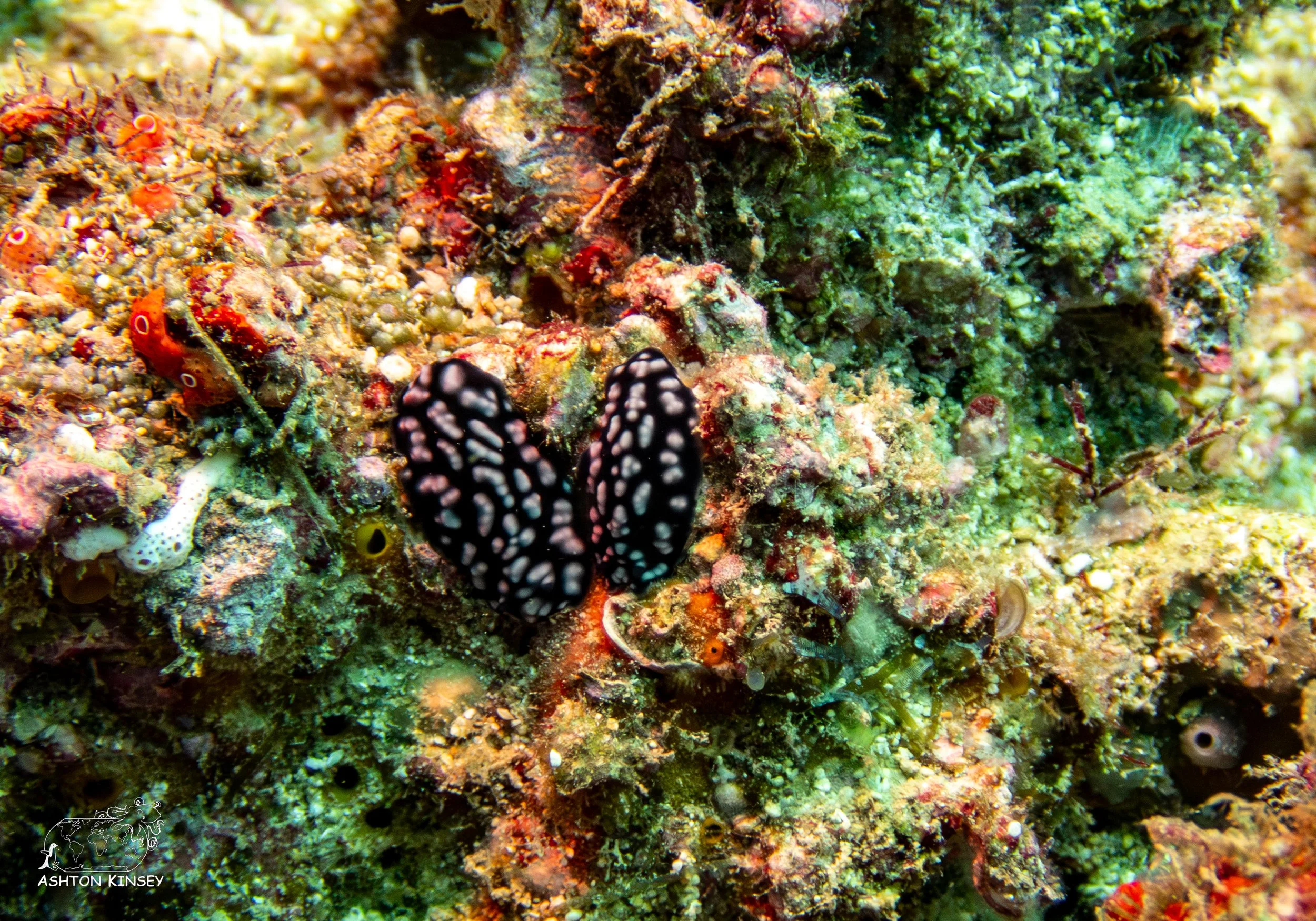
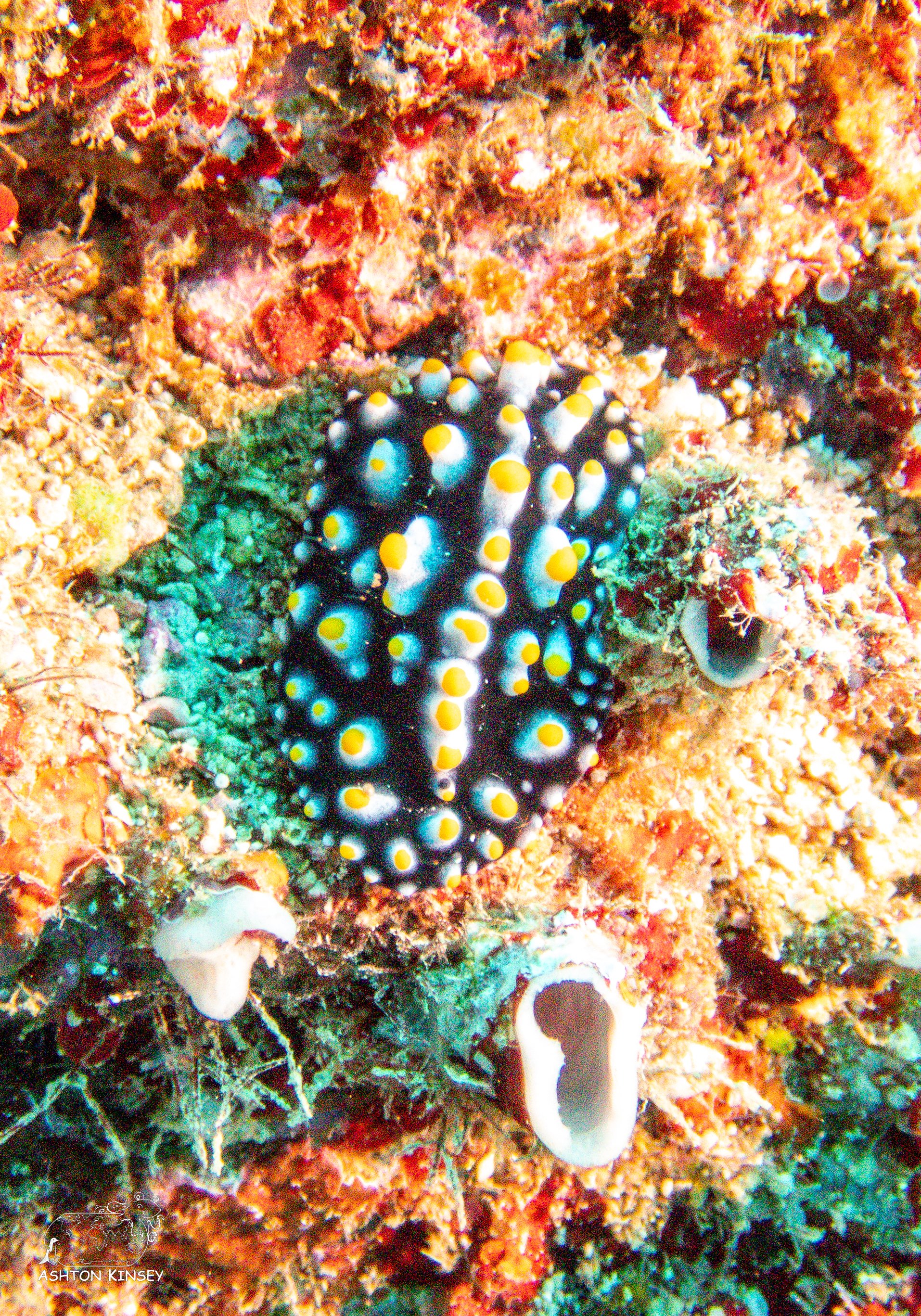
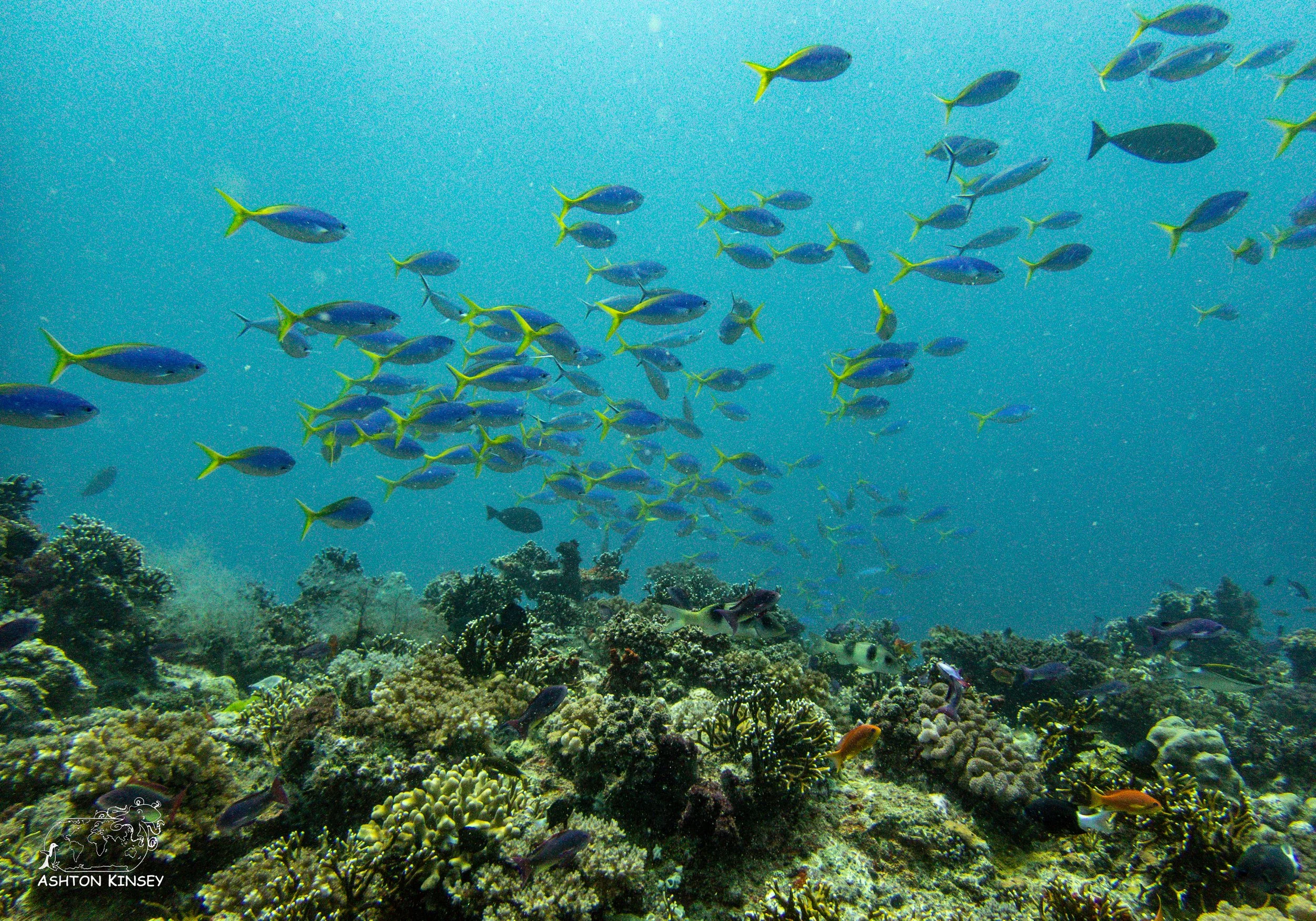
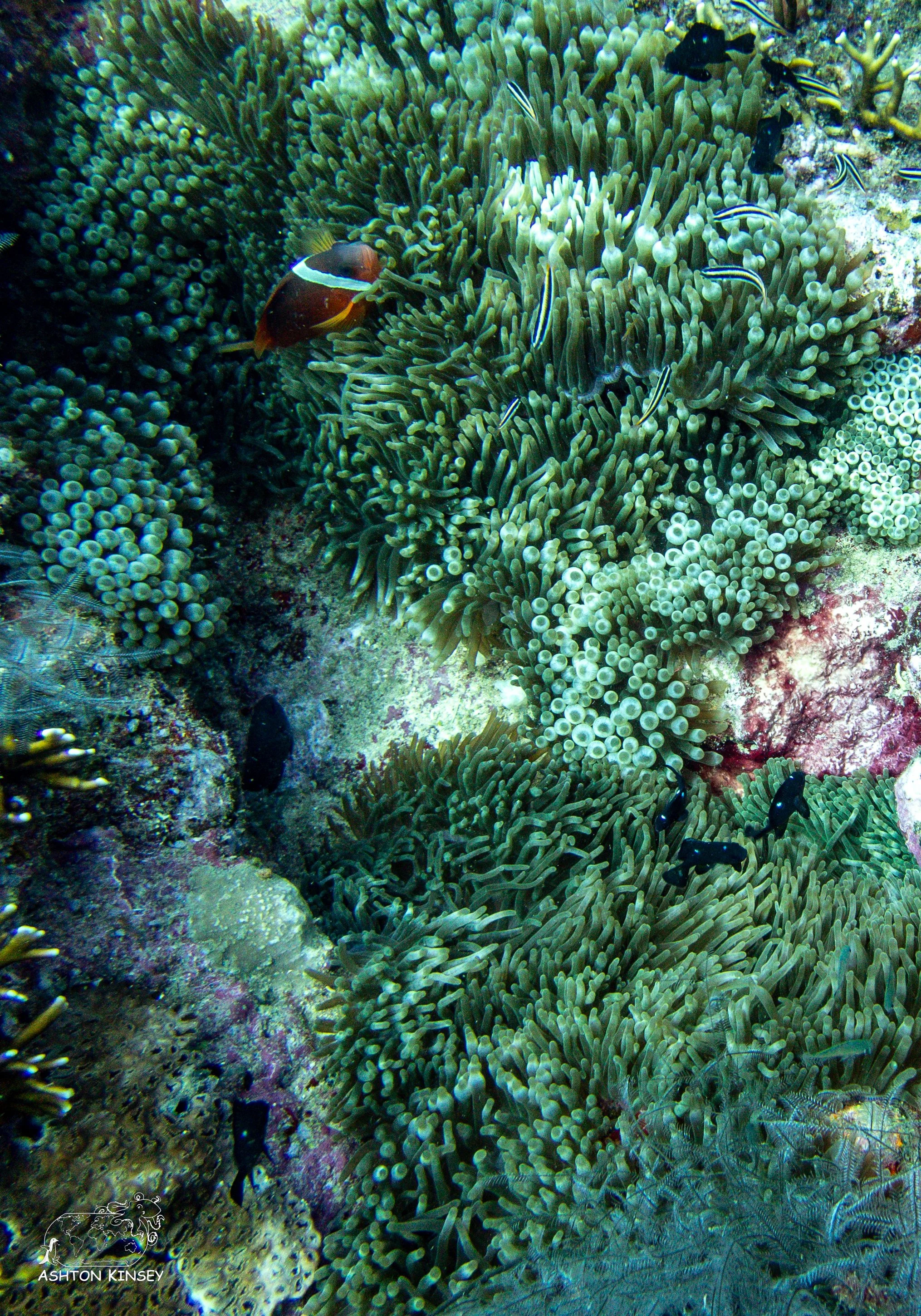
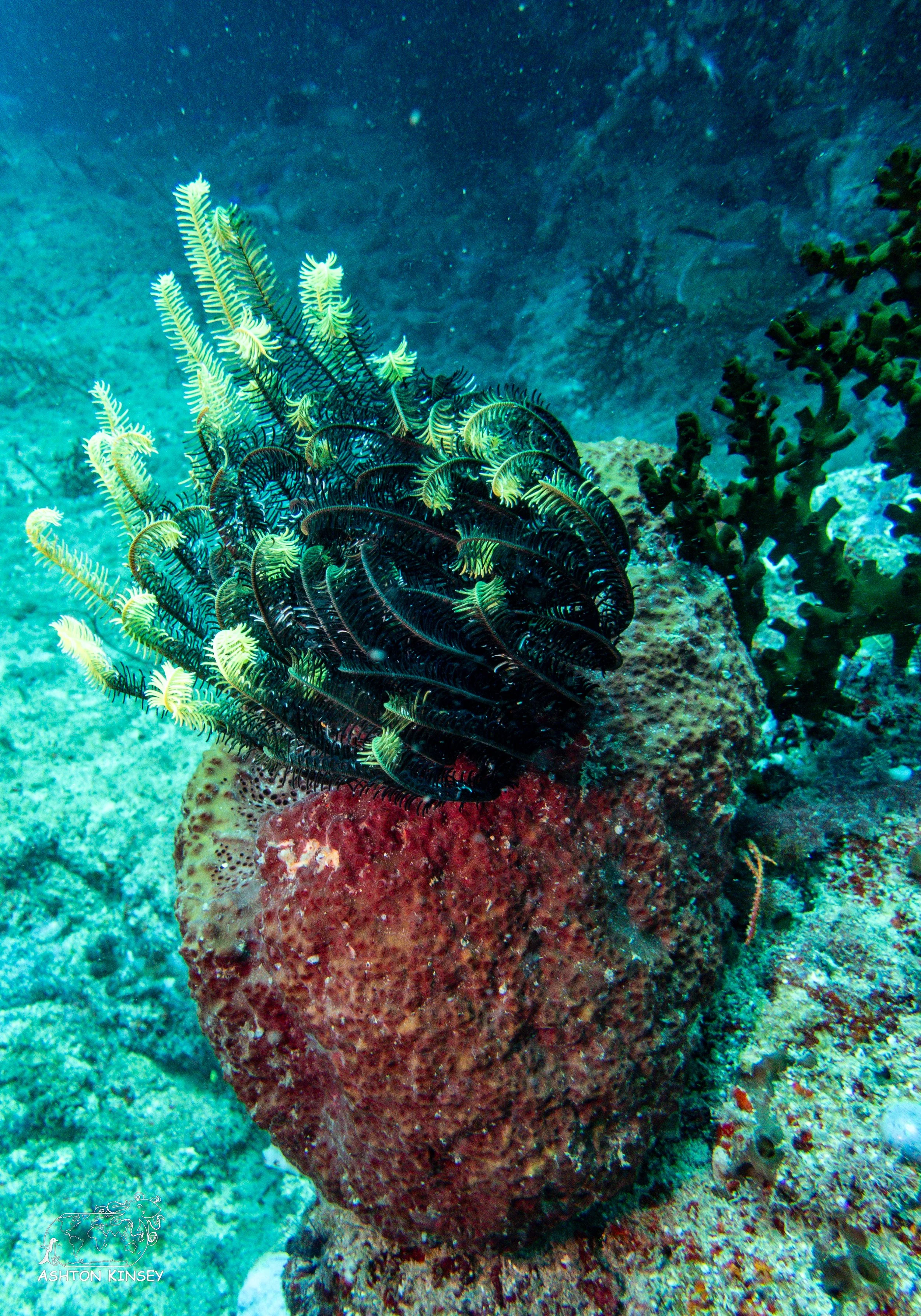
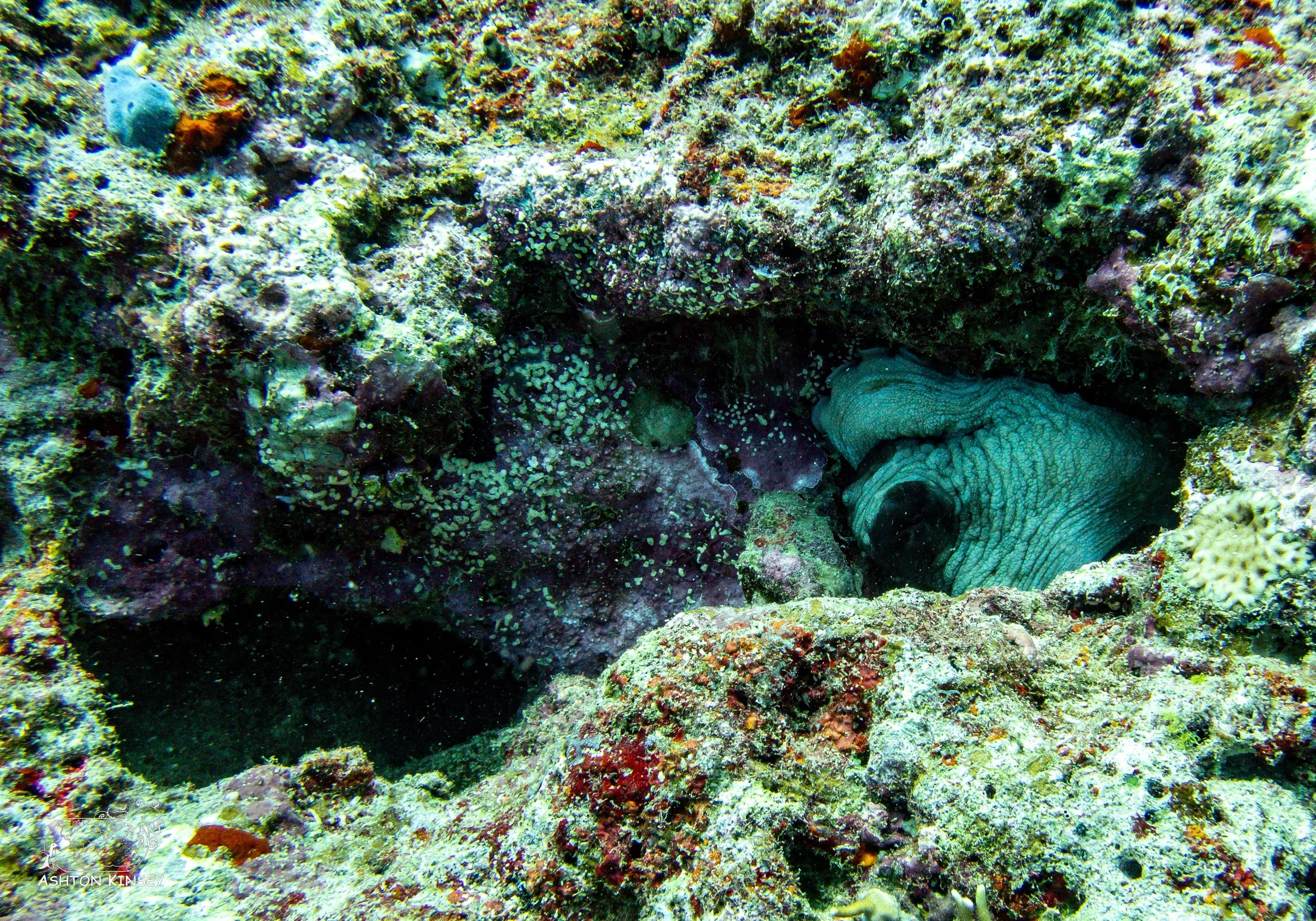
The site is named for the local village’s Chief and contains a cluster of five large pinnacles rising from the sea bed from roughly 100’ to 15’. The pinnacles are covered with soft corals, anemones and sea fans that are constantly fed by the currents blowing around them. Large schools of anthias, nudibranchs and octopus are common all over the site. On rare occurrences blue ribbon eels and sharks can be seen as well.
Deadman’s Reef
63’ for 57 minutes
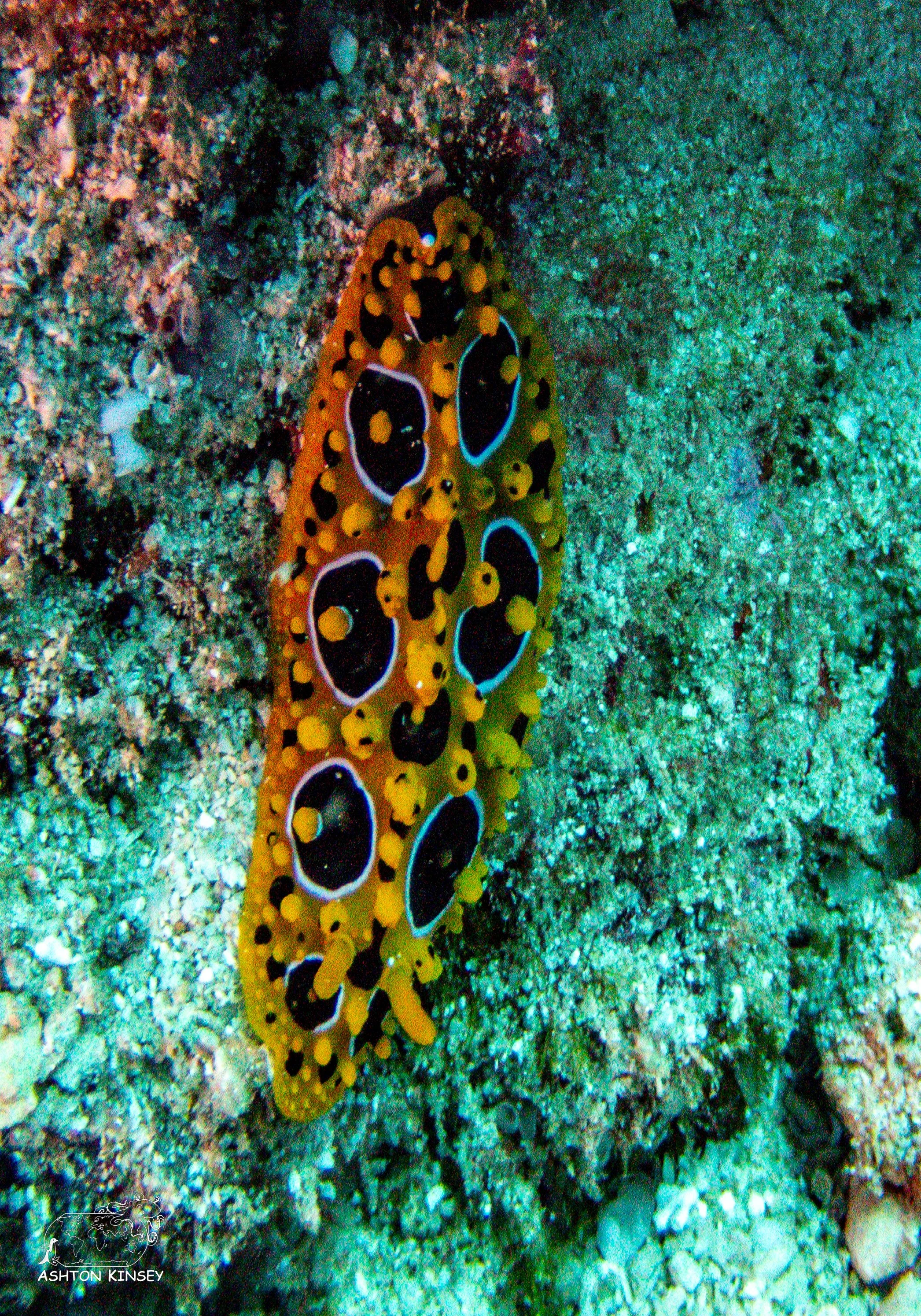
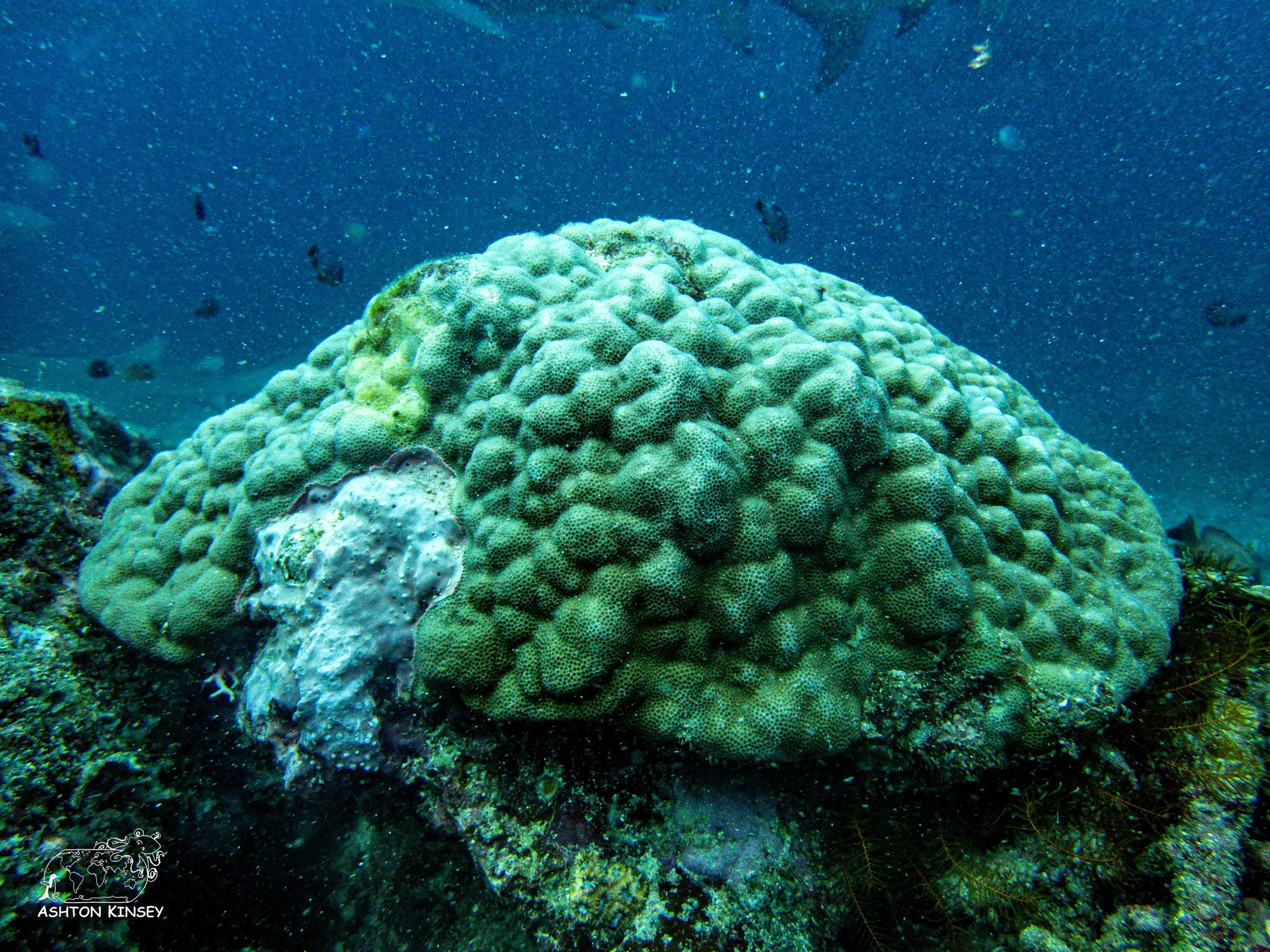
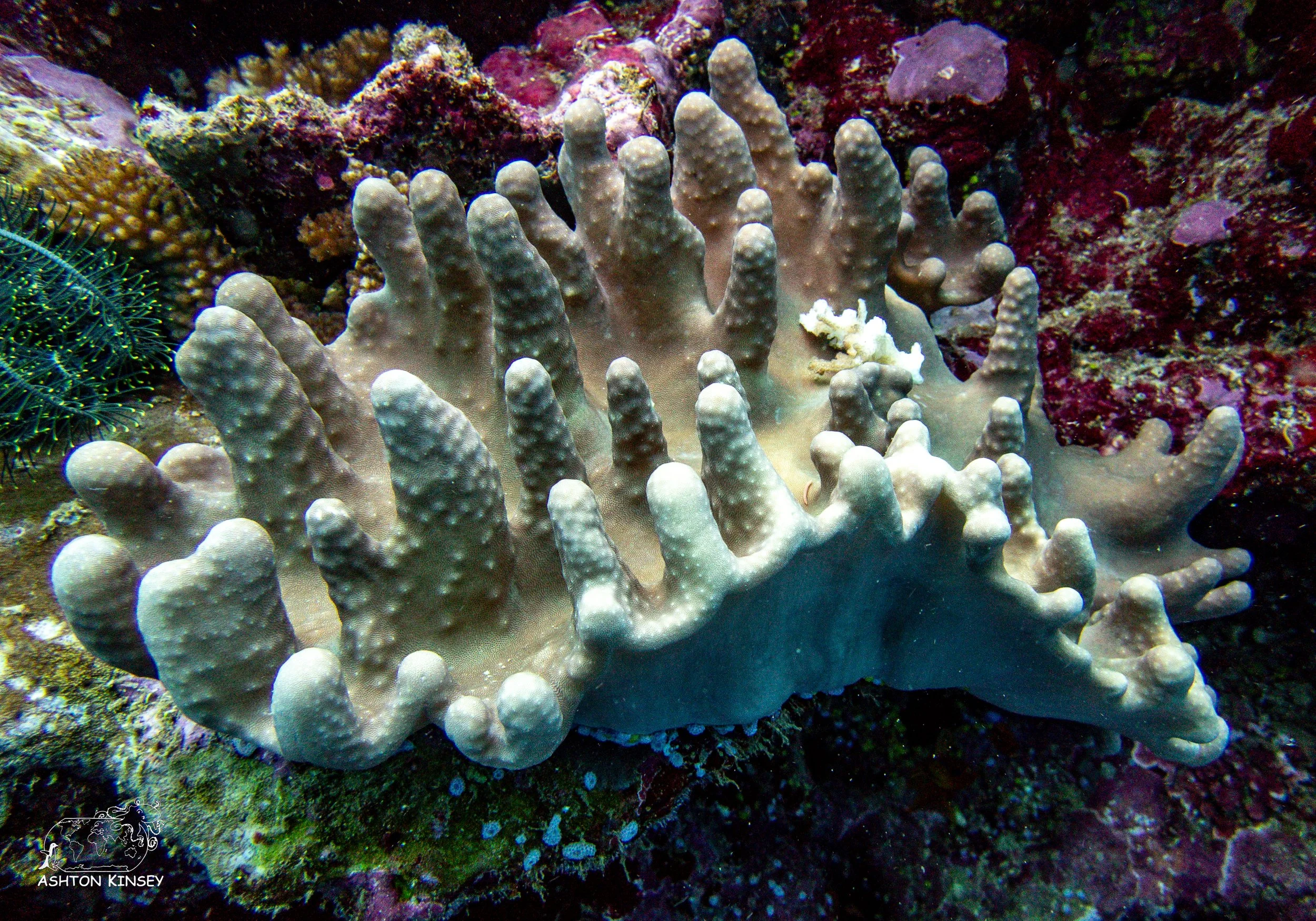
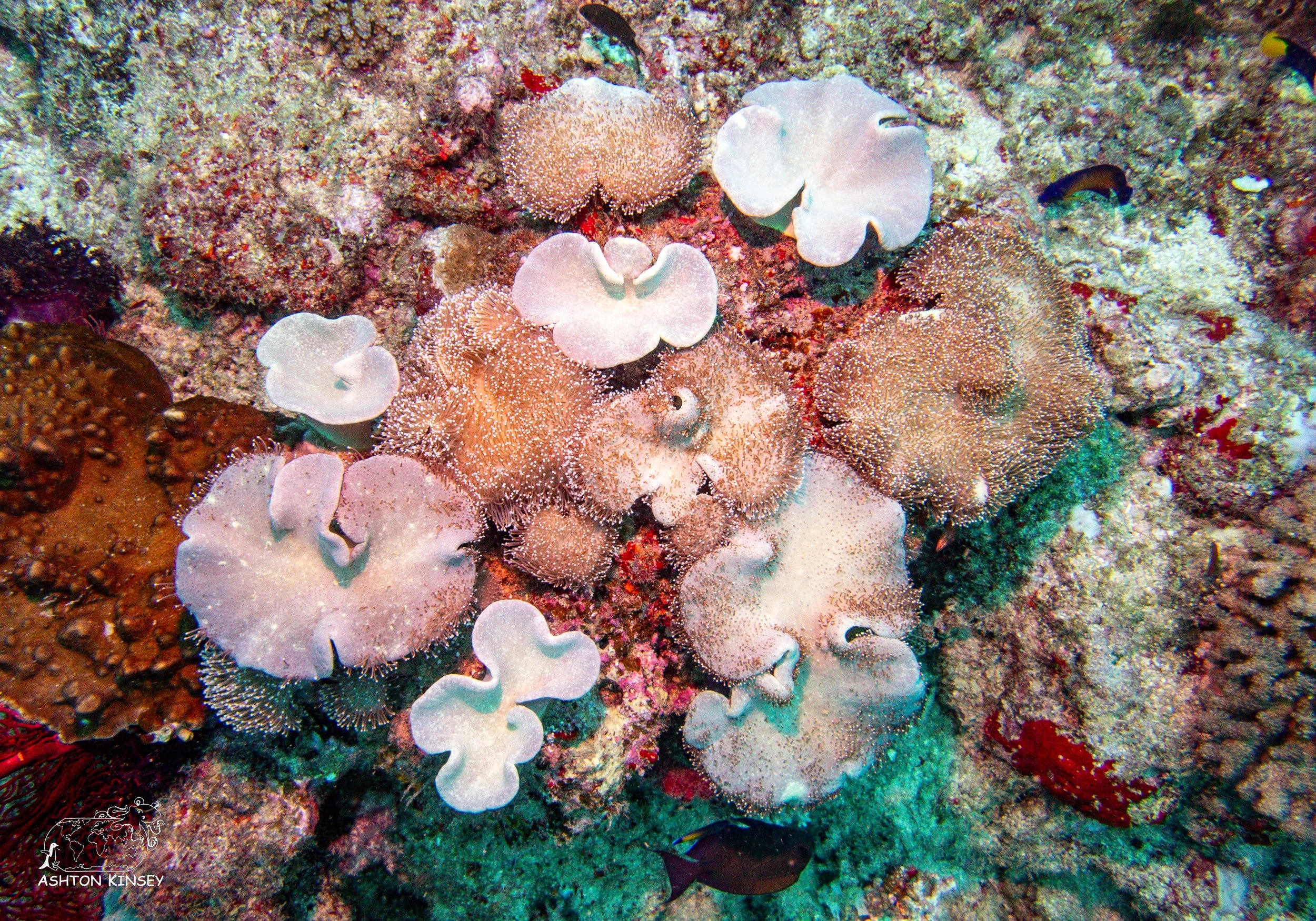
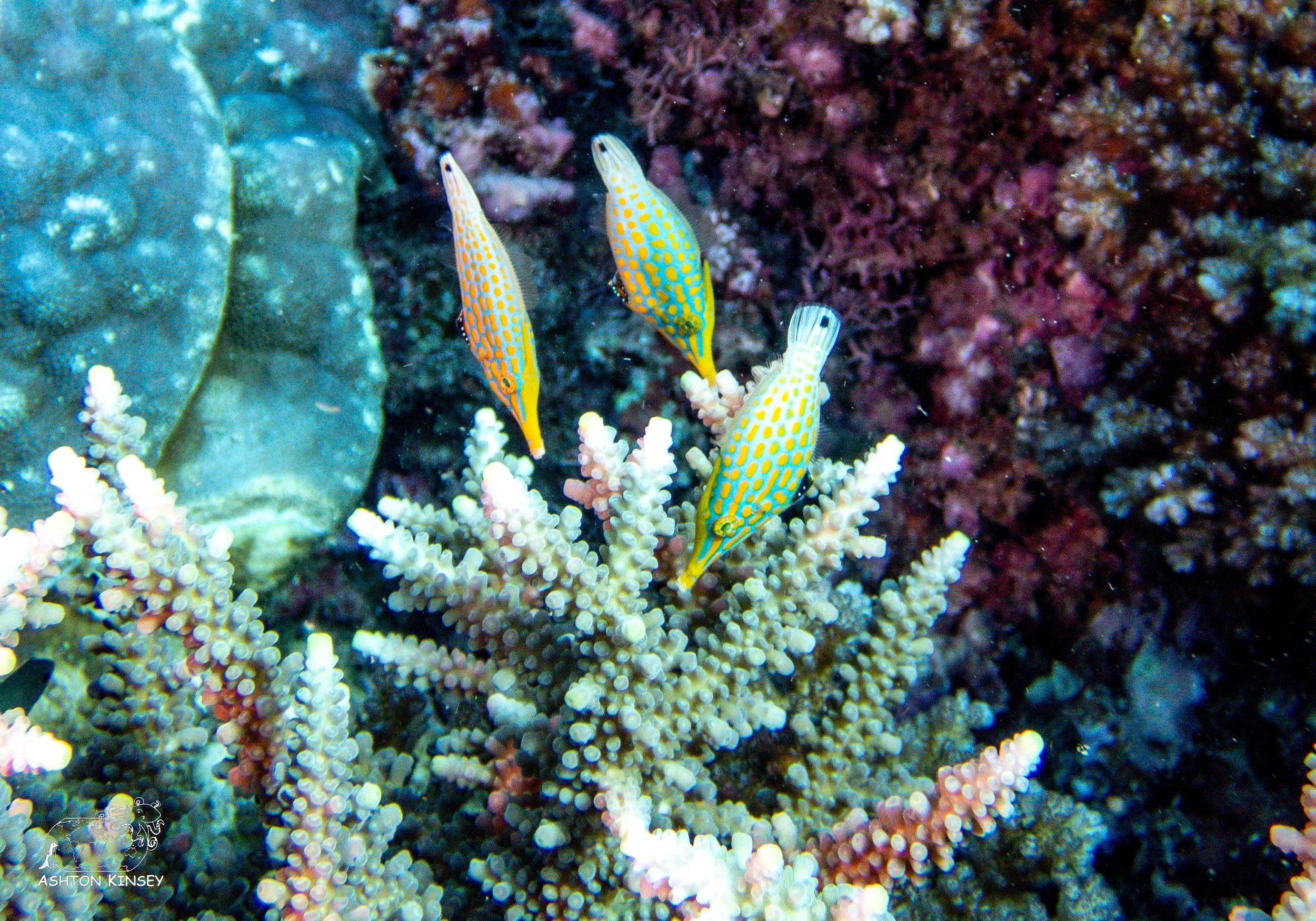
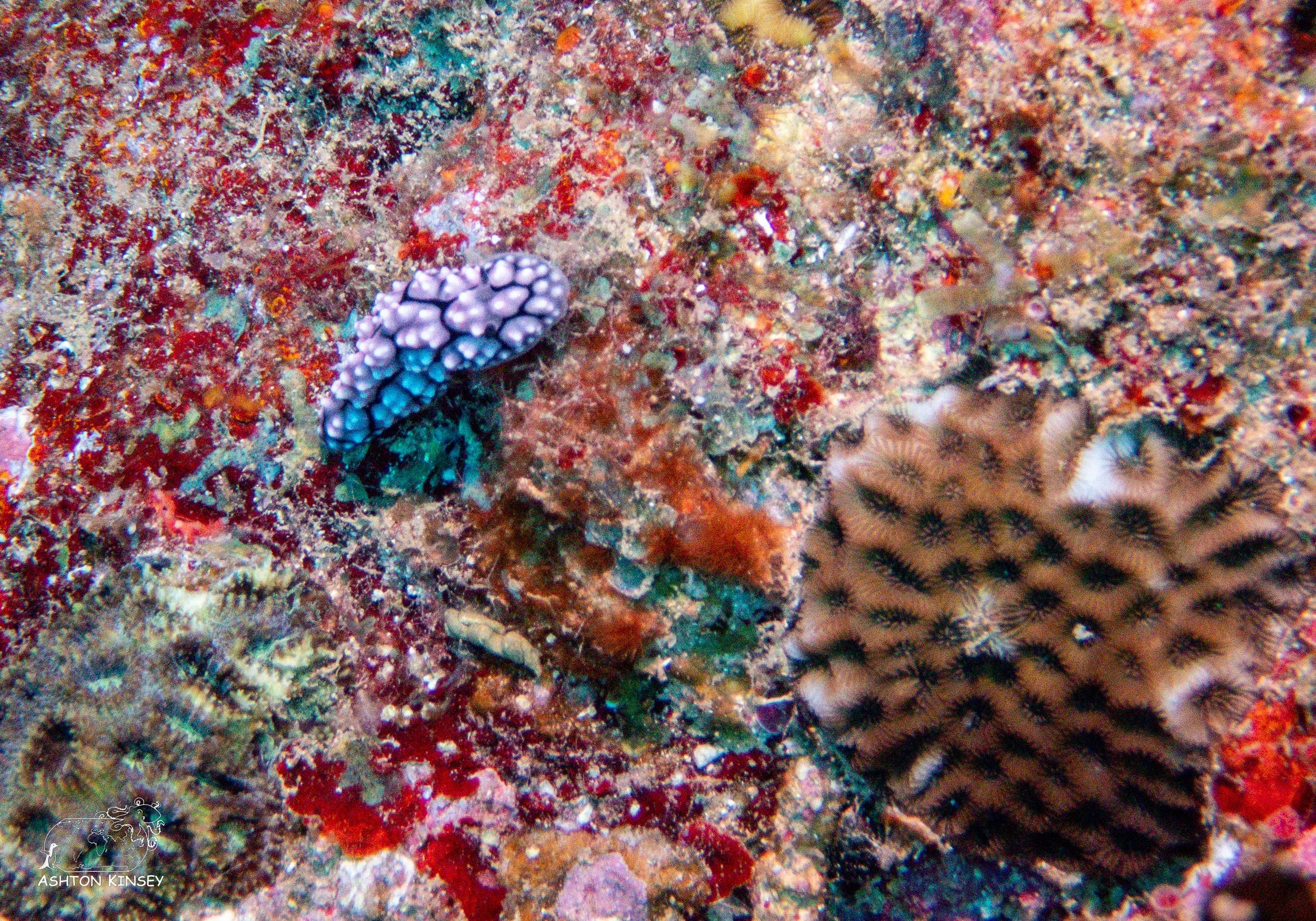
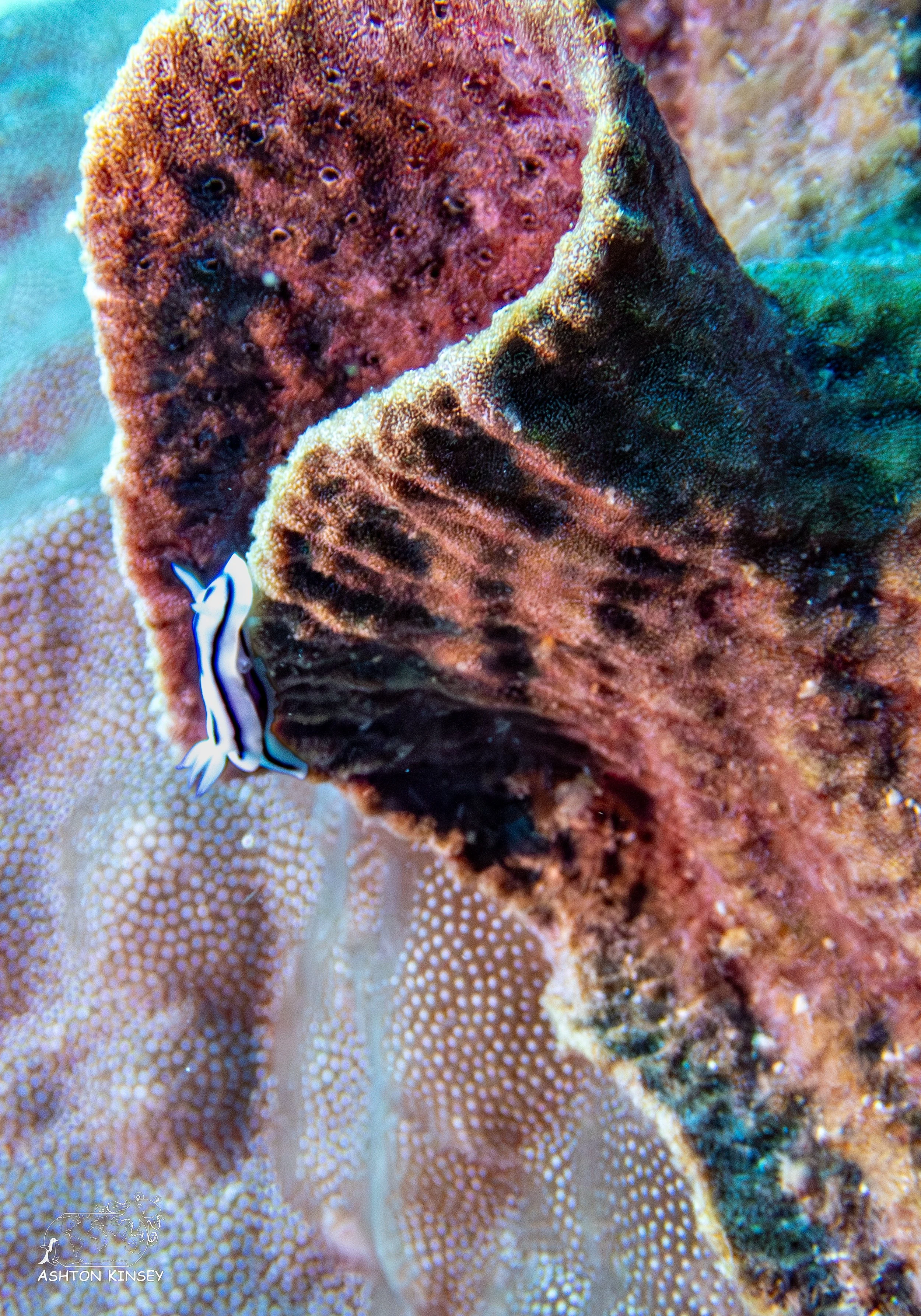
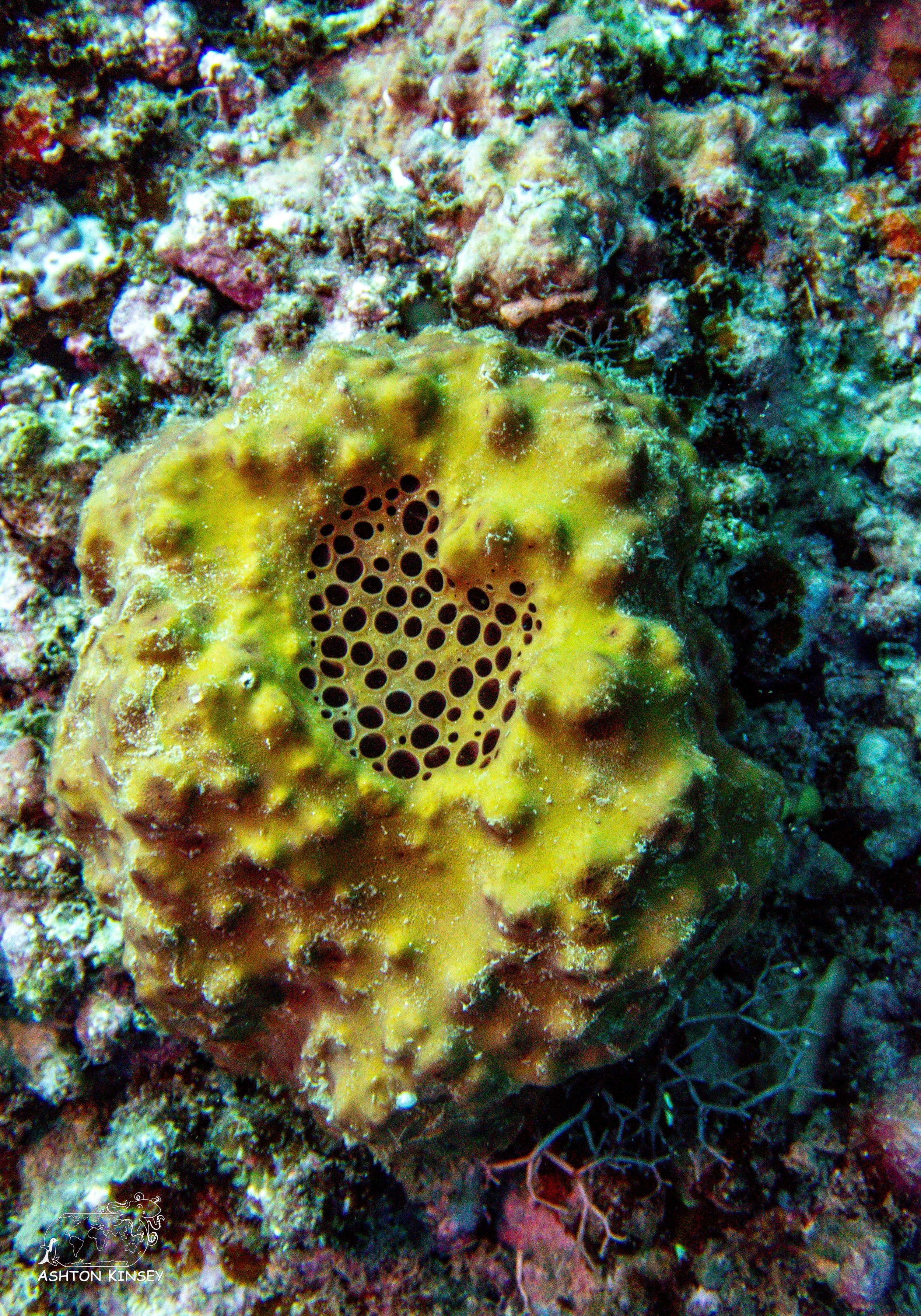
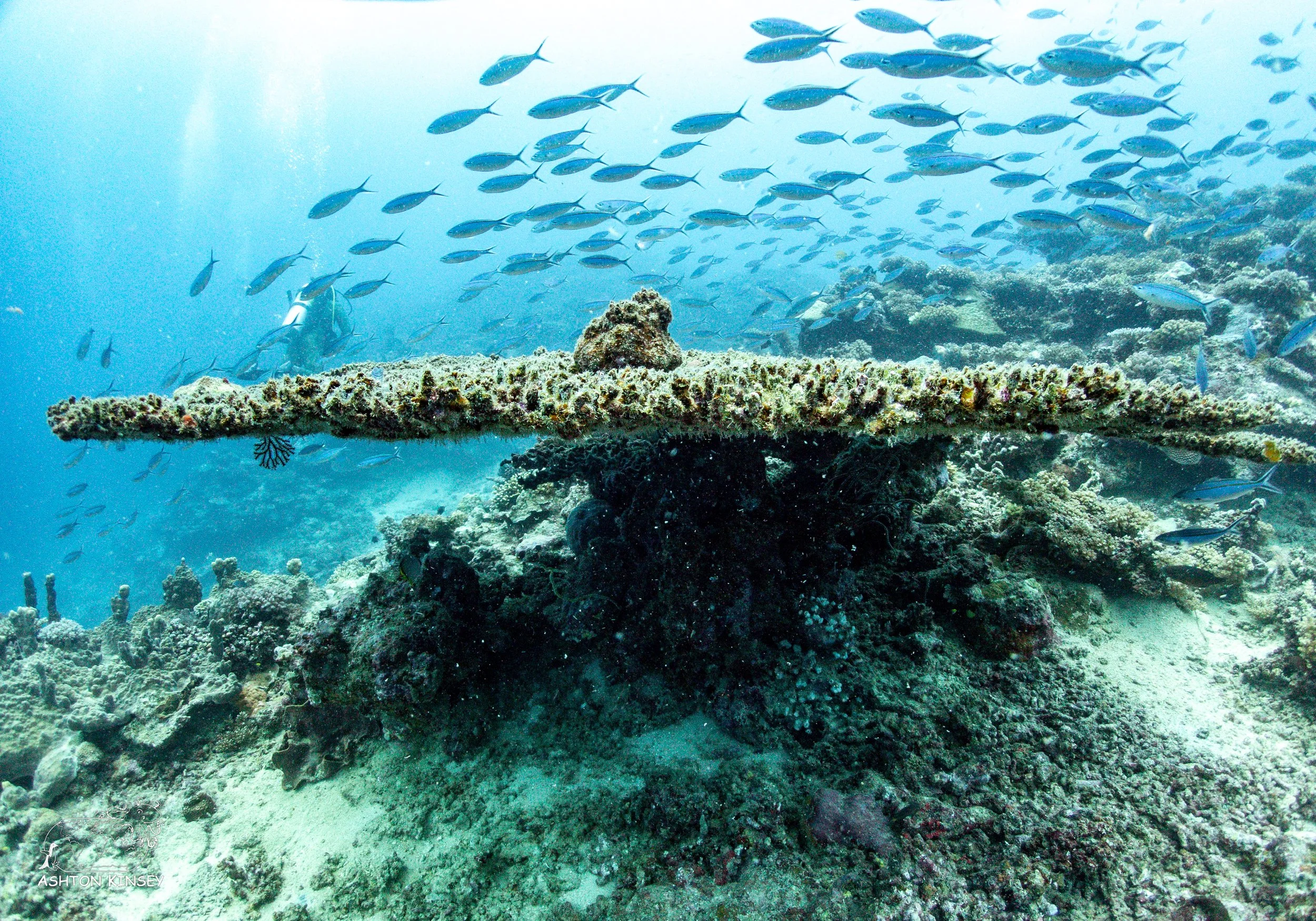
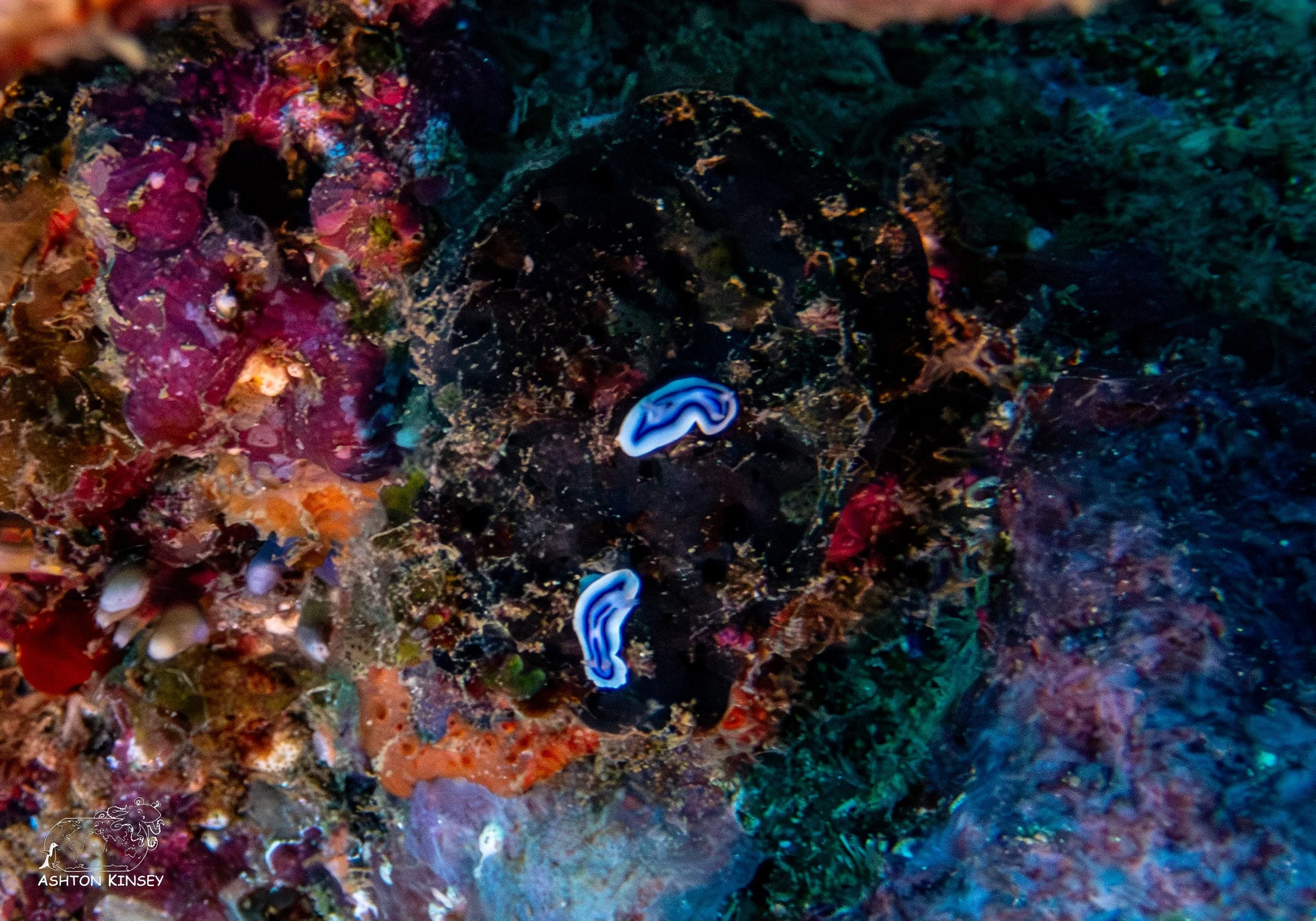
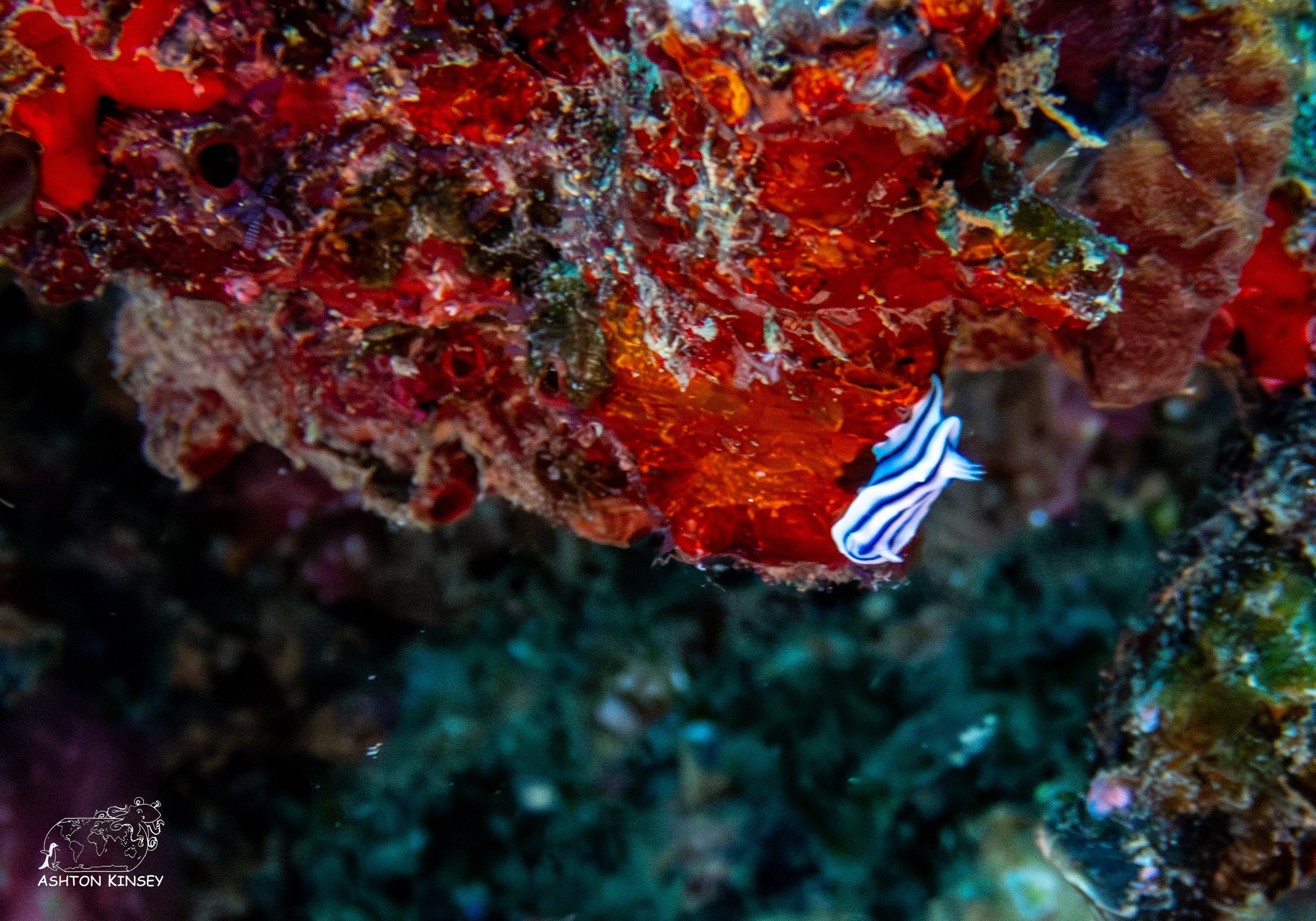
A fairly shallow sloping reef with drop offs that contains lots of large tabling corals. Orange spot file fish can be seen munching on the polyps of stony corals along with plenty of nudibranchs crawling along sponges. Rumors say that early days there were human bones found on the reef, however, they were most likely some other animal and not actually human.
Shark Reef Marine Reserve
94’ for 42 minutes & 52’ for 41 minutes
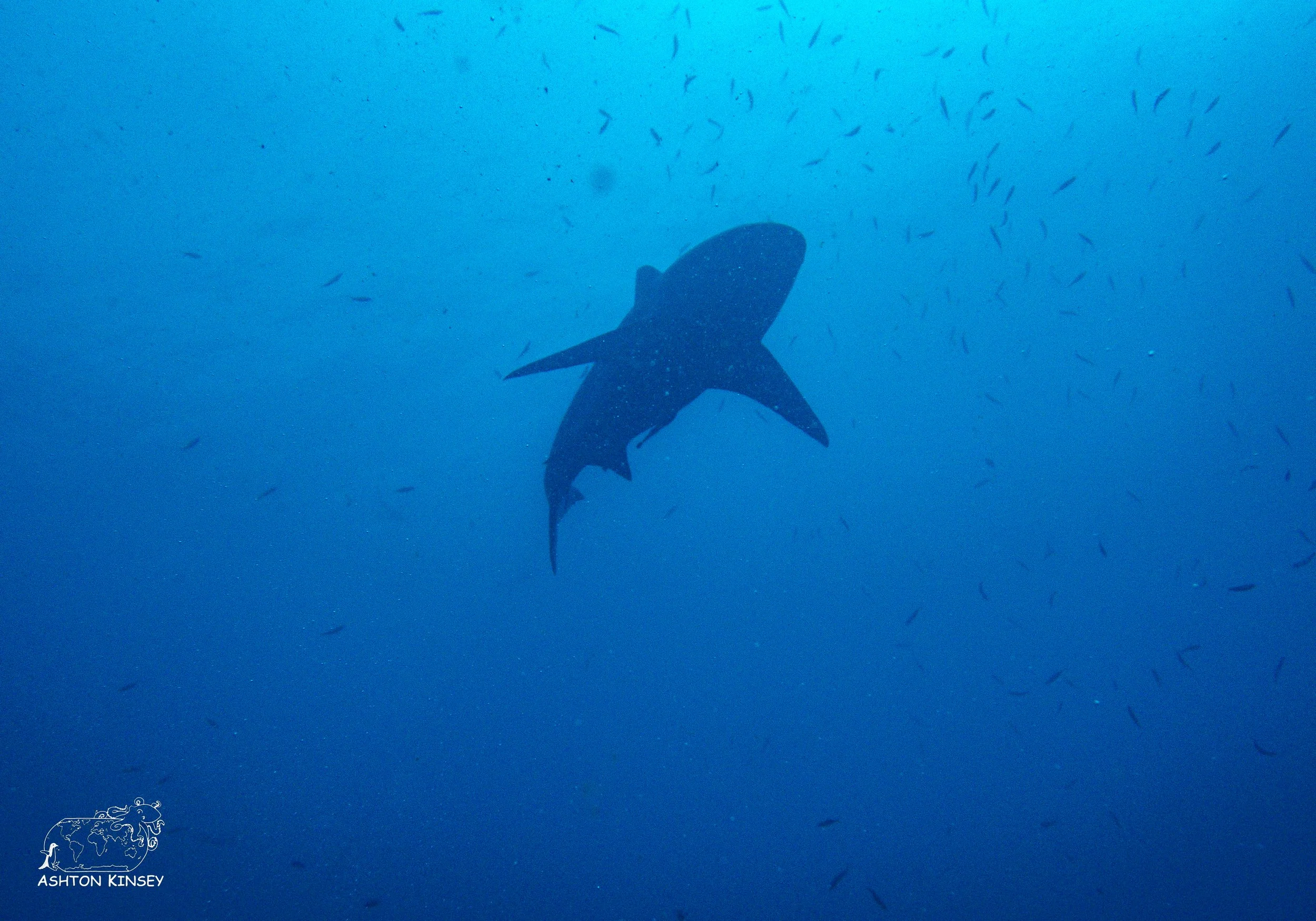
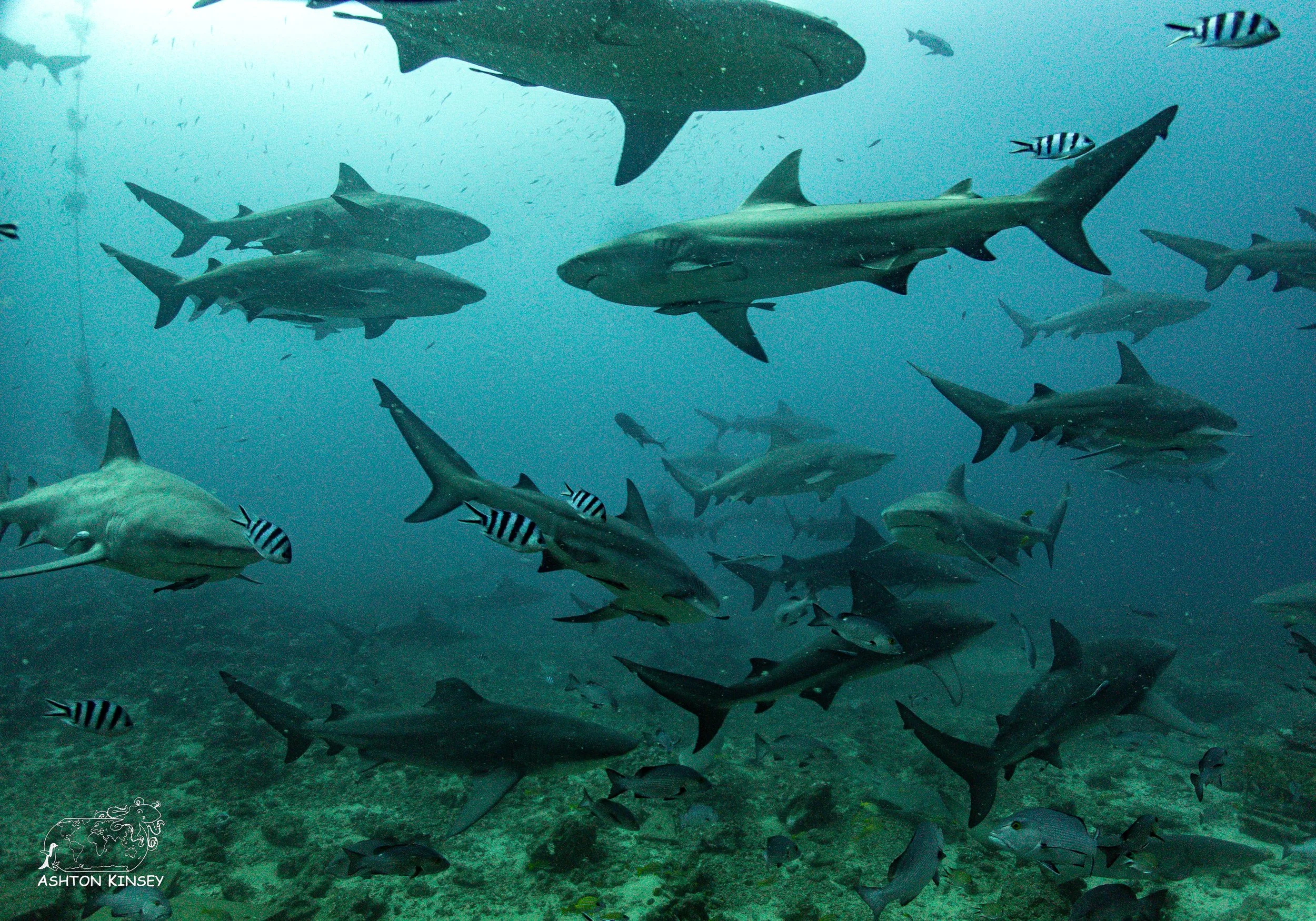
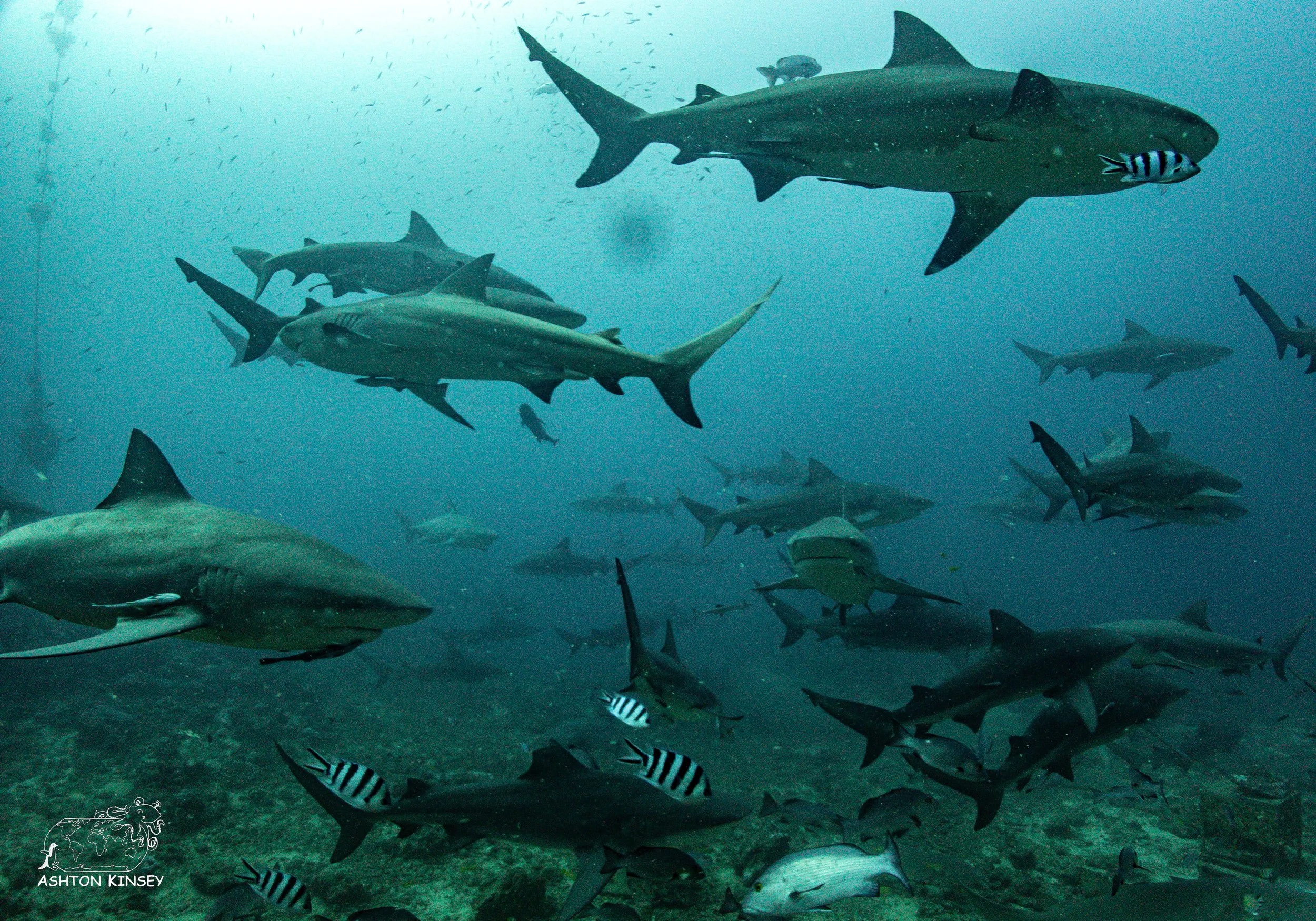
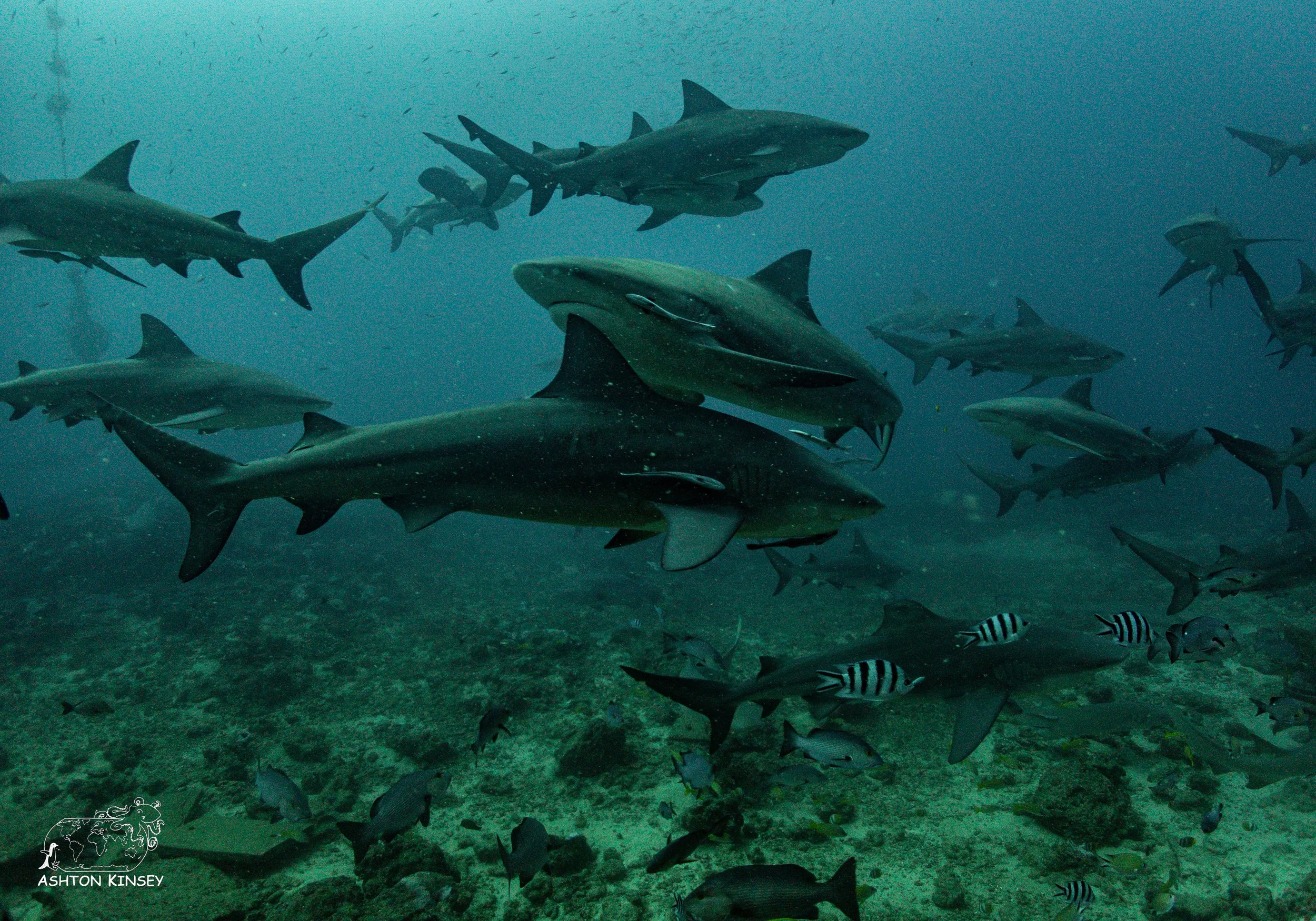
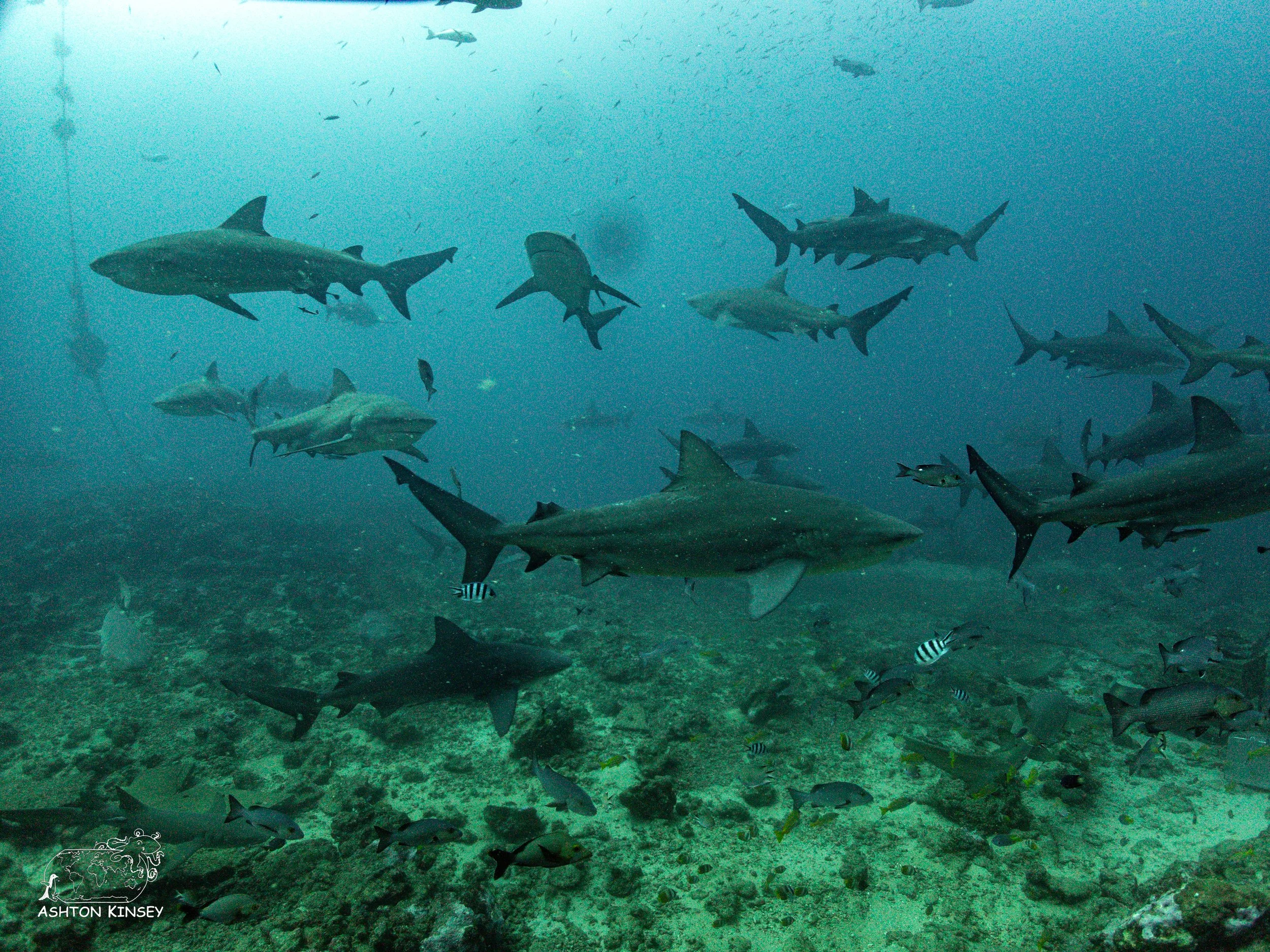
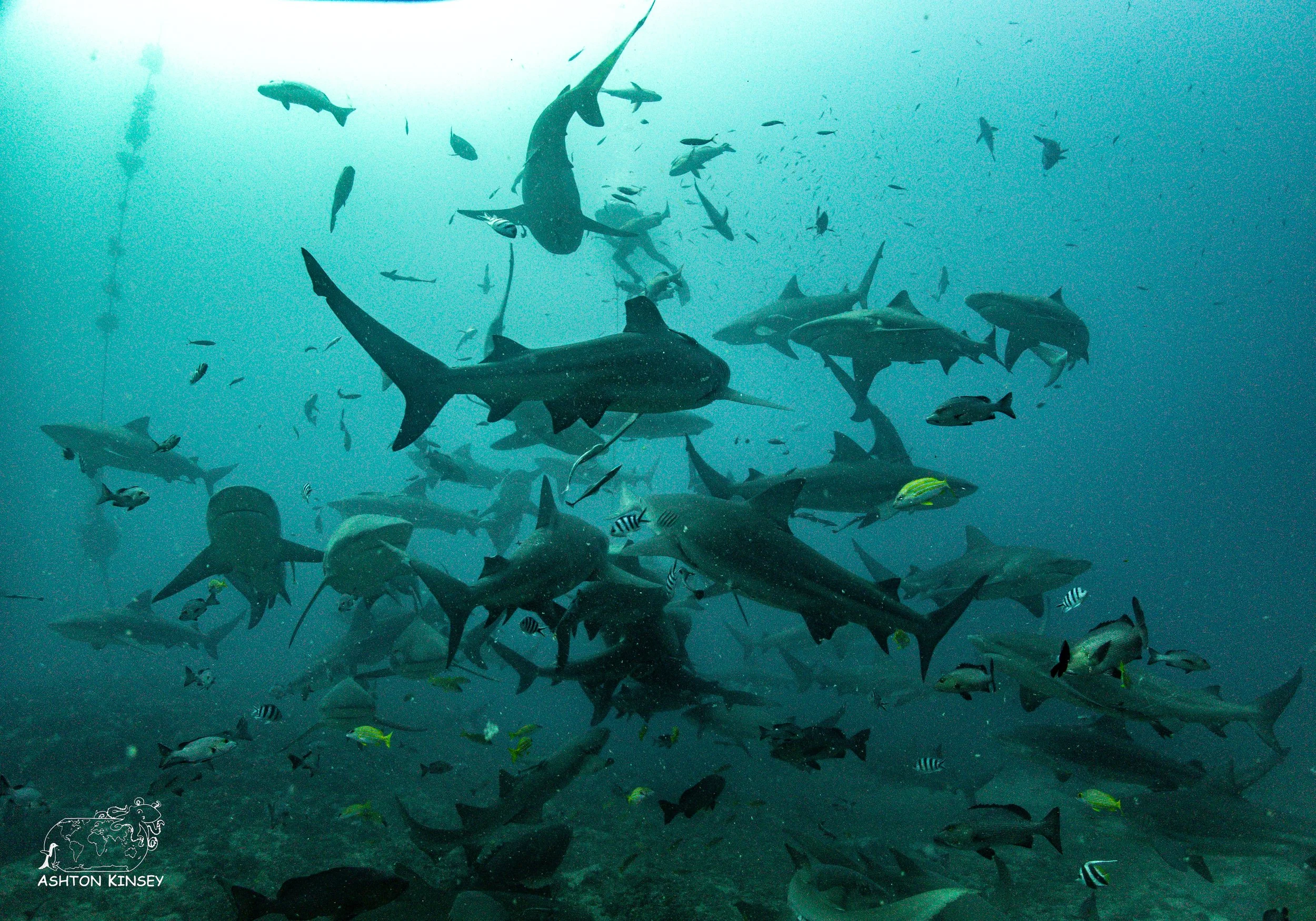
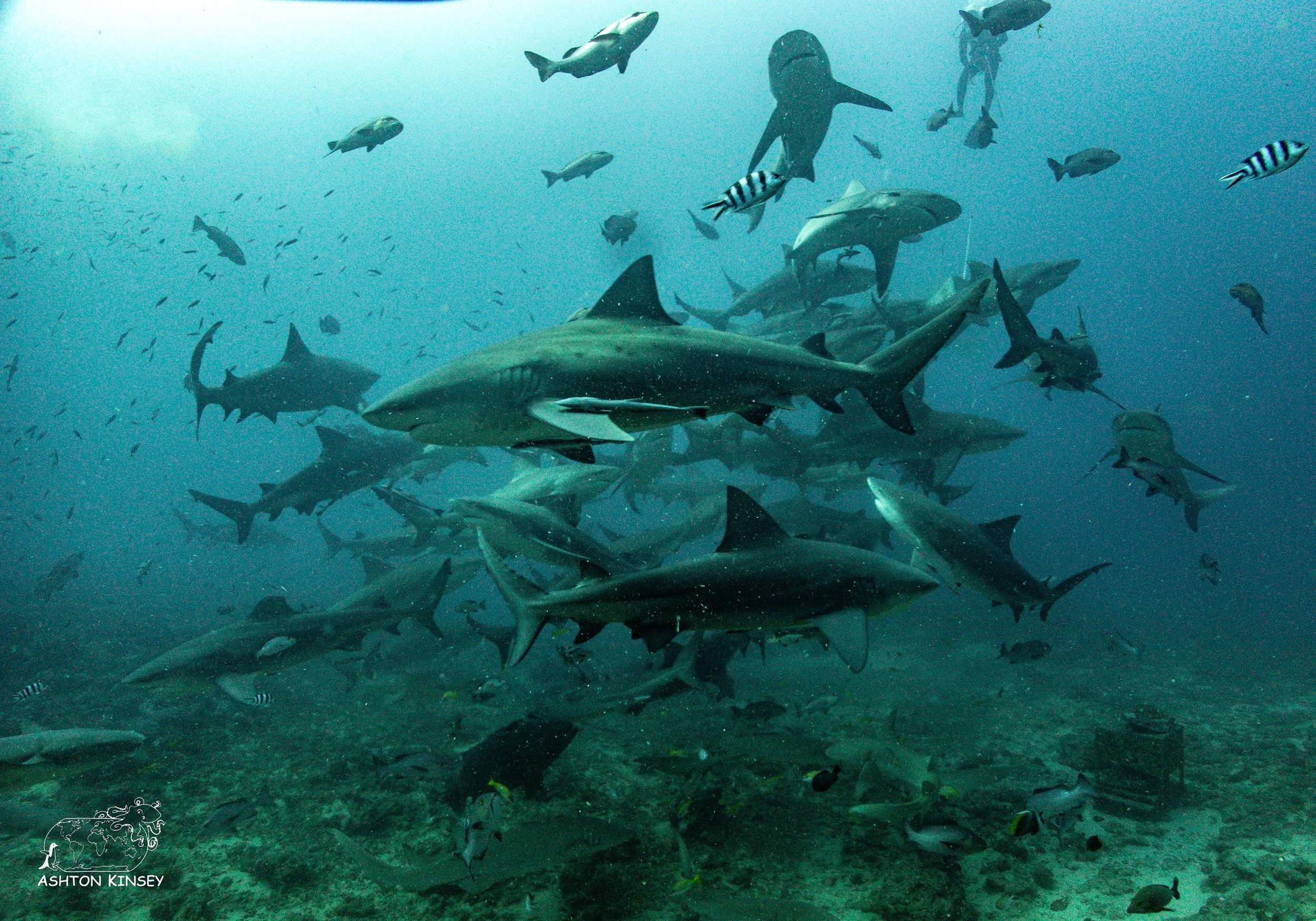
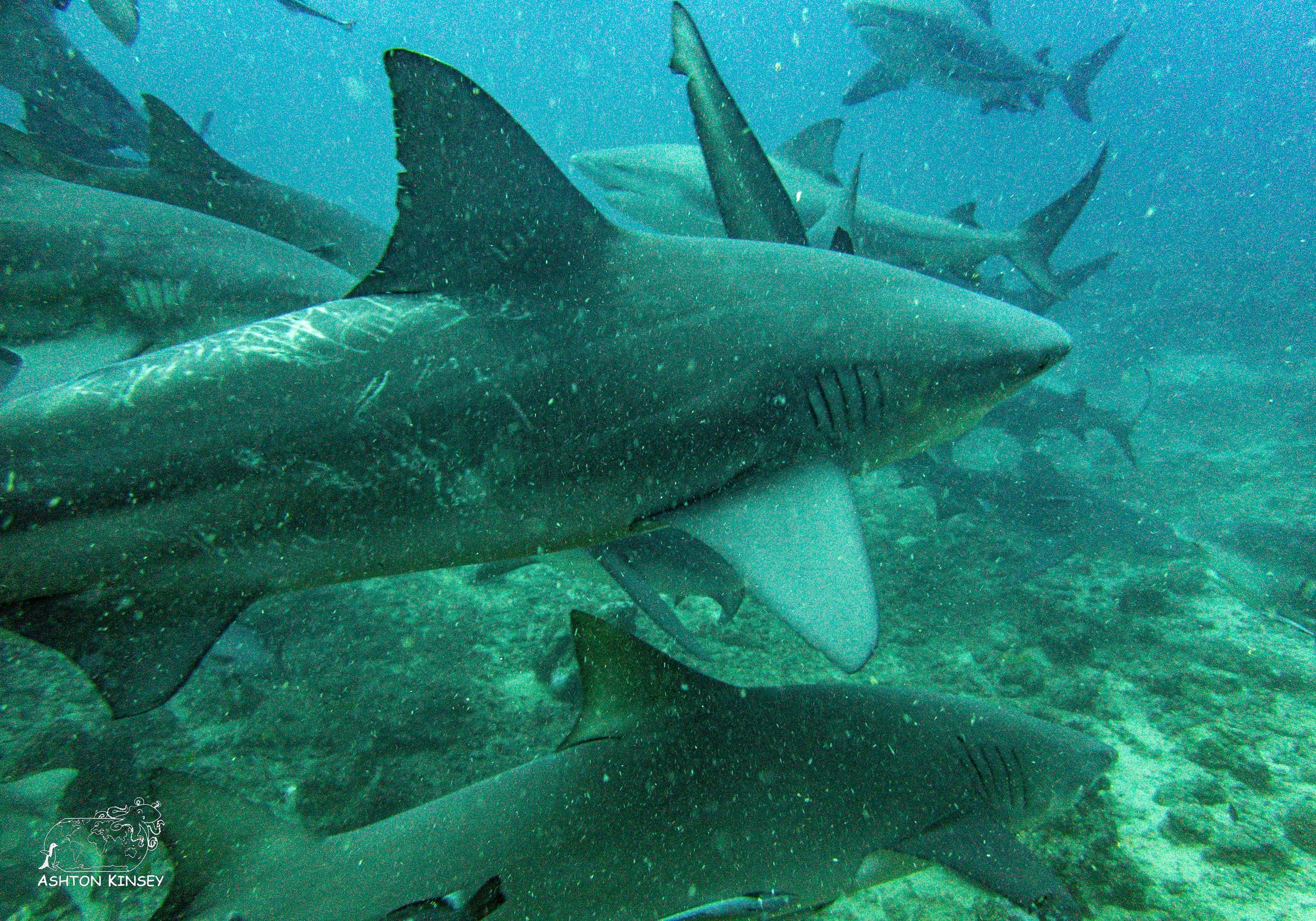
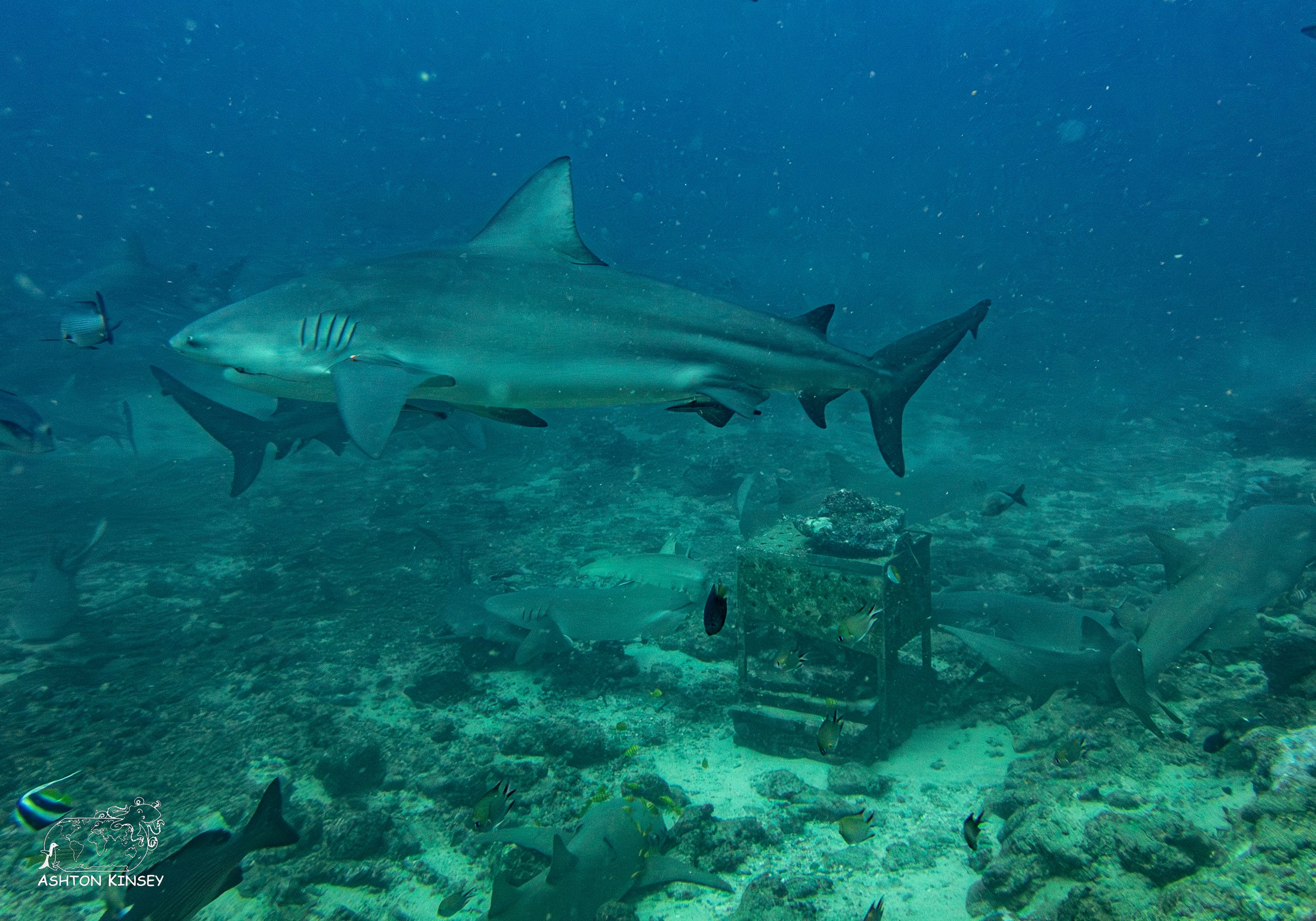
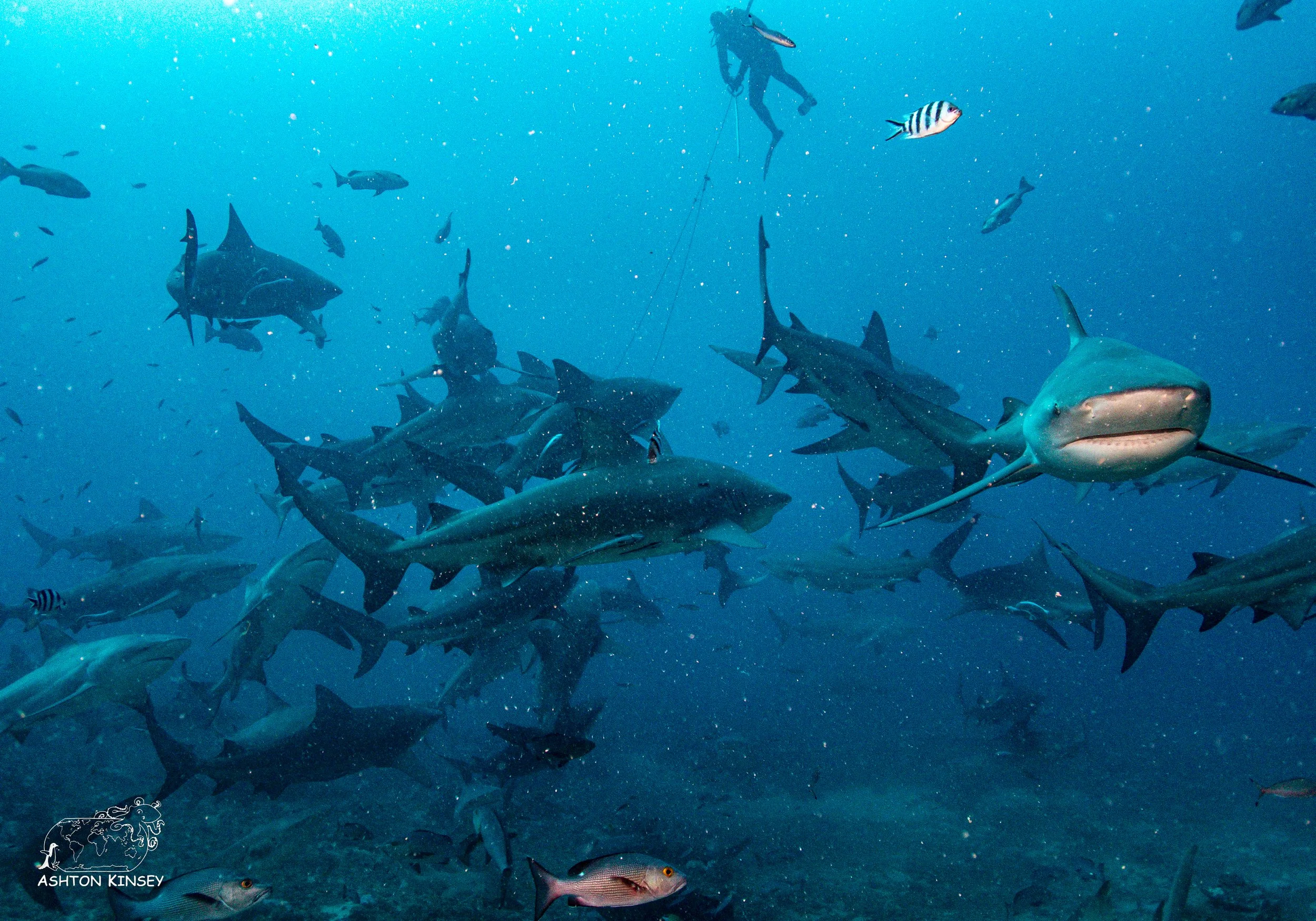
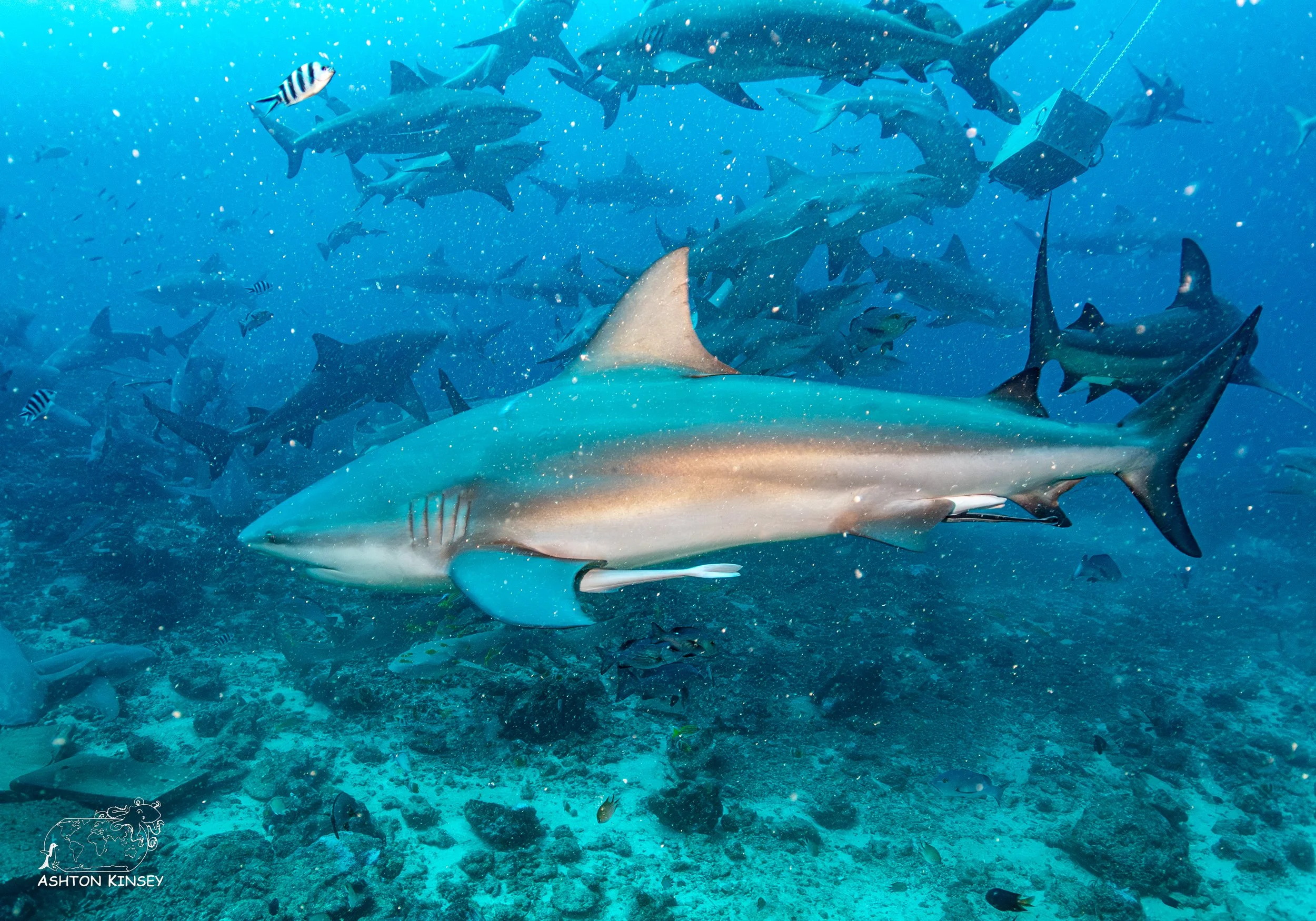
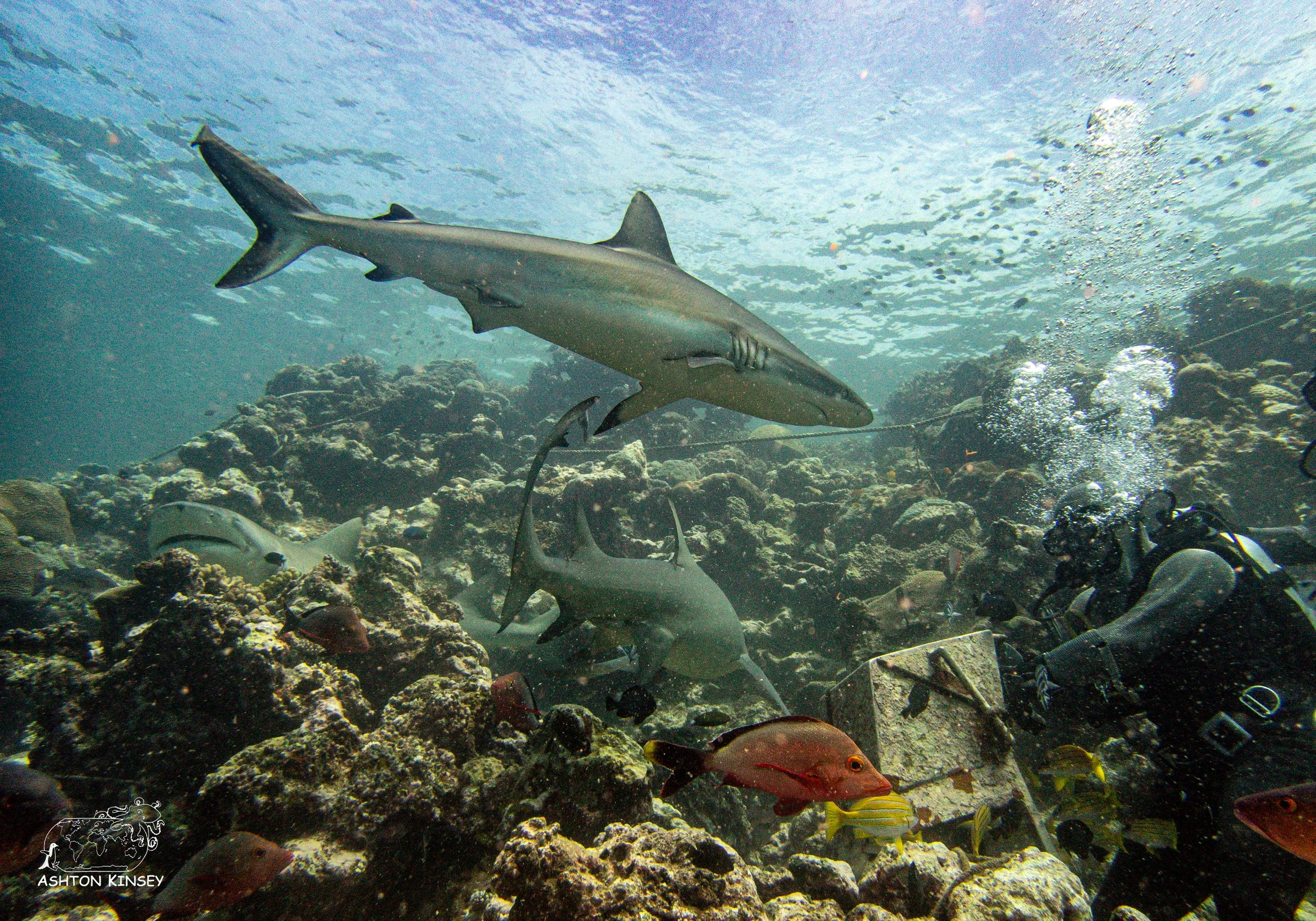
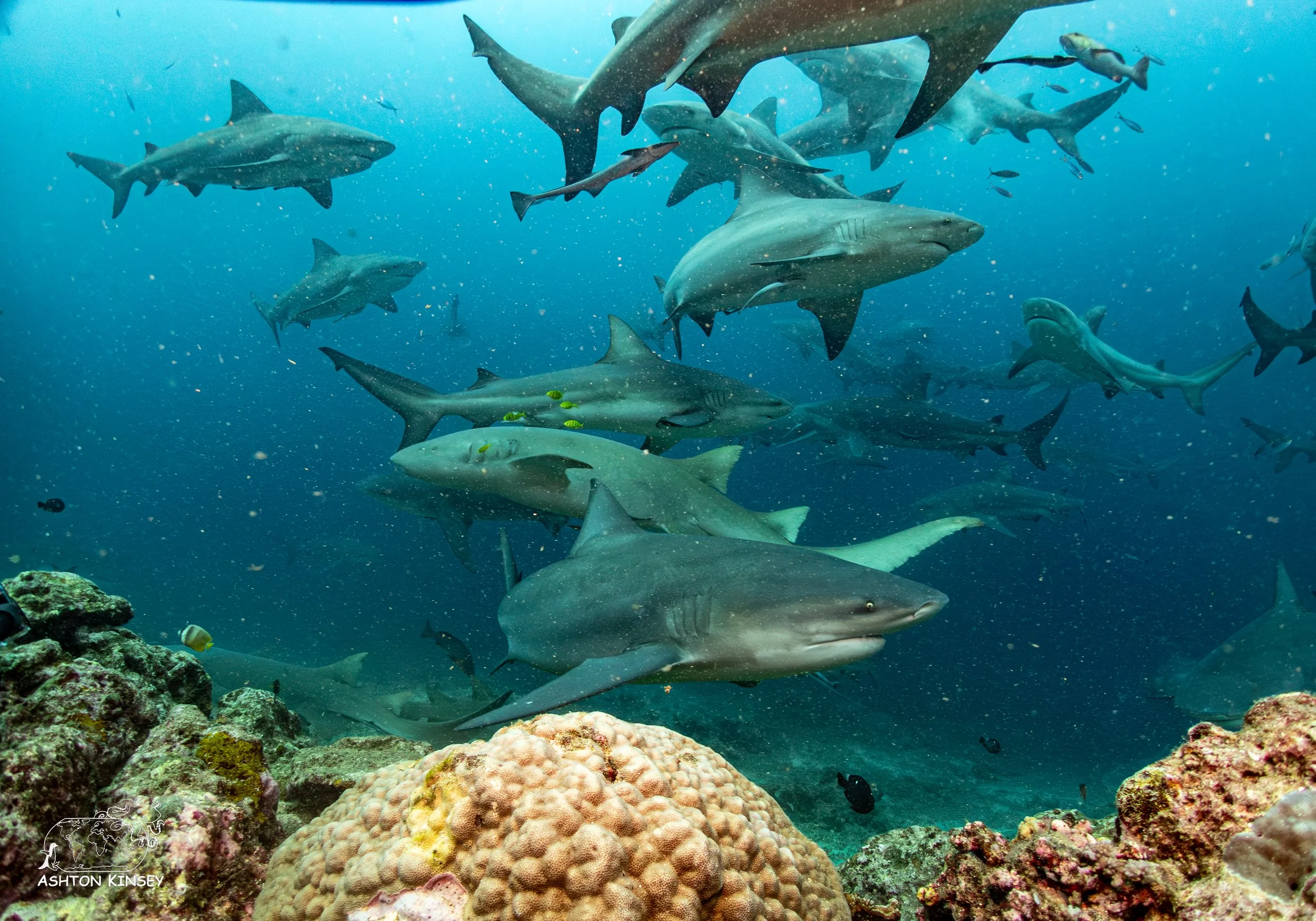
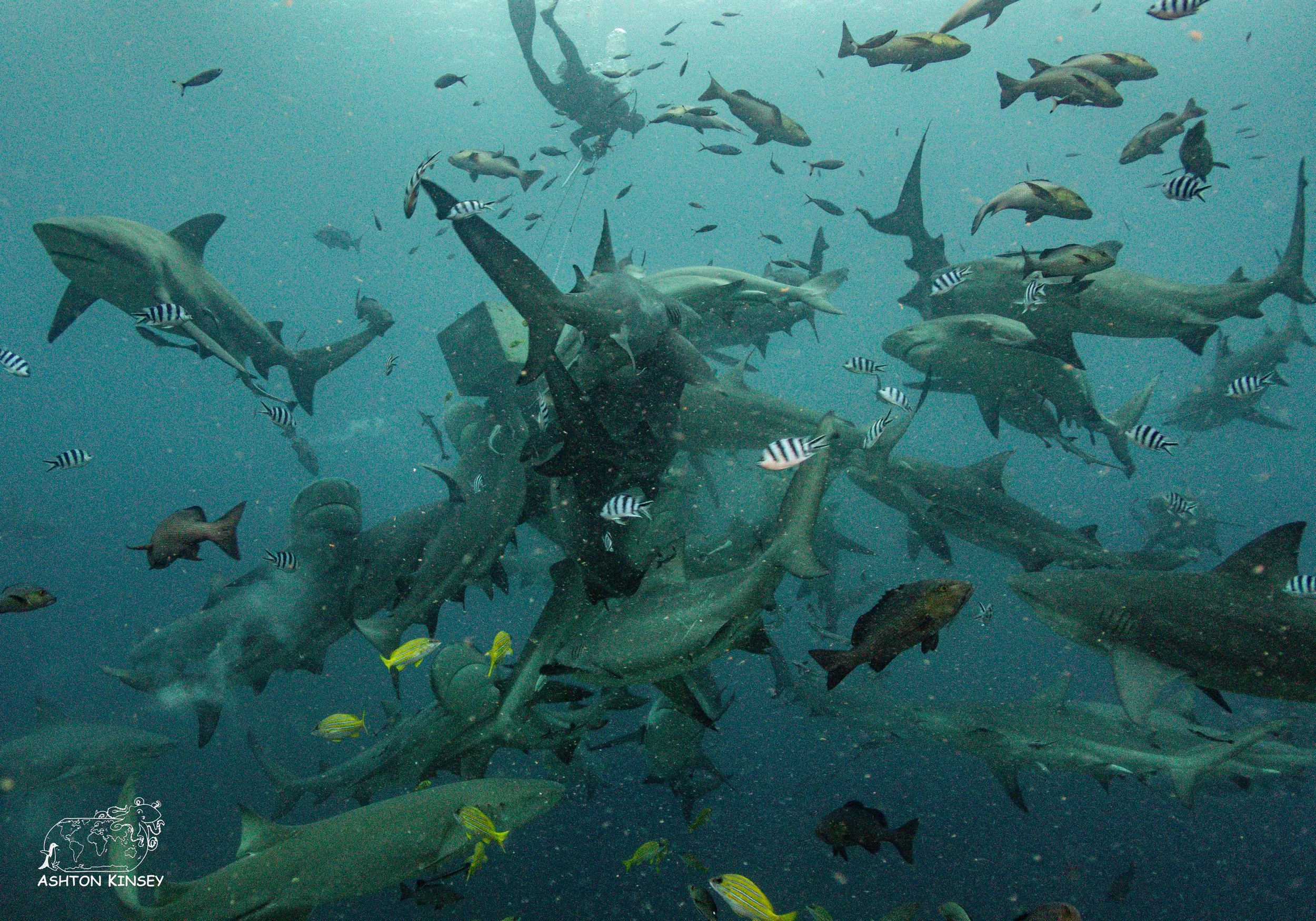
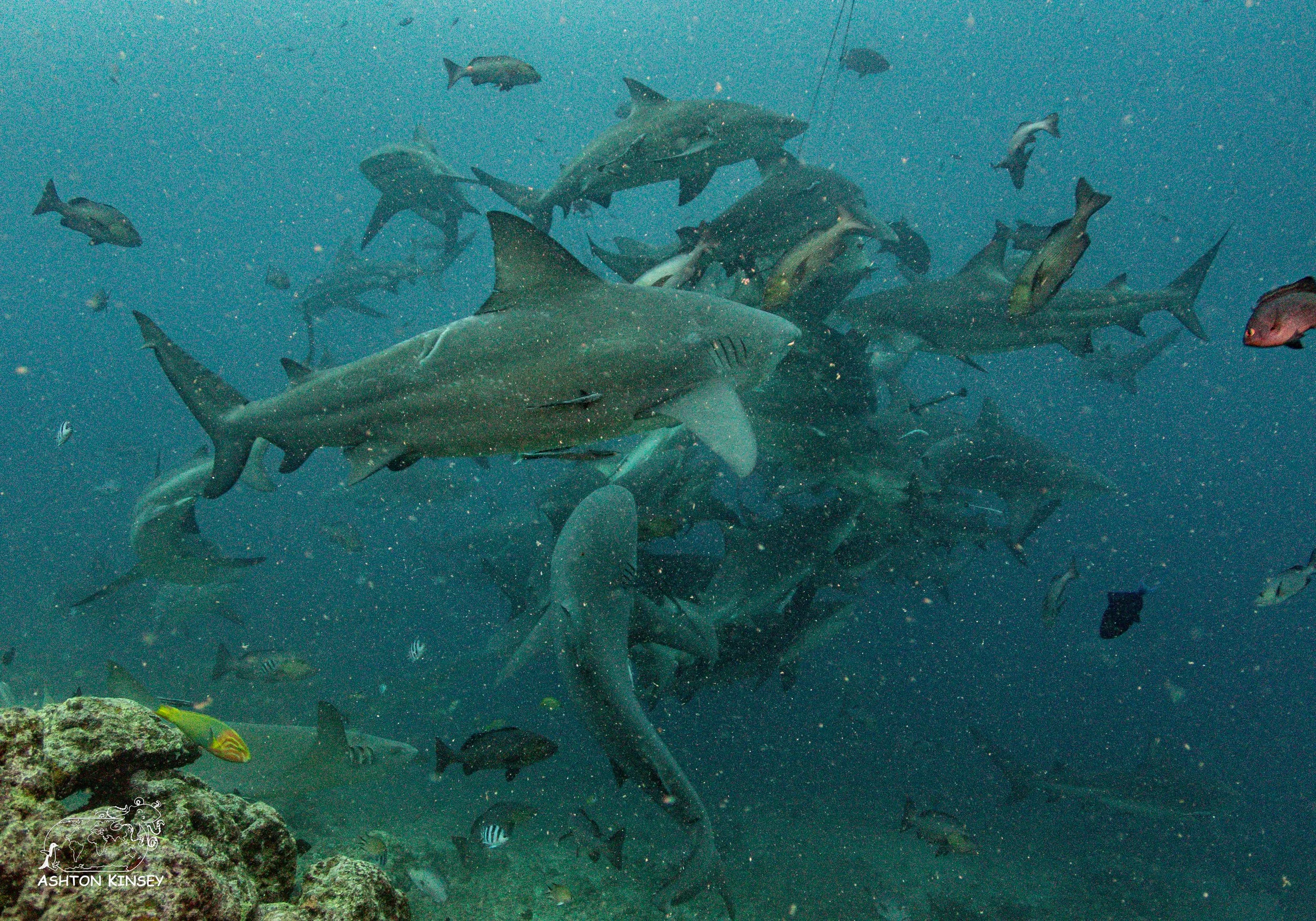
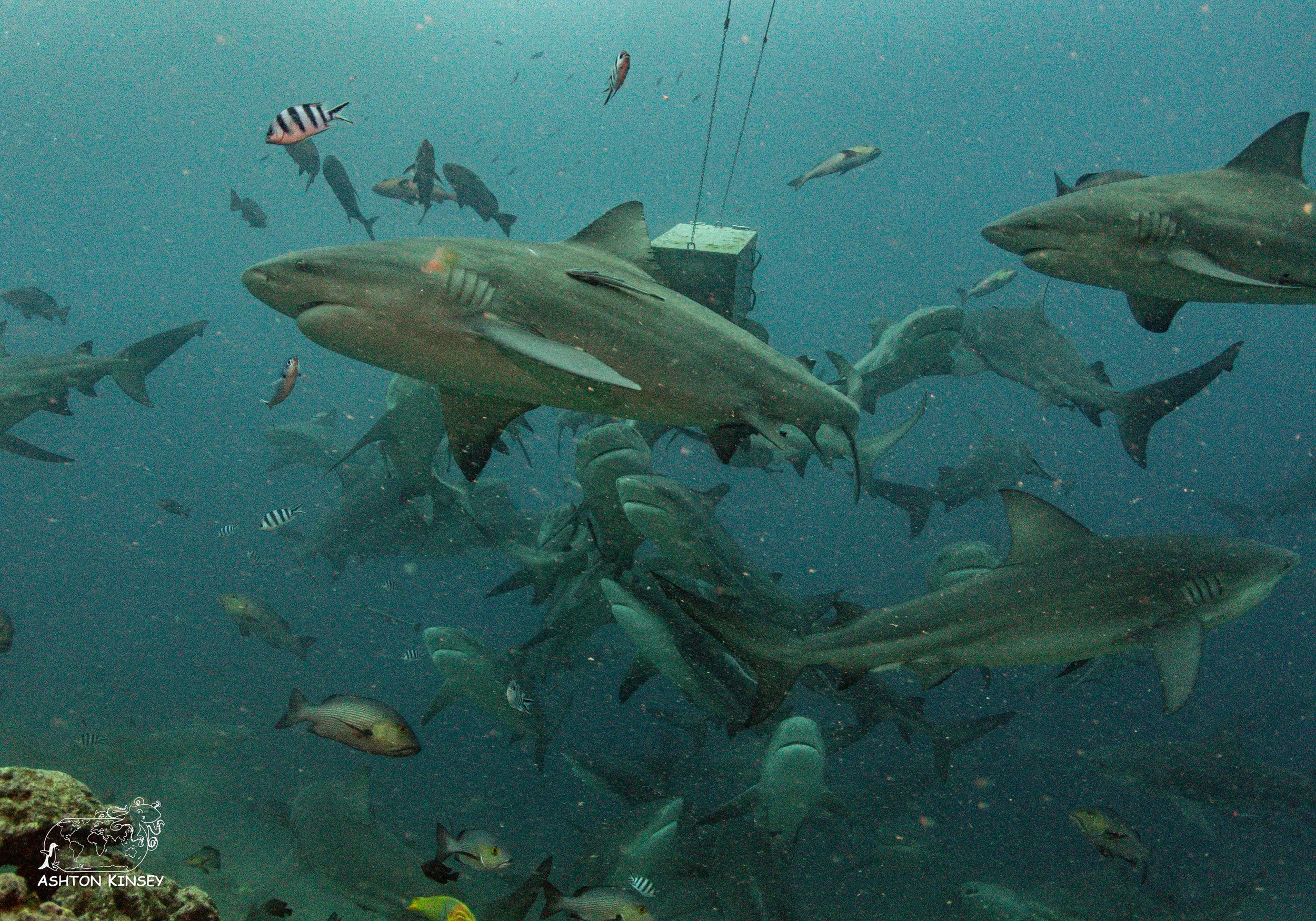
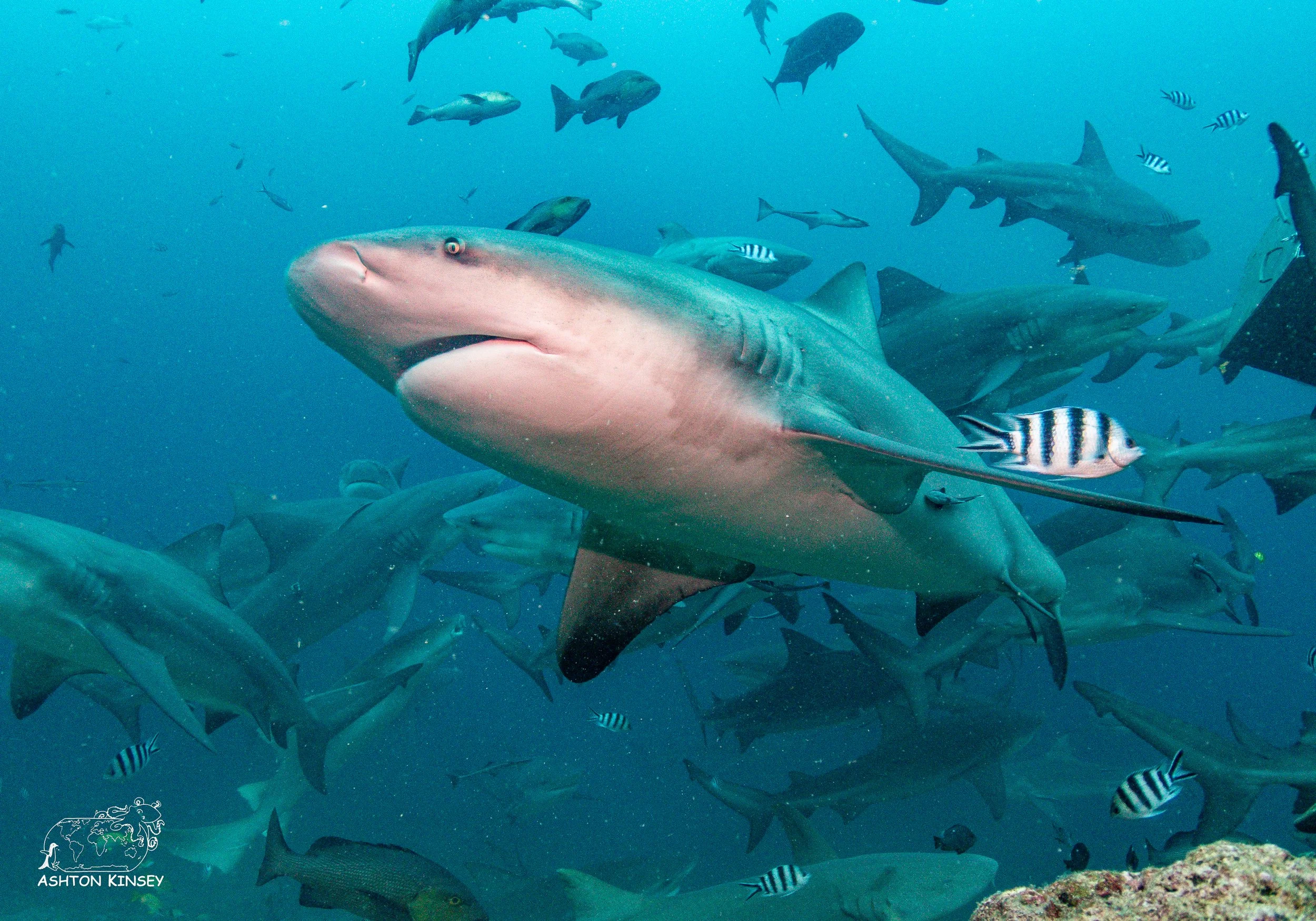
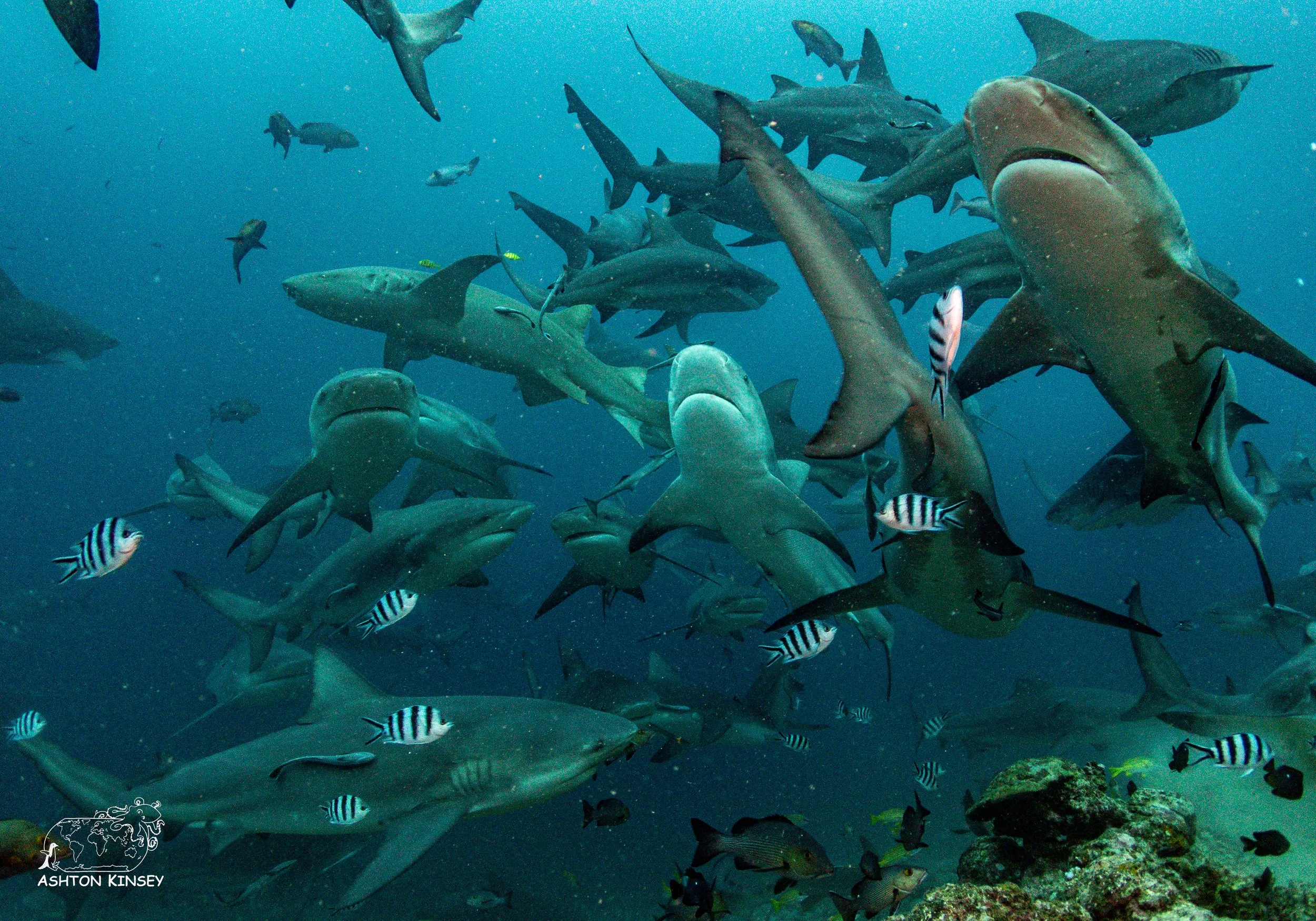
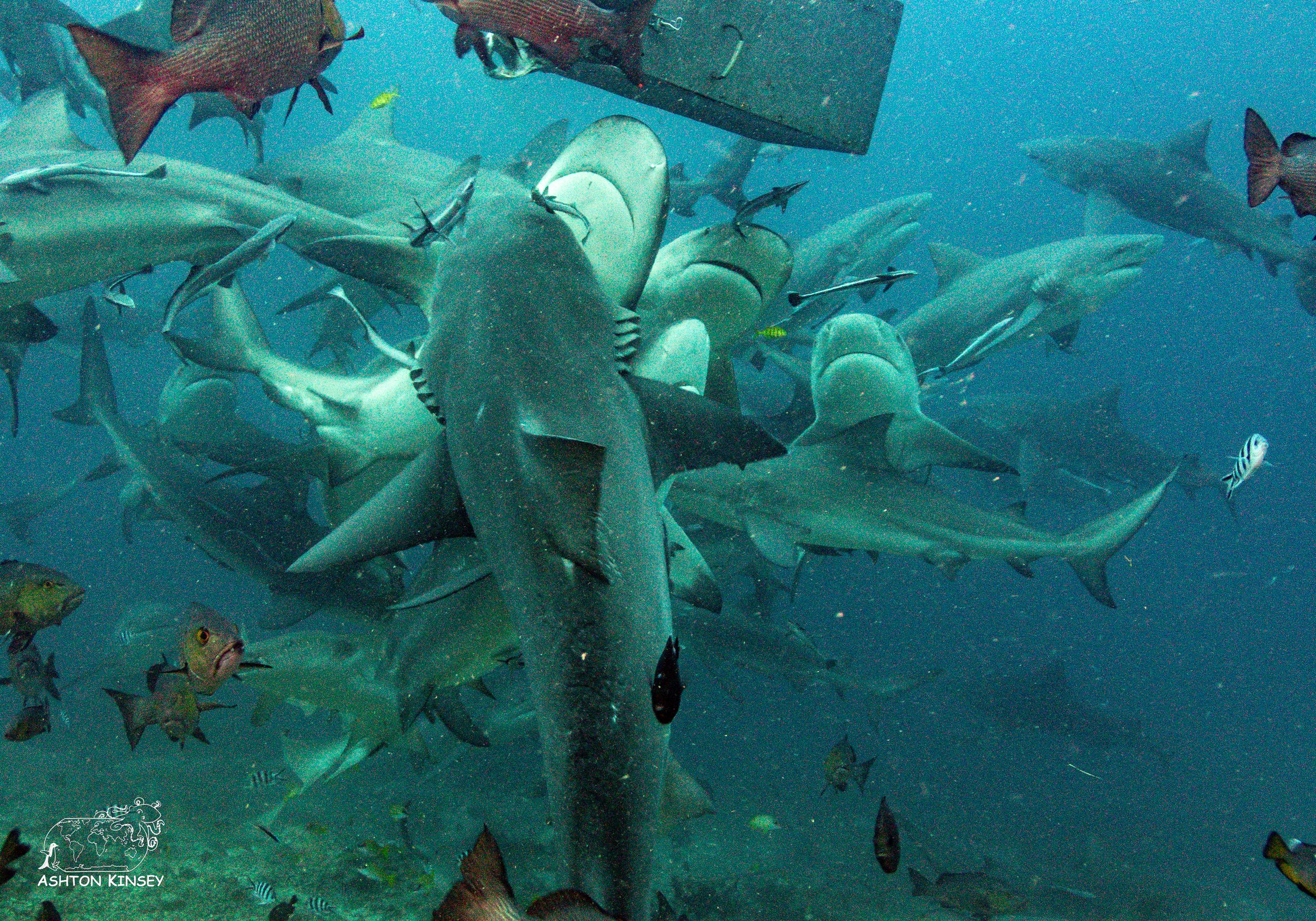
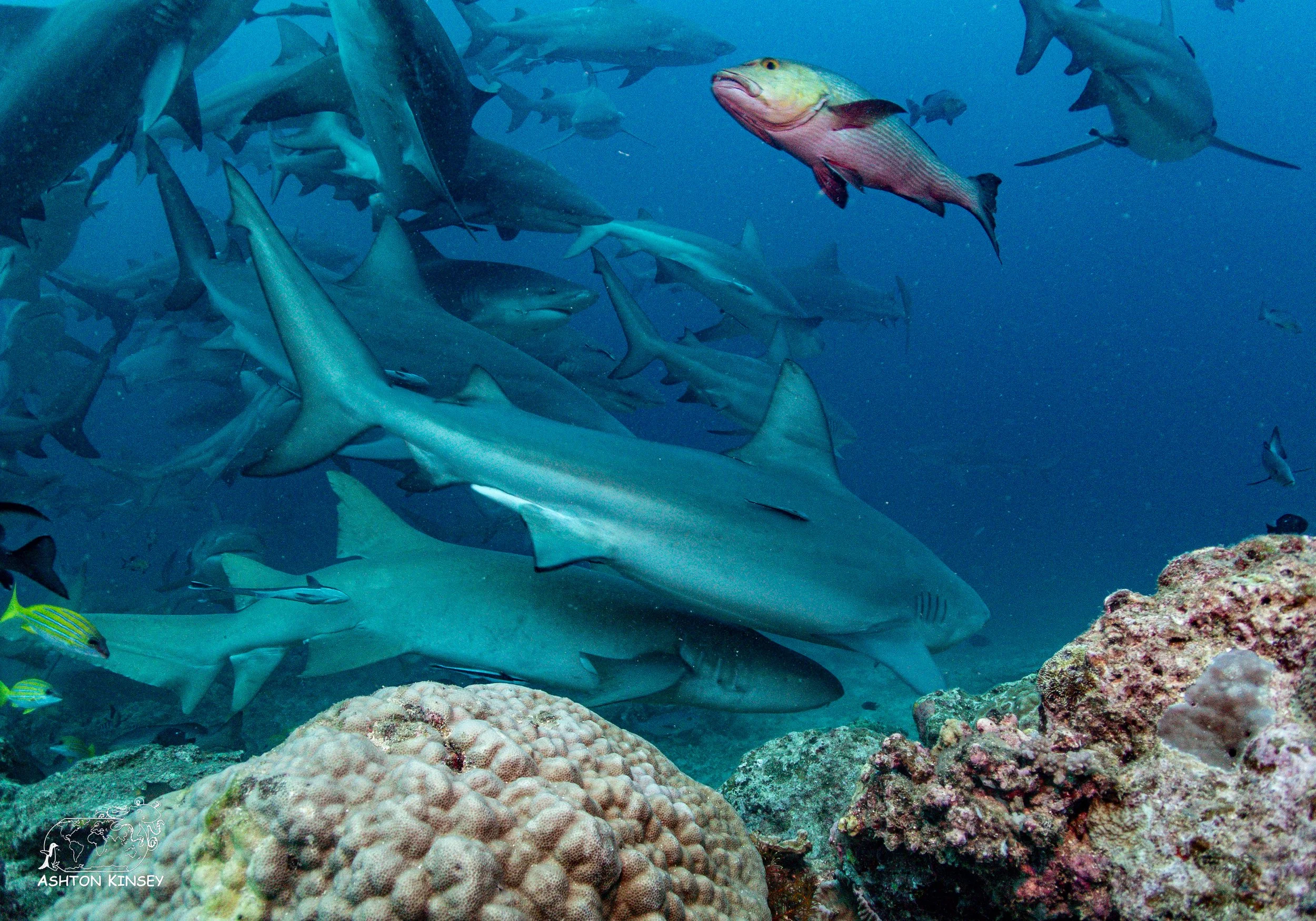
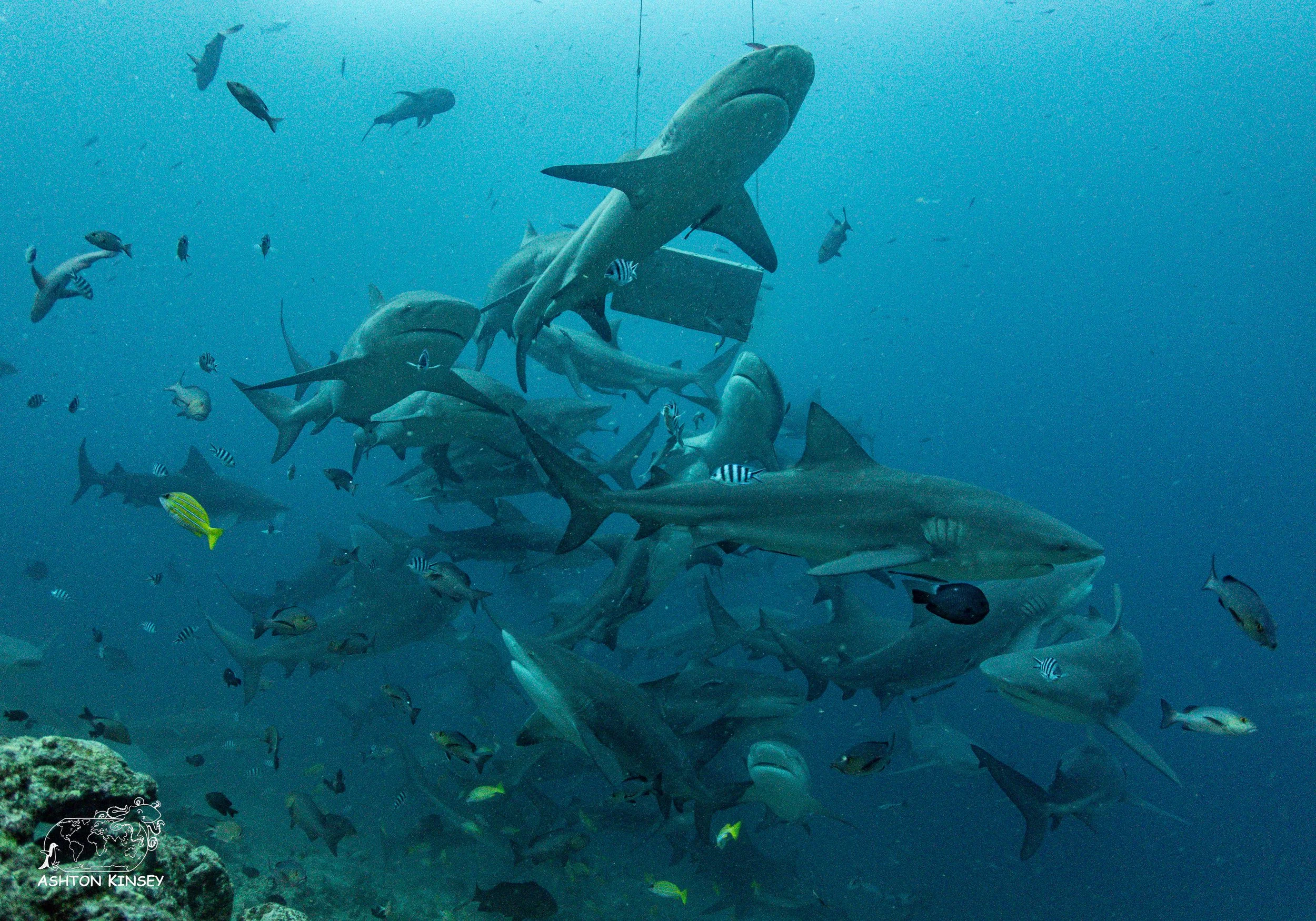
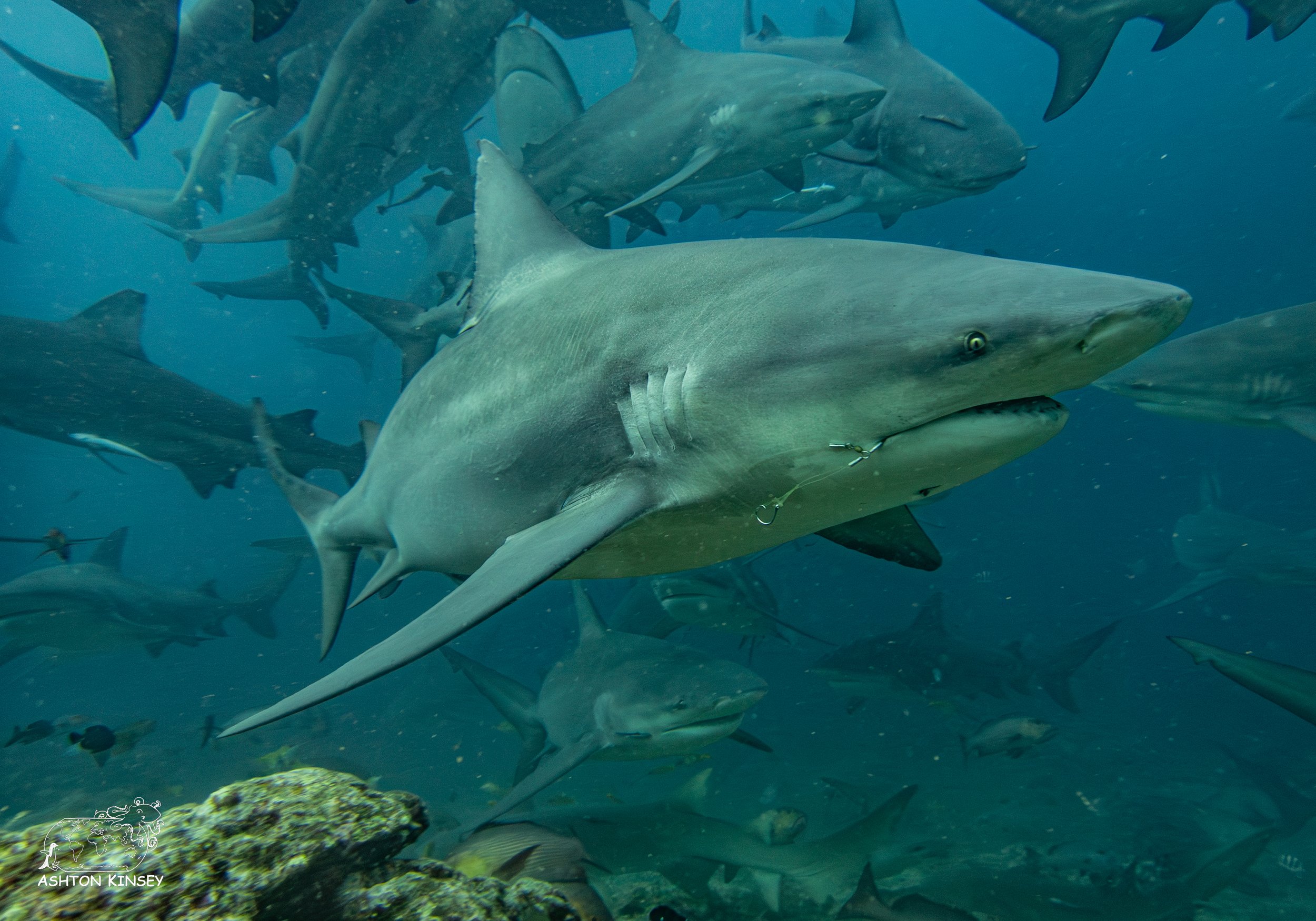
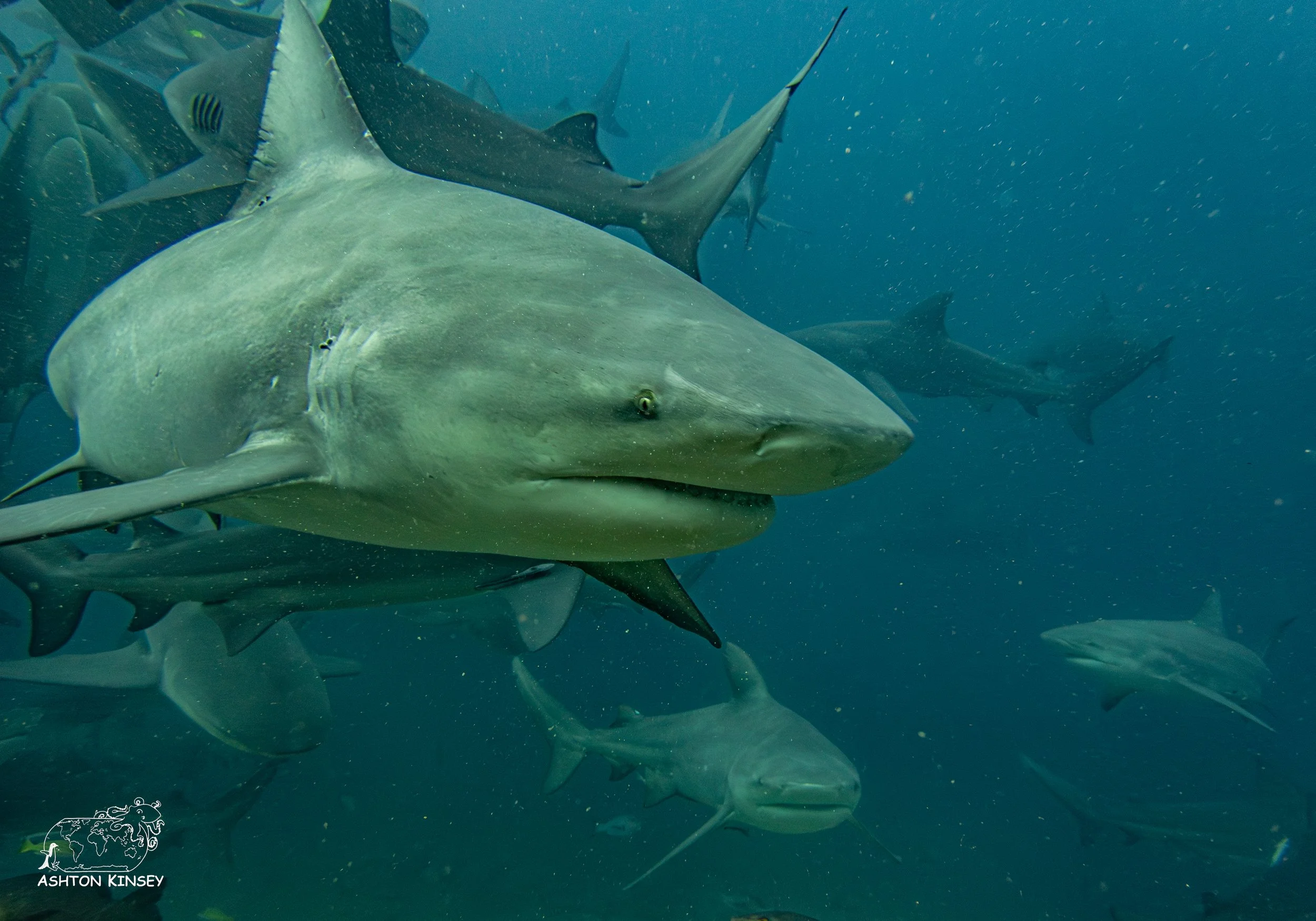
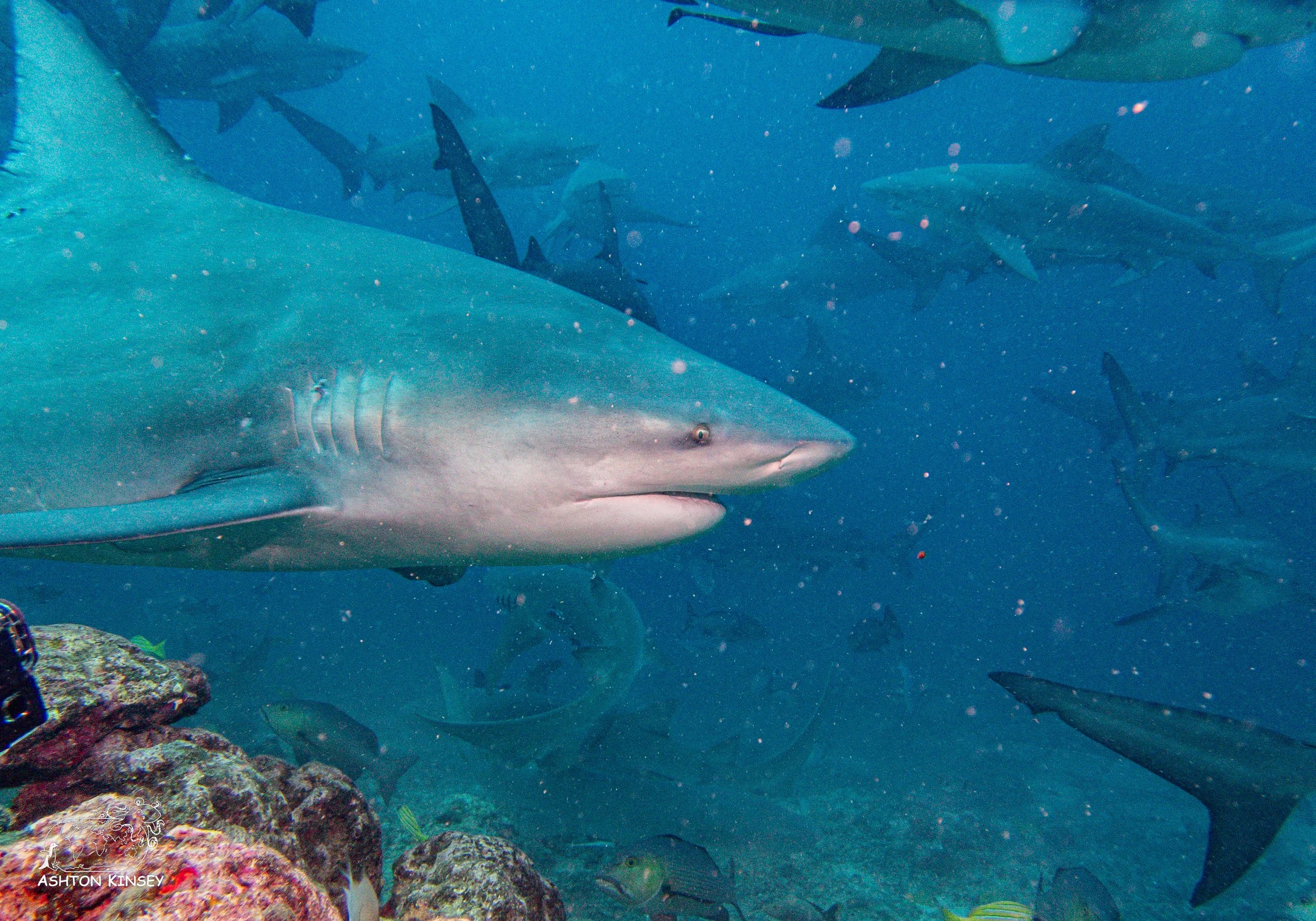
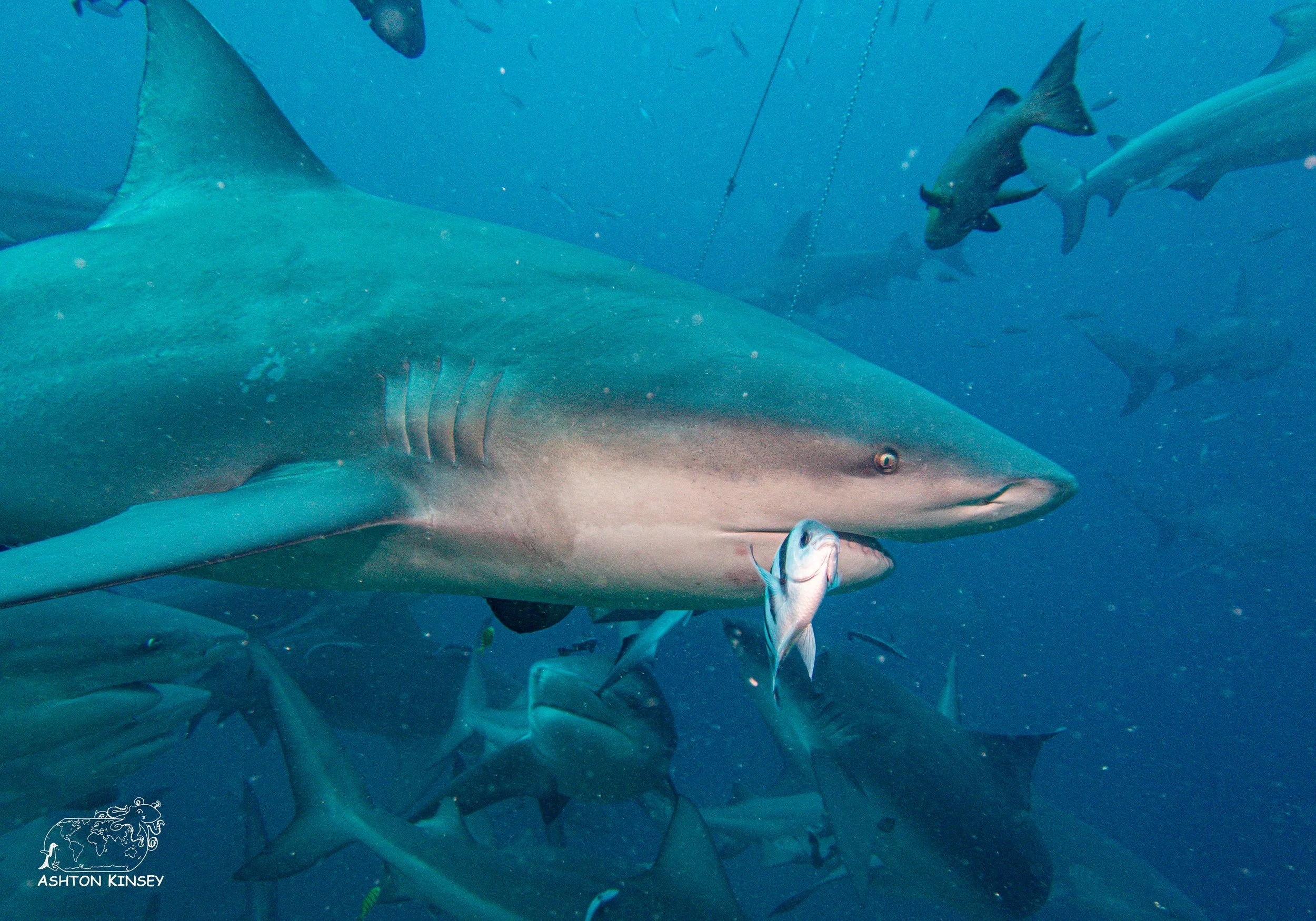
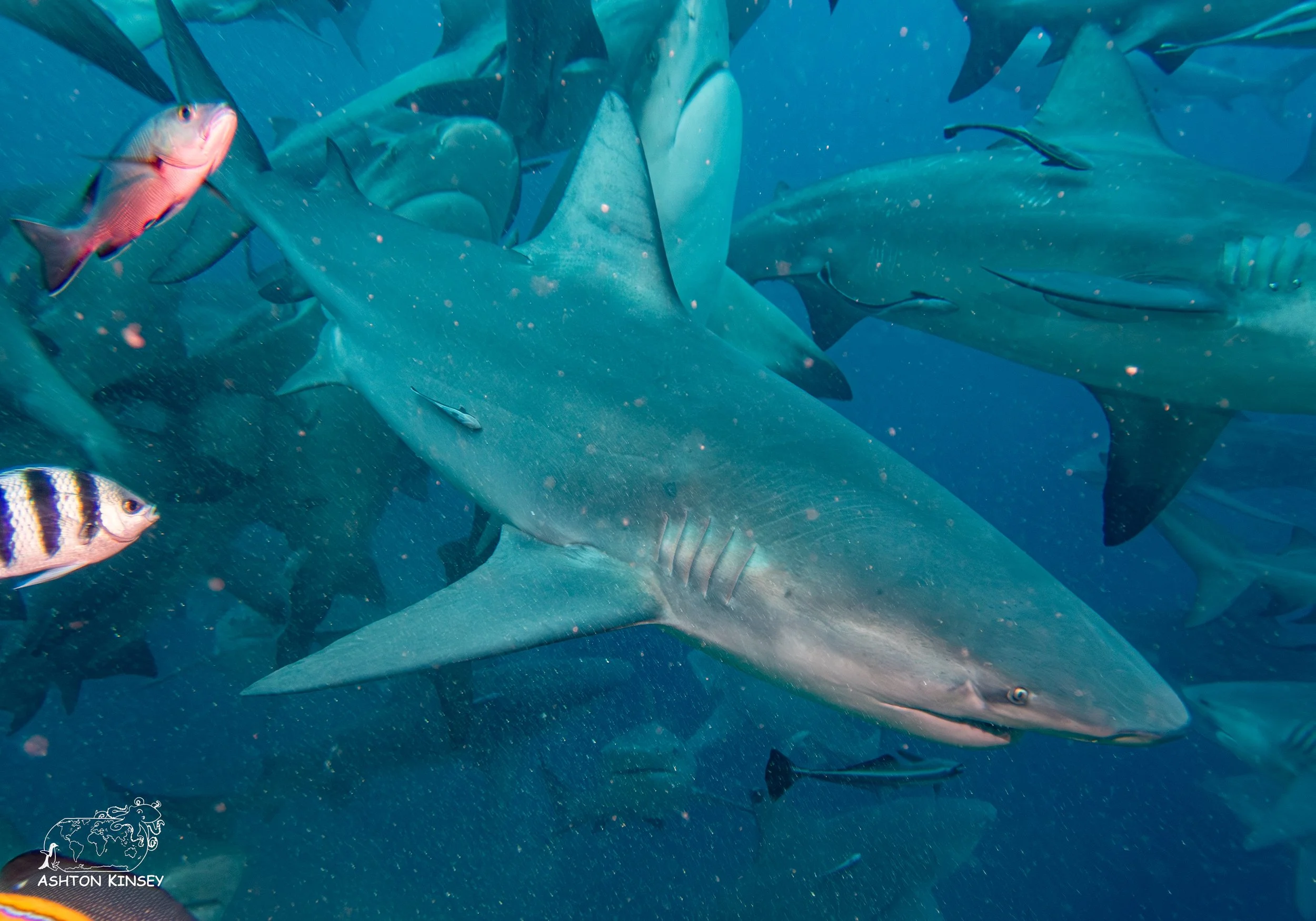
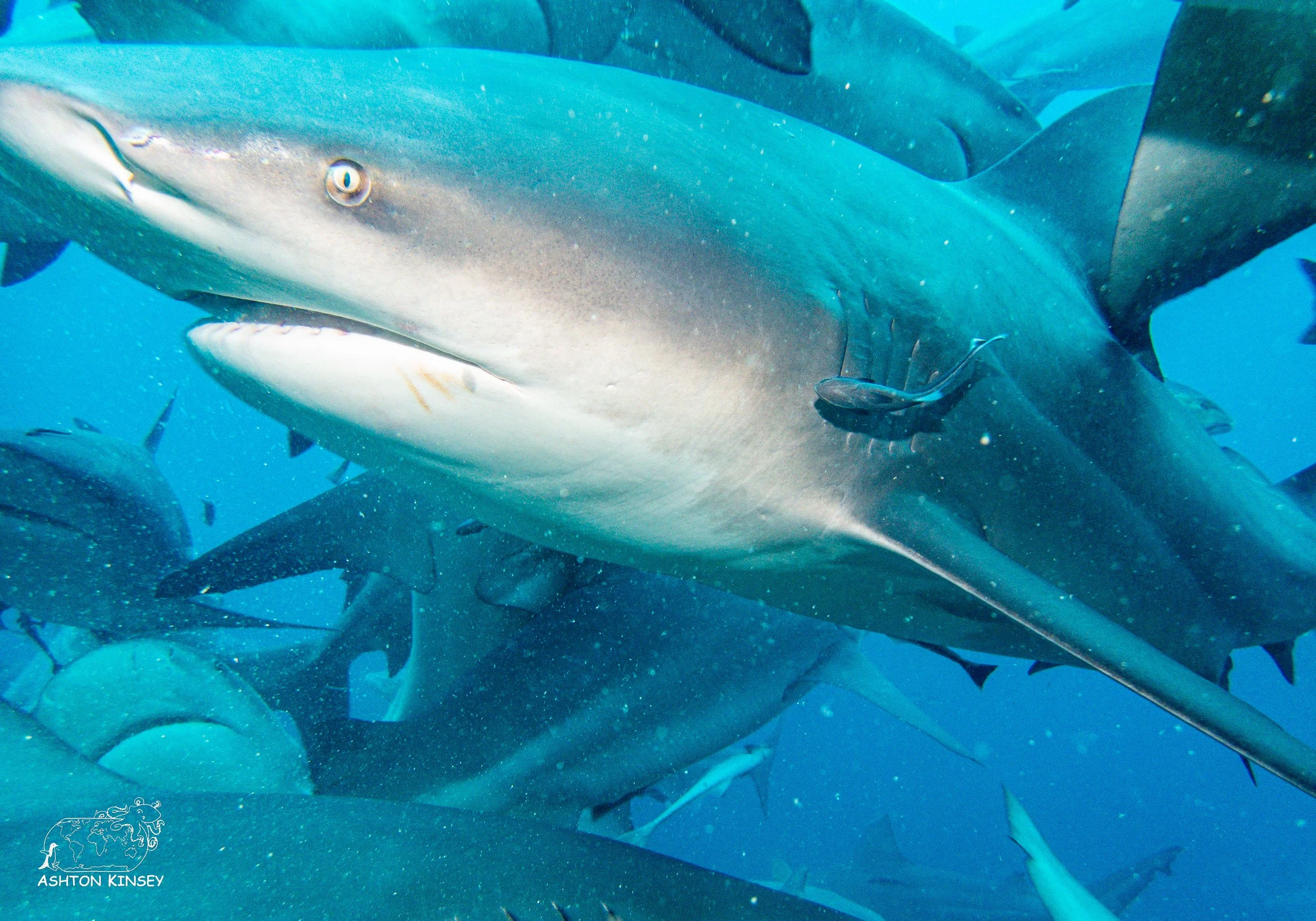
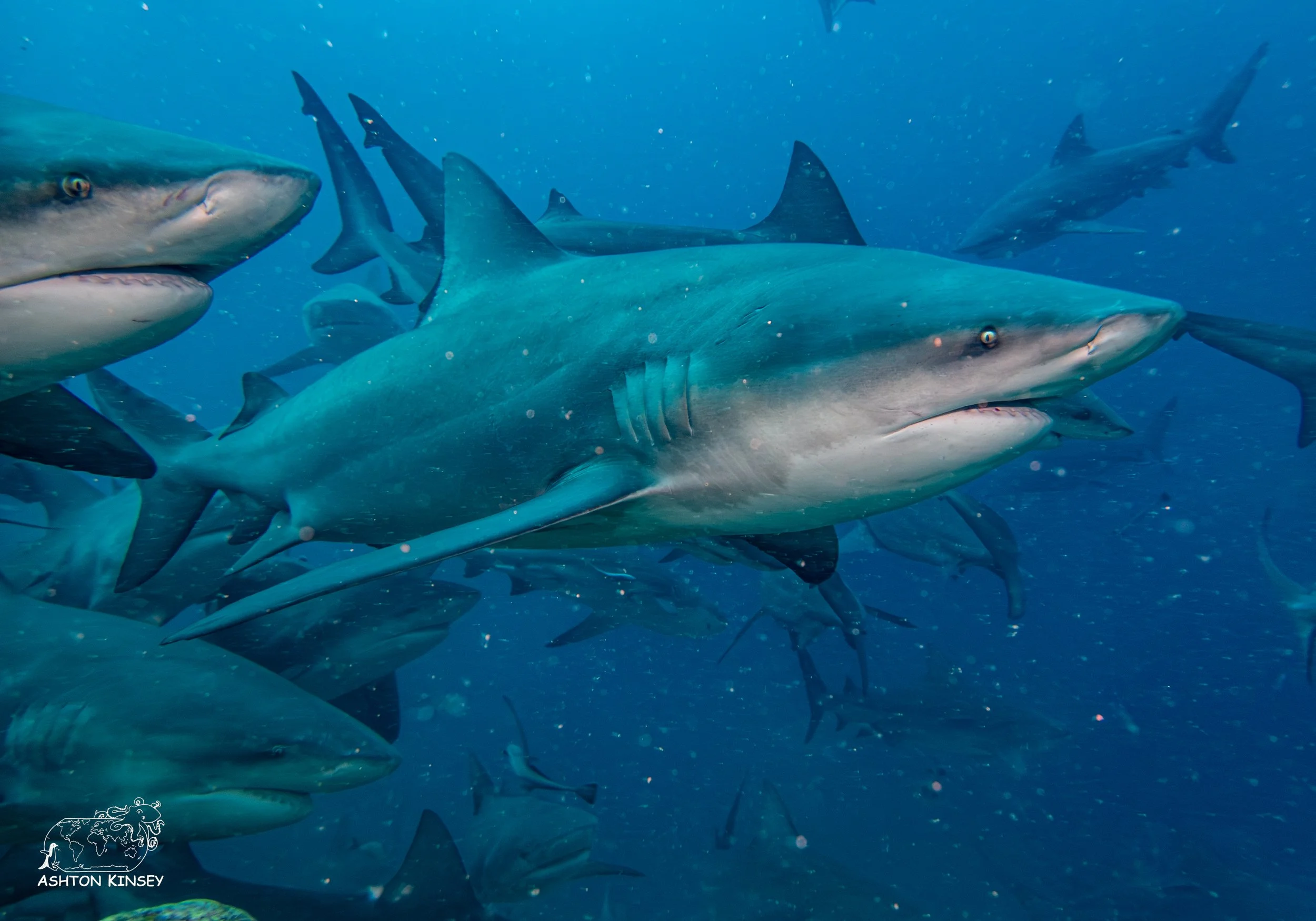
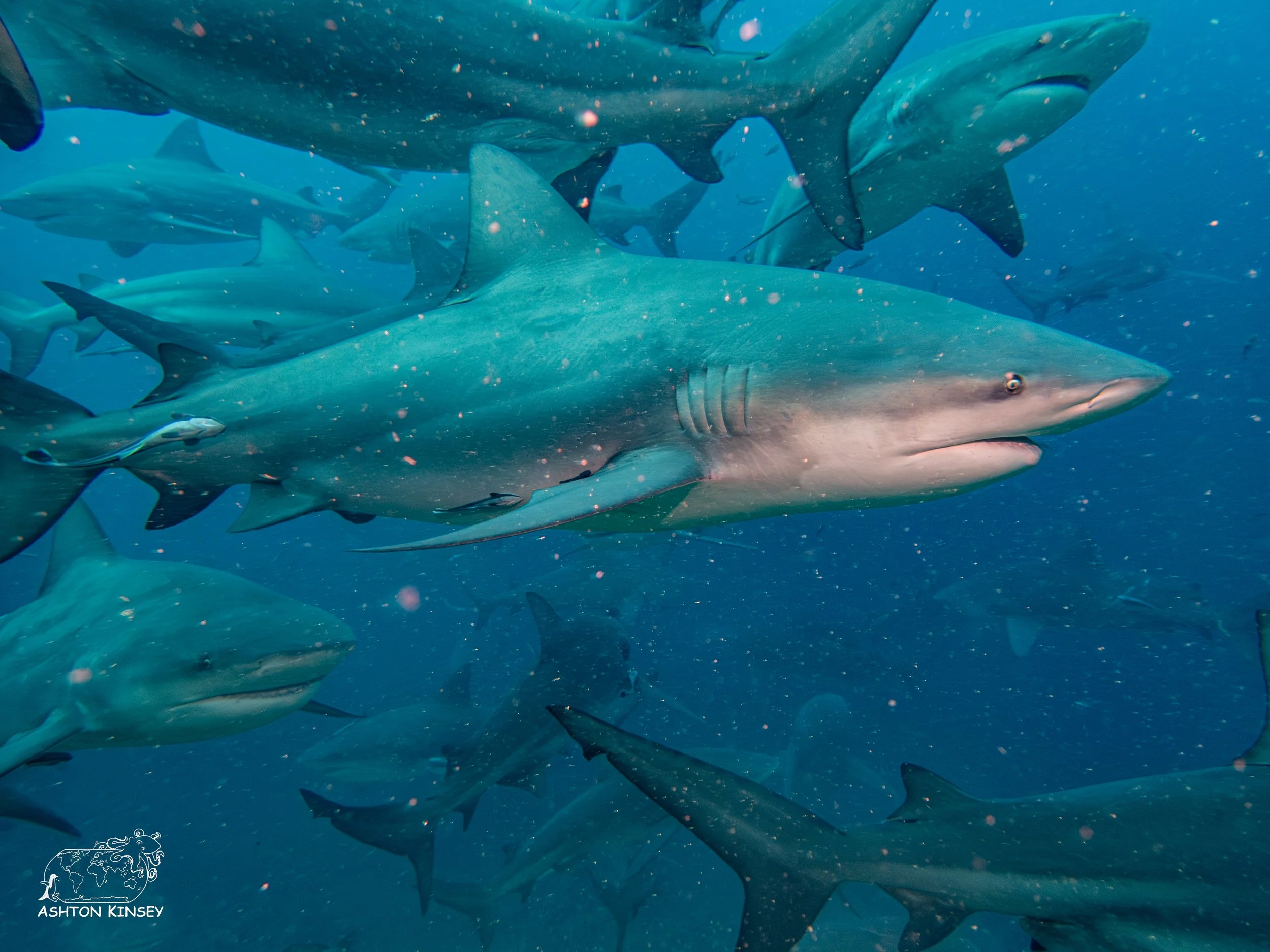
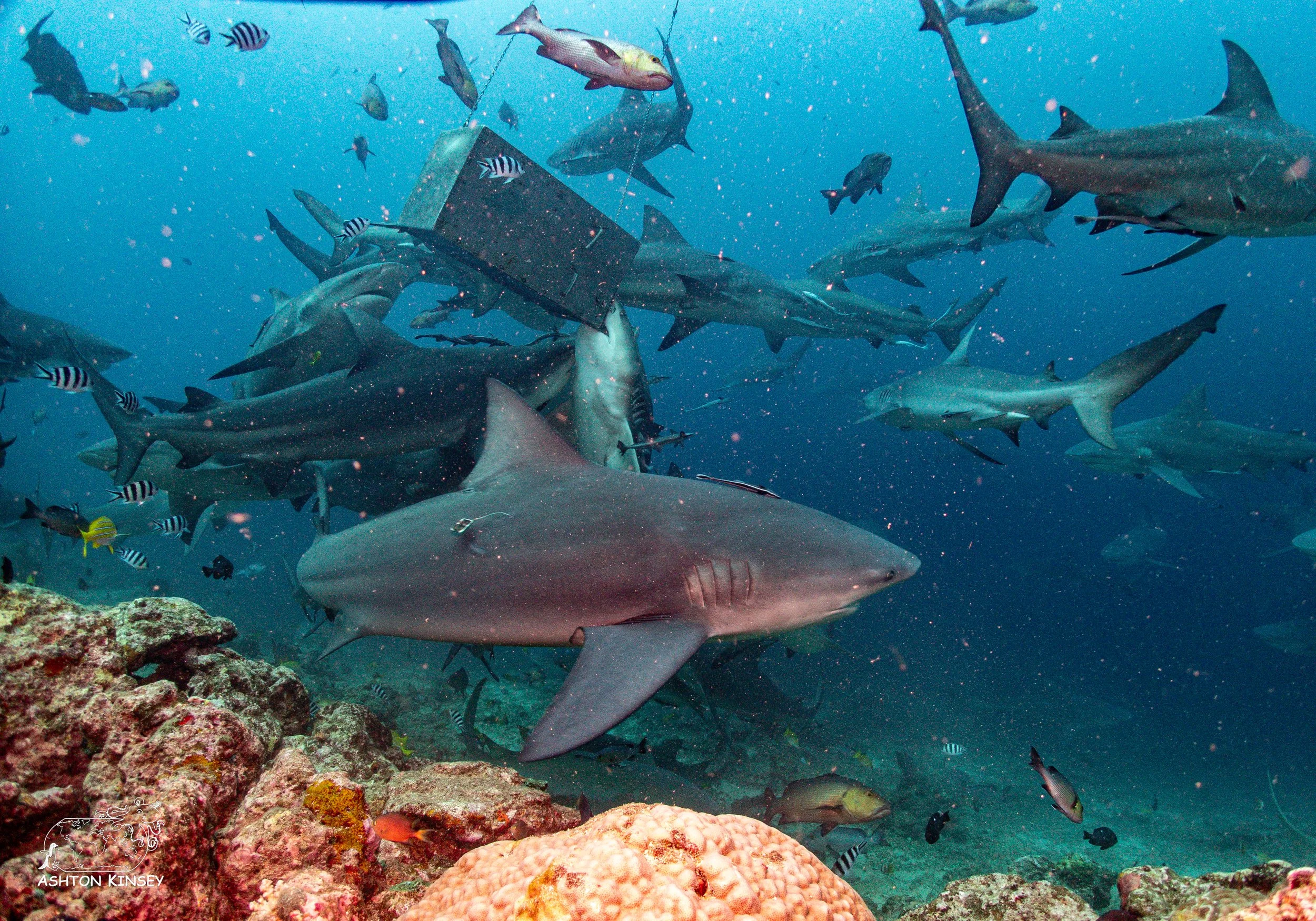
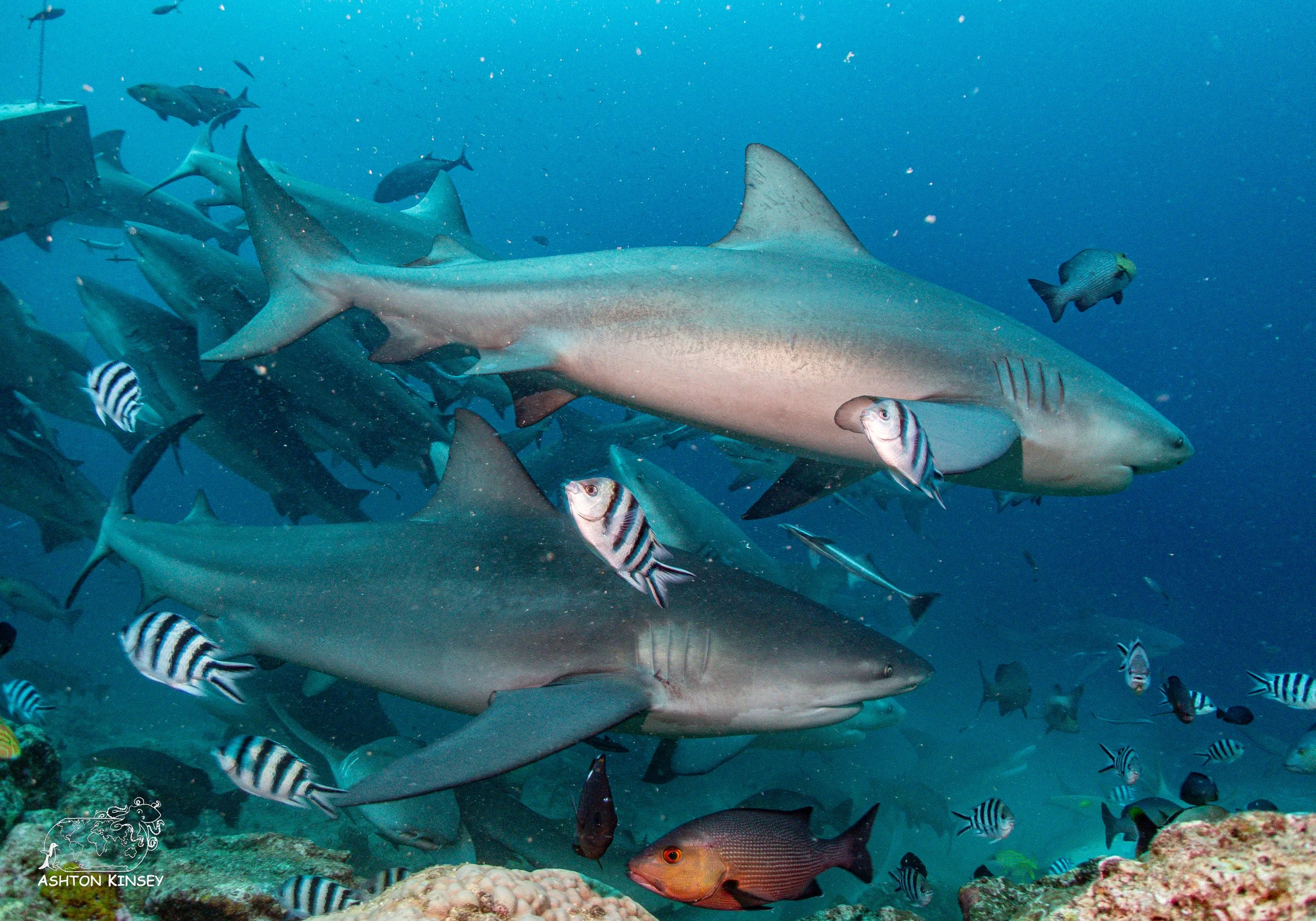
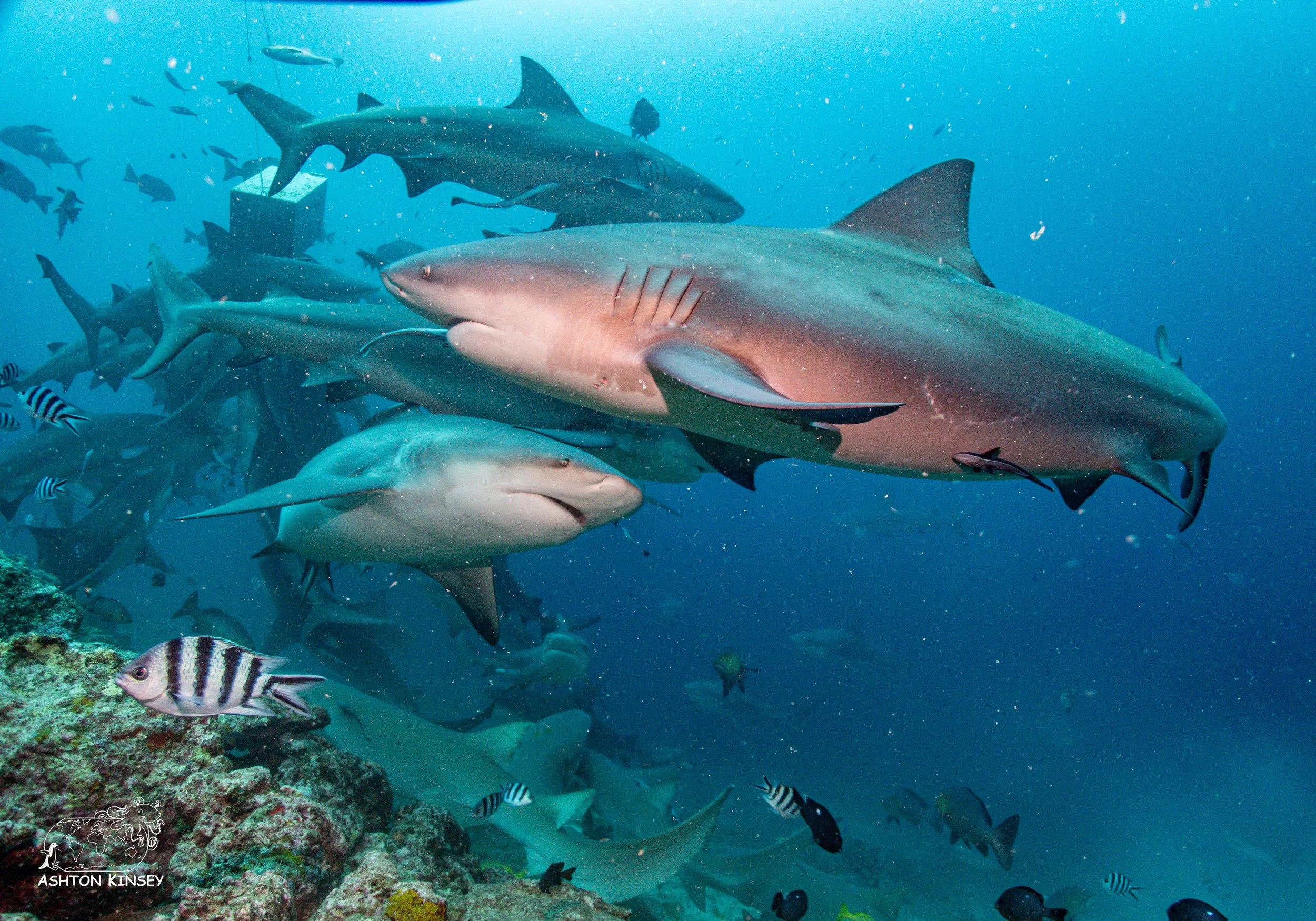
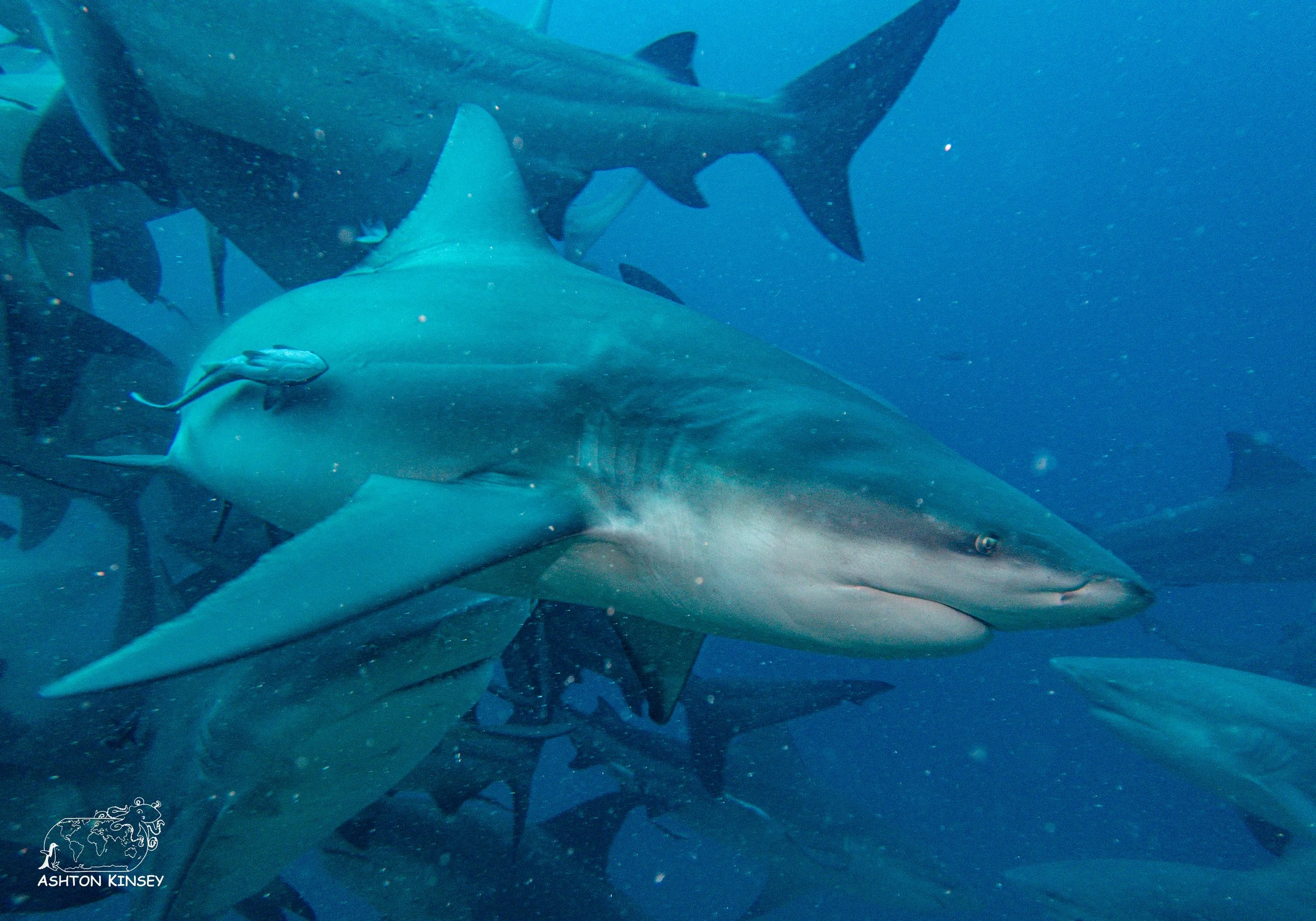
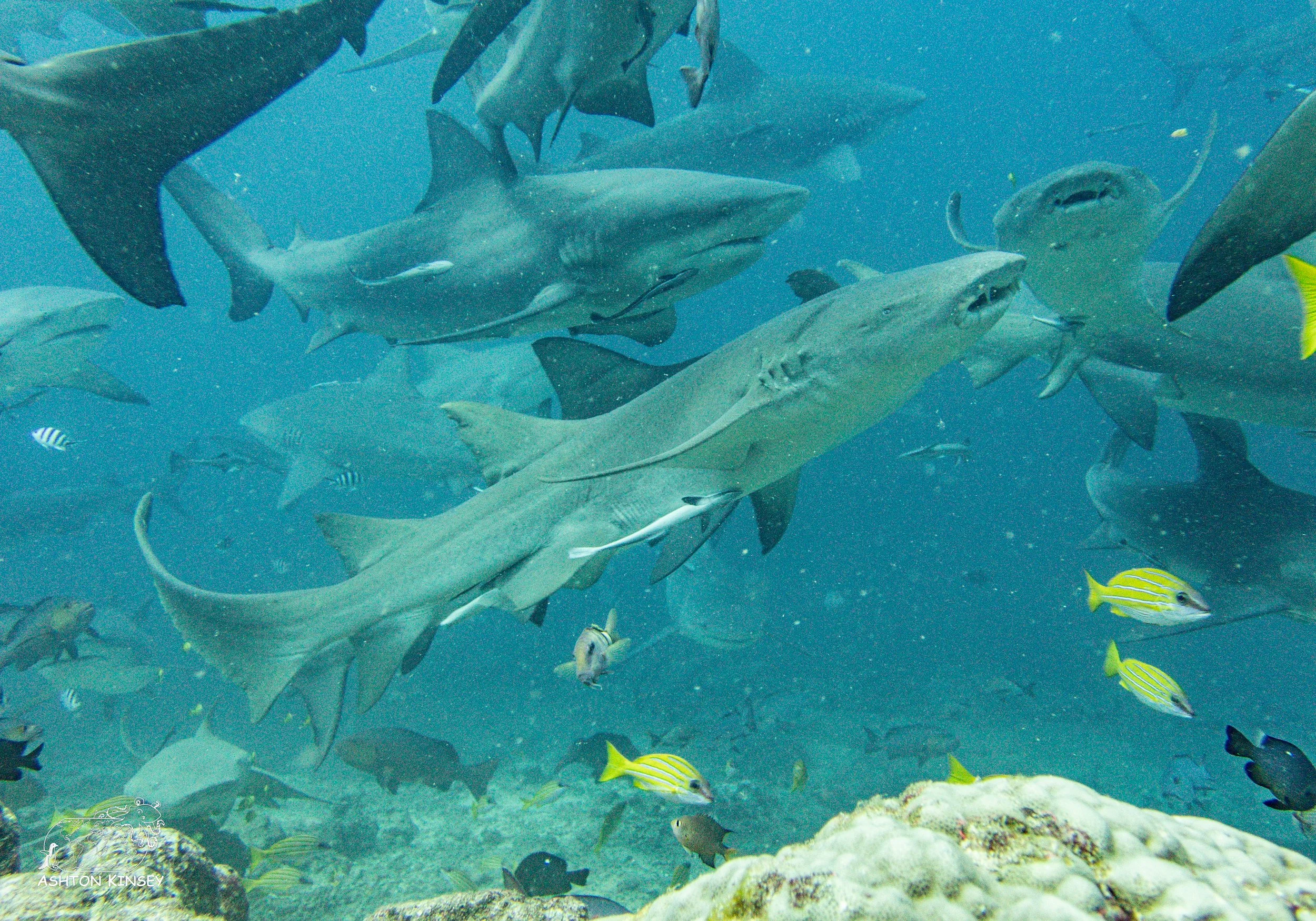
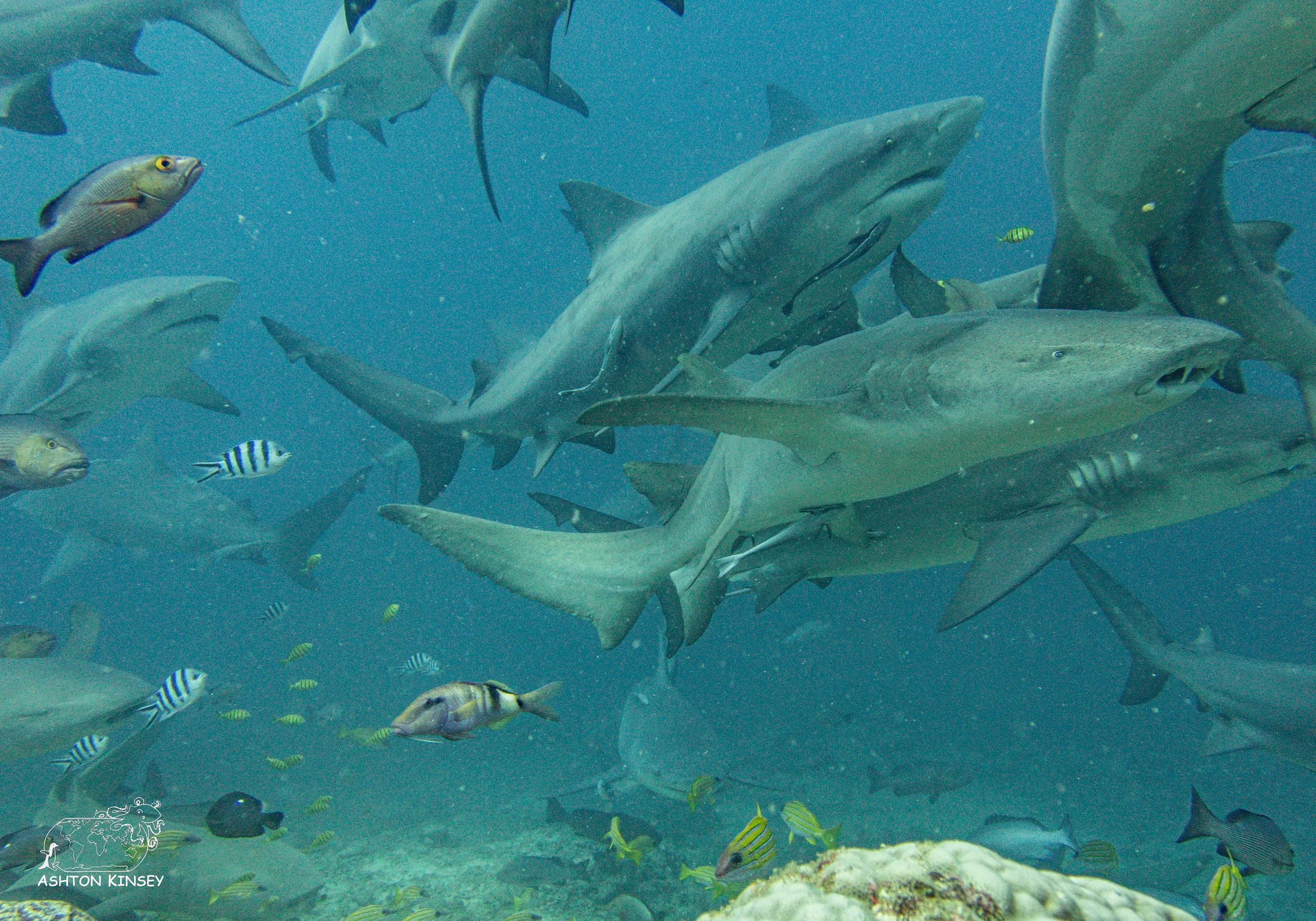
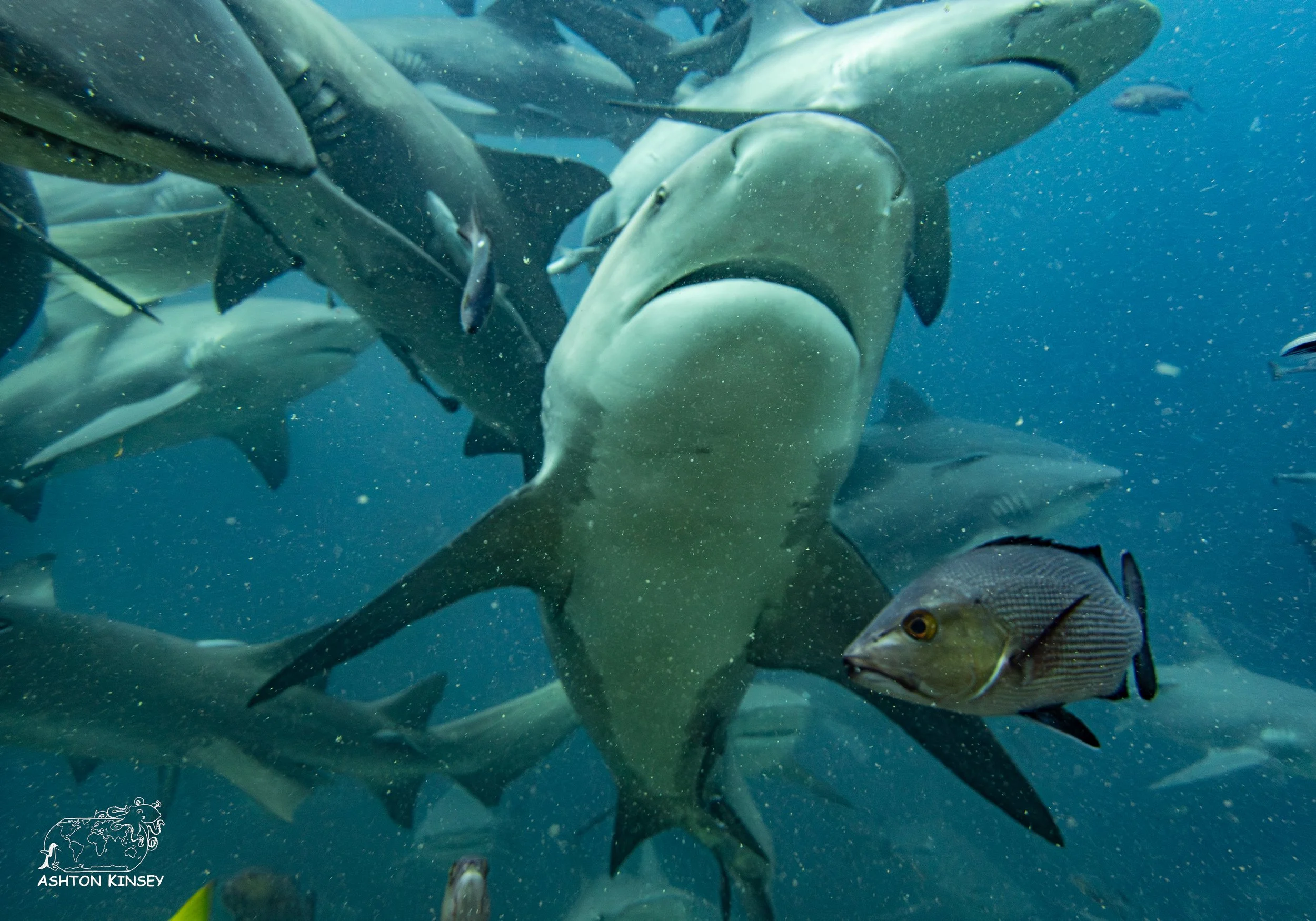
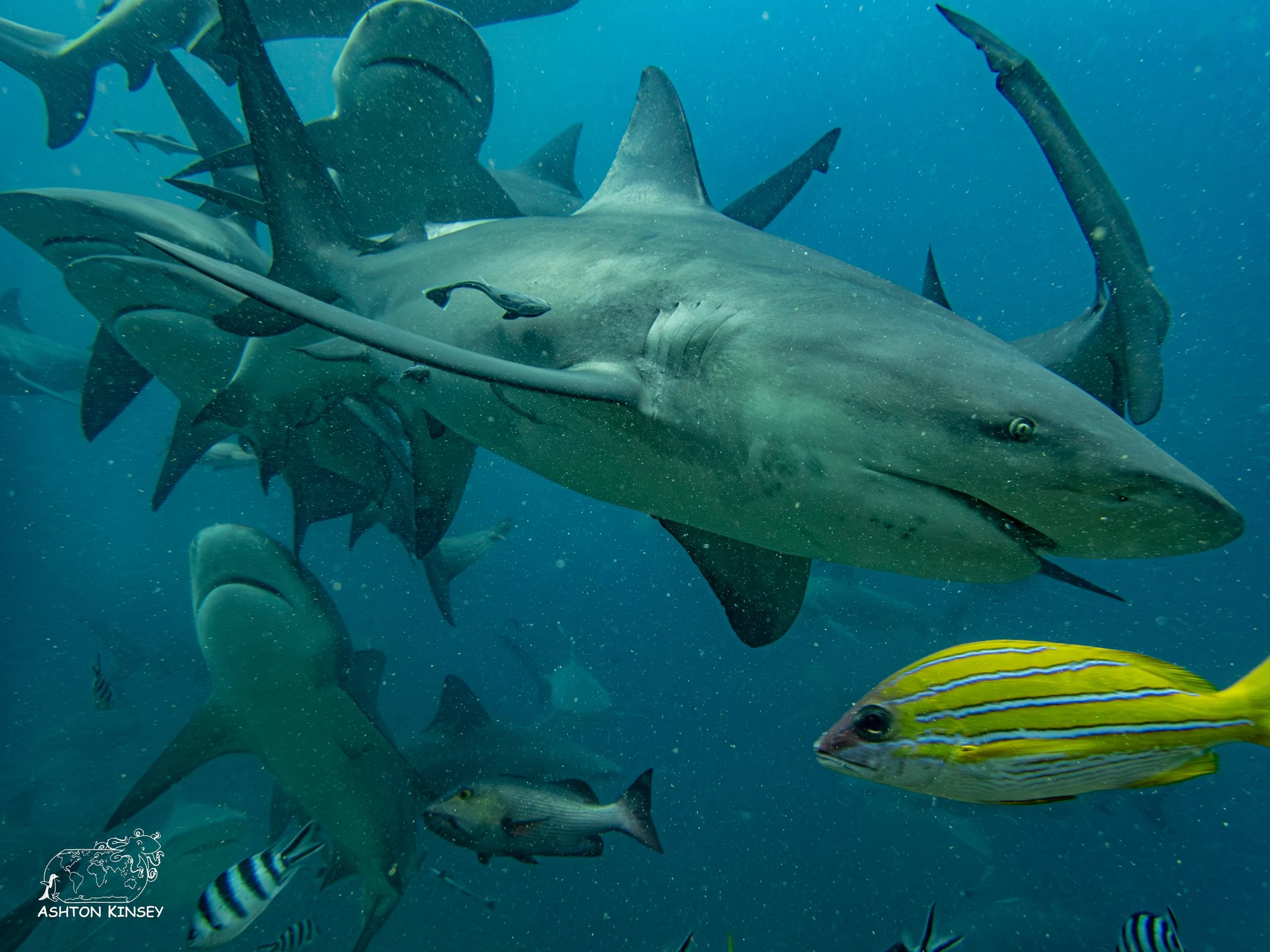
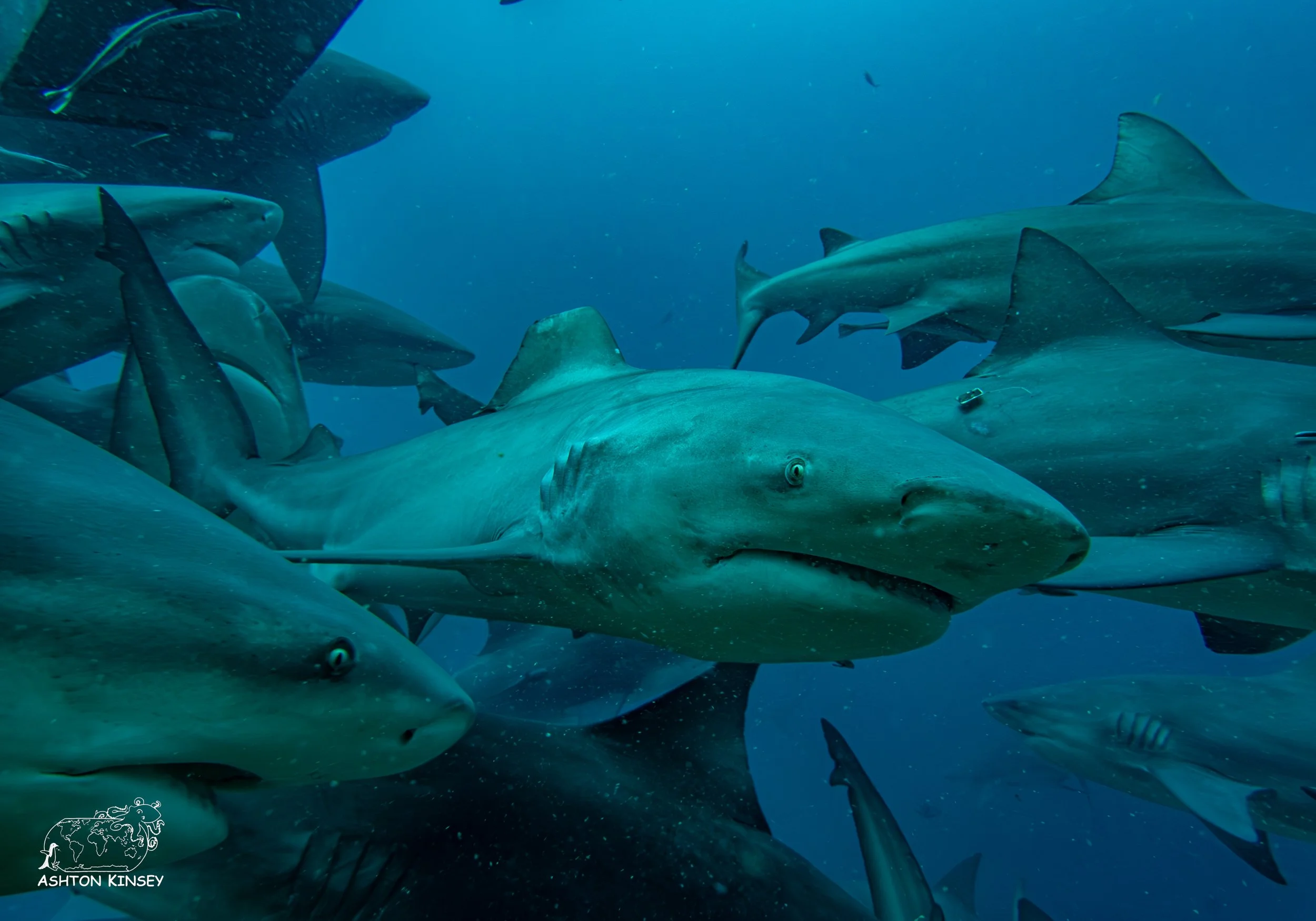
While typically not a fan of shark feeding dives, this one promised to be “better” and “more controlled” and better for the sharks. The dive promises up to eight different types of sharks. On rare, lucky dives, tiger sharks will make an appearance. During the dive there are two sets of dive guides, the shark feeders and the handlers. The feeders are in the shark balls hand feeding the sharks, carrying the bait bin and checking the health of the sharks. The other guides sit behind the divers making sure we behave and don’t get overly excited and try to swim with the sharks while also keeping the curious sharks from getting too close.
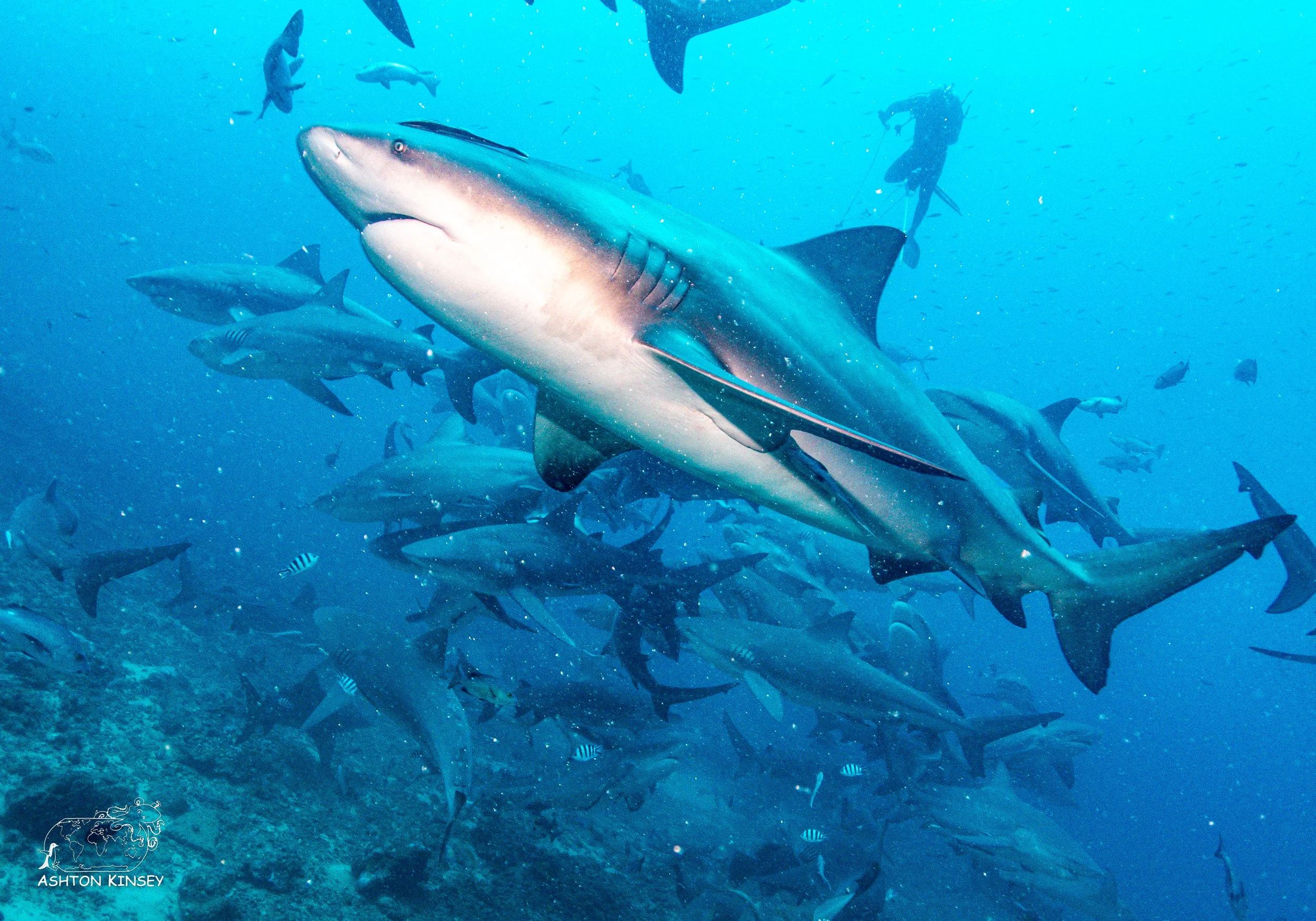
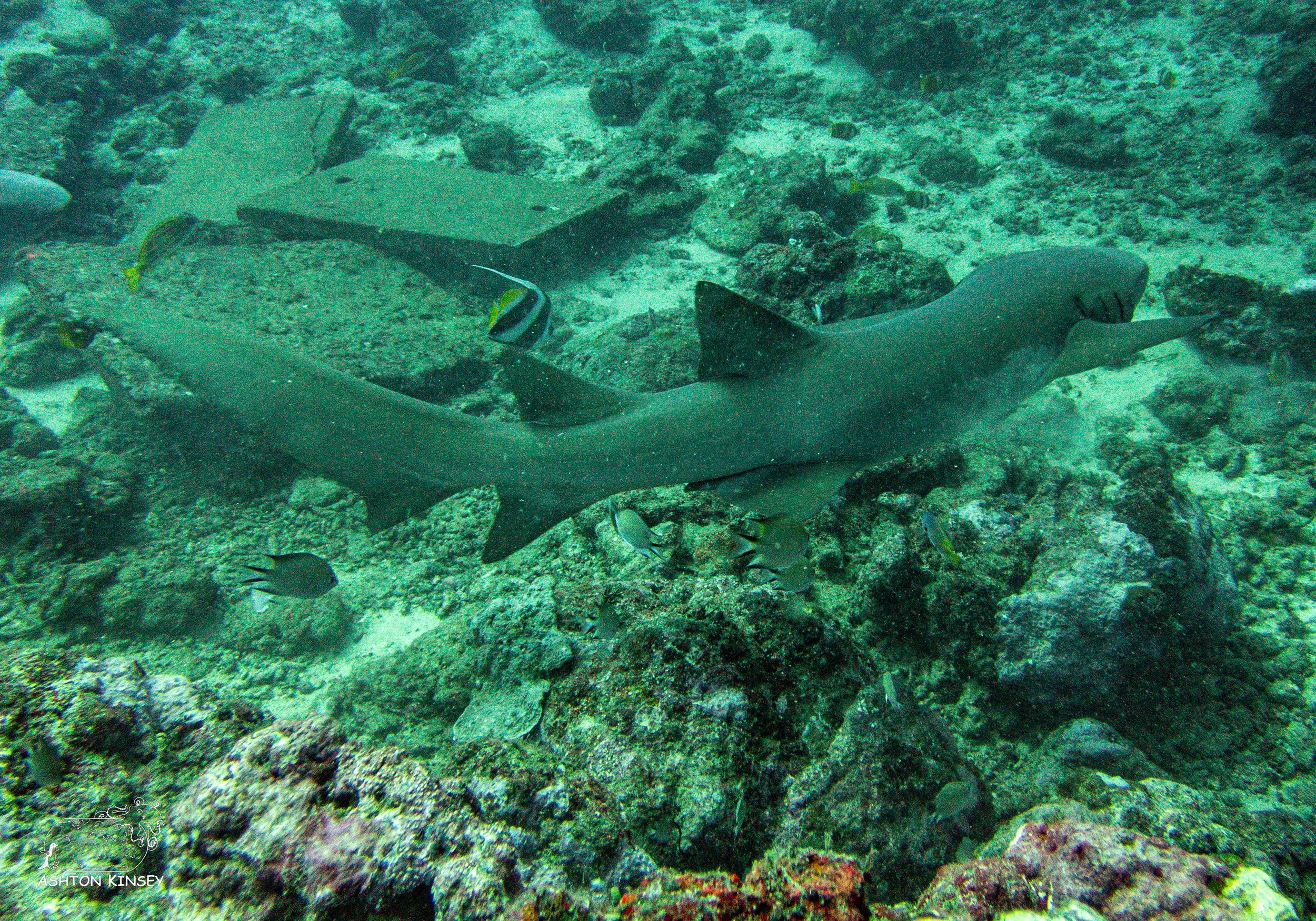
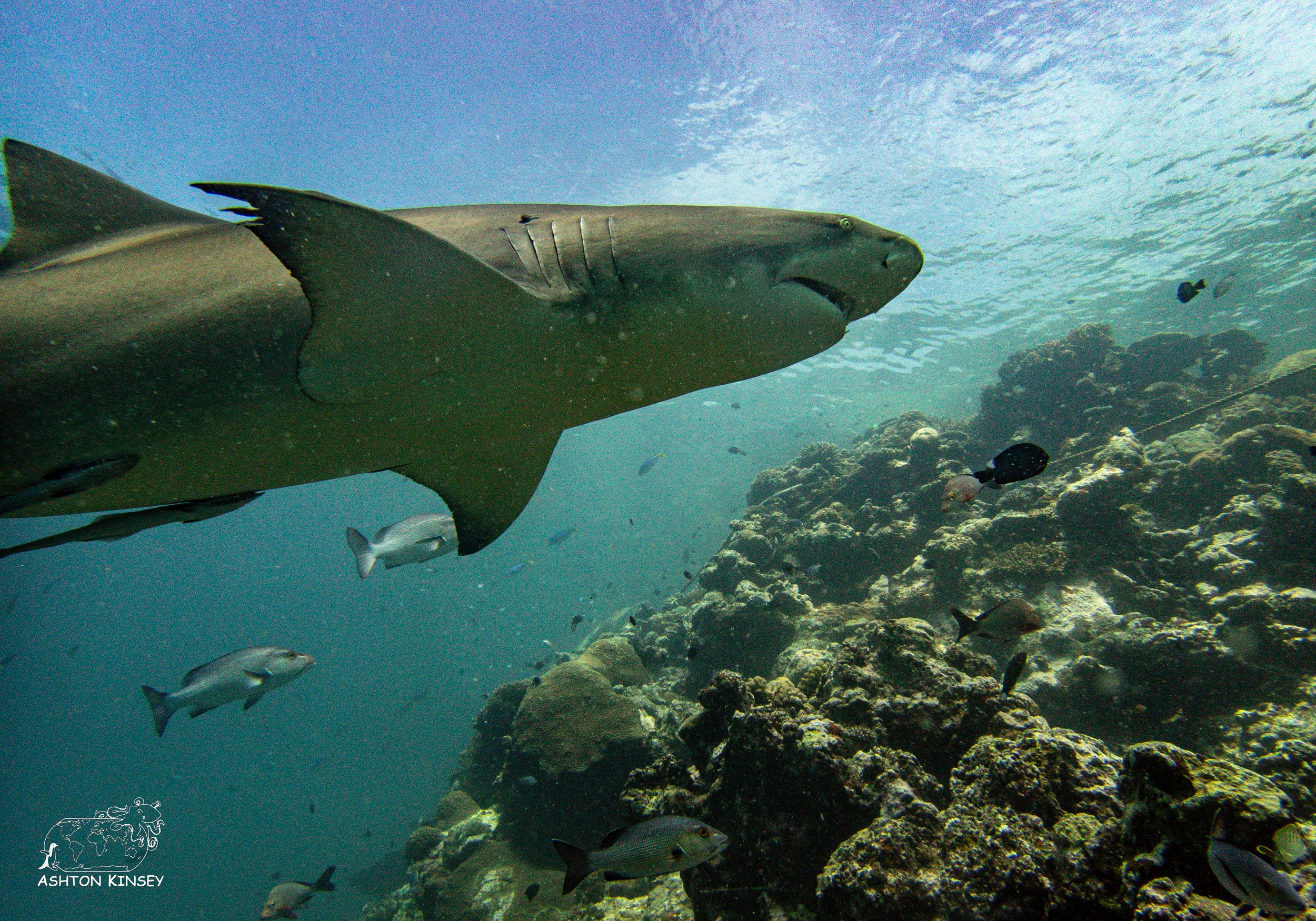
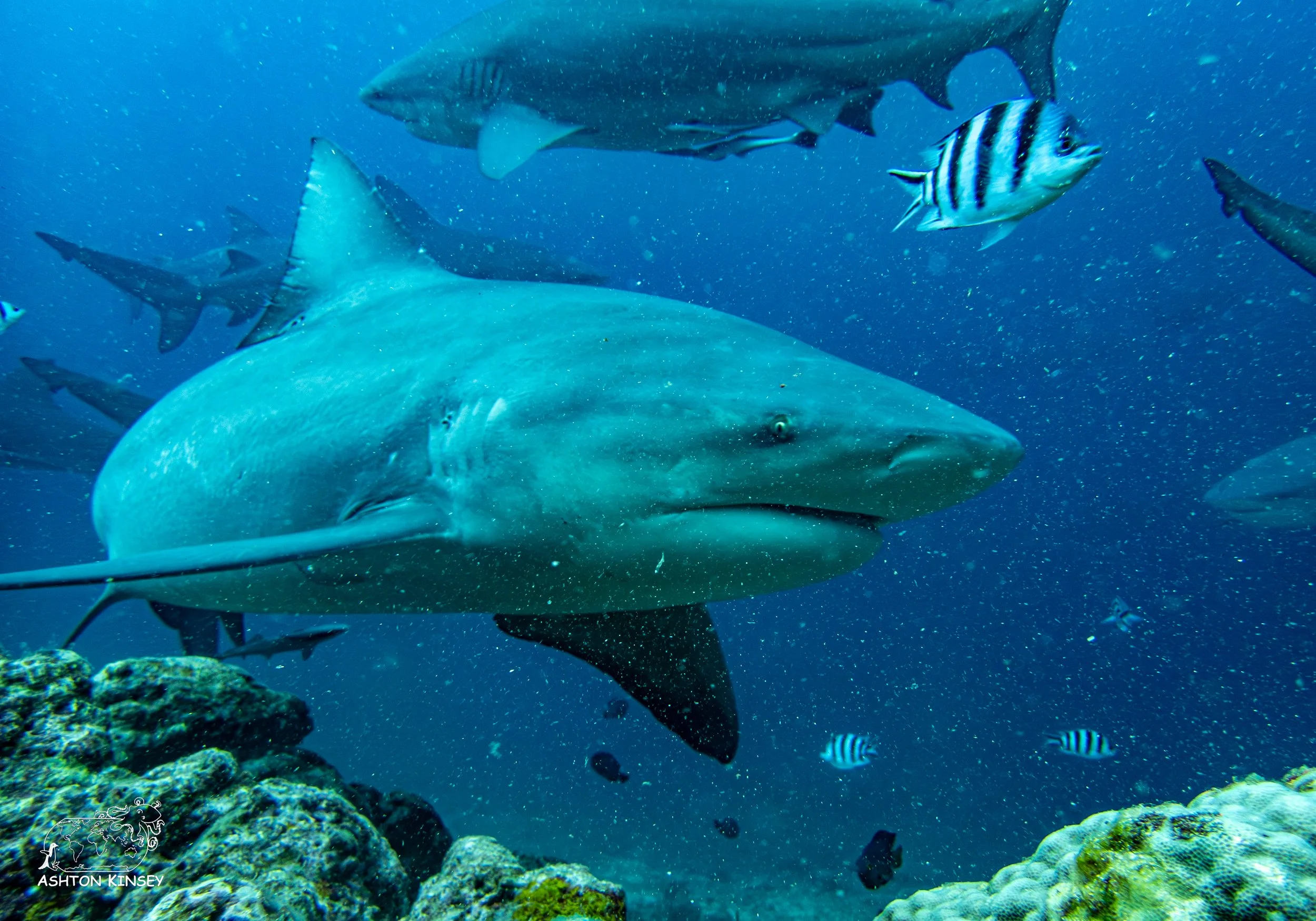
The dive itself starts by kneeling or laying on the edge of The Arena at approximately 100’. Bull sharks are basically guaranteed on this deeper section along with tawny nurse, sicklefin lemon, and silvertip sharks. Once the hand feeding is done a large suspended bait bin is moved back and forth full of tuna heads that drops out of a cat flap style door keeping the sharks enticed and in the area.
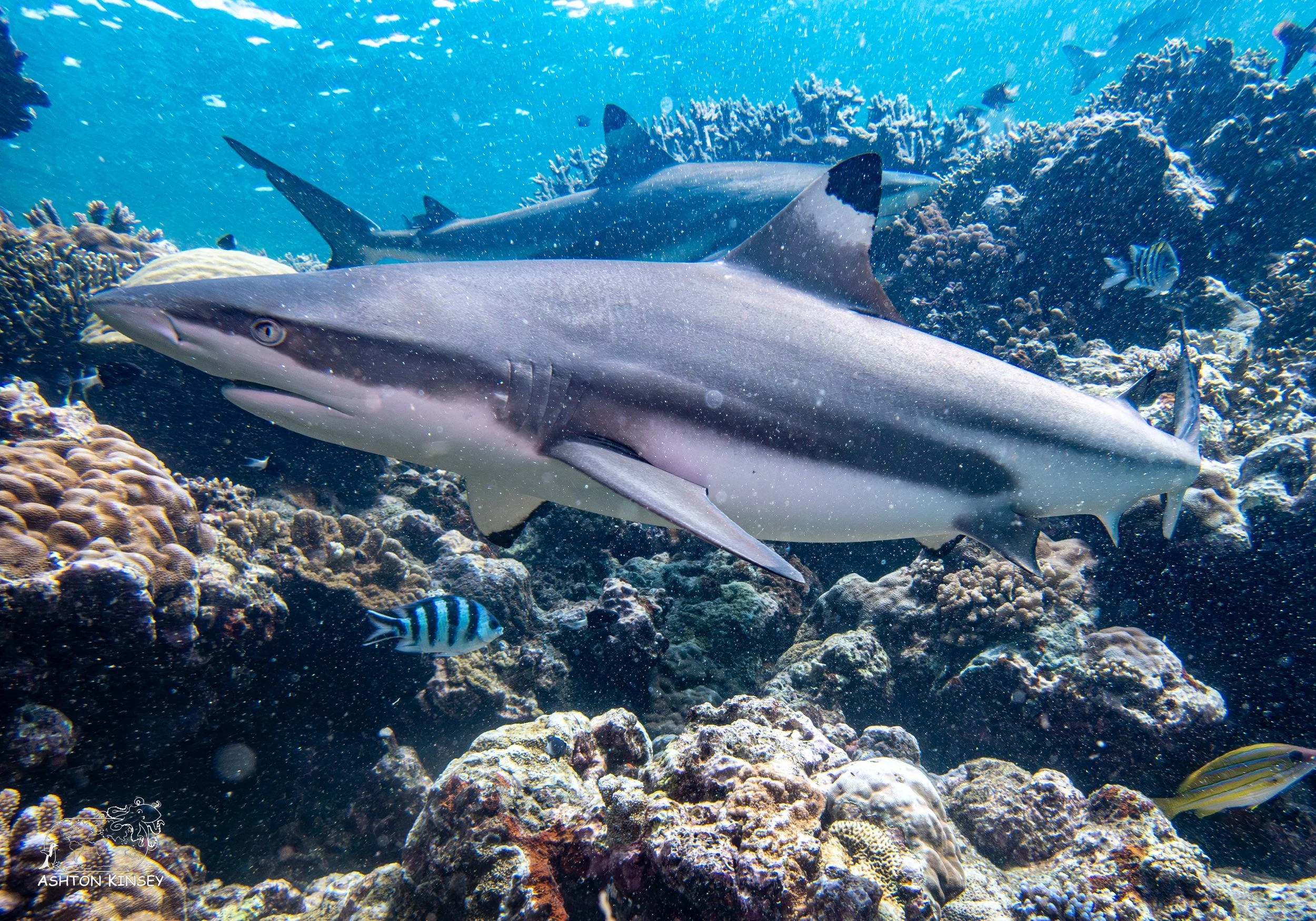
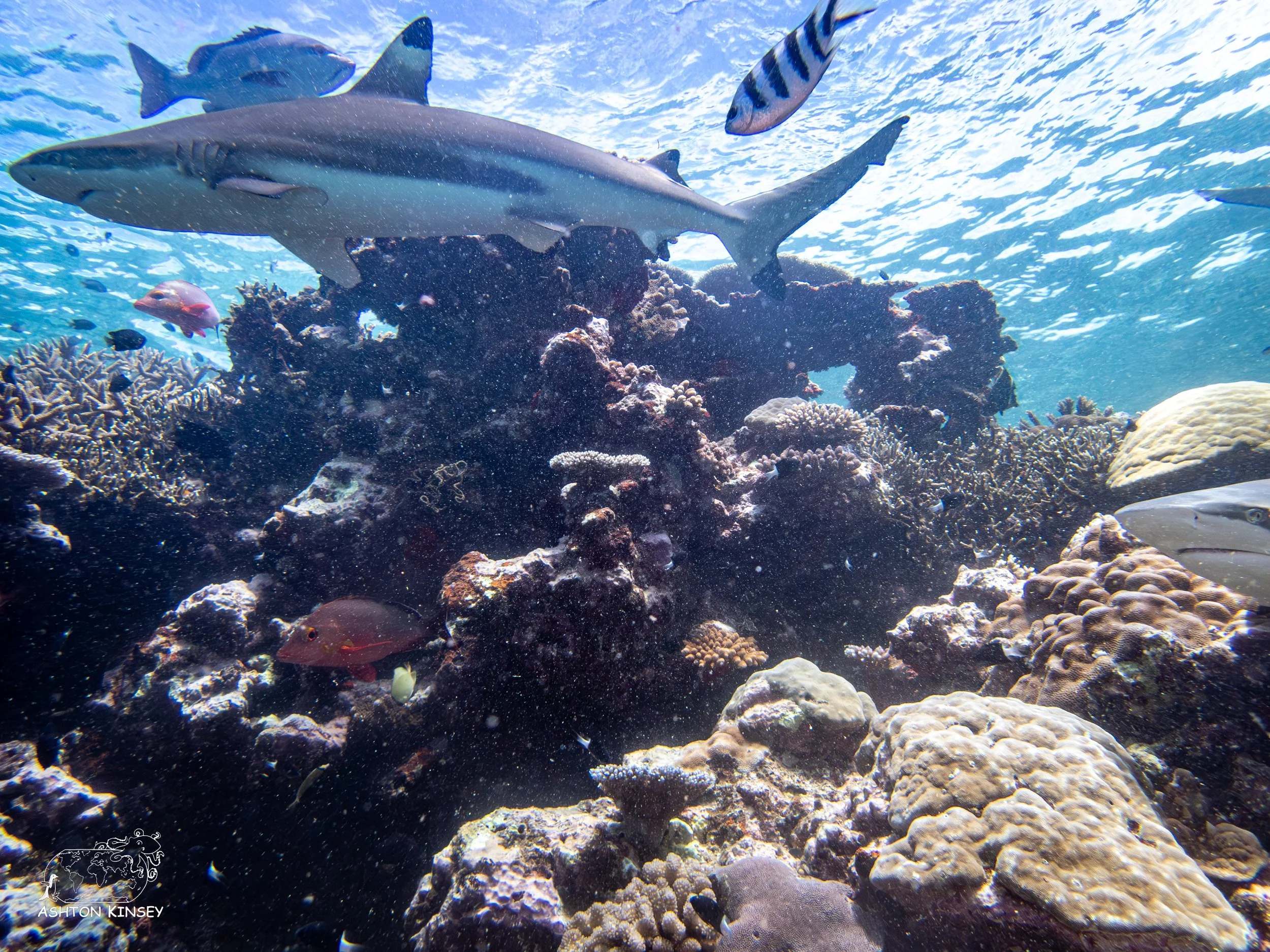
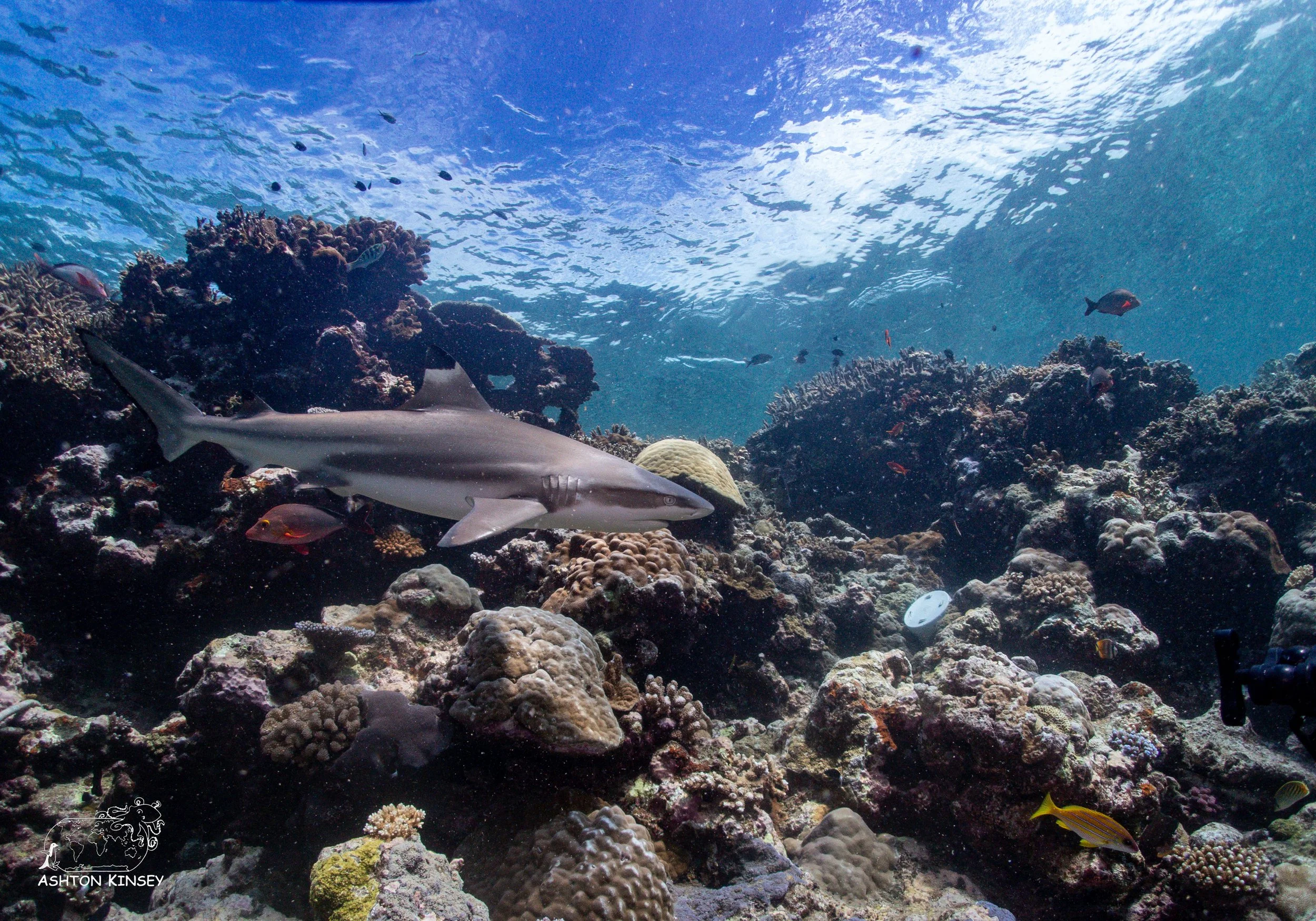
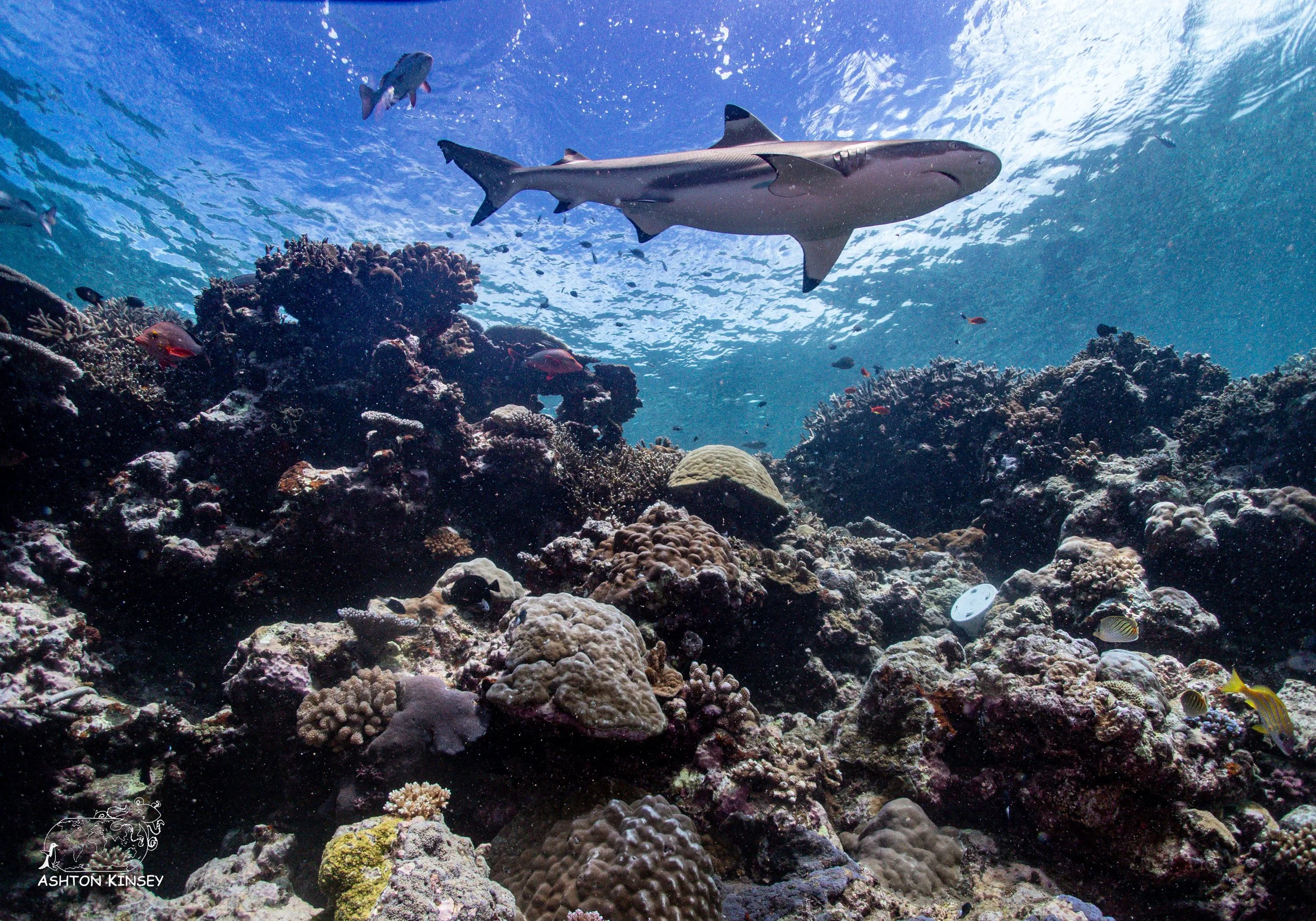
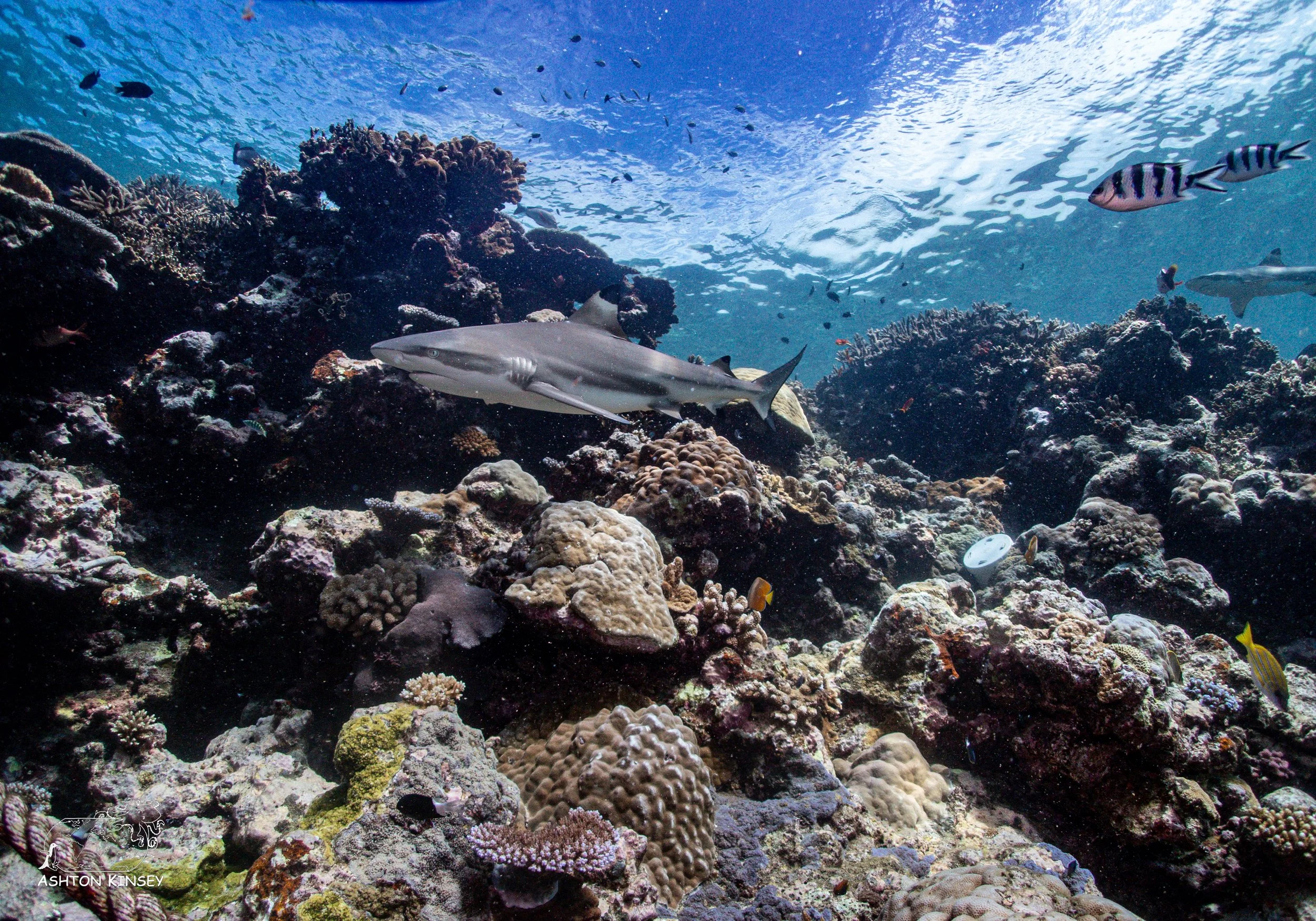
After the bin is empty, divers will move up to roughly 35’ where additional food boxes are stored to sit and watch grey reef, and whitetip sharks feasting. Lastly, for the safety stop, divers will turn their backs on the open blue (and you know all the sharks that were just being fed), and watch the reef as puppy like blacktips and whitetips get fed while cruising along the reef. After a surface interval it’s time to jump in and do it all again with even more sharks.
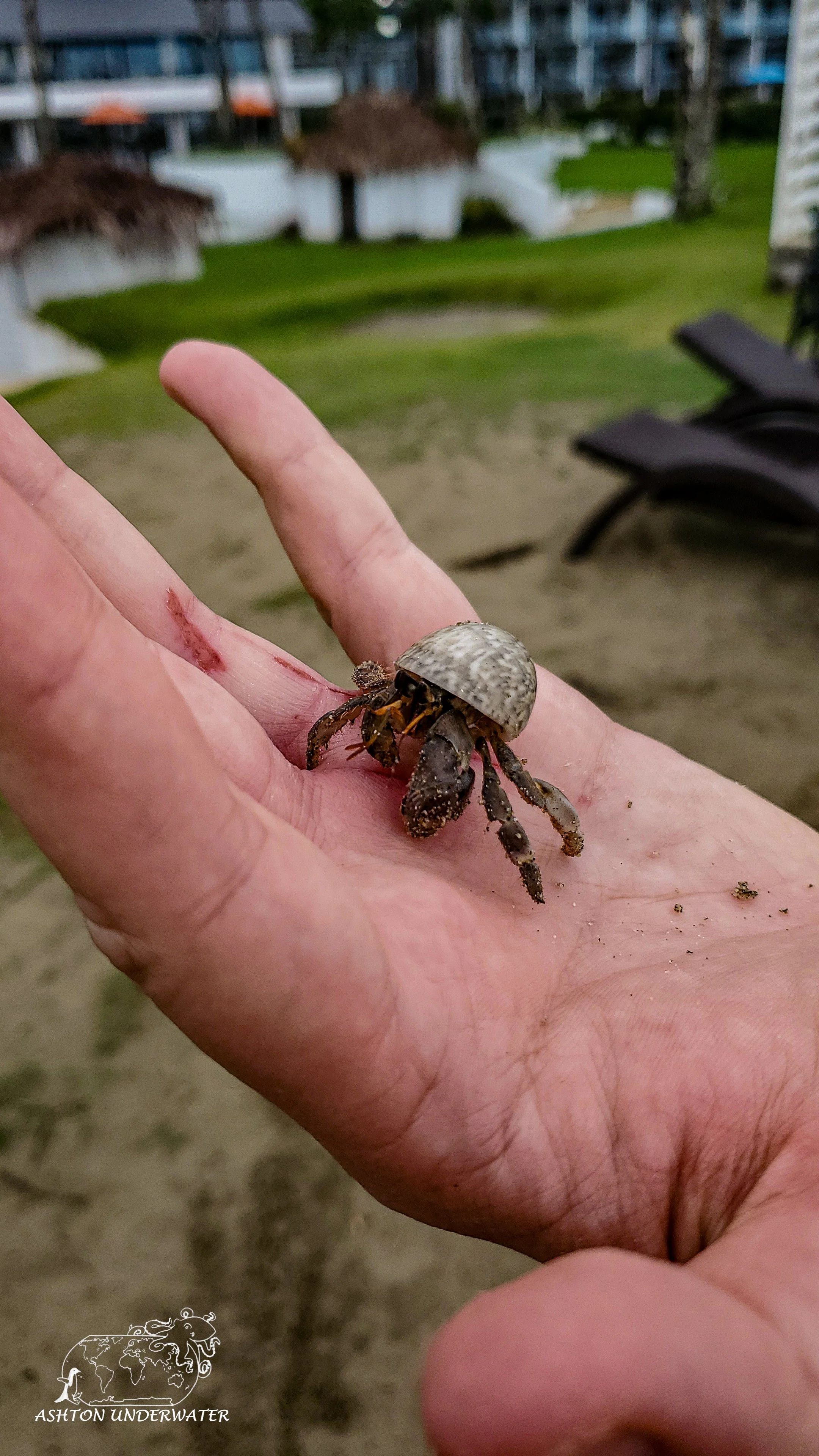
After our dives we went back to the hotel and somehow managed to keep moving. We decided that a hermit crab race sounded fun and exciting; and when we asked about it were told “That is not something anyone has asked about today”. The potentially bored, potentially just humoring the dumb American tourists, activity attendant led us to the beach and helped us find hermit crabs living in the underbrush. After finding a small collection a circle in the sand was drawn and the race was won! Entertainment ensued and the hermit crabs were returned home with a prize of a slice of pineapple for dealing with being abducted by aliens for their amusement.
Then it was time for dinner, some drinks, and passing out before having to get up for our 3am drive to the airport.