Micronesia Madness: Saipan
Adventure Part 3: Saipan
Fish Guyz Scuba & Charter
December 1st – 7th, 2026
Dive Guide: Syd Takahashi
Total Dives: 10 Total Time: 9 hours 3 minutes
Saipan is the largest island and the capital of the Northern Mariana Islands. The Spanish occupied the island in the late 1500’s. During their rule they expanded and ultimately forced the local Chamorro people to Guam. After a typhoon wiped out the Caroline Islands, Chief Aghurubw sailed to Guam to ask the Spaniards if the Carolinians could move and settle on Saipan. After the Spanish-American War in 1898 the United States took over and controlled it, until it was sold to Germany in 1899. Germany was mostly hands off and the island continued to be maintained by the Spanish, Chamorro, and Carolinian landowners.
The island was captured by the Japanese Empire in 1914 during World War I and was given formal control in 1919 by the League of Nations where it became one of Japan’s most important islands in terms of both military and economic development. Under Japanese control the island continued to grow and Korean, Taiwanese and Okinawans were brought in to work the sugar cane plantations and sugar refineries.
During World War II Saipan was the last line of defense for Japan. Both the Imperial Japanese Army and Navy were heavily stationed on the island, with over 30,000 troops stationed in 1944. The Battle of Saipan was a major battle lasting from 15 June until 9 July 1944 and resulted in heavy casualties, including a large number of natives and Korean slaves who were forced to fight for the Japanese. Over 1,000 civilians committed suicide by jumping into the sea from Banzai Cliff and Suicide Cliff on the northern tip of the island. This was thought to be the better option than being taken as prisoners by US forces.
After the war the bases were closed or converted, and in 1975 the Northern Mariana Islands voted to join the United States as part of the Commonwealth of the Northern Mariana Islands in 1978. All islanders on the CNMI became US citizens on 4 November 1986.
We got the opportunity to dive with Sydney Takahashi and FishGuyz for the duration of our dives. An instructor since 1999 Syd has owned FishGuyz after working with other shops around Saipan and diving around the Pacific. FishGuyz is a very well organized and safe operation, allowing for a variety of dive sites around Saipan and Tinian.
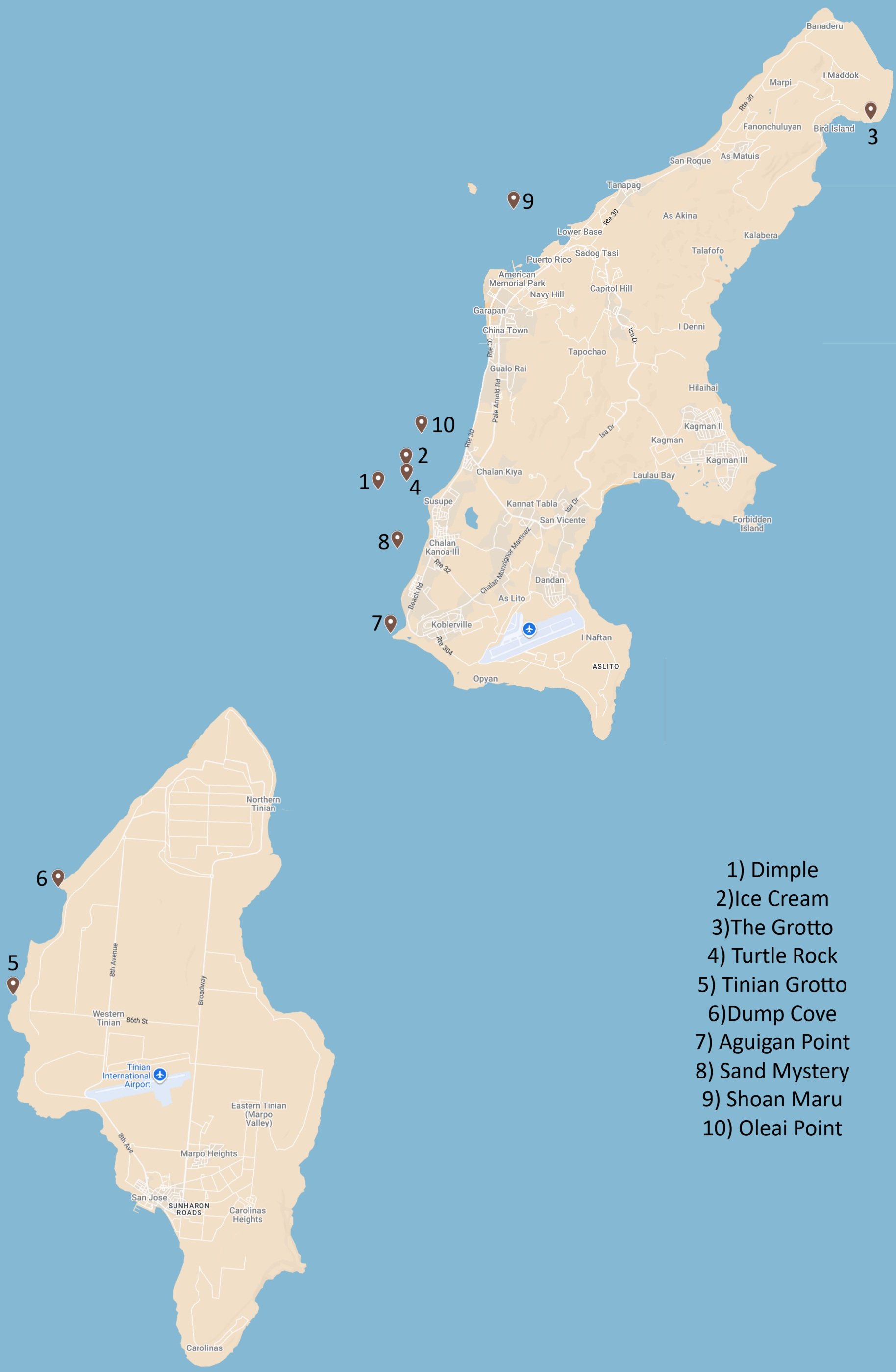
Dive 1: Dimple
74’ for 50 minutes
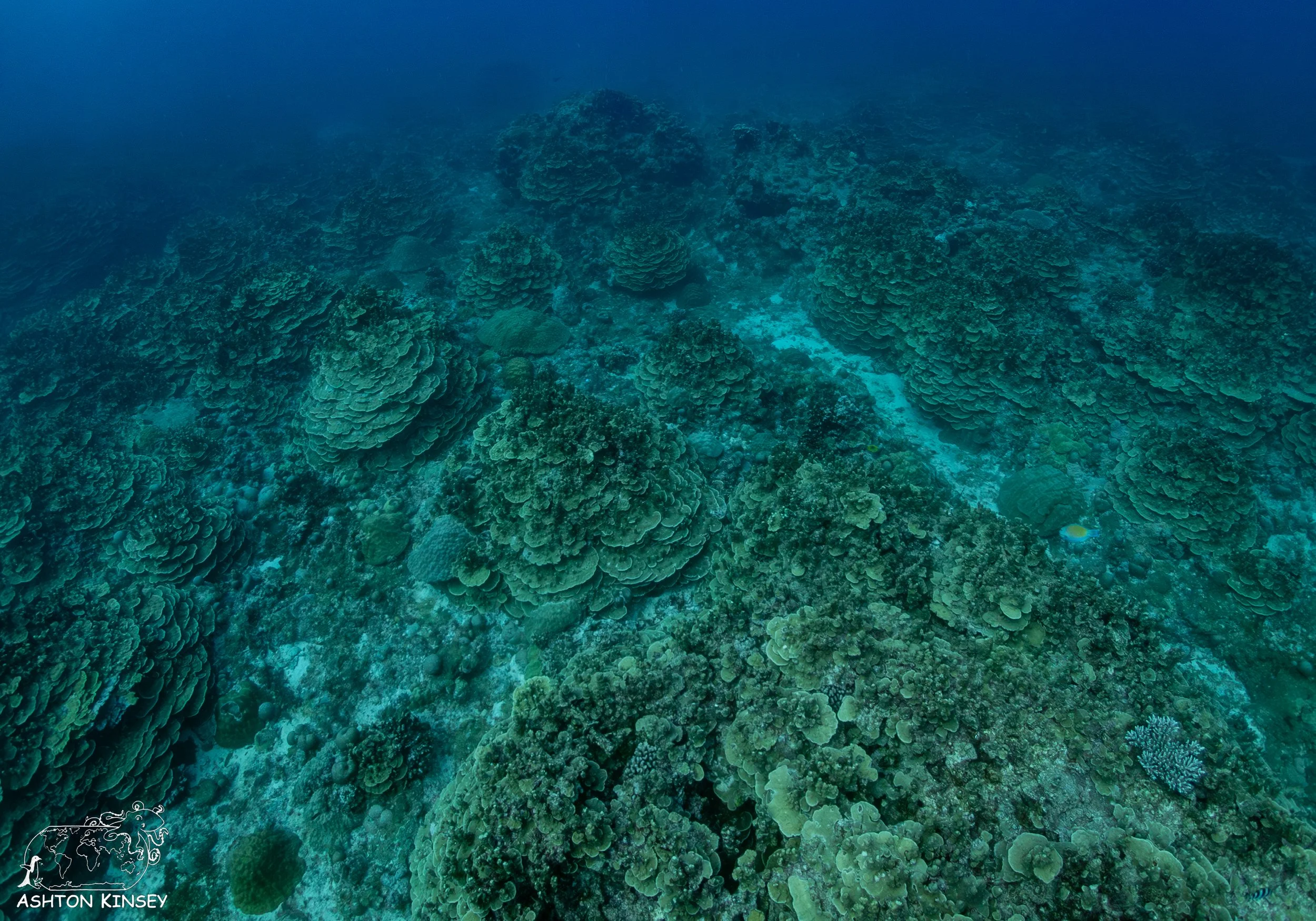
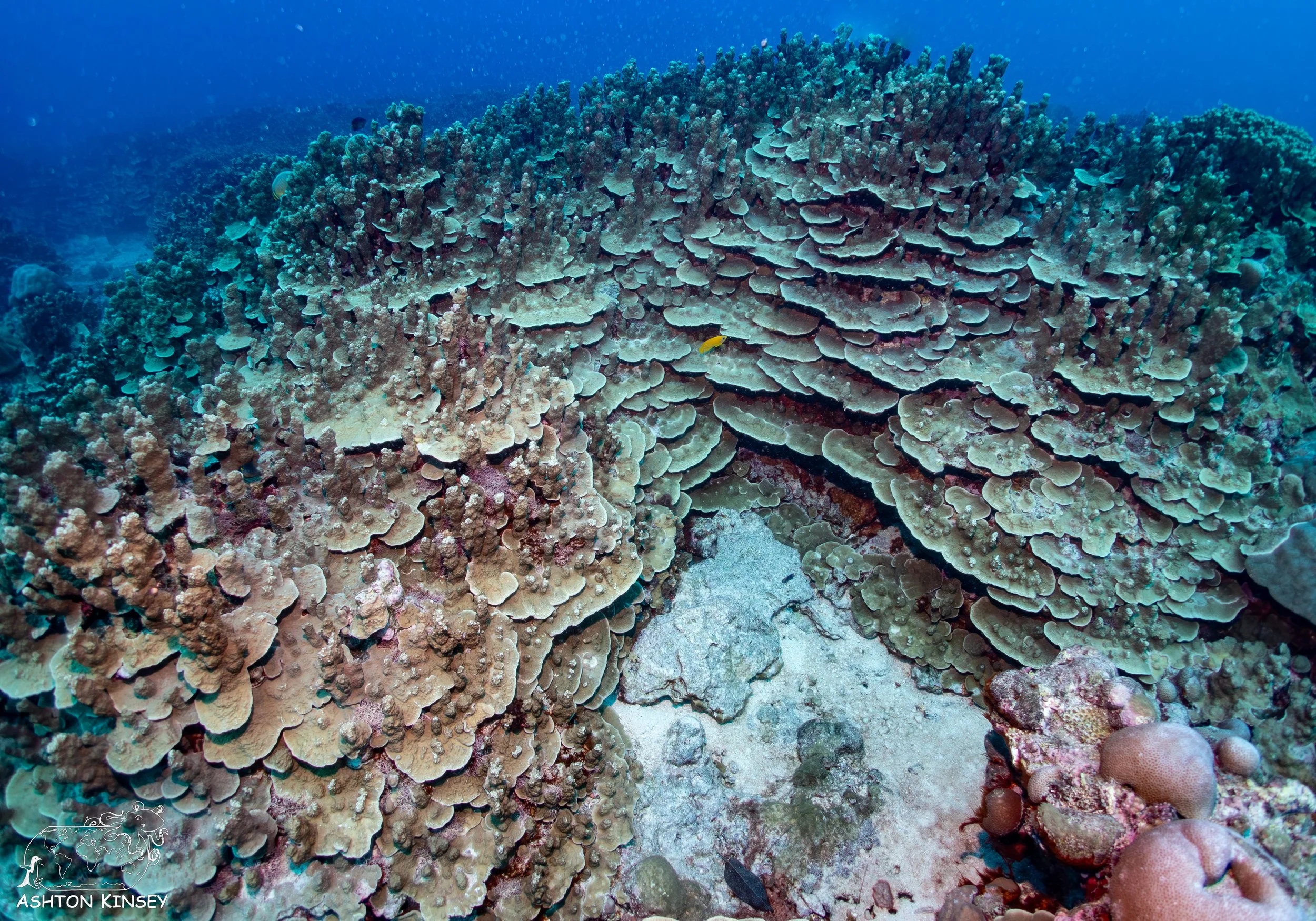
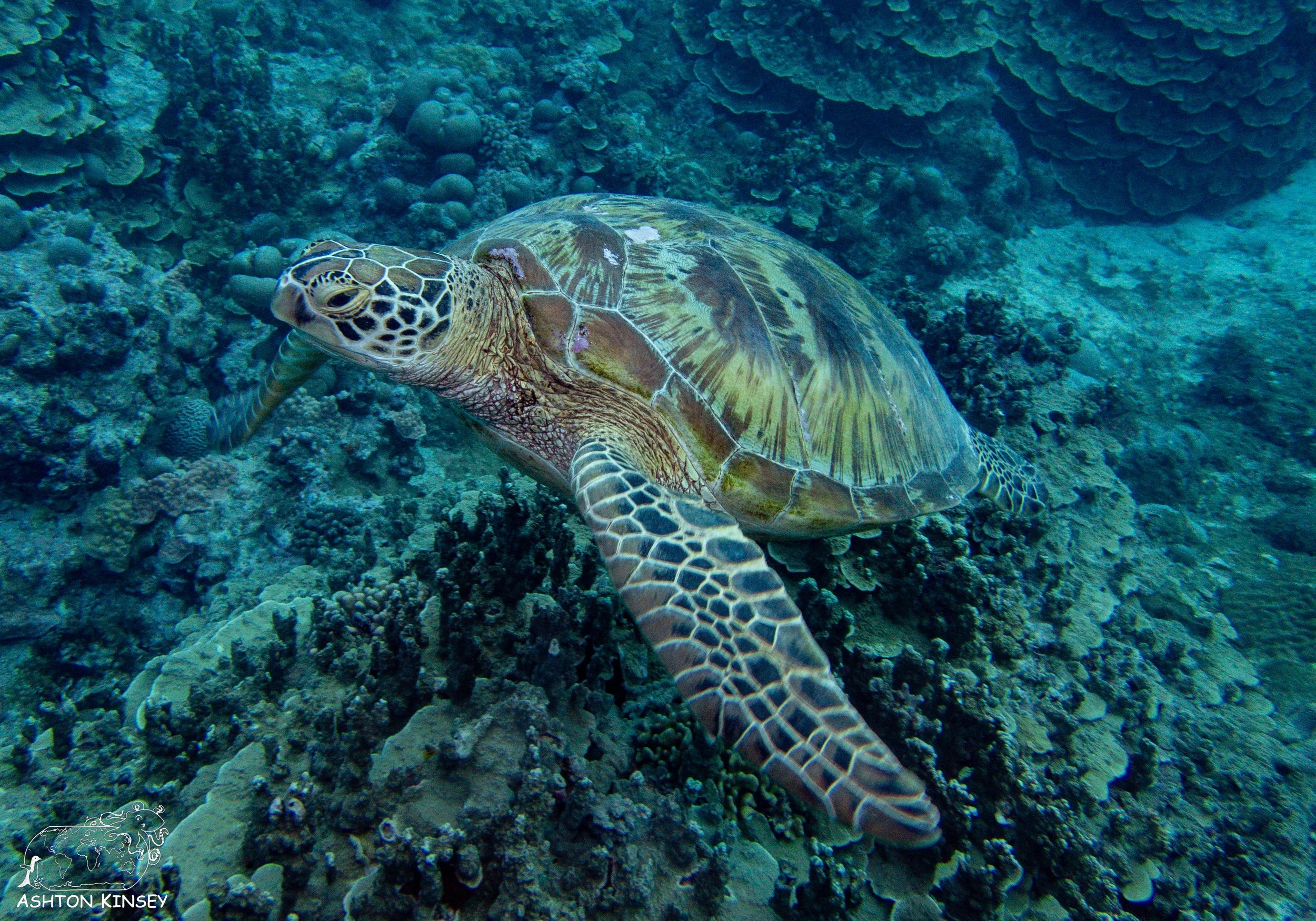
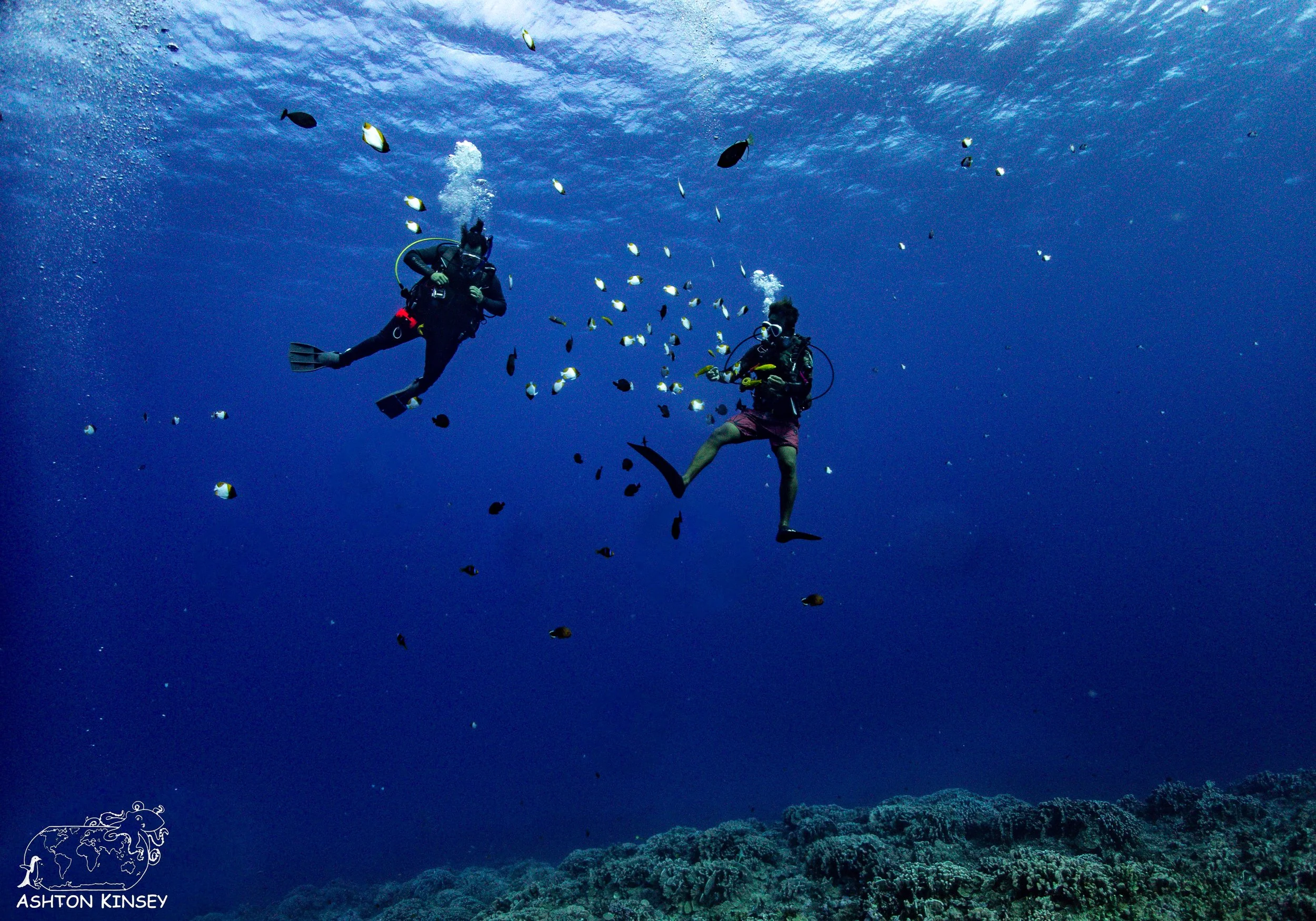
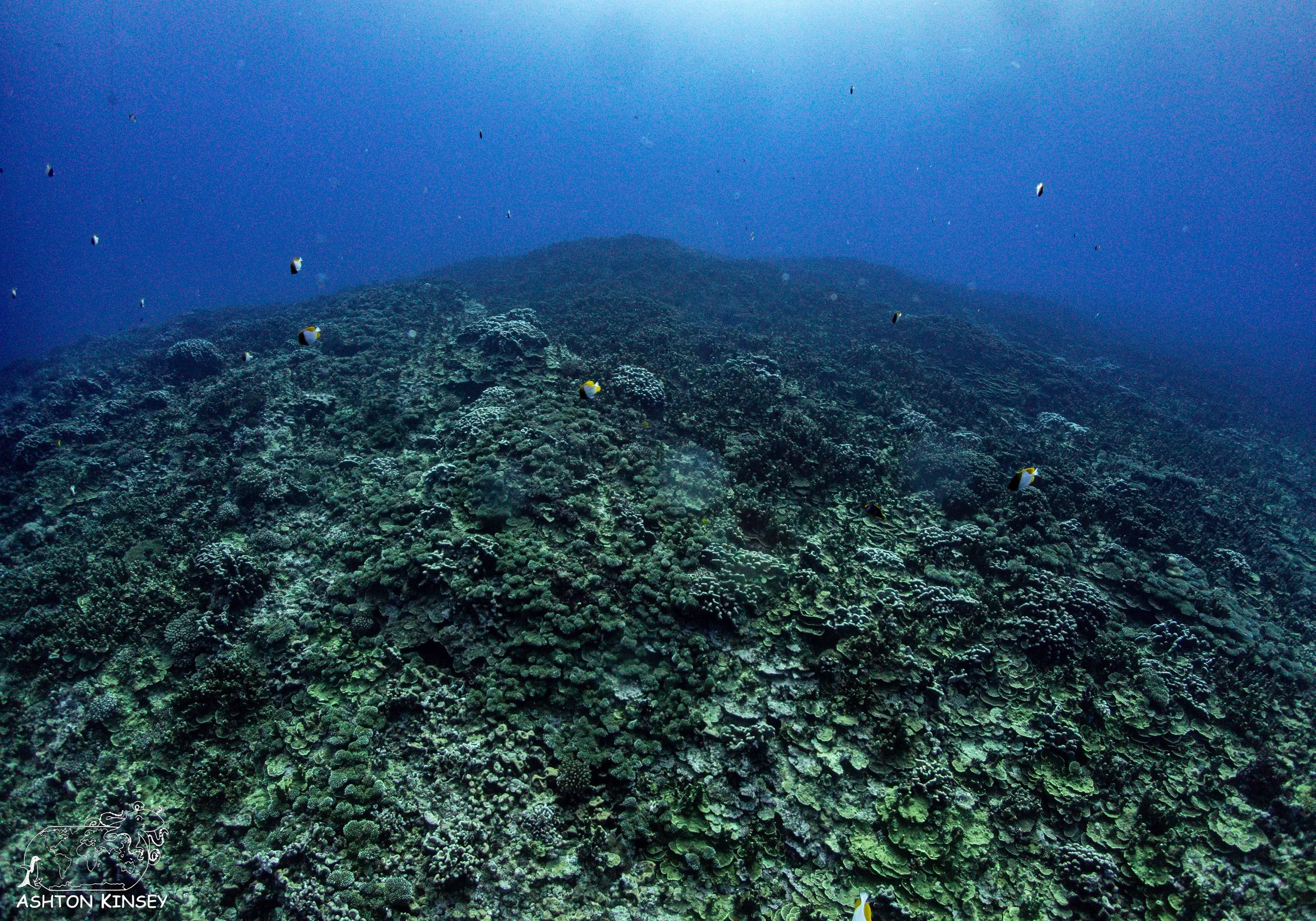
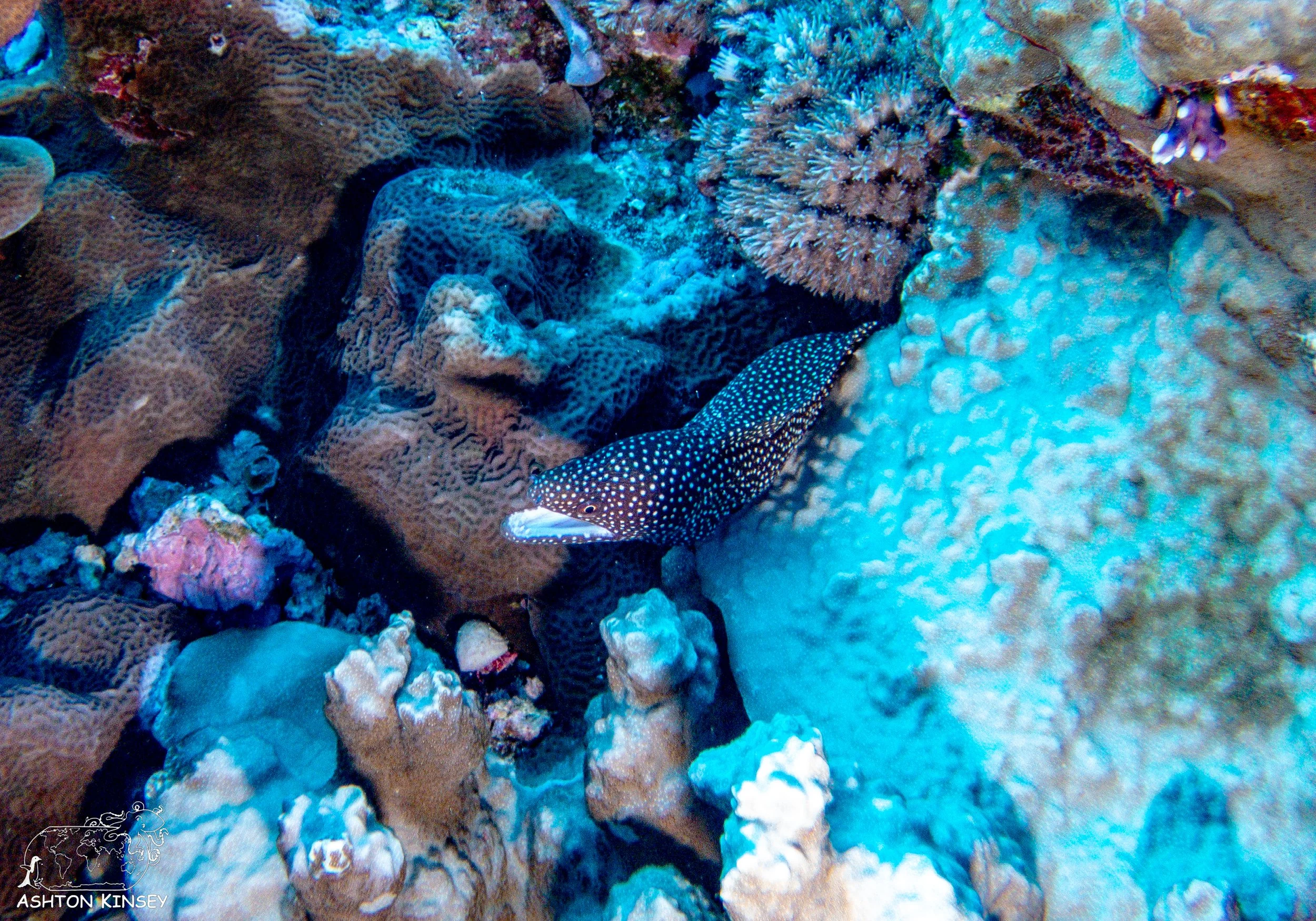
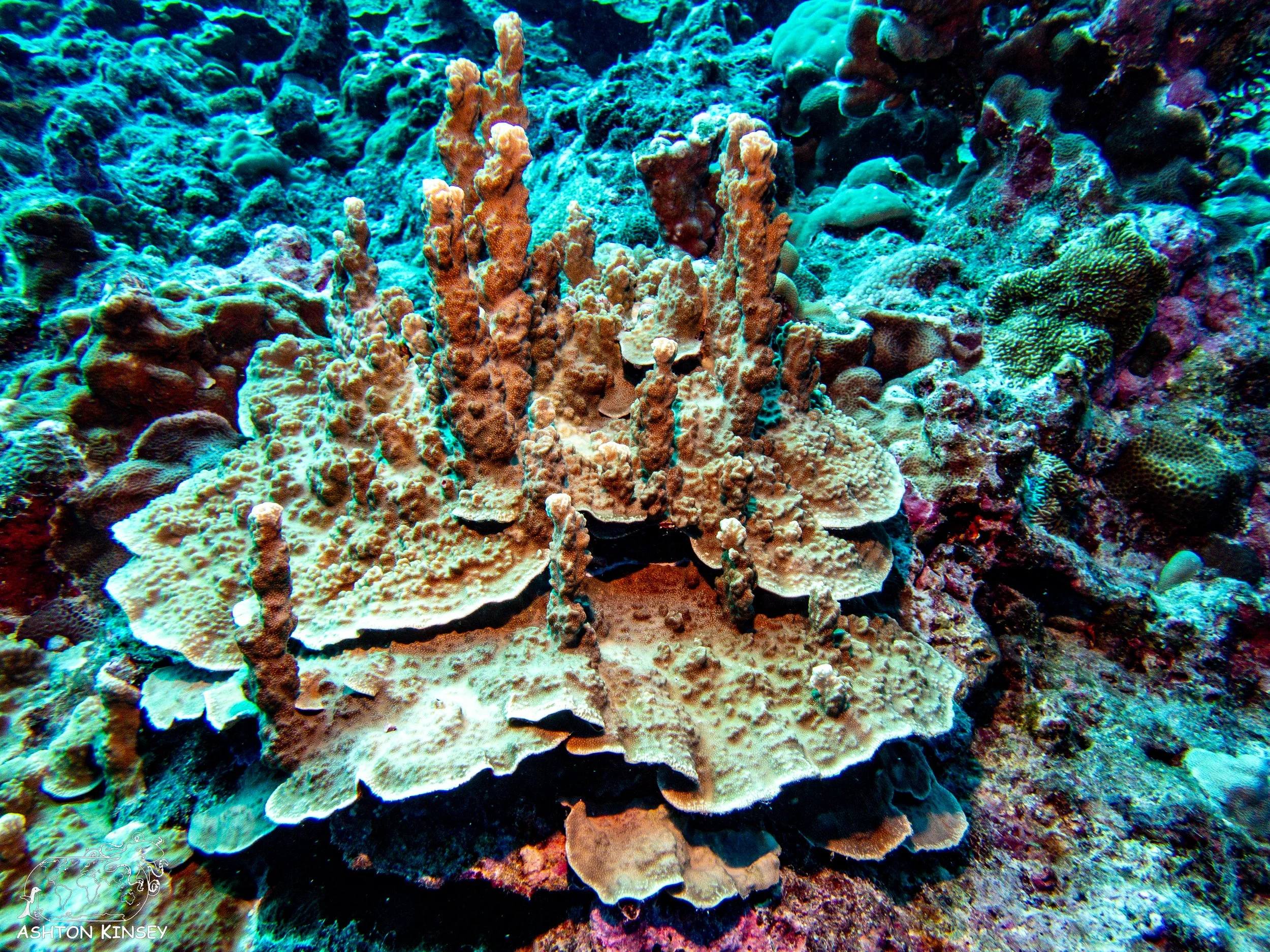
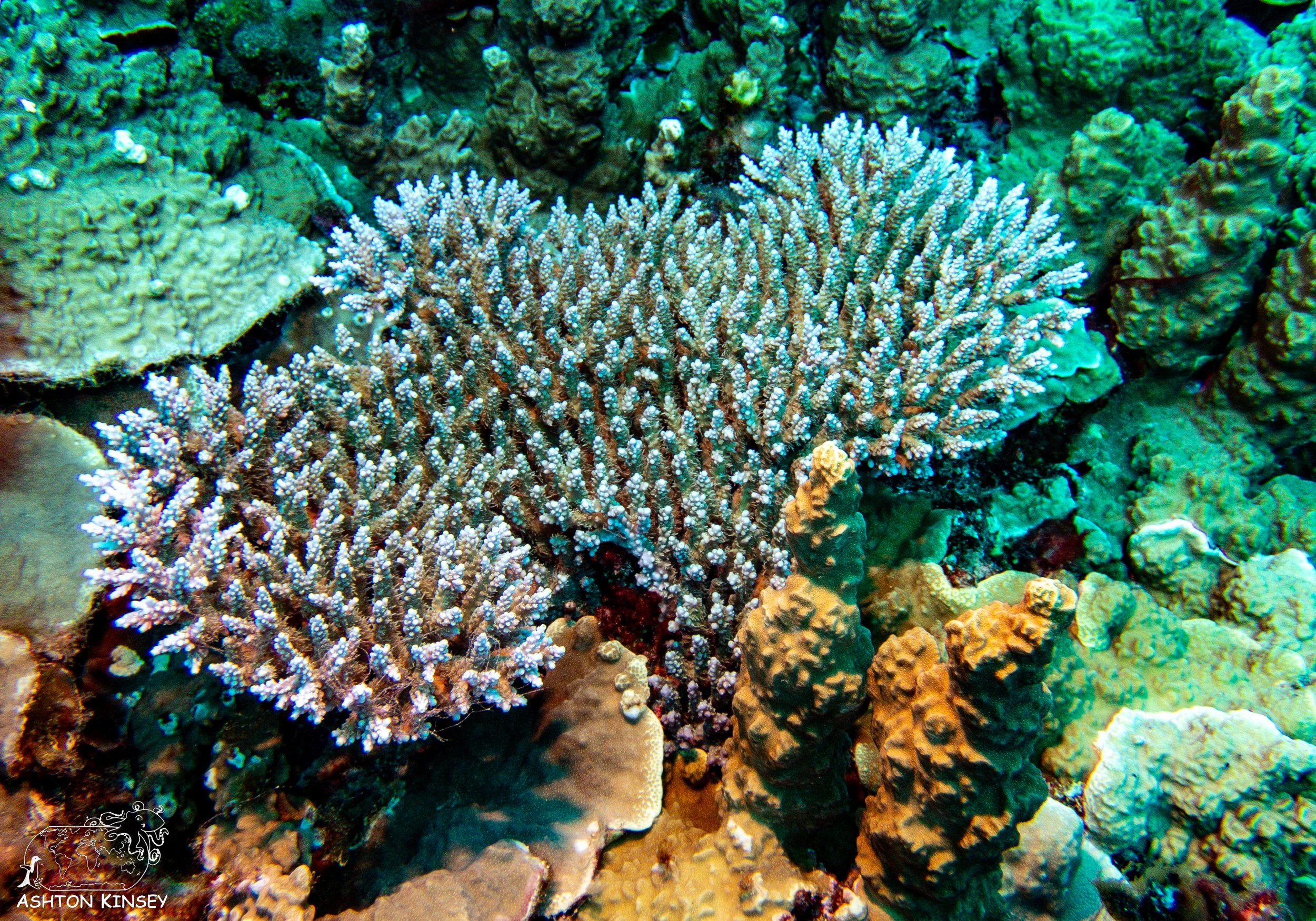
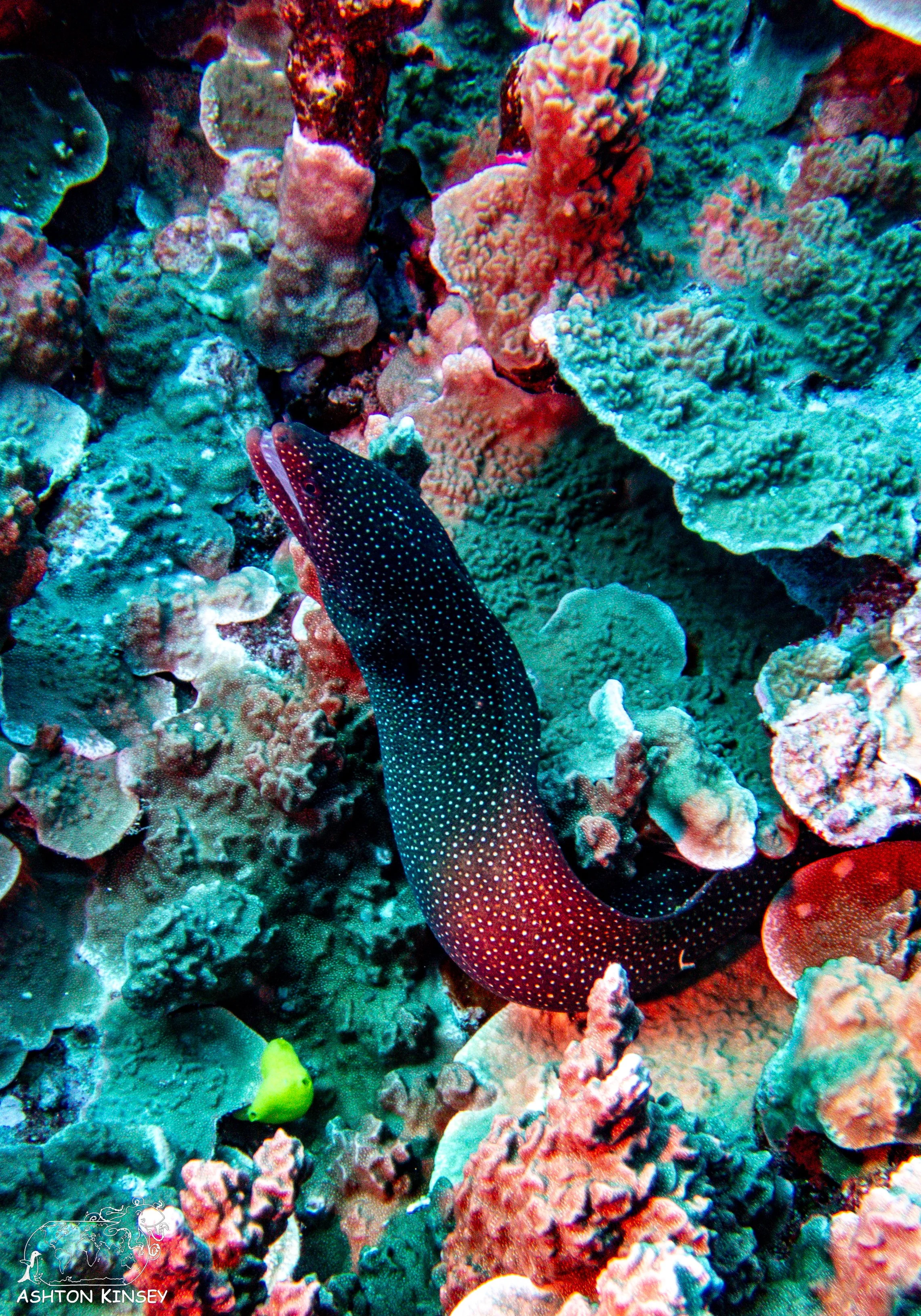
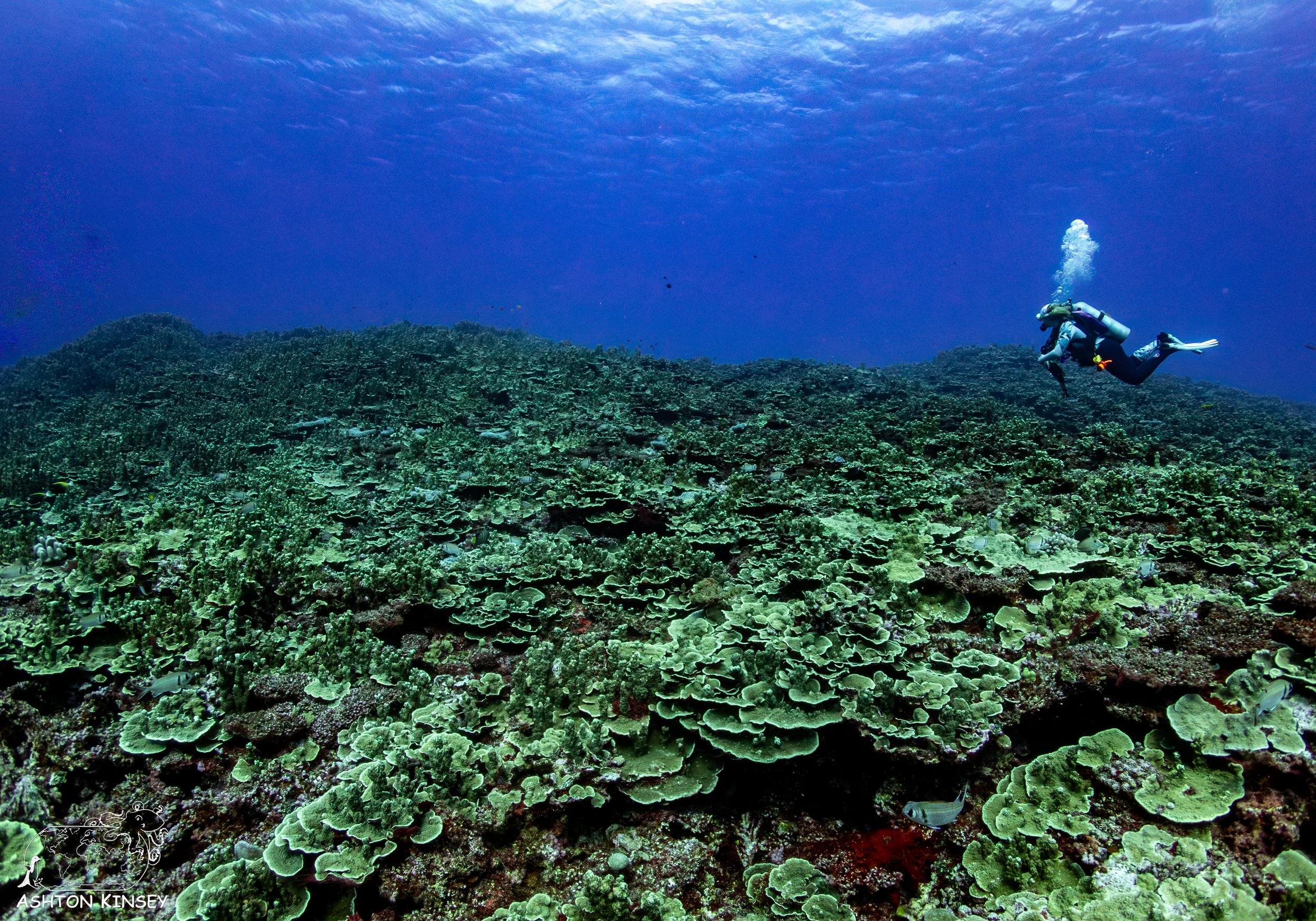
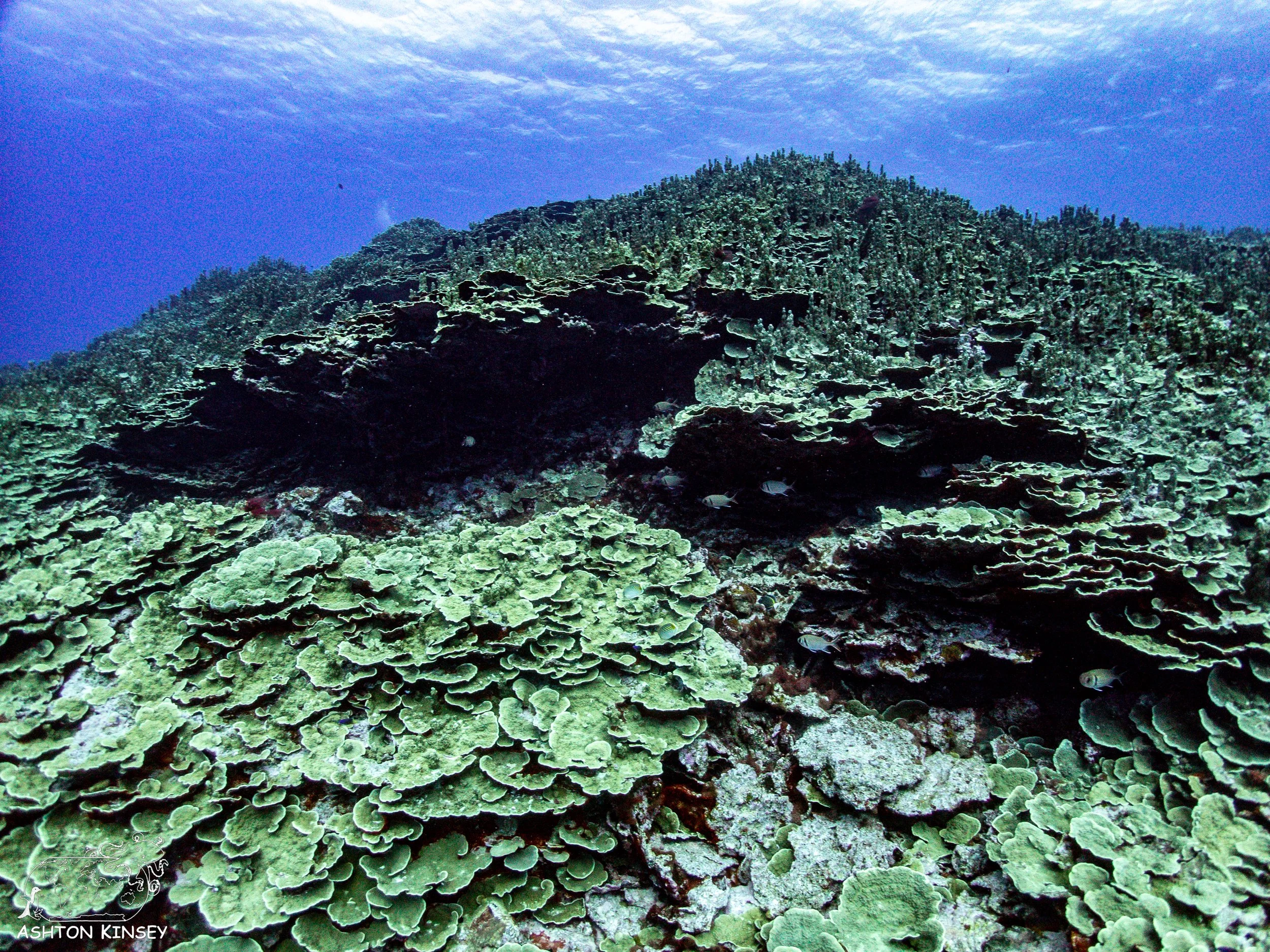
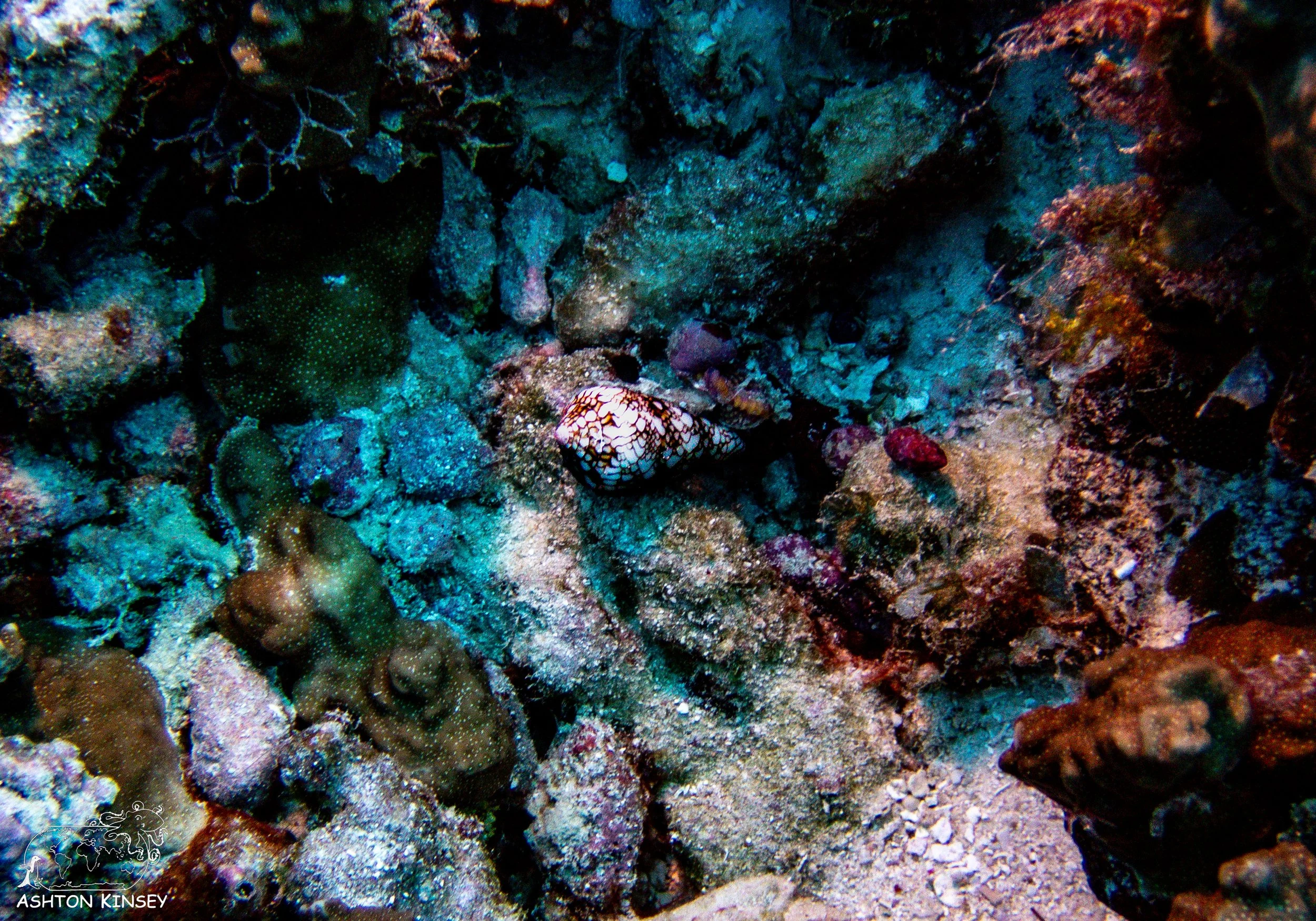
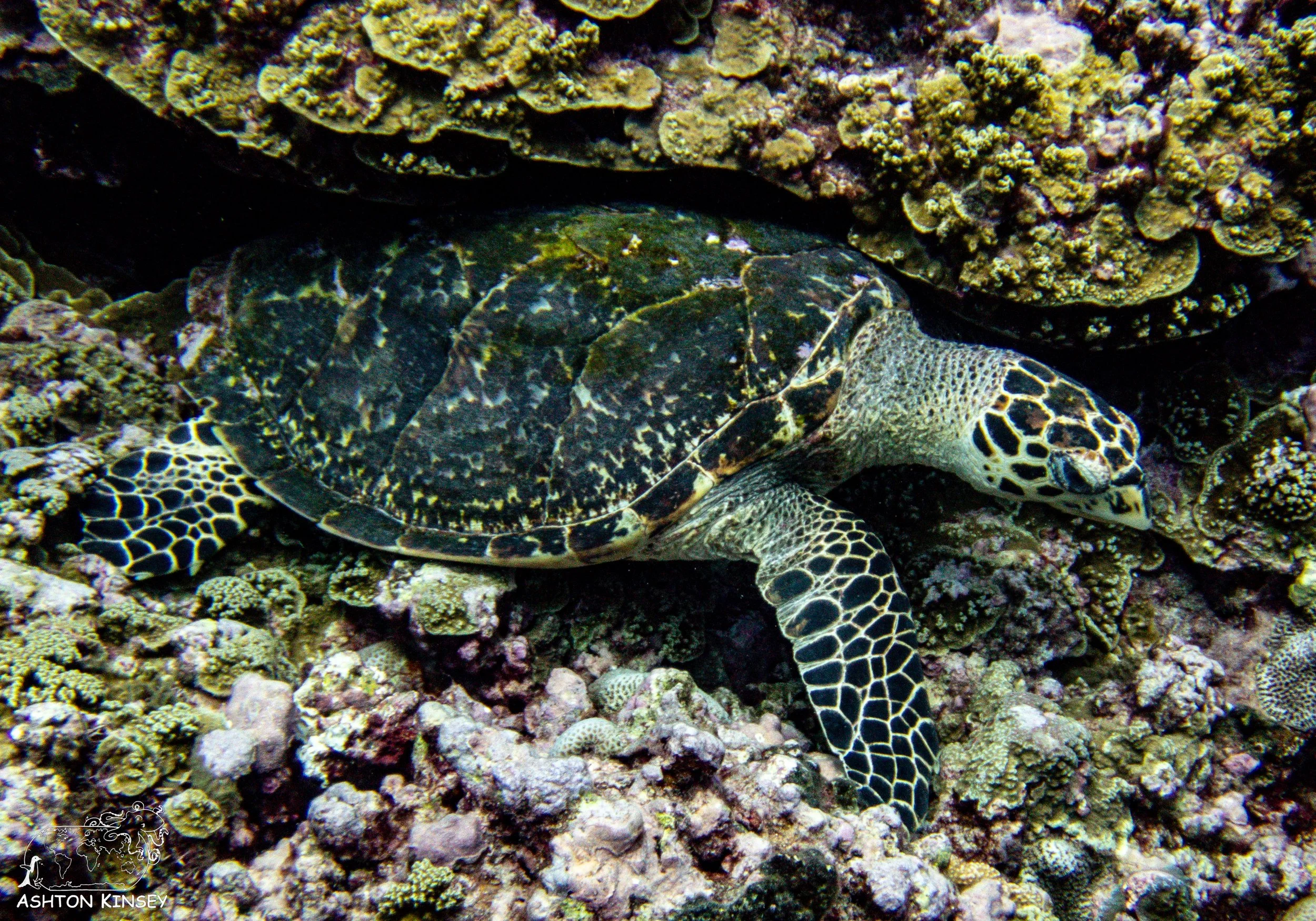
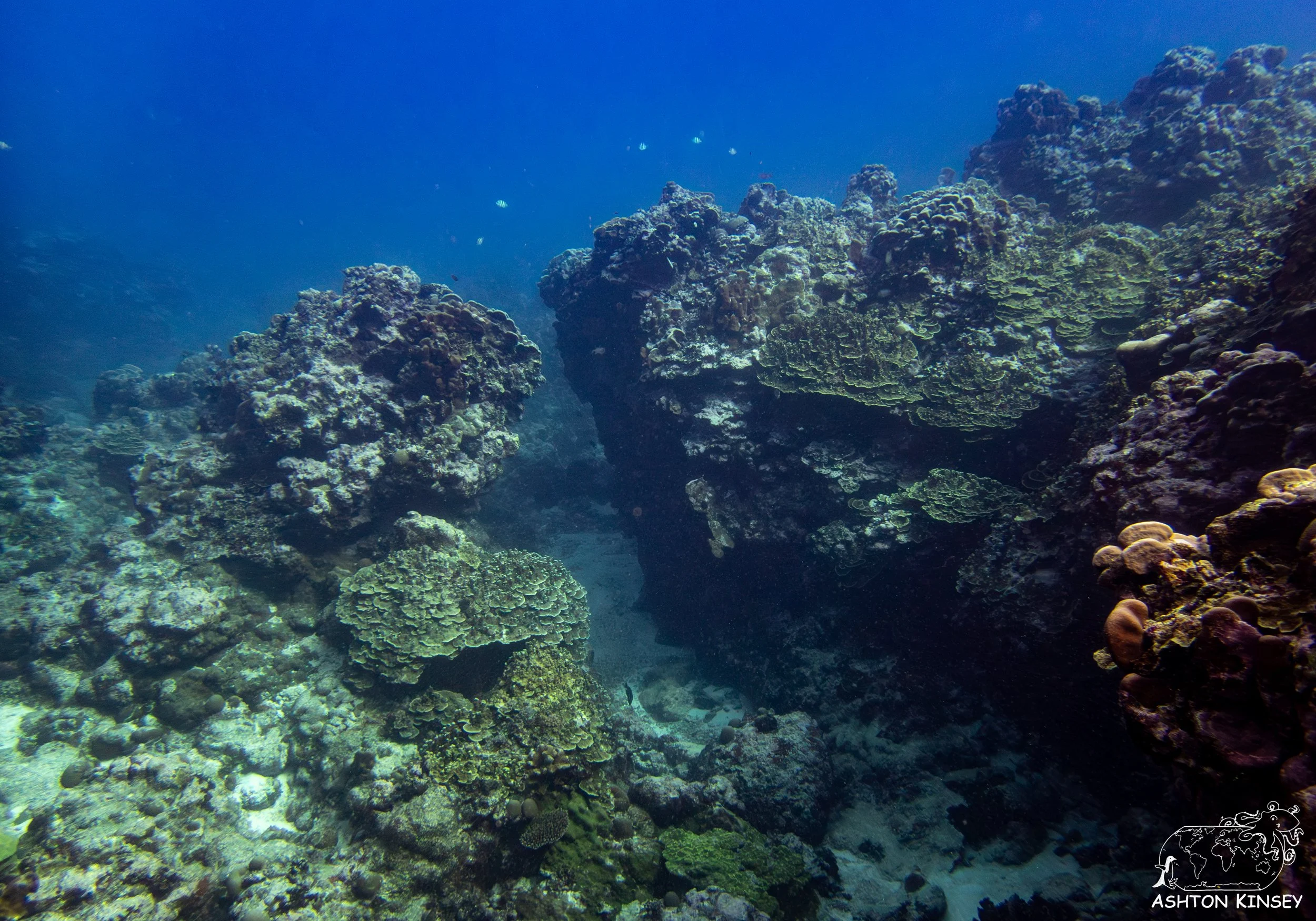
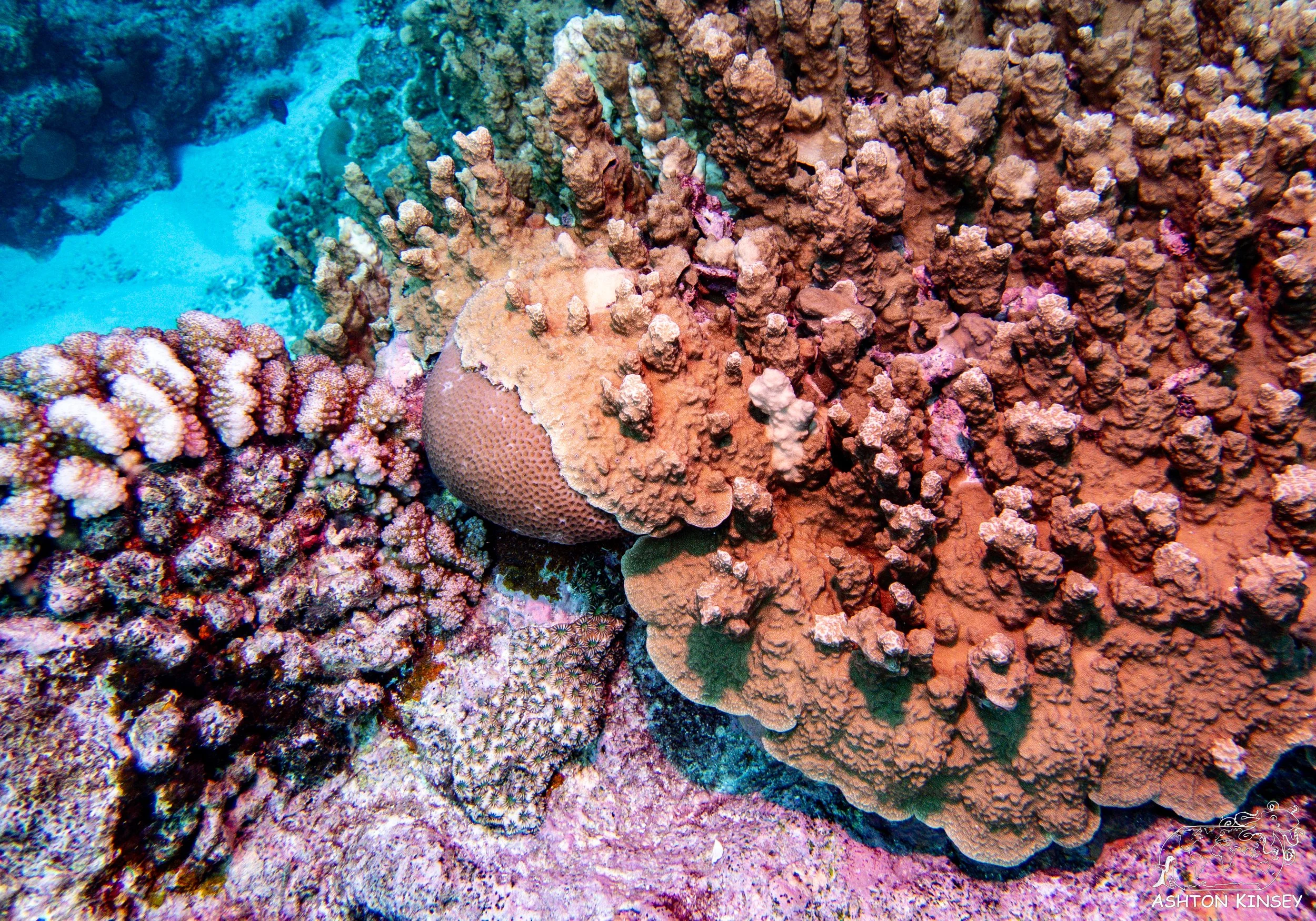
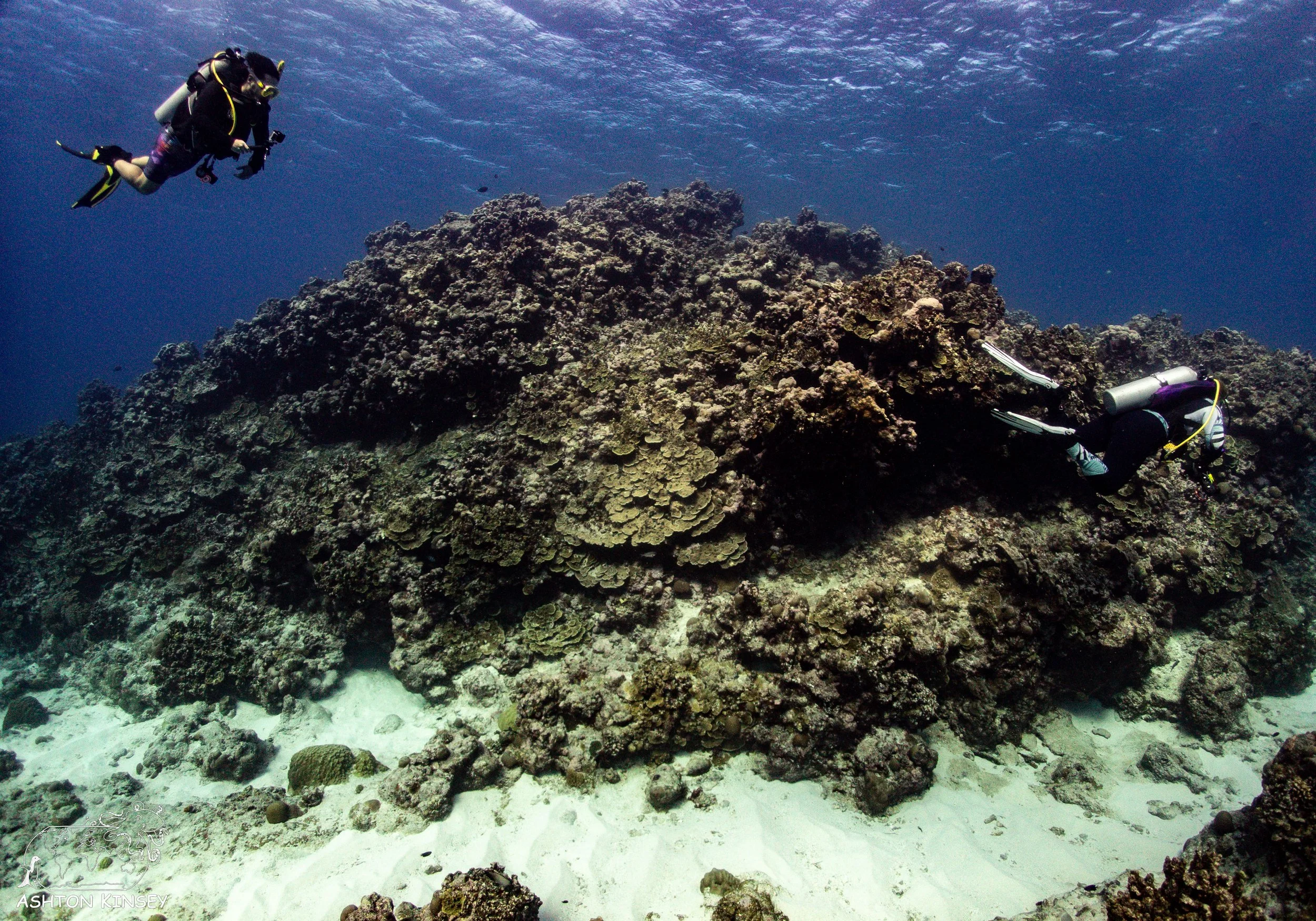
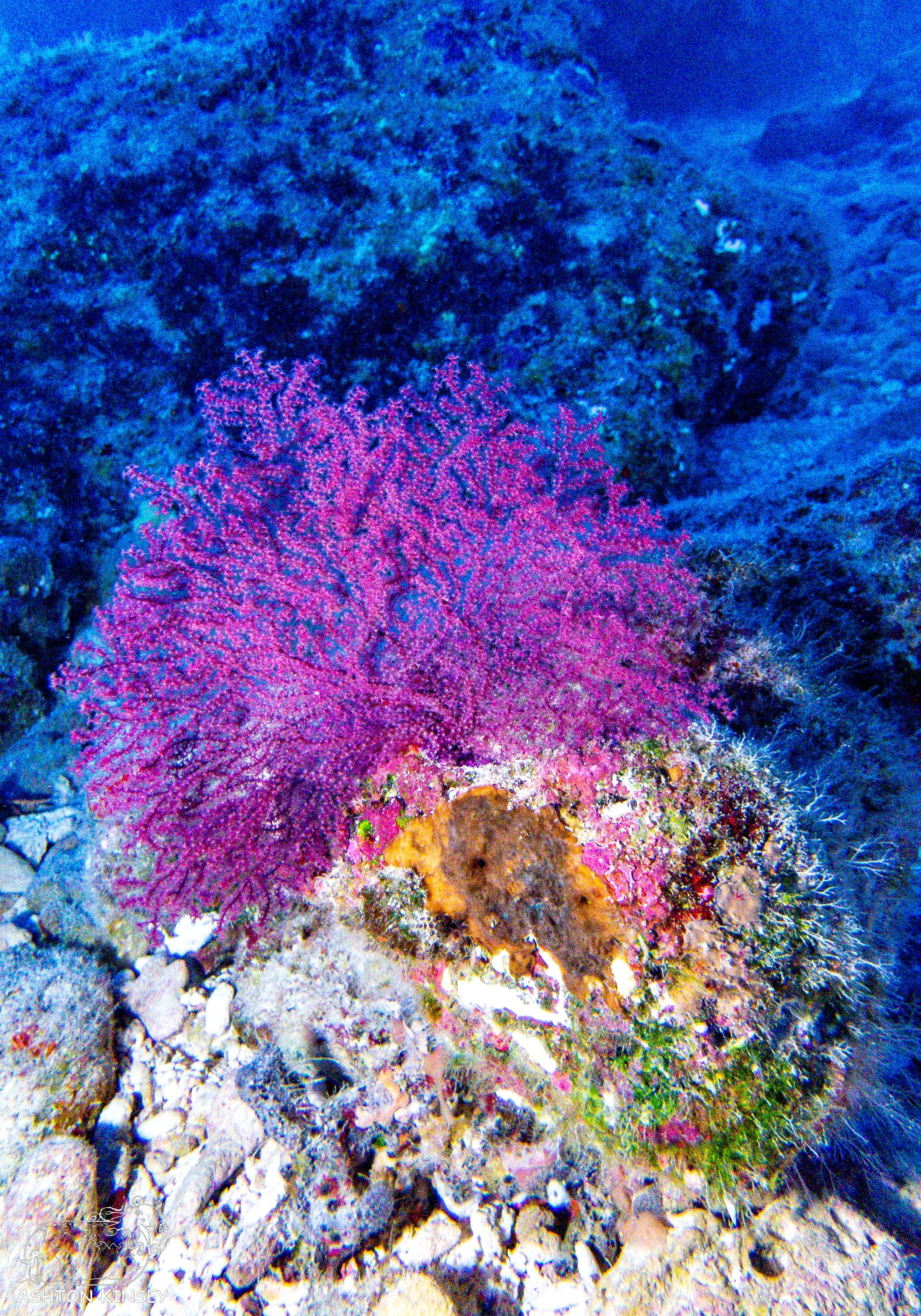
An easy and simple first dive to ease back into non-wreck diving. This site is shaped like a big dimple, with one side sloping down to deep water and the shallower side leveling off around 60’. There are huge schools of pyramid butterfly fish that will swarm divers looking for food, snacks or just to check their reflections out in your mask. Hawks bill turtles are commonly found here, cruising around the mound. Small black tips sharks are also commonly seen. Small eels hide in the corals eager and waiting for you to laugh at their bad jokes.
Dive 2: Ice Cream
52’ for 66 minutes
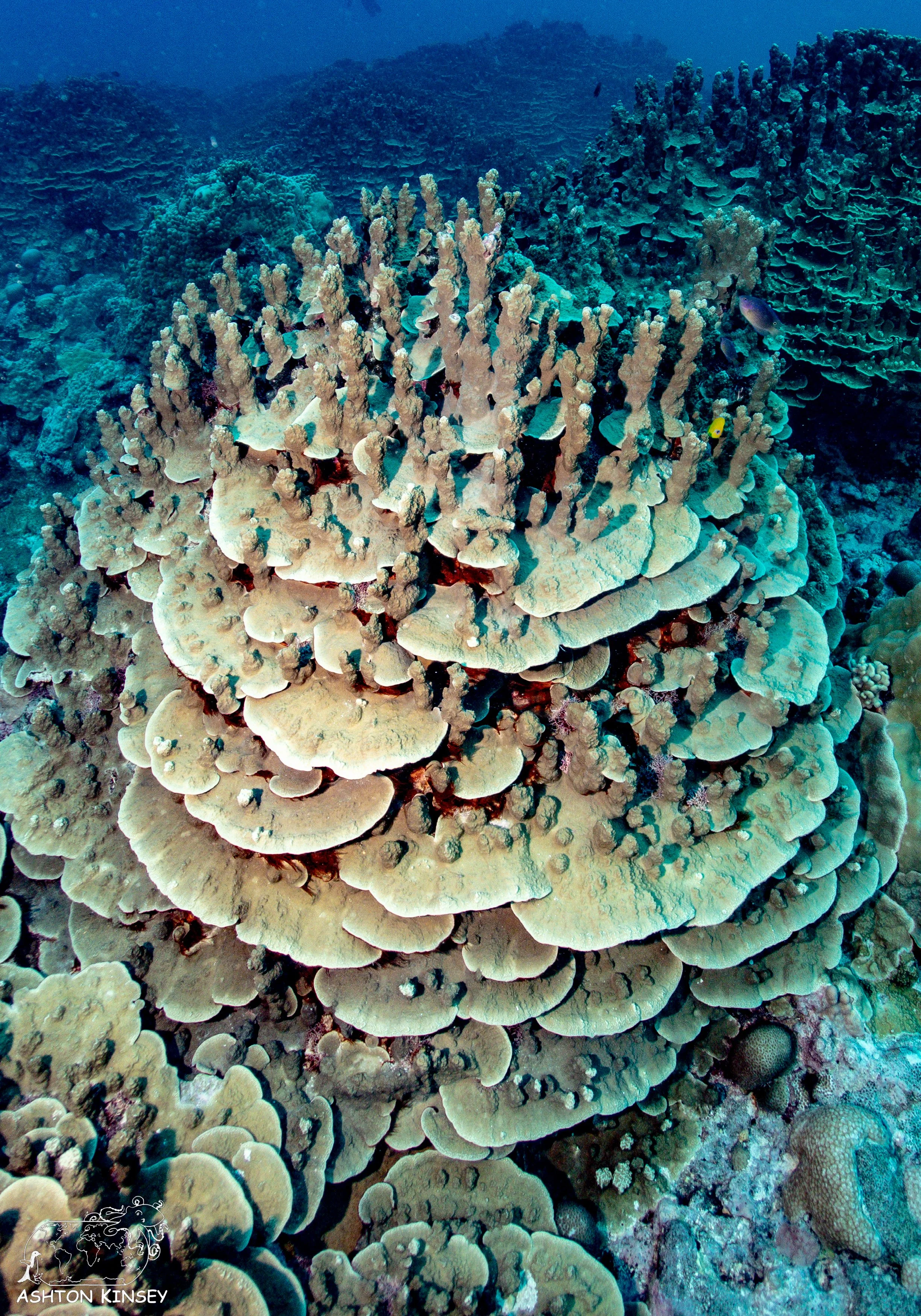
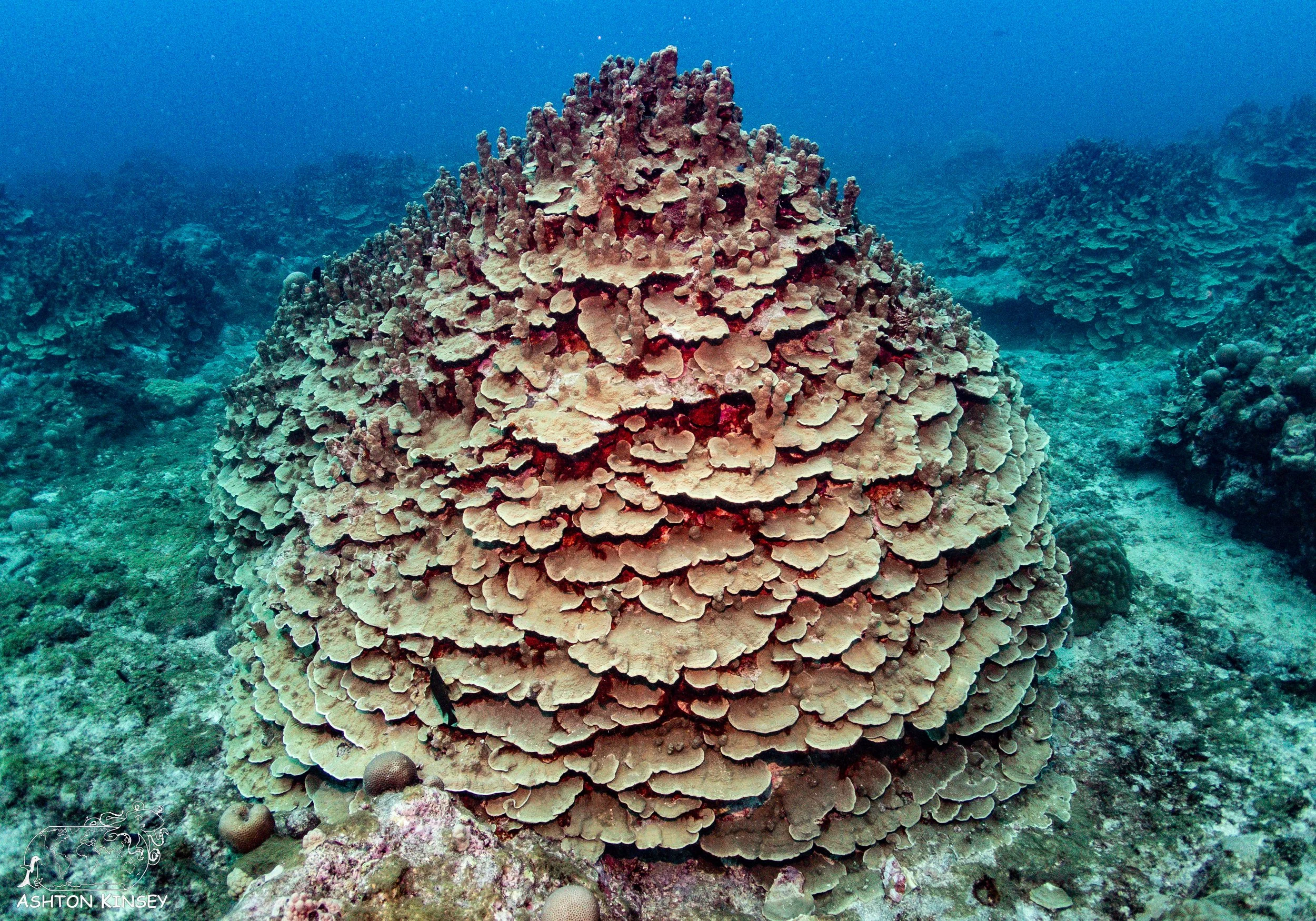
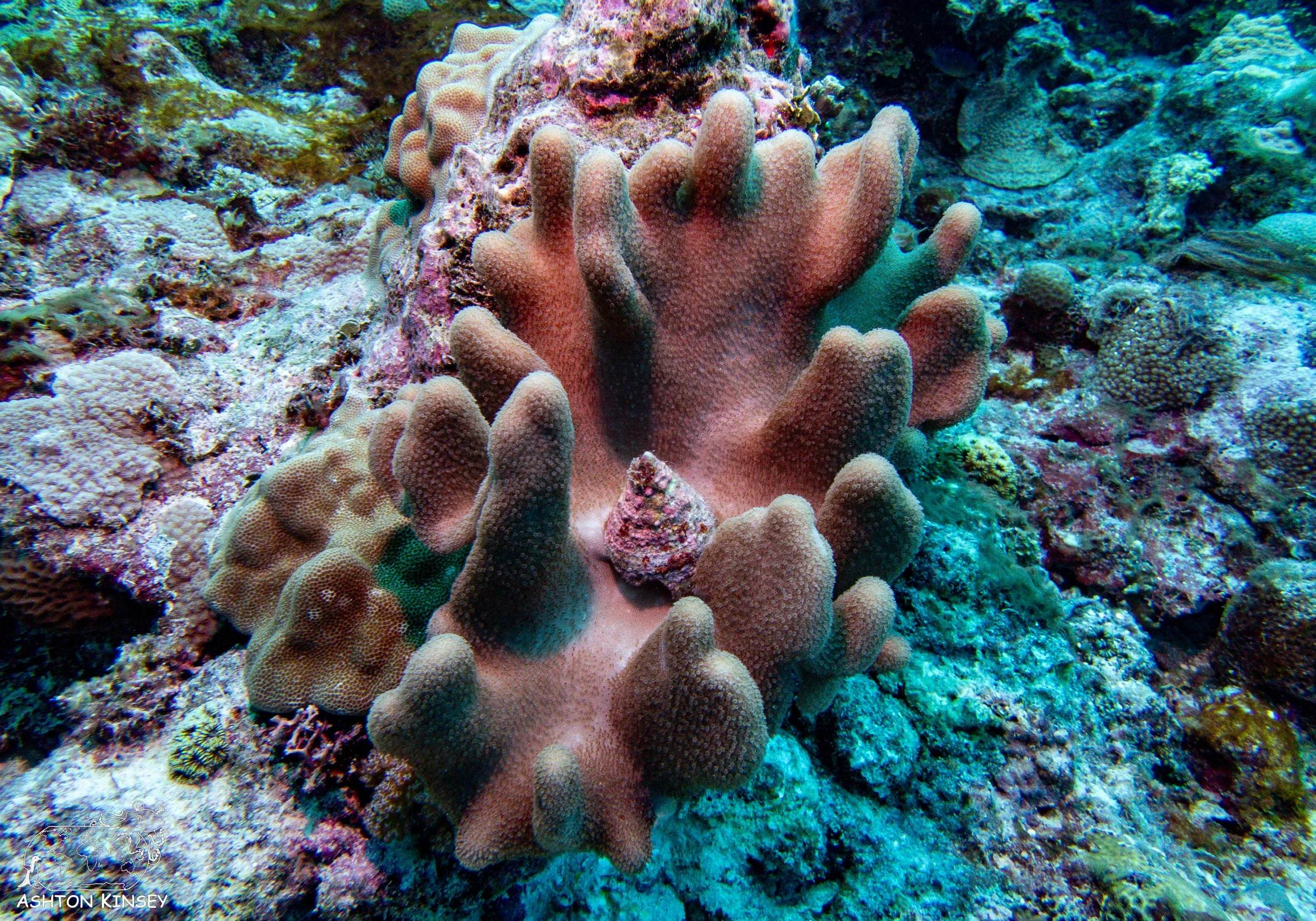
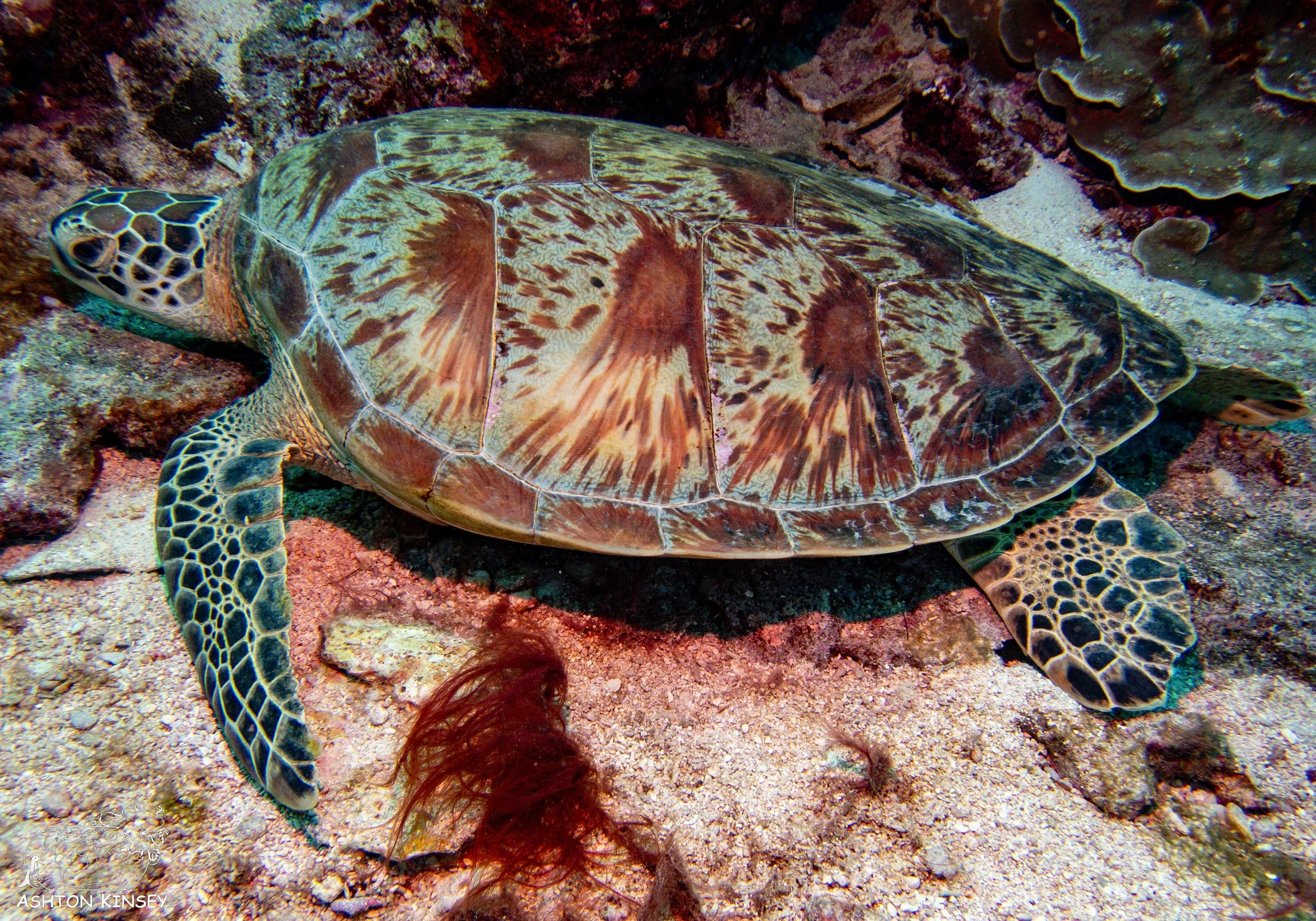
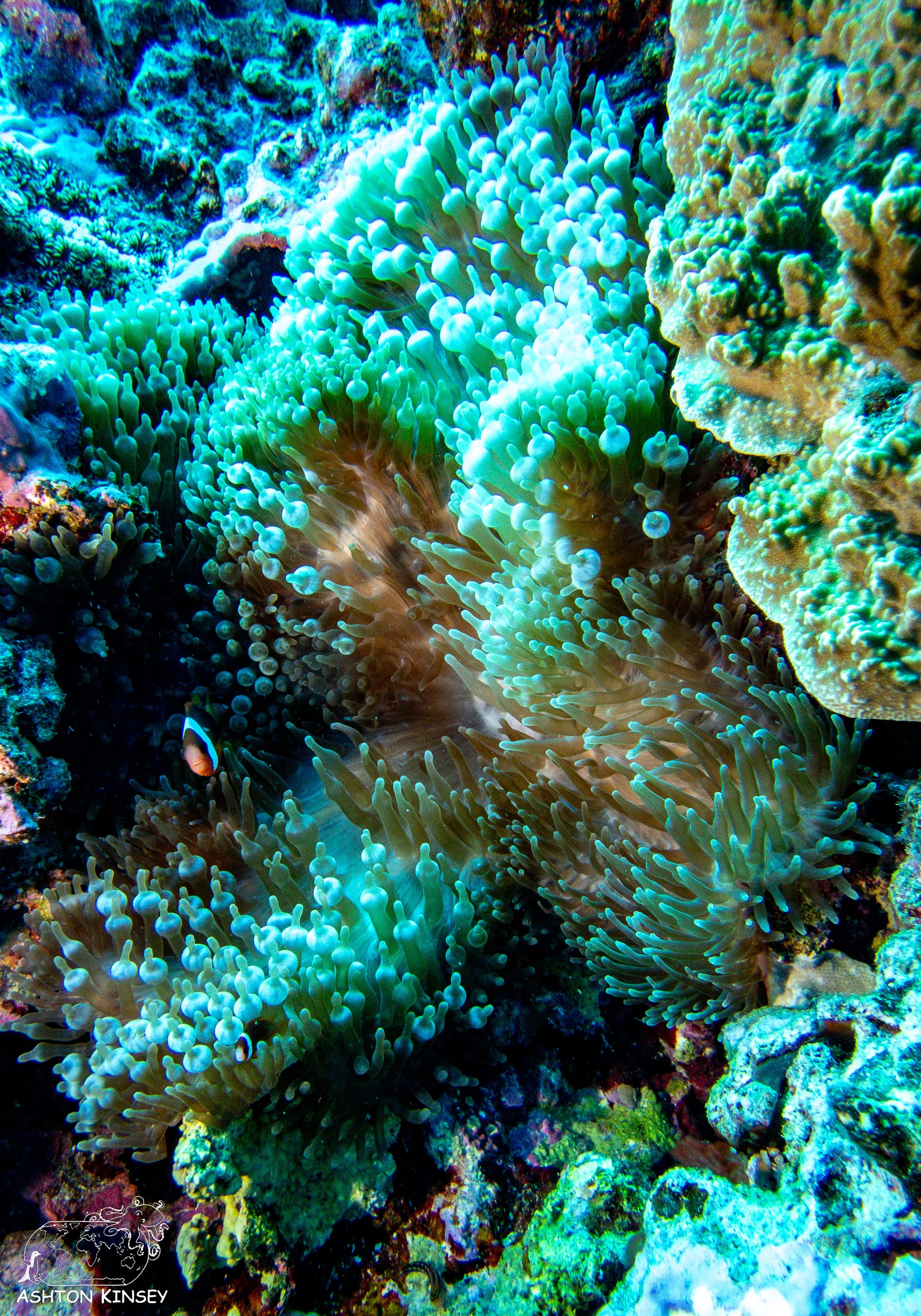
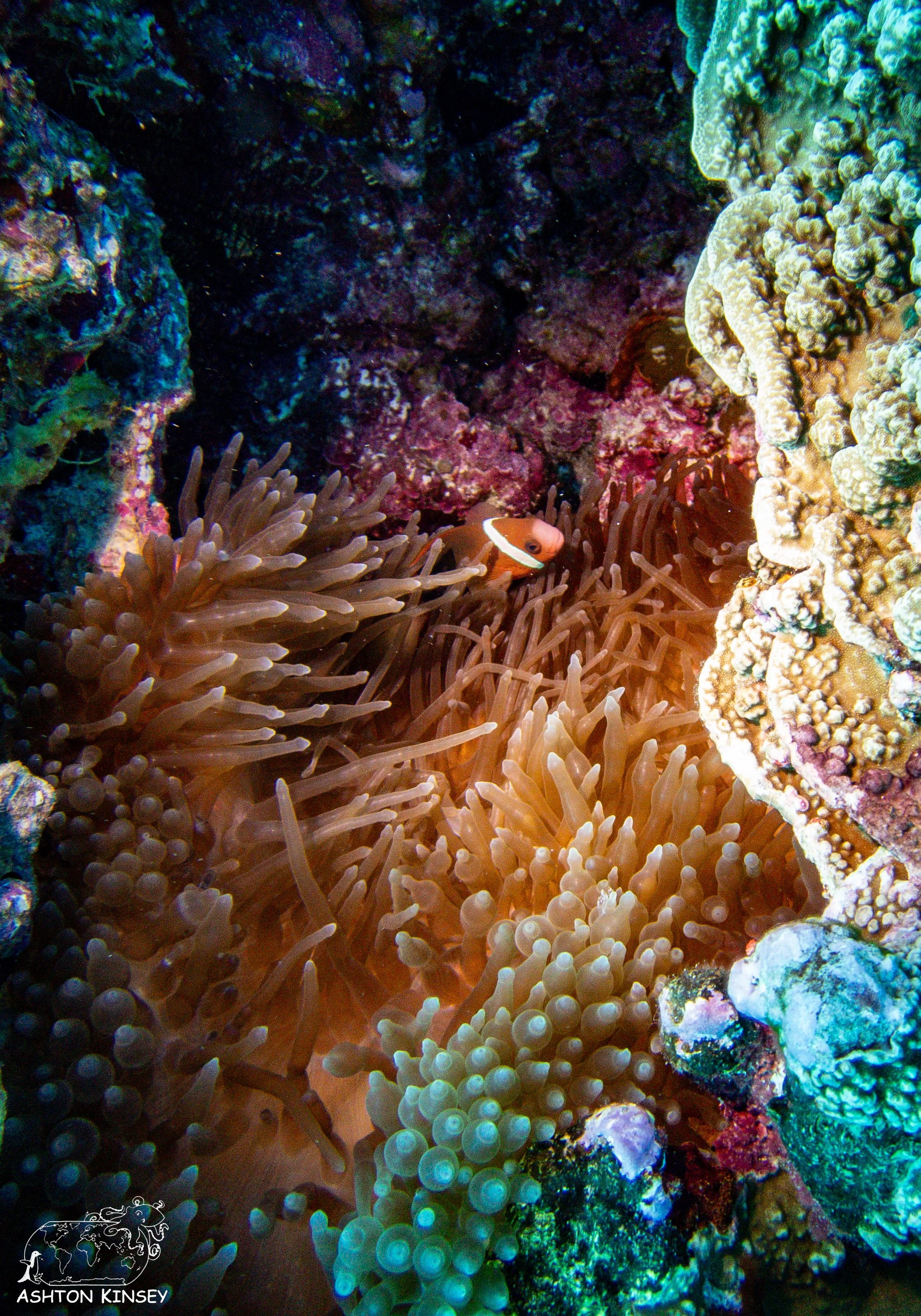
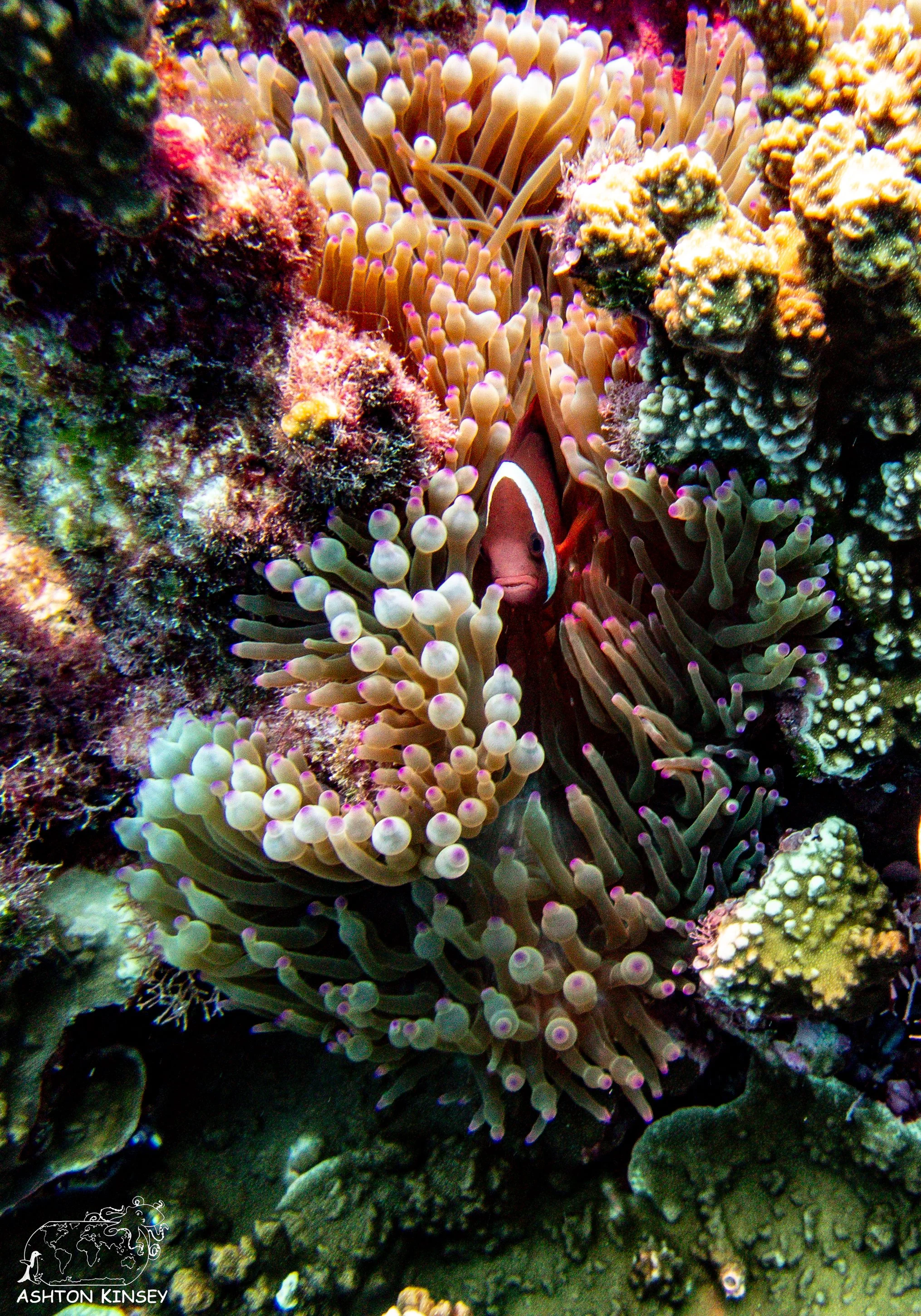
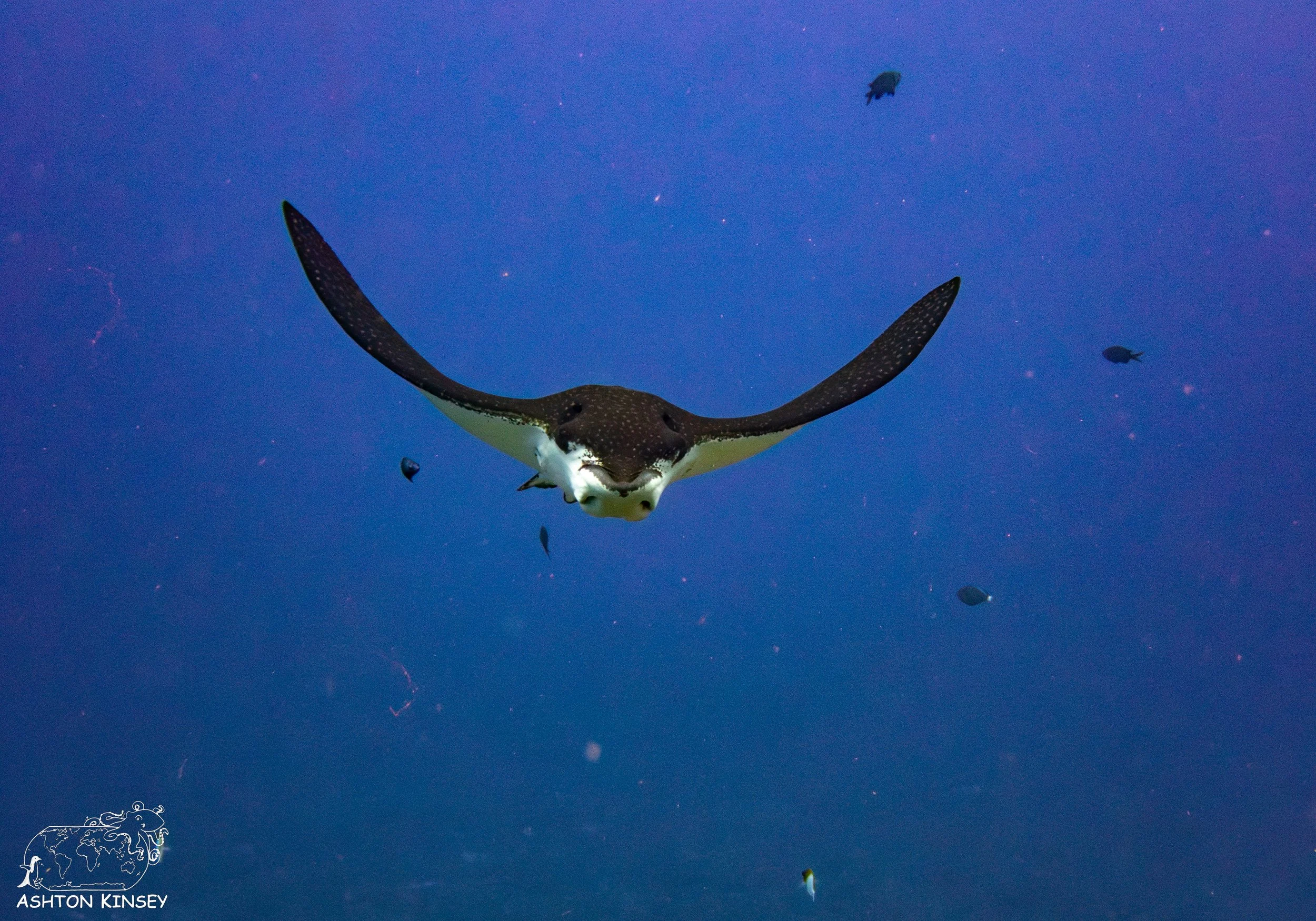
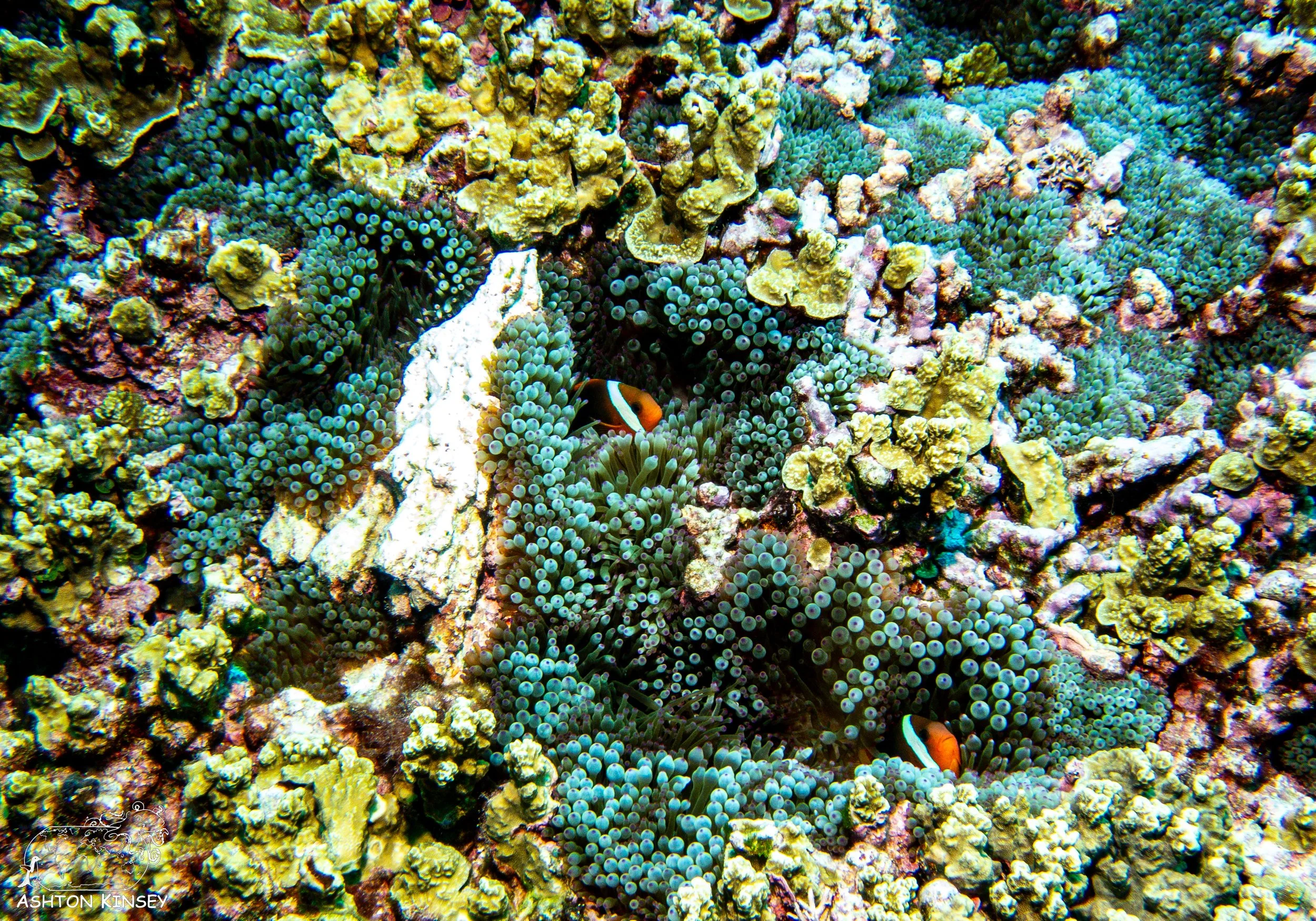
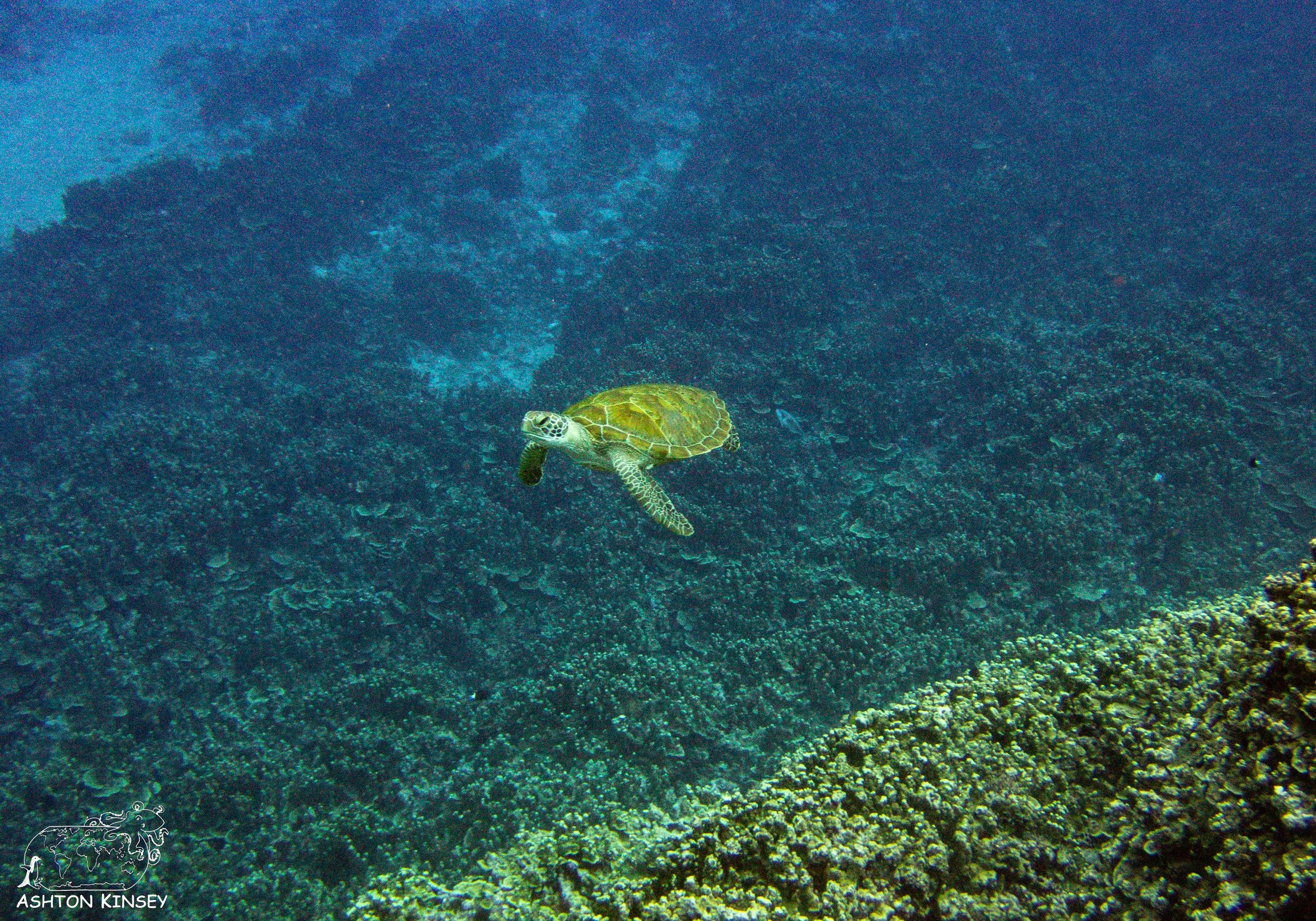
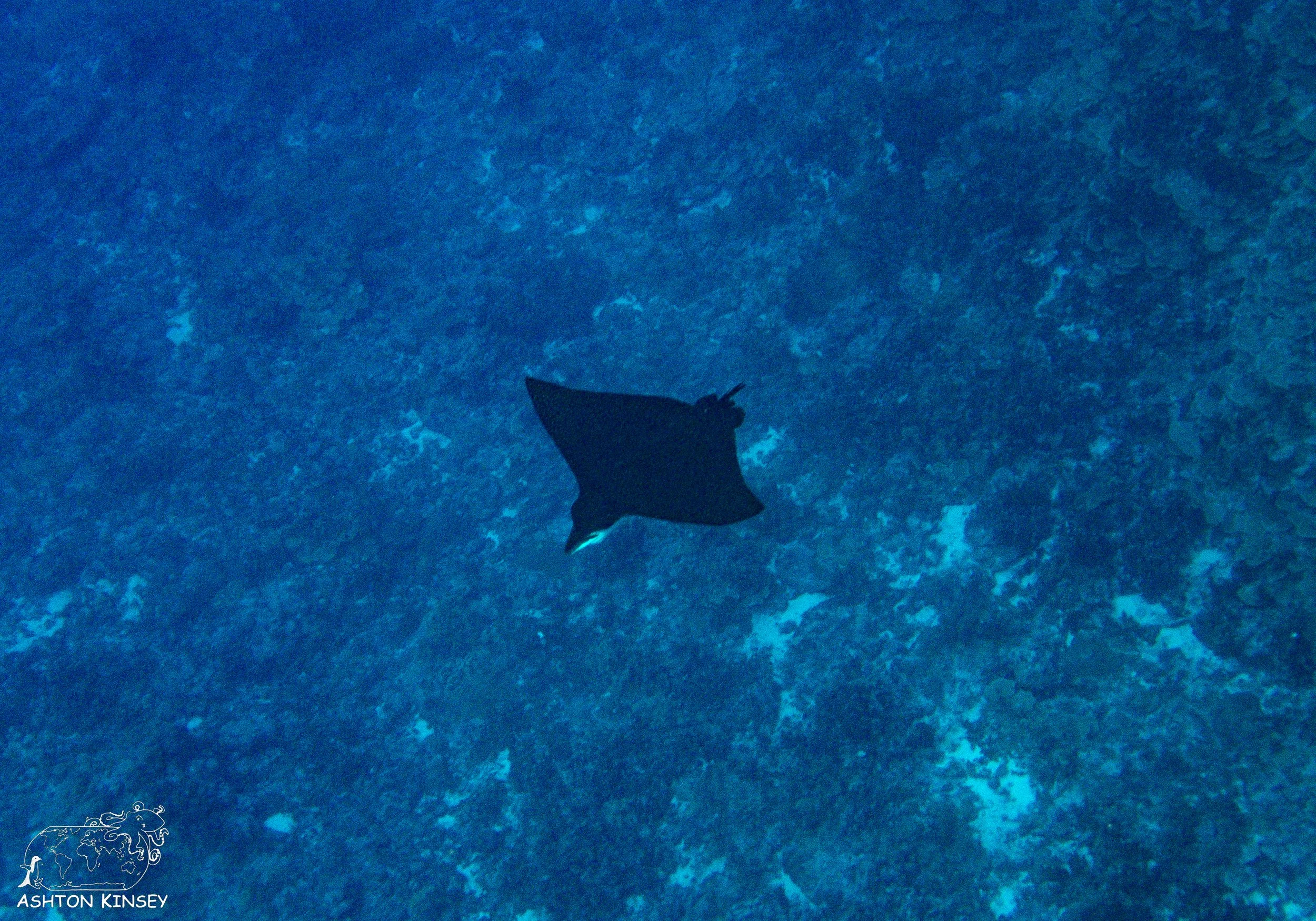
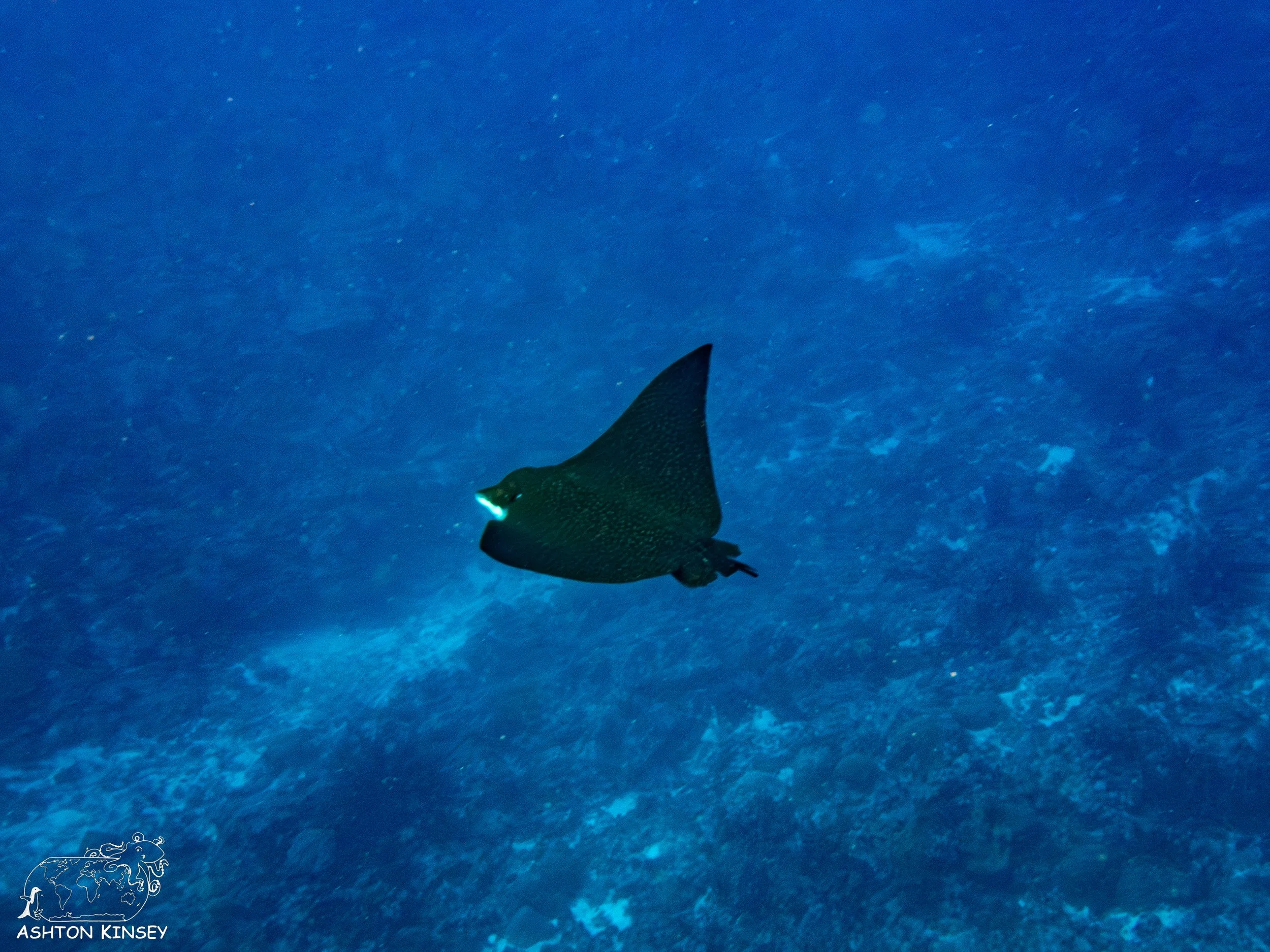
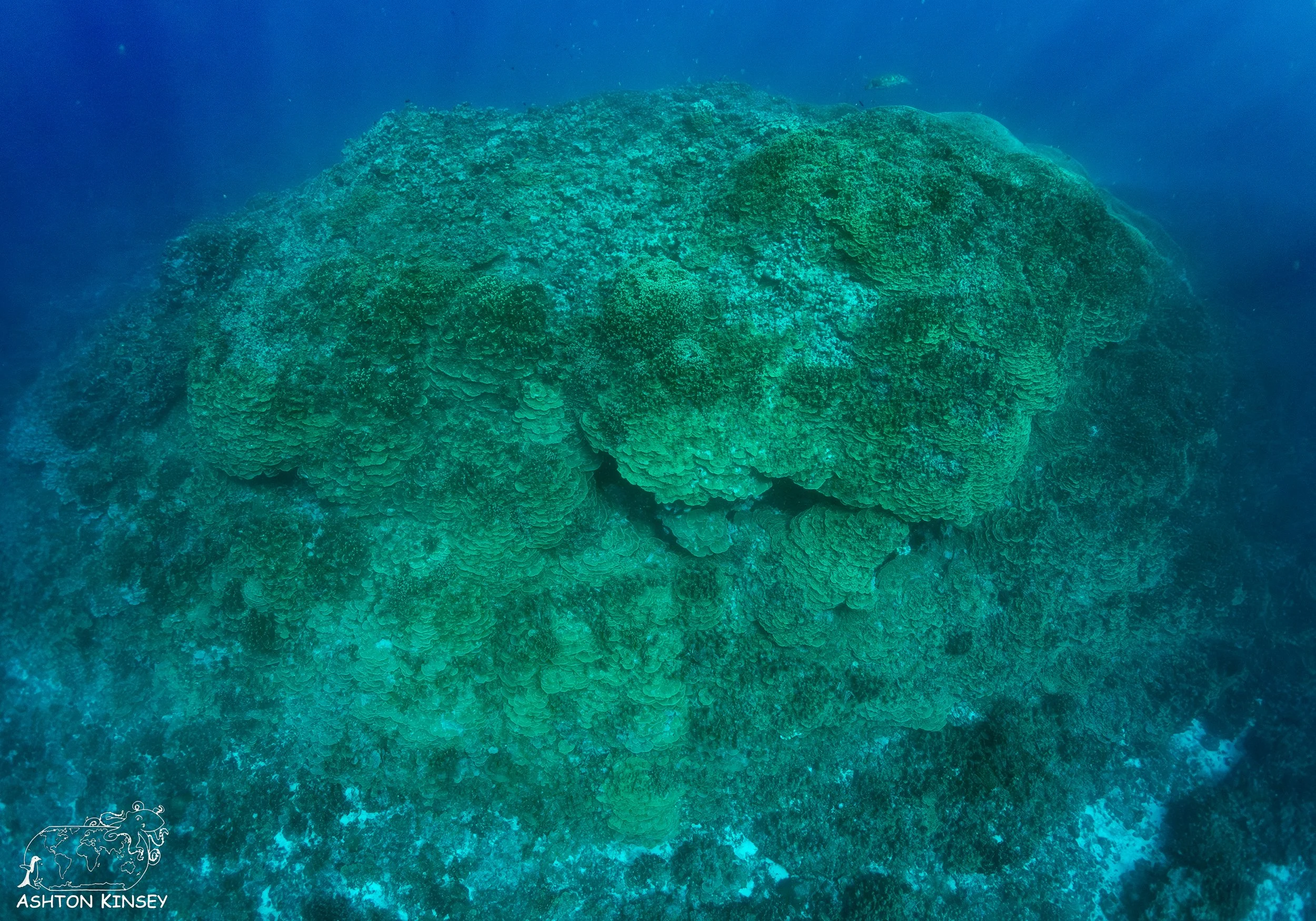
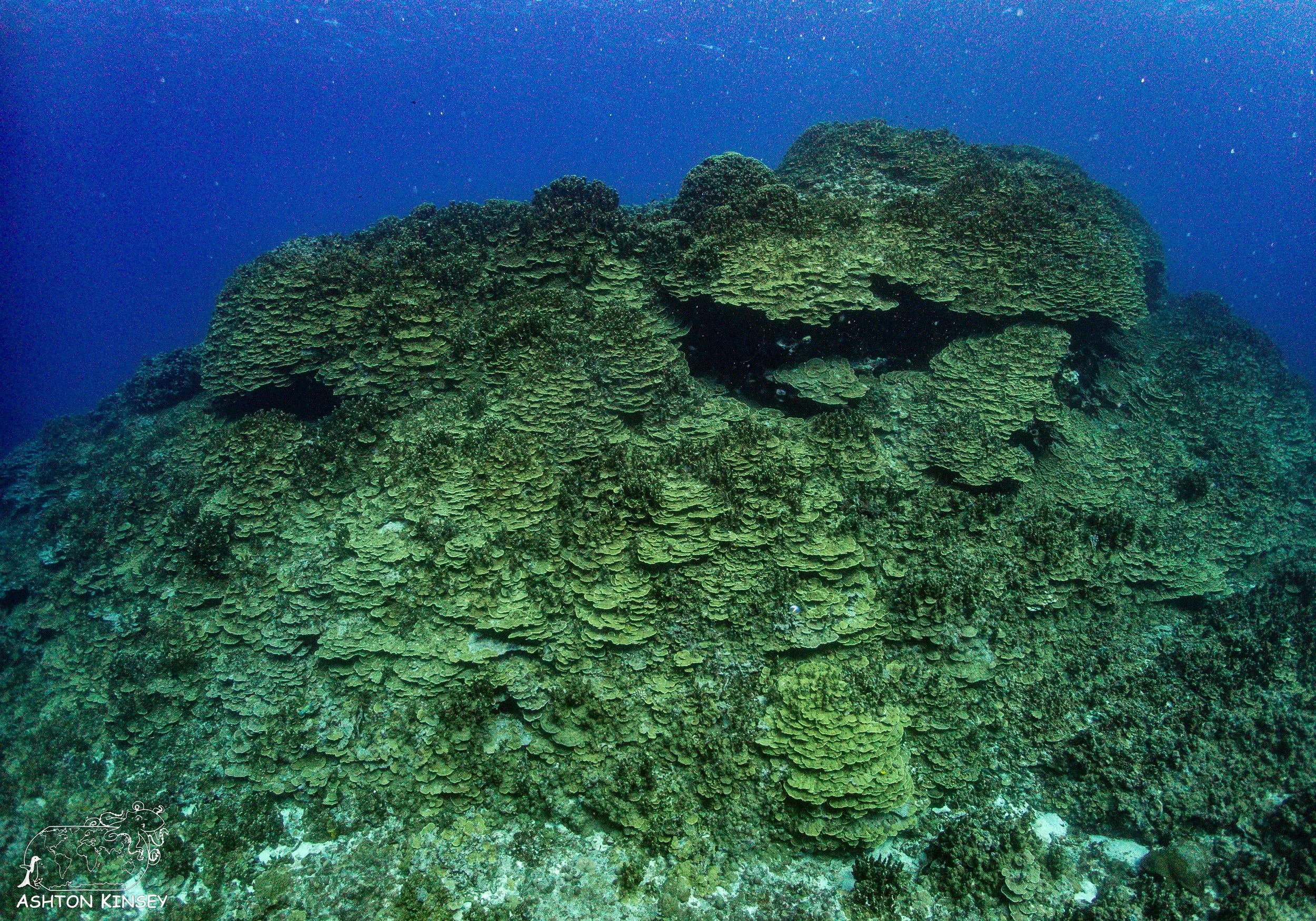
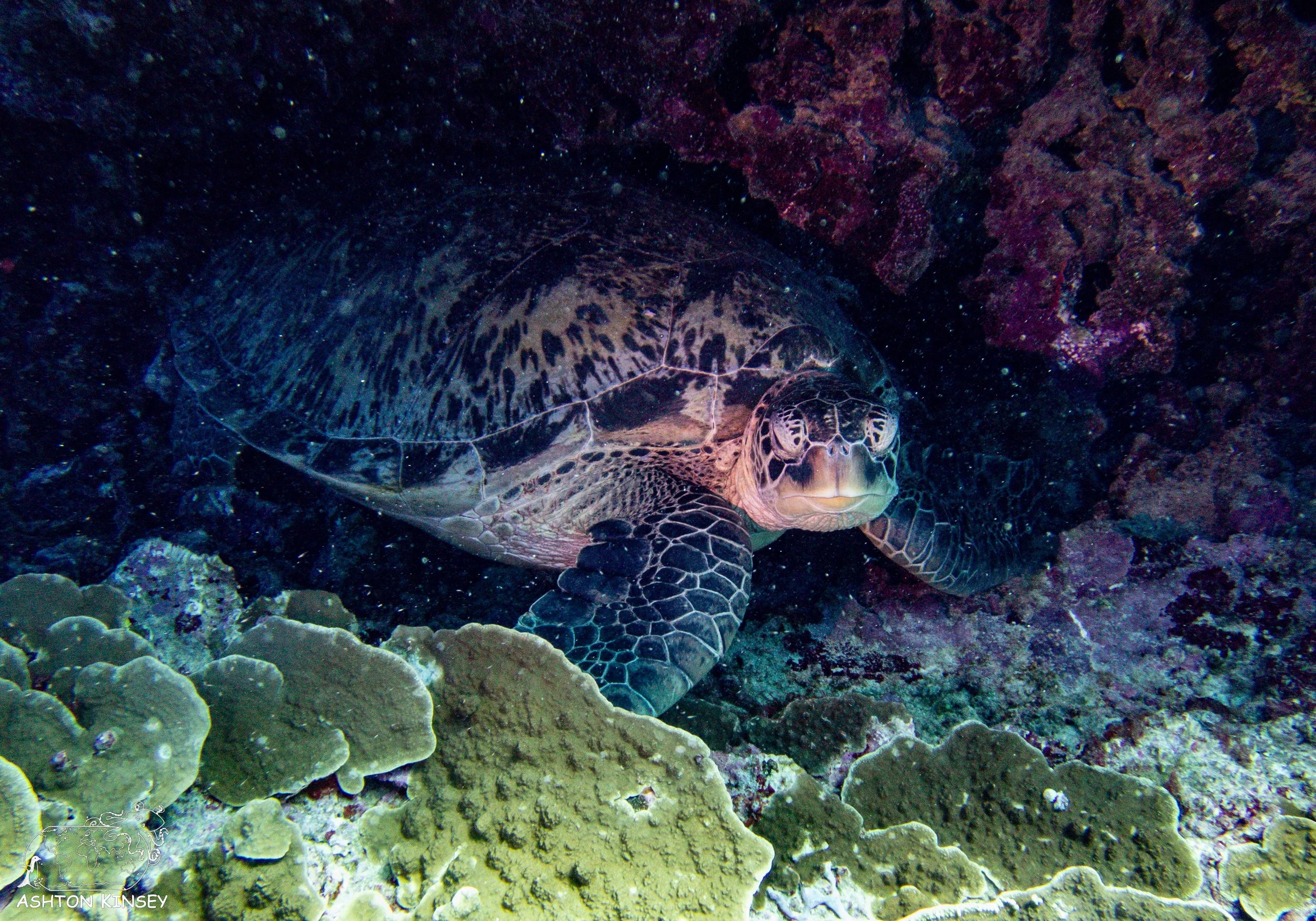
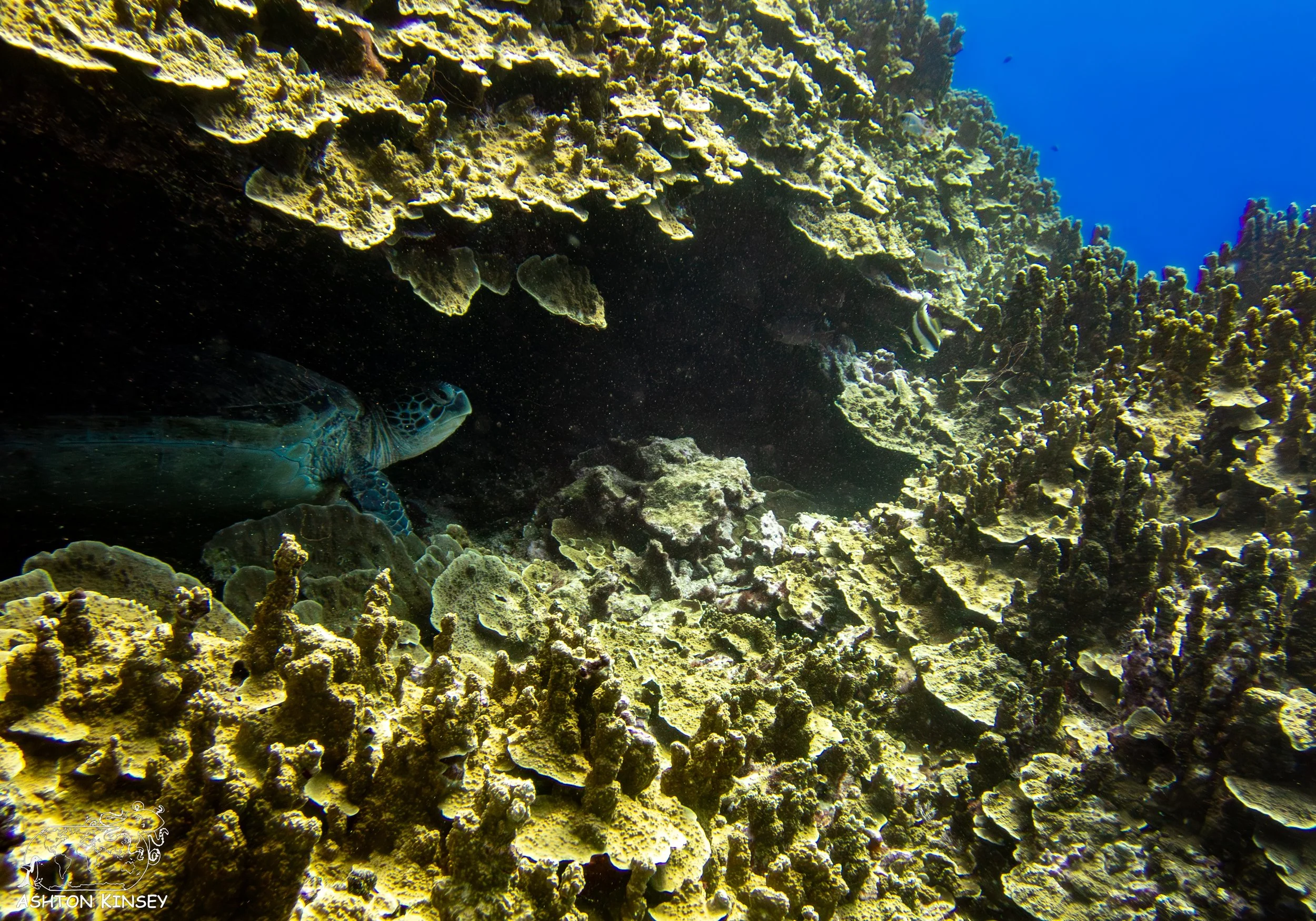
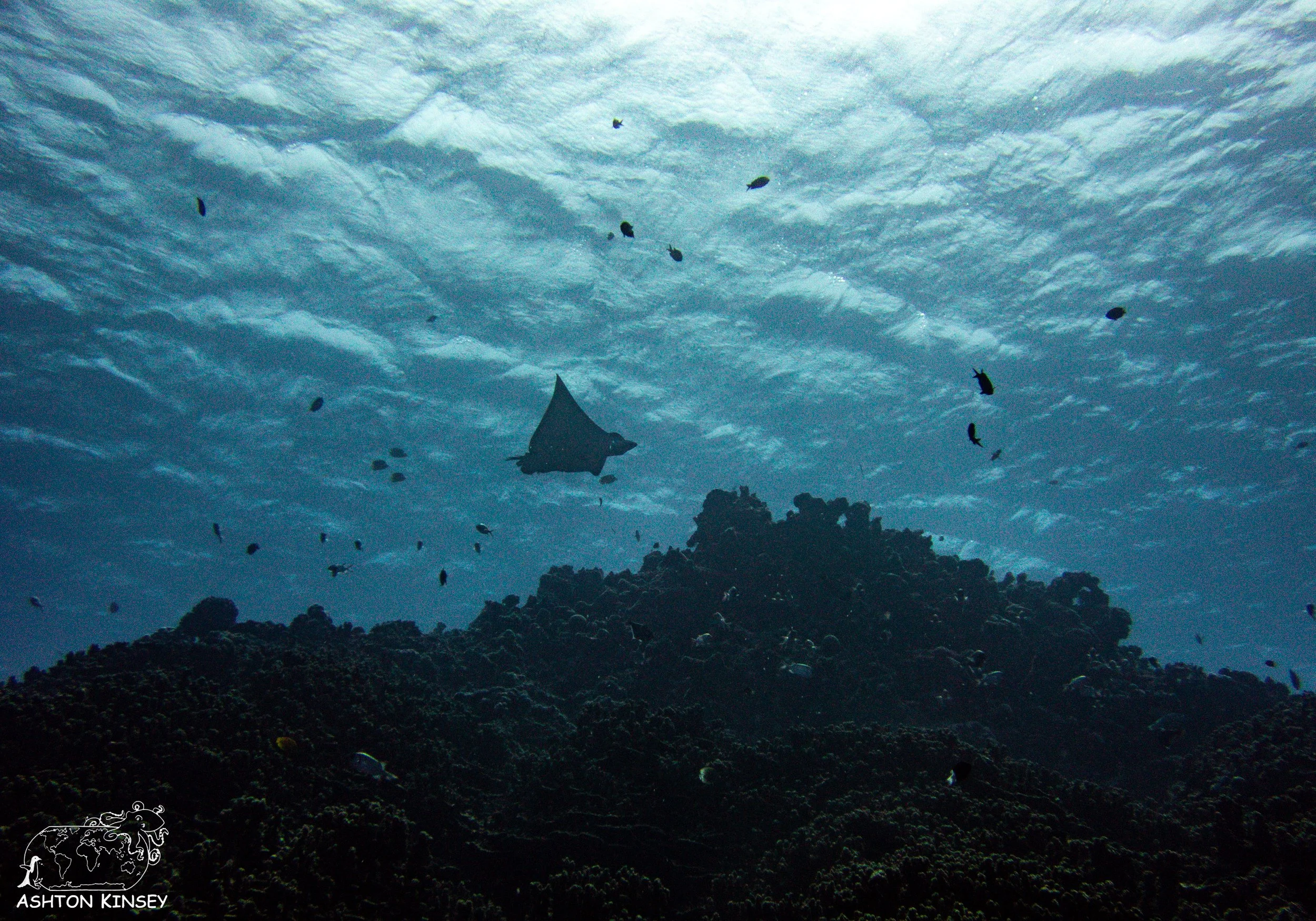
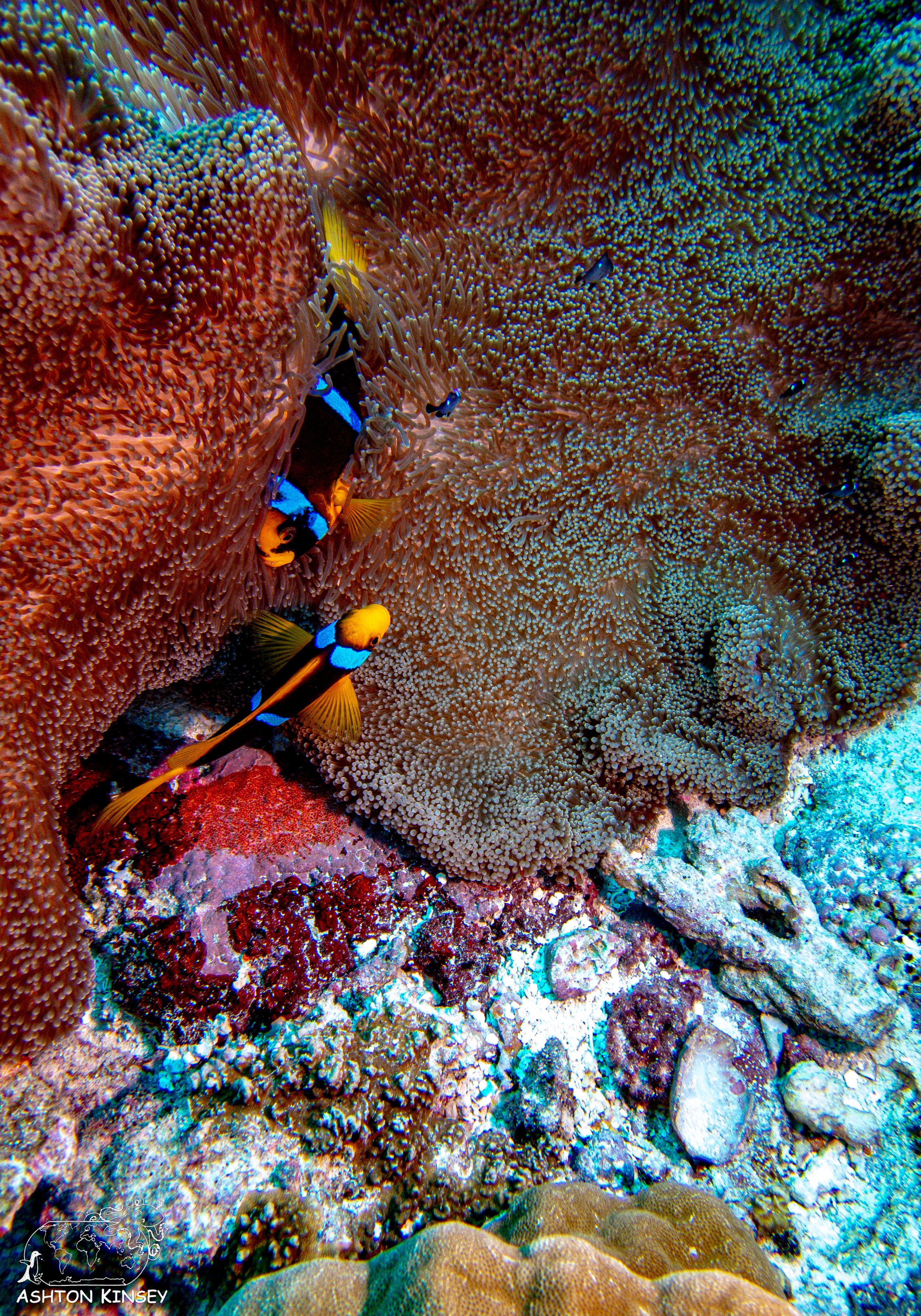
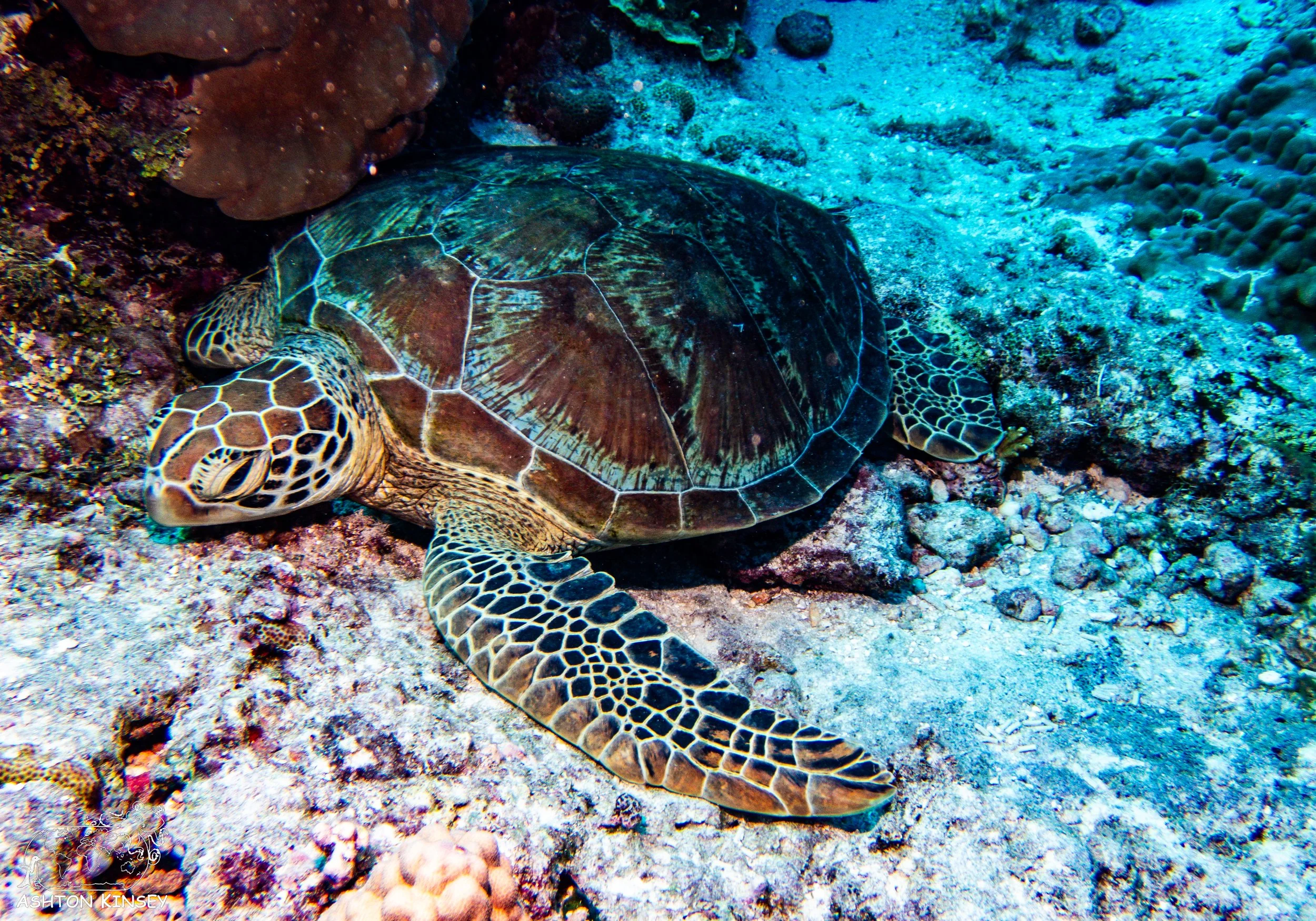
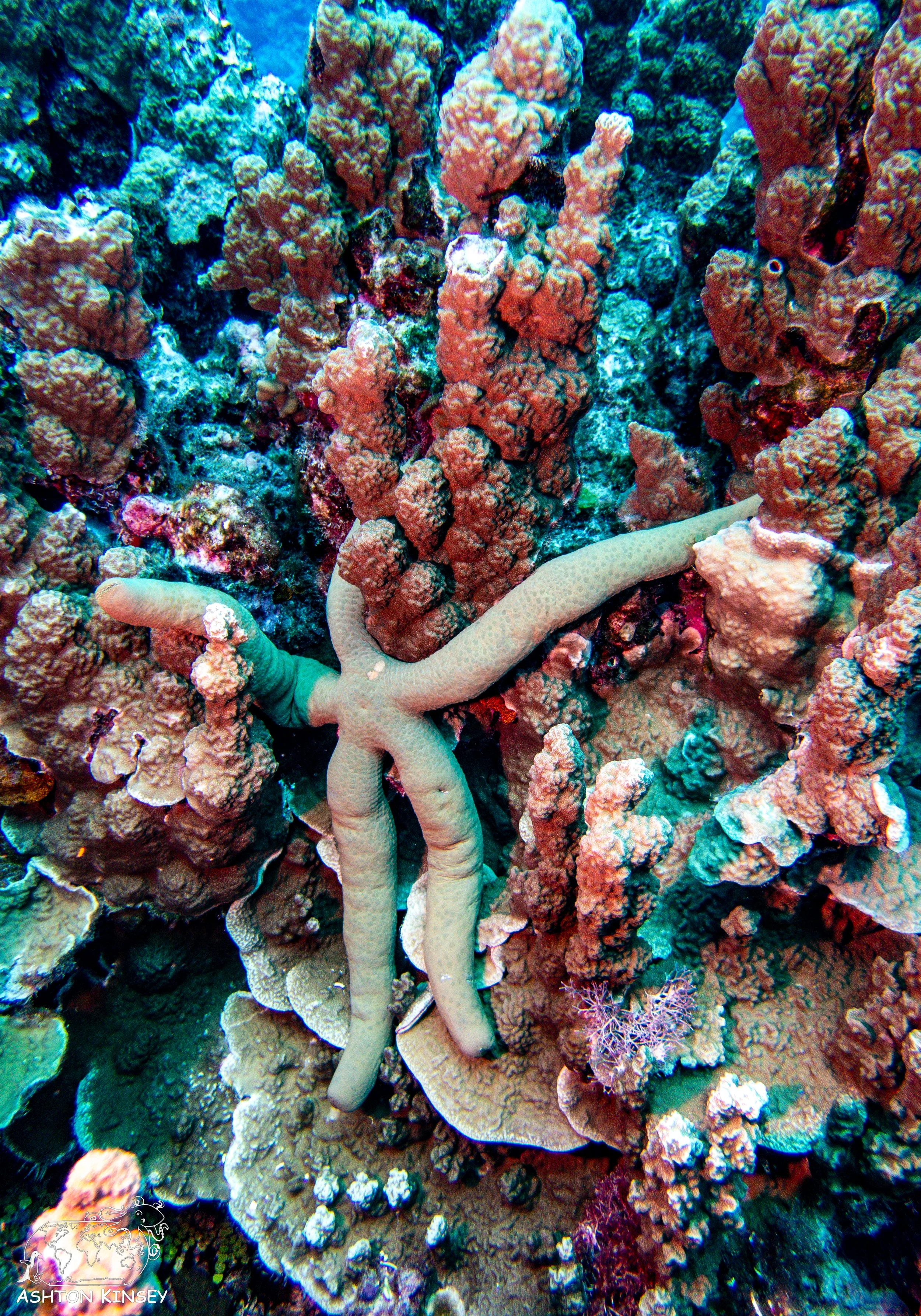
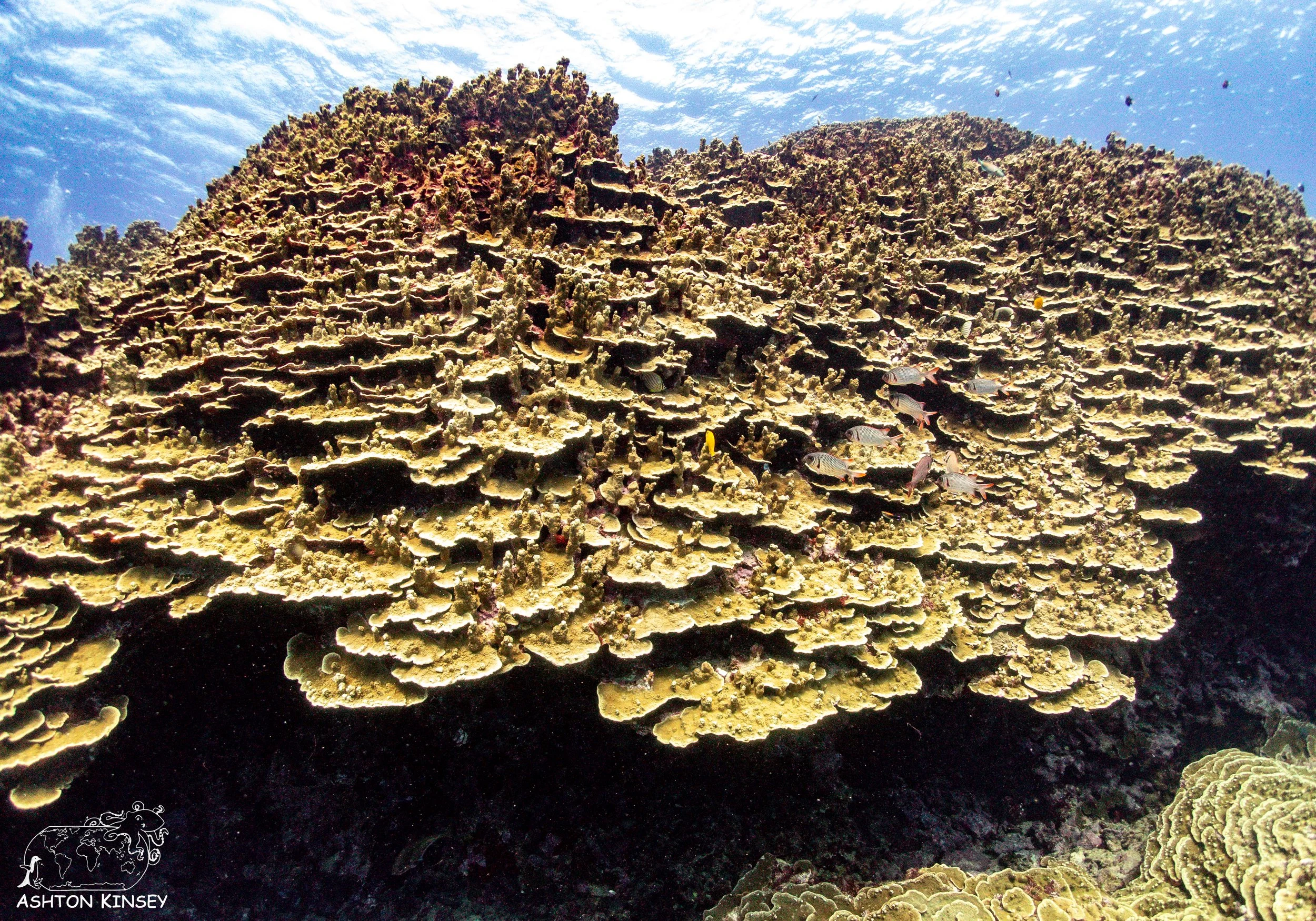
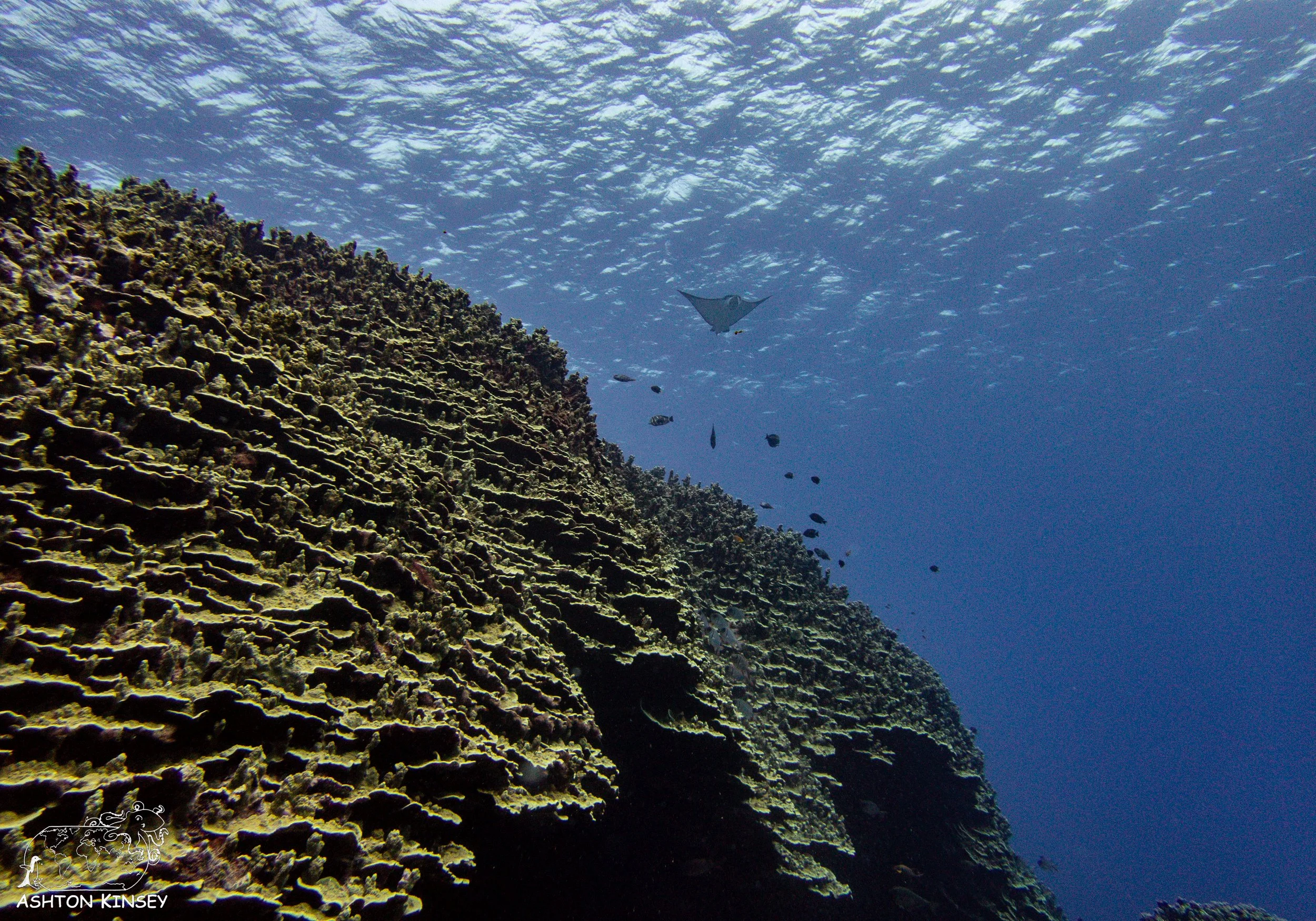
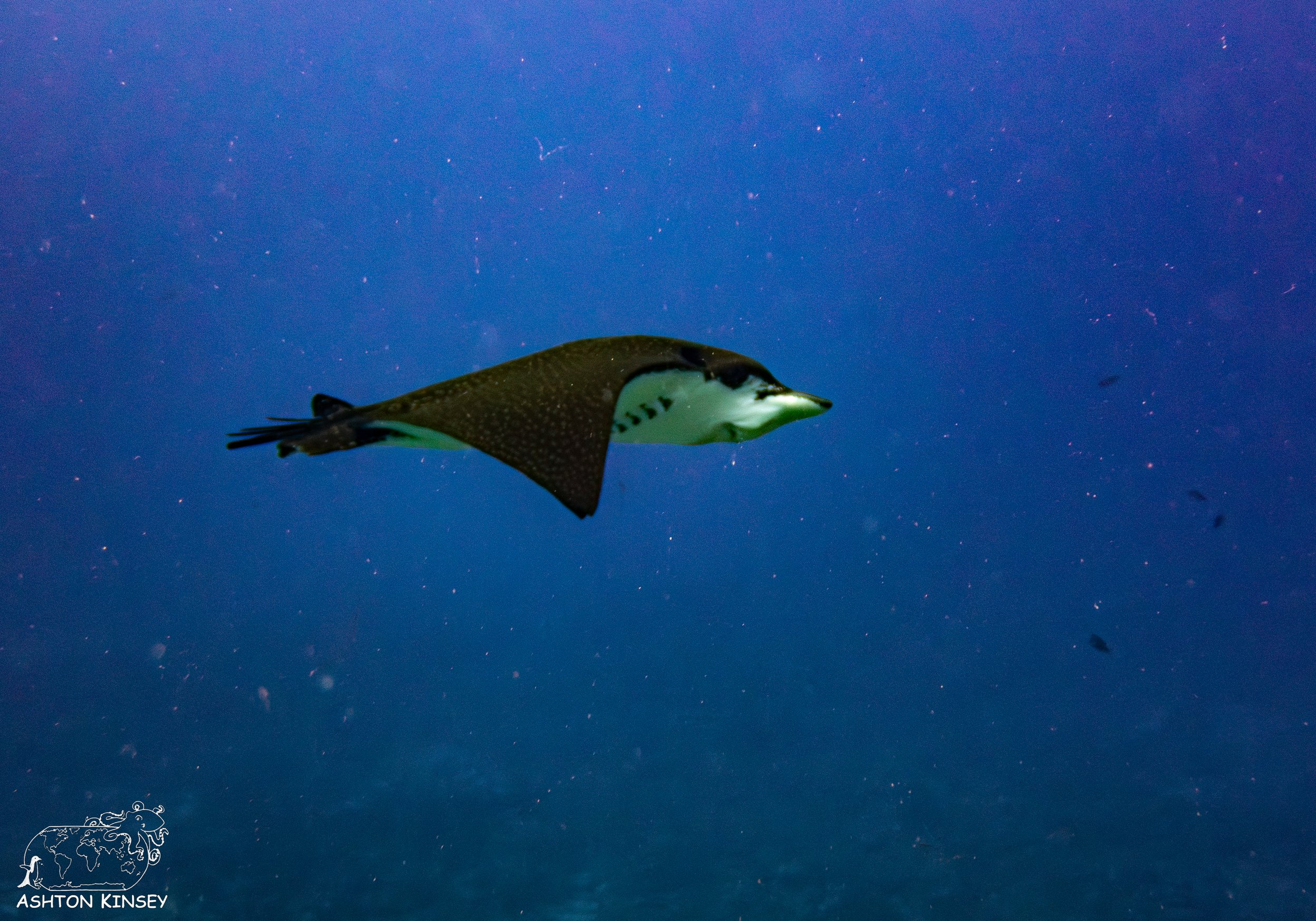
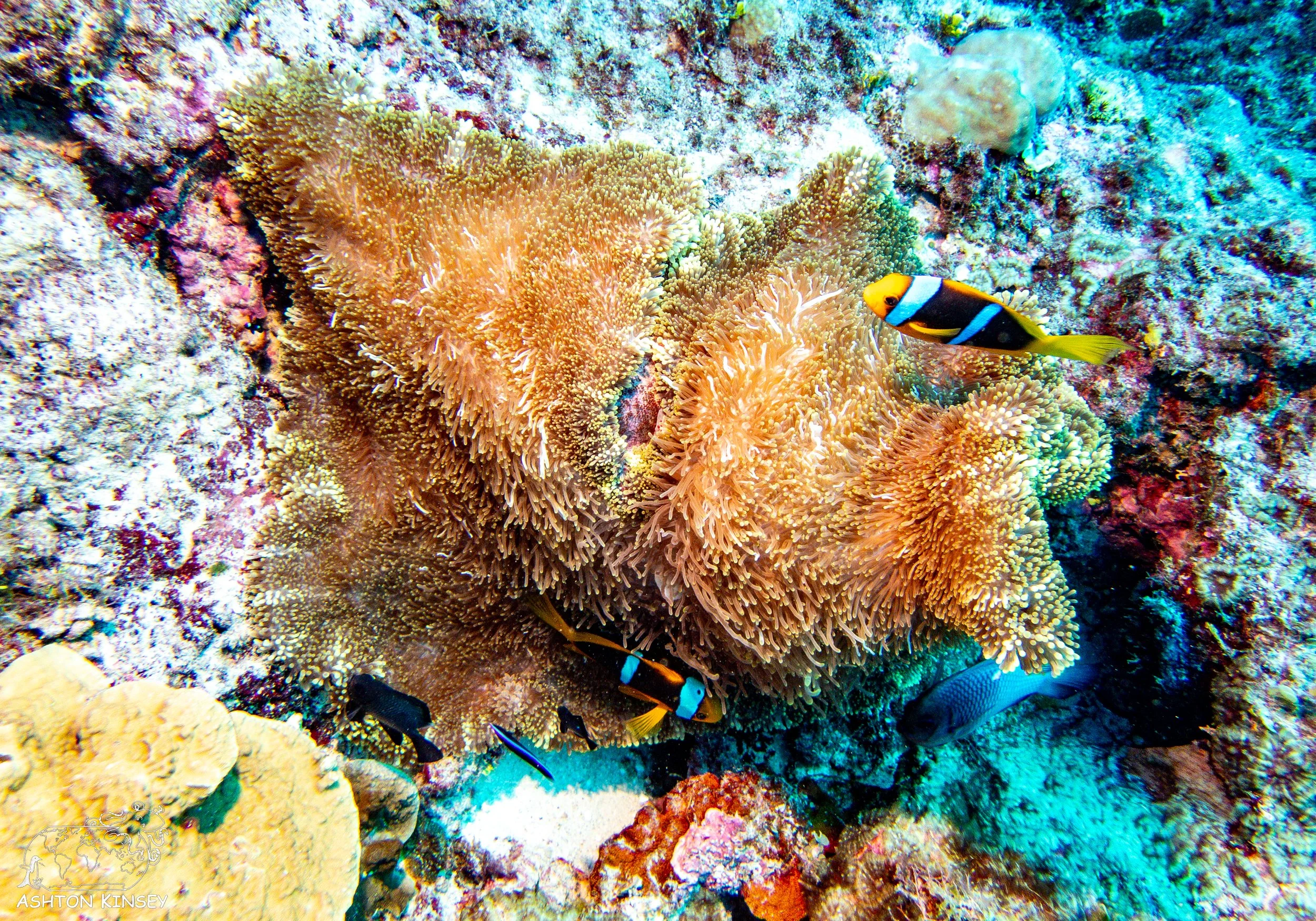
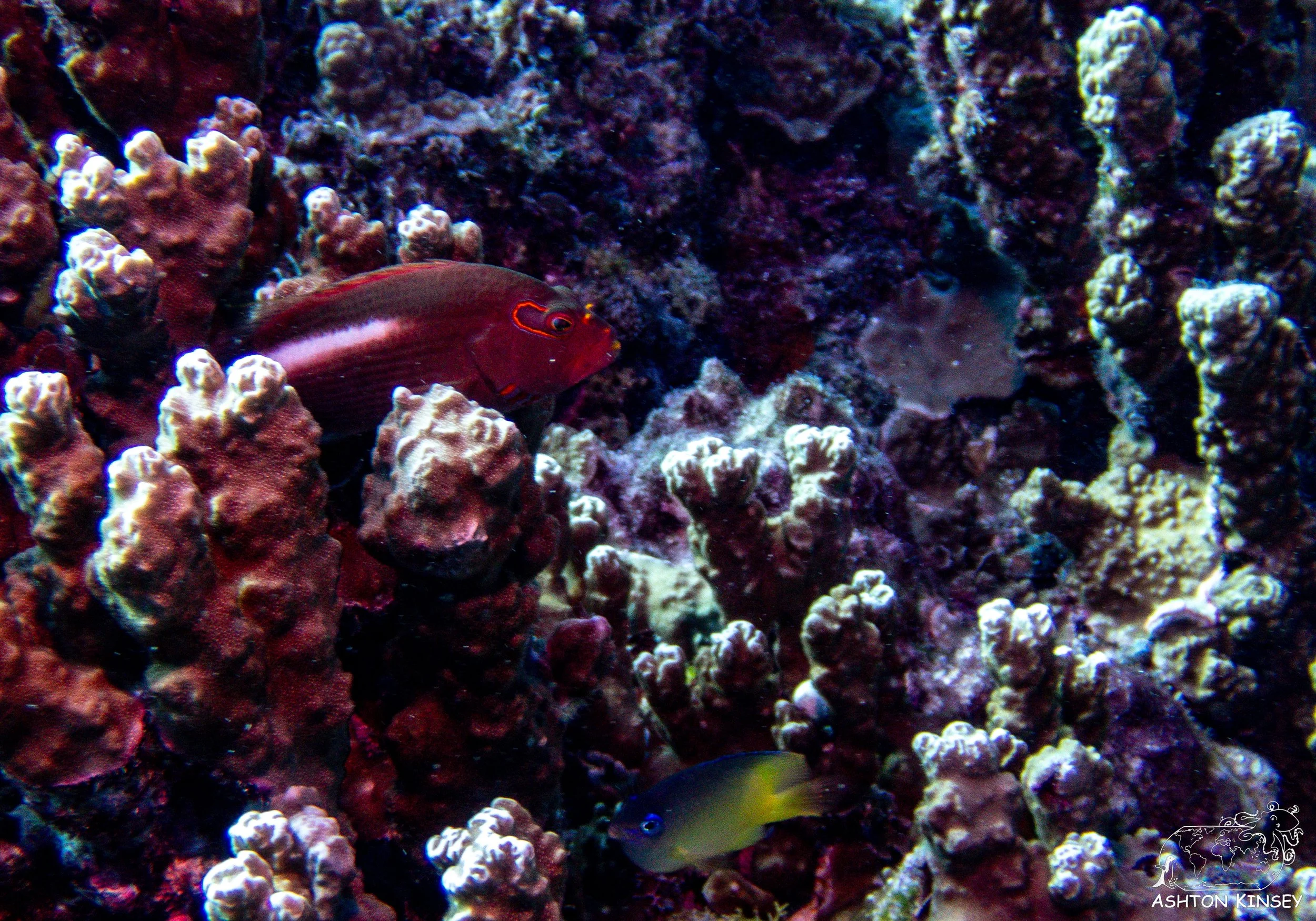
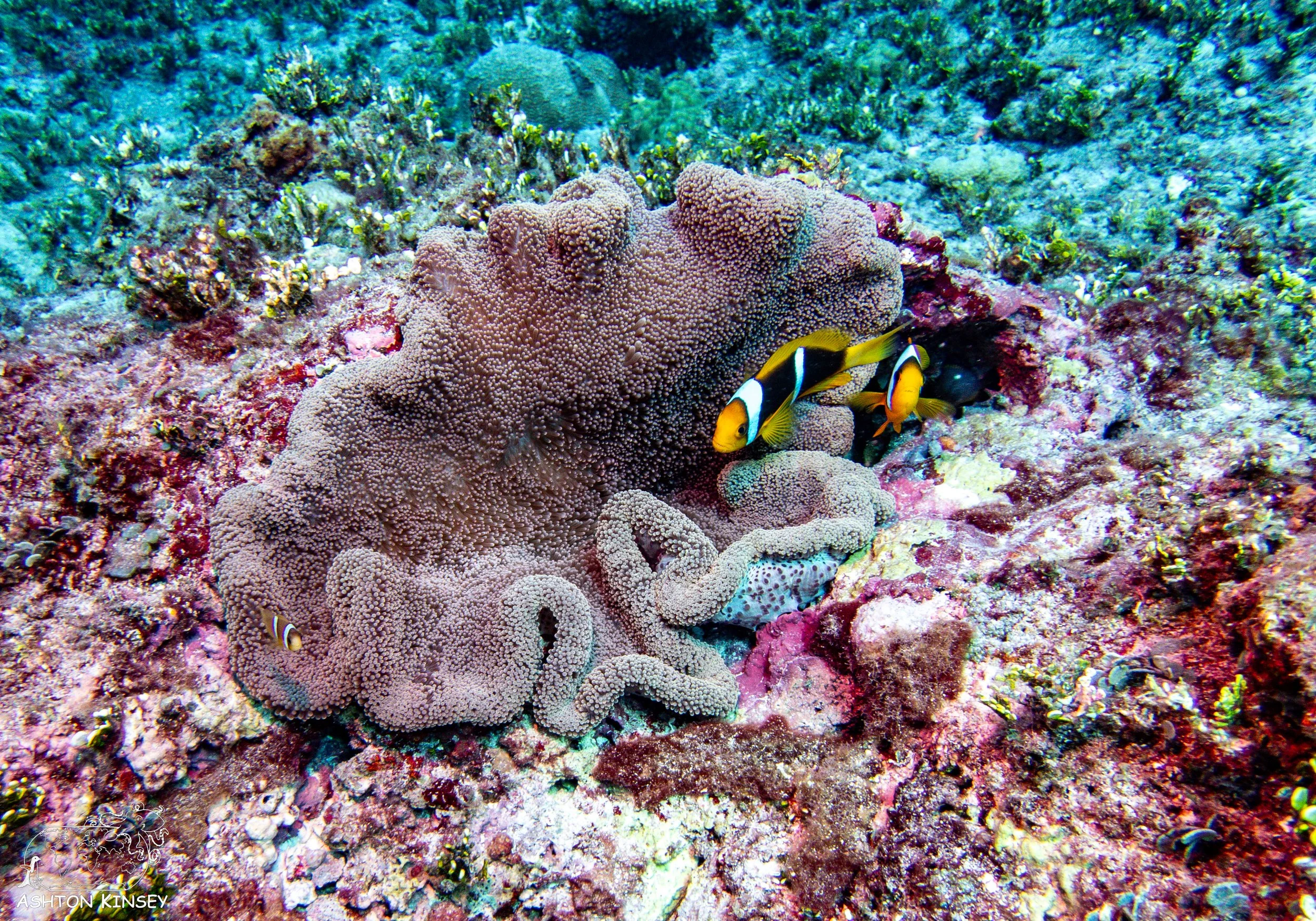
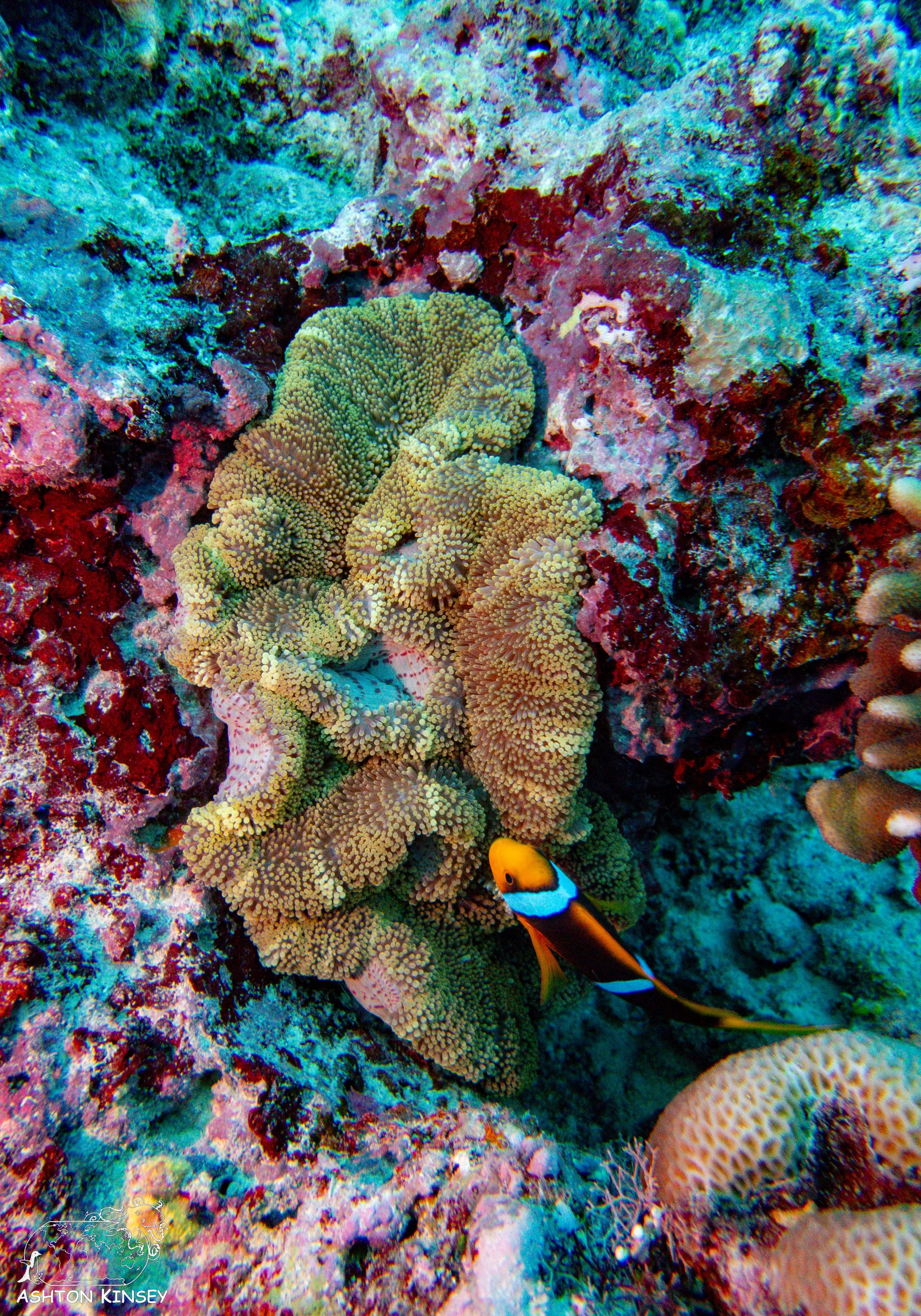
Another easy shallow site. Ice Cream is a coral mound that is, shockingly, shaped like an upside-down ice cream cone. Spotted eagle rays hawksbill turtles and green sea turtles hover around the top waiting to be cleaned. Nested into the corals are several species of anemones that host a variety of small clownfish and damsel fish. Goat fish can be found sifting through the sand while under the watchful eyes of several species of hawkish.
Dive 3: The Grotto
86’ for 47 minutes
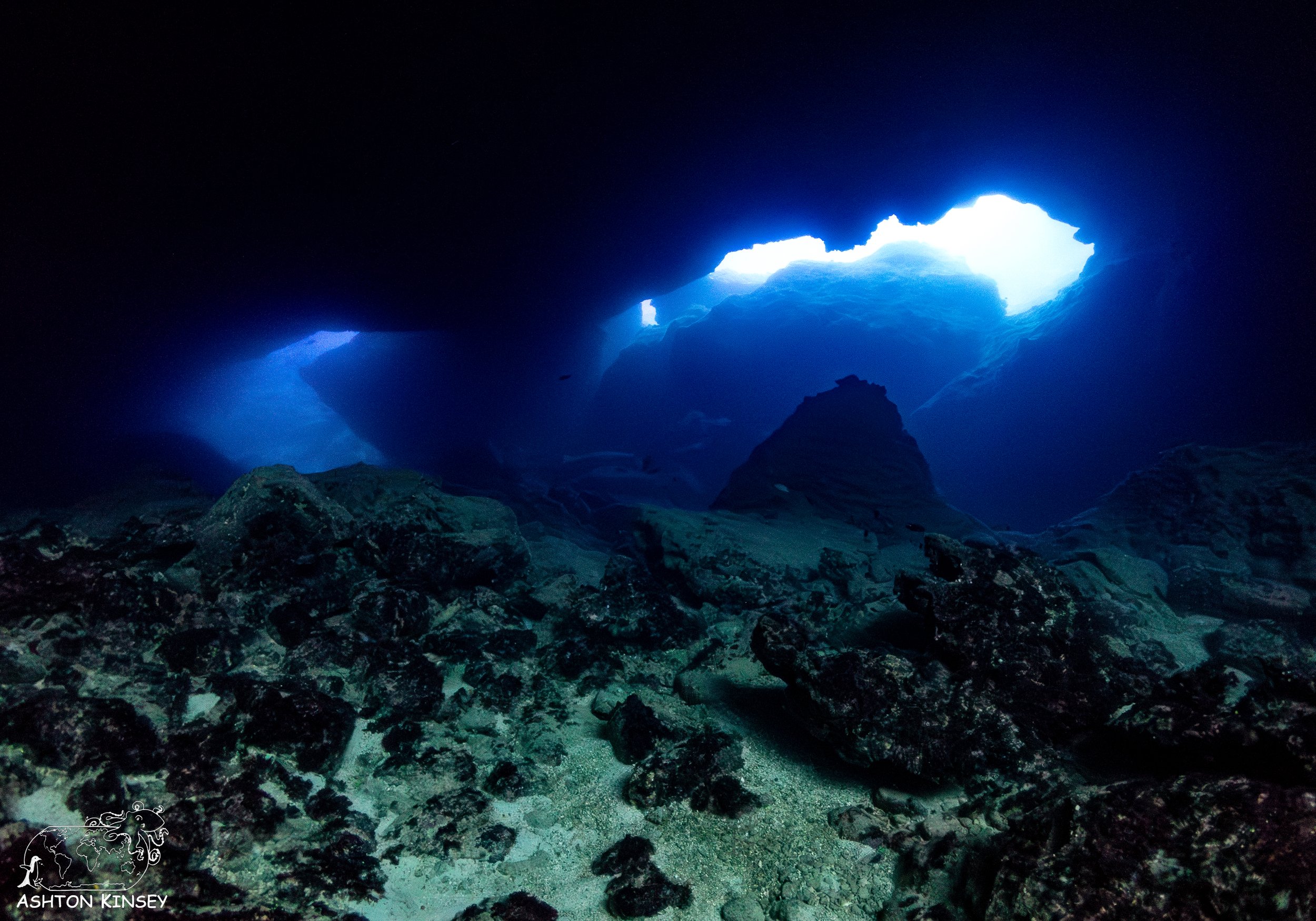
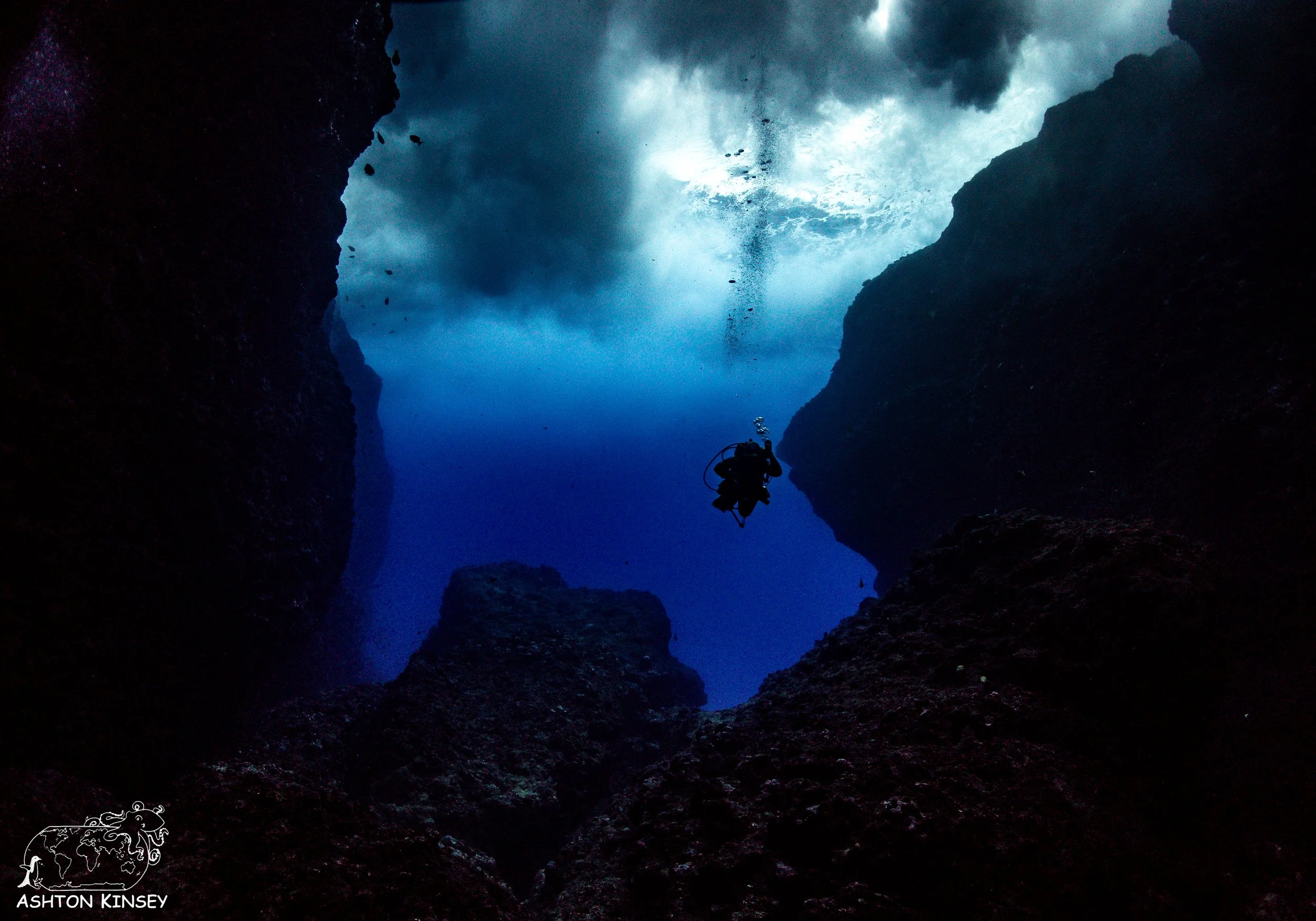
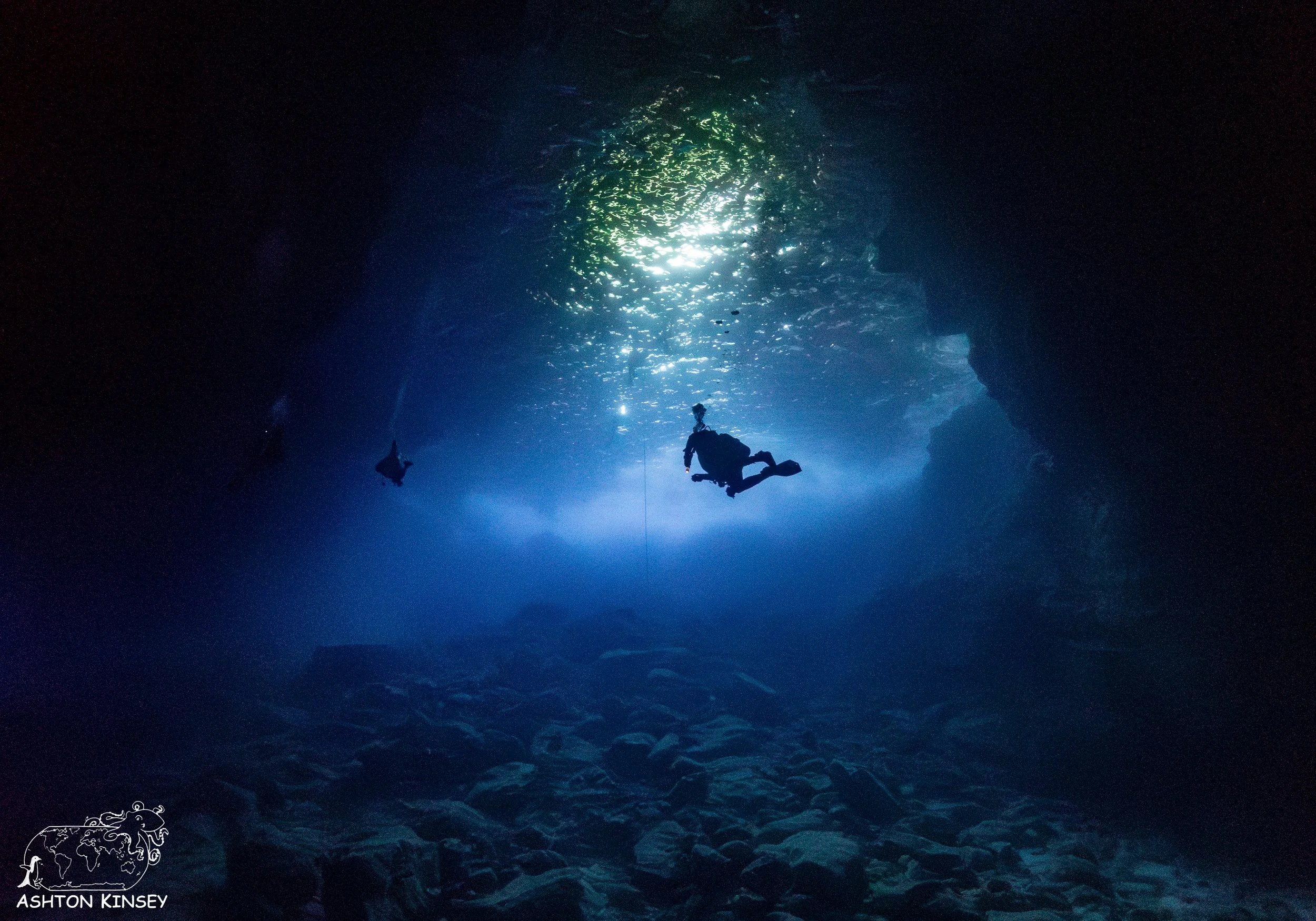
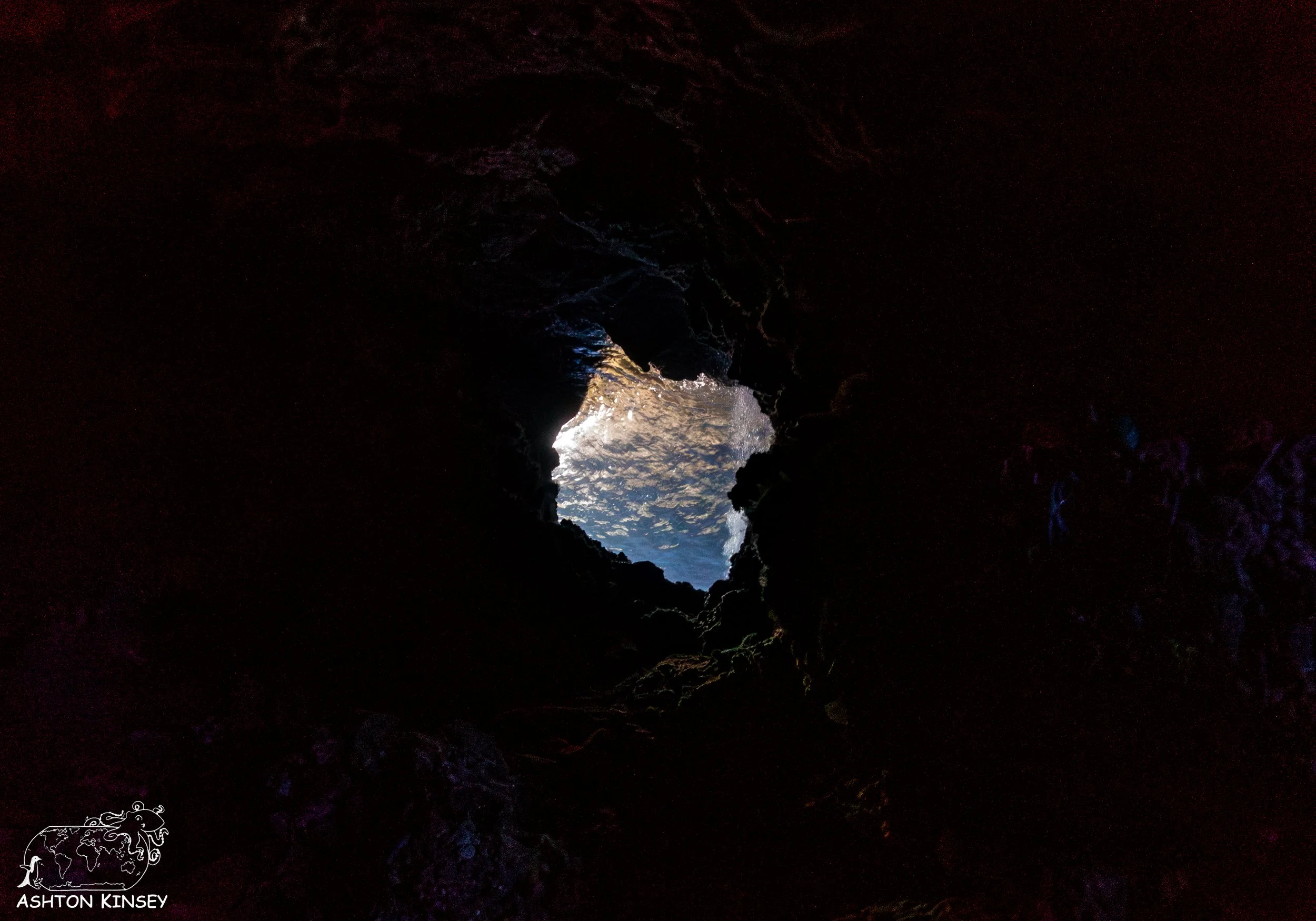
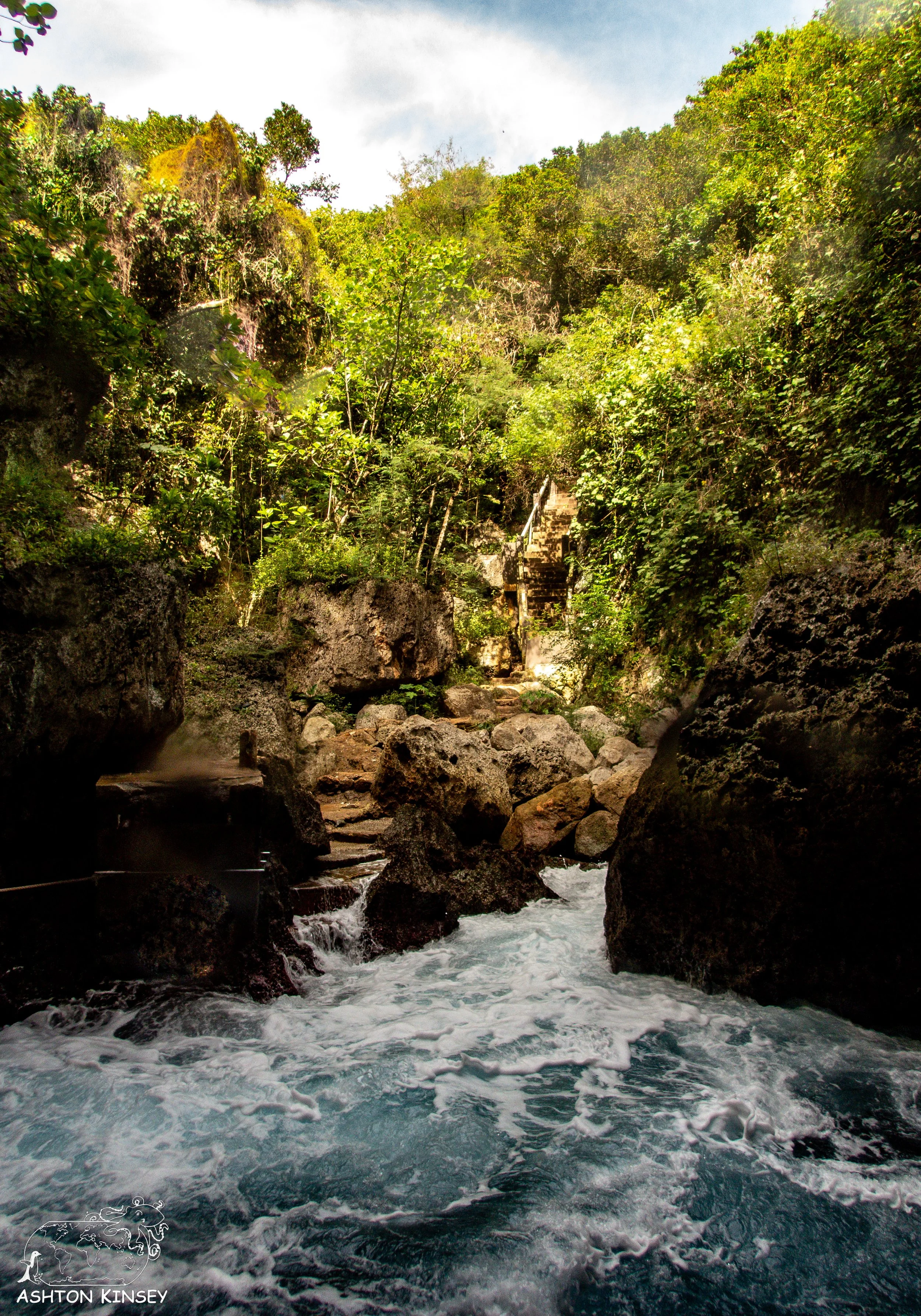
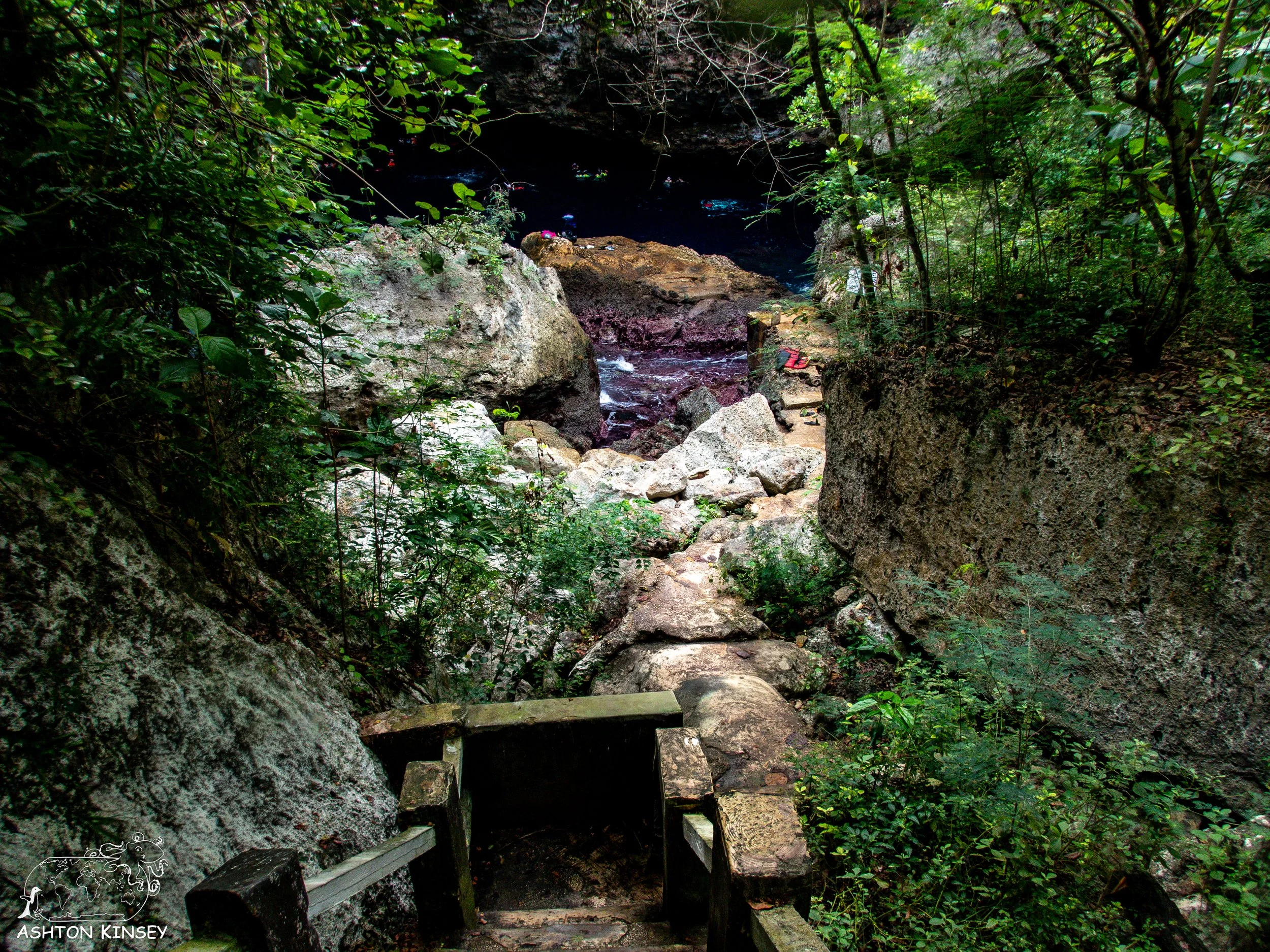
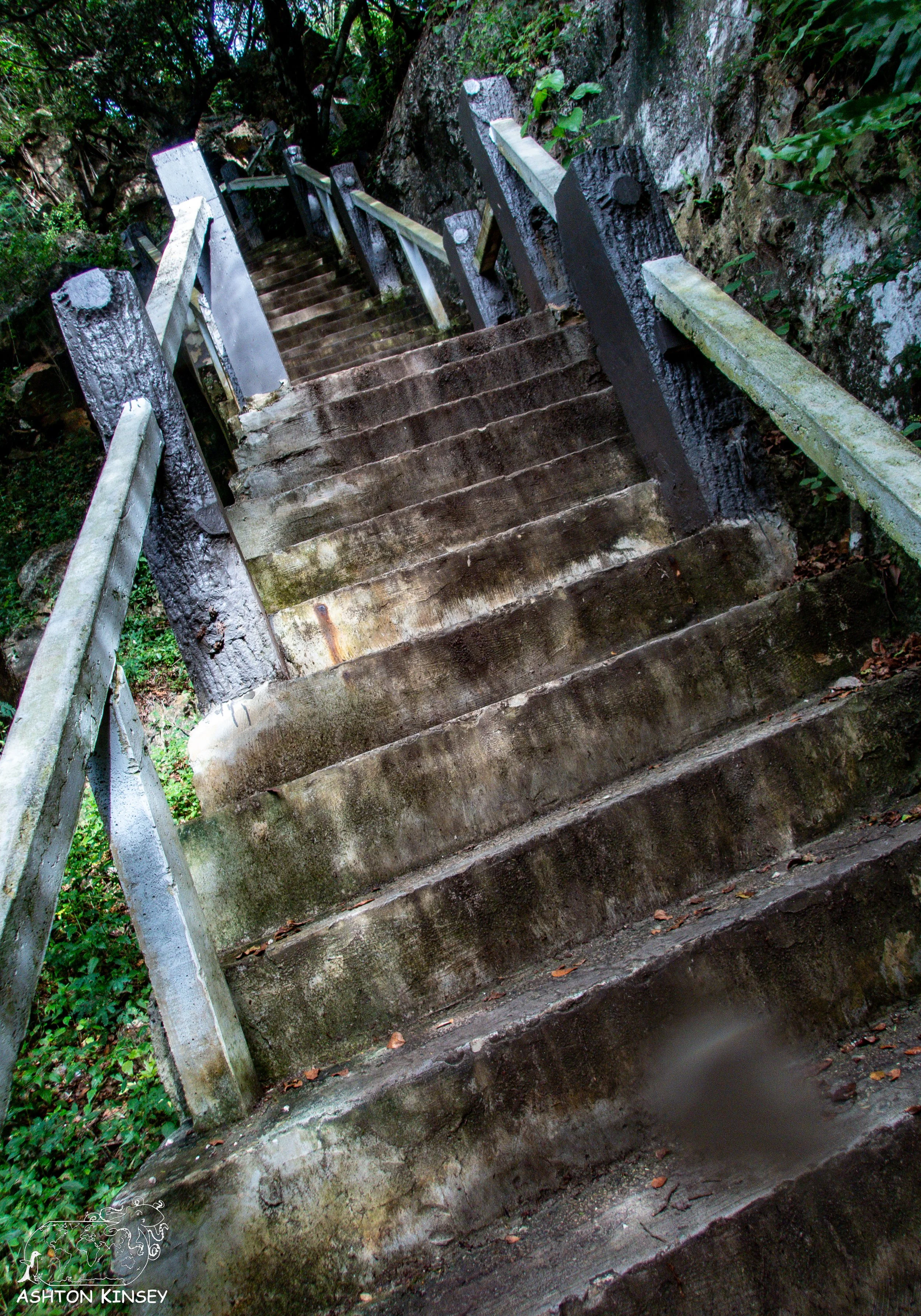
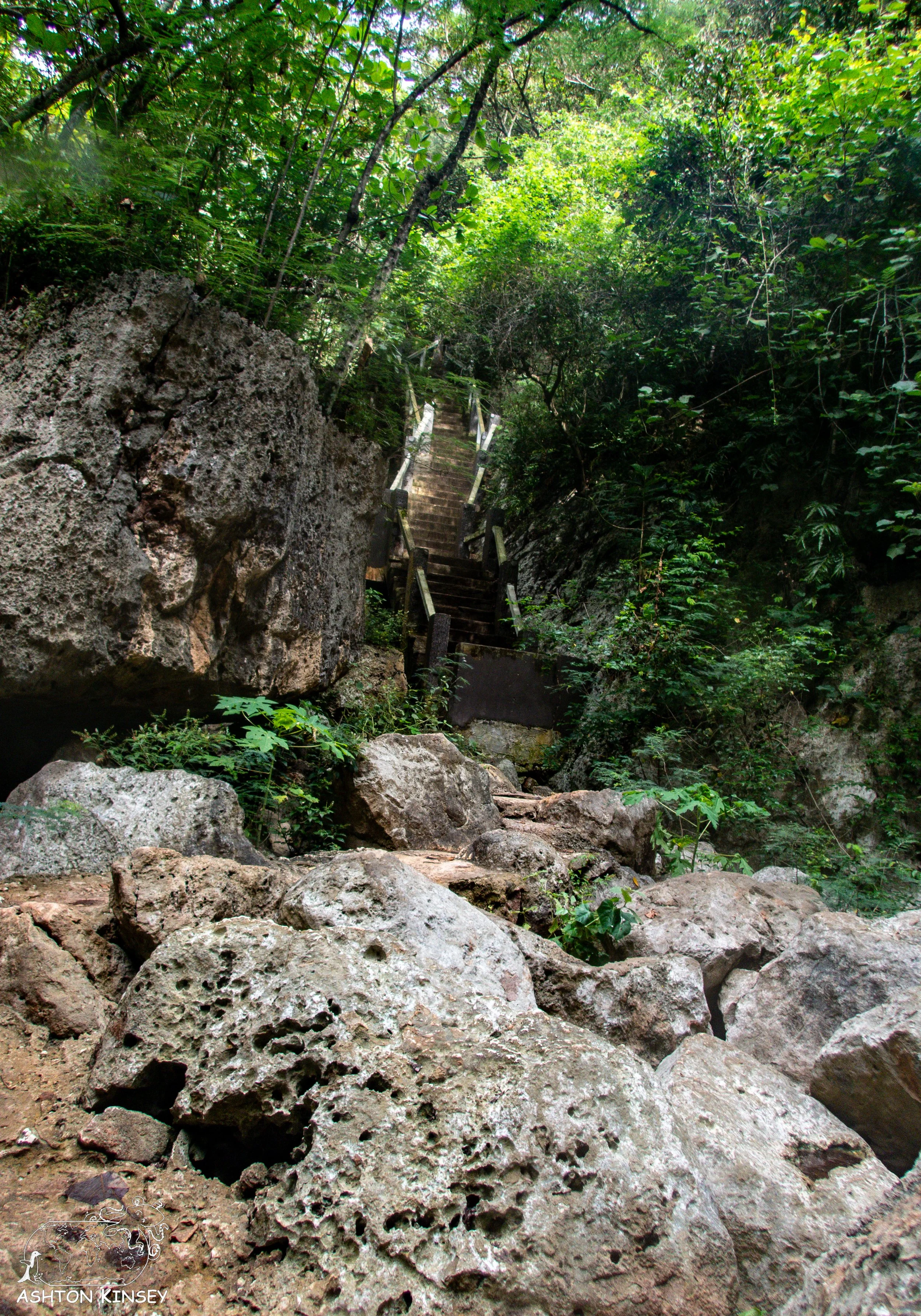
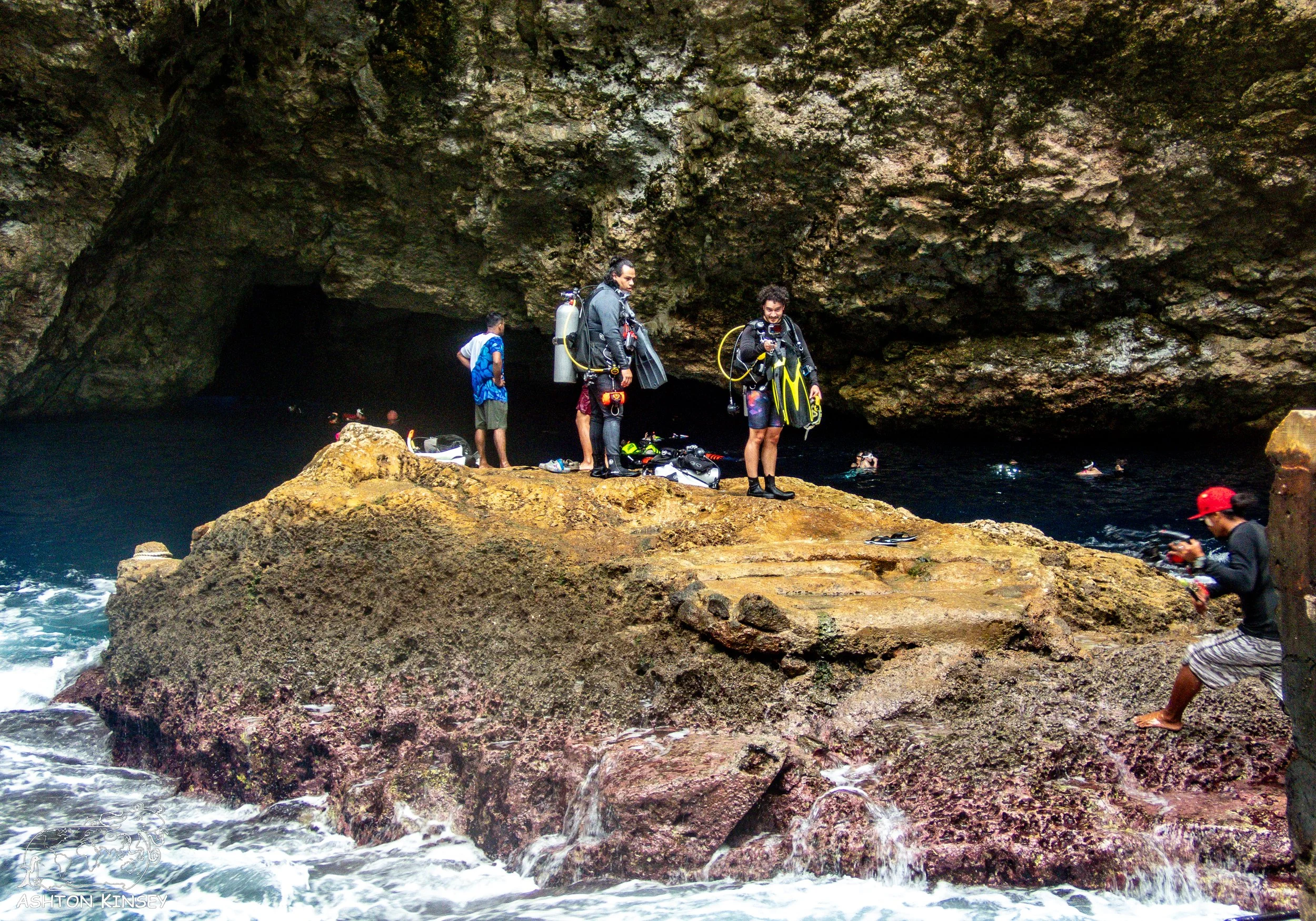
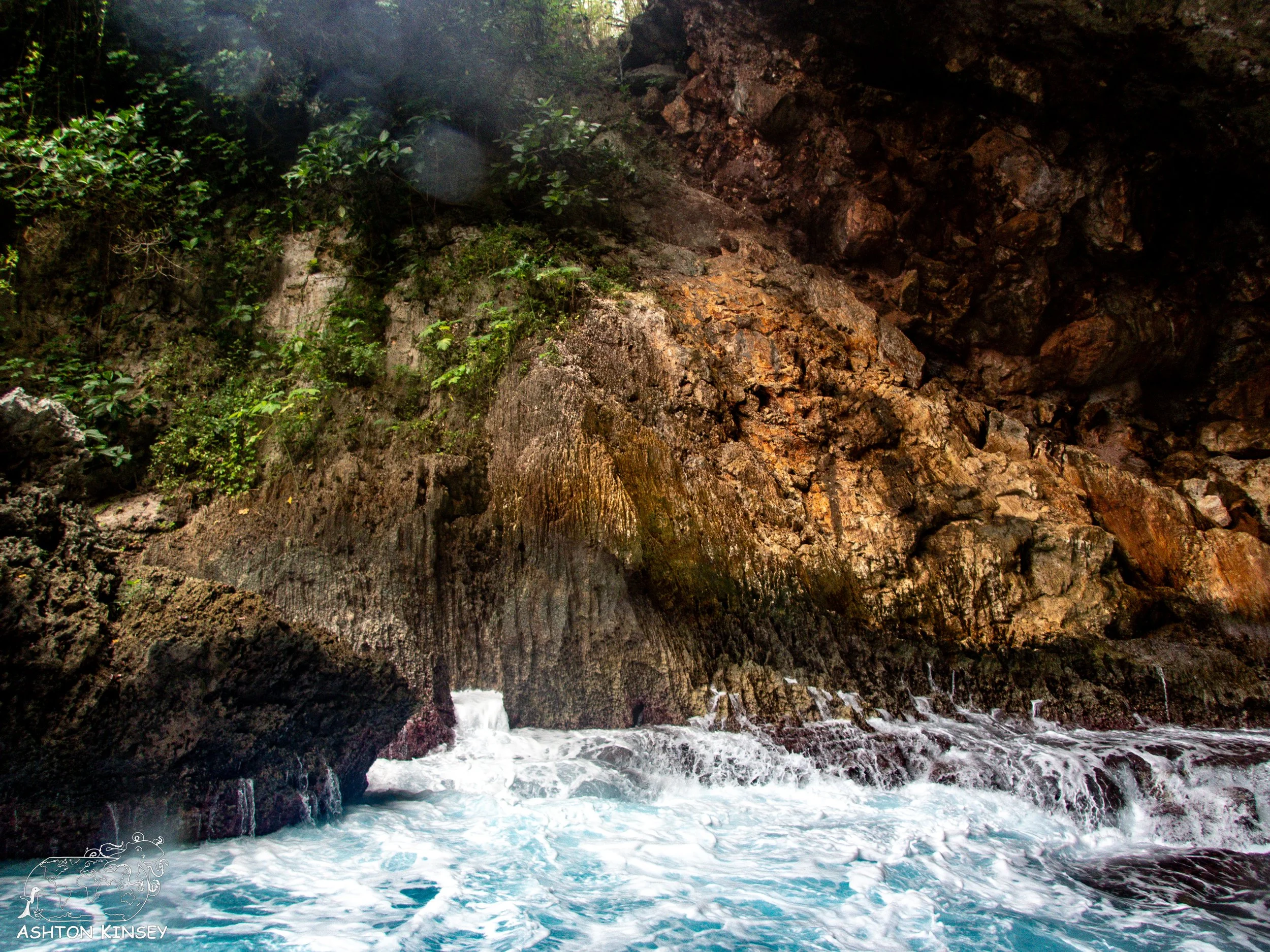
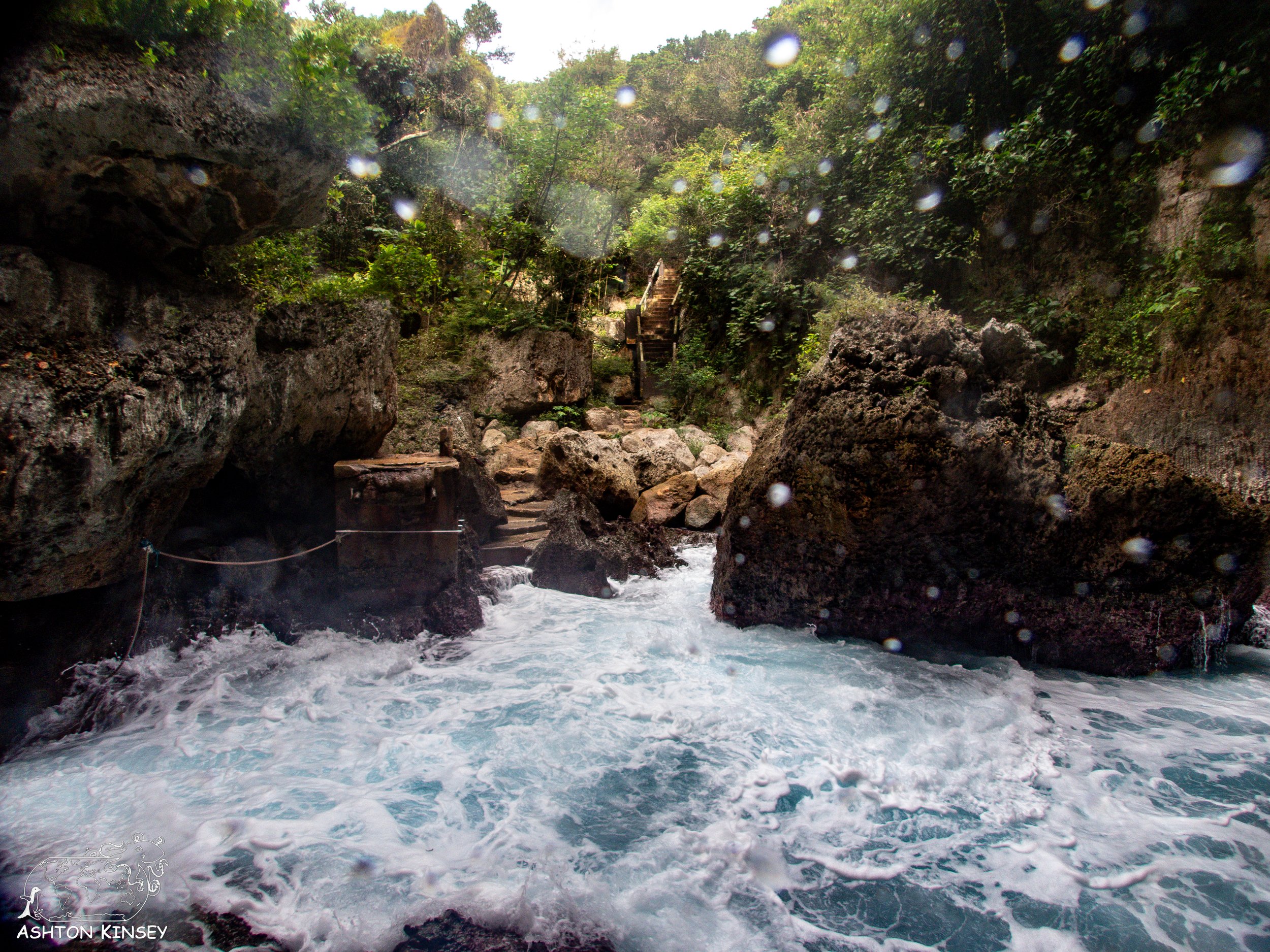
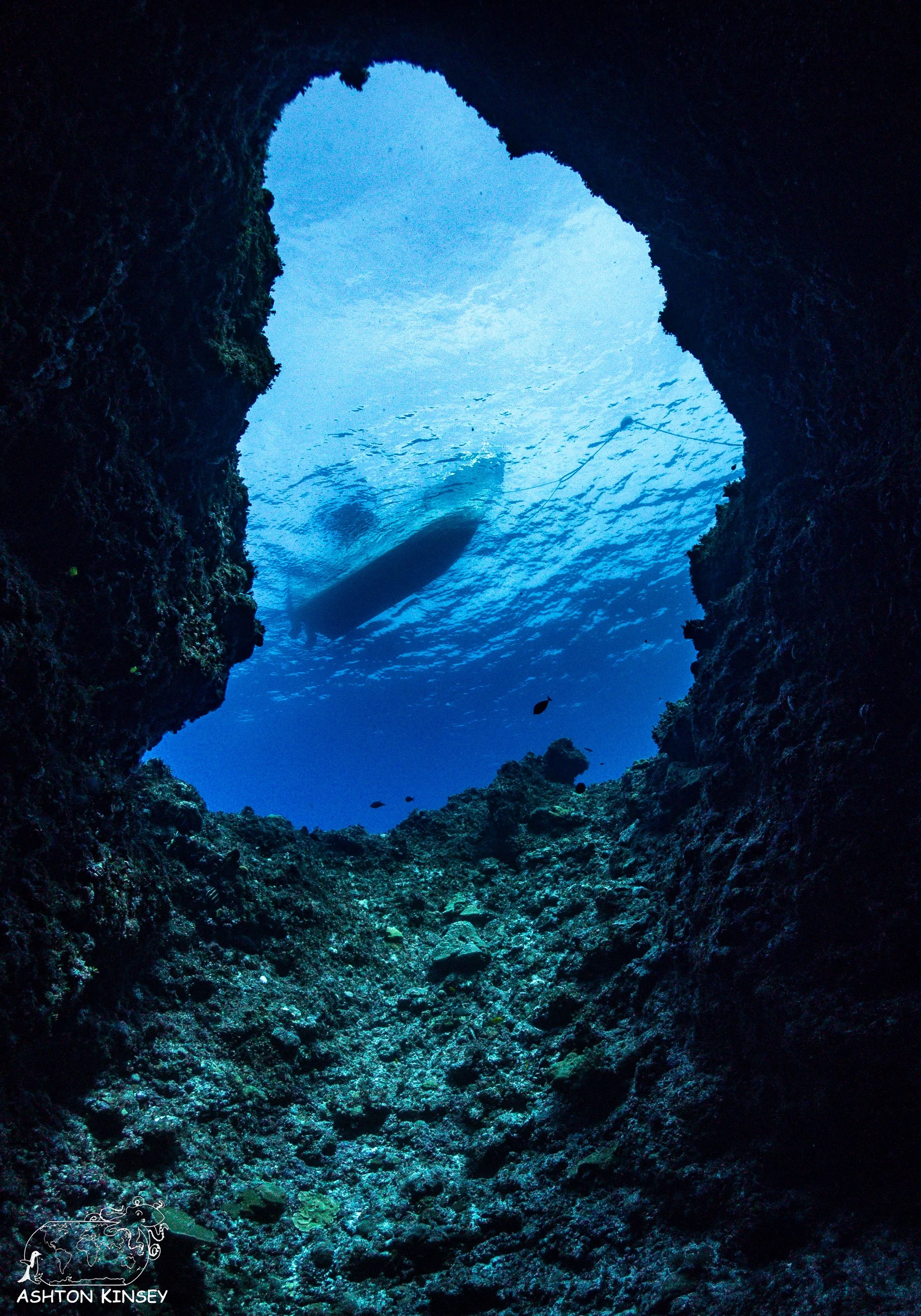
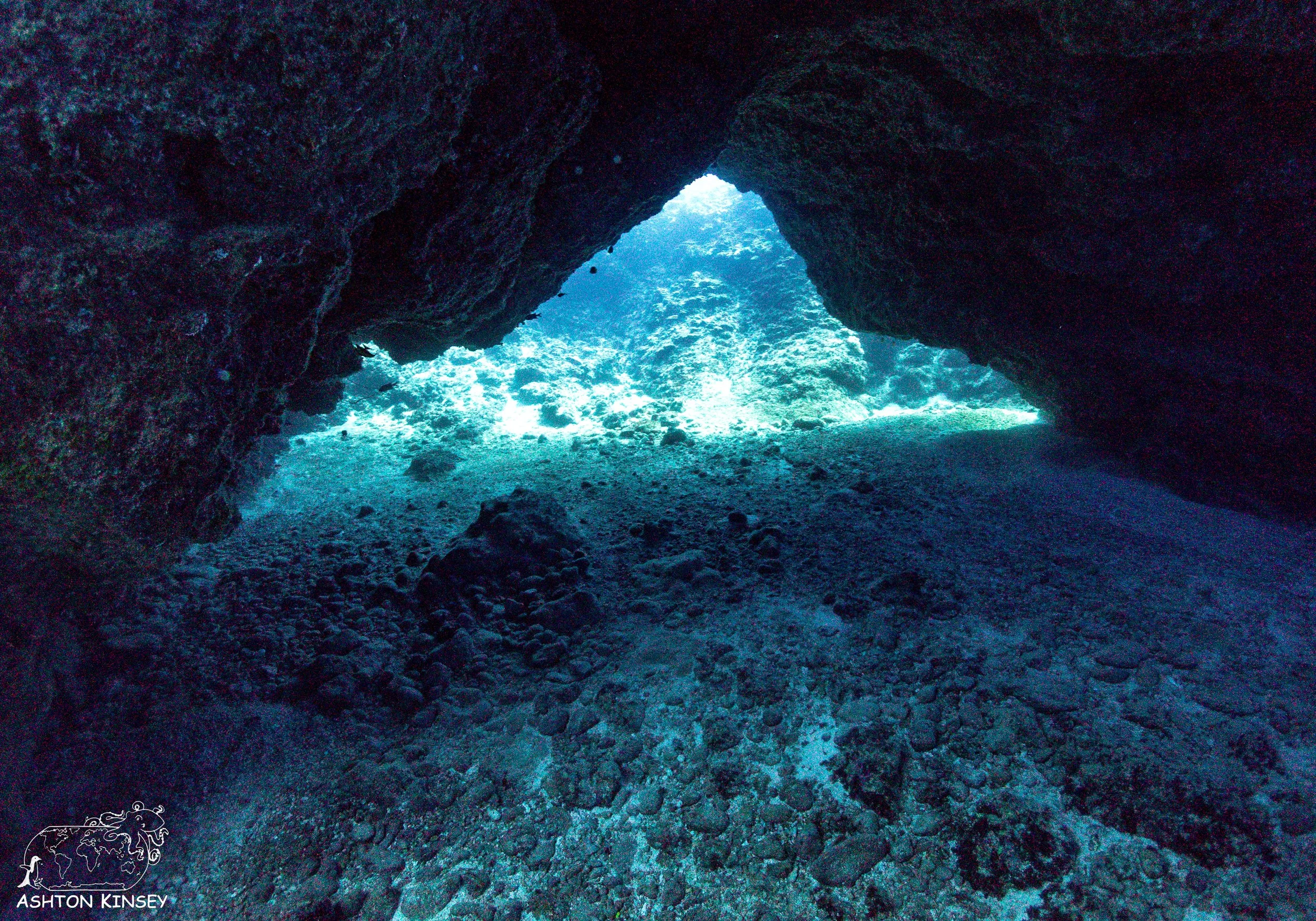
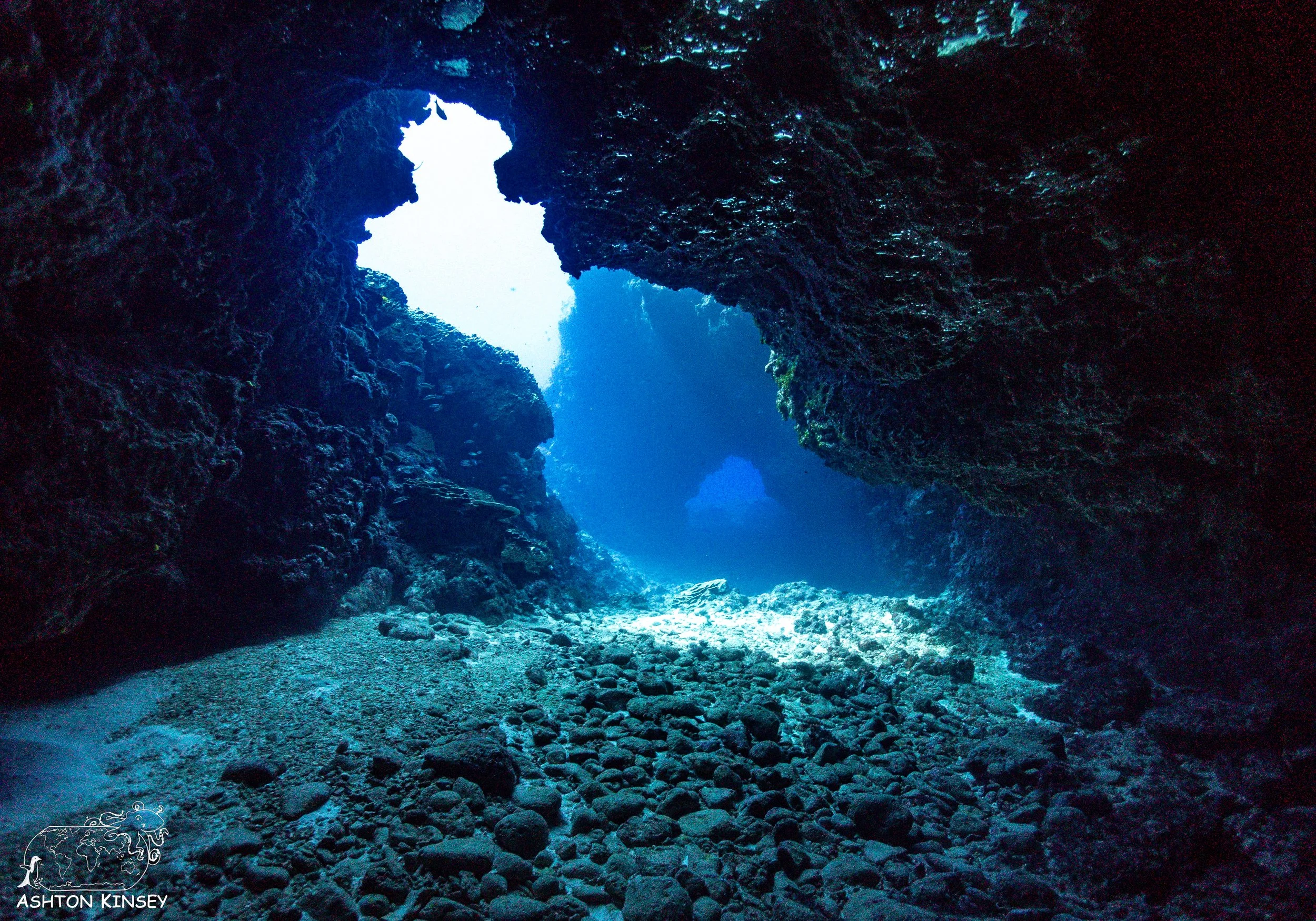
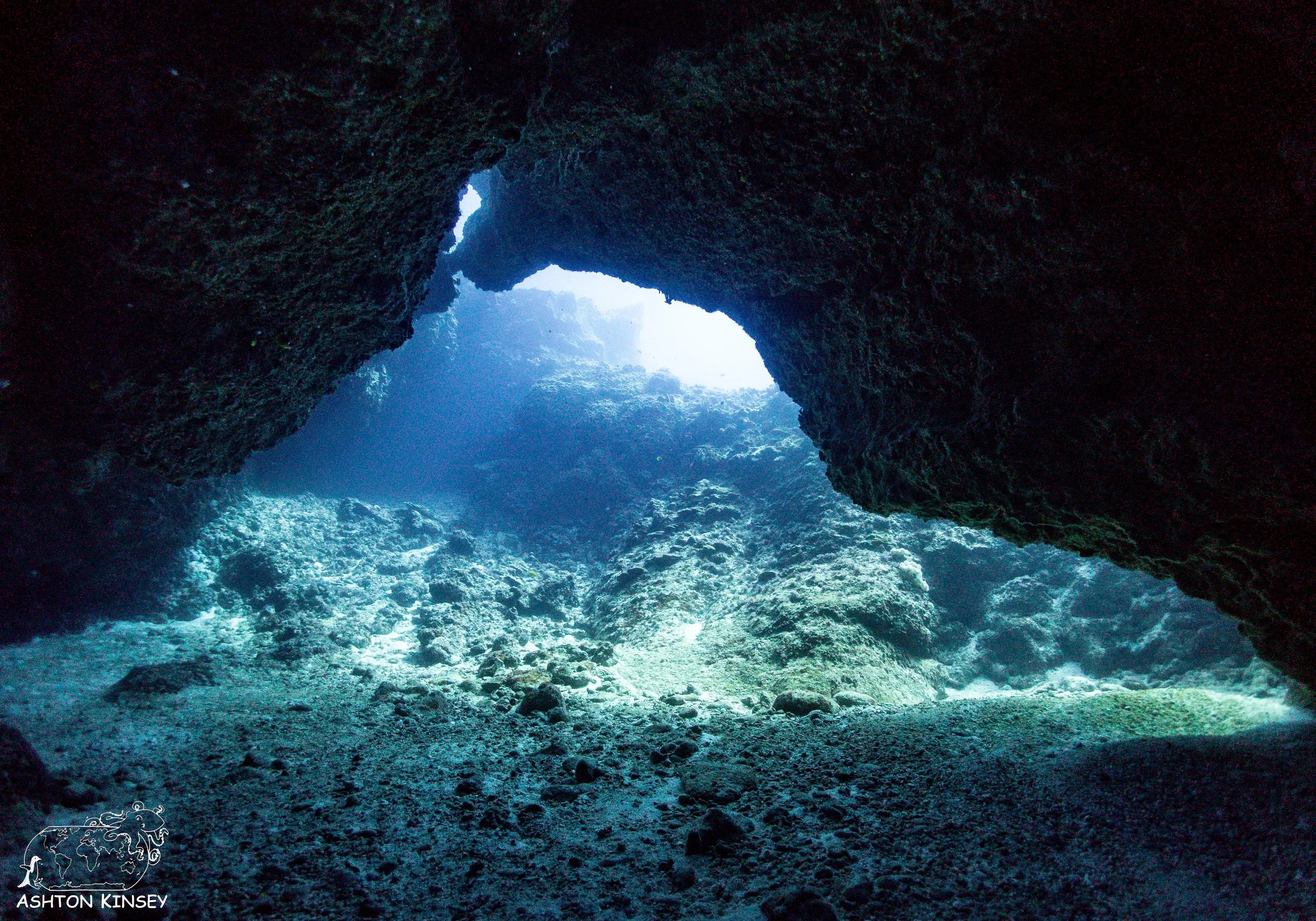
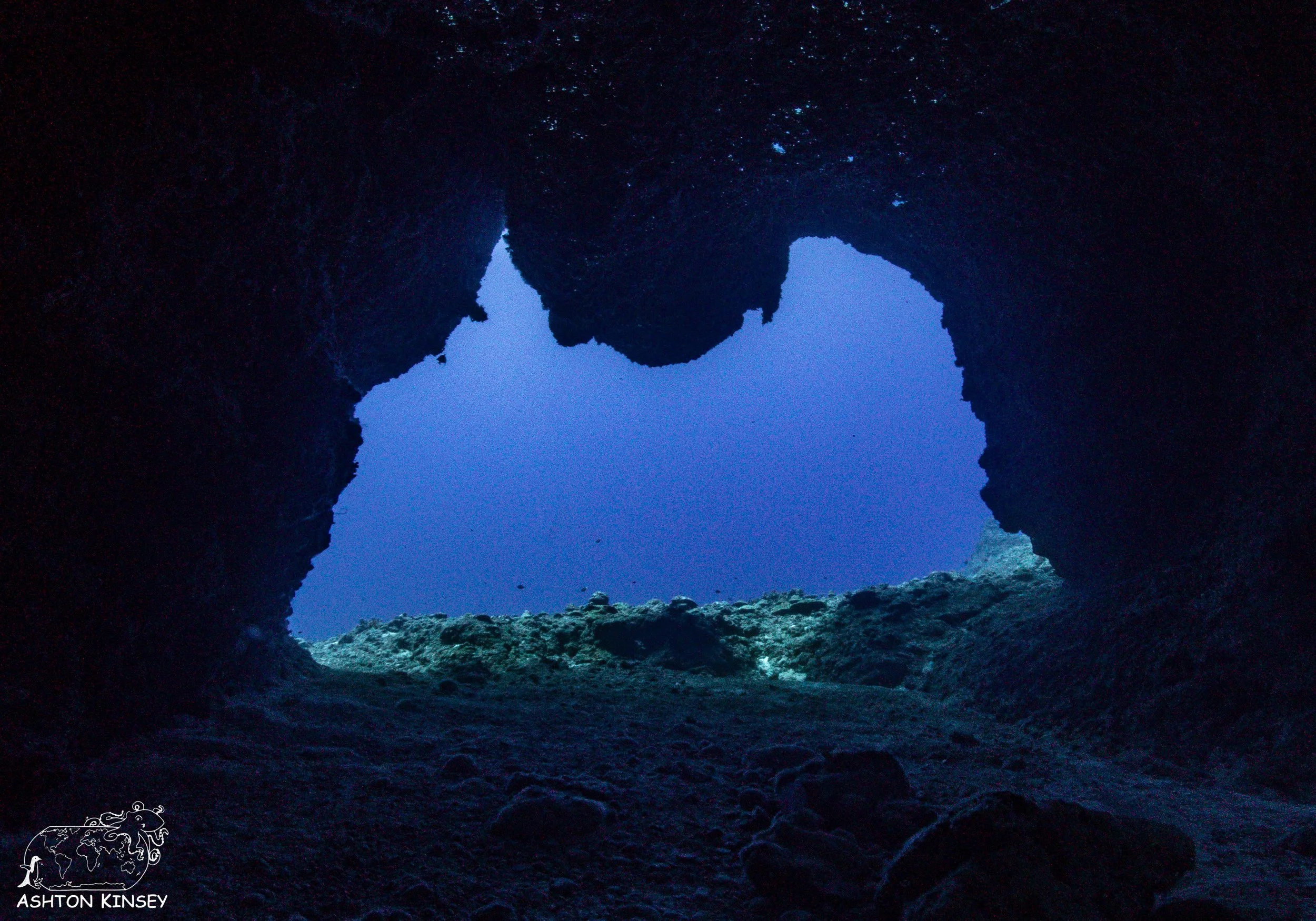
Clambering down, one hundred and sixteen steep, uneven, crumbly steps lead you to a large pool with a rock mound in the center. Waves and surge crash up and around the lower ledges and onto the center rock. After surviving the climb down the steps, you must traverse a wet and slimy ledge holding on to a rope that has been anchored into the mountain face. Then the real challenge awaits; timing your step from shore onto the island rock. What initially looks like a small step is in reality a much larger leap that must be timed so as to not be swept away by a rogue wave. After finally making it on to the island, a giant stride into the water six feet below plunges you into the blue cavern like water of The Grotto.
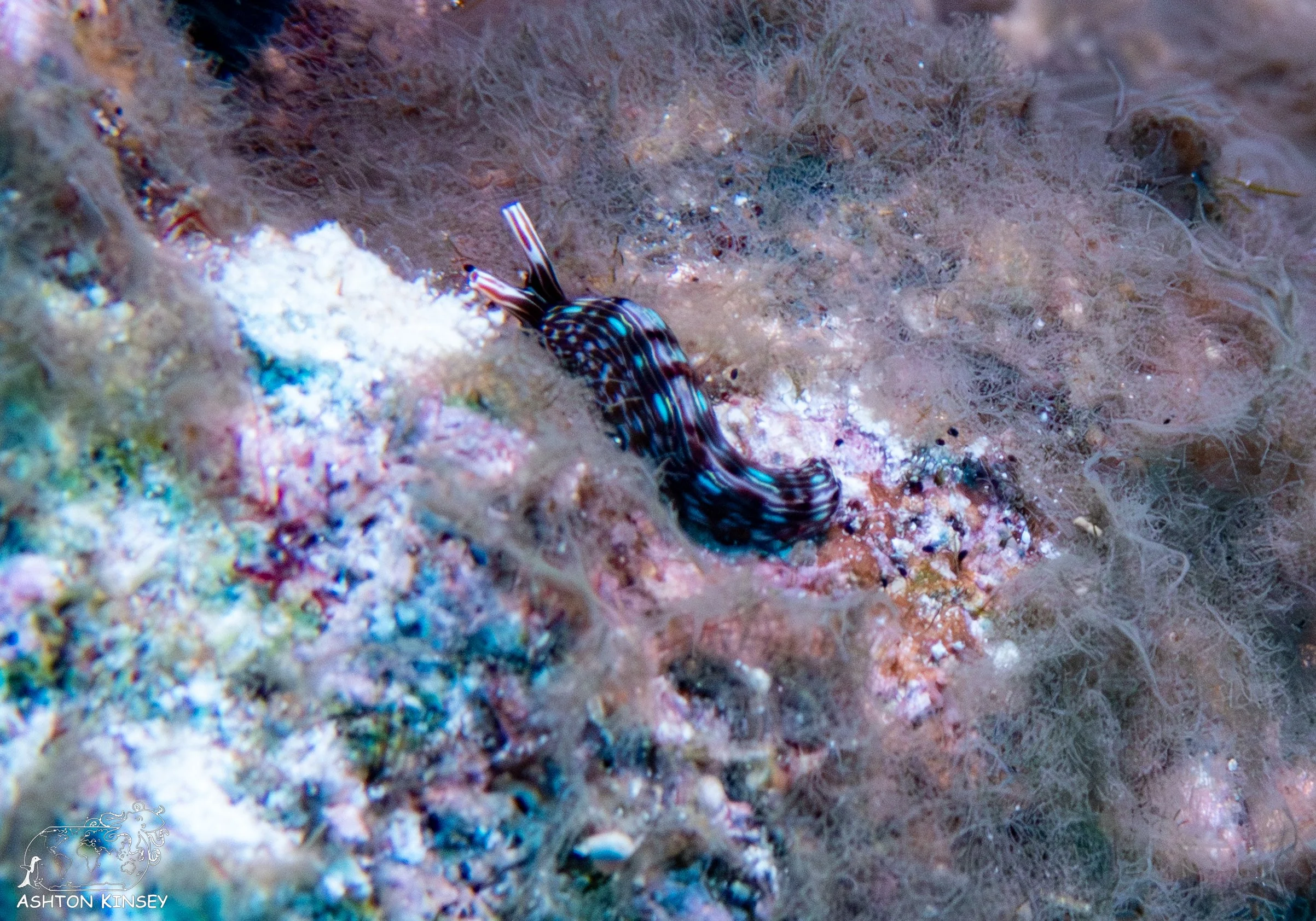
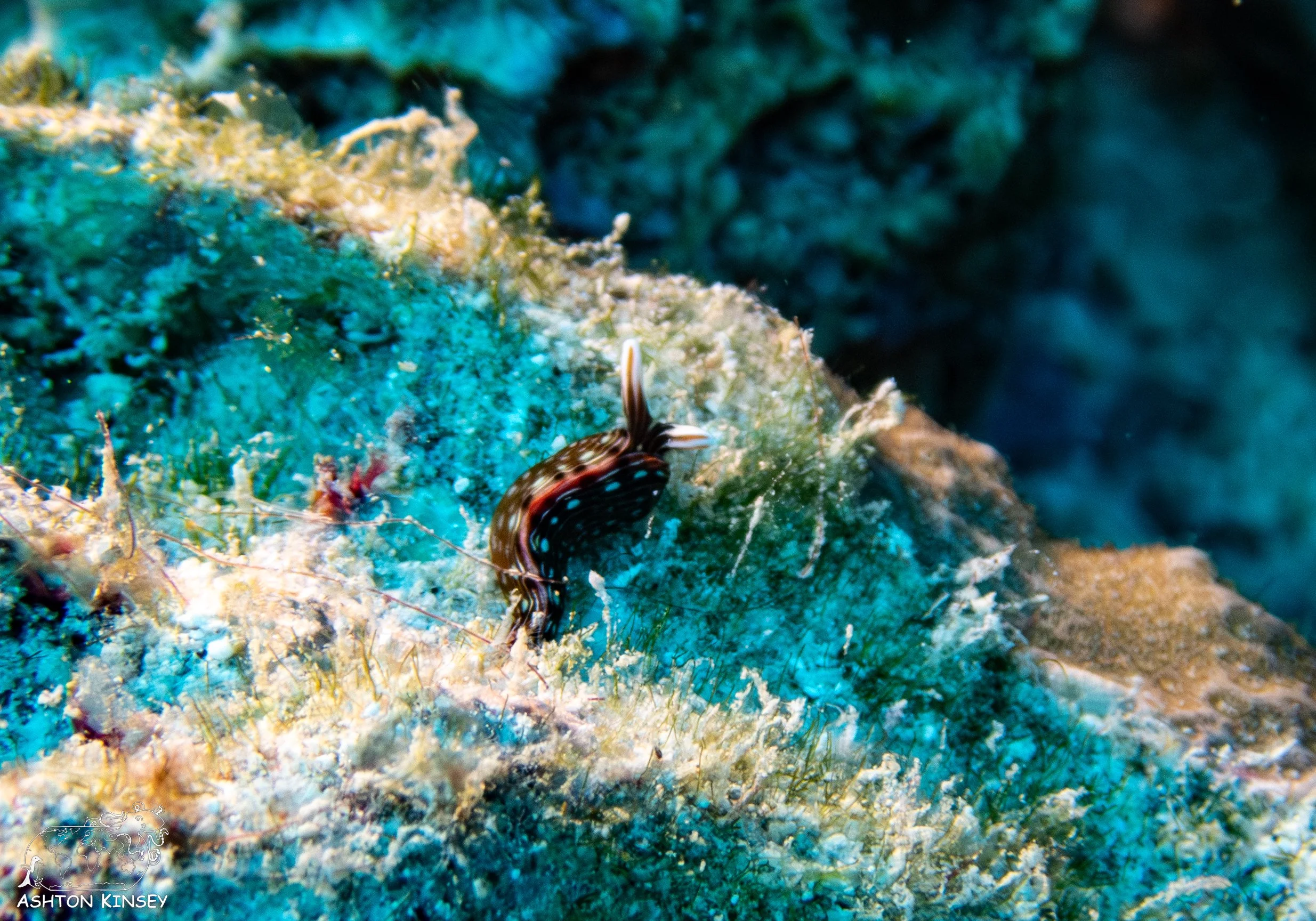
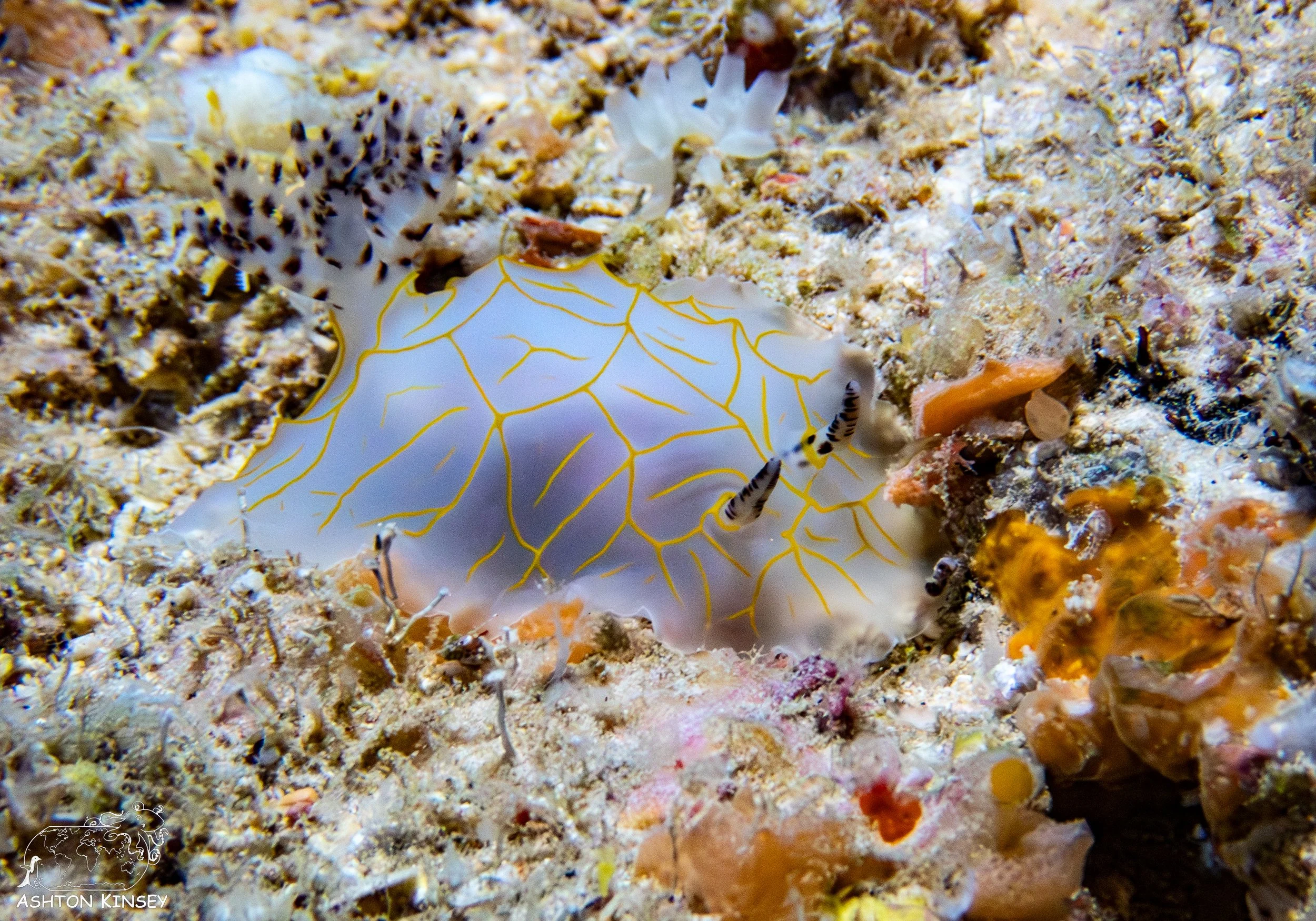
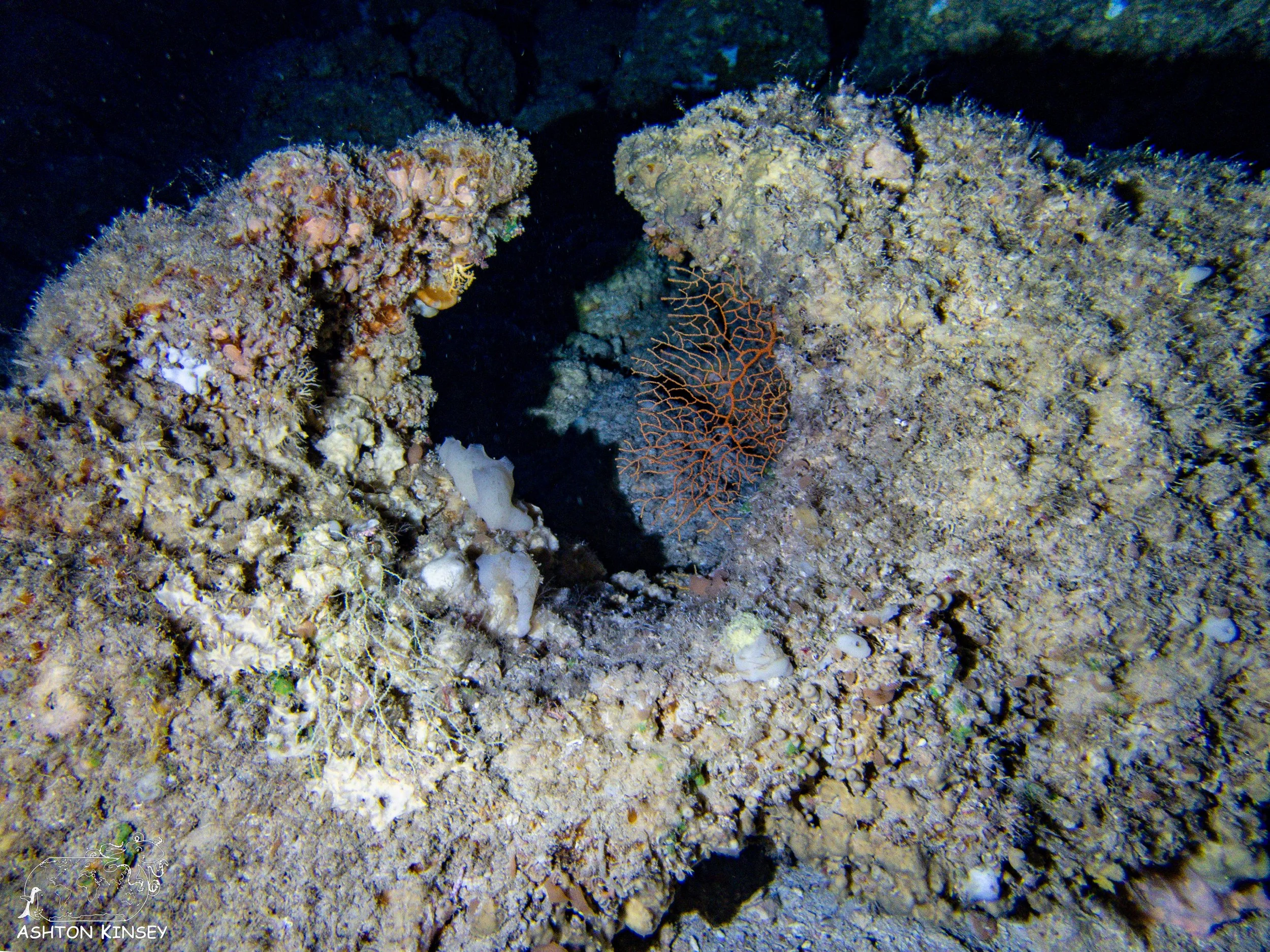
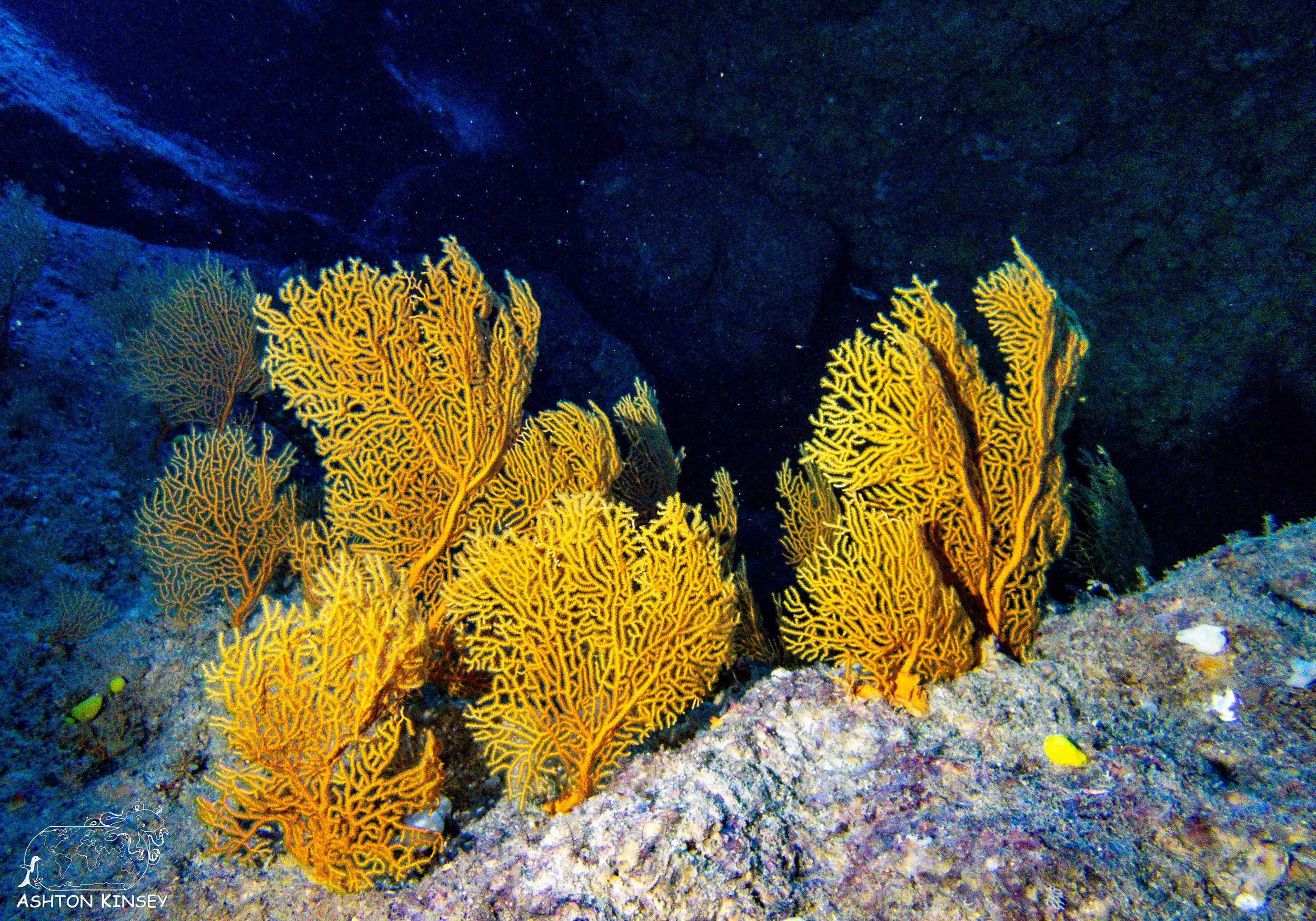
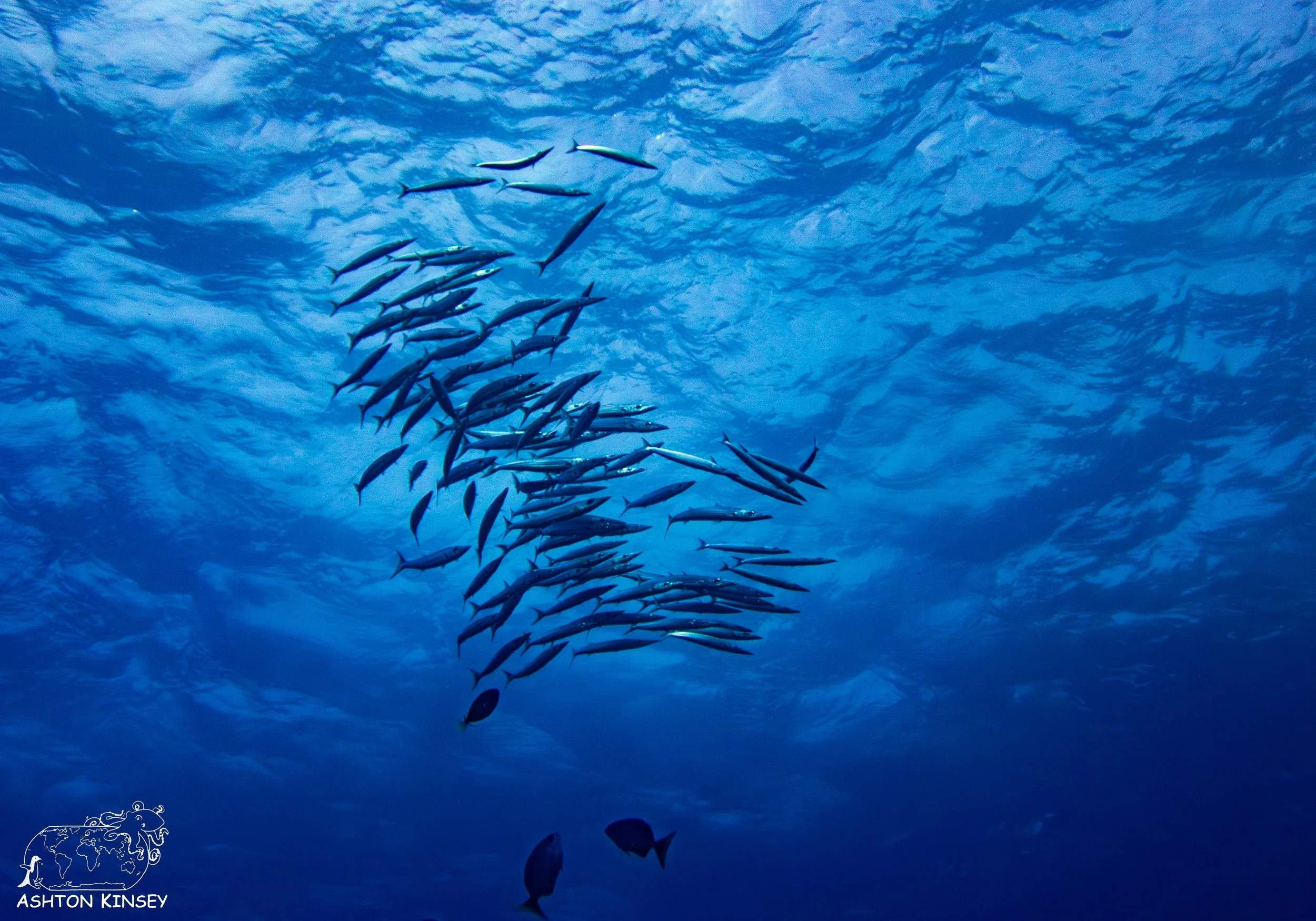
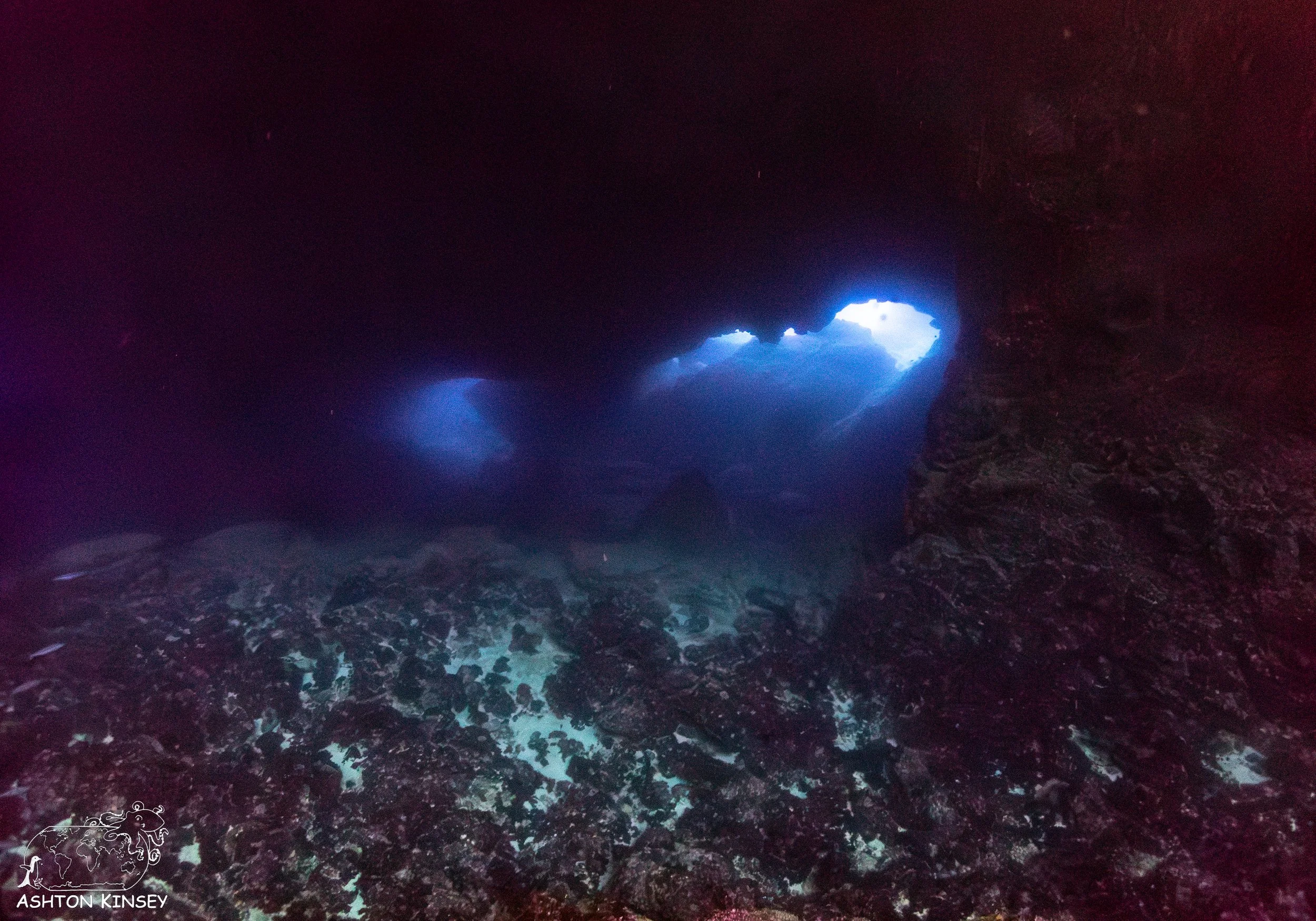
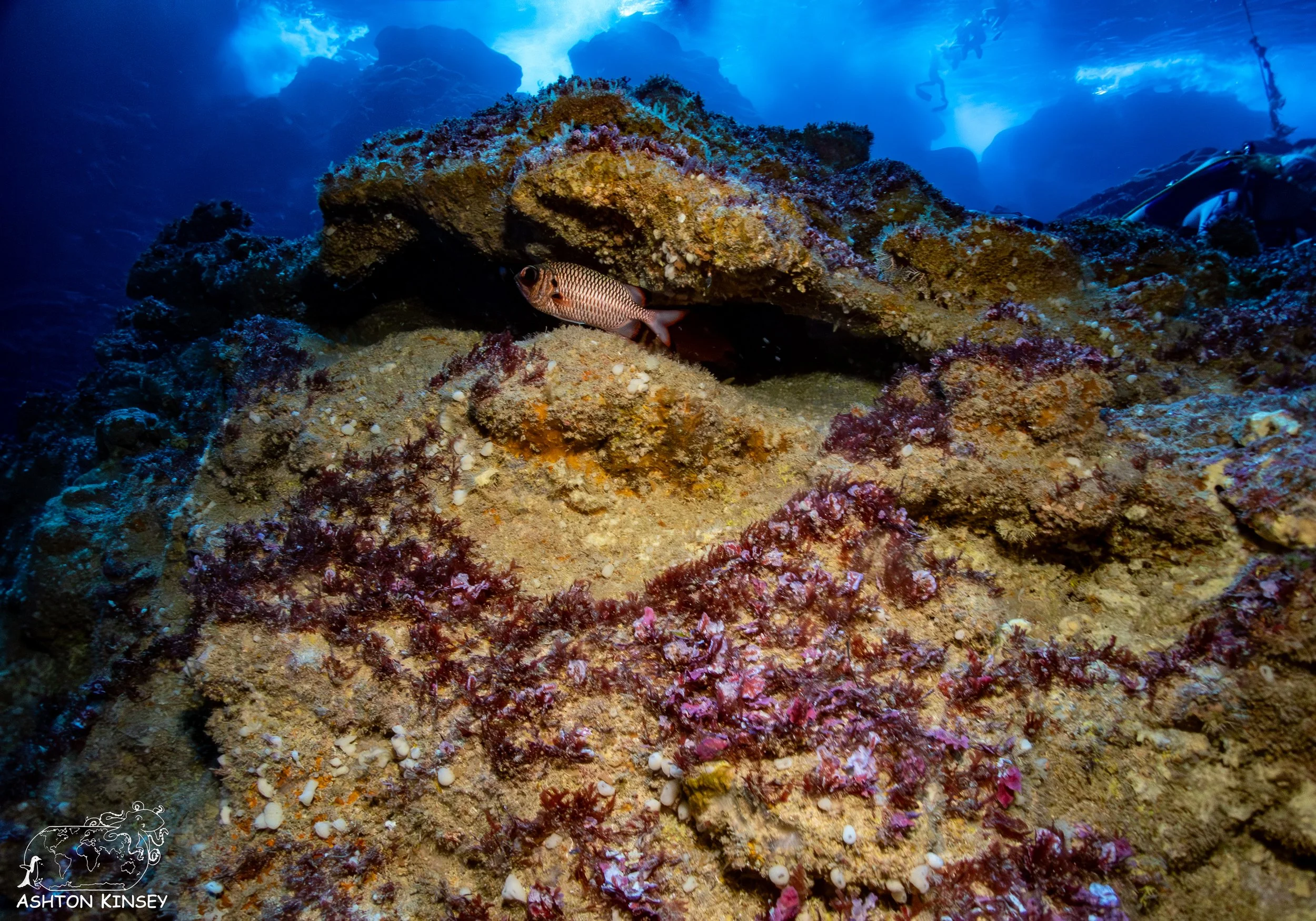
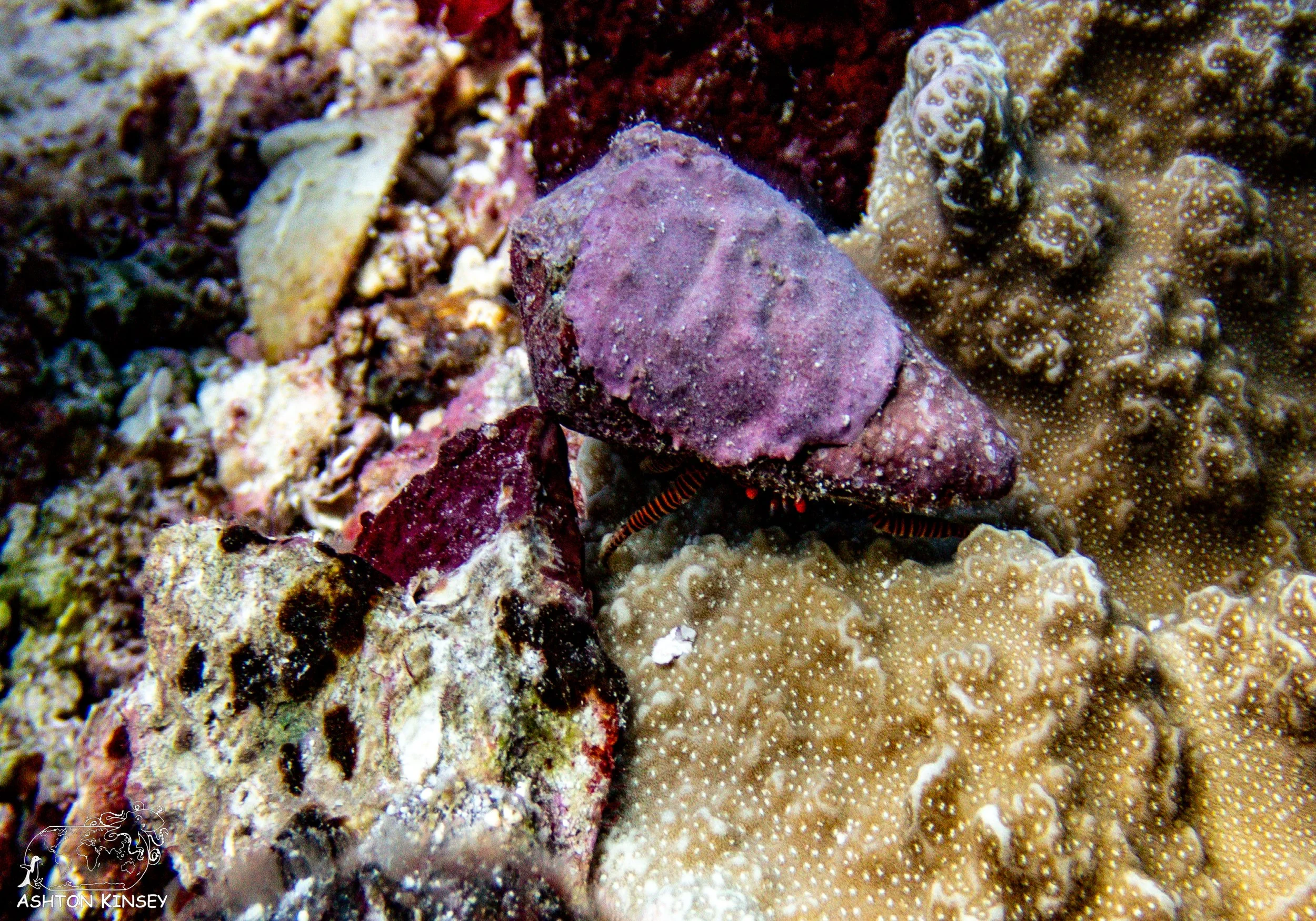
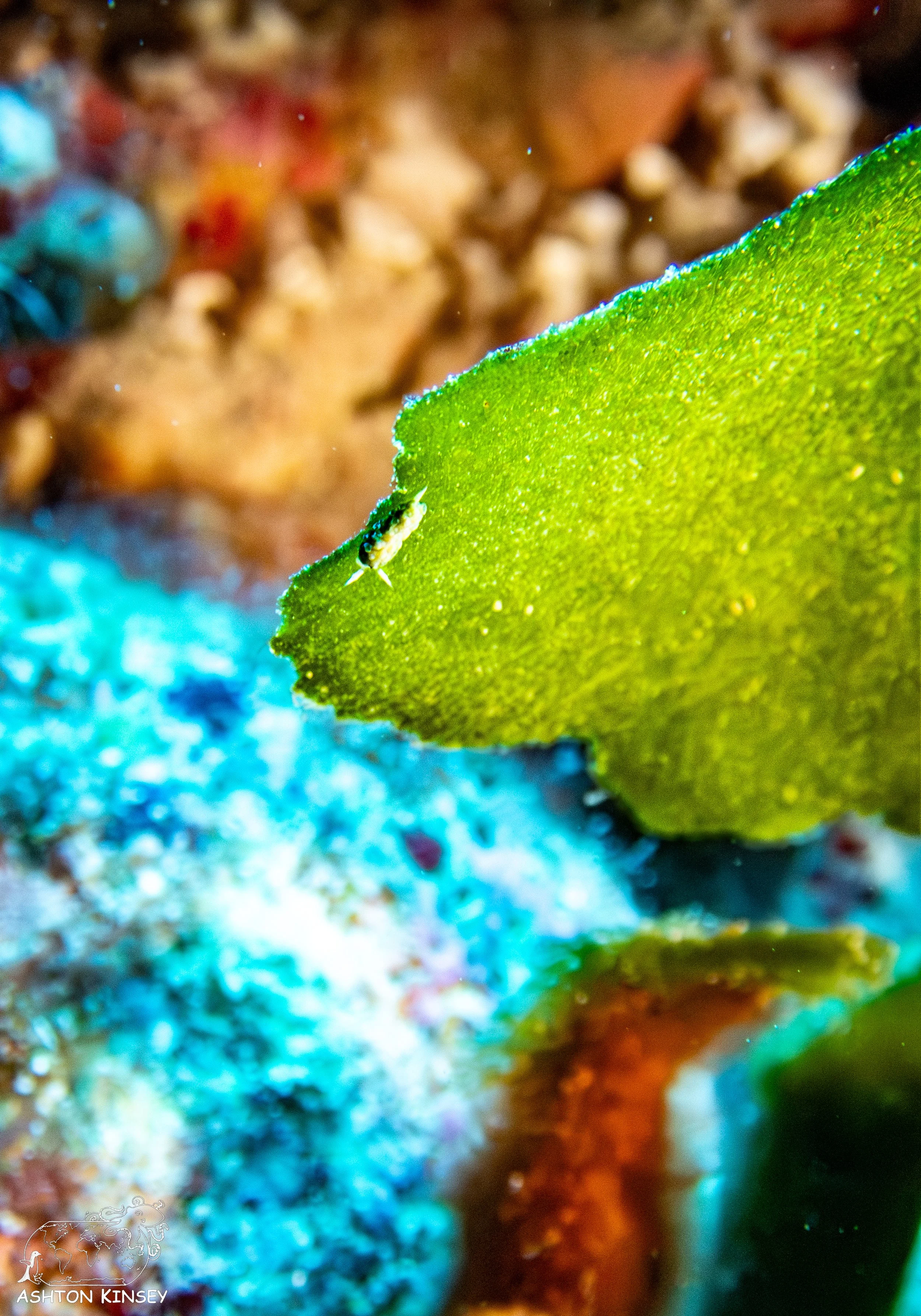
Due to the limited amount of sunlight, inside the main cavern area, there’s not much coral growth, but small fish and nudibranchs hide in the rocks trying to not be swept out with the surging waters. There are three windows that lead under the cliffside out into the open ocean. Once outside, the surge and currents die down and coral have started growing along the rocks. Large schools of barracudas are common, along with sharks and turtles.
Dive 4: Turtle Rock
42’ for 64 minutes
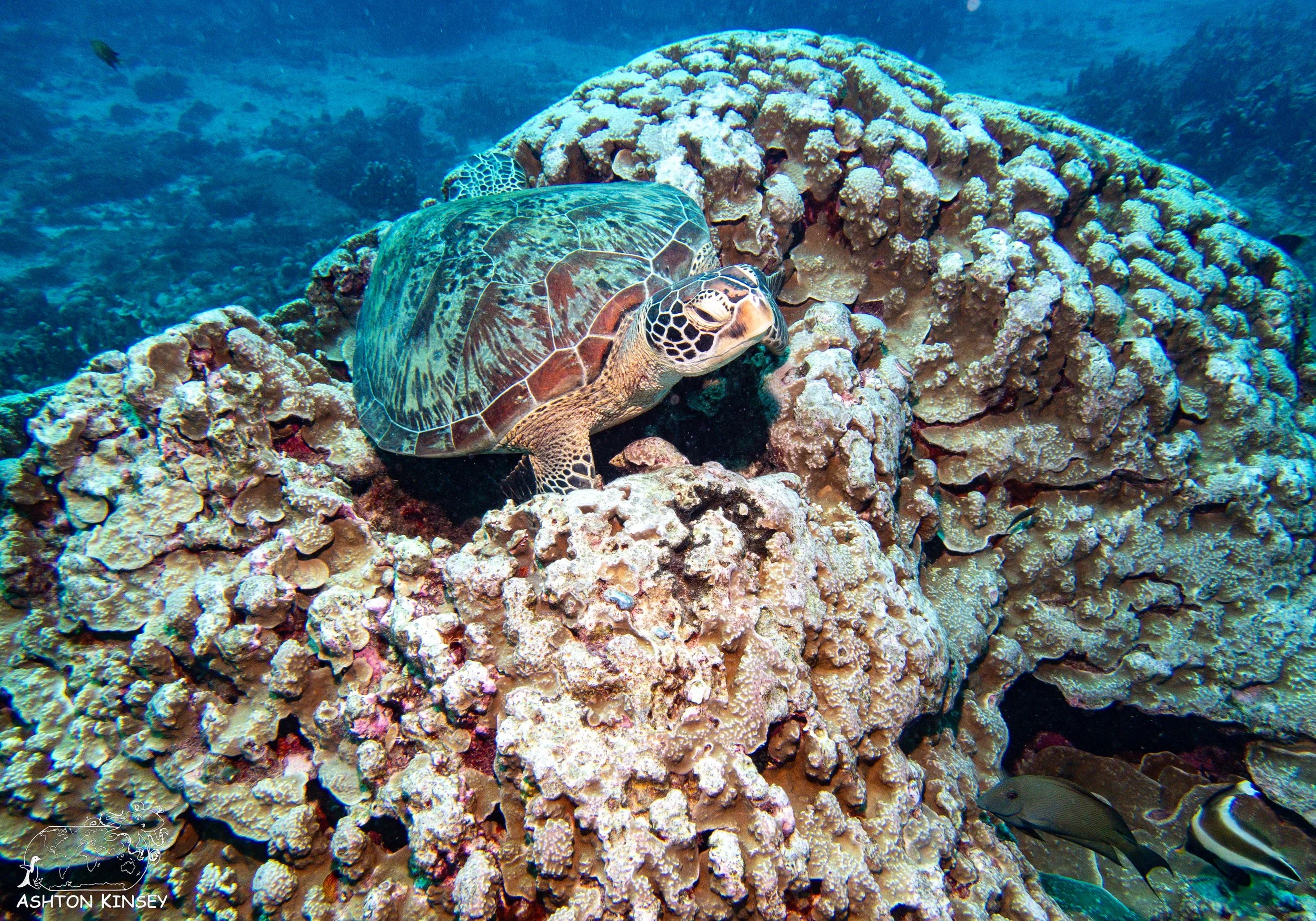
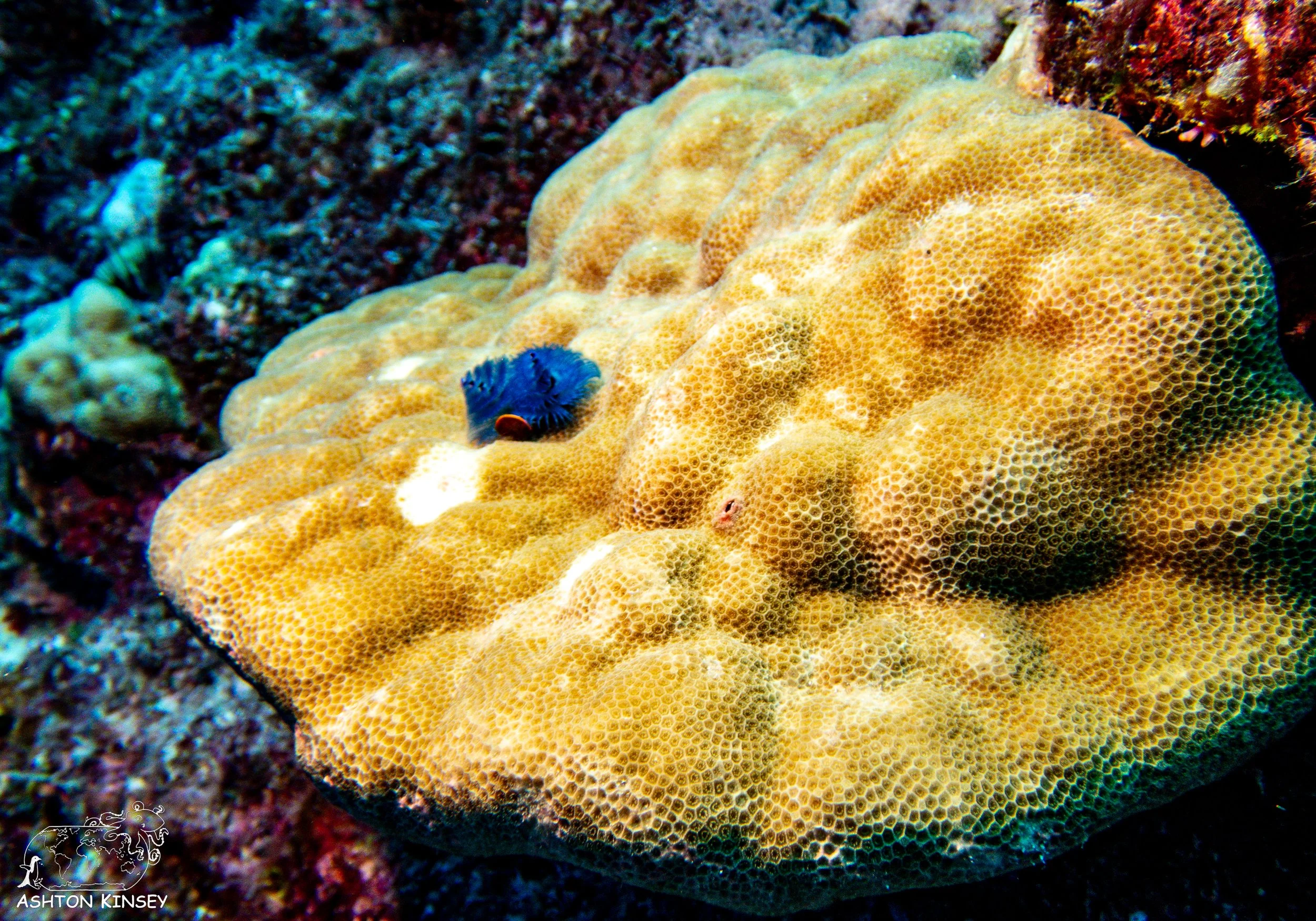
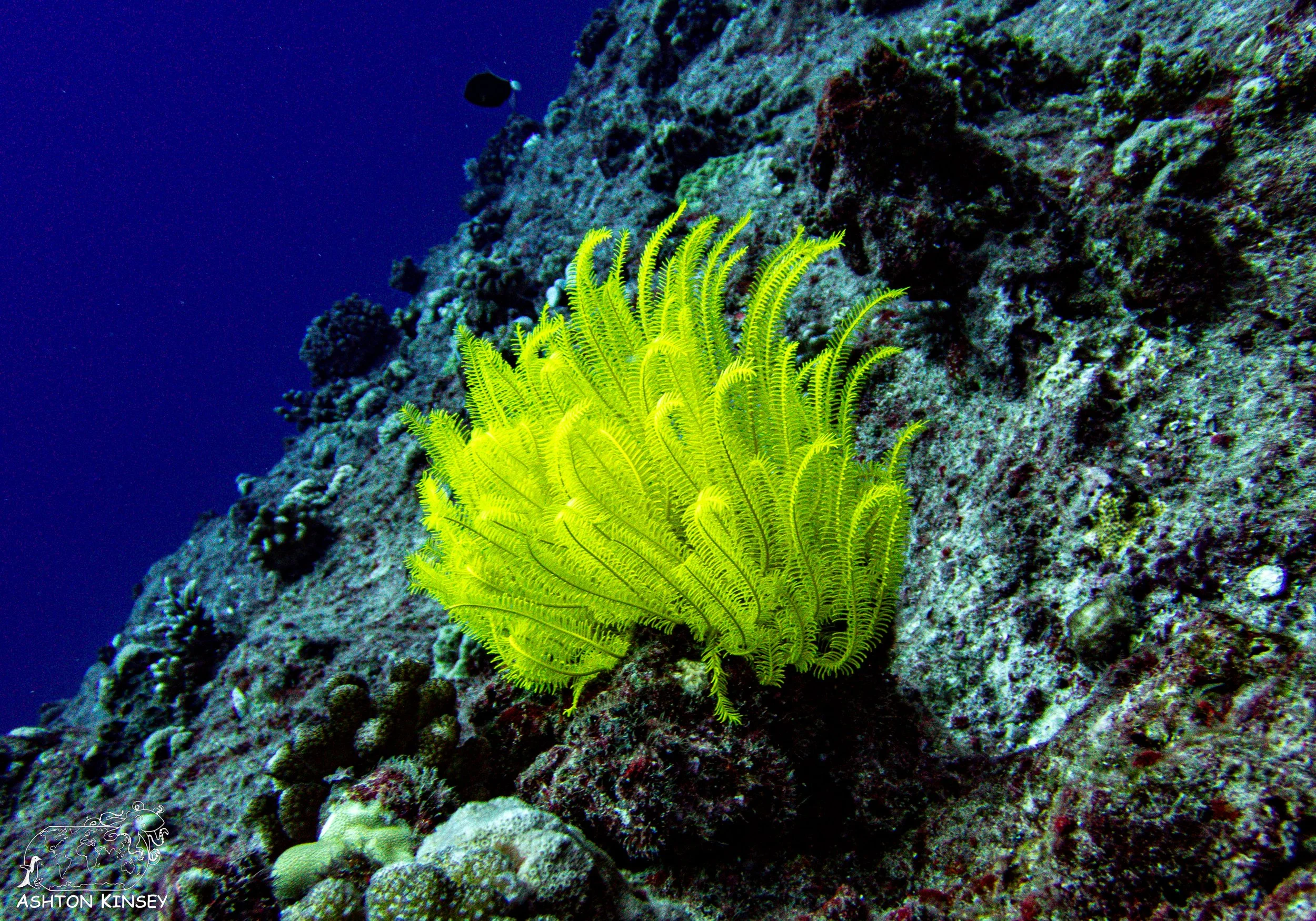
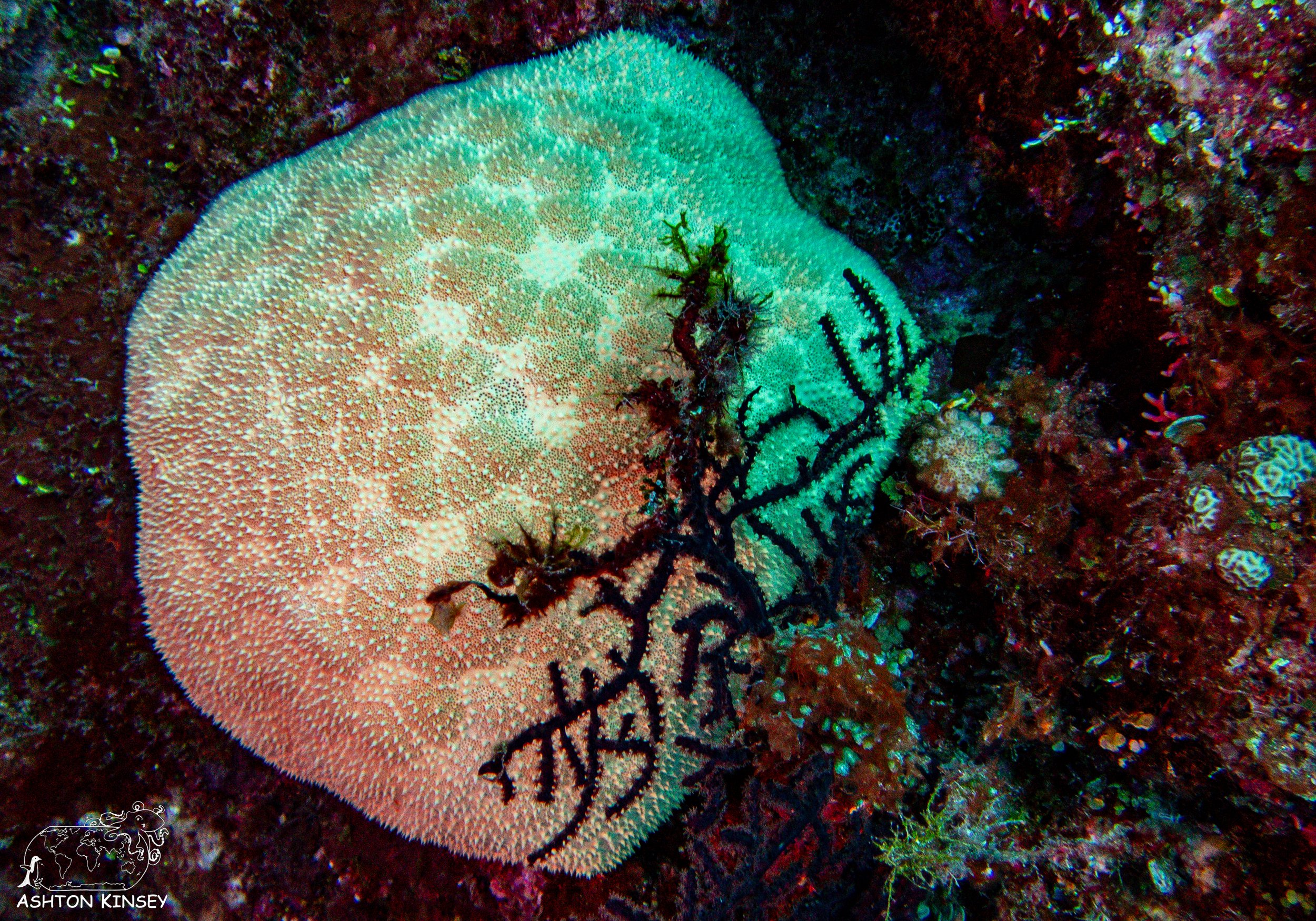
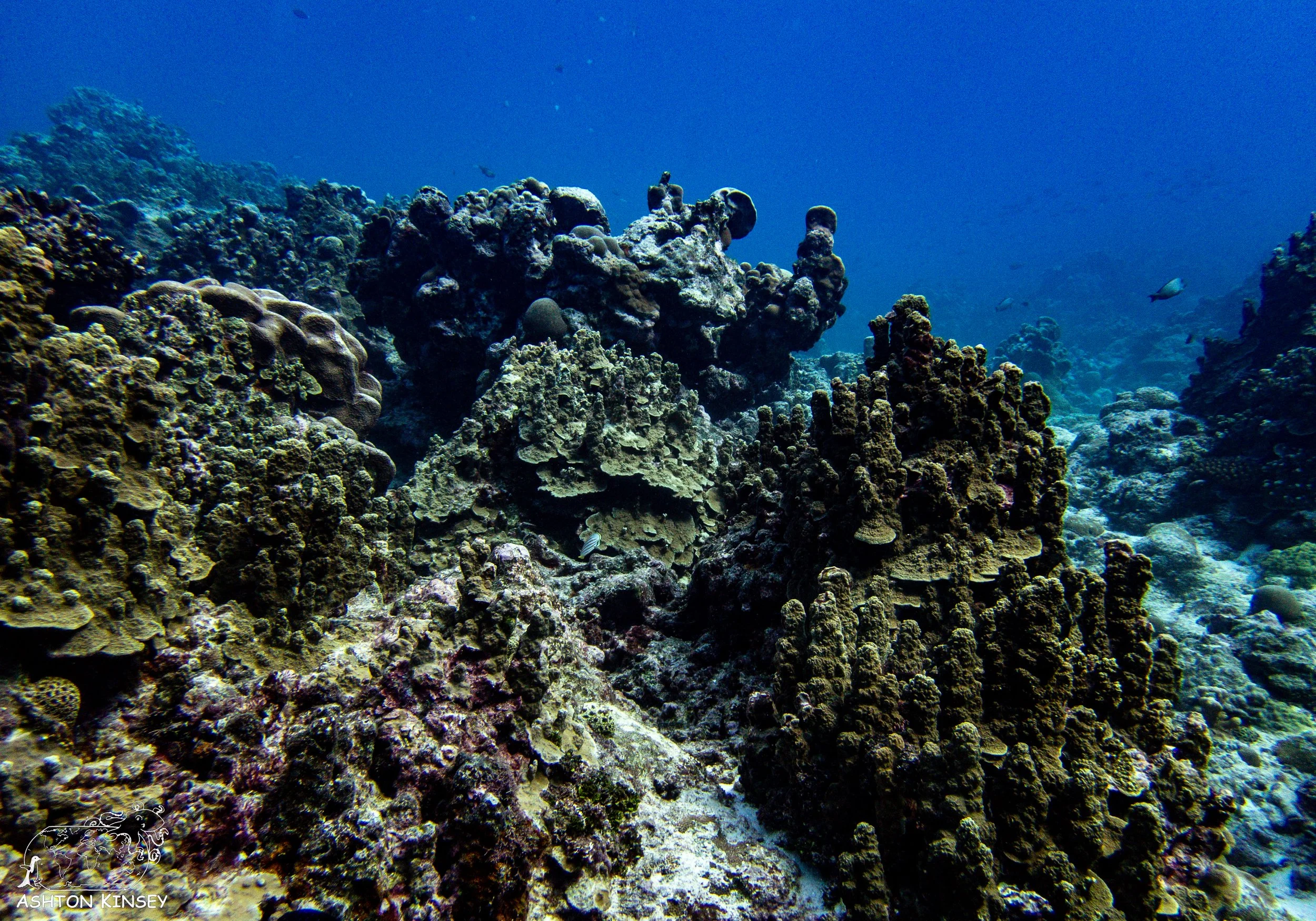
A large coral mound that is frequented by turtles and eagle rays, with lots of over hangs and holes for hiding. The site, like the ones before, contains lots of turtles, butterfly fish, parrotfish, and other schooling fish. This site can occasionally have stronger currents which will occasionally bring in larger pelagic species such as jacks and trevallies.
Tinian Island
After World War One Tinian Island was captured by Japan and then settled by Japanese, Koreans and Okinawans who developed large-scale sugar plantations. Before WW2 started it was extensively settled and infrastructure was developed including the introduction of coffee and cotton.
During WW2 the Allies realized the importance of having a landing strip close to Japan. On 24 July, 1944 the Battle of Tinian started and raged on for the next week, wiping out most of the Japanese soldiers, as well as most of the Koreans and local Chamorro people who were forced to fight and serve the Japanese army.
After the American take over, Tinian was converted into the largest airbase that covered almost the entire island. There were two runway facilities built the West Field and the North Field containing six 8,500-foot runways. West Field’s runways were smaller and hosted seven squadrons of the 5th Bombardment Wing for combat and reconnaissance missions around Asia and Japan.
North Field was expanded for bomber operations and eventually became one of the largest airfields in the world. The B-29 bombers Enola Gay and Bockscar were housed and took off from North Field when they dropped the atomic bombs Little Boy and Fat Man on Hiroshima and Nagasaki.
After the war the United States remained in control of the island and was a sub-district of Saipan until 1962, and in 1978 Tinian became a municipality of the Commonwealth of the Northern Mariana Islands. Finally on 4 November 1986, the commonwealth became a part of the United States and the people US citizens.
Parts of the two runways of West Field are still active have been developed into Tinian International Airport. North Field’s four runways have been overgrown and forgotten. However, in 2024, a 409$ million contract was awarded to upgrade and revive North Field and re-militarize the sections of the island, causing concerns for inhabitants.
Dive 5: Tinian Grotto
72’ for 56 minutes
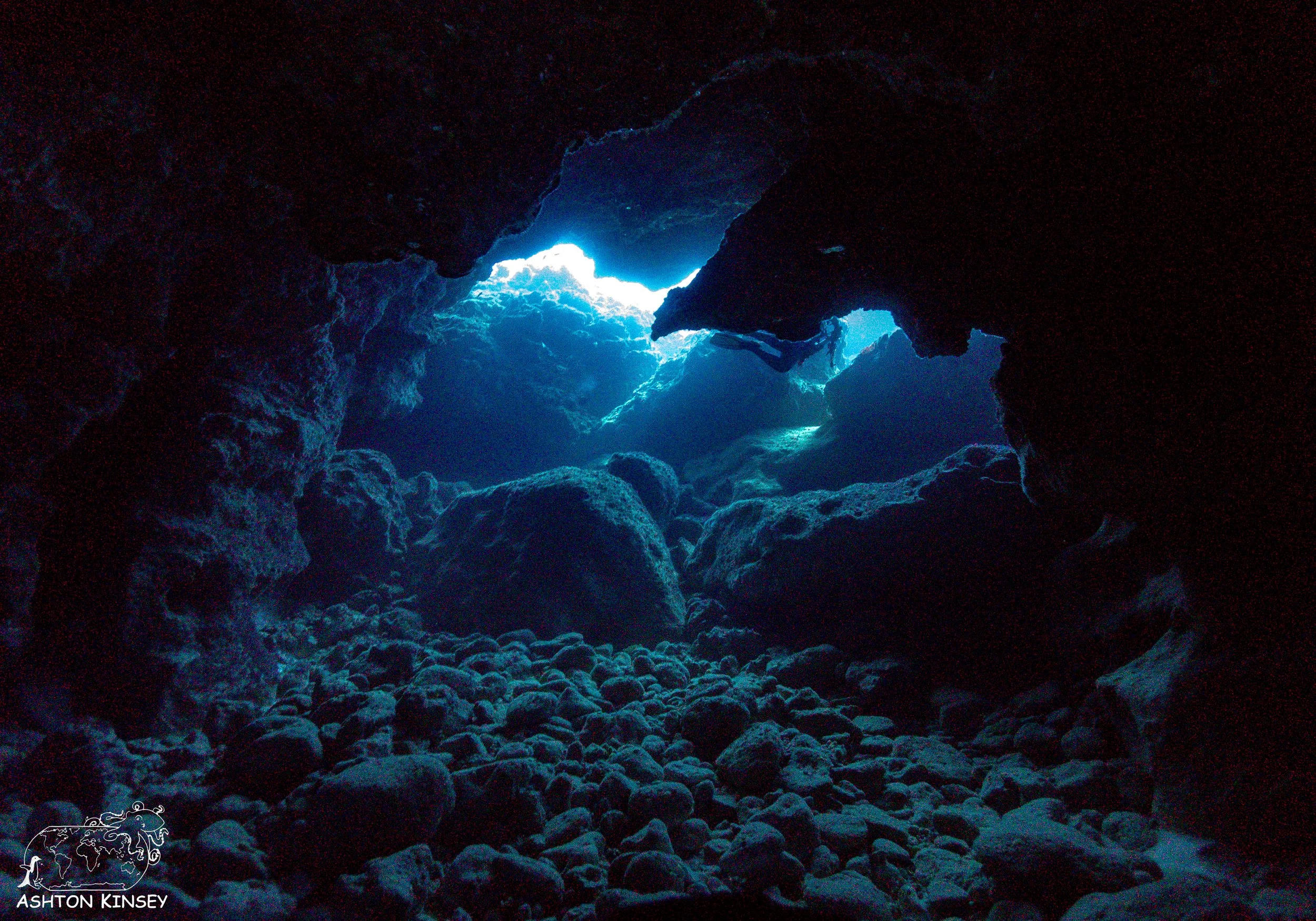
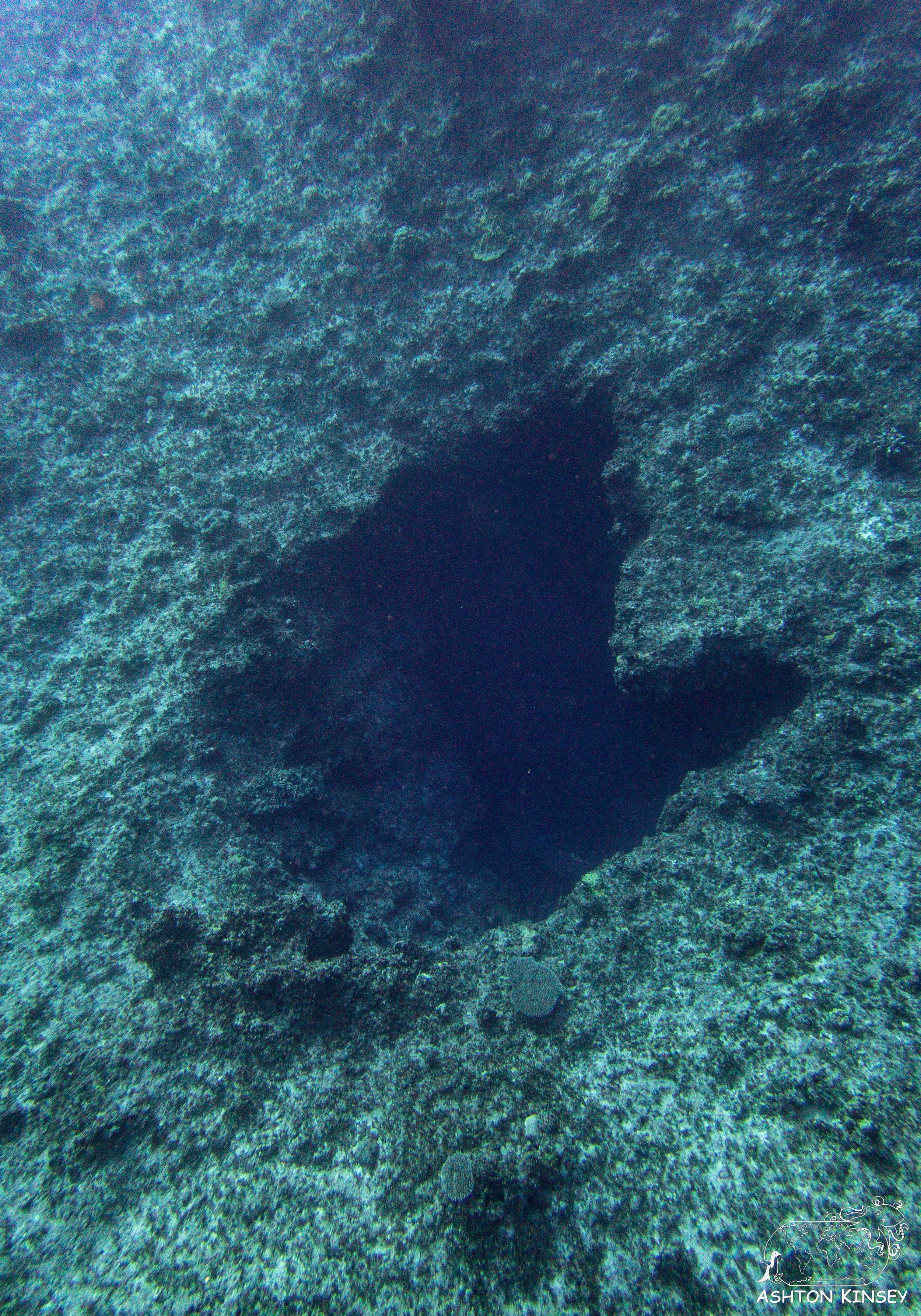
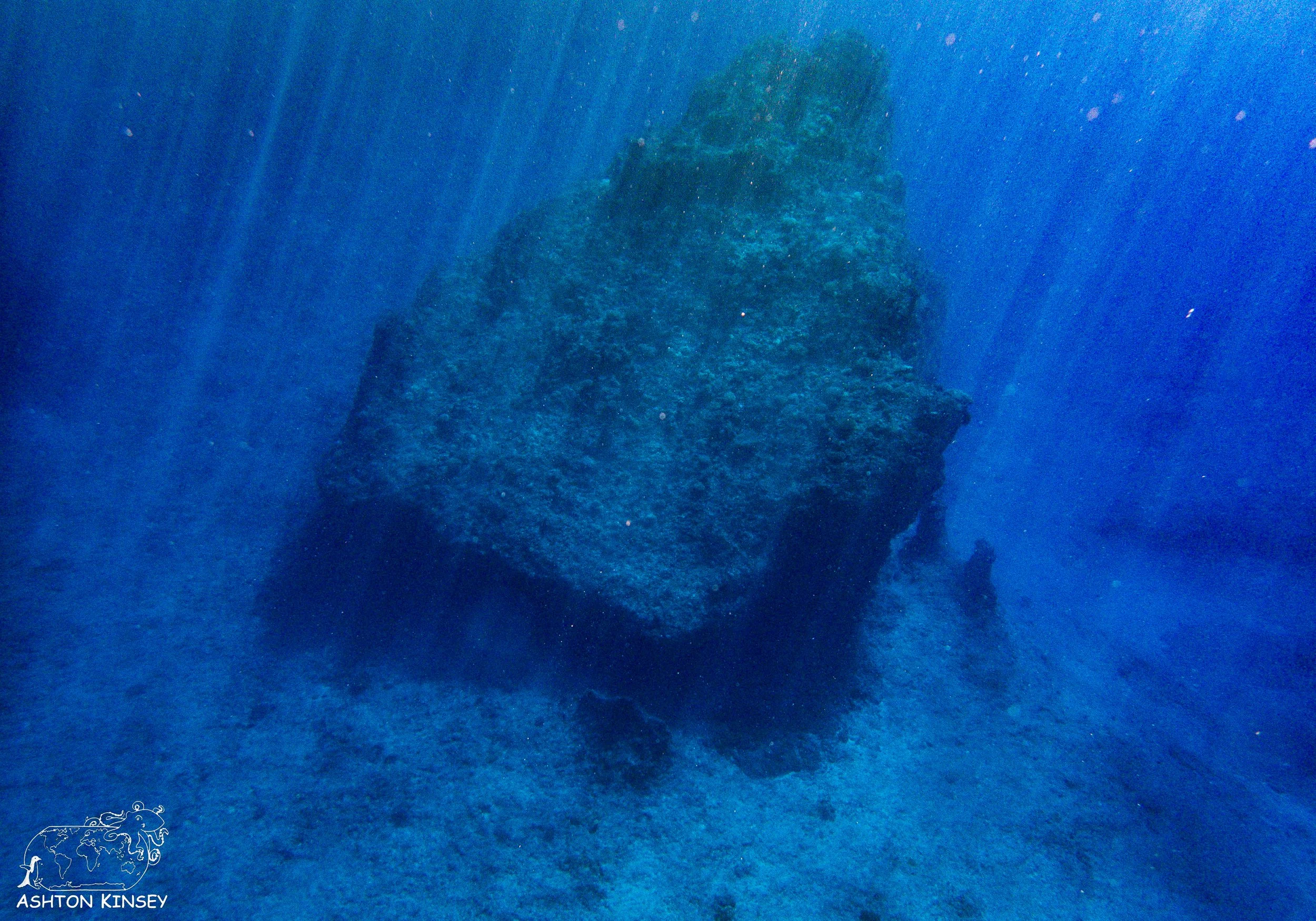
An easier Grotto compared to The Grotto on the mainland, accessible by boat via a small hole in the top for the reef structure. Dropping down into the column the grotto opens up in a large room with two outlets; one out to the open ocean the other into several narrow tunnels and back up to the top of the reef.
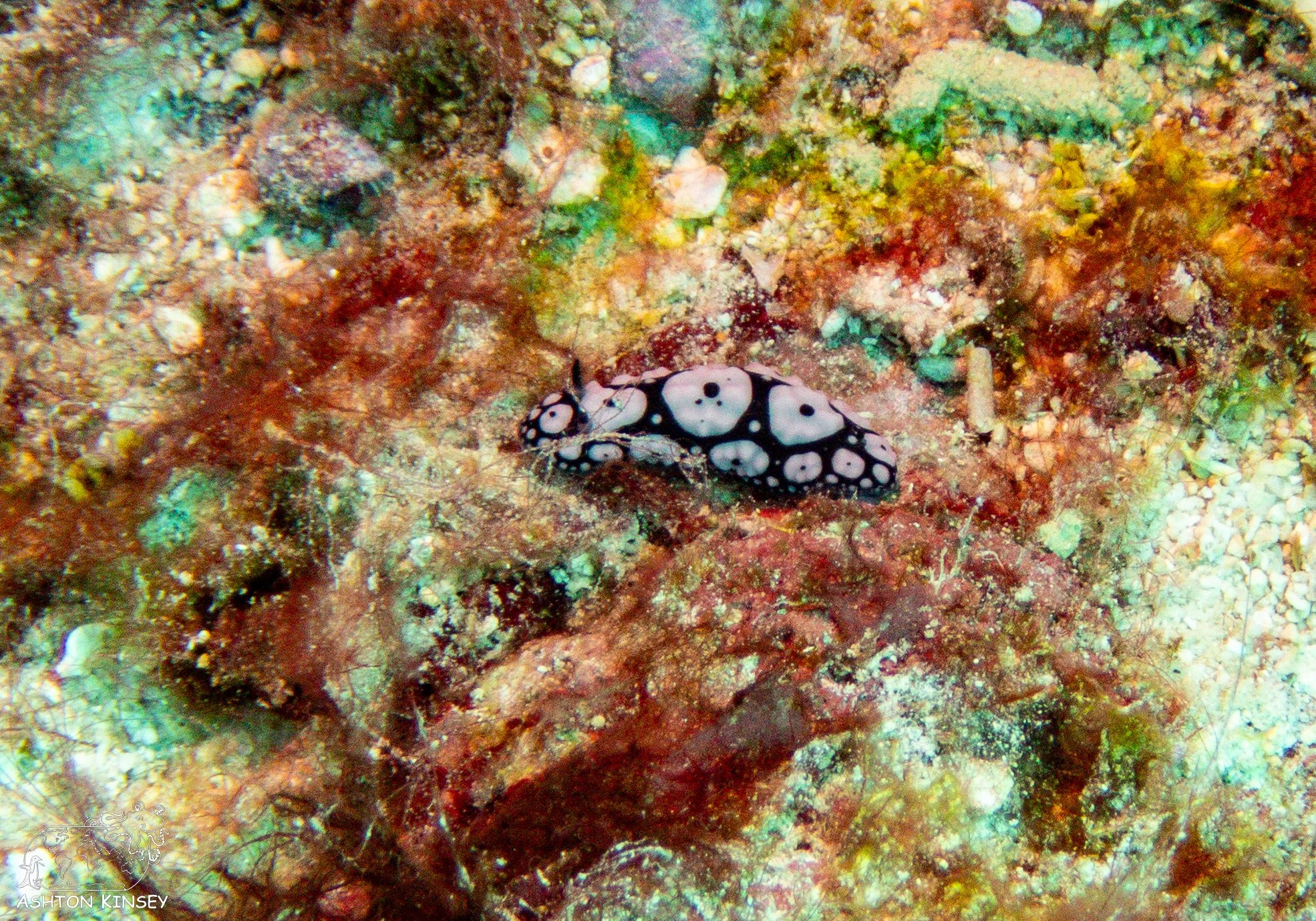
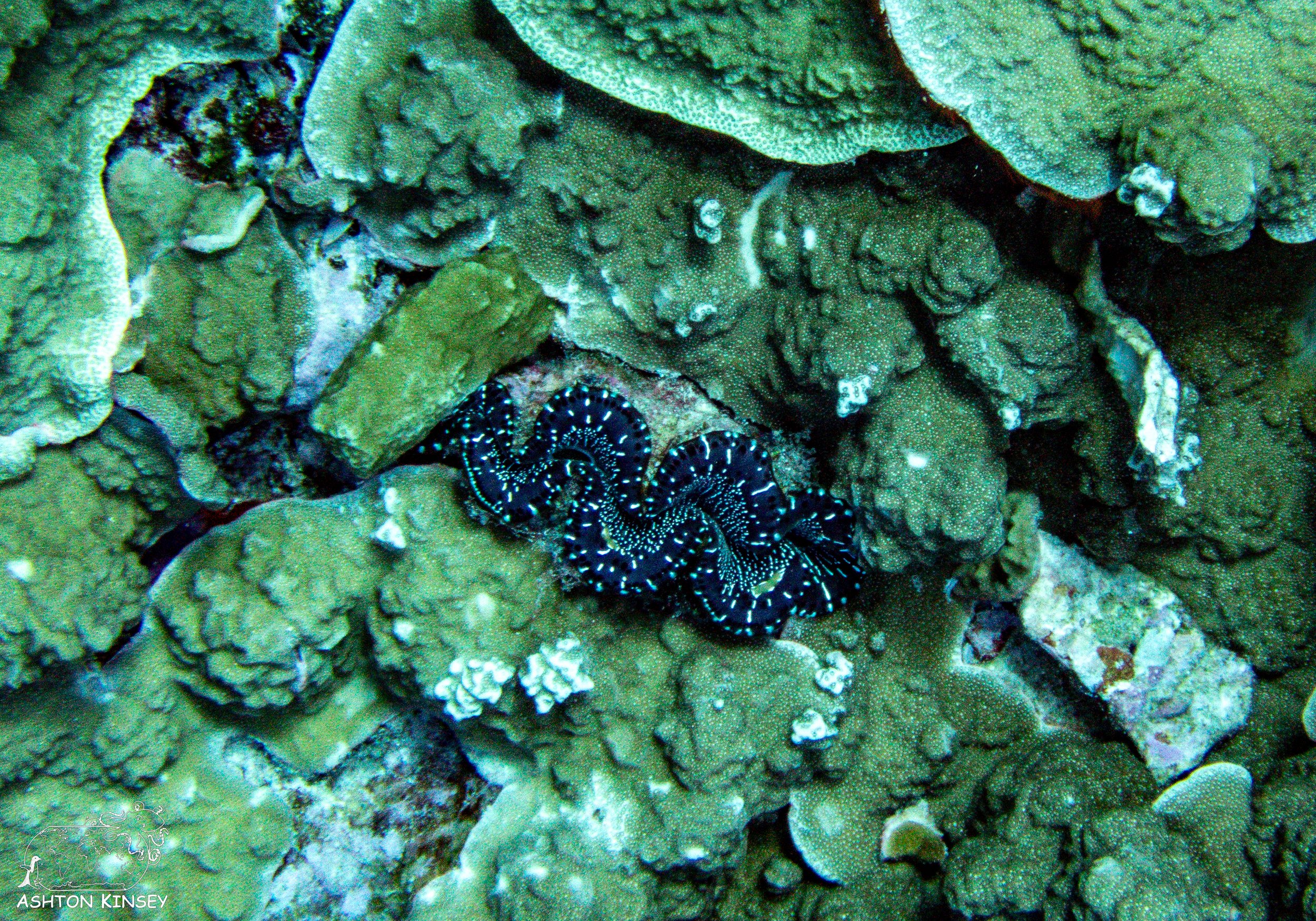
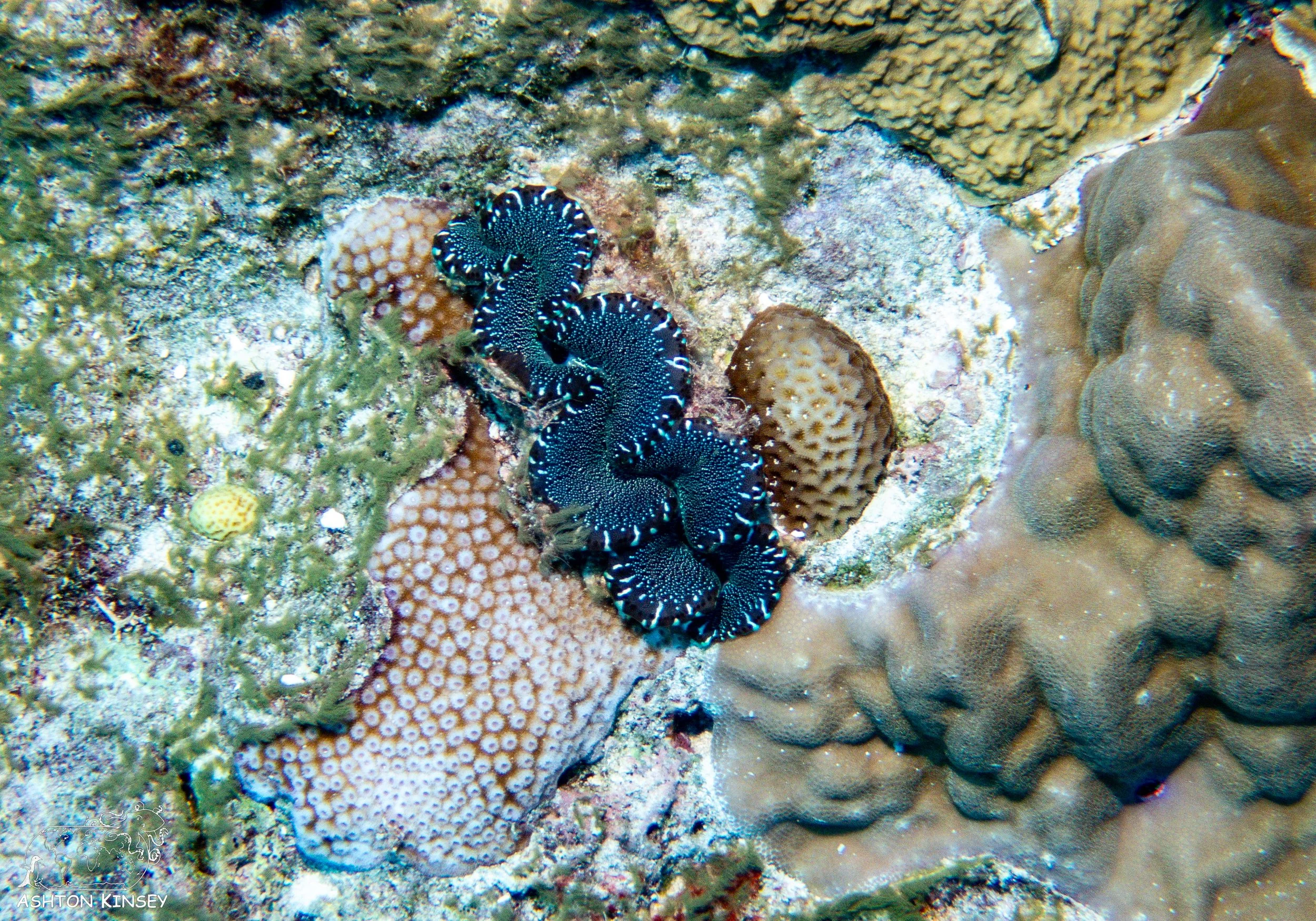
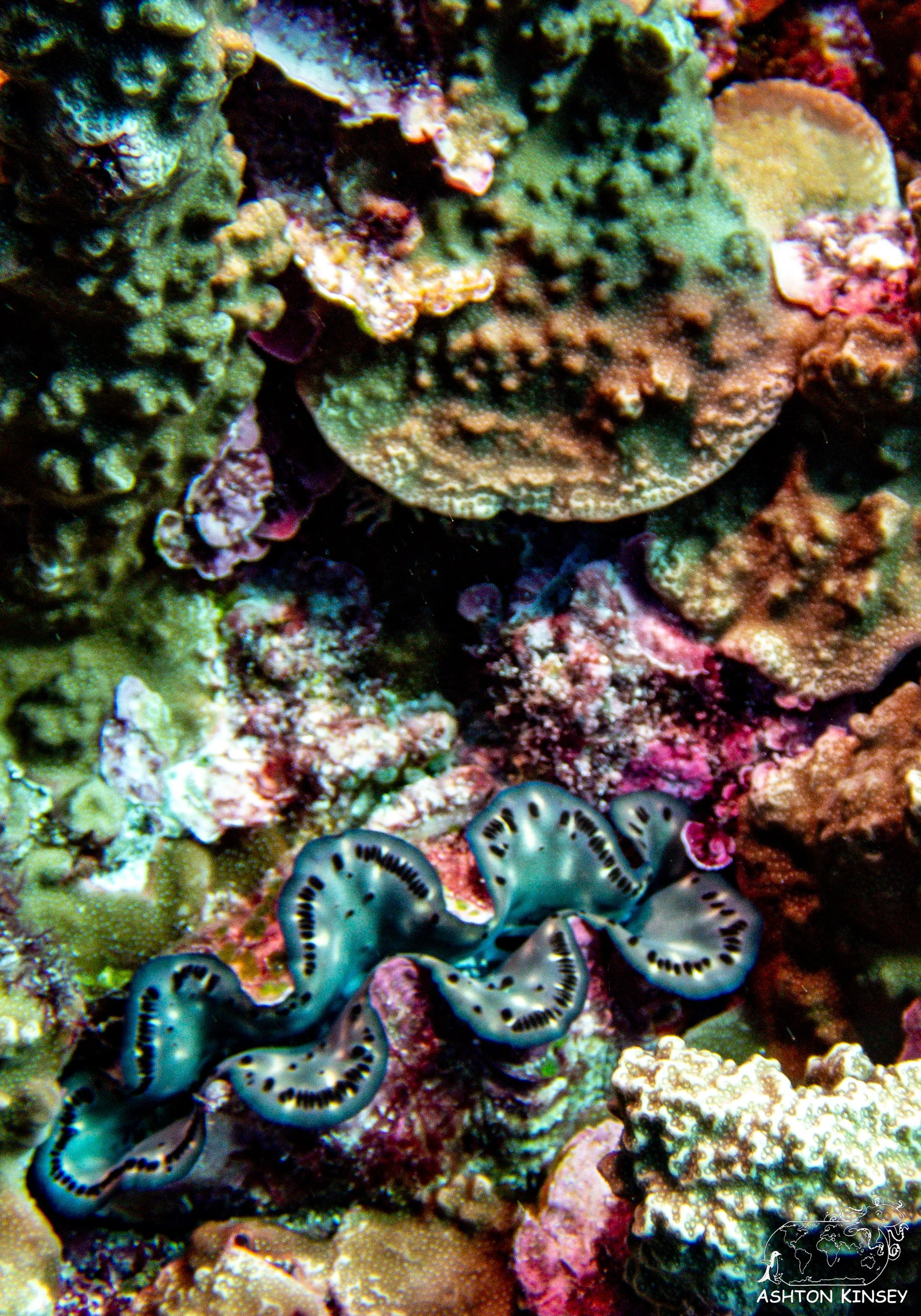
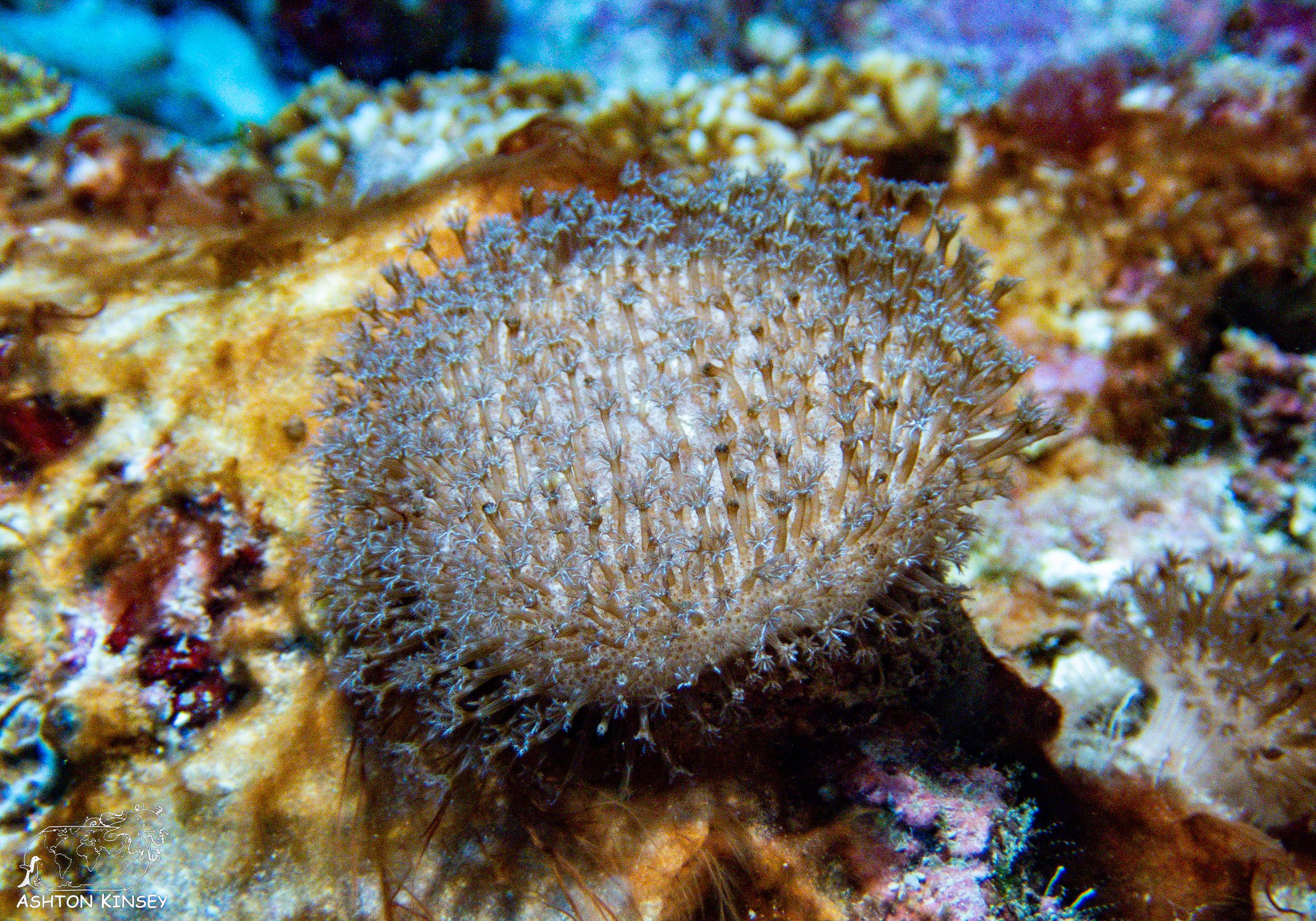
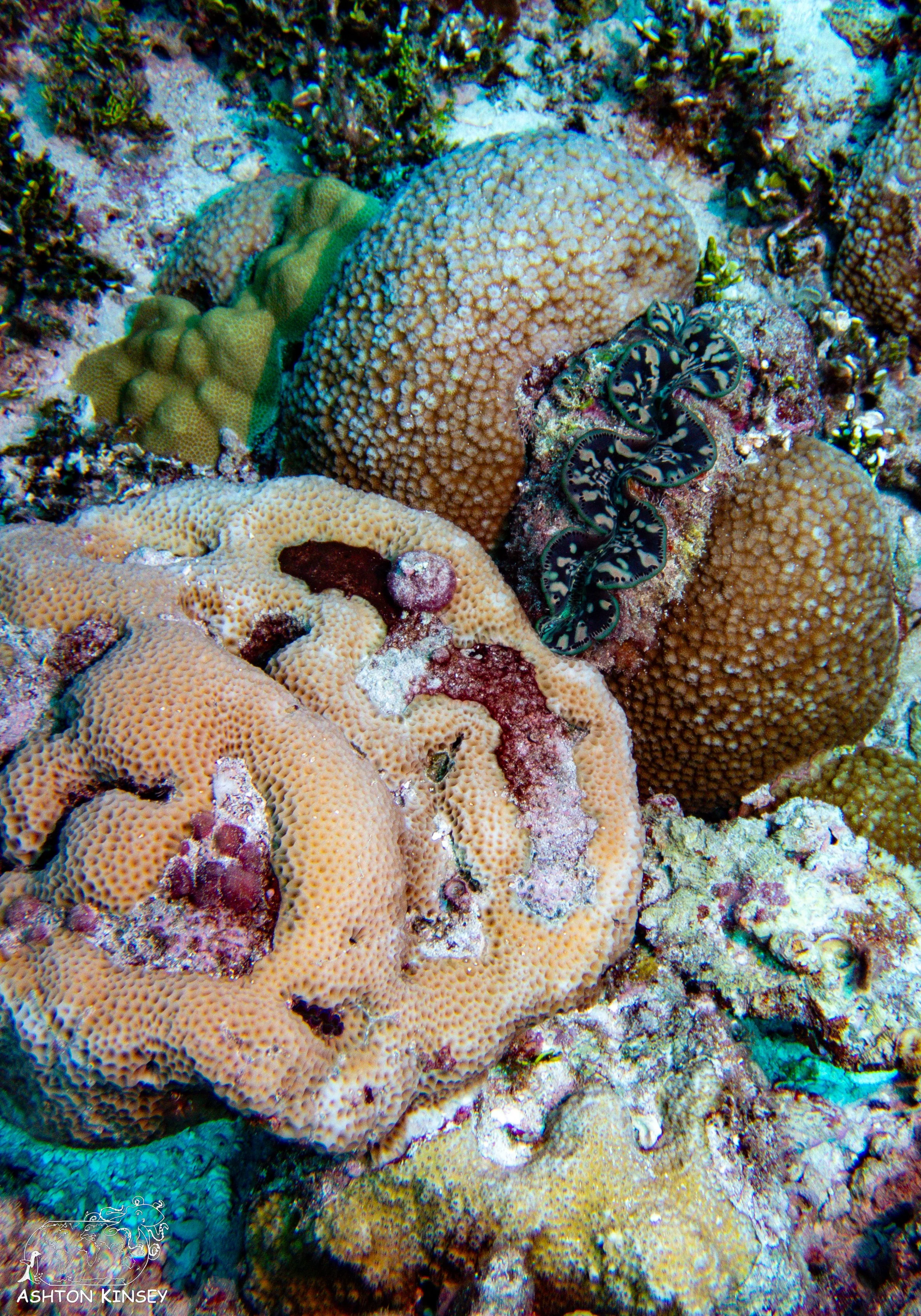
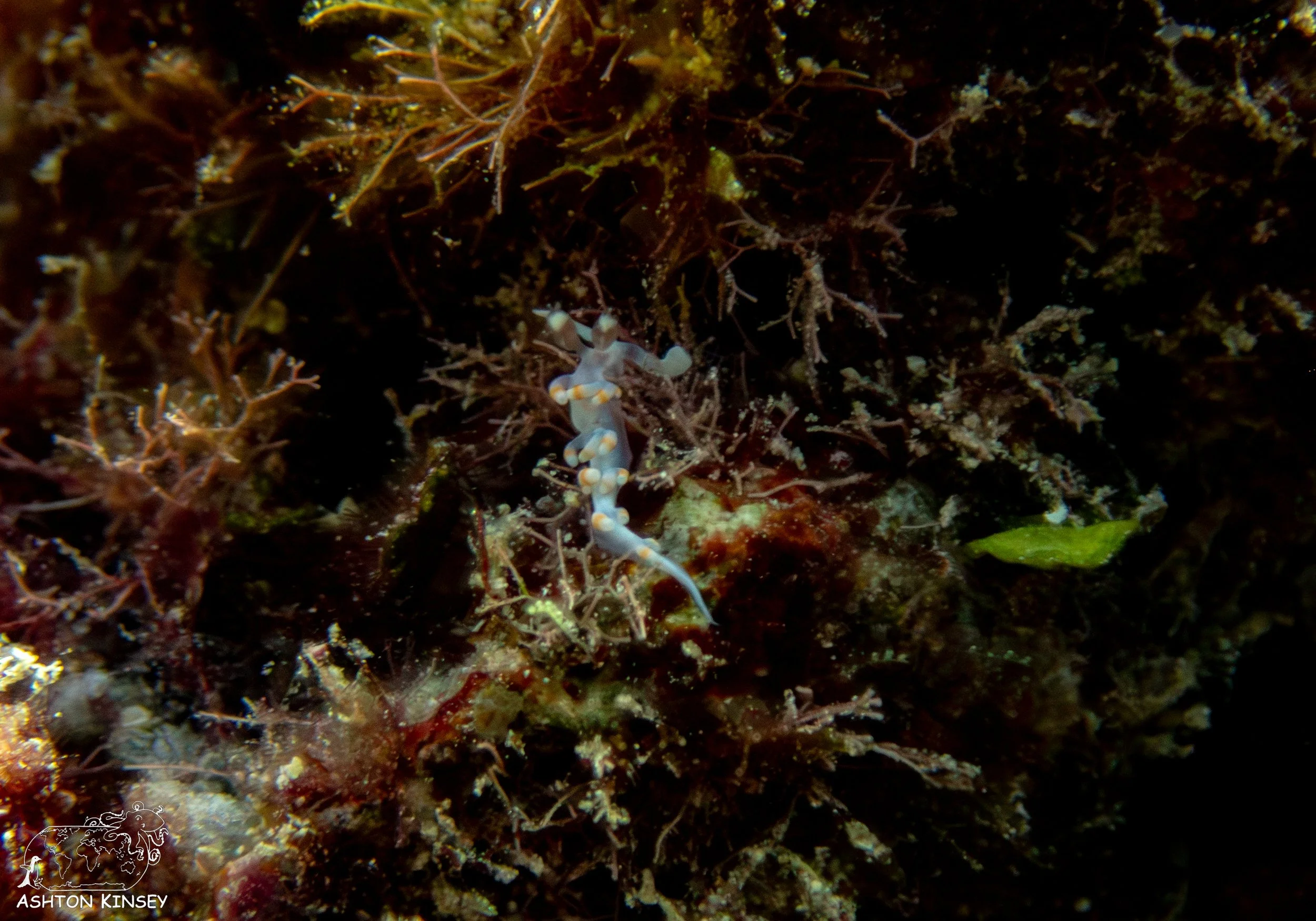
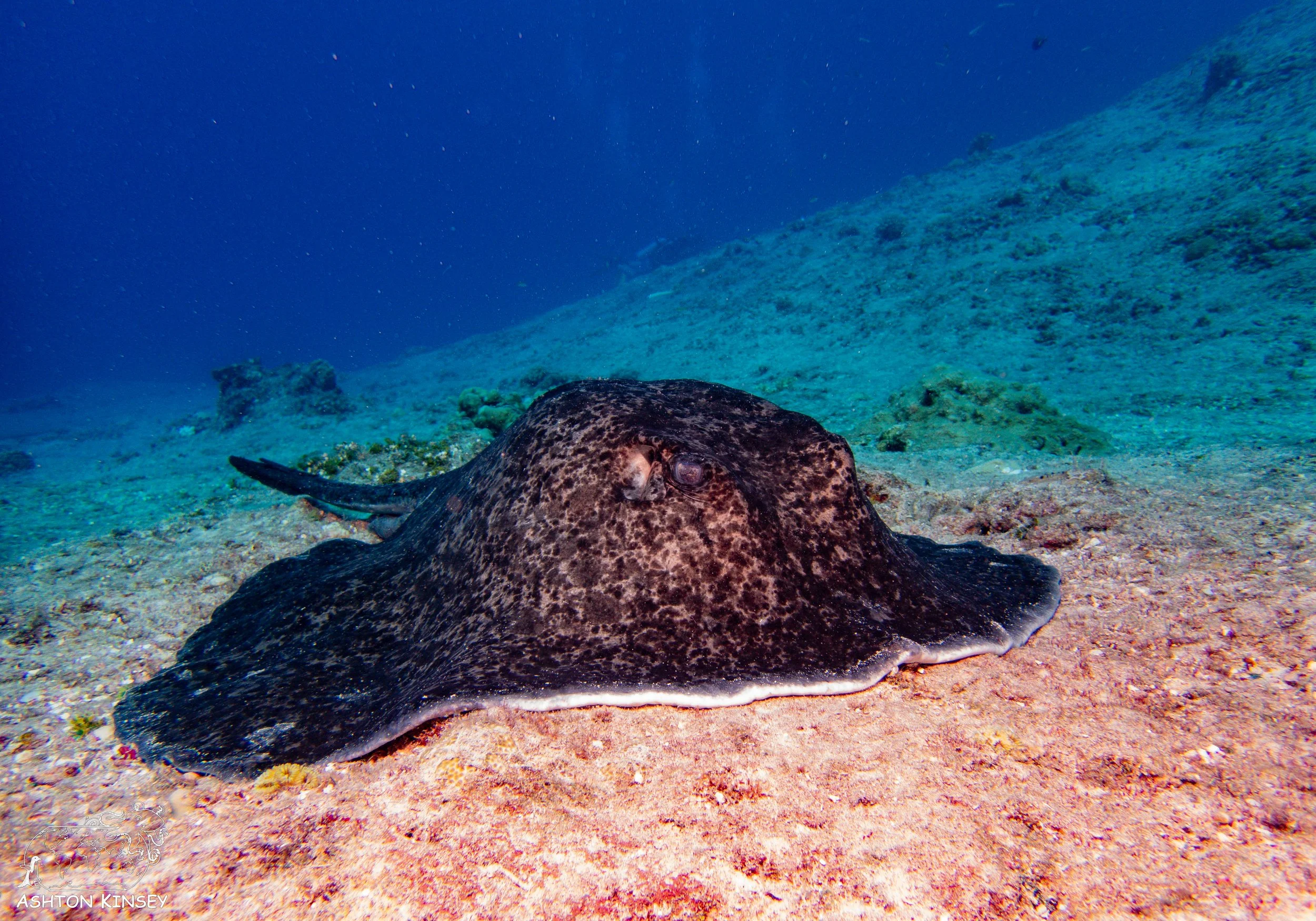
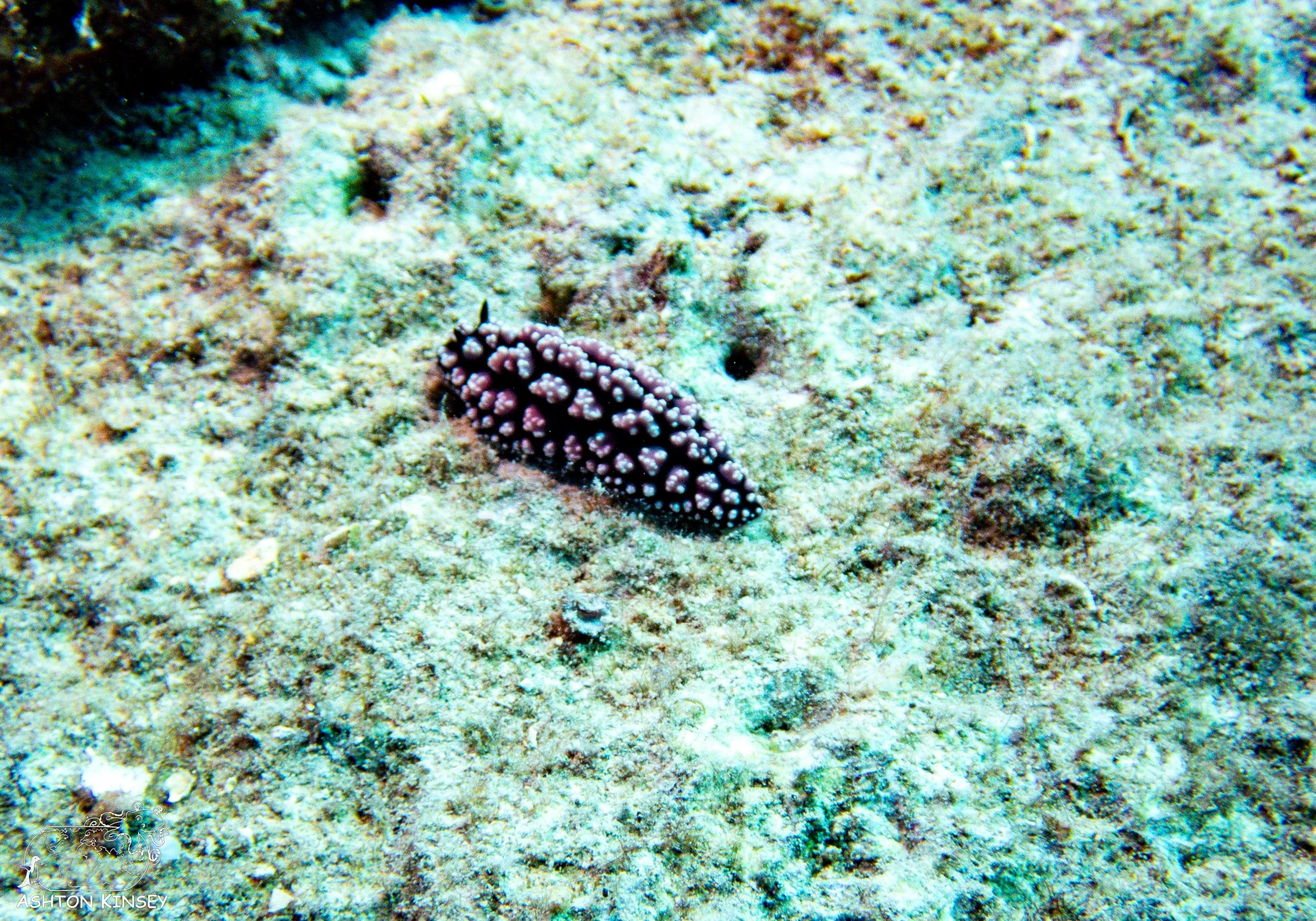
There’s plenty to see outside and around the grotto. Several different types of nudibranchs, pipefish and small invertebrates hide along the walls and coral rubble. Occasionally you can find disco clams flashing, or find stingrays sleeping on the bottom.
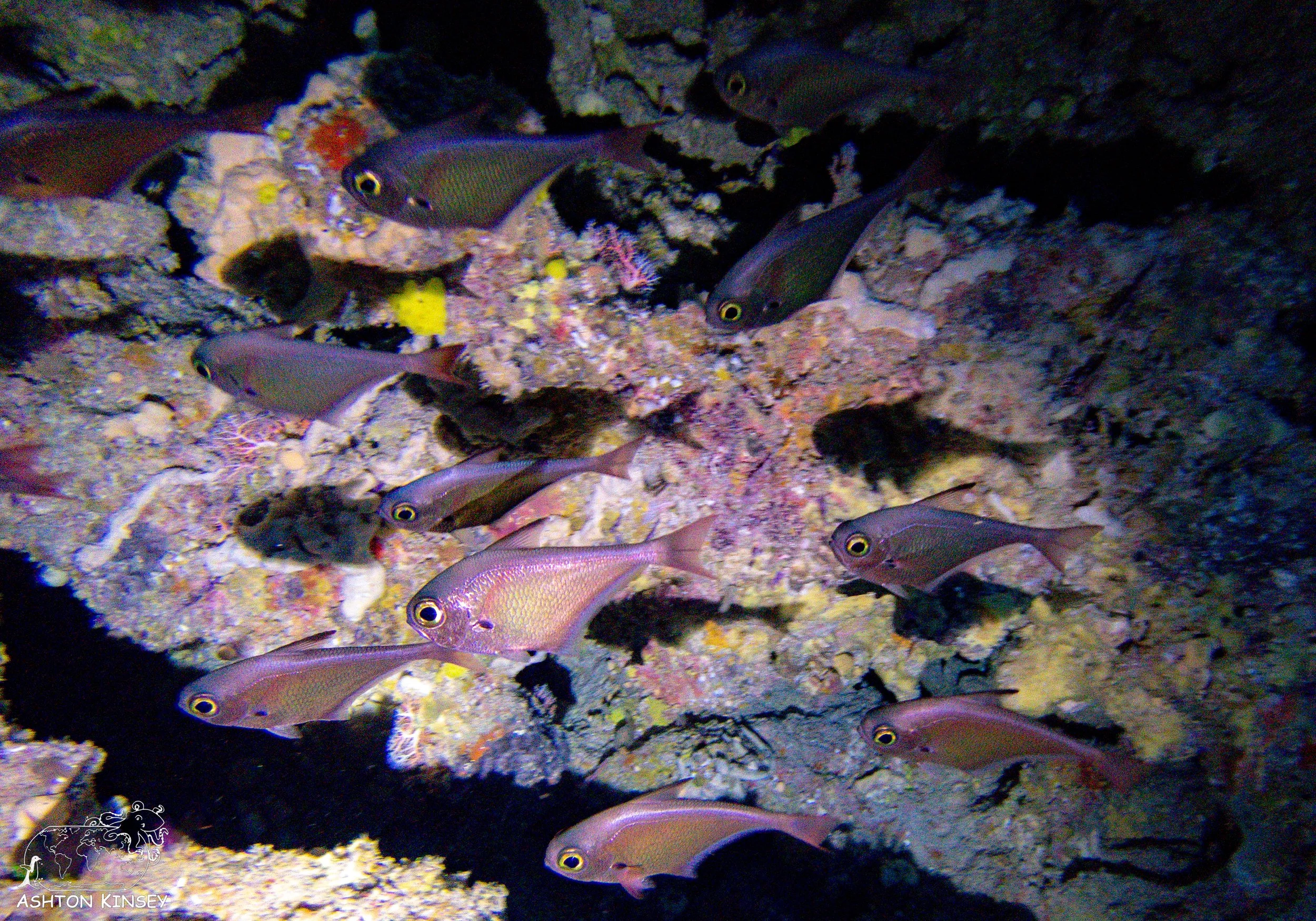
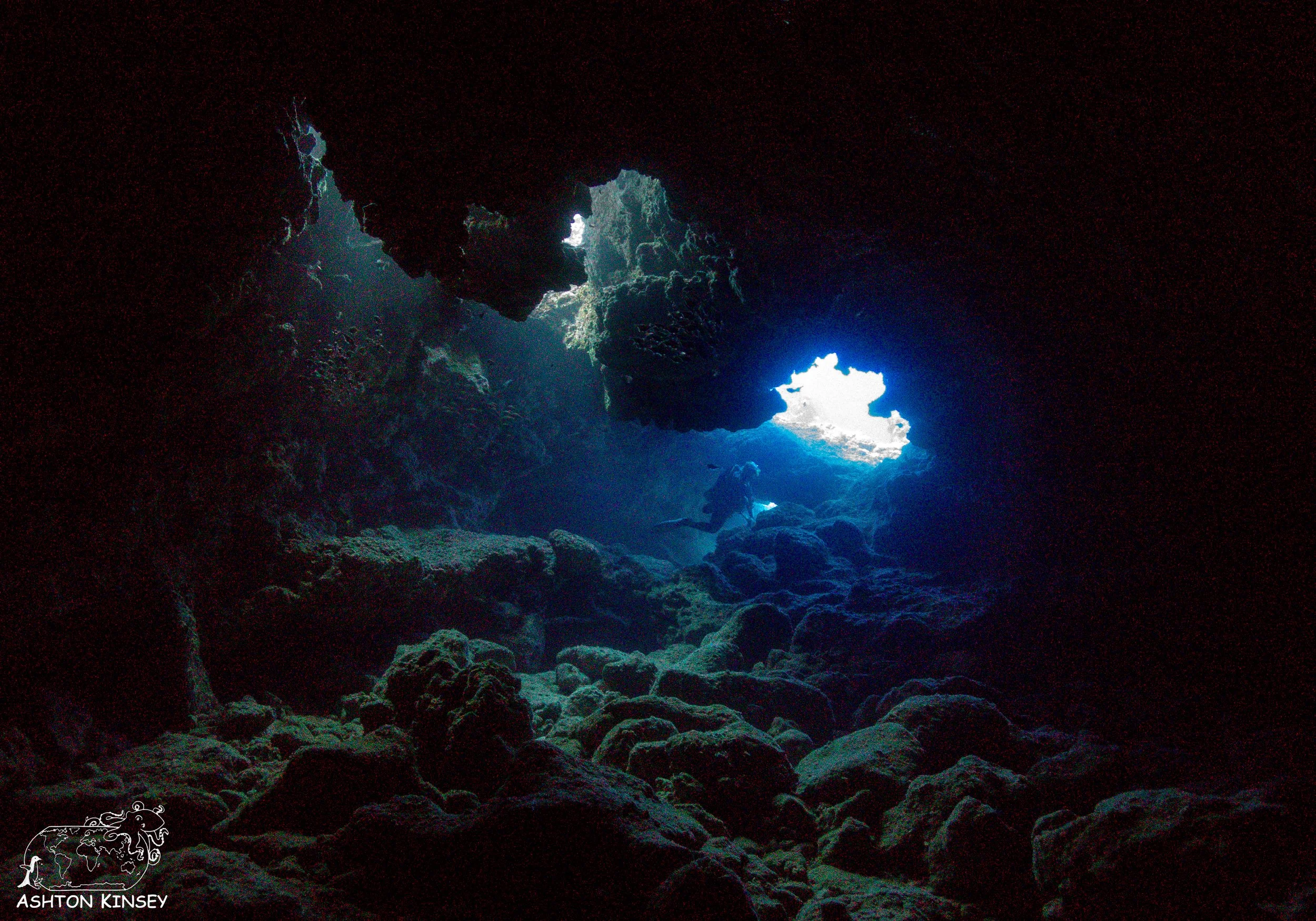
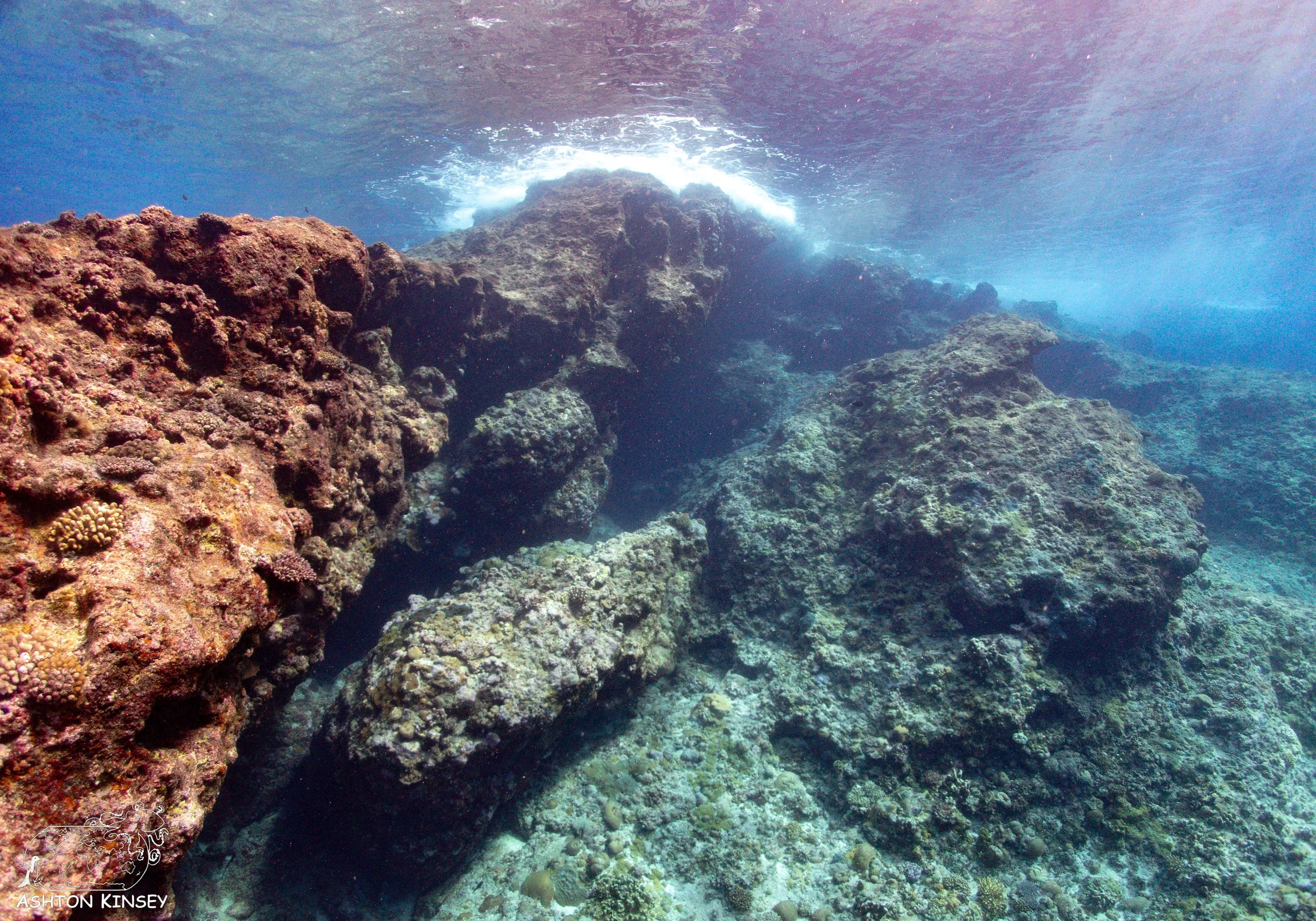
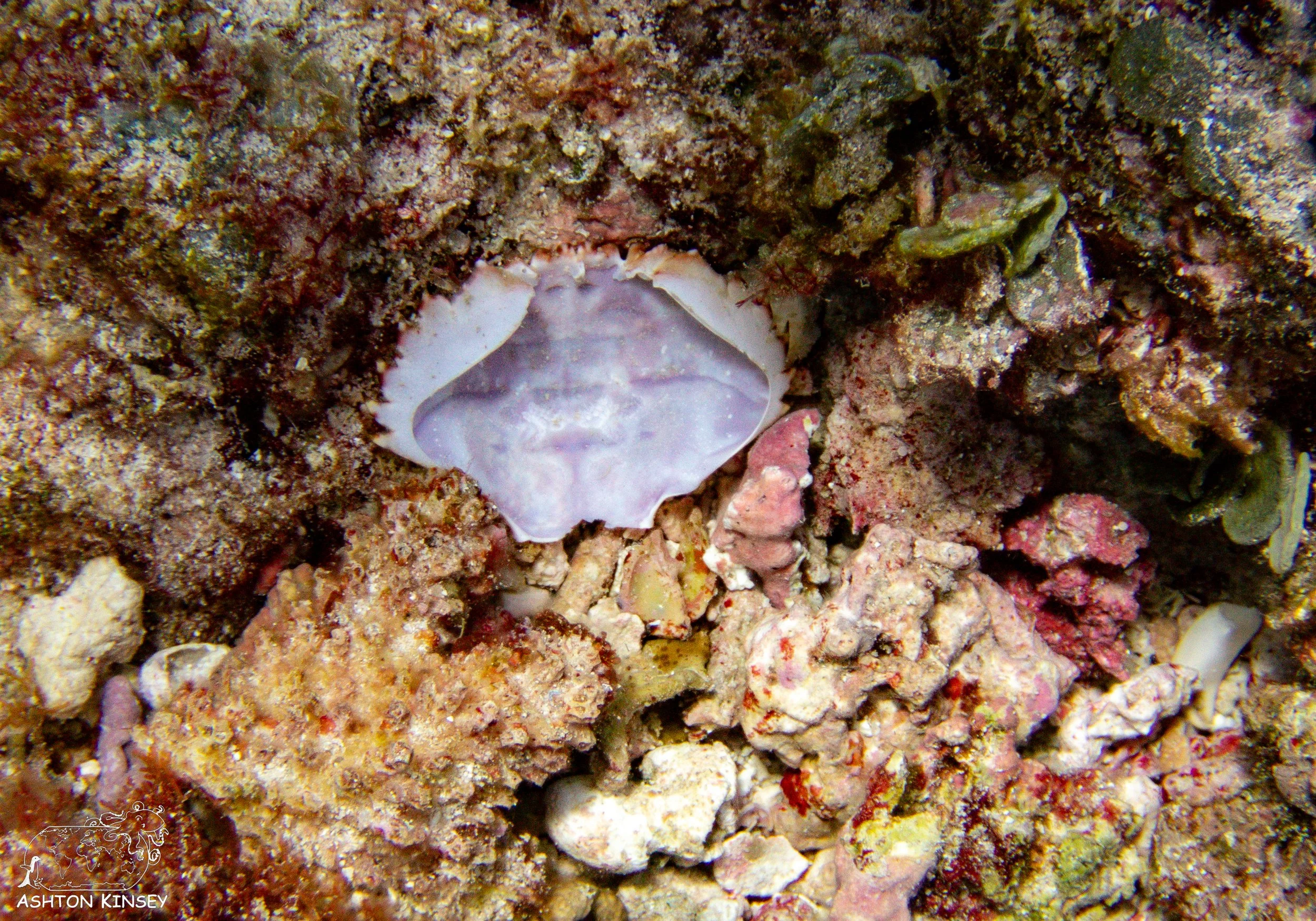
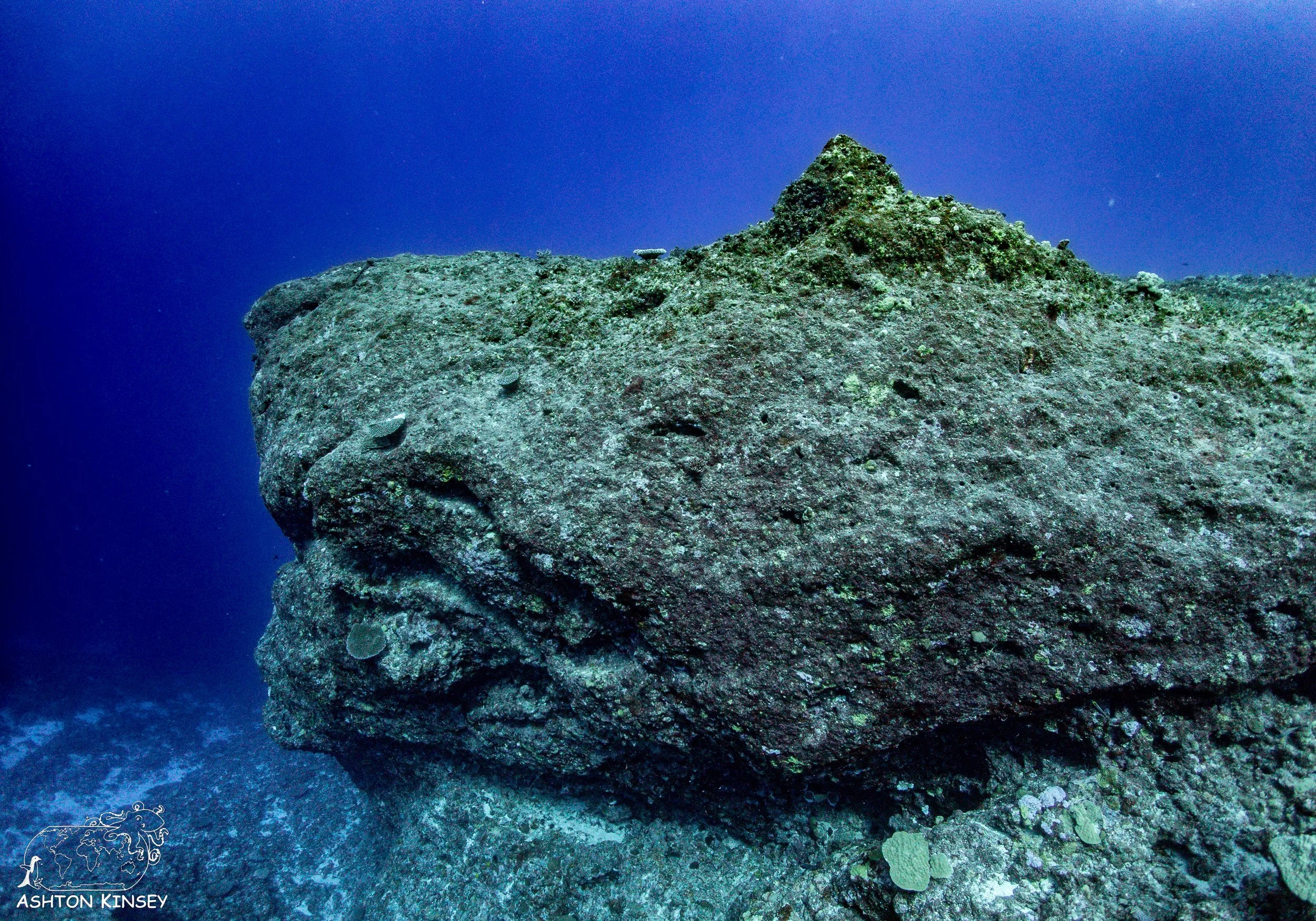
Dive 6: Dump Cove
76’ for 53 minutes
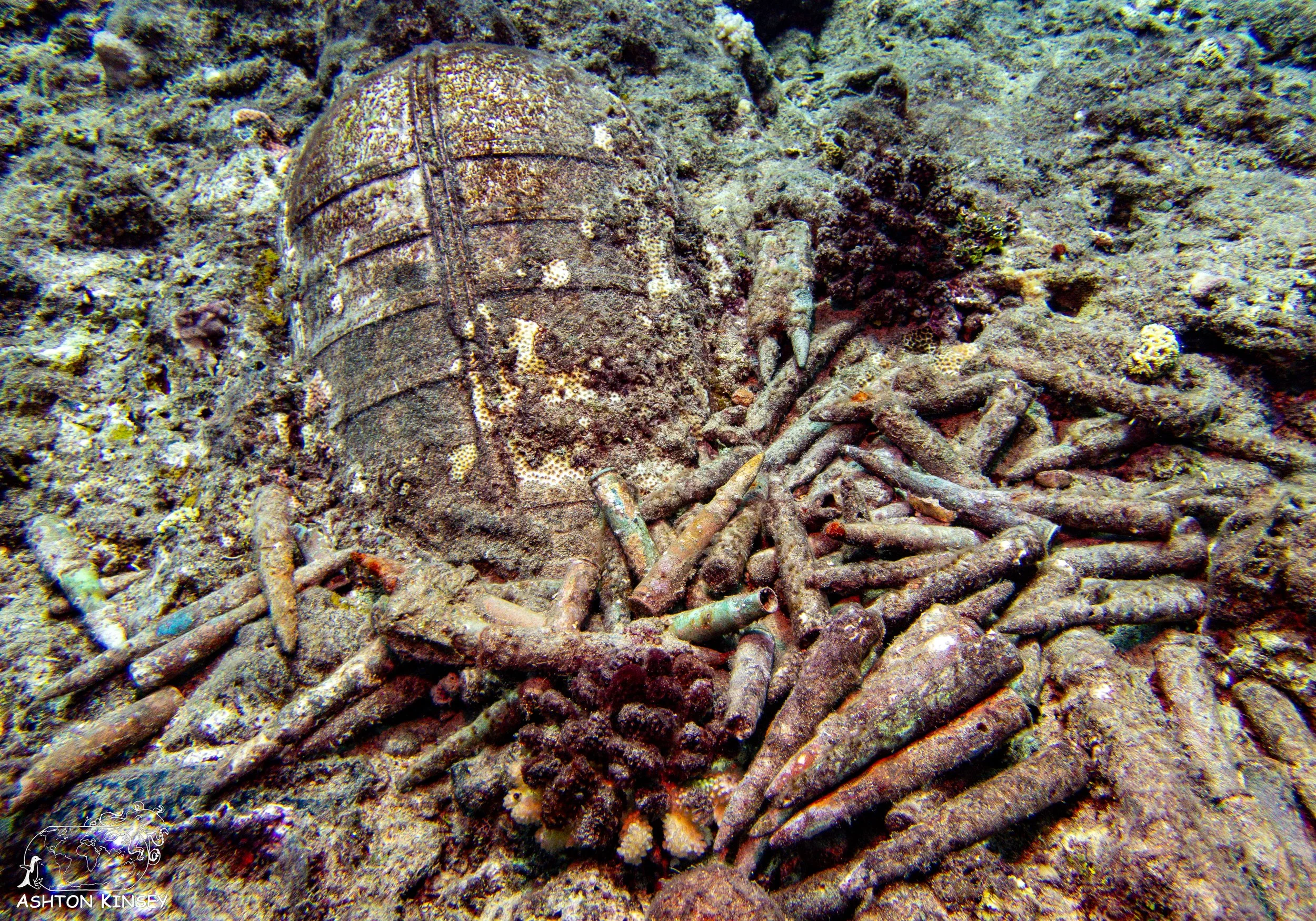
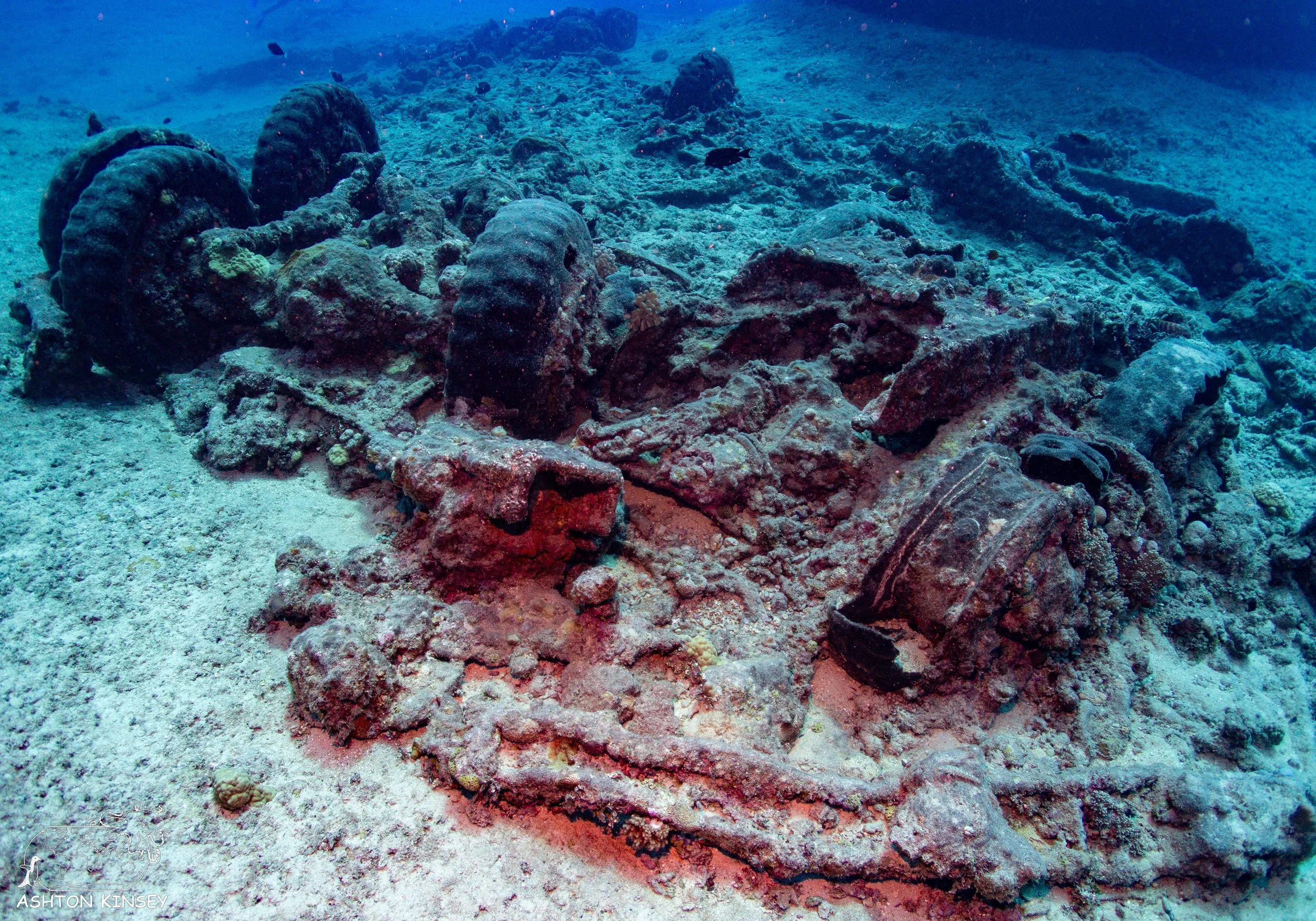
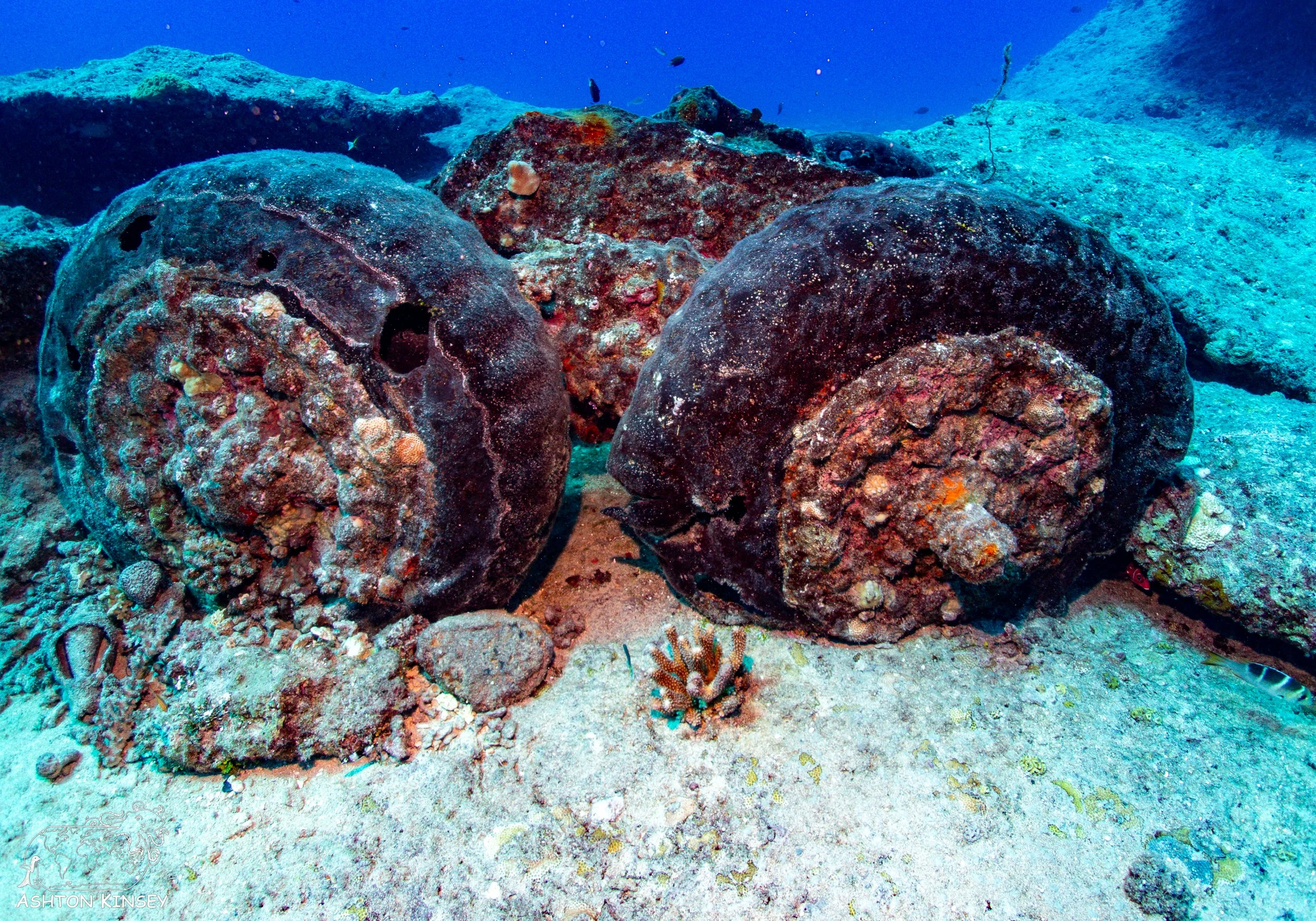
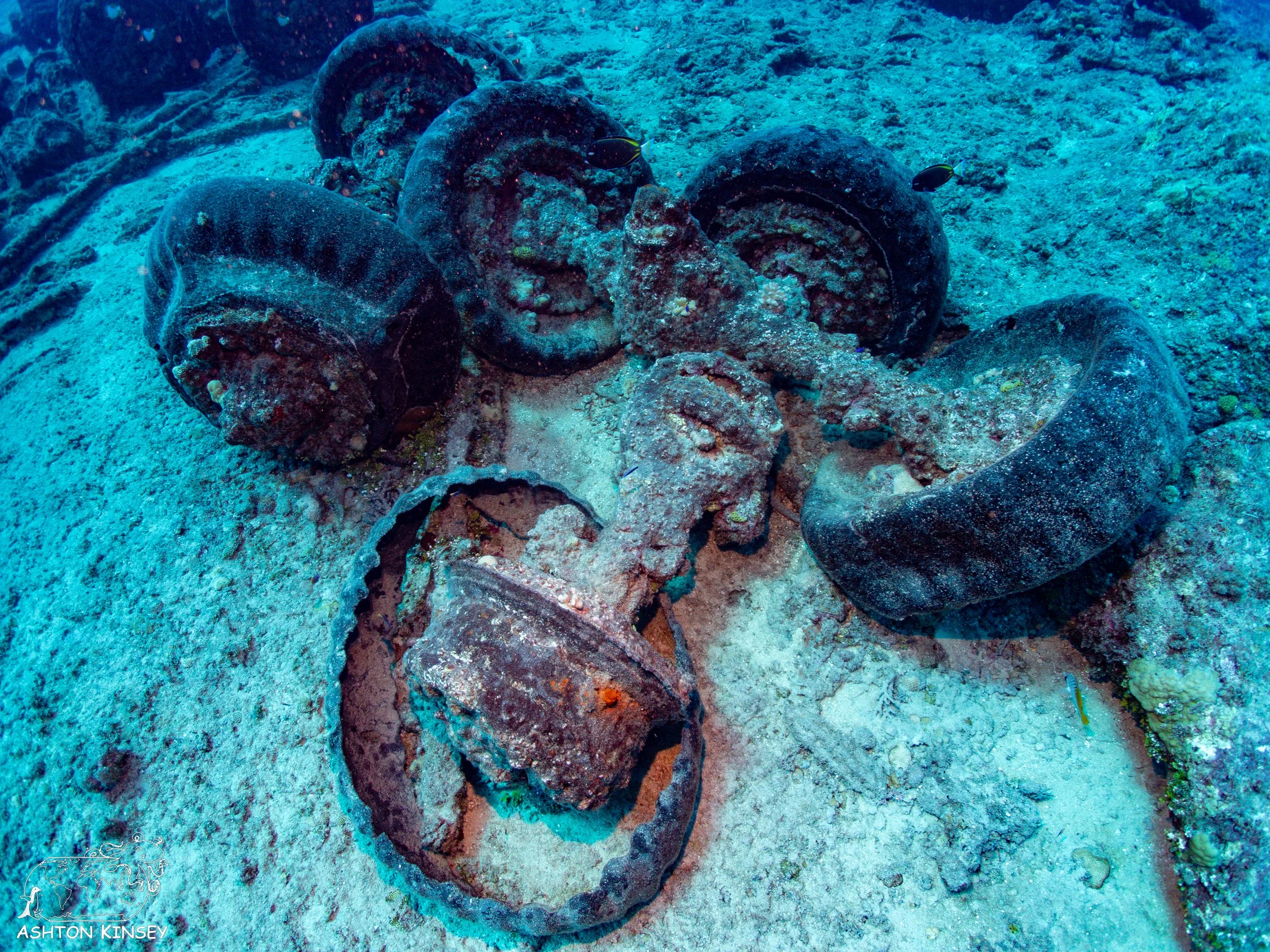
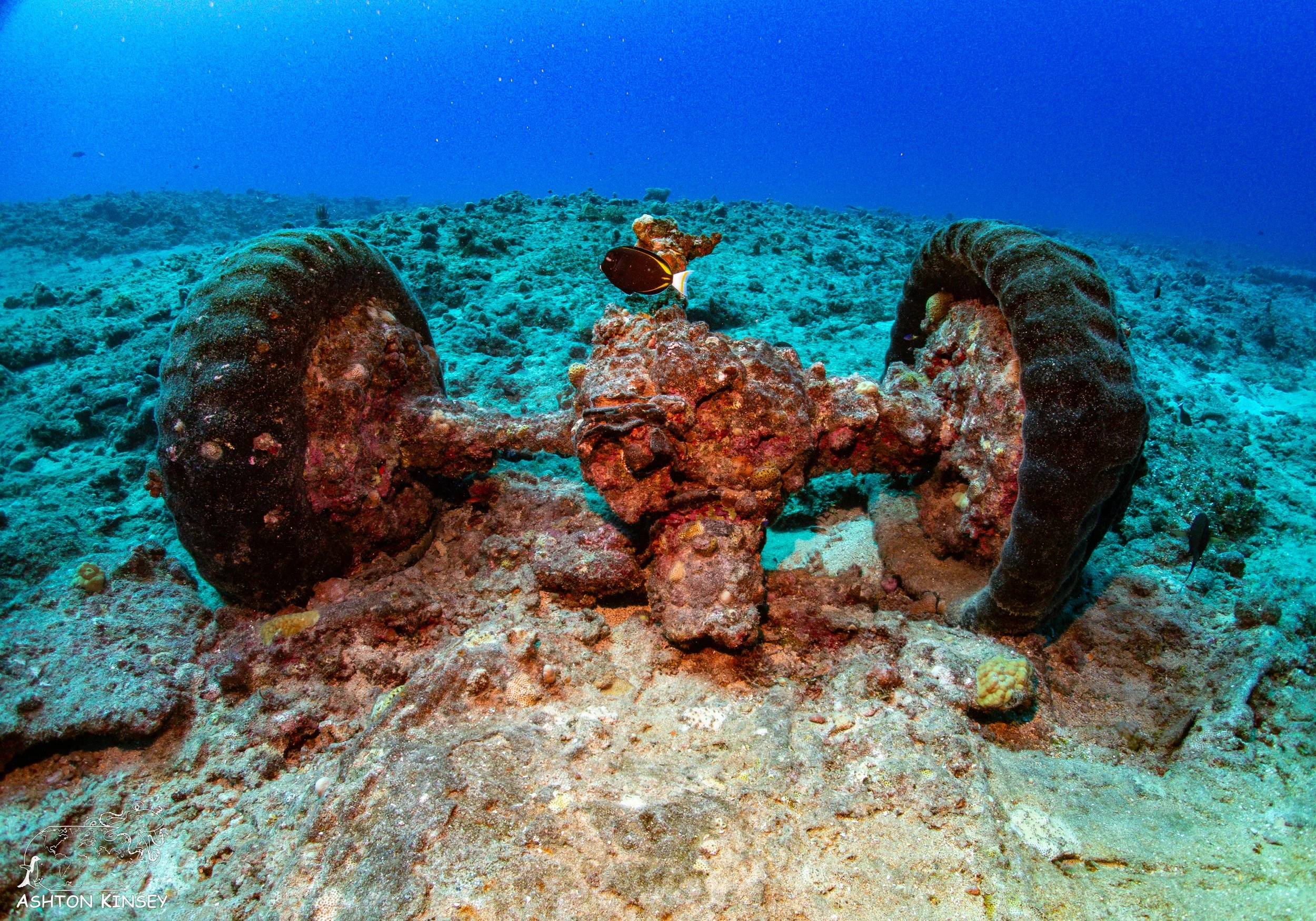
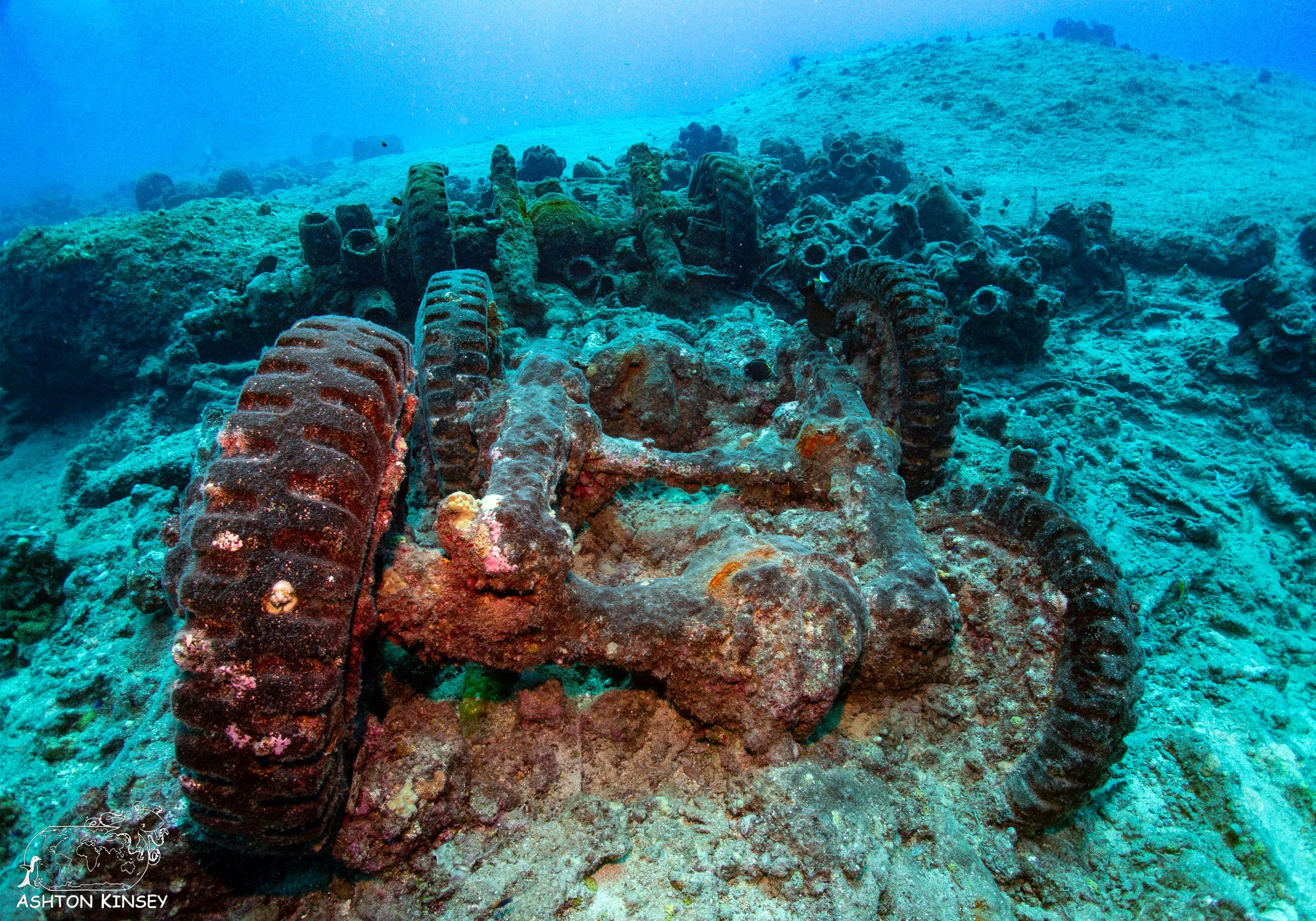
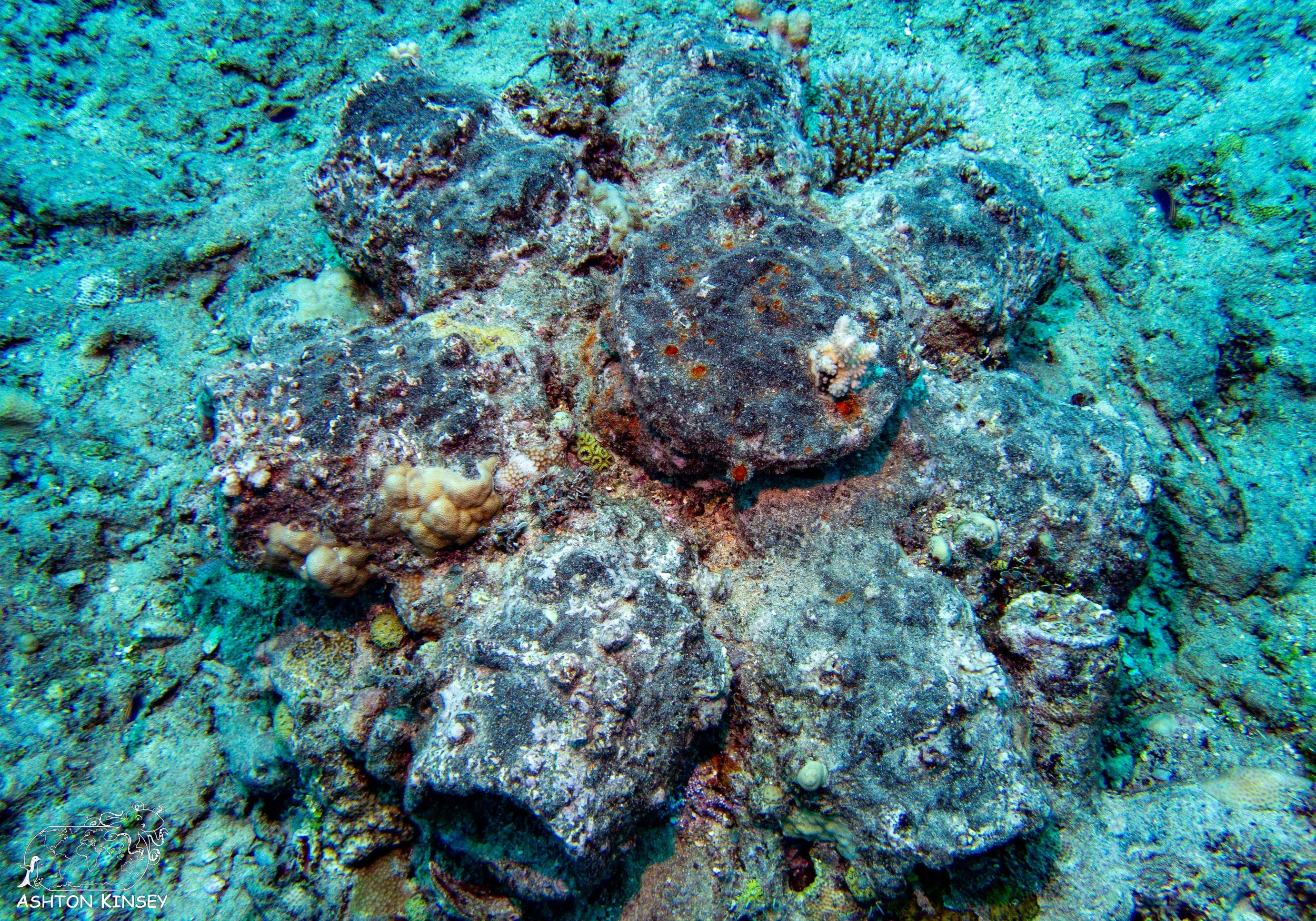
After the war, instead of shipping all of the military equipment, vehicles, weapons, and other surplus materials back, a common practice was to shove the remaining materials into the ocean. Not only did this save the costs of shipping them back, it also prevented enemy troops from obtaining additional resources.
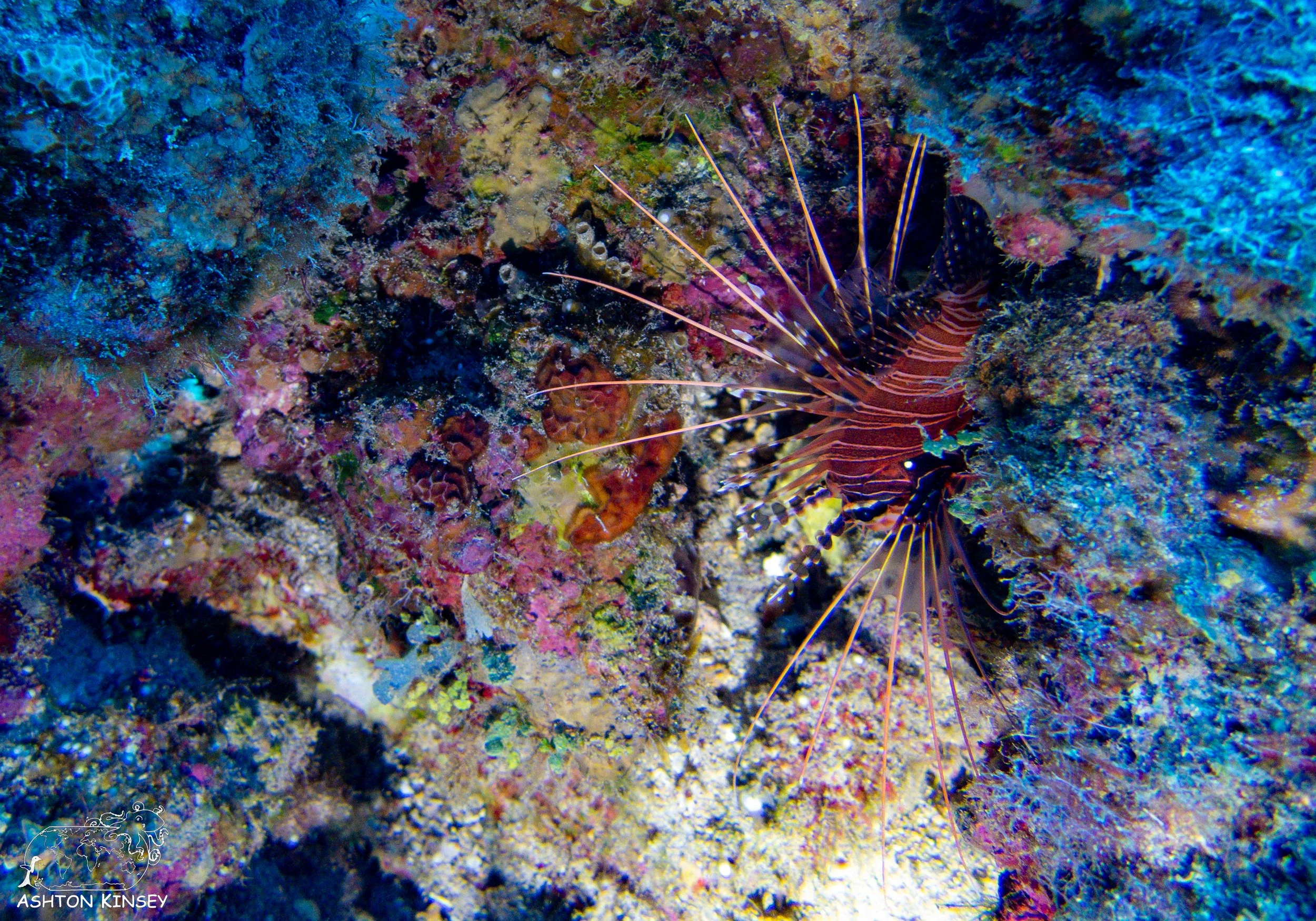
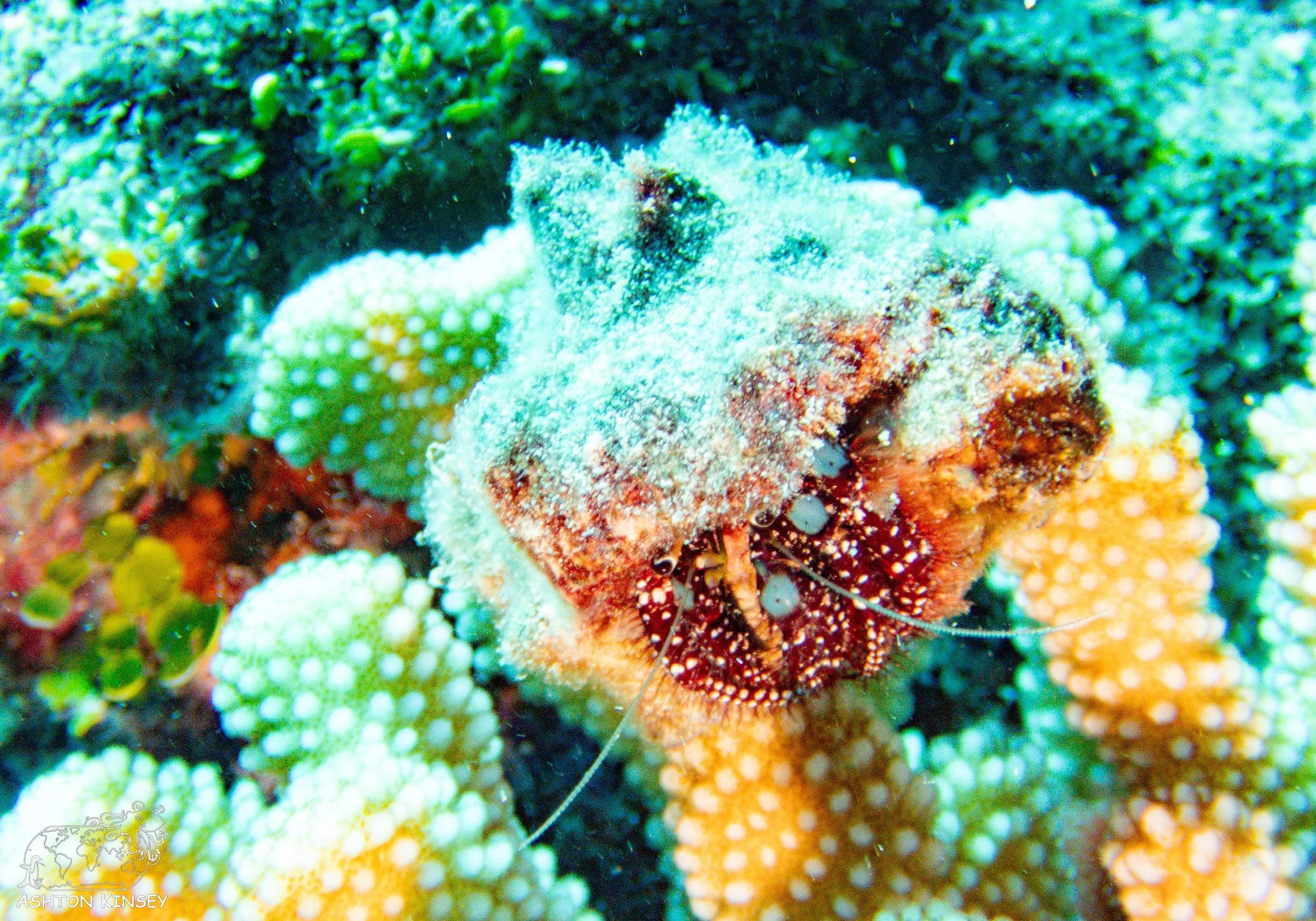
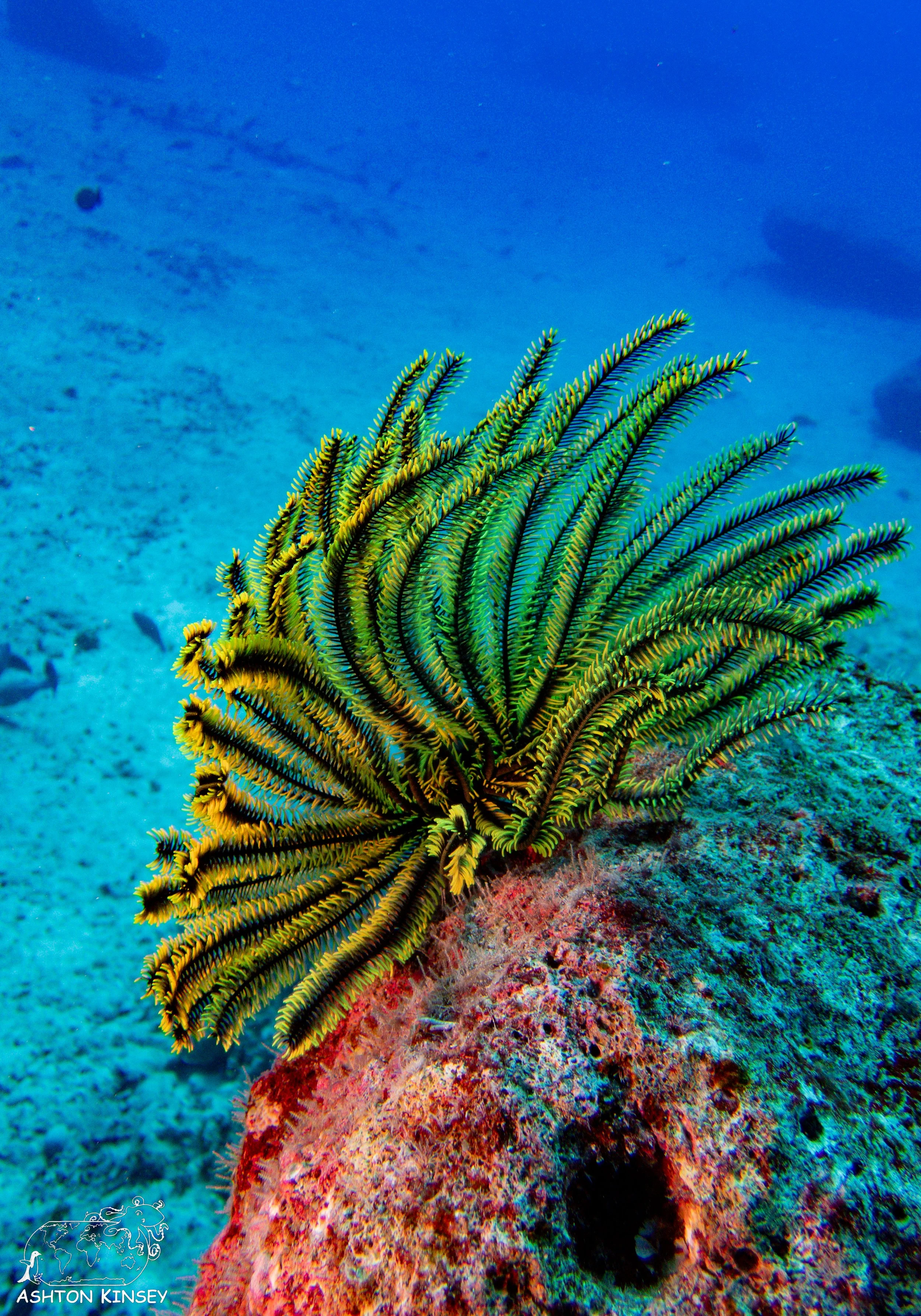
Now, the tanks, planes, jeeps and other items have broken down and function as an artificial reef that provides homes for a variety of fish, octopus and sea turtles. It is important to make sure that nothing is removed from the site as there may be many unexploded ordnances still tucked into the wreckage.
Dive 7: Aguigan Point
73’ for 51 minutes
This site is in the channel on the southwest point of Saipan between Saipan and Tinian Island. Strong currents can be present and tend to help bring in larger pelagic species out in the blue. In deeper waters along the wall, turtles, sharks, and schools of barracudas can be found cruising the currents. If staying the shallow sloping reefs offer a host of rocky outcroppings and ledges that house a variety of life. A healthy and active site that warrants a revisit.
Dive 8: Sand Mystery
45’ for 57 minutes
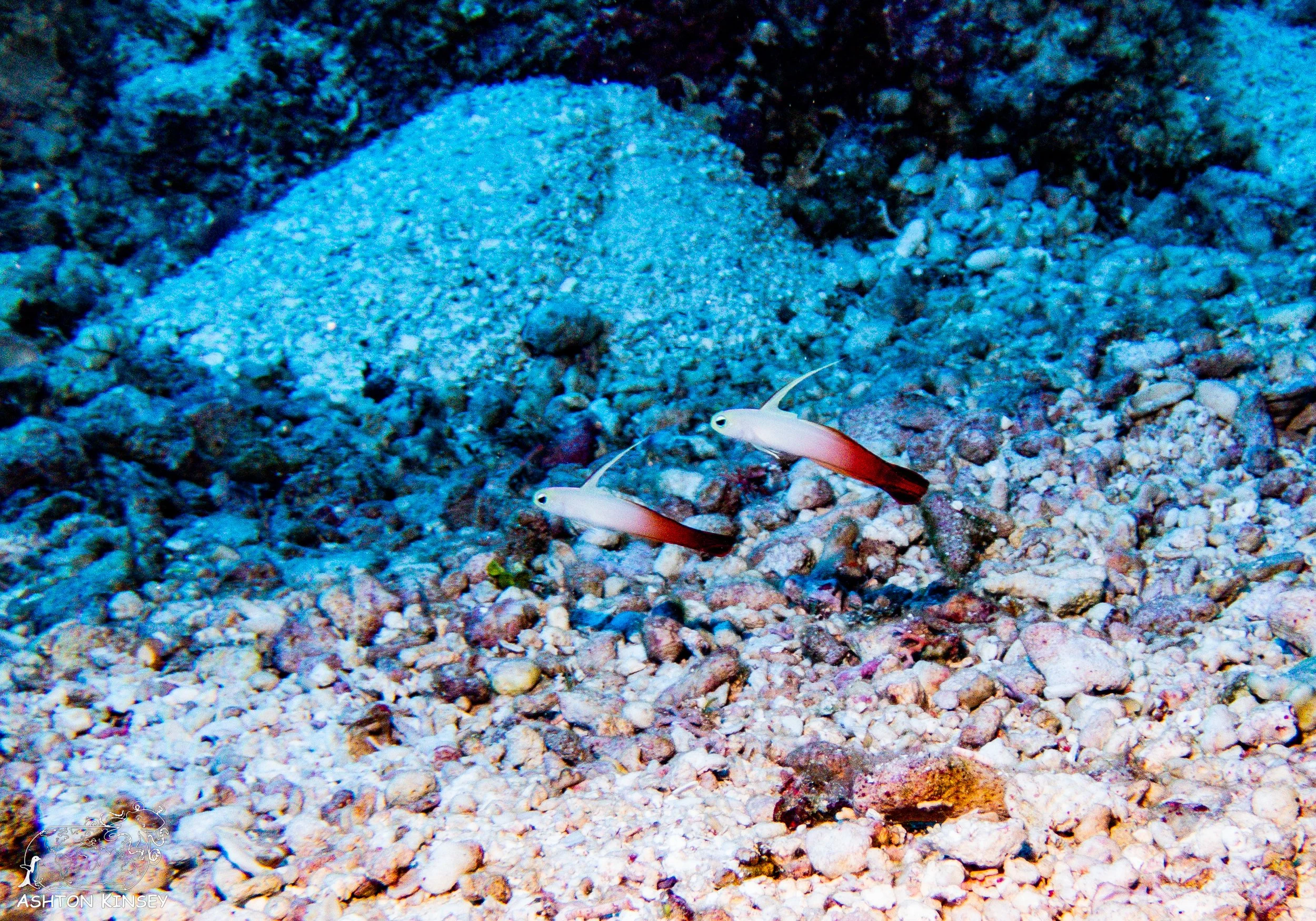
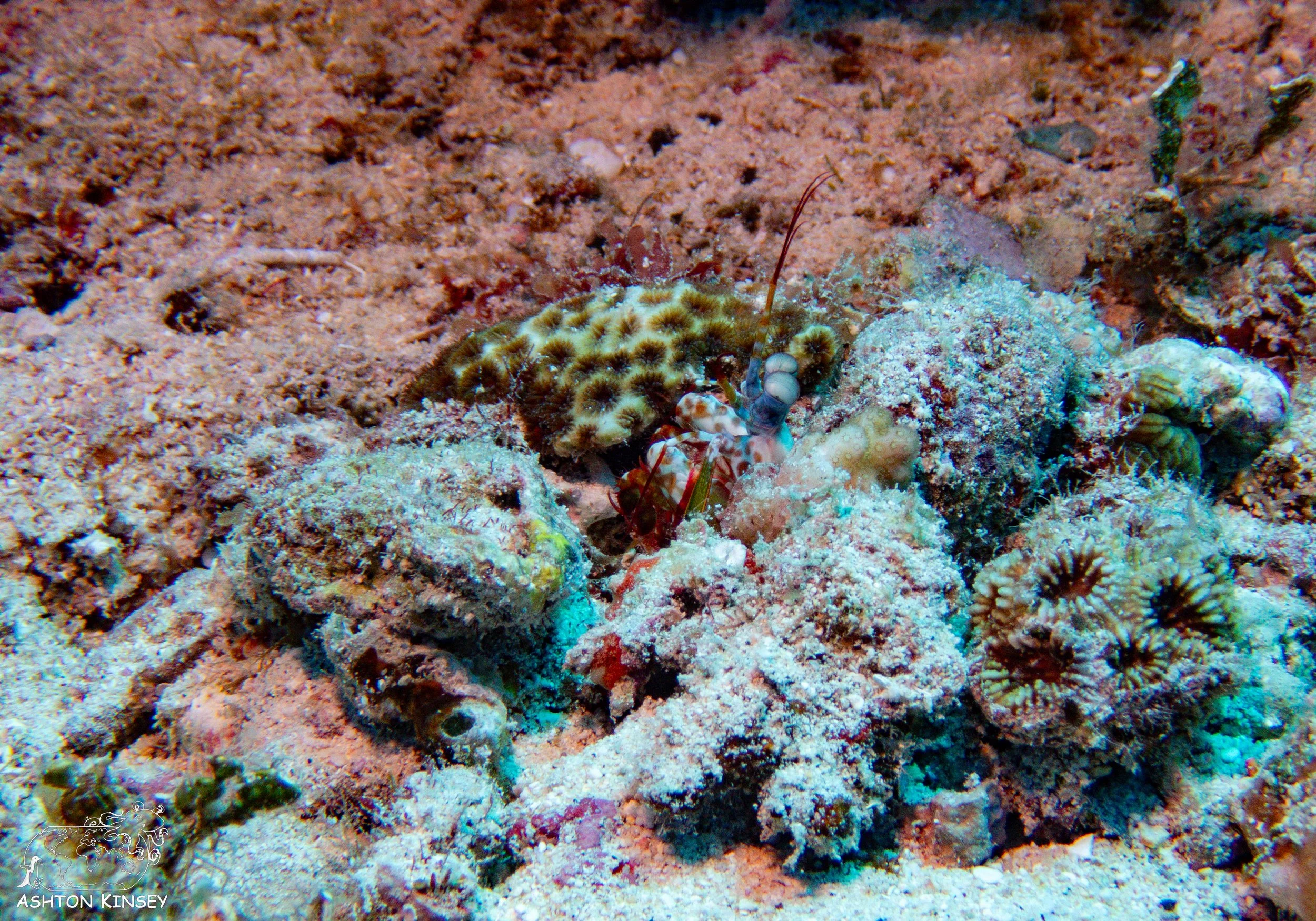
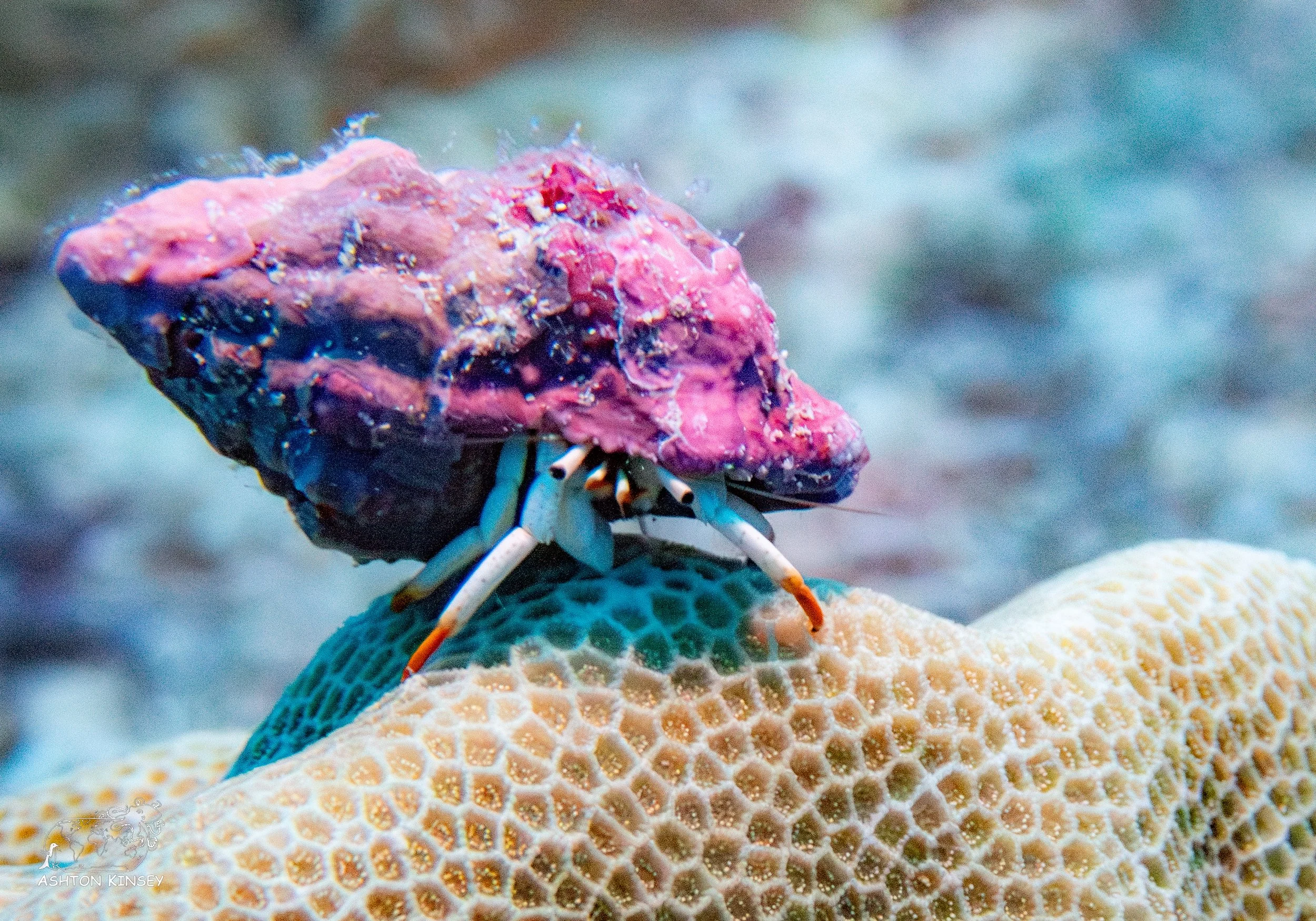
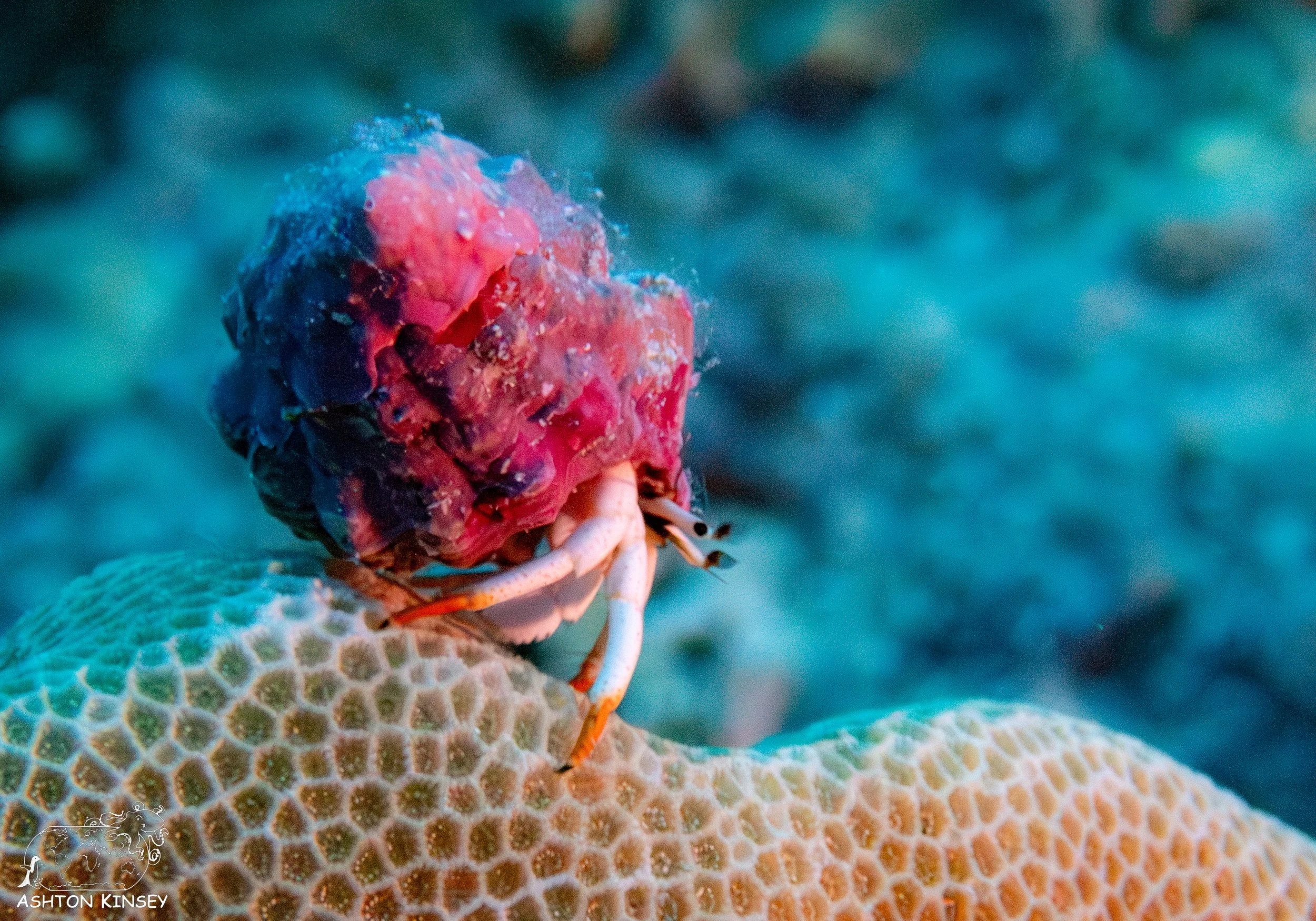
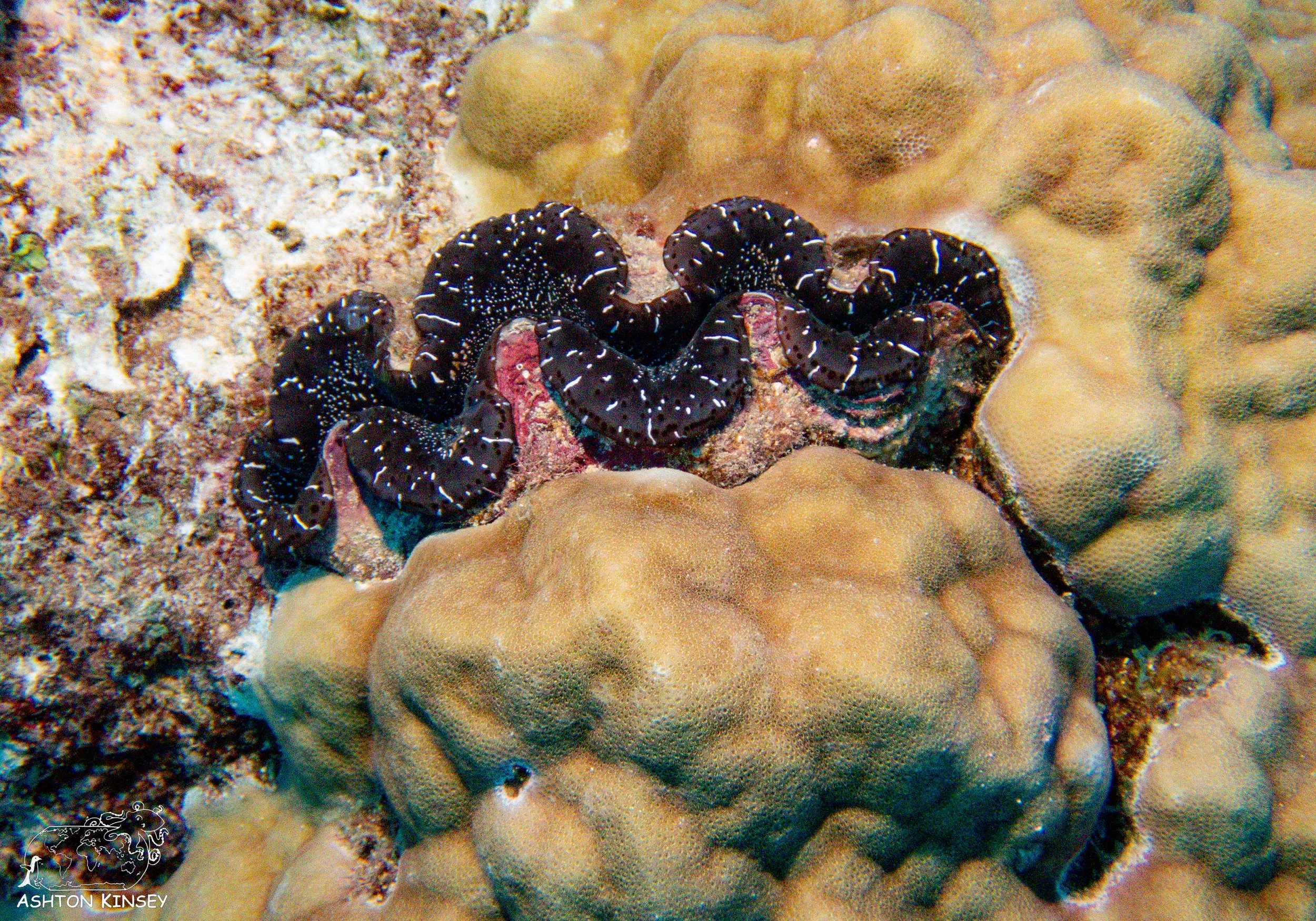
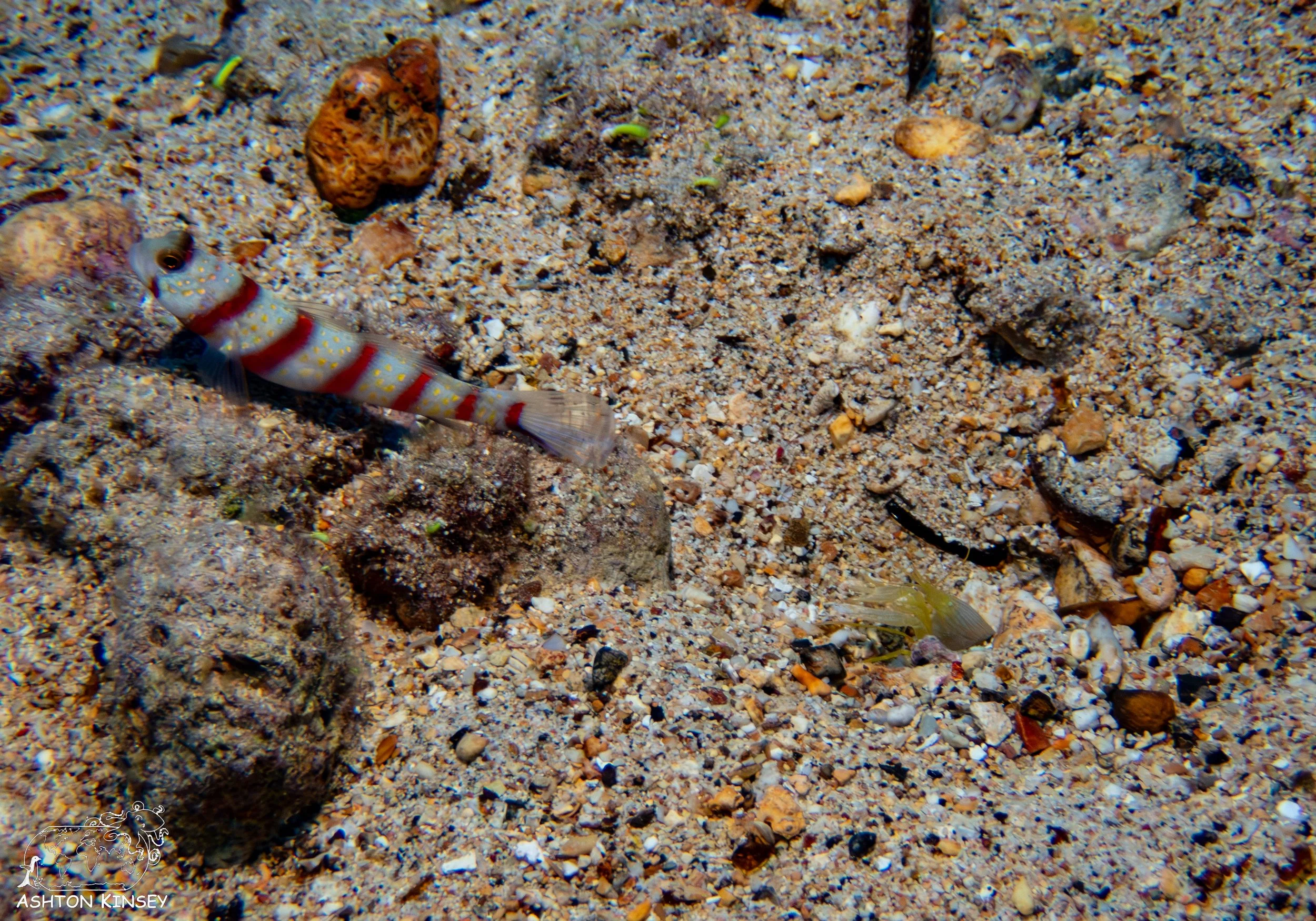
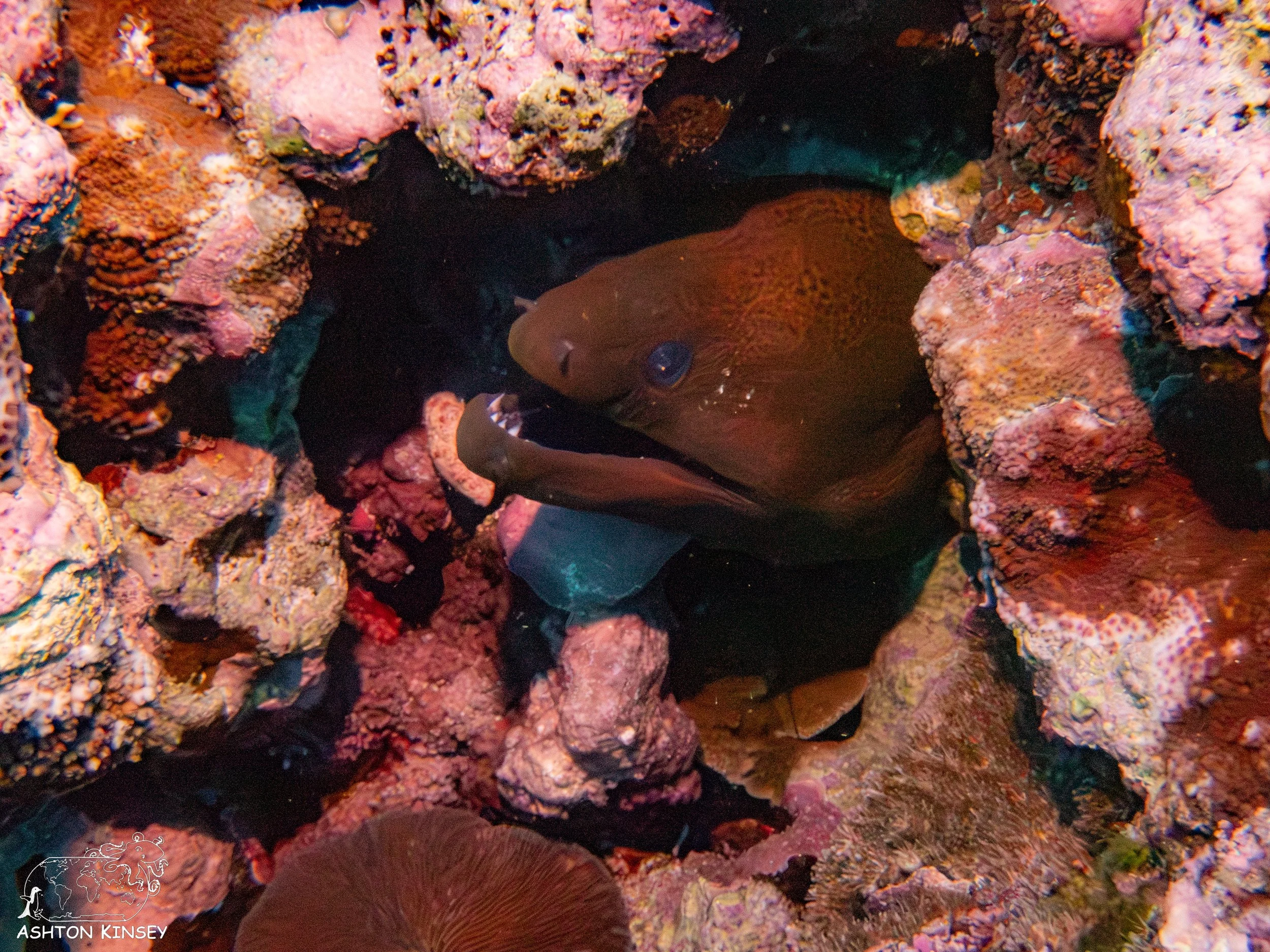
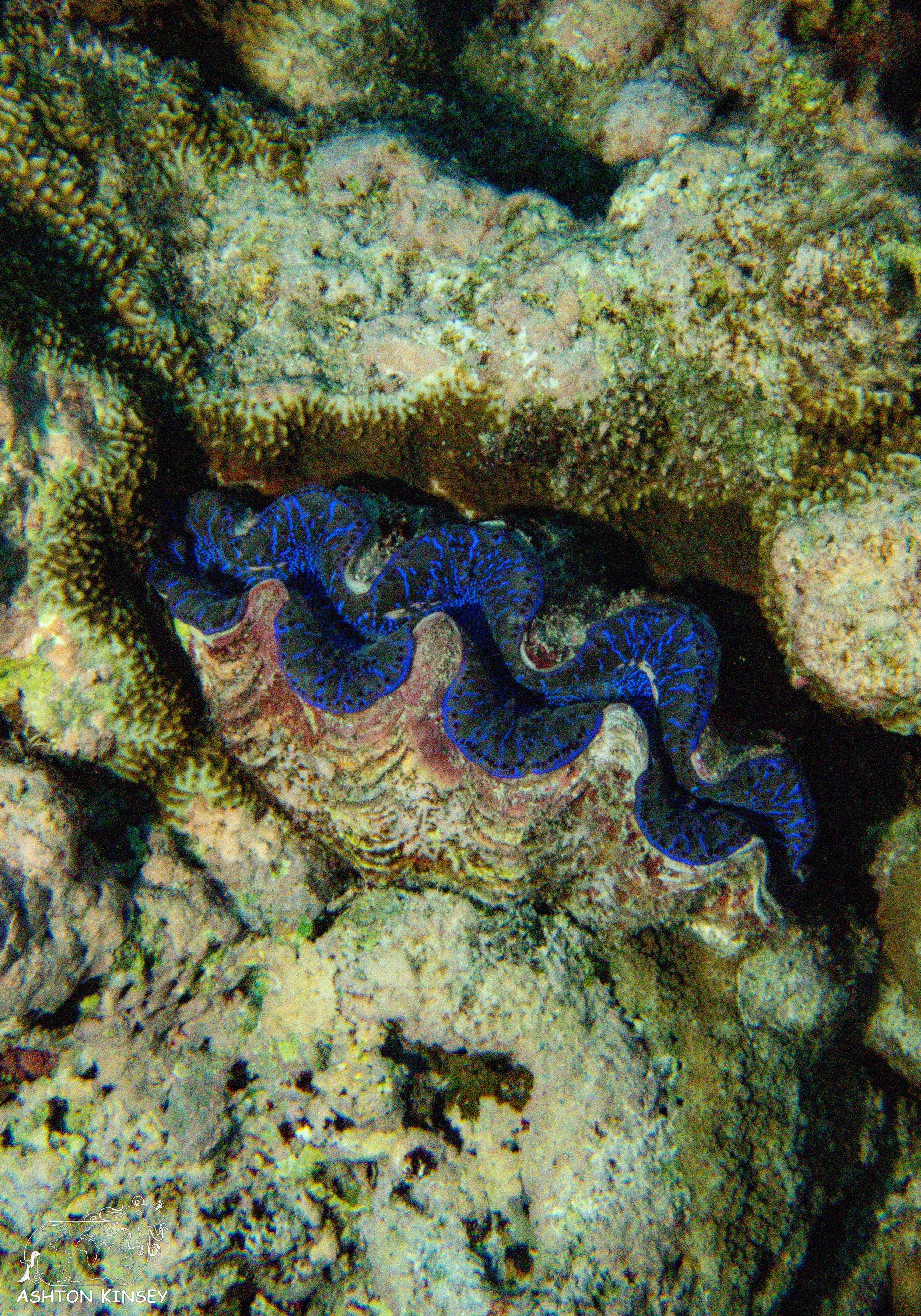
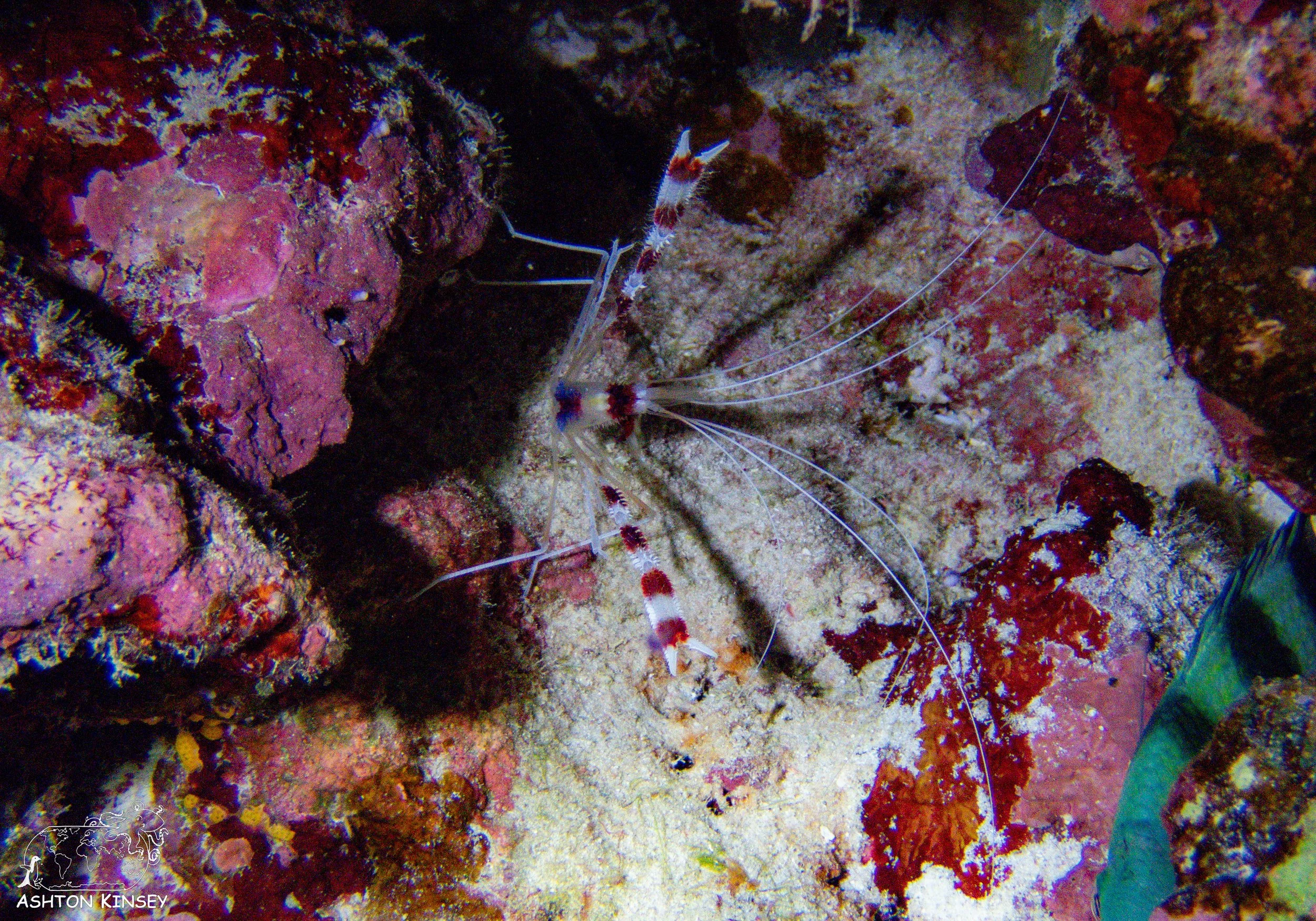
An interesting and easy night dive, this site is mostly flat sand with a couple of small coral heads and sea grasses growing between them. While this site doesn’t have the large animals like other sites, there are plenty of smaller critters hiding about. Eels, including garden eels are common, along with plenty of crabs, shrimp and nudibranchs that come out to scavenge at night.
Dive 9: Shoan Maru Wreck
昭 南 (Shōnan – Brilliant South) 丸 (Maru – Circle)
31’ for 68 minutes

Built: 21 October 1937 Sunk: 22February 1944
GRT: 5,624 Length: 409’
Beam: 55’ Draught: 31’
Depth: 30’ Speed: 15 knots
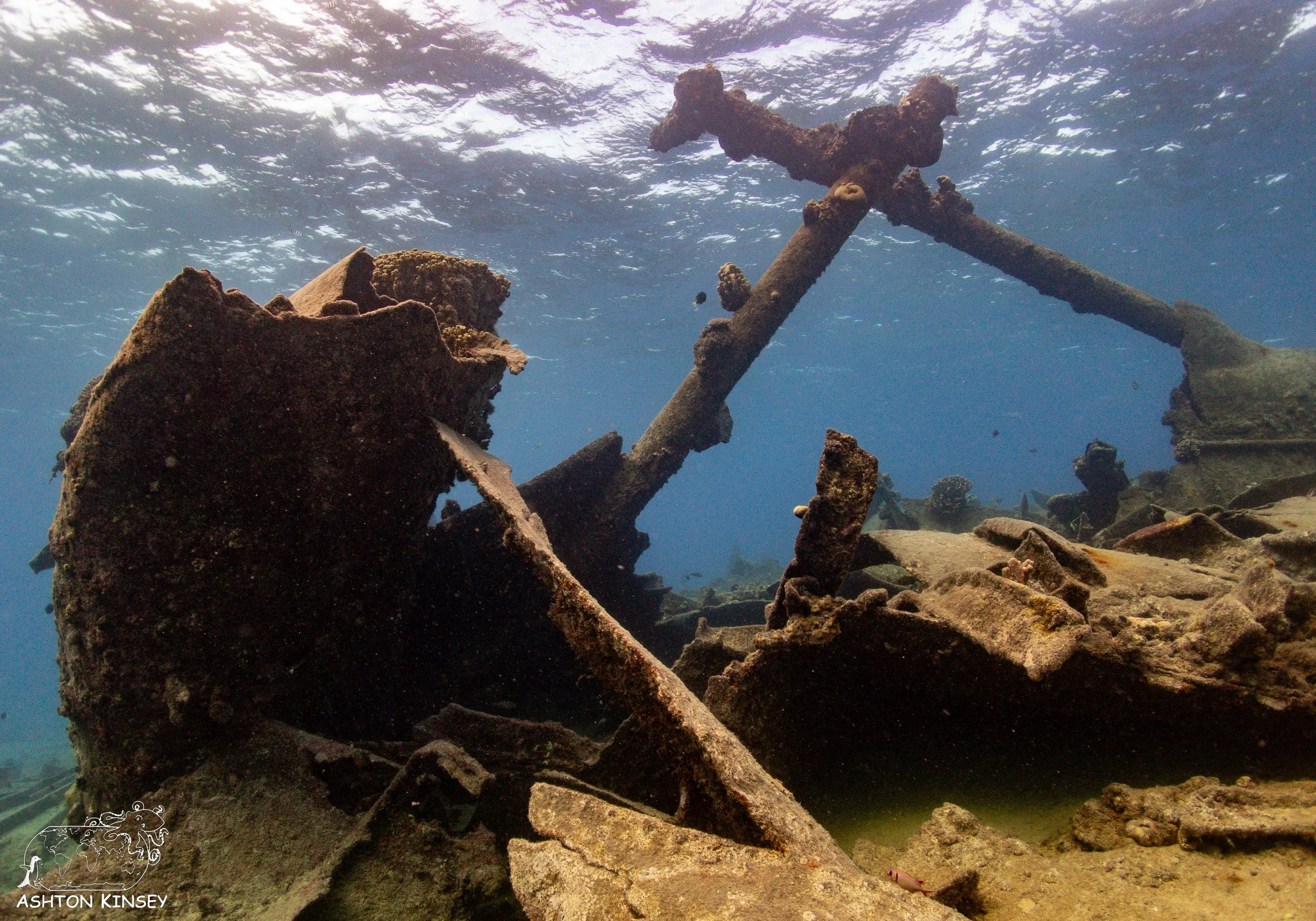
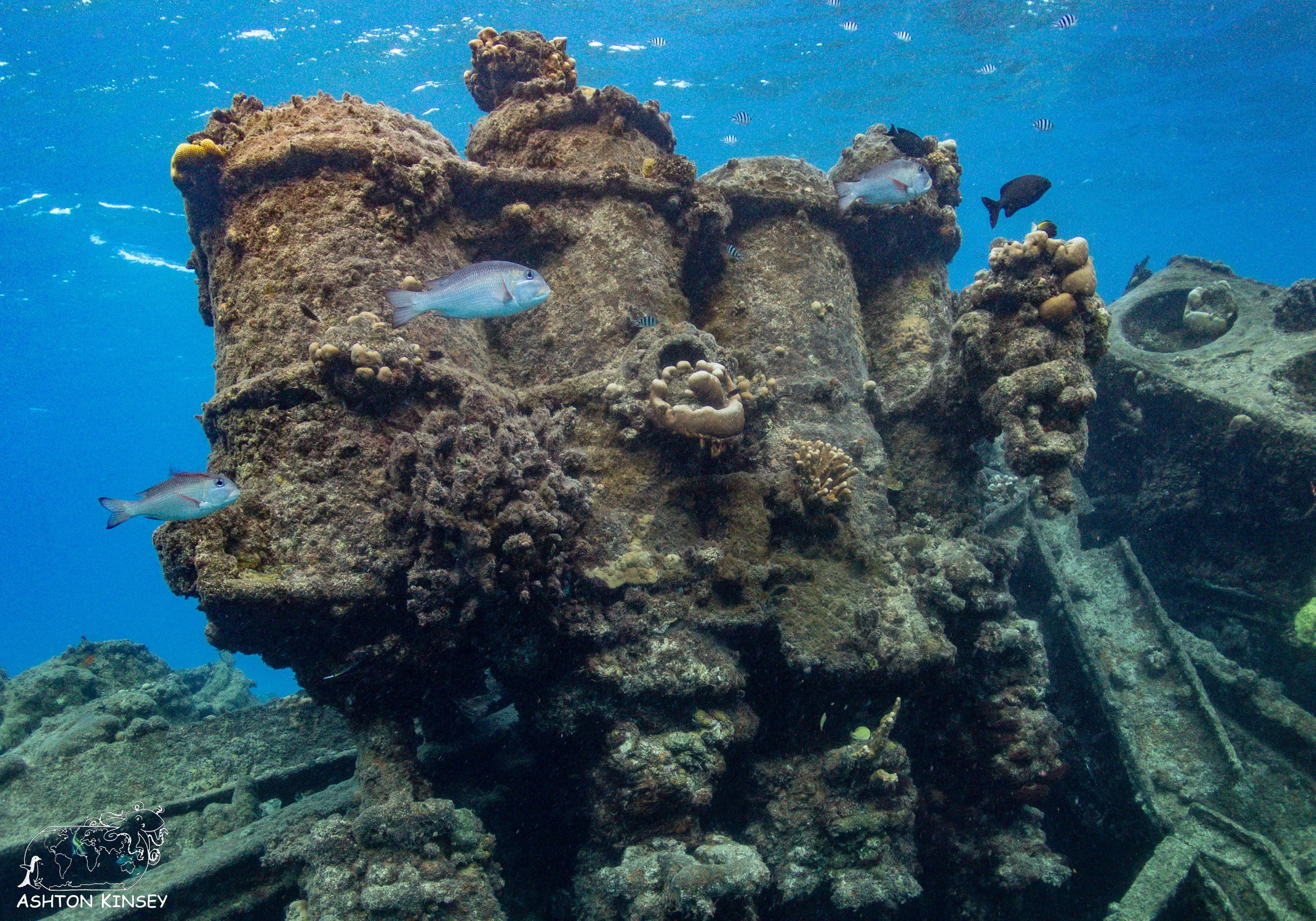
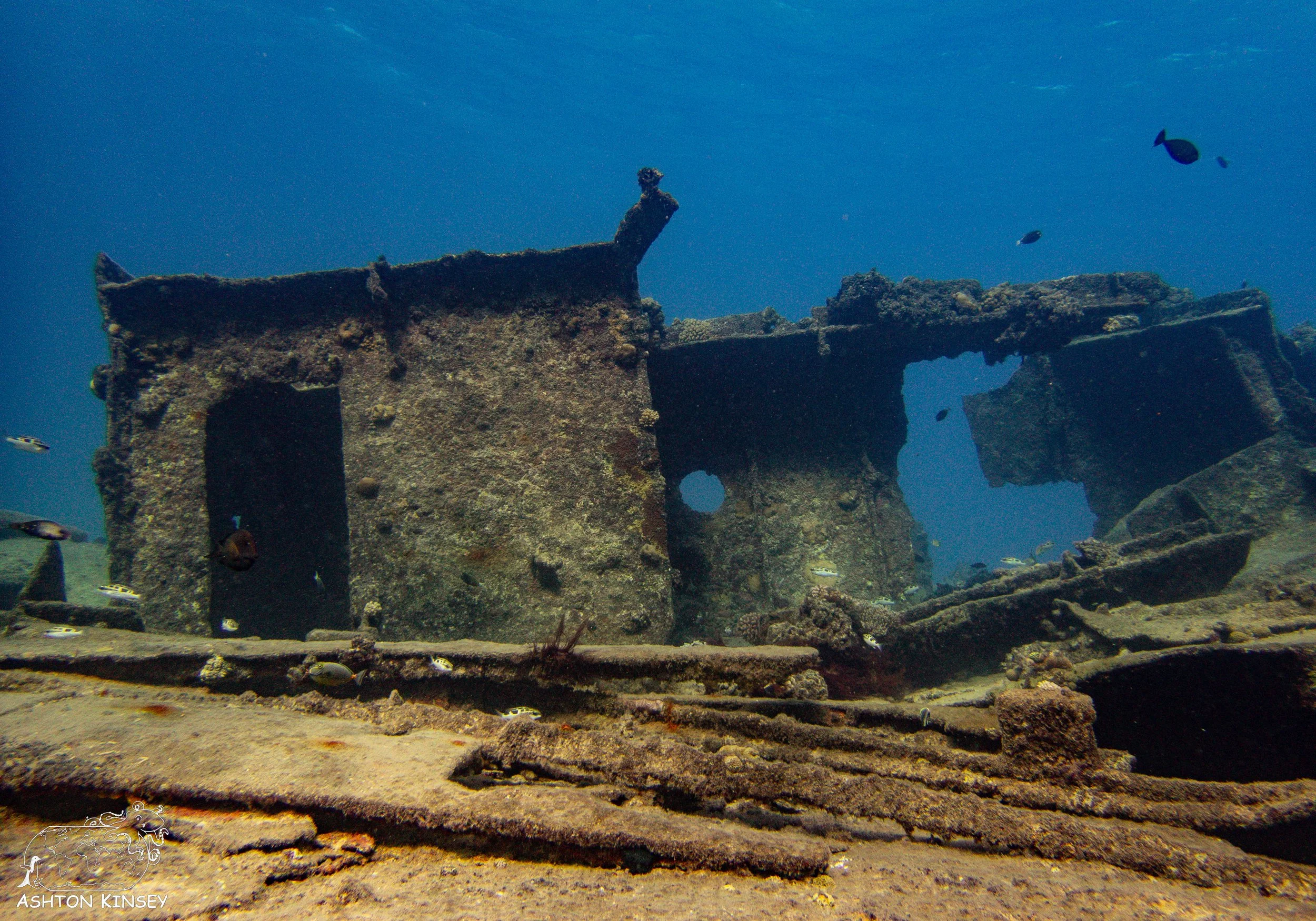
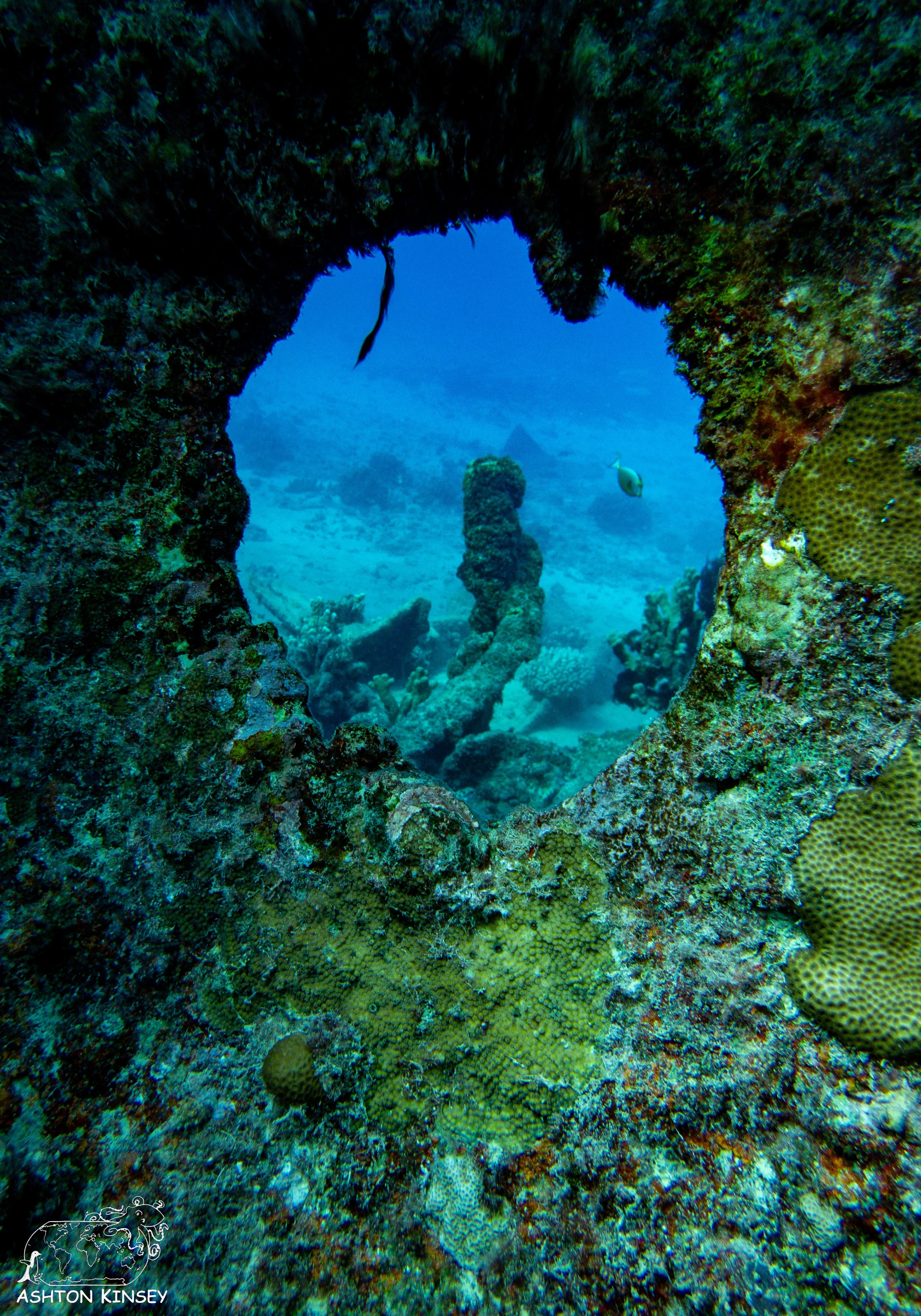
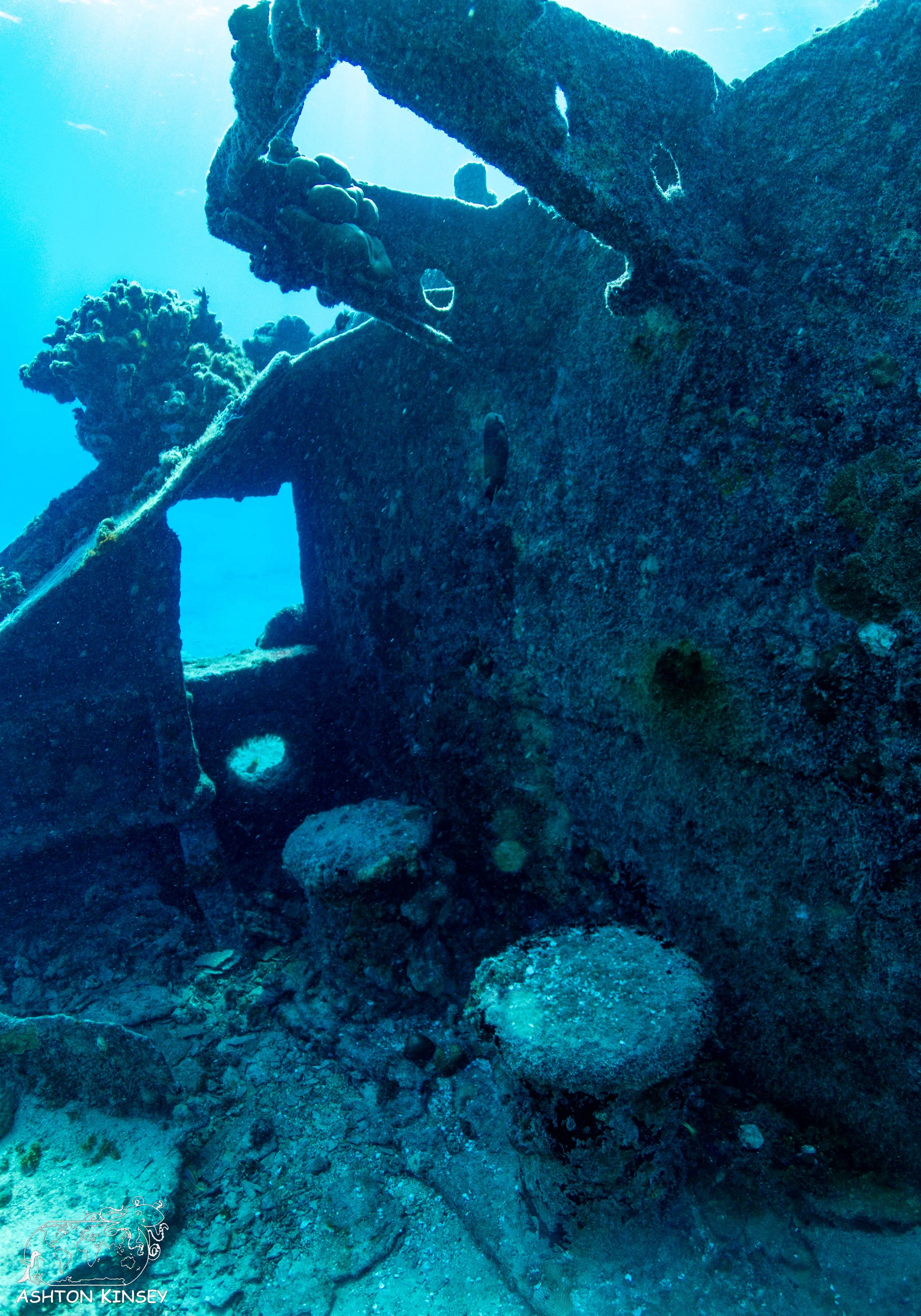
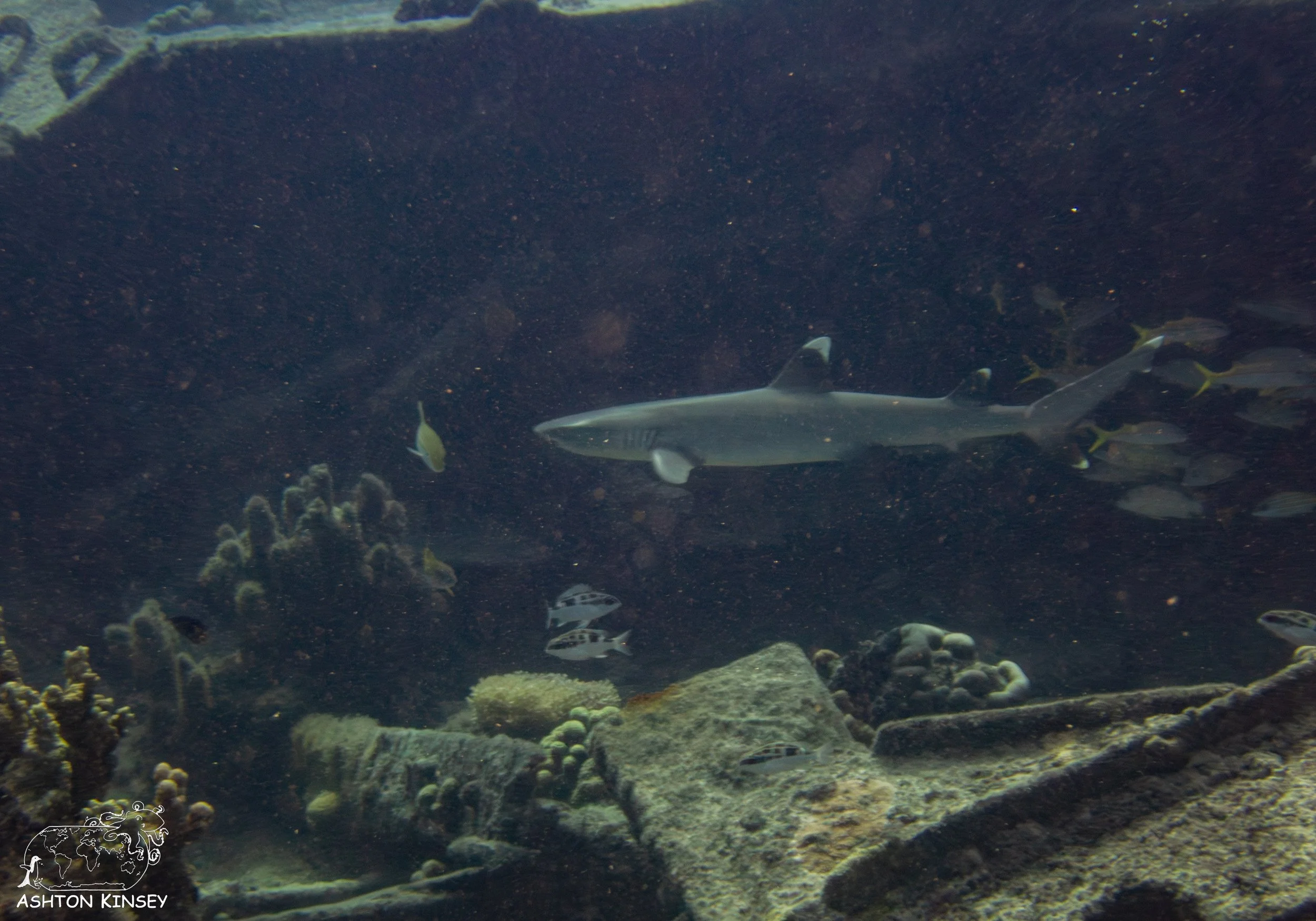
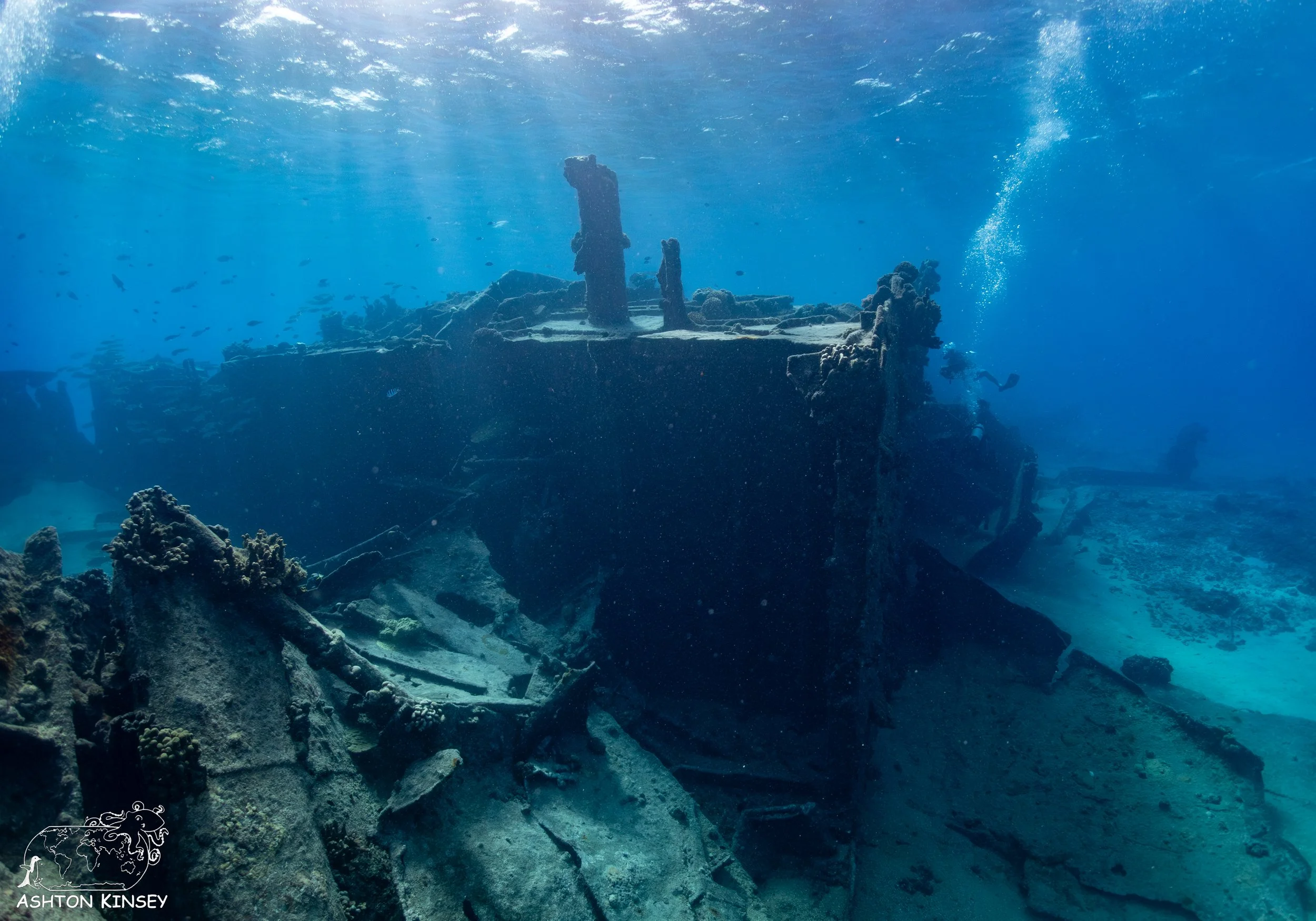
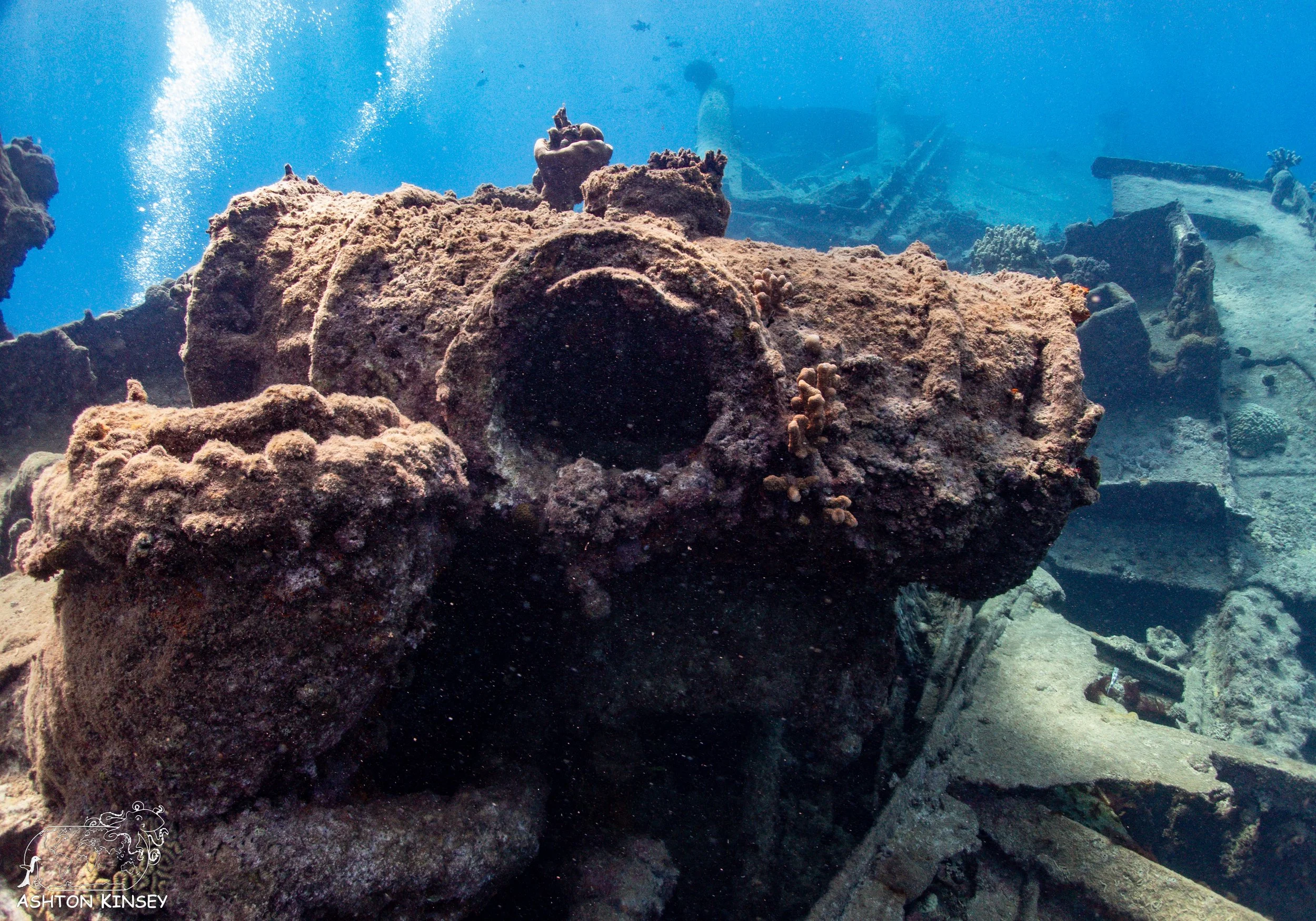
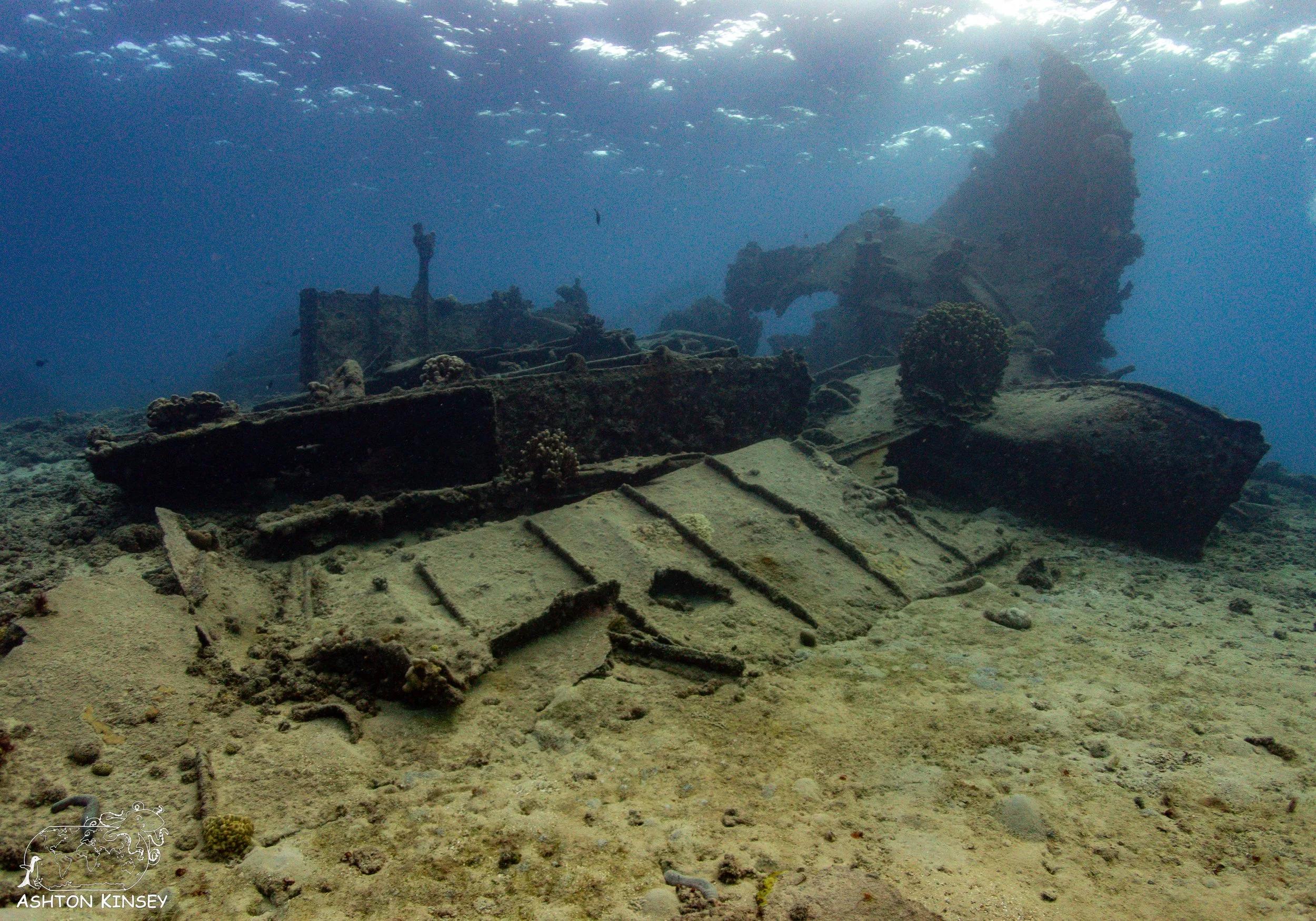
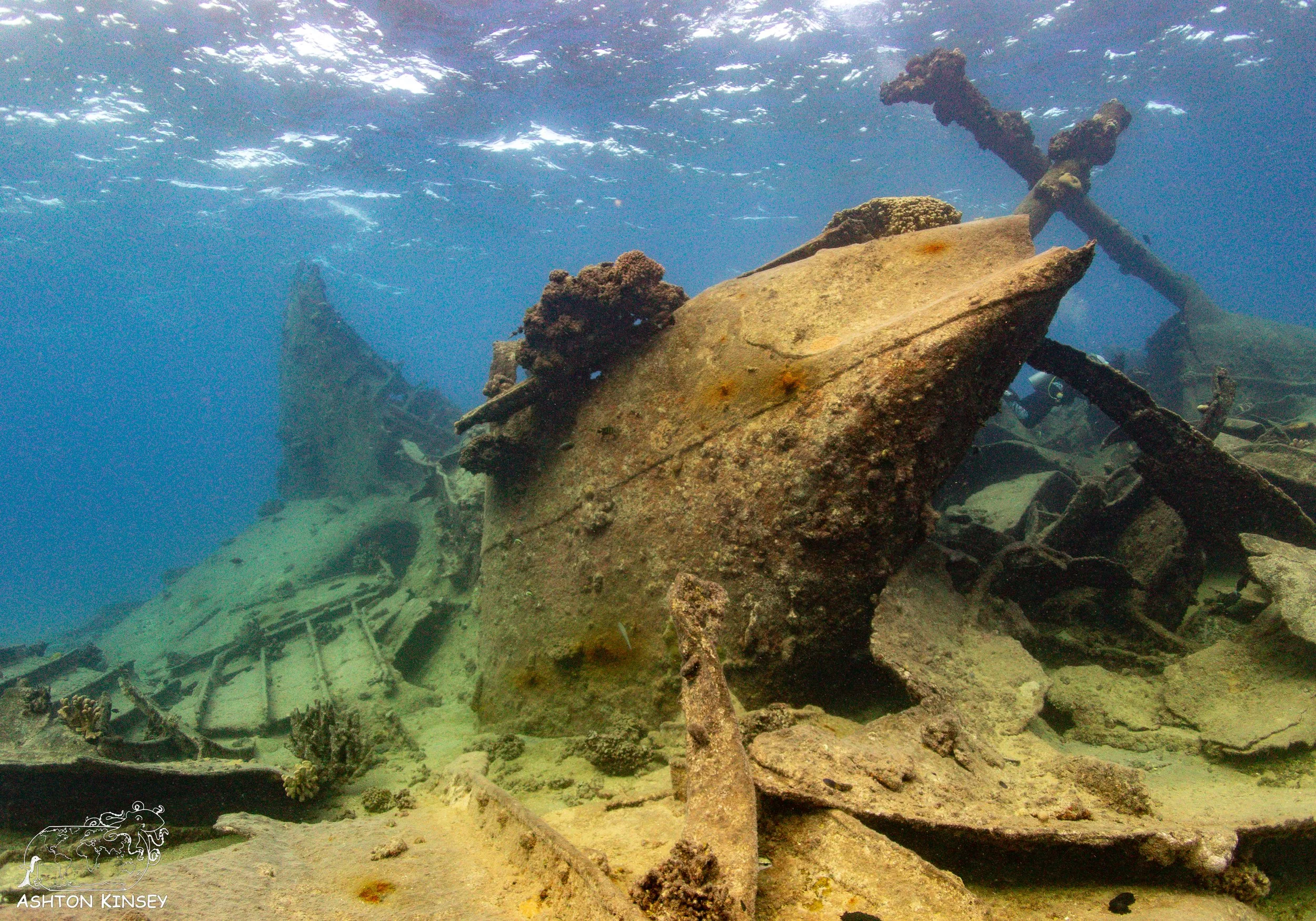
This wreck was commonly referred to as “Chinsen” which is Japanese for “sunken ship” or “wreck” as its actual name was unknown until the 1990s when it was identified as the Shoan Maru, (Presumably). If it is the Shoan Maru it was a merchant vessel that was used for transport before the war. After the IJN commissioned her, she became a part of the “hell ship” fleet that was used to transport allied POWs, as well as Koreans, Chamorro and Carolinians the latter groups being forced to fight for the Japanese in multiple battles.
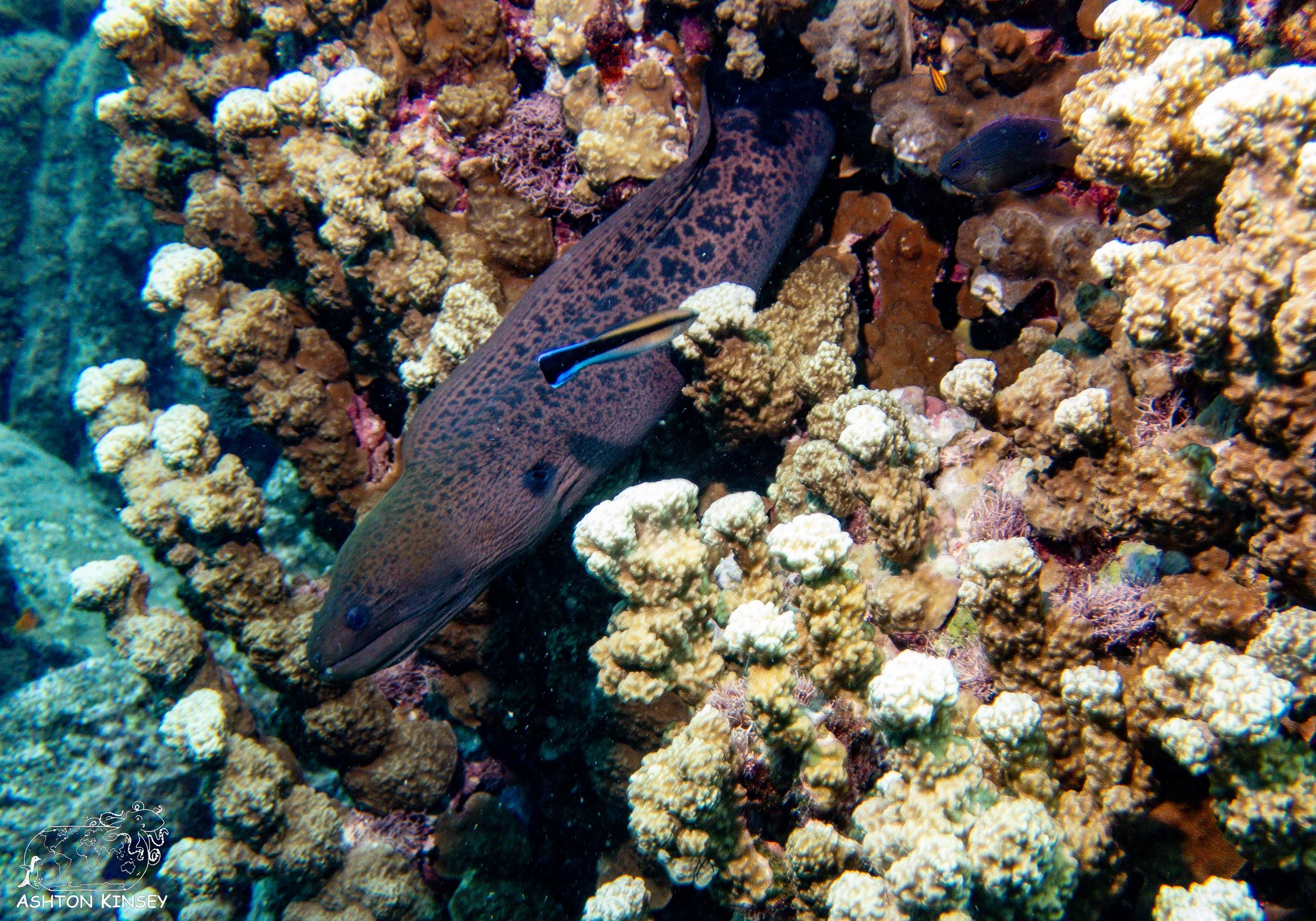
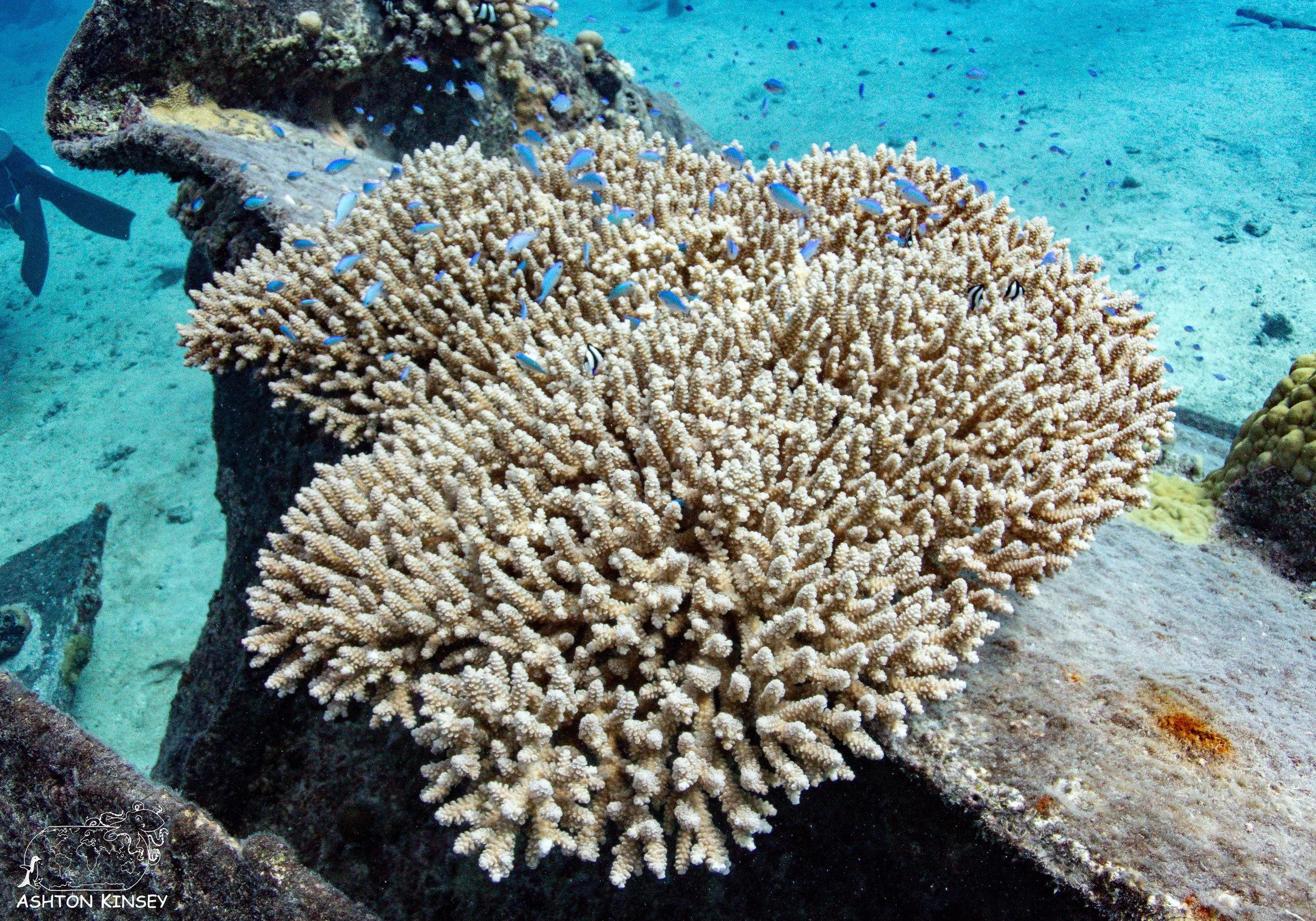
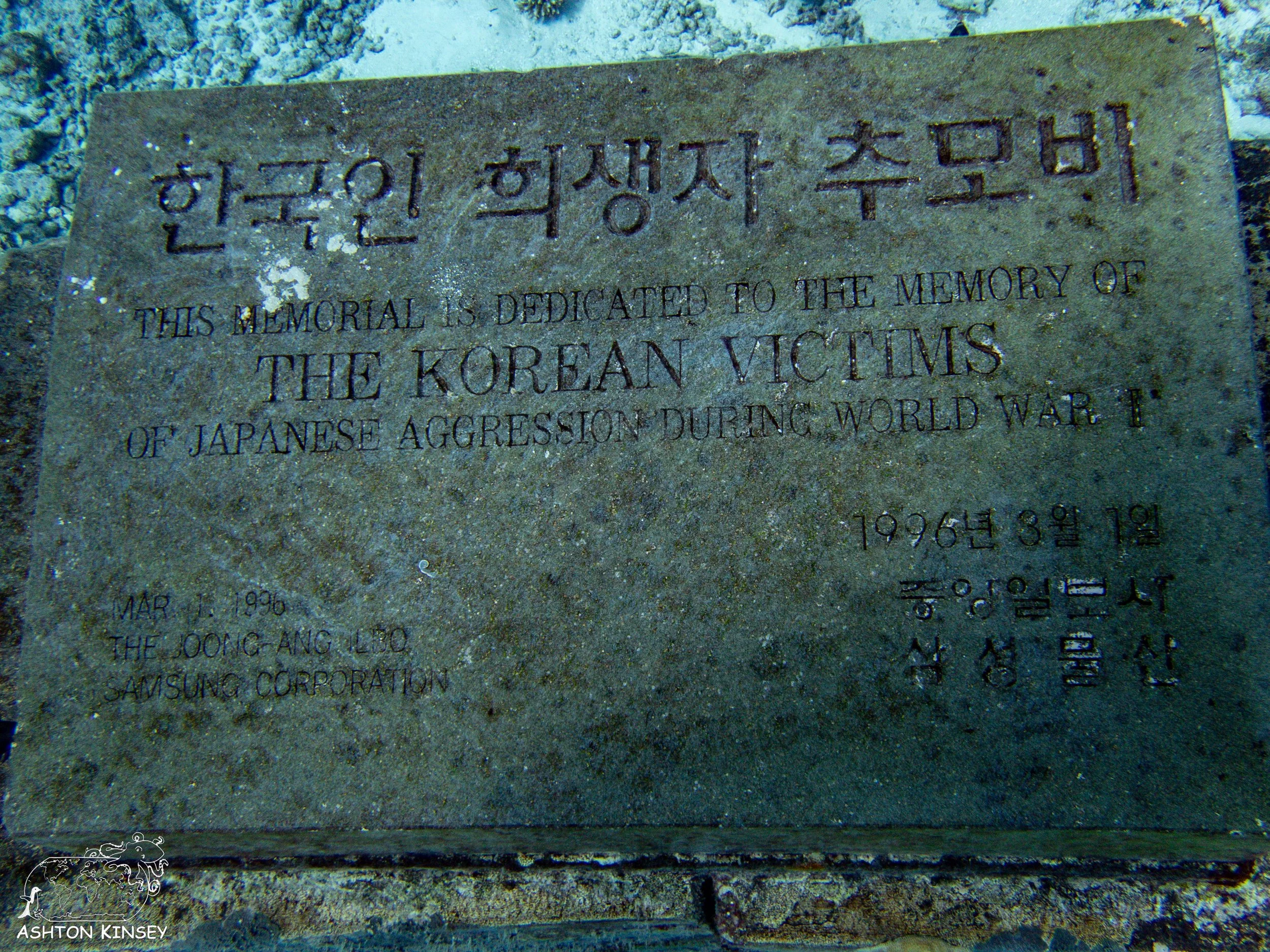
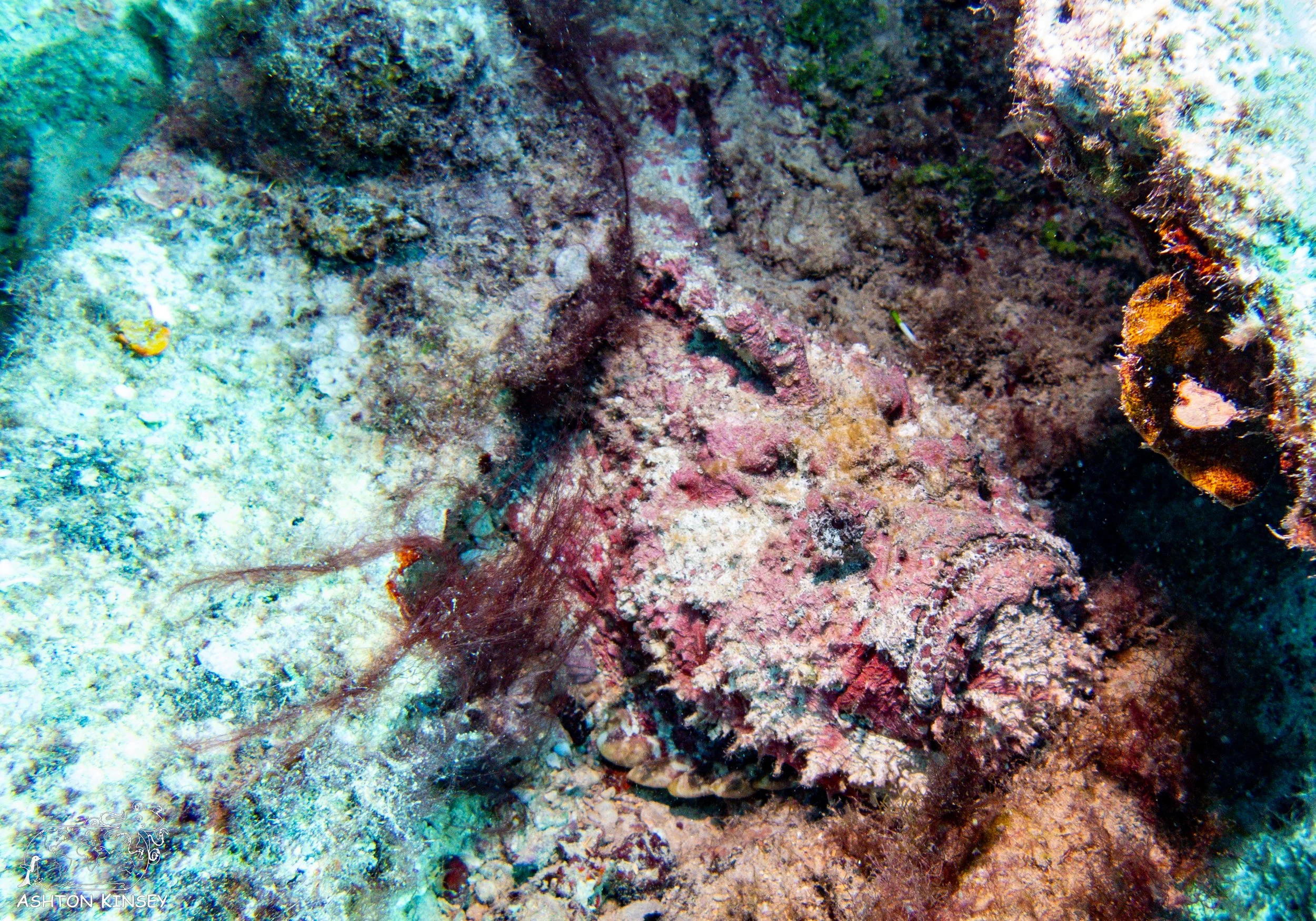
During an attack by USS Whale on 27 January 1943, she was struck by a defective torpedo and damaged while carrying conscripted Korean soldiers. She was grounded in the Tanapag Lagoon when she was bombed by the USS Essex and Yorktown damaging her beyond repair. Due to the shallow water the wreckage she was only partially sunk. She sat partially submerged until the 1950’s when the CIA conducted “training missions” that resulted in blasting apart the wreck to help “clean up” the lagoon. She now is an artificial reef mostly in pieces with a few large sections still intact. Sharks, parrot fish, and schools of fish can now be seen all around the wreck as it has now become an artificial reef. Near the wreck is a commemorative monument for the Koreans who were killed during the war.
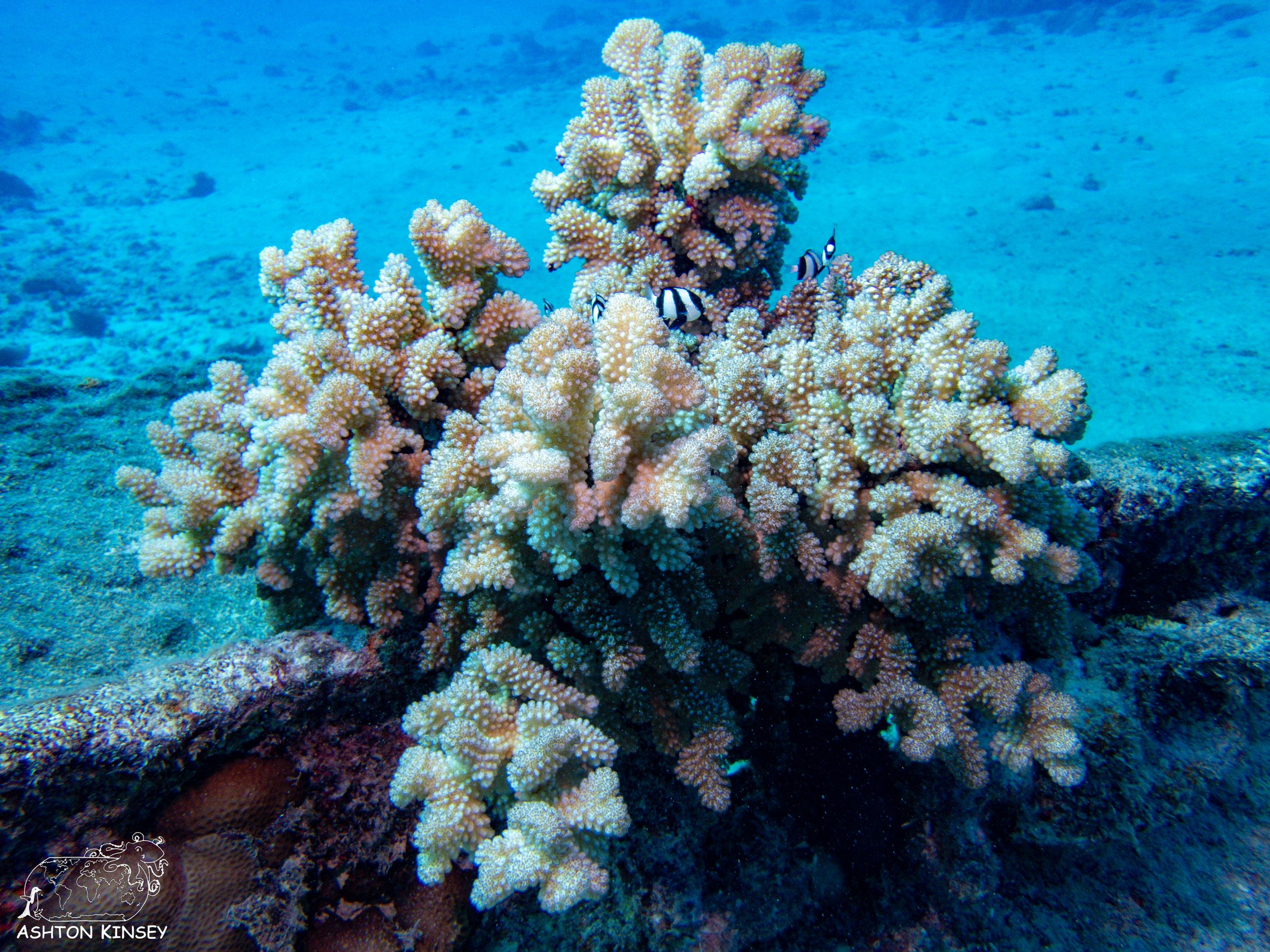
Dive 10: Oleai Point 50’ for 66 minutes
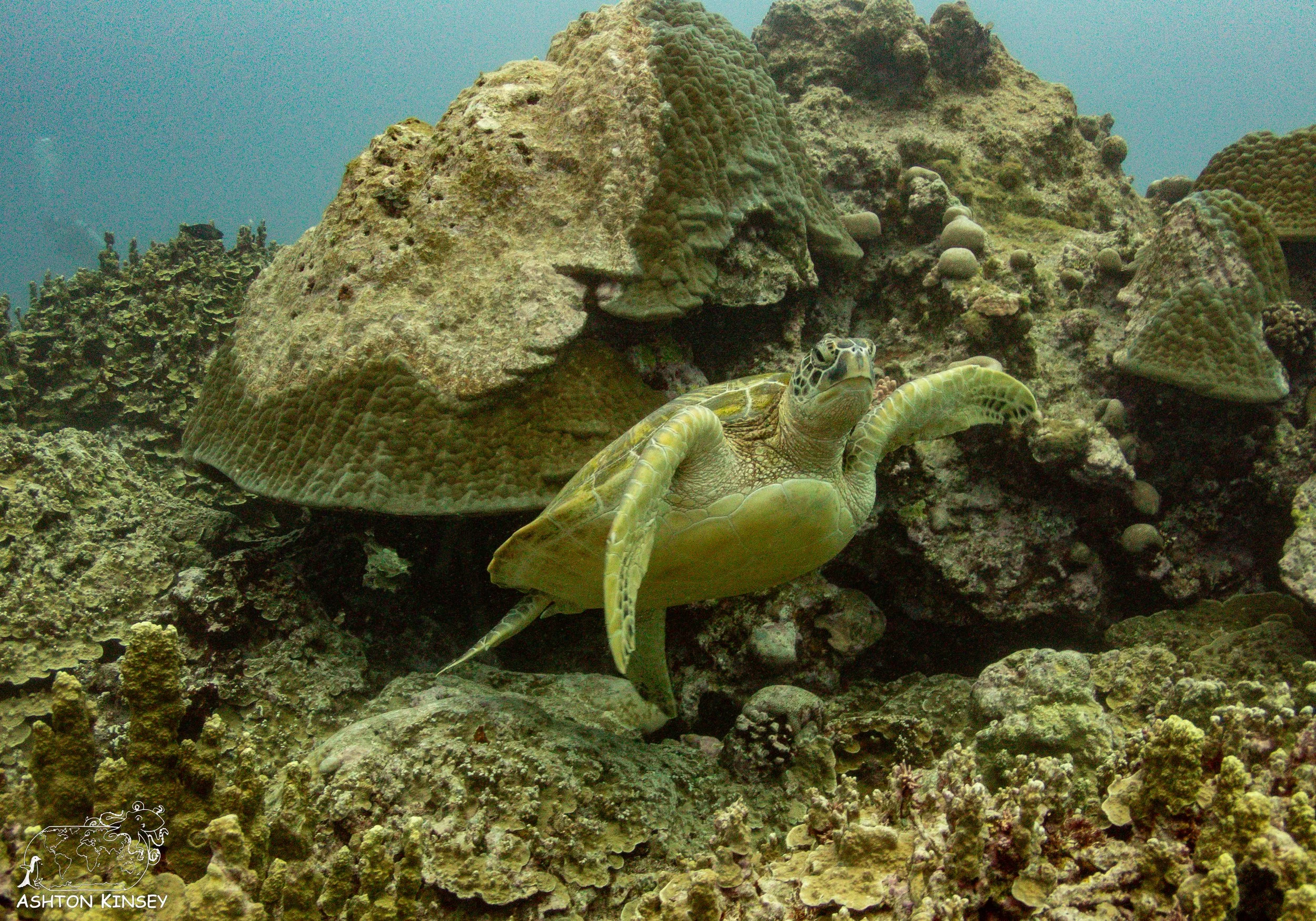
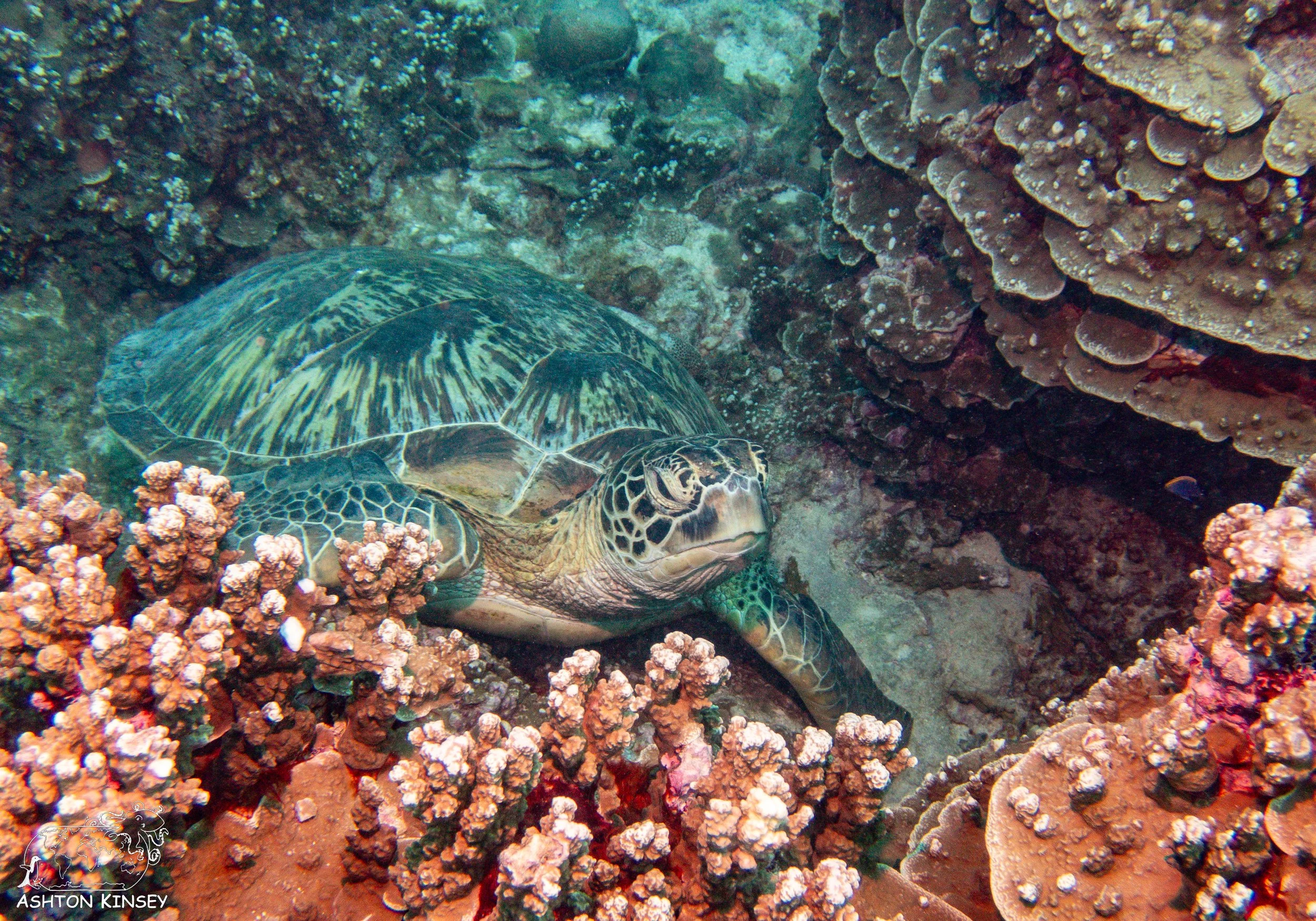
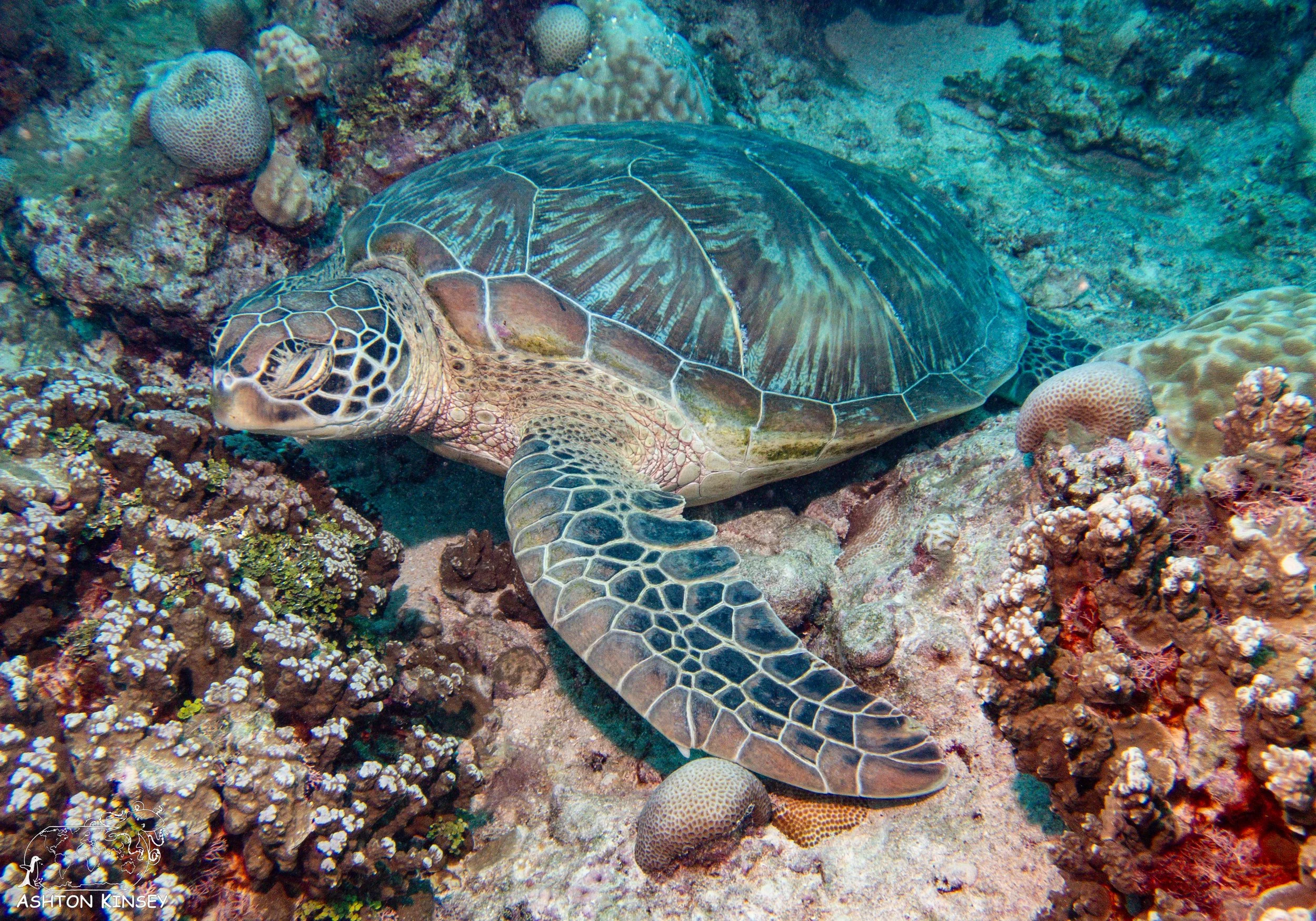
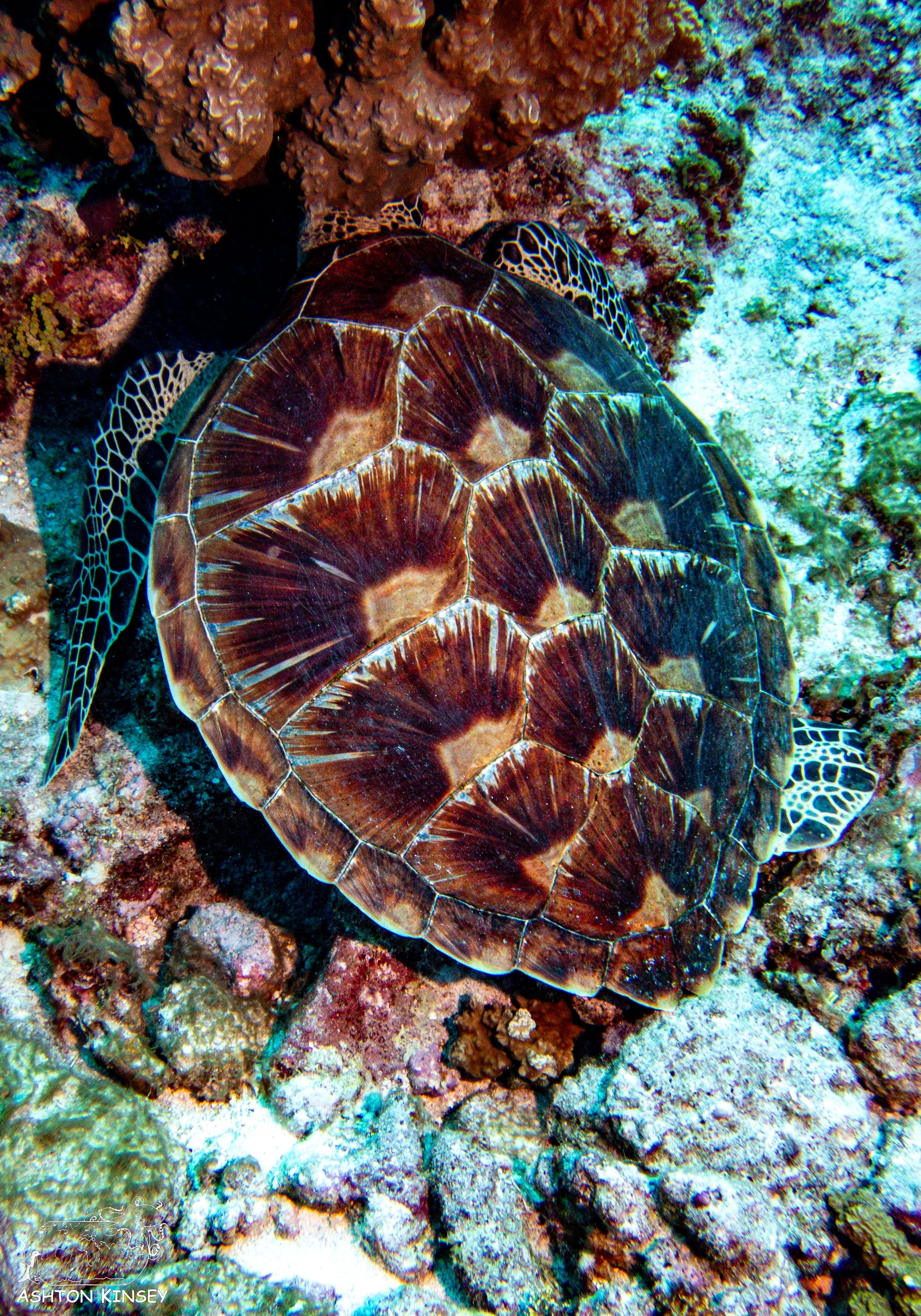
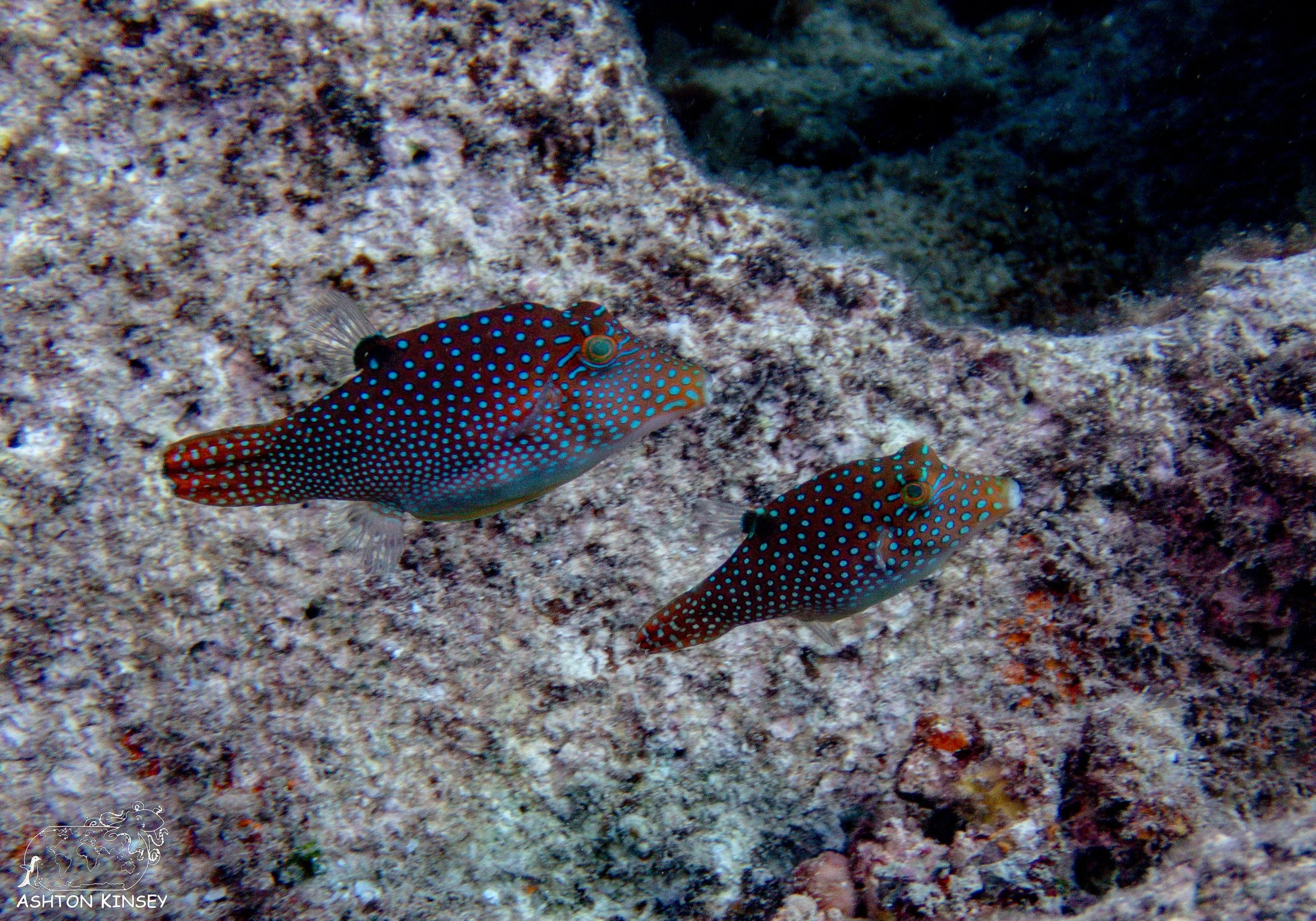
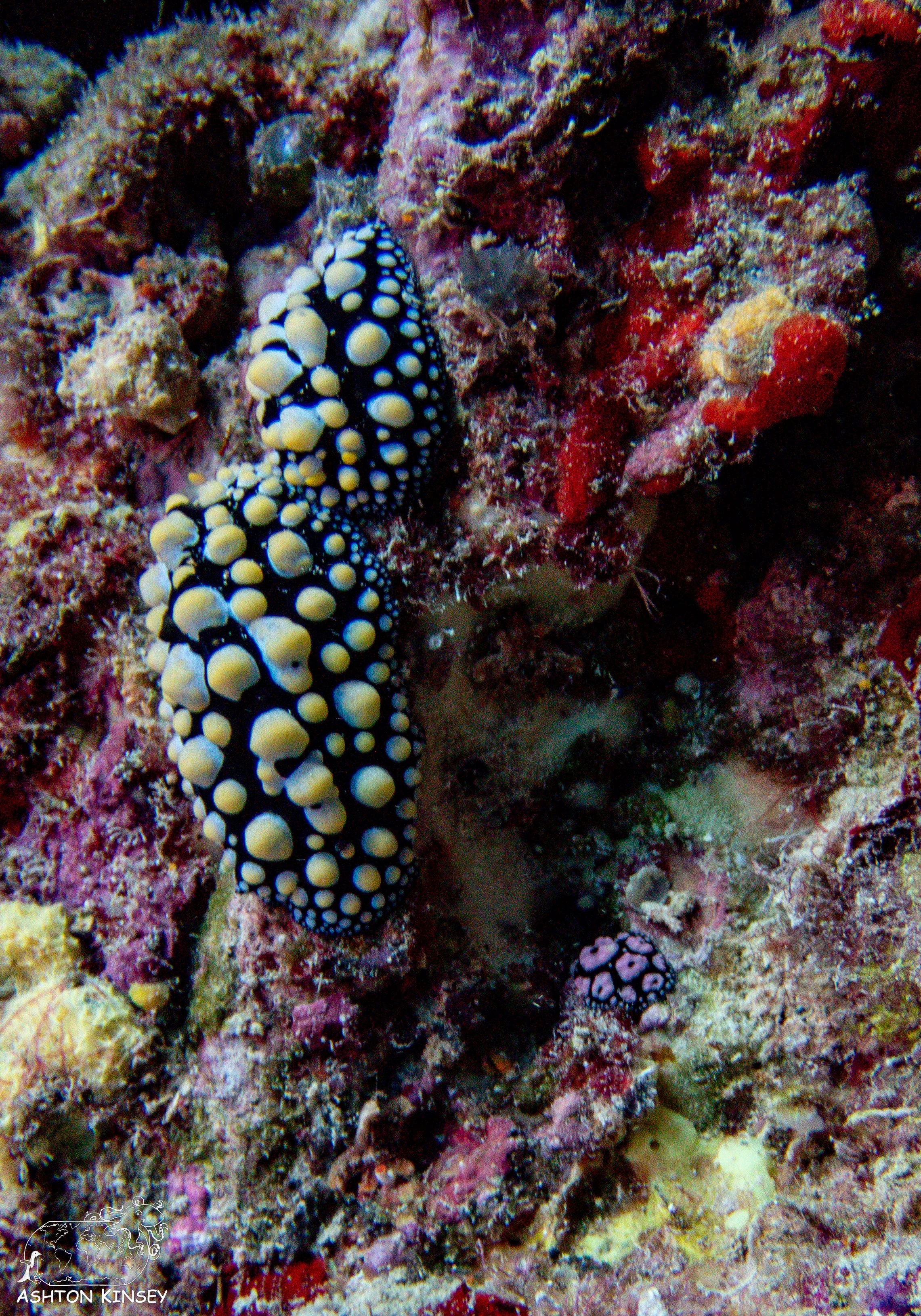
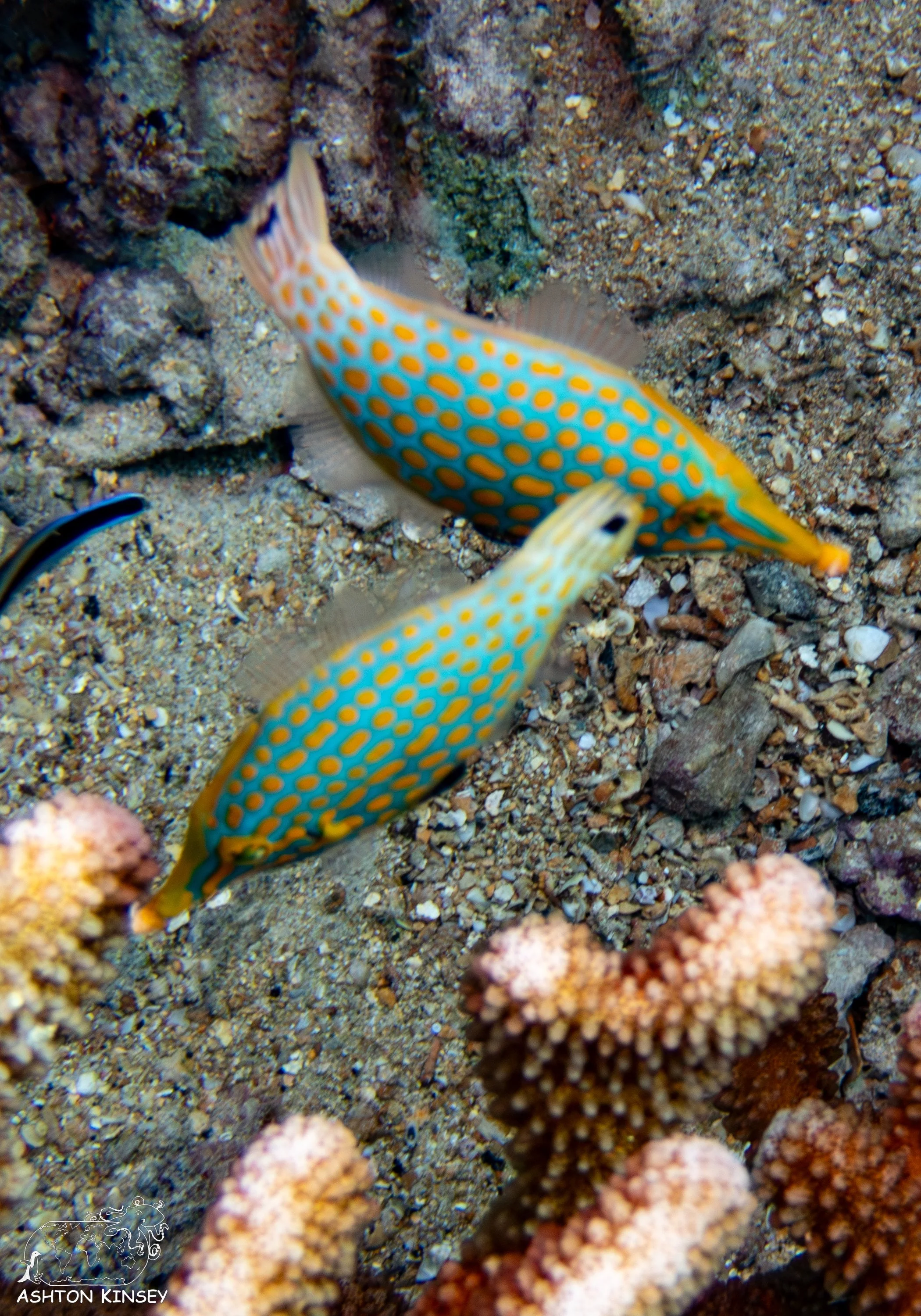
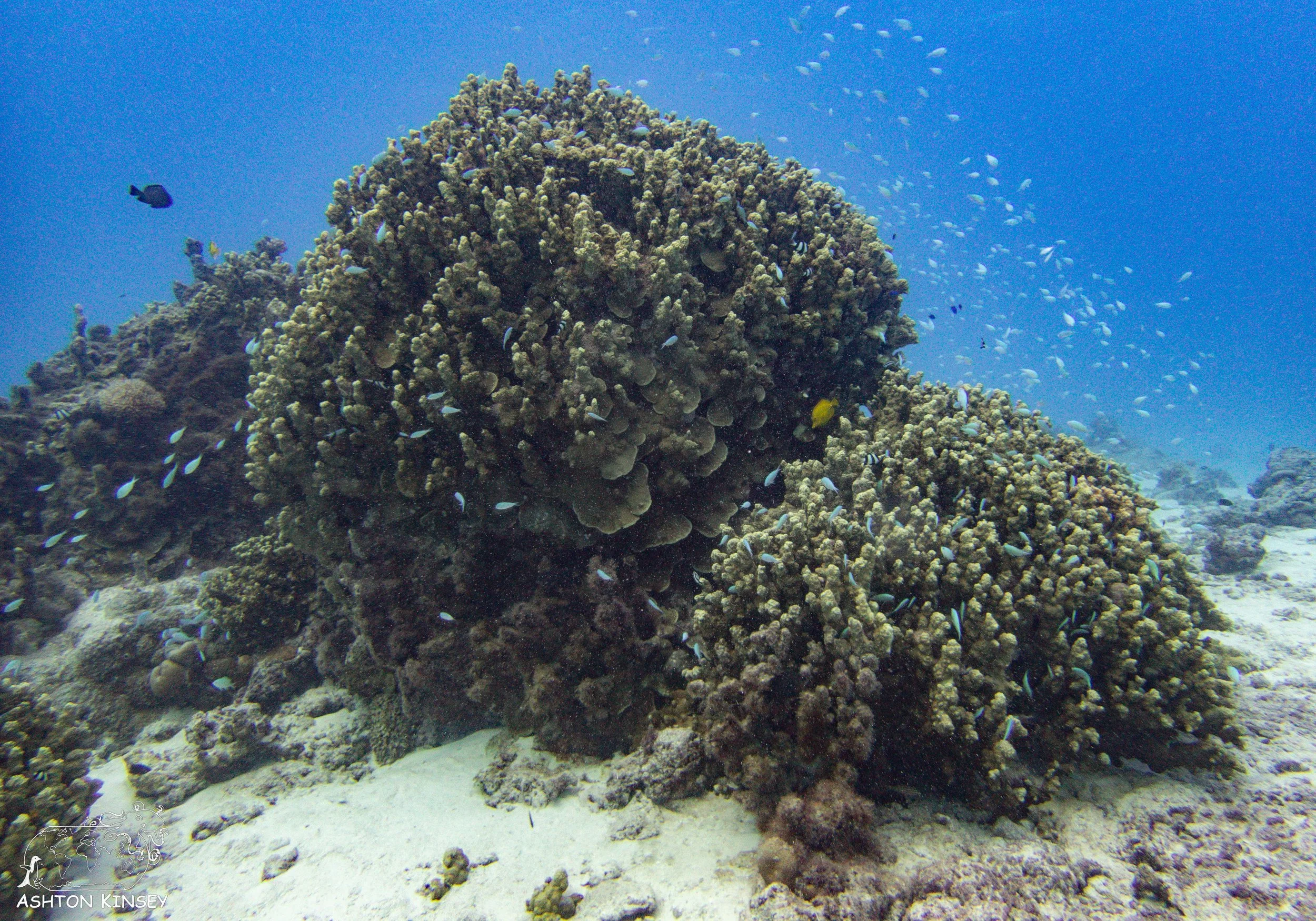
We ended our dive adventure with one final reef dive. While the site was similar in the coral diversity, general layout and types of fish the most interesting thing about the site was the turtles. This site is a resting spot for turtles, they would crawl into nooks, crannies and anywhere else they could shove themselves to take a break from the currents and scratch themselves. Within the first half of the dive there were easily over 20 different turtles taking up residence on the site.
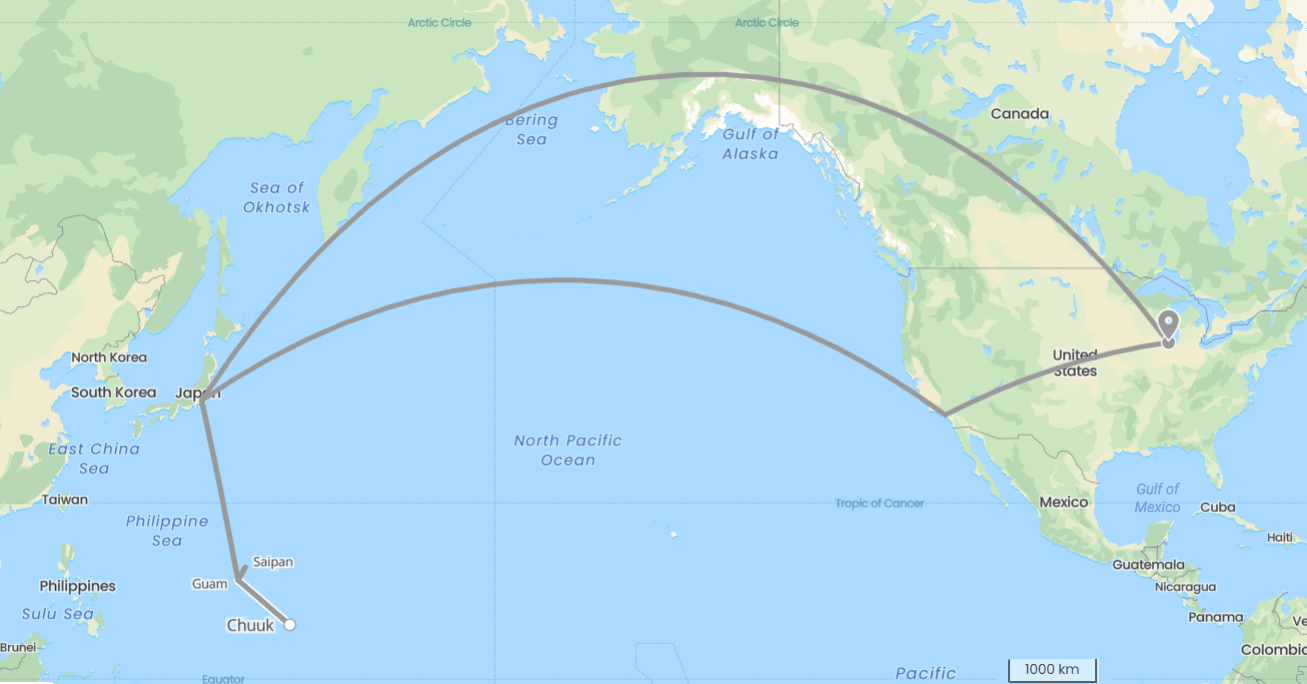
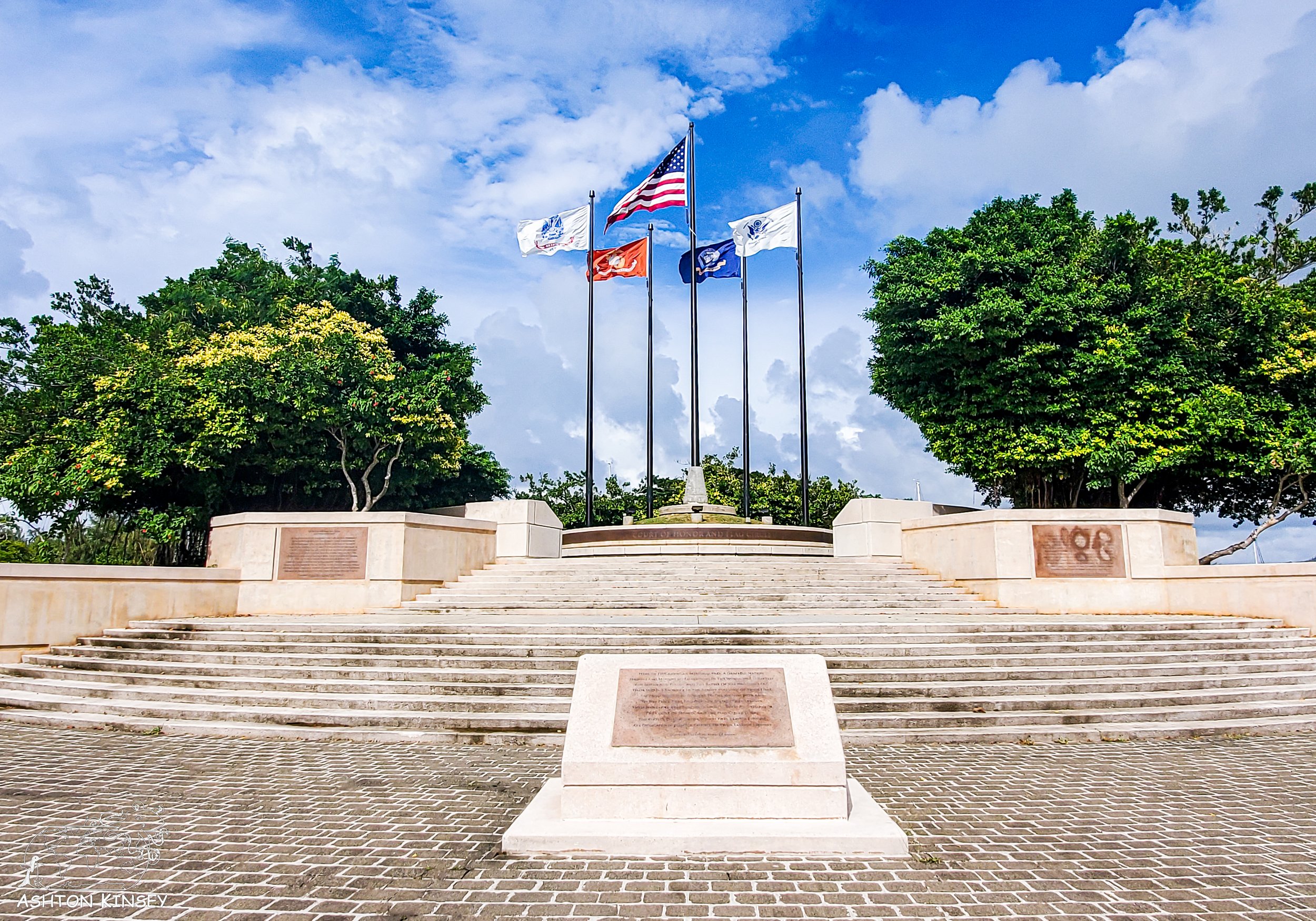
A good last dive to end another whirlwind adventure. The remaining time was spent visiting the several monuments and memorials located around the island honoring the victims of war and those who were lost as well as the families left behind. We also spent time enjoying food and getting ready for a very long and tiring trip back to the States.