Seafaring through Solomon
Solomon Islands
Florida and Russell Islands
(And Fiji)
Seminole Scuba
January 14th – 29th, 2026
Total Dives: 27 Total Time: 23 hours 26 minutes
A nice relaxing trip to Truk Lagoon was booked, and planned for Thanksgiving 2025. Figuring something out for Thanksgiving 2026 was a future Ashton problem and that wouldn’t happen until maybe after getting back, maybe this would be a Nebraska year, who knows plenty of time to figure that out. Until the phone rings (a text comes in because who calls people anymore), and yet another terrible plan was set into motion. Instead of doing a Thanksgiving trip in 2026, how about a late January trip a couple of months after getting back from three weeks in Micronesia? There was much debating and back and forth but ultimately a promise of seeing a blue ring octopus. Live, and in person, not a cut out, not a plastic toy was enough to finally pull the trigger and another insane trip was booked.
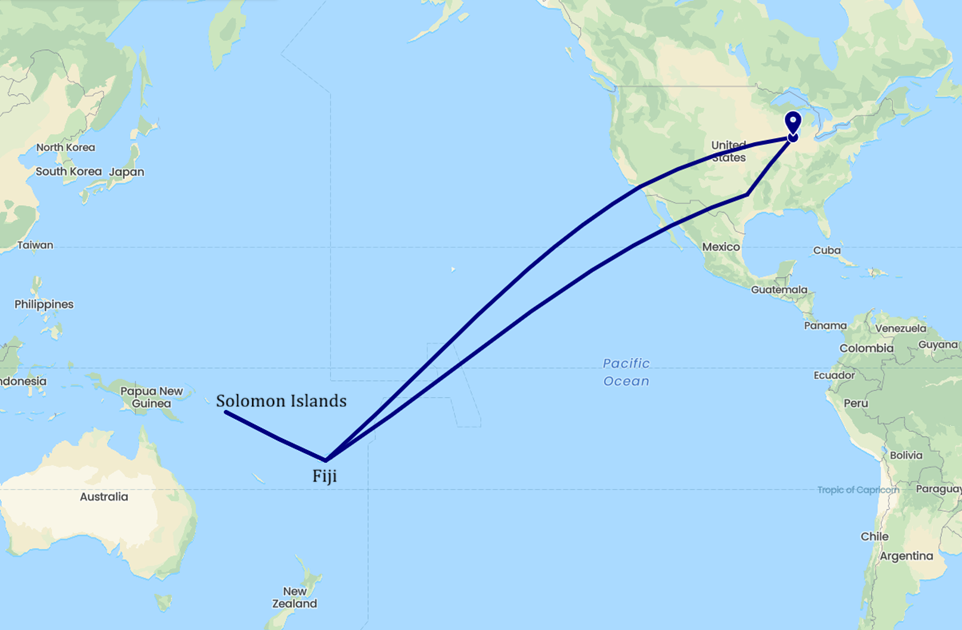
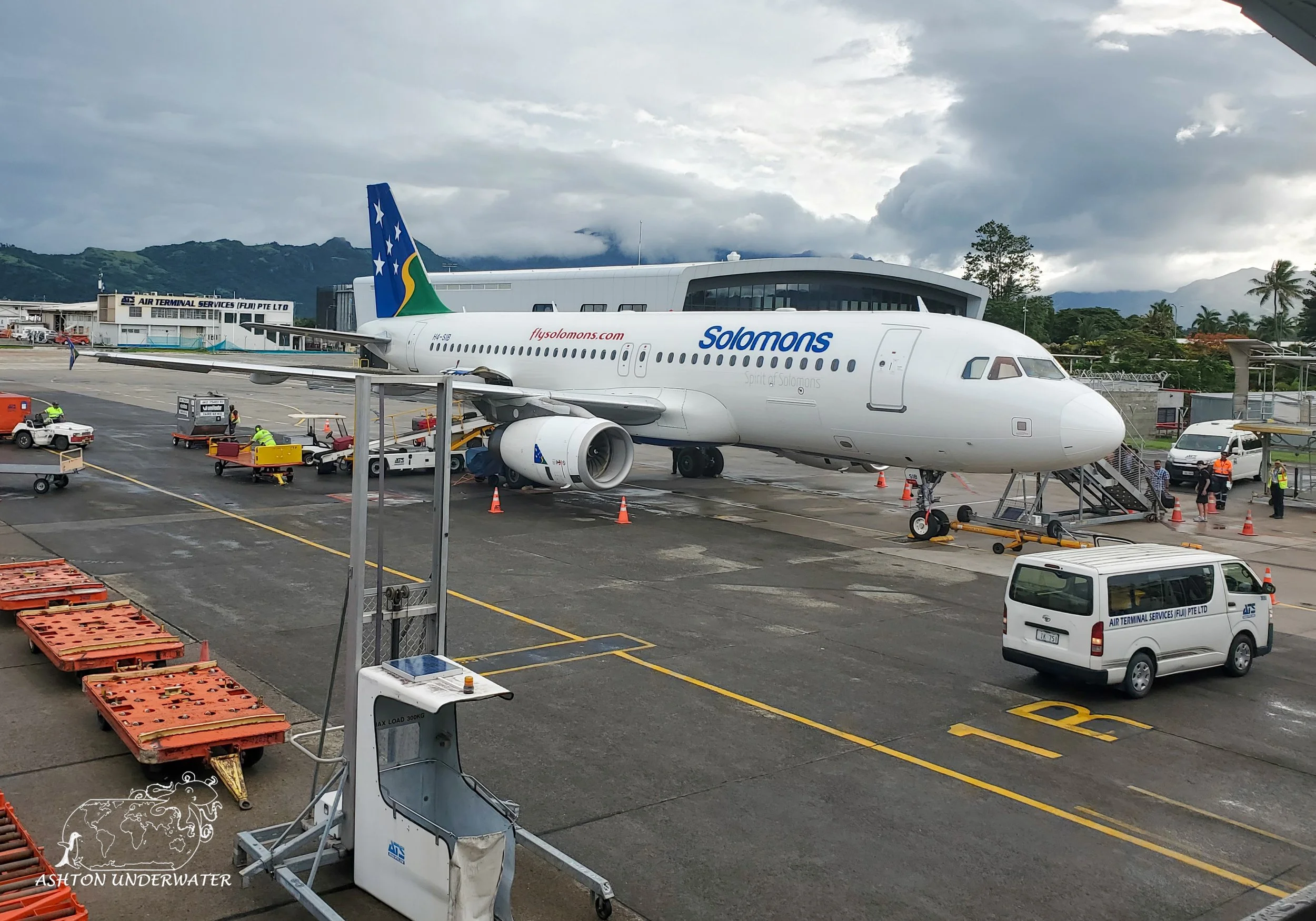
Details of booking flights are now a bit fuzzy, but somehow, we ended up with a ~48-hour layover in Fiji. This was probably part of the original plan or had cheaper flights, but it gave us time to find something close to the airport for some diving, at least in theory. Looking around the city of Nida the diving was meh at best. We made the great decision to get off of our 12-hour plane ride from LAX, crawl into a taxi, take a three-hour drive down to Pacific Harbor, drop our bags off, shovel some food into our bodies and then meet up with a dive boat for a two-tank afternoon dive followed by dinner, a shower and passing out and then an additional two tank morning shark dive.
Solomon Islands
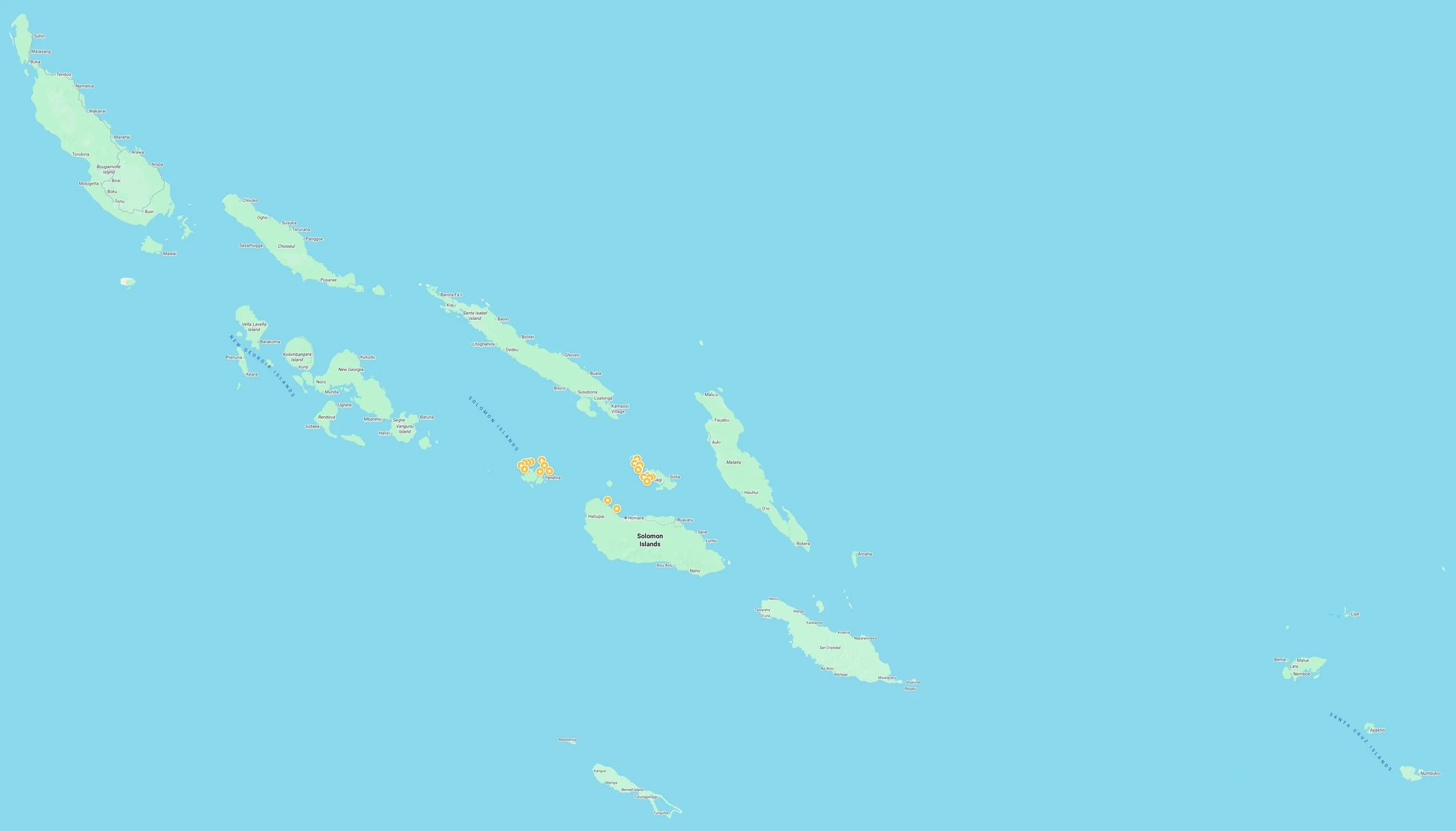
The Solomon Islands is another archipelagic country in Melanesia located east of Papa New Guinea. It is made up of six major islands and over a thousand islets; the largest island, Guadalcanal contains the capital city Honiara. The islands have been settled since the early 30,000 BC, and has had a mix of people and cultures.
It was first found by Europeans in 1568 during a Spanish expedition led by Álvaro de Mendaña. Later in June of 1893 the southern Solomon Islands were declared a British protectorate by Captain Herbert Gibson. As WWII continued to expand and grow the Solomon Islands became a major fighting force between the Allied forces and Axis powers. After the war the name was changed from the “British Solomon Islands Protectorate” to “The Solomon Islands” and finally to simply “Solomon Islands” when they gained independence in 1978.
Timber, palm oil and gold were common exports. Unfortunately, the falling prices of timber in 1998 resulted in the end of timber exports. With the timber export gone, palm and gold exports soon also ceased in 2000. Live dolphins also used to be exported but was stopped in 2004 after 28 were sent to Mexico, unfortunately dolphin export has begun recently with the majority being sent to Dubai.
Homosexuality has been illegal in Solomon Islands since the 1880s. It carries a punishment of up to 14 years of imprisonment. There was a proposition to decriminalize it in December 2008, however it was strongly opposed citing the Bible and Christian religious arguments.
Solomons Master
Florida and Russell Islands
January 18th – 25th, 2026
Cruise Director: Ben Assistant Cruise Director: Aiden
Dive Guides: Brian, Euna
Total Time: 20 hours 42 minutes Total Dives: 21
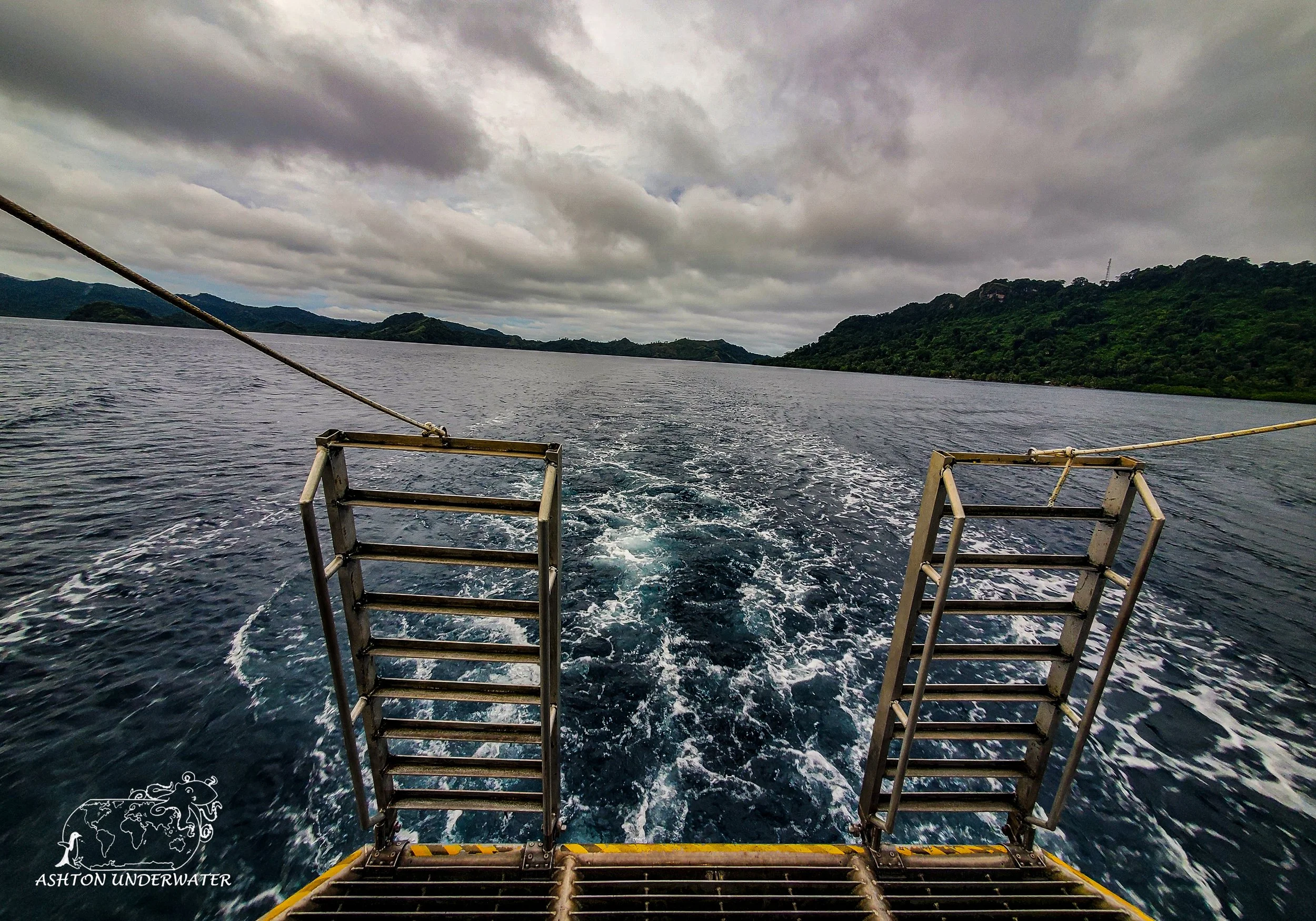
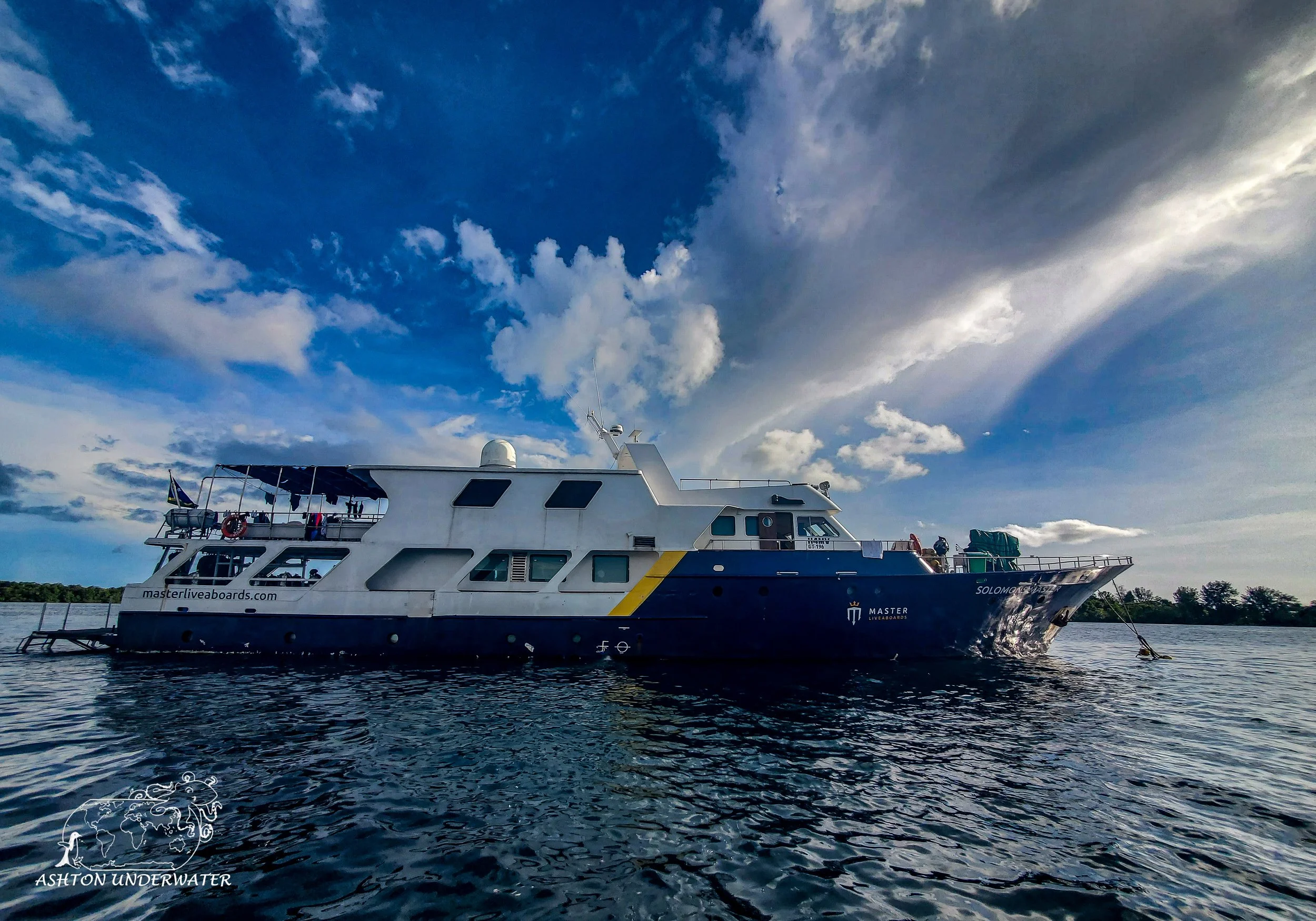
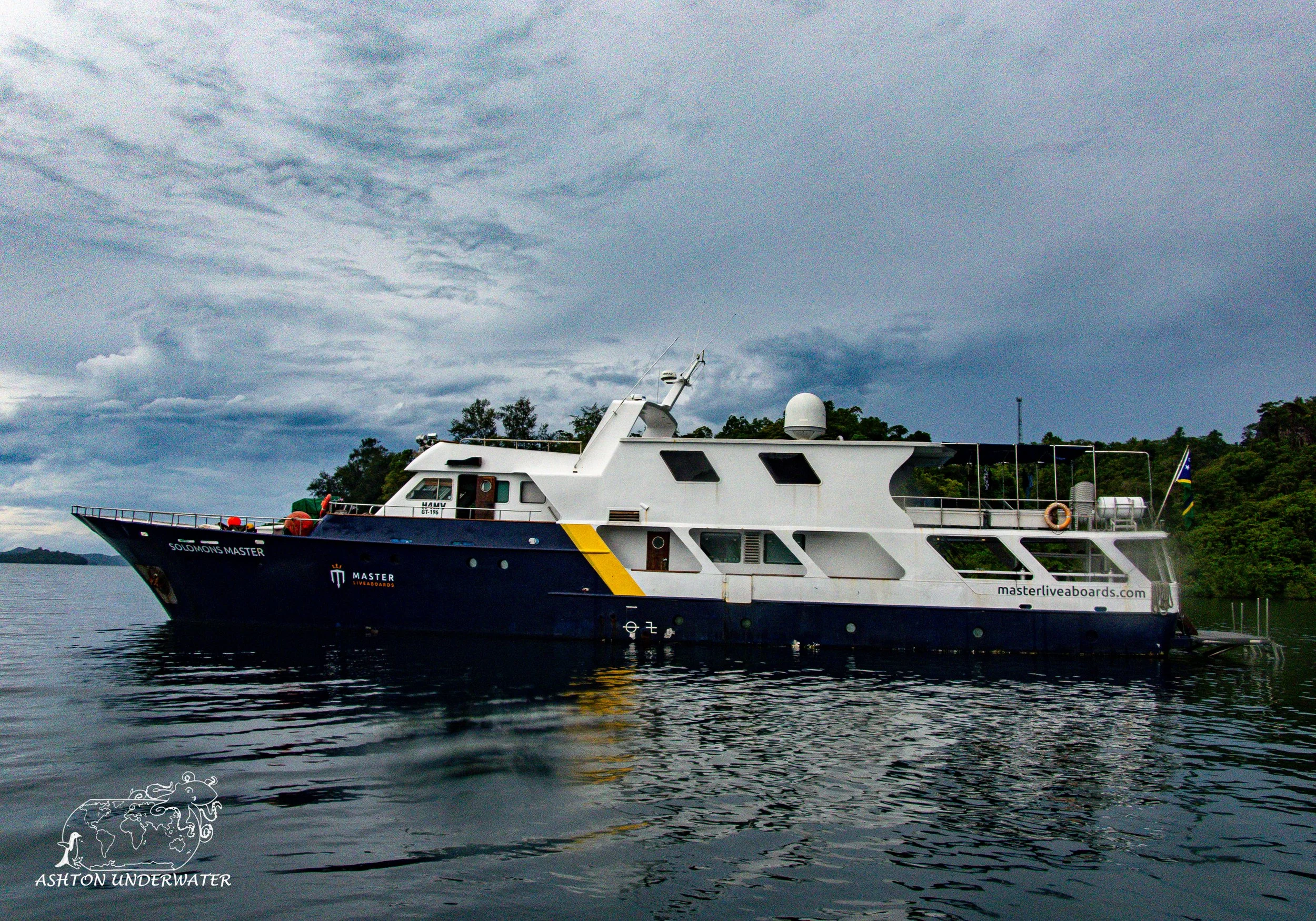
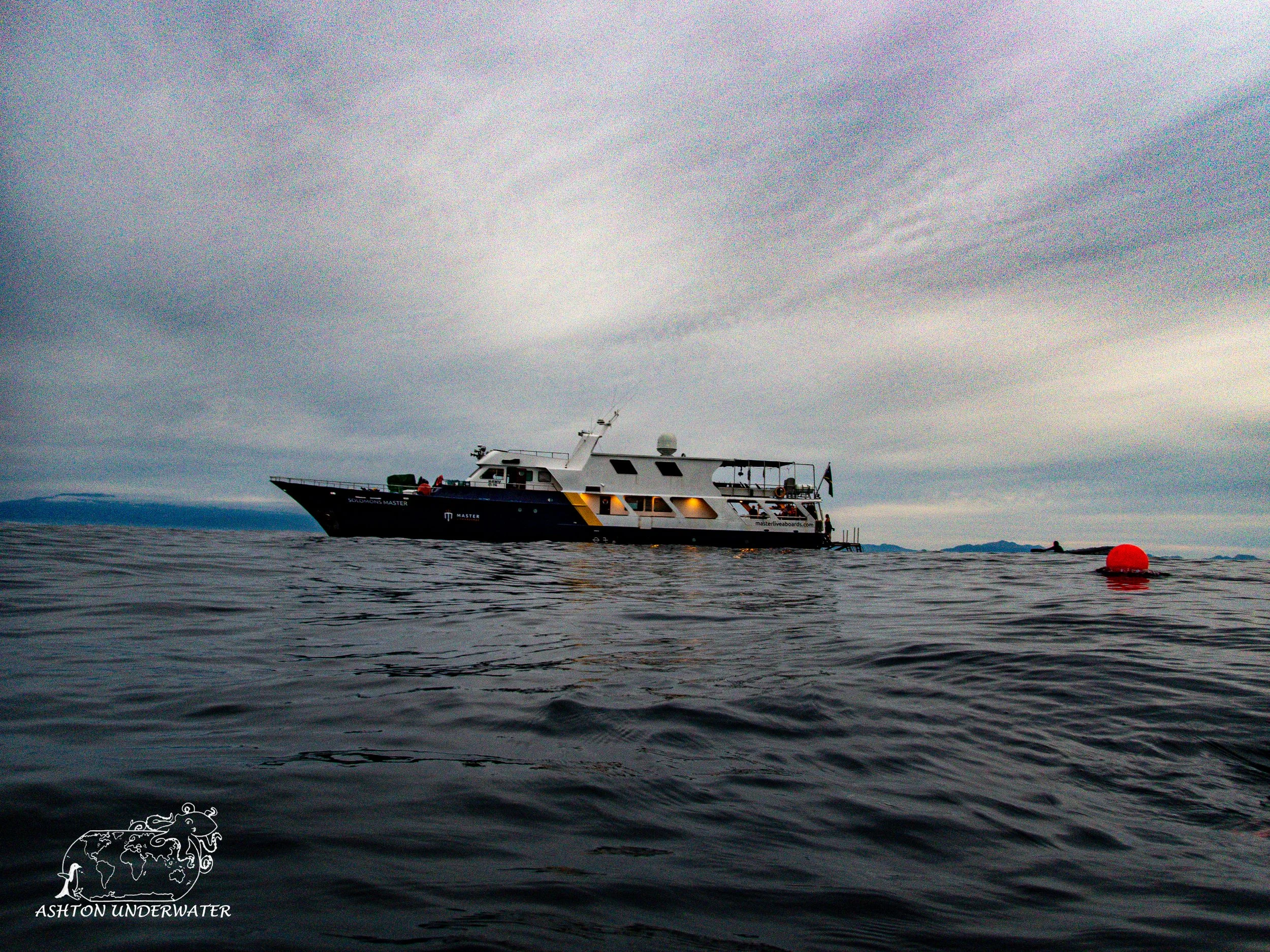
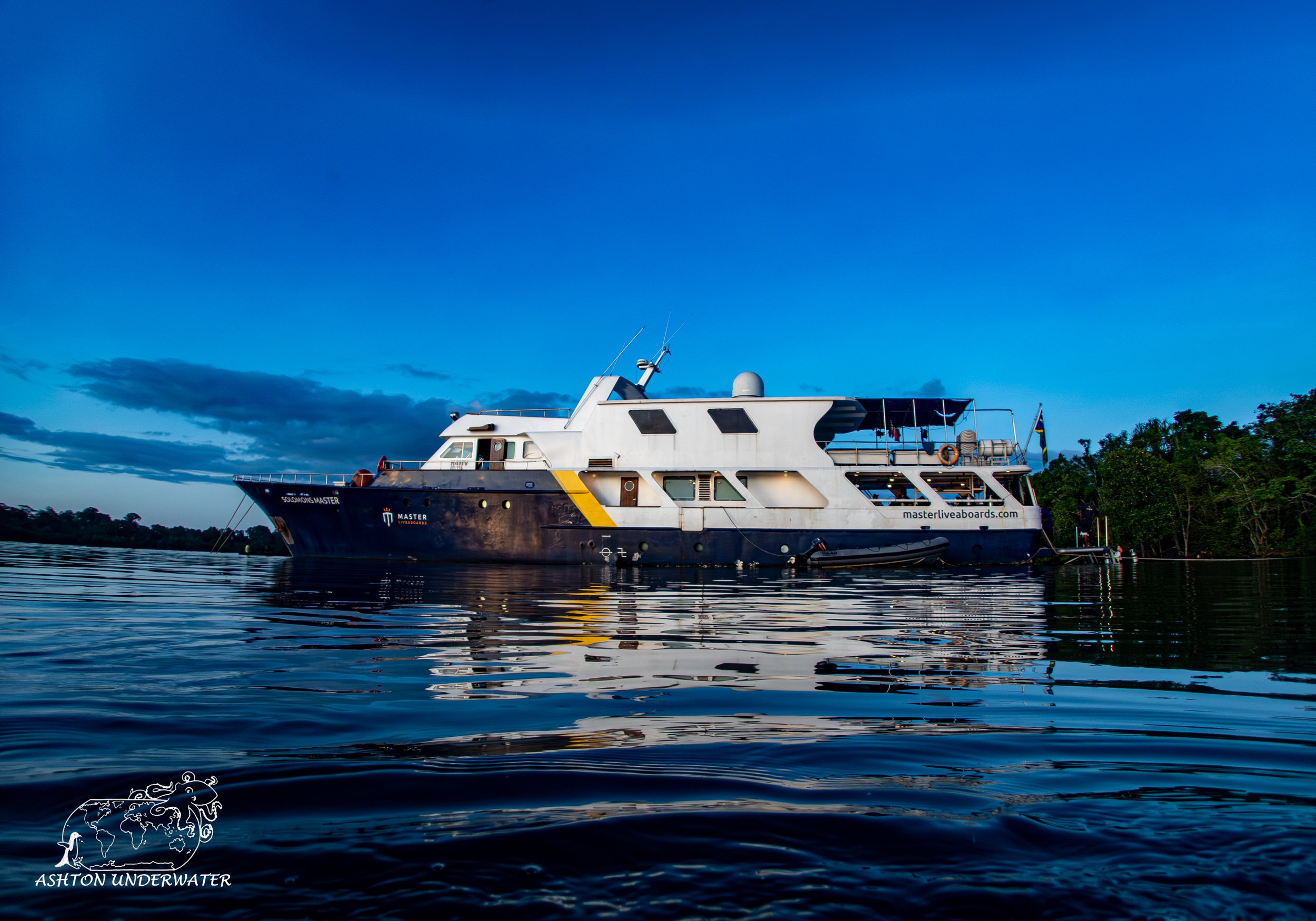
The Solomons Master is a 123’ long steel-hulled vessel that formerly sailed in Truk Lagoon until mid-2022 as the Truk Master. It can hold up to 16 guests between eight air-conditioned cabins with private bathrooms. There is a saloon, dining area and two sundecks (one covered and one open) that provides plenty of space to spread out and not be on top of each other in between dives.
There were four benches on the dive deck that had plenty of space to spread out and gear up and baskets under the benches provided a place for other loose equipment. A dedicated battery and camera station is located just inside the dining area off of the dive deck with dry bins for shirts, towels or whatever else you feel like tossing in there.
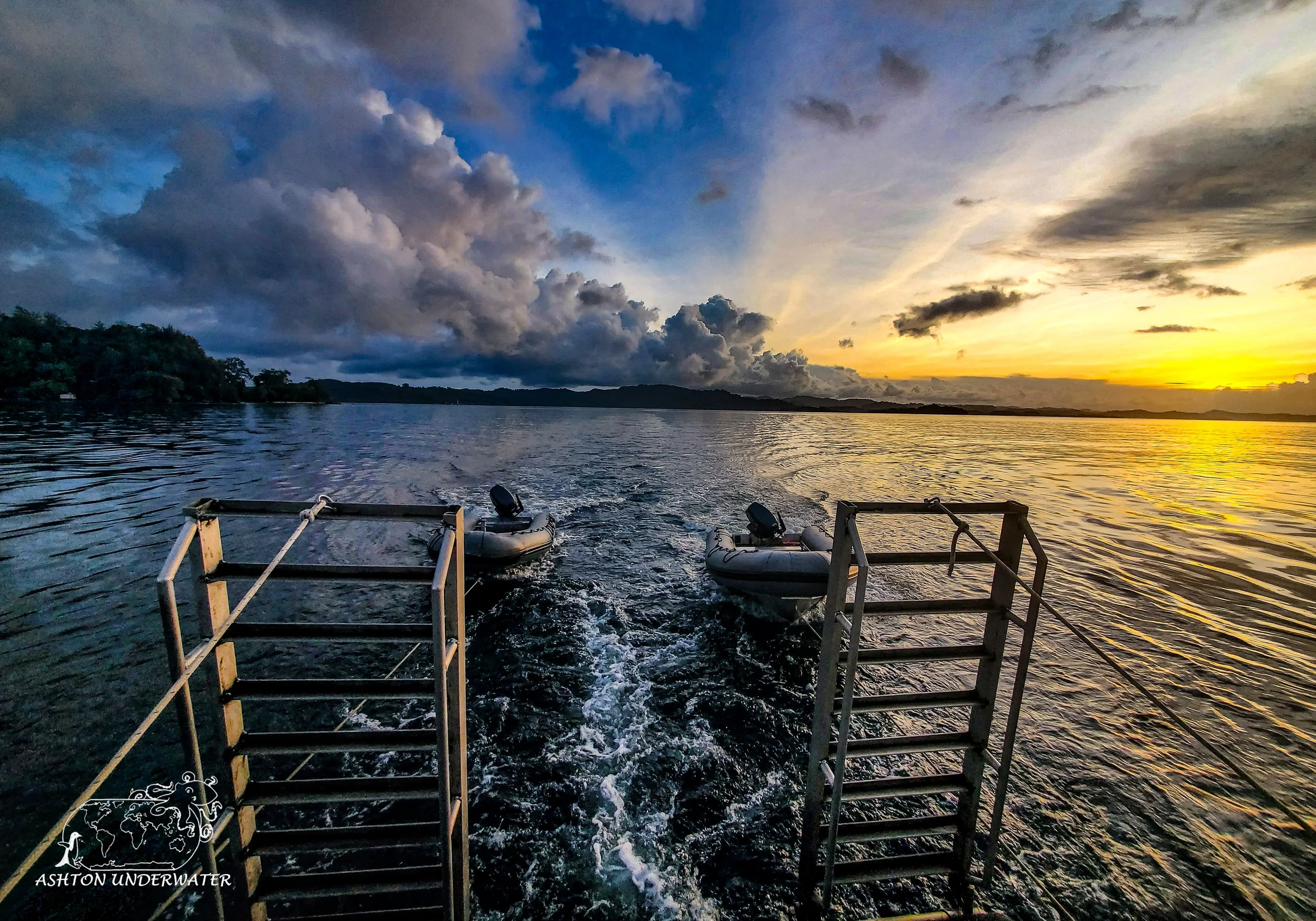
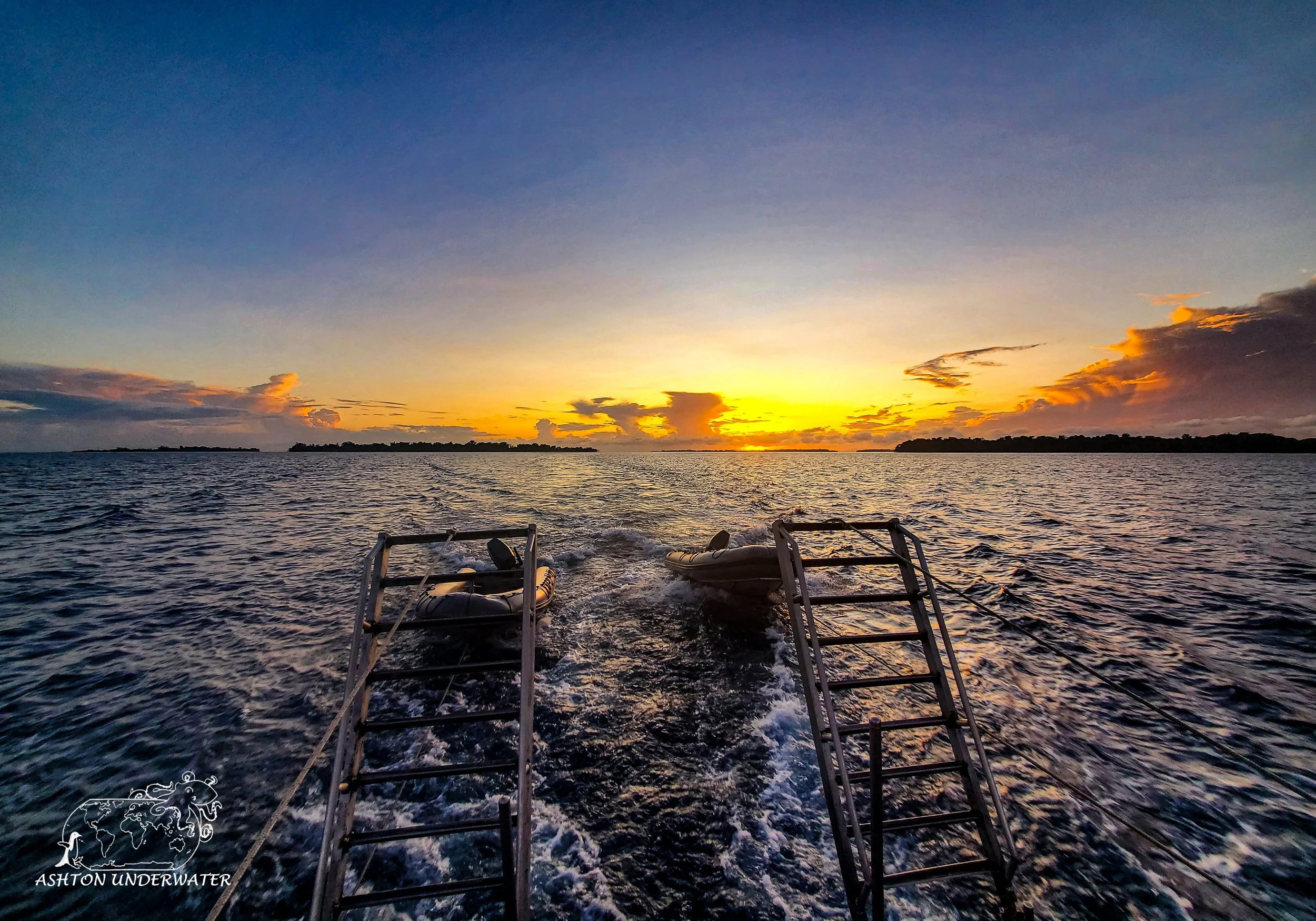
The diving is carried out either by a giant stride live drop off the back of the boat close to the site, or via back rolls off of small dingy at the site. Groups are divided between the dive guide and cruise directors and were given timed drops to spread dive groups out and help prevent dive groups clumping on top of each other. Most of the dives were drift that ended with a pick up by the dingy and a slow tow/drag back to the boat while holding on to a rope in the water.
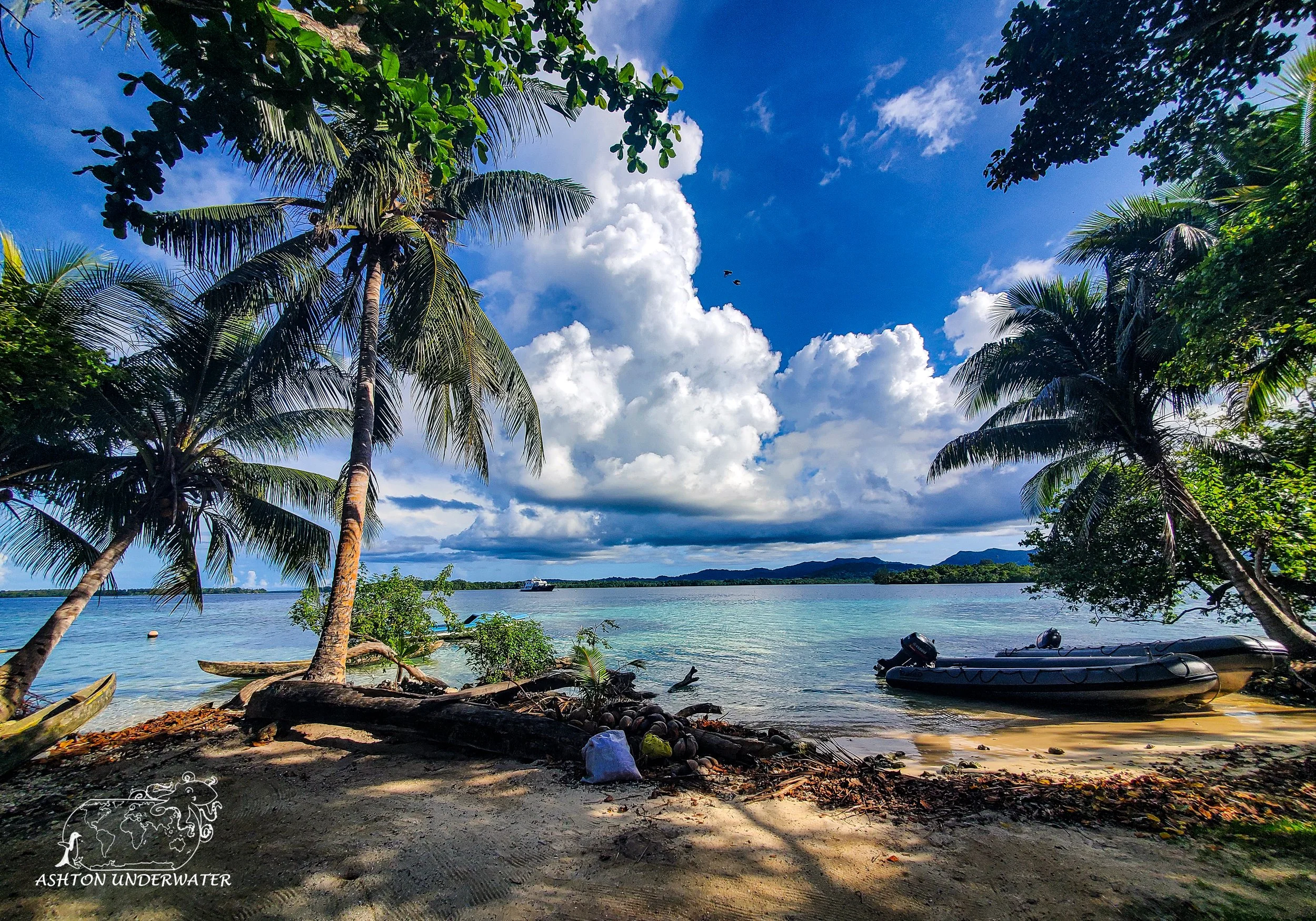
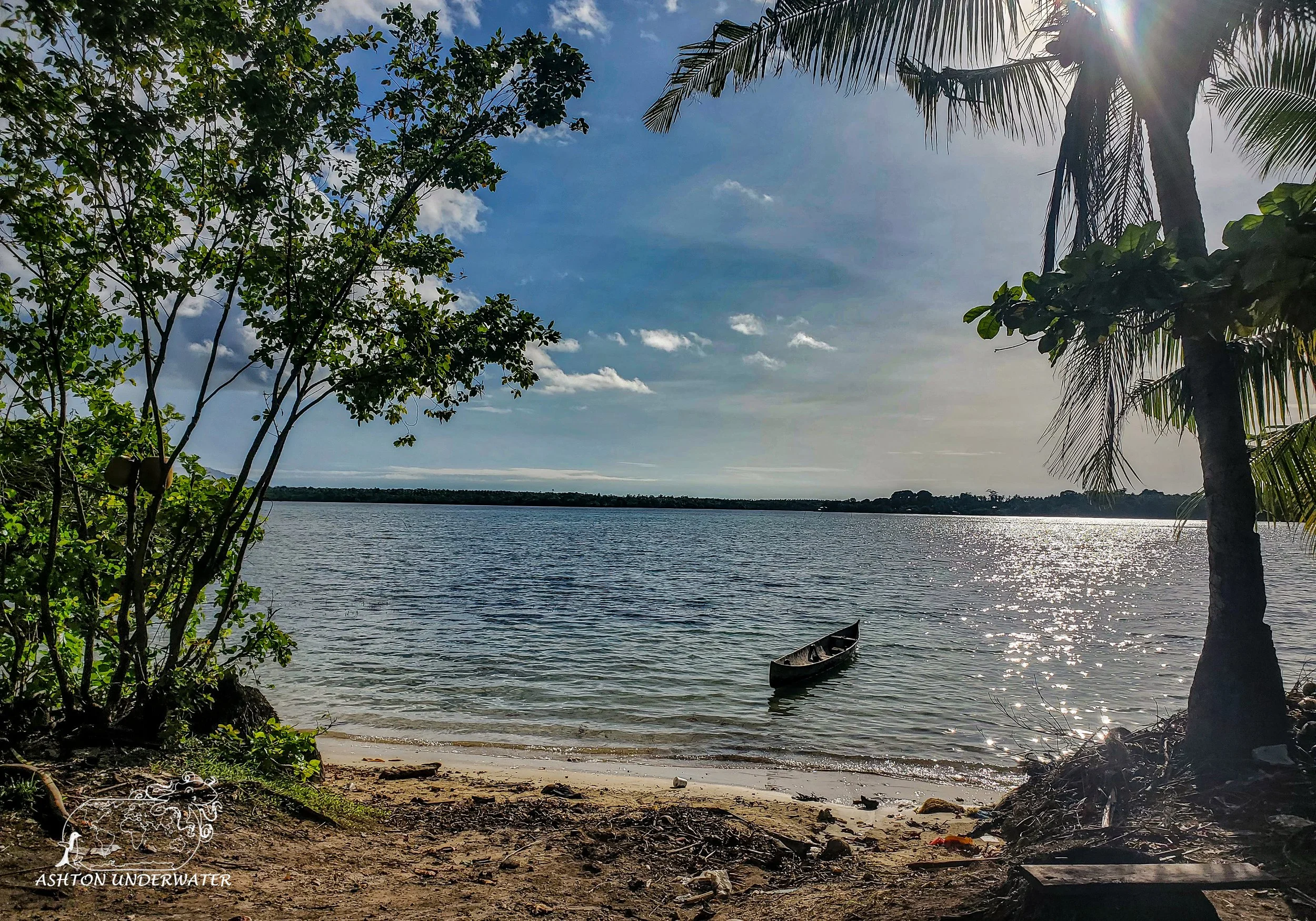
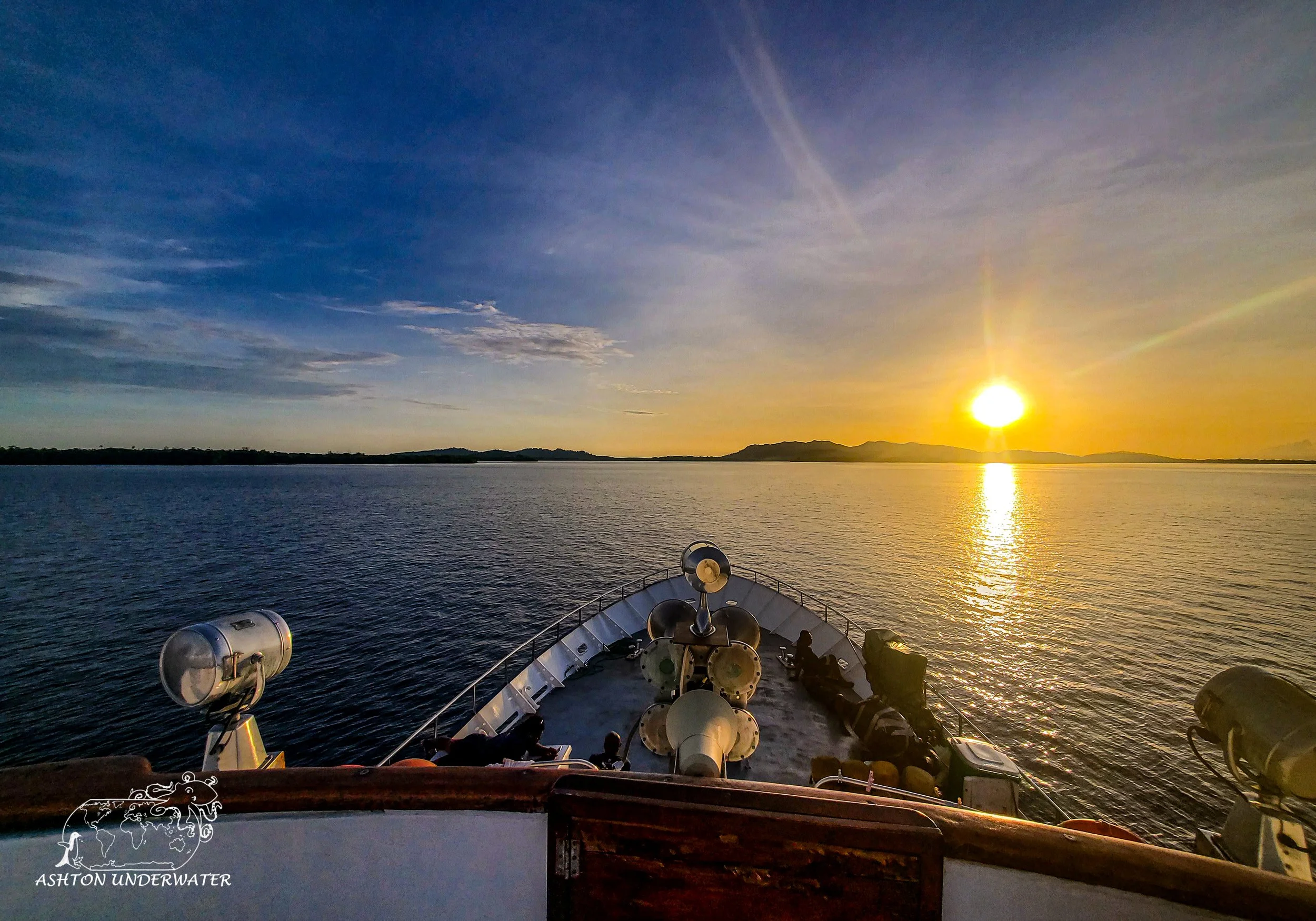
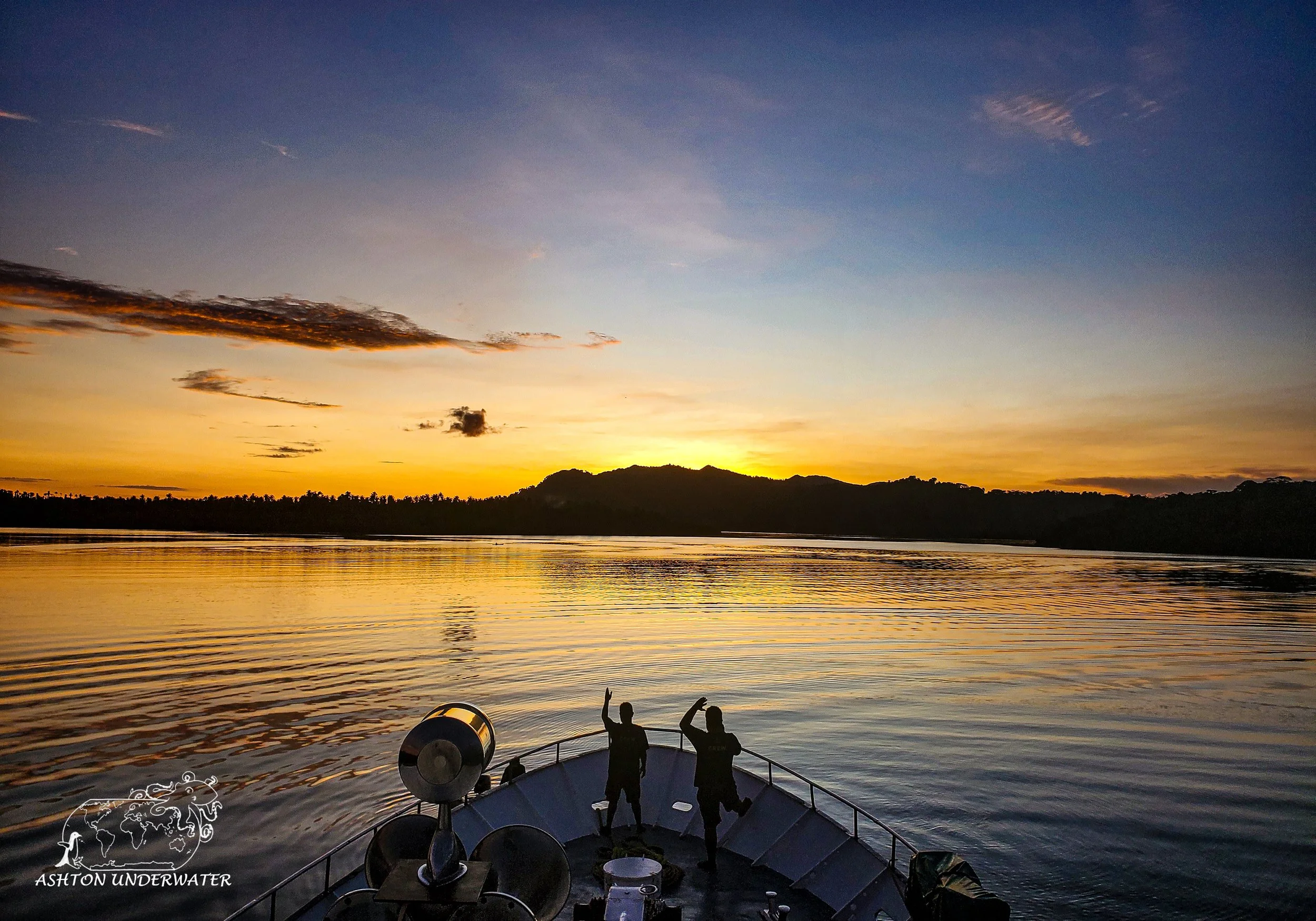
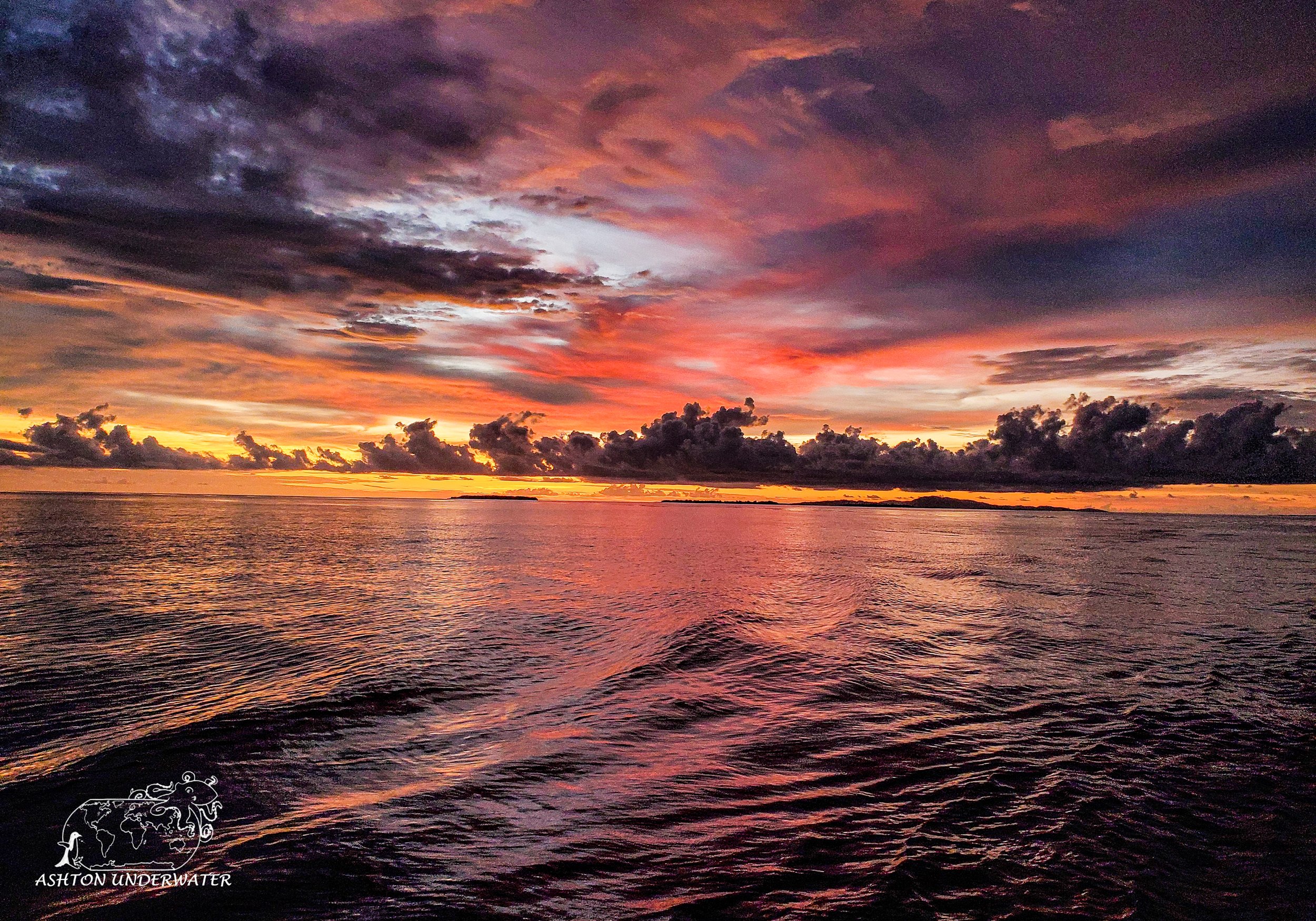
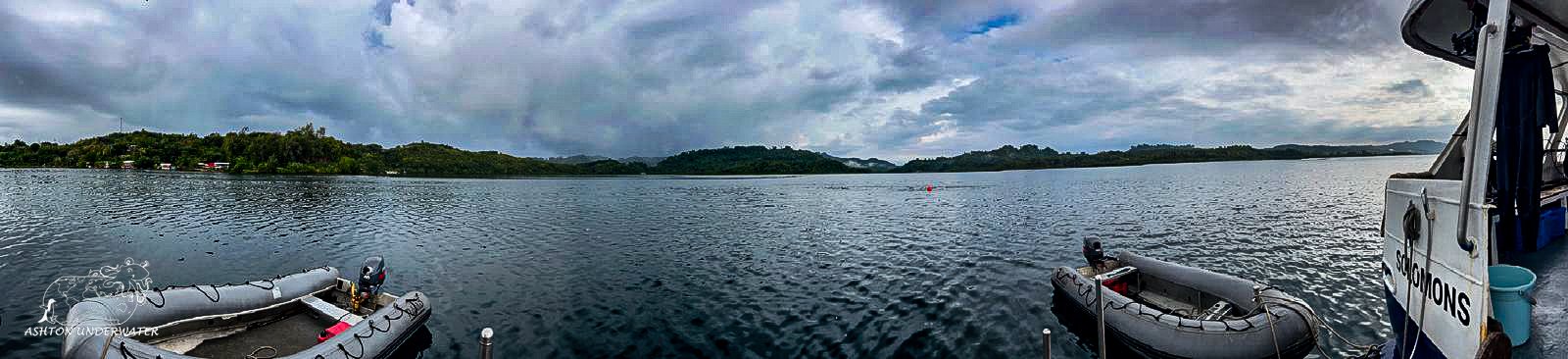
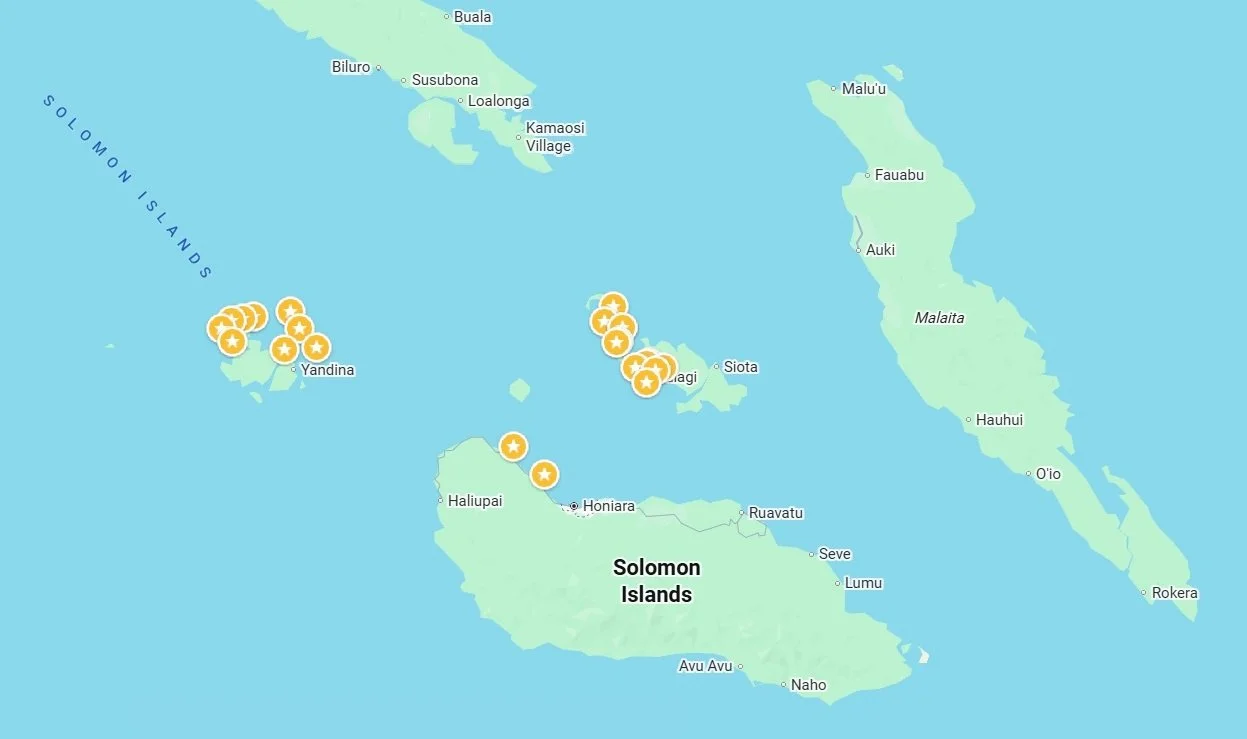
Nggela Islands (Florida Islands)
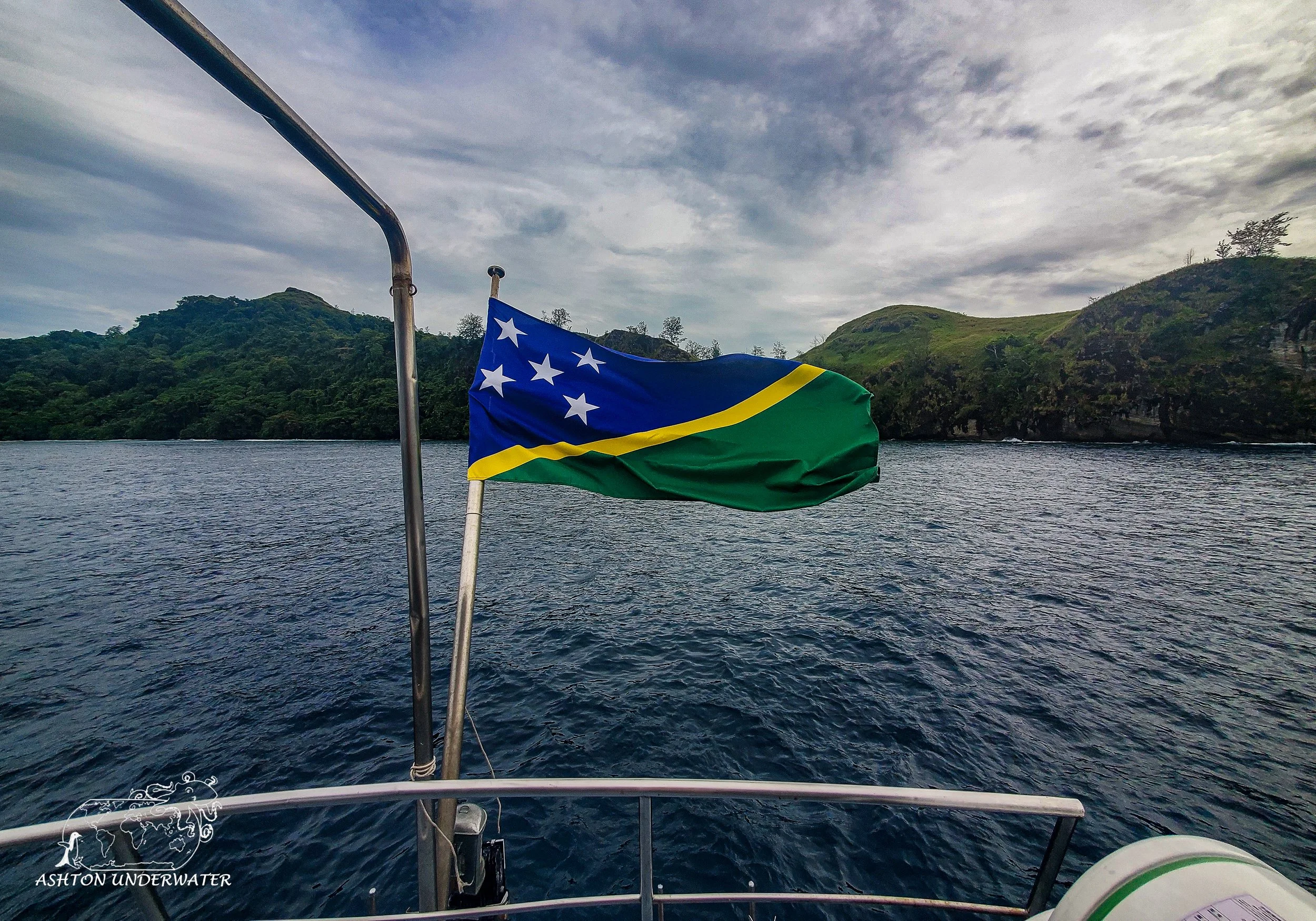
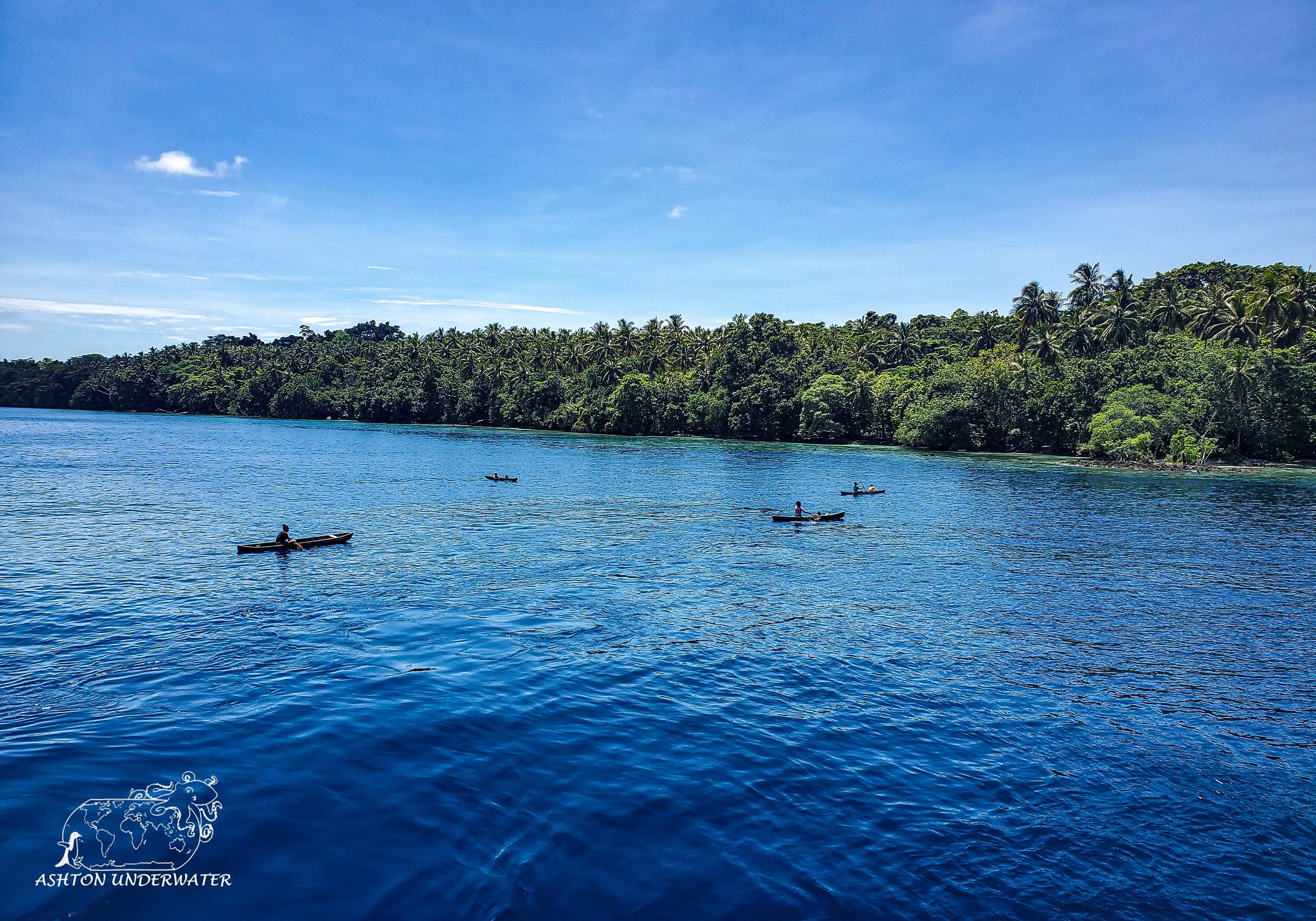
Originally “discovered” by a Spanish expedition led by Álvaro de Mendaña on 16 April 1568. The islands were named after the festival “Pascua Florida” which celebrates the landing of Juan Ponce de Leon in Florida in 1513. Prior to WWII the Solomon Islands were under British rule as a British protectorate.
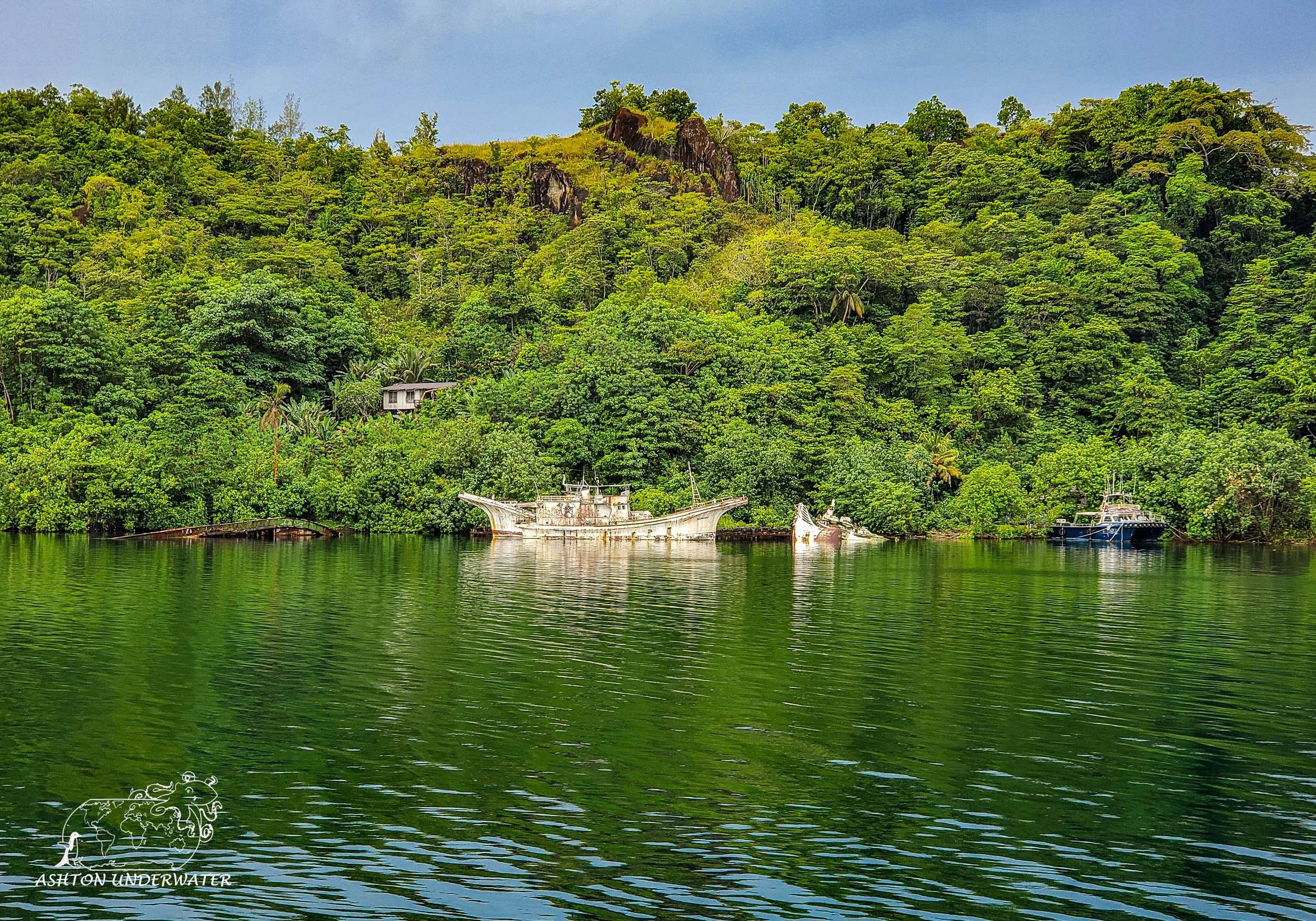
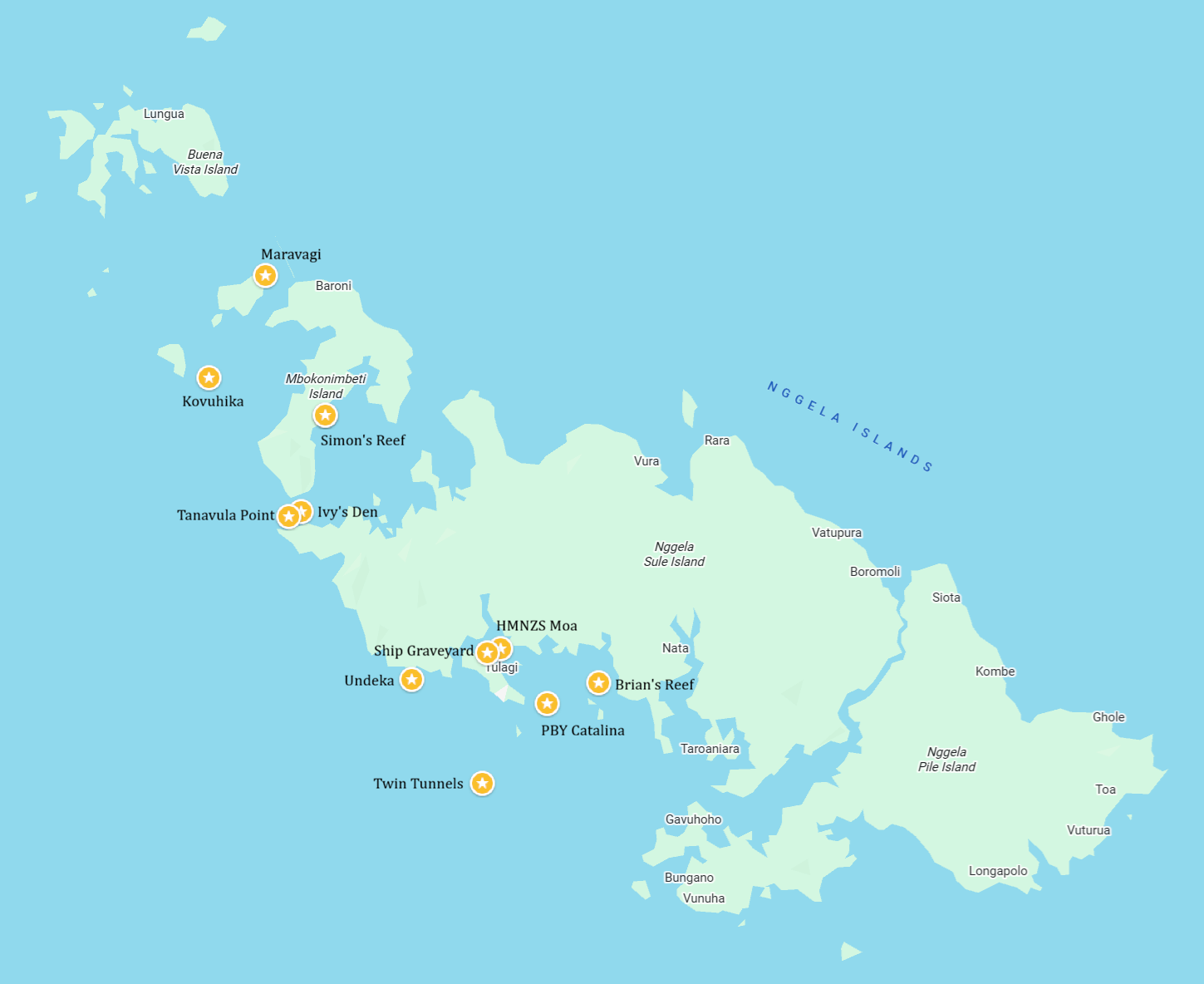
The name Florida Islands has fallen, slightly, to the disuse following Solomon Islands’ independence from Great Britain on 7 July 1978. They are now referred to as the Nggela Islands. There are four main islands, with fifty smaller islands close by. The island group lies north of the island of Guadalcanal which was a major battle campaign during WWII, both Japanese and US Allied forces used the various islands as military bases. After WWII British control moved to Honiara.
Simon’s Reef
101’ for 54 minutes
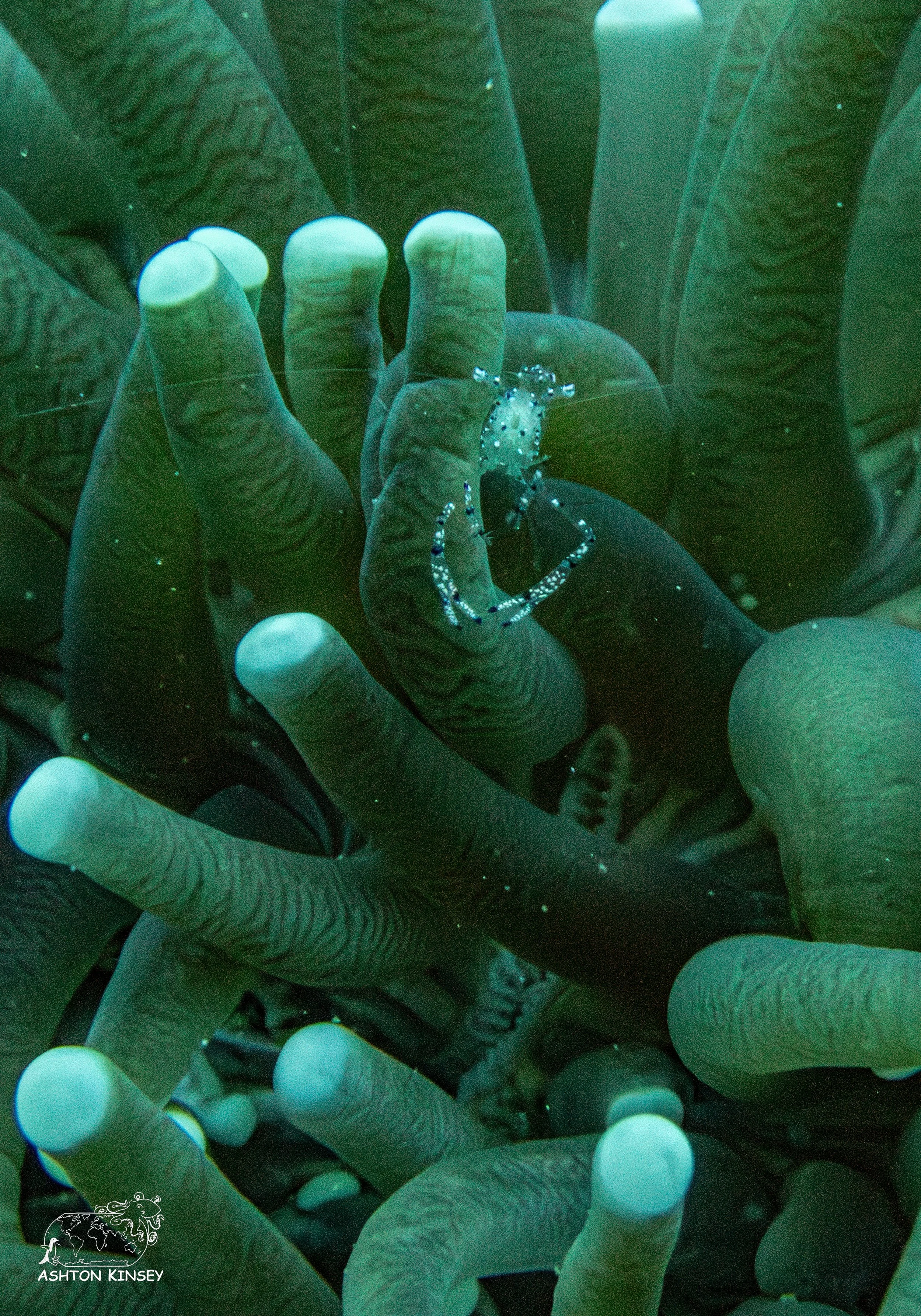
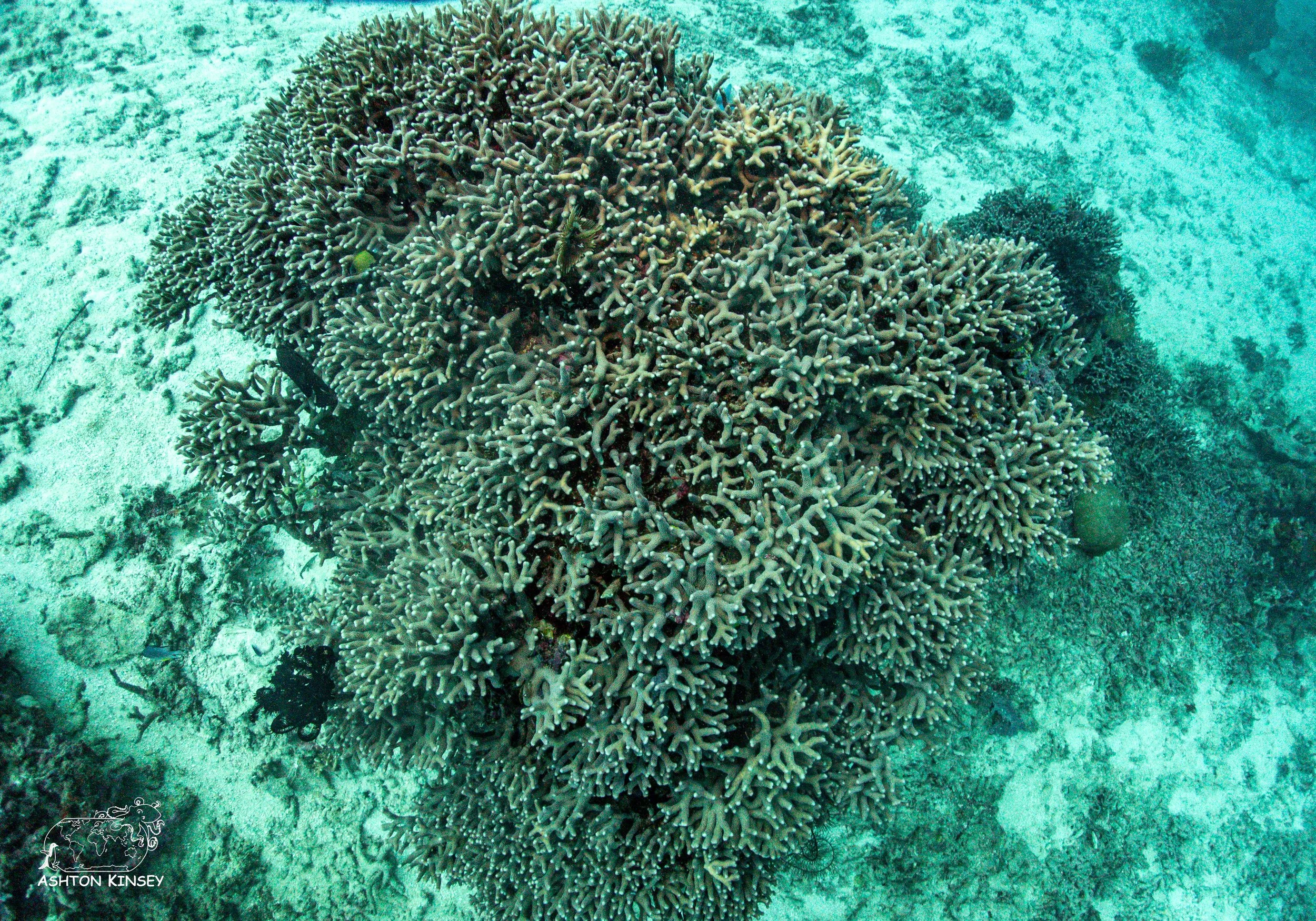
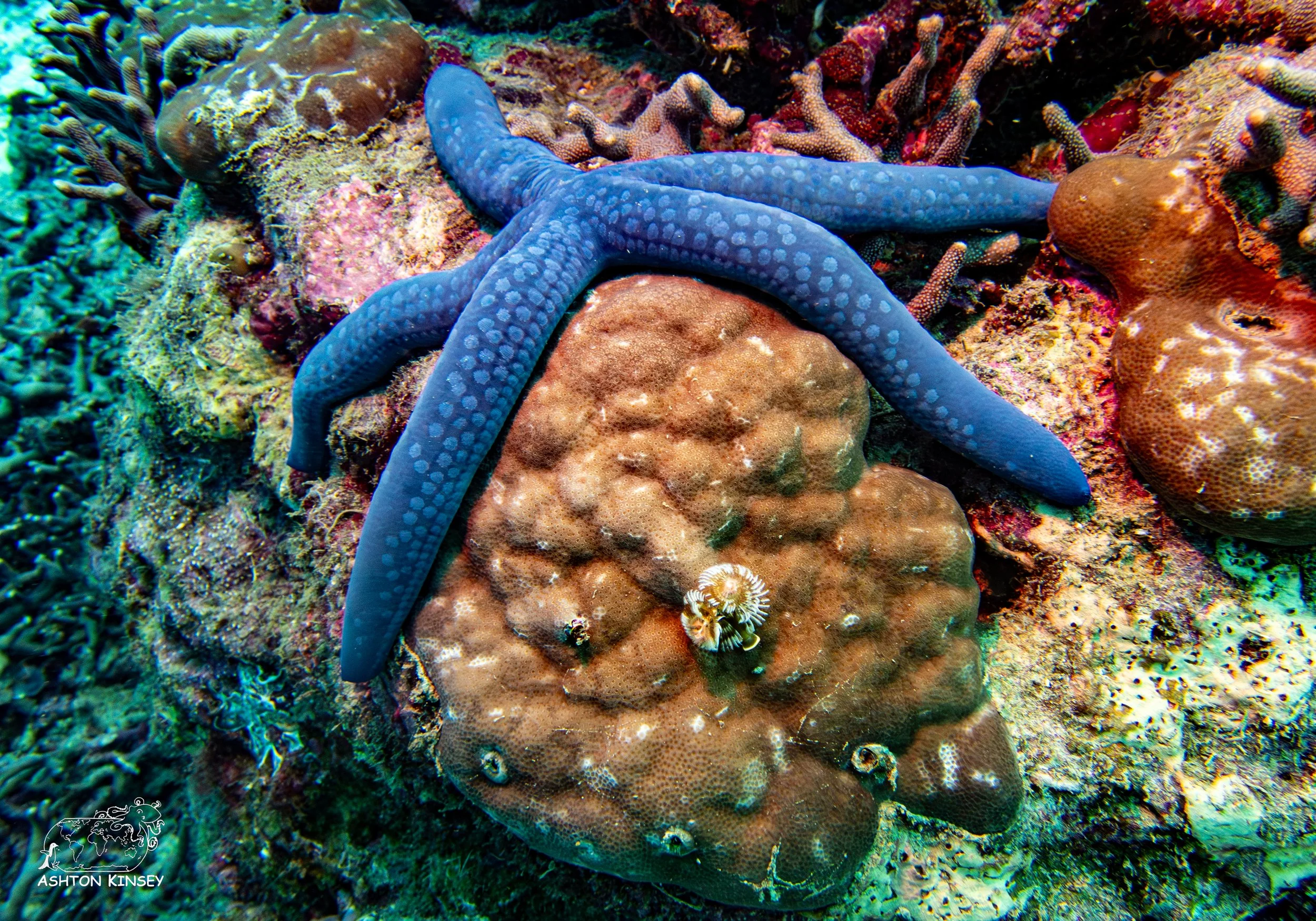
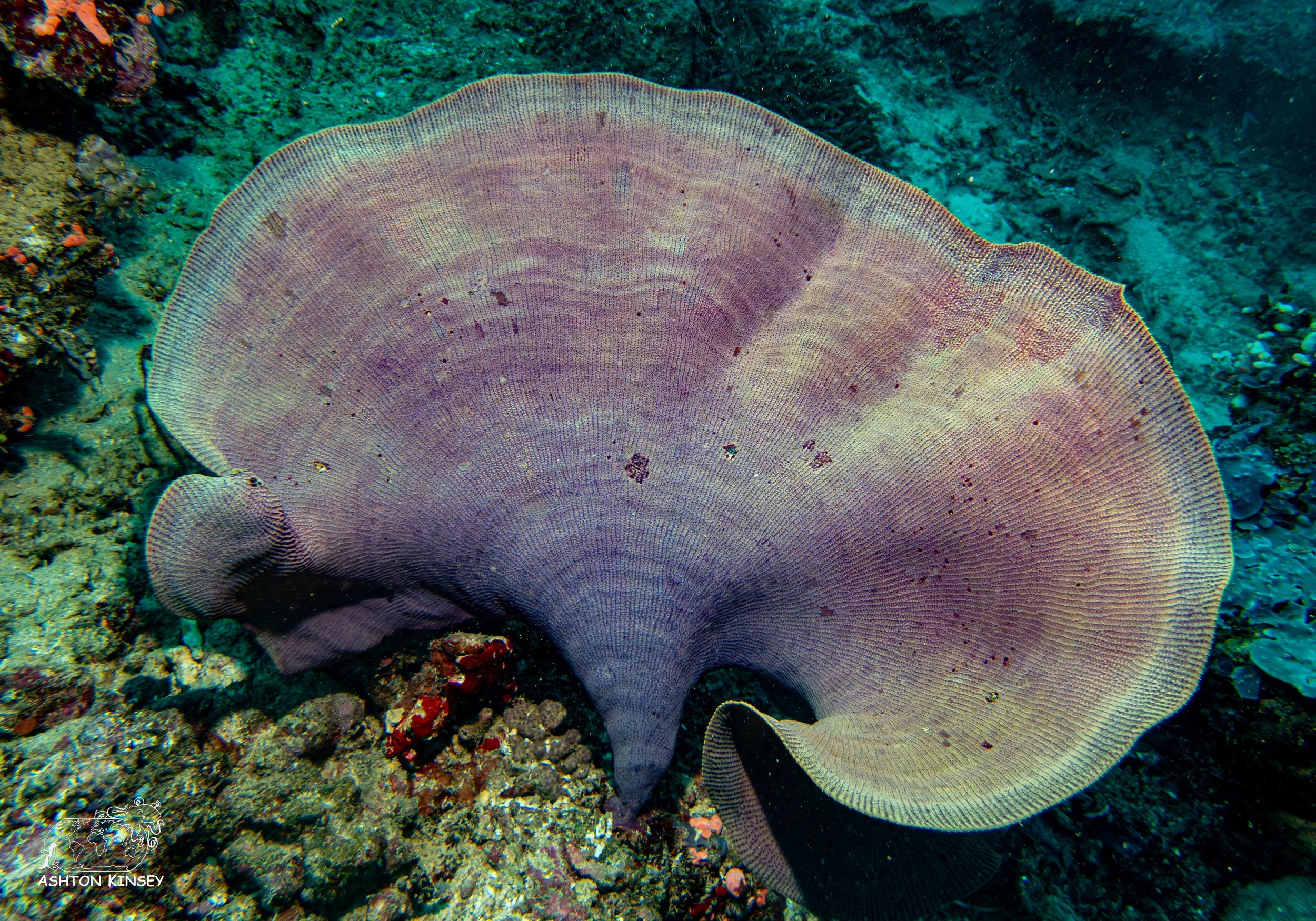
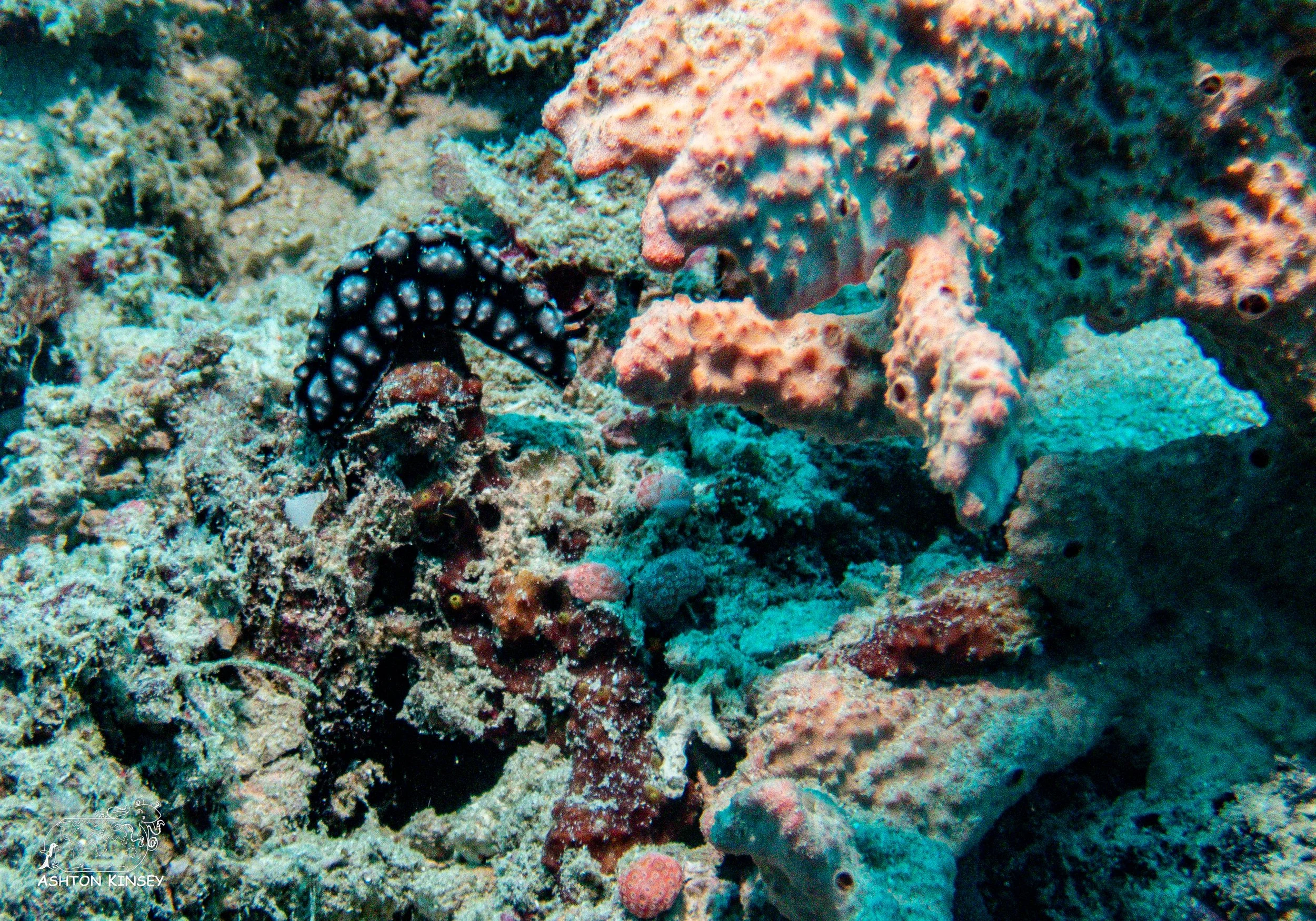
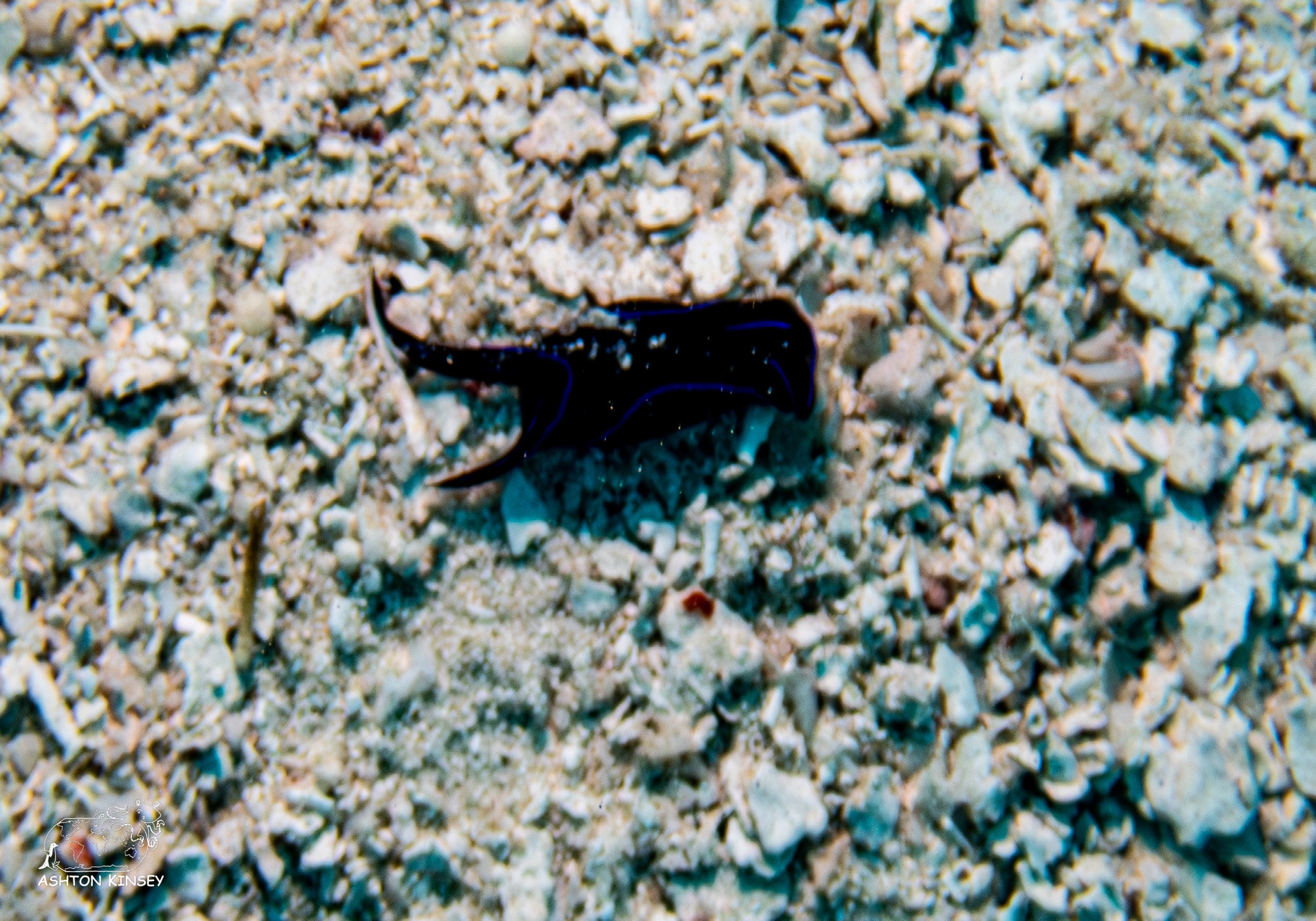
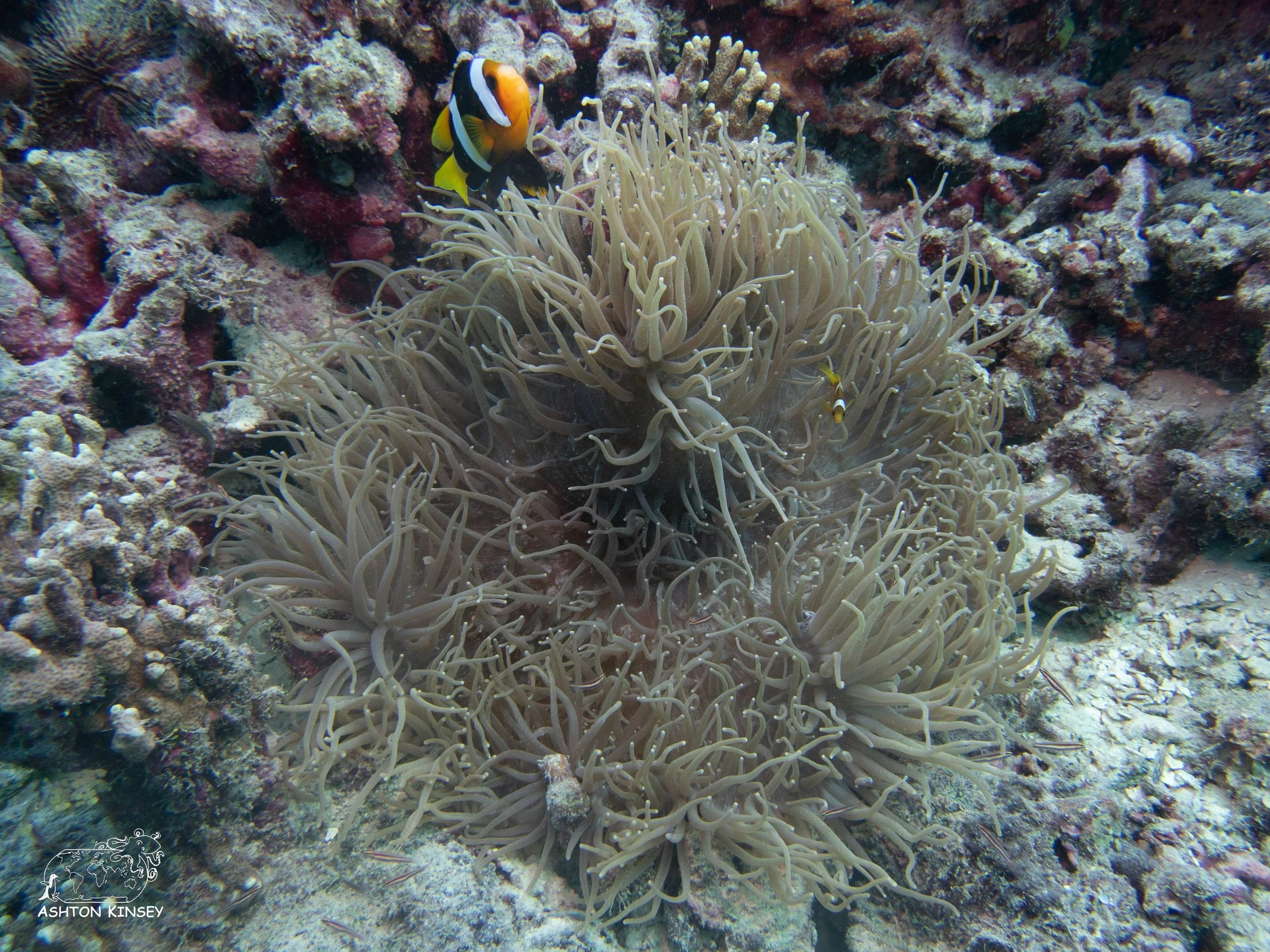
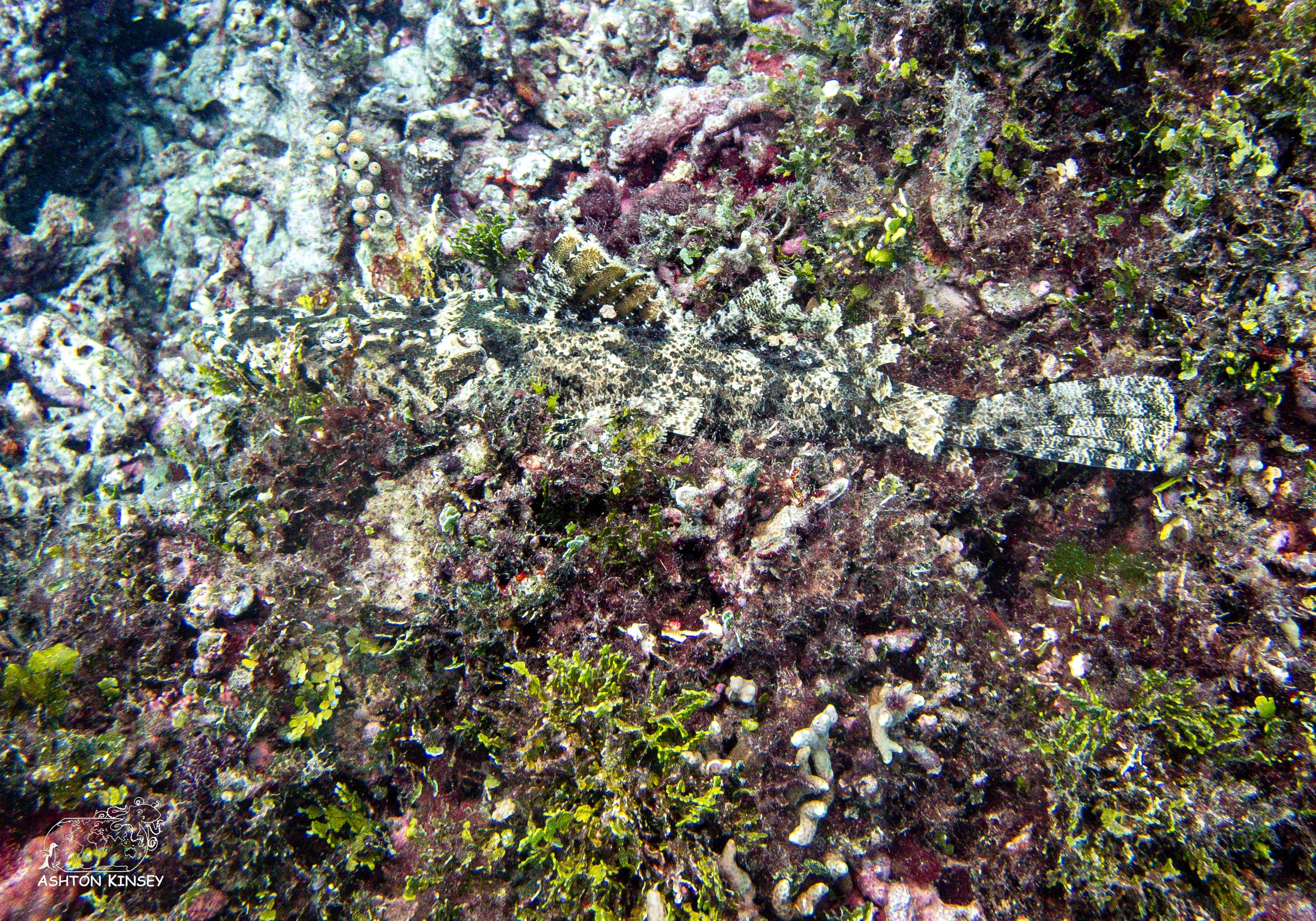
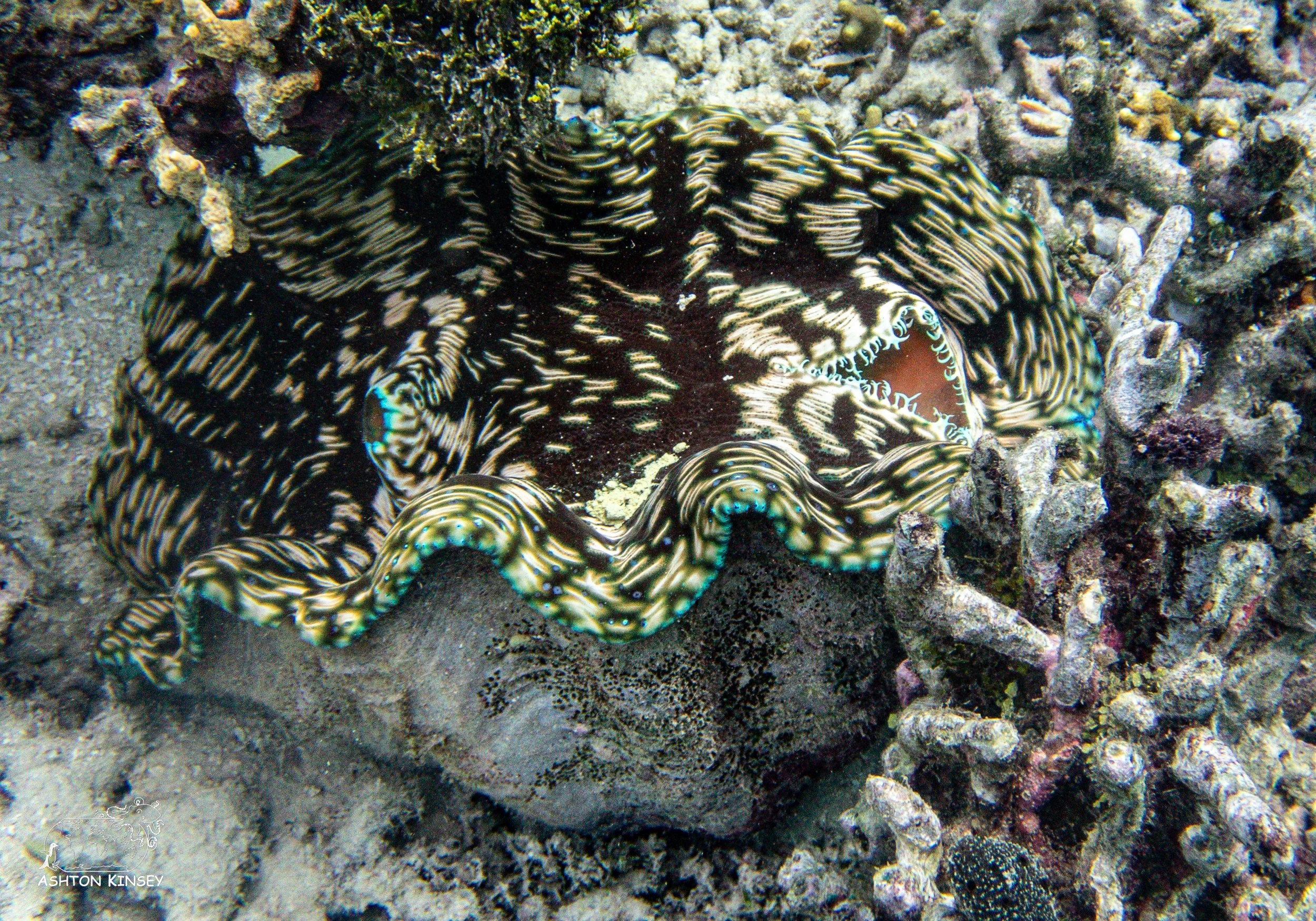
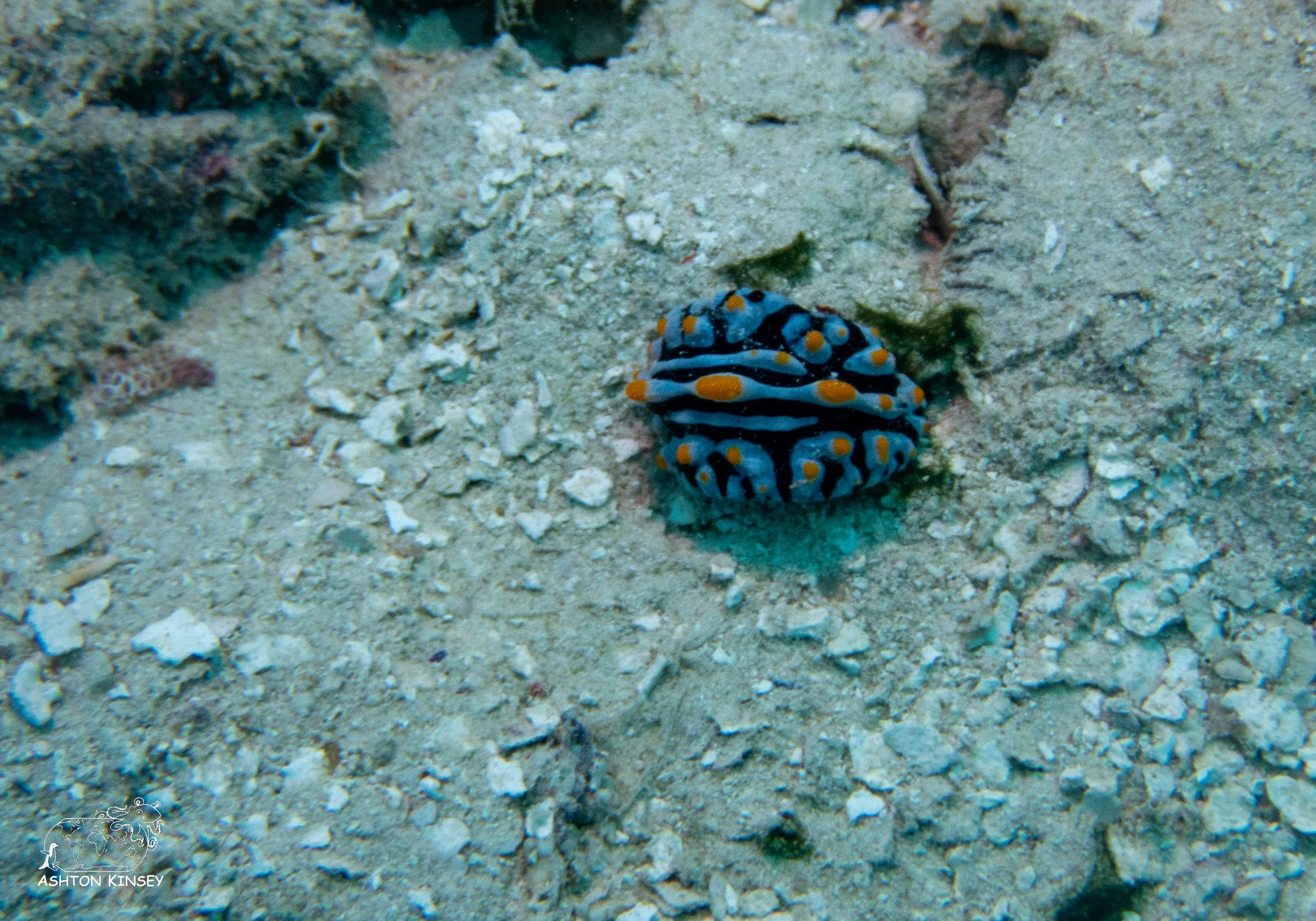
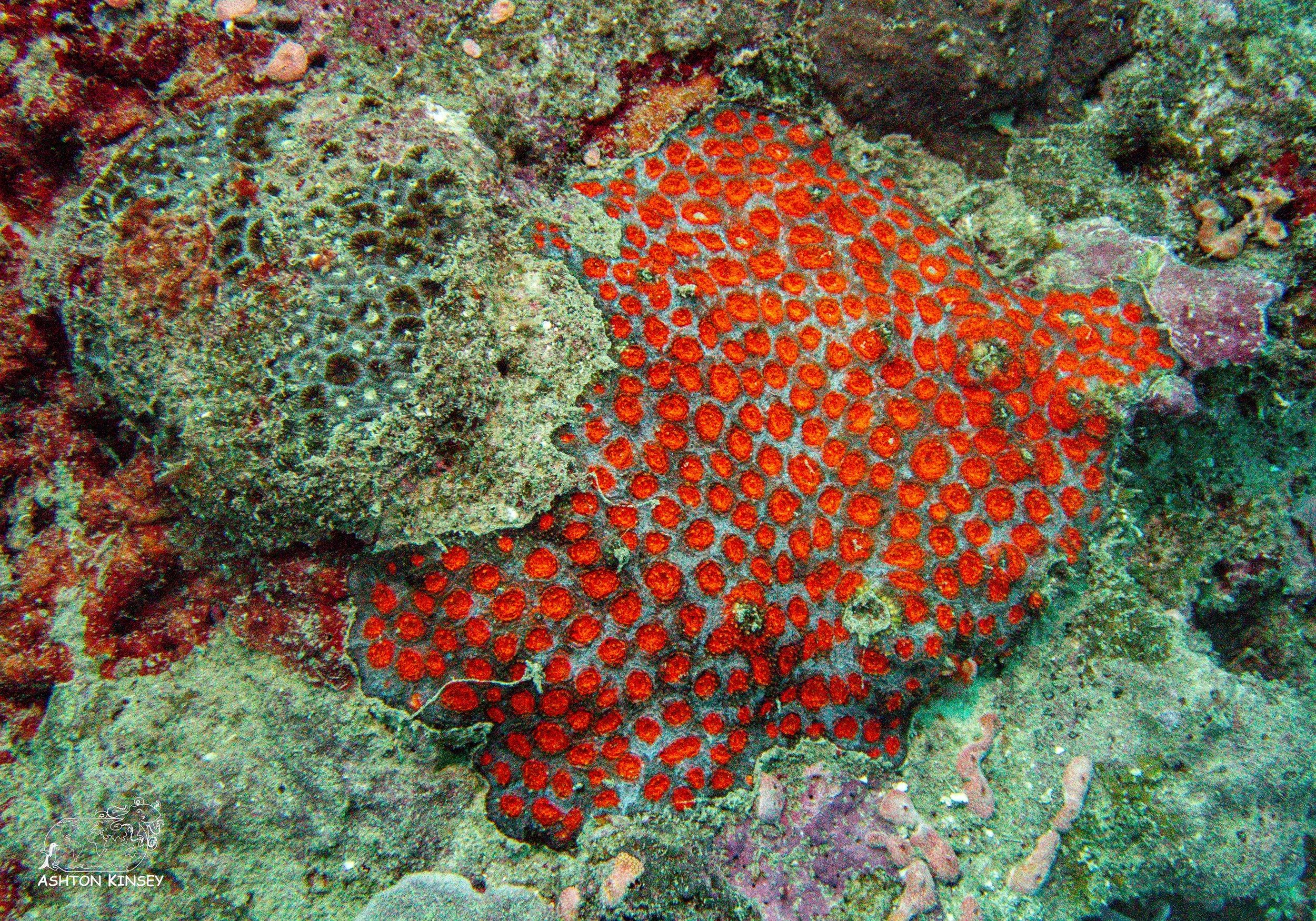
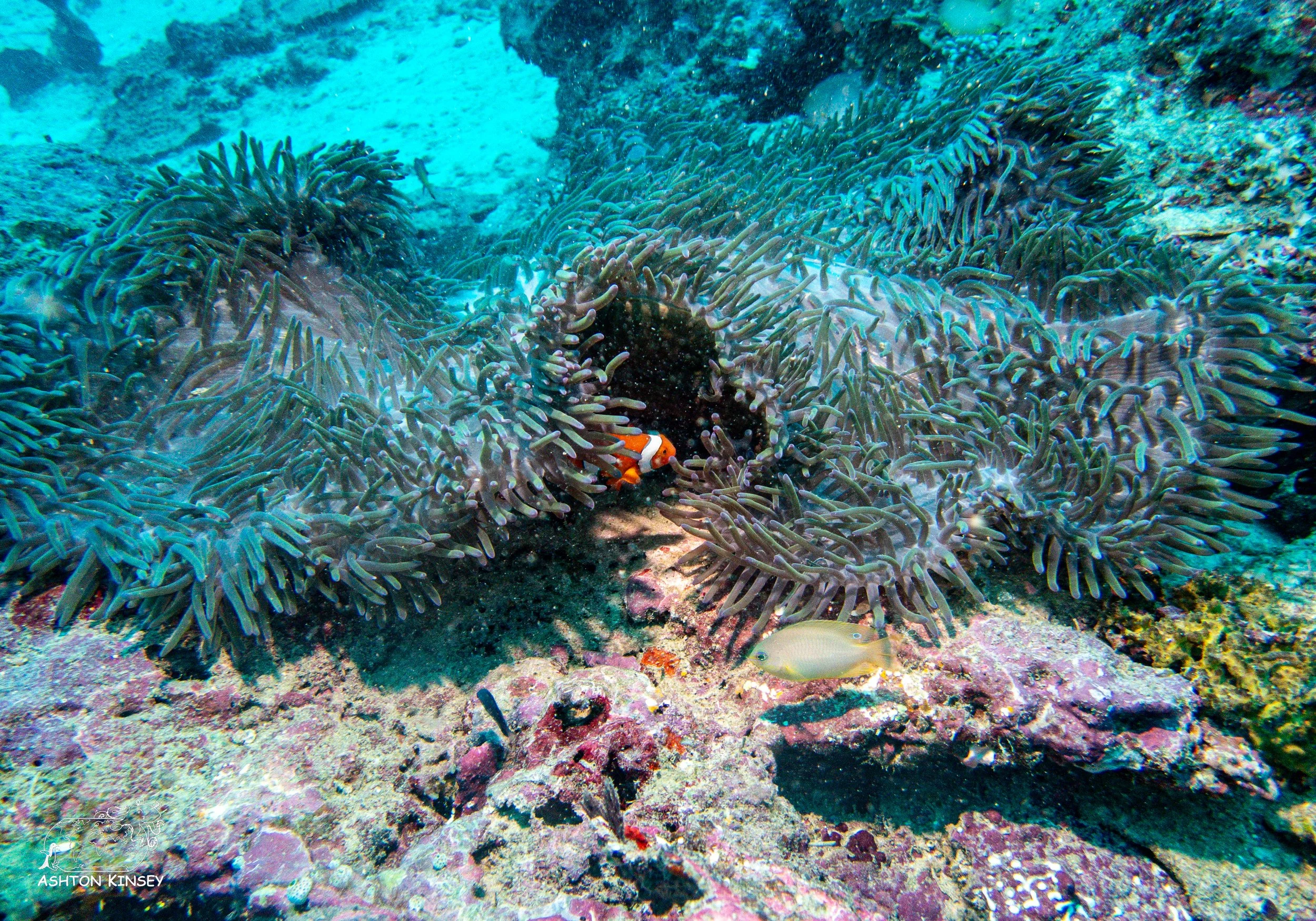
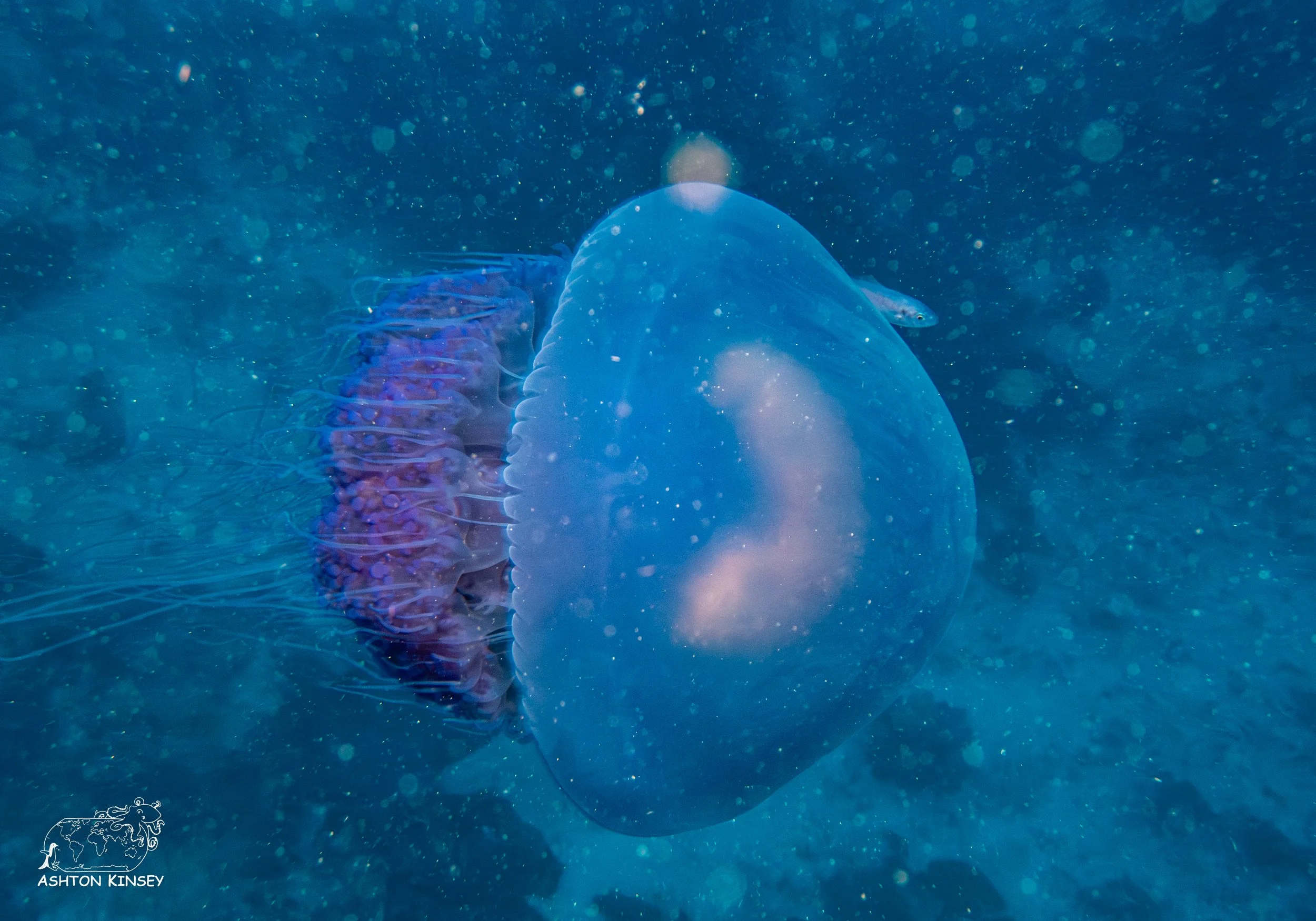
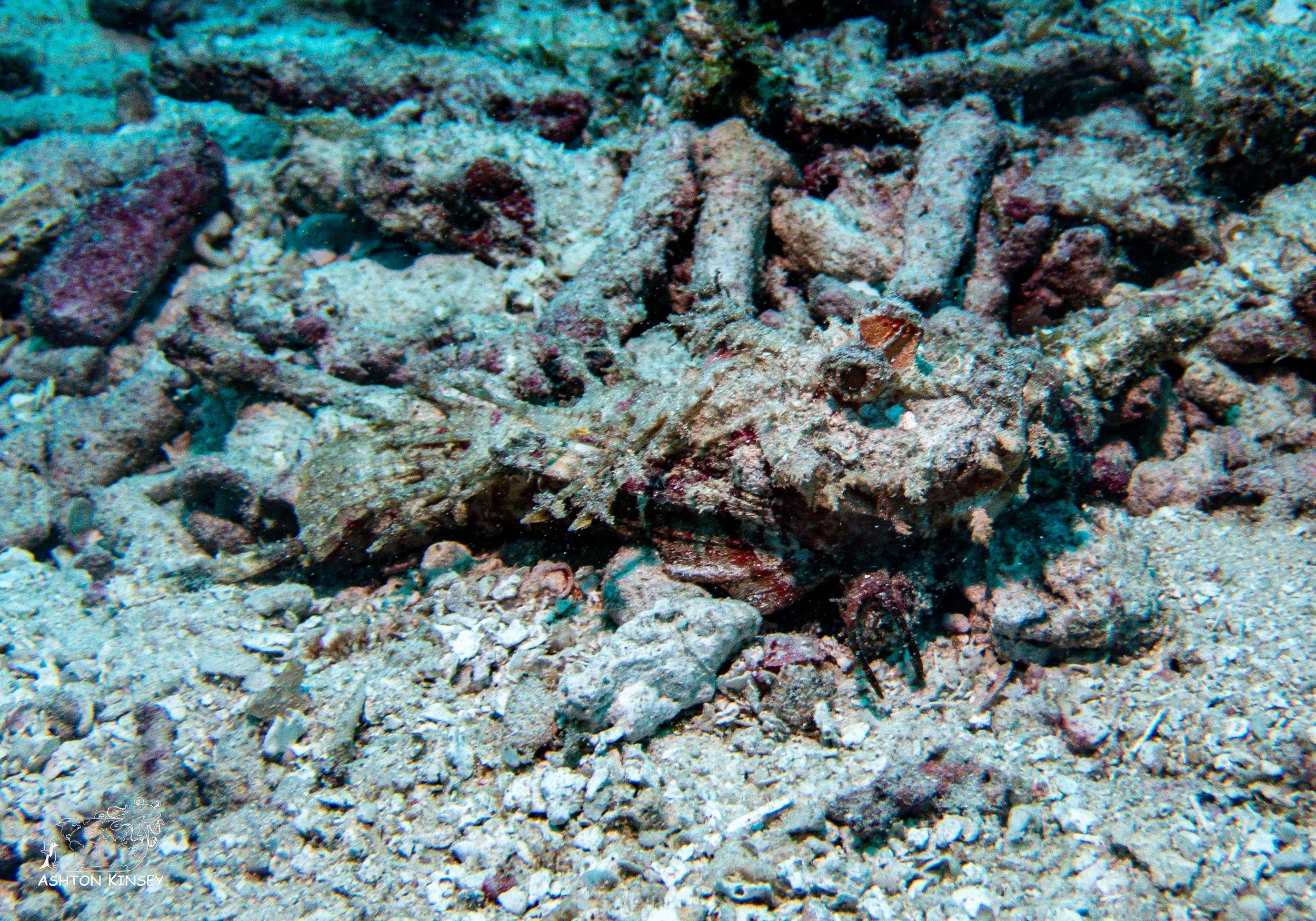
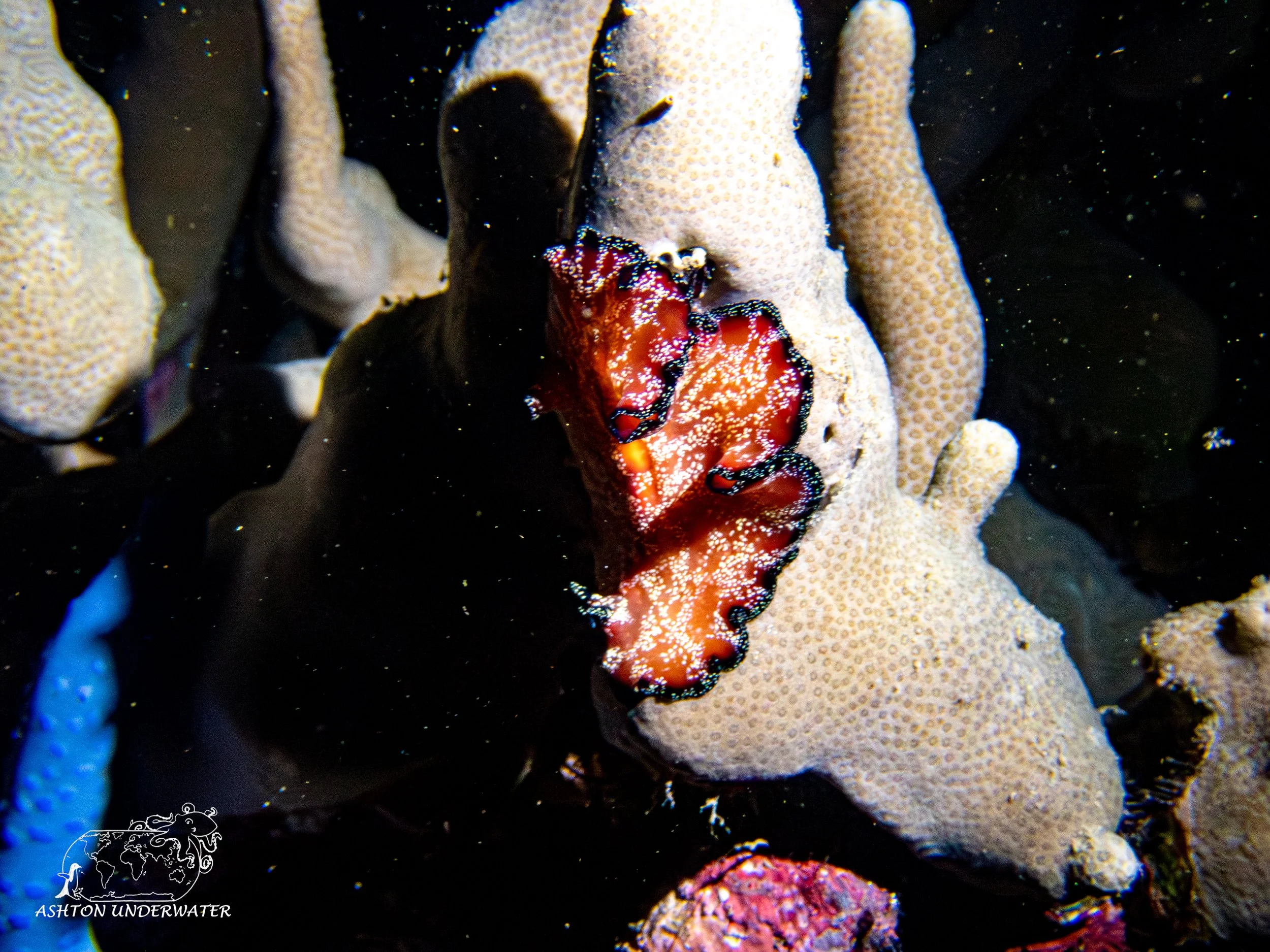
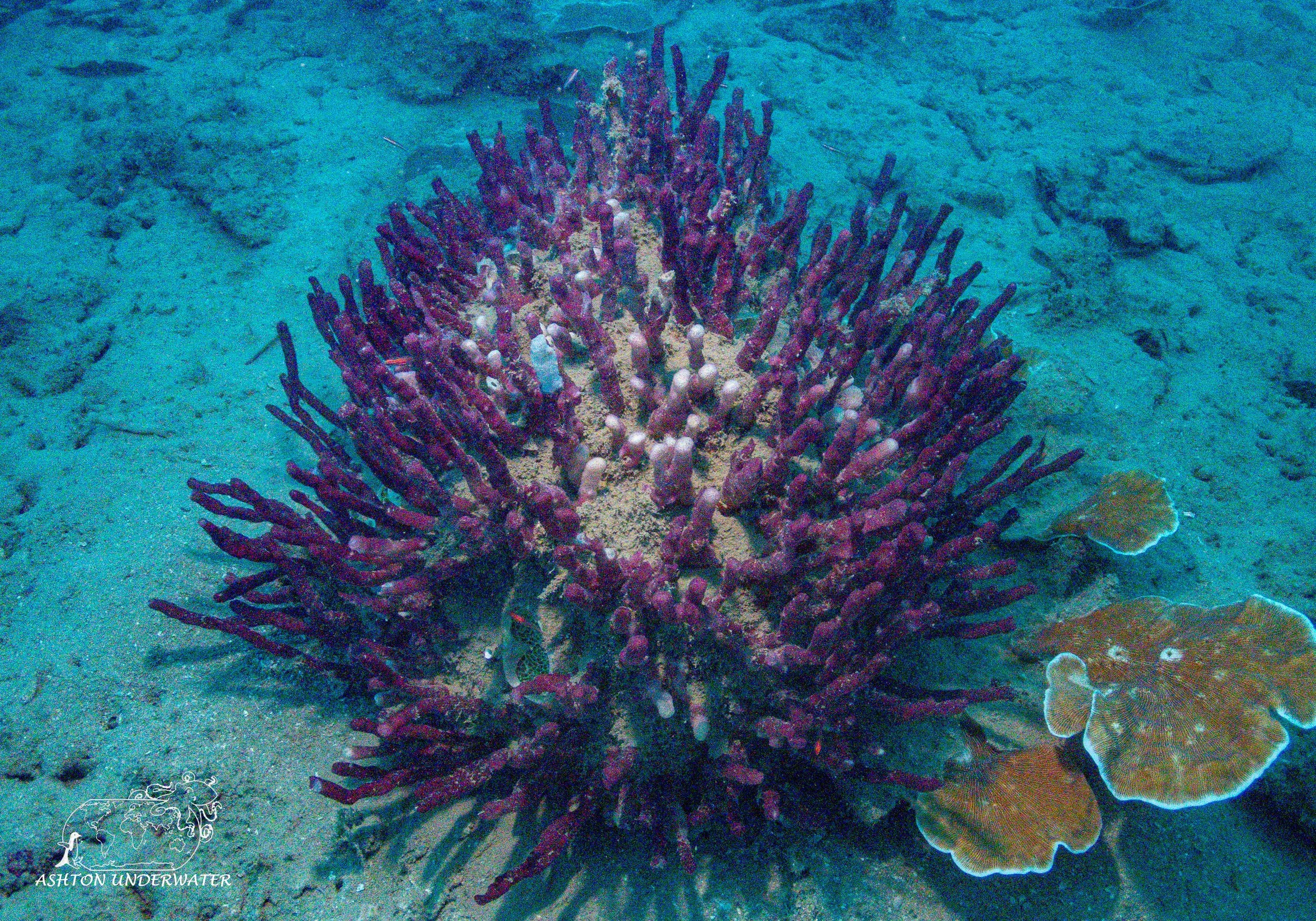
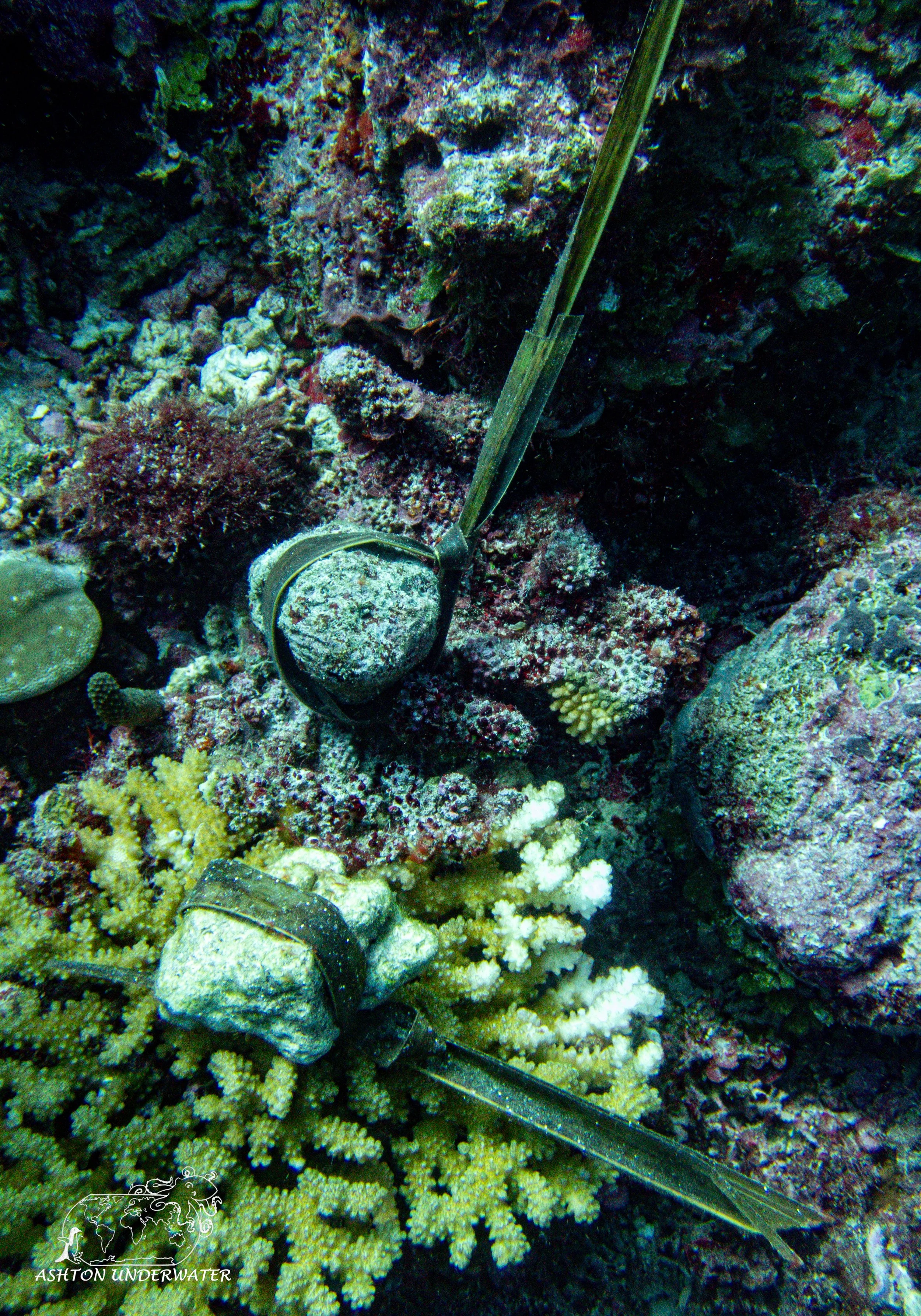
The first dive of the liveaboard! This is a sandy slope with small patches of corals along the top. The reef is owned by Simon who is a nature enthusiast that has spent time planting and propagating most of the corals himself. There are several coal bands alternating with sand chutes that come down from 15’ and descend to over 100’. Shallows contain lots of staghorn corals, shrimps and flatworms.
Kovuhika
86’ for 57 minutes
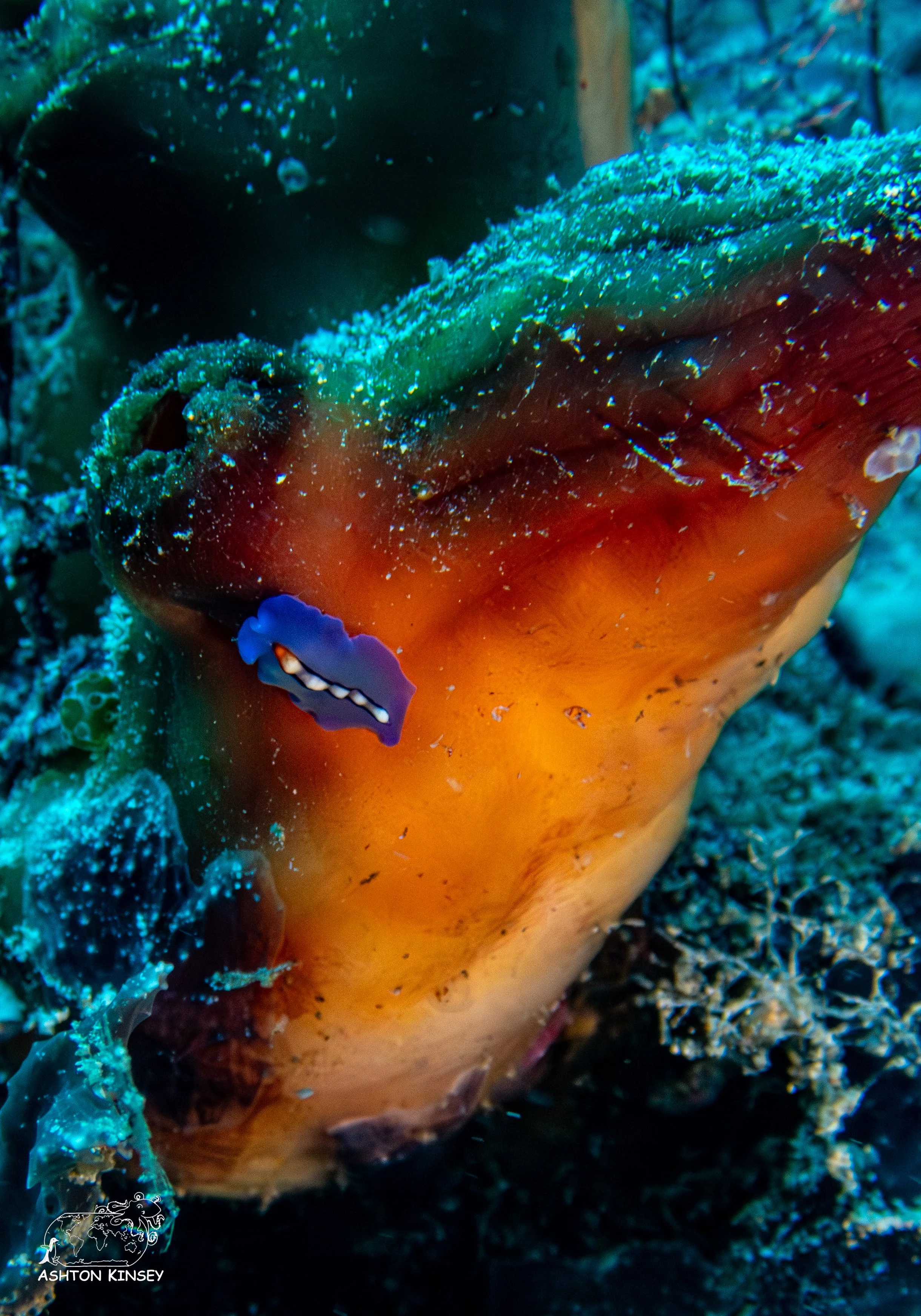
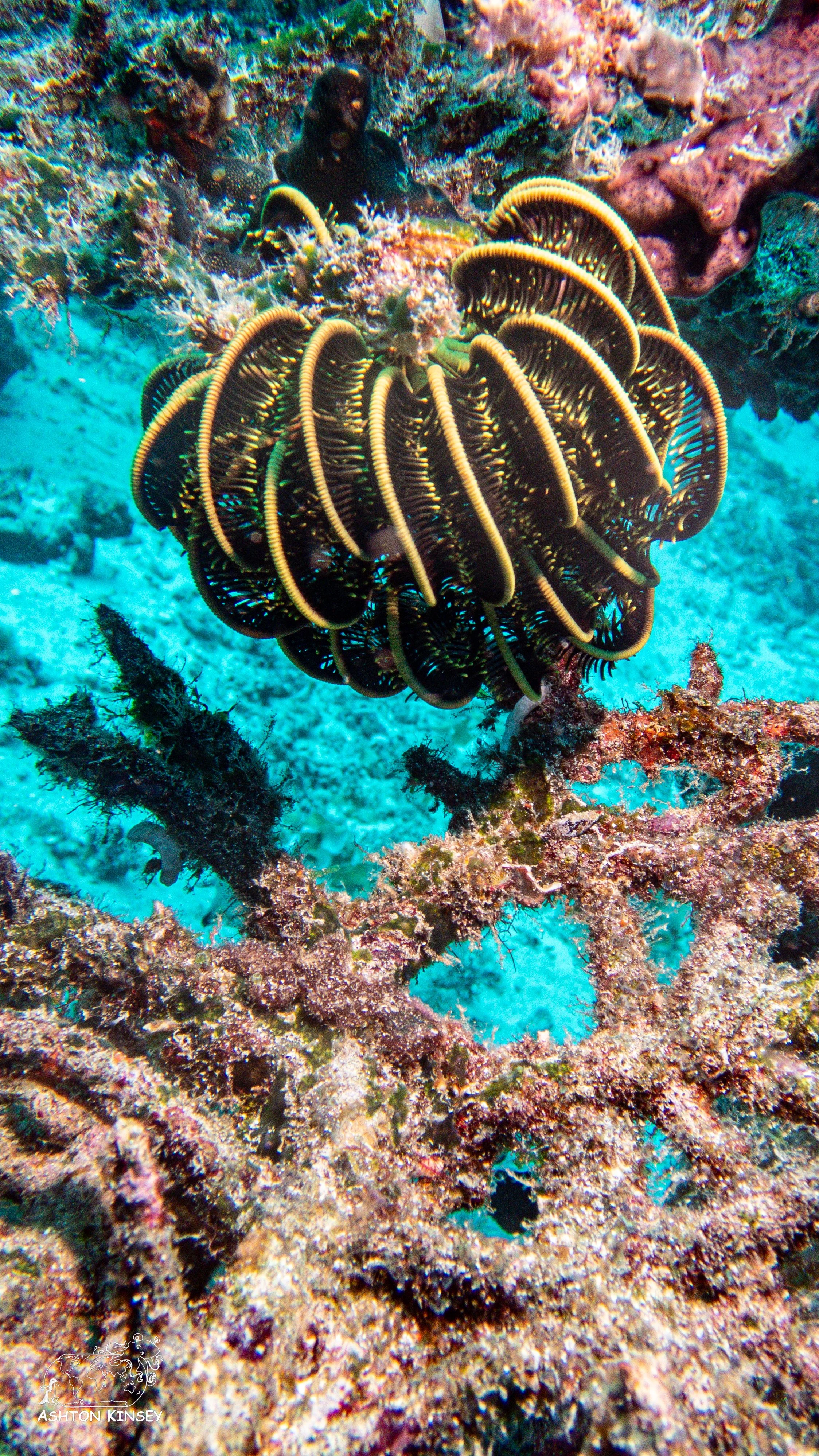
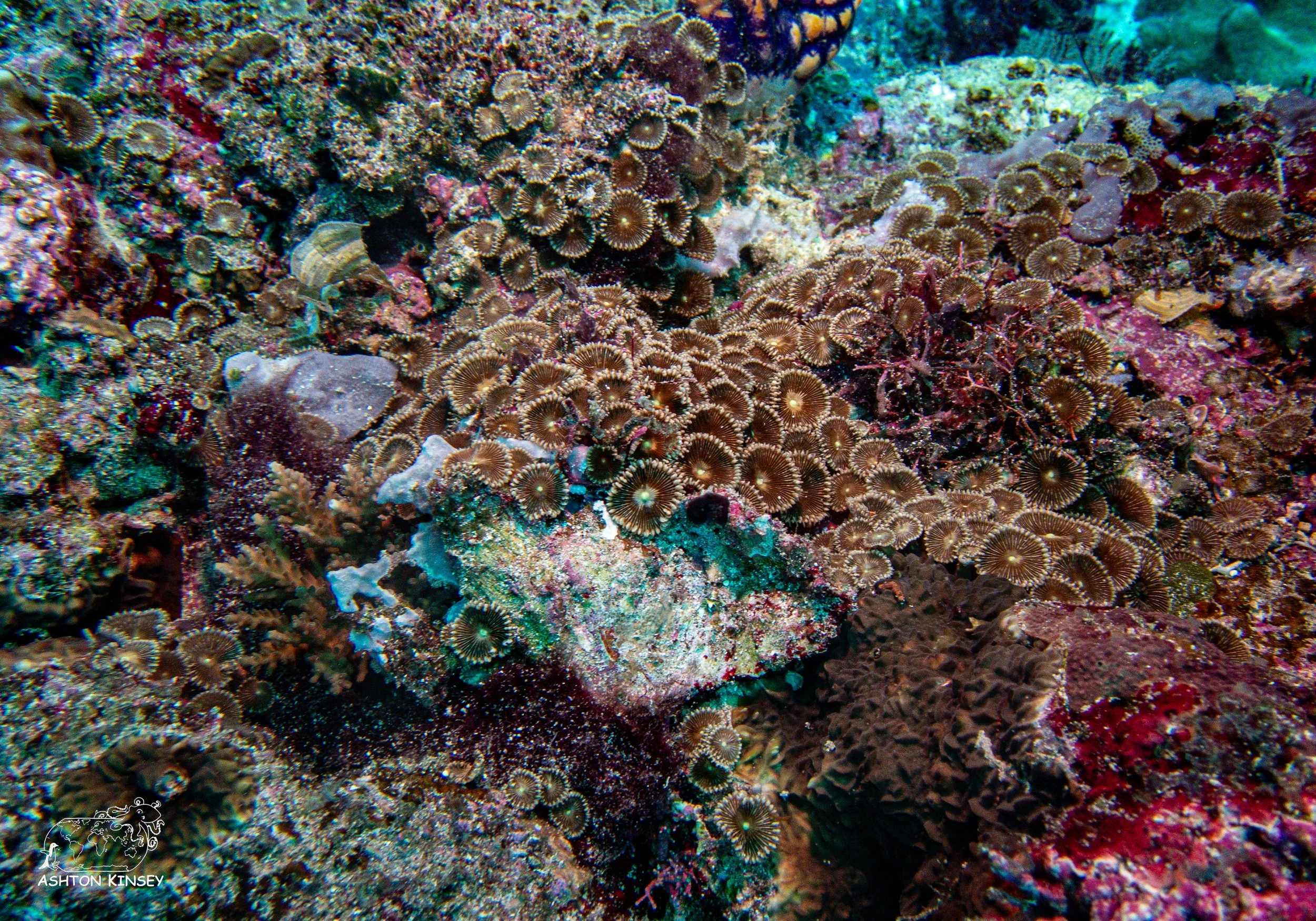
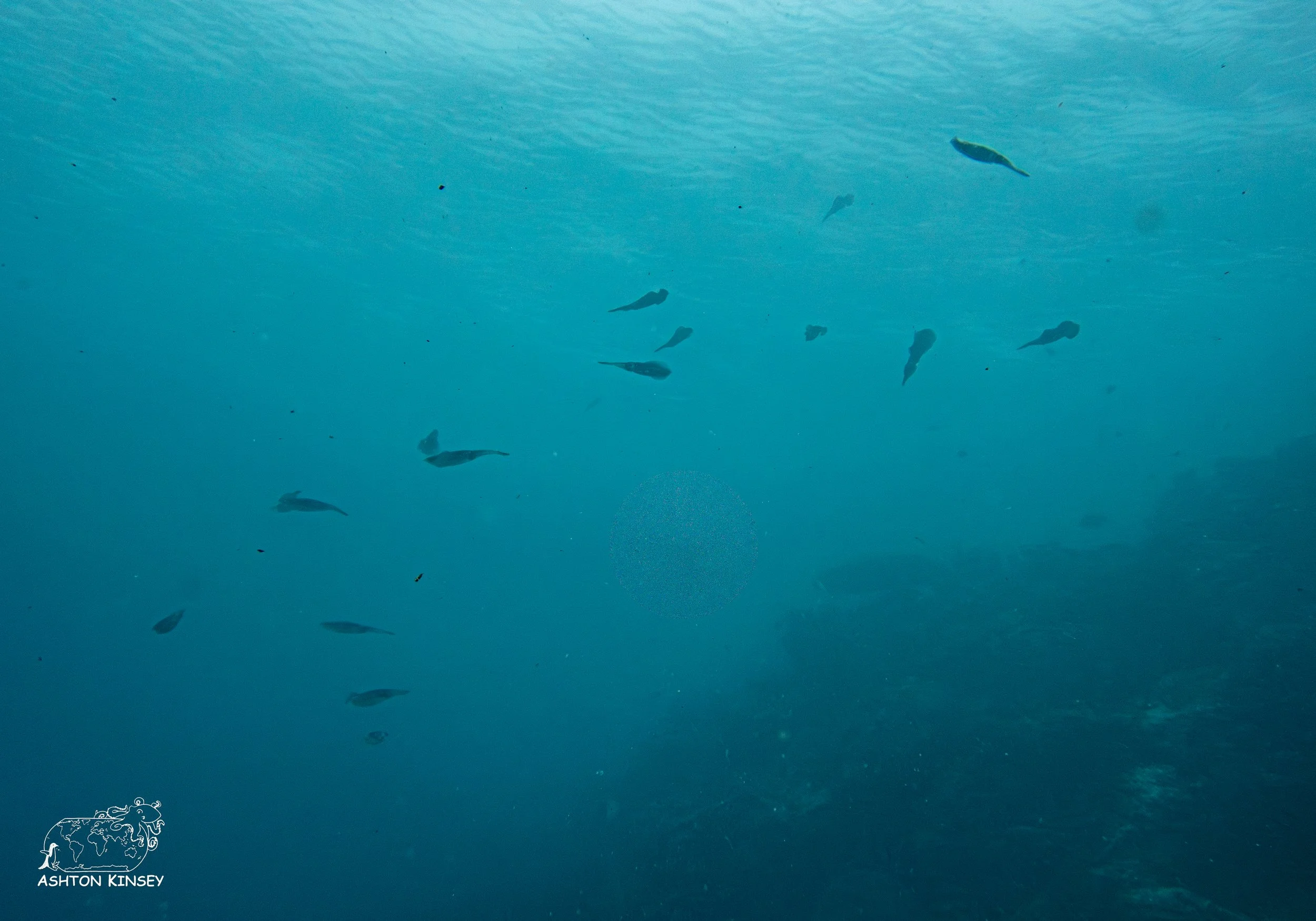
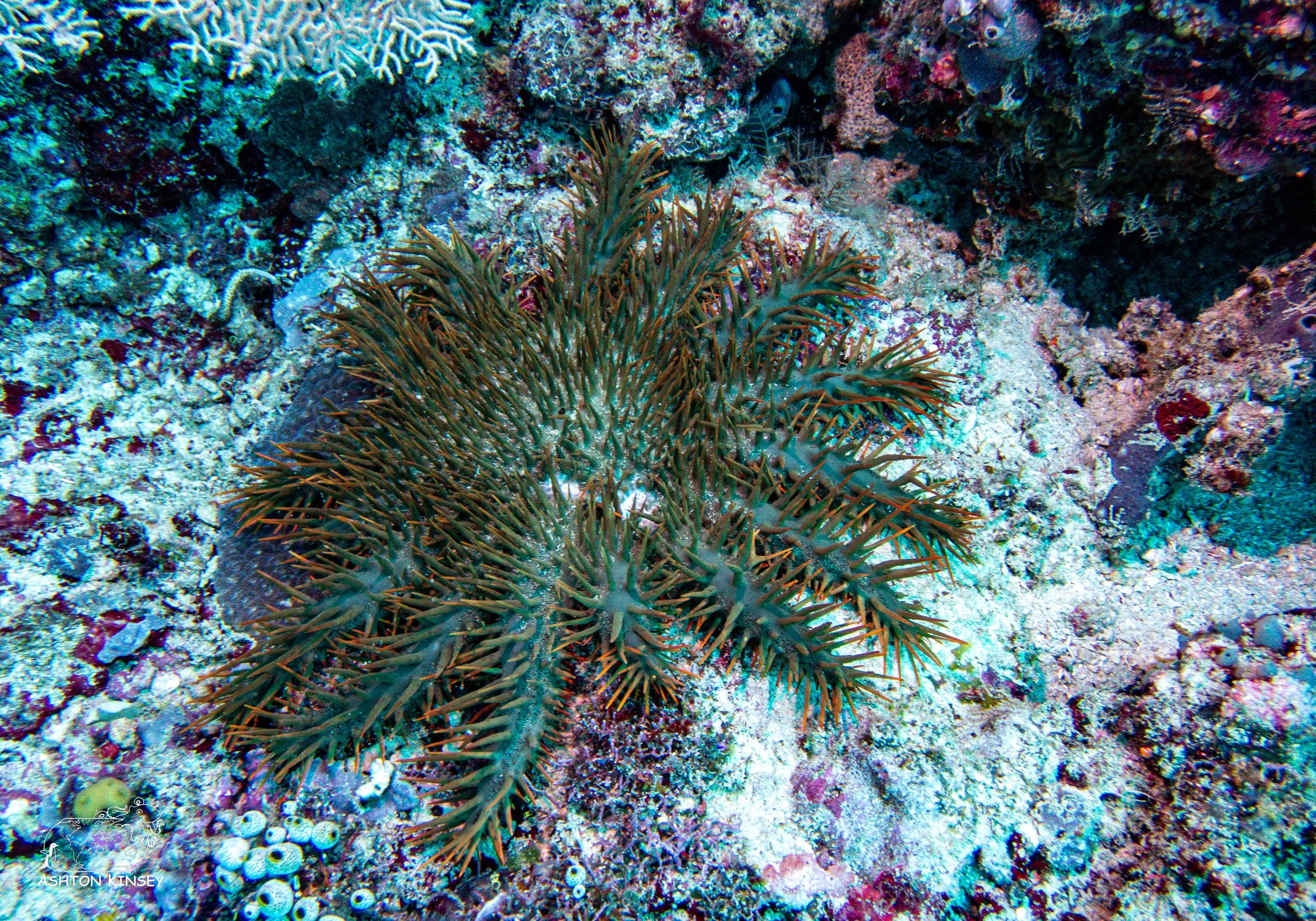
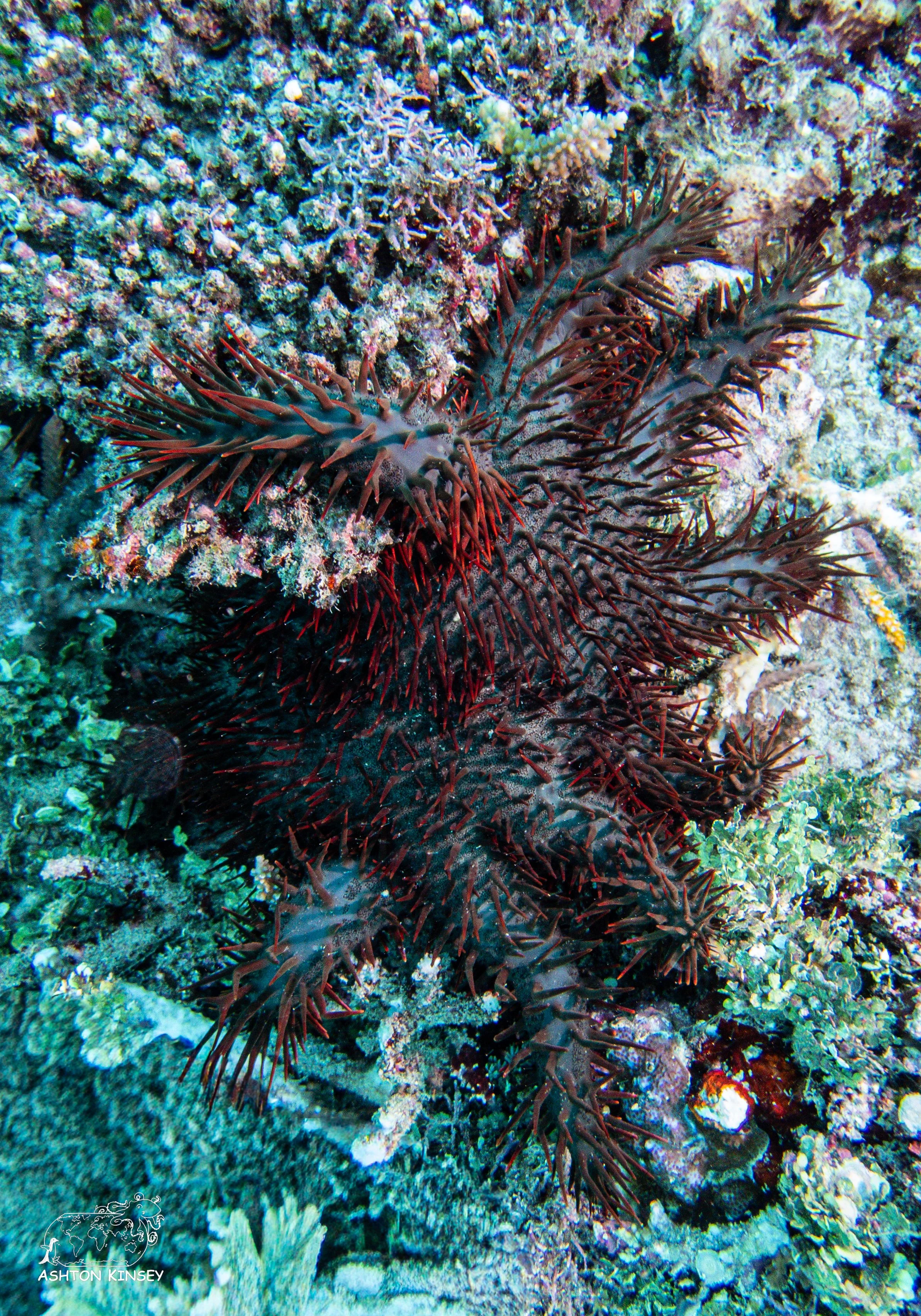
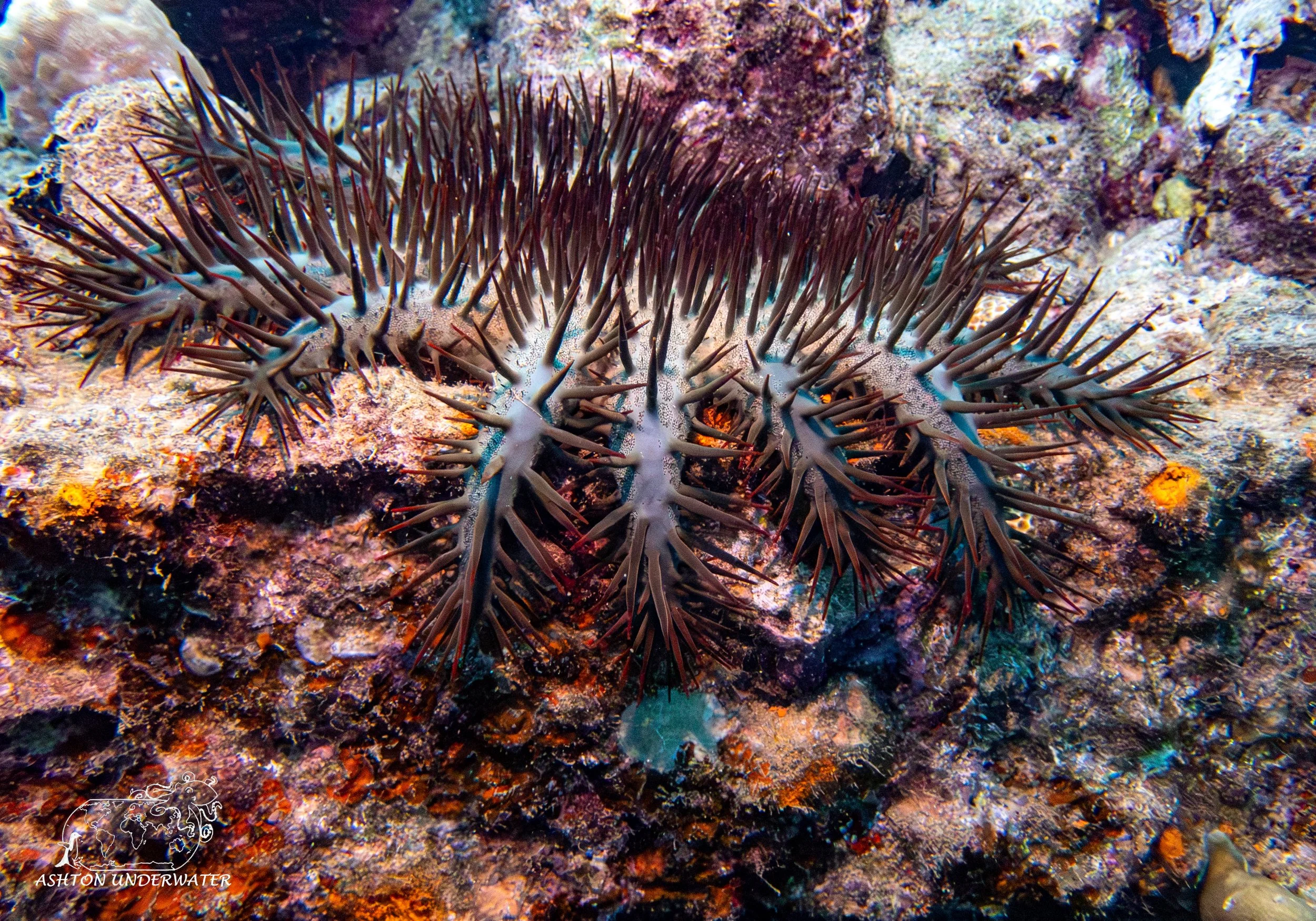
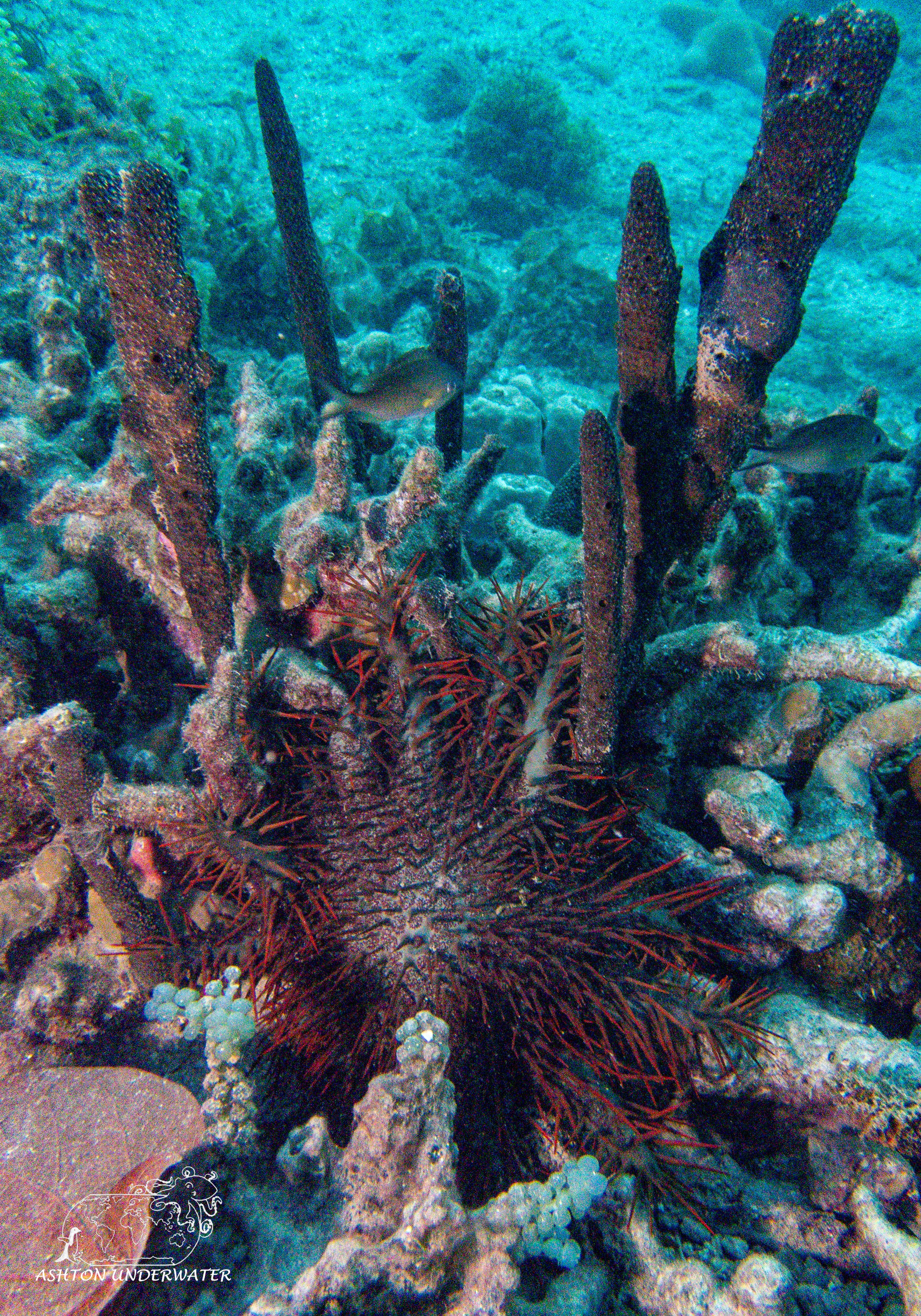
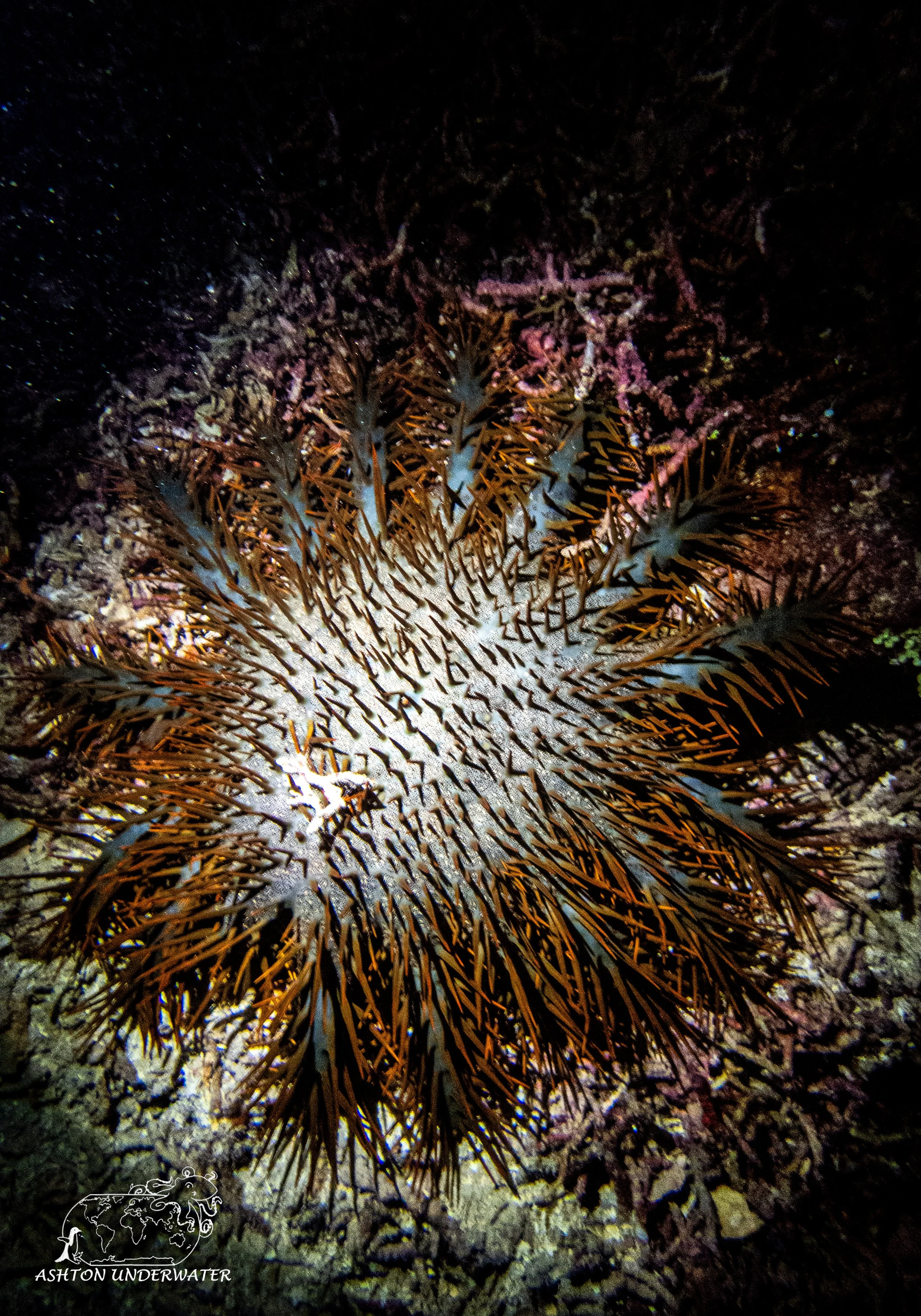
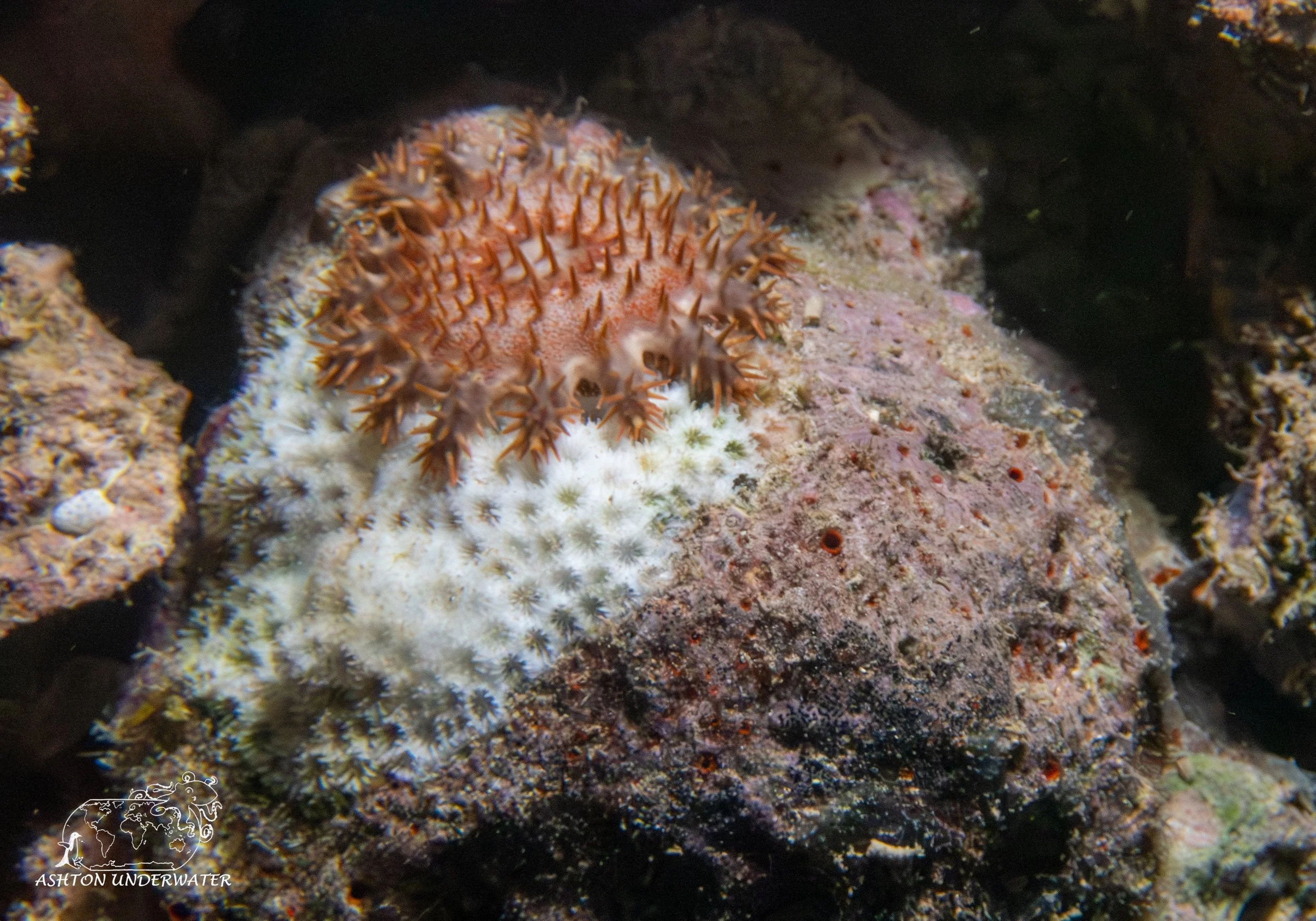
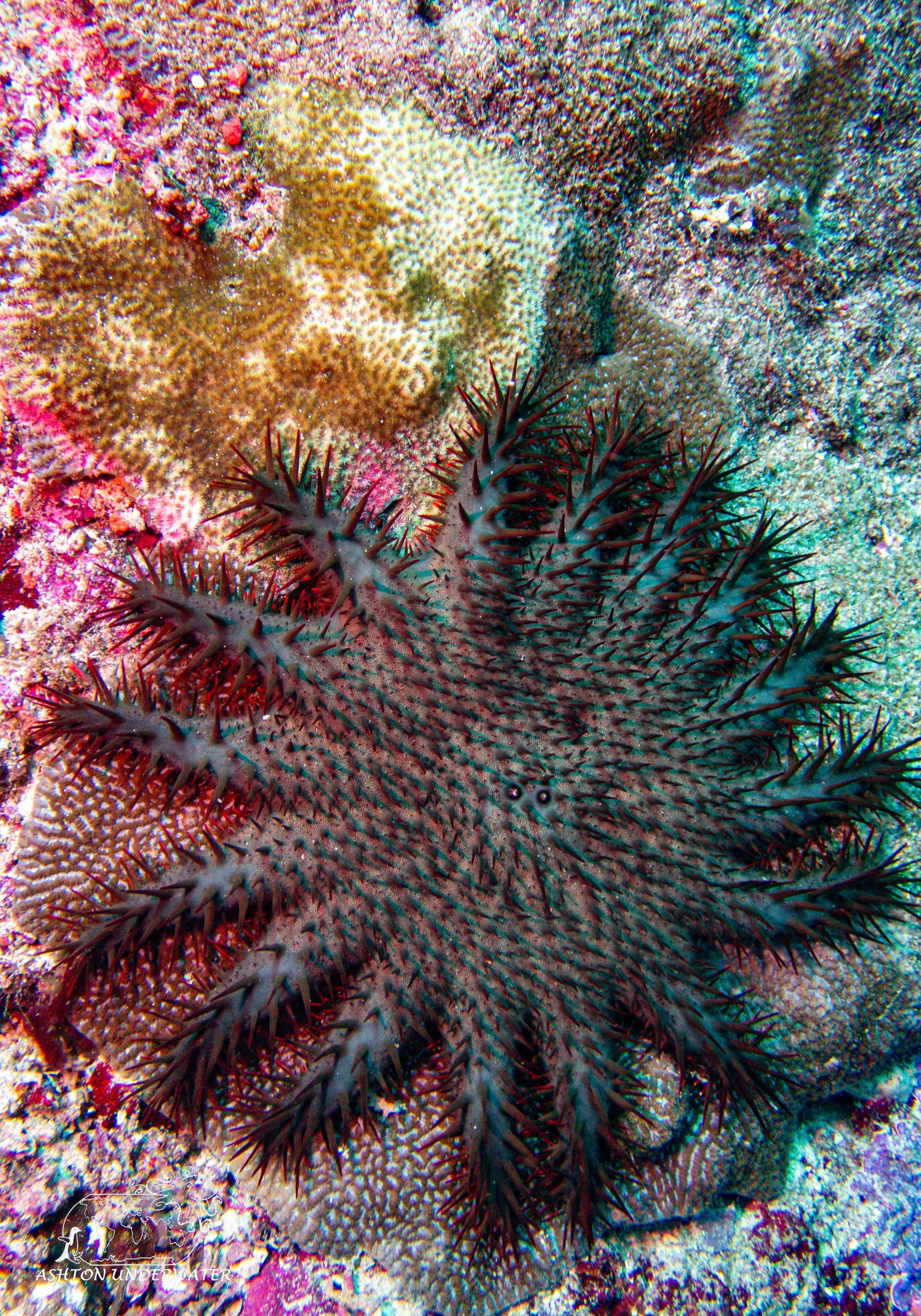
The site is generally protected on the leeward side of the island. It drops down to 100’+. Looking out into the blue sharks and rays are commonly seen cruising by the reef. The site is similar to a channel with currents usually going one direction if they’re present. Crown of thorns are common and on rare occasions manta rays can be spotted.
Maravagi
100’ for 62 minutes
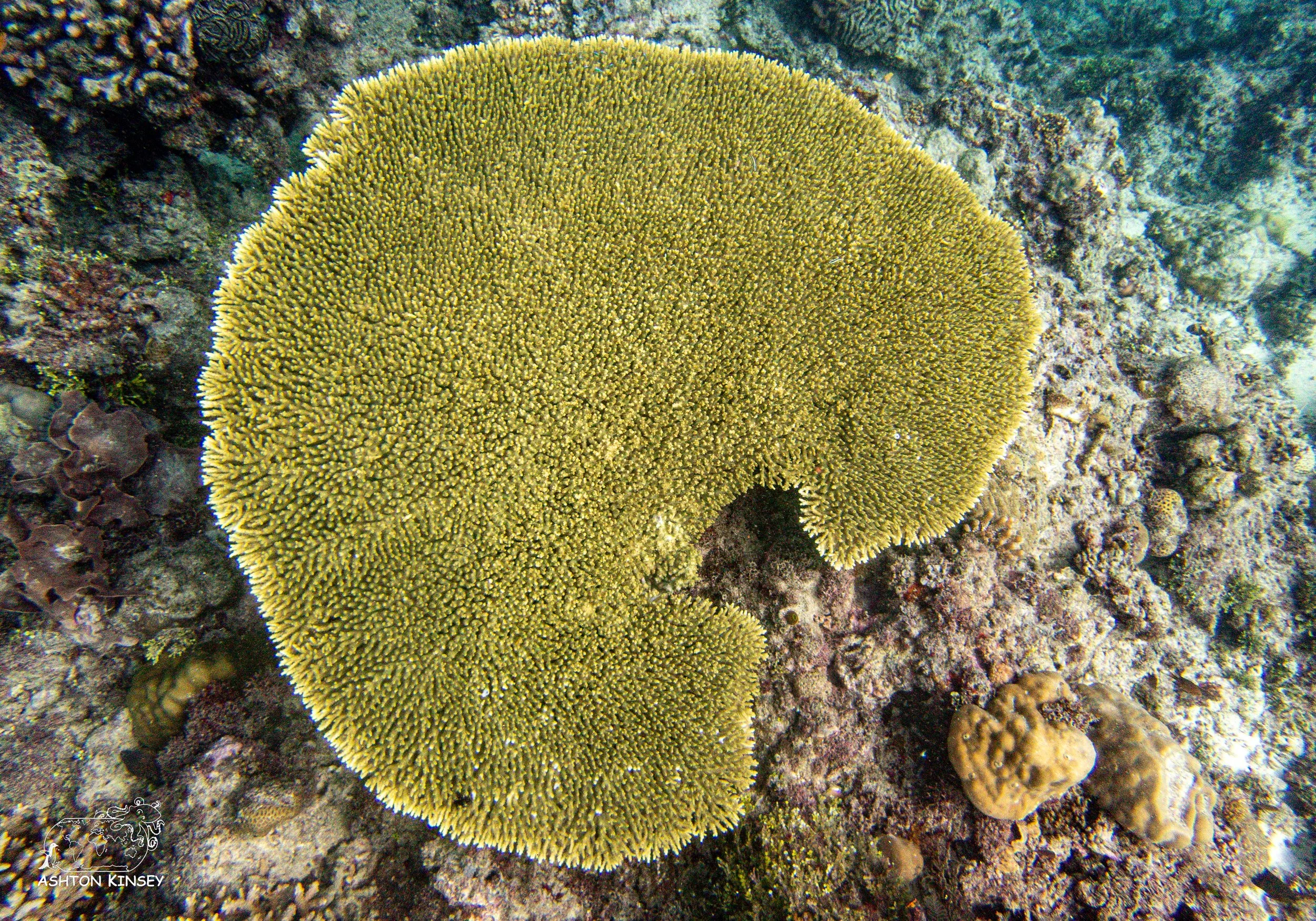
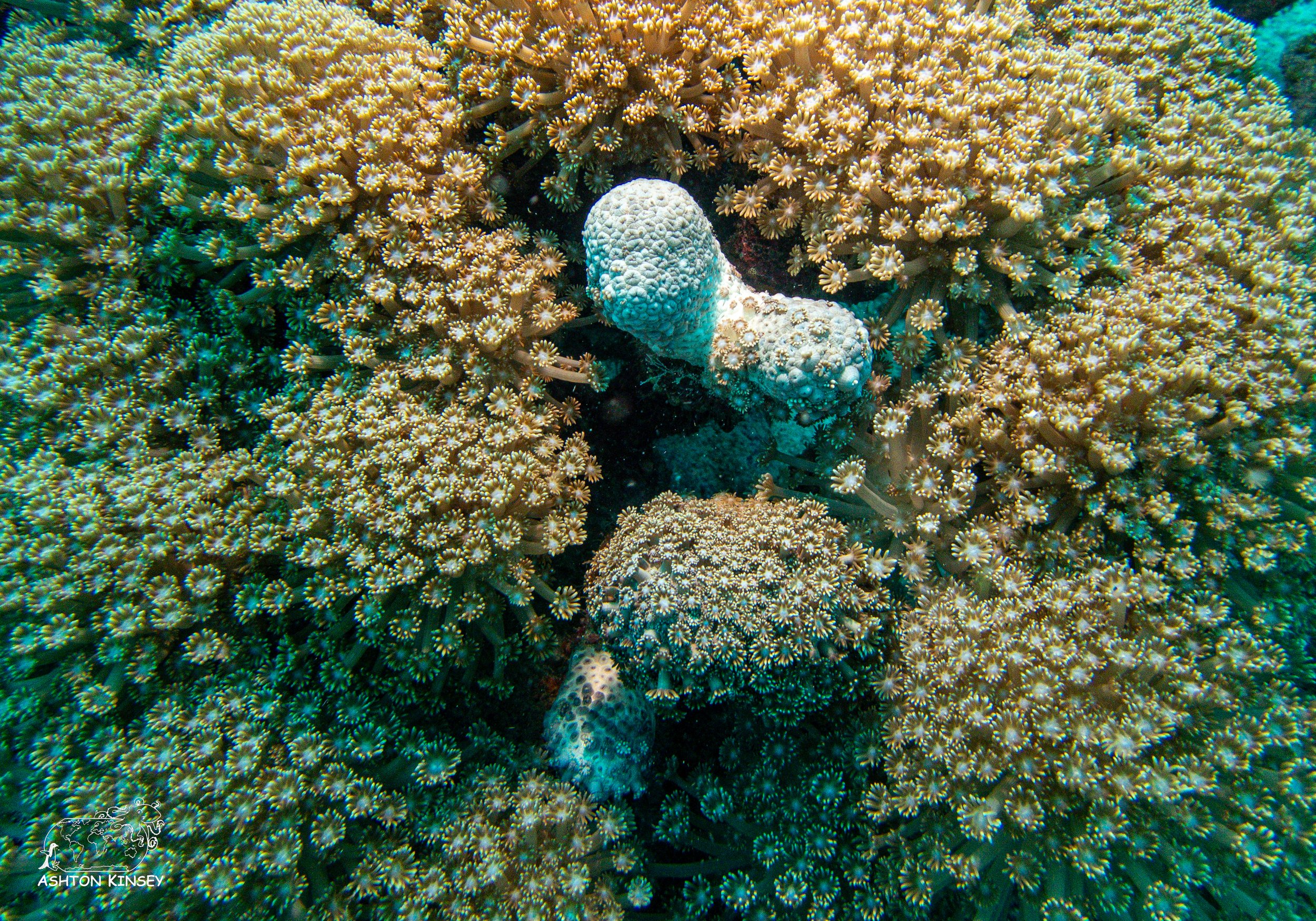
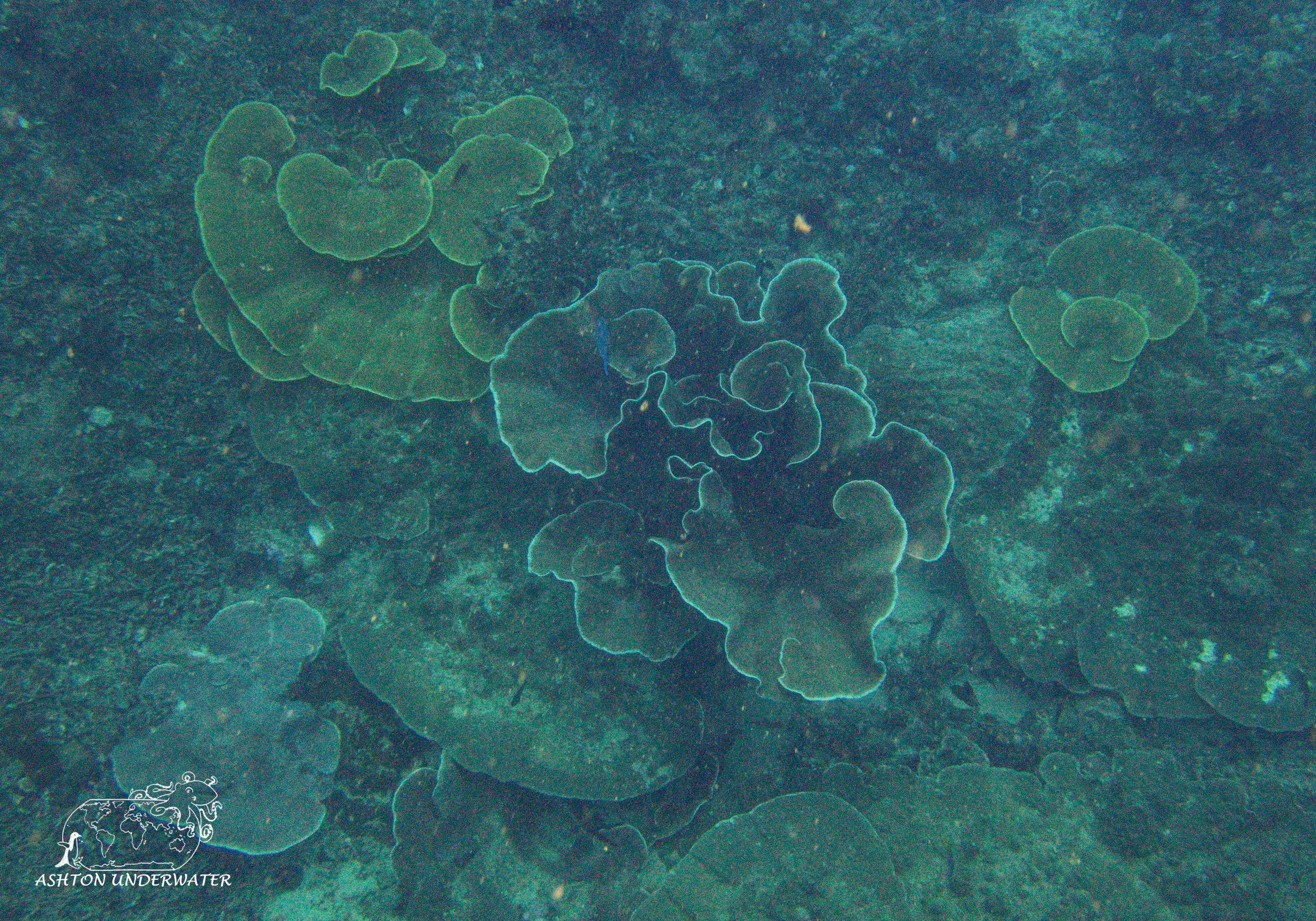
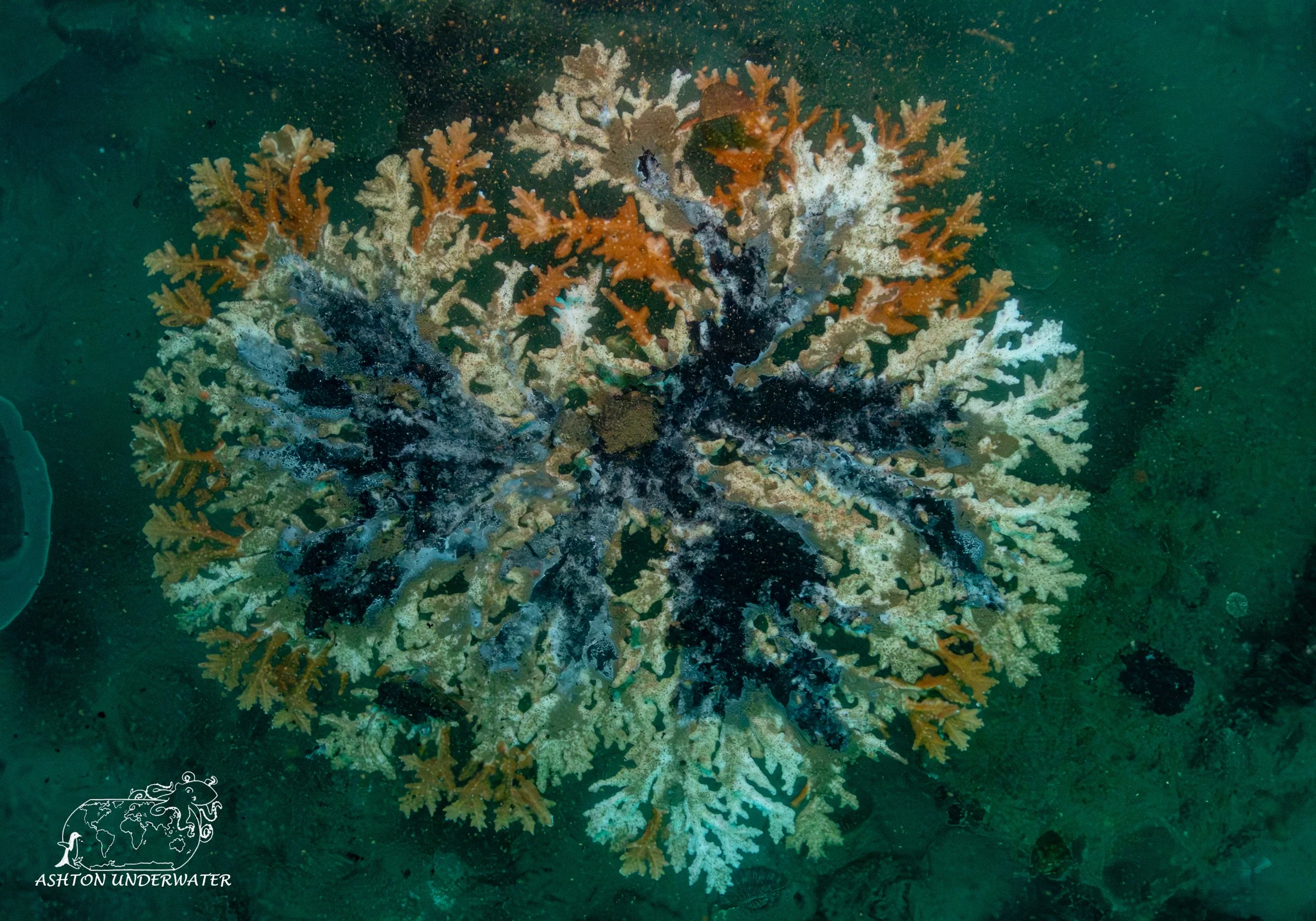
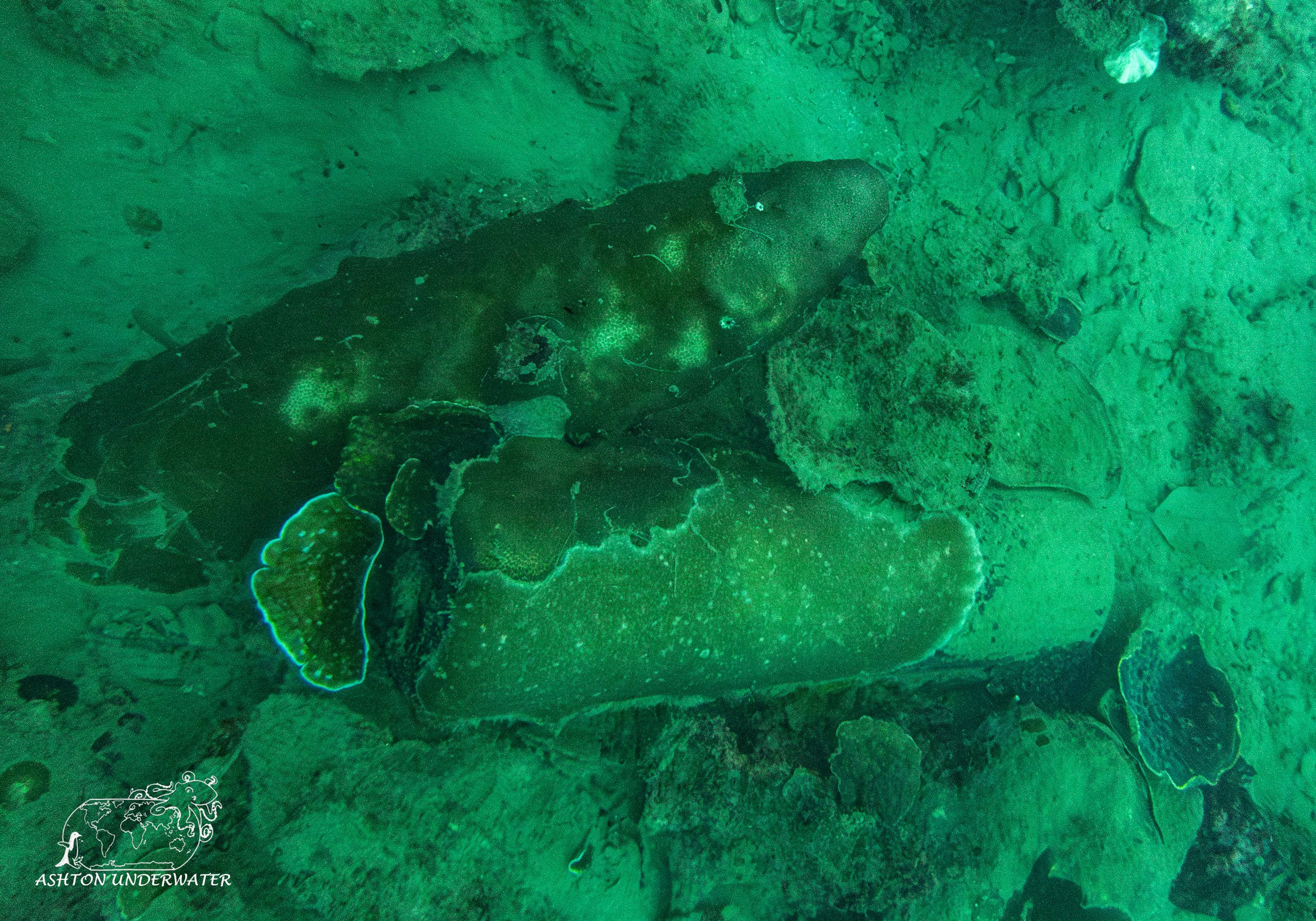
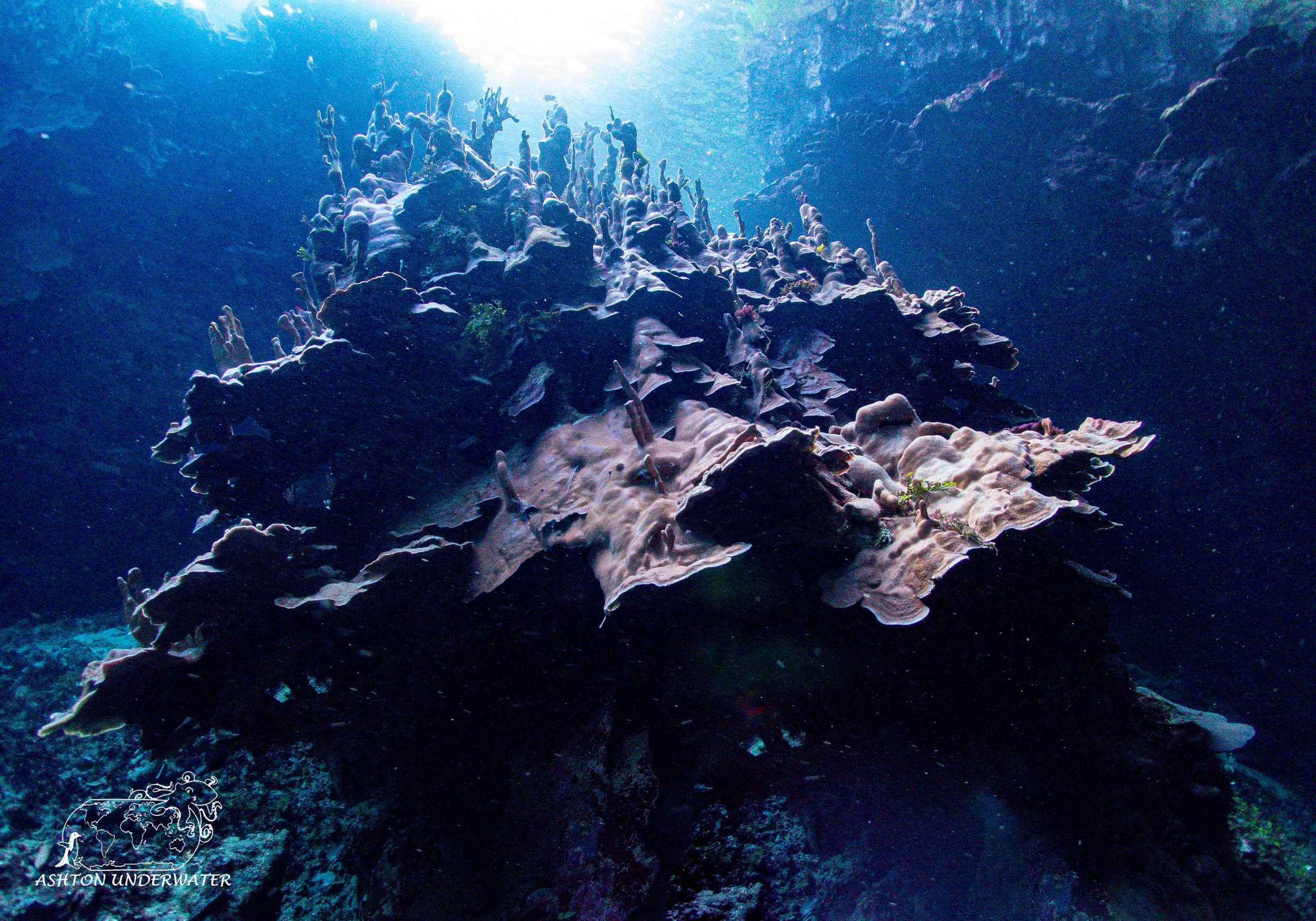
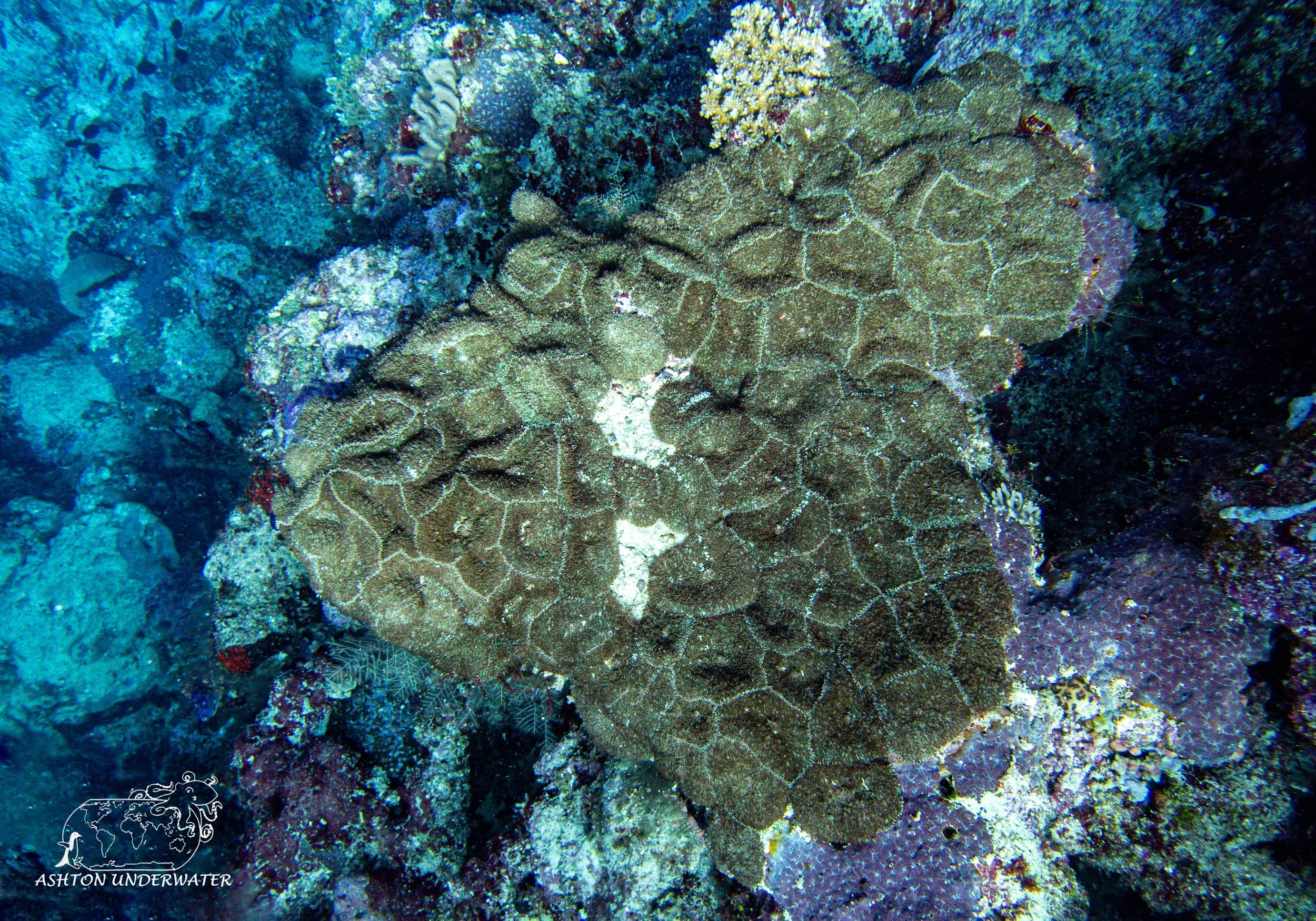
Close to Mangalonga Island, there used to be Eco Lodge dive resort that was popular until COVID caused it to be shut down. The site is a small protected bay located inside of the channel with a small pinnacle near 15’that slopes down to deeper. At the deepest point contains Solomon’s and the world’s largest piece of coal, a shoulder blade coral that expands over 112’ by 105’ with a circumference of roughly 600’. It is so large that it can be viewed from space.
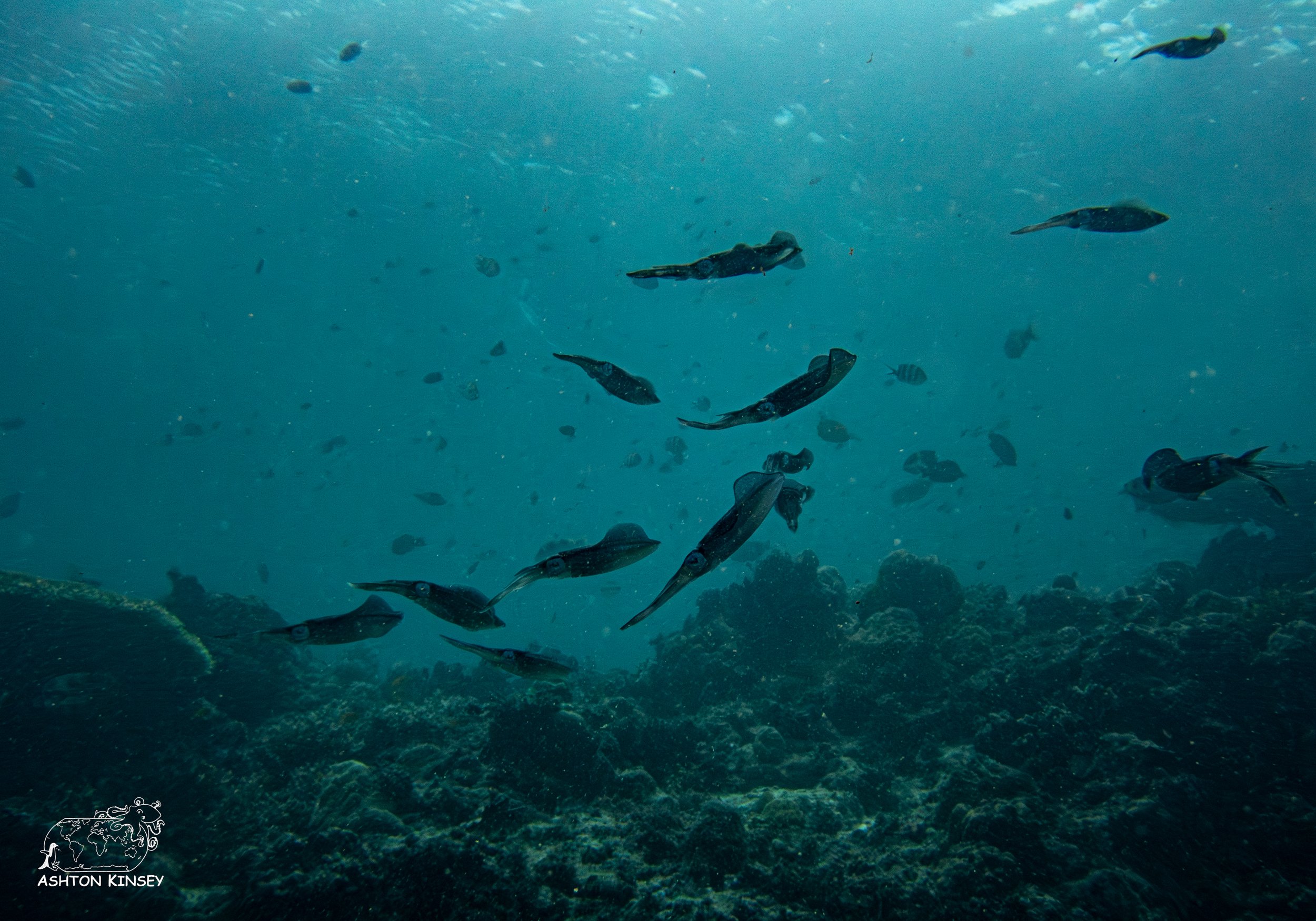
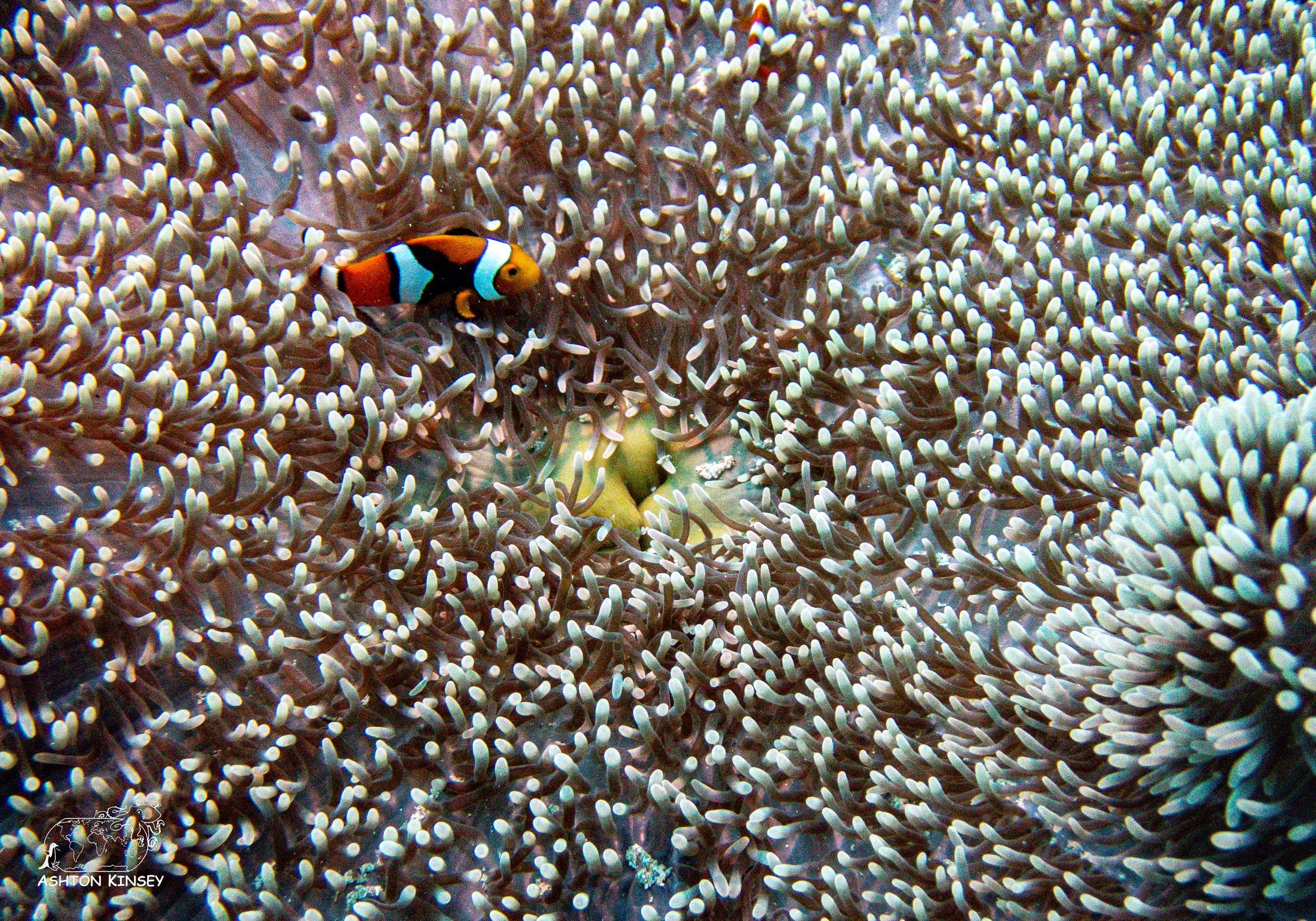
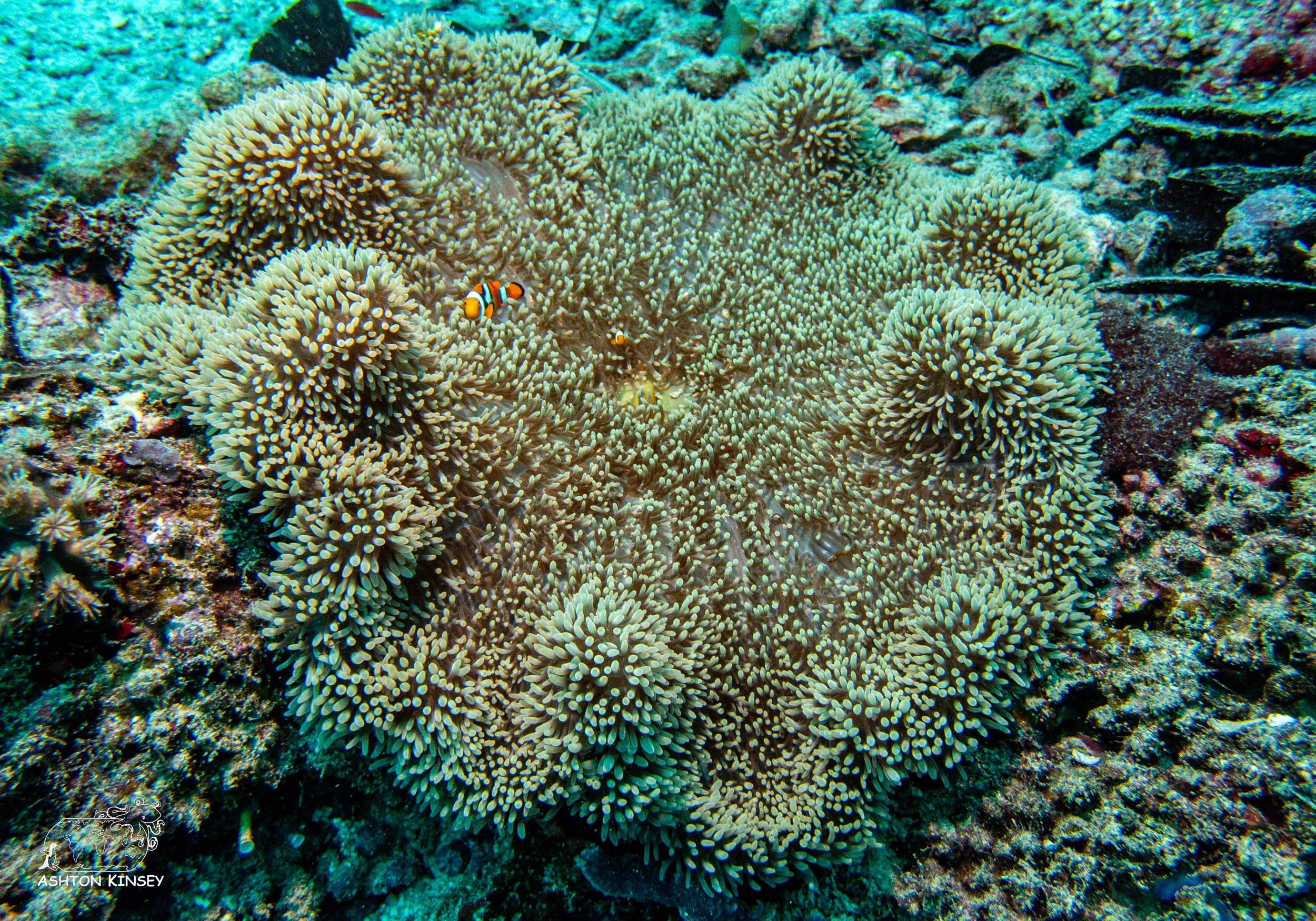
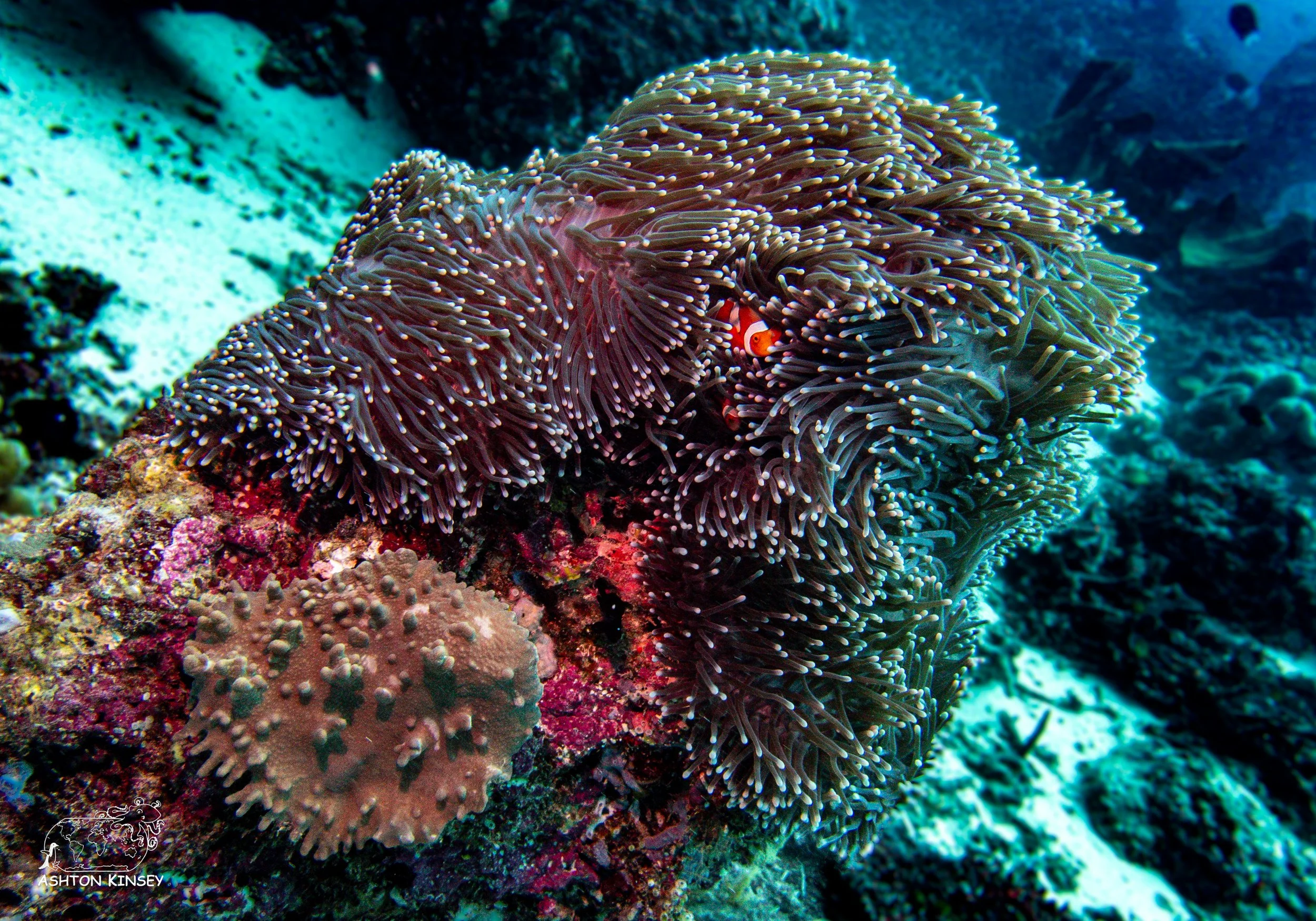
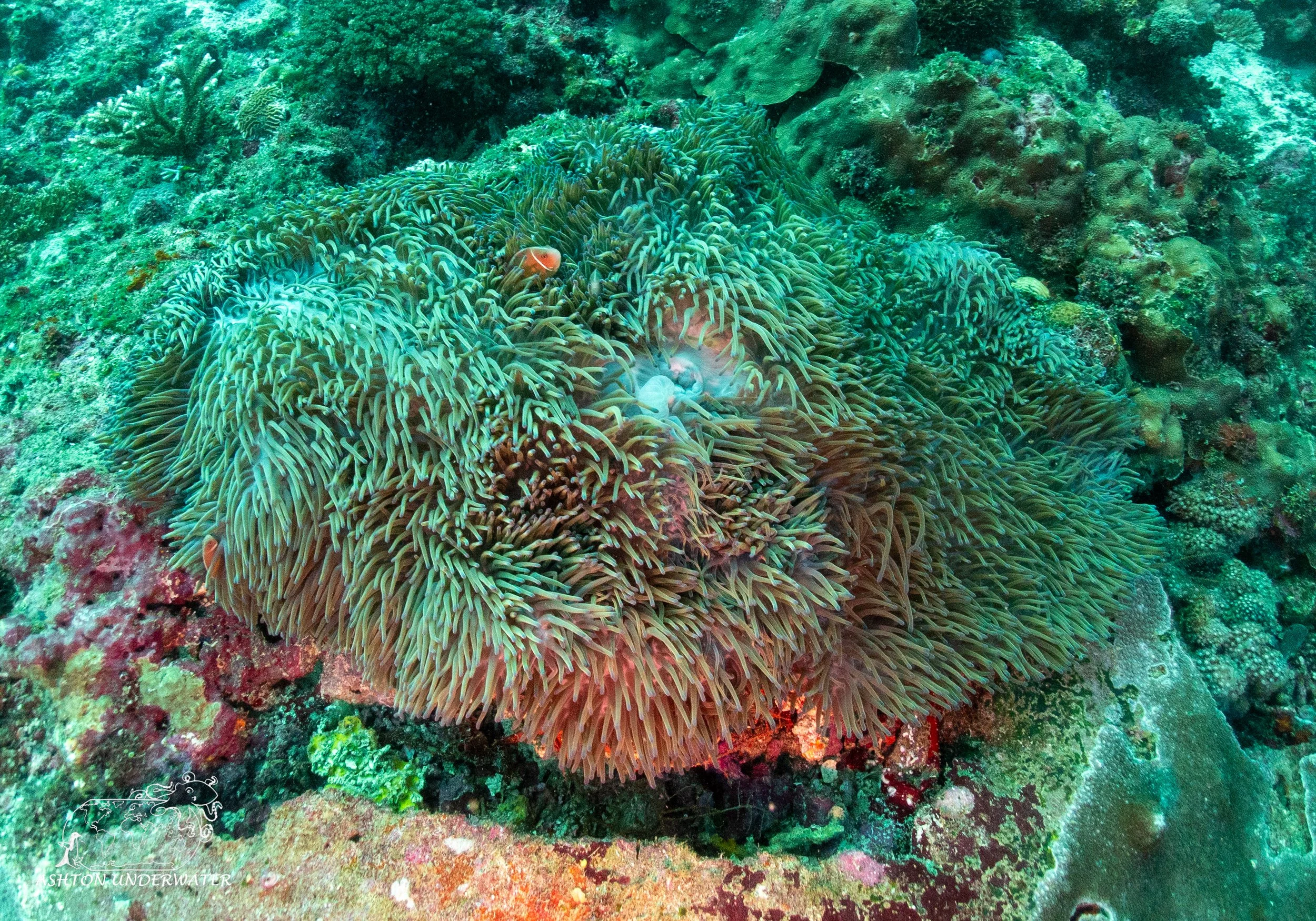
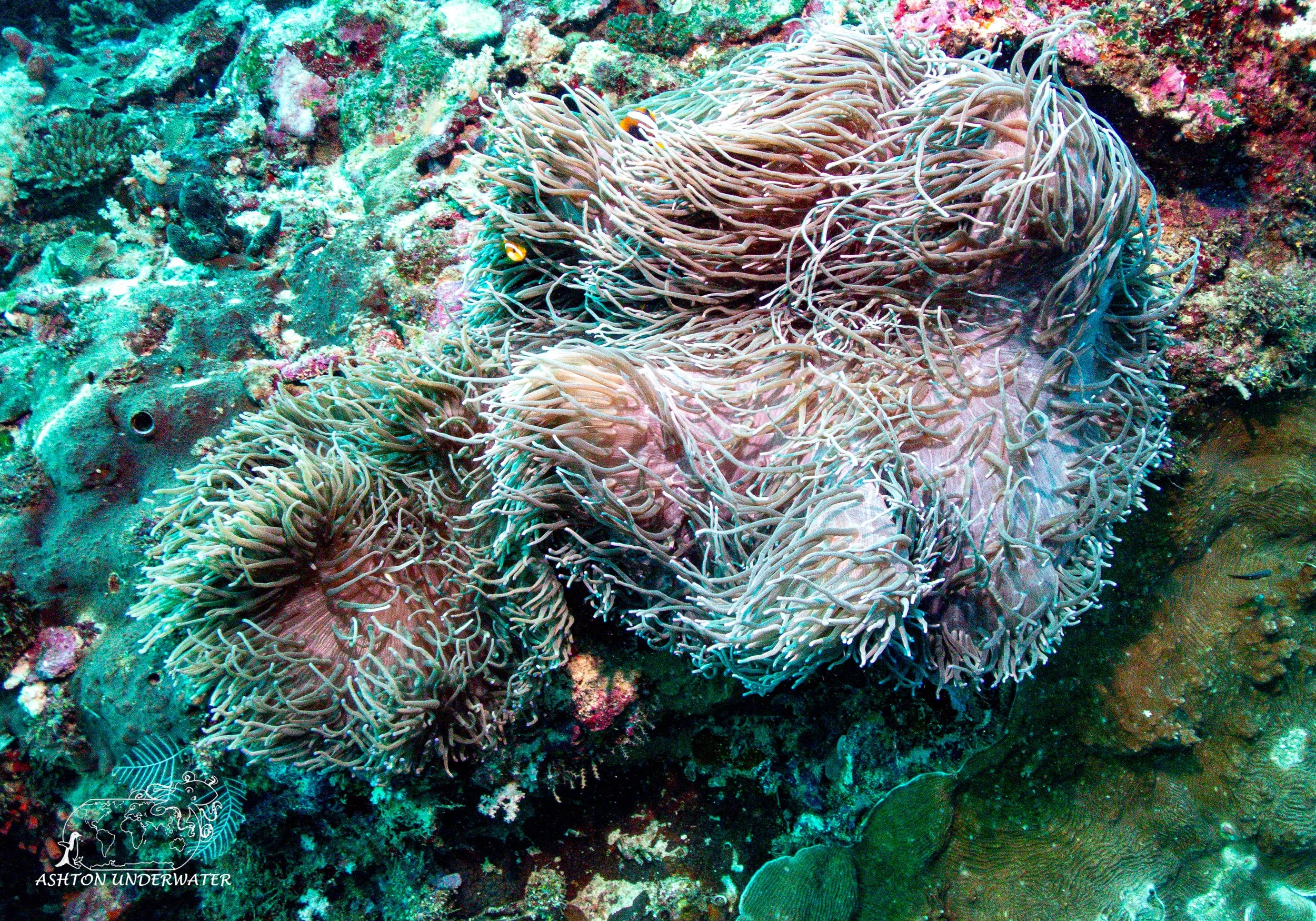
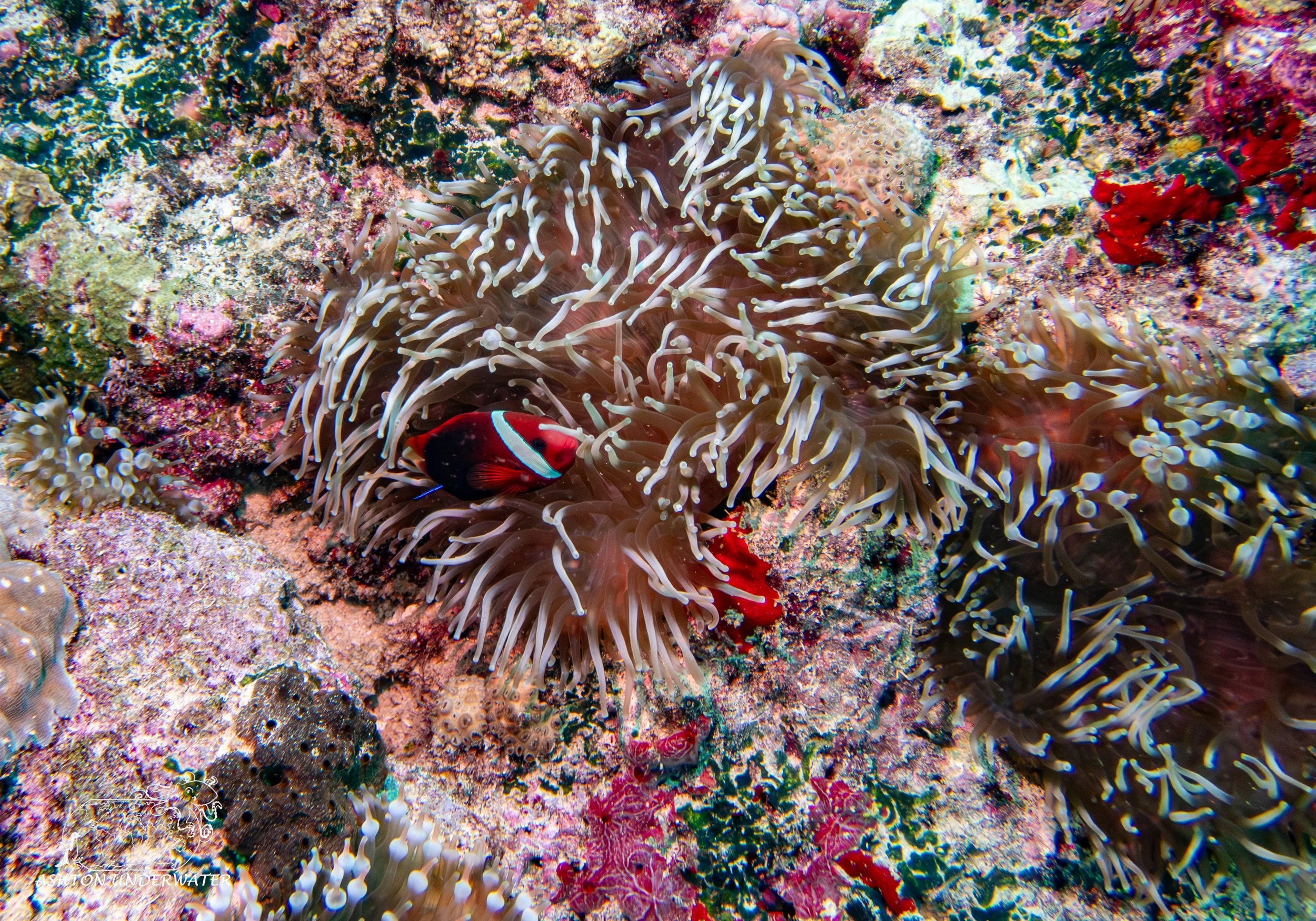
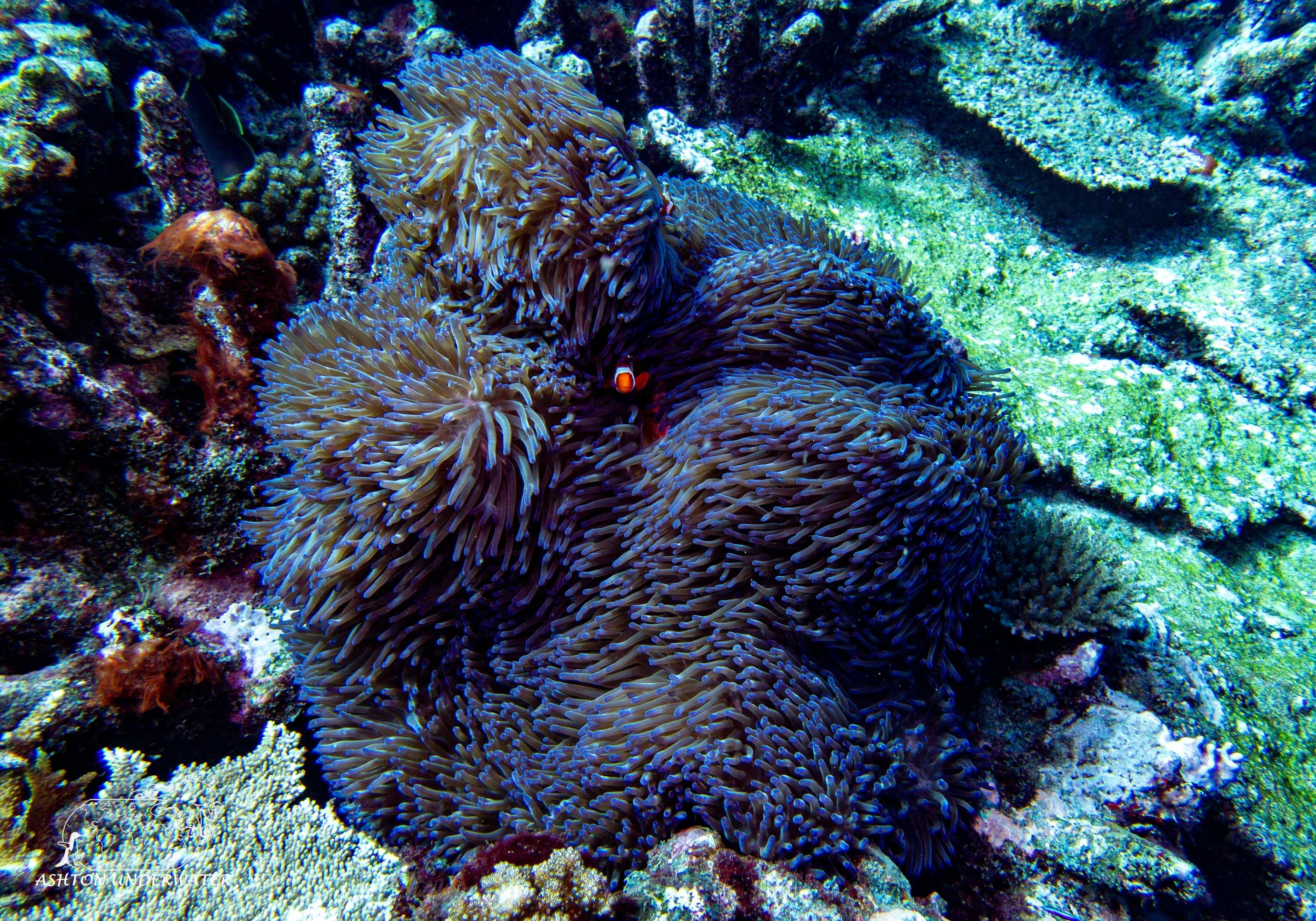
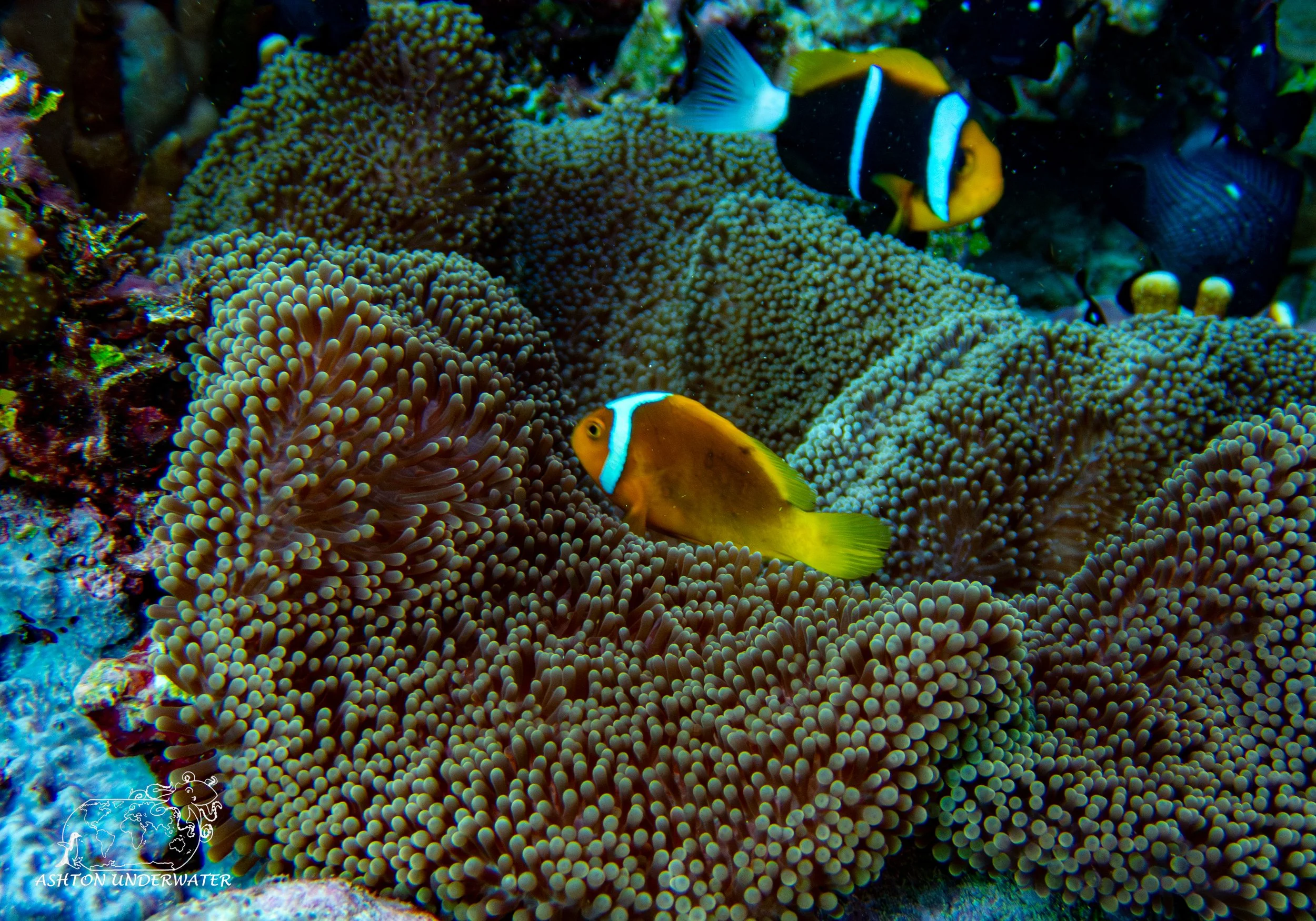
There is a small wreck of a fishing boat that commonly has silver monos, anemones, squid and cuttlefish milling about. The site will also contain saddle back clownfish. Rare on most sites but is common on a few sites in the Solomon Islands.
HMNZS Moa
125’ for 32 minutes
Built: May 1941 Sunk: 7 April 1943
GRT: 607 tons Length: 168’
Beam: 24.5’ Draught: 8’
Depth: 130’ Speed: 13 knots
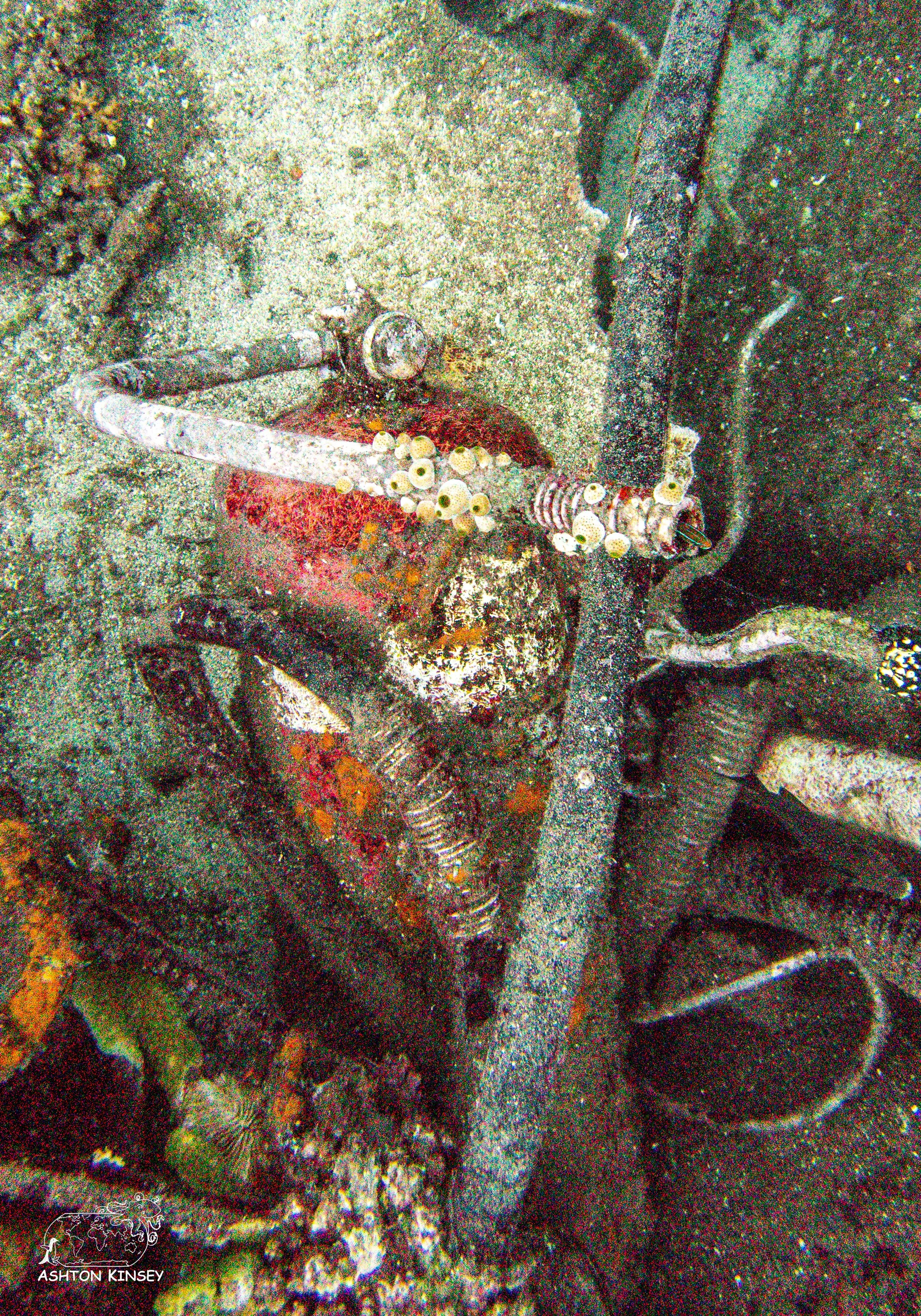
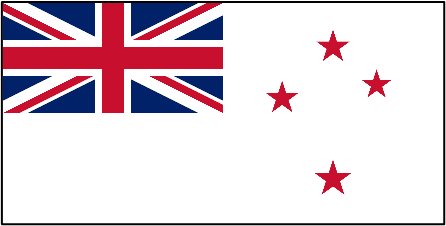
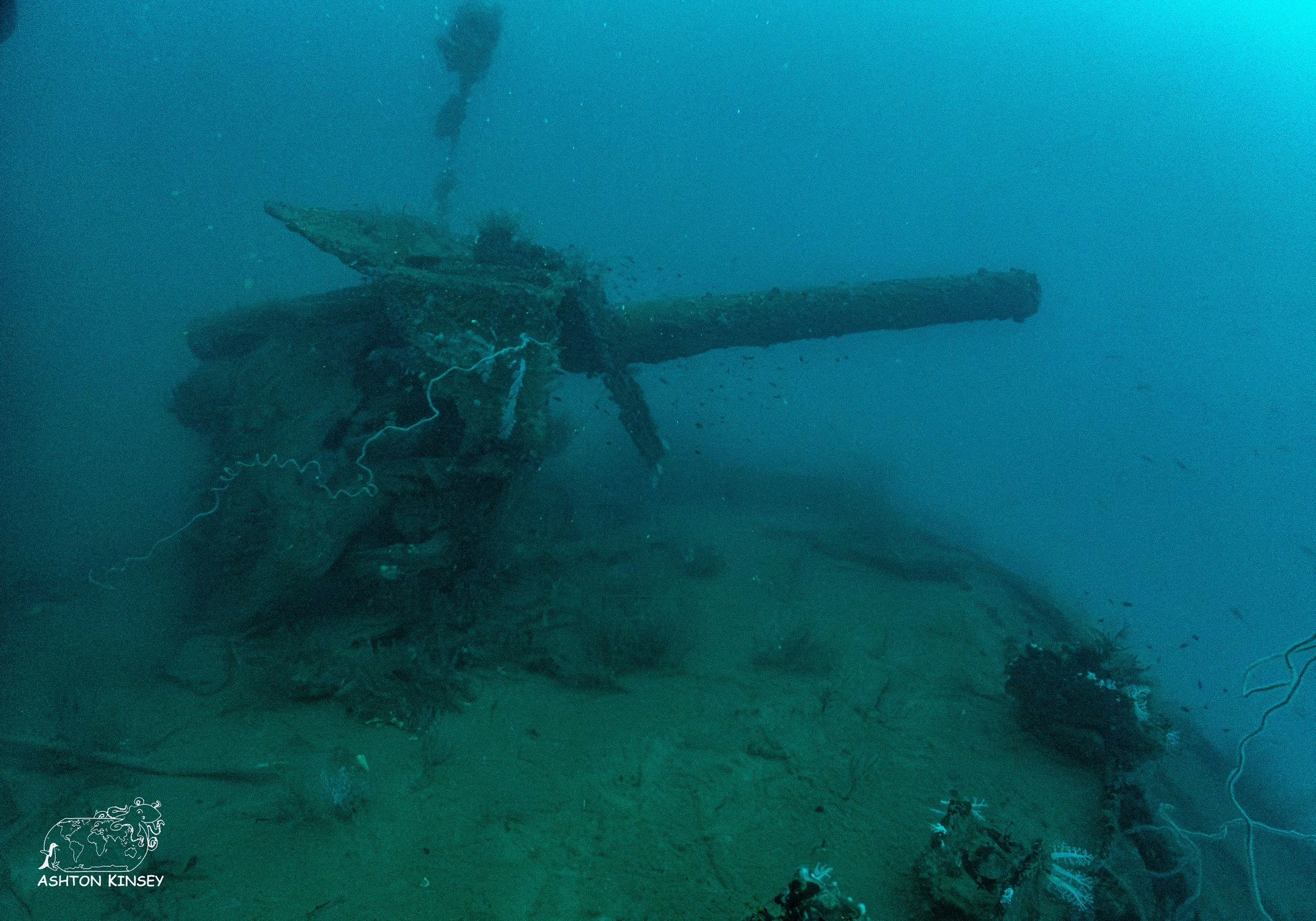
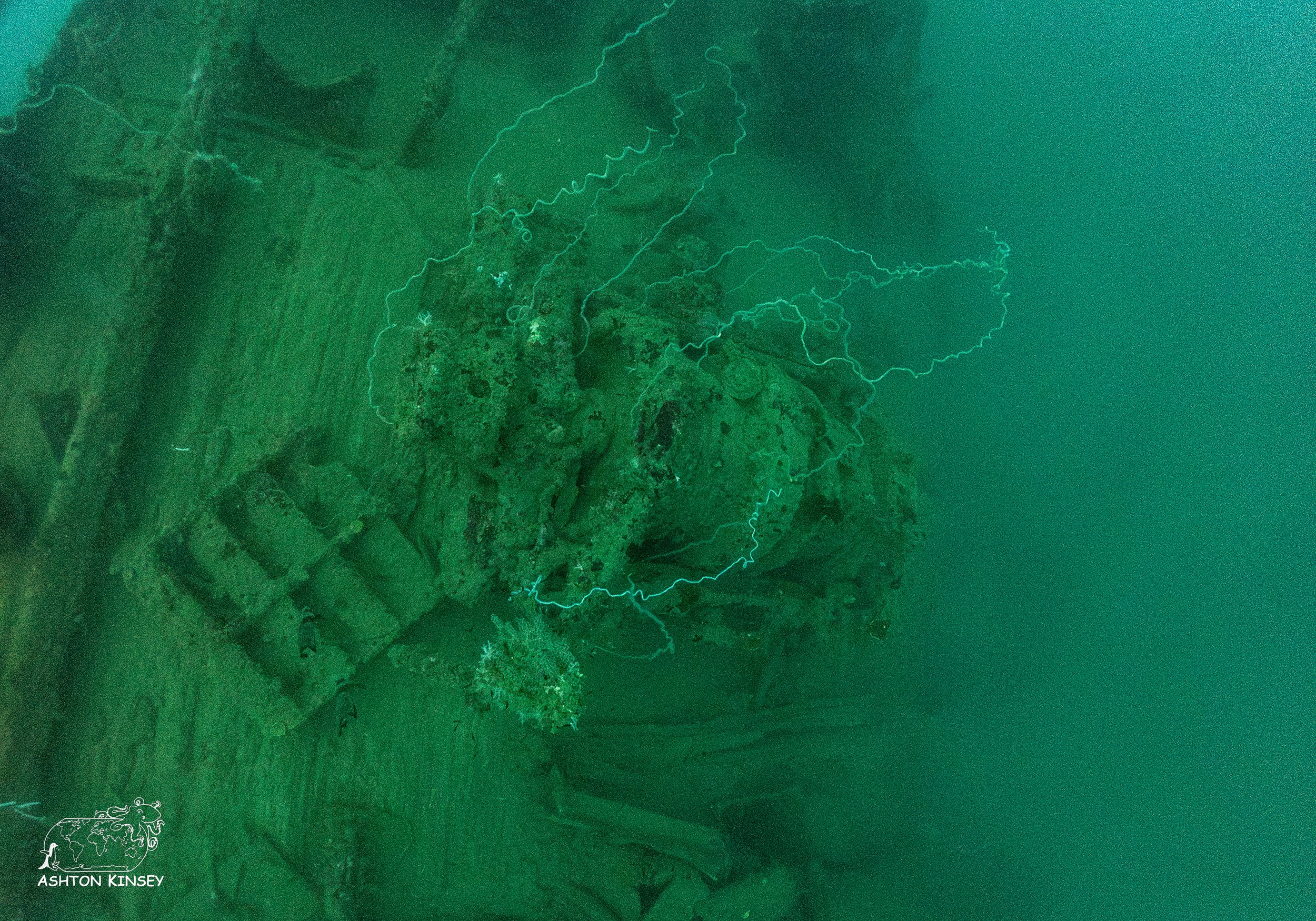
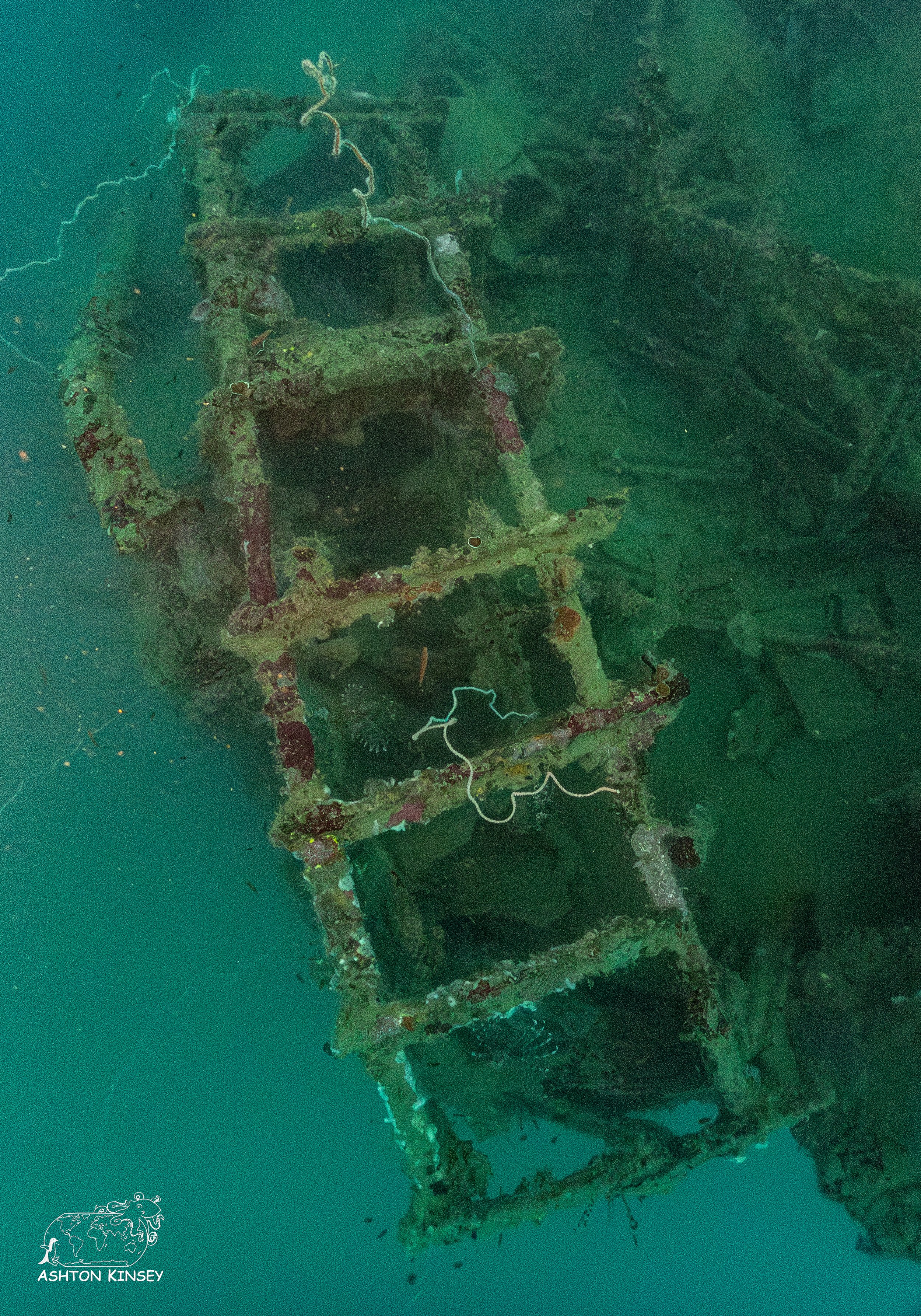
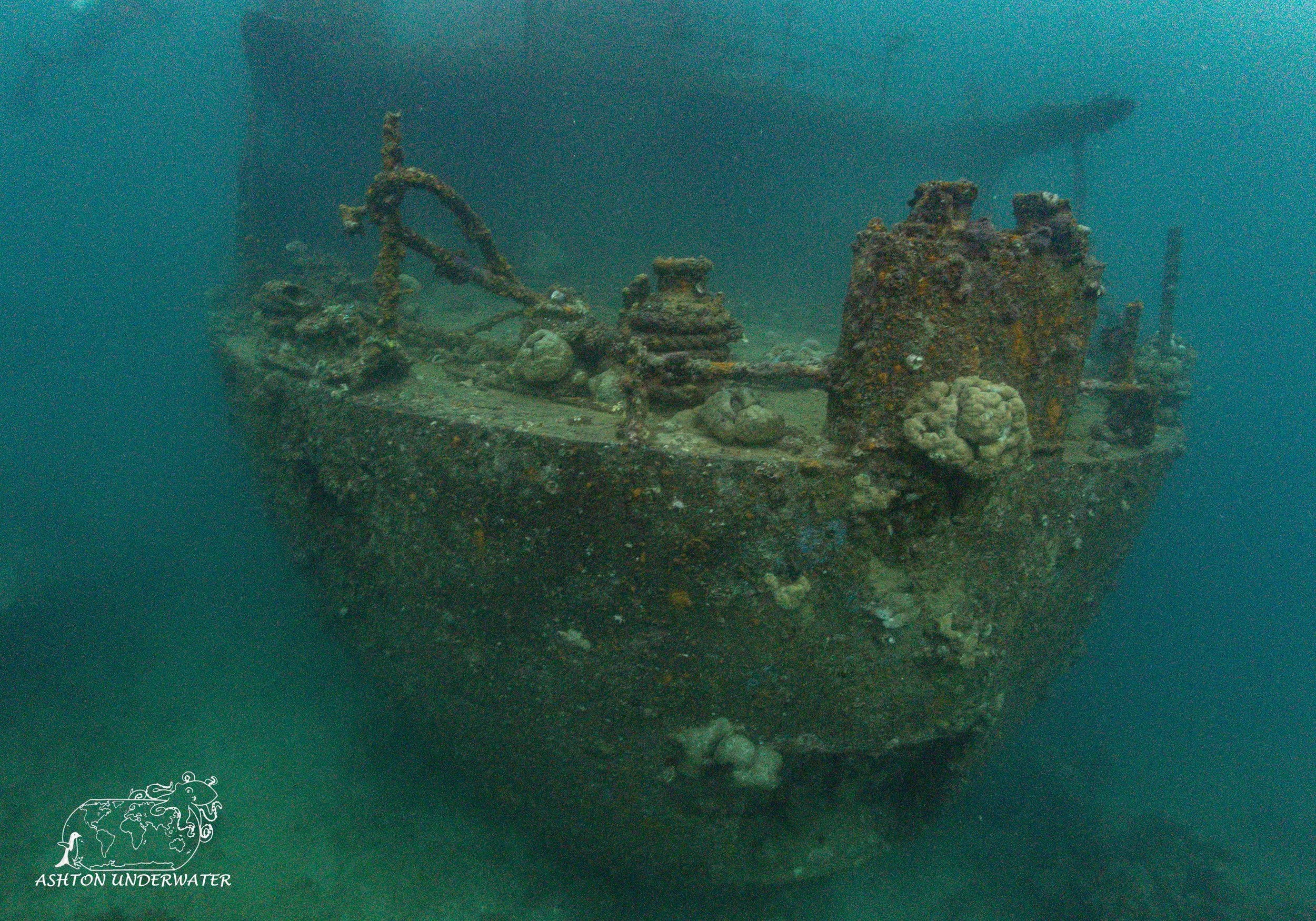
The HMNZS Moa was a Bird-class minesweeper and was one of three ships used during WWII. The Moa was primarily used as a mine sweeper and training ship as a bomber. Her sister ships included the HMNZS Kiwi and HMNZS Tui. The Moa and Kiwiworked together to sink the Japanese submarine I-1 off Guadalcanal on 29 January 1943. The Kiwi and Moa forced the much larger submarine to run aground and destroyed it after heavily firing upon it and ramming into the I-1.
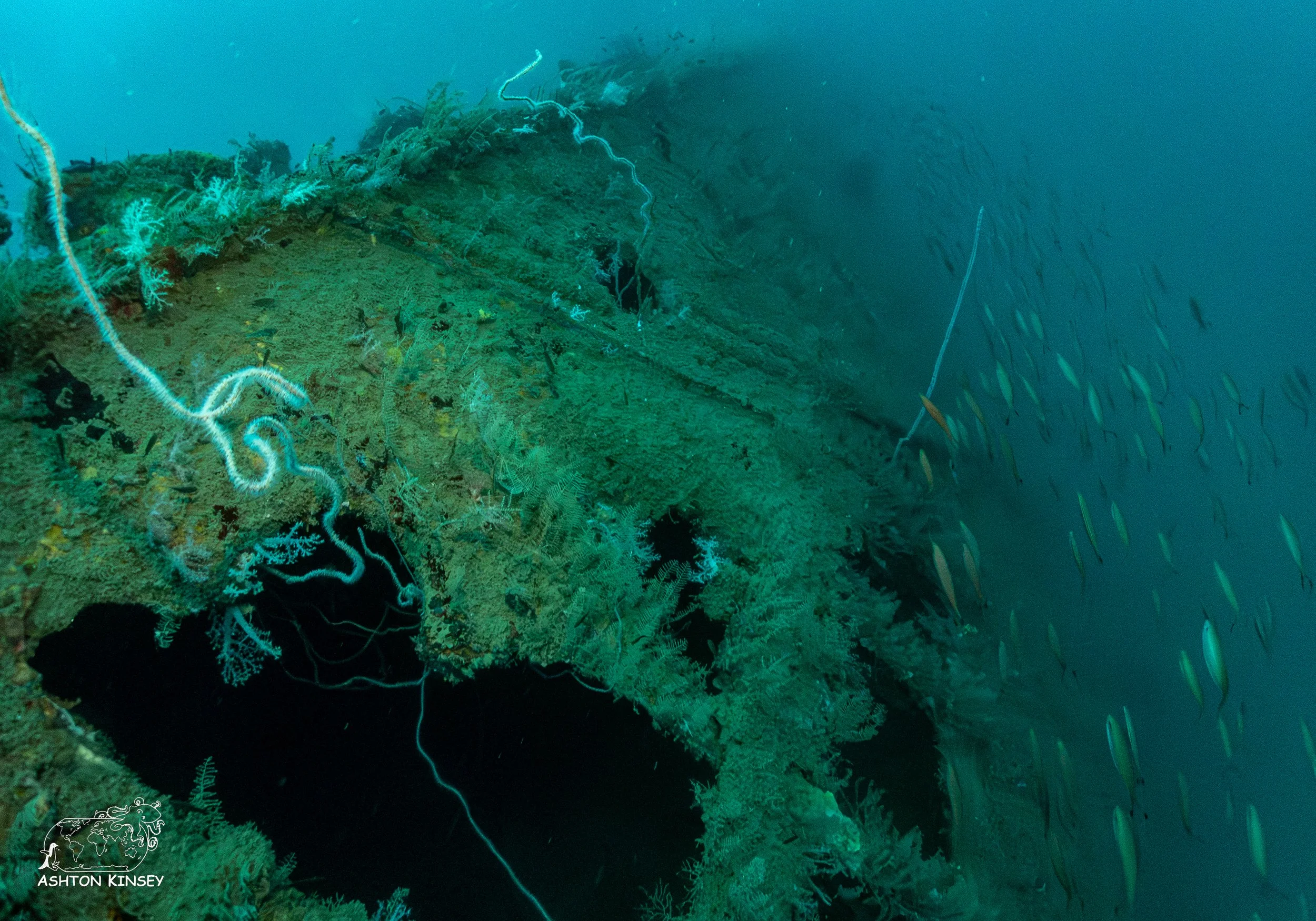
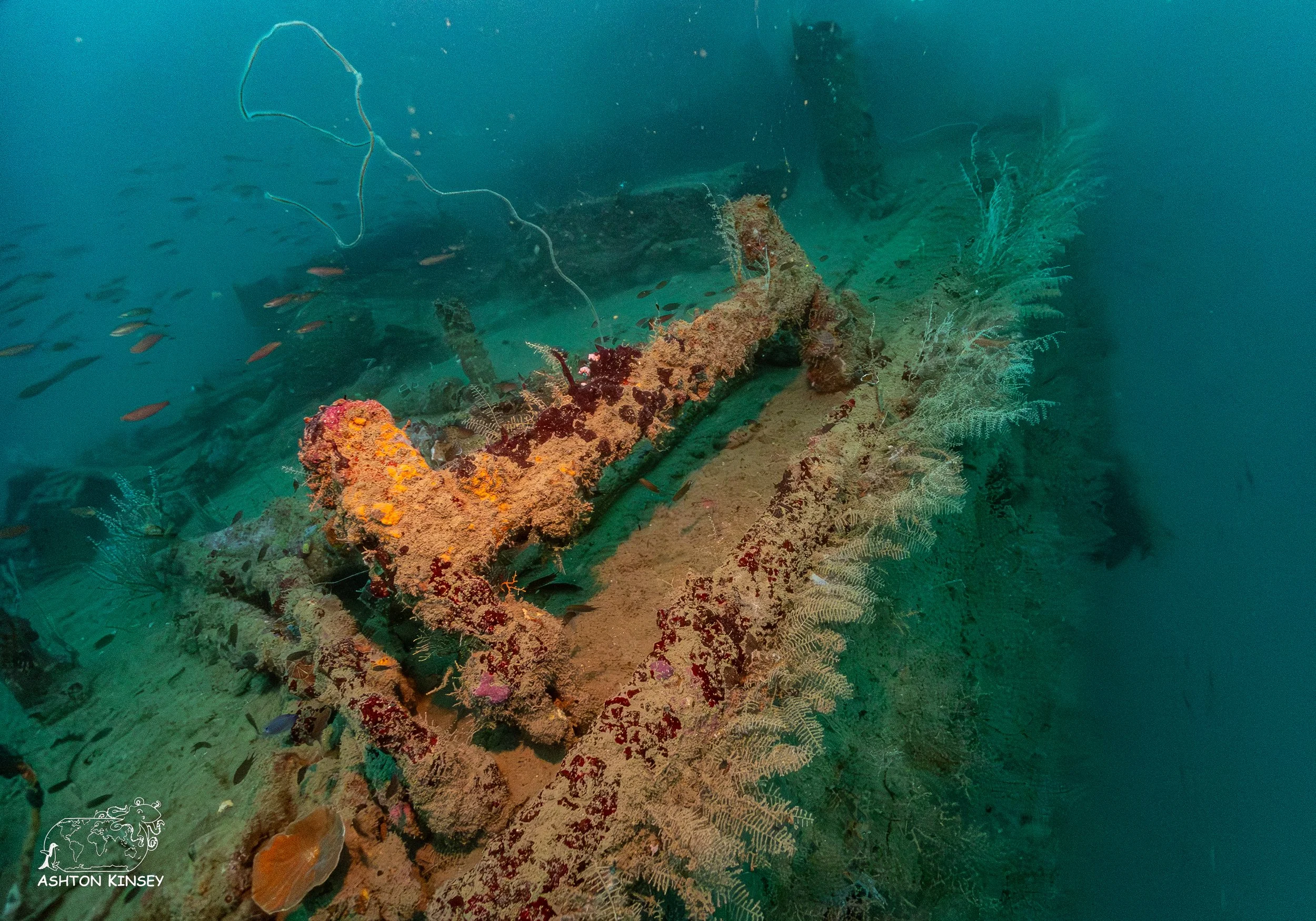
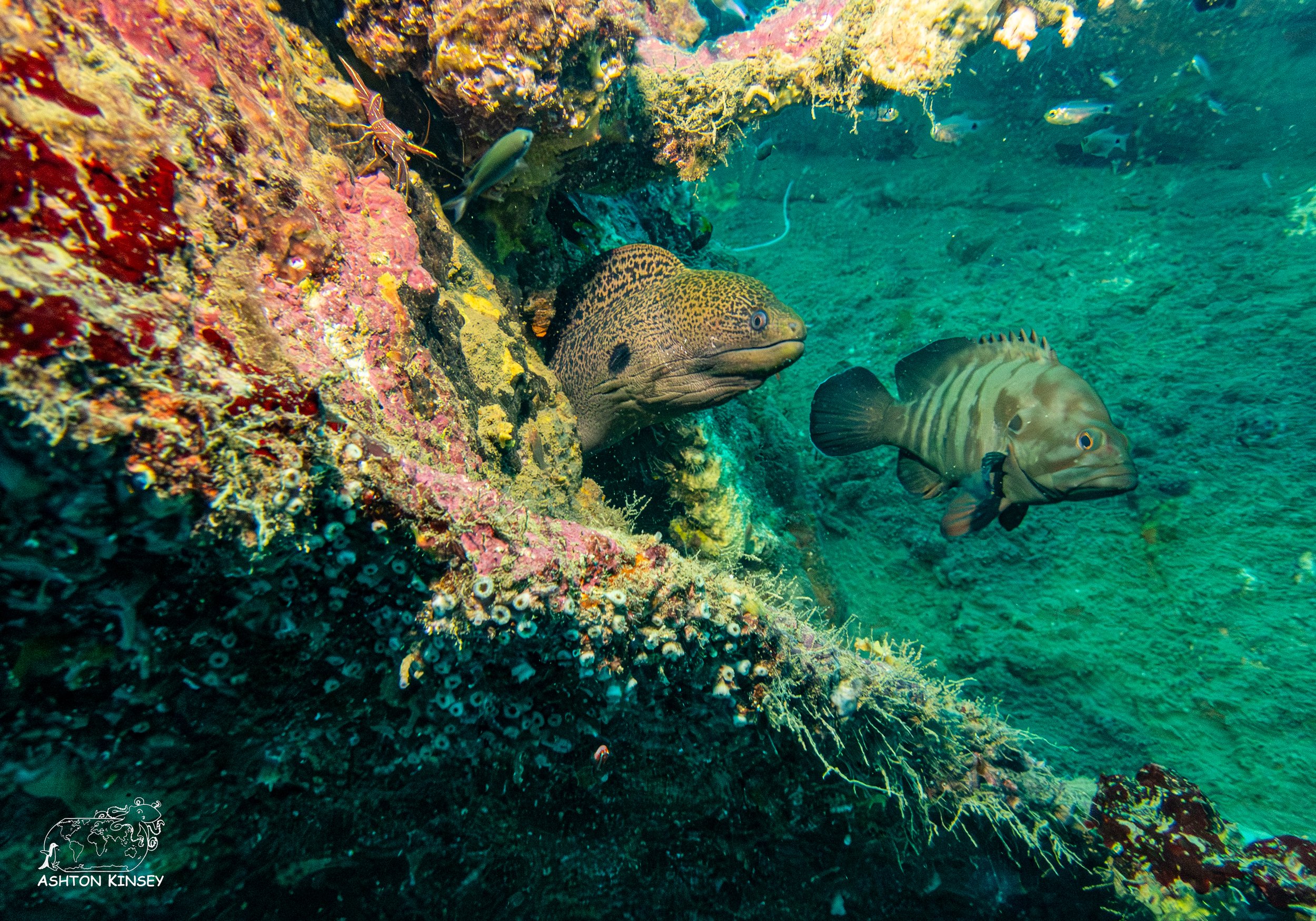
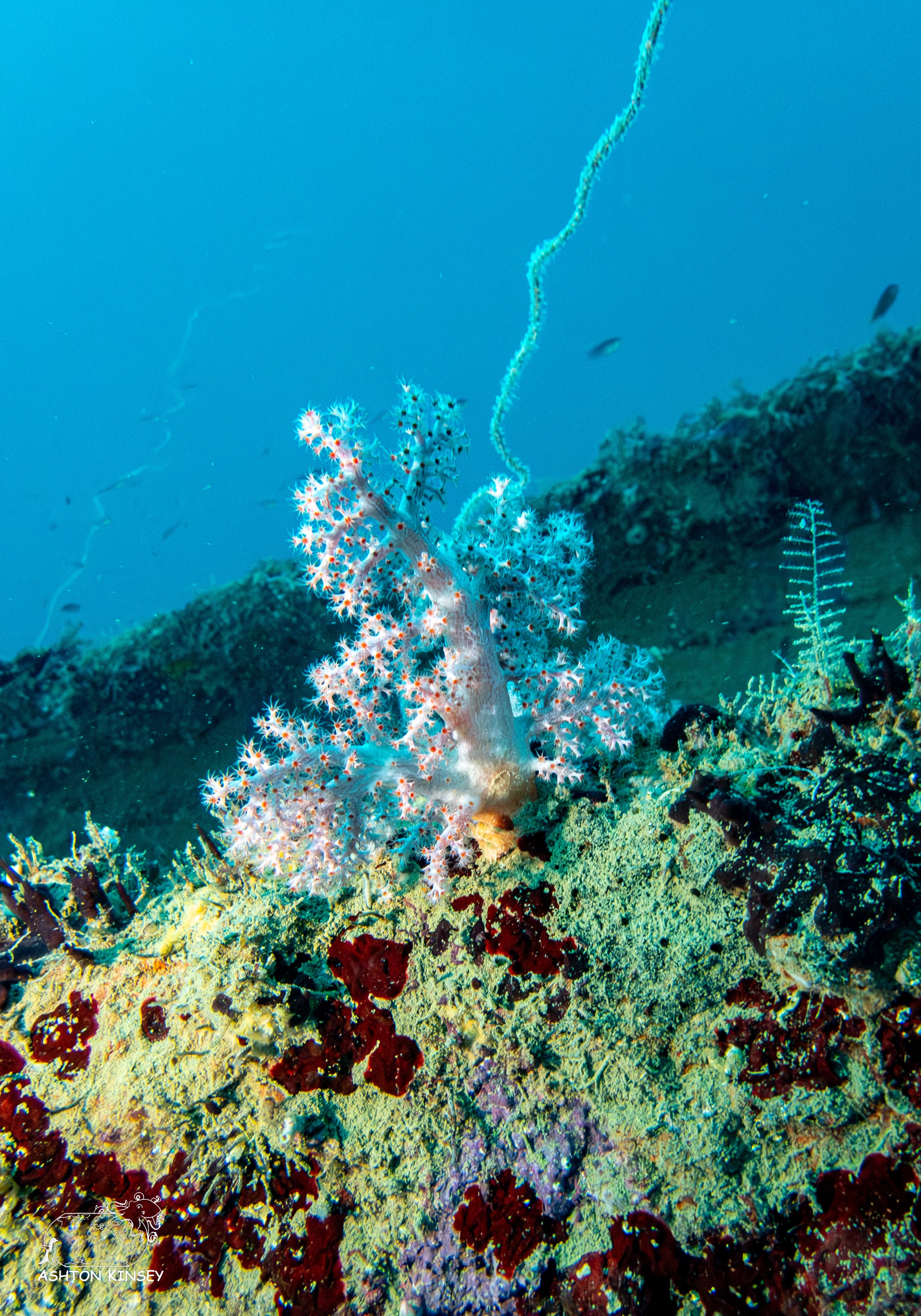
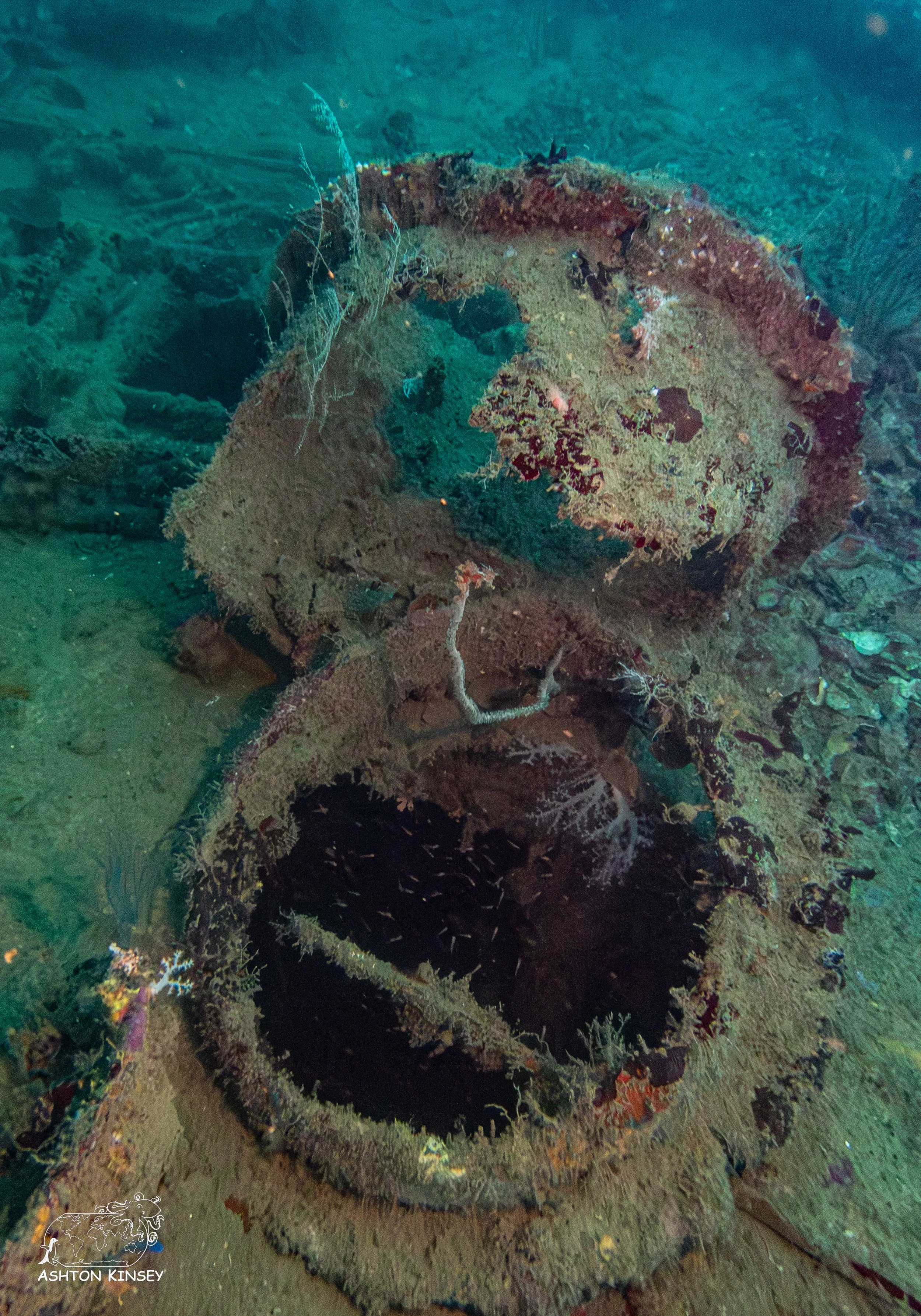
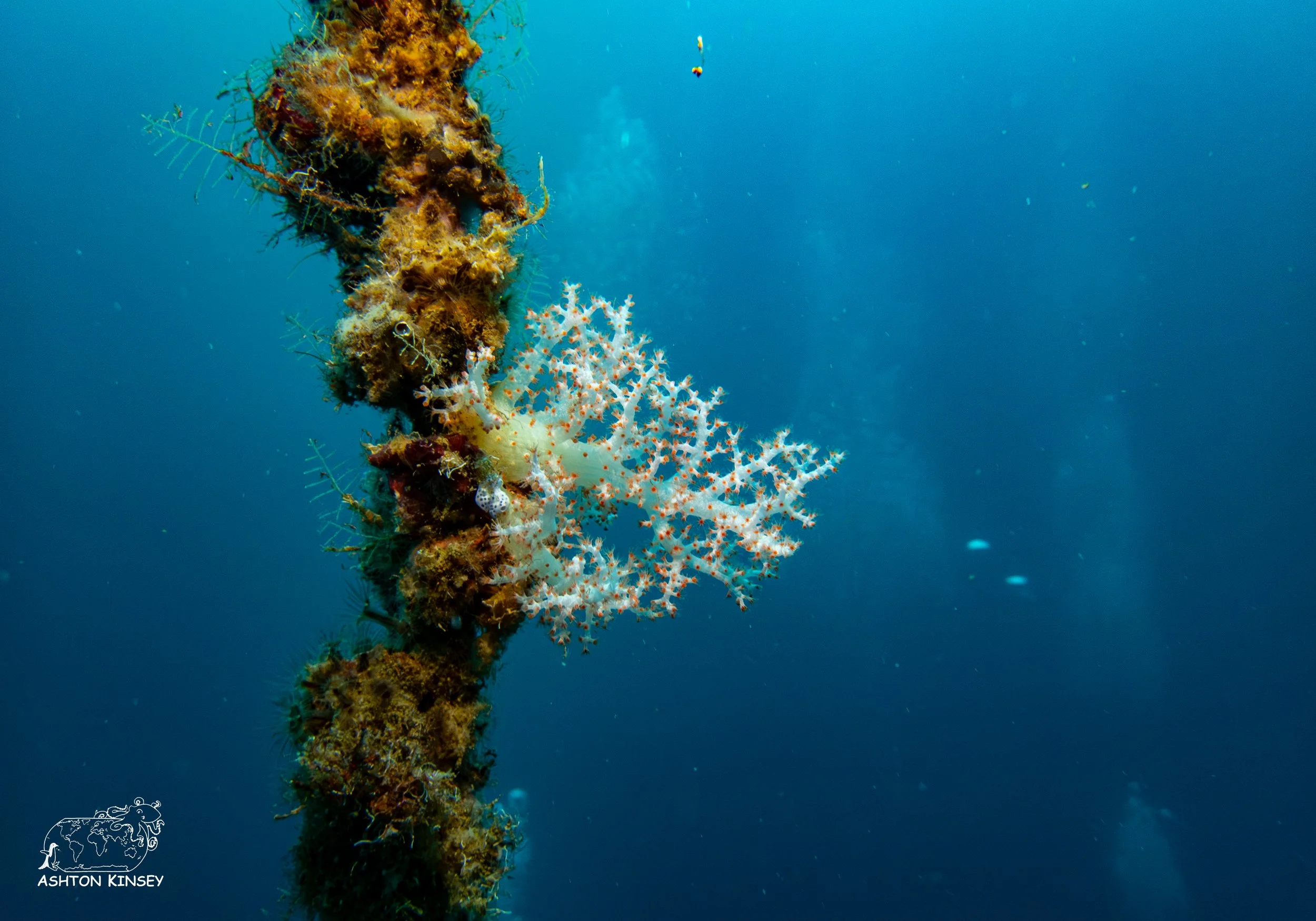
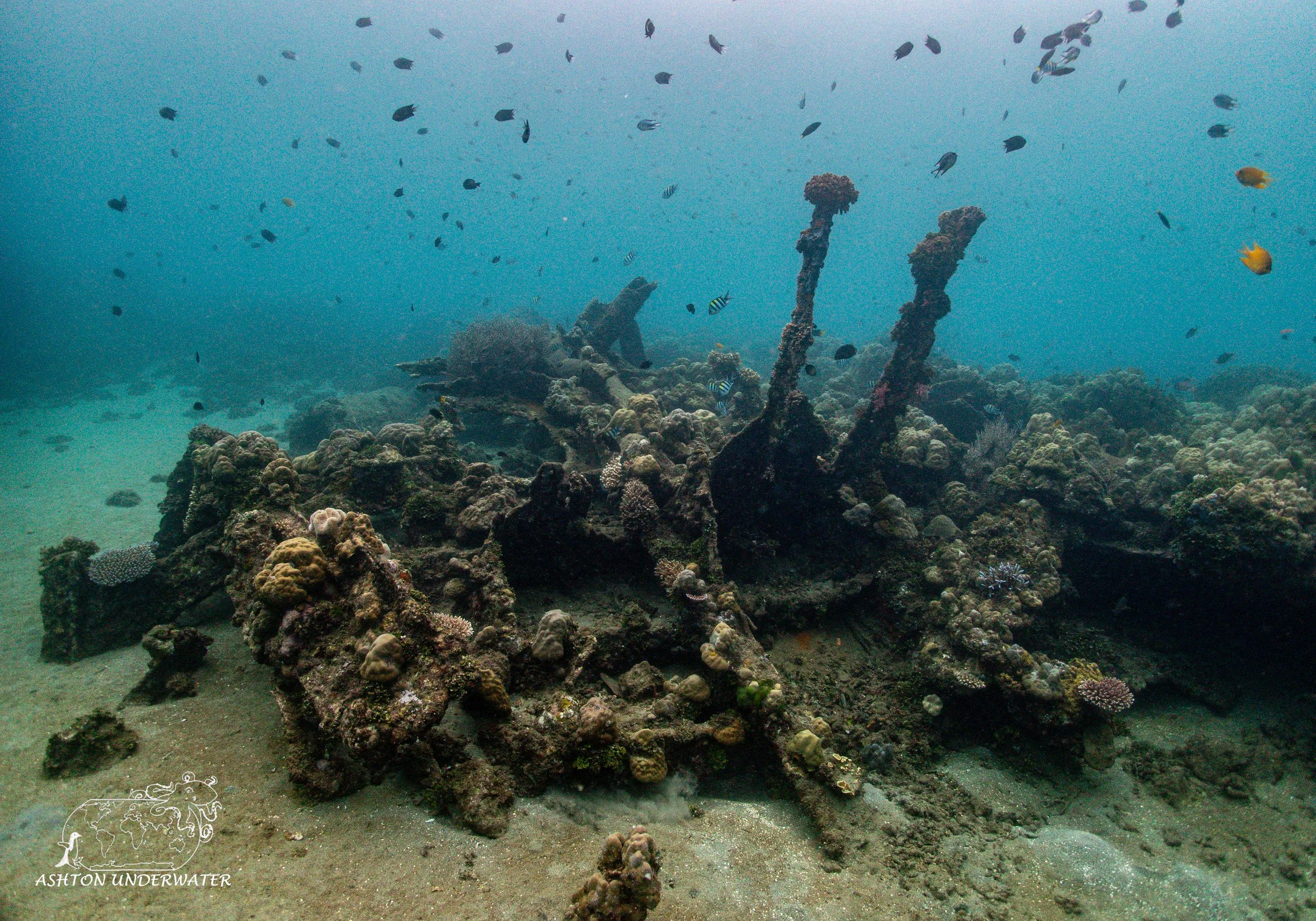
On 7 April 1943 while refueling in the Tulagi Harbor, she was struck by several bombs during a Japanese air raid. During the attack 5 members of her 35-person crew were killed. She is now sitting mostly upright with a slight port list due to the sloping bottom. During battle she was armed with 1x 4” Gun (on the bow), 1x 20mm AA Cannon (now missing), 1x Twin Lewis machine gun, and over 40 depth charges. Winches for towing operations are located on the stern, steam engine is visible inside the engine room, skeleton shrimp and munitions can be seen on the stern.
Visibility can be poor due to it being near the Tulagi Harbor. The superstructure was removed below the main deck during the salvage era, is the only New Zealand wreck from WW2 that can be dovetoday. Master Liveaboard may have drug an anchor through her top half pulling off the main cabin in previous years.
Tanavula Point
87’ for 60 minutes
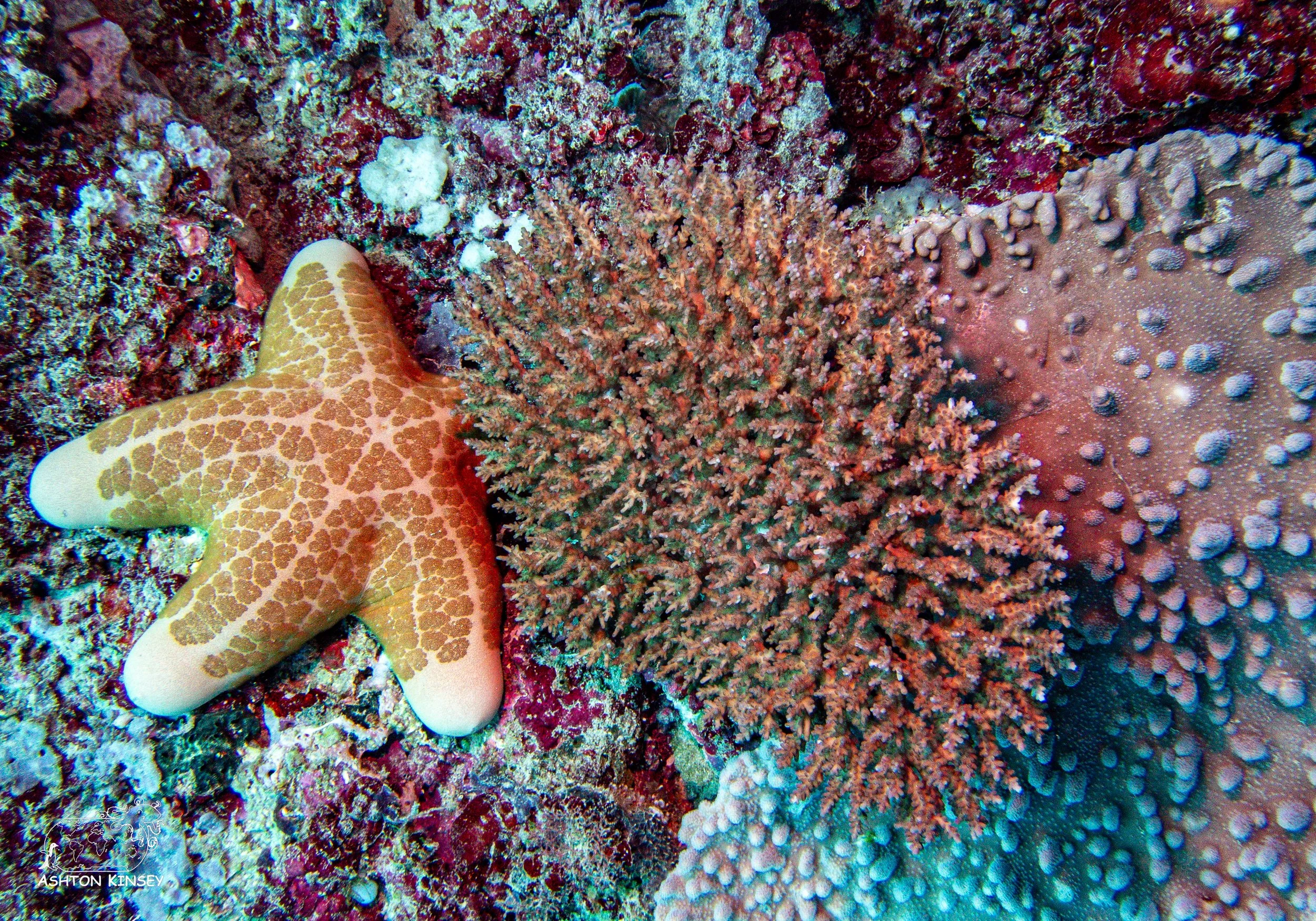
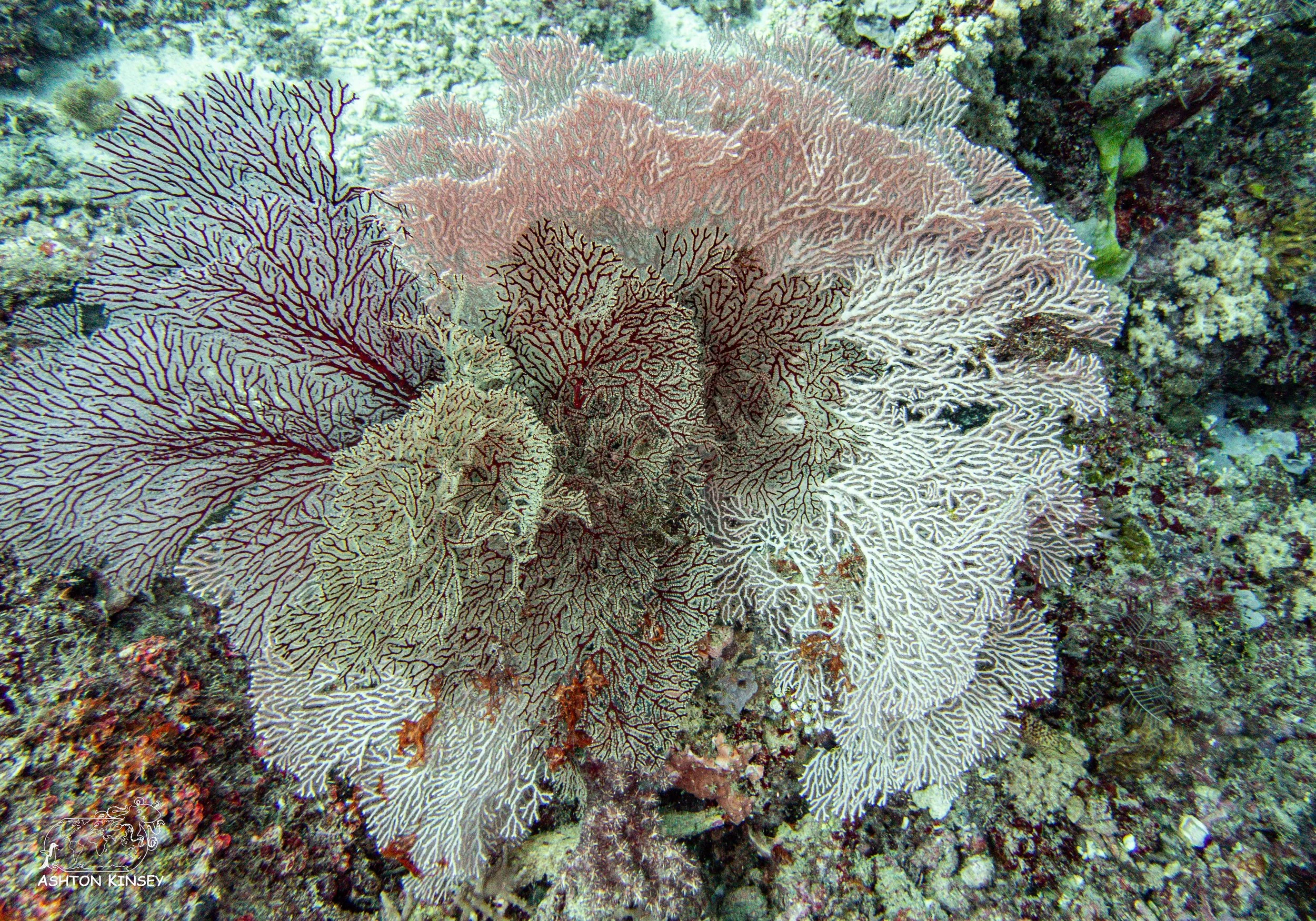
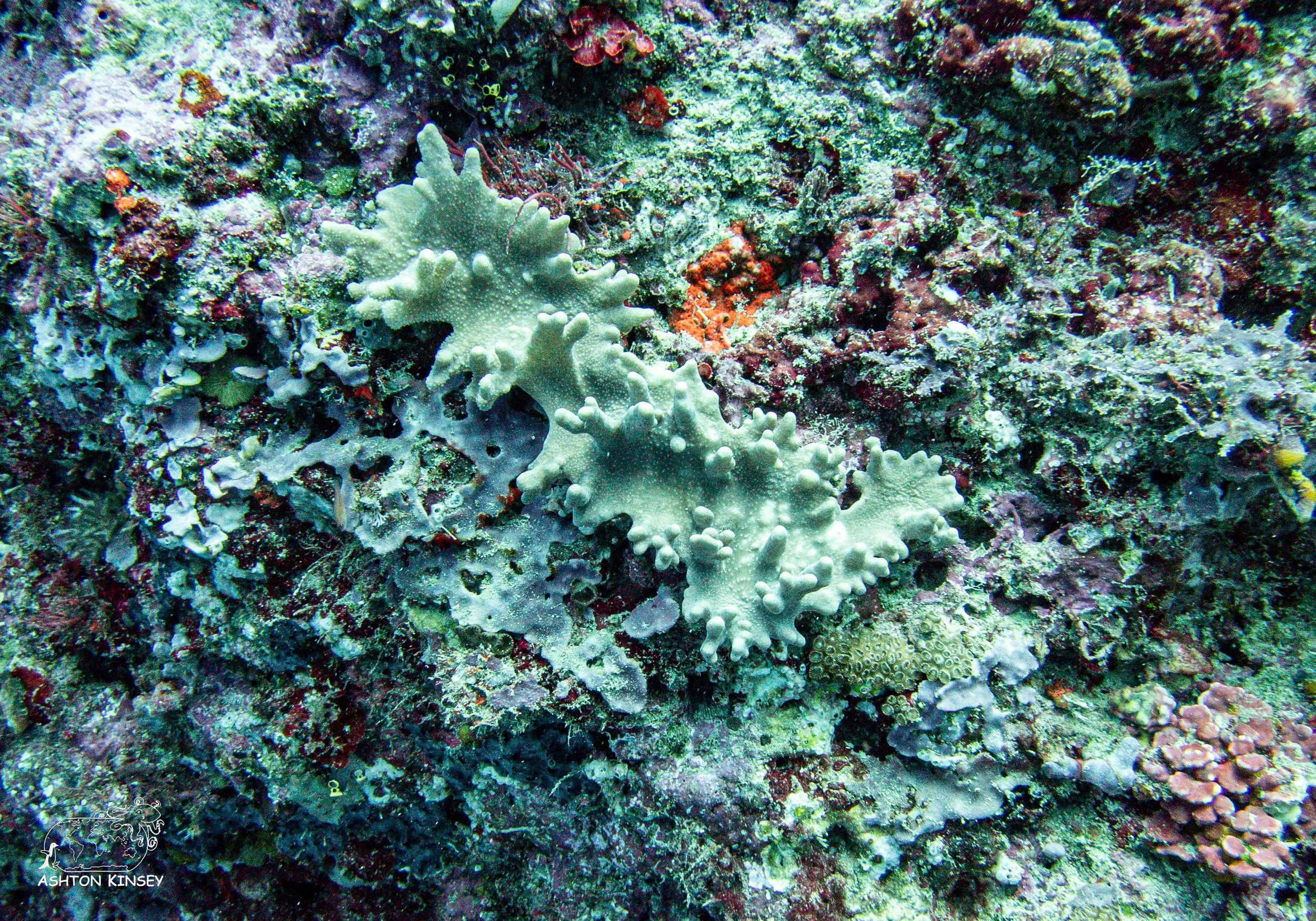
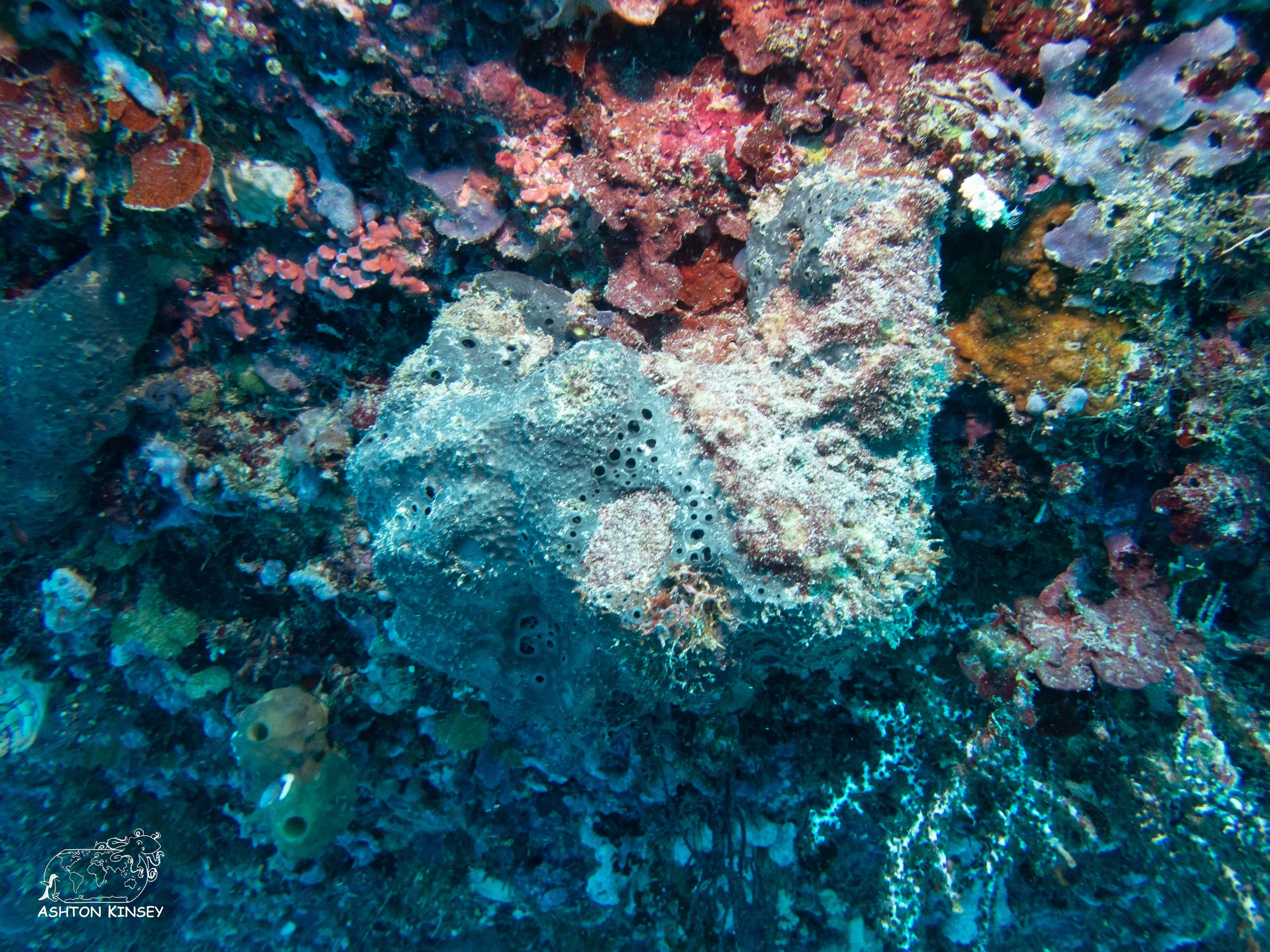
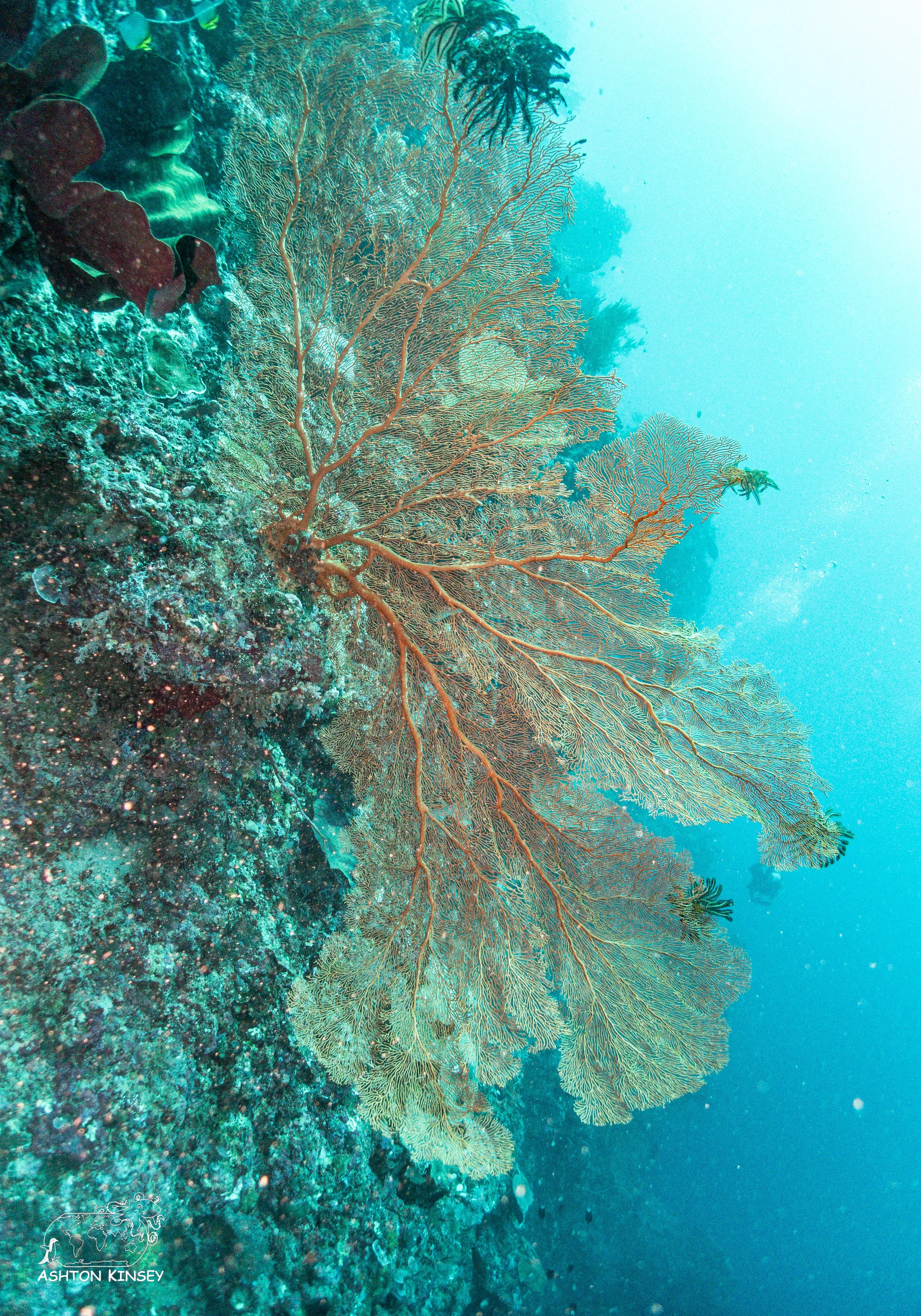
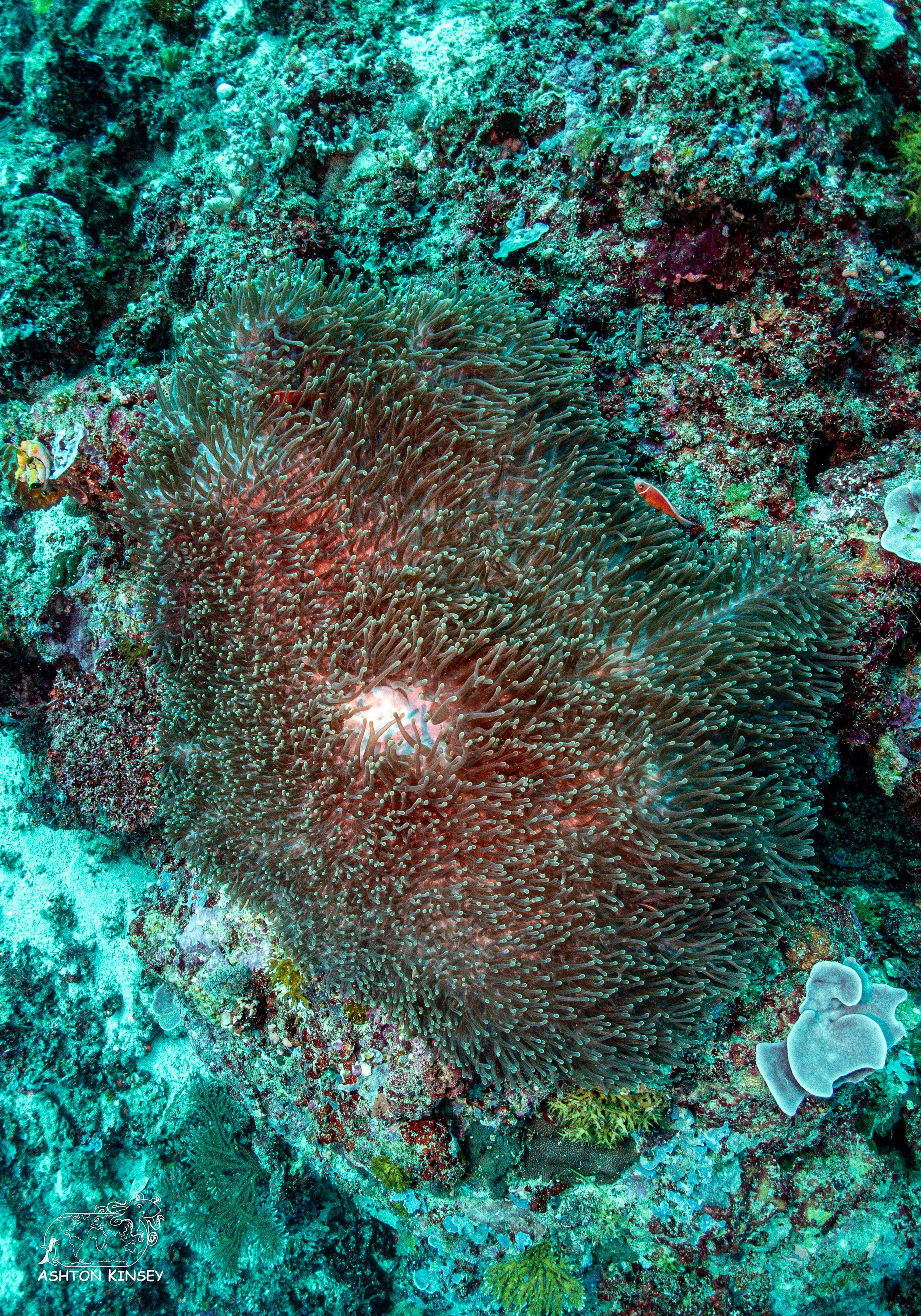
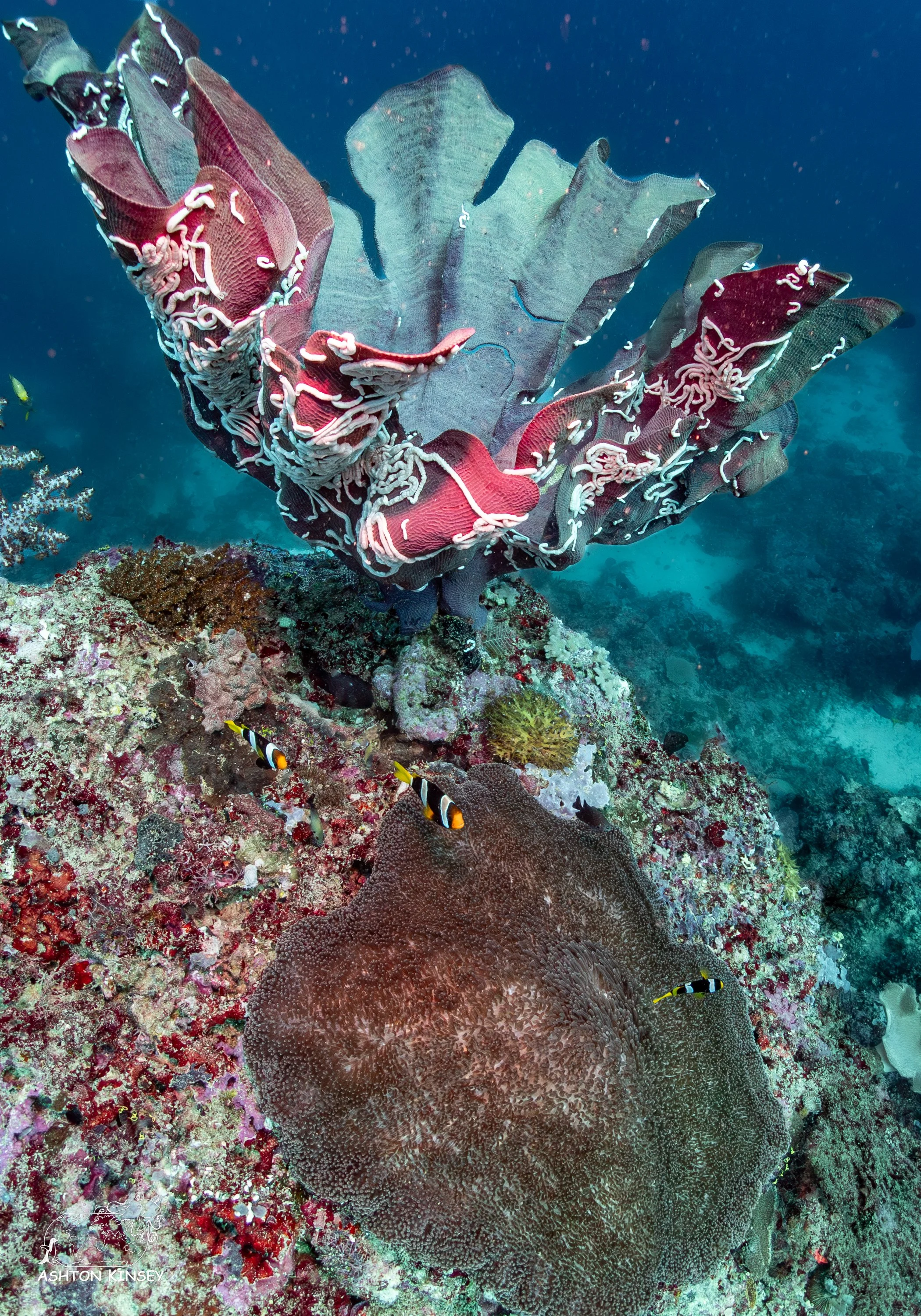
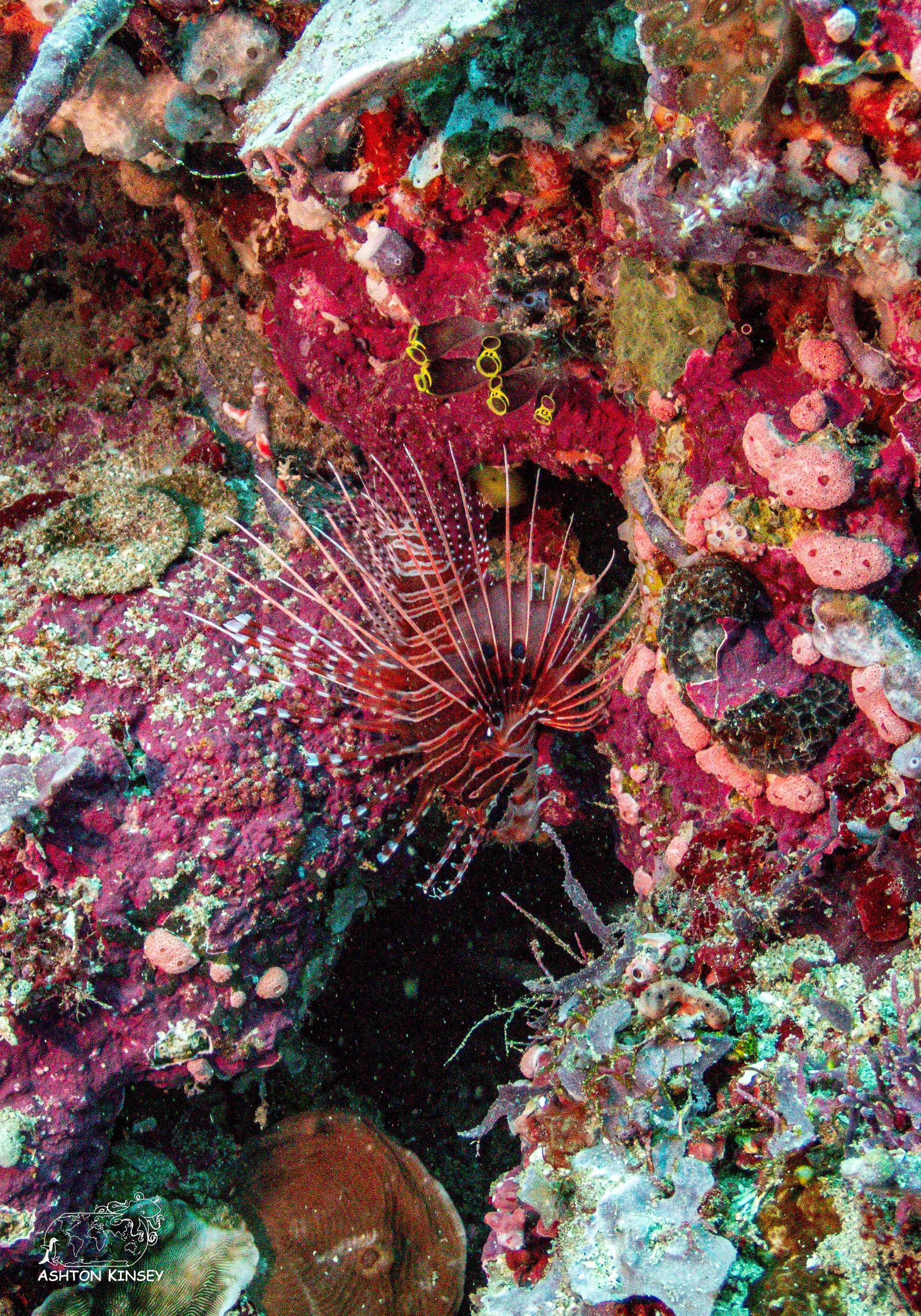
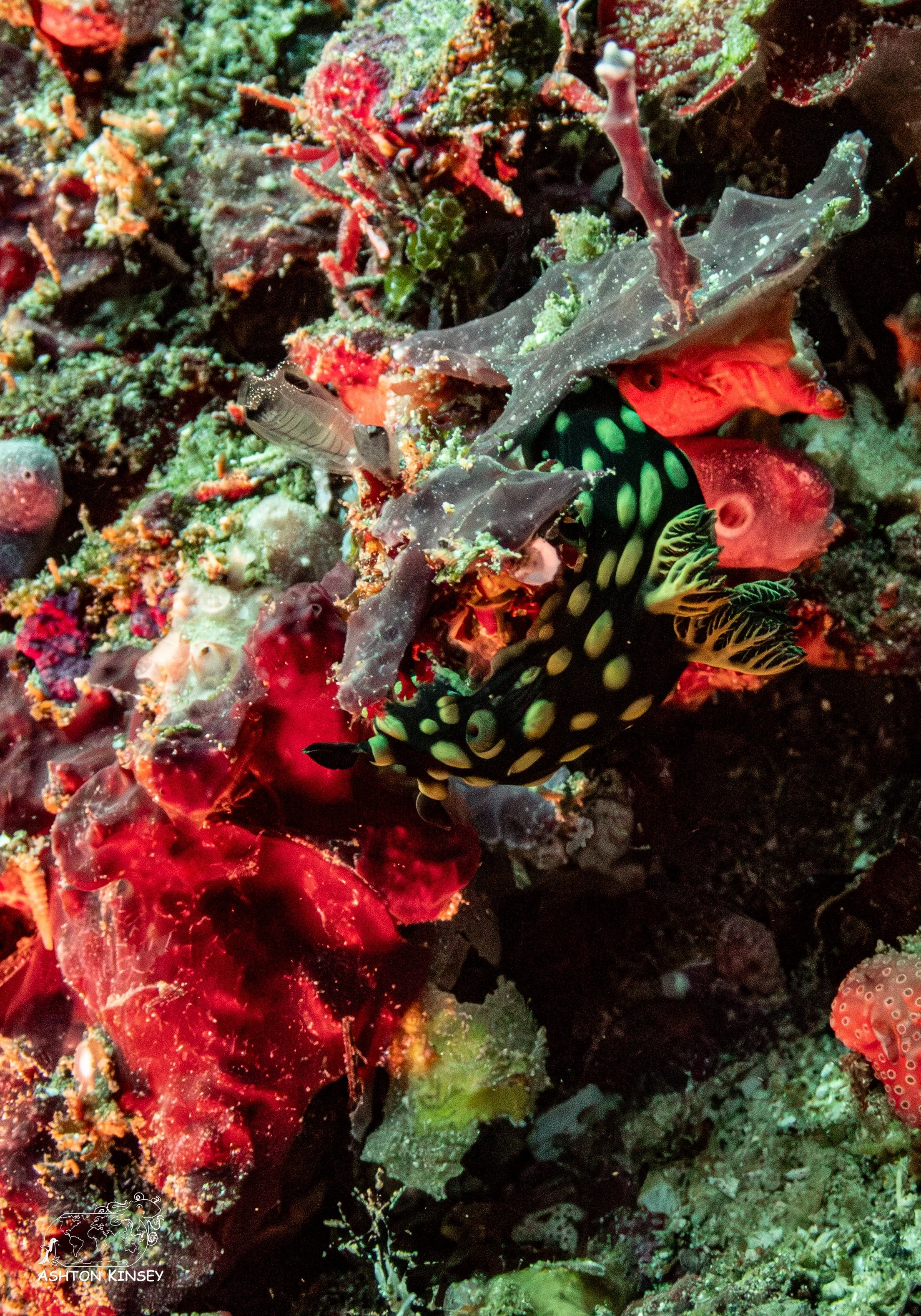
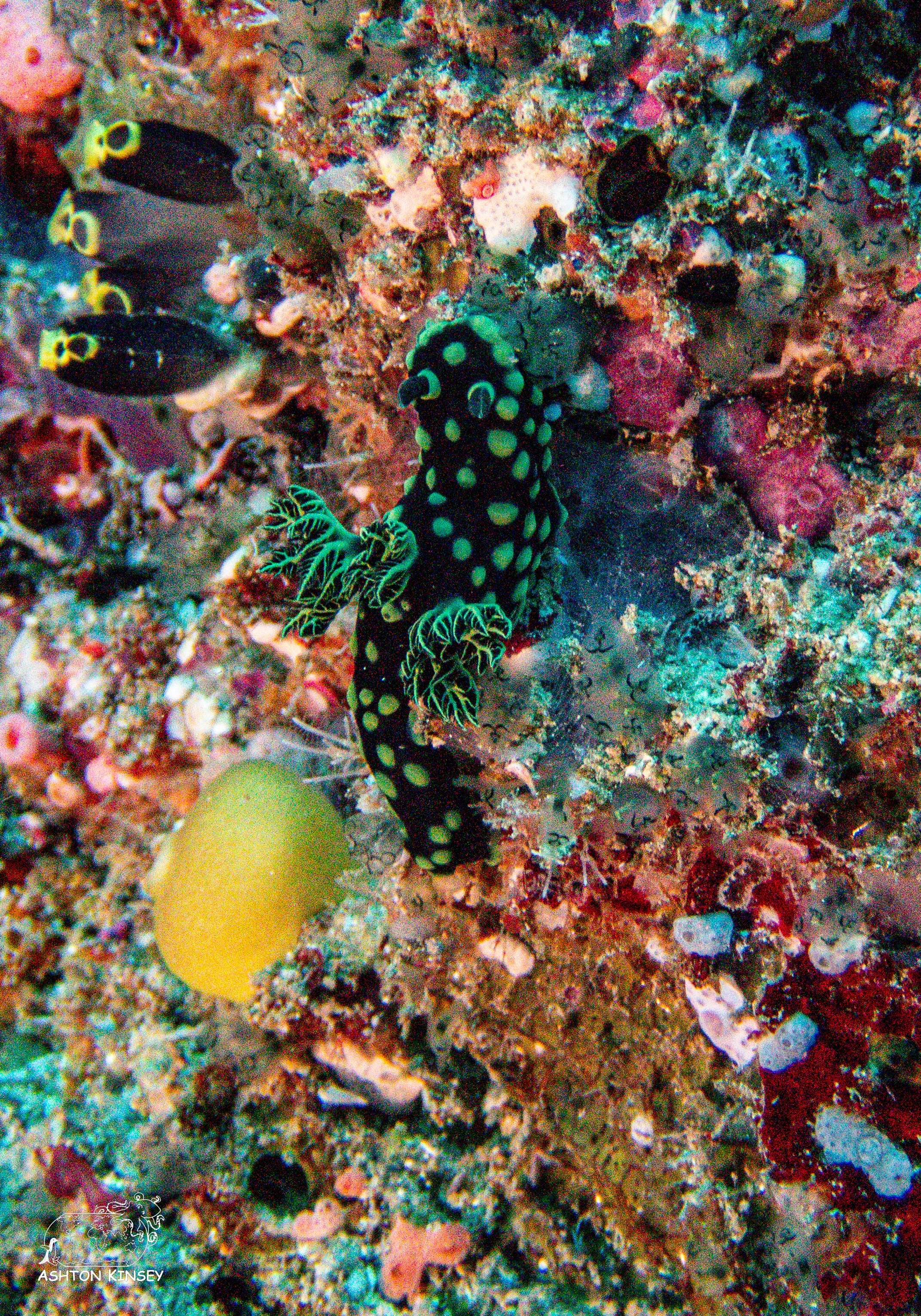
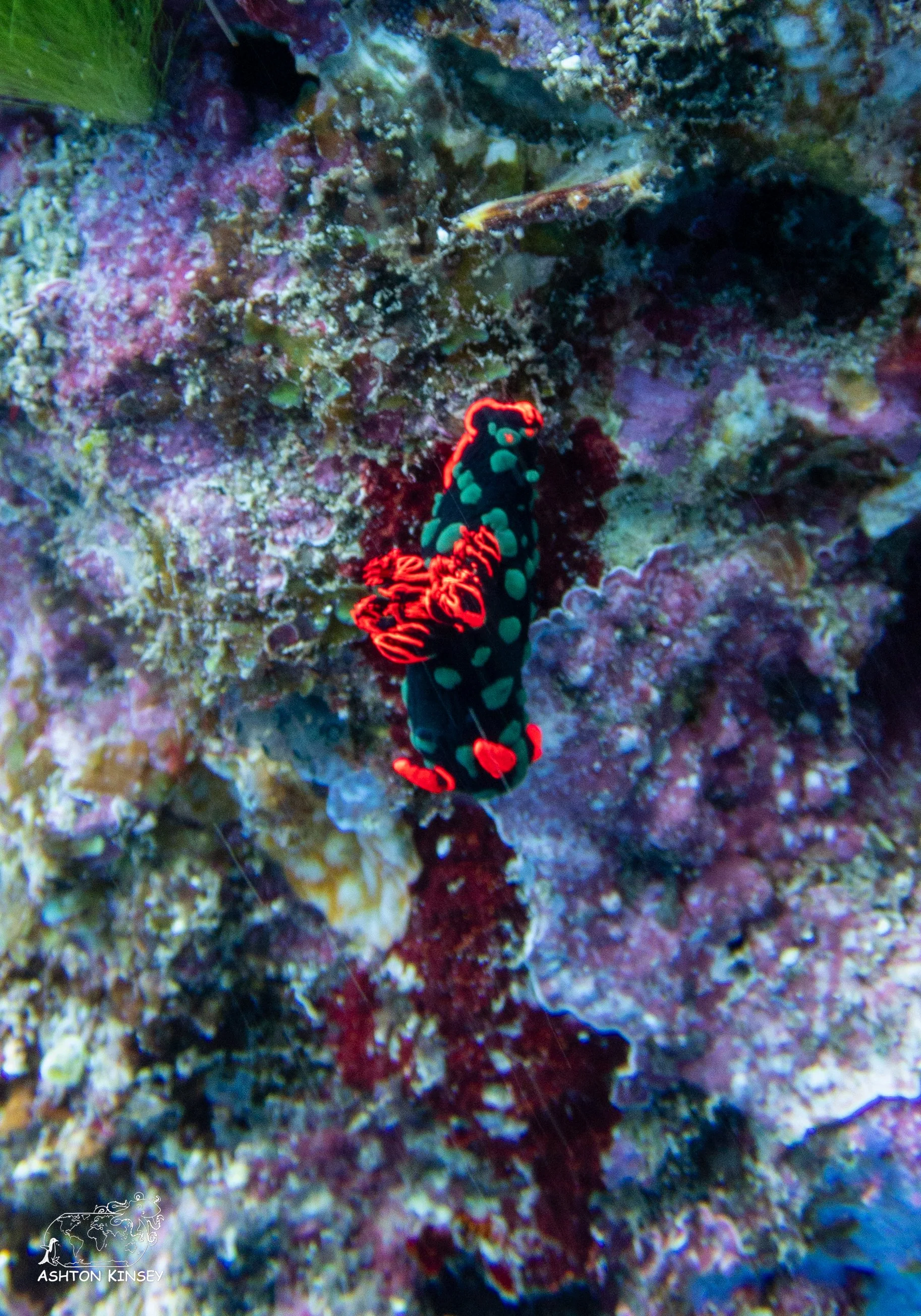
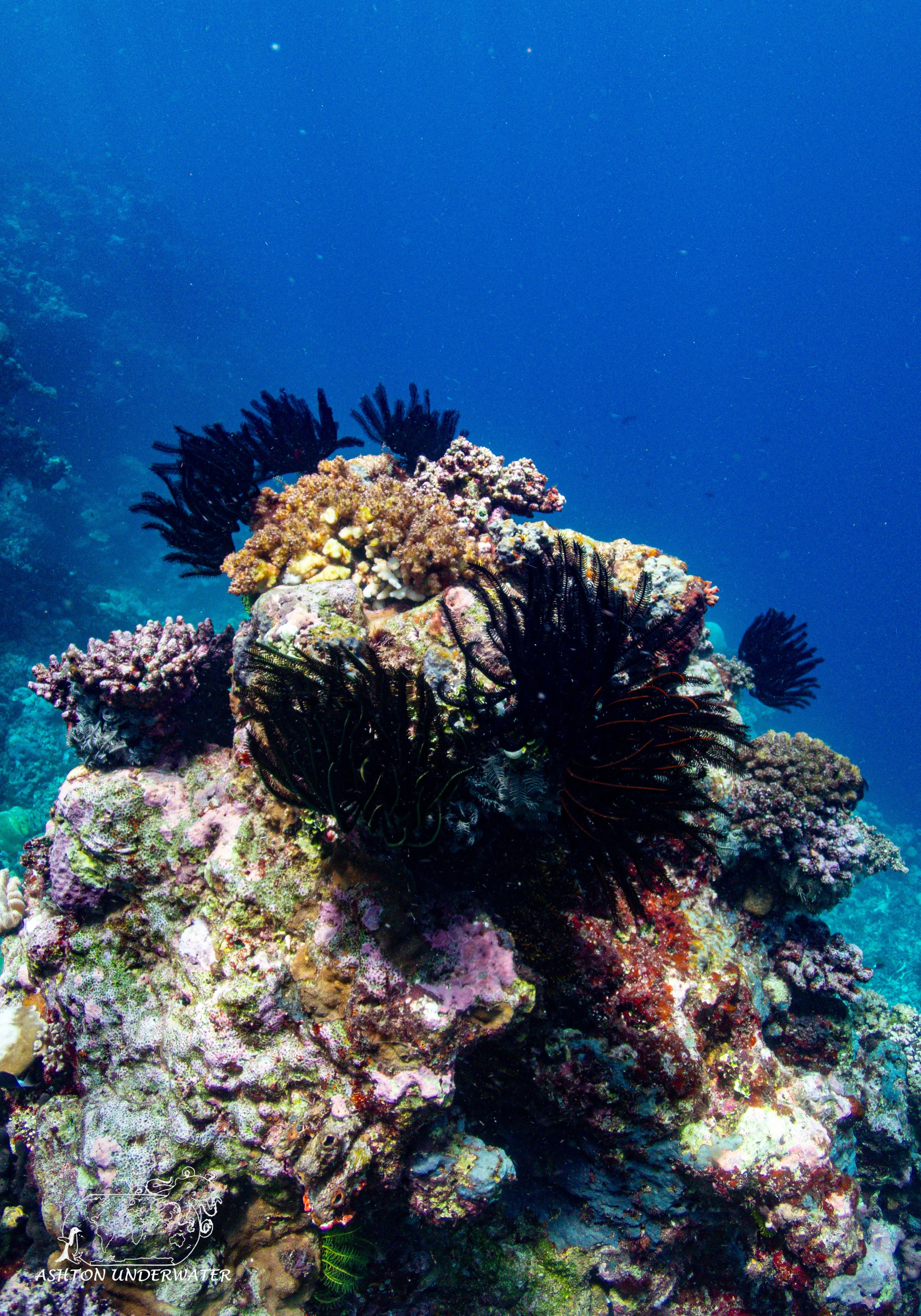
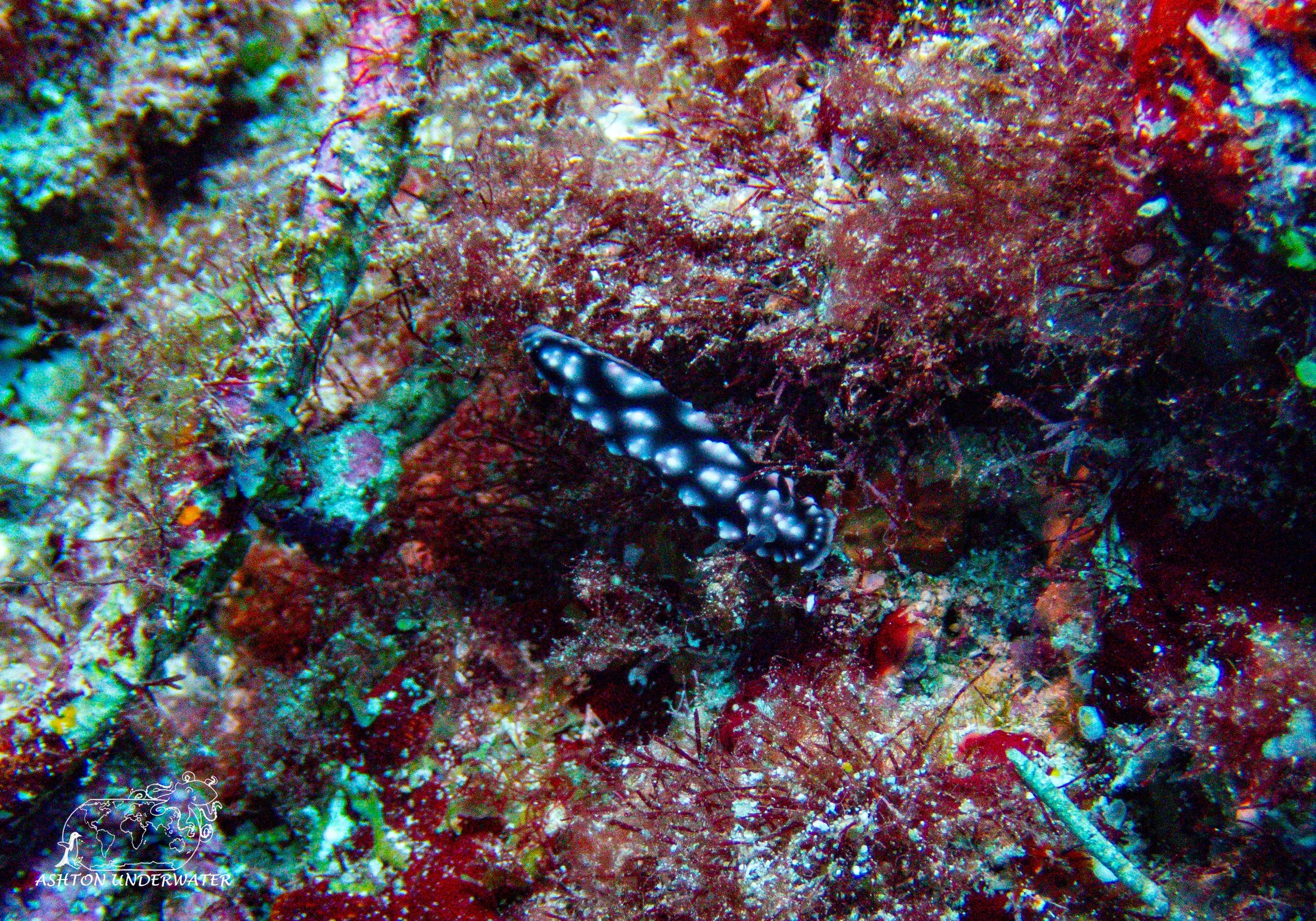
A sloped wall that leads to a point that has a steep drop off. The first half of the dive will be covered with fan corals and has small bommies with lots of hard corals. After passing beyond the point there are lots of soft corals and schools of red tooth triggerfish are common. Currents can be wonky with downwelling further from the wall or can have updrafts towards the shallows. Leopard Wrasses, boxfish, unicornfish, bumphead parrots, sharks and rays are all also common.
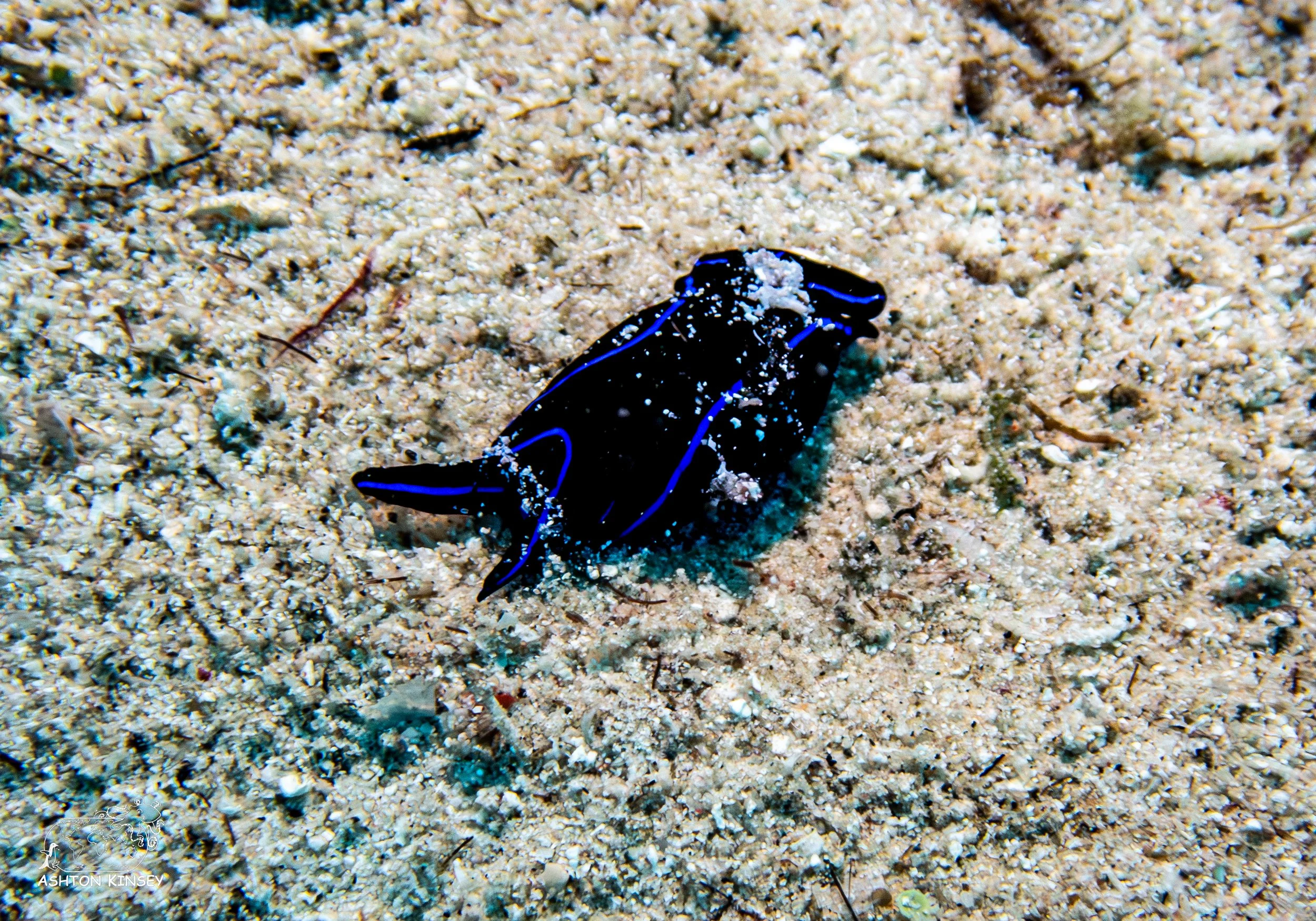
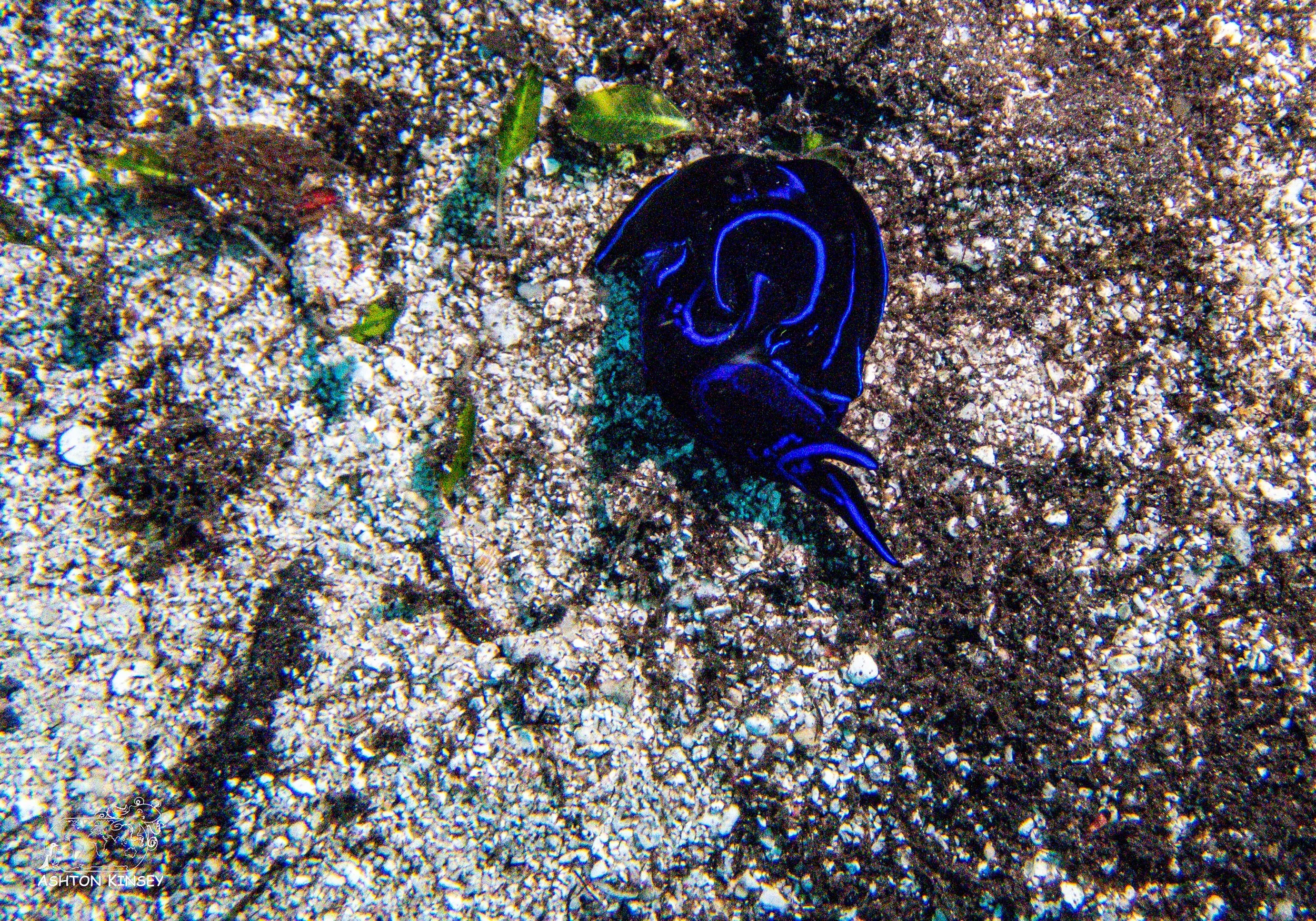
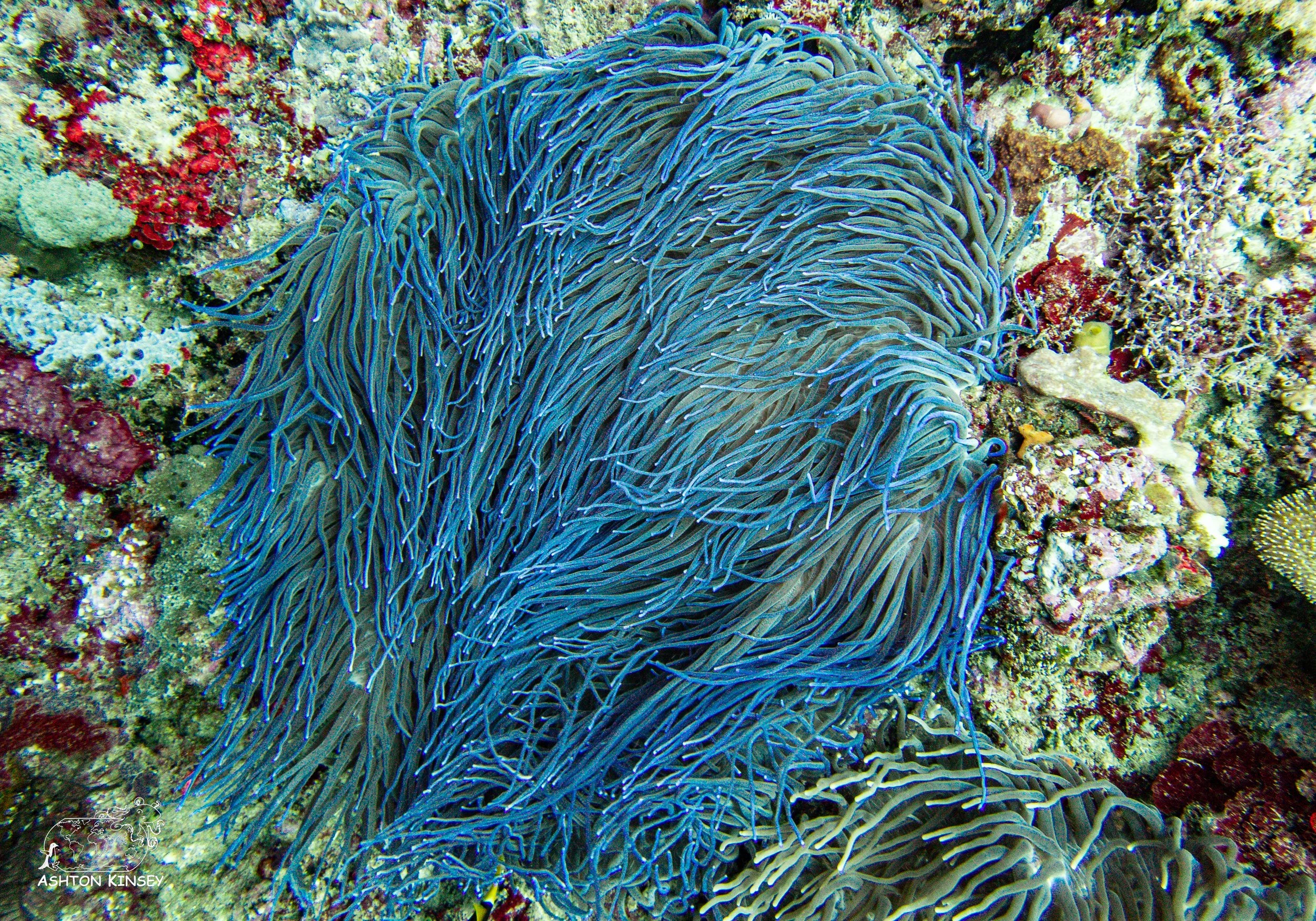
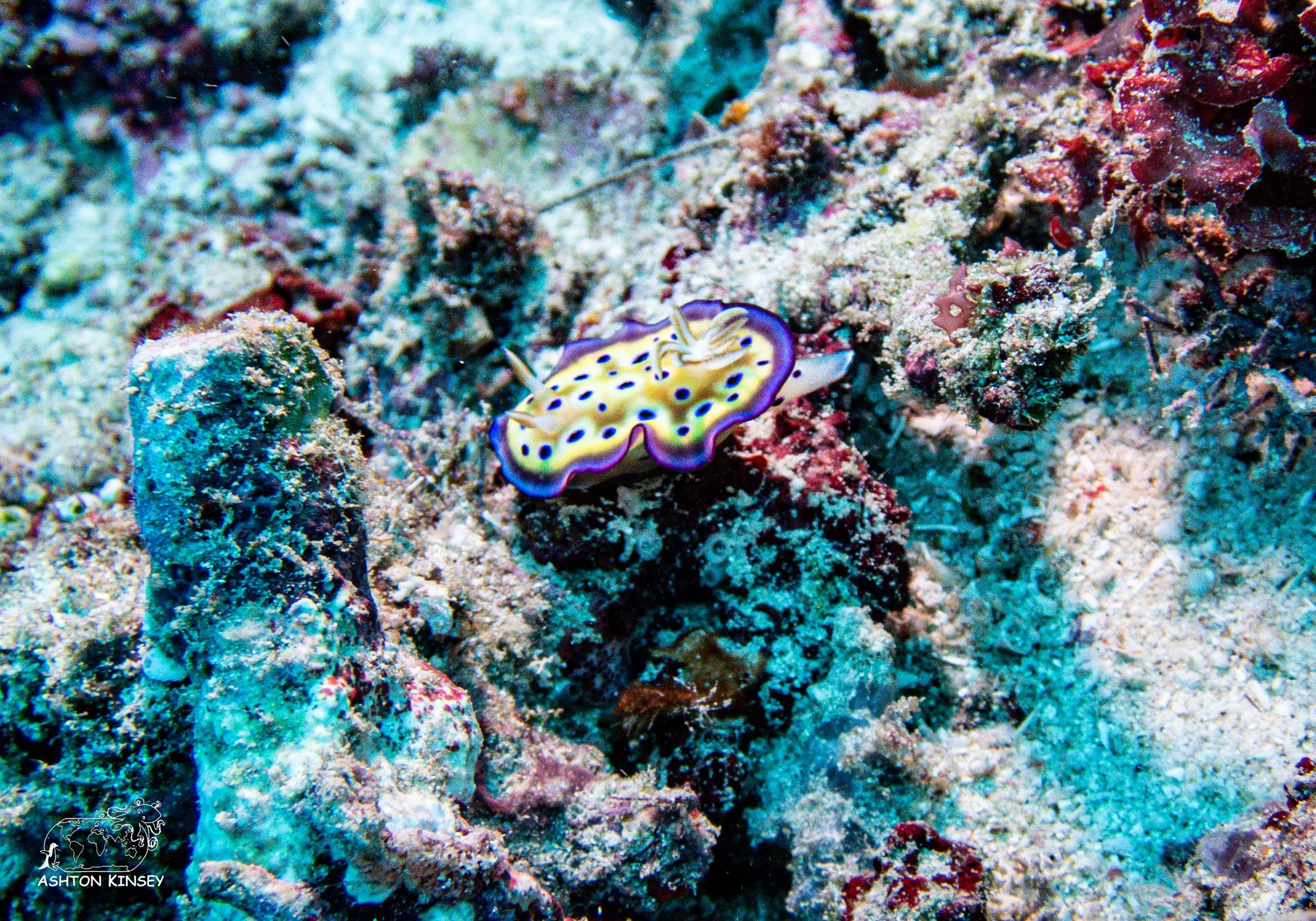
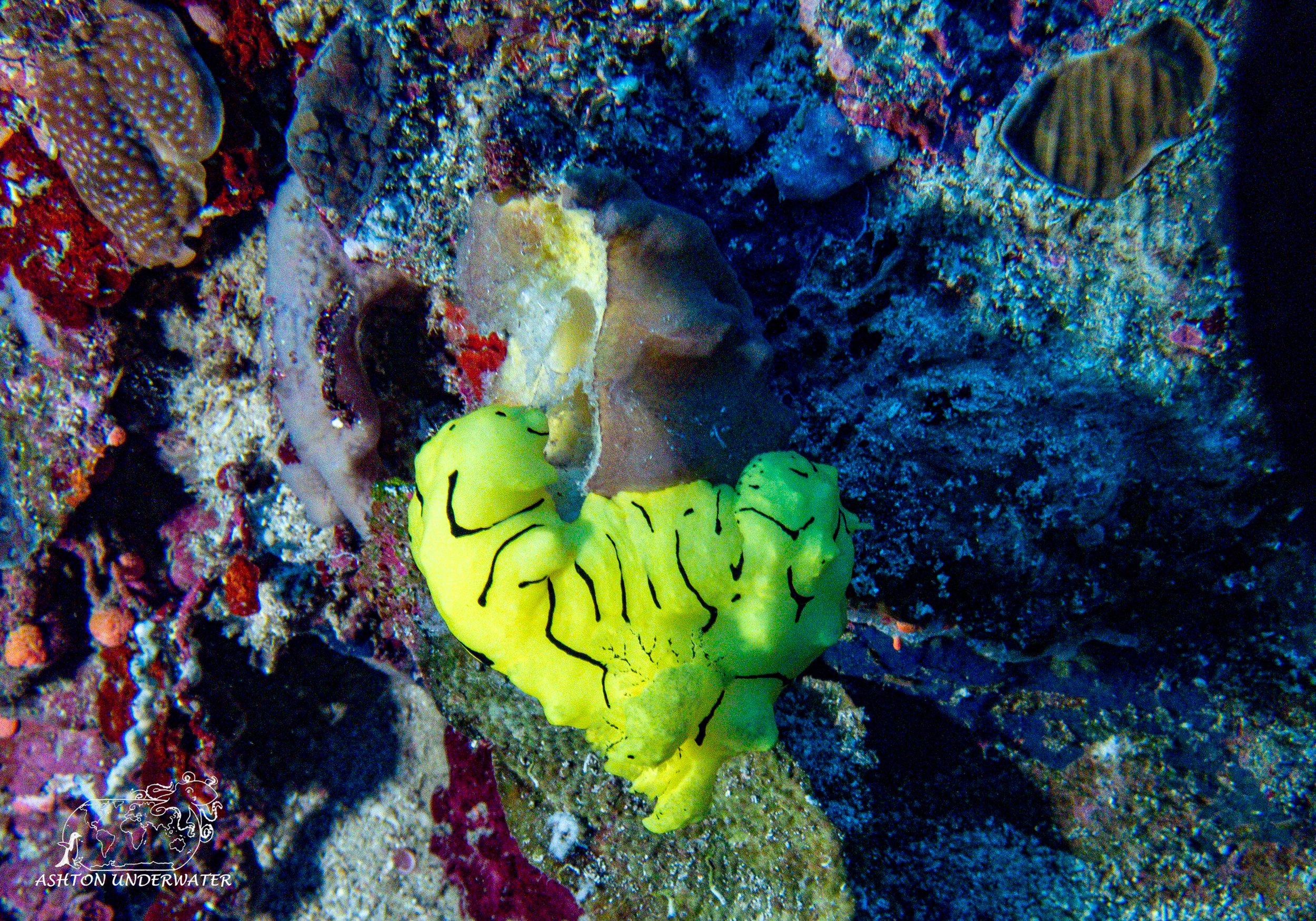
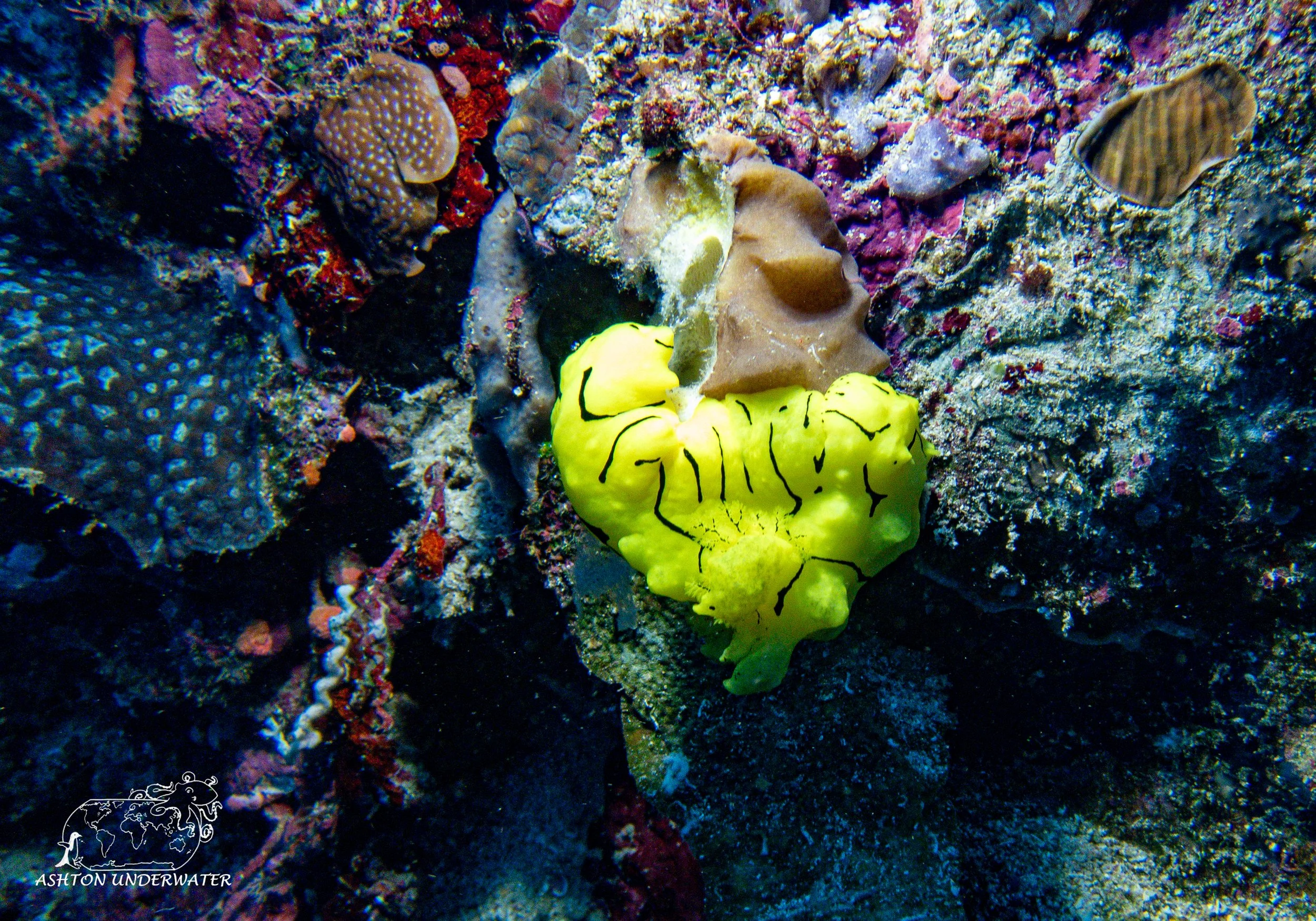
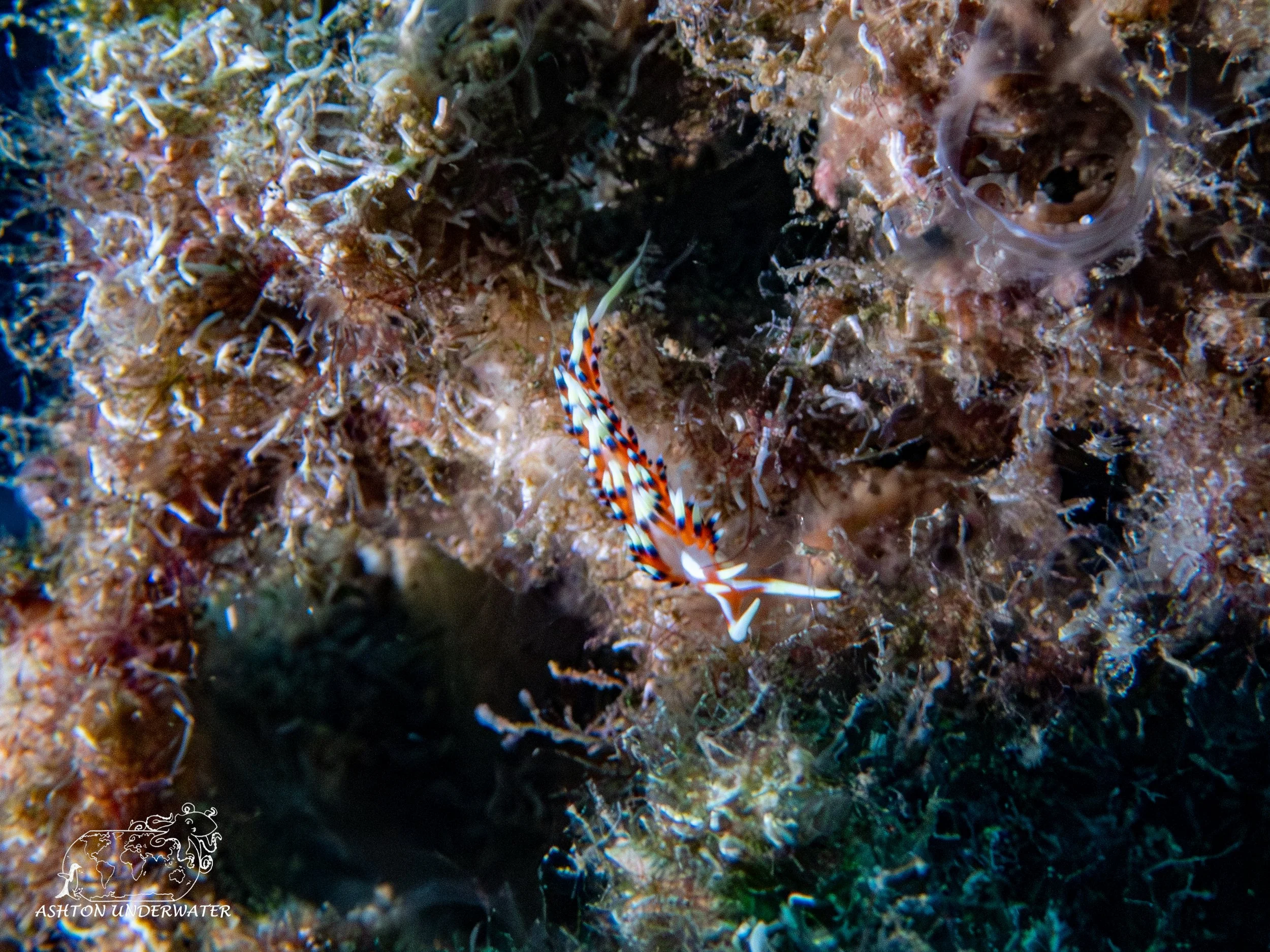
A live drop that leads into a drift dive at 80’ to the point of the wall along the left. There is a large bommie from 70’-45’ that is crowned with a large bright blue anemone. Banana nudes tend to bunch together
Ivy’s Den (Numara)
66’ for 60 minutes
A site similar to Tanavula Point, a sloping wall that leads to a steep drop off. This site specifically was renamed after Cruise Director Ben’s young niece. The site has a split current that will run opposite of Tanavula Point’s and while deeper on the wall have an increased chance of seeing hump head parrotfish. The shallow waters will have stronger surface surge to be aware of but also allows for spots to hunt for banana nudibranchs.
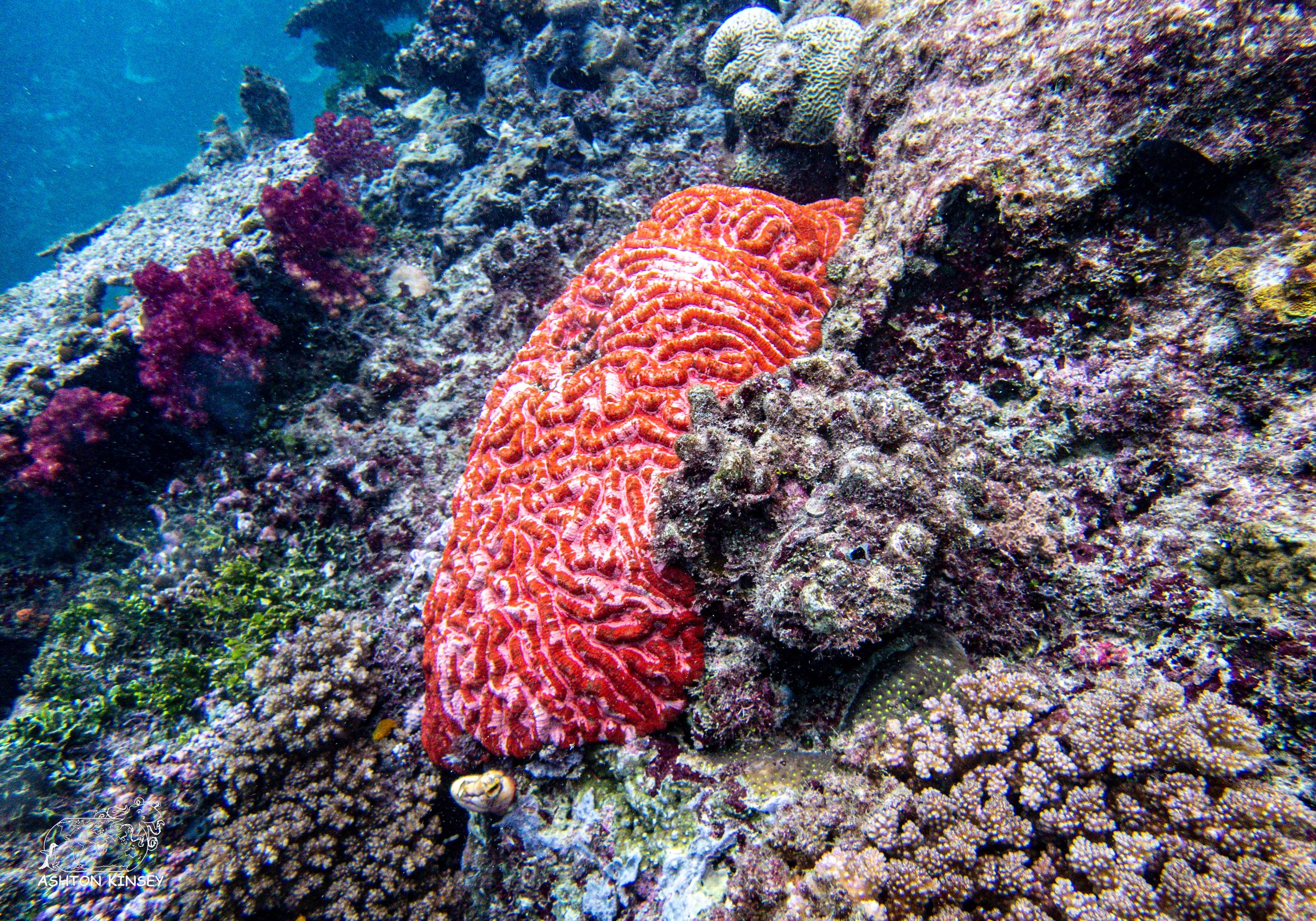
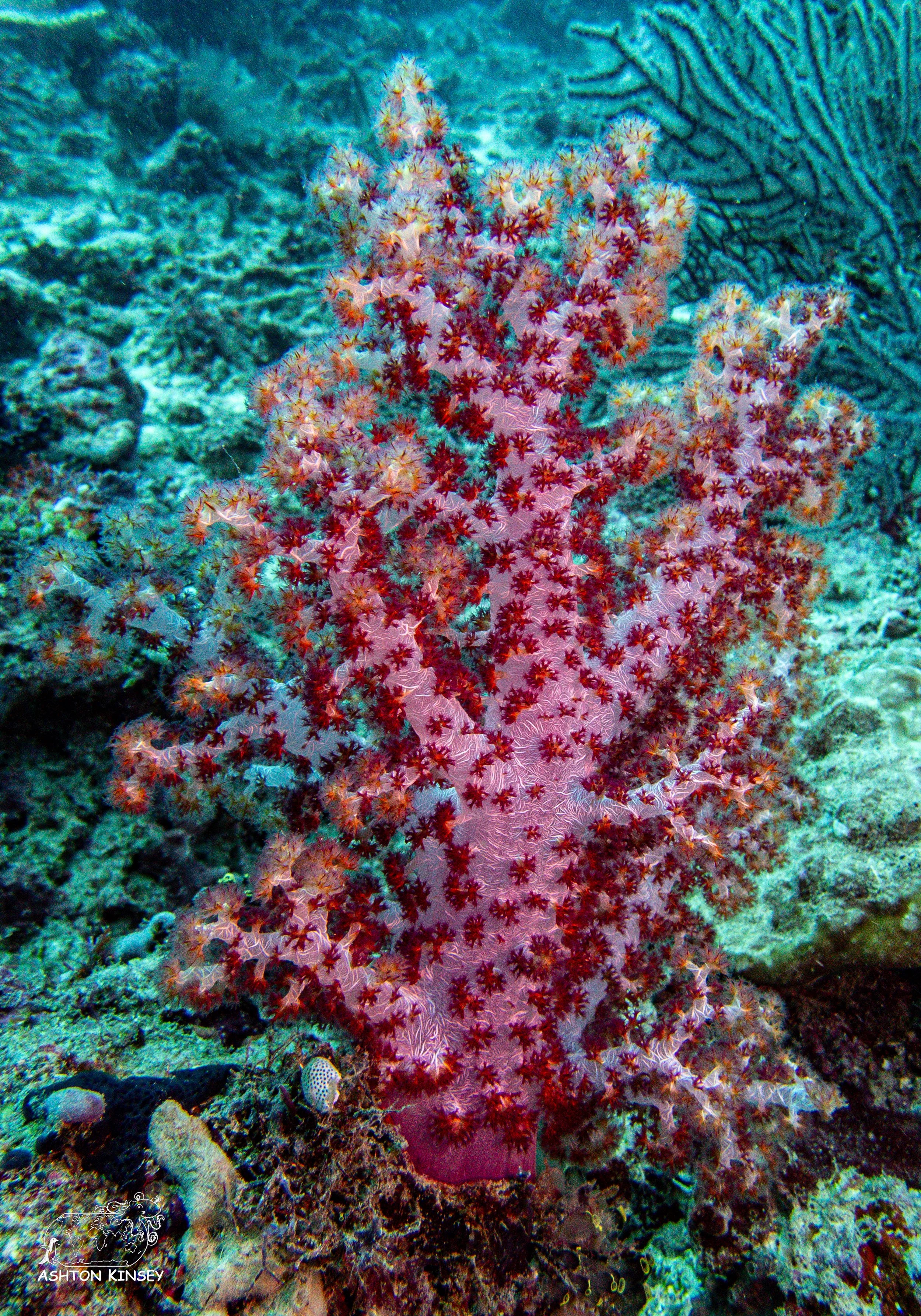
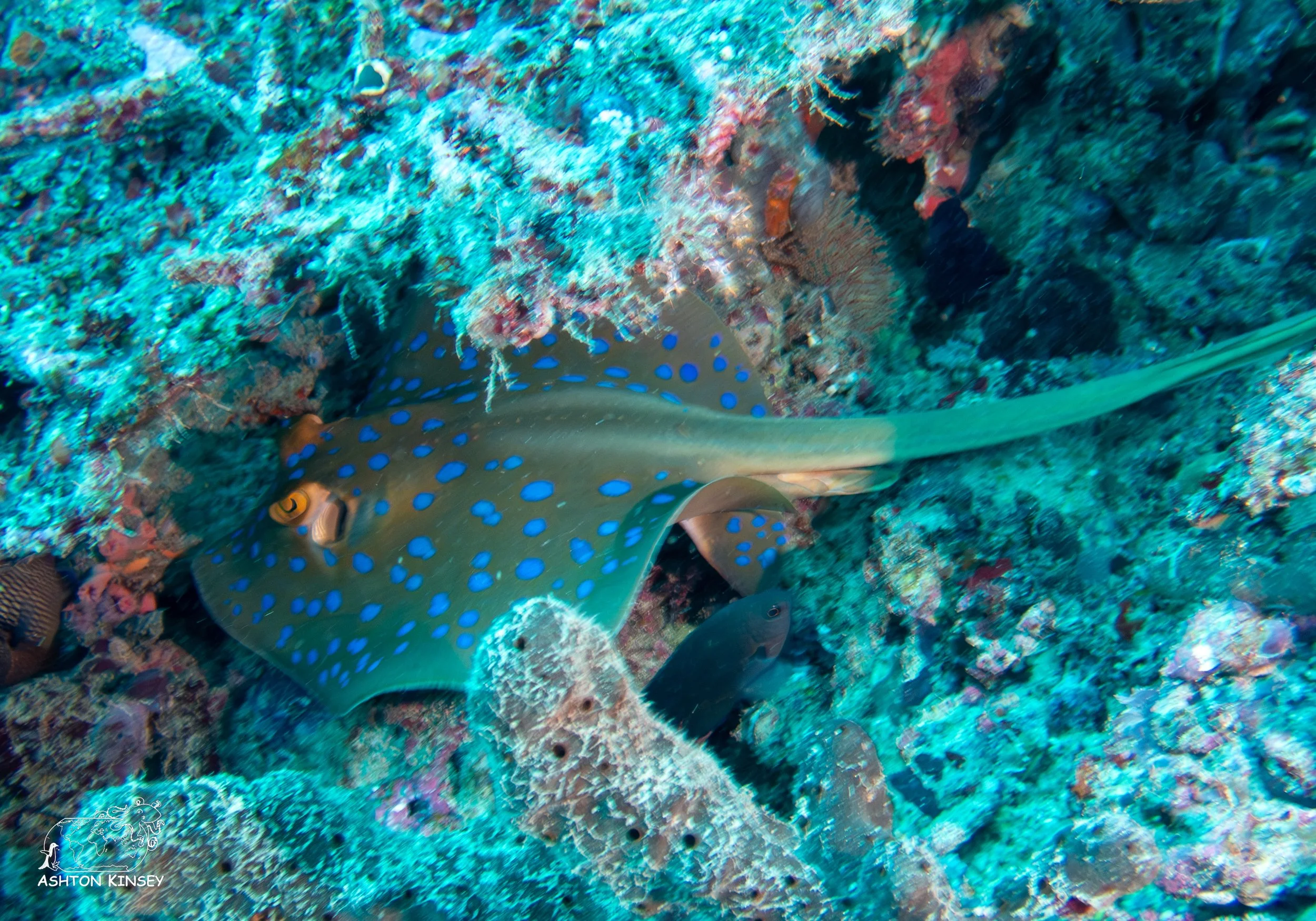
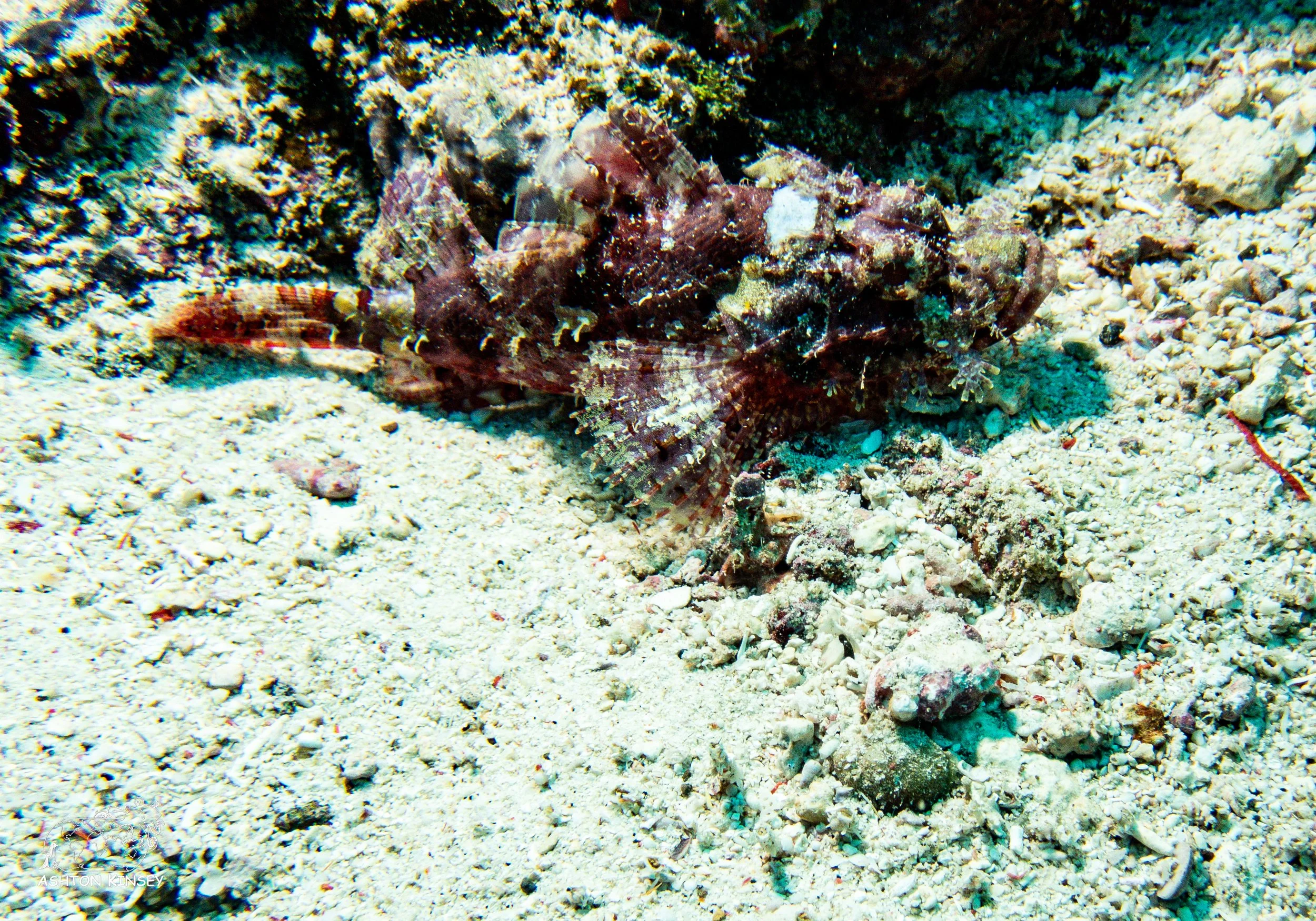
Brian’s Reef
47’ for 55 minutes
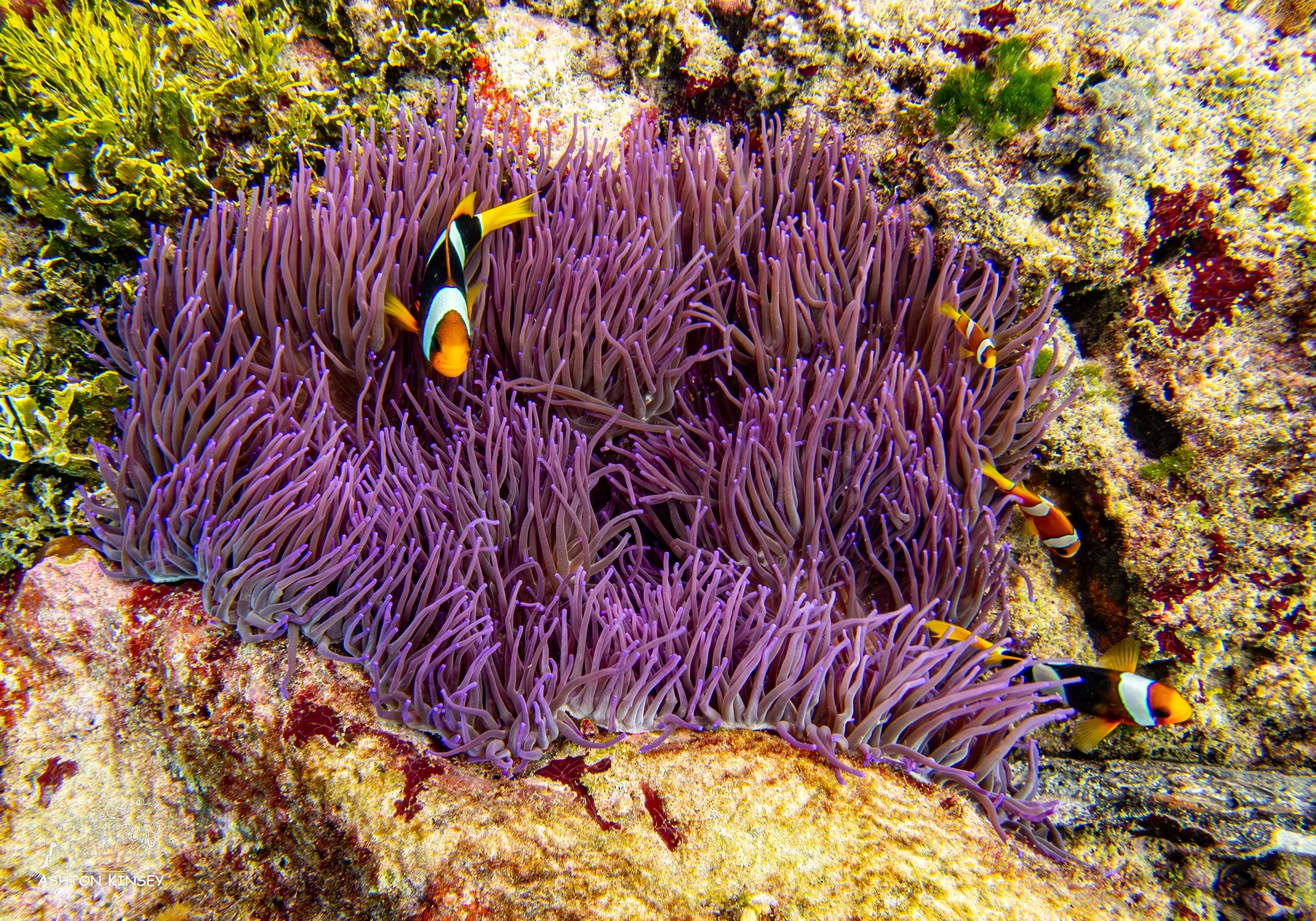
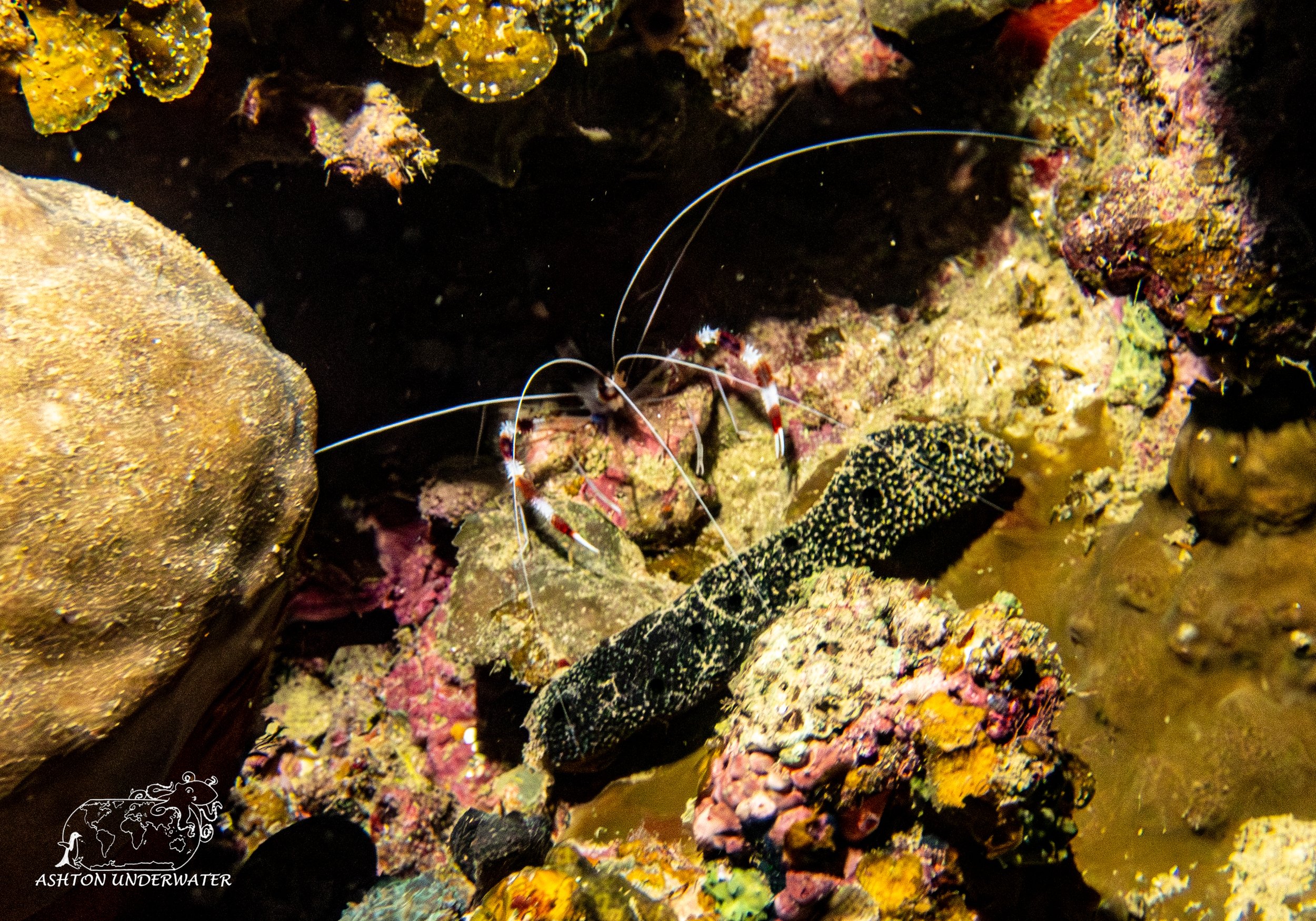
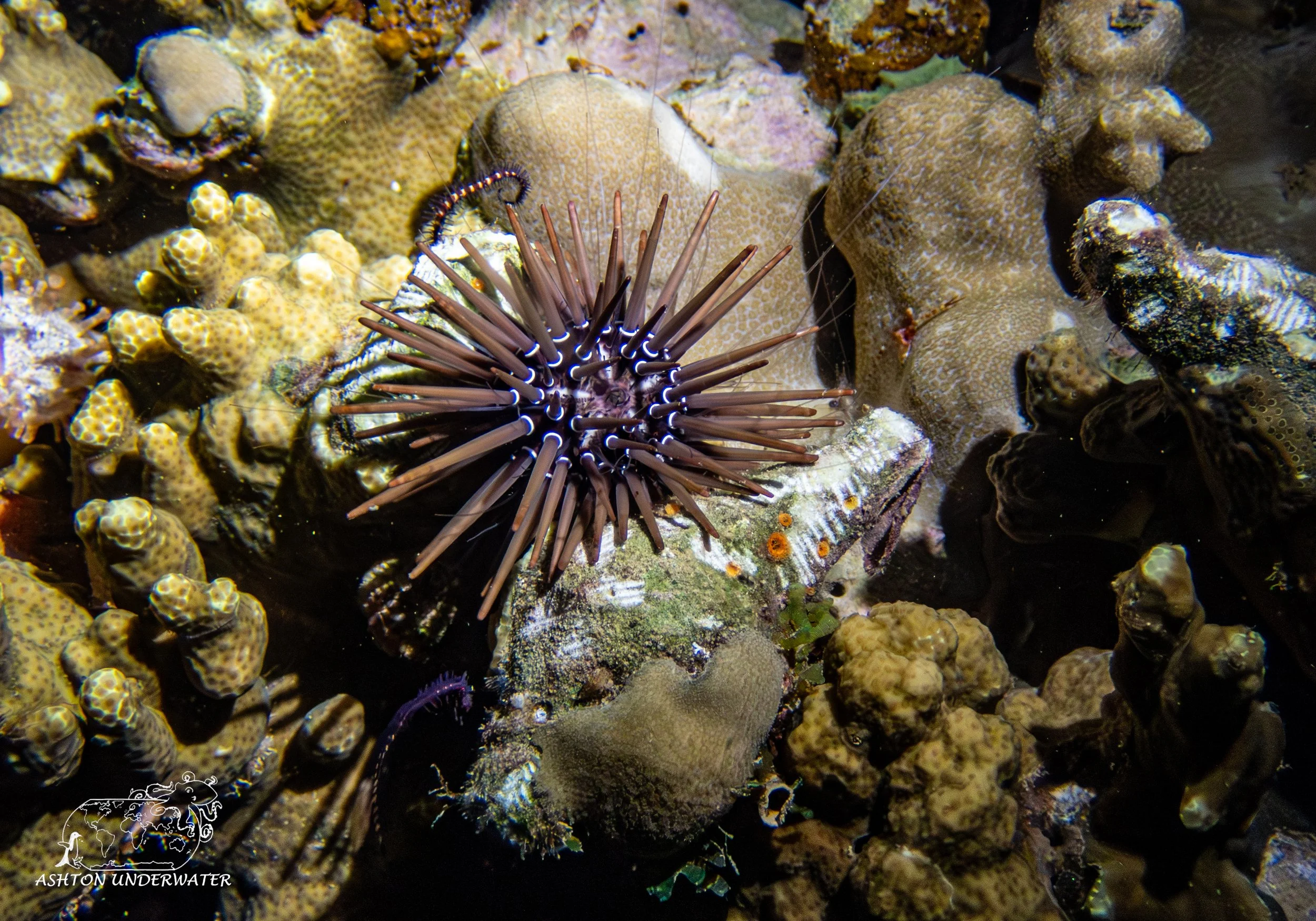
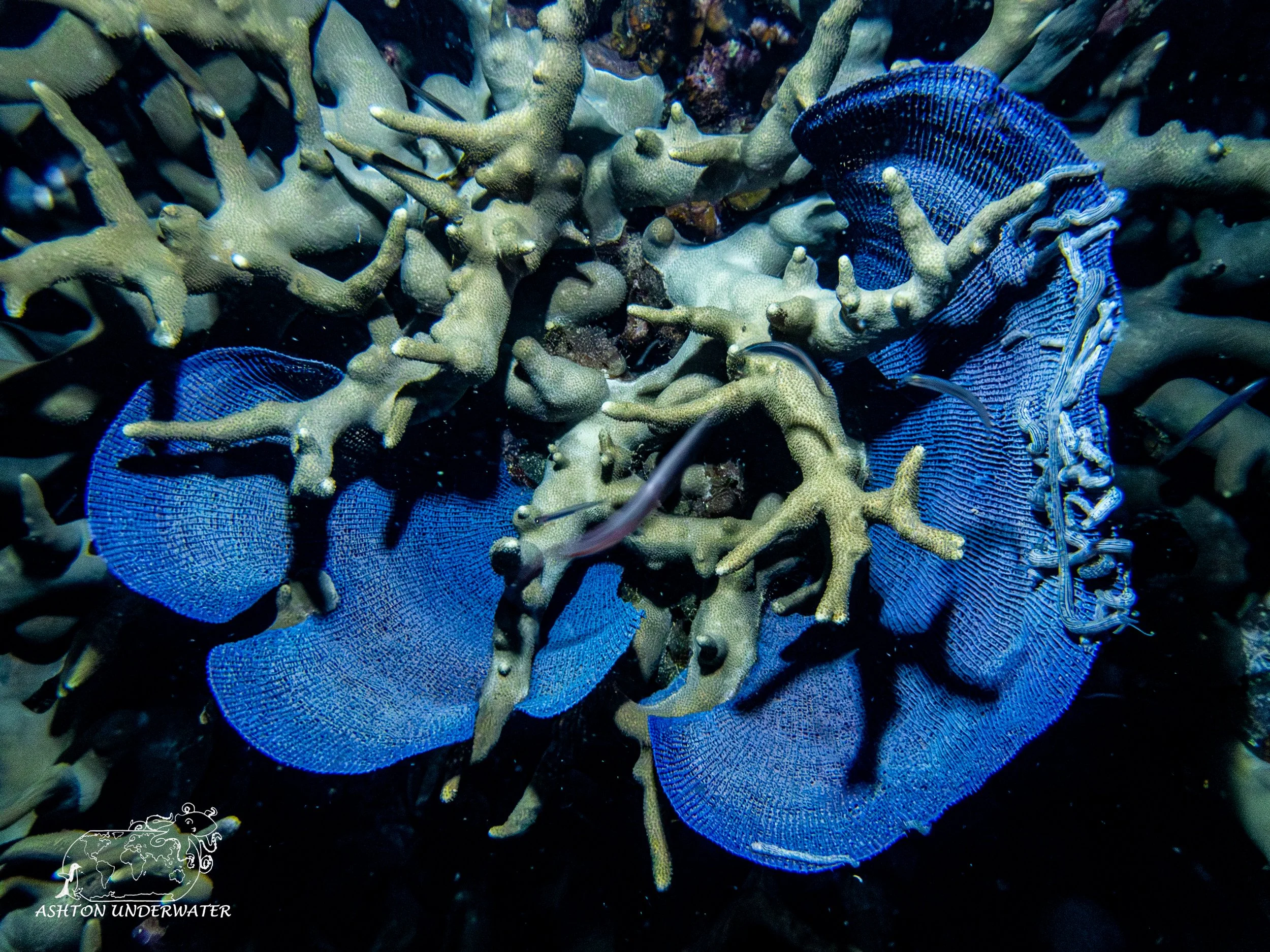
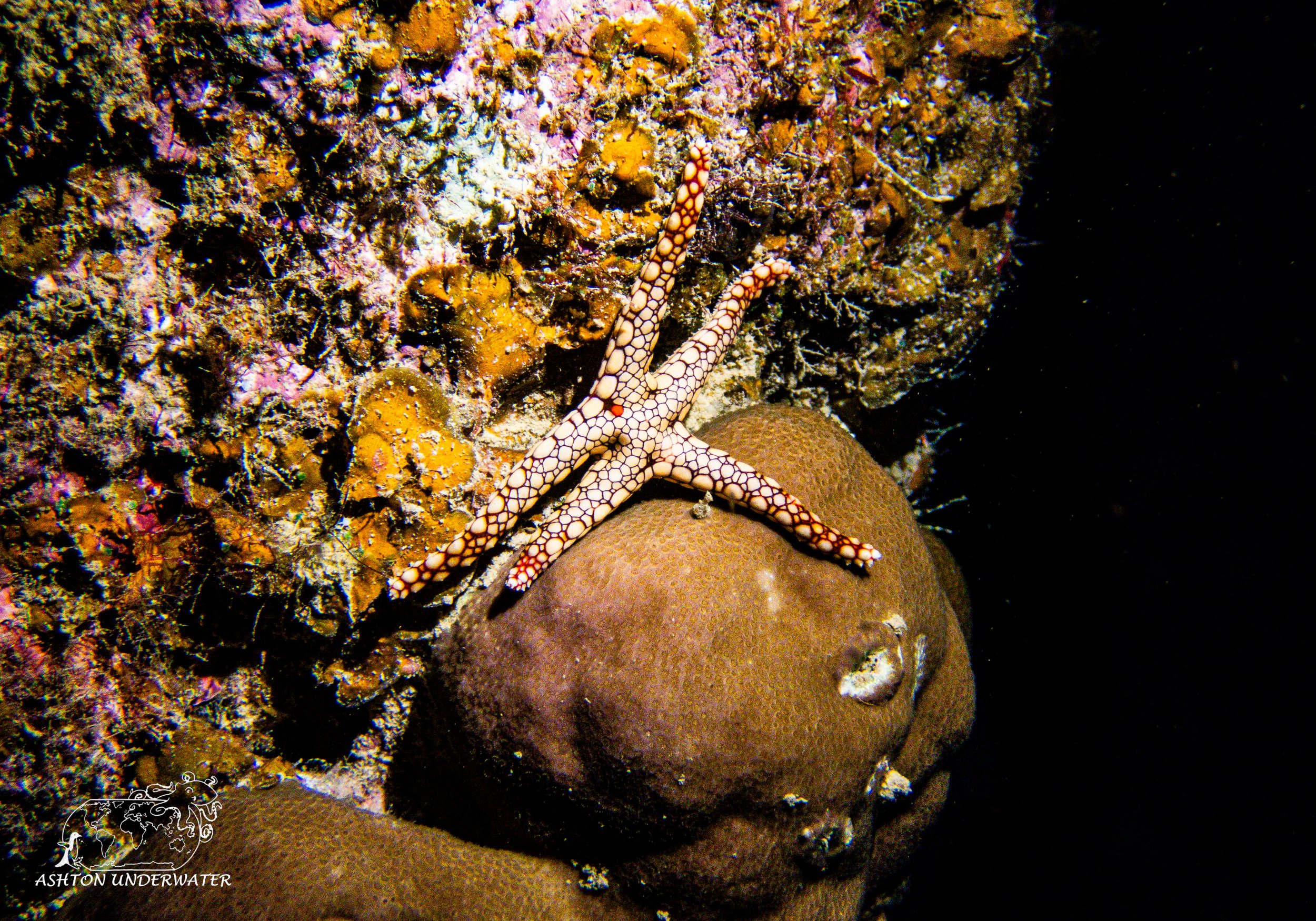
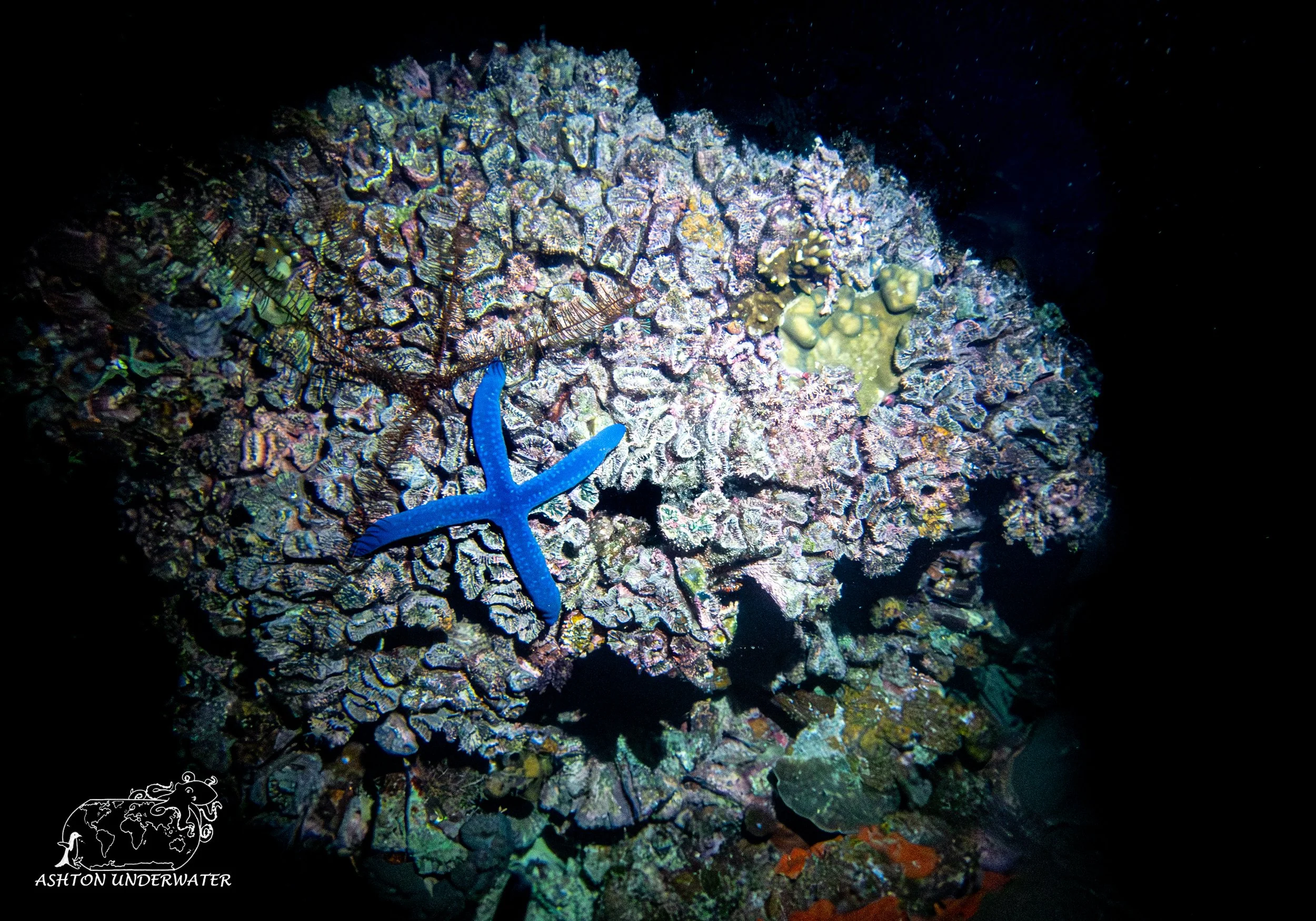
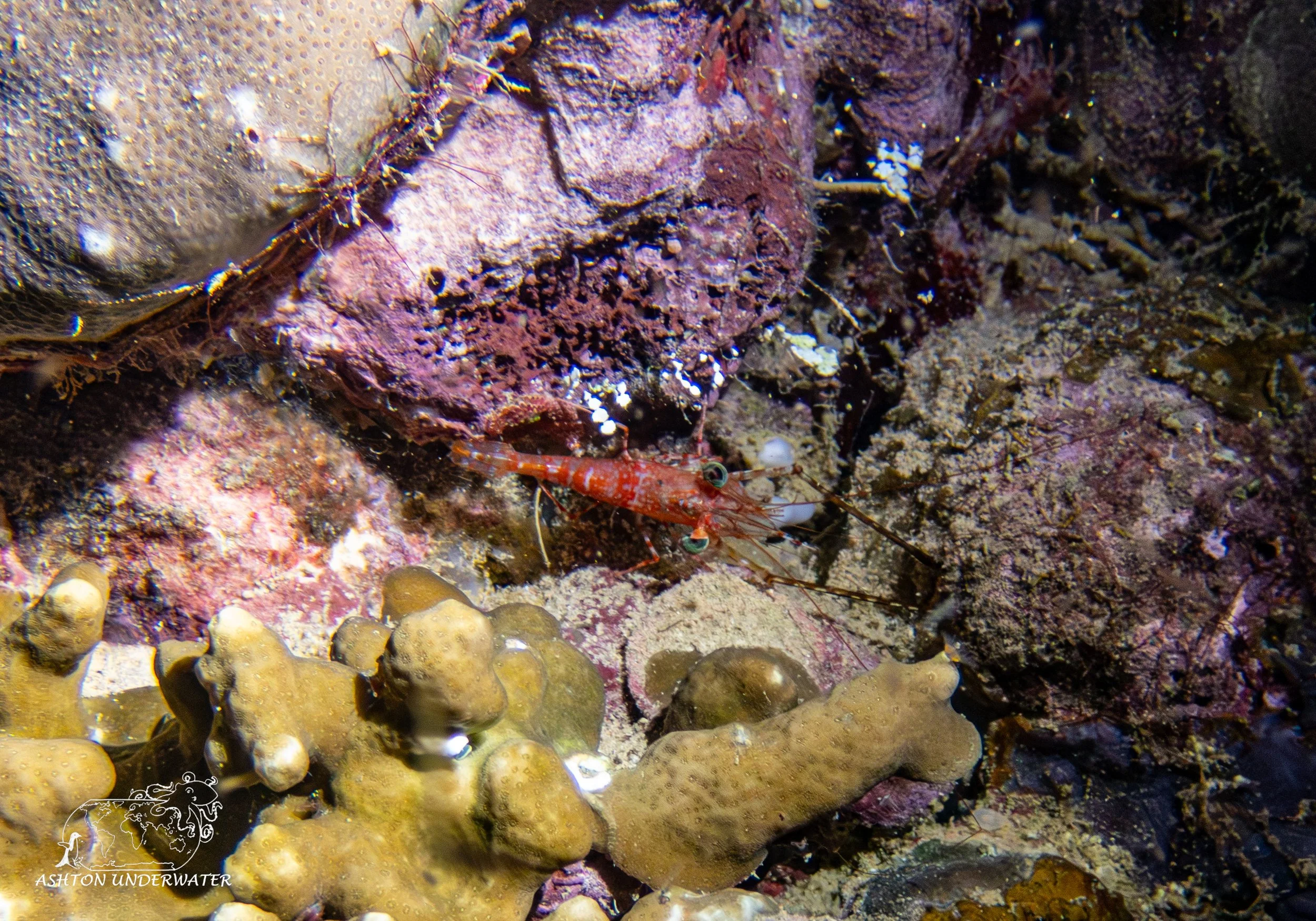
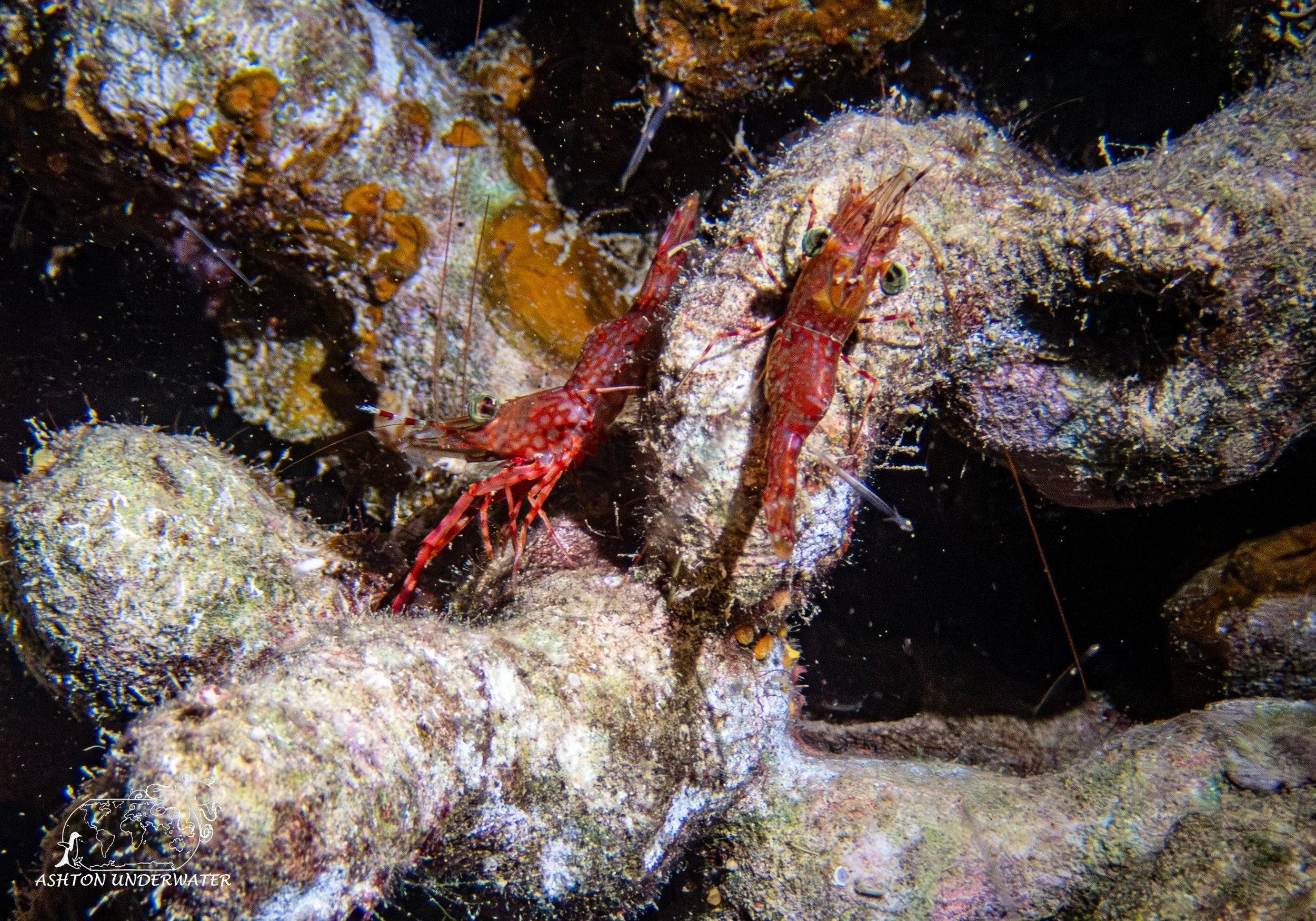
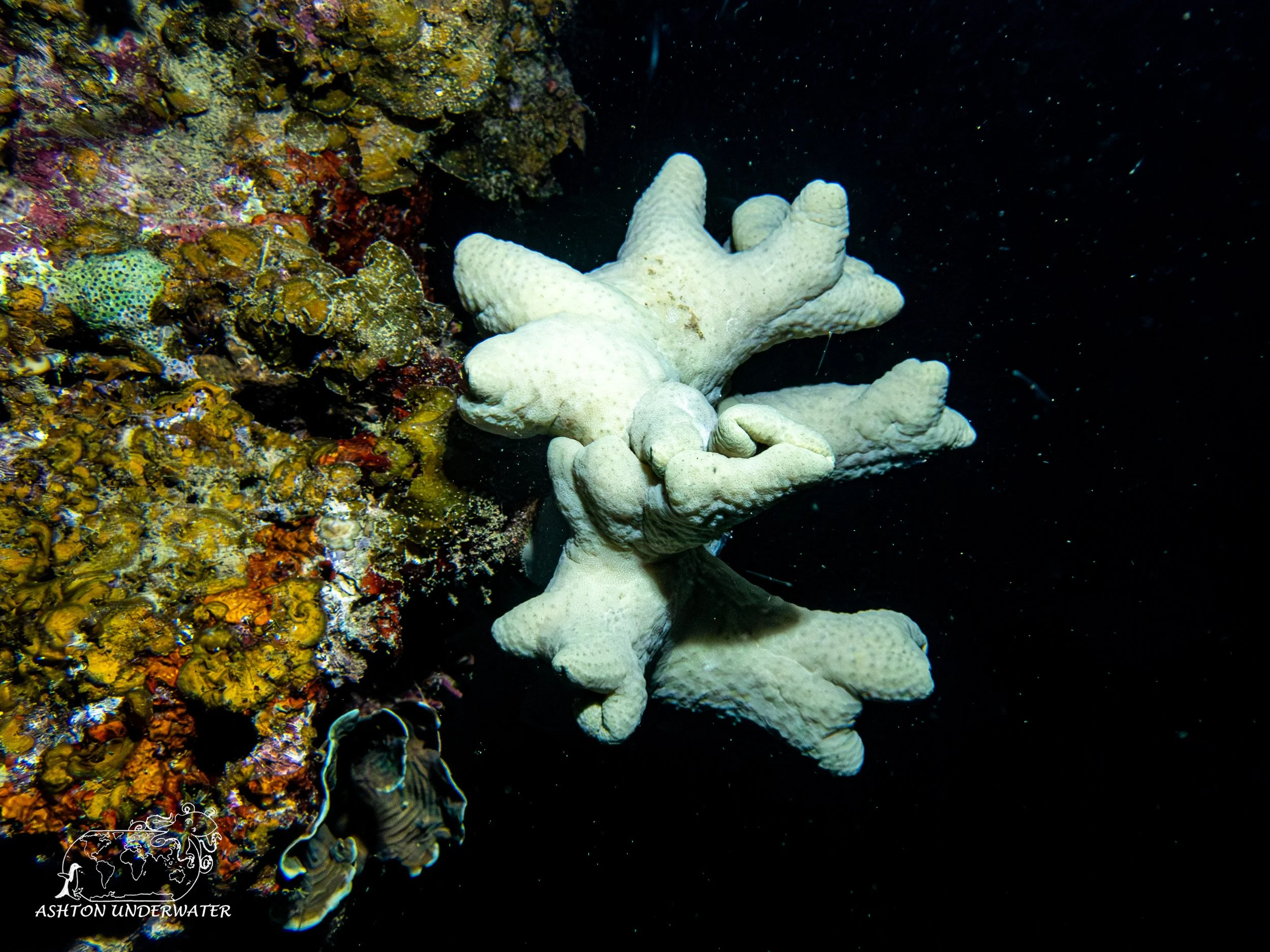
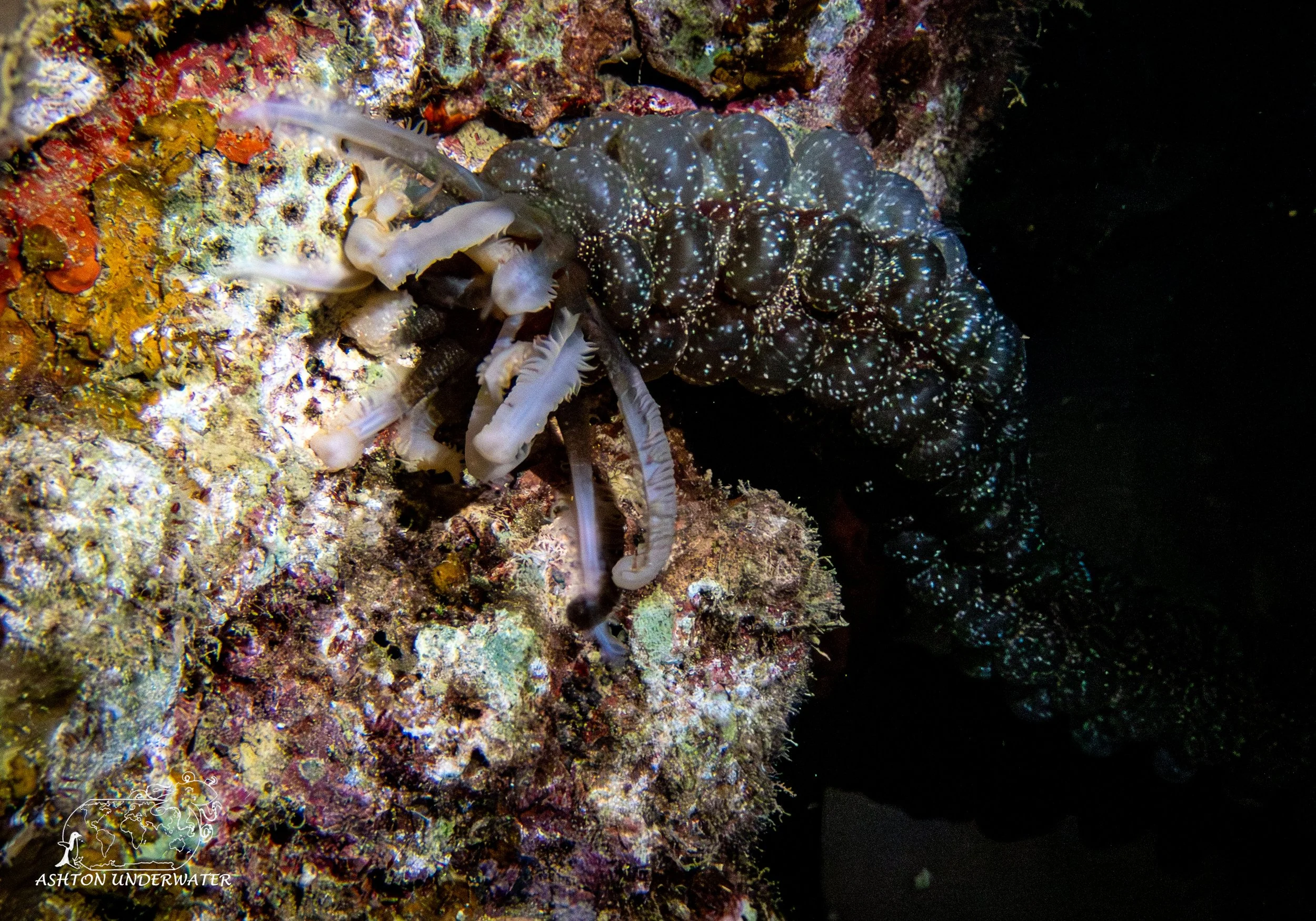
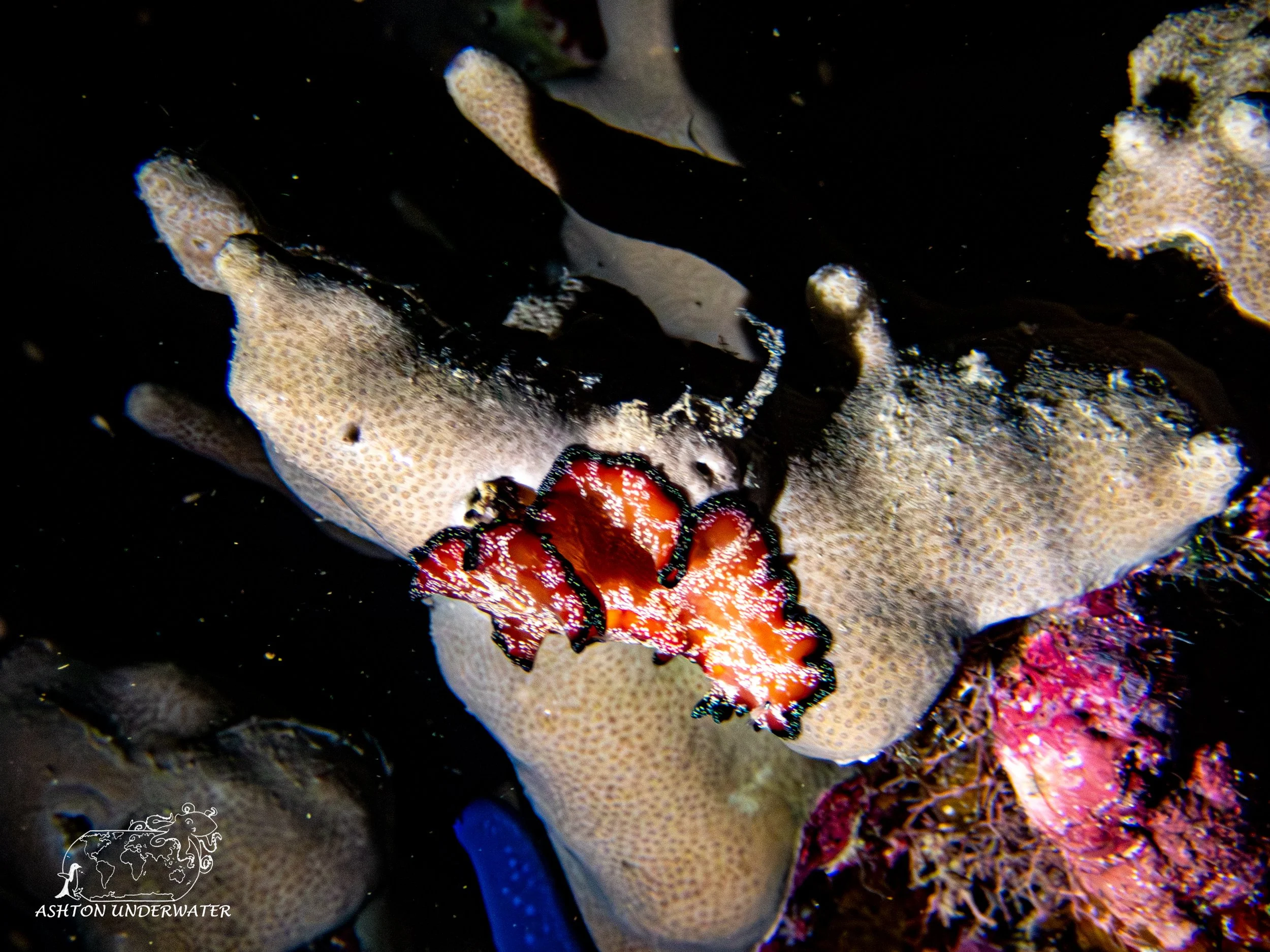
Located near Tanambogho Island, this site has lots of coral rubble and sand for mantis shrimp, octopus, clownfish, damsels, two-toned dartfish, and decorator crabs. The site is named after the dive guide Brian who’s from one of the neighboring islands. Two of the islands are on the surface at 90* to each other and slope down. It is important to follow the wall during the dive and not the island.
Twin Tunnels
121’ for 56 minutes
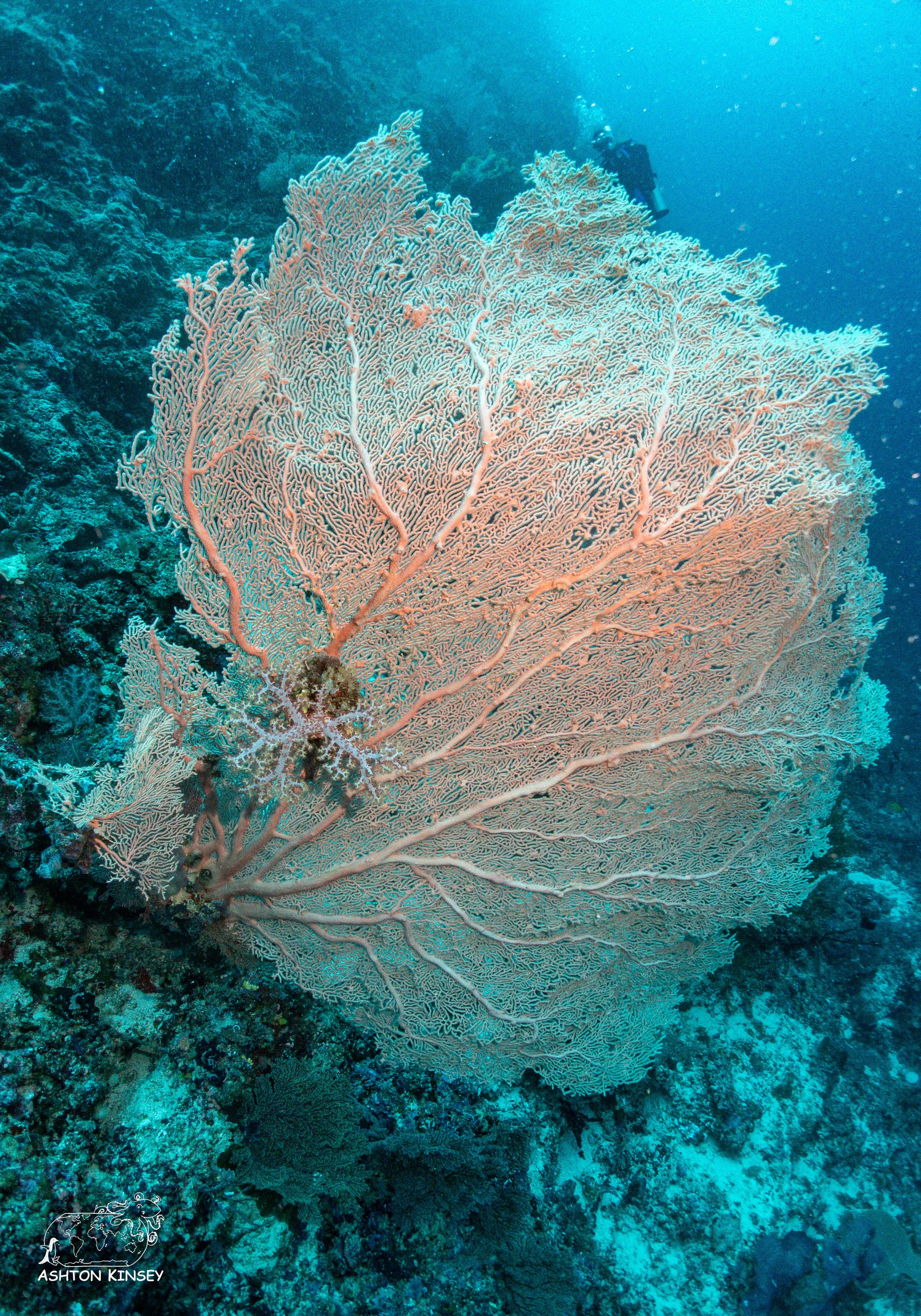
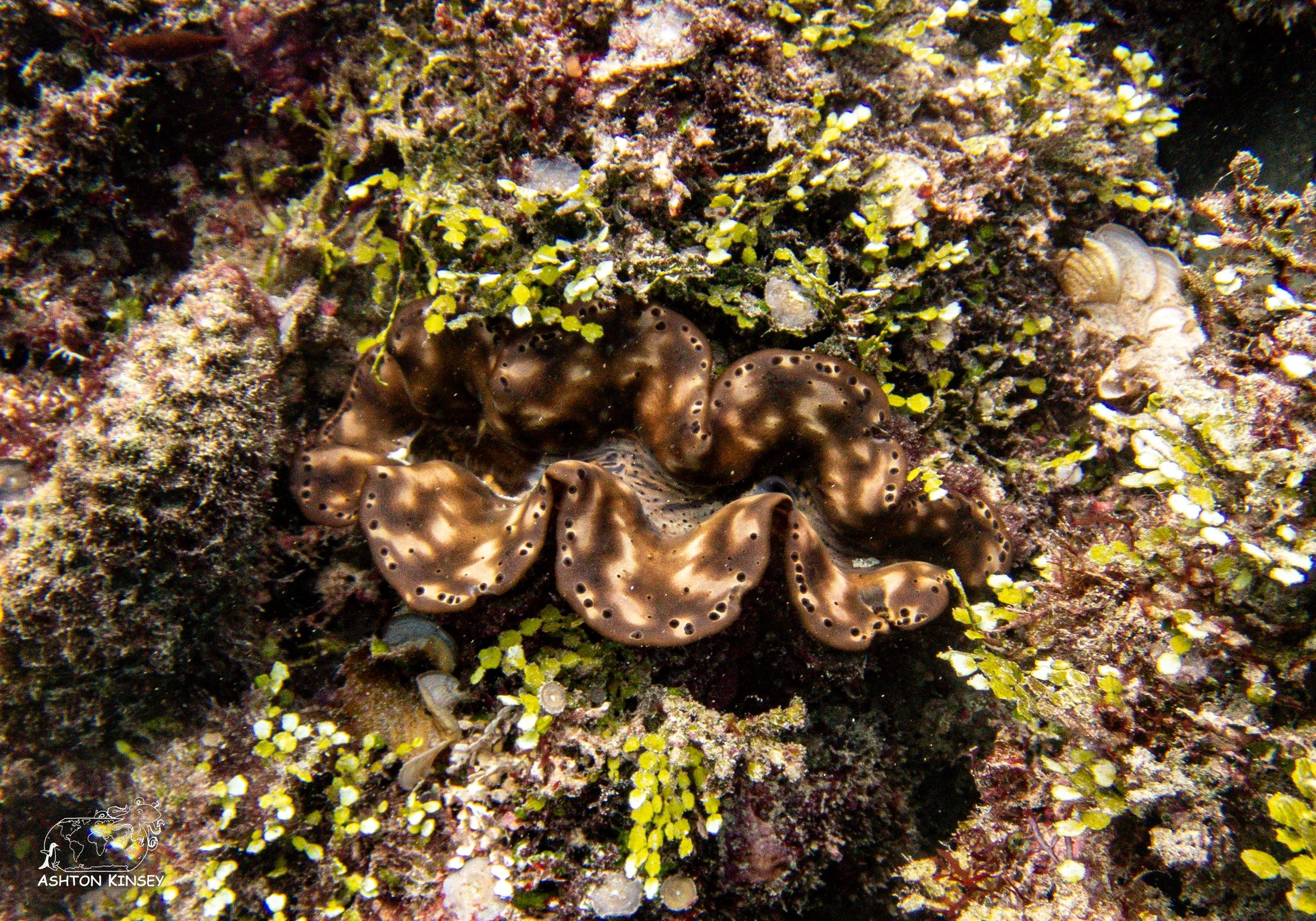
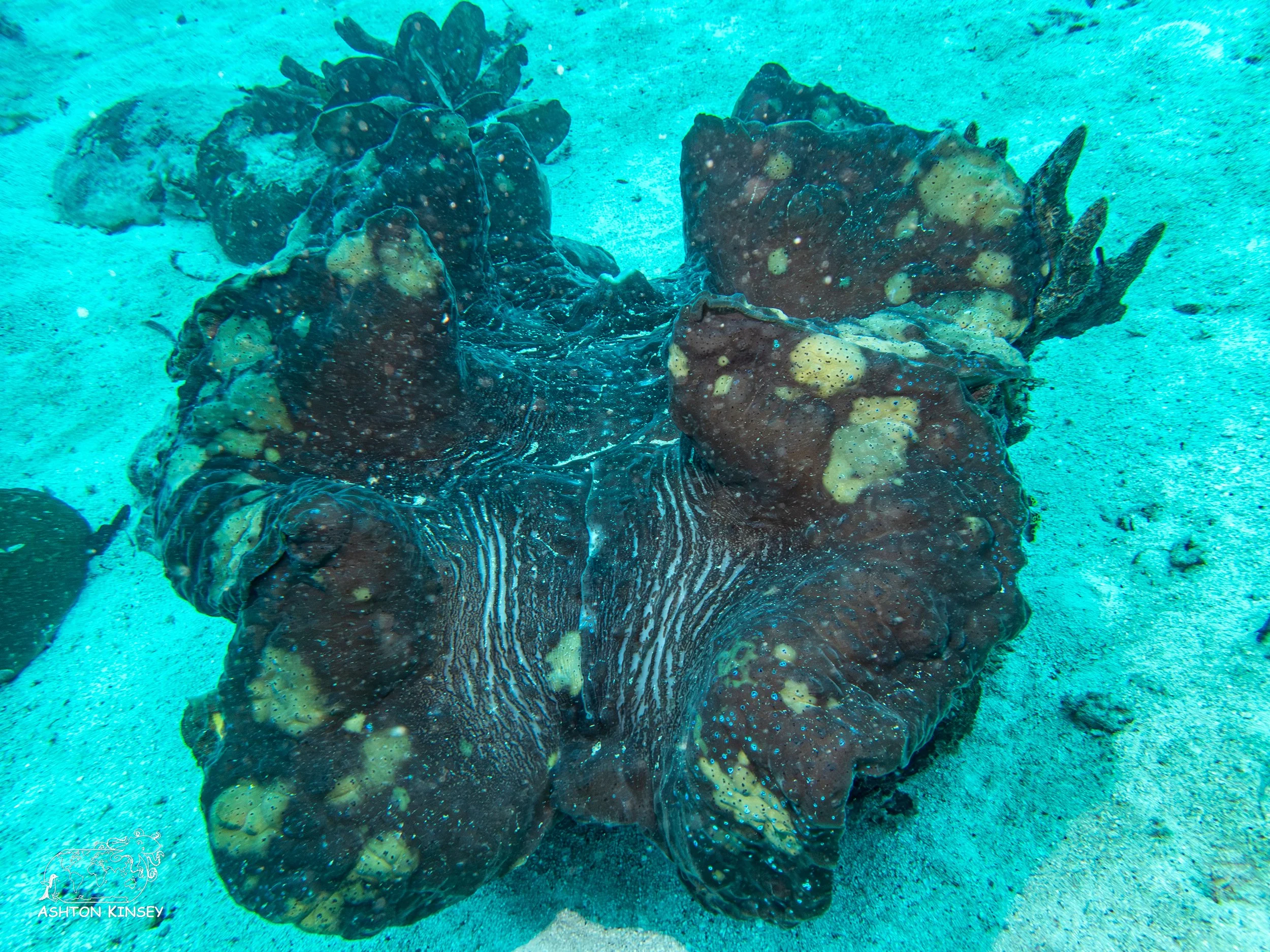
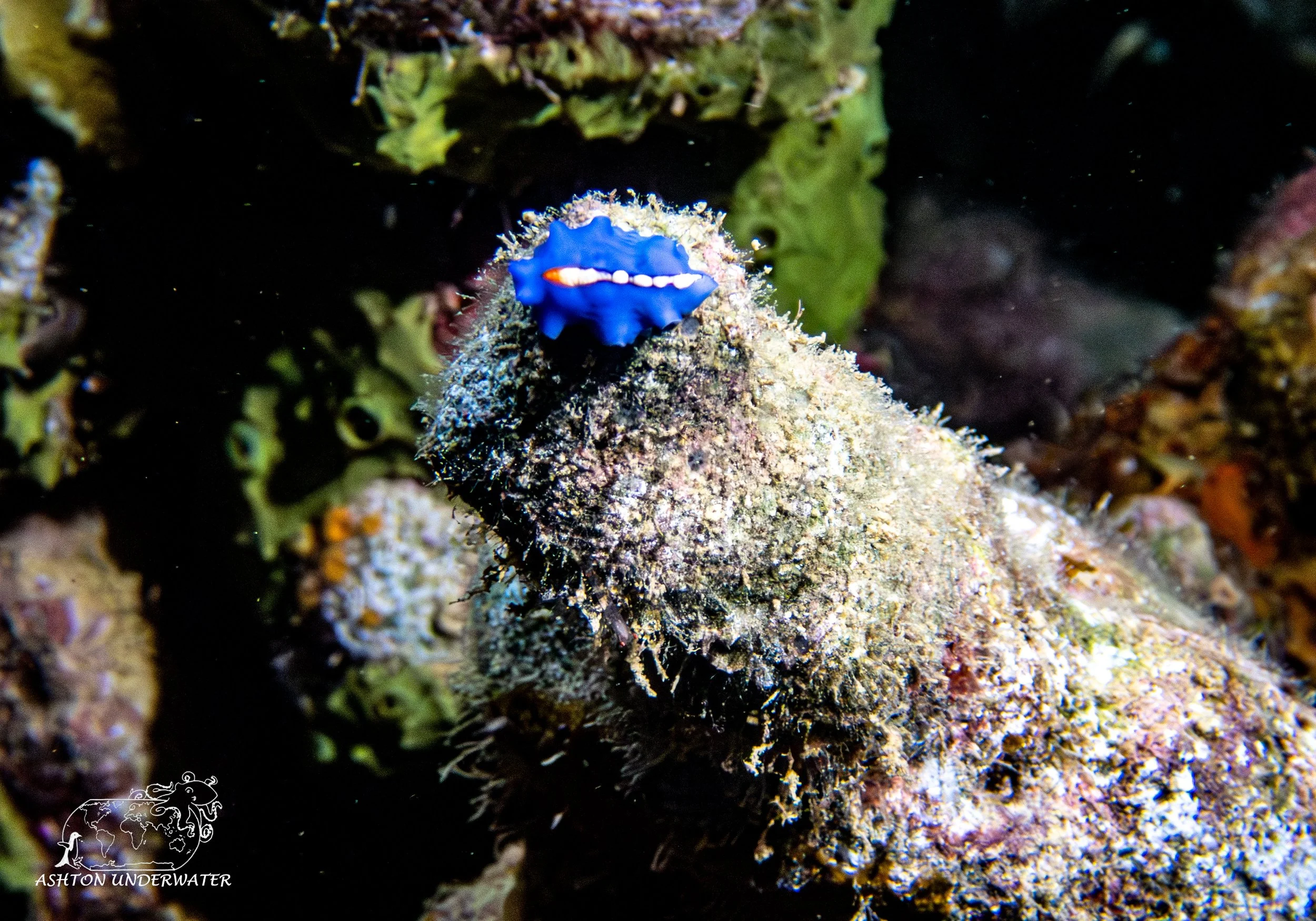
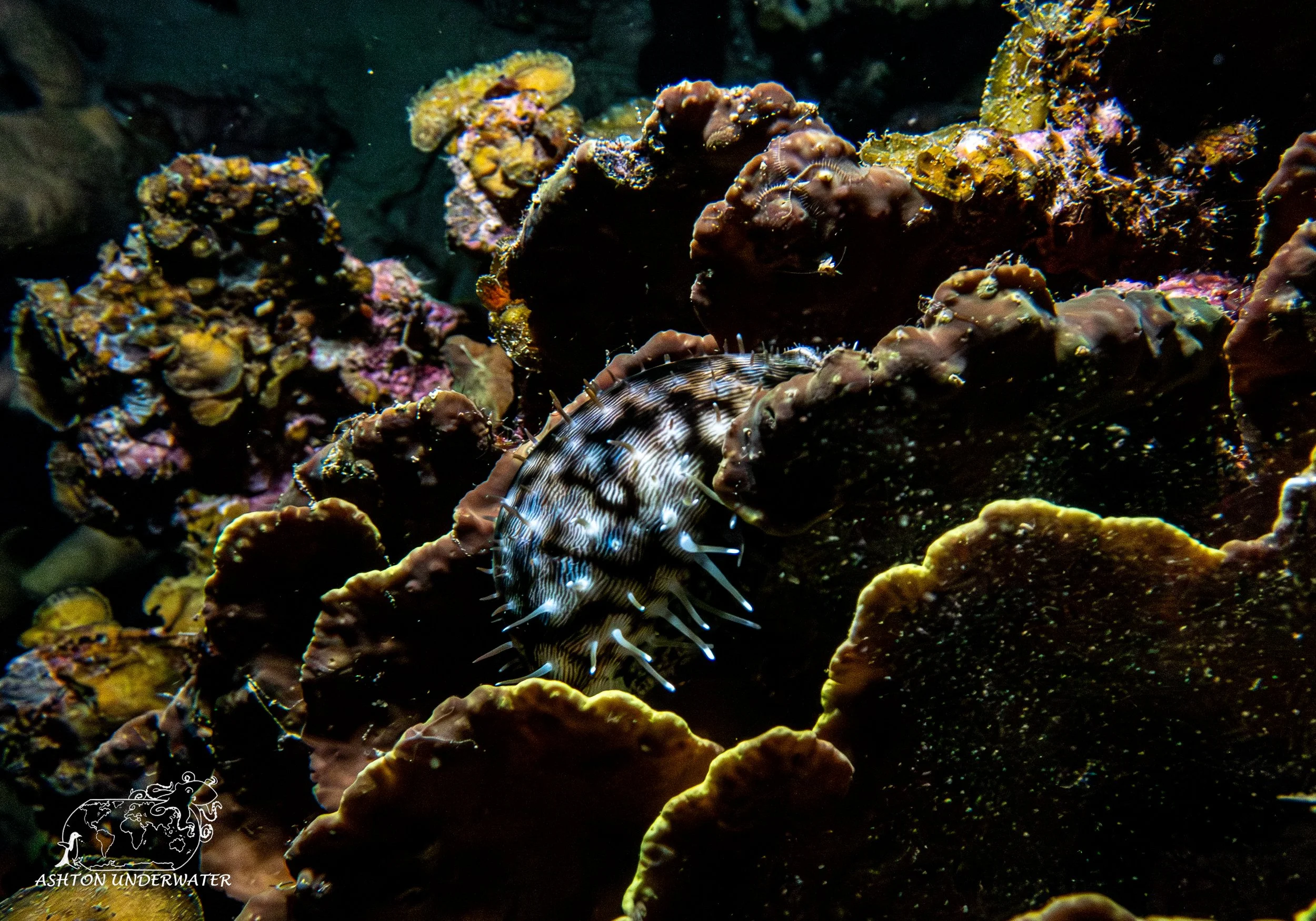
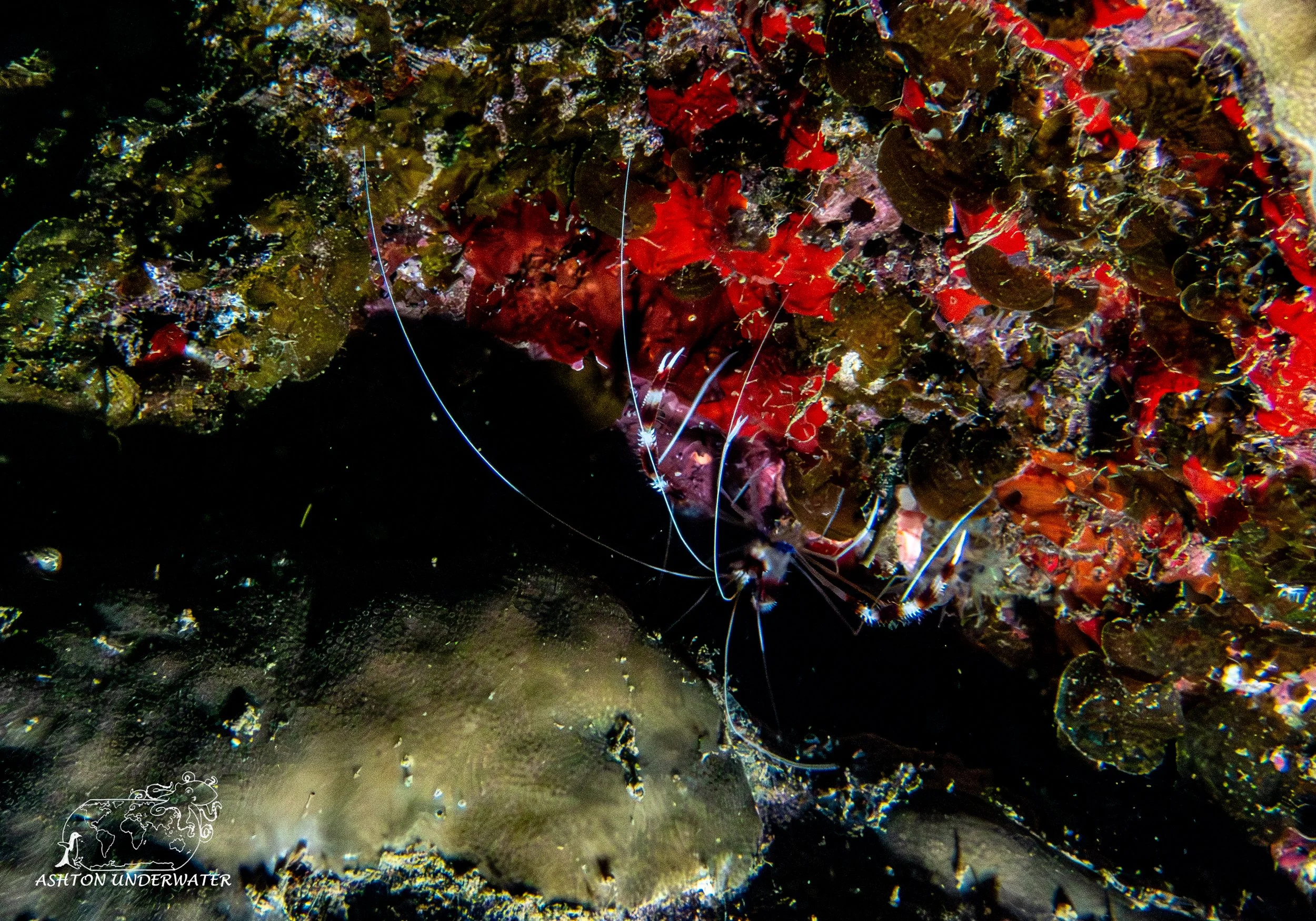
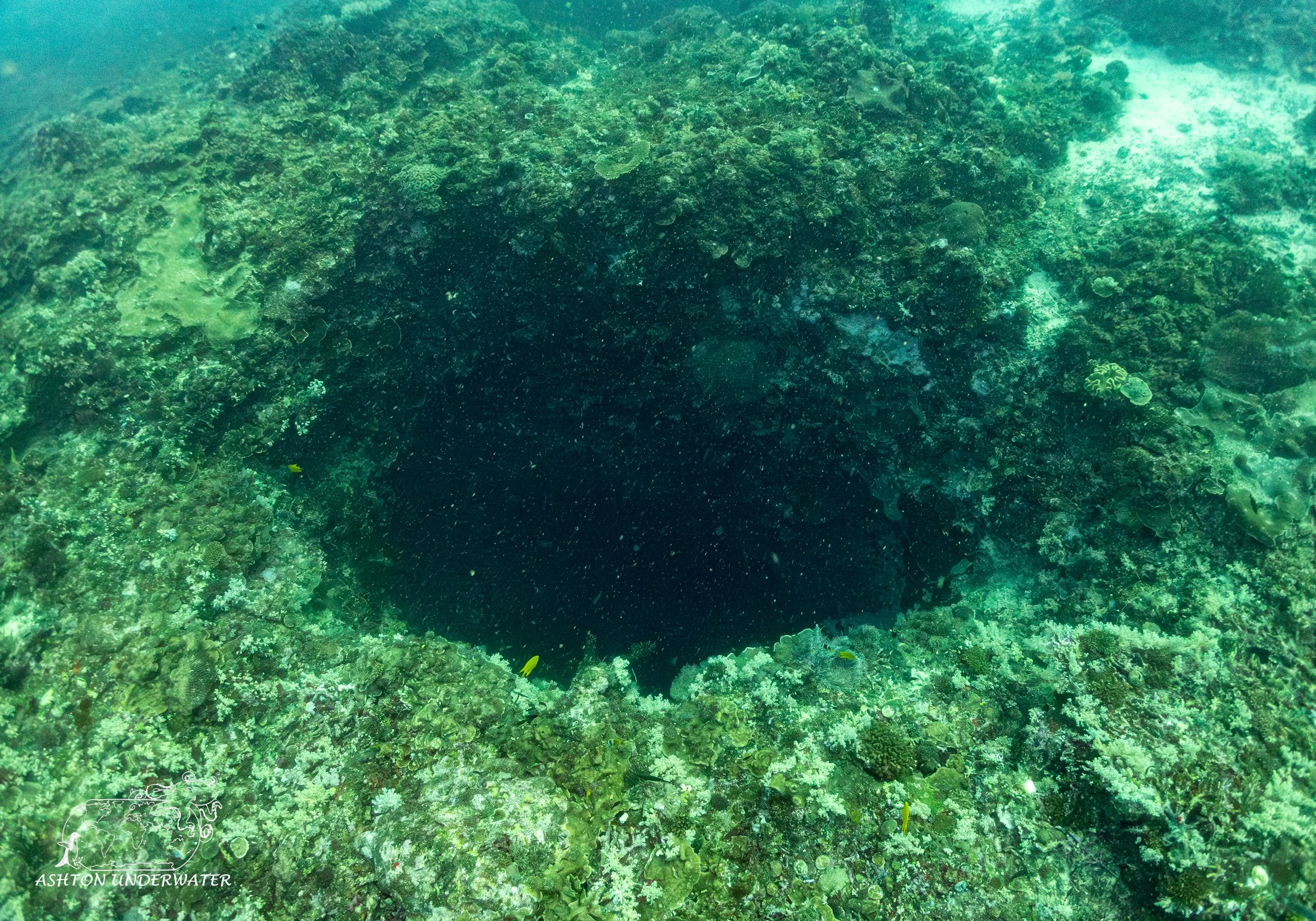
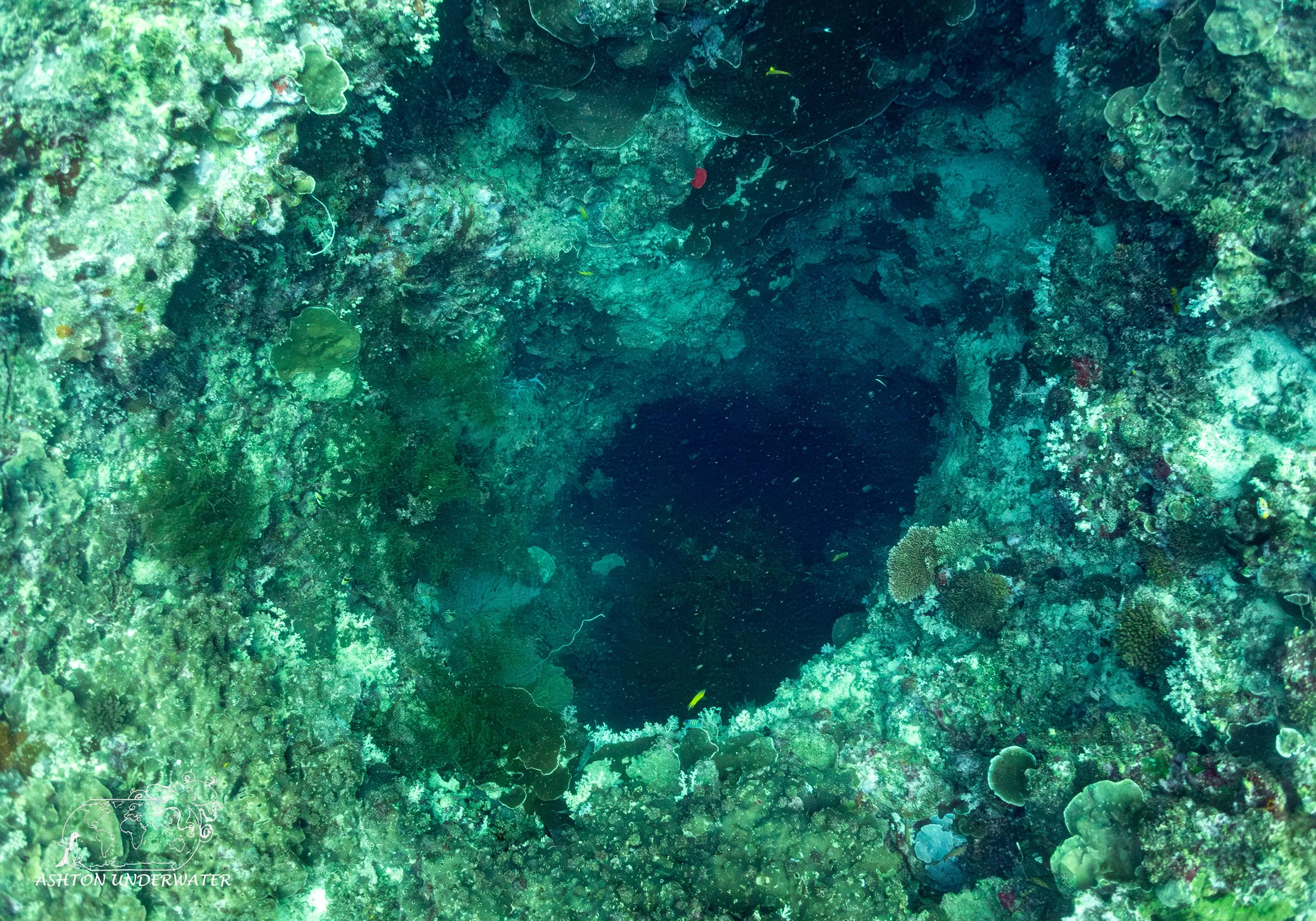
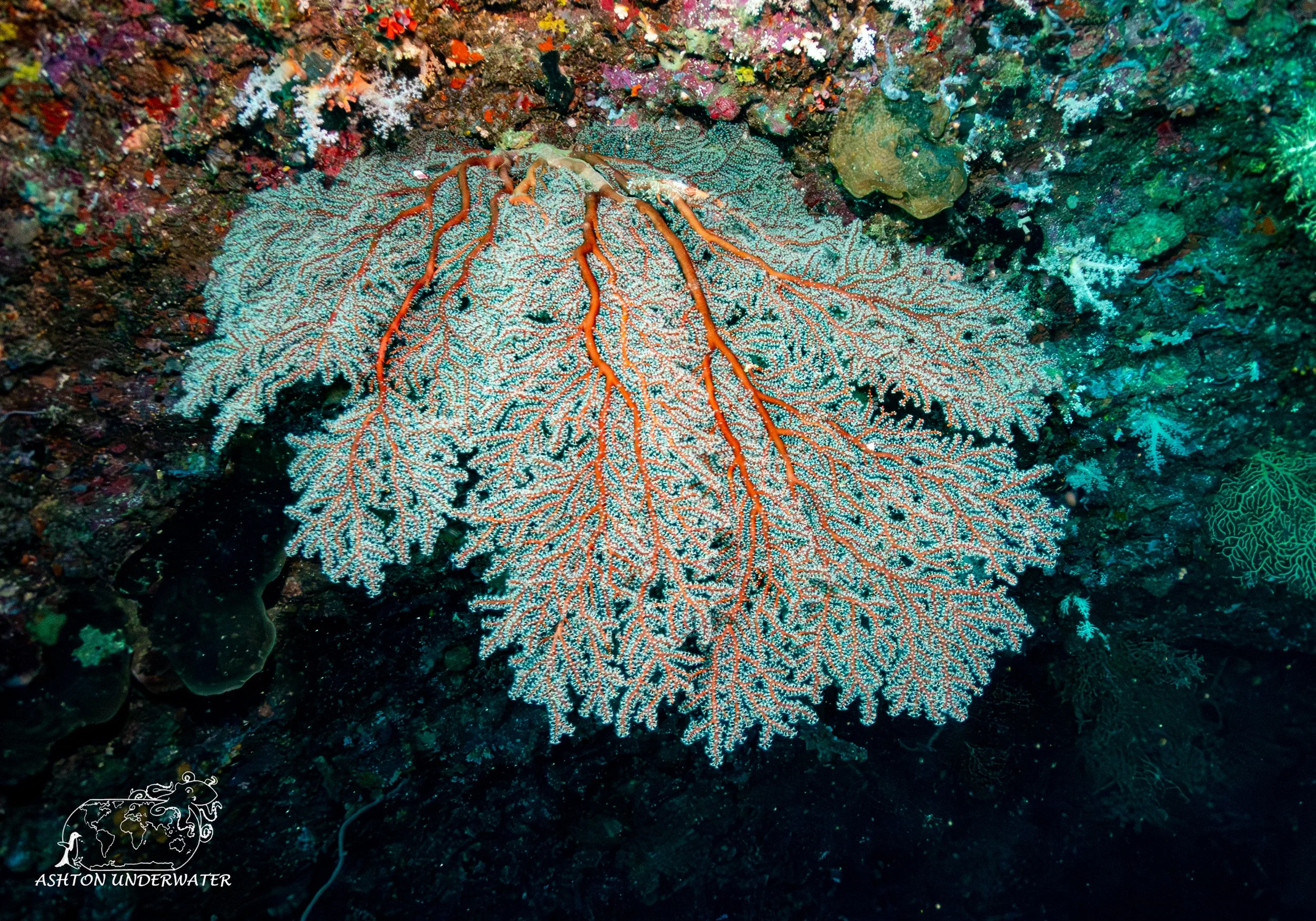
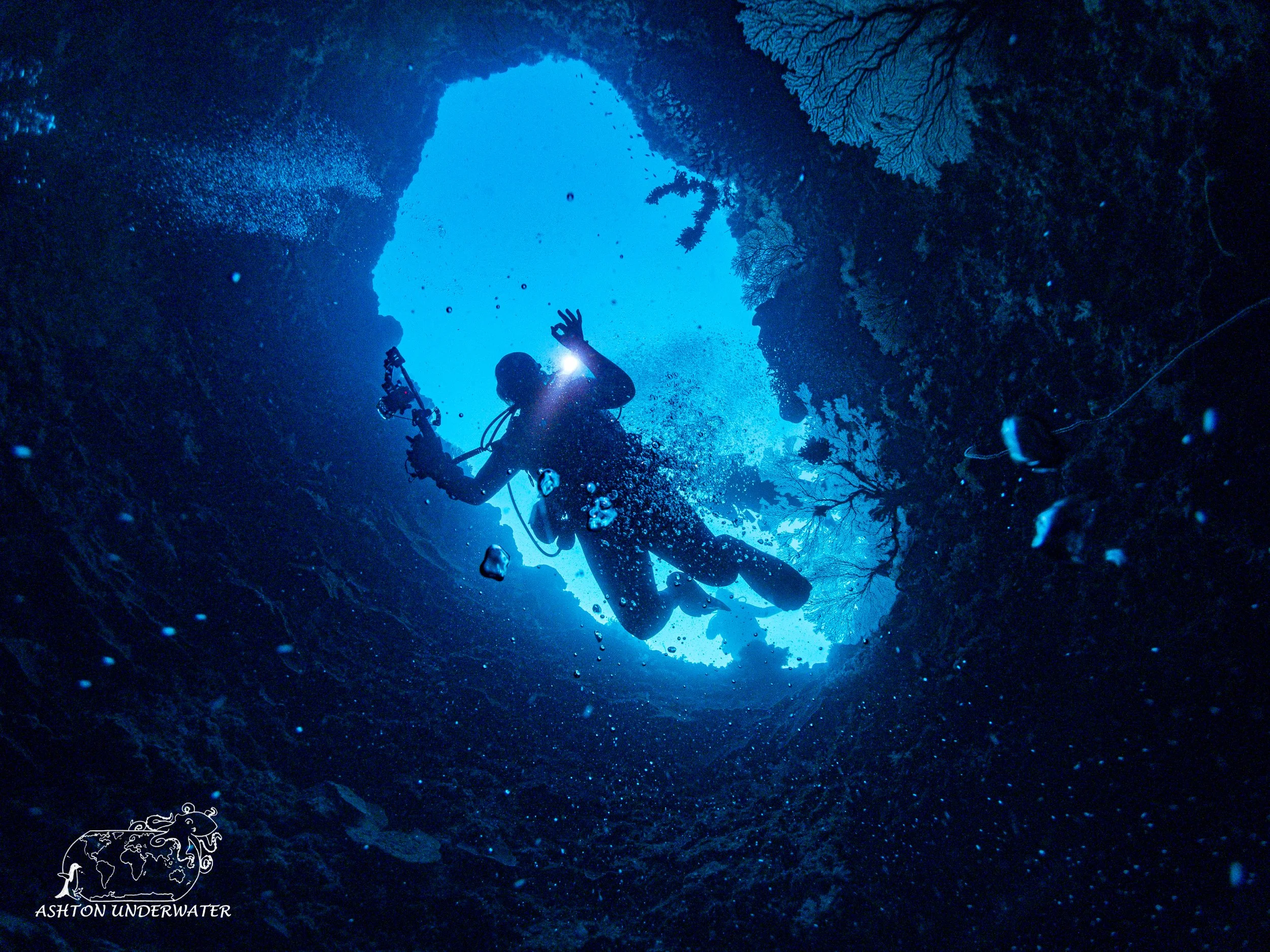
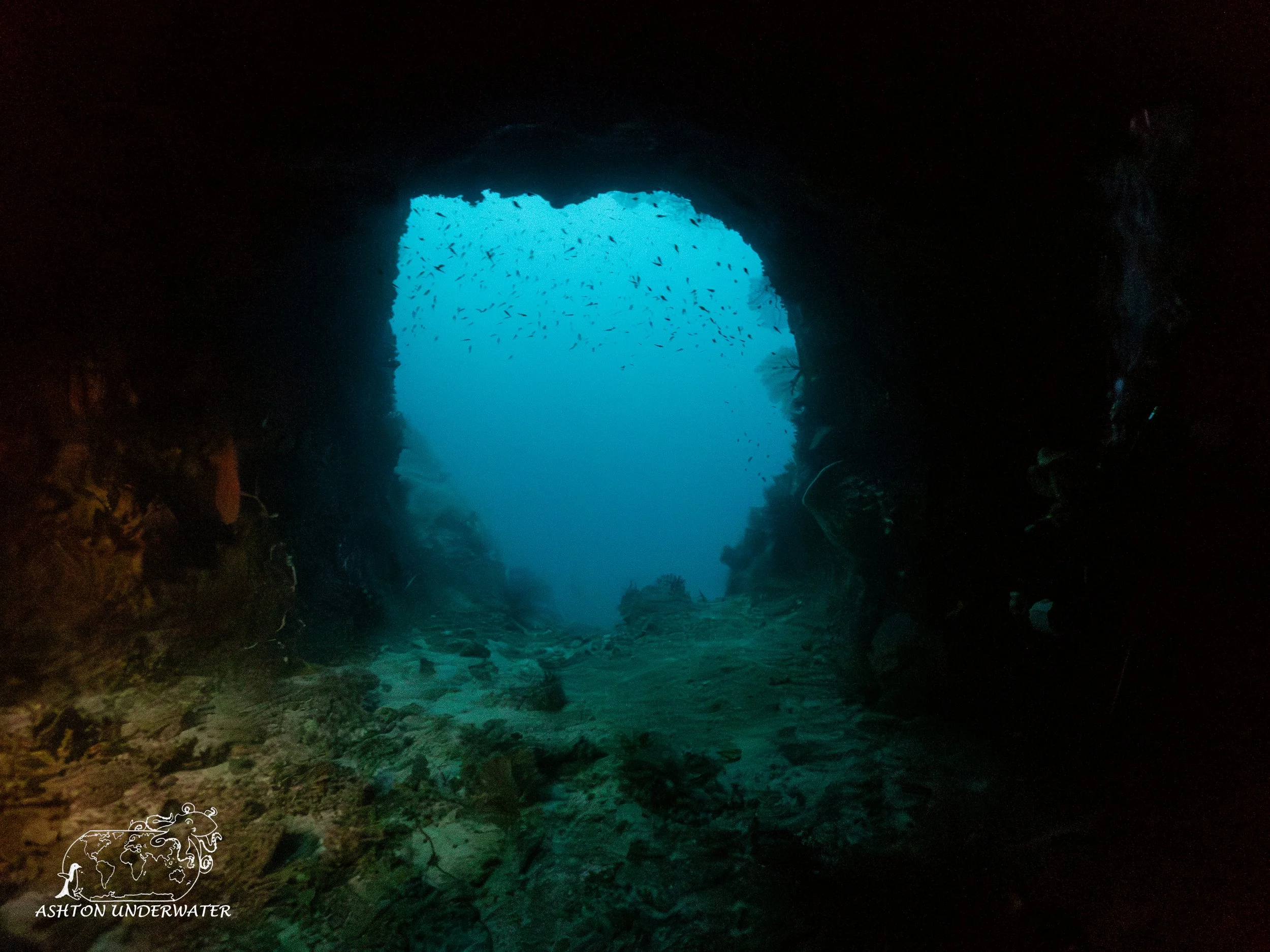
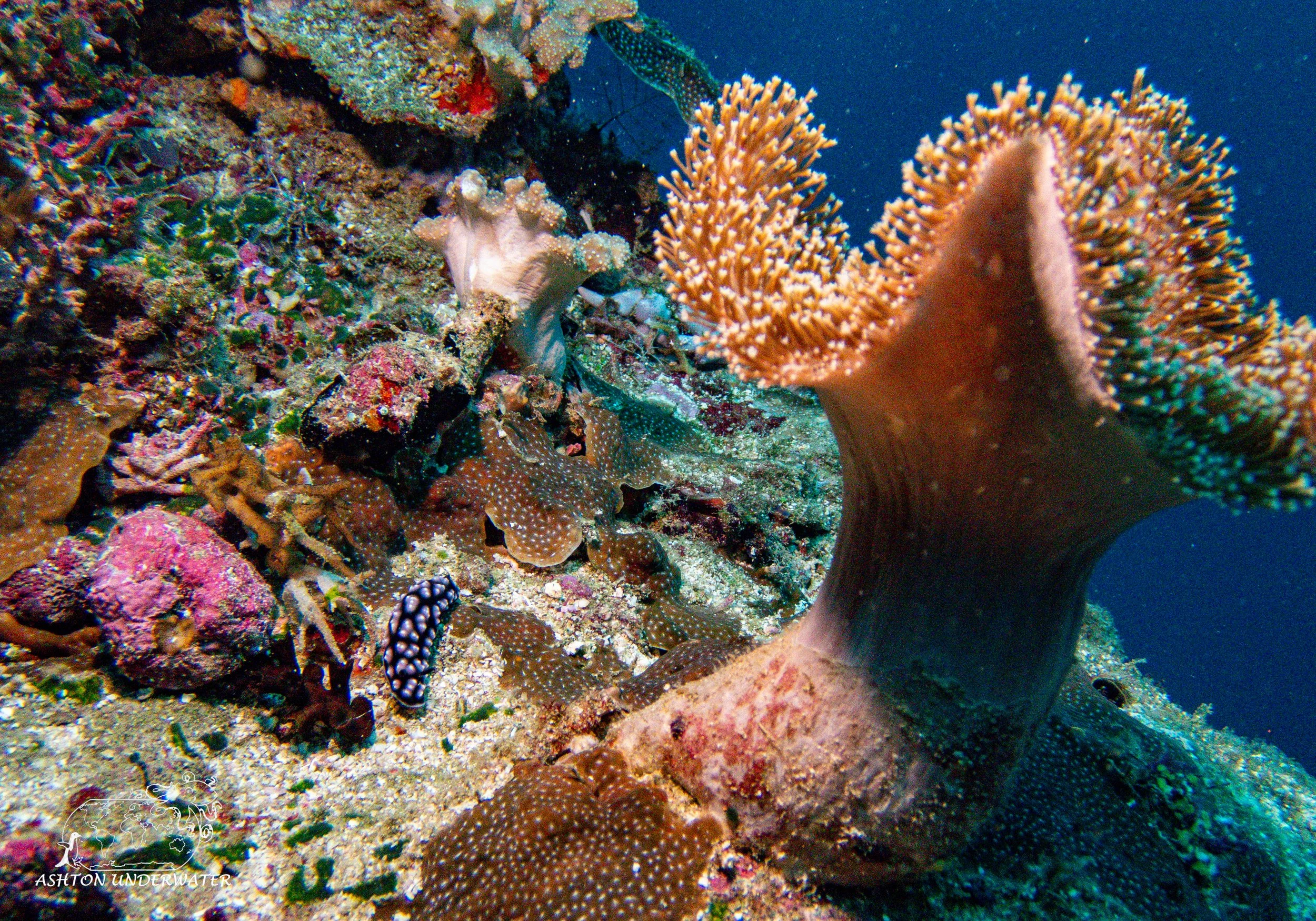
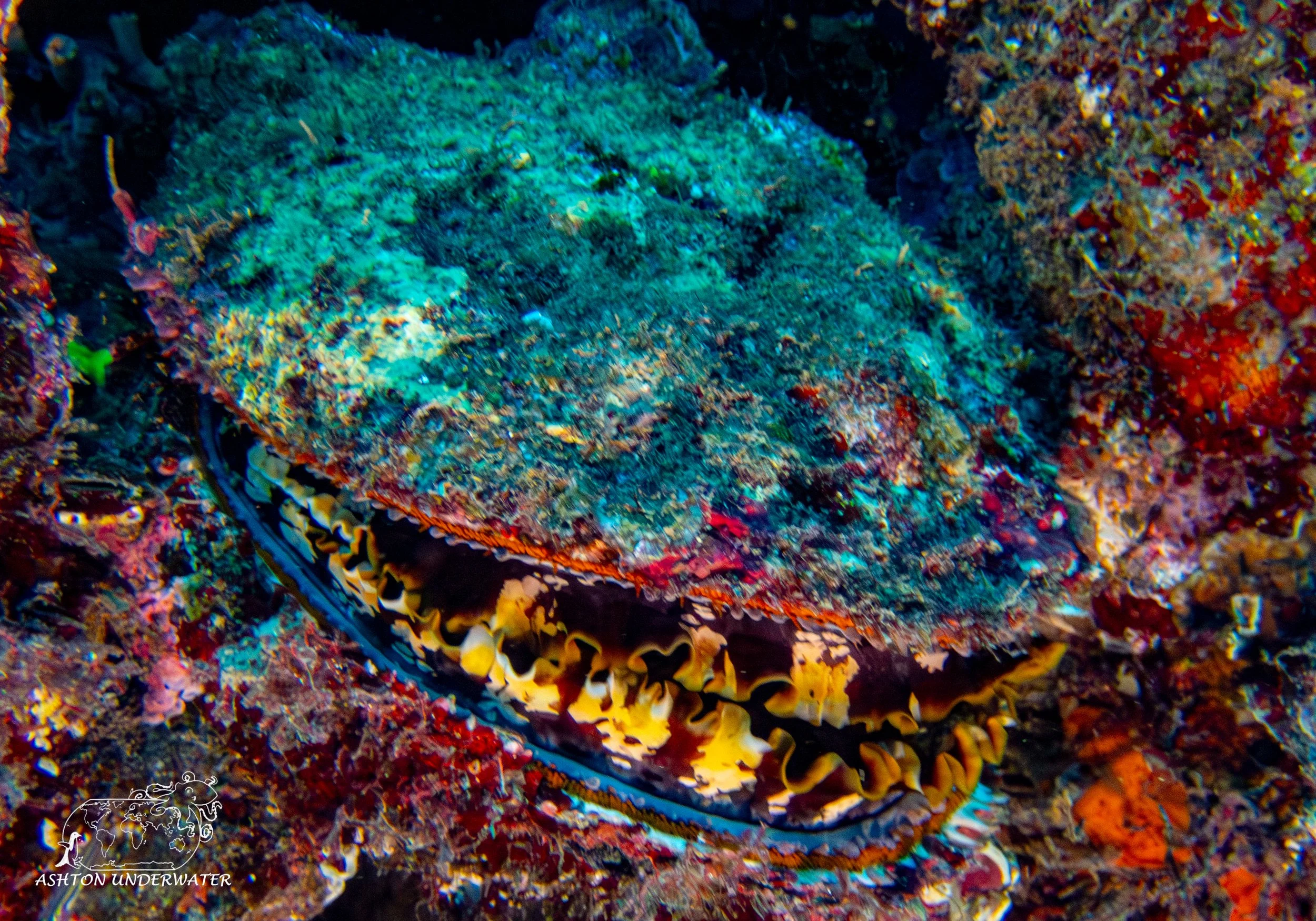
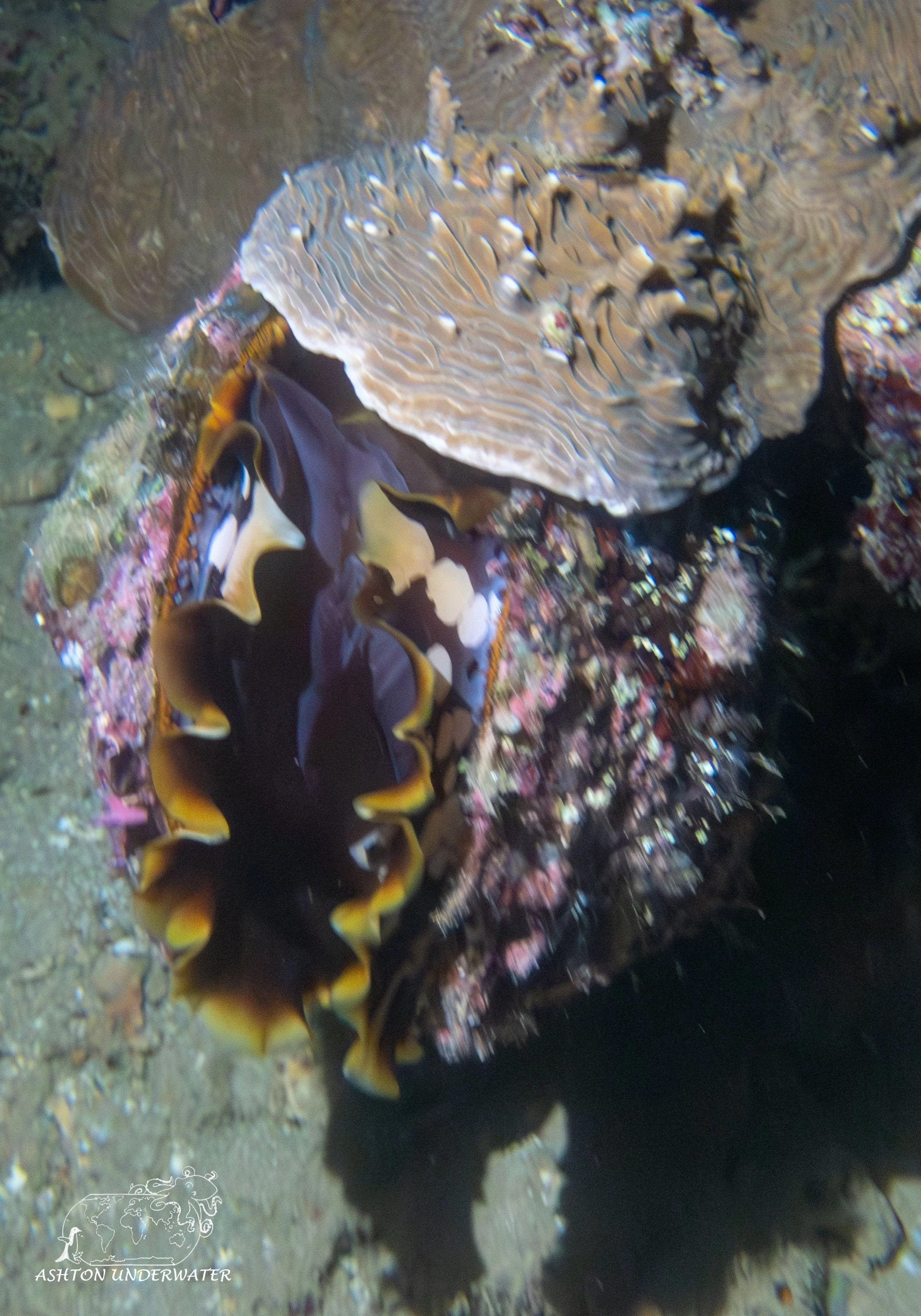
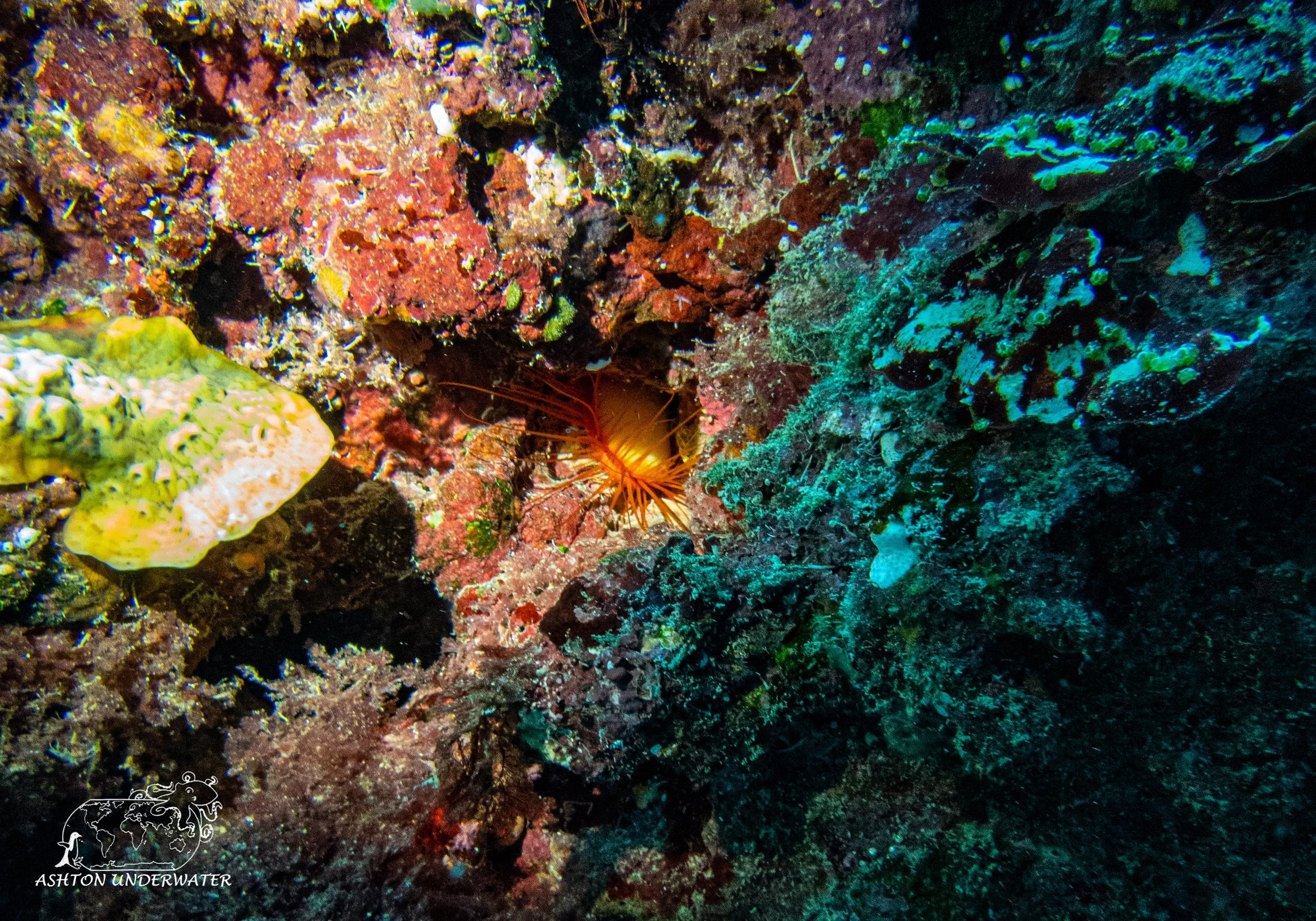
A lonely seamount with steep sides that drop down to 150’+. There are two shafts from the top of the mount that descend into the seamount. One of the shafts is larger than the other, and has less growth blocking the entrance. On top there are plenty of hard corals and pelagic life. Triggerfish, nudies and crocodiles live up top. Descending down into the sea mounts, bushy gorgonia sea fans coat the openings and along the walls. Disco clams often live along thewalls and inside nooks and crannies.
The tunnels exit at around 115’ and if the current is decent can follow the wall up and see large schools of fusiliers, tuna and sharks.
PBY Catalina
111’ for 44 minutes
Built: First used in 1935 Sunk: November 1943
Wingspan: 104’ Length: 64’
Height: 20’ Crew: 7-9
Range: 2,500+ miles Speed: 179 mph
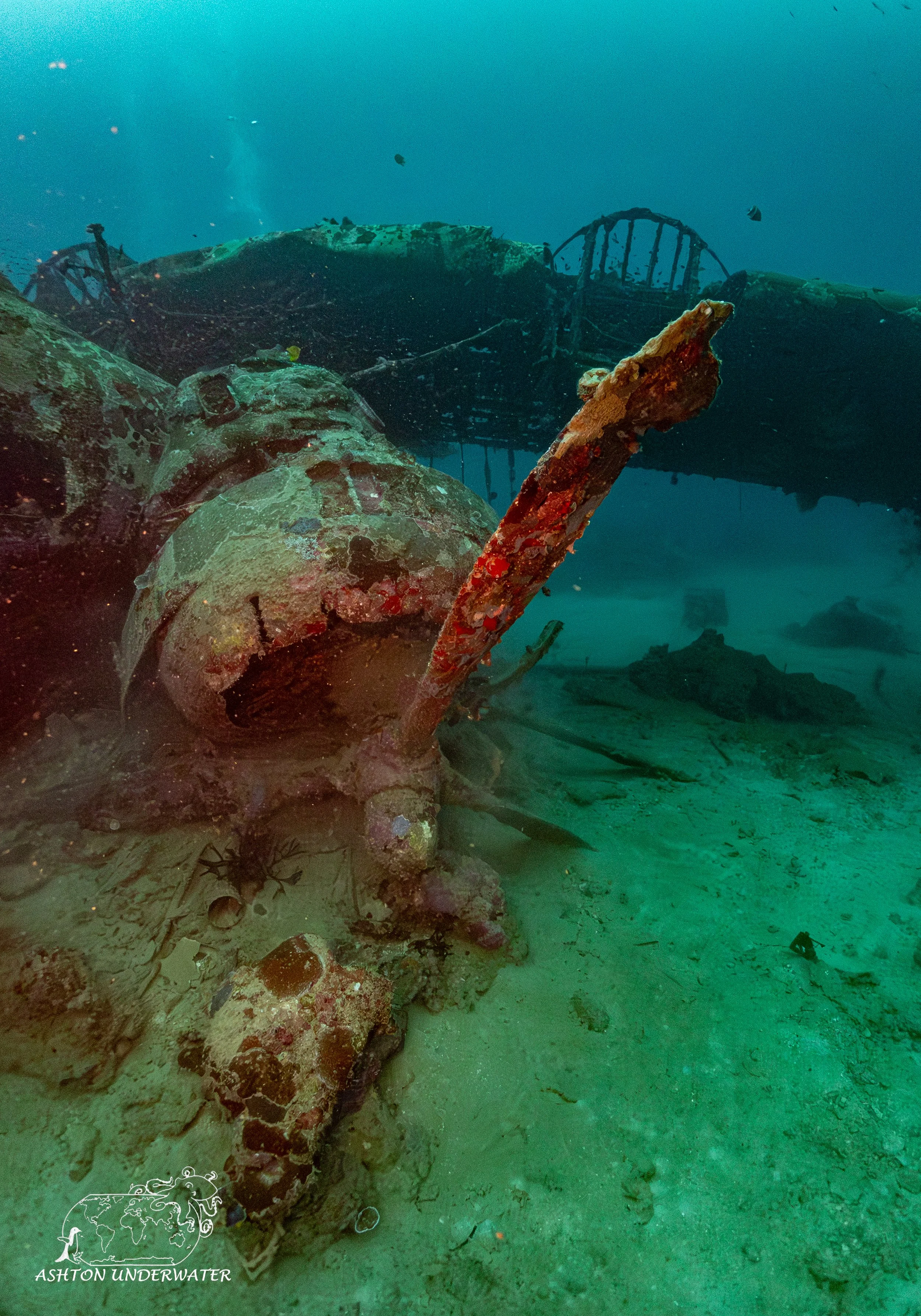
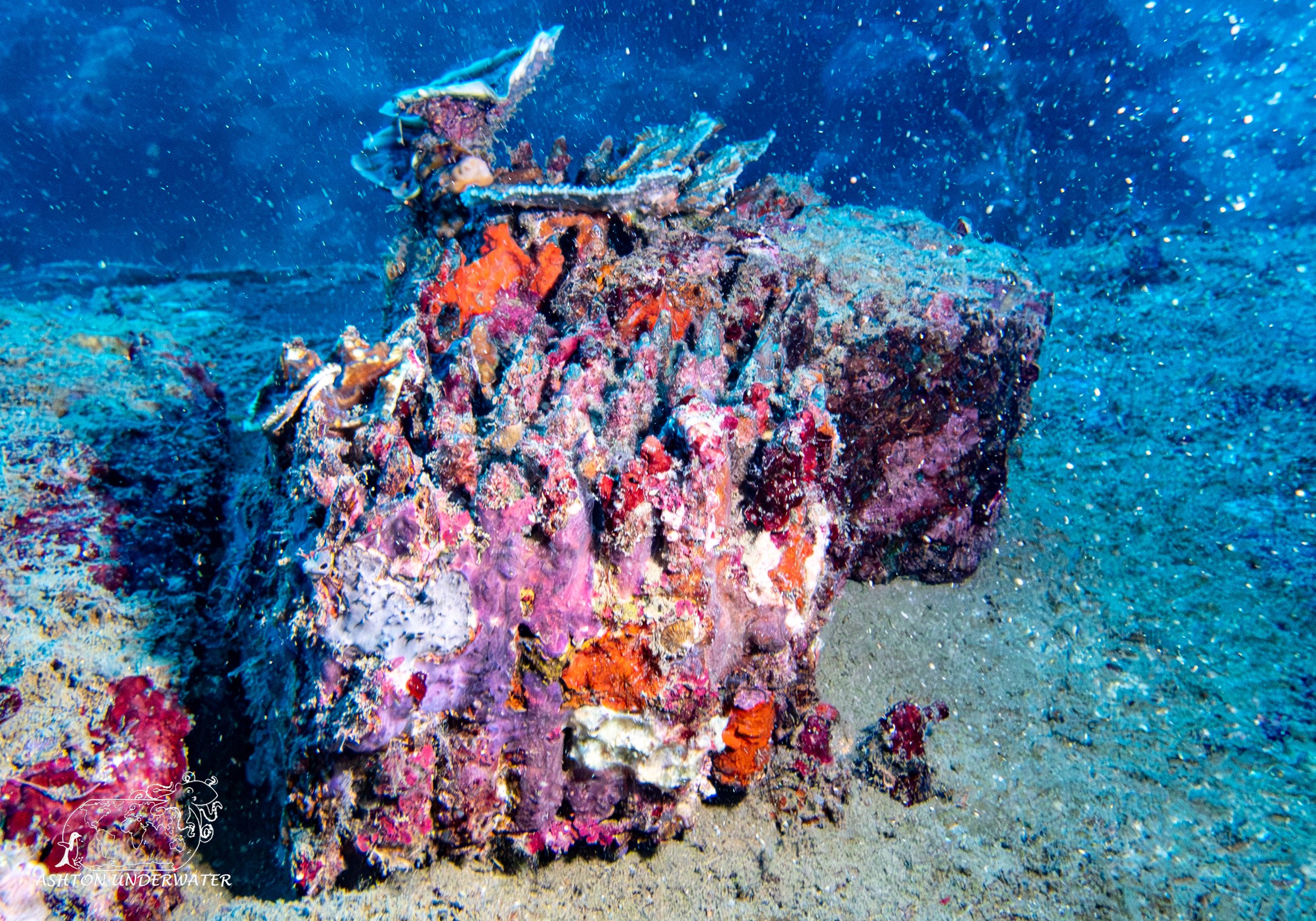
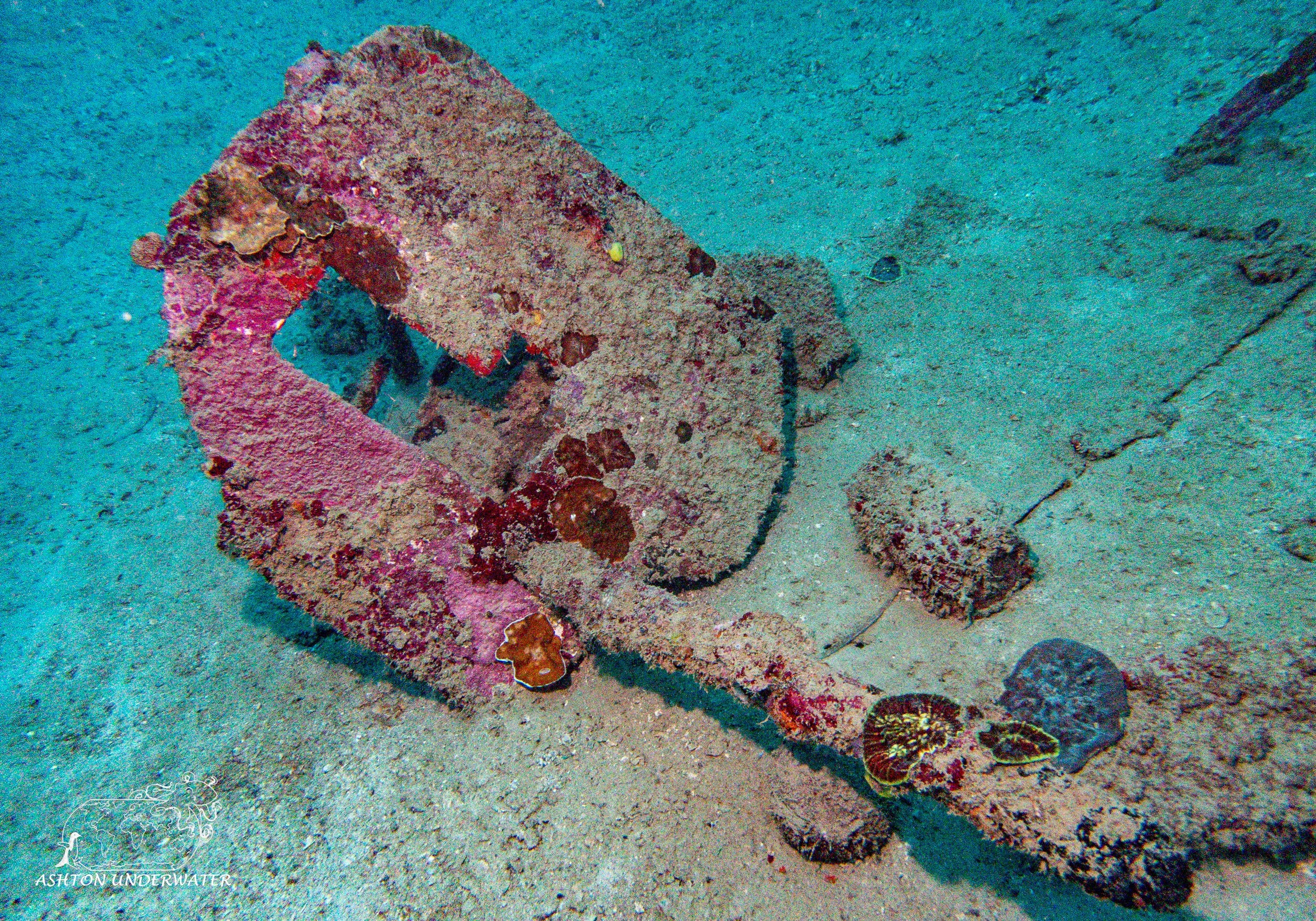
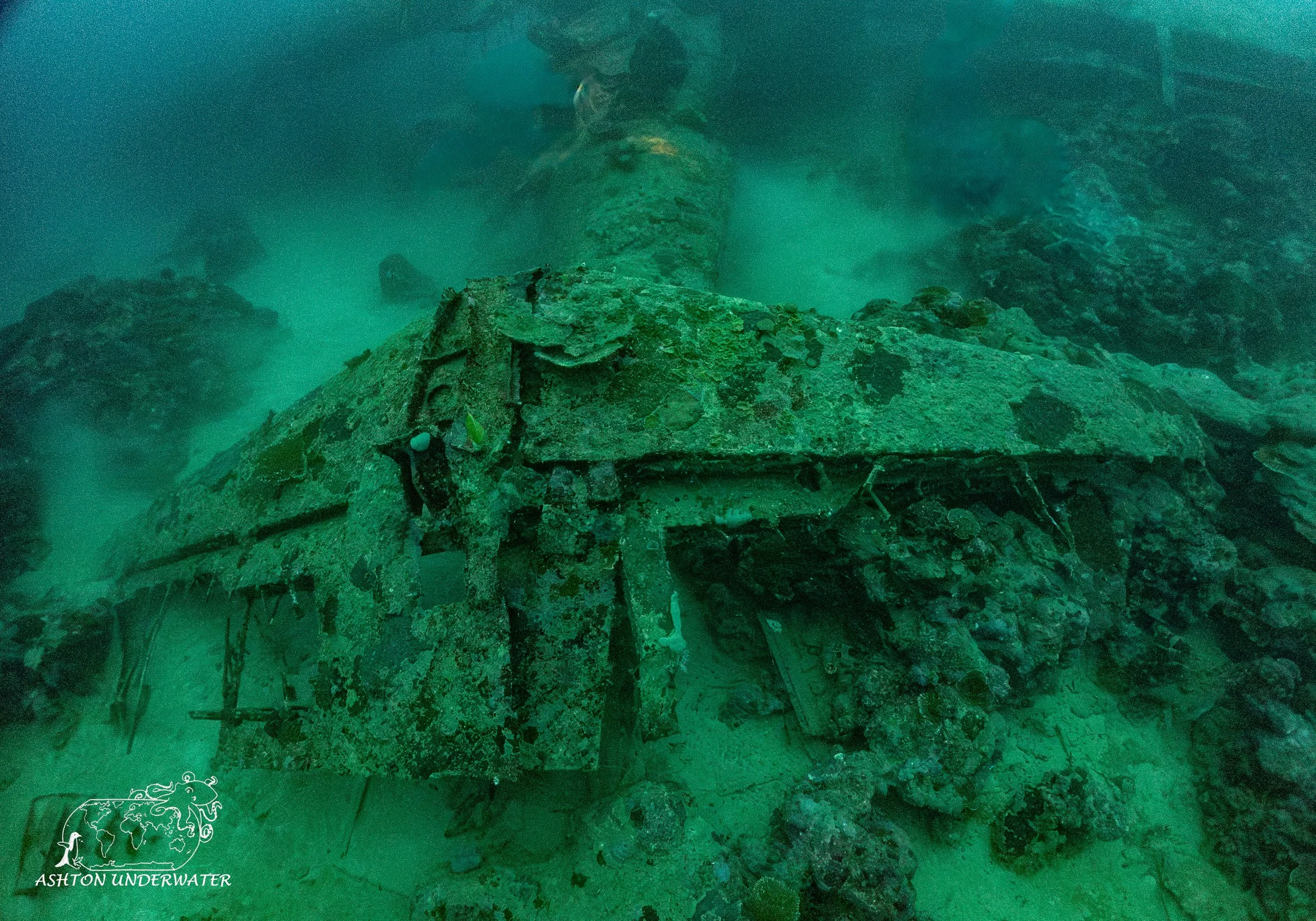
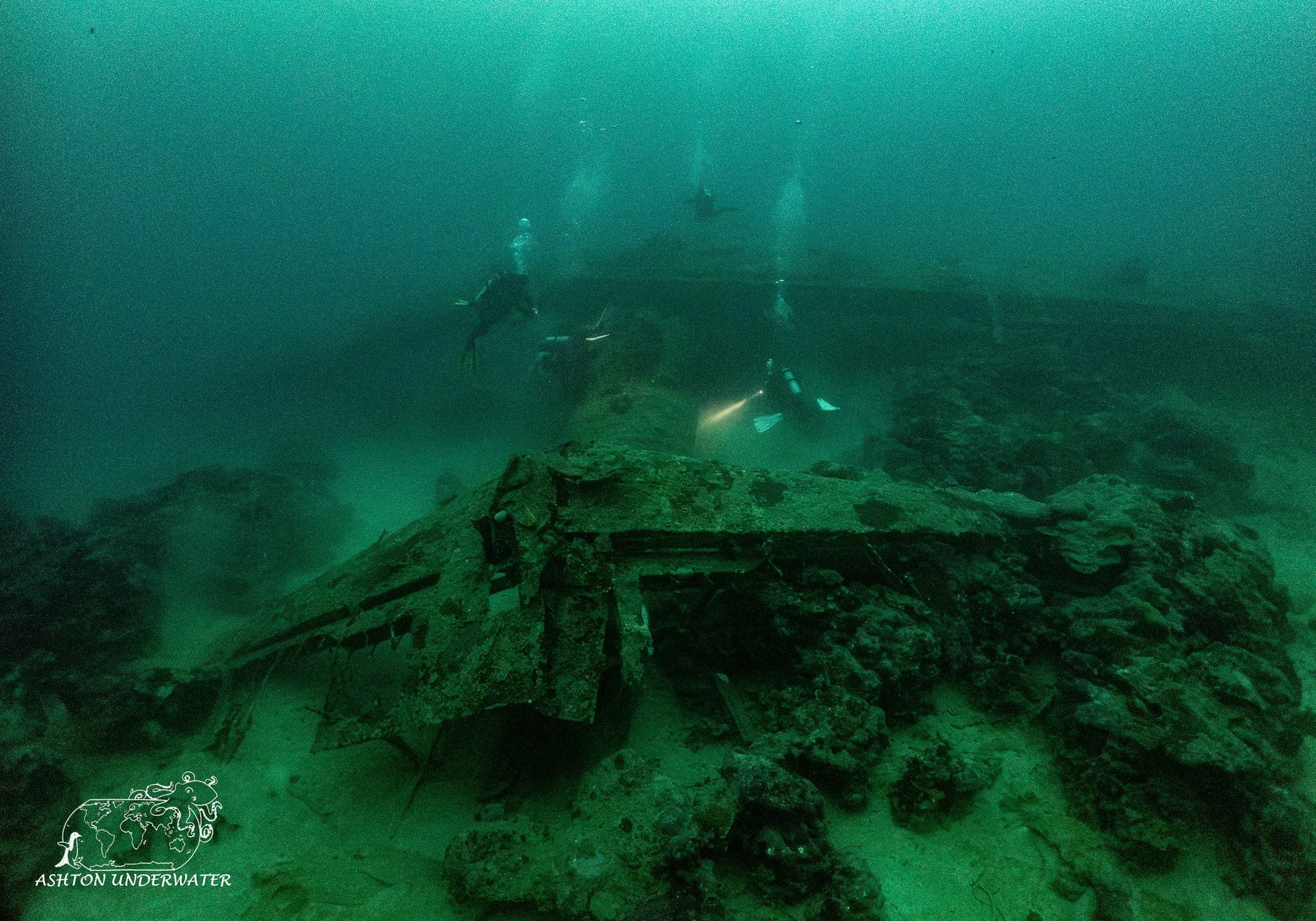
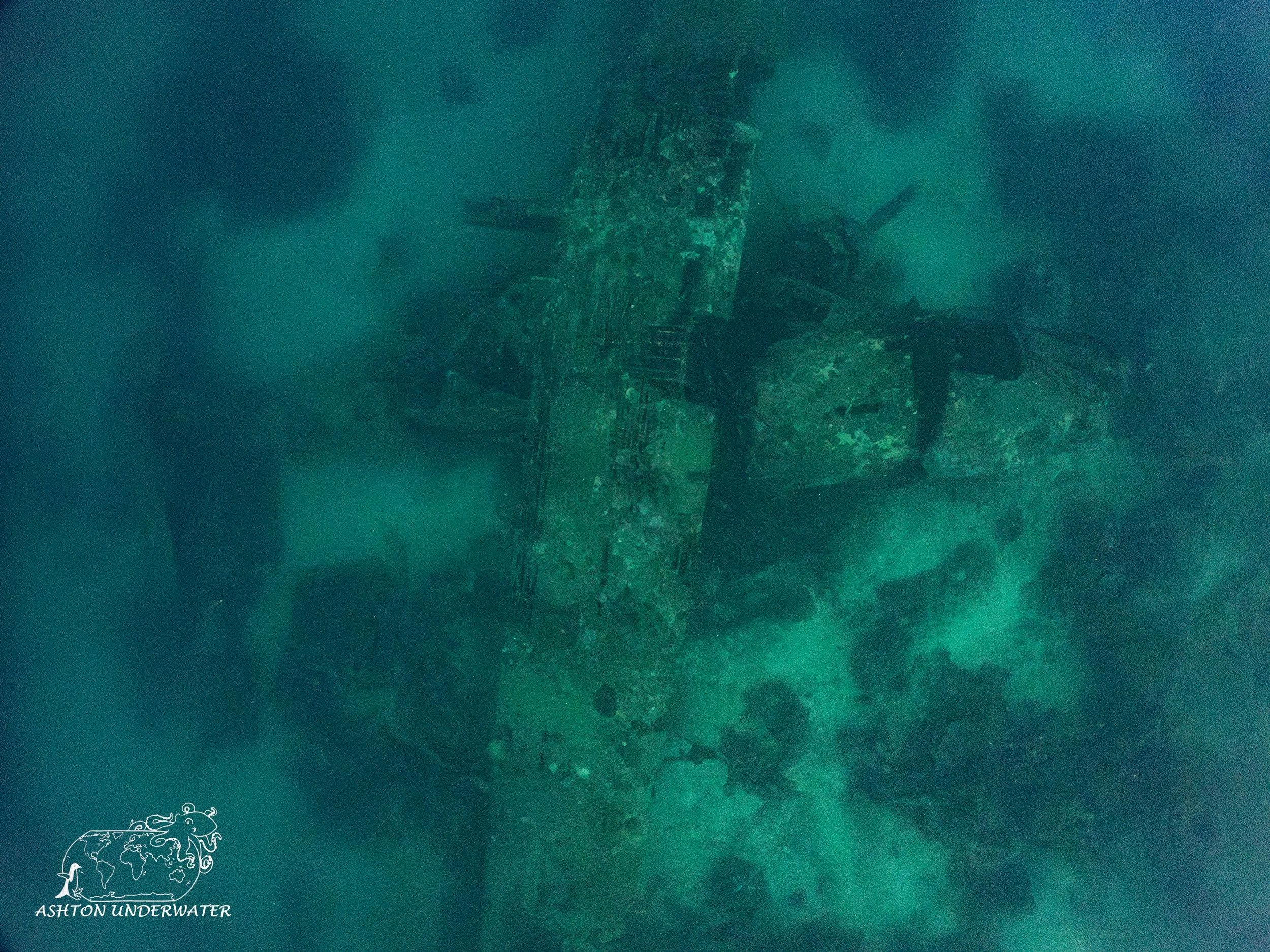
The Catalina was a Model 28 aka Patrol Bomb Y that was mainly used for submarine spotting, cargo transport, search and recovery, bombing missions and convoy escorts during WWII. These were one of the most widely used seaplanes during the war, and were widely used after the war with both the Armed Forces and Navy for the United States and other nations.
After a mission to rescue Lt. Howard, who was shot down in the western province of Gizo as she was coming to land, hit a small boat and flipped over. It crashed into the water and during the descent righted itself and now sits upright in 100’. Thankfully, Lt. Howard and the crew all survived the crash and presumably Howard went and had a much-deserved stiff drink after surviving two crashes in one day.
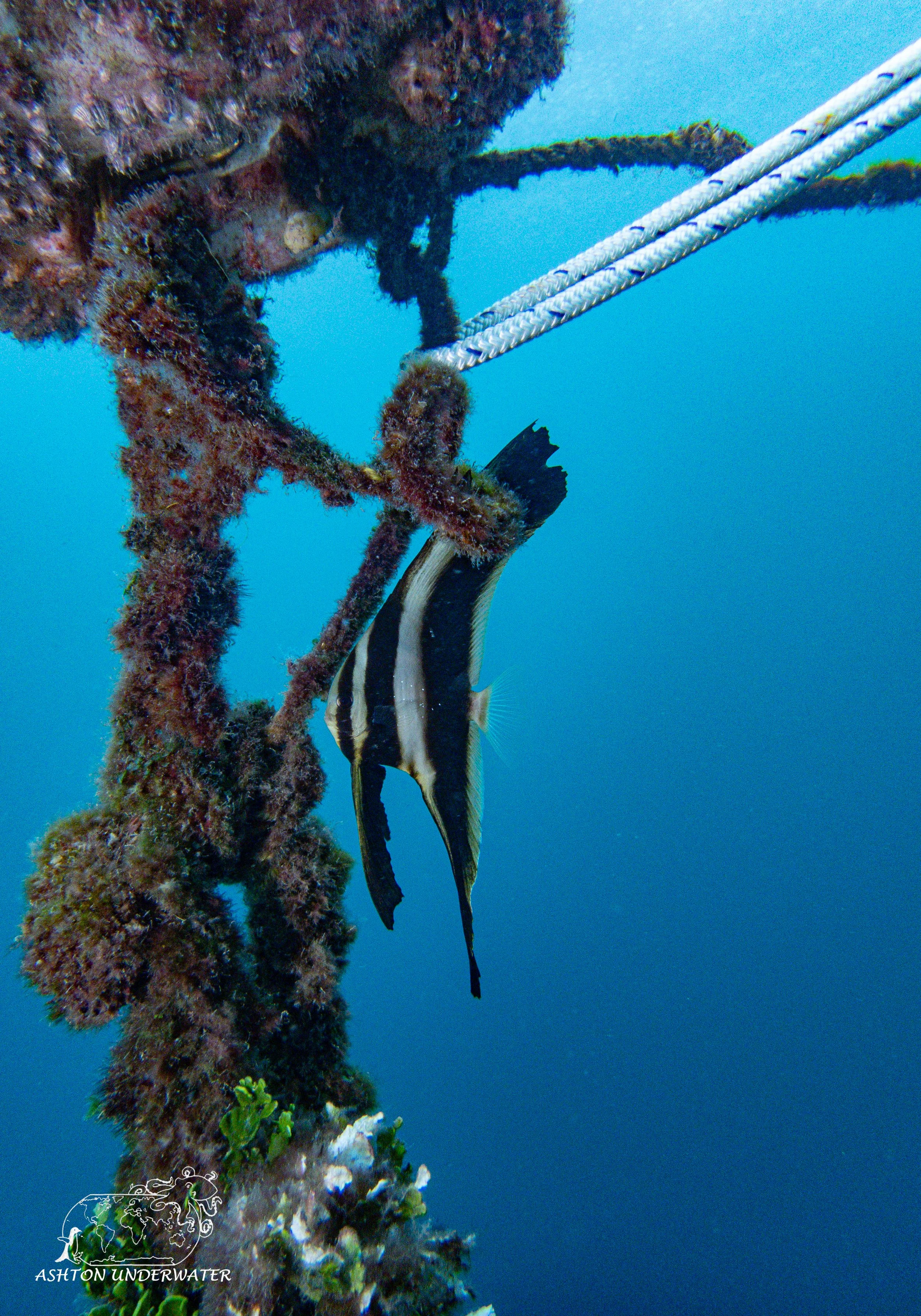
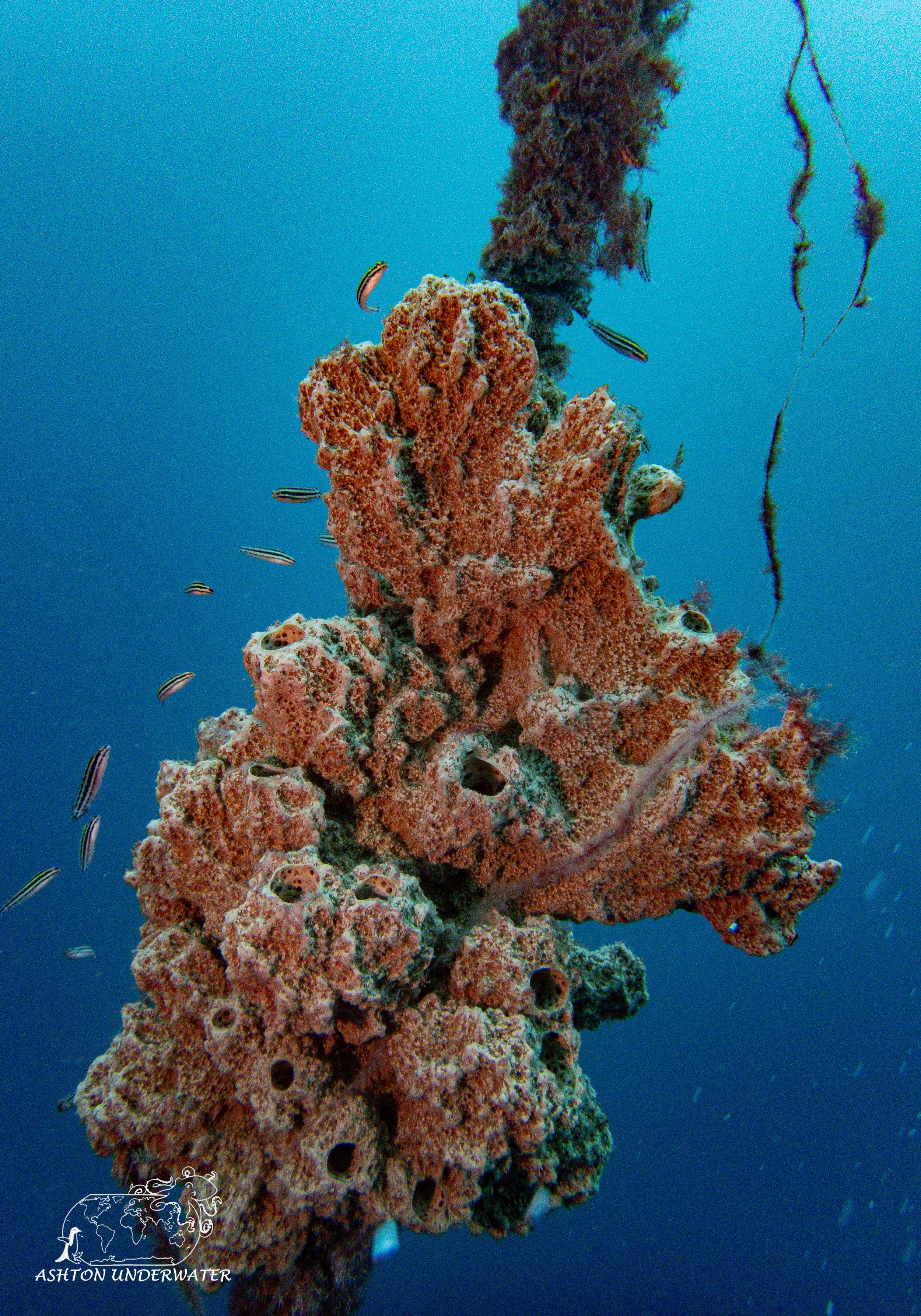
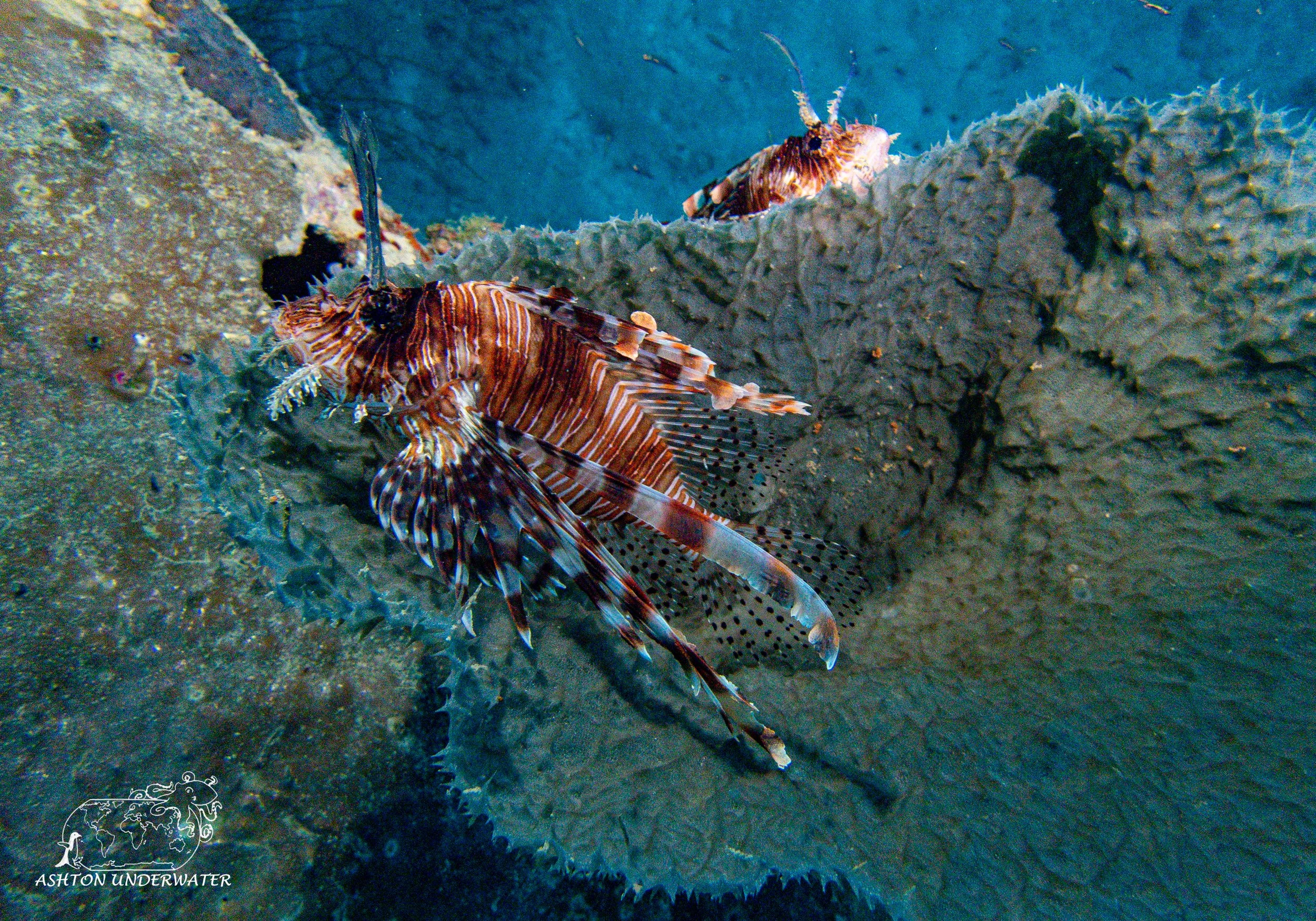
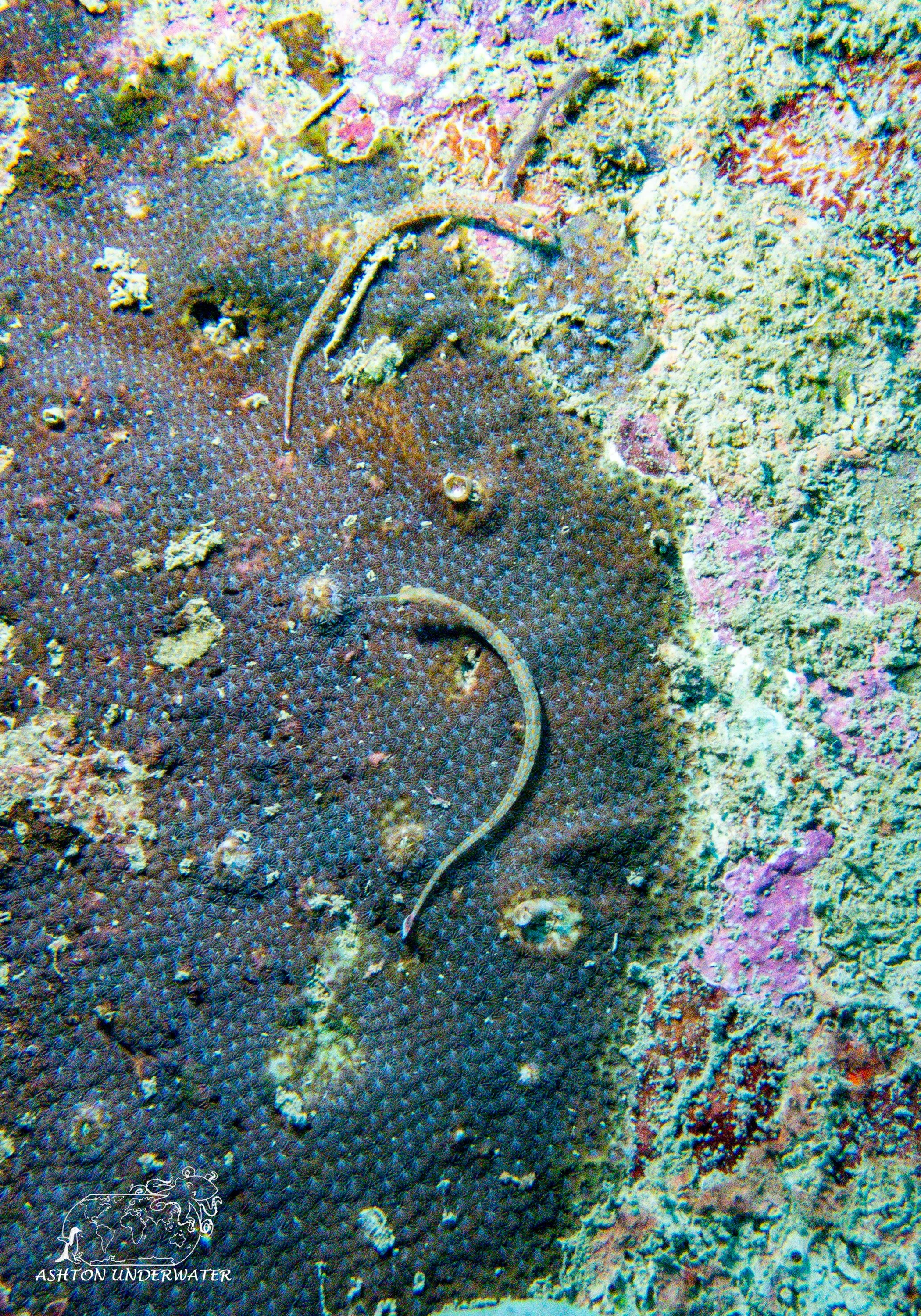
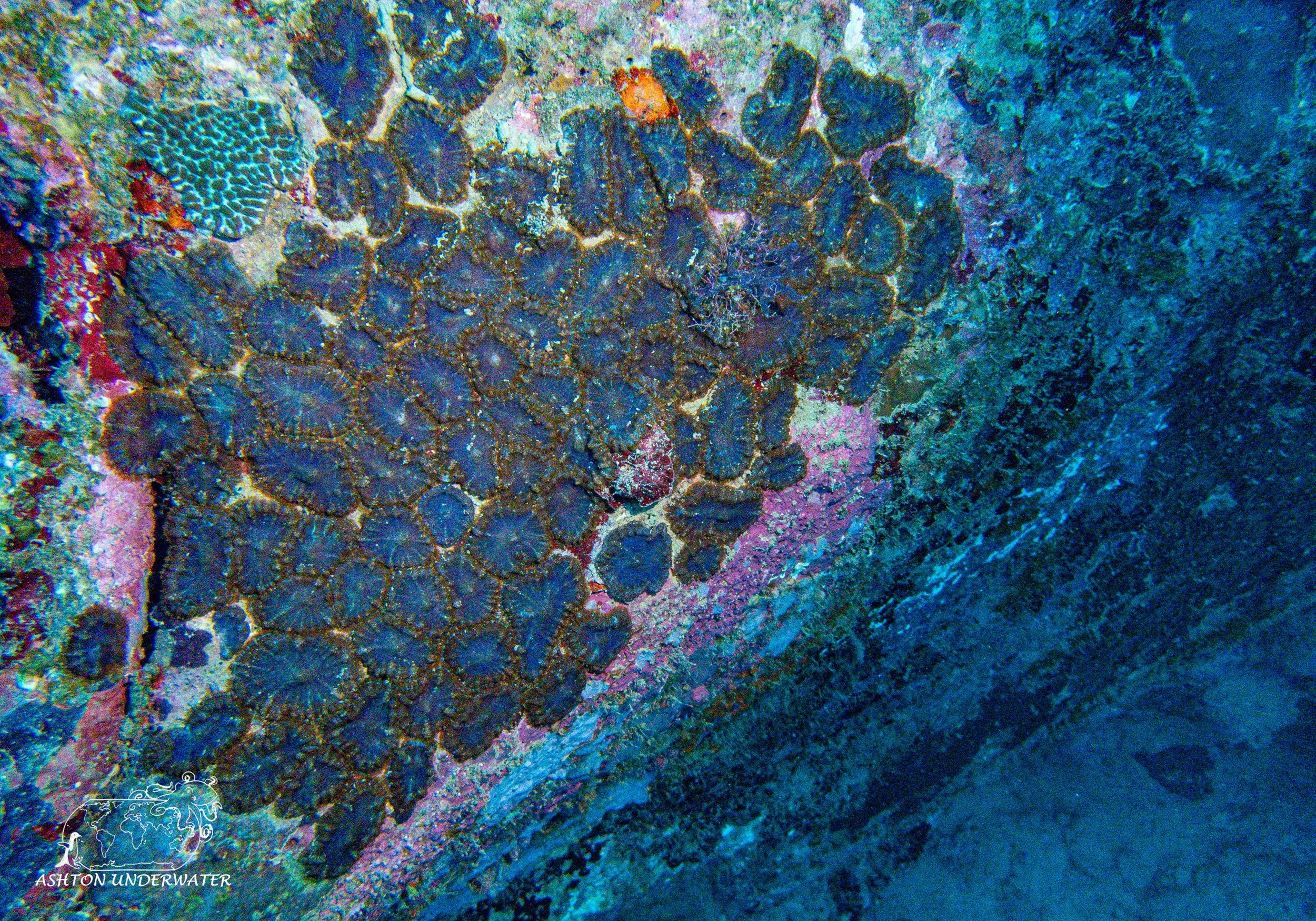
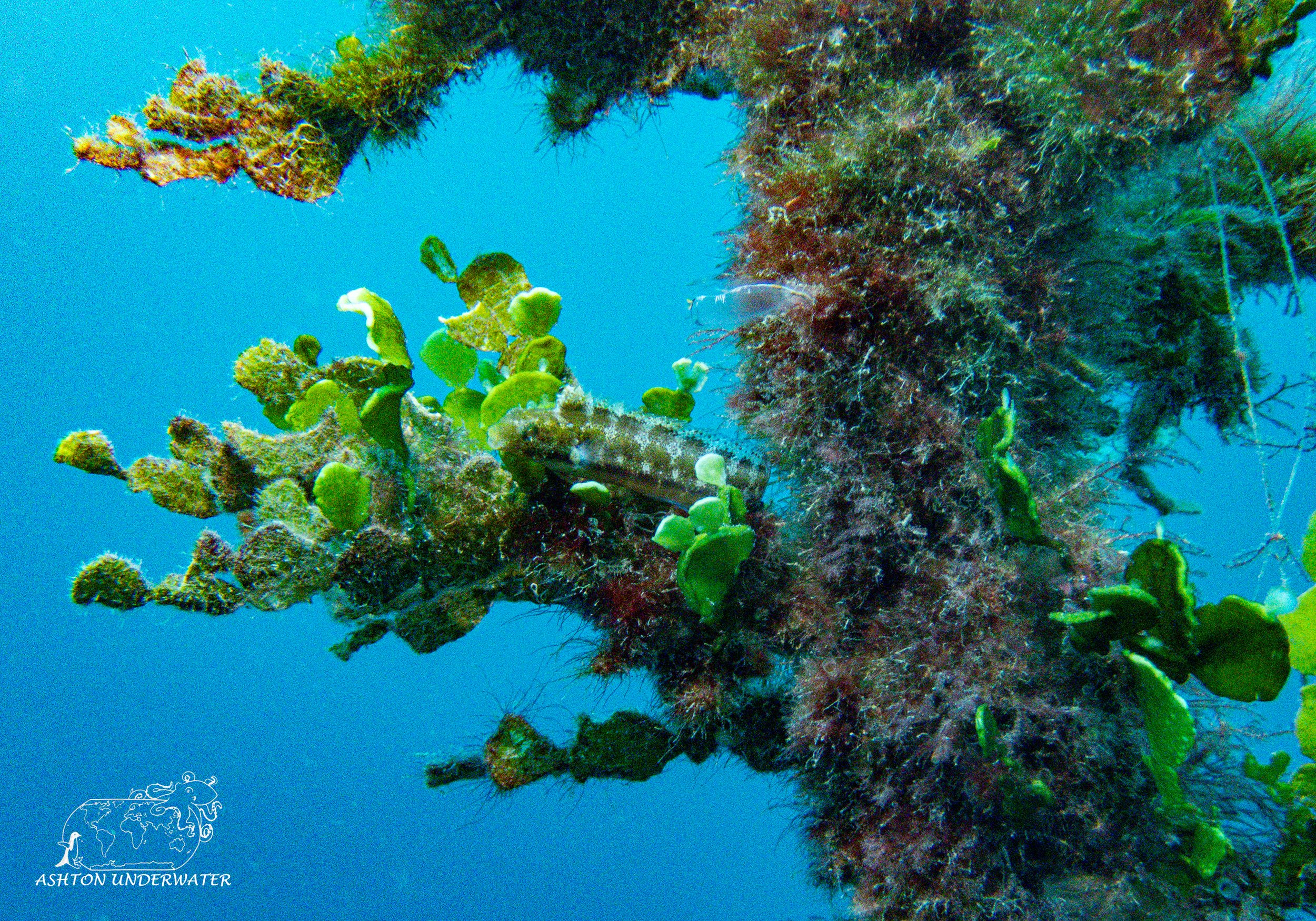
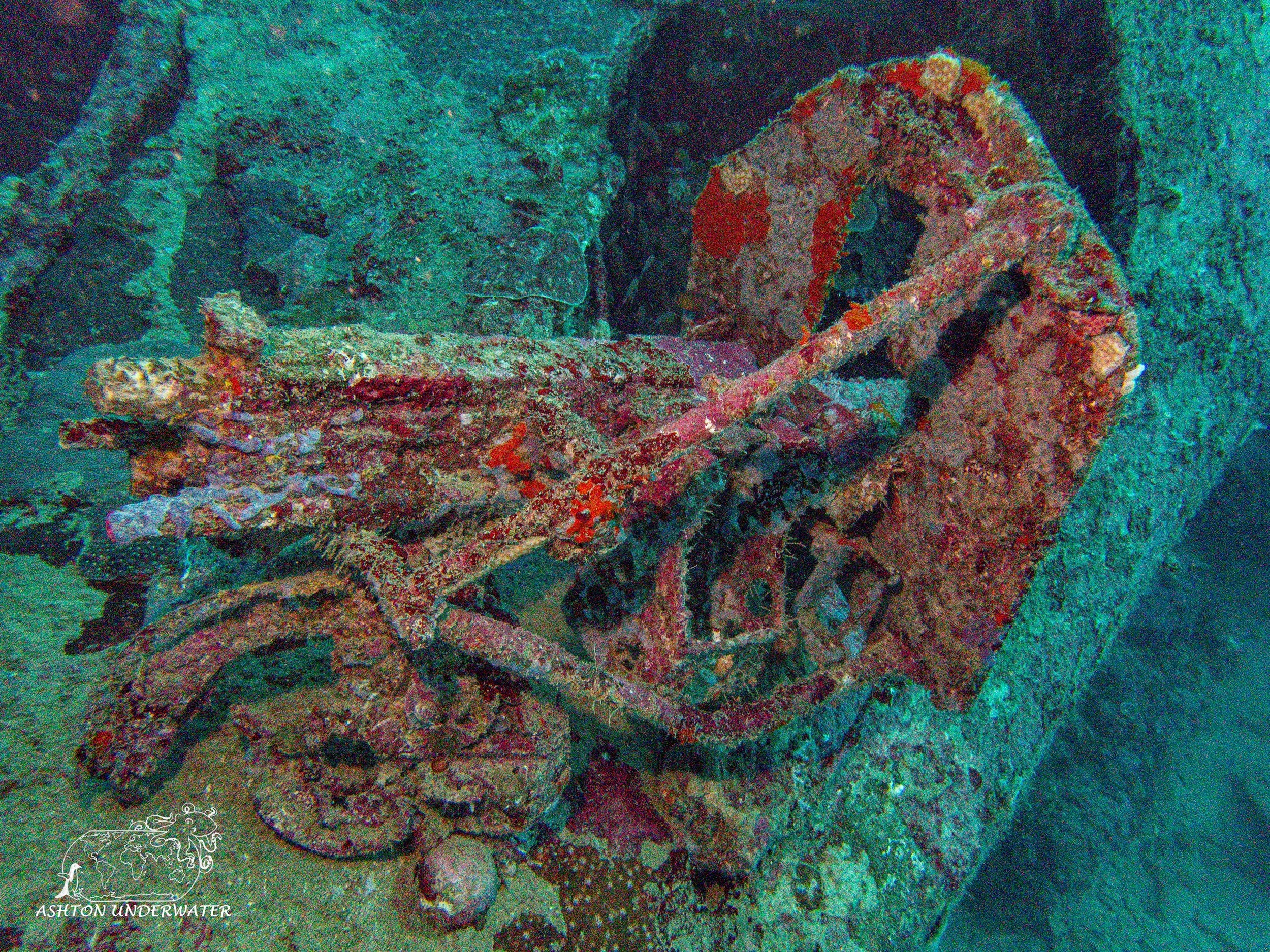
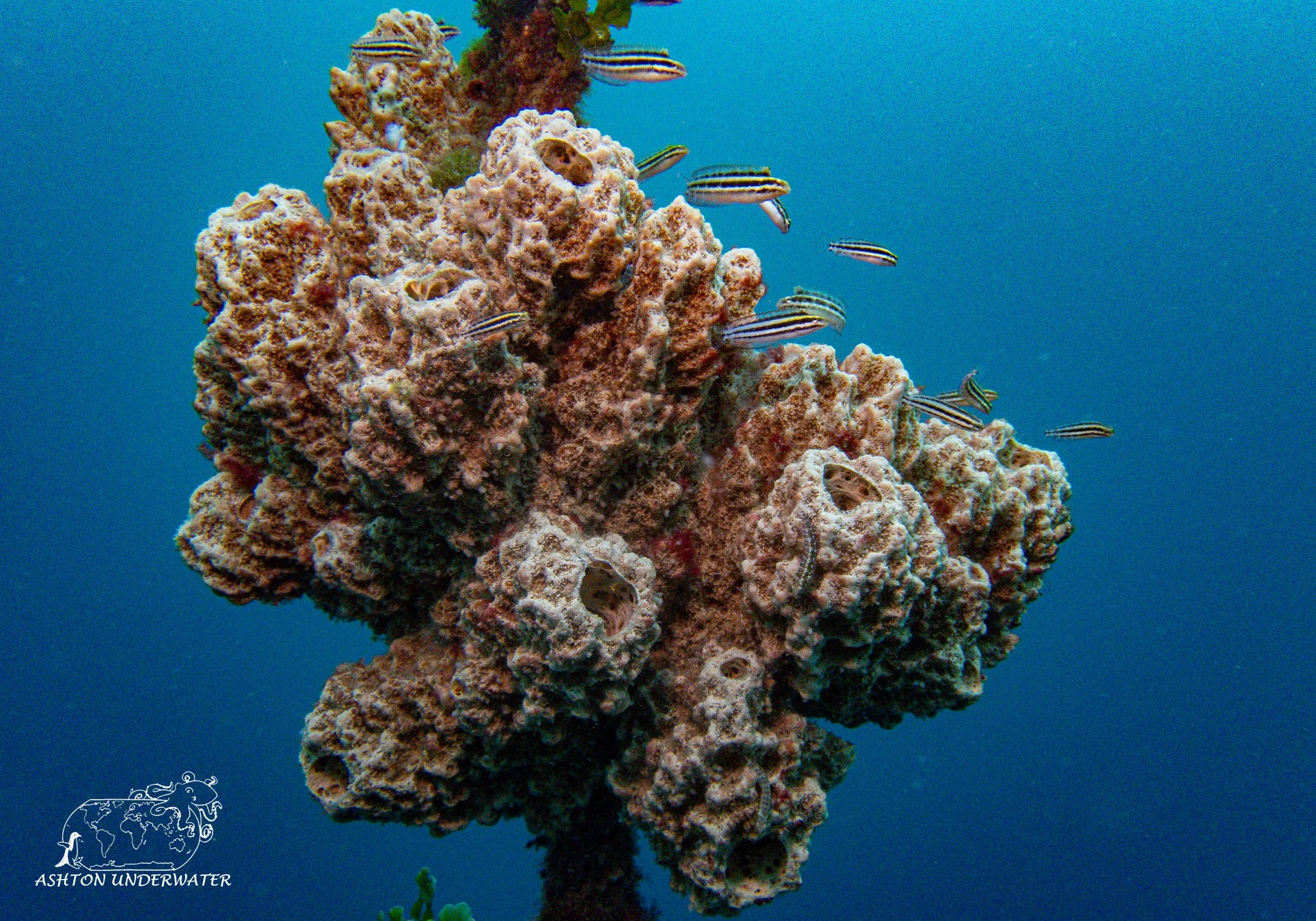
The plane is mostly still intact inside the cockpit the seats and controls are still visible, around the middle of the wreck machine guns and ammo boxes with another gun and ammo around the sand. The wings have lots of fan corals R-1830-92 Wasp 14-cylinder radial engines have fallen off the mounts and now lay upright in the sand. The inside of the boat is full of glass fish, with no places for penetration.
Ship Graveyard
90’ for 62 minutes
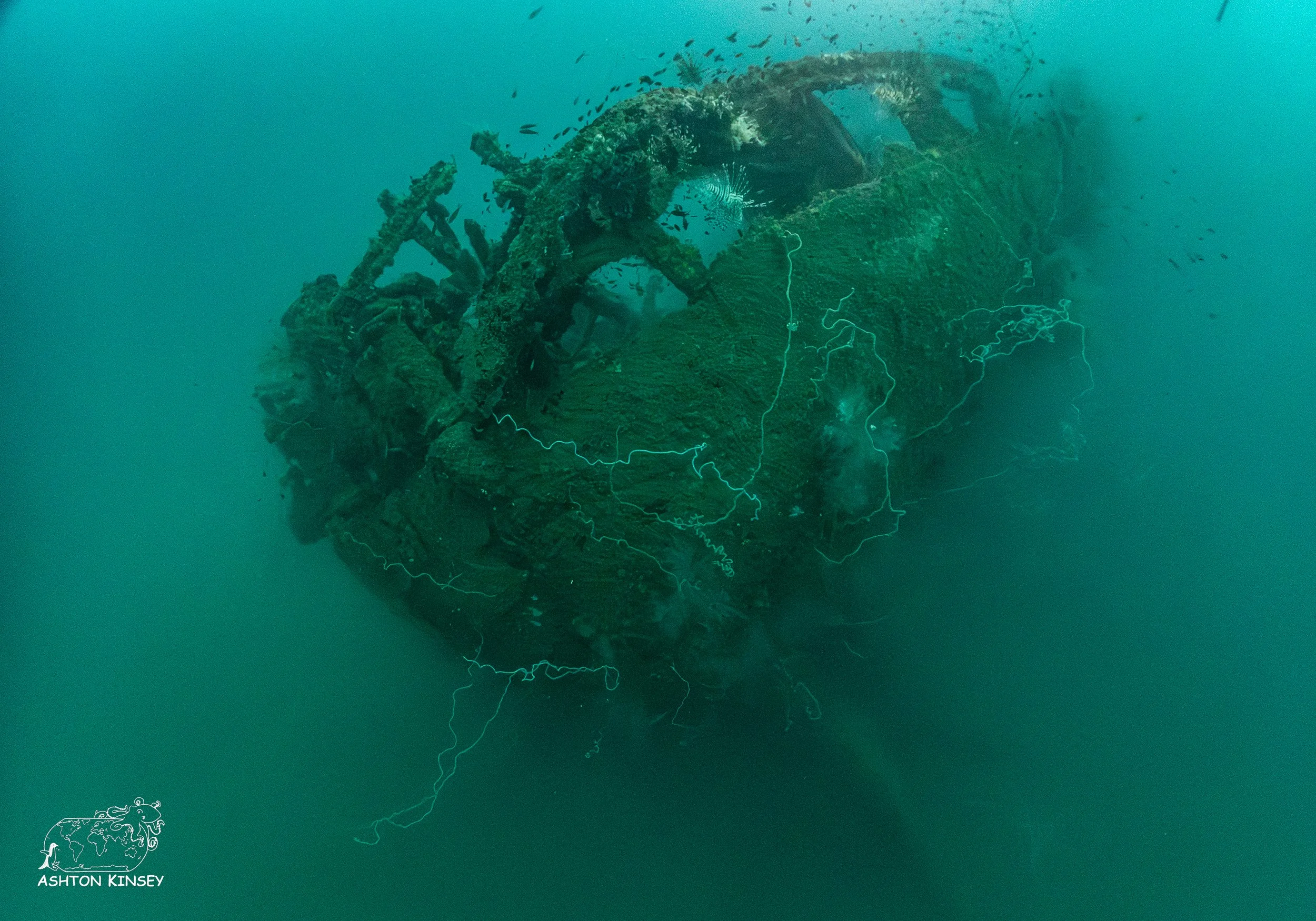
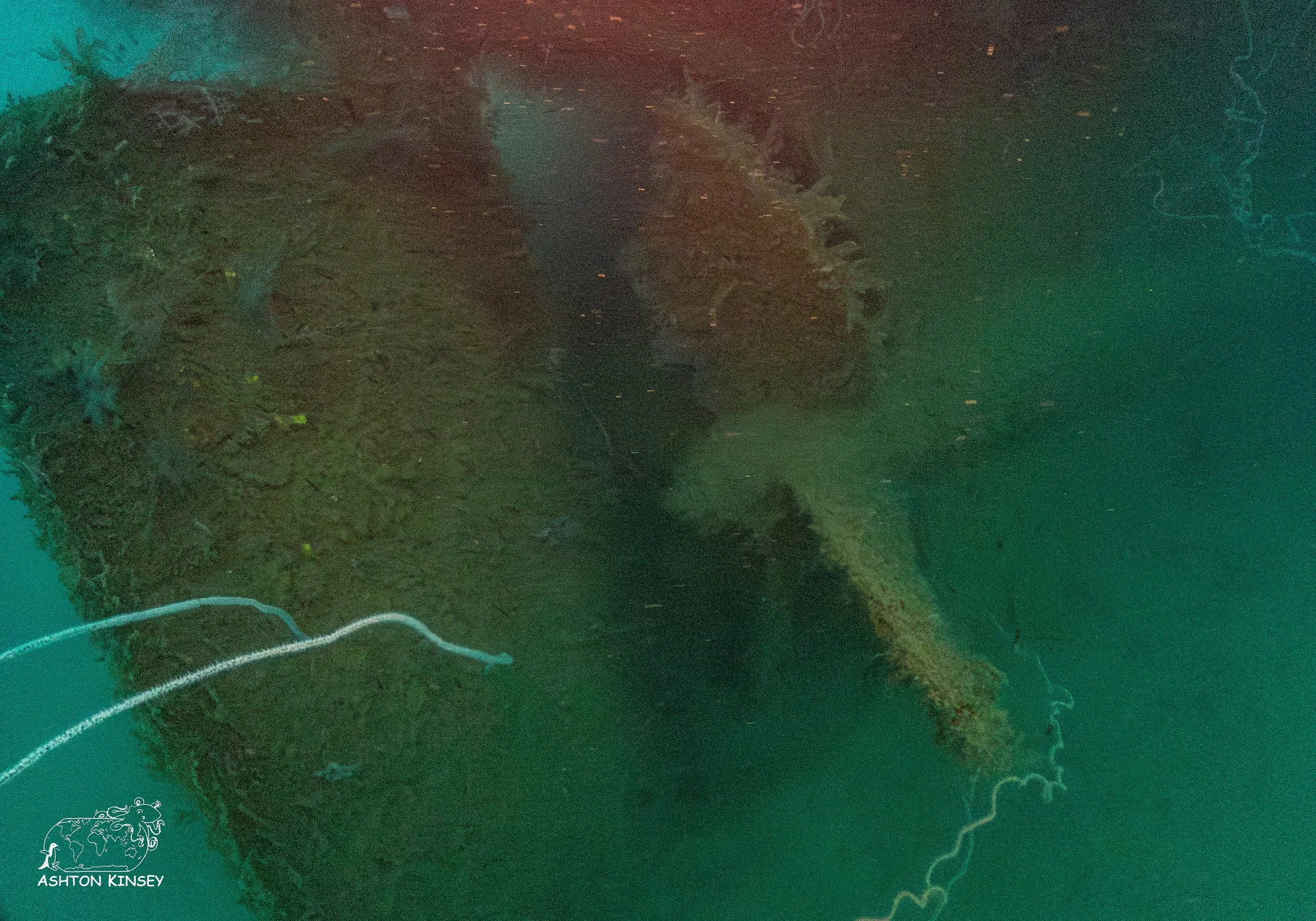
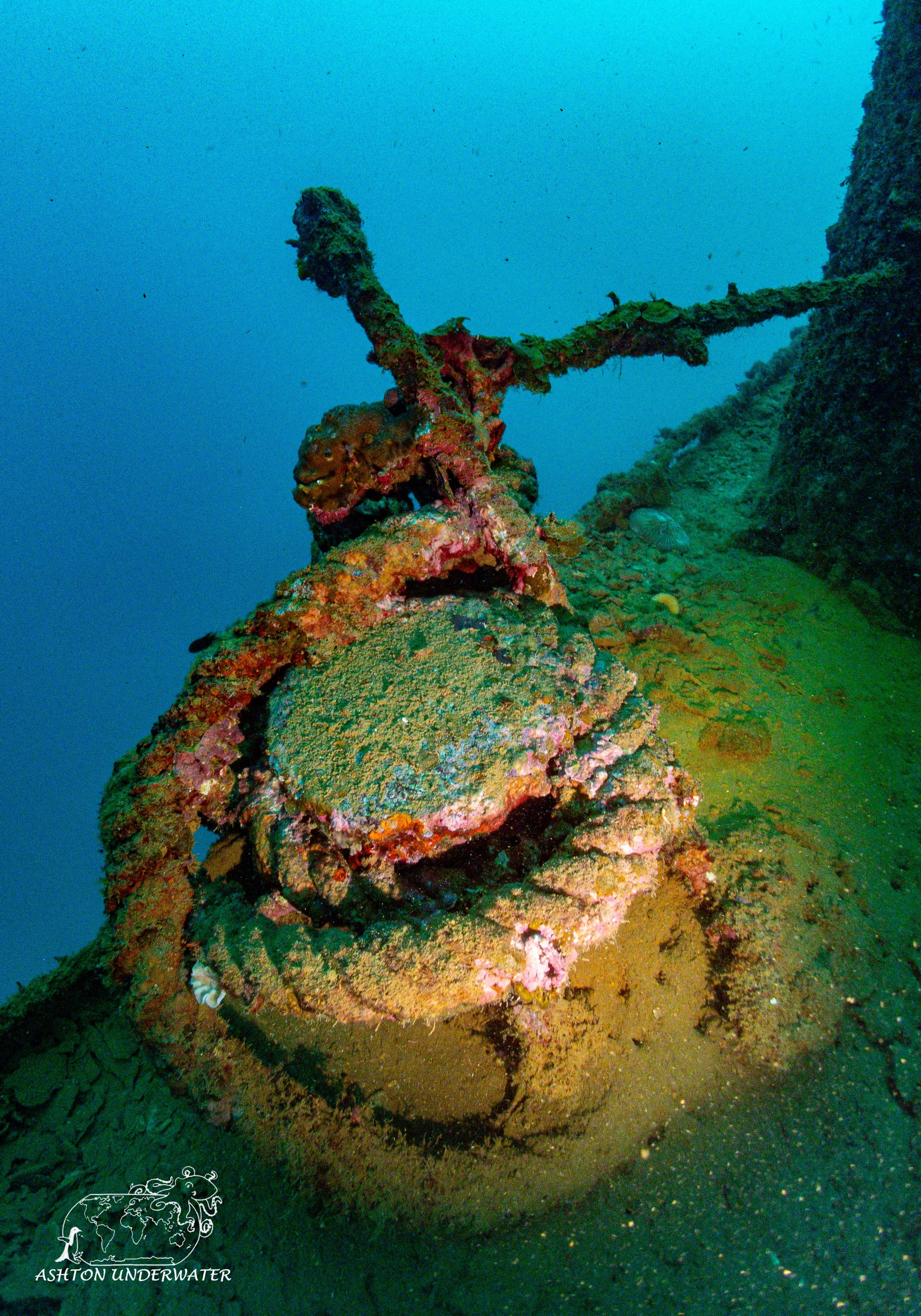
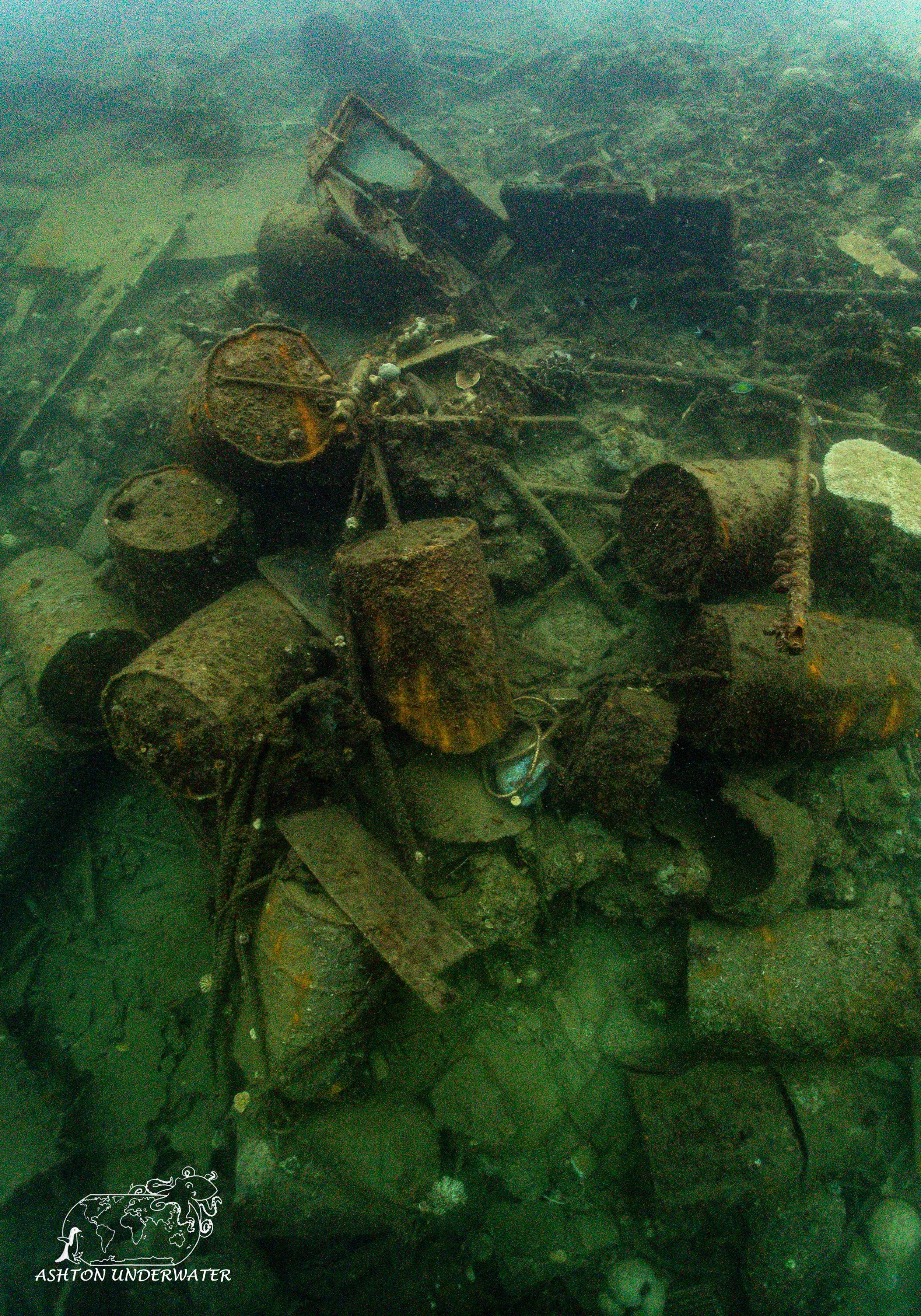
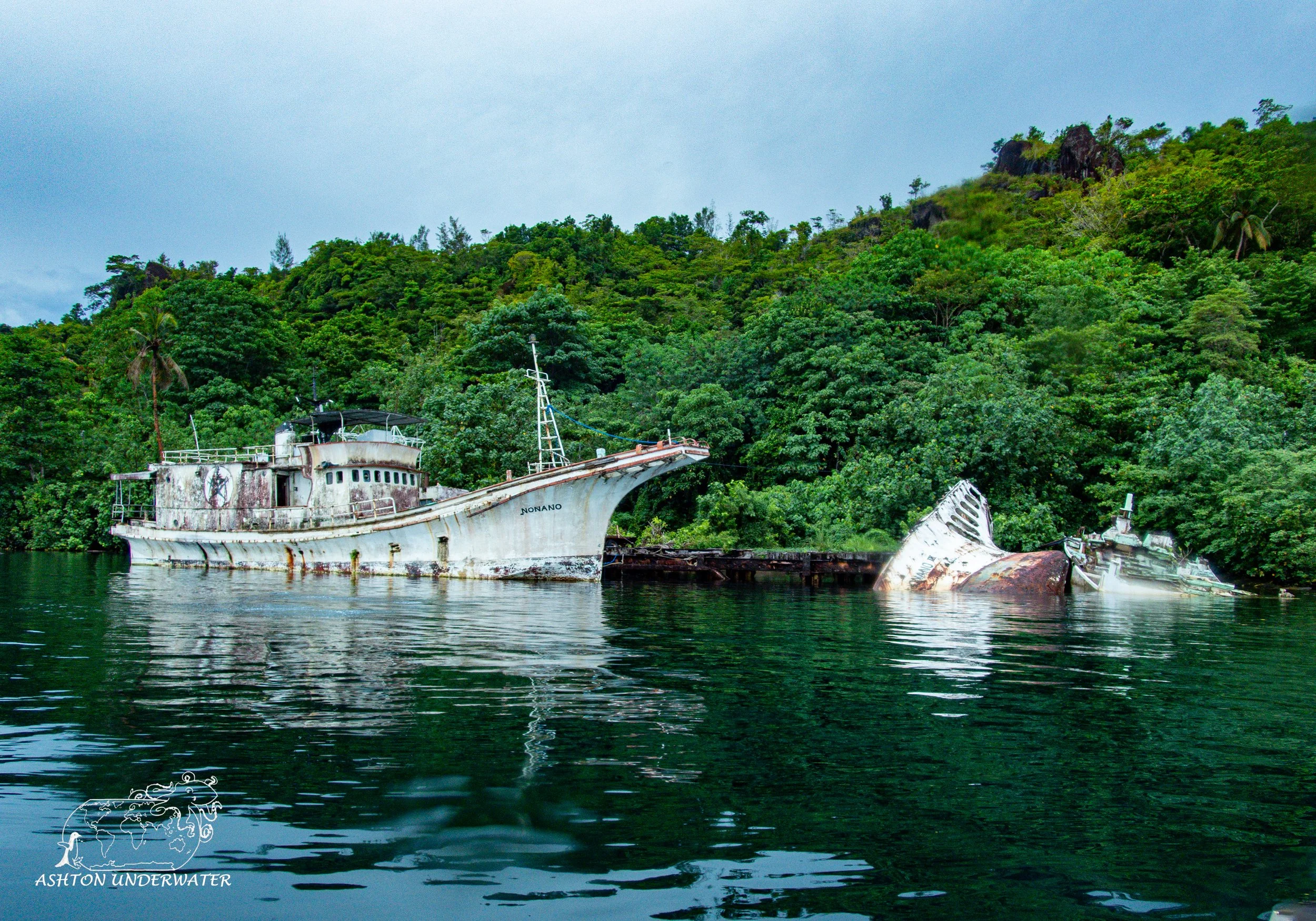
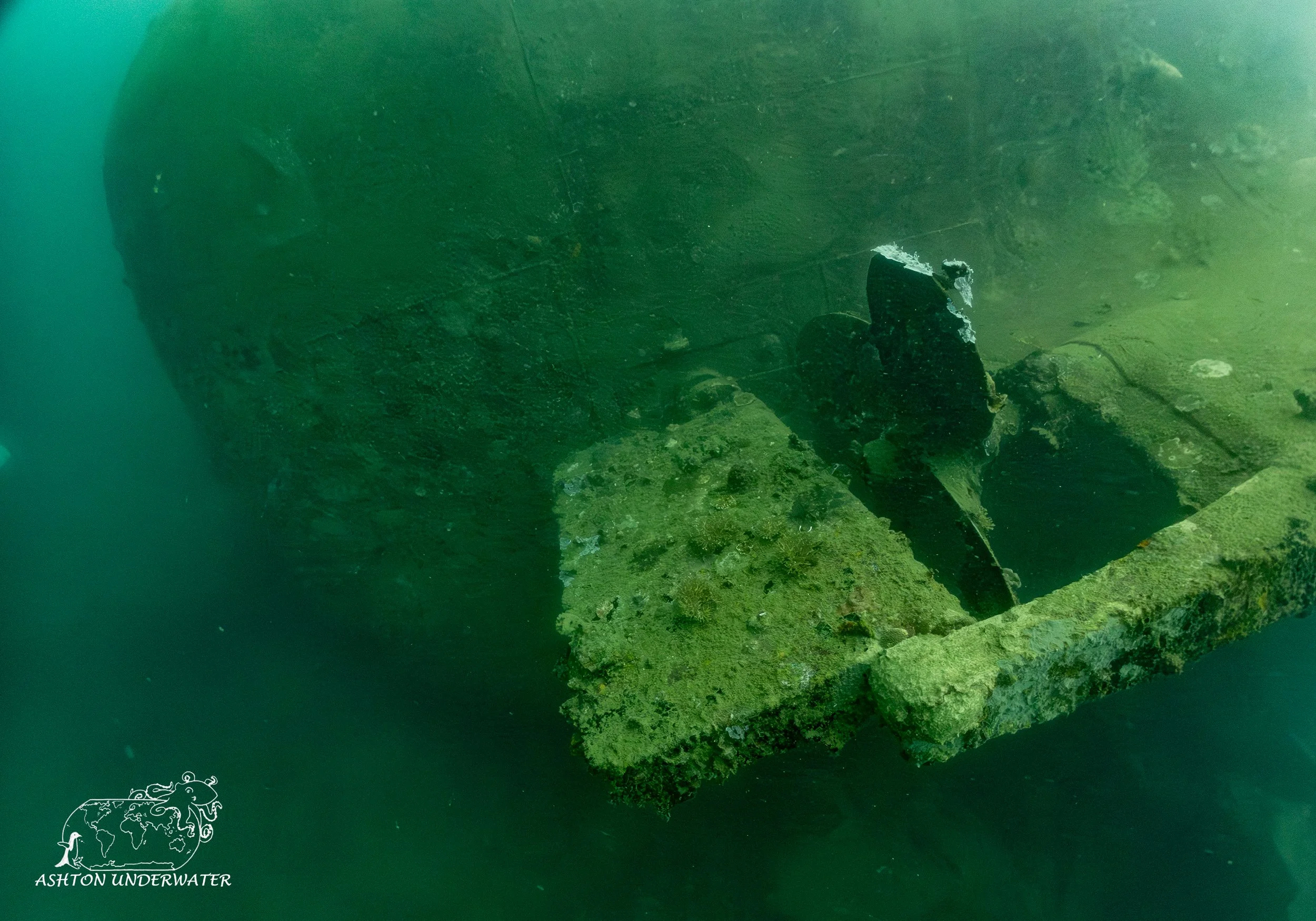
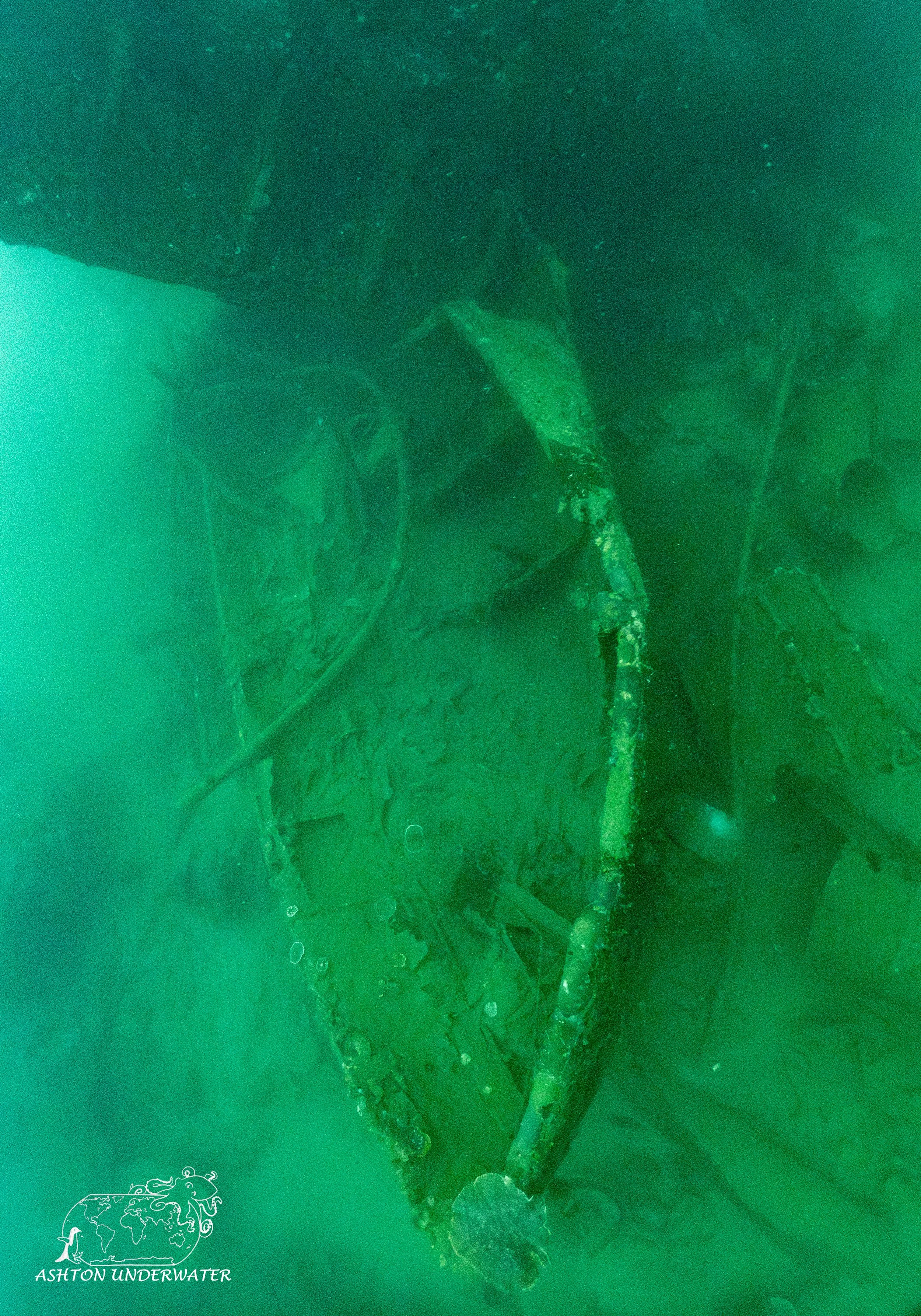
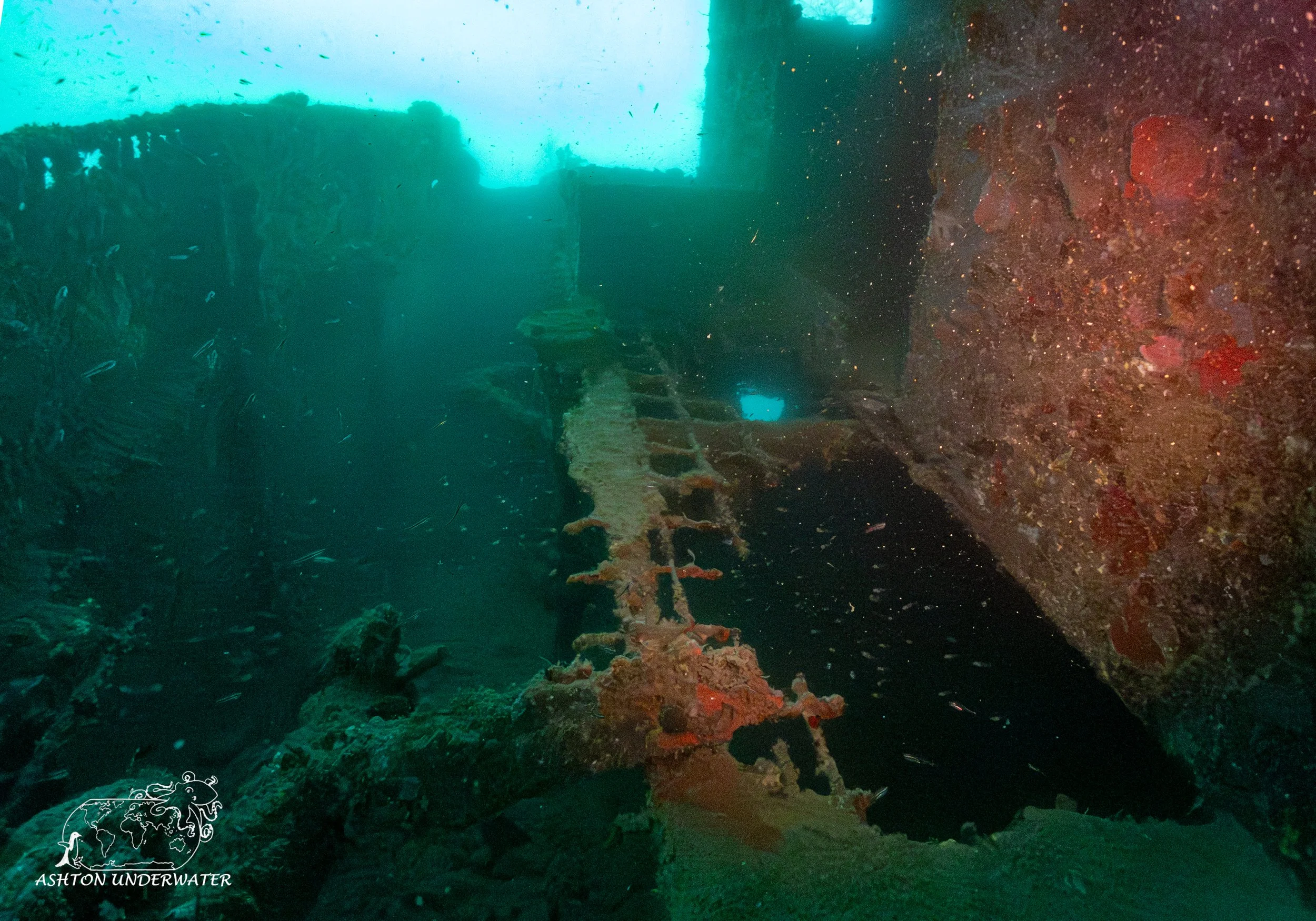
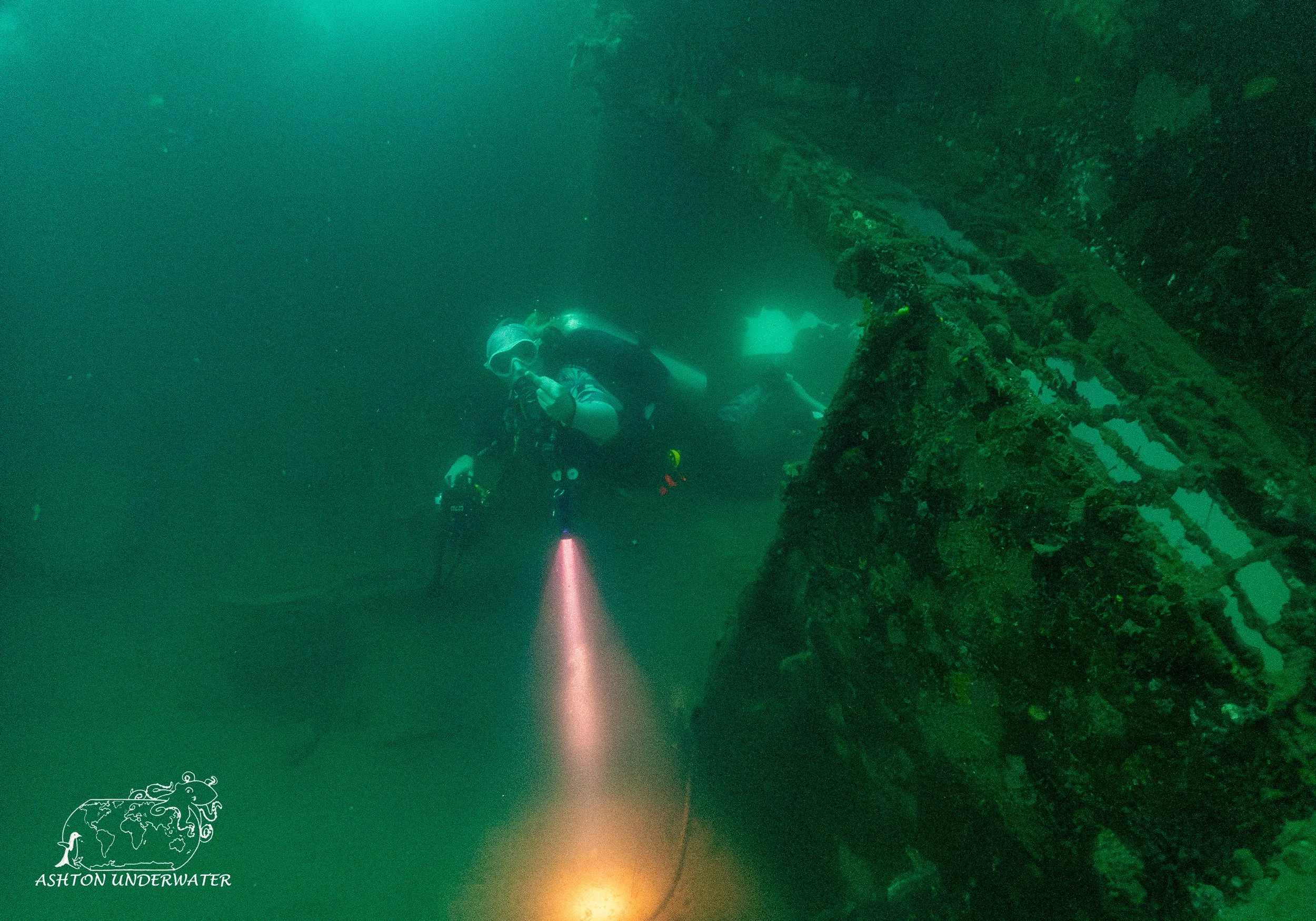
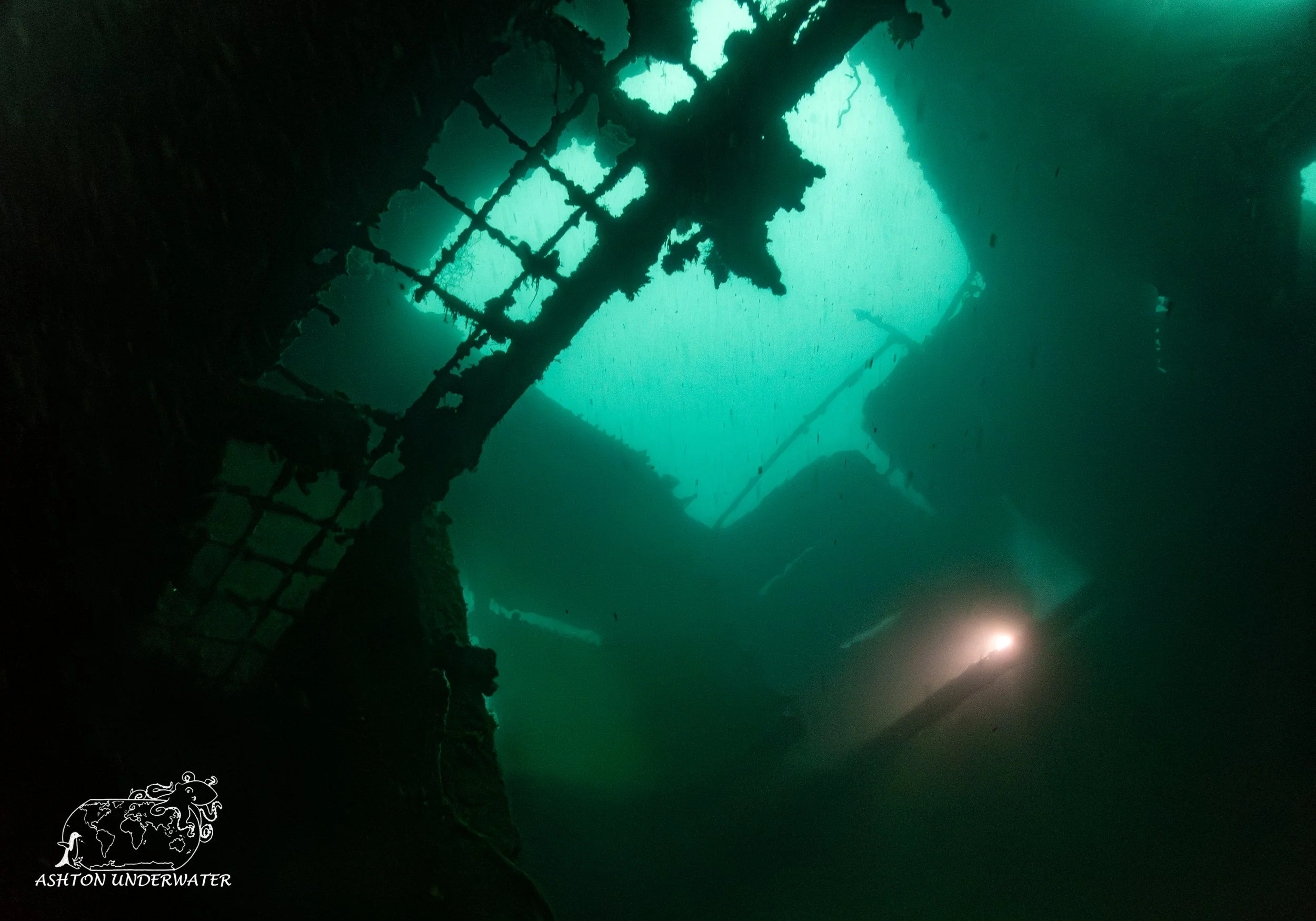
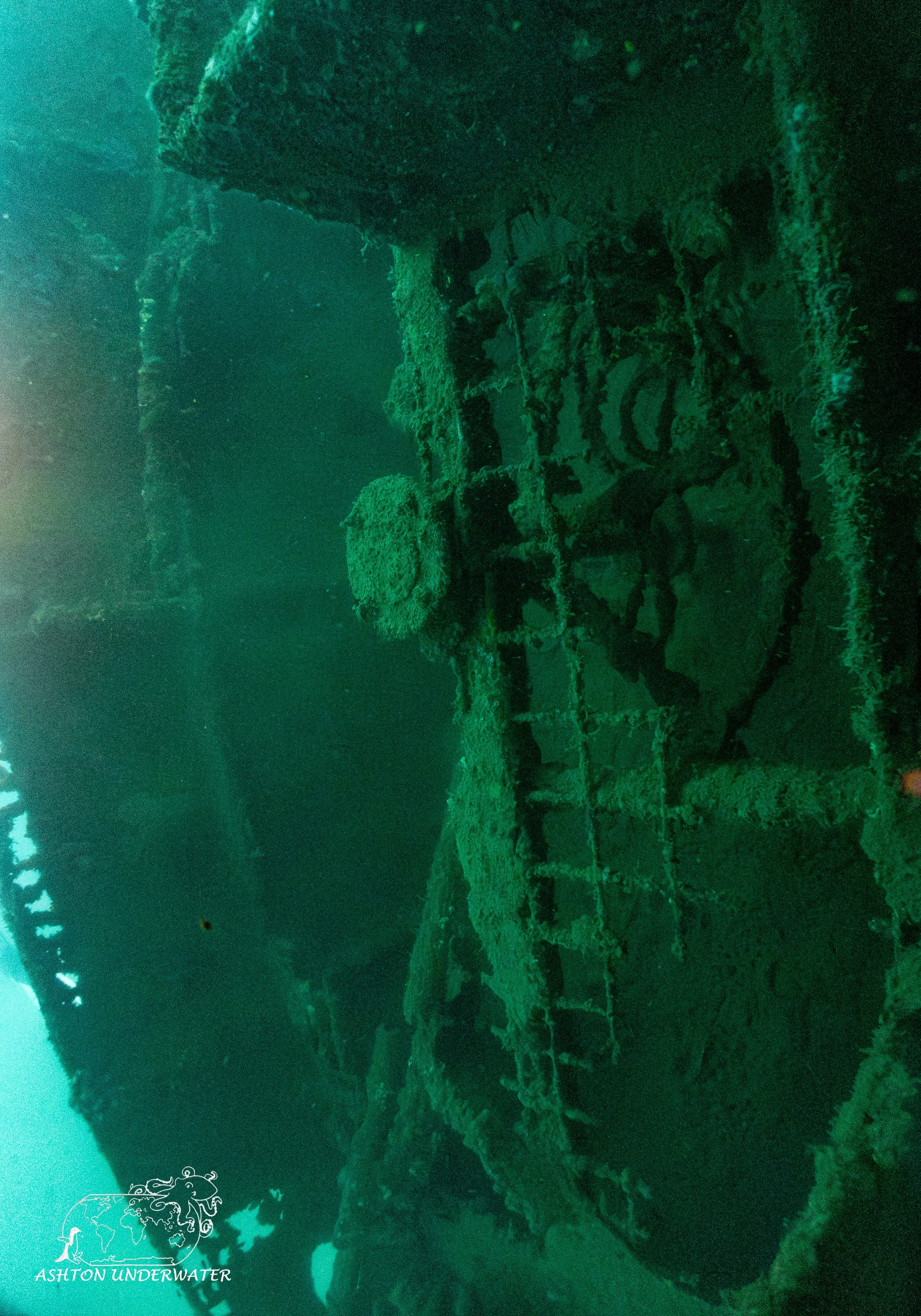
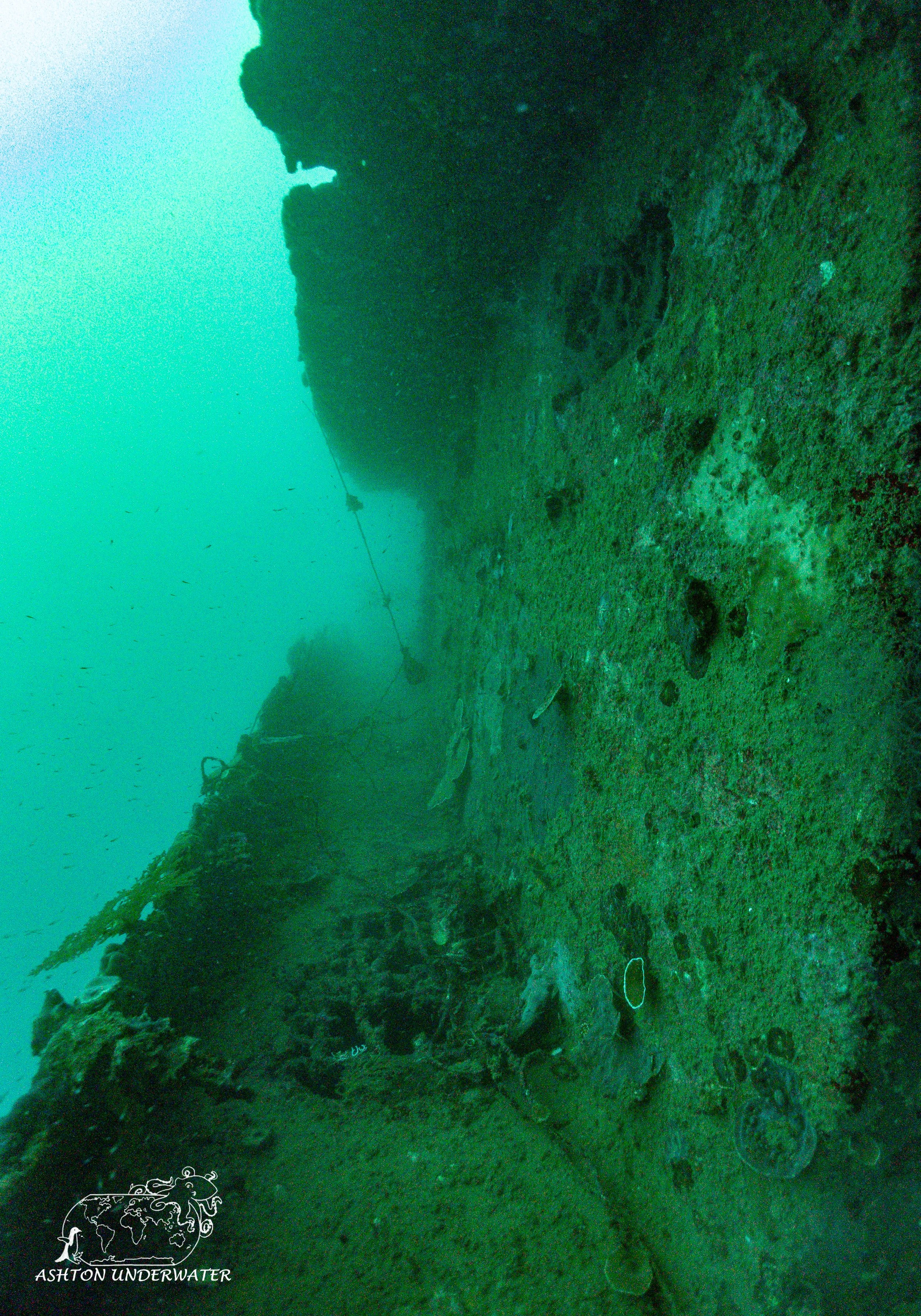
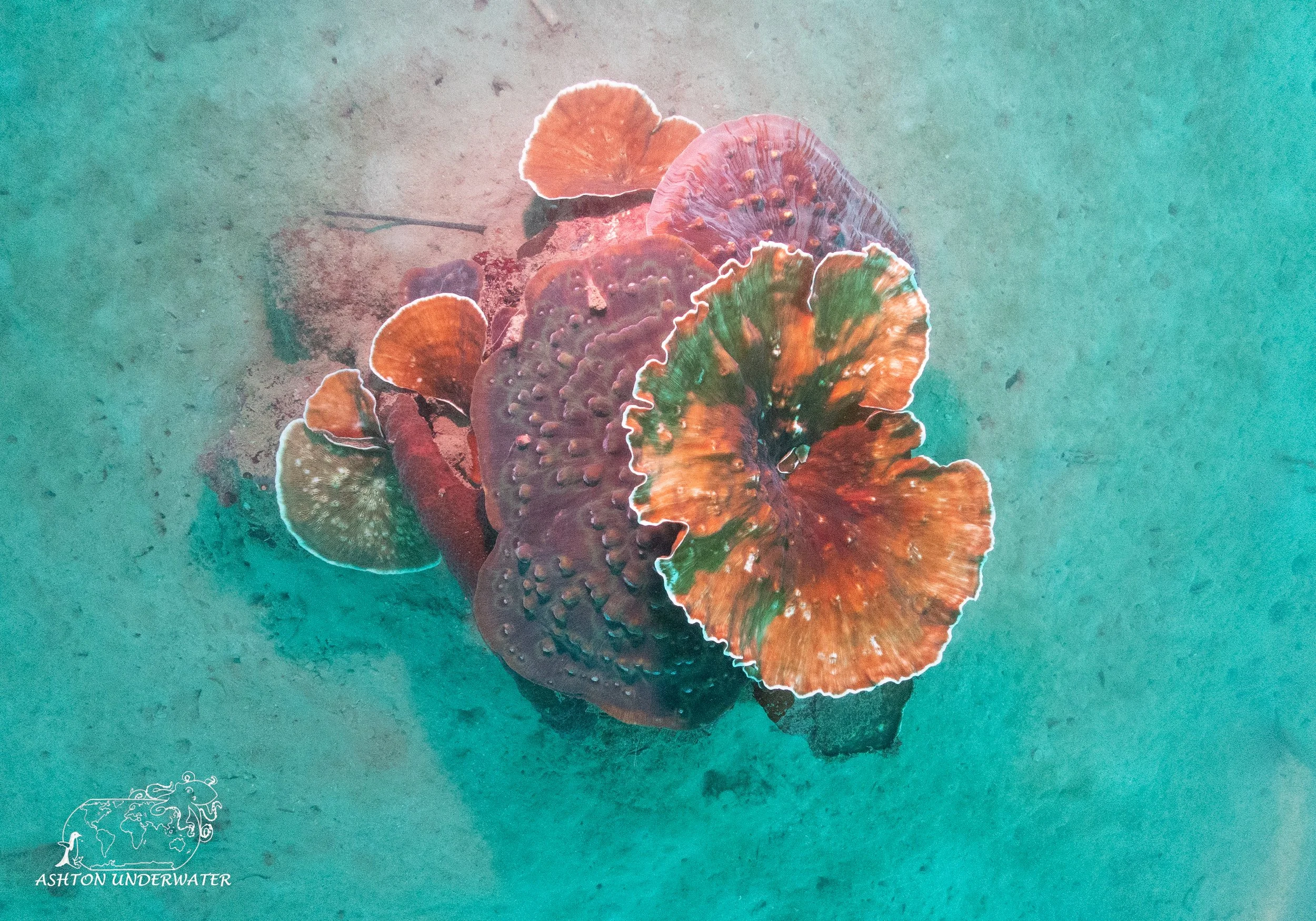
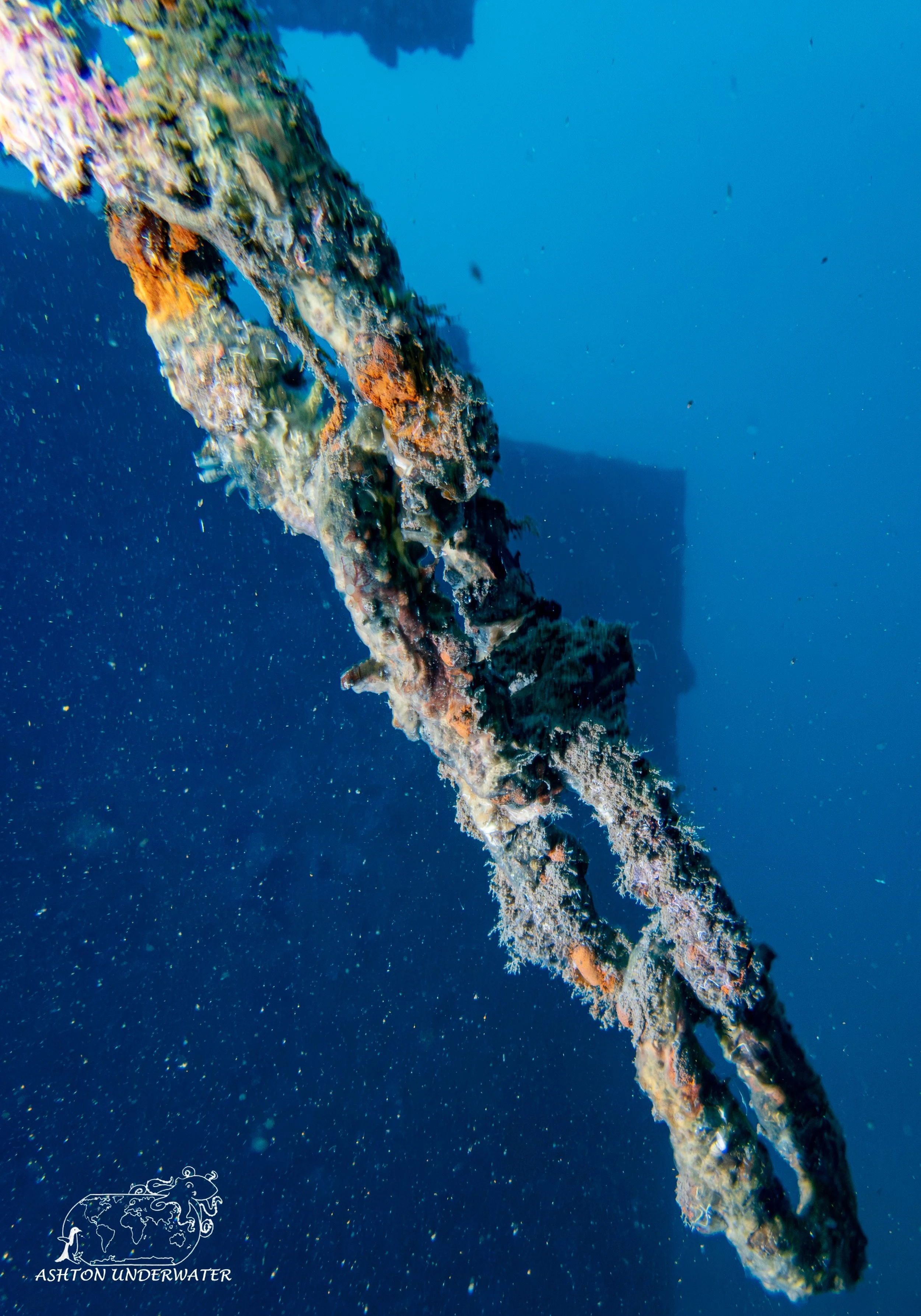
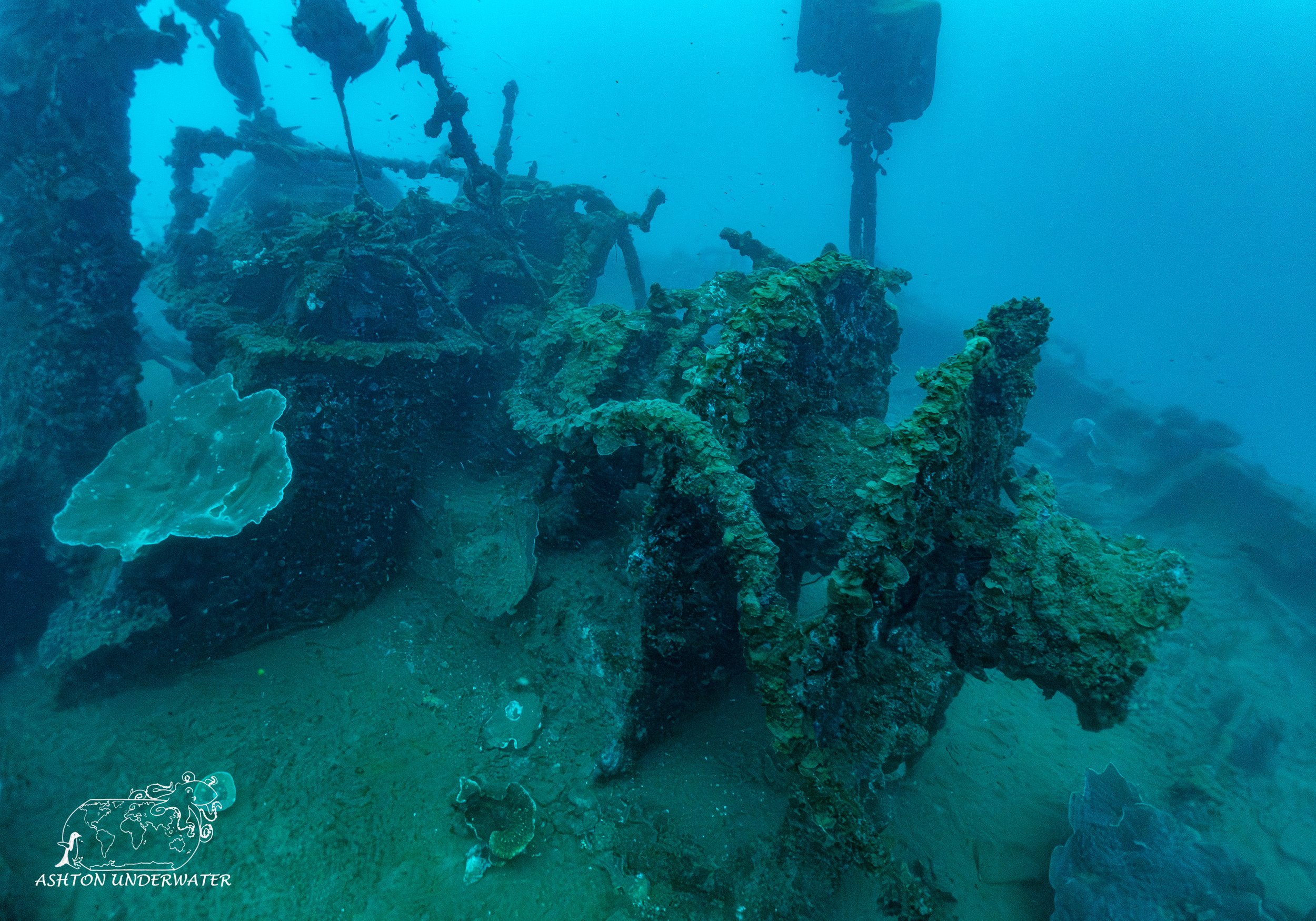
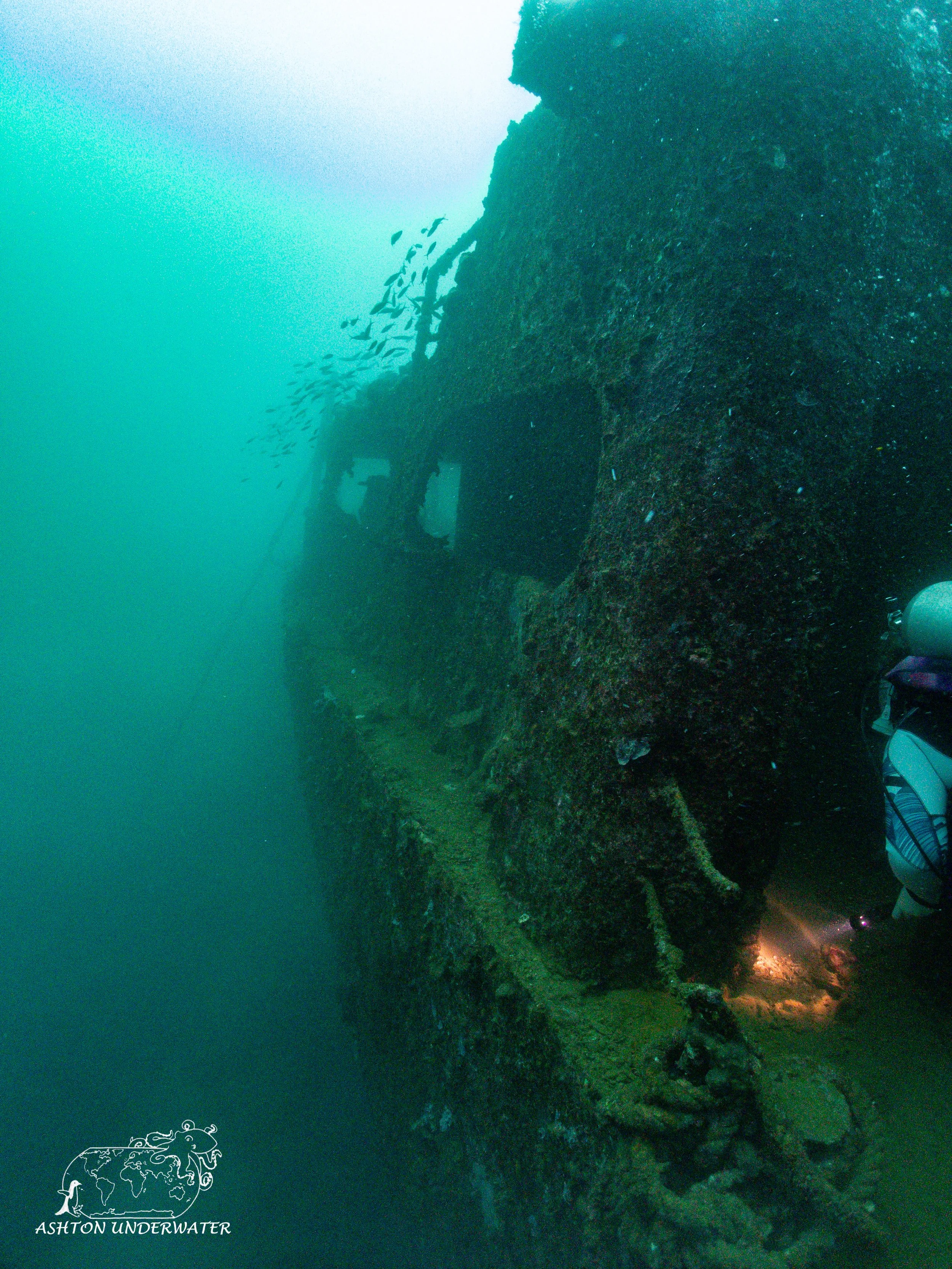
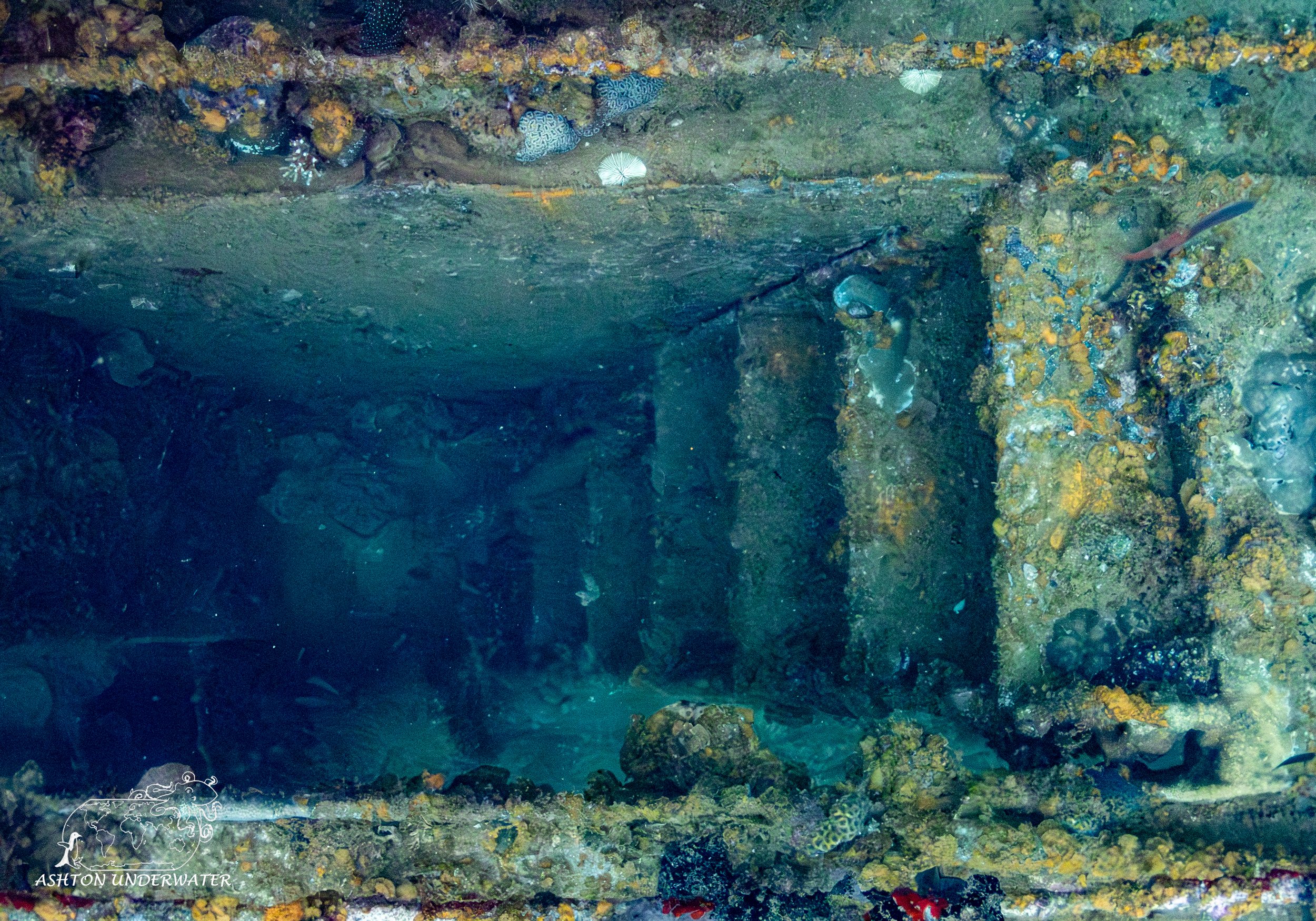
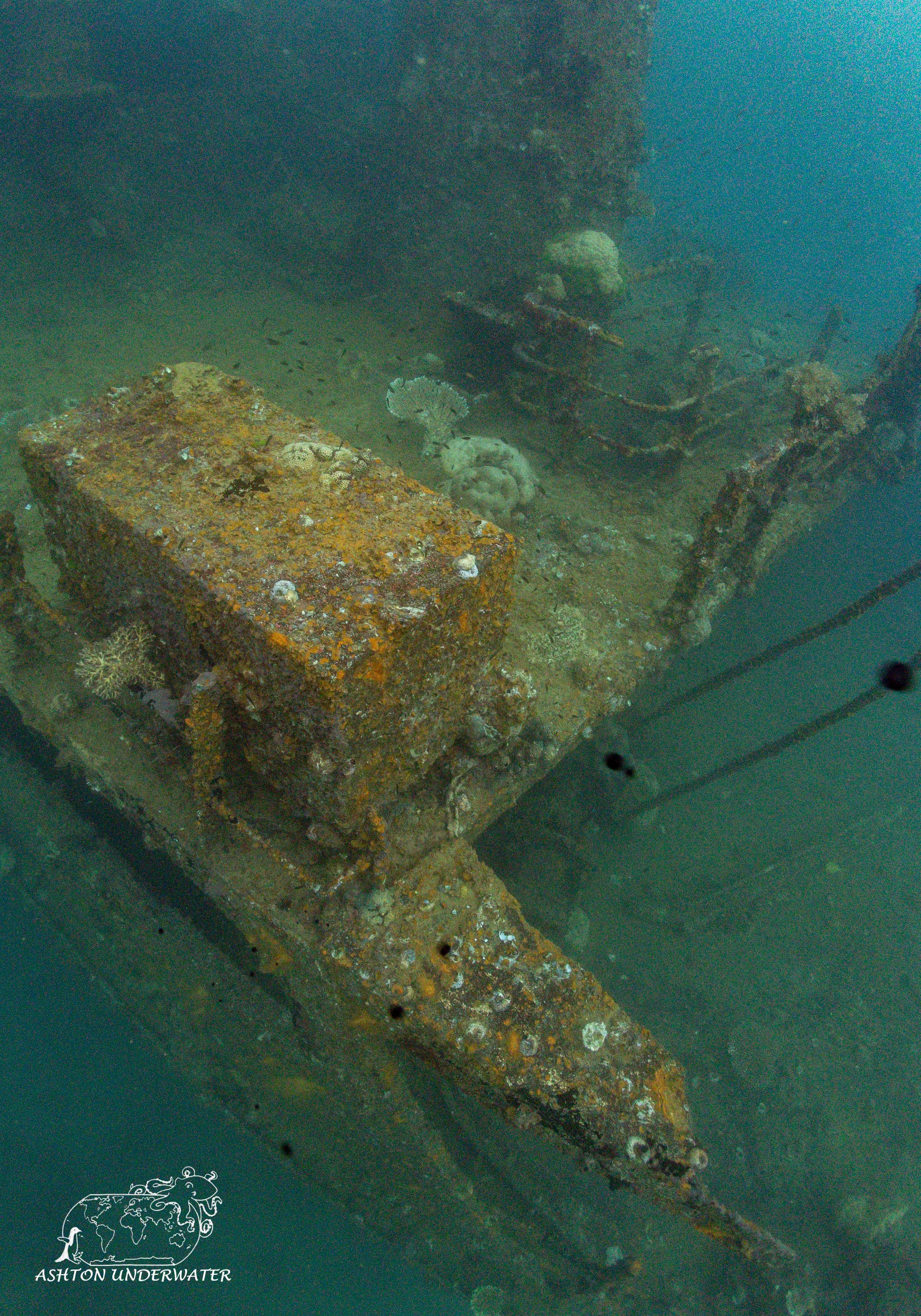
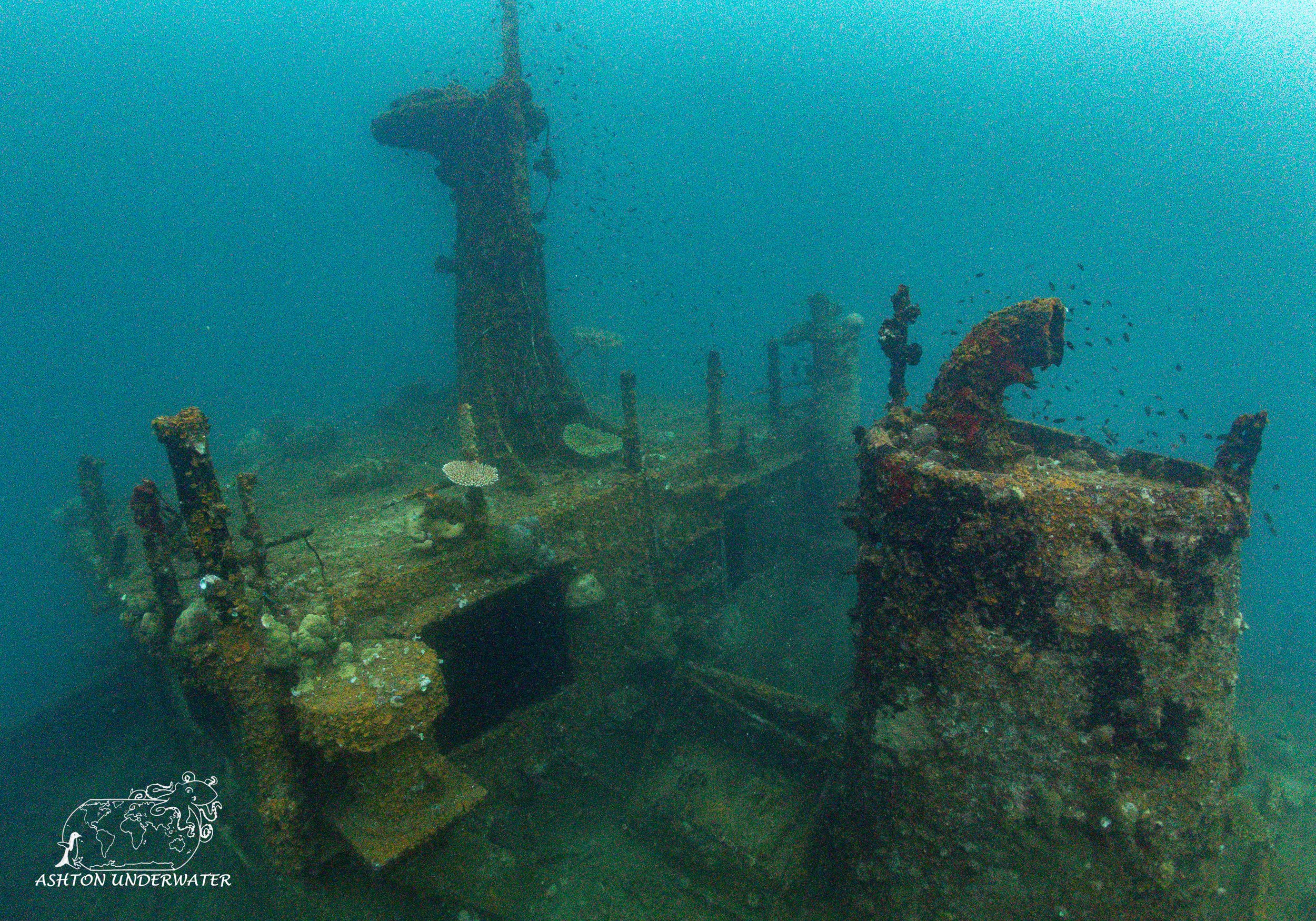
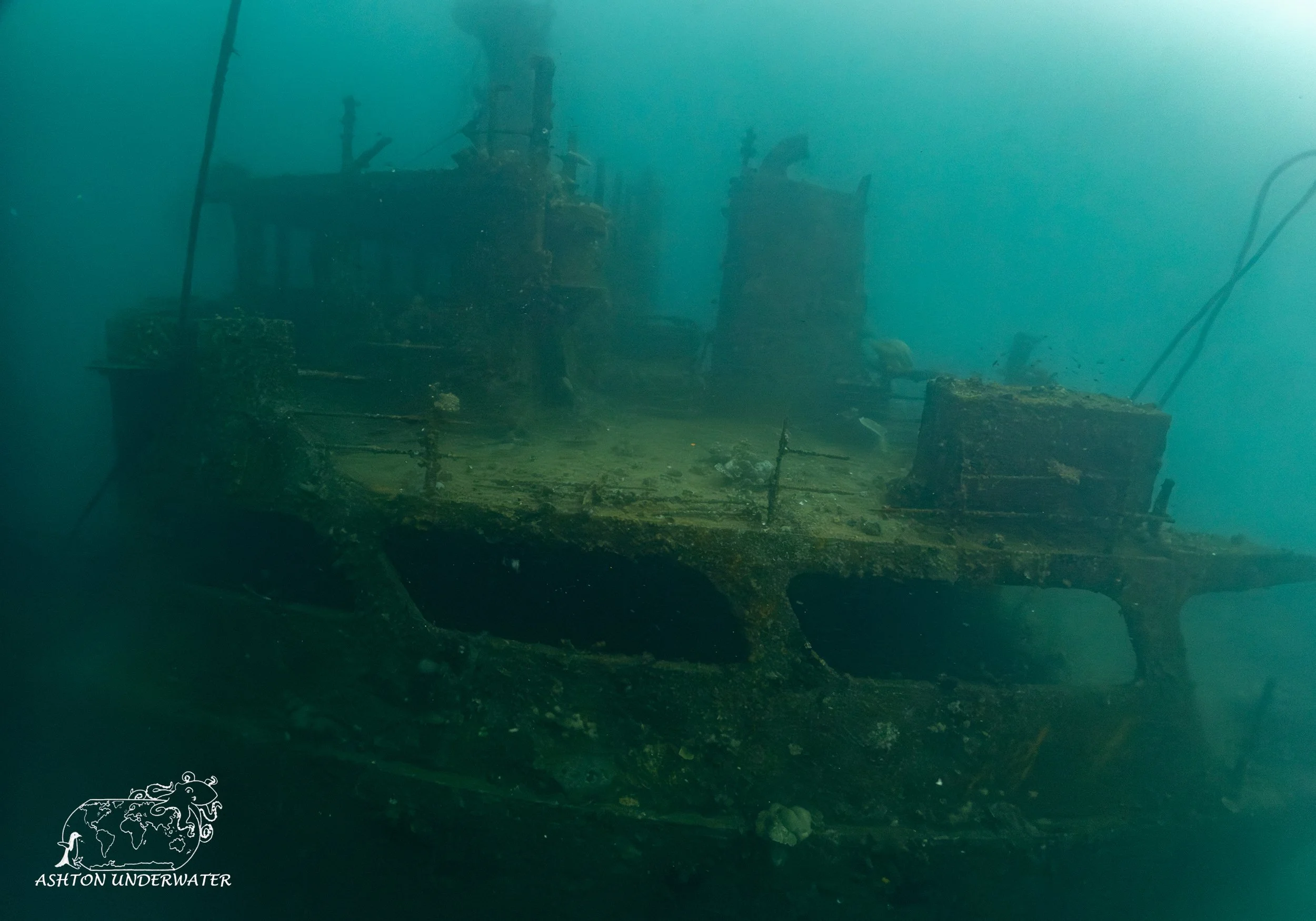
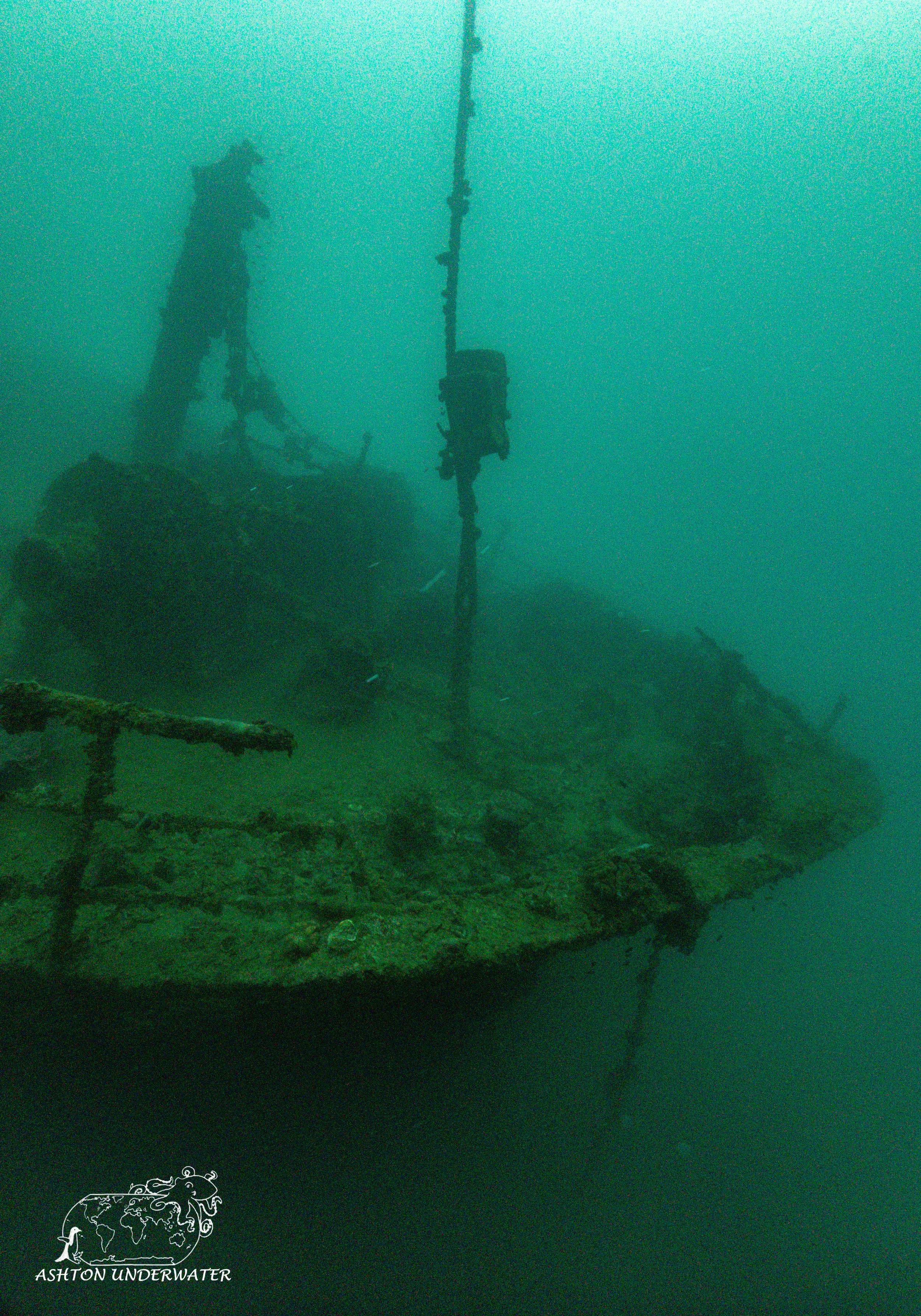
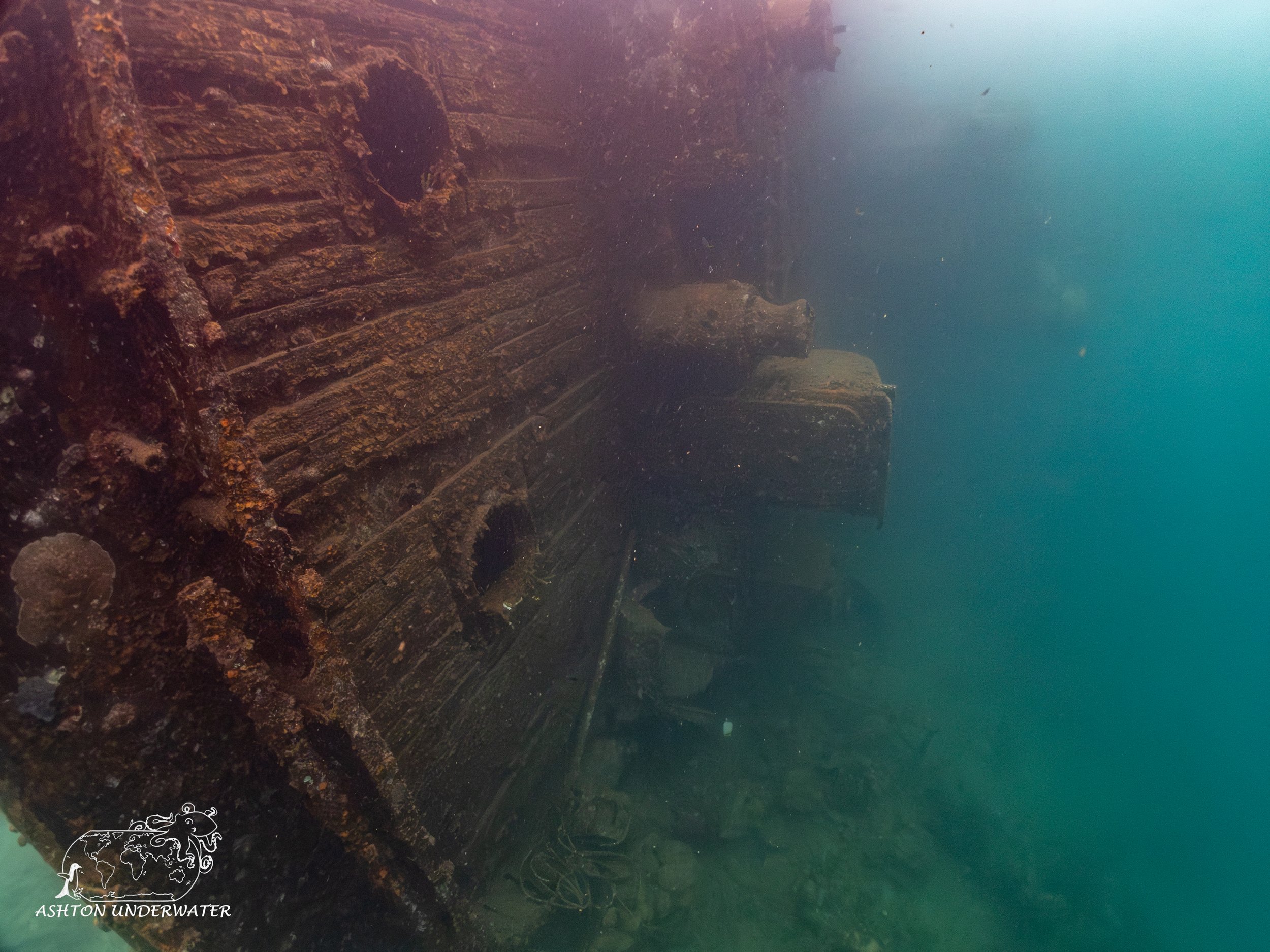
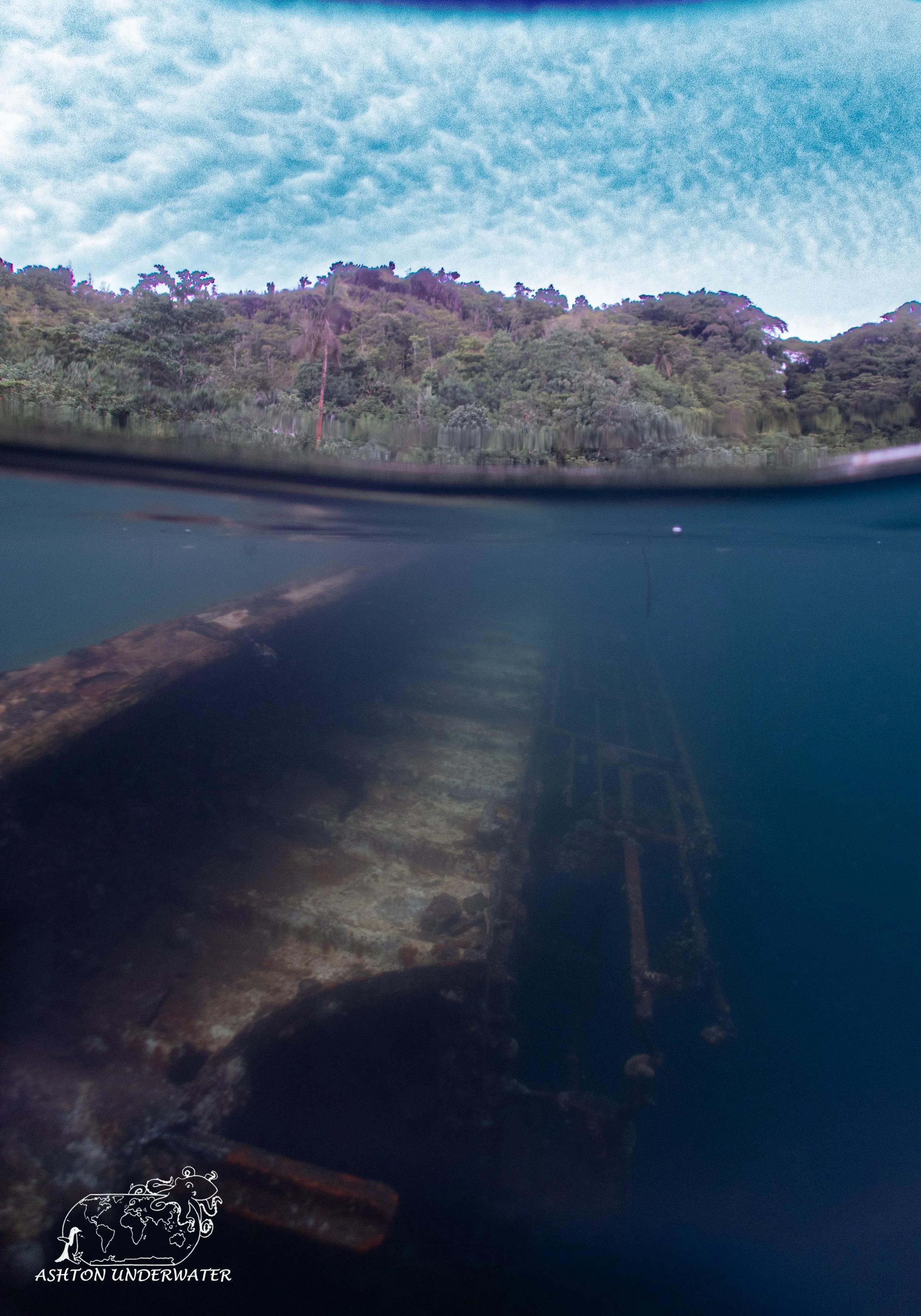
A garbage patch of ships and other wartime materials. The largest piece is the bow section of a heavy cruiser USS Minneapolis. During the Battle of Tassafaronga on 29th November 1942, she opened fire on six Japanese during the resulting surface battle she took heavy damage to her bow and fireroom from two torpedoes. The battle was lost but the Minneapolis salvaged and was able to make its way back to Tulagi where the bow was removed and a temporary replacement was made out of sheet metal and coconut logs. The bow section was dropped into the bay and is now sitting upside down surrounded by various types of debris. The Minneapolis made it back to the Mare Island Naval Shipyard in California, was repaired and was involved in nearly every major pacific operation before being sold for scrap and decommissioned in 1947.
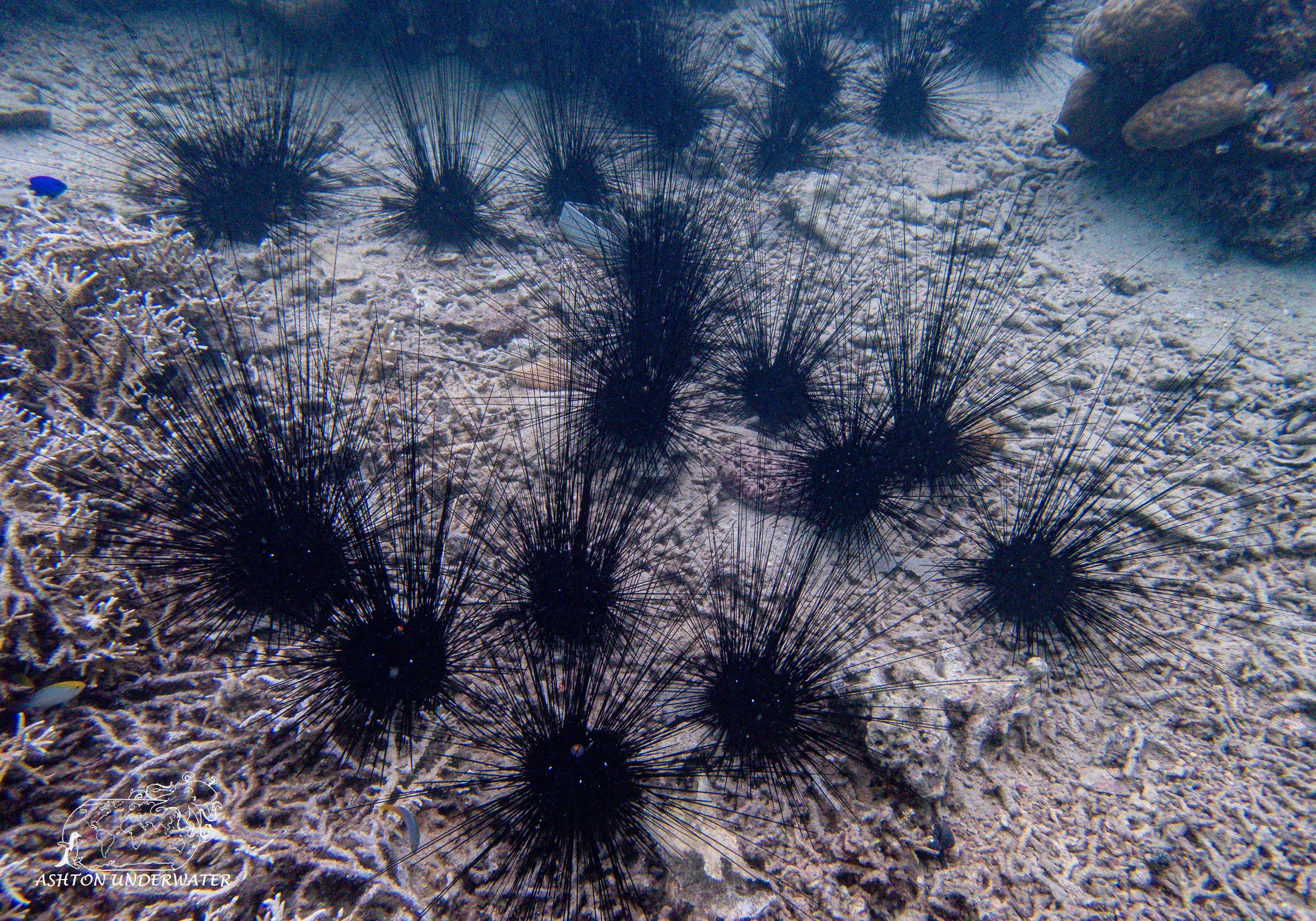
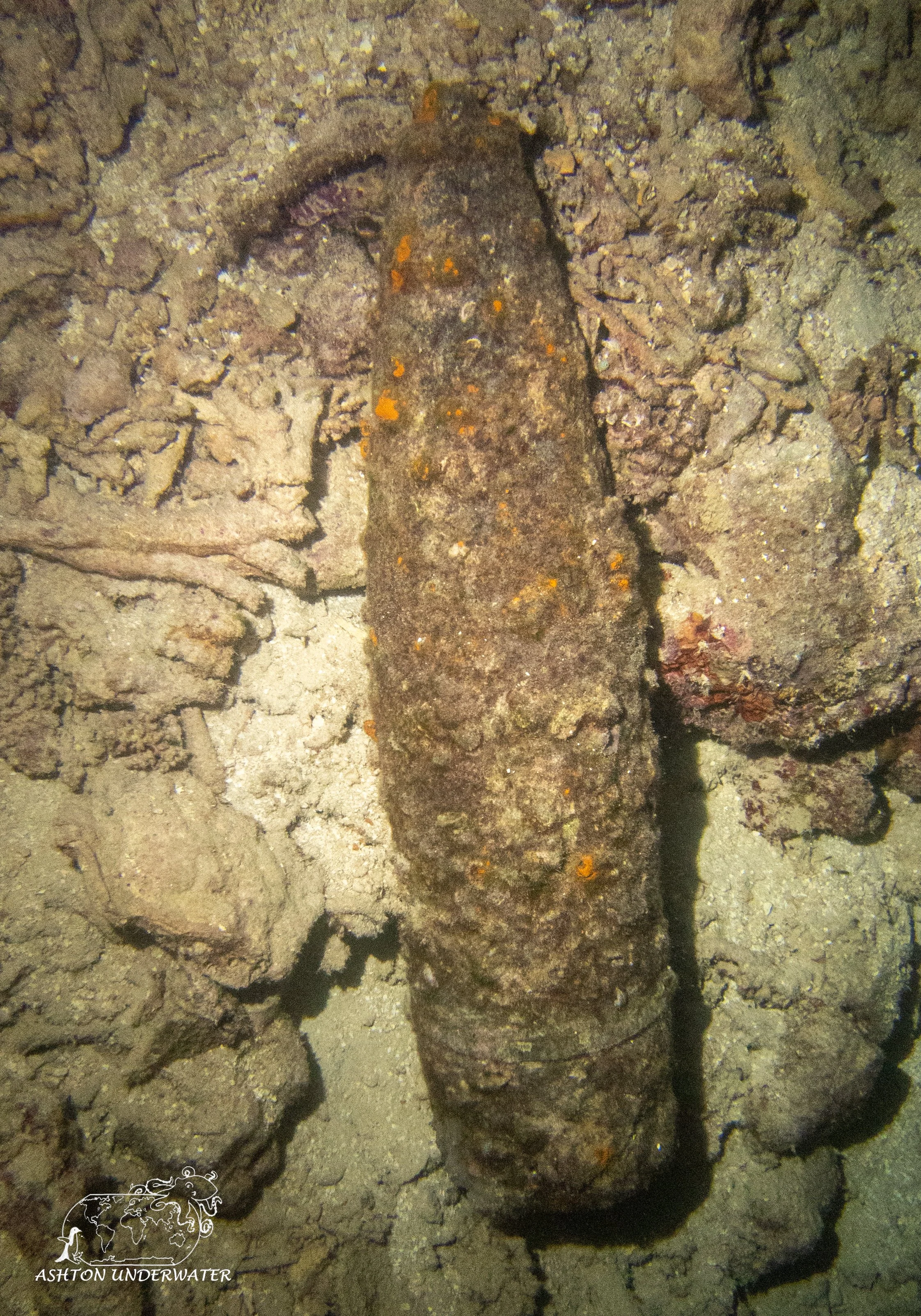
The site’s visibility tends to be low due to the soft bottom and being inside of the harbor of Tulagi. Around the bow segment is plenty of cordite, and naval shells. There is a large field of unexploded ordinances, a bunch of barrels, and a small cargo vessel that is underneath a bulk liquid carrier. Plus, a slightly larger fishing boat with ample area for penetration., and parts of a sea plane wing. Also, a toilet because what dump site wouldn’t be complete with a toilet?
Undeka
85’ for 56 minutes
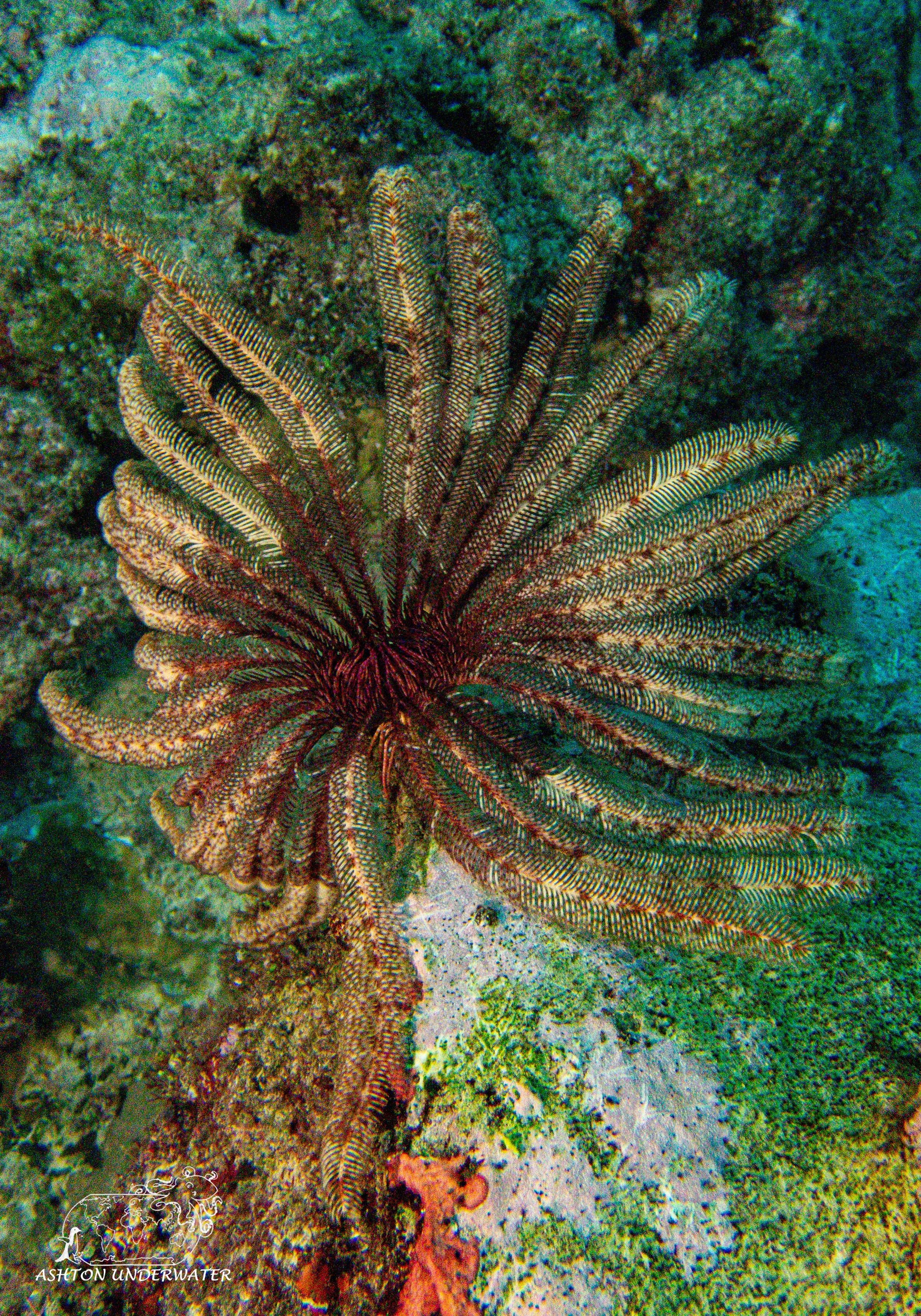
Named after the closest island village, this is a fringing reef starting around 23’ at the top that drops down to over 100’ to the bottom. The top of this site can have weird currents but on the top are patches of hard corals. Large schools of fish such as fusiliers, snappers, and surgeonfish are commonly seen swimming about. Within the rubble mantis shrimp, octopus and nudibranchs enjoy hiding out on top. If currents are bad on top of the bommie, it’s best to stay on the sides of it and use the bommie for protection instead of hanging around above it.
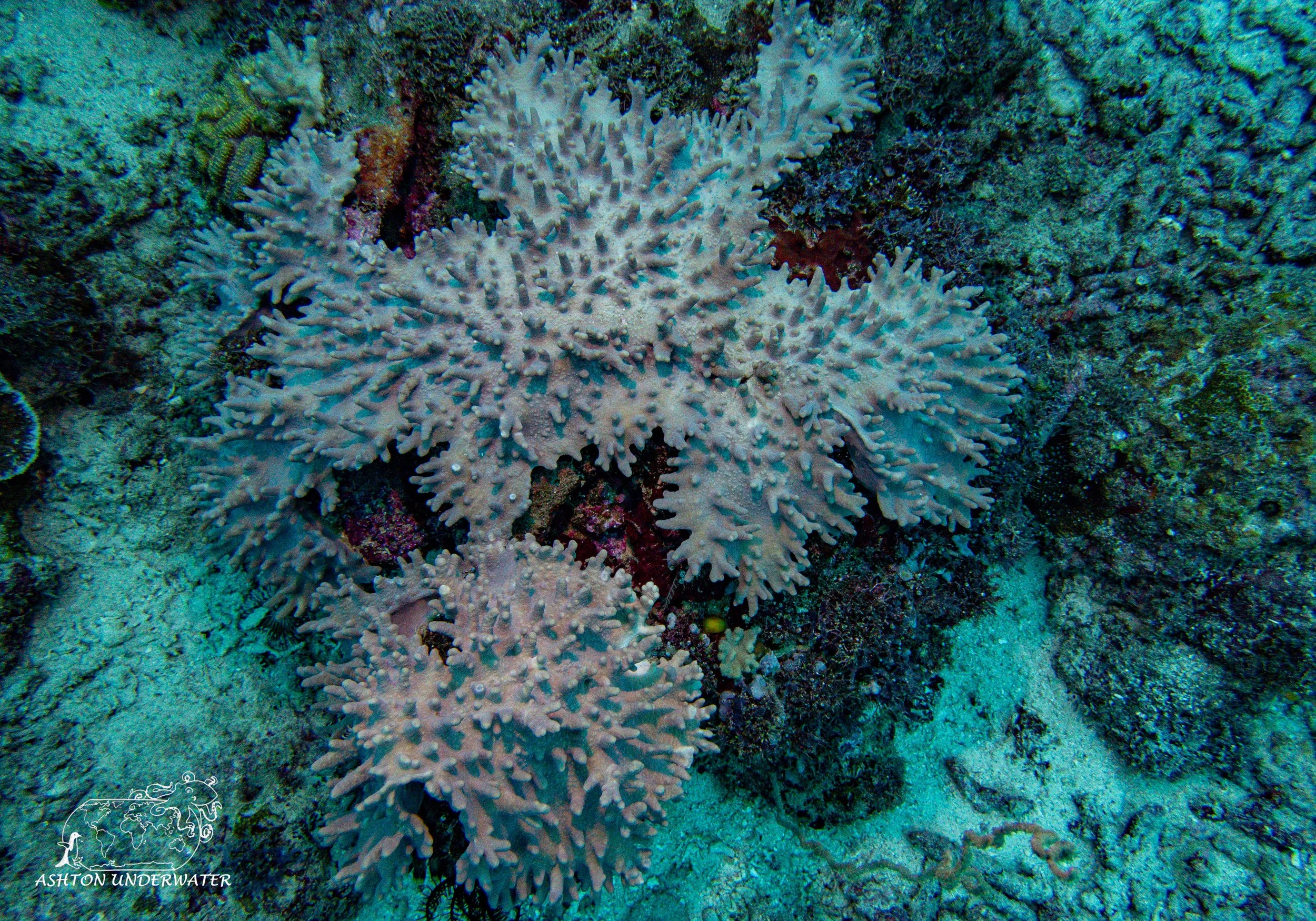
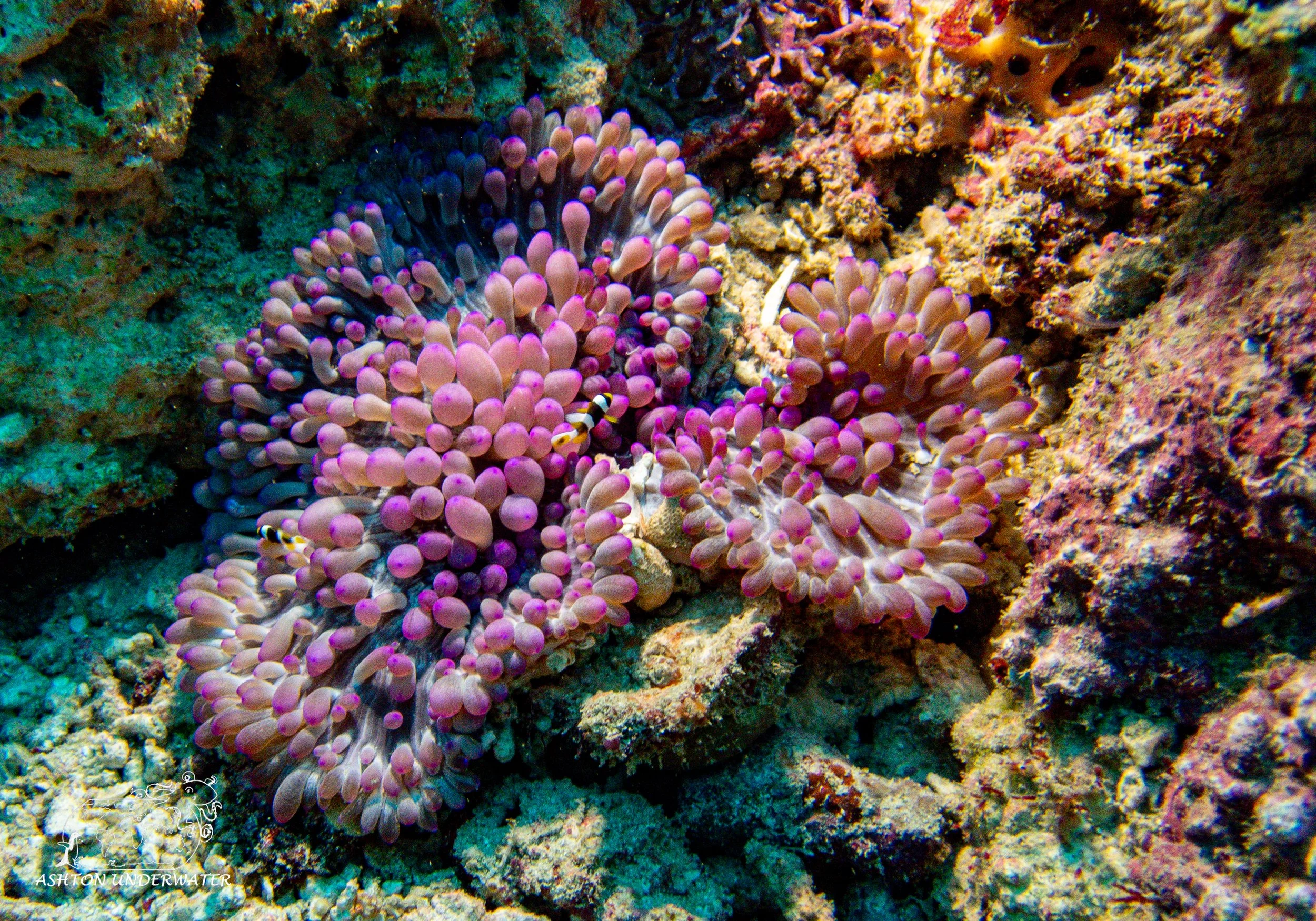
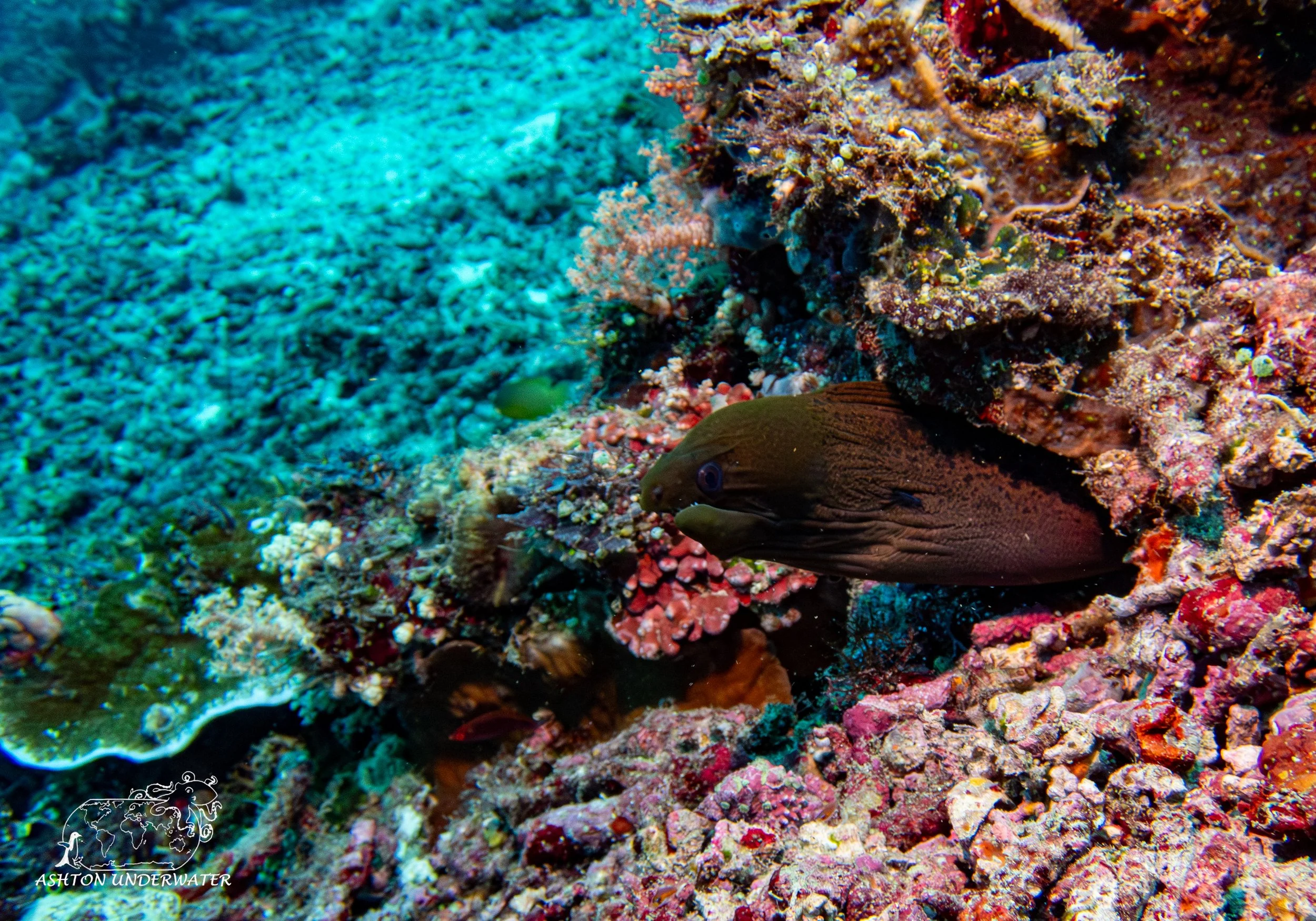
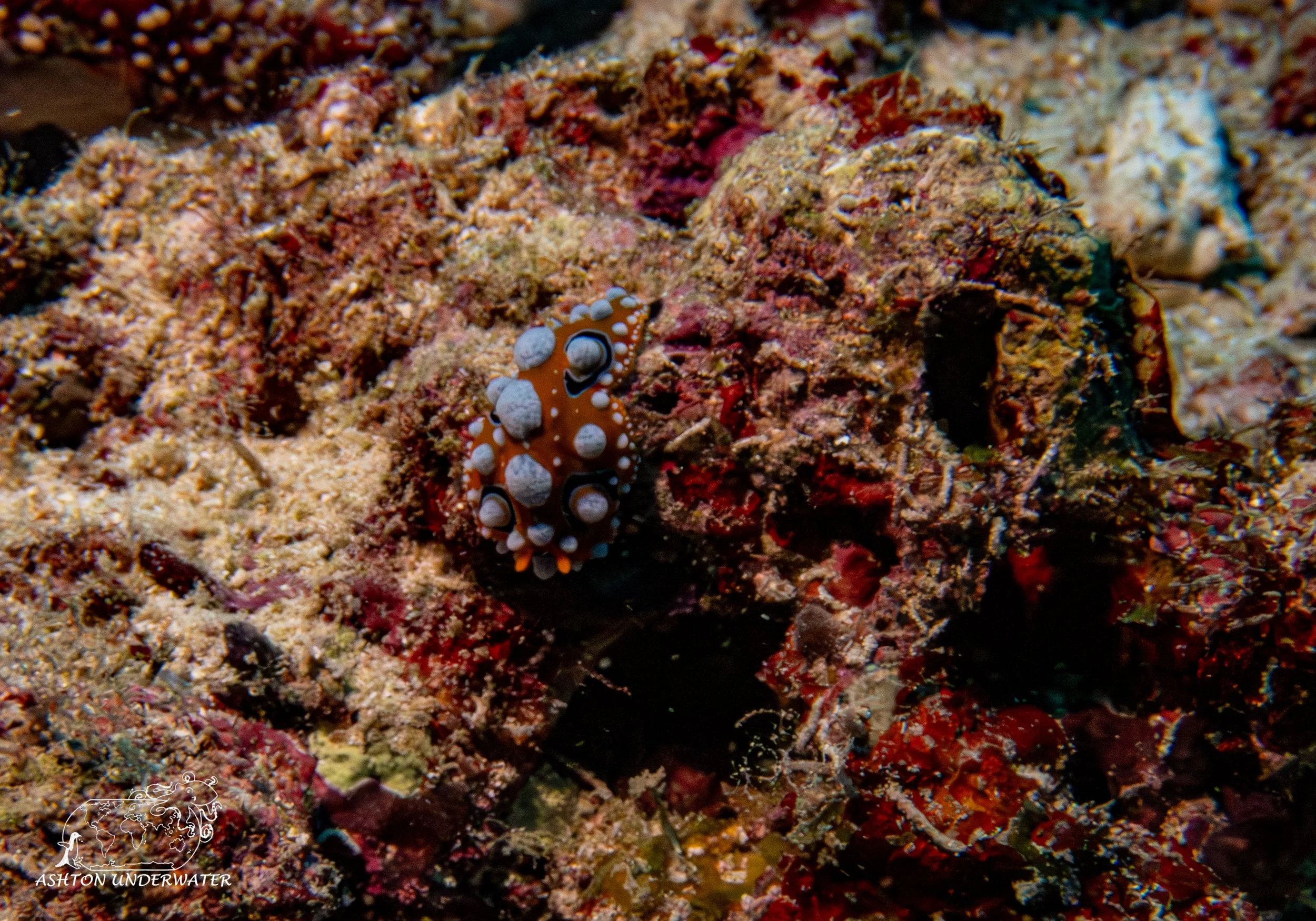
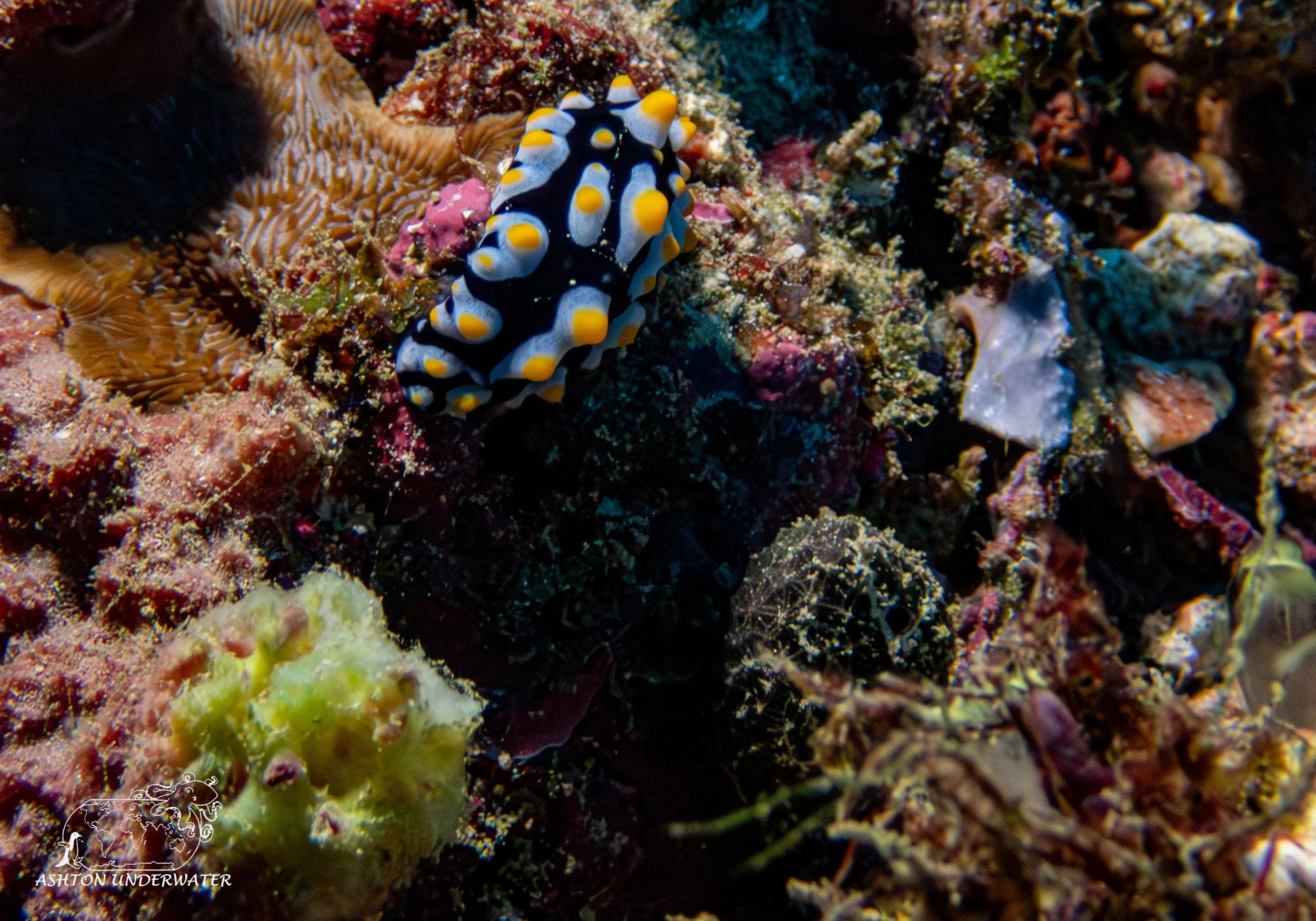
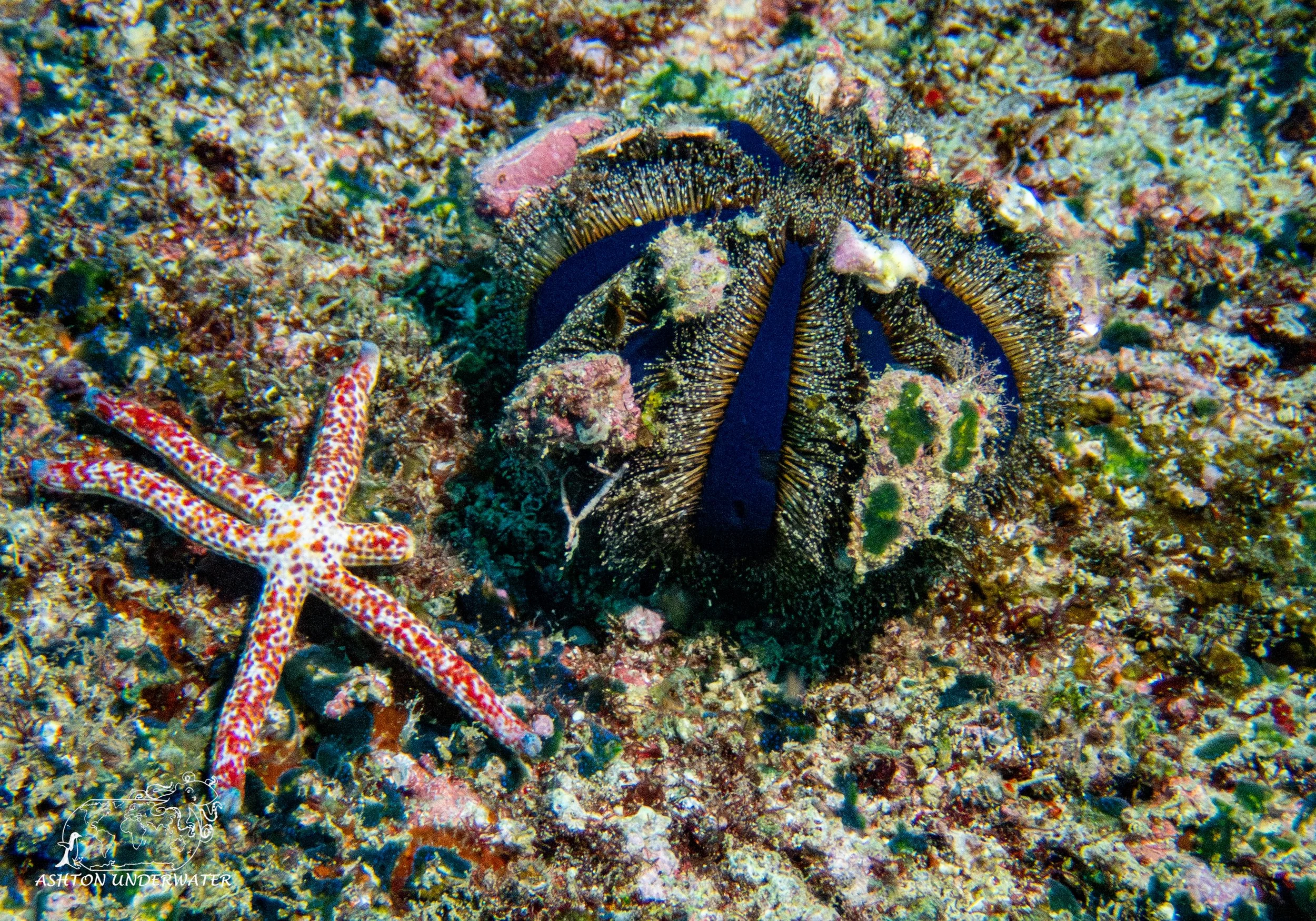
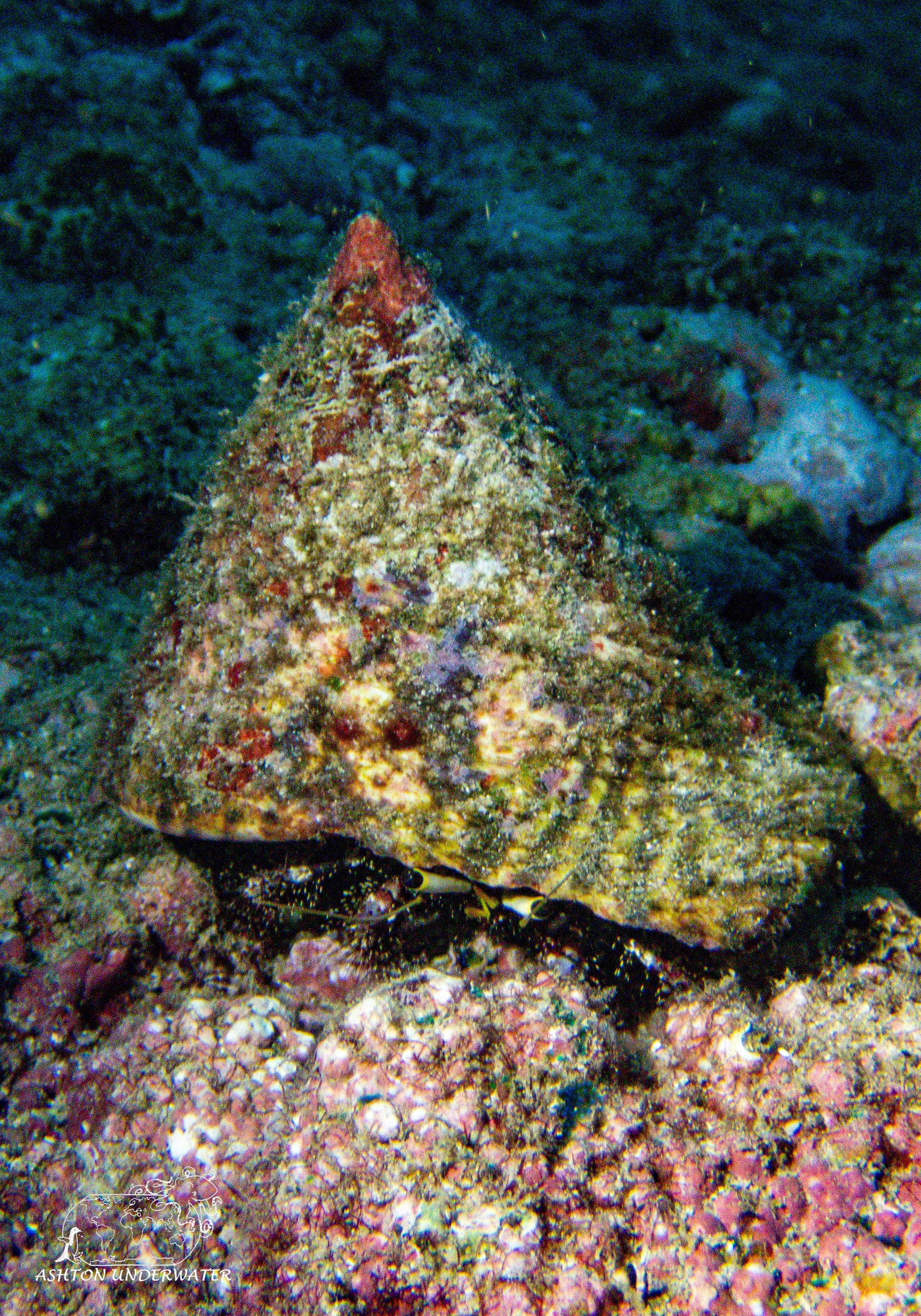
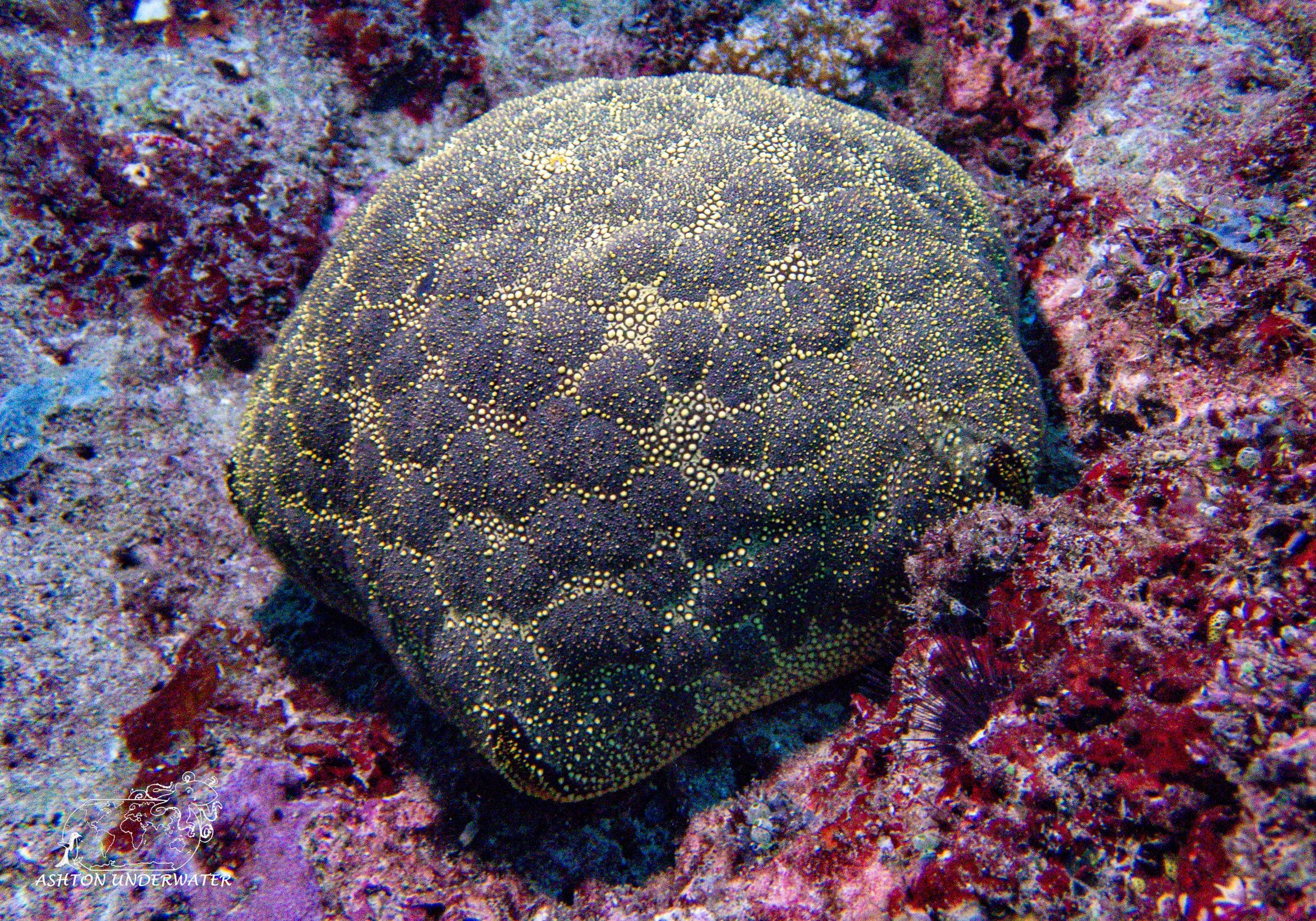
Russel Islands
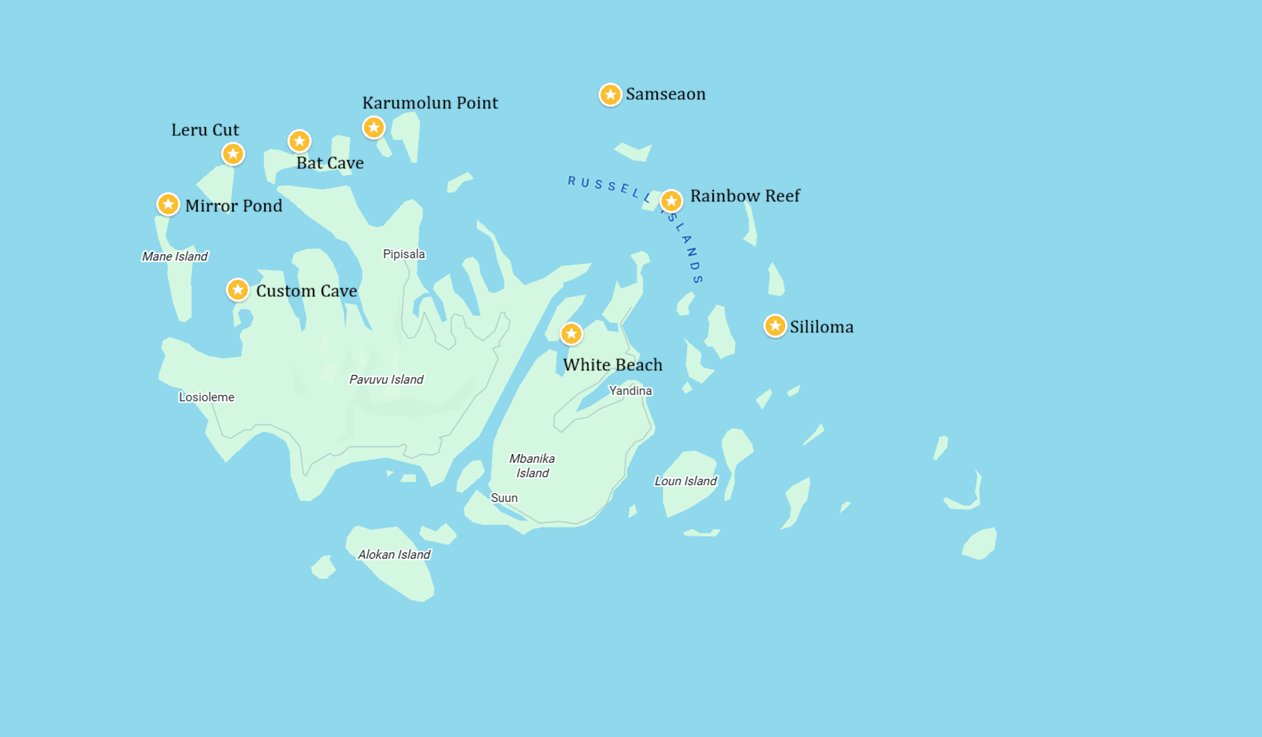
The Russell Islands are made up of two smaller volcanic islands Pavuvu and Mbanika and several smaller islets northwest of the main Solomon Islands. The islands are mostly covered with coconut plantation and export copra (dried coconut meat) and coconut oil.
Like most of the Solomon Islands they were used by Allied forces during WWII and afterwards several unexploded ordnances, land mines, and other military materials were left behind and dumped into the ocean.
Rainbow Reef
101’ for 57 minutes
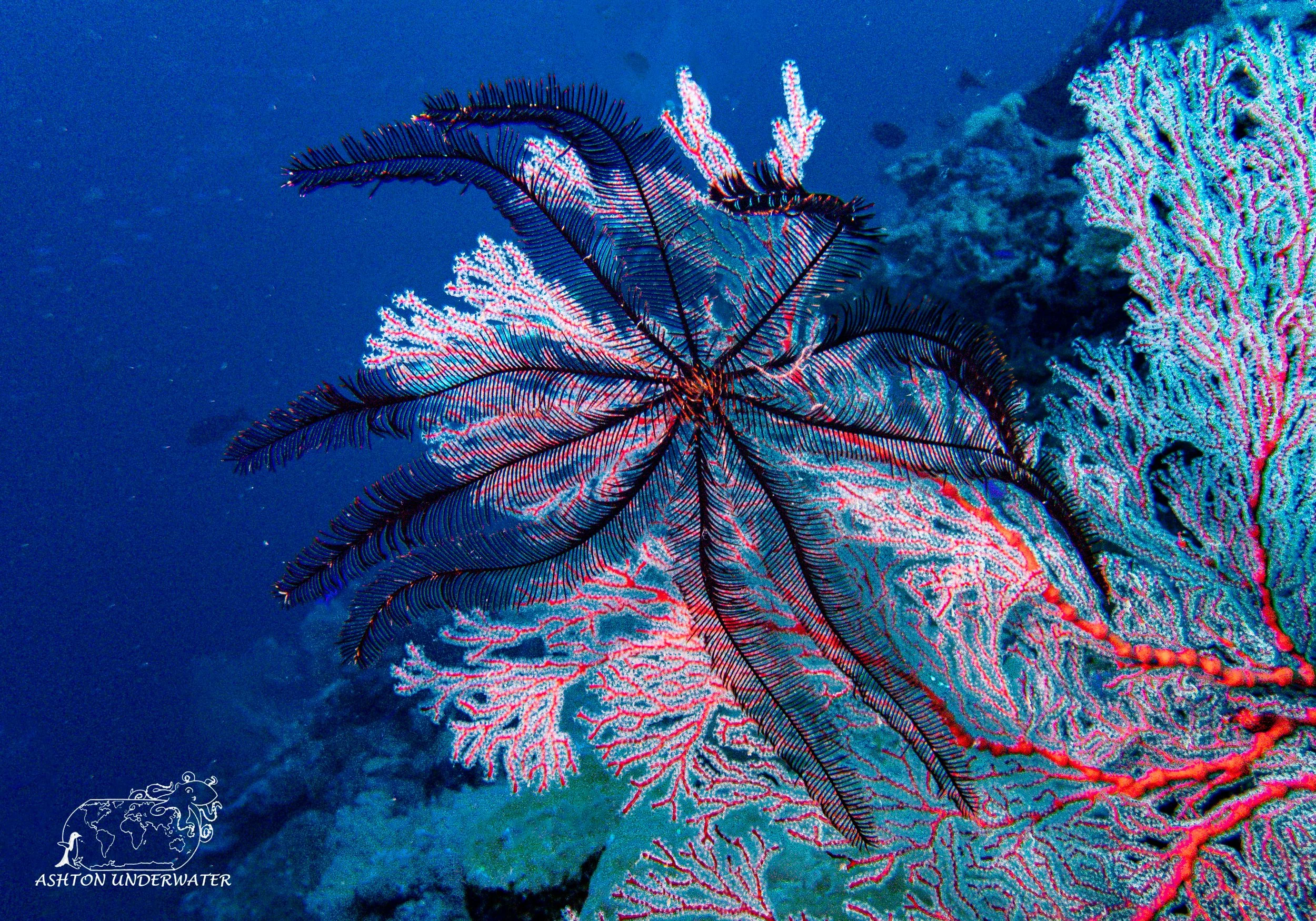
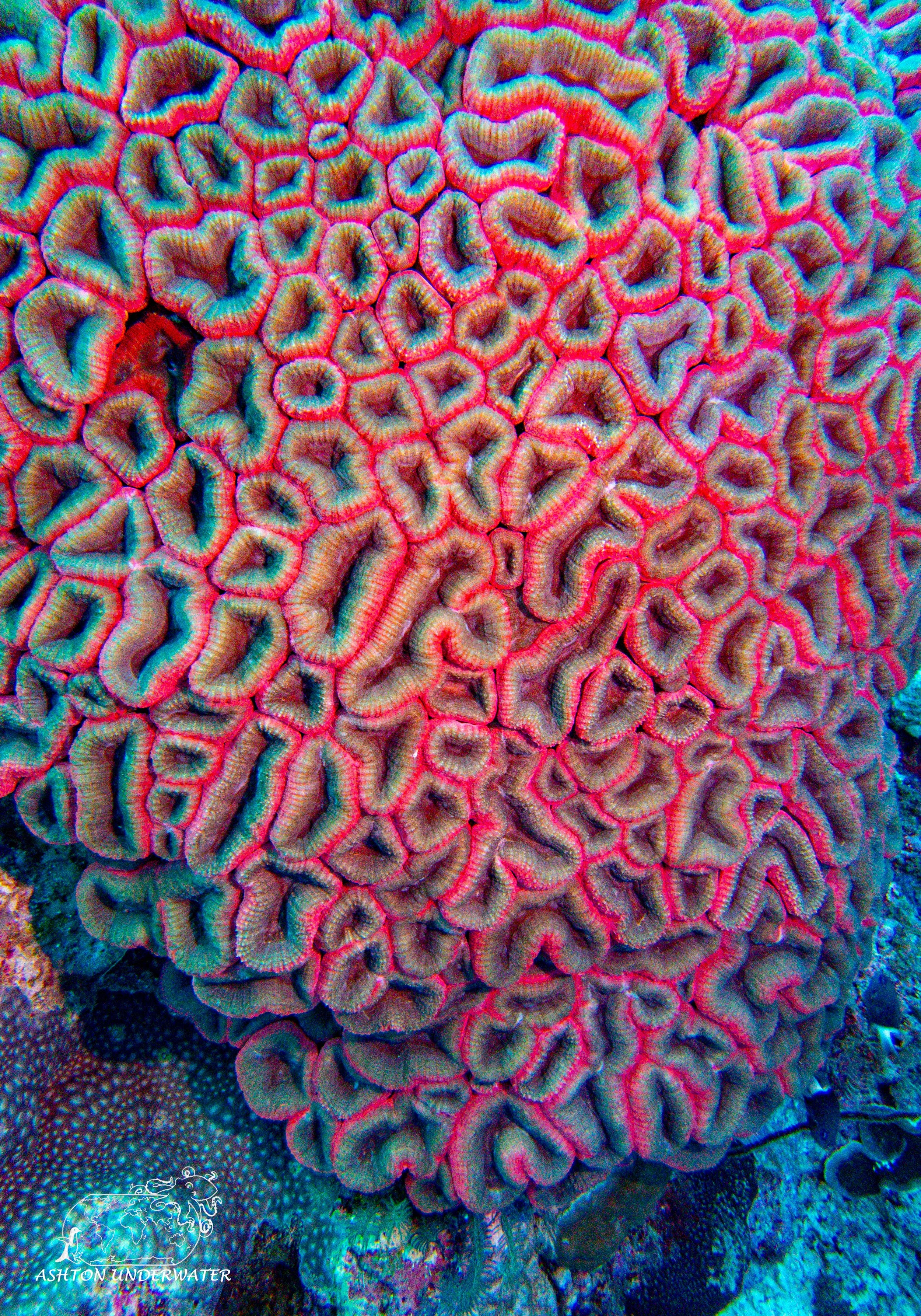
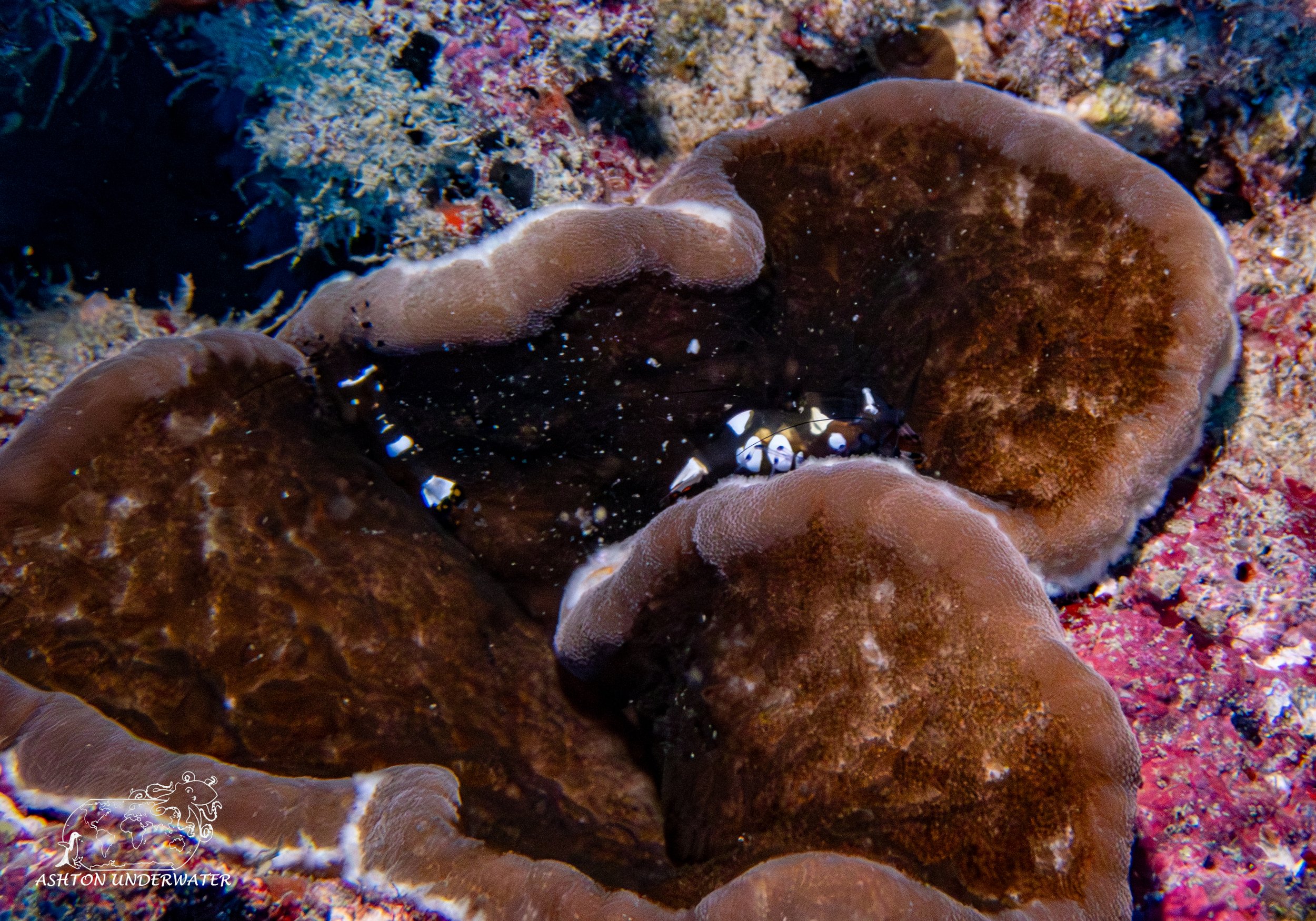
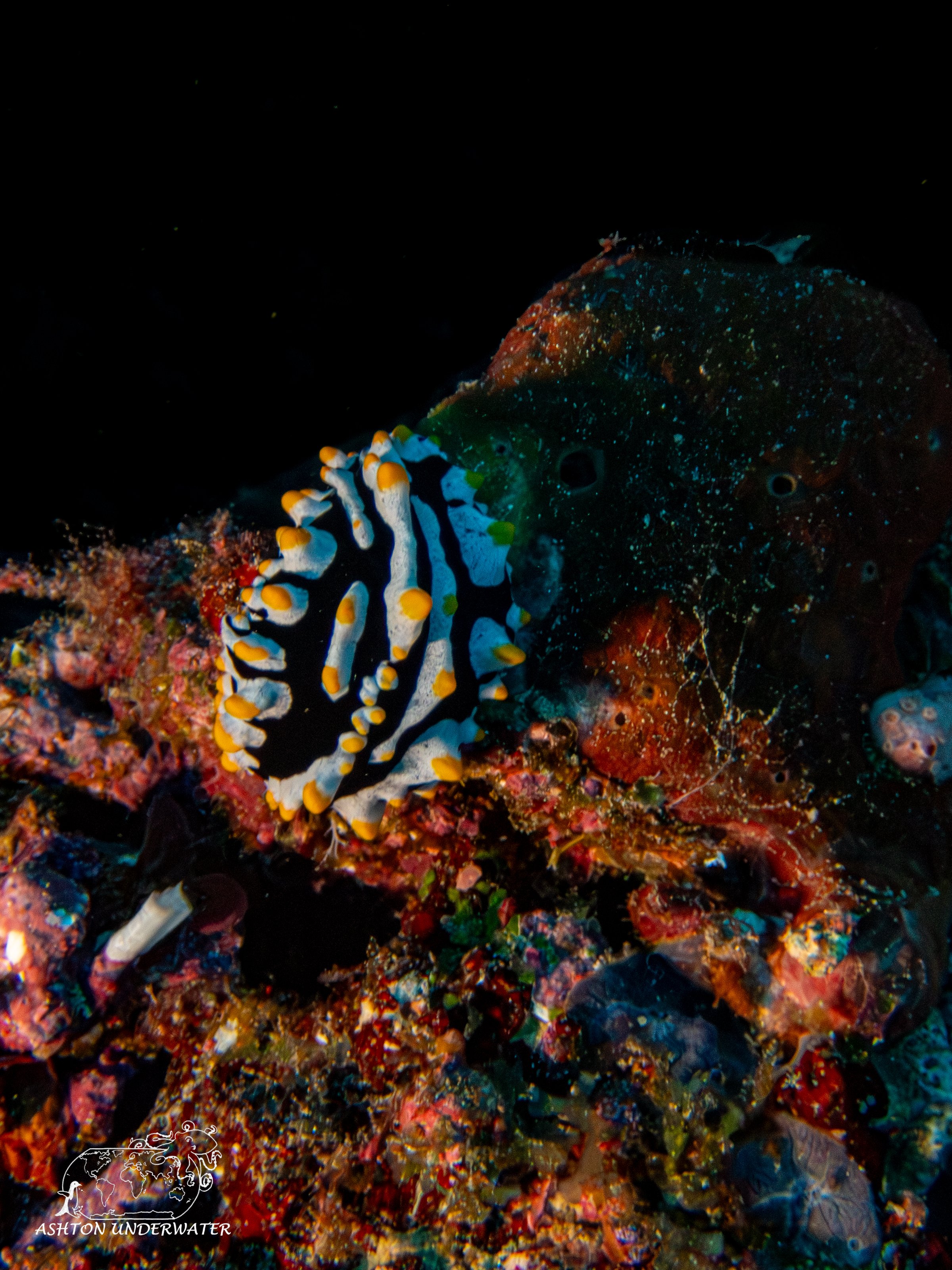
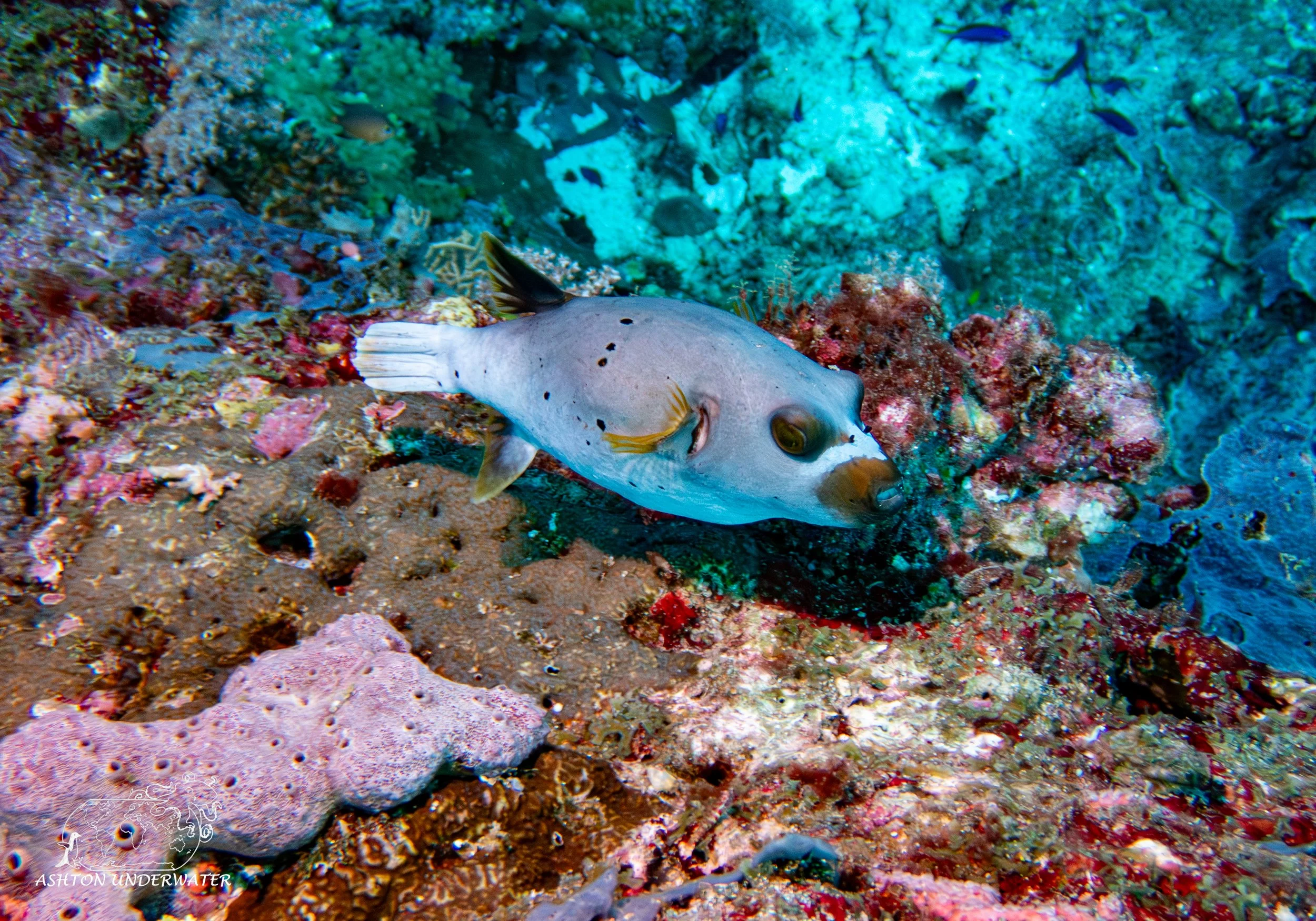
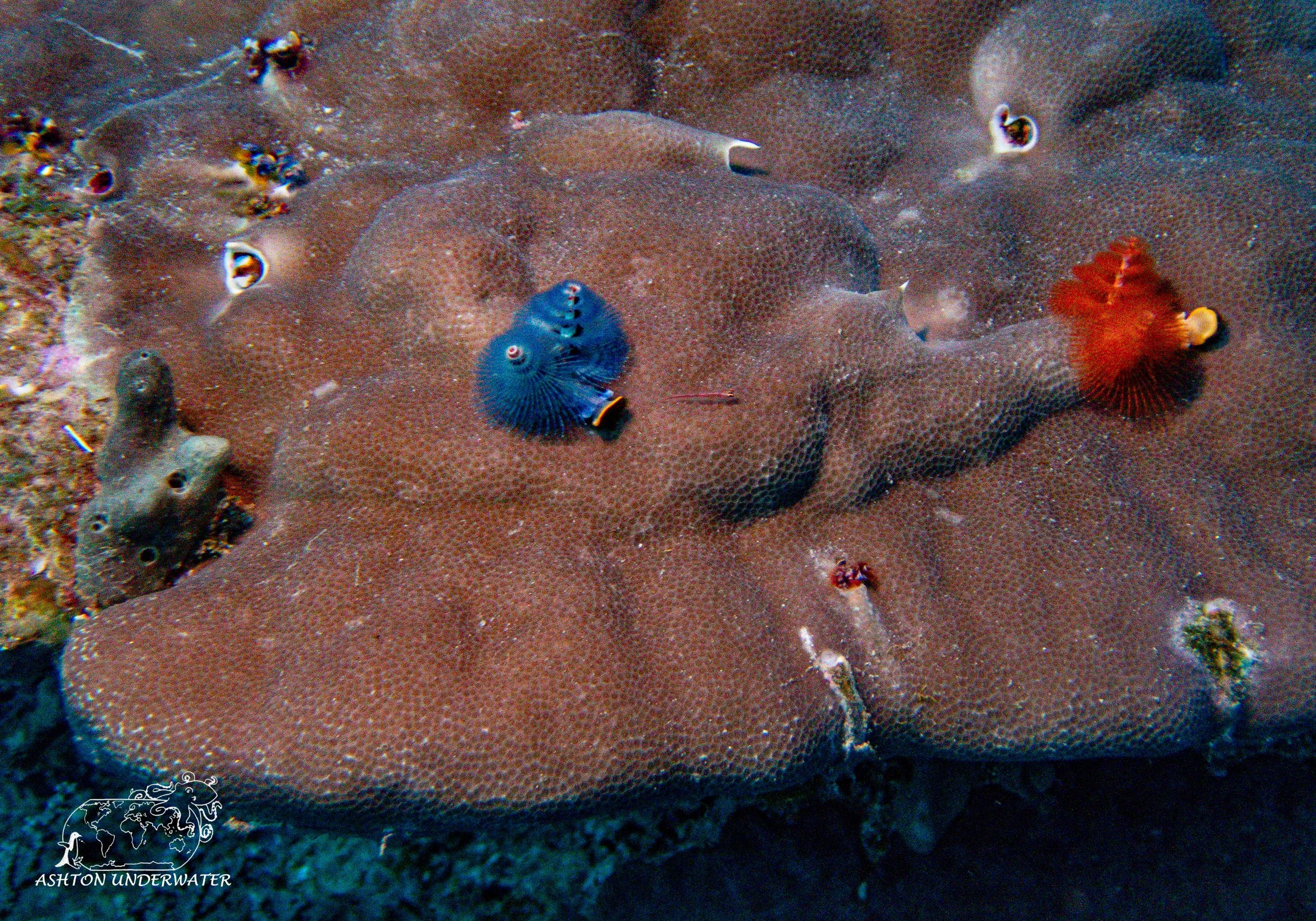
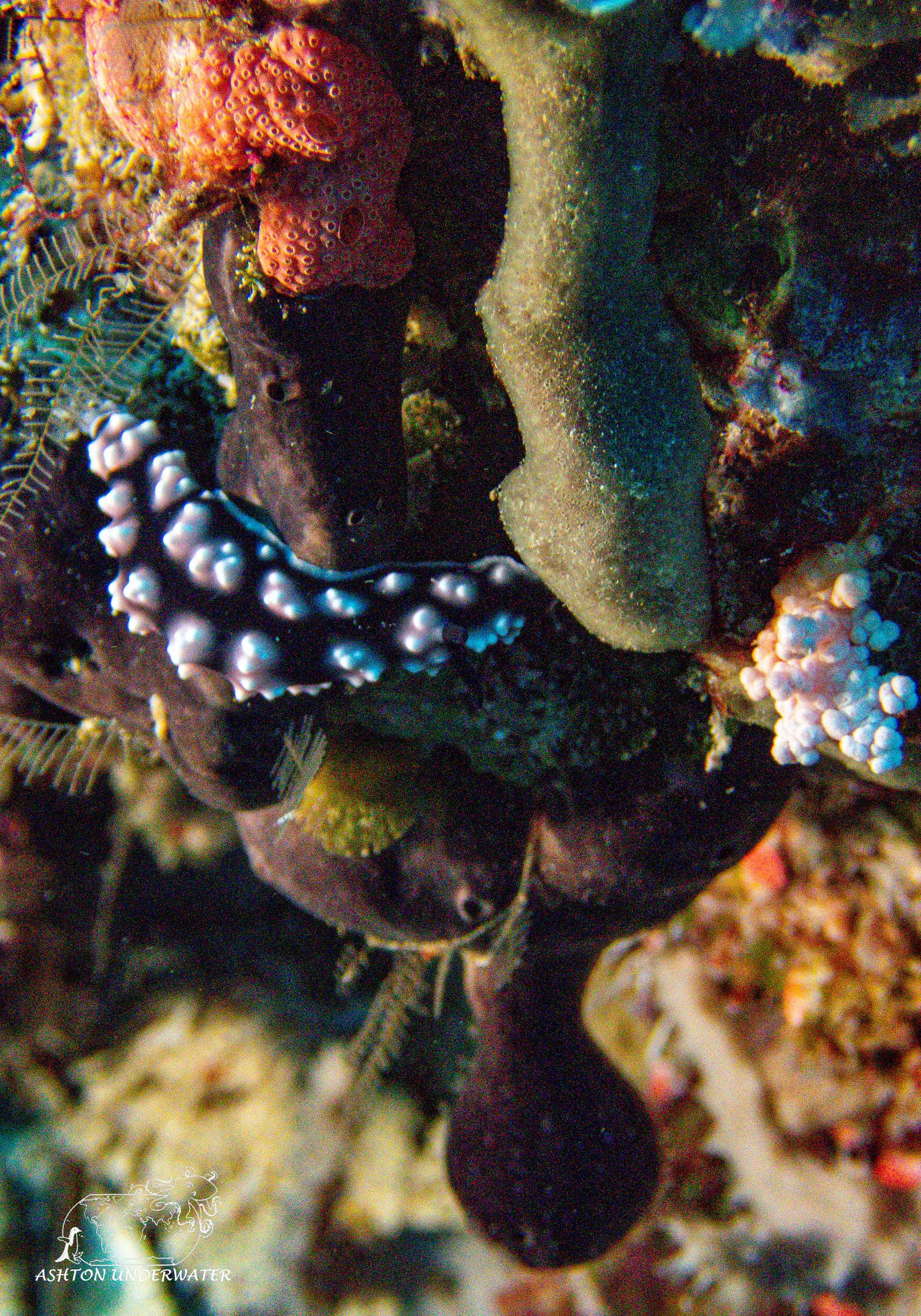
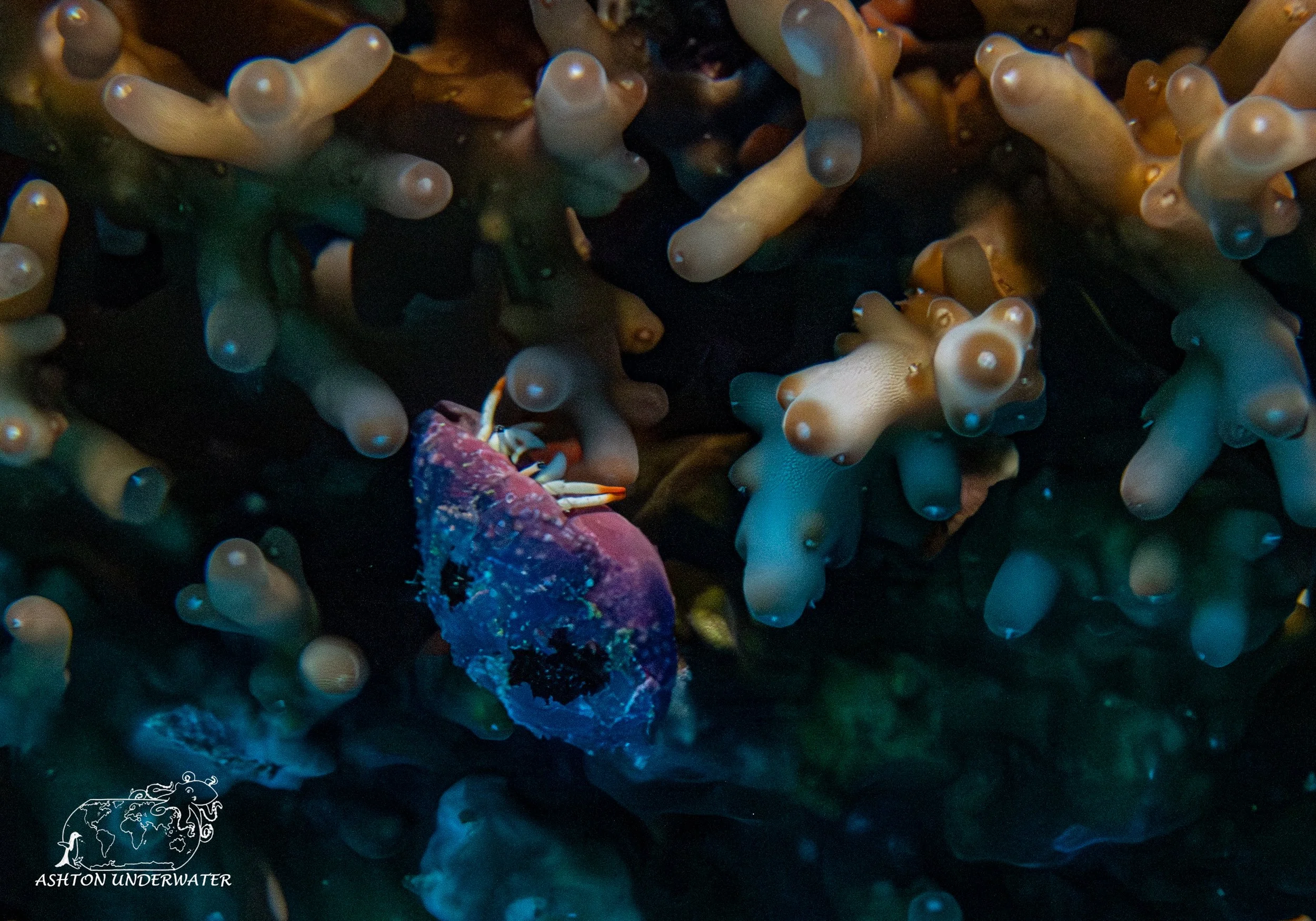
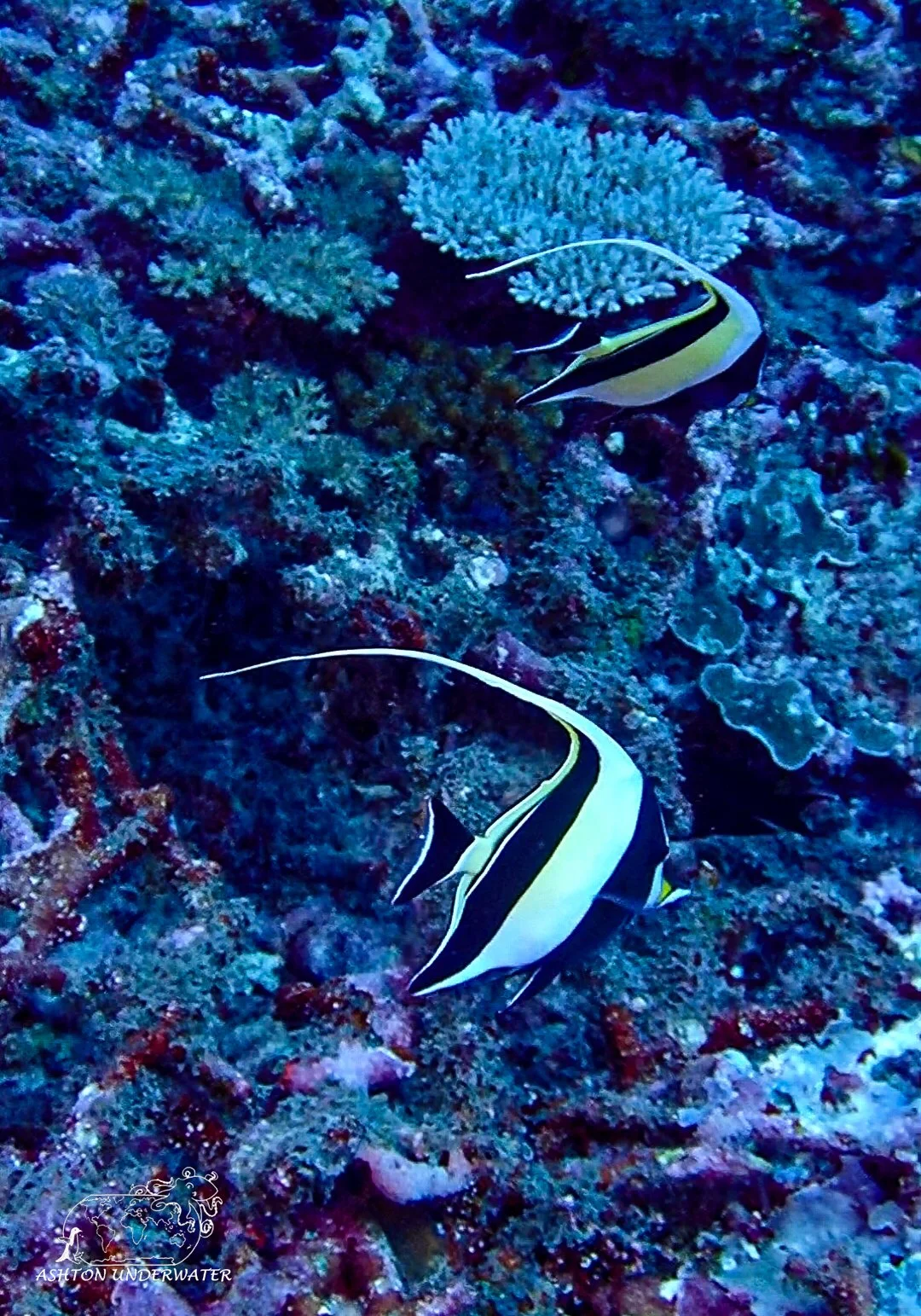
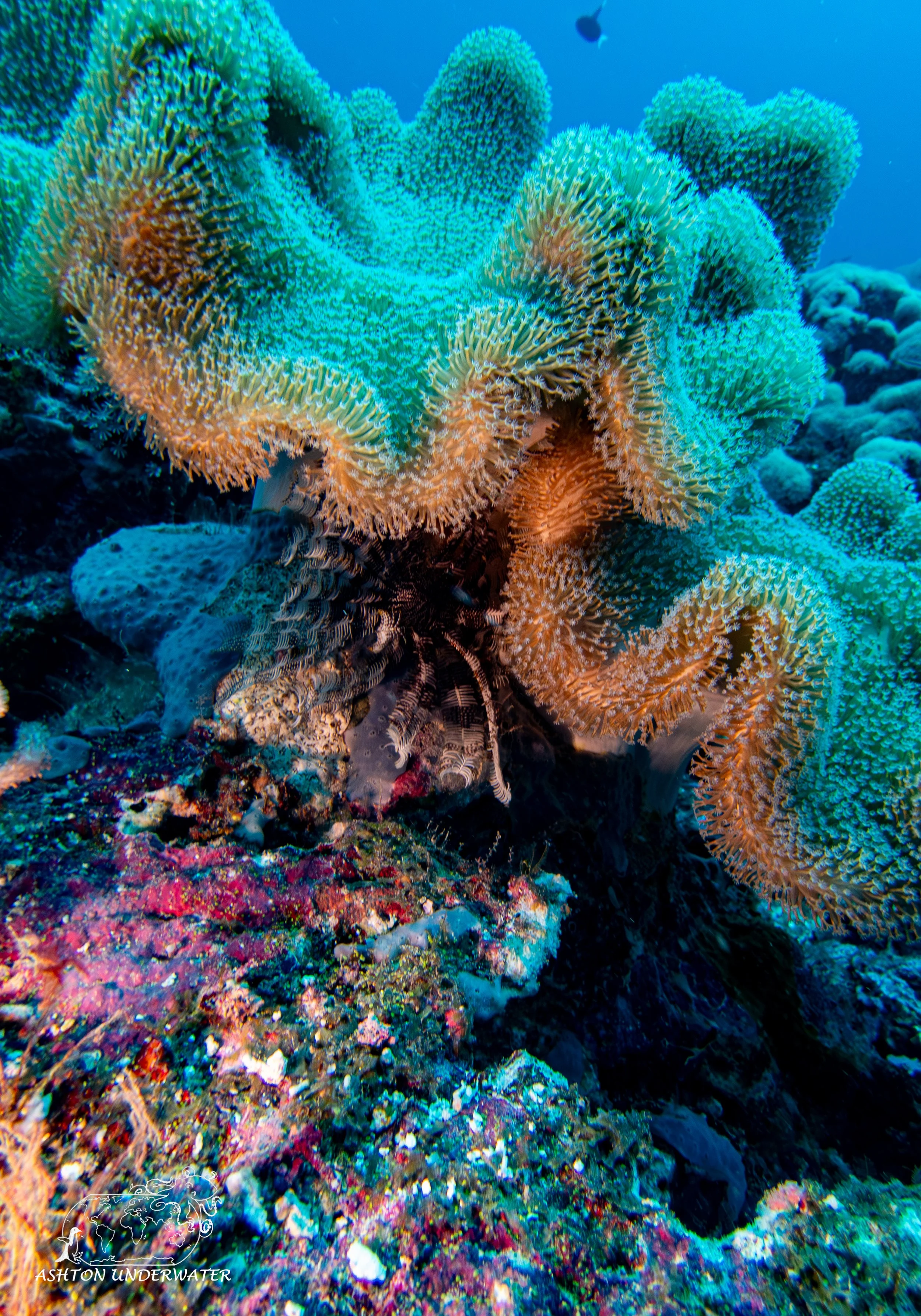
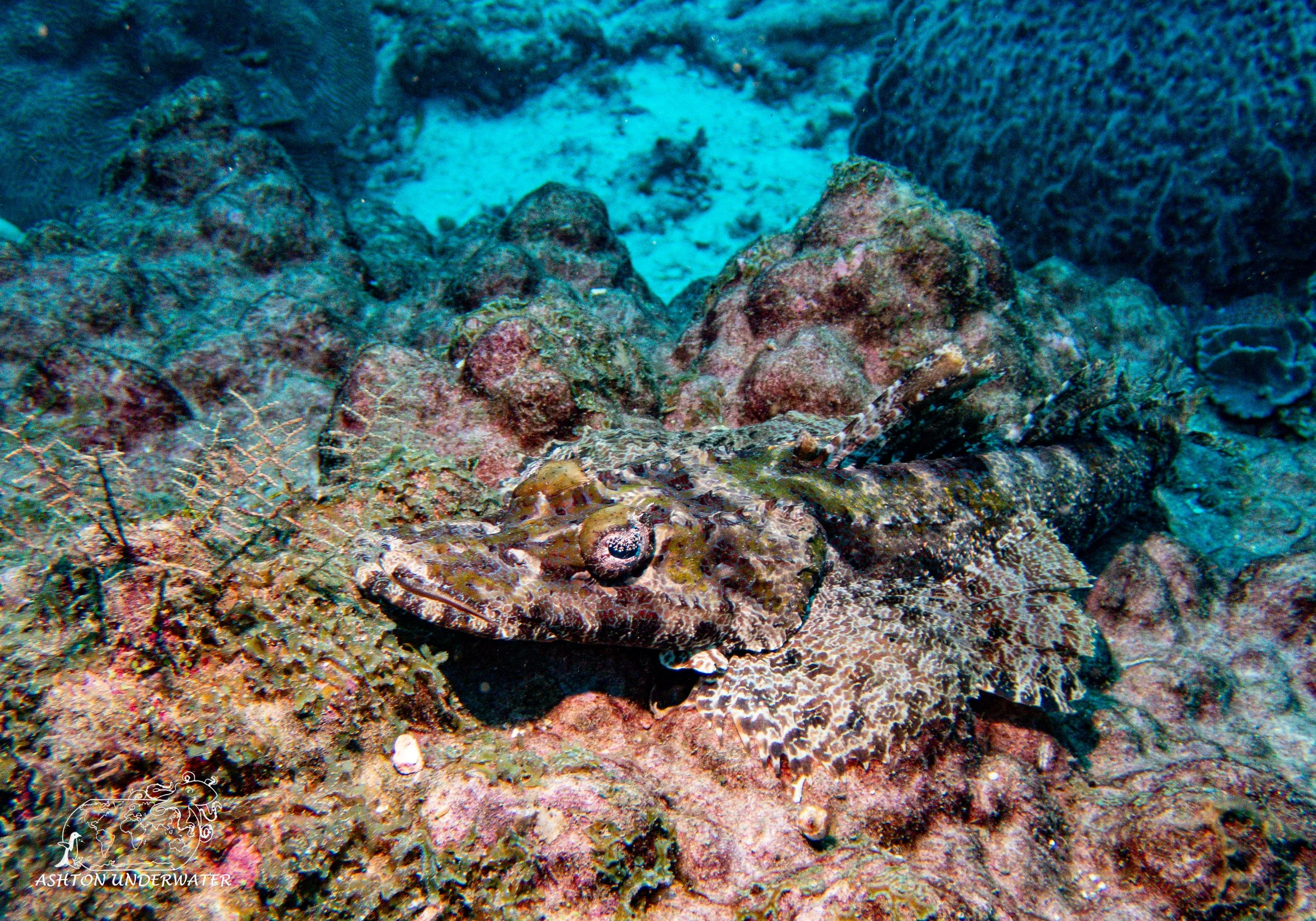
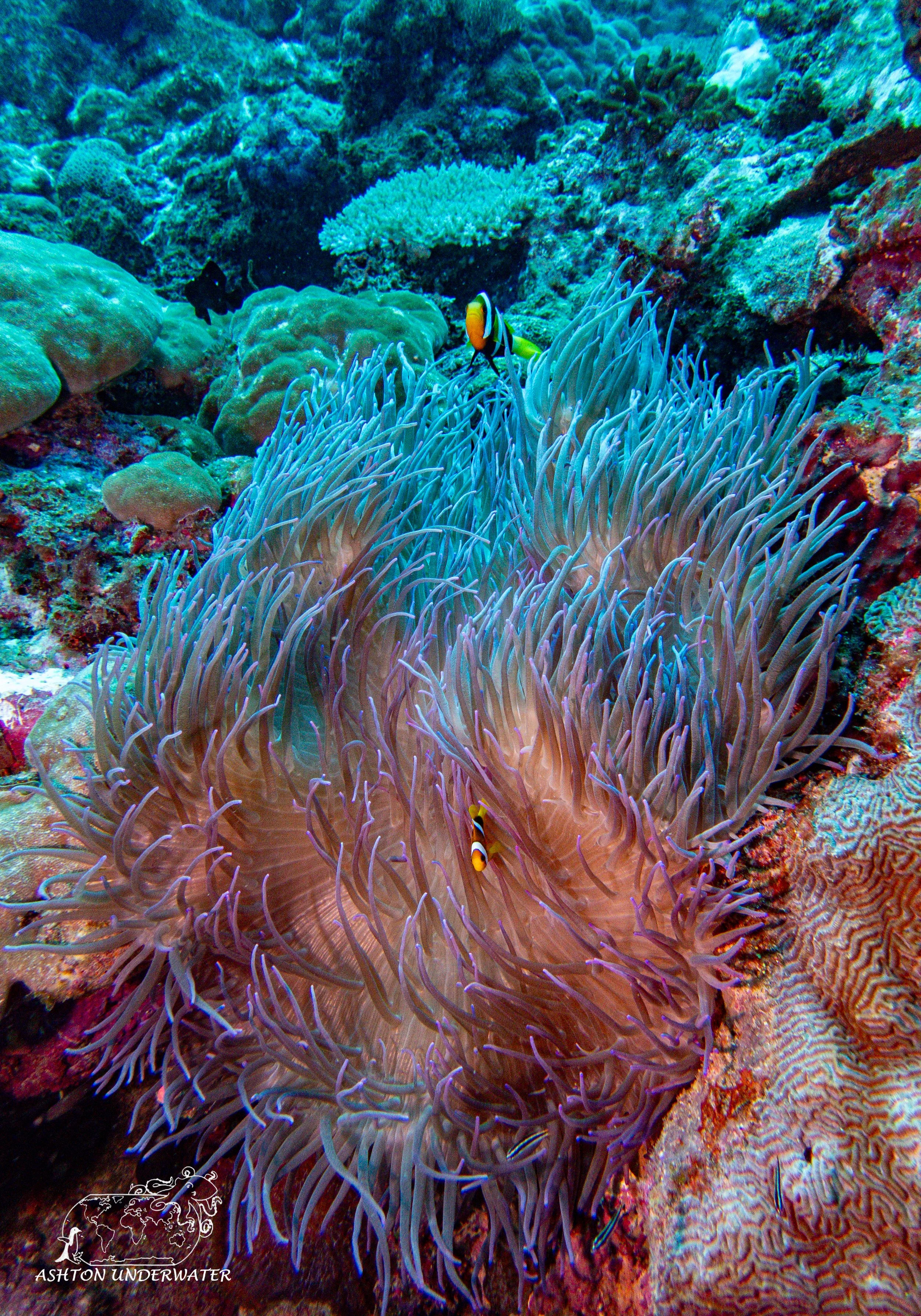
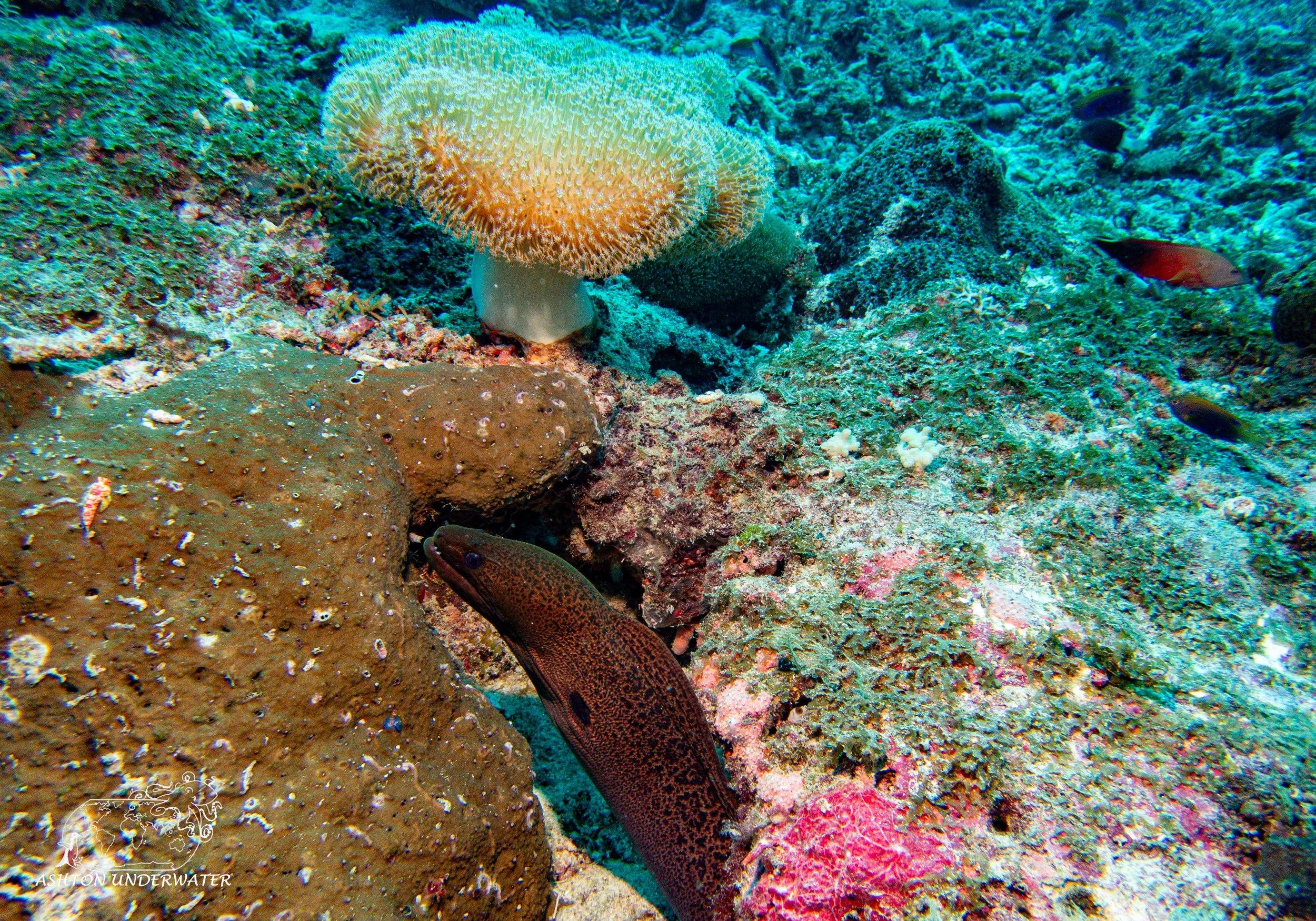
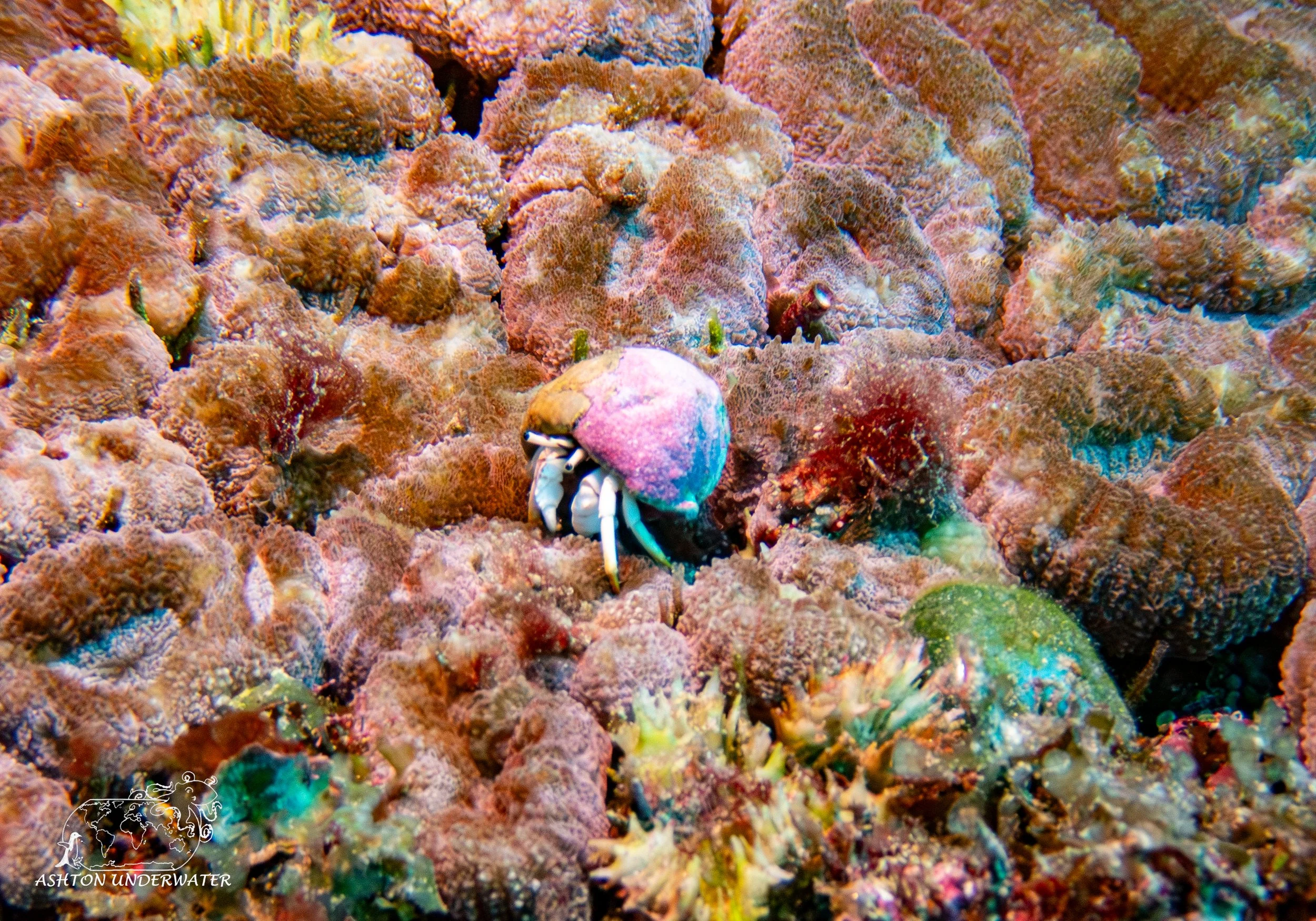
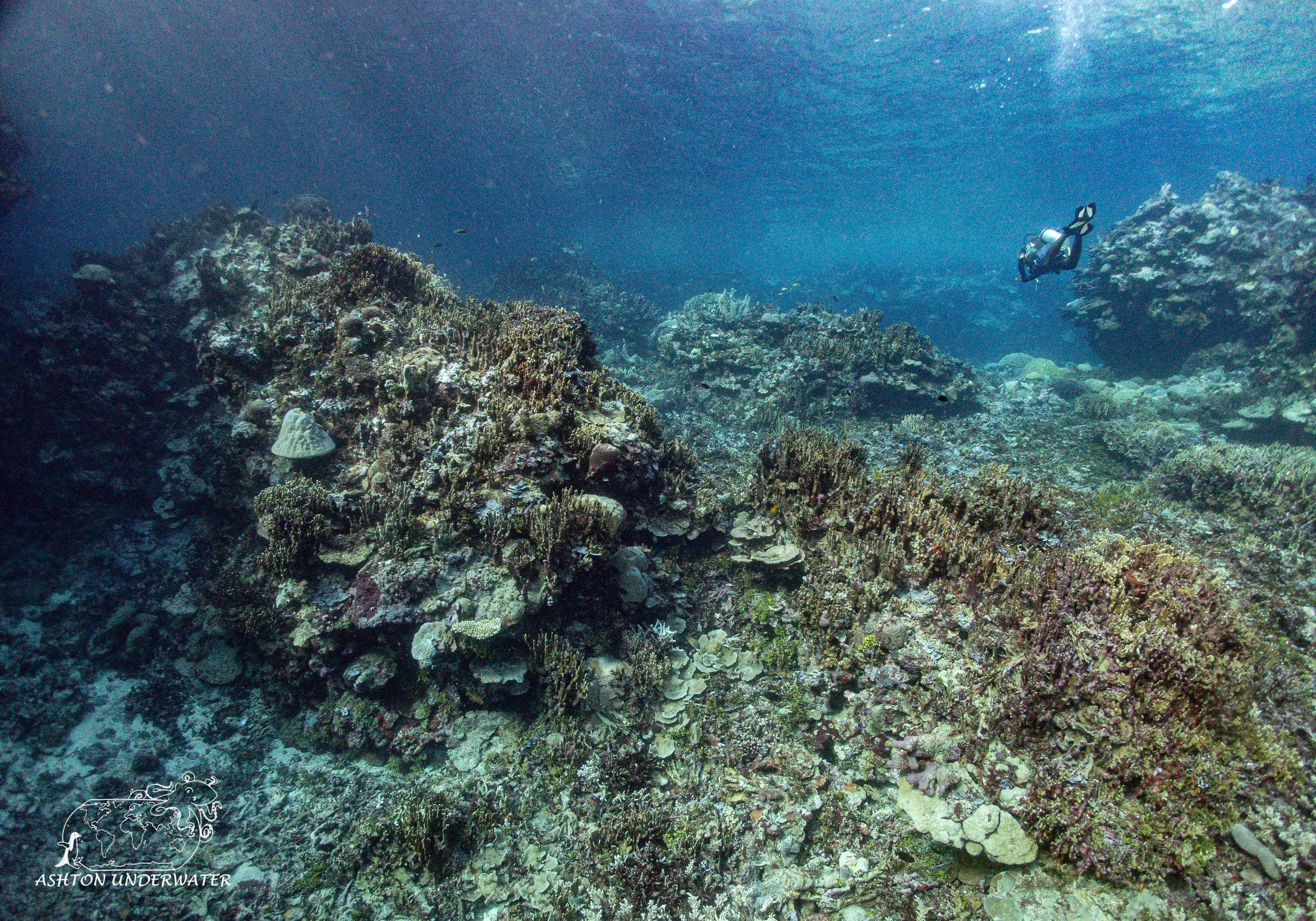
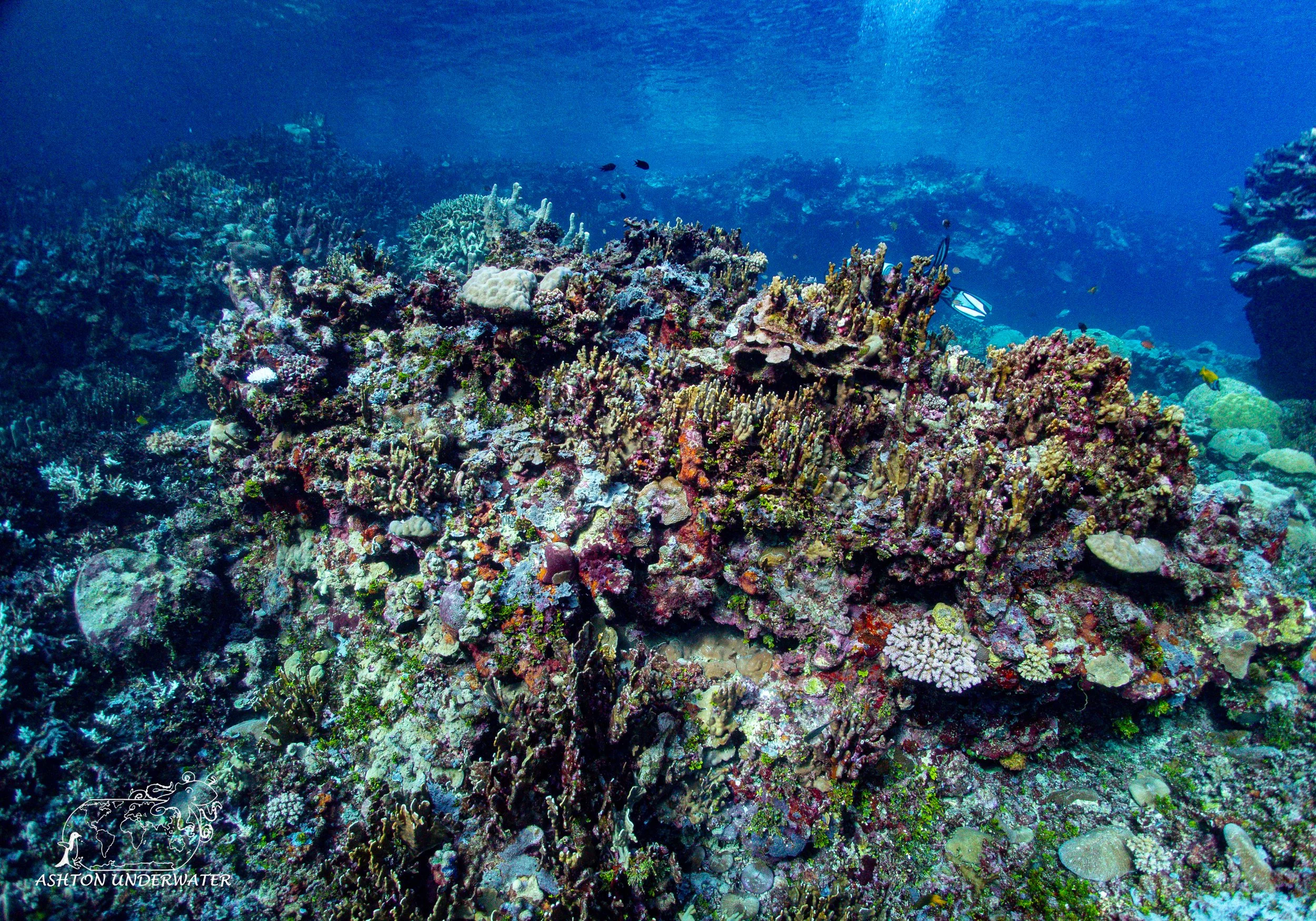
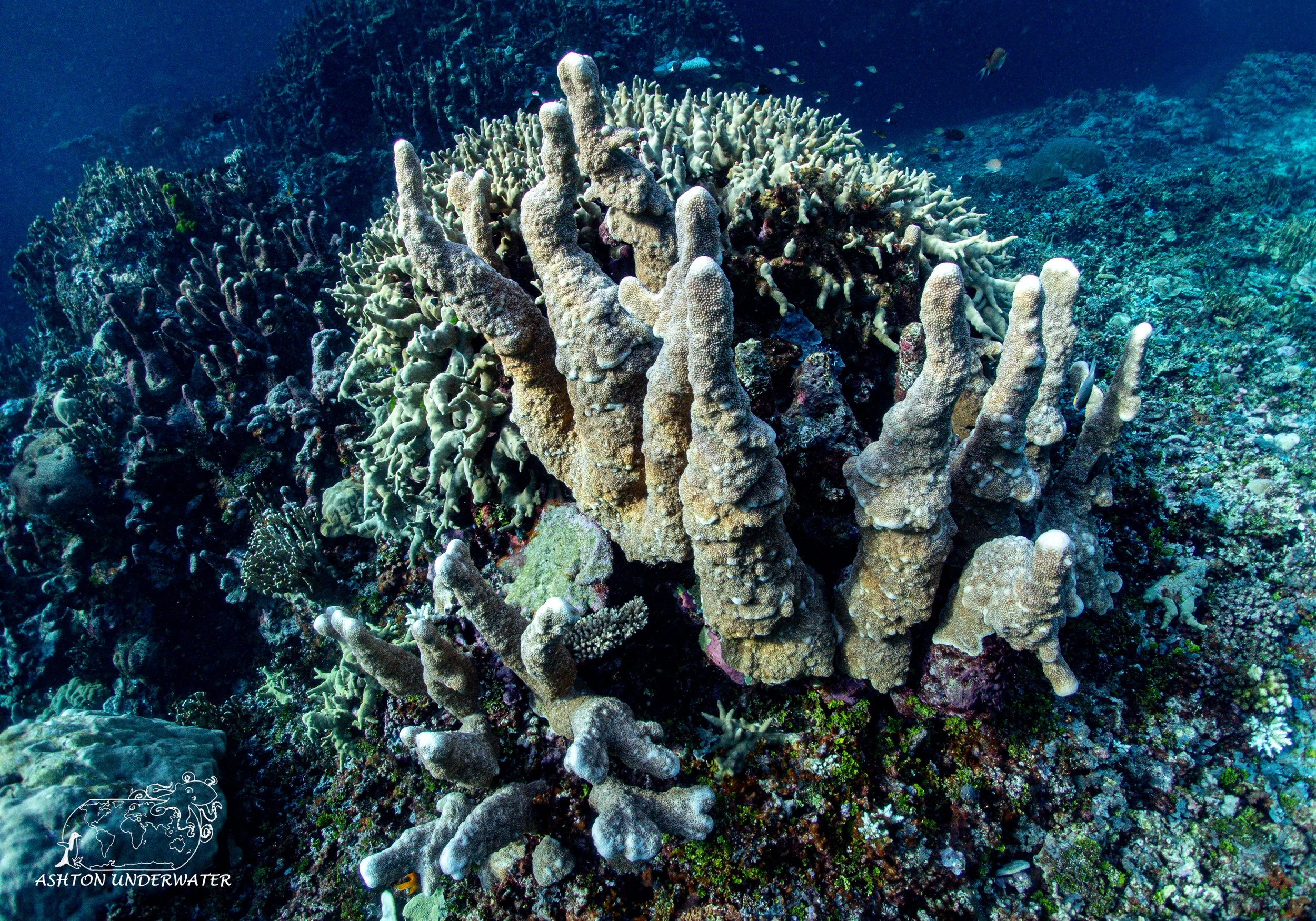
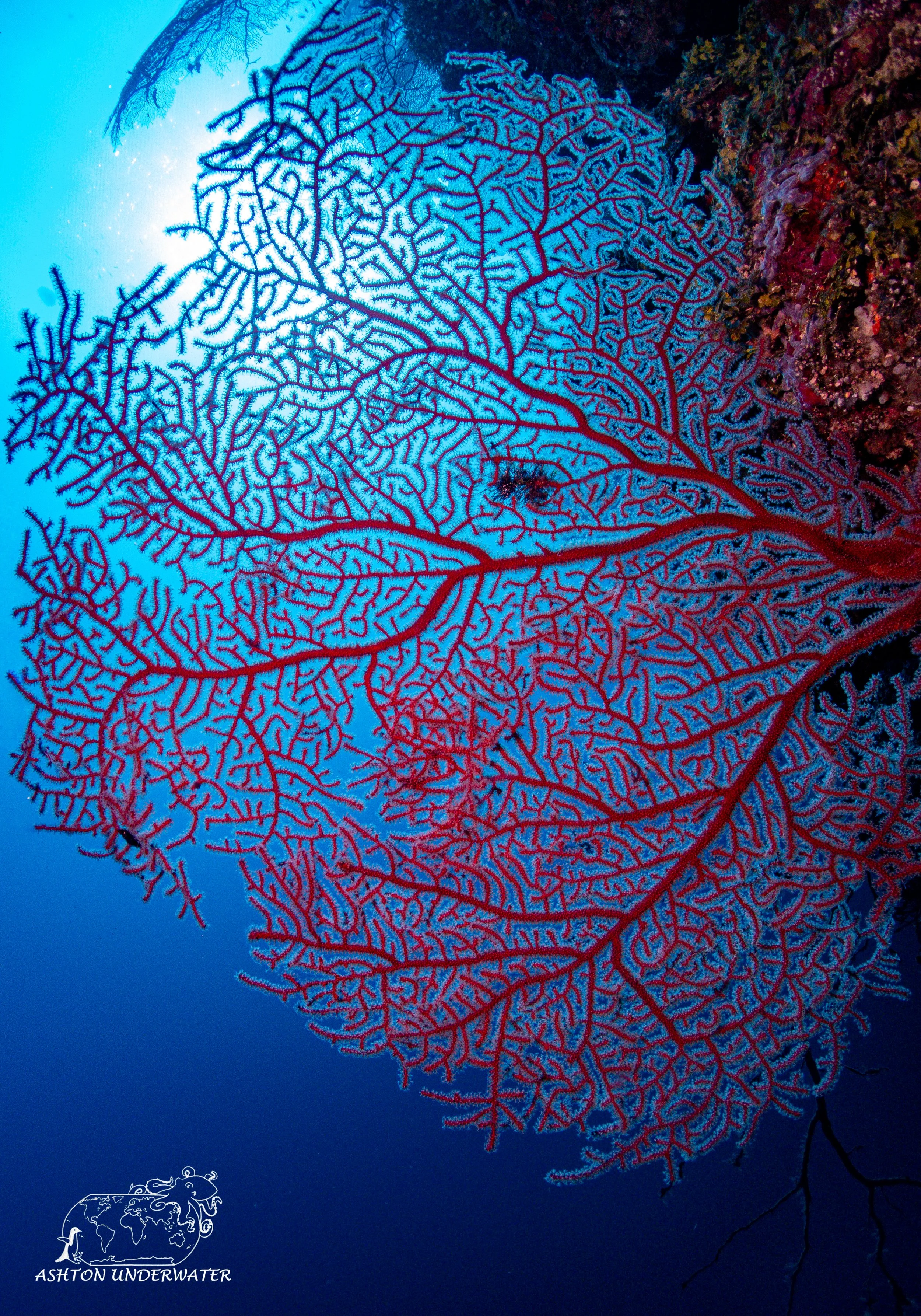
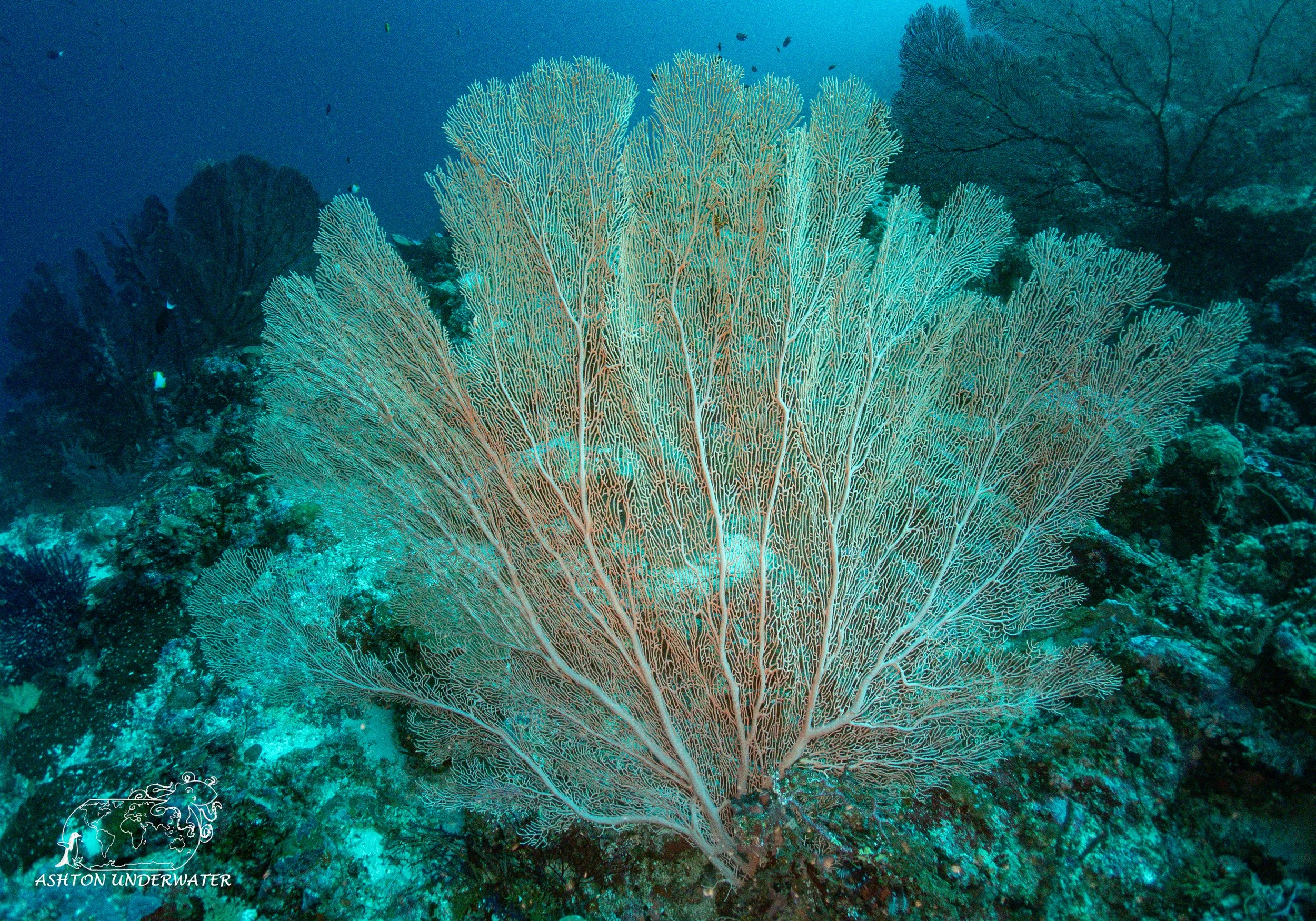
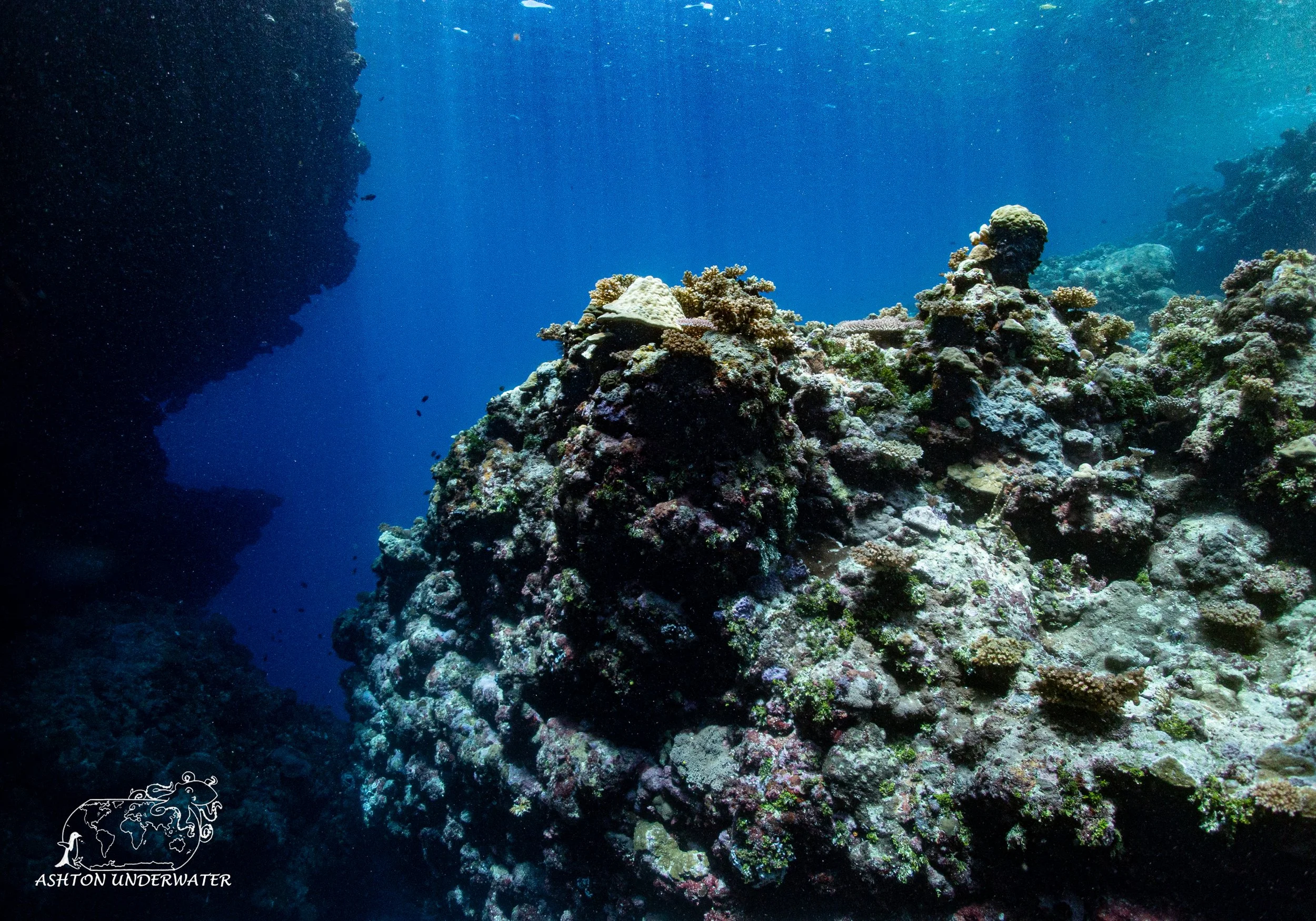
A large seamount with two bommies that stick up around 53’ and 60’. The sides of the seamount are covered with sea fans, and a healthy mix of hard and soft corals. The top of the seamount is covered with sandy rubble and provides lots of hidey holes for juvenile creatures and other funky things.
Samseaon
117’ for 58 minutes
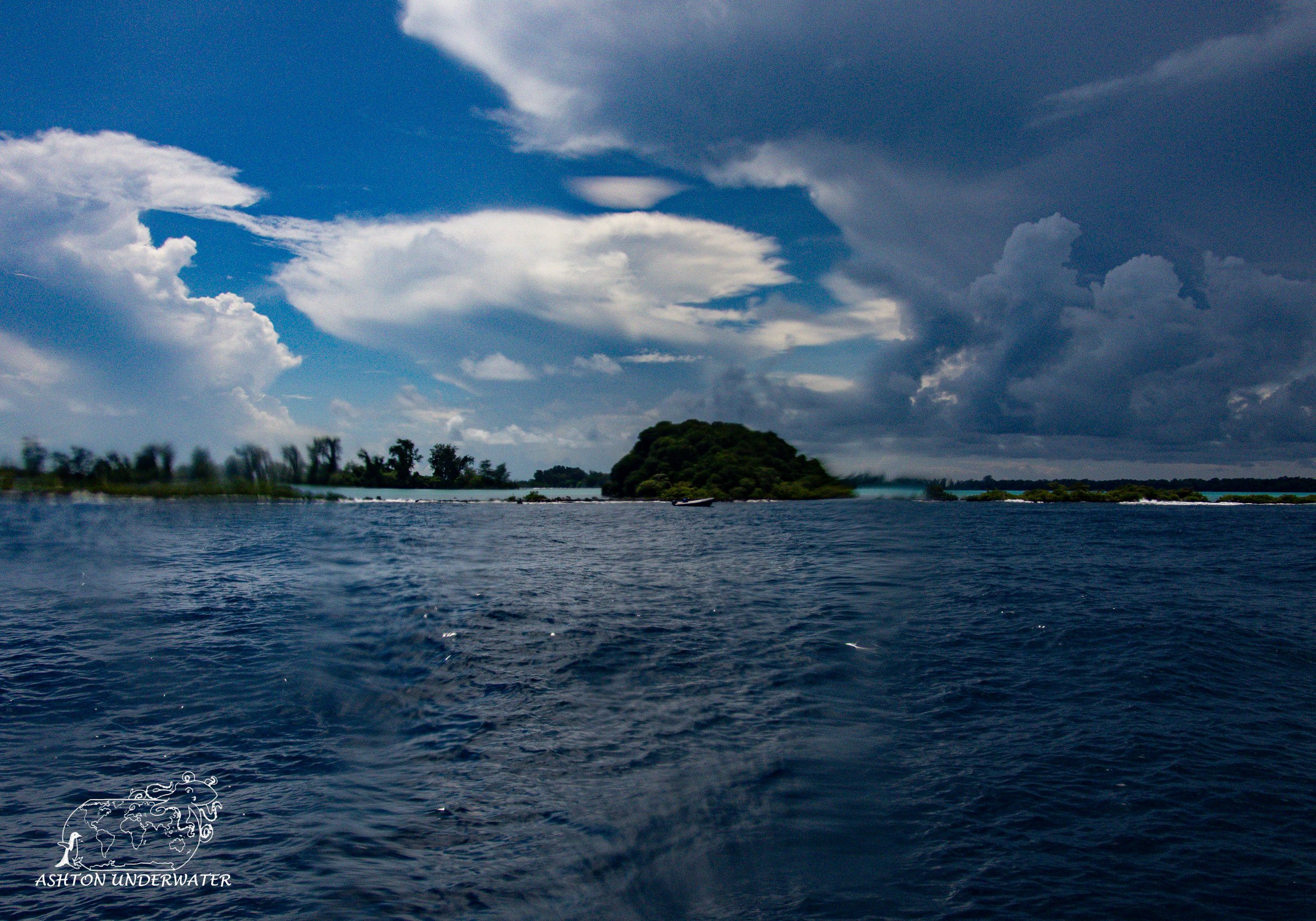
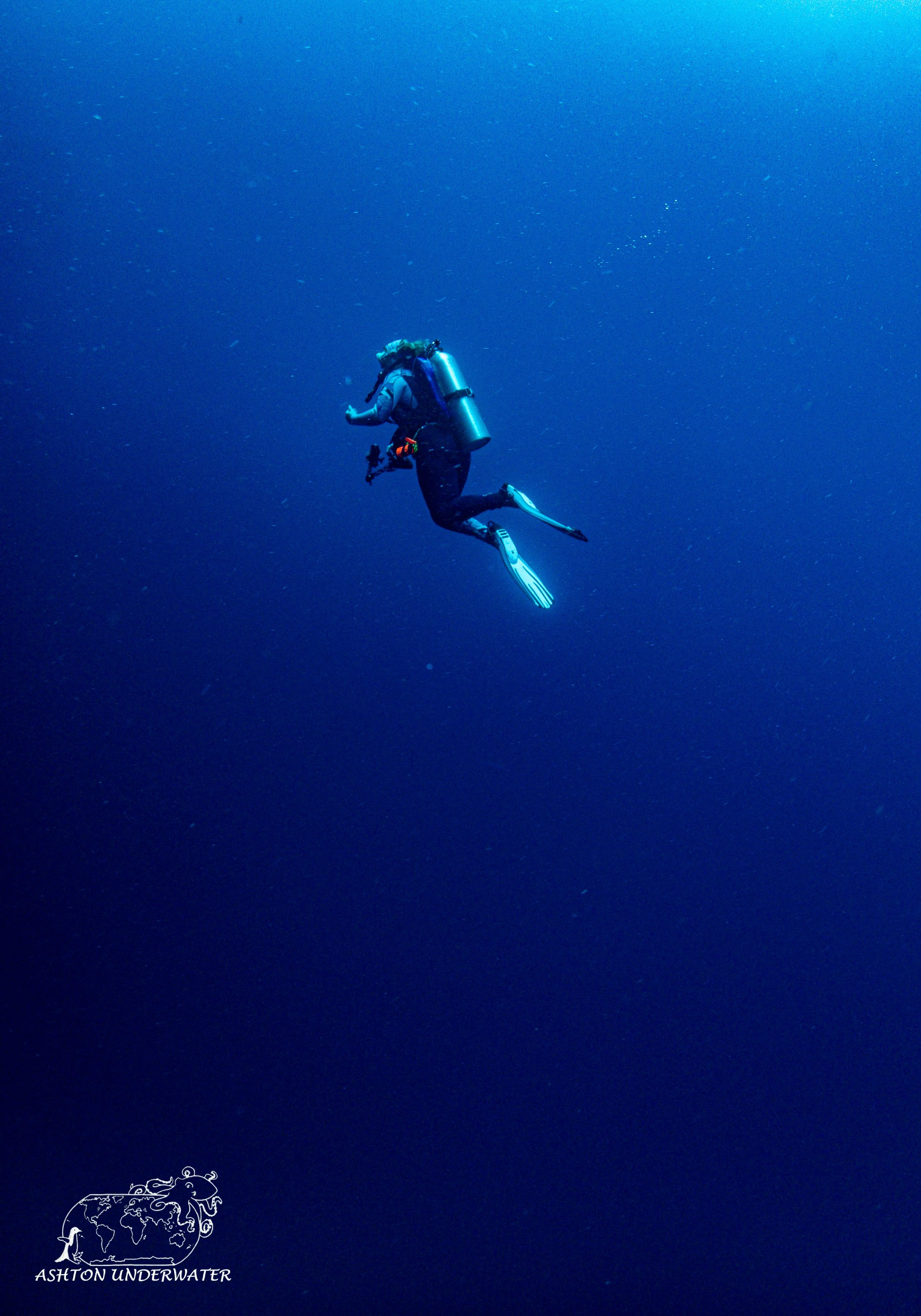
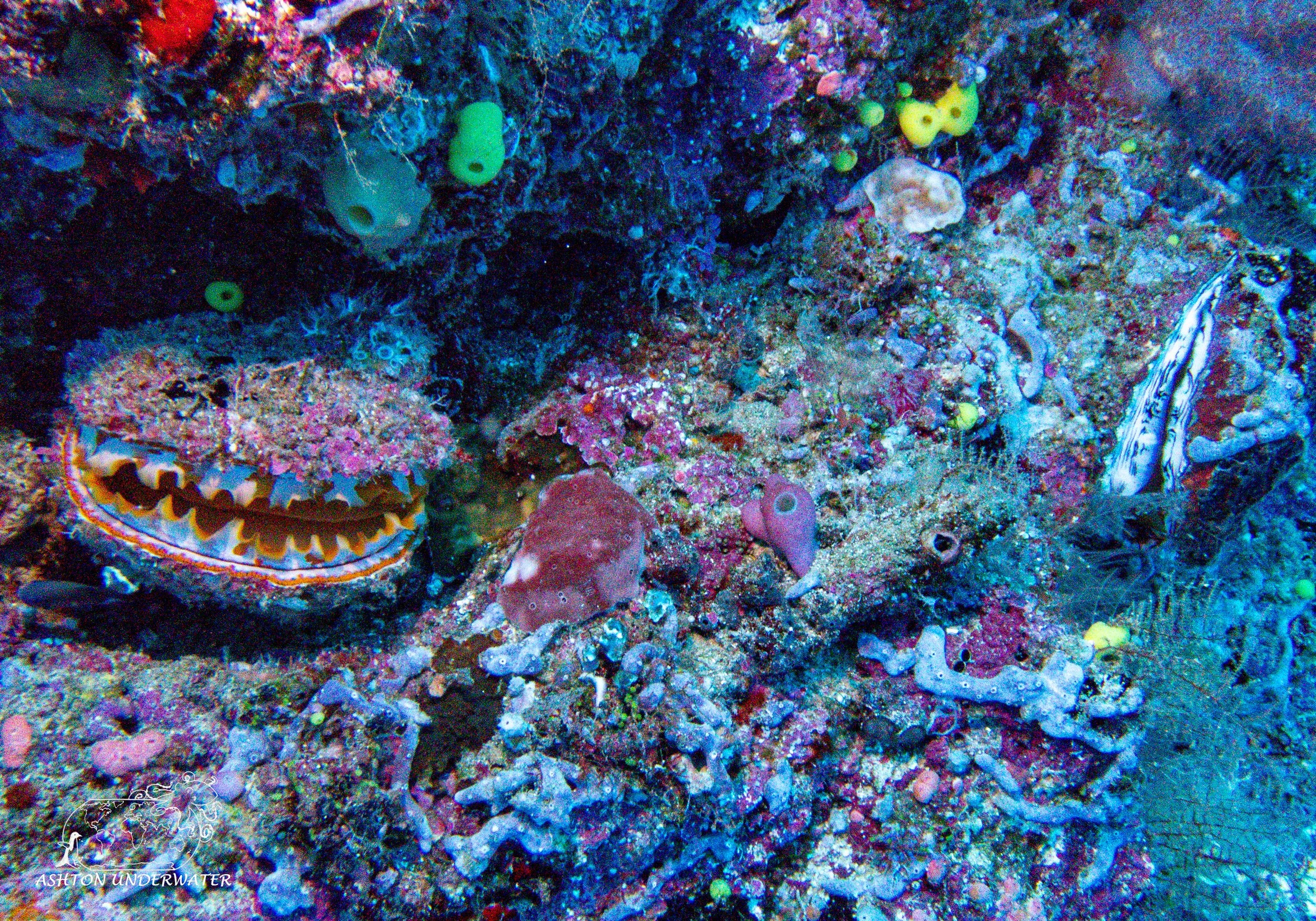
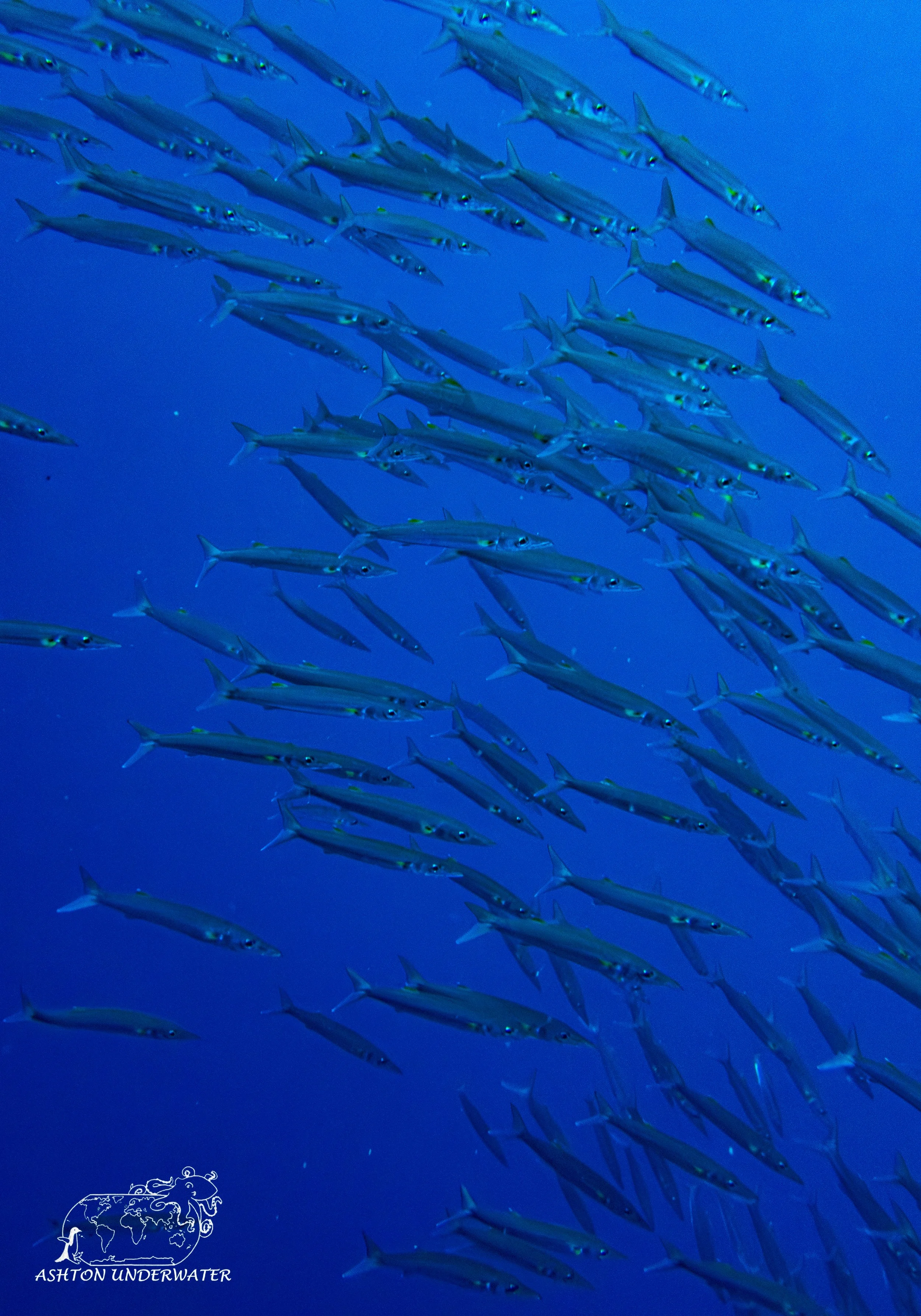
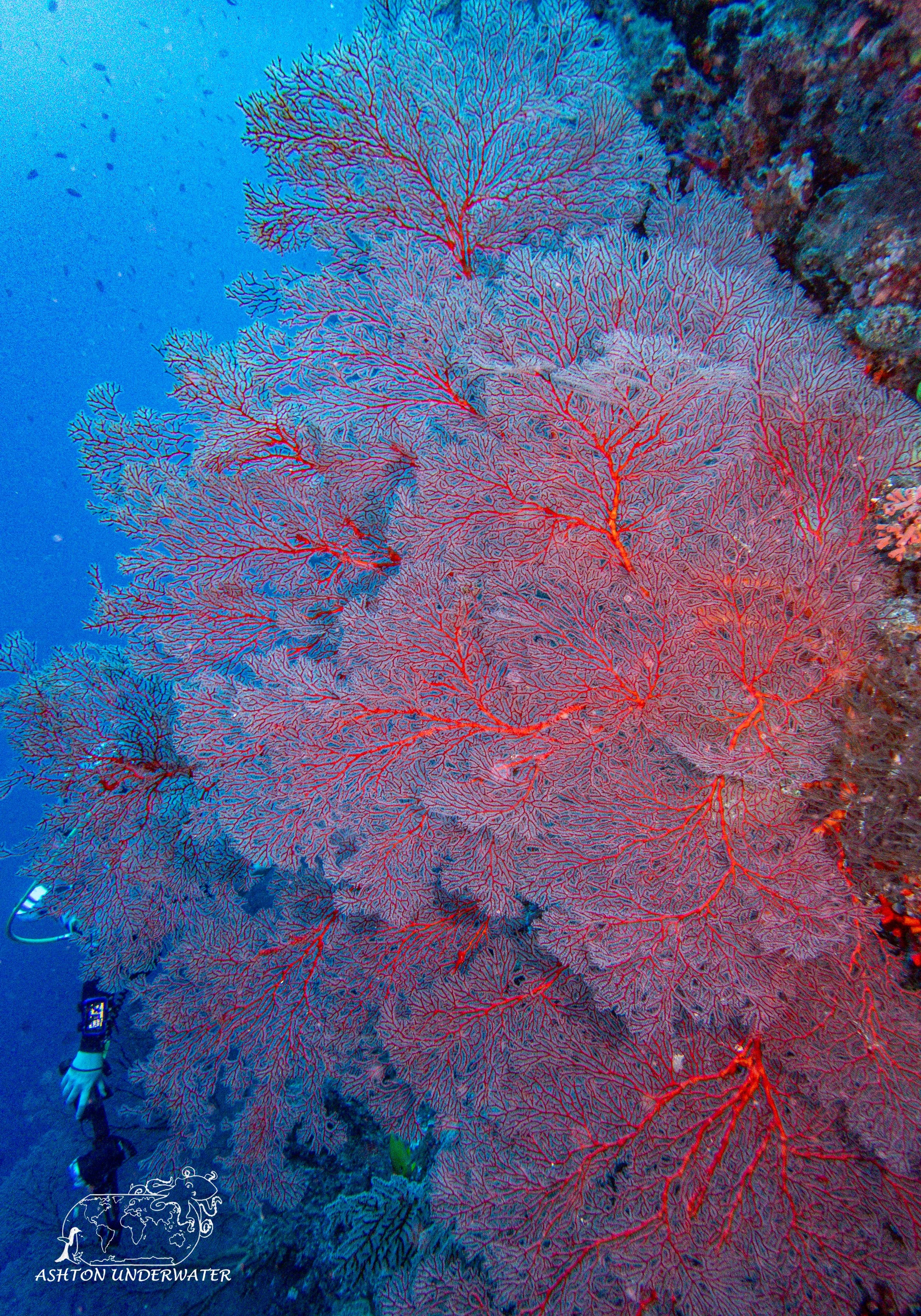
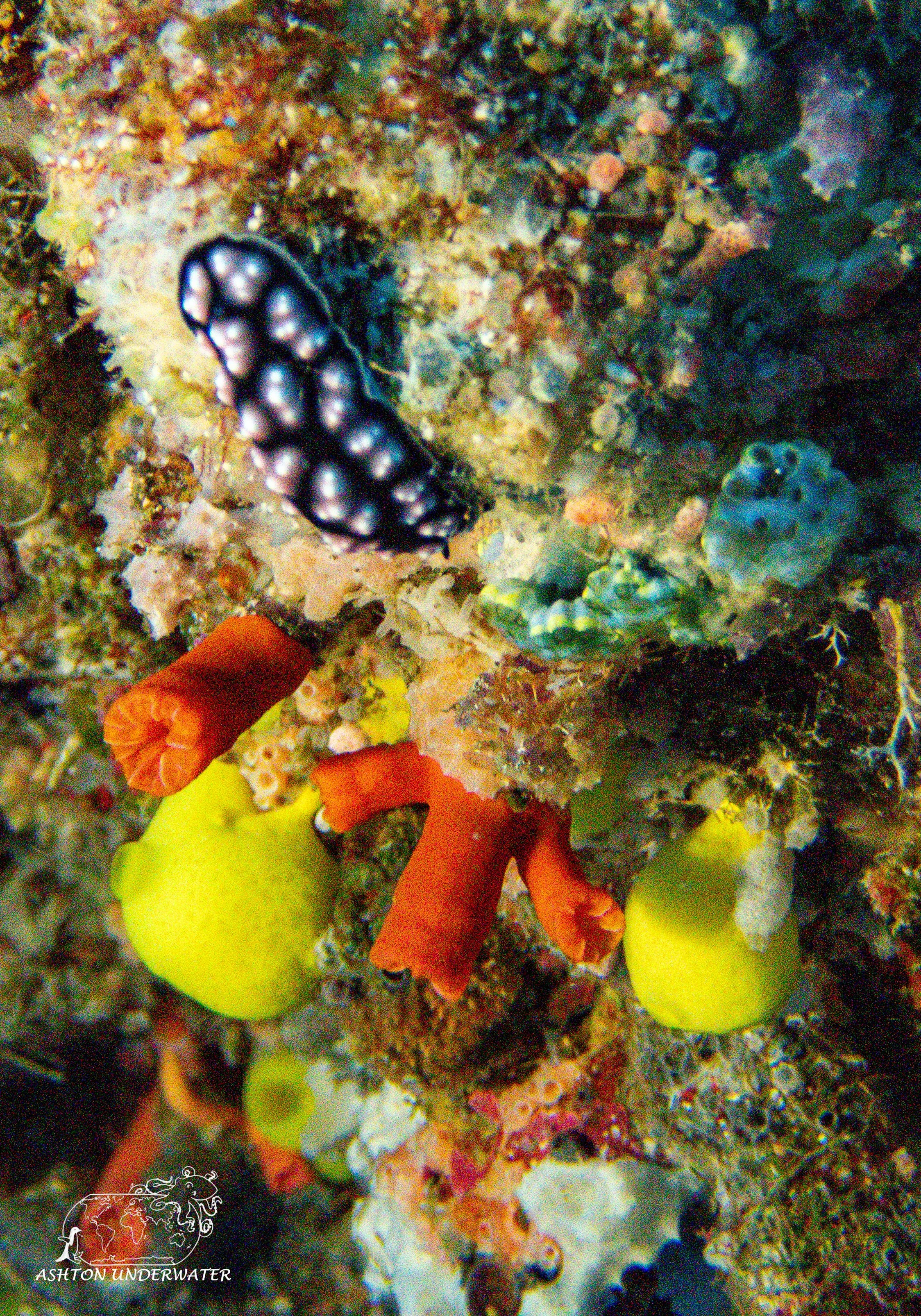
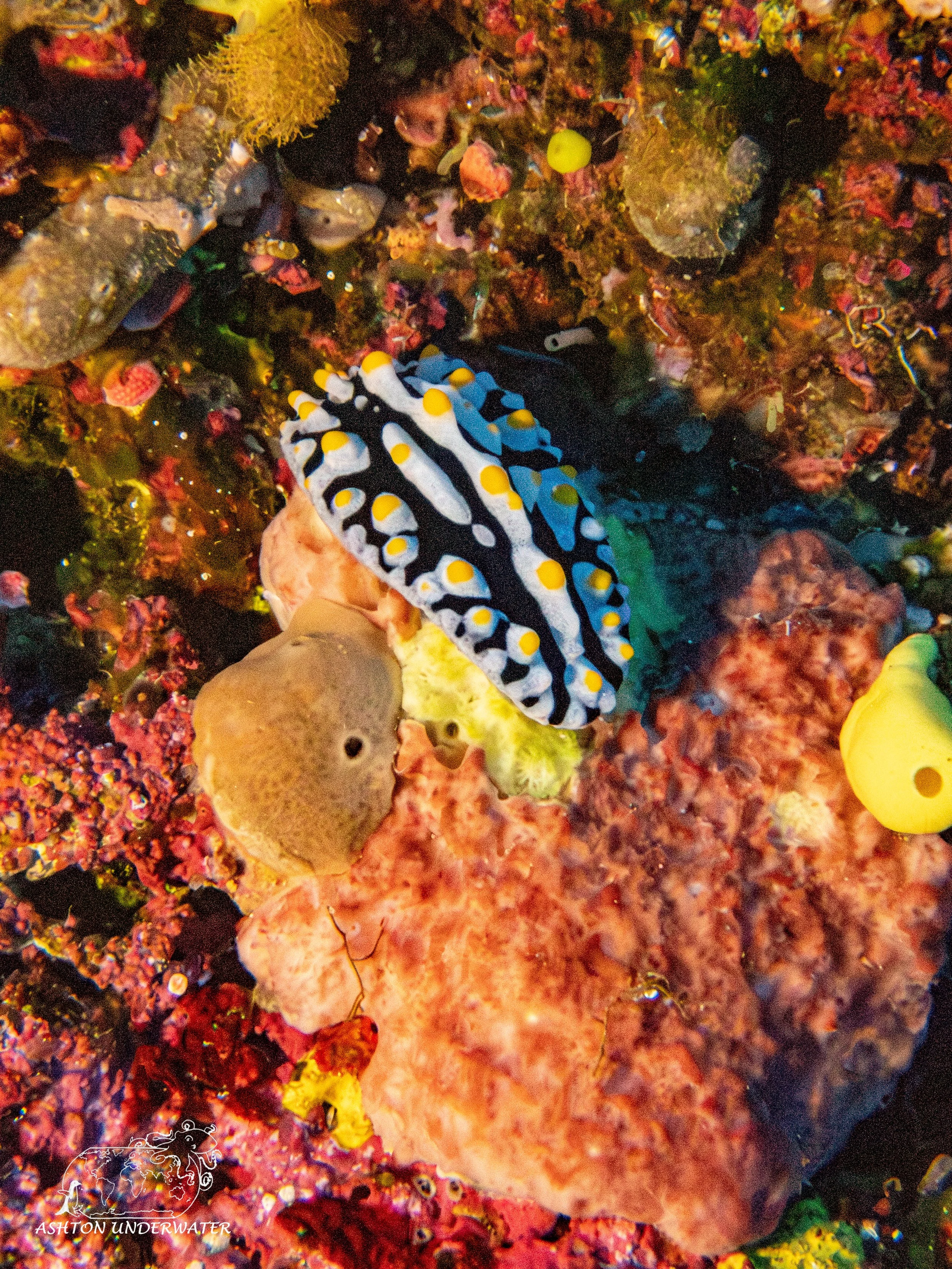
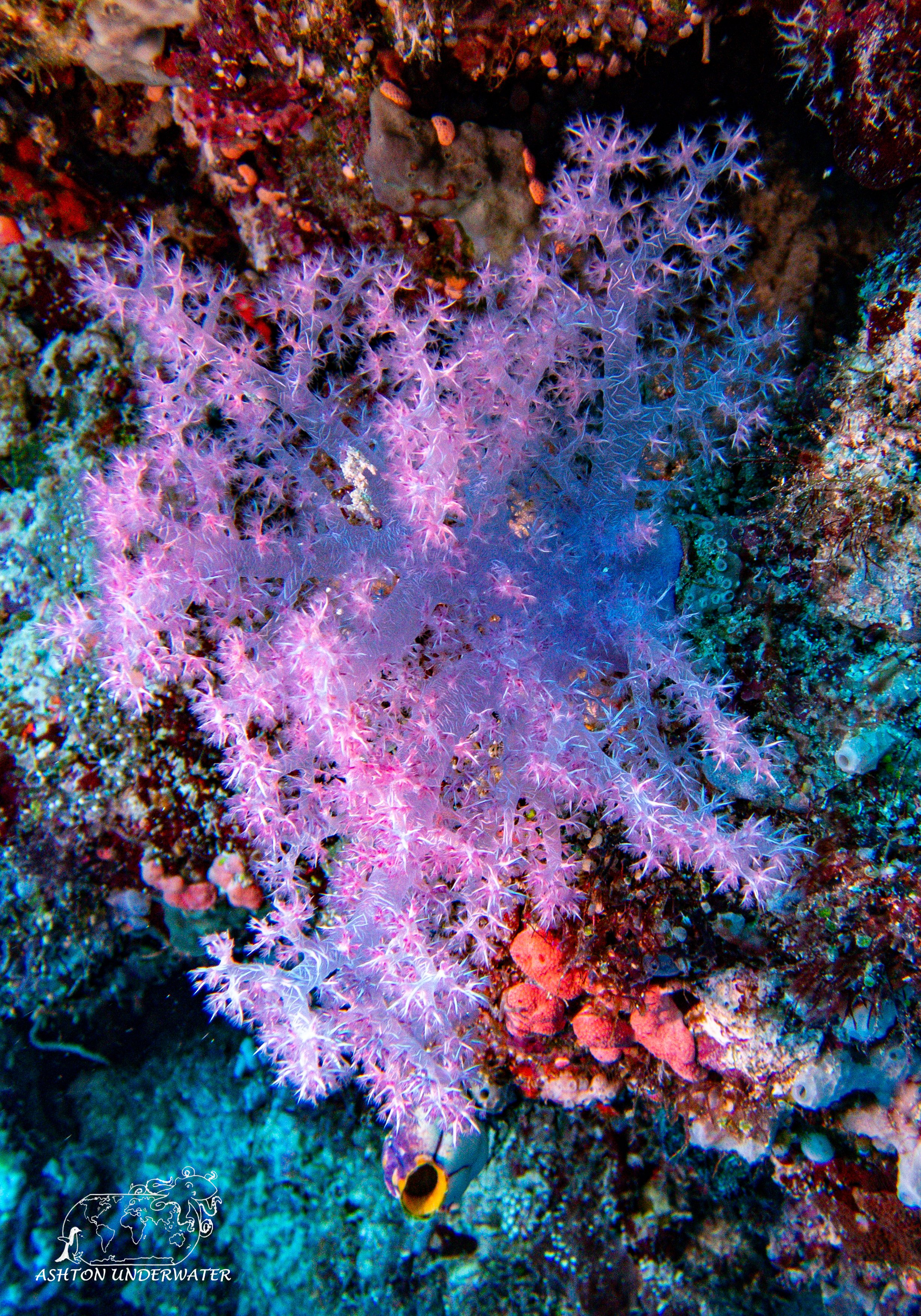
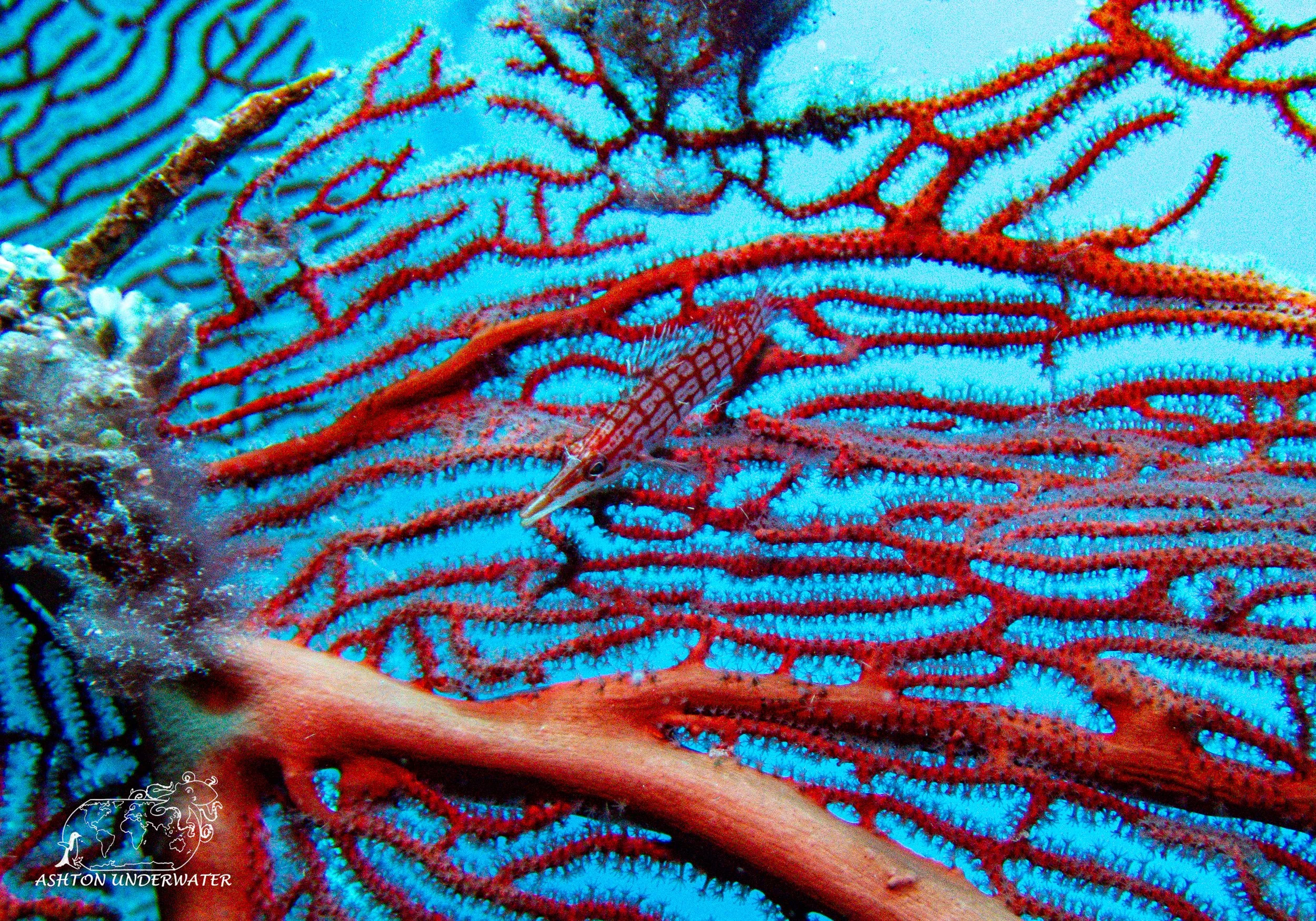
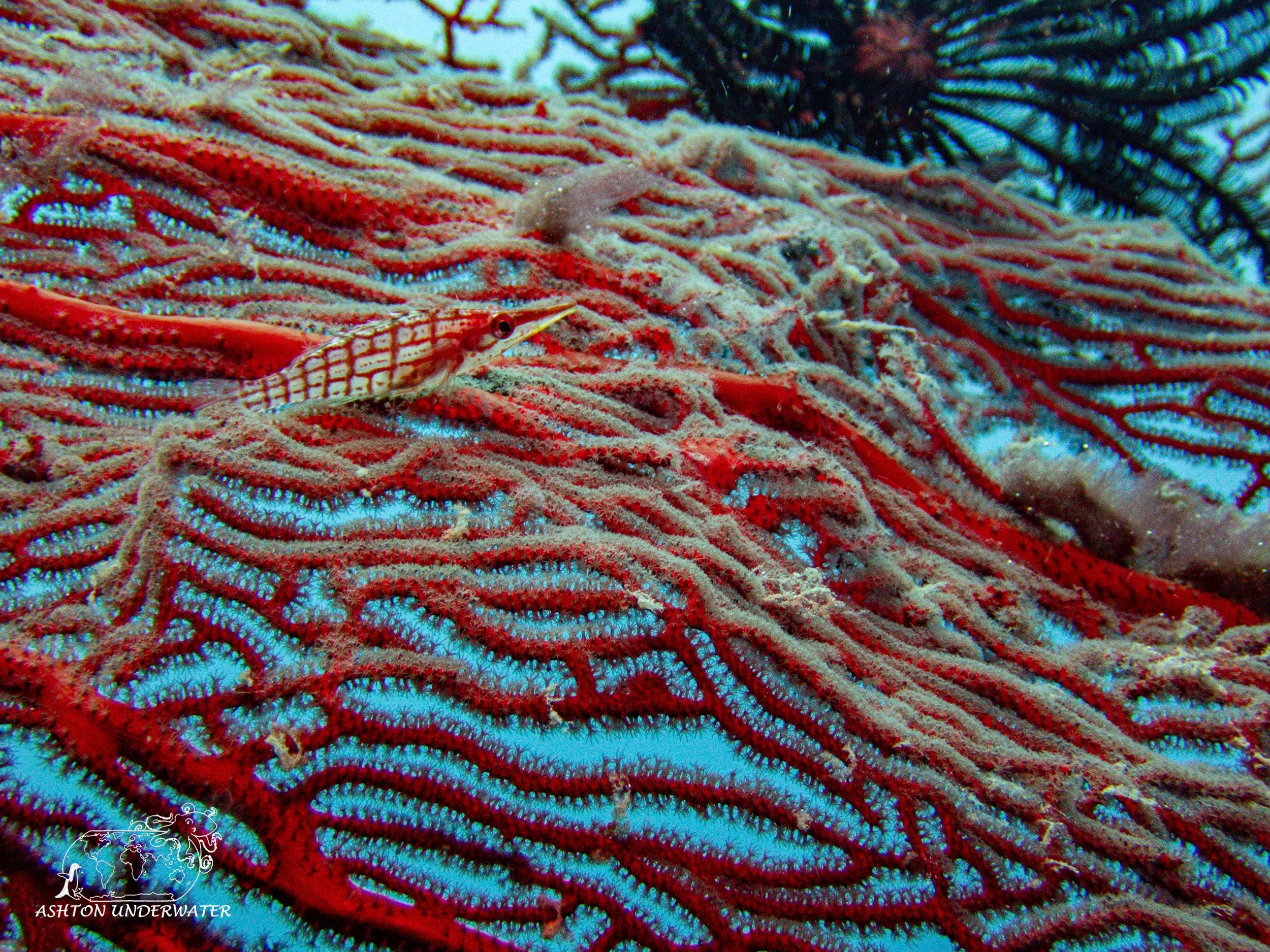
The dive site initially is a slow slope that quickly becomes a vertical wall and drops well beyond safe limits. Due to the open and exposed wall, there are often strong currents that come from the north, but this usually brings in large pelagic opportunities. The dive usually ends with a shallow coral garden that is protected by a cut in the wall providing a safe and easy place for photography and safety stop.
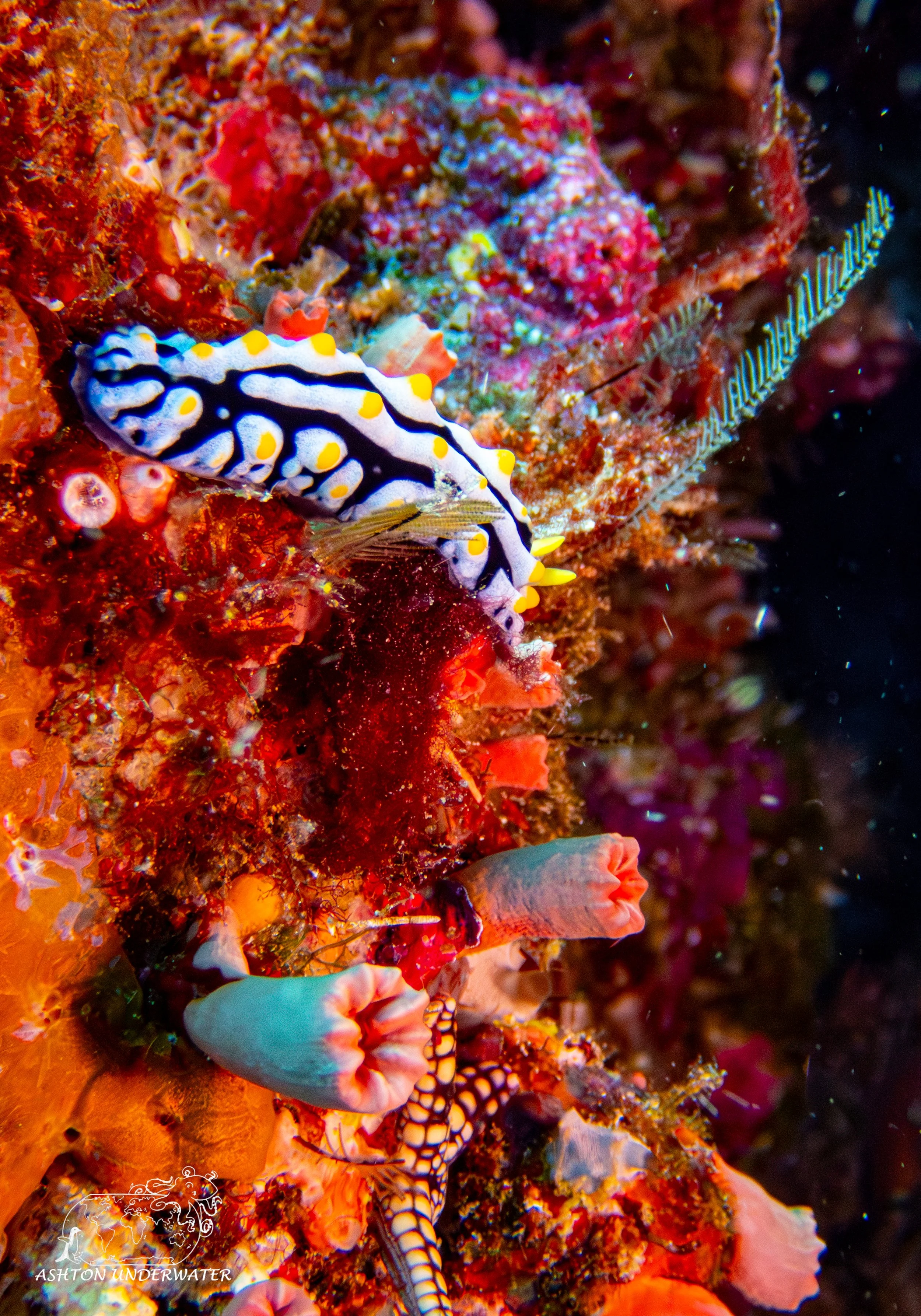
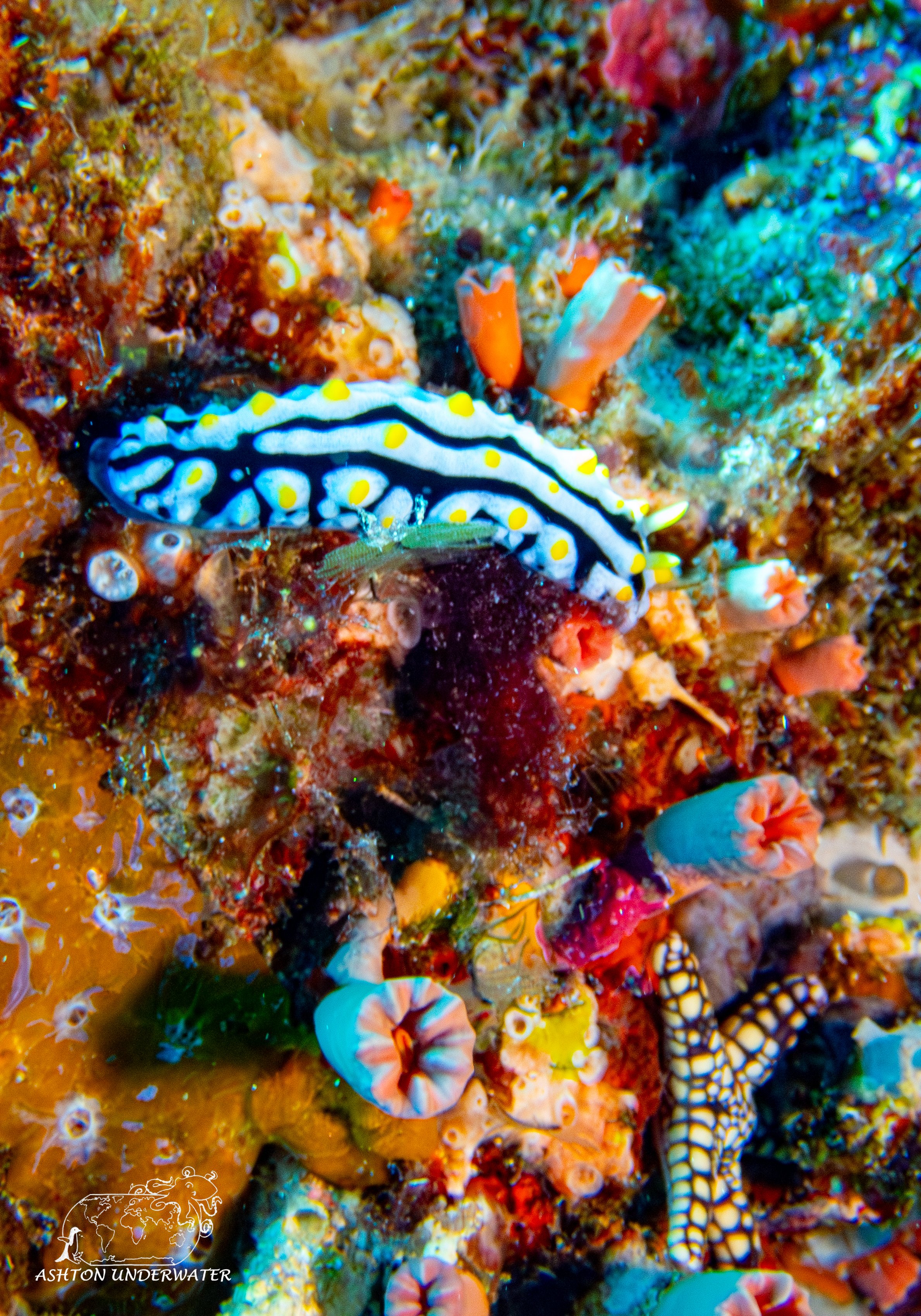
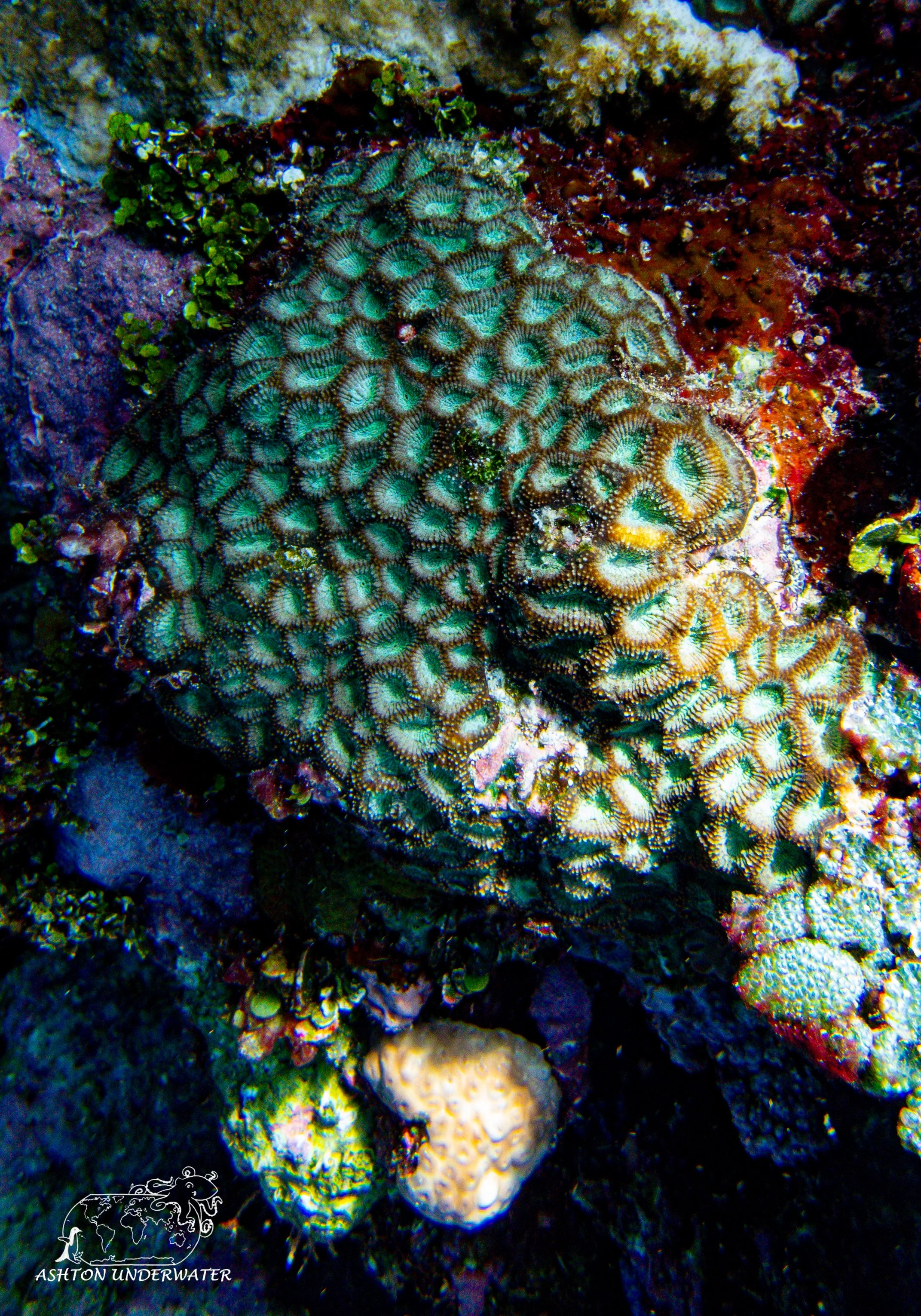
Sililoma
91’ for 51 minutes
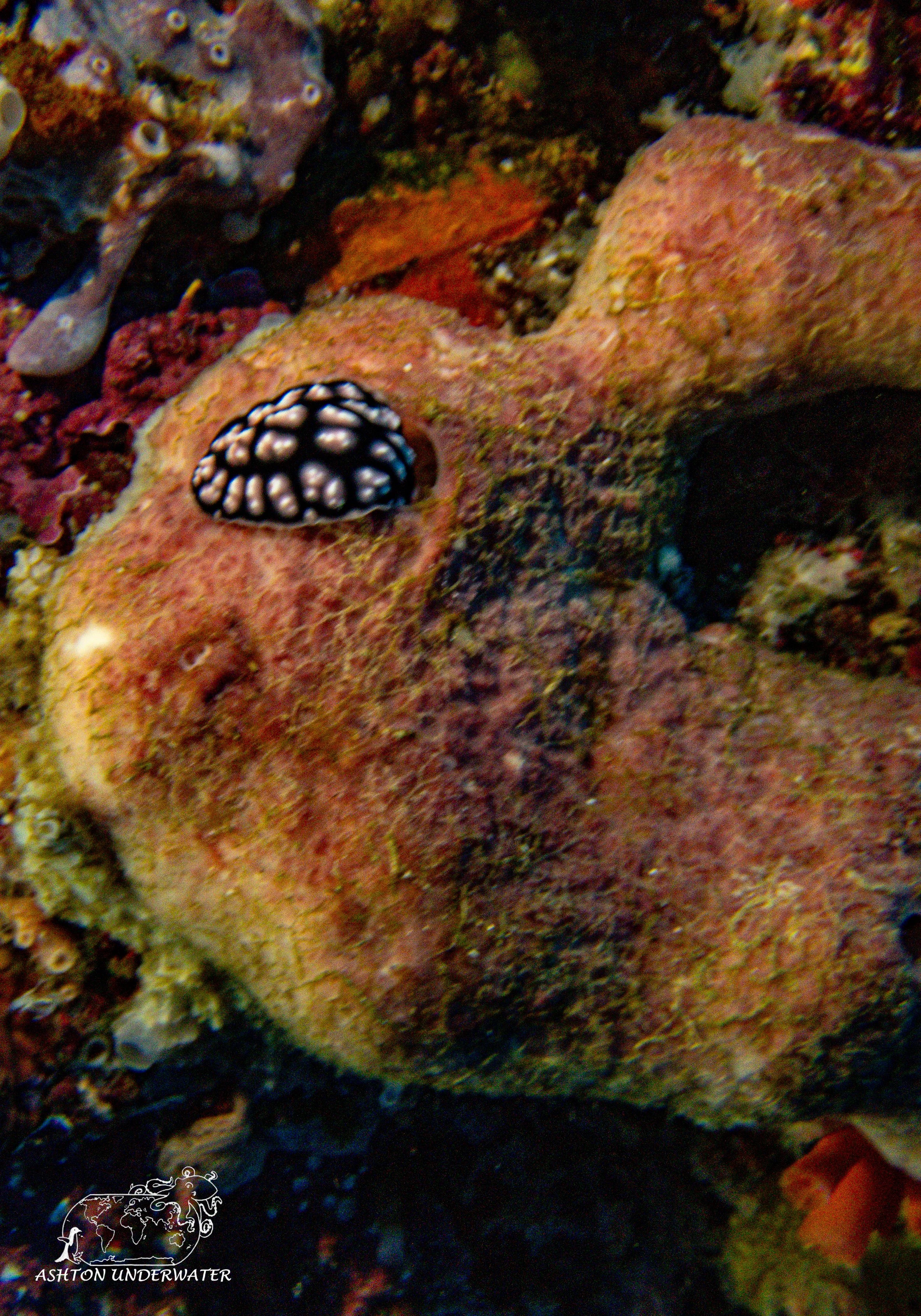
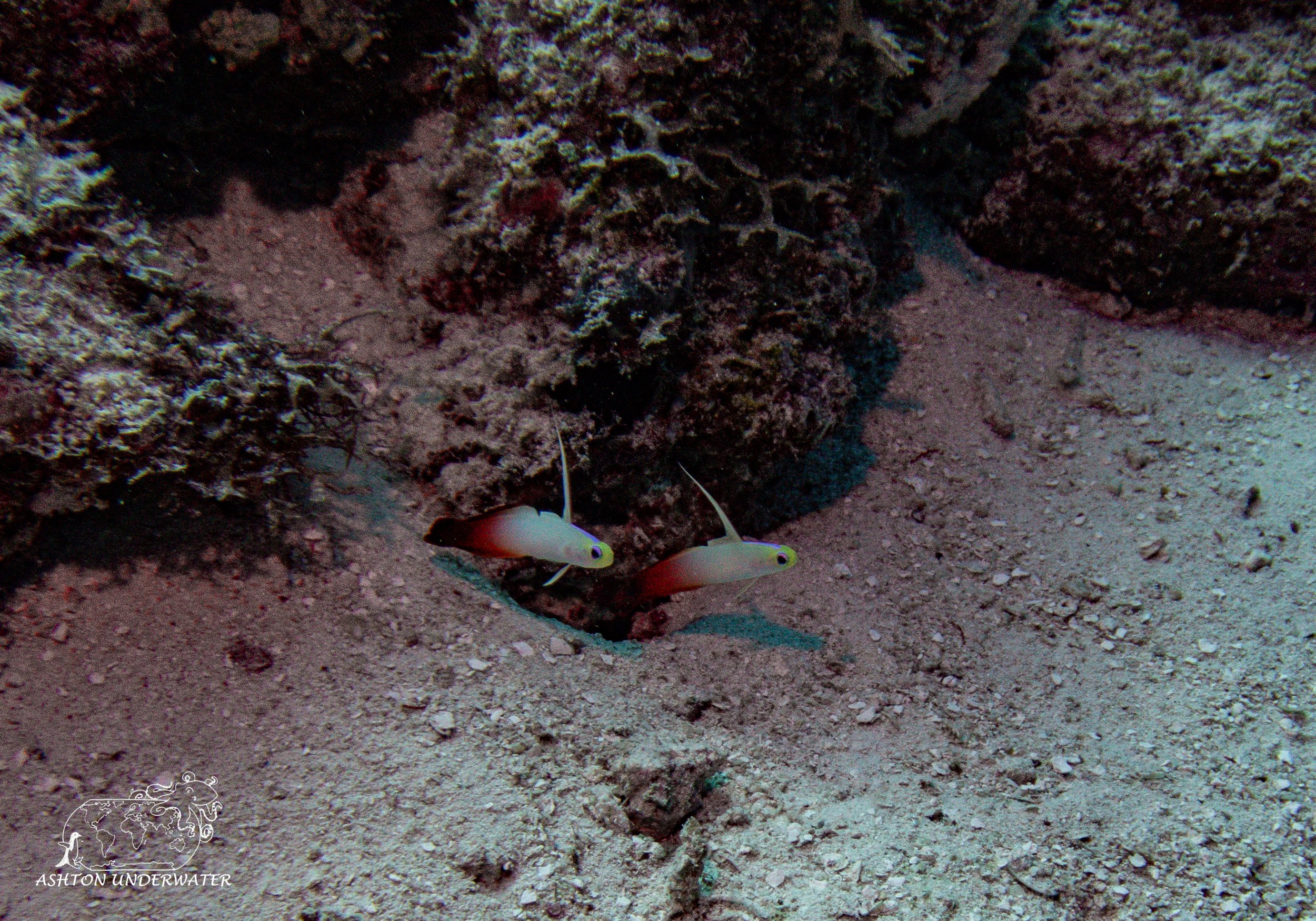
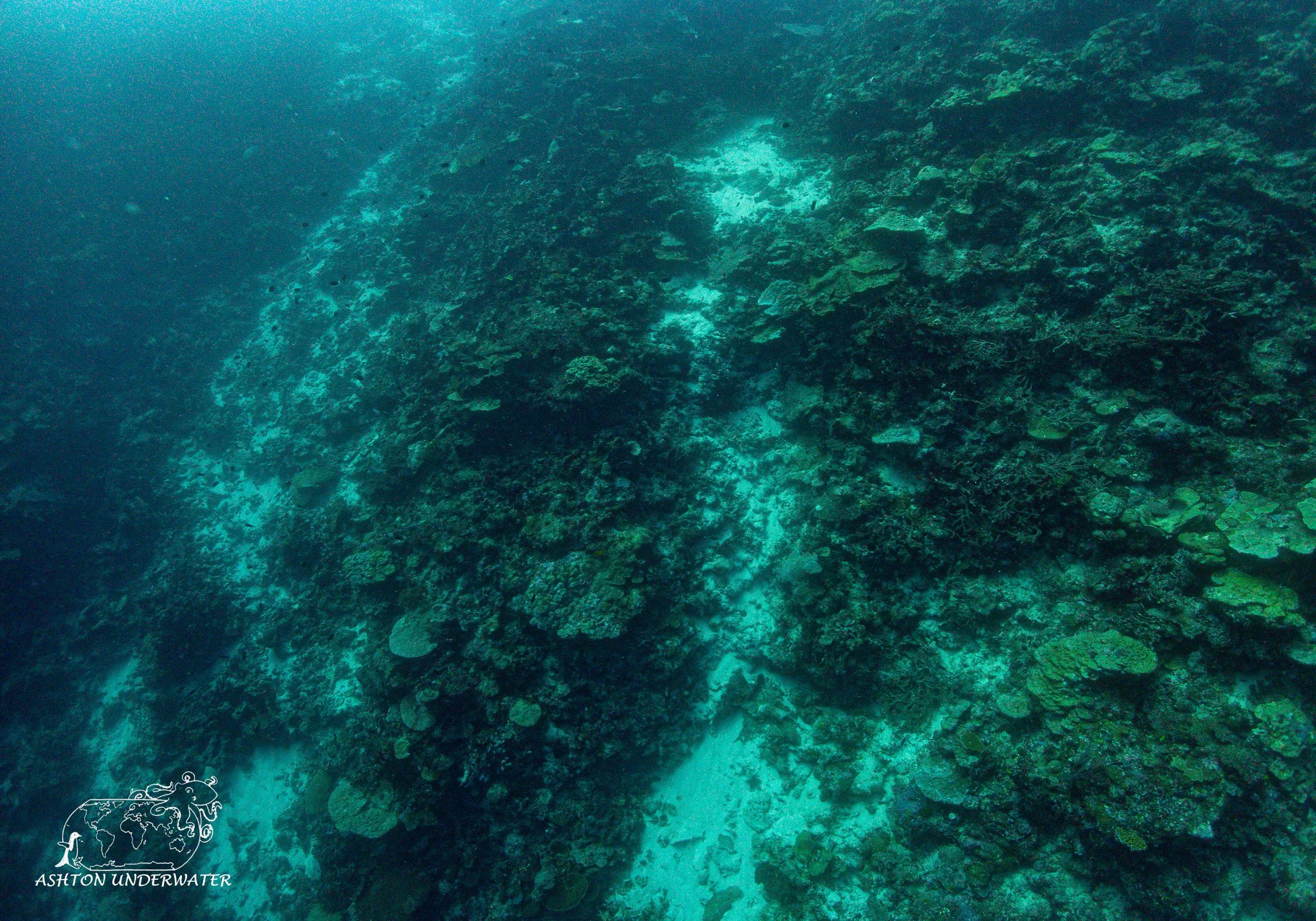
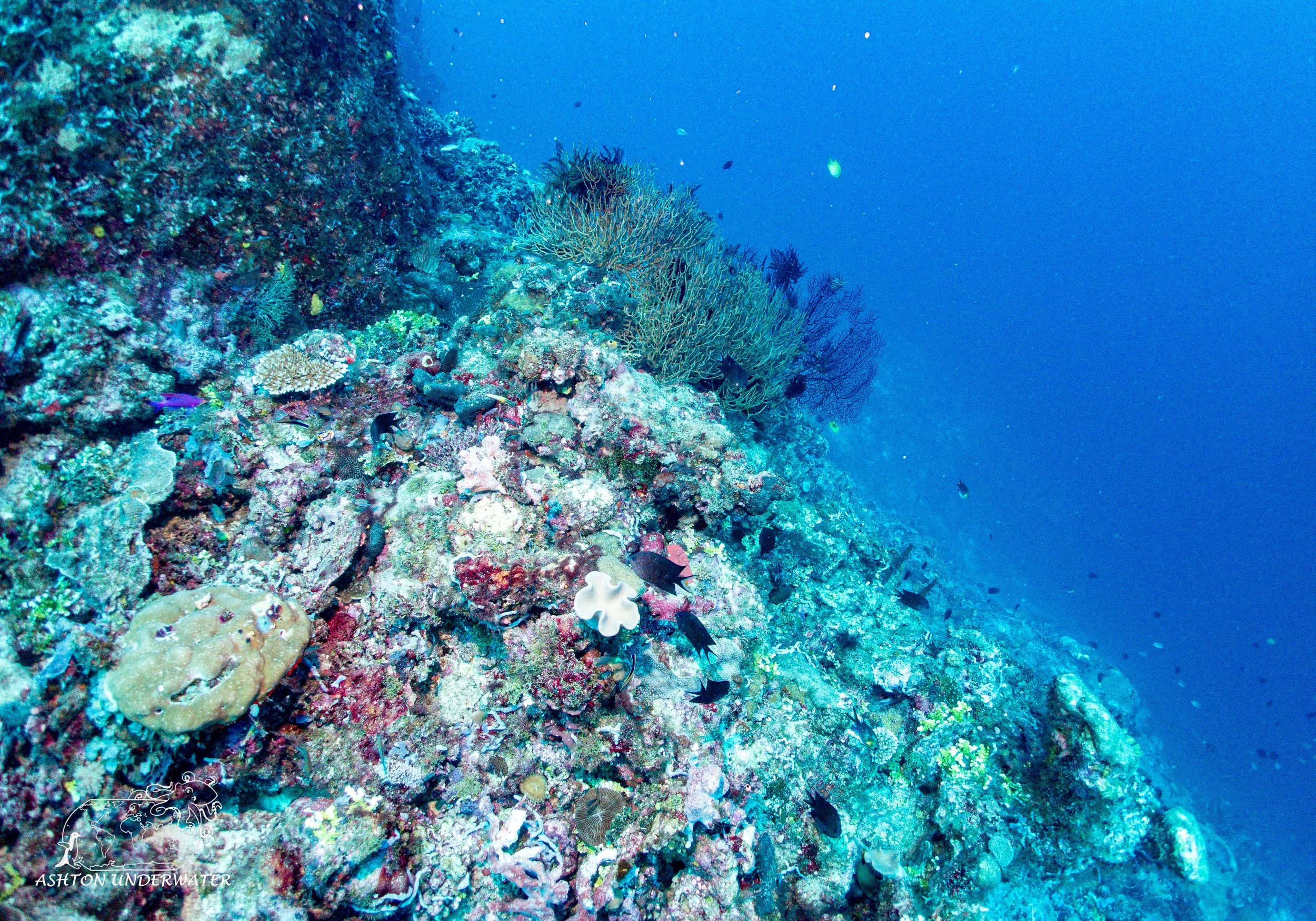
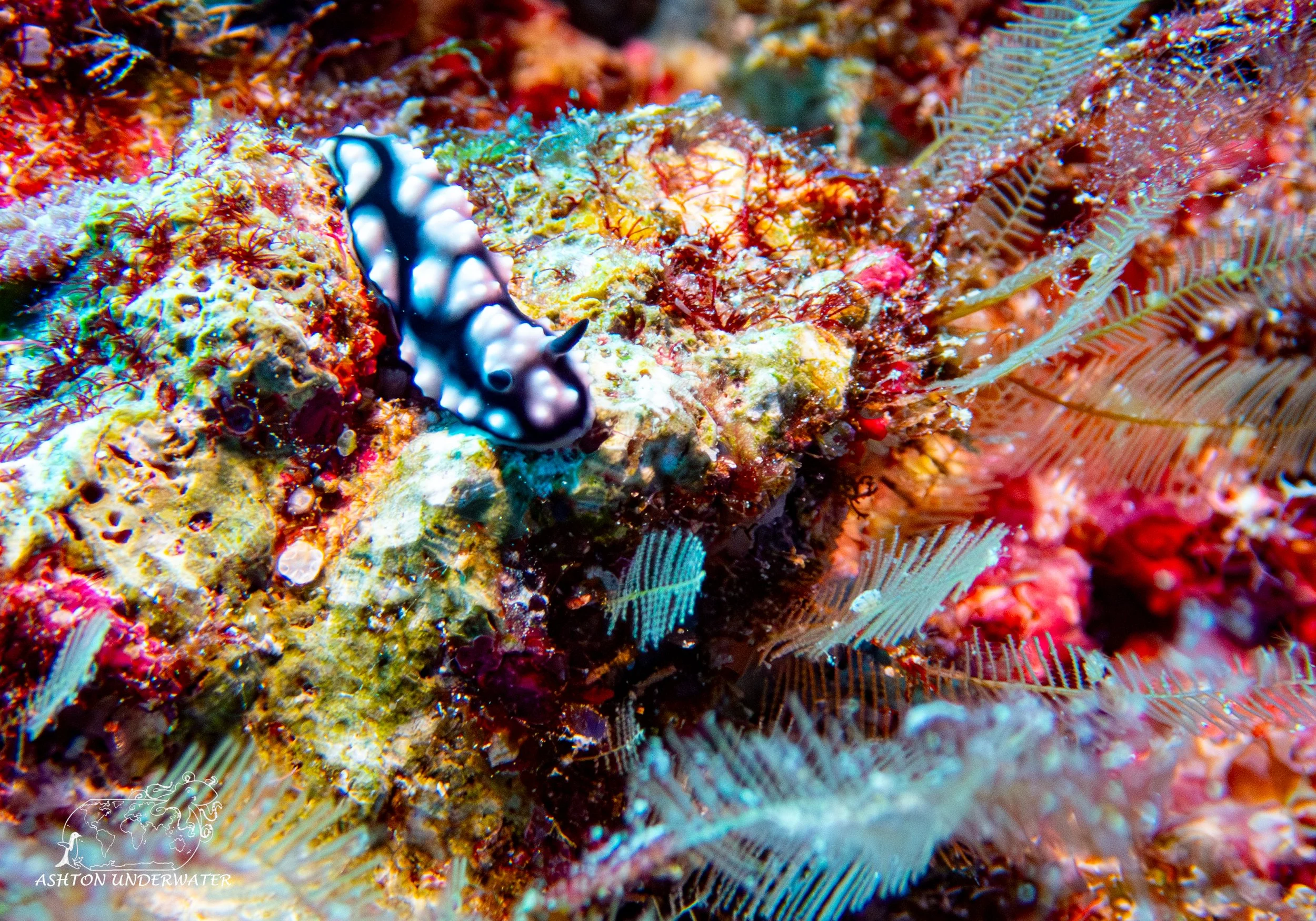
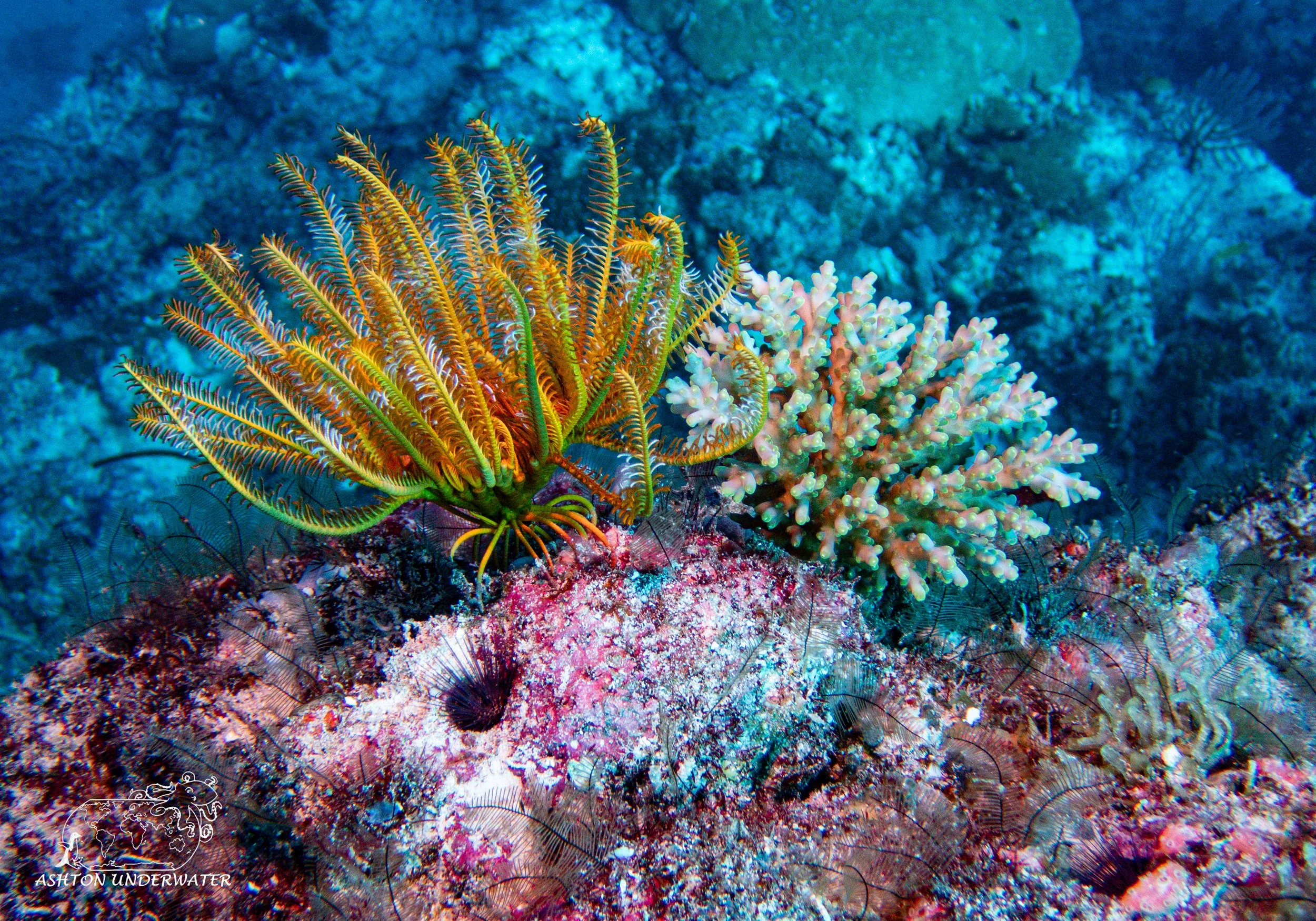
A shallow sea mount topping at about 15’. When there is a decent current, it tends to bring in good aquatic life, mostly on the outer rim of the sea mount. Occasionally it will bring in reef sharks, and some pelagic animals but is largely current dependent. The top of the seamount tends to have plenty of surge due to the shallow nature of the site. Rarely turtles are seen on top as well.
White Beach
122’ for 64 minutes & 60’ for 62 minutes
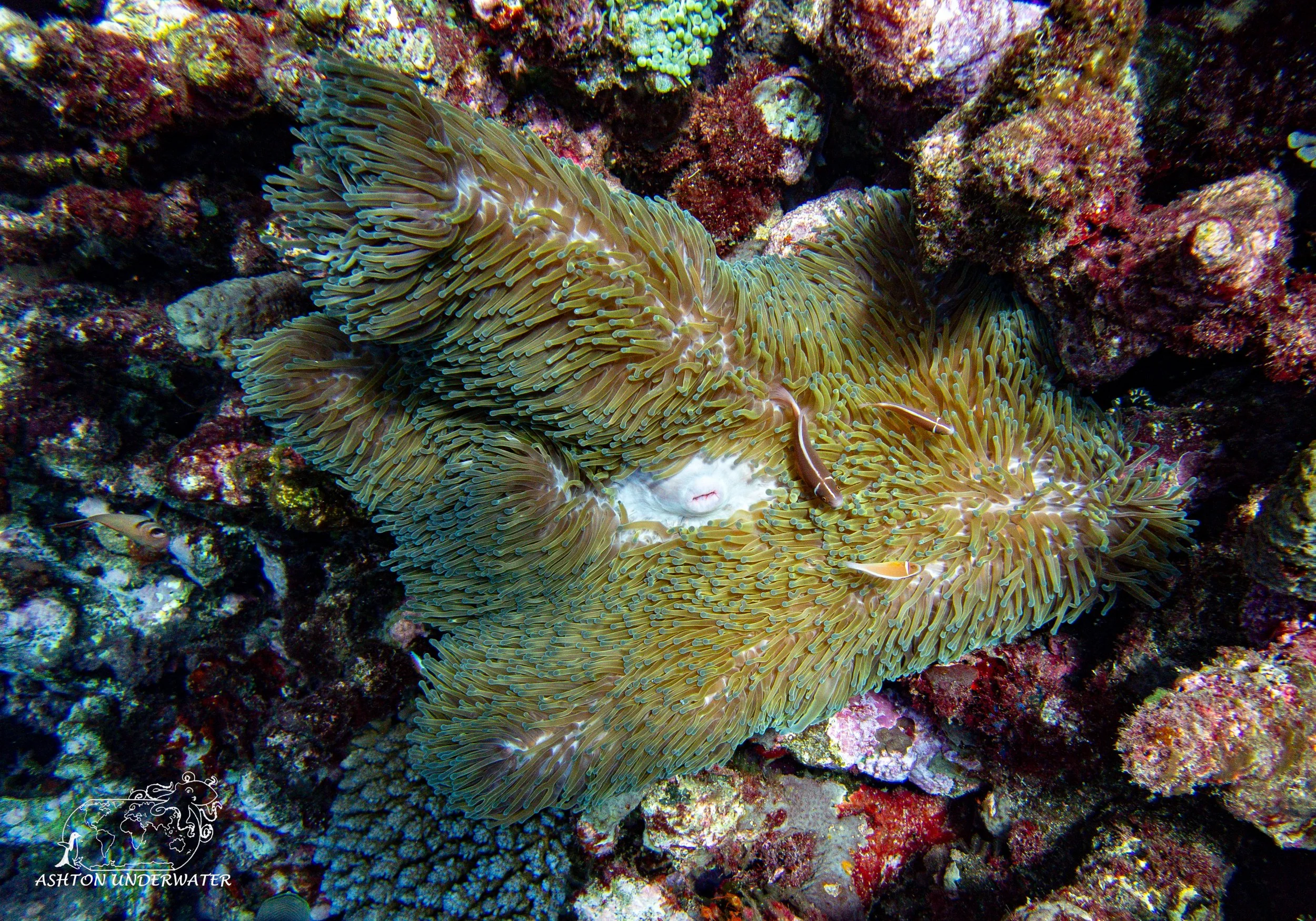
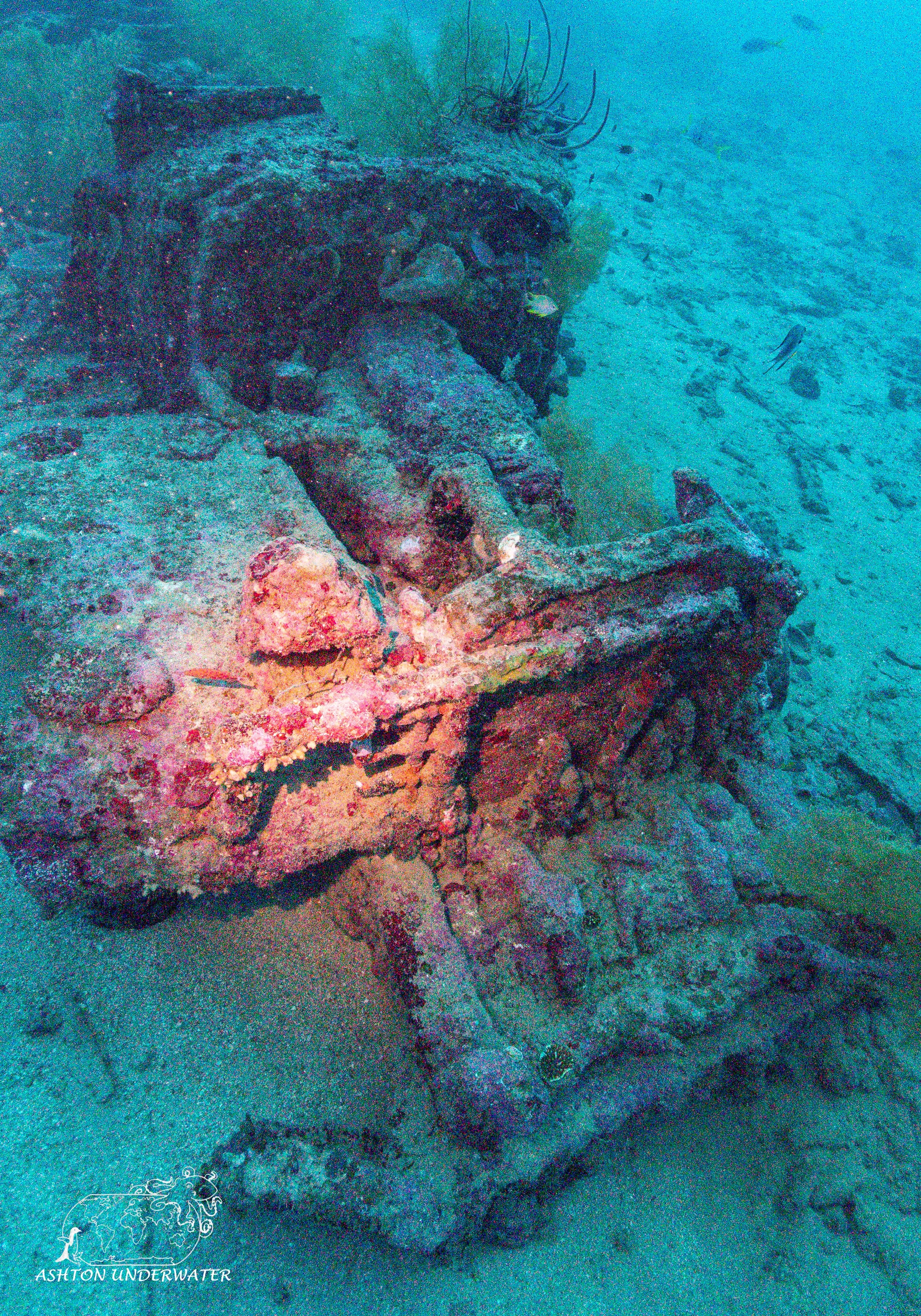
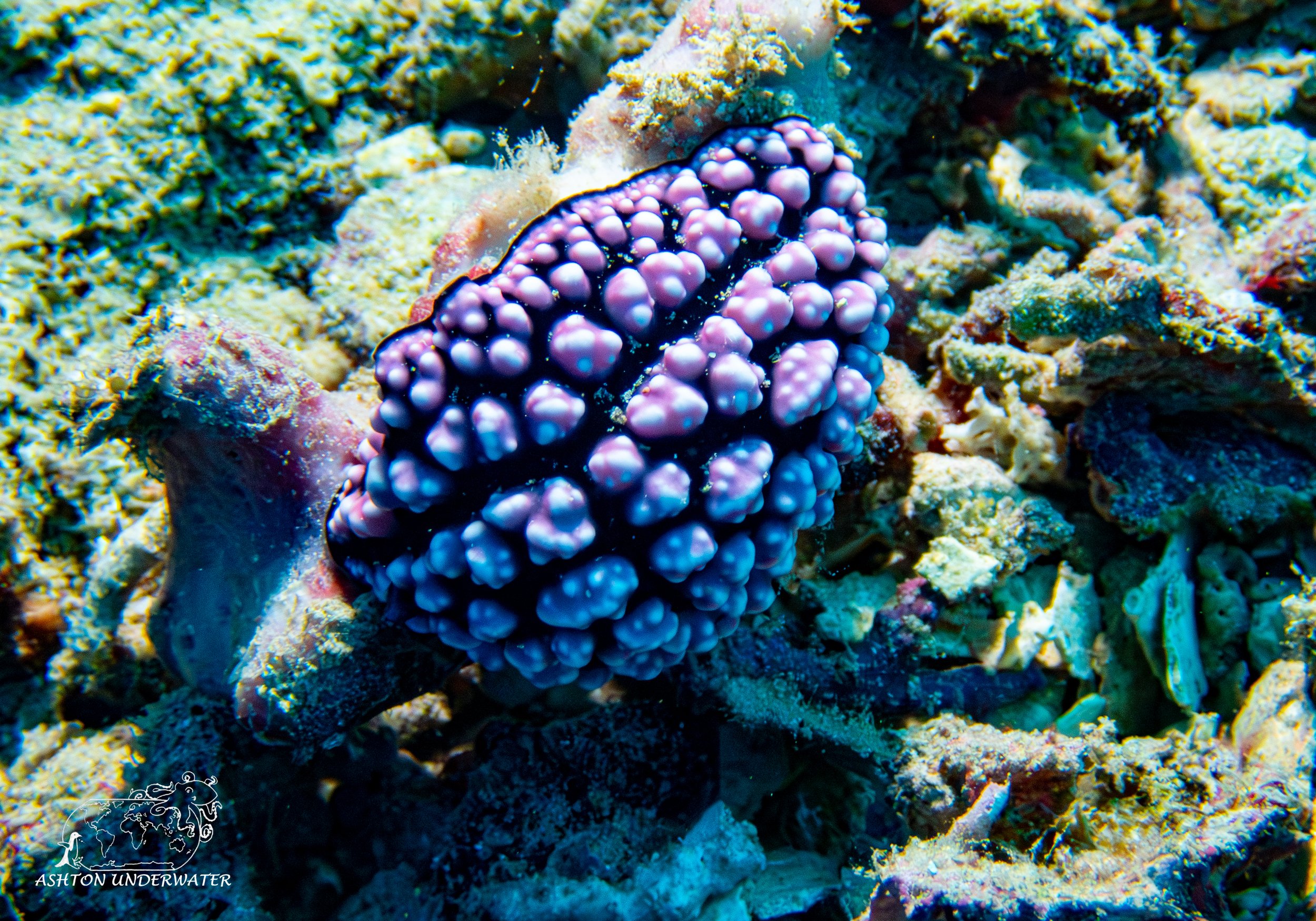
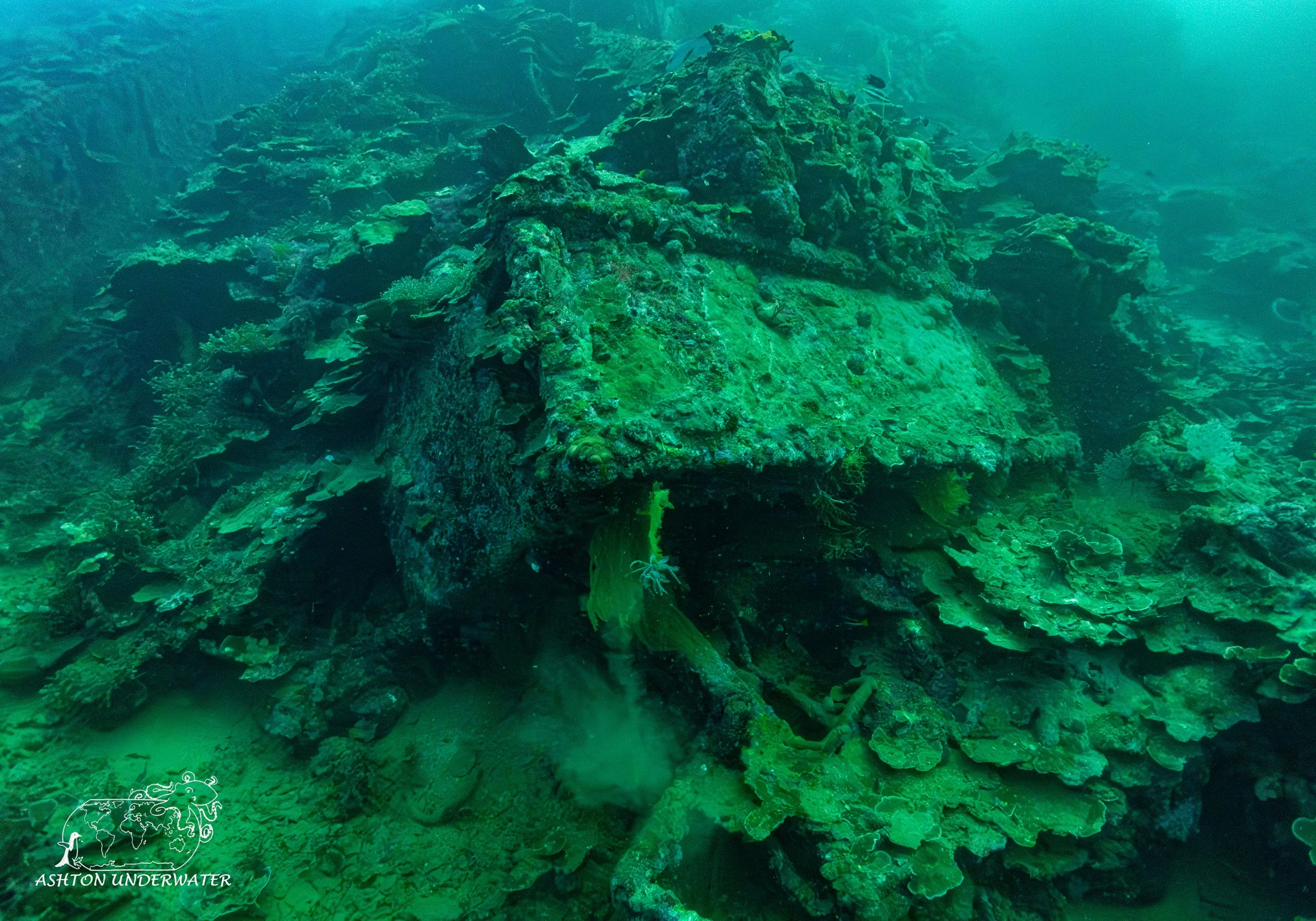
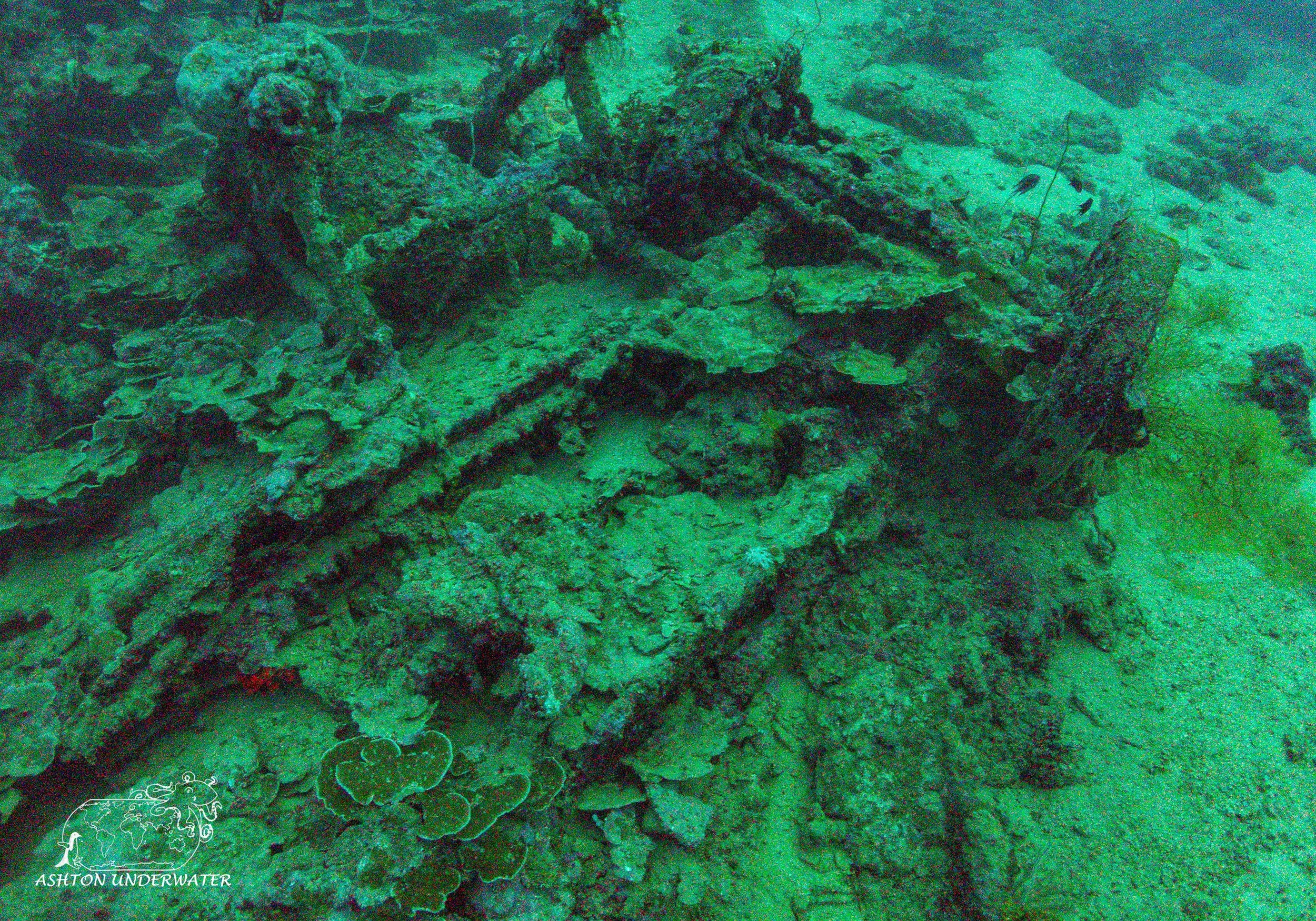
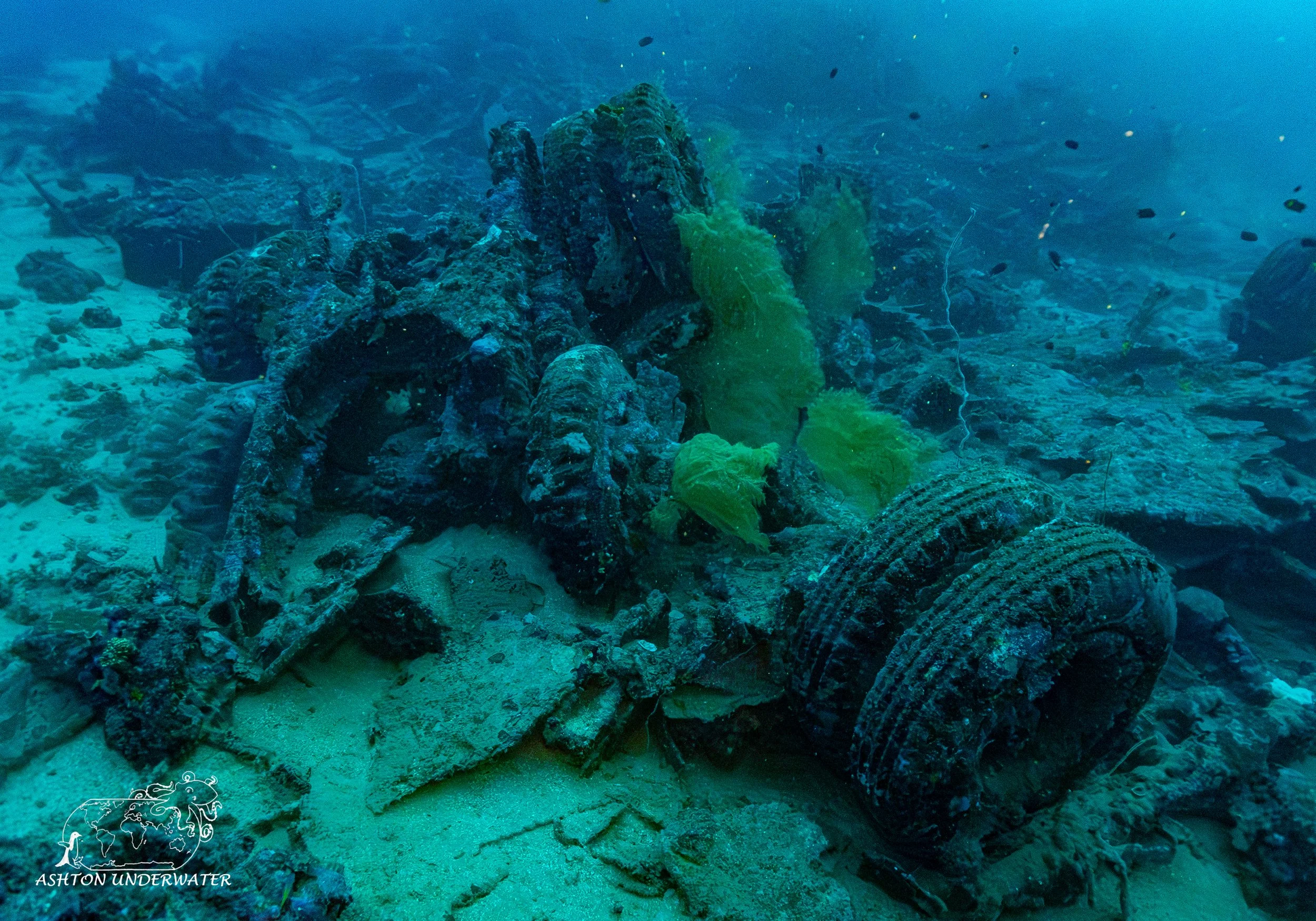
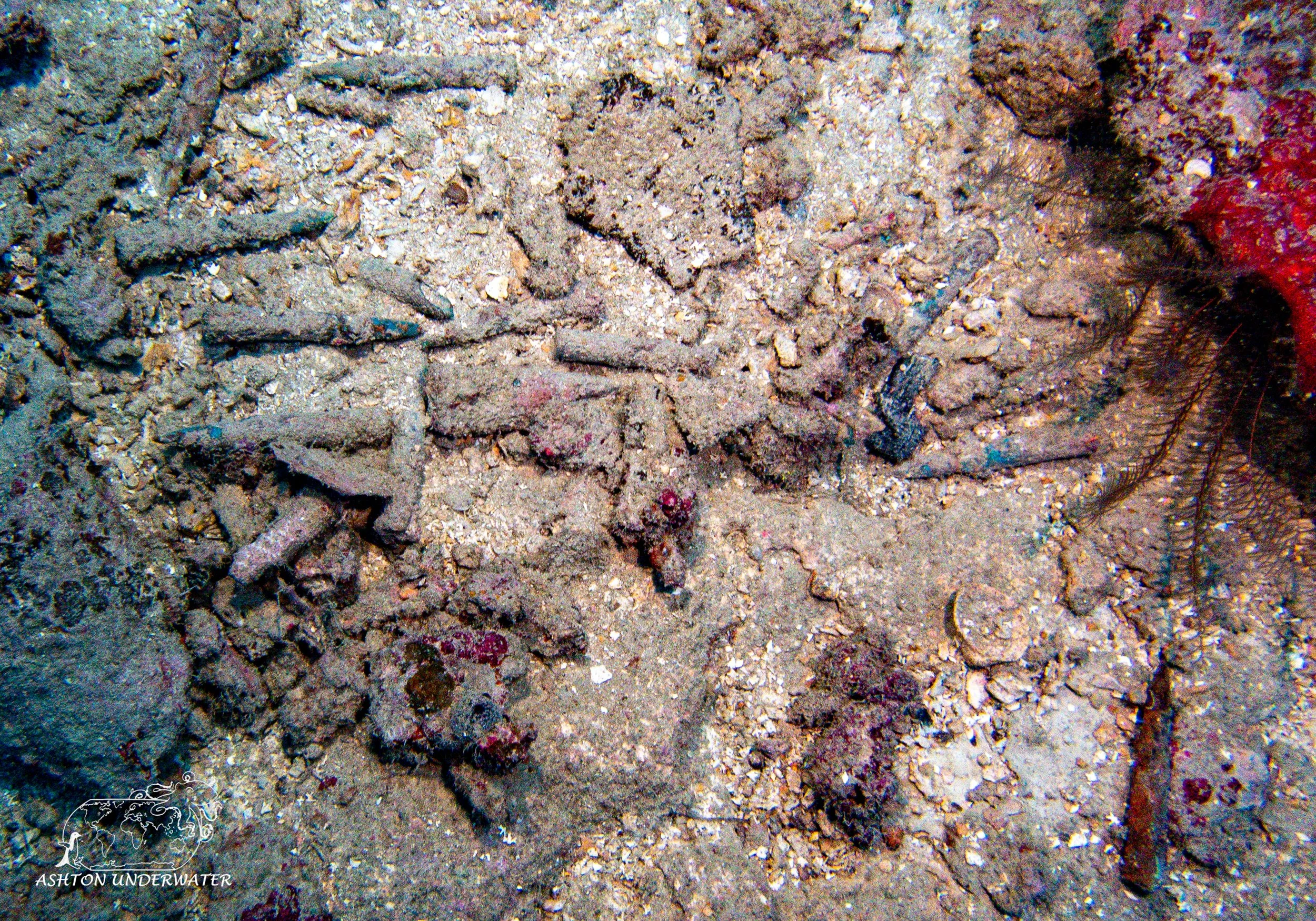
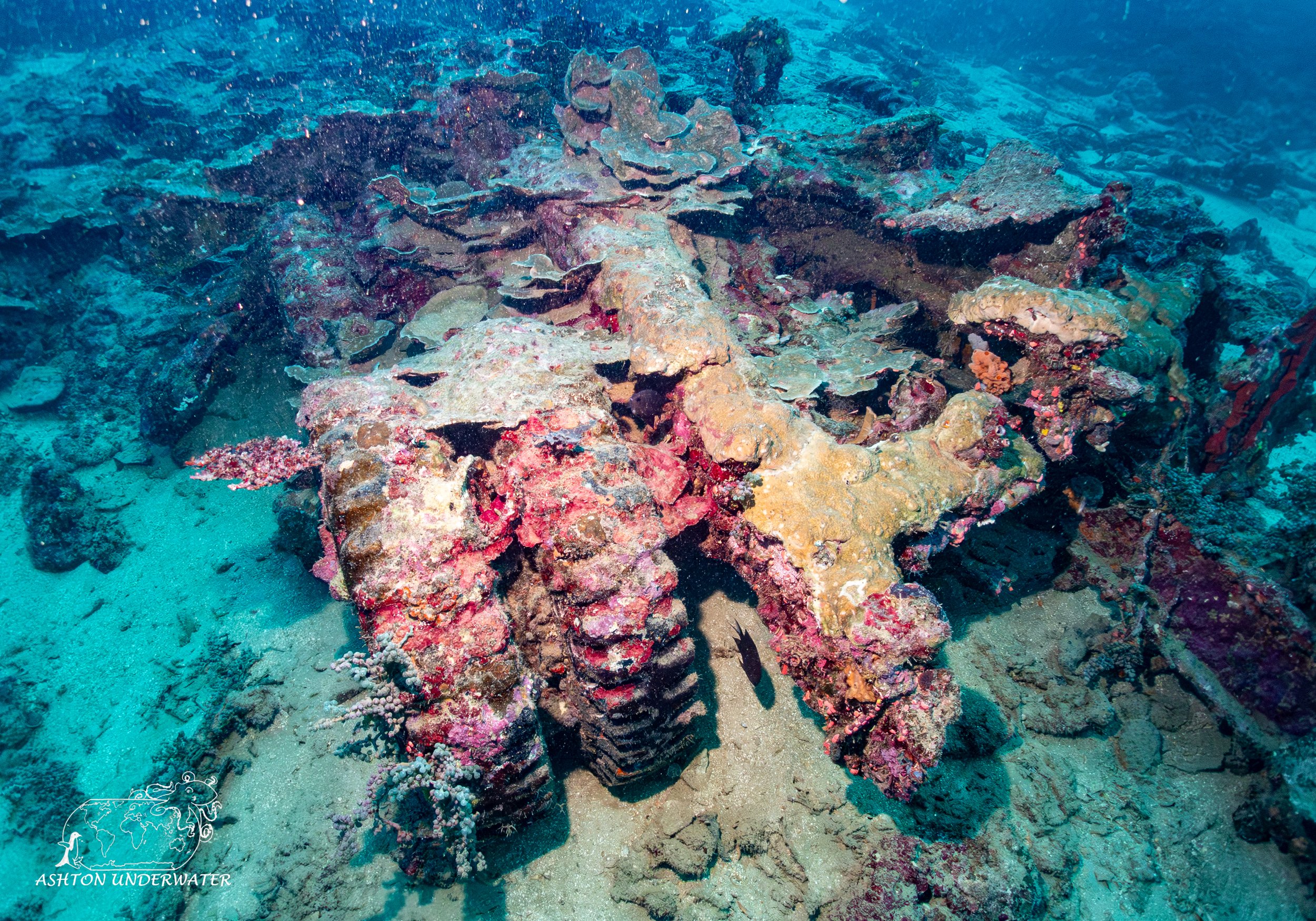
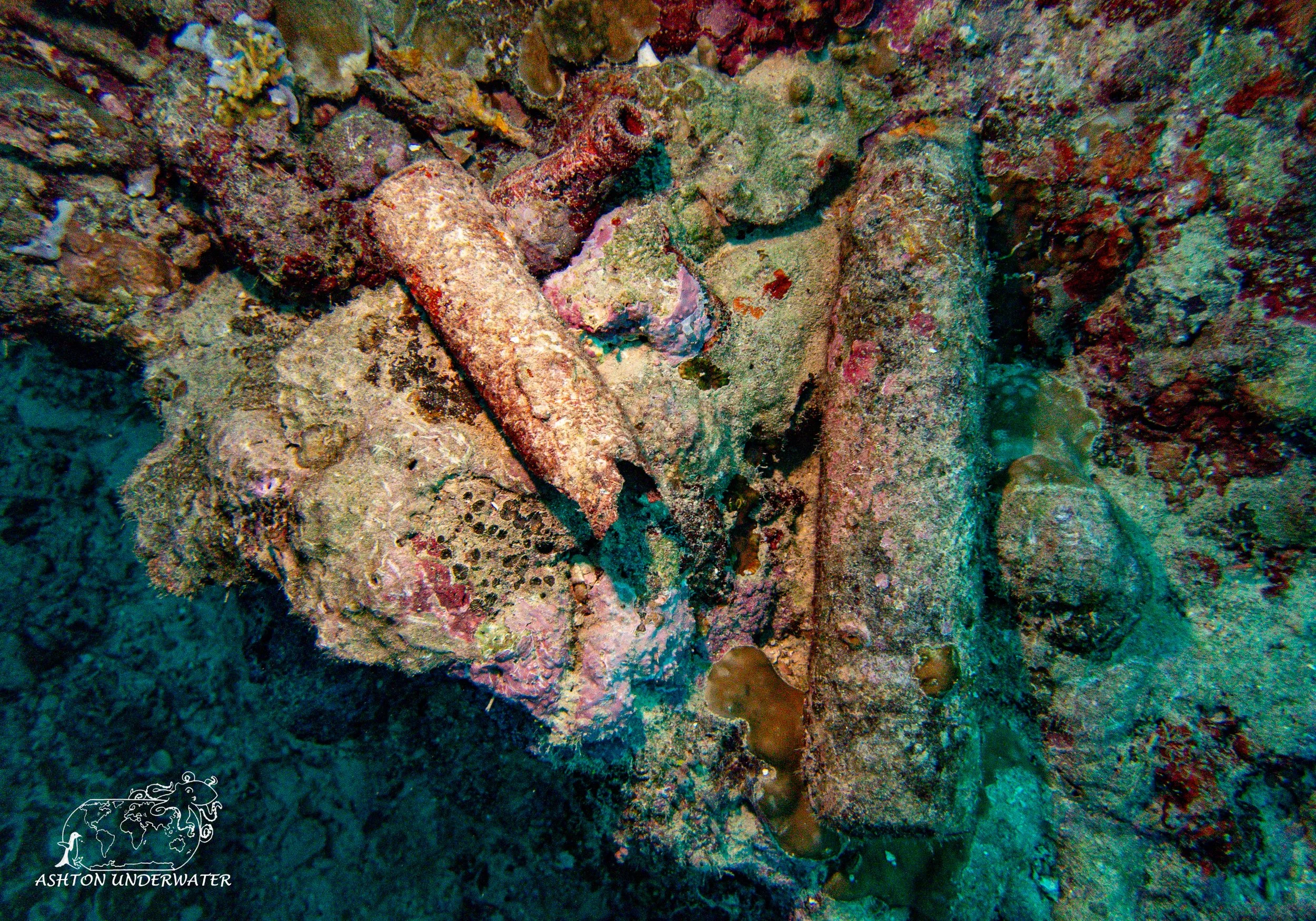
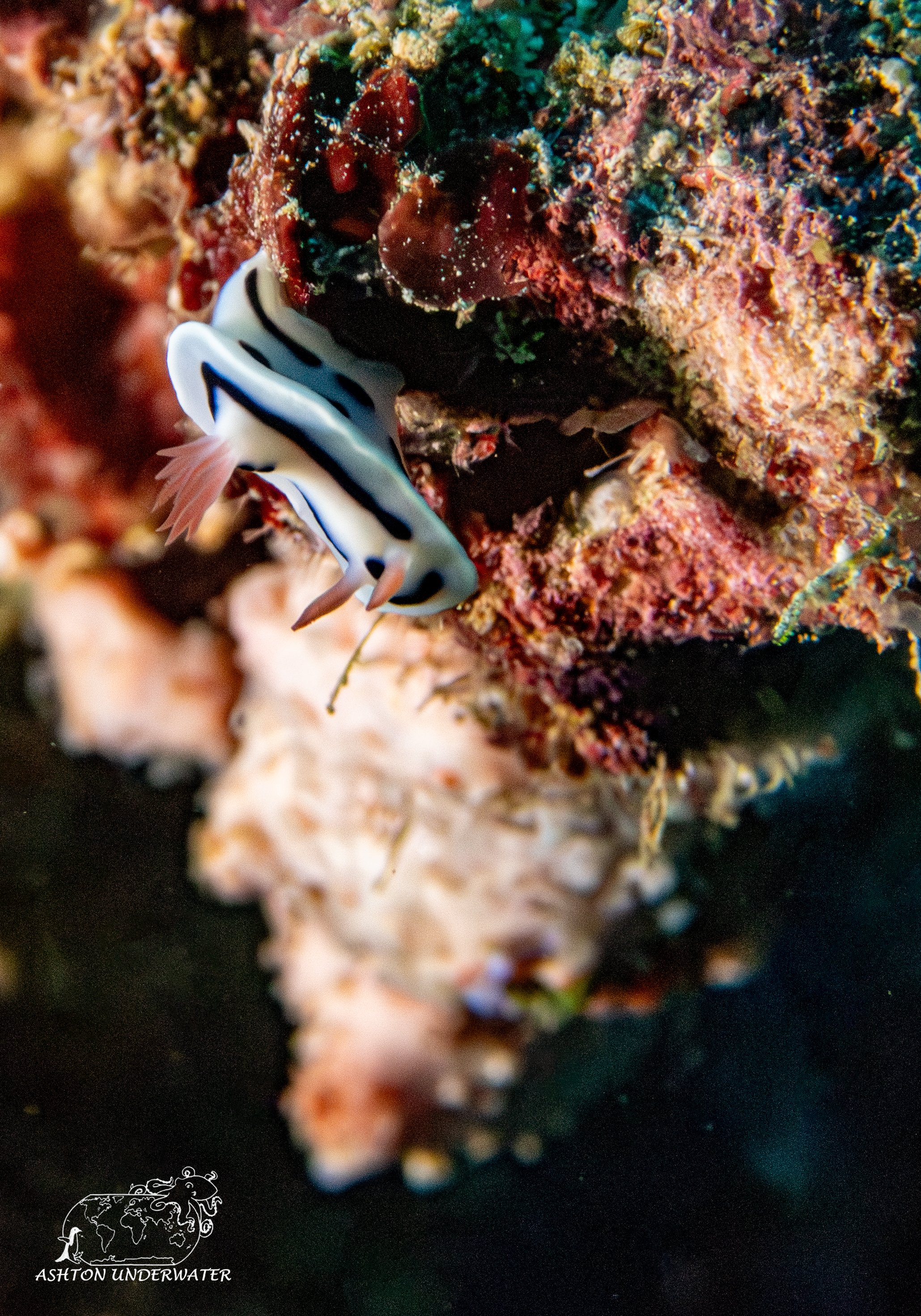
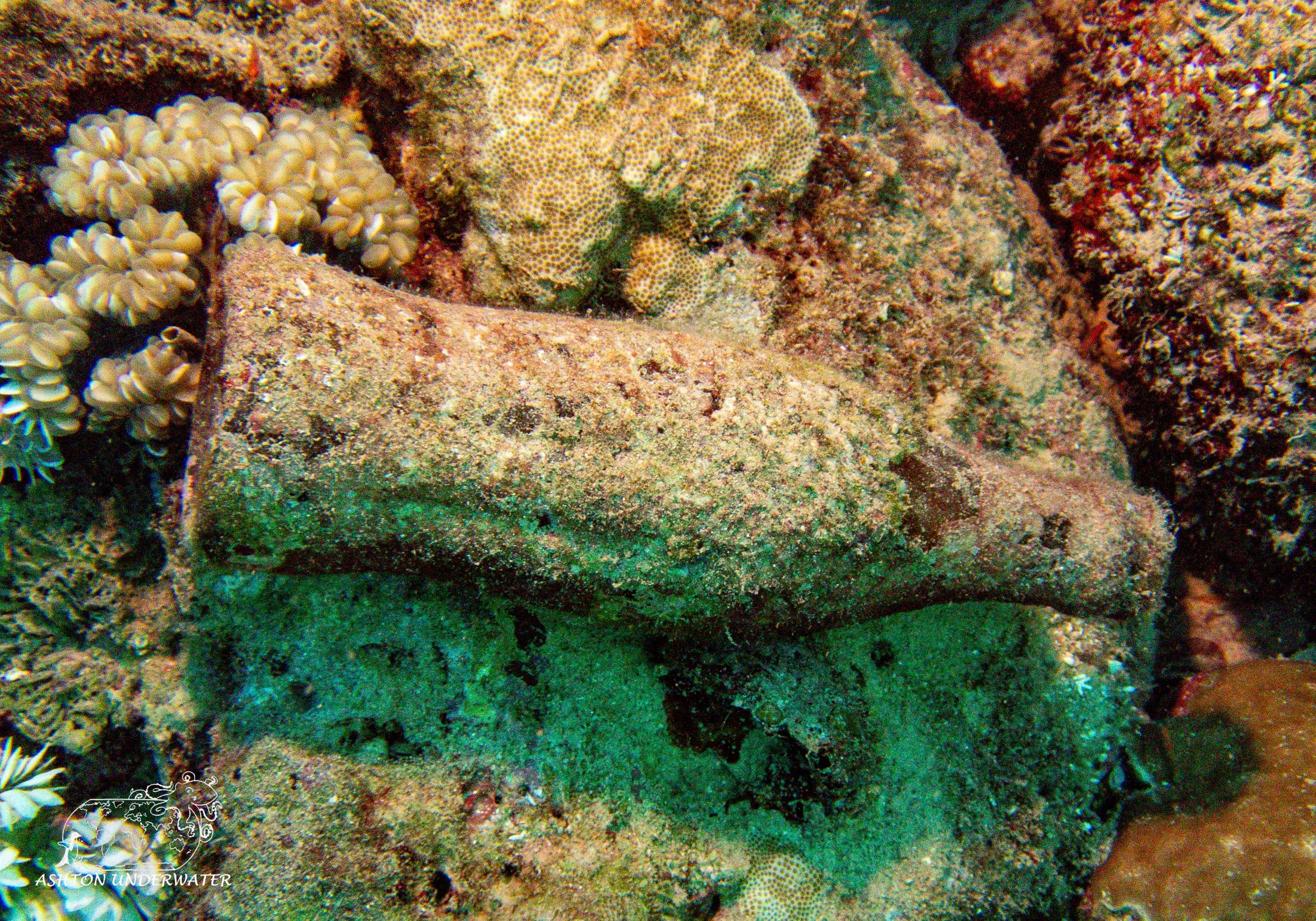
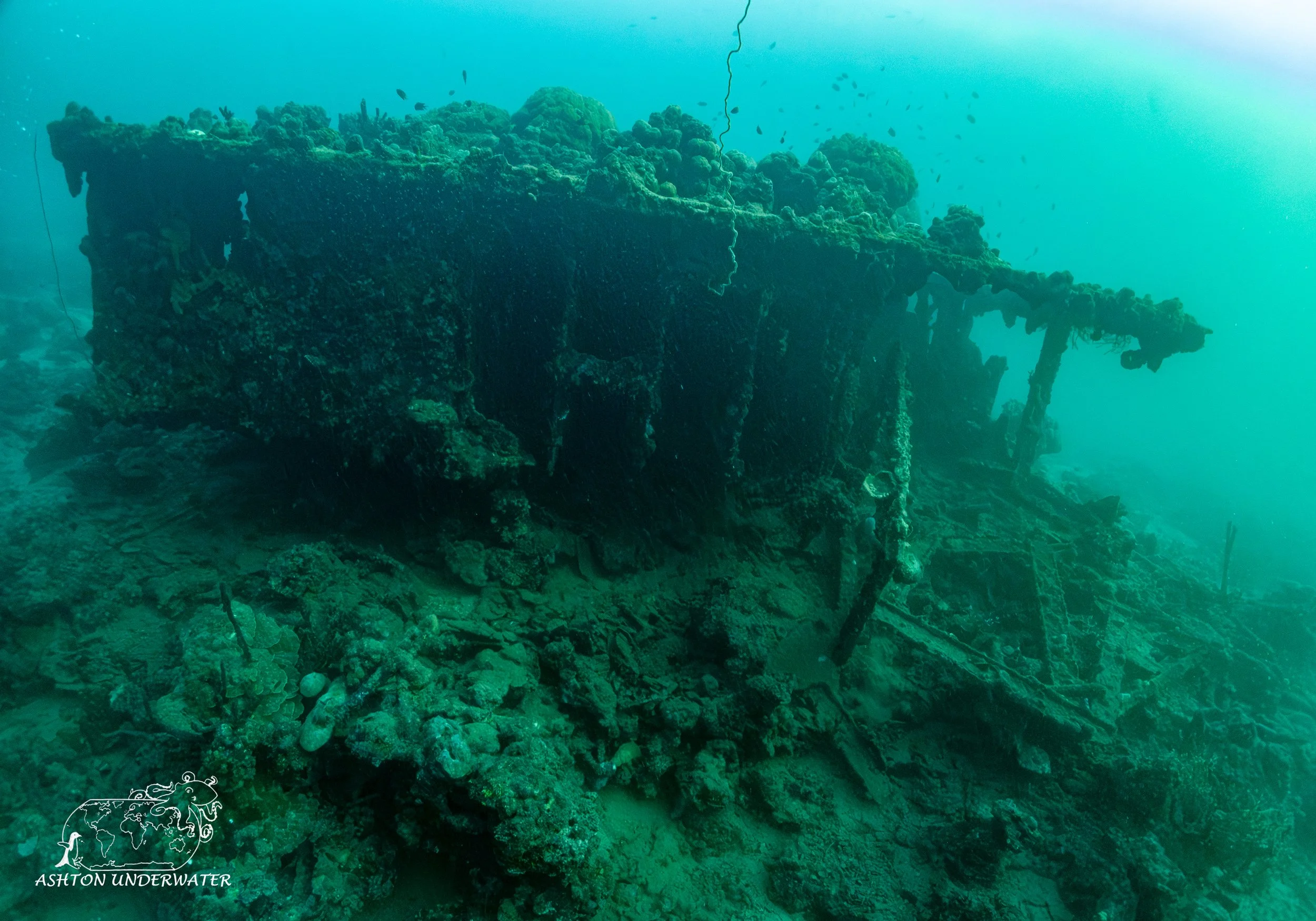
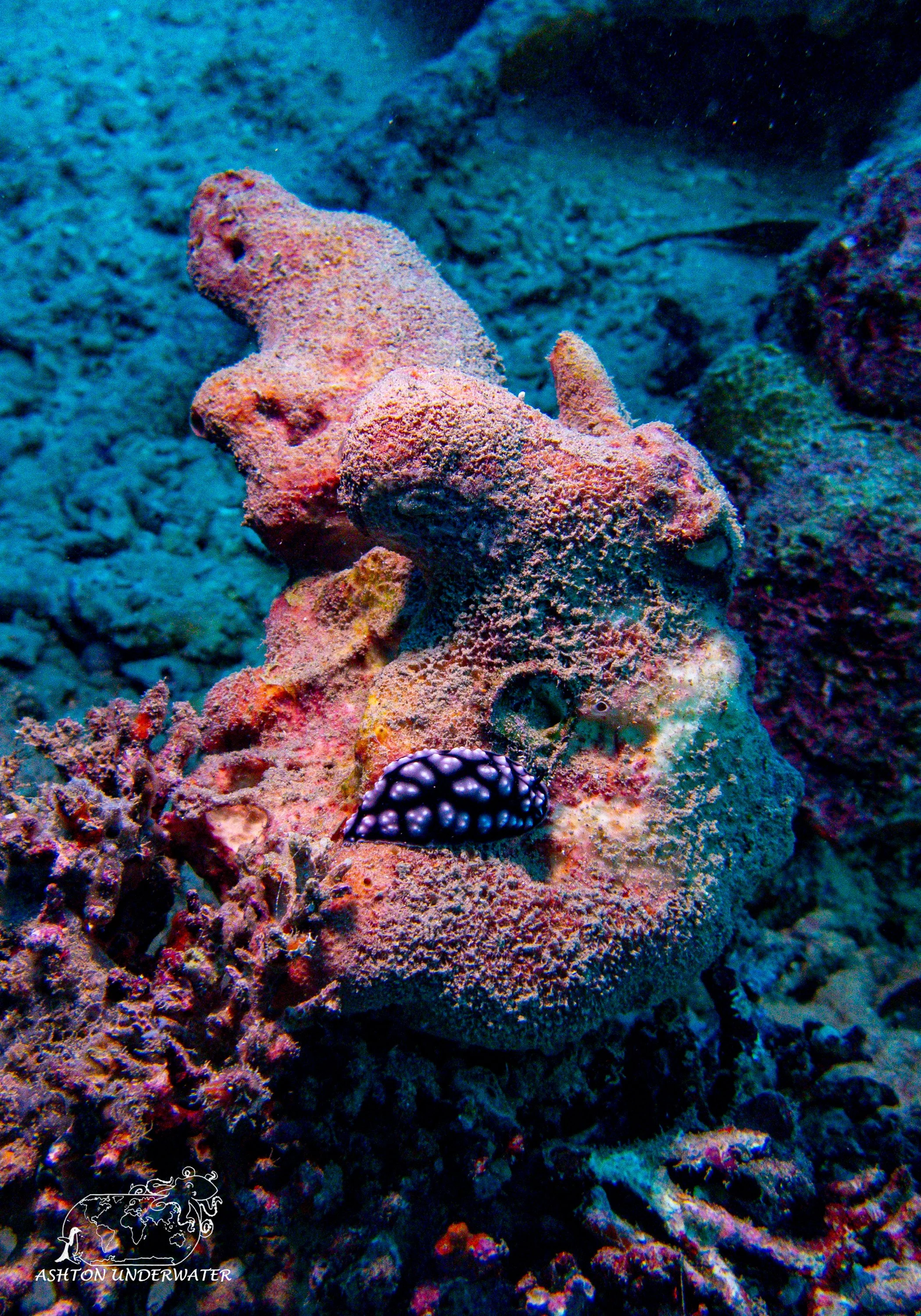
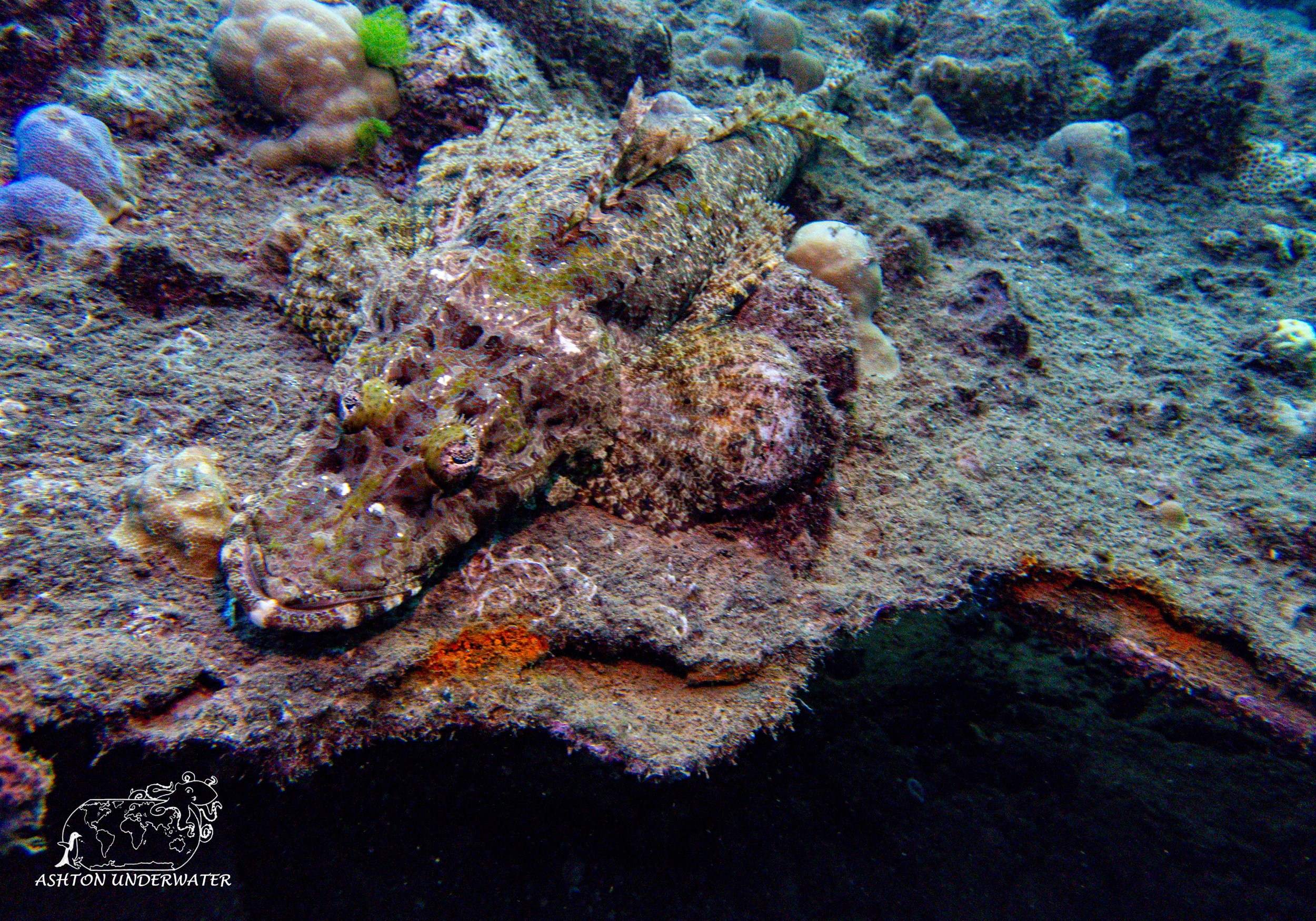
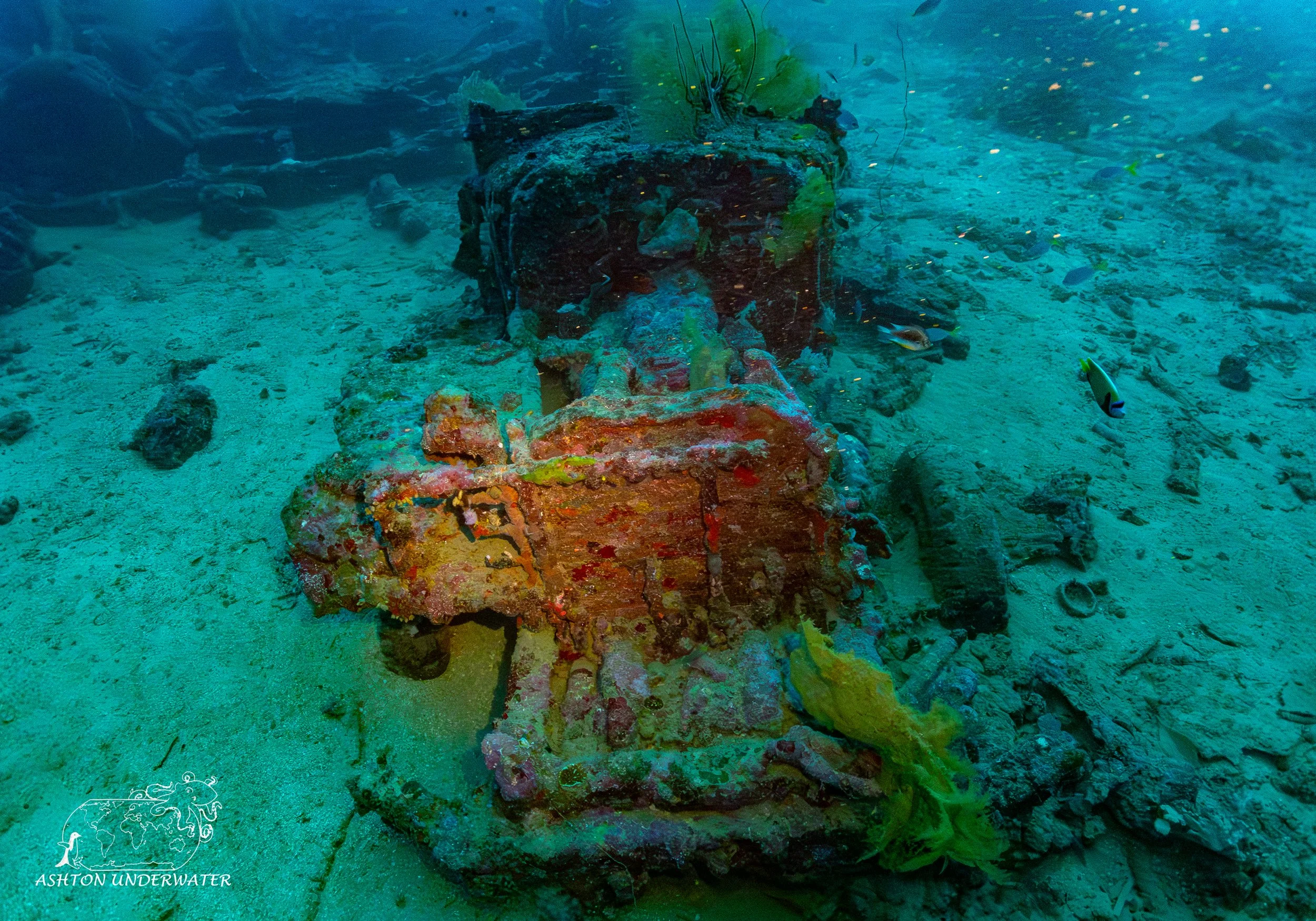
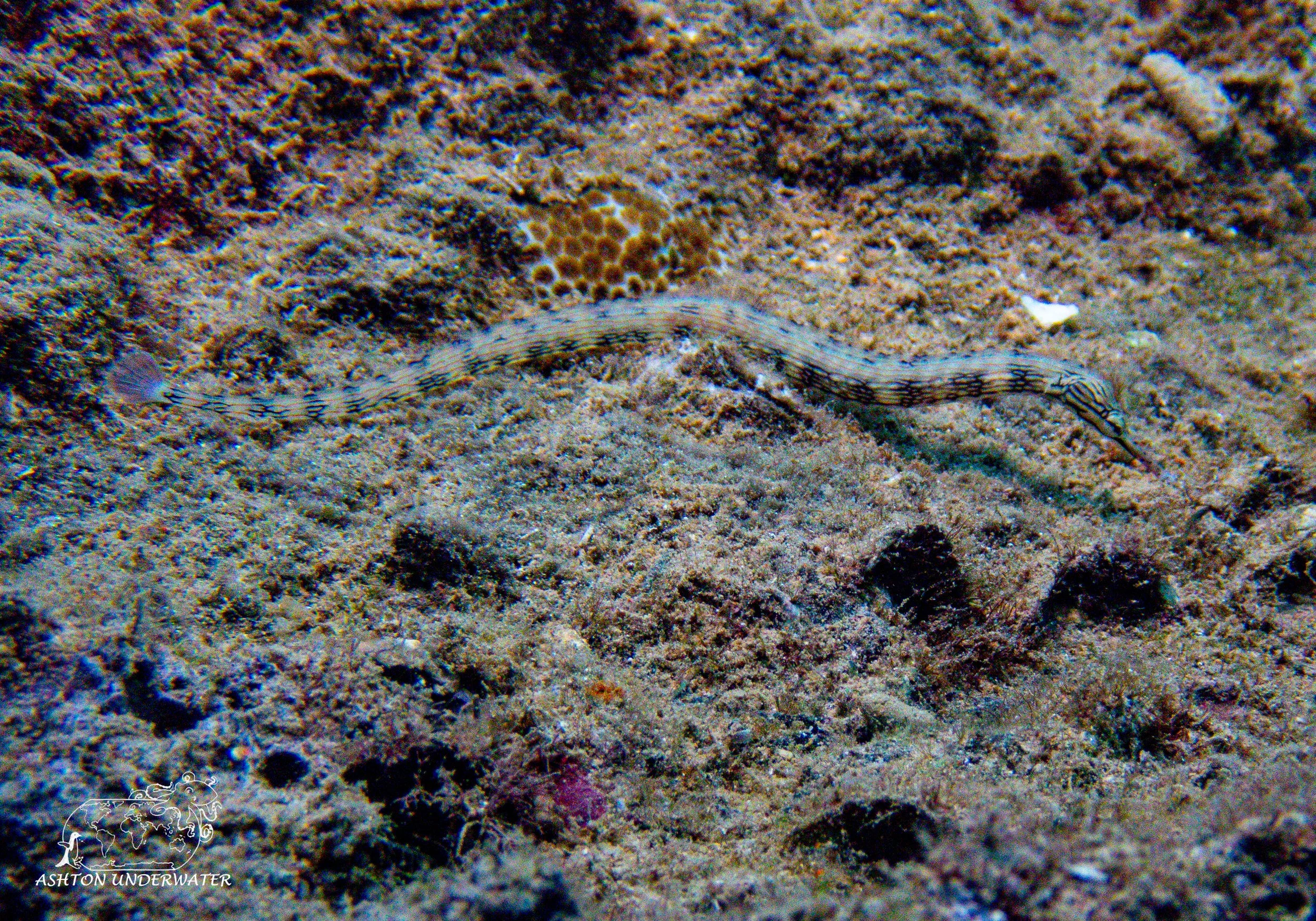
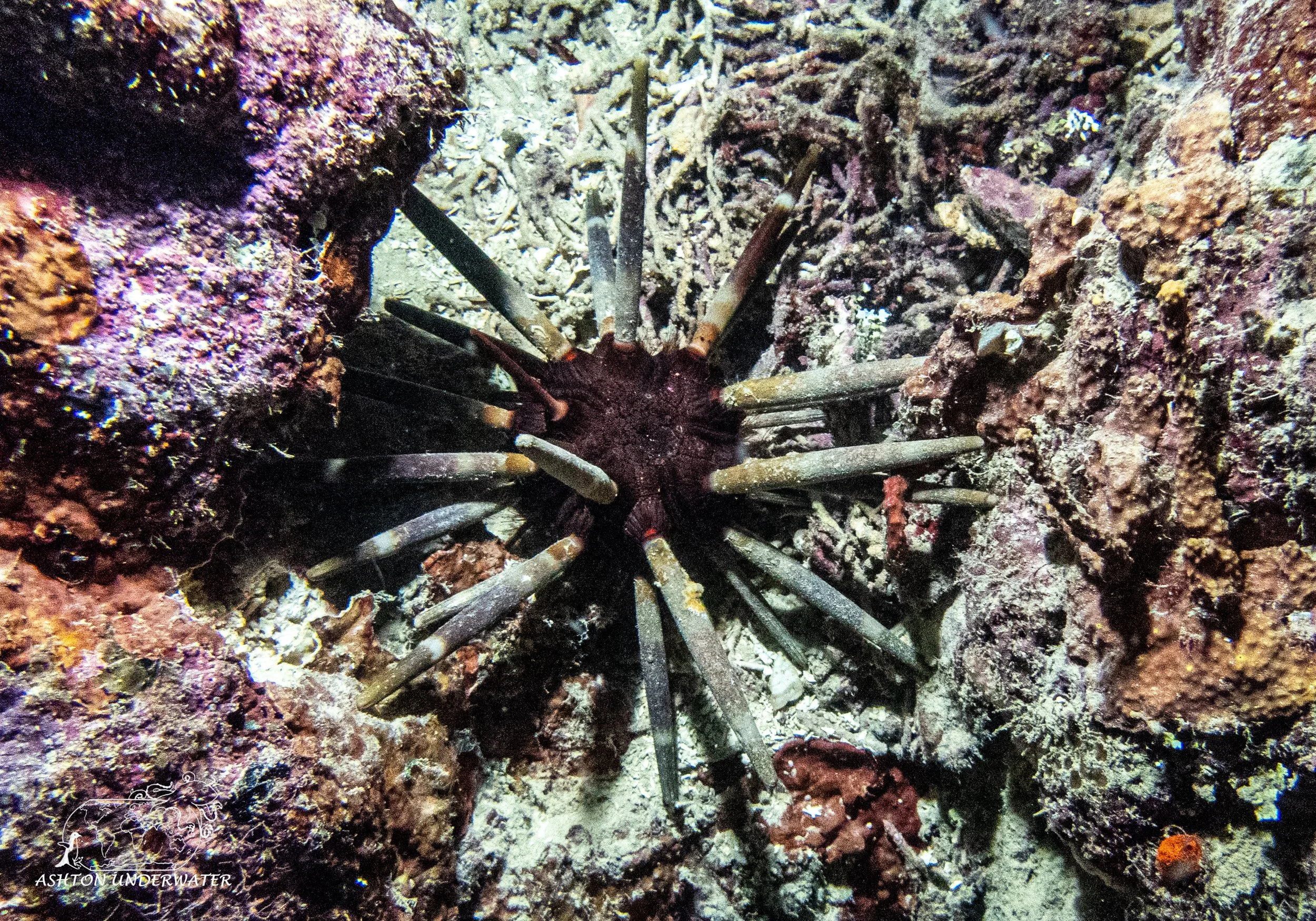
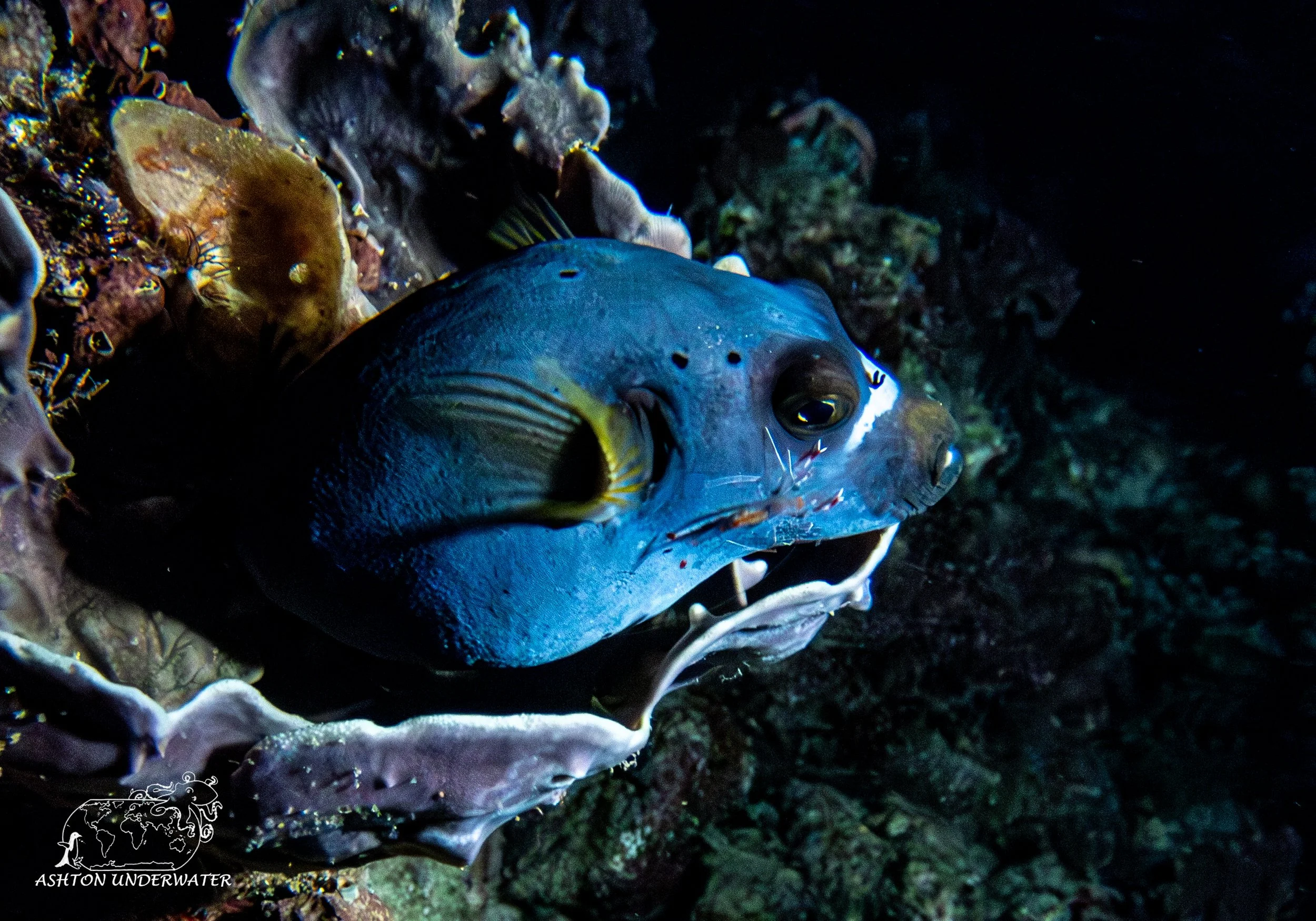
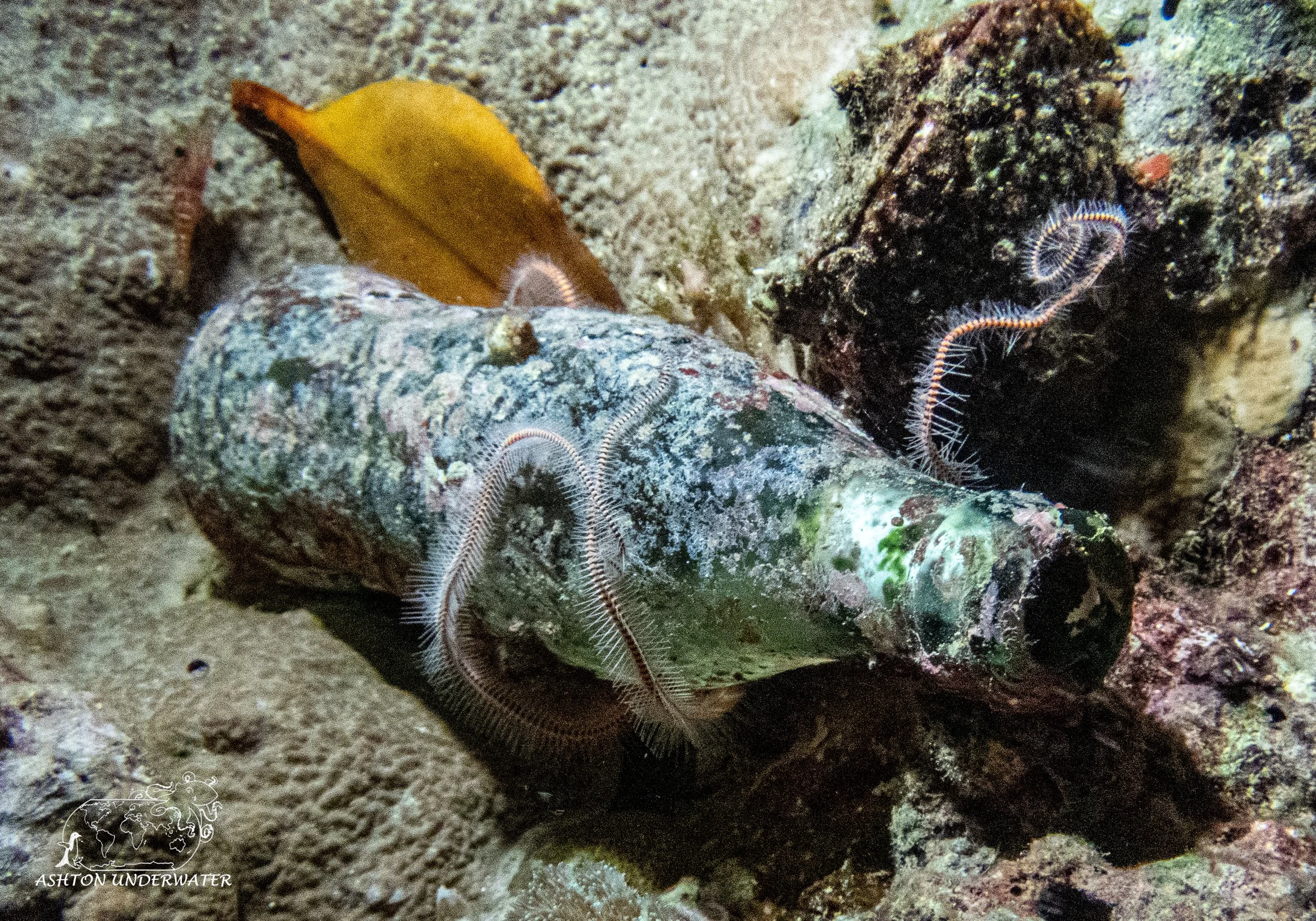
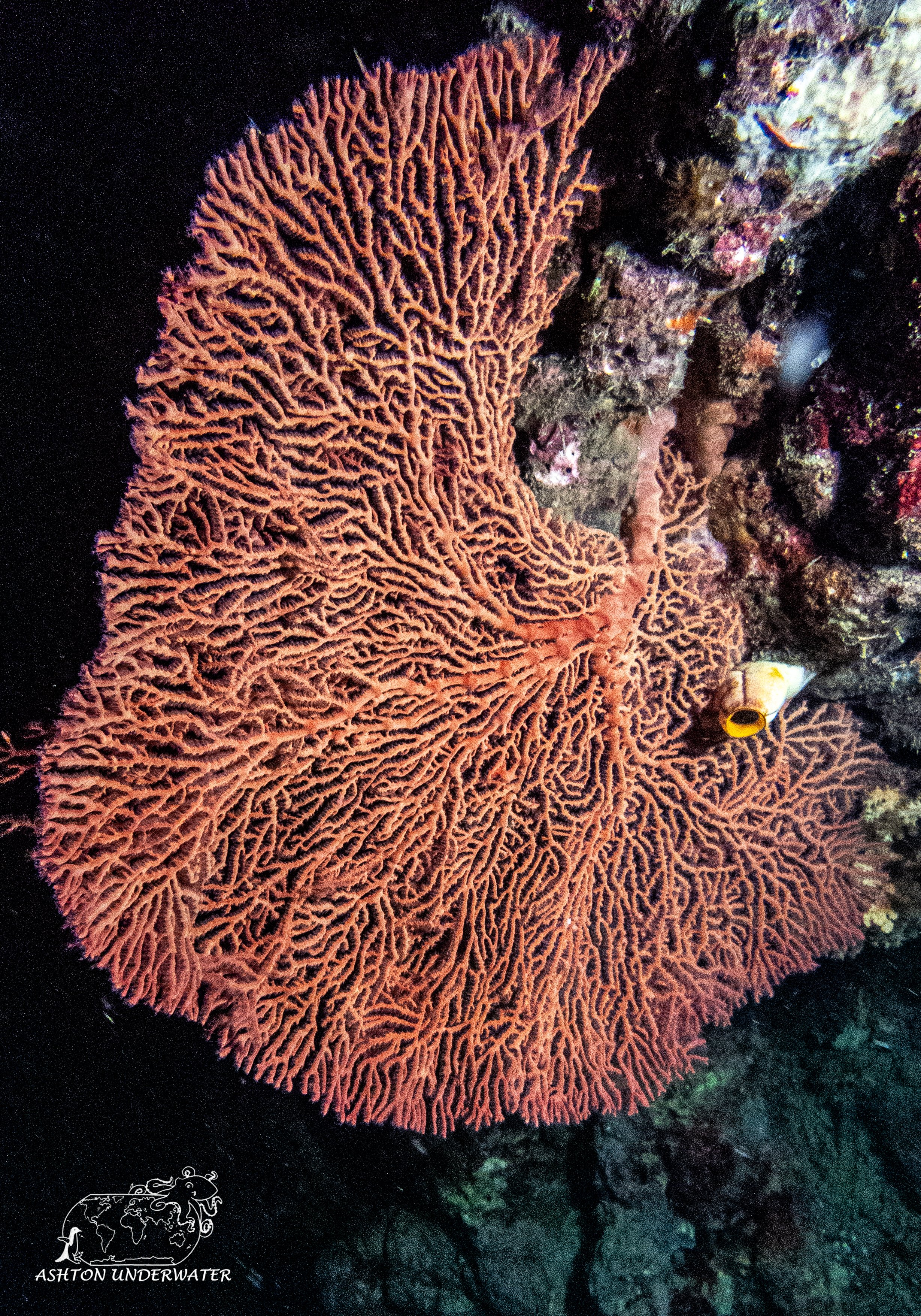
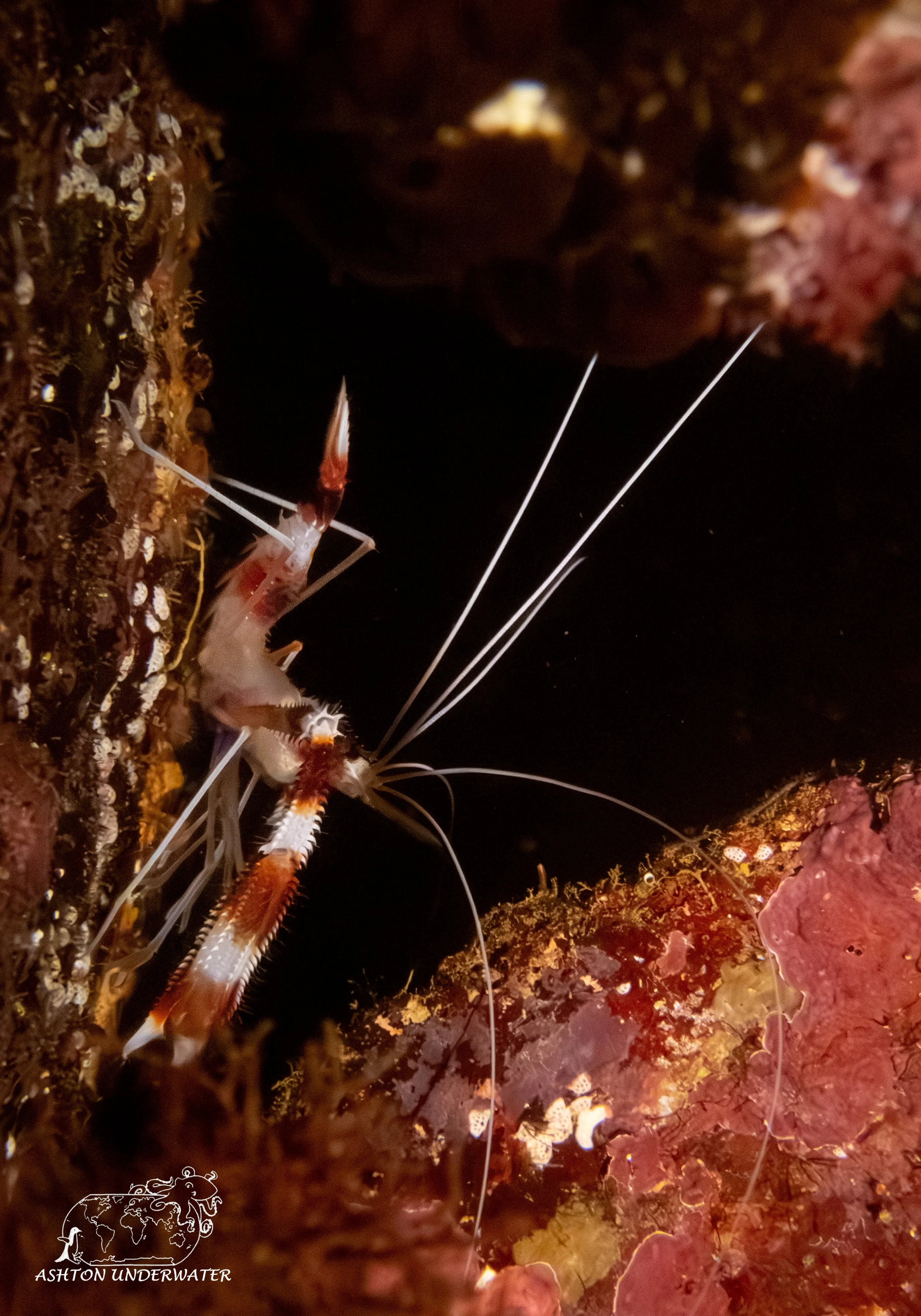
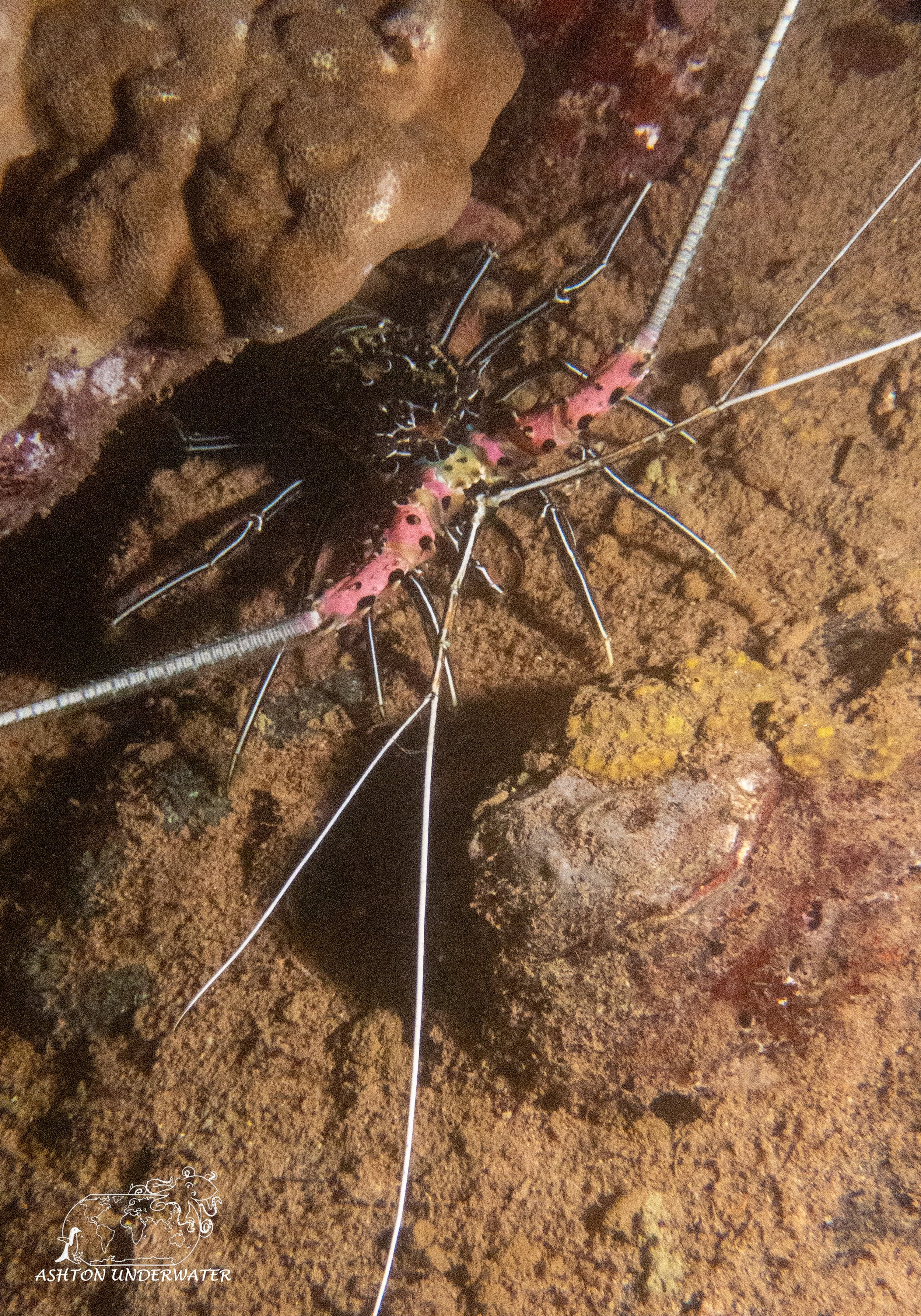
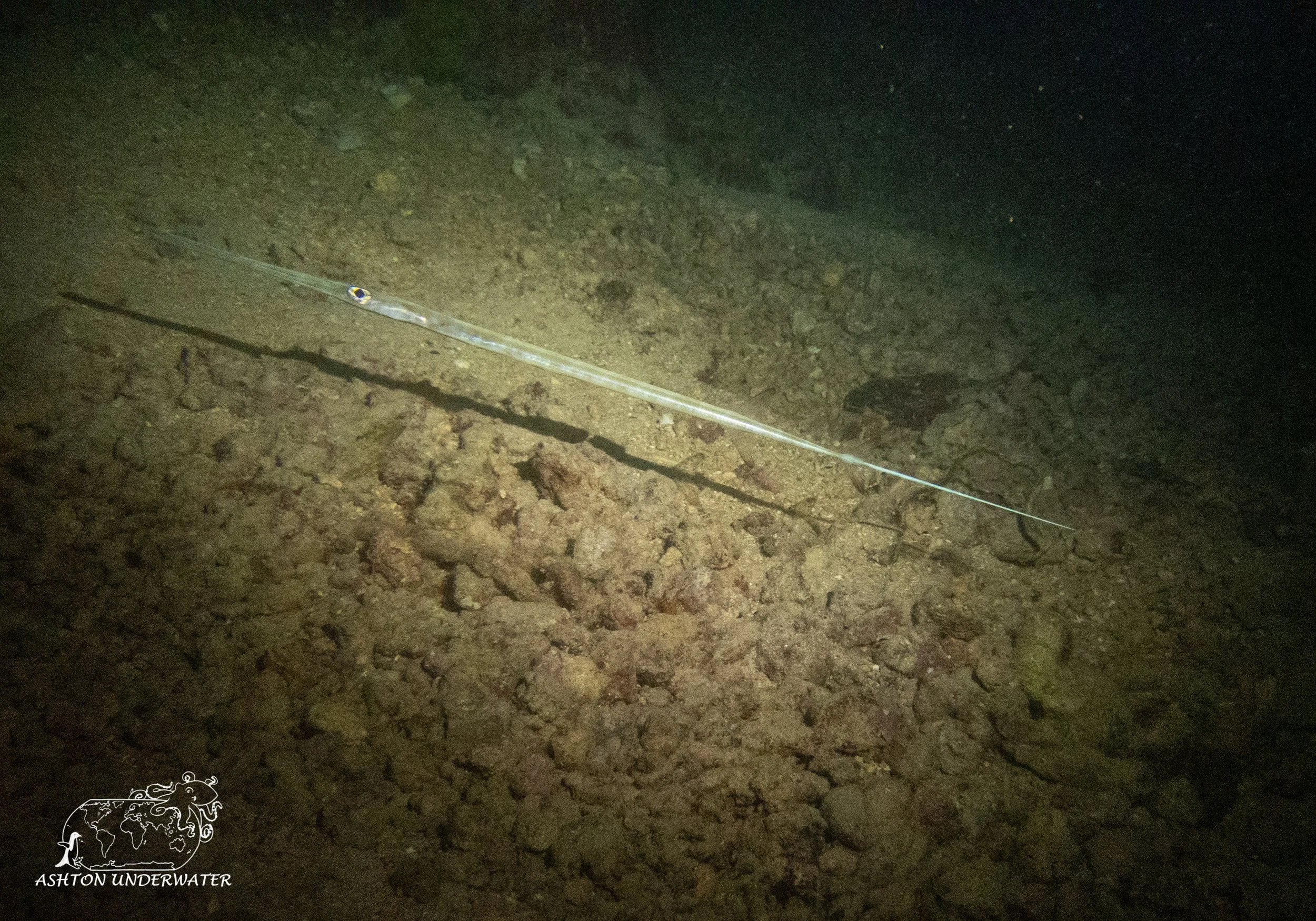
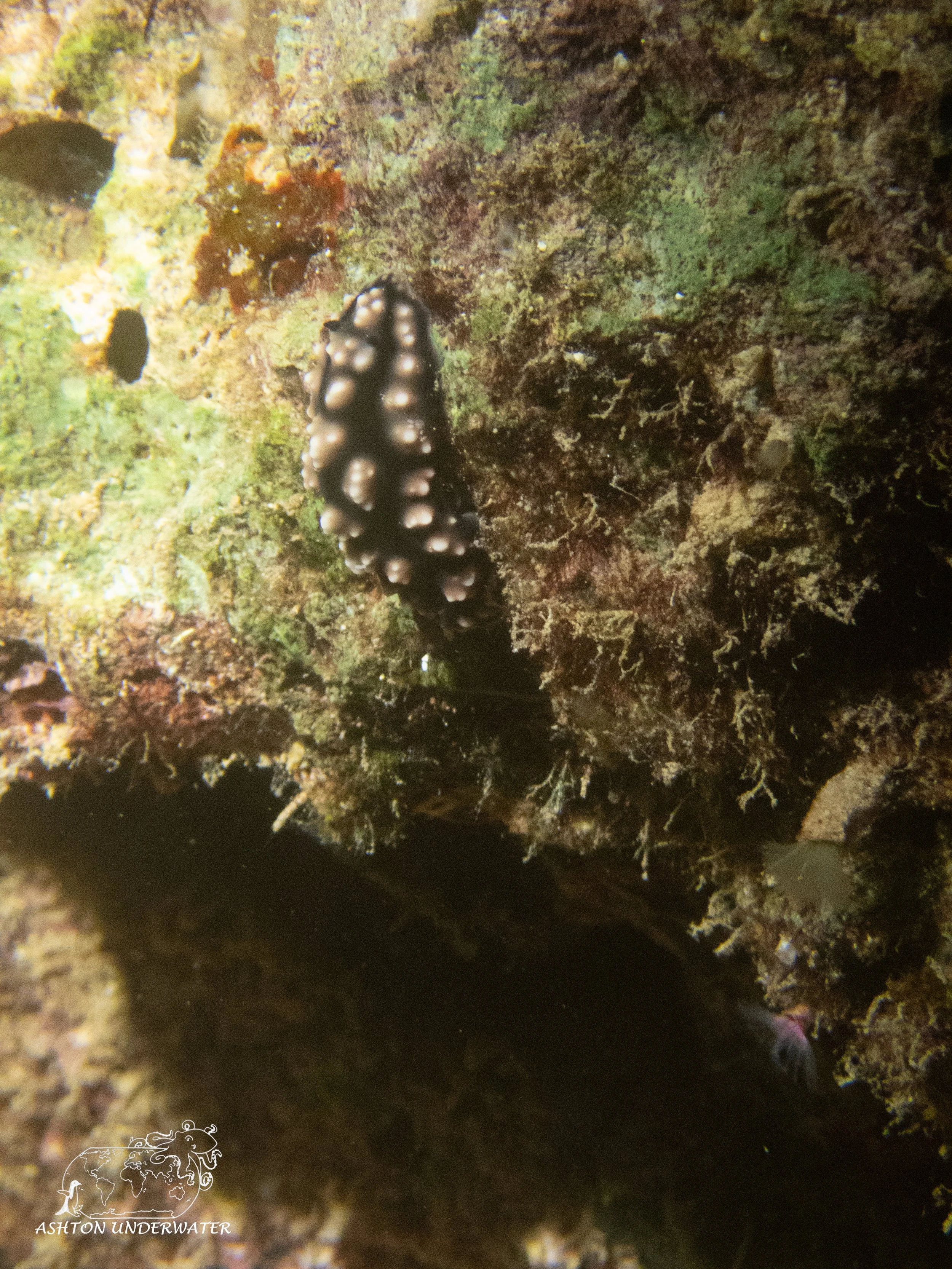
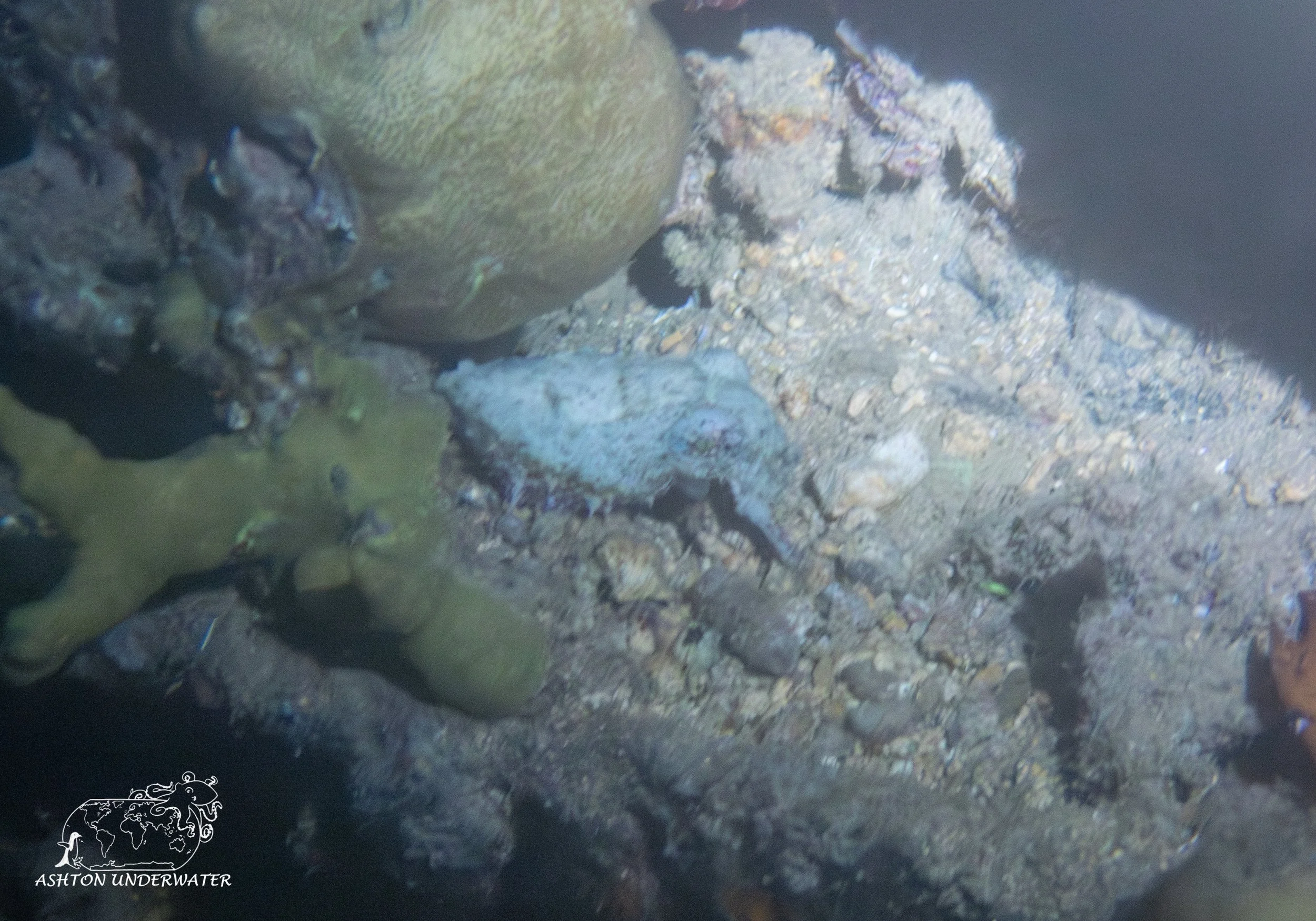
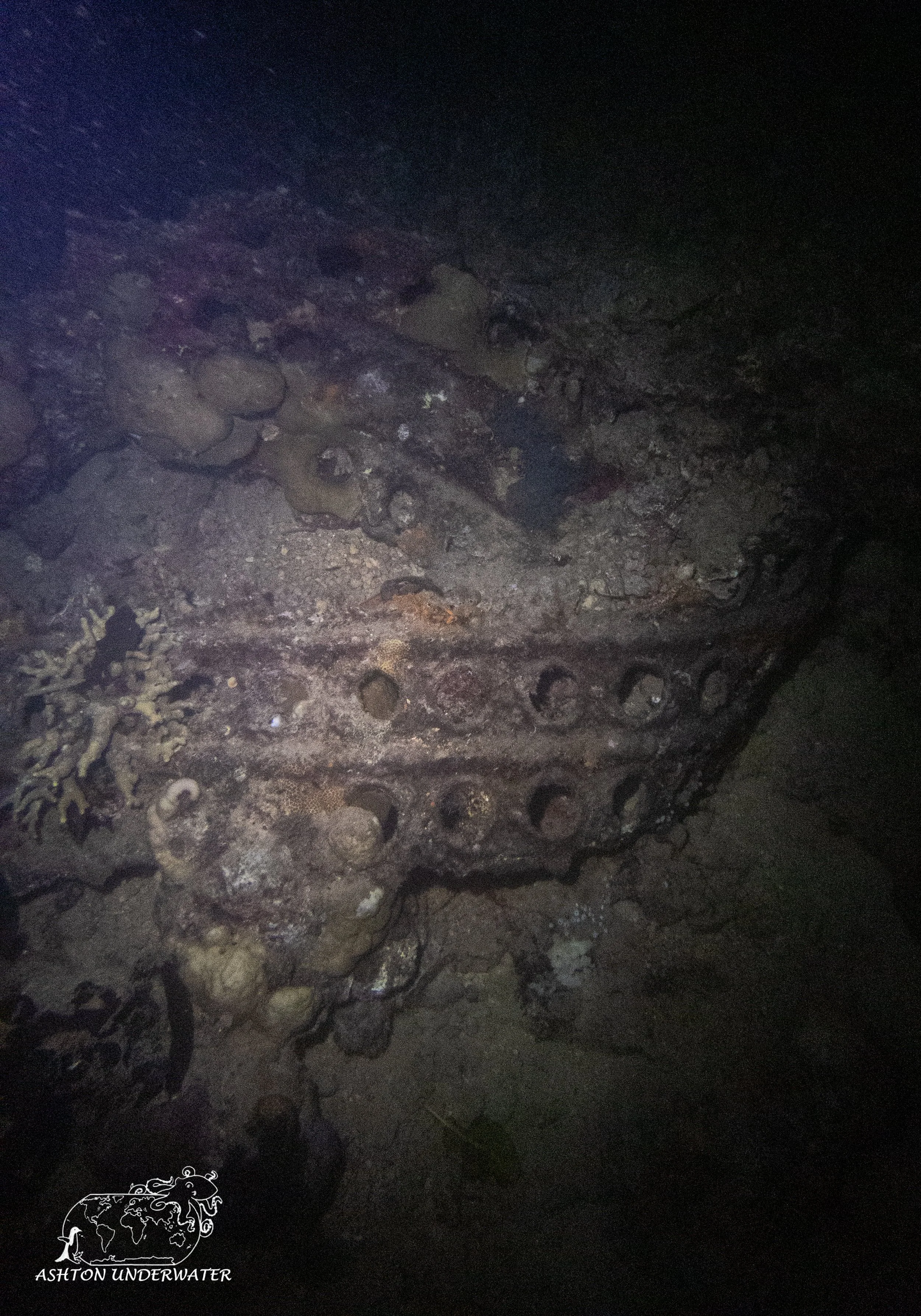
The best chance for blue ring octopus. The site was seen in the TV Series The Pacific. US troops leveled it all for ports and the harbor was used for fighting. Once US troops pulled out of the Solomon Islands they bulldozed and dumped everything remaining in the water. Bottles of coke are common because “Anywhere you can find US soldiers, you can get a cold bottle of Cola”. At the deepest part is a jeep and some unexploded ordinances. Up near the shallows, pipefish and archer fish live within the mangrove roots. In the rubble sailfin gobies can be found, and at night cuttlefish are commonly found hiding around the corals. There is also lots of other WWII equipment such as a forklift, barges and 1940s era coke bottles.
Mirror Pond
102’ for 74 minutes
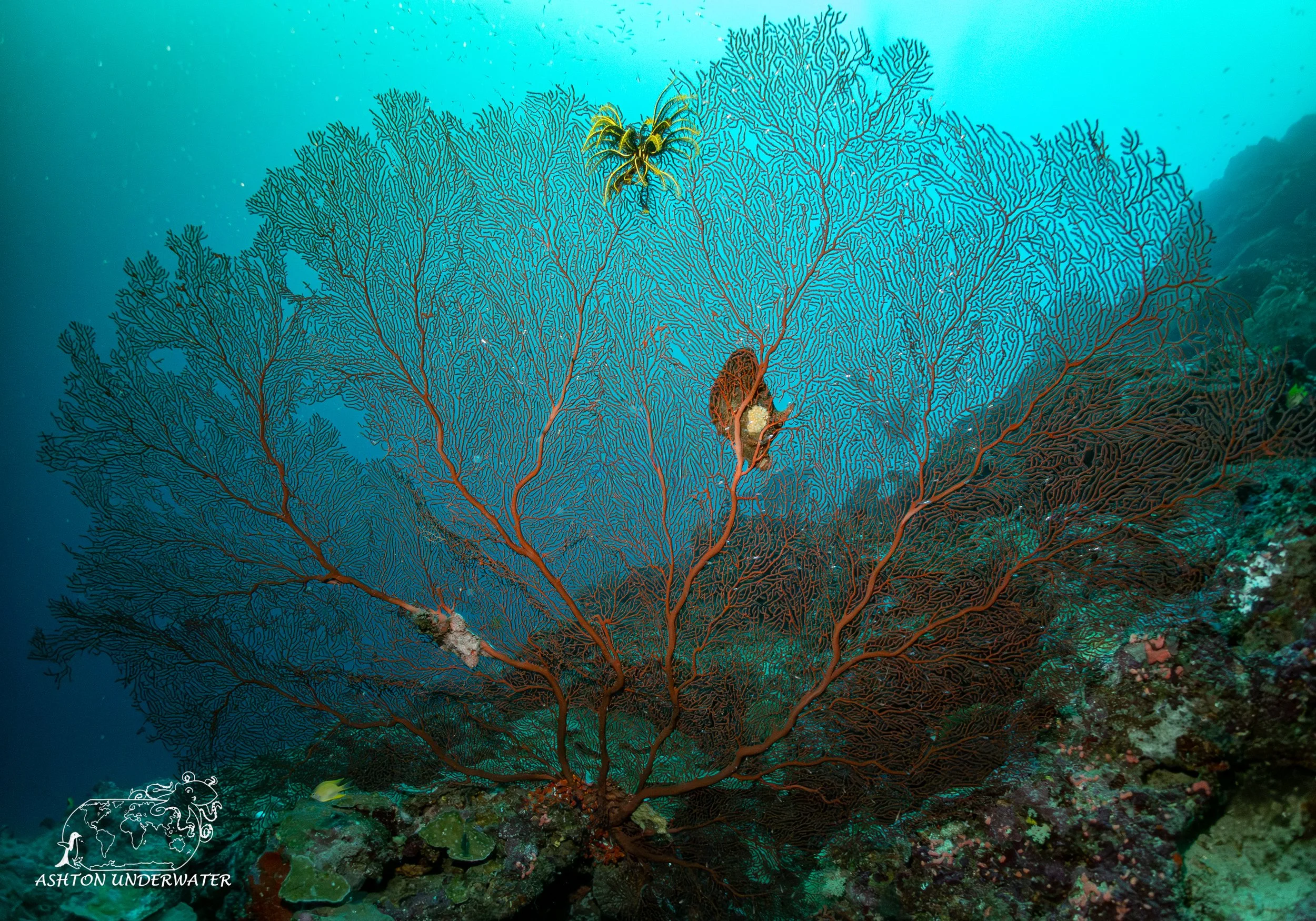
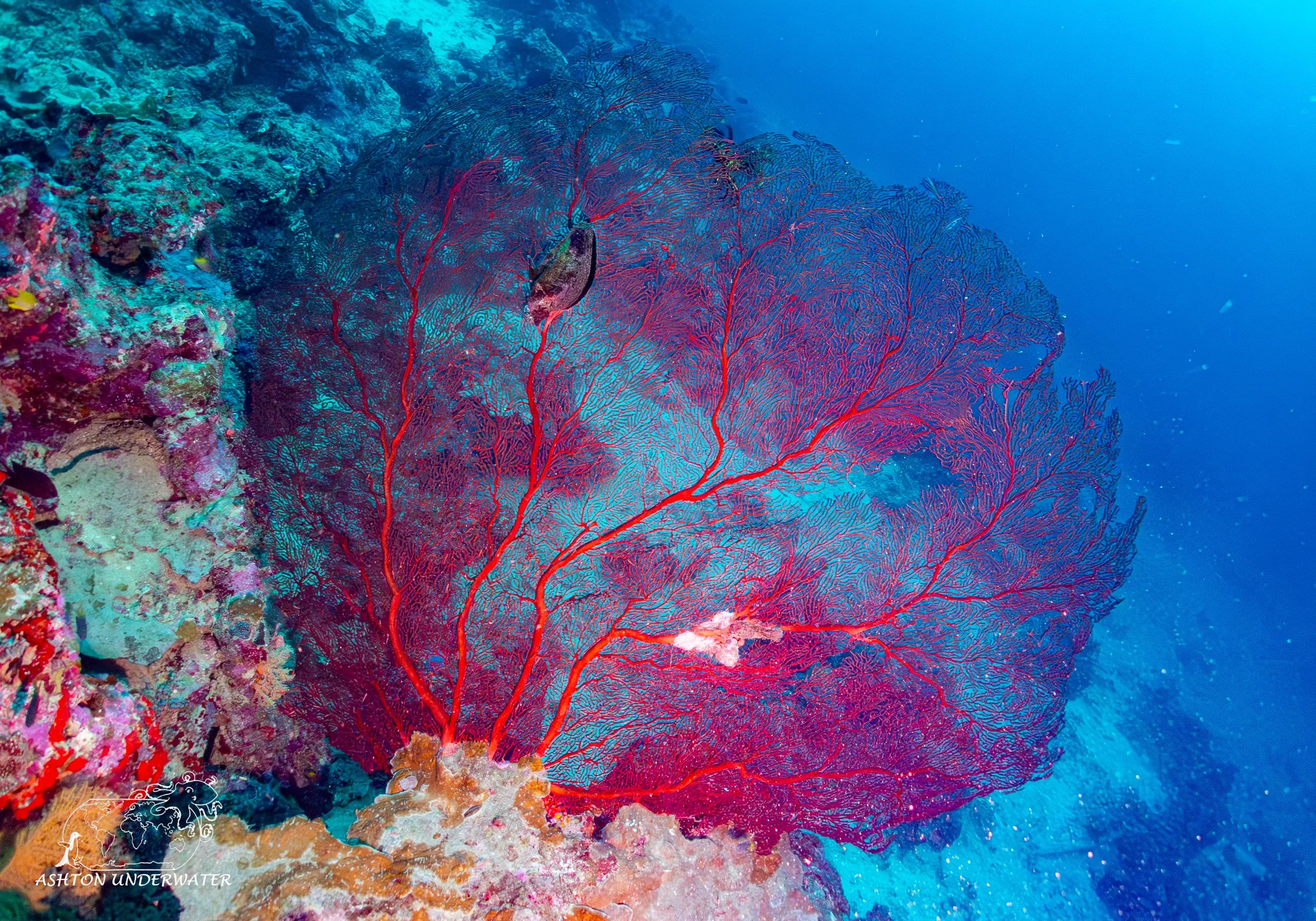
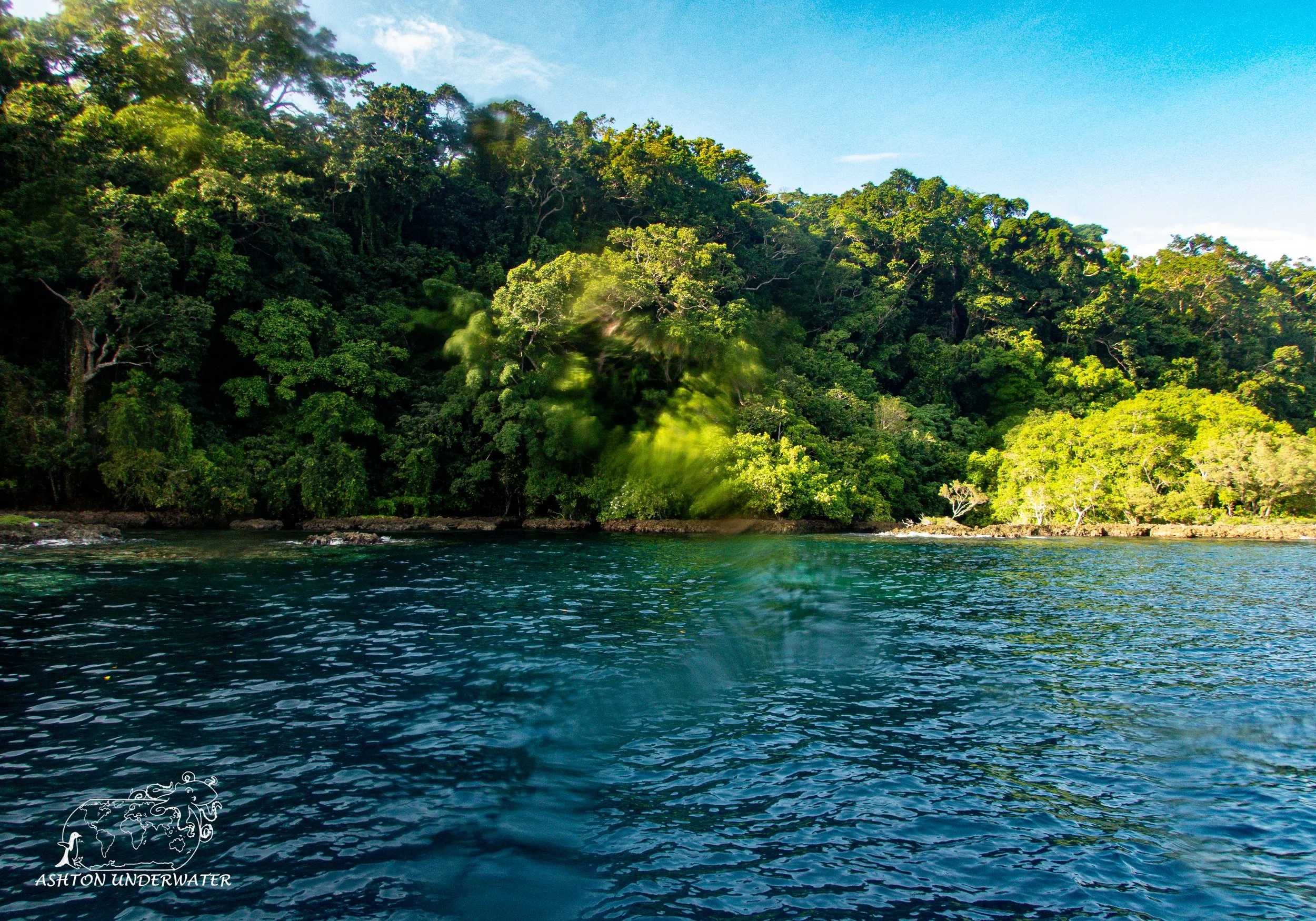
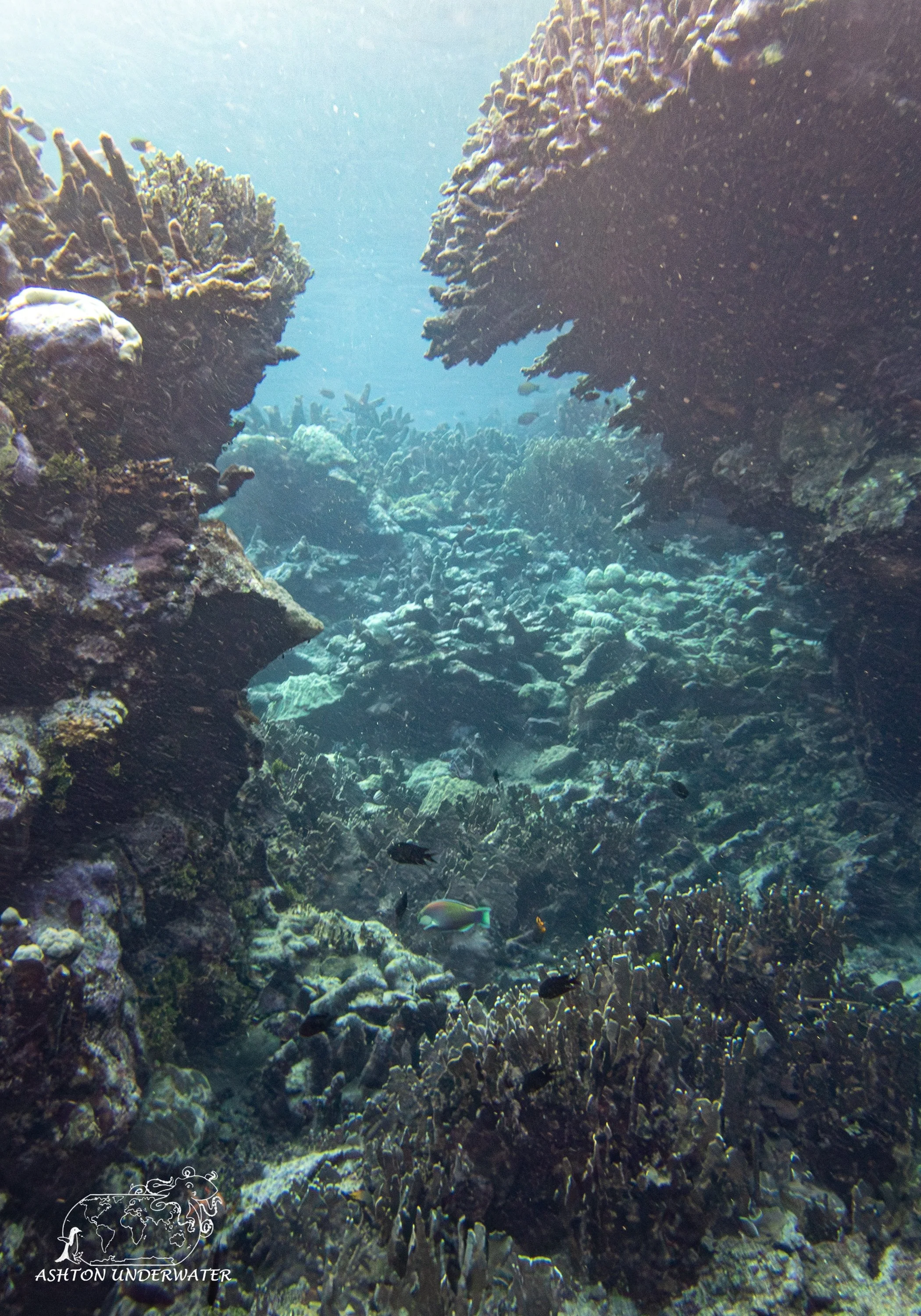
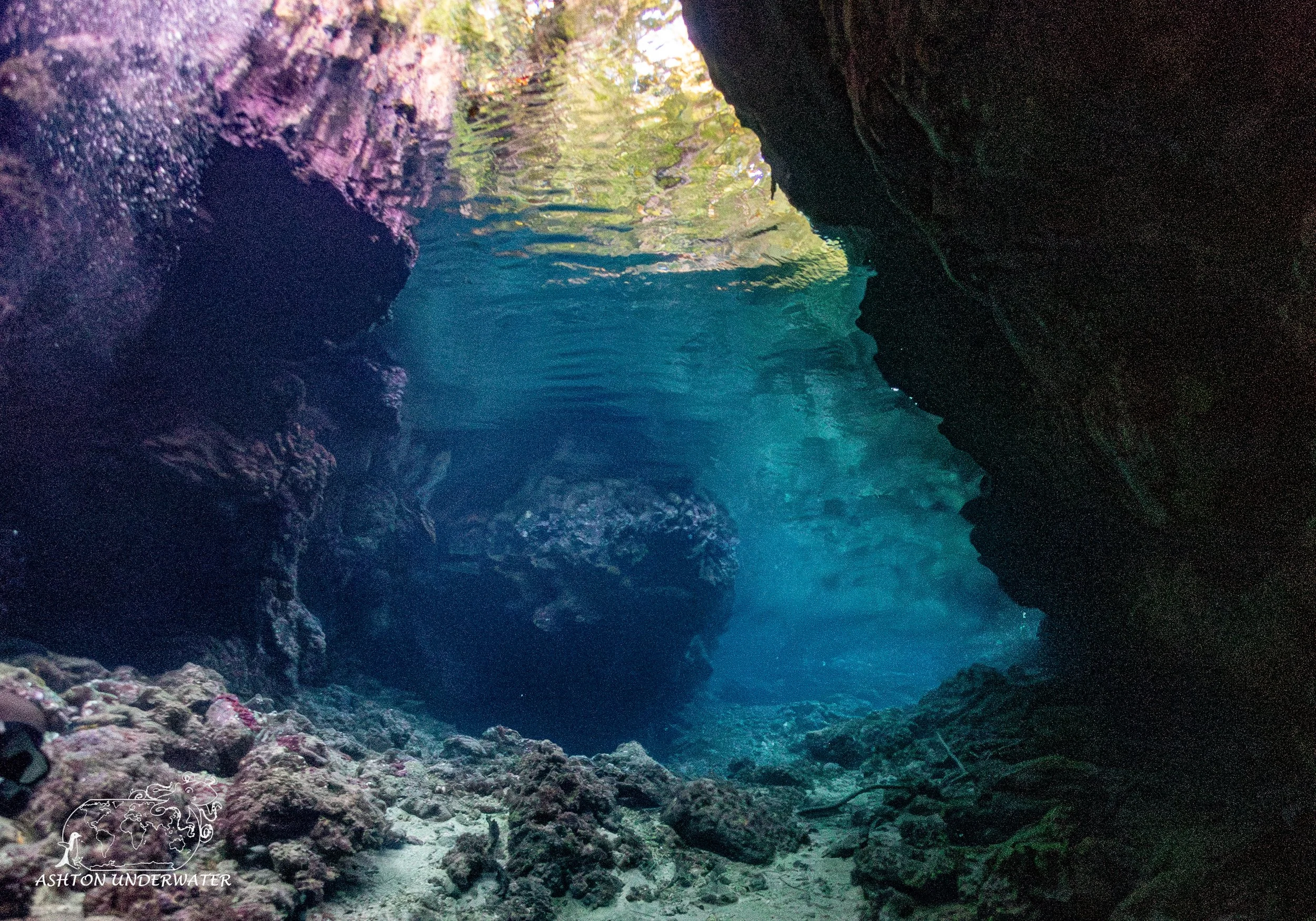
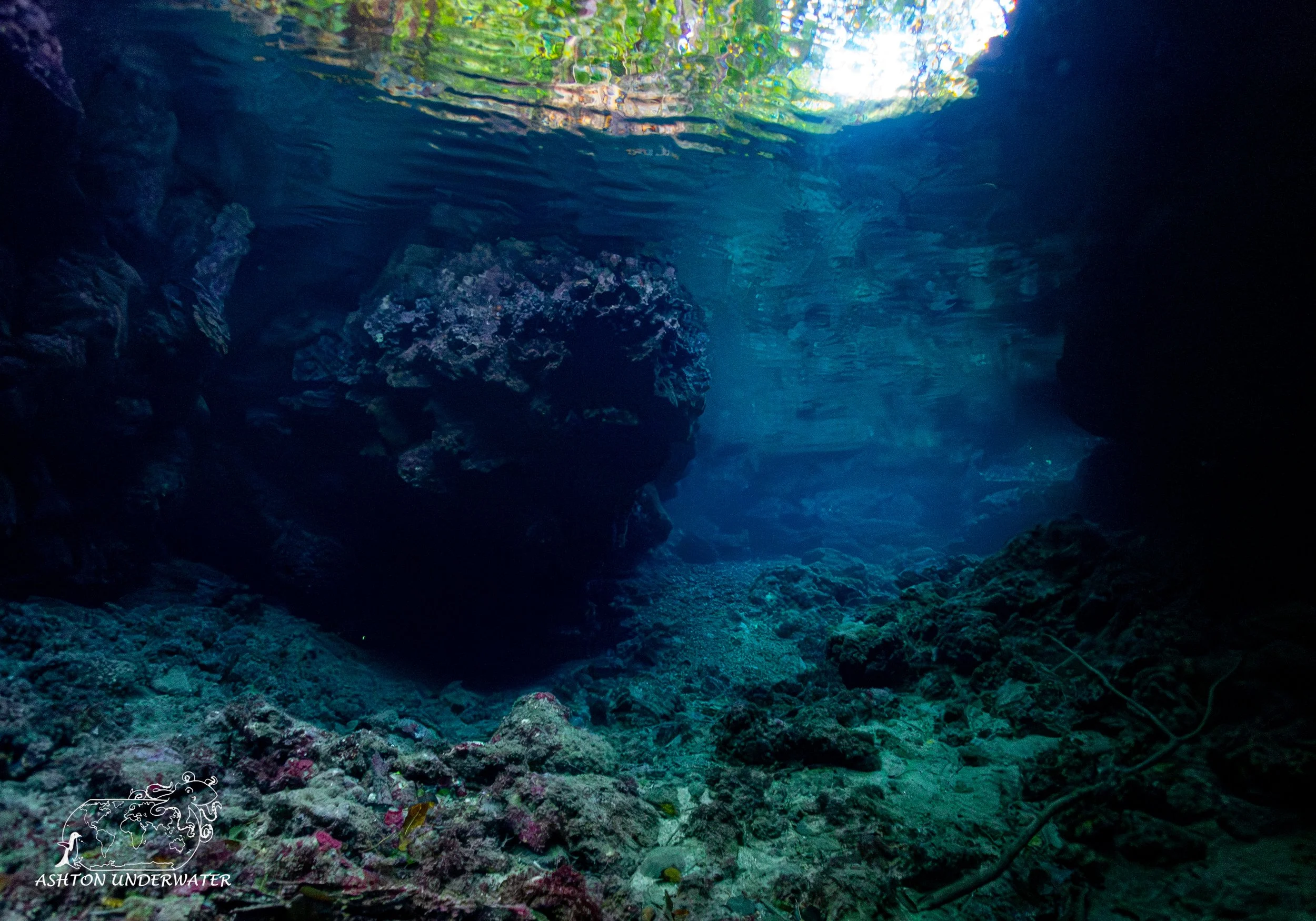
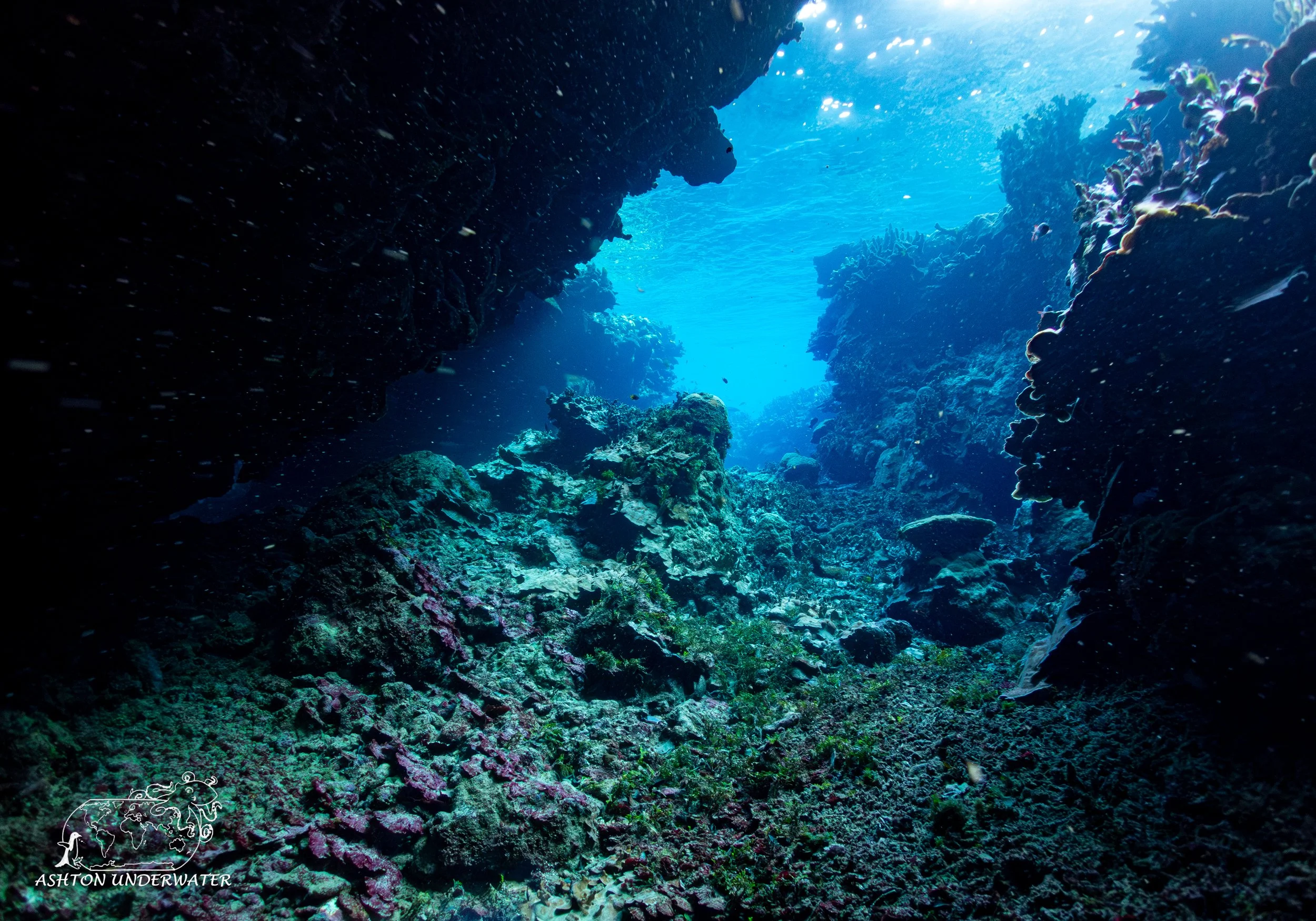
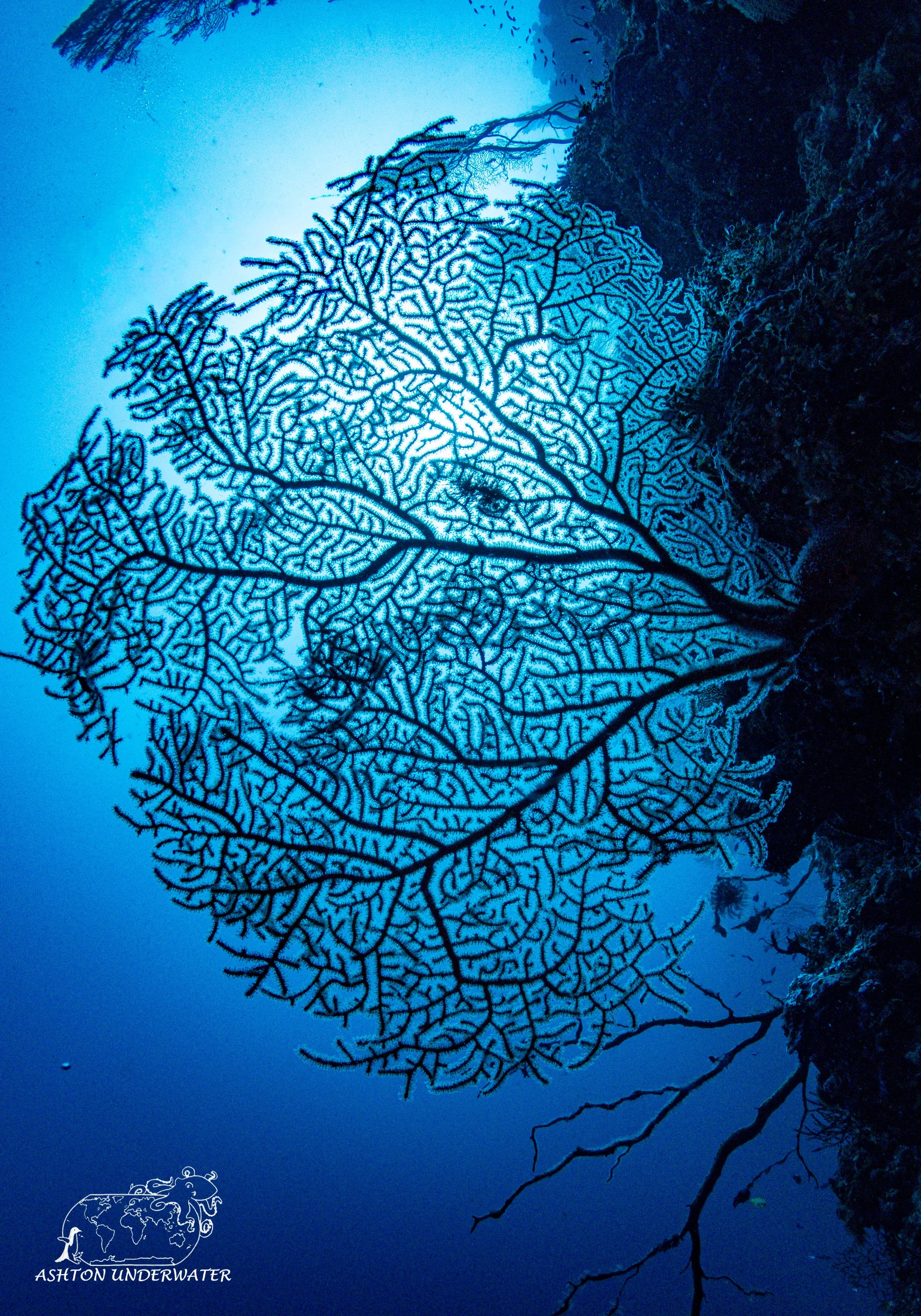
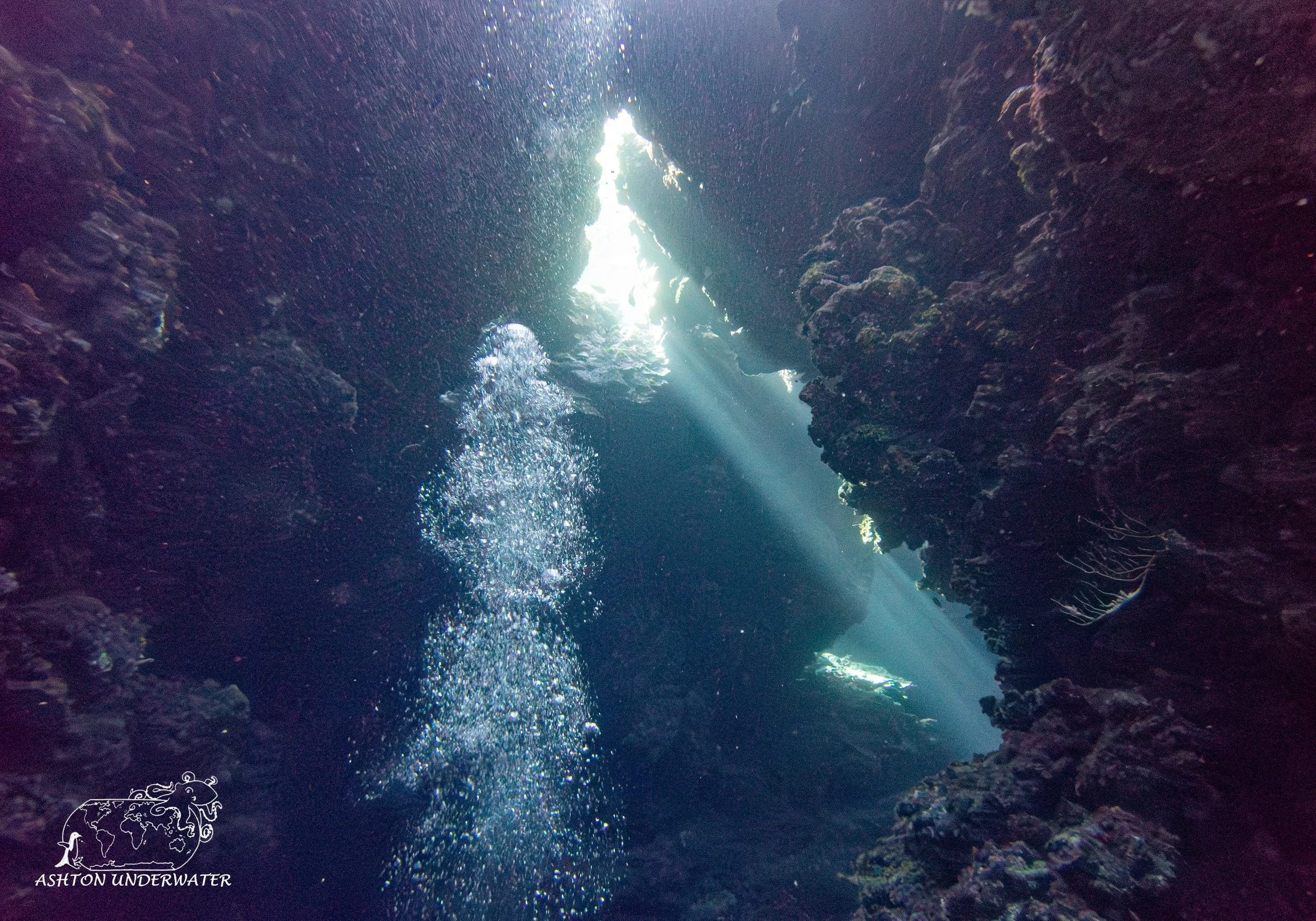
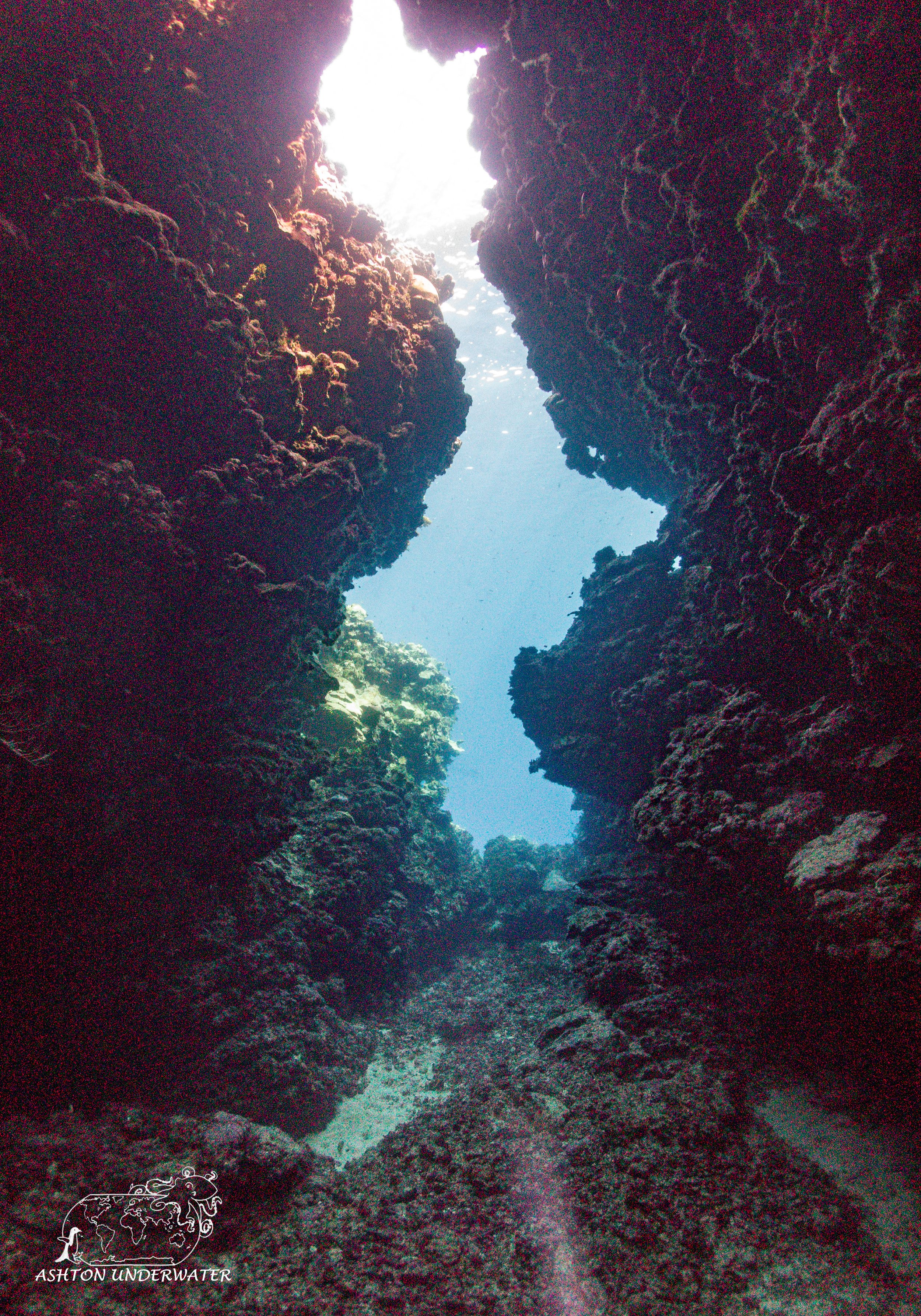
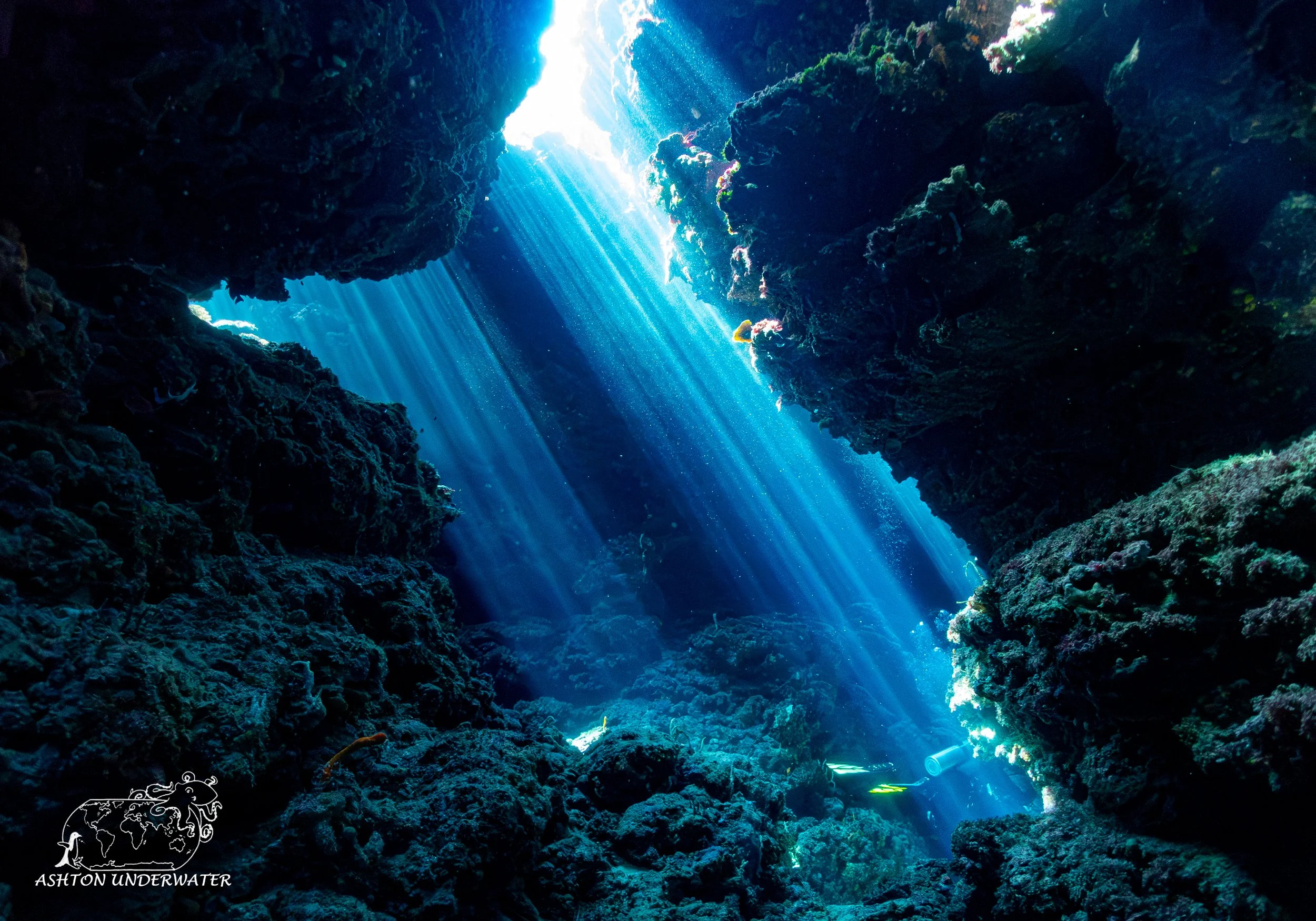
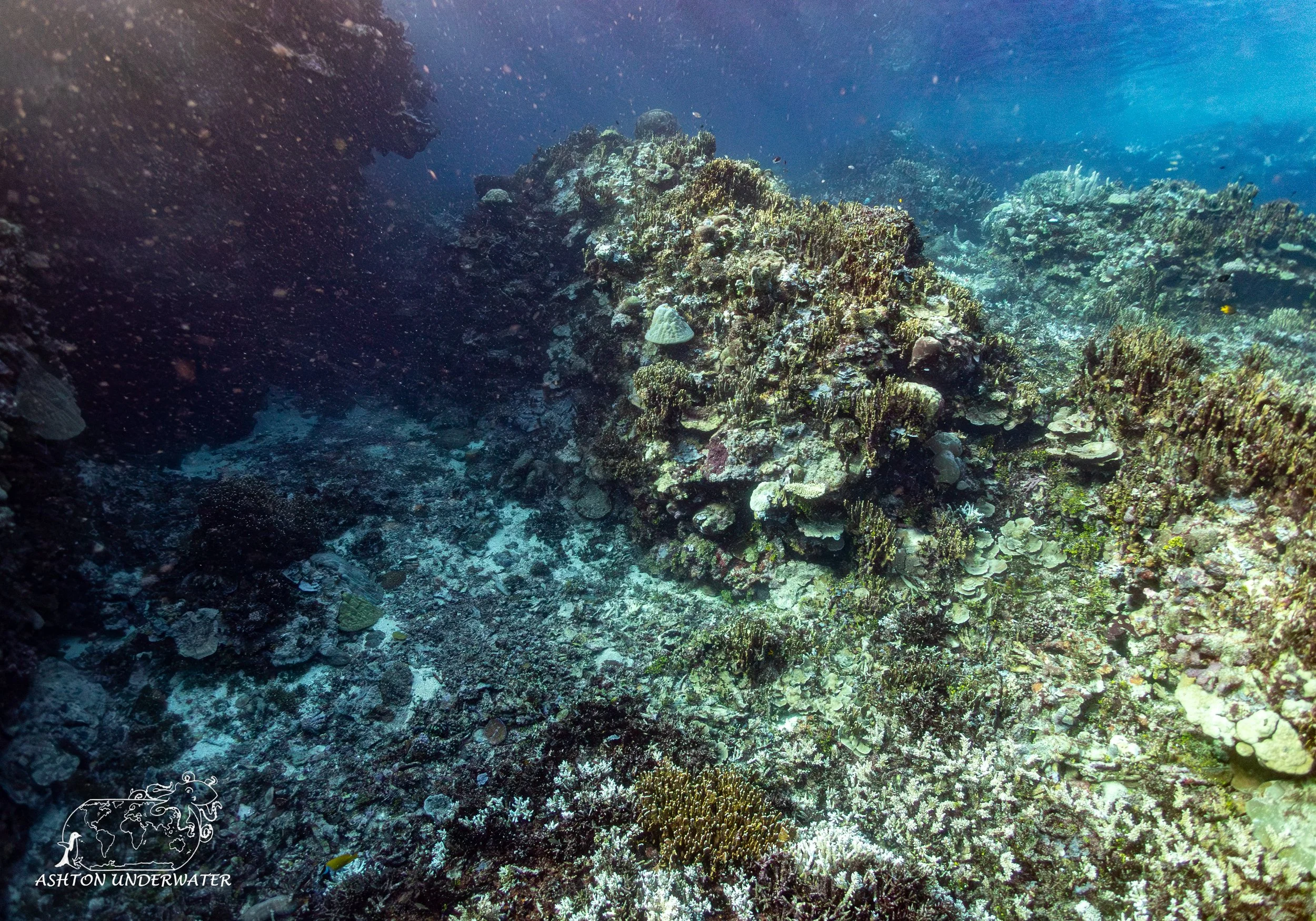
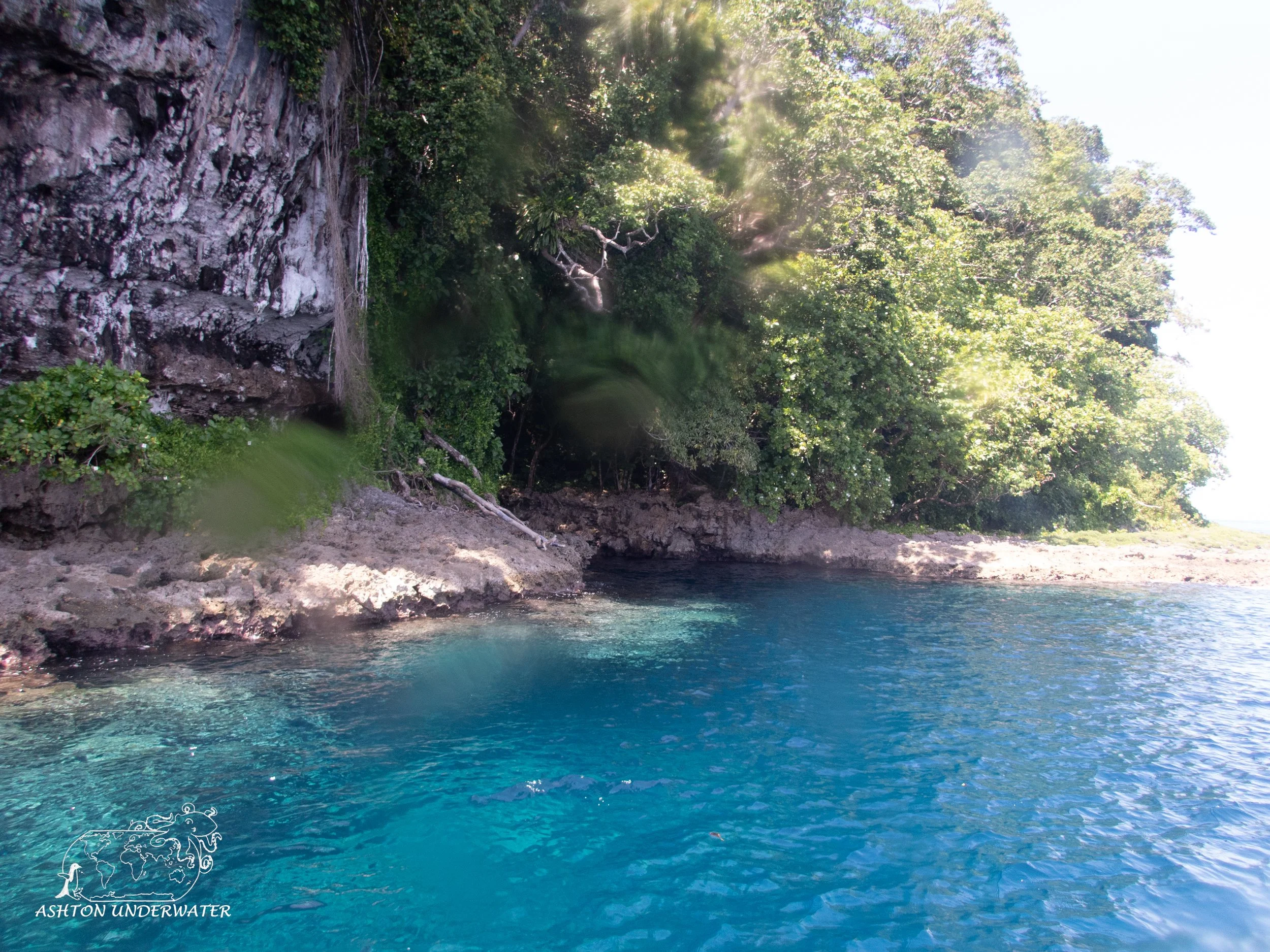
Starting by dropping into a small coral garden, it is best to stay shallow and swim towards the island. Once there follow the island and you will be led into a small clear pond in the middle of the jungle. The bottom is very fine sediment silt so it is very important to take care and not sit and fin while on the surface. After spending some time in the pond, you can follow the wall out to the left and while staying shallow can see plenty of gorgonian fans, fish and nudies.
Leru Cut
99’ for 69 minutes
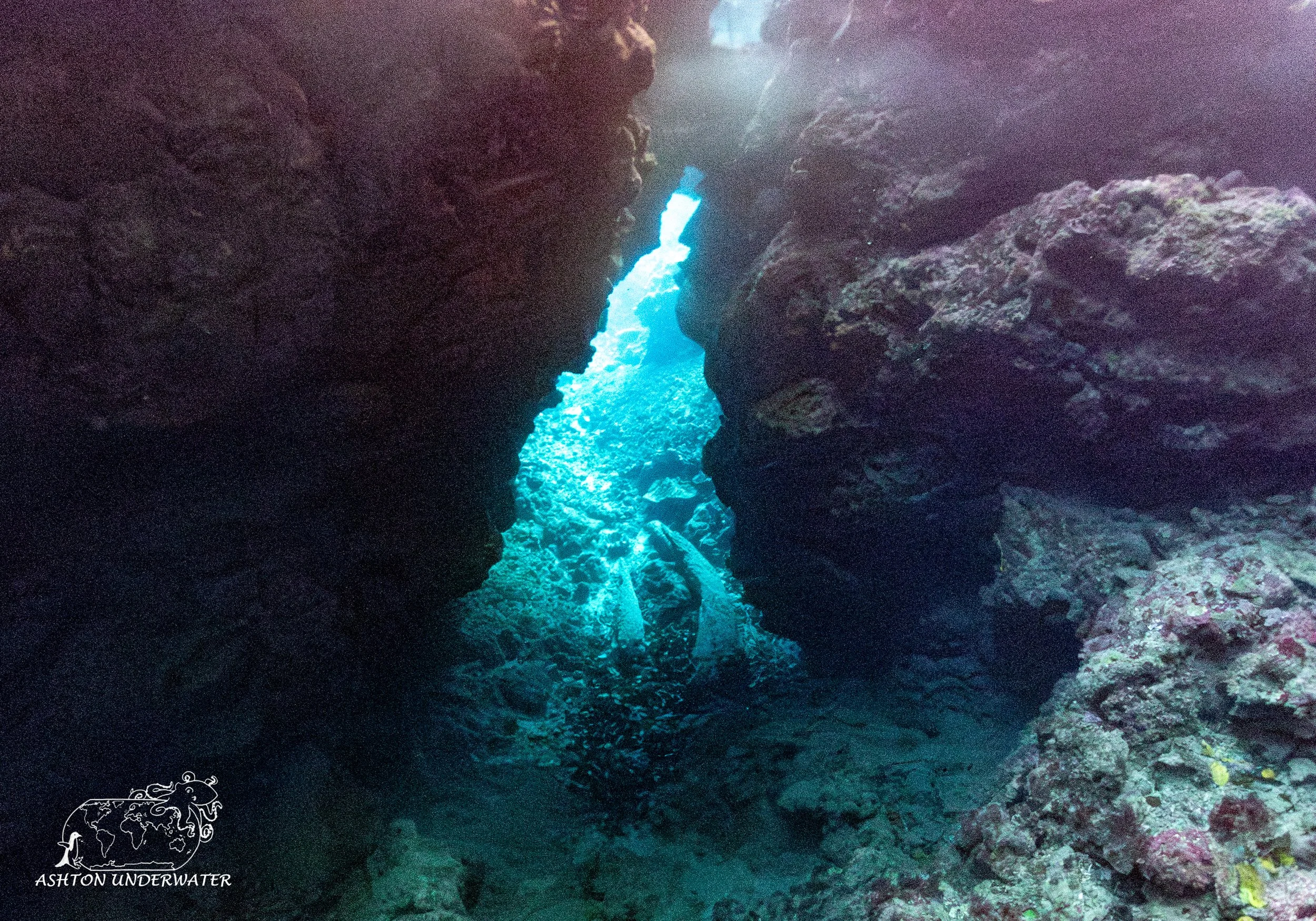
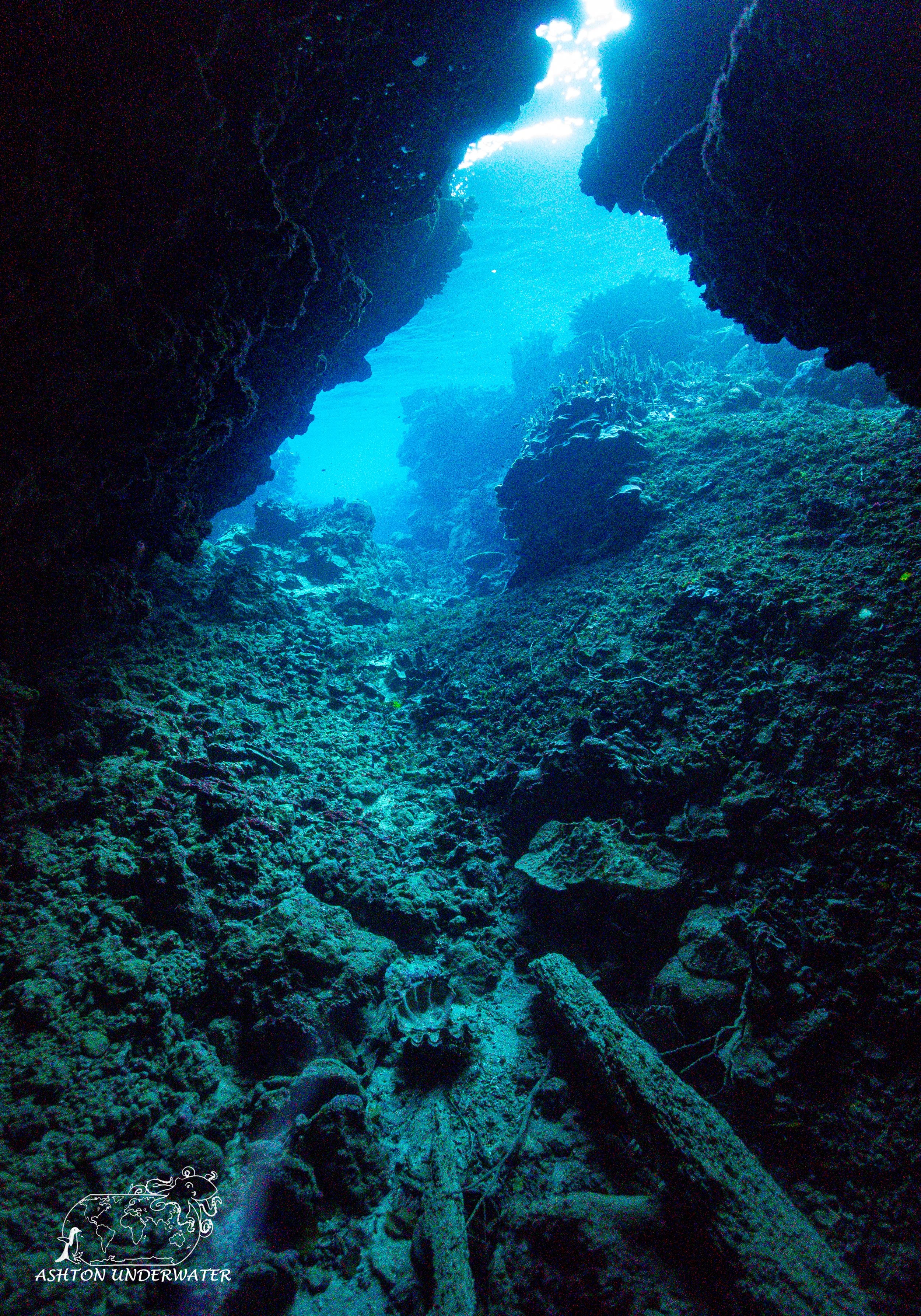
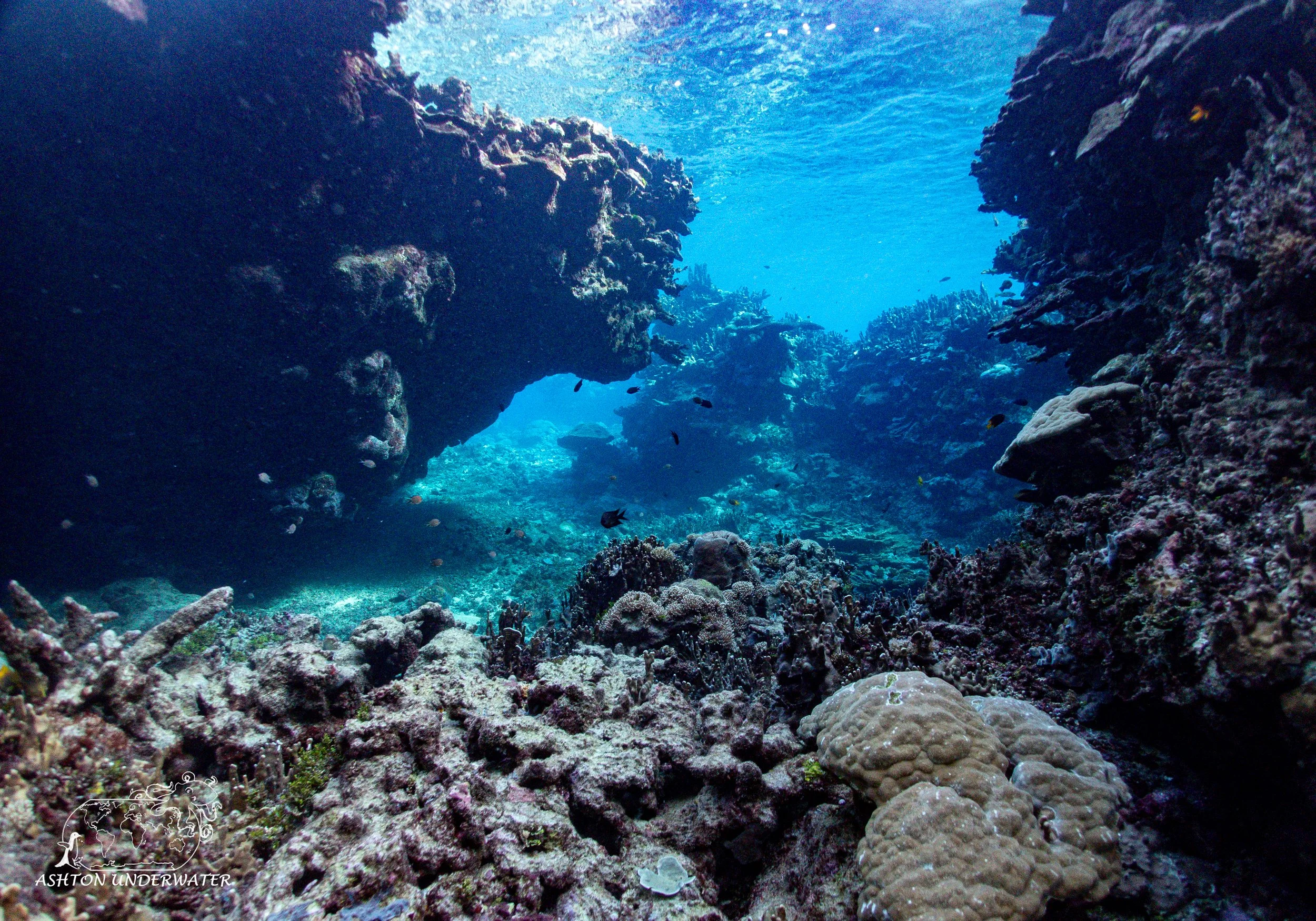
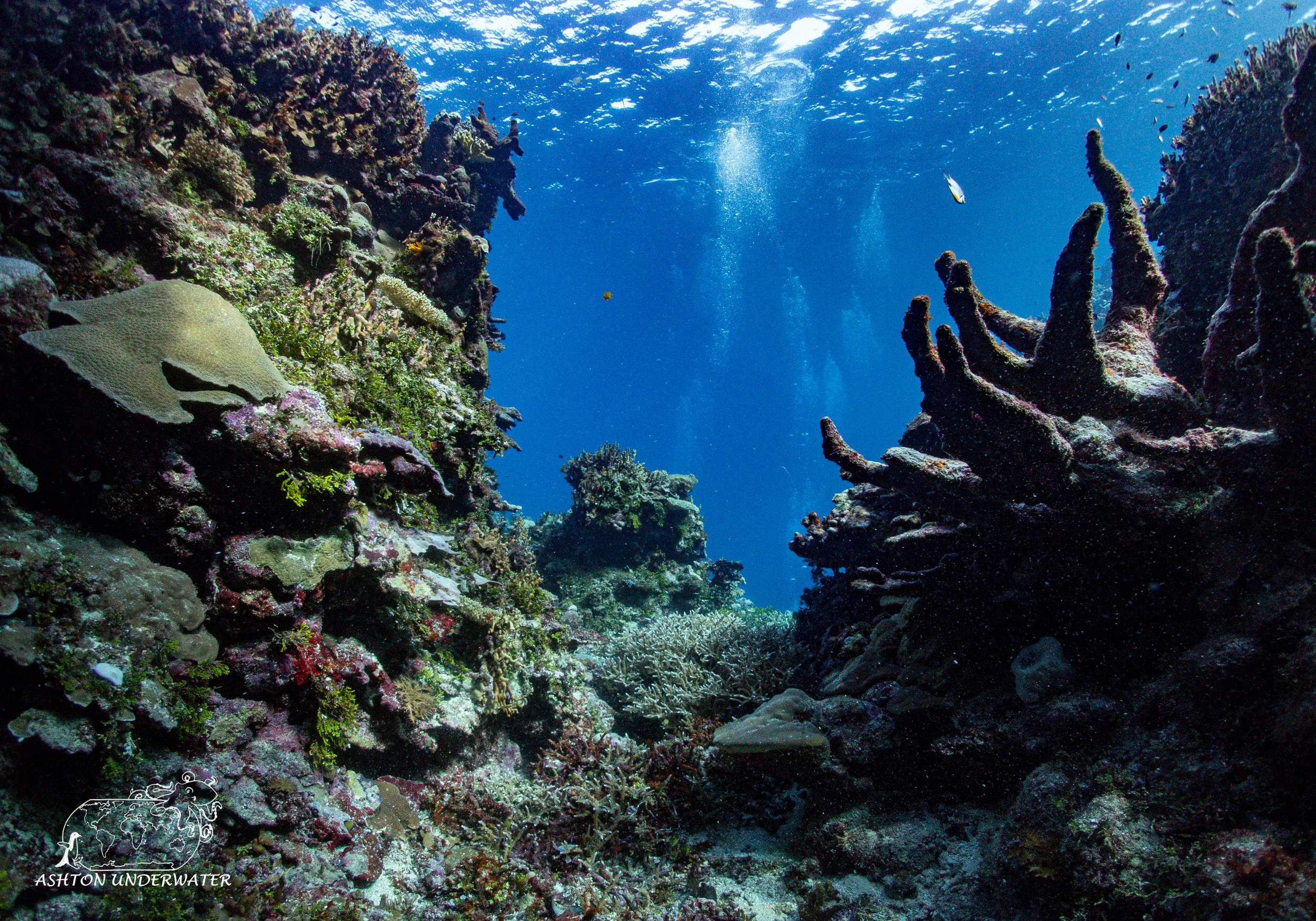
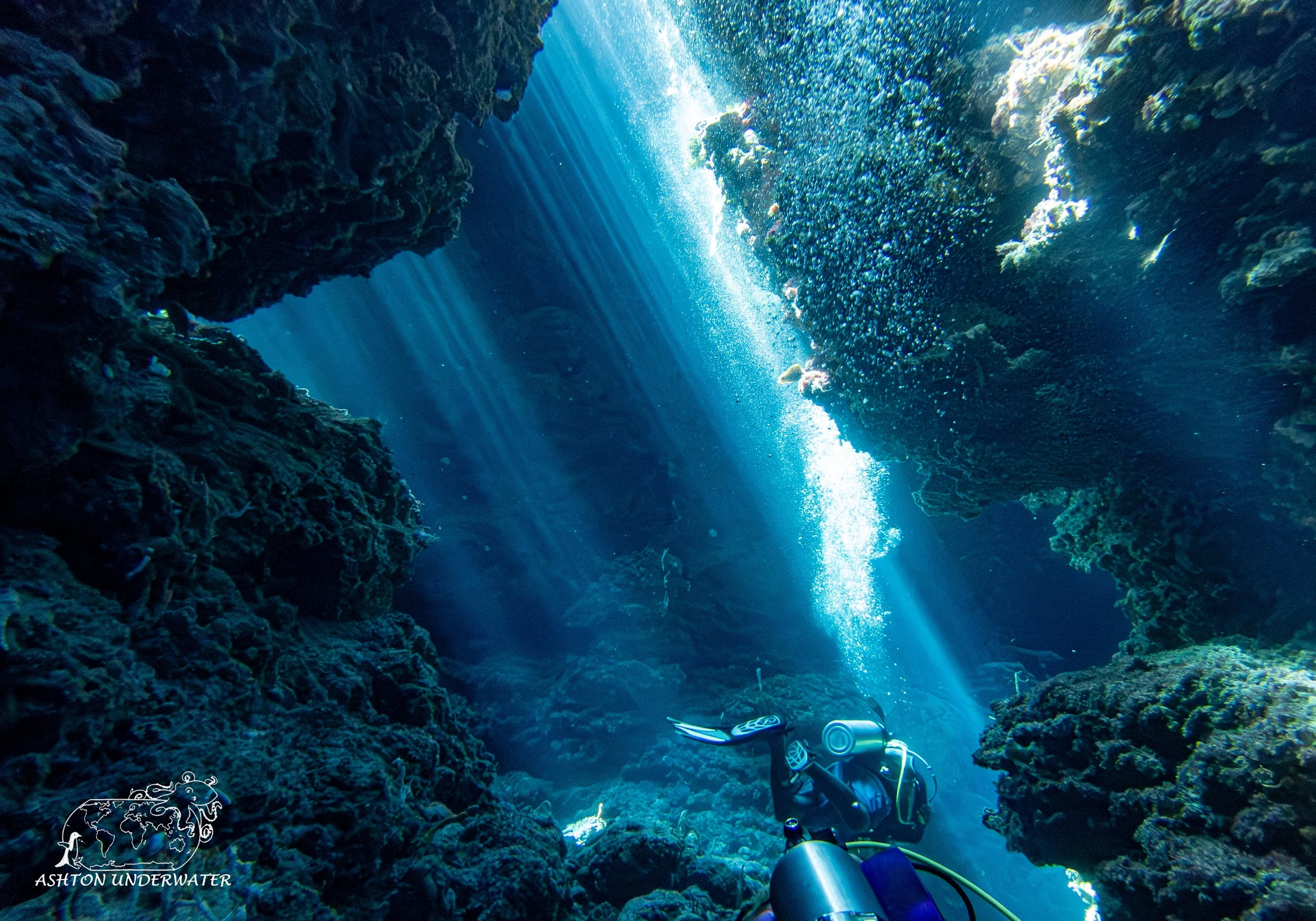
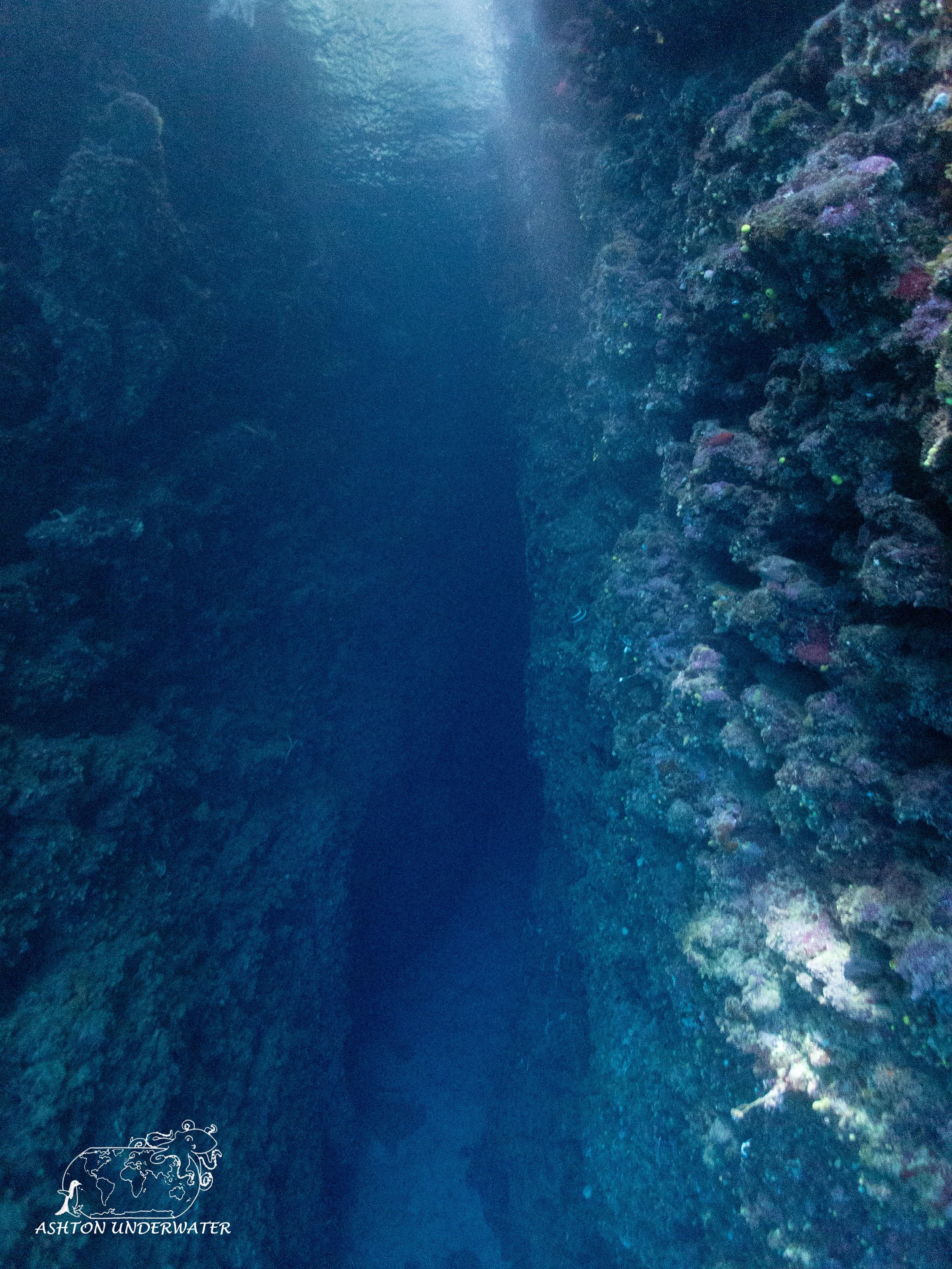
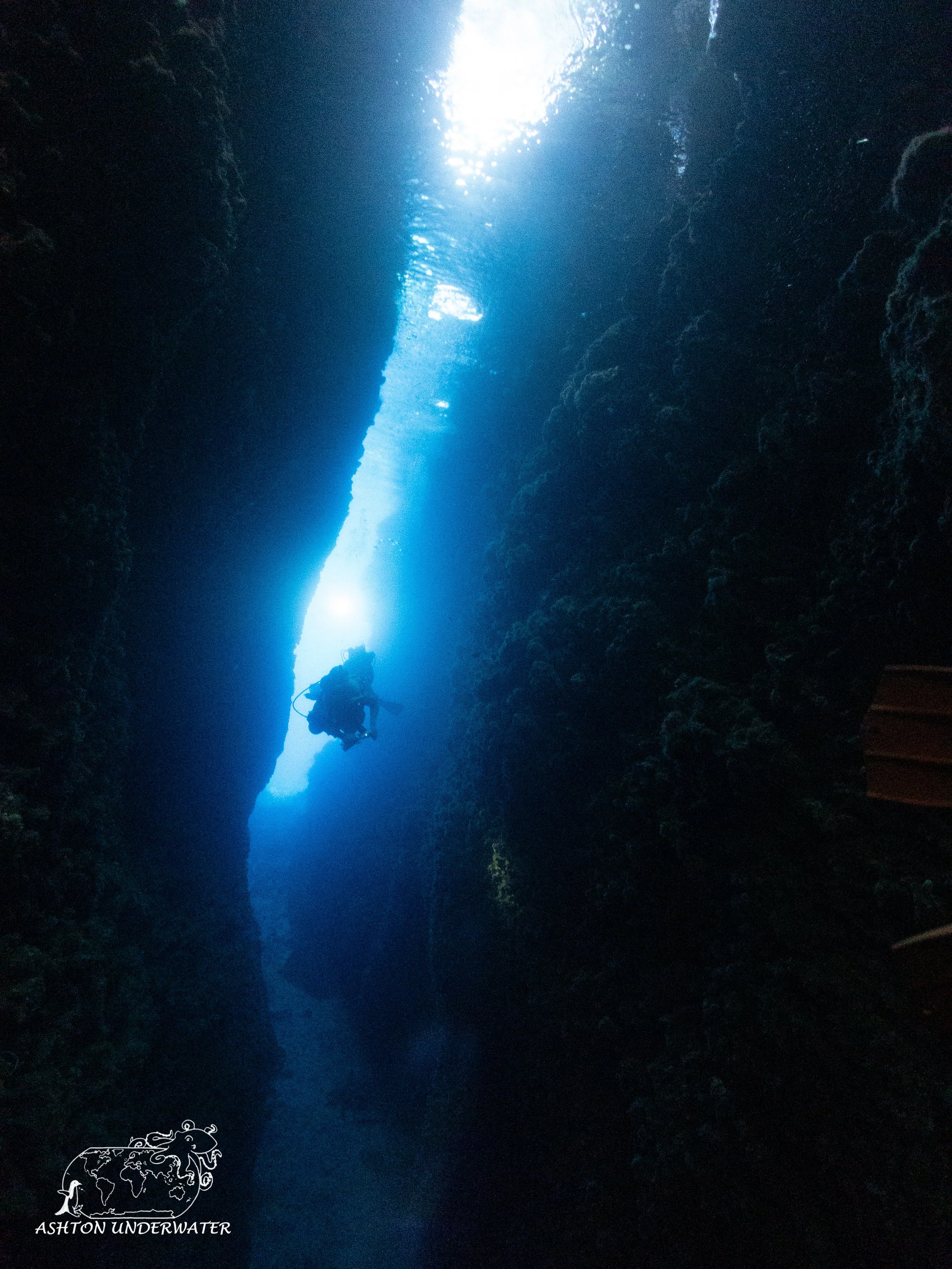
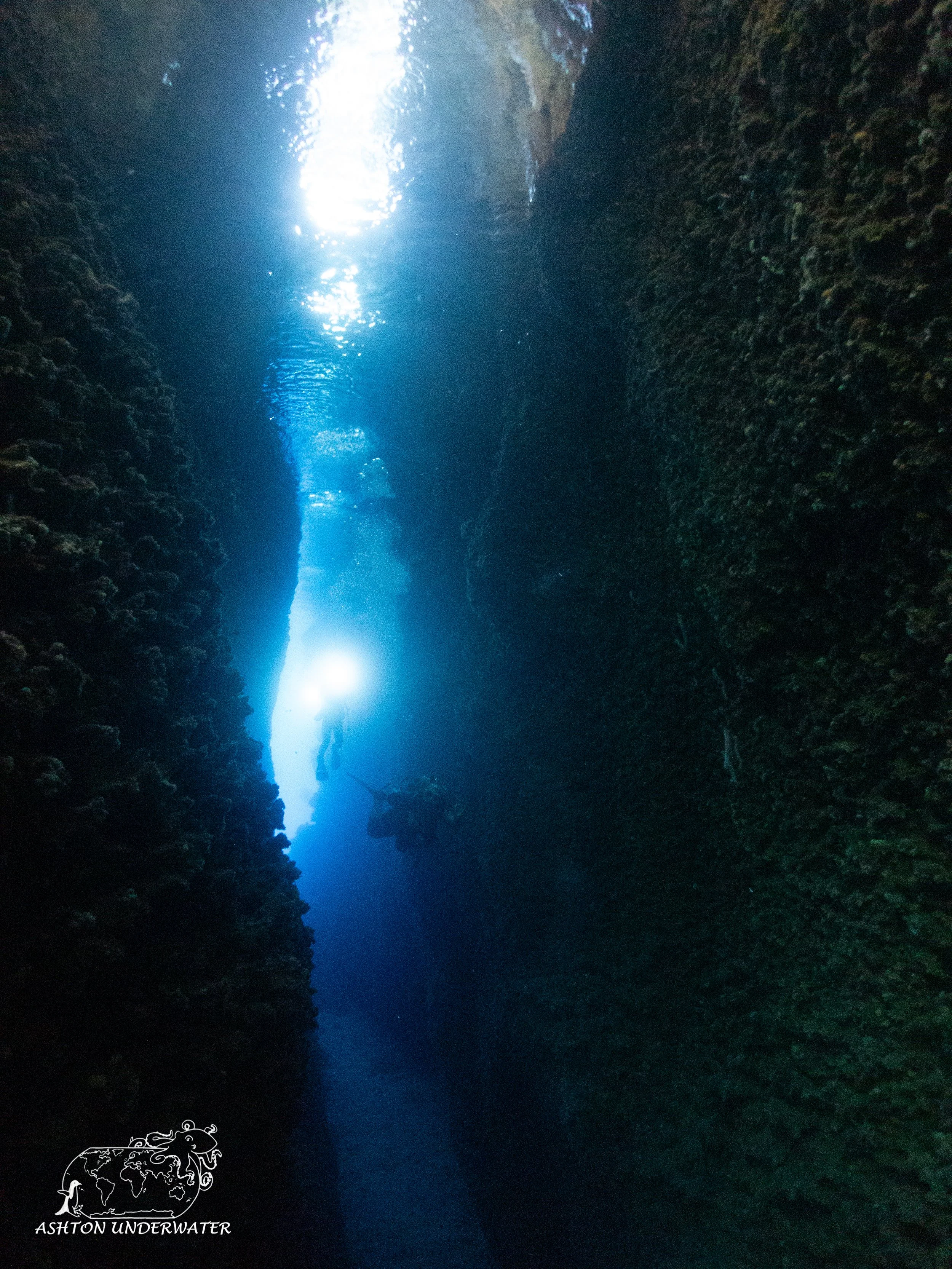
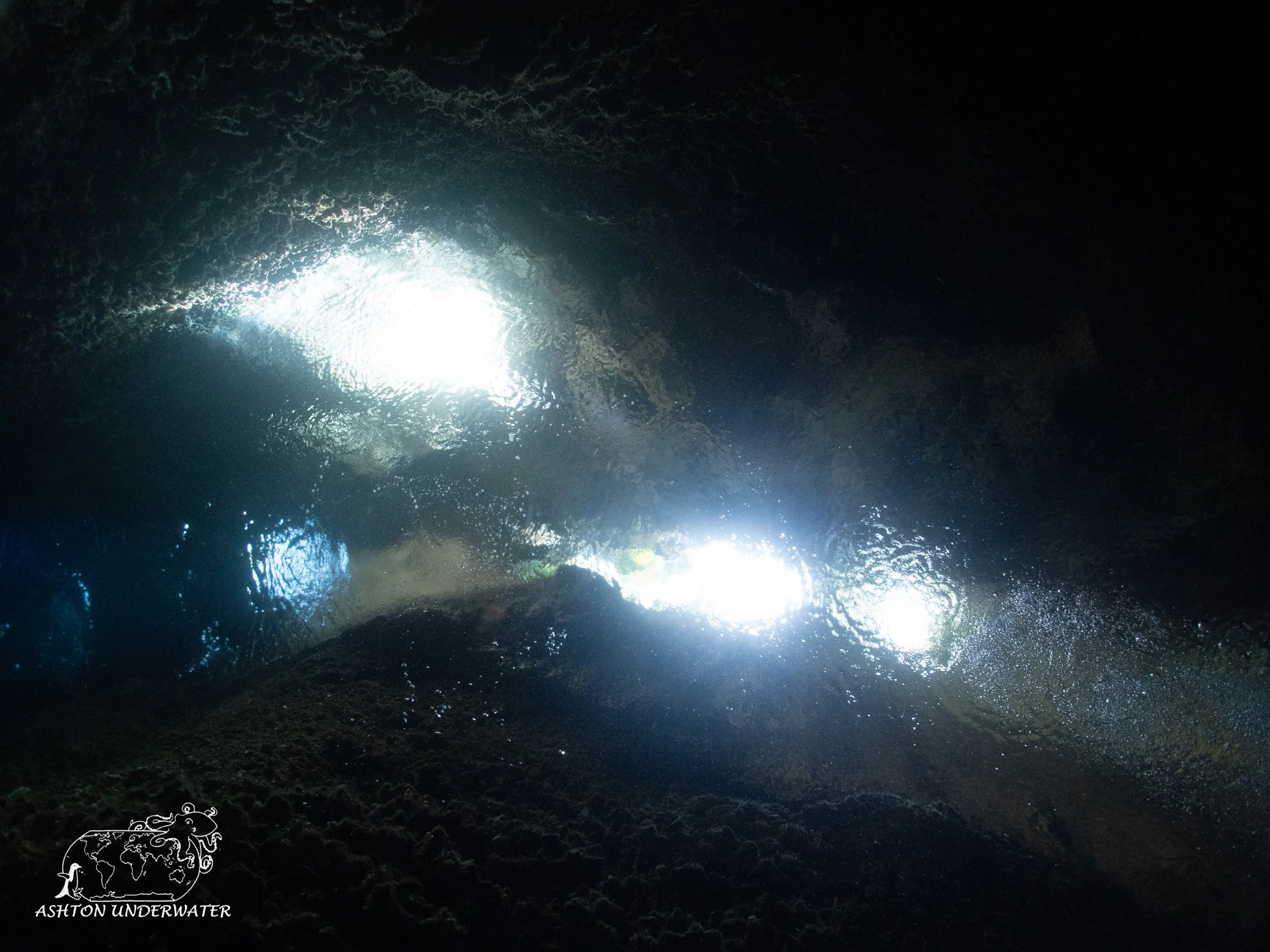
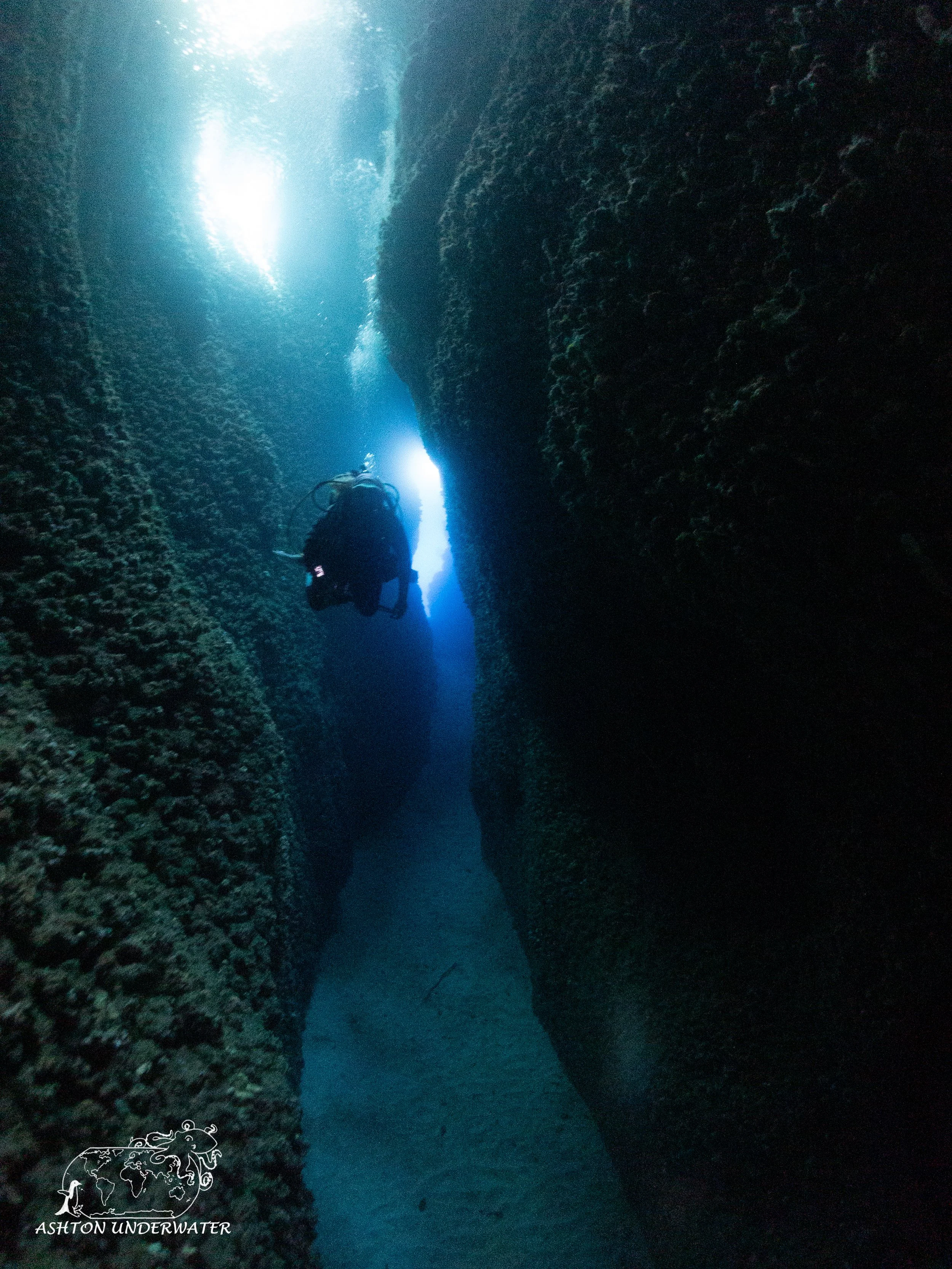
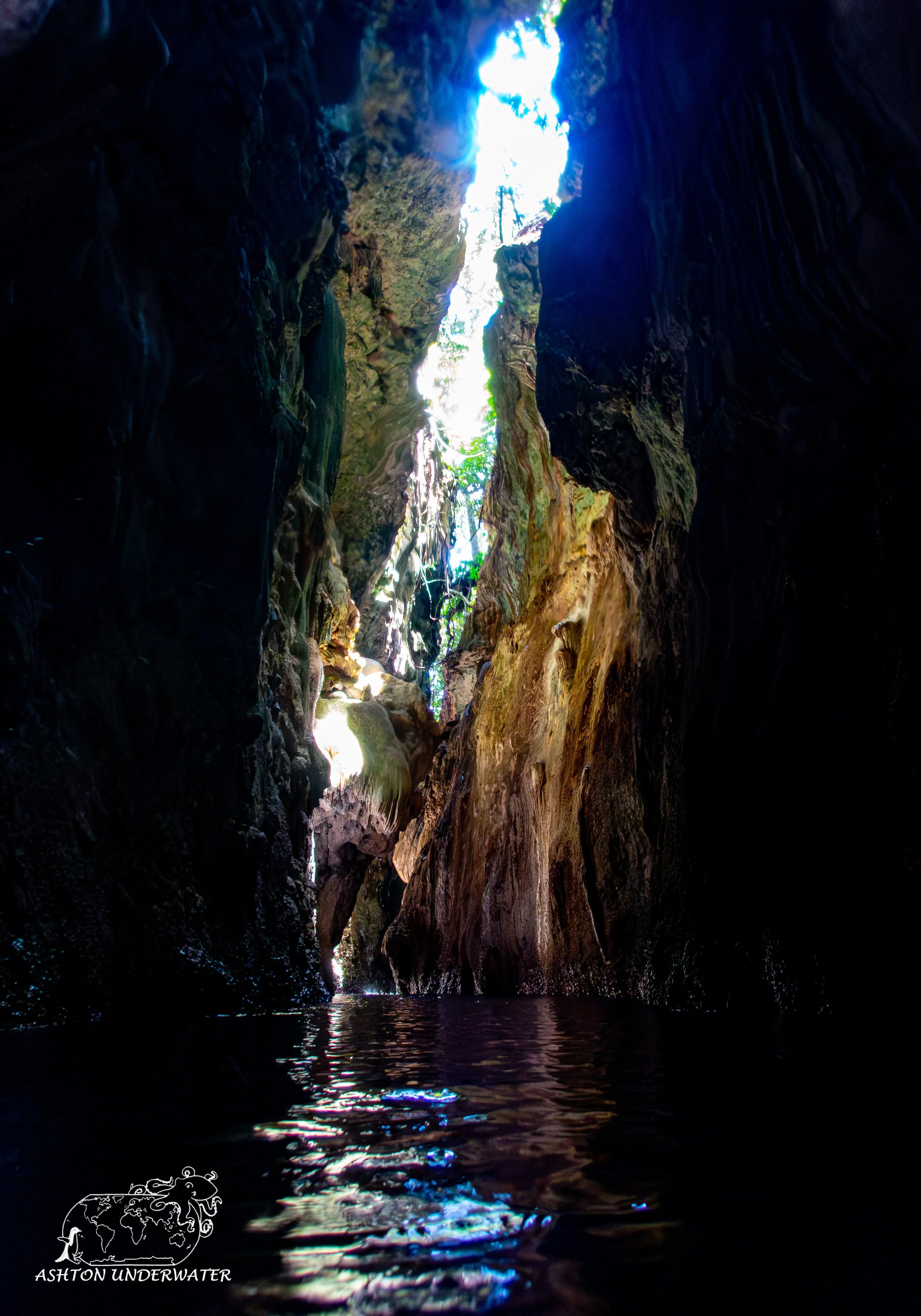
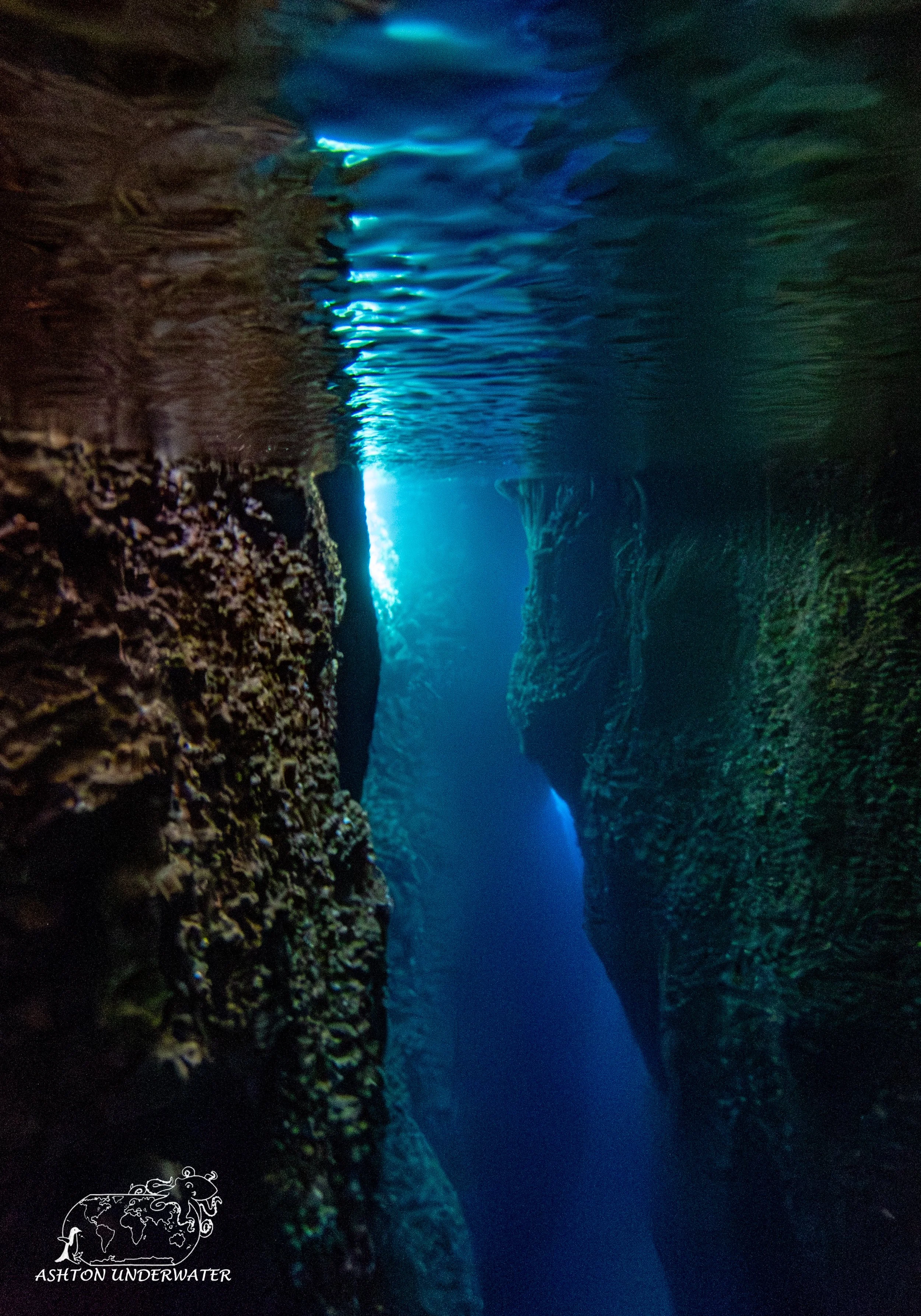
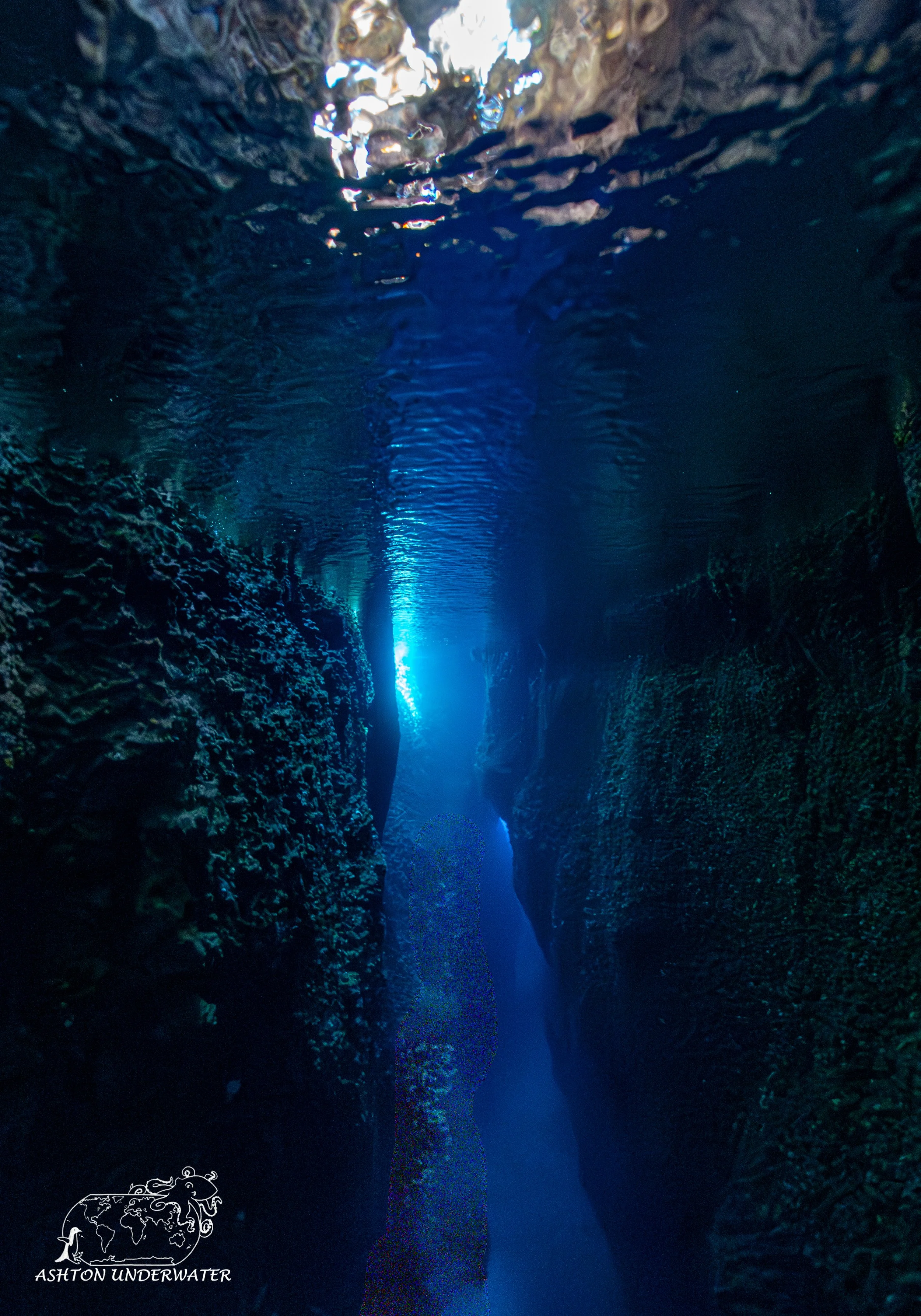
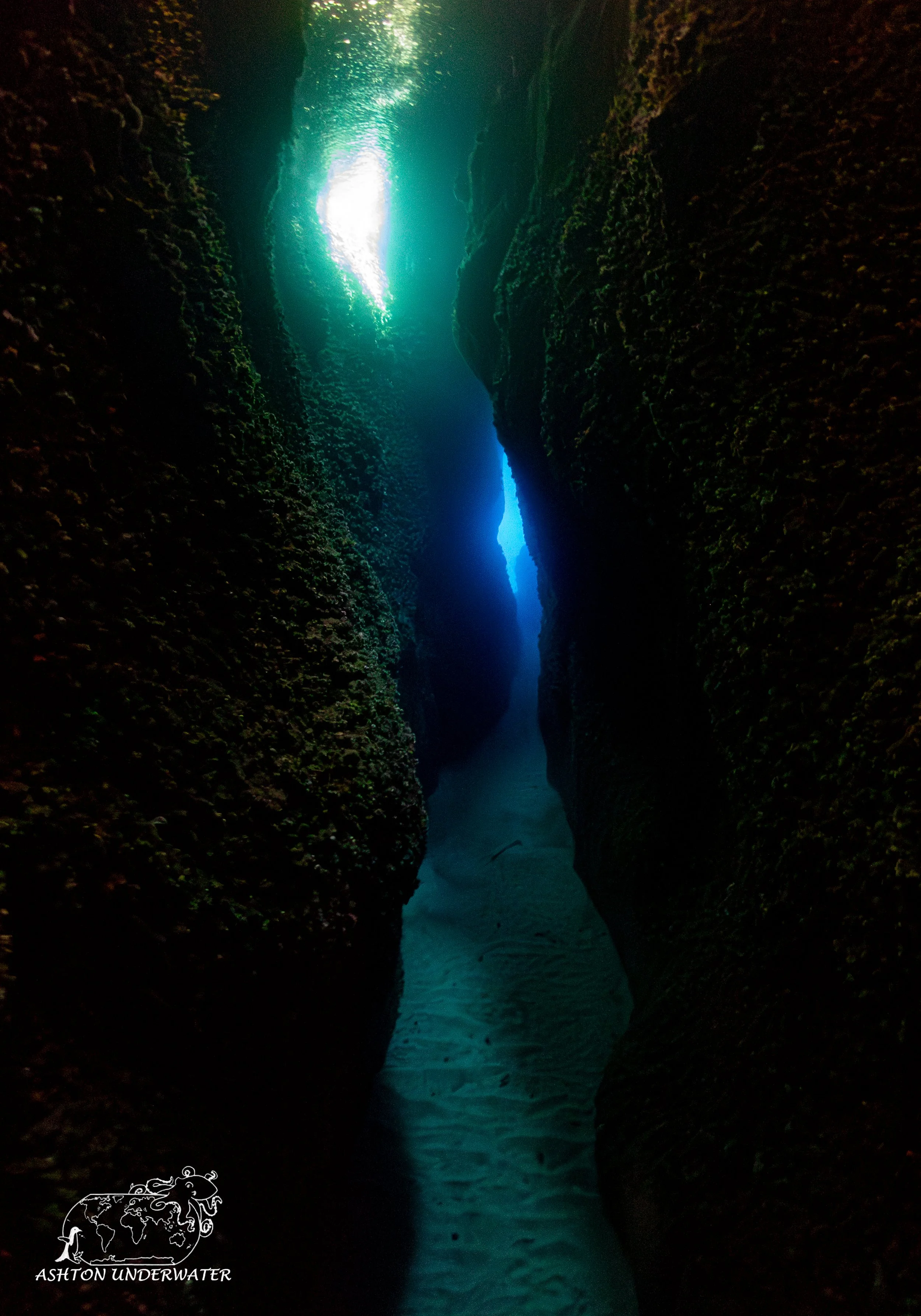
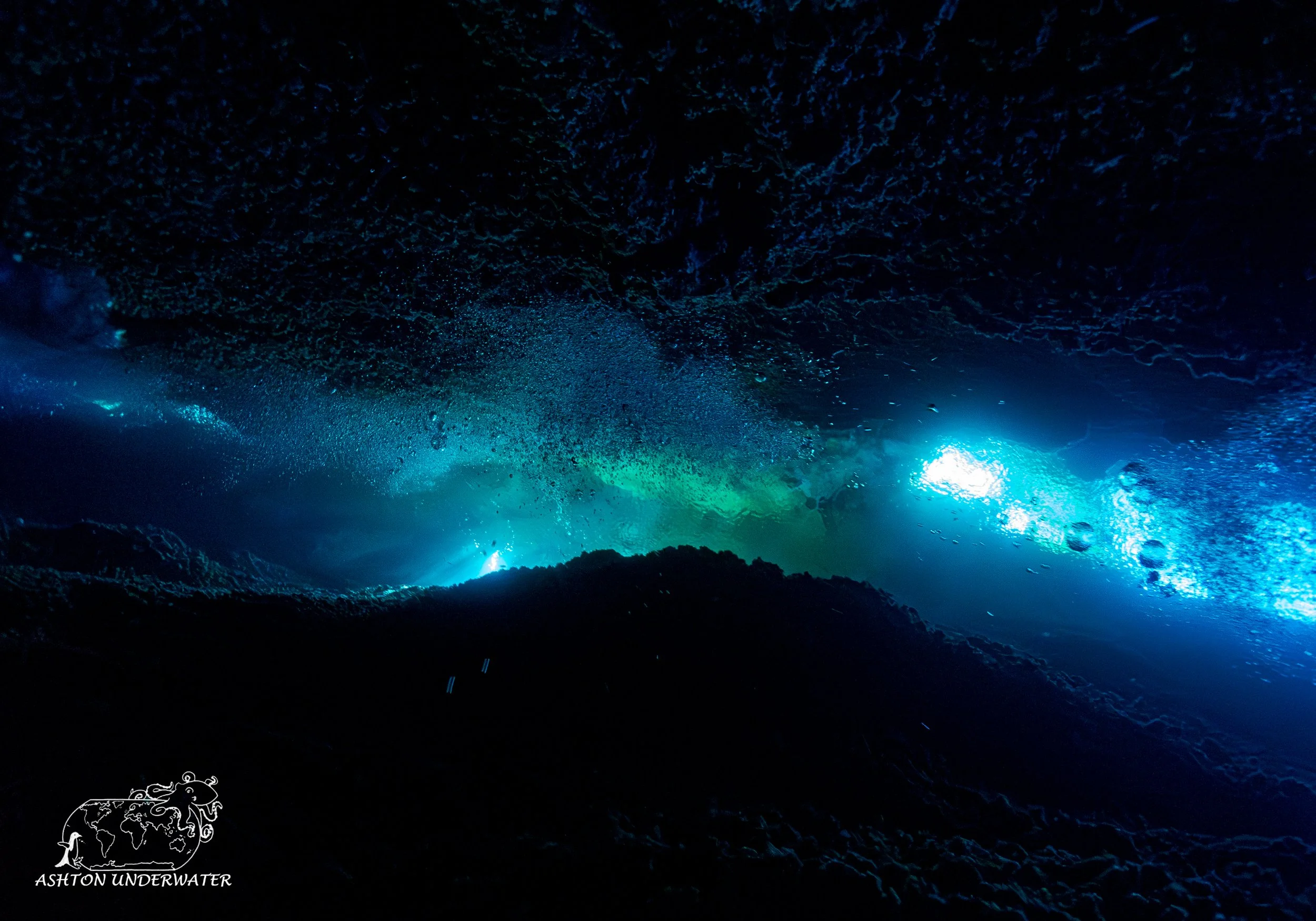
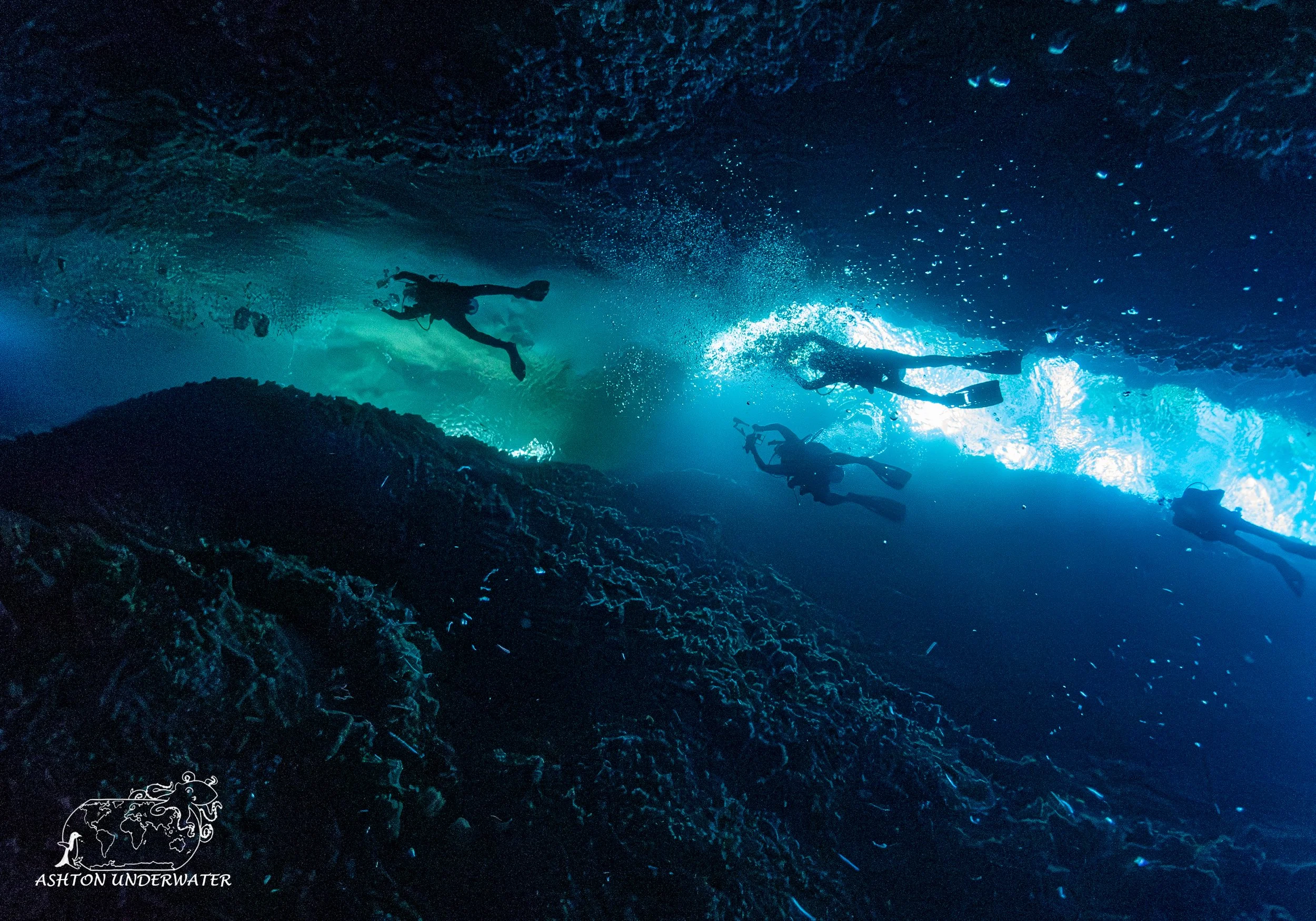
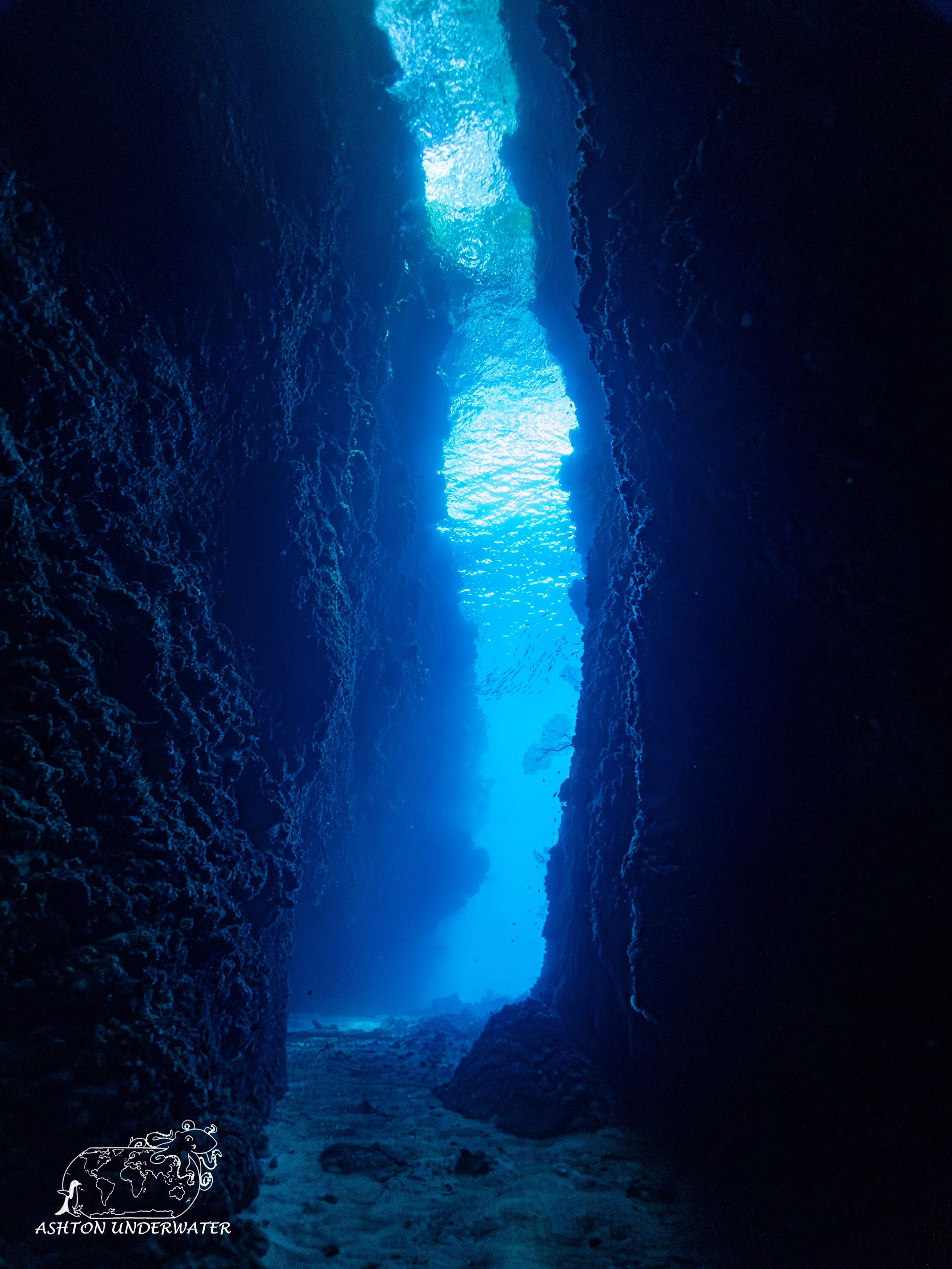
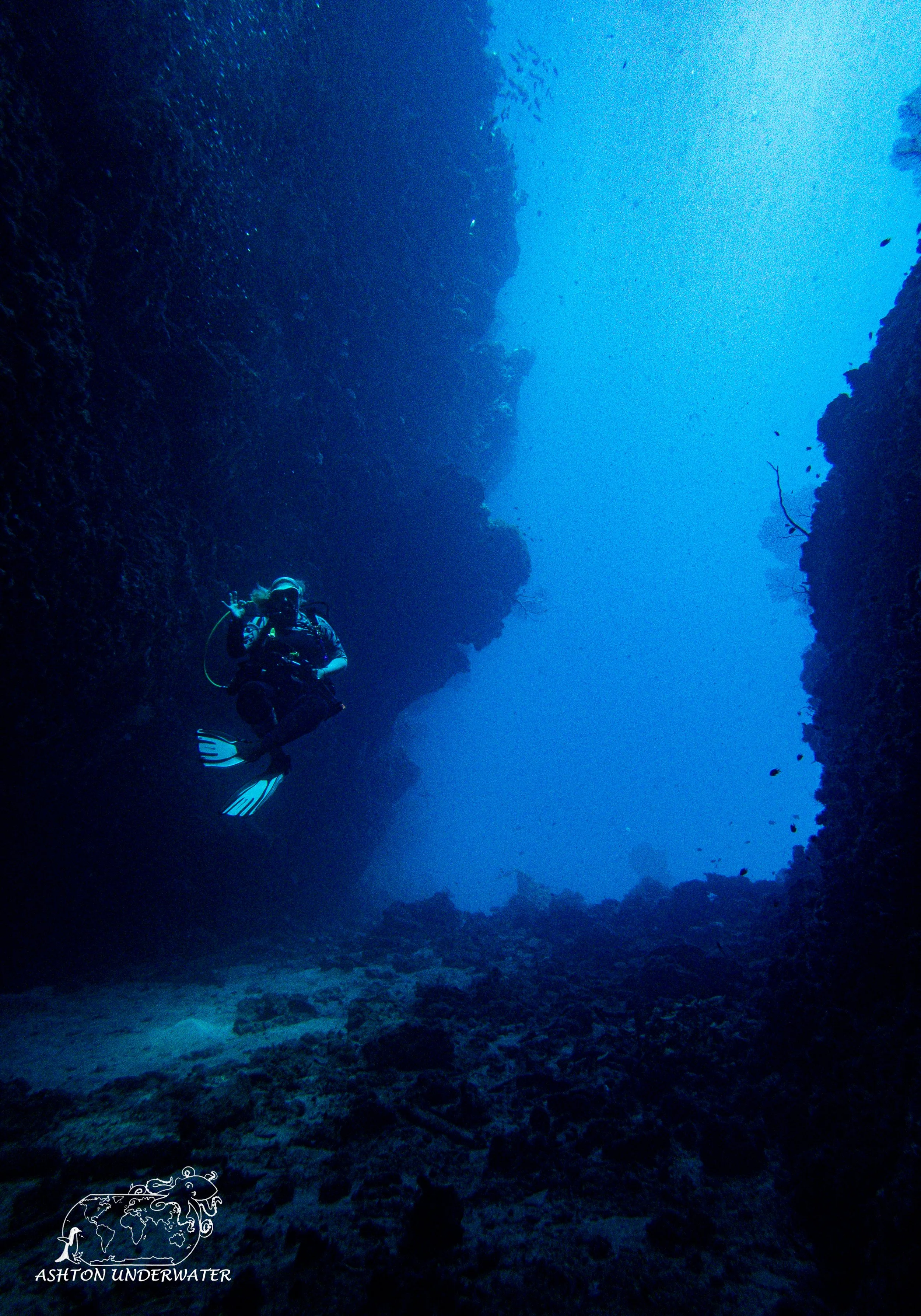
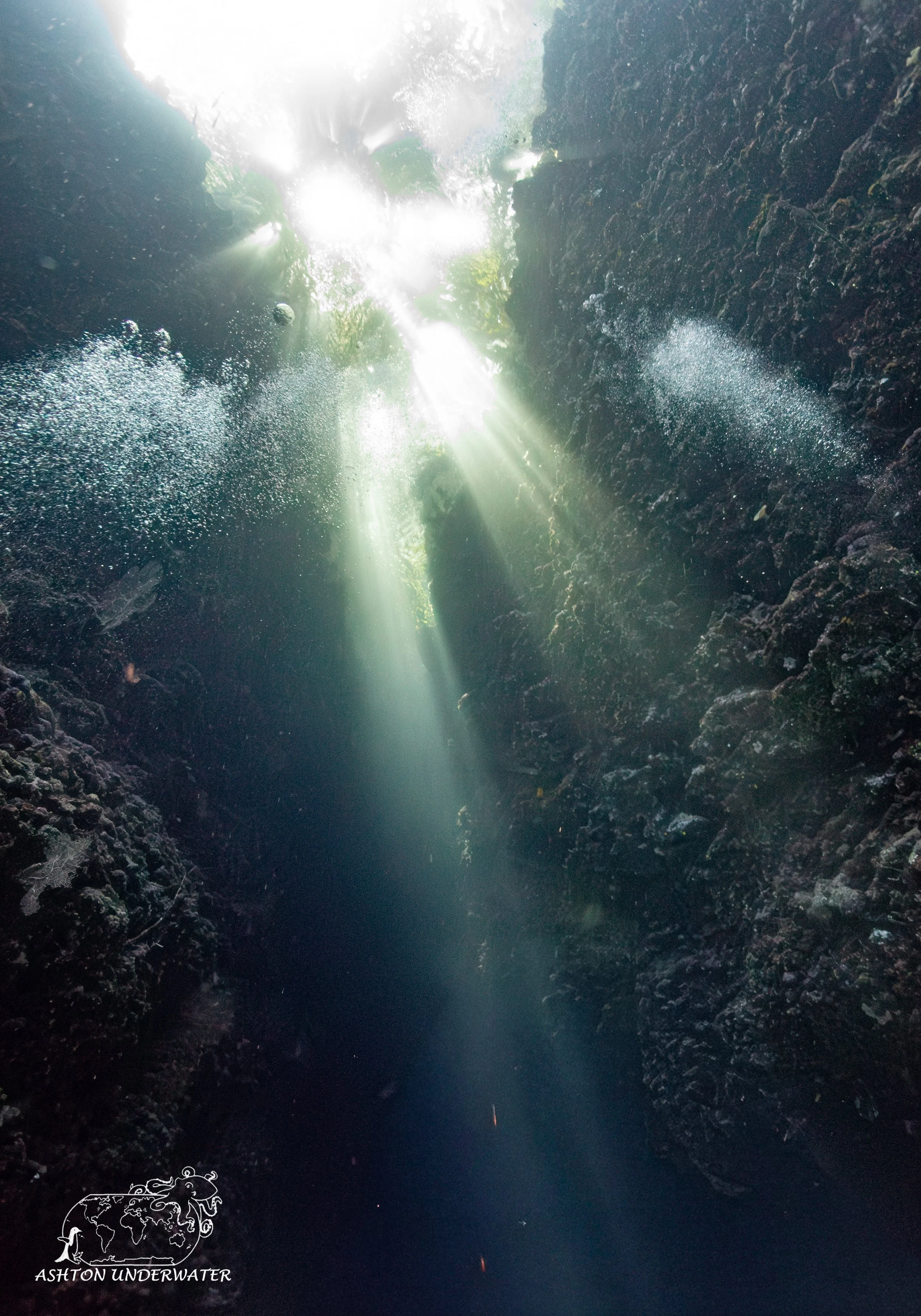
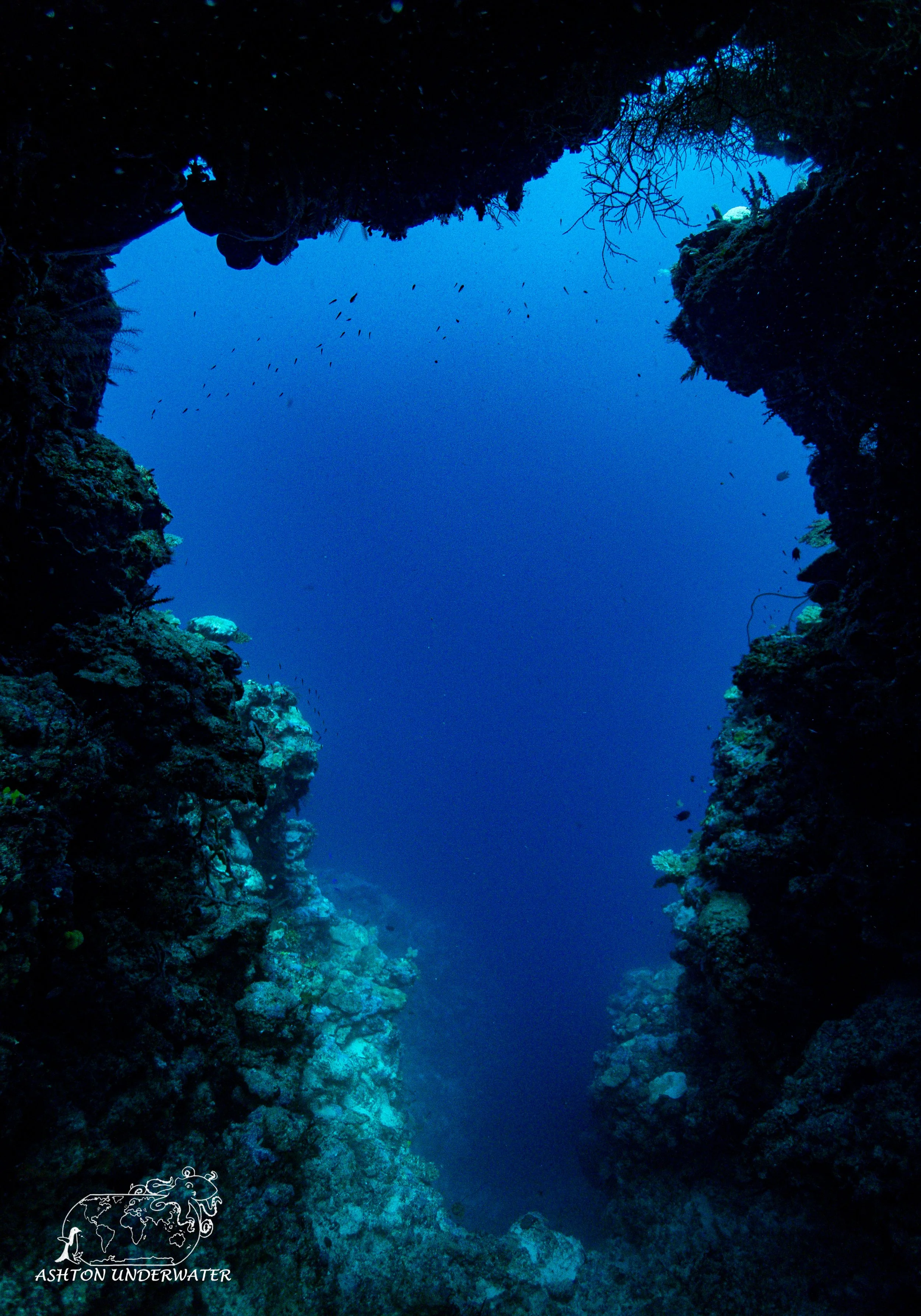
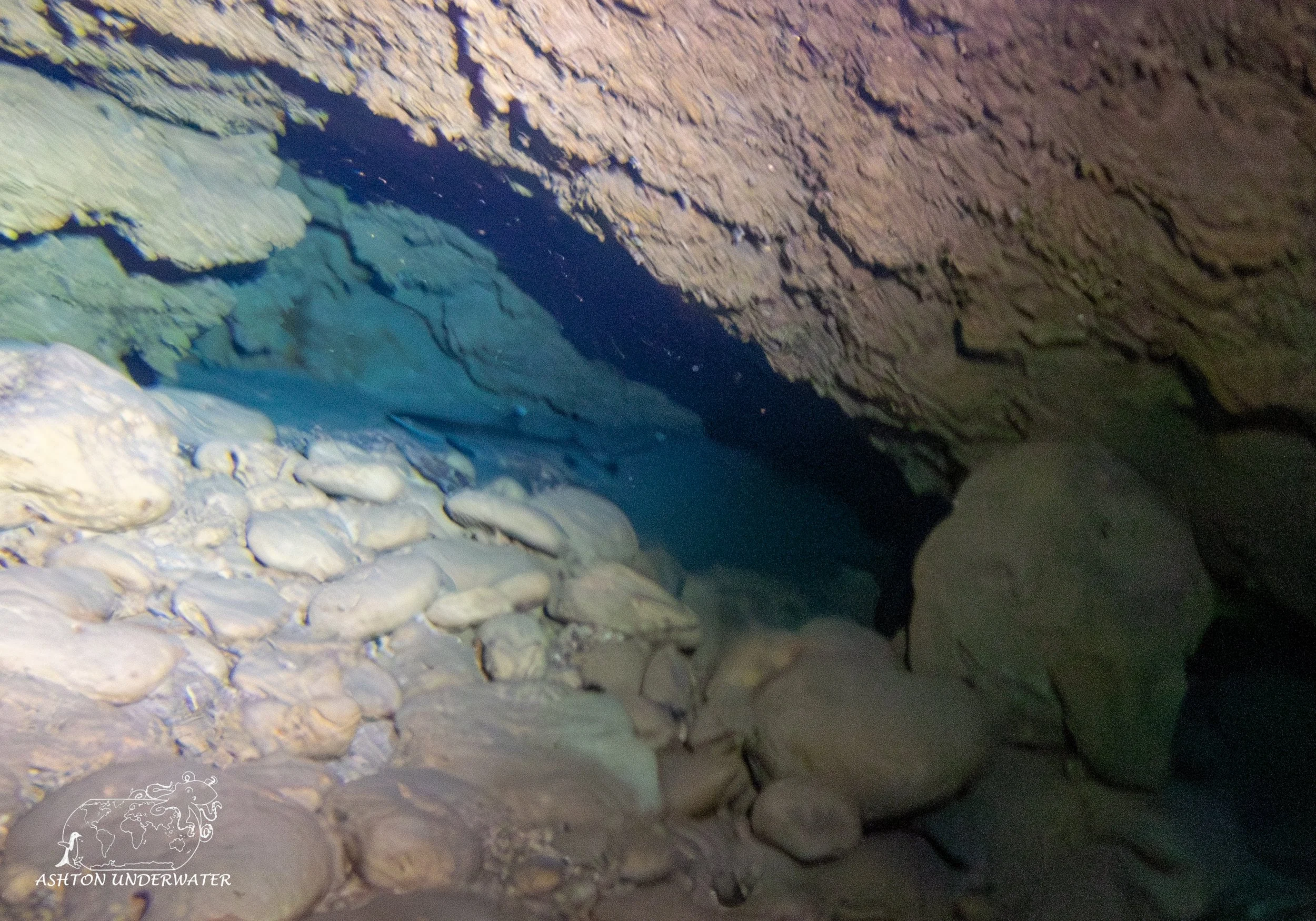
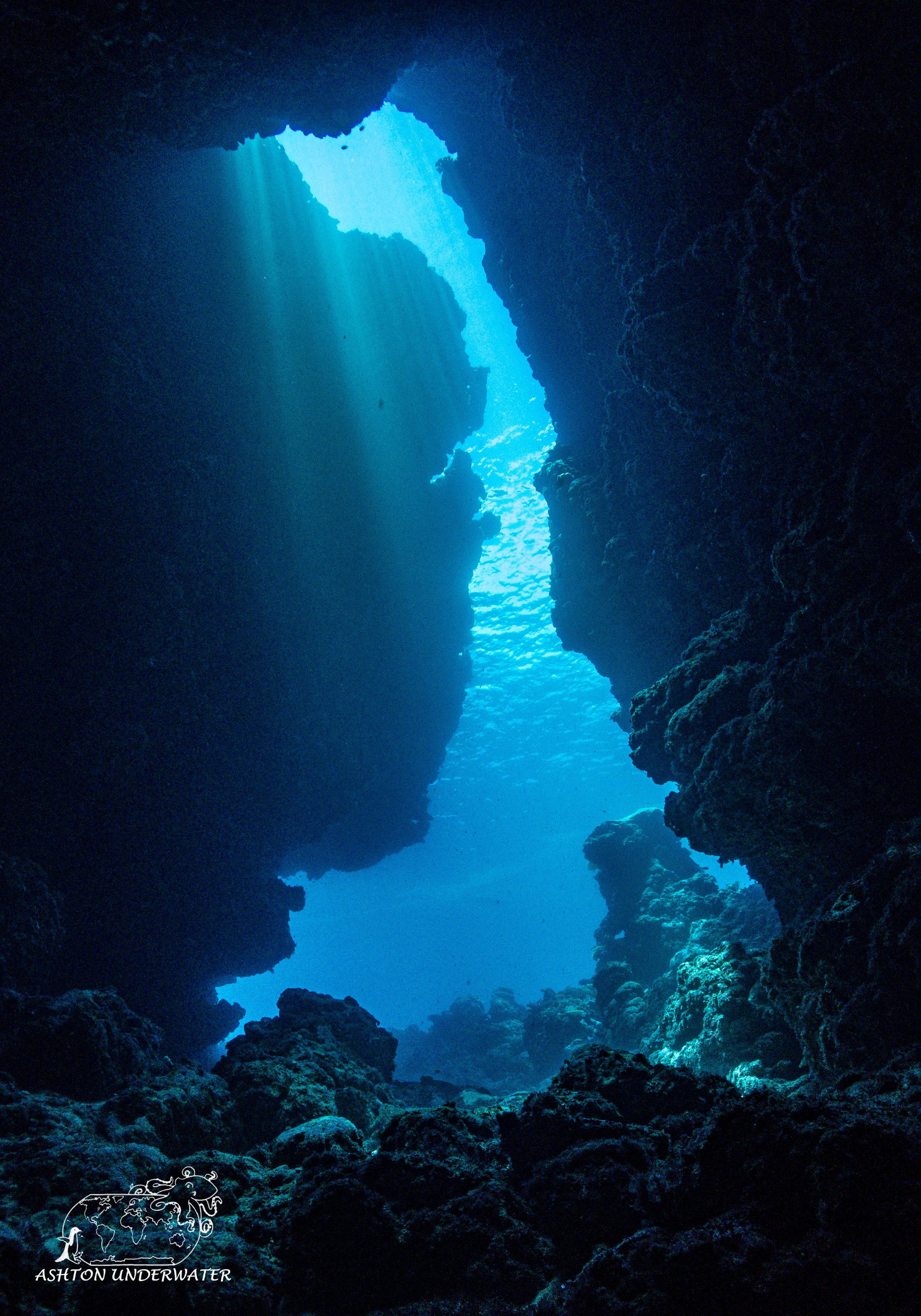
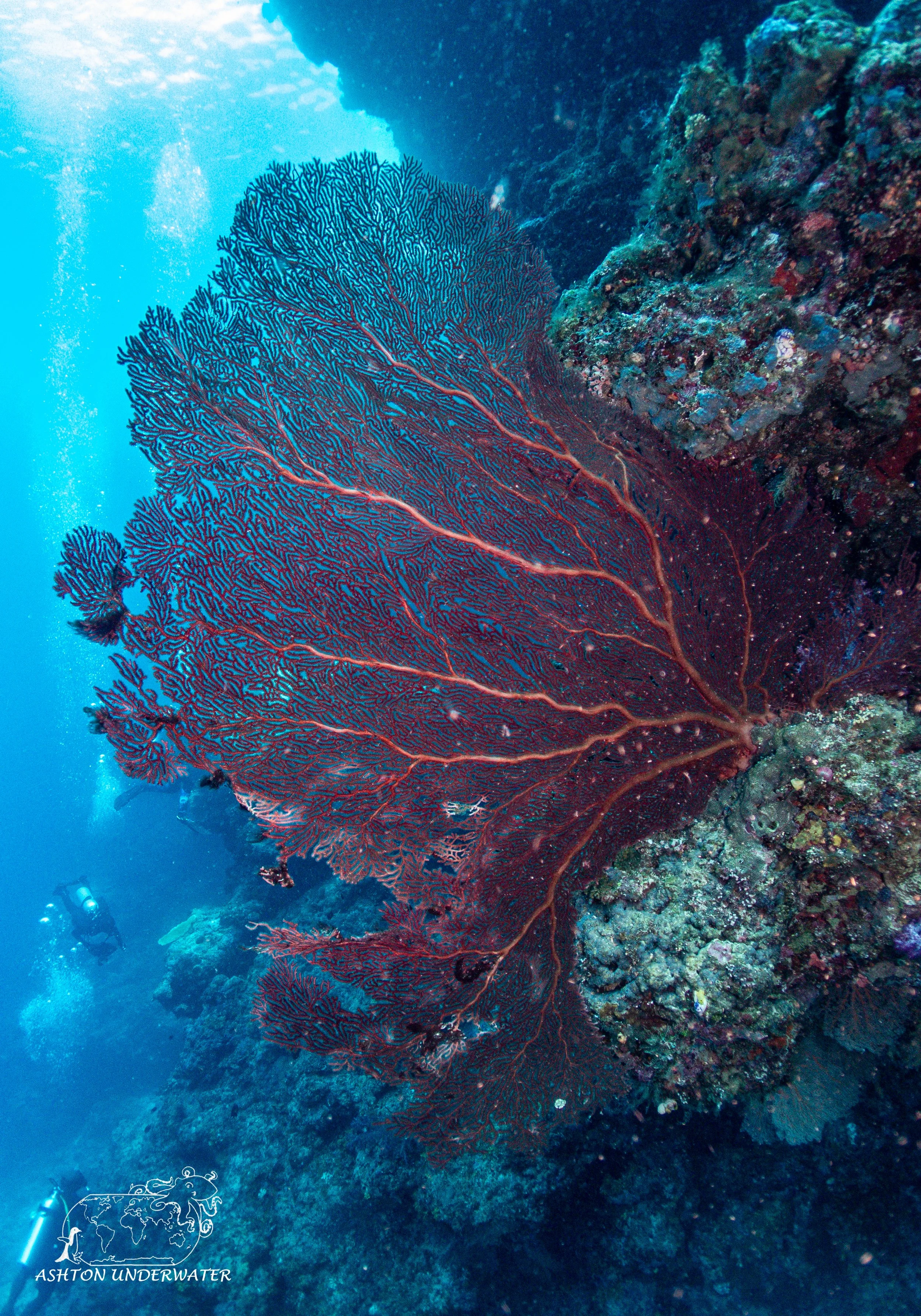
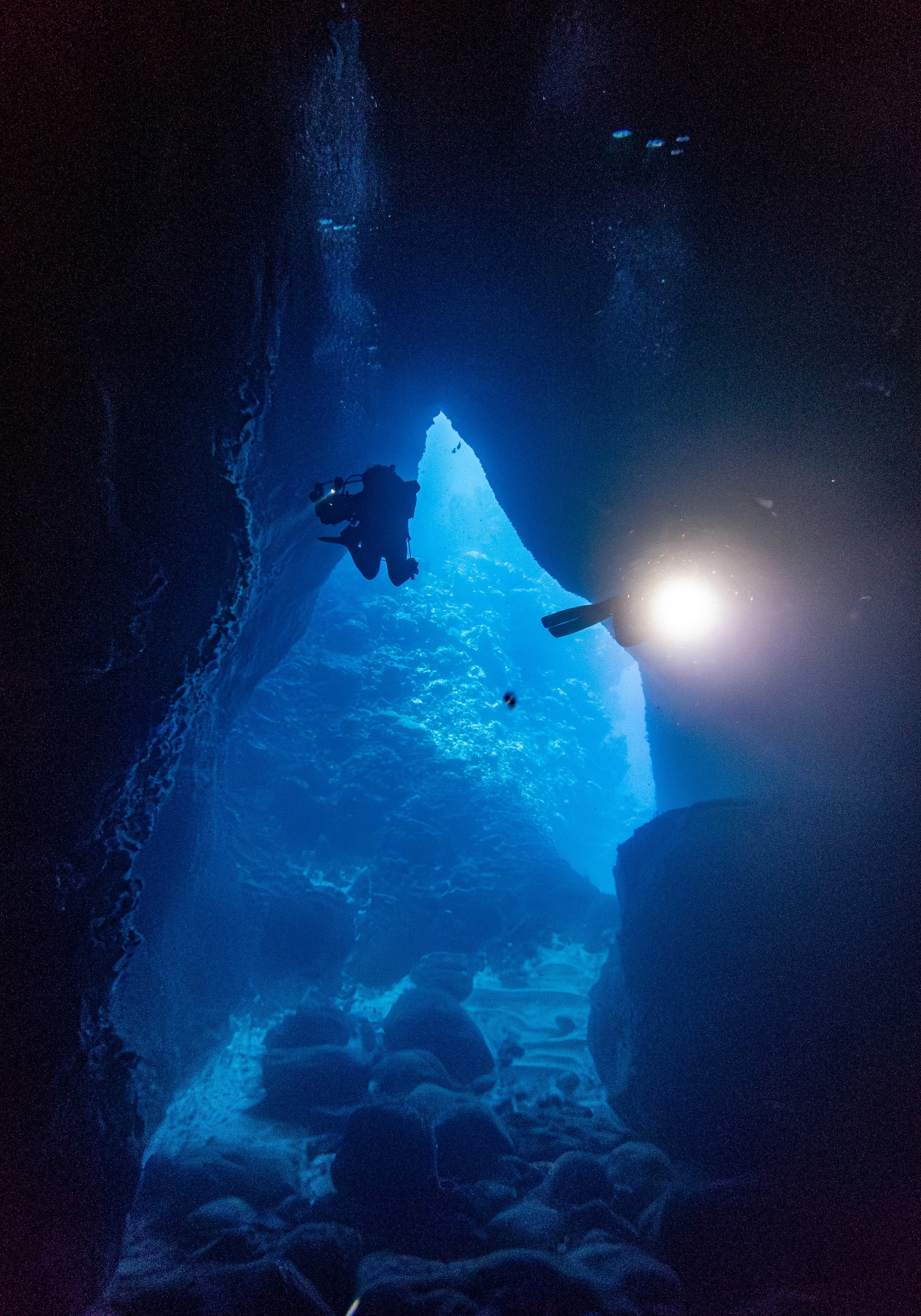
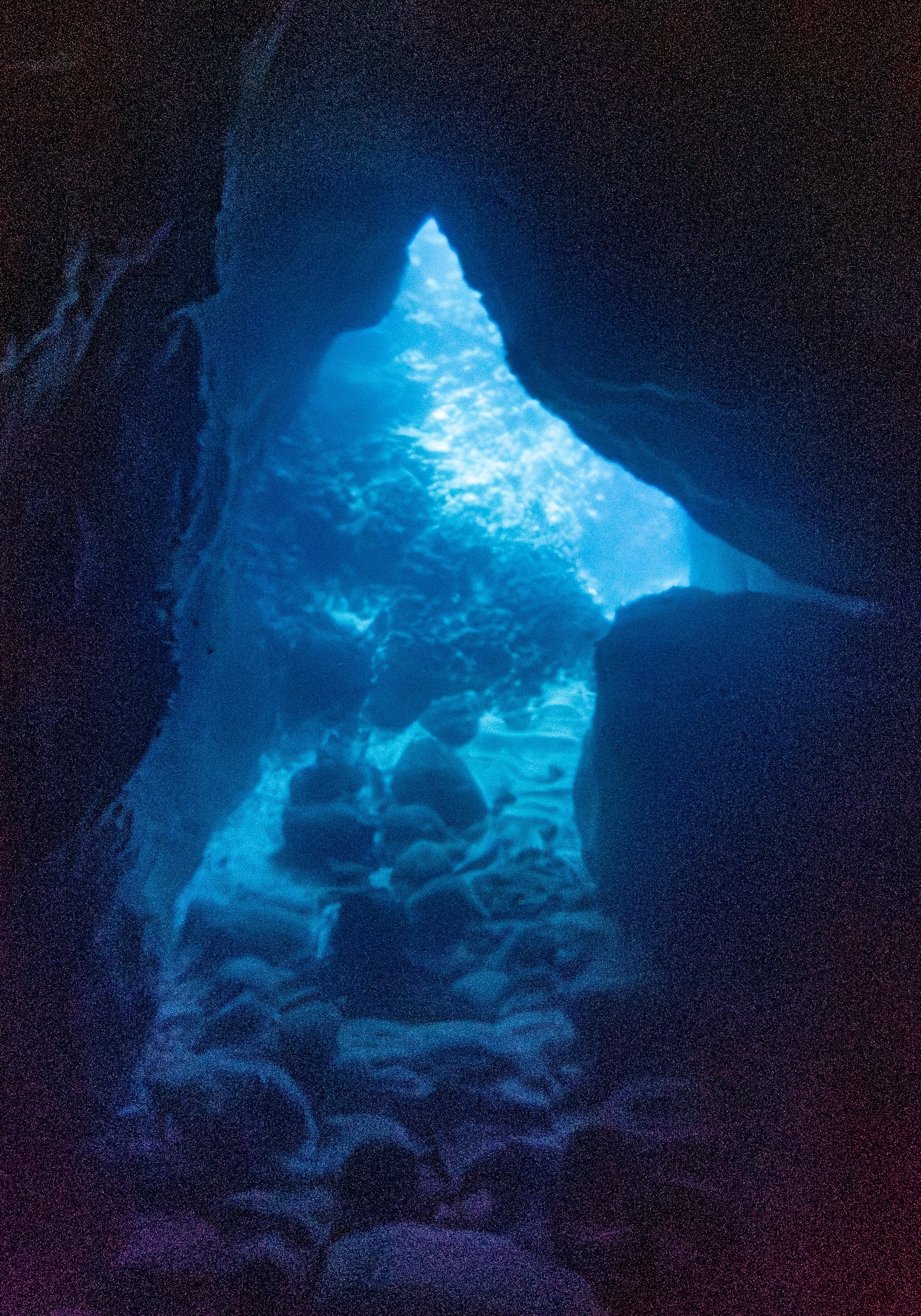
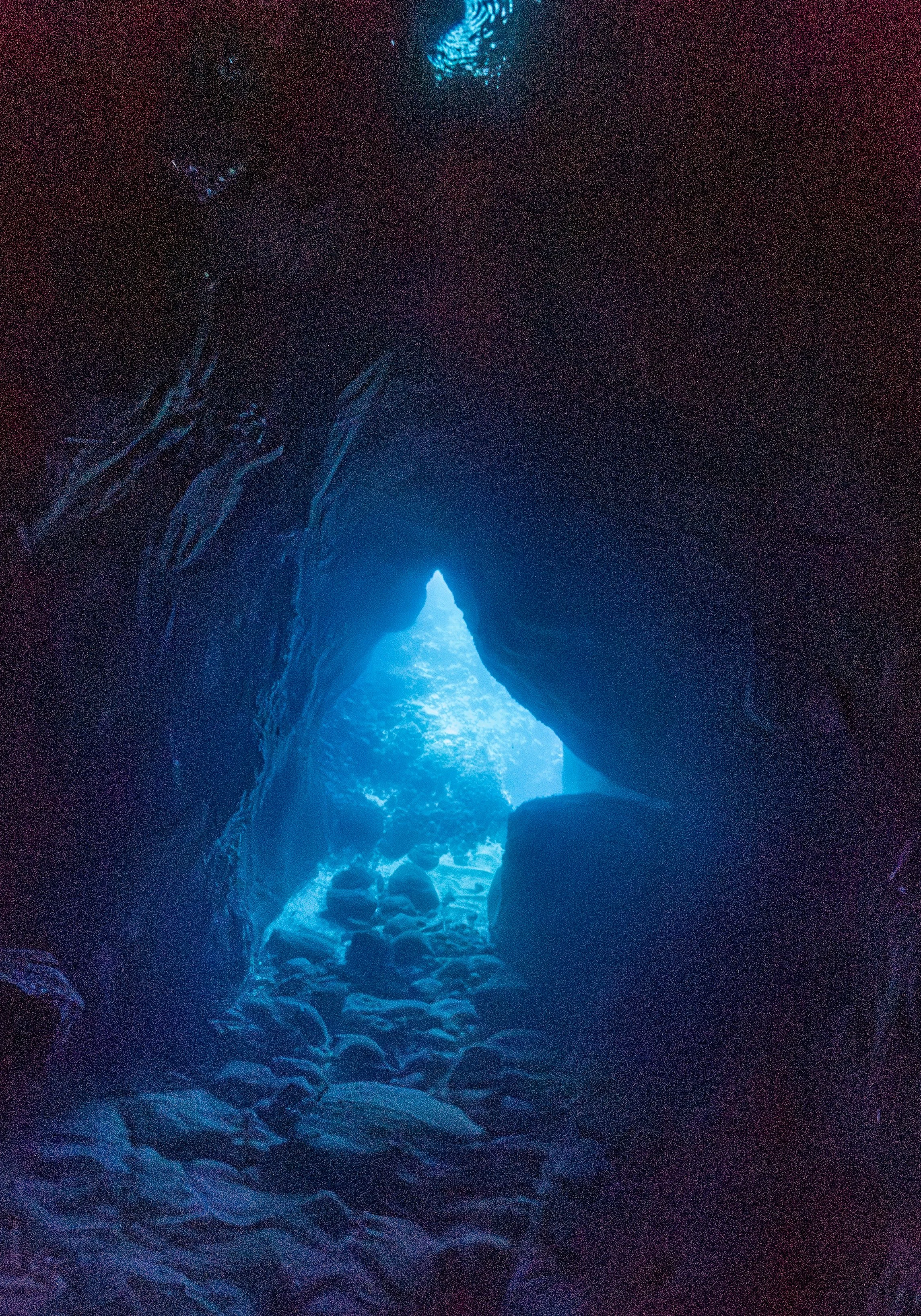
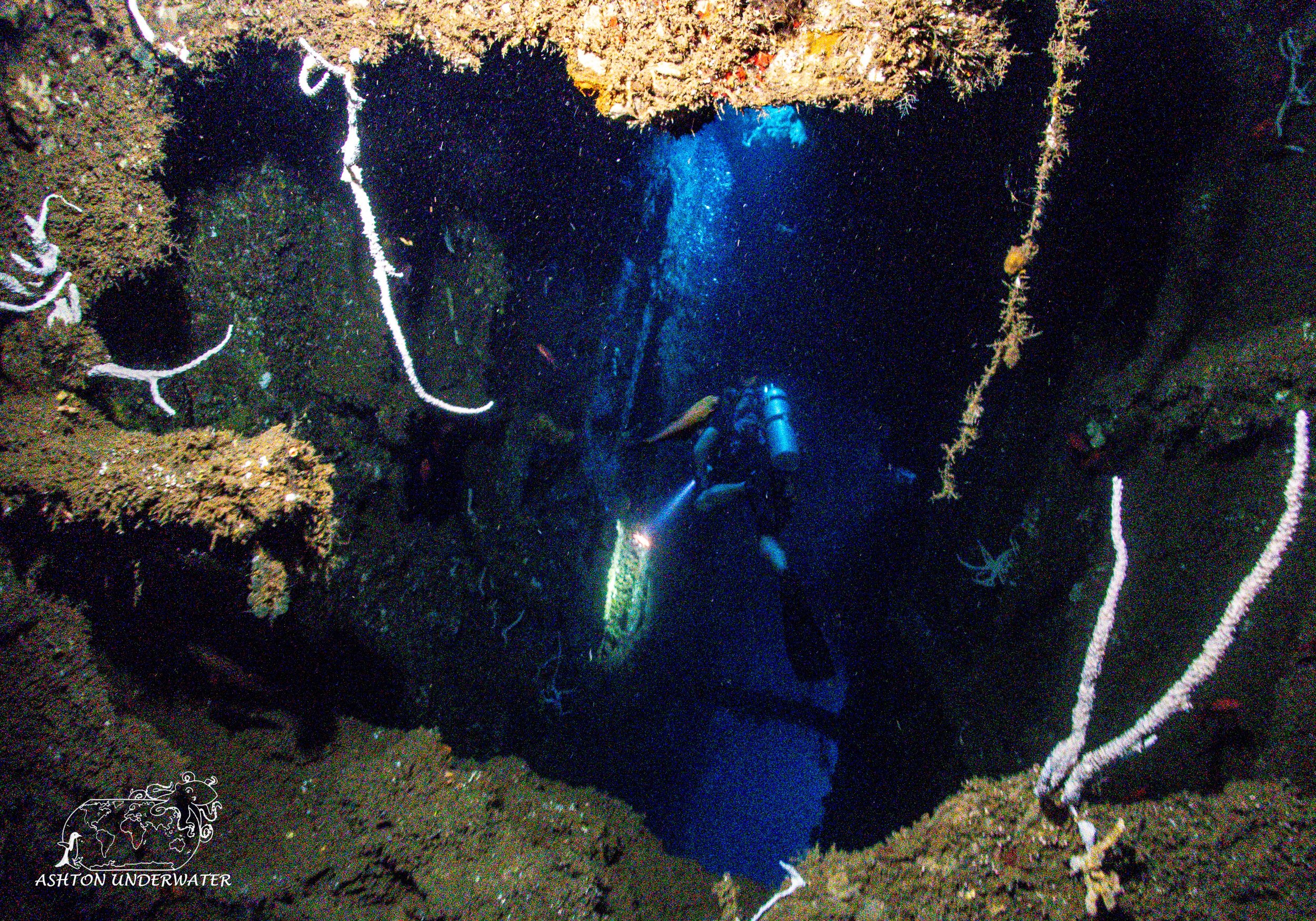
A deep crevice into the island that is roughly 300’ into the island. Staying shallow at the start of the dive allows you to surface at the end of the cut in the jungle similar to Mirror Pond. Roots and tendrils from the plants around drop down into the water. After dropping down back to the bottom of the cut follow the bottom out until exit where the rest of the dive can be spent following the wall that is highly populated with sea fans, and a mix of hard and soft corals. While exciting the cut, the contrast of the cave walls and open ocean give better photo opportunities compared to swimming into the cut.
Karumulon Point
125’ for 66 minutes
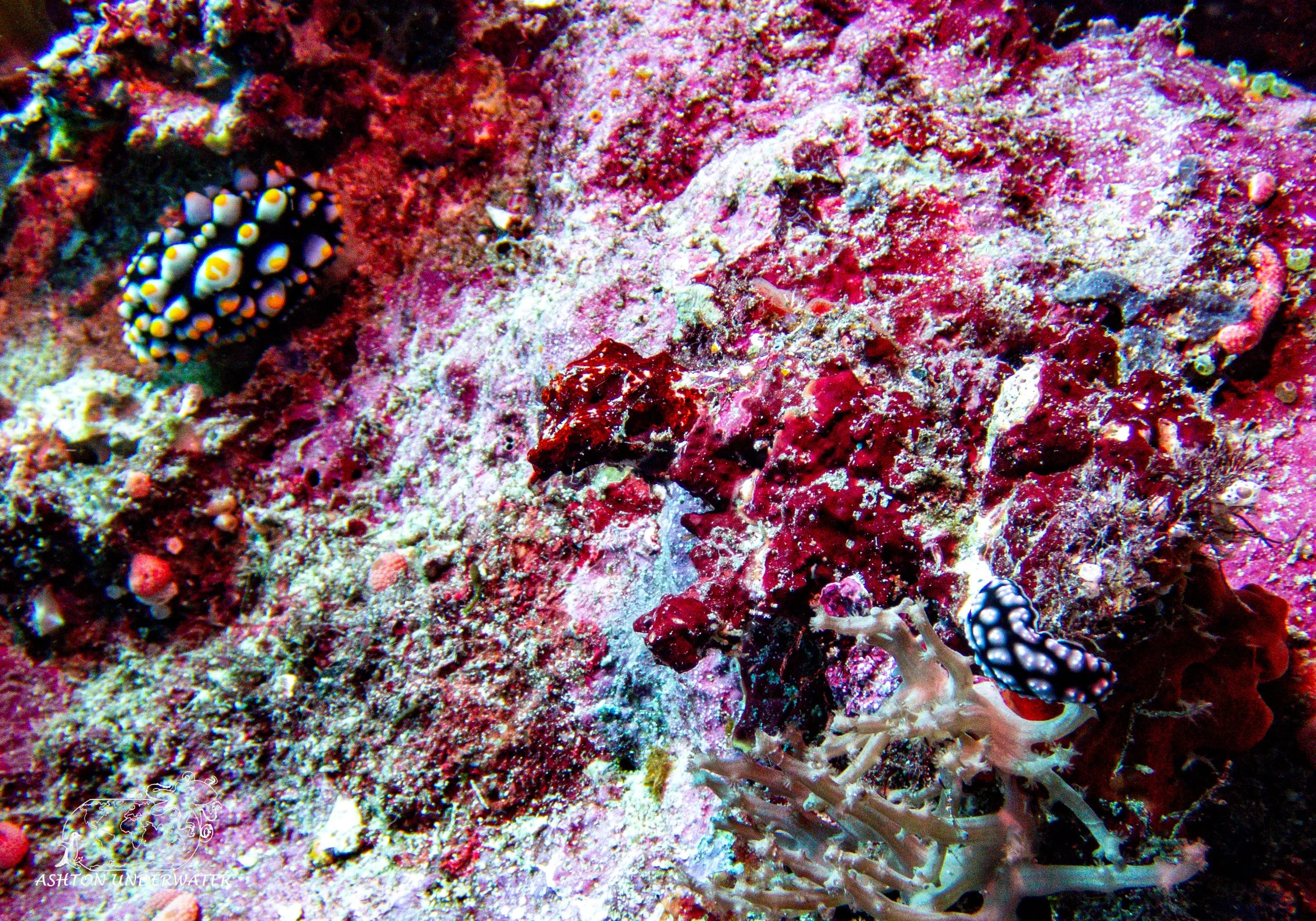
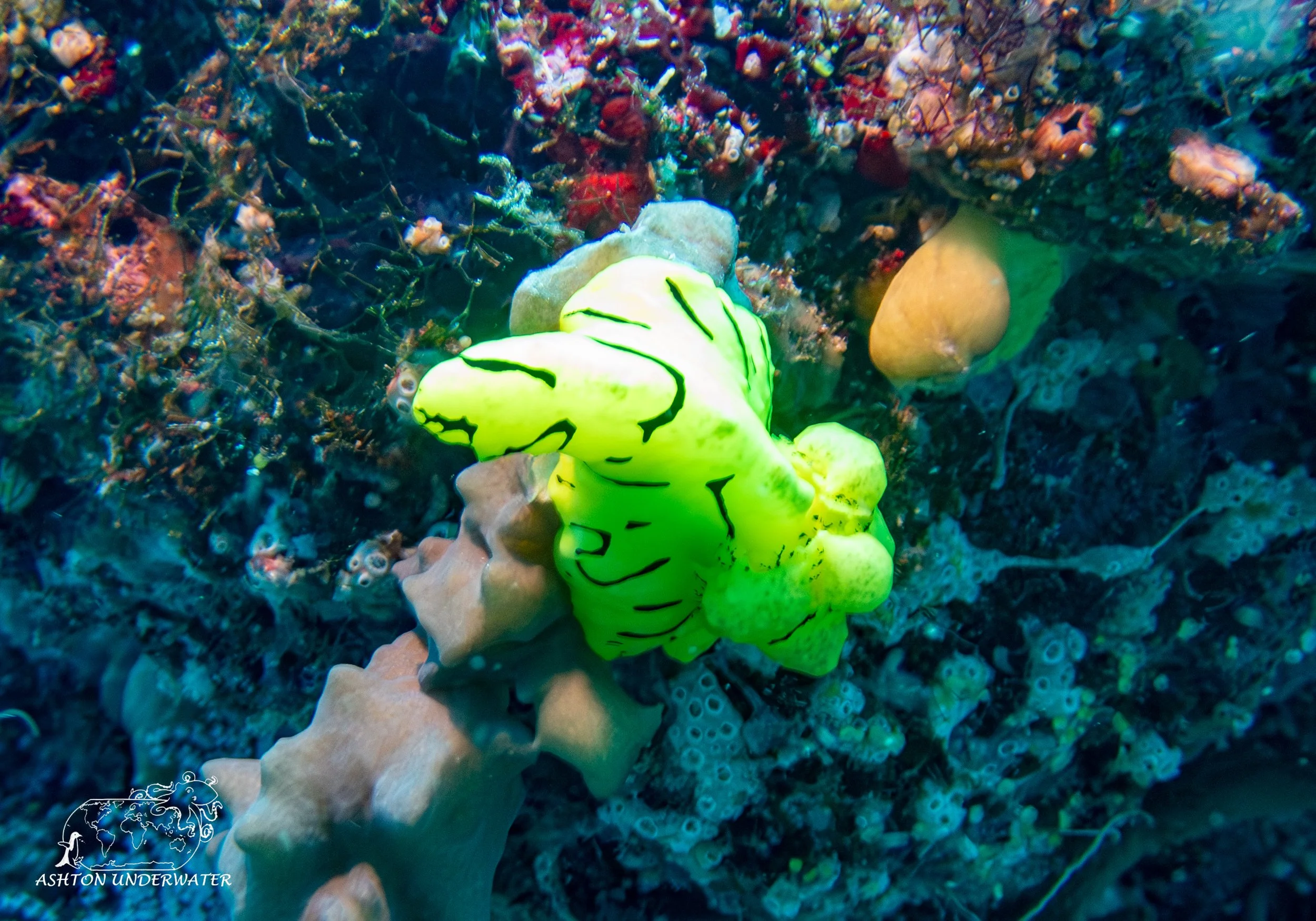
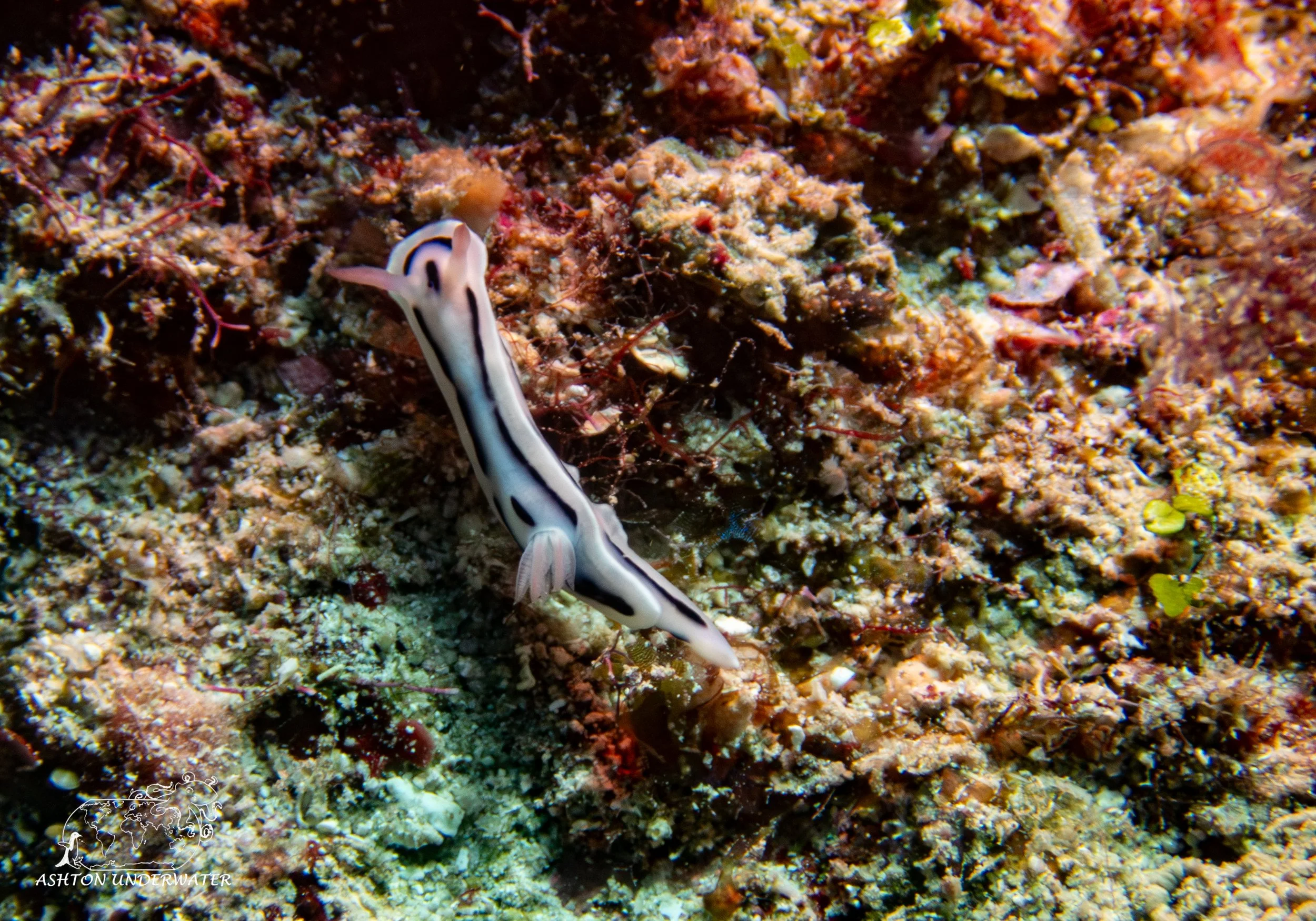
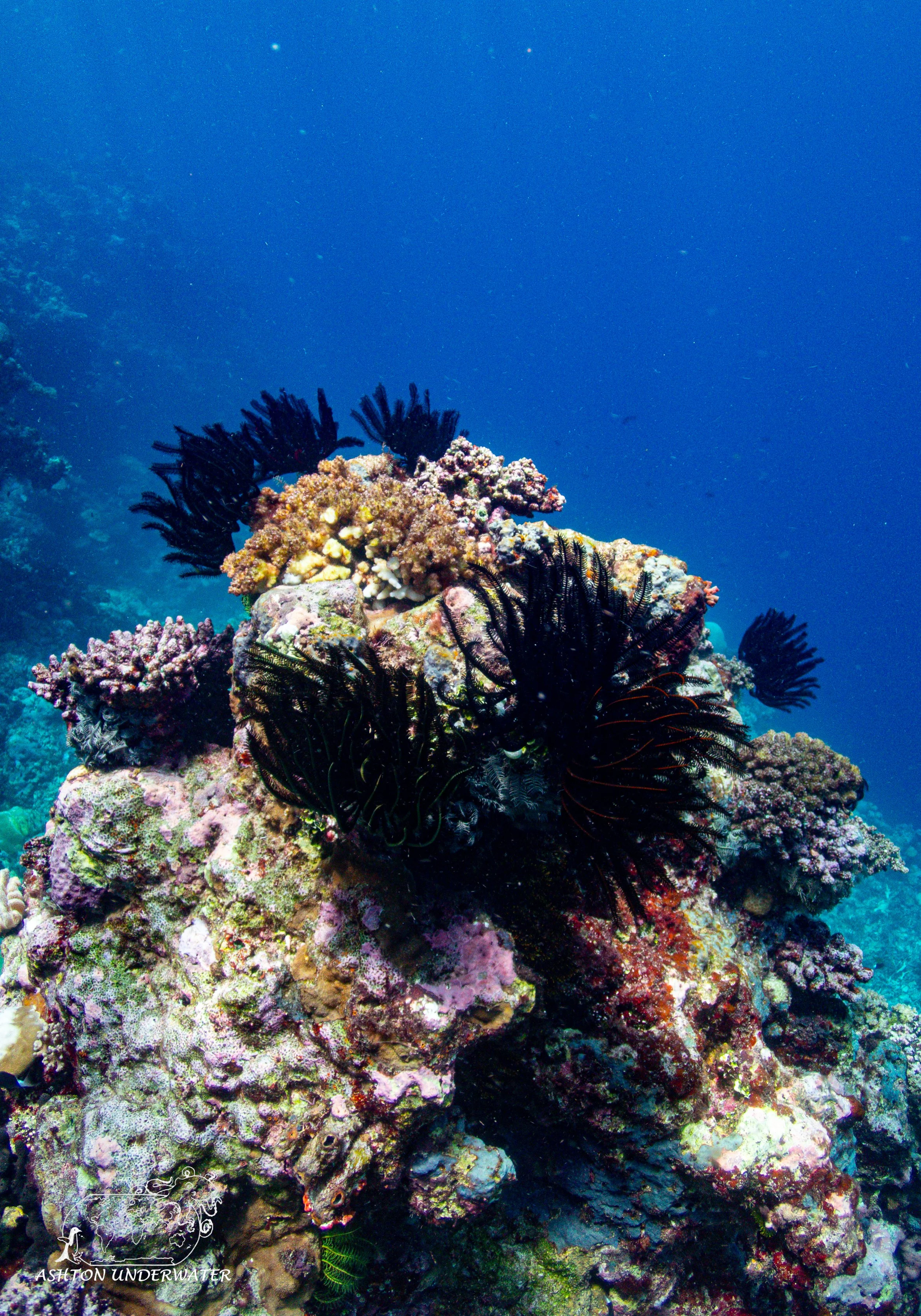
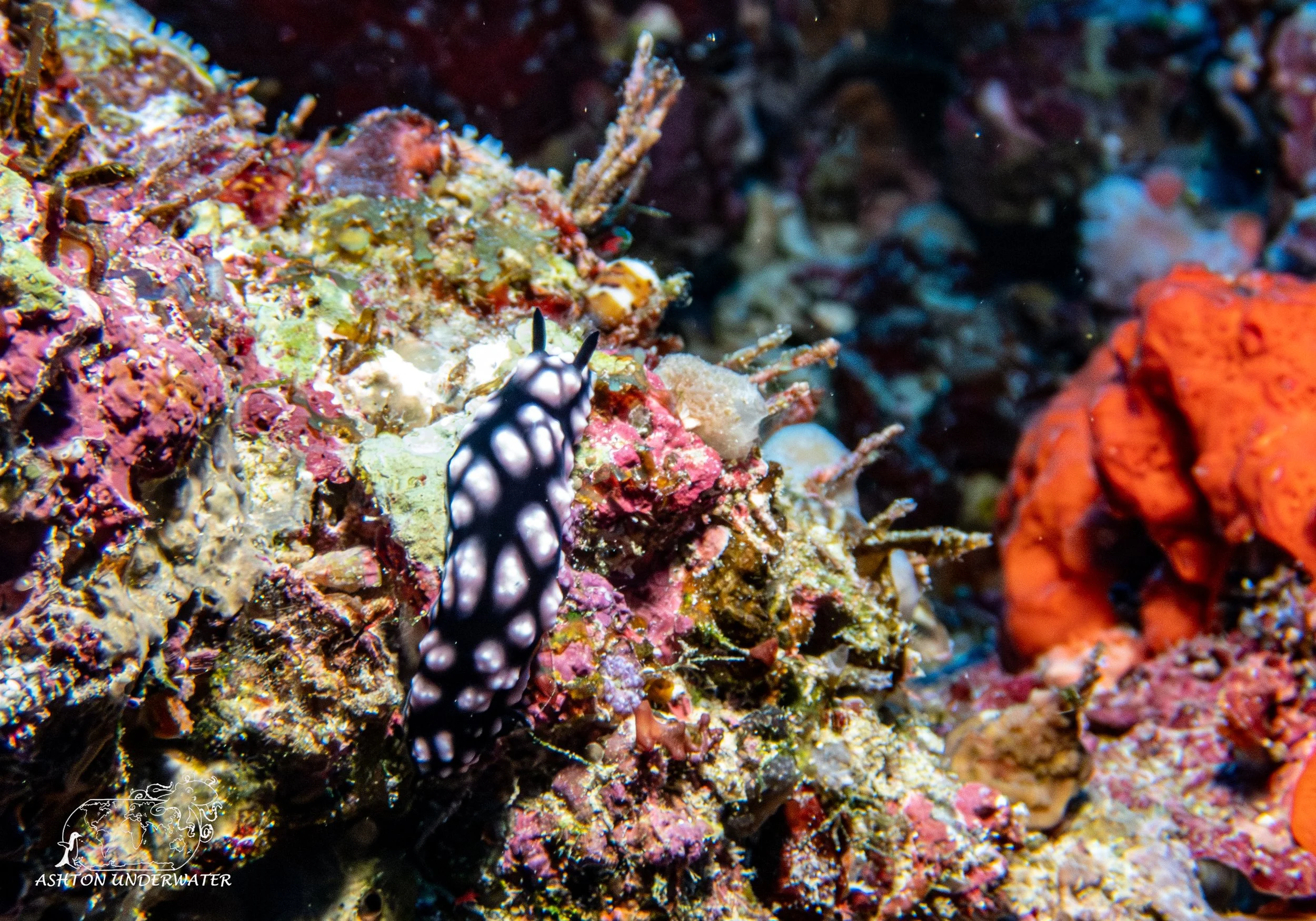
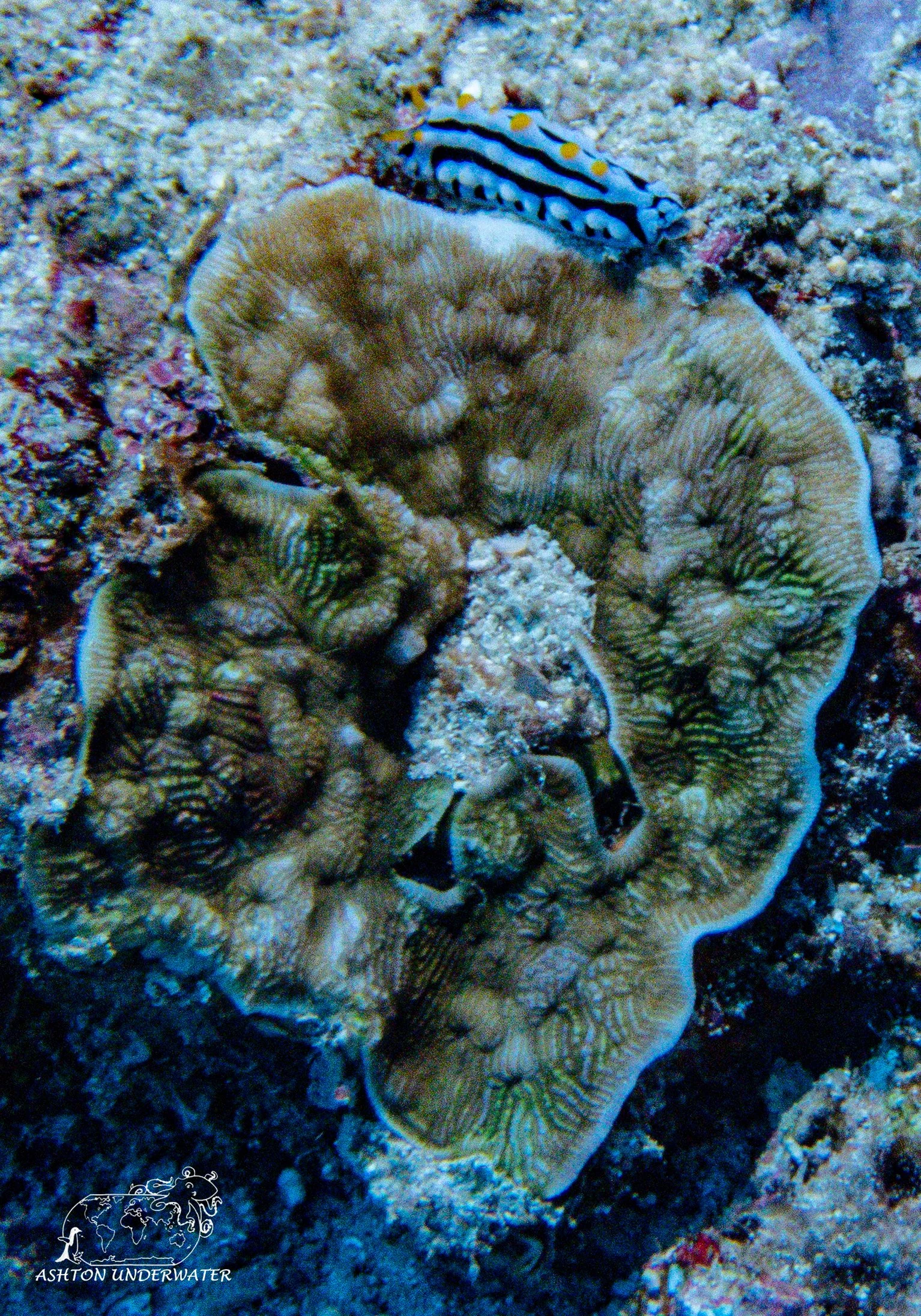
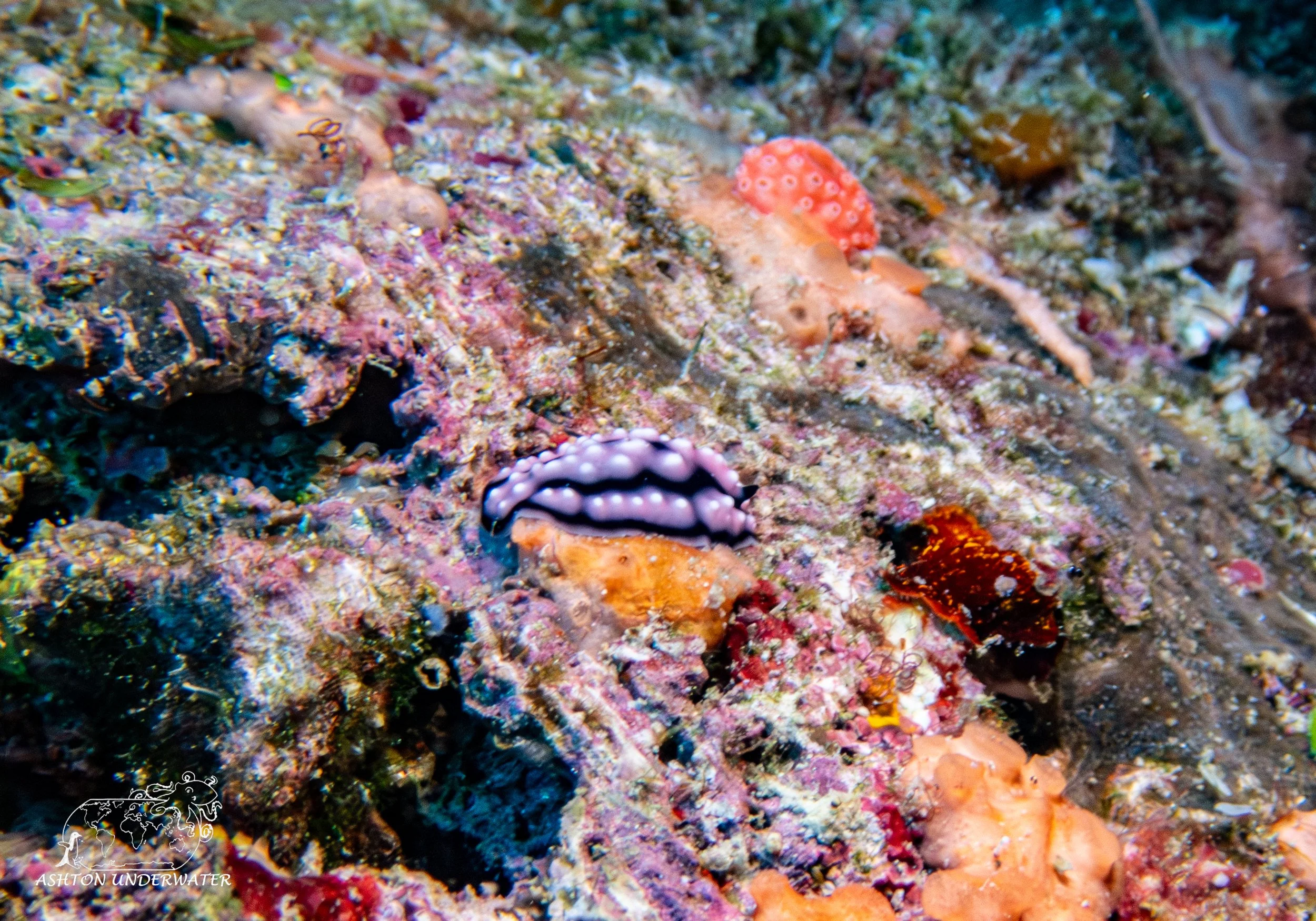
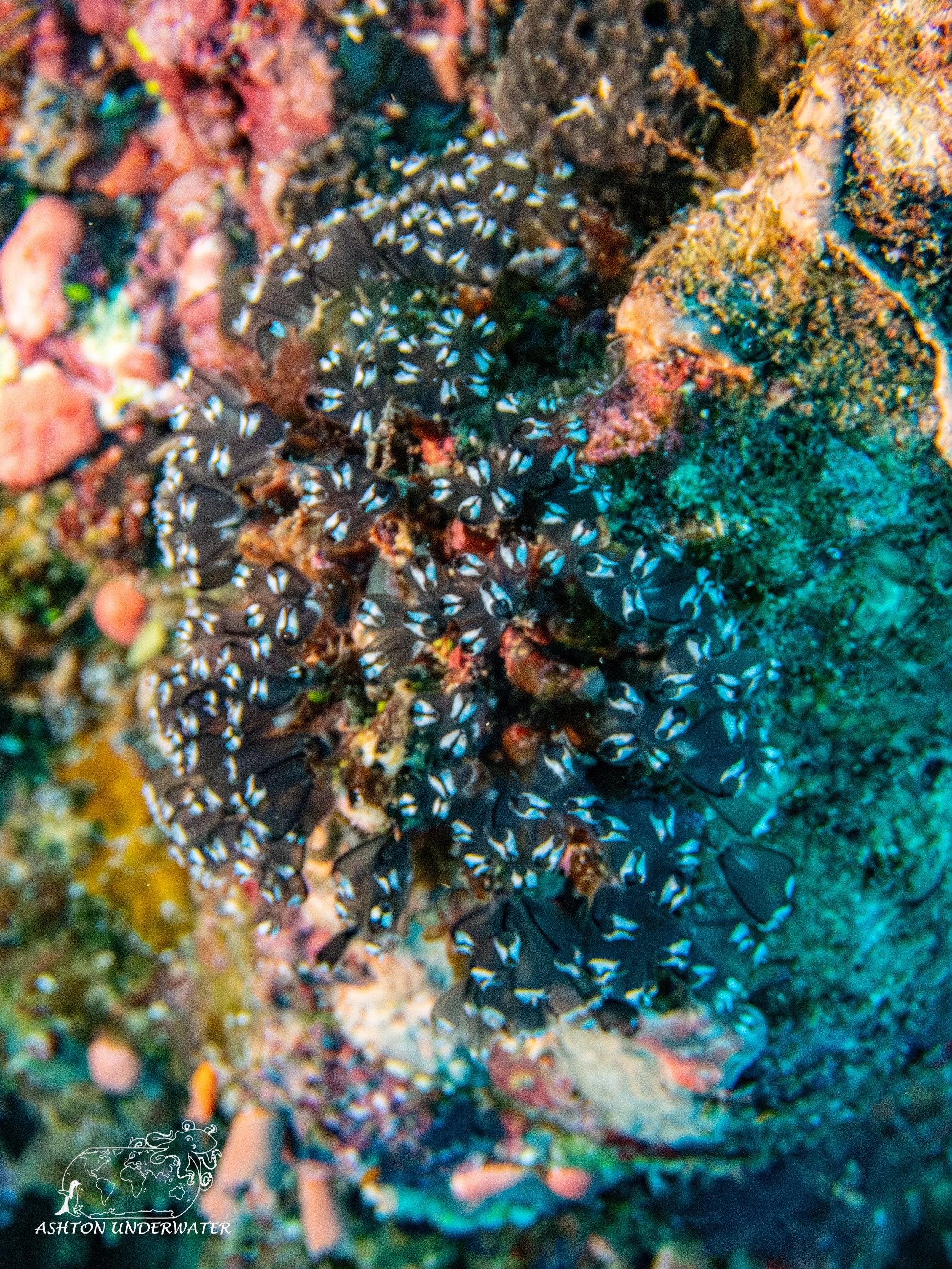
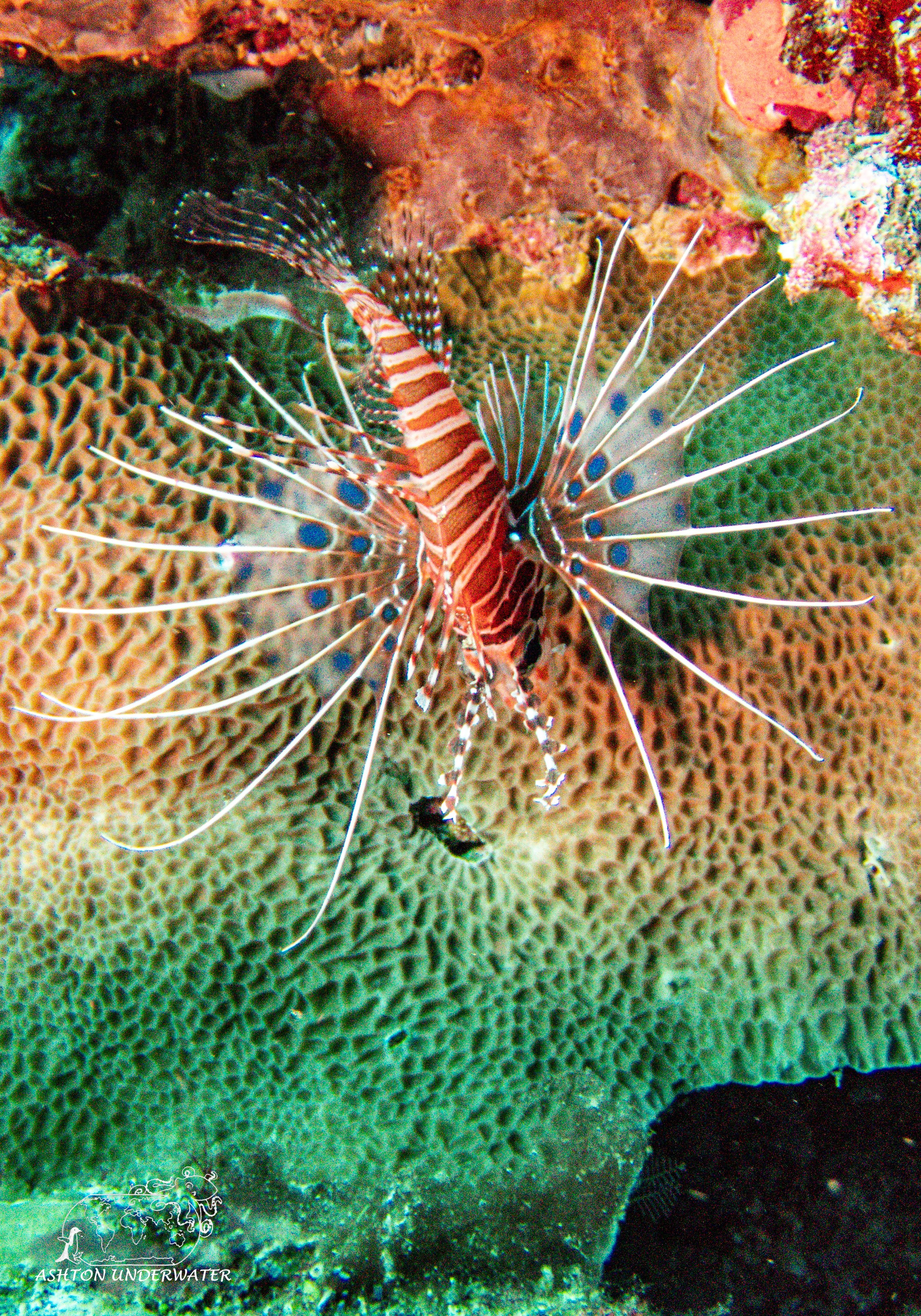
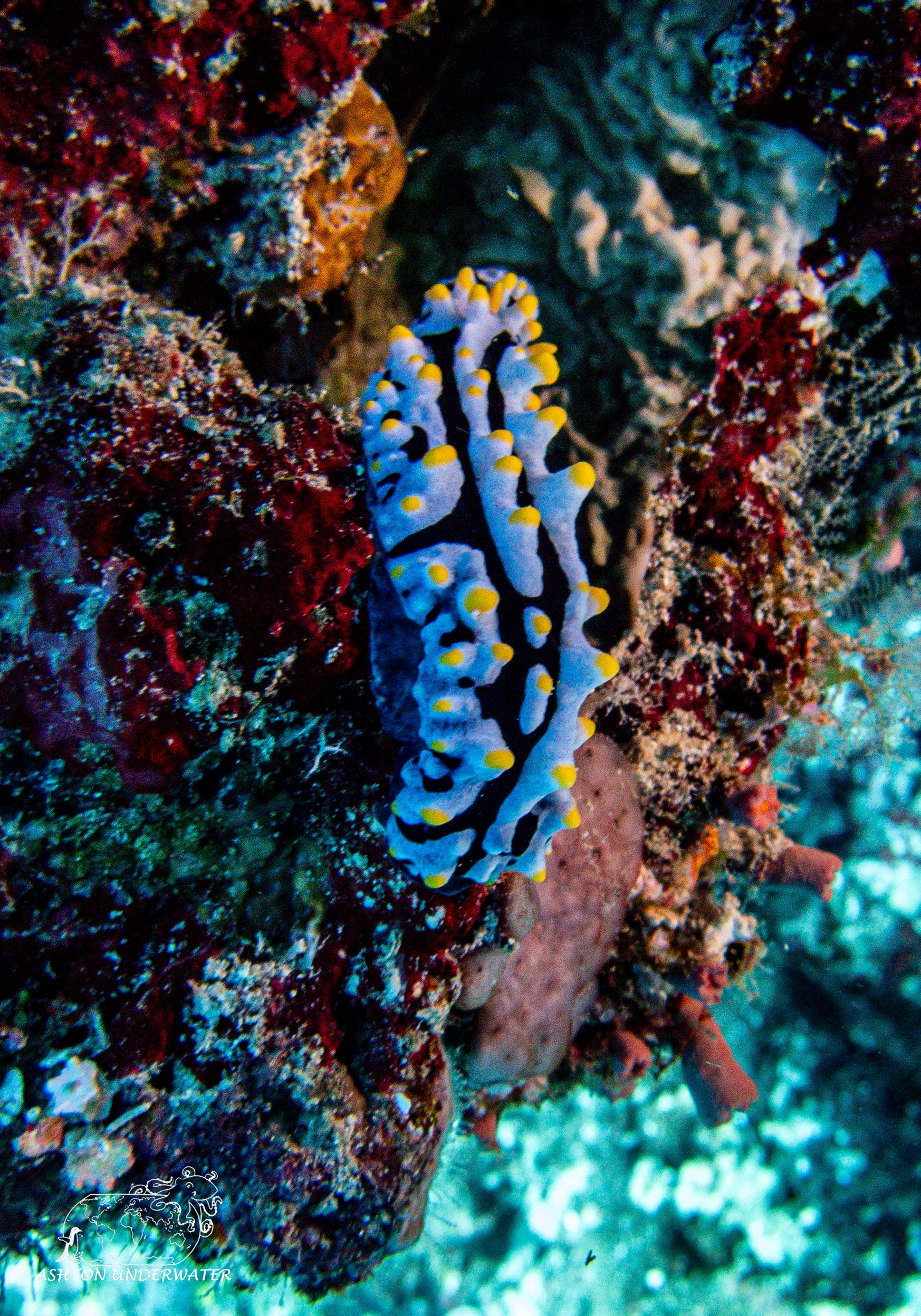
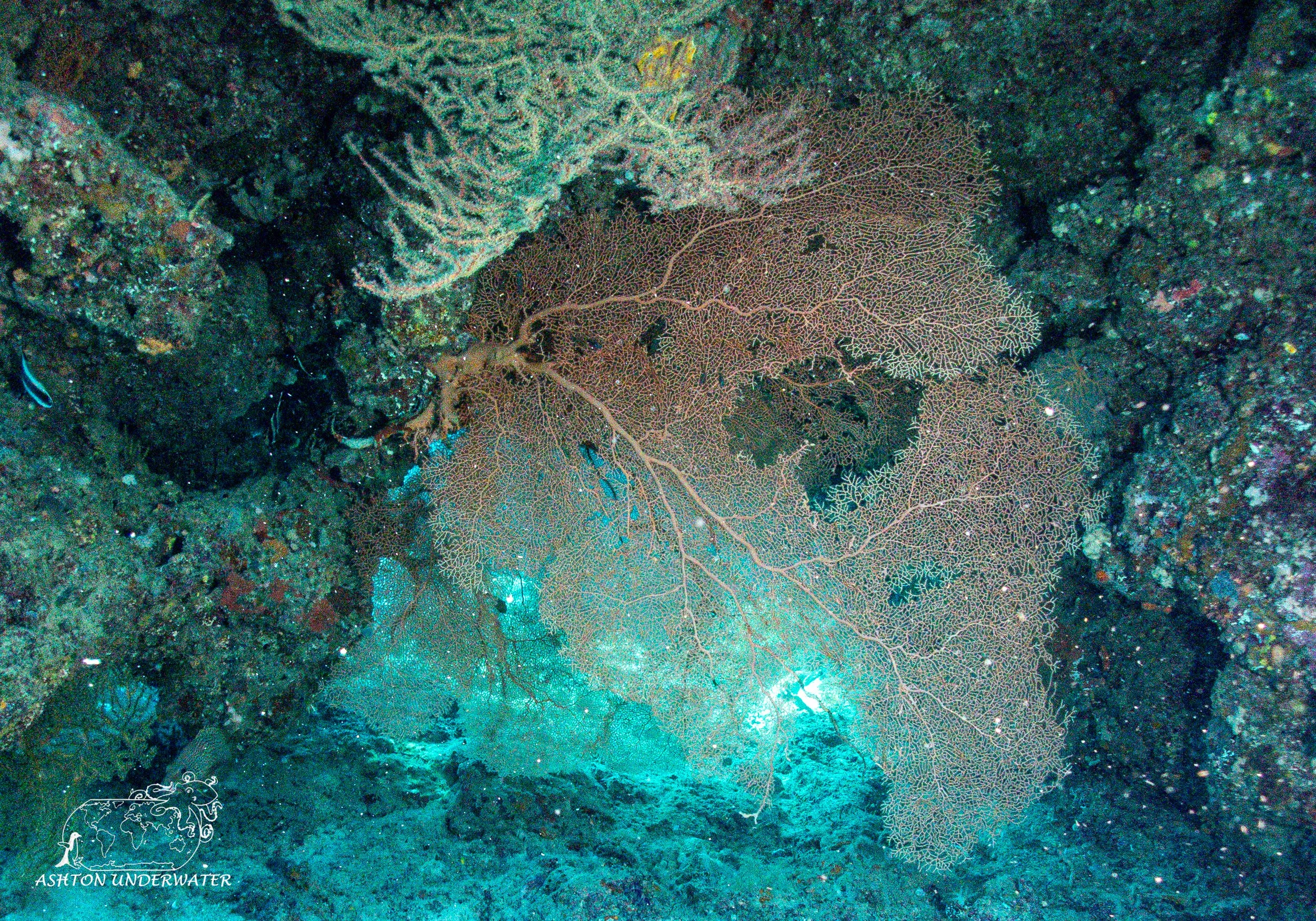
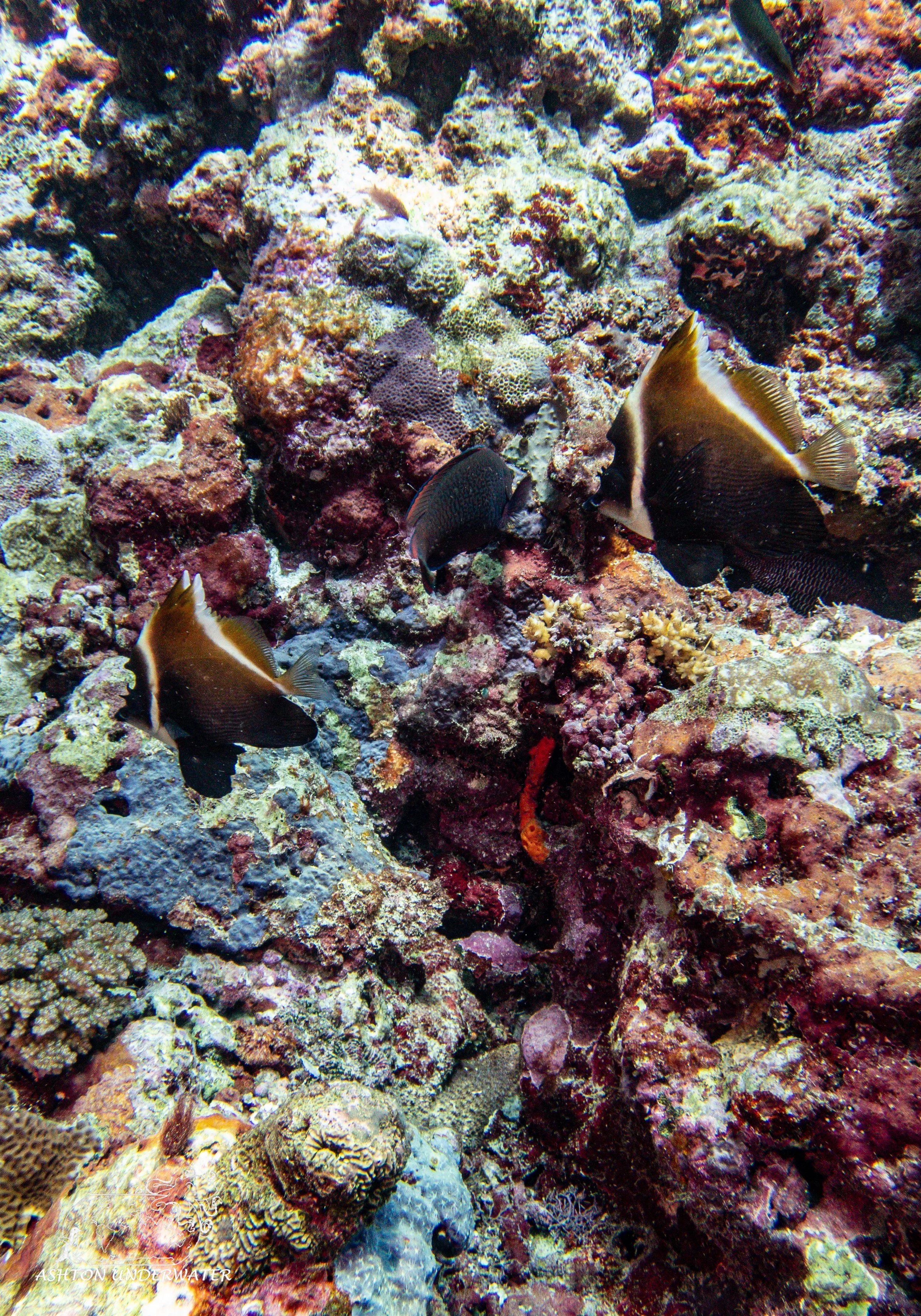
This site is a sheer wall that drops down to over 130’. It is located near the island Koemurun which is the home of the Karamulon village on the northern point. Along the wall there are several levels of plateau that result in a high chance of rays and sharks. Hammer heads are rare but possible on the site. On the deeper plateau is the best chance for pelagic species. At the end of the dive is a small coral garden that contains small swim throughs, a variety of corals and plenty of reef fish and nudibranchs.
Custom Cave
61’ for 70 minutes
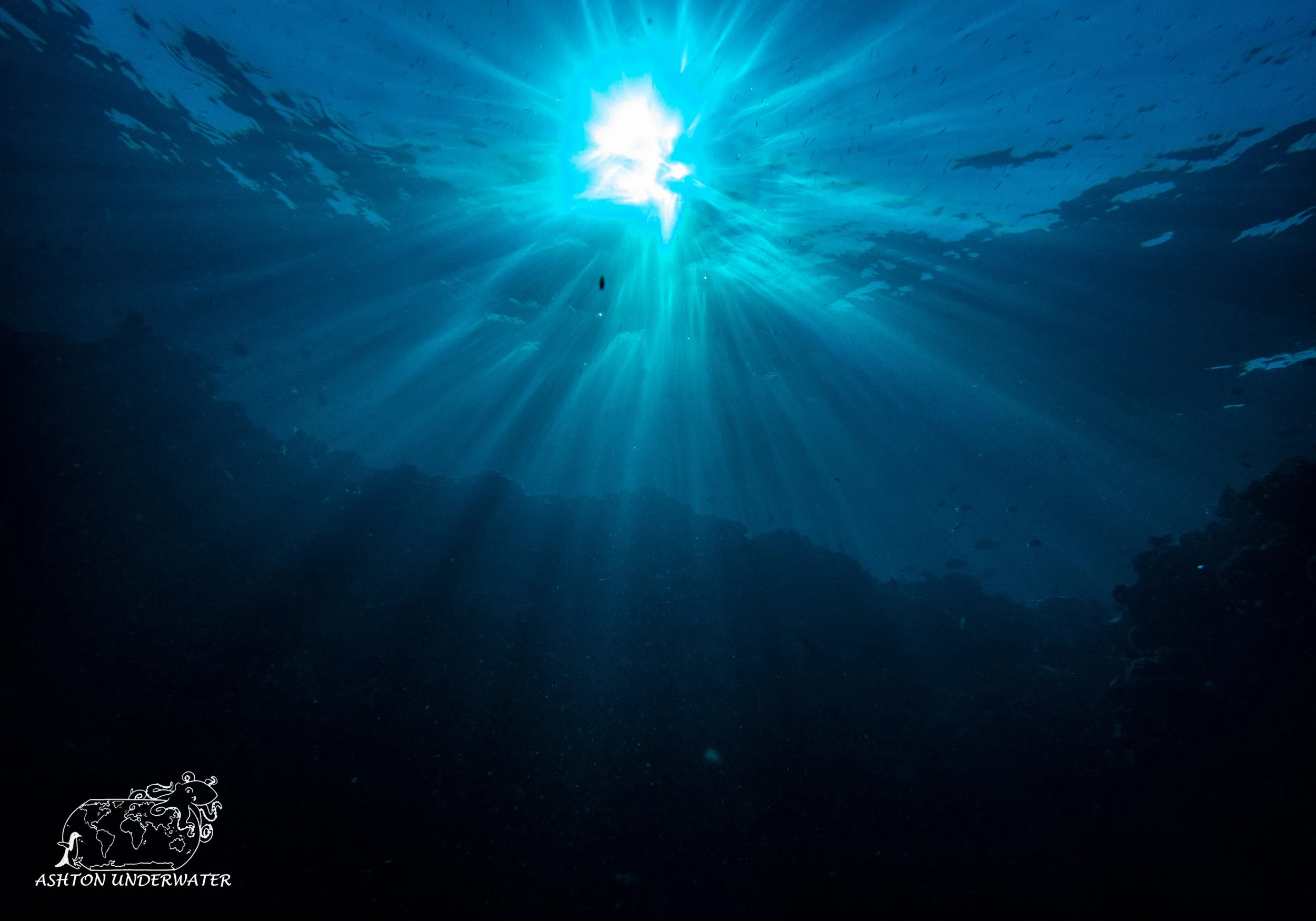
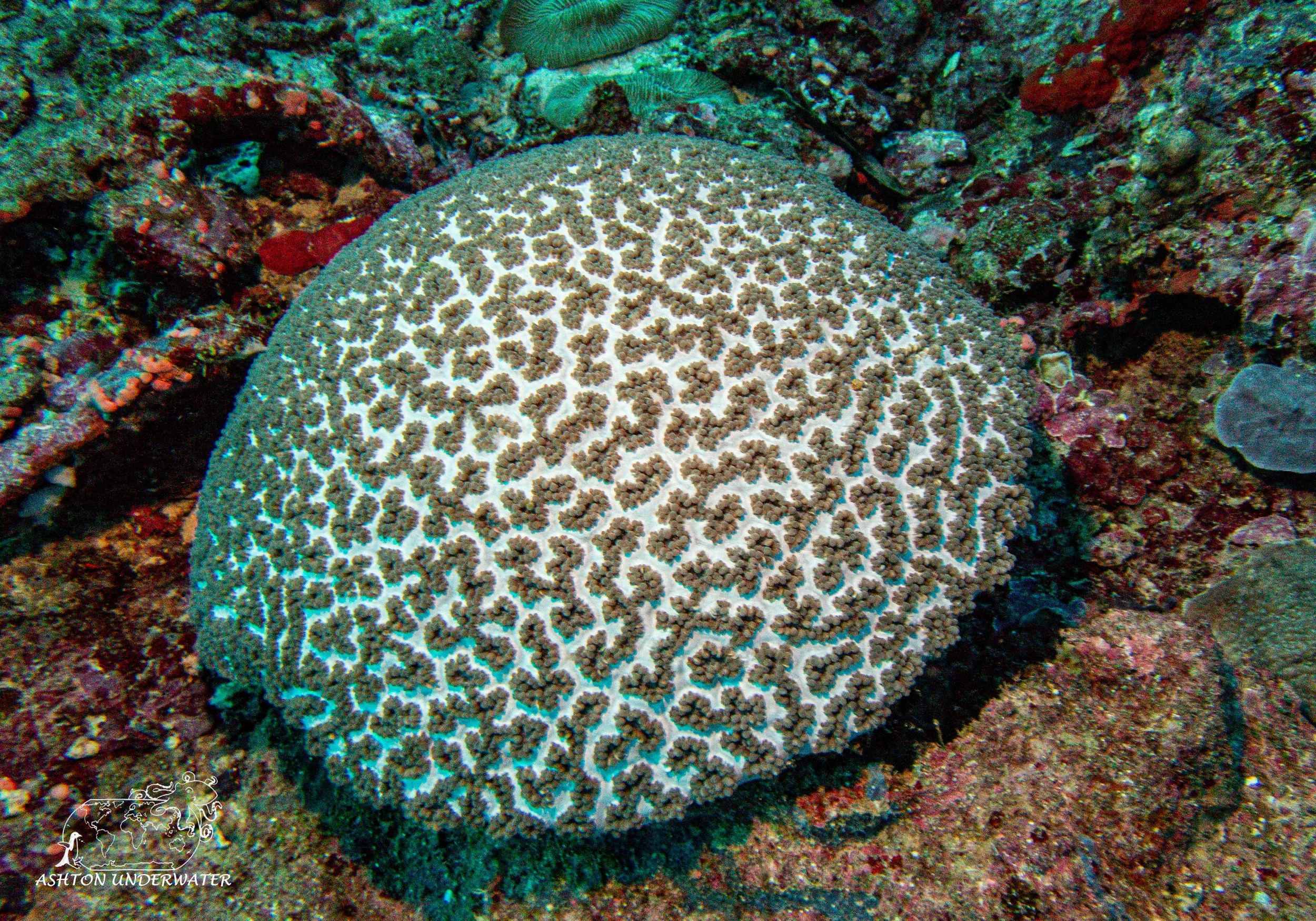
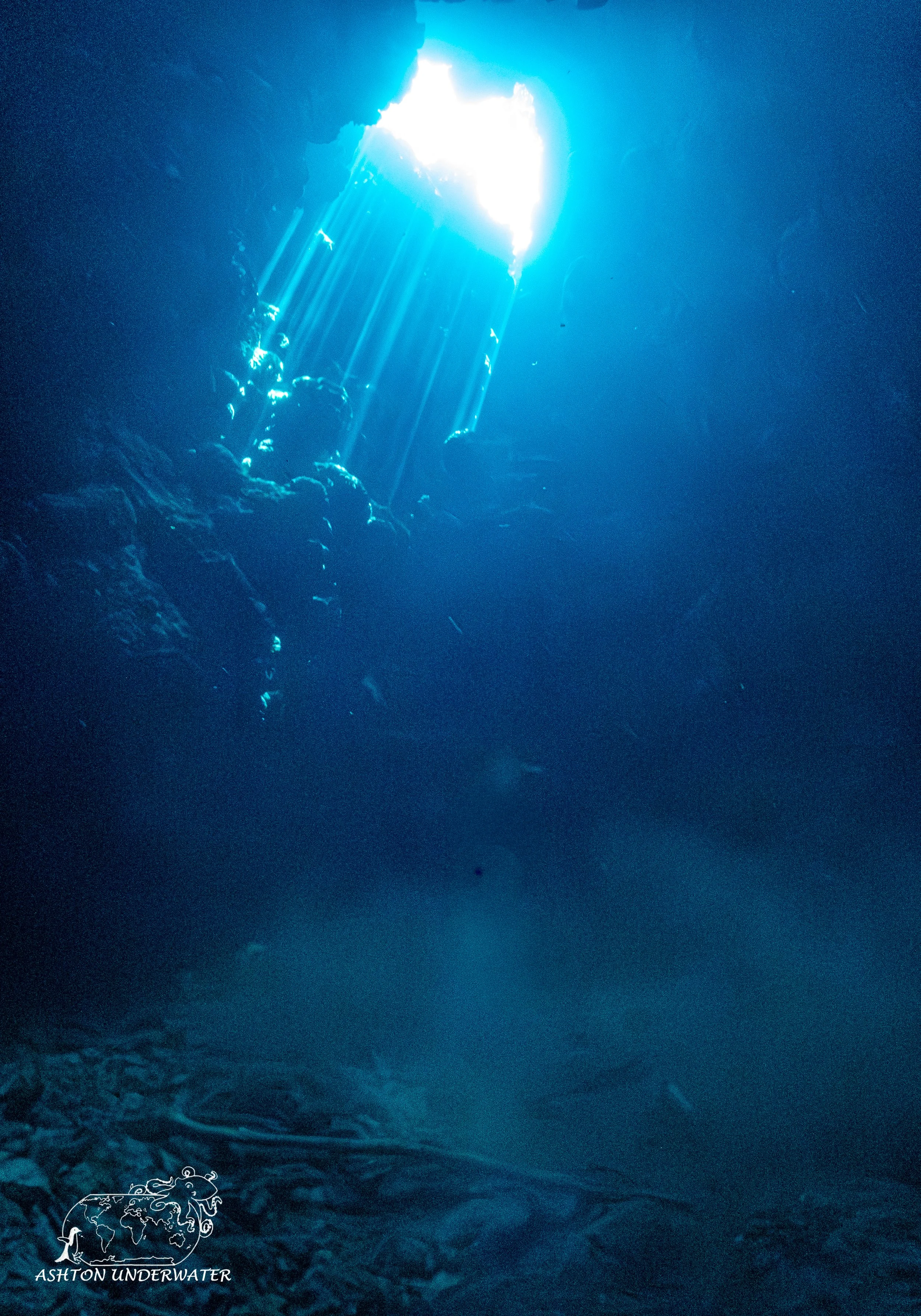
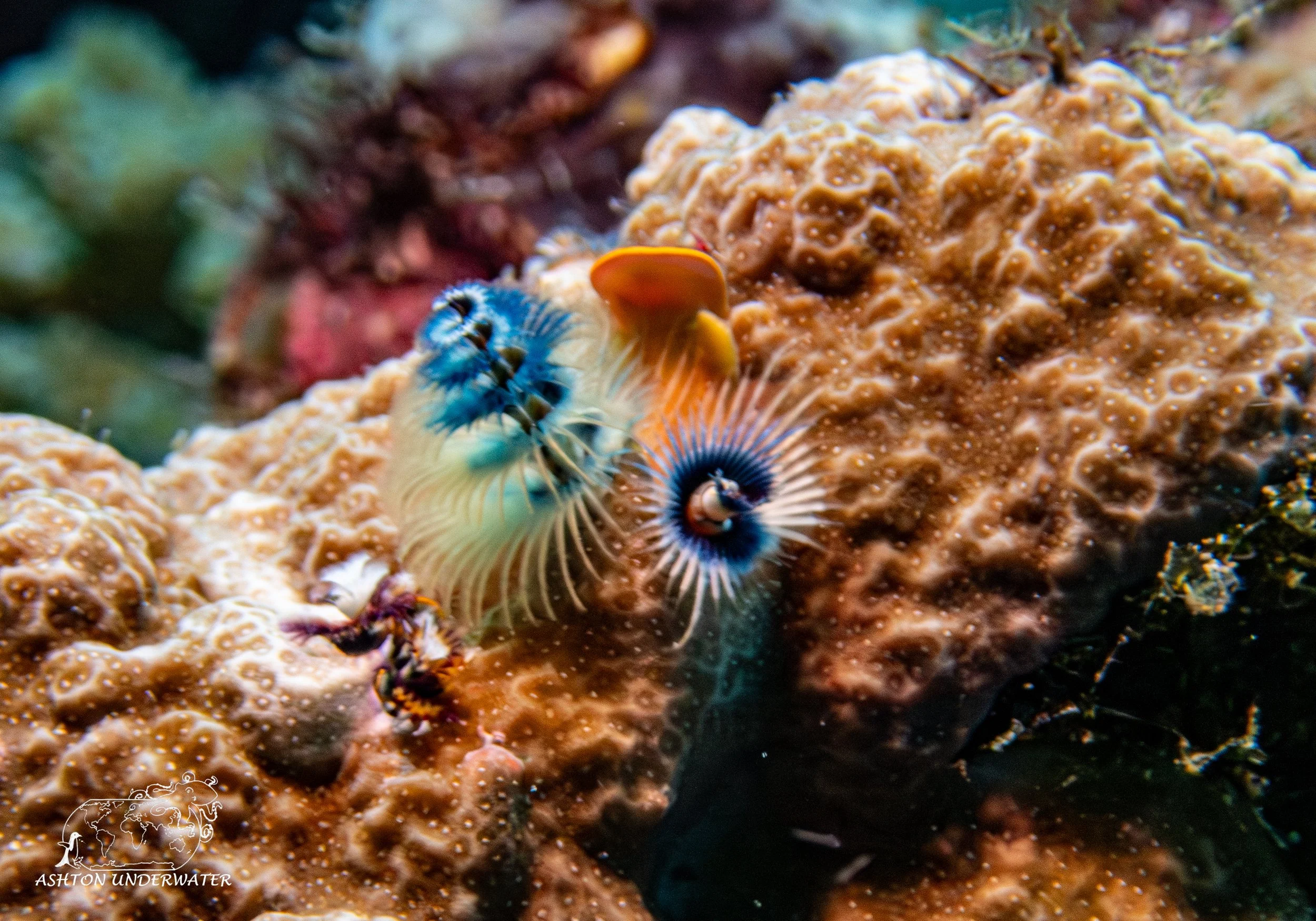
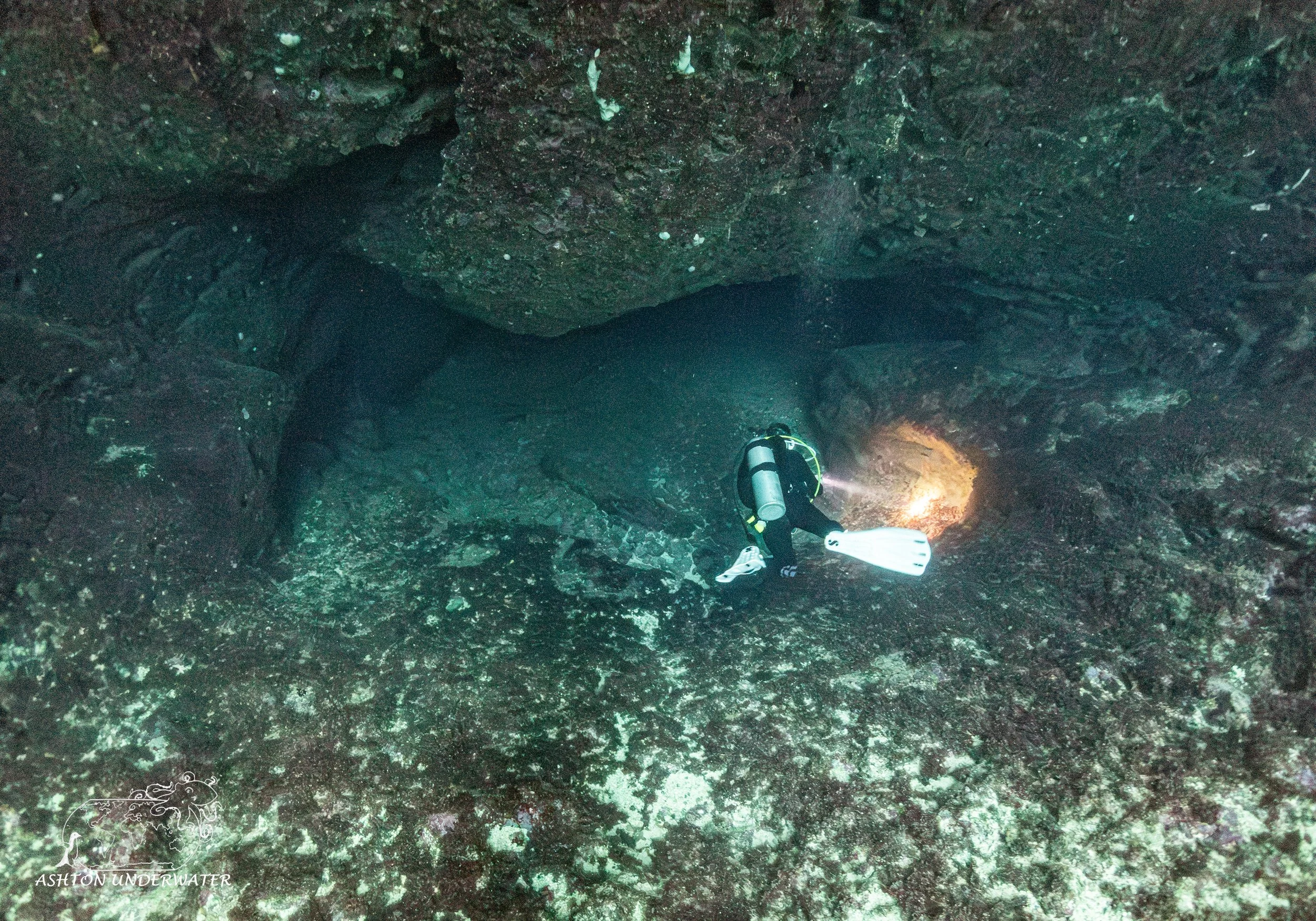
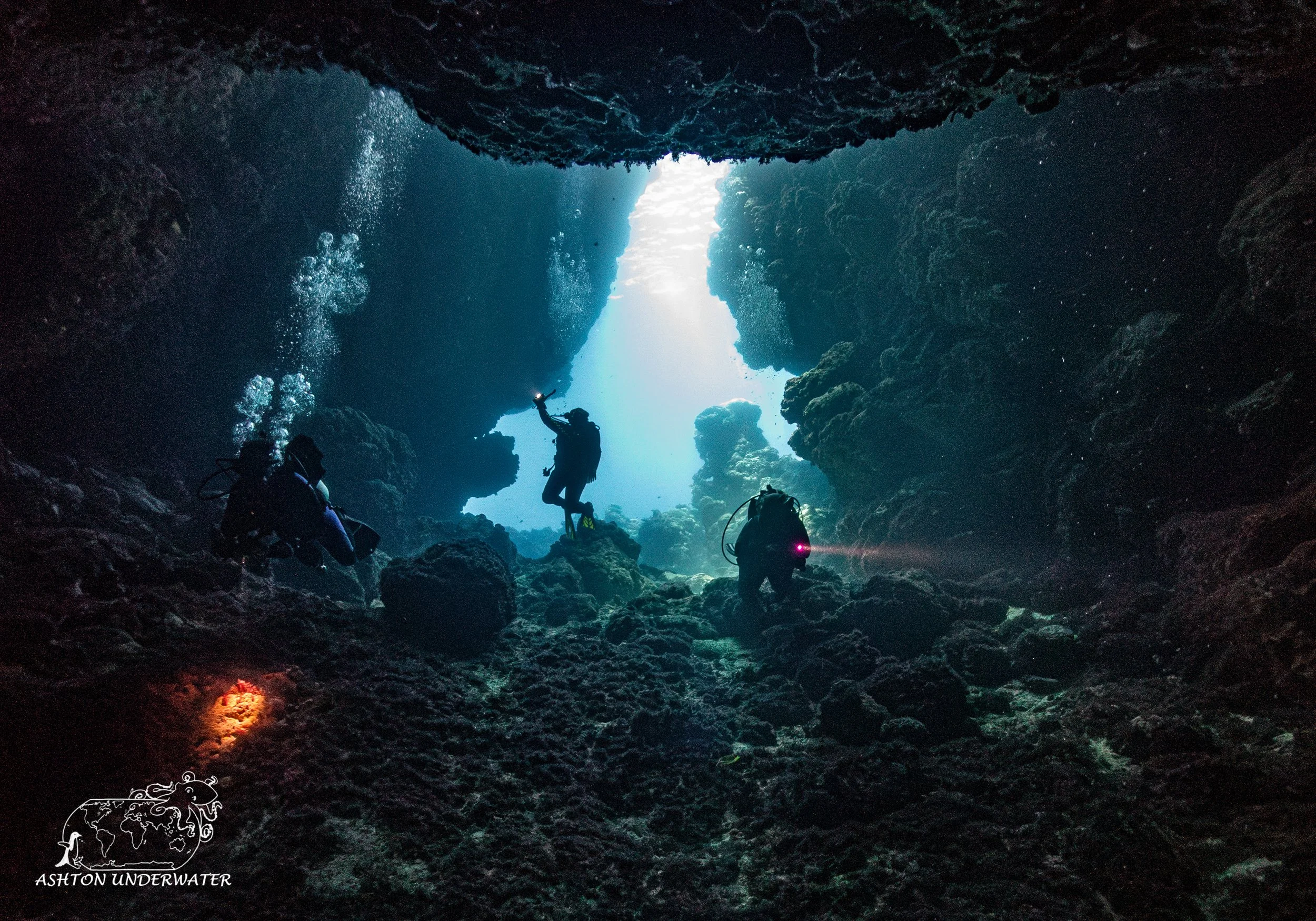
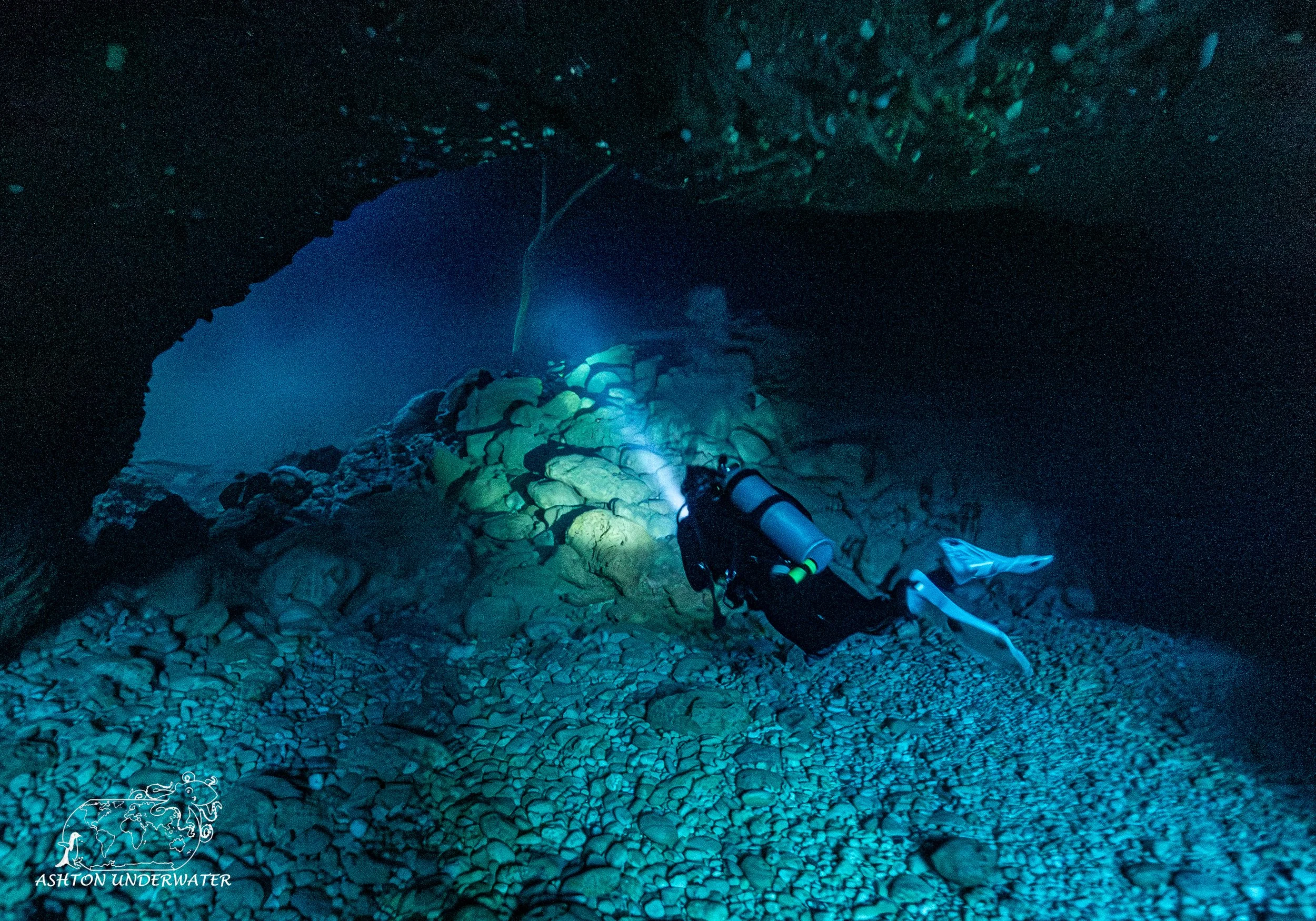
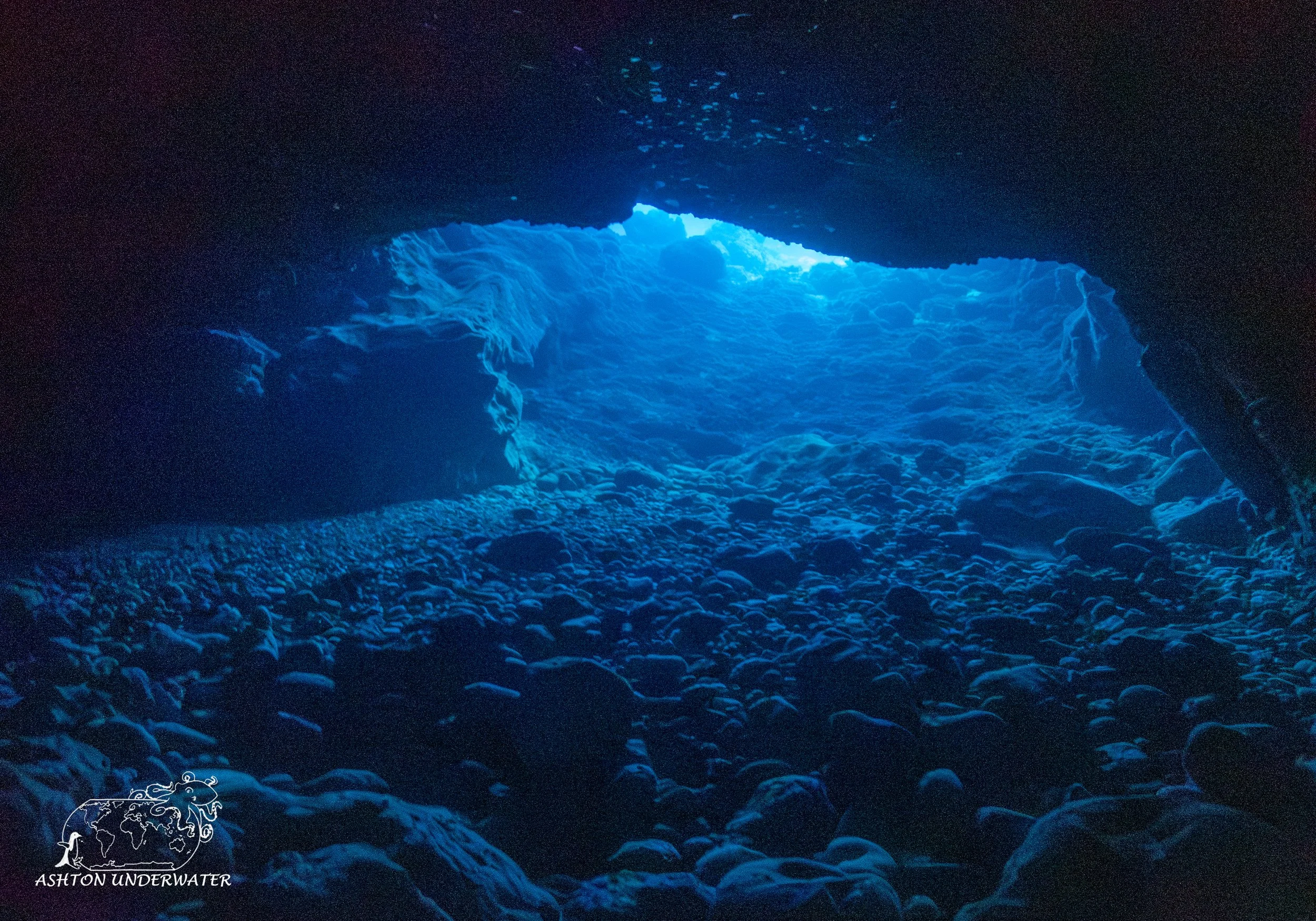
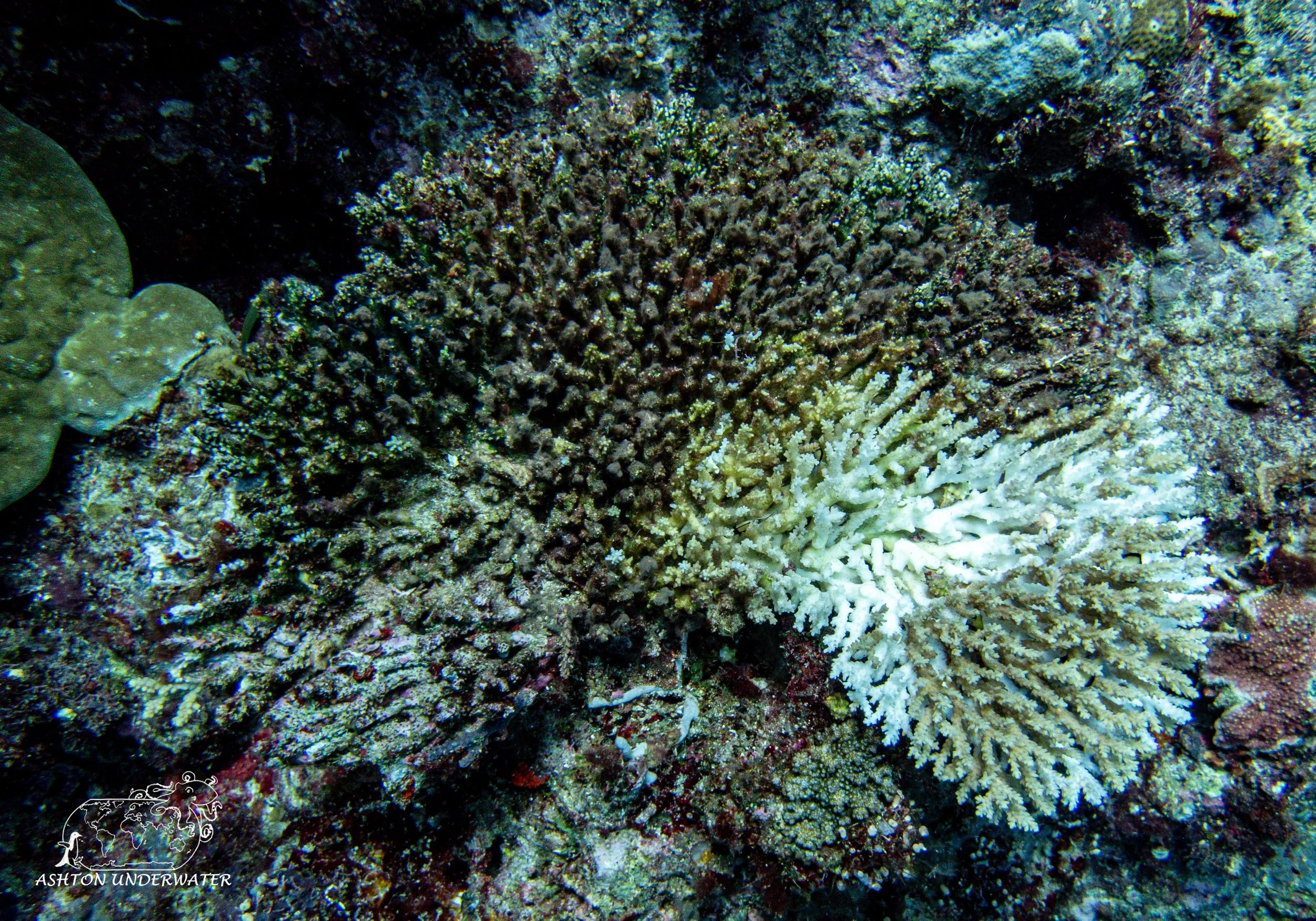
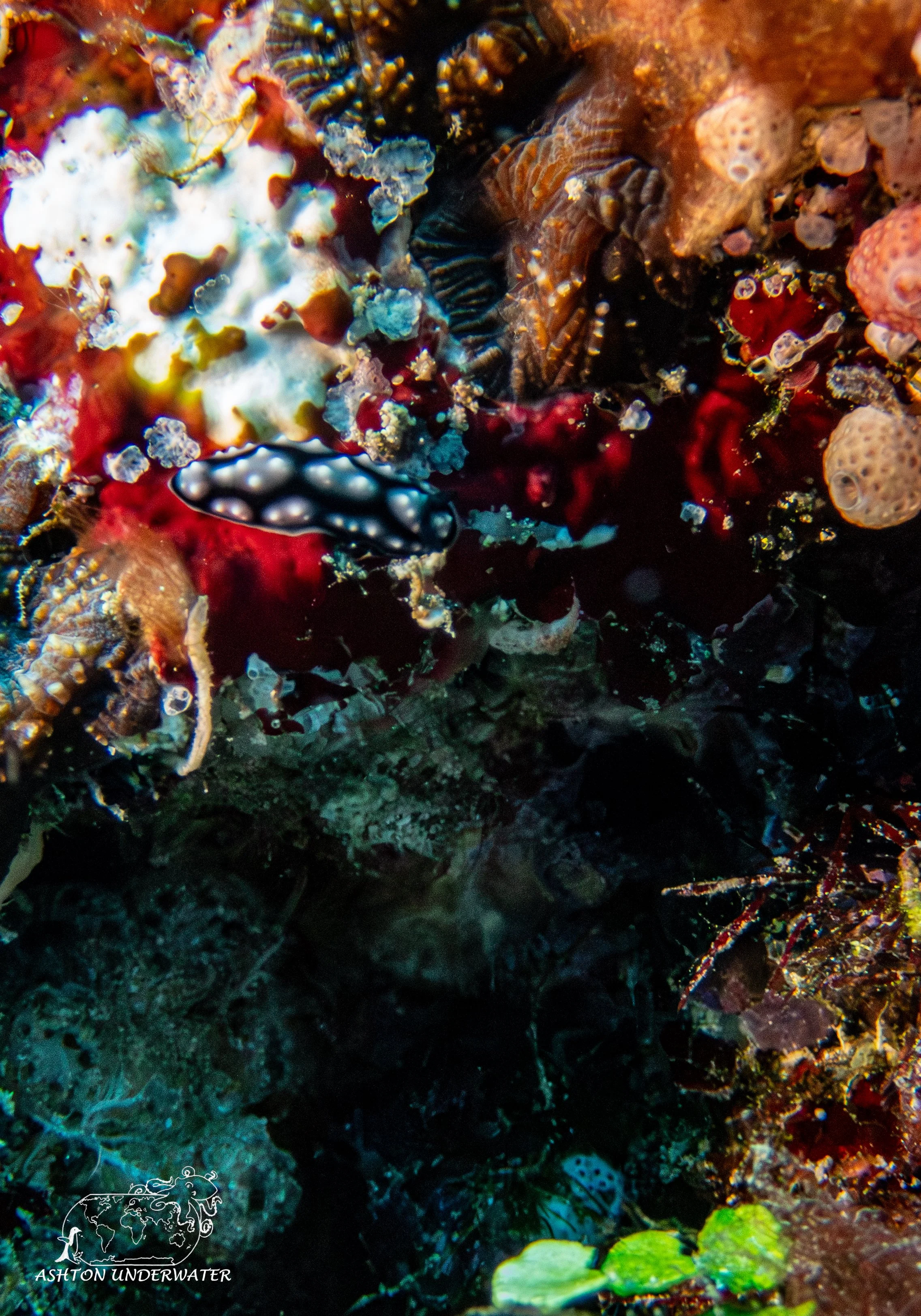
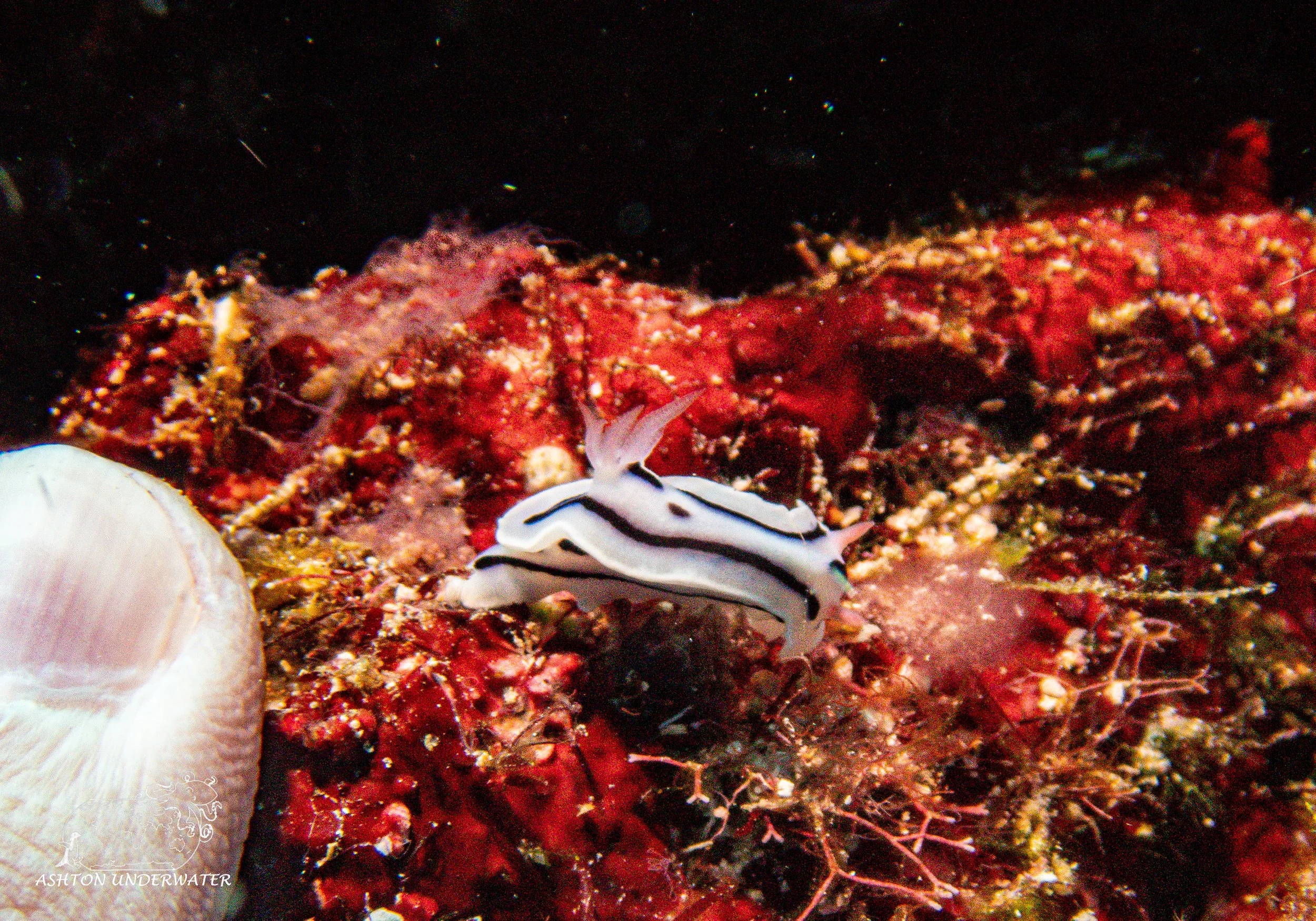
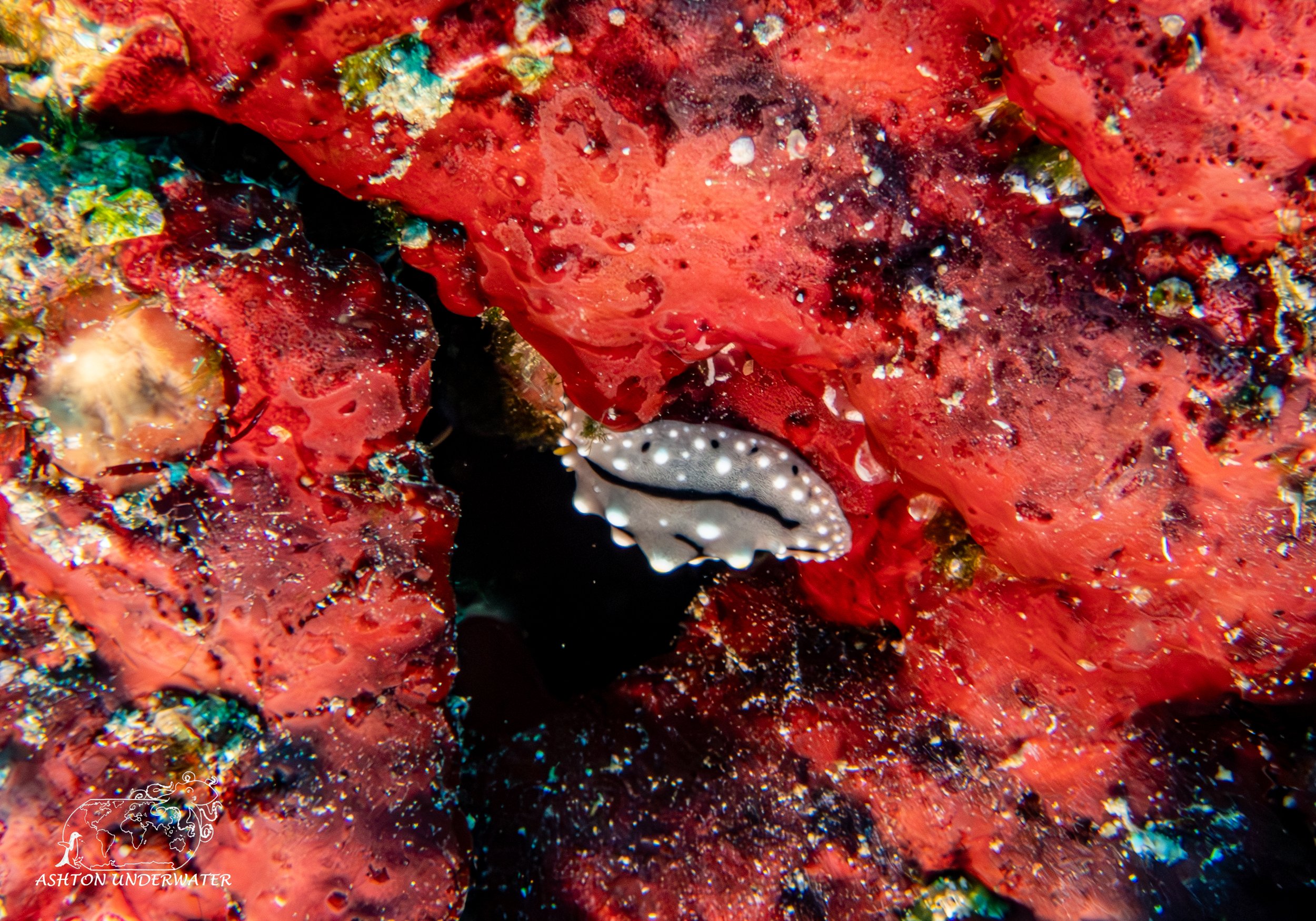
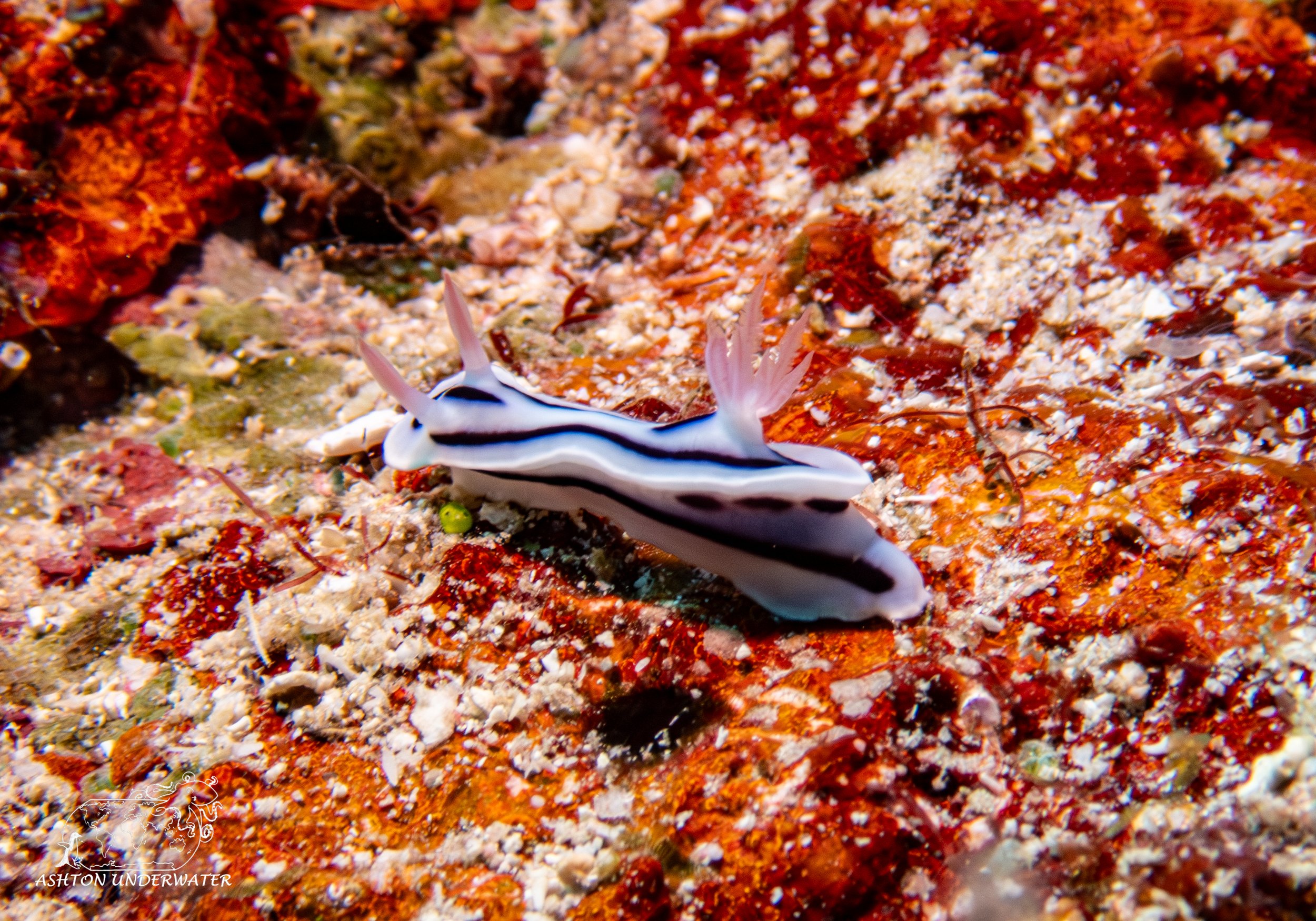
A large underwater dome with an opening in the ceiling. Similar to Mirror Pond there is a cut into the water that leads to the dome in the center. Surfacing in the center allows views of the roots and vines hanging down from the jungle around the site. Leaving the main dome is mostly a wall dive that contains several swim throughs, some of which have narrow twisting passages. It is possible to find marine bettas in the shadows of the caves, in the corals outside pygmy seahorses hiding in the corals.
Bat Cave
72’ for 73 minutes
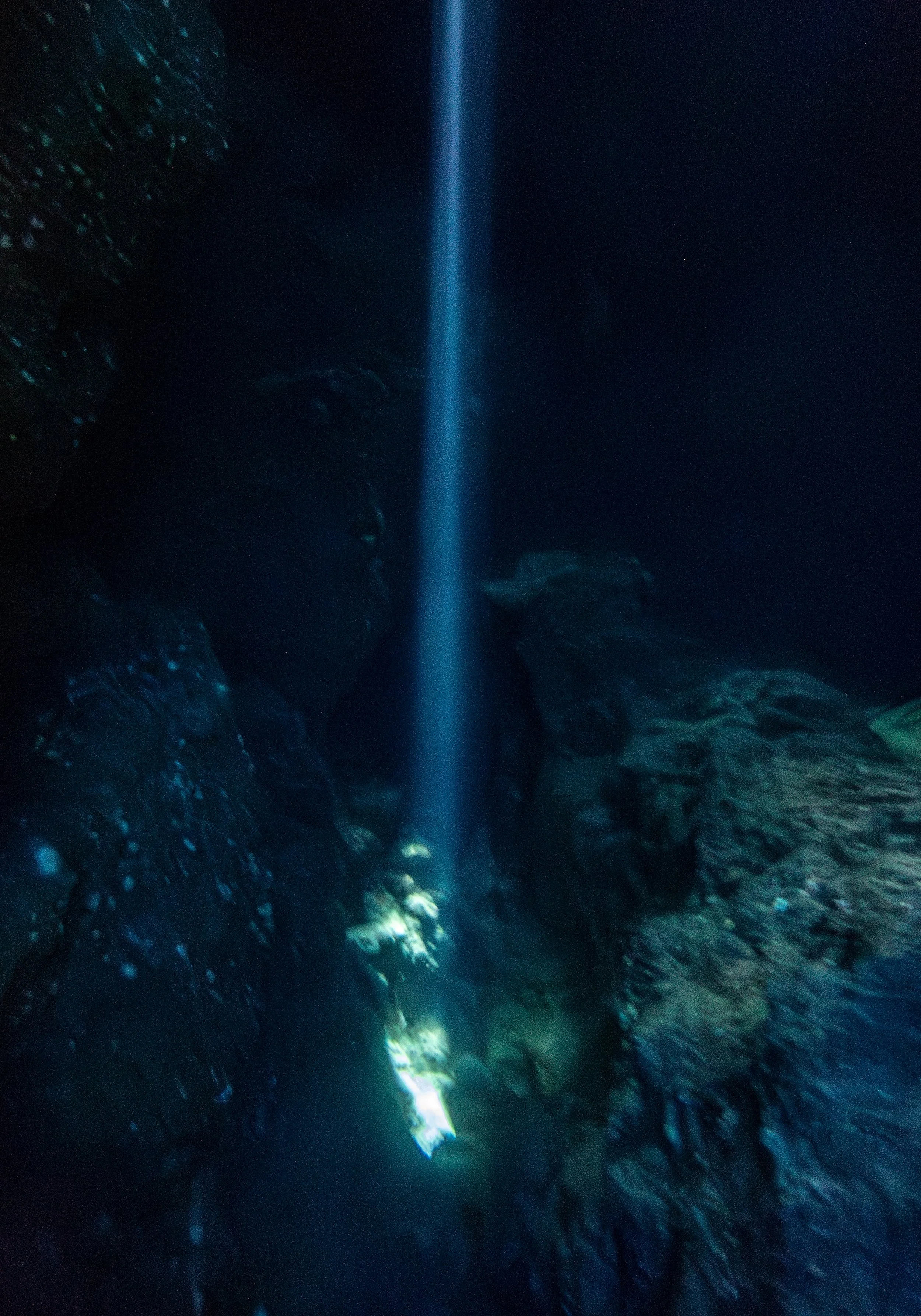
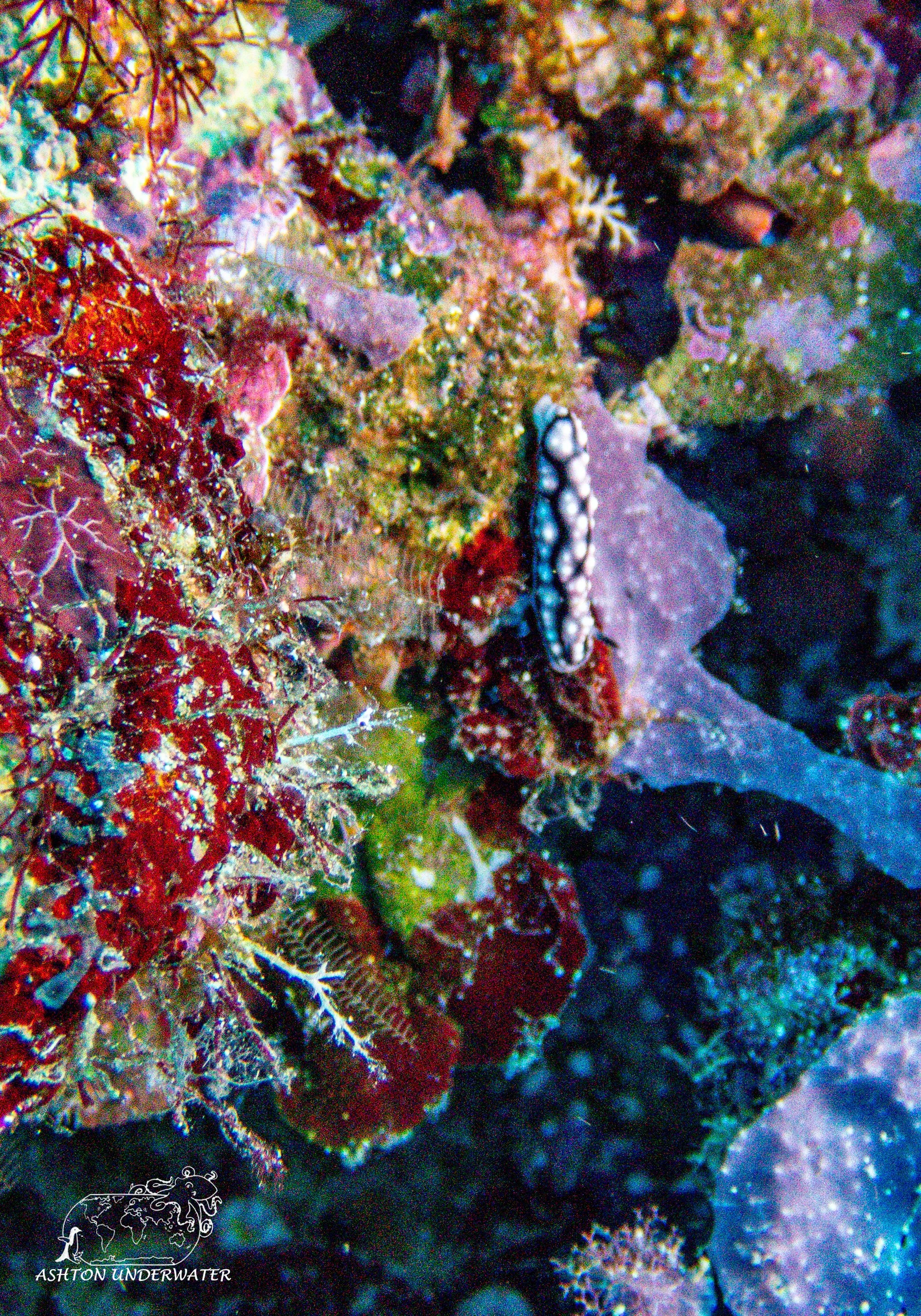
The last cave of the trip, similar to previous ones this cave is a cut into the island, at the back of the cave bats are commonly seen roosting during the day, and occasionally flying around. After enjoying bat time, head back towards the exit along the bottom, exit the cave and follow the wall along as it gradually becomes less steep. Slightly more colorful than the previous walls, the site contains lots of small macro creatures hiding amongst the corals.
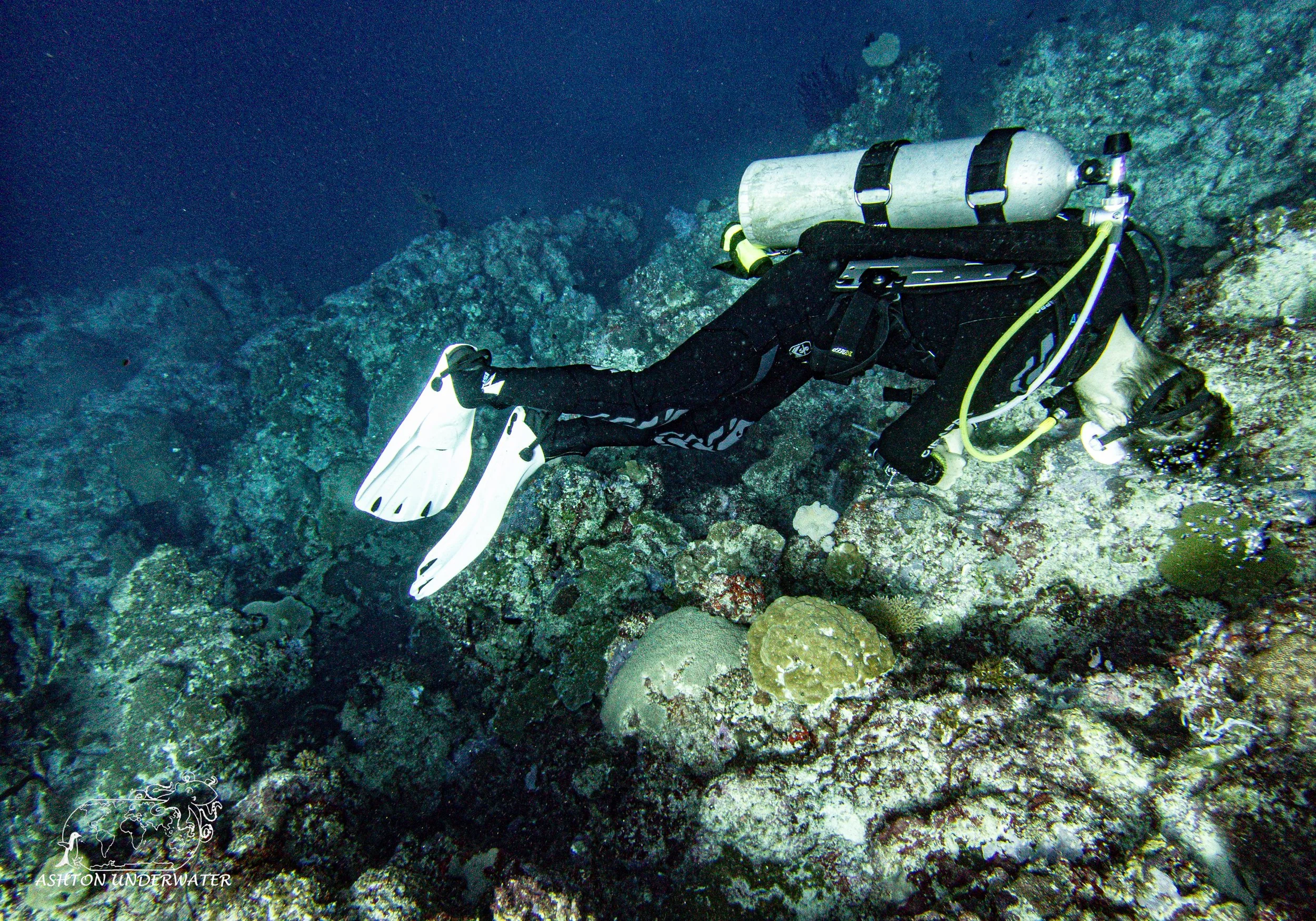
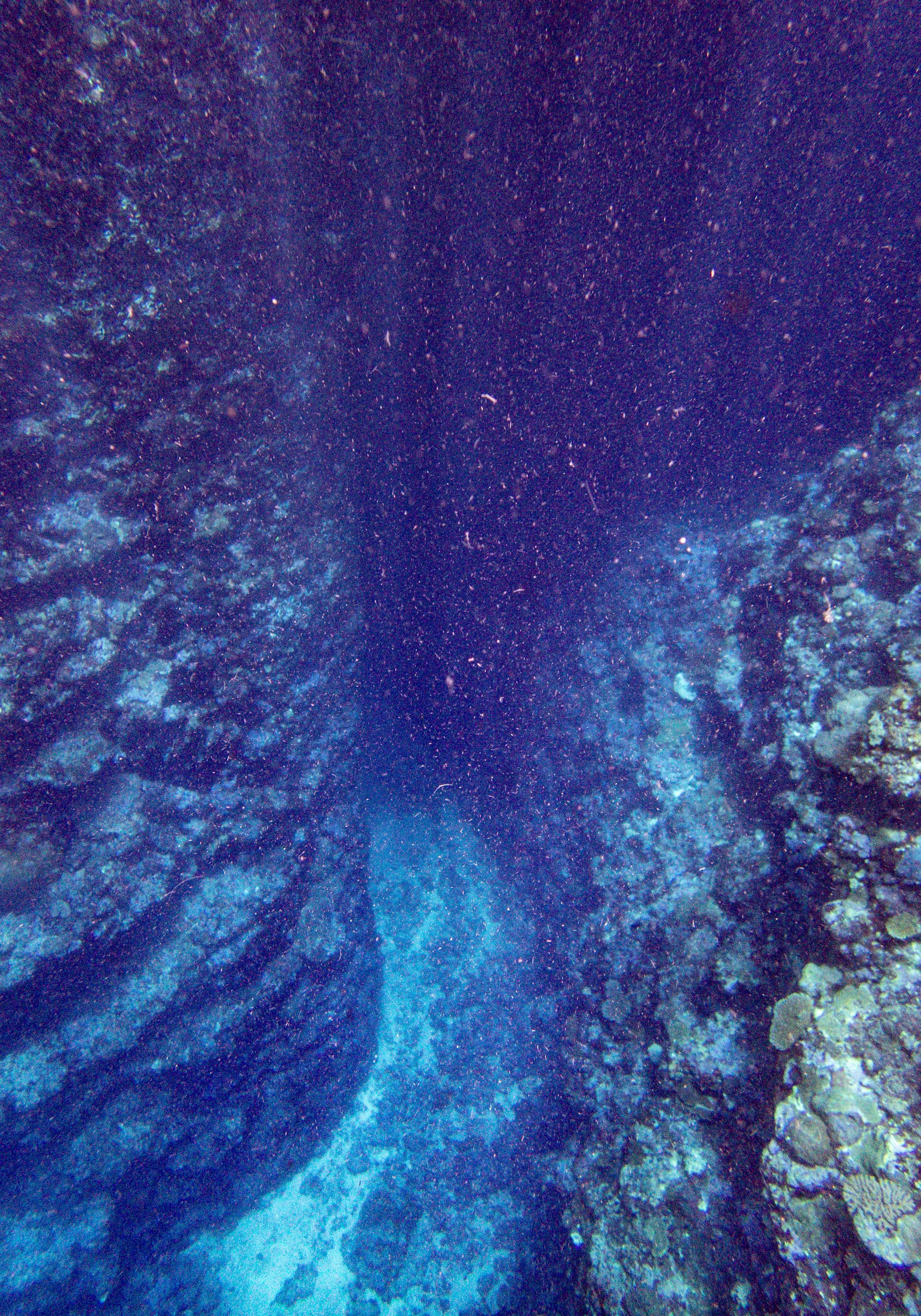
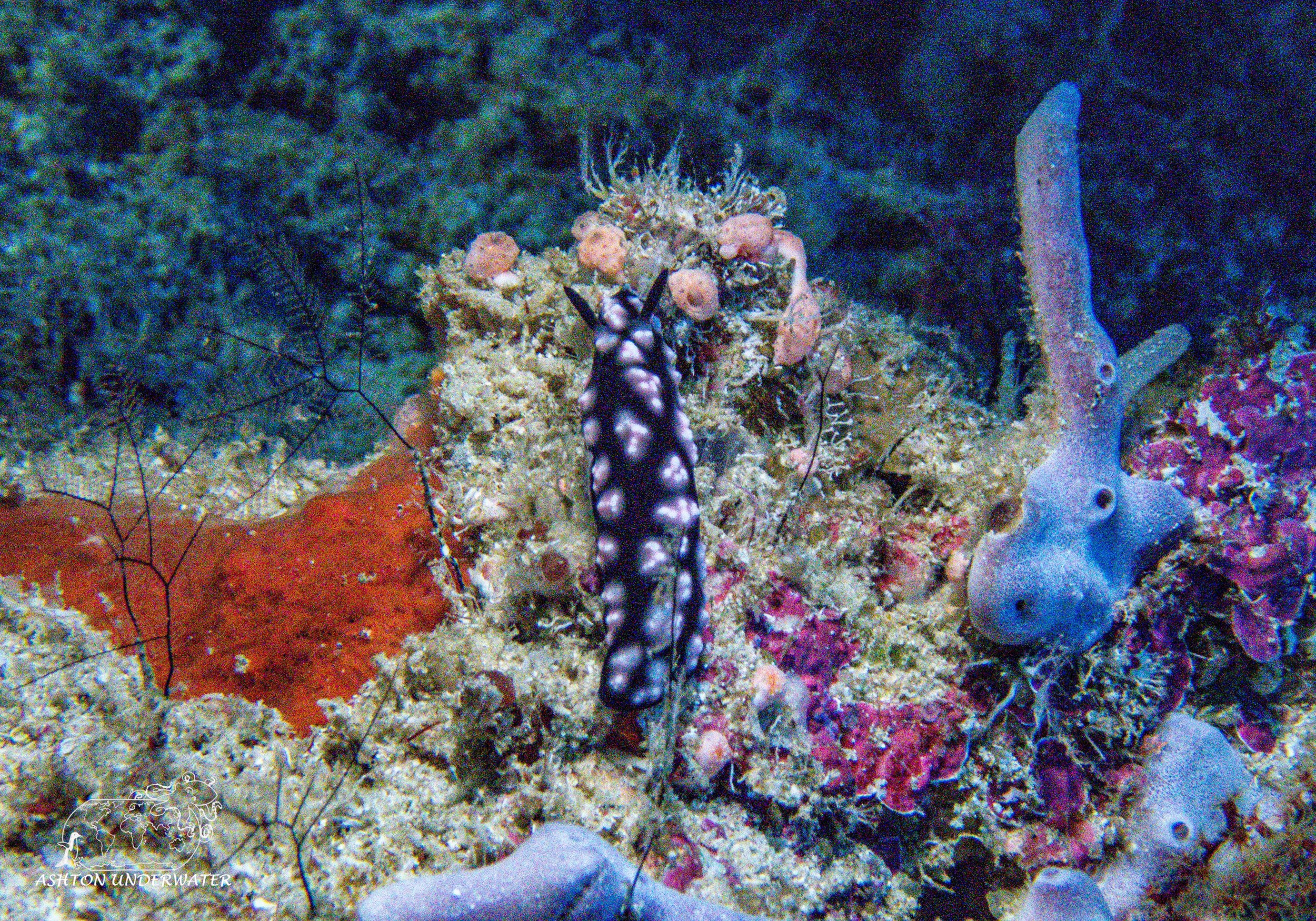
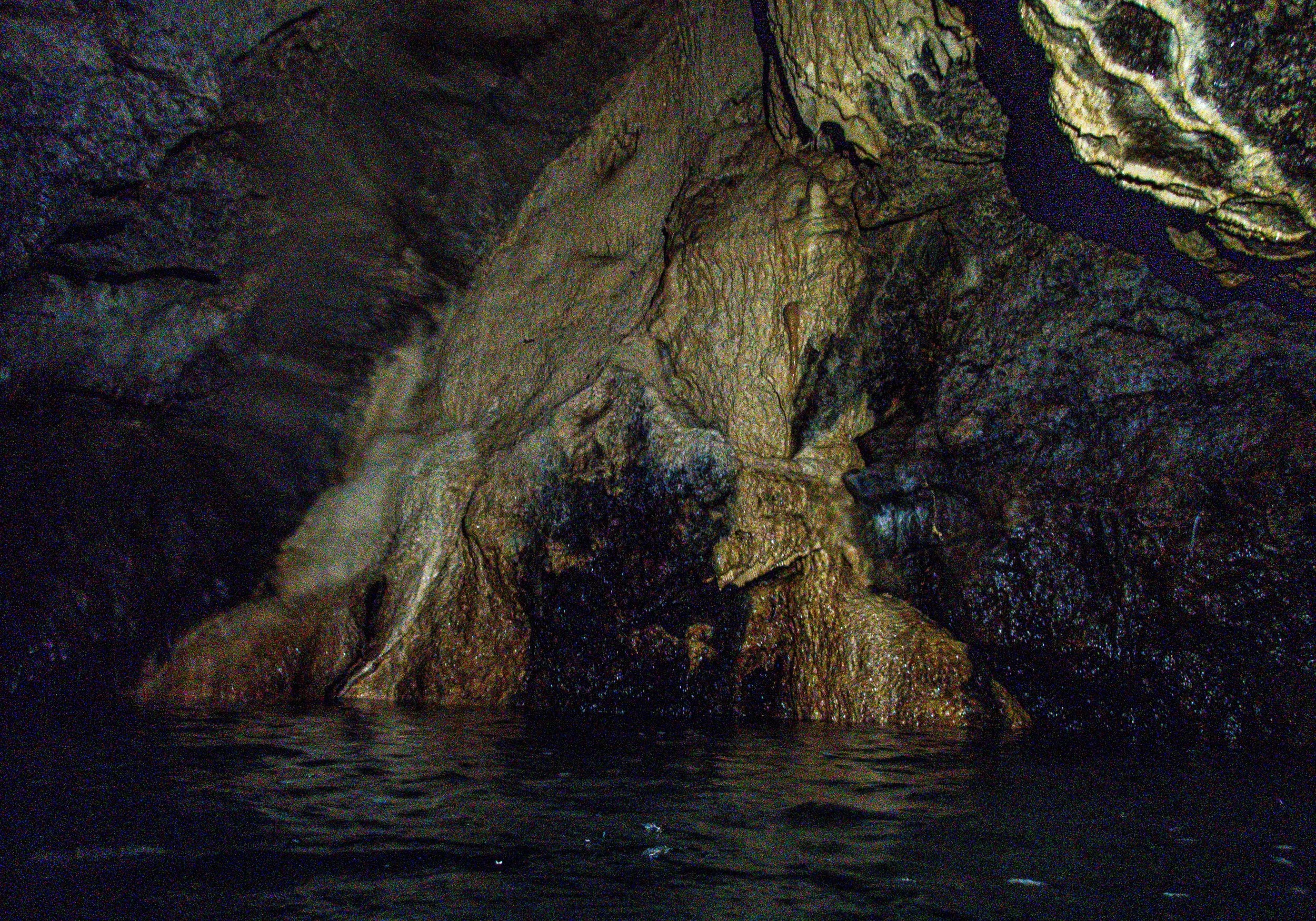
Emperor Divers: Honiara
Dive Guide: Paul
Dive Buddies: Paul S., Allie B., Karen M.
Total Time: 2 hours and 3 minutes Total Dives: 2
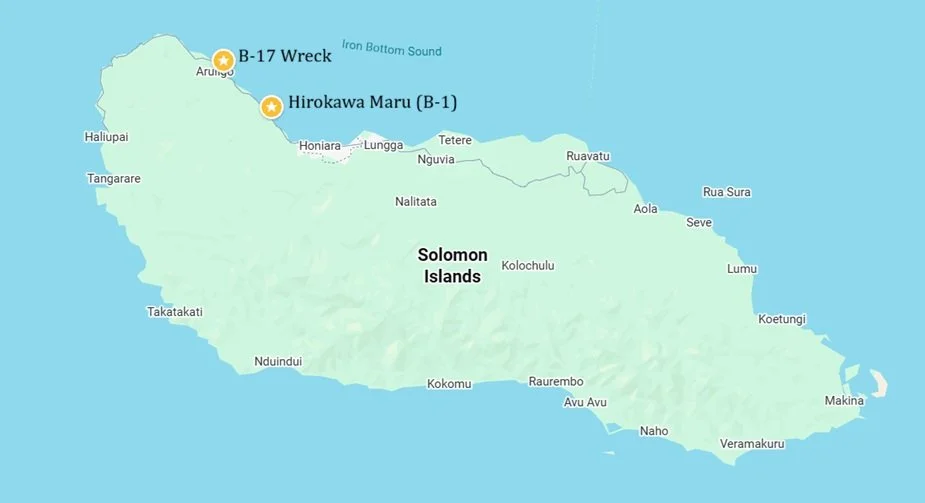
Emperor Divers: Honiara, allowed us to do two additional wrecks while we waited for our outgoing flights back to Fiji and the US. Their shop is located close to the hotel district and picked us up from our hotels before driving to the northern part of the island through some very bumpy and bouncy roads. Presently they are only offering shore dives, but are in the process of getting a boat for day trips to some of the other sites.

B-17 Plane
59’ for 56 minutes
Built: First used in 1935 Crashed: 24 September 1942
Wingspan: 104’ Length: 74’
Height: 19’ Crew: 10
Range: 2,000 miles Speed: 287mph
The Boeing B-17 Flying Fortress were commonly used American heavy bombers used during WWII. They were used largely between the late 1930’s and through 1945 with over 12,700 being built during that time. They were a popular model with the US Airforce due to its ability to function as a high-altitude heavy bomber with good durability and long ranges. They typically carried a bomb load of 4,000-6,000lbs but on short range trips could carry up to 8,000 lbs. They were crewed by ten men, typically a pilot, copilot, navigator, bombardier, flight engineer or top turret gunner, radio operator, and waist, ball turret and tail gunners.
During the height of the Guadalcanal campaign the bomber was shot down and damaged by Japanese fighters while carrying out bombing raids on enemy forces near Bougainville. During the attempt to return to base, she struck water, and sank. The pilot and one of the gunners were reported to have made it to shore but unfortunately died sometime after. The remaining crew members were MIA and declared dead after the war.
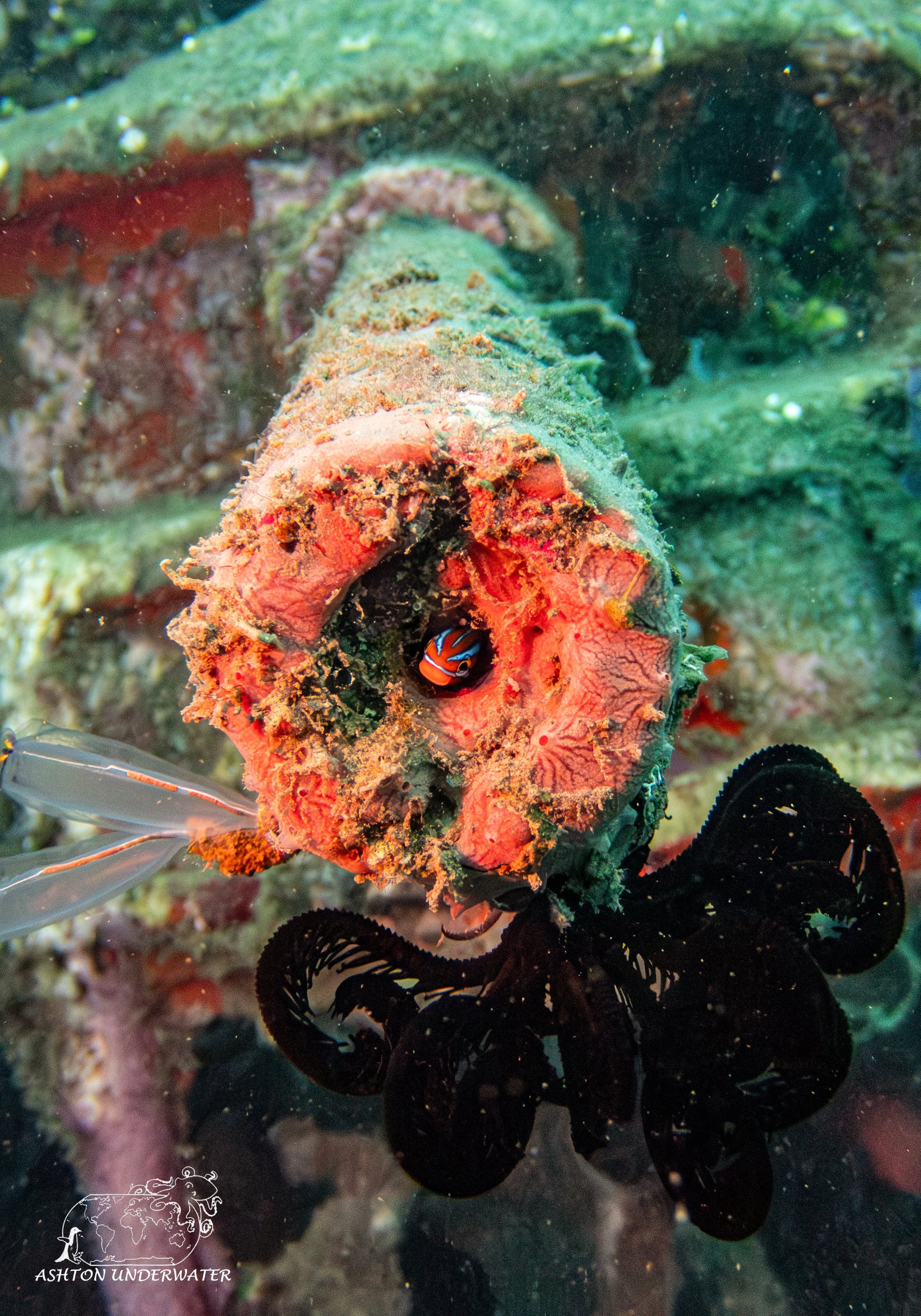
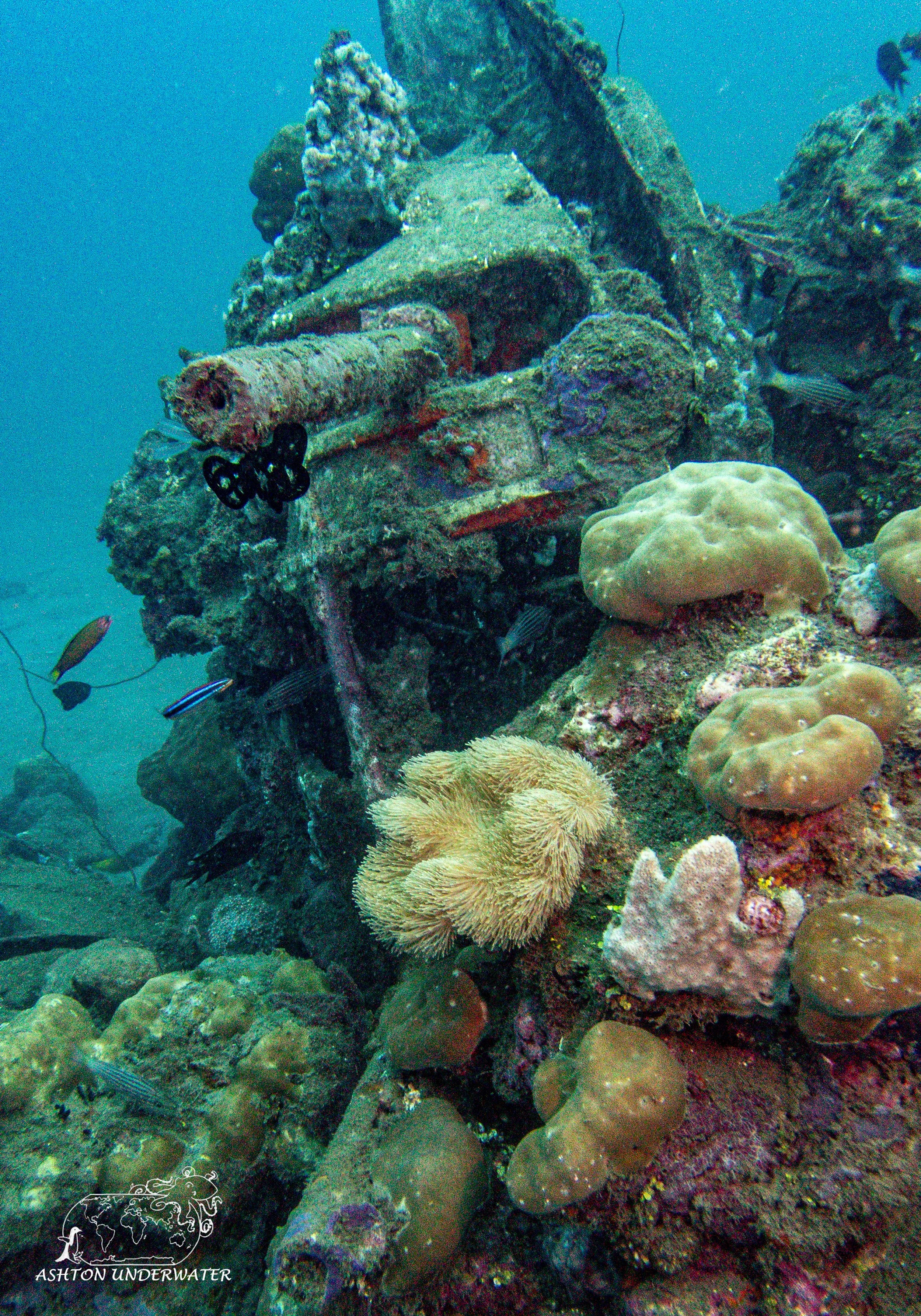
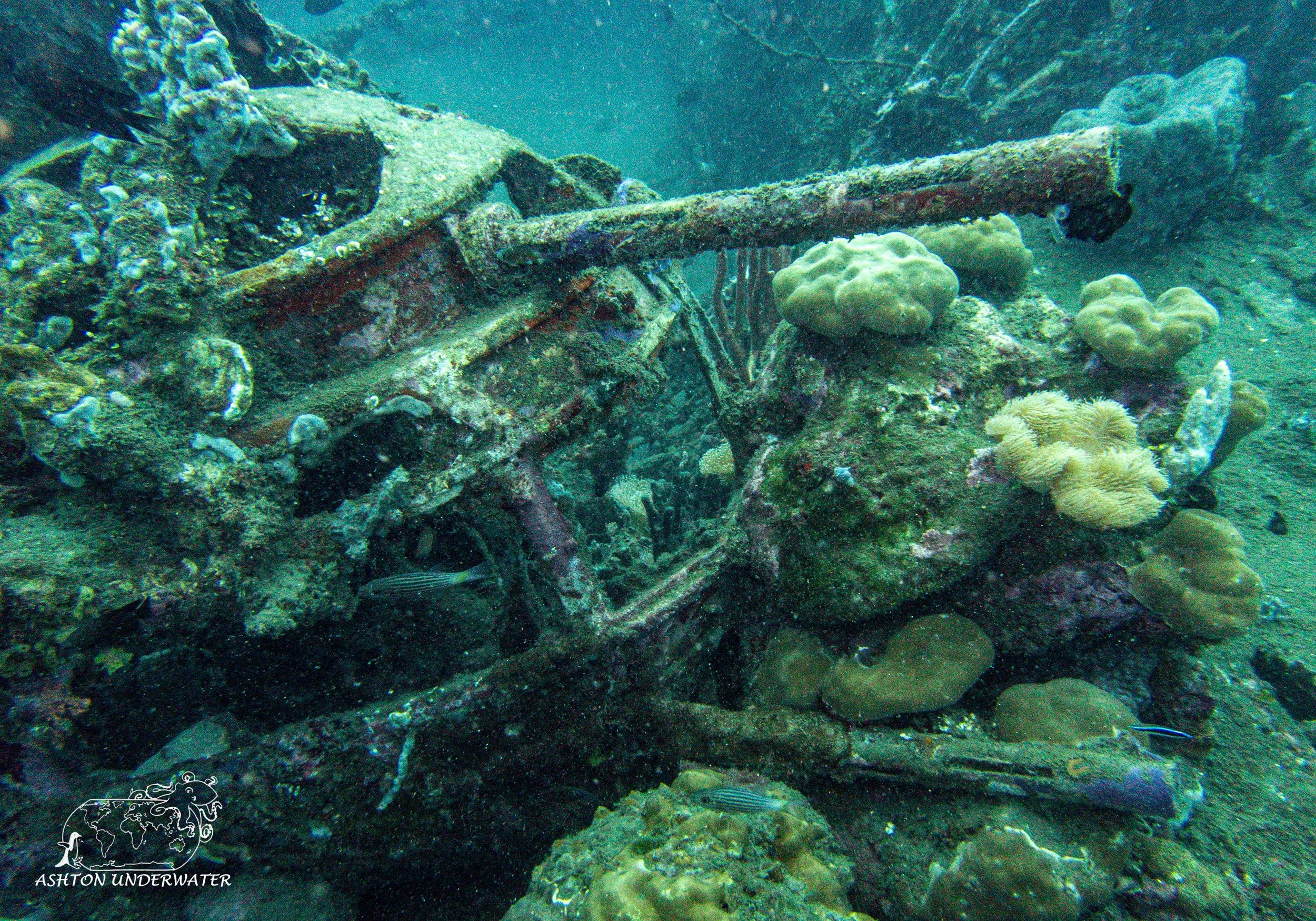
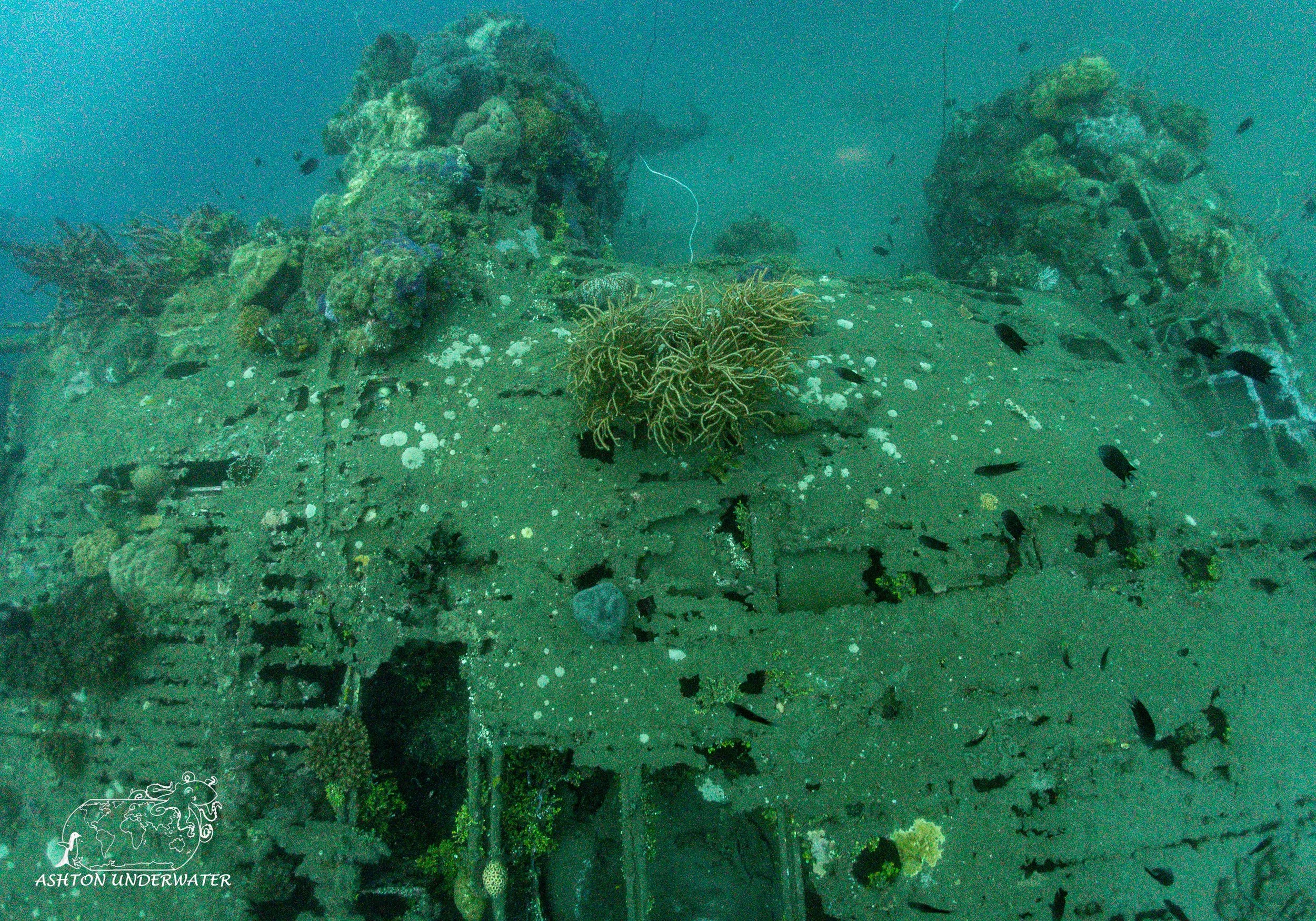
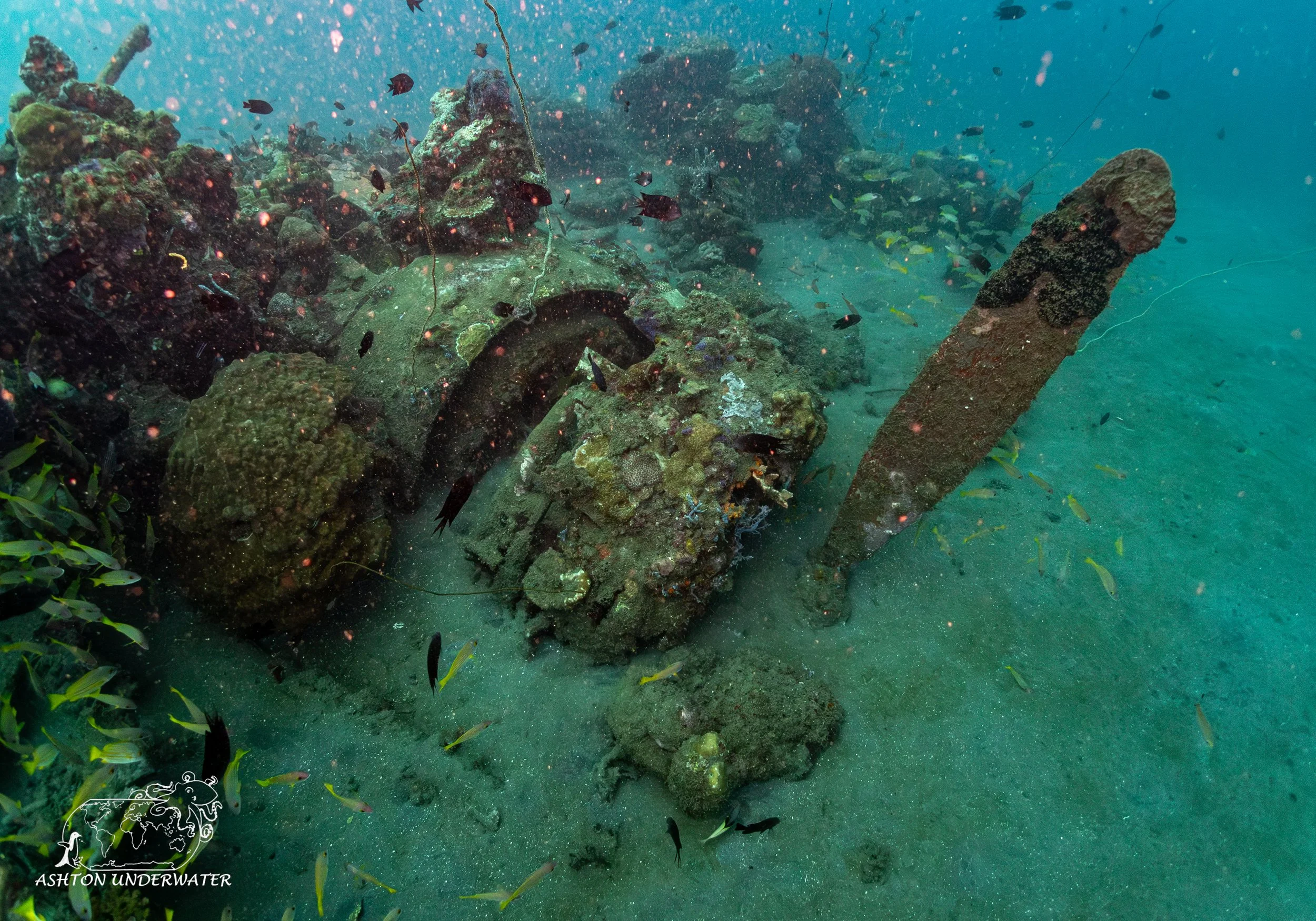
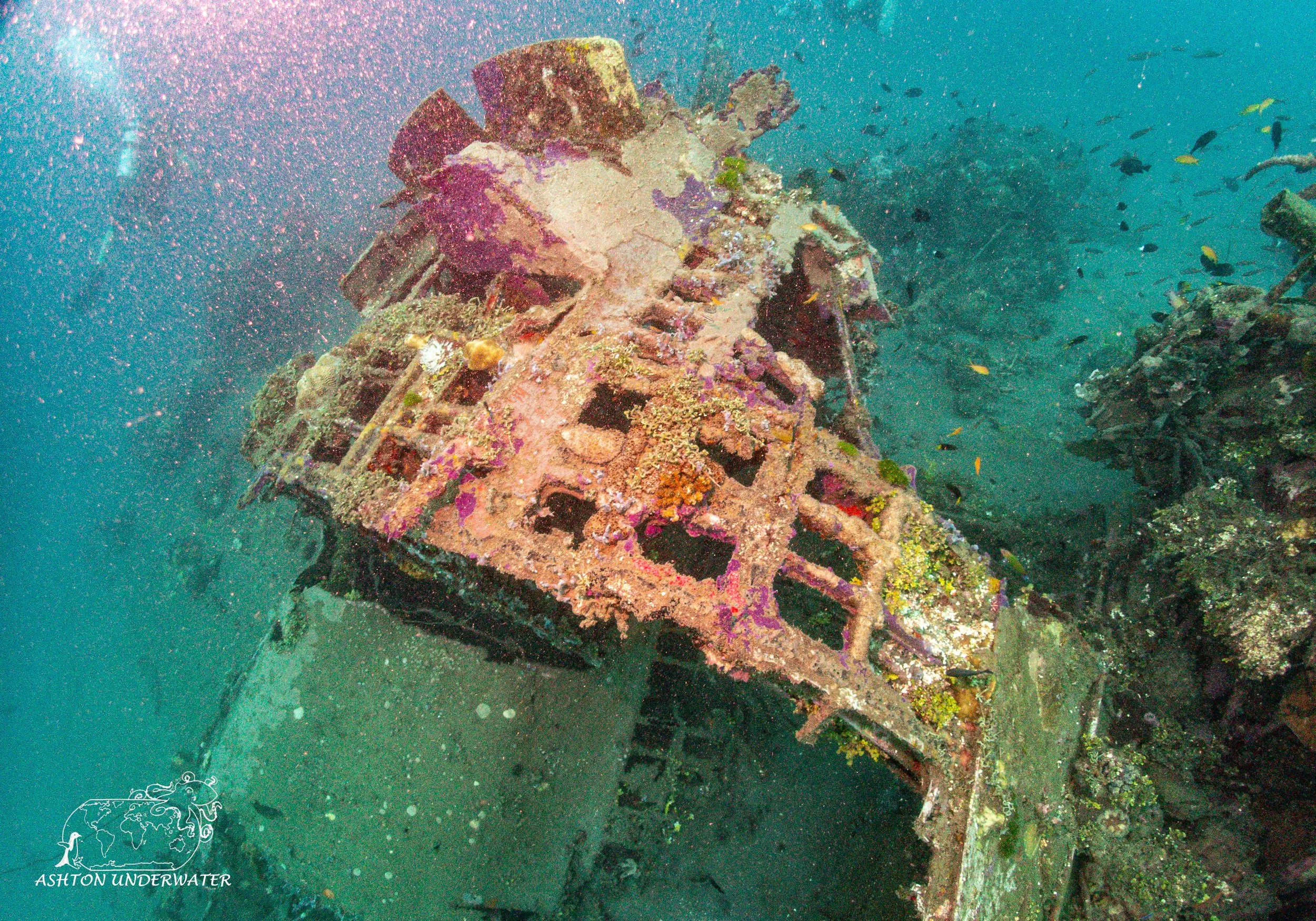
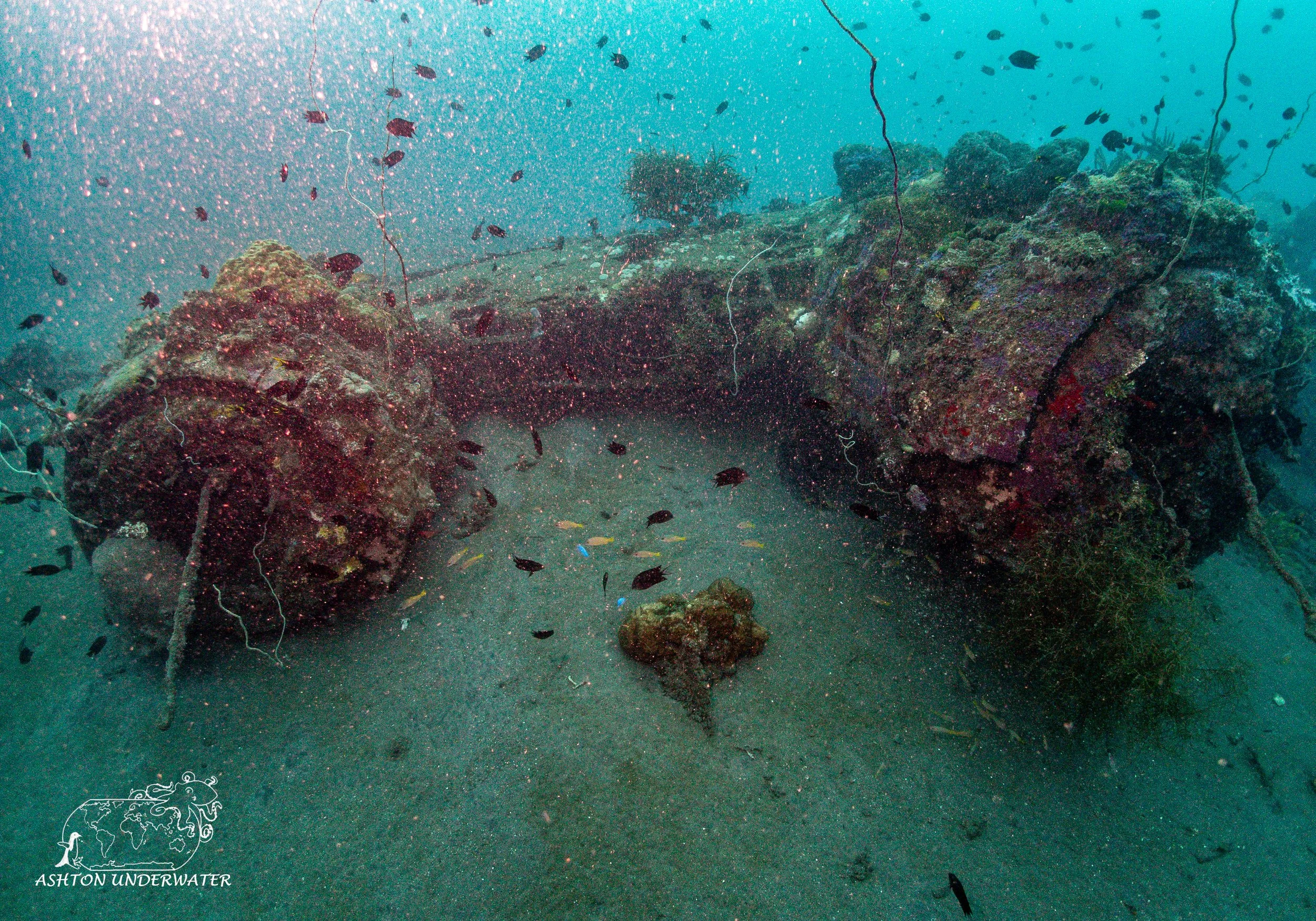
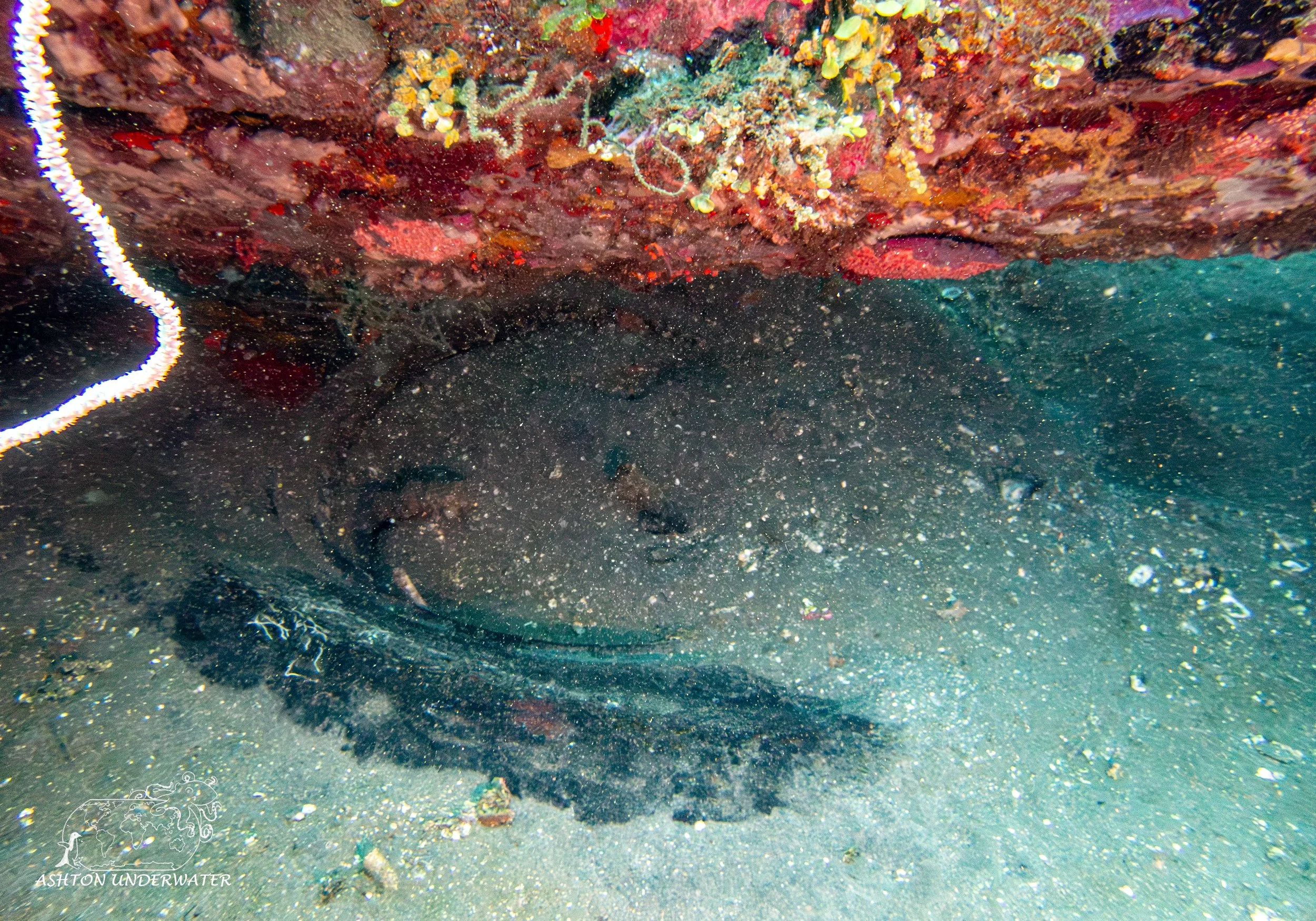
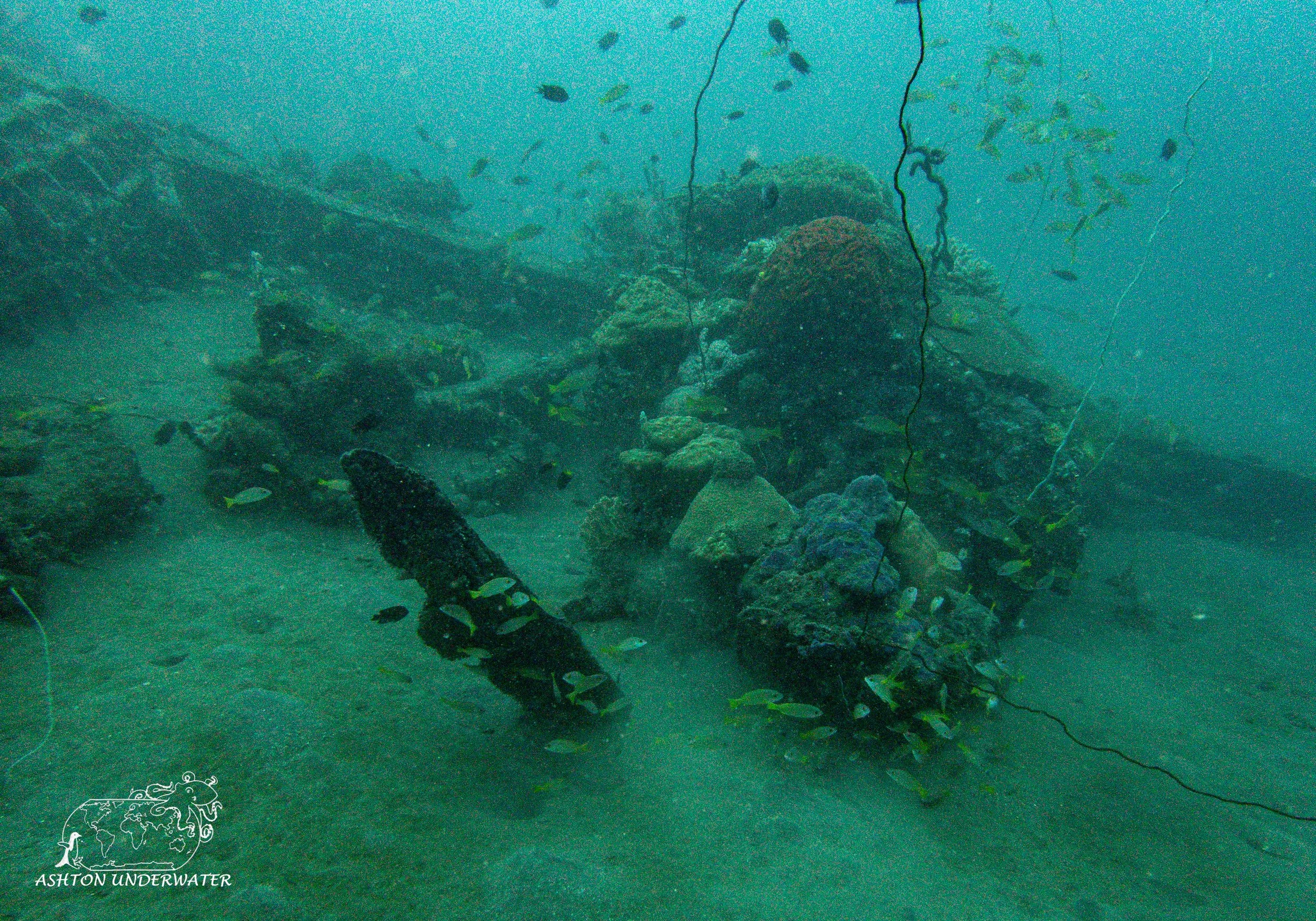
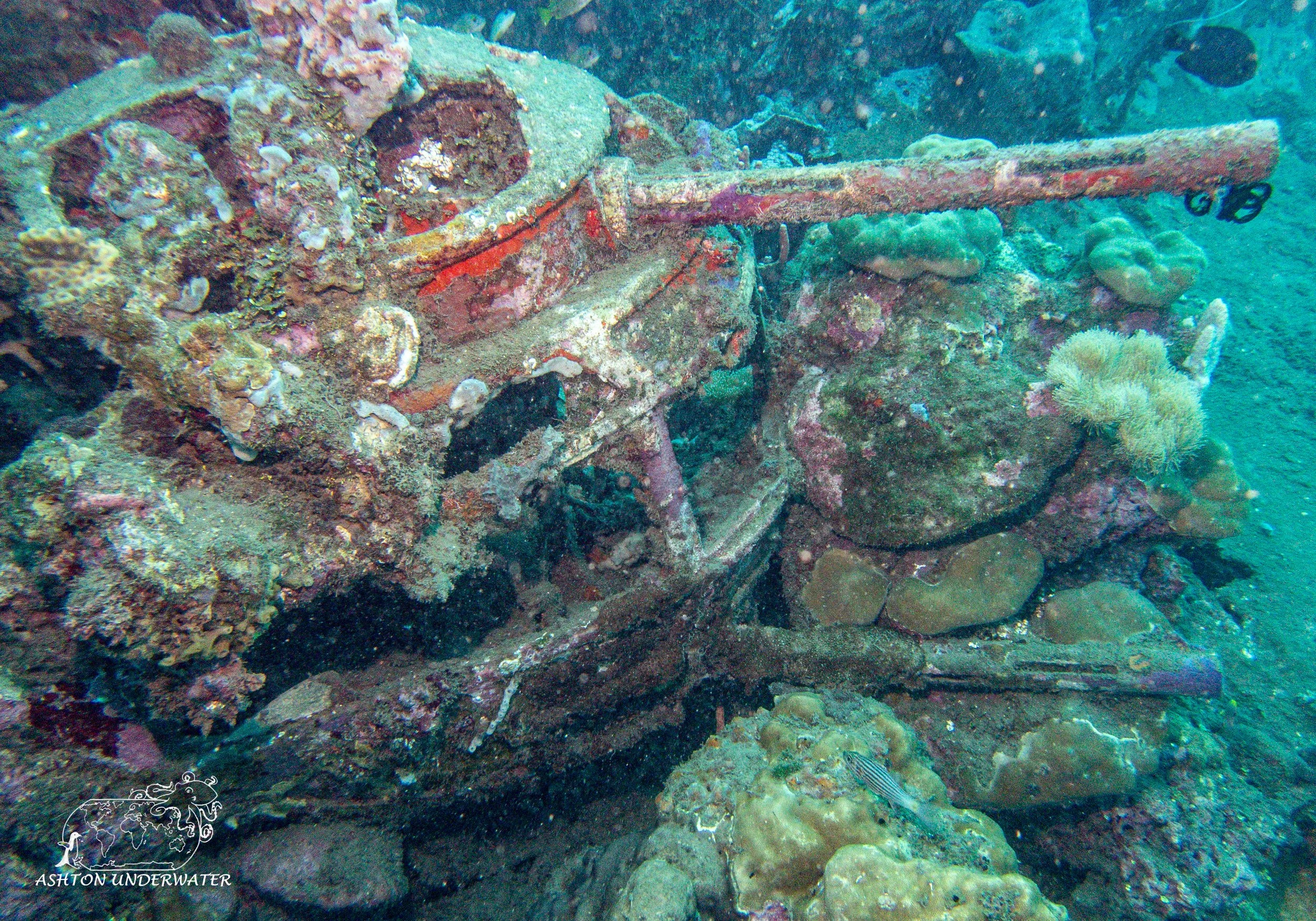
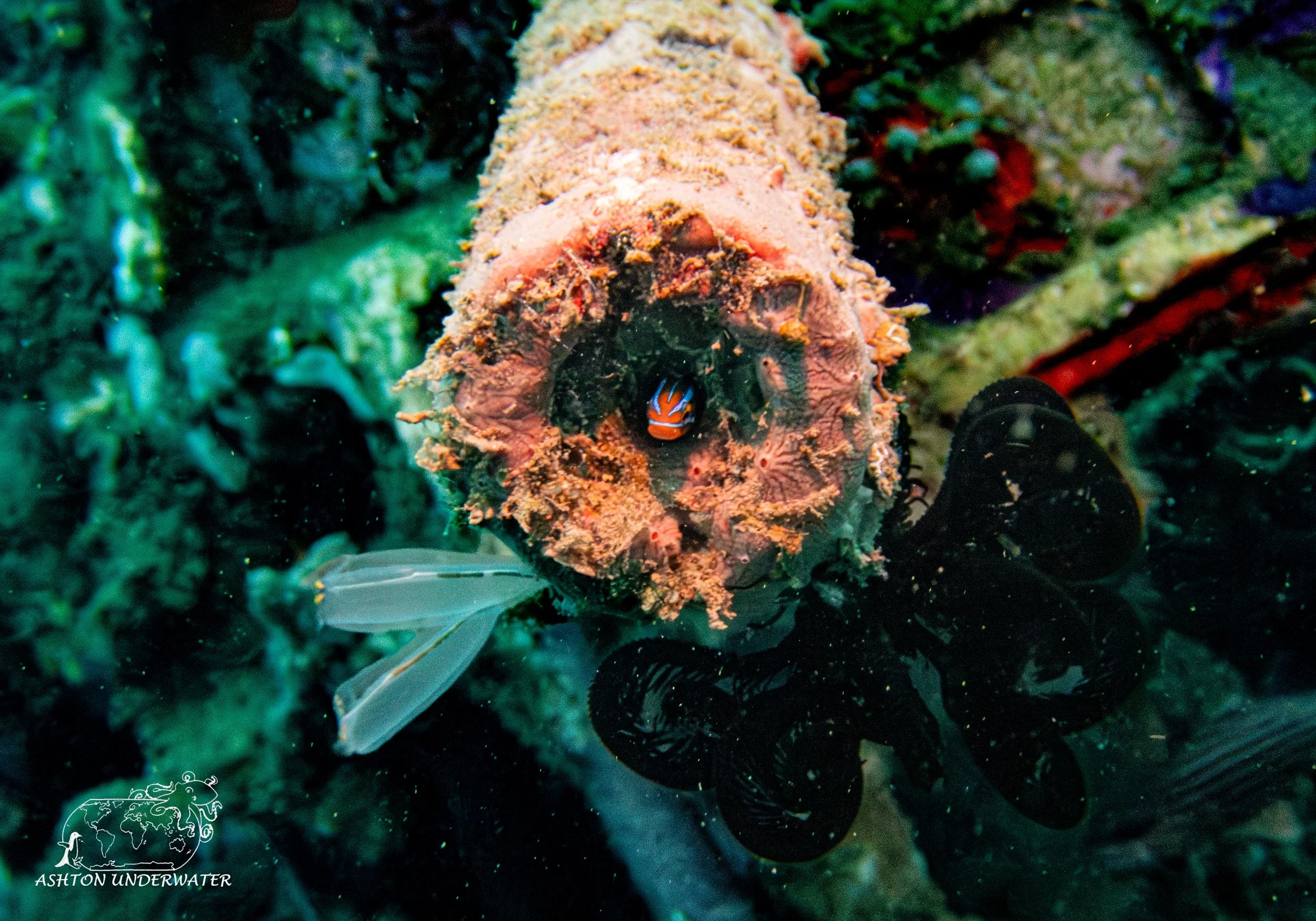
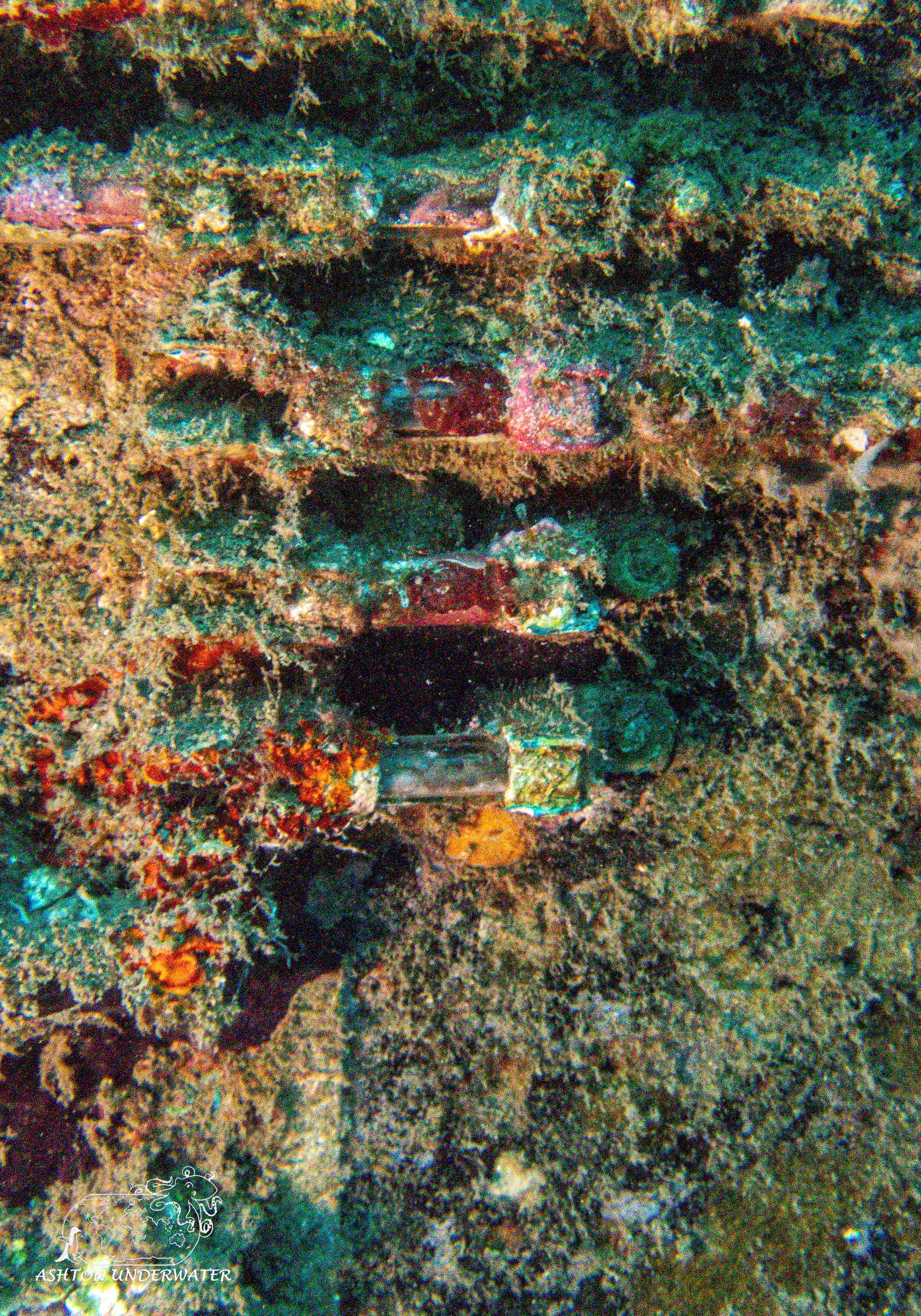
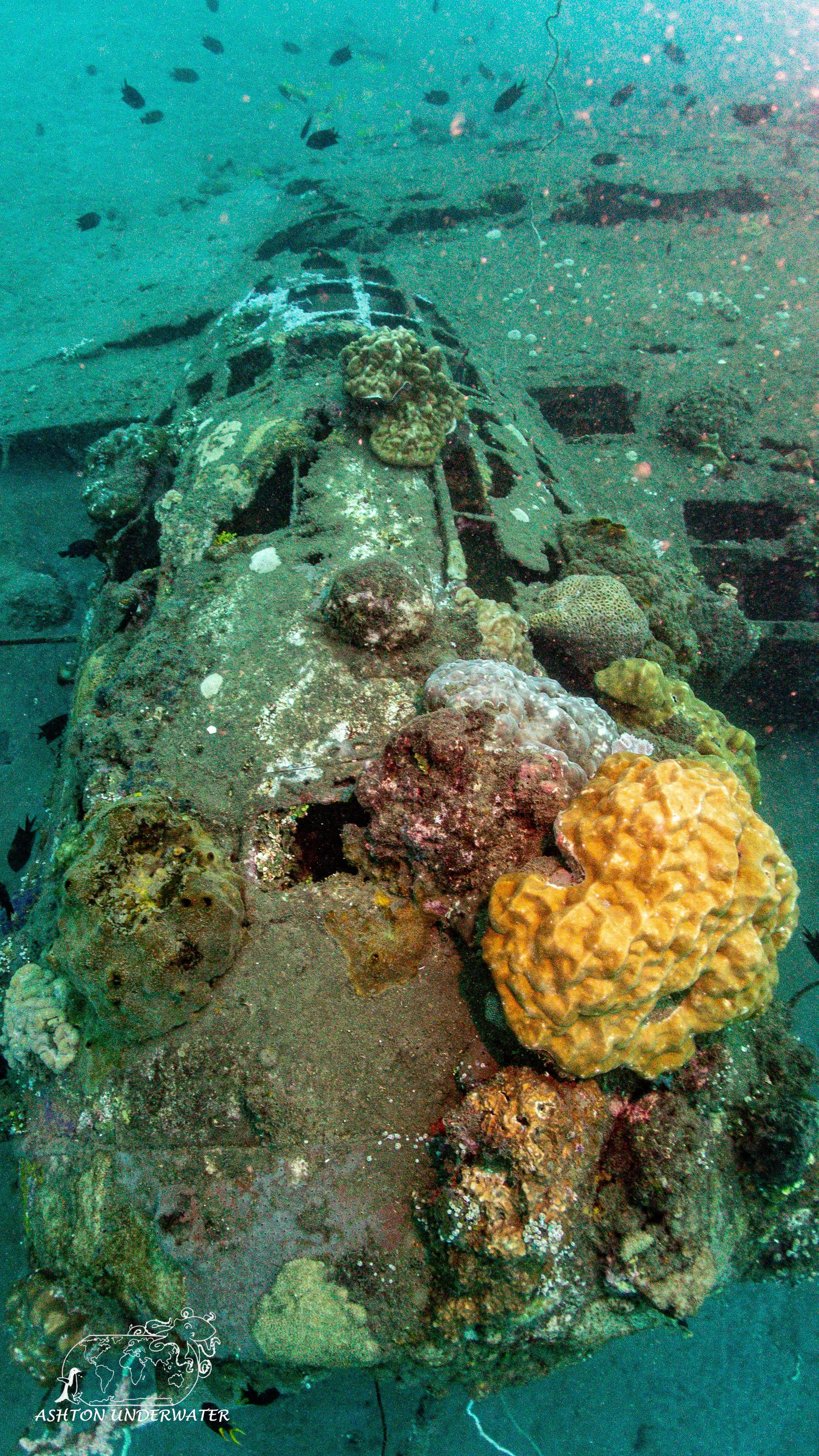
The wreck now rests between 30’ and 60’ roughly 150’ off of the shore. She is mostly intact and the forward half is upright, with the tail section in slightly deeper water after it broke off during salvage attempts in January 1944. The top gun turret is still attached and visible and now provides home for a blue banded goby. One of the wheels is still visible under the plane and considering the age of the wreck is in extremely good condition.
Hirokawa Maru (Bonegi No. 2)
111’ for 67 minutes

Built: 6 April 1939 Sunk: 15 November 1942
GRT: 6,872 tons Length: 300’
Beam: 45’ Draught: 20’
Depth: Surface-164’ Speed: 11 knots
The last dive of the trip. This is a shore entry that requires a short swim in a small breakers reef line. The Hirokawa was originally a merchant class ship, built by Kawasaki Kissen Kaisha, and was later converted to a Boku Kikansen (anti-aircraft vessel). She served as a transport ship usually carrying troops and military cargo and supplies.
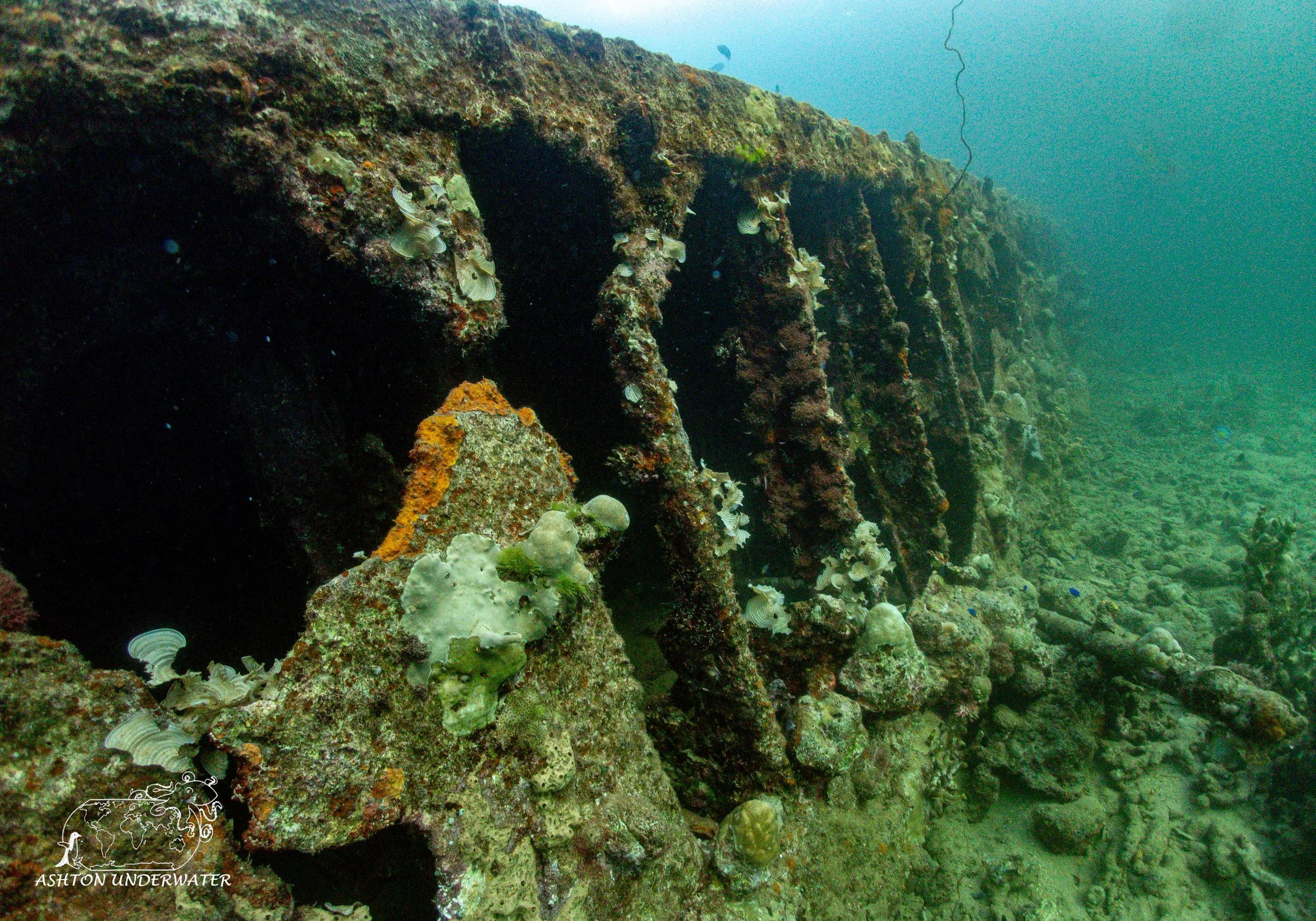
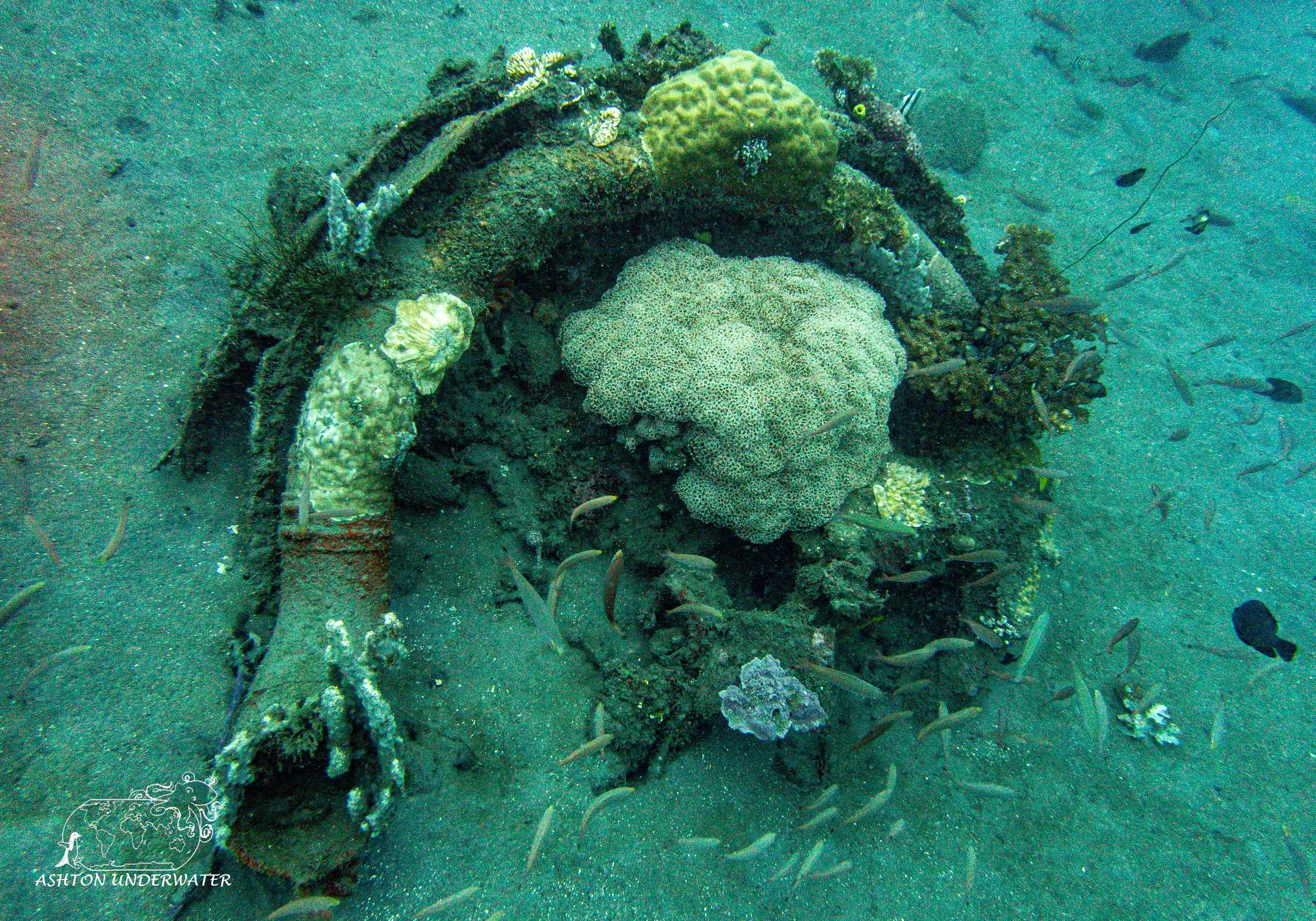
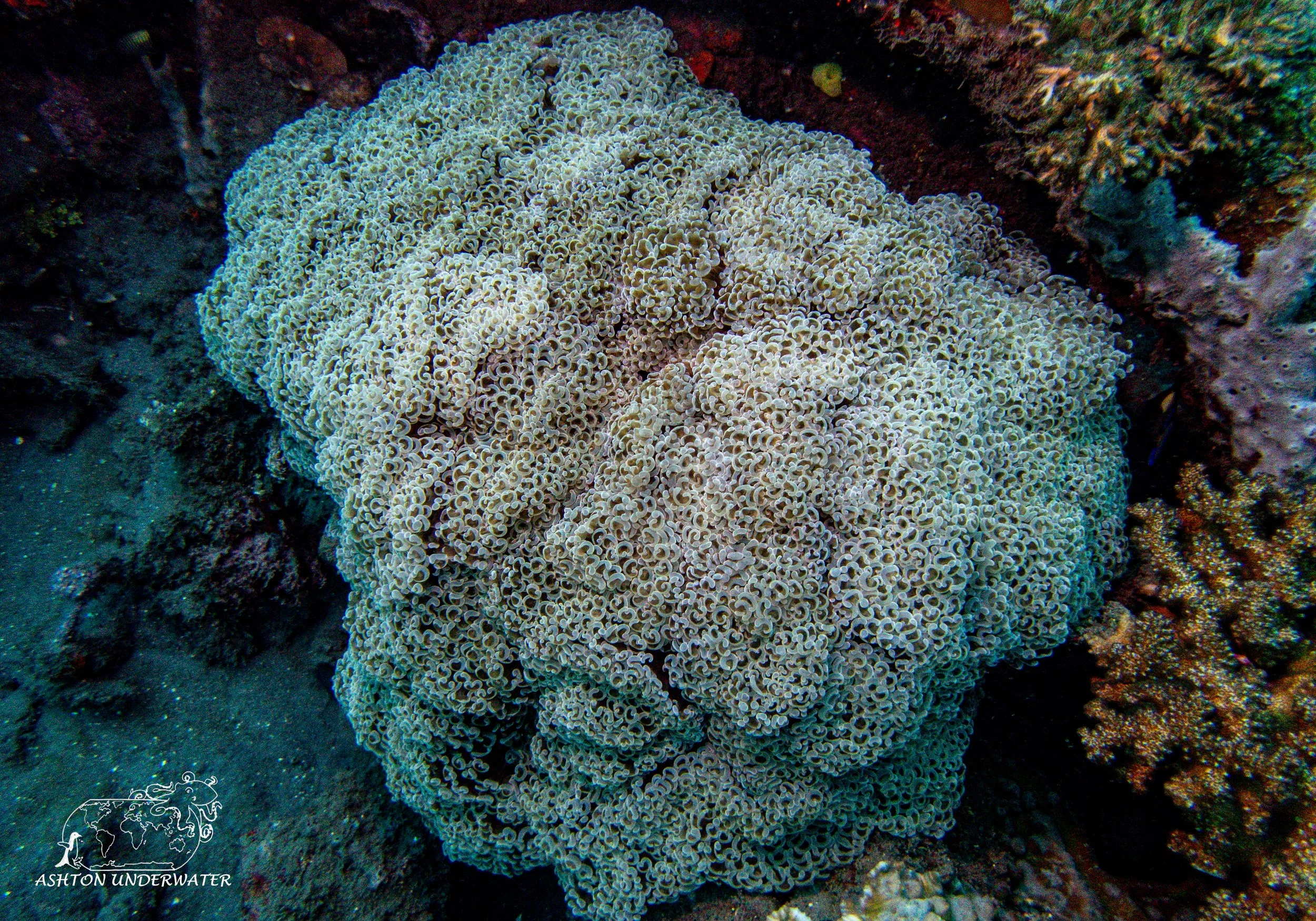
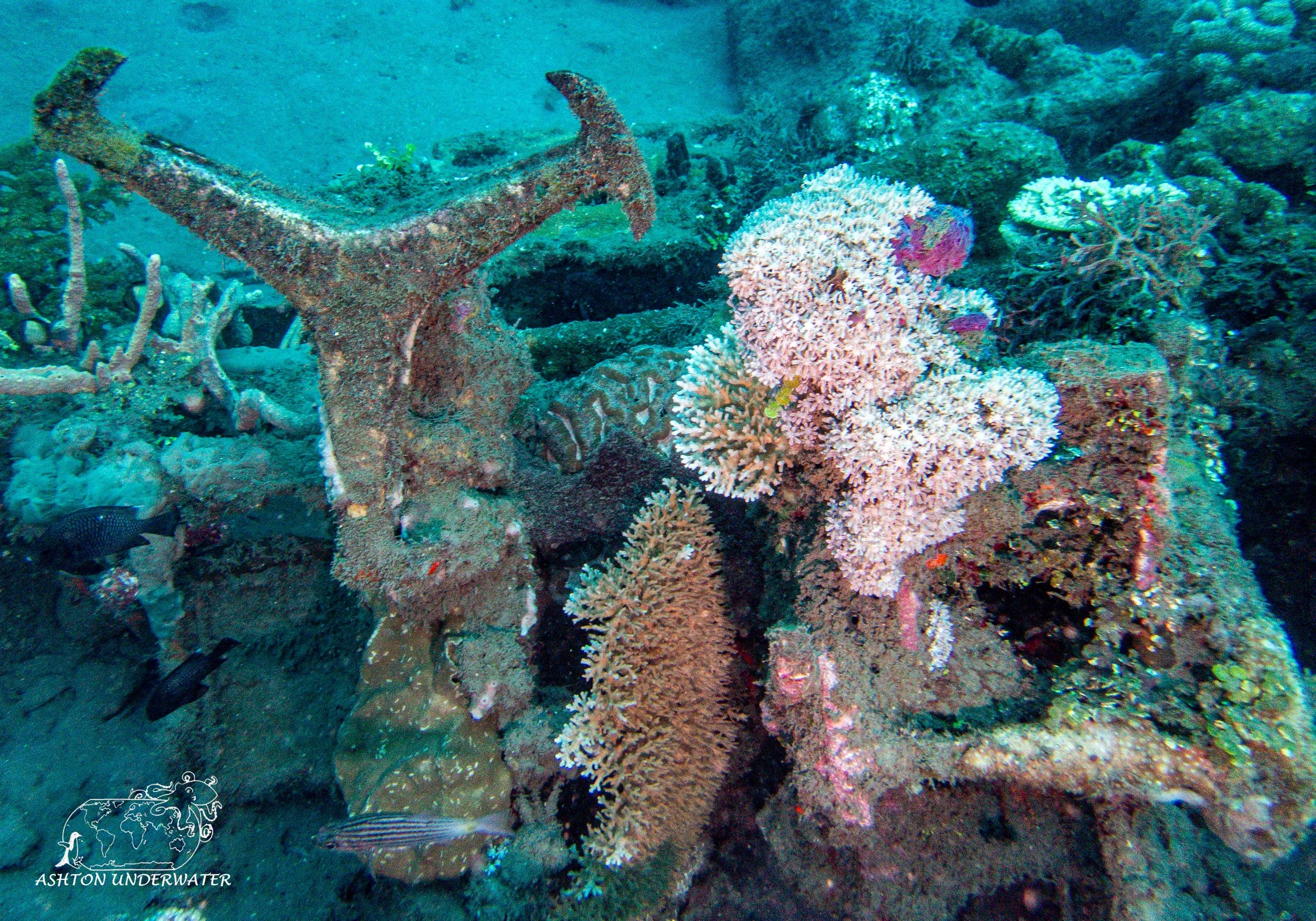
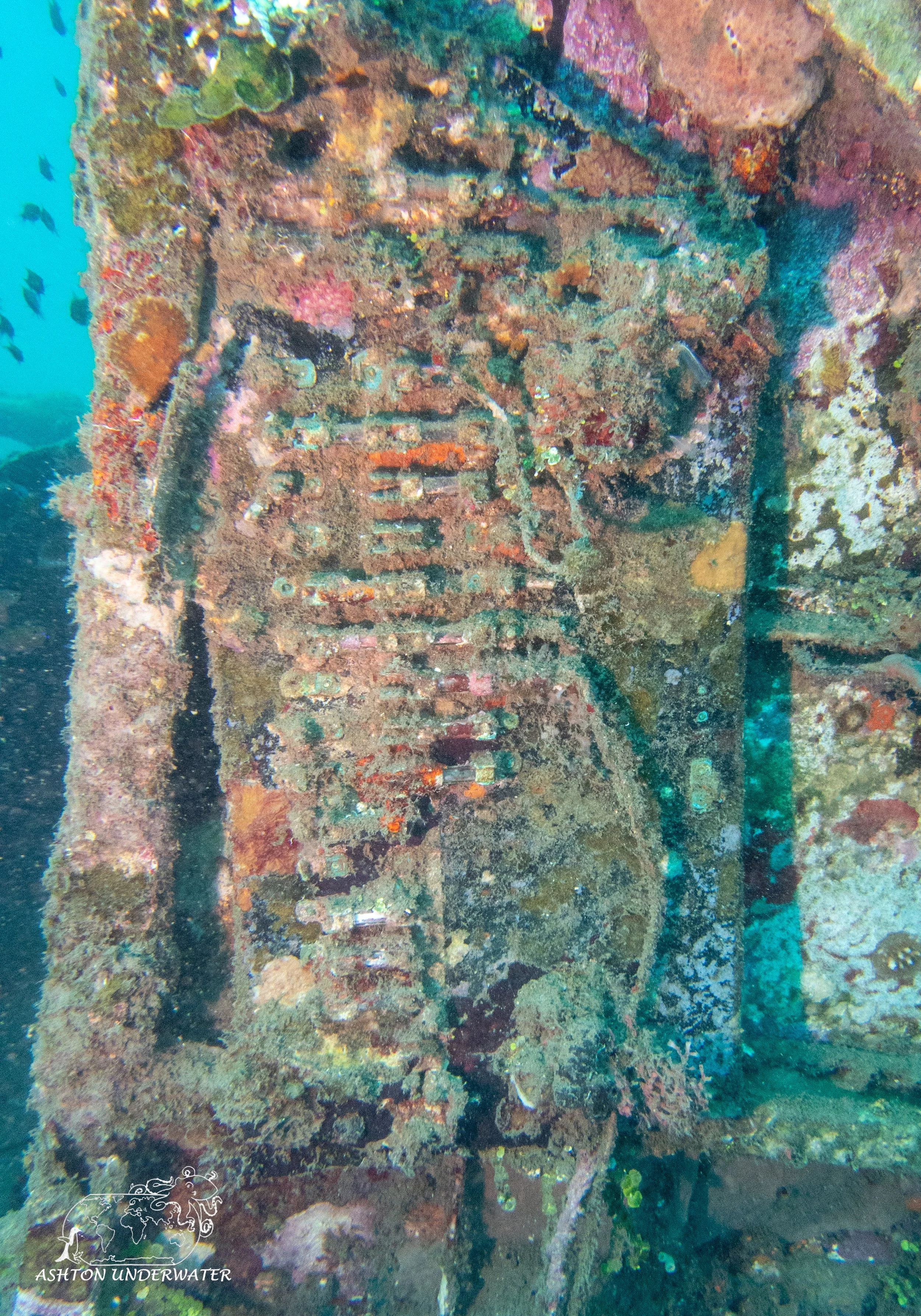
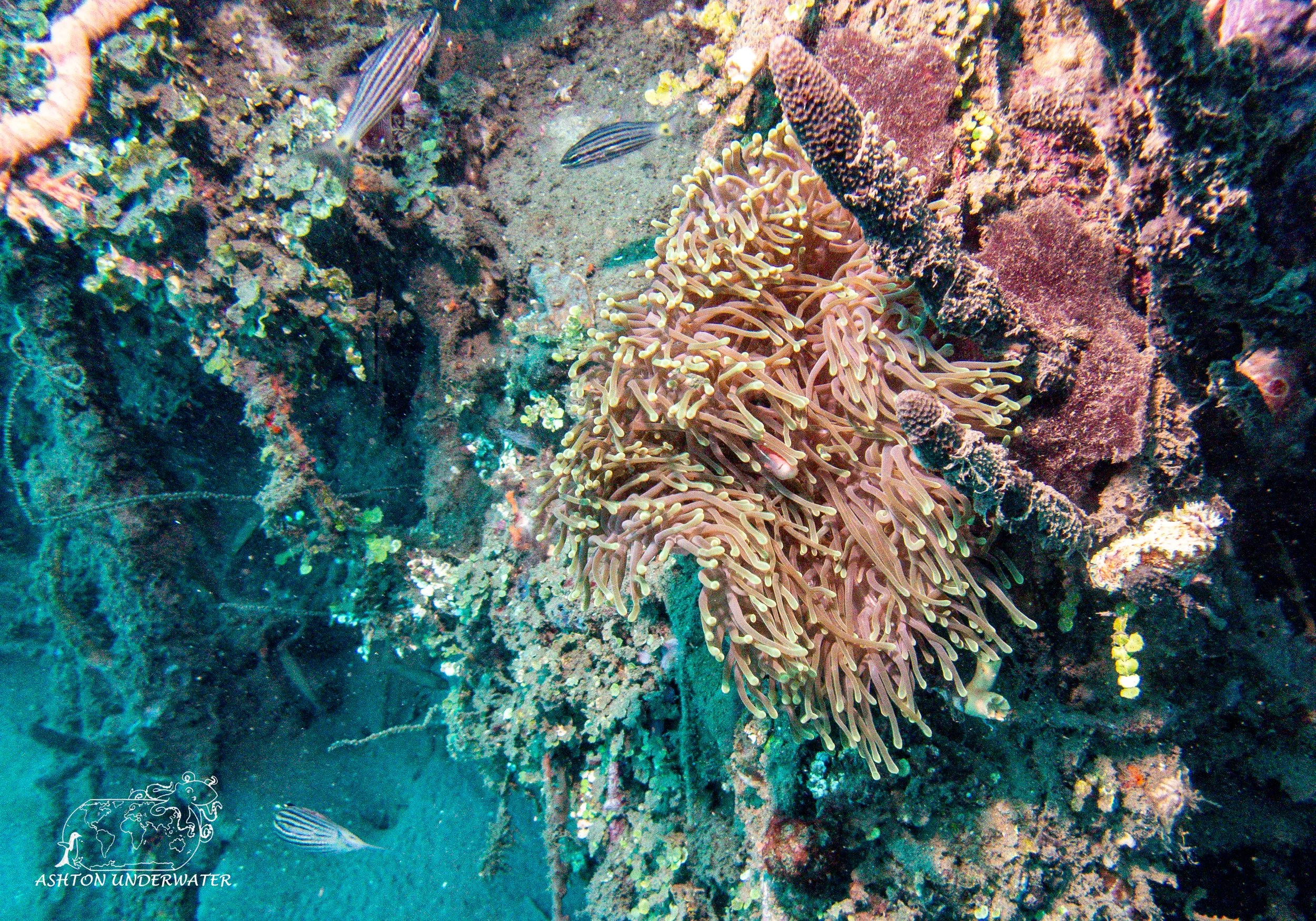
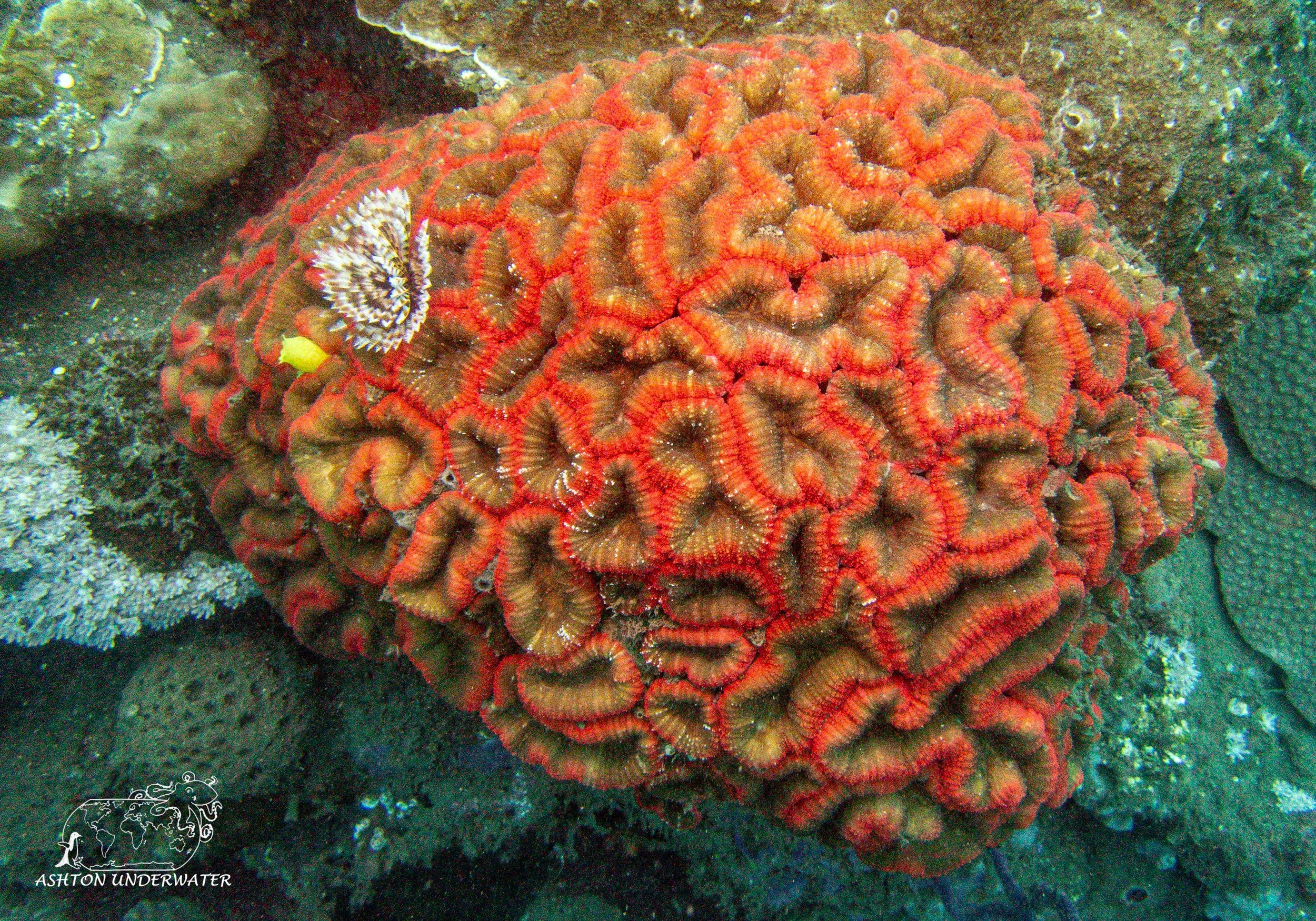
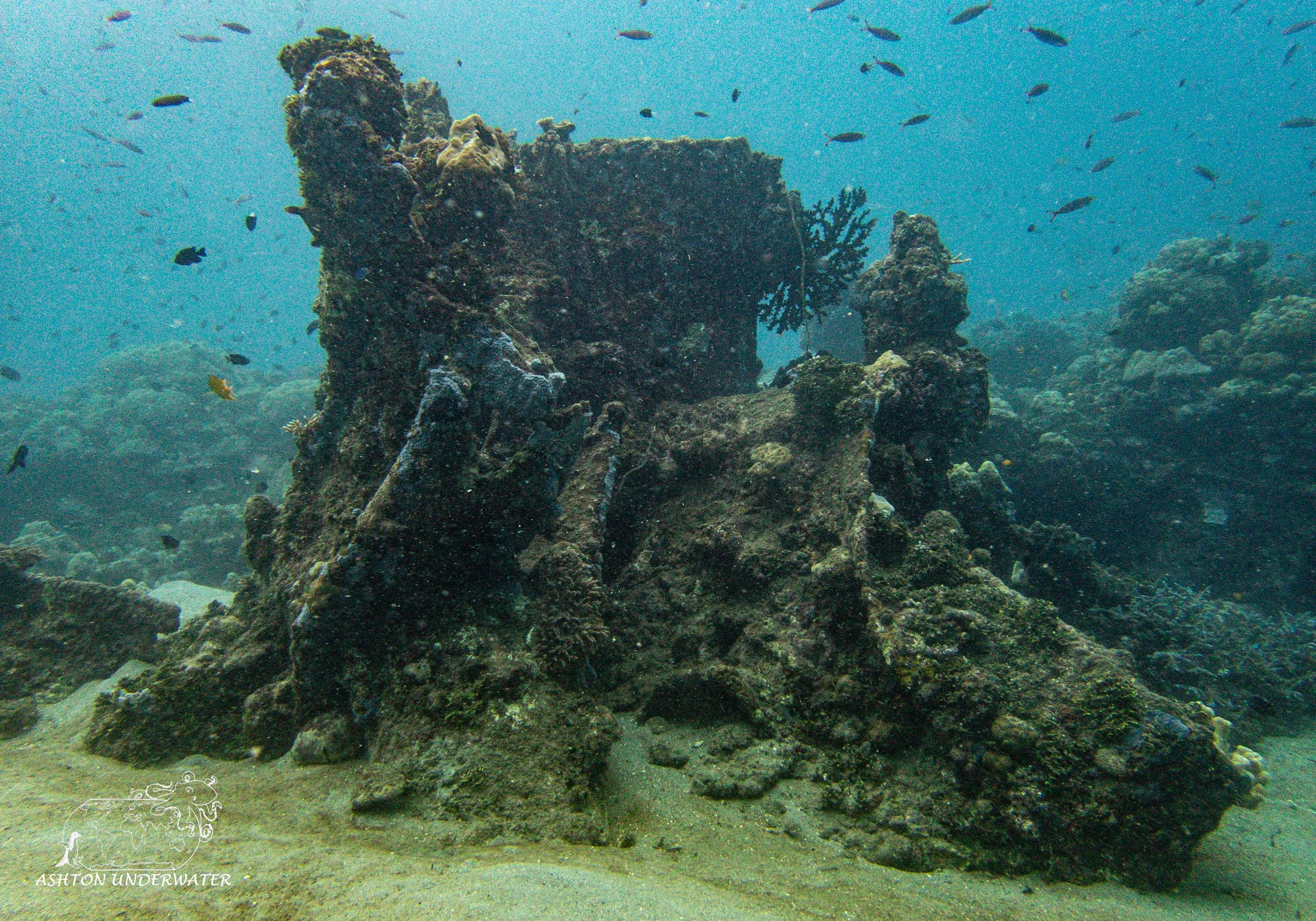
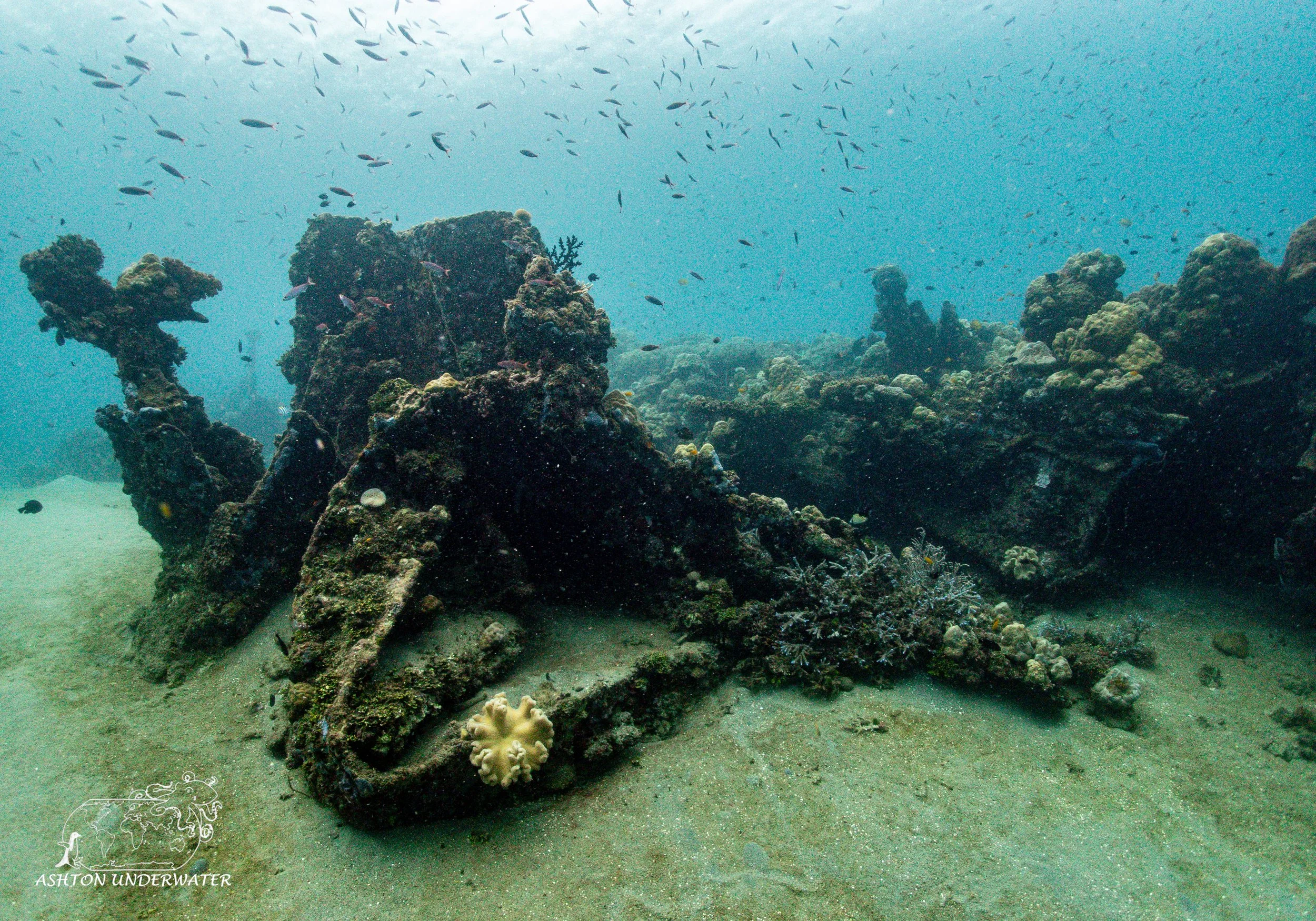
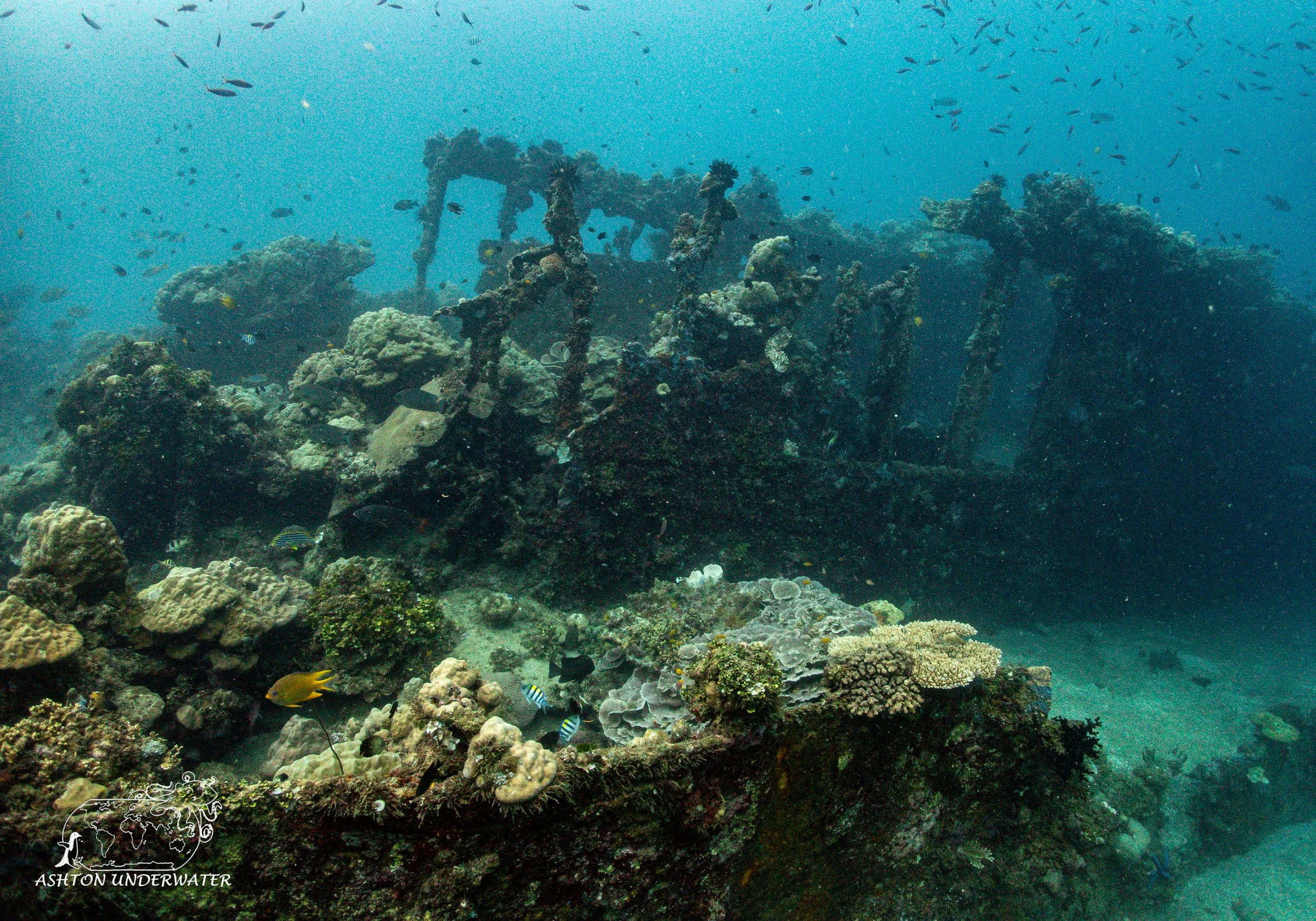
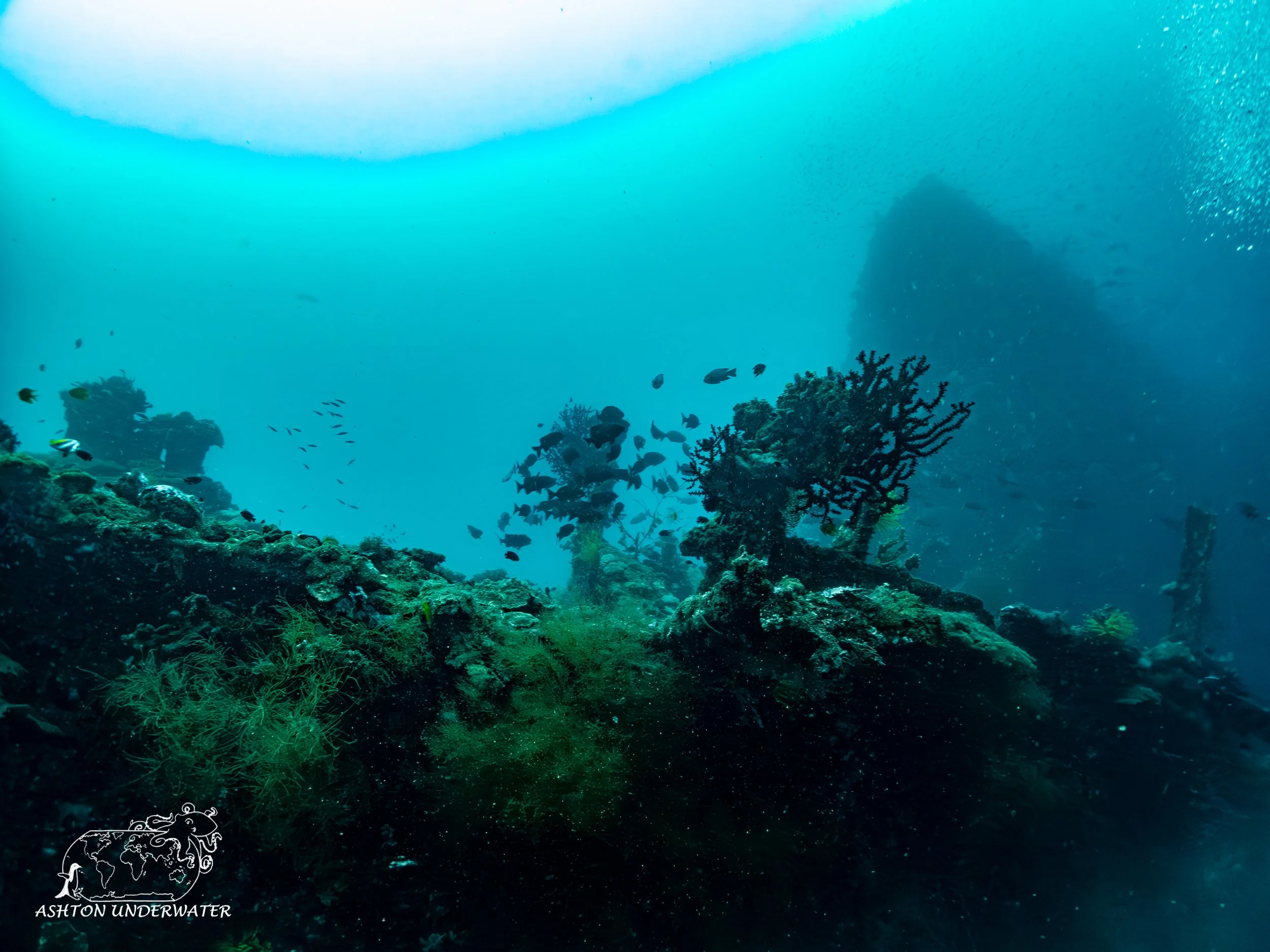
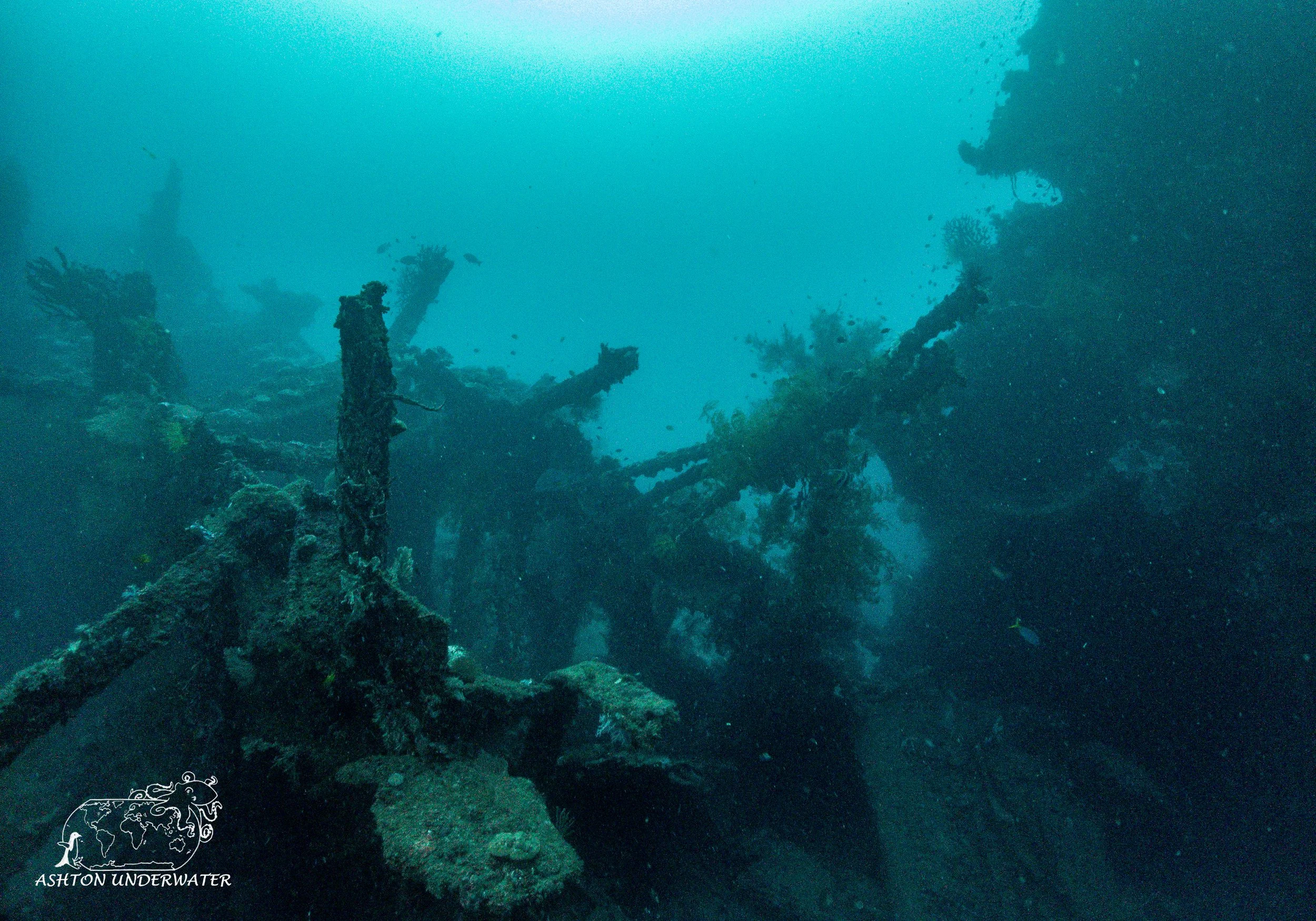
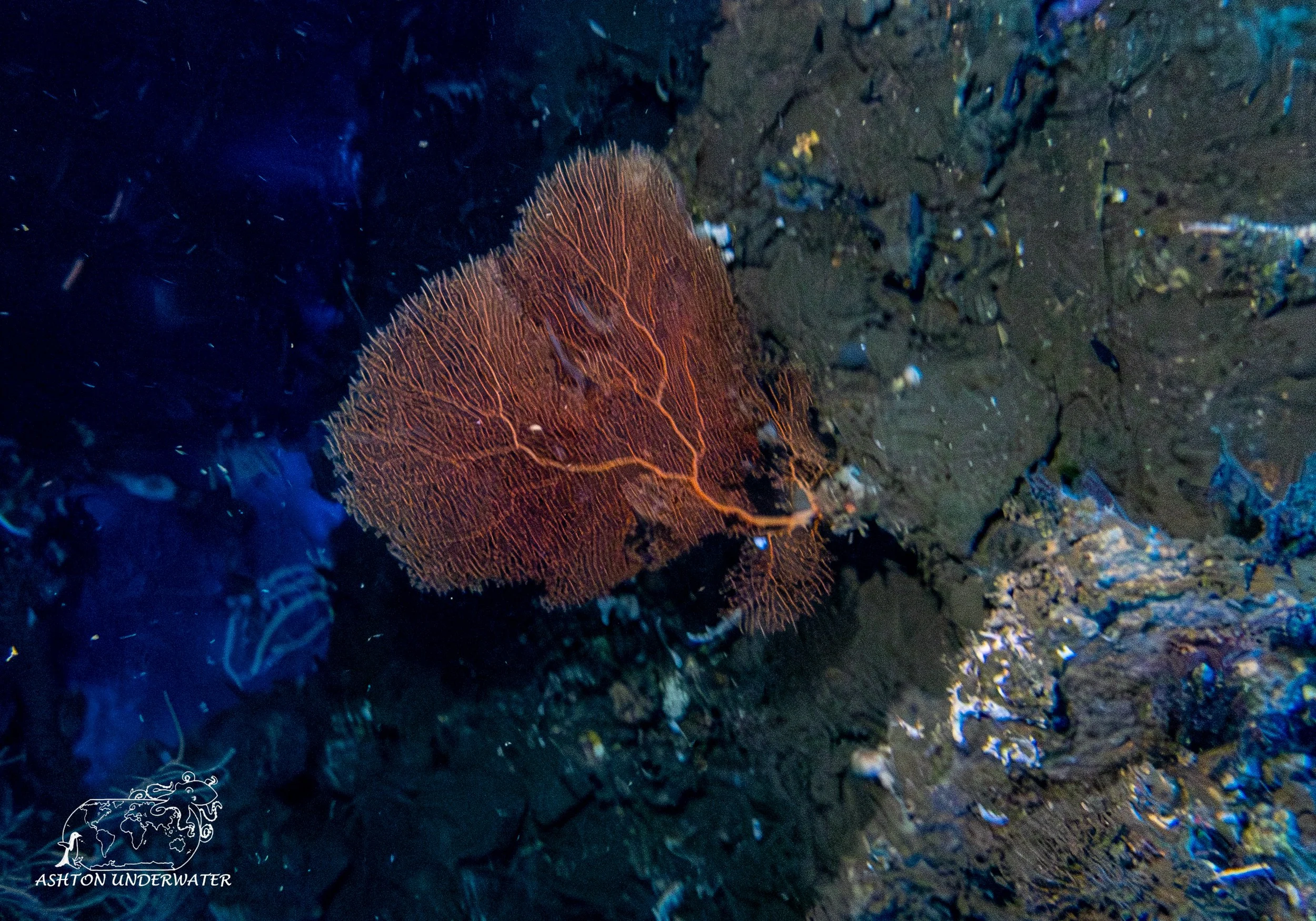
She was active during the Guadalcanal but ultimately was sunk near the mouth of the Bonegi river after it was bombed during a US air raid. She was armed with 6x IJA type 88 75mm AA machine cannons, and 4 XL JA Type 98 20mm AA machine cannons. The wreck sits on its port side on a sandy slope the bow has been mostly broken up with parts of it sticking up out of the water. The stern sits in 160’ of water. The wreck is now fully encrusted with corals and provides housing for large number of anemones, sea fans and tons of small schooling fish, invertebrates and nudibranchs.
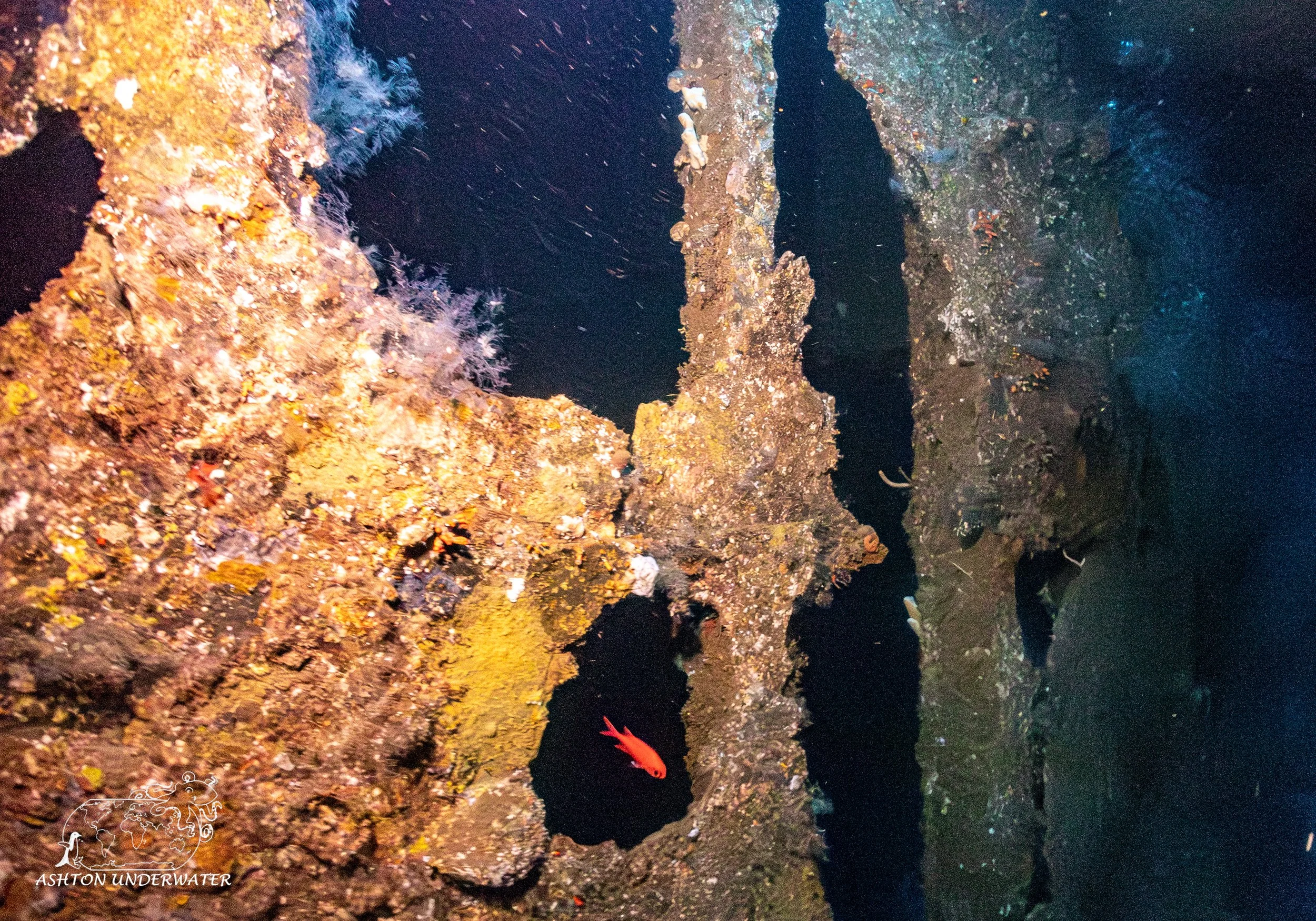
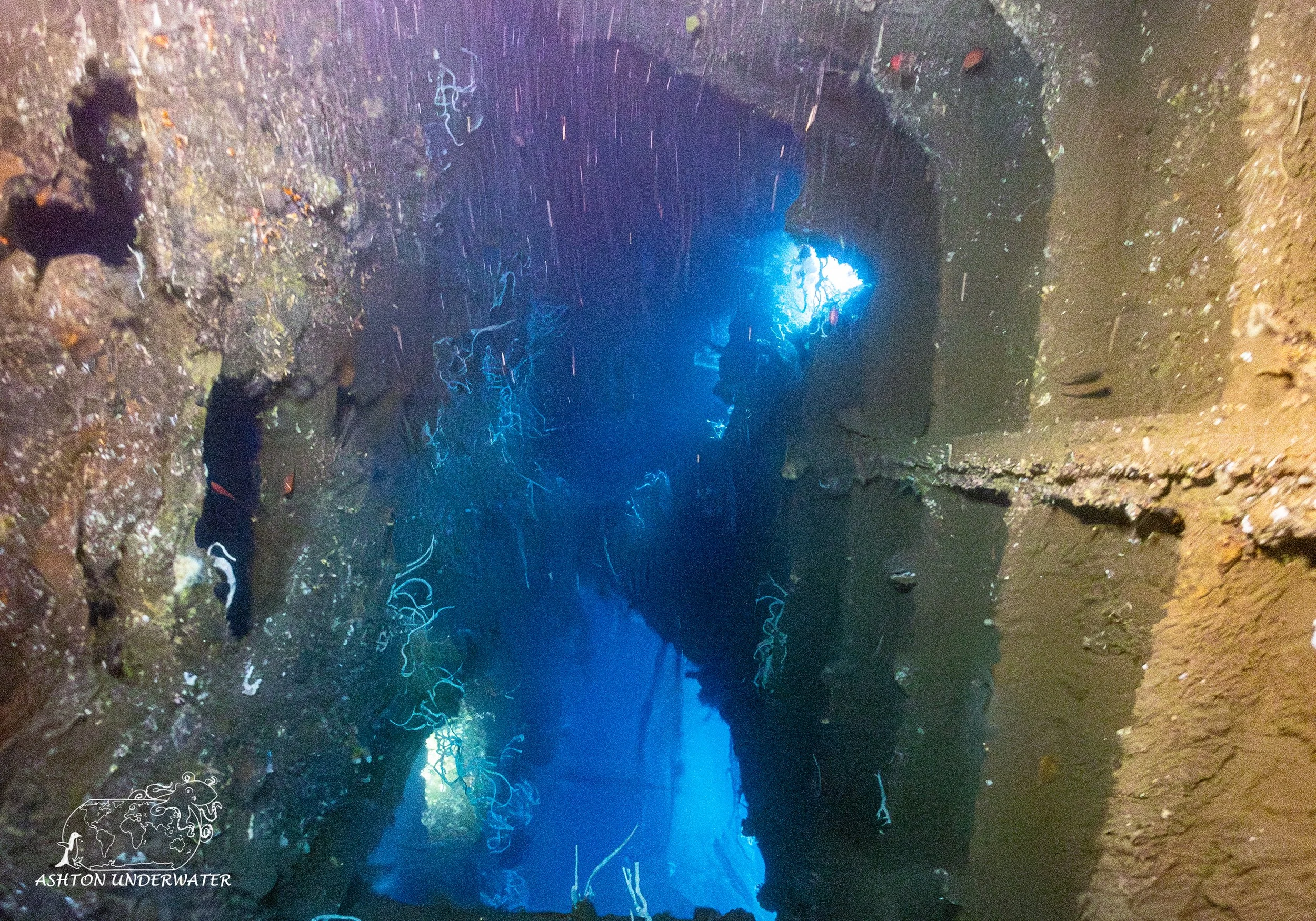
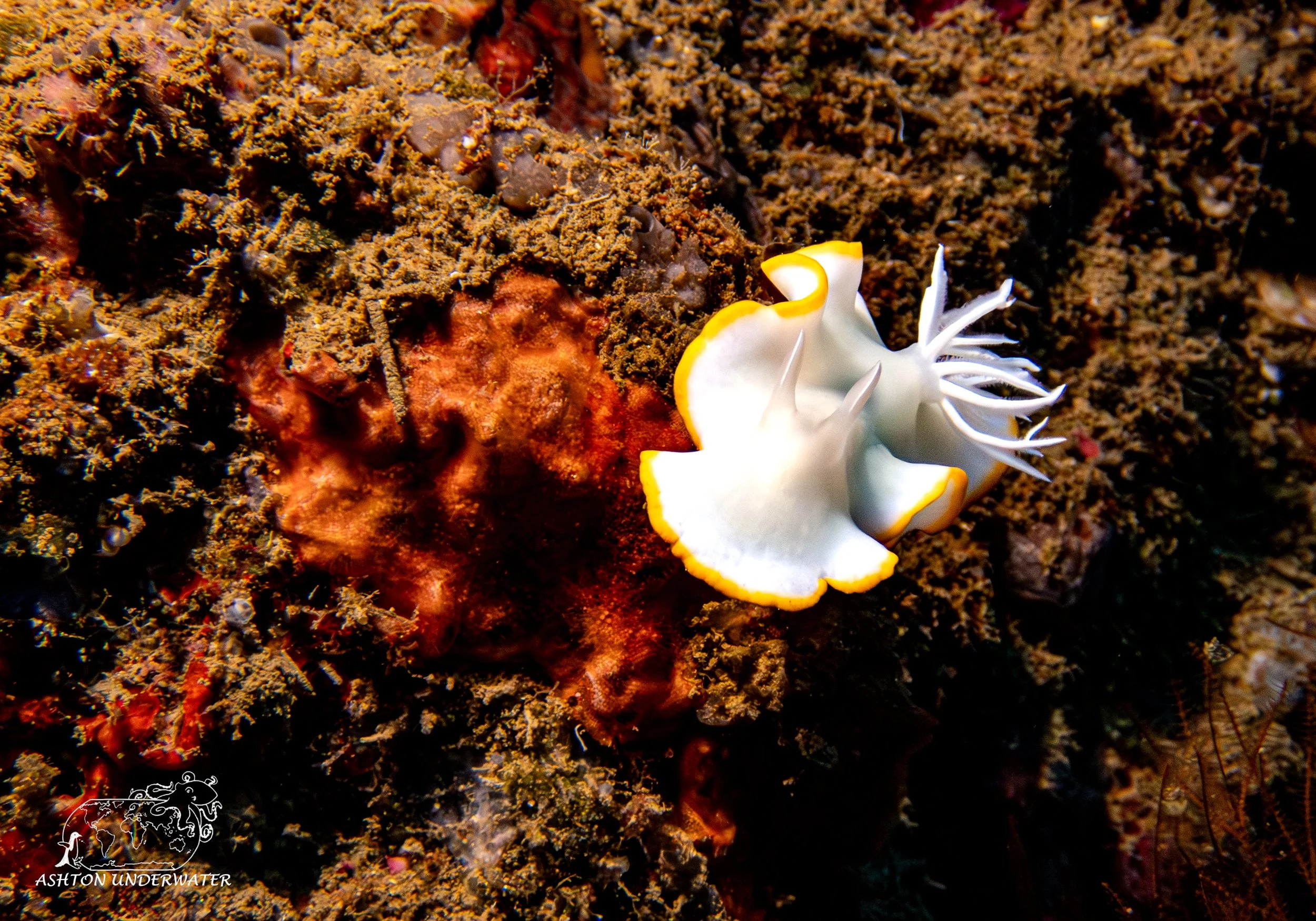
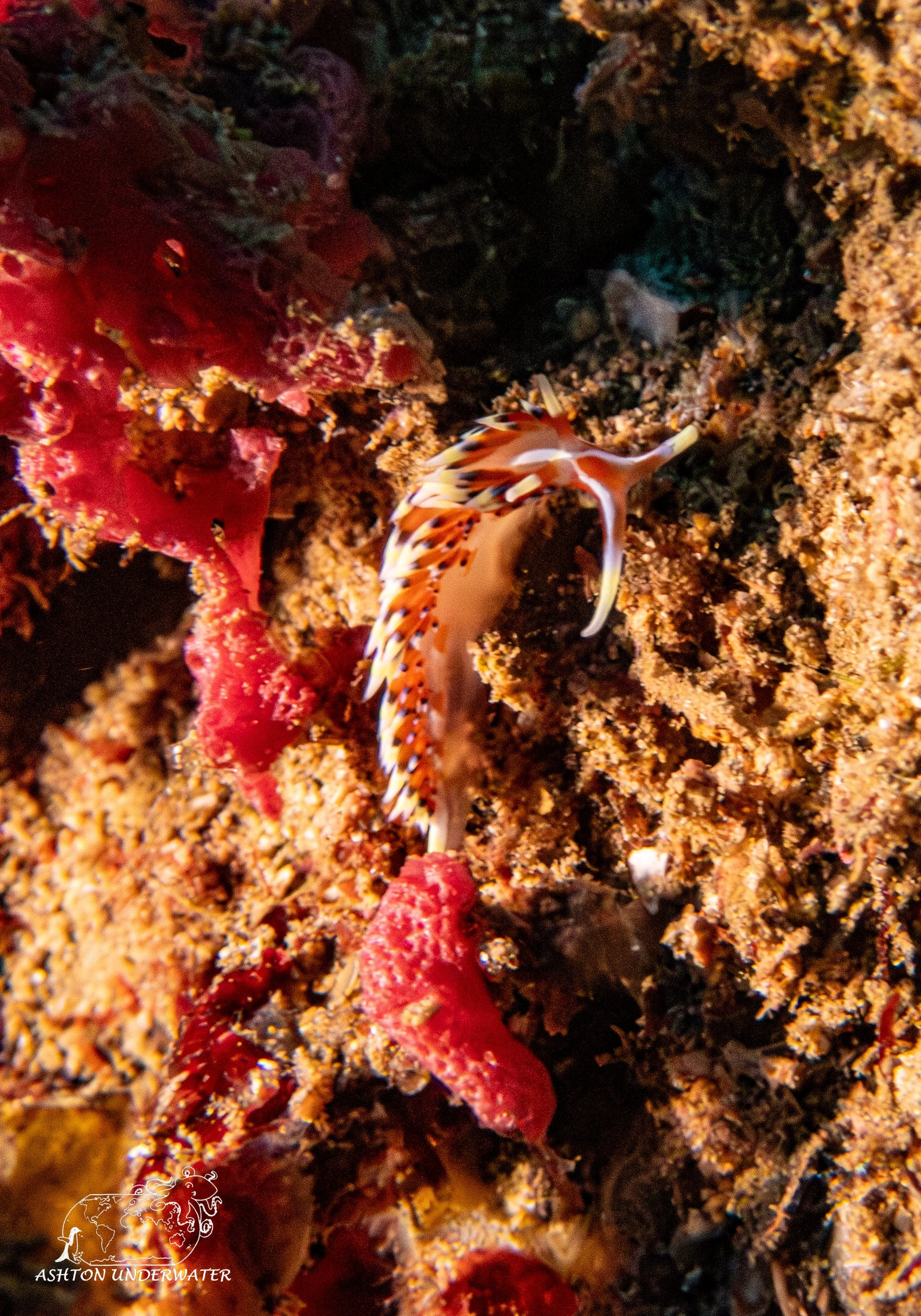
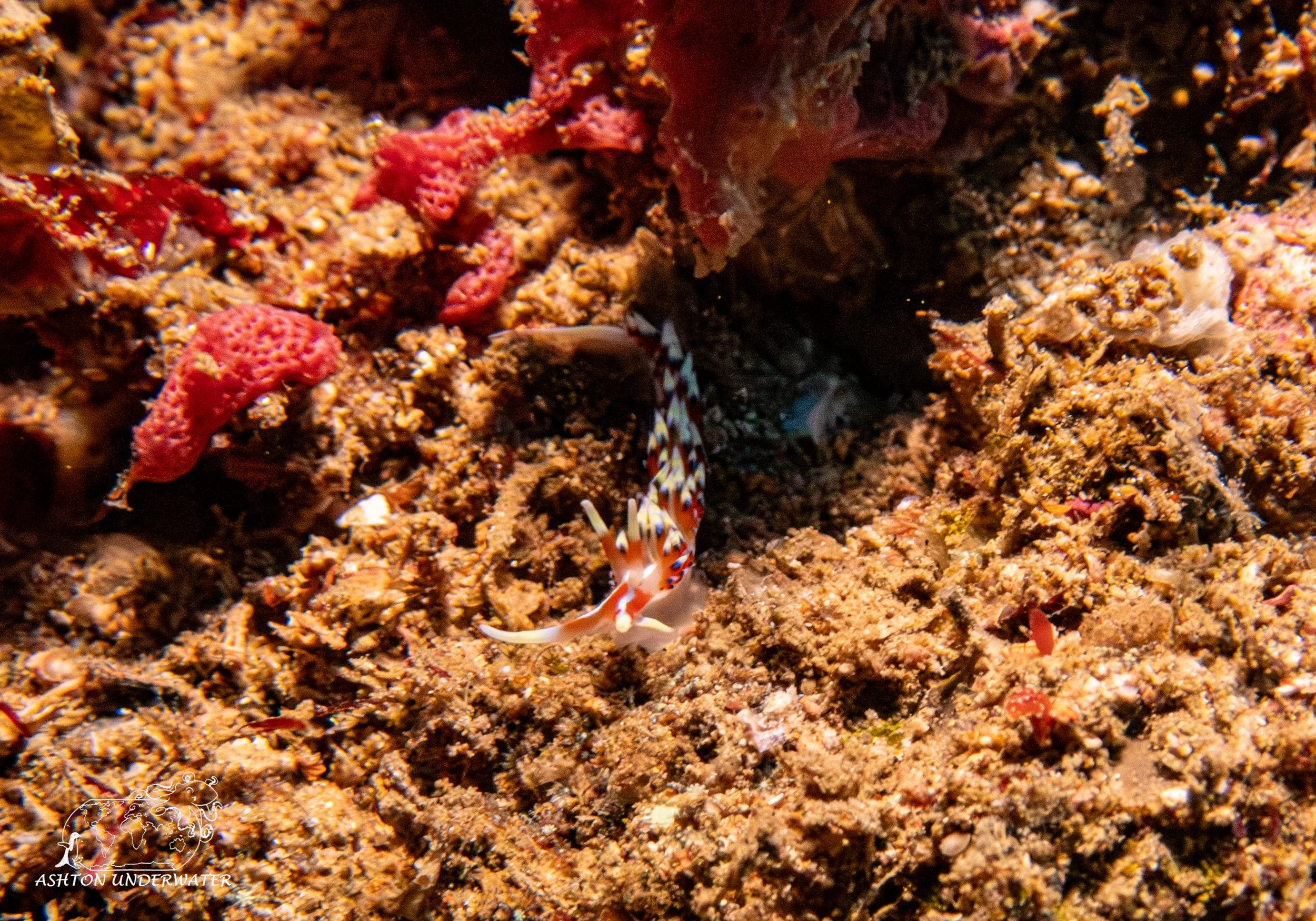
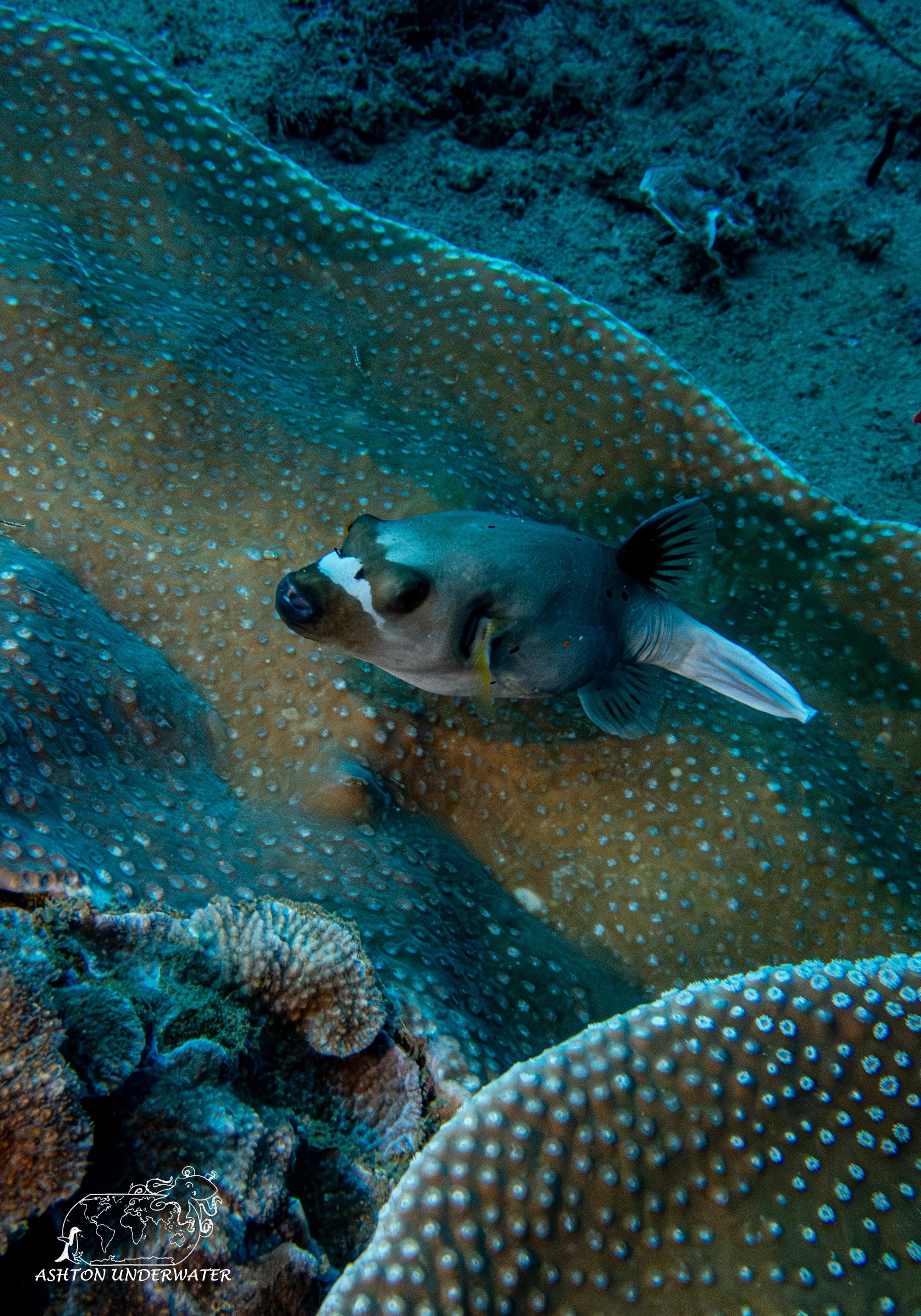
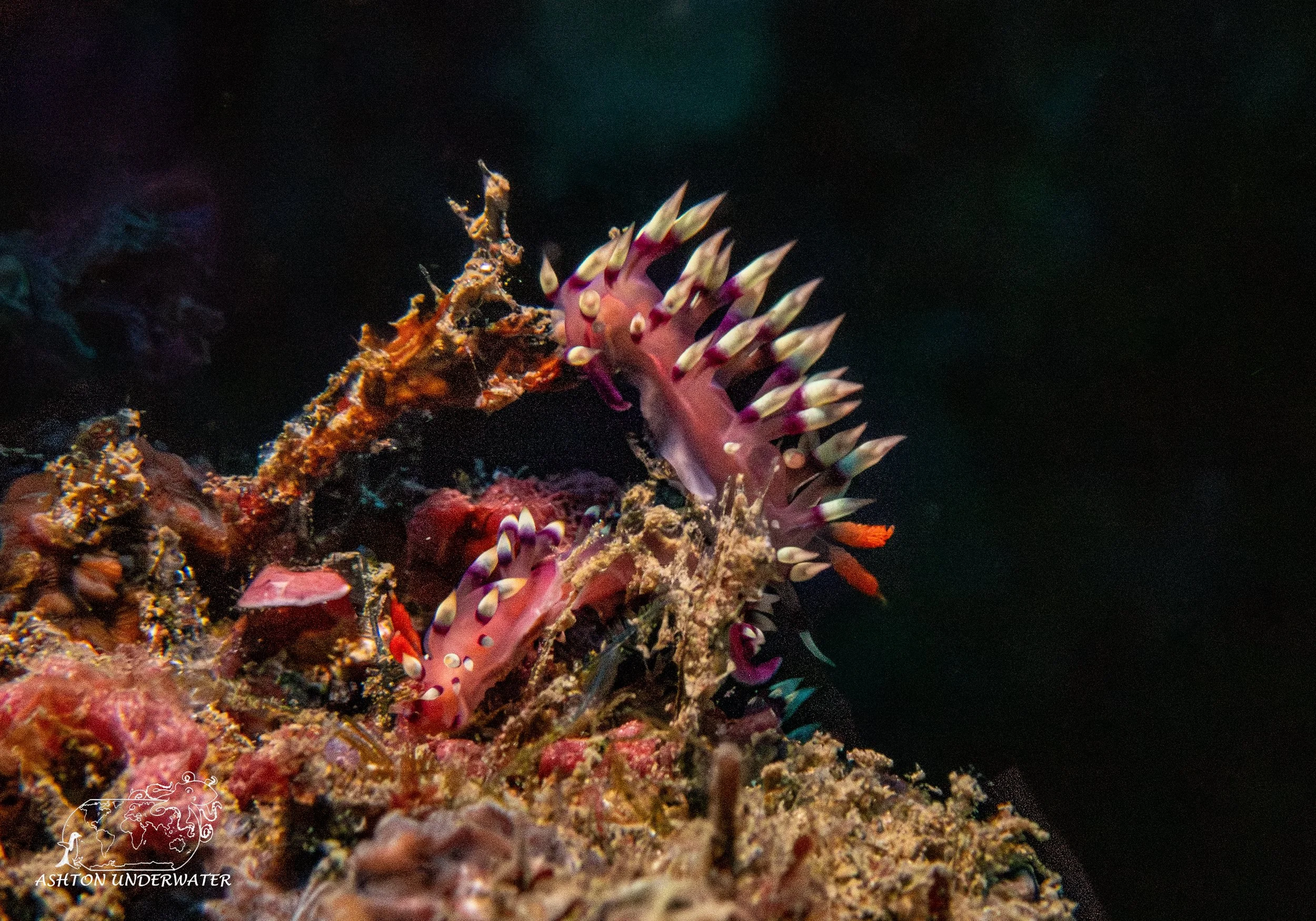
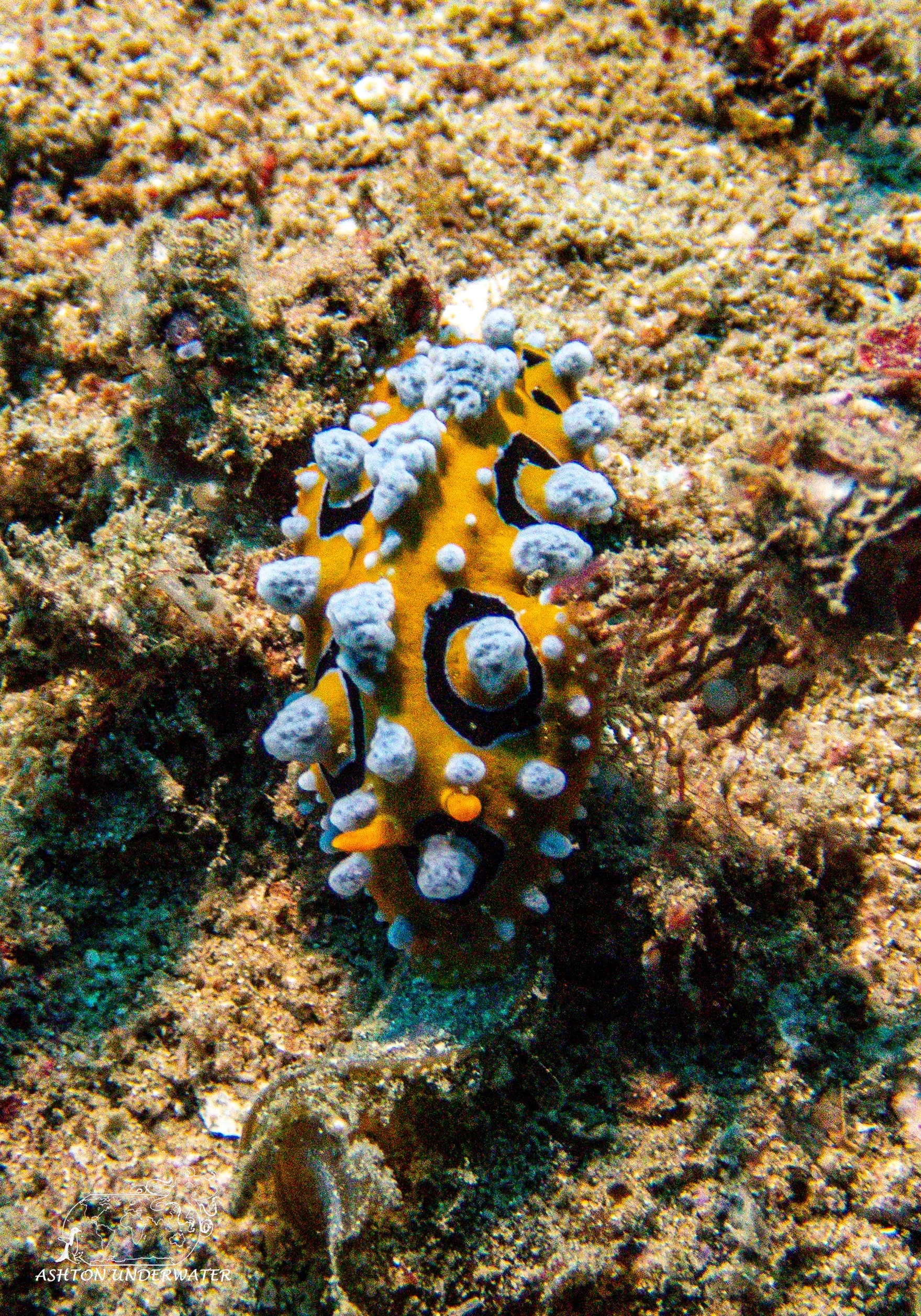
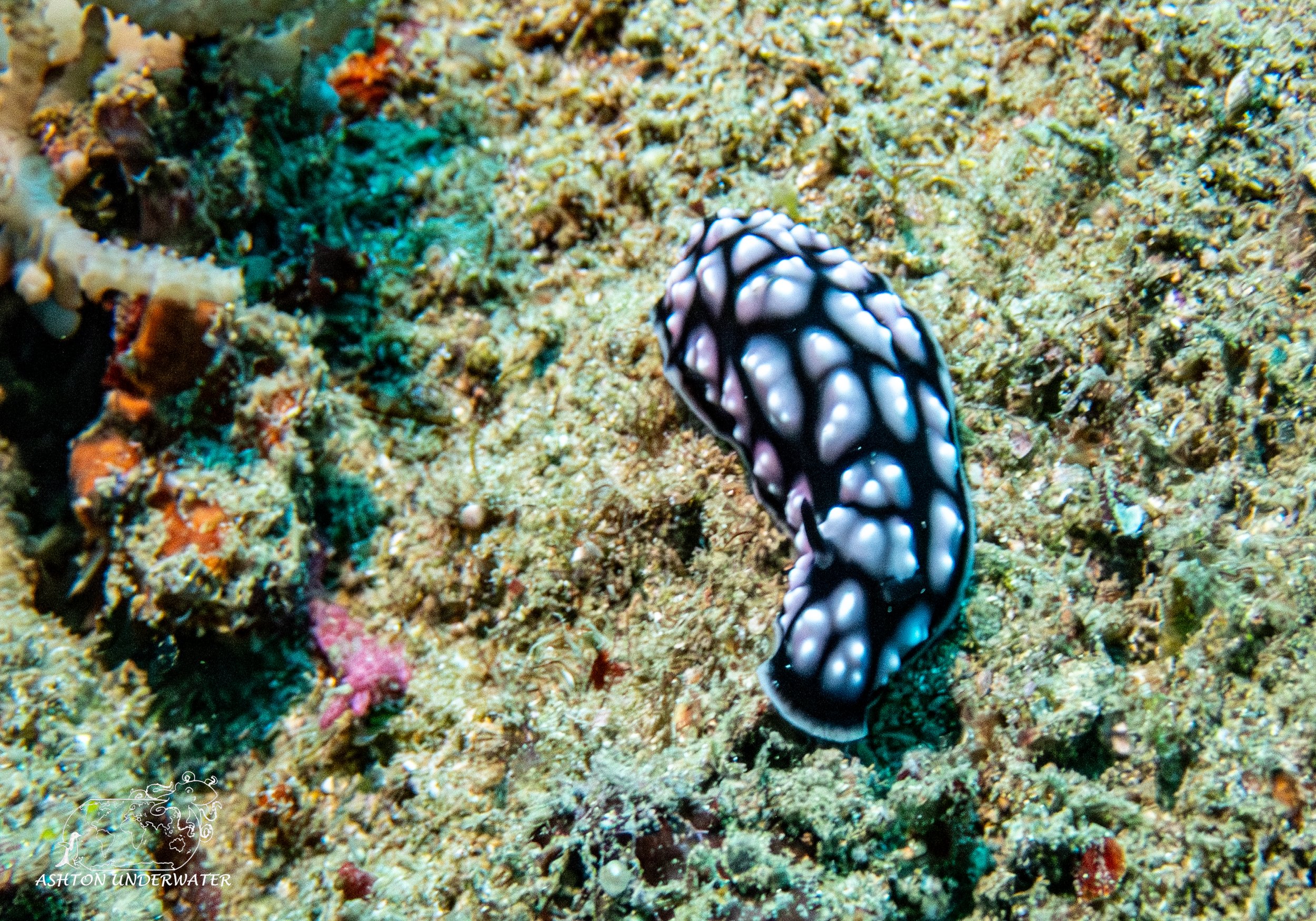
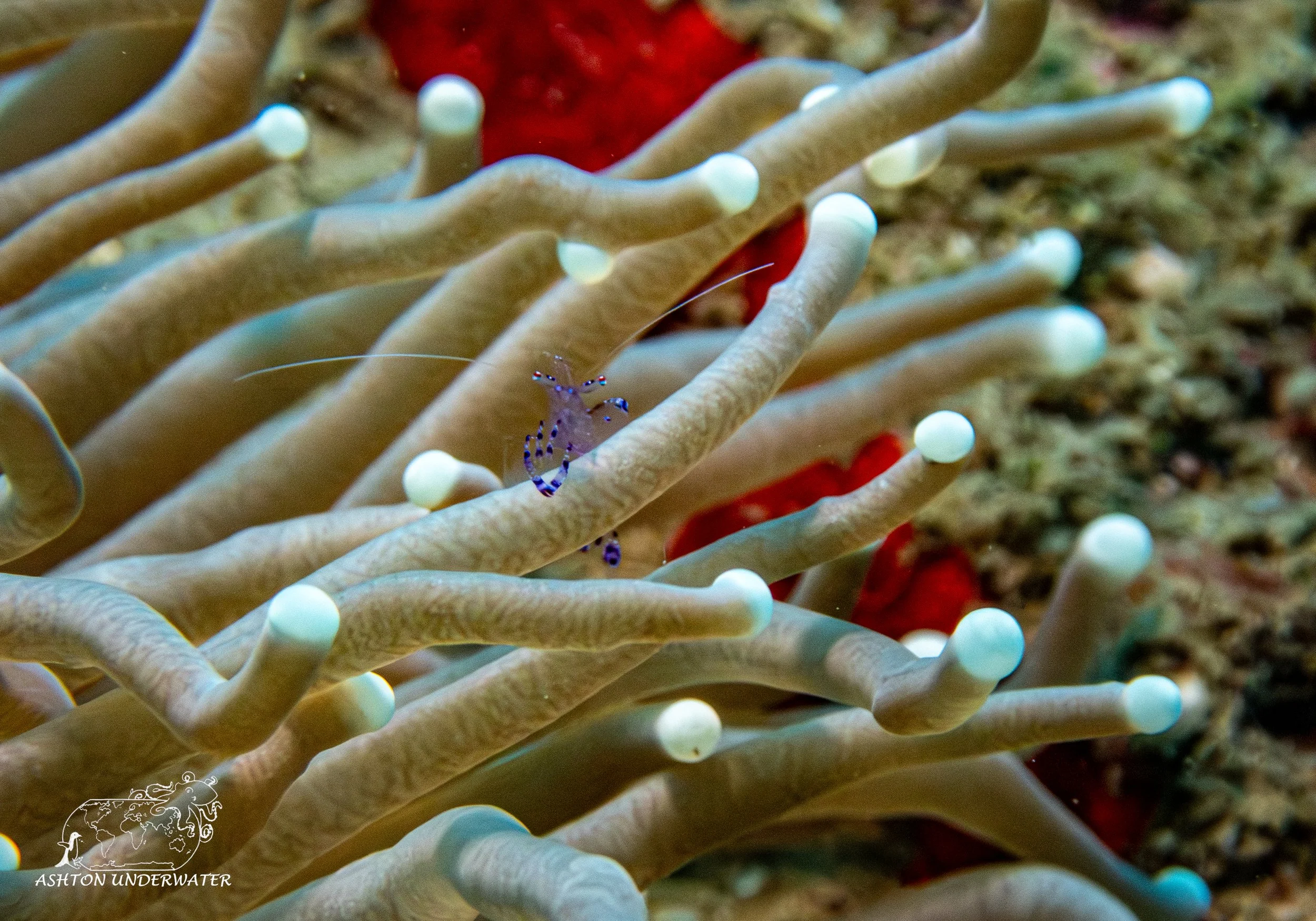
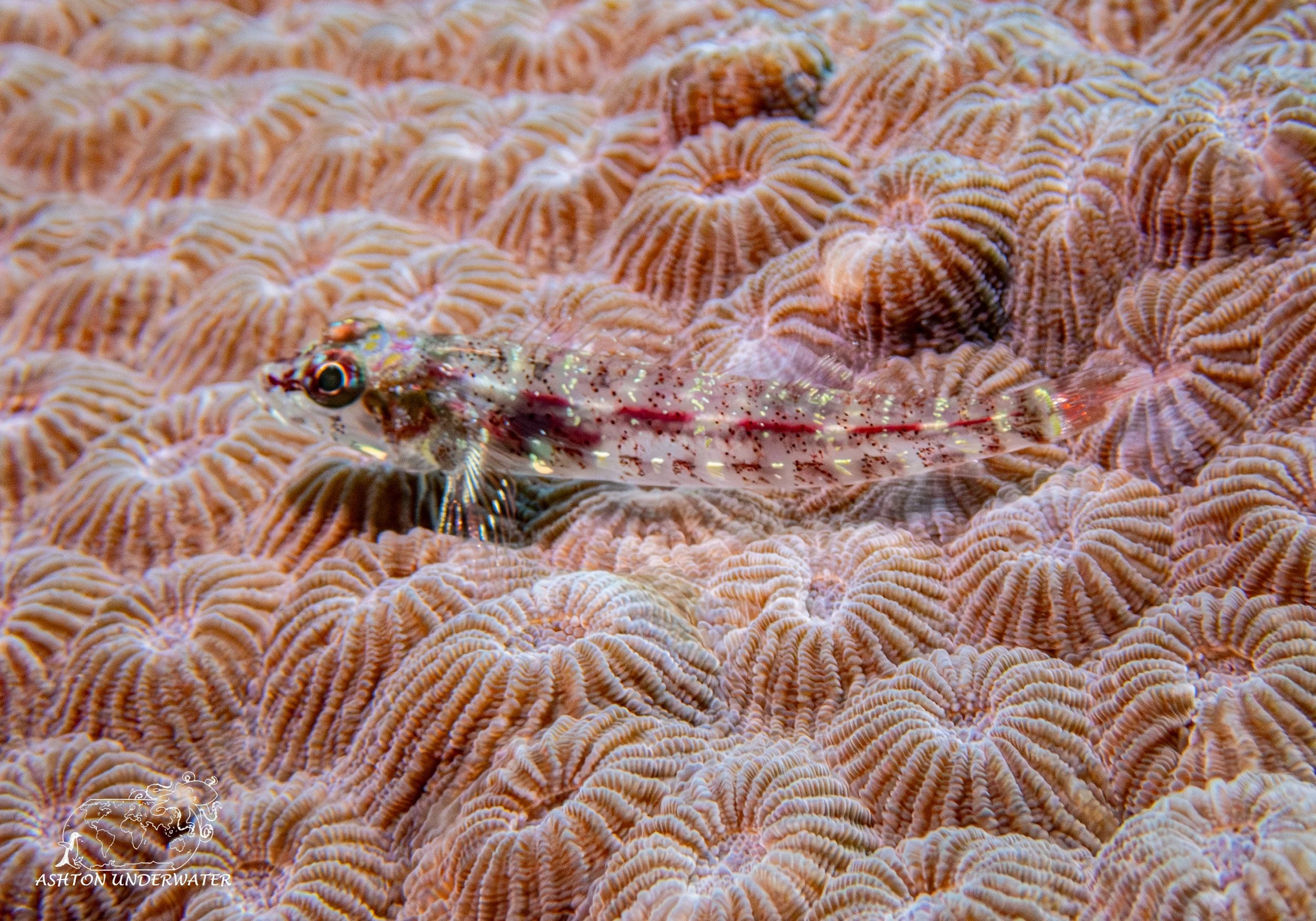
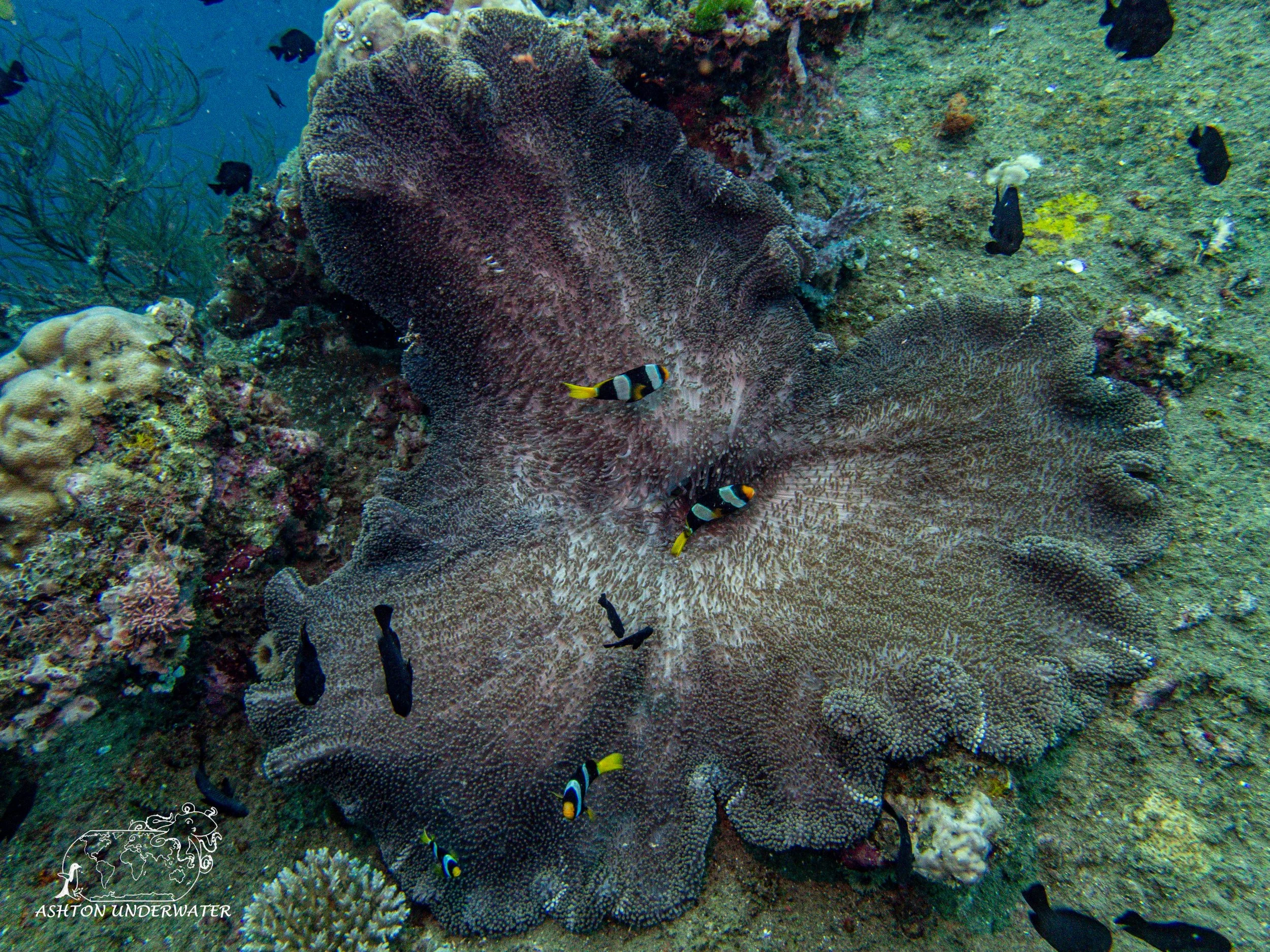
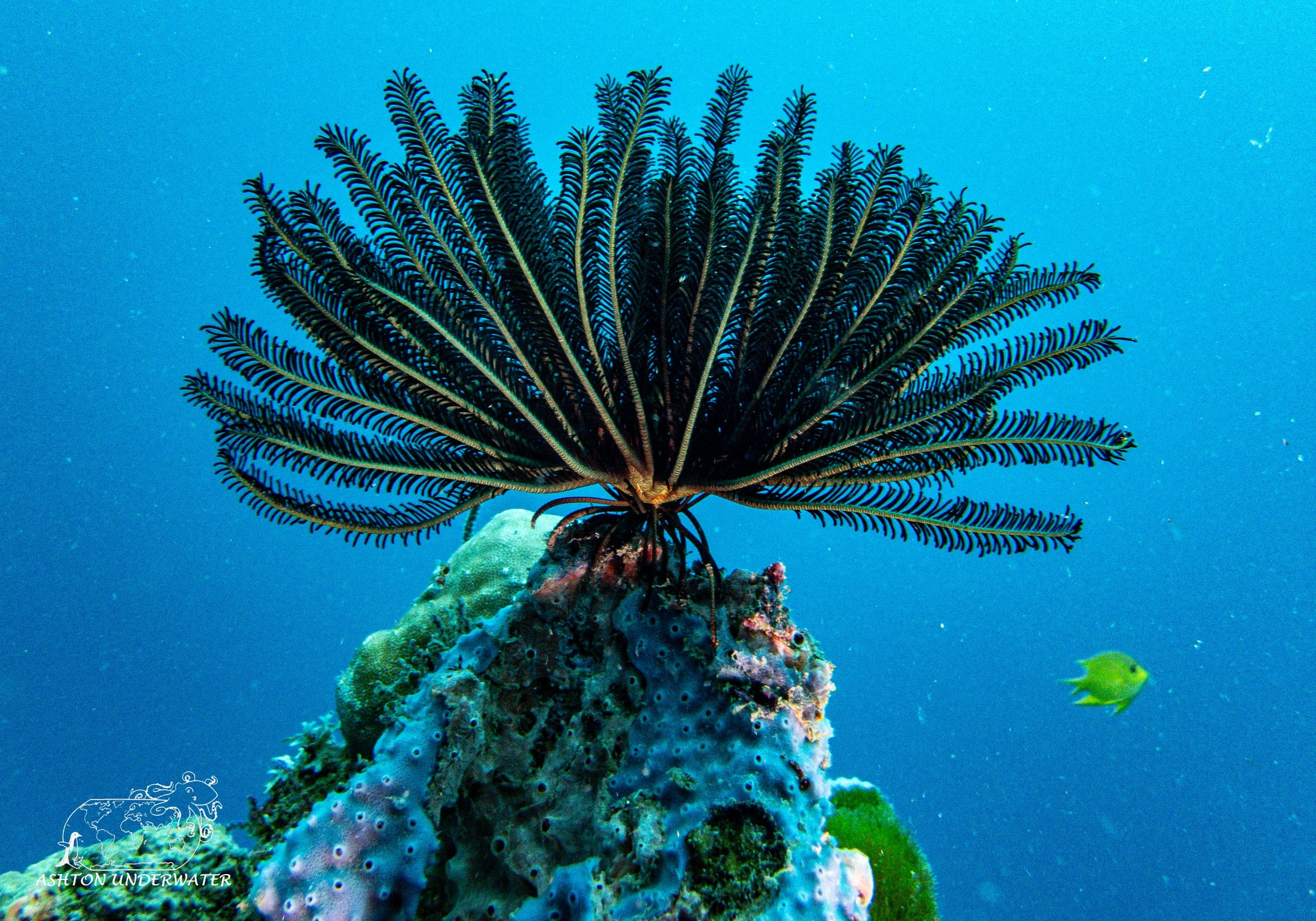
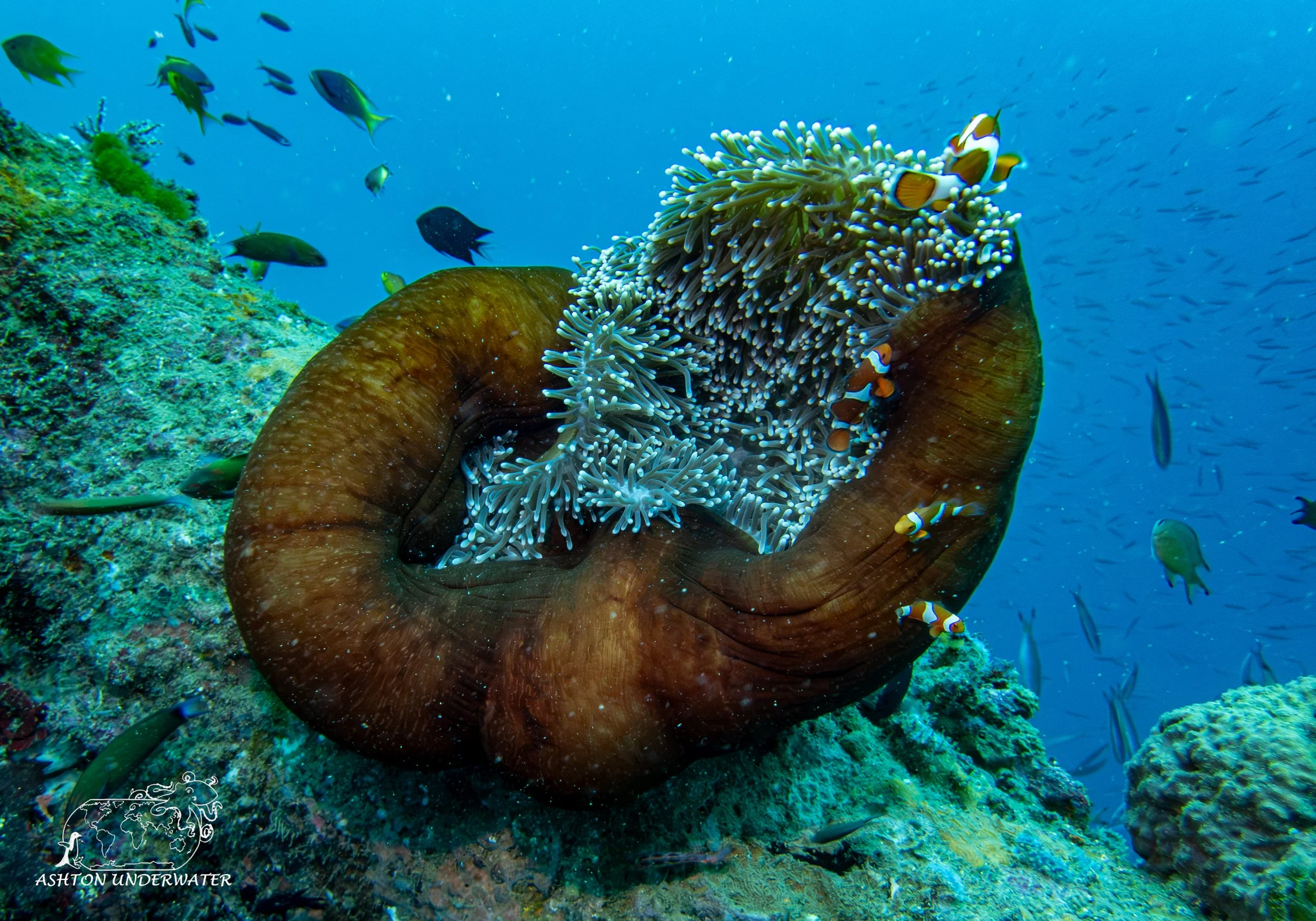
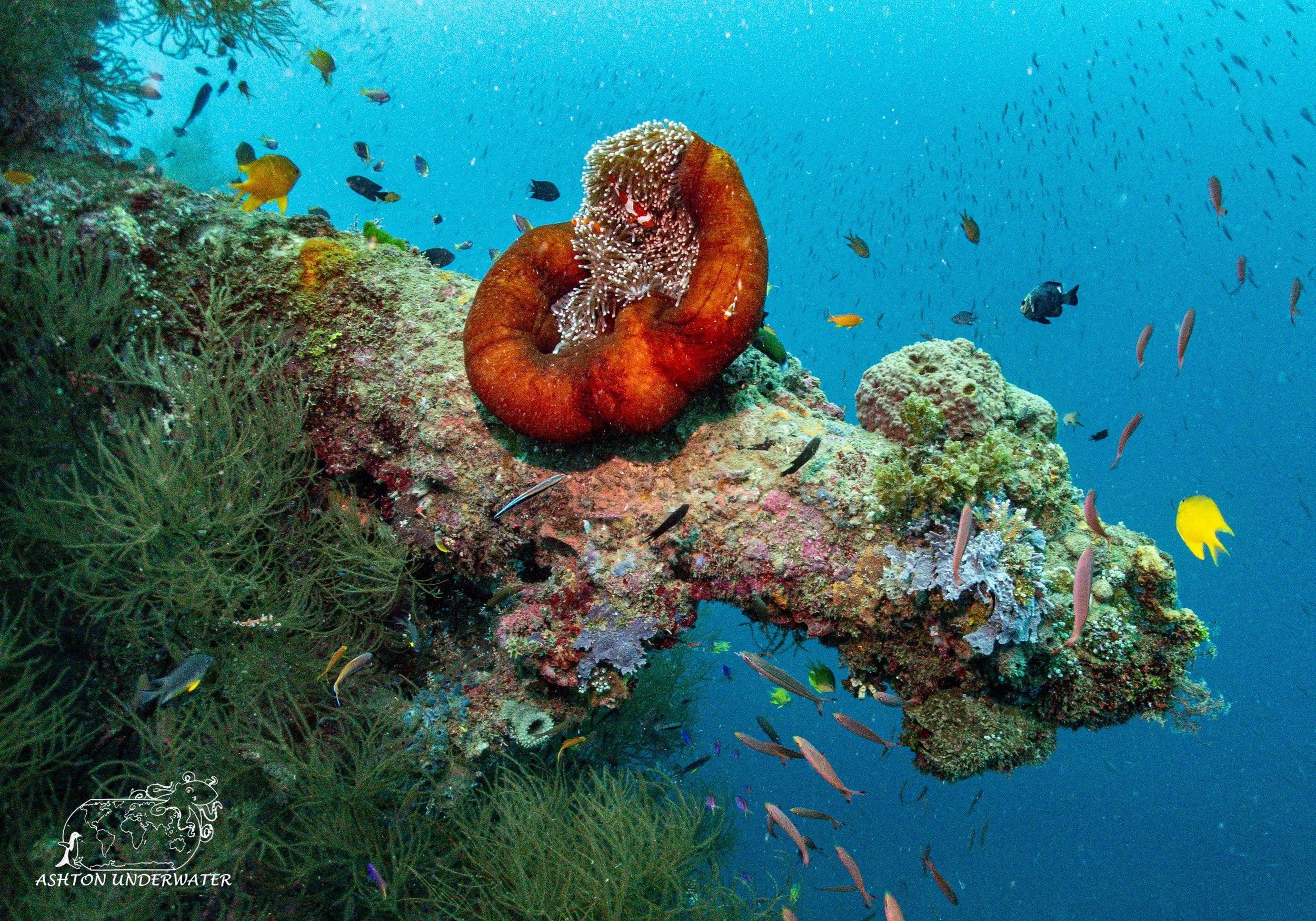
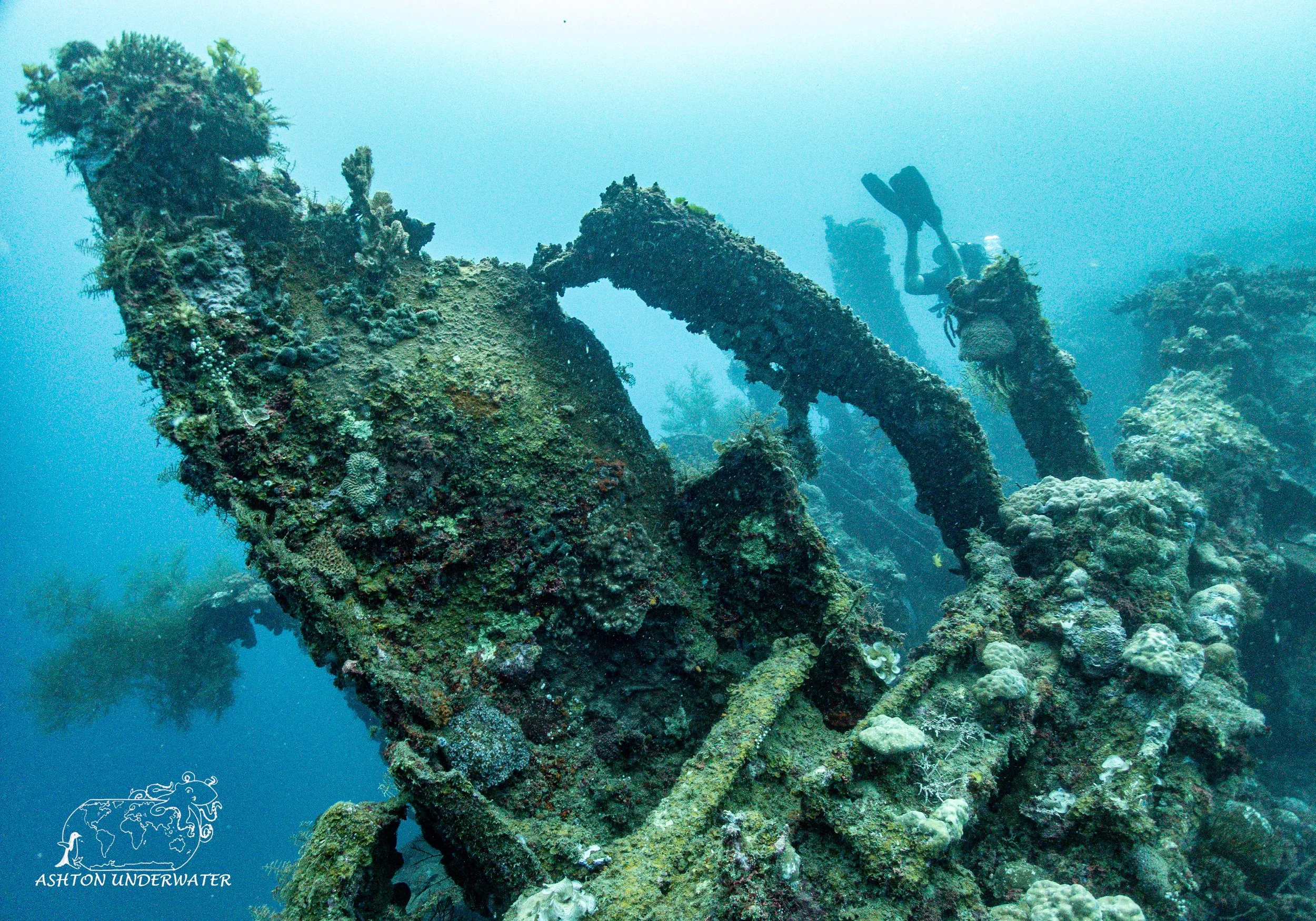
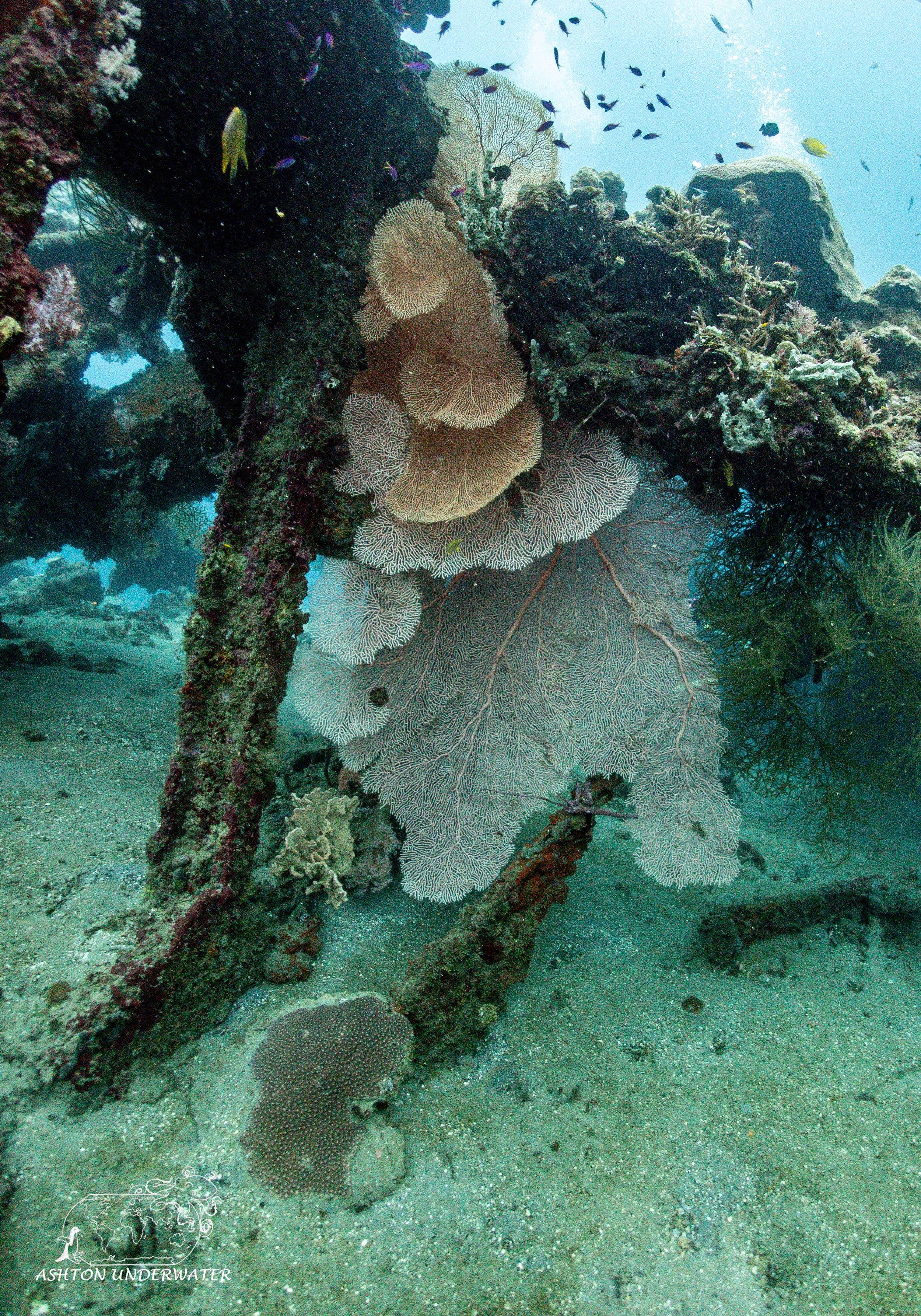
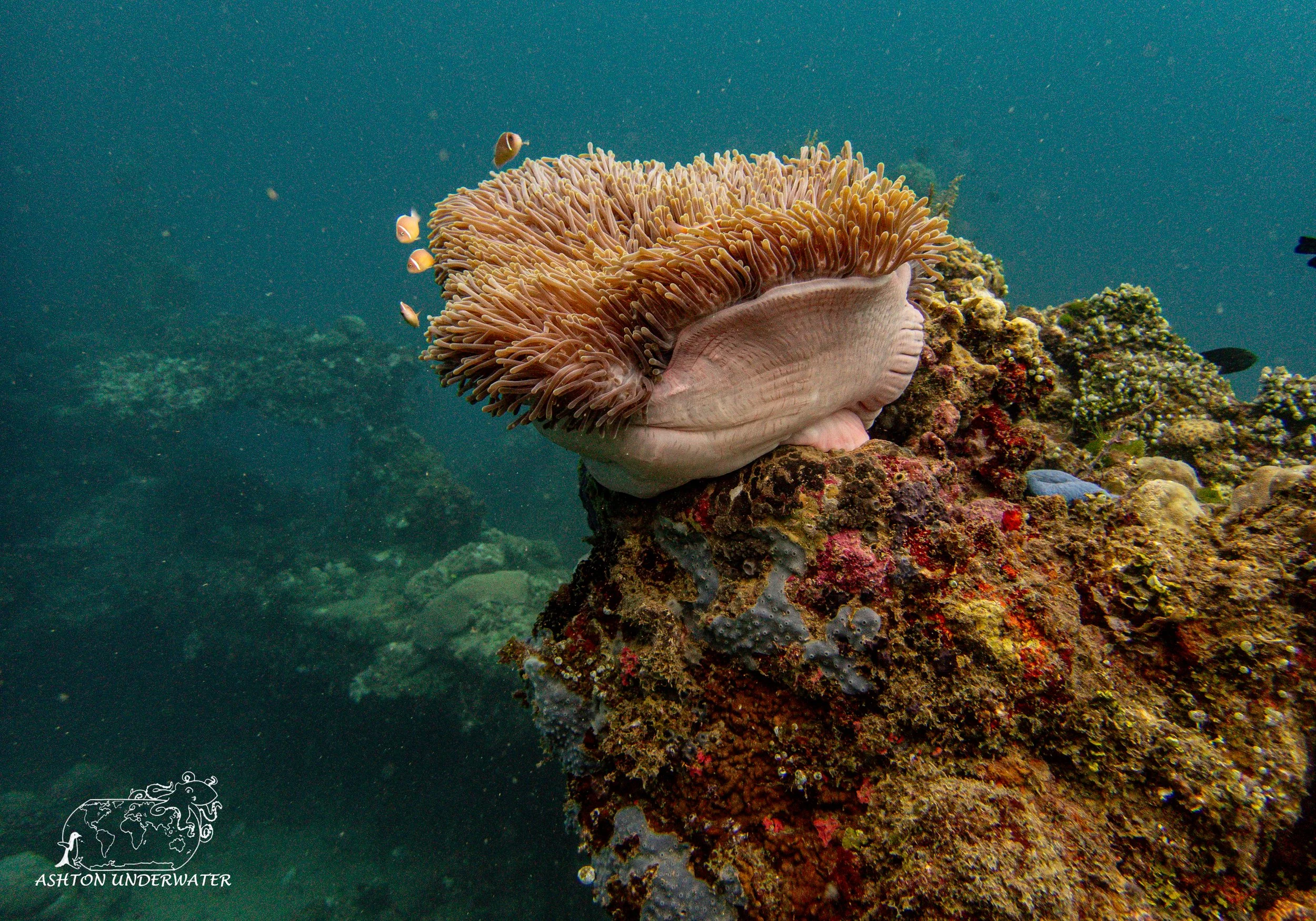
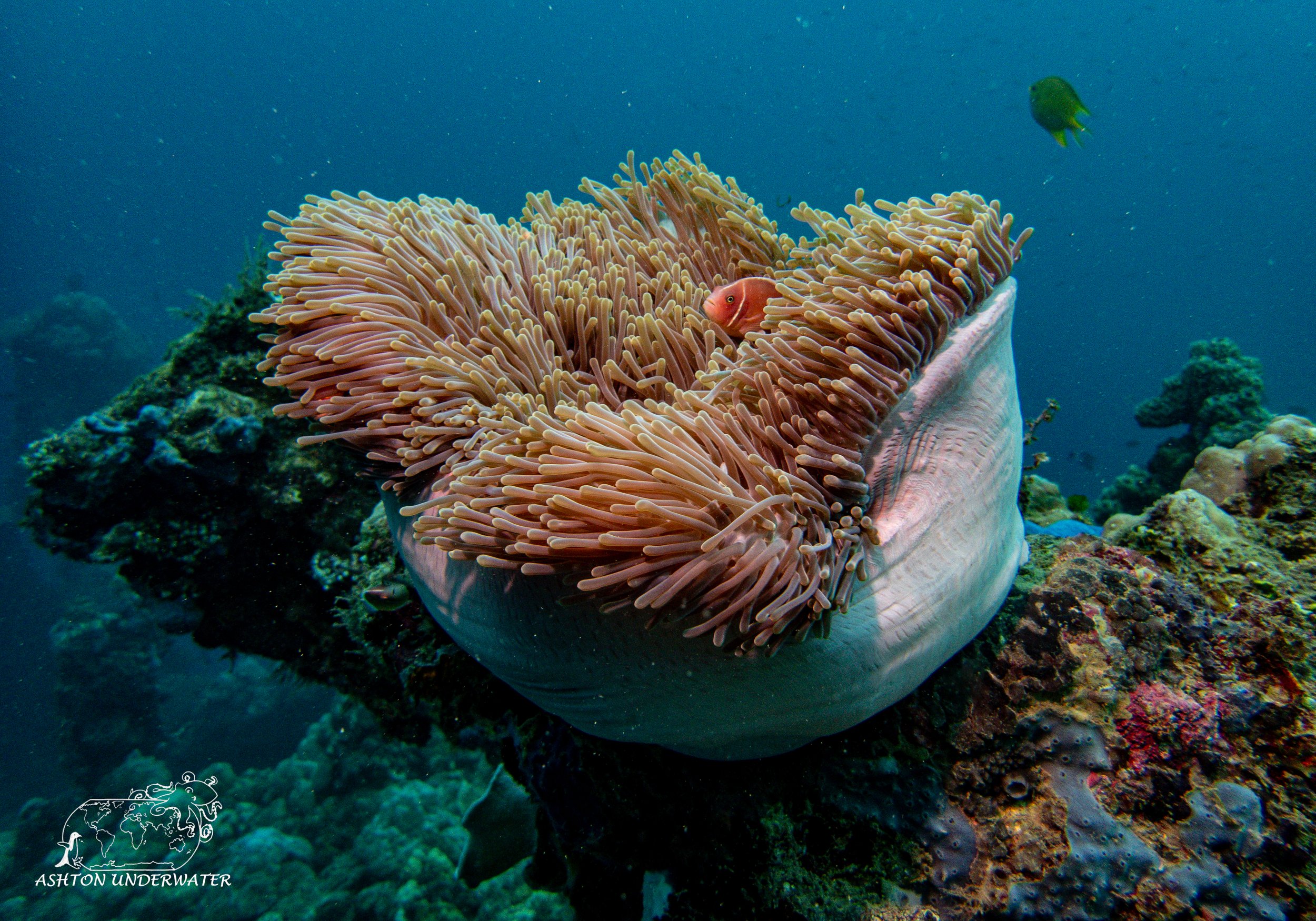
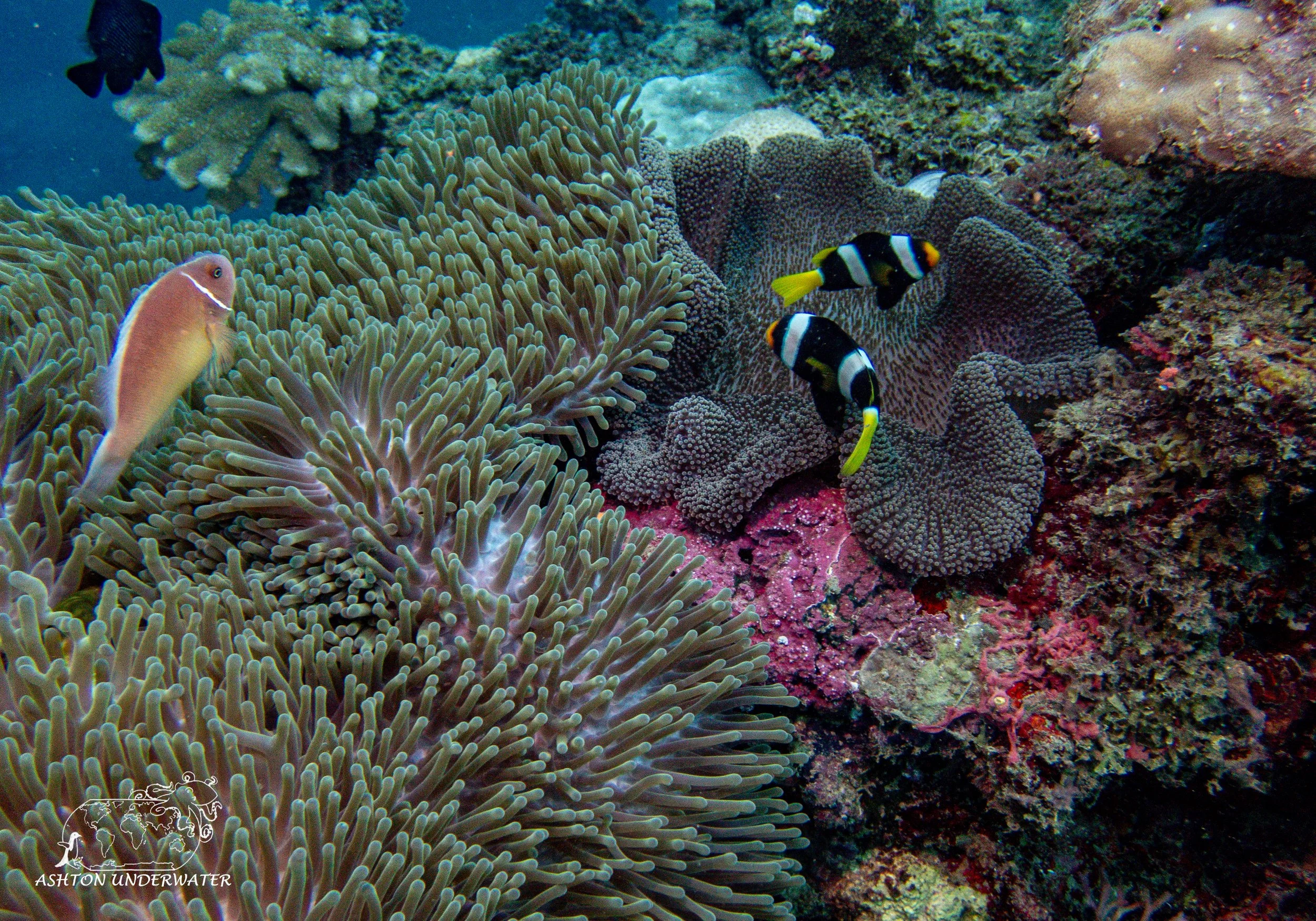
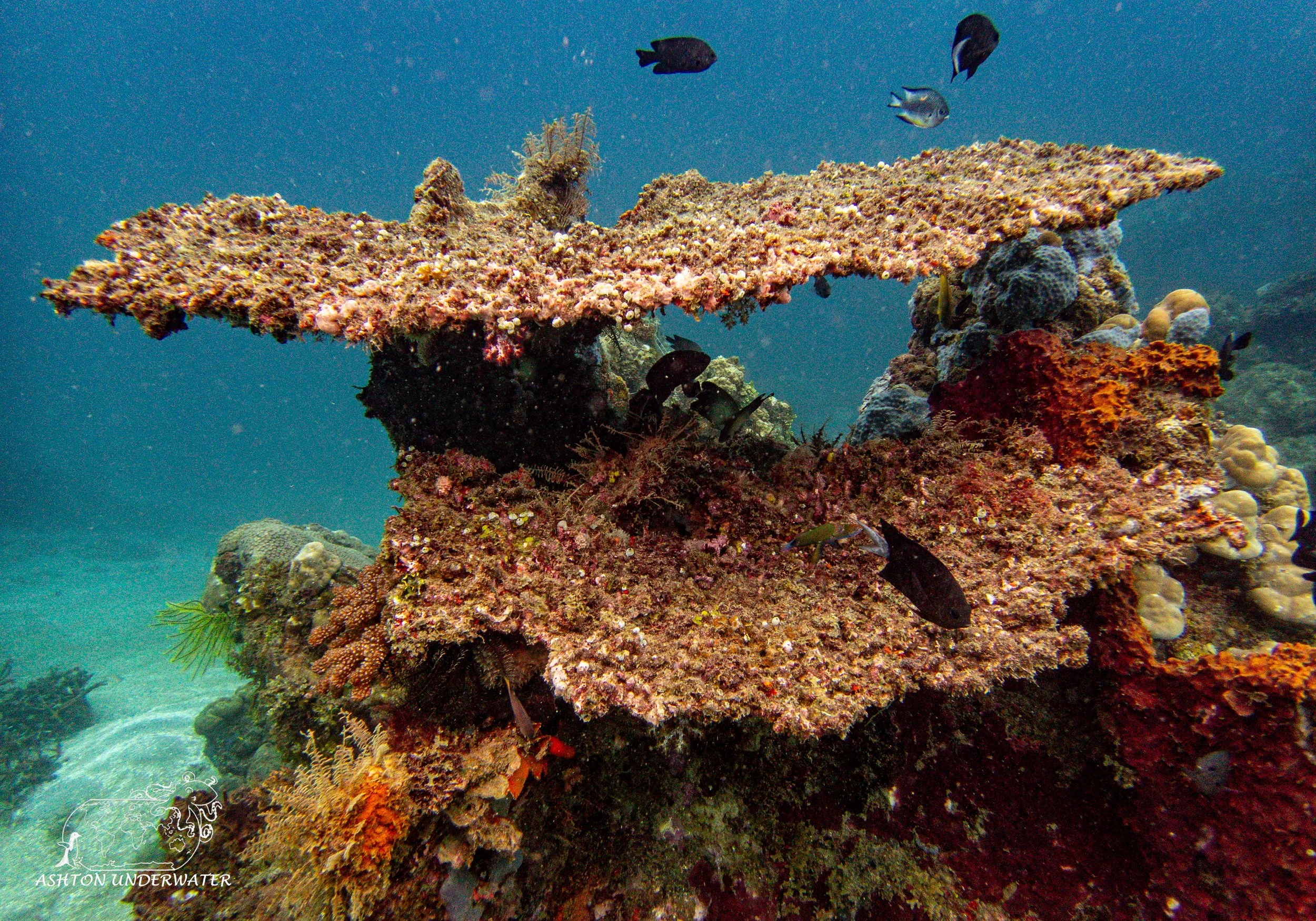
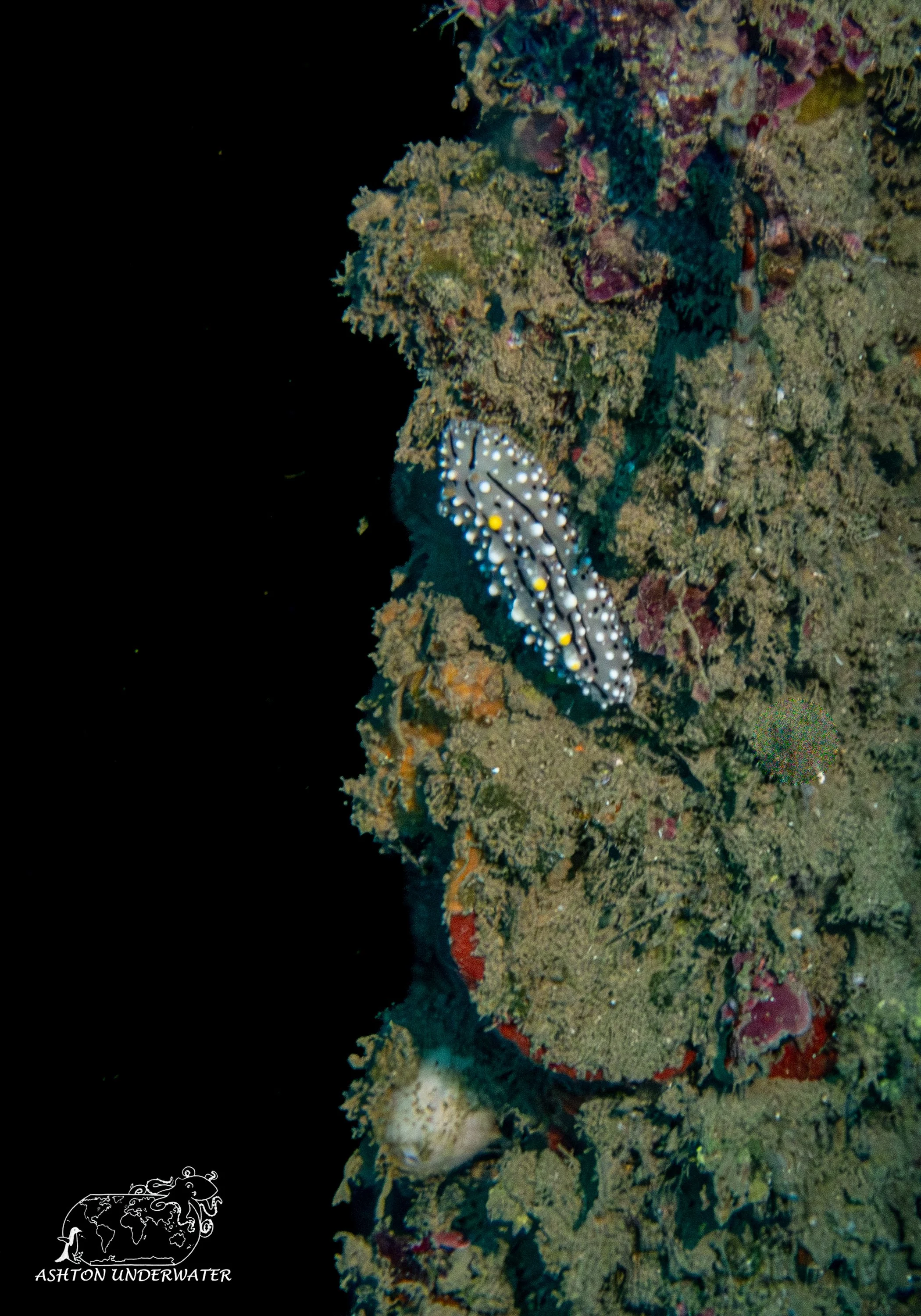
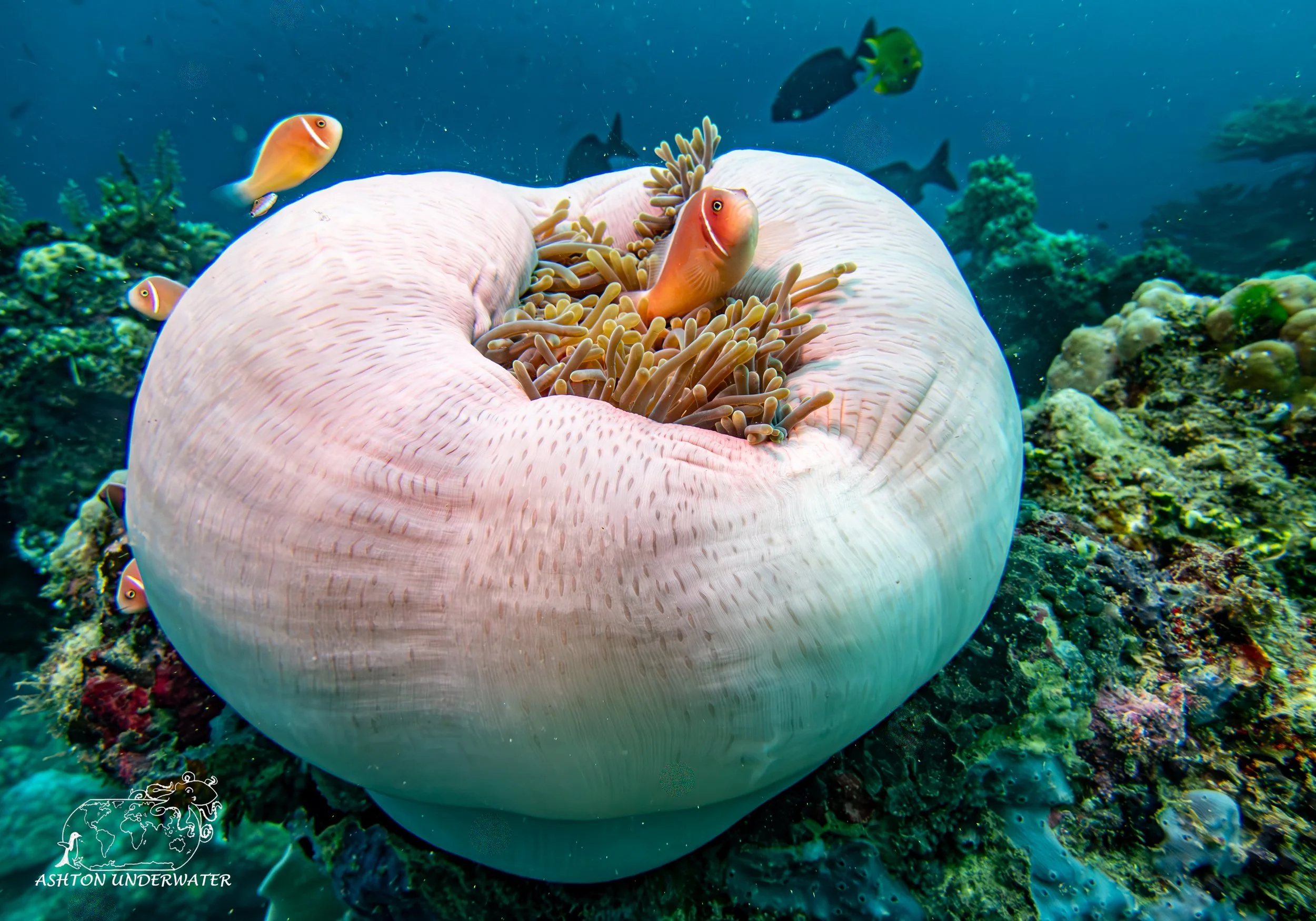
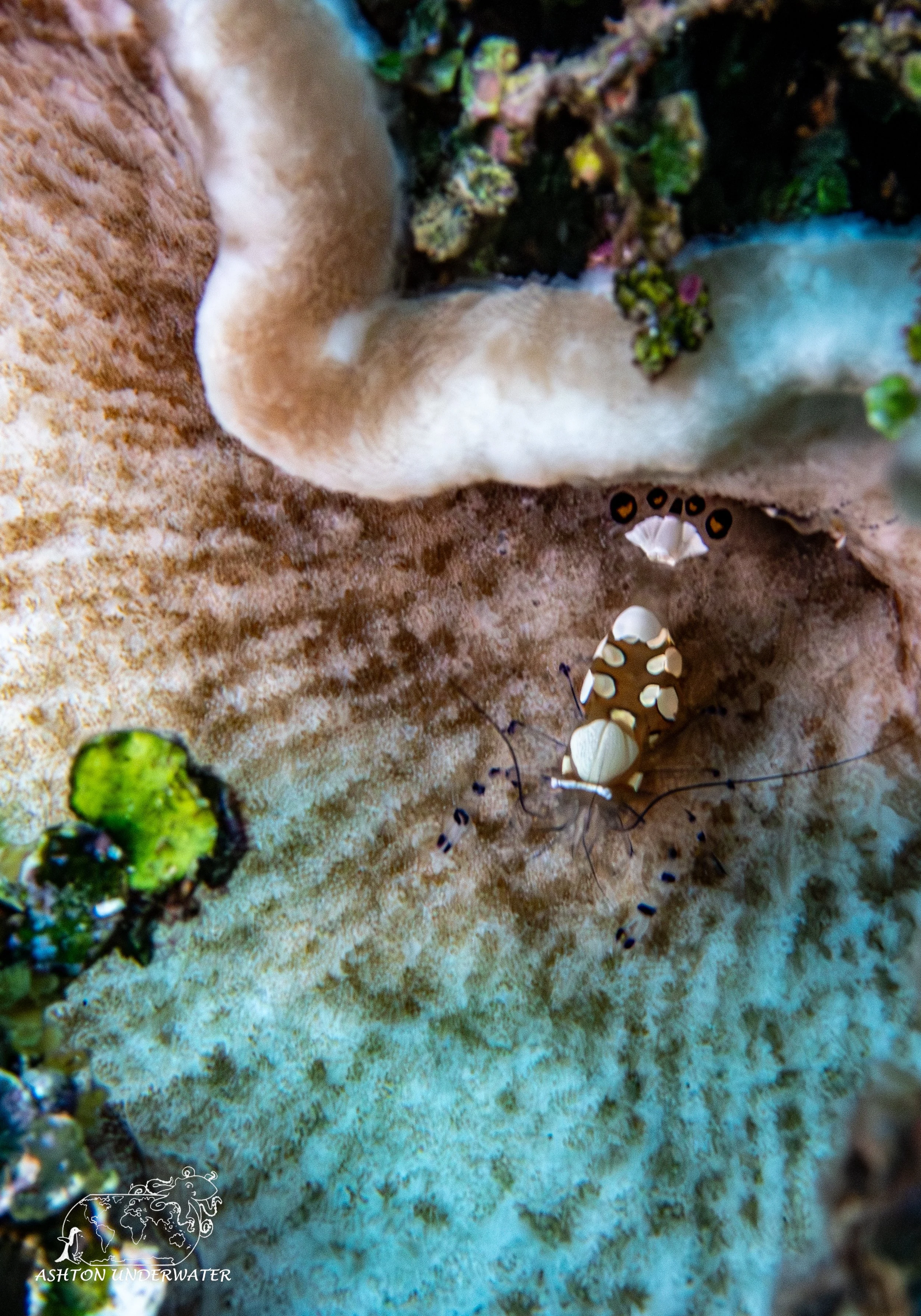
As another trip comes to a close, with another promise of a blue ring octopus going unfulfilled yet again. I am starting to question: Is it me? Am I the deterrent? Does not allowing myself to get close to others send signals to the octopus to stay away? Nah, that can’t be it, they’re just trixie little octos that like to hide in the sand. Maybe on the next trip!
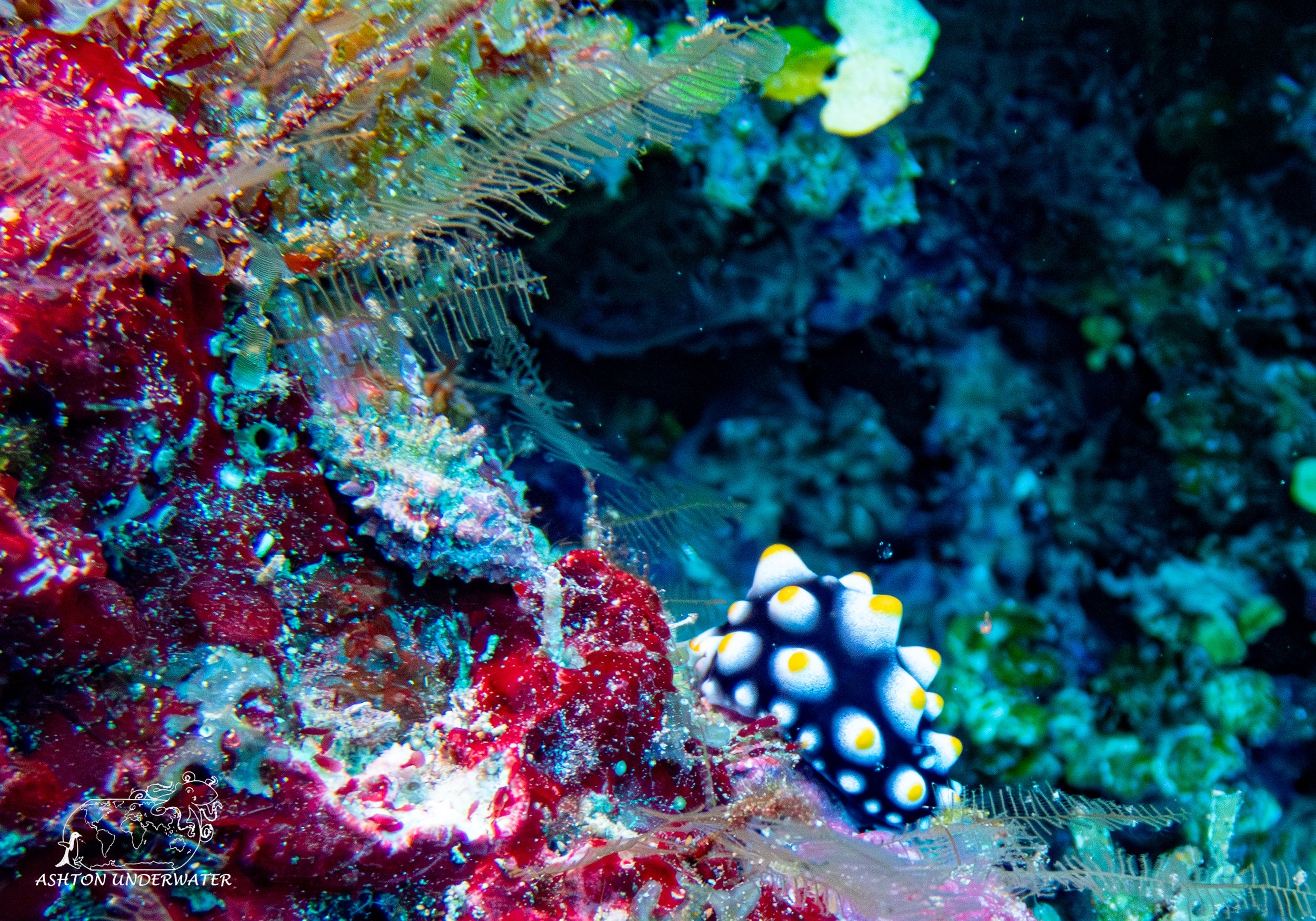
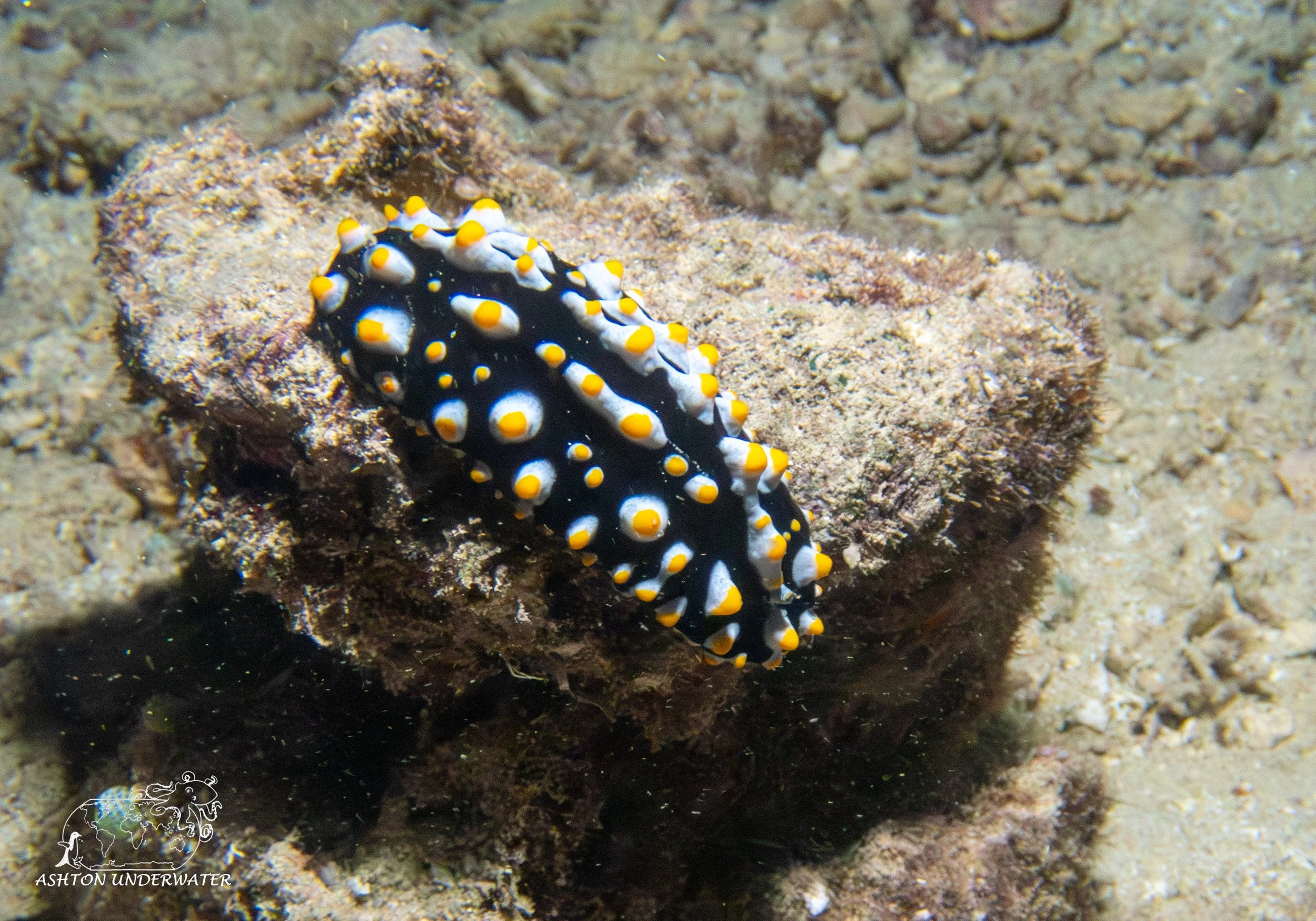
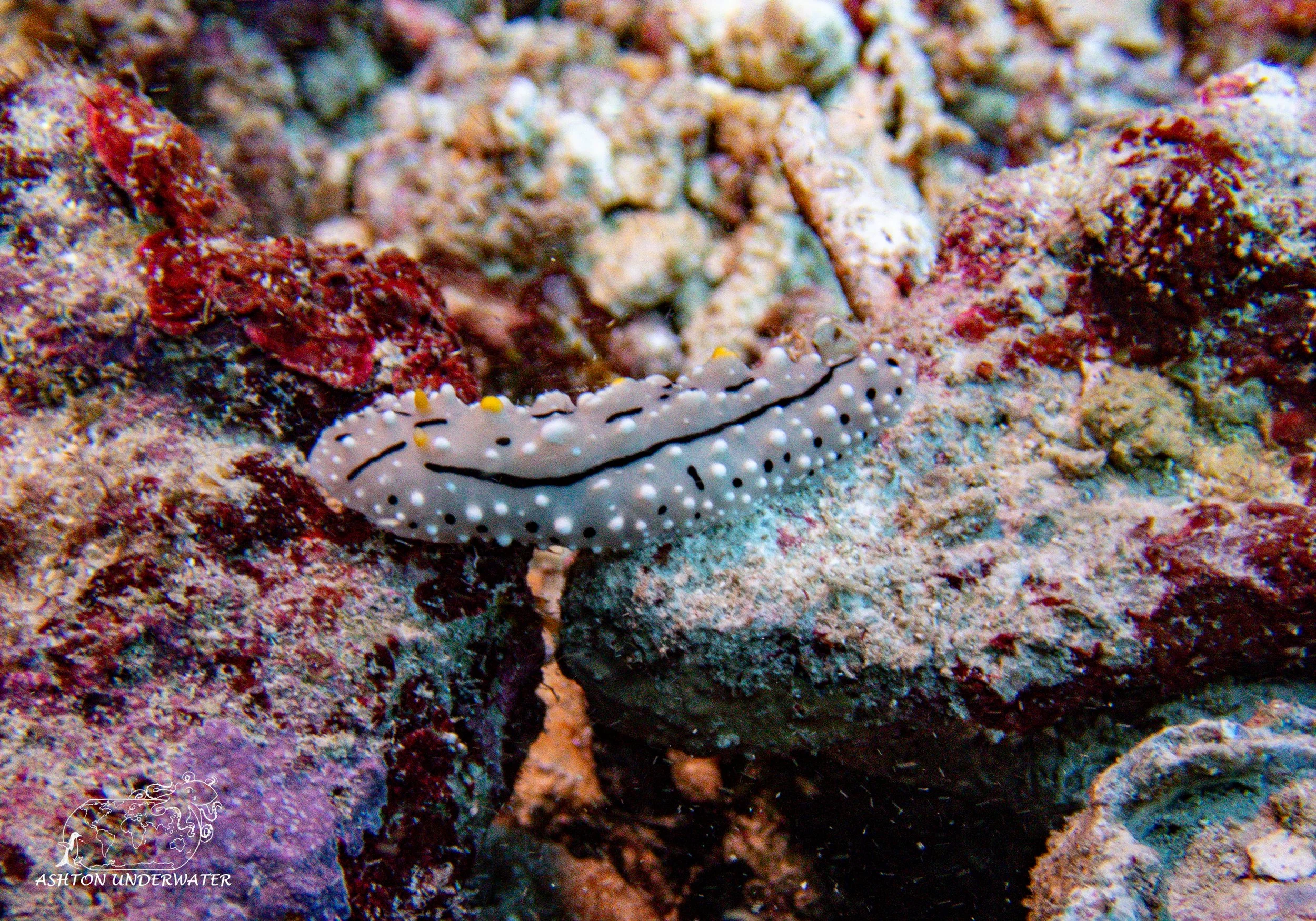
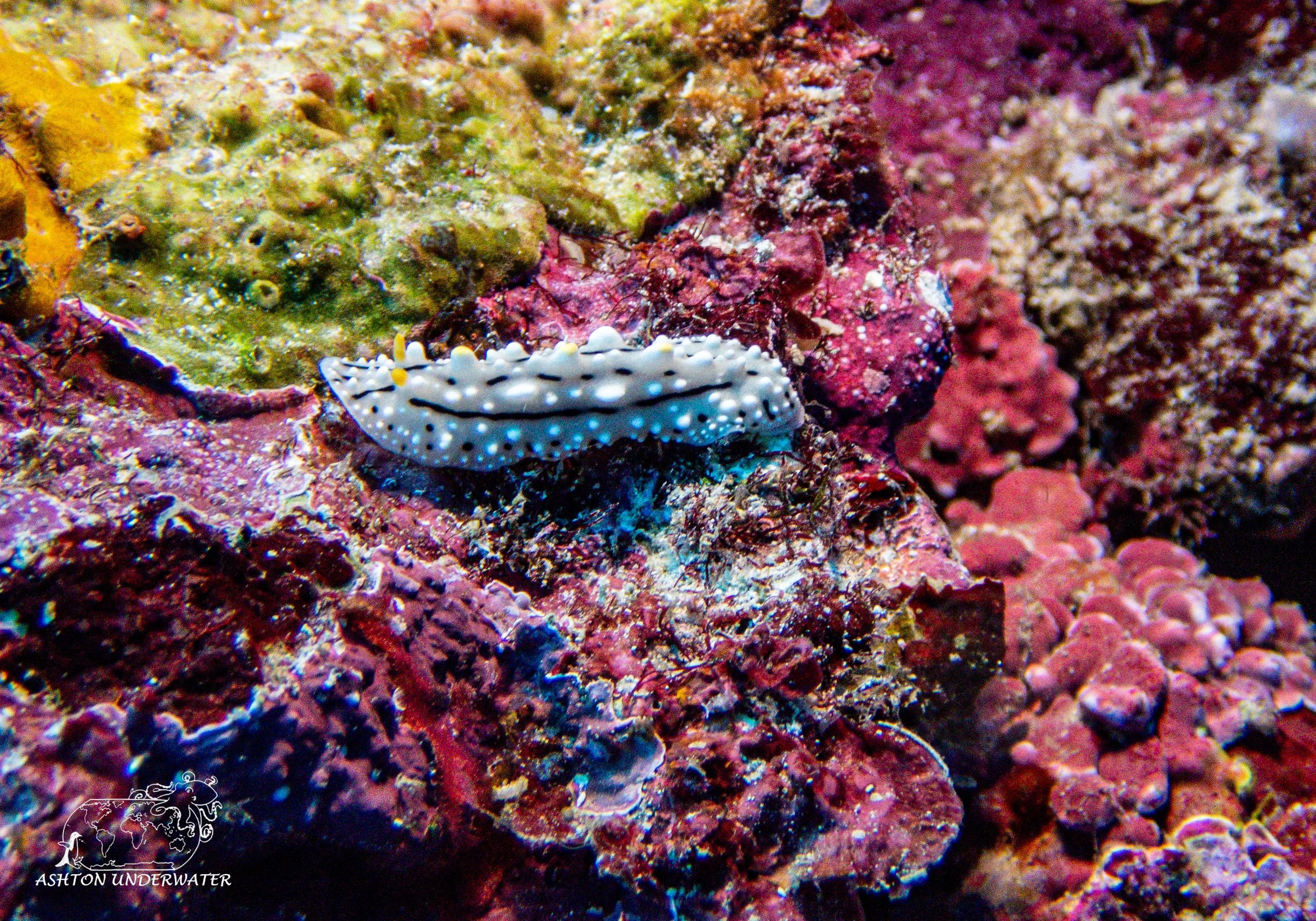
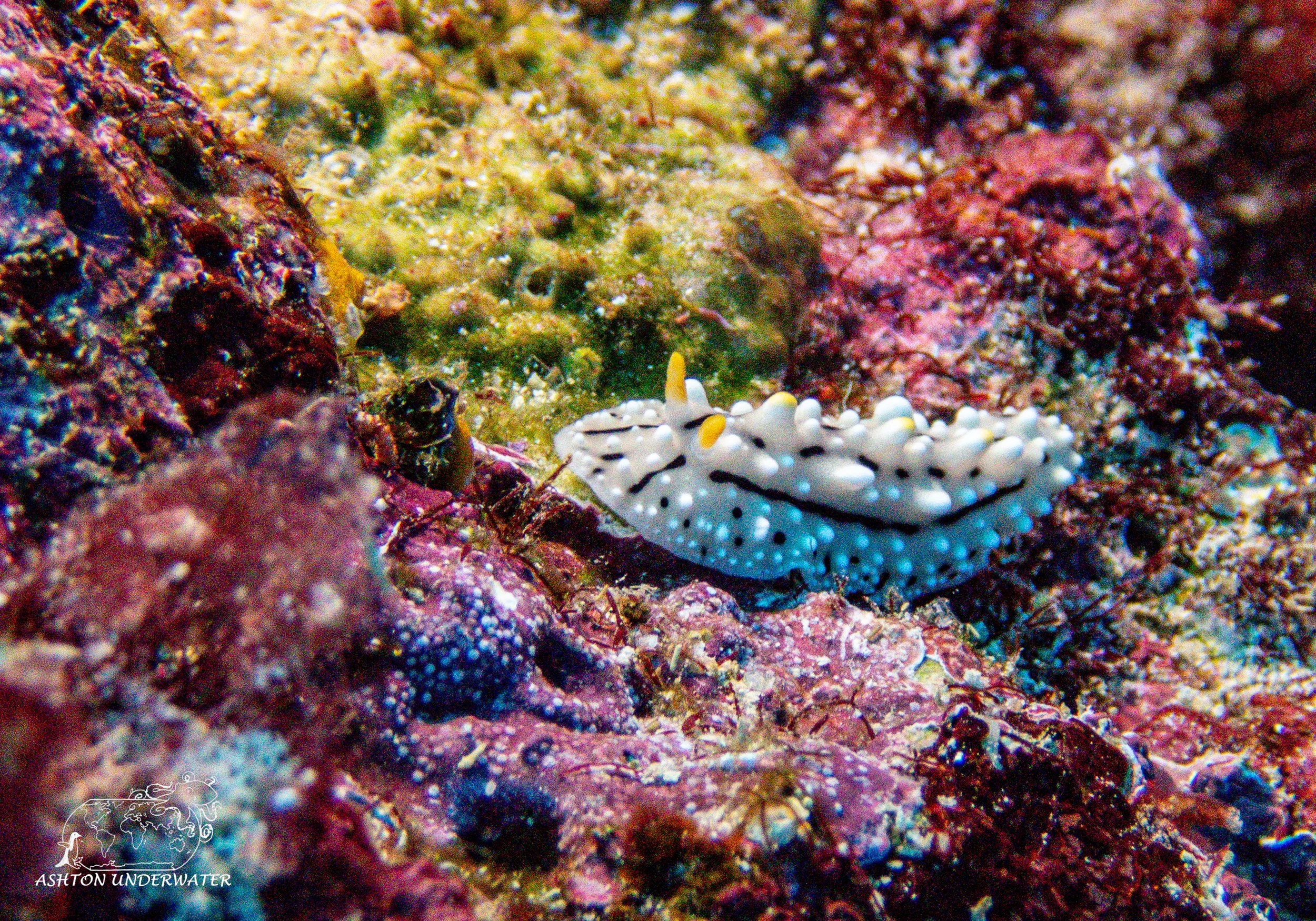
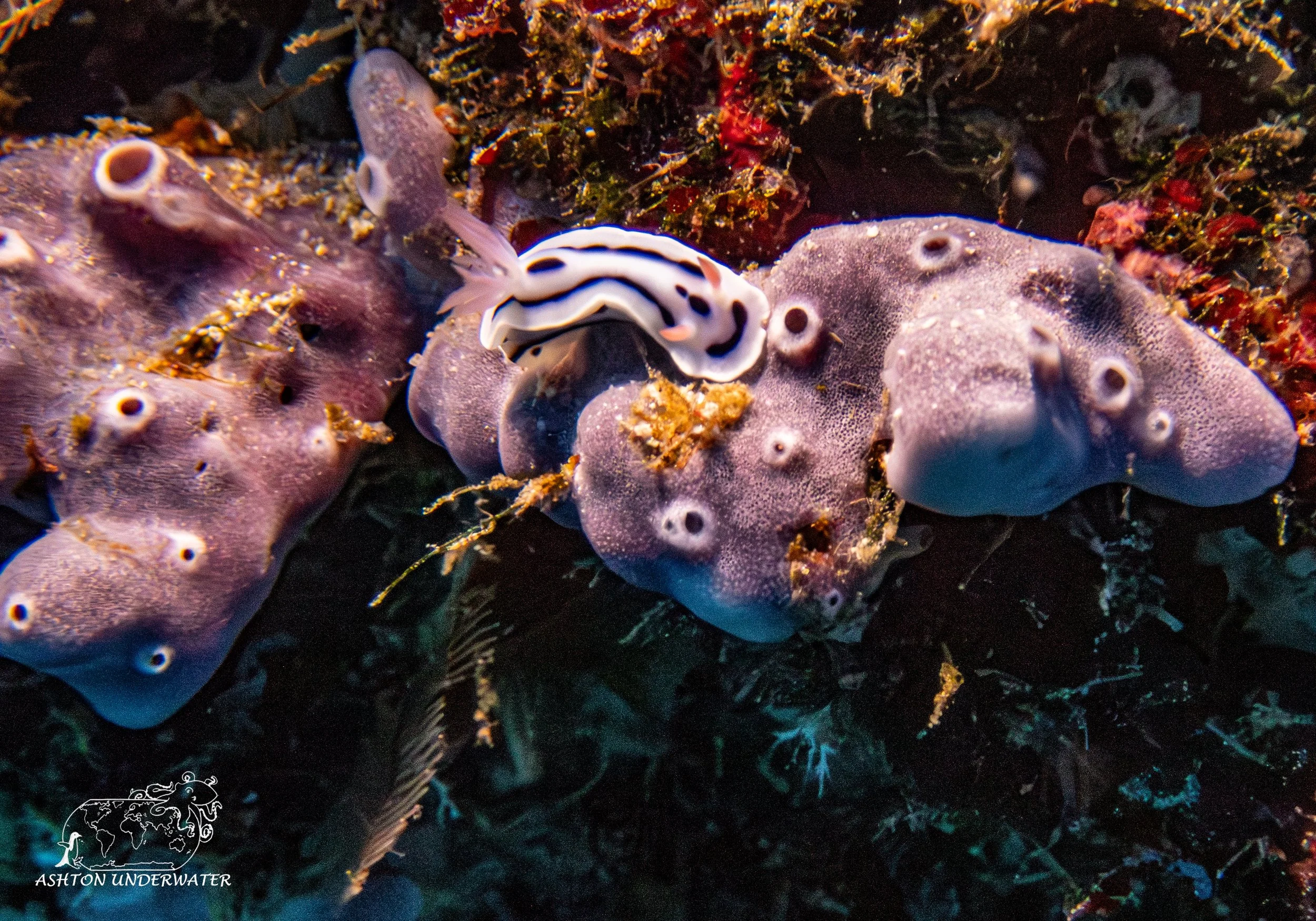
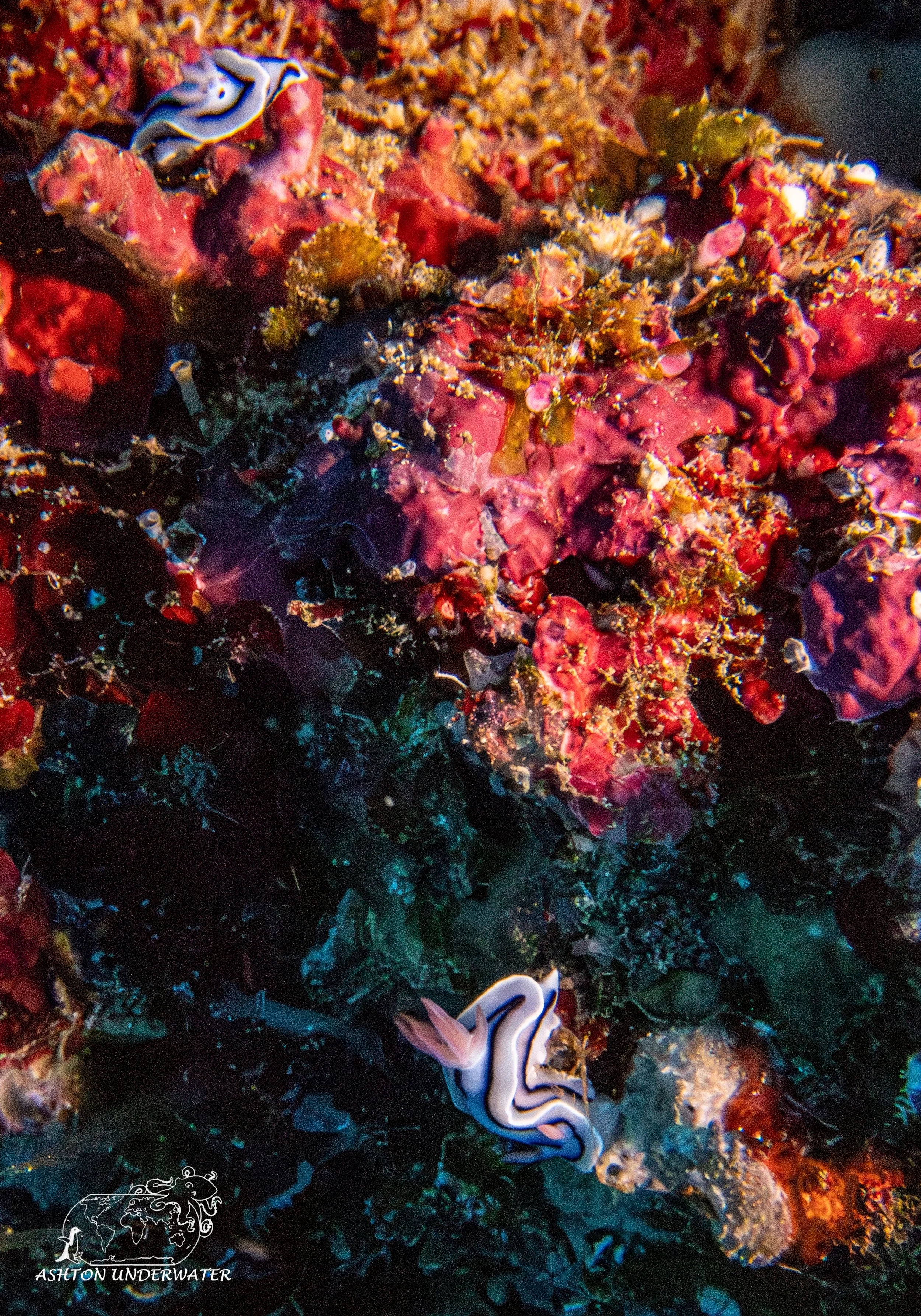
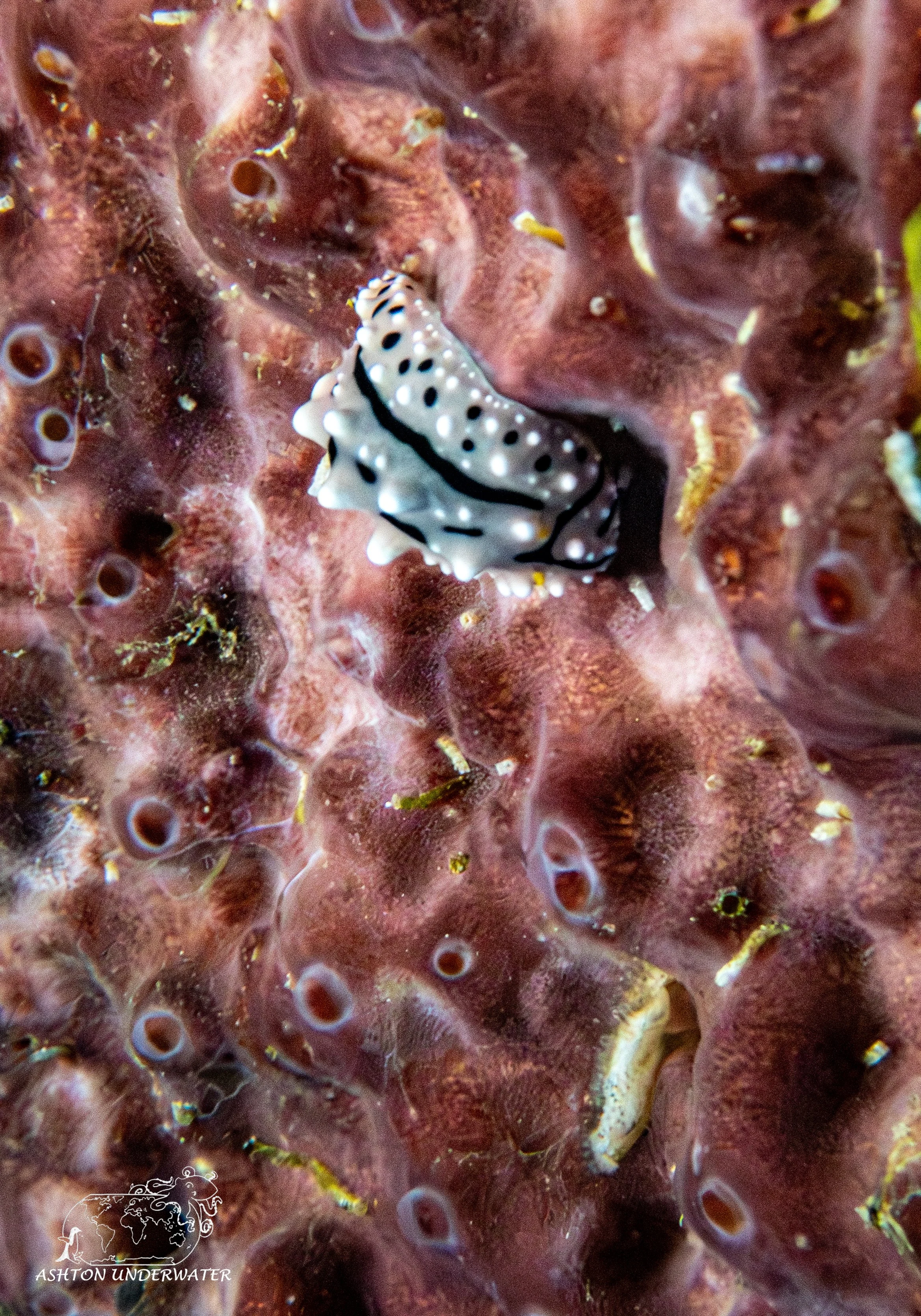
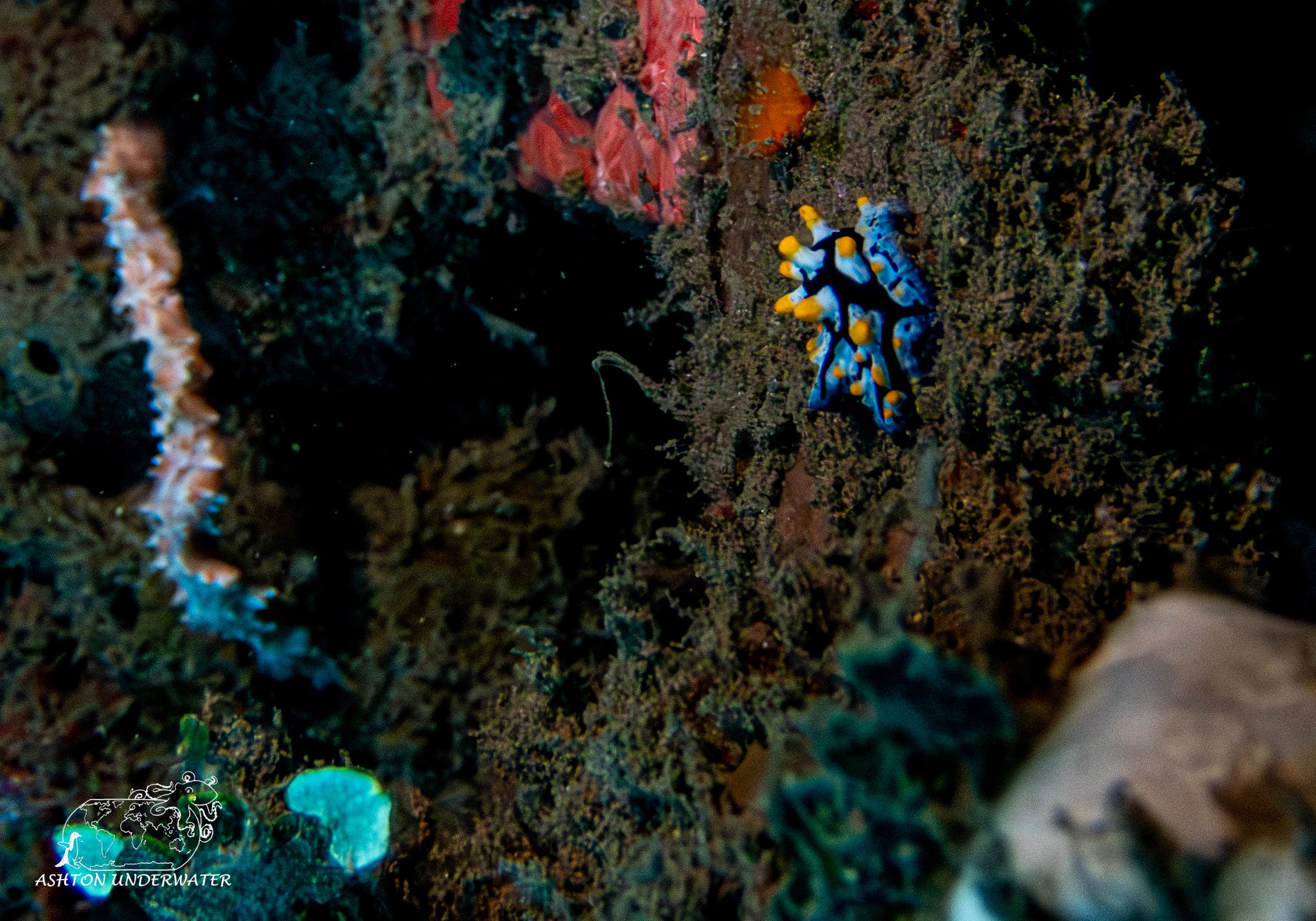
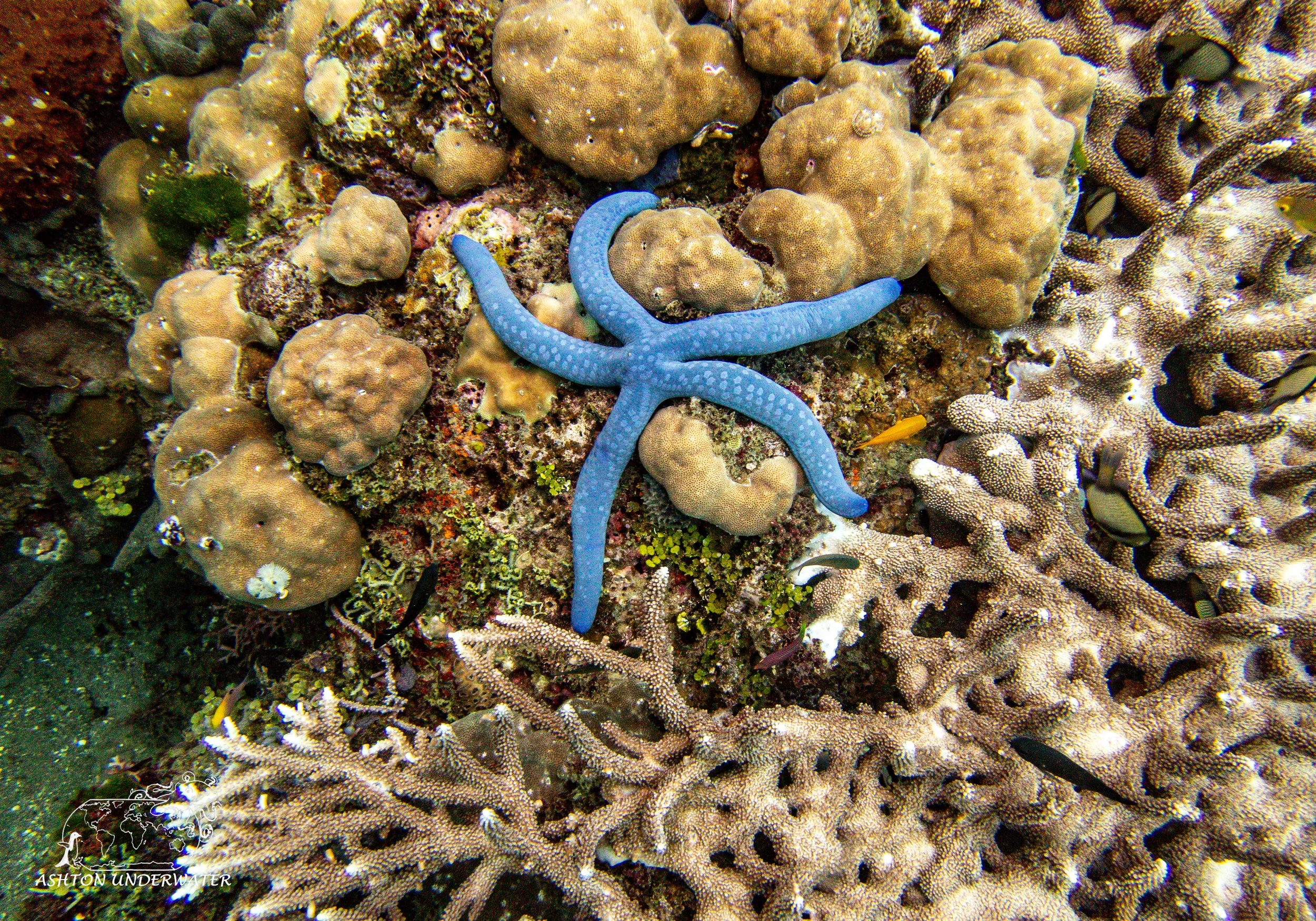
Blue rings aside, diving in the Solomon Islands was an enjoyable experience, the “caves” were similar to some of the cenotes in Mexico allowing for cool photos of light rays. The wall dives and variety of coral was interesting to see and even allowed for a few species of nudibranchs that I’ve previously not seen on dives.