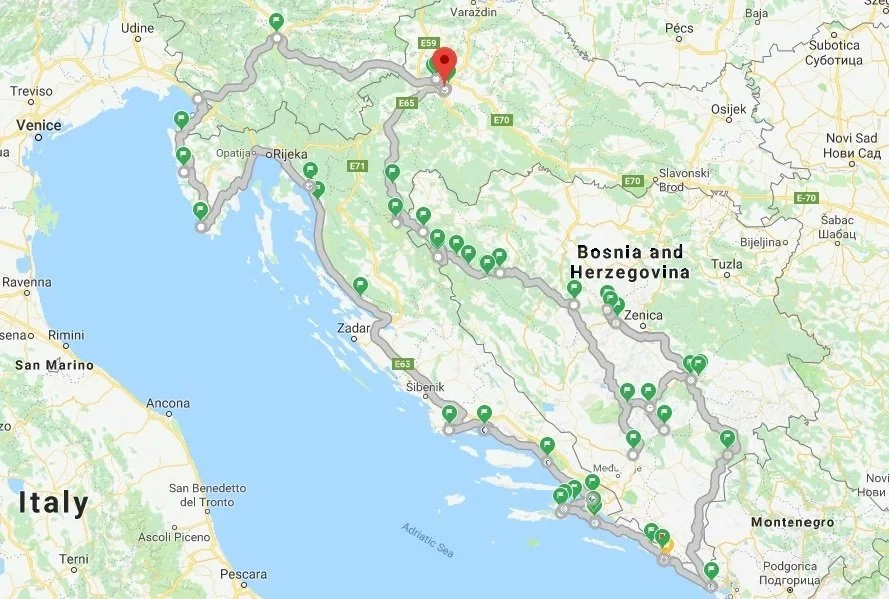
Touring the Ex-Yugolavia
Croatia, Slovenia, Italy, Montenegro, & Bosnia & Herzegovinian
Travel Companions: Adela I, Aladin I., Kevin N.
August 17th - September 1st 2018
5 dives; 3 hours 37 minutes
After years of trying to convince me to go and visit Old Country, Adela finally convinced to go with the stipulation that she would get dive certified and dive with me. Which leads to the answer to the question, “Why are you getting certified” to fall under the “My “person” is making me get certified.” which is always a fun answer to receive before class, but hey she likes diving now and I didn’t completely FORCE her to get certified… Anyways, an agreement was struck and a multicountry adventure was planned to tour through the Ex-Yugoslavia region.
Yugoslavia
A Brief History
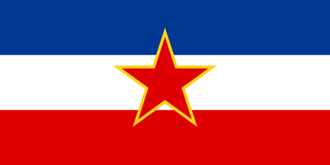
A very quick down and dirty history lesson; Yugoslavia was a country between 1918 until 1992. It originally combined several South Slavic territories with the Kingdom of Serbia to form the Kingdom of Serbs, Croats, and Slovenes. In 1929 King Alexander I had a goal to create a unified national identity and changed the name to Yugoslavia which loosely translates to “Land of the South Slavs”, however tensions still arose within the country. During WWII resistant movements formed in response to the invading Axis powers, being led by Josip Broz Tito. After the end of the war Tito established the Socialist Federal Republic of Yugoslavia, a federal socialist state consisting of six different republics; Bosnia and Herzegovina, Croatia, Macedonia, Montenegro, Serbia, and Slovenia. Due to rising economic problems, political instabilities, tensions began to rise and after Tito death the country began to separate. In 1991 Slovenia and Croatia declared independence. In 1992 Bosnia and Herzegovina declared independence resulting in a three and a half year long war. With these departures, Serbia and Montenegro maintained the title of Yugoslavia until 2003 when it was renamed to Serbia and Montenegro which separated further in 2006 when Montenegro voted for its own independence.
I’m starting to think that a calm, relaxing vacation isn’t something that I can actually go on… This trip consisted of visiting 5 different countries (Croatia, Italy, Slovenia, Montenegro, and Bosnia and Herzegovina) over less than two weeks, with a new adventure each day. Added fun of this adventure: we were going to be driving everywhere and not in a massive SUV. We were allotted one small carry on sized bag and anything you wanted to keep on your lap or by your feet. I, obviously, opted to stuff mine full of dive gear and a couple of pairs of clothes for the trip.
Croatia
Part One
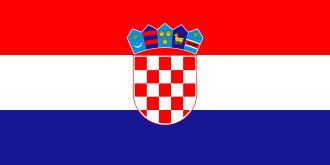
We started the adventure by flying into Zagreb, Croatia and spent the night there. This is also the first introduction to the major theme of the trip, stairs. There are stairs everywhere, and no elevators. The amount of pastries we ate during the trip were no match to the walking and stairs we climbed. Every. Single. Day. It was a pretty low-key night getting to the hotel, carrying luggage up 5 flights of steps, then finding food and getting adjusted (drinking lots of coffee, which might be the 2nd theme of the trip…) to jetlag and getting sorted for our ongoing adventure.
The next morning, we woke up, enjoyed some coffee and pastries, then loaded back up into the car and started our morning drive to Ljubljana, Slovenia, roughly a 2-hour drive northwest.
Slovenia
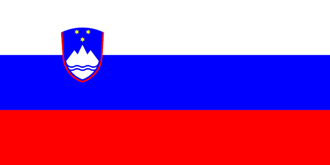
Ljubljana is the capital city of Slovenia and is represented by a dragon symbol. A dragon is located on many buildings around town, including the Dragon Bridge which crosses the Ljubljanica River and the Ljubljana Castle tower. It’s also a major feature on Slovenia’s coat of arms. We spent the day exploring the downtown area, and then went to the top of Castle Hill to spend the evening checking out the many staircases of the Ljubljana Castle.
The castle is thought to be built in the second half of the 11th century as a medieval fortress. Over the last several centuries it has been the location of many battles being rebuilt several times. In the 15th century it was completely demolished, and rebuilt to include the St. George’s Chapel as time progressed the castle expanded and was used as barracks, a military hospital, warning tower, and prison over the years. The castle was bought in 1905 for 60,200 Kronen (Austro-Hungarian currency that is roughly 6,321$ by today’s standards, however was a much larger burden in 1905) by the mayor Ivan Hribar. The original plan was to turn the castle into a museum but was instead used to house poor families. It was used for housing until the 1960s, with renovations starting in the 1970s. It is now used for cultural events and meeting places.
After enjoying some music in the courtyard with some cousins, we retired for the evening and planned for the next day.
Italy

Waking up, packing up, drinking coffee, we drove an hour west to get lunch in Triste, Italy. Our time in Triste was short, but exciting with some very skilled parallel parking in a spot just big enough on a steep hill, all while not playing bumper cars all in a manual car, big props to Aladin. After lunch we walked along the water, checked out the architecture, and then got back into the car and began our drive down the coast back into Croatia, where we started to see the first Spomeniks.
Croatia
Again
We drove along the coast, and the first spomenik we saw was the “Monument to Fallen Soldiers and Victims of Fascism” (Aleksandar Rukavina, completed in 1981). Spomeniks are World War II memorials built by the leaders of the Socialist Federal Republic of Yugoslavia with the majority of them being built between 1945 and 1960. They are seen throughout present day Serbia, Croatia, Bosnia and Herzegovina, Slovenia, Montenegro, and North Macedonia. They are often very large, abstract brutalist sculptures that range from 33’ (10m) to over 115’ (35m). Unfortunately, after the dissolution of Yugoslavia in the 1990s most of the Spomeniks were left abandoned, vandalized, and fell into disrepair. In recent years, there has been an upswing in documenting, categorizing, and refurbishing the spomeniks that are still standing. It is estimated that there are only a couple hundred of the large spomeniks left standing, of the estimated 14,000 that were originally built.
We made our way down the coast, we stopped near Poreč, Croatia. We enjoyed a break and had some more coffee, a snack of some fresh figs and a quick swim in the ocean while the sun was setting. After swimming, we found a place to crash for the night, showered, ate, and passed out for the night before making our journey down to Pula.
While we were in Pula we explored the ruins of several Roman archaeological sites within the town including; Agrippina’s House (ruins down a back alley that was only found because of a Pokestop, the ruins were probably a small shrine inside a private home honouring Agrippina), the Temple of Augustus (a temple built between 2BC and 14AD dedicated Roma, goddess of the city of Rome, and the first Roman Emperor, Augustus. It was destroyed during an Allied air raid during WWII, but was put back together by Italian archaeologists after the war.), and the Pula Arena.
The Pula Arena was built between 27 BC and 14 AD under the reign of the first Roman Emperor Augustus, and later expanded under Emperor Vespasian. It’s roughly 132 x 105 x 32 meters (433’ x 345’ x 105’) it originally was used as a place to manage performers, stage machinery and animals but after the fall of the Roman Empire it became a fortress, and pasture ground. Since 1932 it has been used for theatre productions, concerts and other sporting events, being able to host roughly 5,000 individuals. We finished exploring the arena and then made our ways to the first dive shop and first dive of the trip!
Galebove Stijere & Valovine II
Hippocampus Diving Center
Pula, Croatia
48’ for 46 minutes
75°F
Dive Guide: Britta
August 21st, 2018
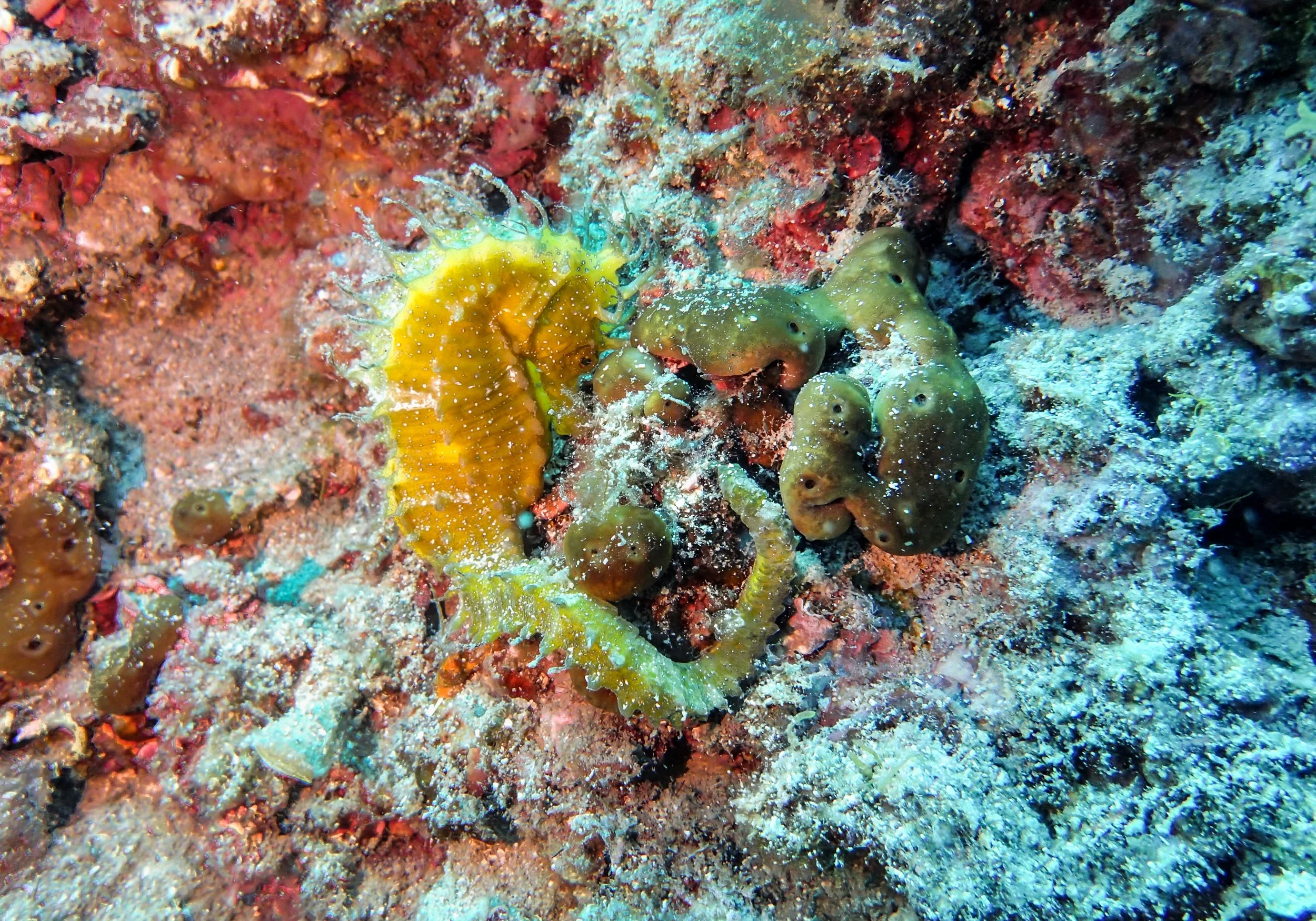
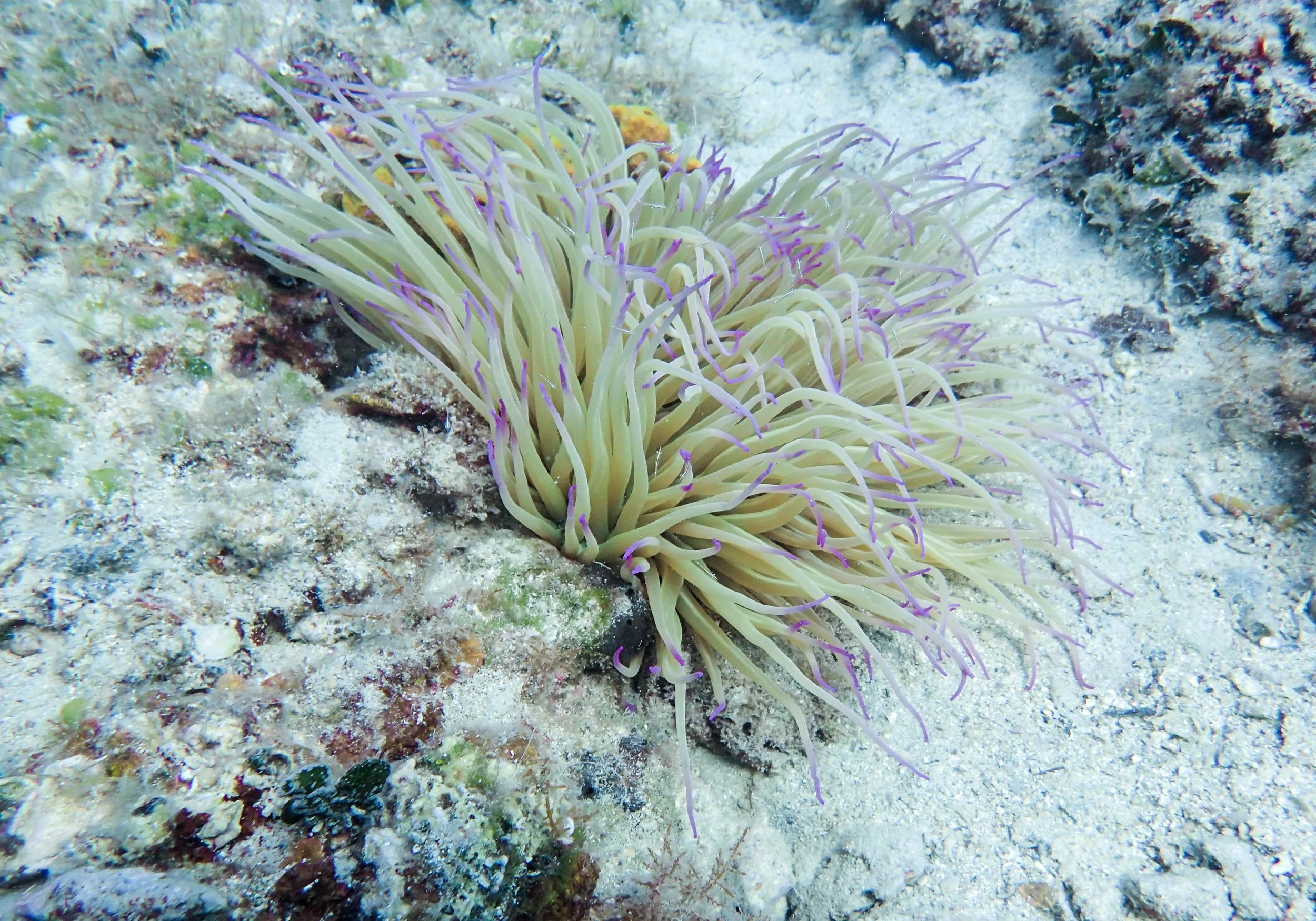
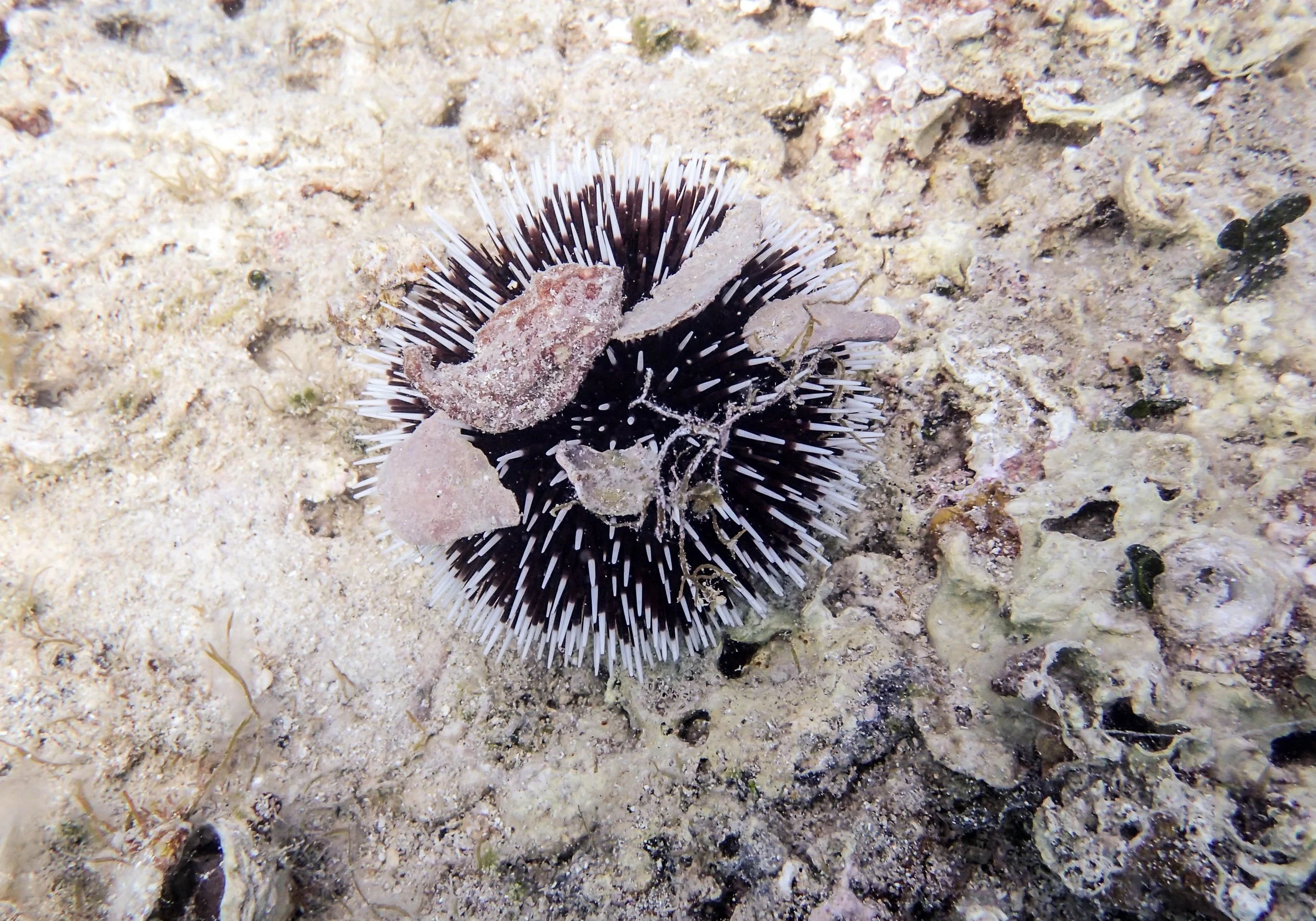
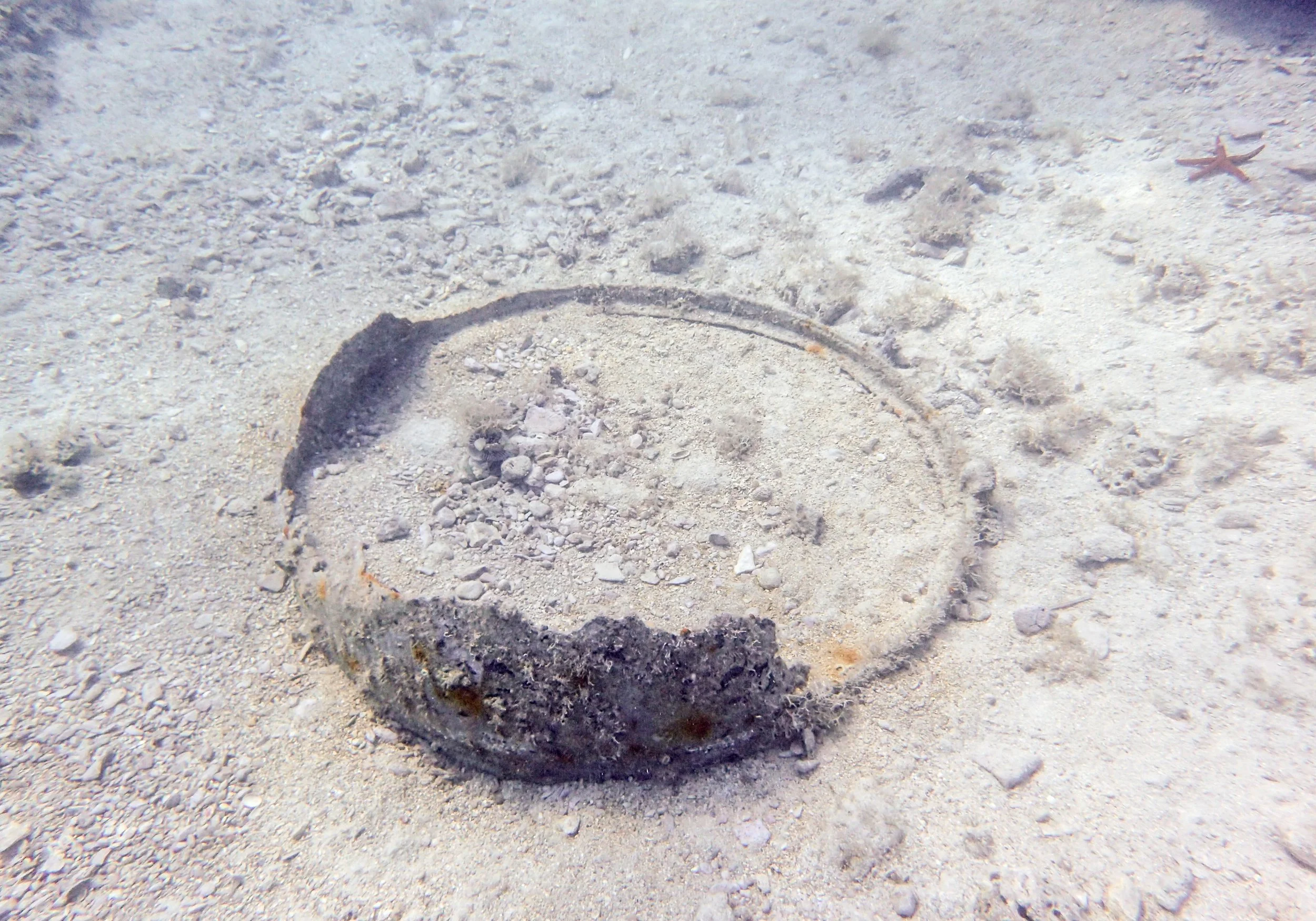
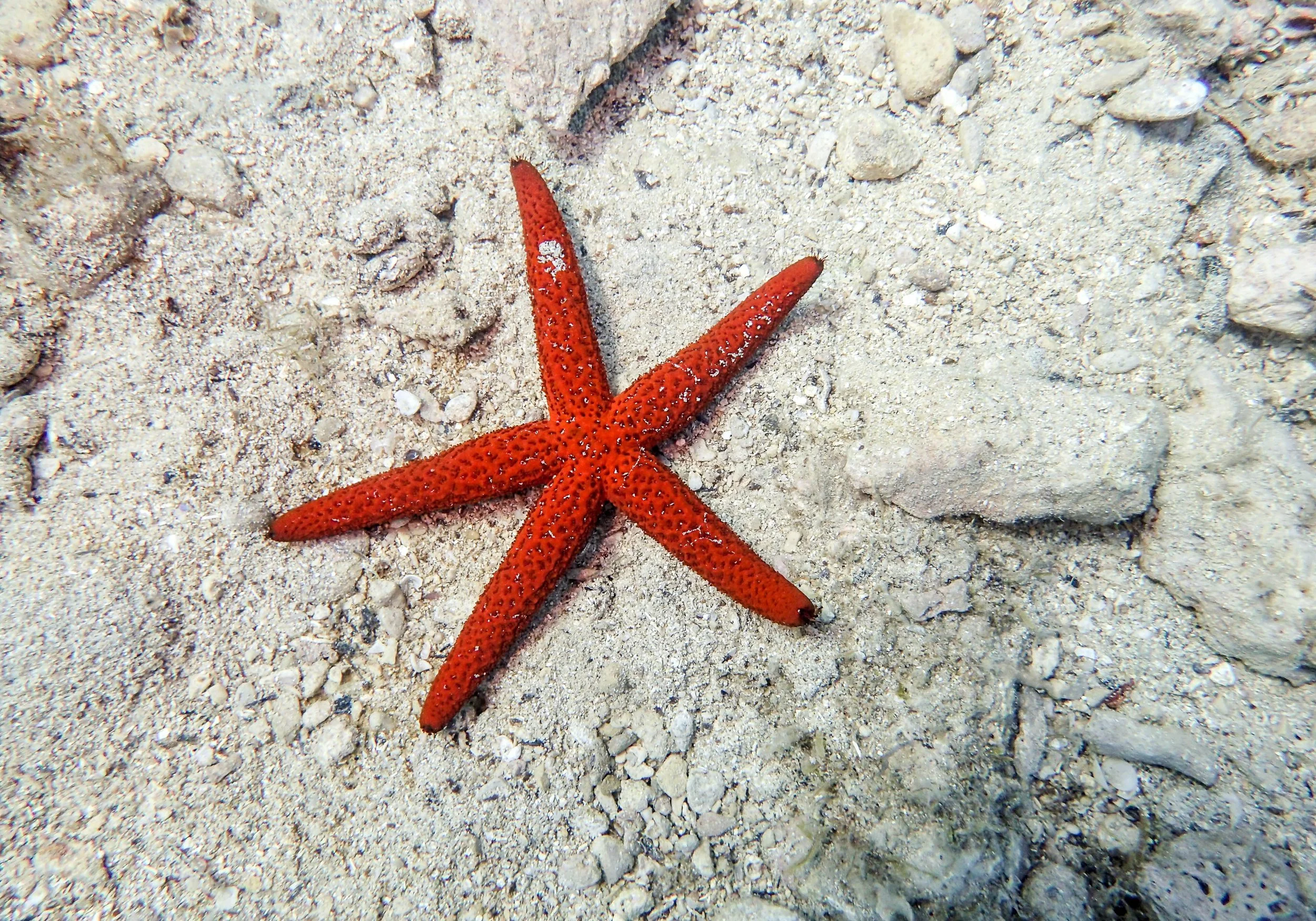
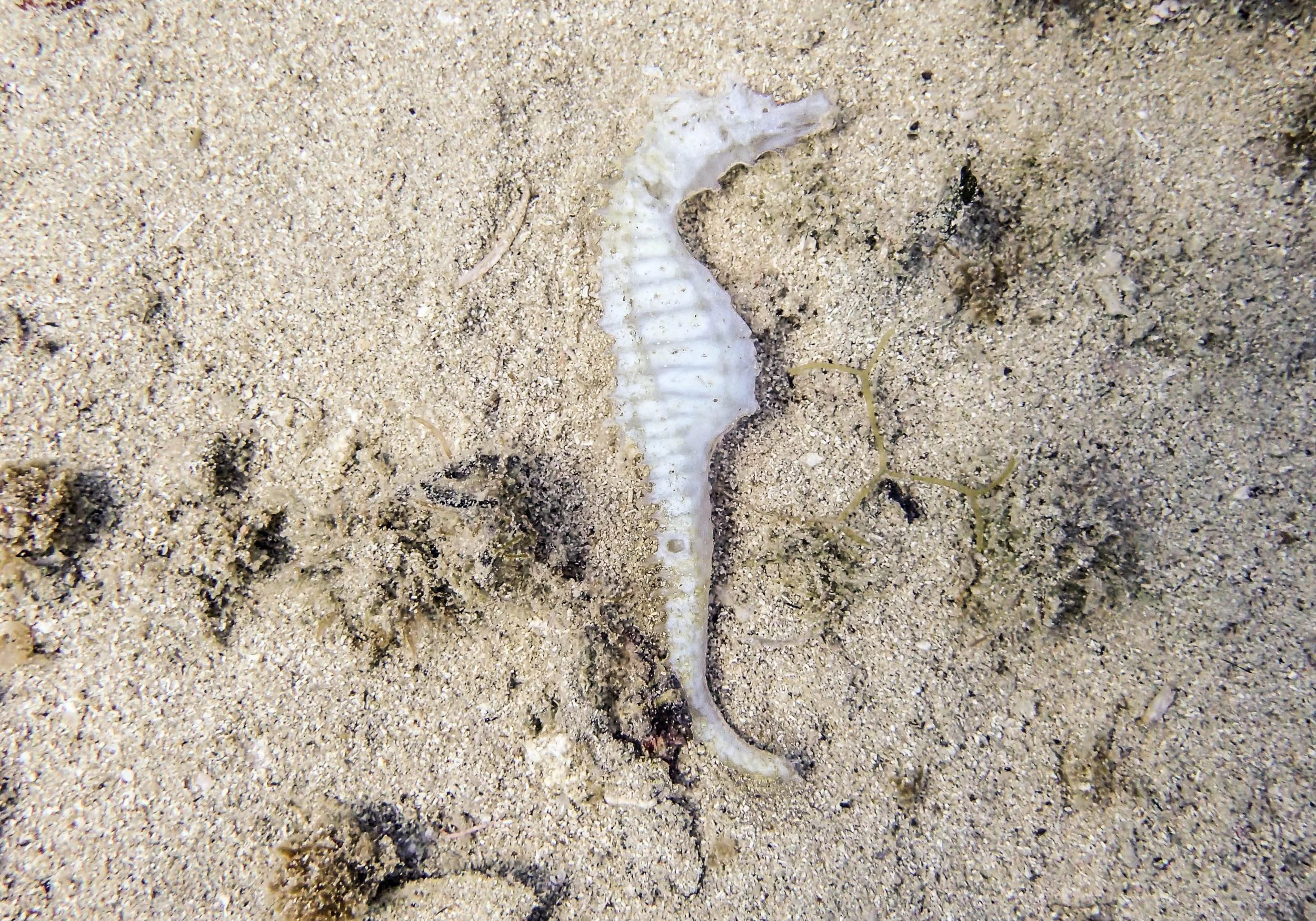
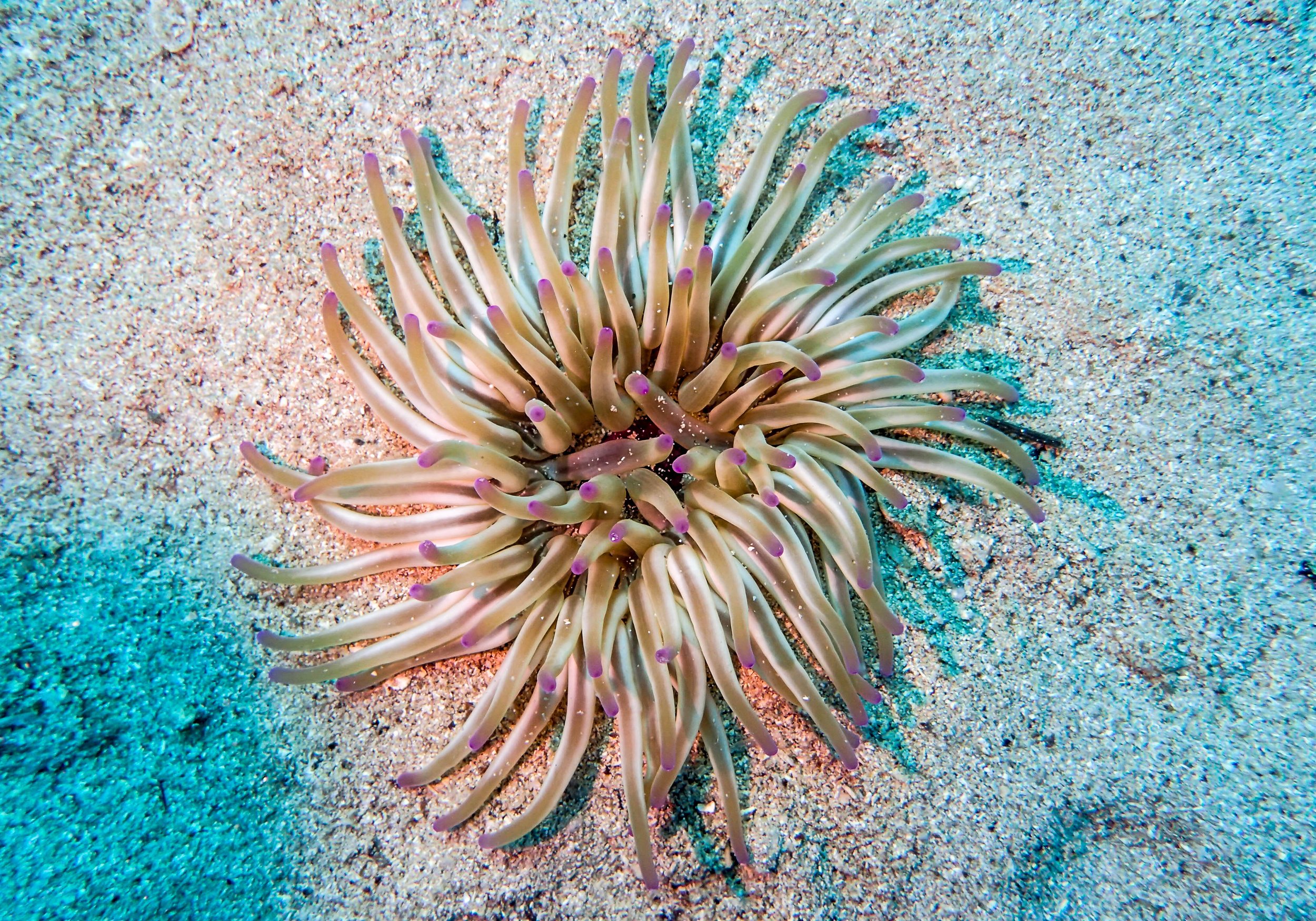
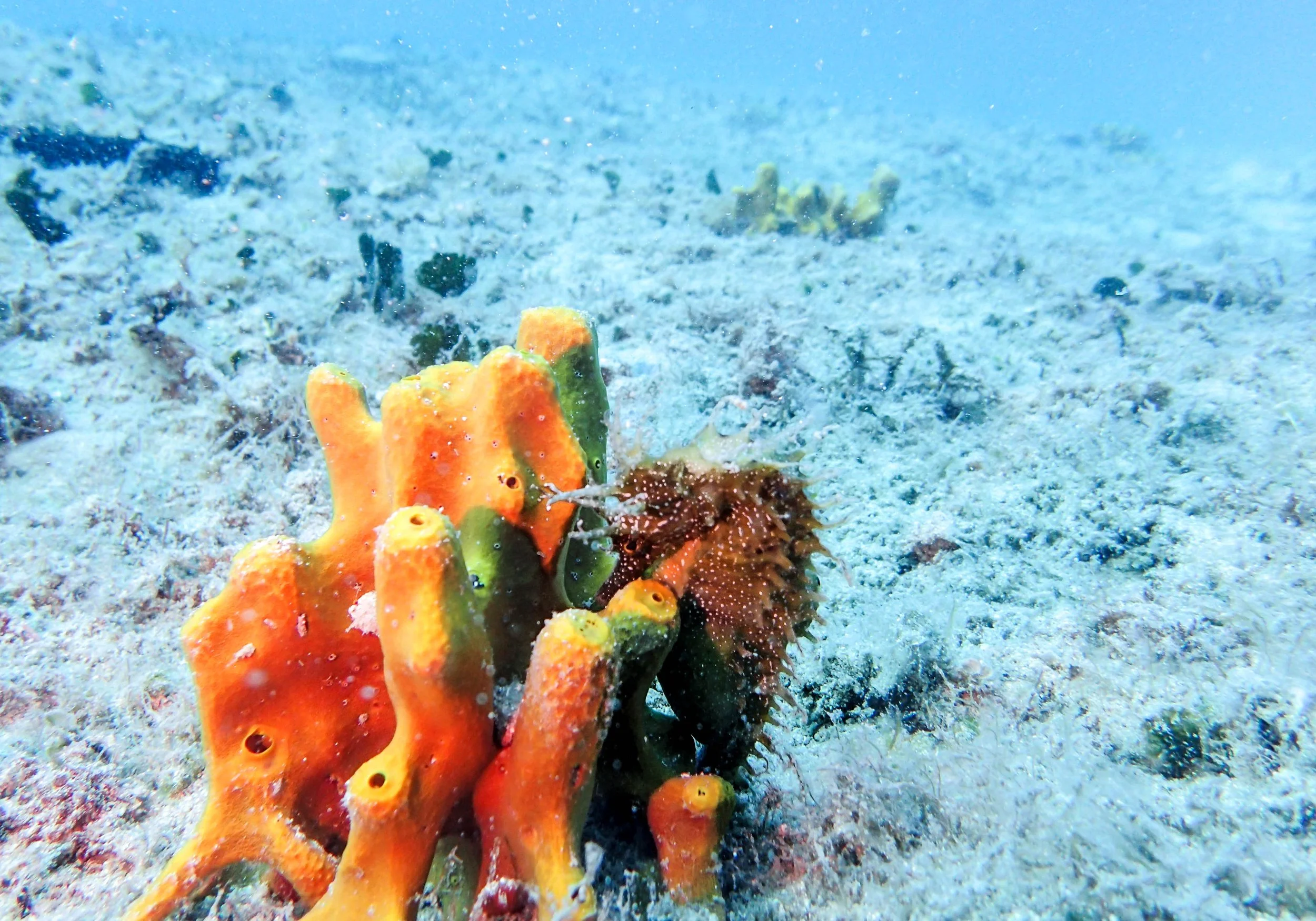
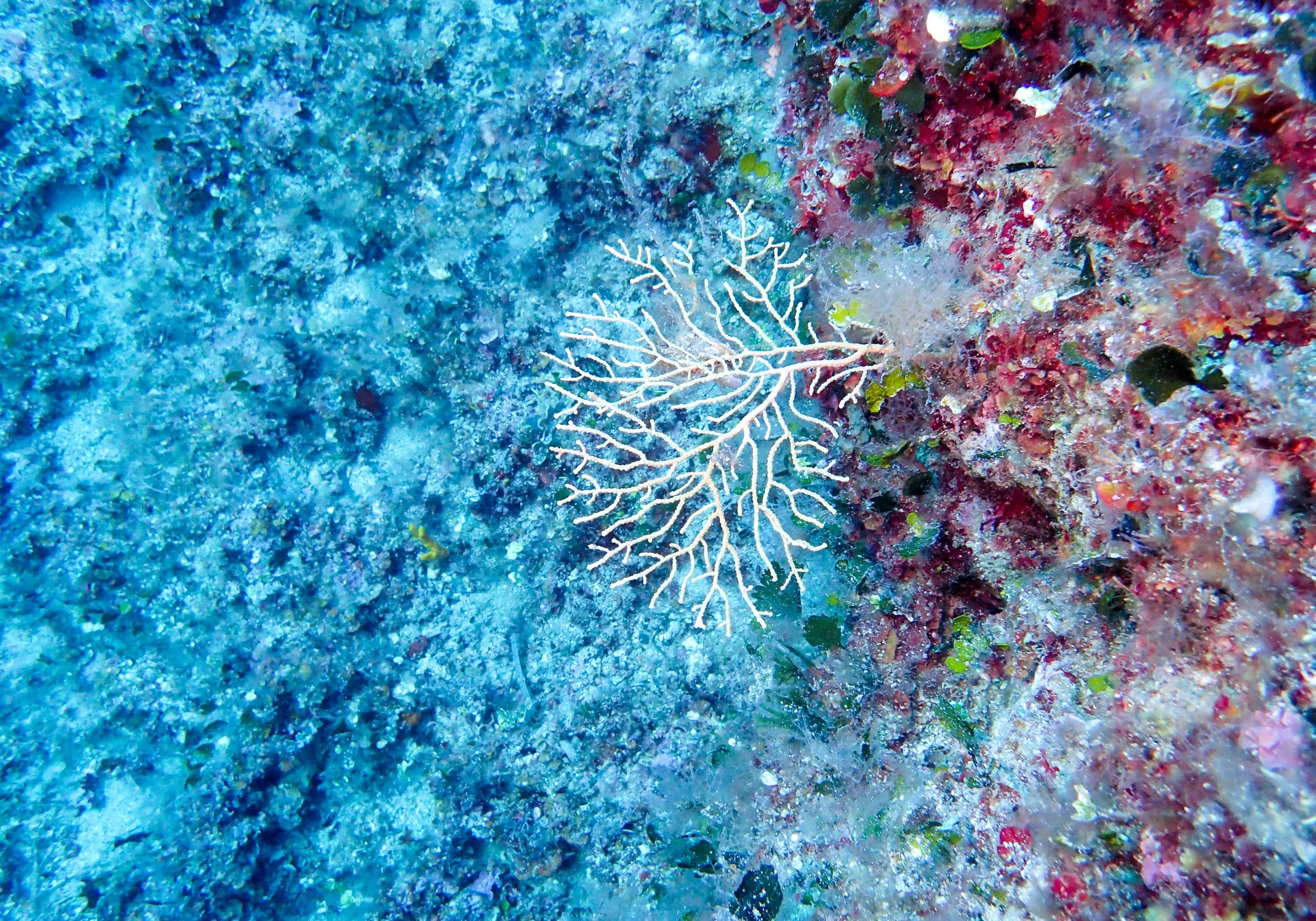
This site is fairly flat and an uninteresting reef, there is a small cave formation that sometimes is visited towards the end of the dive, but we didn’t check it out. There are a couple of nice swim throughs, lots of sea horses of decent sizes, urchins, sea stars, and anemones. The dive boat was a smaller rubber sided zodiac but with a ladder on the back of the boat. Britta was a good guide, kept an eye on everyone and pointed out interesting things as well. The dive shop was smaller and a bit hard to find within the camp grounds but had what was needed and rented good equipment for the dives.
Our journey continues as we make our way down the coast 6ish hours to Split. During the drive we stopped several times for breaks for coffee and swimming in the Adriatic Sea. Along the way Kevin broke my good pen. We made it to Split and explored Diocletian’s Palace enjoying ice cream and more coffee.
Diocletian’s Palace was built by the Roman Emperor Diocletian in the third century AD. It was used as his retirement residence; half of it for his personal use, and the other half to house his military garrisons. Diocletian lived there until his death in 312, his family continued to have residence there until it became possession of the Roman courts.
During the 7th century the nearby city of Salona was destroyed during the invasions of Avars and Slavs, and the survivors moved into the palace, and formed a new city inside the palace’s strong walls. Since then, the palace has been occupied with homes and shops being built directly into palace walls and in the basement. In November of 1979 the palace and surrounding areas of Split were adopted as a UNESCO World Heritage Site. The Palace was used as filming location for the free city of Meereen in the Game of Thrones.
We left Split and drove an hour and half south down to Ploče. Along the way we stopped by several different spomeniks including the Monument to the Revolution (Šime Vulas and Matija Salaj, completed in 1974) which in 2009 was updated to include the Makarska Observatory. In 2017 the surrounding “Astro Park” was updated and includes several monuments to the different plants and major interstellar bodies in our solar system.
From the observatory we continued down, stopping by the Seagull’s Wings Monument (Spomenik Galebova krilla- Rajko Radović, completed in 1962). This spomenik also includes a large 800 people amphitheater that was added and completed in 1984.
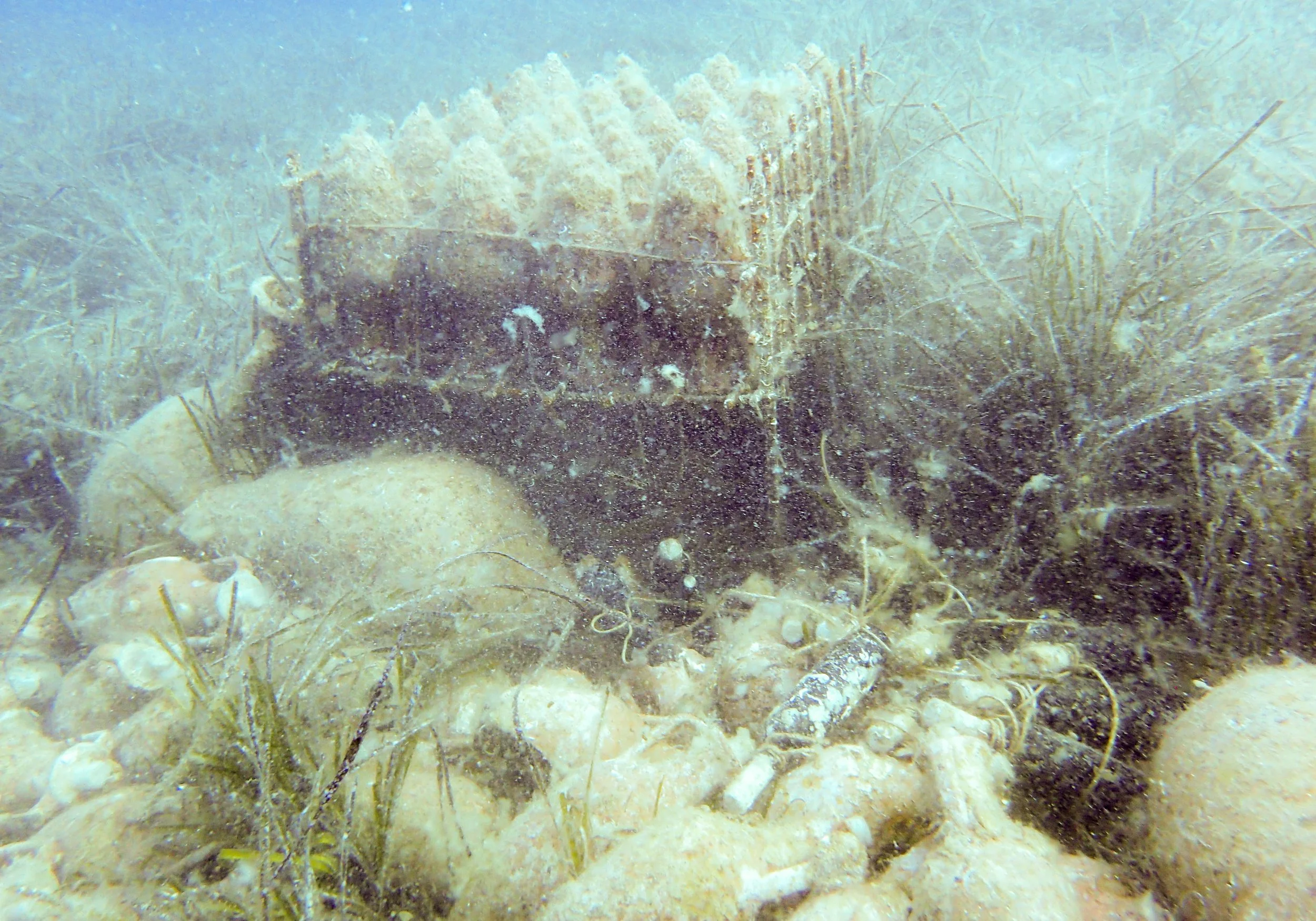
We made it to Ploče, boarded a quick hourlong ferry ride to Trpanj, and then made our way to Žuljana so I could do a dive at an underwater winery. Edivo Vina is a winery that ages its wines underwater in the consistent temperatures of the Adriatic Sea. To keep the wine from absorbing salt water and going bad the bottles are placed in traditional clay pots called amphorae and stacked in metal cages for 1-2 years until they’re brought up to the surface for sale.
Winery Dives
Diving Club Barbara
Žuljana, Croatia
70’ for 35 minutes & 26’ for 34 minutes
65° F & 75° F
Dive Guide: Barbara
August 23rd, 2018
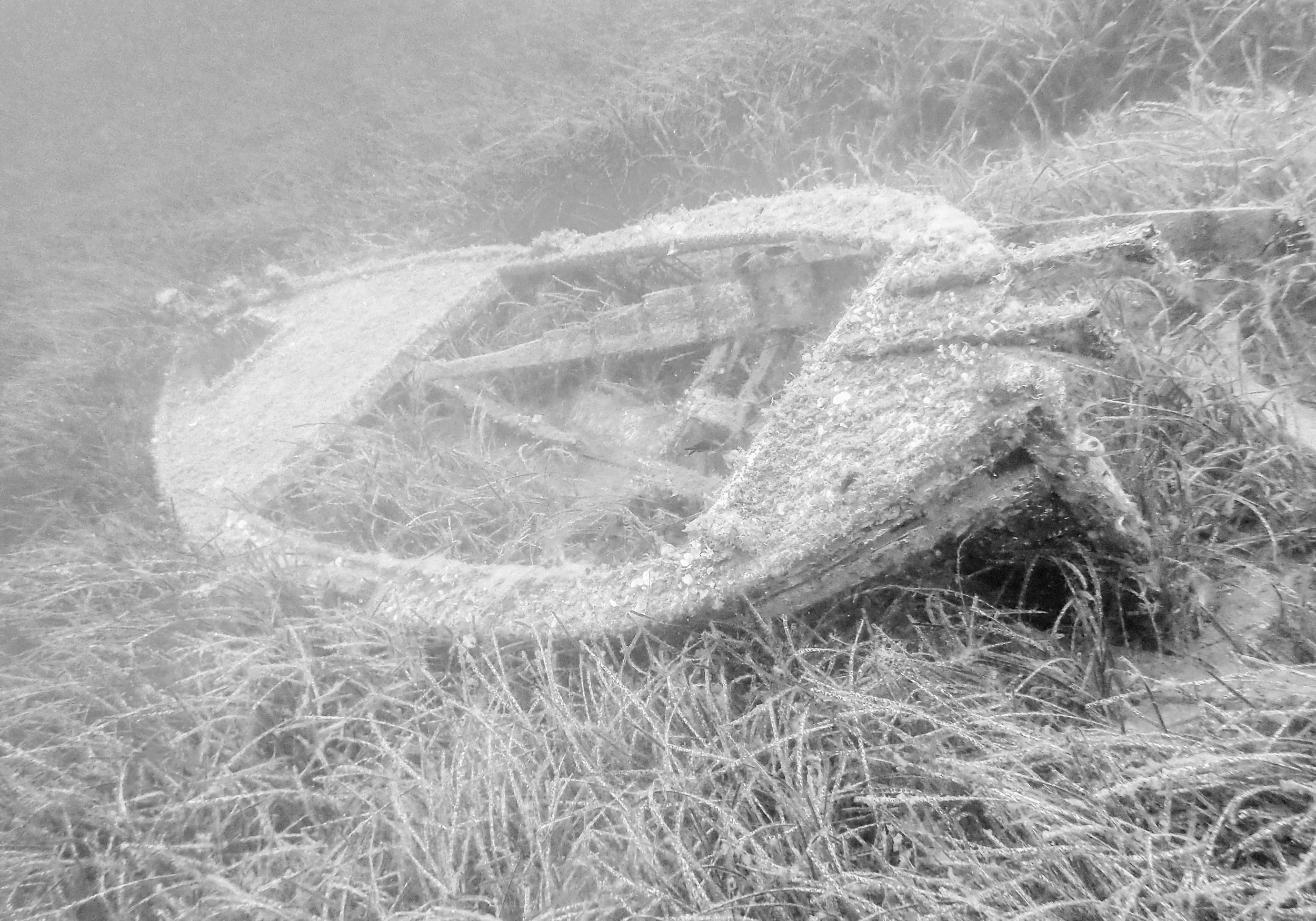
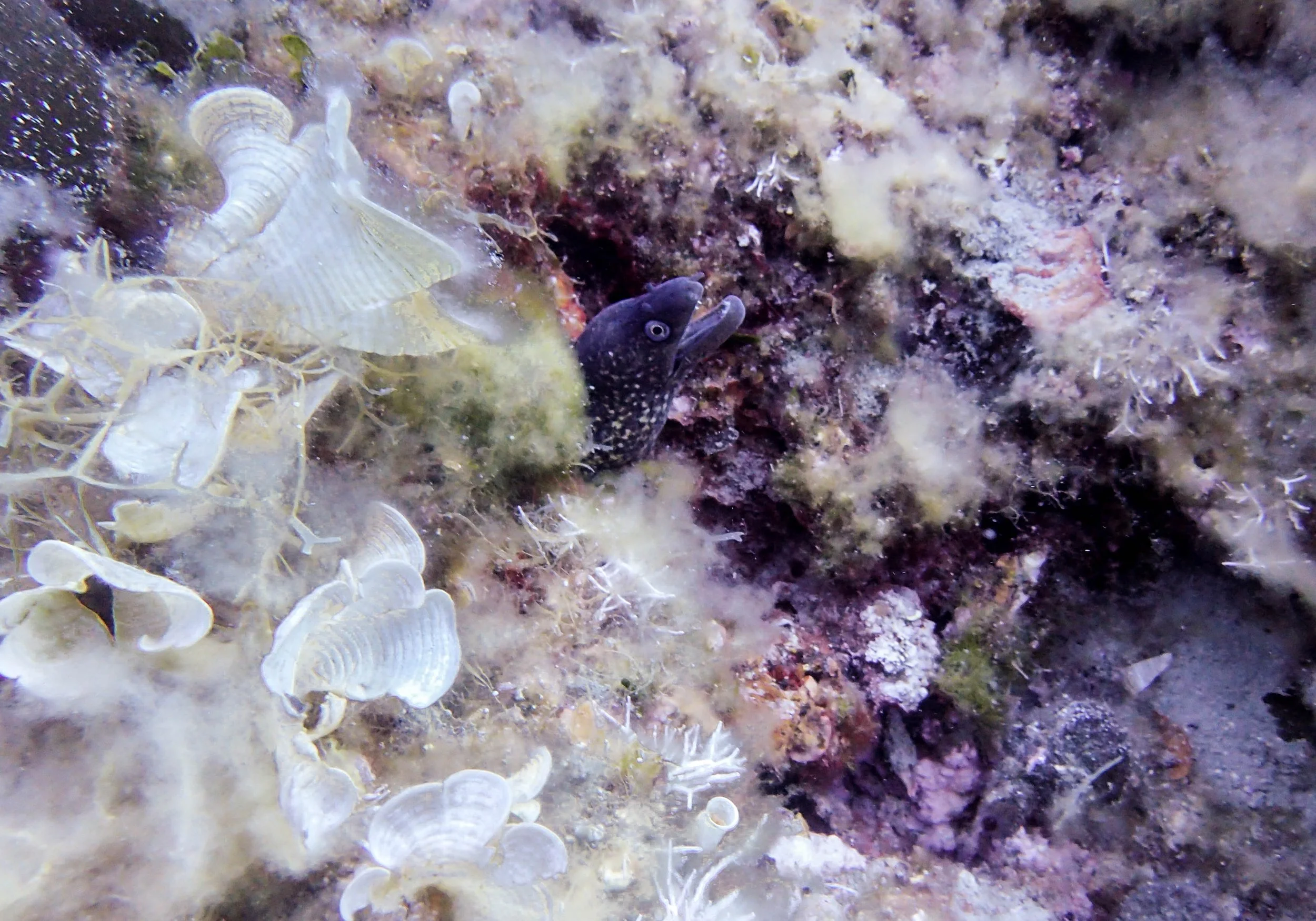
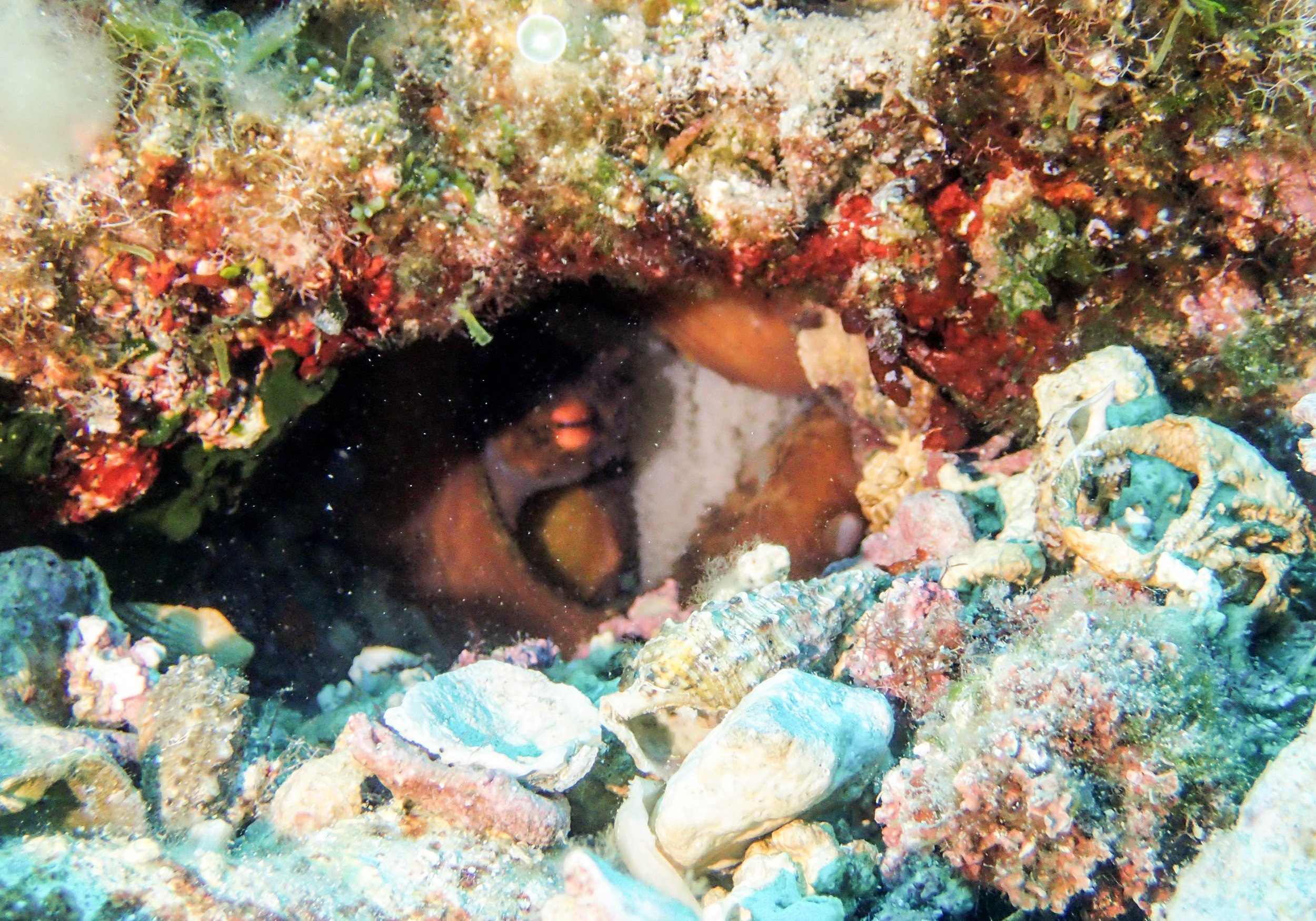
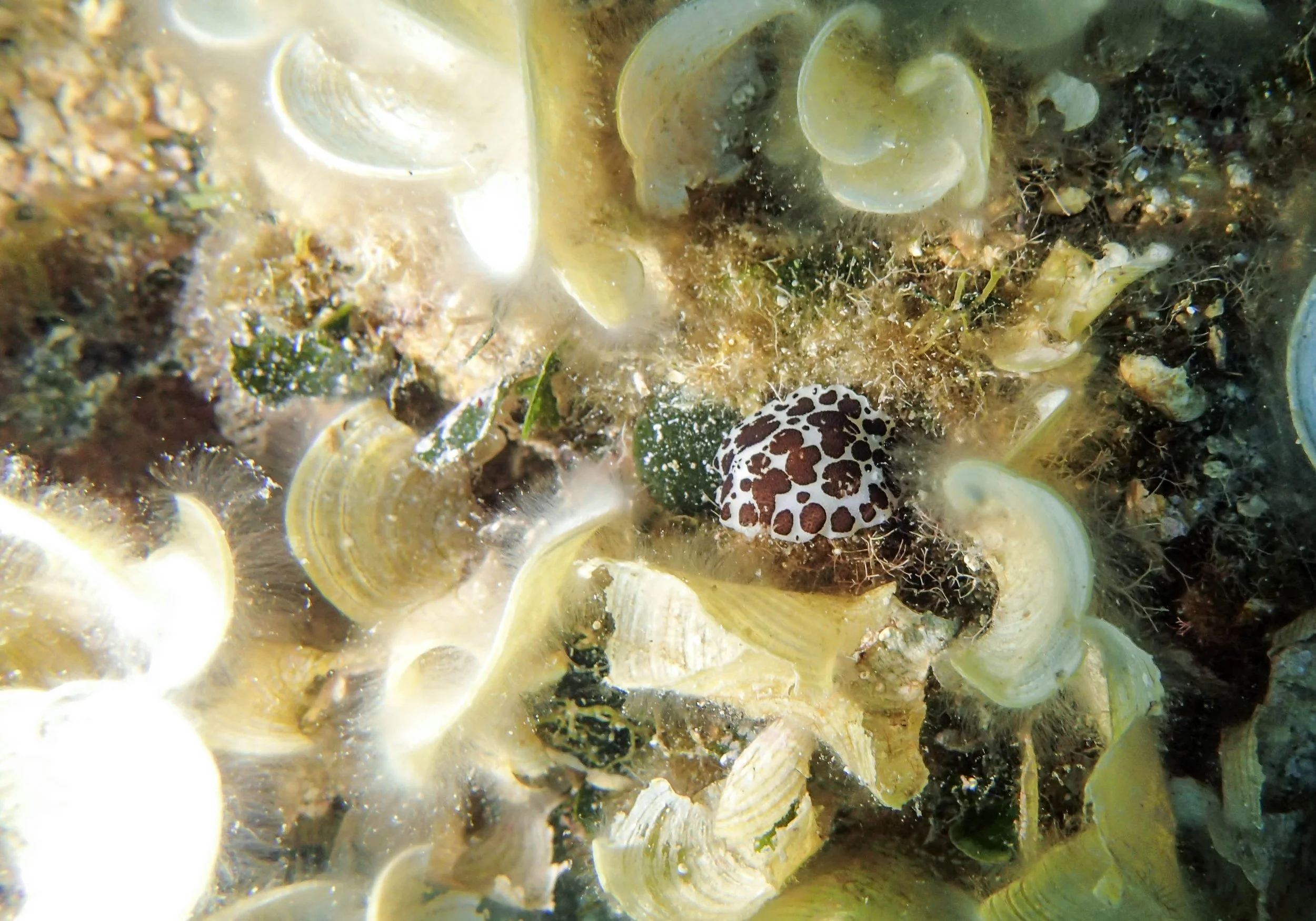
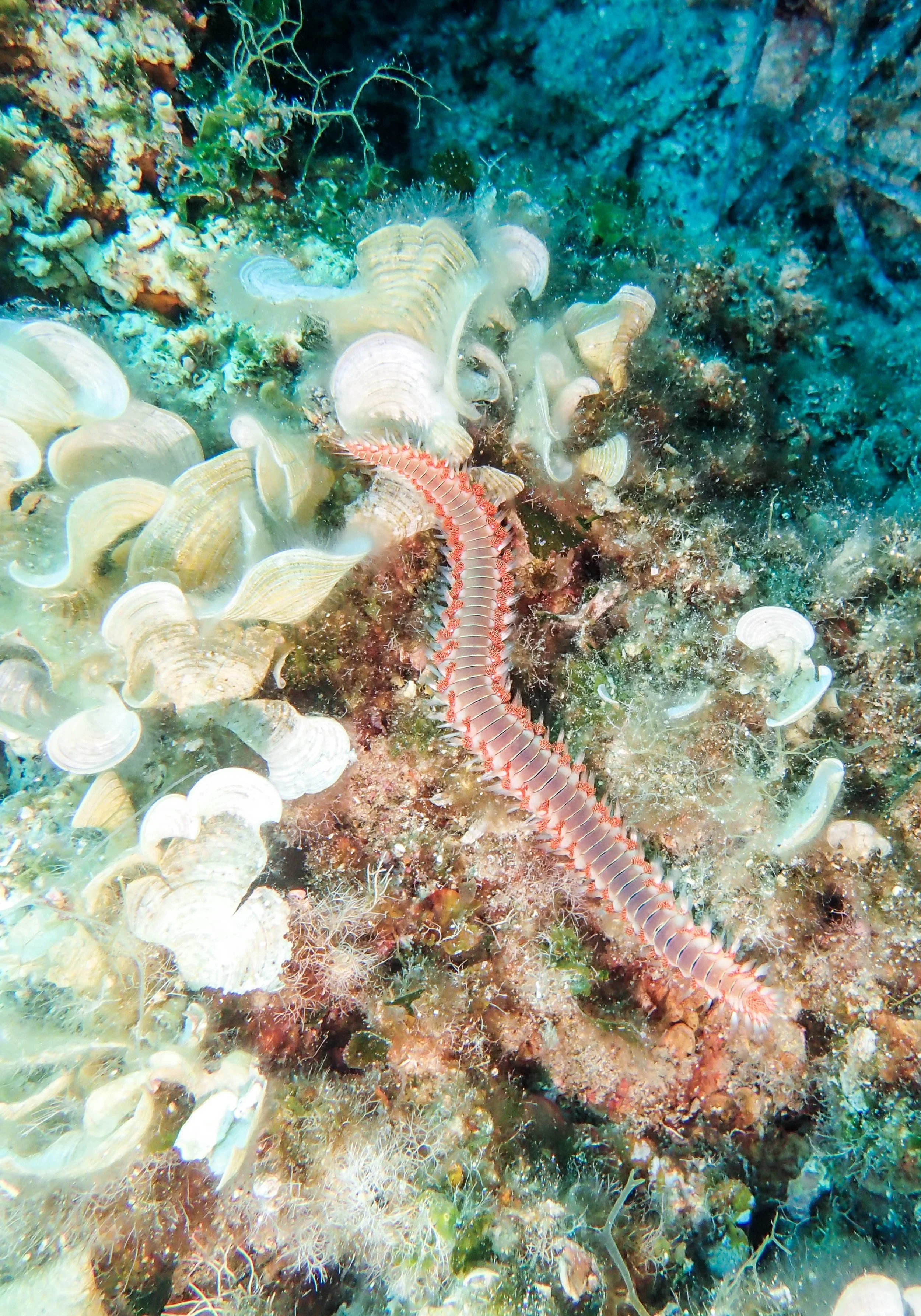
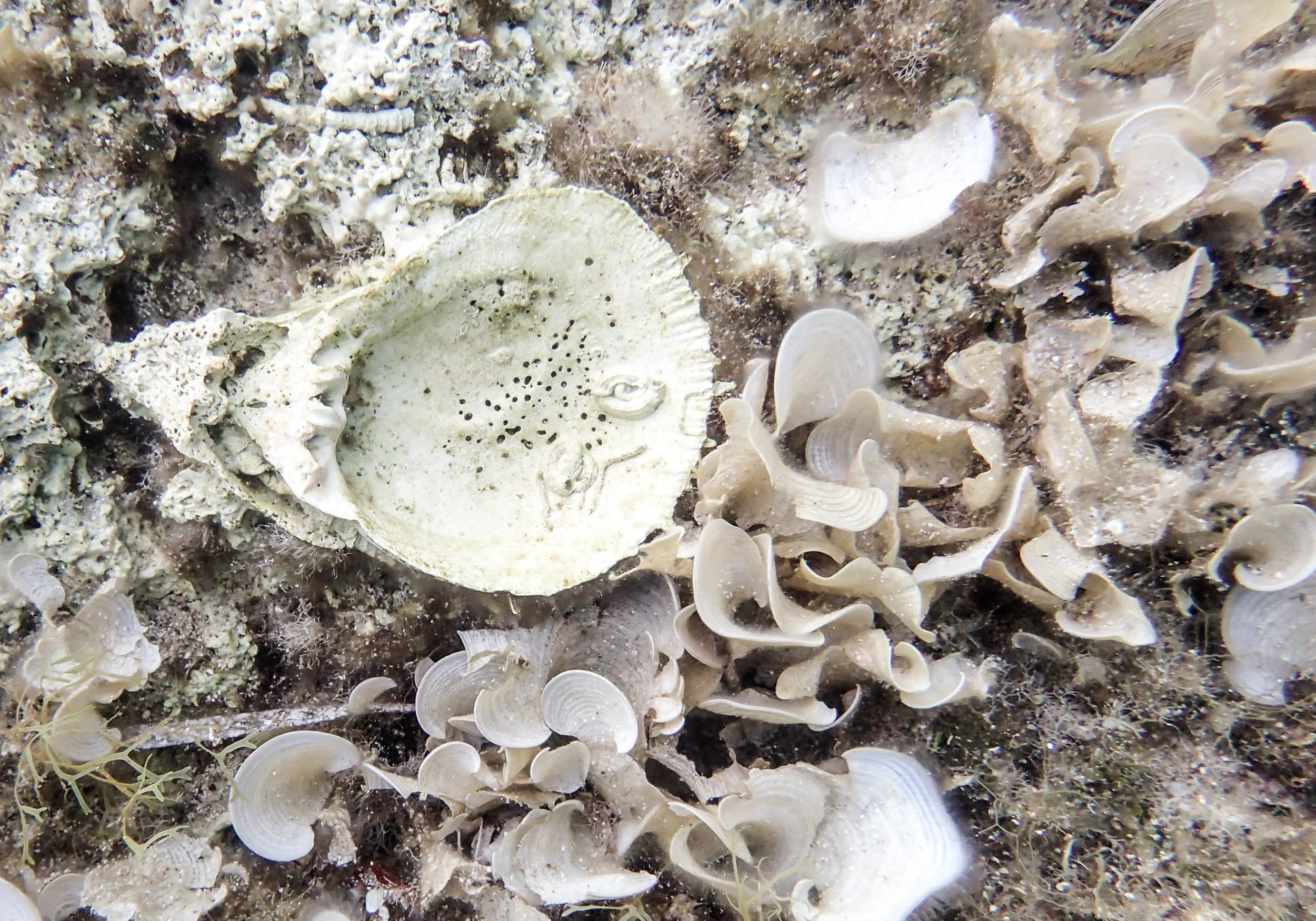
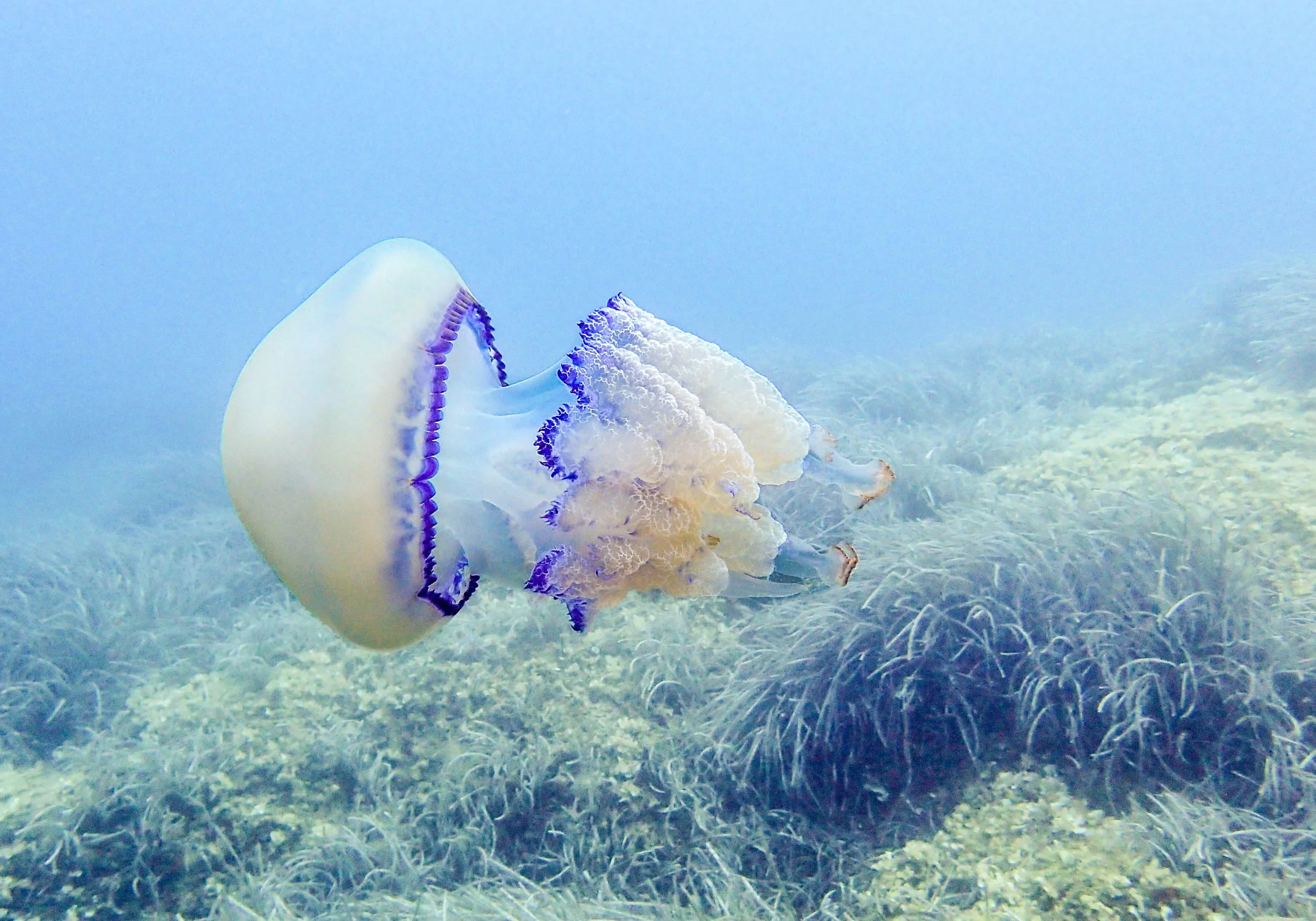
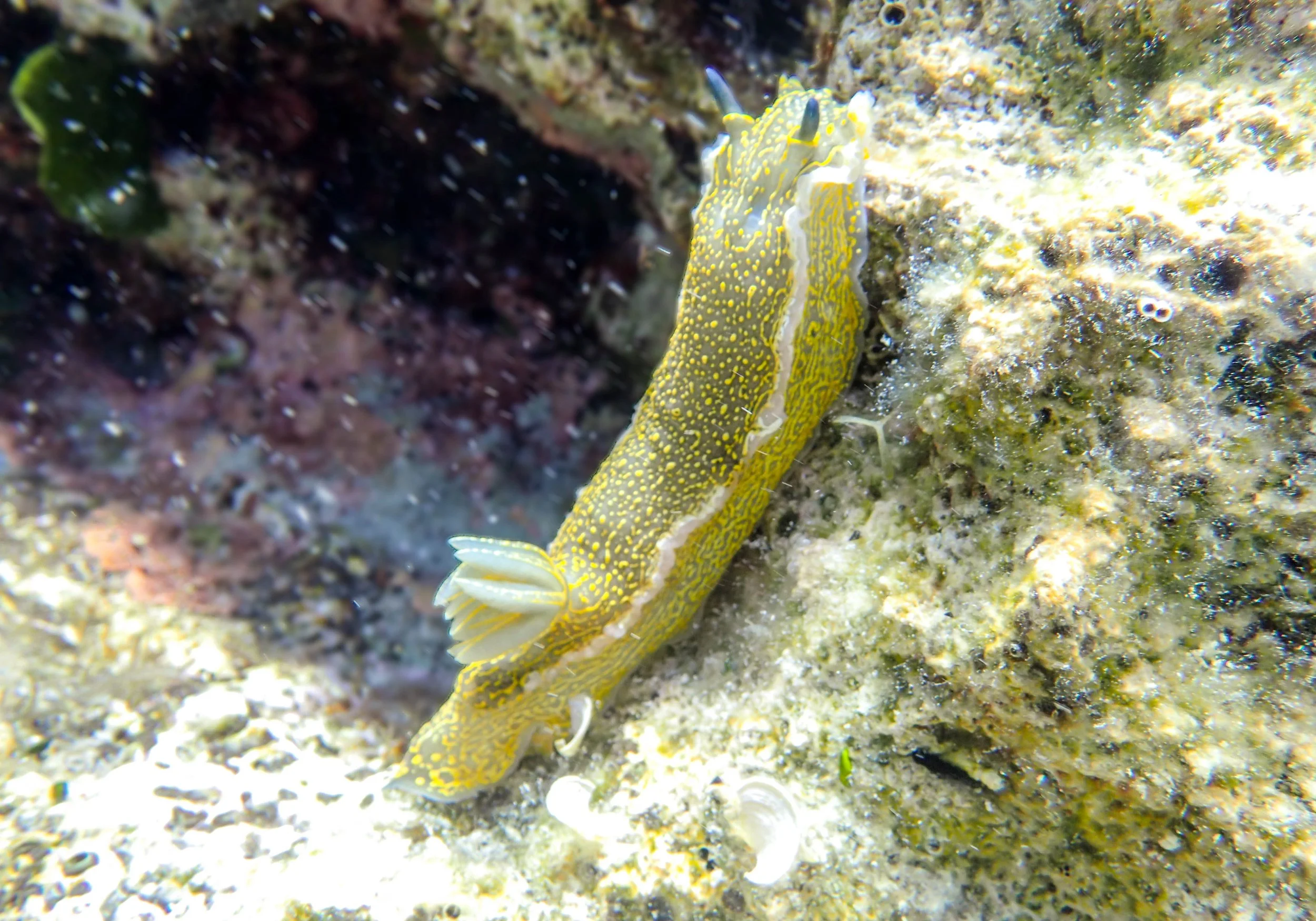
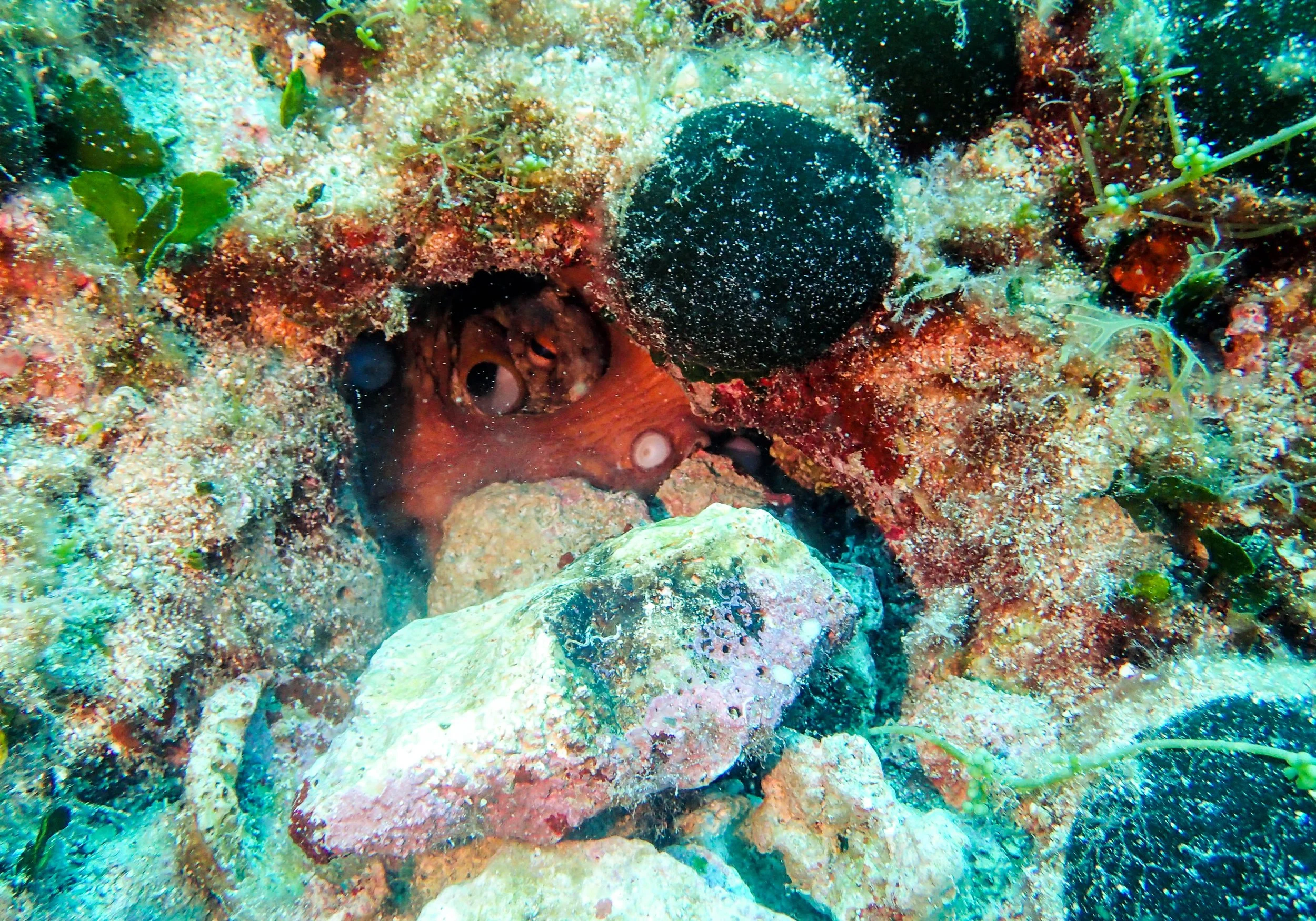
The wine aspect of the dive was interesting but a very small part of the dive. It was interesting to see the small wreck and the storage areas that they use to store the wine. The rest of the dive was interesting, similar life as the previous dive; a few octopuses, and nudibranches. It was much more varied in the seascape and underwater formations compared to the first dive site. There were a couple of good-sized nudibranchs and a large dust-bin jelly. We took a smaller, older boat out to the site, and the dive shop was basically Barbara’s front yard. There were some miscommunications between the Winery and Barbara, so there was some confusion about the dives and process but all was well.
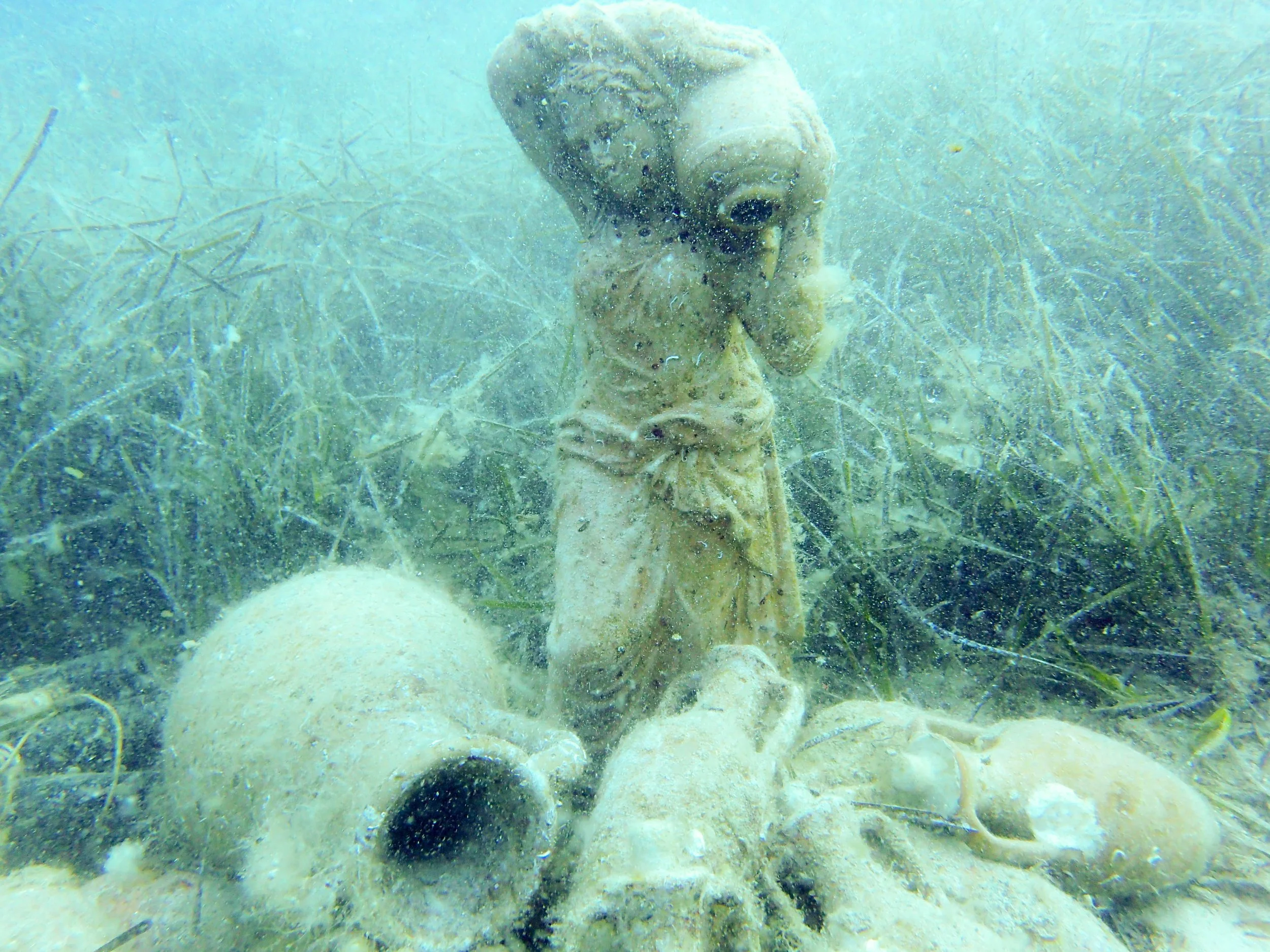
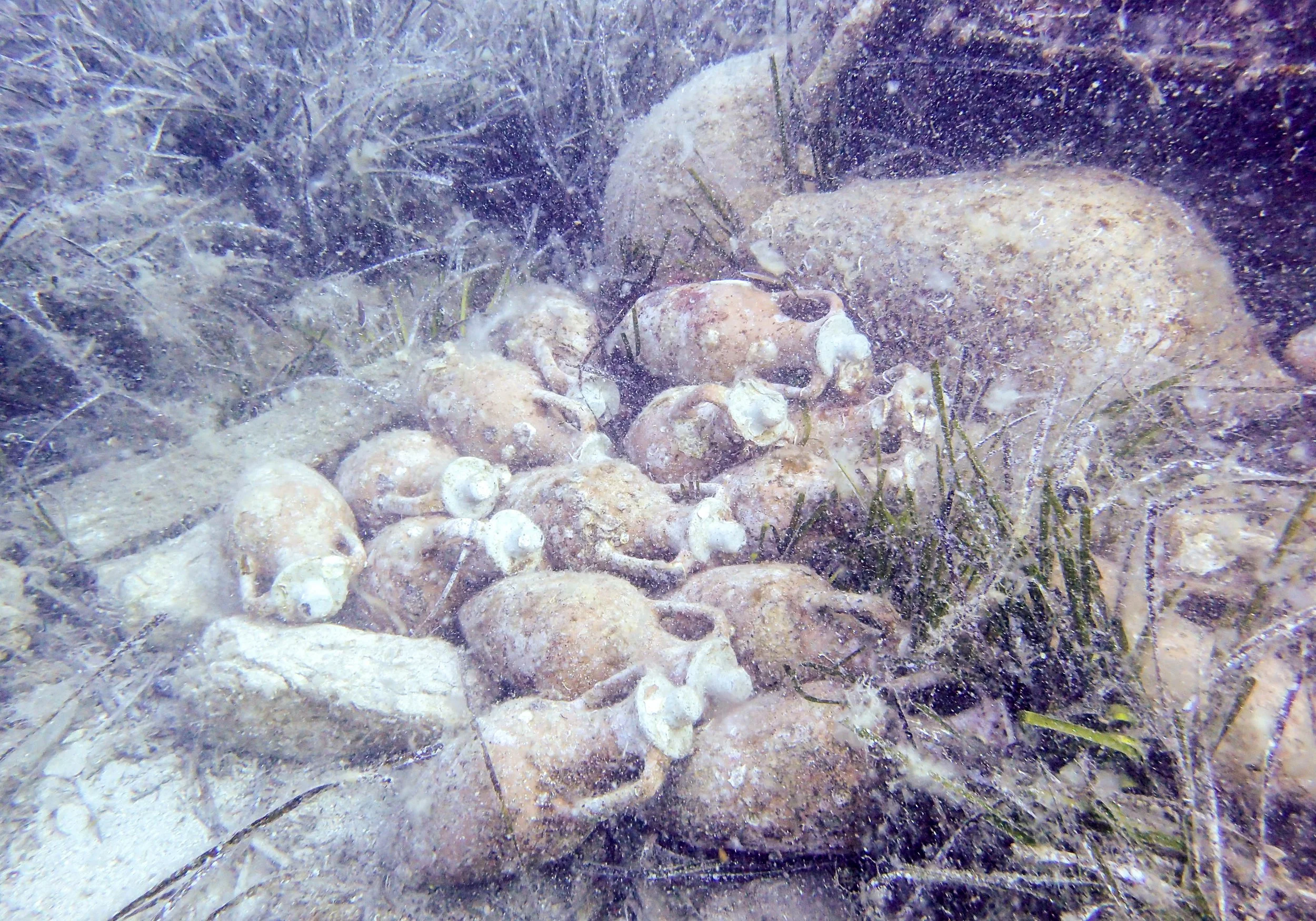
After the dives we drove up to Orebić for the night before catching another ferry out to Korčula in the morning for a day of diving and exploring. Orebić was named after a family that restored the castle back in 1586. The castle is now a maritime museum.
The Mine - Otok Korčula
Dupin Dive Center
Korčula, Croatia
78’ for 56 minutes
64° F
Dive Guide: Anthony and Sam
August 24th 2018
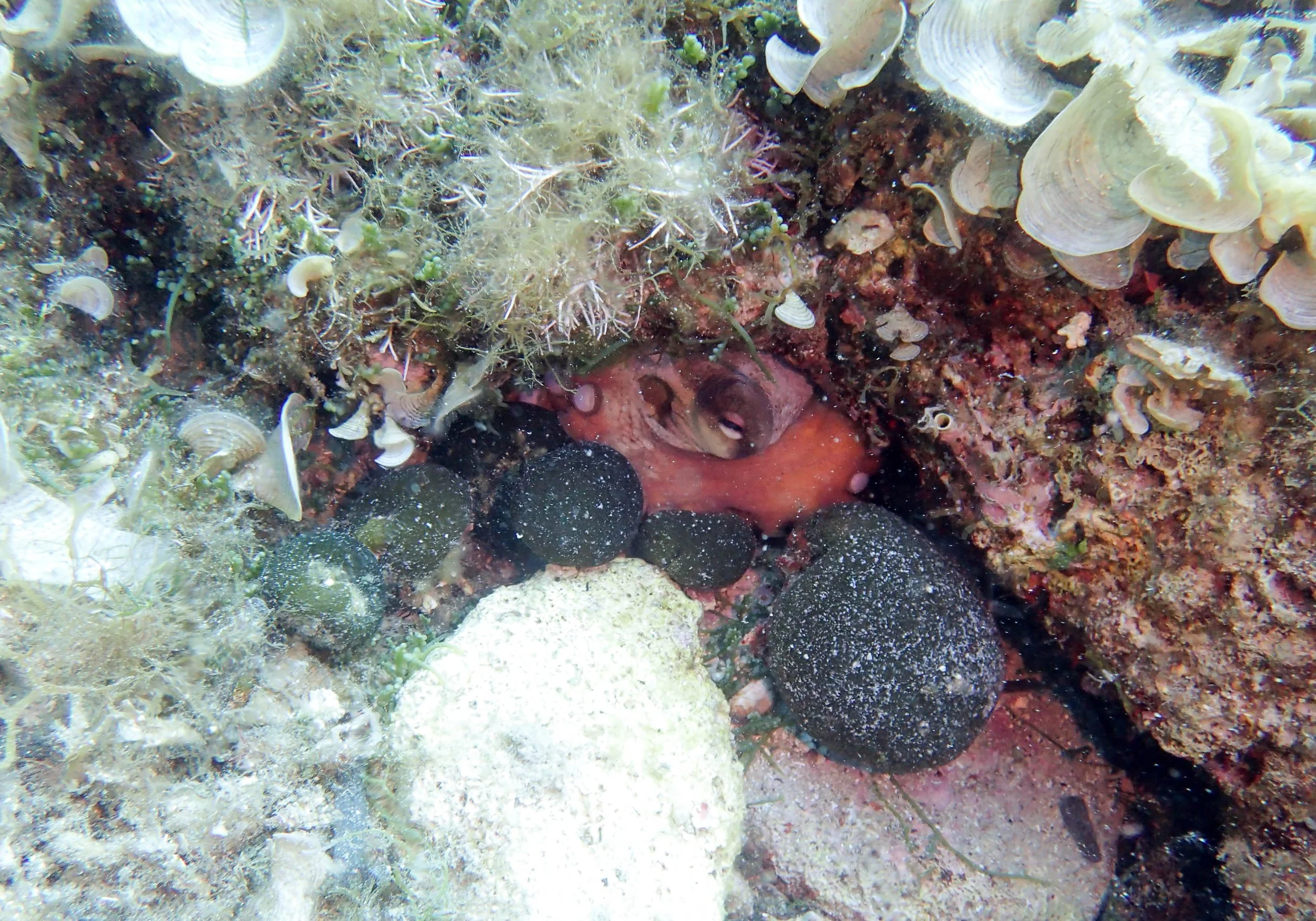
I really enjoyed this dive, there was a decent amount of the usual life, as well as a decent amount of octopus and nudibranchs. There was an old naval mine which was interesting to see as well. The dive guides and the shop were both really good and helpful, the shop was close to the car ferry which was easy to get to in the morning. Dove off of a rubber sided zodiac with a ladder off the back.
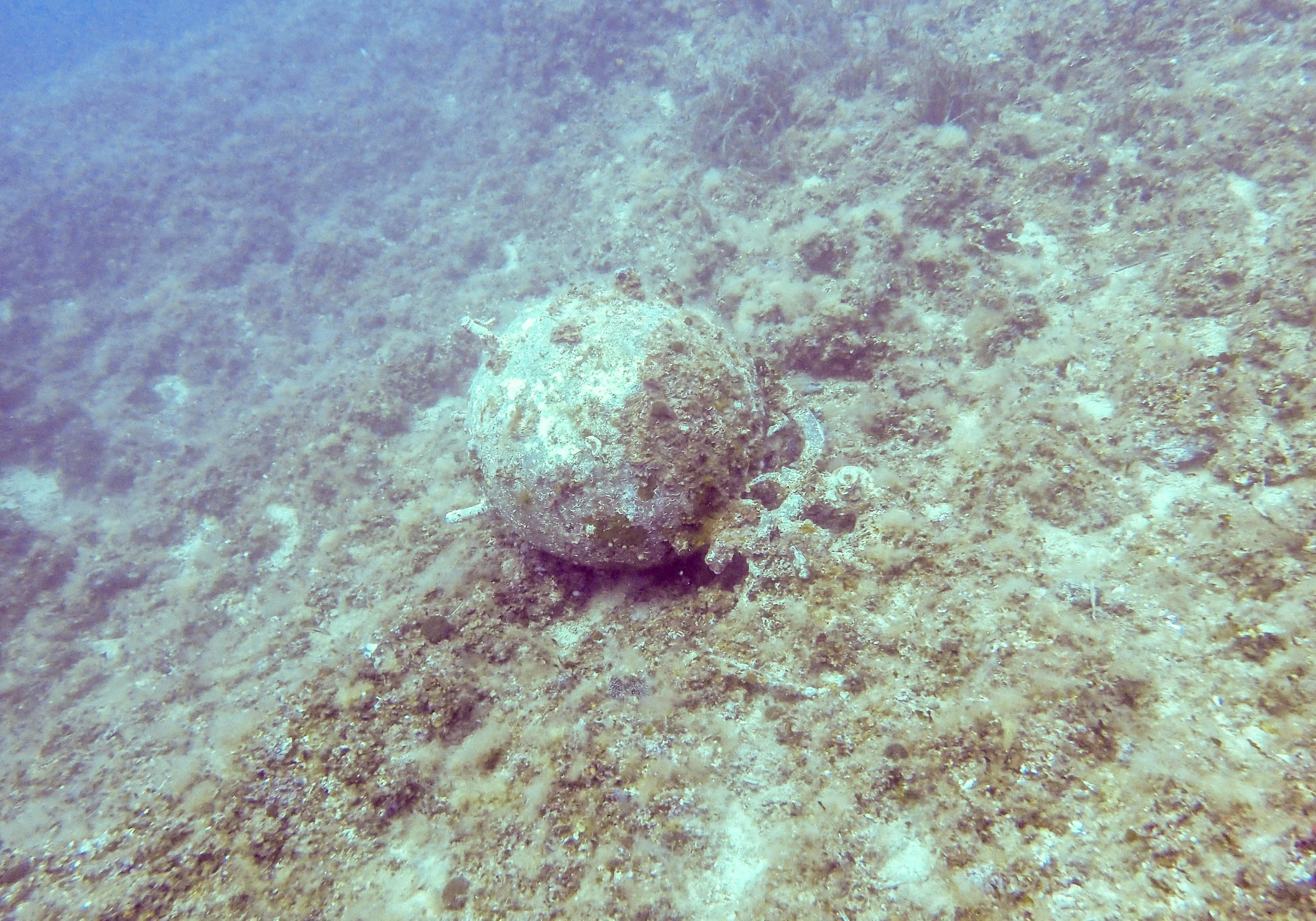
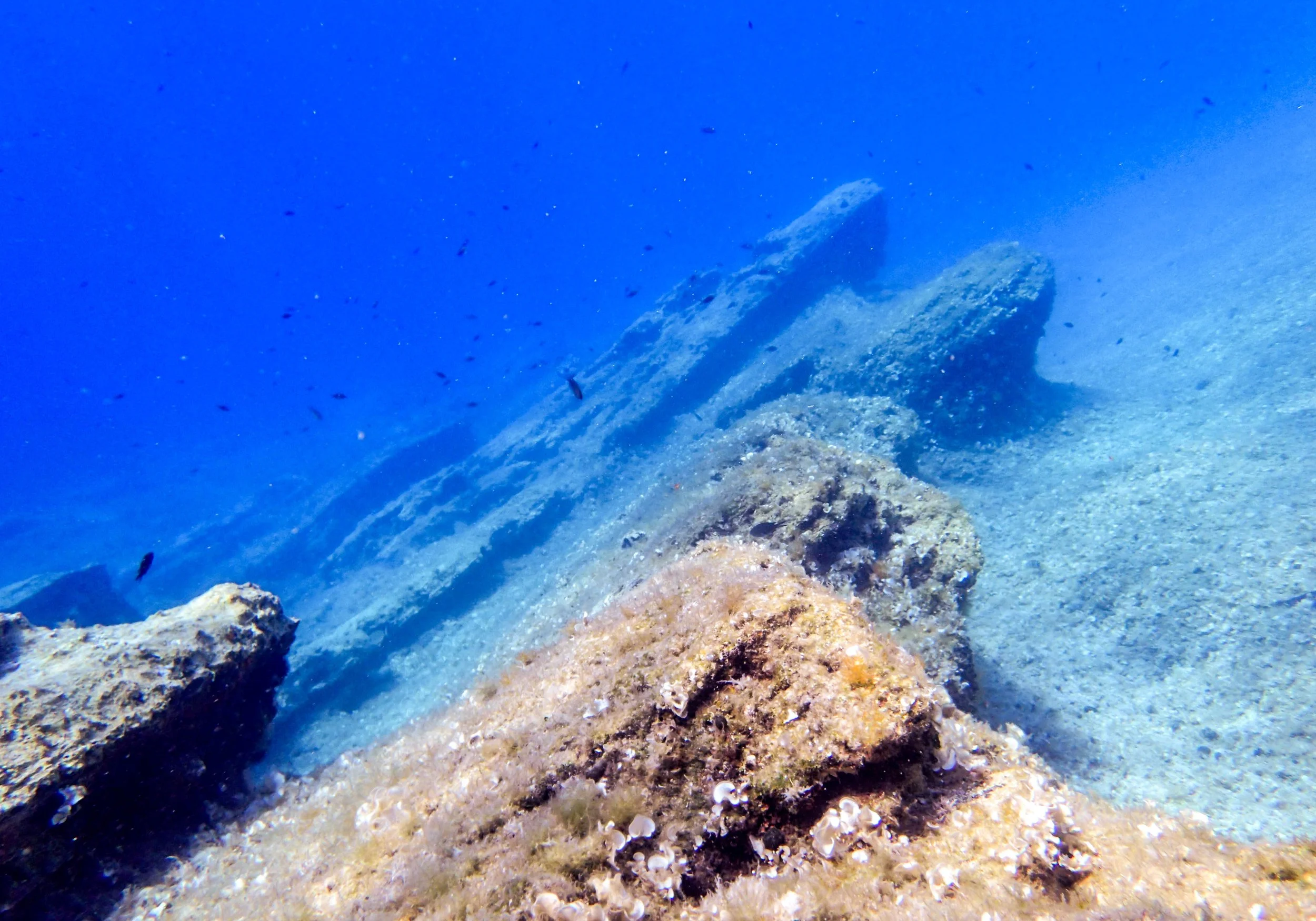
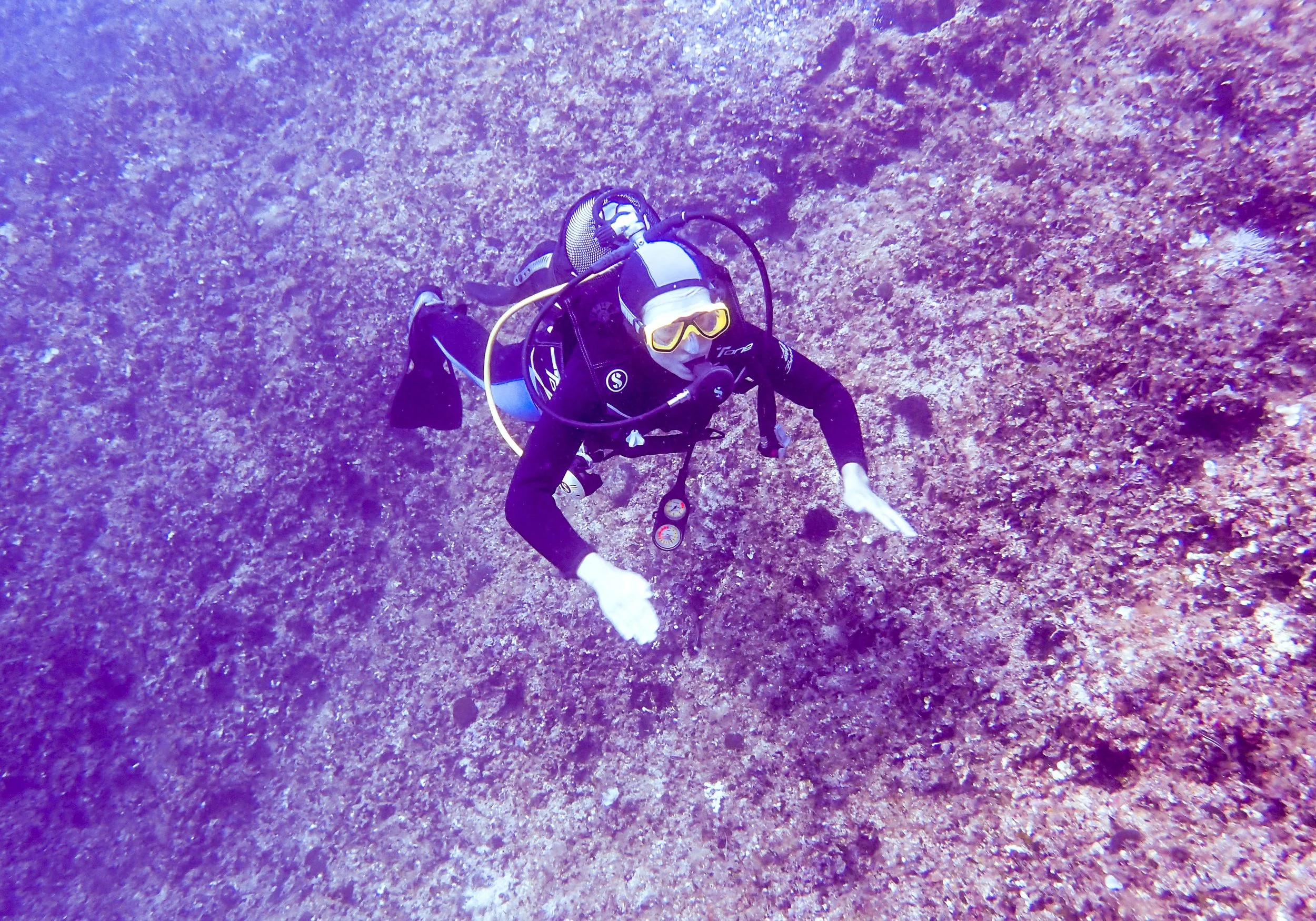
Taking the ferry back to Korčula we headed back and continued down the coast for two and a half hours to Dubrovnik. Known as the “Pearl of the Adriatic” Dubrovnik is a historical port city that is surrounded by a 1.25-mile wall that visitors can walk around for views of the city. The Old Town was classified as a World Heritage Site in 1979.
Dead Sea (Lokrum Island)
Blue Planet Dive Center
Dubrovnik, Croatia
45’ for 46 minutes
68° F
Dive Guide: Marko
August 24th 2018
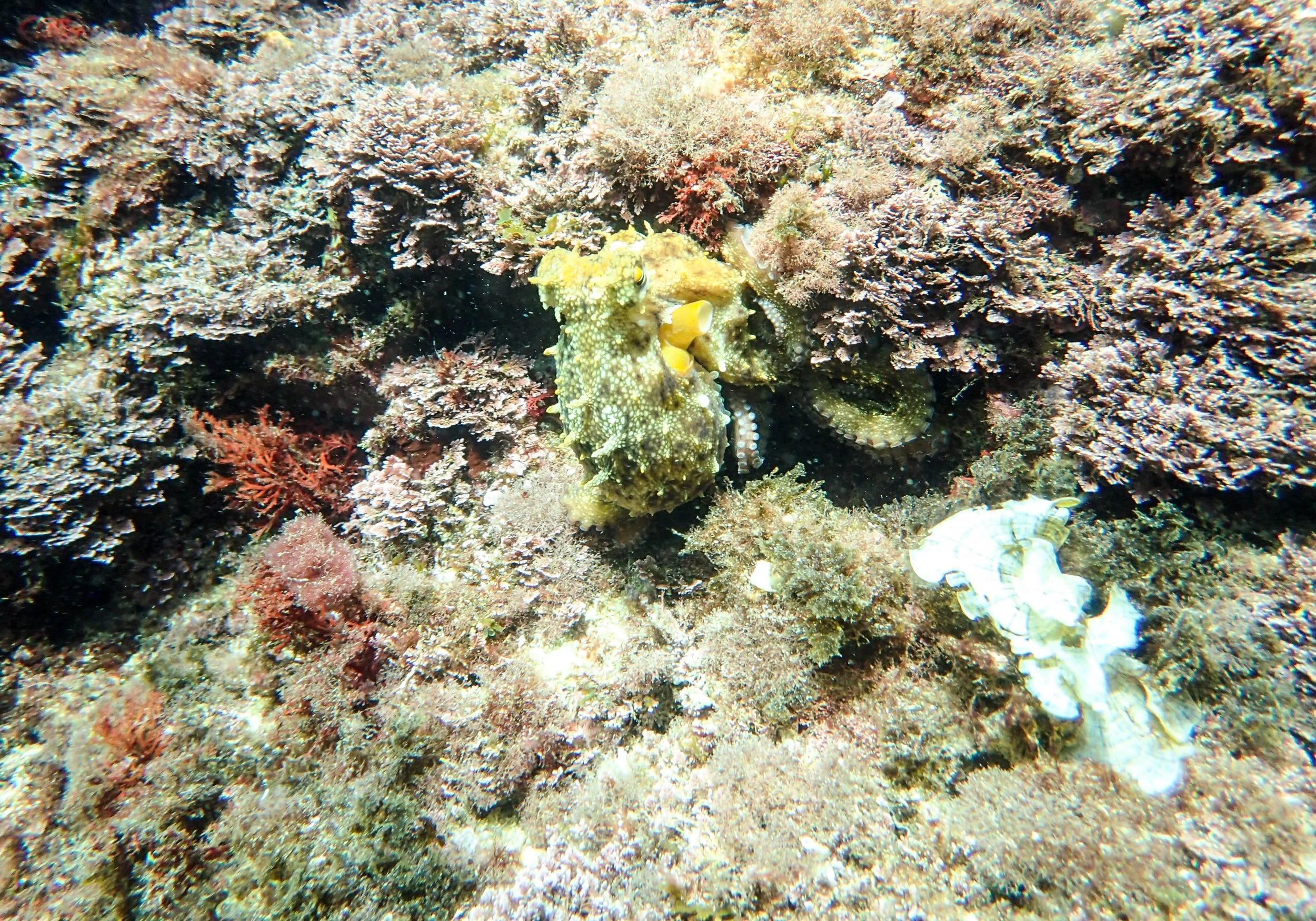
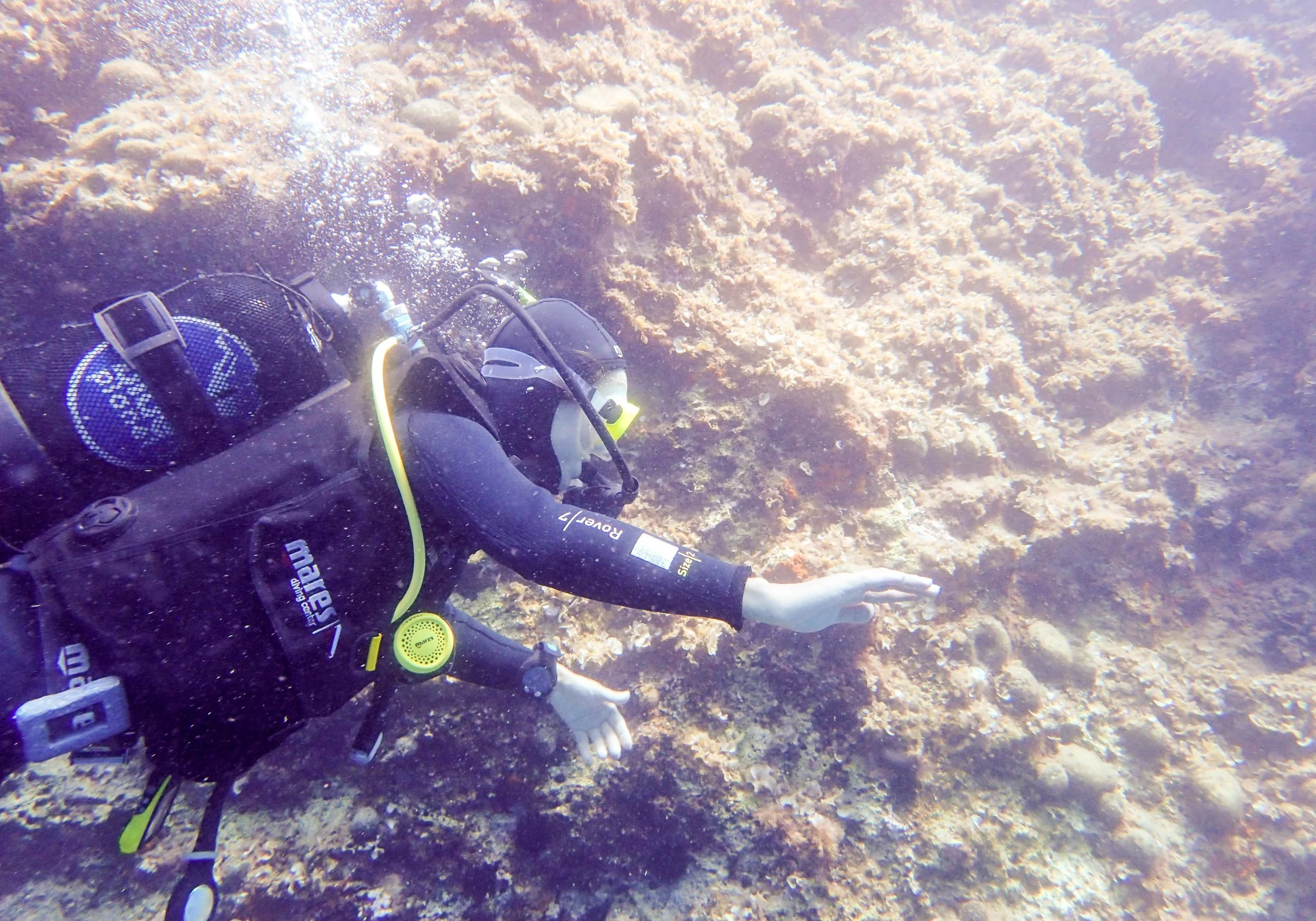
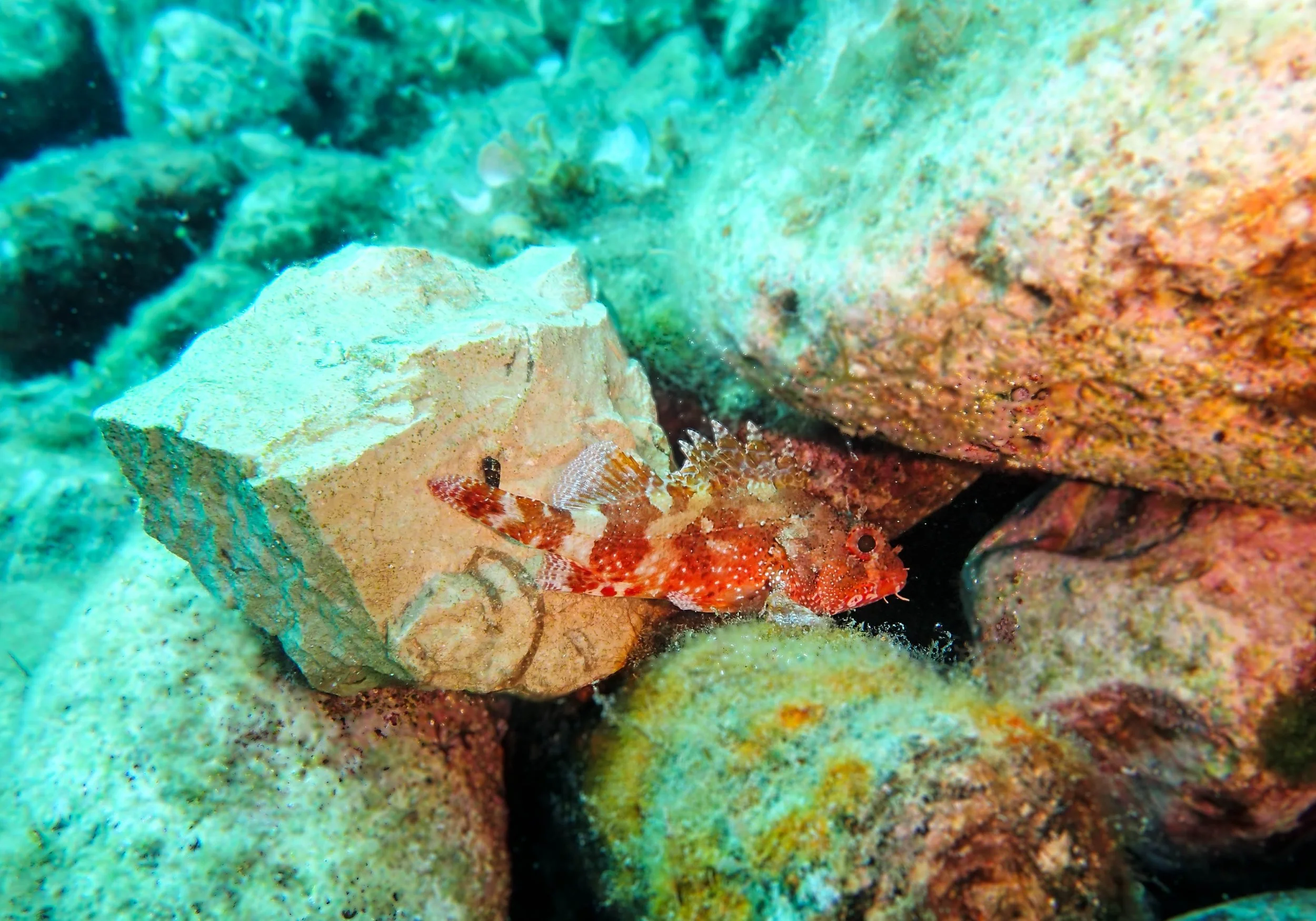
Dove on Lokrum Island, it was an interesting wall dive, we hit a few thermoclines. During the dive we went through a larger swim through that brought us up into a swimming area. Saw very similar things to the previous dives, including a free-swimming octopus. The dive shop is located in the lower level of the Dubrovnik Palace Hotel, with tanks and equipment off the back area. The boat was good sized and easy to get on and off of. Marko was helpful and attentive during the dive.
Montenegro
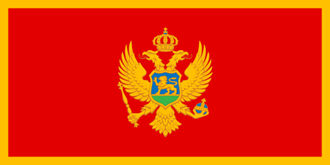
We finished the final dives of the trip and continued our trek to the southernmost point of our journey. Forte Mare (Sea Fortress) located in Herceg Novi, Montenegro is an hour and half south of Dubrovnik and was built in 1382 under the reign of Bosnian King Tvrtko I Kotromanić as he established the town. Over the years various empires have used and expanded the fort, most noticeably the Ottoman Turks, then later was given defensive upgrades in 1833 by the Austro-Hungarians. Since 1952 it has been used as an open air venue for concerts, film festivals and other cultural events.
After some lunch, coffee, and having our fill of climbing some more steps we got back in the car and started our five-hour drive north to Sarajevo in Bosnia and Herzegovina.
Bosnia and Herzegovina
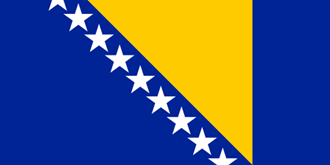
Other stopping at border control to get into BiH our first stop in the great country was to visit the Tjentište Monument (The Battle of Sutjeska Memorial Monument Complex in the Valley of Heroes, Miodrag Živković and Ranko Radović, completed in 1973.) This spomenik was built to commemorate the fallen soldiers of the Battle of Sutjeska. There have been efforts using UNESCO funds to rehabilitate the monument in 2011 and since 2014 it has been the site of music festivals in the surrounding areas. Up the hill, behind the spomenik, is a stepped brigade amphitheater that looks down onto the monument. Engraved on the semicircular steps are the names of the military brigades and partisan units that were involved in the battle.
Nearby is the Spomen-dom Museum or “Memorial House” that was created in 1974 by Ranko Radović. Inside is an engraving with quotes from Bosnian President Tito honoring the soldiers who died. On the walls around are the 7,000+ names of the Partisan soldiers who died during the Battle of Sutjeska, as well as several frescoes of the horrors of war. Most of the frescoes were heavily damaged but repairs are in progress to rehabilitate the damages. It was granted special protections and declared a cultural heritage site in 2011.
Some of us decided to go on a “quick hike” in the Sutjeska National Park behind the monument. The national park was established in 1962 and is the oldest and largest national park in BiH. While the more sensible individual in our party stayed down at the base enjoying tasty blueberry pastries and liquors that he later shared with us. (As well as tricking us into drinking apple cider vinegar after giving us all a bunch of other things to try that were NOT vinegar.) With only minimal grumblings we got back into the car and made our way to home base for the next few days, Sarajevo, the capital city of BiH.
Our time in Sarajevo started with a very foggy morning as we made our way up to the site of the 1984 Winter Olympics. Our first stops were through the Olympic Village where the remains of the Hotel Igman sat behind trees heavily damaged from the Bosnian War and has now been overtaken by nature. Unfortunately, due to the fog most of the village and surrounding areas were hidden from view, but the fog added a haunted ghostly aspect as we walked through what was once a vibrant and peaceful site. While we stopped for coffee, through the fog we were able to see the Igman Olympic Jump complex as well as the ending of the ski jumps.
We came down from the Olympic Village to explore downtown Sarajevo, stopping by the Latinska Cuprija, a national monument of BiH near where Archduke Franz Ferdinand and his wife Sophie Ferdinand, Duchess of Hohenberg, were assassinated on 28 June 1914. From downtown we took a cable car up to the top of Mount Trebević.
The cable line was originally built in 1959 and was used to ferry spectators up to the top of the mountain to watch the bobsled and luge events. During the war Mount Trebević was used as the primary artillery position while attacking the city and in 1992 all of the track and stations were destroyed. In 2018 it was all rebuilt and the gondolas are all painted in the colours of the Olympic rings. At the base a vintage red car sits on display. On clear days the ride to the top of the mountain allows for sprawling views of Sarajevo and the surrounding area. The remains of the bobsled tracks are mostly still standing, now also reclaimed by nature and covered with graffiti from the last several decades. After a long day of exploring, we came home, ate and passed out to prepare for the following day’s adventure.
Our next adventure spent the morning exploring the vast amounts of stairs surrounding Travnik Castle. The castle is thought to have been built in the early 15th century possibly under the rule of King Tvrtko II. The castle is now a museum that contains historical Bosnian costumes and looms. From Travnik we pressed on to the scenic views and twisting roads leading up to the top of Mount Vlašić.
The top of the mountain offered views of the valley and towns below as well as some very nice hiking with wartime bunkers still dotting the landscape. We were assured that this area had been cleared of all the forgotten mines from the war but after seeing multiple warning signs for abandoned buried mines definitely kept to the cow, donkey and other animal paths through the woods.
At this point, it had been a couple of days without diving or being in the water, so the obvious the following day was to go white water rafting on the Neretva River. We spent the day rafting roughly 14 miles (22km) down the Neretva River, navigating through class IV rapids through the Neretva Canyon. During our lunch break those who were brave enough (read: stupid enough) climbed up the cliff to jump into the 50°F (10ºC) waters below. After making the skipper nervous with how high some of us were climbing up the cliff side, we were told there would be a tall bridge we could jump off at the end of the journey. We wrapped up the adventure near a 35’ (11m) high bridge outside of Konjic that we were allowed to climb up and jump off of before we finished rafting for the day. After drying off, warming up we drove through the mountains to spend a day in the old town of Mostar.
Named after the bridge-keepers (mostari) Mostar has been a major trade town since at least 1474. As the Ottoman Empire took over, Mostar came under its rule in 1468 and the Old Bridge was built out of wood. As the town grew and was fortified the Old Bridge was rebuilt in stone in 1566 under Sultan Suleiman the Magnificent. (Sidenote, how does one get the title of “The Magnificent?!). After WWII, Mostar continued to grow producing plastics, tobacco, wines and aluminium to name a few. During the Bosnian War the Old Bridge was destroyed but has been rebuilt starting in 1999 thanks to over 15 million dollars from Spain, US, Turkey, Italy, Netherlands and Croatia. It was completed and reopened on 23 July 2004 and as of July 2005 has been added to the World Heritage List.
After exploring Mostar, we headed six hours to Bihać. On the way we visited the Old Neretva Train Bridge. During WWII the bridge was a major strategic advantage, one night and during an Axis offensive, President Tito ordered his forces to blow up the bridge. This caused the Axis powers to think the Partisans were retreating to the north and redirect the majority of their troops to other locations. However, under the cover of darkness they built a temporary bridge overnight and transported over 4,000 soldiers across the river and healthy soldiers were able to cross back to unleash a surprise attack on the remaining Axis troops. There is now a museum dedicated to the battle located near the bridge.
We stopped for a quick hike in the National Park Una to see the Štrbački buk waterfall. It is the largest waterfall in Bosnia and has been ranked as Bosnia’s most impressive waterfall. It is a multi-level 80’ (25m) tall waterfall that flows between Bosnia and Croatia. We also visited several spominks along the way.
The first spomink was “Monument to the Fallen Fighters of the National Liberation War” (Mirko Radulović and Nebojša Loatinović, completed in 1972), outside the small village of Bravsko.
Next we stopped by the village of Drinić to see the “Monument to the Fallen Fighters and Victims of Fascism” (Gradimir Bosnić, unveiled on 27 July 1971) this is a “smaller” spomonic in the center of the village and was heavily restored in 2016.
The last major Spomonik of the trip was the “Monument to the Partisan Air Squadron” (Designer Unknown, completed in 1974). It helps honor the historical birthplace of the Yugoslav Partisan Air Force. The spomink now lays abandoned on the original secret military airfield “Aerodrom Medeno Polje”. A Douglas C-47 was mounted near the site in 1982 as a museum display. However, during the war in the 1990s the plane was looted and torn apart for scrap metals and nothing remains today.
A bonus spomenik “Memorial Park to Fallen Soldiers and Victims of the National Liberation War” (Nebojša Latinović and Enver Kudić, completed in 1971) was found as we were driving through Vrtoč. A tribute to the 408 Partisan fighters and 768 civilians who died in Vrtoče and the surrounding villages during WWII. This spomonic is regularly maintained and updated as a historical site.
We arrived in Bihać, had dinner by the river, and relaxed after a long day, with more hiking and waterfalls planned for our last day.
Croatia
For a Third and Final Time
After getting coffee and pastries, we loaded everything back up into the car and crossed back into Croatia making our way to Plitvička Jezera National Park. Having been listed on the UNESCO World Heritage list since 1979, the national park is a protected area roughly 300 km2 with a variety of waterfalls, cave systems and small tufa lakes connected throughout the park. We spent the day hiking around the Plitvice Lakes National Park checking out the massive waterfalls and pools before making our way back to Zagreb to catch our flight home.
Somehow, we survived touring 5 countries, climbing an endless amount of steps and fueled by coffee and pastries from the pekaras, all crammed into basically 2 weeks which would have taken more “normal” people at least two if not three “normal” vacations. Other than the withdrawal from coffee after not drinking it every couple of hours once I returned to the states (which I was told was my own fault for not just “drinking more”) it was a lovely adventure seeing some great things with only my pen as a modern-day casualty.