Poppin’ Palau
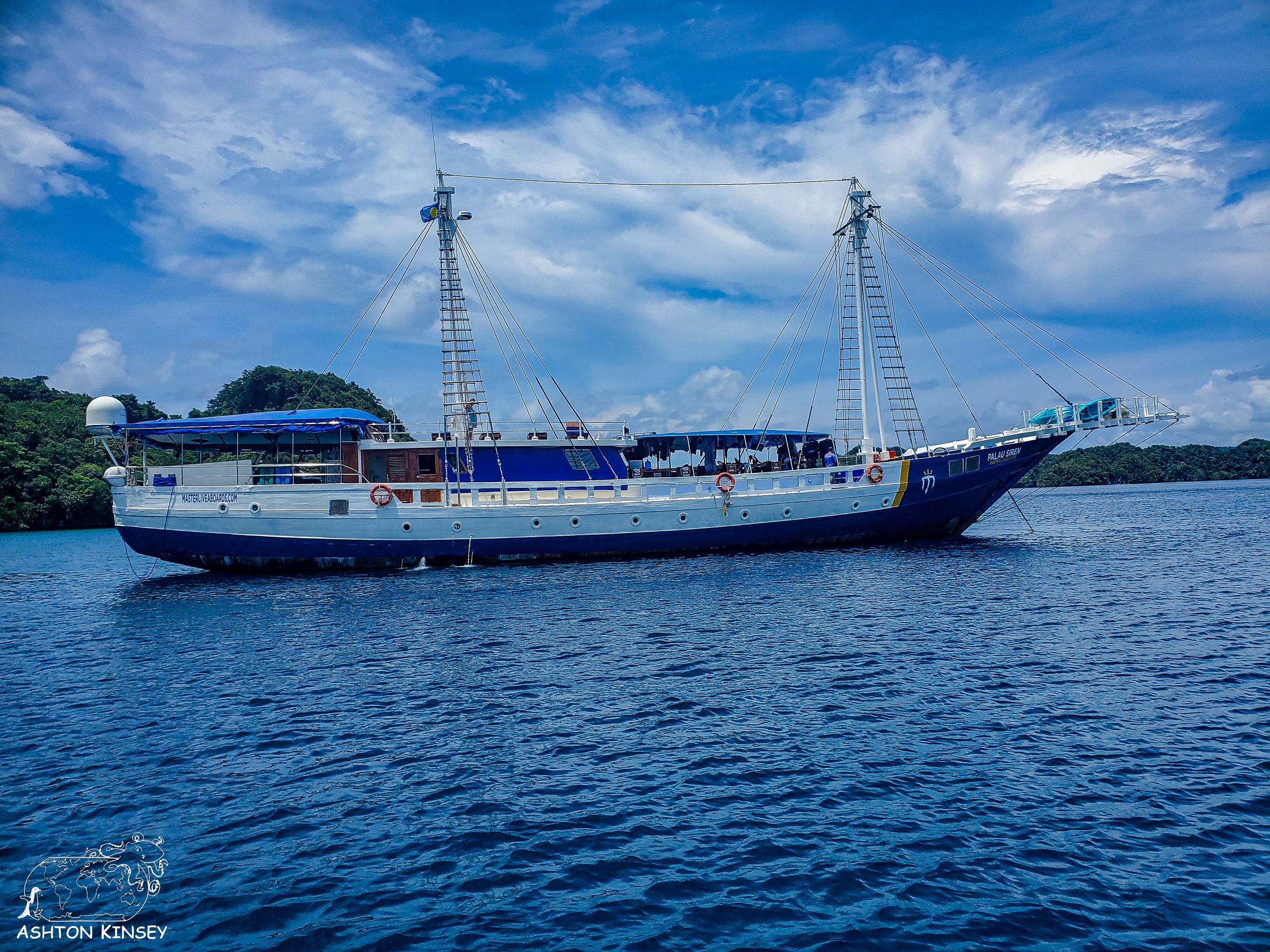
Palau Siren - Master Liveaboard
Seminole Scuba
September 21st – October 5th, 2024
Captain Ewan Cruise Director: Sebastian
Dive Guides: Neil, James, Elmer
Dhoni Crew: Kaine, Ashley
Total Time: 33 hours 3 minutes Total Dives: 33
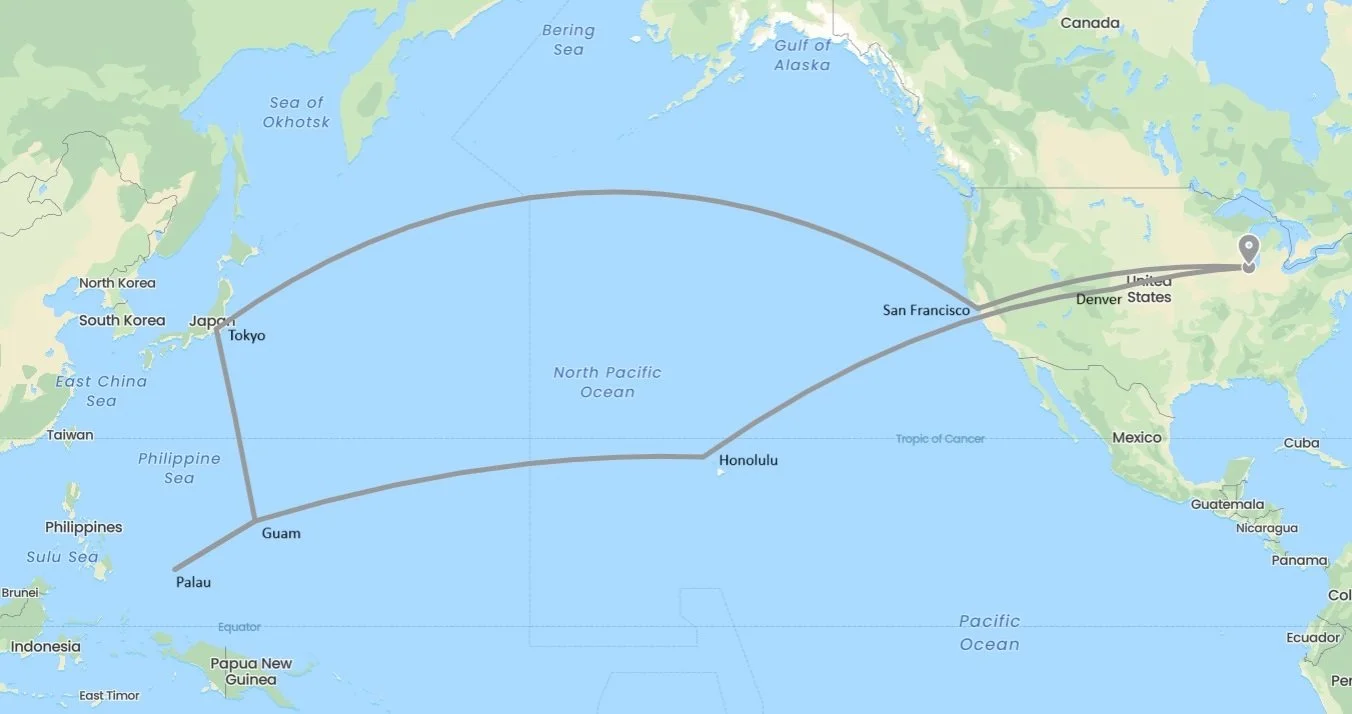
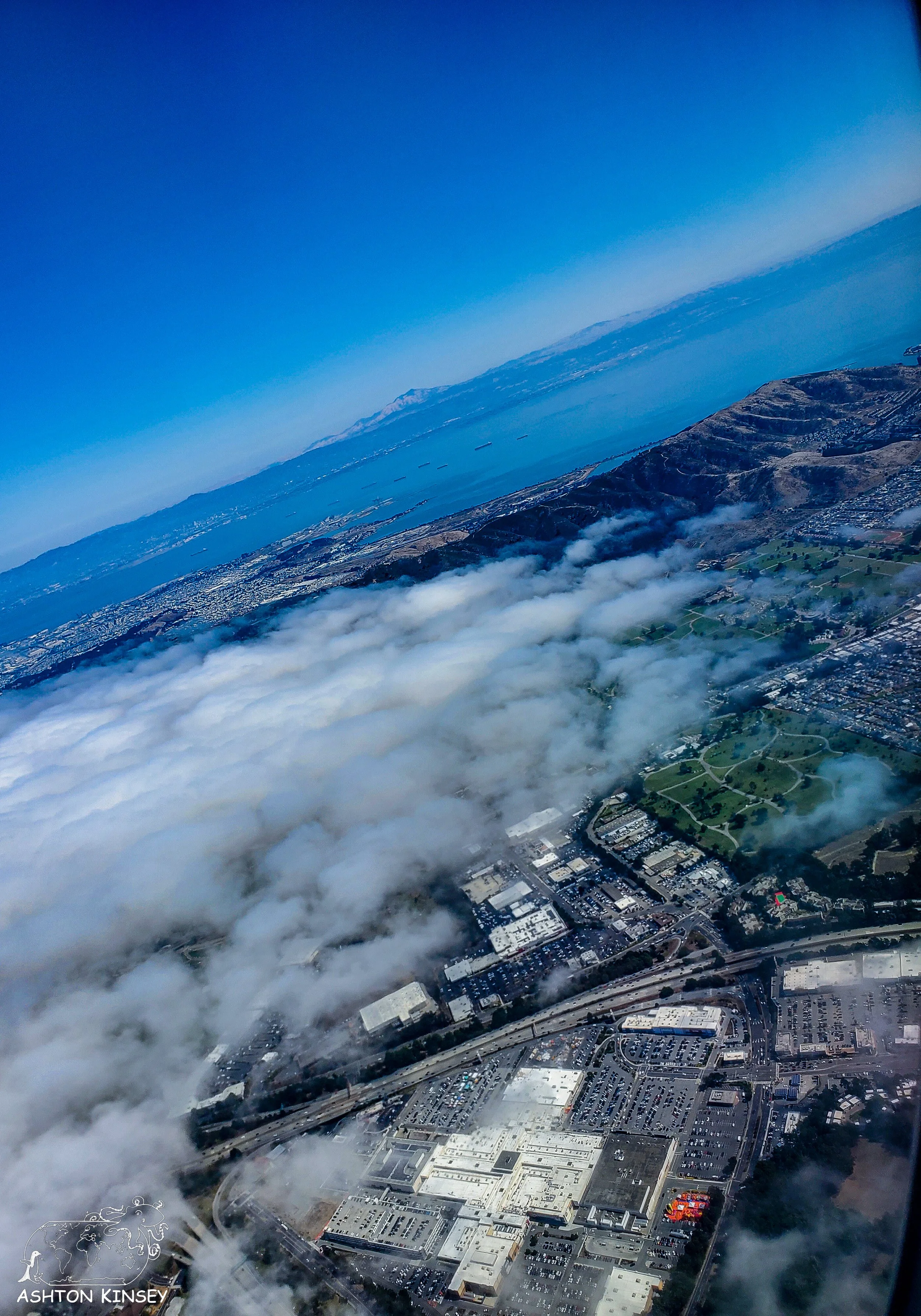
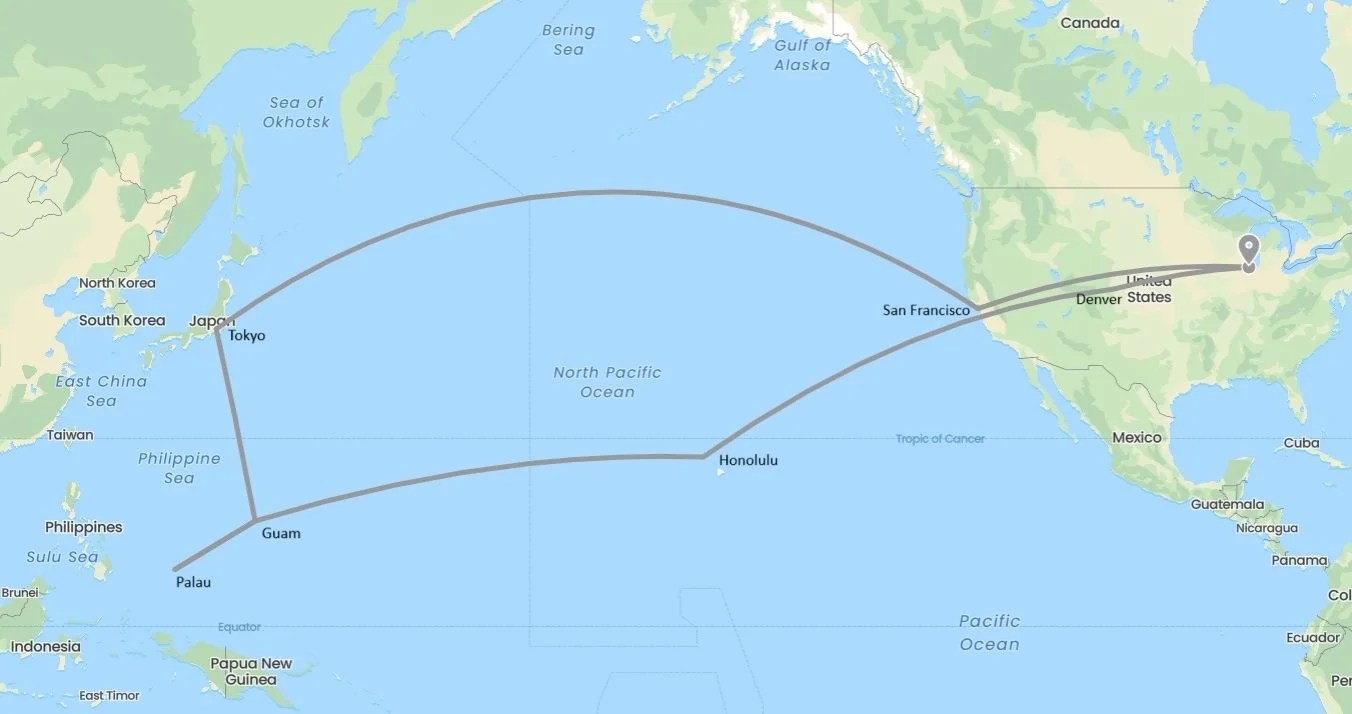
Unlike some previous big trips, adventuring to Palau went mostly without issues. Or was just too sleep deprived to remember any of it and it all went by in a blur. The adventure started in Chicago and had stopovers in San Francisco, Tokyo, and Guam. For the most part the layovers were quick and uneventful. The only real annoyance was in Guam when, after exiting the plane, walking all around the airport, through customs, re-through security, the plane ended up being the same plane we used from Tokyo. However, after an 11-hour flight, walking around the airport was probably a good idea. Once we landed in Palau, the Palau Central Hotel picked us up and finally we arrived at the hotel. After a half-assed, half-asleep shower, it was time to collapse in bed.
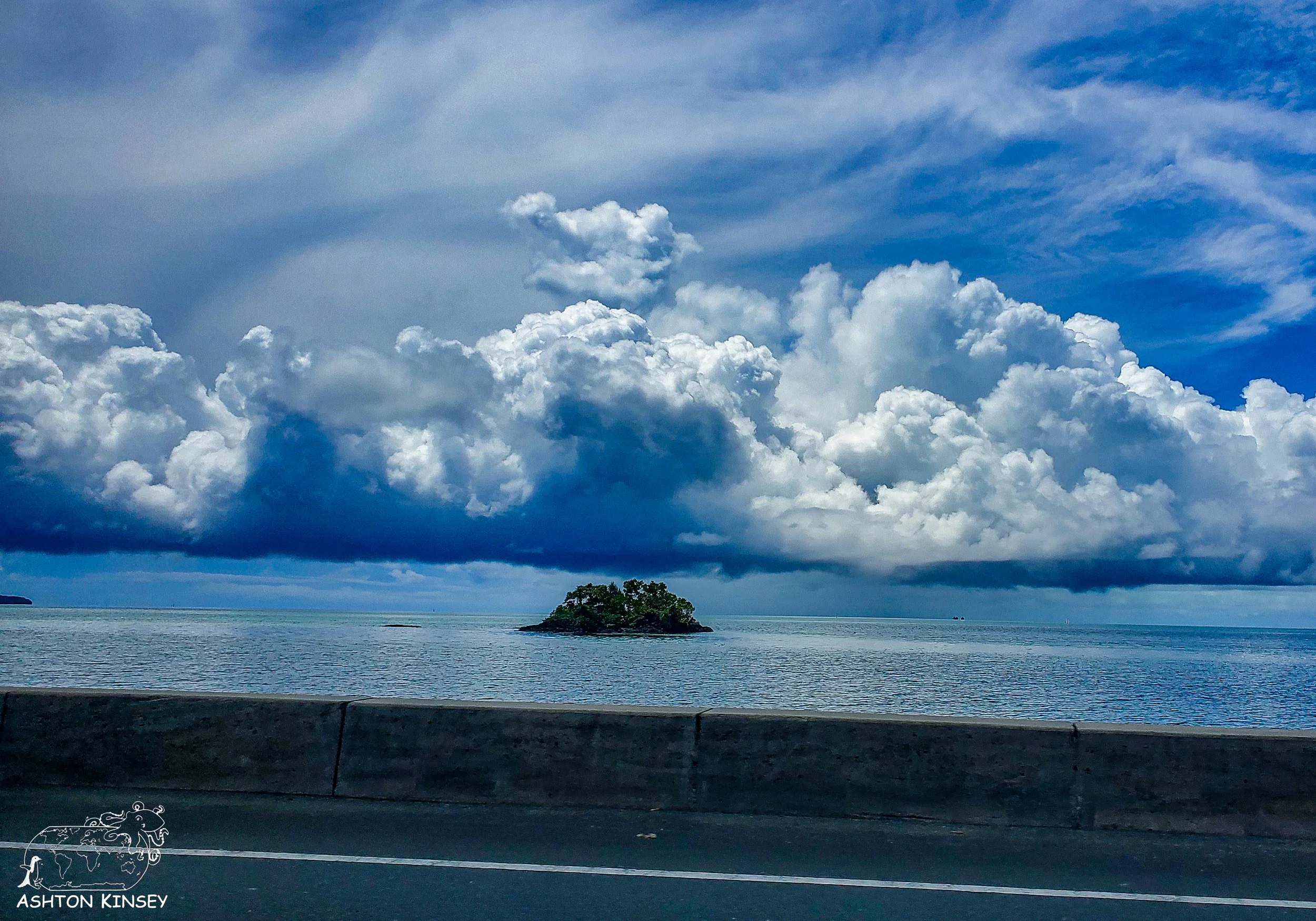
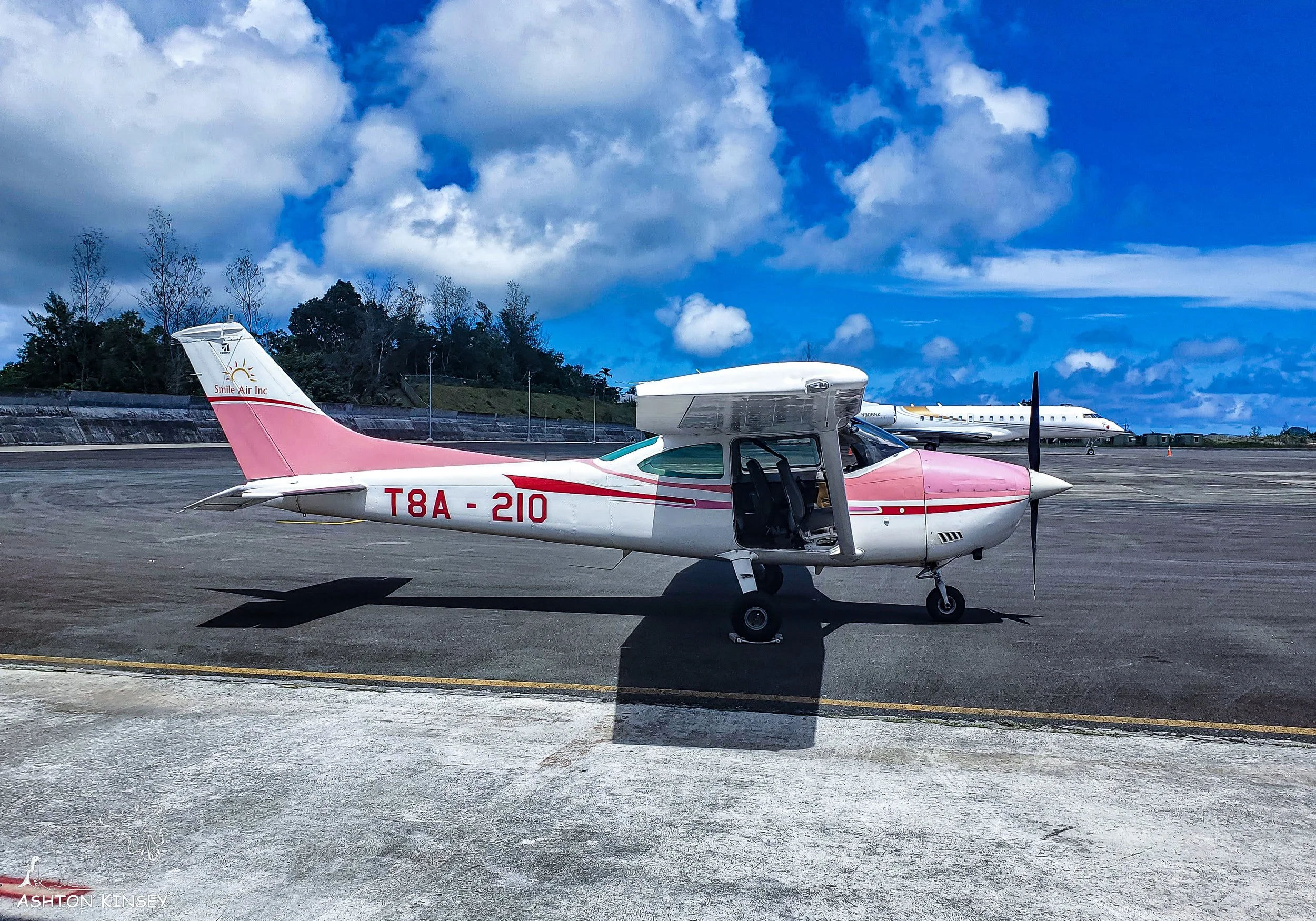
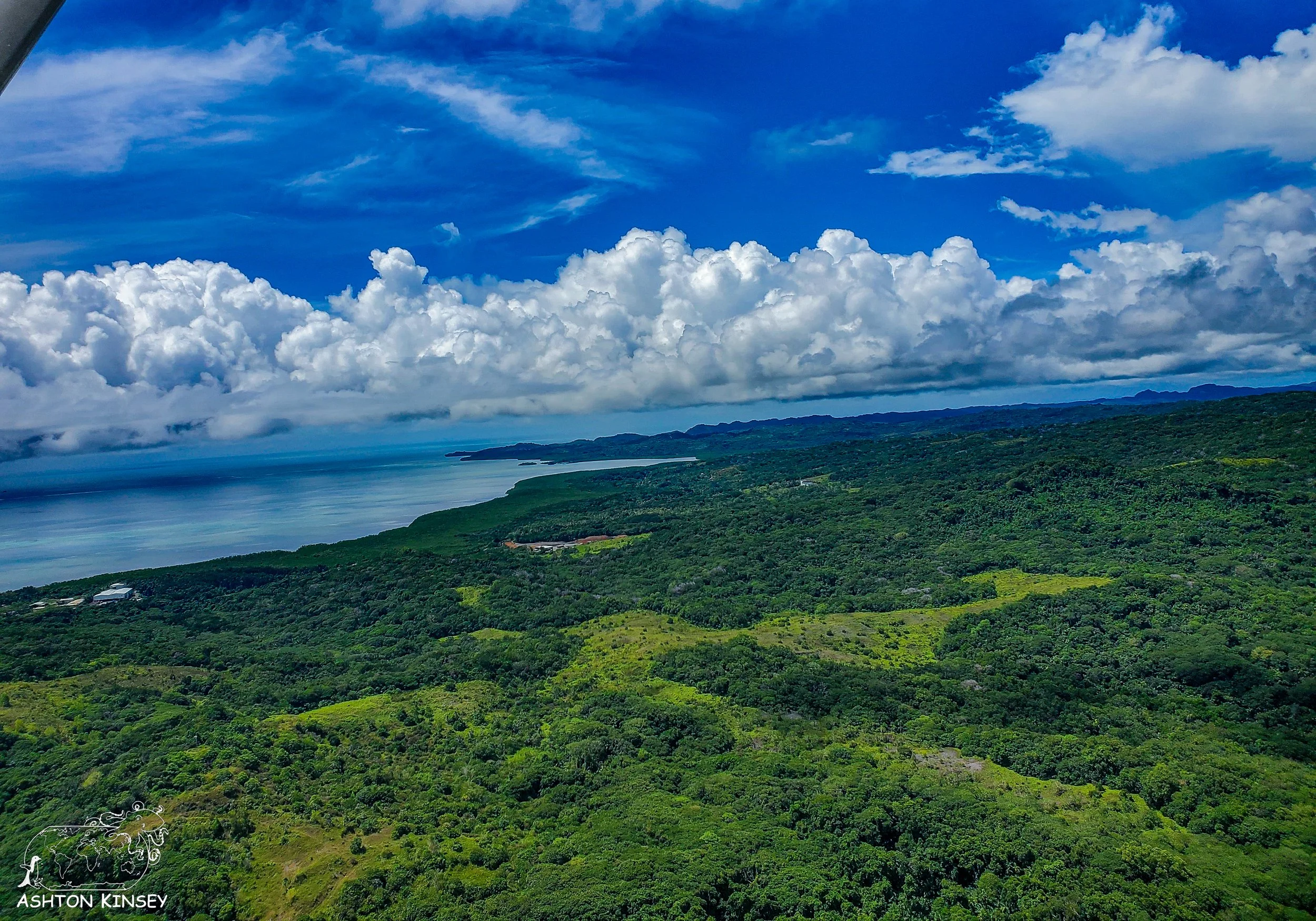
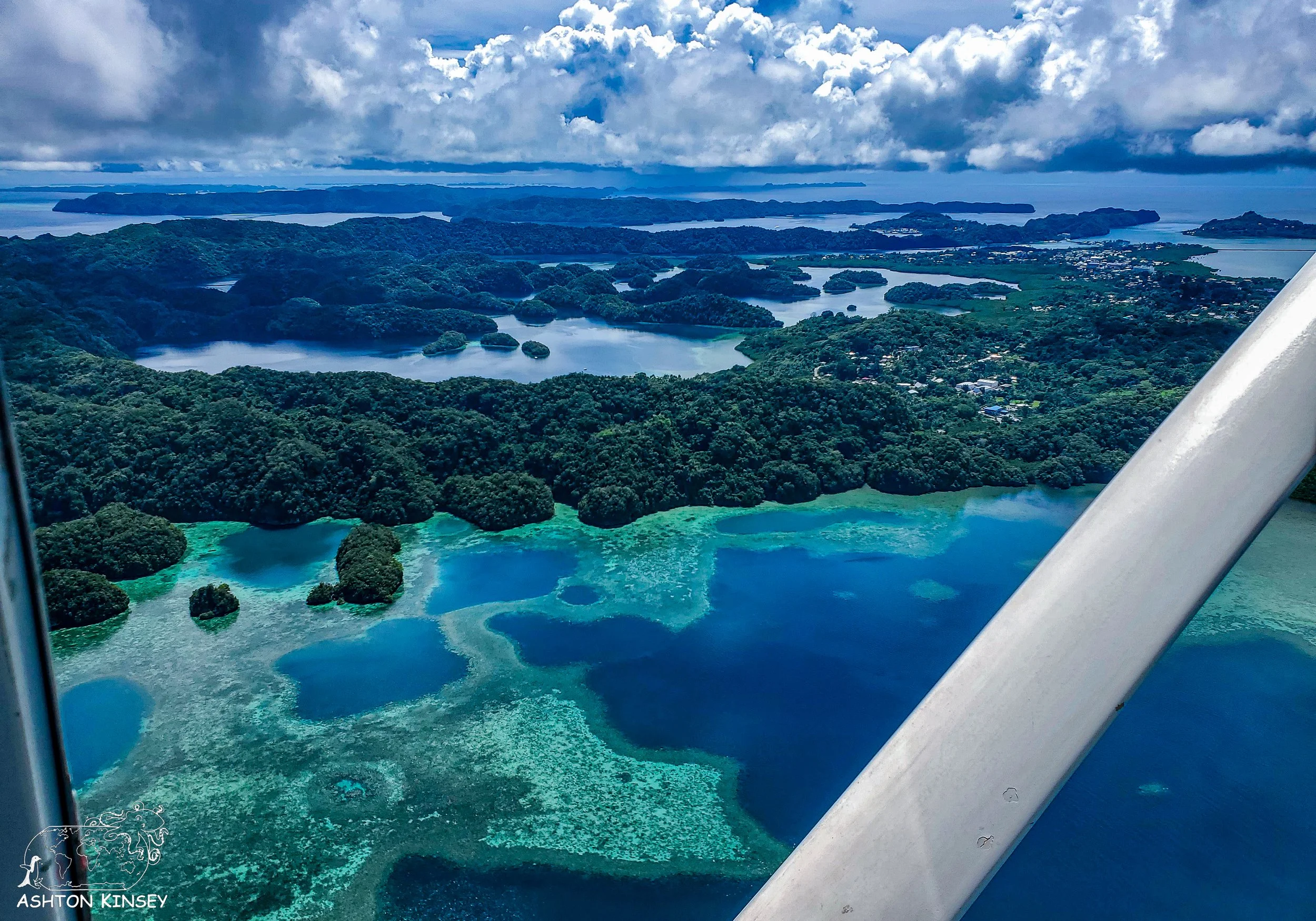
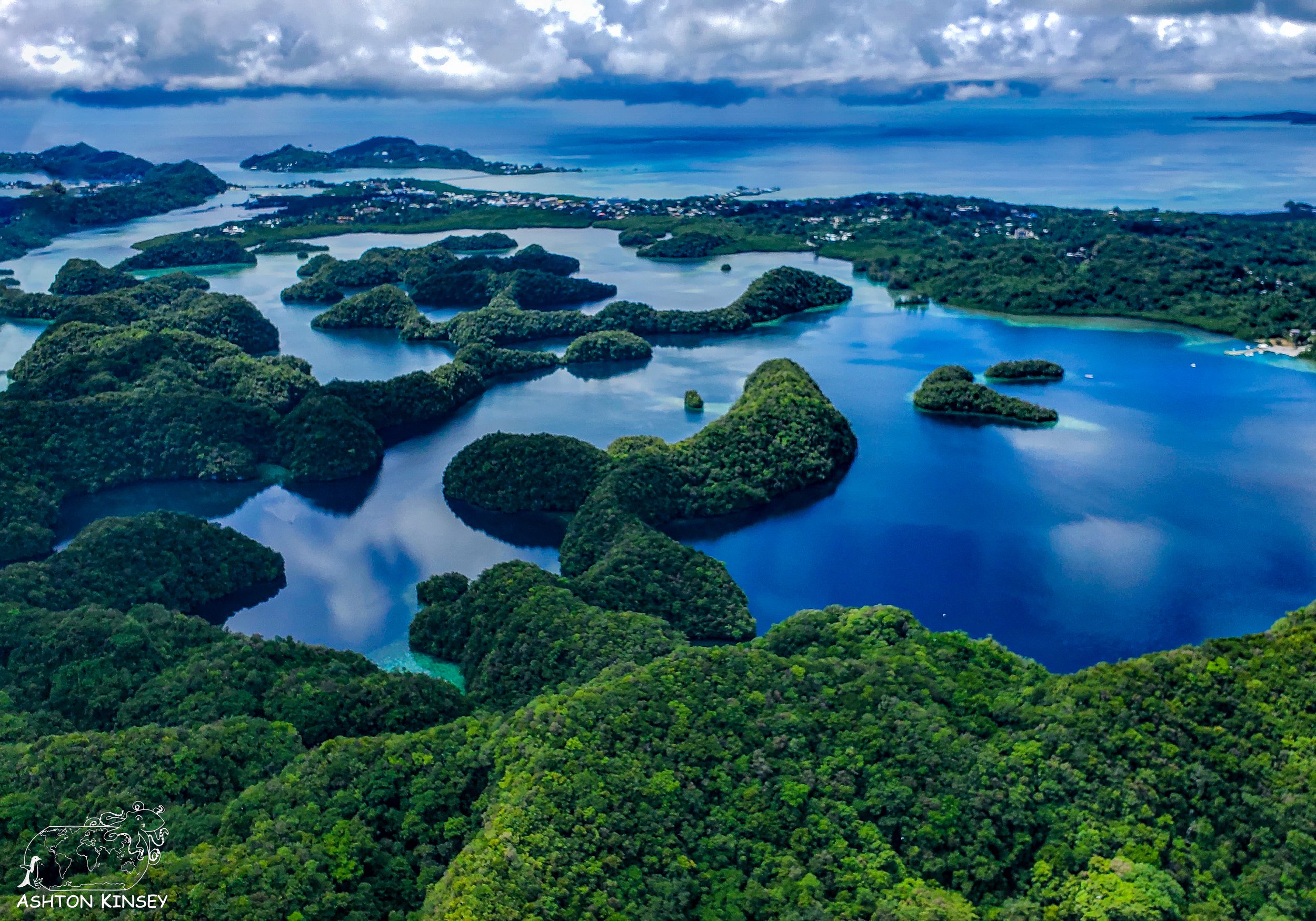
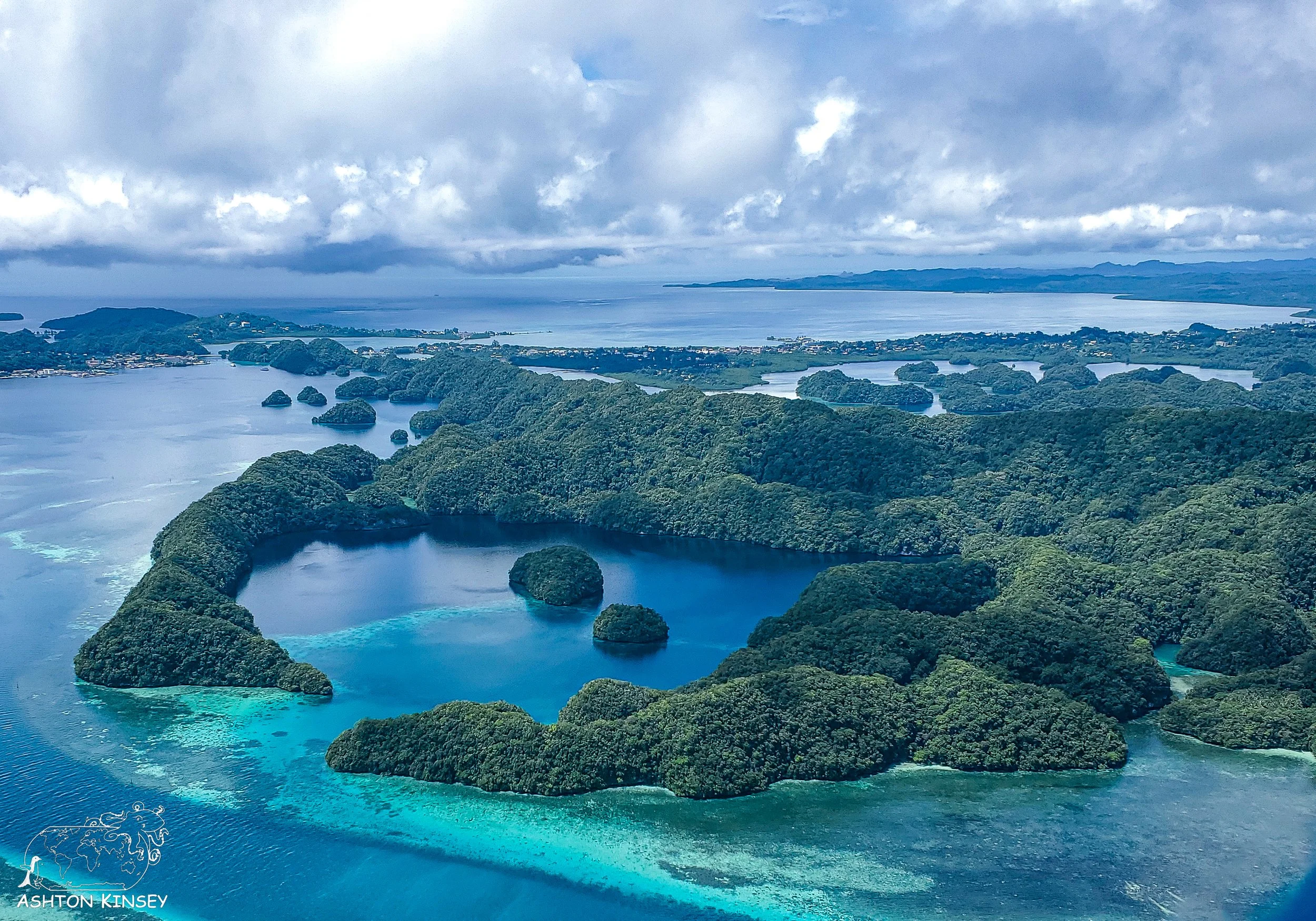
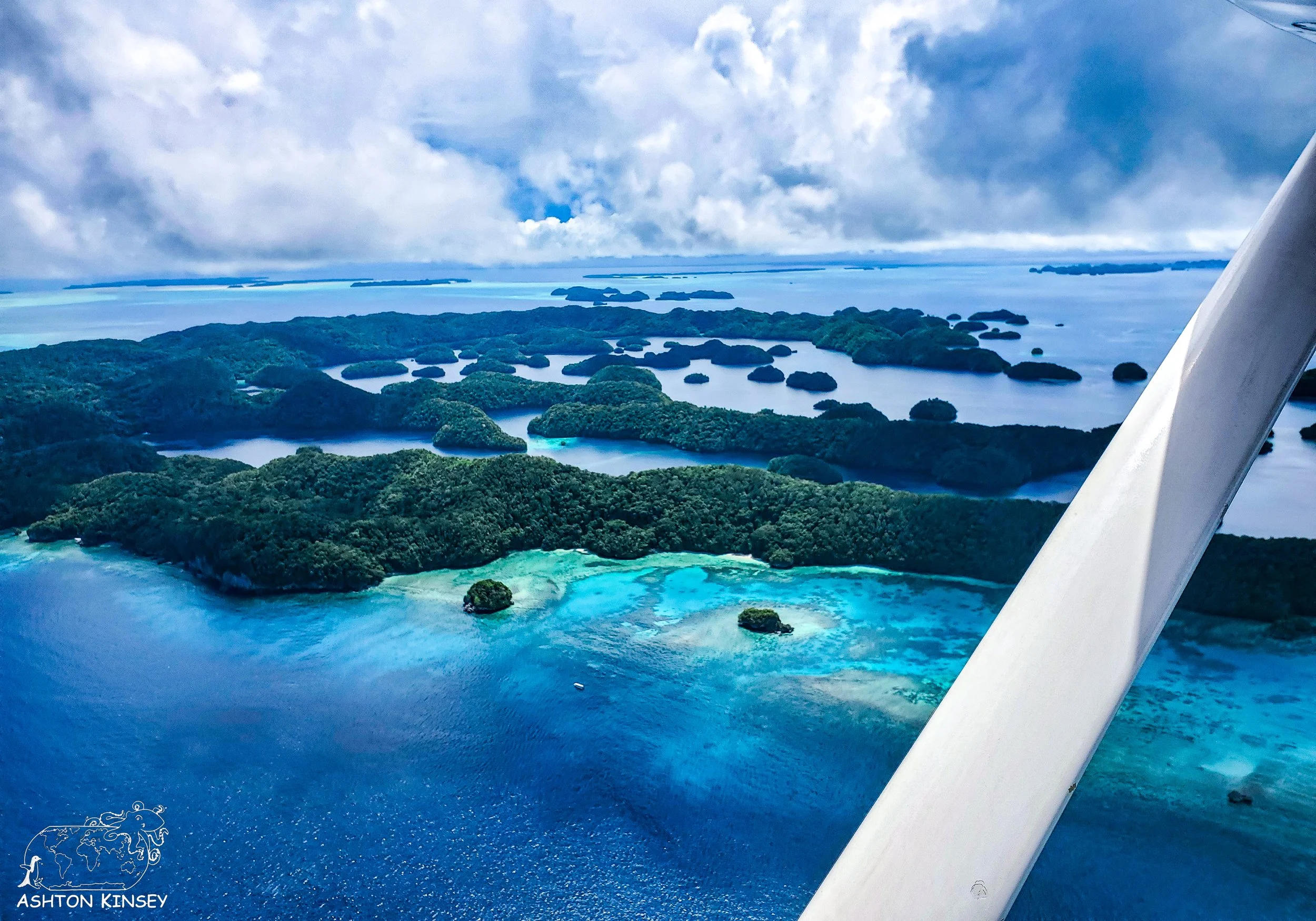
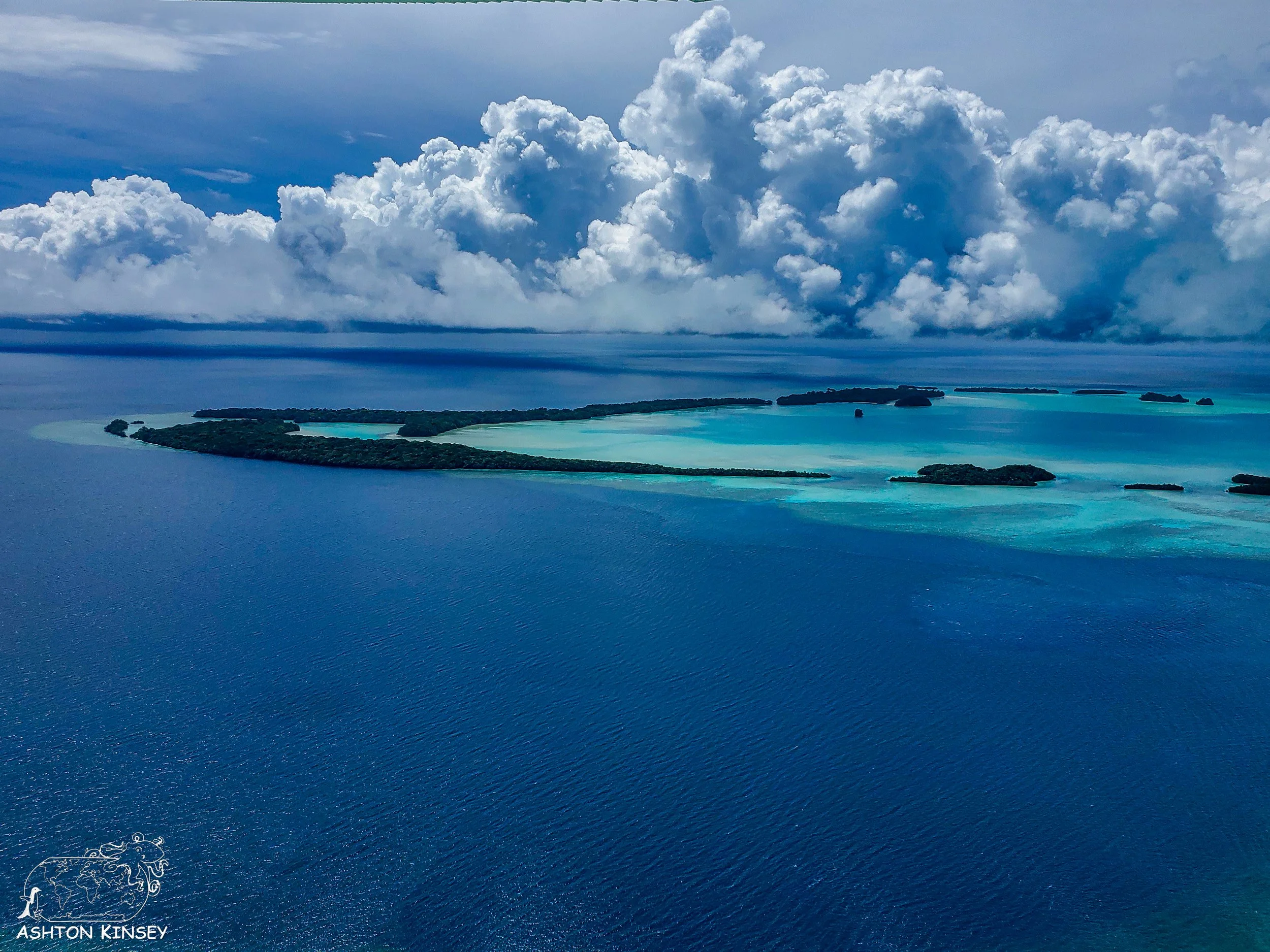
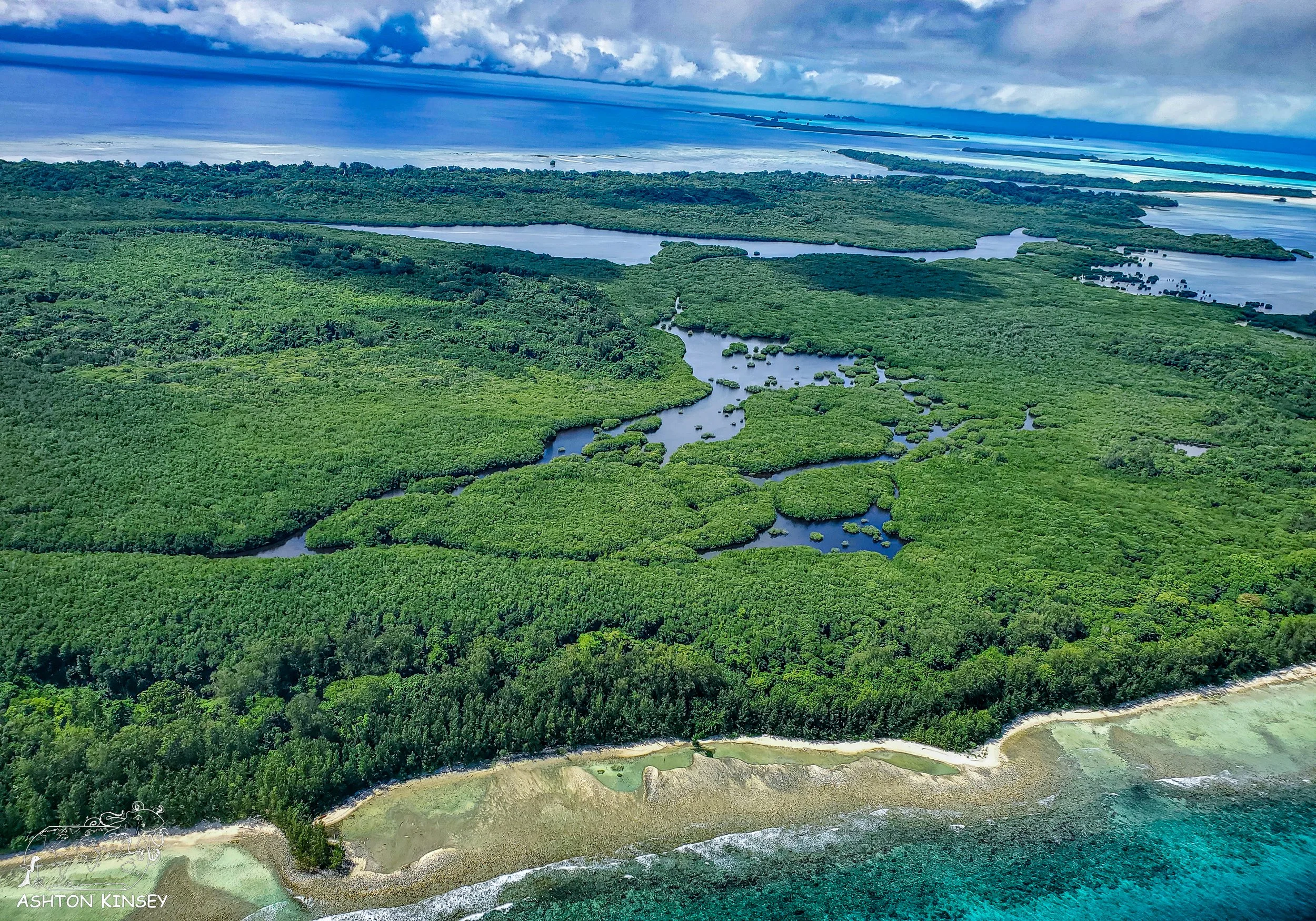
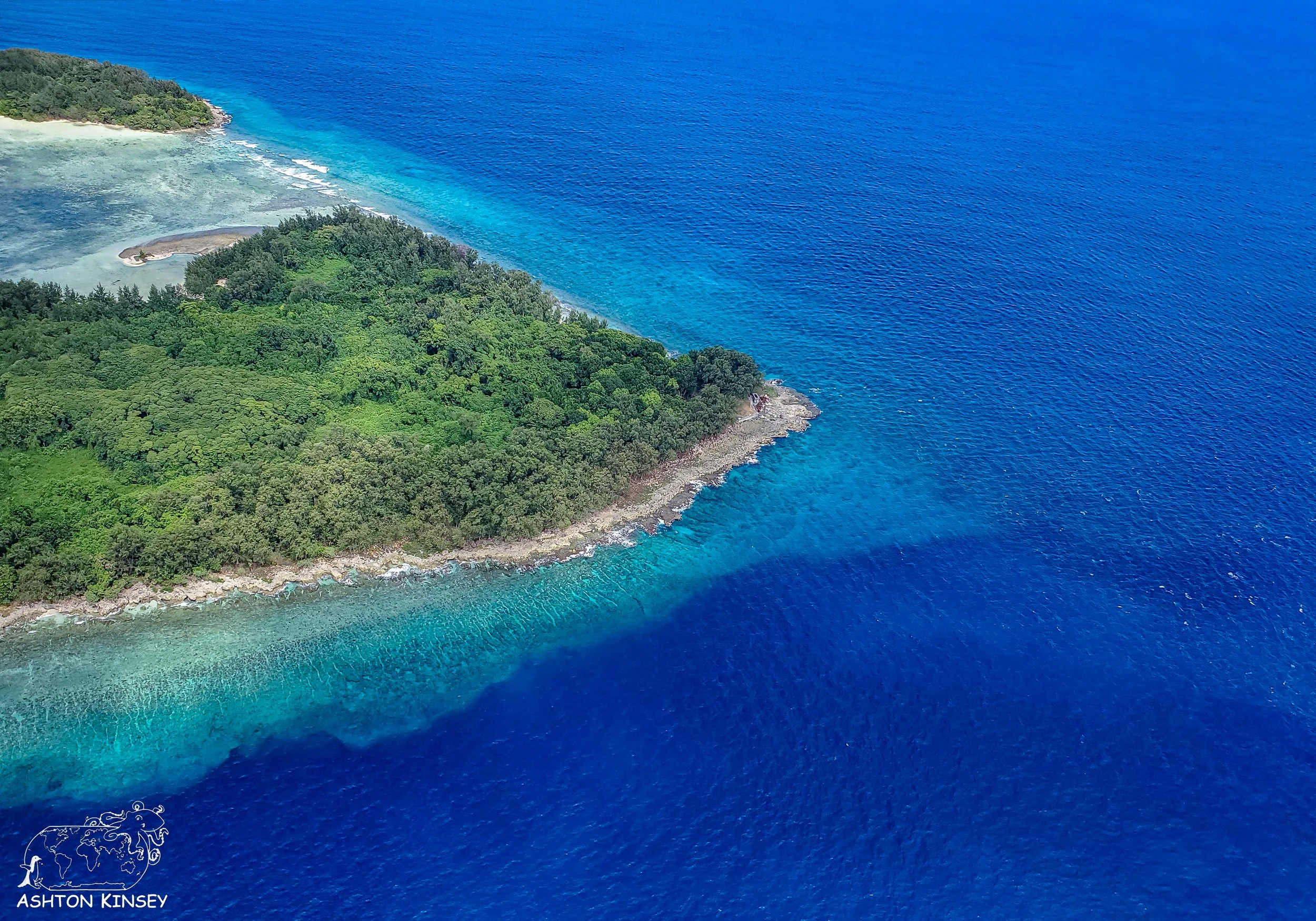
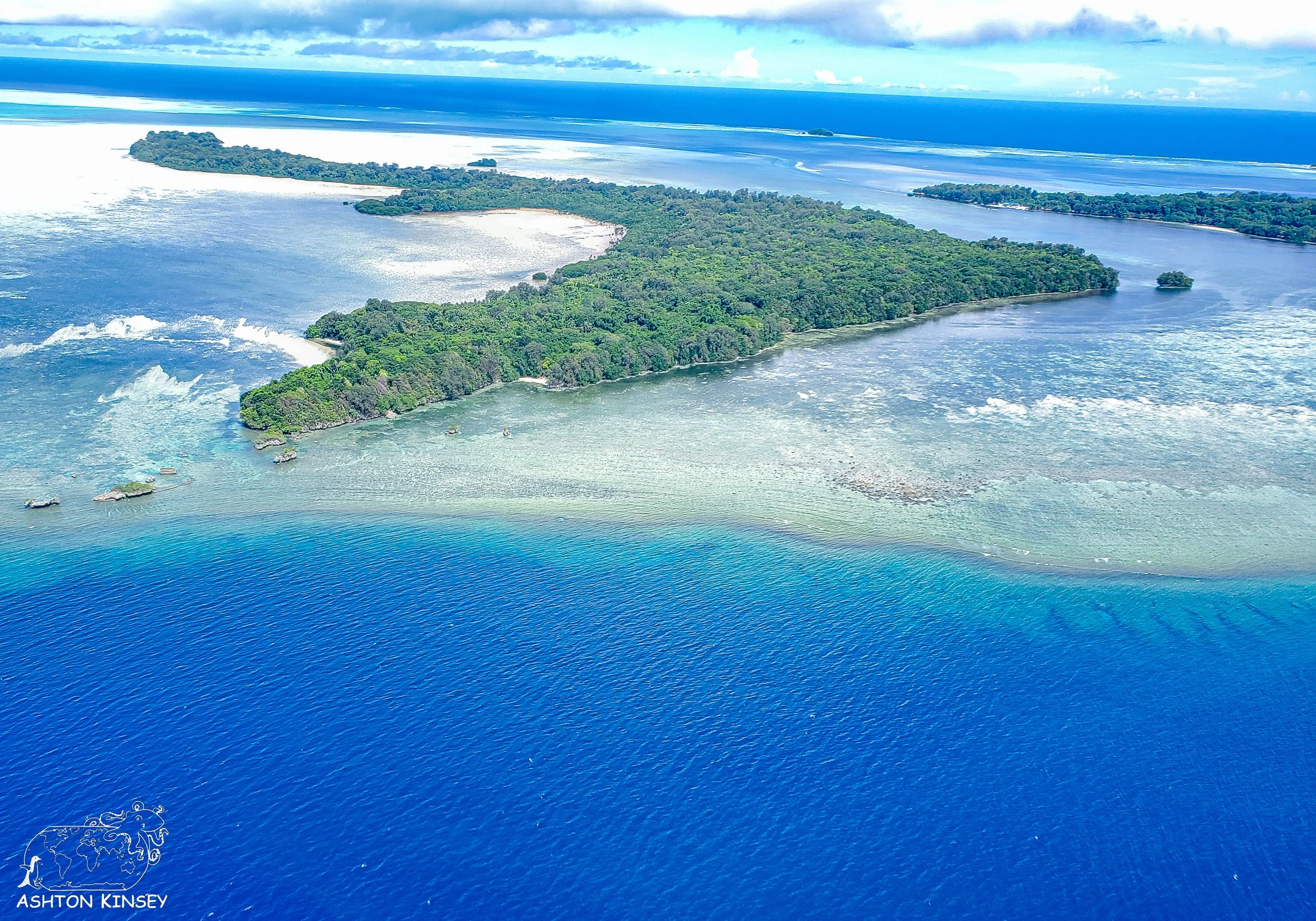
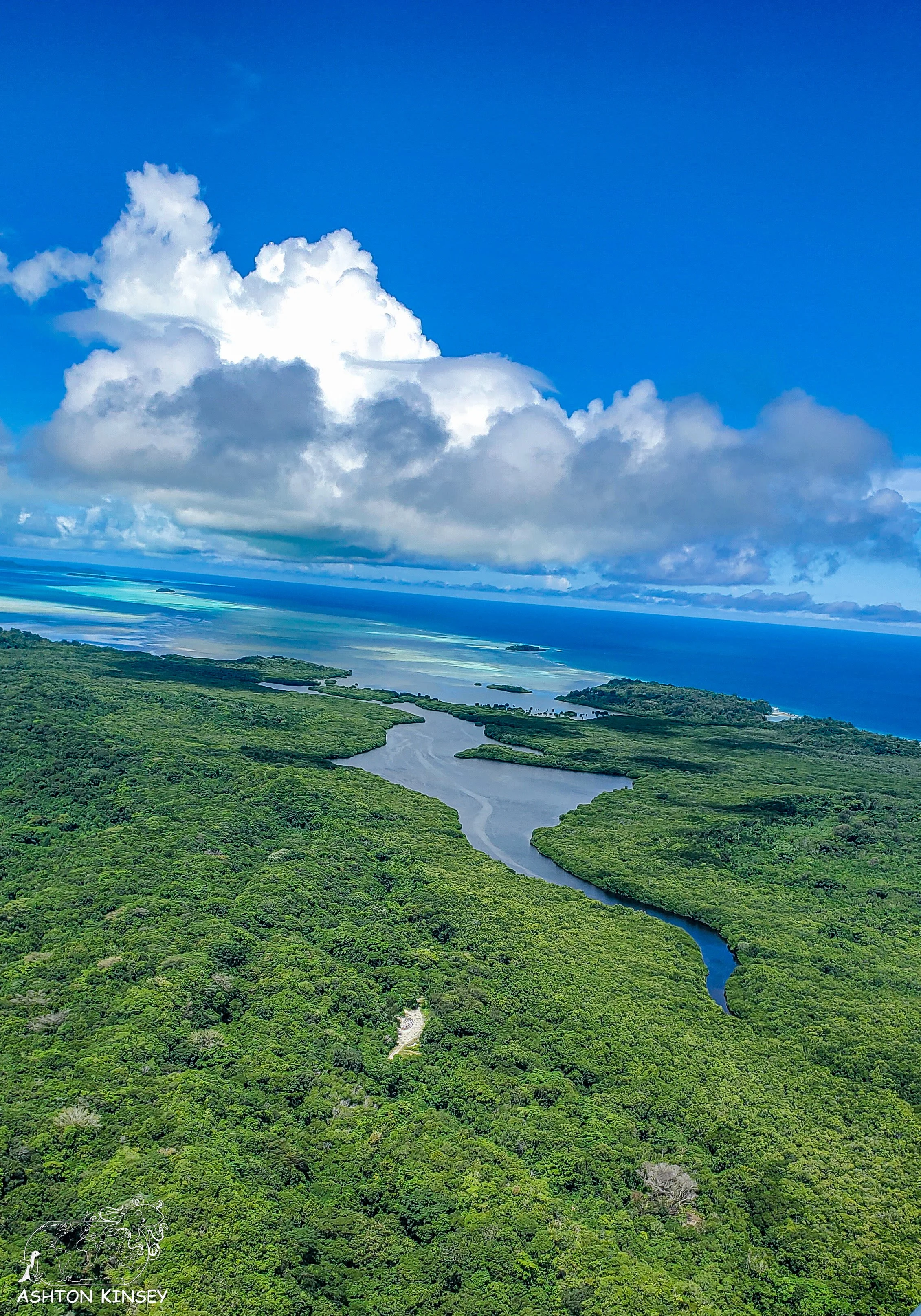
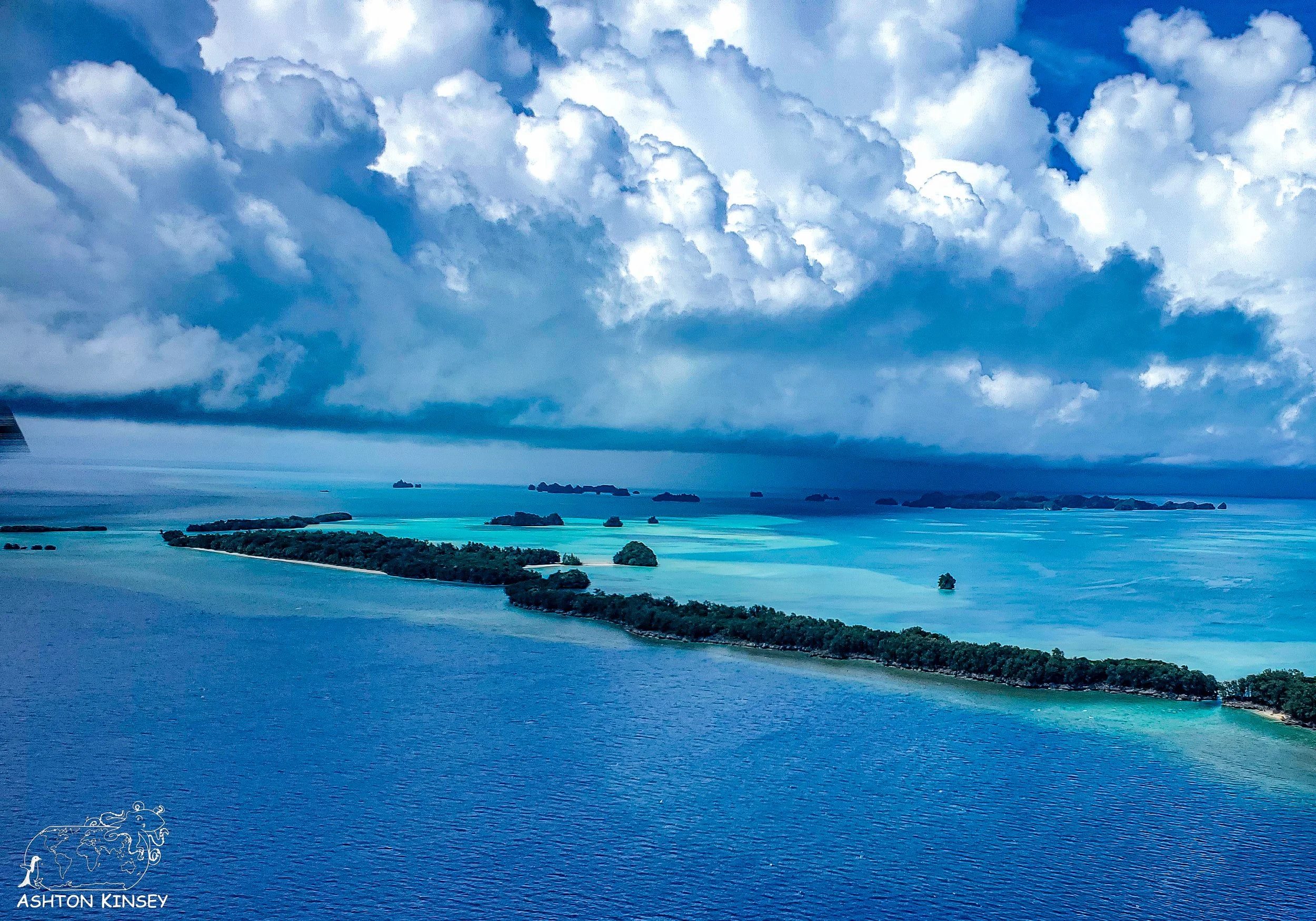
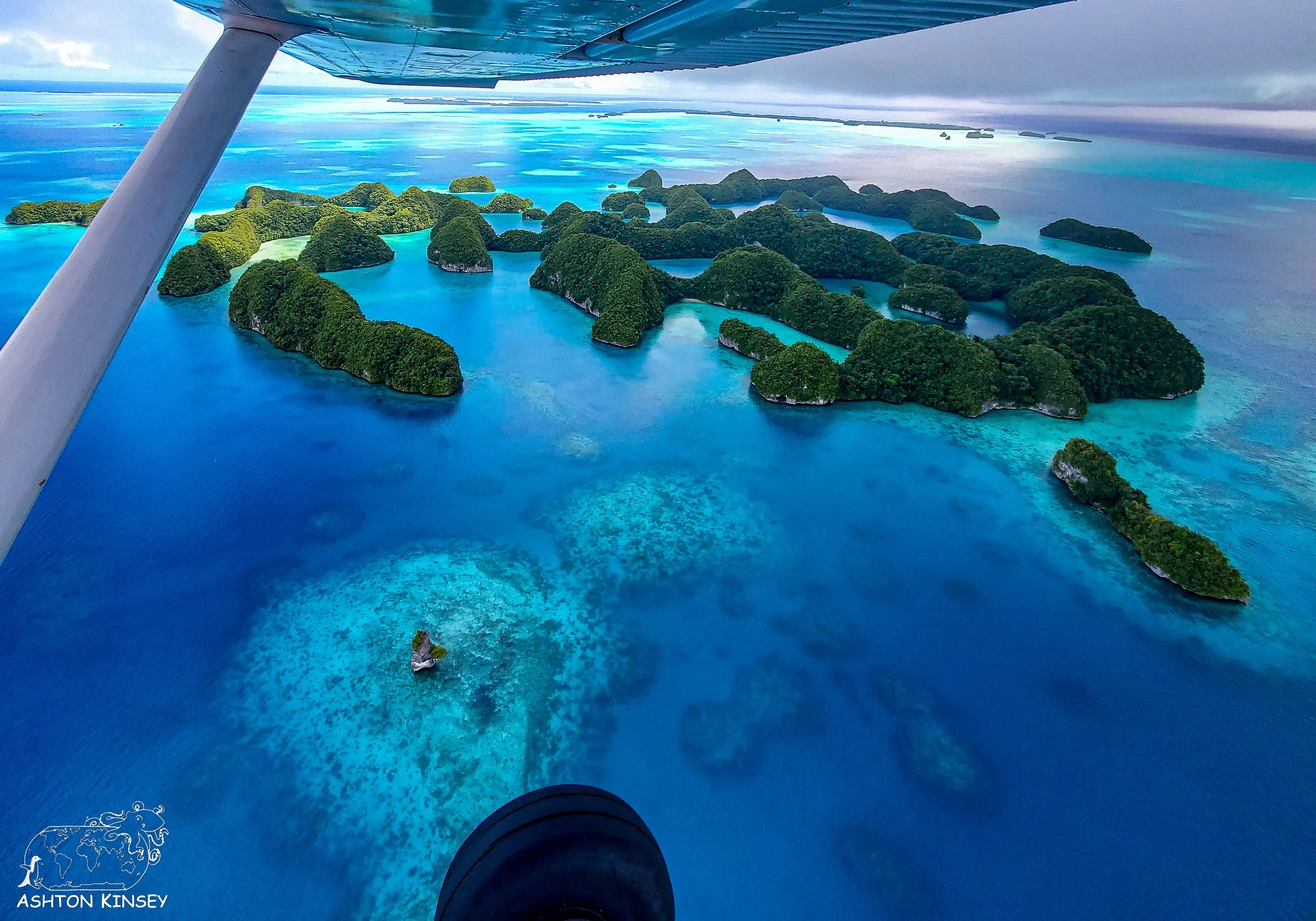
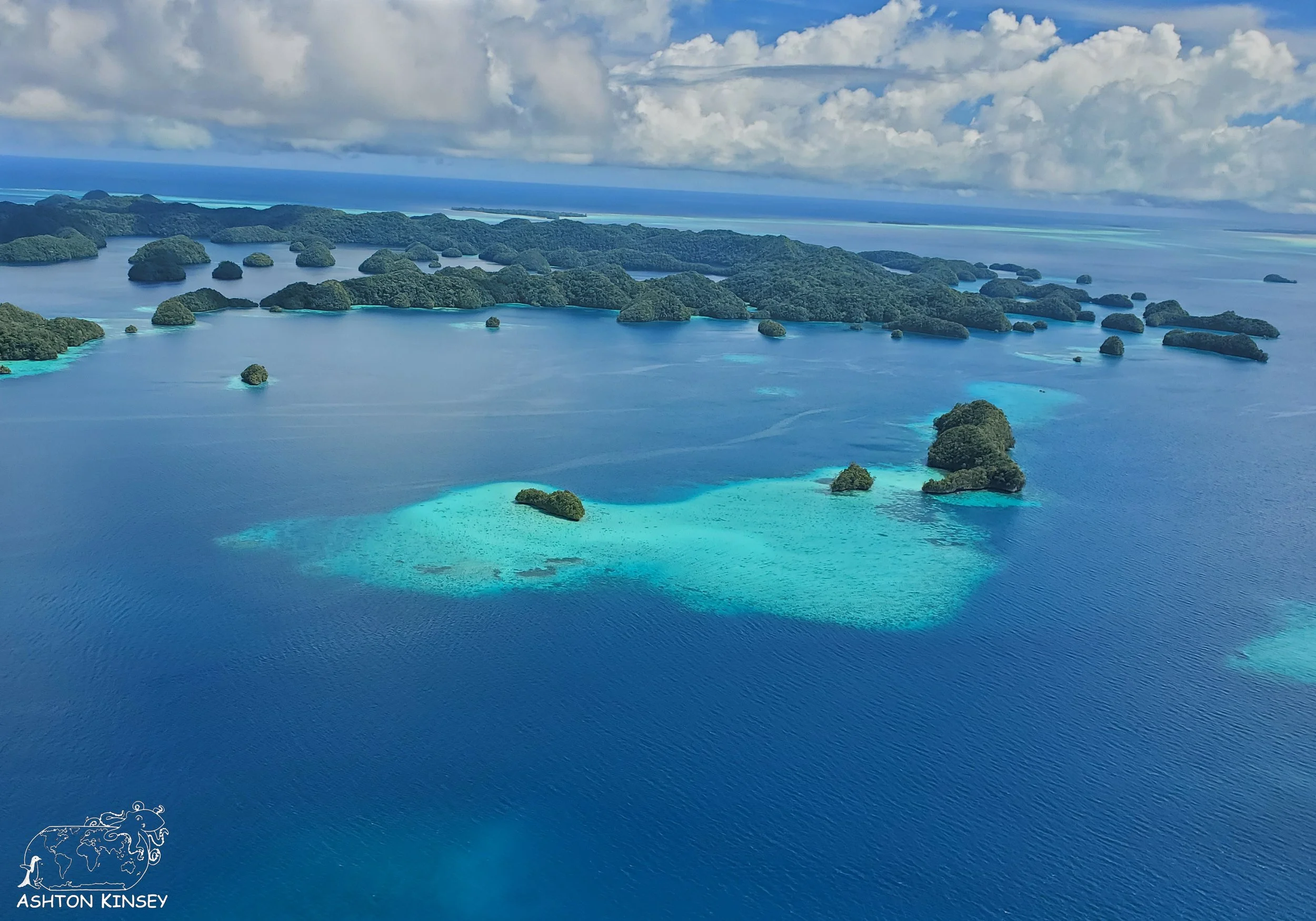
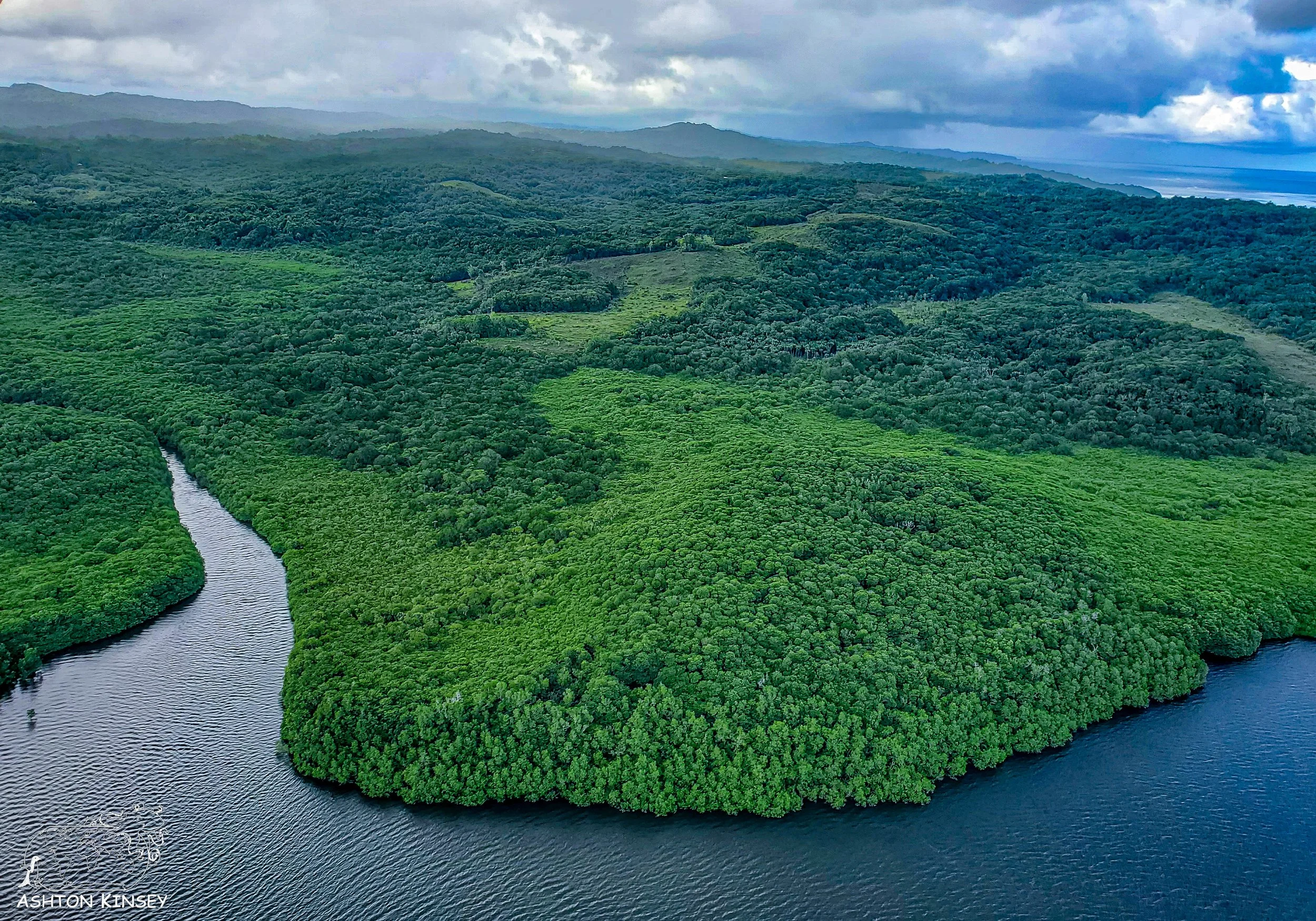
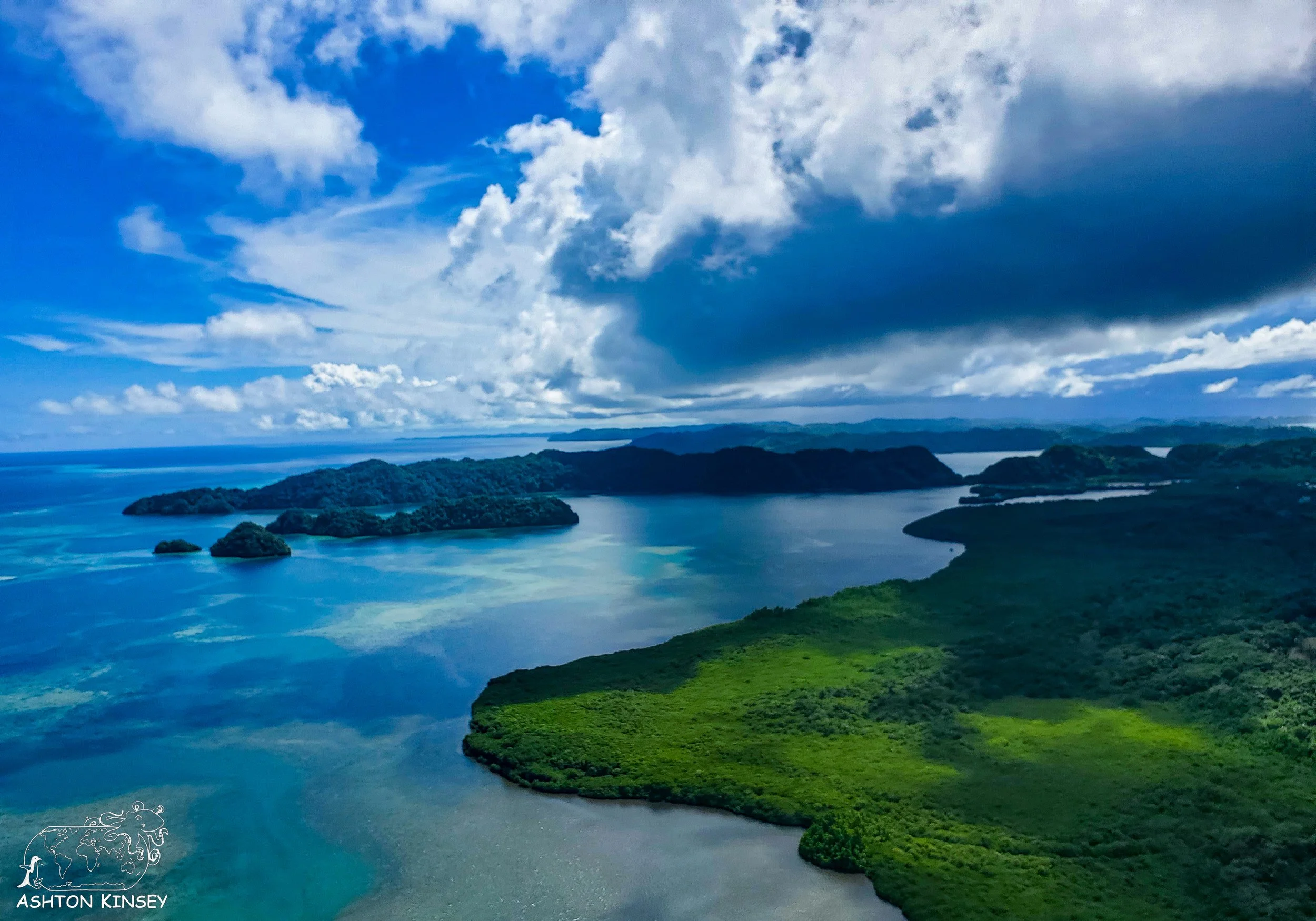
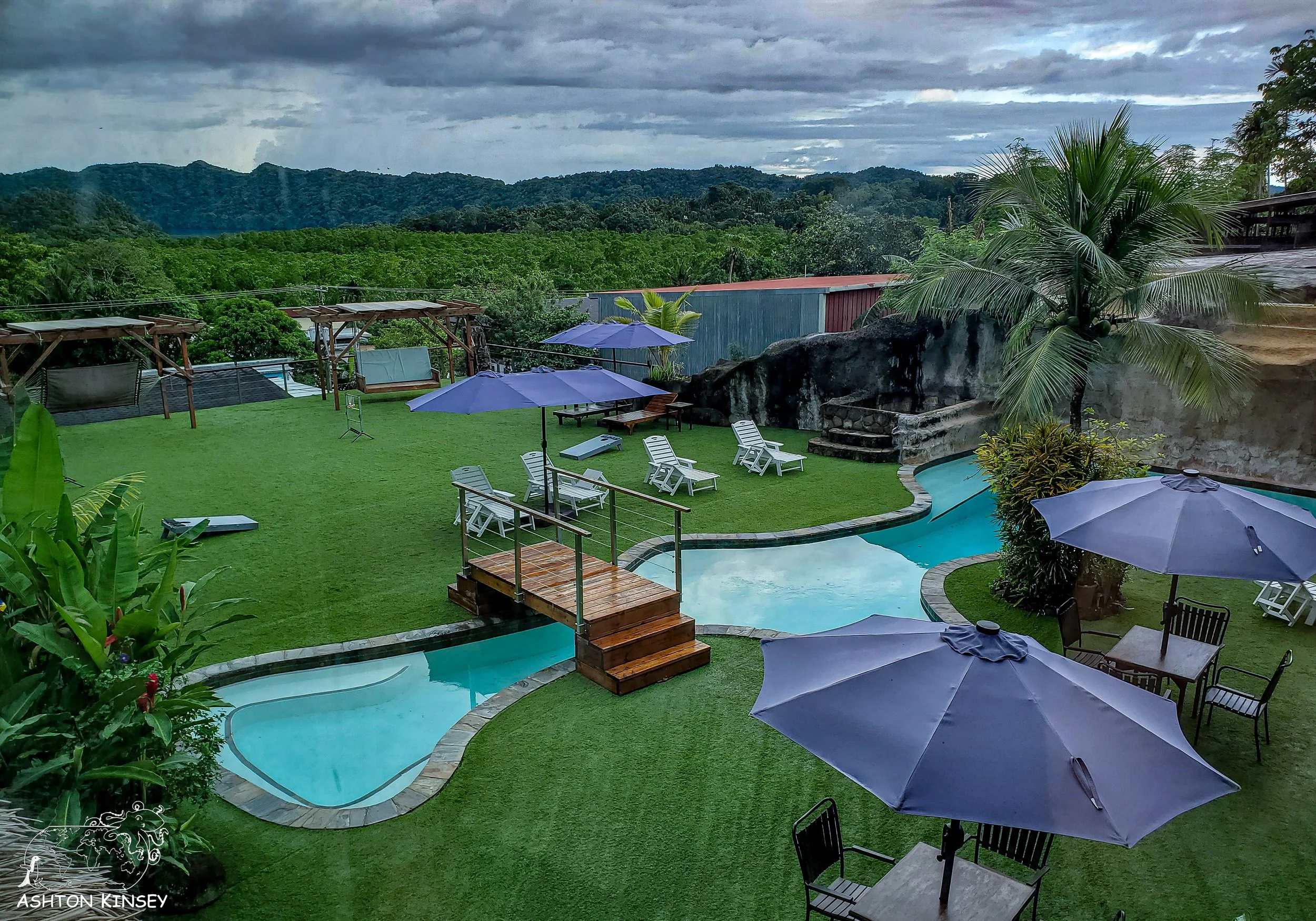
What’s the first activity someone wants to do after 21 hours of flying to the other side of the globe? Get on another flight? Sure, sounds great! After driving back across the island, climbing into a small, doorless, five passanger plane we were up in the air again doing an island tour of the island looking down at the dive sites to come. Our tour was cut short as storms rolled in and rain started pelting in through the sides of the plane. We safely landed and the remaining time was spent relaxing by the pool and exploring around the hotel.
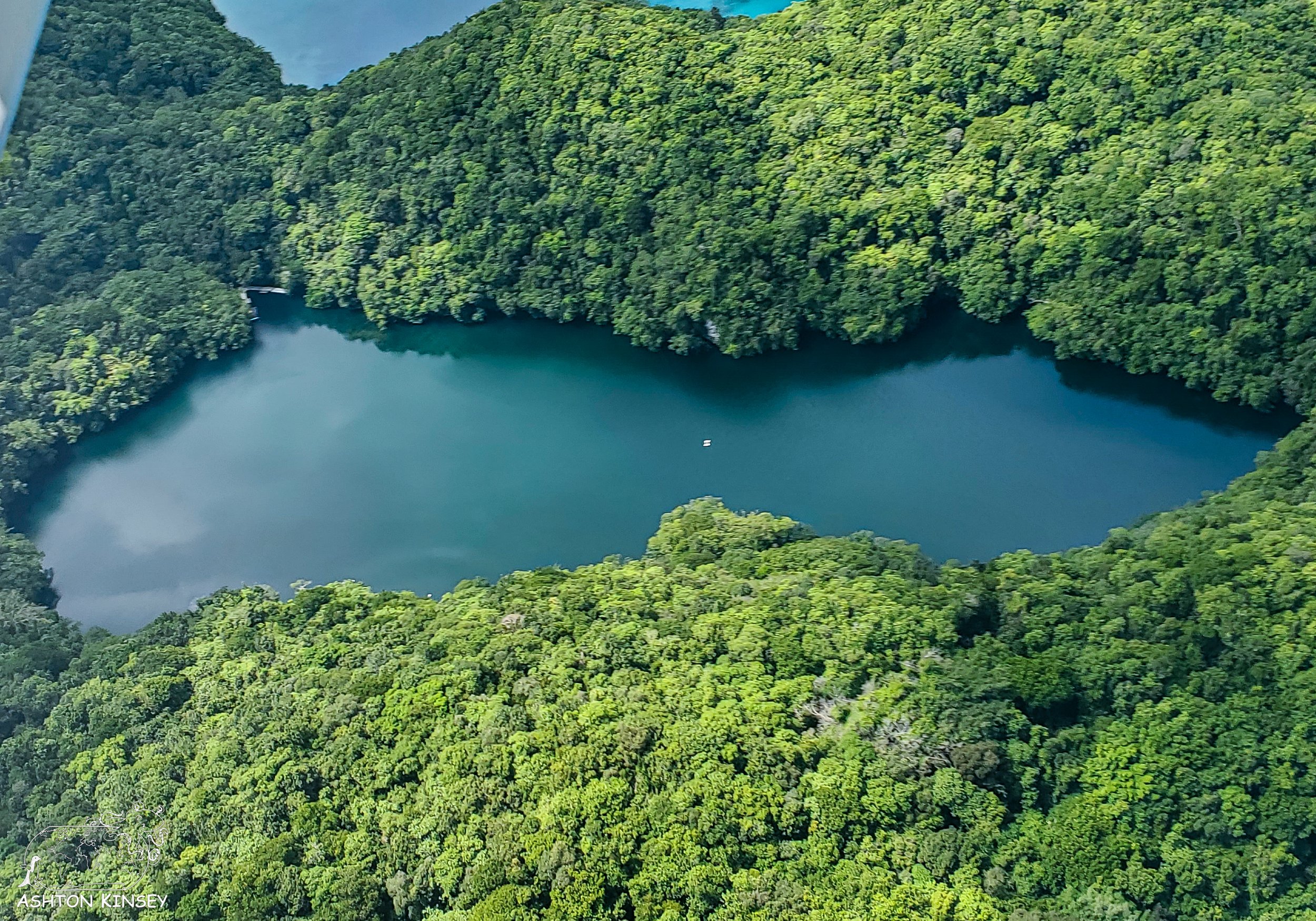
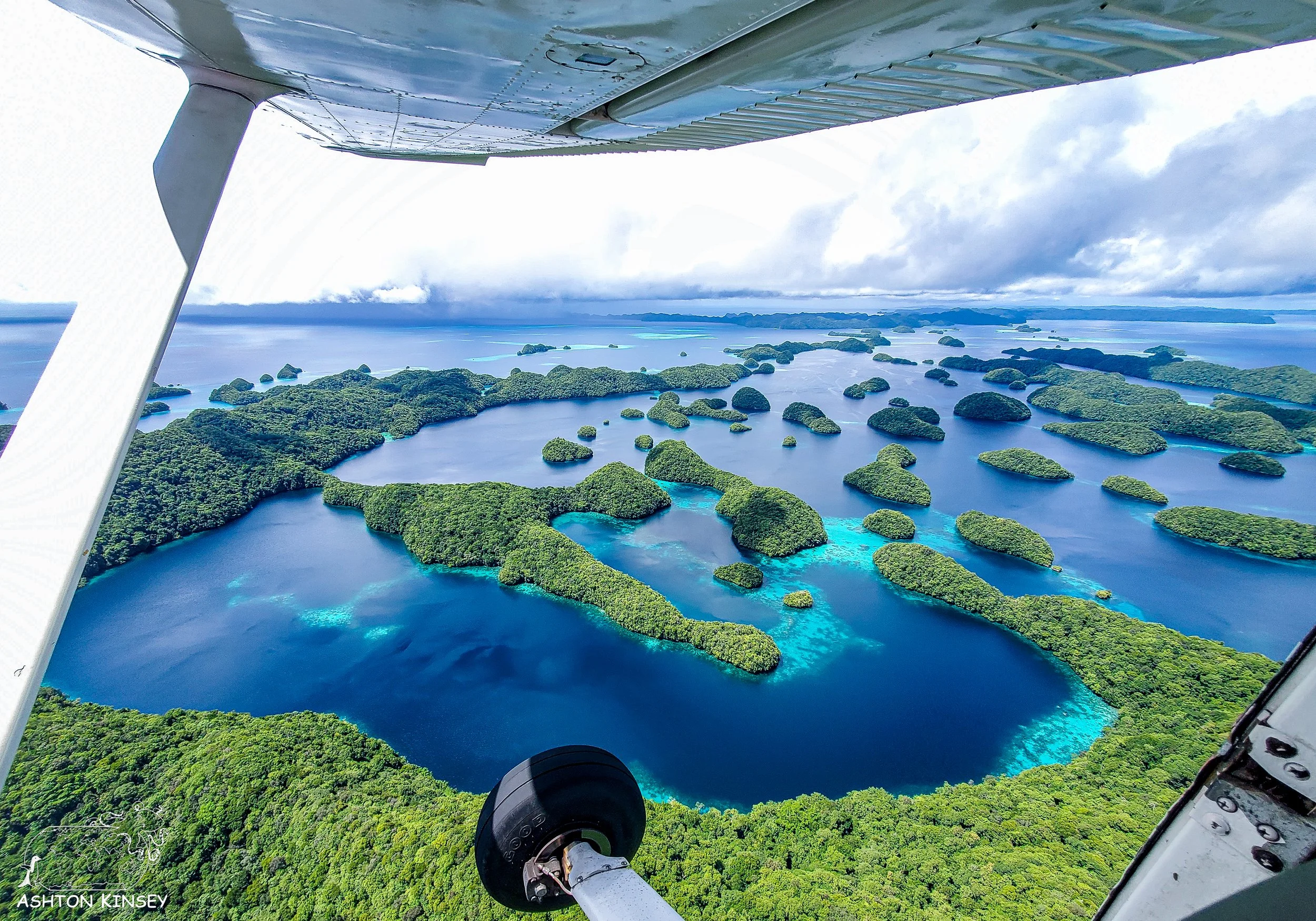
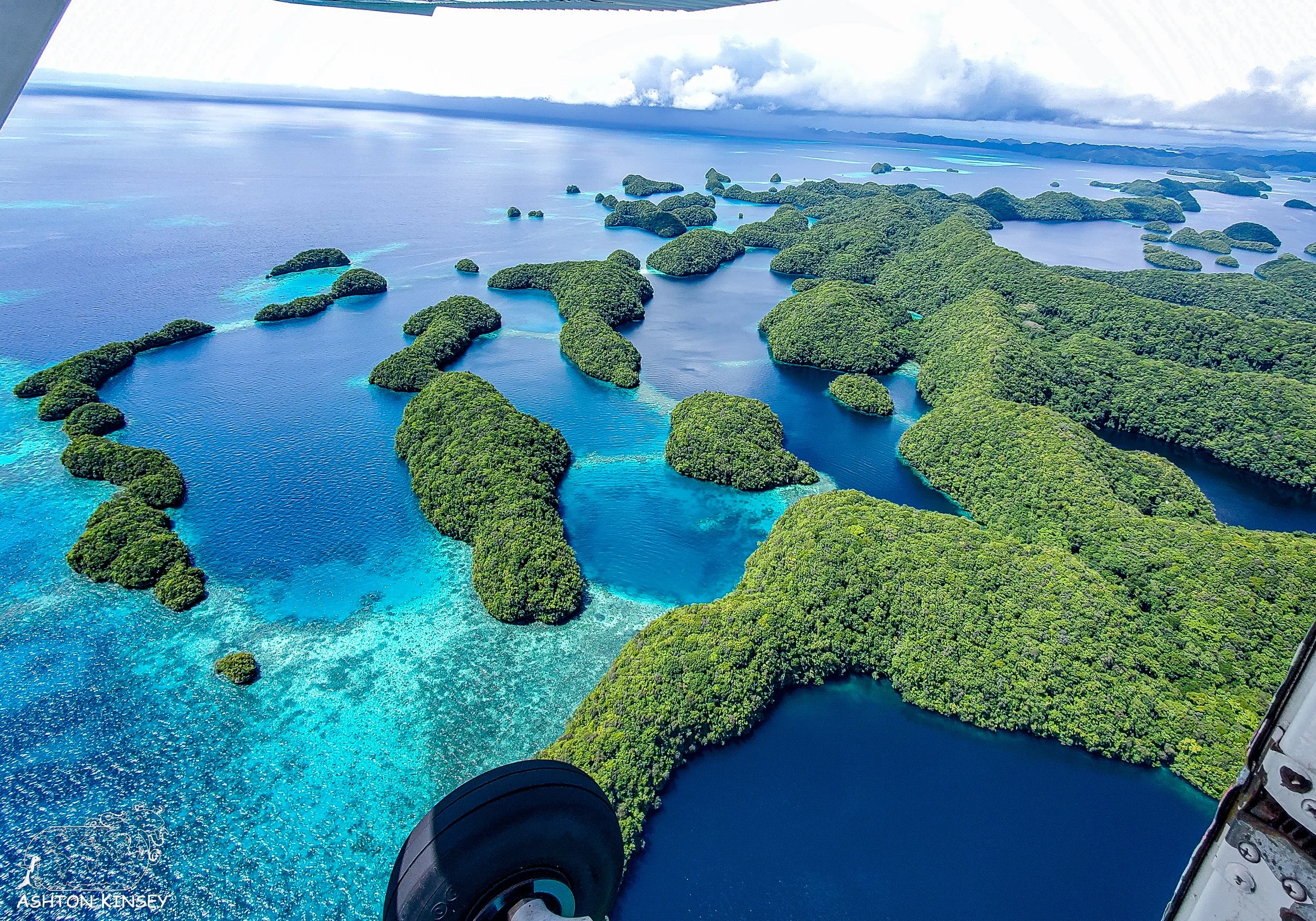
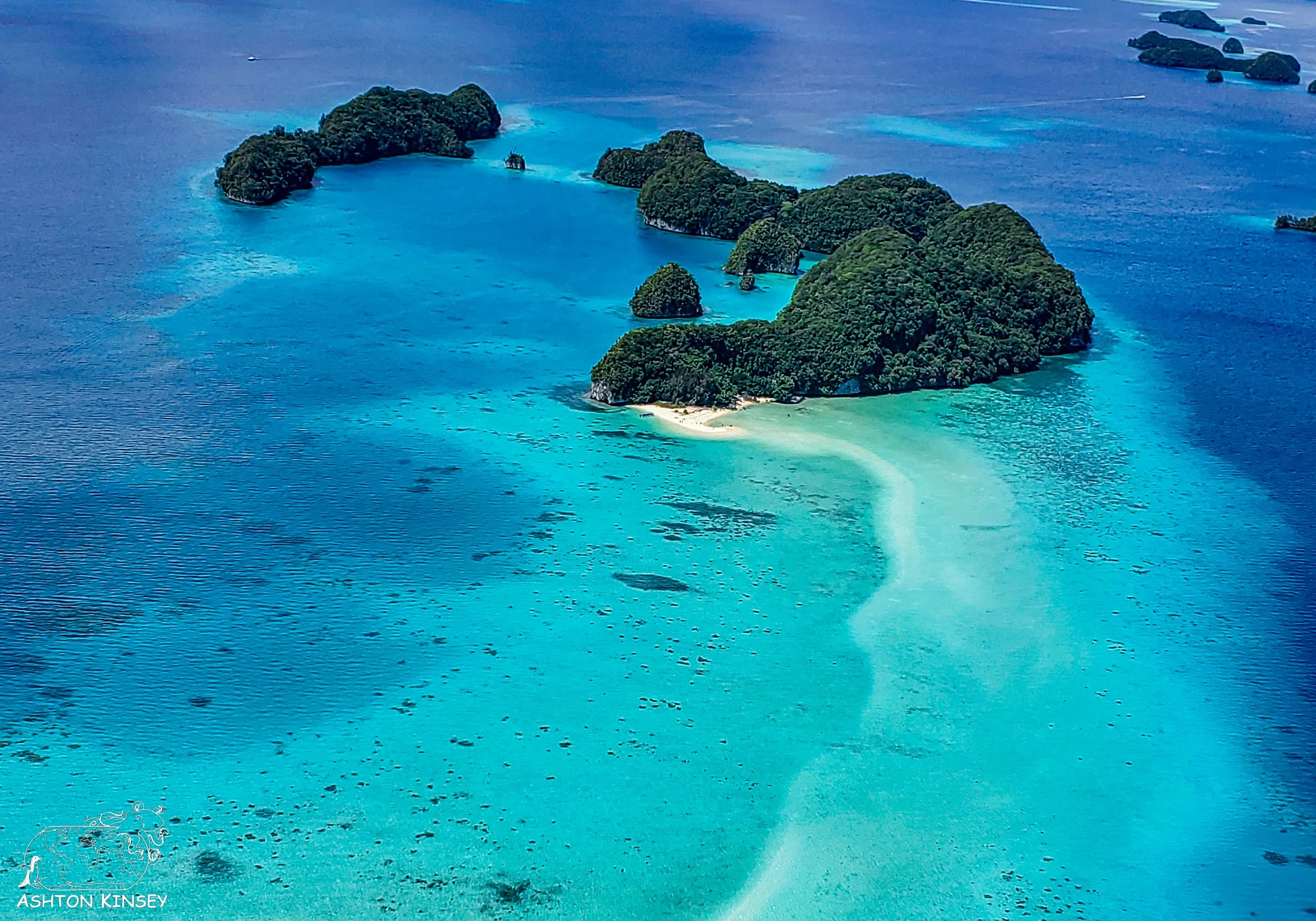
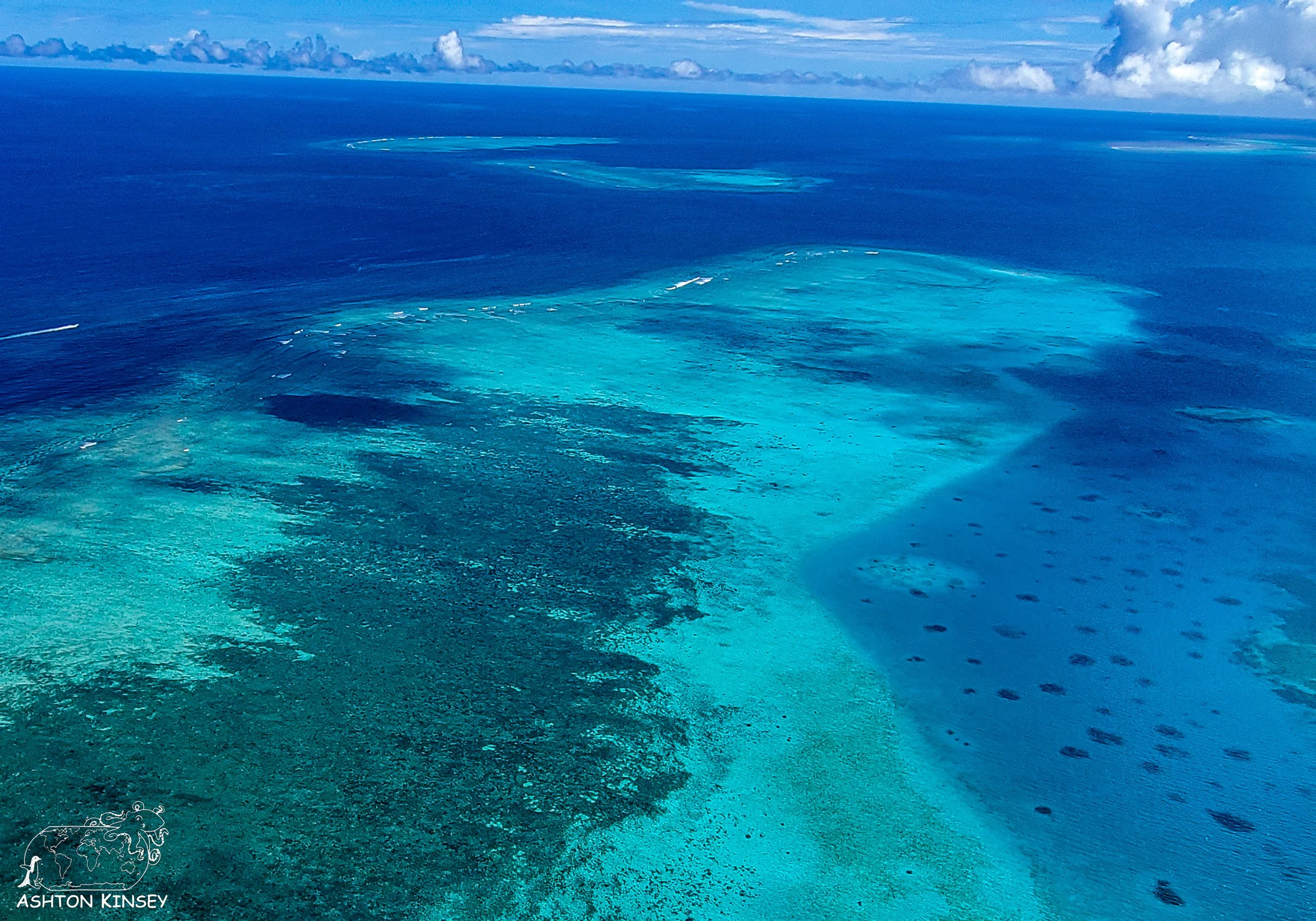
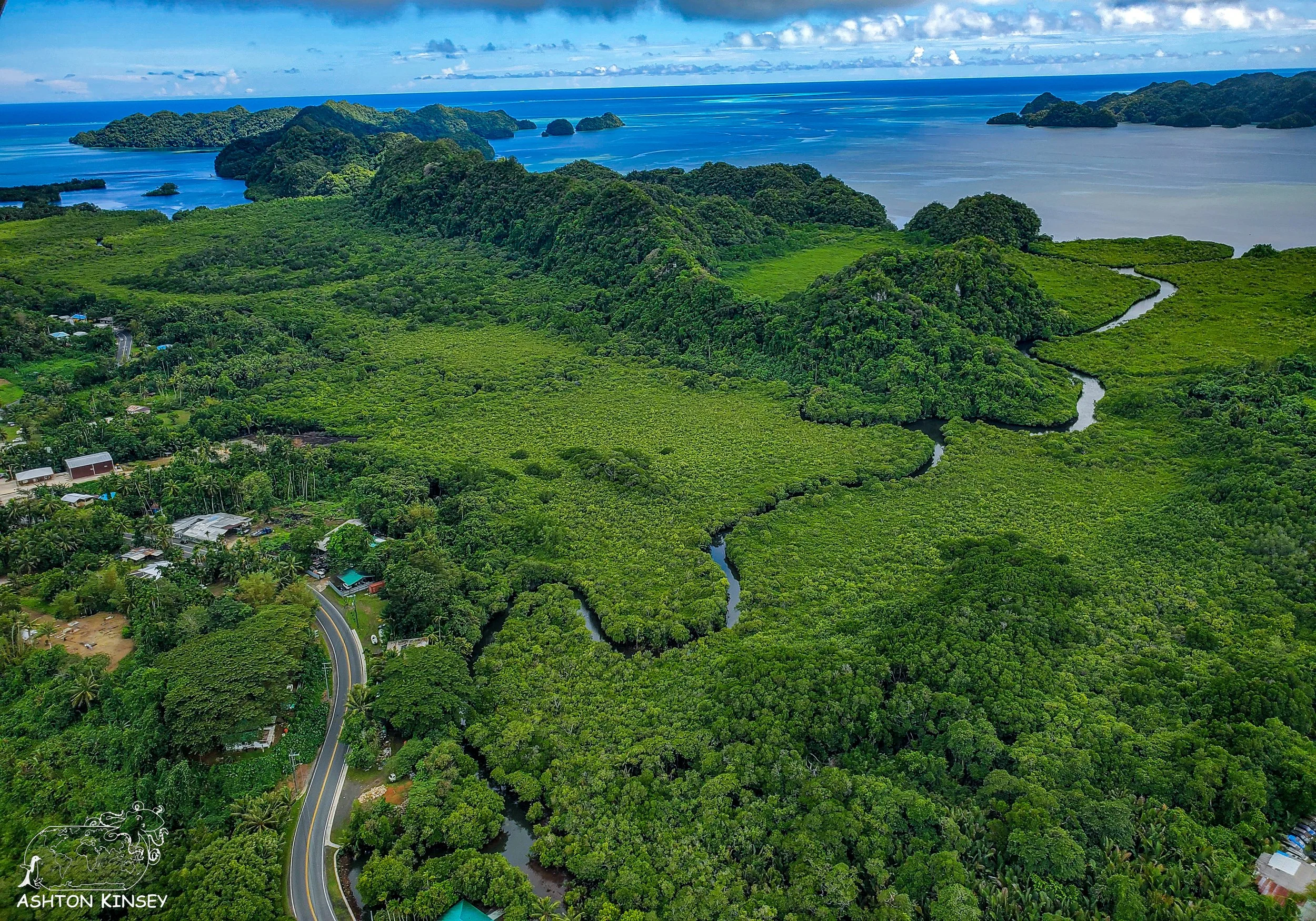
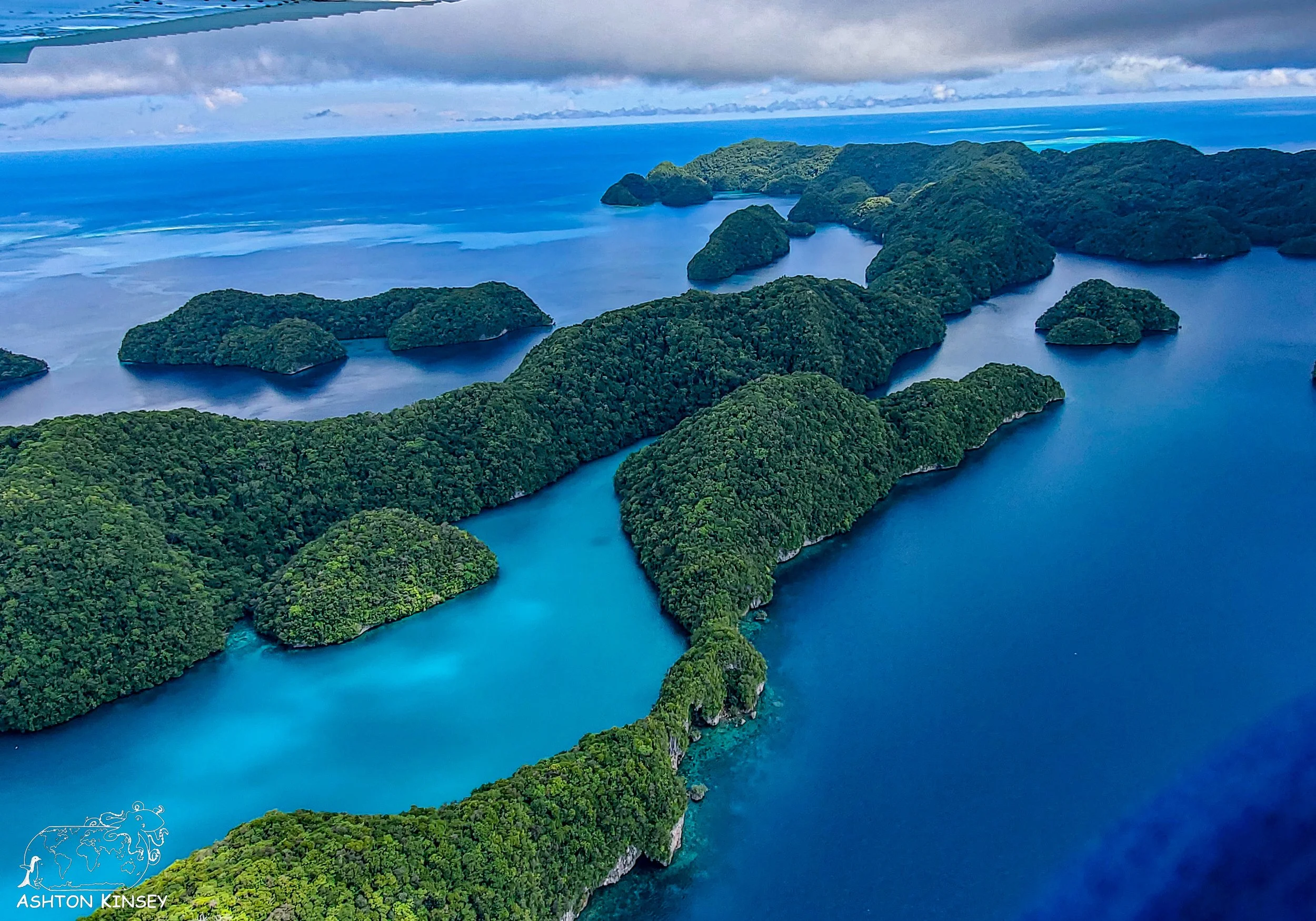
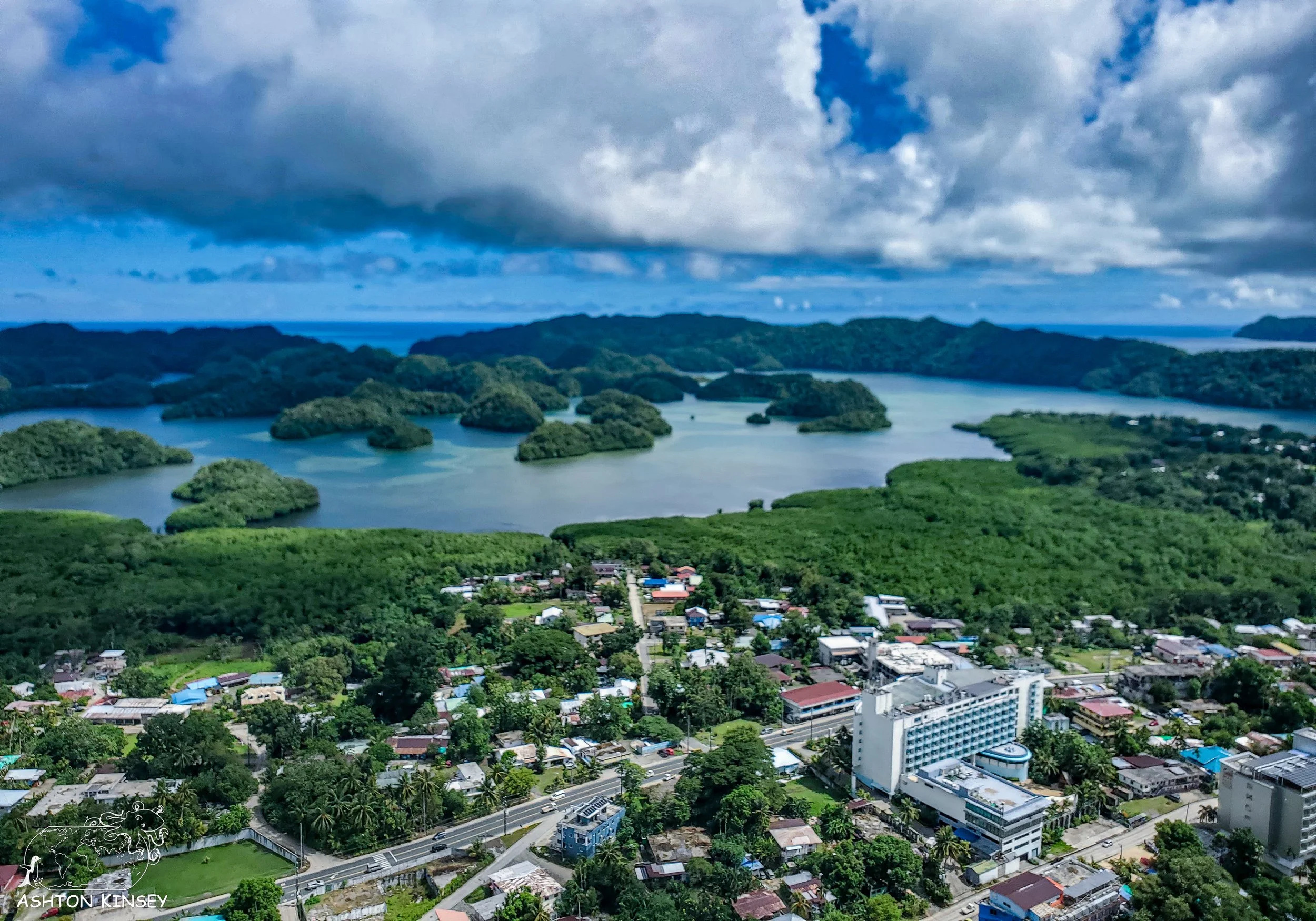
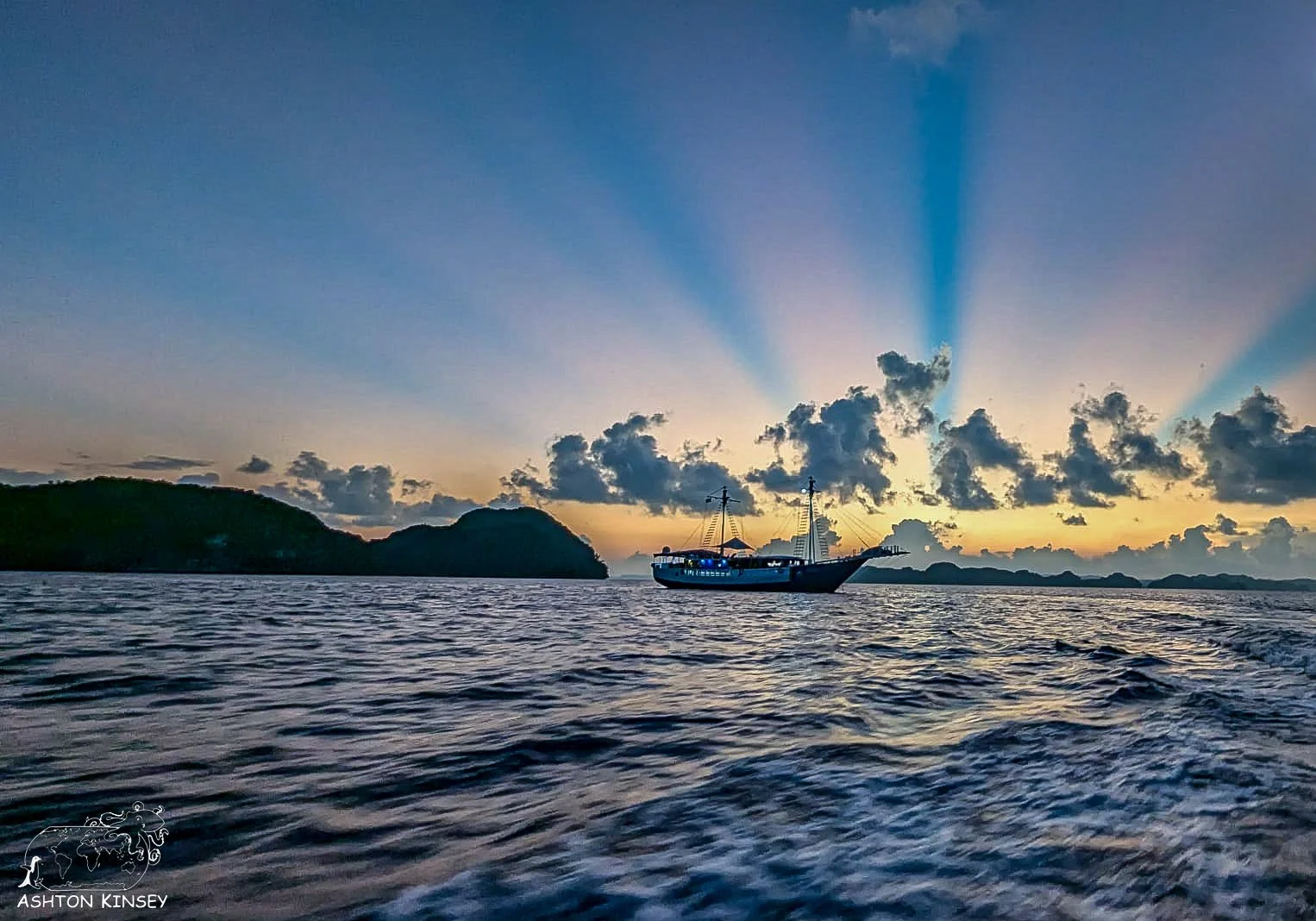
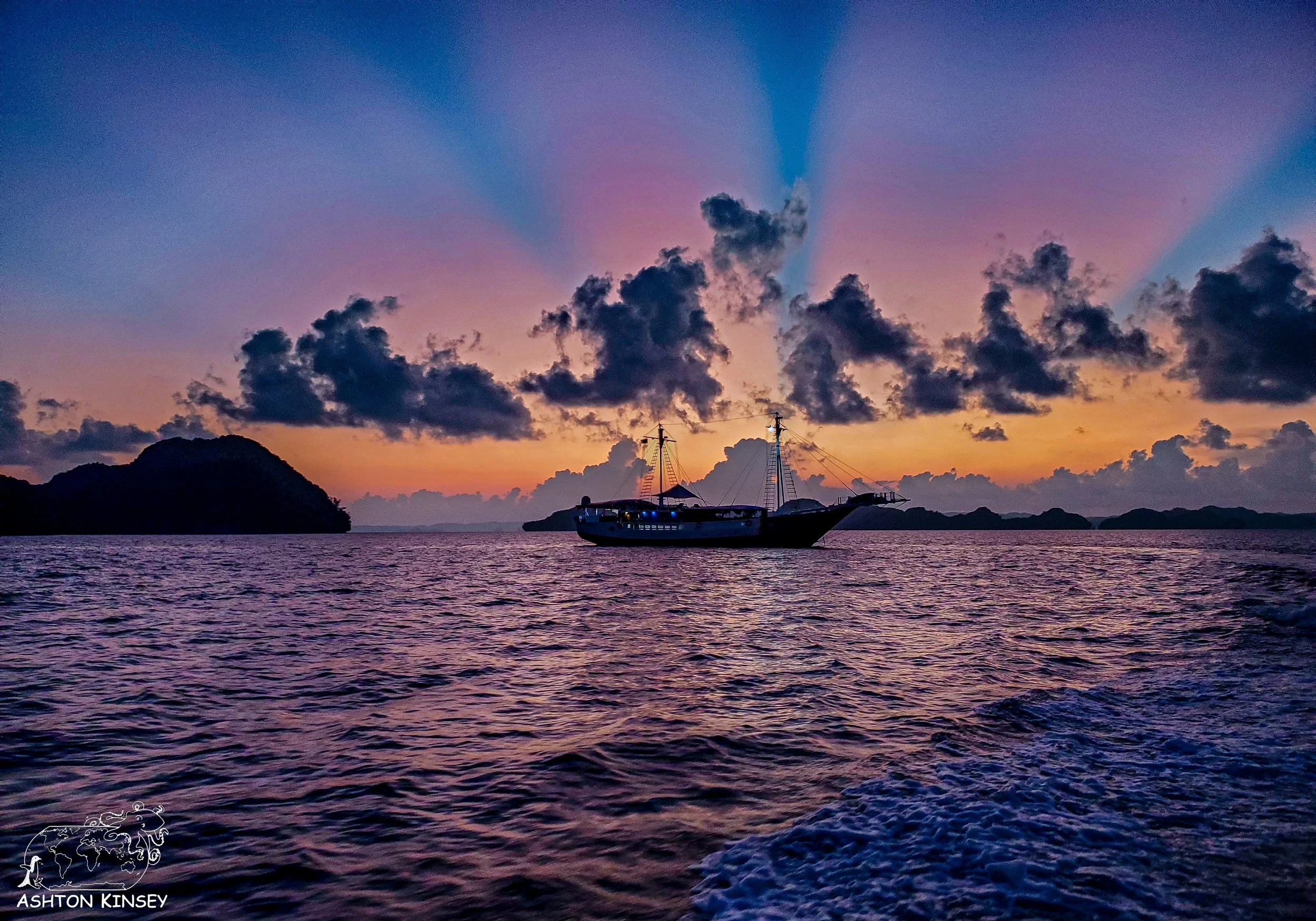
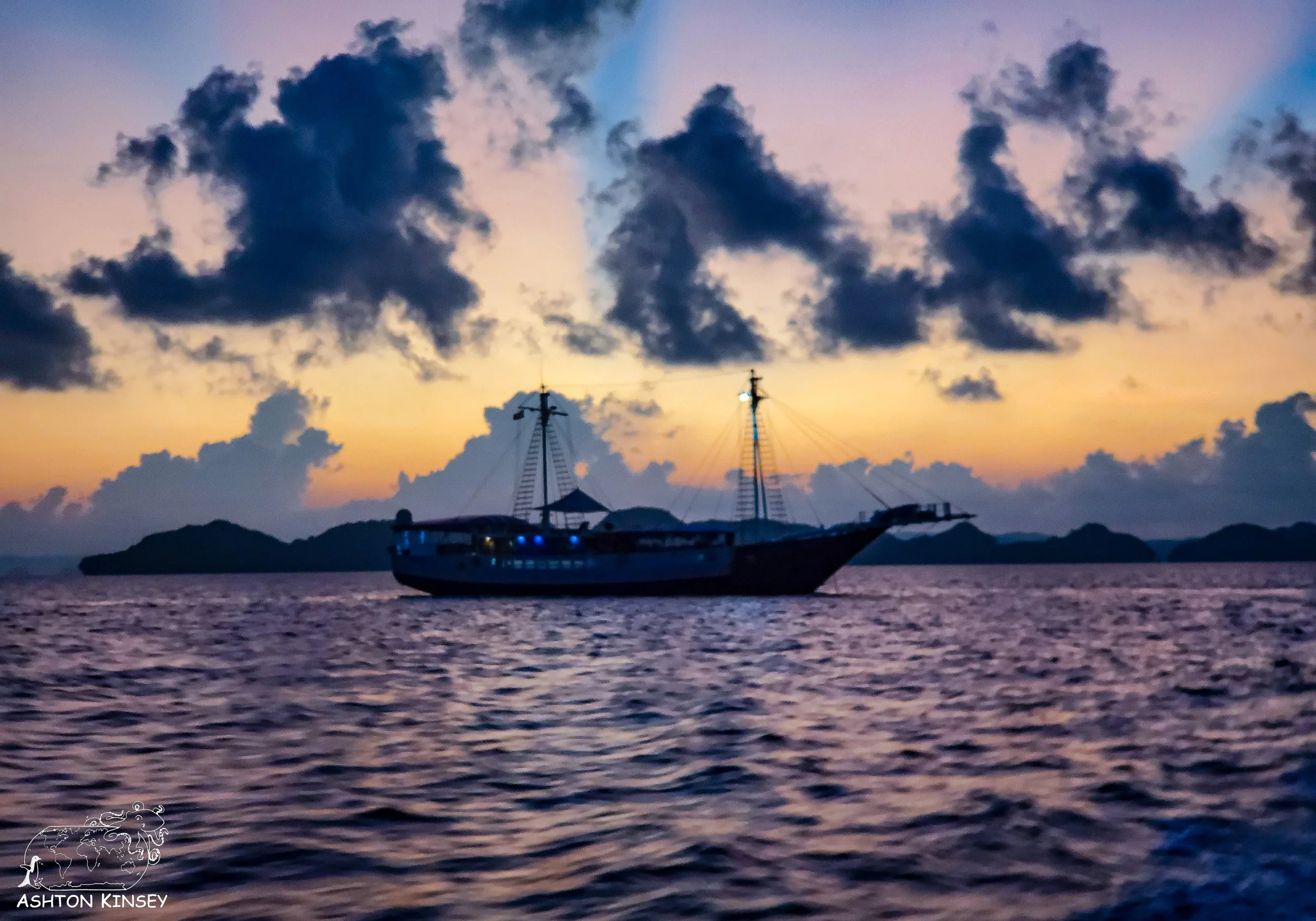
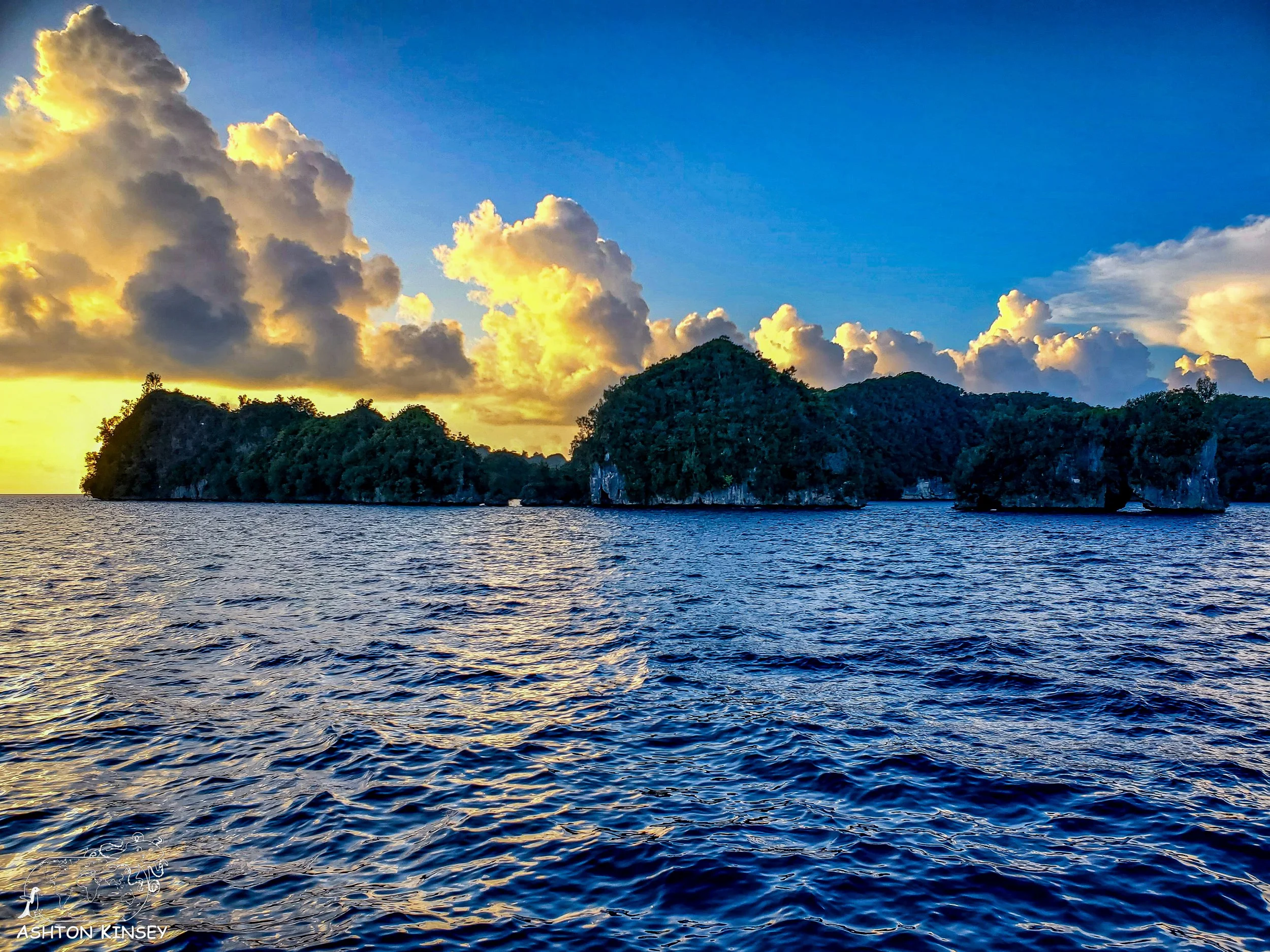
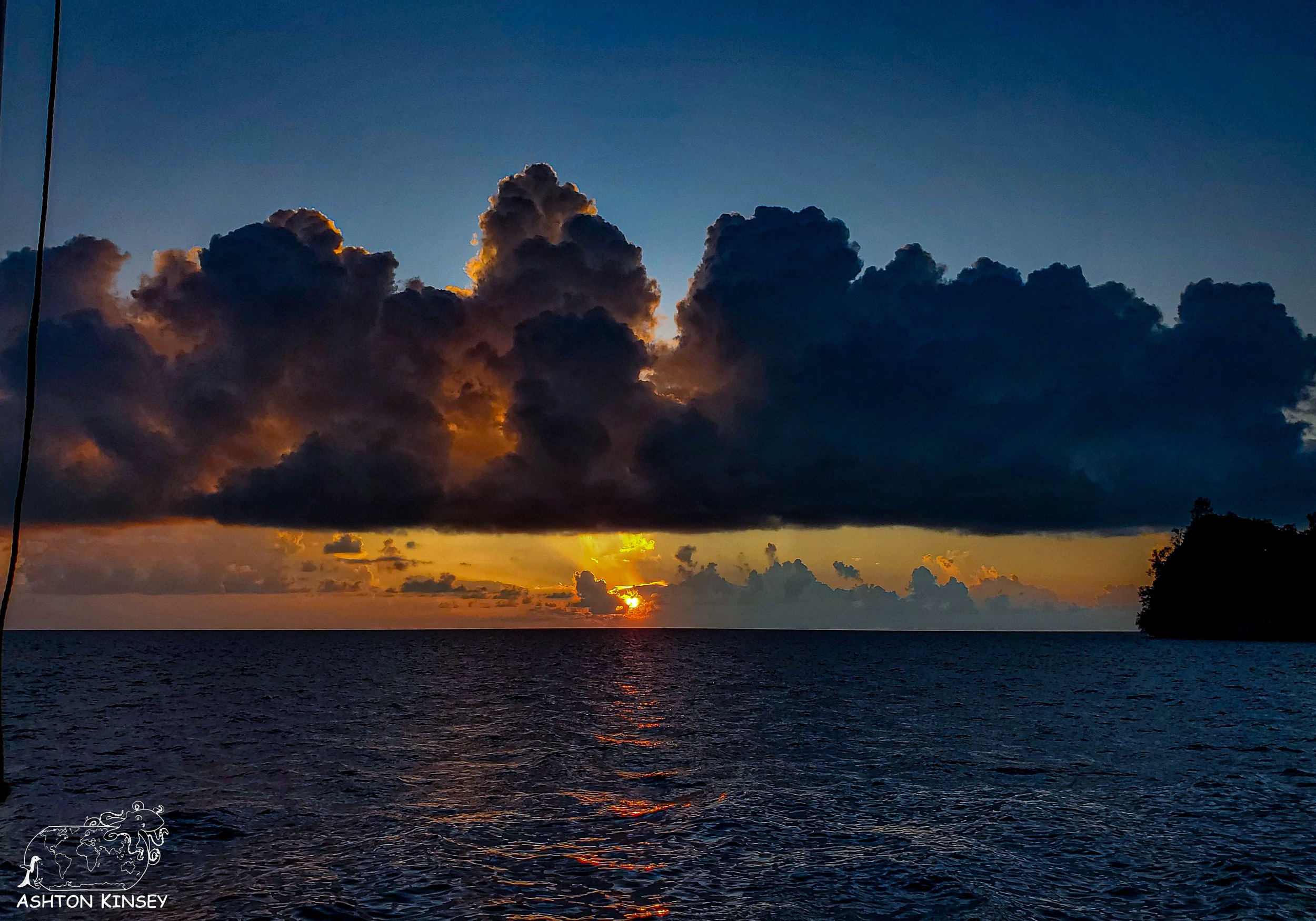
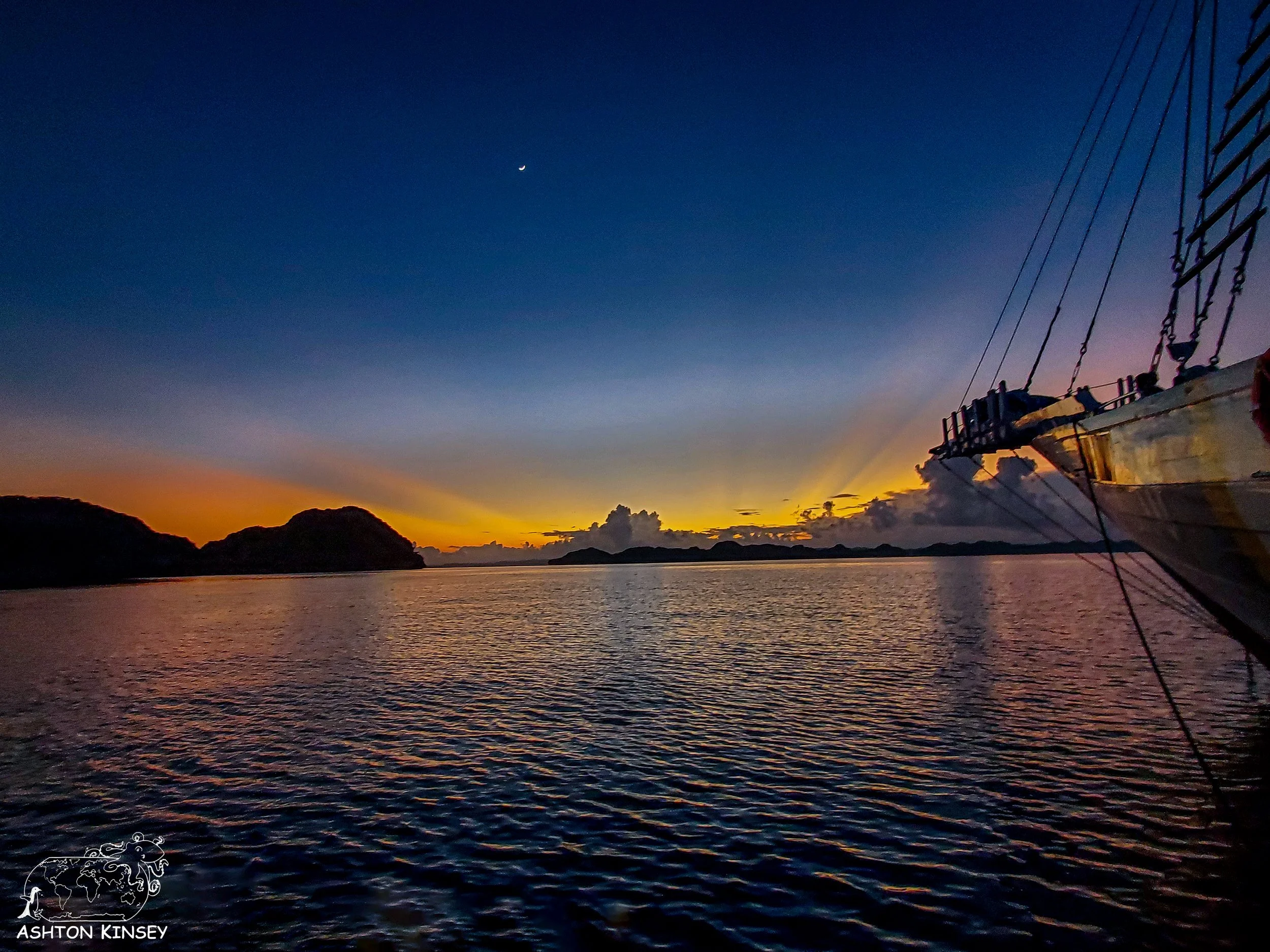
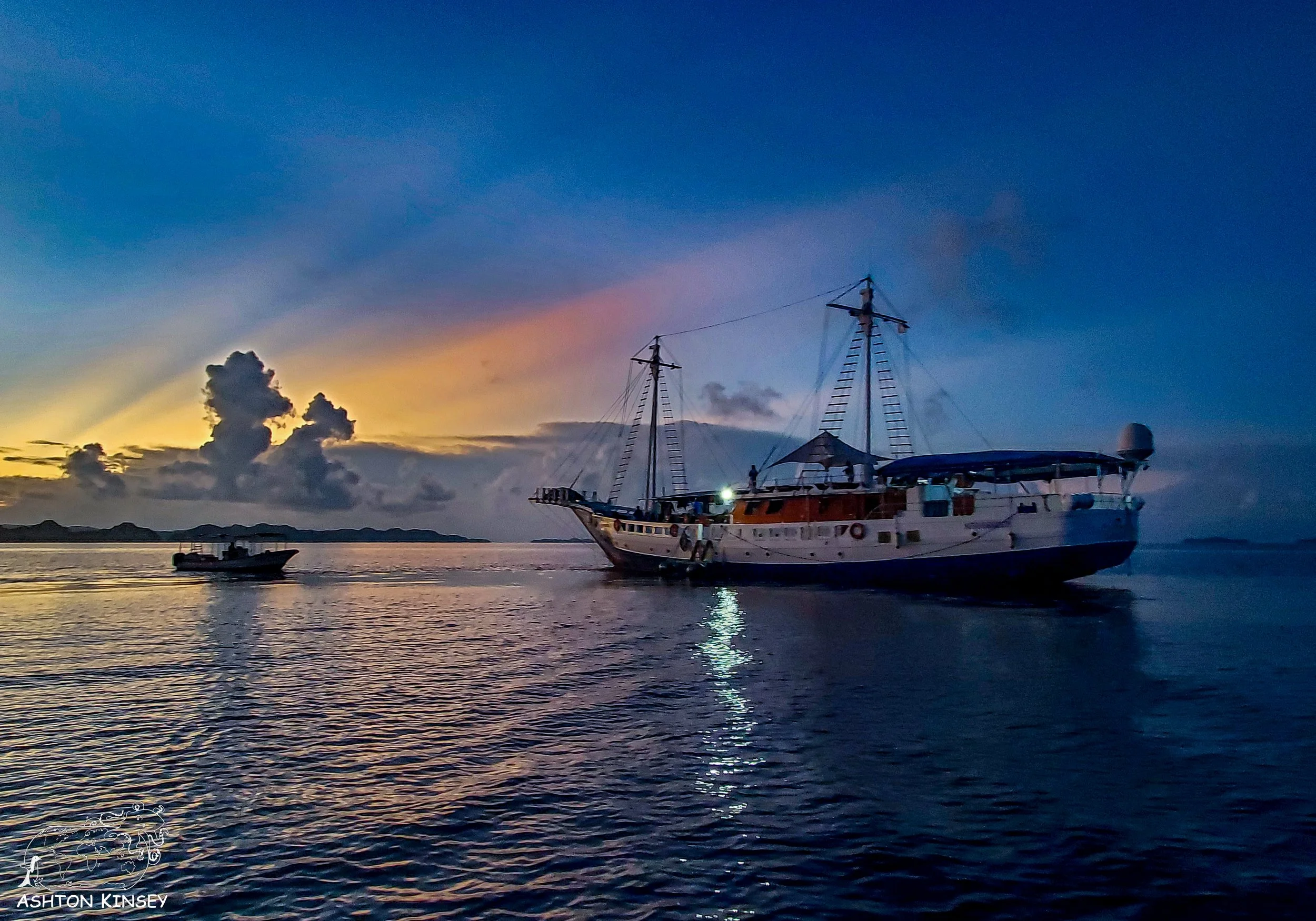
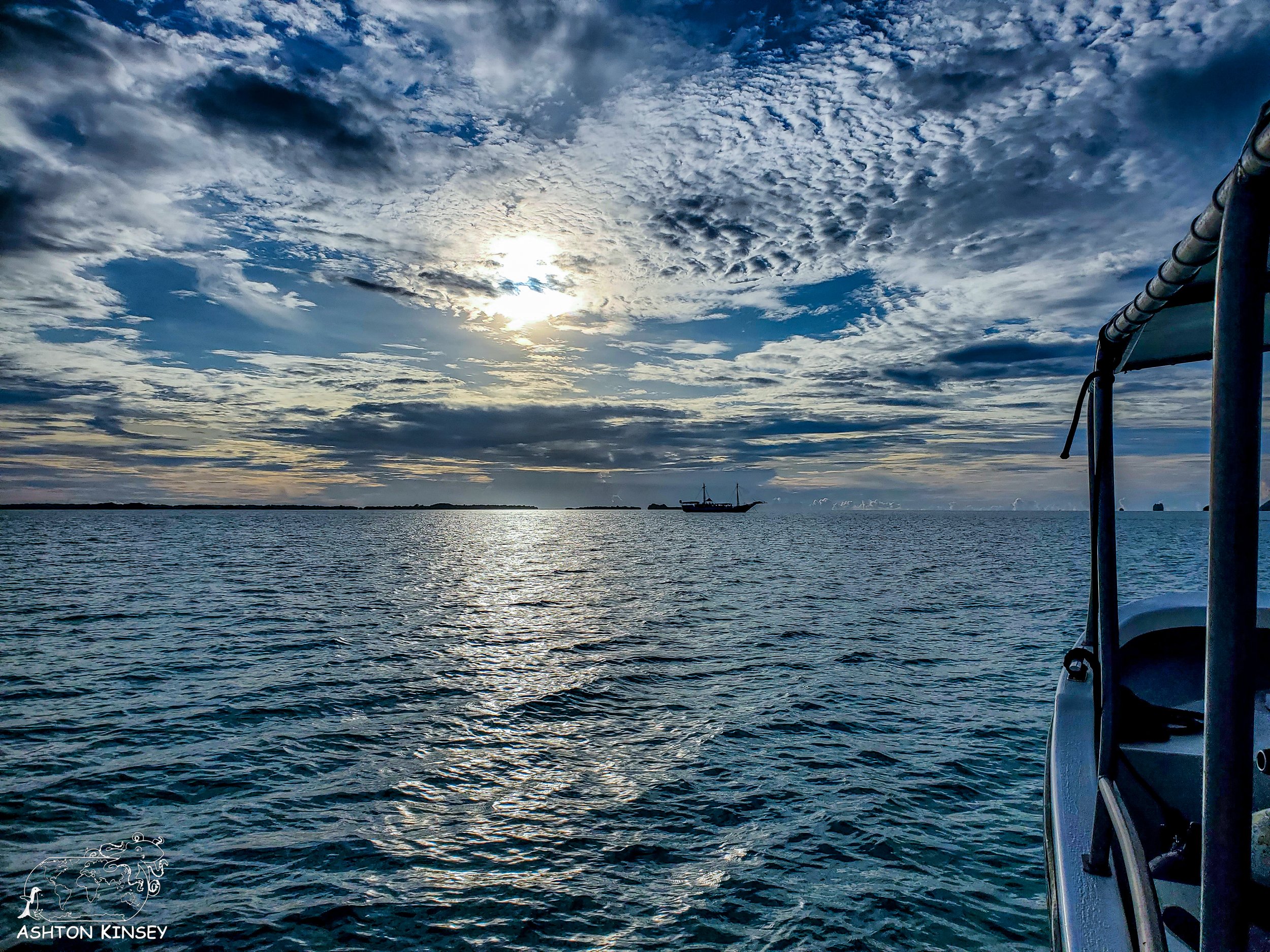
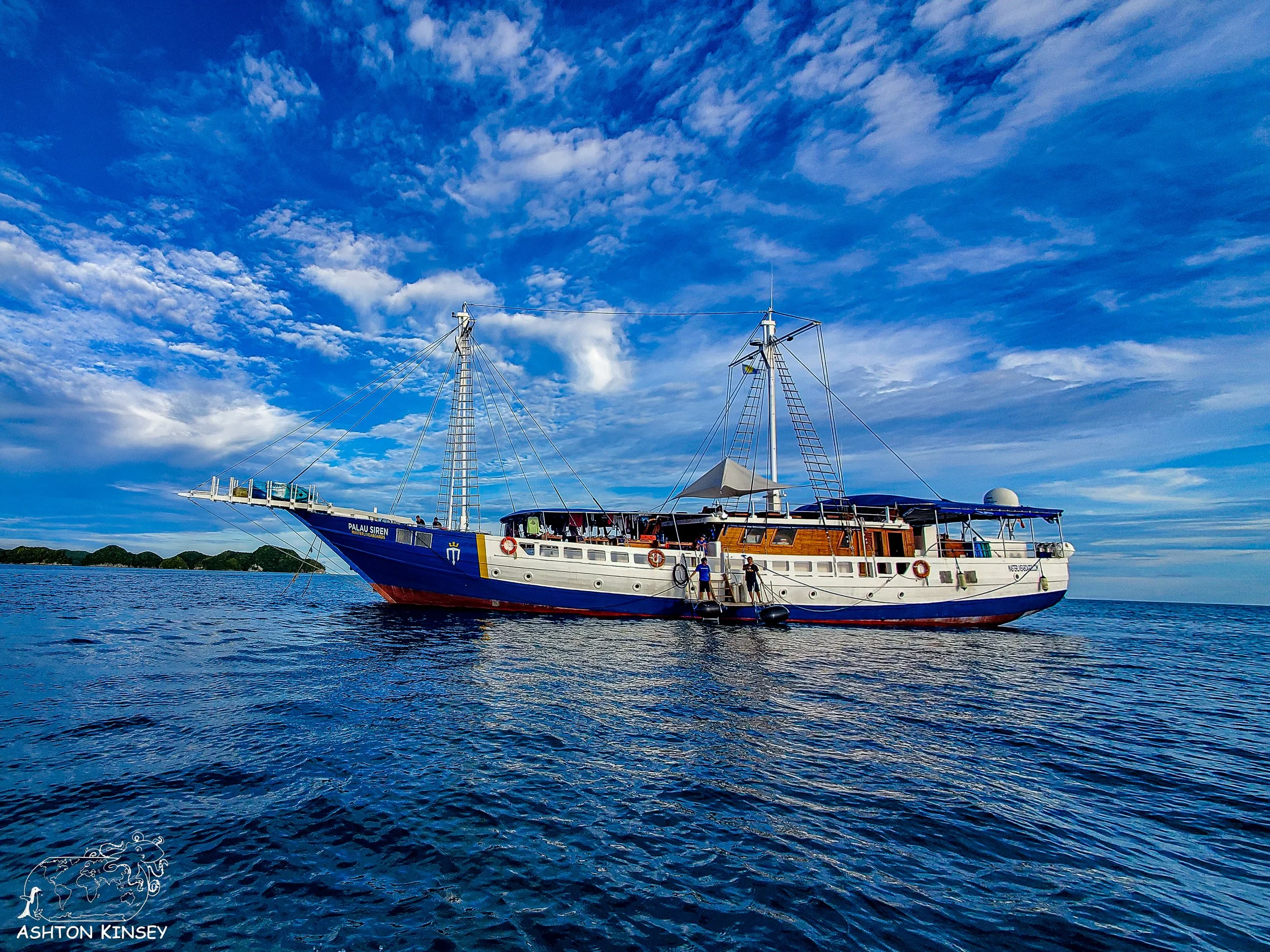
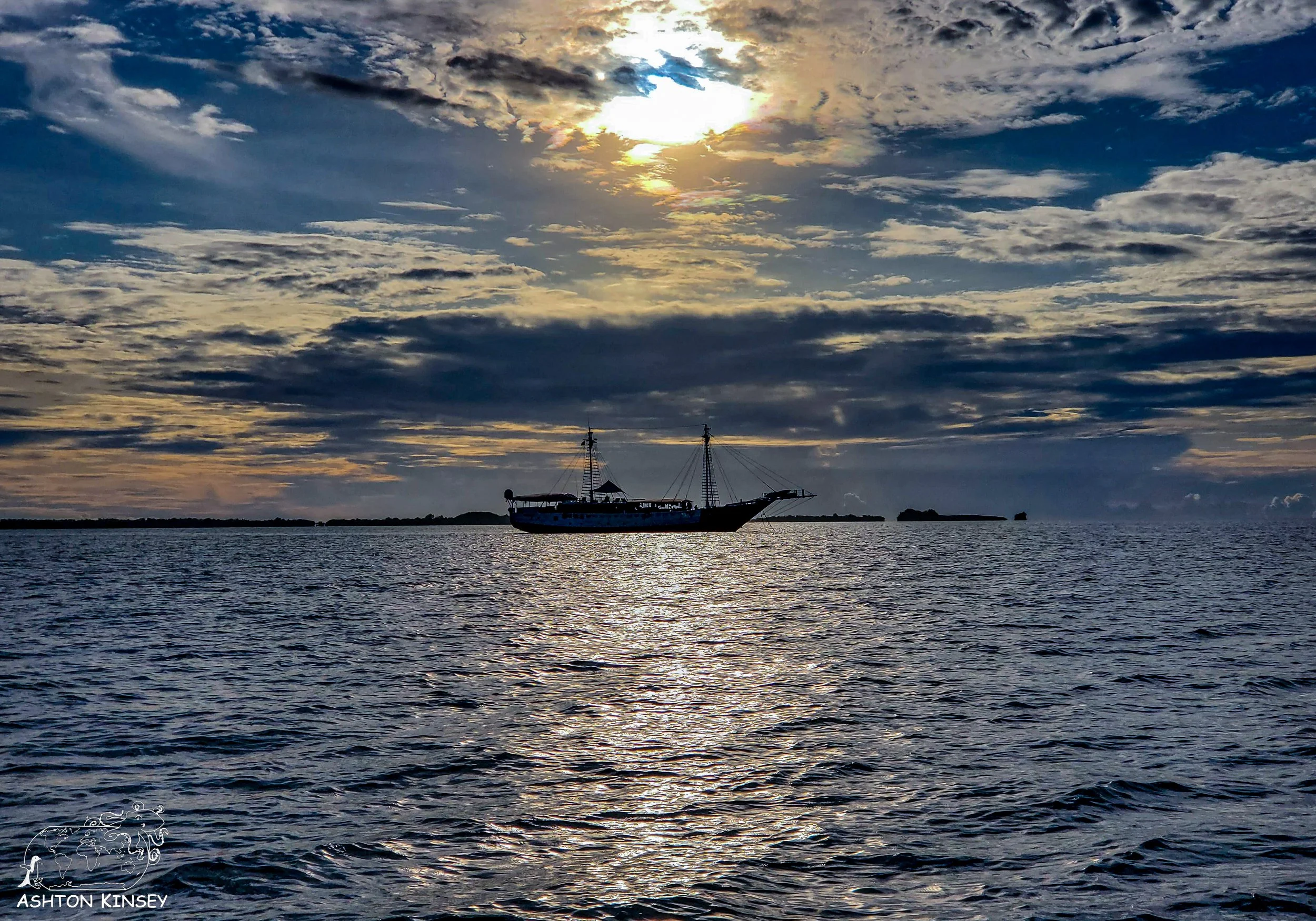
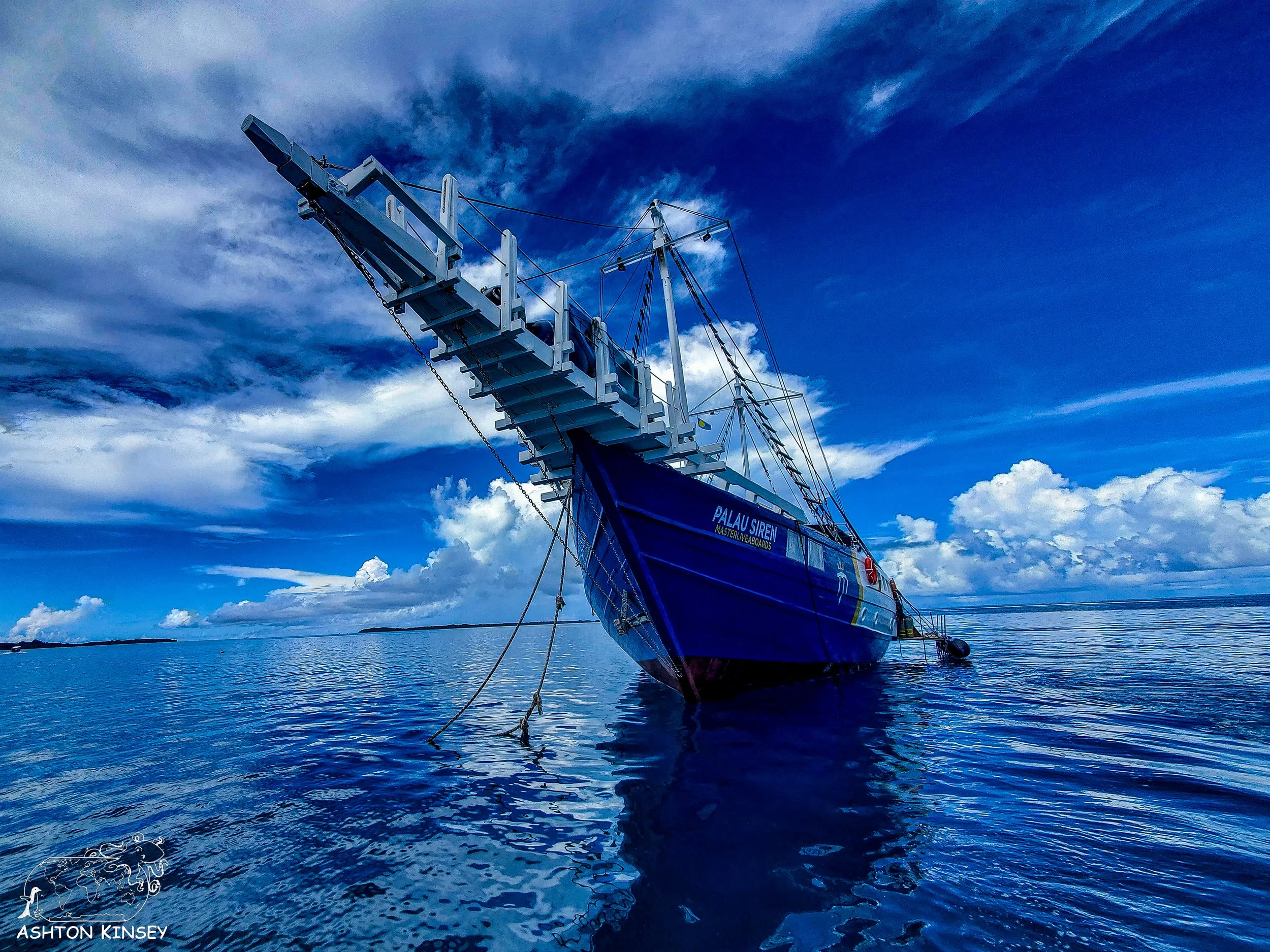
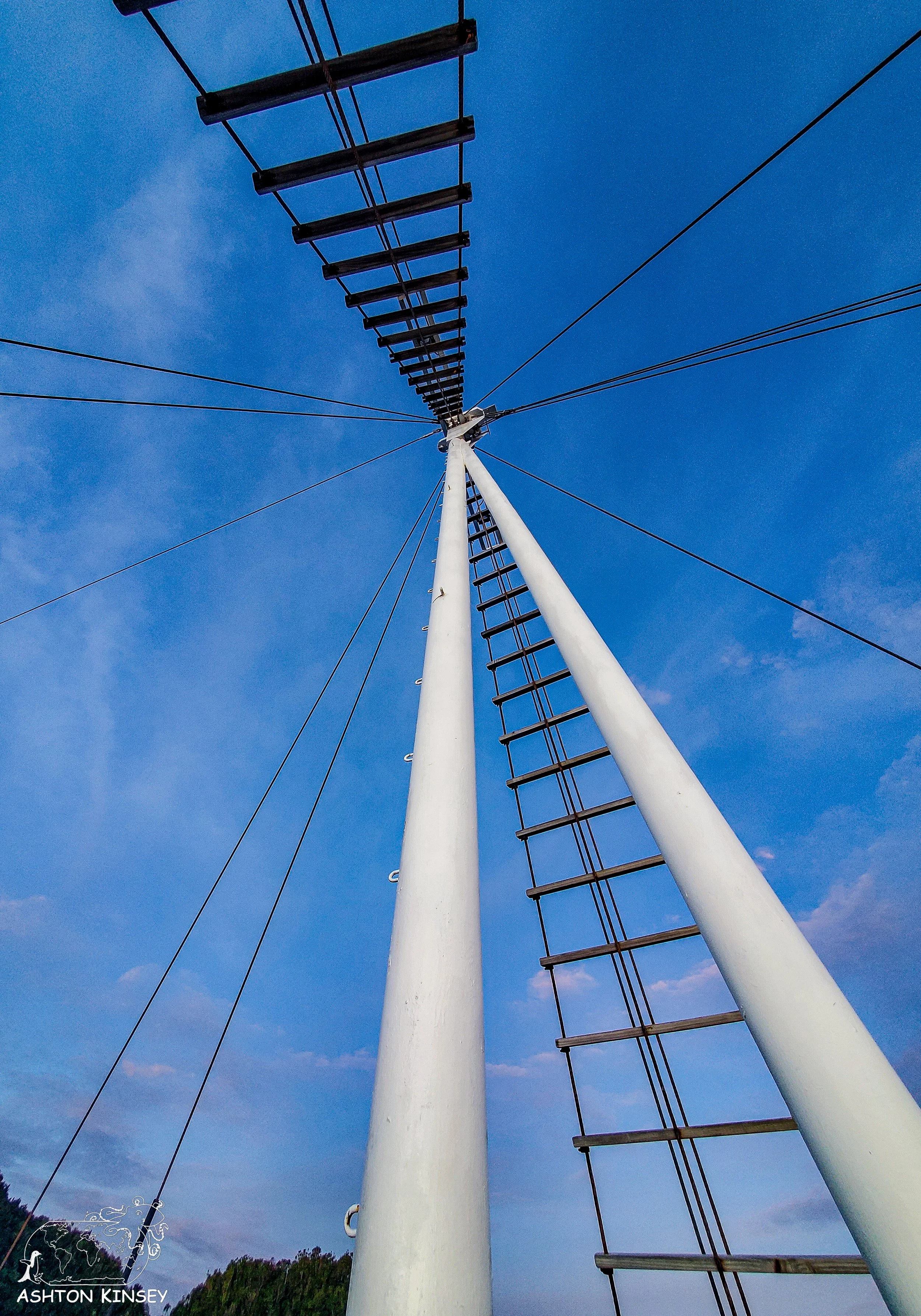
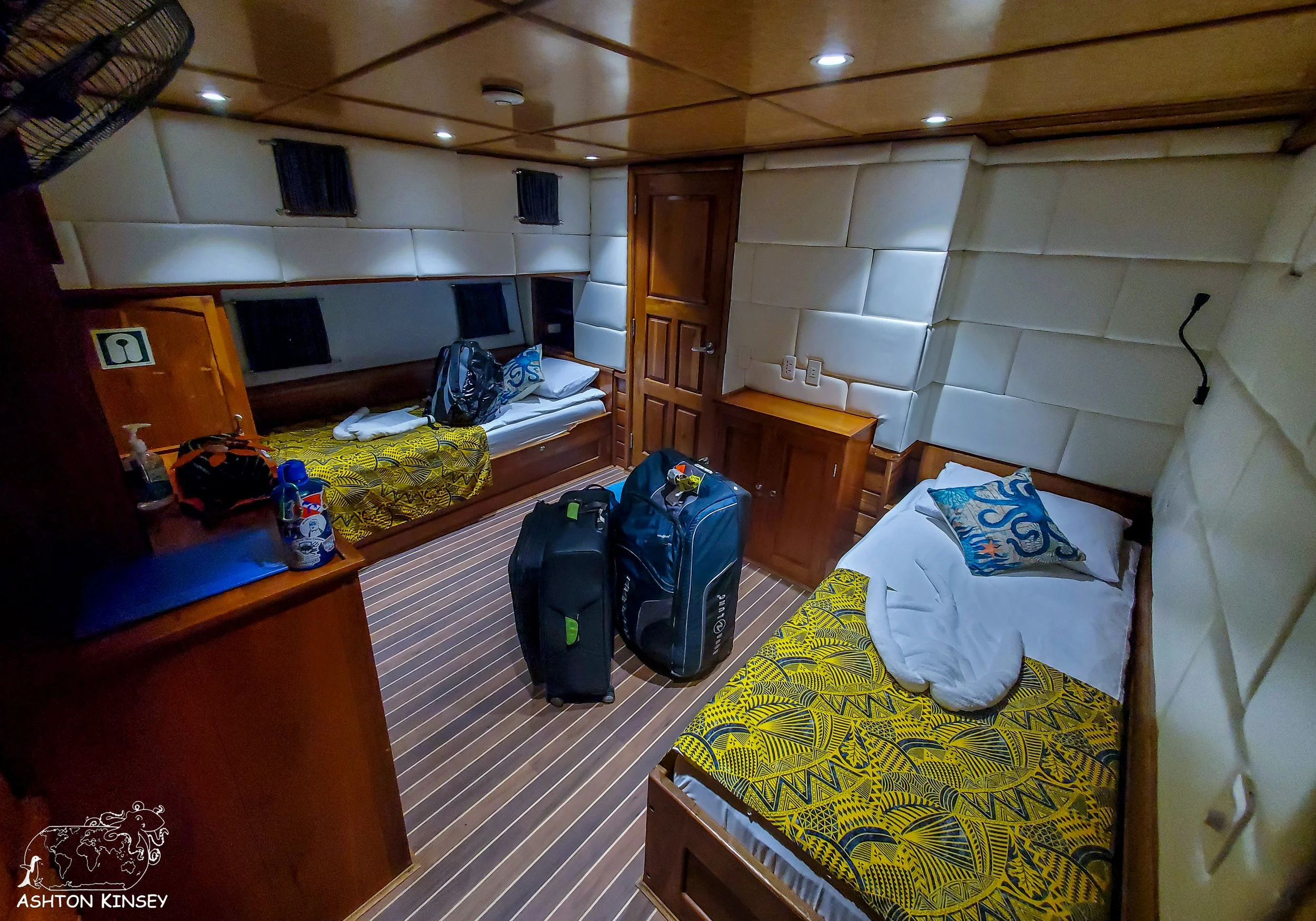
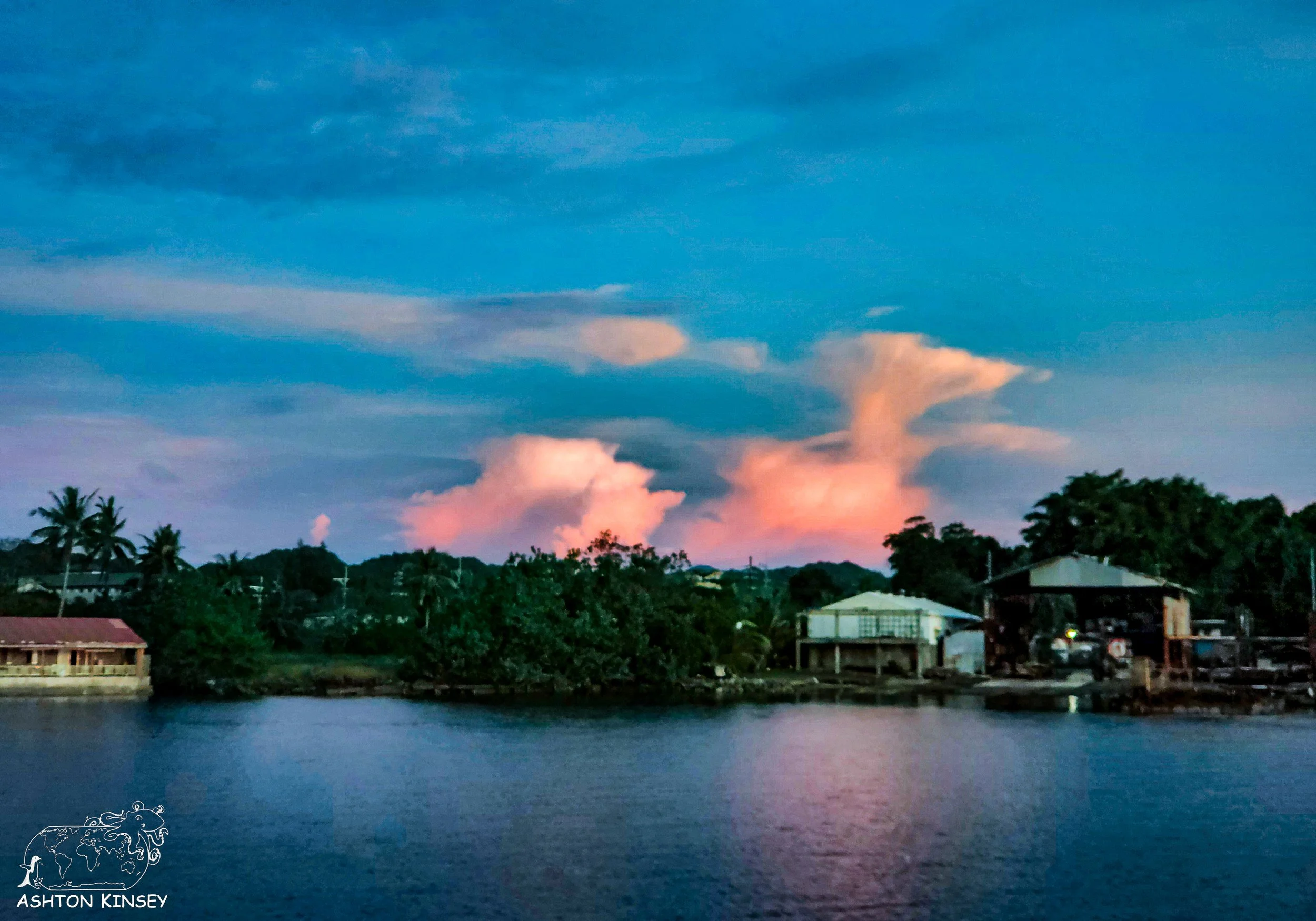
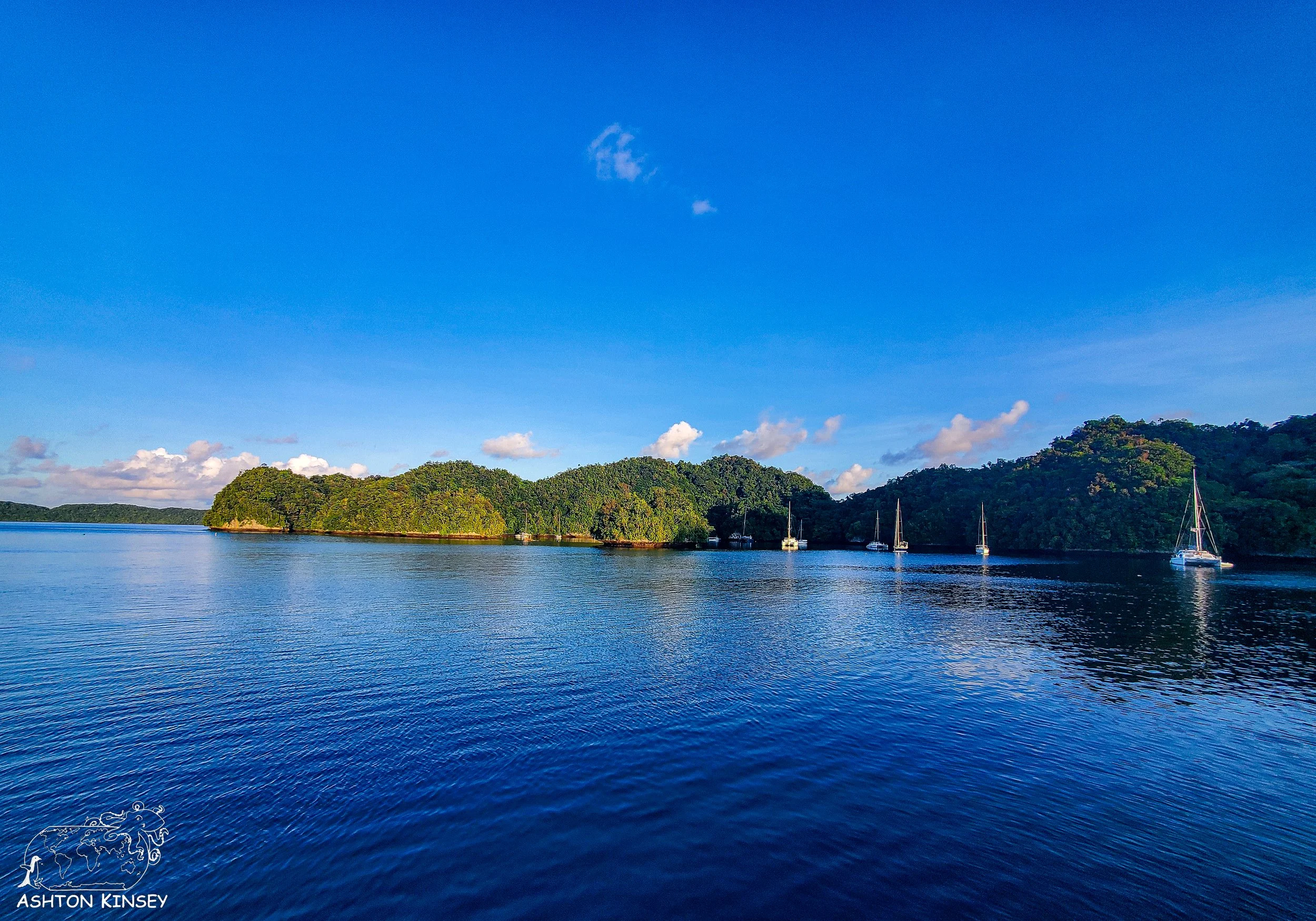
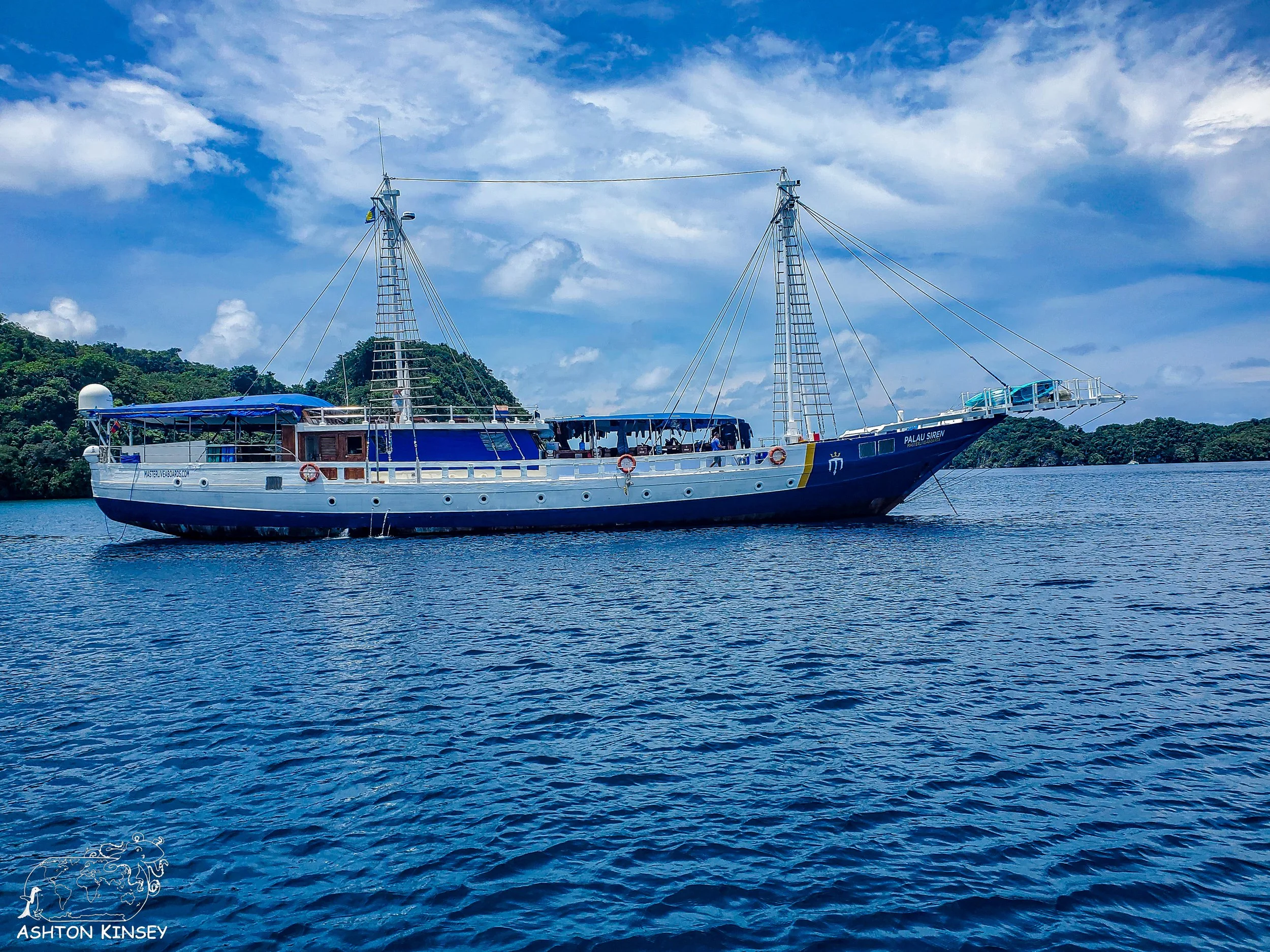
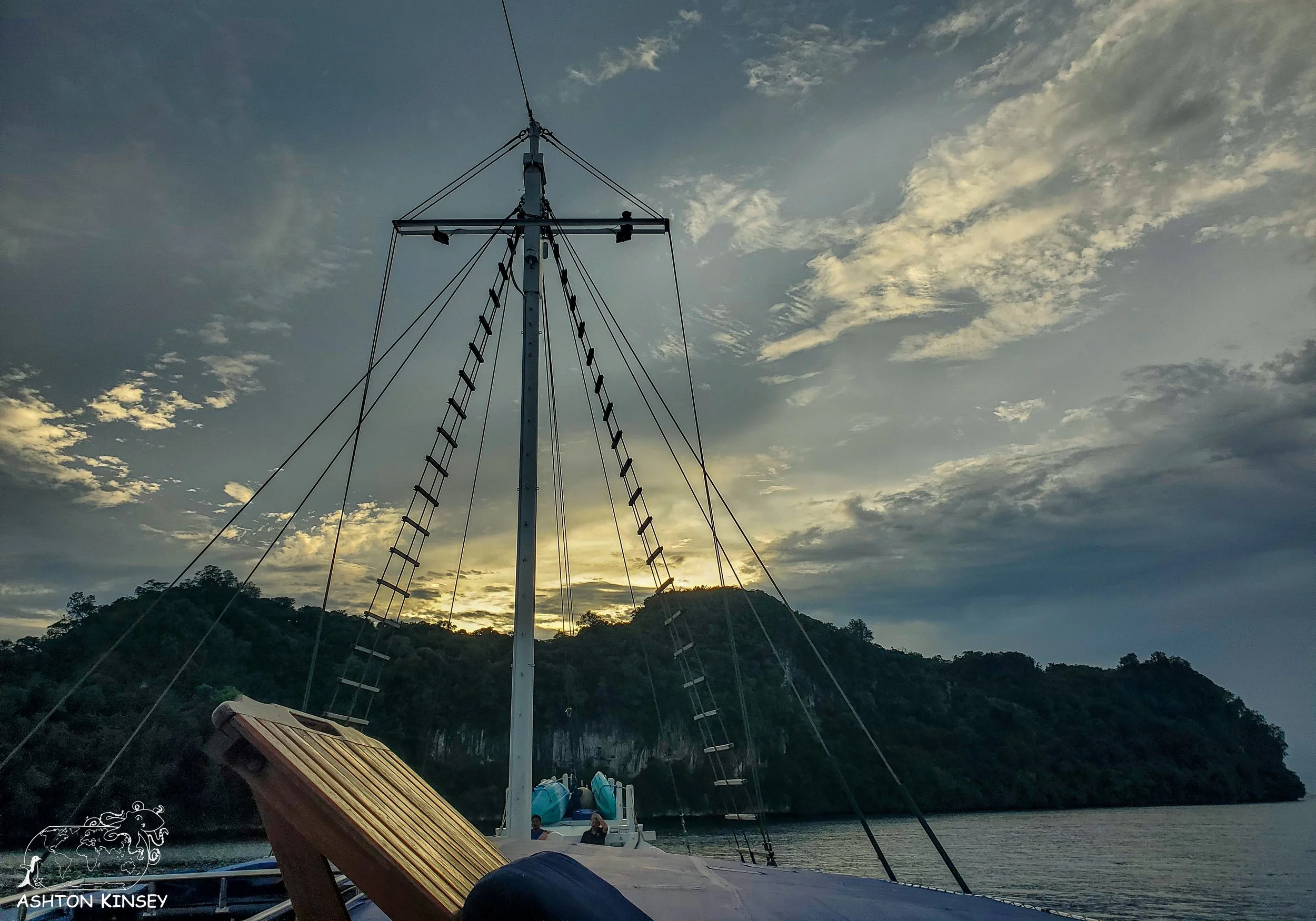
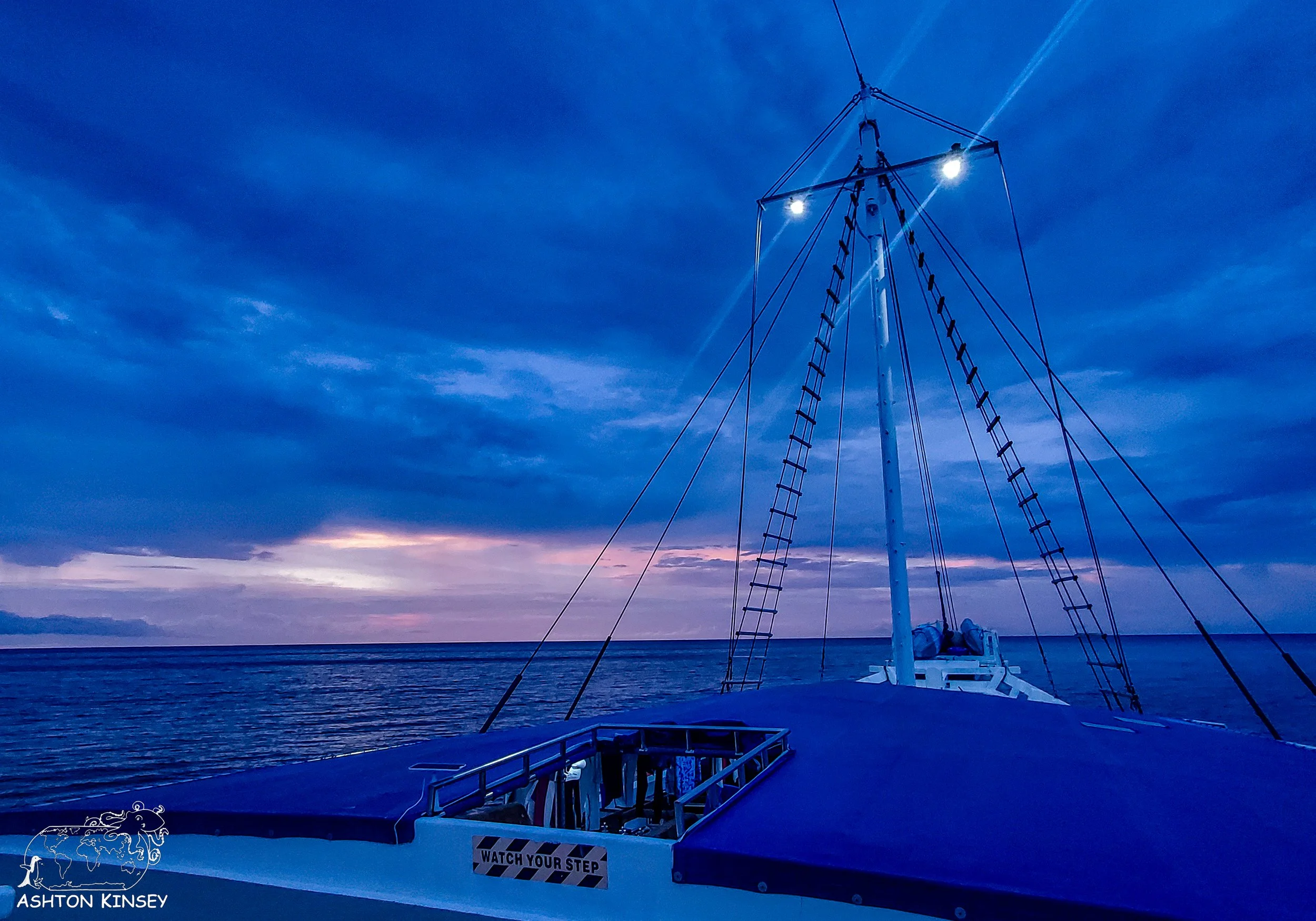
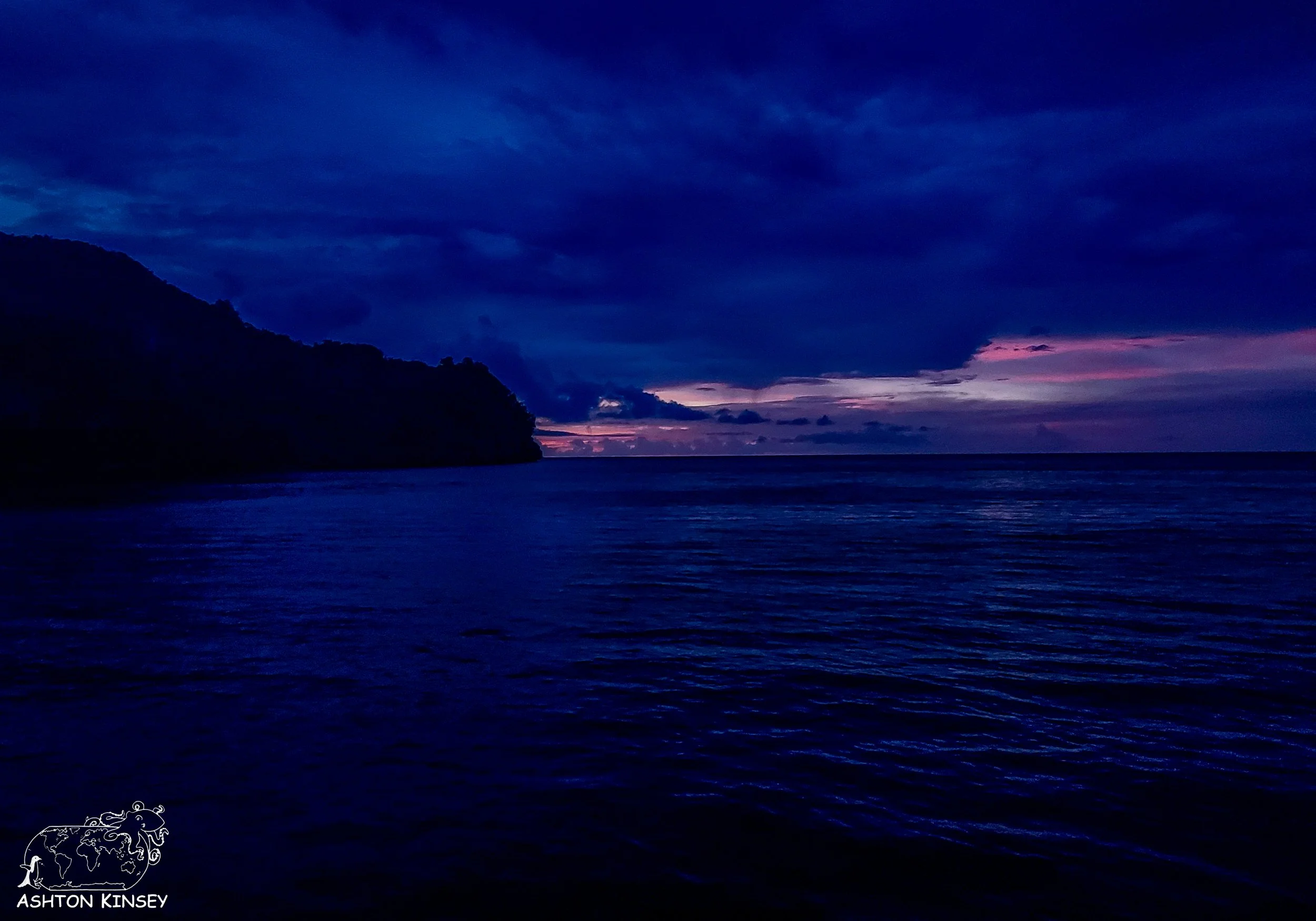
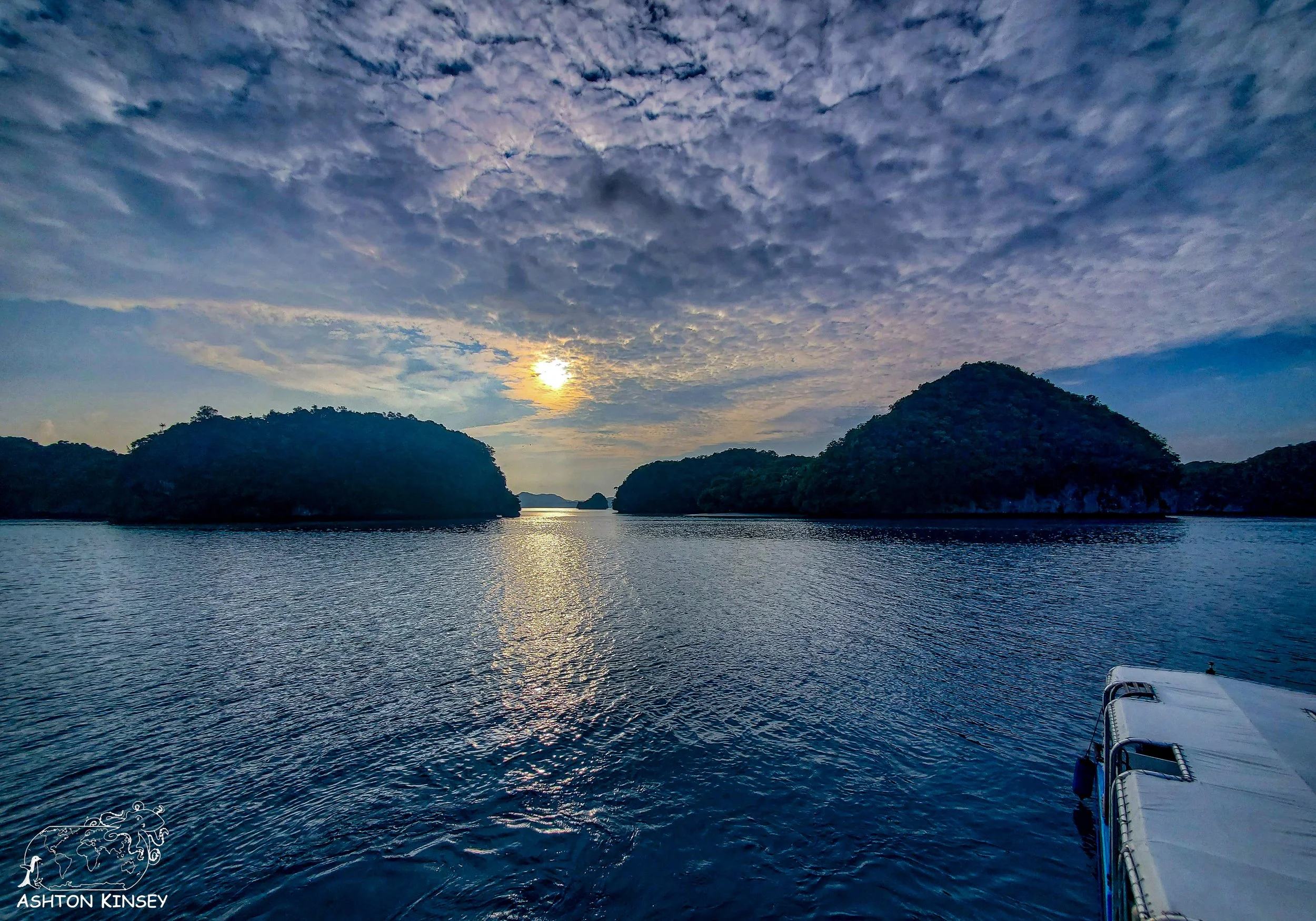
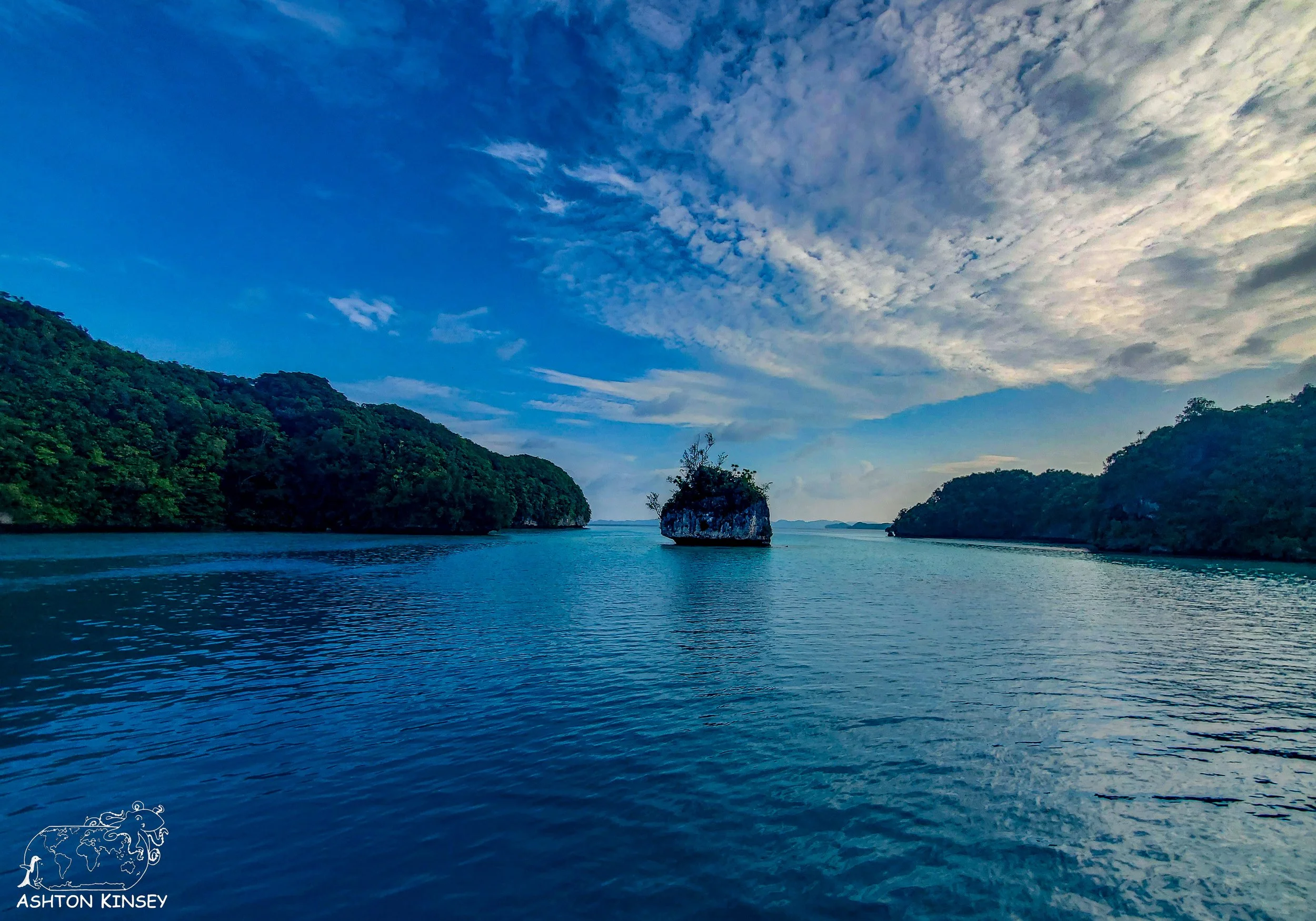
At long last it was time to board the boat. The Palau Siren is a wooden sided boat, 131’ long by 32’ wide. First built in 2012 on Sulawsi, Indonesia, using traditional ironwood and teak wood. It was recently revamped in 2024 and had a complete makeover making it more modern and sleeker than before. This was the first cruise after the renovations and everything was shiny and new. Outdoor dining area allows for fresh air and great views of the surrounding islands watching the sunrise and sunsets. The upper sun deck has lounge chairs and an overhead over provided shade and a breeze to relax, read or find a quiet space away from everyone to sit and chat.
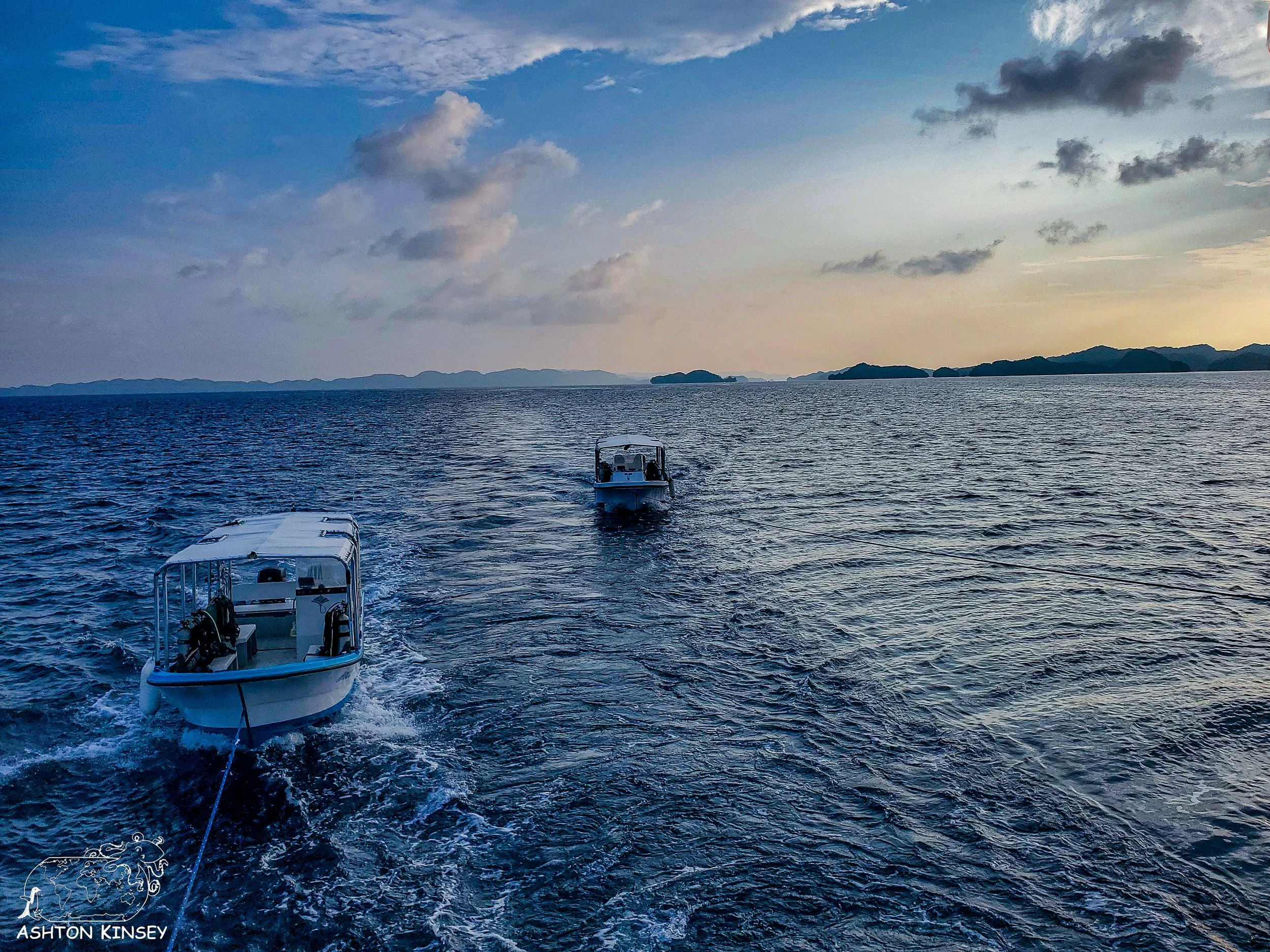
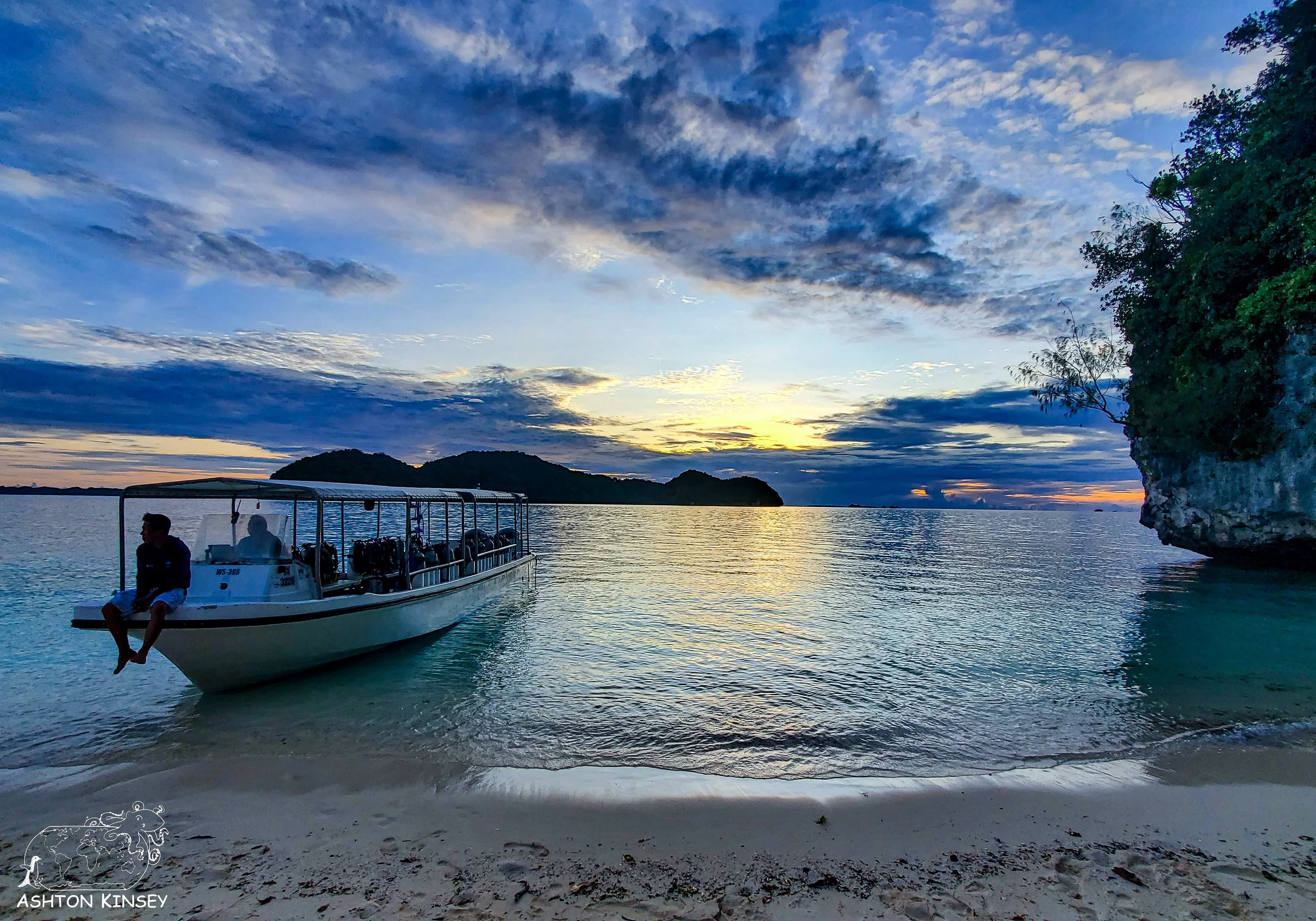
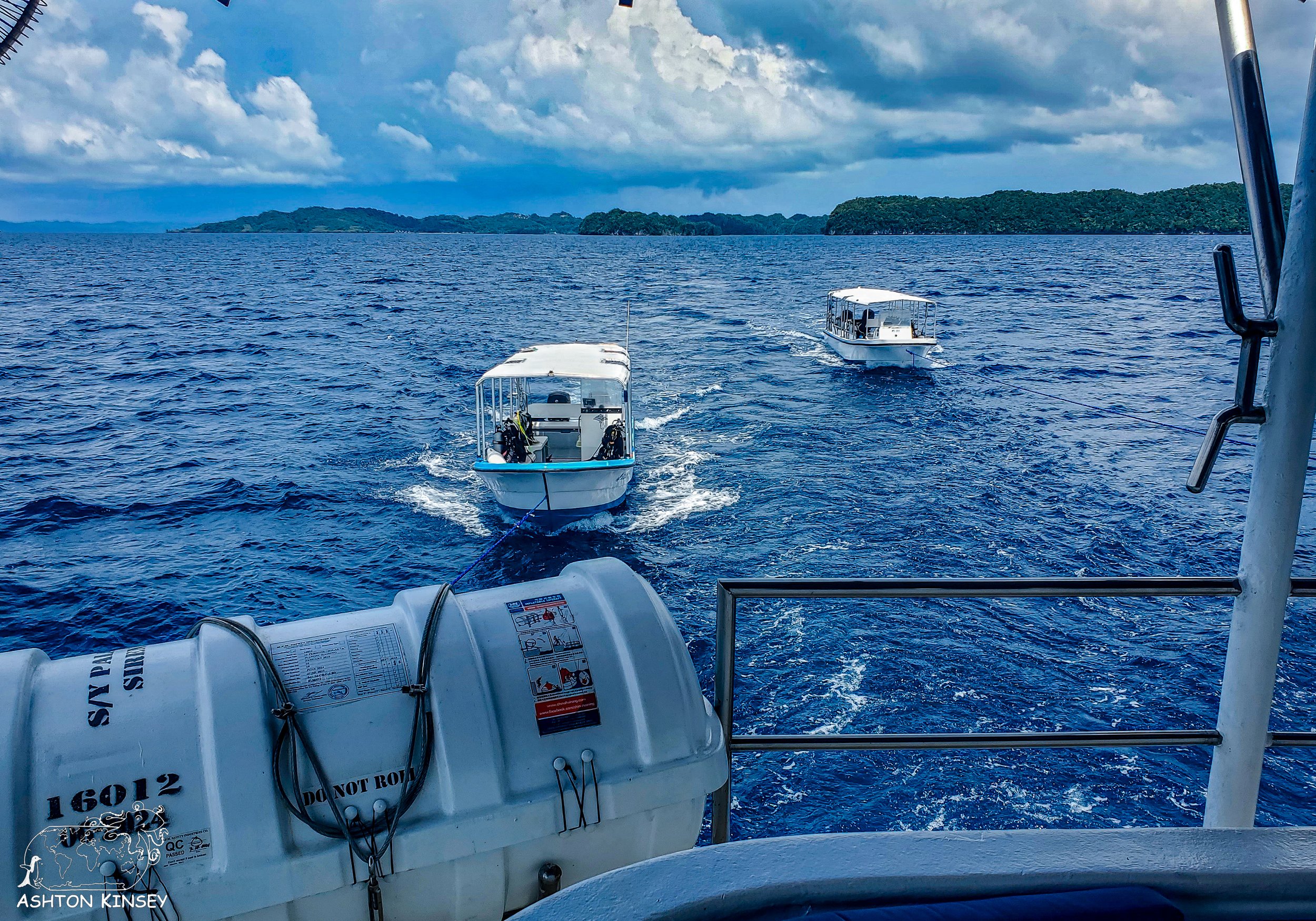
Diving was carried out via two skiffs back rolling each time into the water. The group was split into four smaller groups, the largest and main skiff was Malek (Stars) that carried three of the groups. A slightly smaller one Buils (Moon), carried the remaining group while Sils (Sun) was docked and unused. Dive gear is stored on the Siren, with benches going around the bow of the ship with numbered drawers for storing small items between dives. Inside the saloon is more storage for dry gear and plenty of plugs for camera and battery chargers. The saloon also had several couches and cushions to relax on, plus plenty of self-serve coffee and tea. However, due to some issues with two of the generators being down and using the backup’s, backup generator to run essentials, the AC in the saloon was kept off and not a lot of time was spent inside.
Malakal
Double Reef
Dive 1: 61’ for 62 Min Dive 31: 64’ for 67 Min
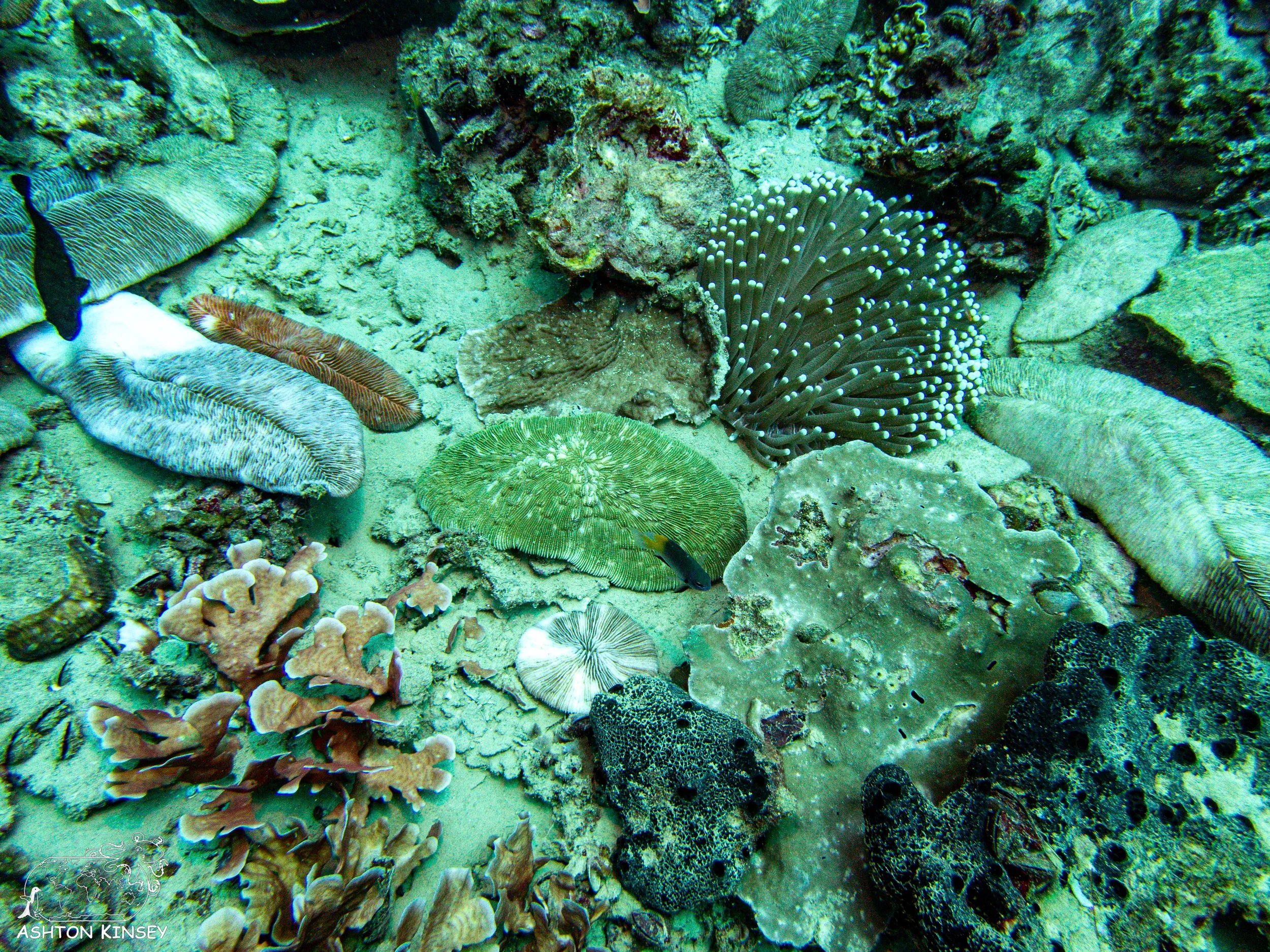
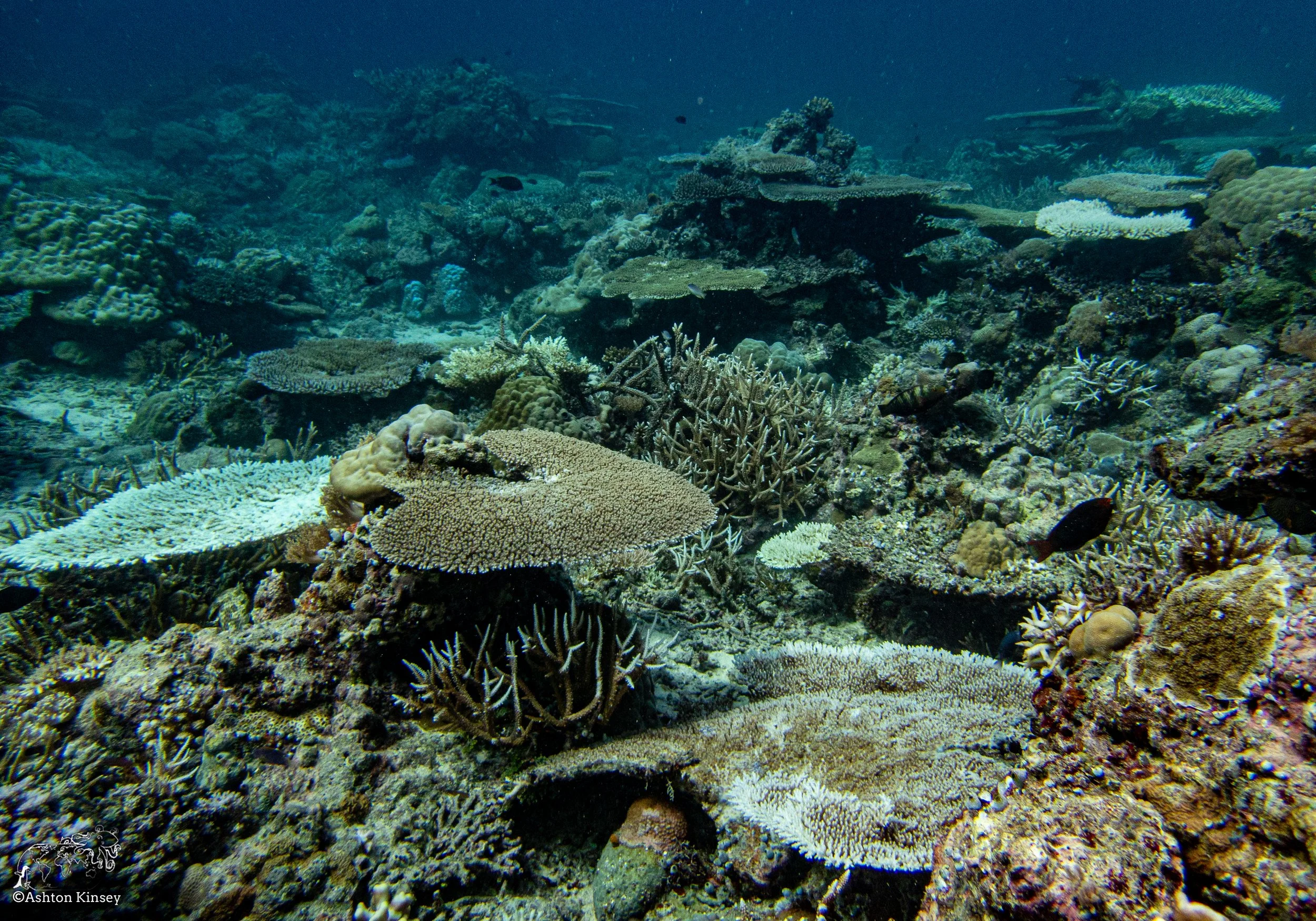
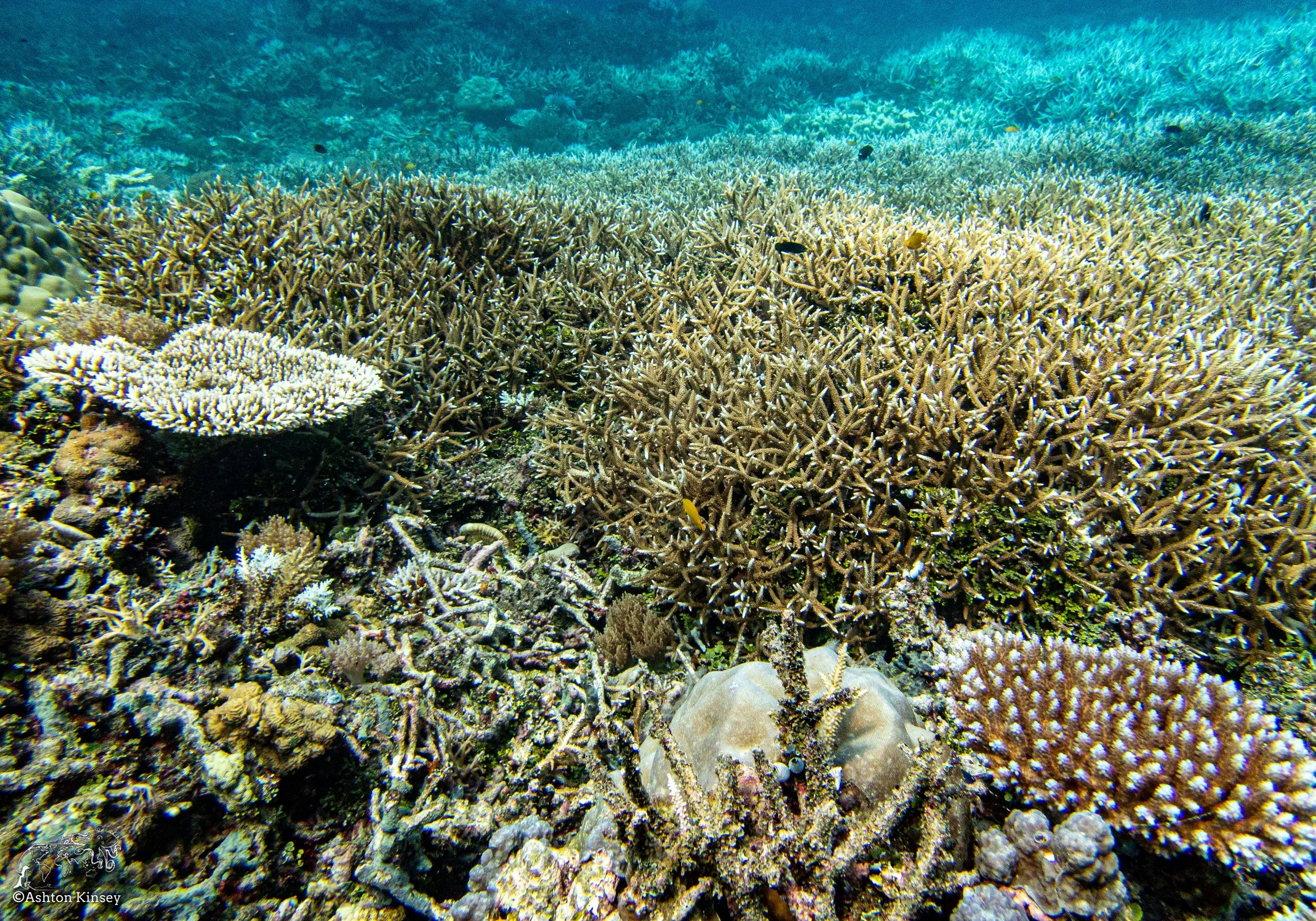
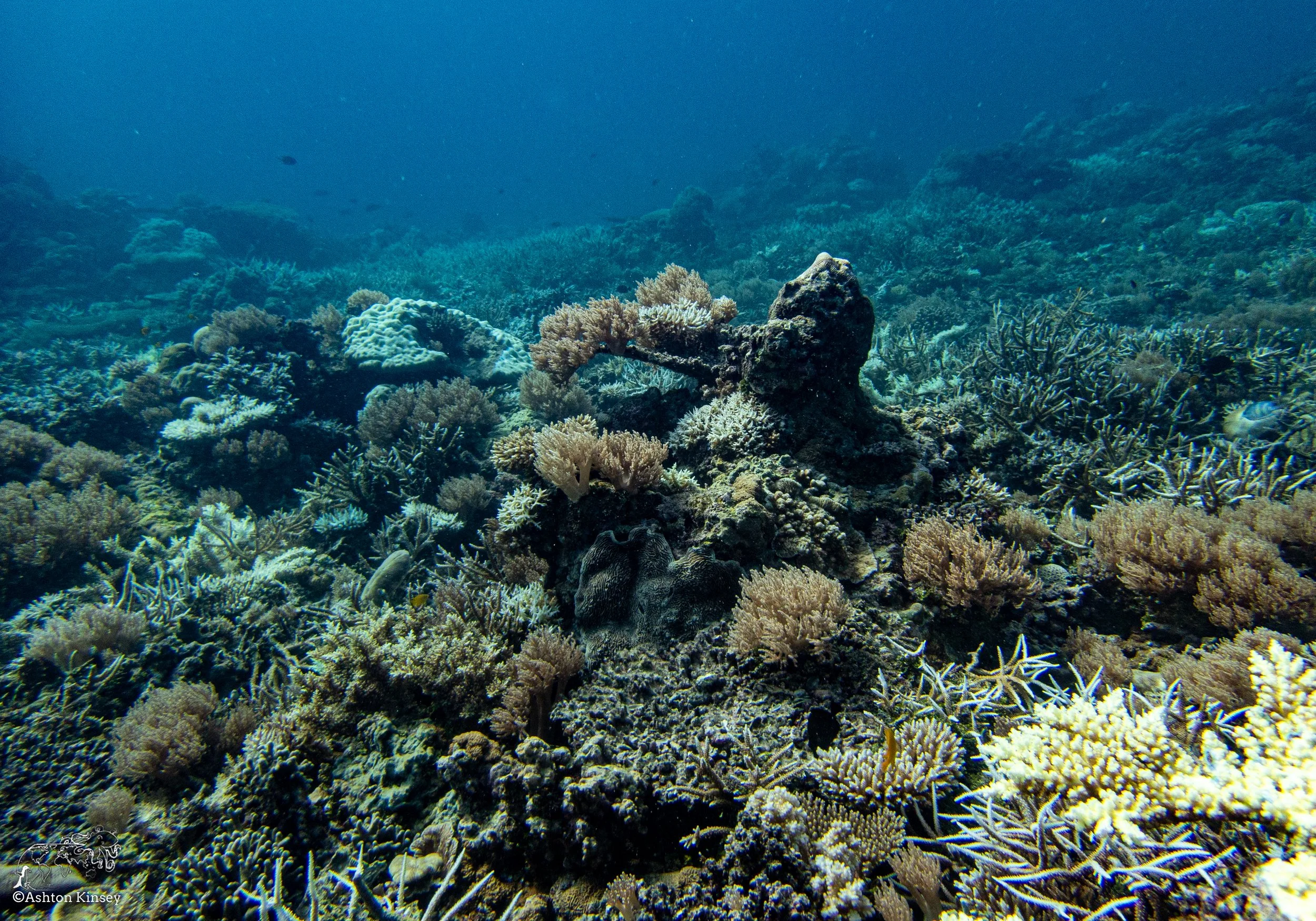
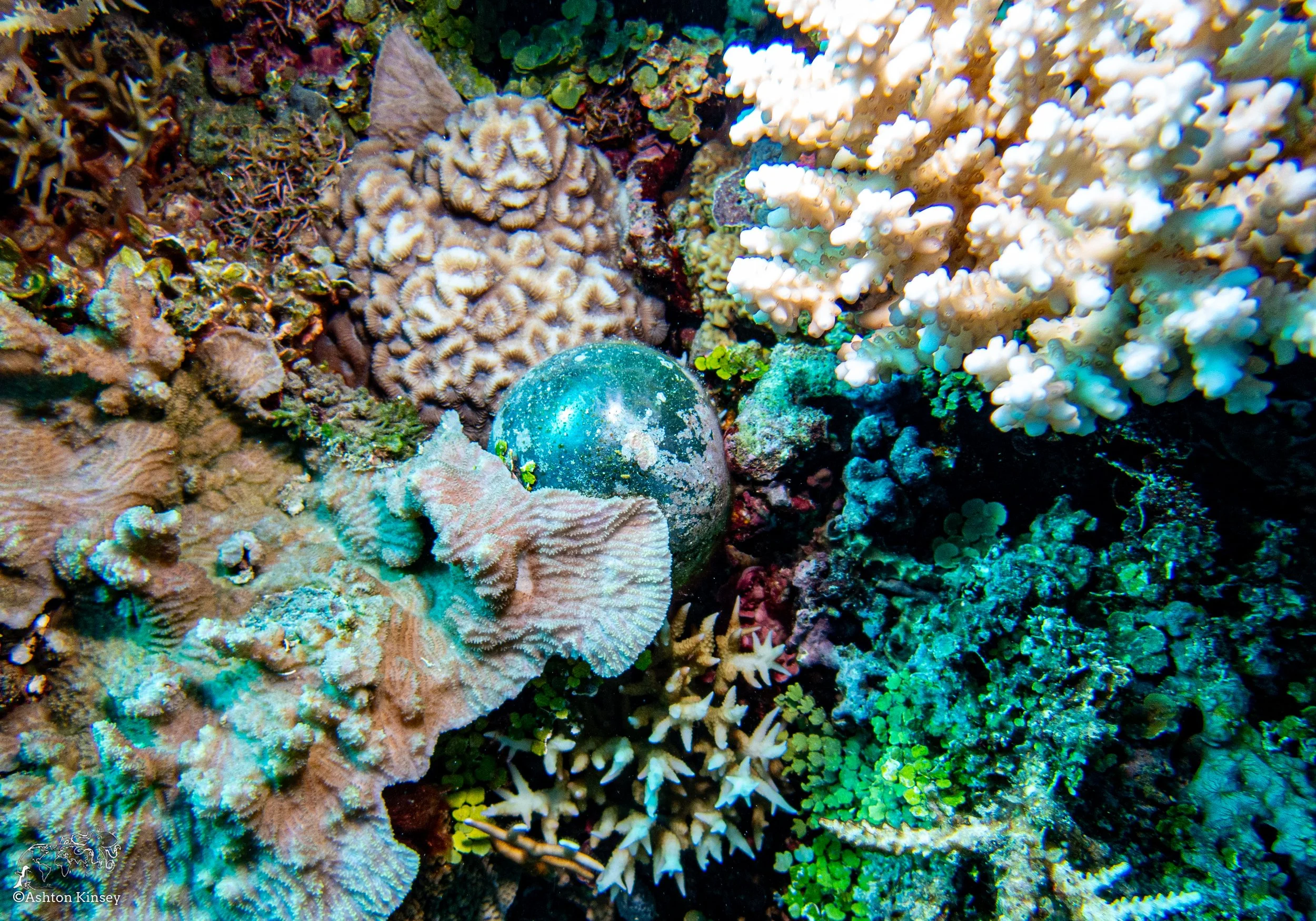
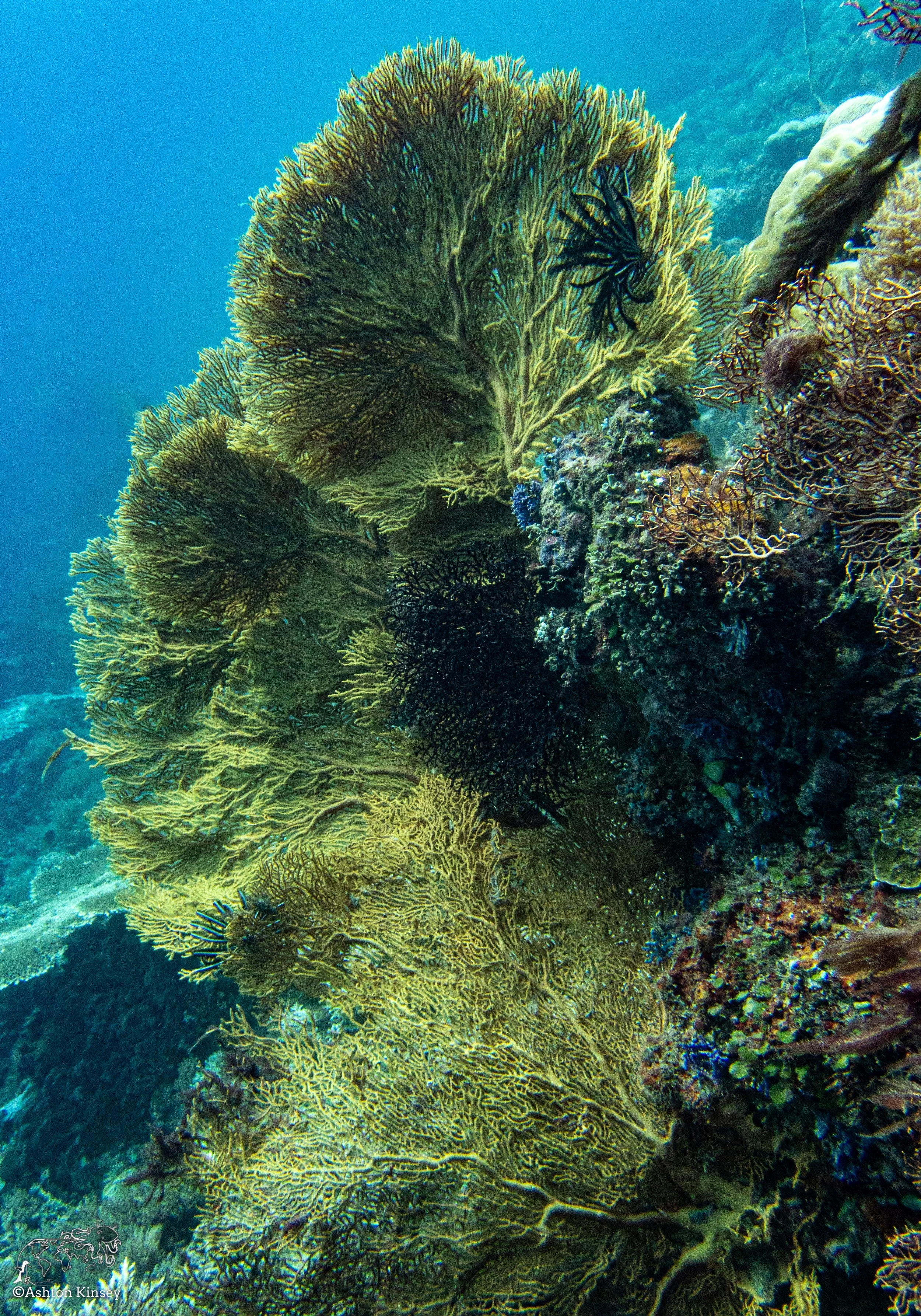
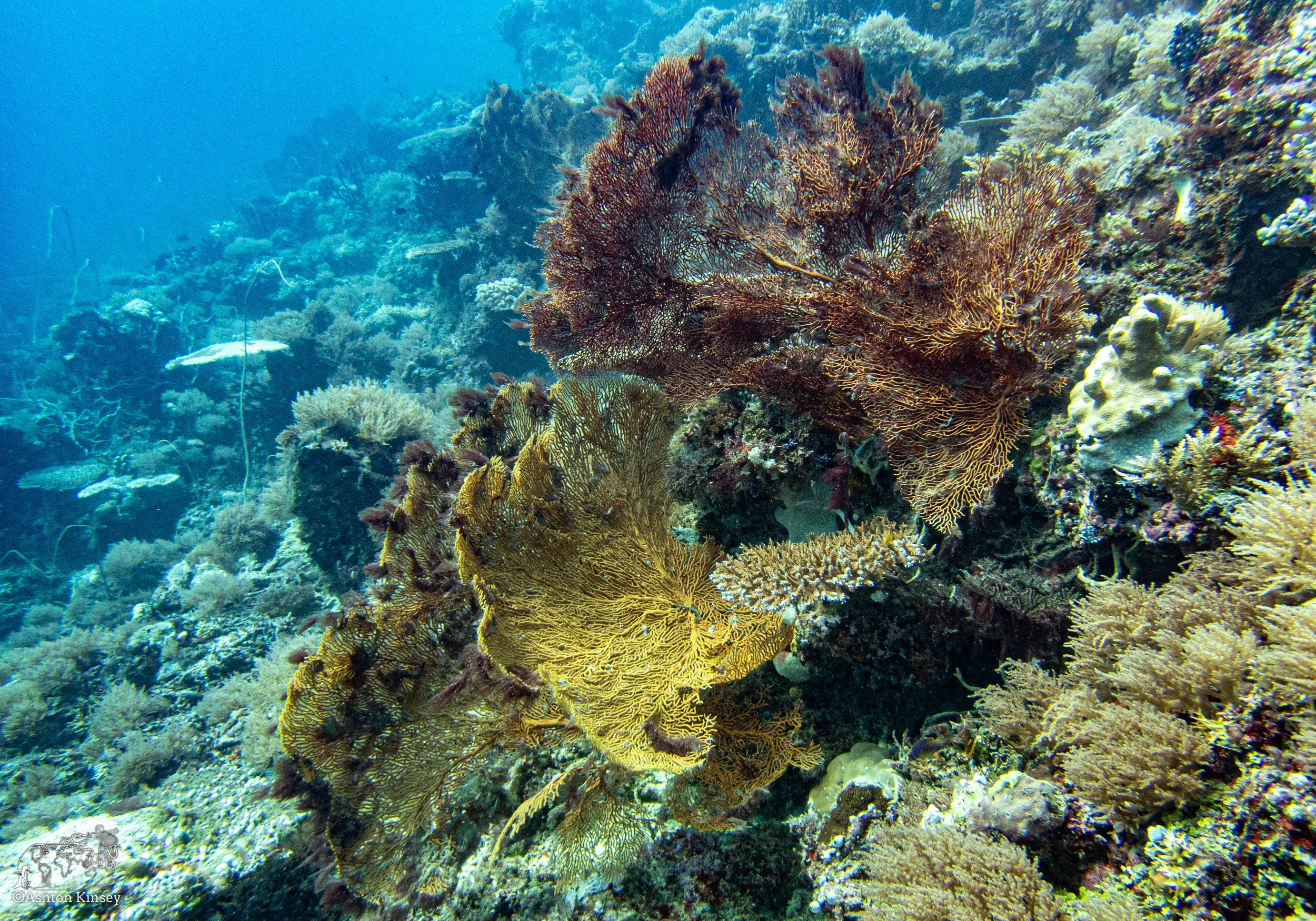
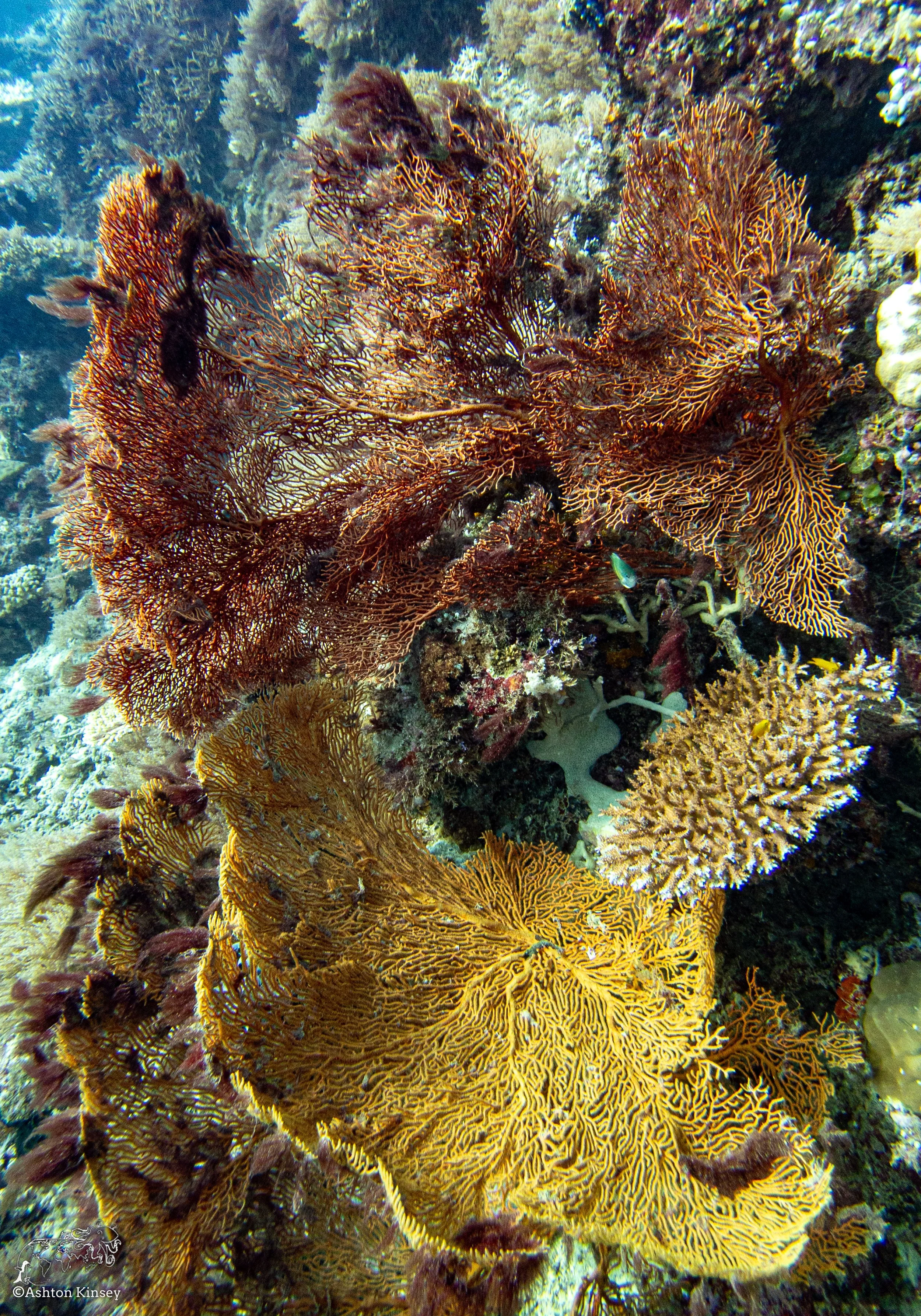
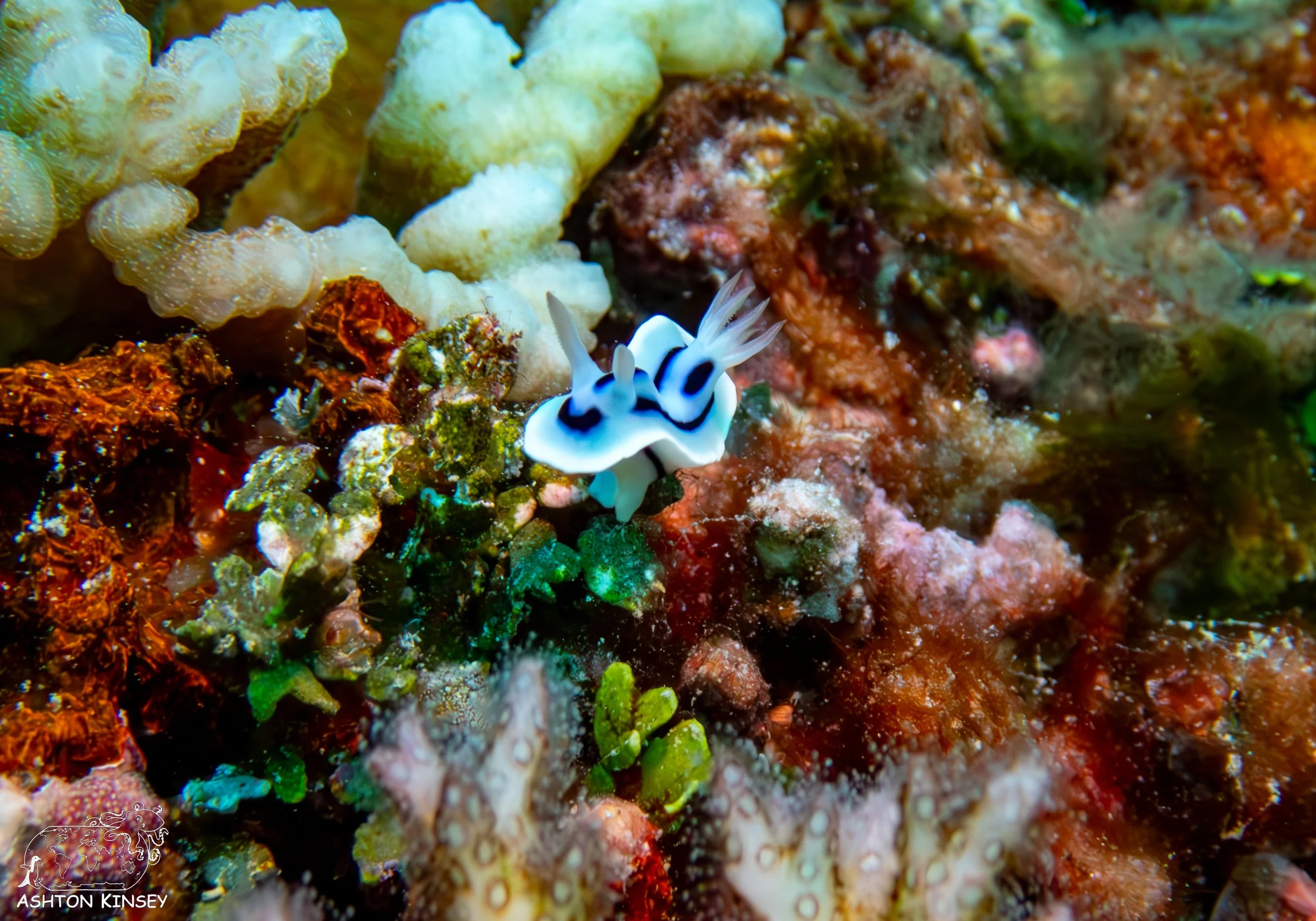
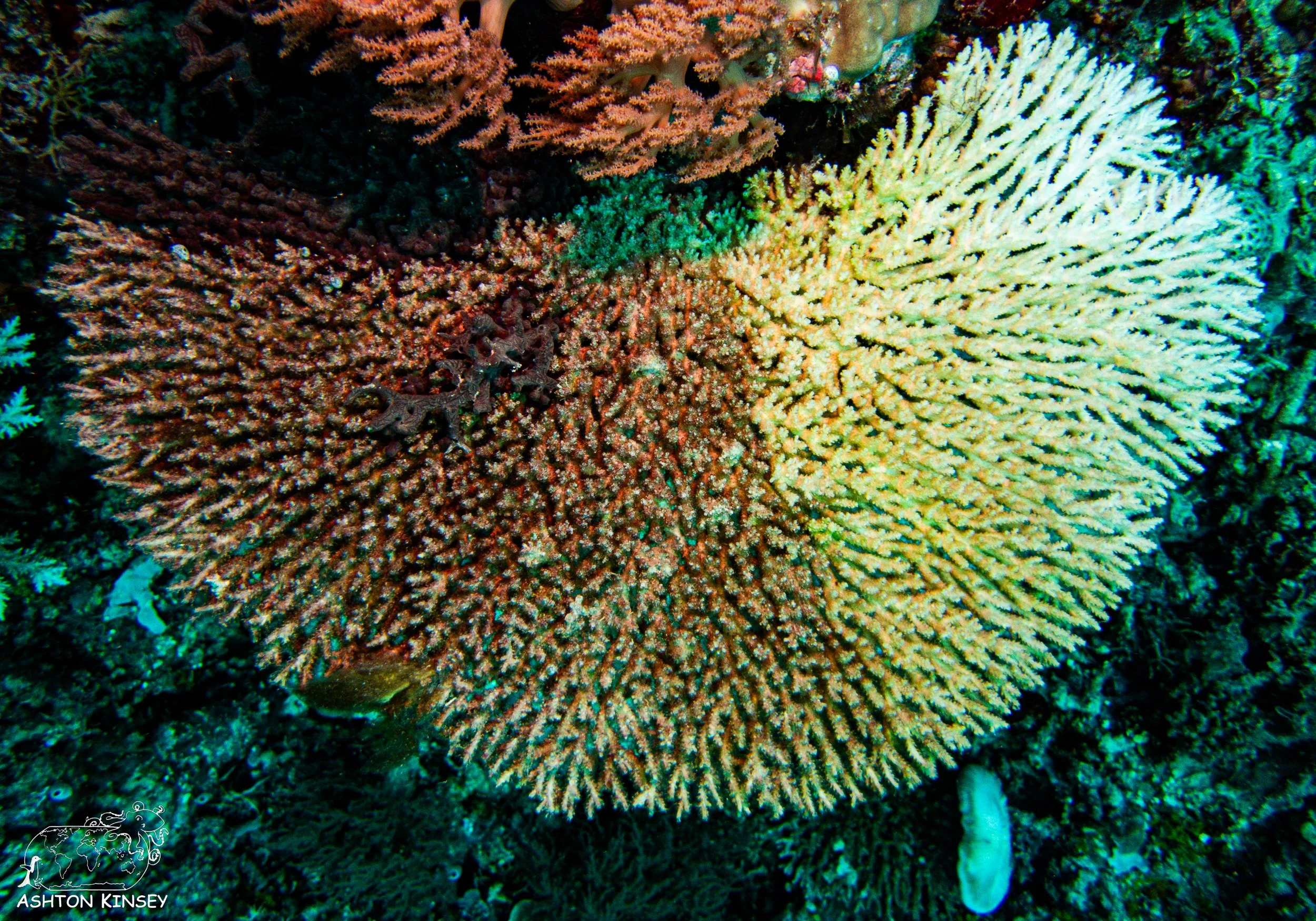
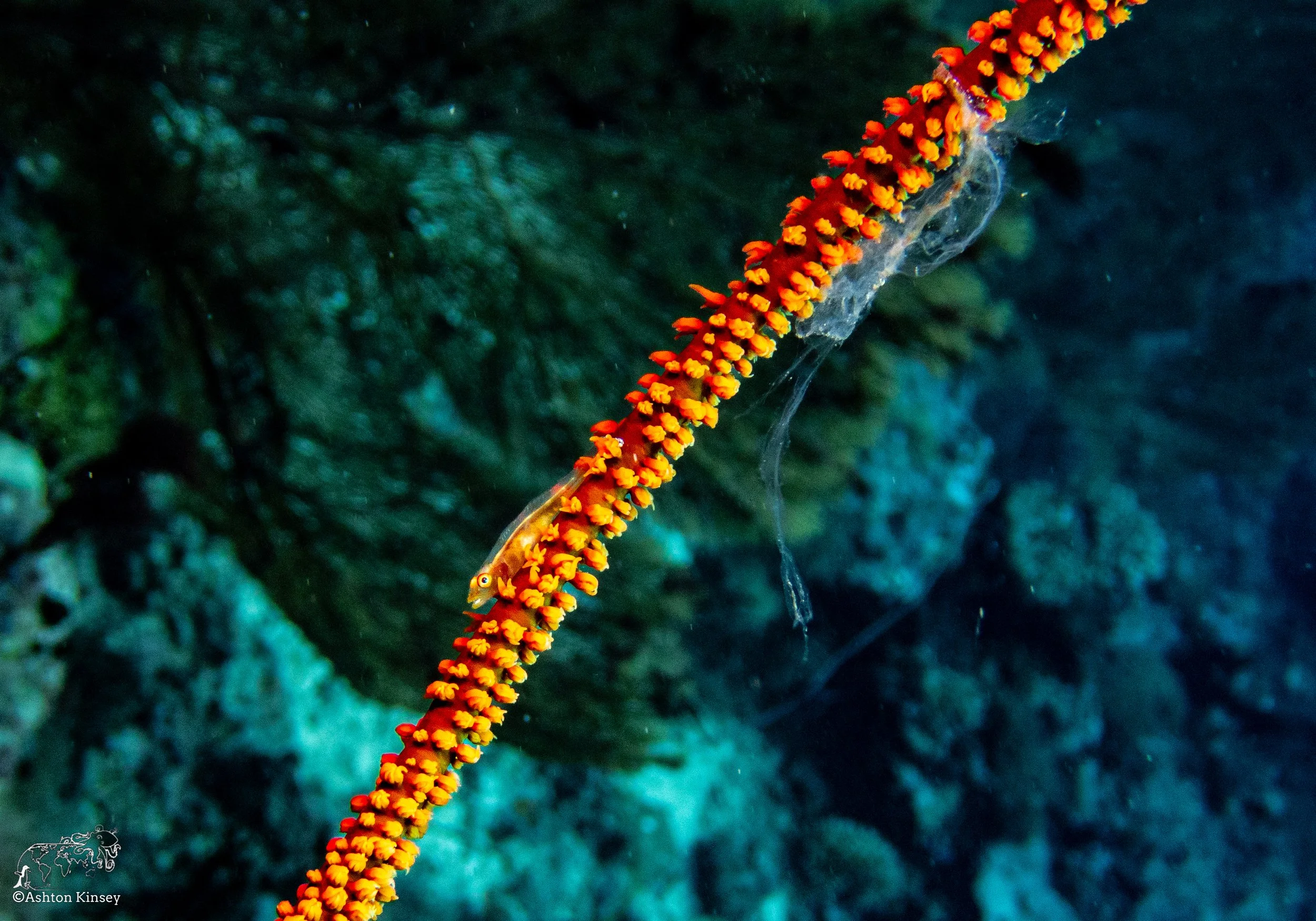
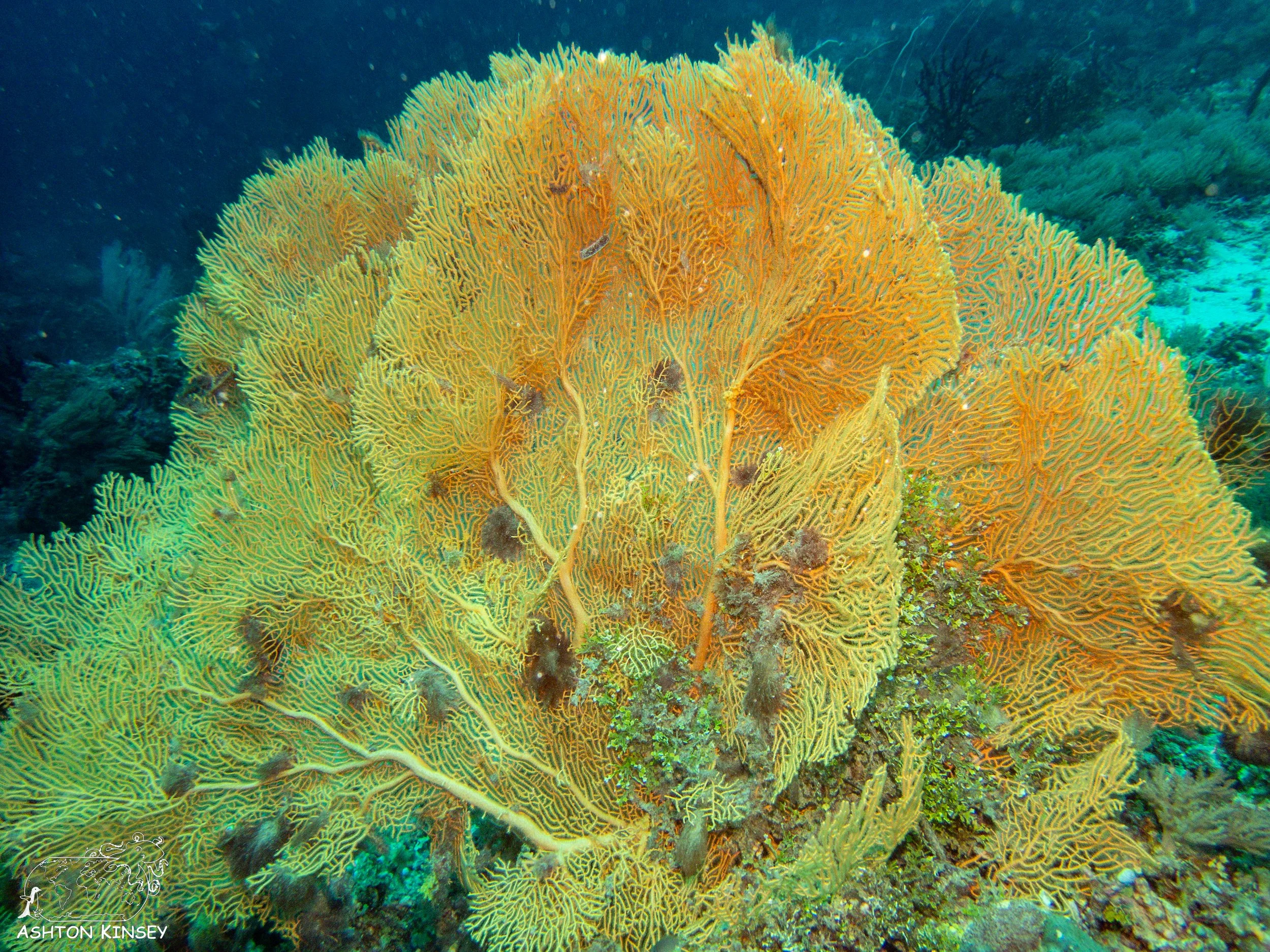
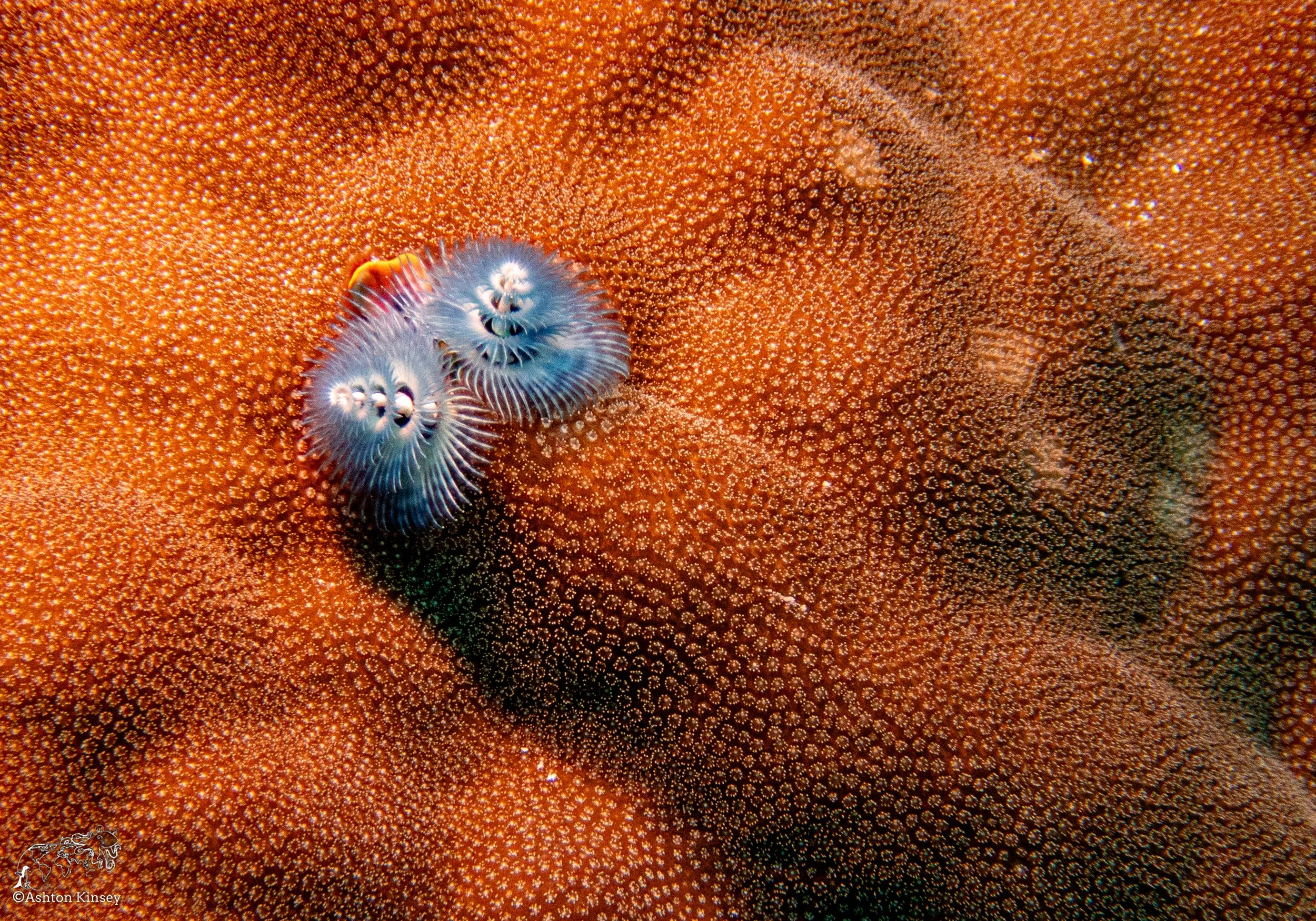
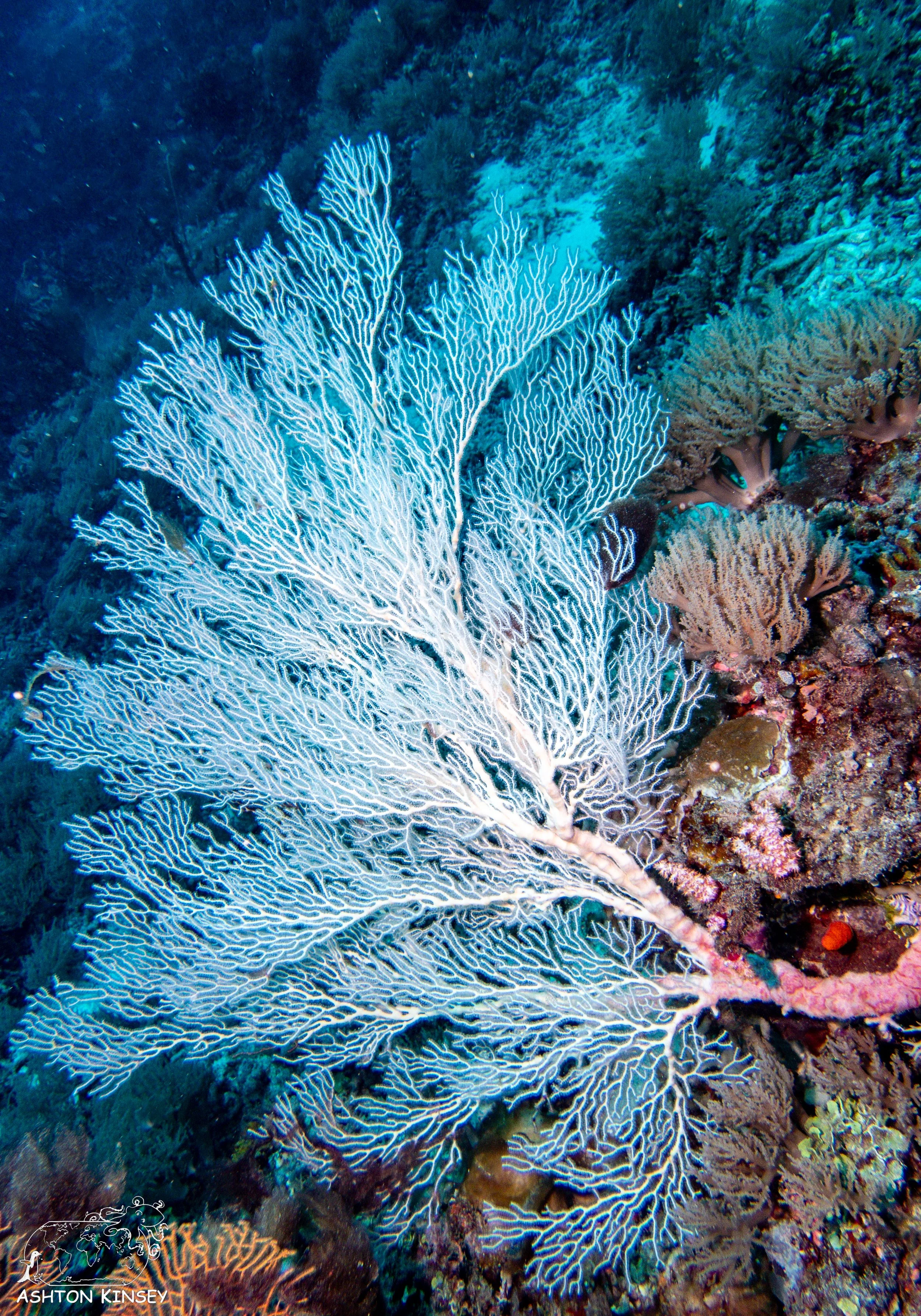
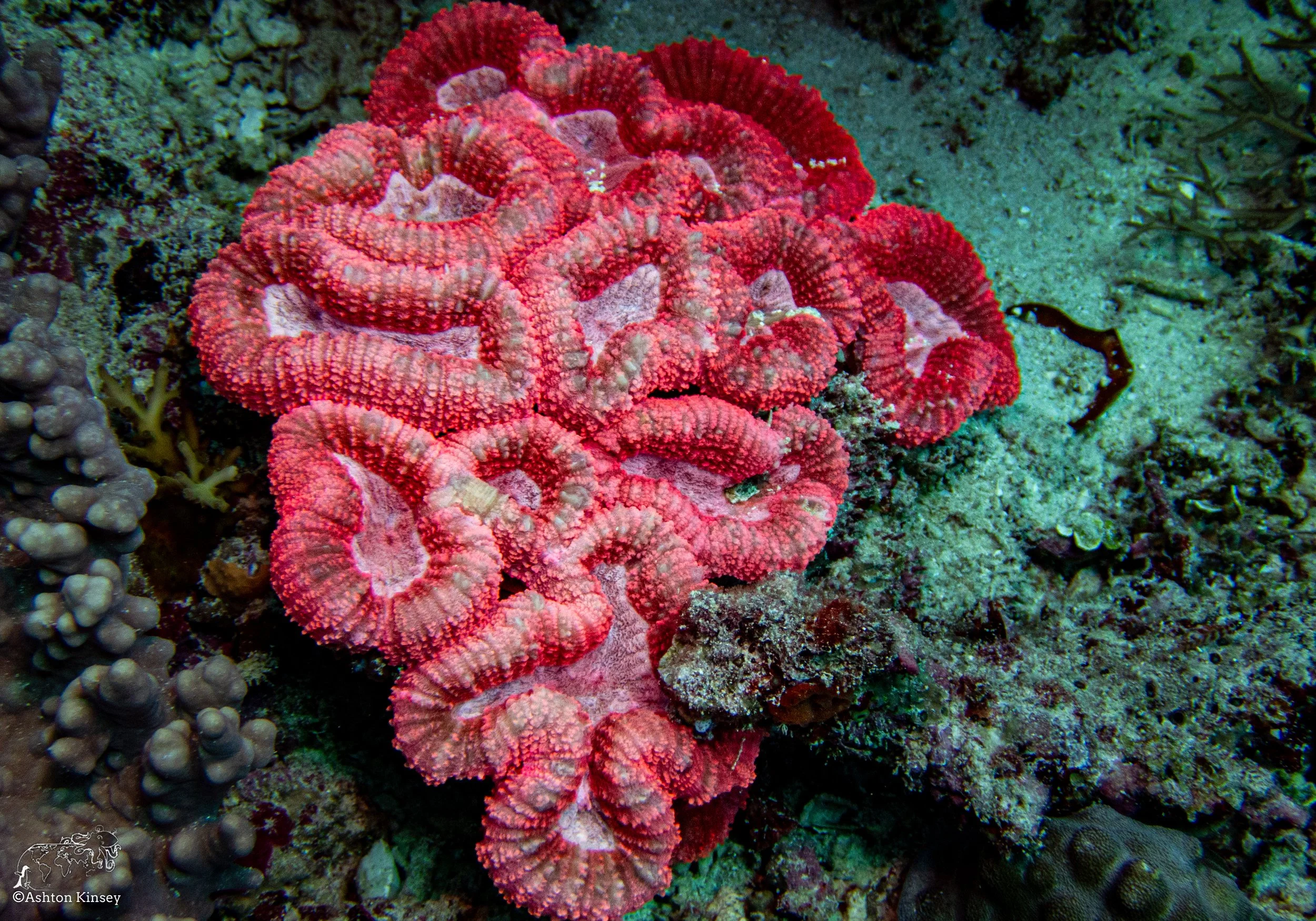
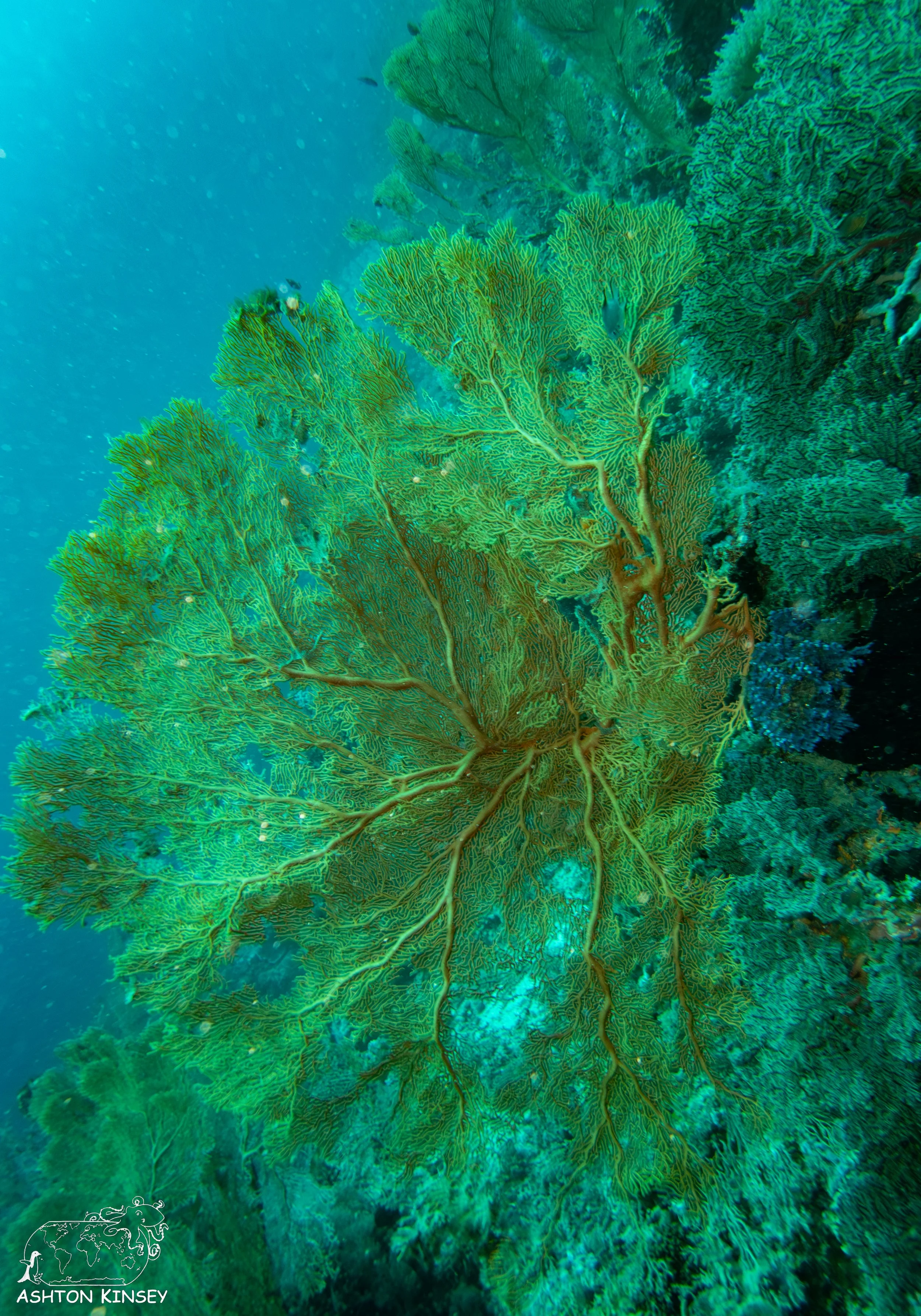
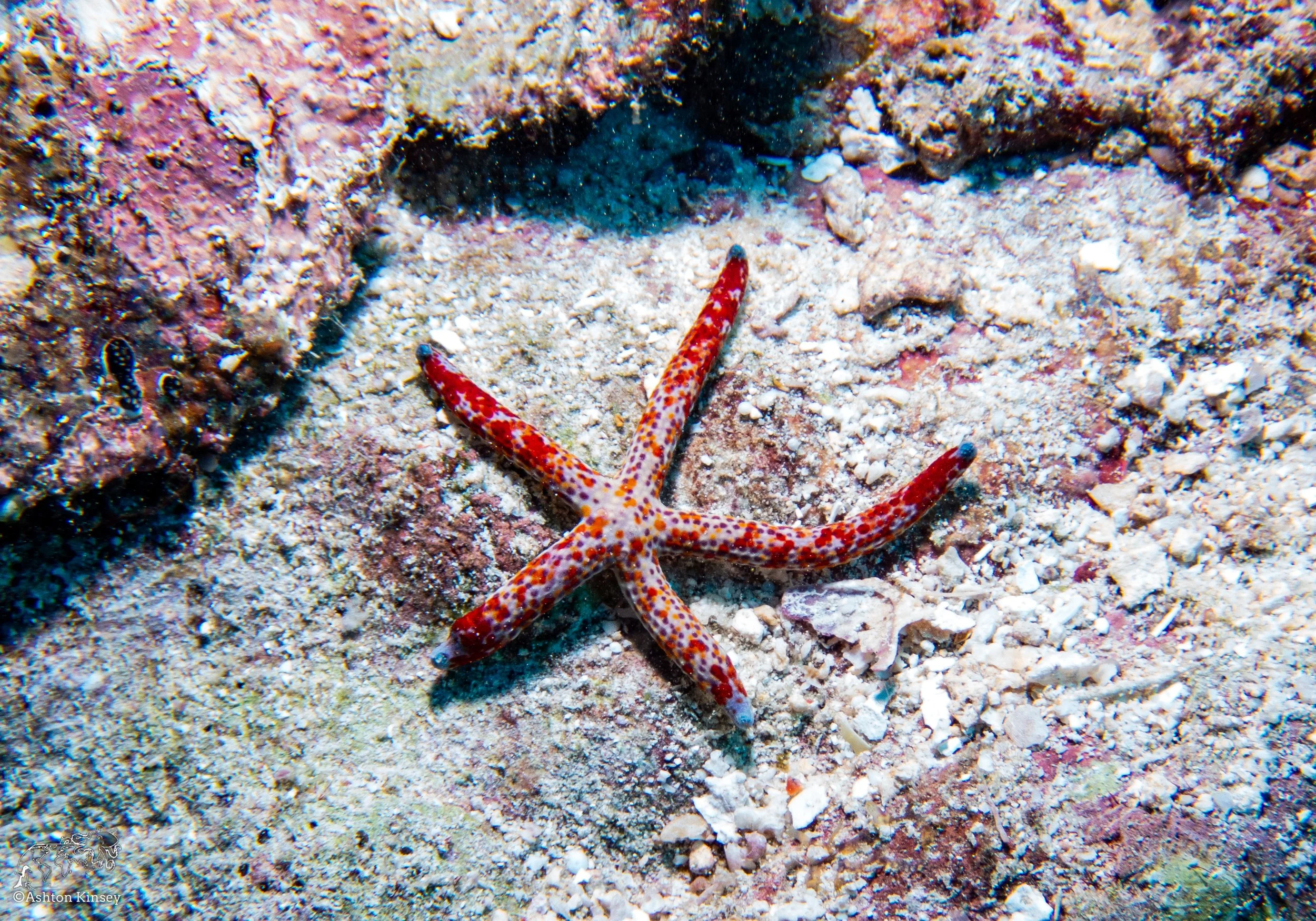
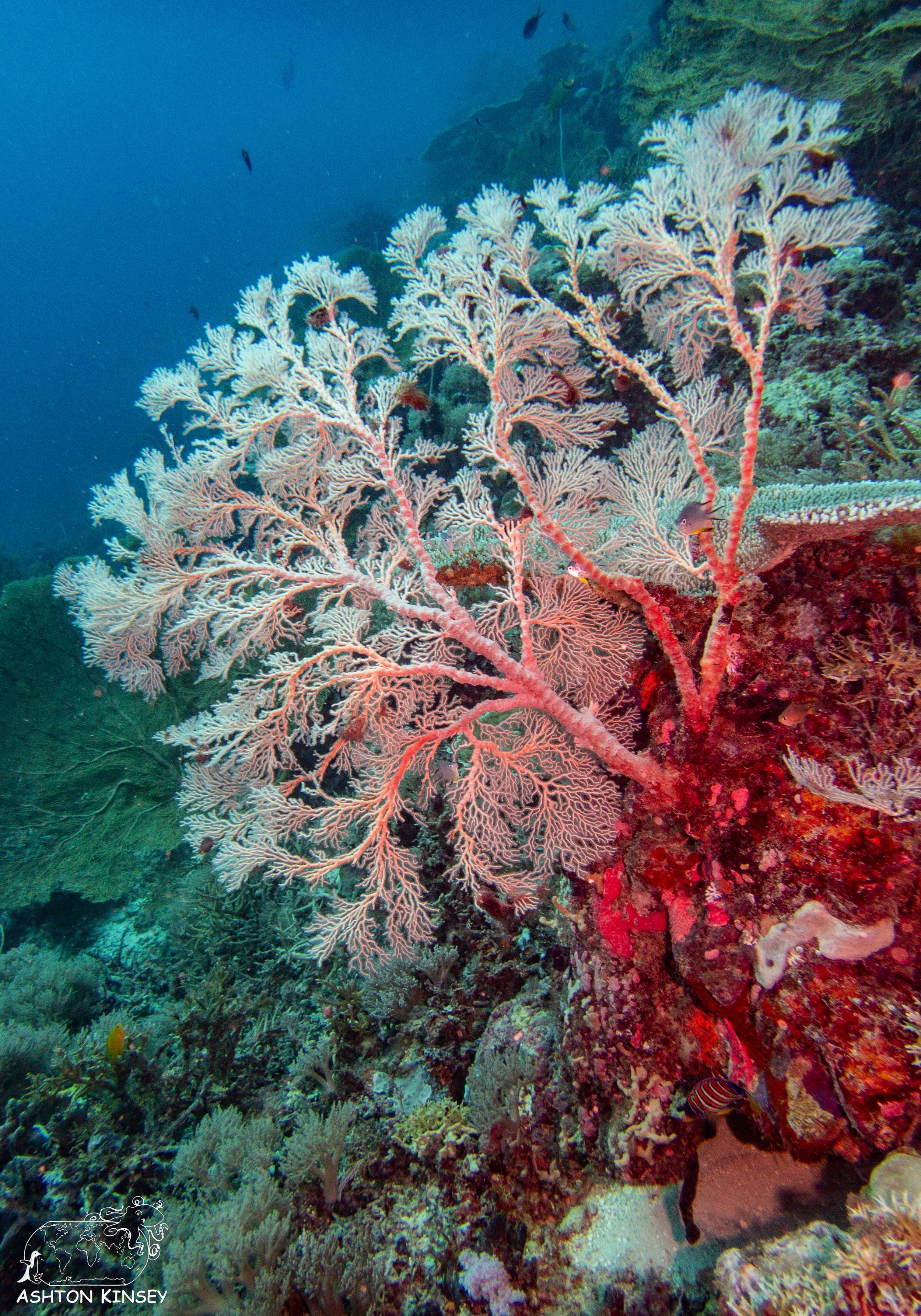
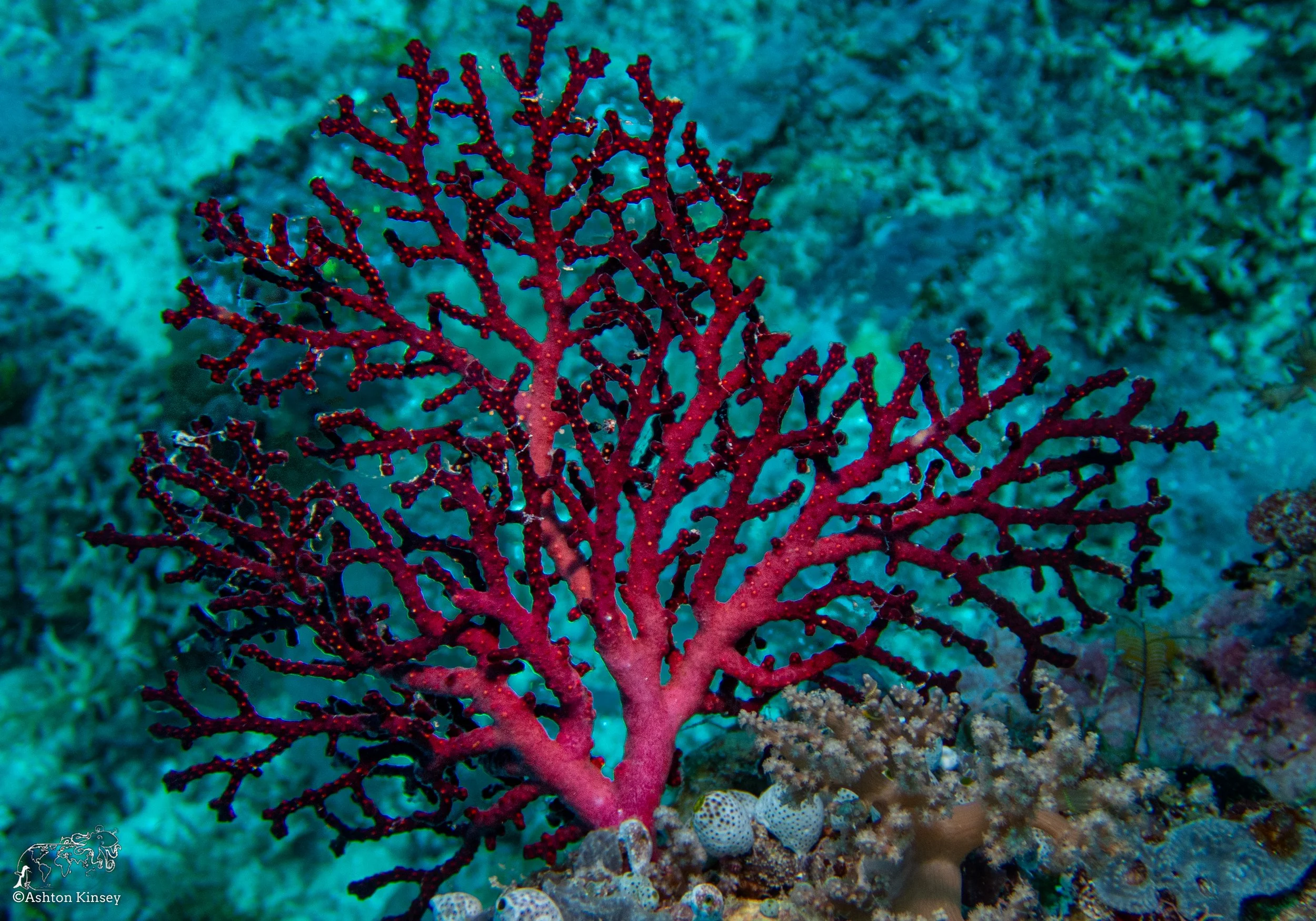
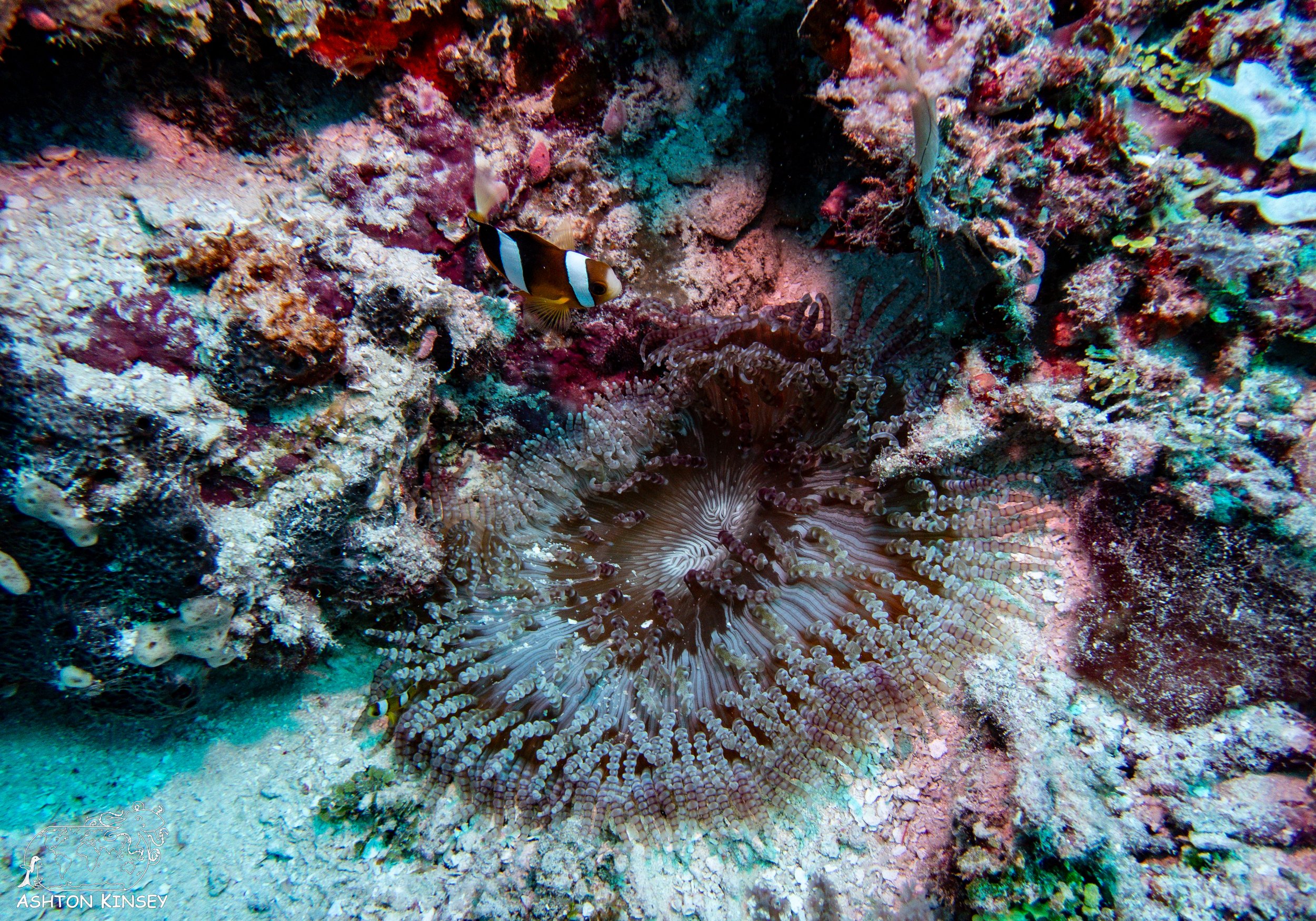
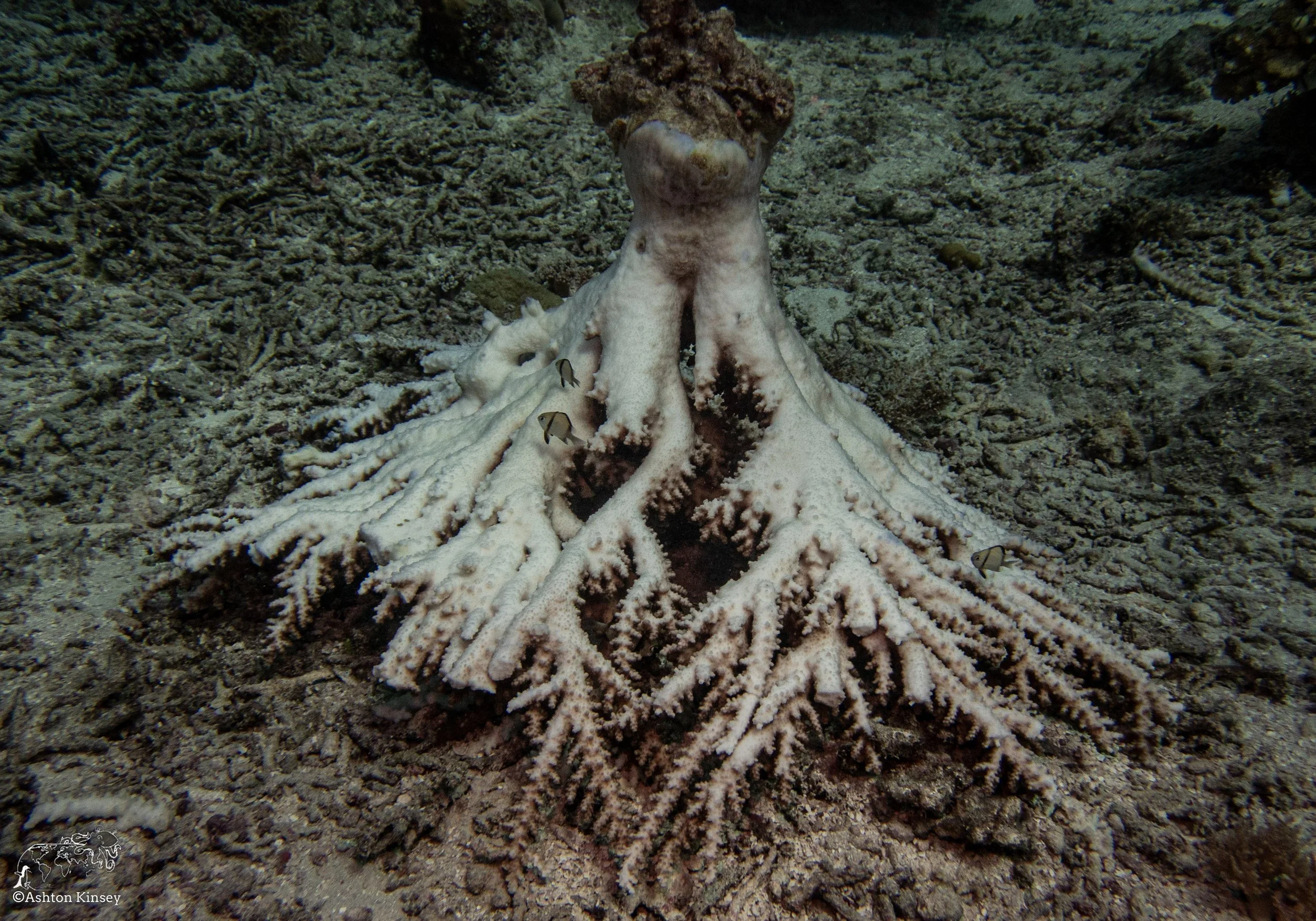
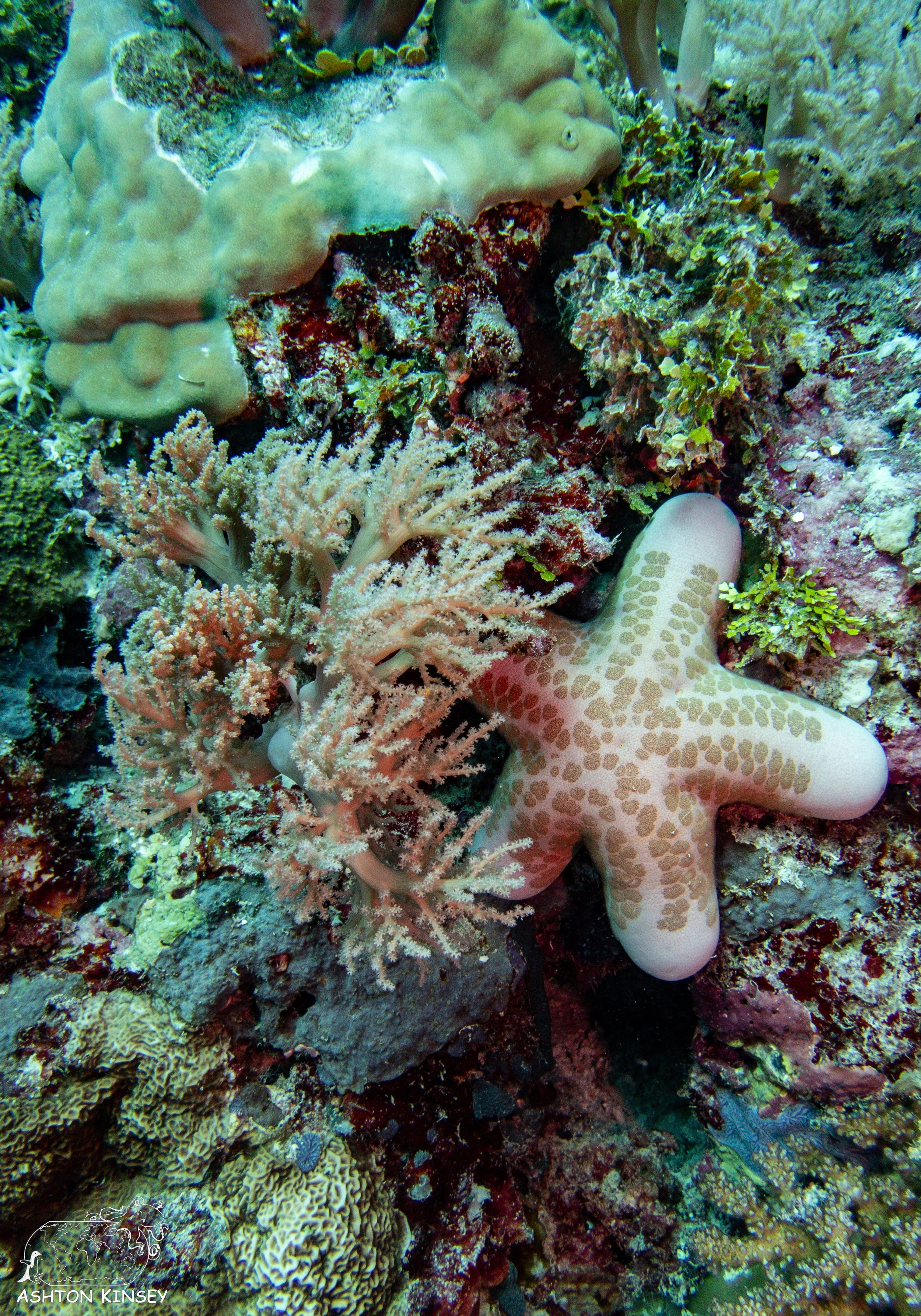
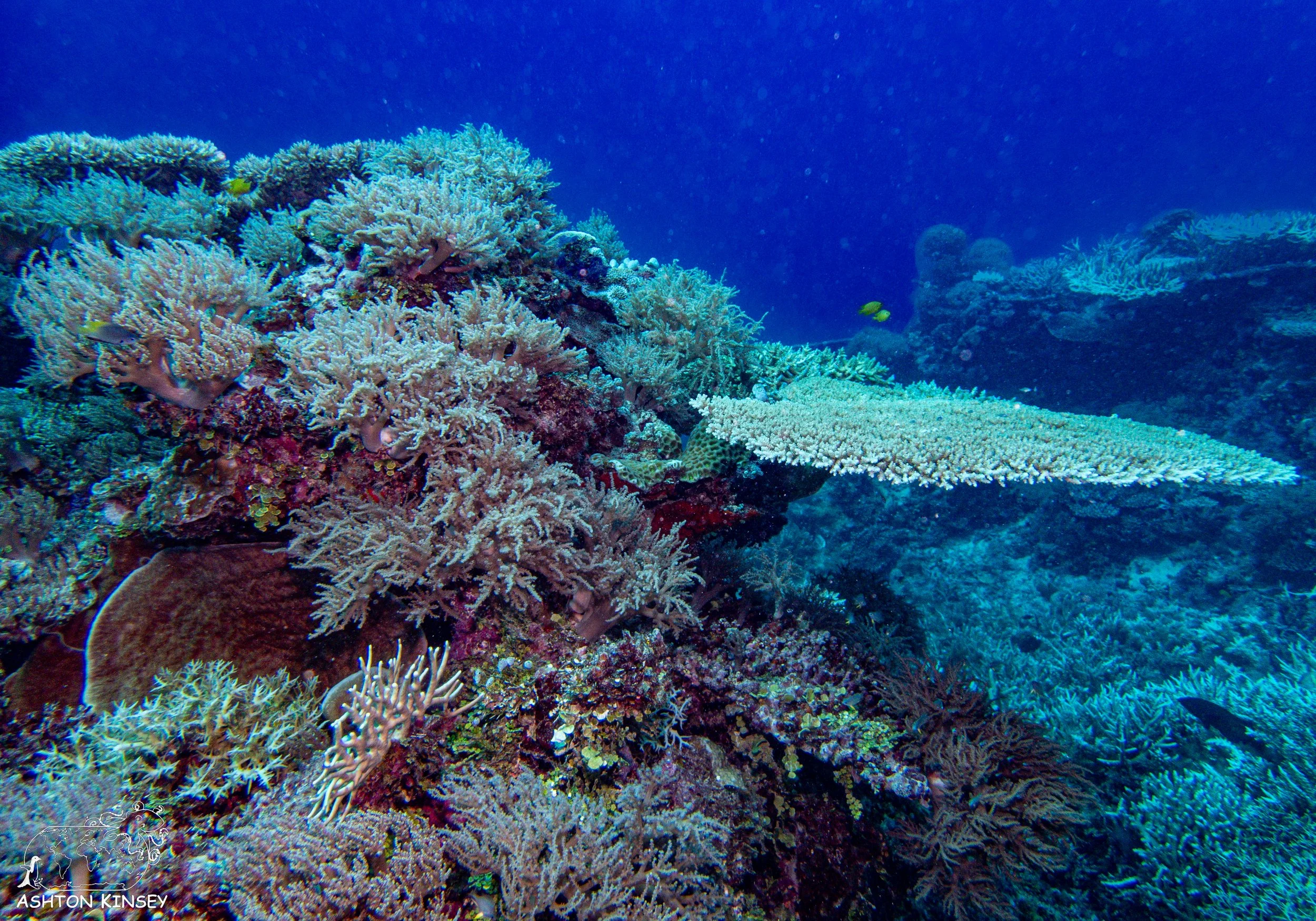
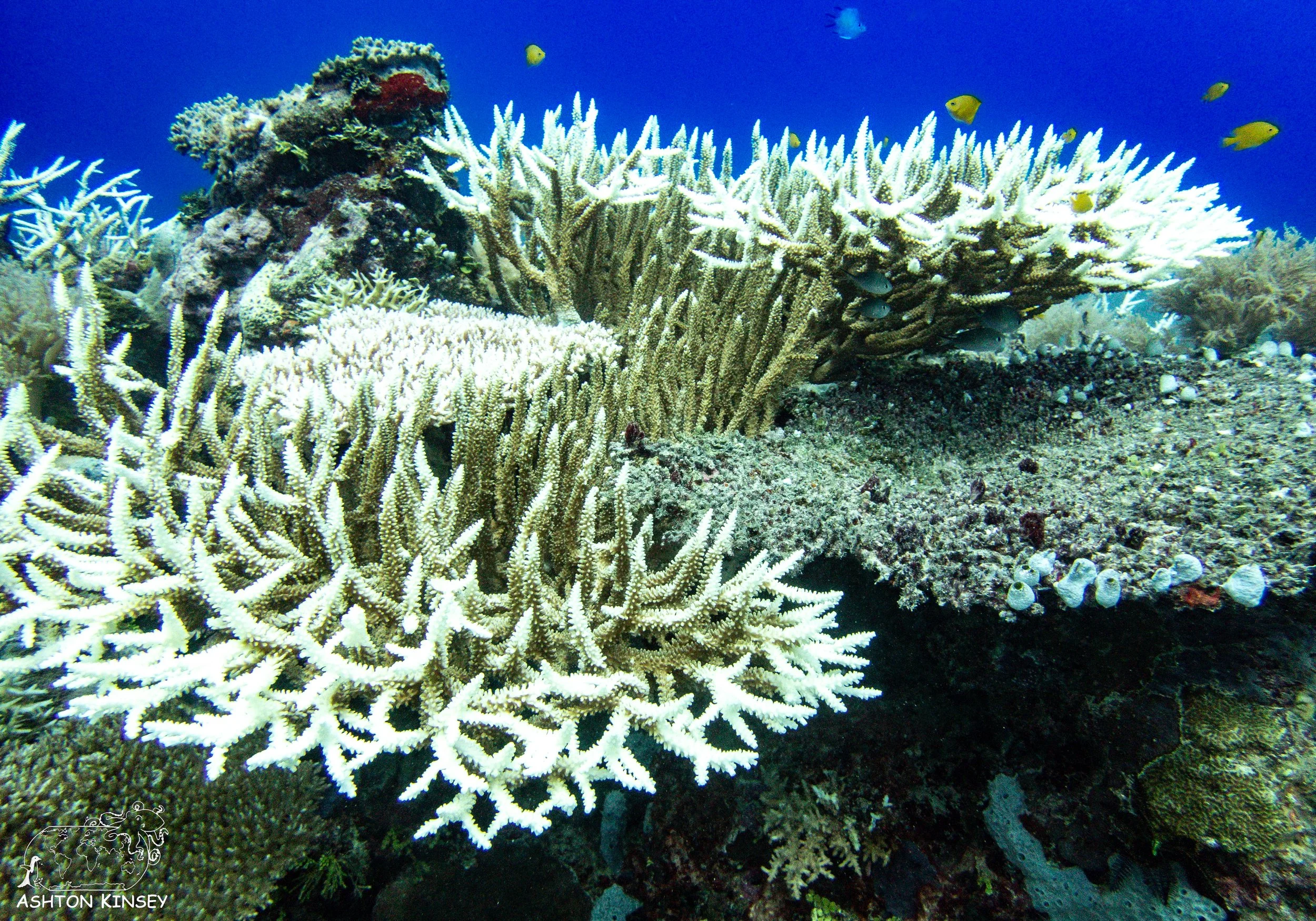
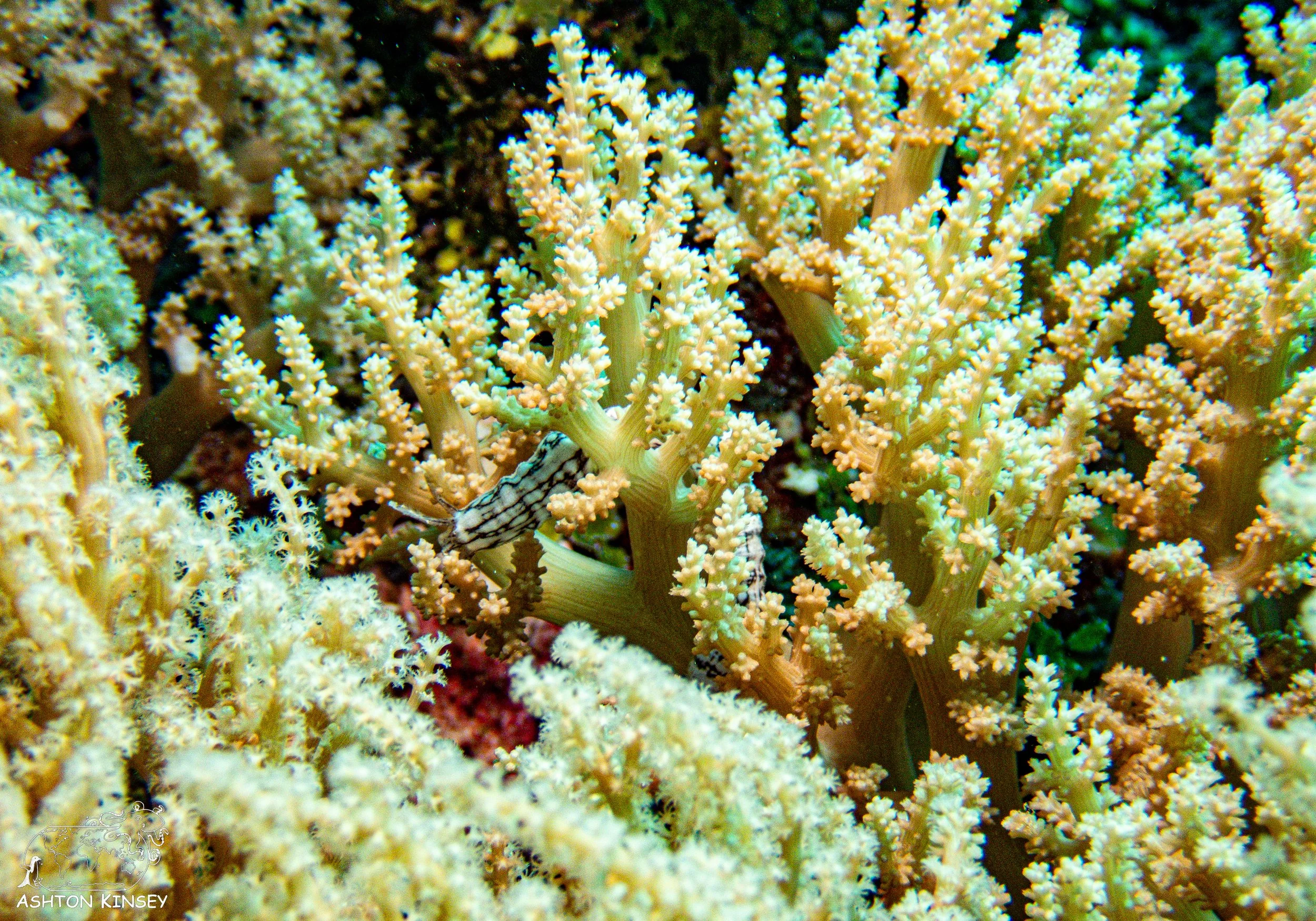
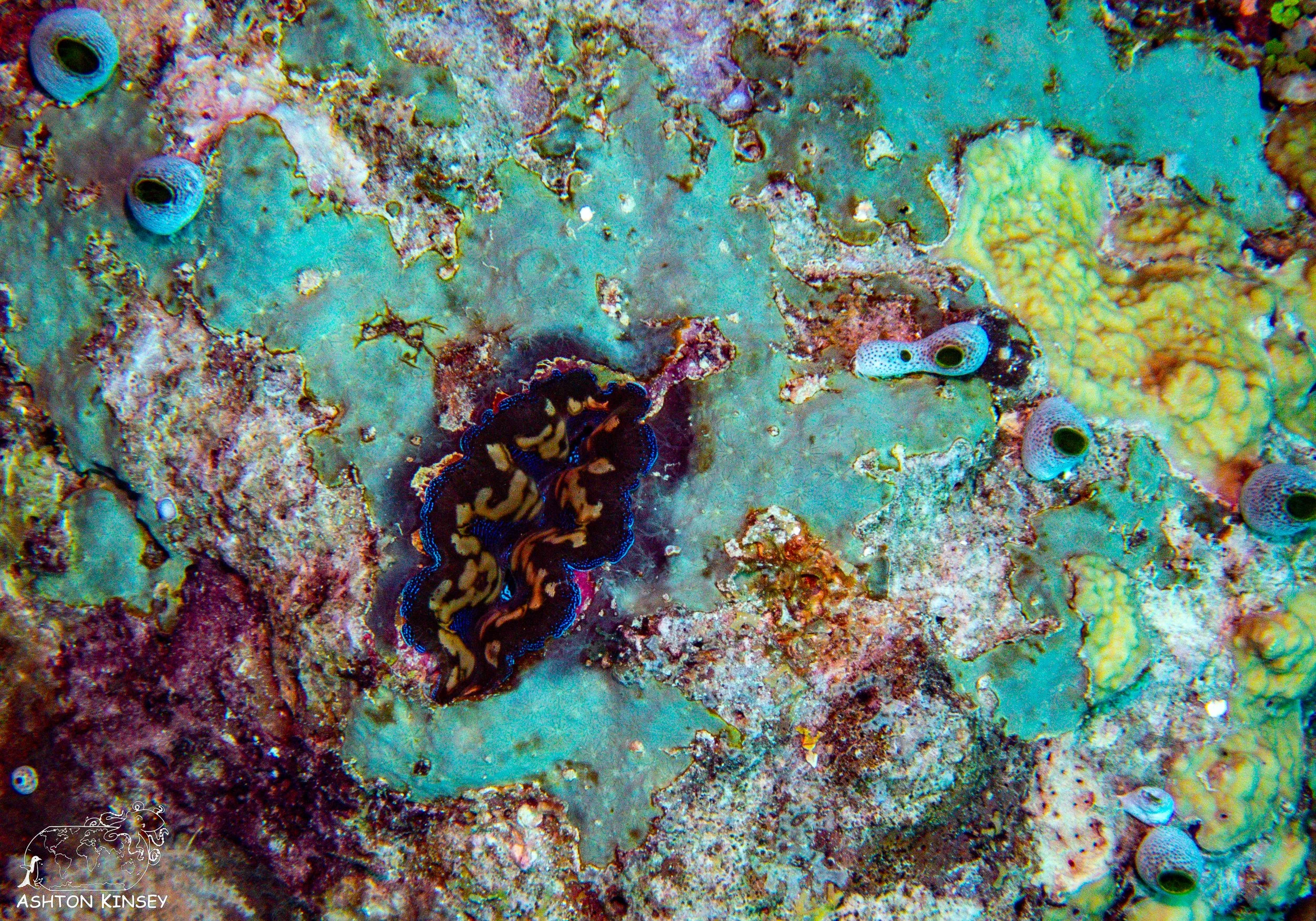
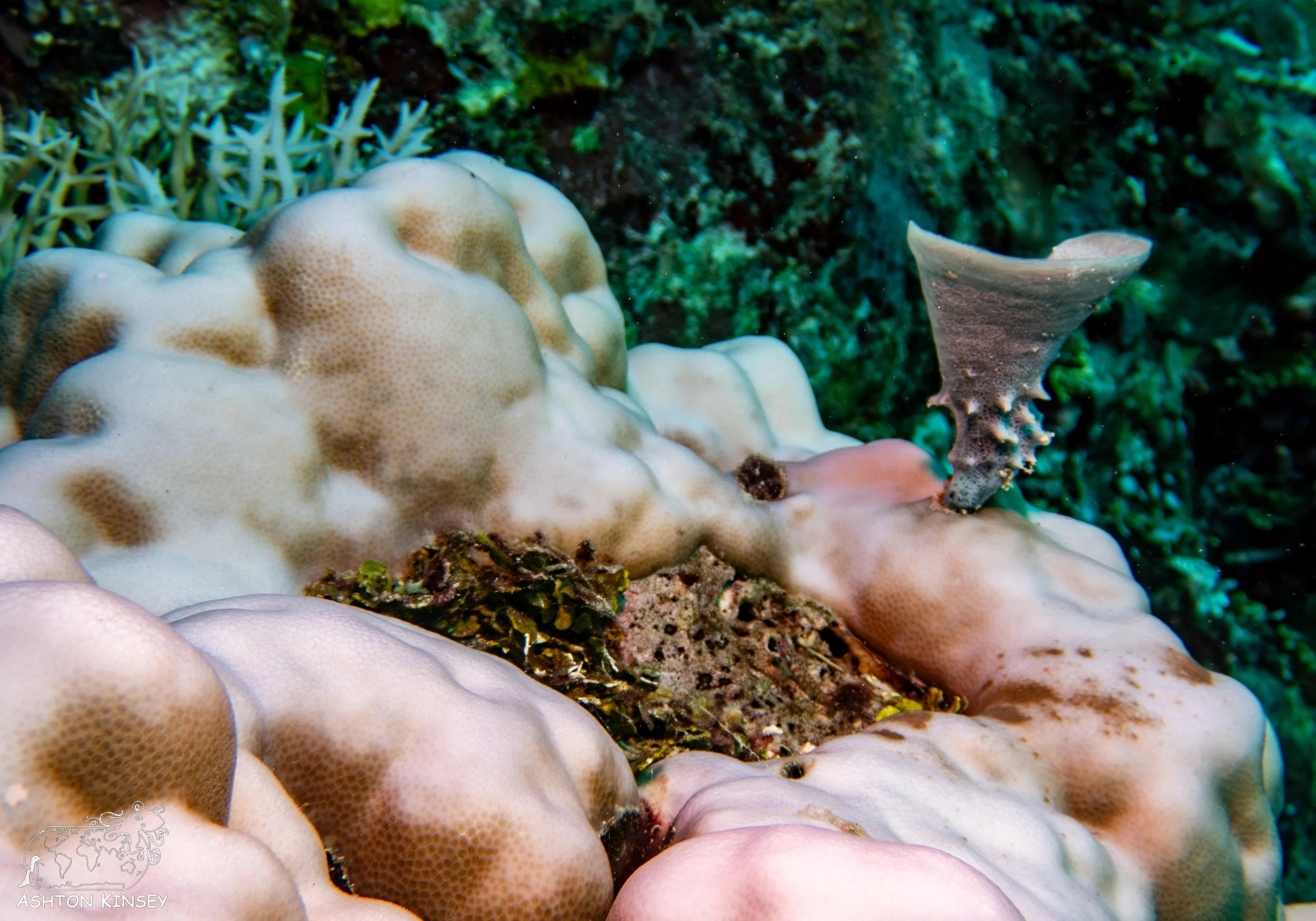
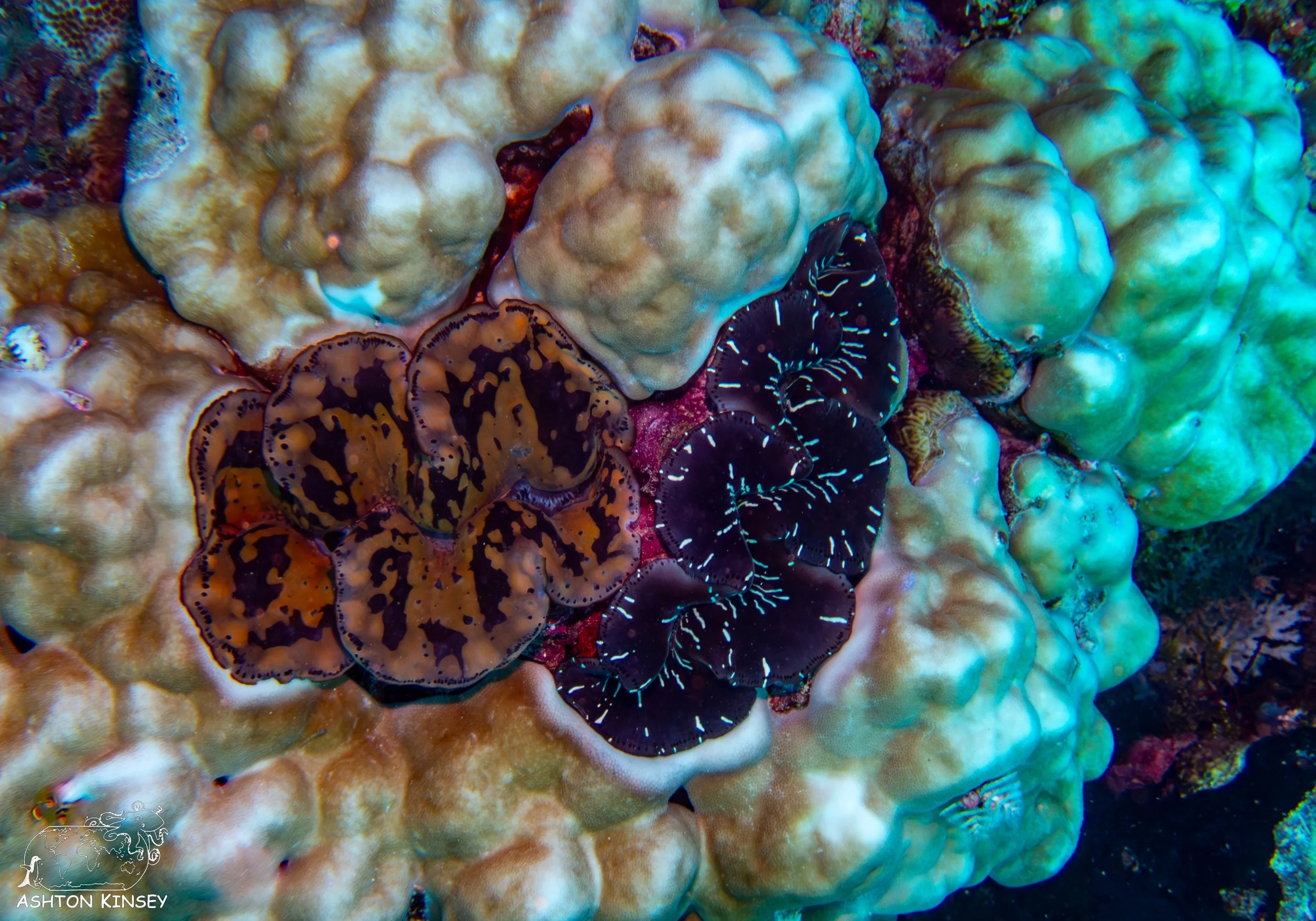
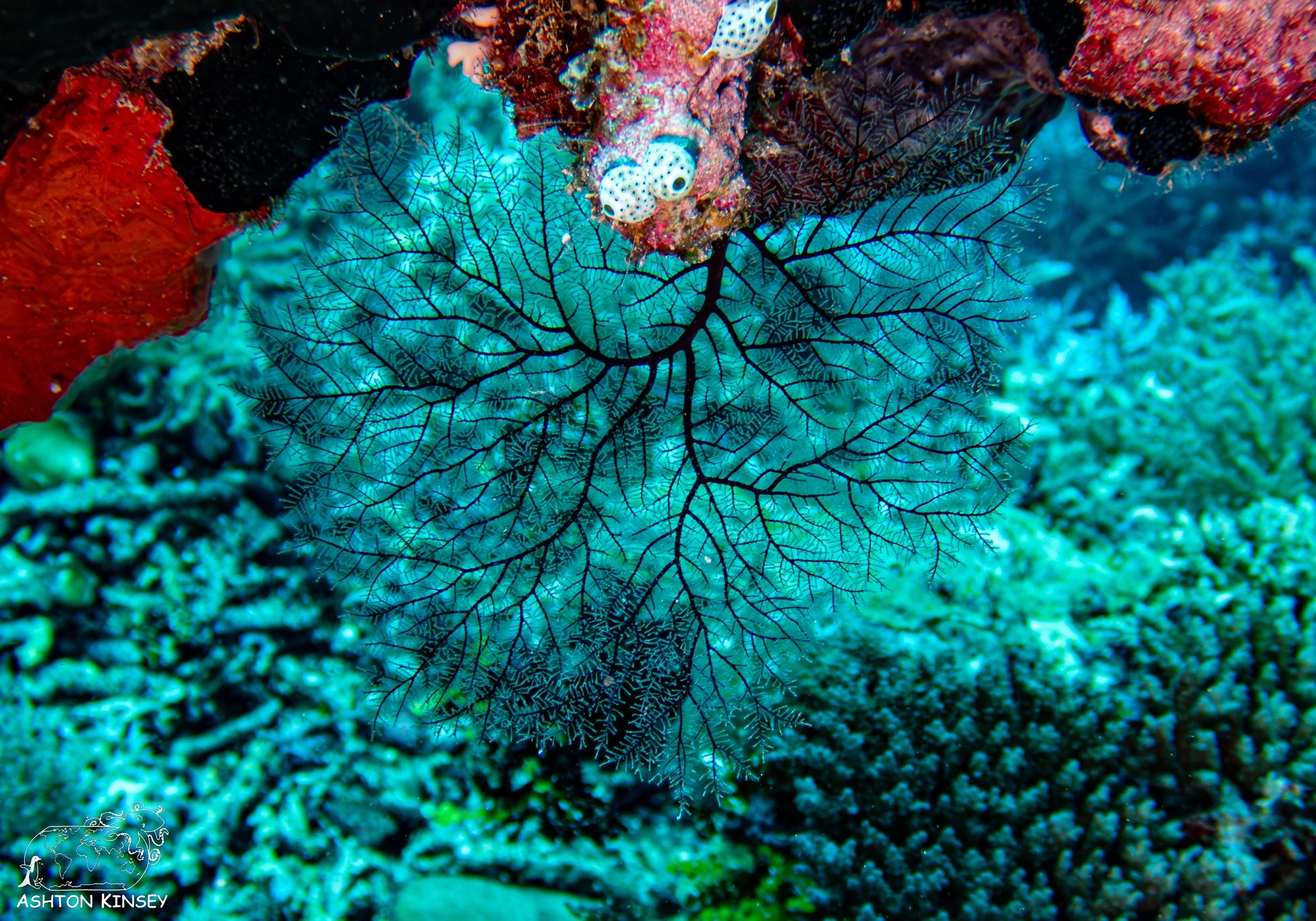
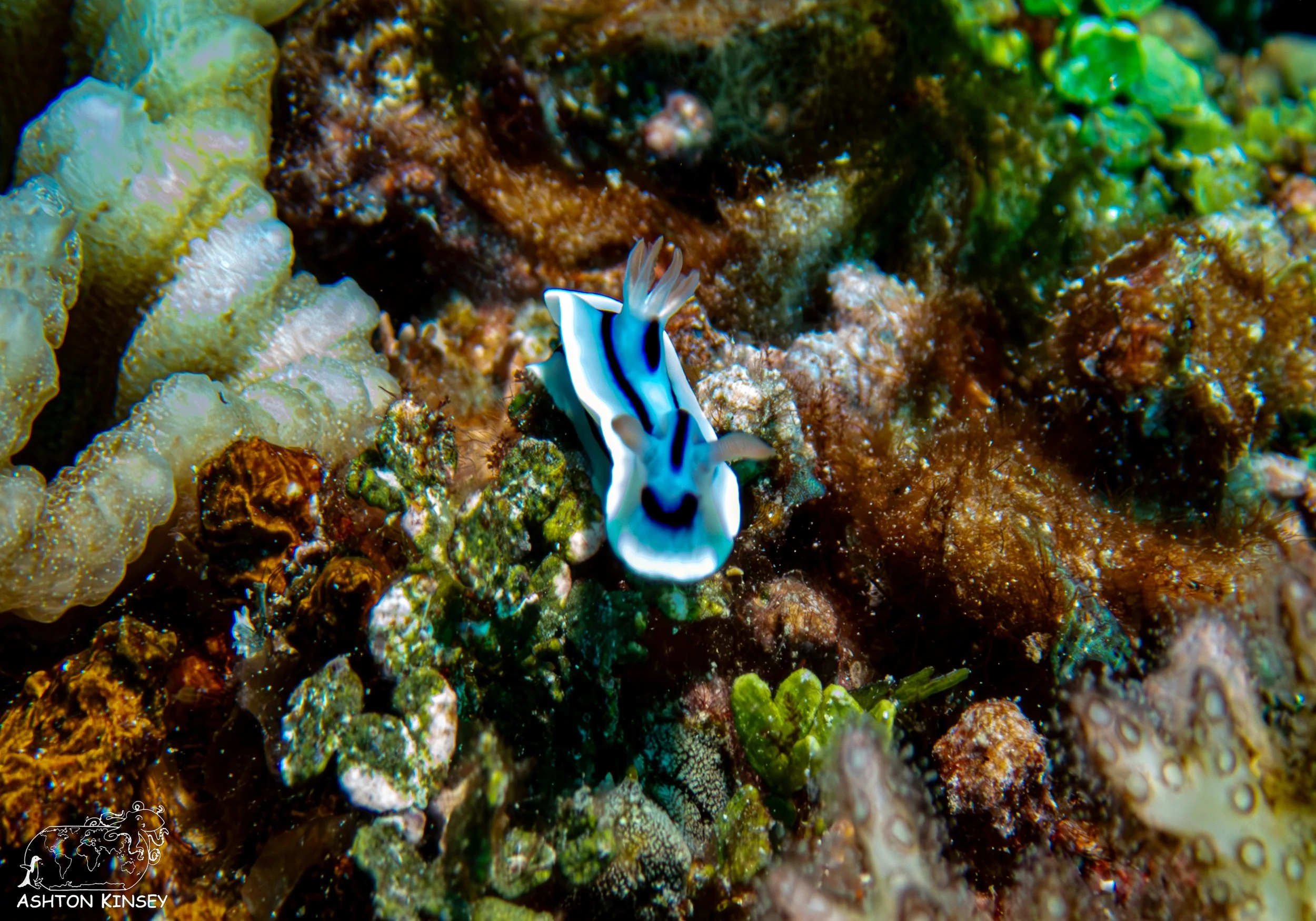
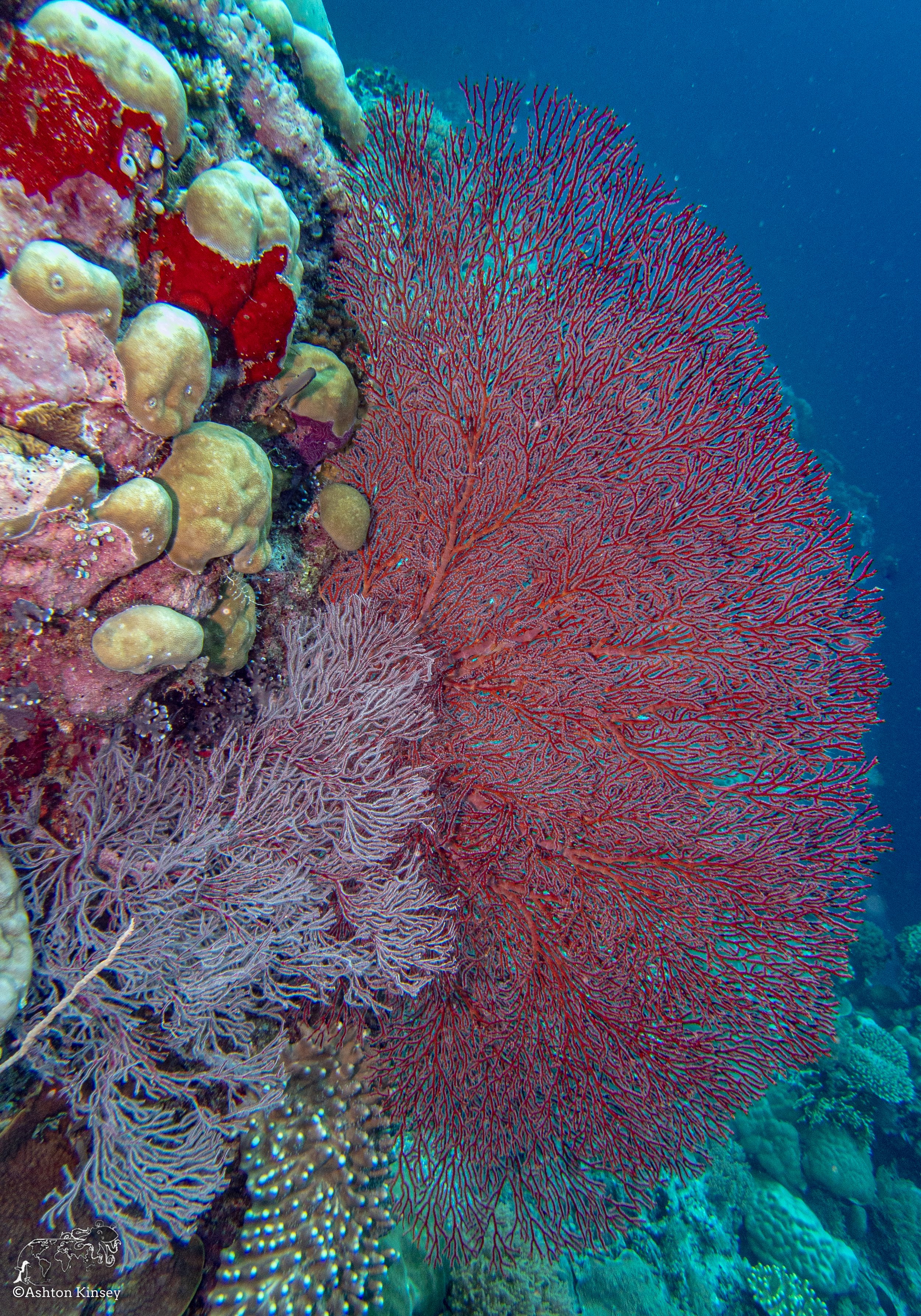
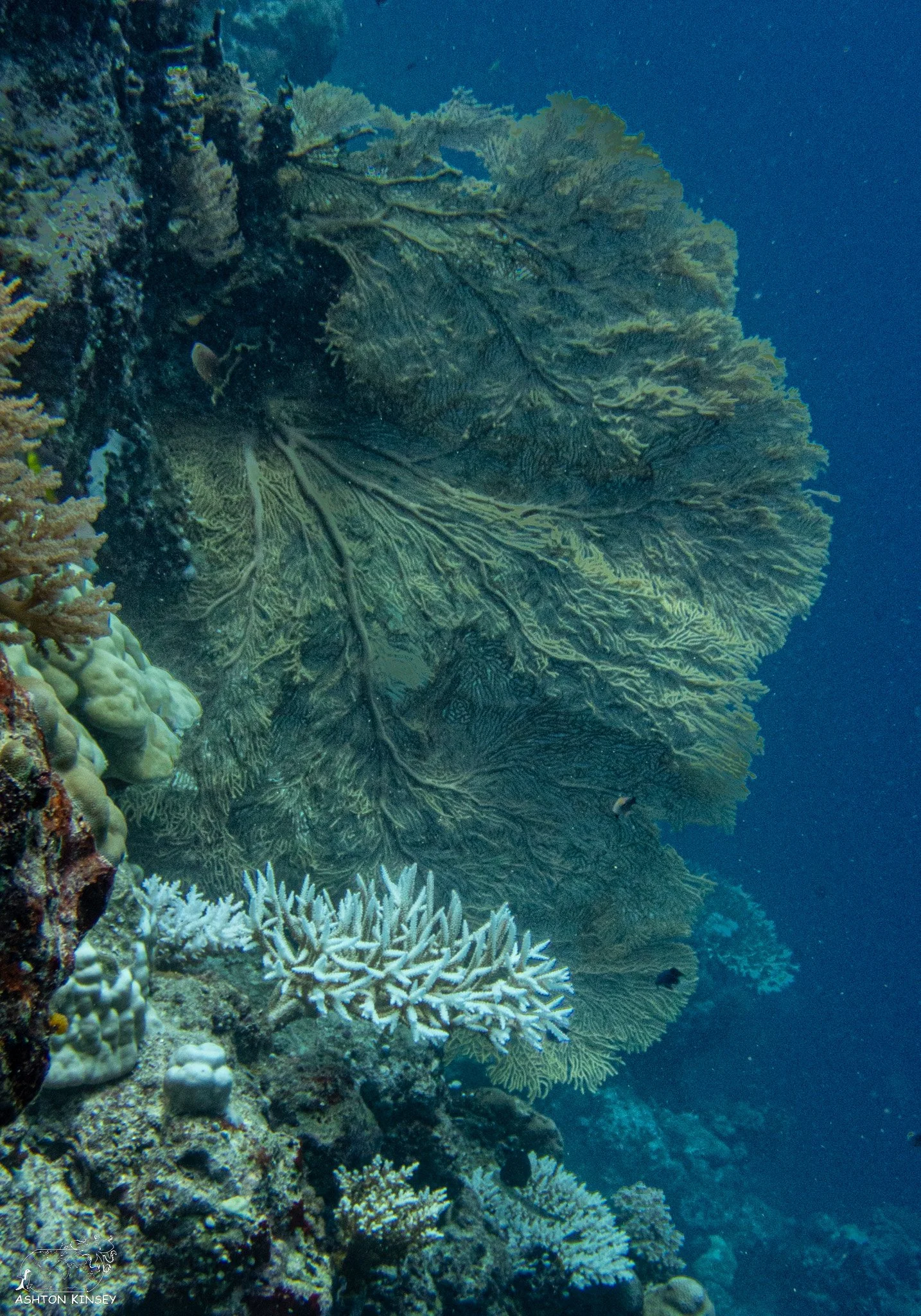
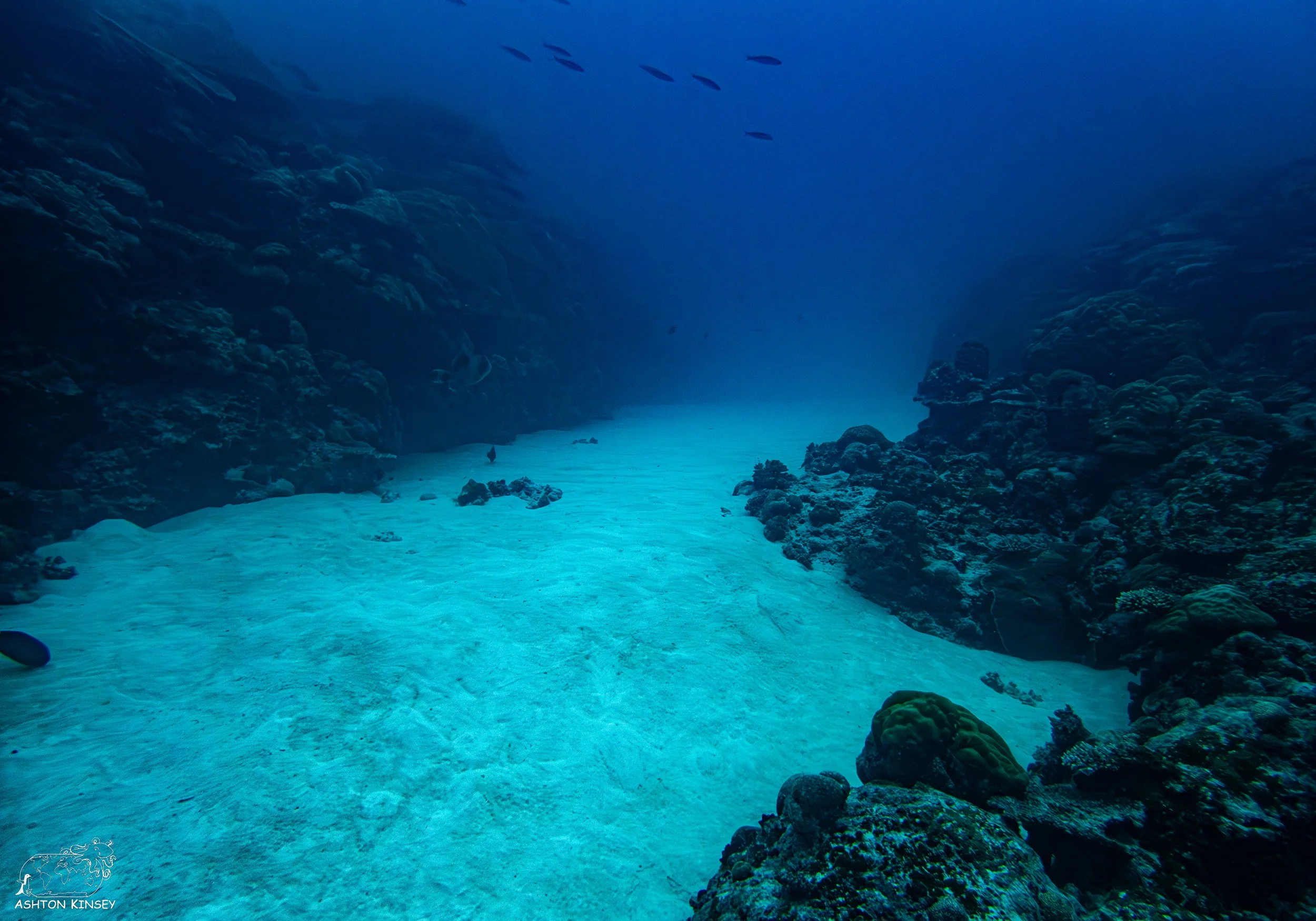
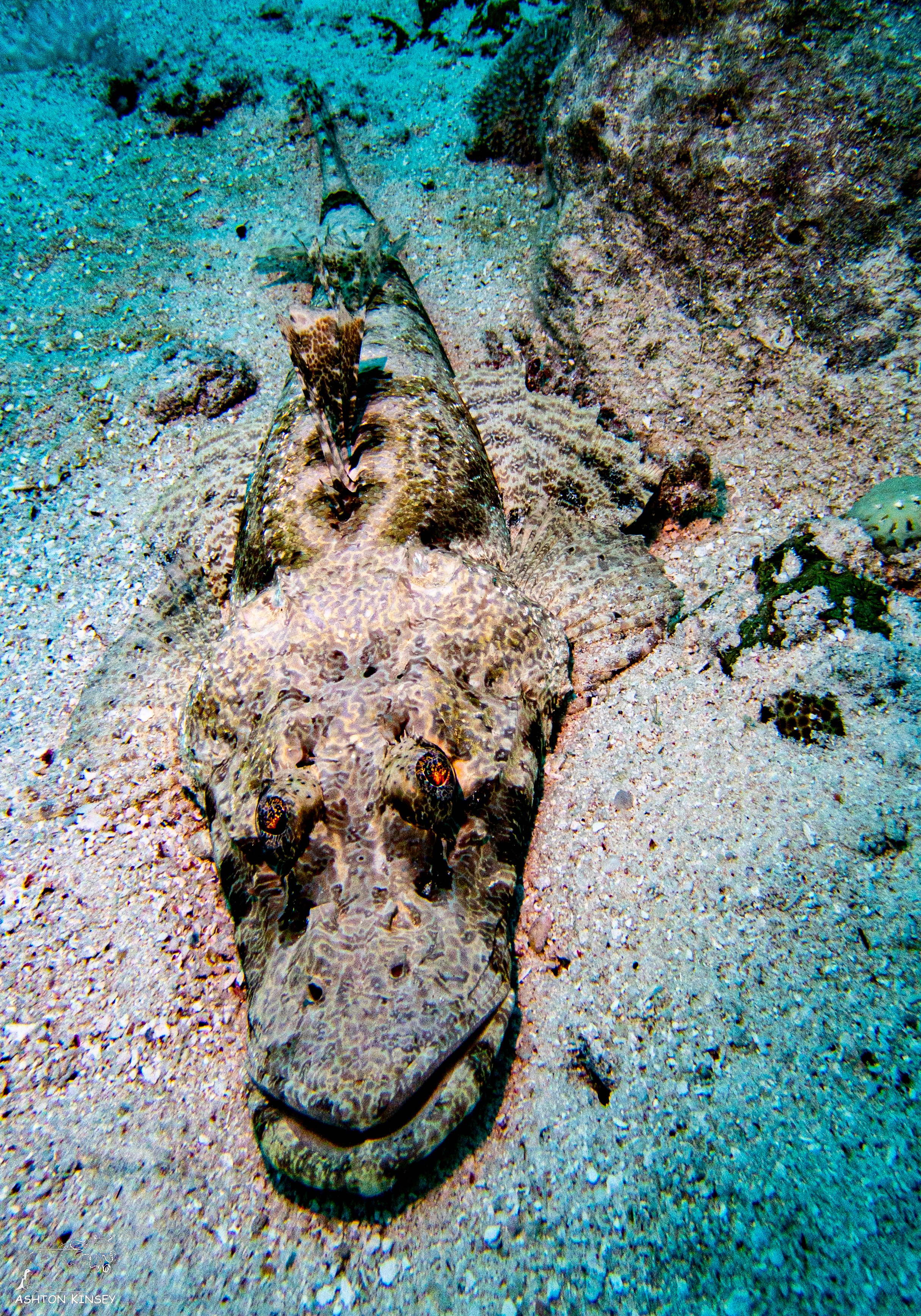
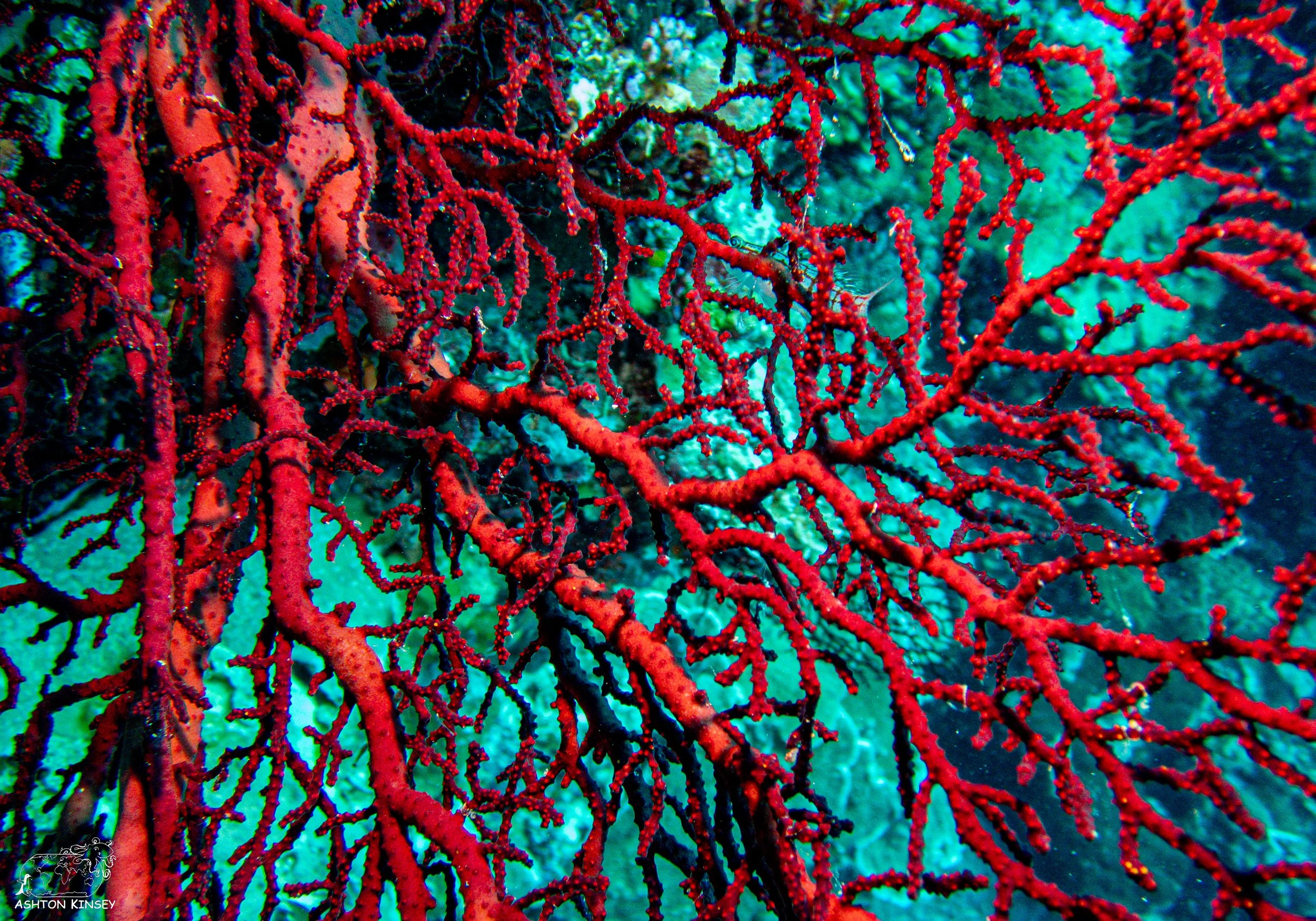
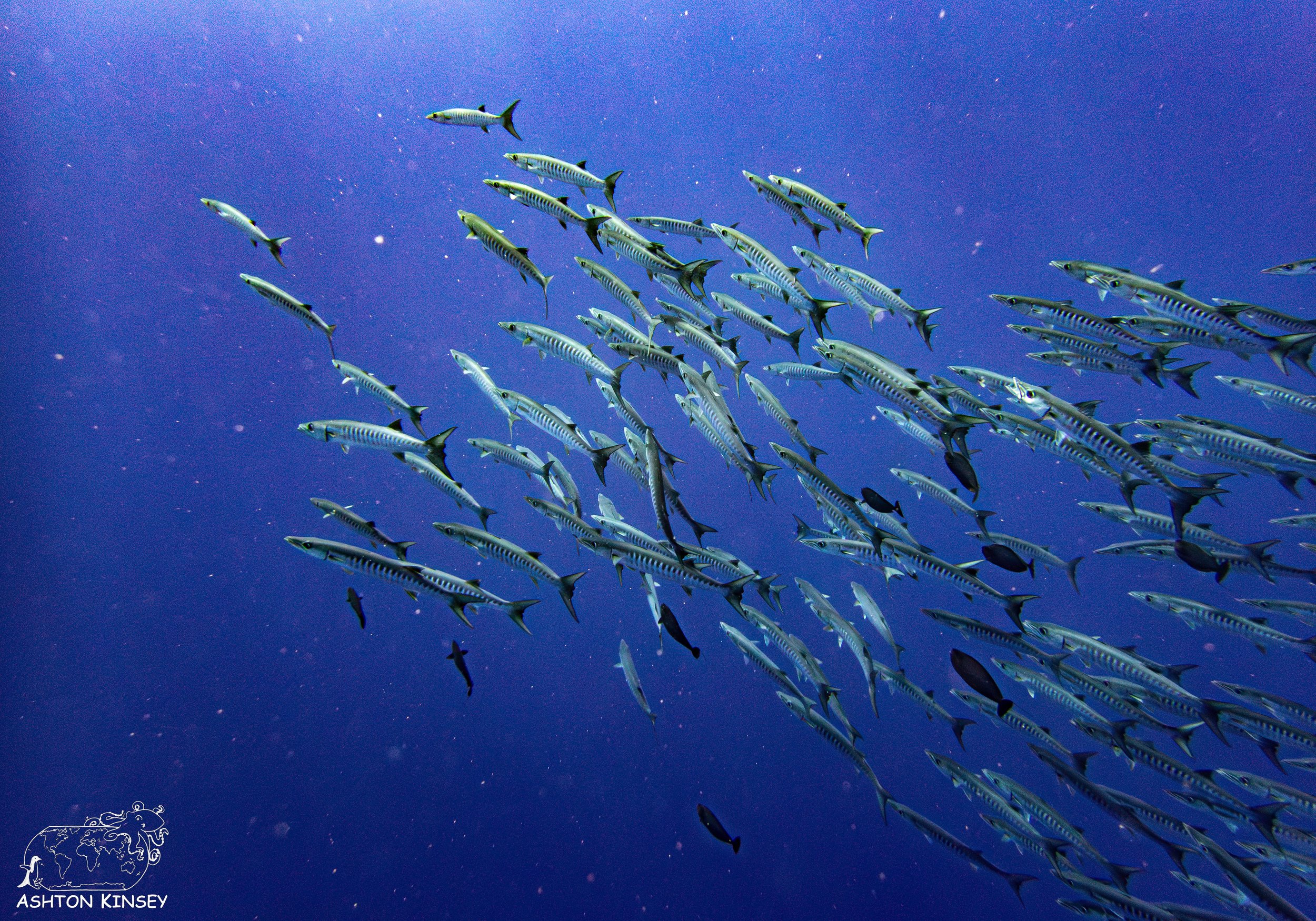
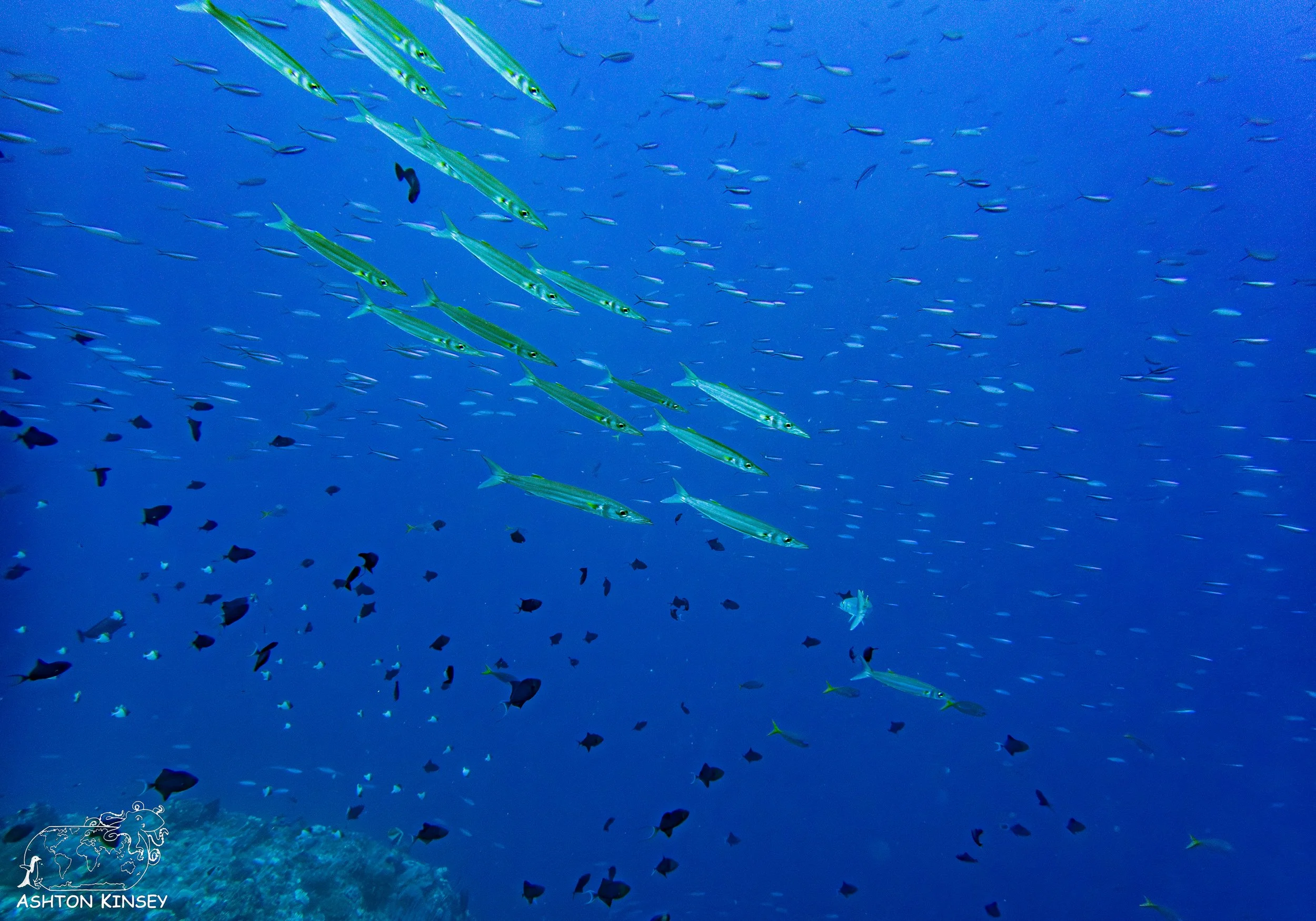
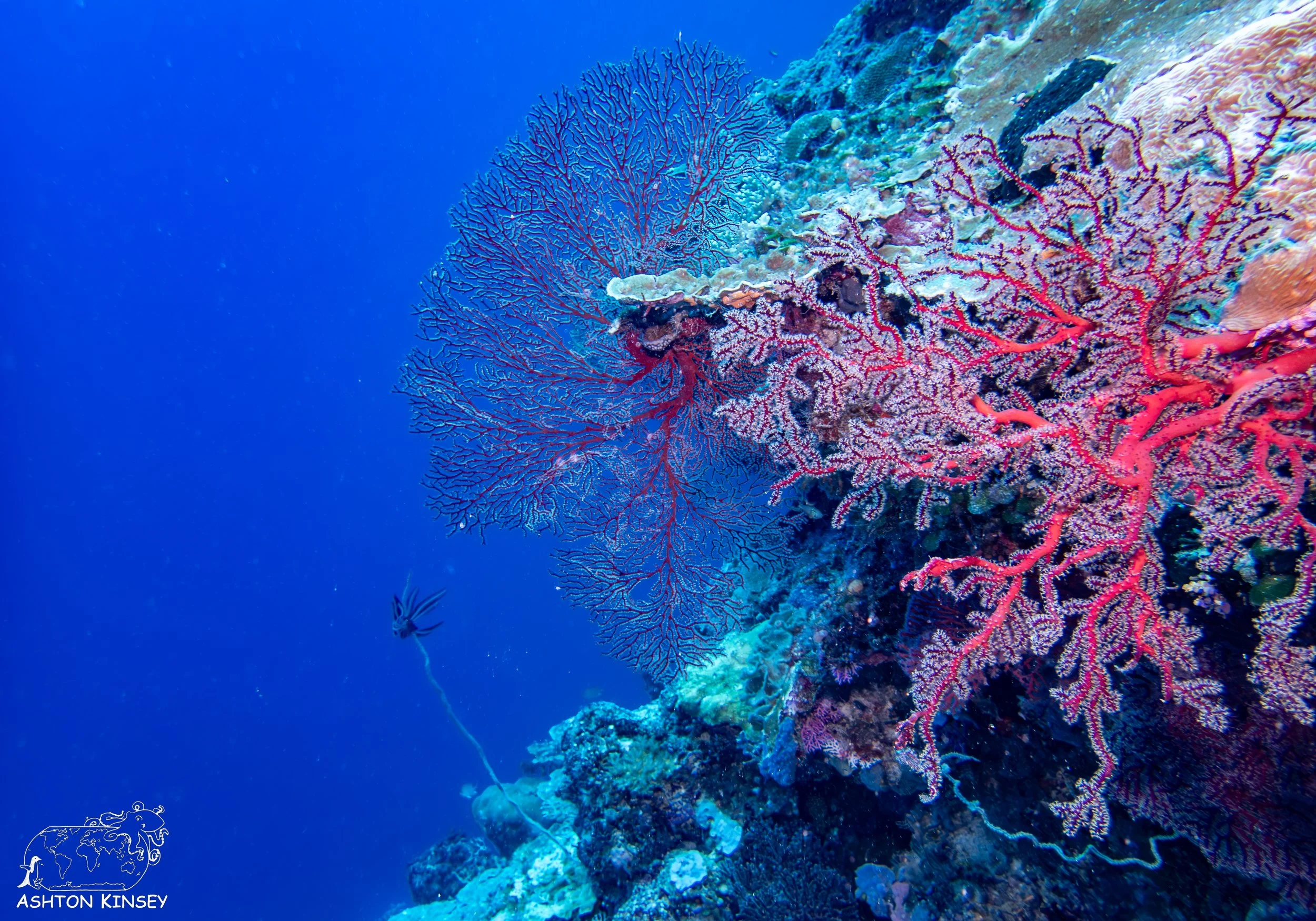
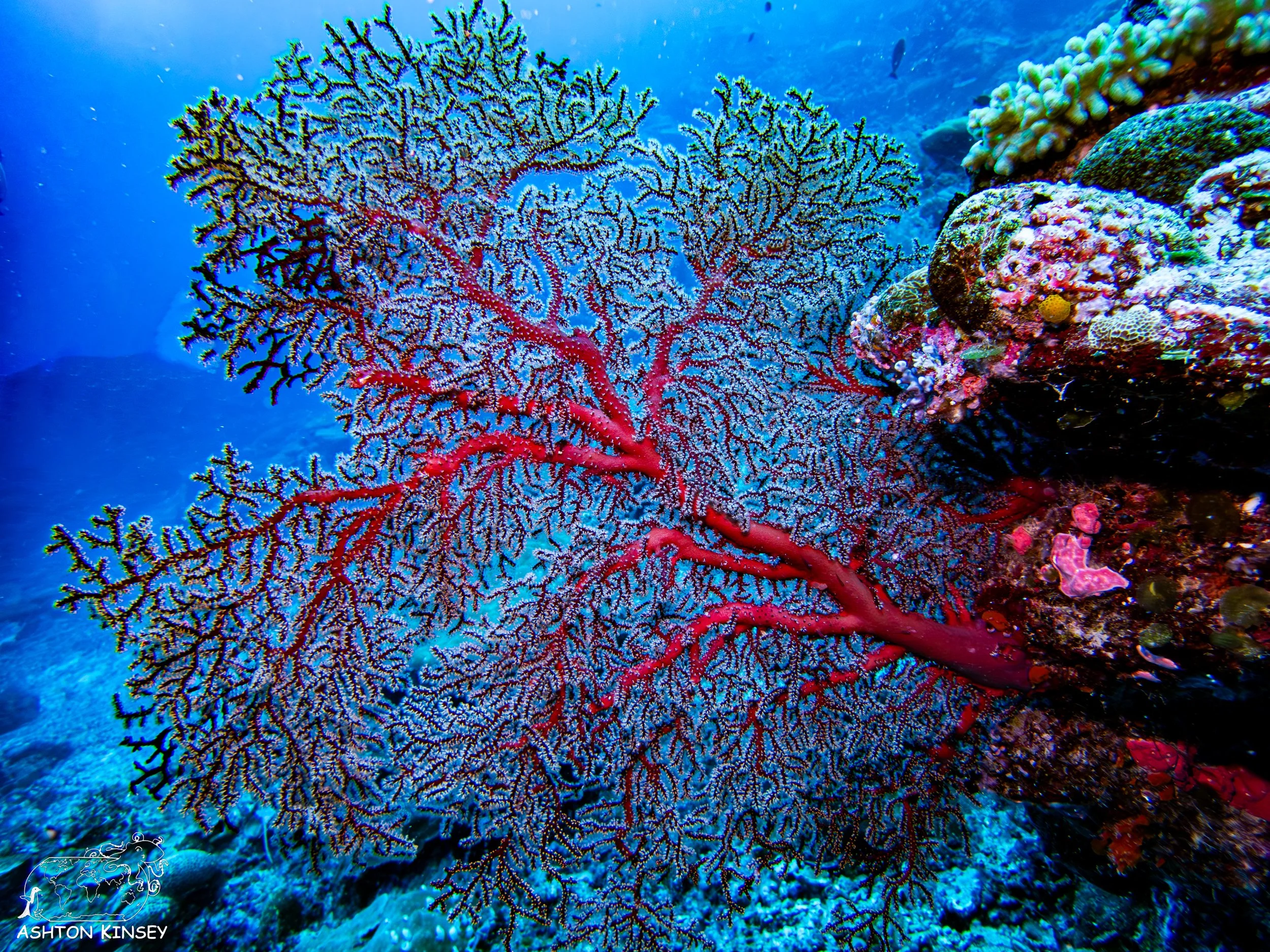
A good intro and amusingly outro dive site. This site is two large reefs with a deep sandy channel dividing them that start sloping downwards at about 30’. When diving along the channel strong currents push you along, large sea fans over 20’ grow along the currents. After turning the bend, the current dies down and lots of smaller corals, crocodile fish, nudibranchs can be found amongst the reef. Out in the blue, schools of barracuda, bumphead parrotfish, can be seen swimming alongside reef sharks and eagle rays.
Short Drop Off
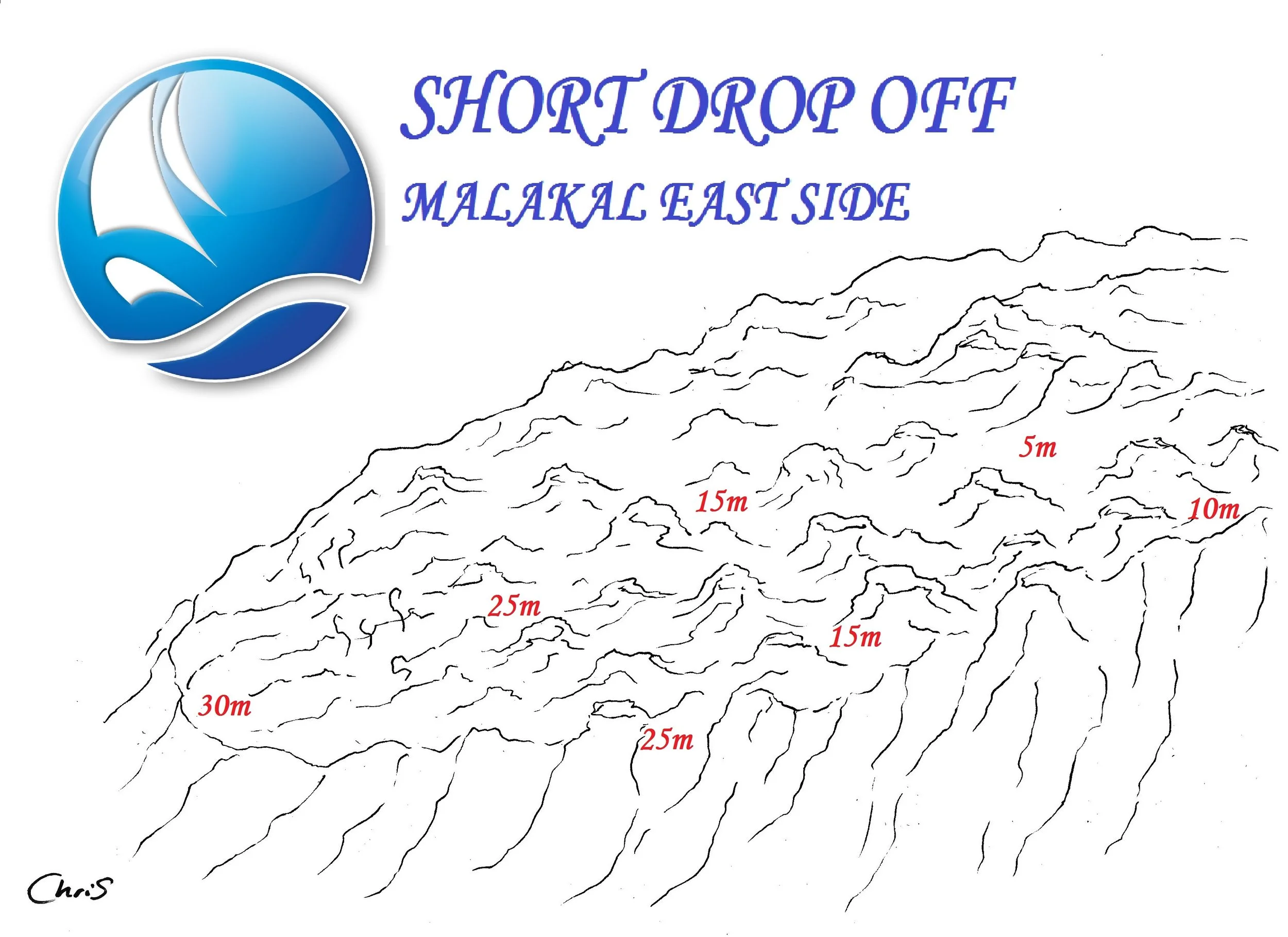
Dive 2: 60’ for 62 Min
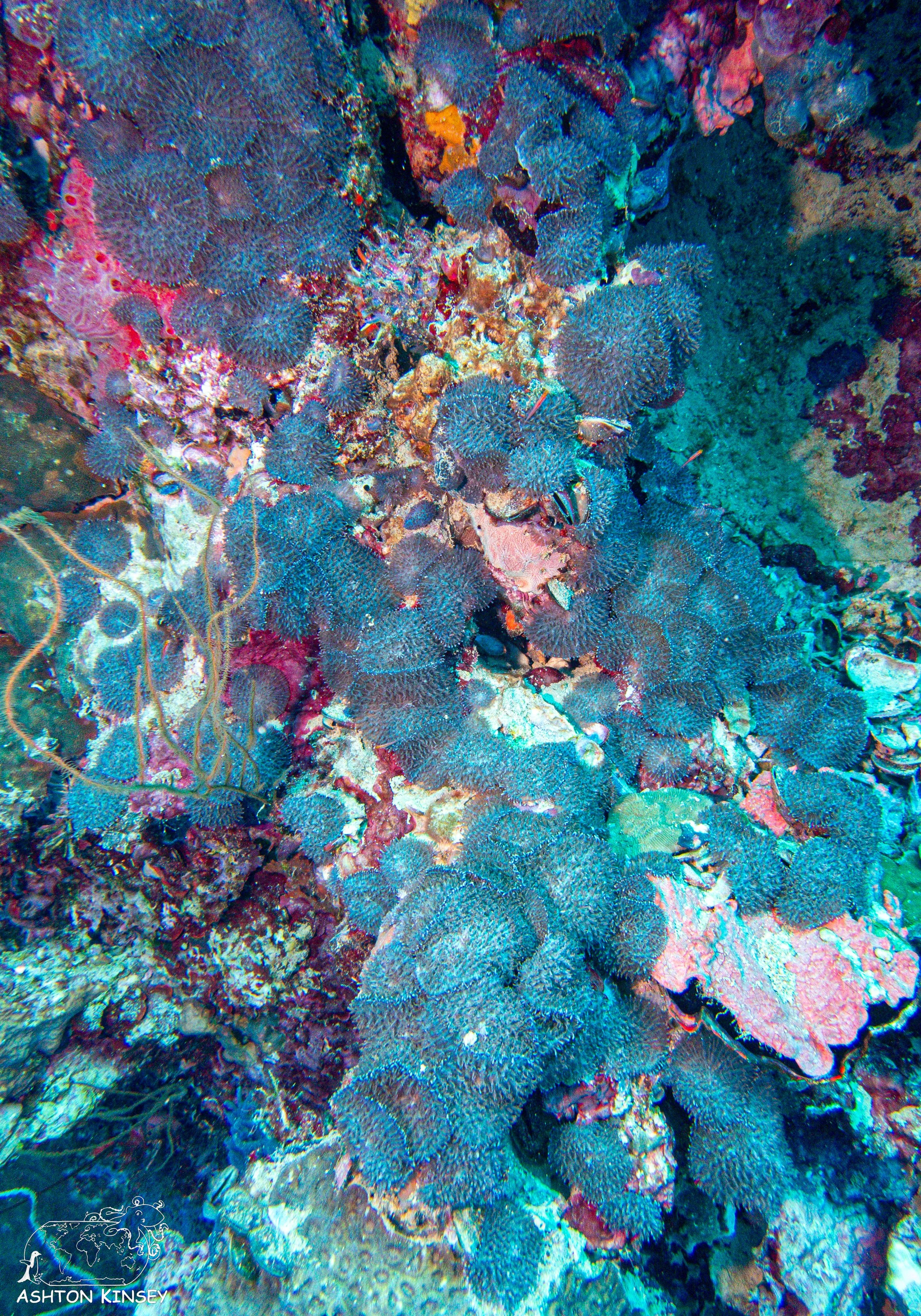
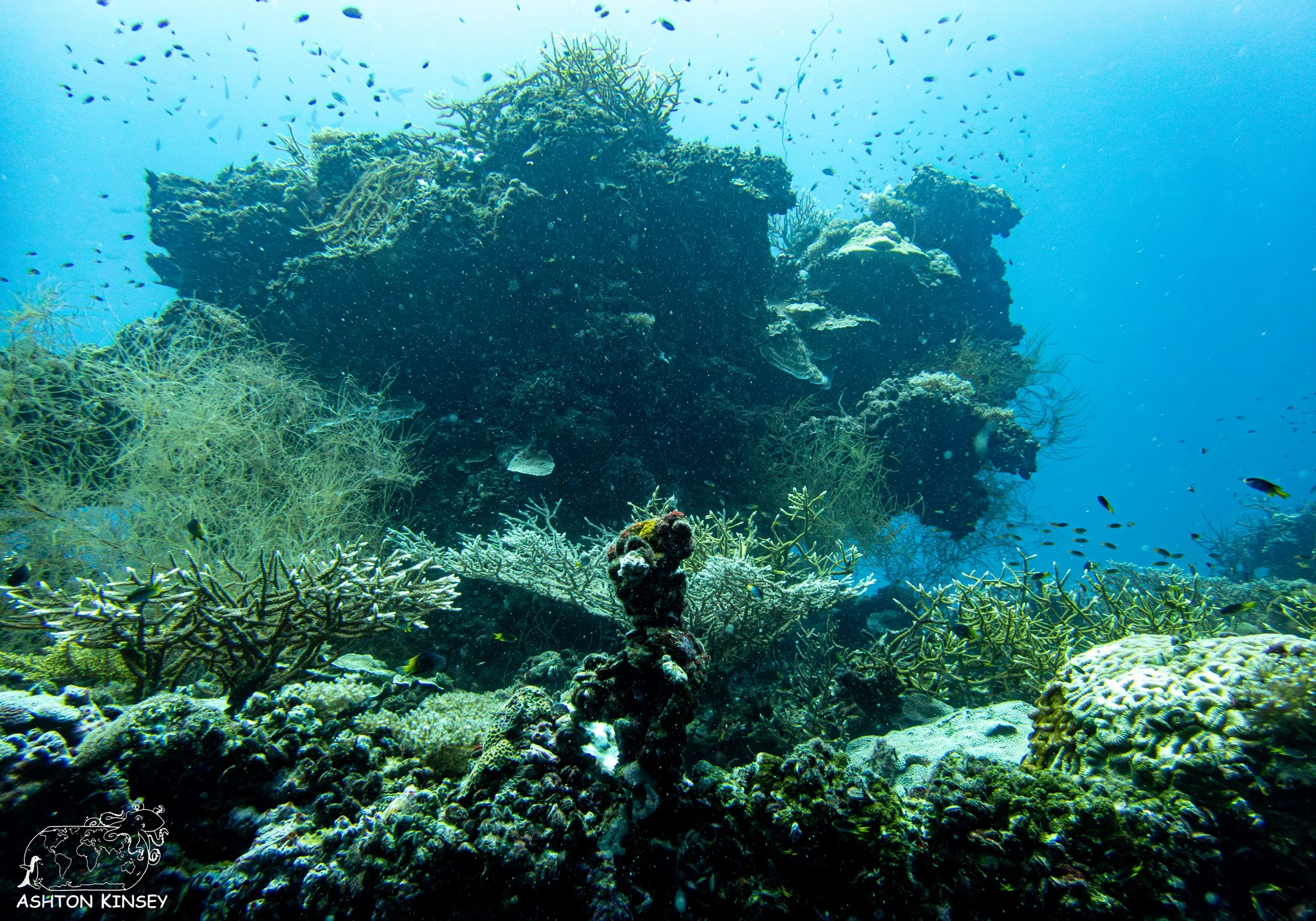
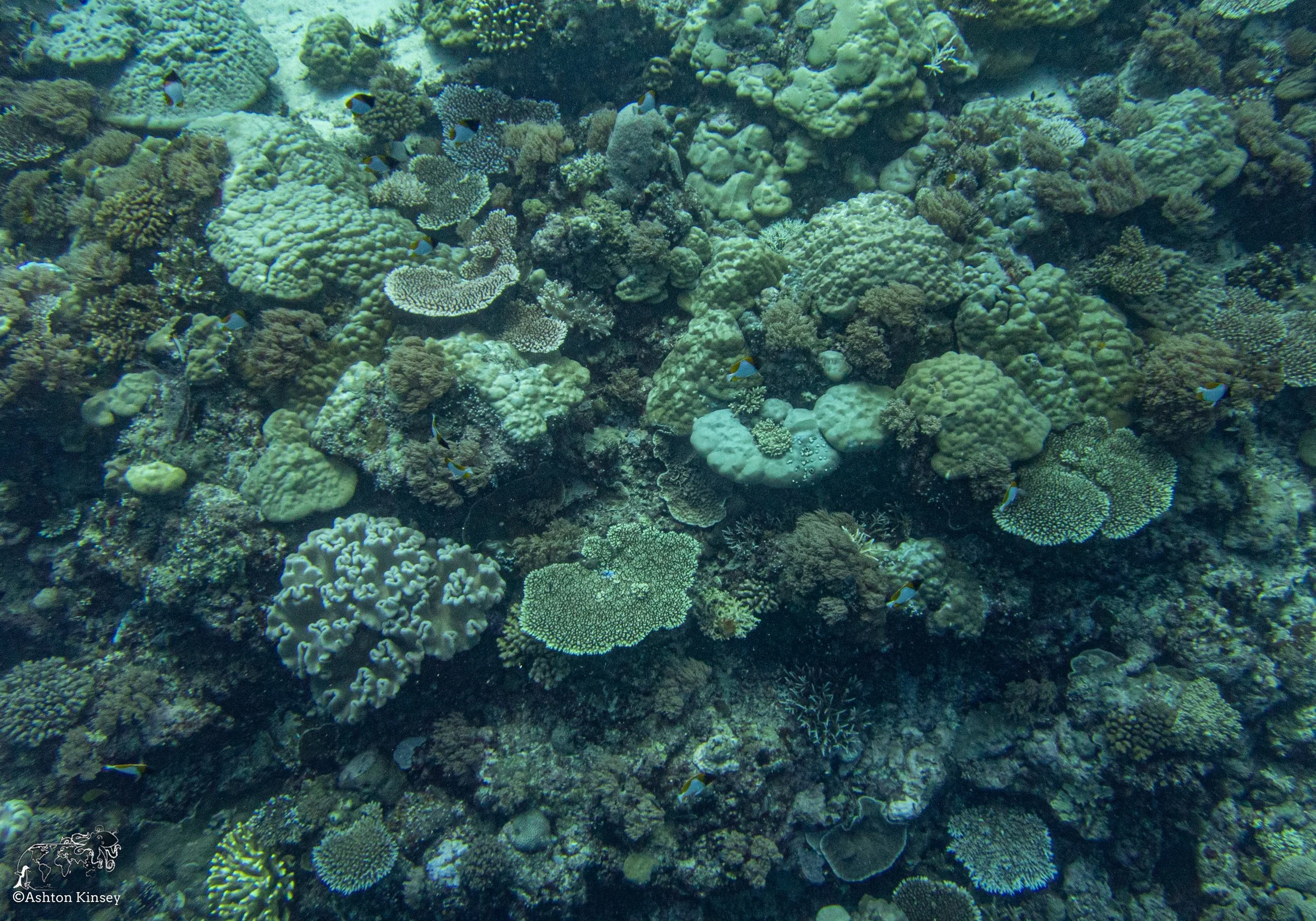
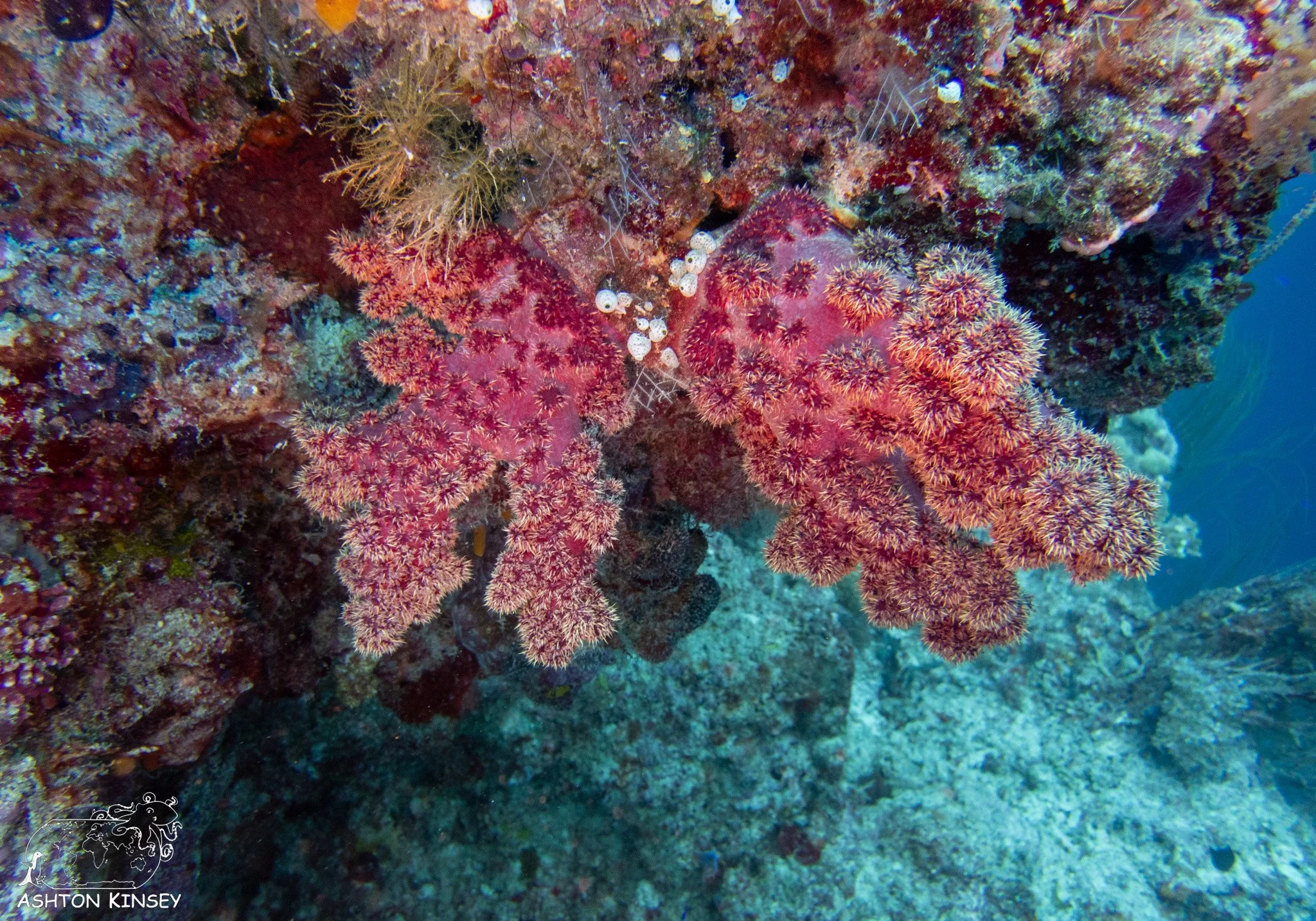
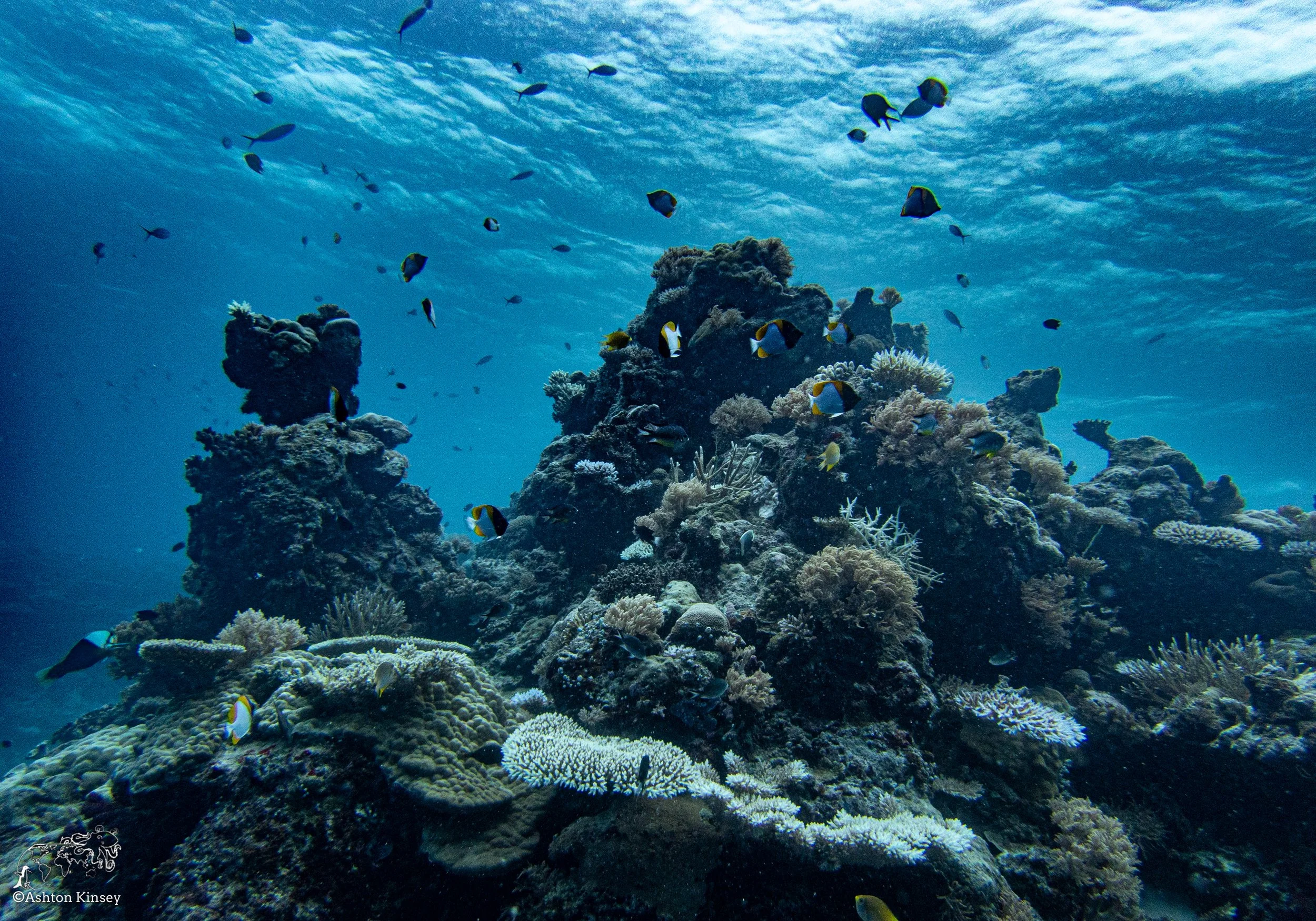
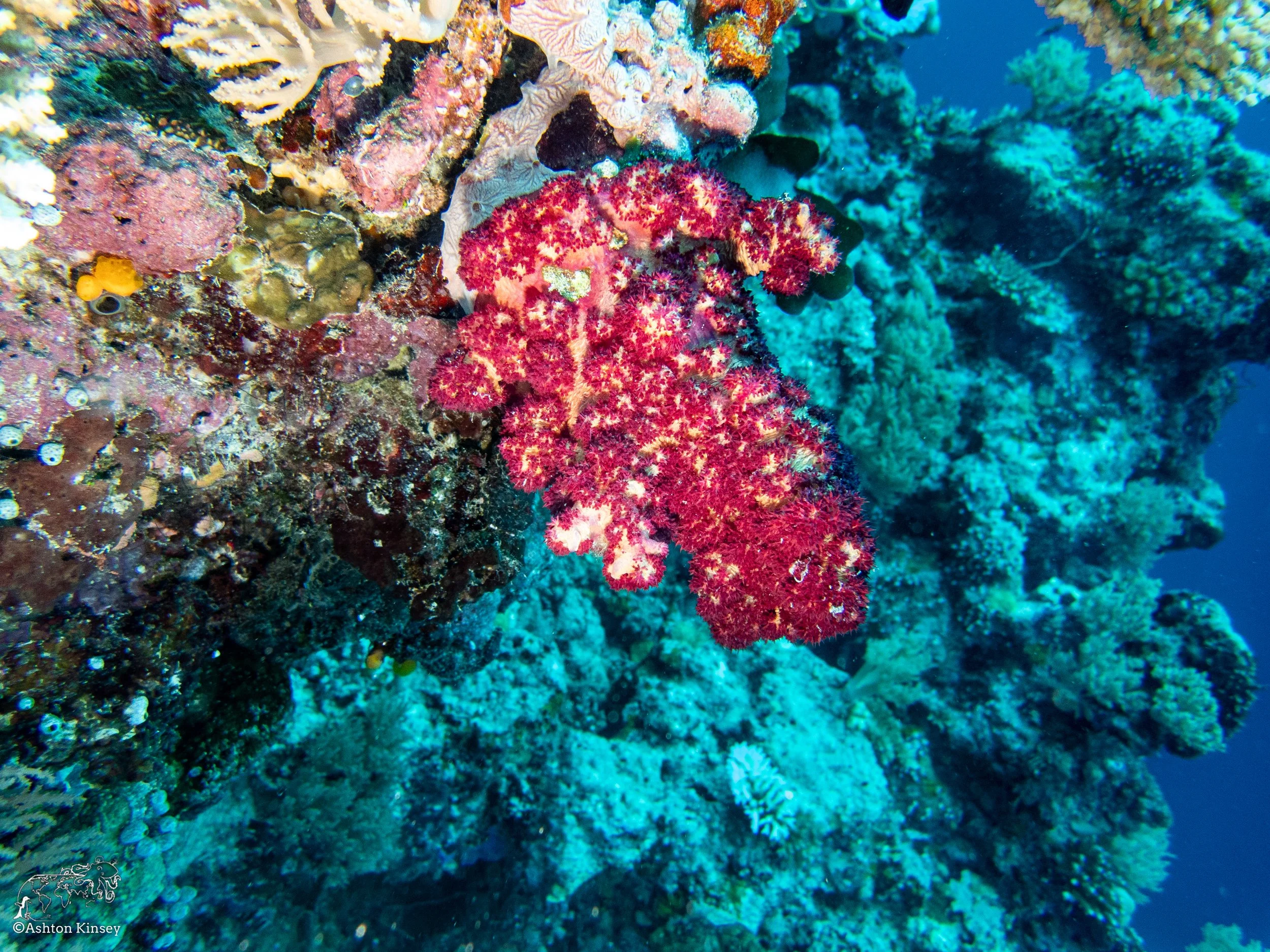
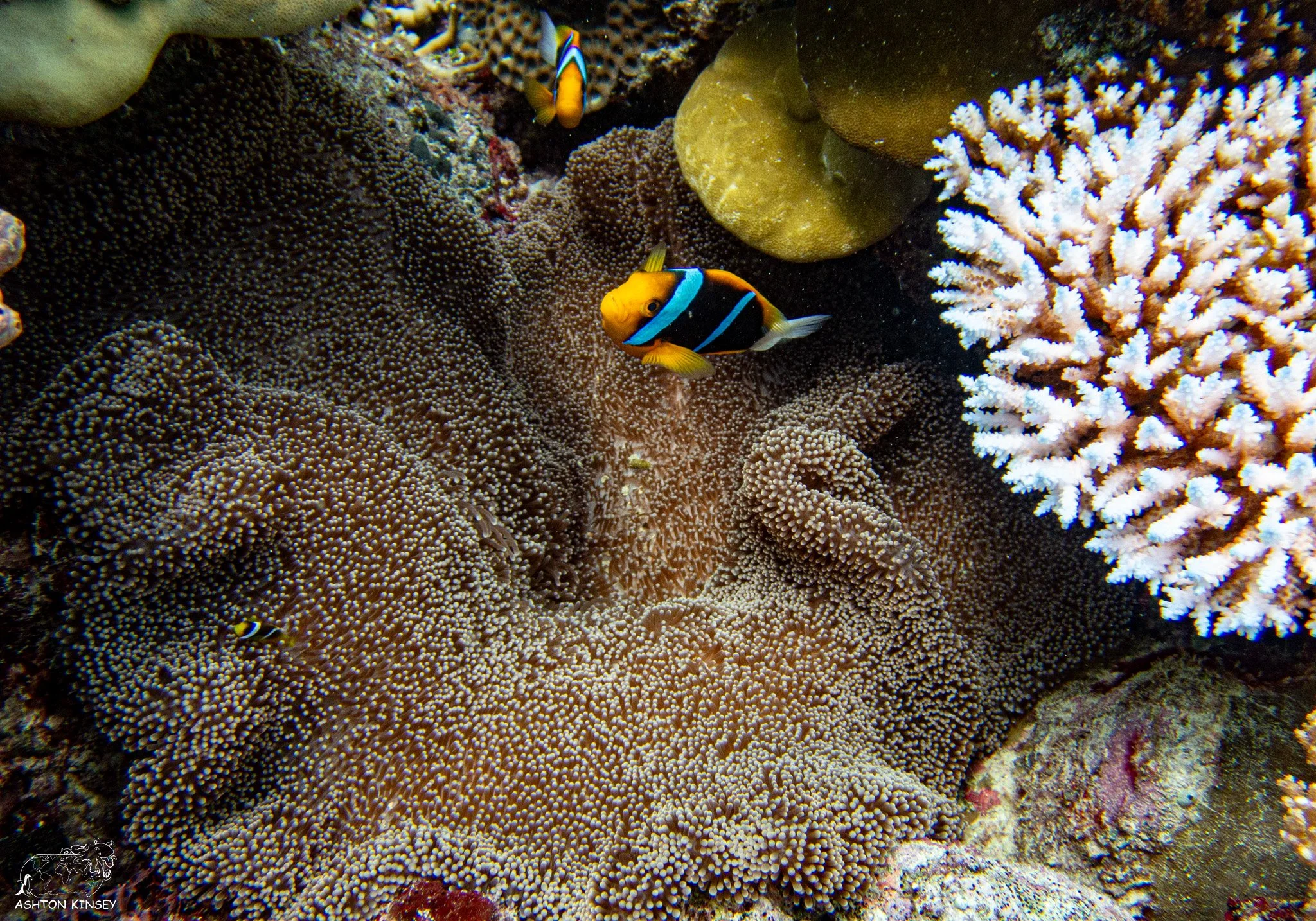
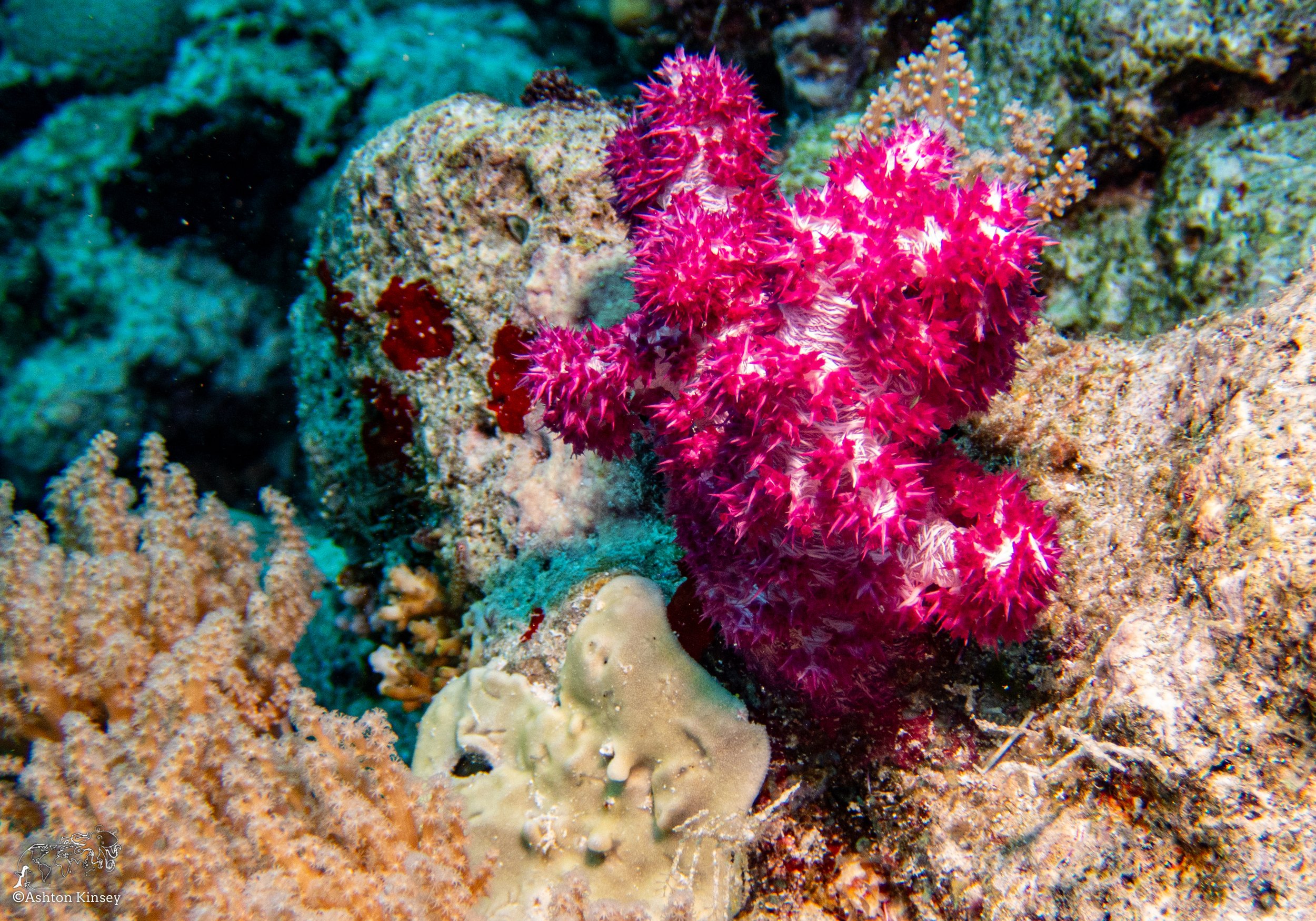
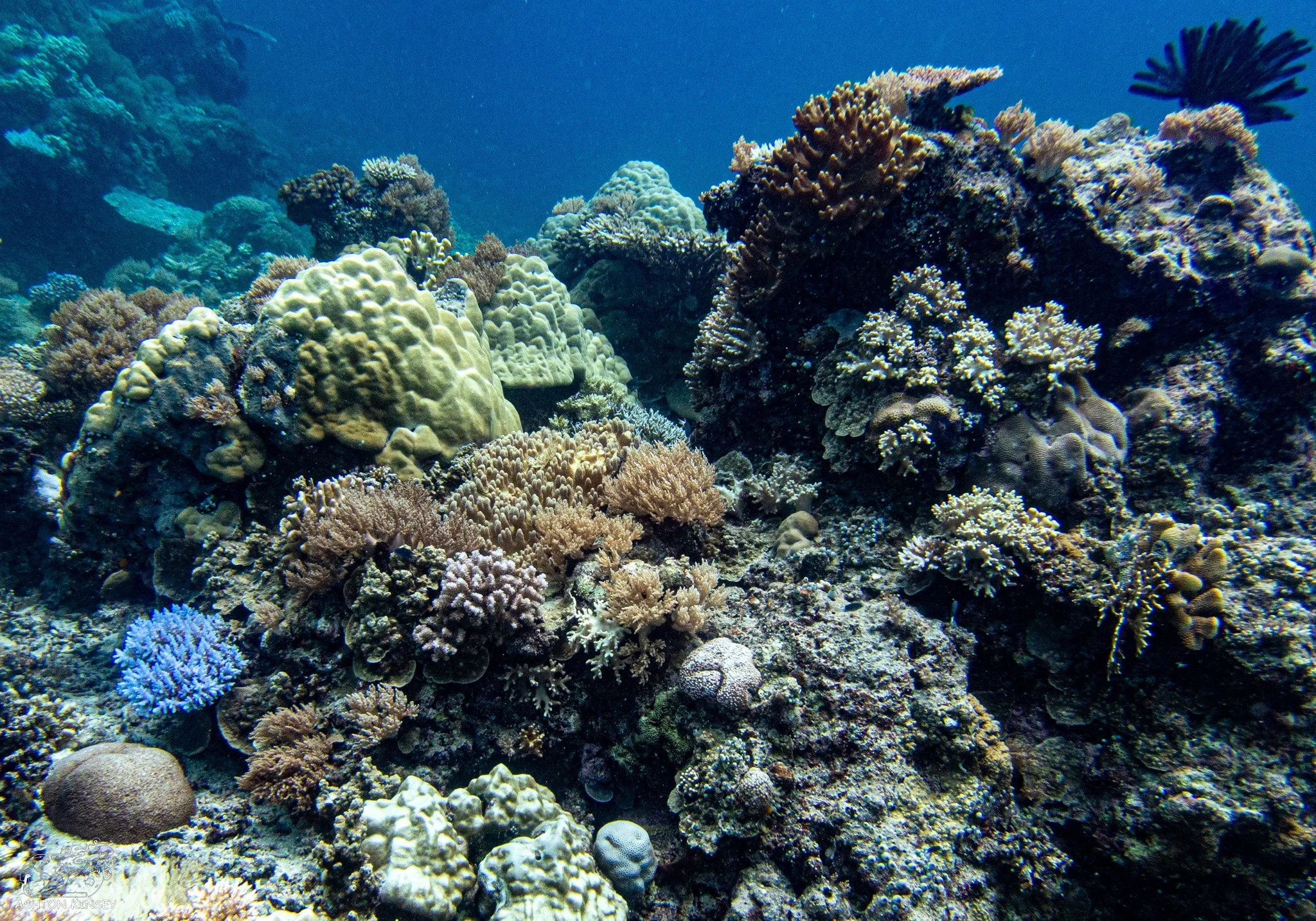
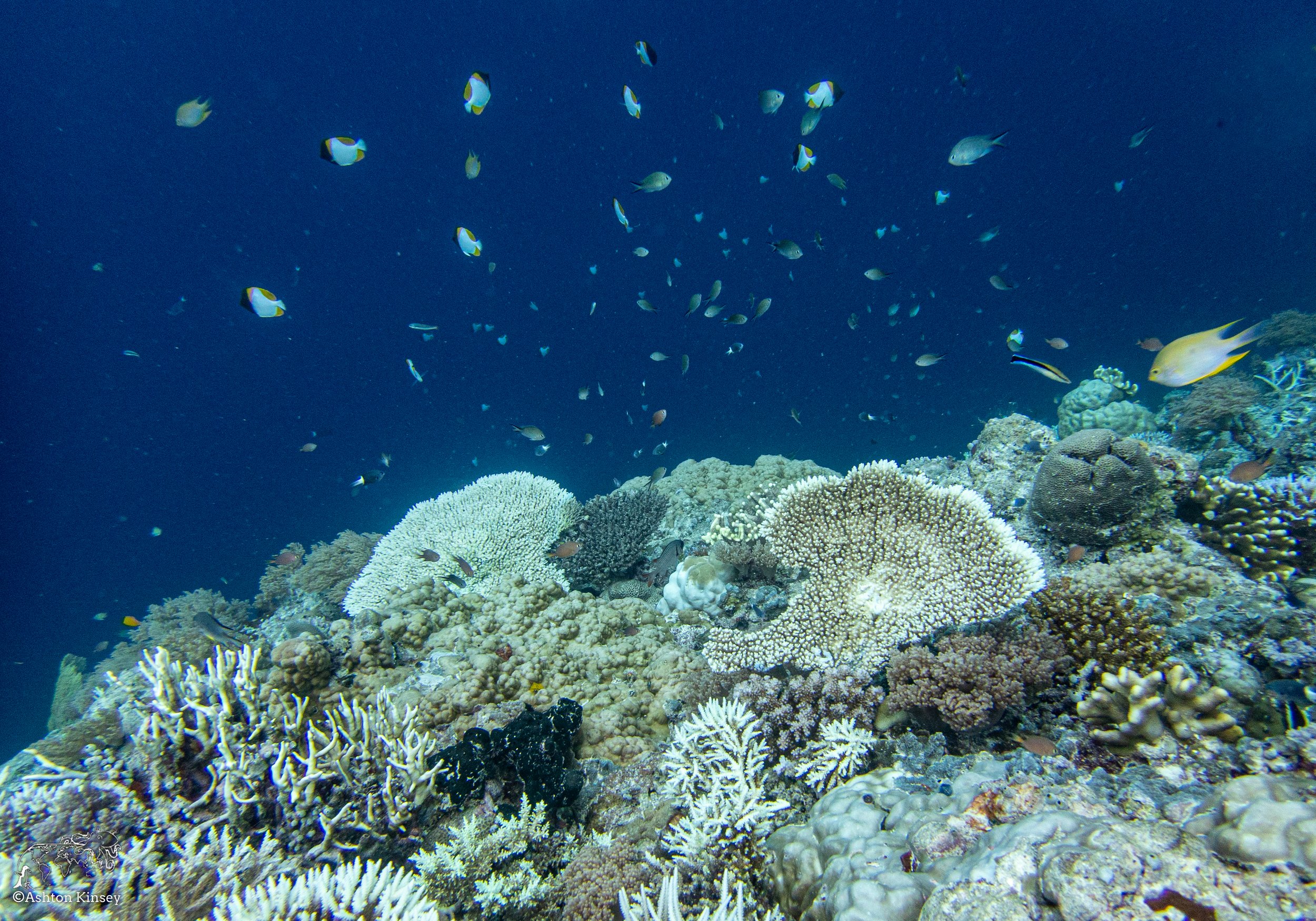
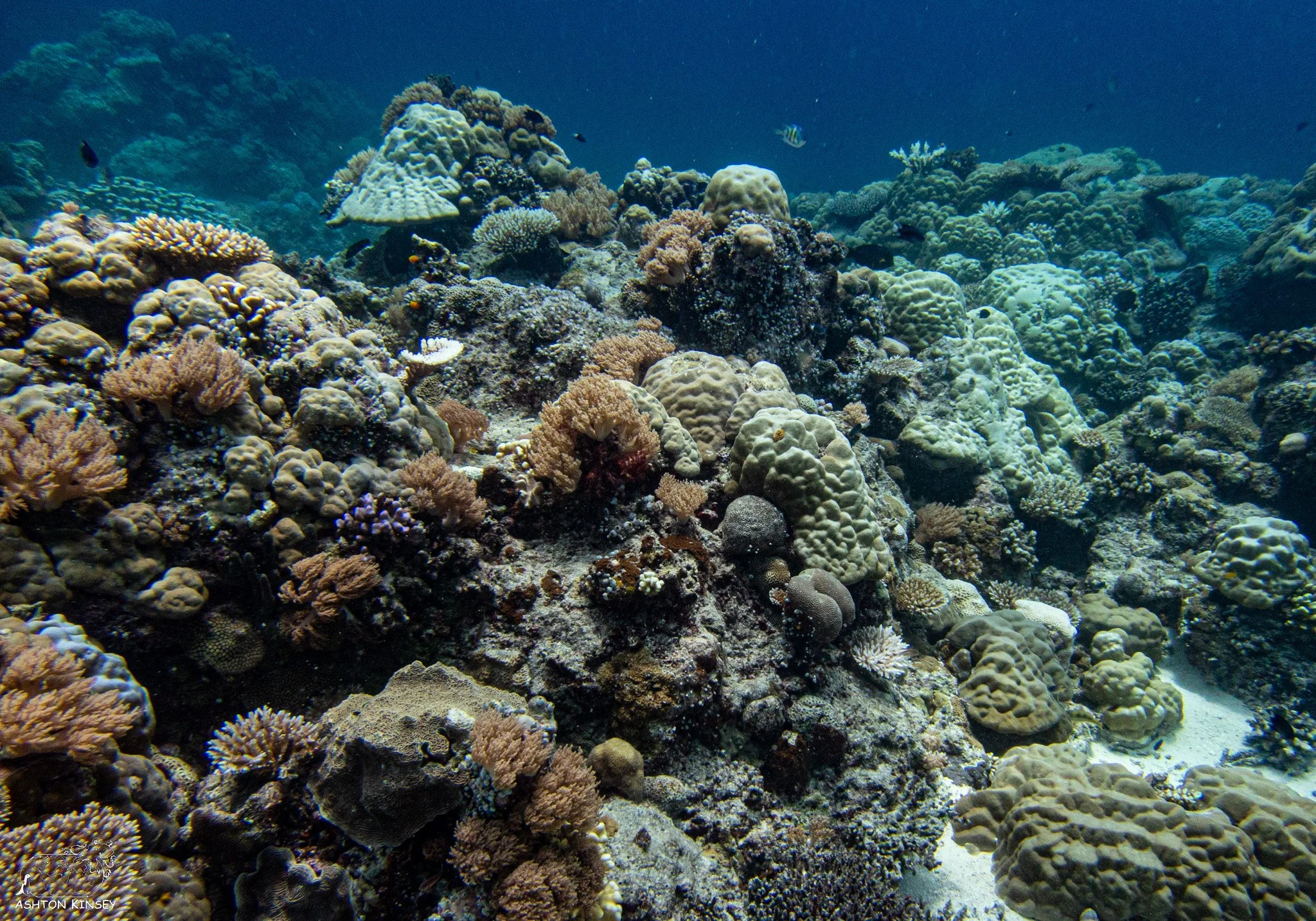
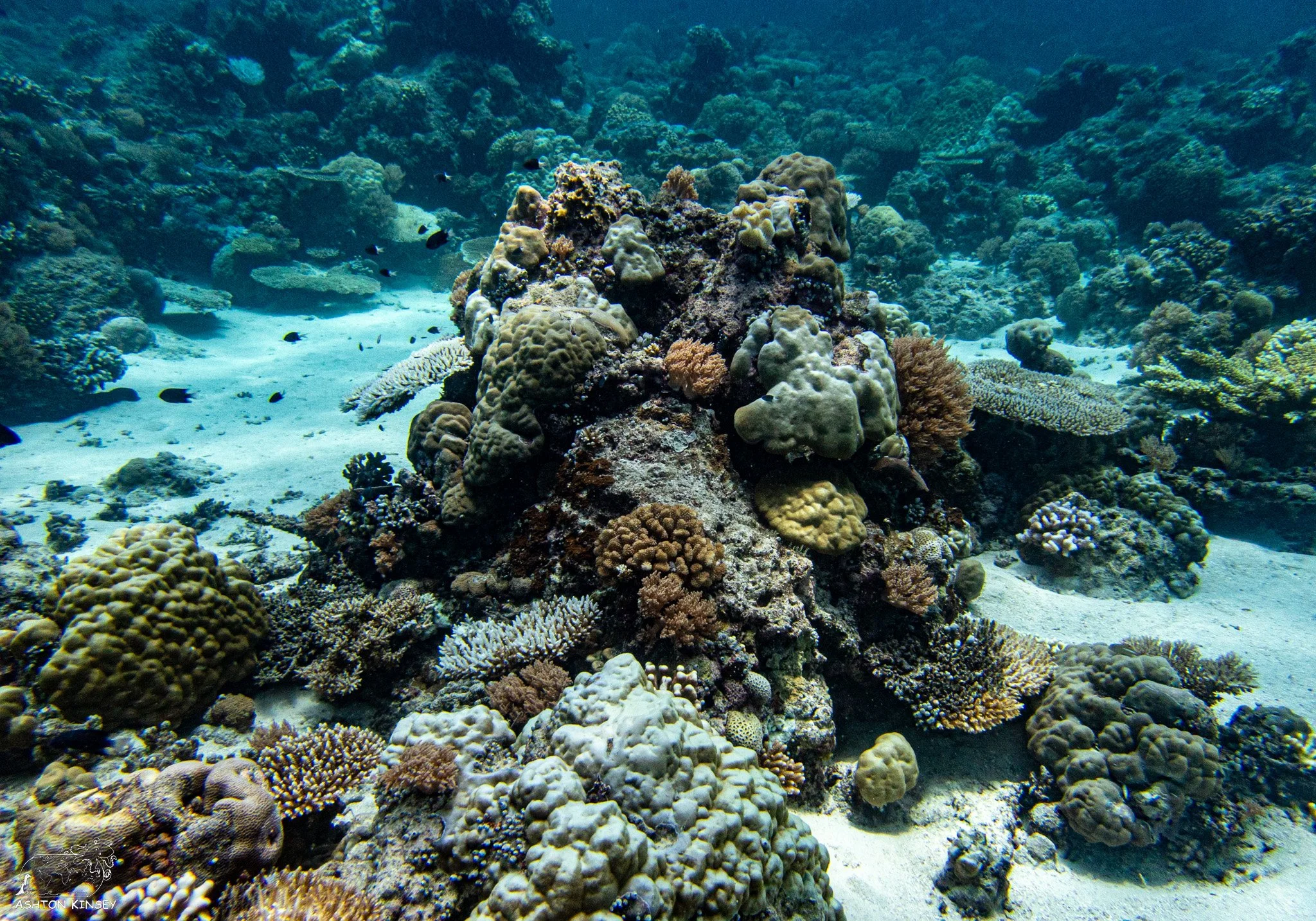
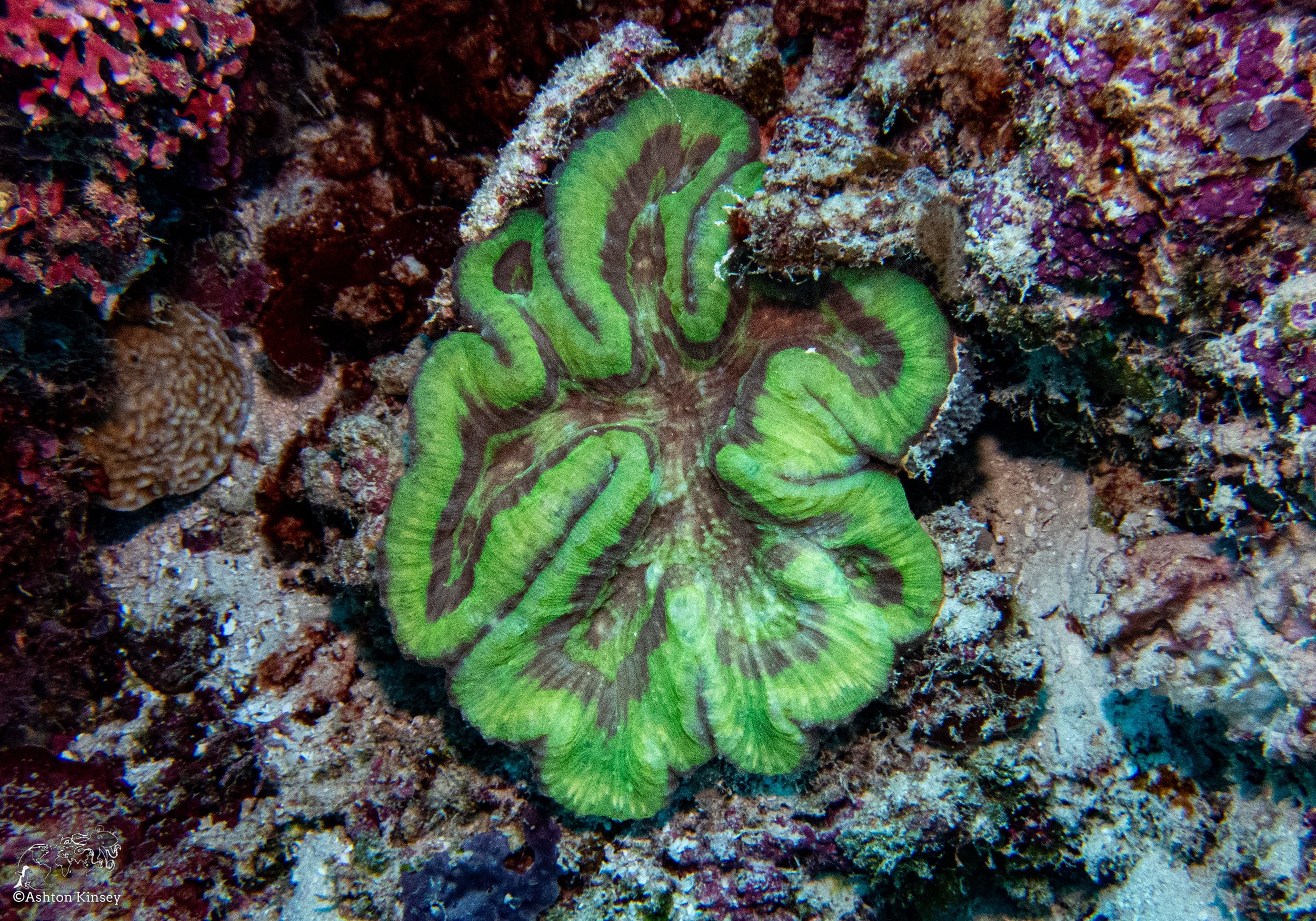
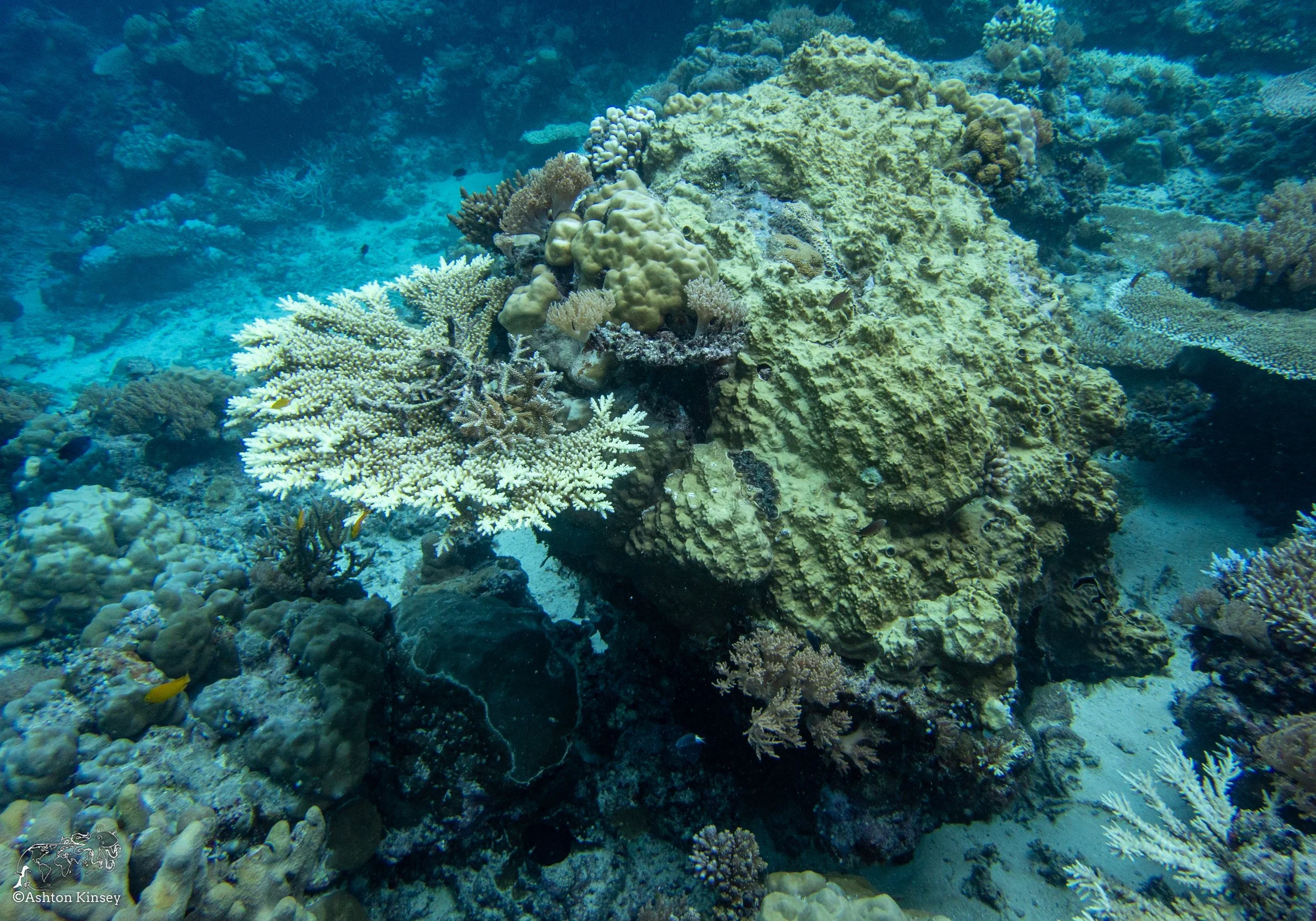
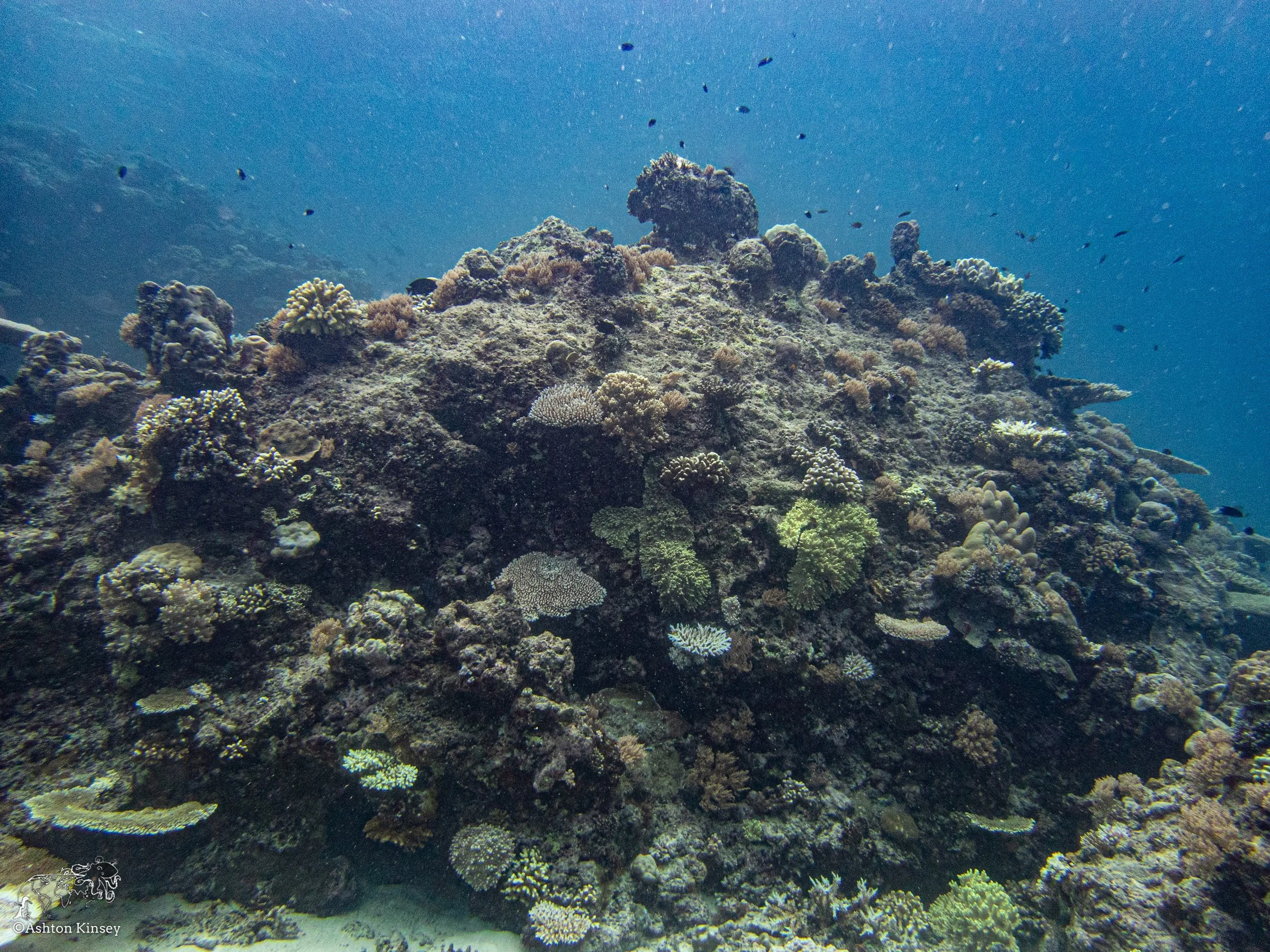
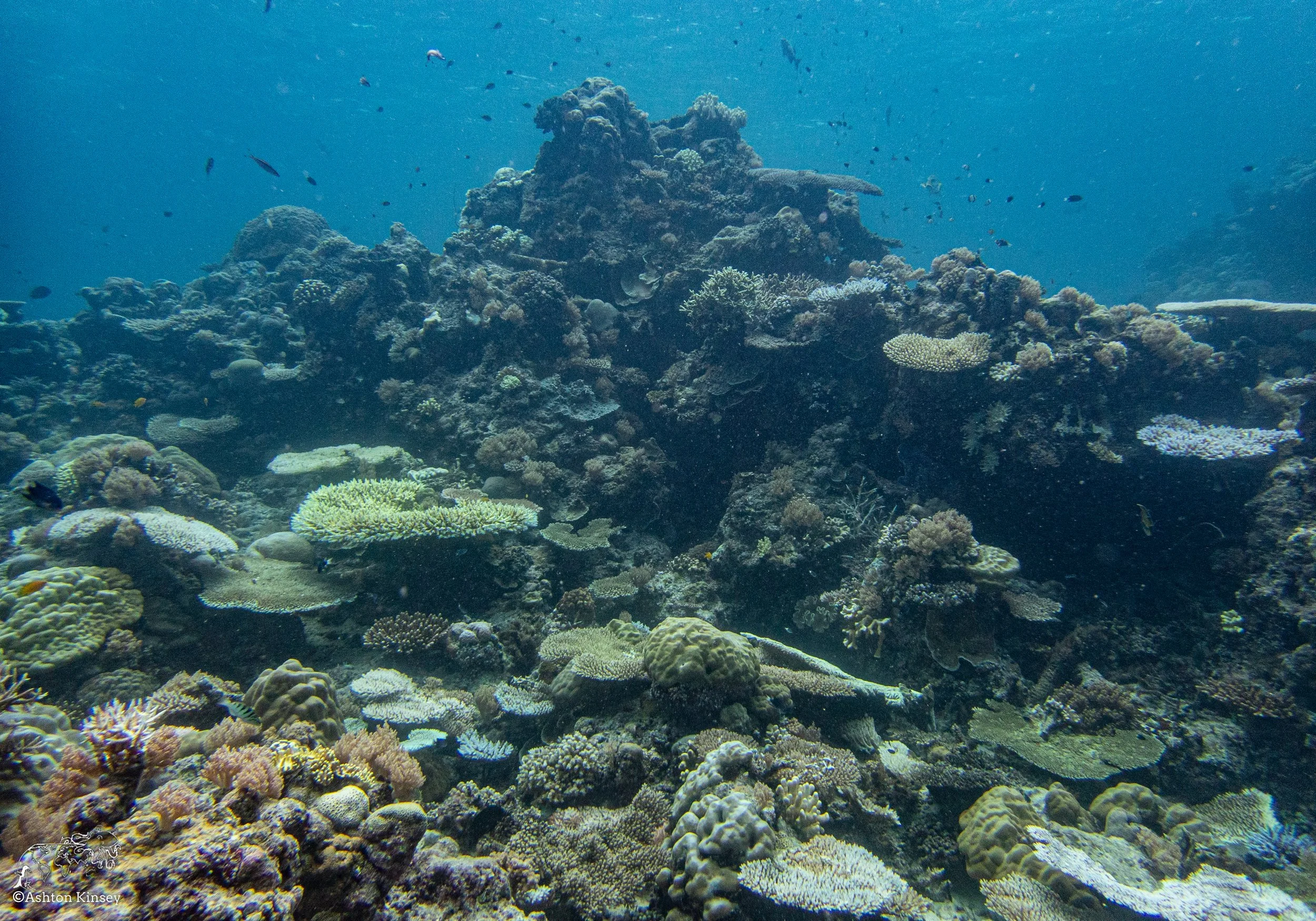
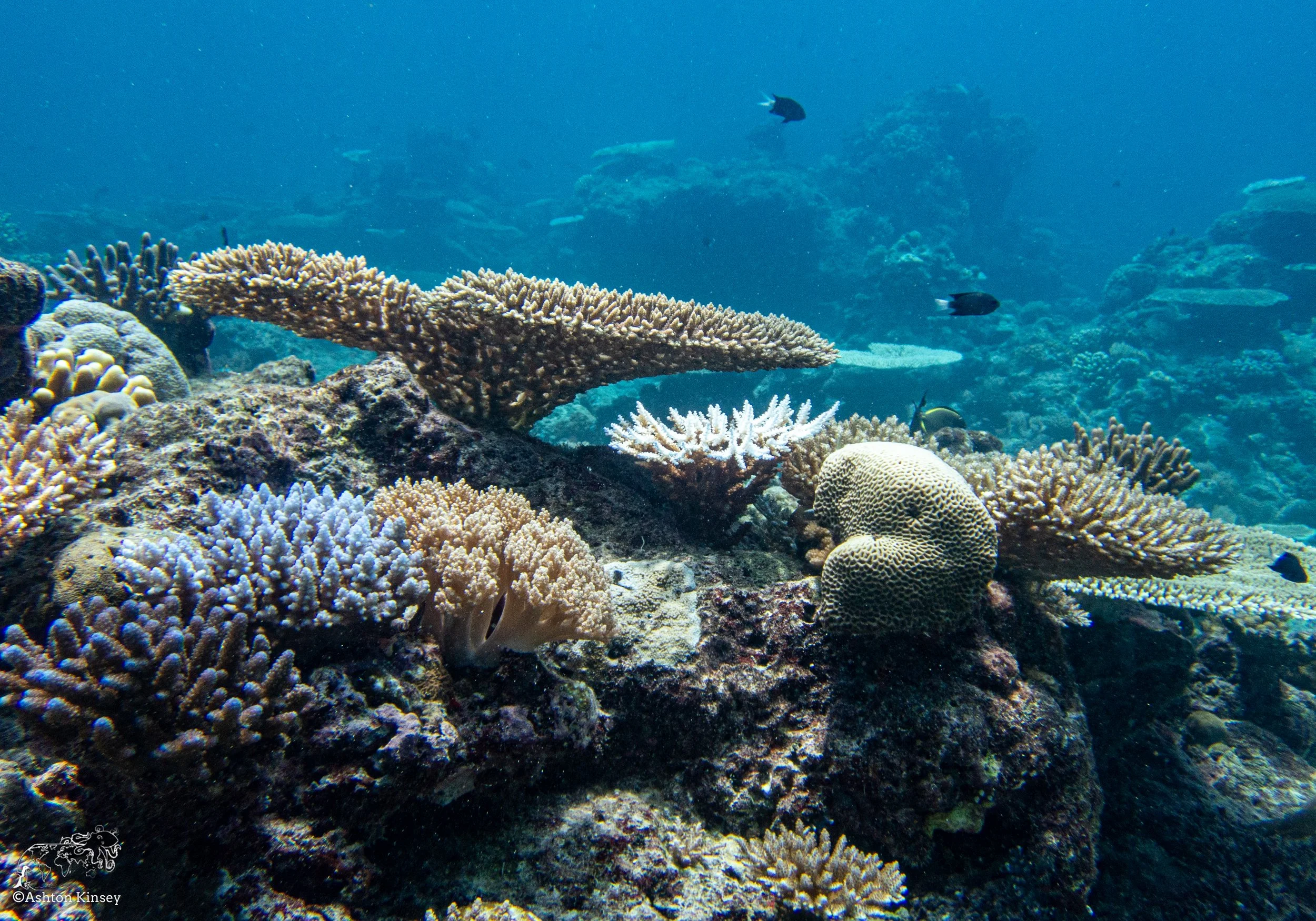
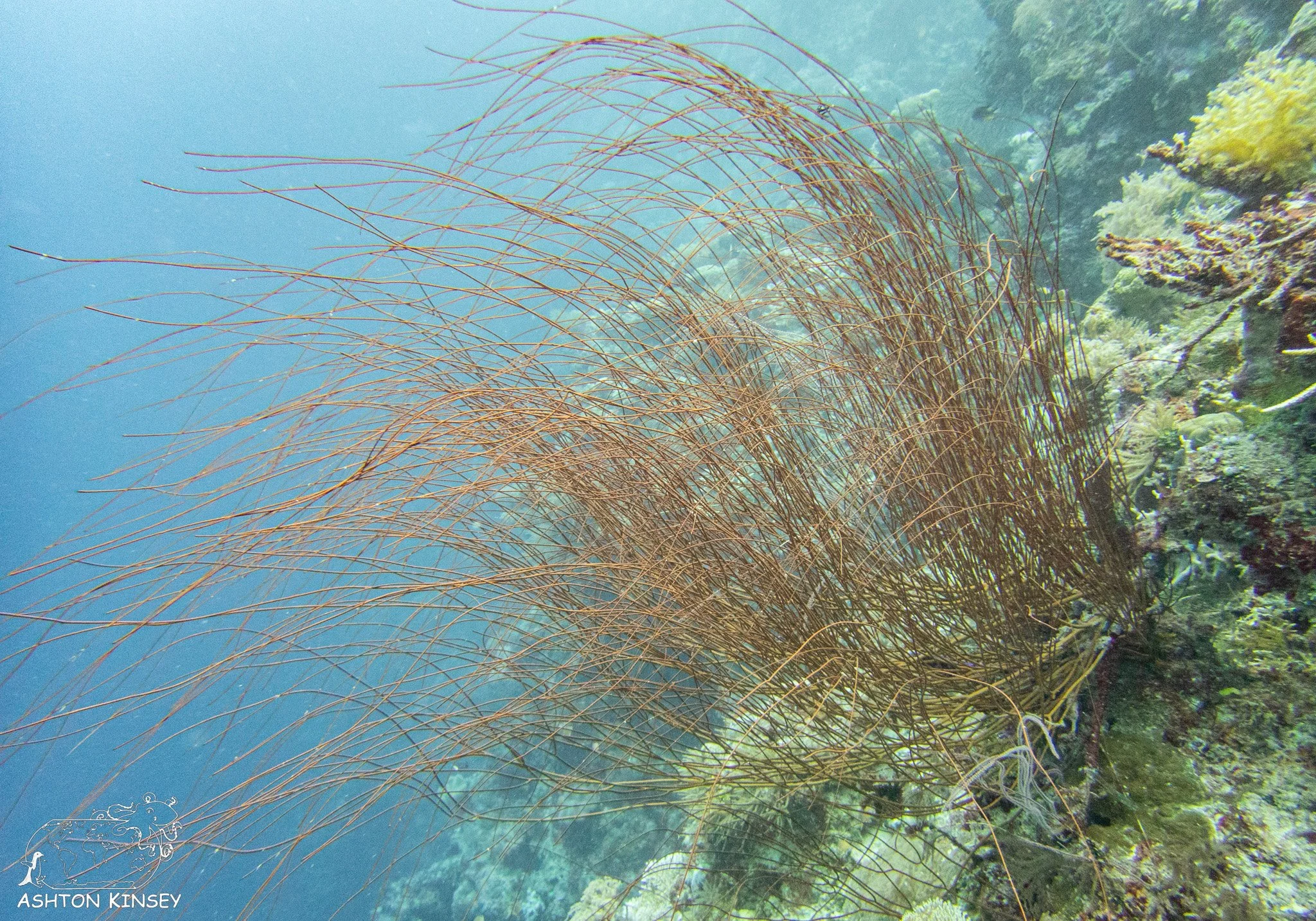
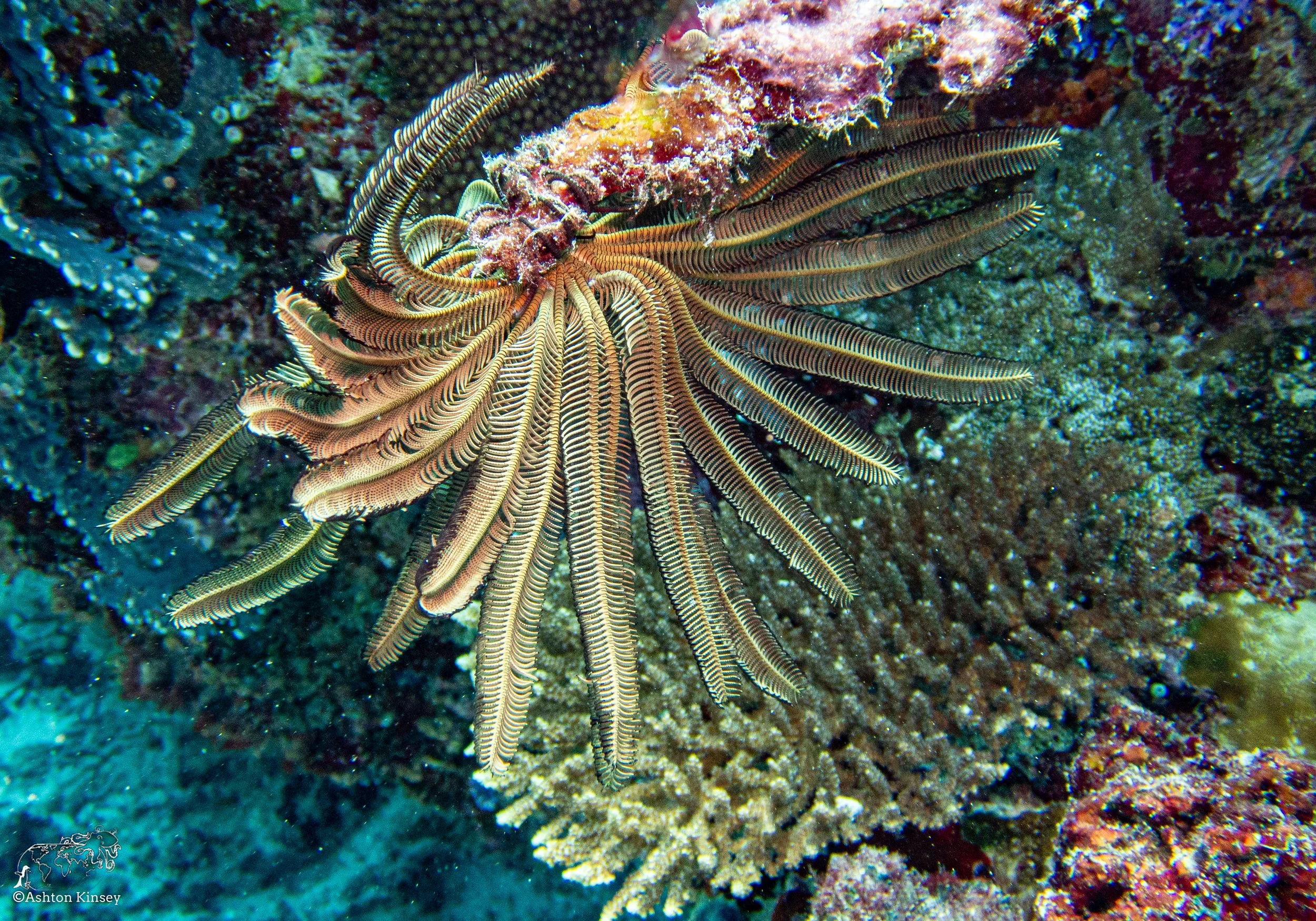
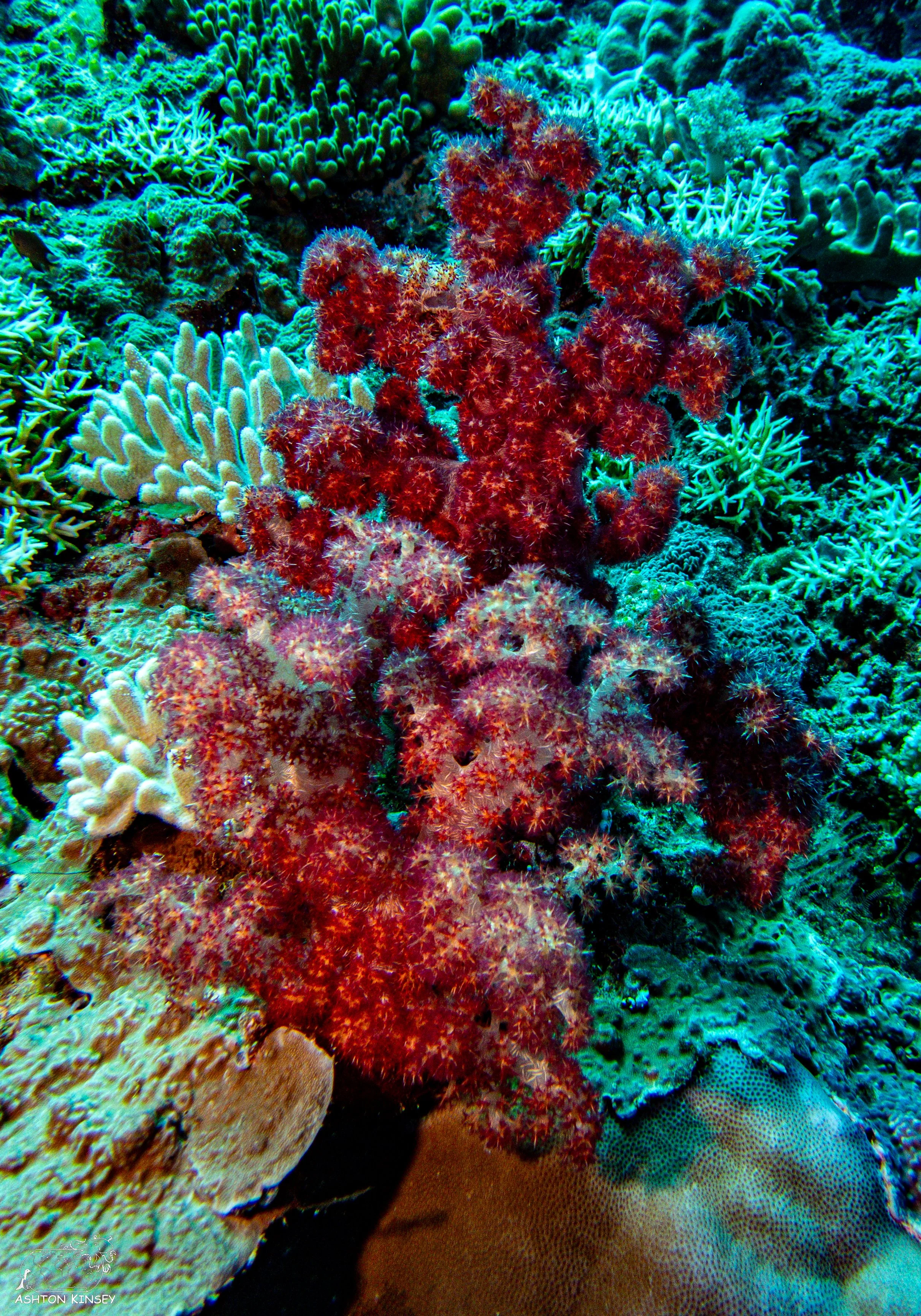
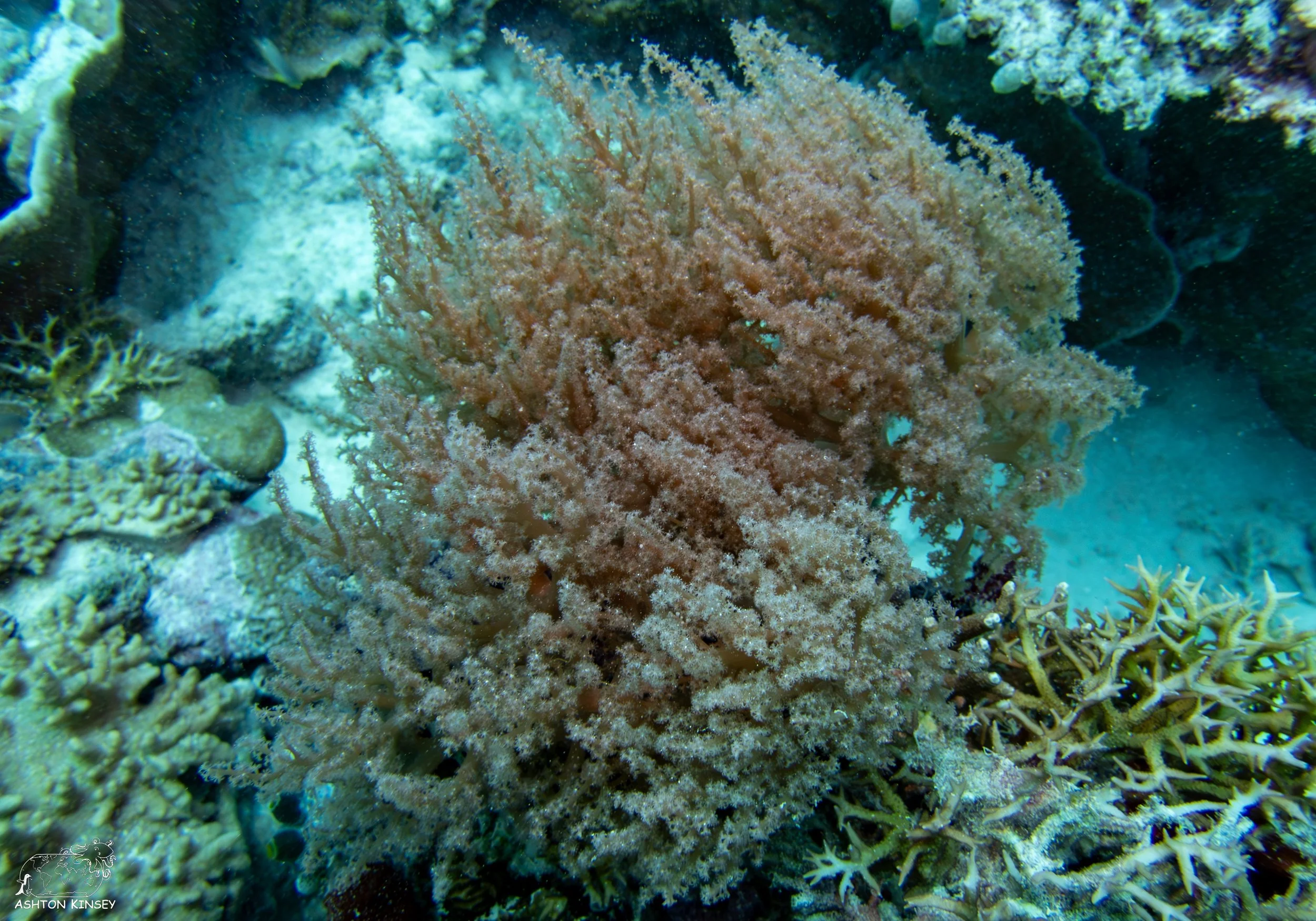
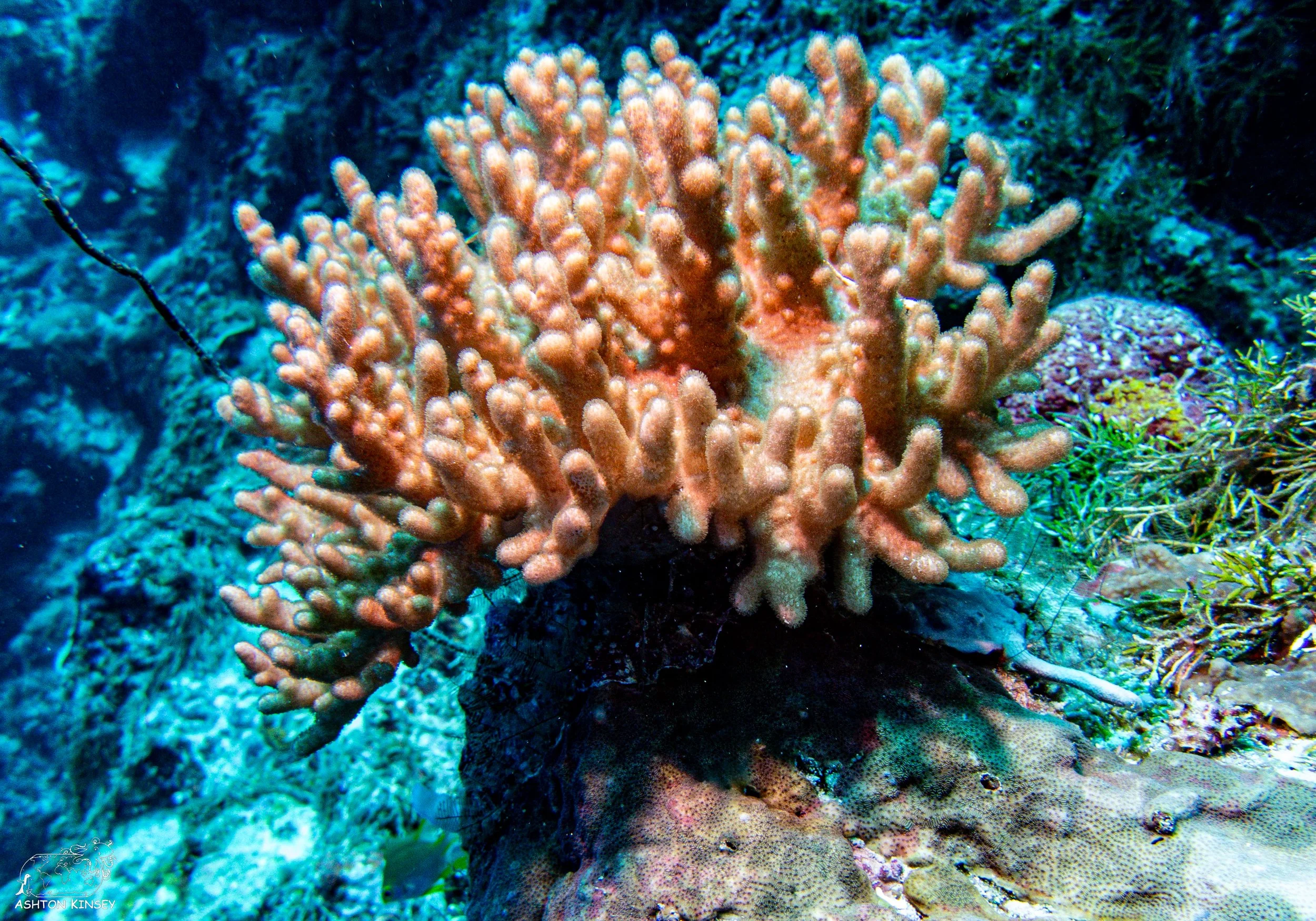
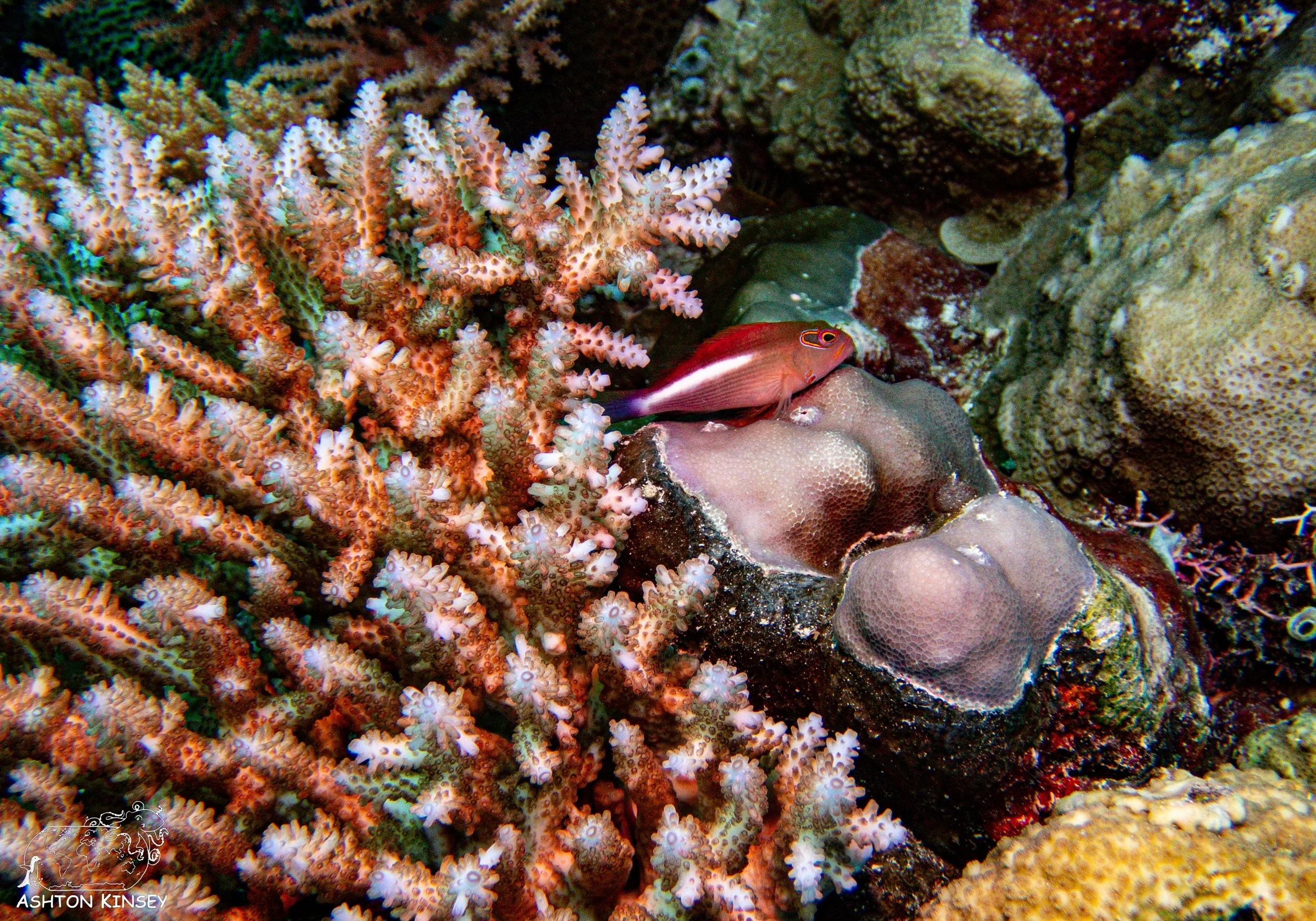
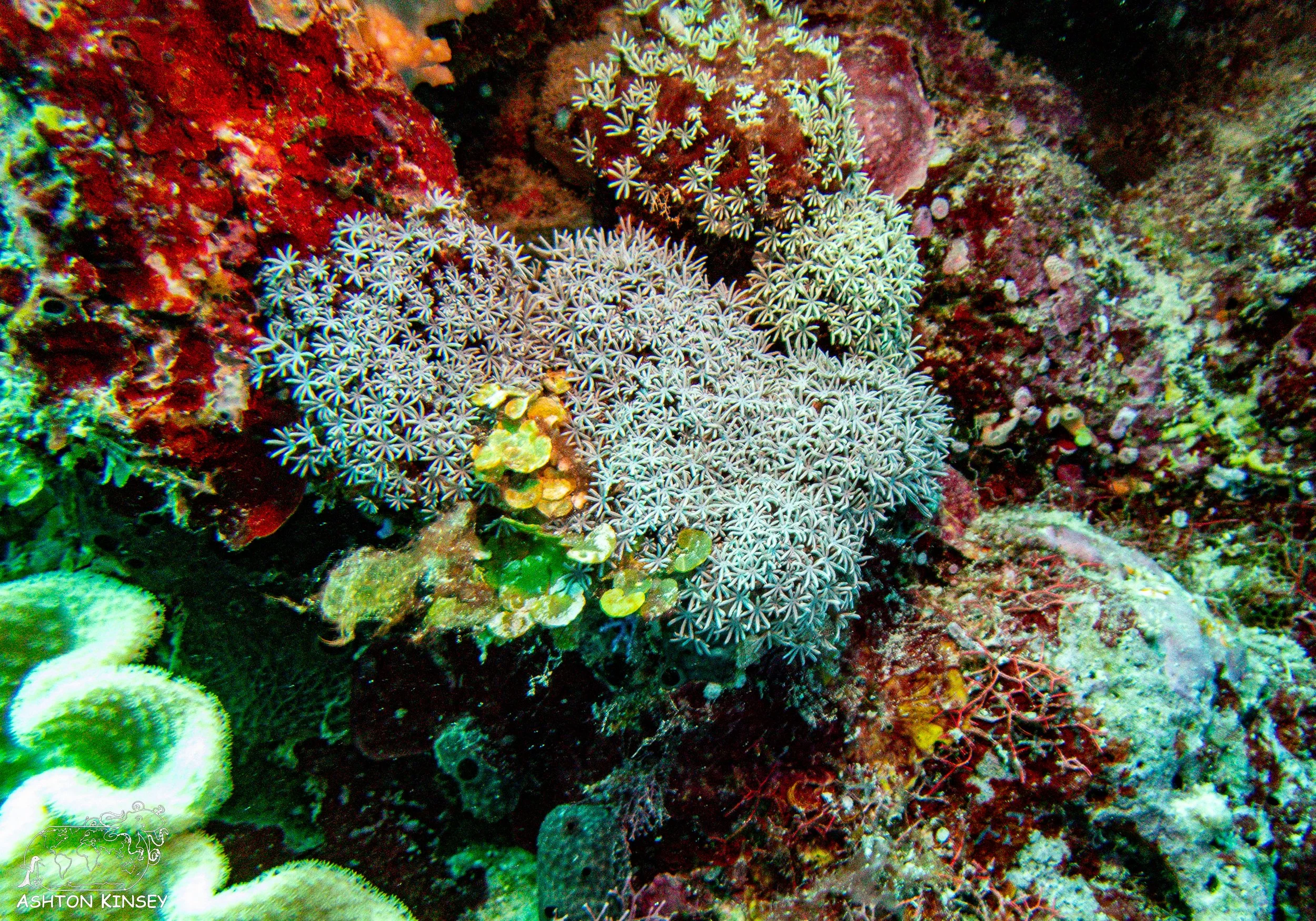
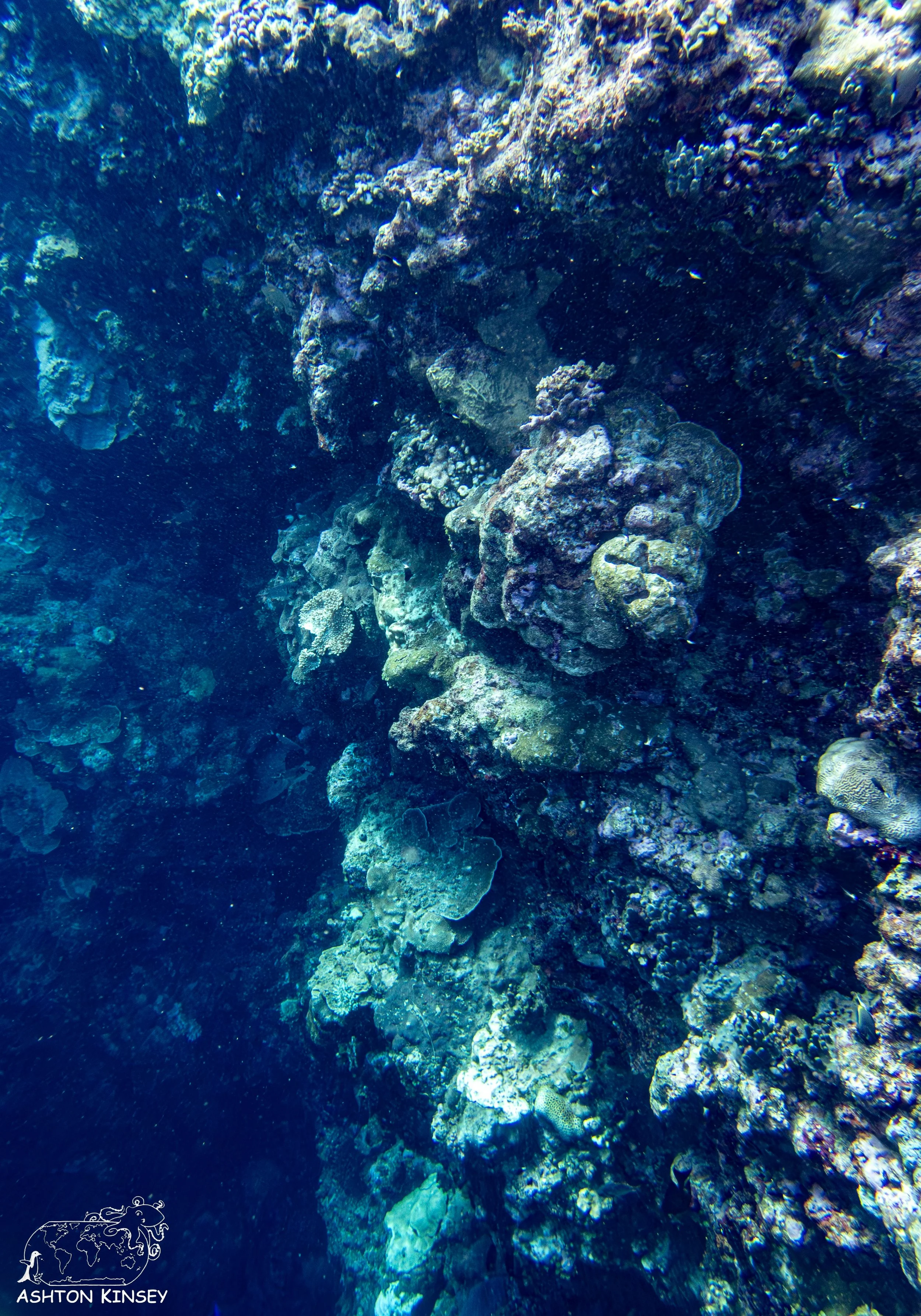
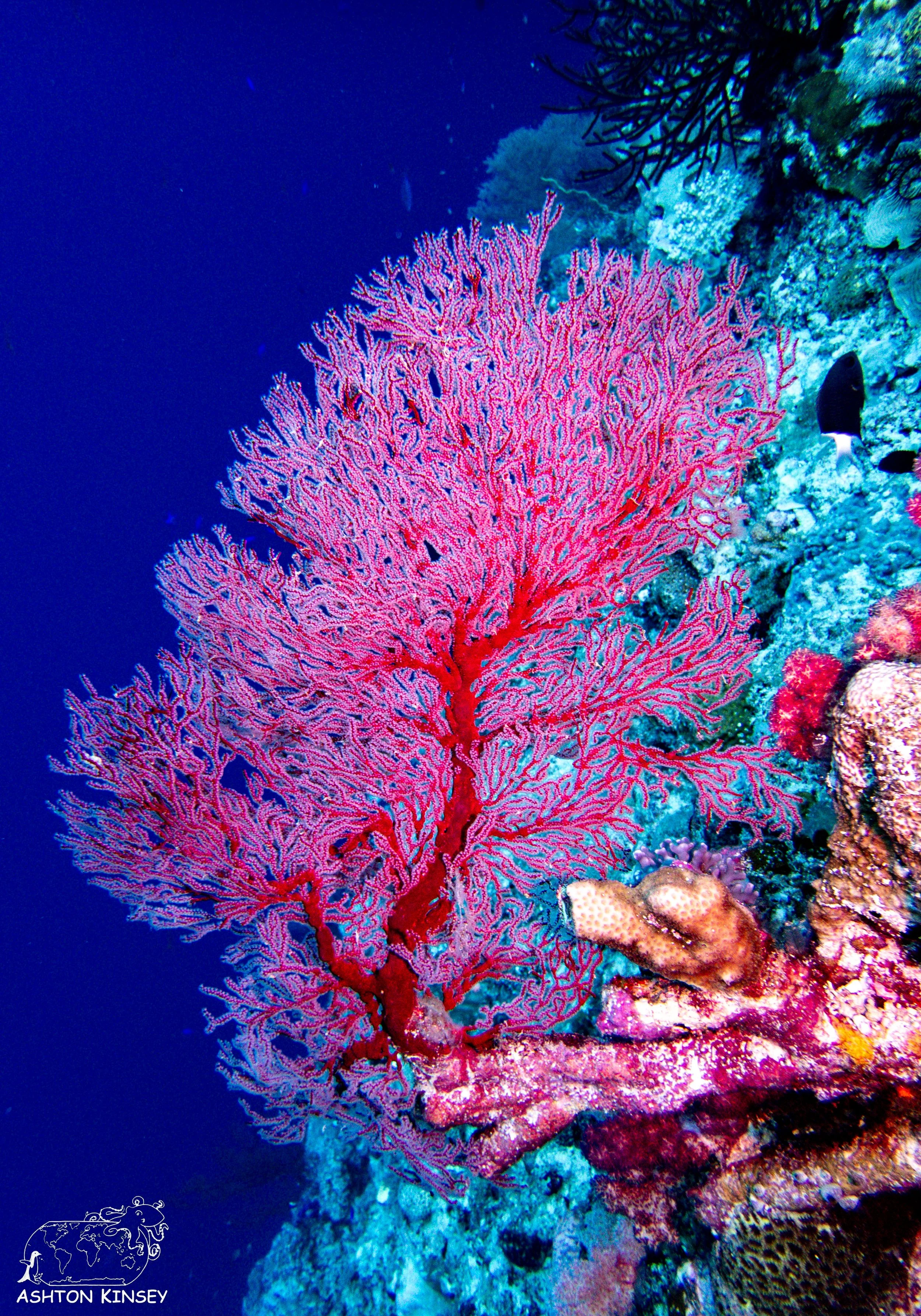
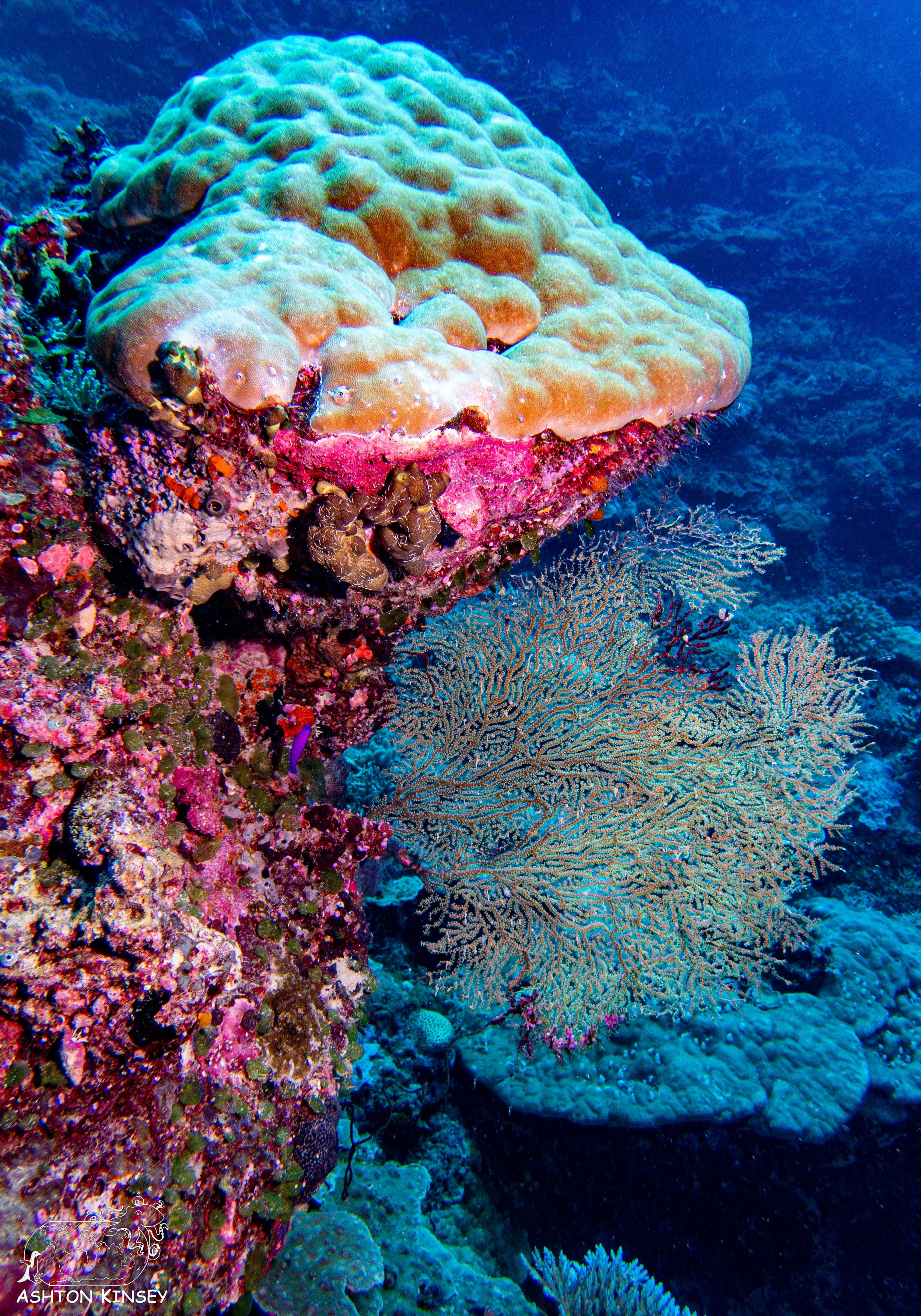
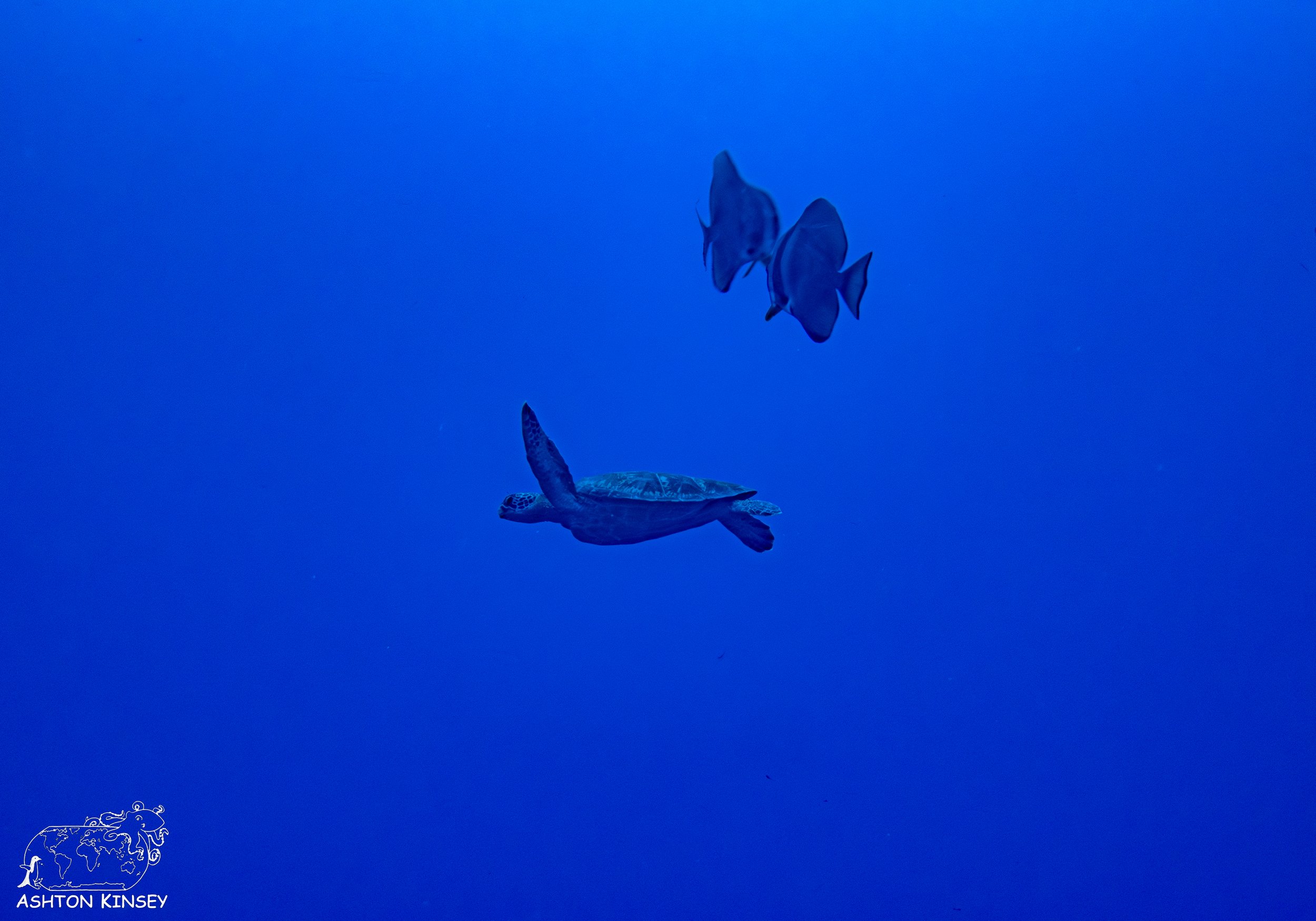
A healthy reef full of hard corals and boulder corals covered with softies. The reef is roughly 15’-45’ but then begins a steep slope down to 100’ where it ends in a sandy channel. Lots of non-photosynthetic soft corals ranging from yellow to purple to red. Swimming out into the blue there is a chance of finding napoleon wrasse, reef sharks, along with schools of batfish and trevallies.
Hafa Adai Wreck
Dive 30: 69’ for 55 Mi
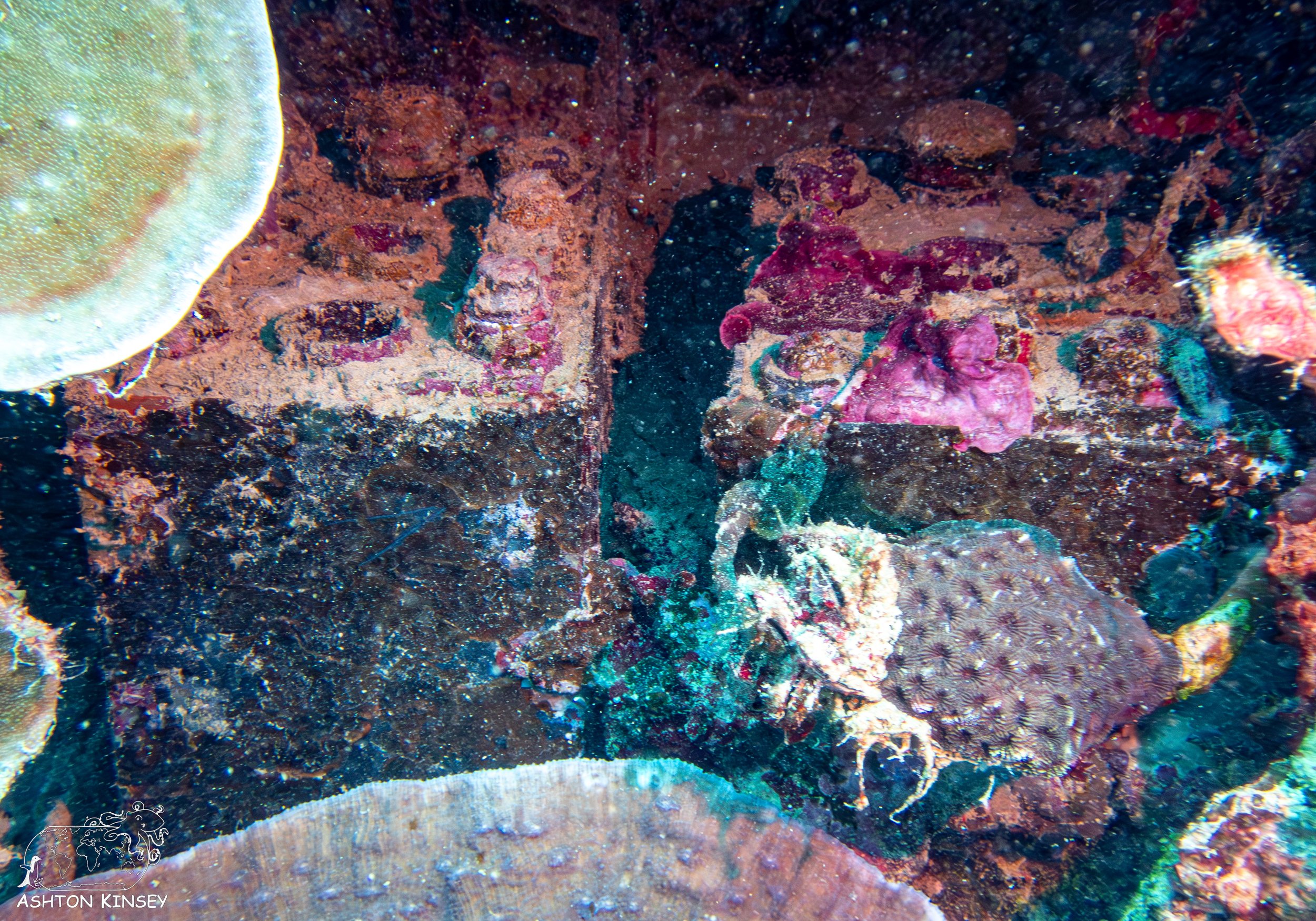
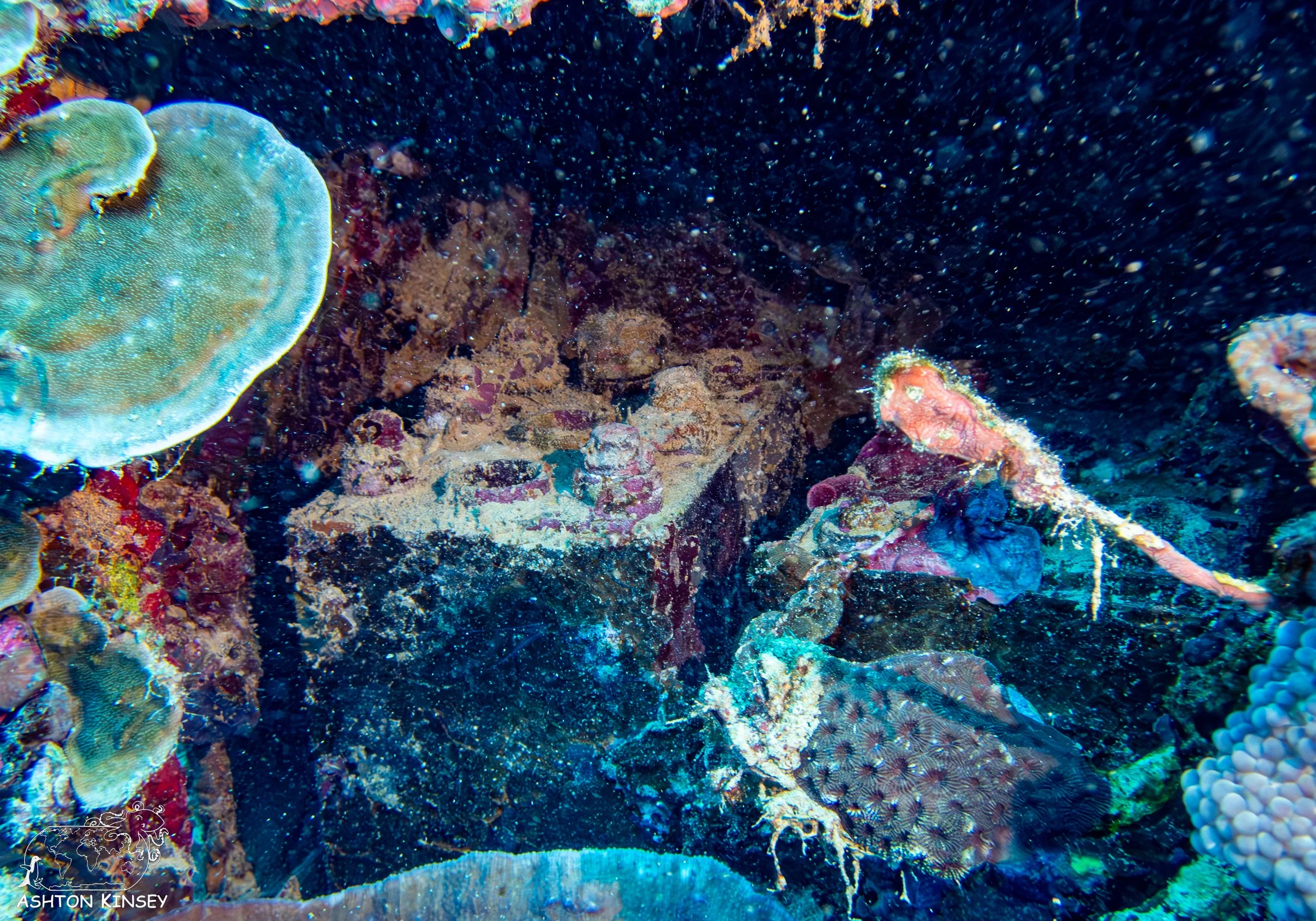
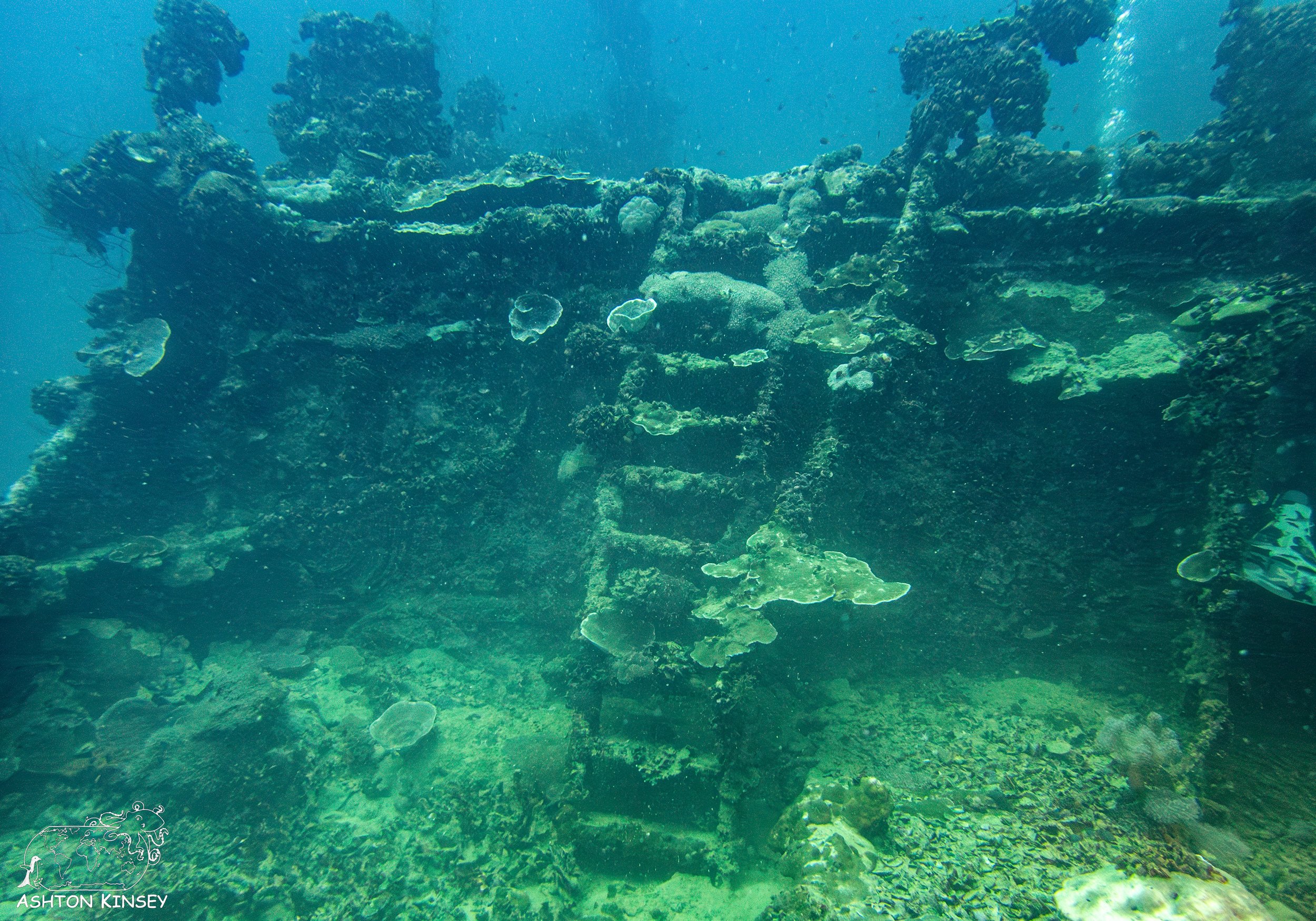
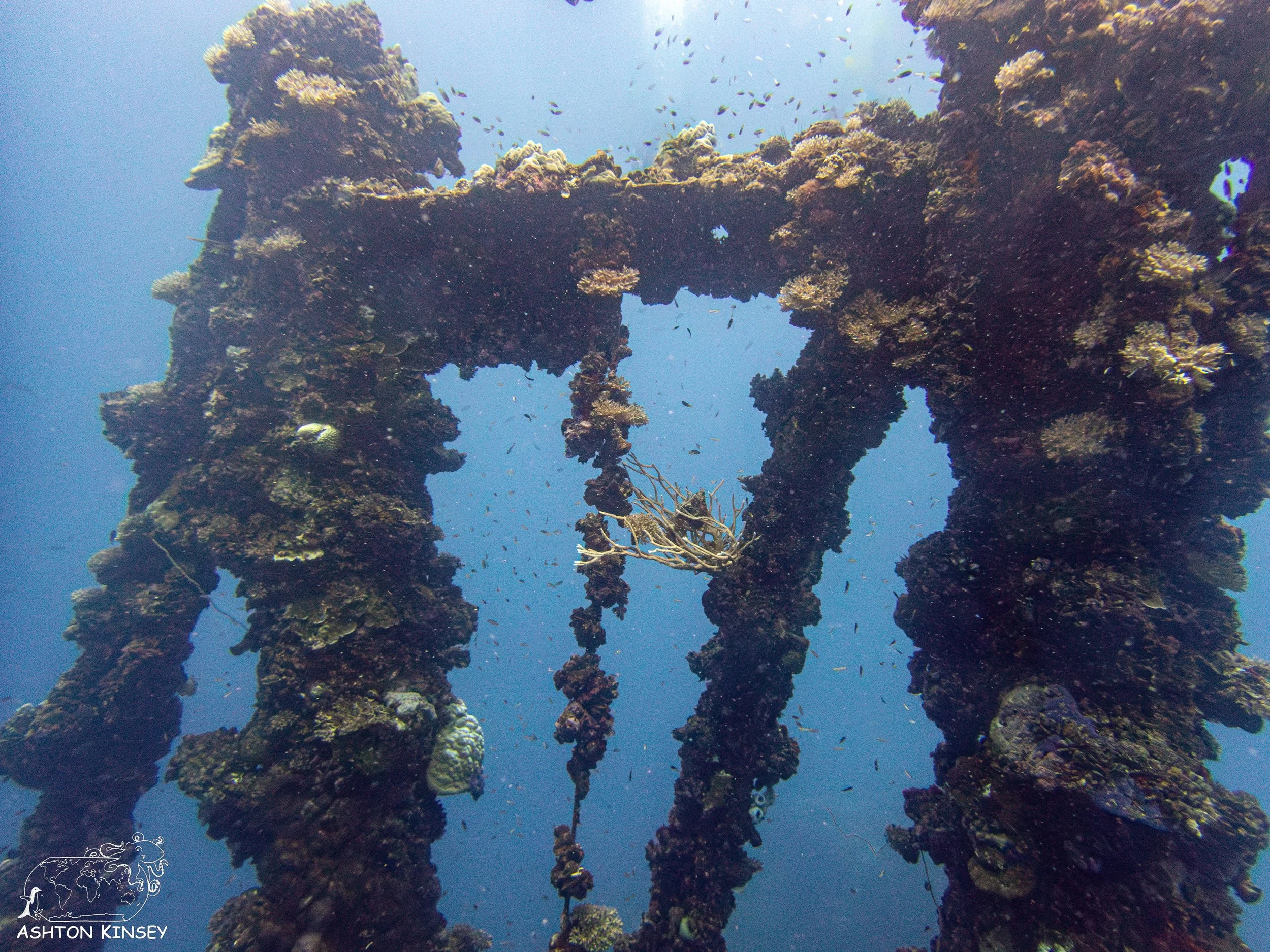
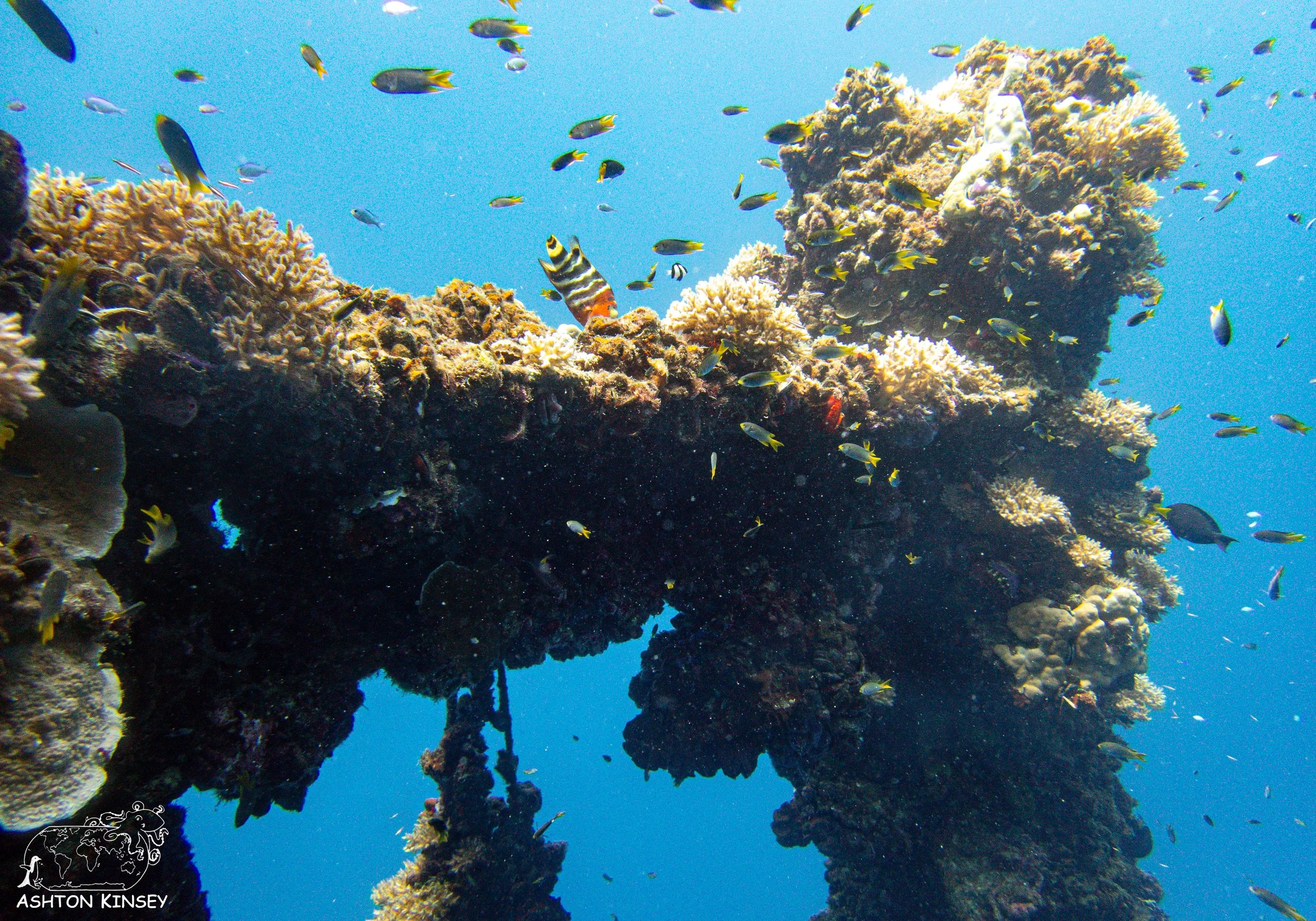
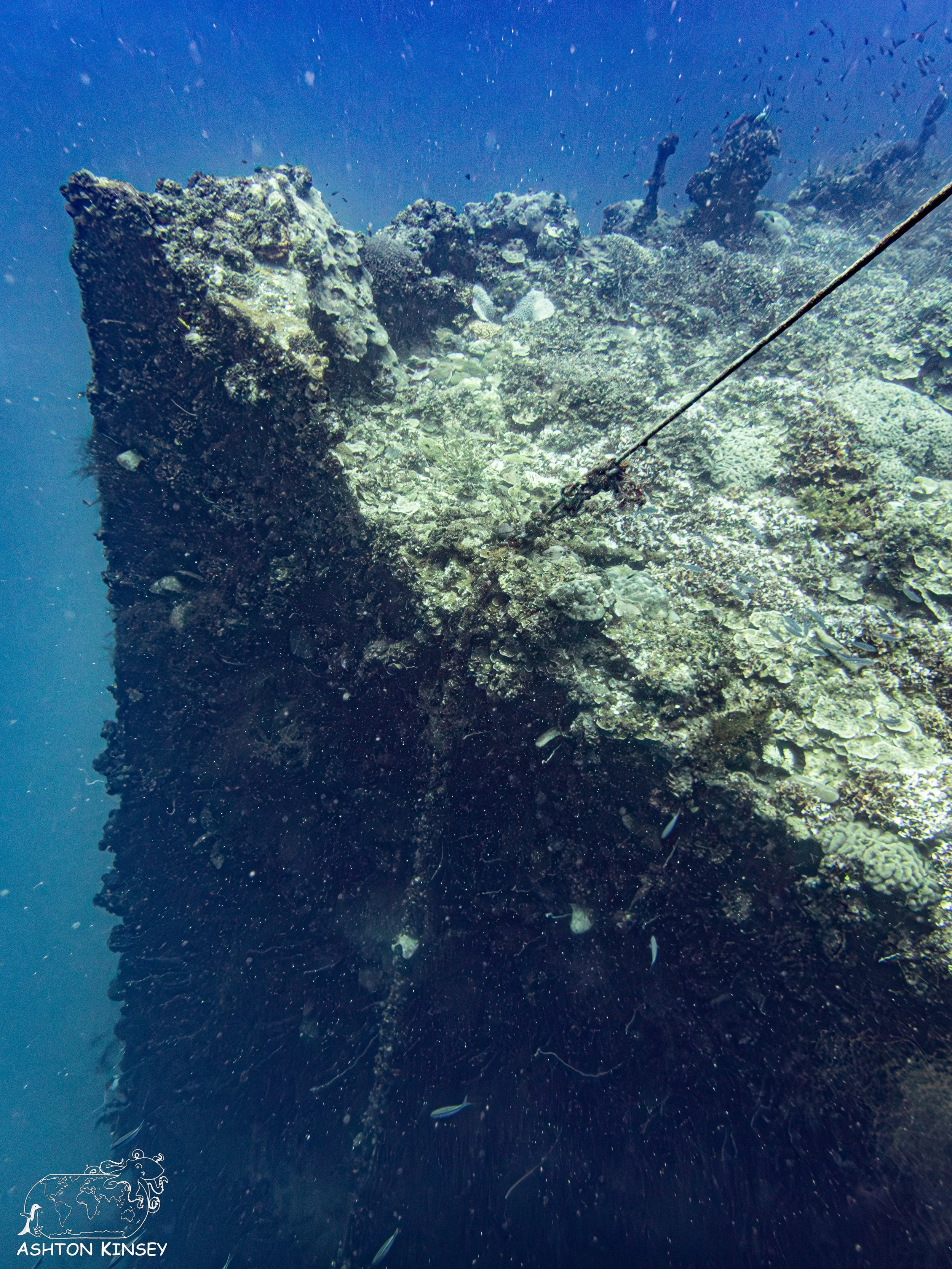
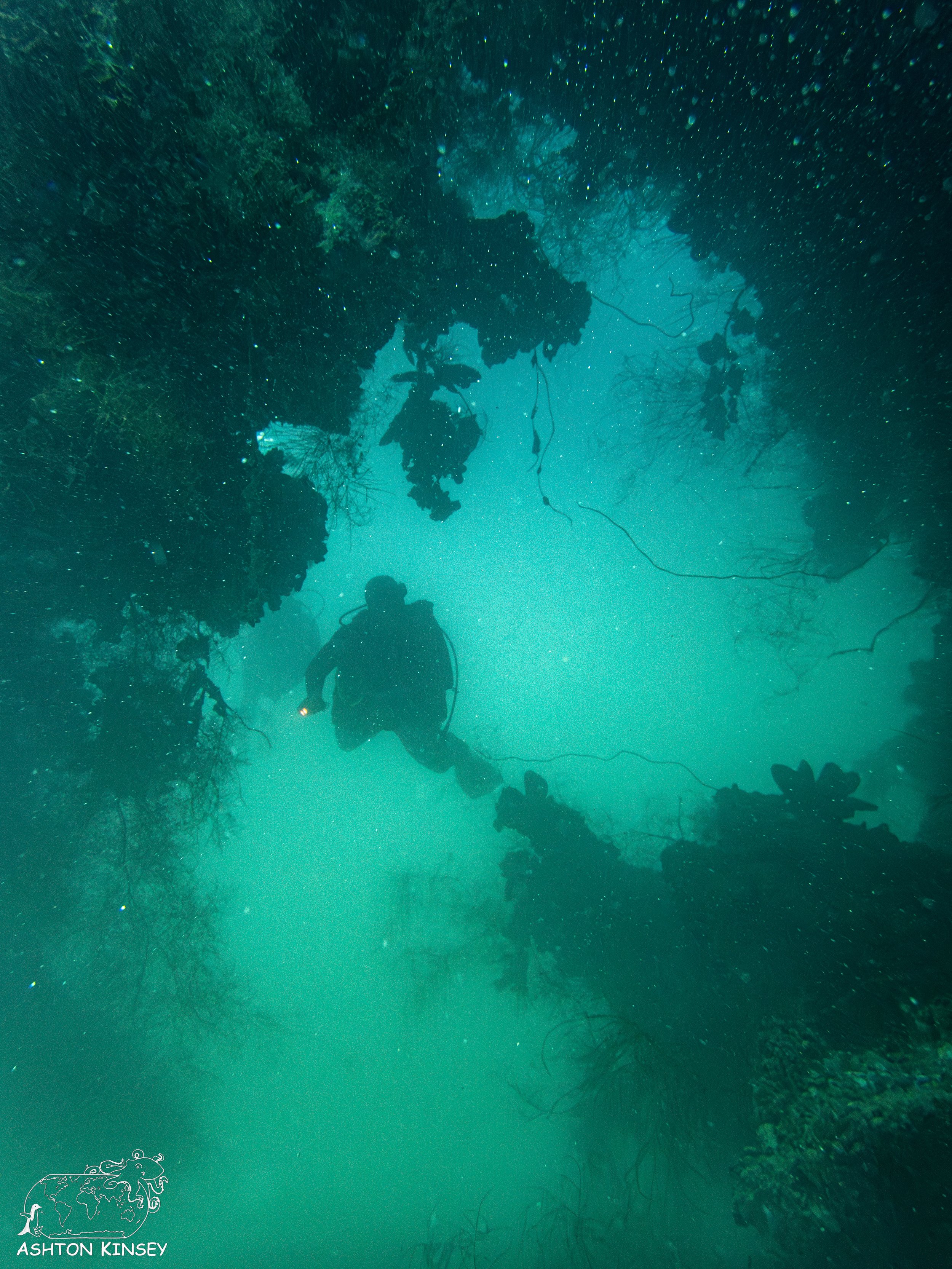
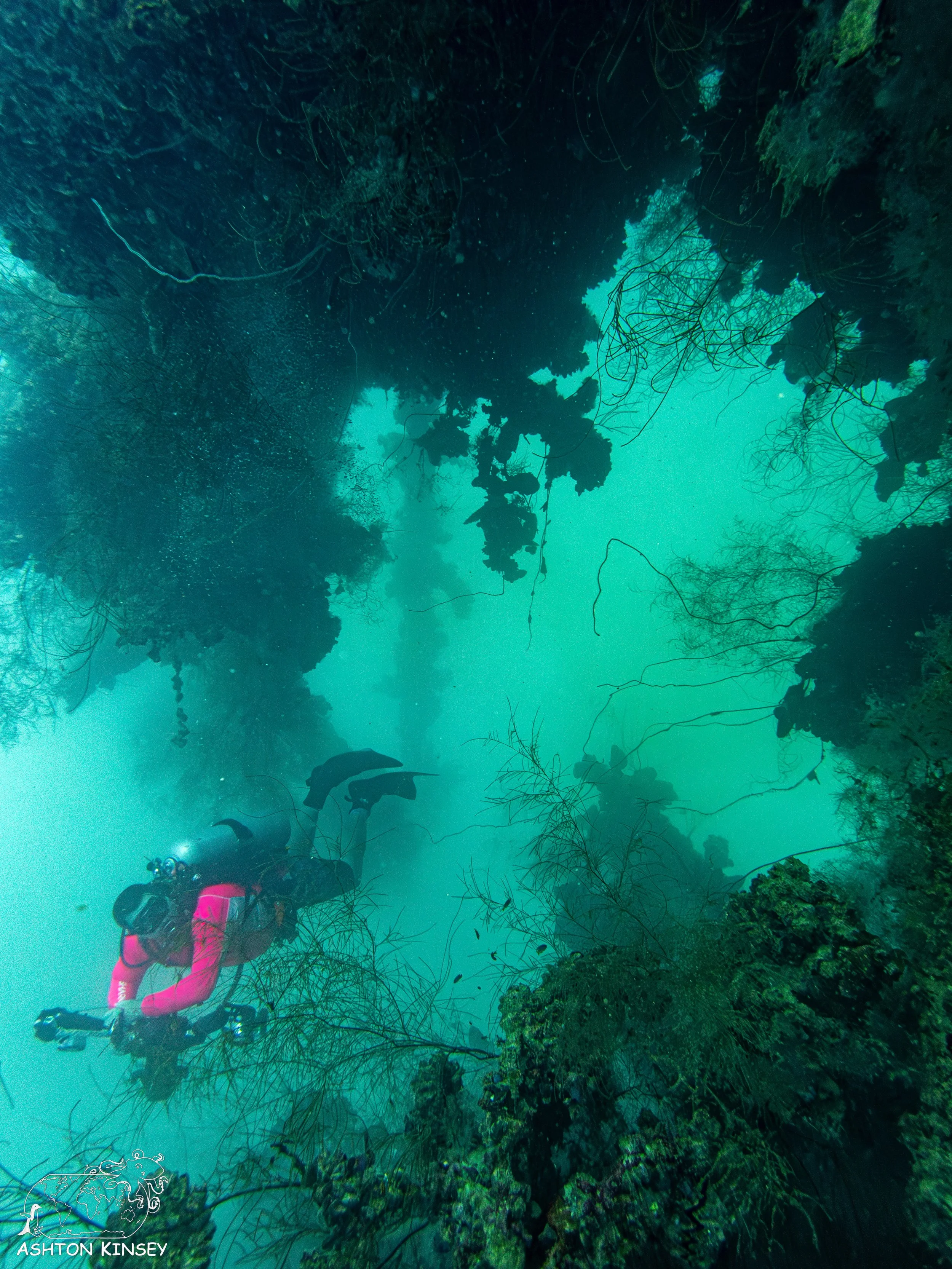
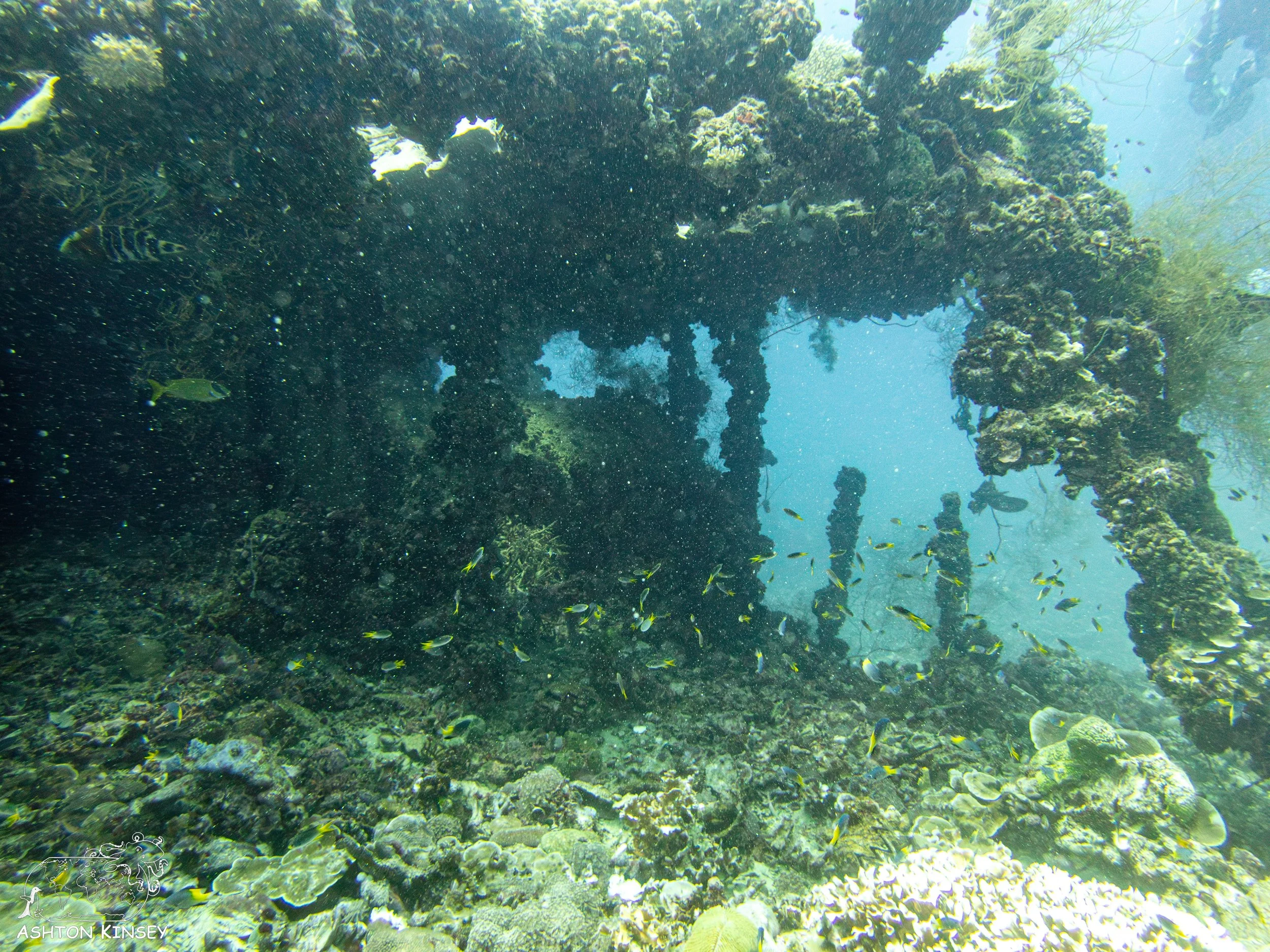
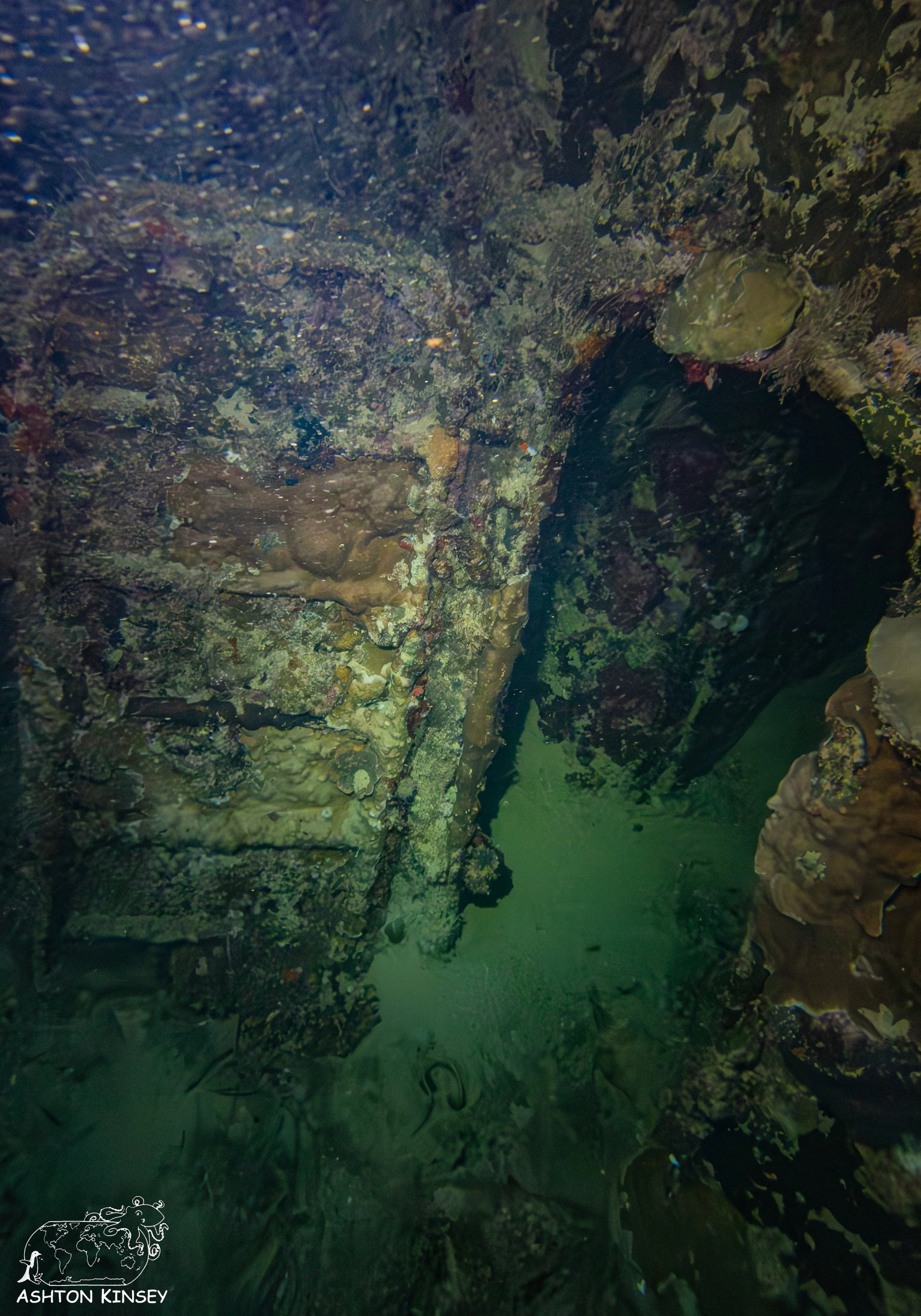
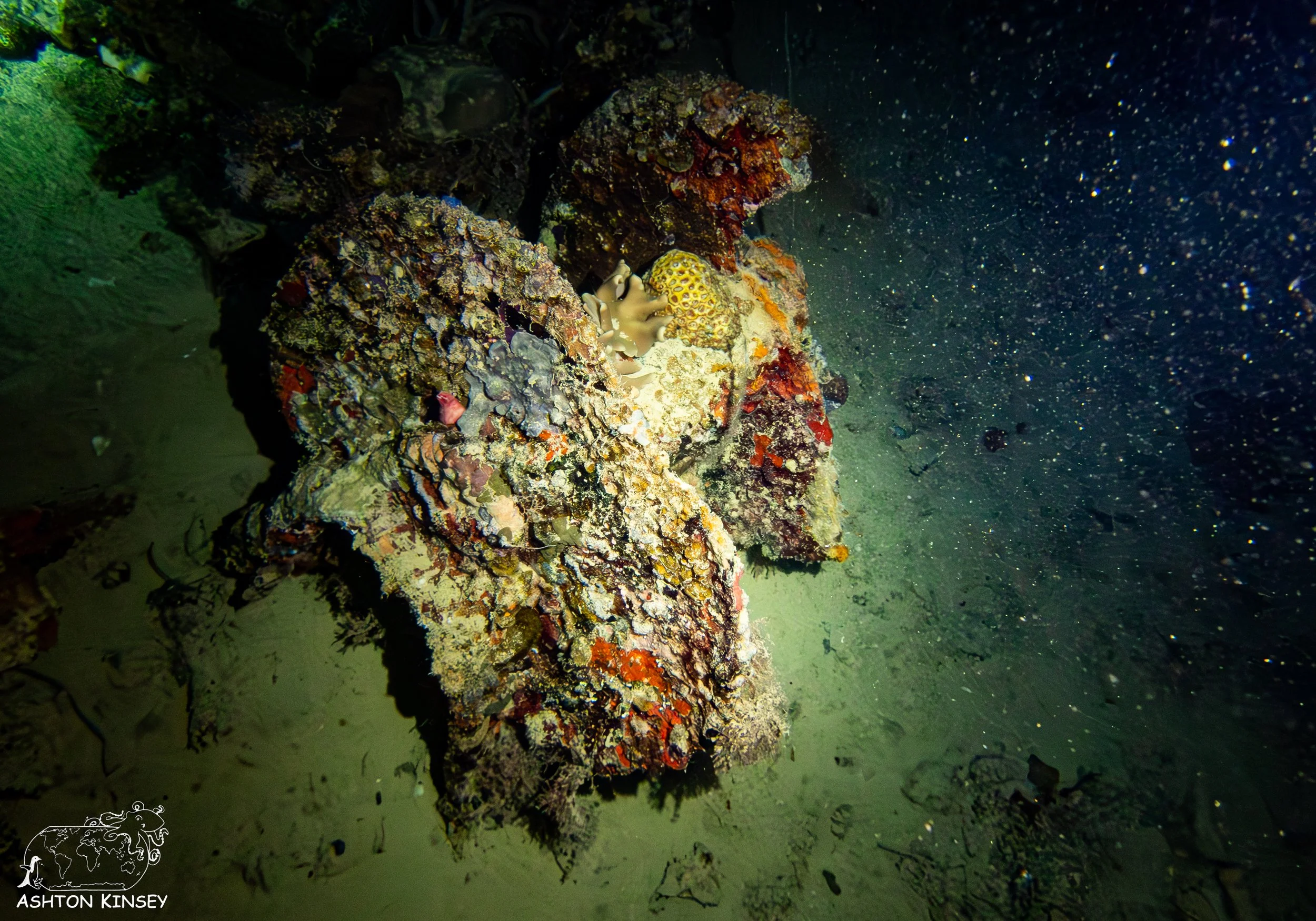
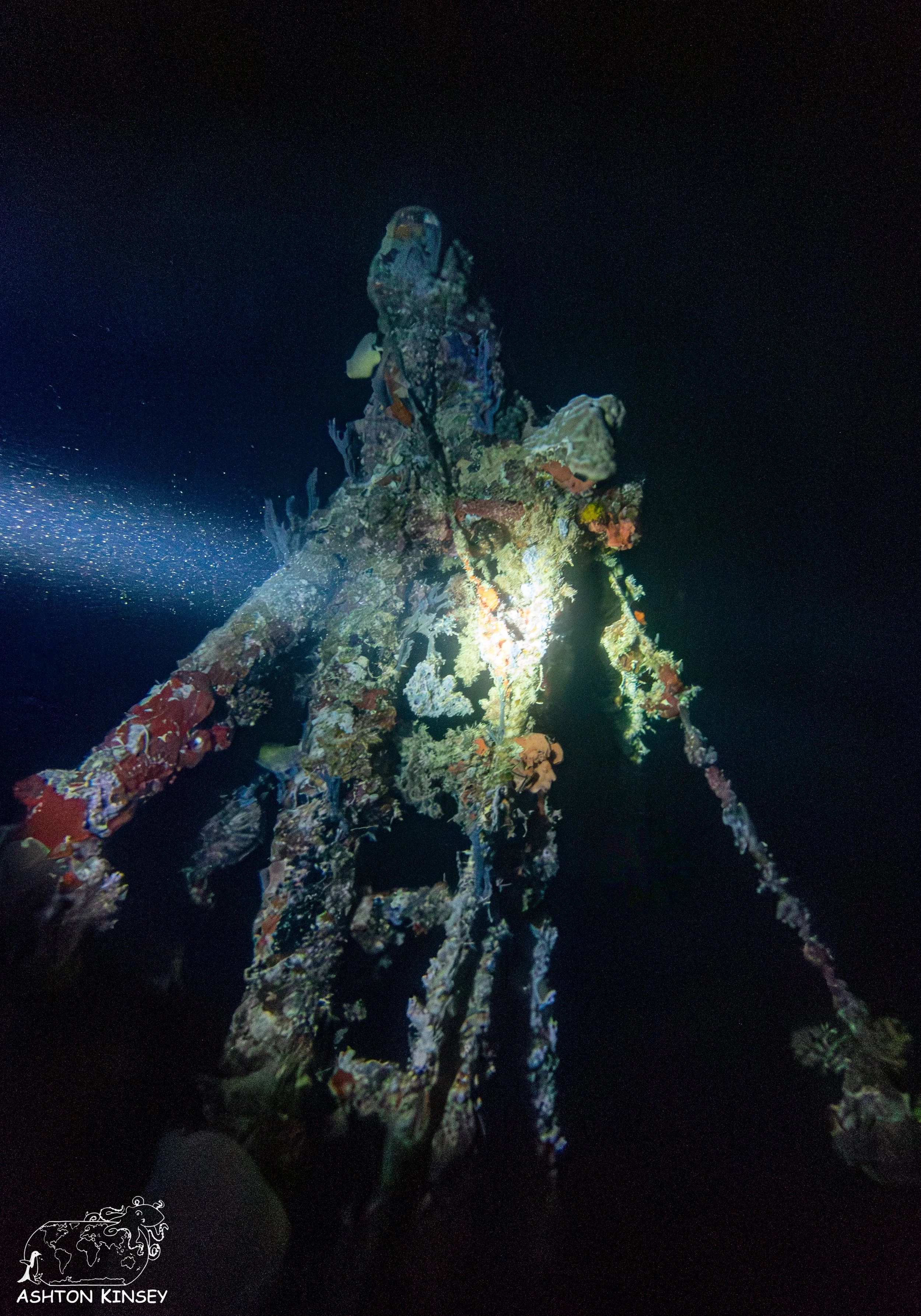
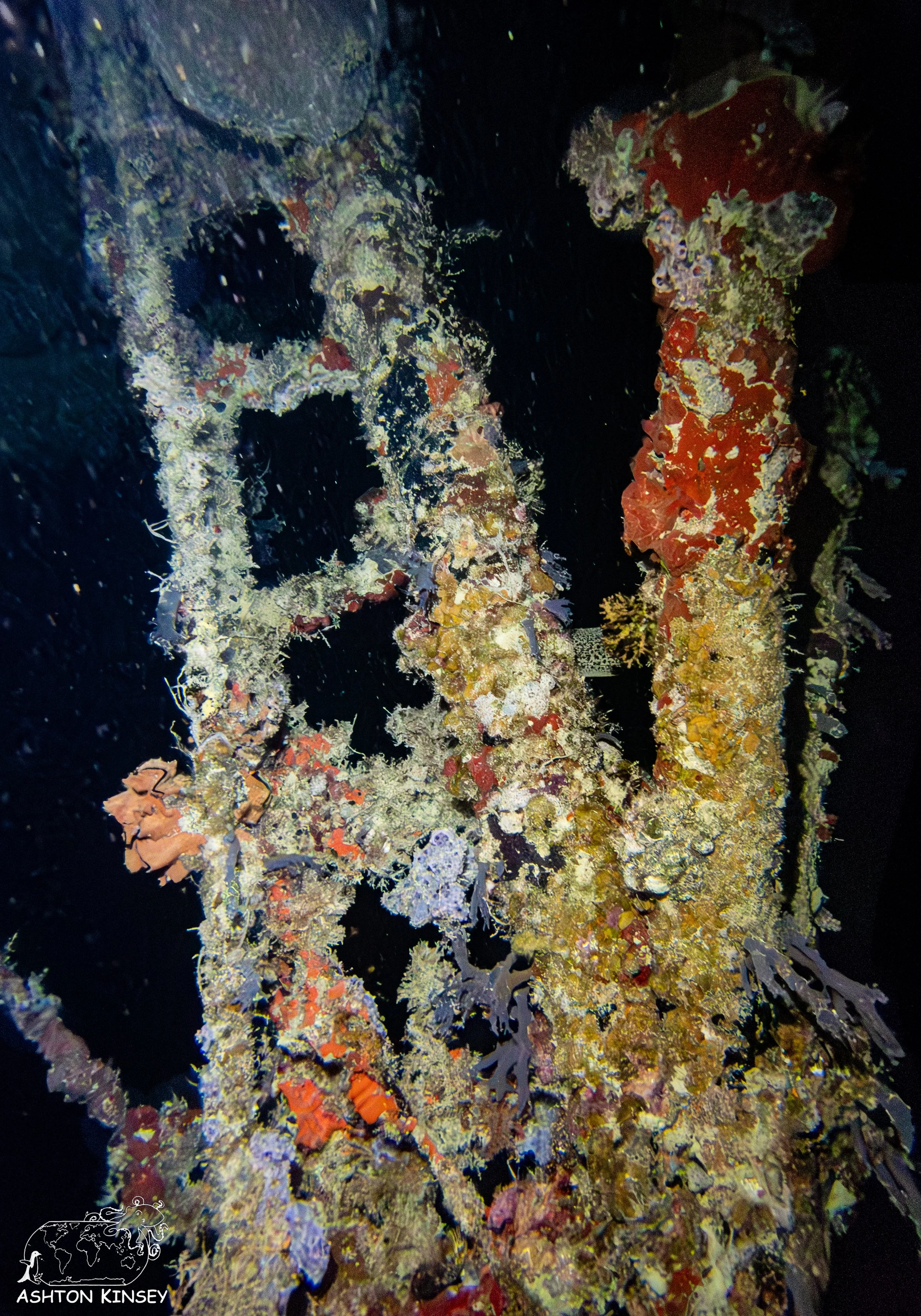
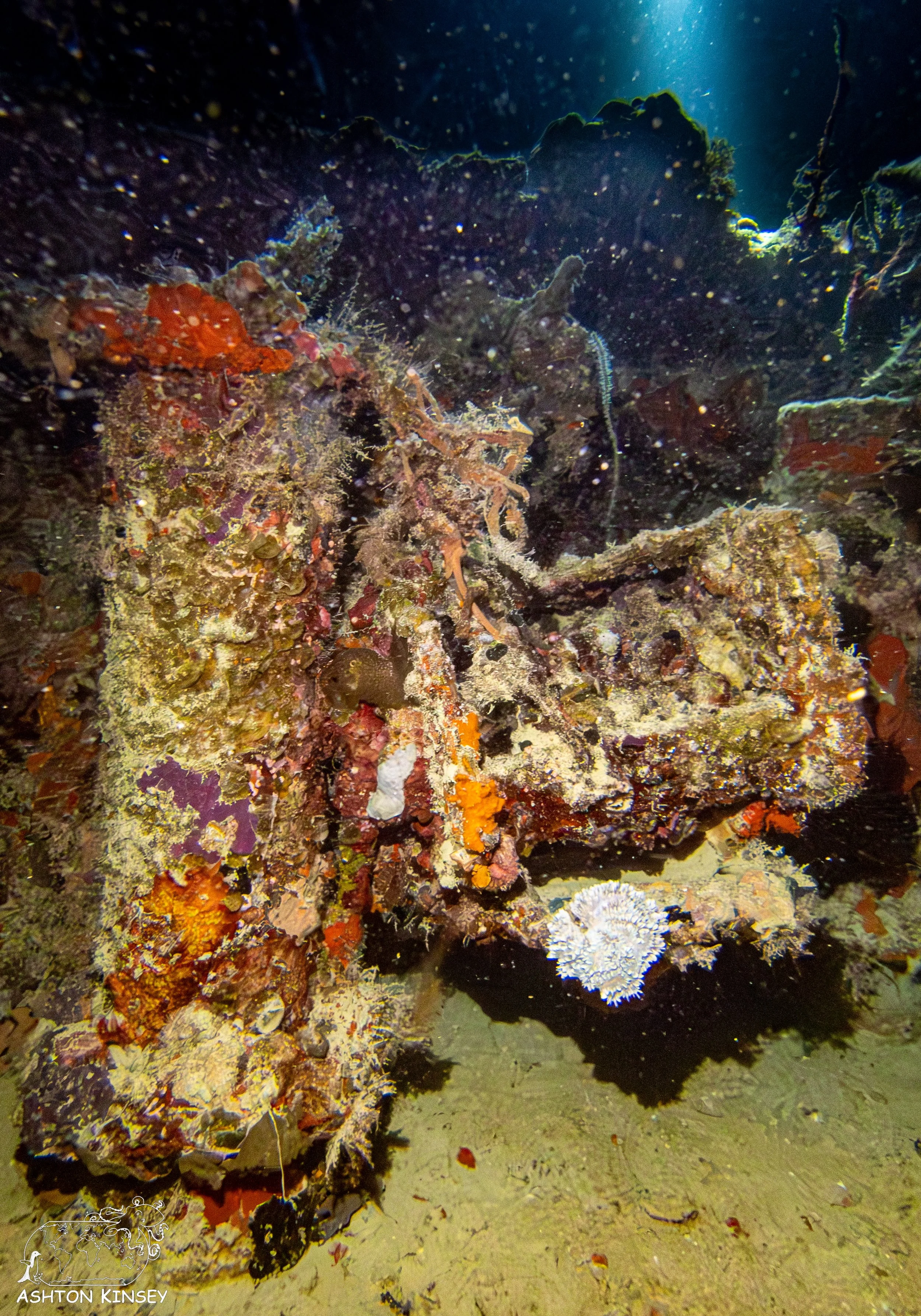
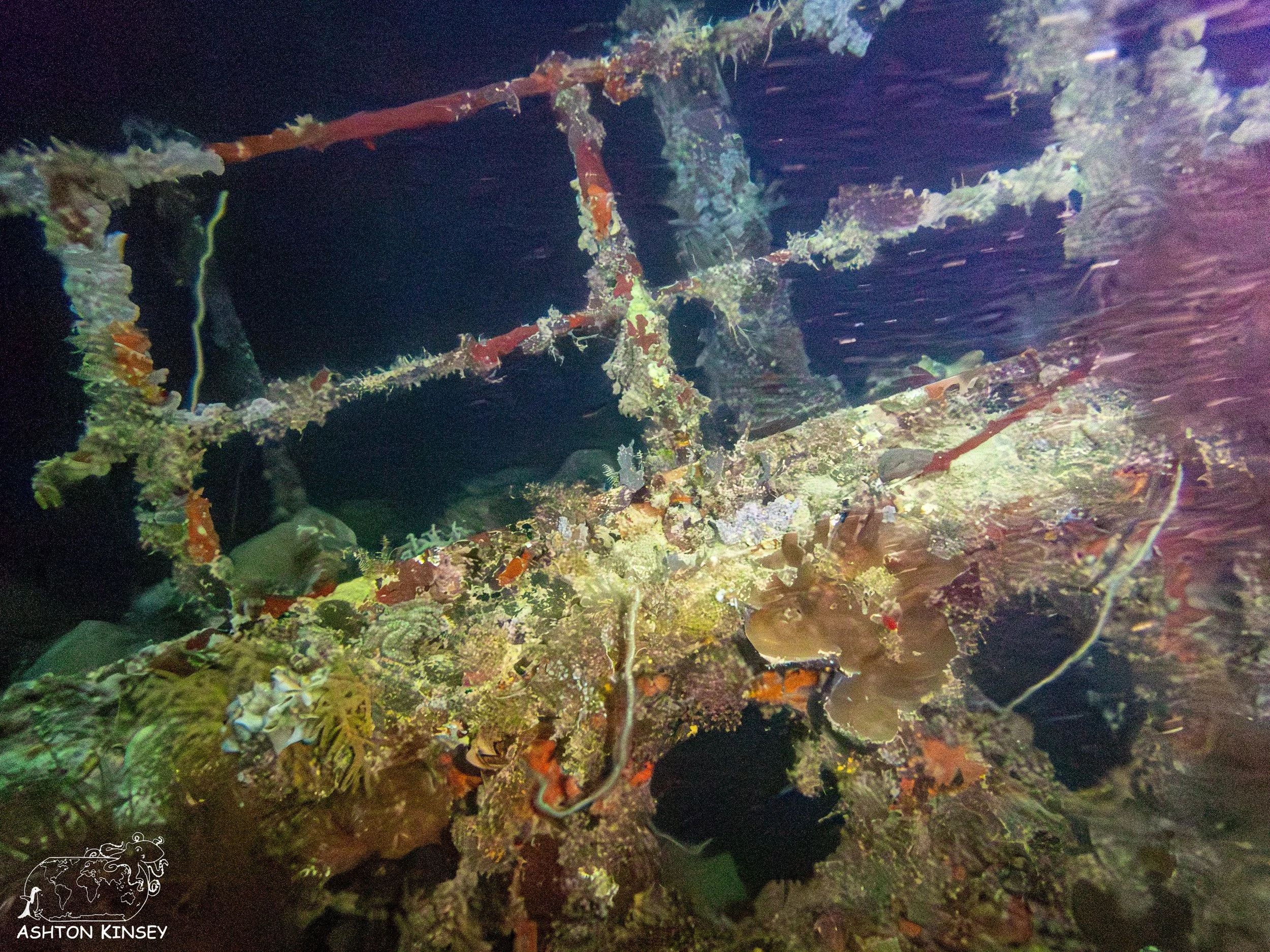
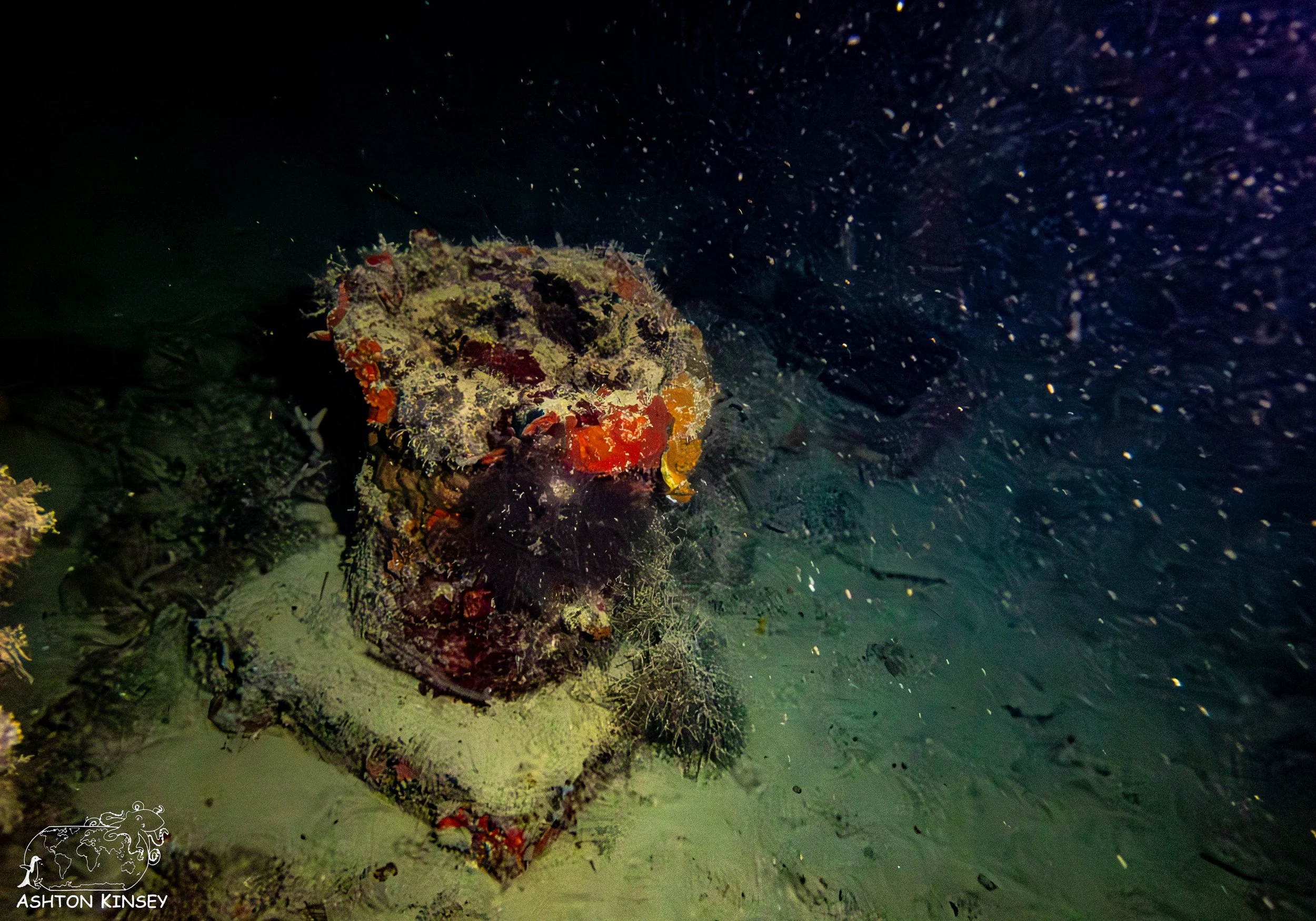
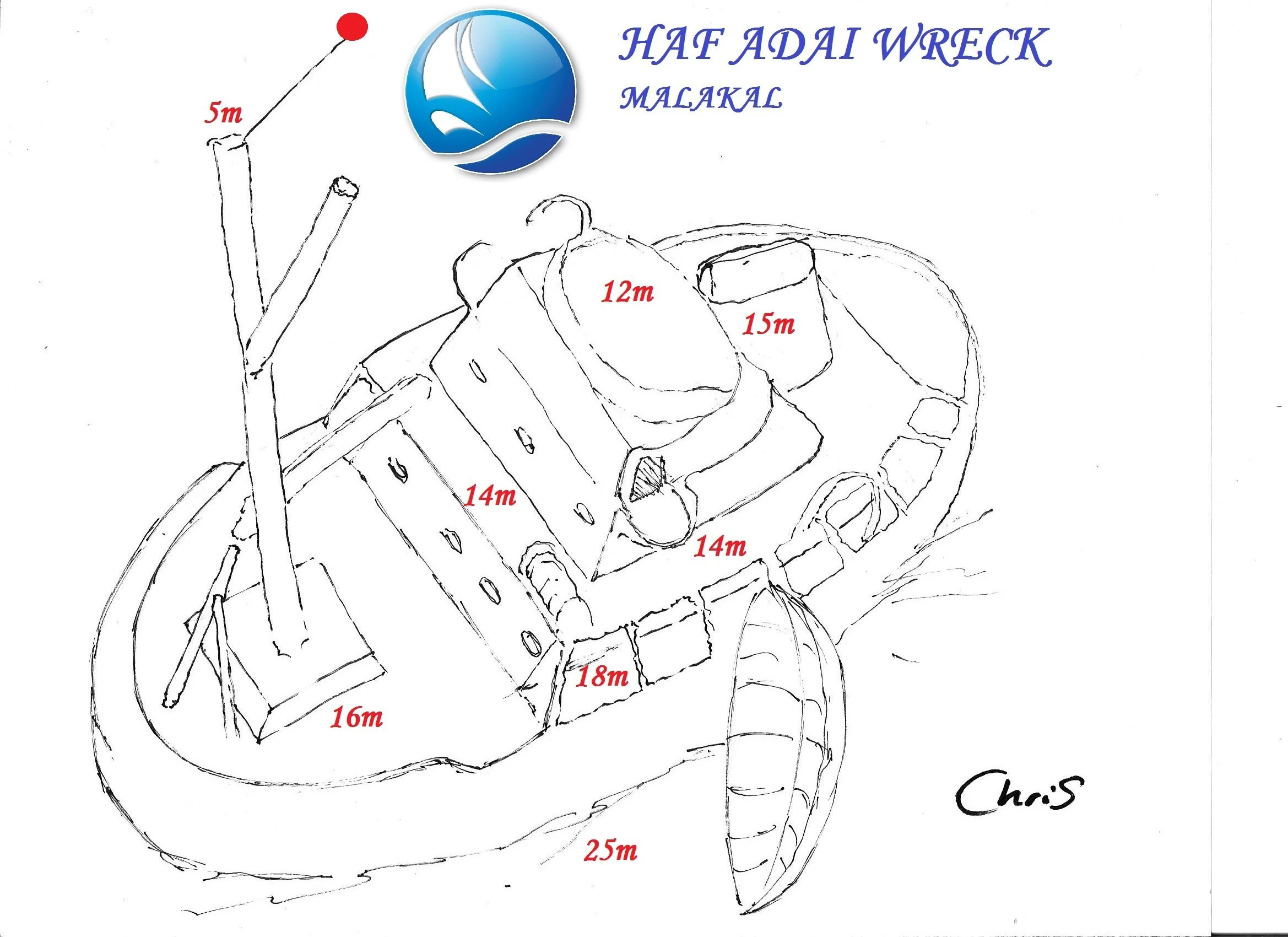
The Hafa Adai (Half-a-day) wreck was originally a fishing vessel, then interisland ferry between Guam and Palau. It sunk sometime in the 1990s but the direct cause is unknown. It could have been due to insurance fraud since it sank upright at her anchor point and no major damage could be found on the wreck. More interestingly, all of the fuel, and several pieces of the engines were removed. There was also nothing of value either mechanical or merchant were found on her after the sinking.
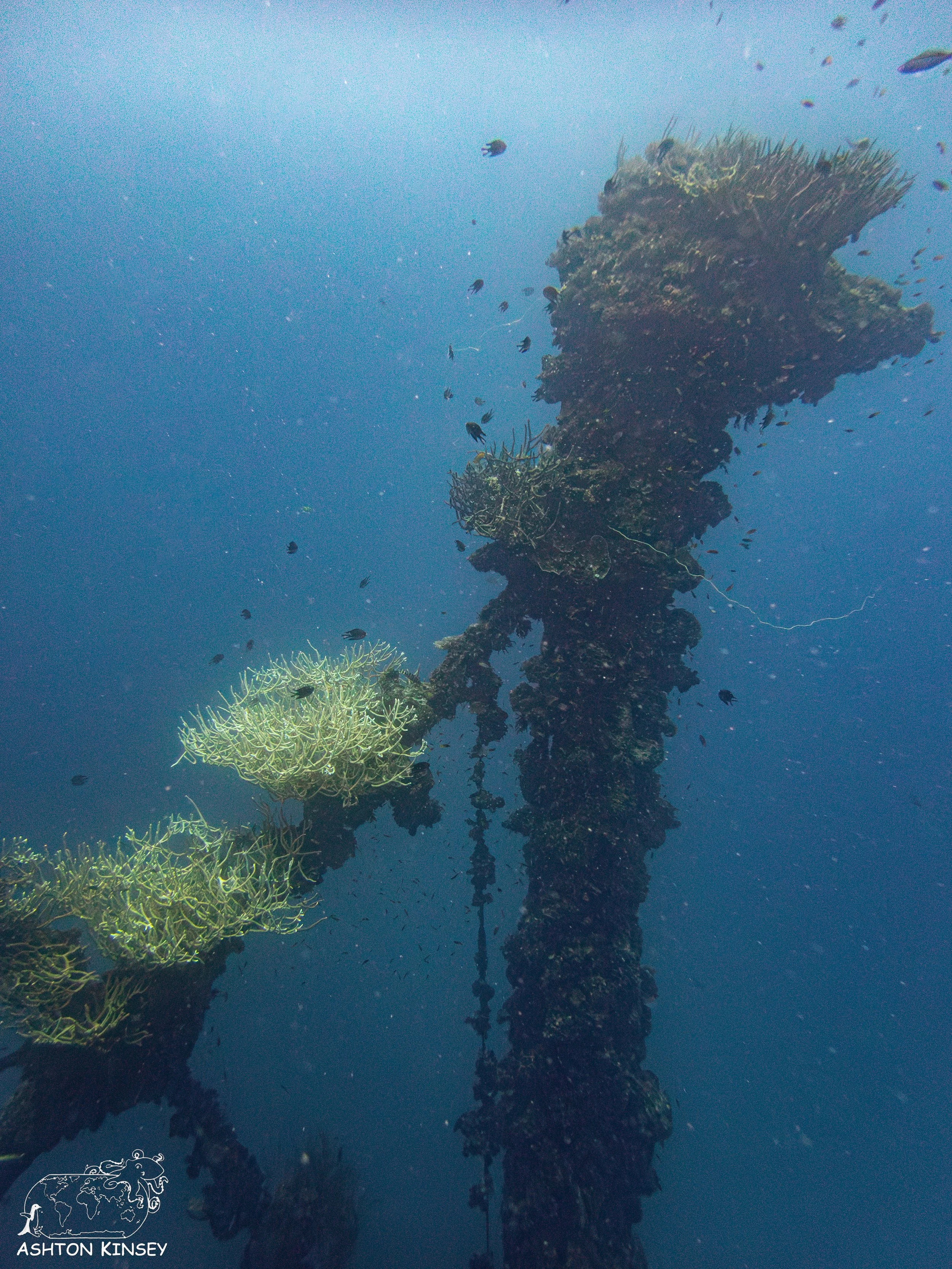
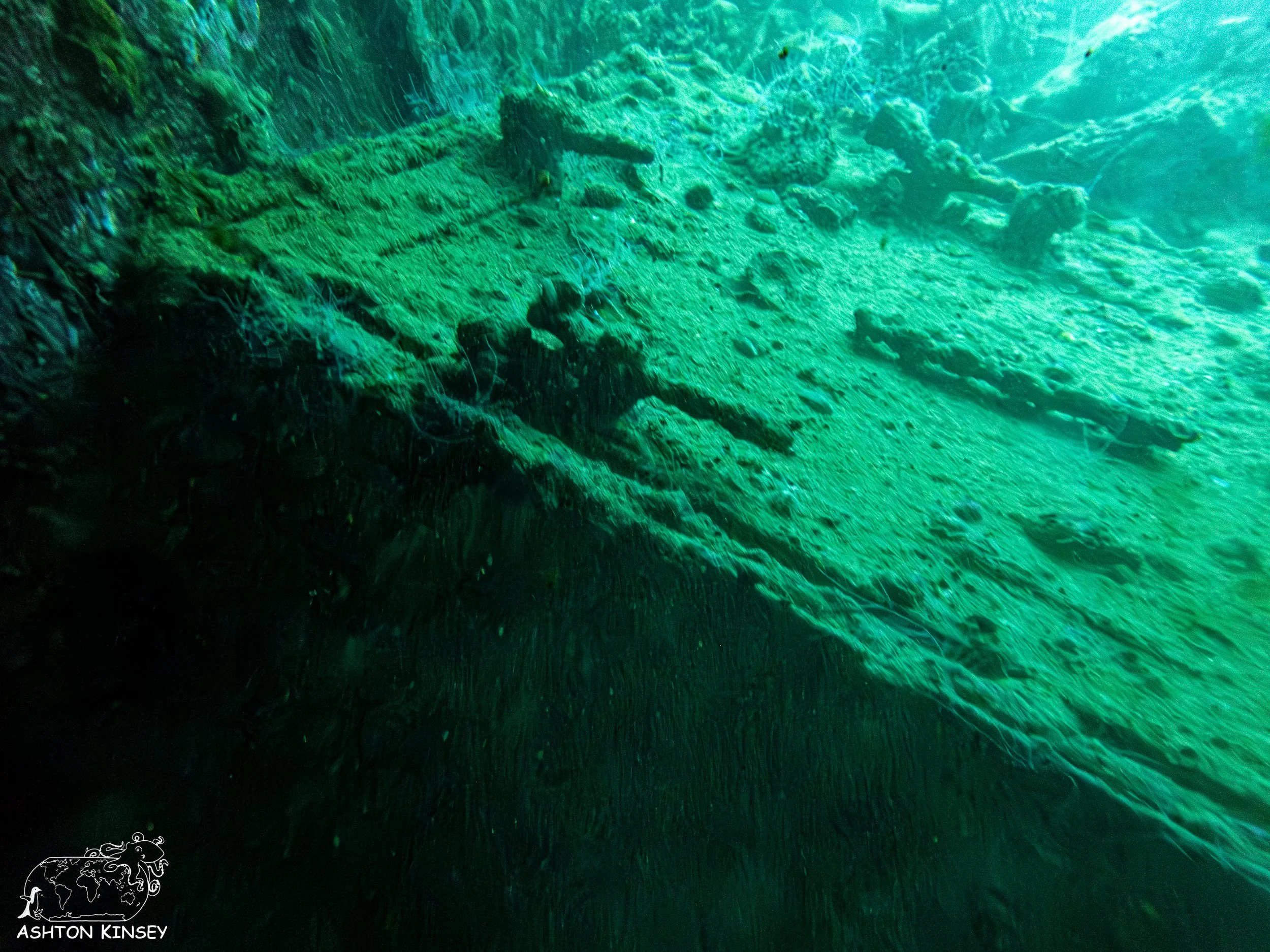
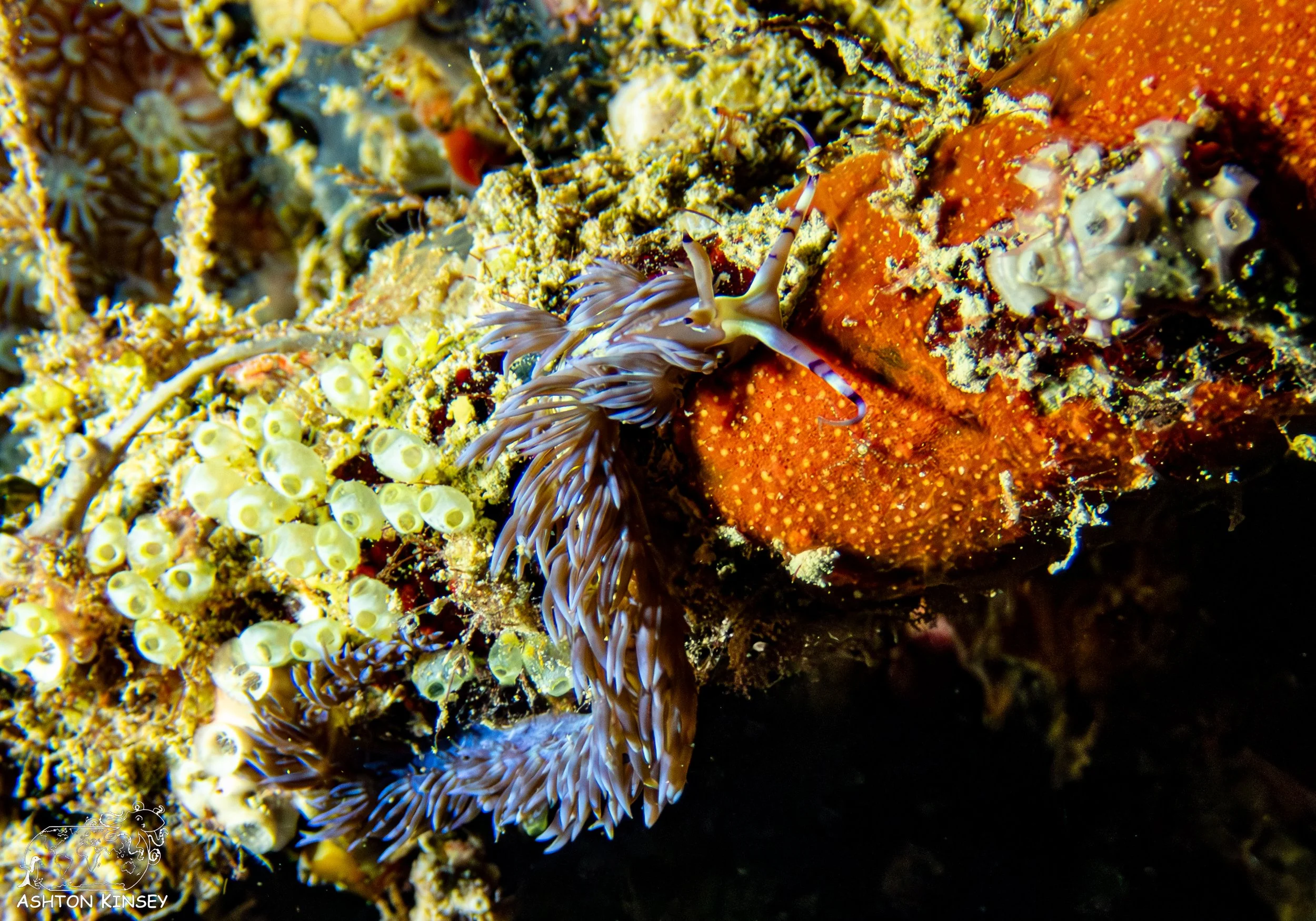
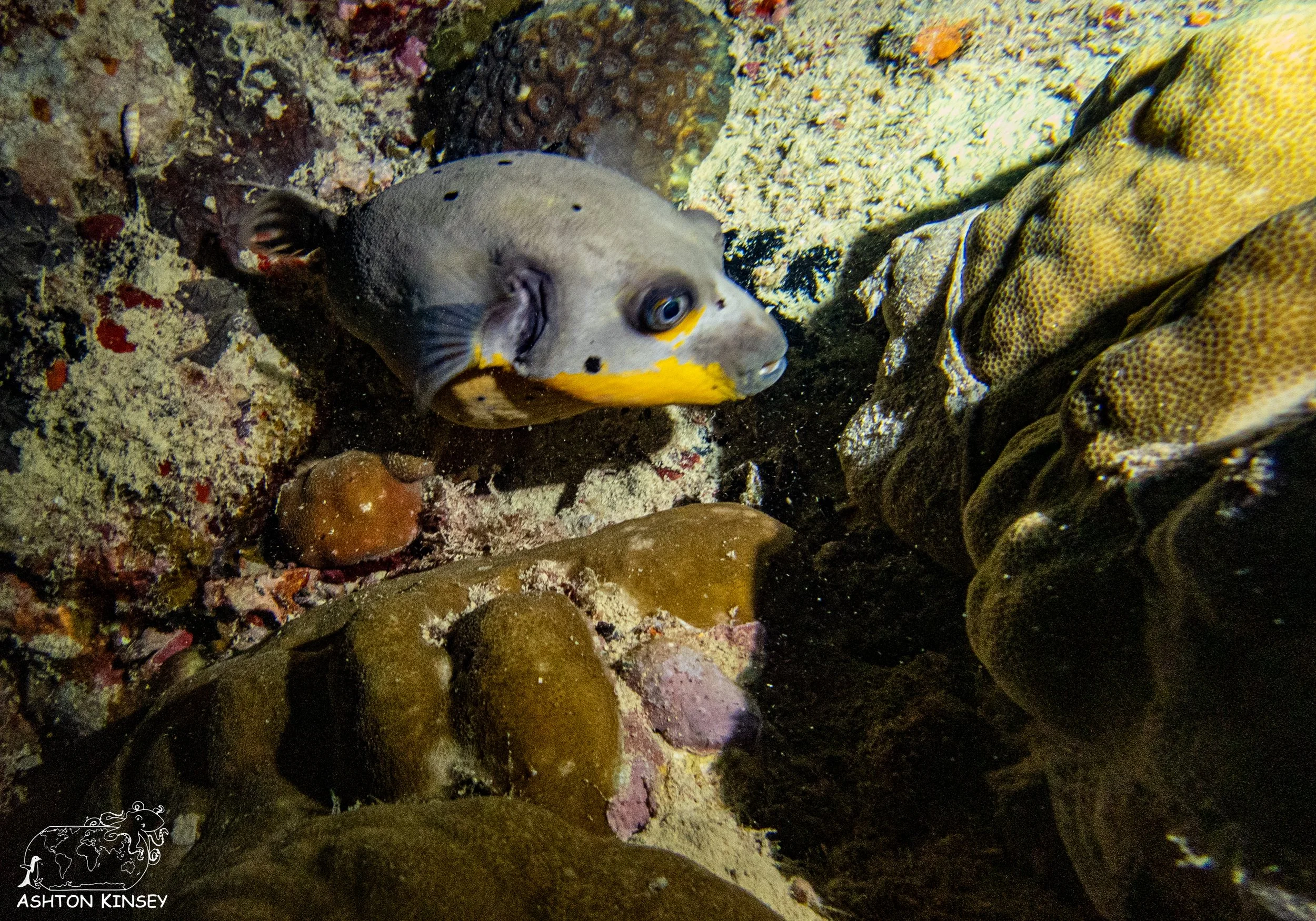
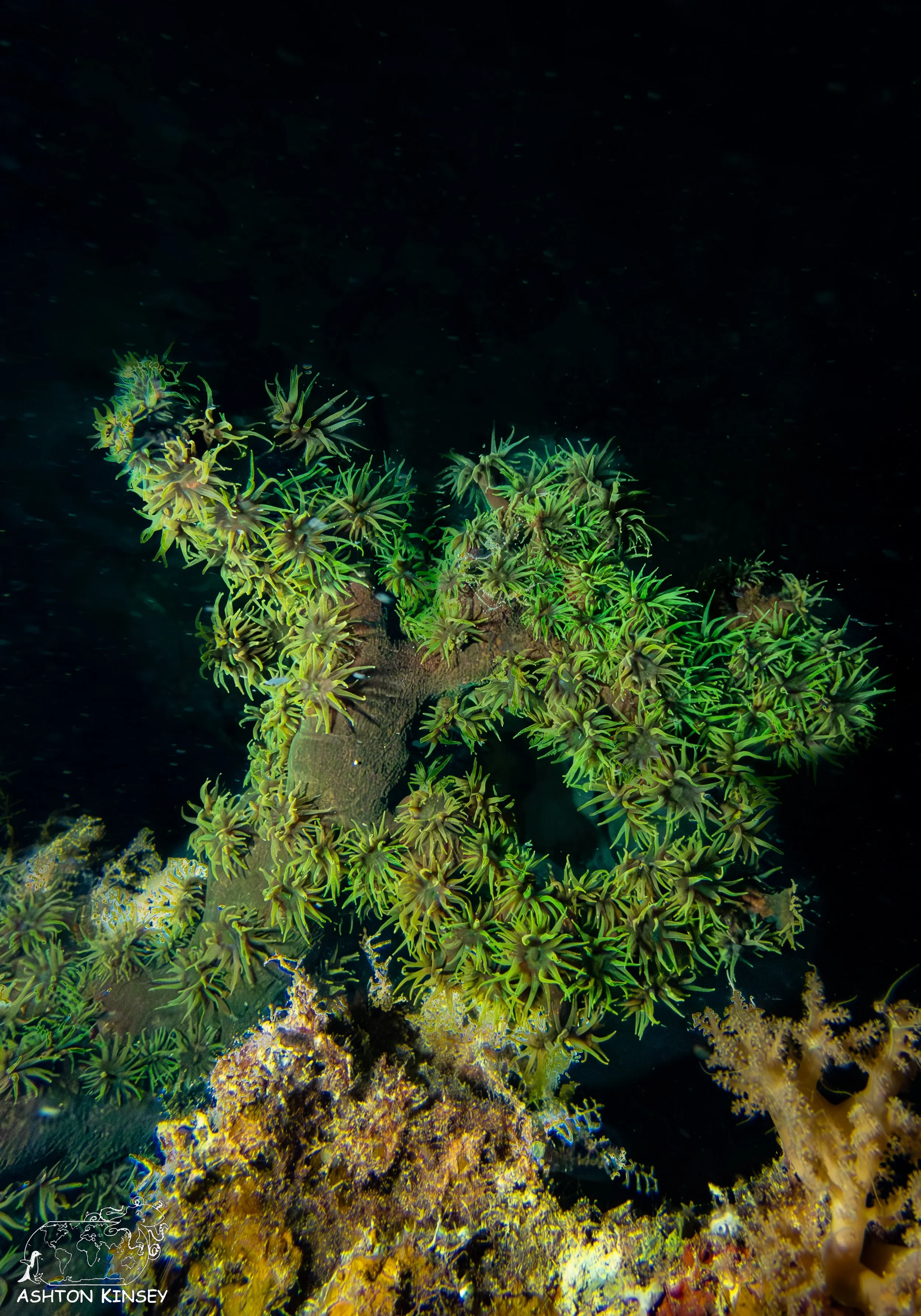
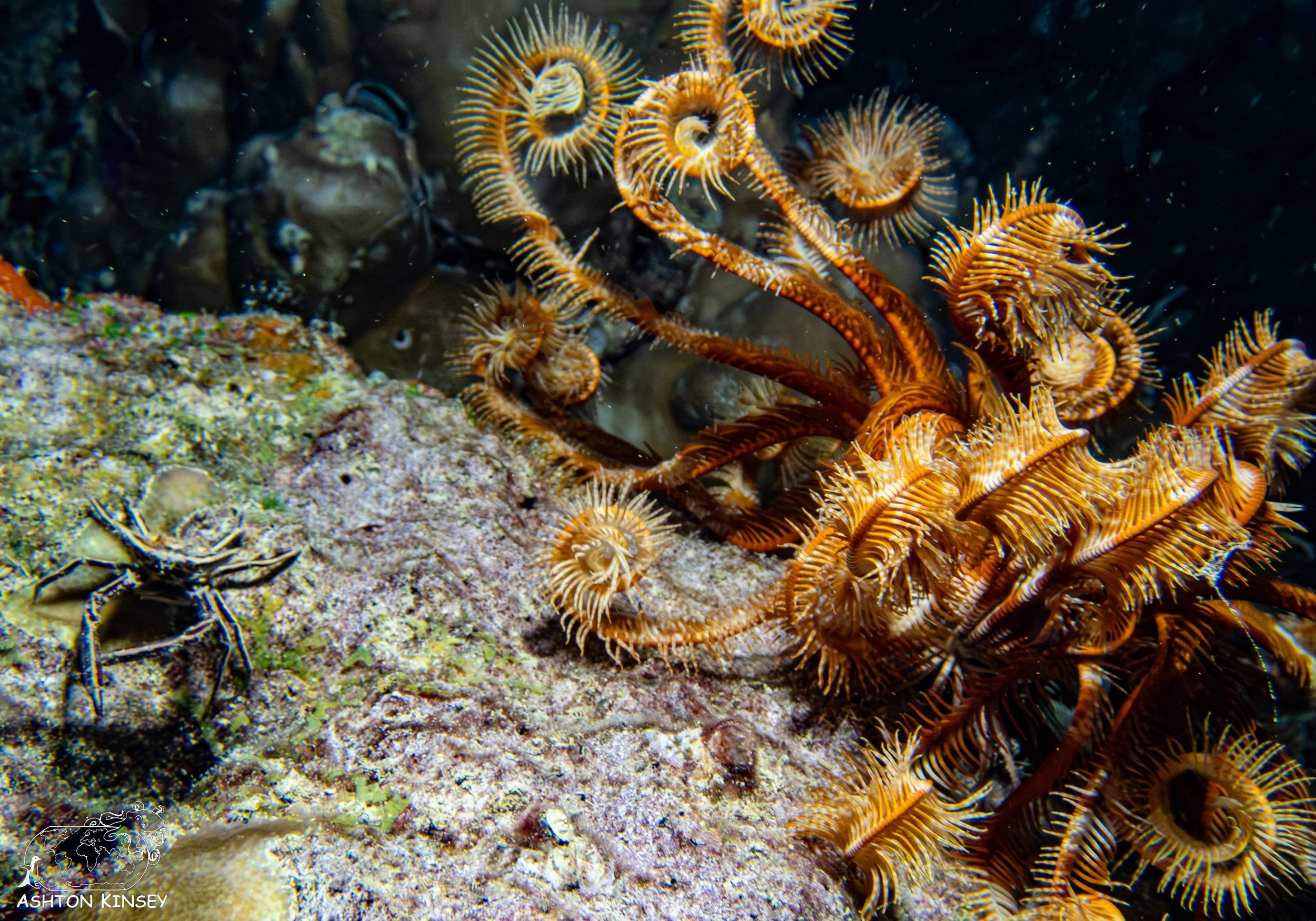
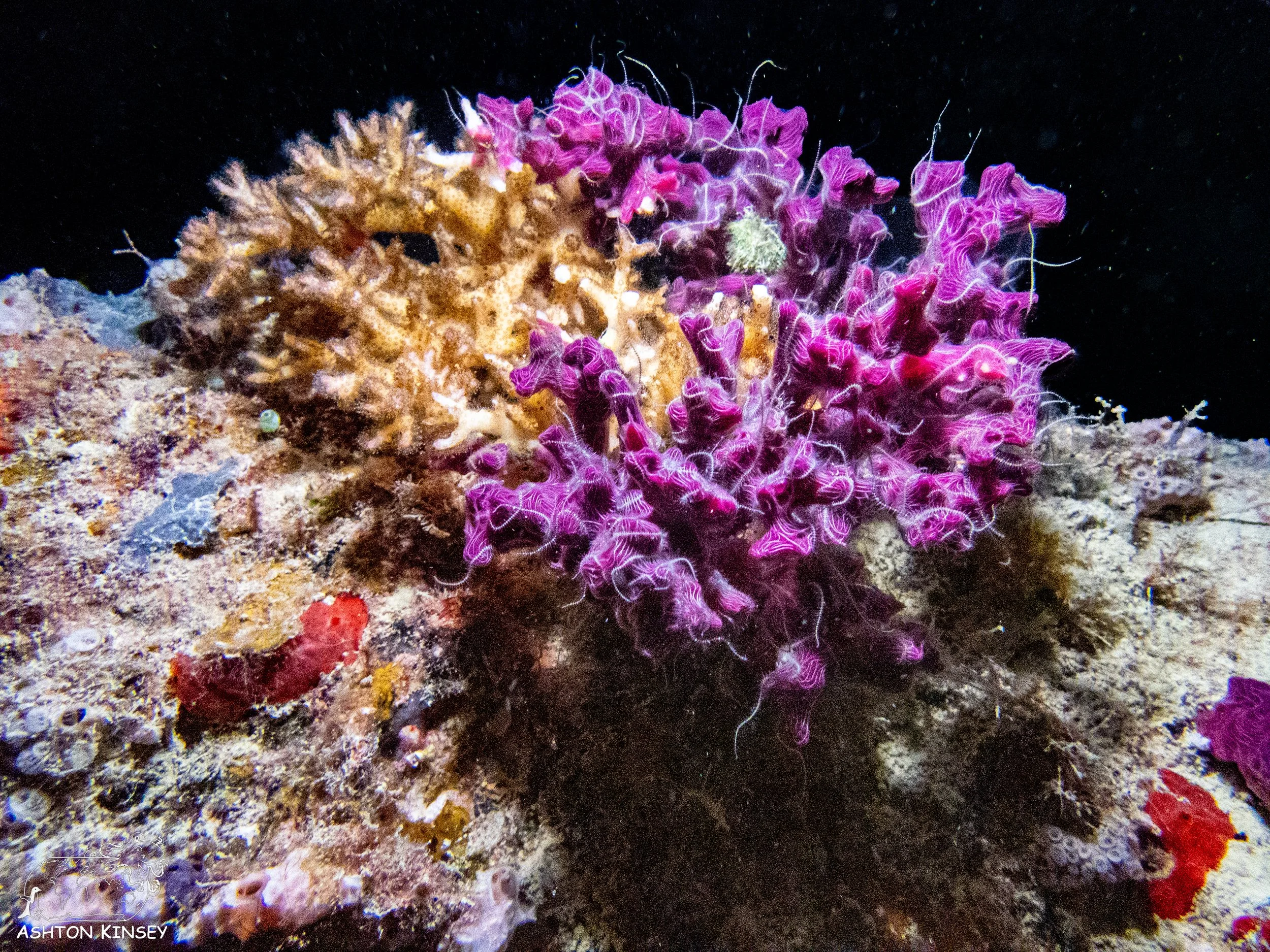
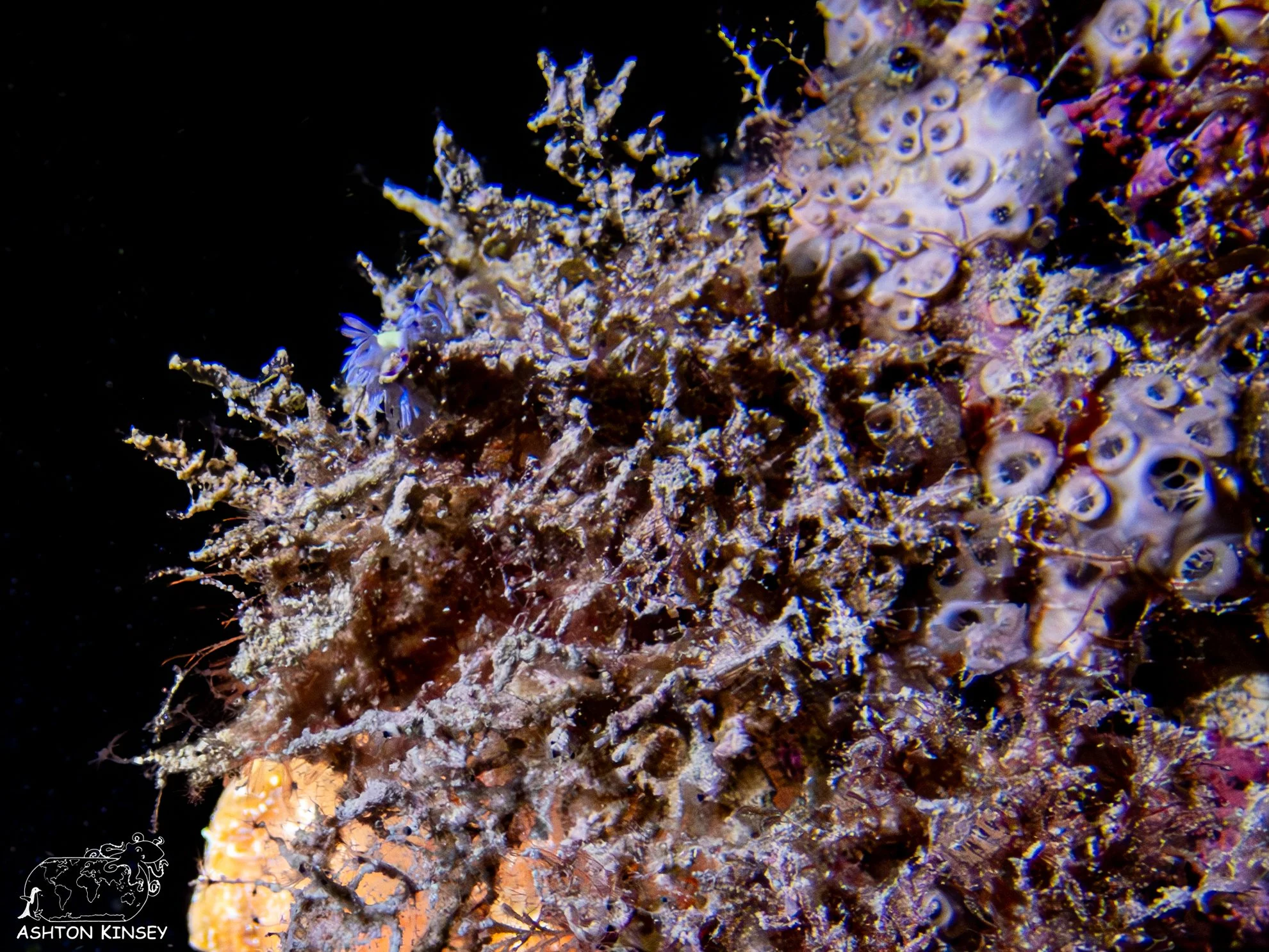
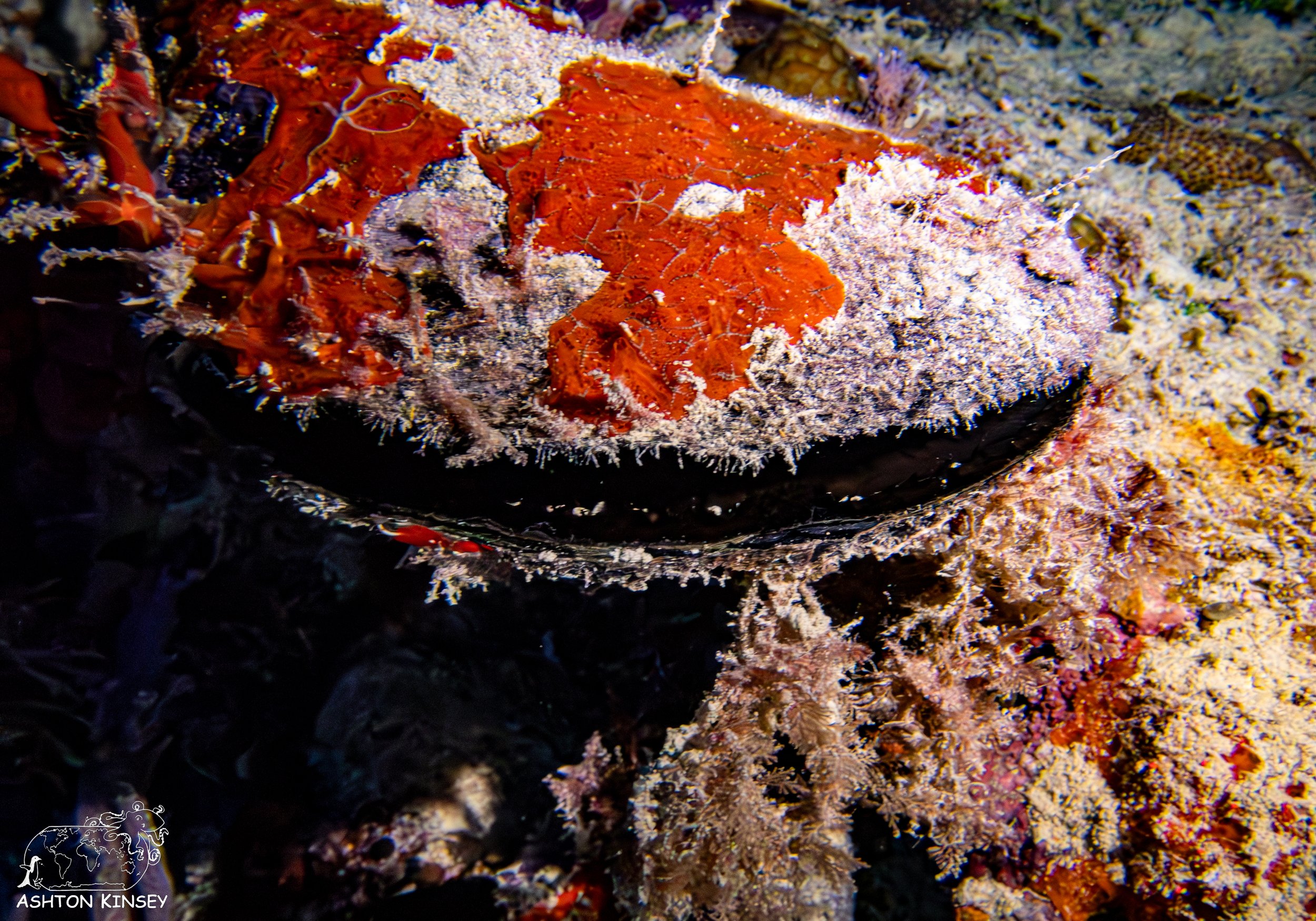
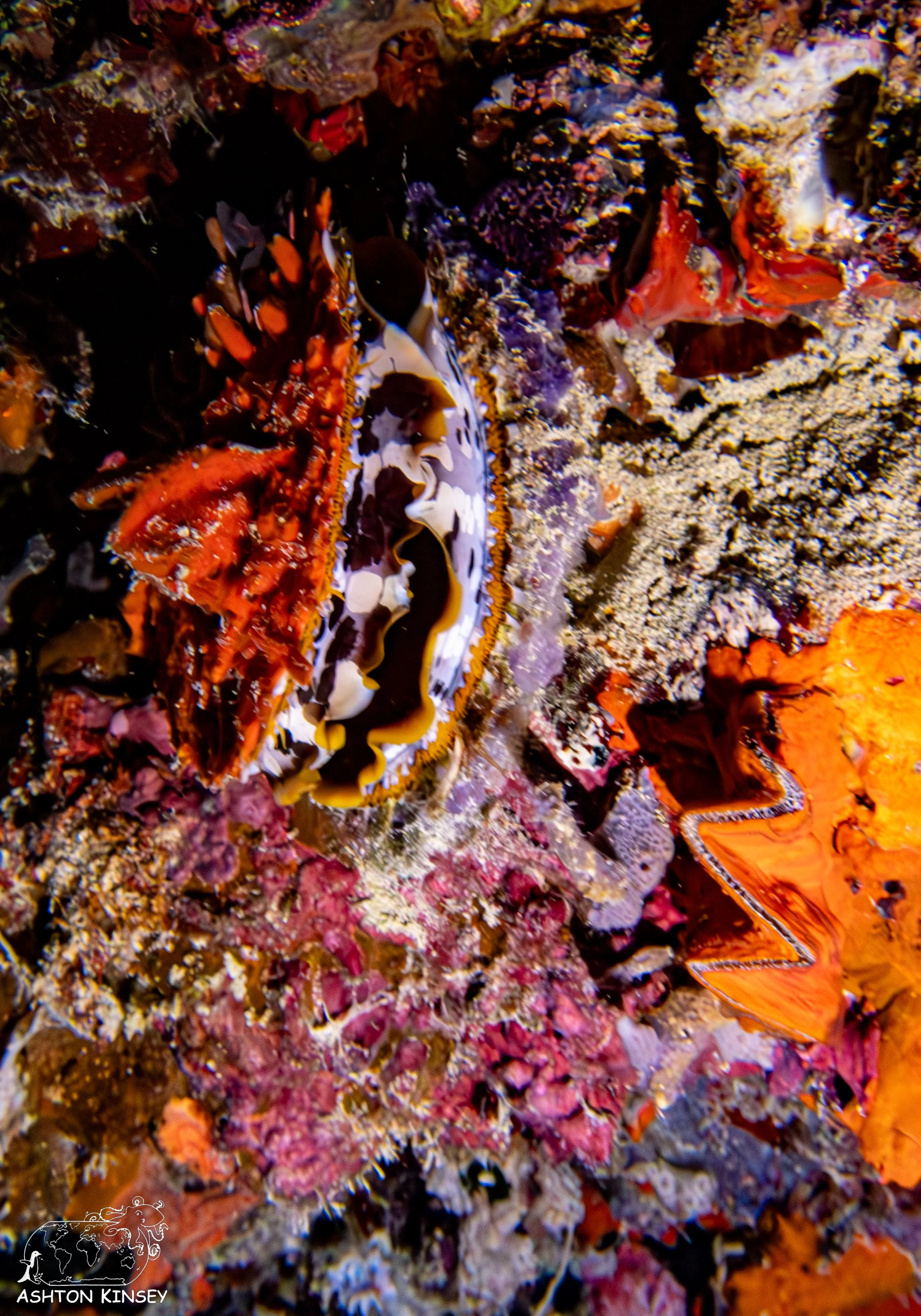
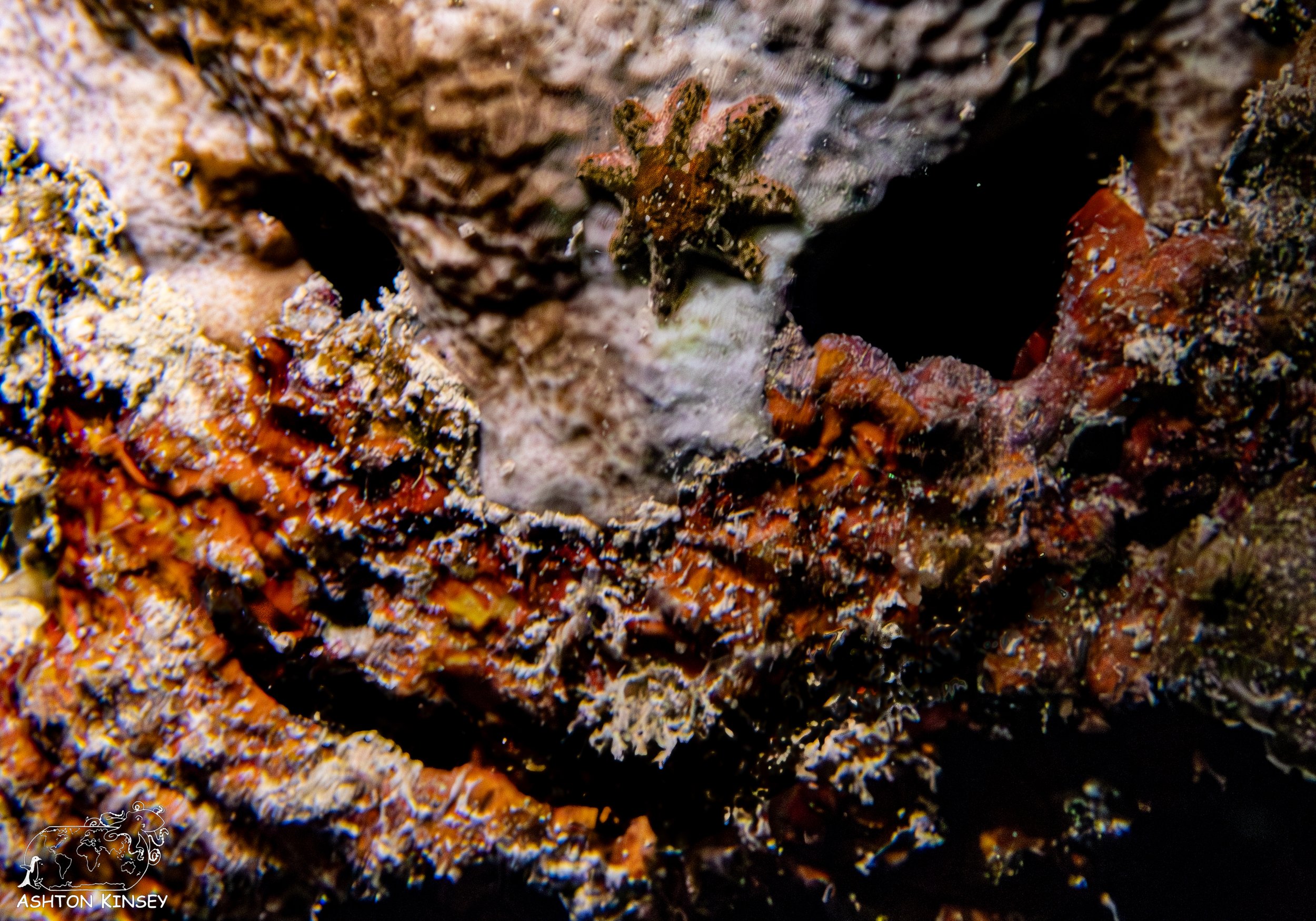
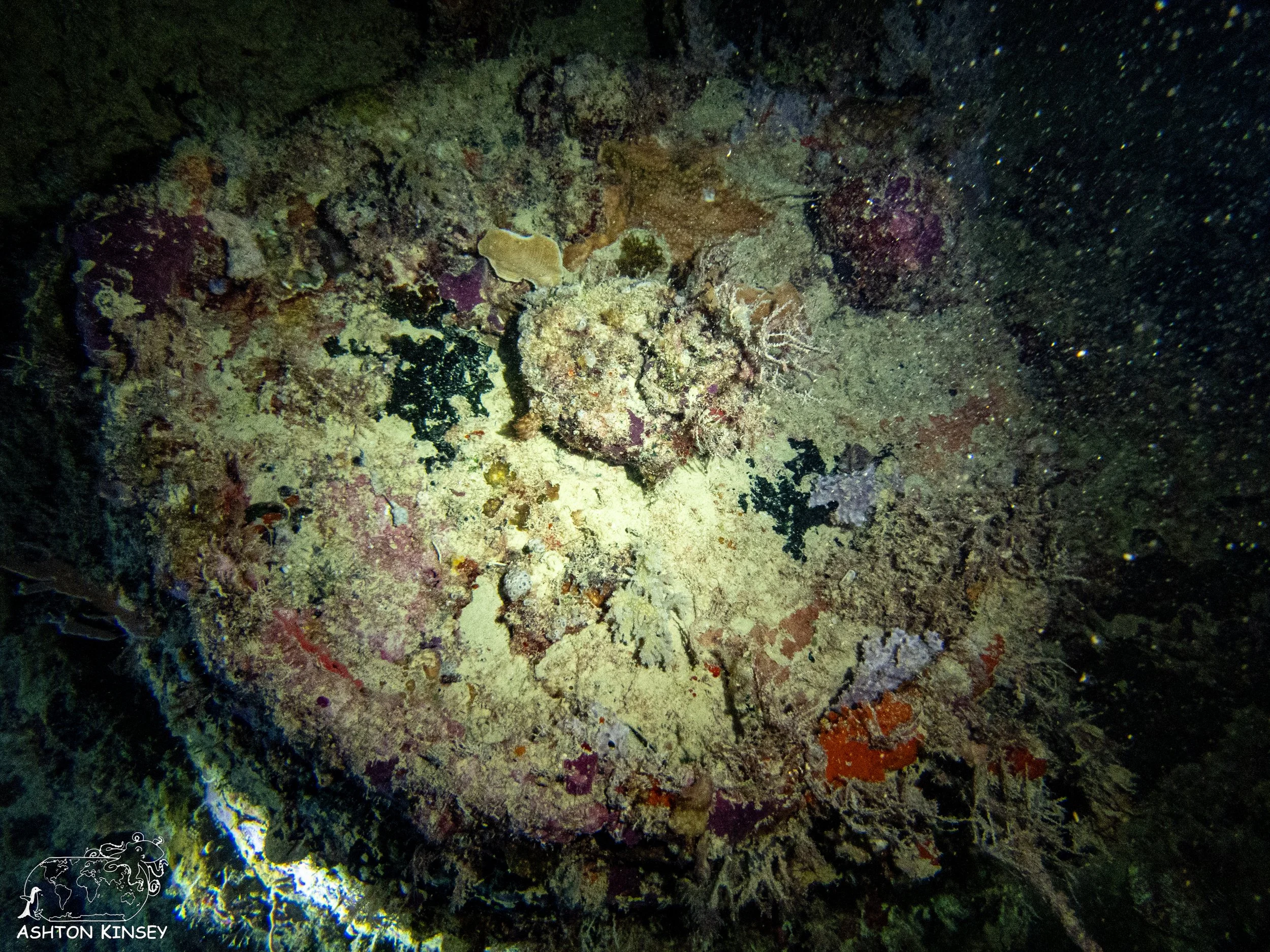
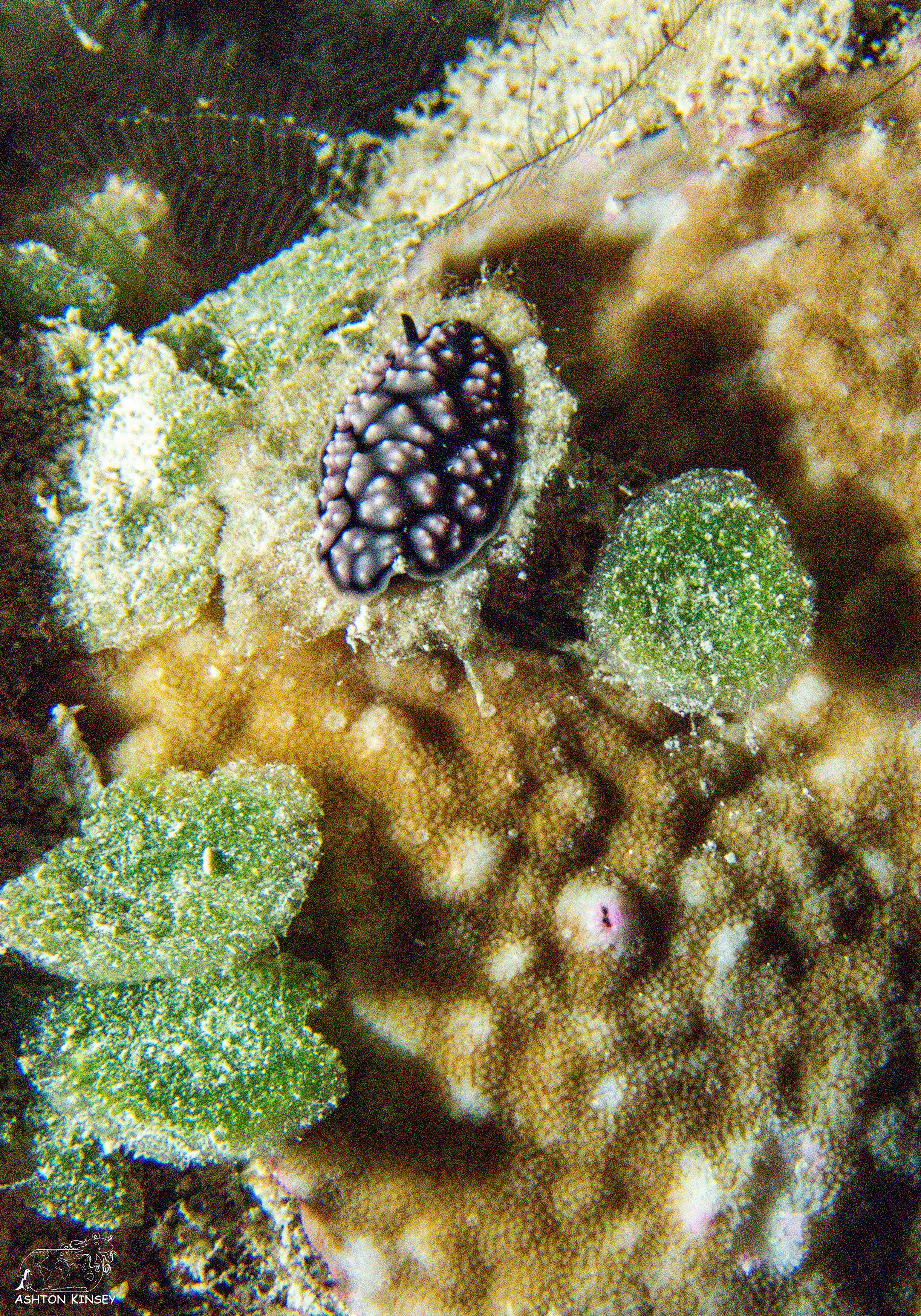
Presently she sits slightly tilted on her side, in roughly 100’ of water and is over grown with corals. Several species of nudibranchs can be found on and around the corals. Frogfish, seahorses and pipefish have all been found on this wreck however visibility can be poor due to tides and the closeness to shore.
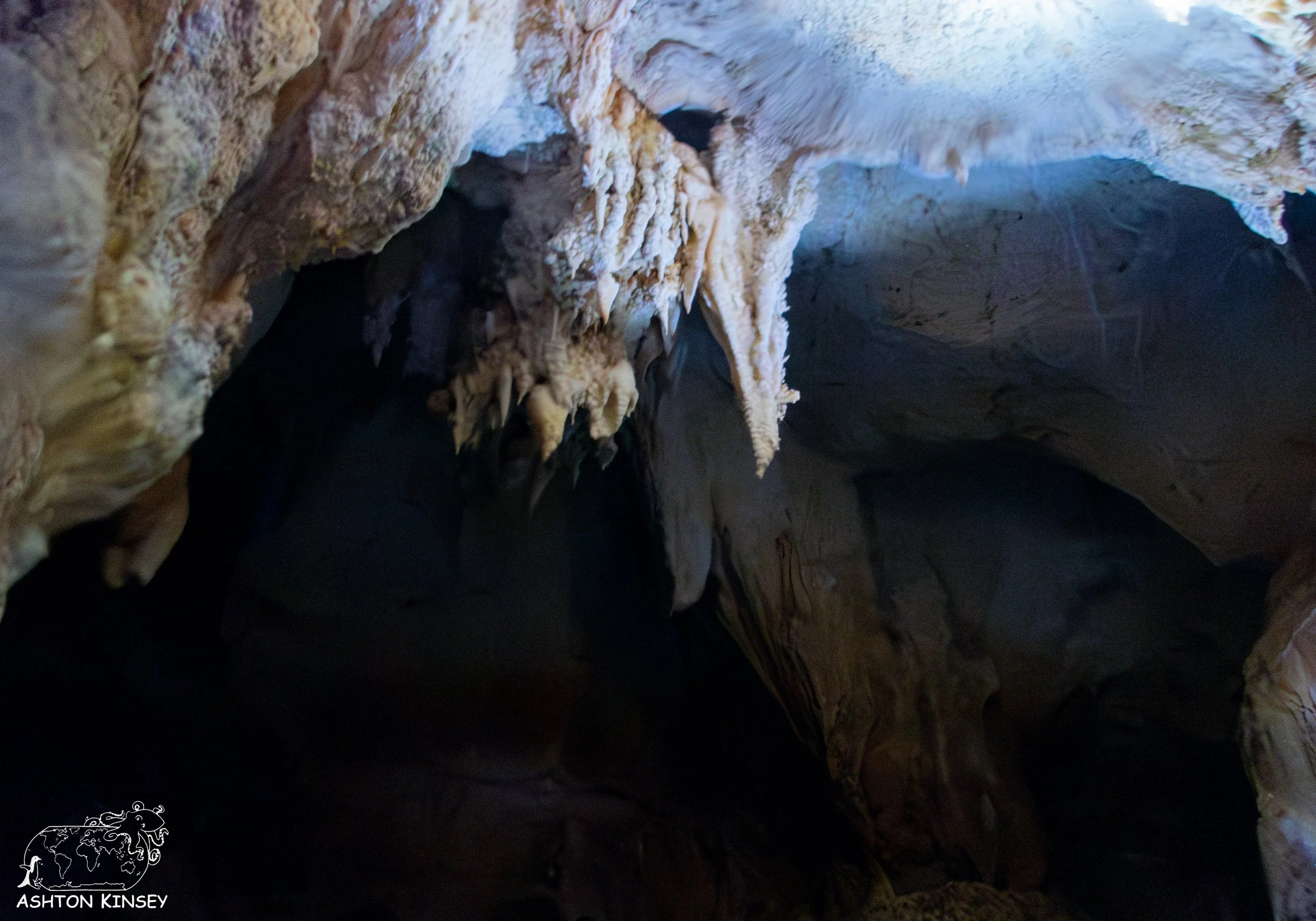
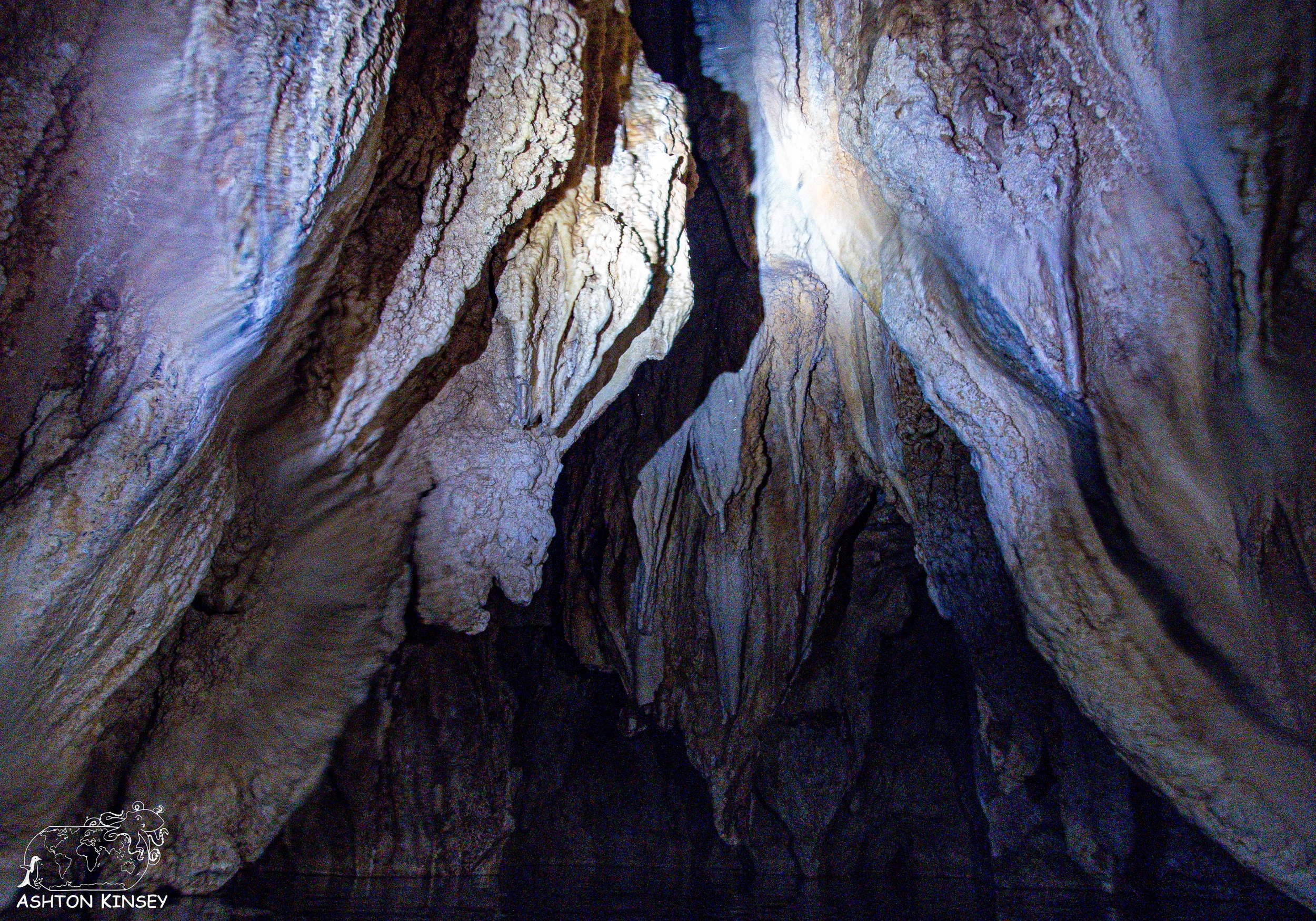
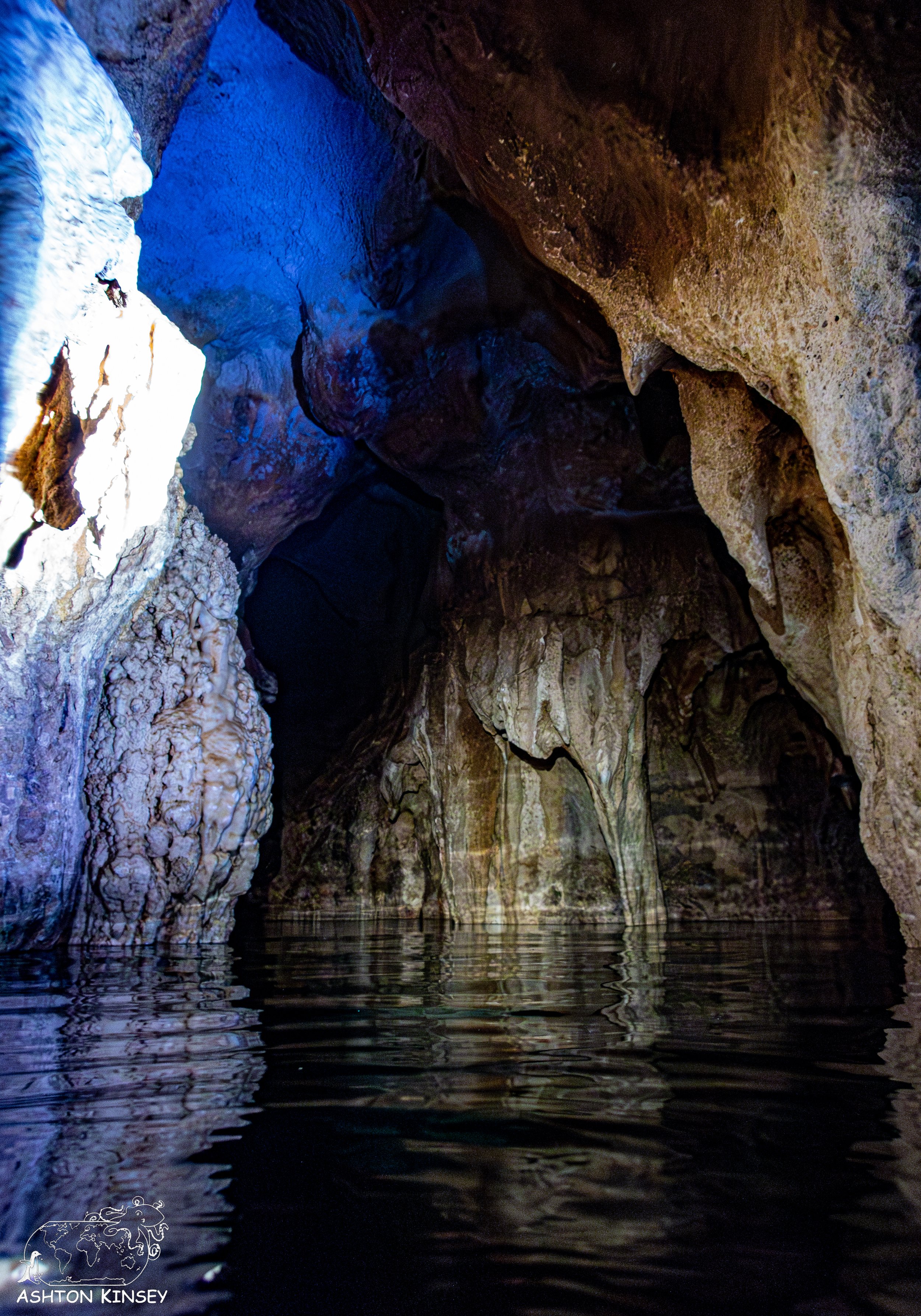
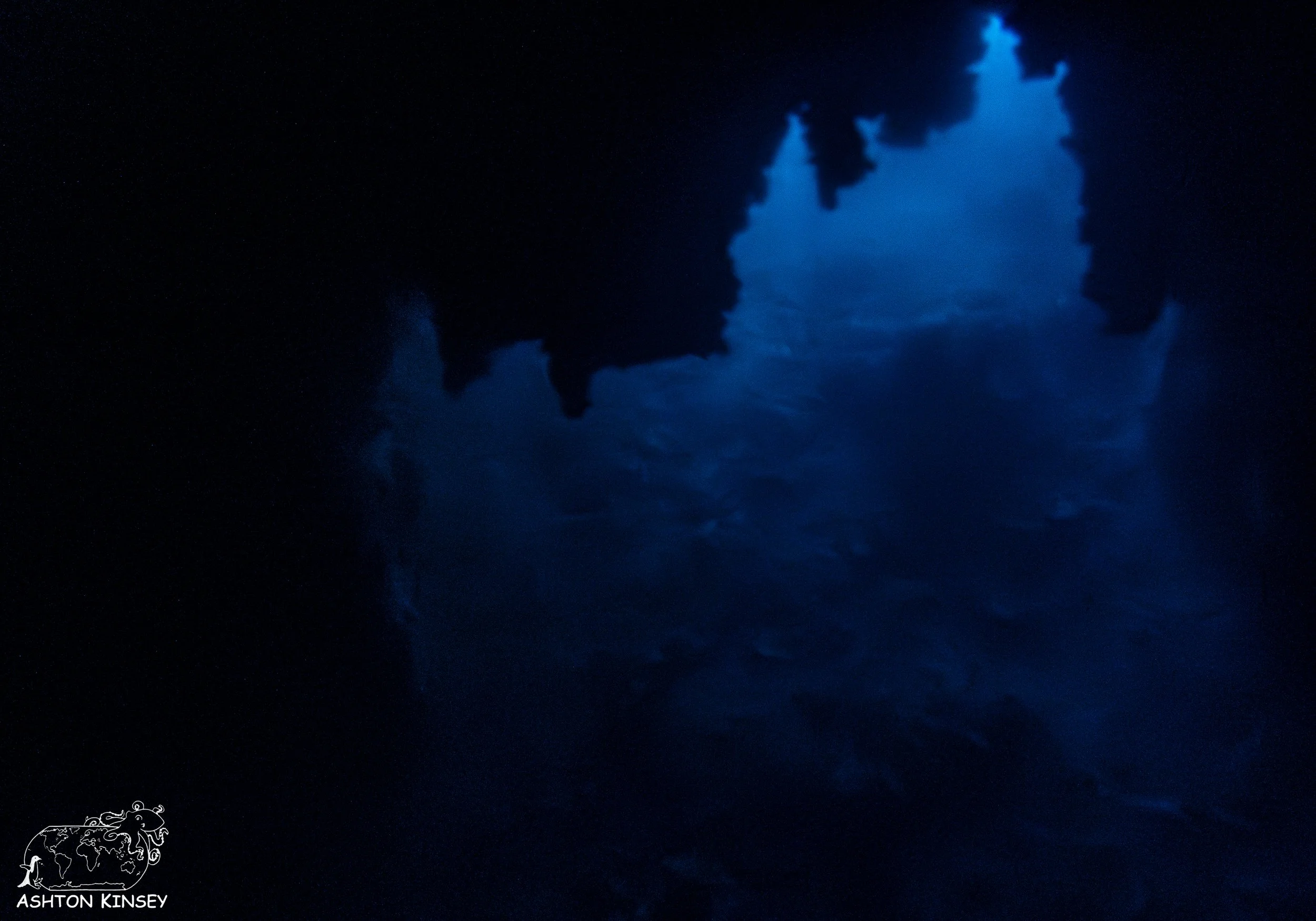
Chandelier Cave
Dive 33: 48’ for 62 Min
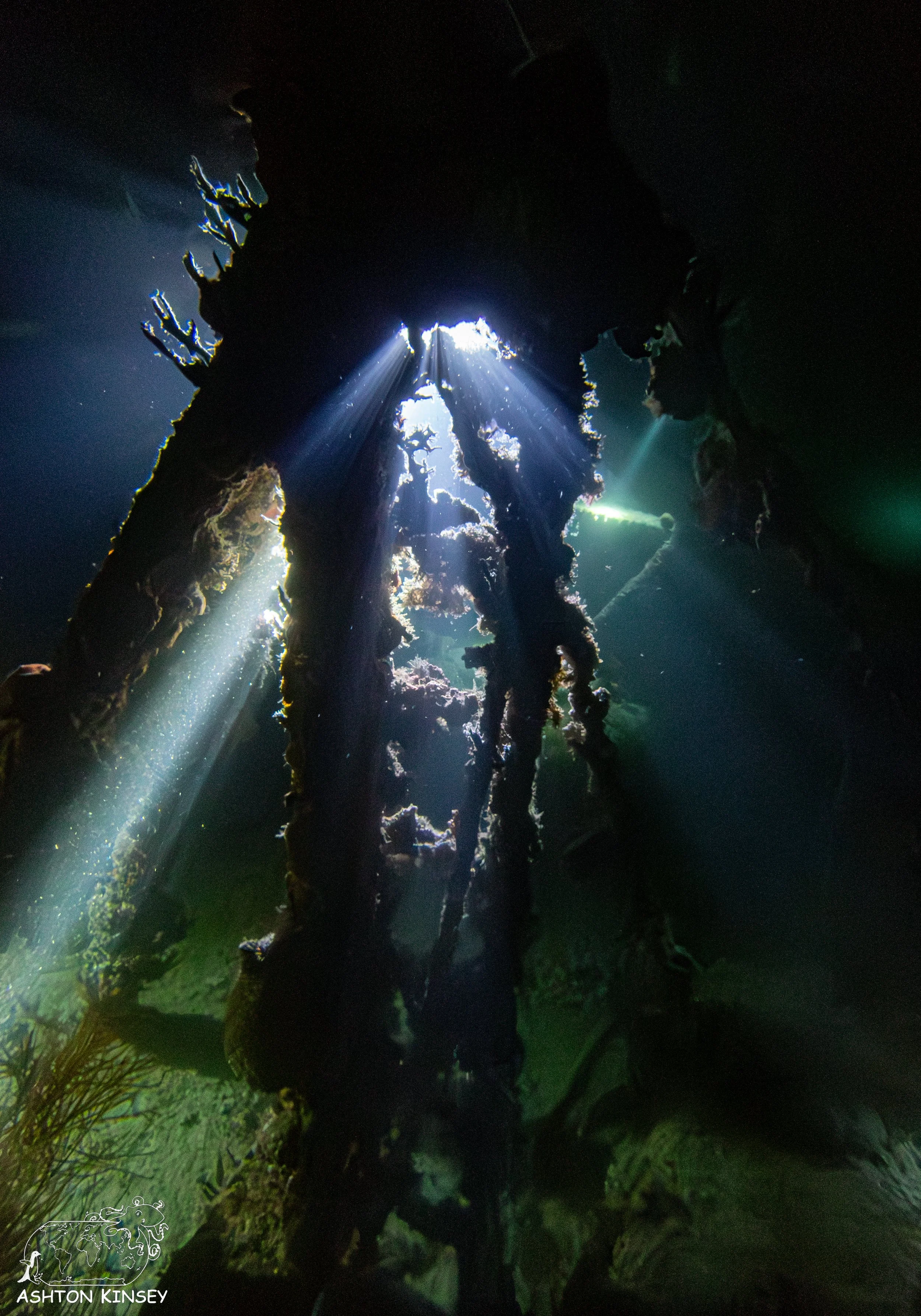
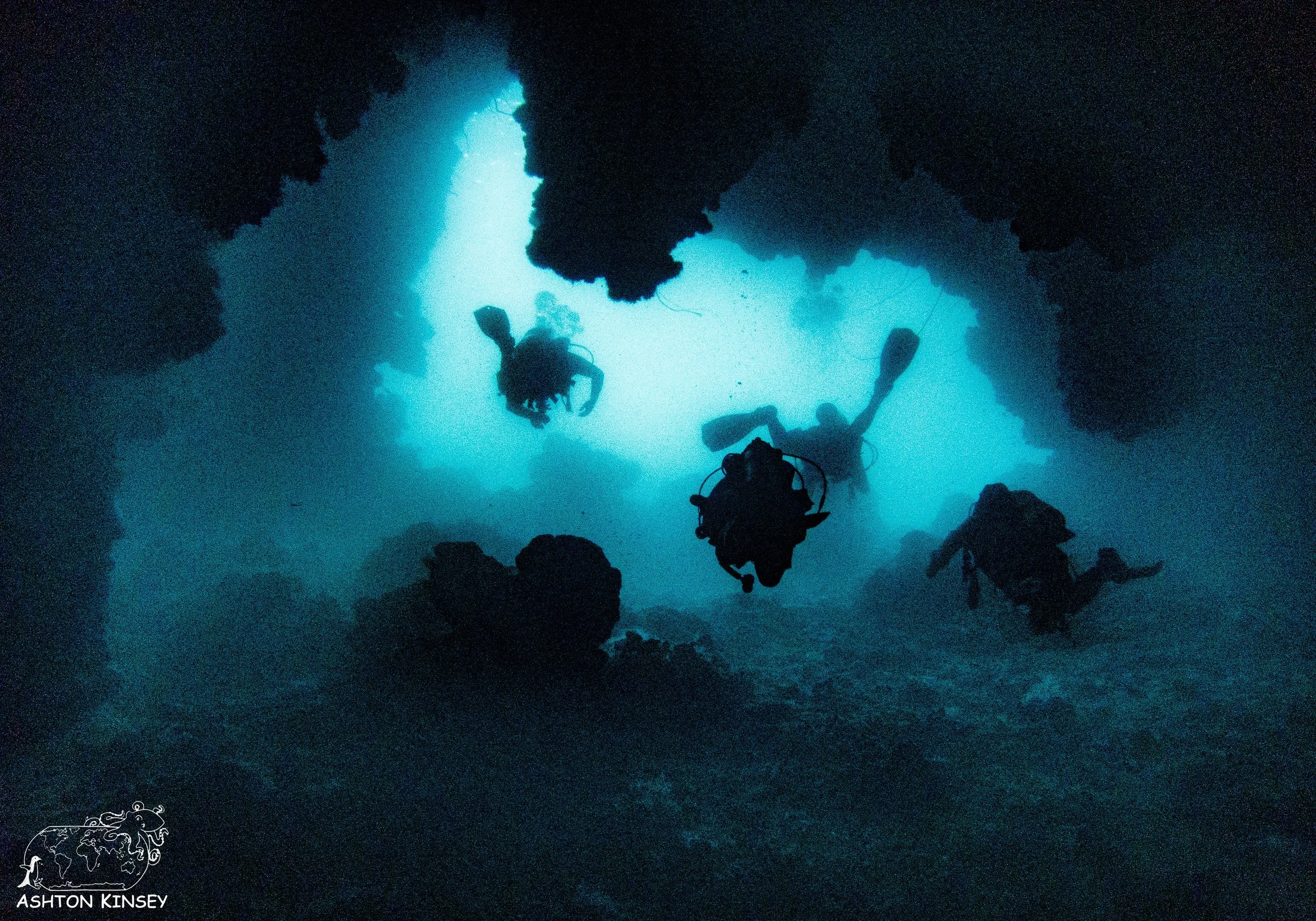
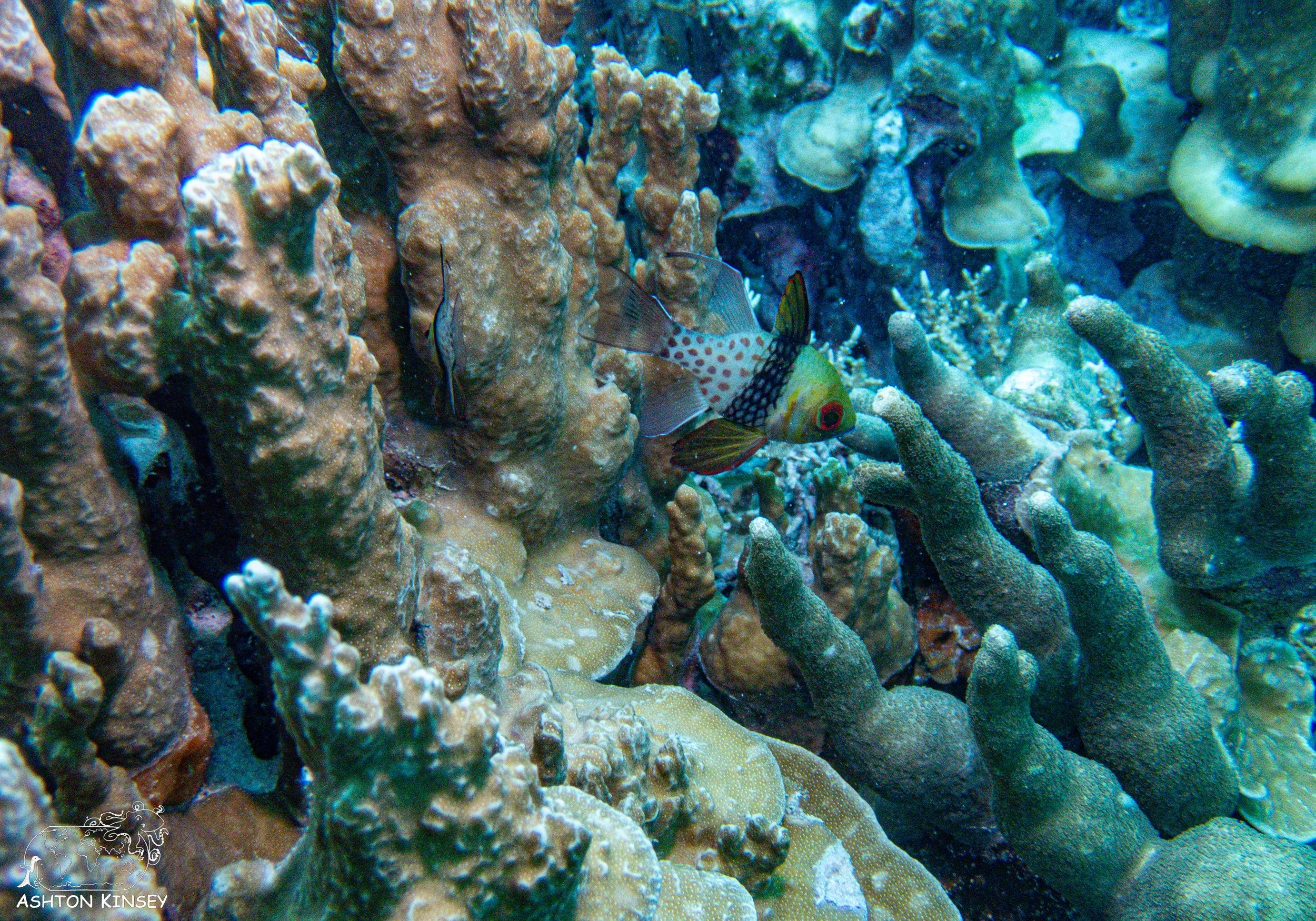
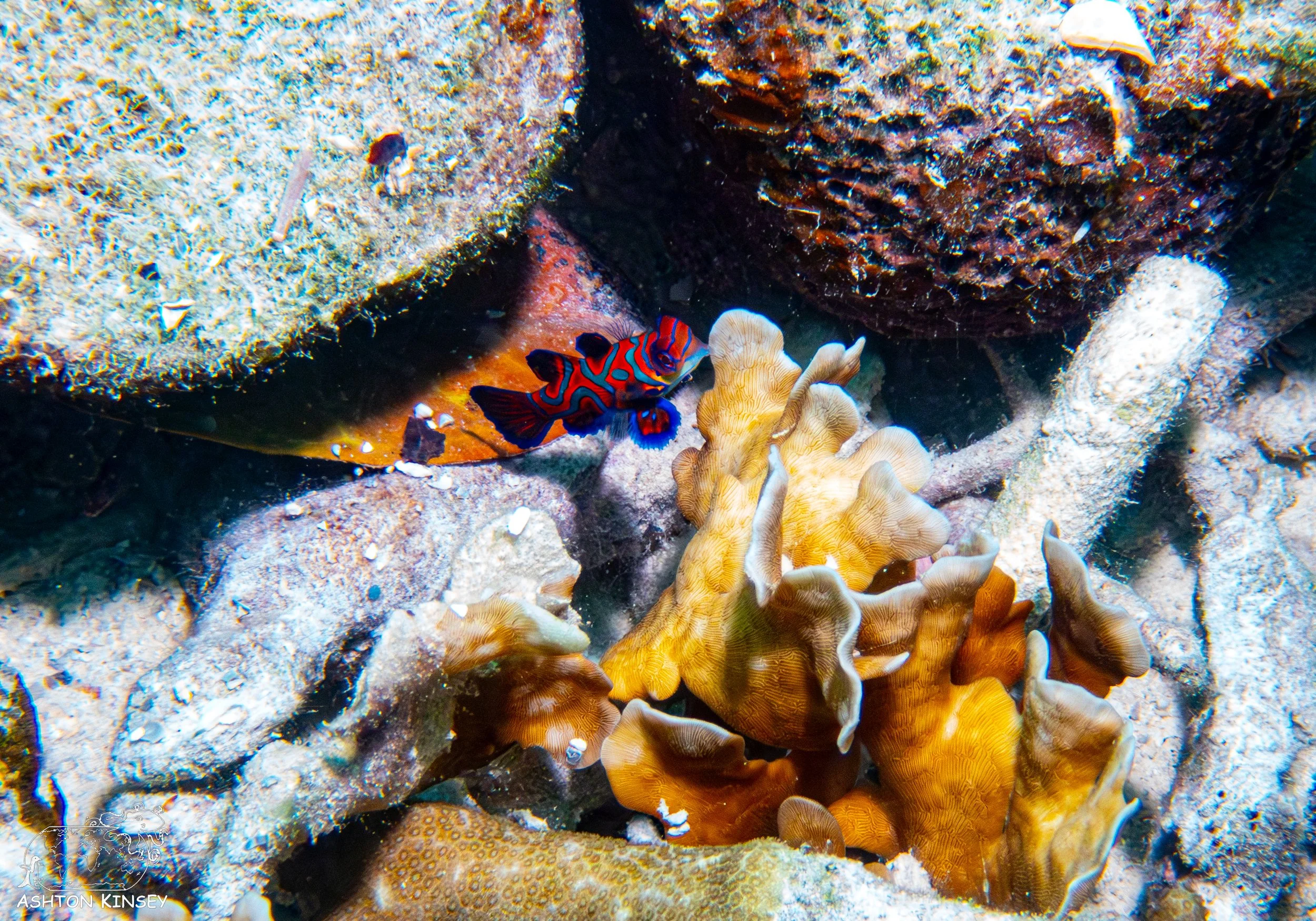
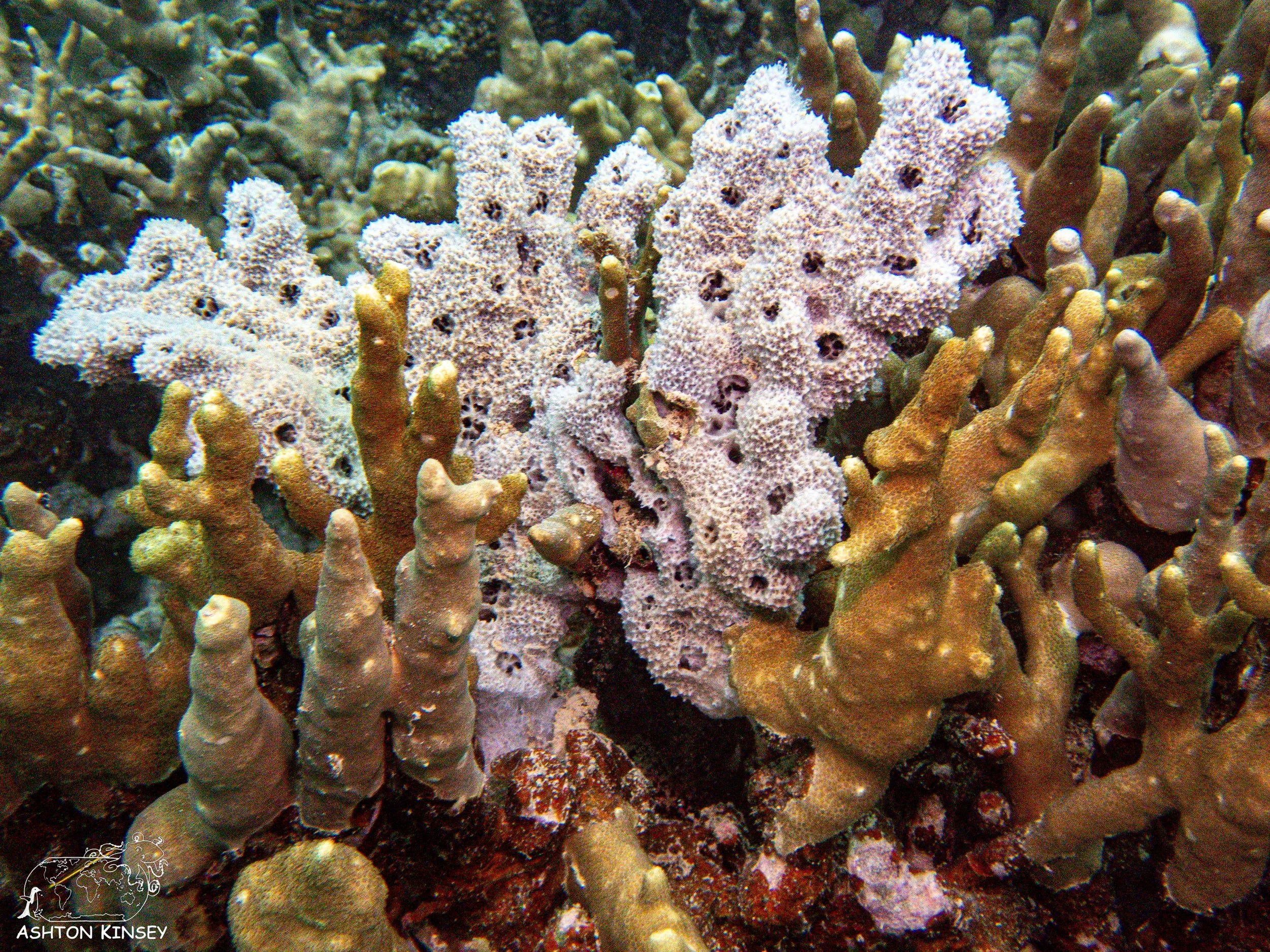
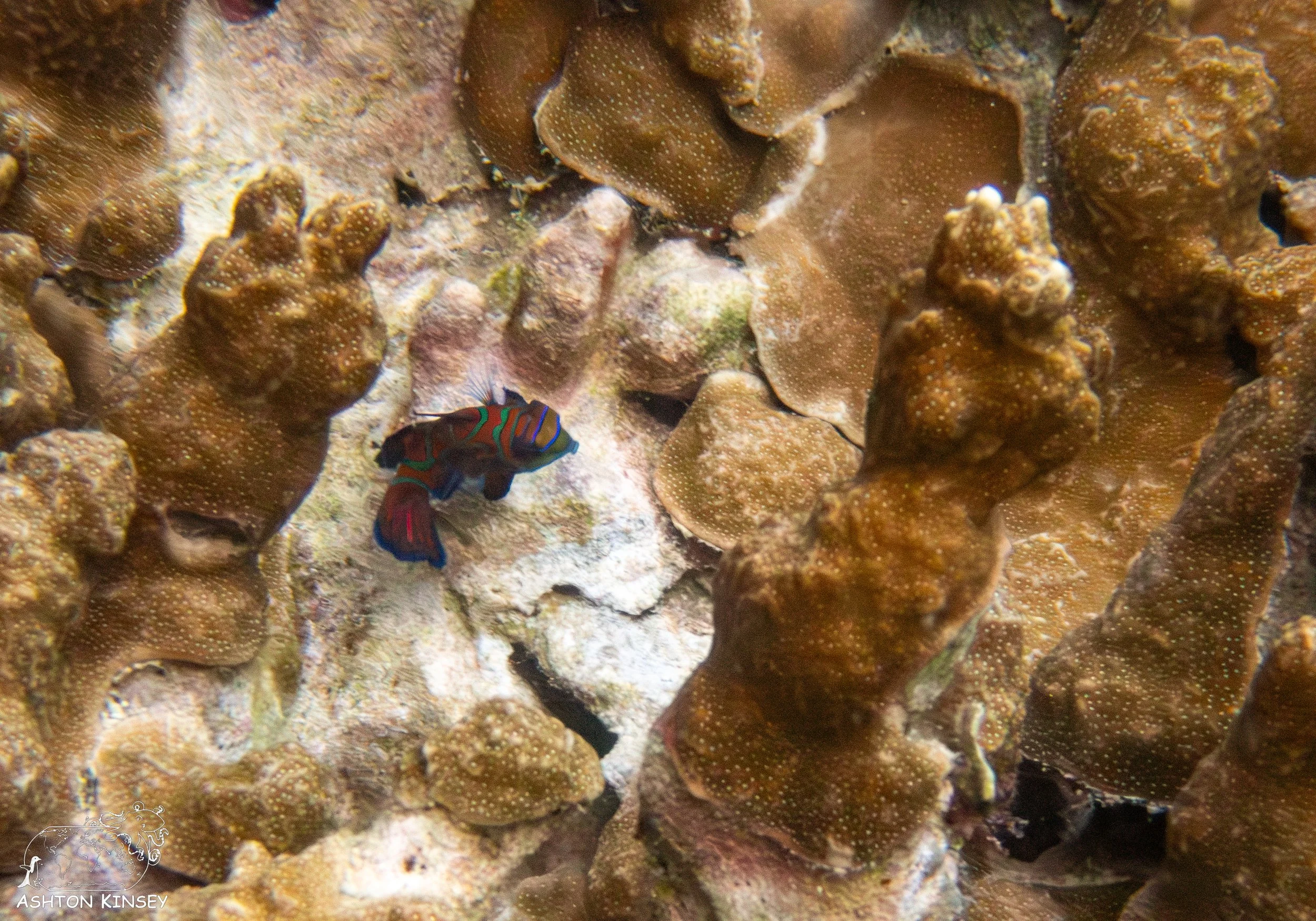
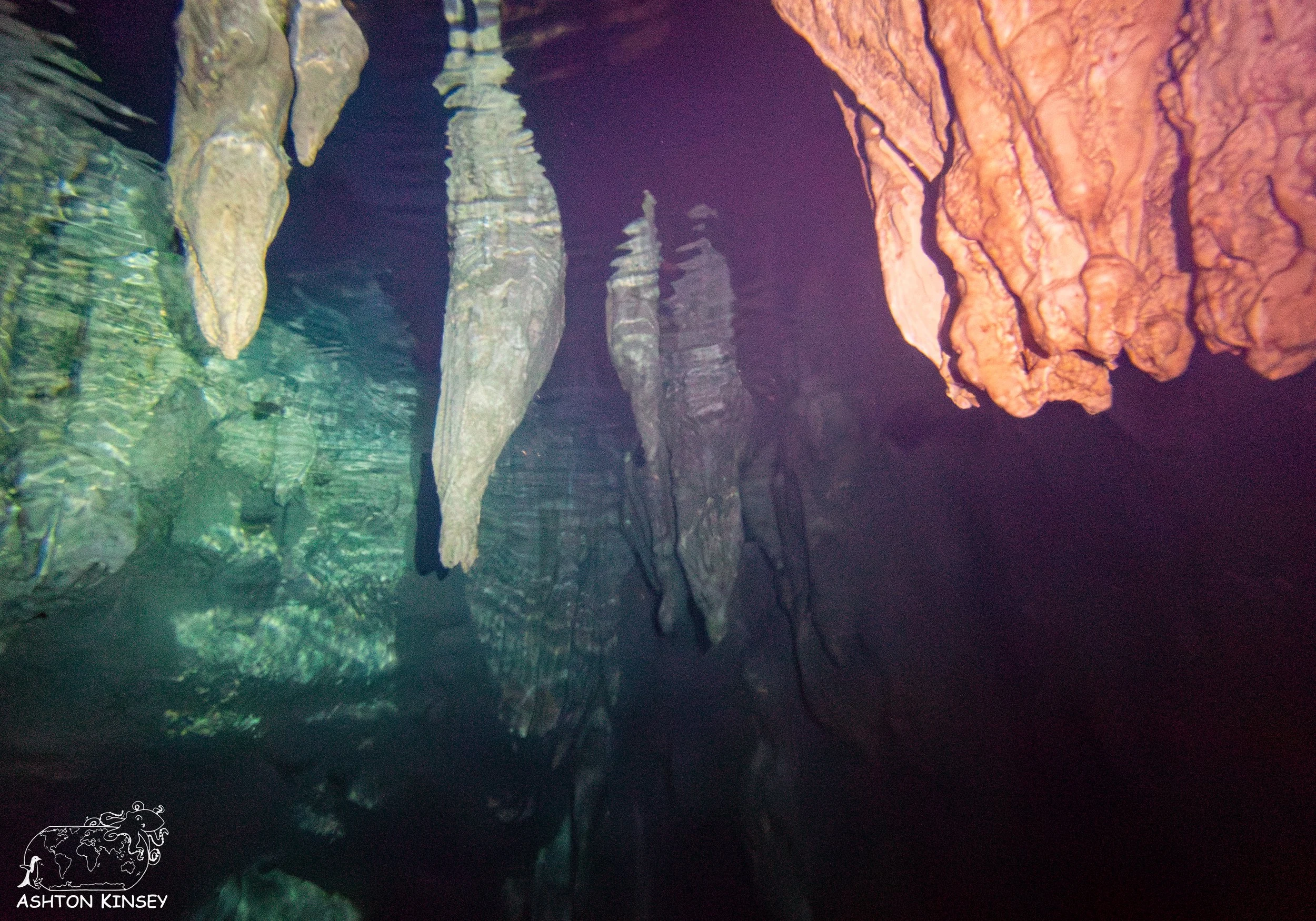
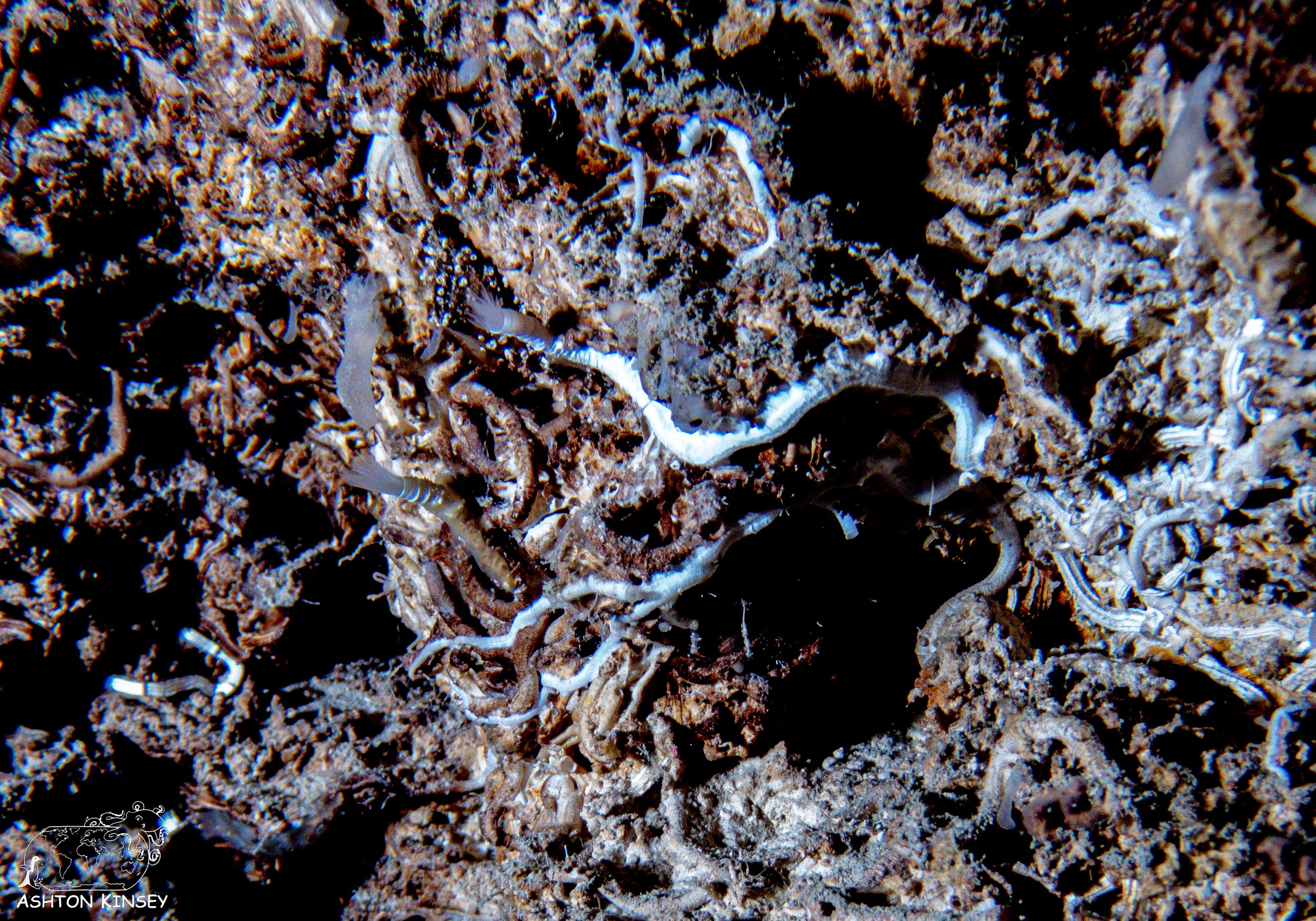
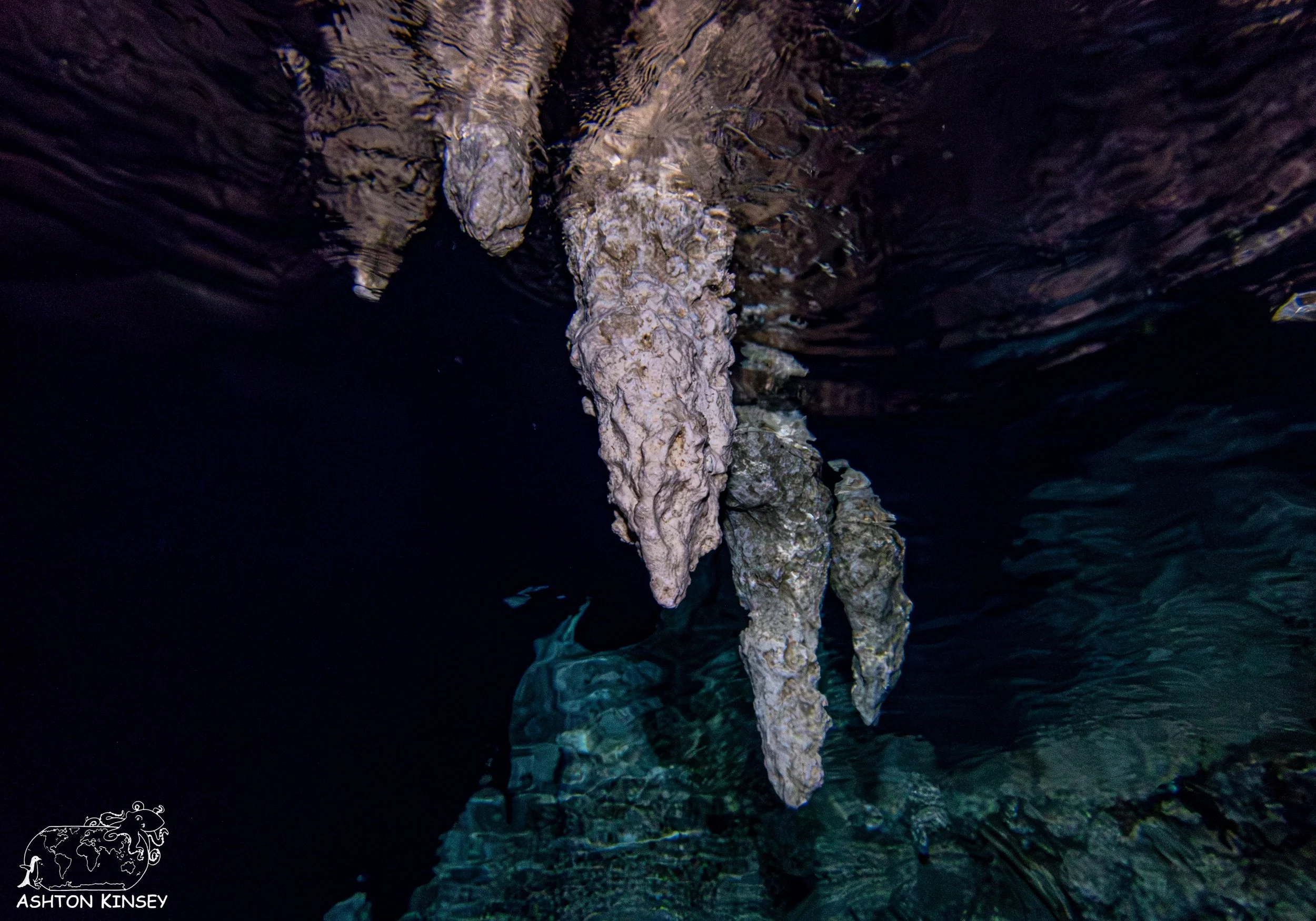
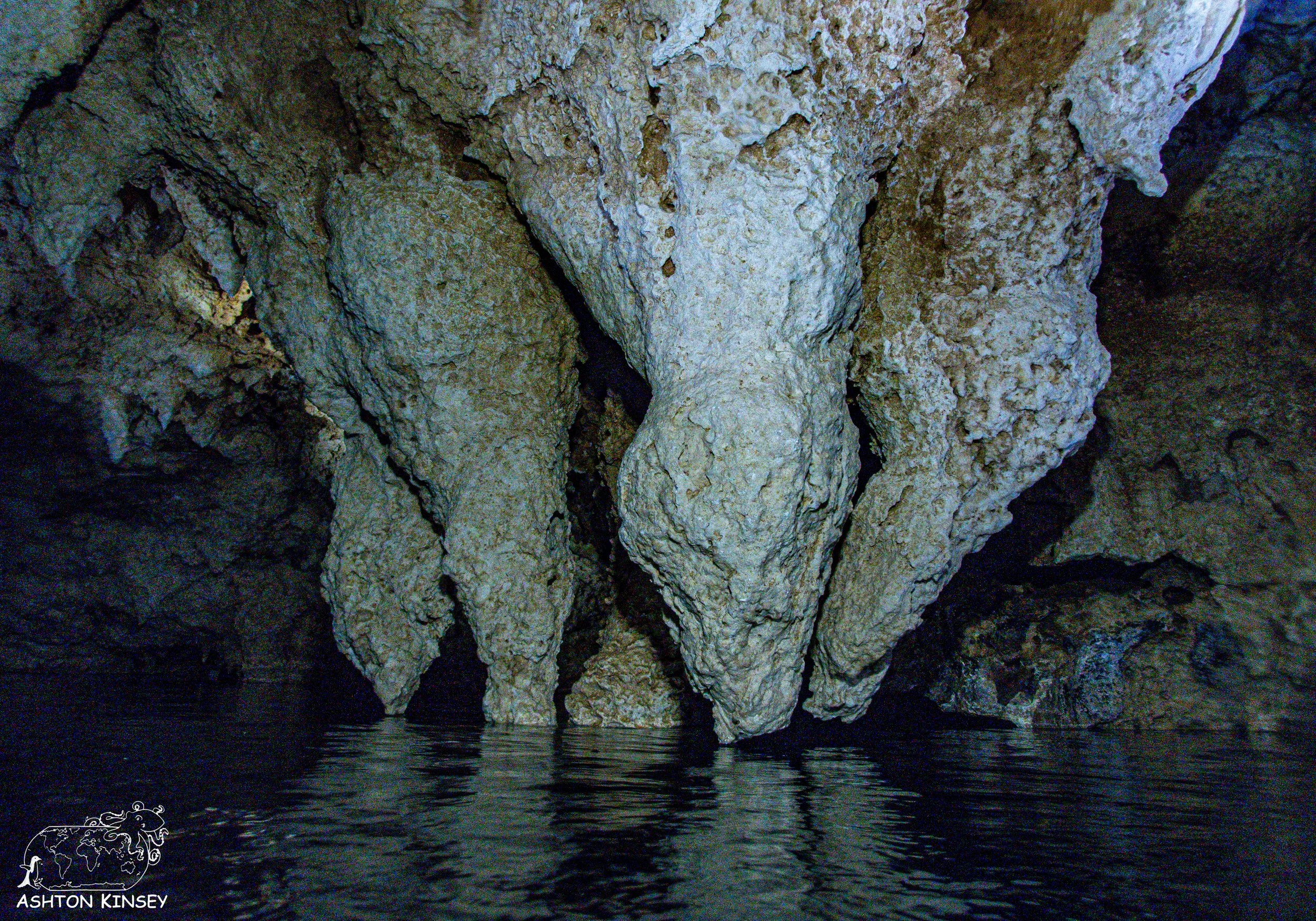
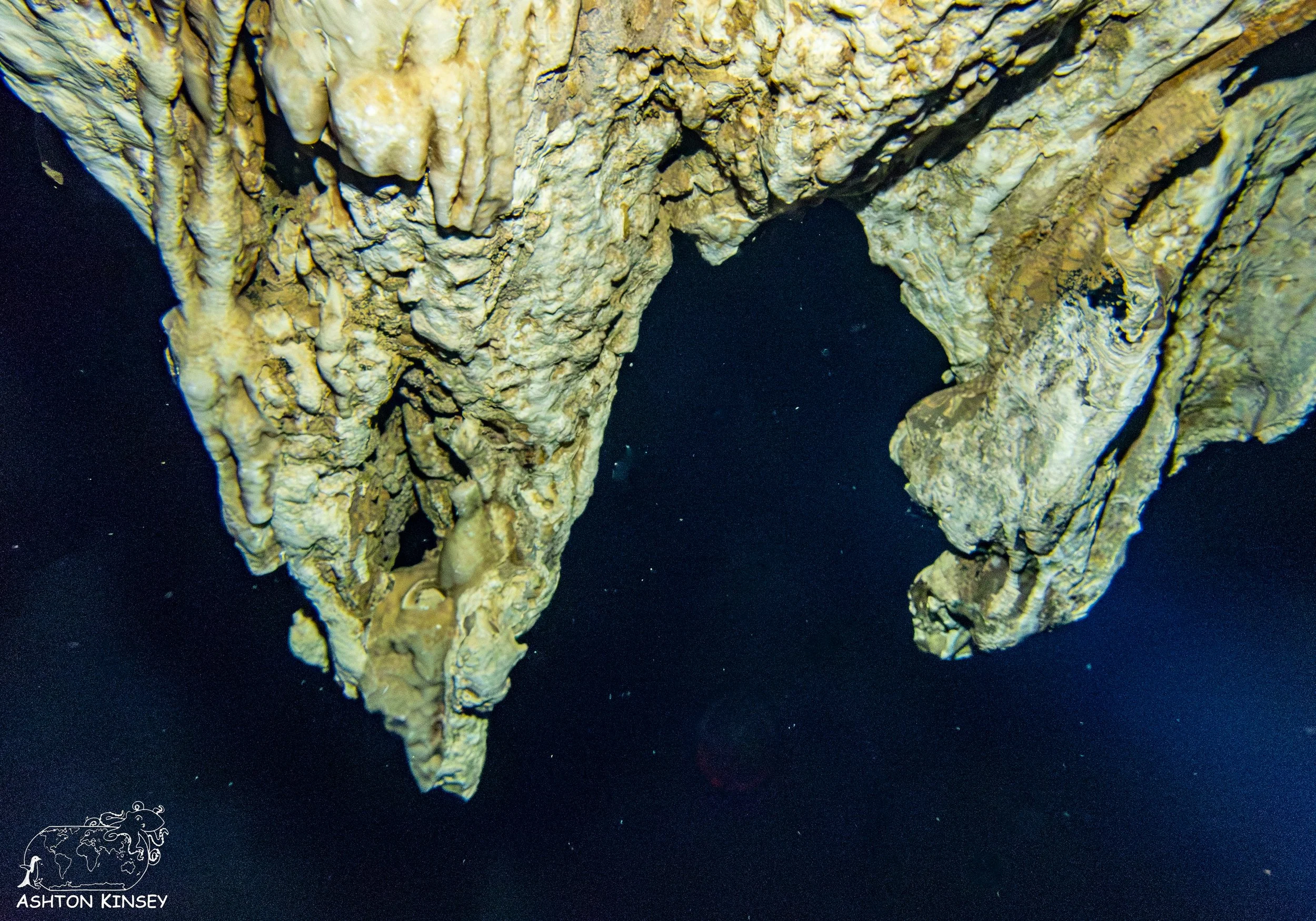
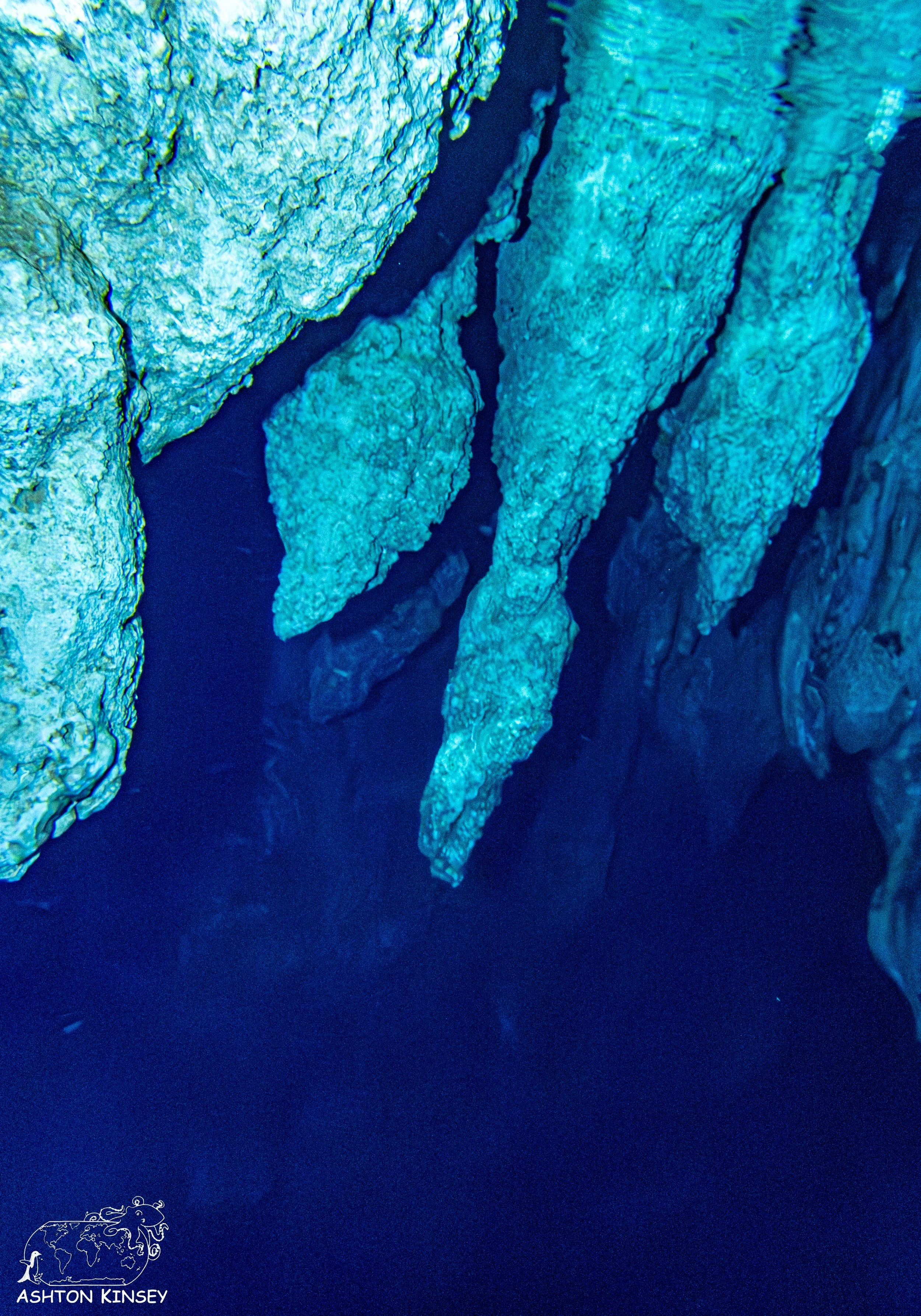
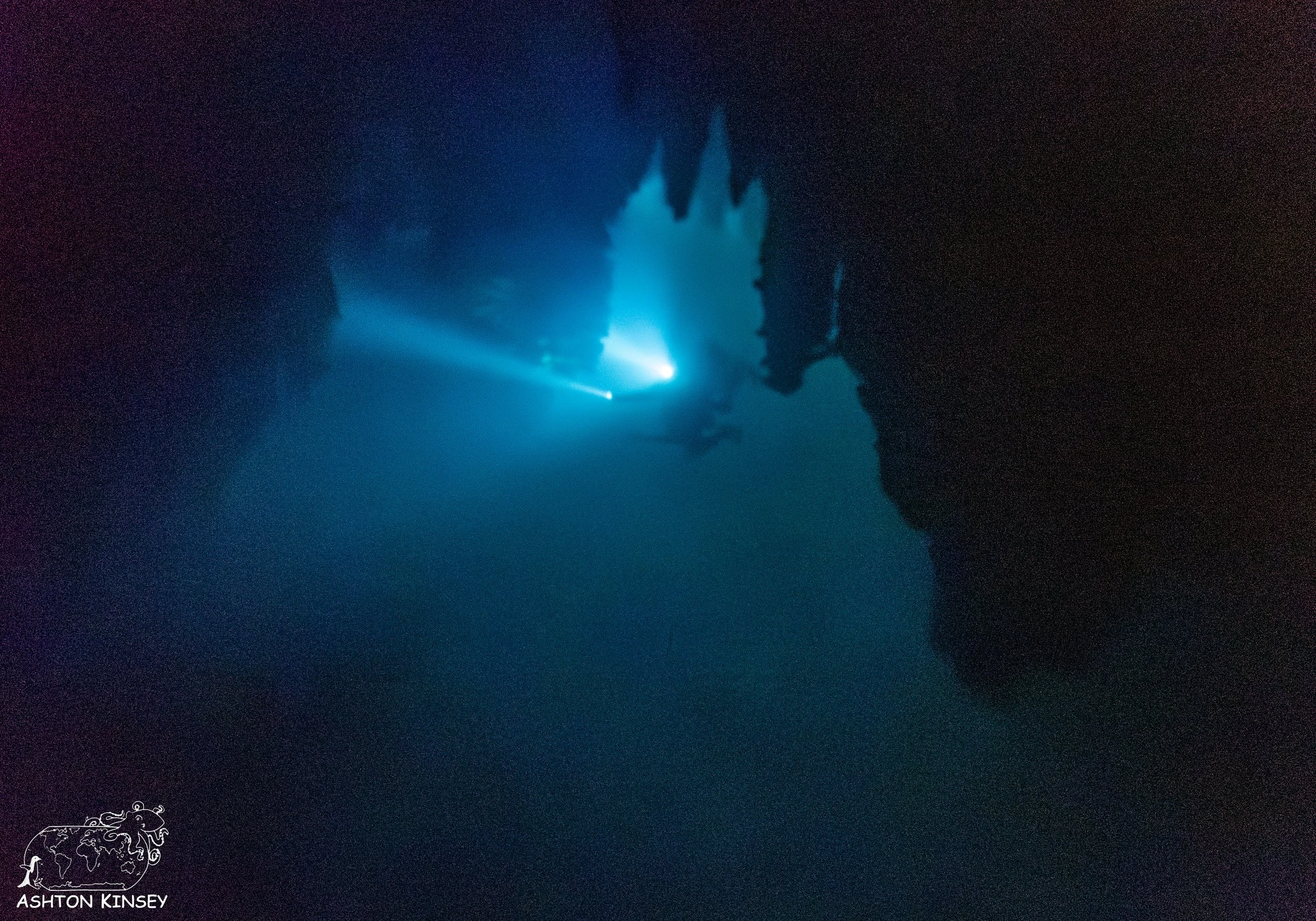
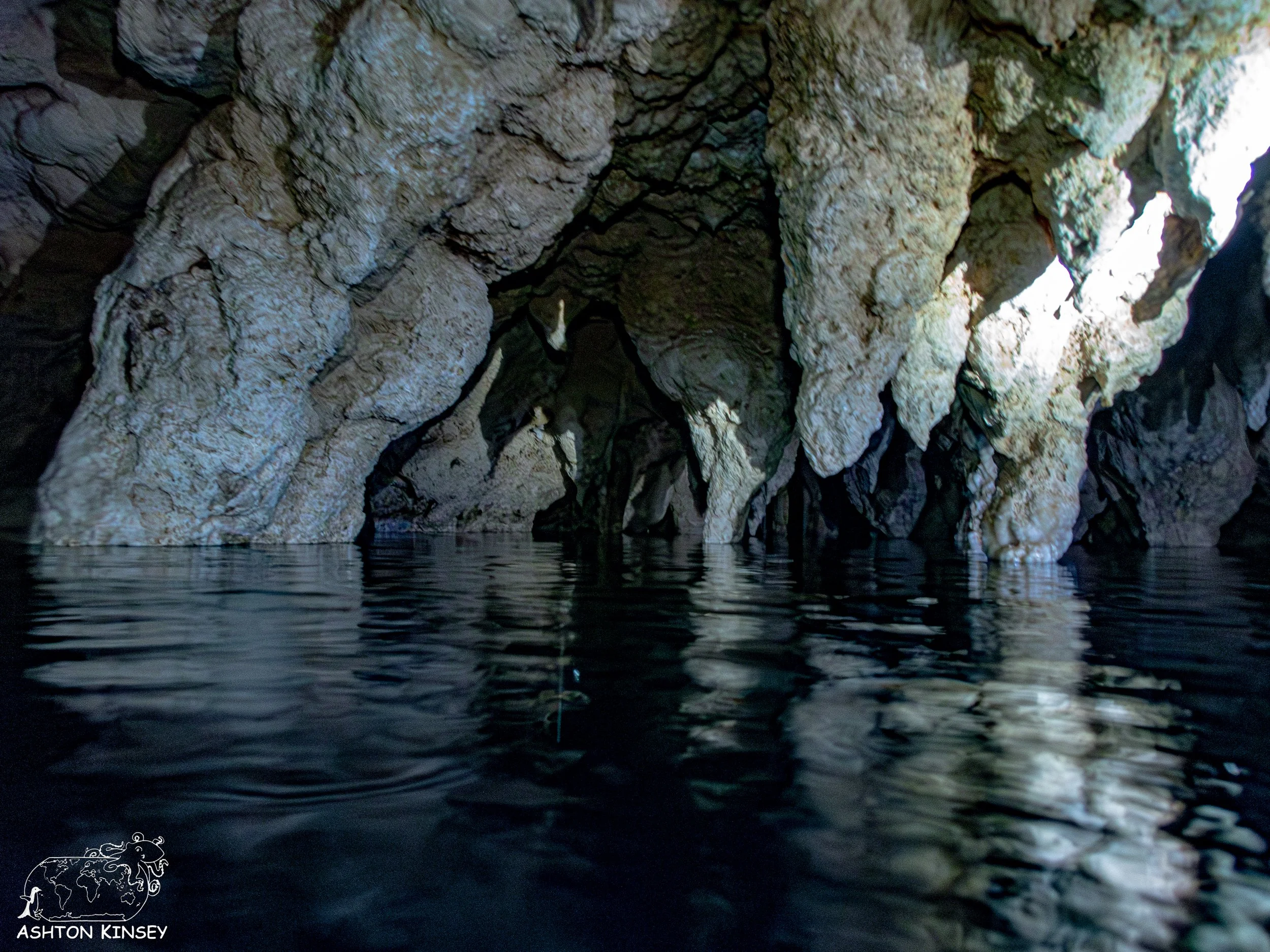
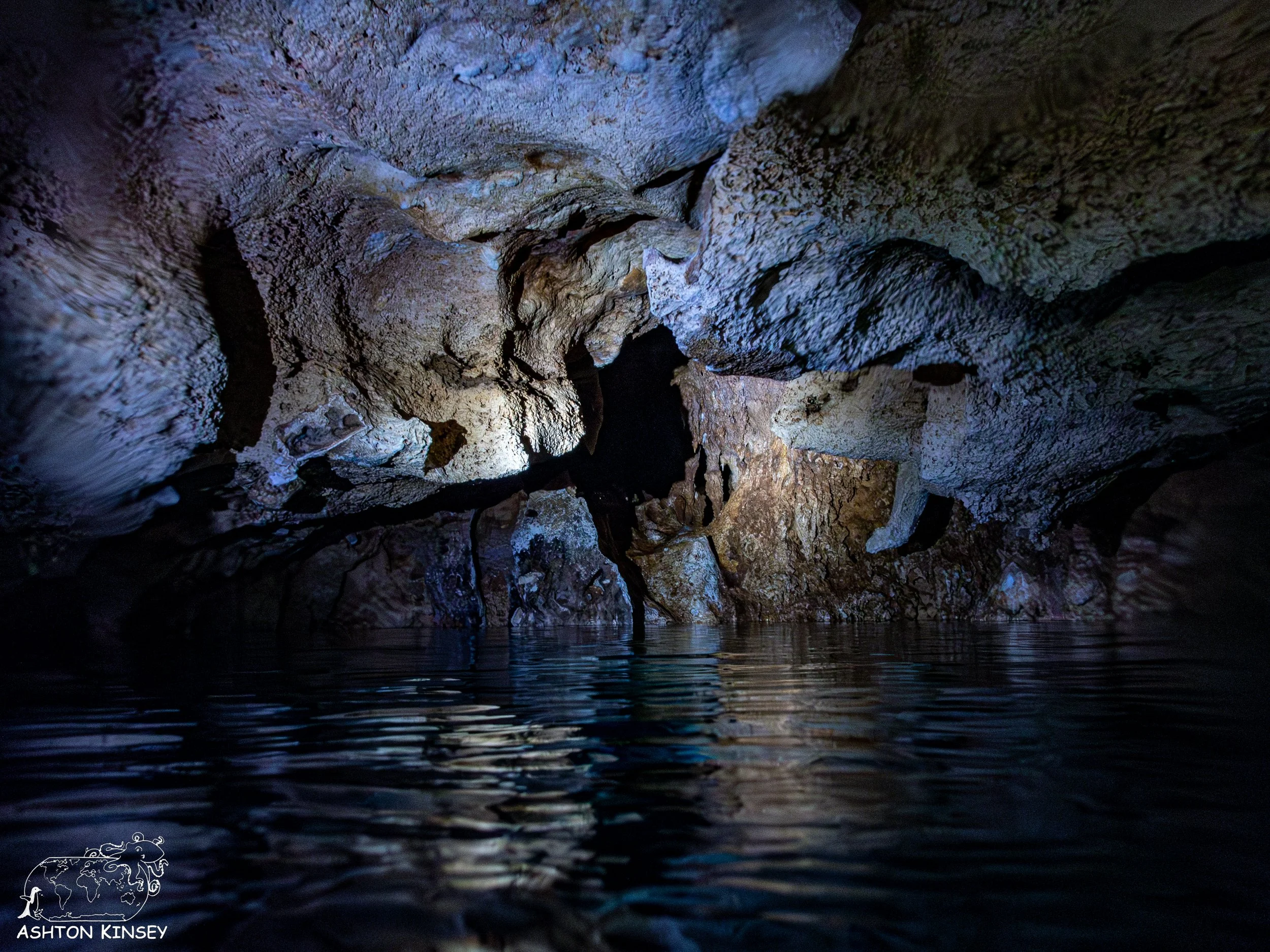
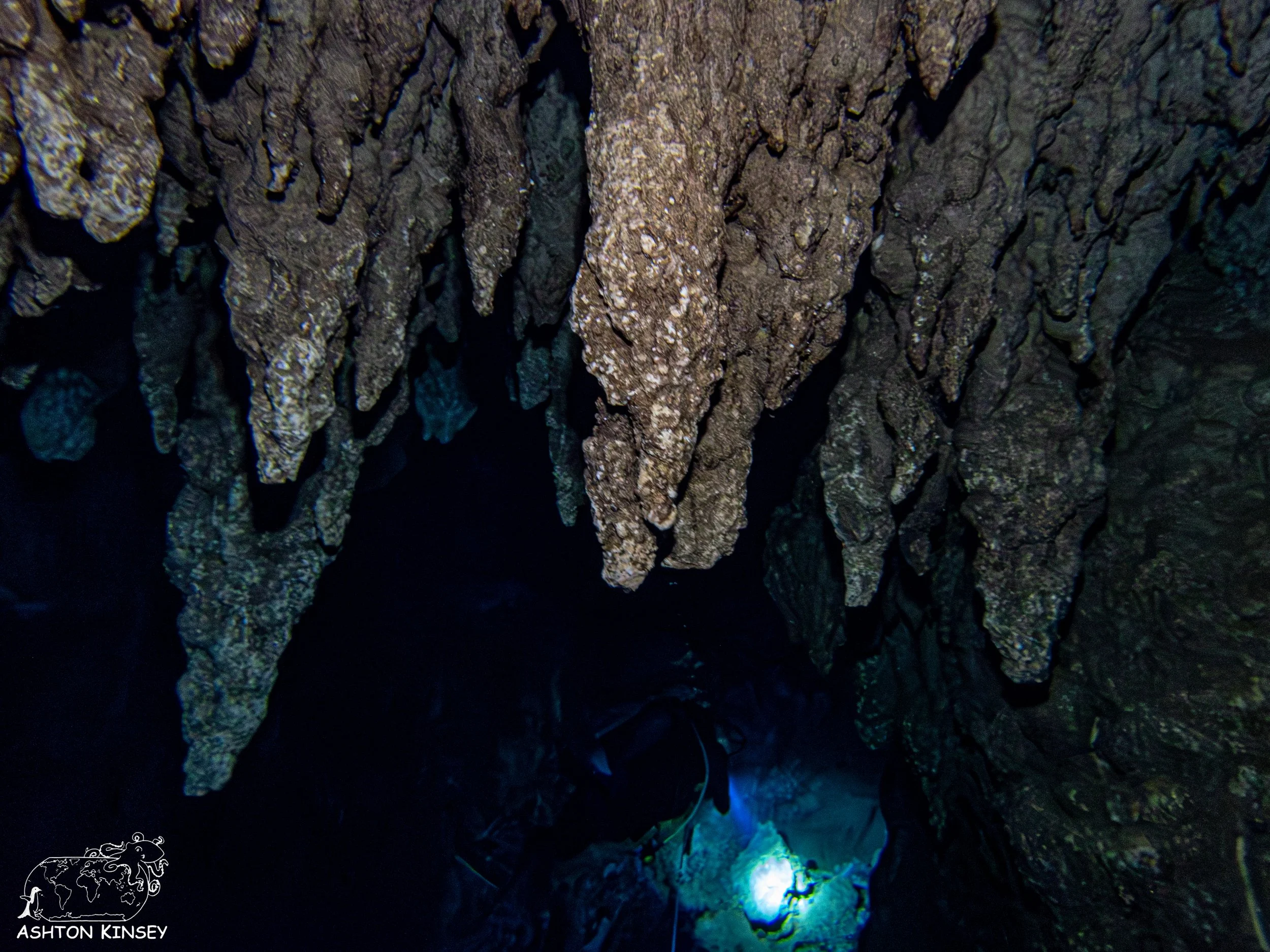
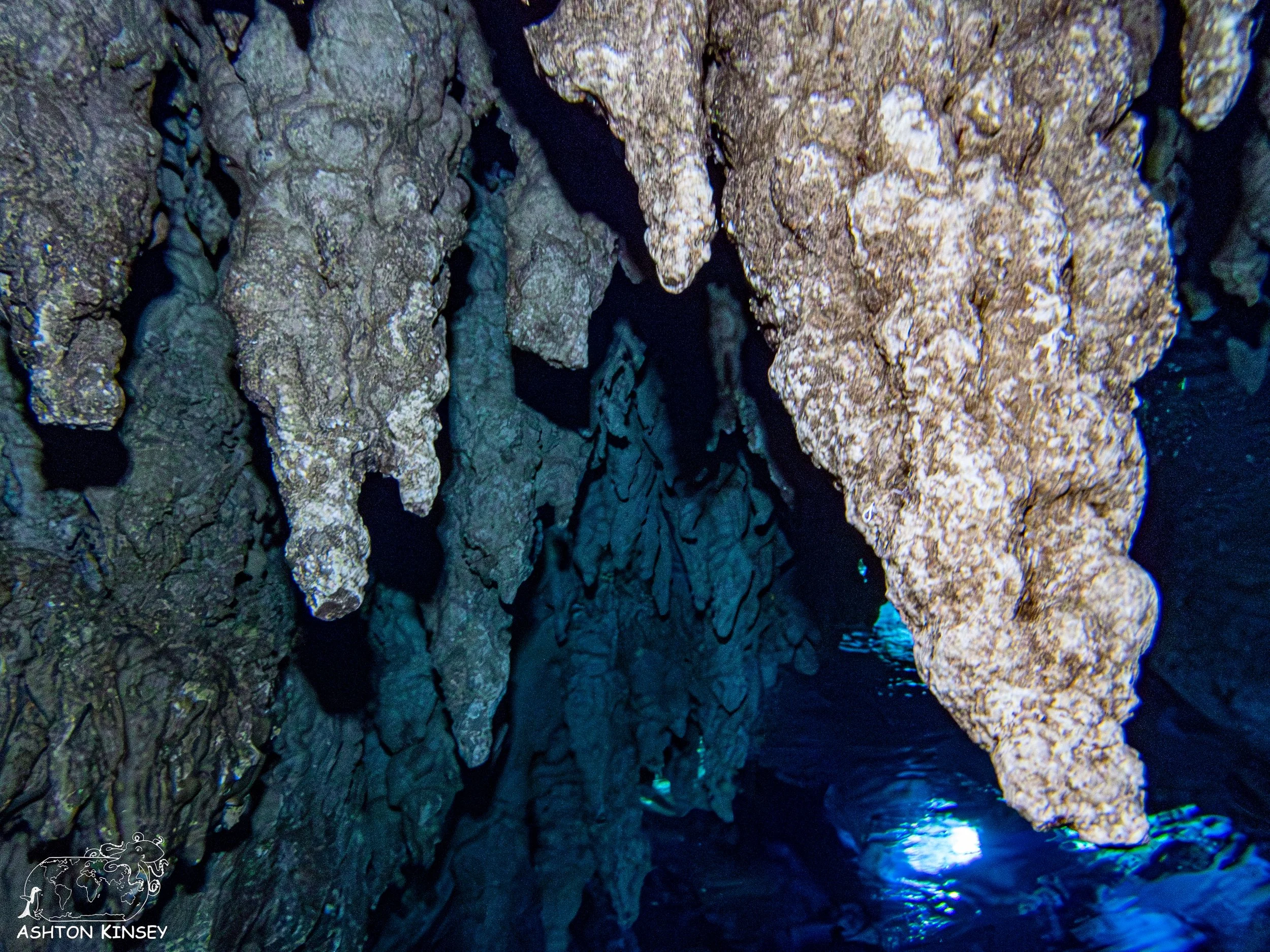
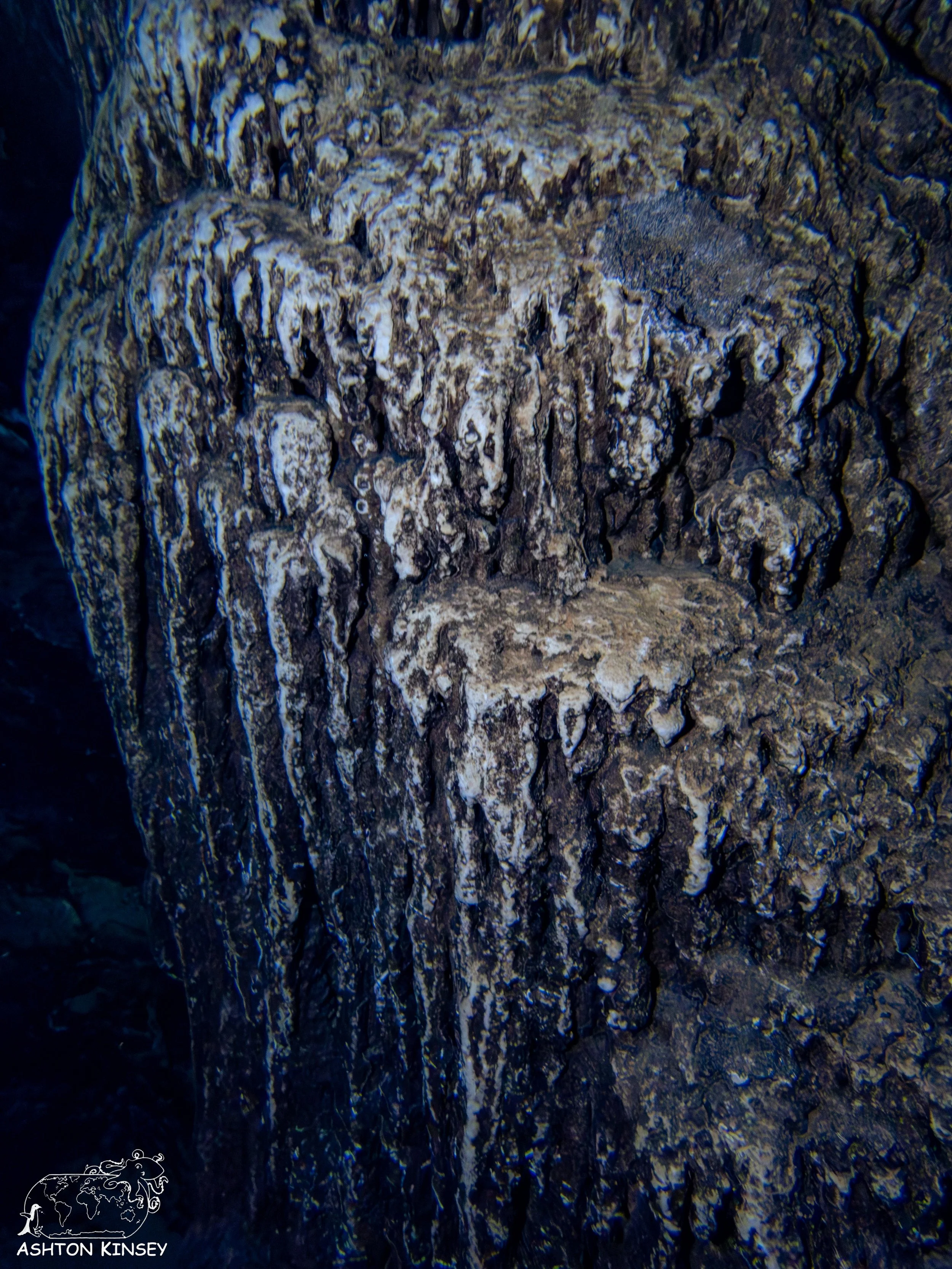
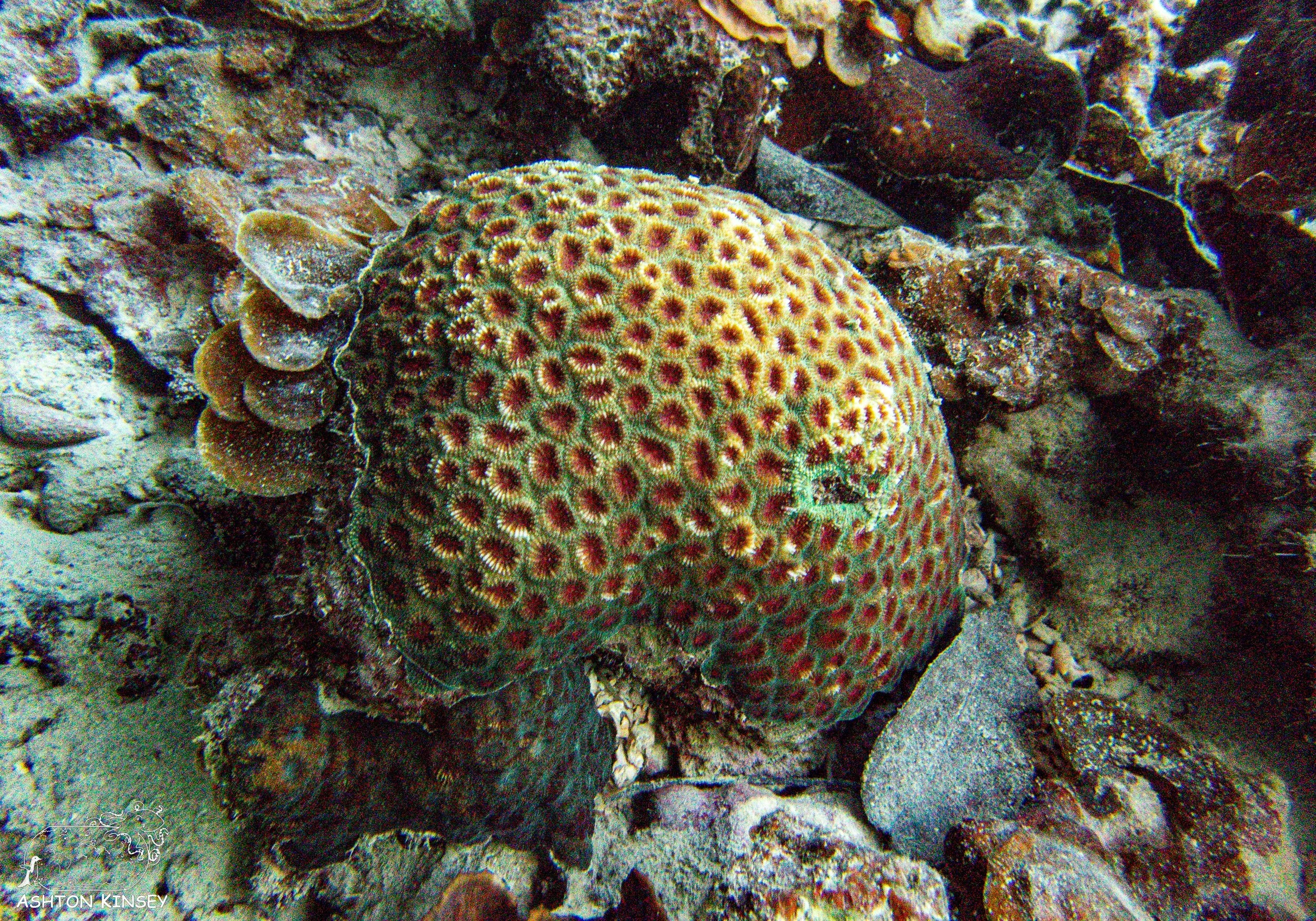
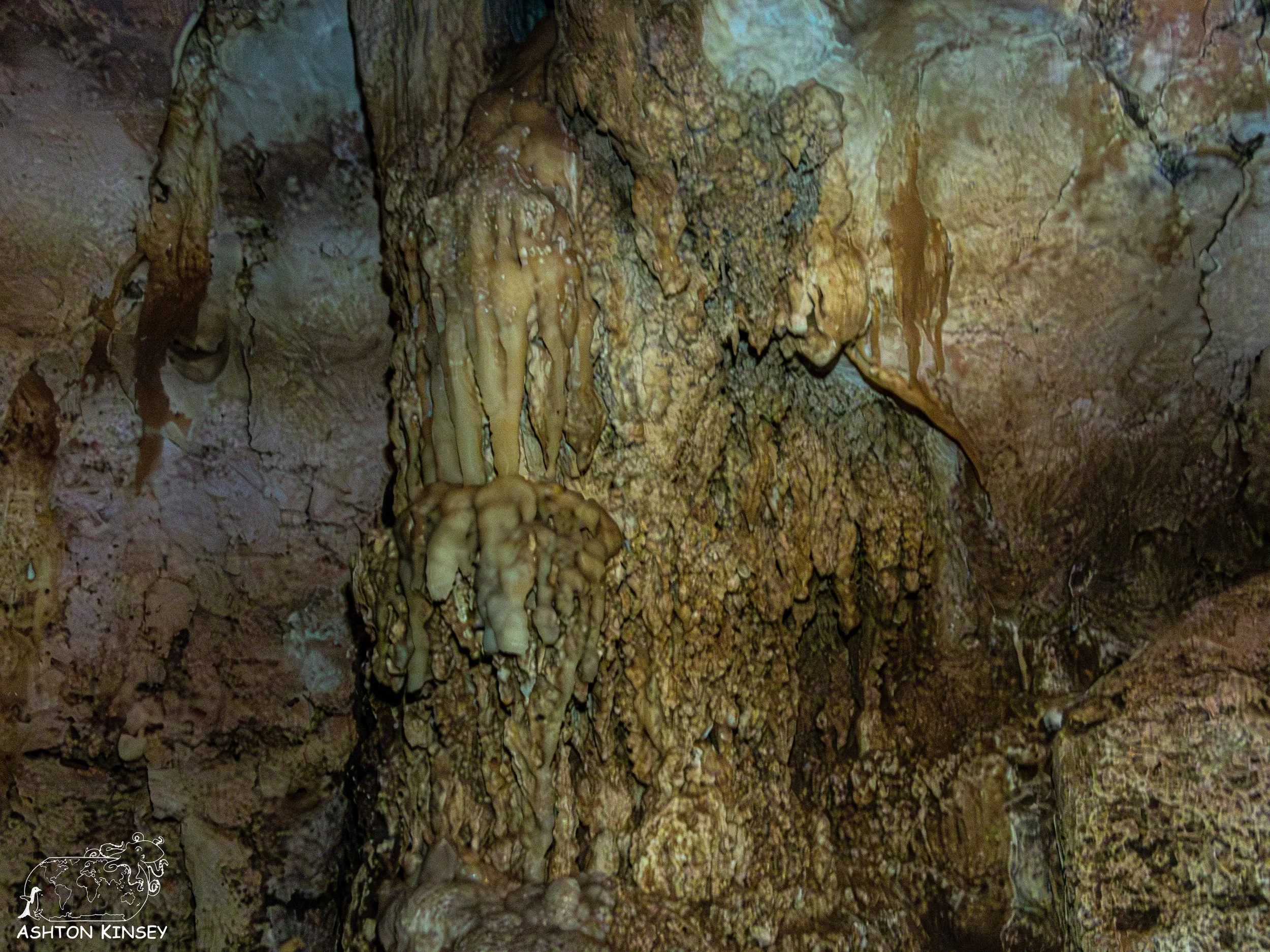
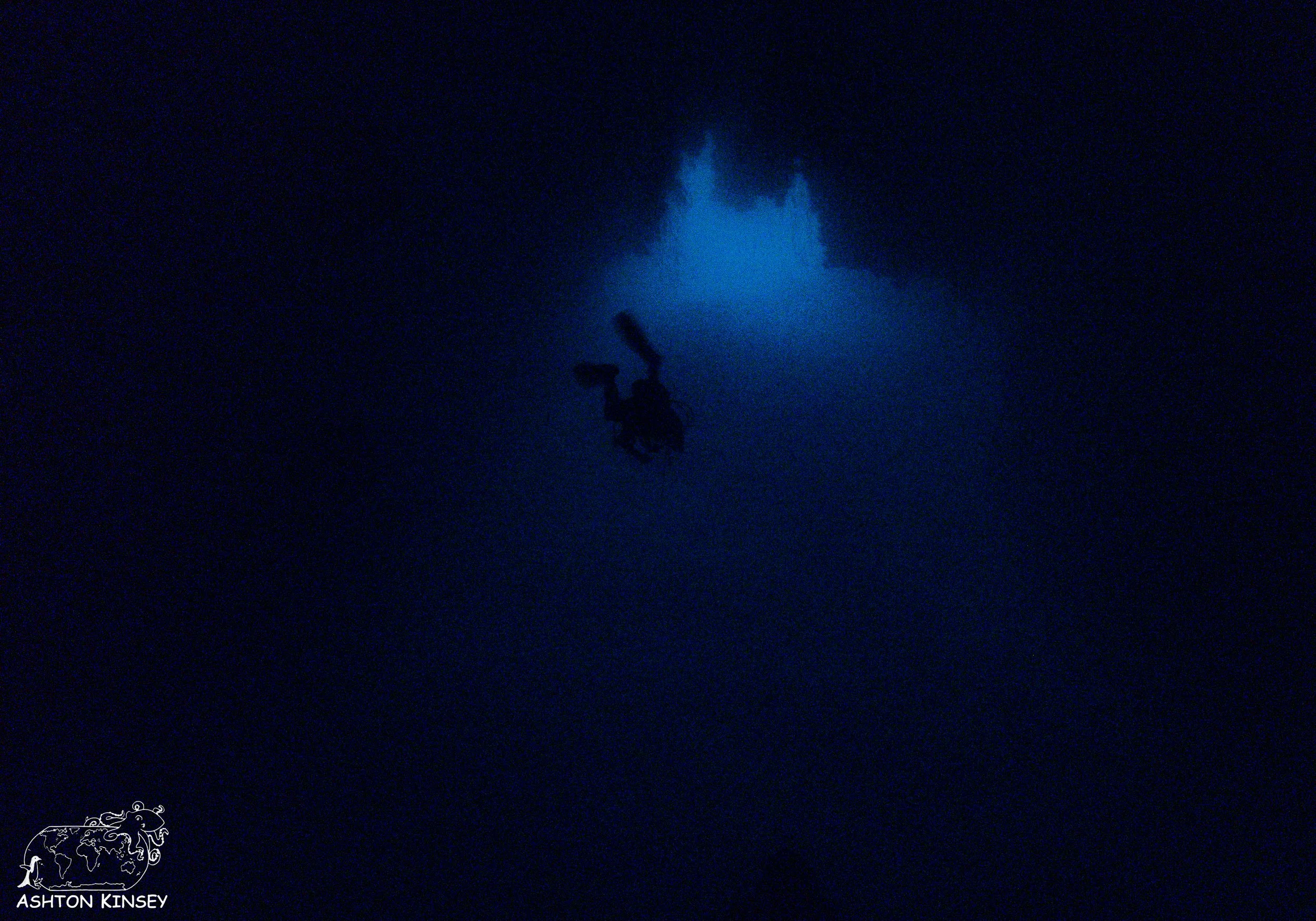
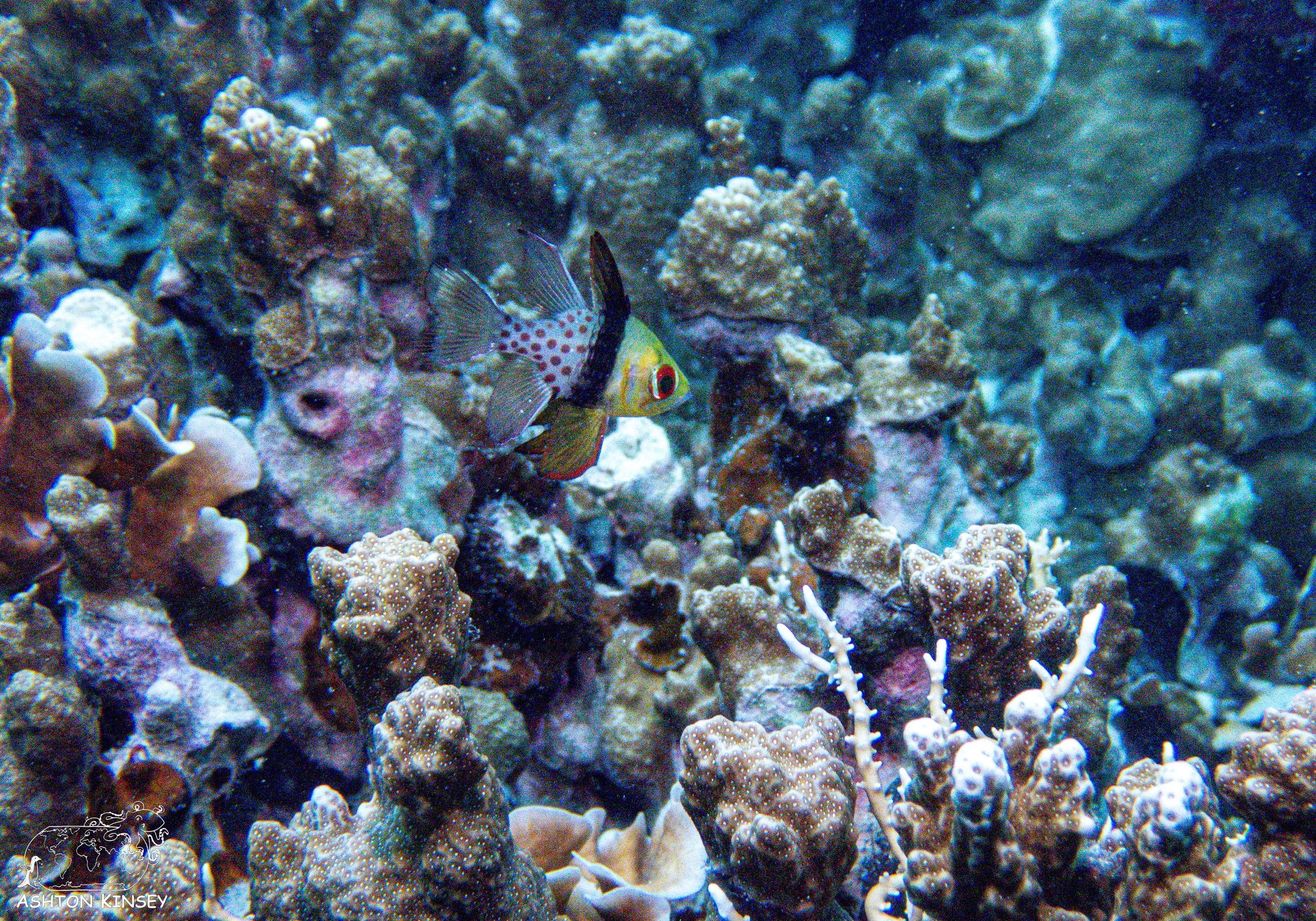
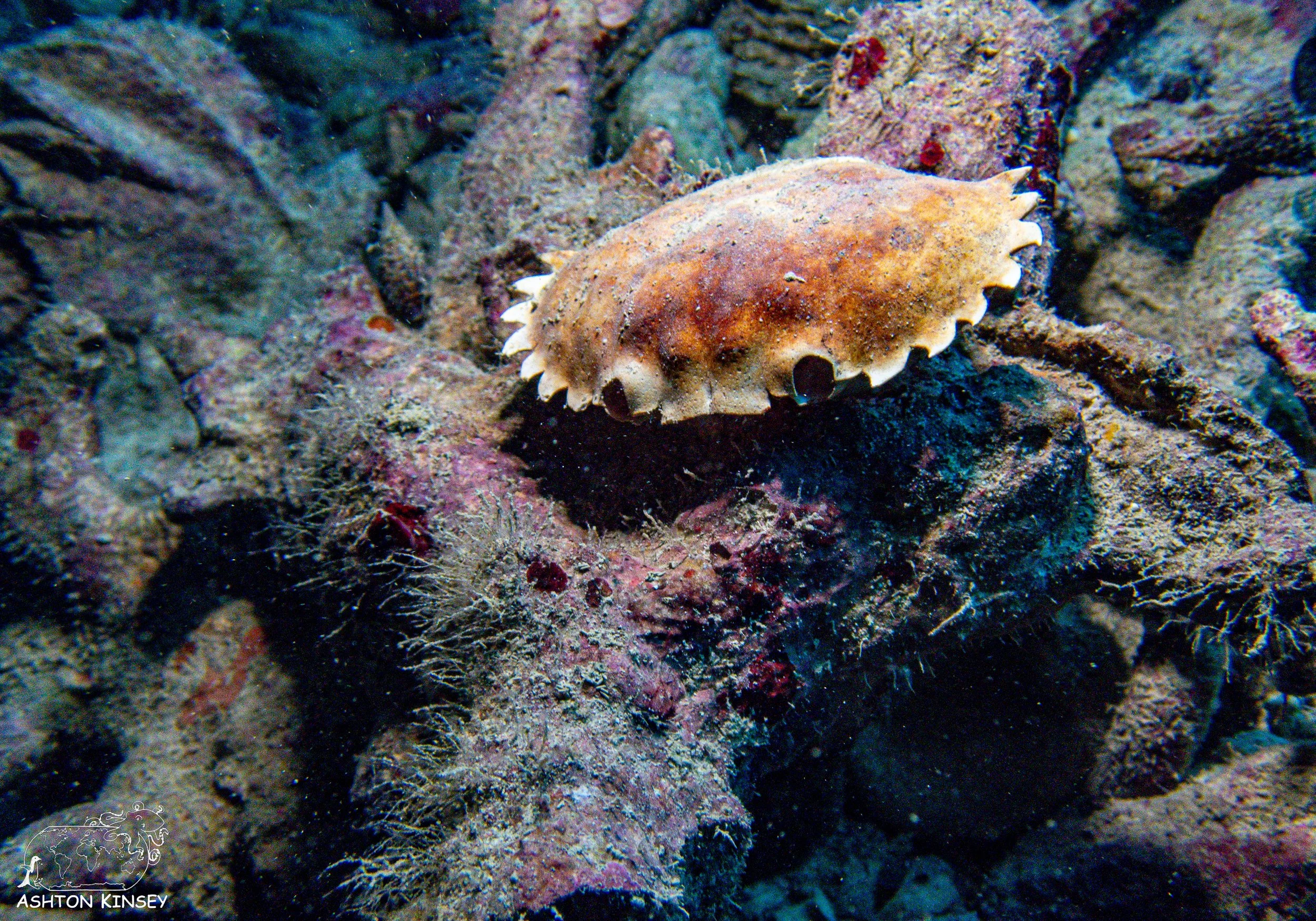
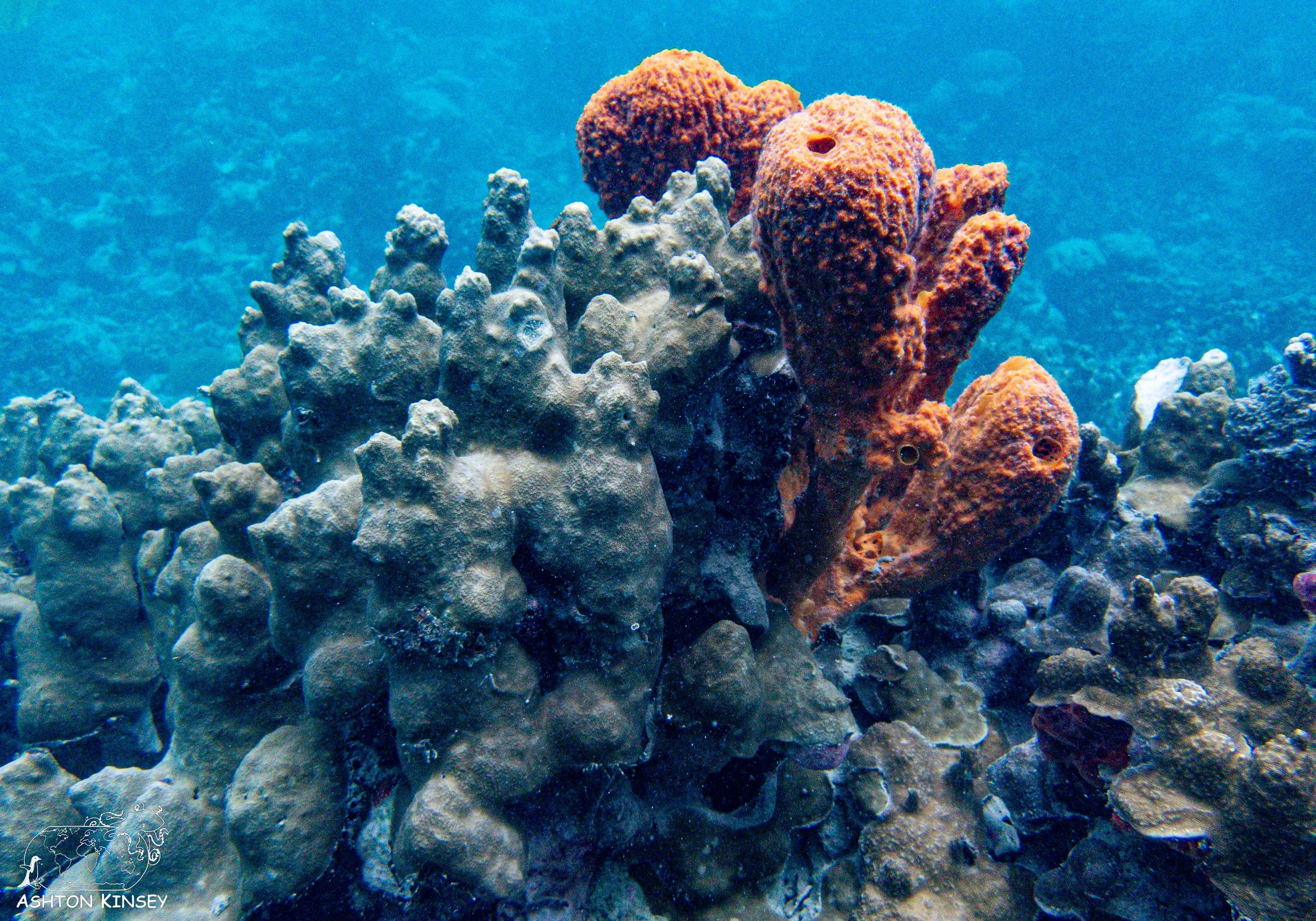
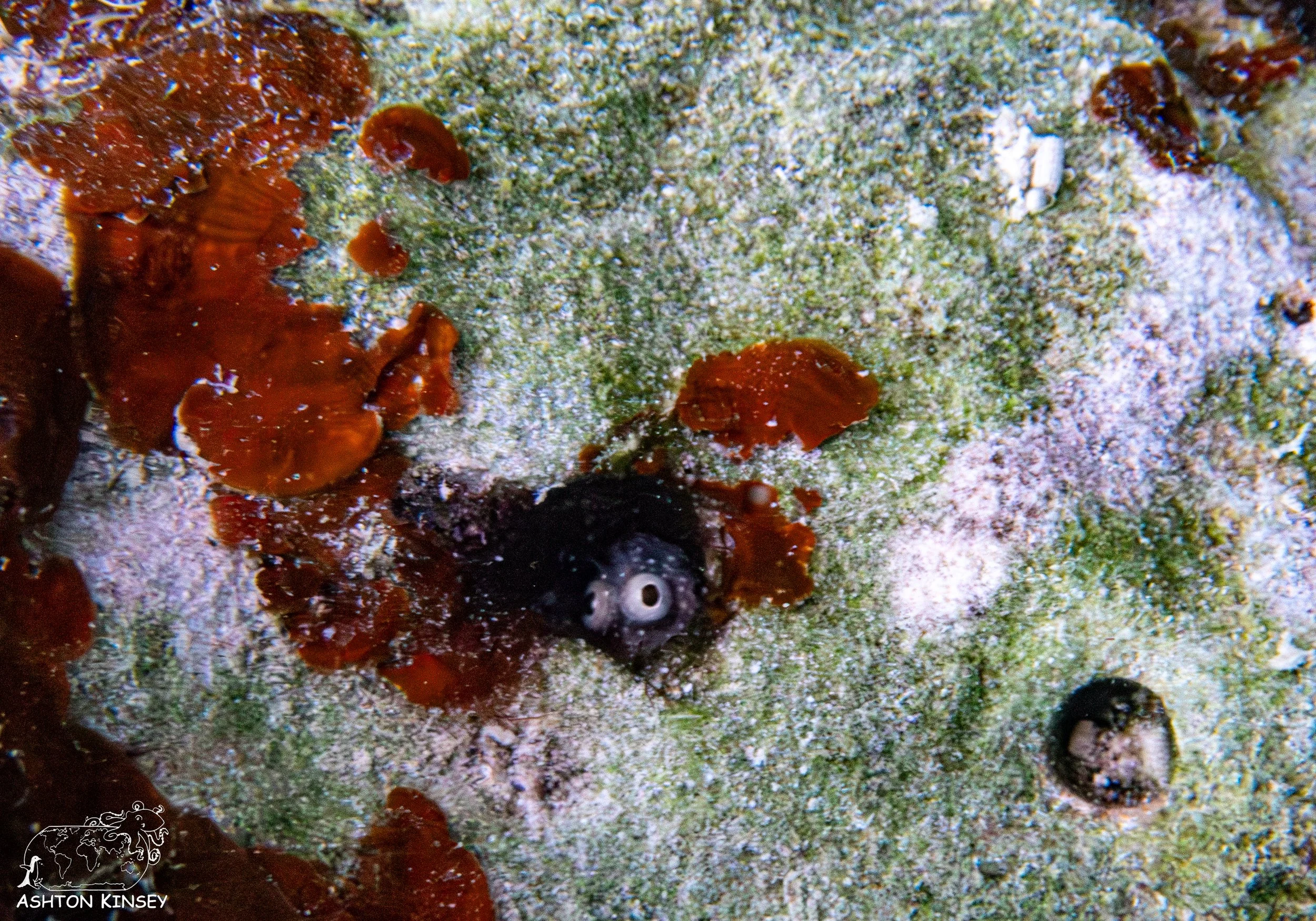
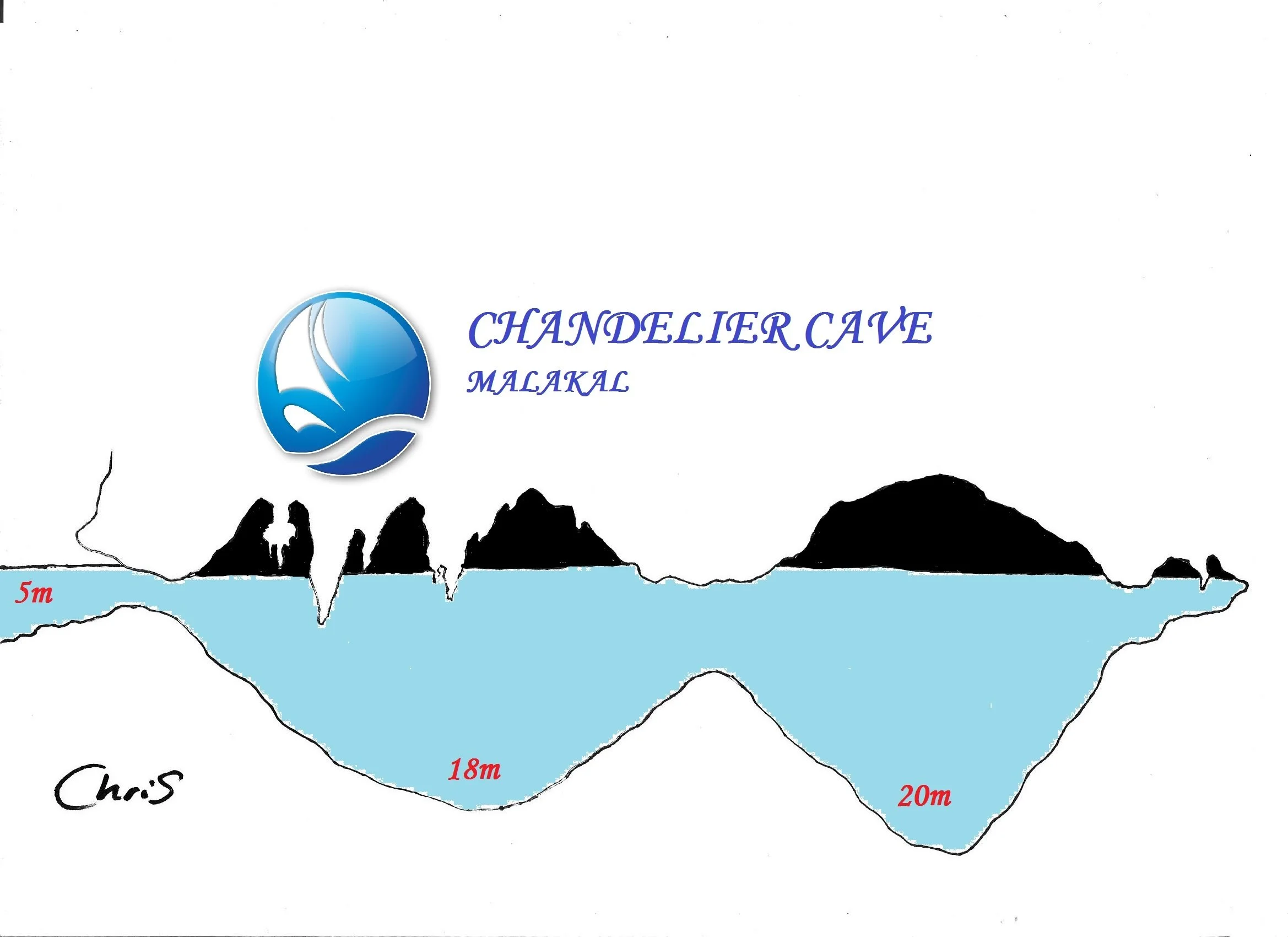
The last dive of the trip was a cave system with four chambers, each containing large air pockets that are safe to breathe. The cave goes back around 130’, and is roughly 70’ deep. The bottom is mostly mud so it is important not to silt out the cavern. Several large stalactites and other cave formations line the top of the cave, it is important to make sure that care is taken when ascending in the air pockets. Outside the entrance is a coral garden full of rubble that houses a variety of marine life, including mandarin fish, pajama cardinalfish, and pipefish. The dive ended with a large rainstorm, soaking all of the gear that was left out to dry.
Ulong
Sandbar
Dive 3: 77’ for 62 Min Dive 18: 84’ for 62 Min
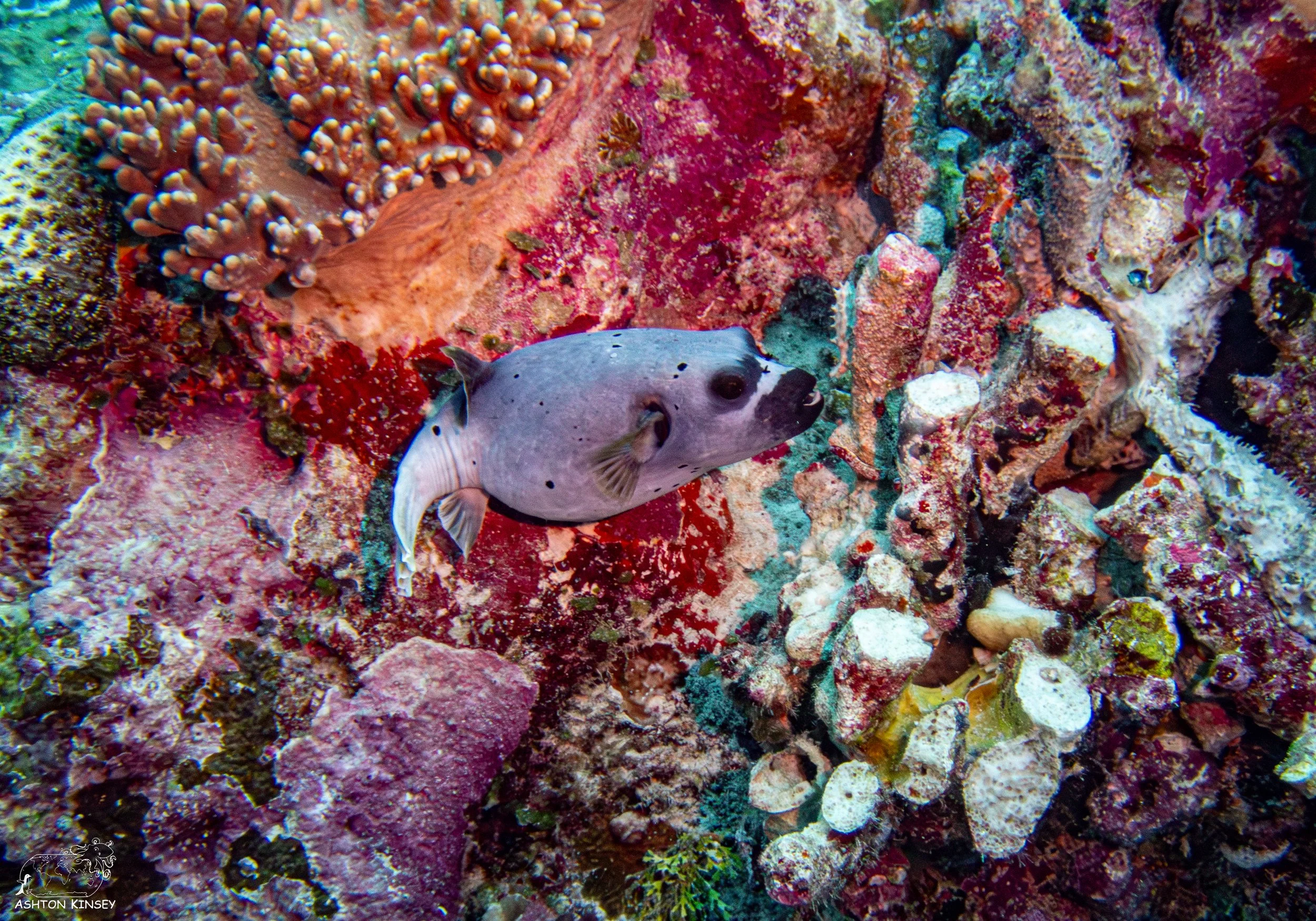
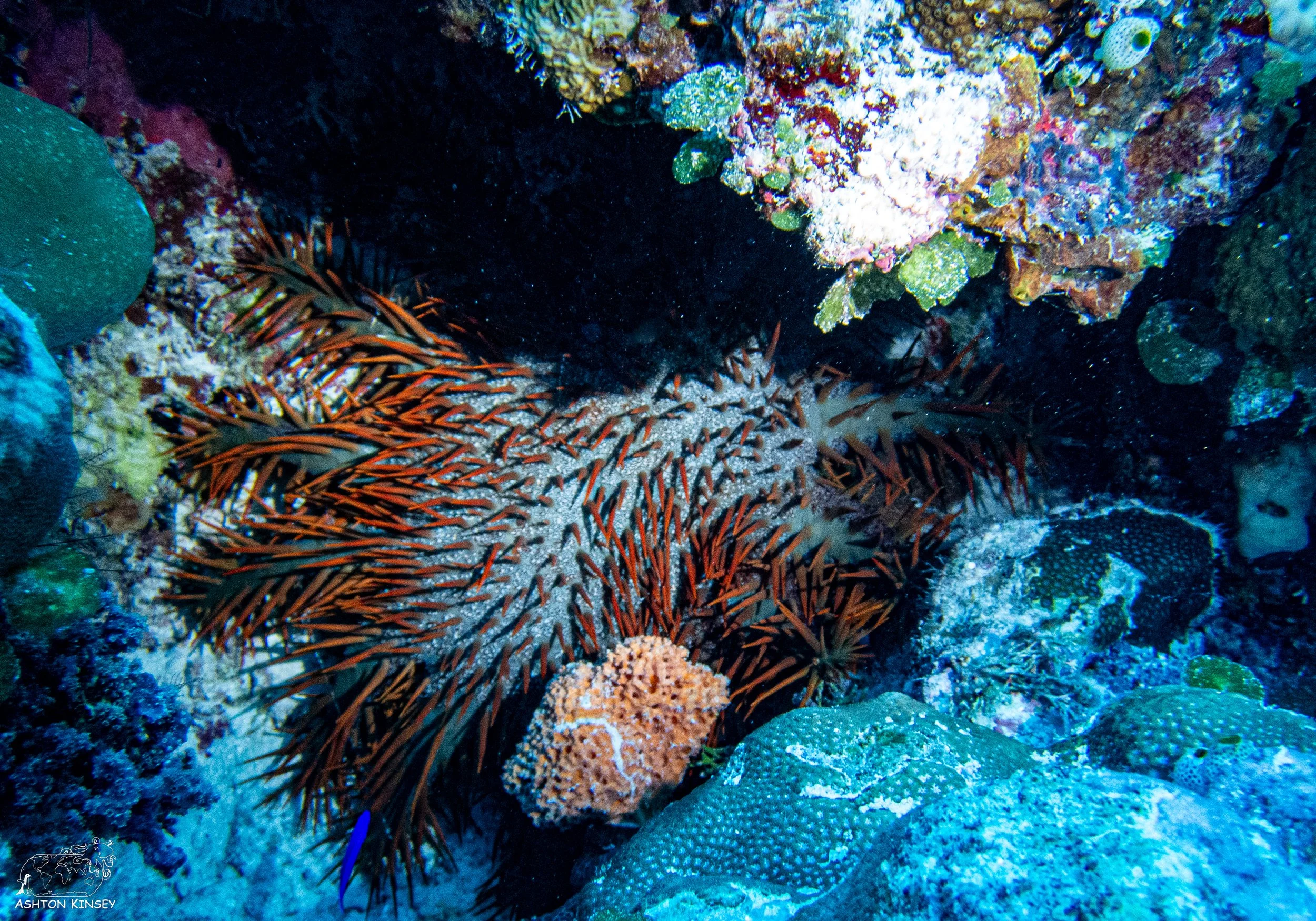
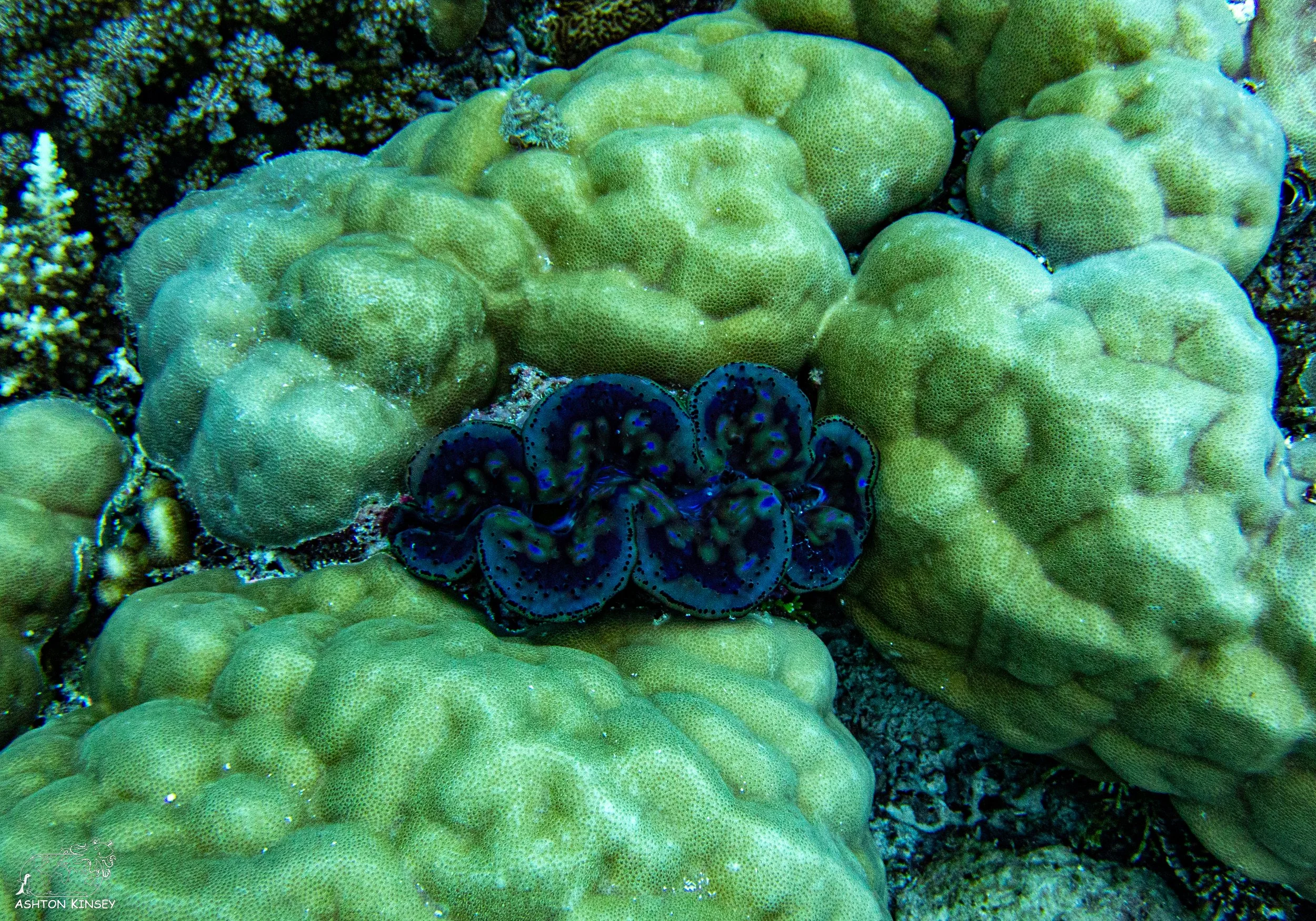
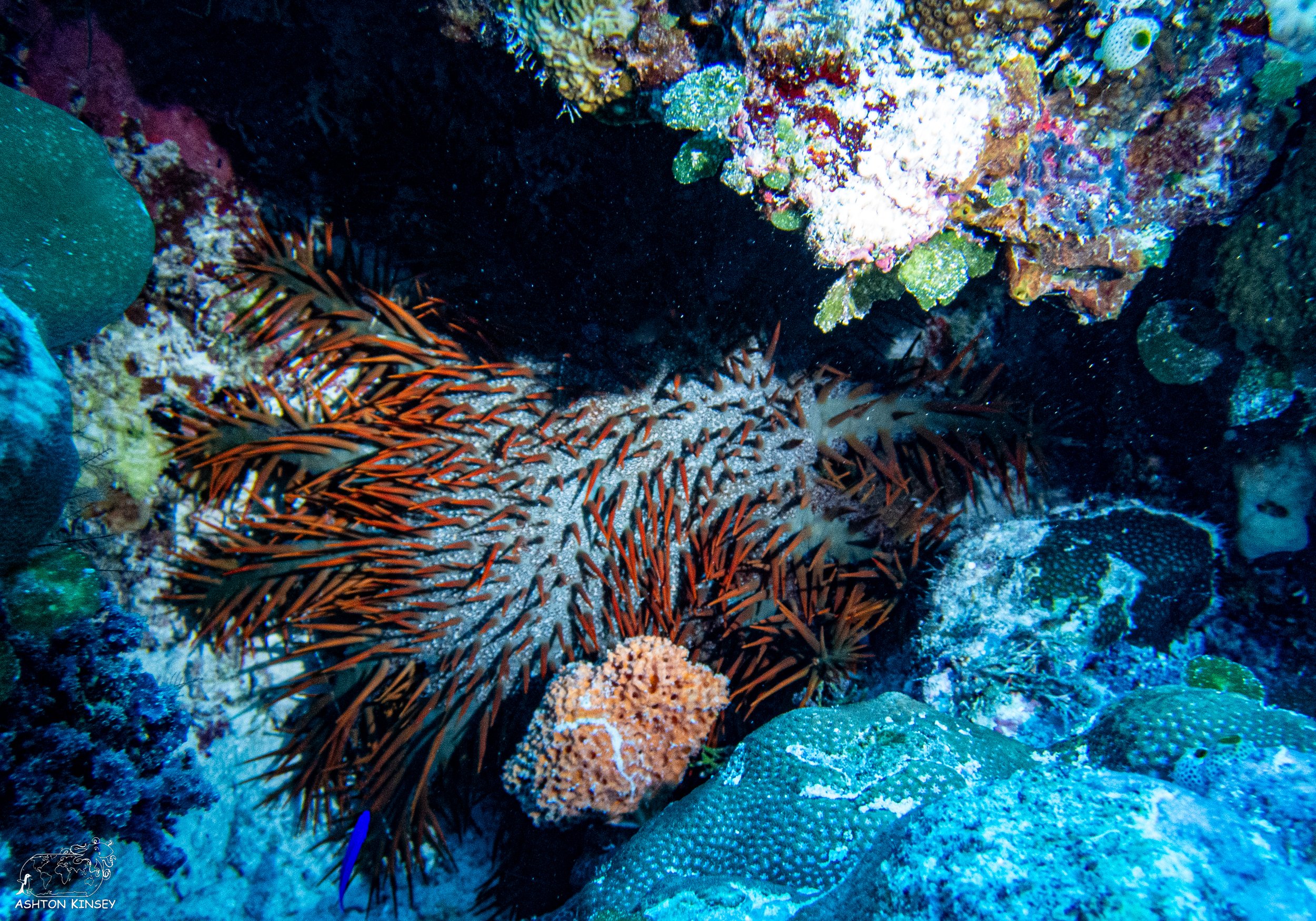
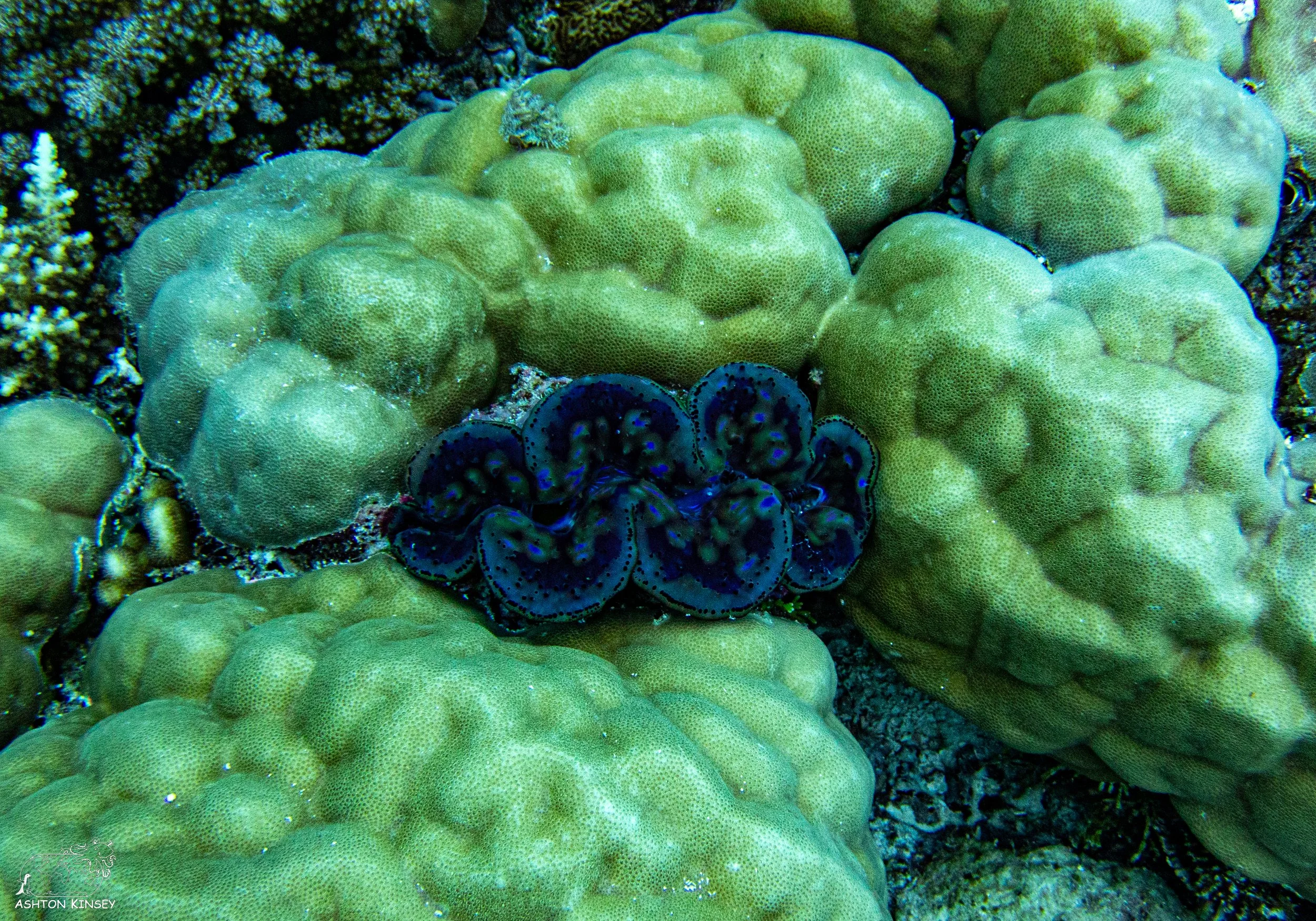
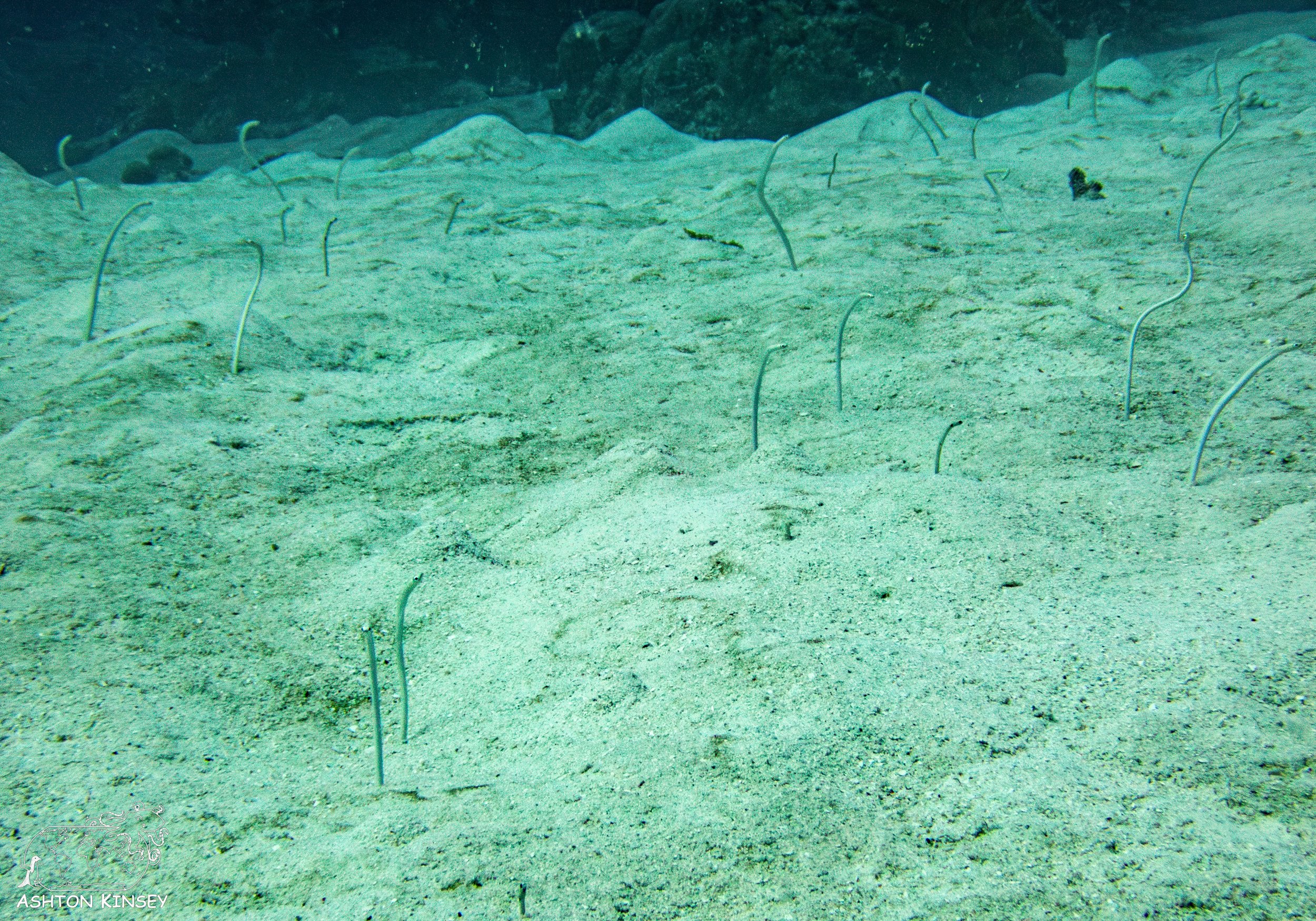
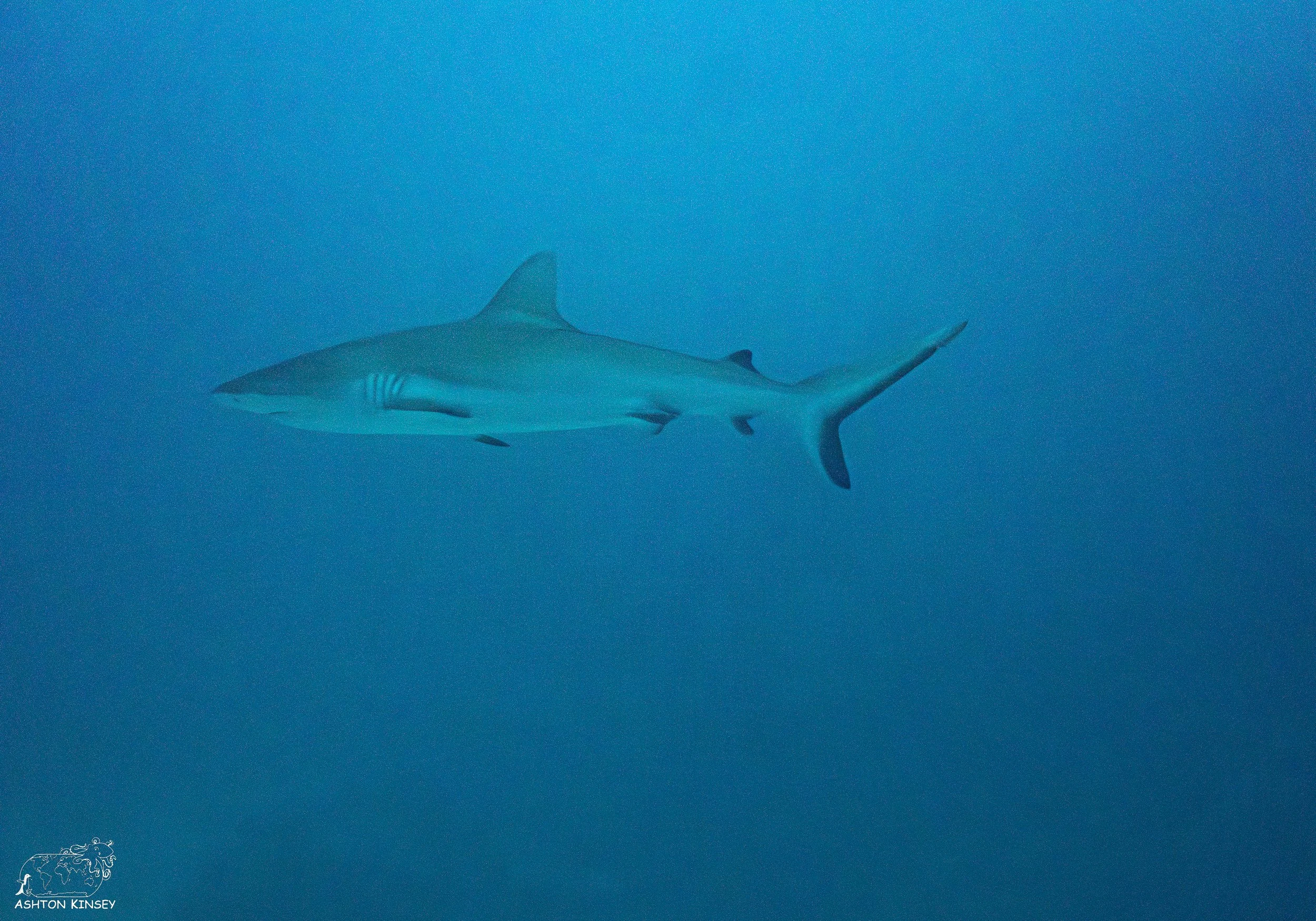
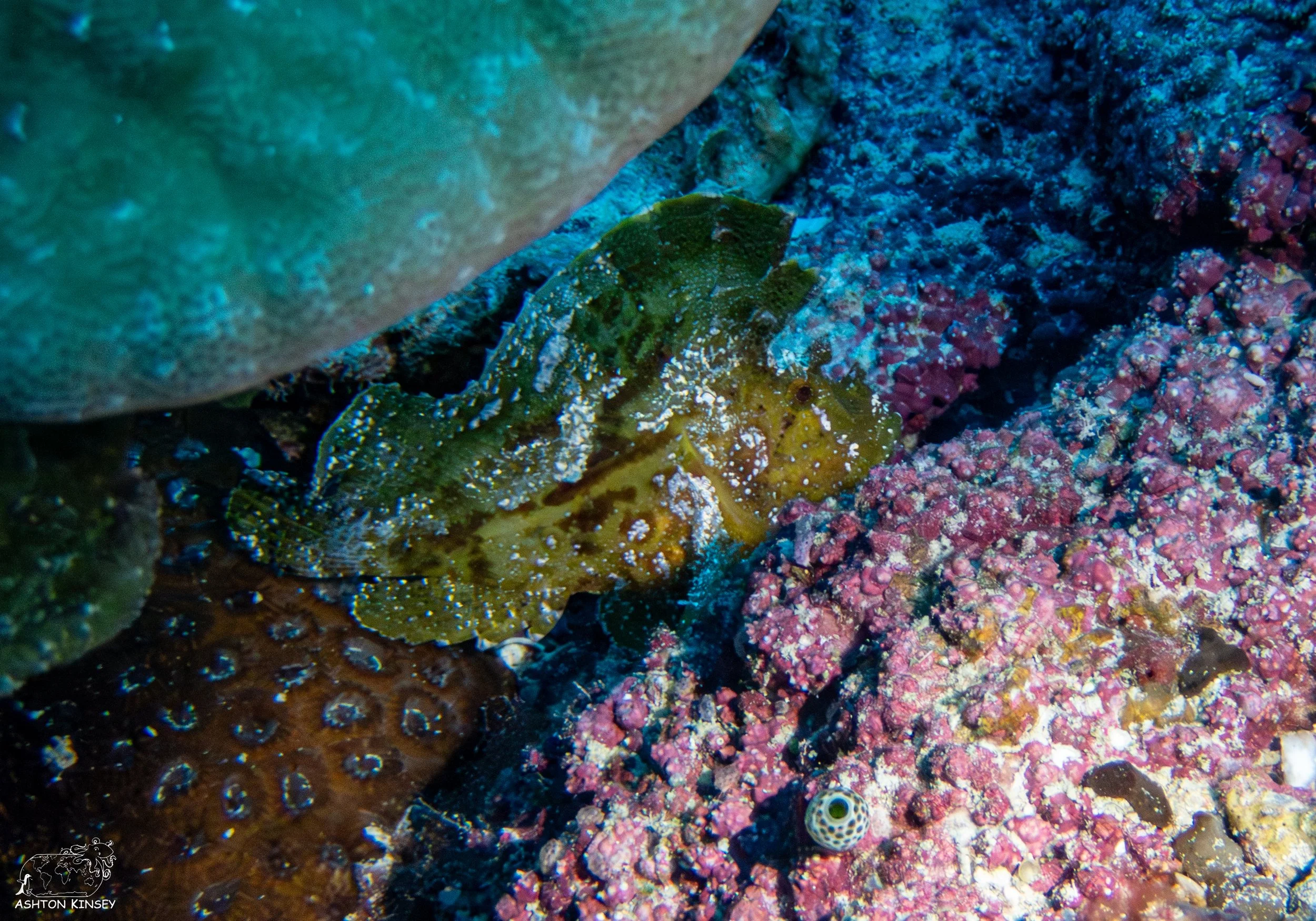
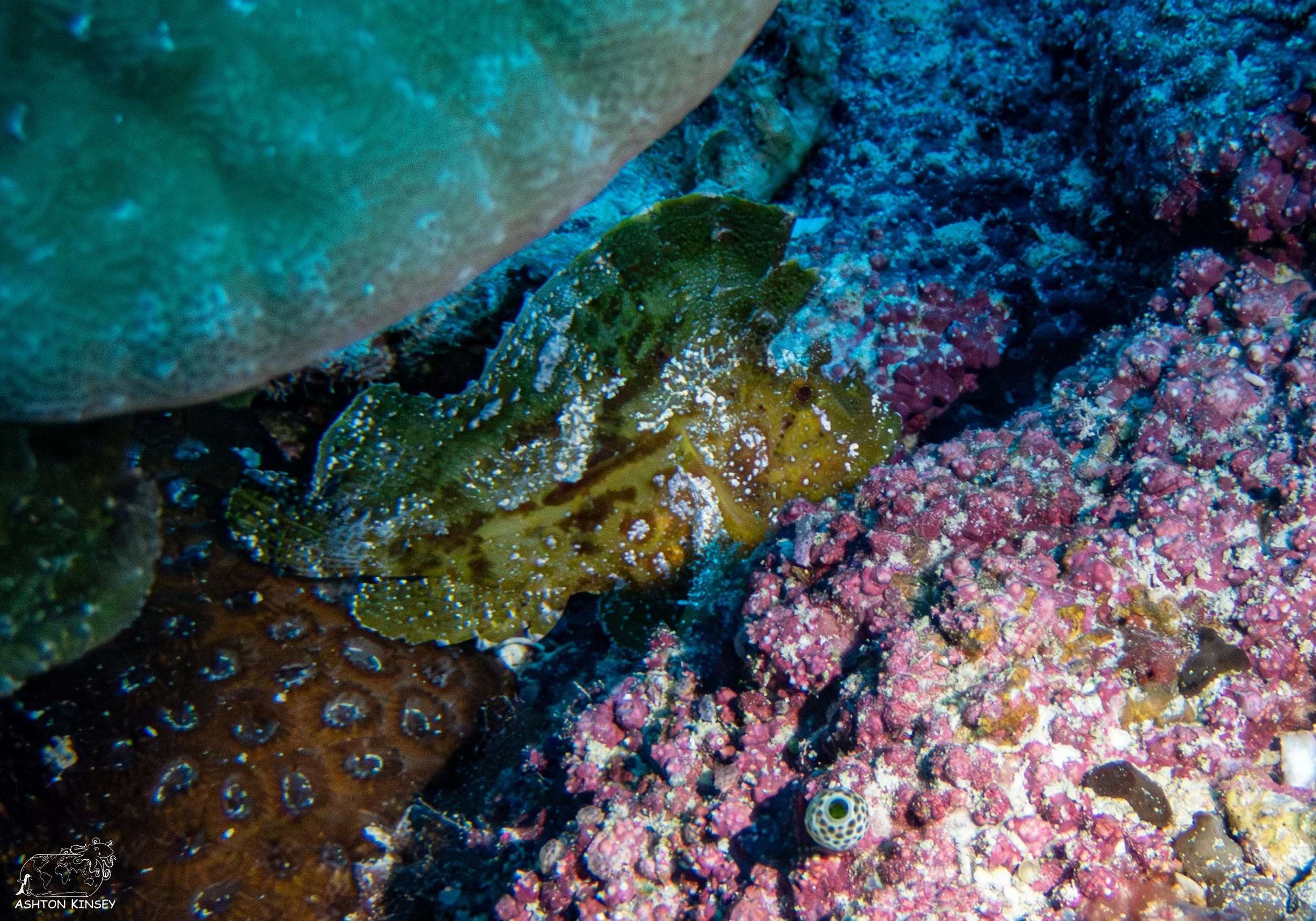
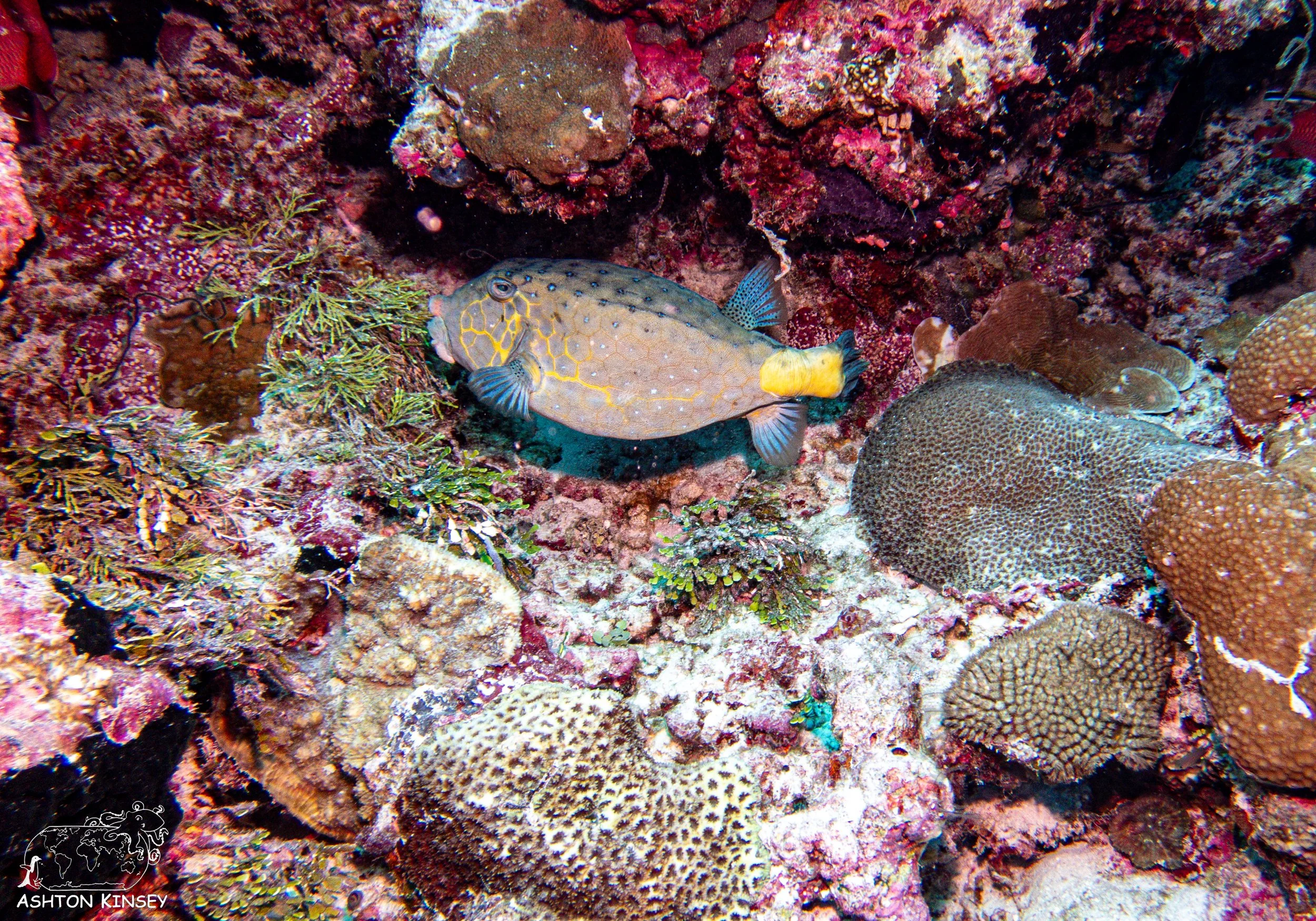
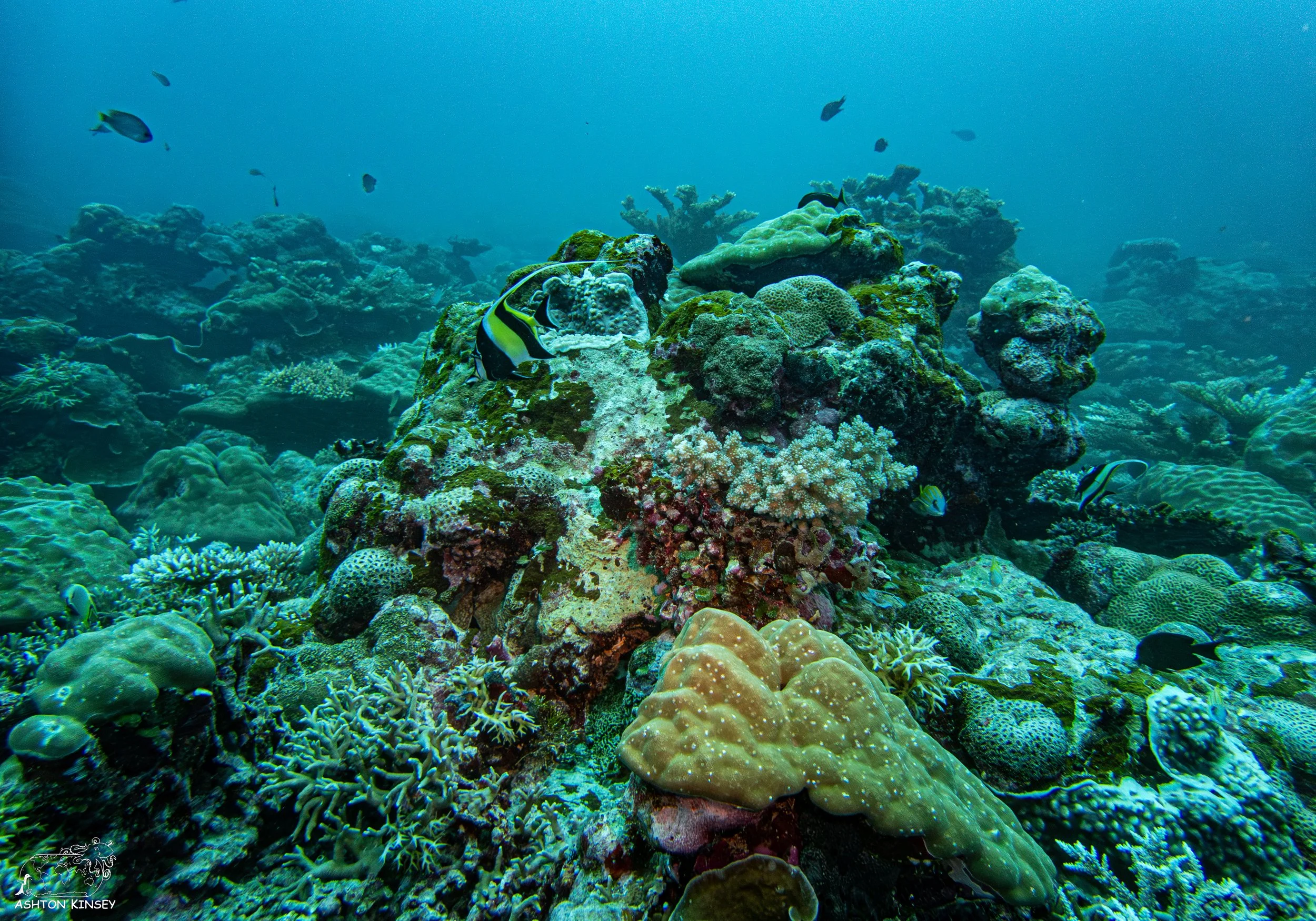
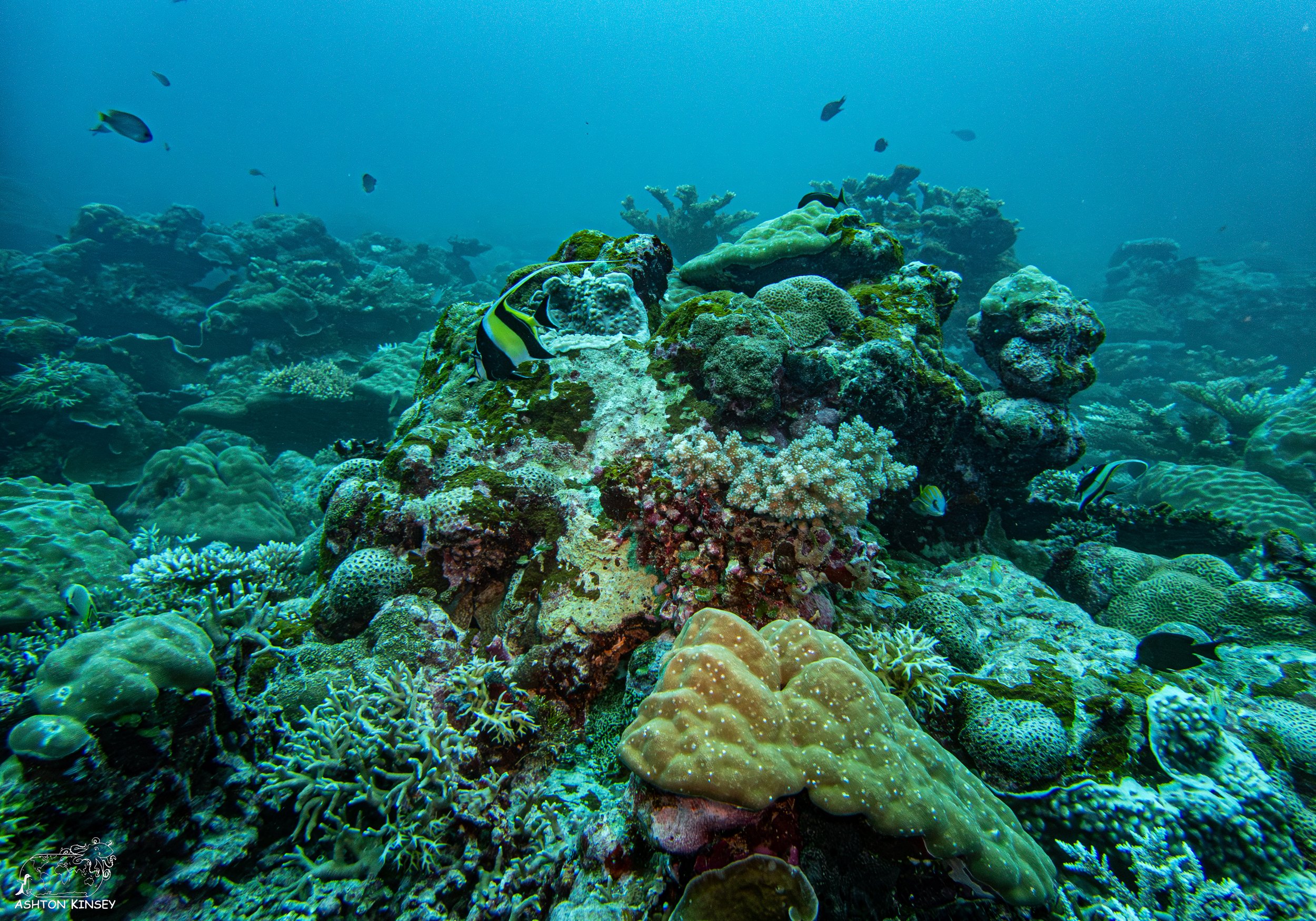
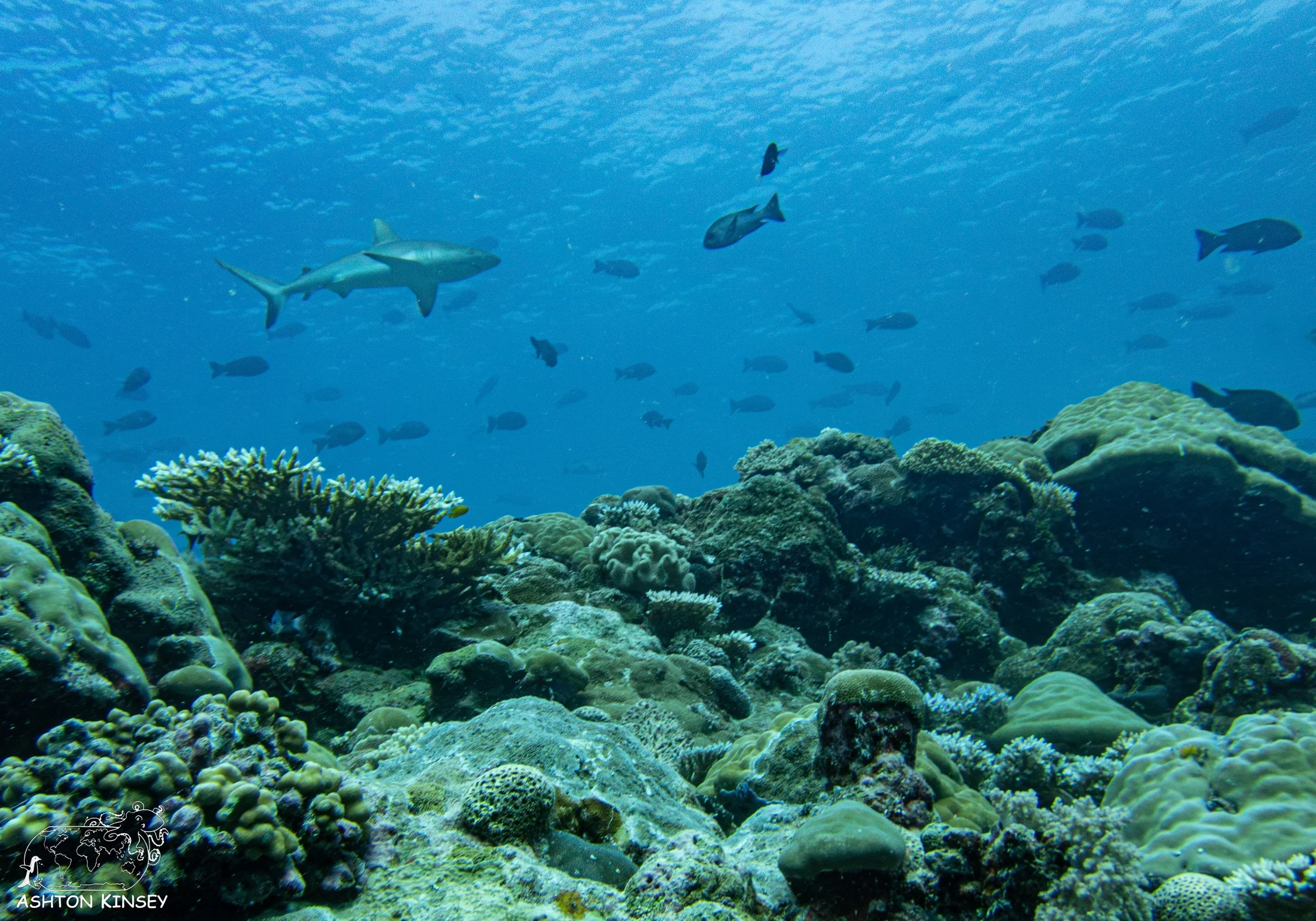
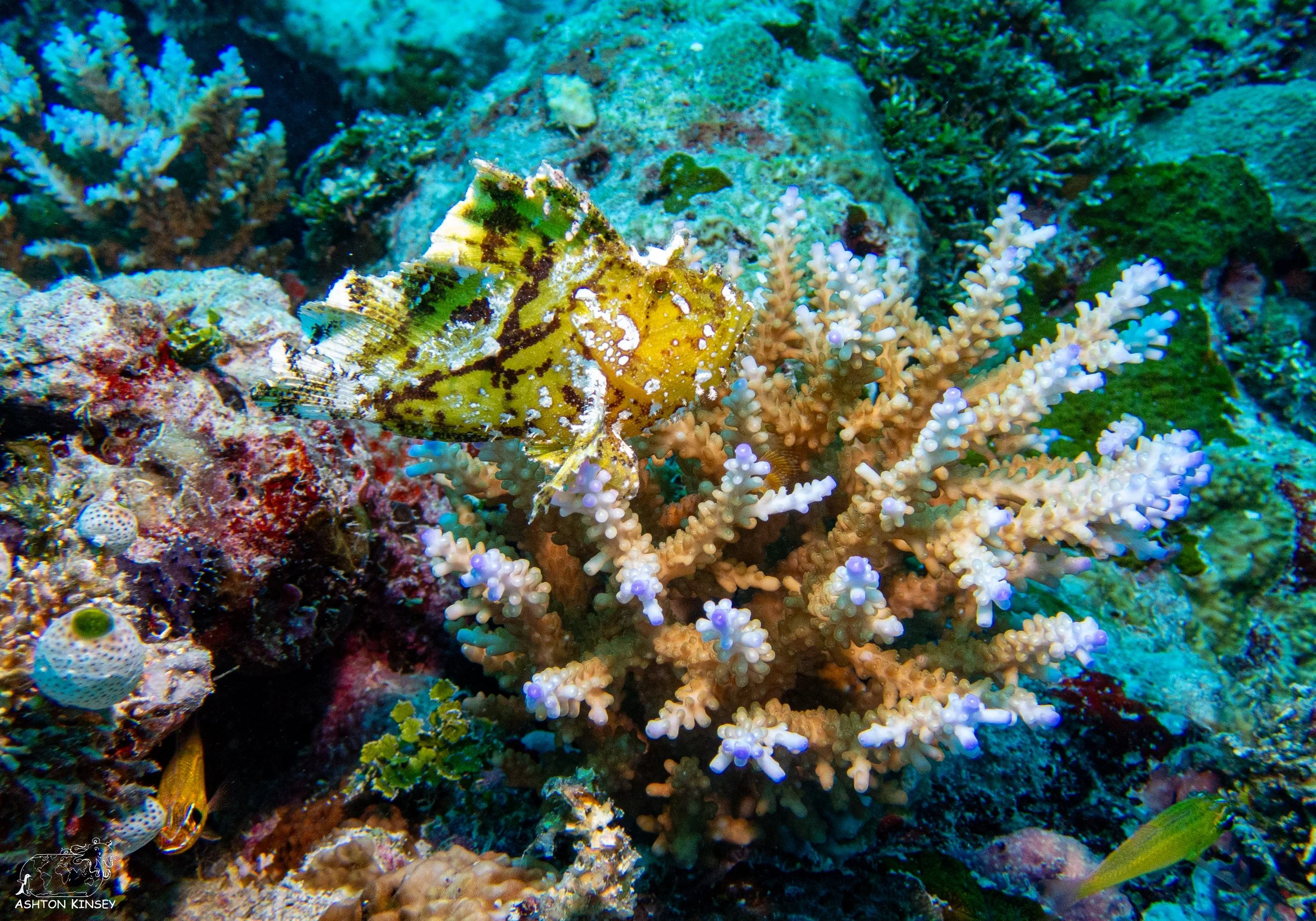
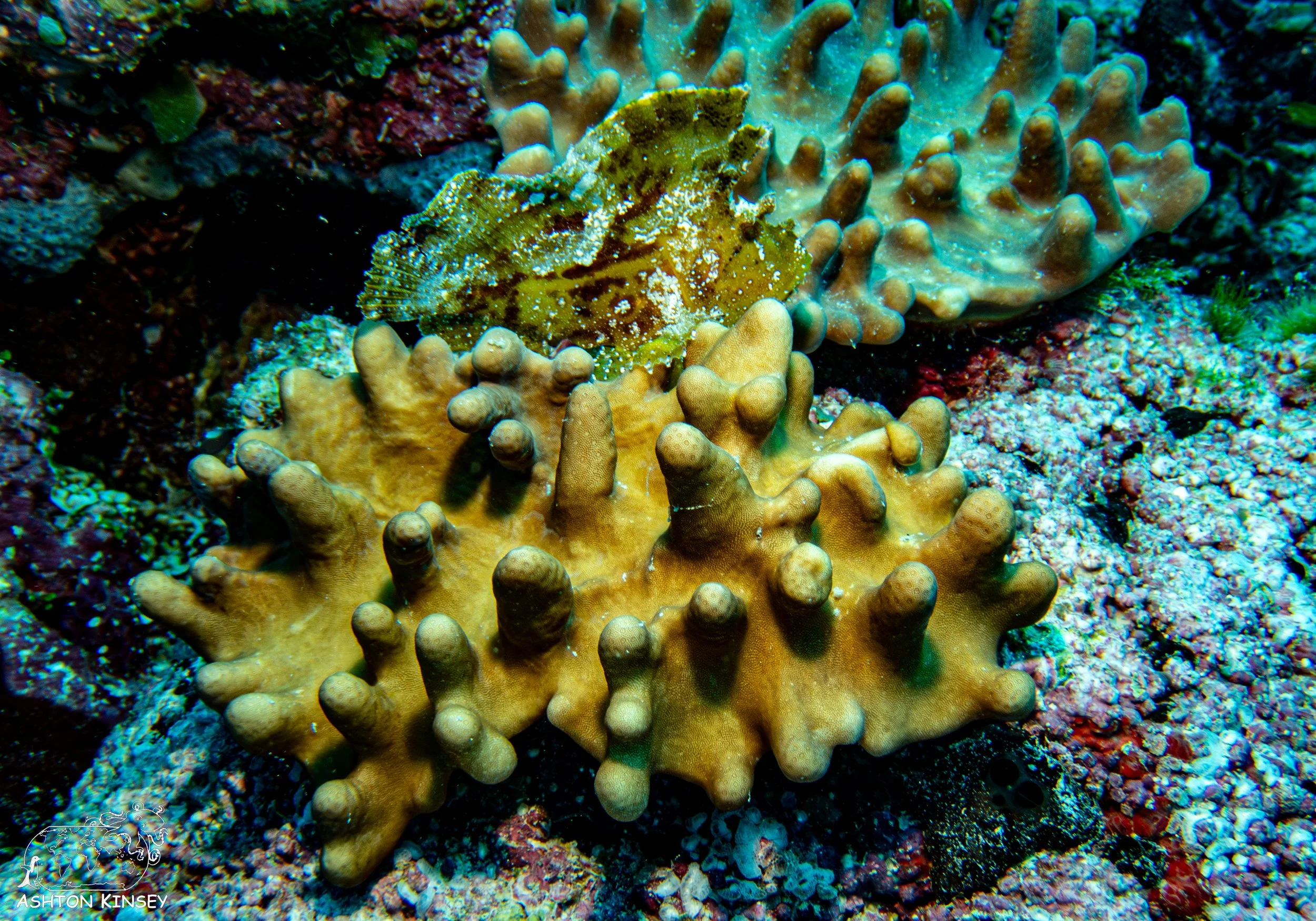
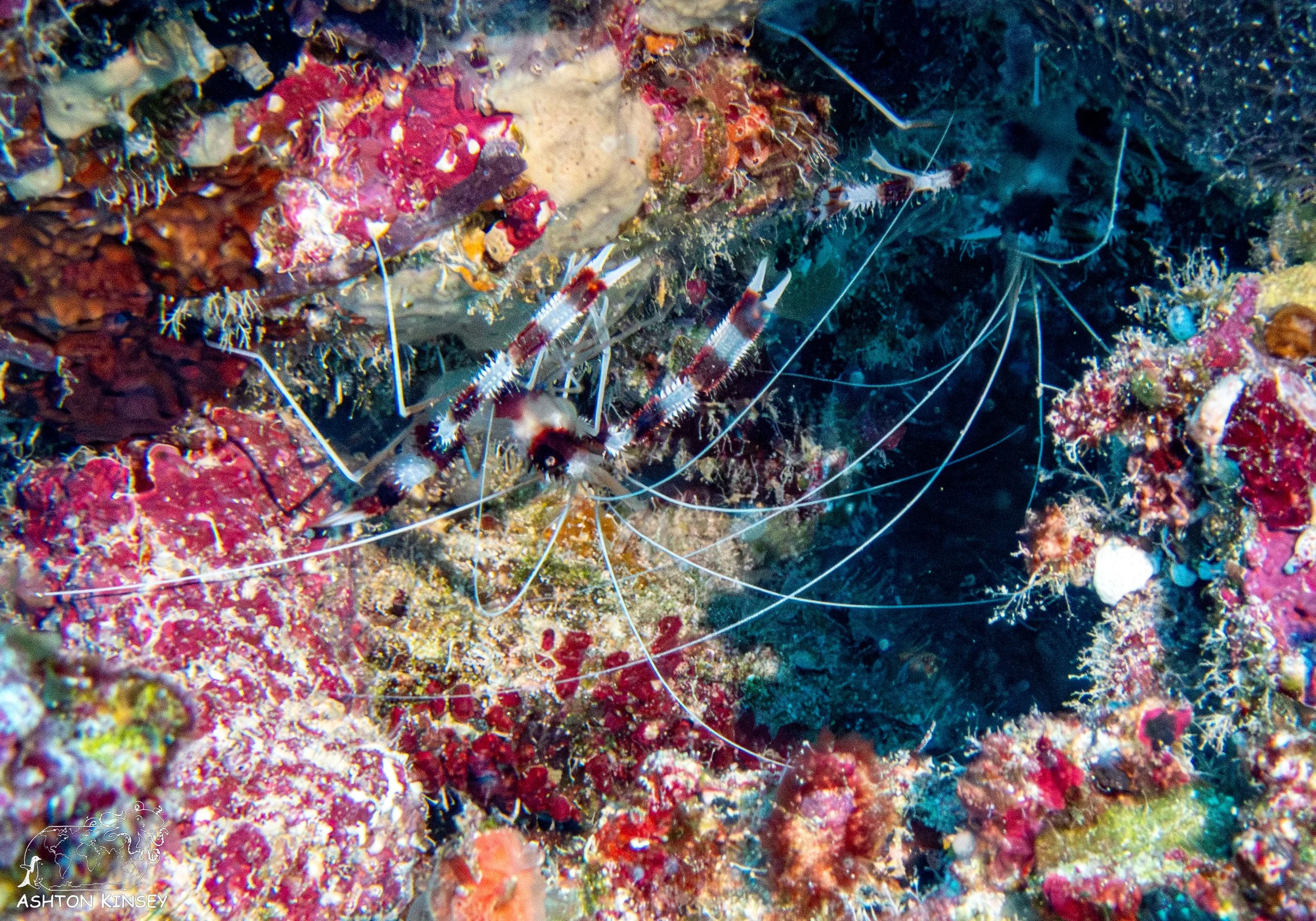
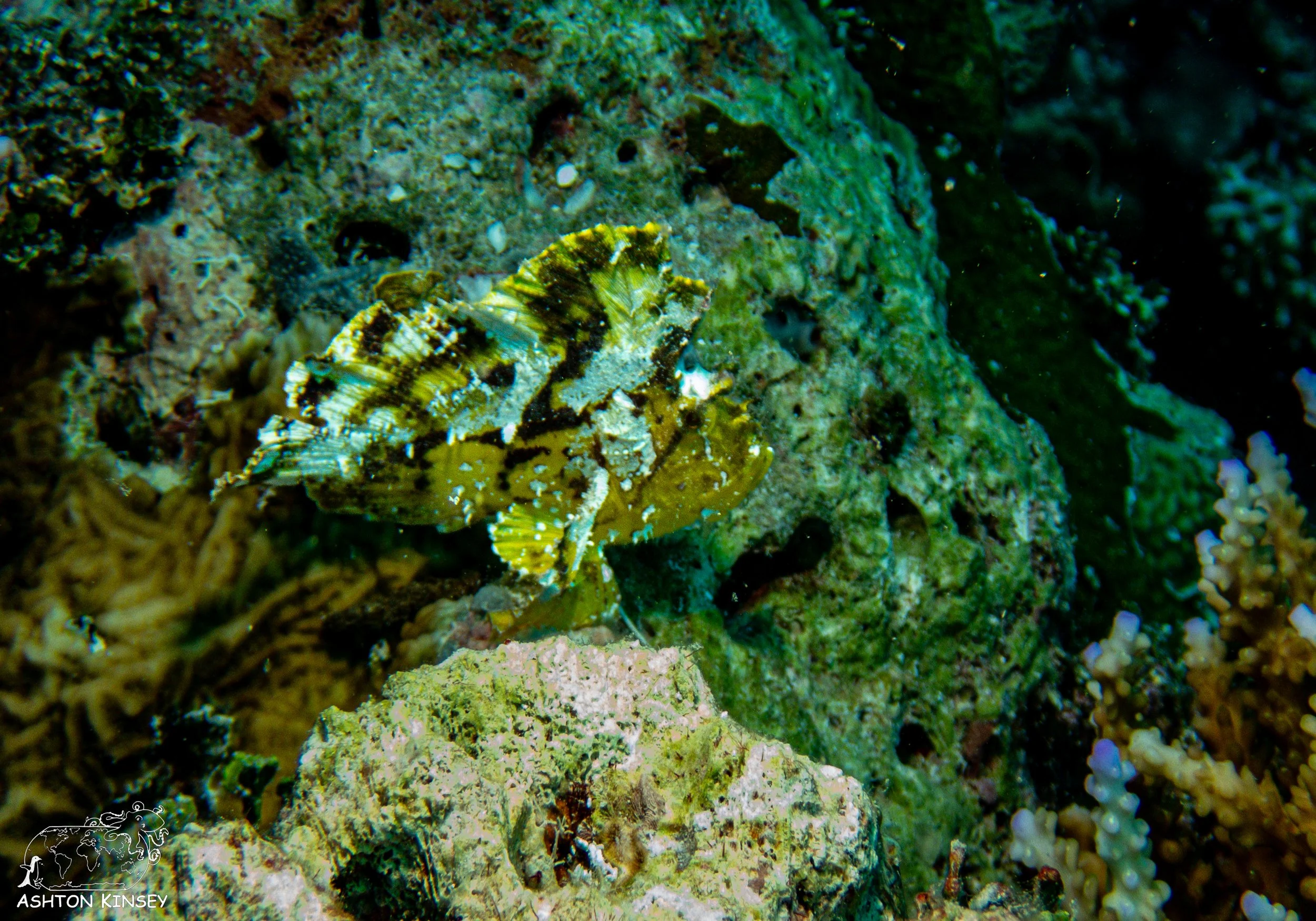
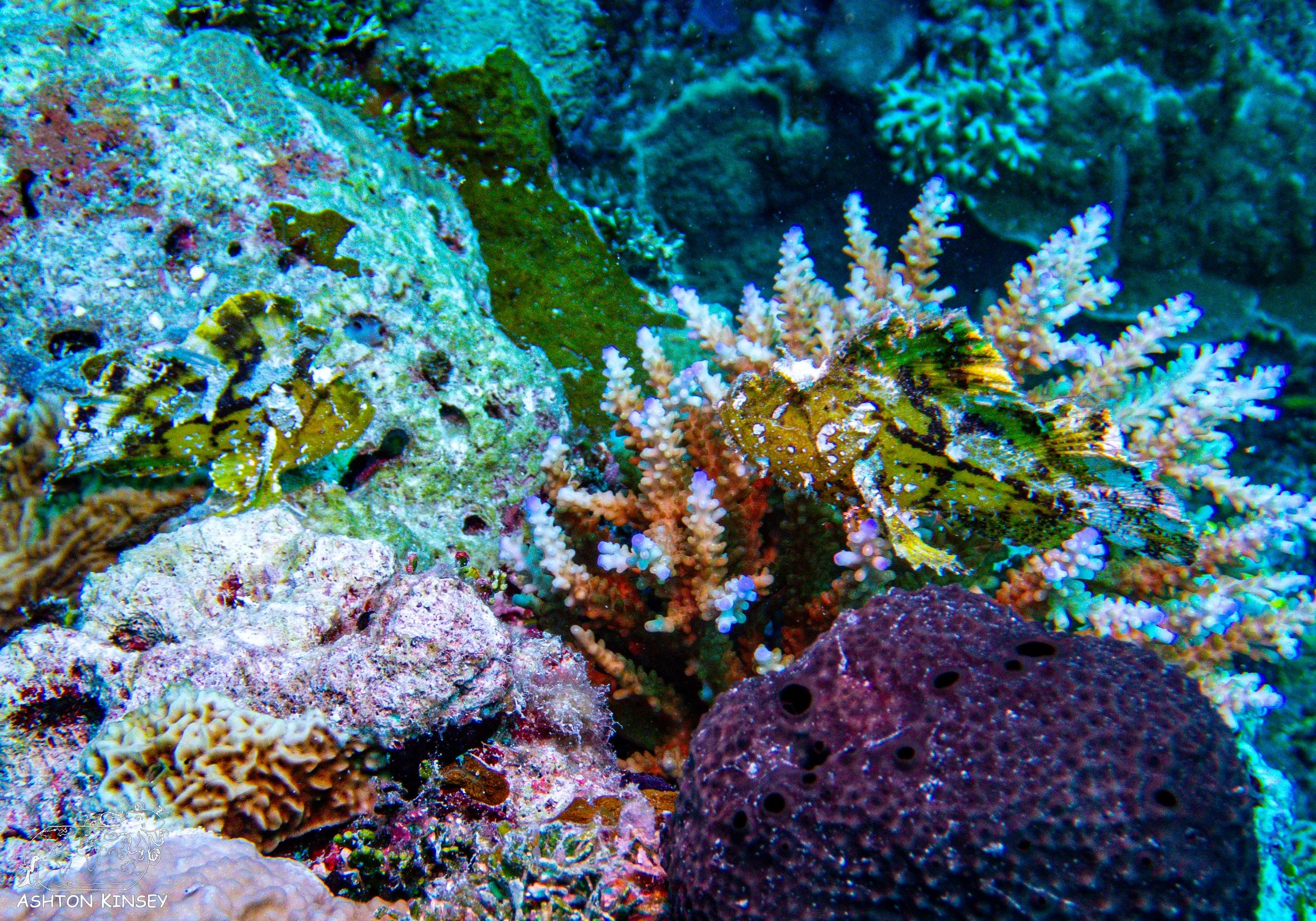
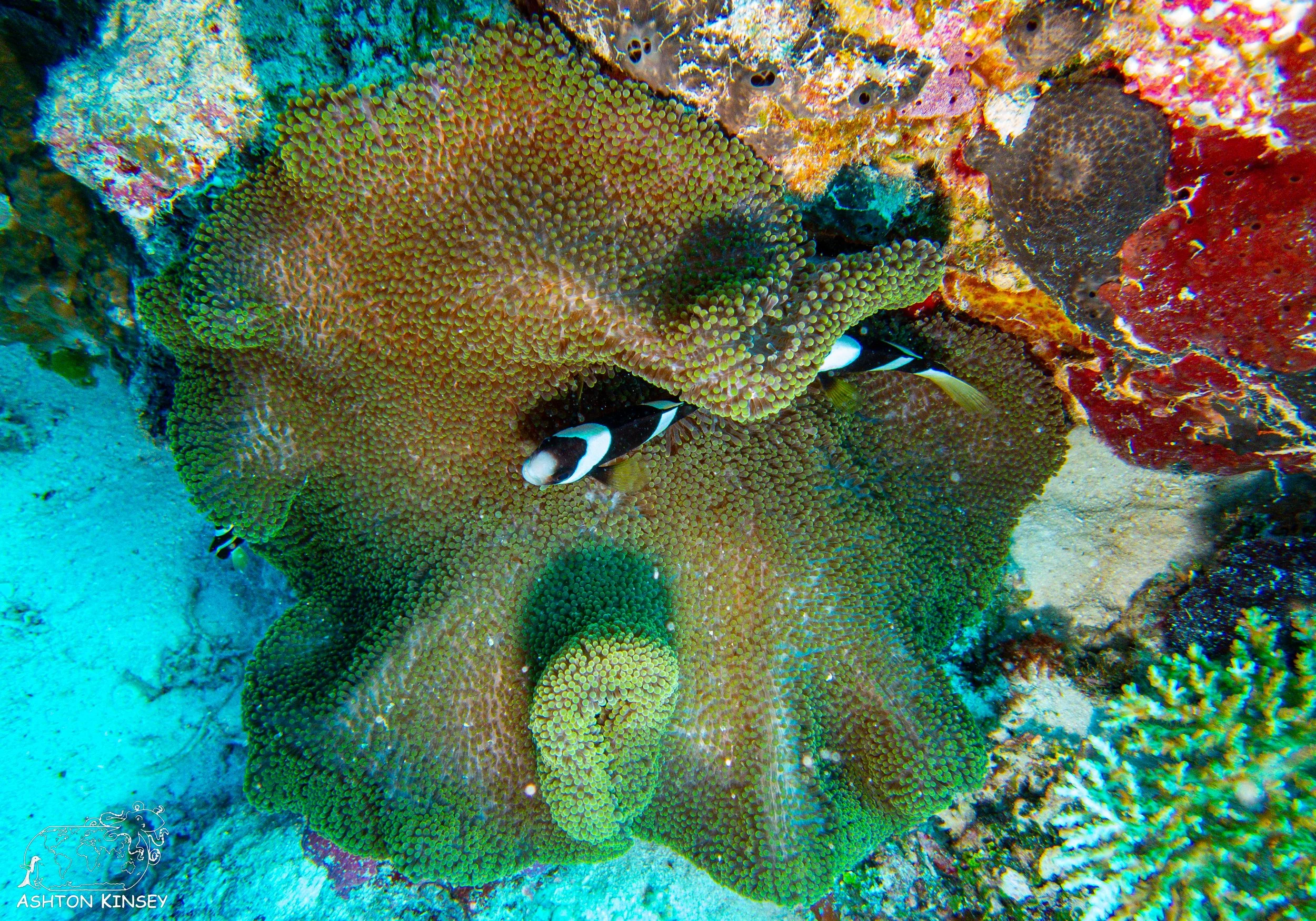
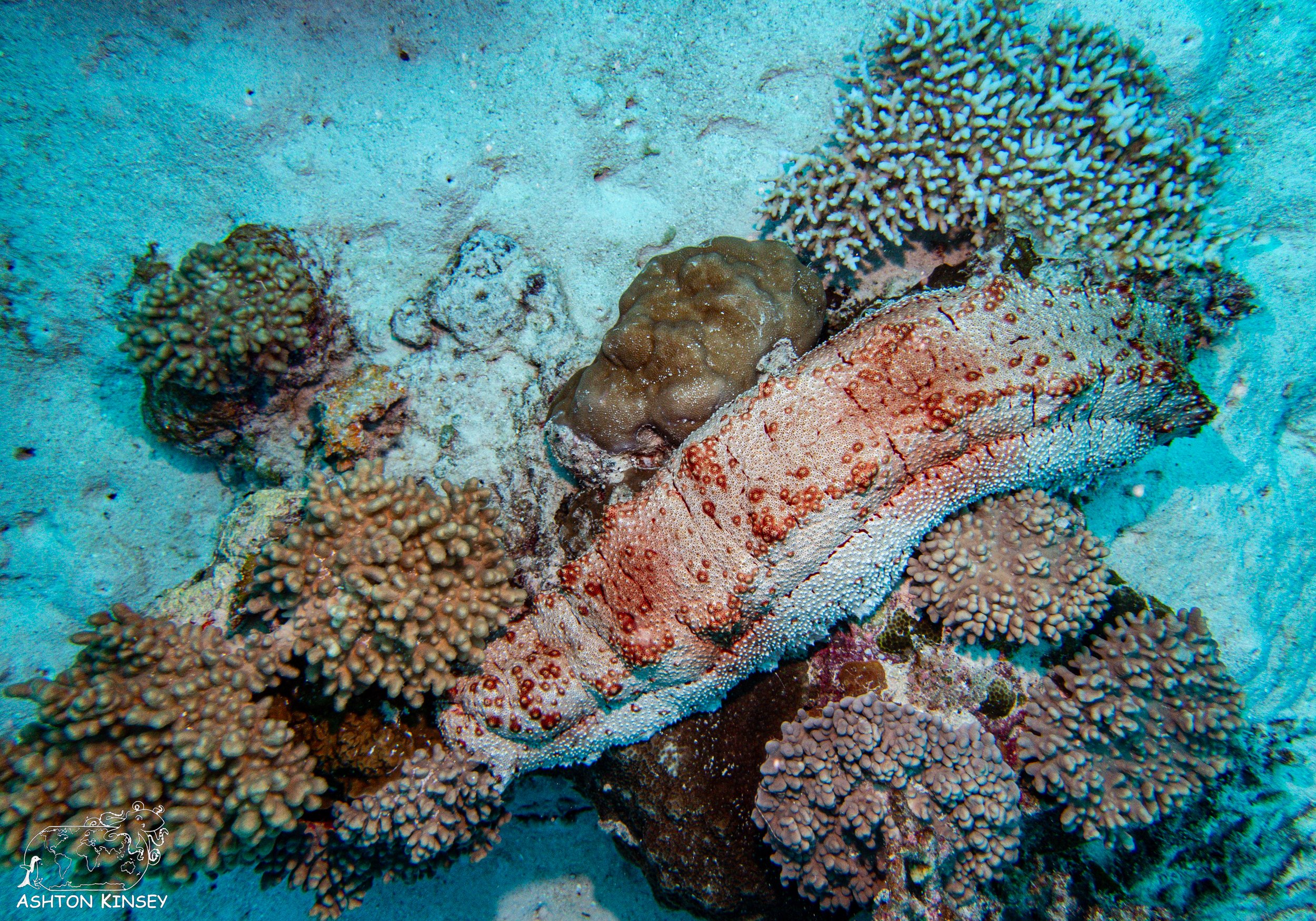
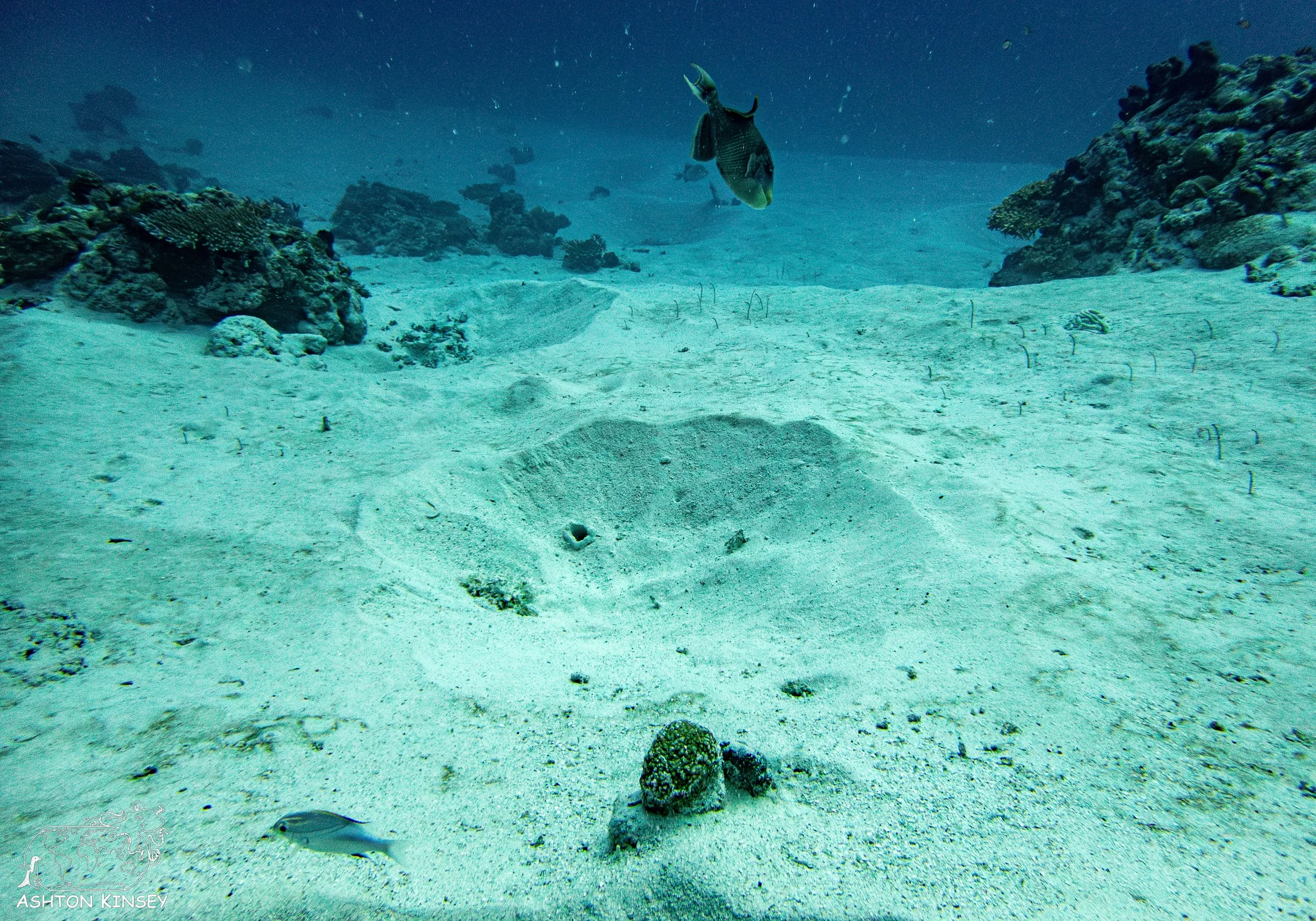
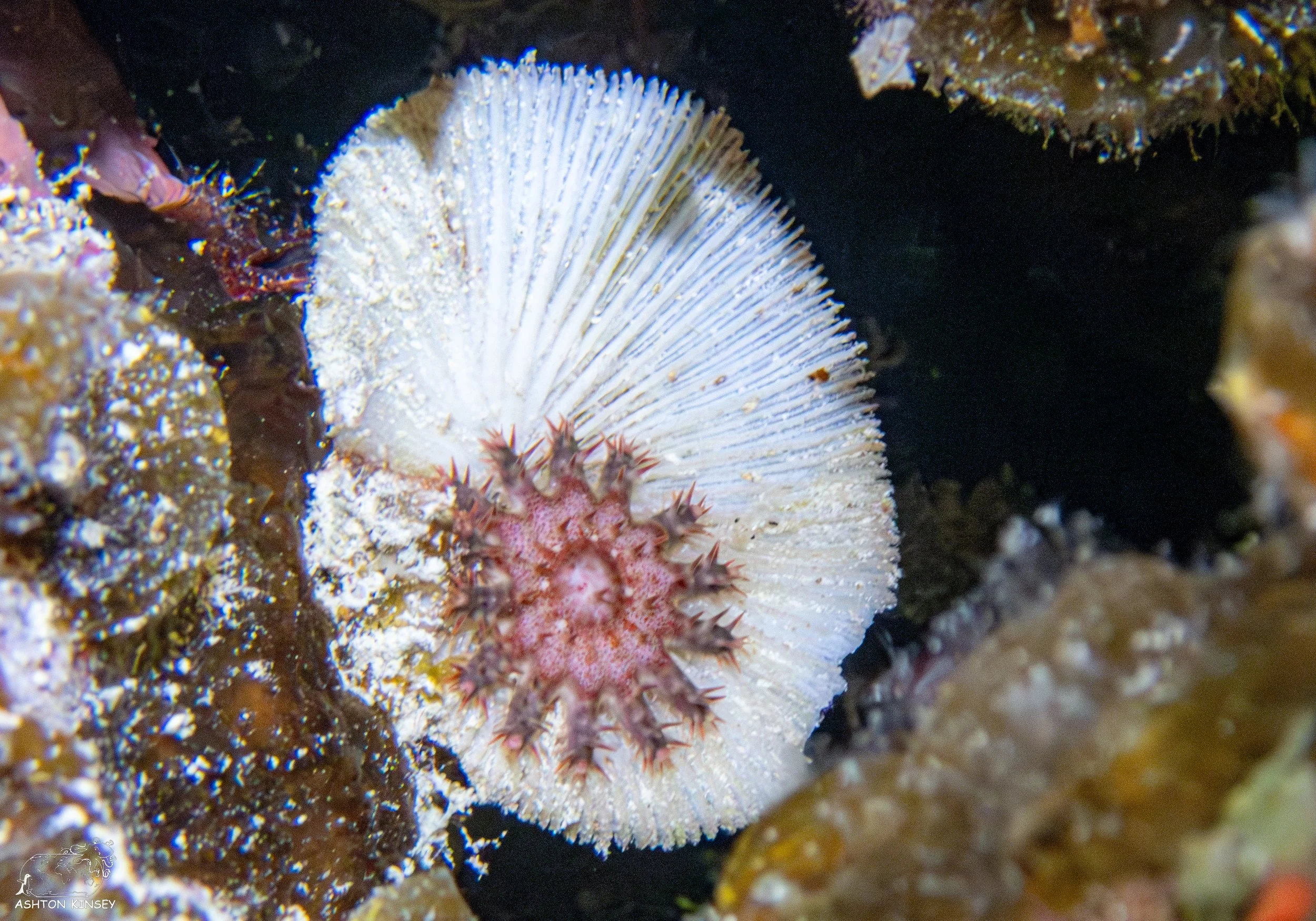
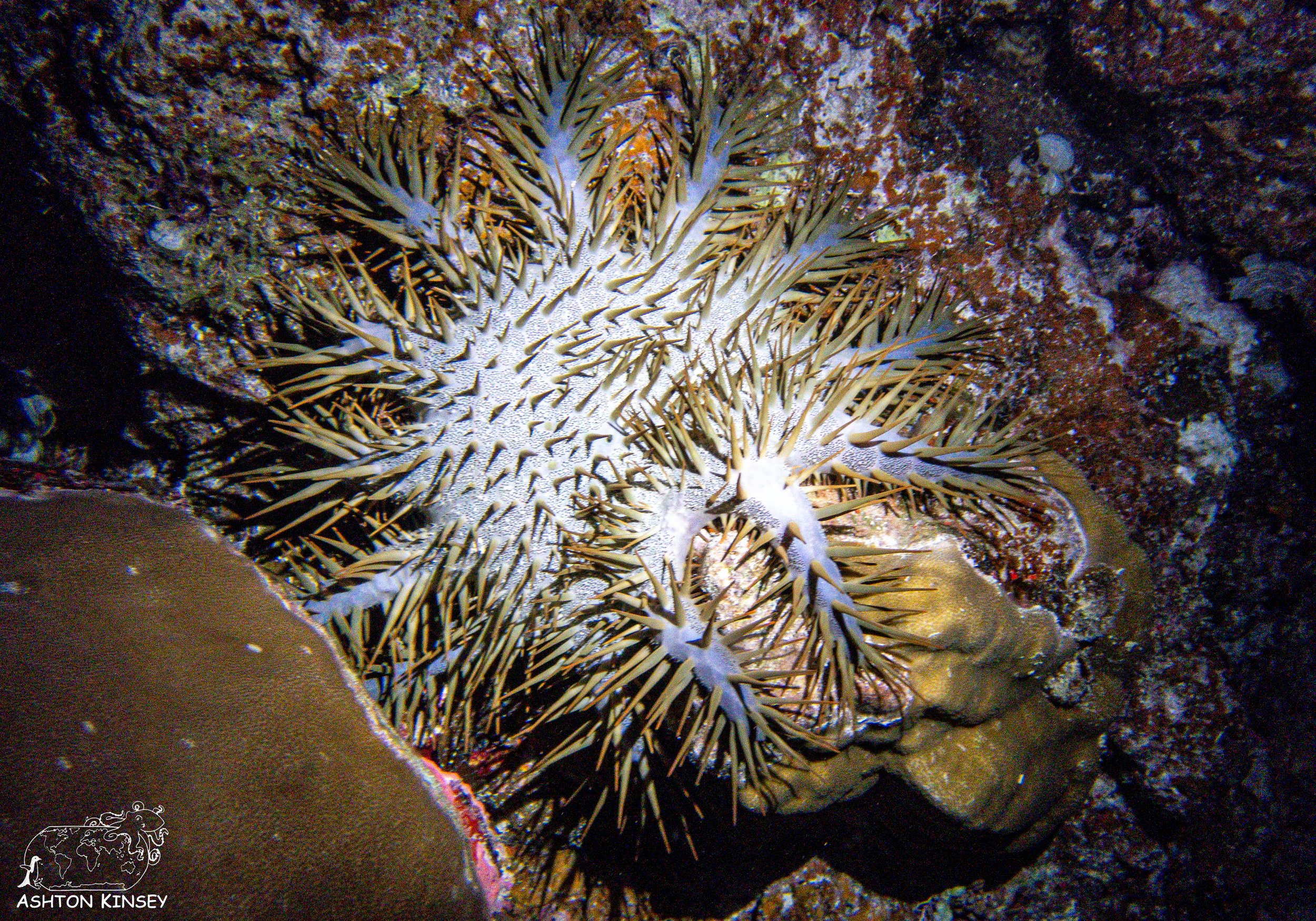
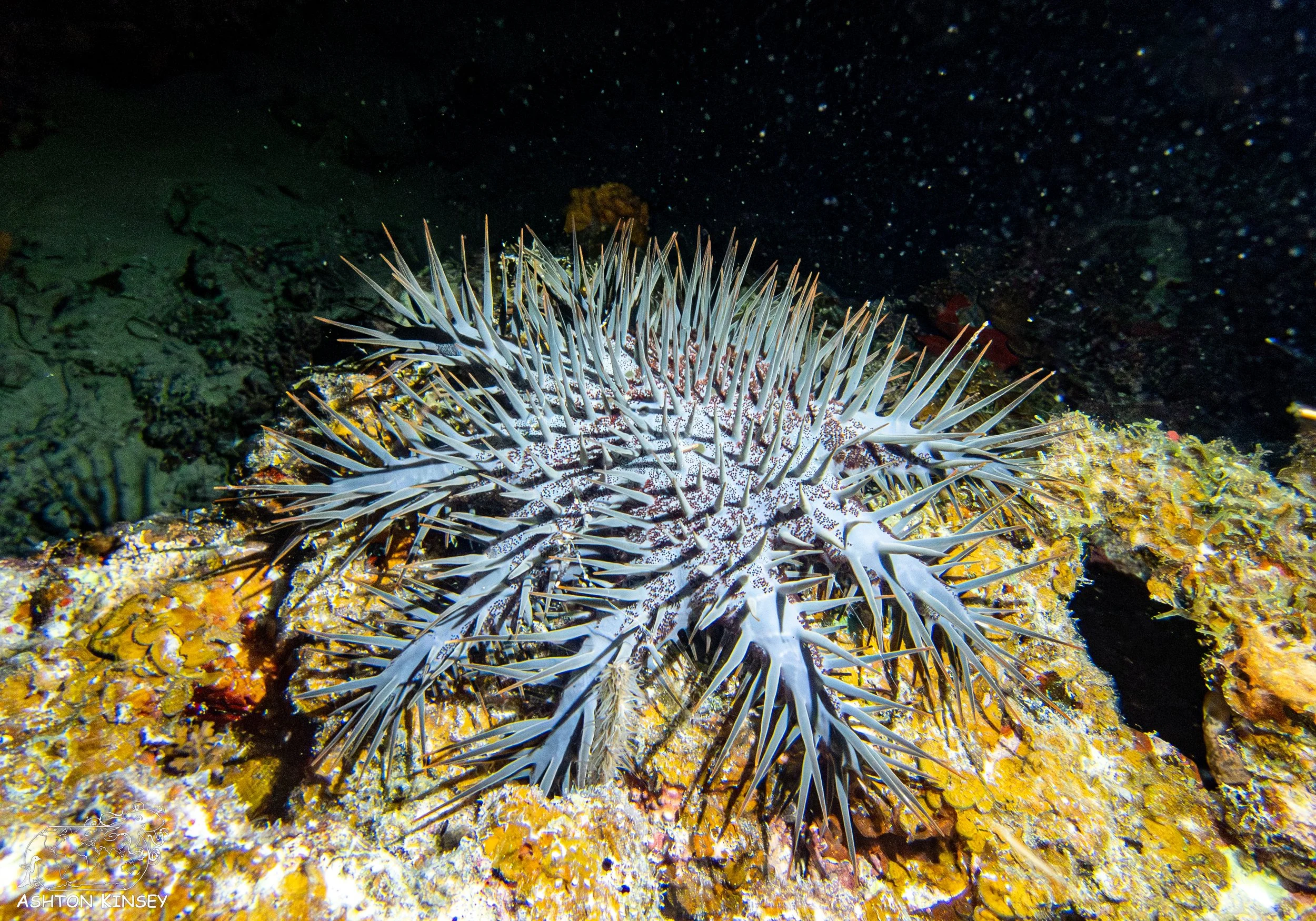
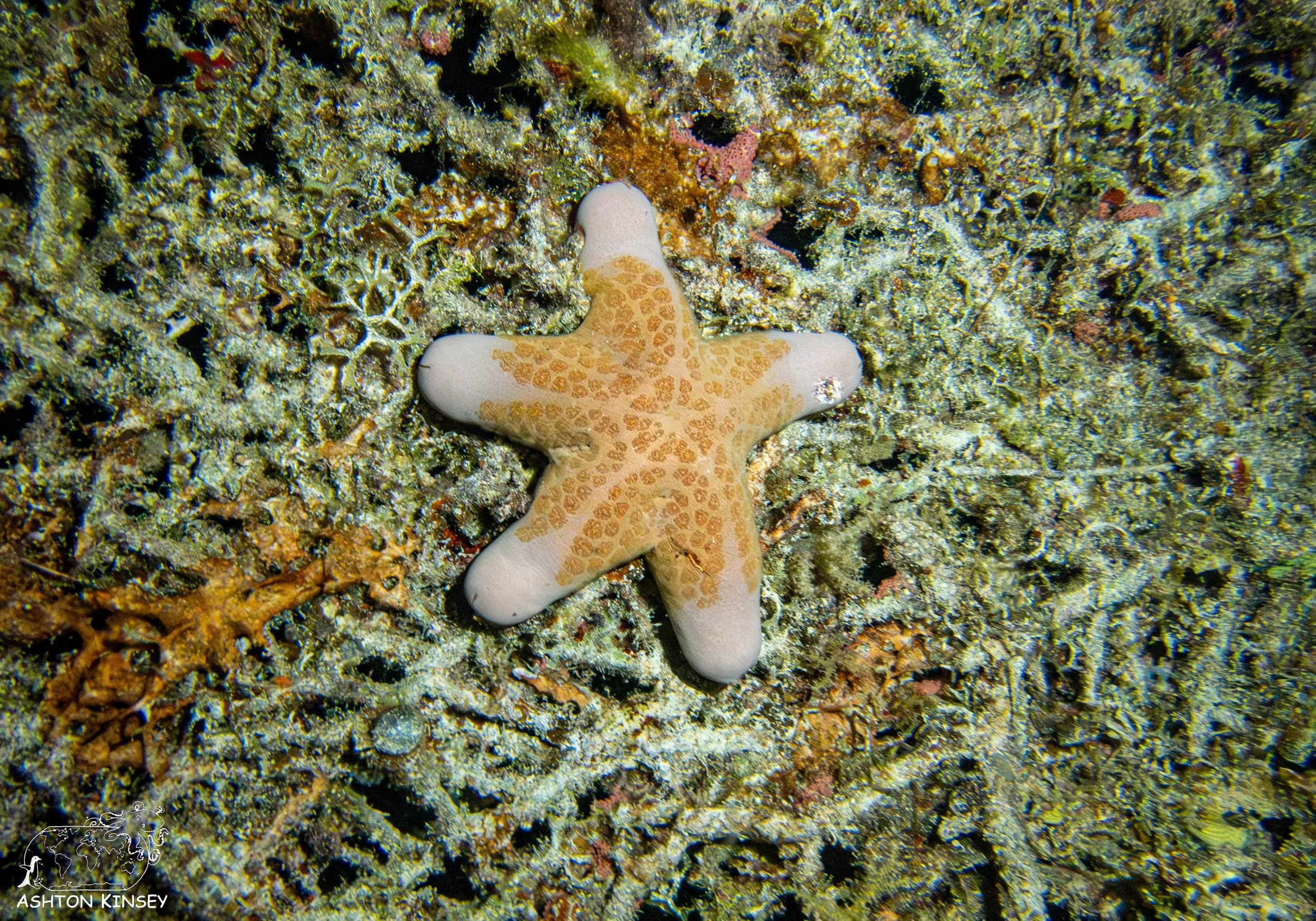
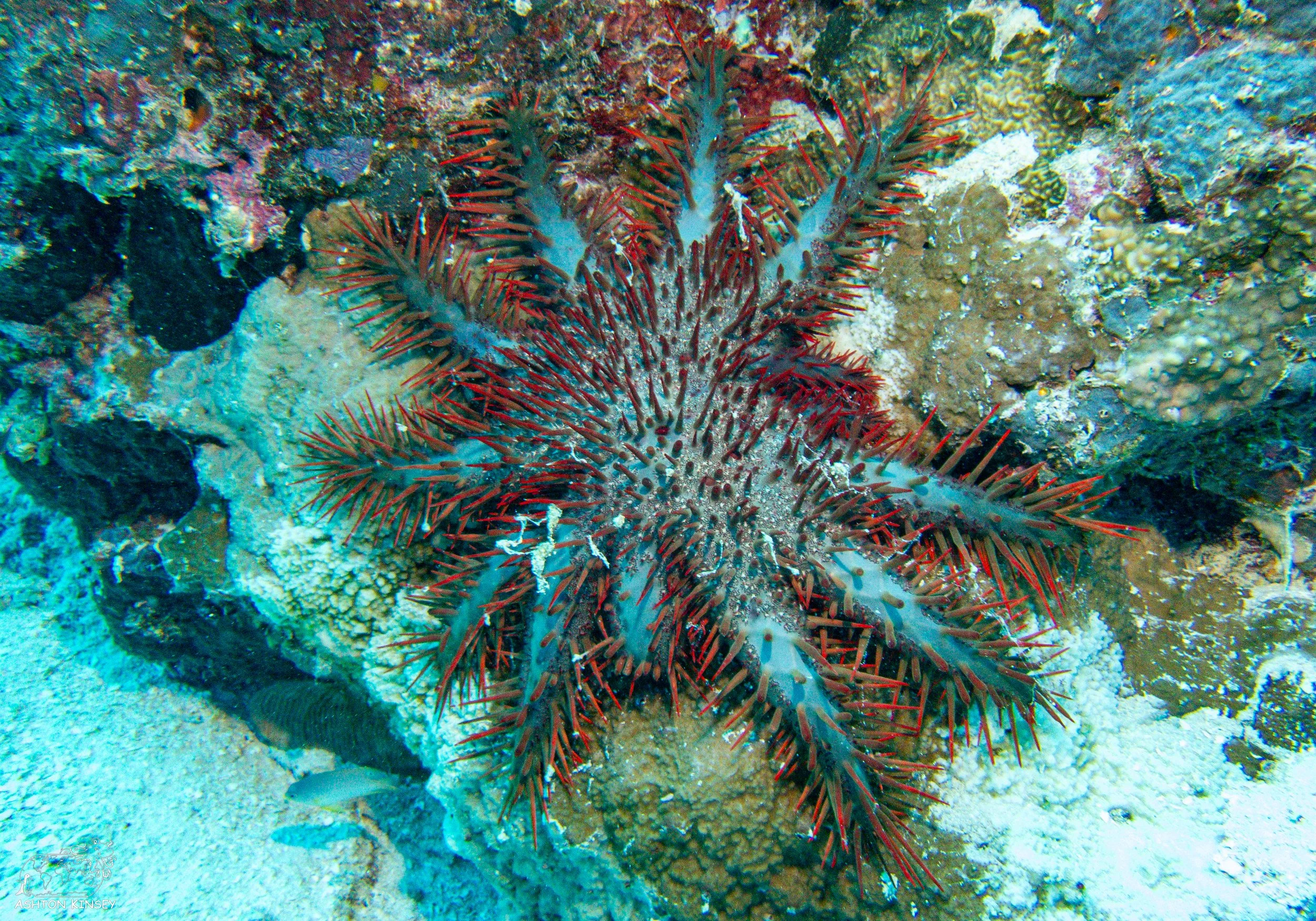
Primarily a sloping hard coral garden down to 100’ that ends in a sandy bottom with large fields of garden eels poking about. Around 30’ there was a cleaning station with mantas and a couple of grey reef sharks. Several yellow leaf fish, a big feather tail ray and a large crown of thorn star.
Sandbar – Spawning
Dive 12: 76’ for 63 Min Dive 16: 72’ for 50 Min
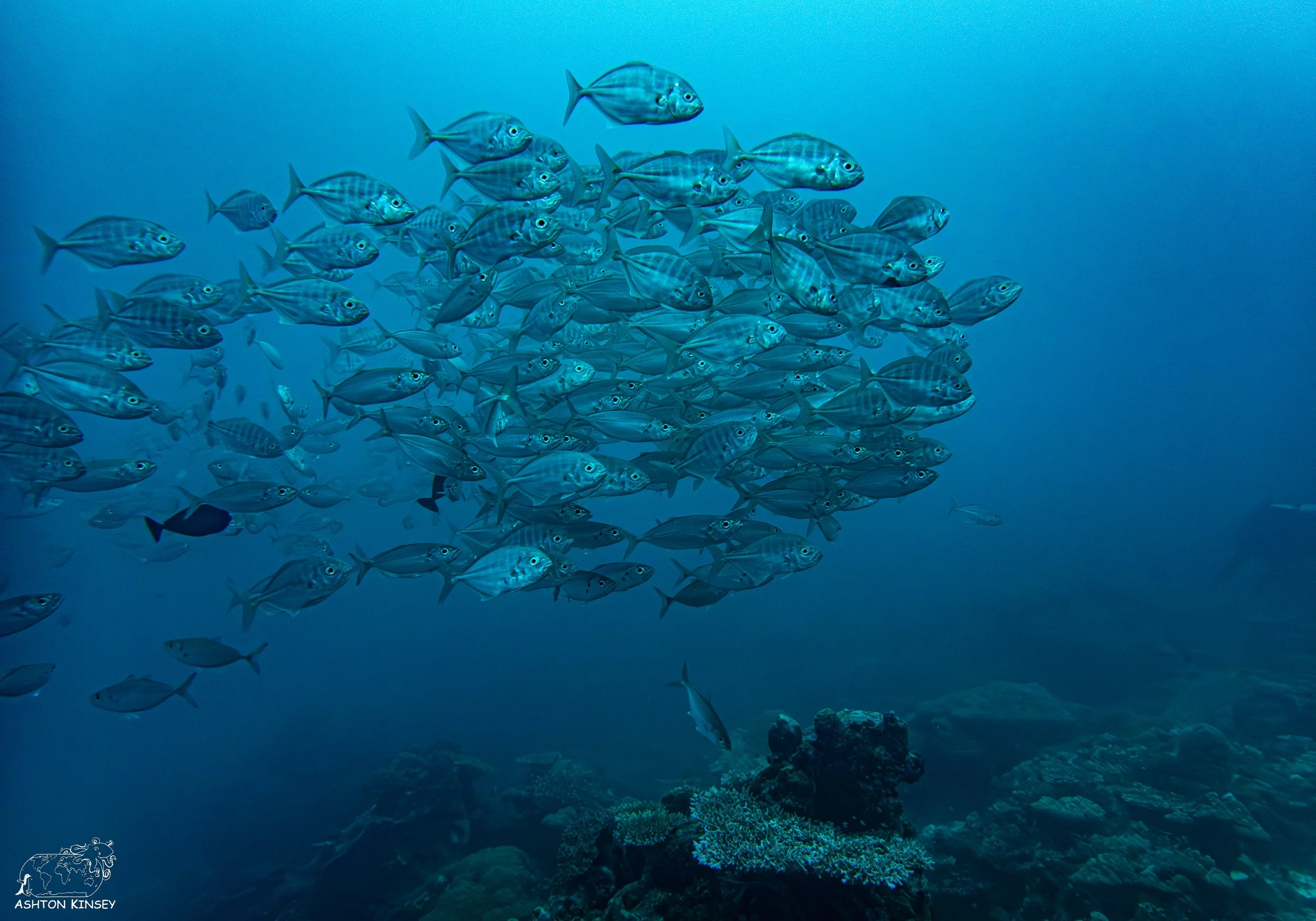
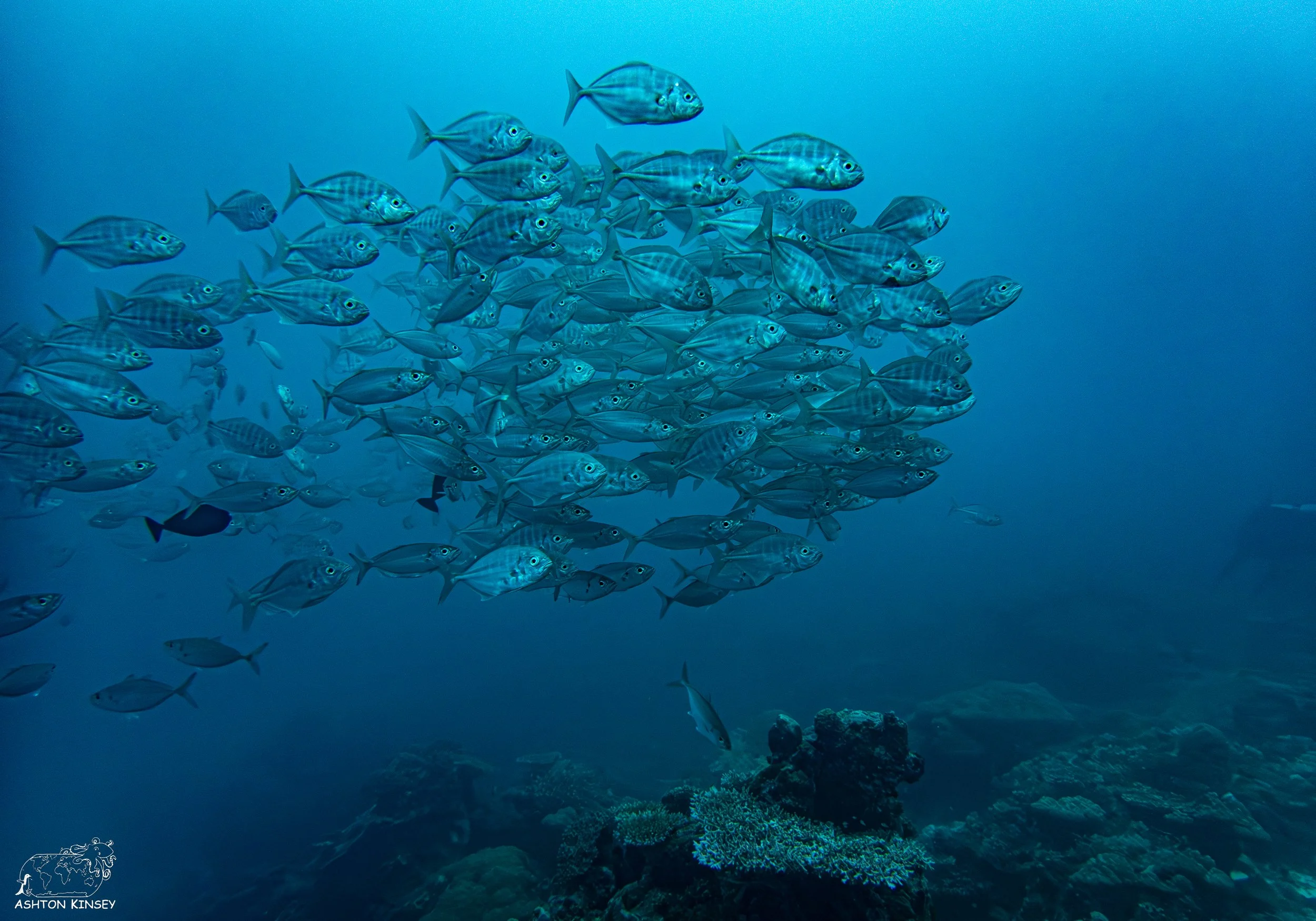
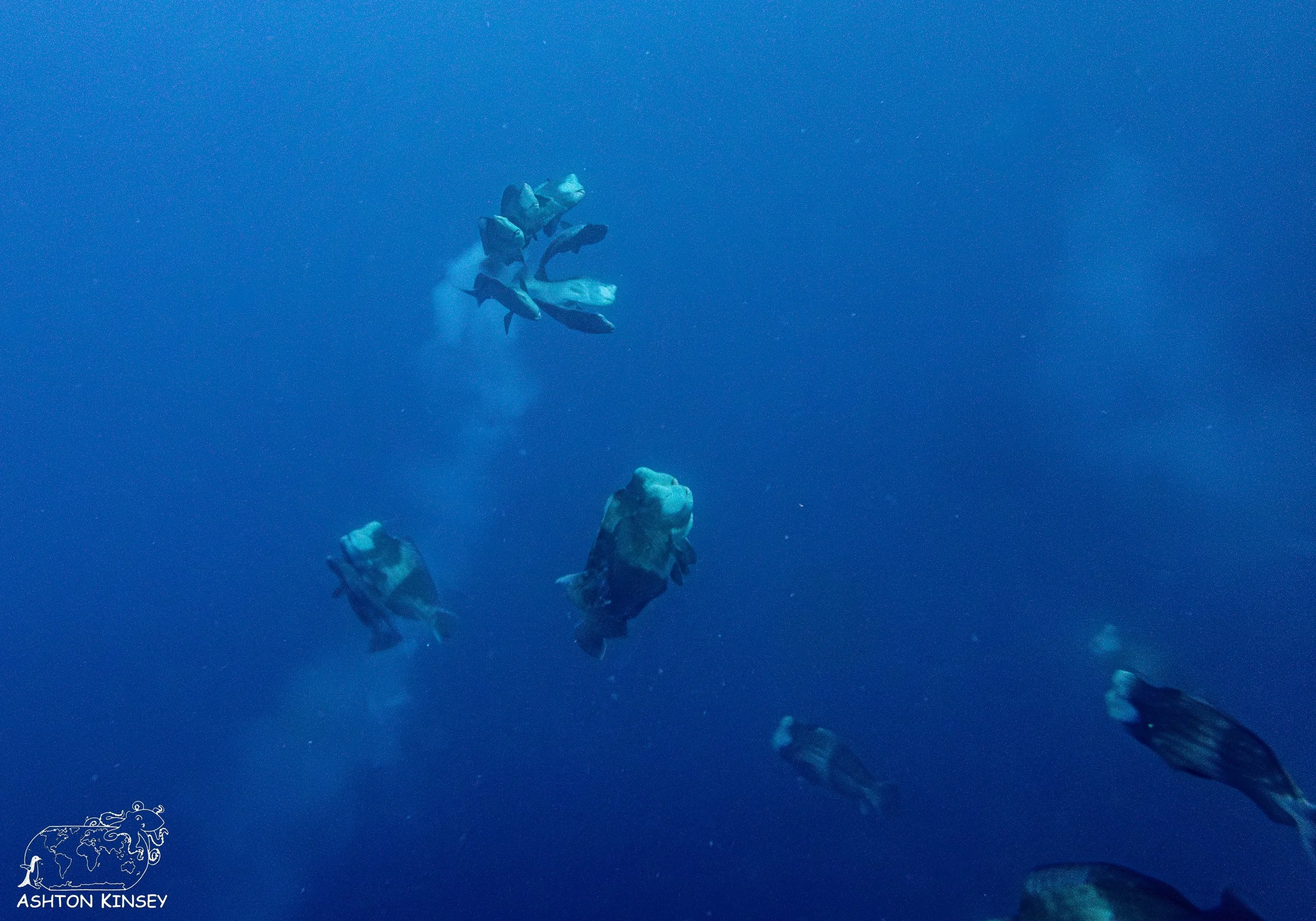
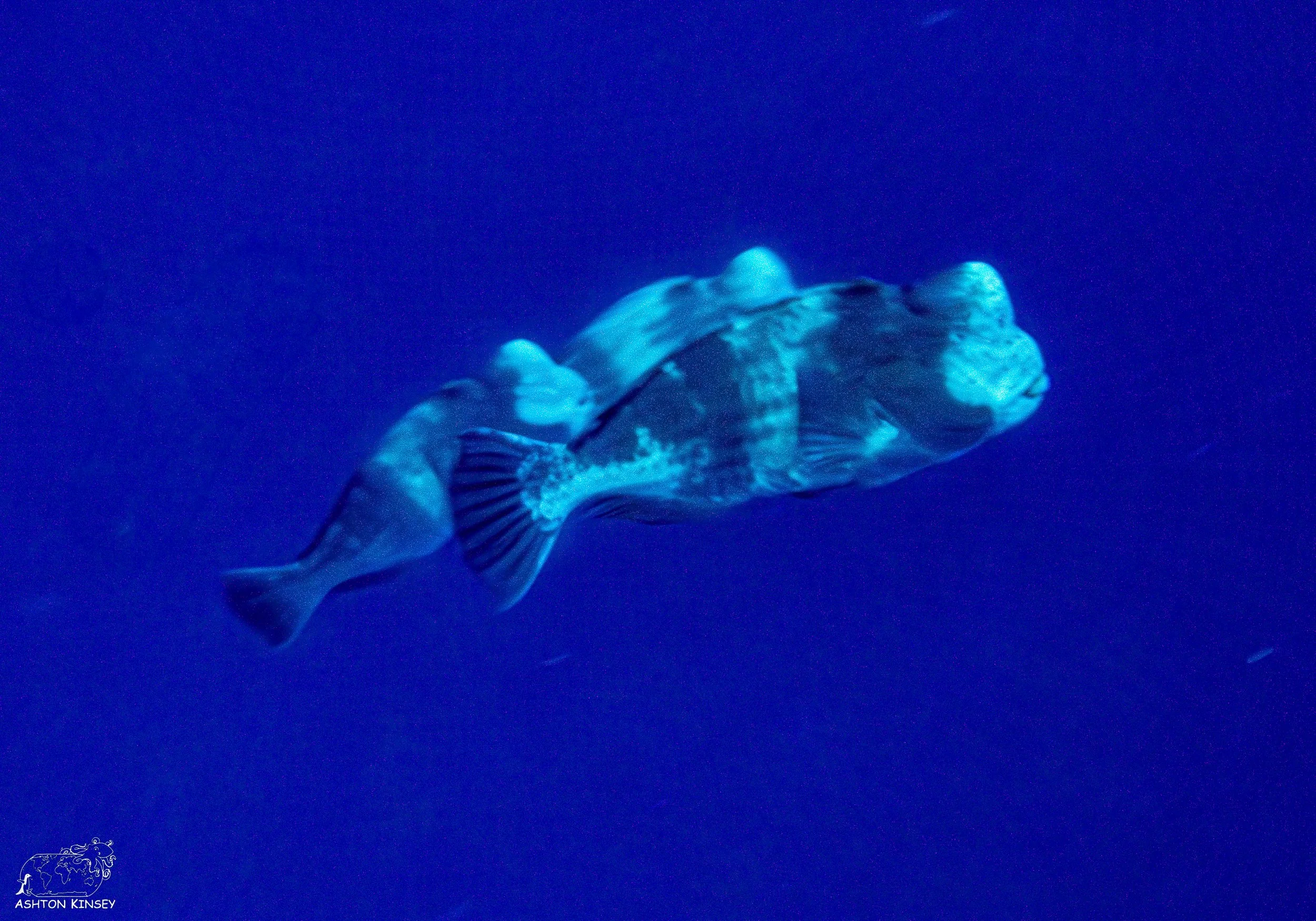
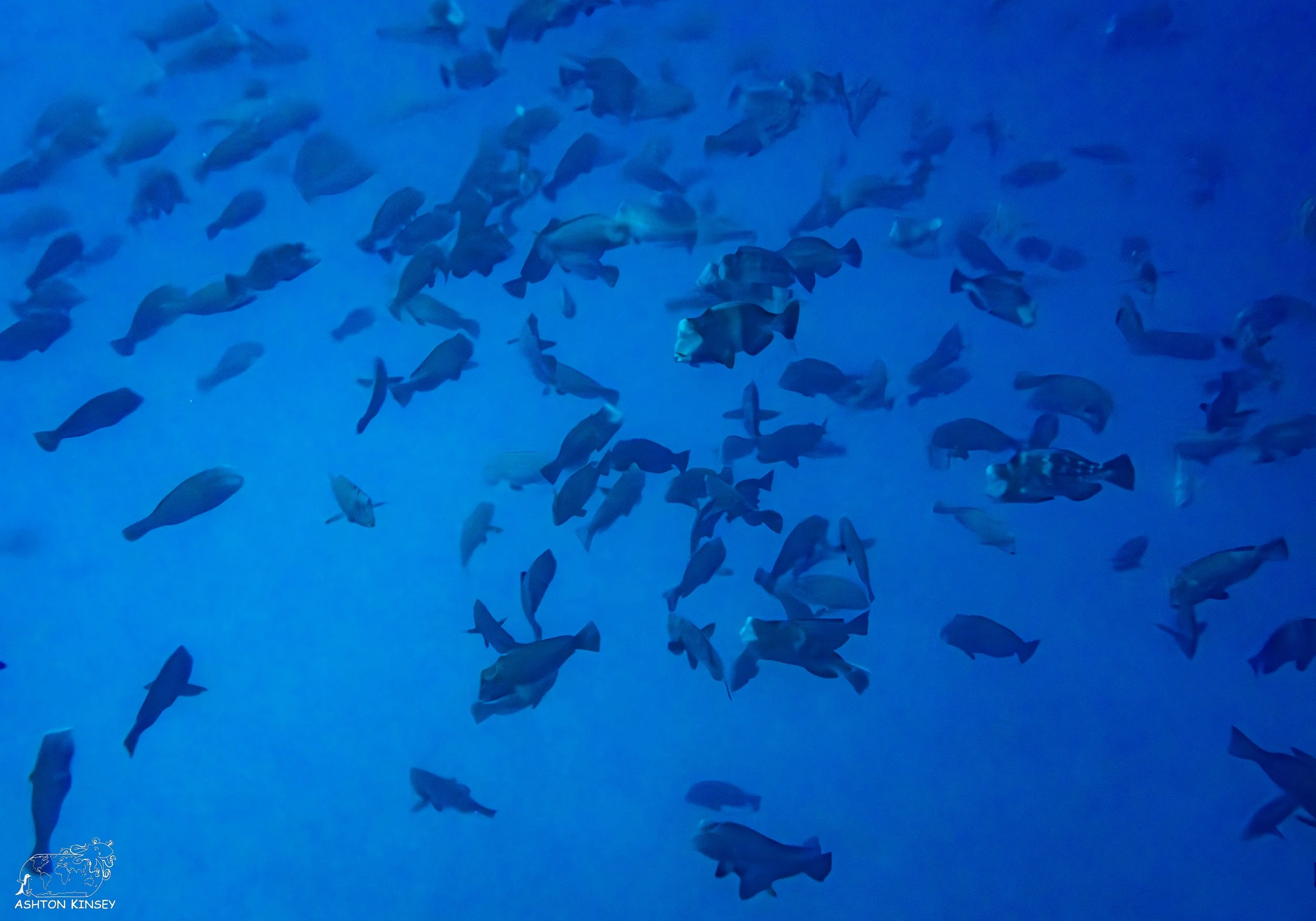
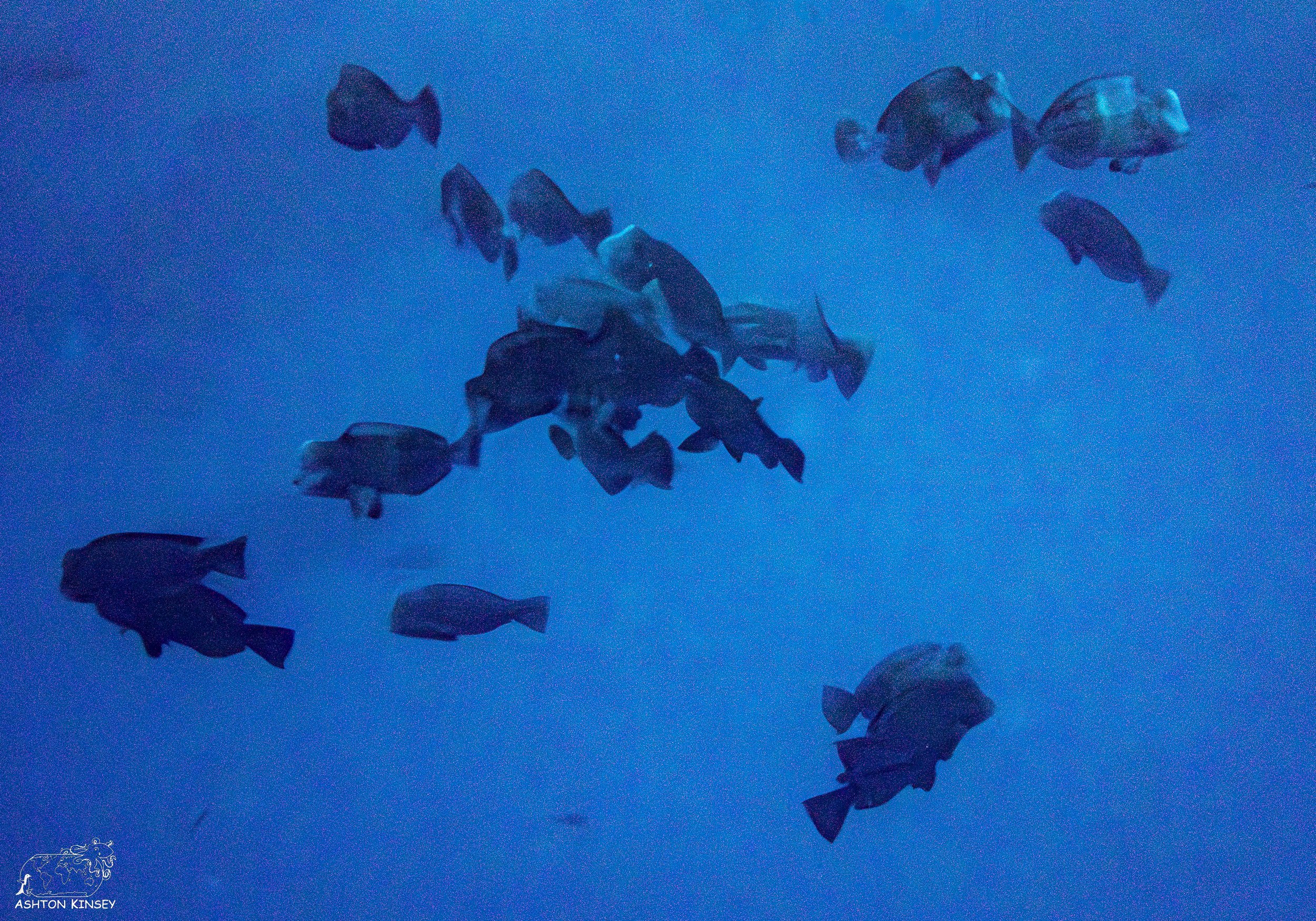
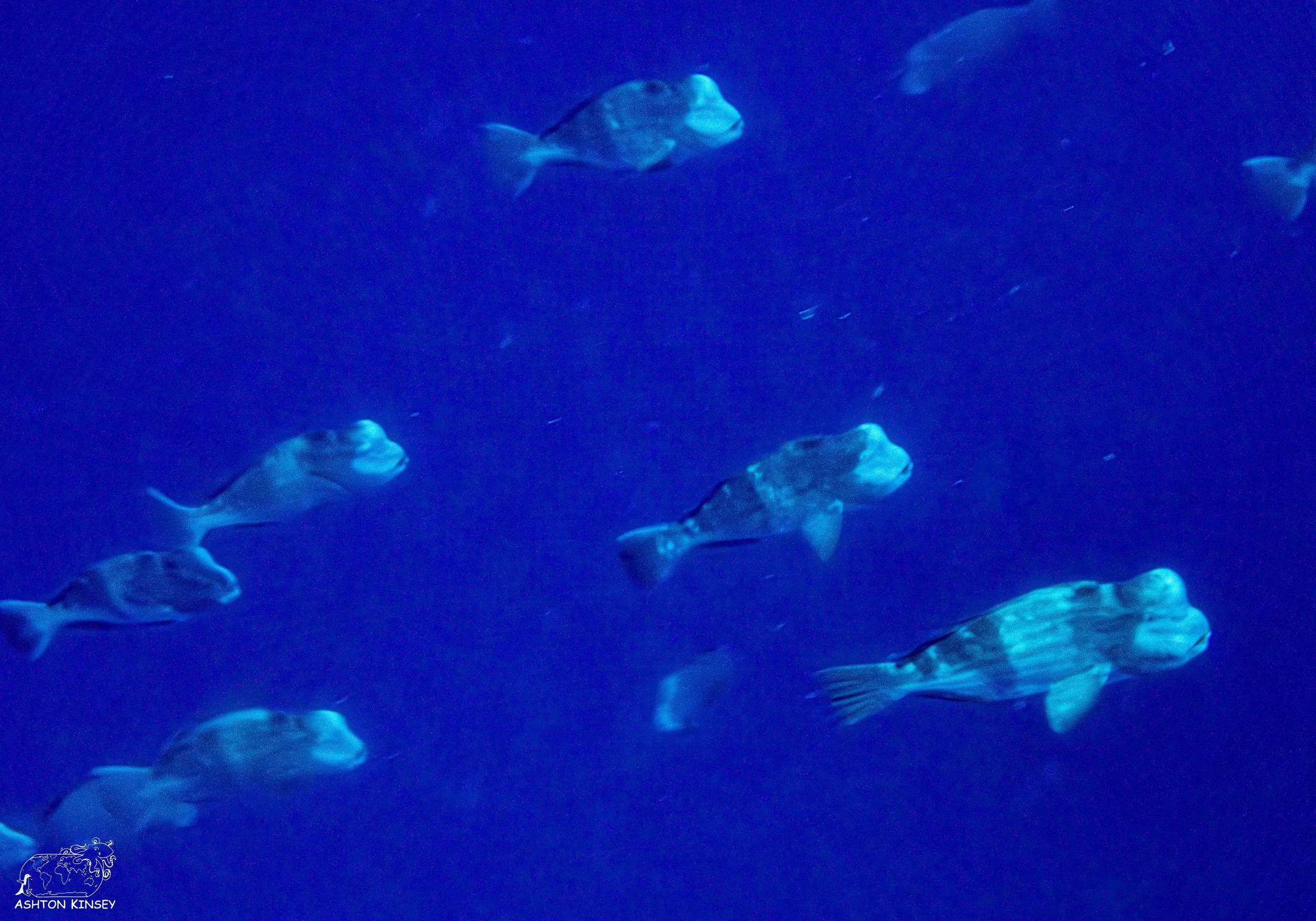
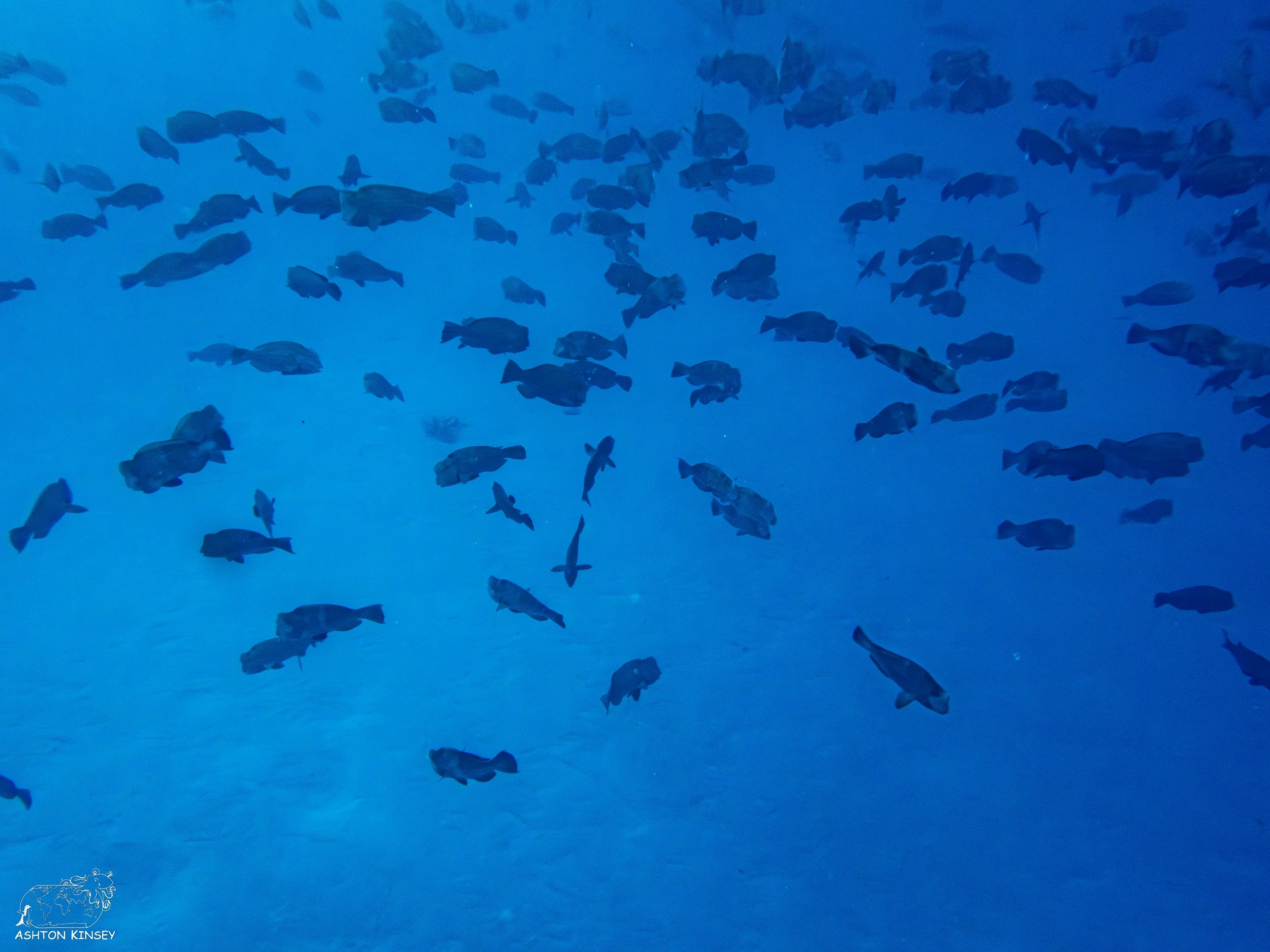
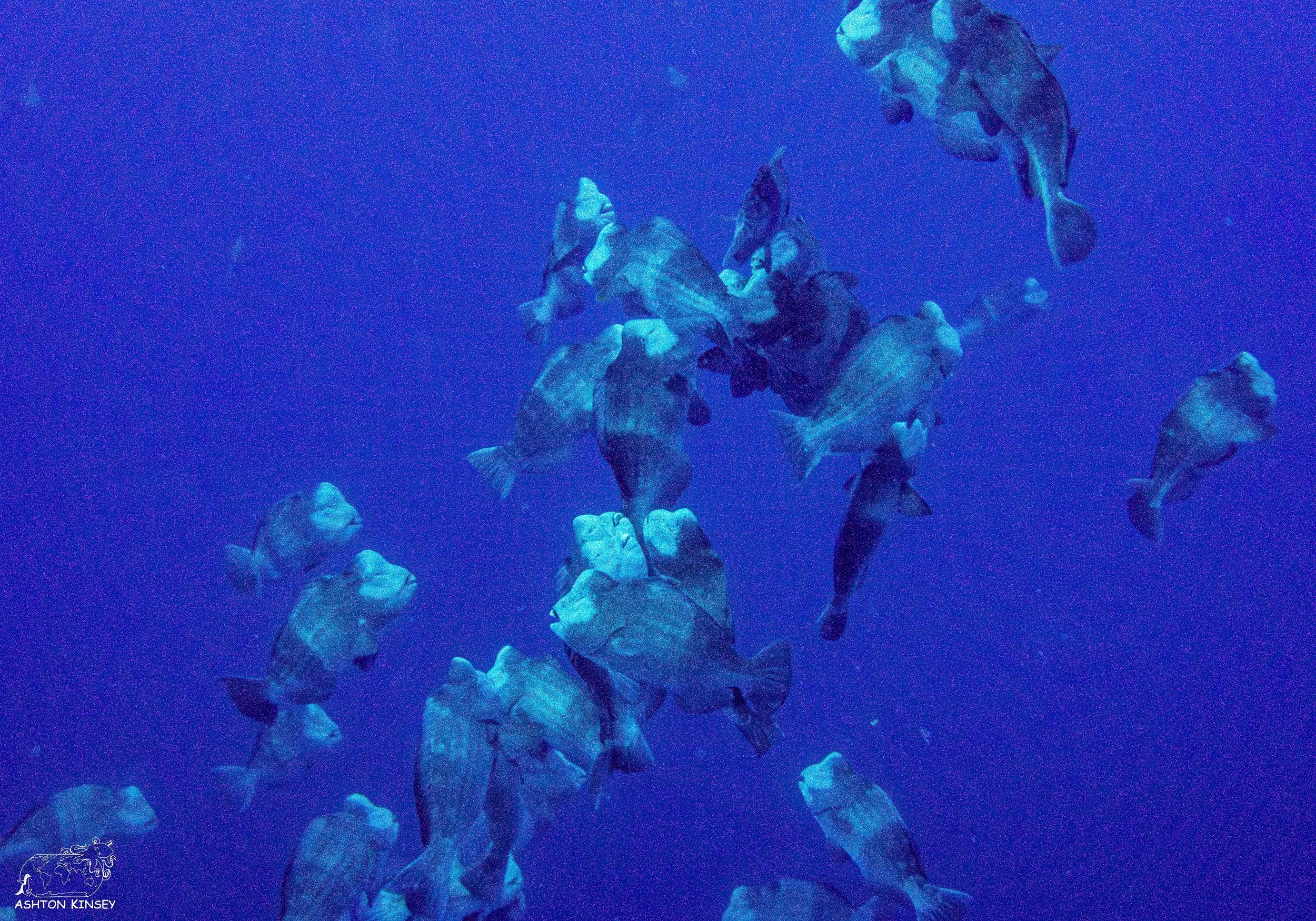
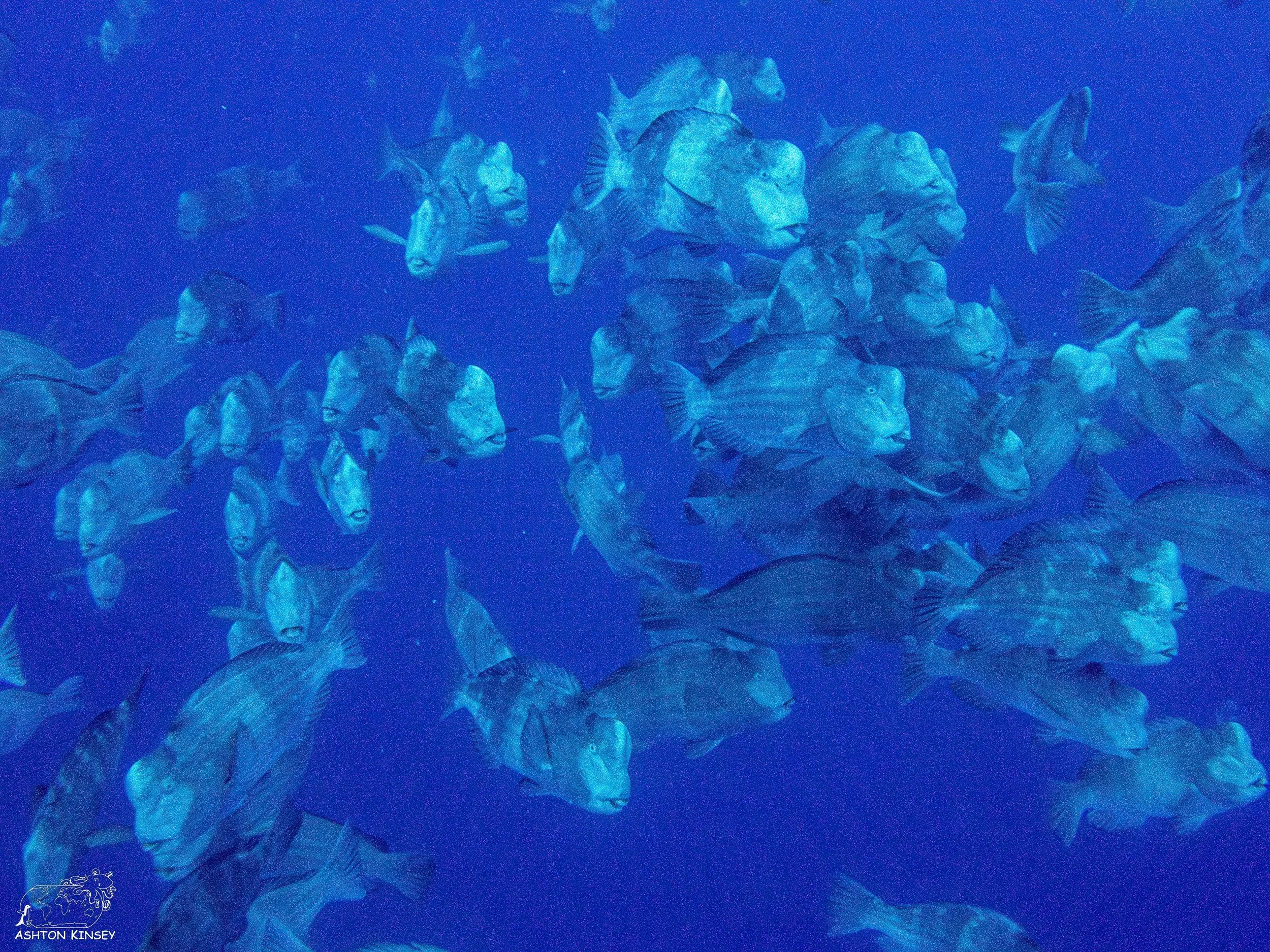
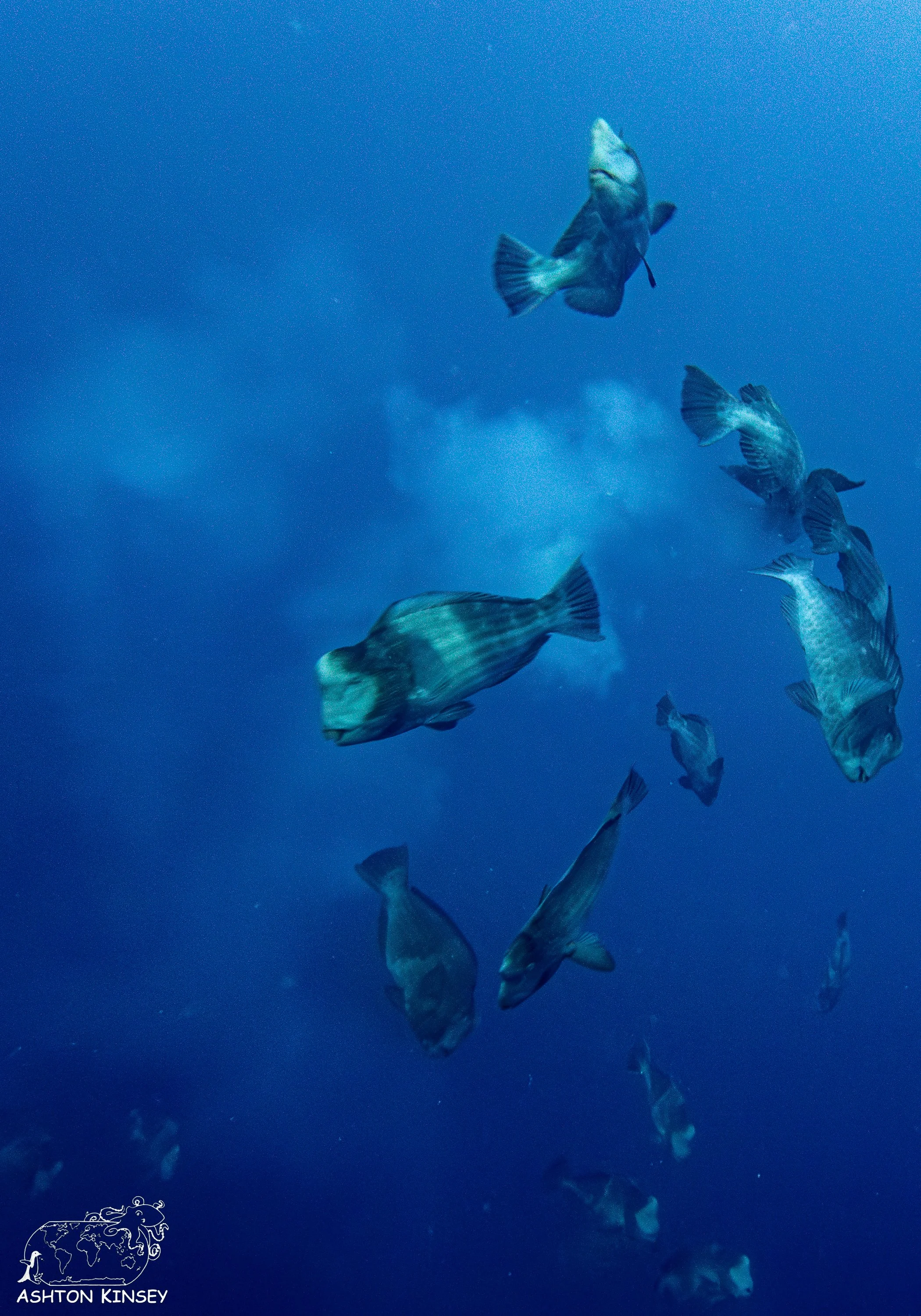
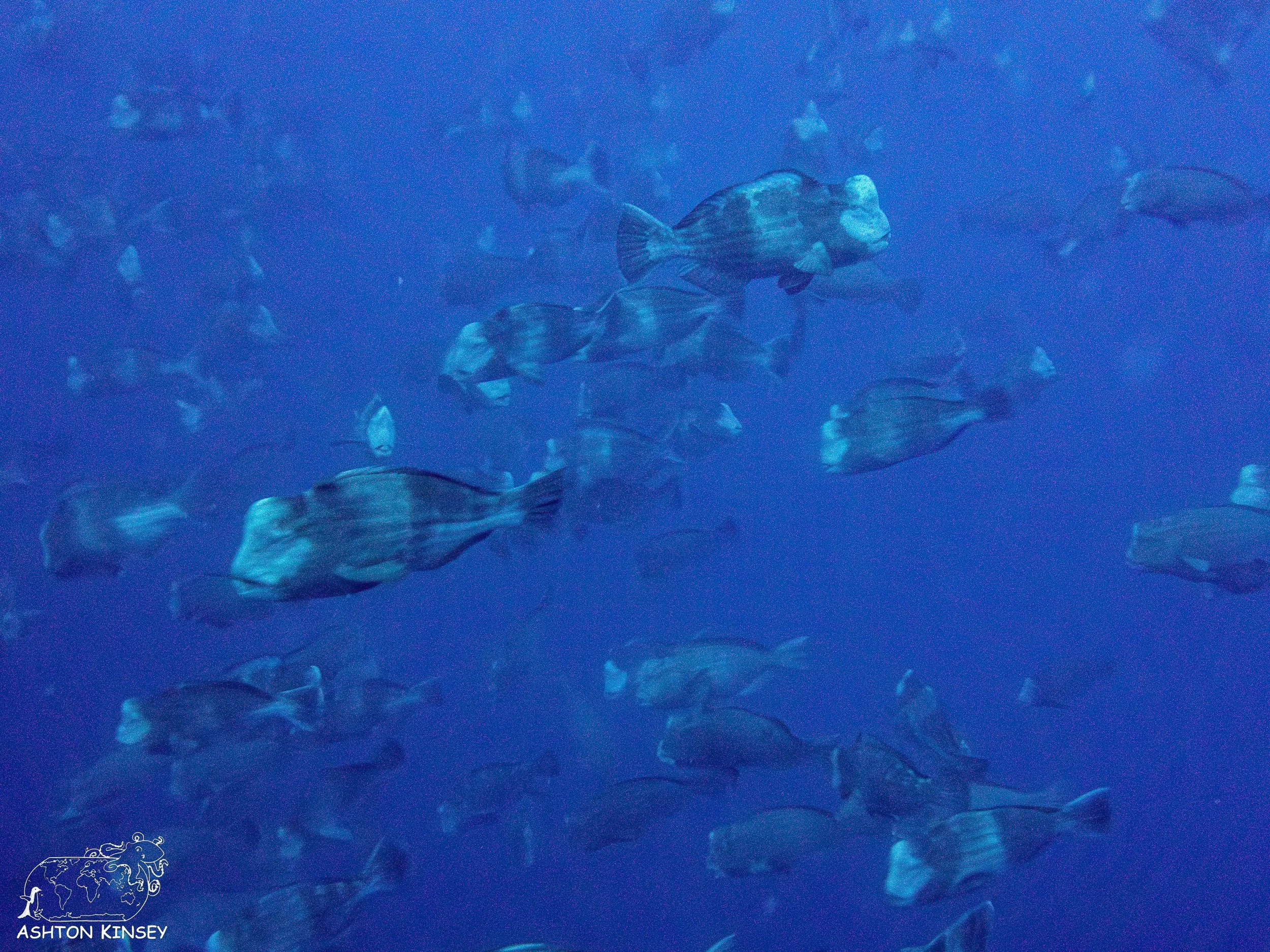
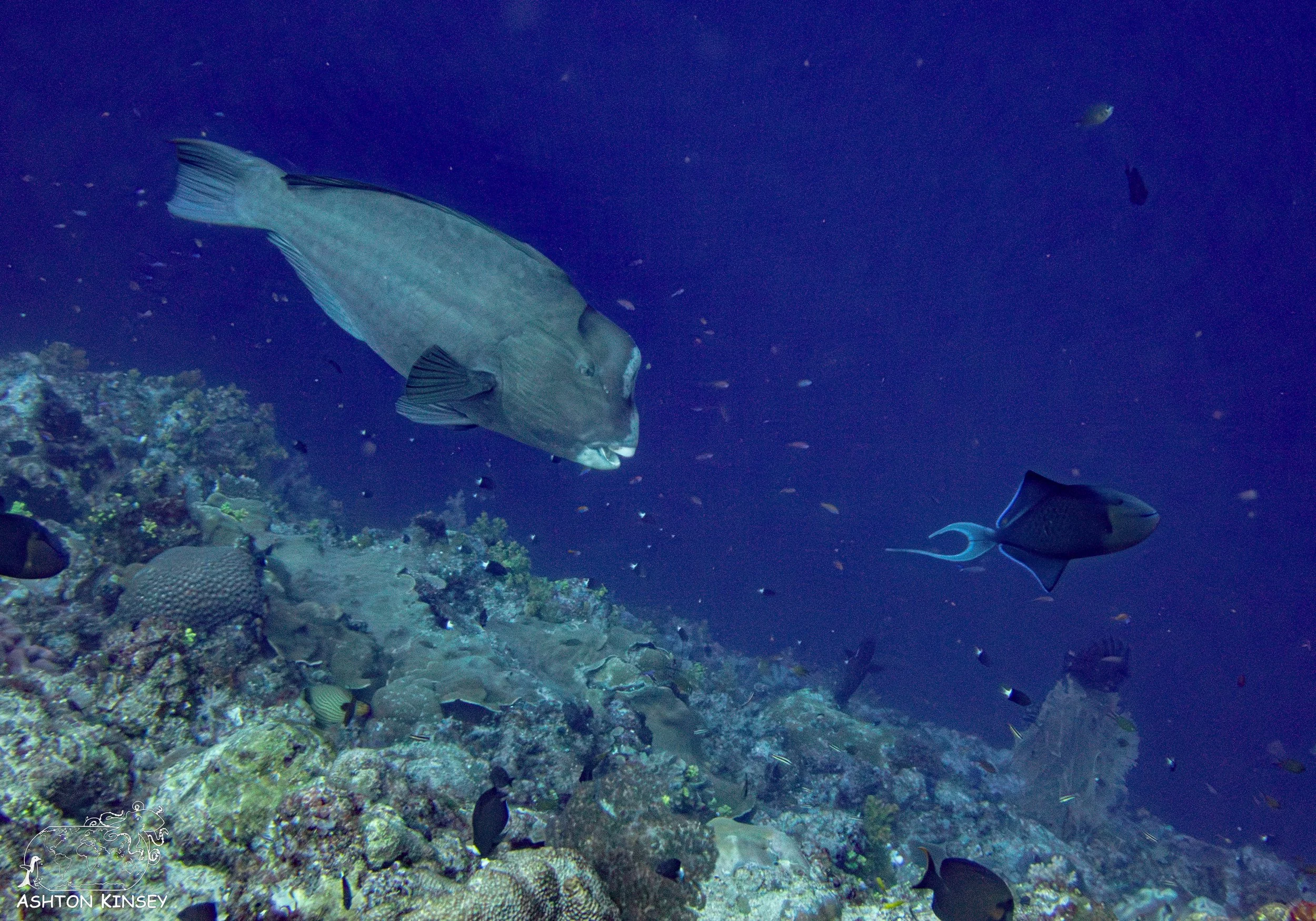
For the spawning dives Richard Barnden and Dell from “Unique Dive Expeditions” came on board the Siren to brief us and tell us about Bumphead Parrotfish (Bolbometopon muricatum) and the spawning dives we would do. BHPF are corallivores, which means they will eat corals and the algae that is growing on and inside the coral skeletons. As they eat the coral, they break it down, absorb the nutrients from the algae, and poop out the crushed-up coral. Aka the pretty white sand we see on beaches. Beaches are just fish poop. #themoreyouknow A single parrotfish will eat roughly 1 ton of coral a year. Due to the large number of parrot fish that eat the nuisance algae growing one the corals, and the cooler waters from the deep waters surrounding the reefs, the reefs in Palau are healthy with minimal bleaching.
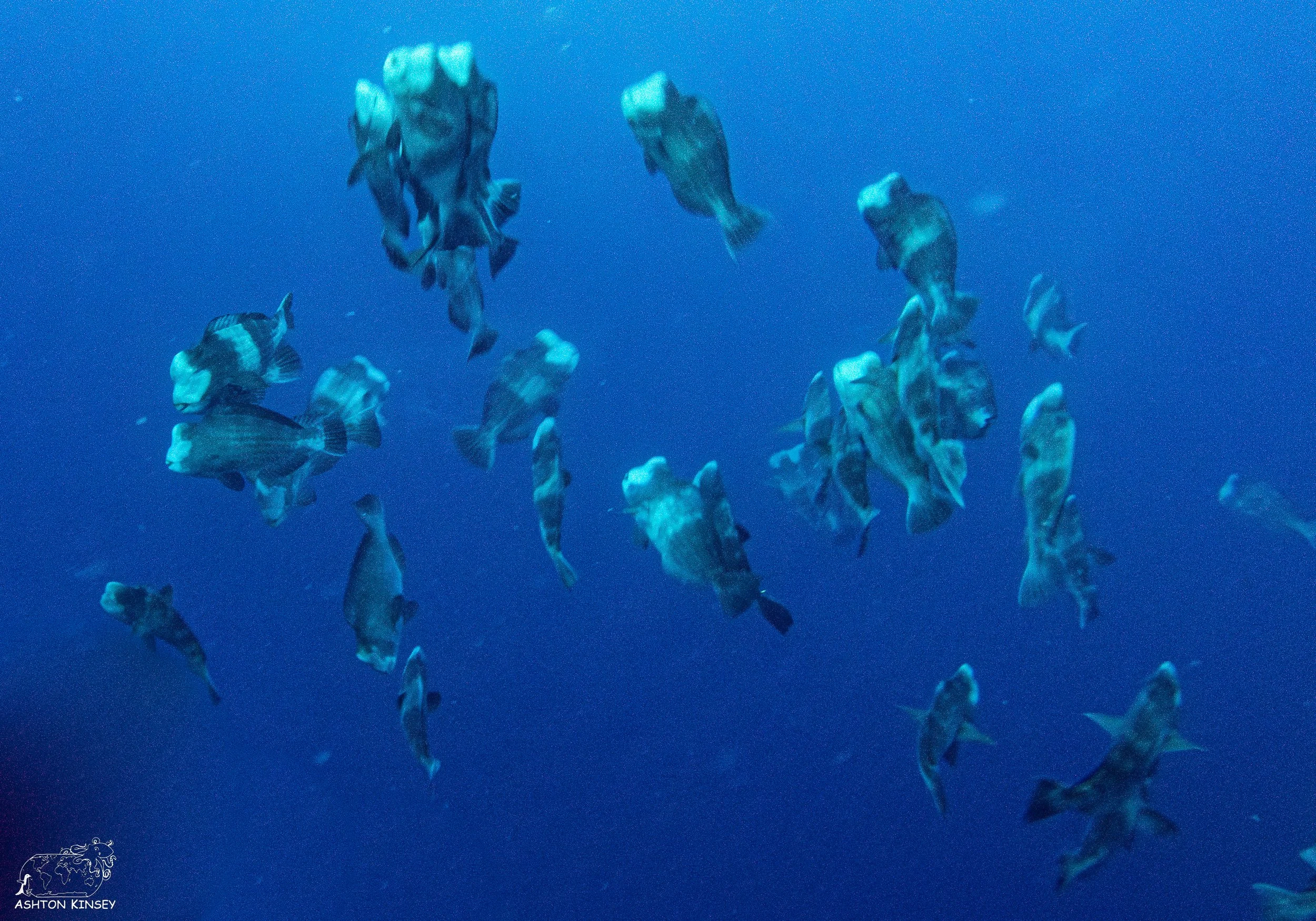
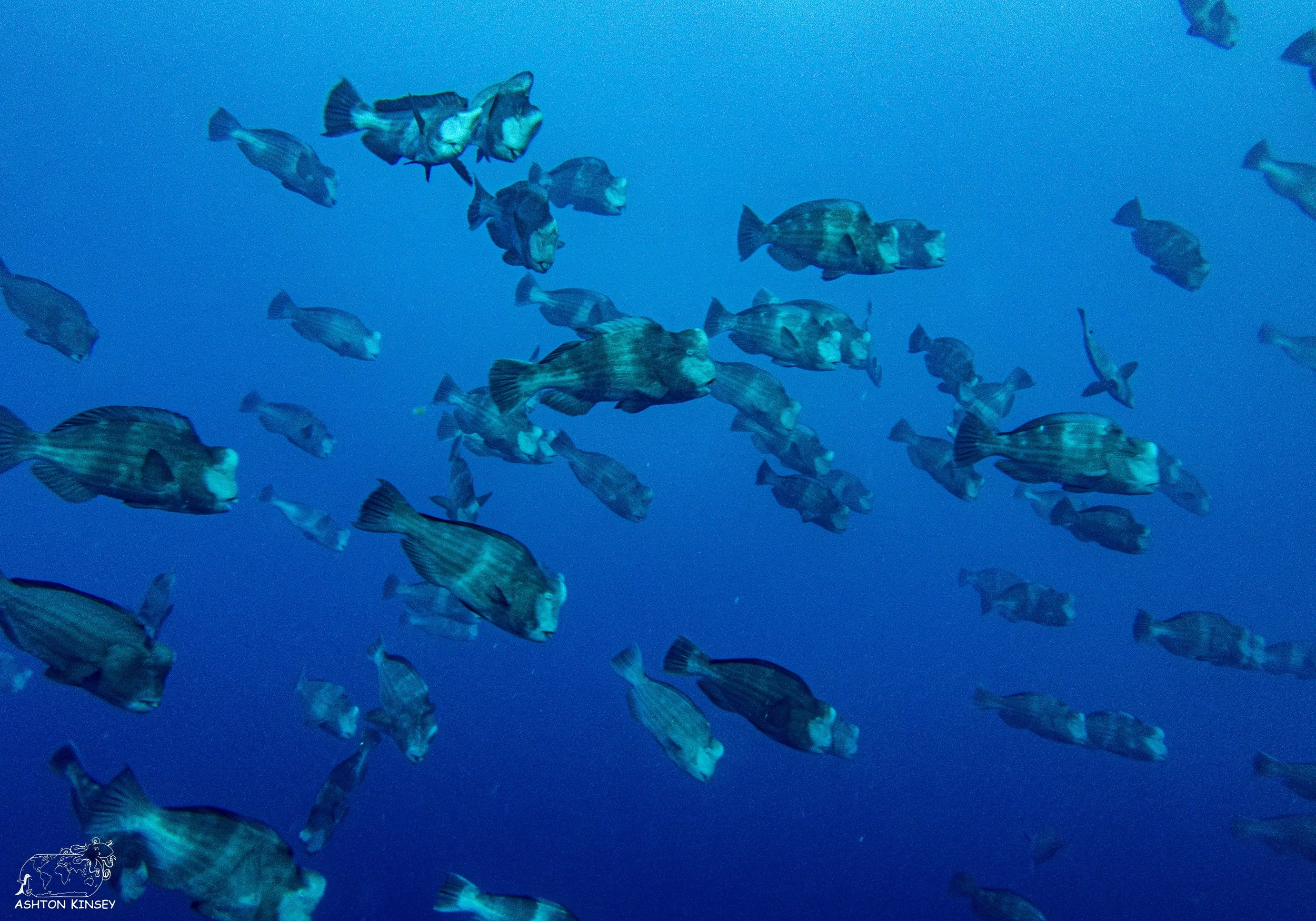
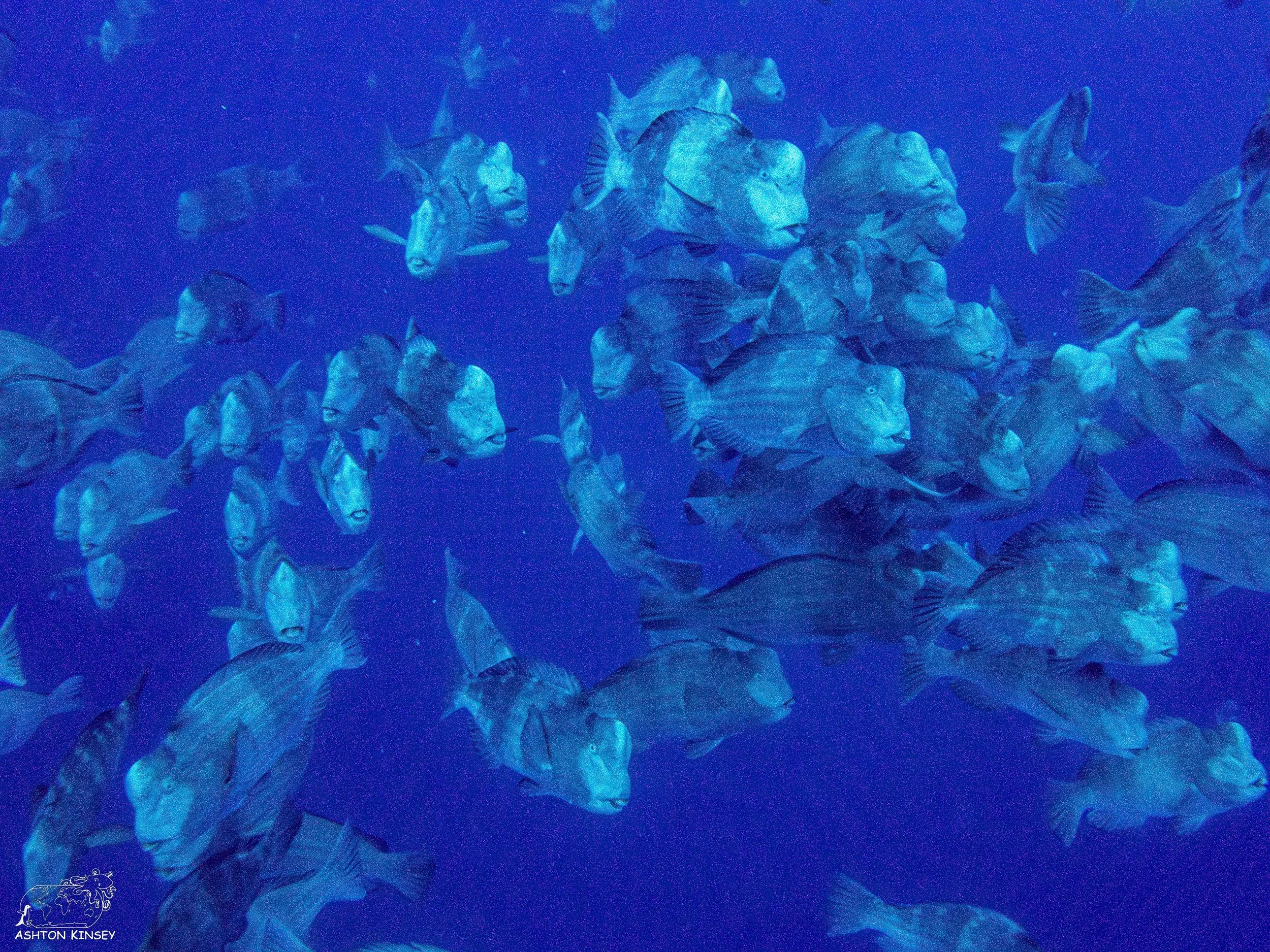
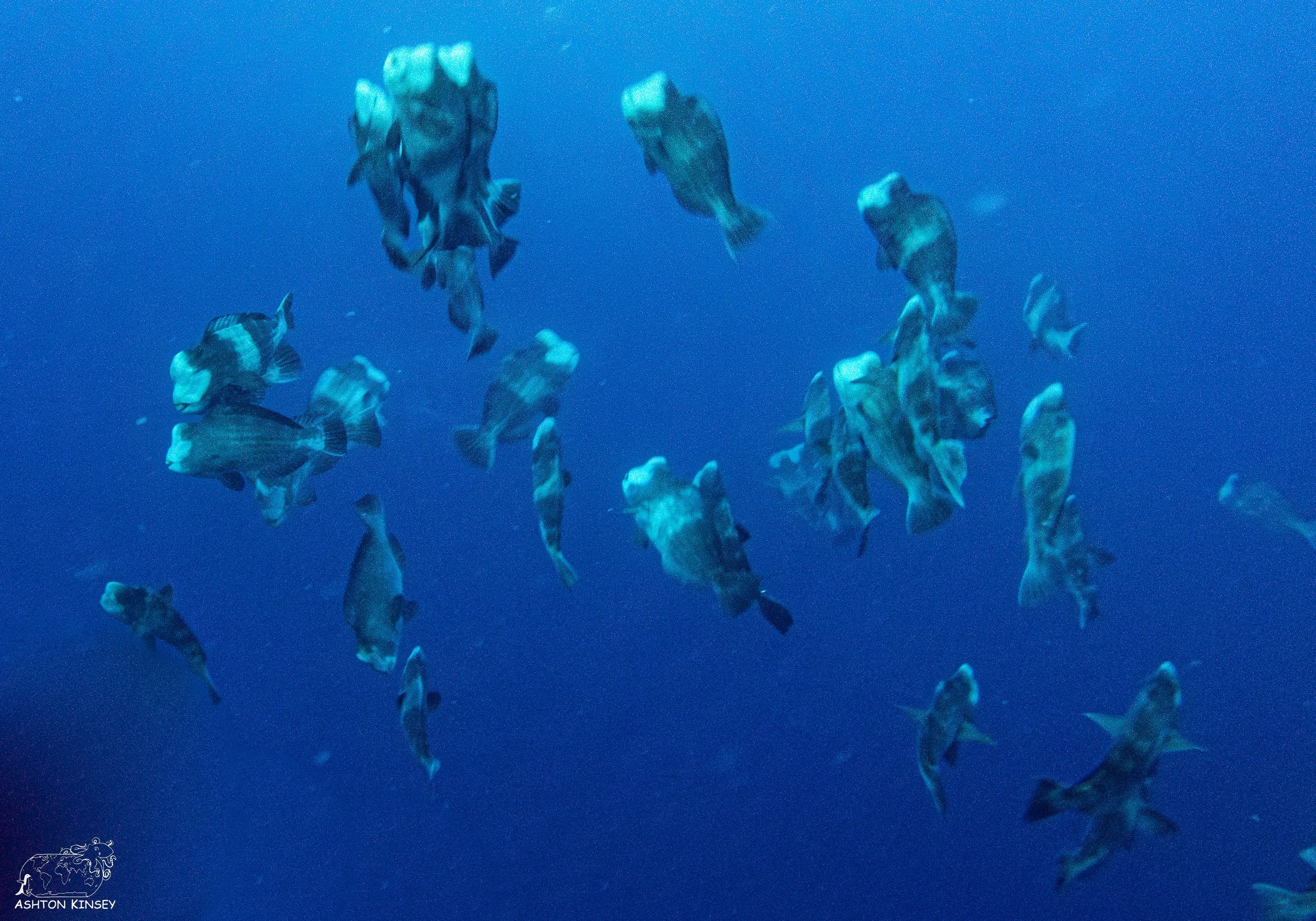
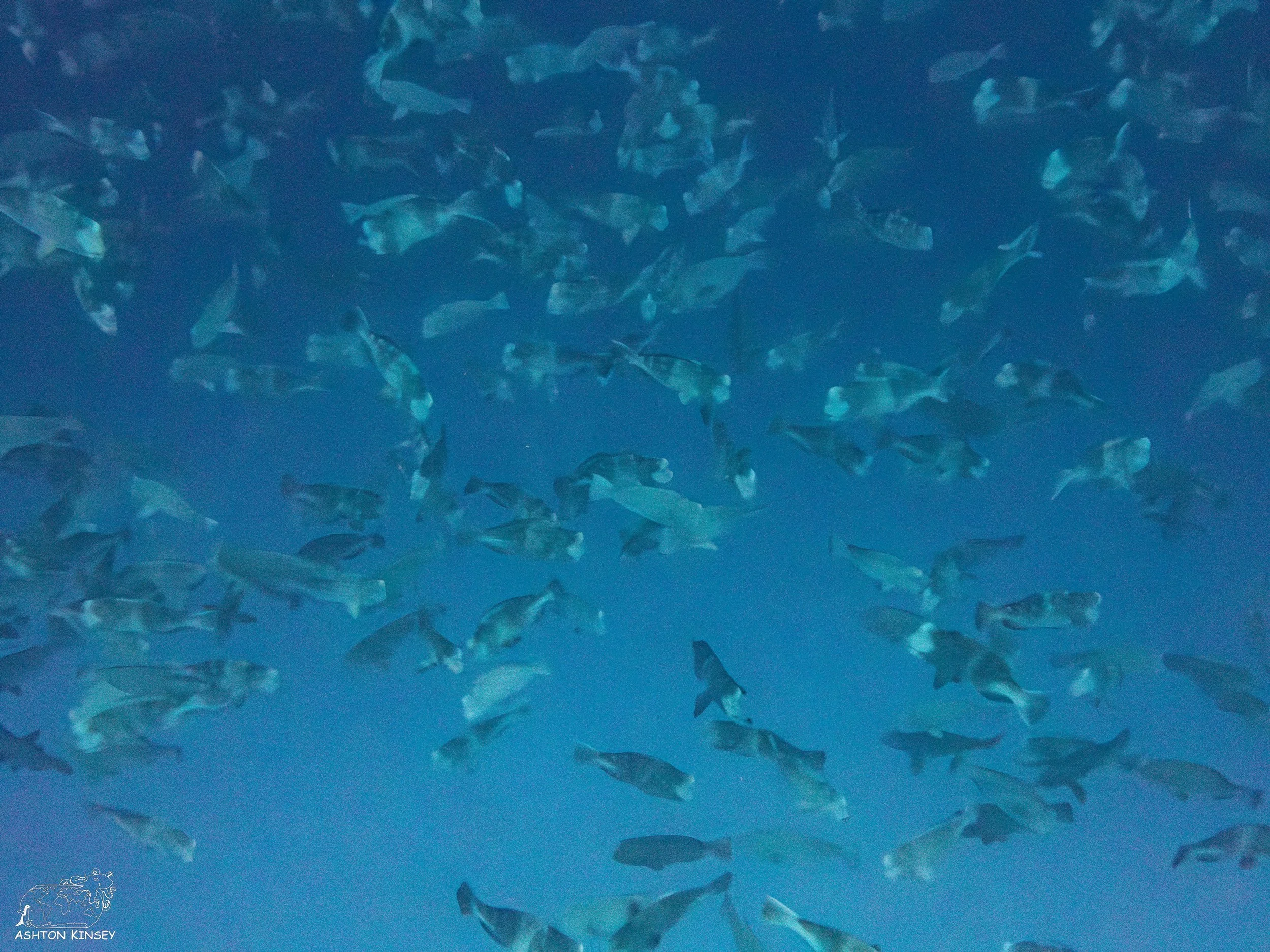
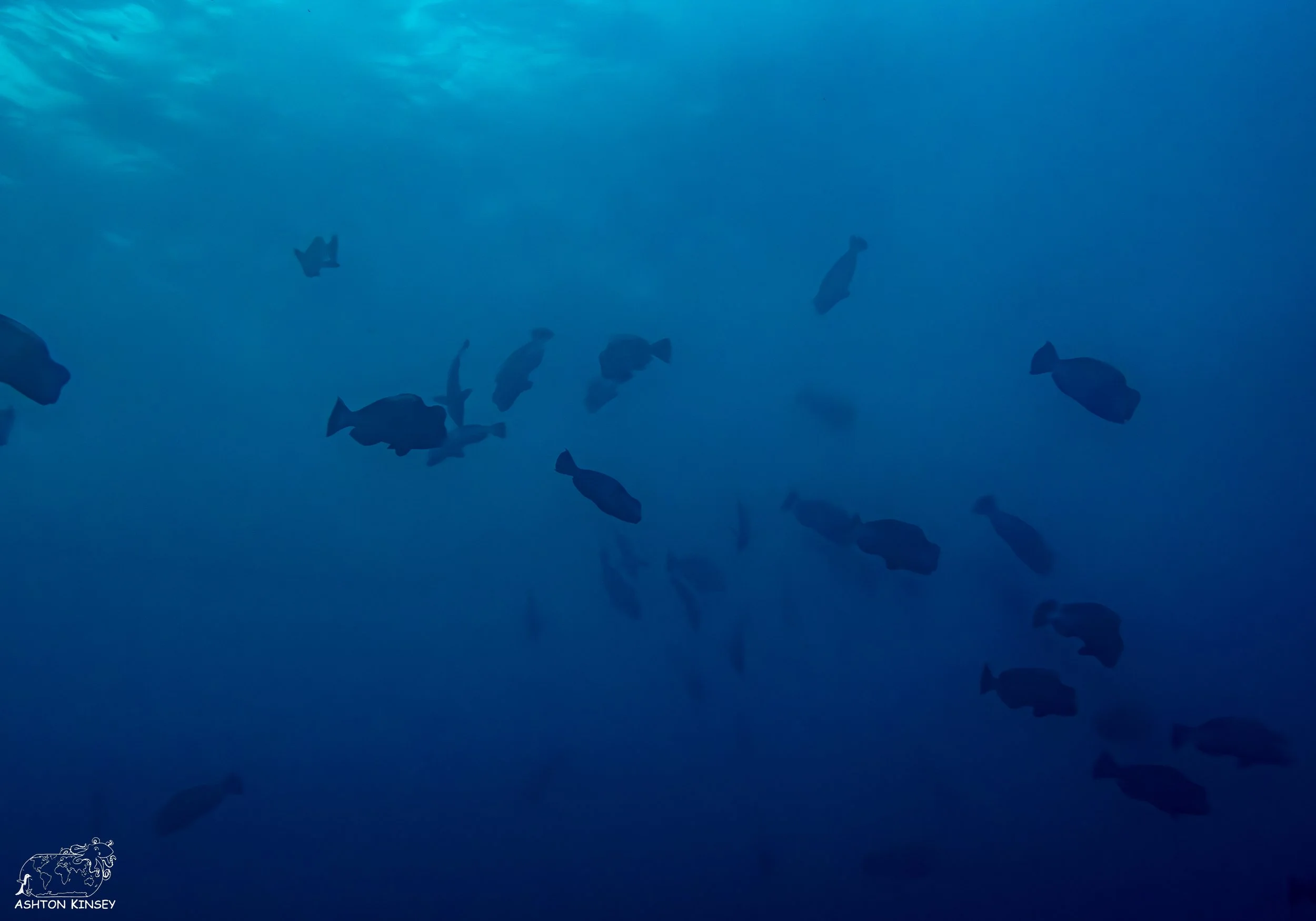
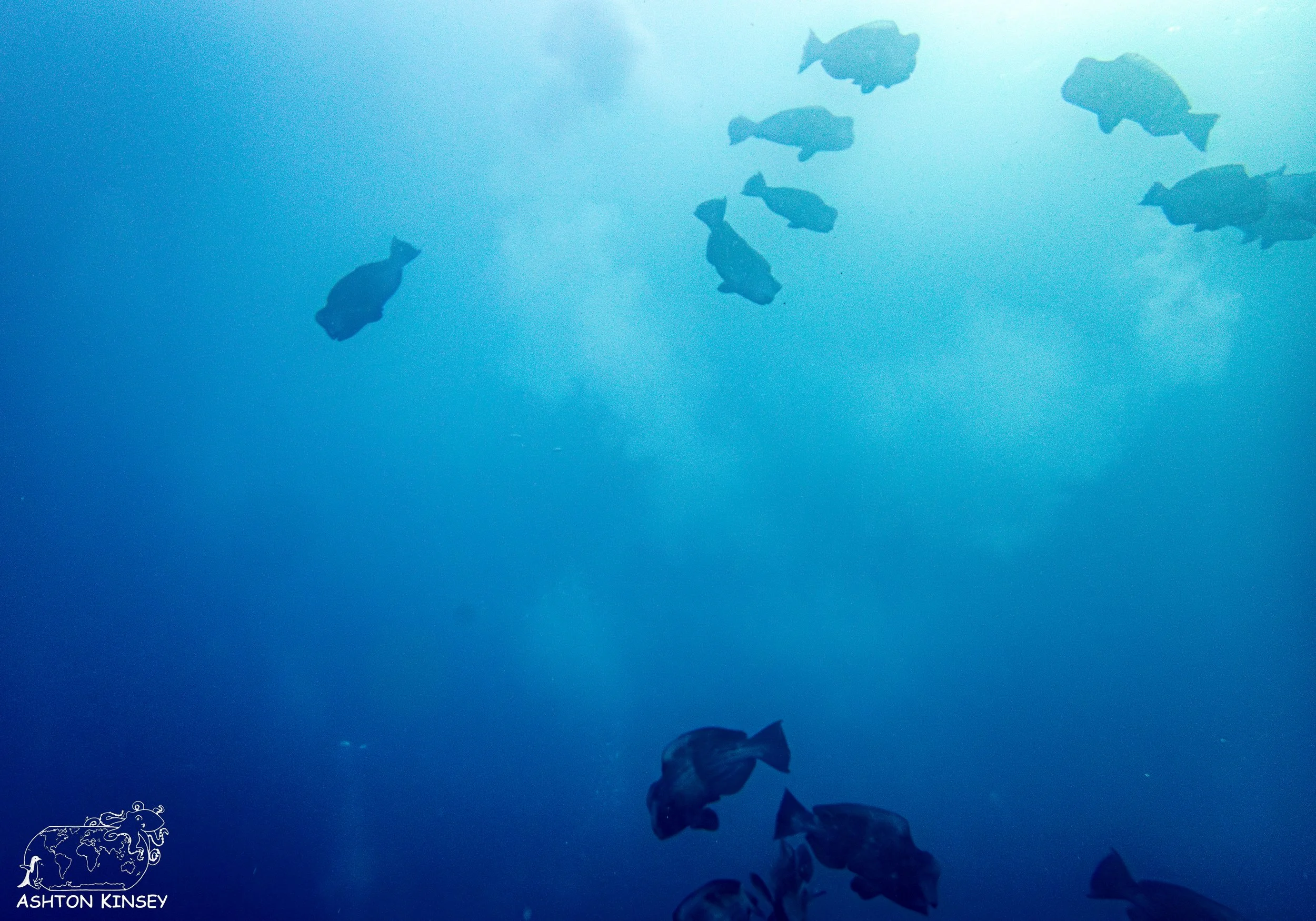
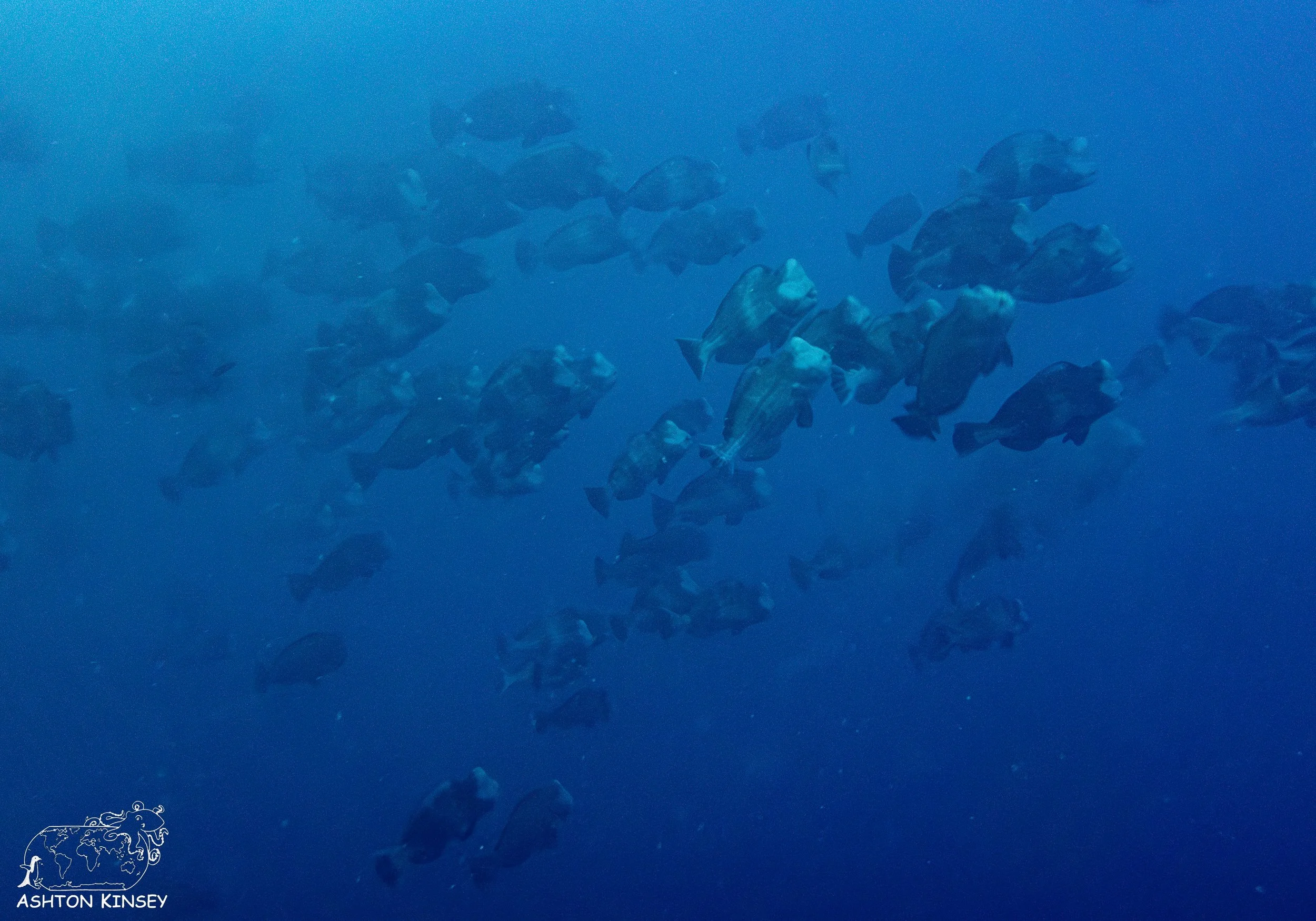
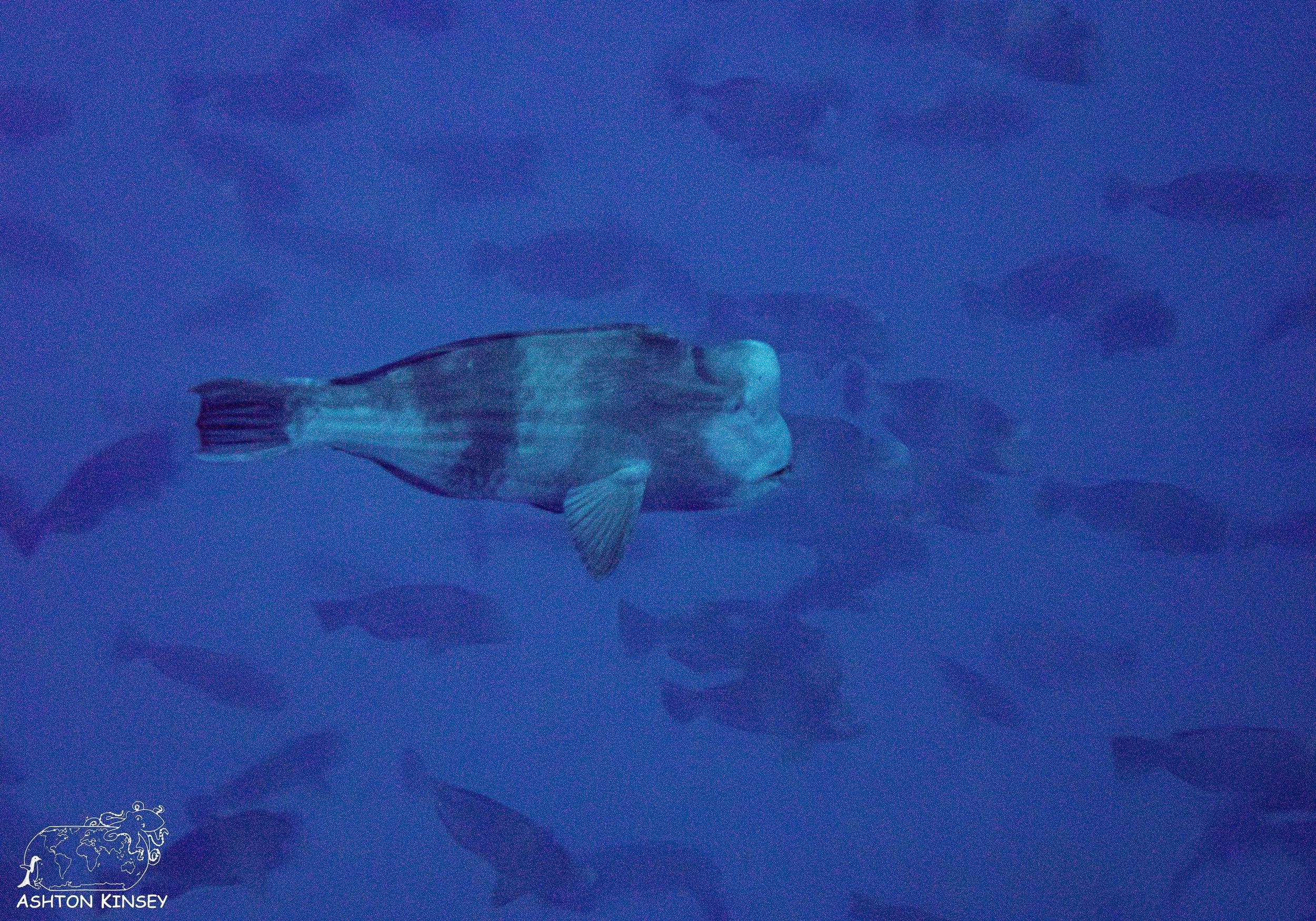
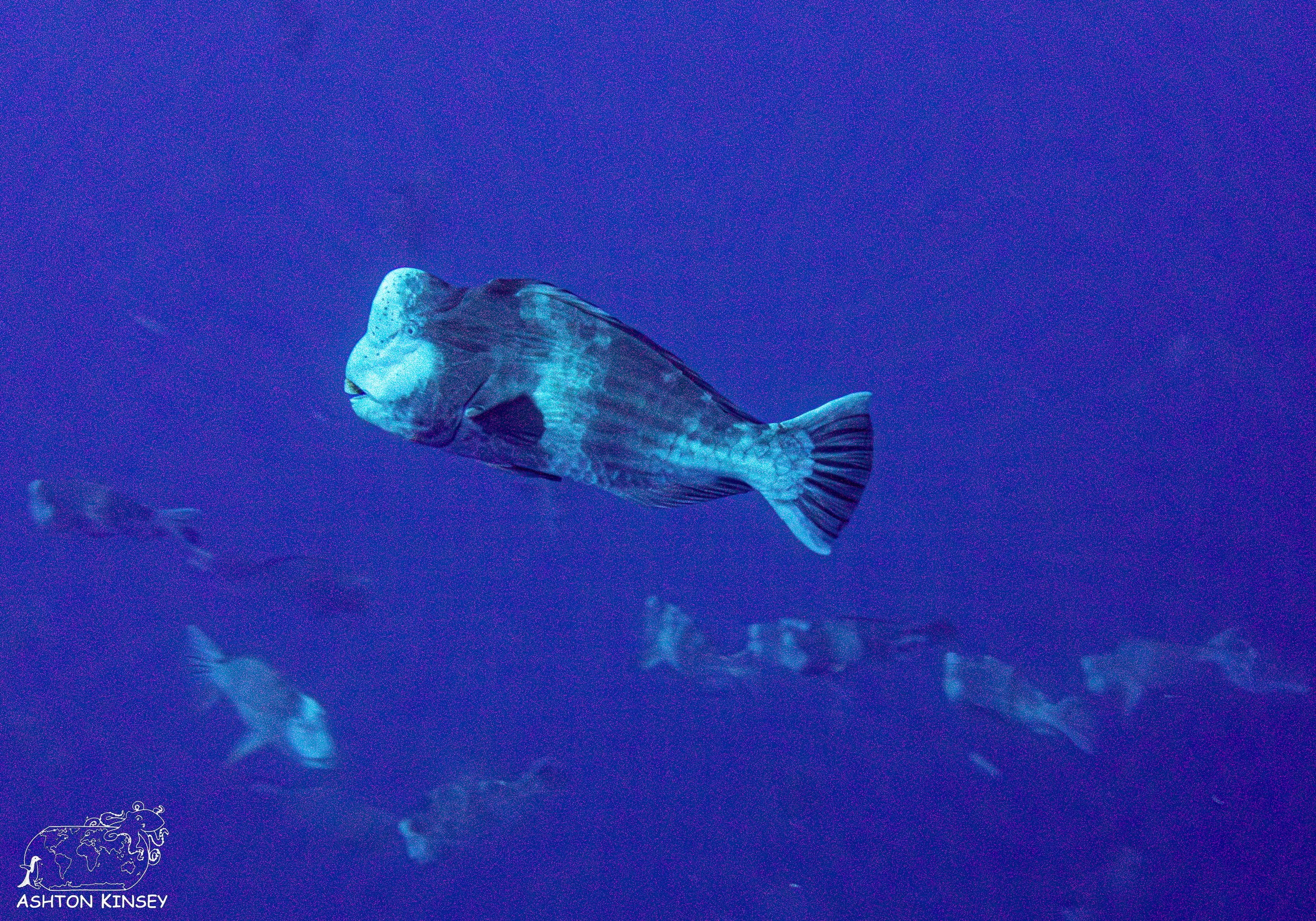
BHPF will have spawning aggregations around the dive site Sandbar every new moon. Red snappers will gather on the full moon. They are the largest of all the parrotfish species reaching up to 5’ long and 165 lbs. They are a uniform colour of light green. During spawning their faces turn all white or a pale pink. Most BHPF are born female, however in extremely rare cases some will be born male. Outside of spawning males and females are generally sexually monochromatic. As the new moon approaches 5-6 aggressive individuals will transition from female and become male. Of those the most aggressive individual will become the alpha and the others will revert back to female. This process from female to male to back, can take between 5-7 days. They become sexually mature after roughly 6 years and can live upwards of 40 years. Once reaching adulthood they will form a bulbous forehead and their teeth plates will be exposed. Some instances of using the bump to help break up coral has been seen, and in rare cases have been seen during the spawning ritual with other males however, it is not common to see during spawning.
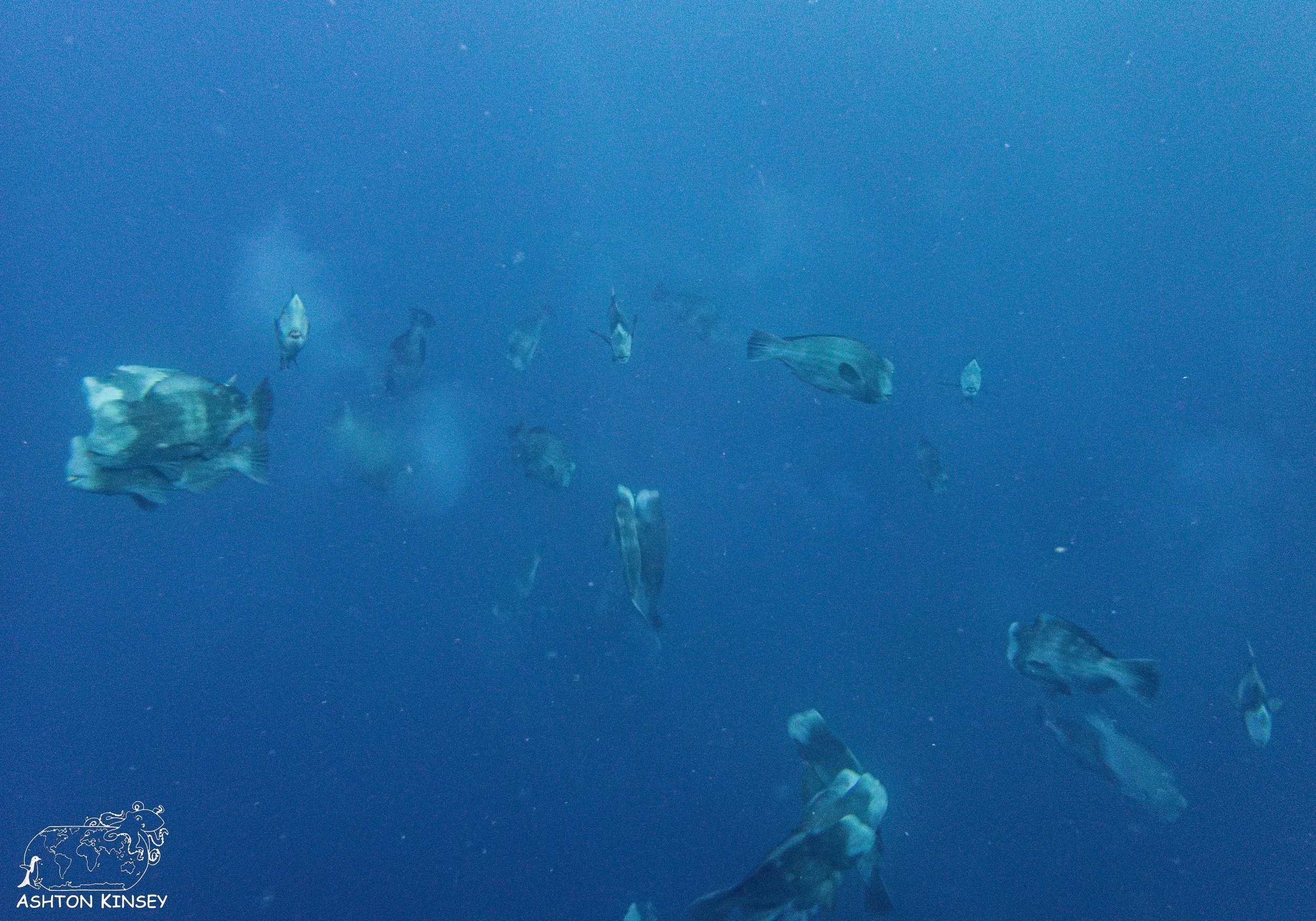
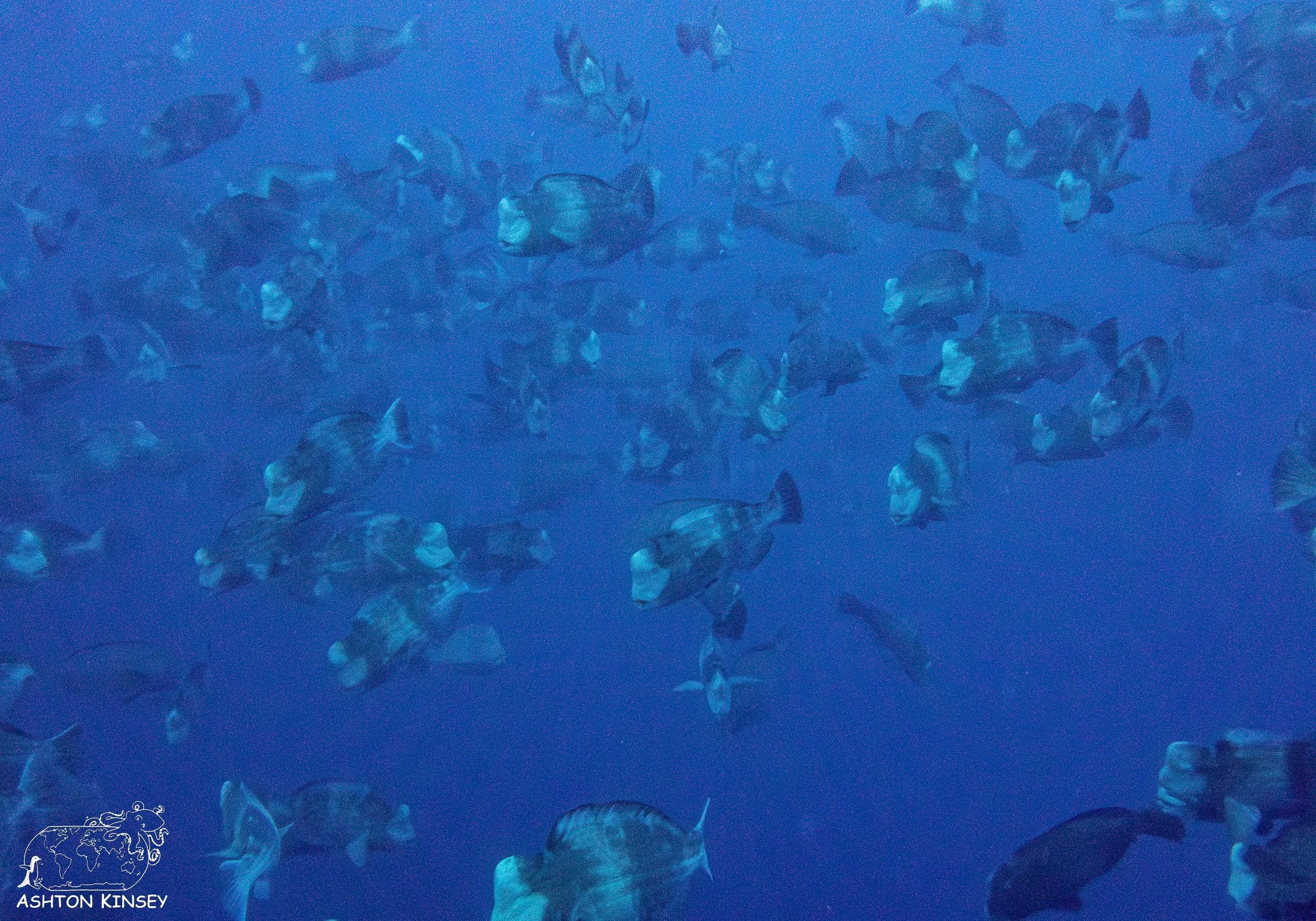
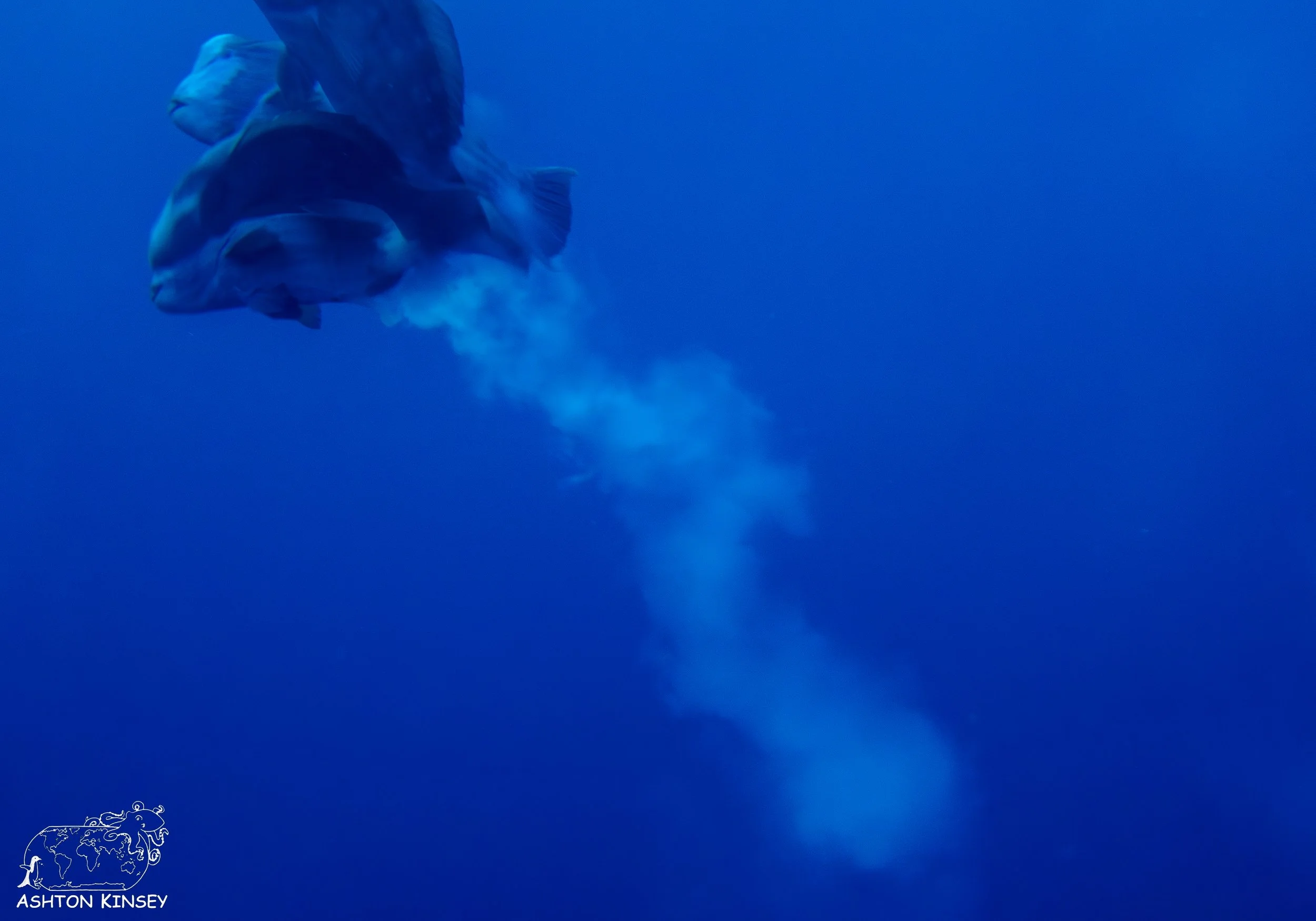
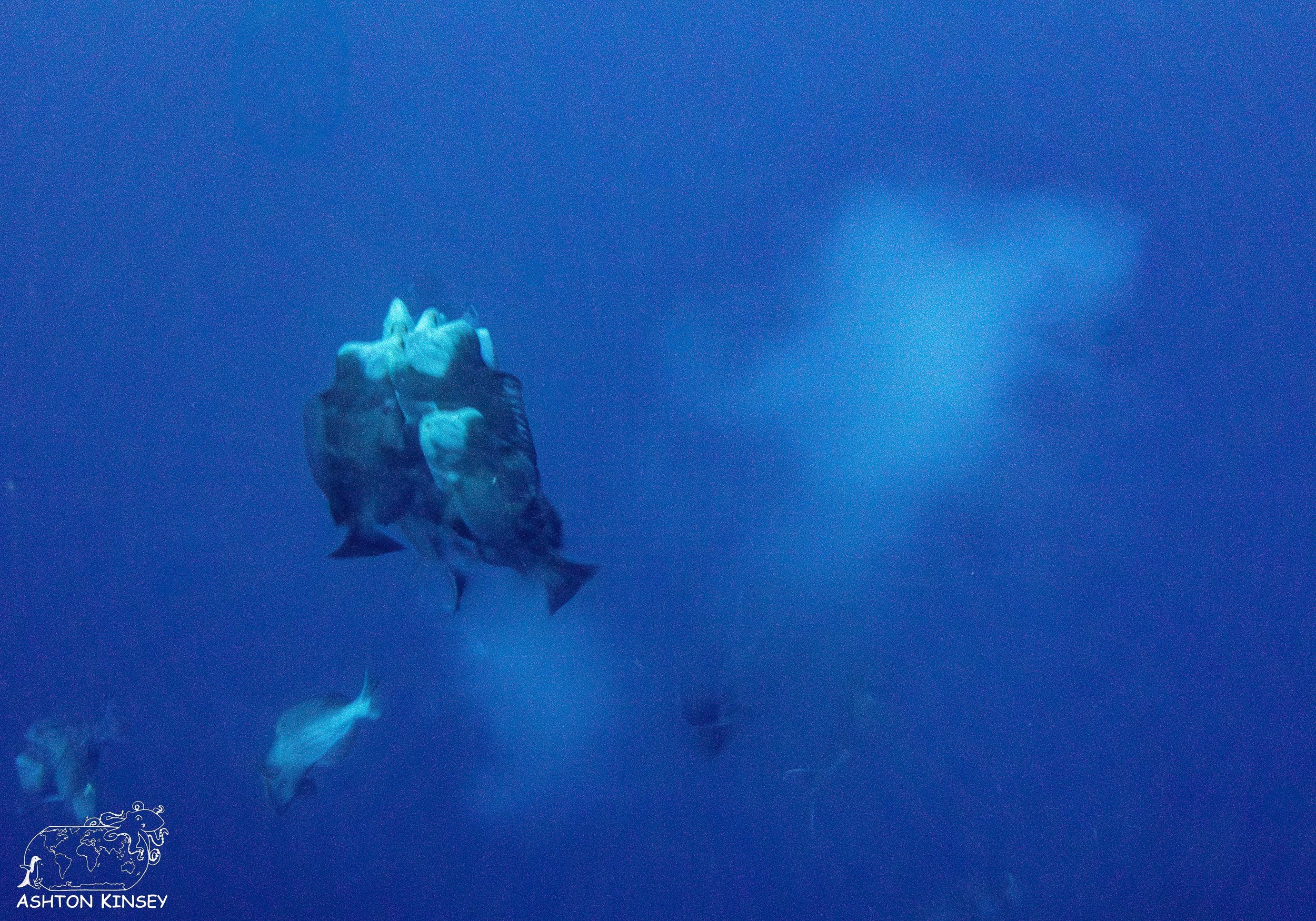
The dive is mostly carried out “in the blue” above the dive site as we were less concerned about the activity on the reef and more interested in watching the fish spawn. Most fish reproduce via broadcast spawning where the female will release a large clutch of unfertilized eggs while the male releases sperm into the water. Before the spawning occurs a group of BHPF will gather together and do a dance, swimming back and forth before shooting up towards the surface releasing a cloud of sperm and eggs. They come together, fertilize and then the currents will take them out into the deep ocean. The fertilized eggs grow quickly, the cells splitting every 15 minutes and typically within 25 hours.
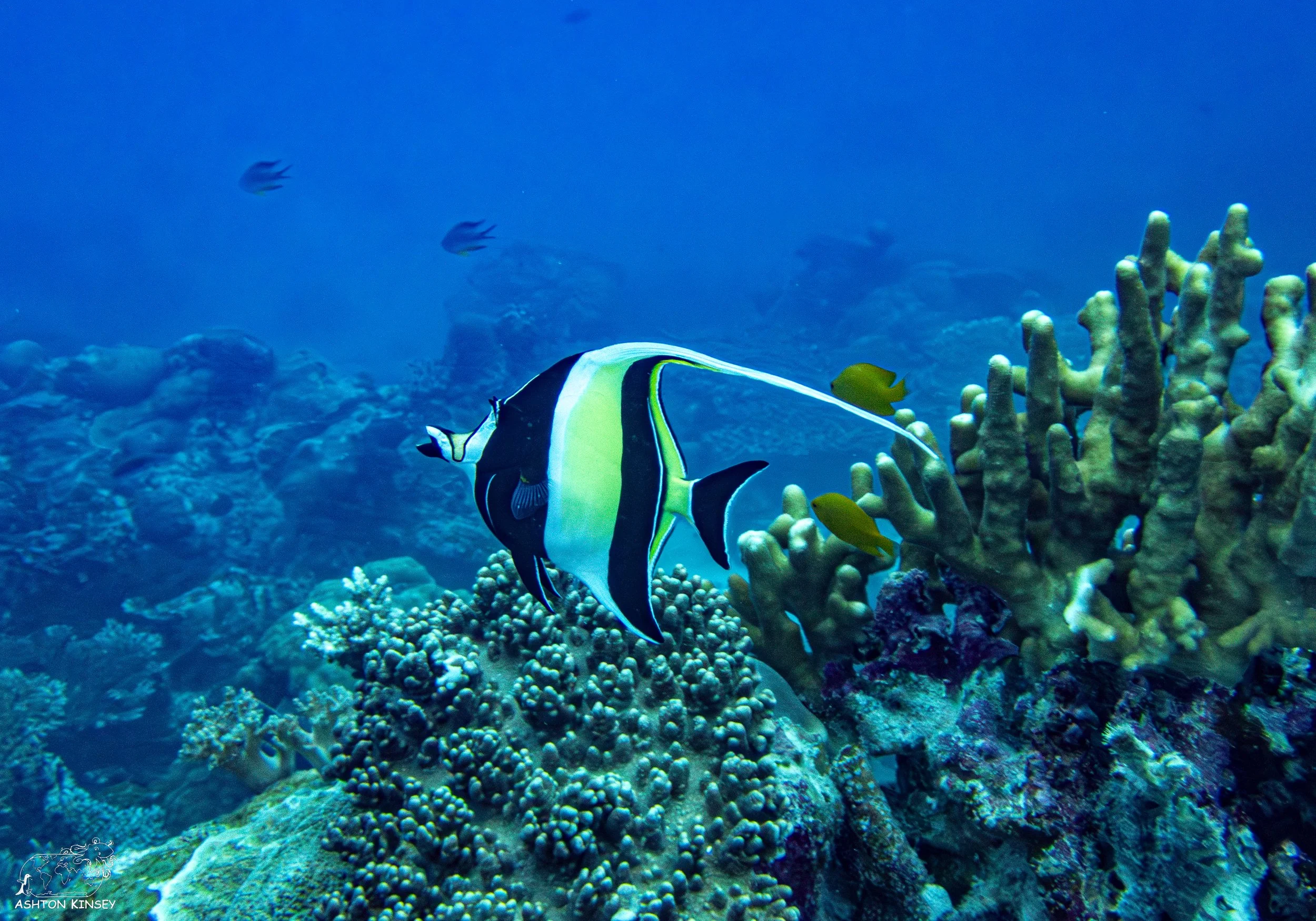
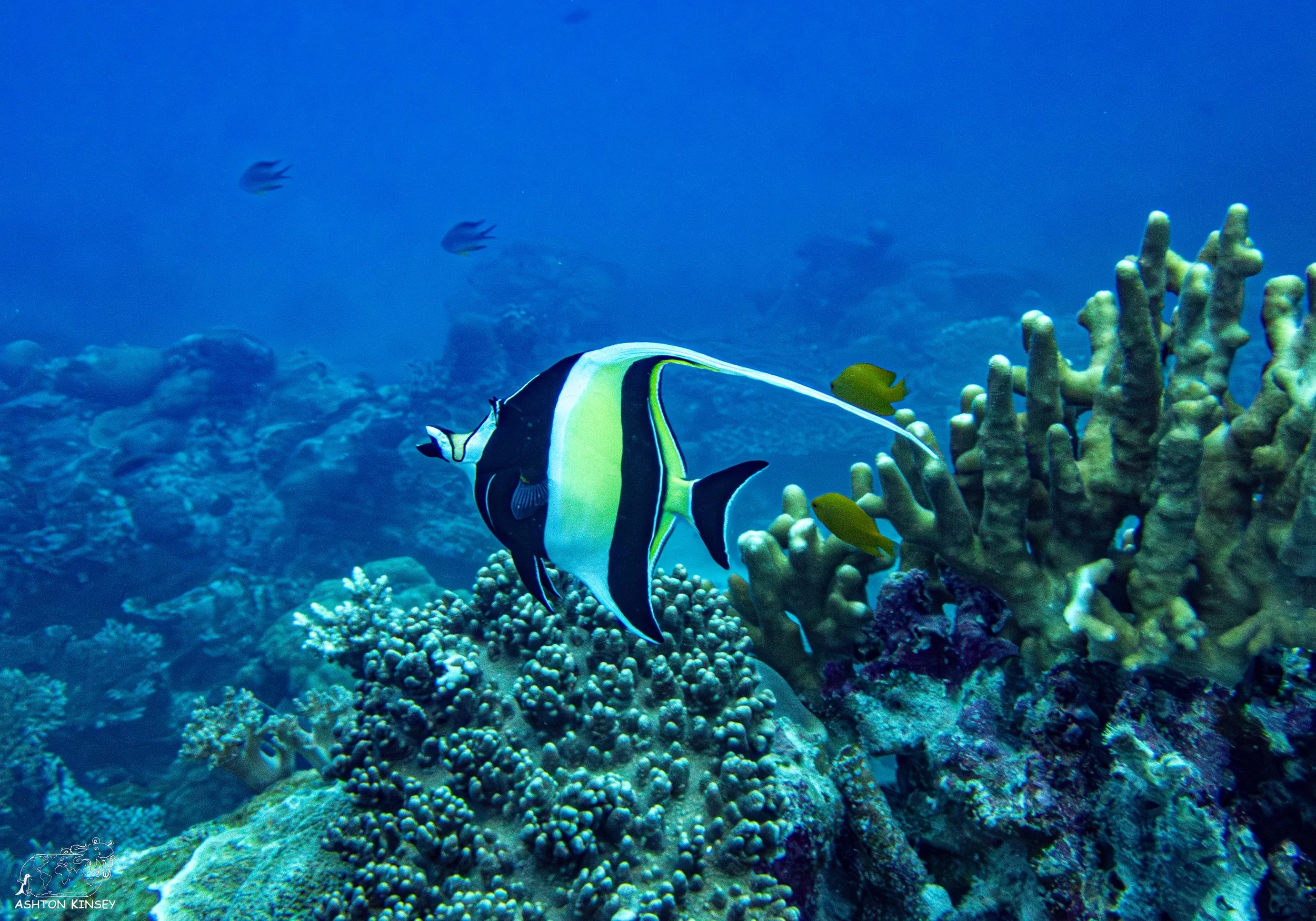
Most species will have a pelagic period where they live in a larval stage down in the deep water. At night, under the cover of darkness, they come up towards the surface to feed, eating smaller organisms and plankton. Depending on the animal, their pelagic period can vary, some flatworms will only spend 15 days where Moorish idols will spend over 300 days before they move into the reefs. For BHPF, their pelagic period is roughly a month, after which, they will move into the shallow reefs.
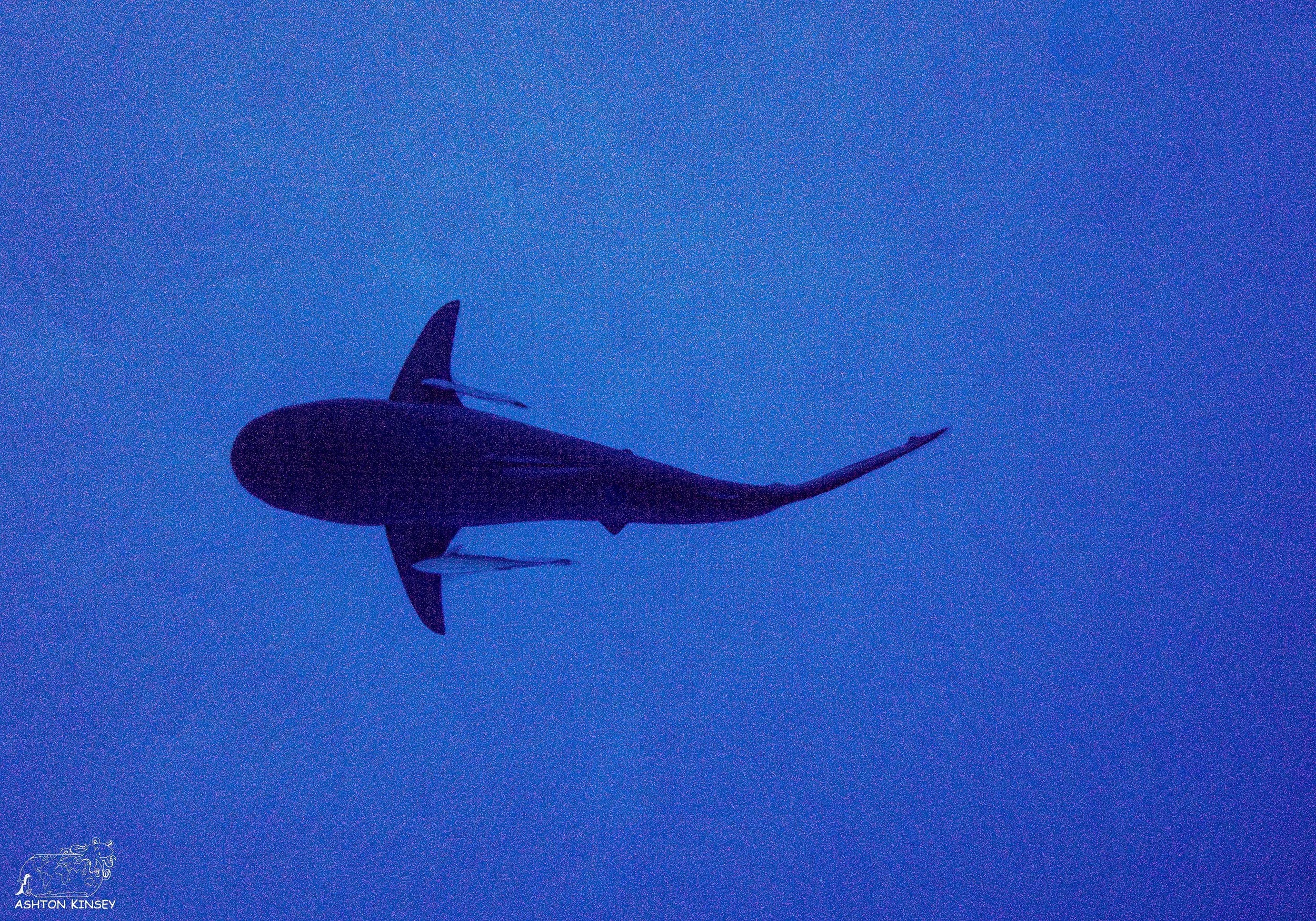
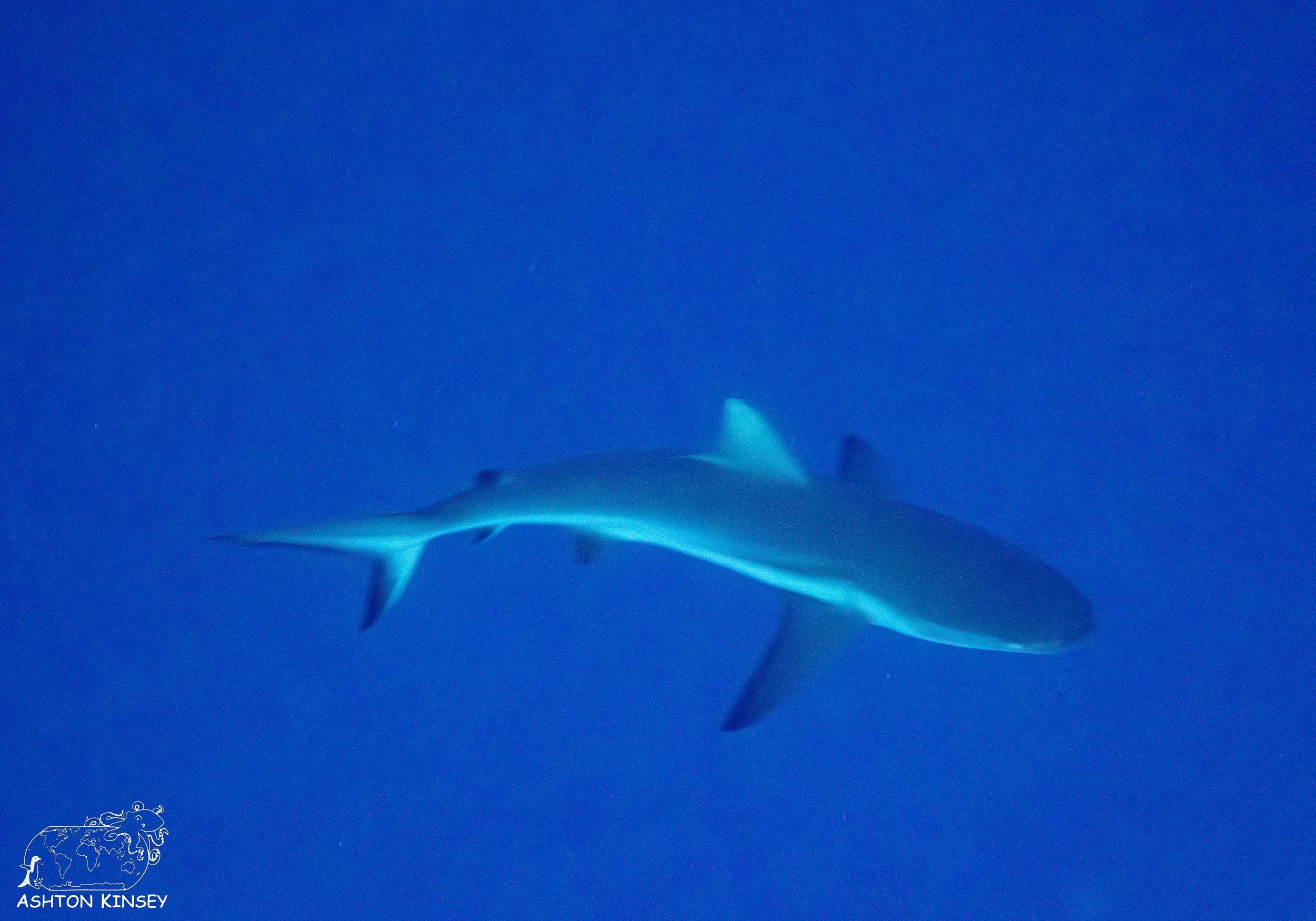
The dives started within the shallows waiting for the aggregation to start to form, then as more and more parrots showed up we began to drift along and watch the show. Visibility on both dives started very good, but was quickly clouded up as the fish did their thing. At some points the fish would change direction and disappear so we would need to search for them but were usually pretty easy to find. The dive did attract a decent number of bull sharks and potentially some tigers. An interesting and disgusting dive to watch and be a part of.
Sandbar – Blackwater
Dive 15: 57’ for 47 Min
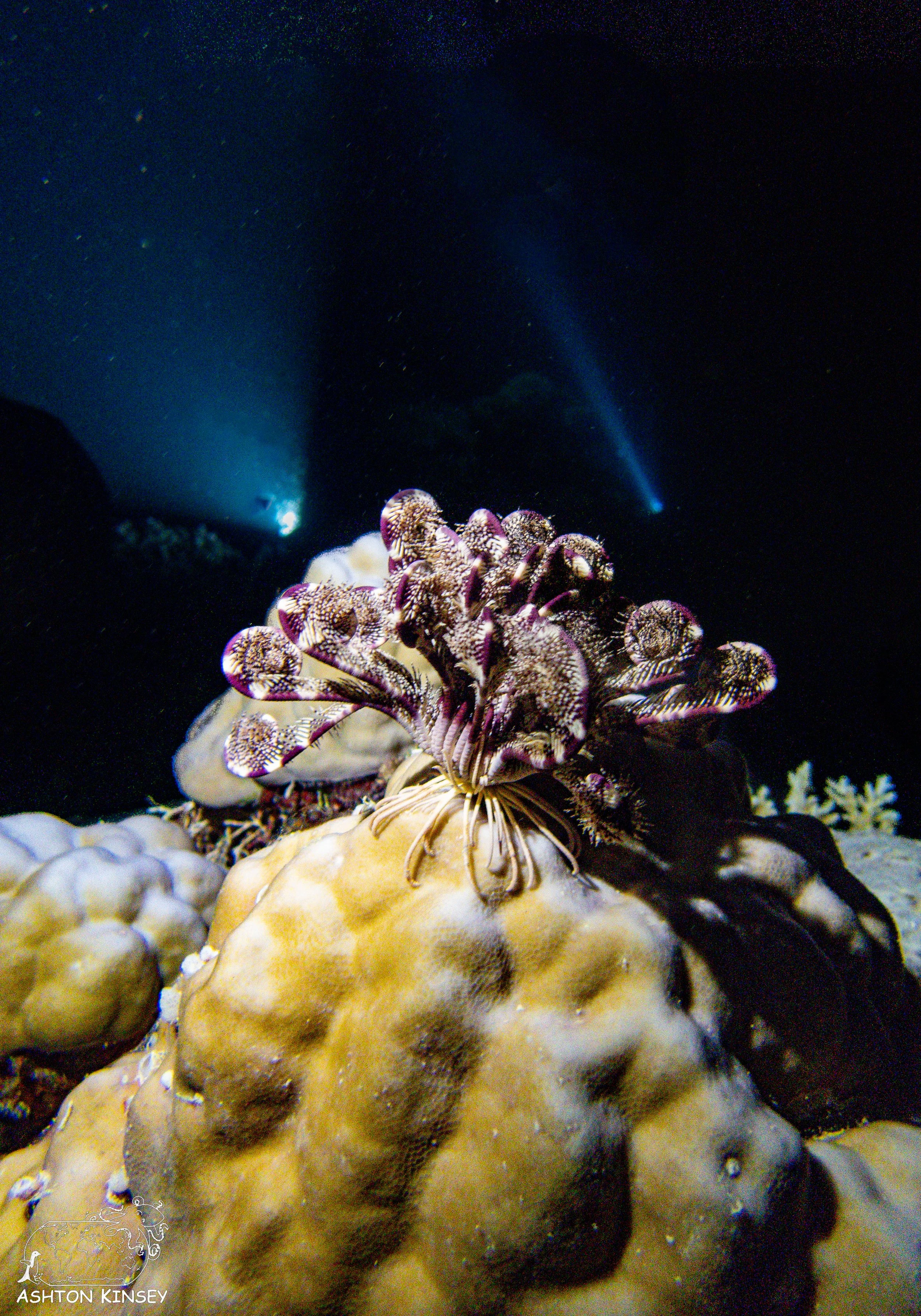
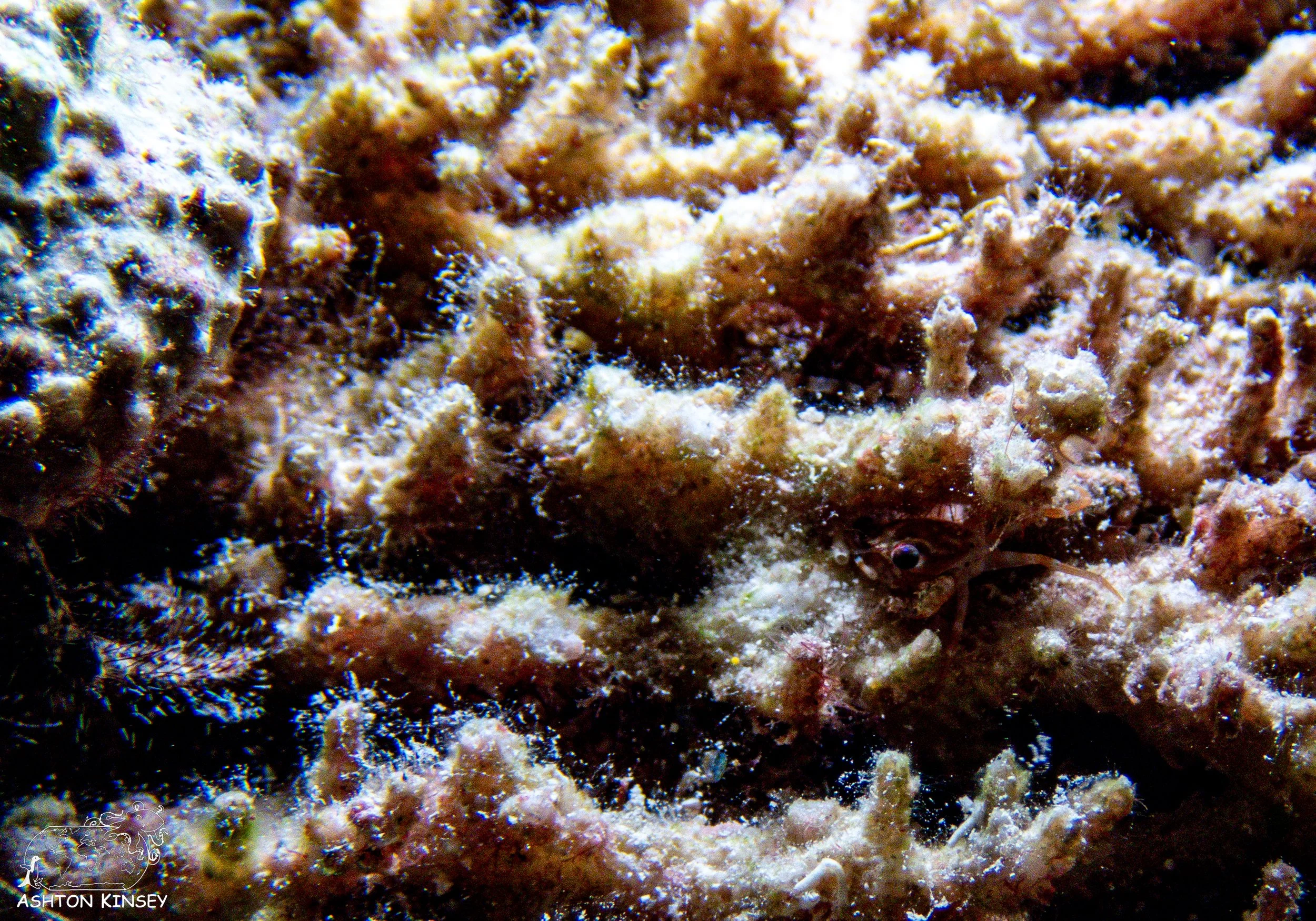
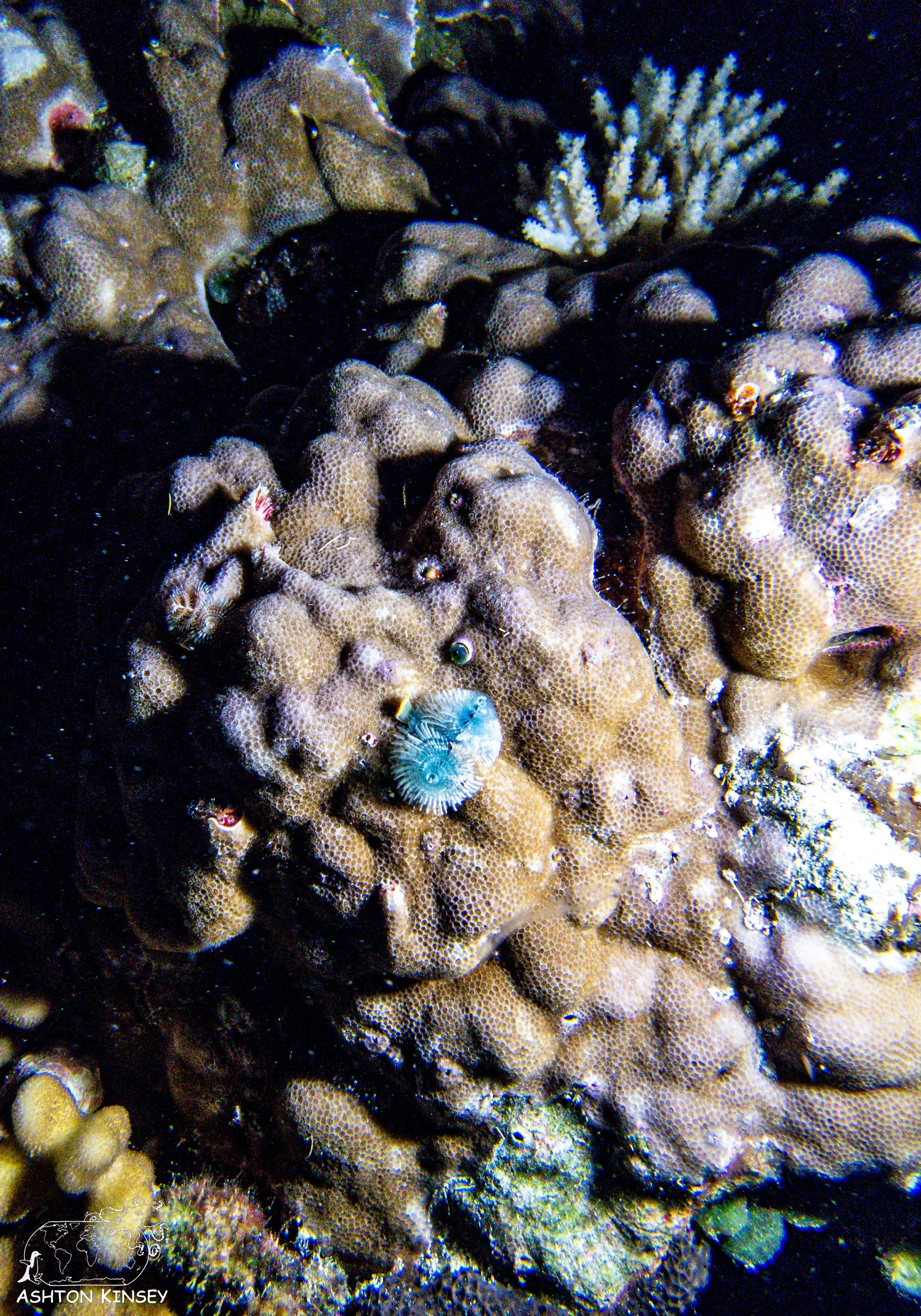
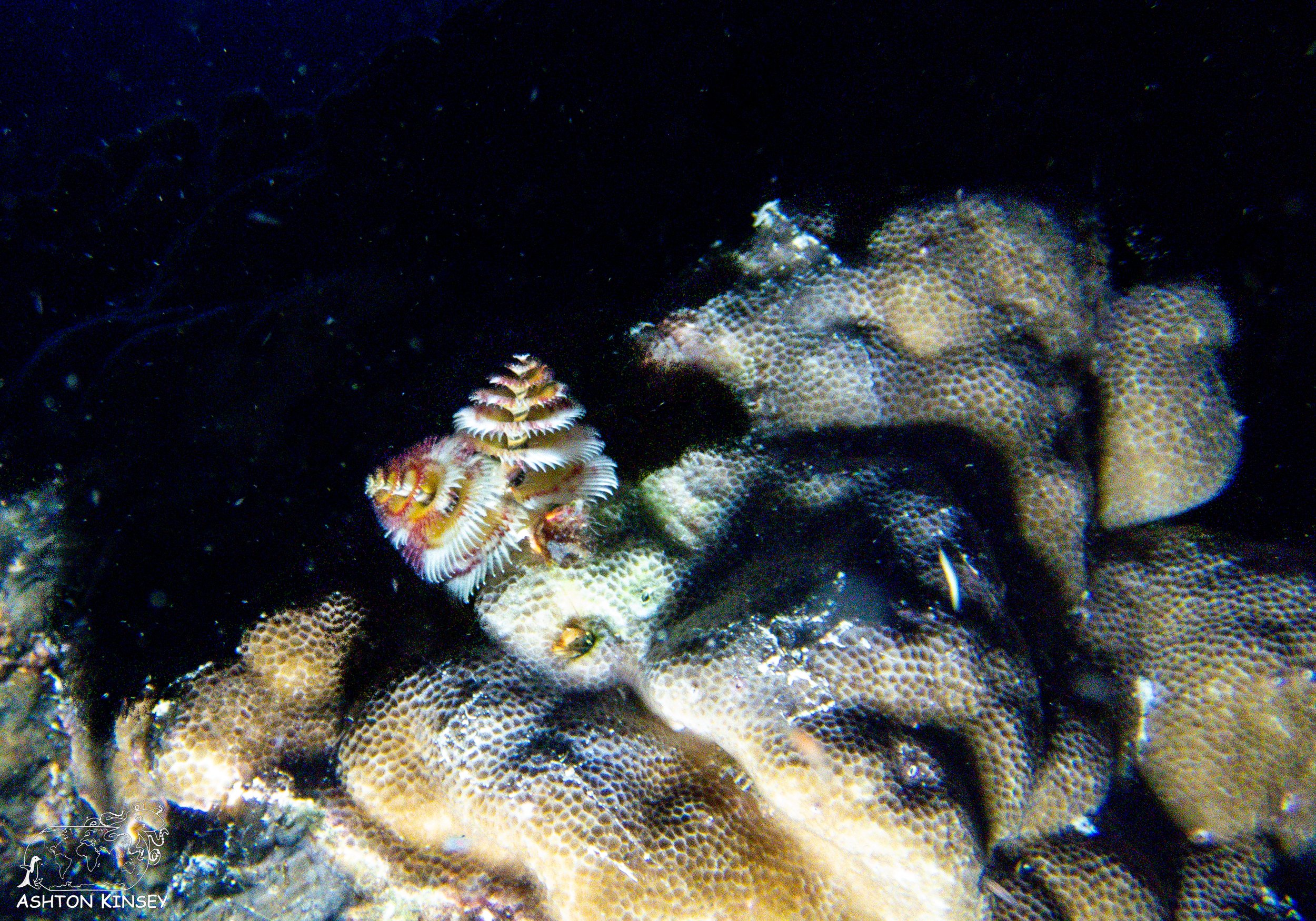
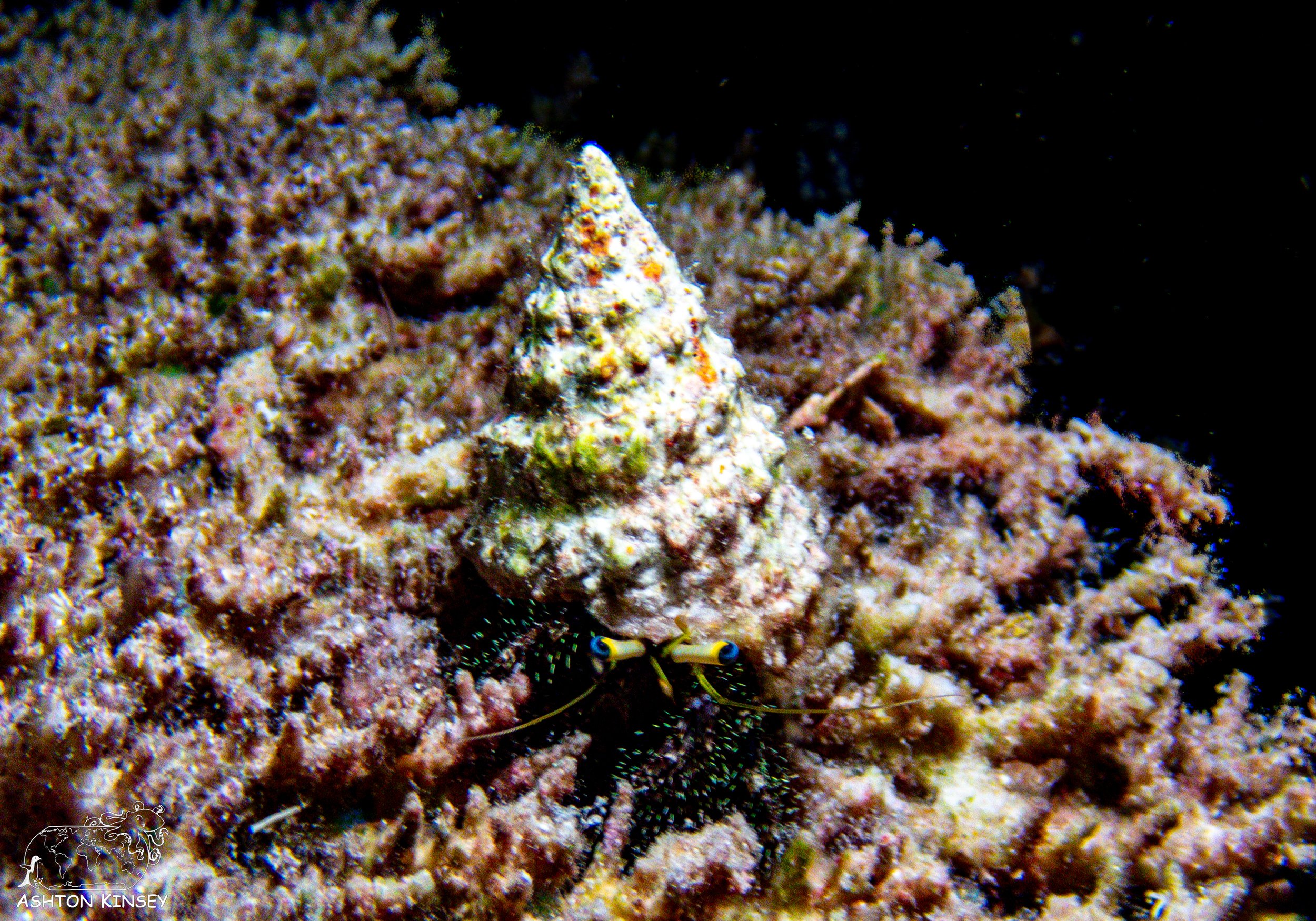
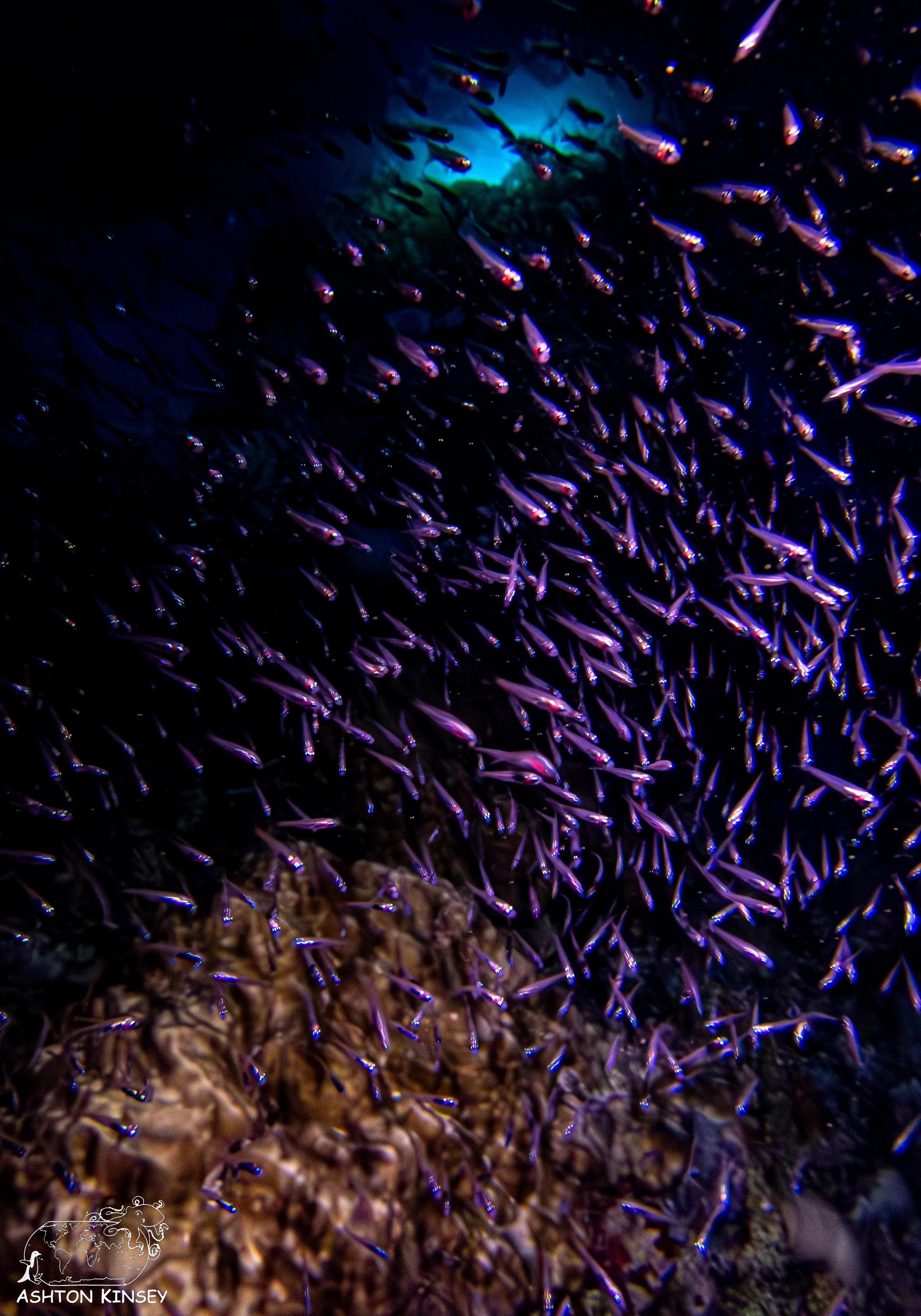
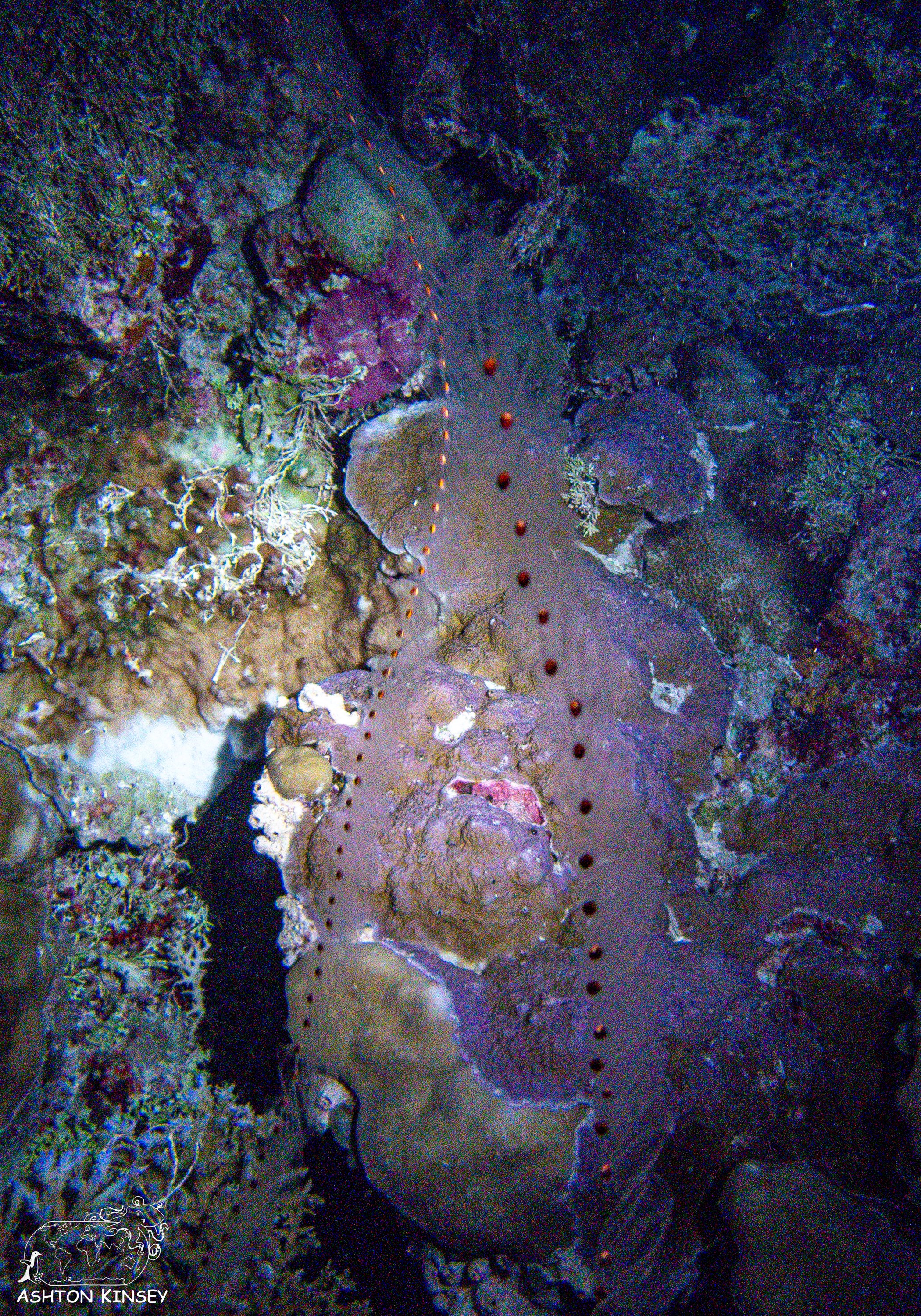
For the blackwater dive, several powerful lights were set on the edge of the reef pointing out into the darkness of the open ocean. The new moon is typically the best time to do blackwater dives since you’re not competing with the moon as a light source. As time goes on, the lights attract the aliens of the depths to come up to feed. Most of these alien species are larval and juvenile fish, gelatinous animals (jellies and the like) or juvenile cephalopods. Since the lights were on the edge of the reef it attracted more juvenile fish as they are older and tend to be returning to the reef compared to dives in open ocean where you’ll get a wider range of creatures. Occasionally jellies will get hijacked by crabs and other small crustaceans that will use them as a taxi up to the surface.
Jurassic Cove
Dive 4: 43’ for 54 Min Dive 19: 50’ for 53 Min
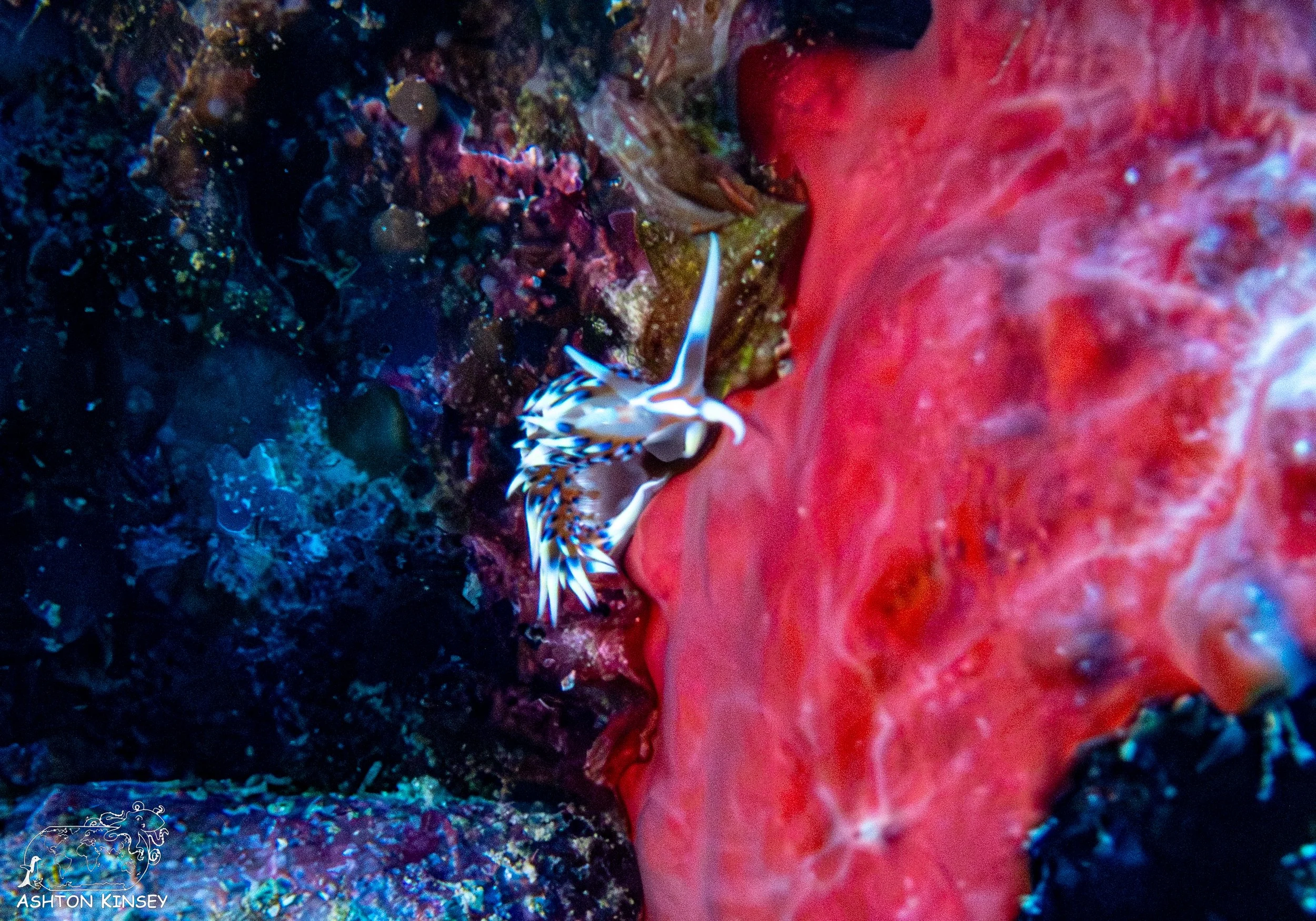
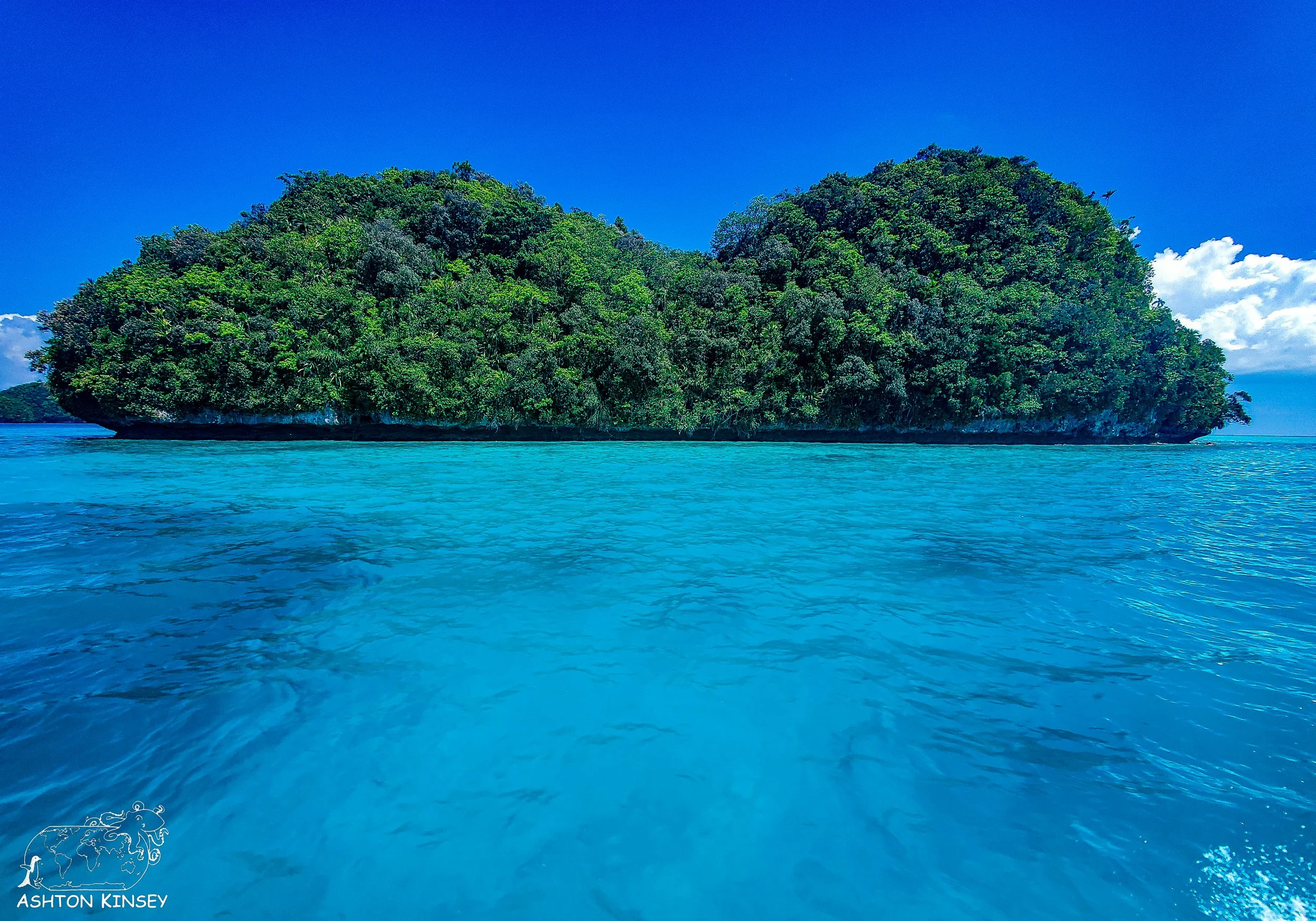
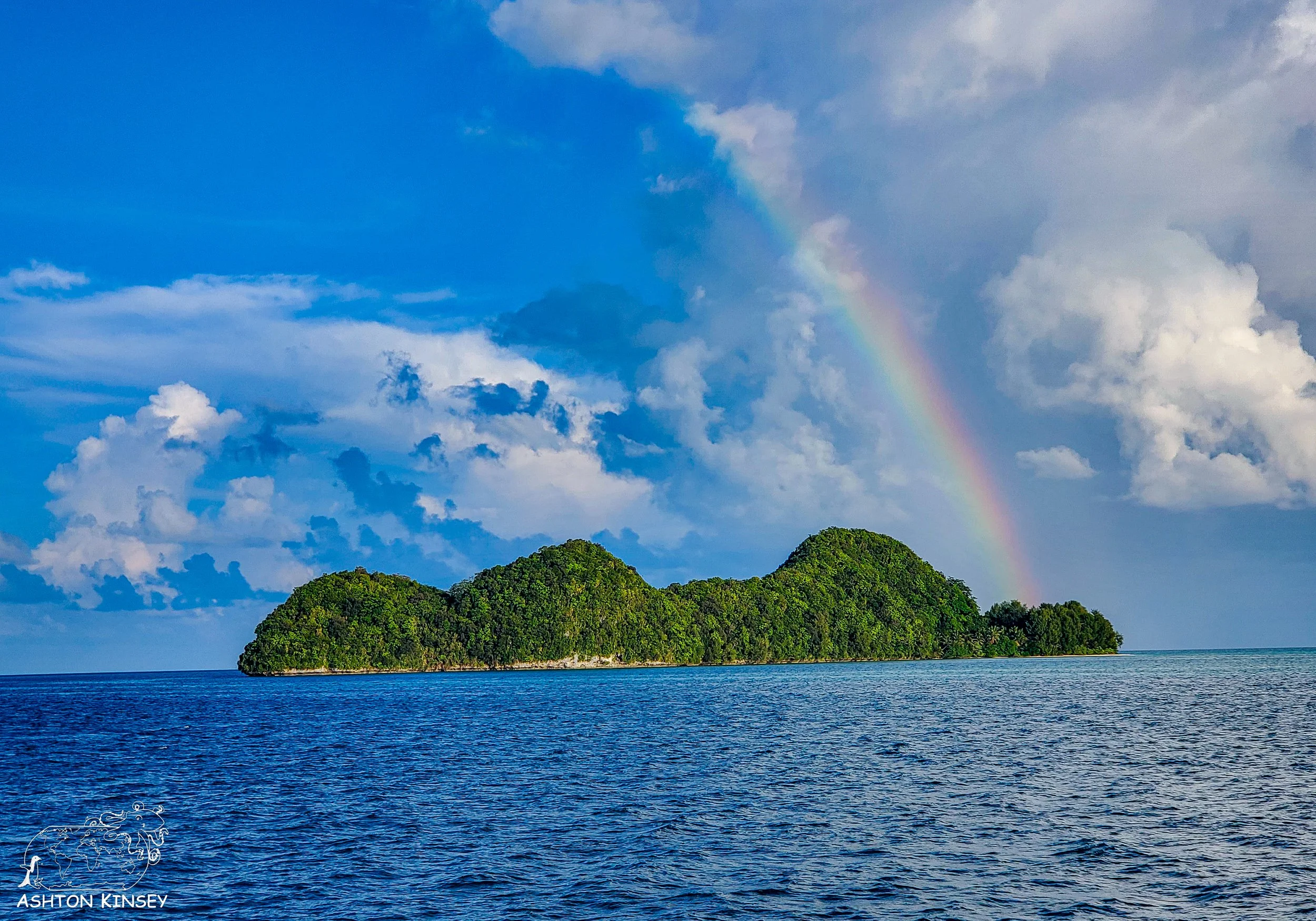
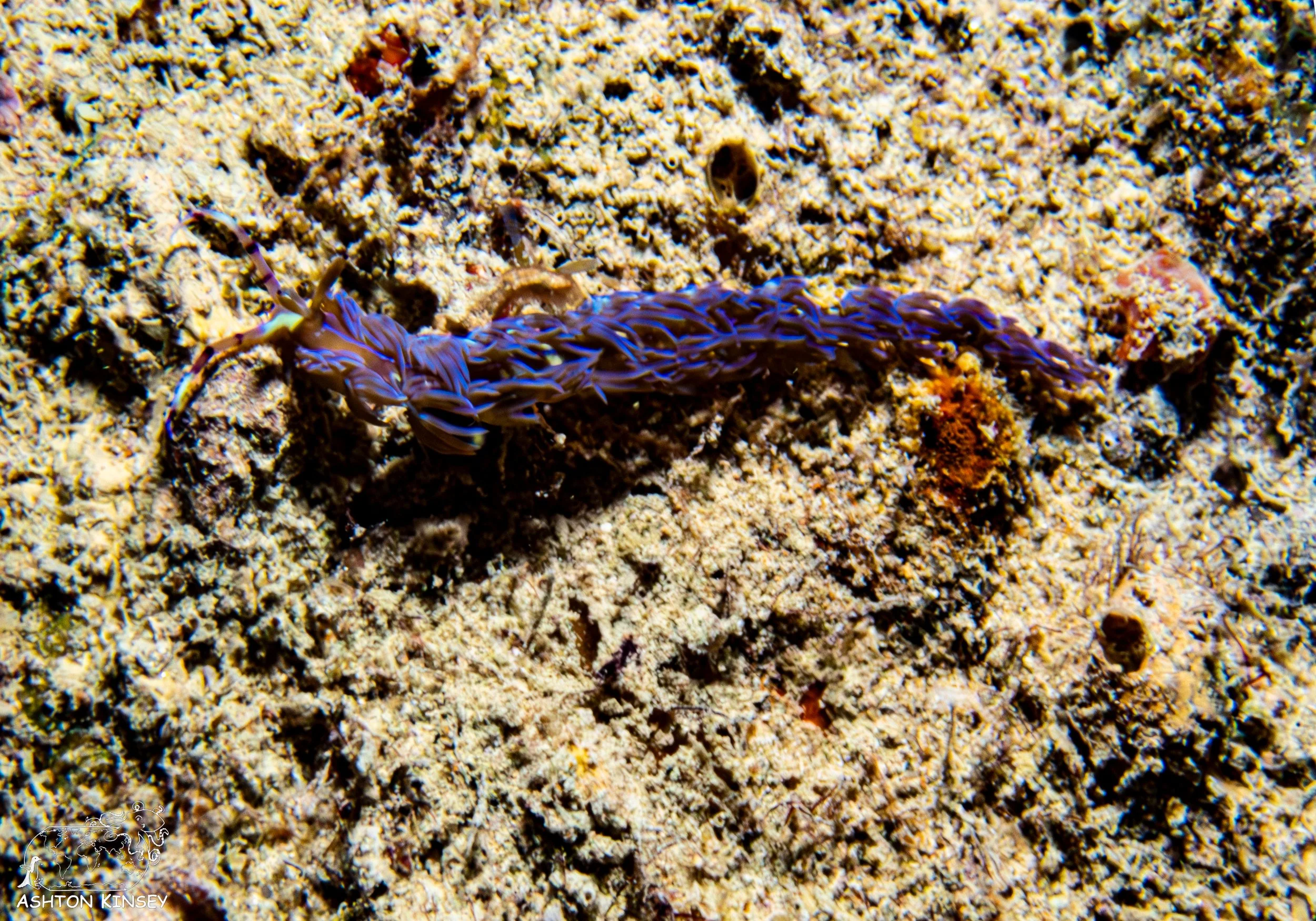
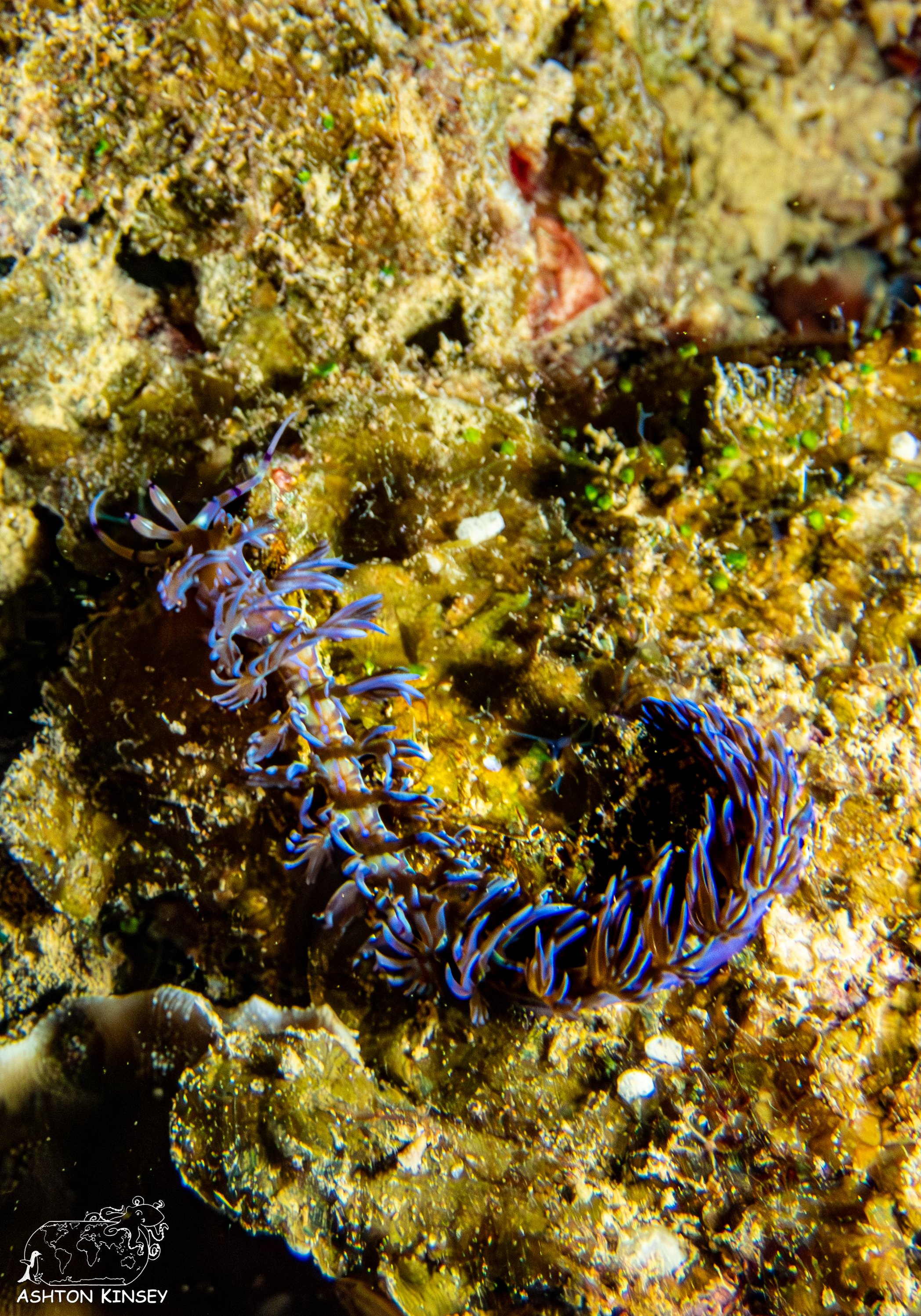
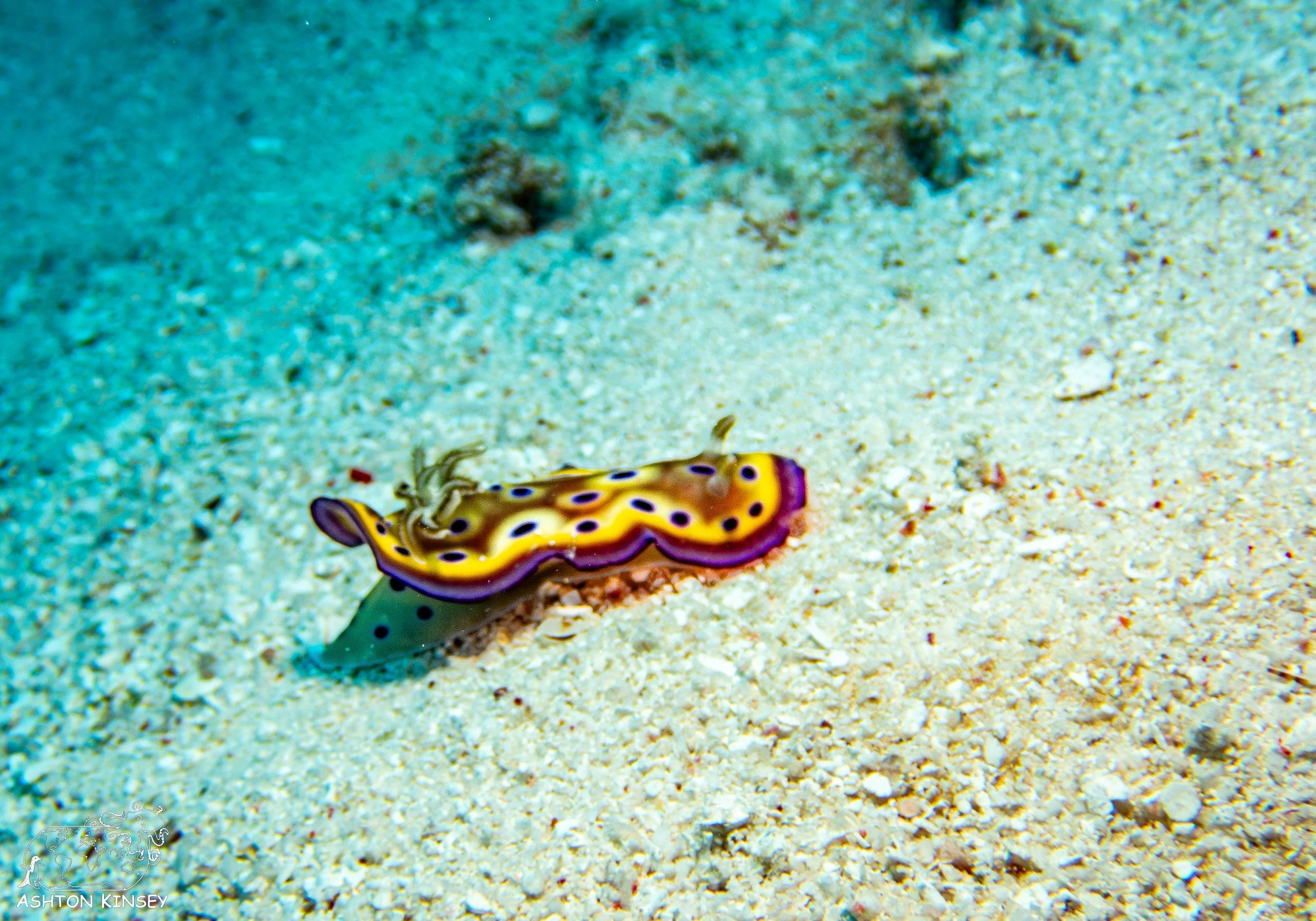
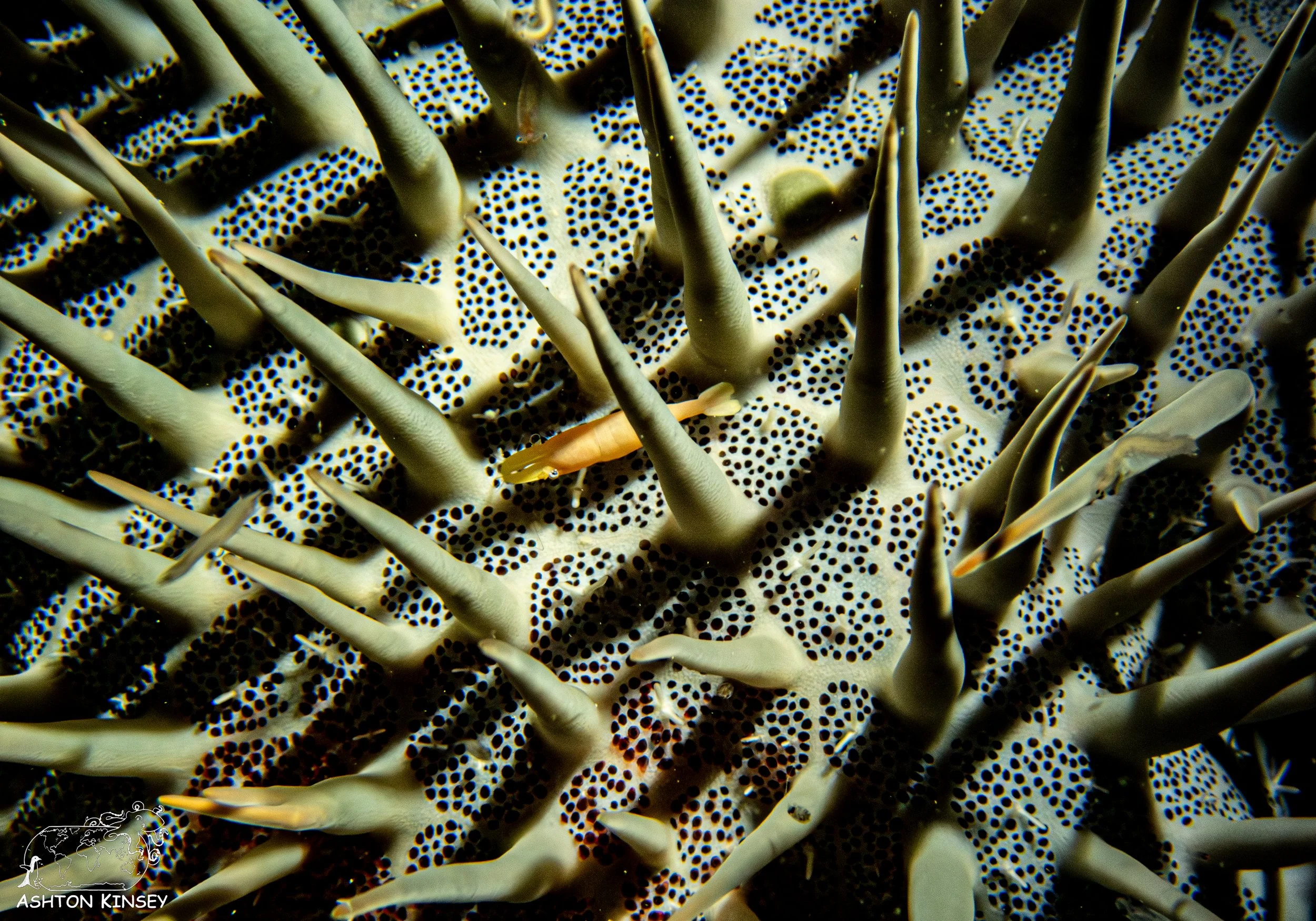
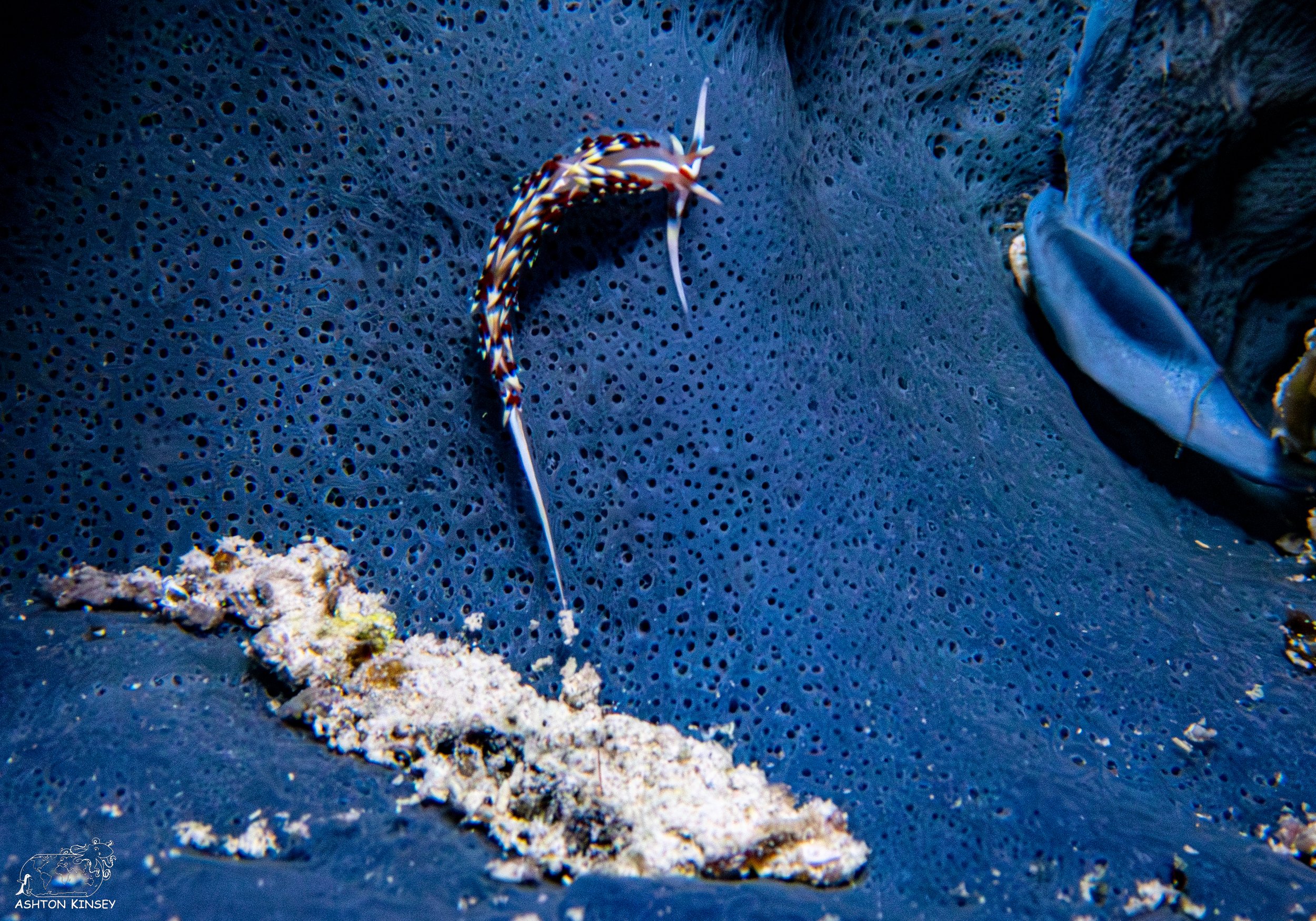
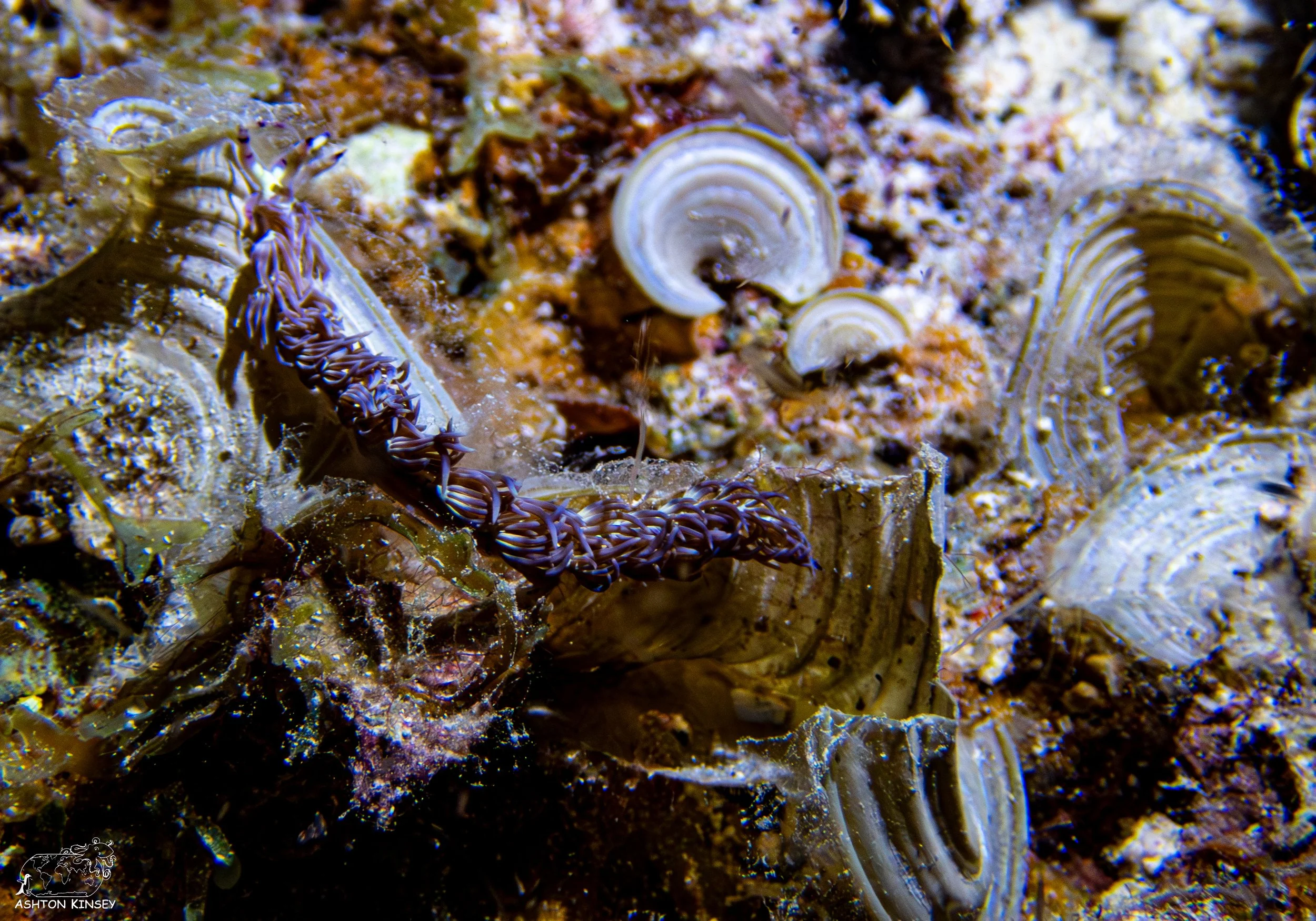
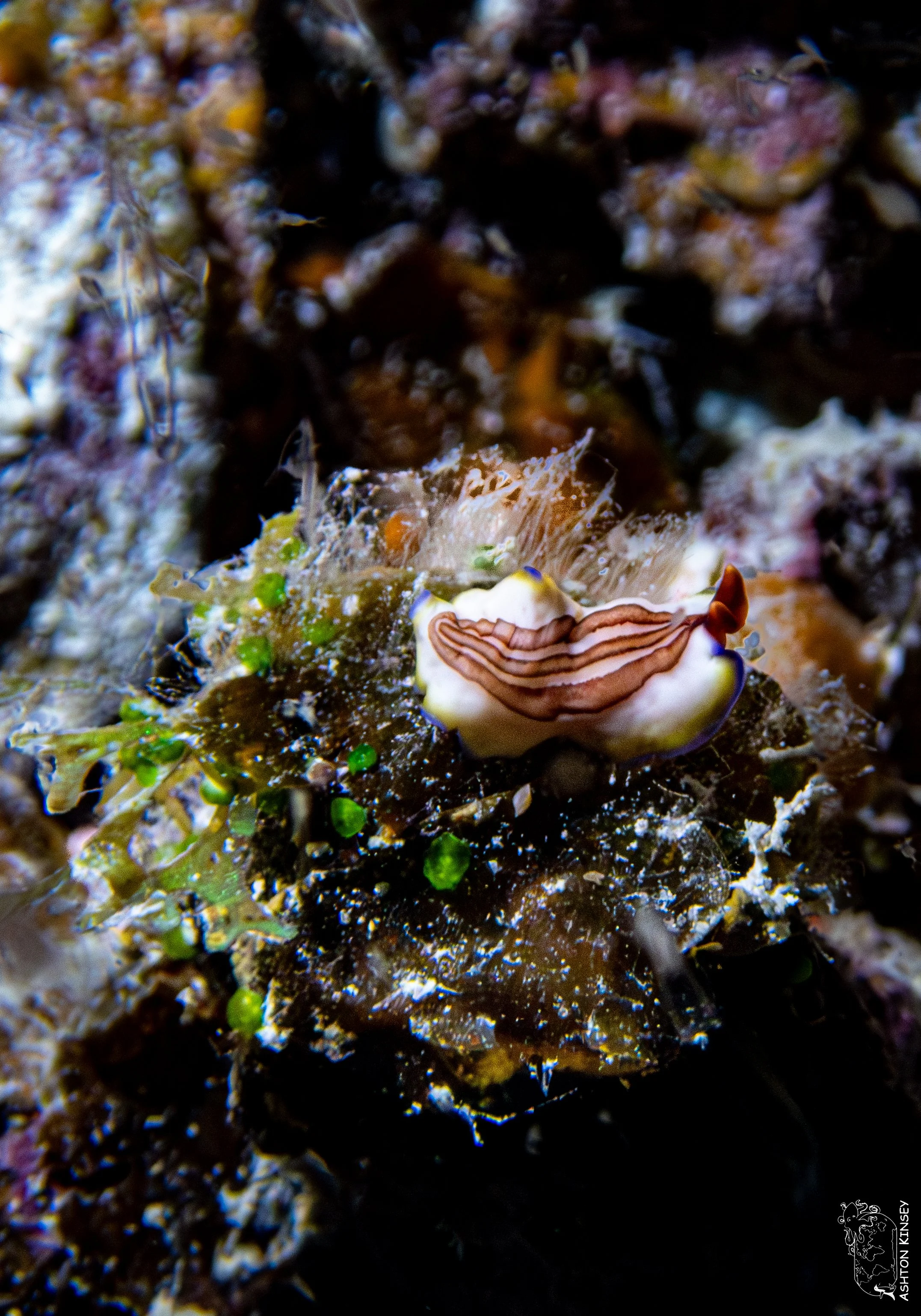
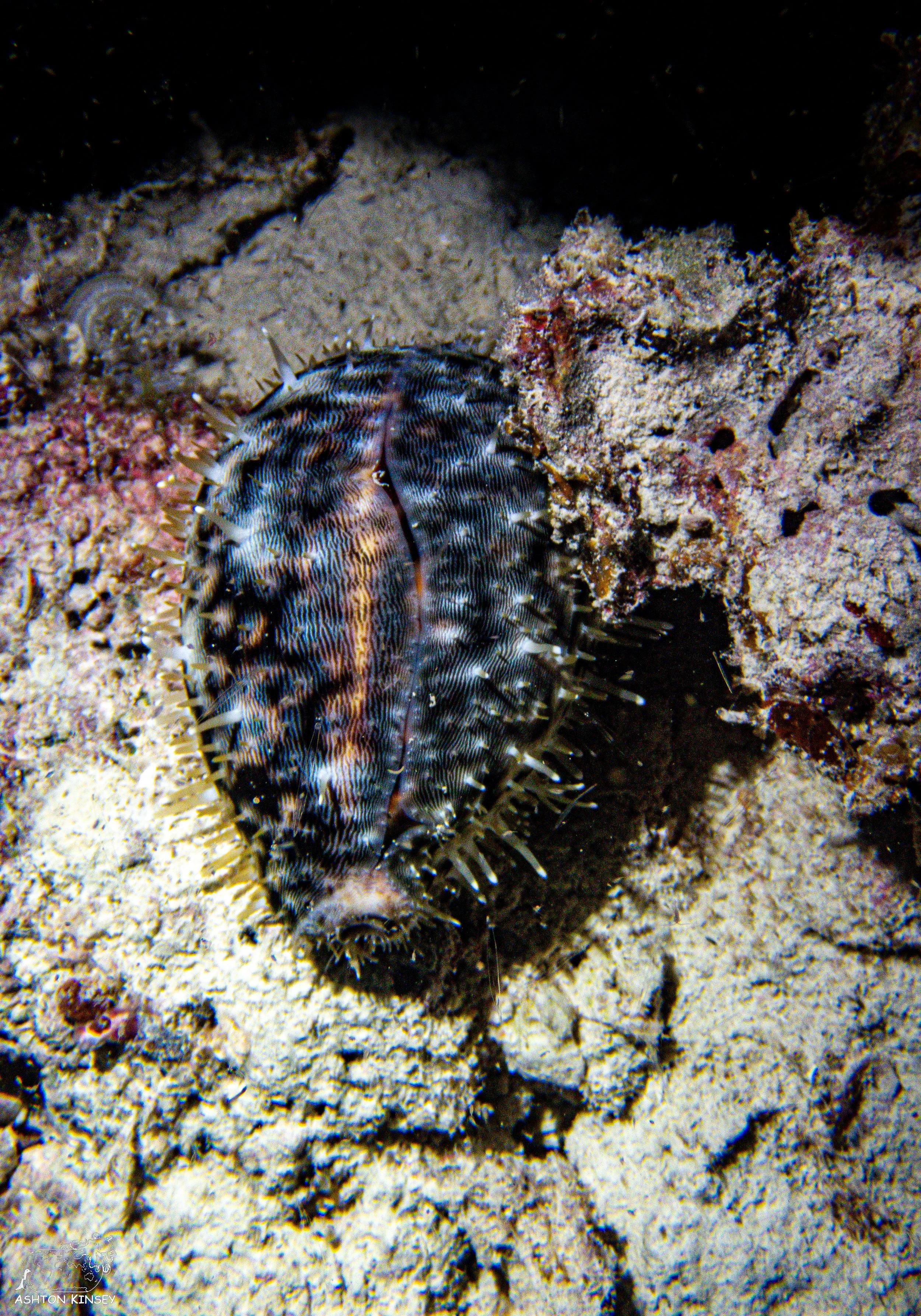
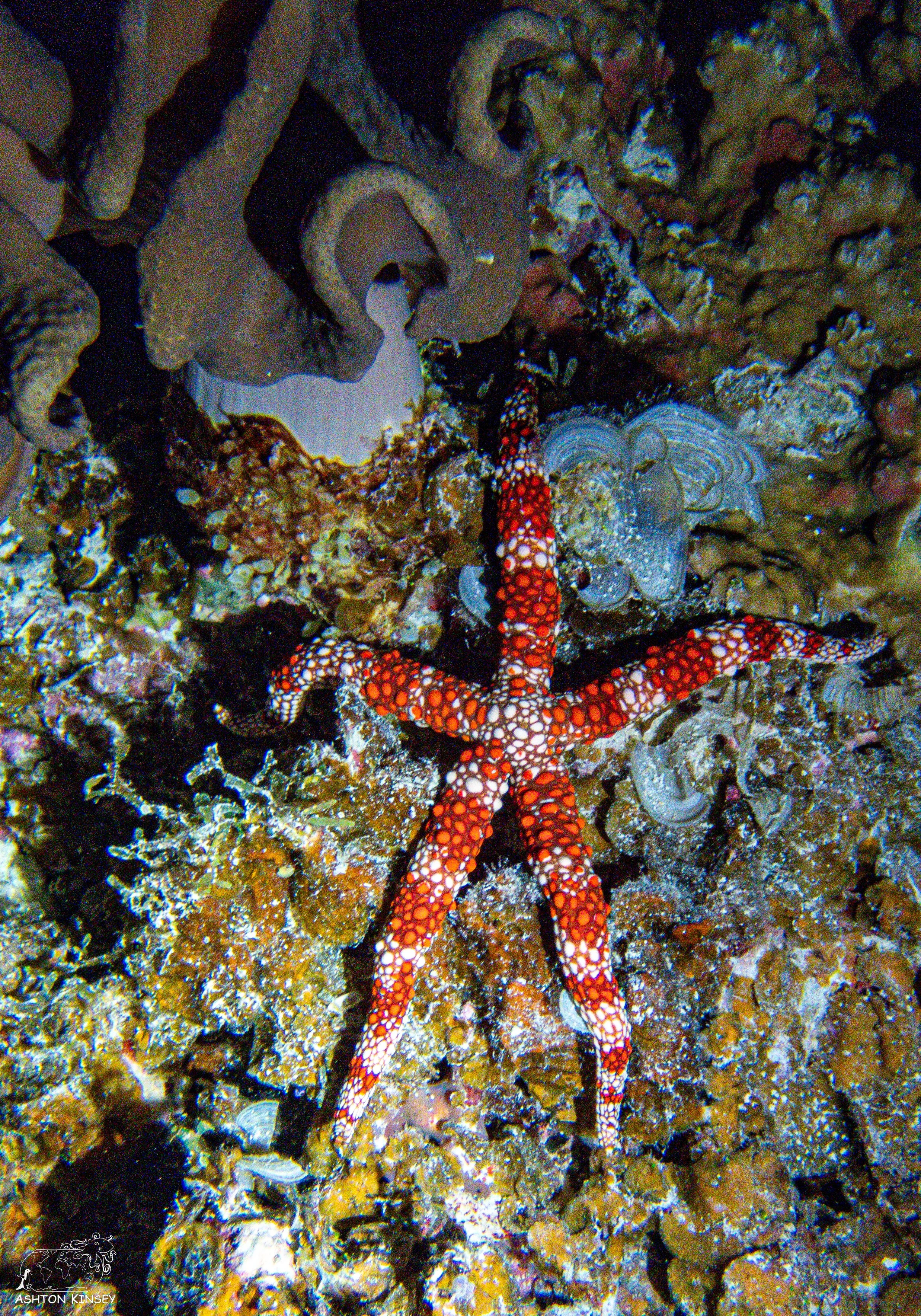
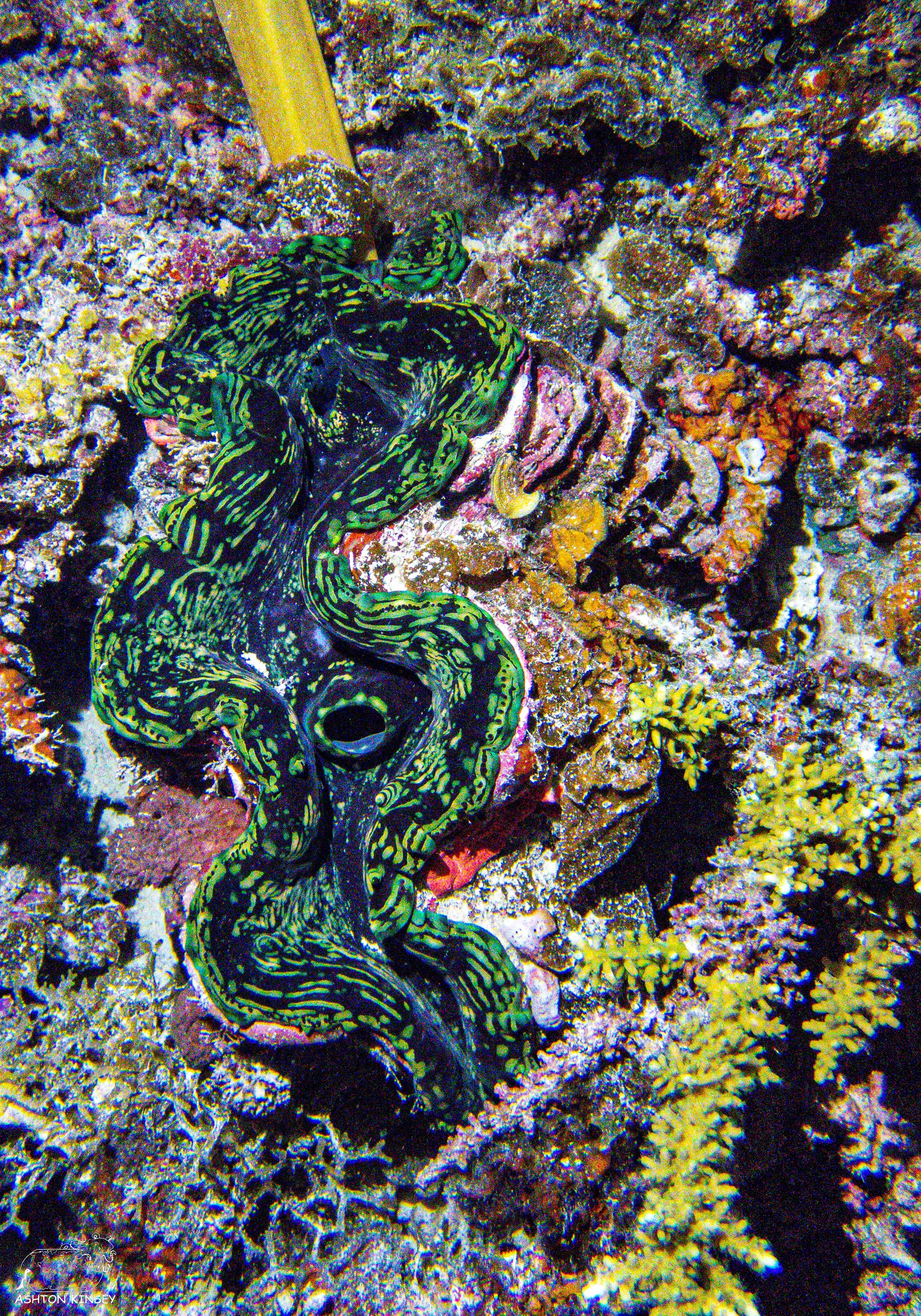
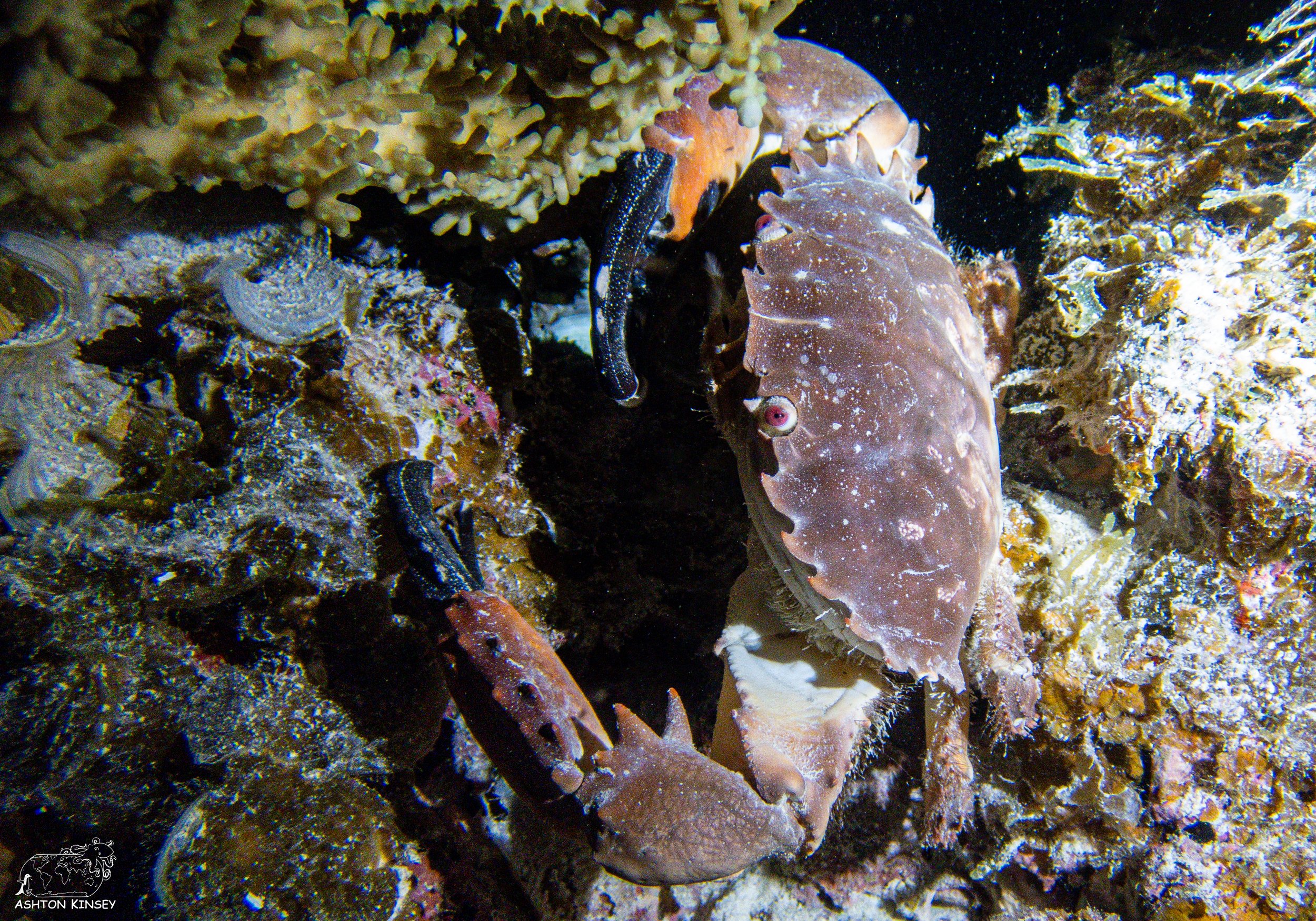
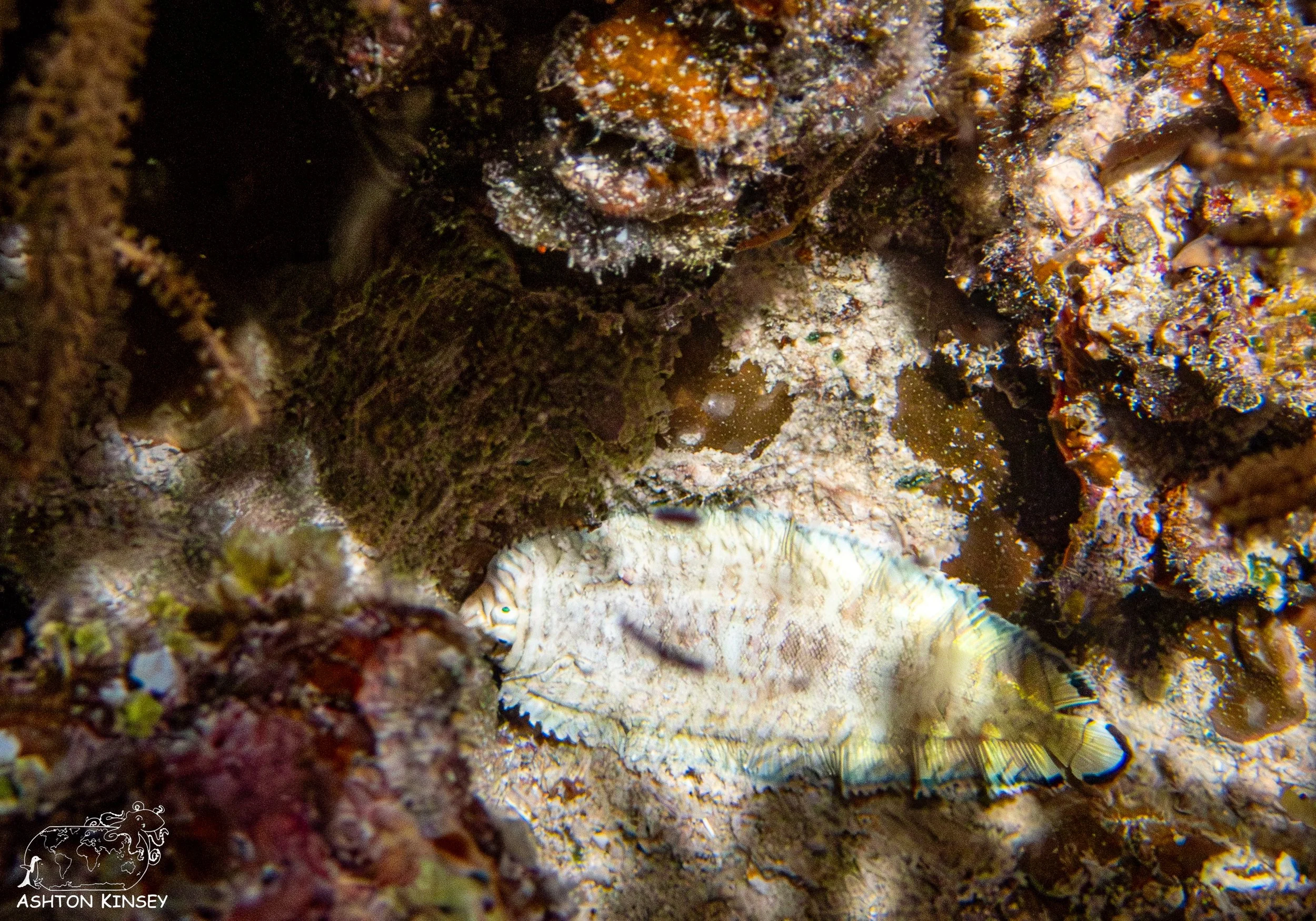
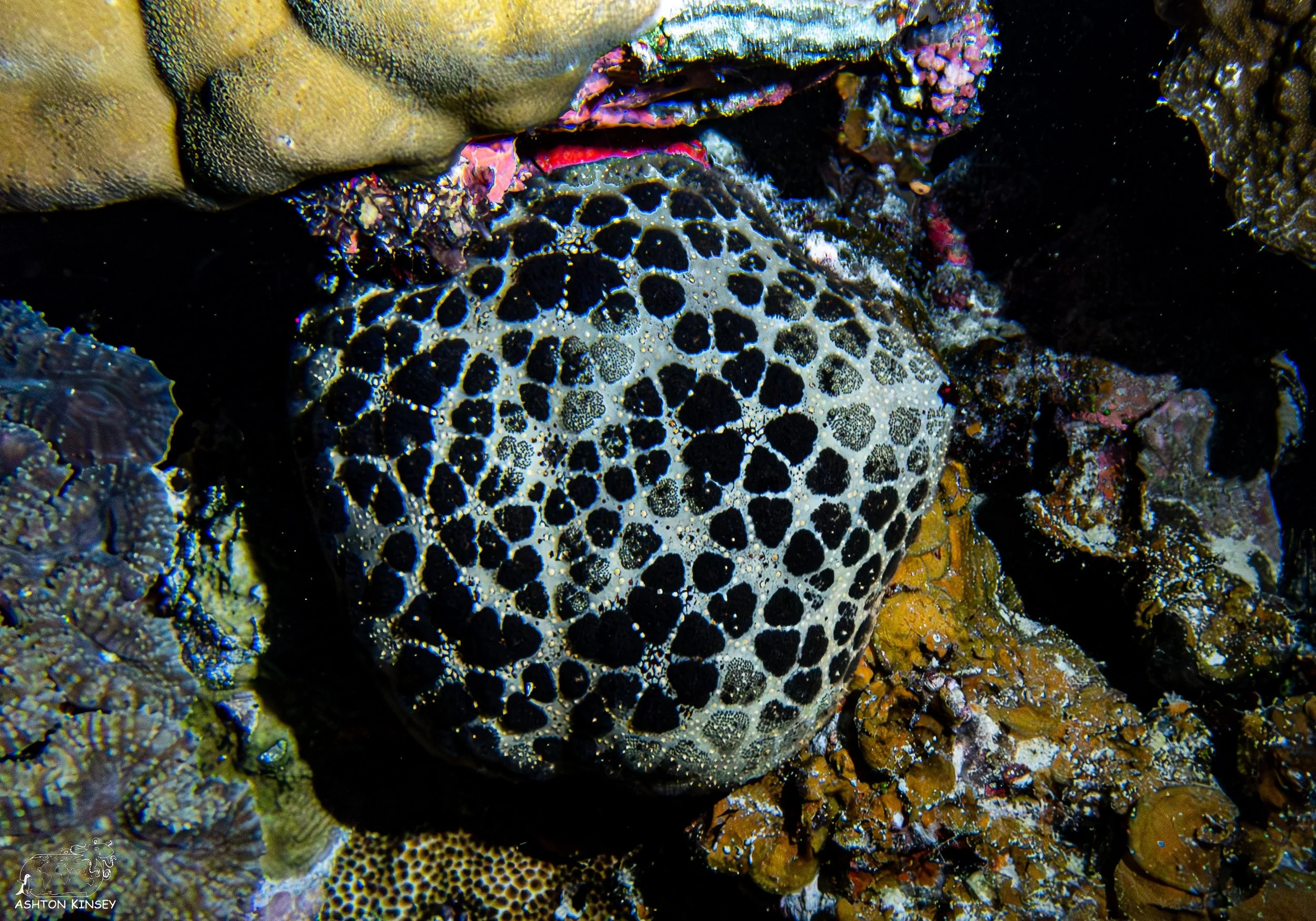
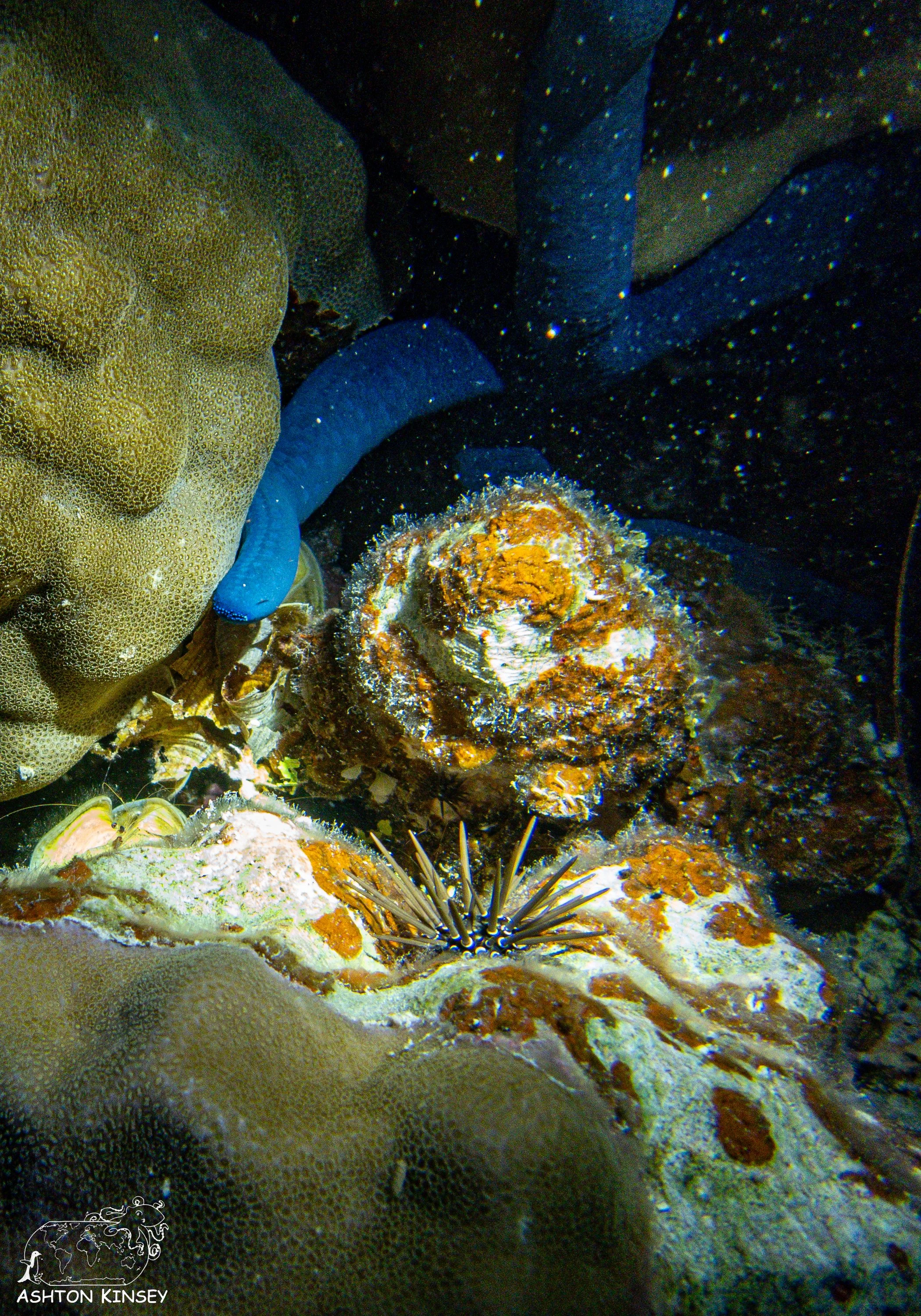
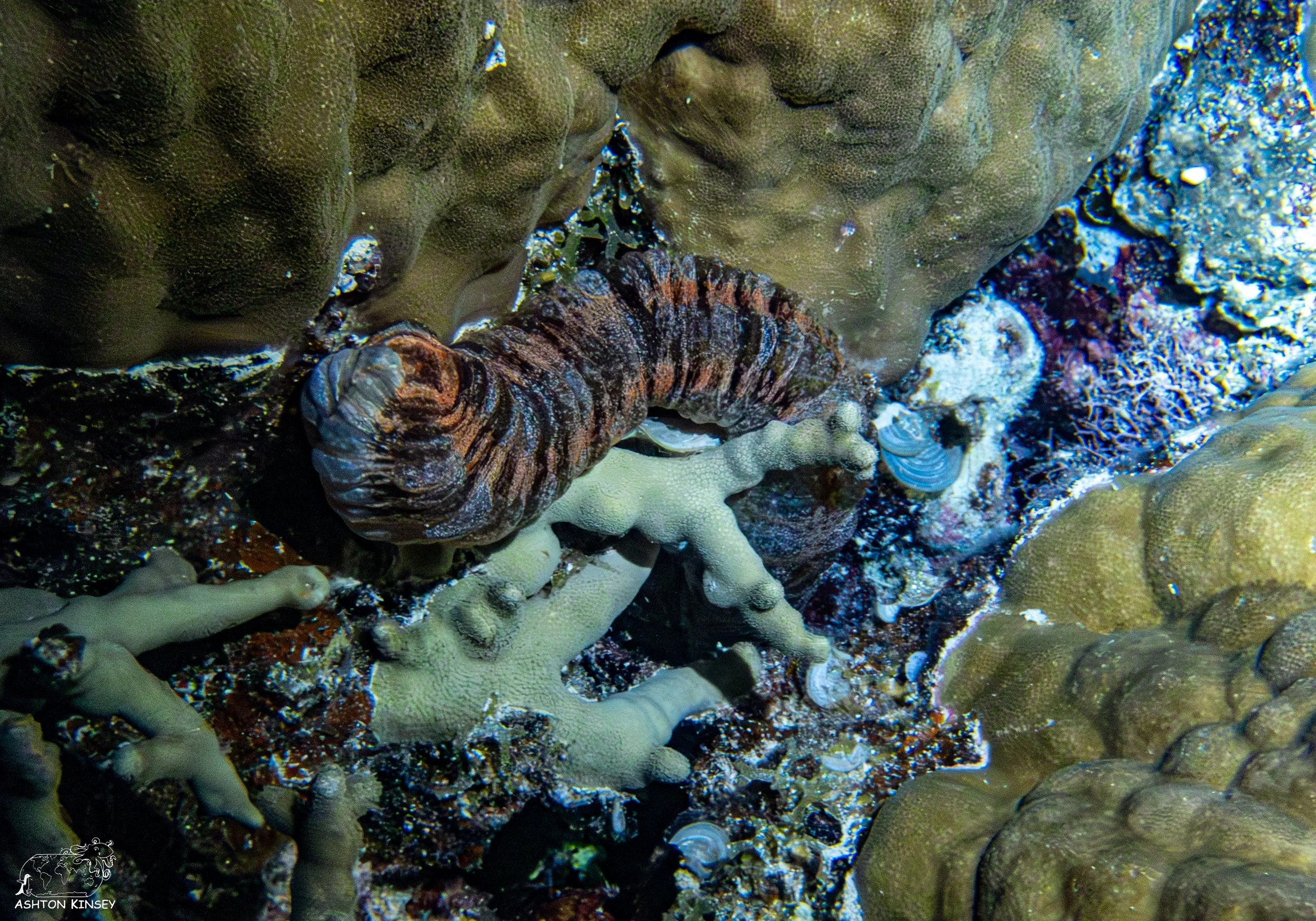
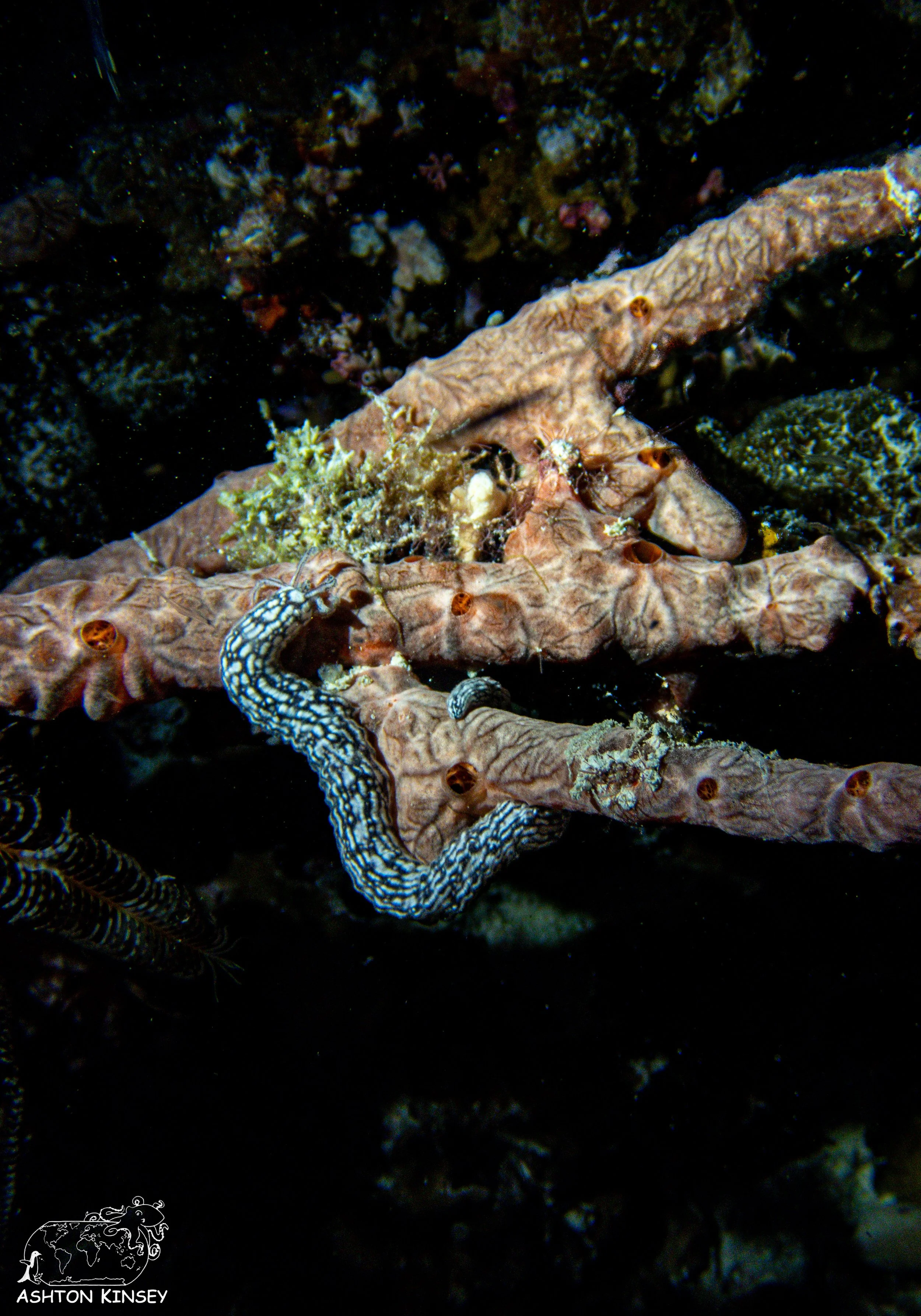
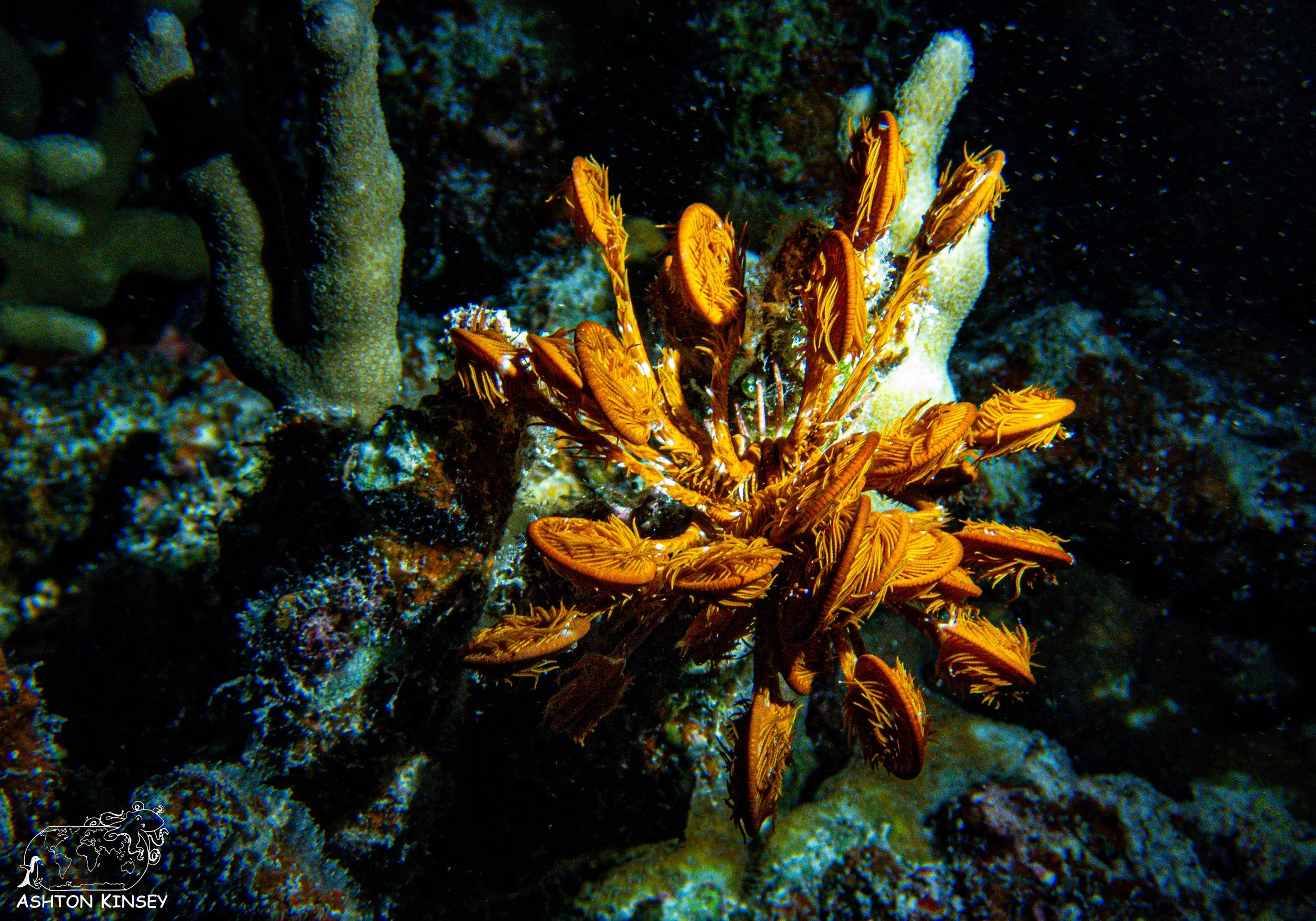
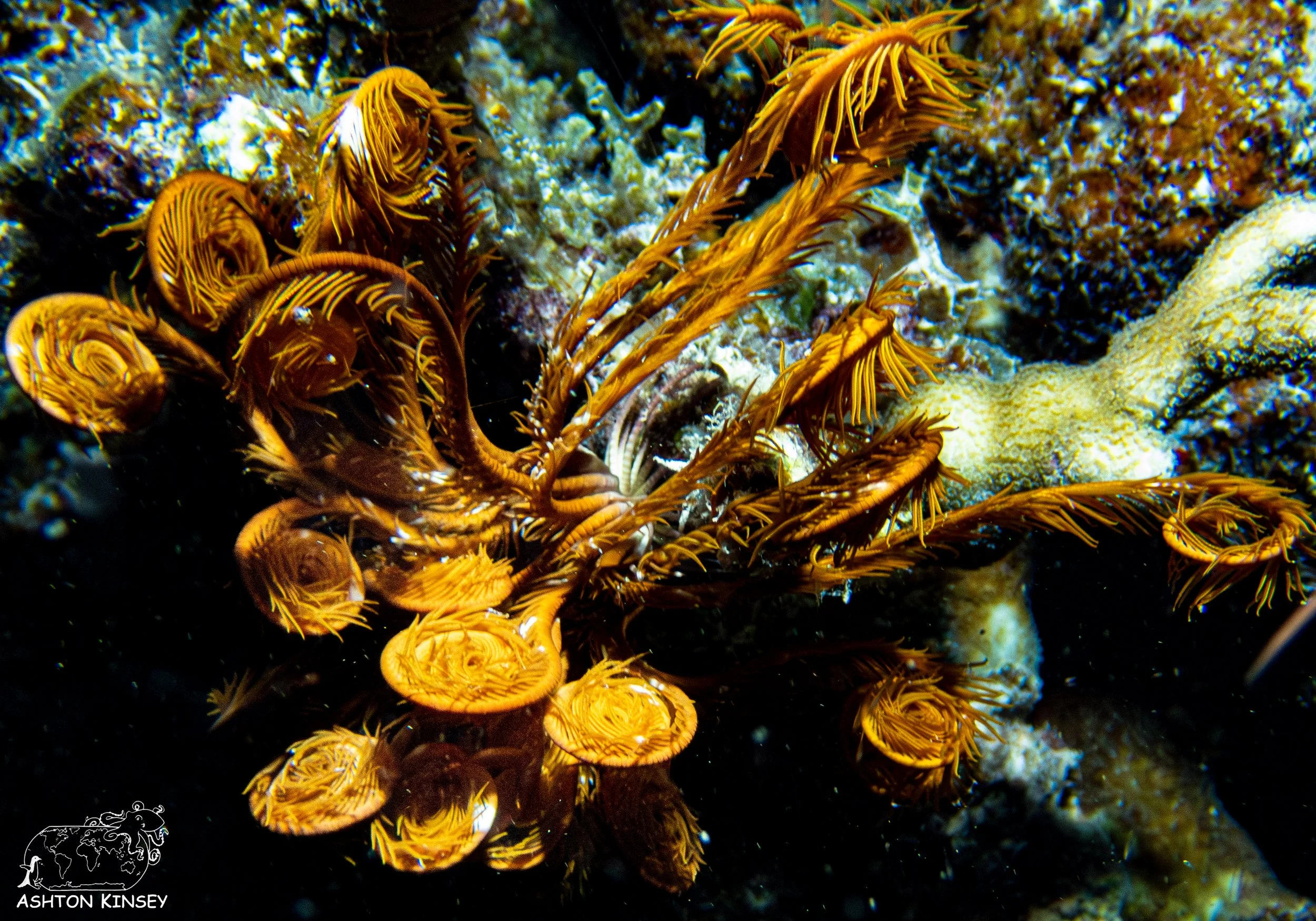
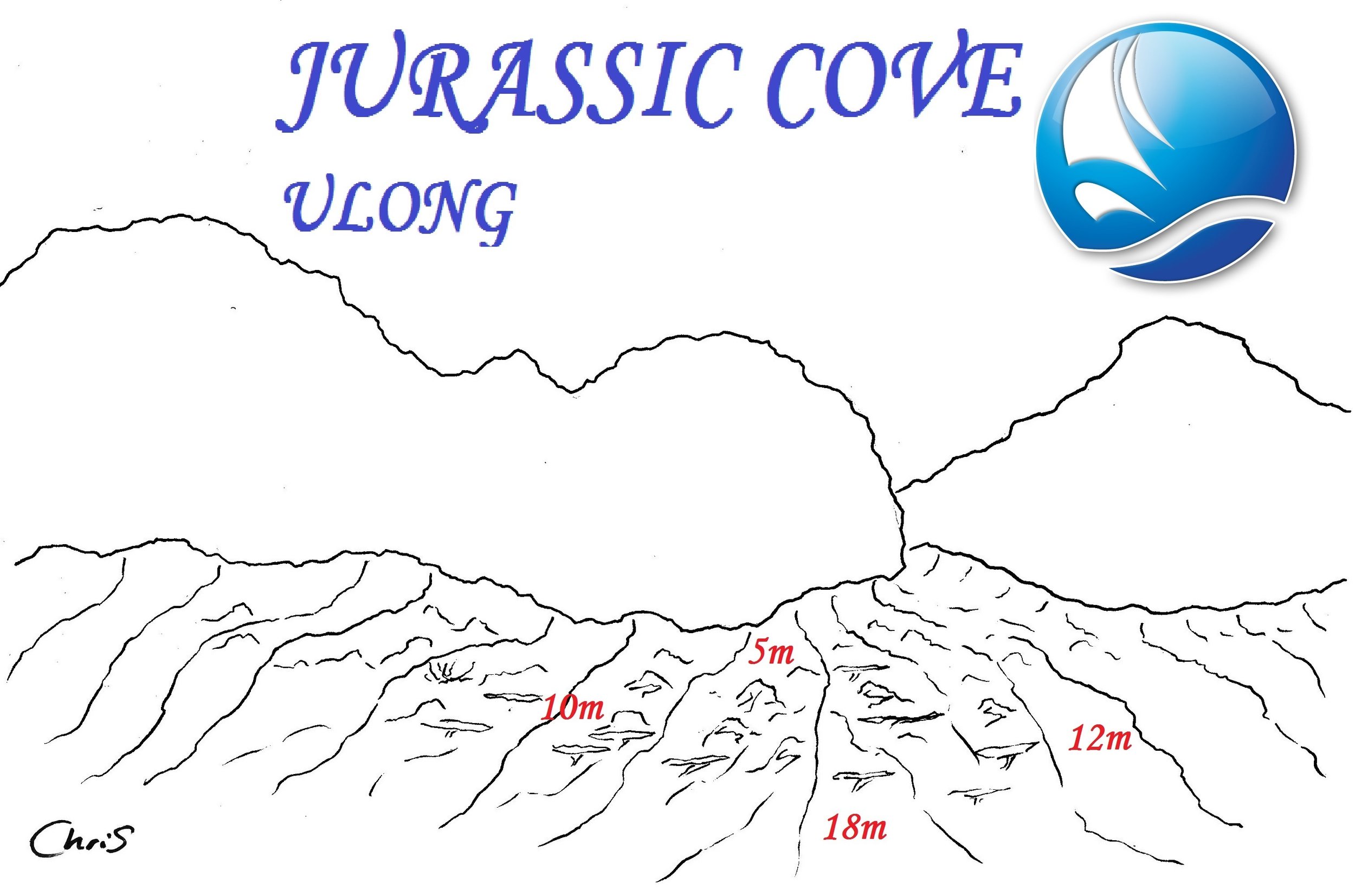
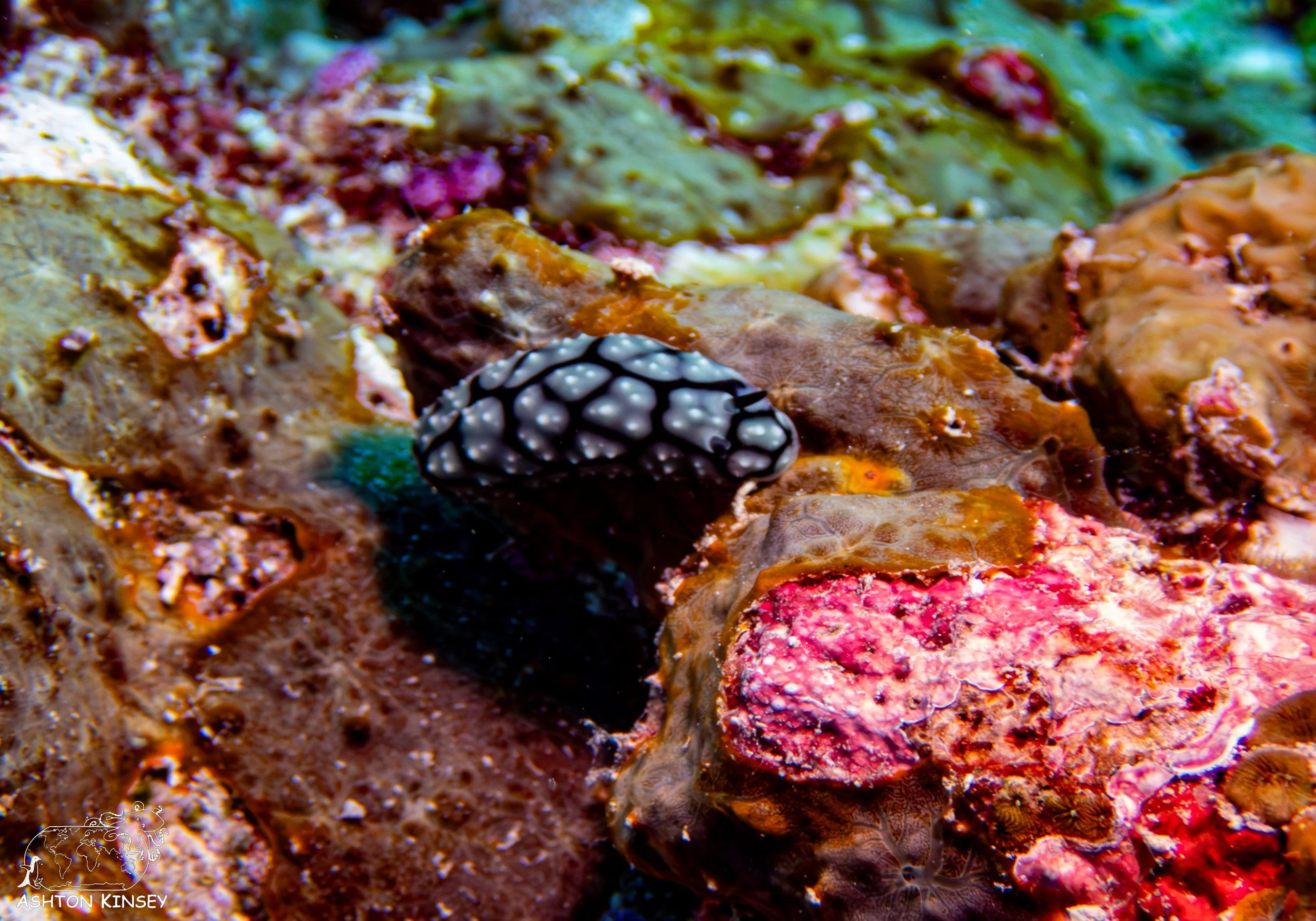
A small lagoon whose main island is shaped slightly like a dinosaur’s head. The reef slopes gently down to 35’ and ends with a sandy bottom. Generally, lots of blue dragon nudibranchs (Pteraeolidia semperi). A relatively secluded area that makes for a good night dive with limited currents. The site usually has a good number of lobsters, pygmy squid and other macro life. The island above water looks slightly like a dinosaur’s head.
Ulong Channel
Dive 11: 53’ for 62 Min Dive 14: 57’ for 68 Min
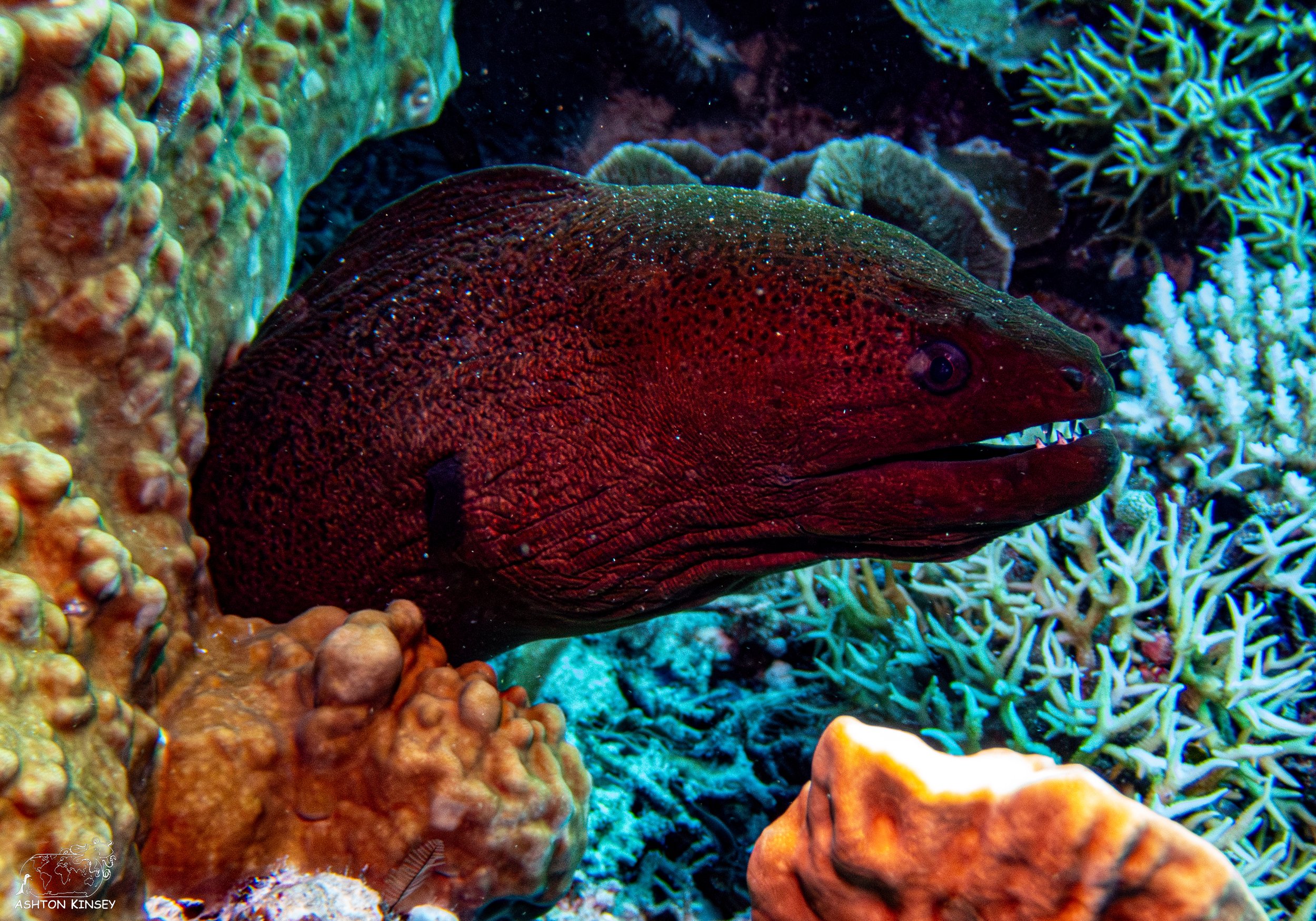
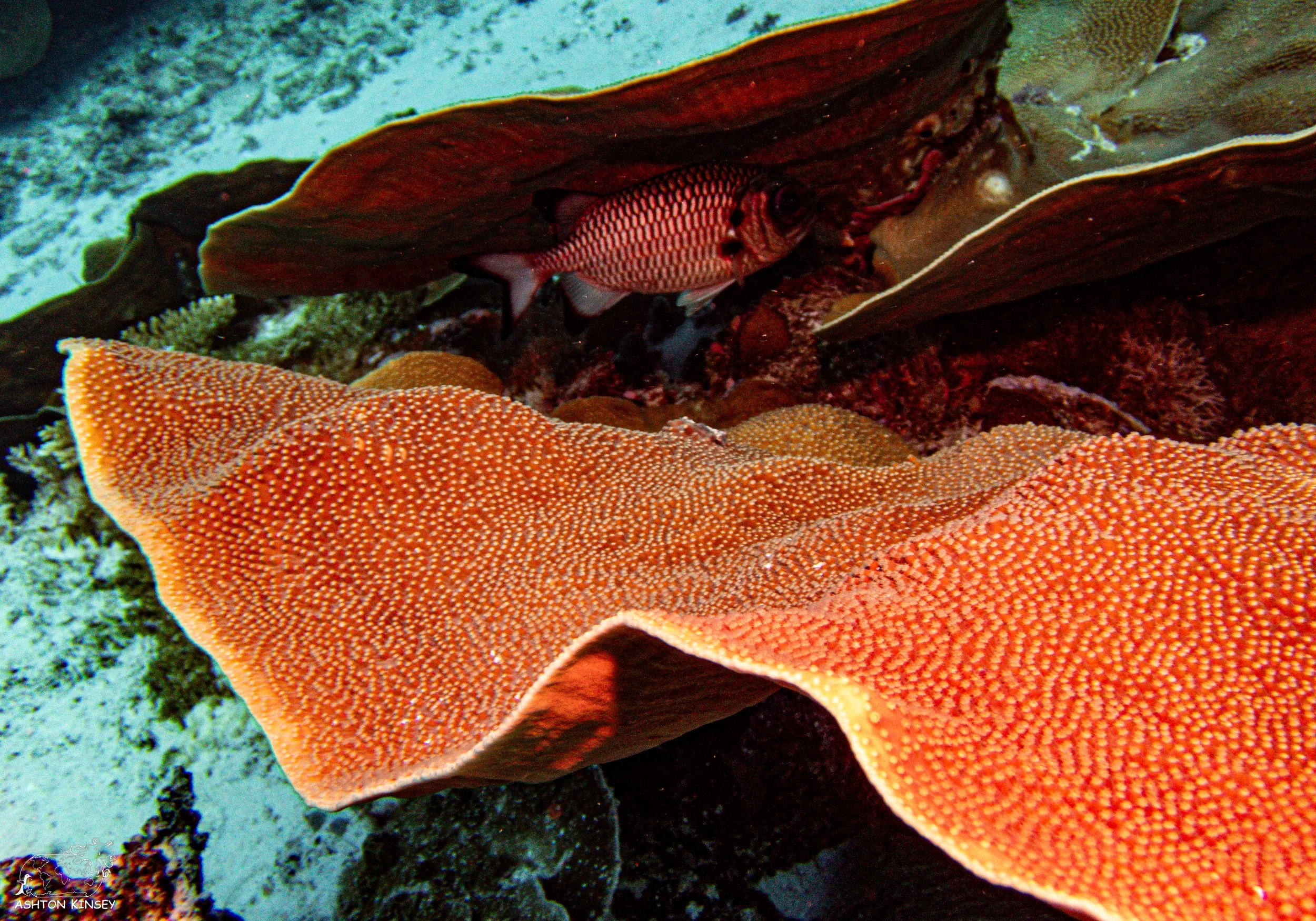
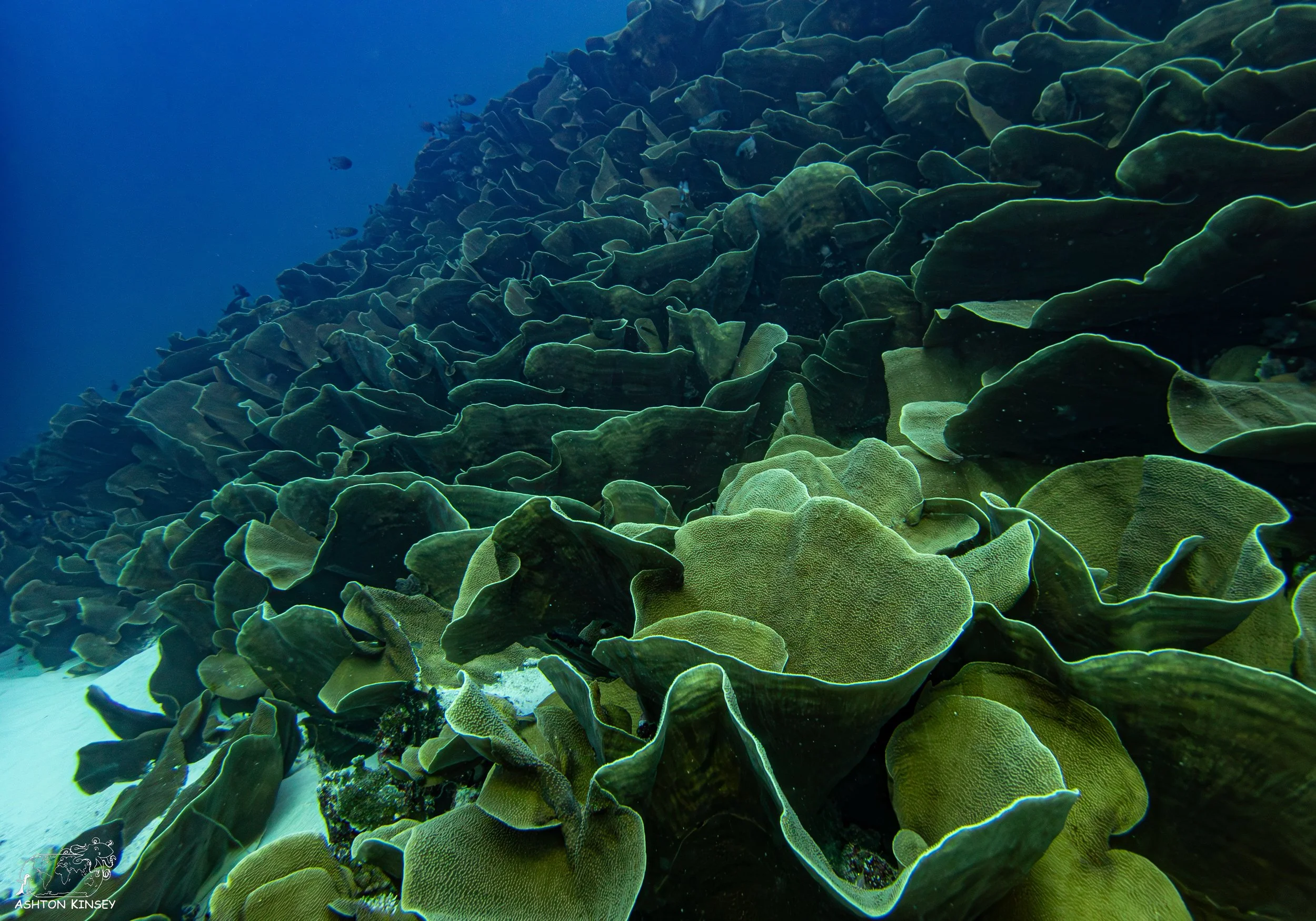
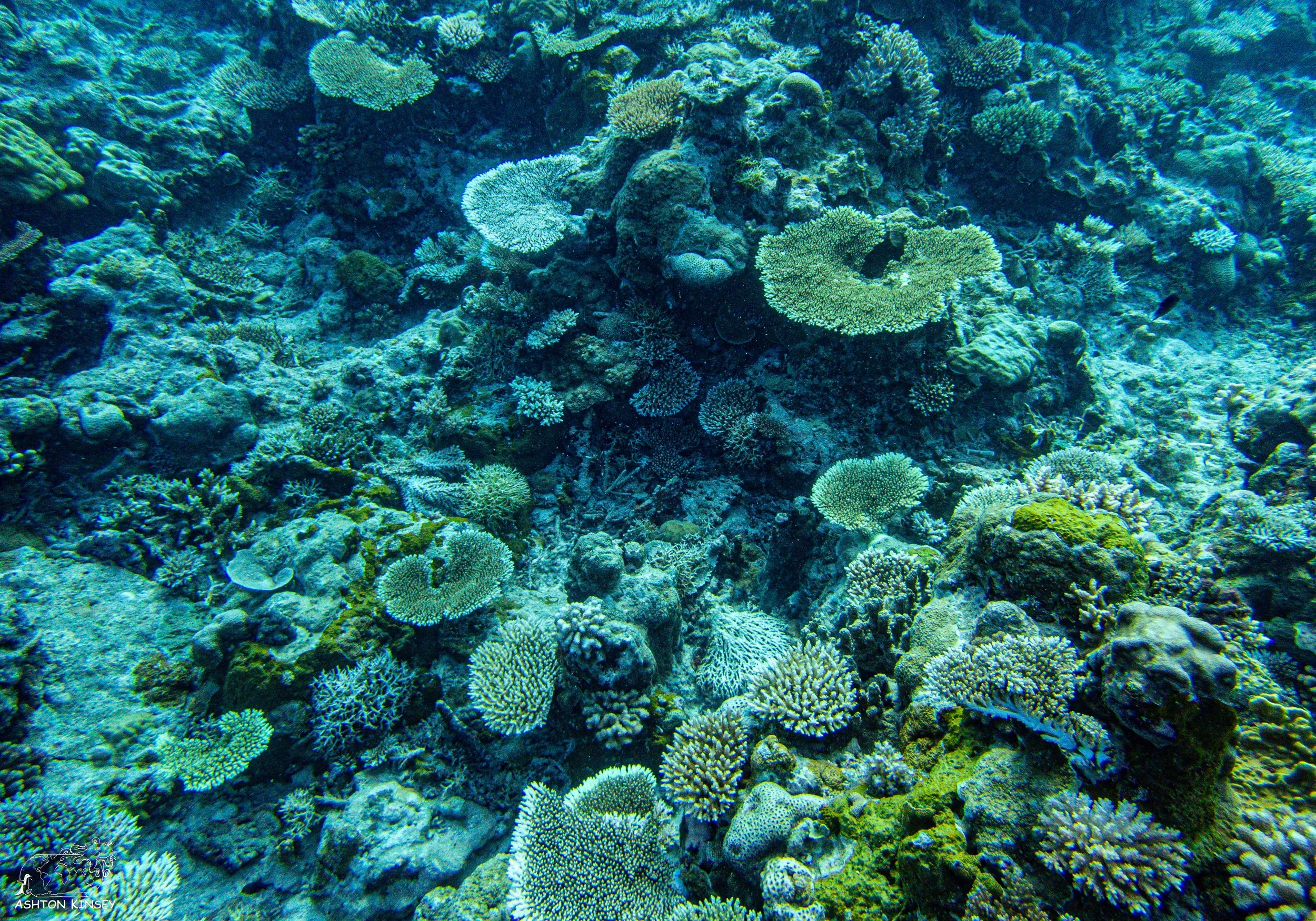
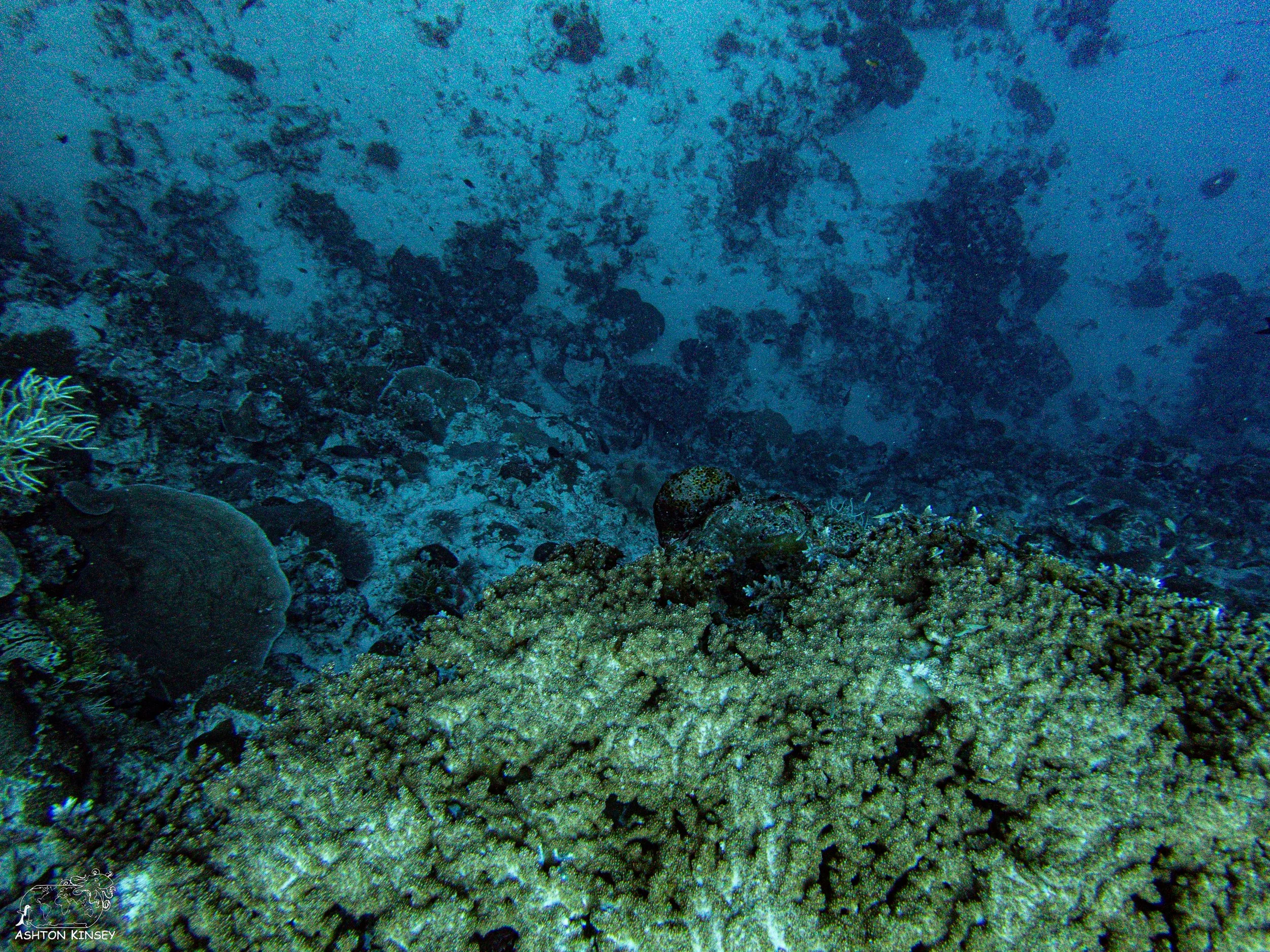
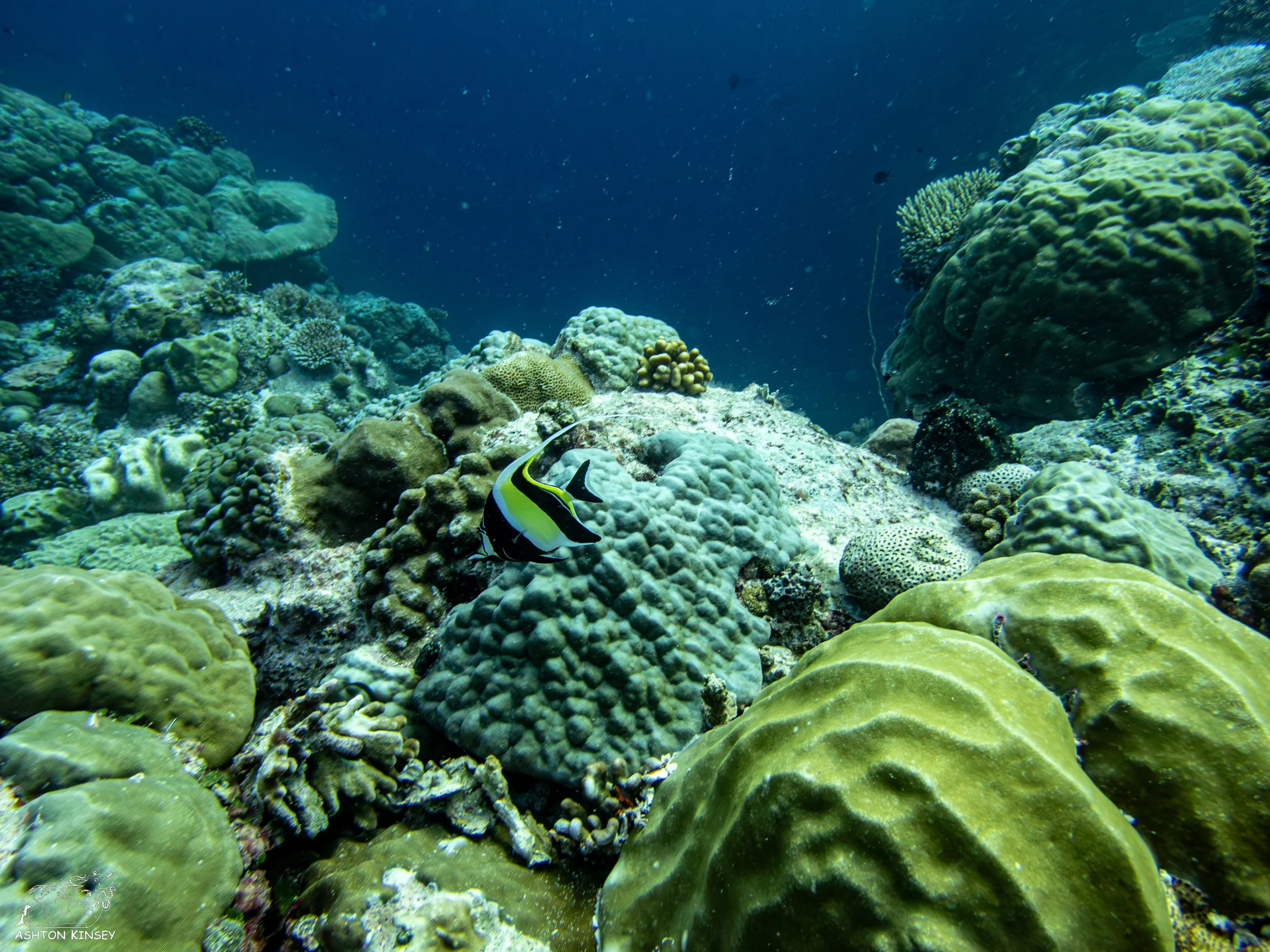
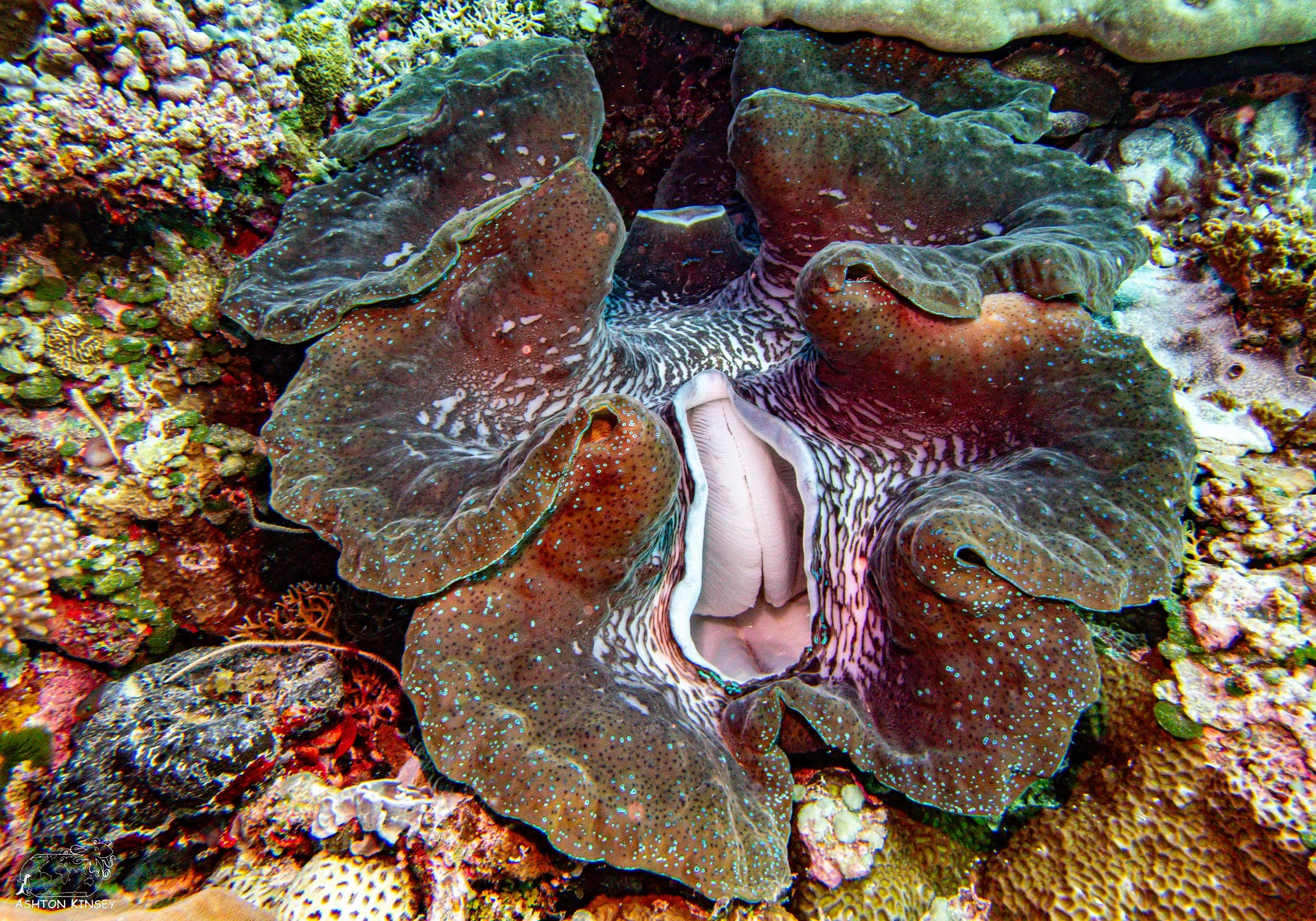
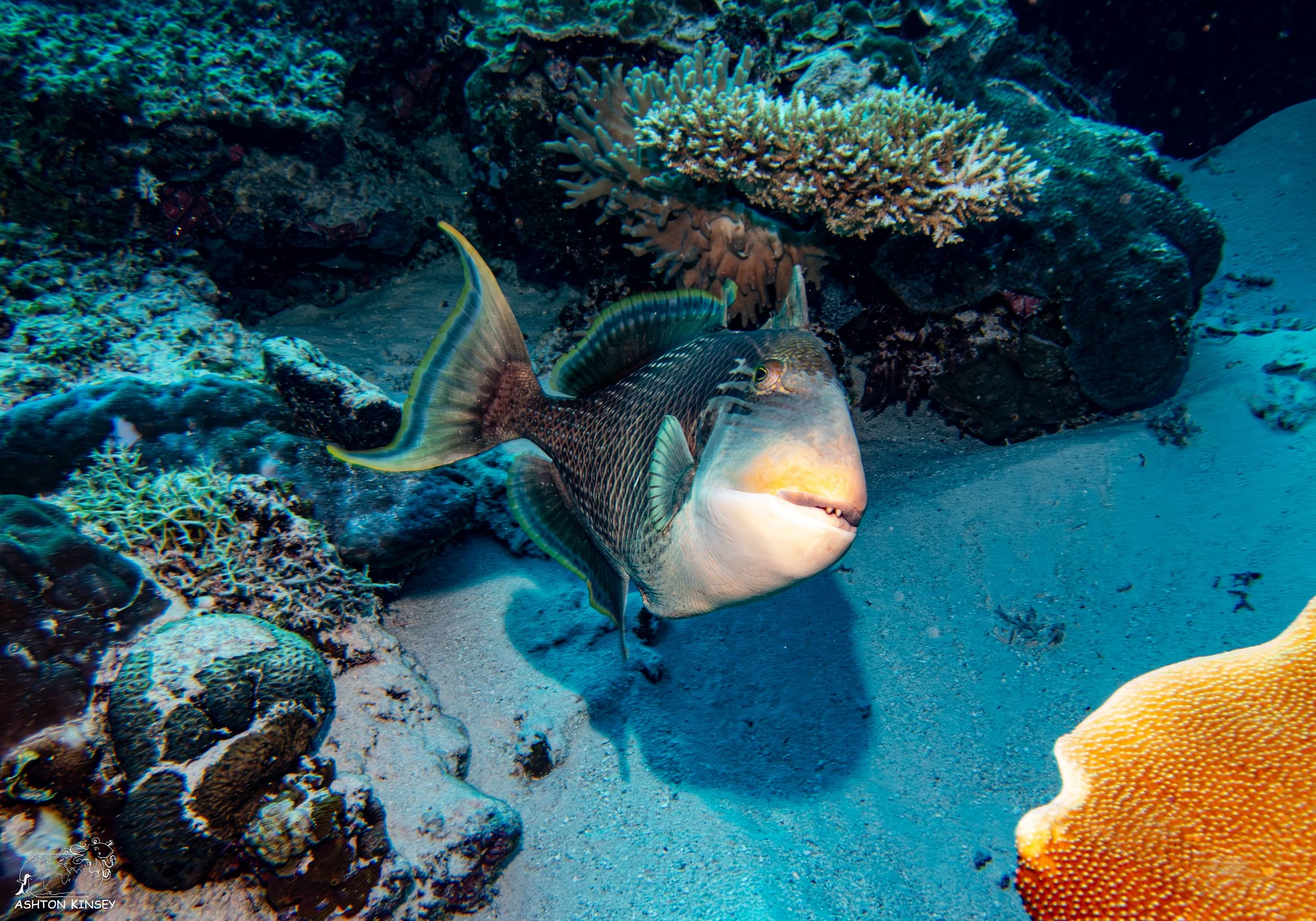
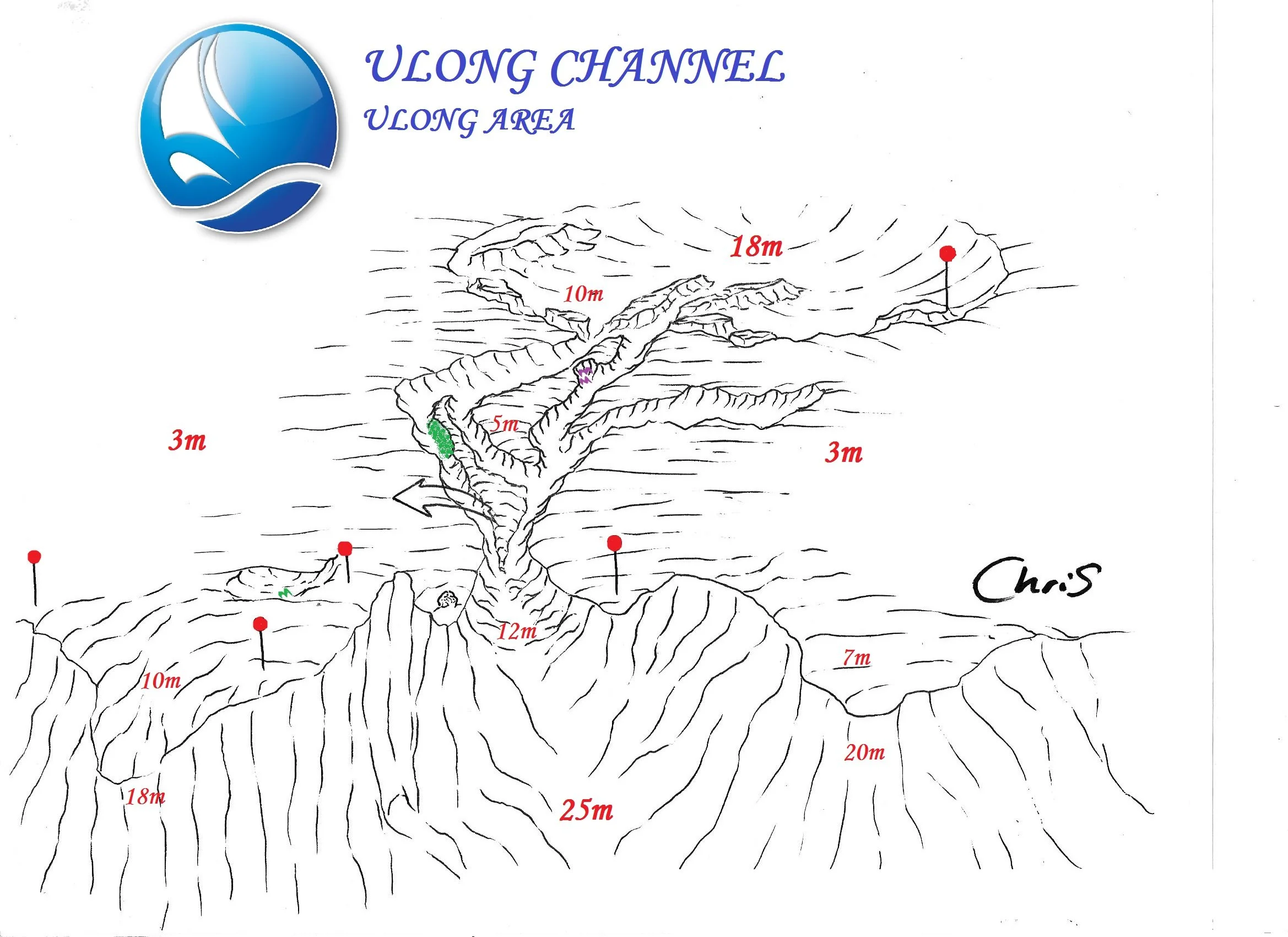
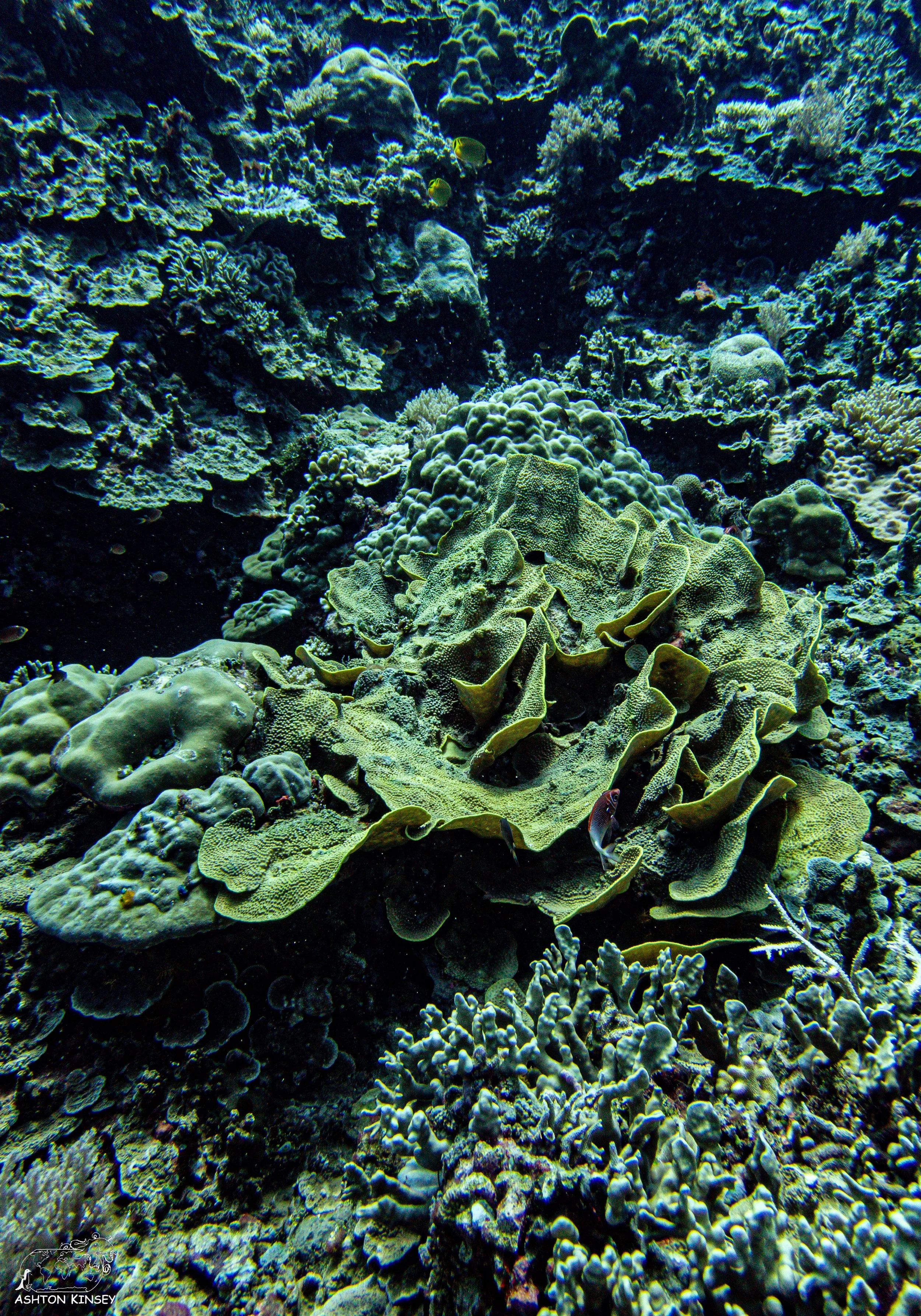
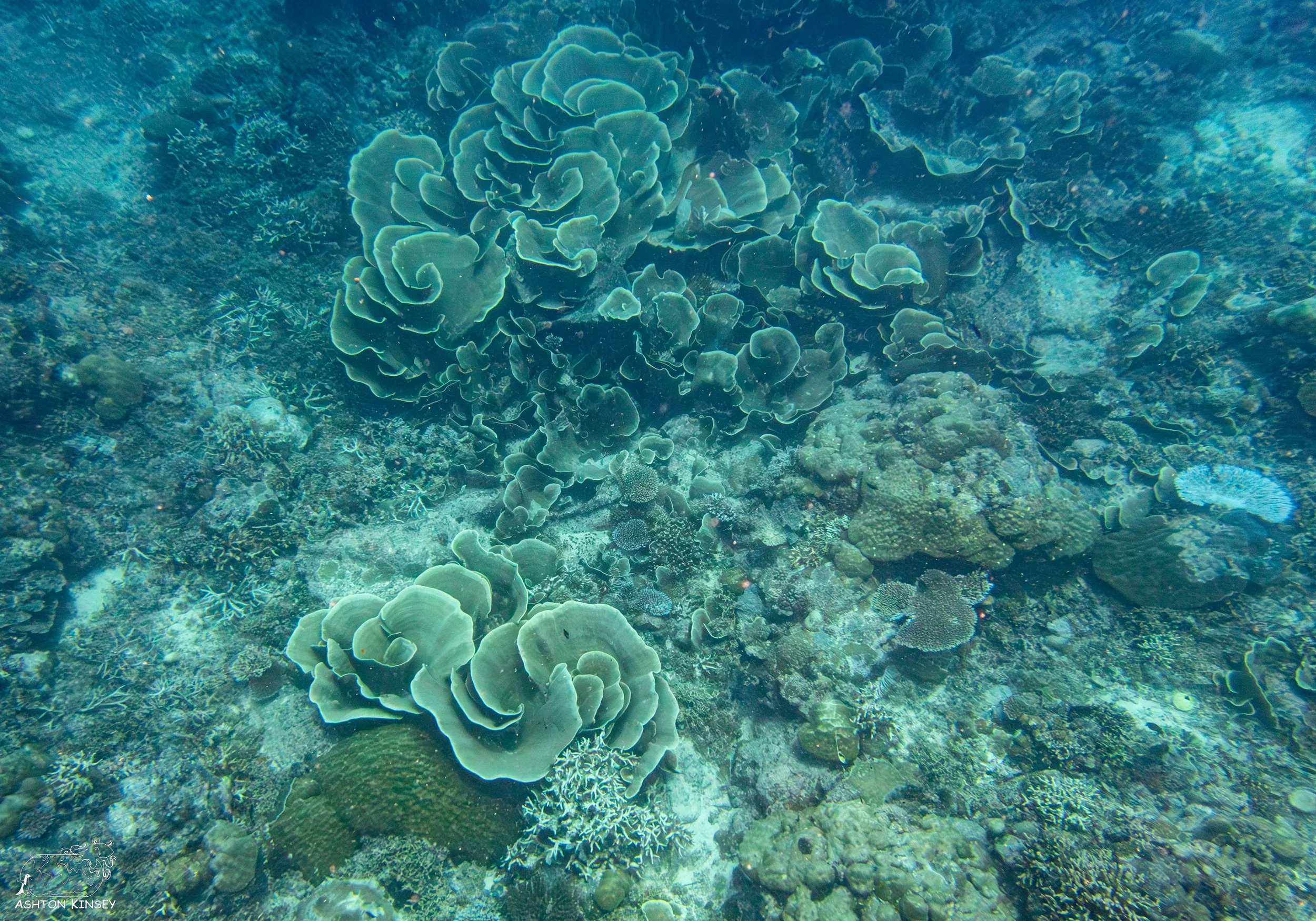
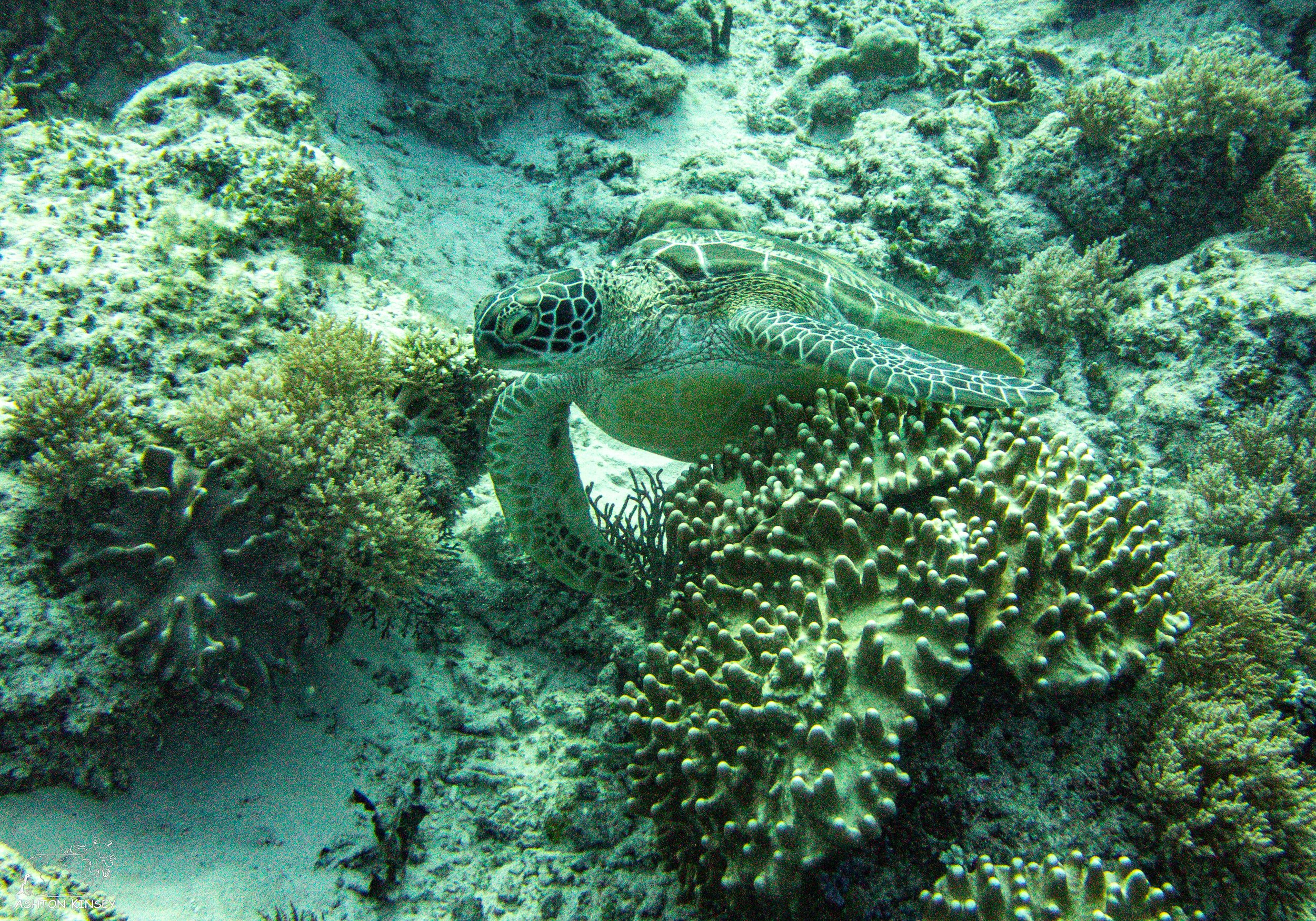
This is a naturally formed channel that usually has incoming currents starting around 1600h. The mouth of the channel is a place to hook off and watch the blue as sharks, rays and turtles swim past. Inside of the channel large lettuce colonies can be found with schools of reef fish, trevallies and large groupers.
Siaes Corner
Dive 13: 66’ for 62 Min
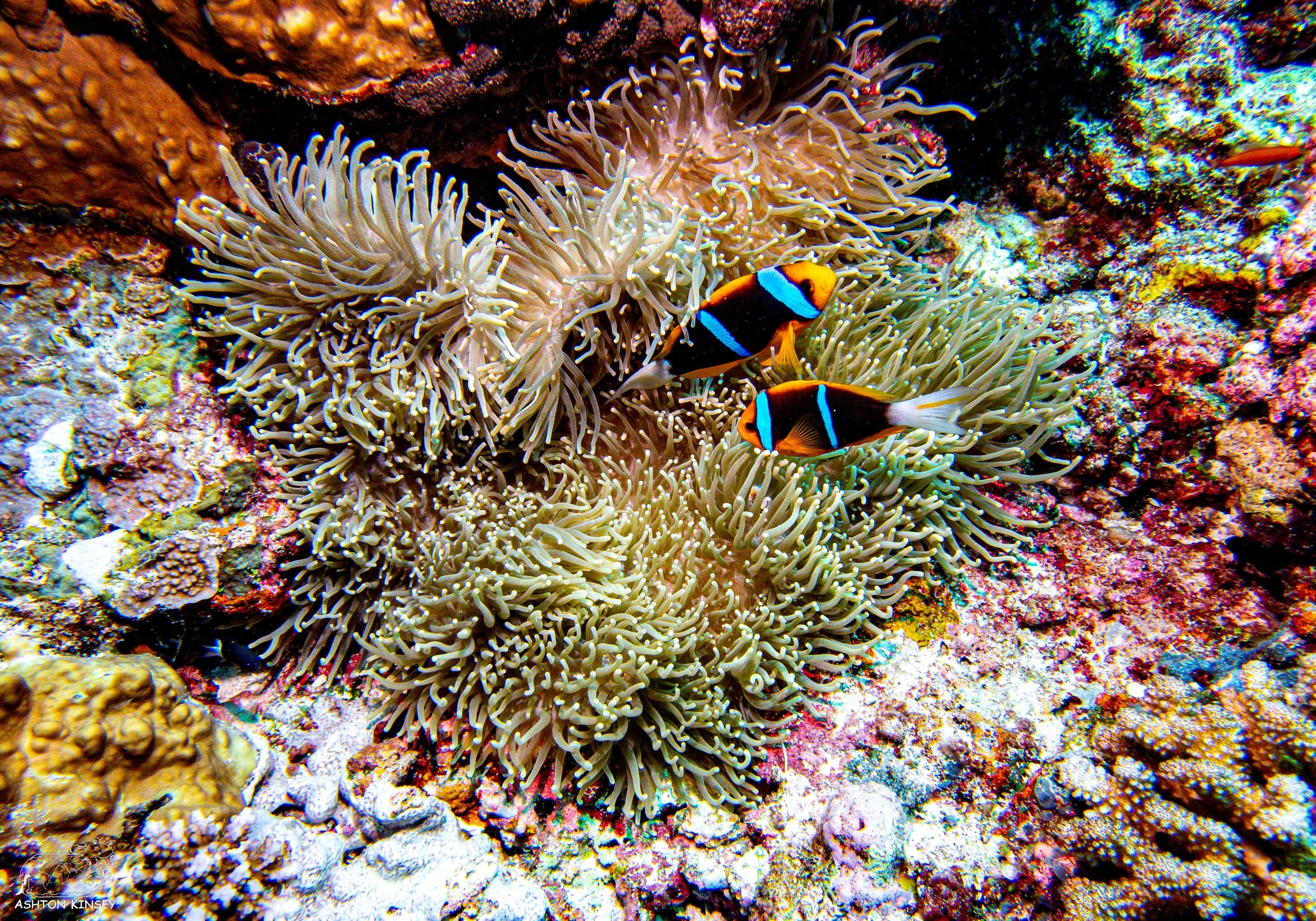
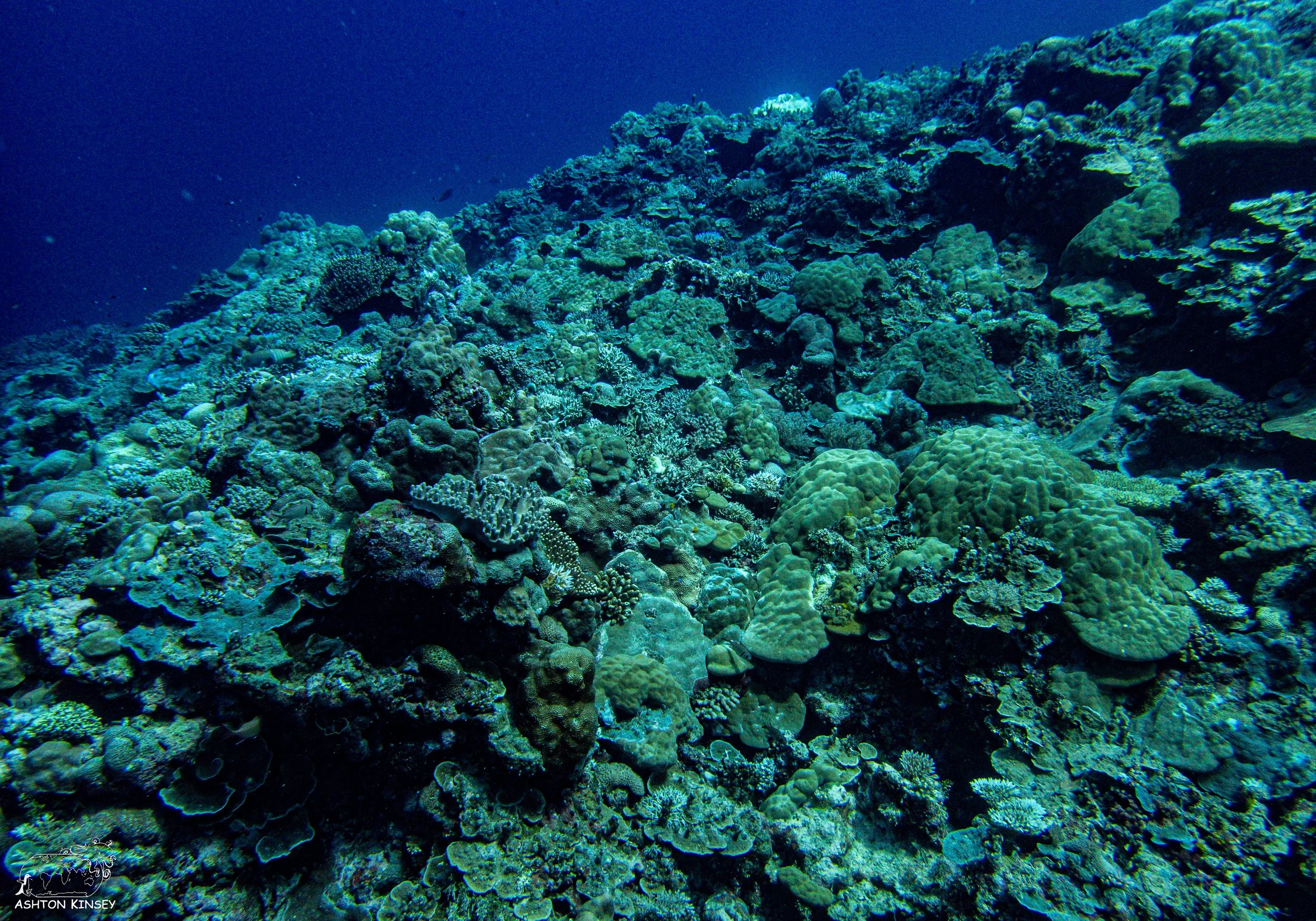
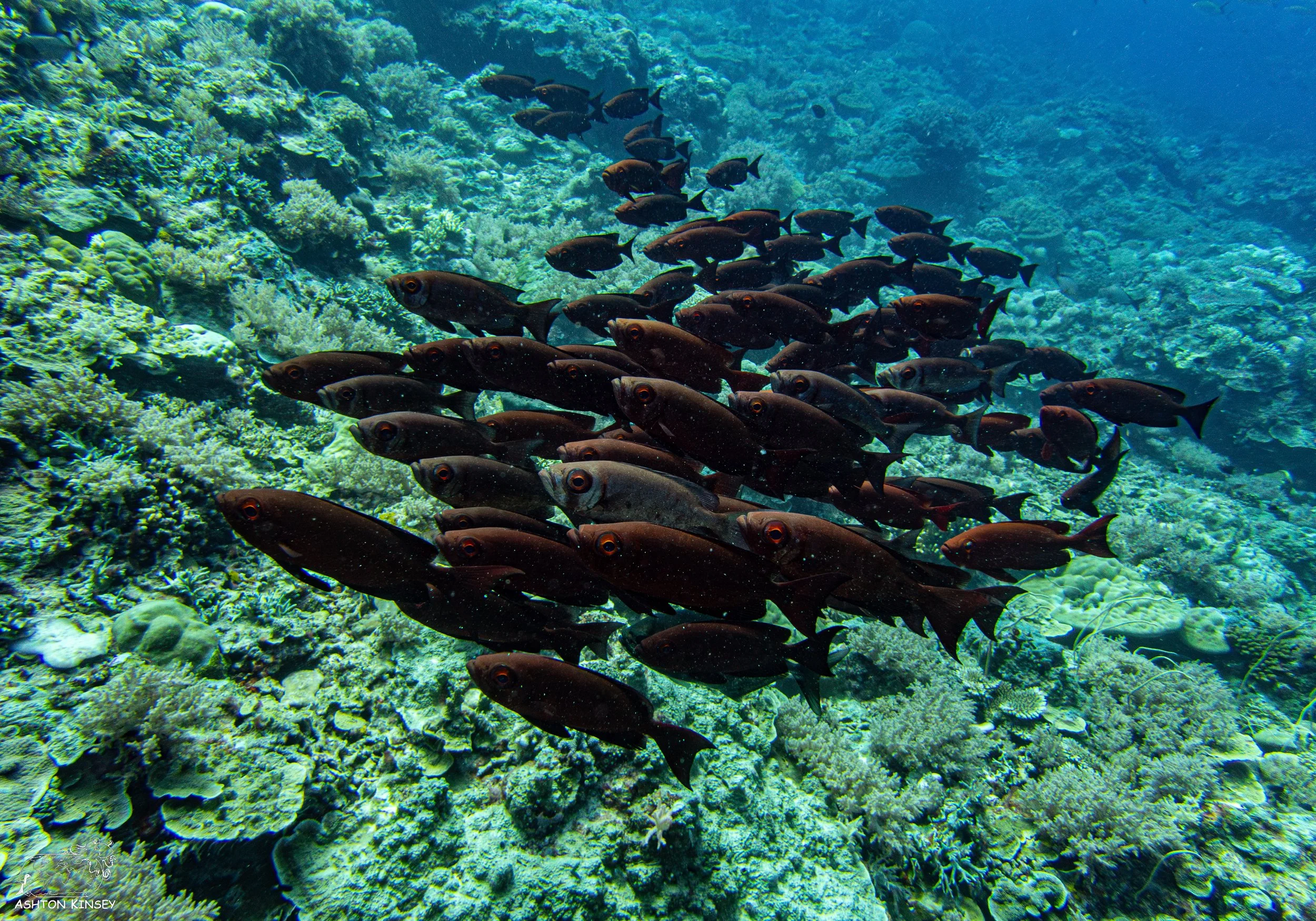
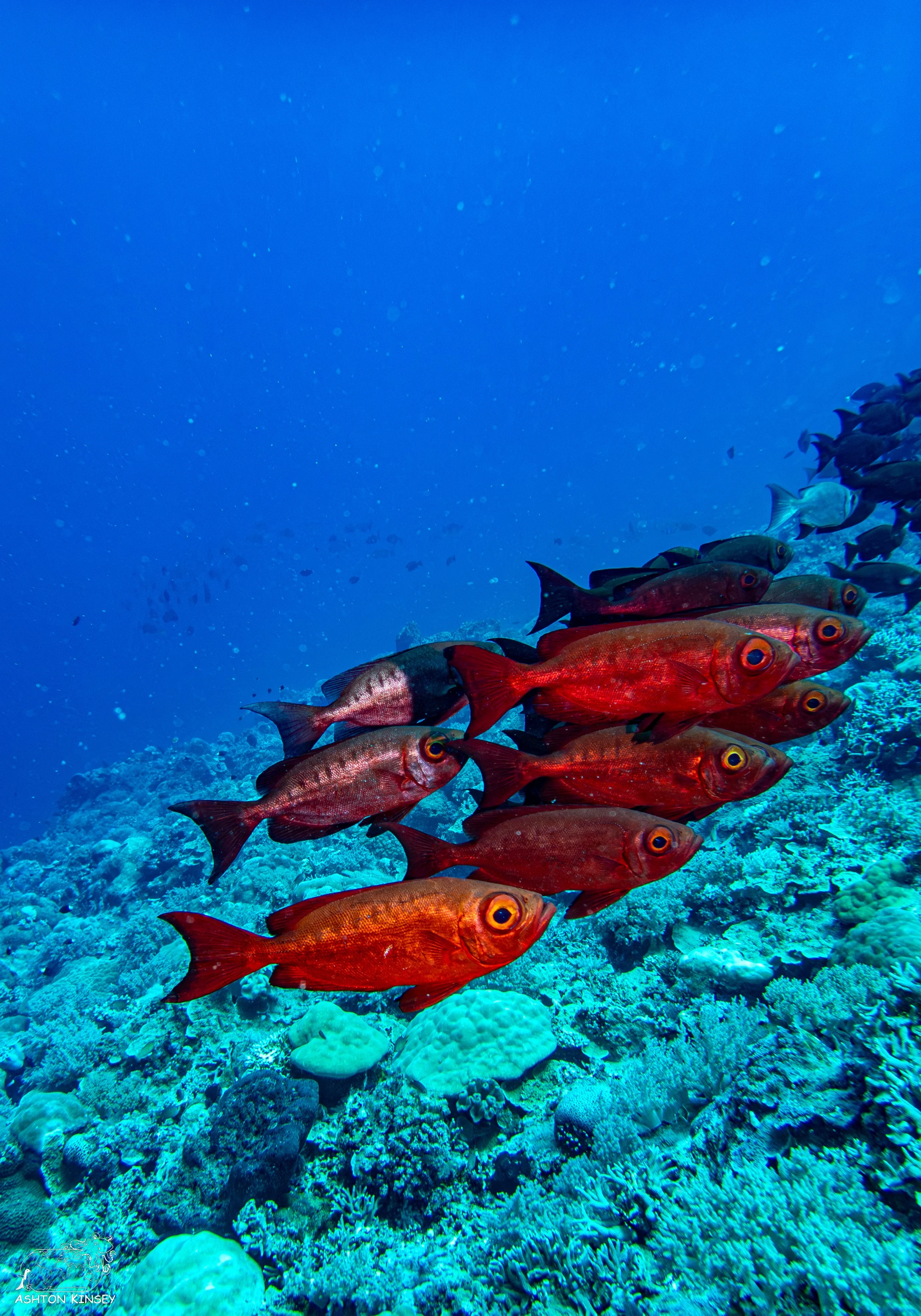
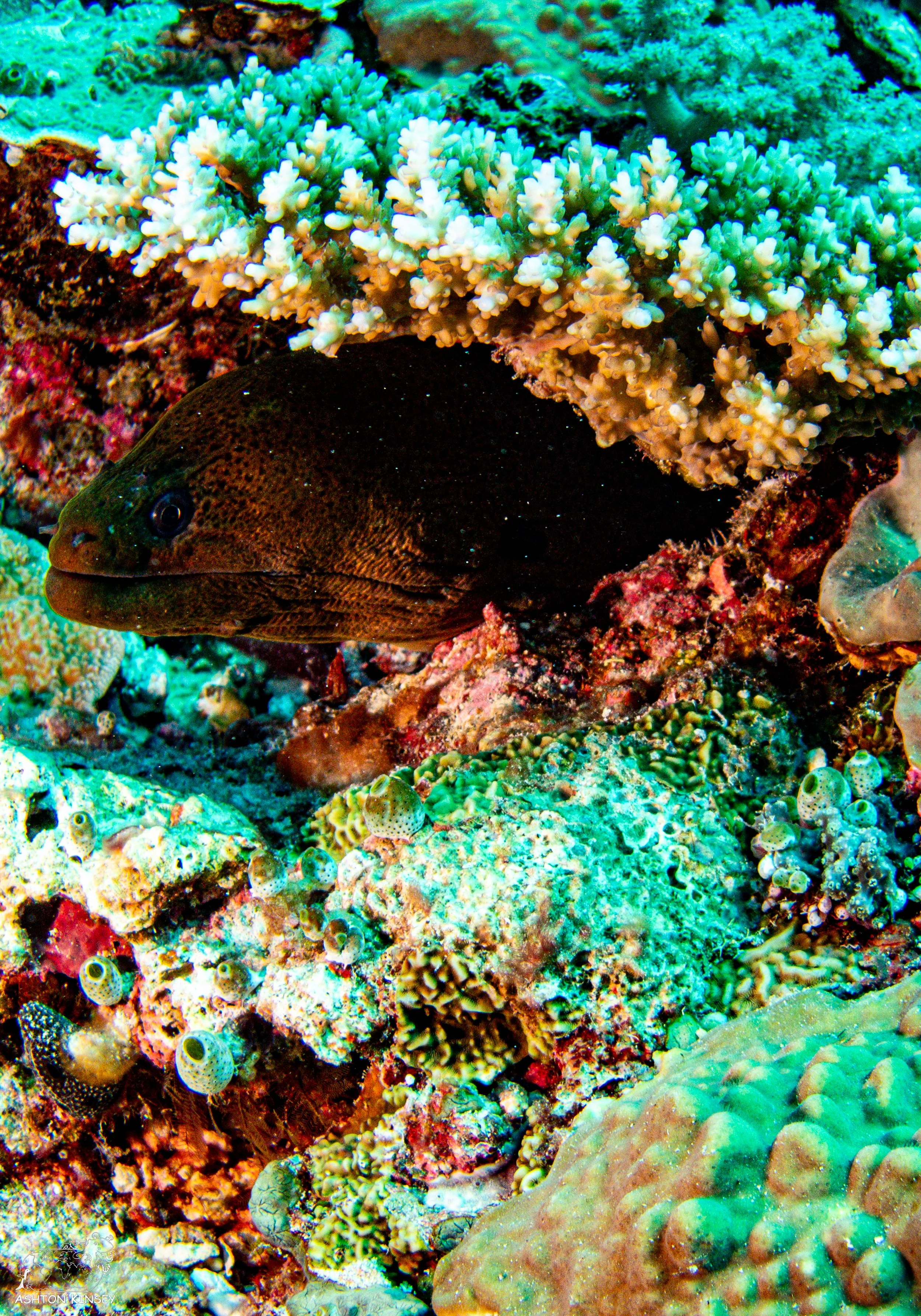
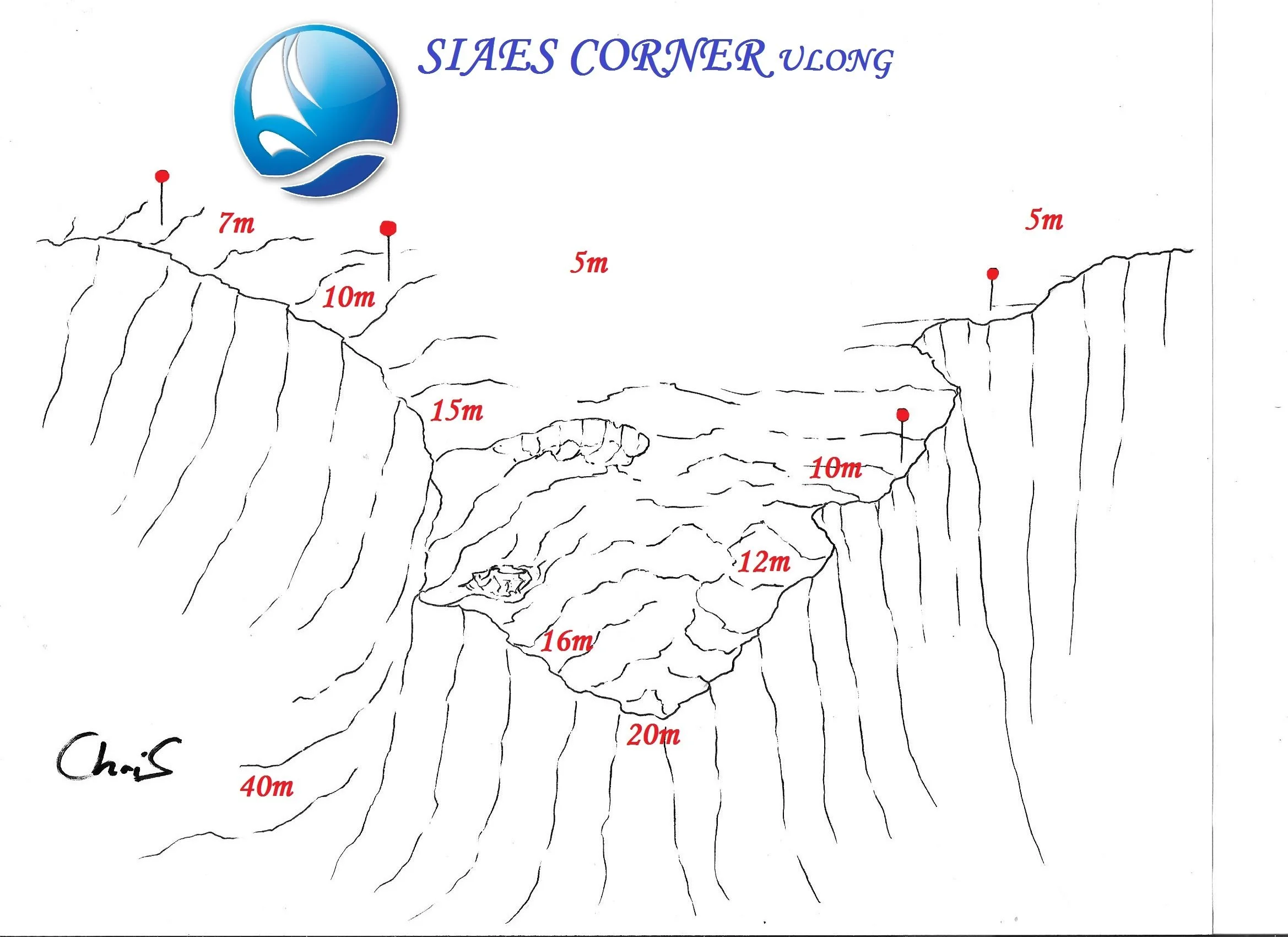
A steep wall with a sloping reef. This site is on the corner that jets out into the water, currents bring in nutrients and help keep the reef healthy and diverse. This also helps attract sharks, snappers, and other school butterfly fish and anthias. When there is a strong current, this is a good site to hook off and watch the show. If no current follow, the wall along and there is a small plateau around 30’ that will drop down to 120’.
Siaes Tunnel
Dive 17: 108’ for 61 Min
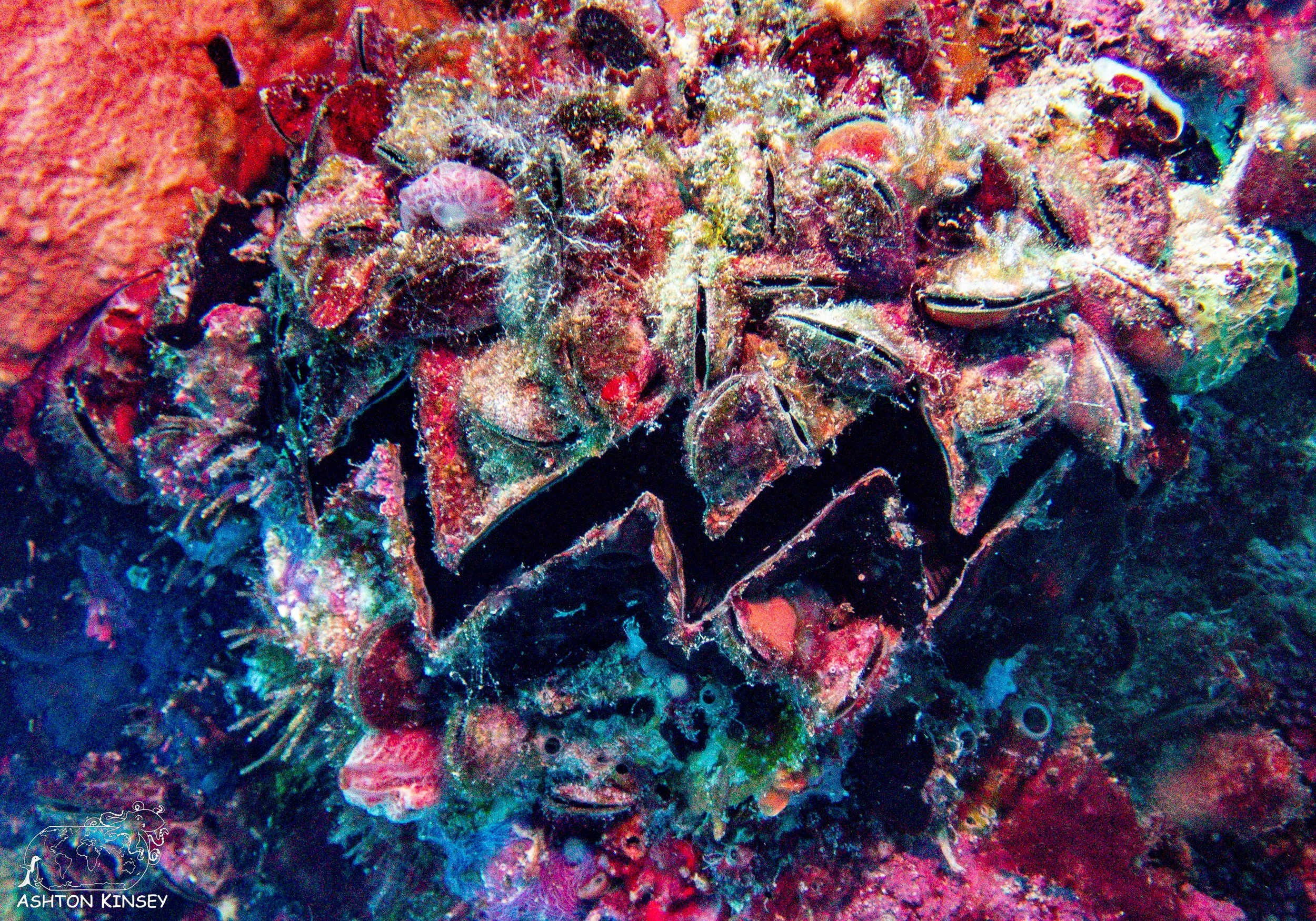
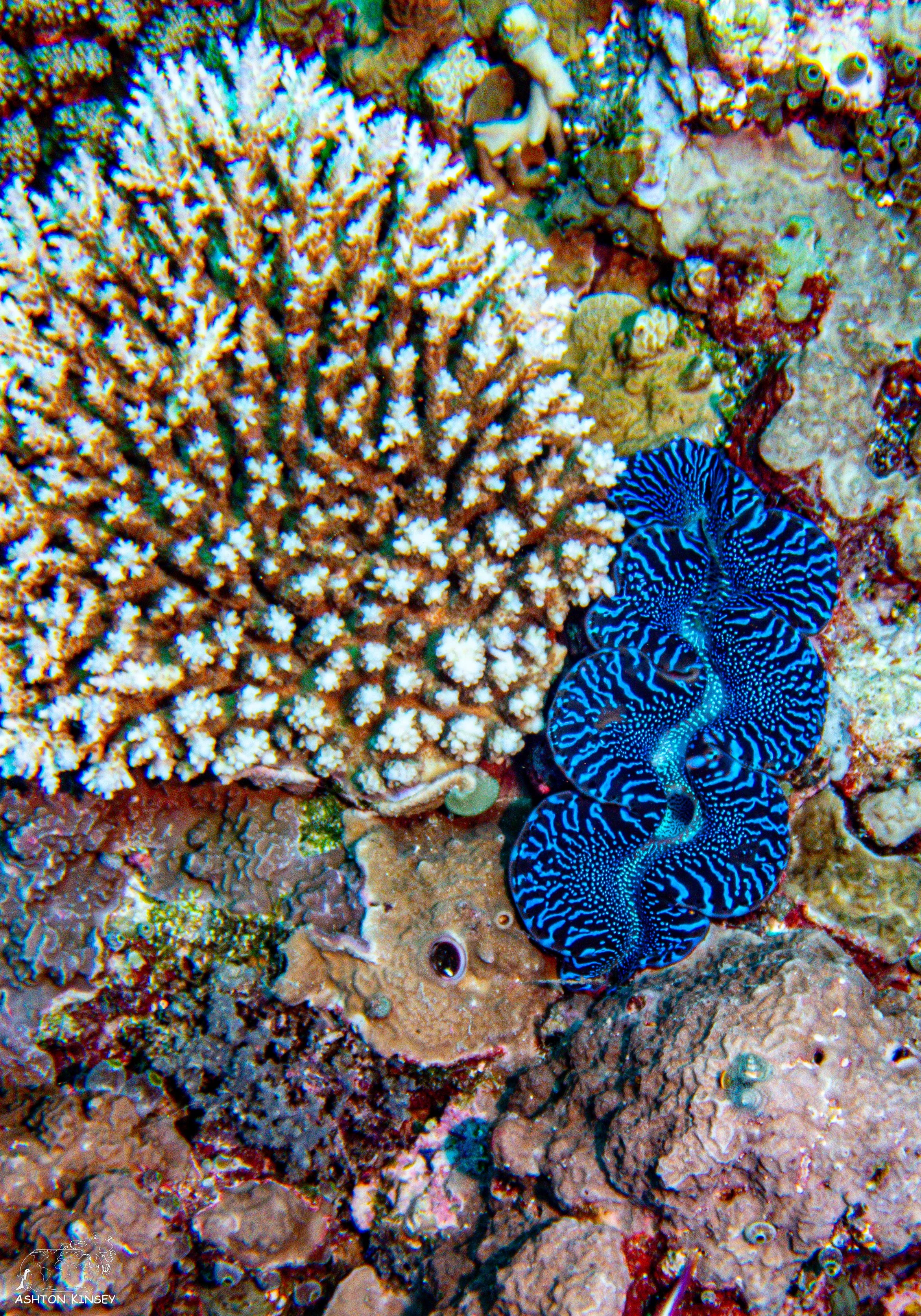
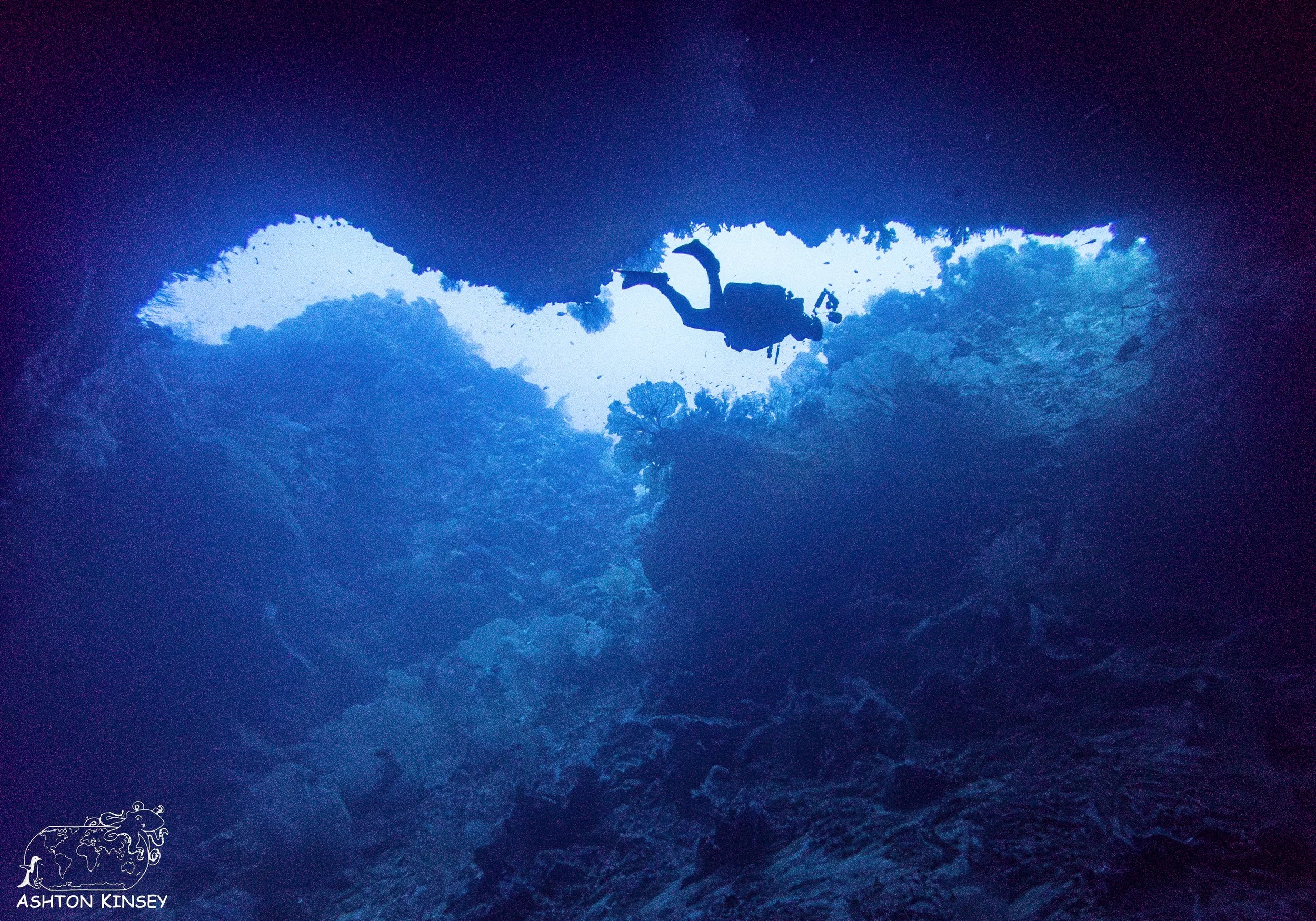
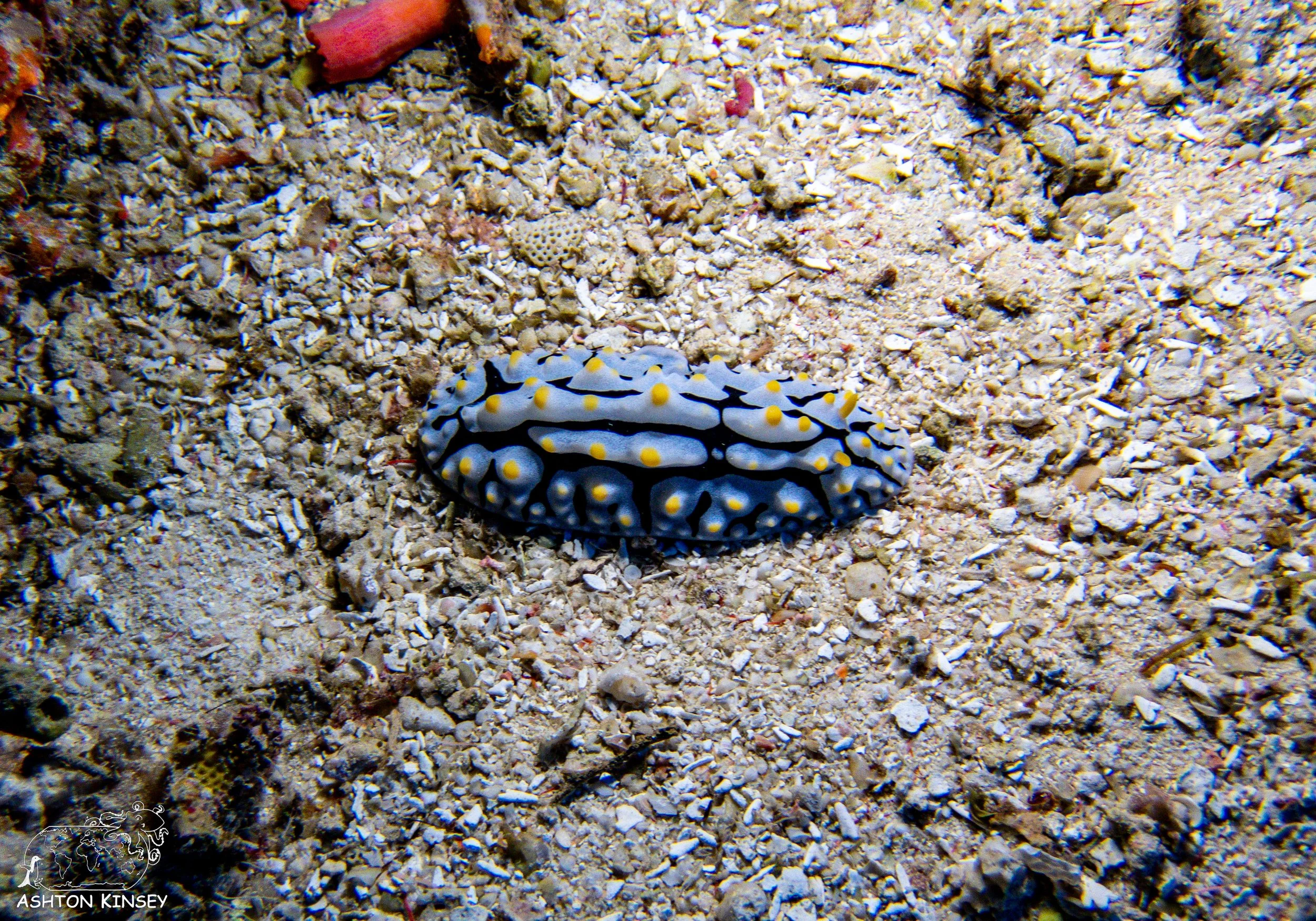
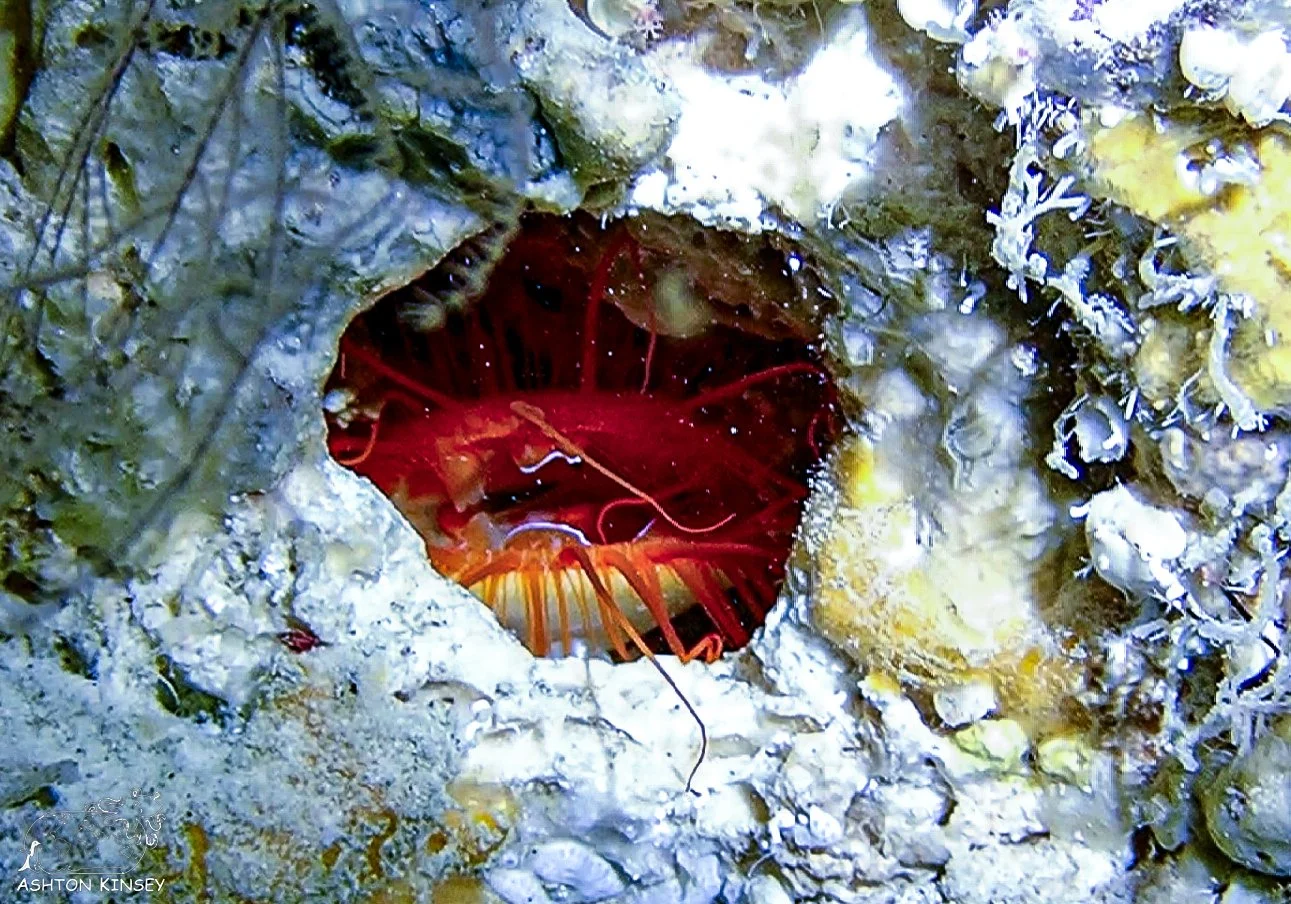
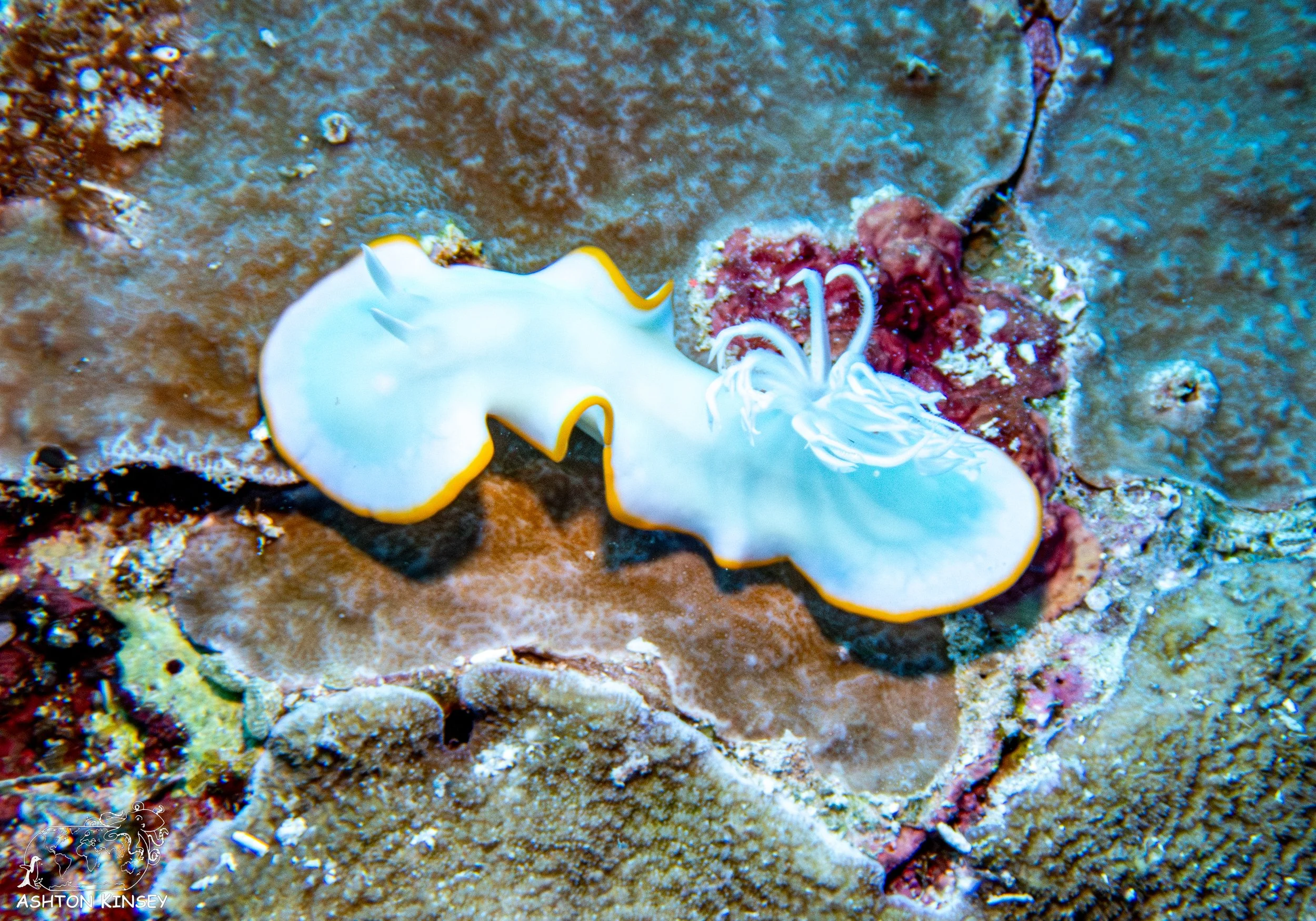
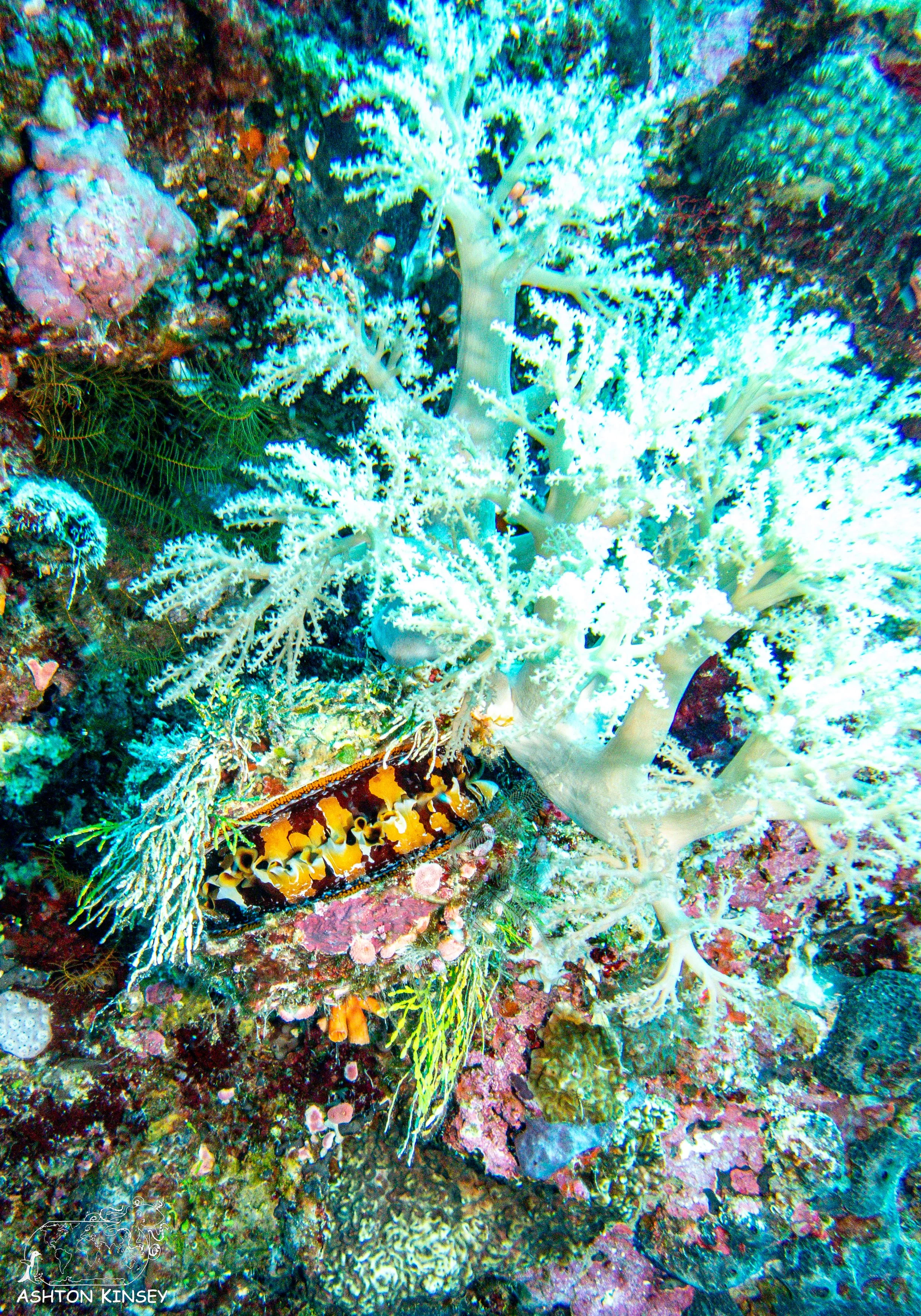
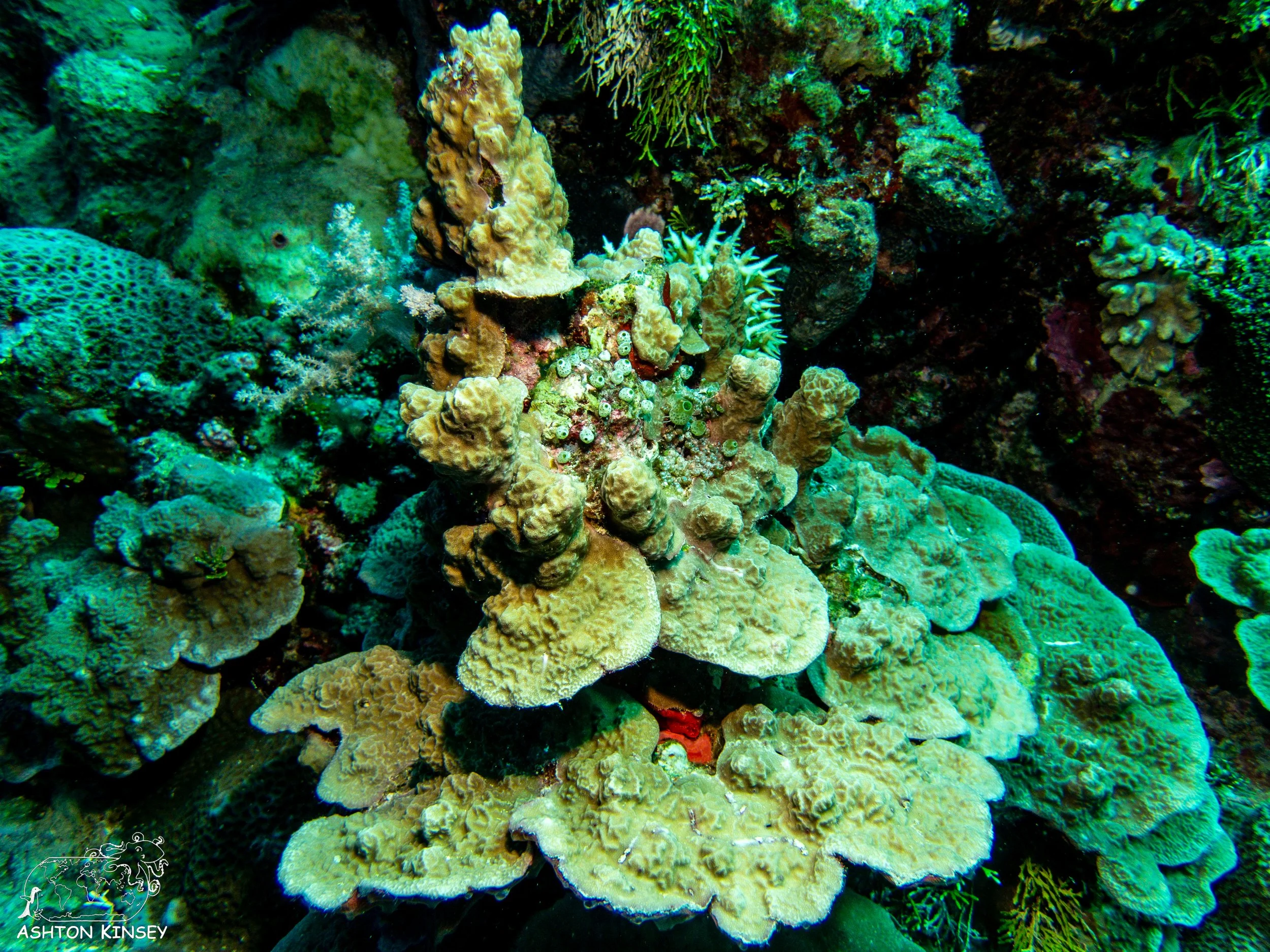
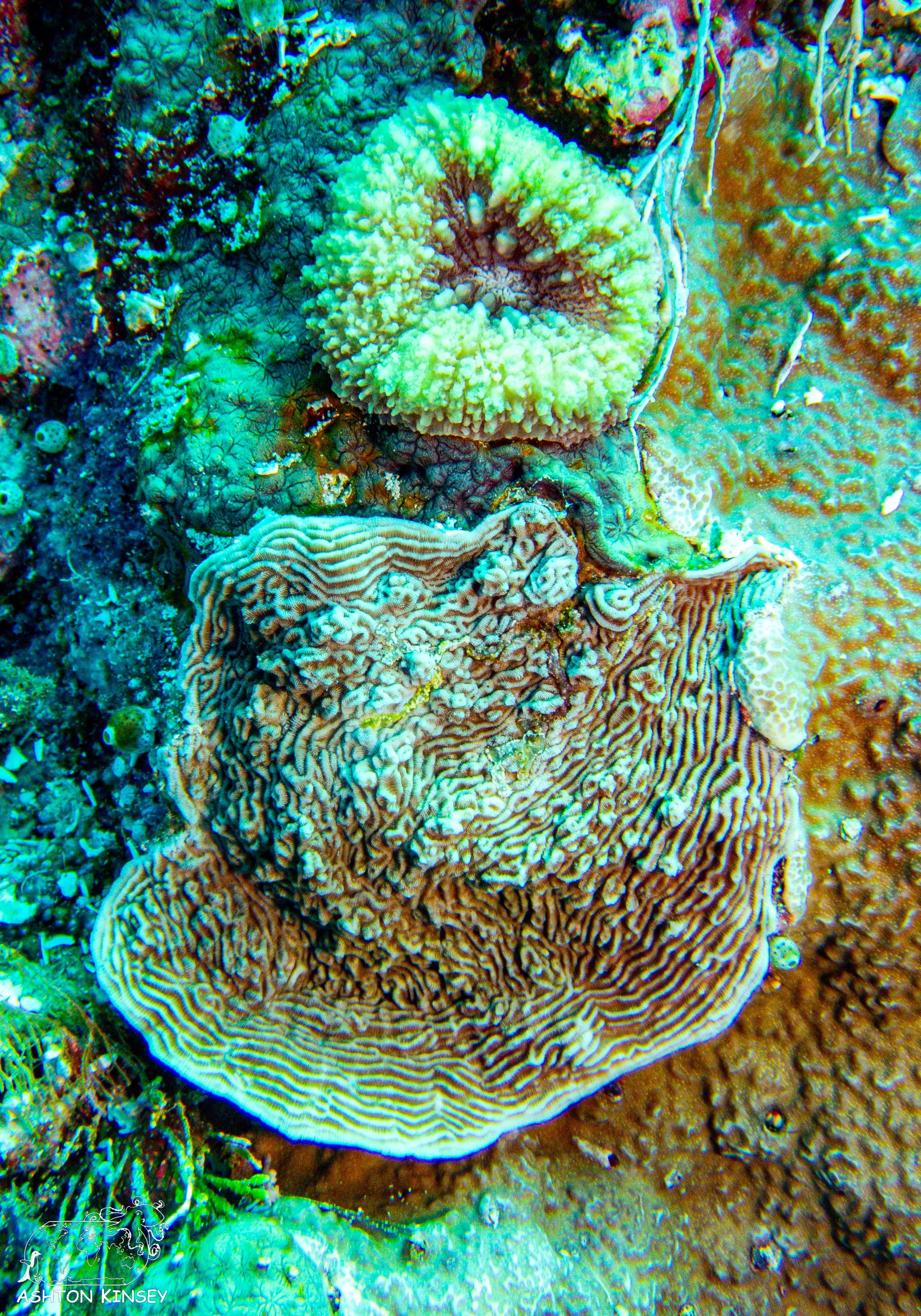
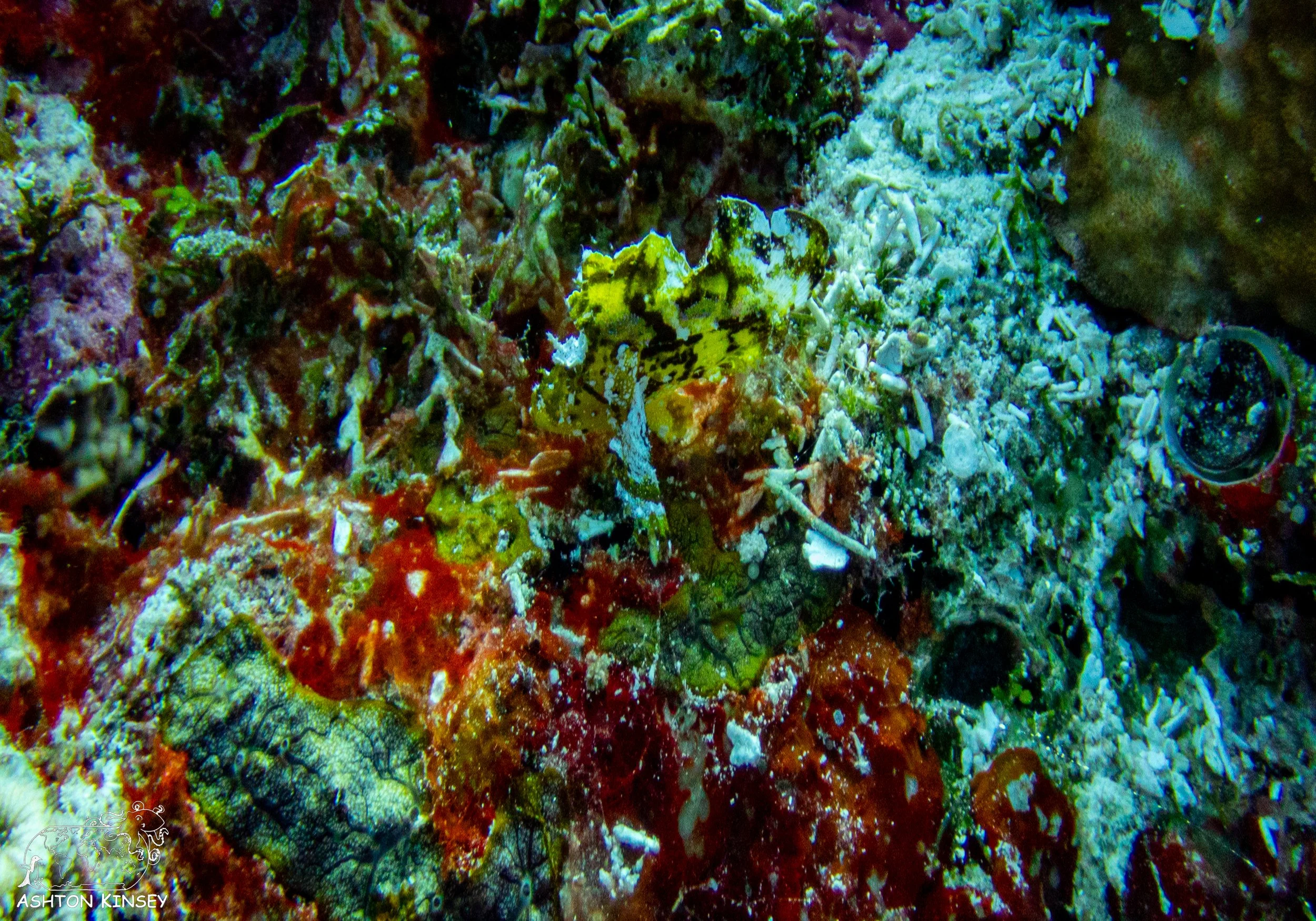
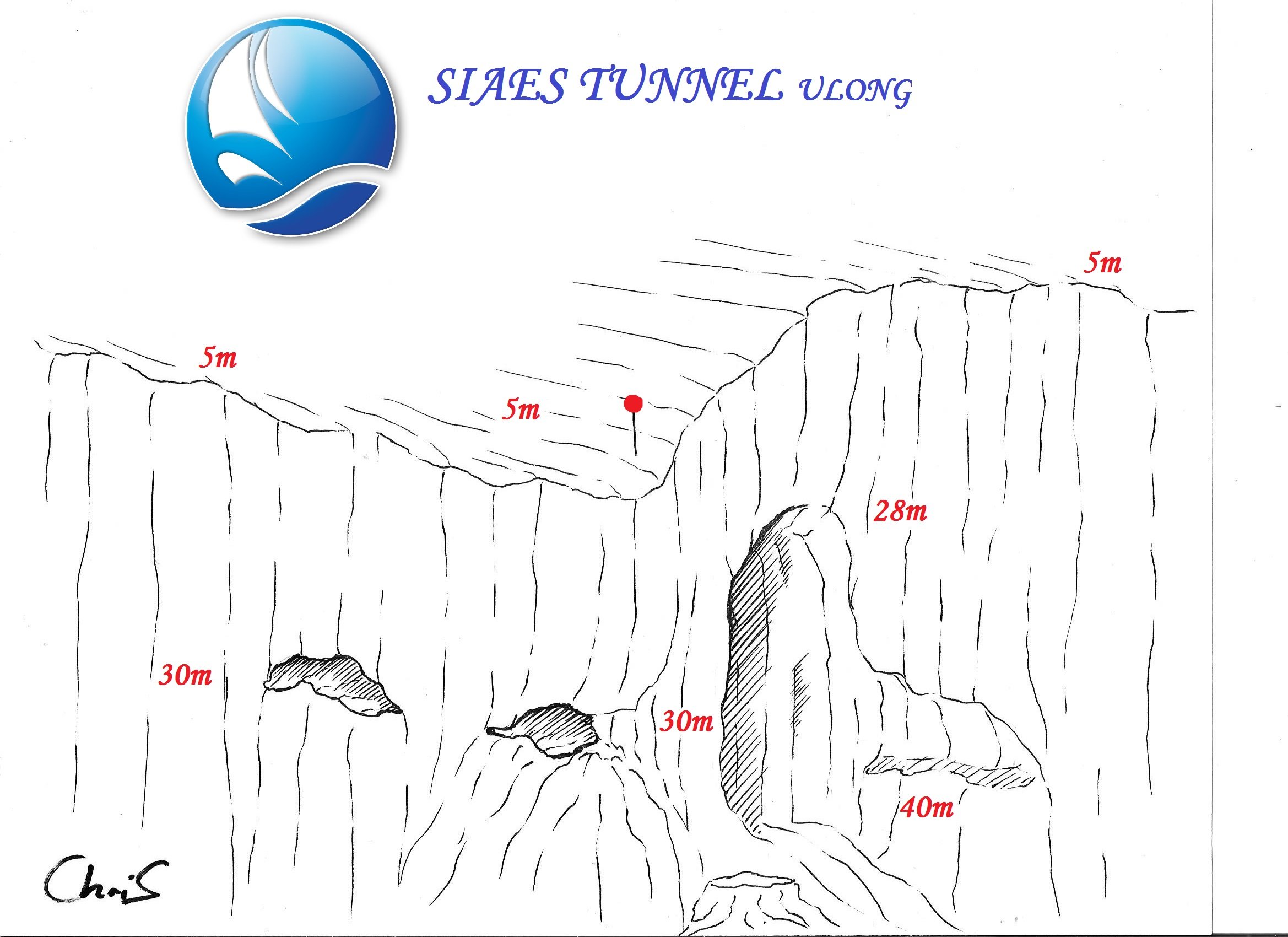
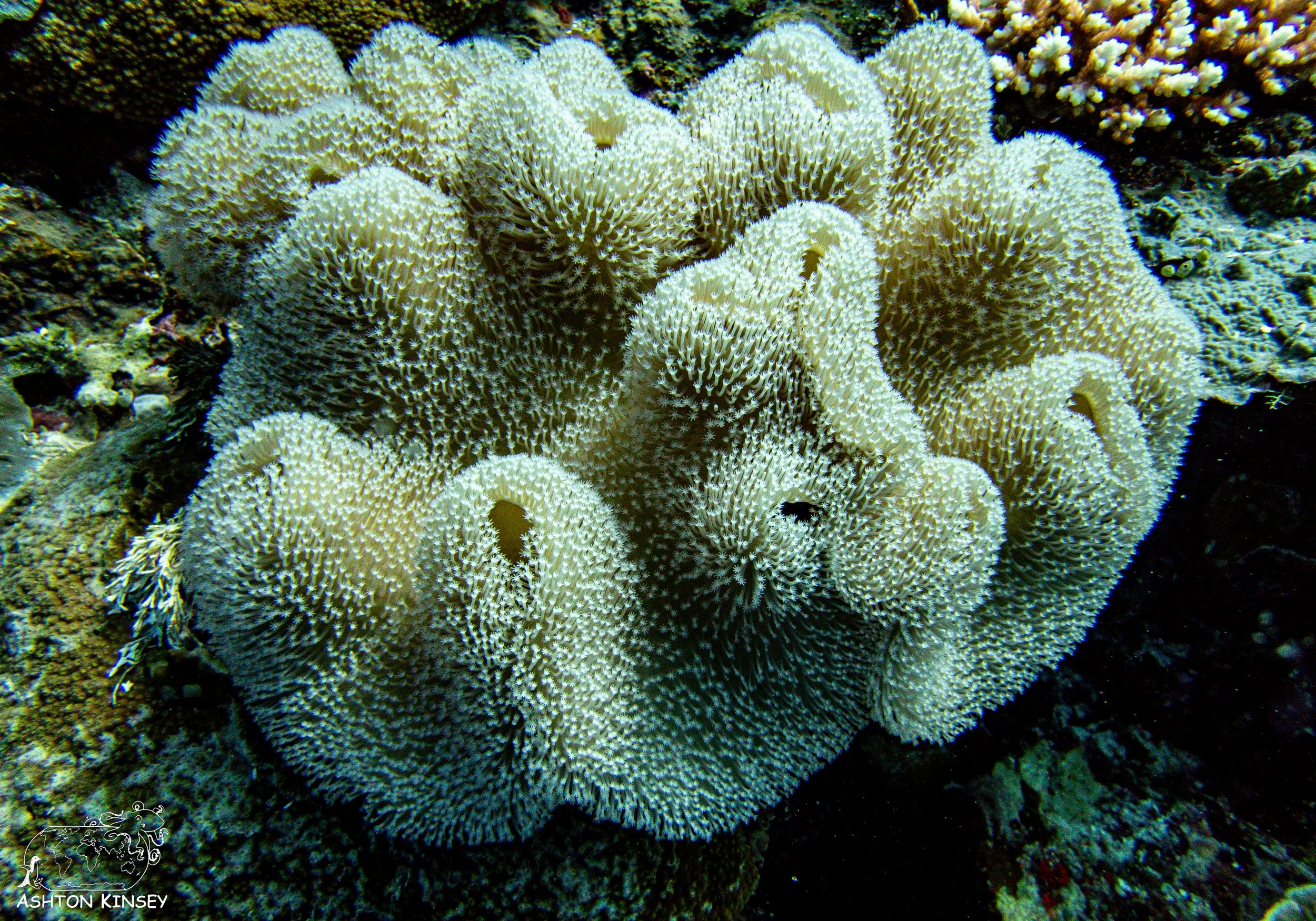
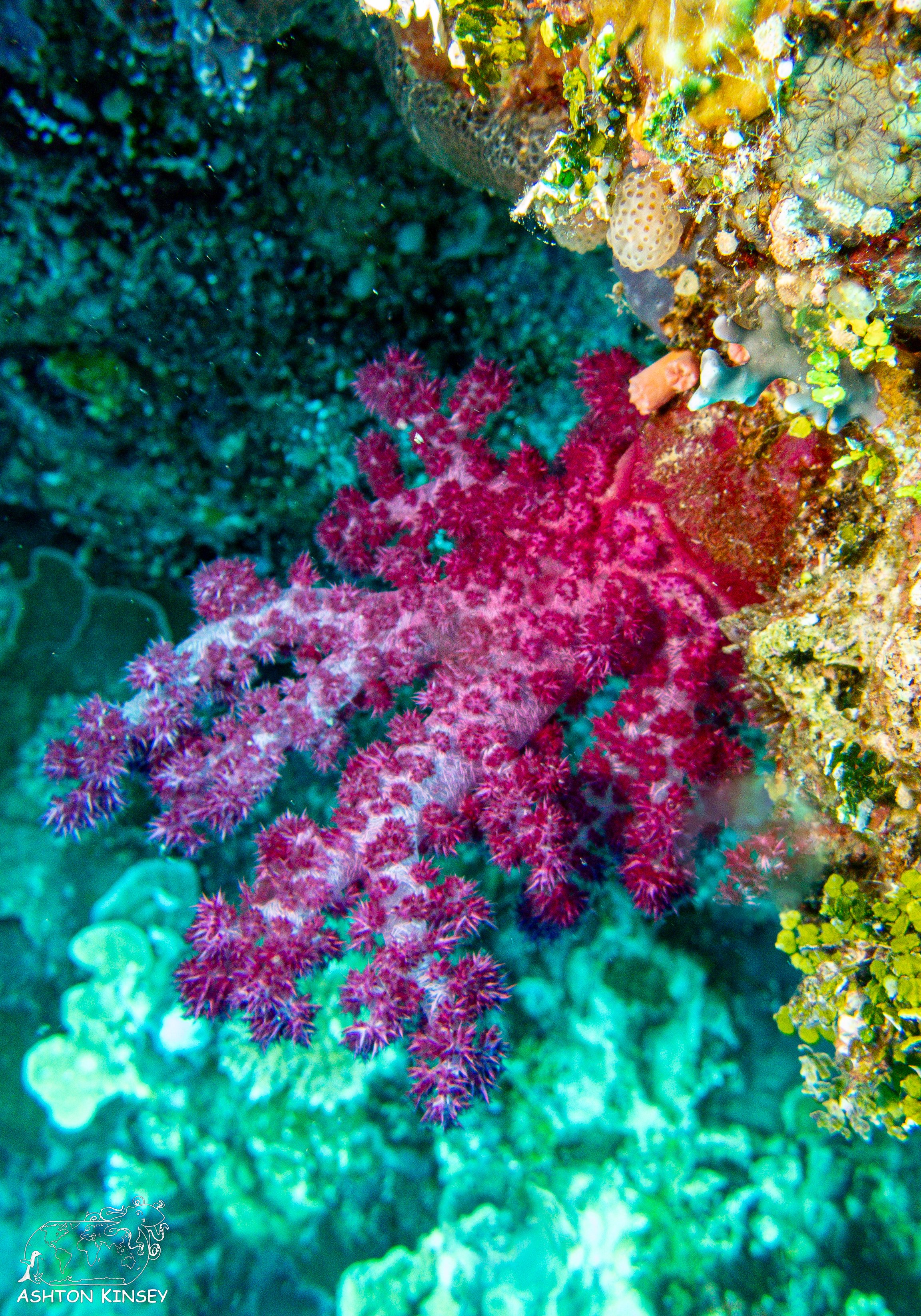
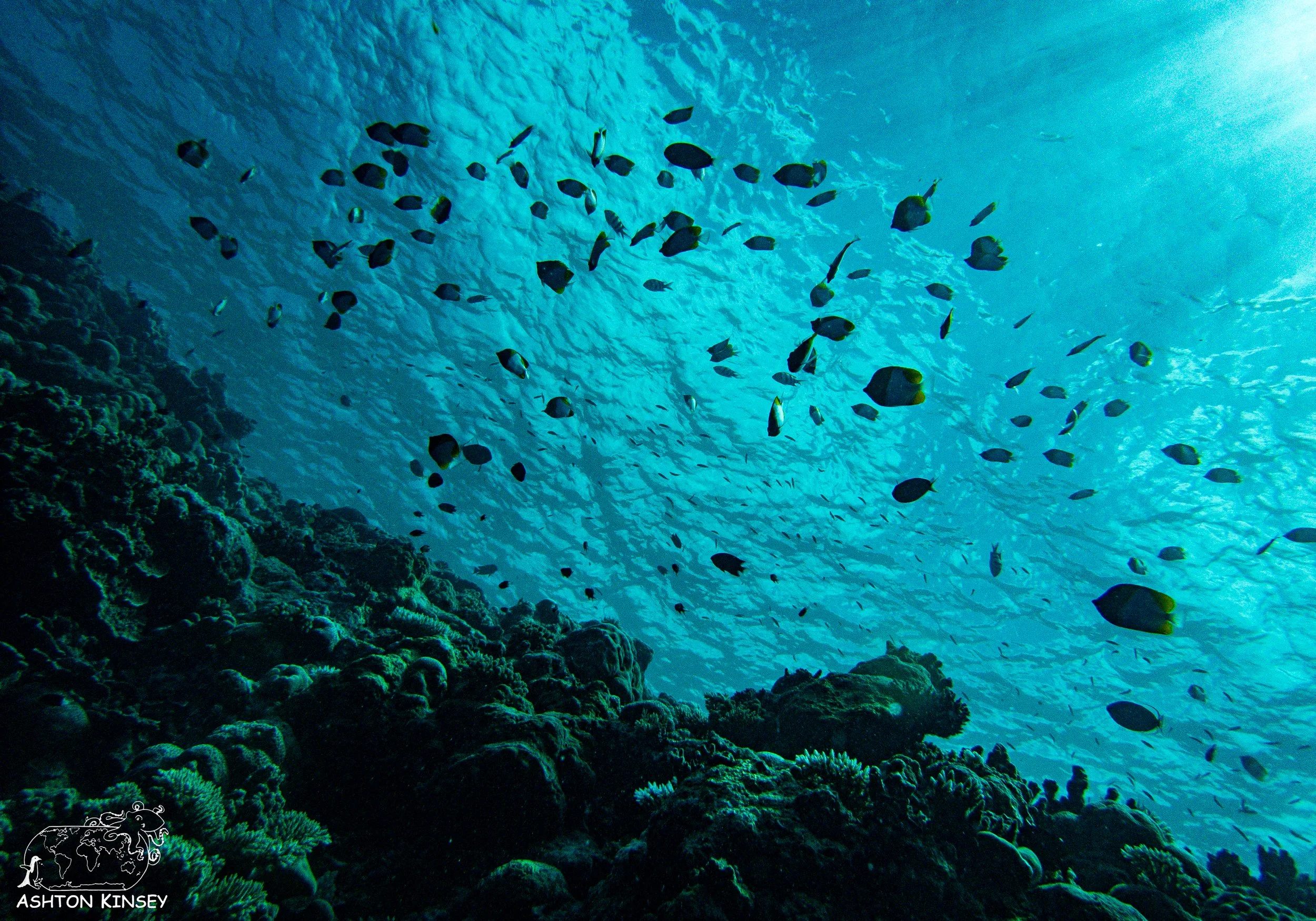
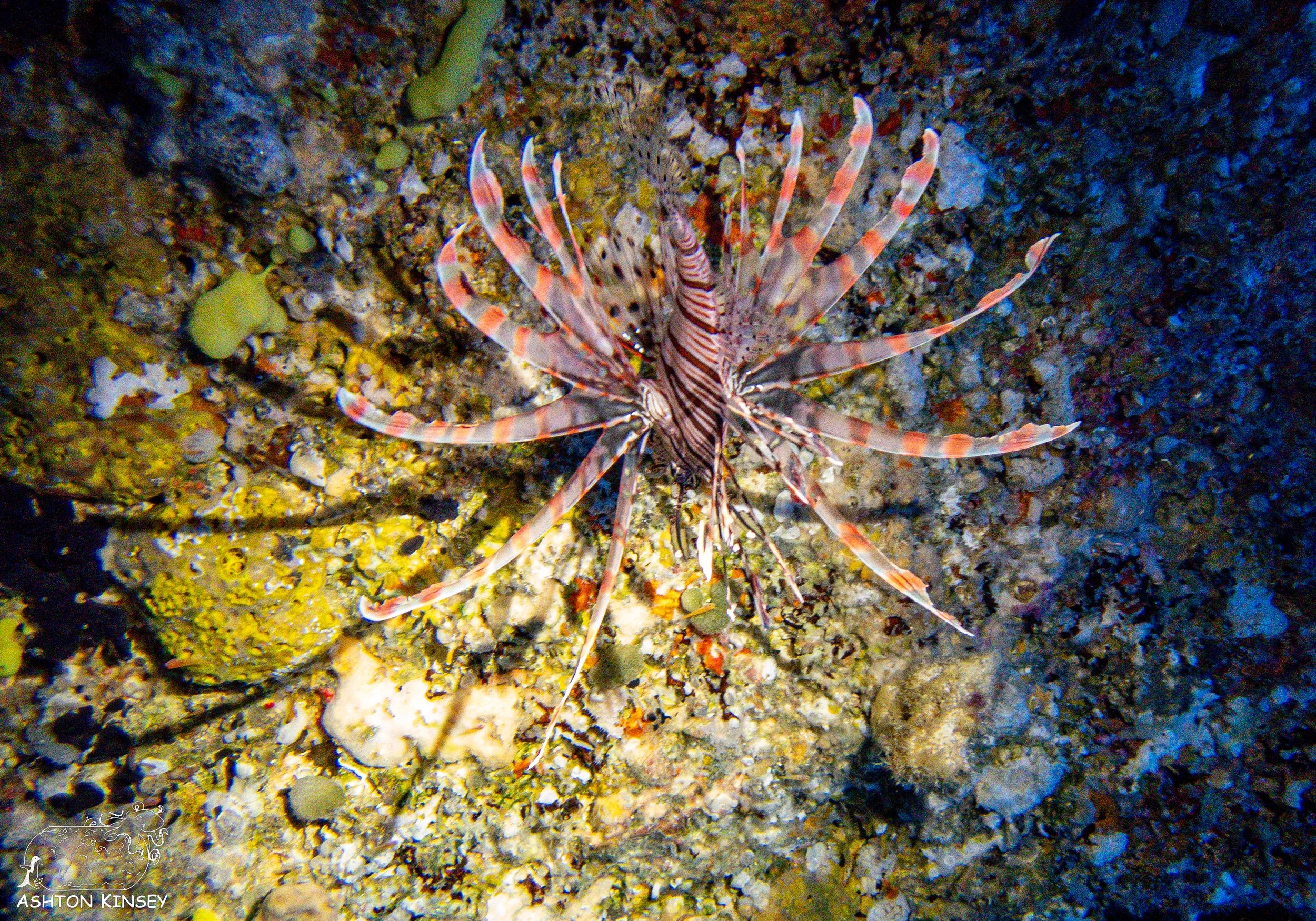
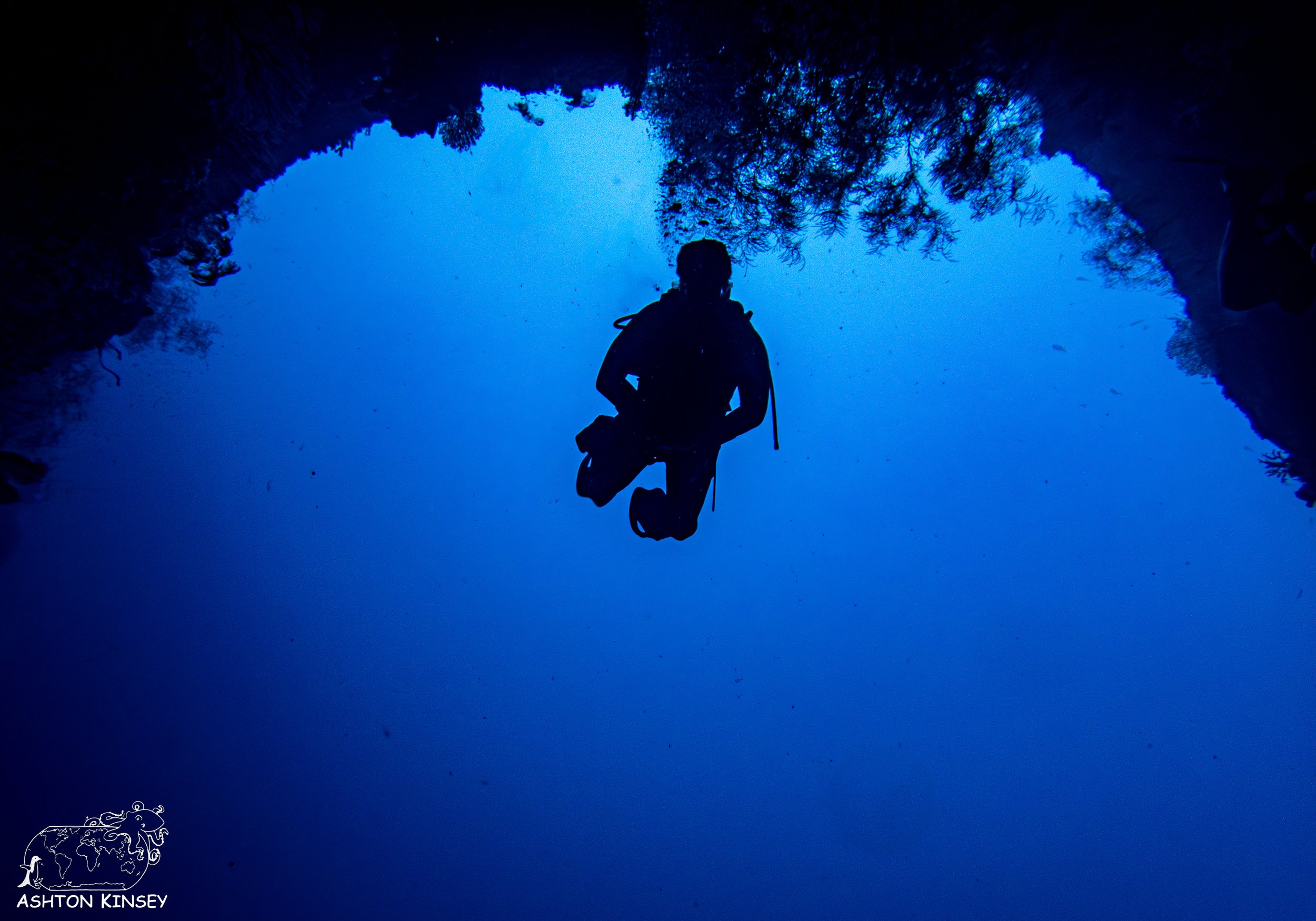
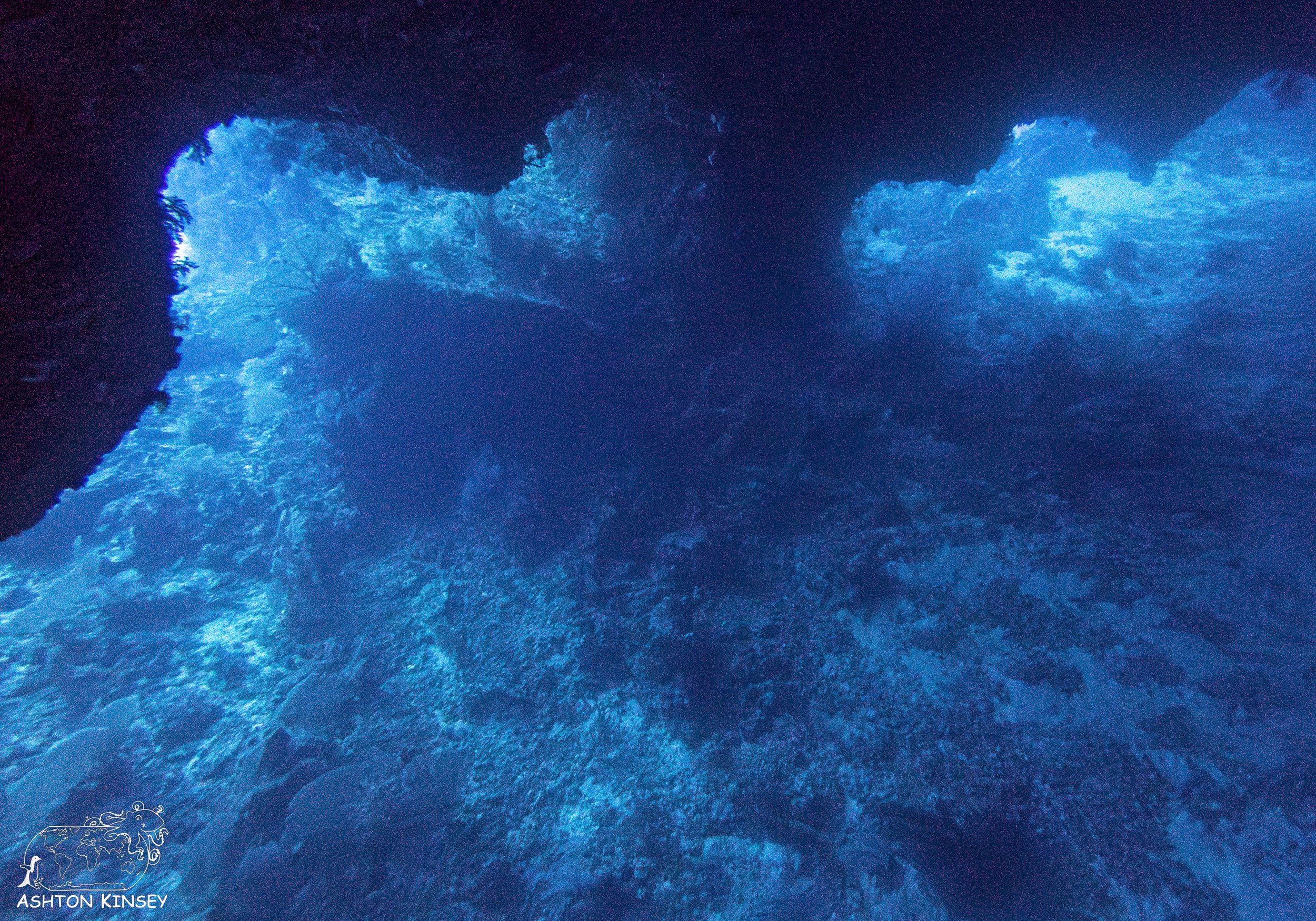
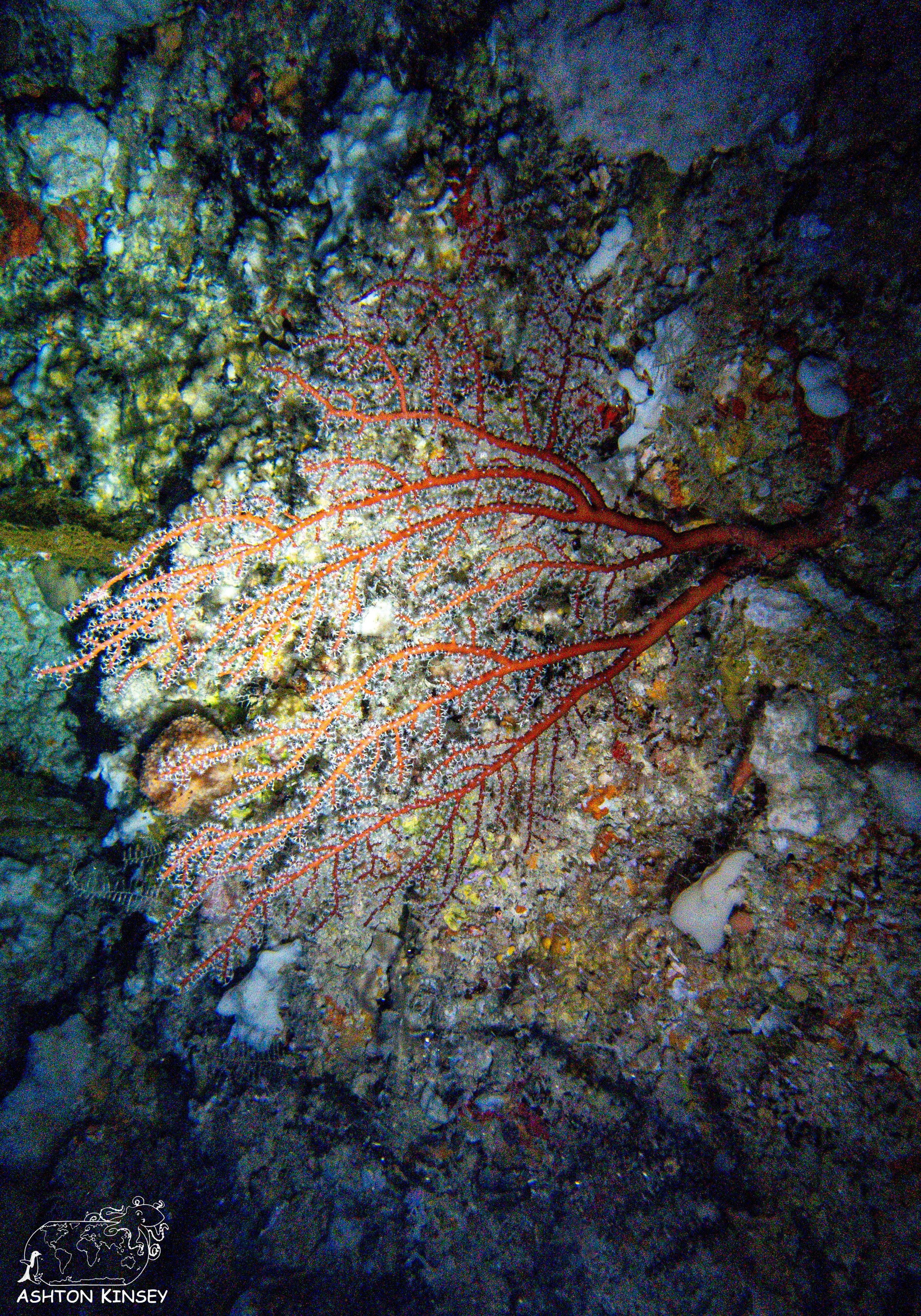
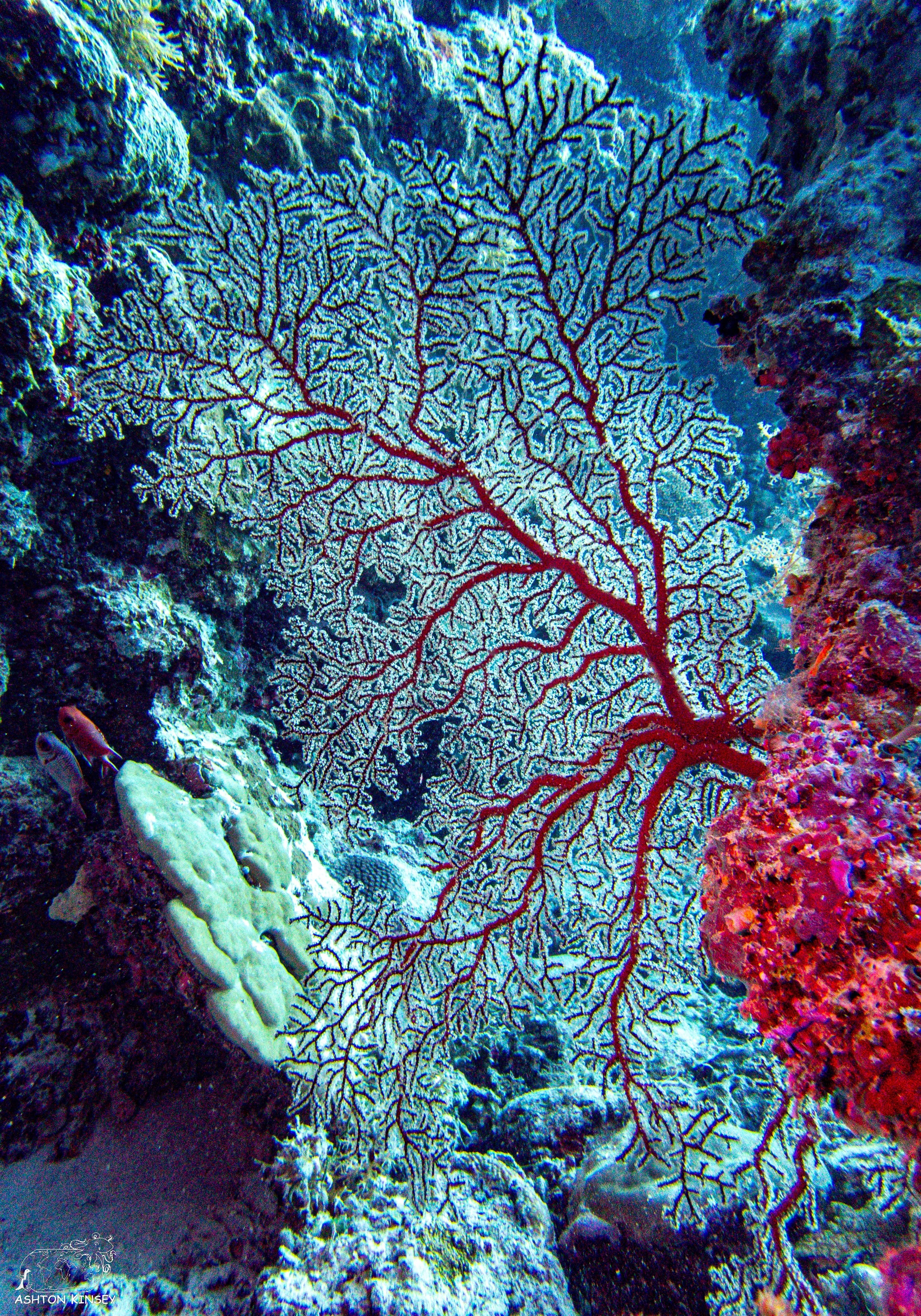
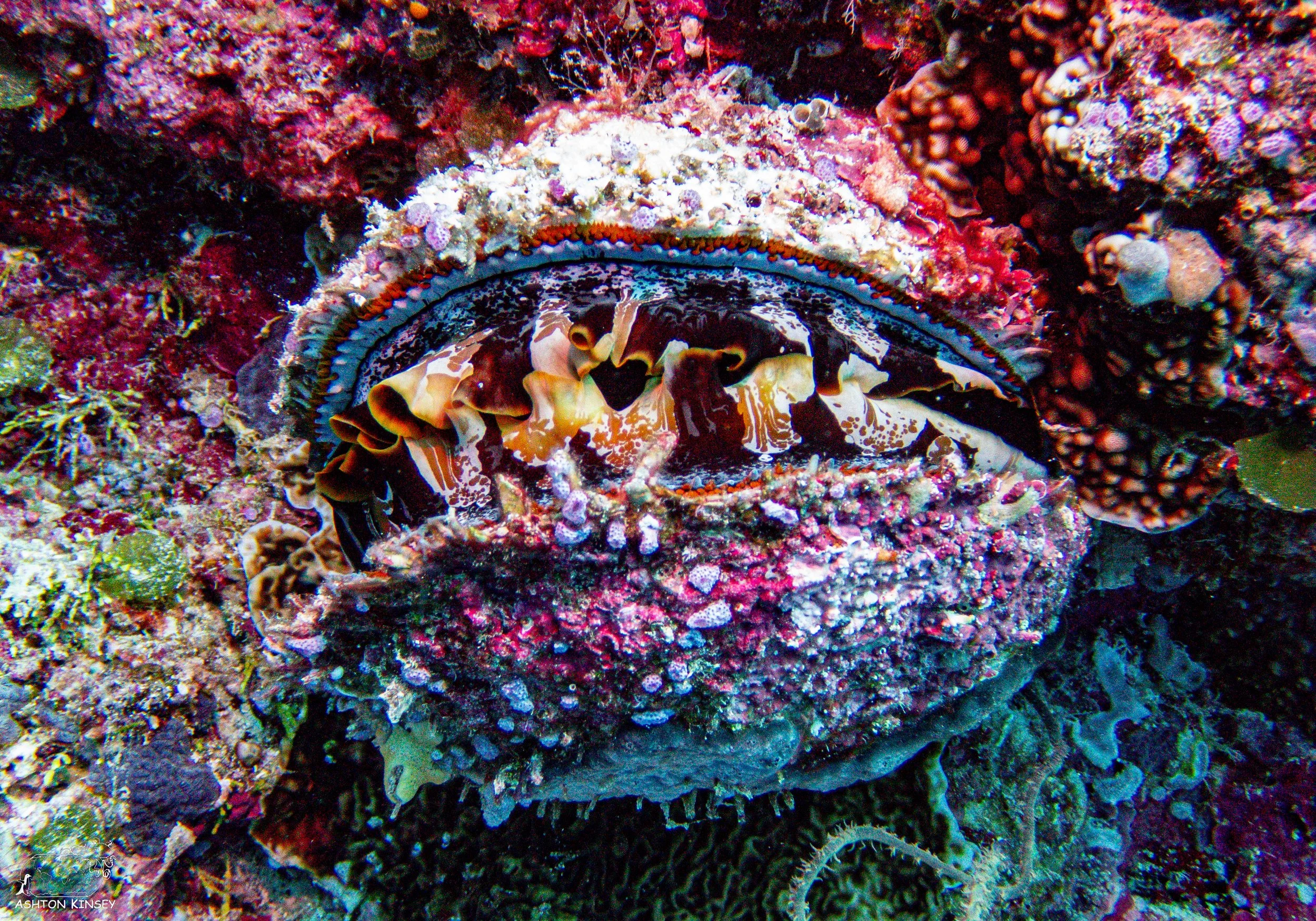
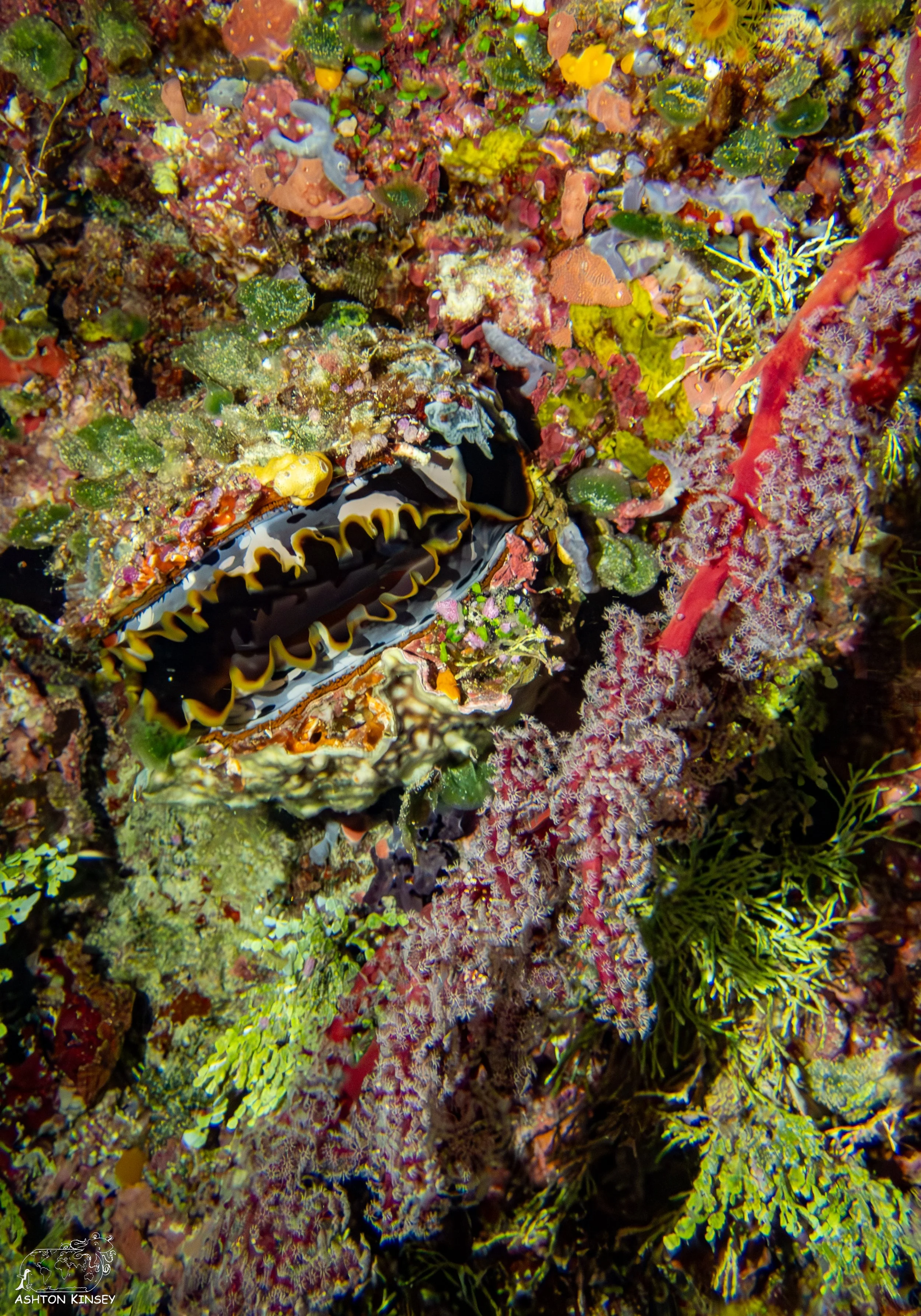
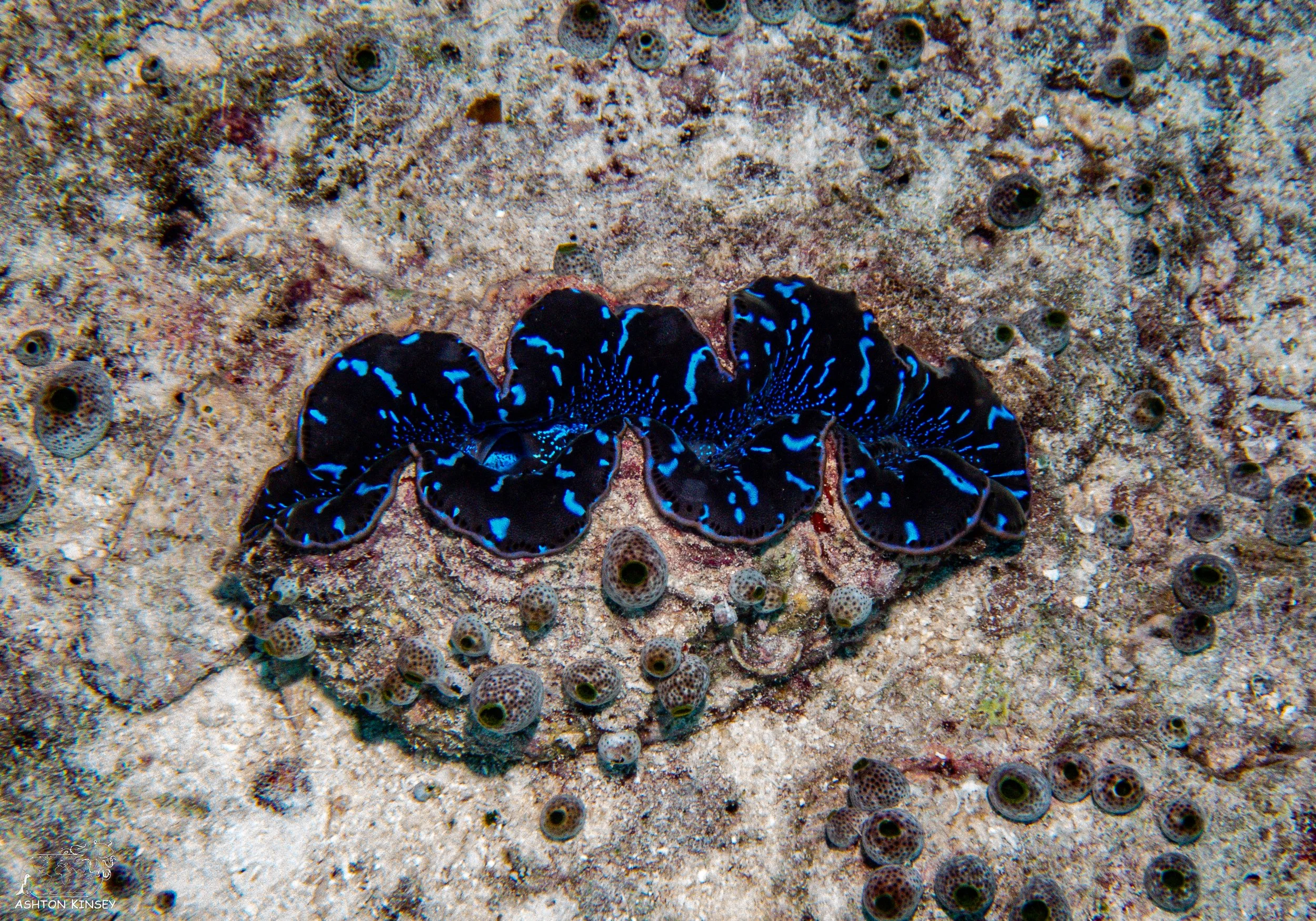
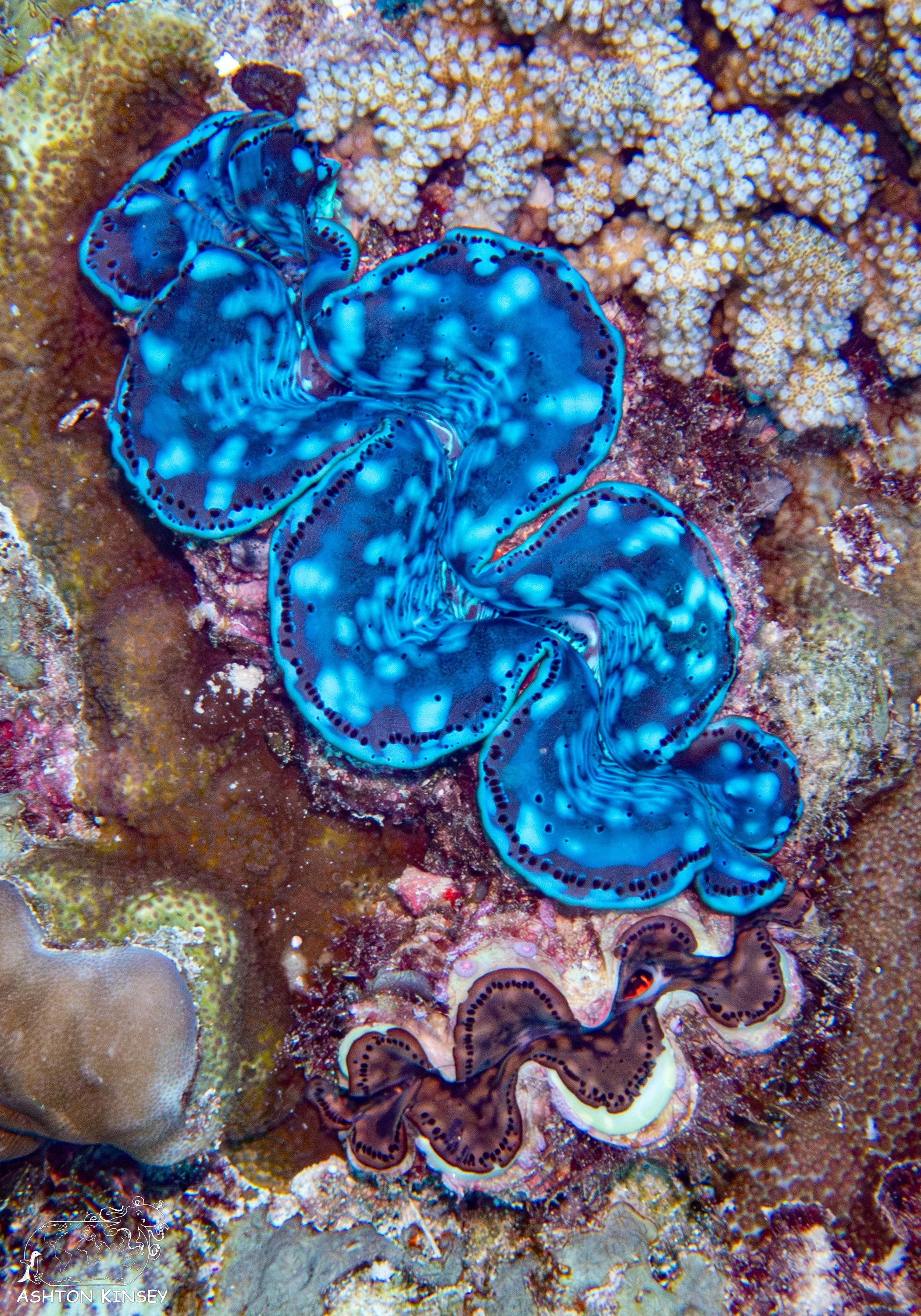
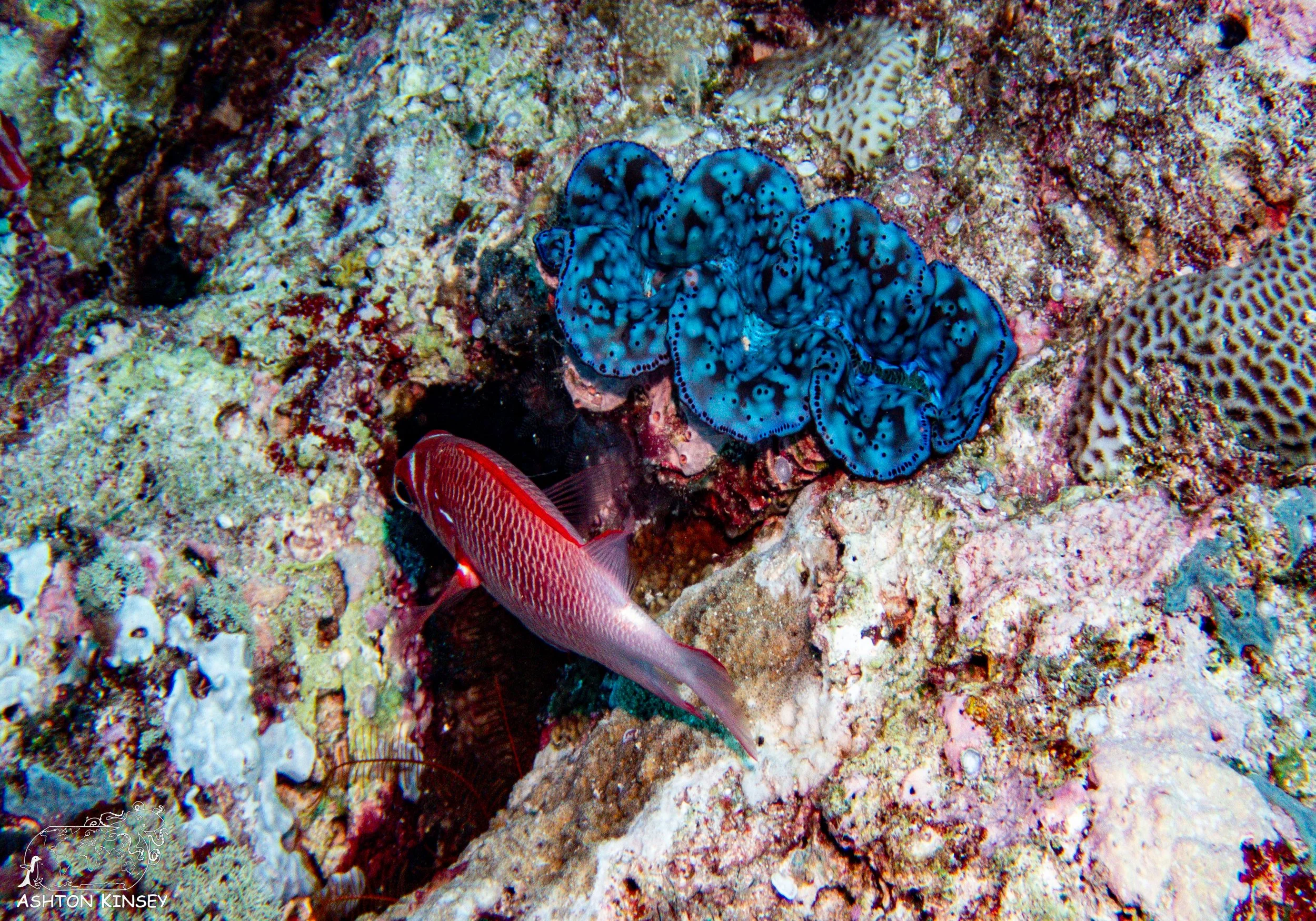
Siaes Tunnel is a large swim through illuminated with natural light from openings above and around the entrances. The lower entrance starts at about 100’ and extends down to a sandy flat area at 130’. Once inside the tunnel angles upwards to roughly 60’. There are often Norris God nudibranchs (Aegires serenae) and disco clams found on the walls along with black sea fans inside.
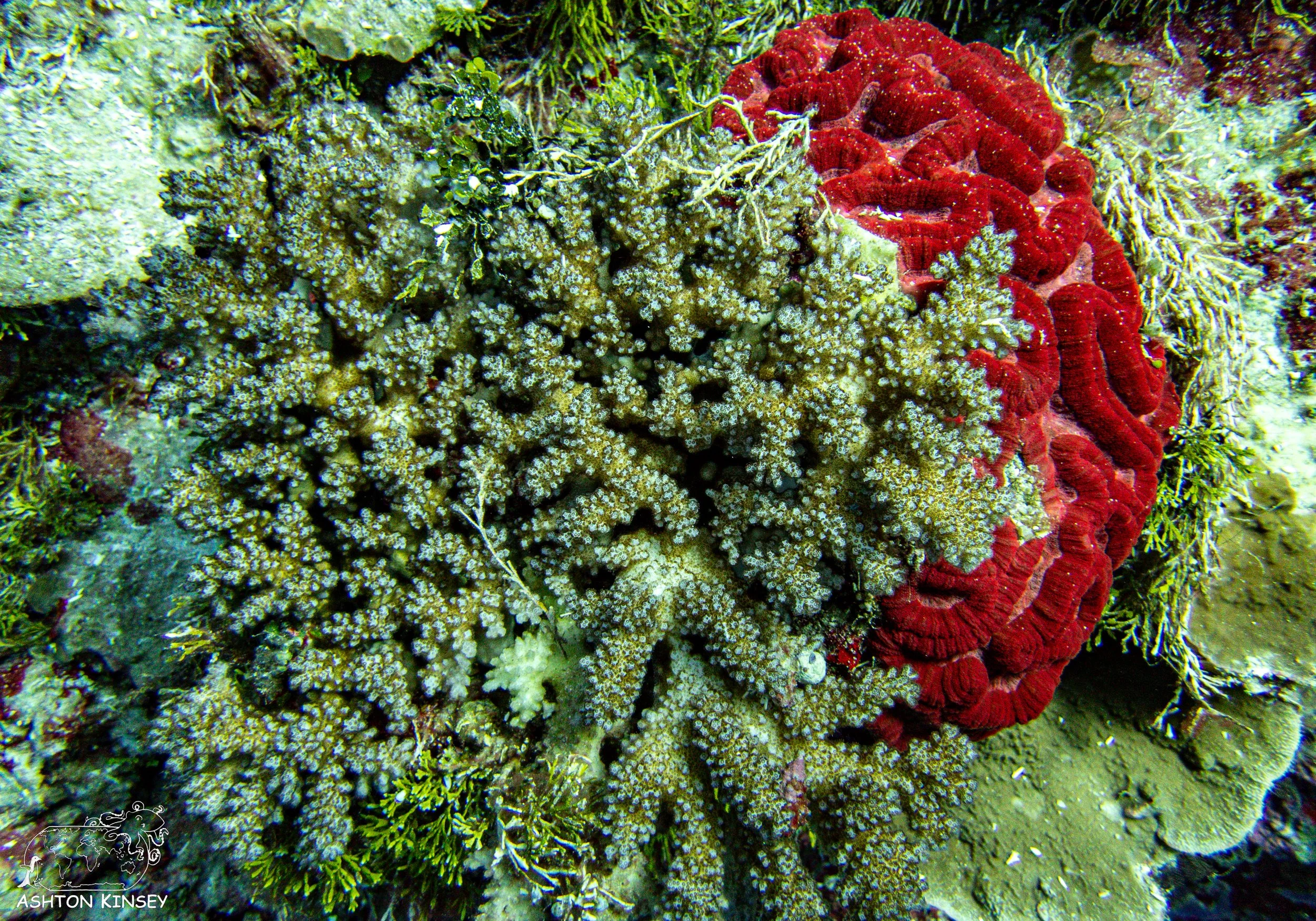
Once exiting, the shallows have large schools of anthias, and a mixture of hard and soft corals. Reef sharks are common swimming in the blue with macro invertebrates living inside the bush corals along the wall.
Ngemelis
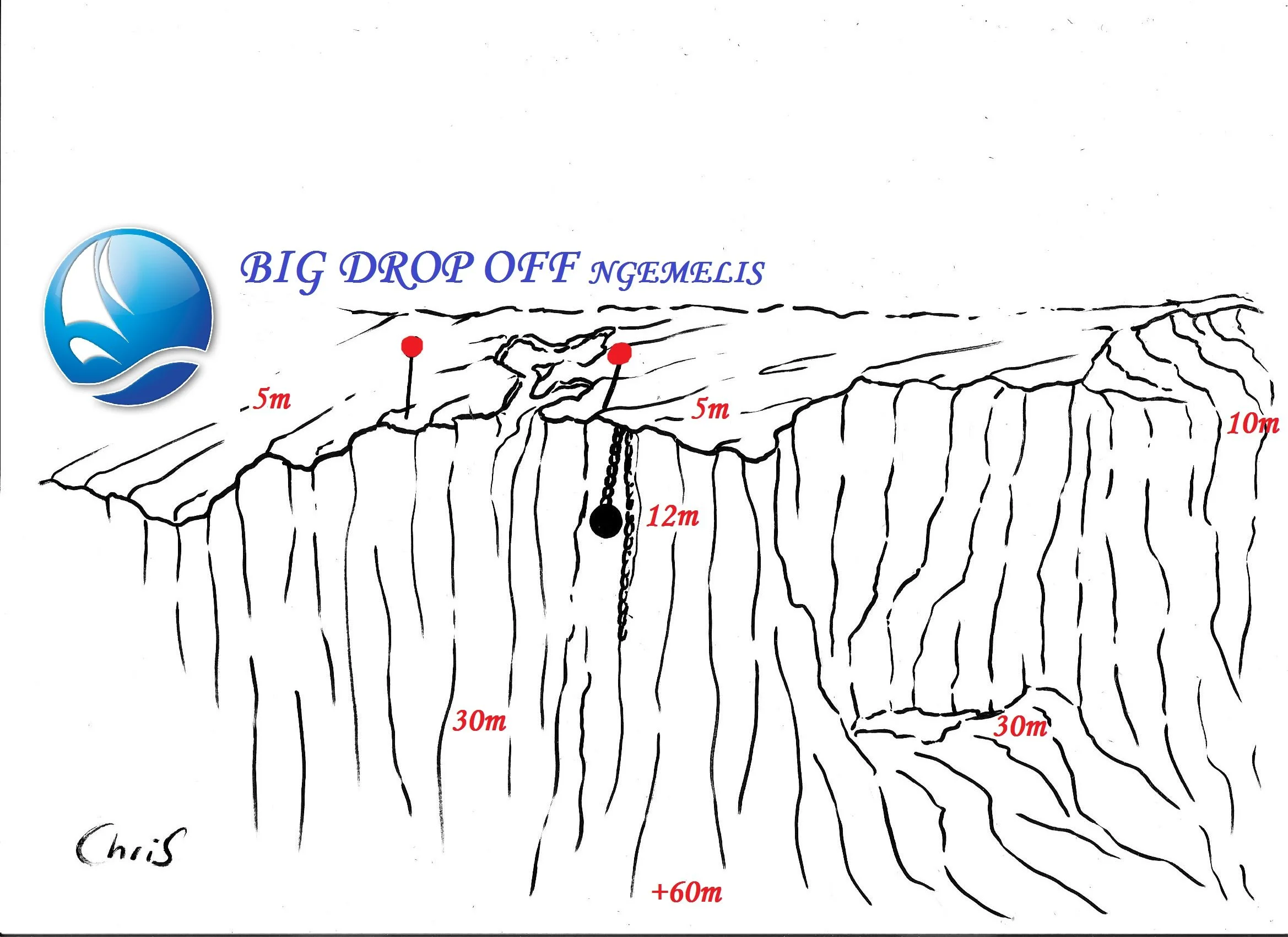
Big Drop Off
Dive 5: 91’ for 64 Min Dive 8: 54’ for 52 Min
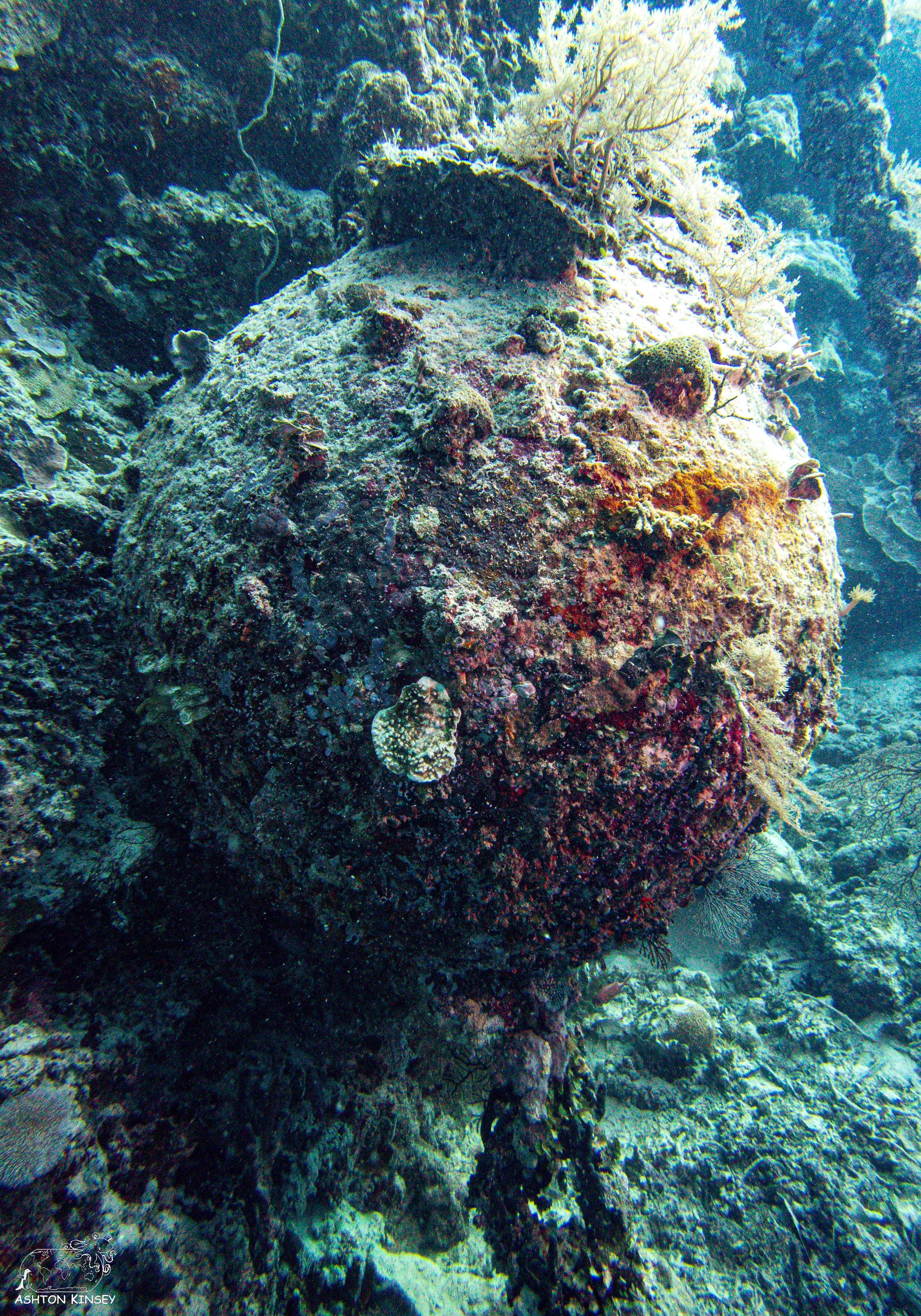
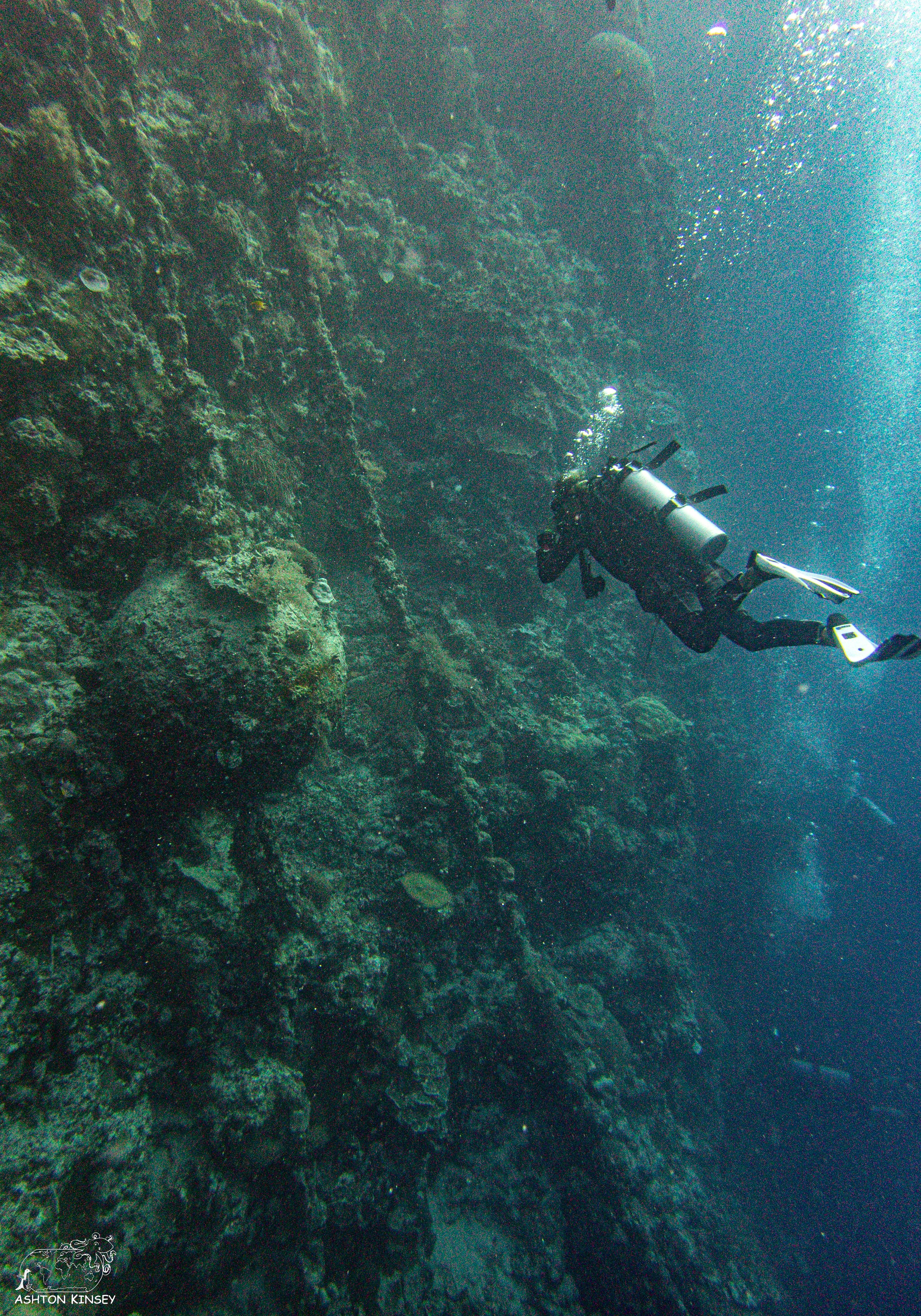
During WWII, Lieutenant Joe Barnum stretched a chain wall across the channel with several depth charges attached to prevent Japanese from entering the waterways leading into the German Channel. Presently one of the charges remains, sitting in about 35’ of water, the sphere is roughly 6’ with the chain still attached trailing to the depths.
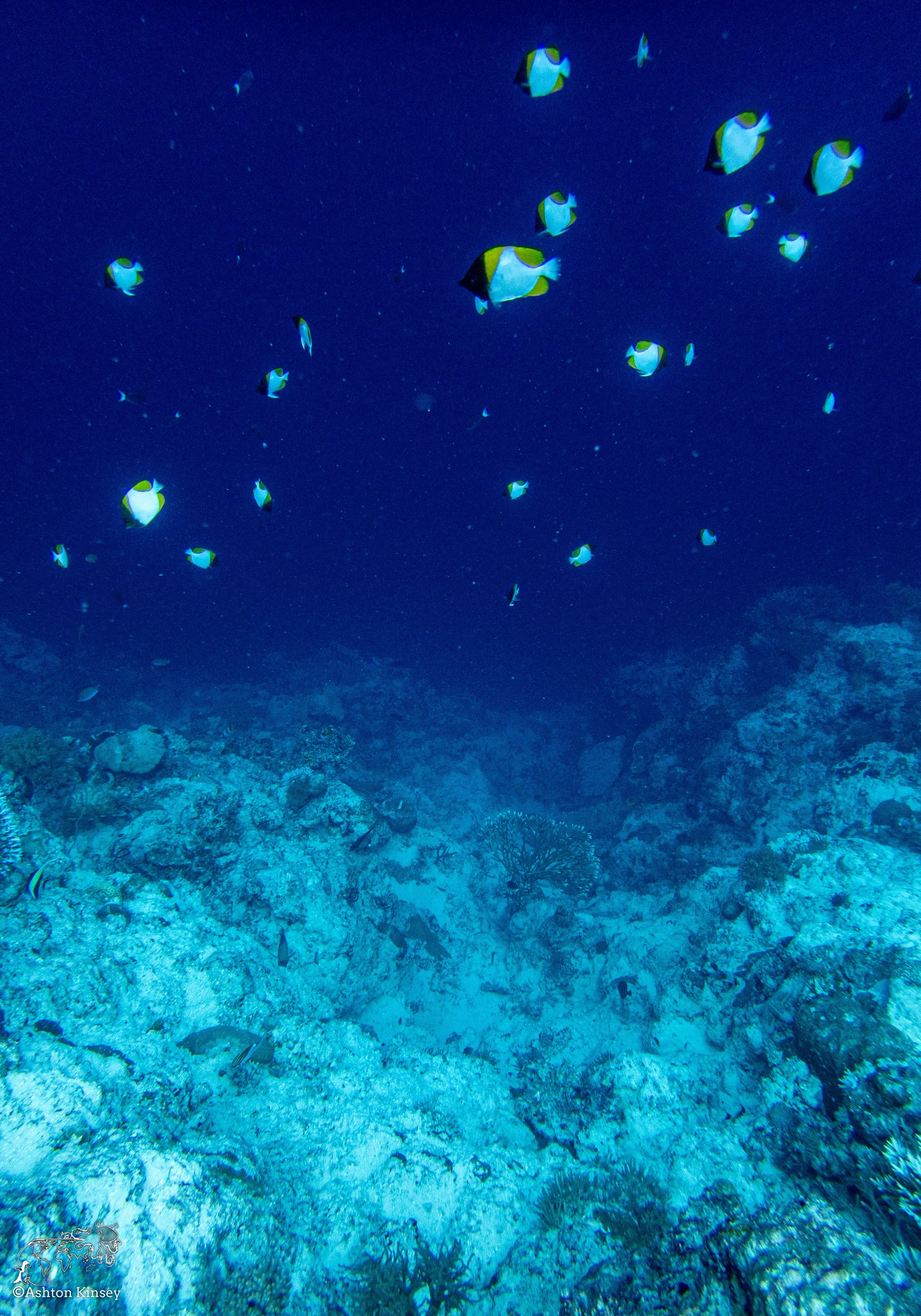
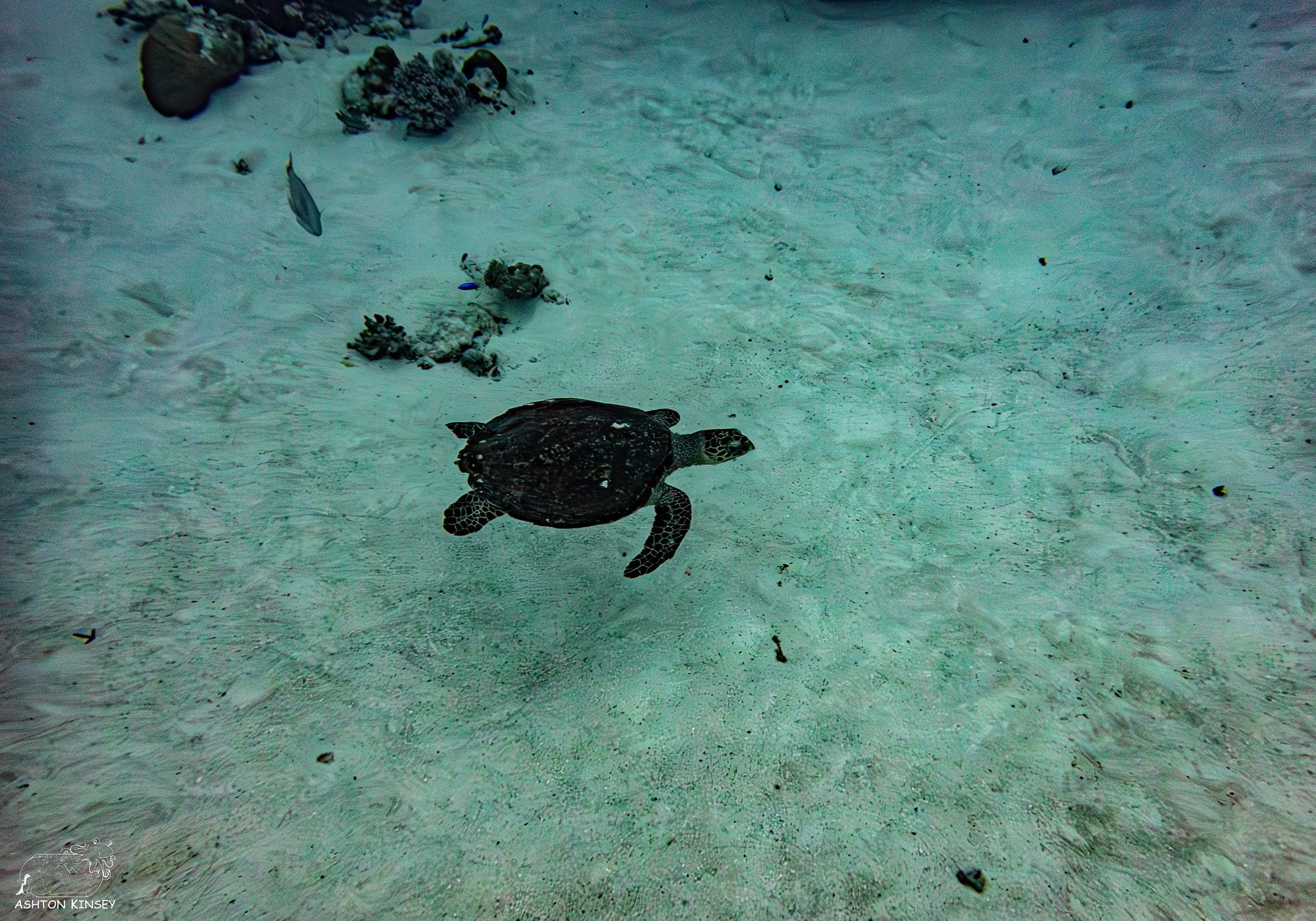
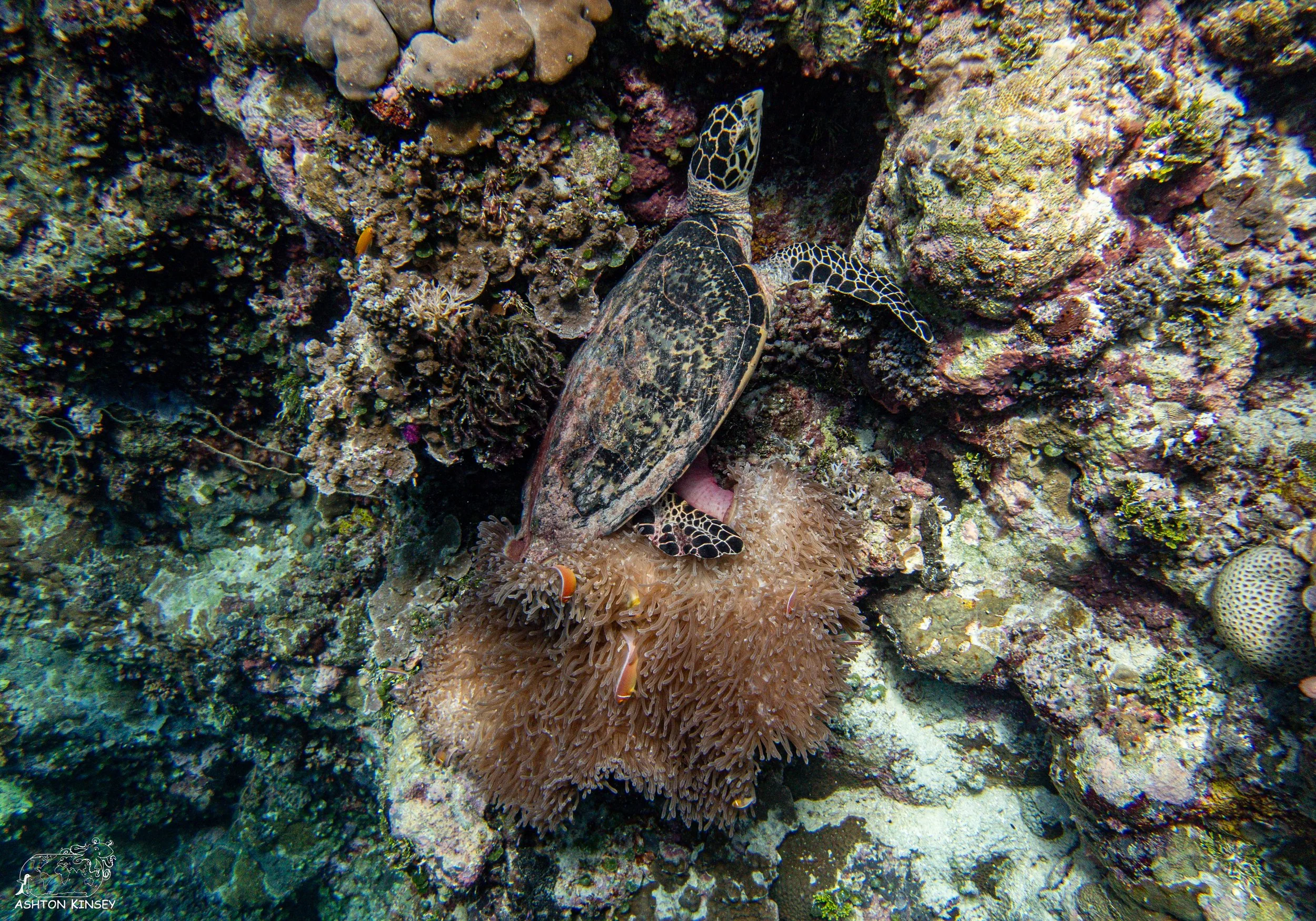
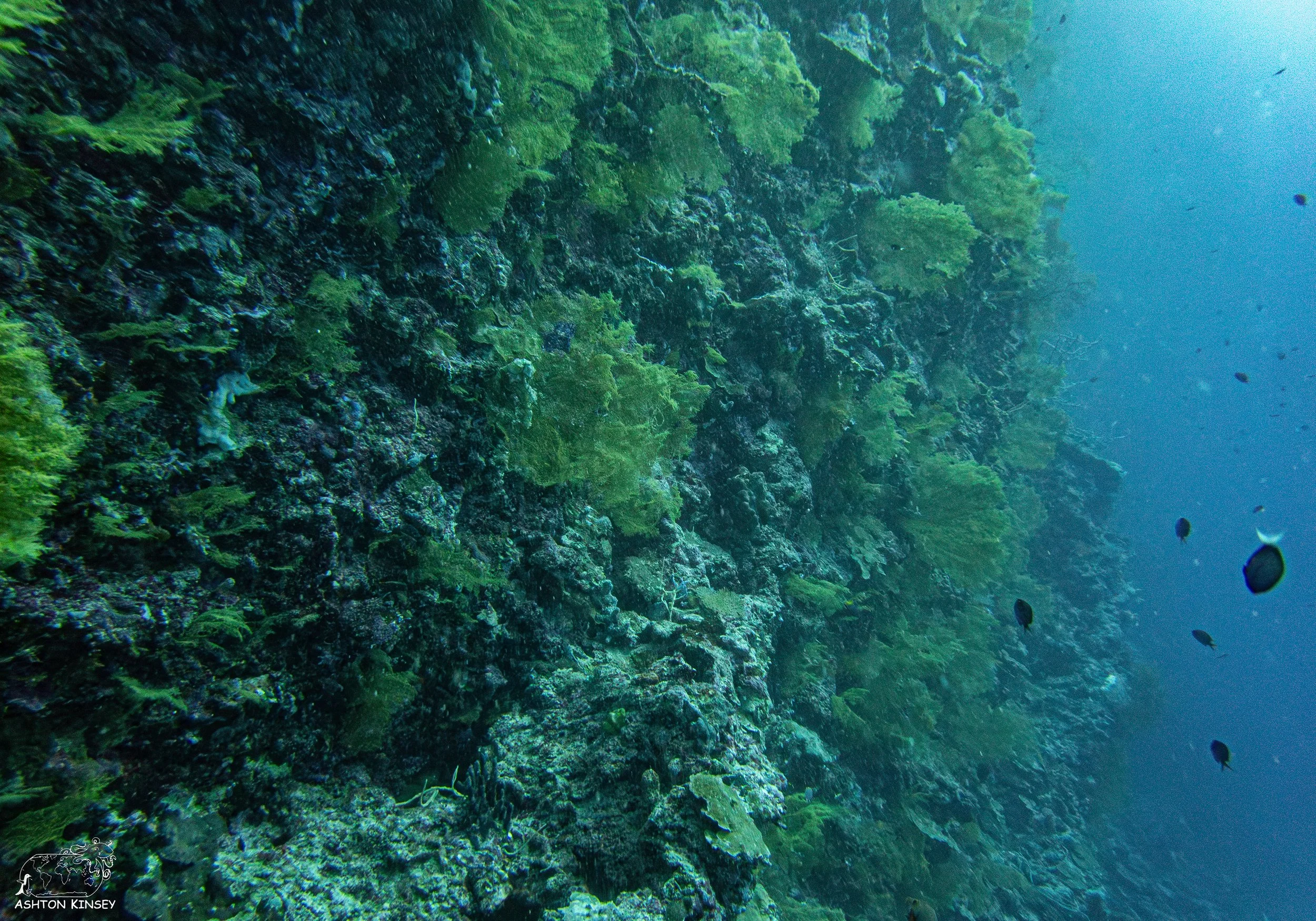
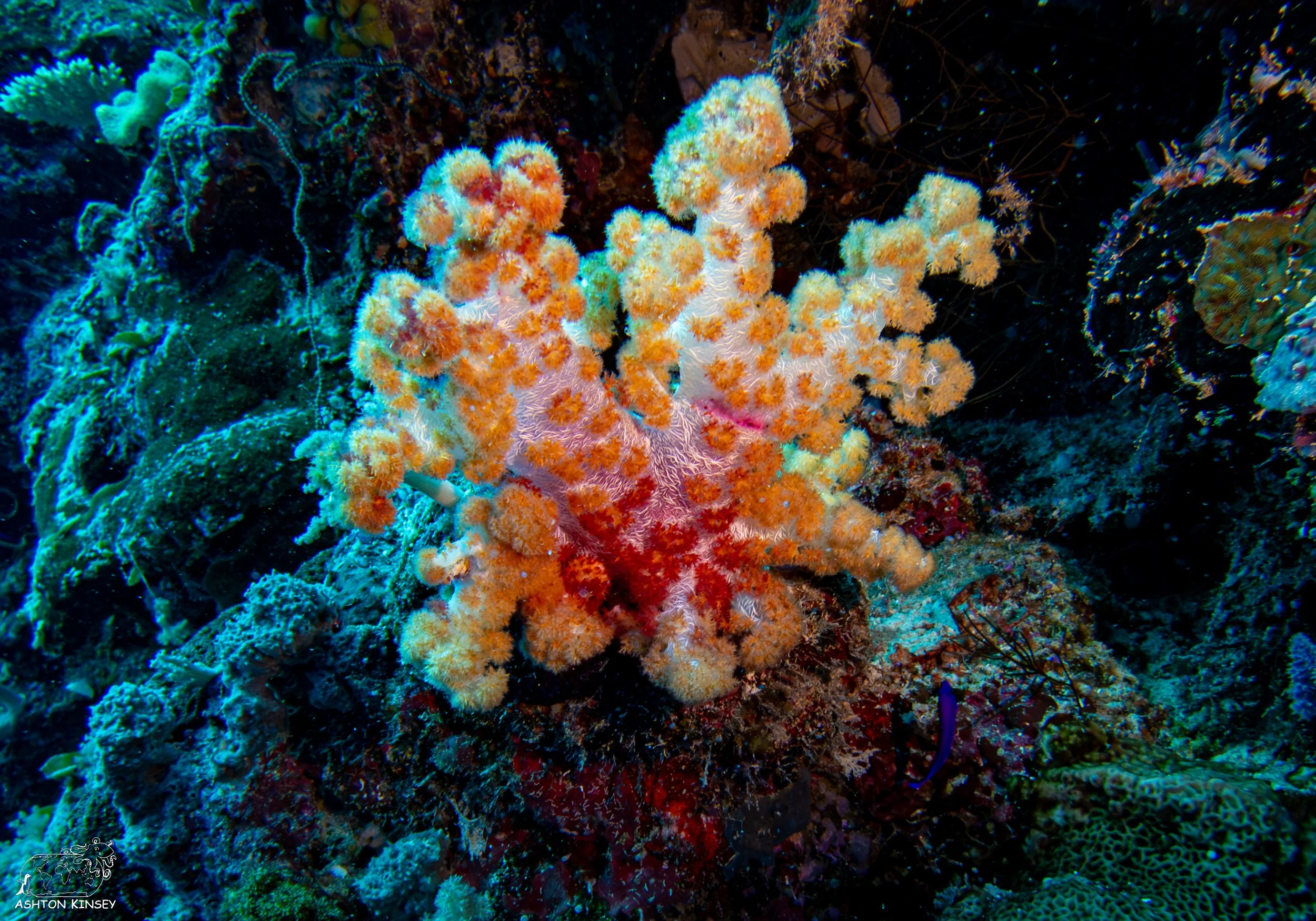
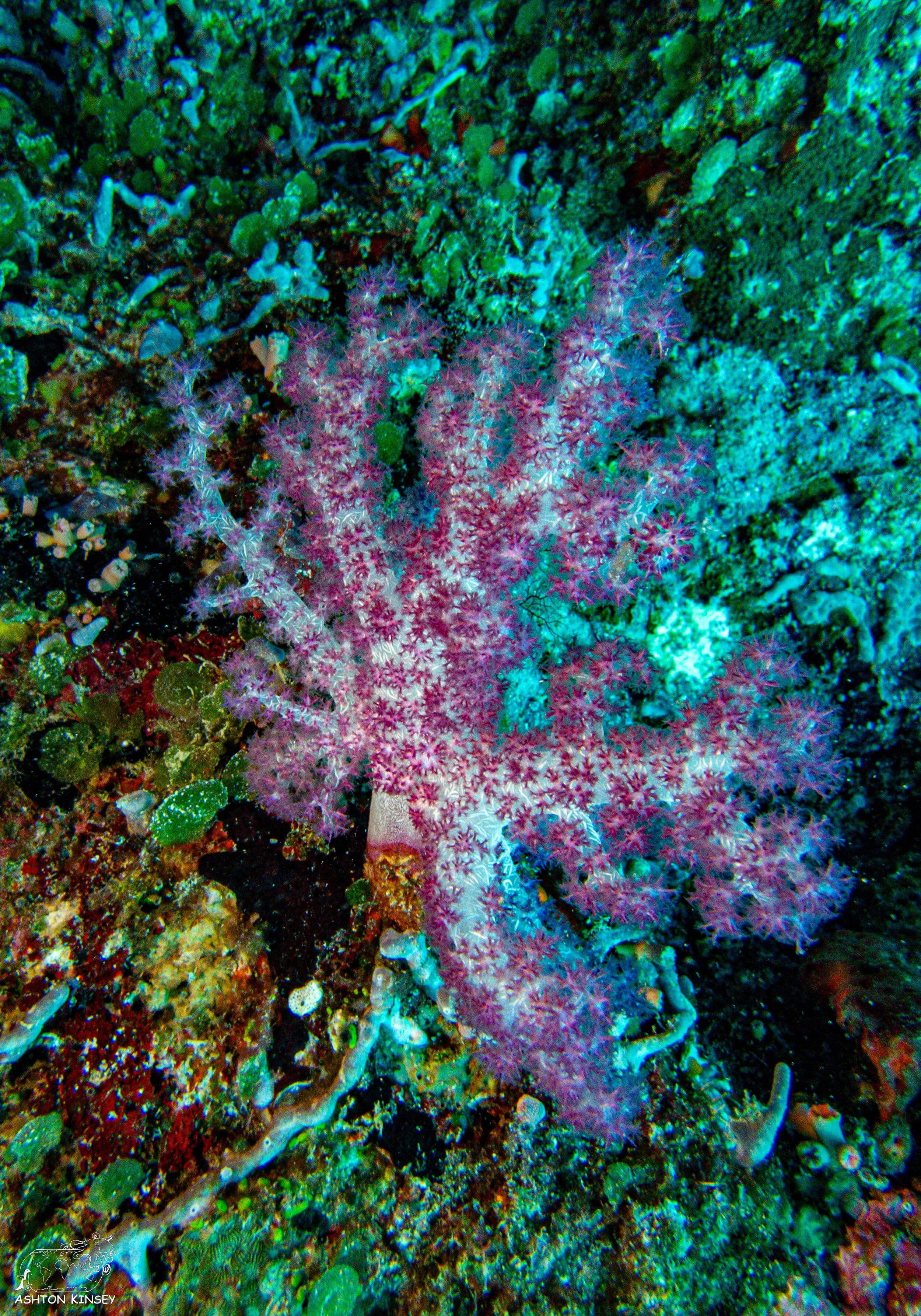
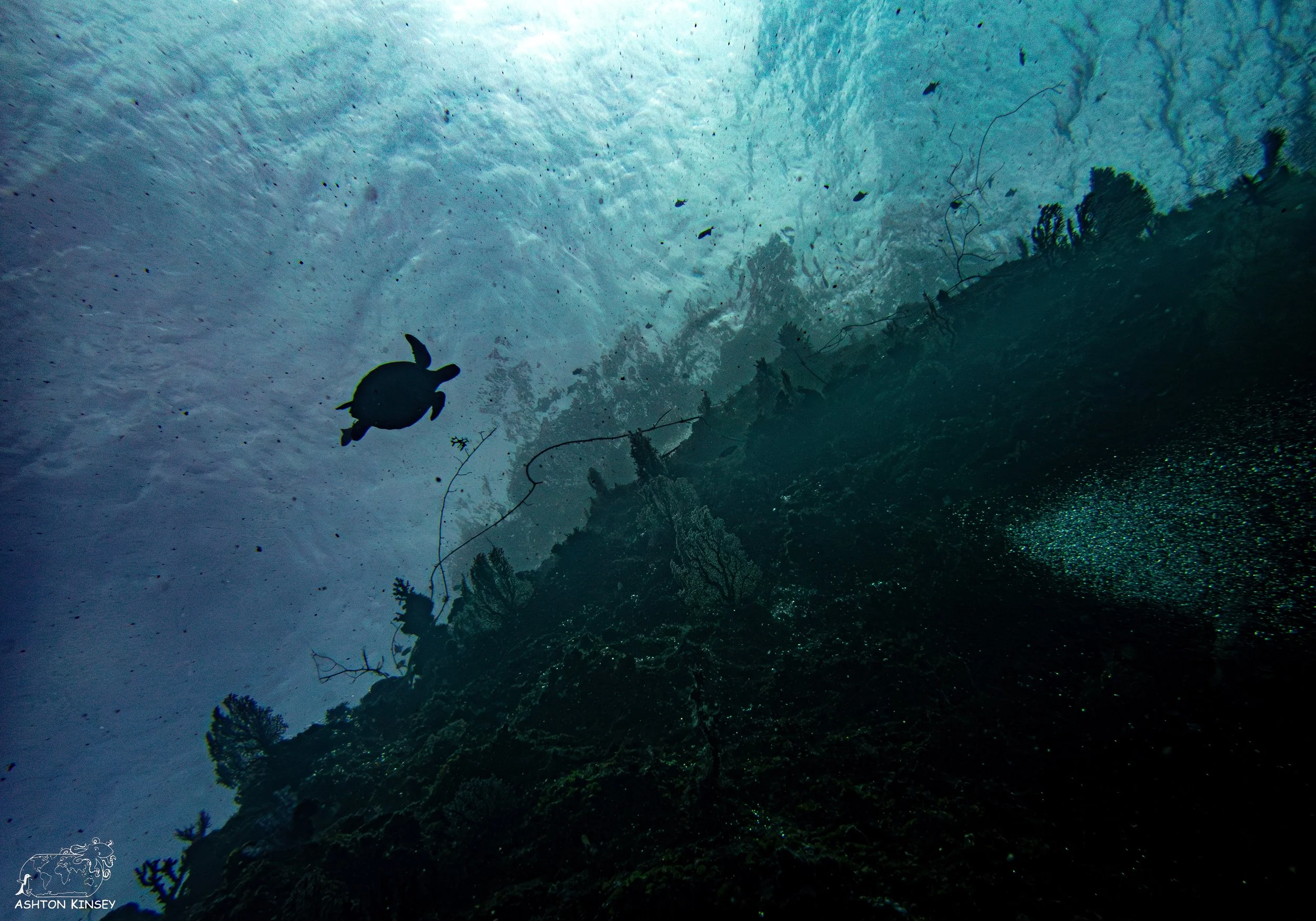
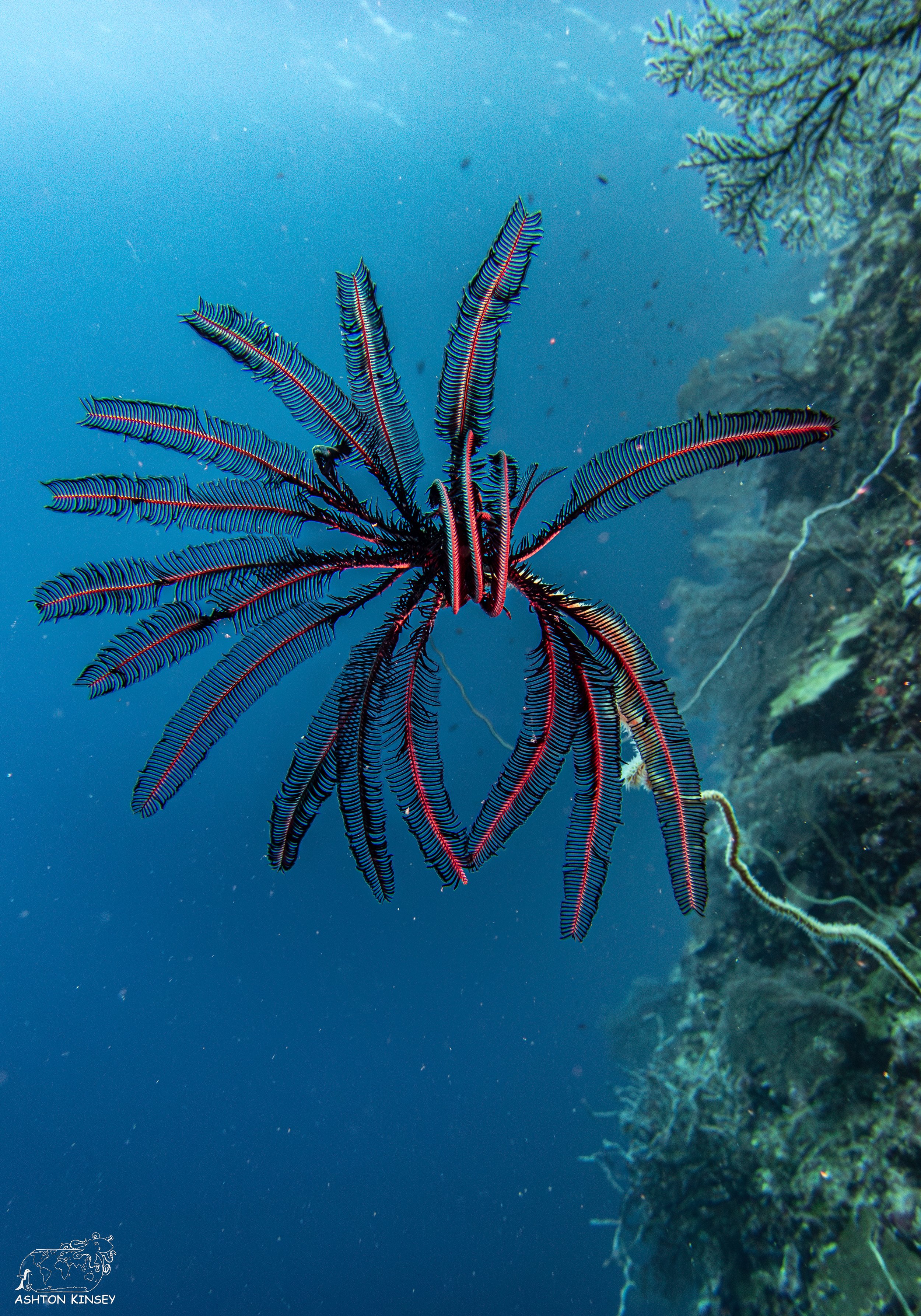
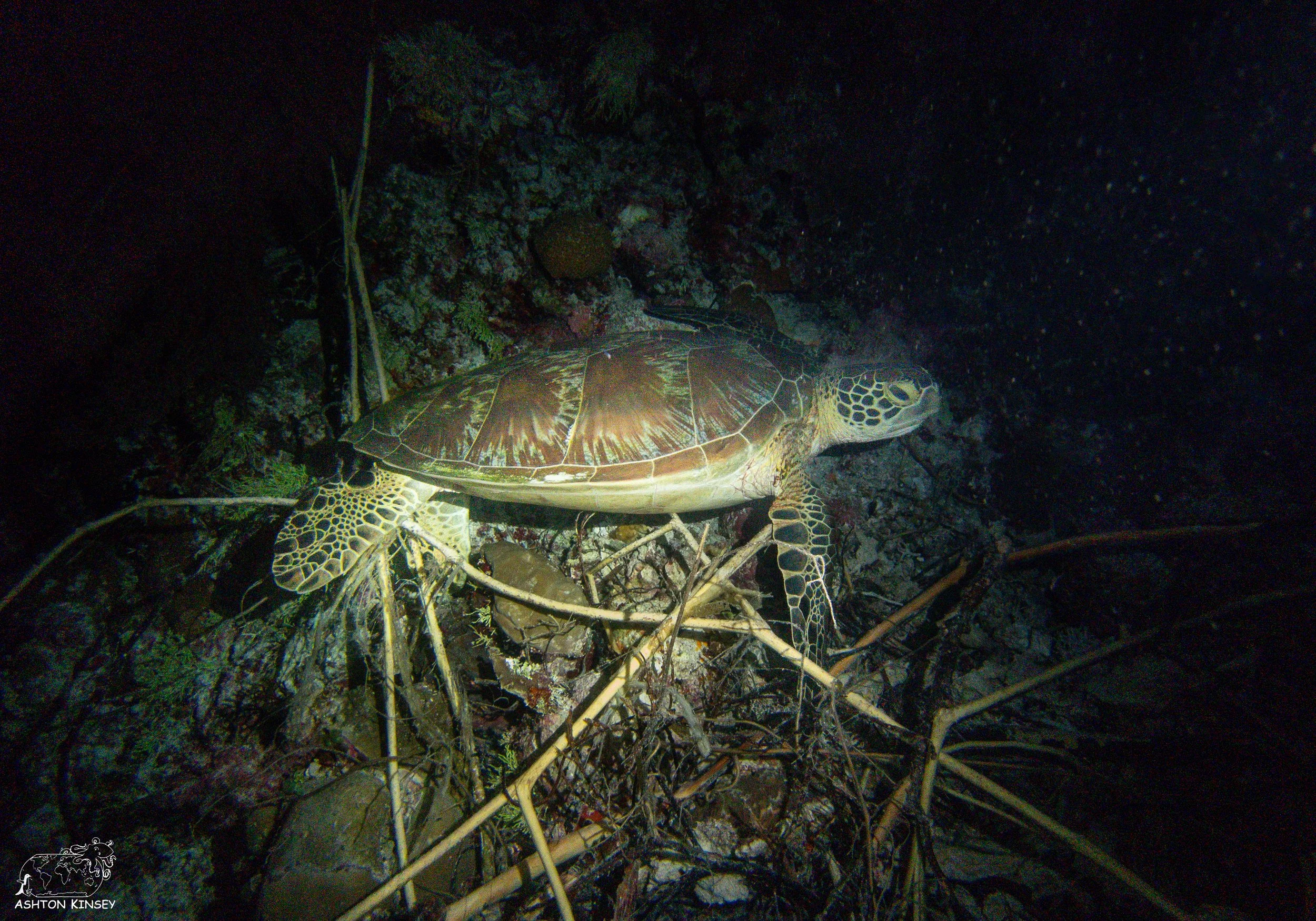
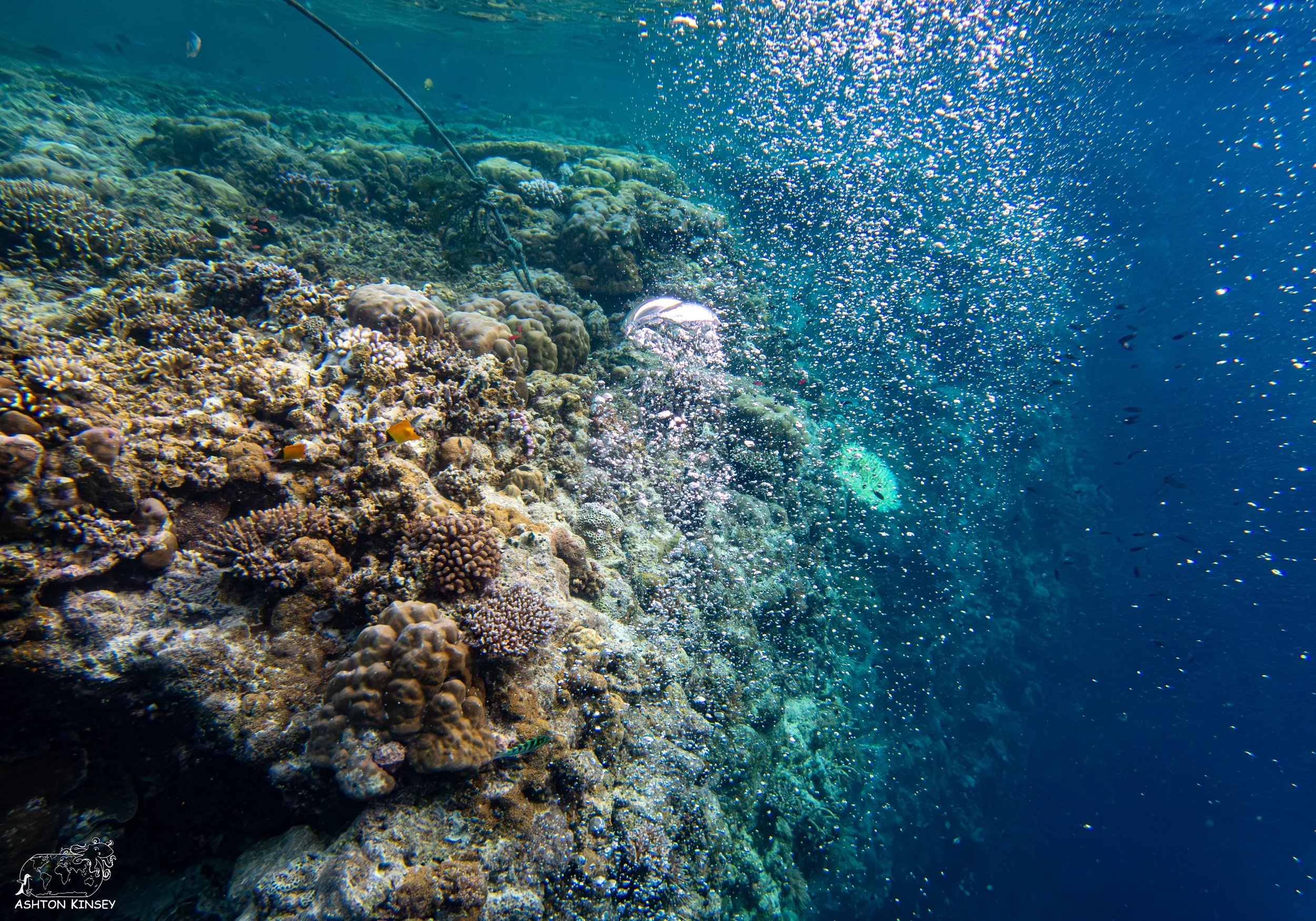
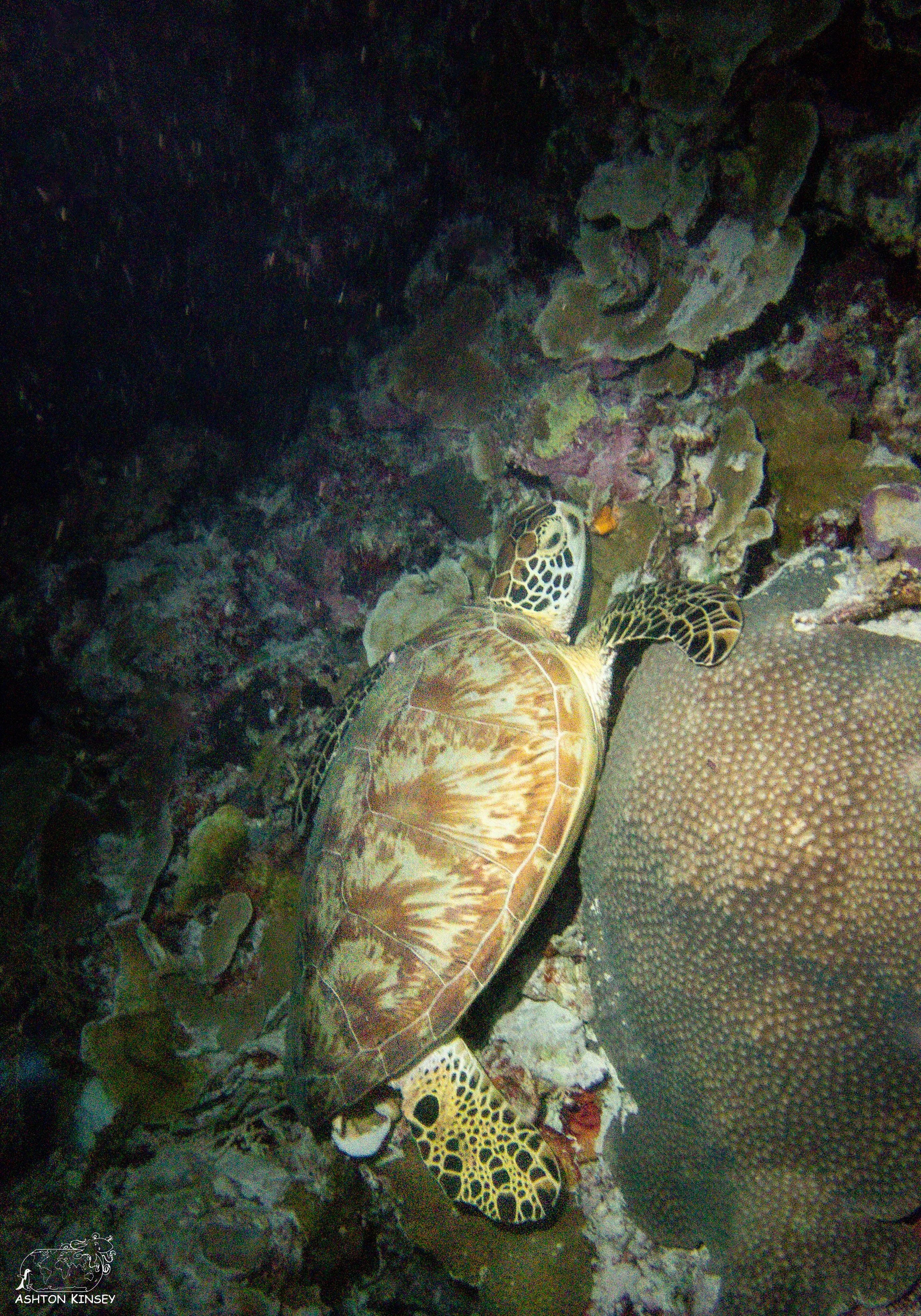
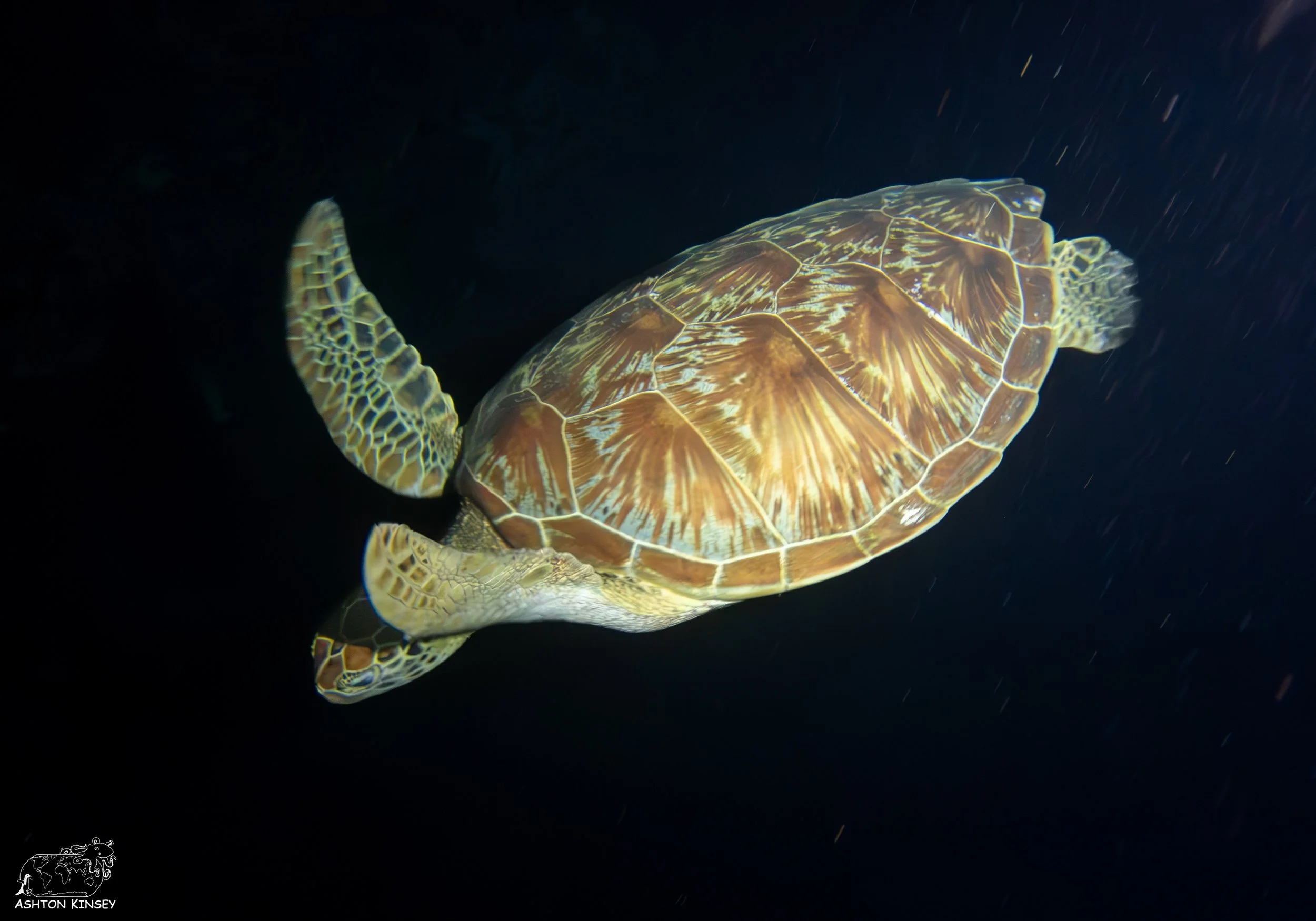
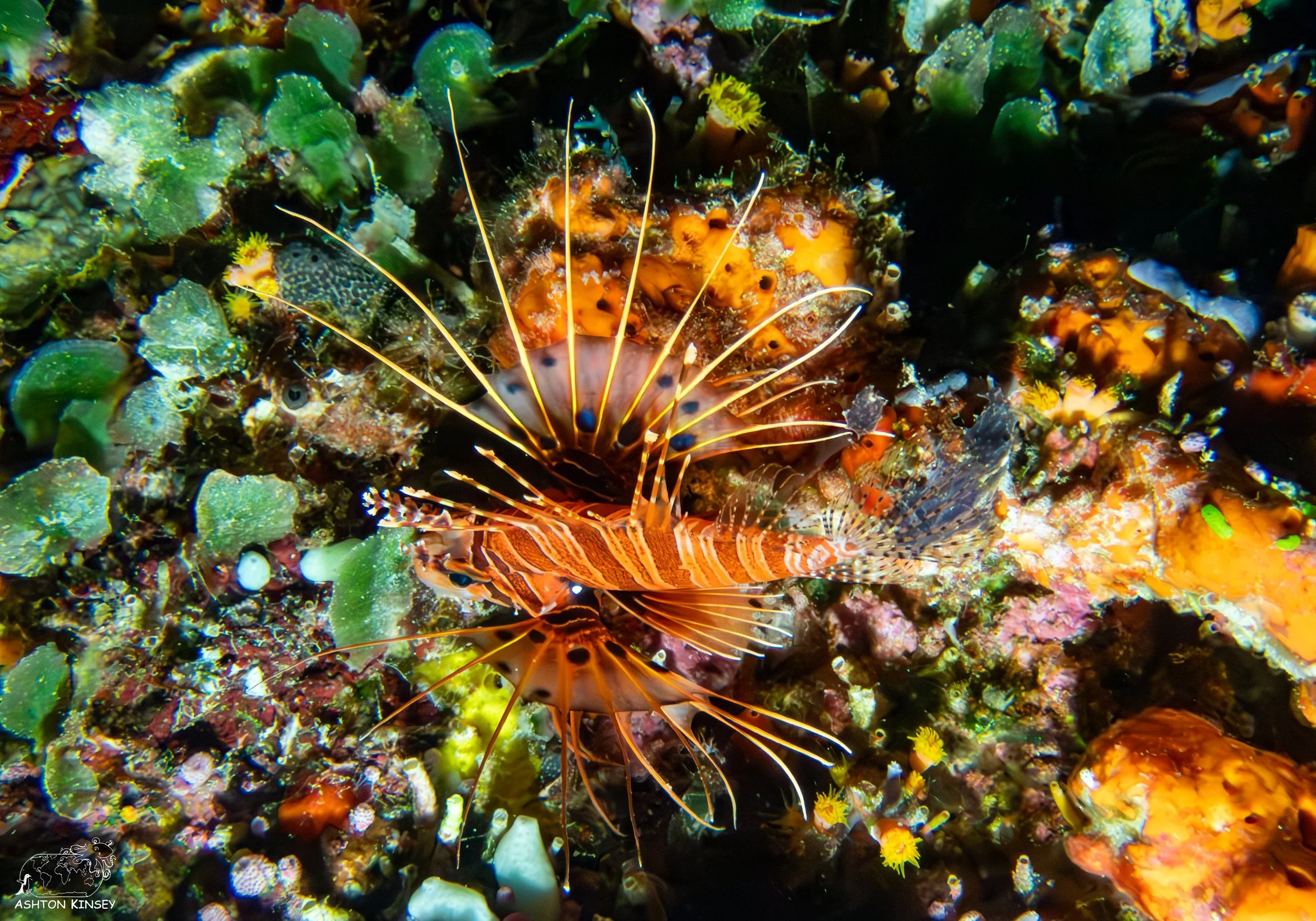
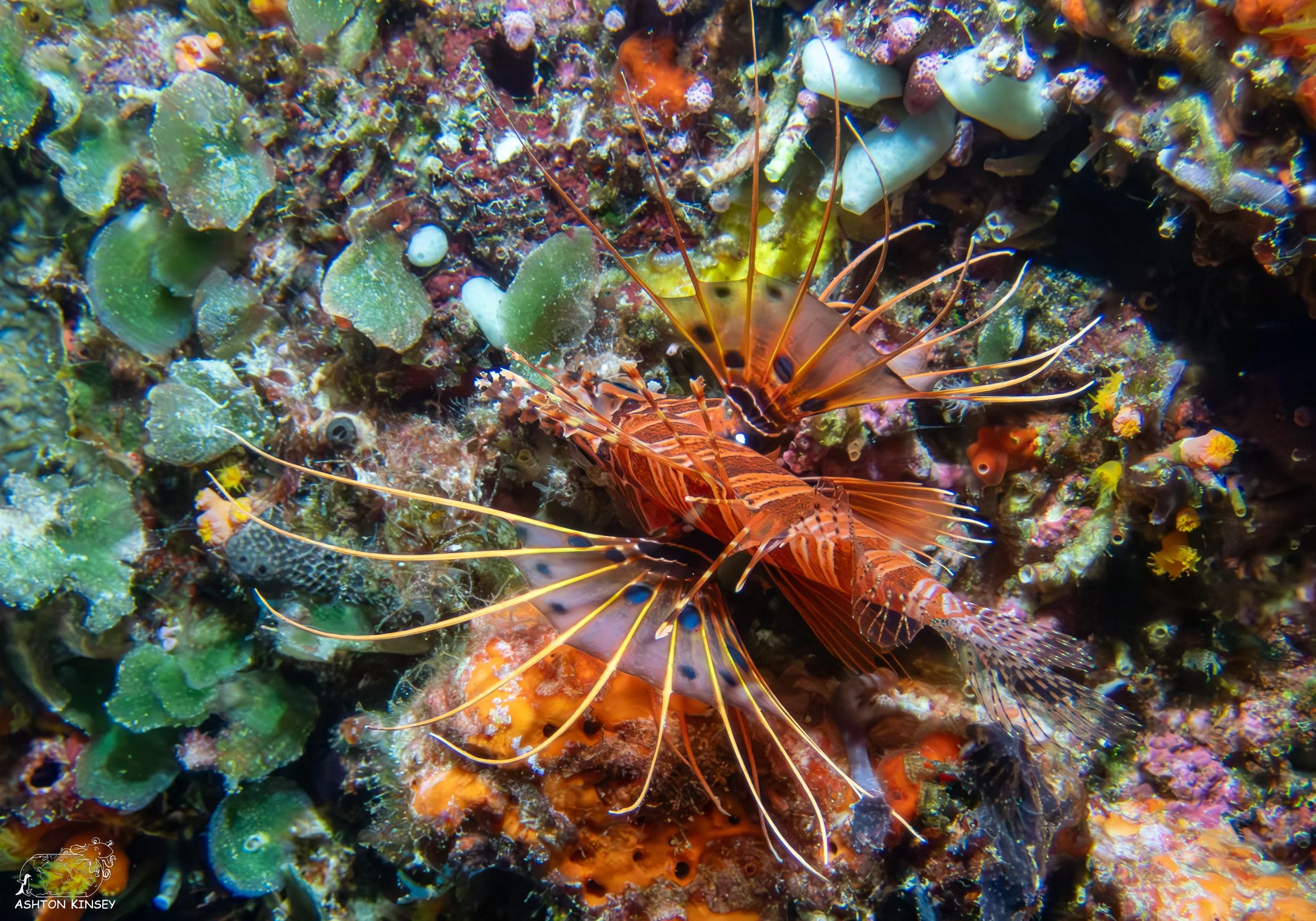
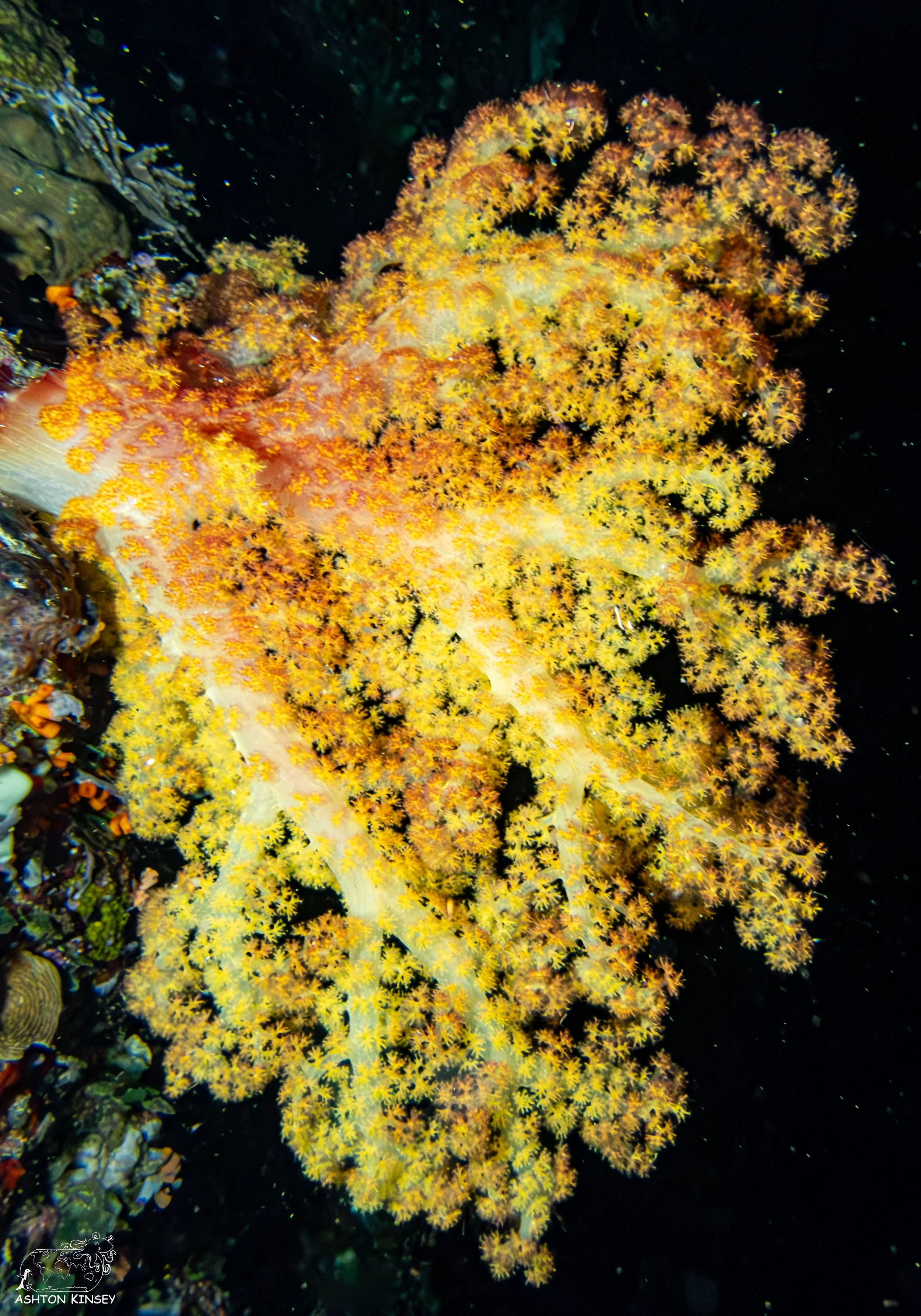
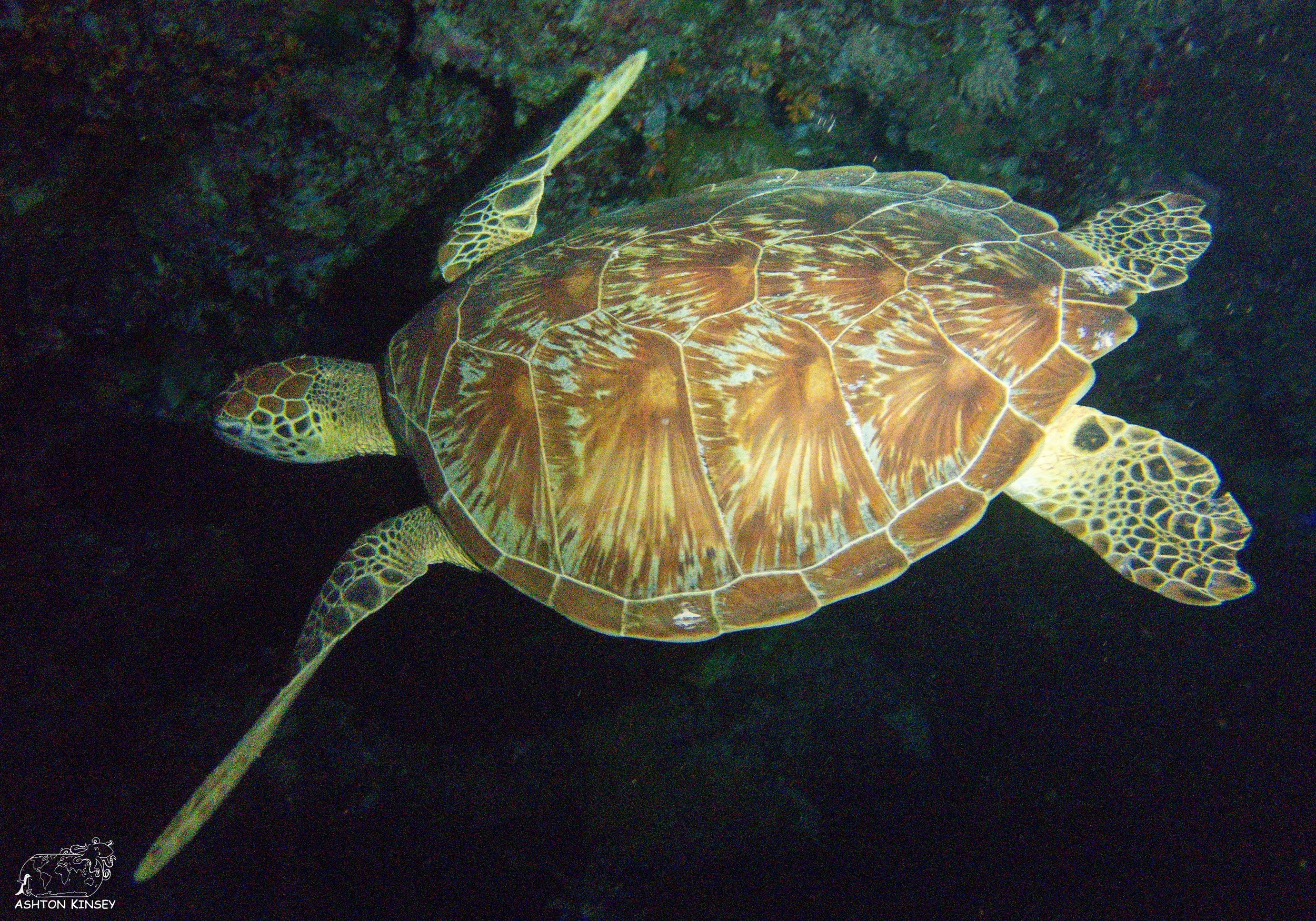
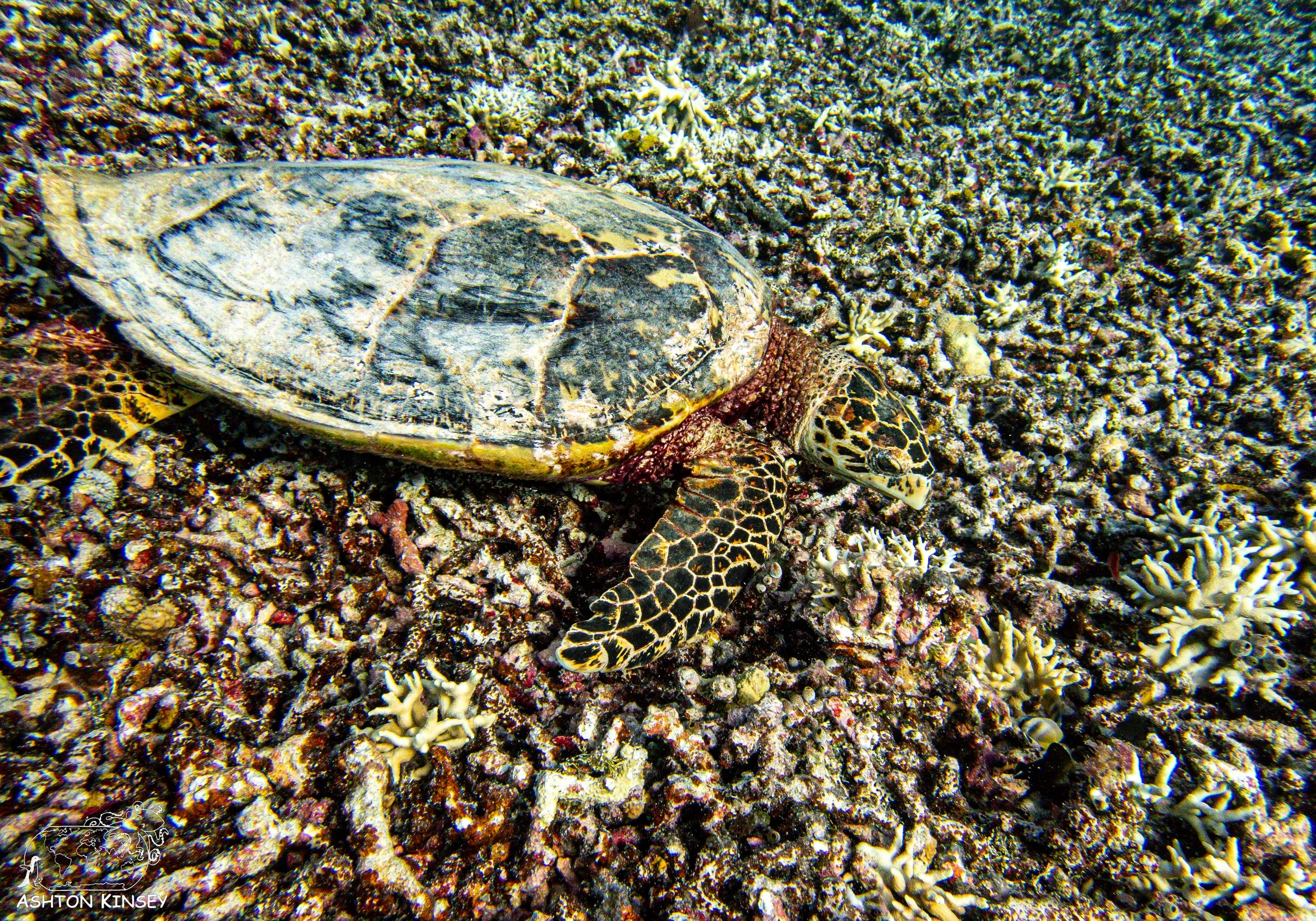
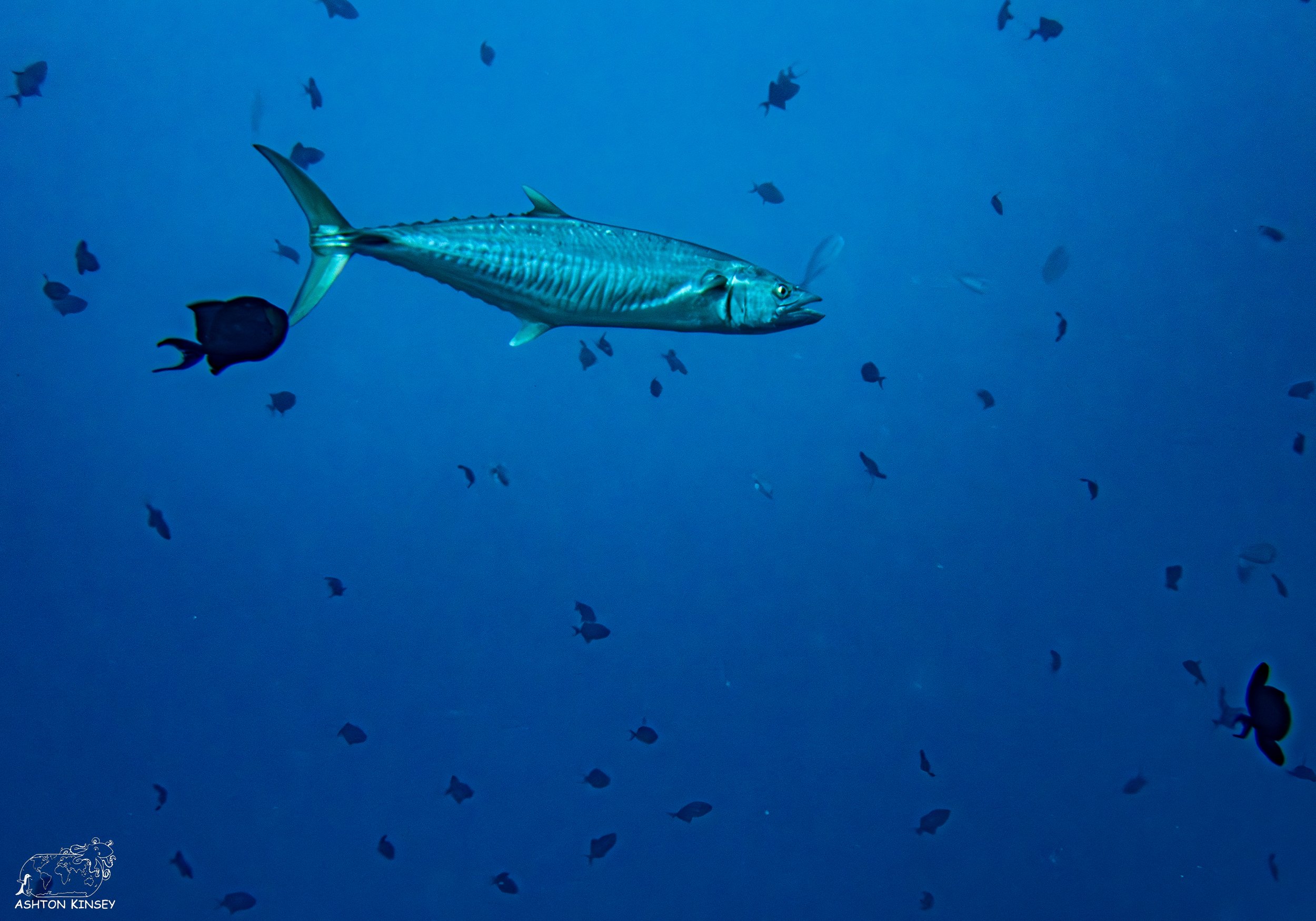
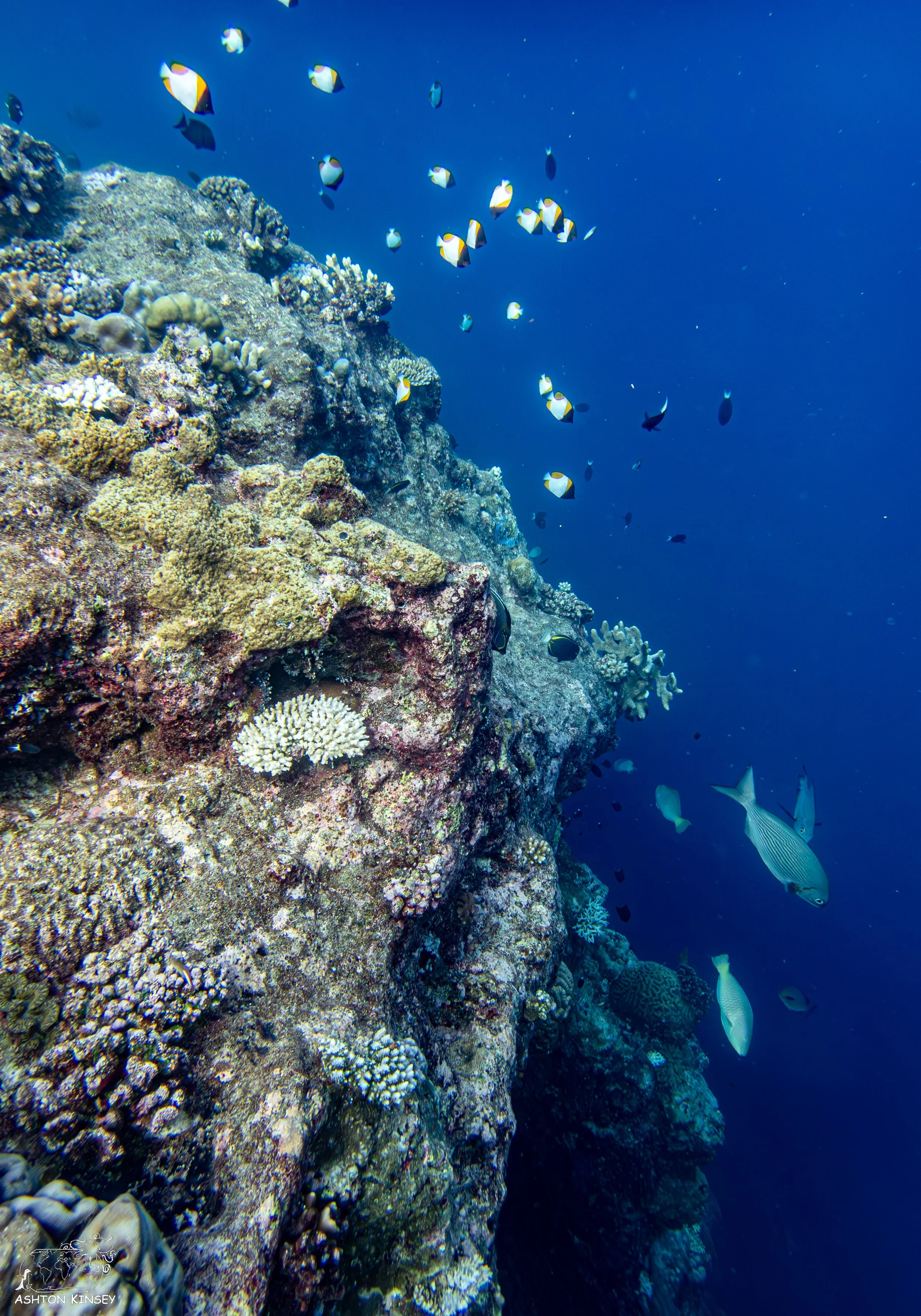
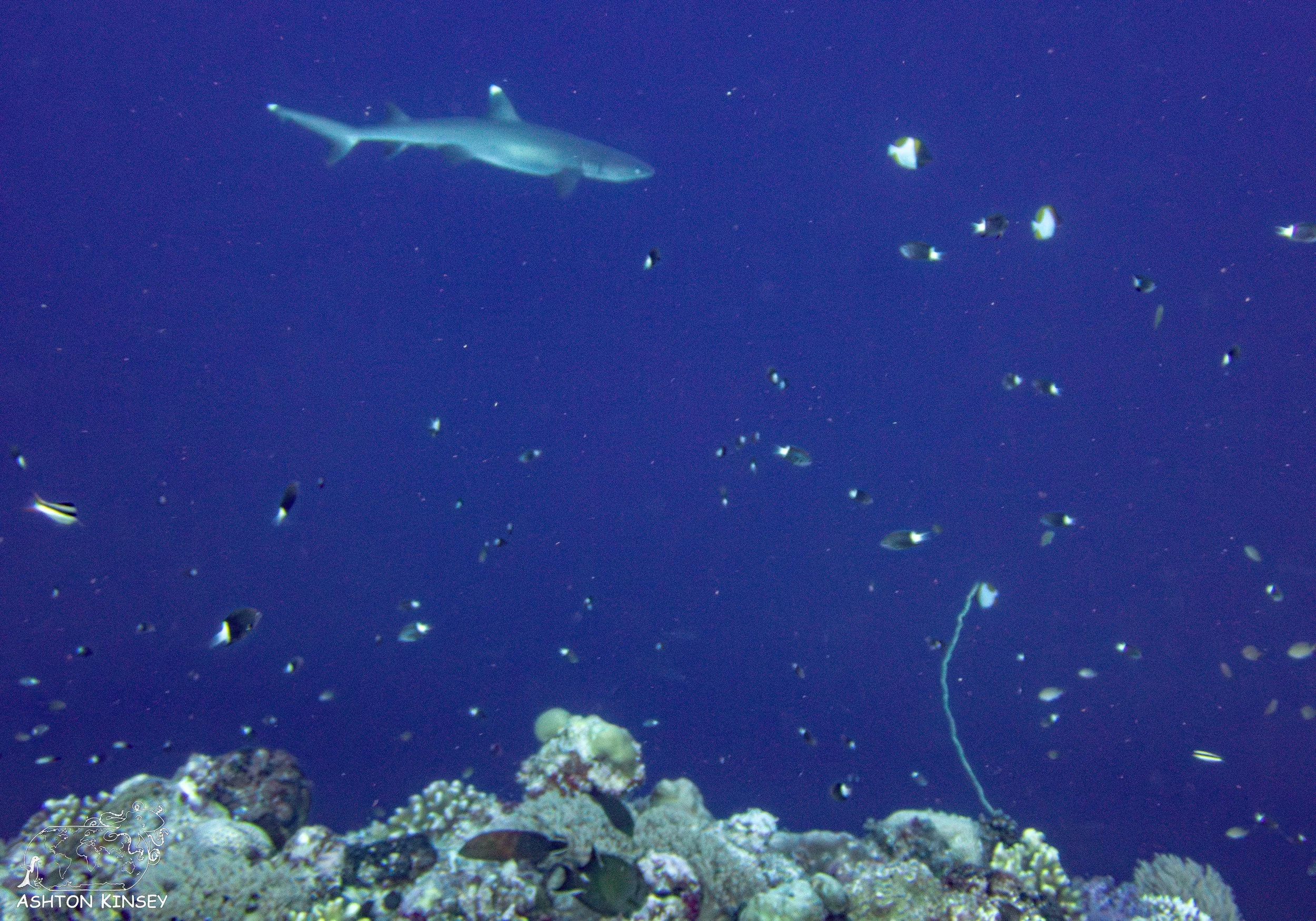
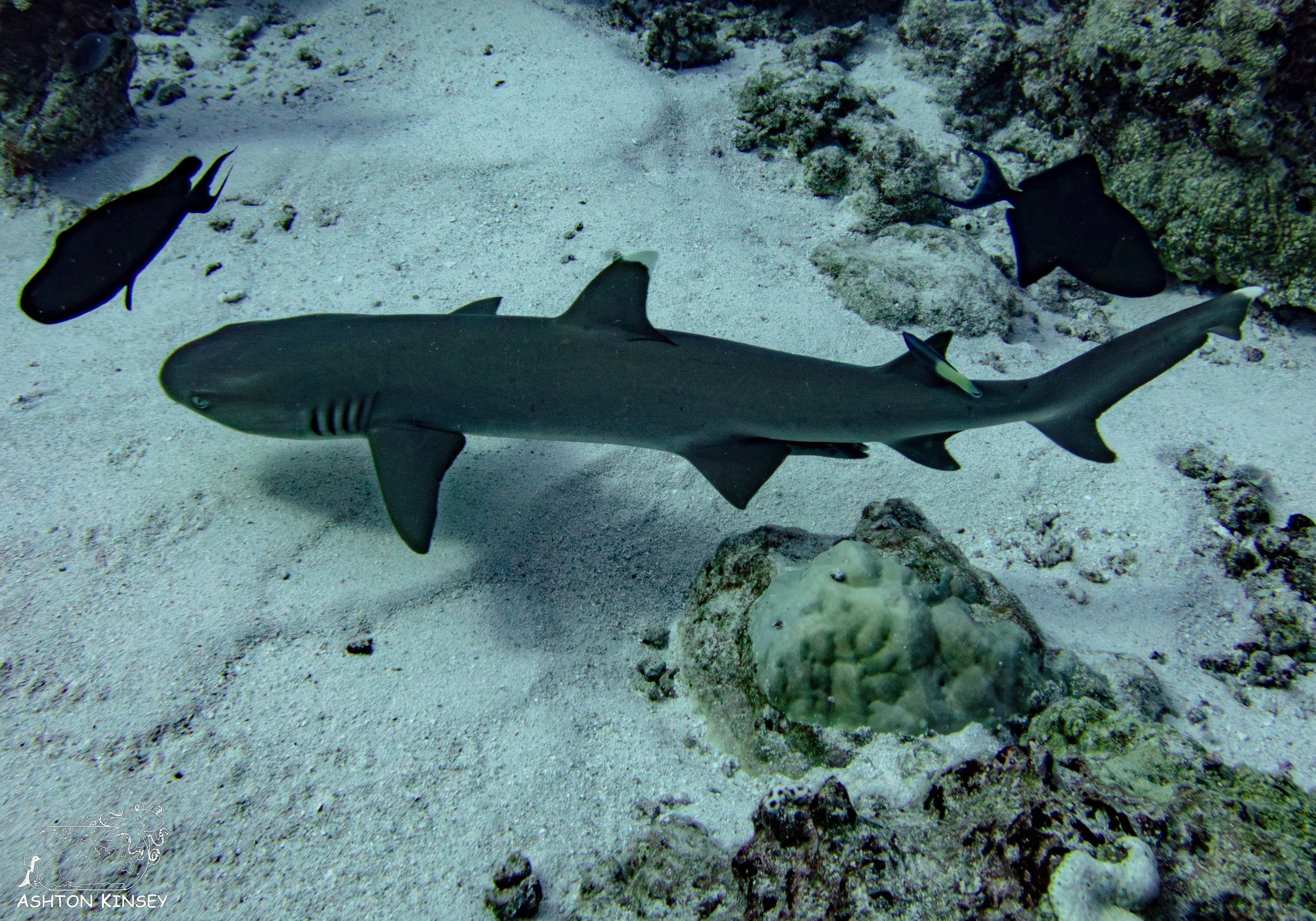
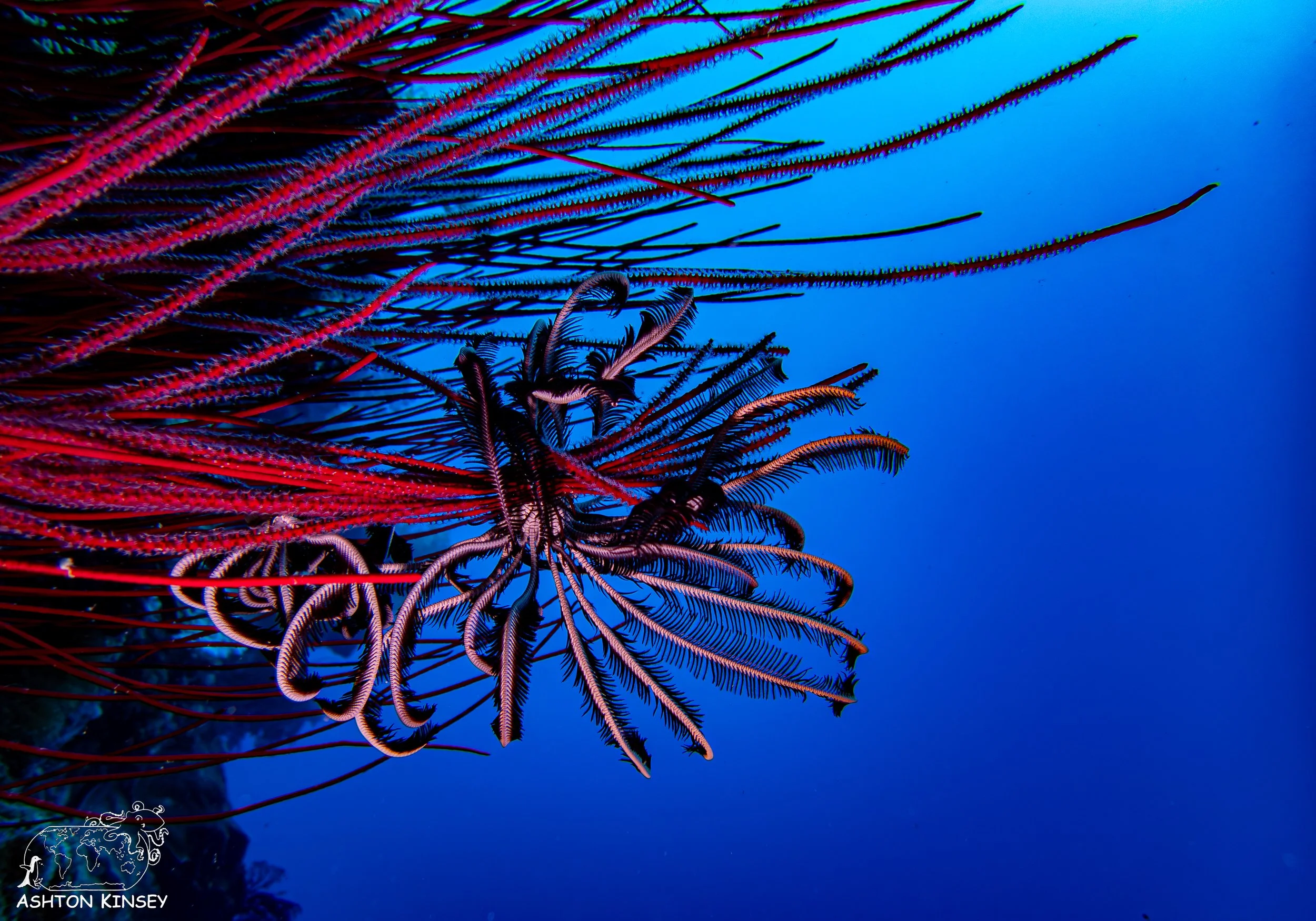
The wall descends down past 200’ and is coated with hard and soft corals. Along the wall, at roughly 100’, there is a small sandy patch that is often home to white tip sharks and leopard sharks. Turtles and Spanish mackerel are commonly seen swimming in the blue with various sharks. The wall houses plenty of muck creatures, small reef fishes and large schools of pyramid butterfly fish.
On the ride back to the Siren after the night dive, several large fish were swimming alongside us. At one point one of them jumped and hit the side of the boat resulting in several sharks circling under our boat looking for scraps.
German Channel
Dive 6: at 59 Min Dive 22: 57’ at 61 Min
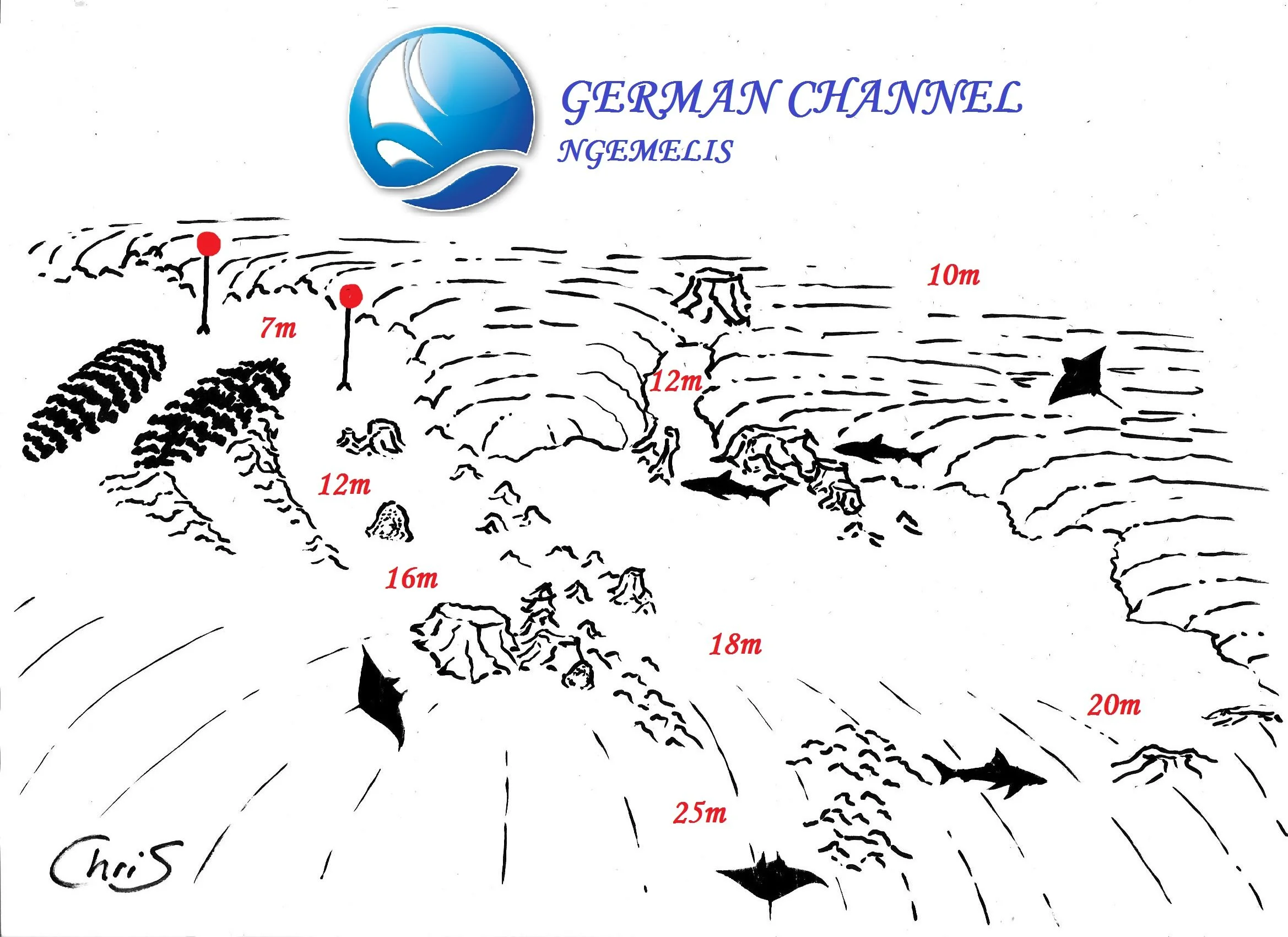
This shallow basin was dug out during German occupation of Palau in 1905 to help transport guano used for fertilizer due to the high levels of phosphates from Angaur to Koror. The channel was blasted and dredged out, destroying the barrier reef between Ngemelis and Ngercheu.
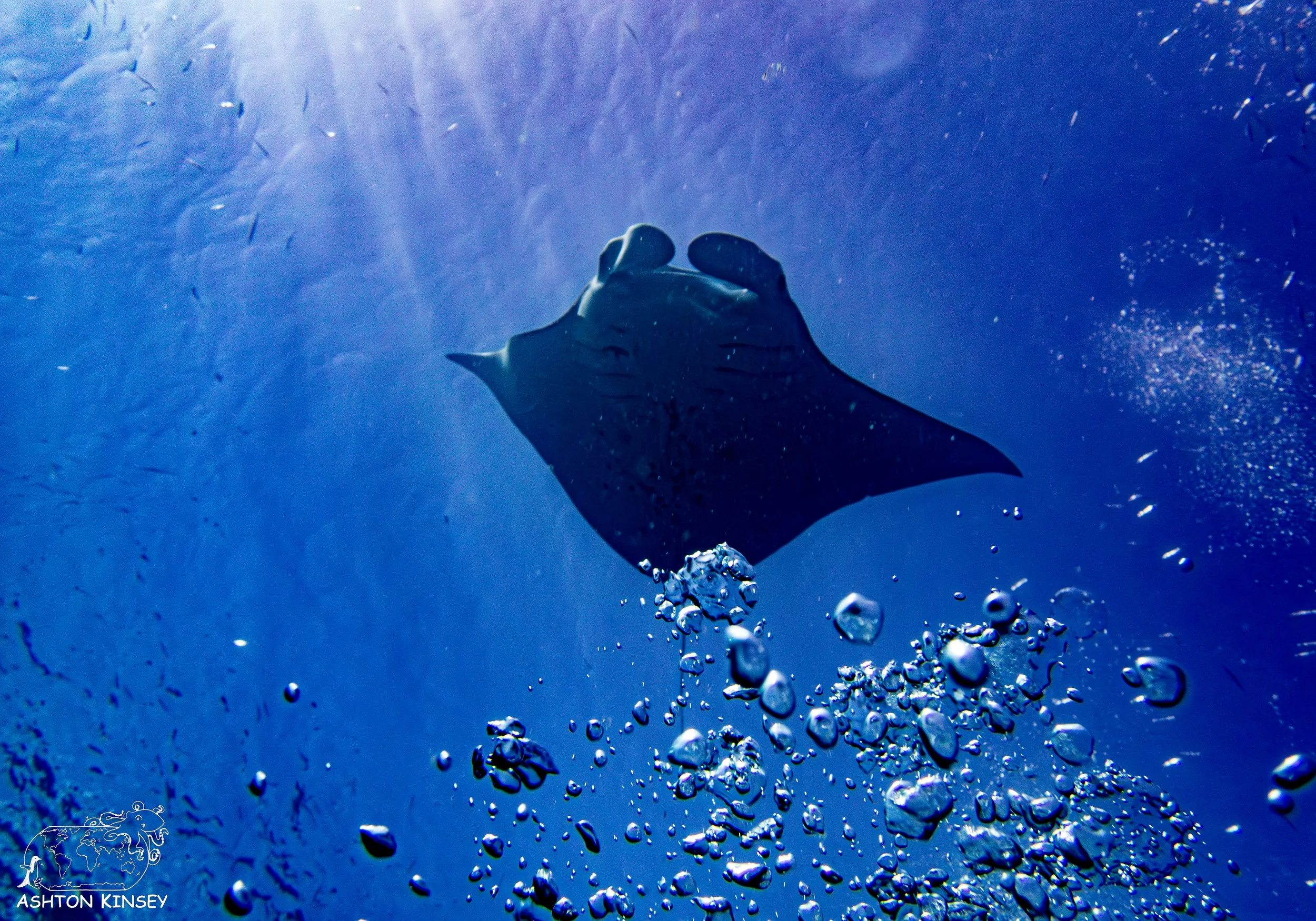
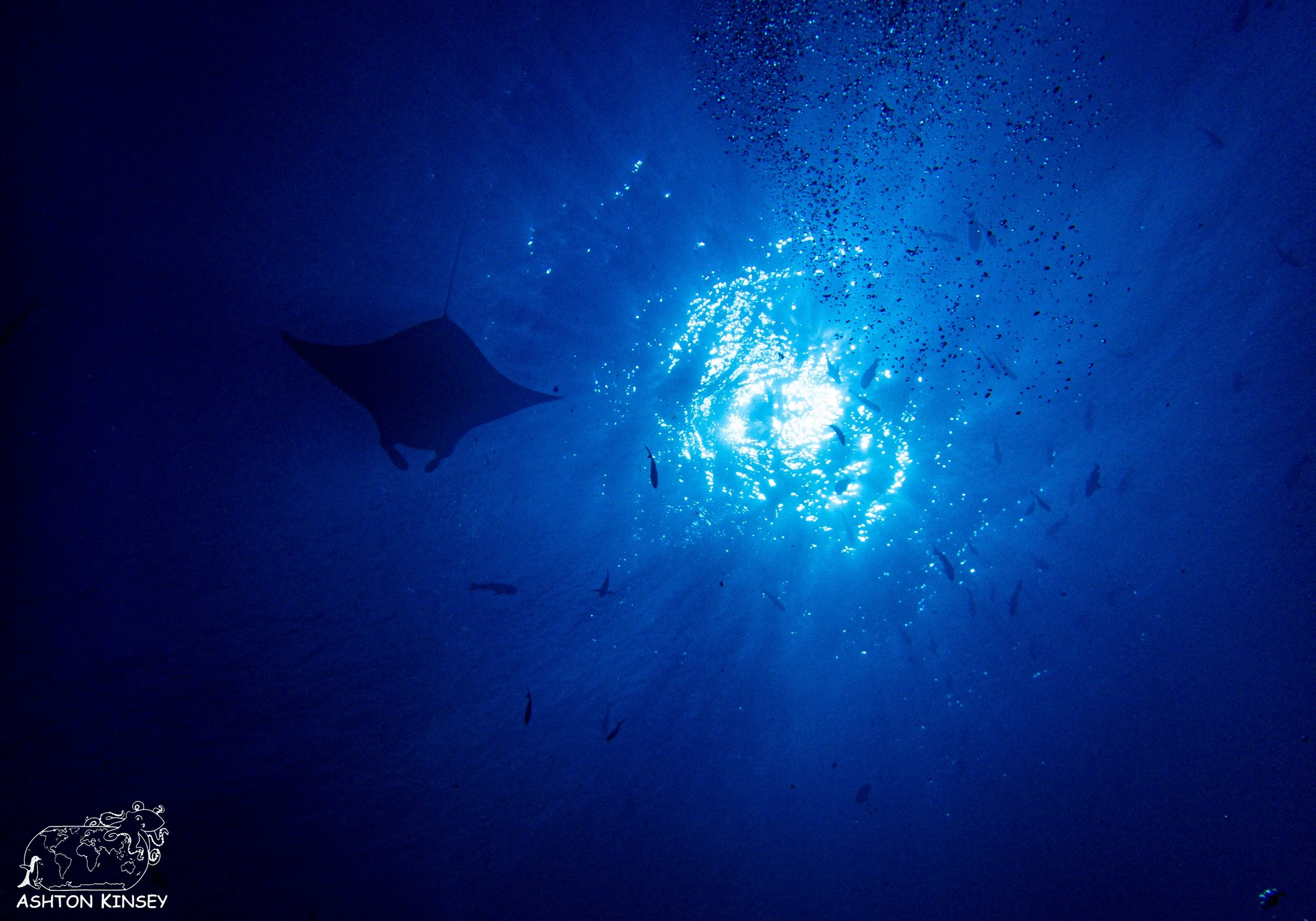
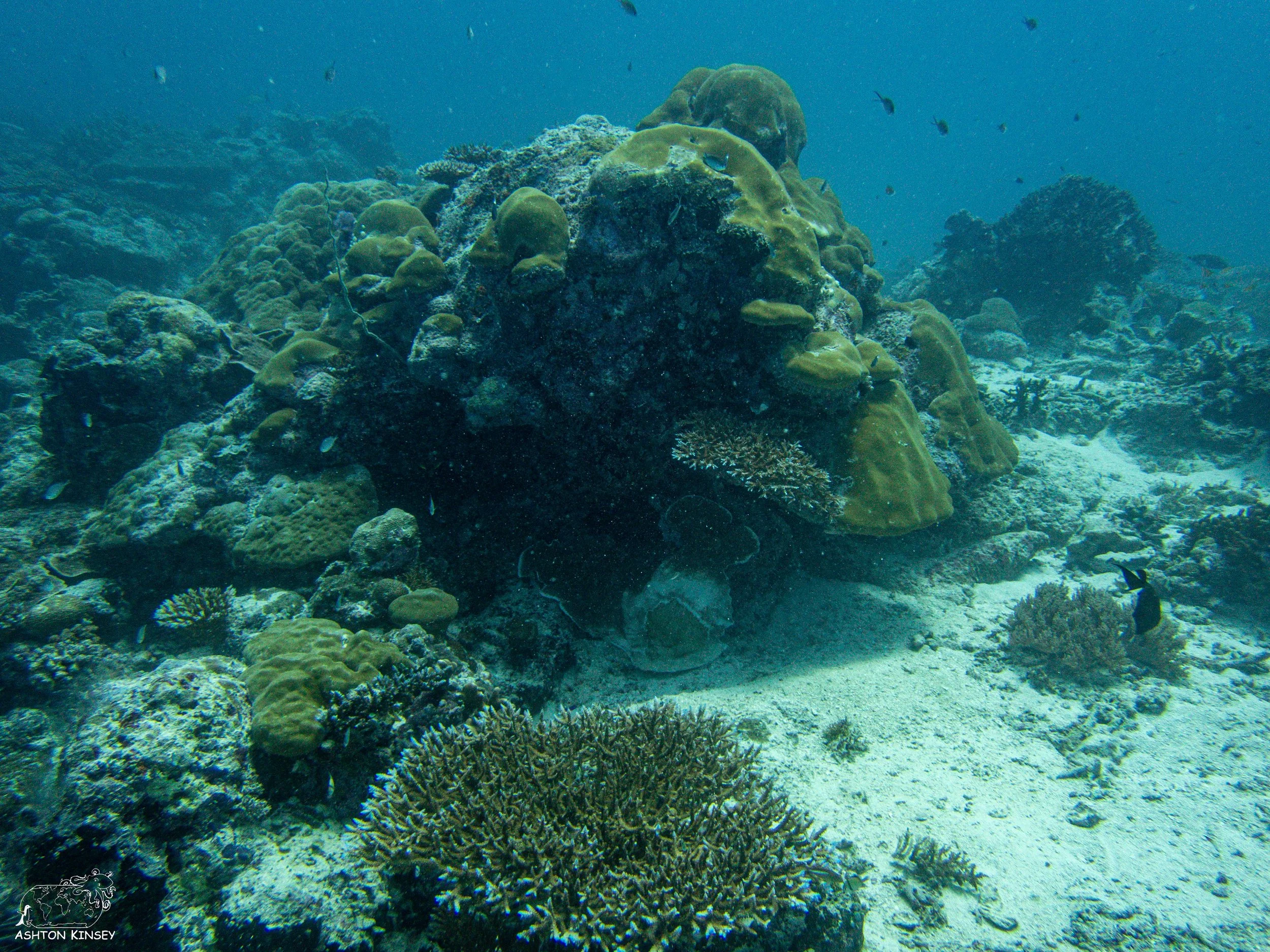
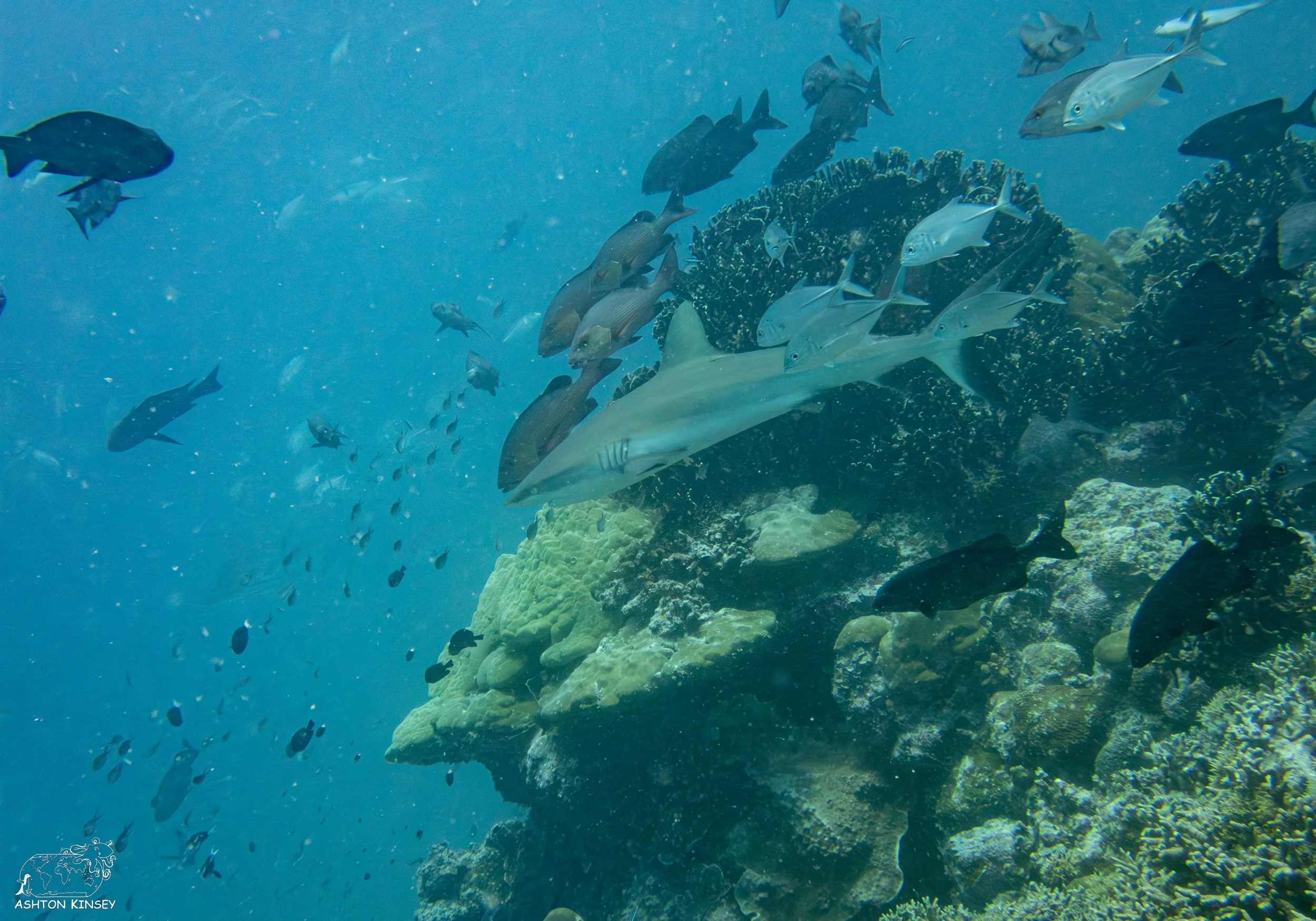
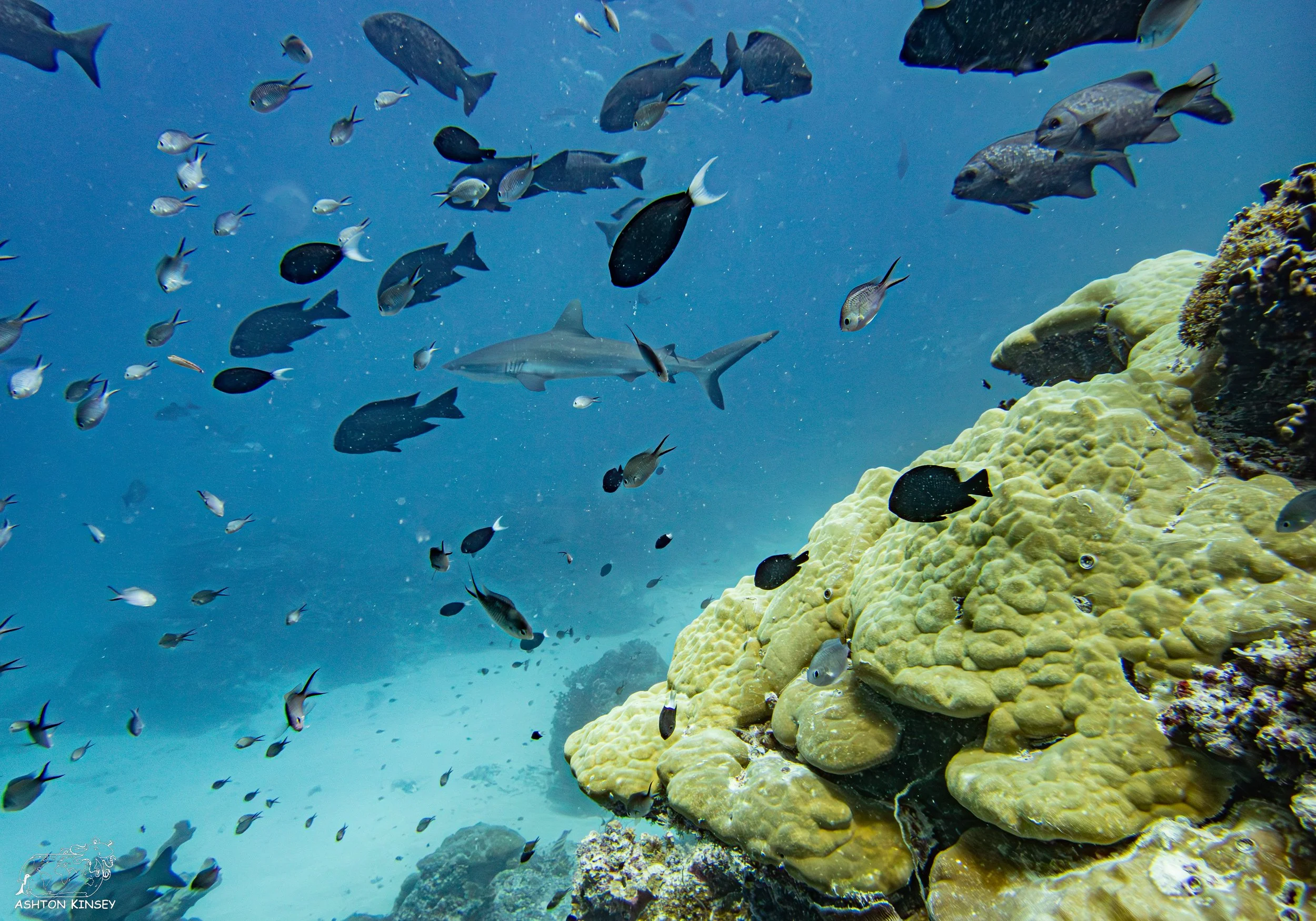
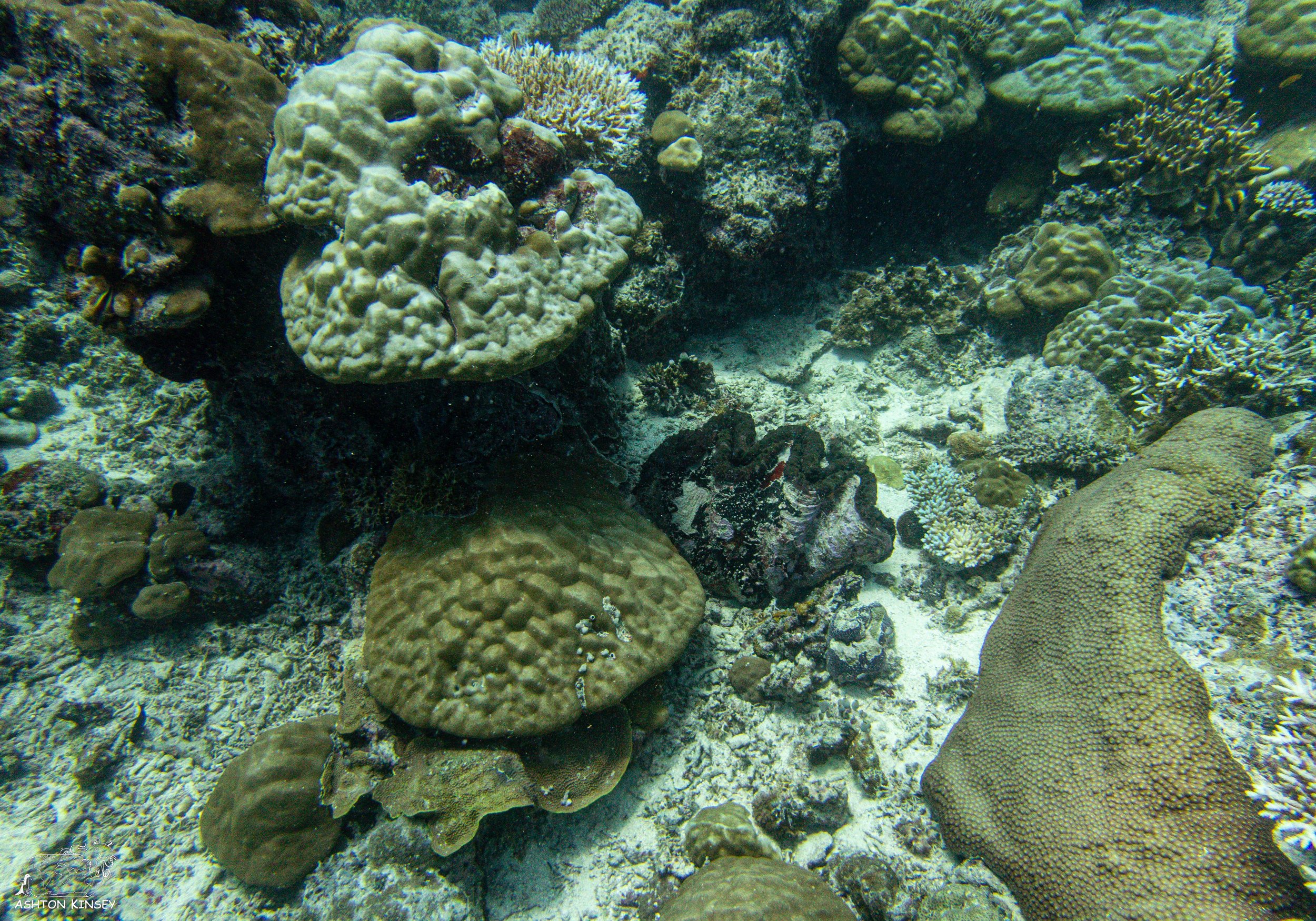
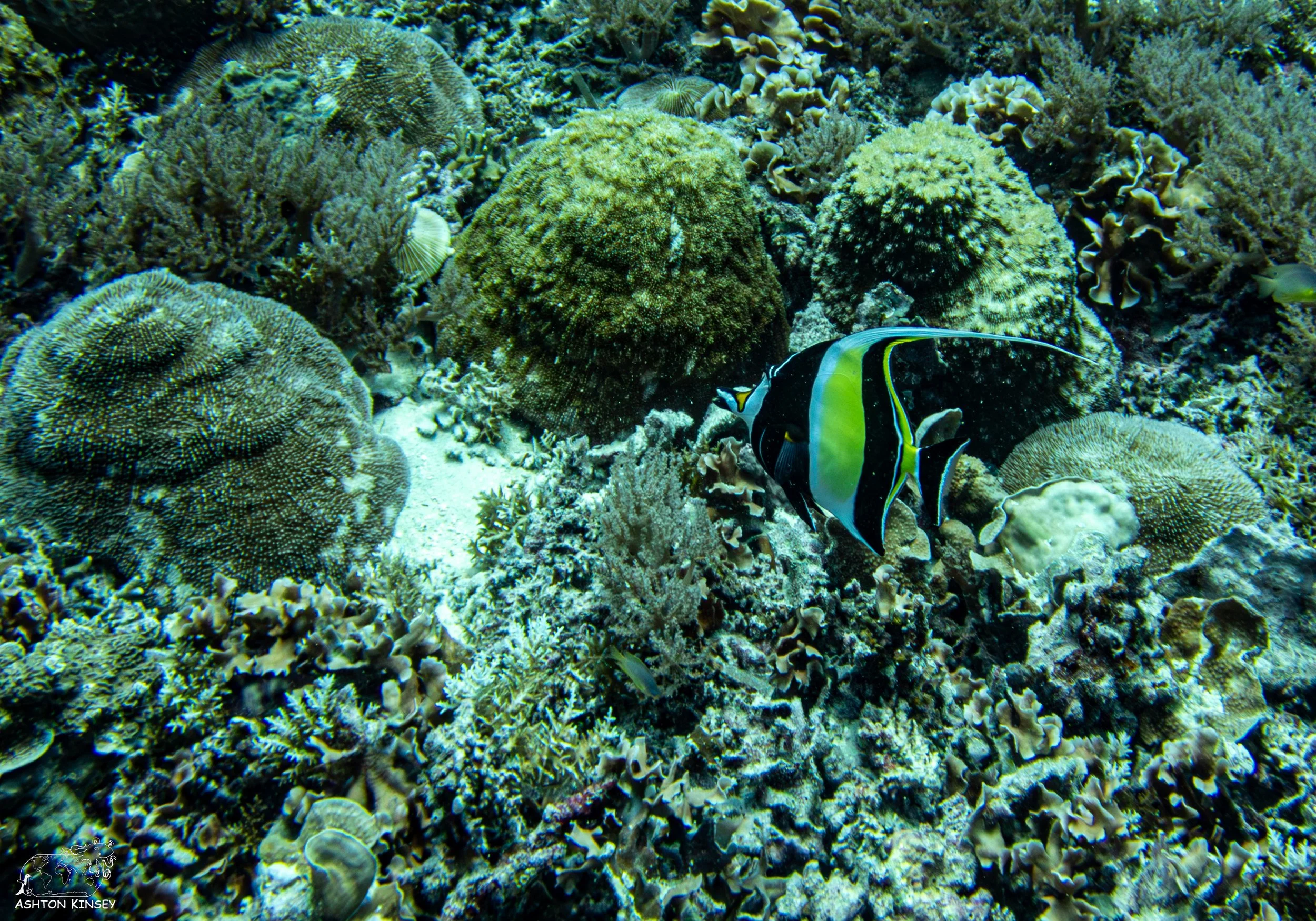
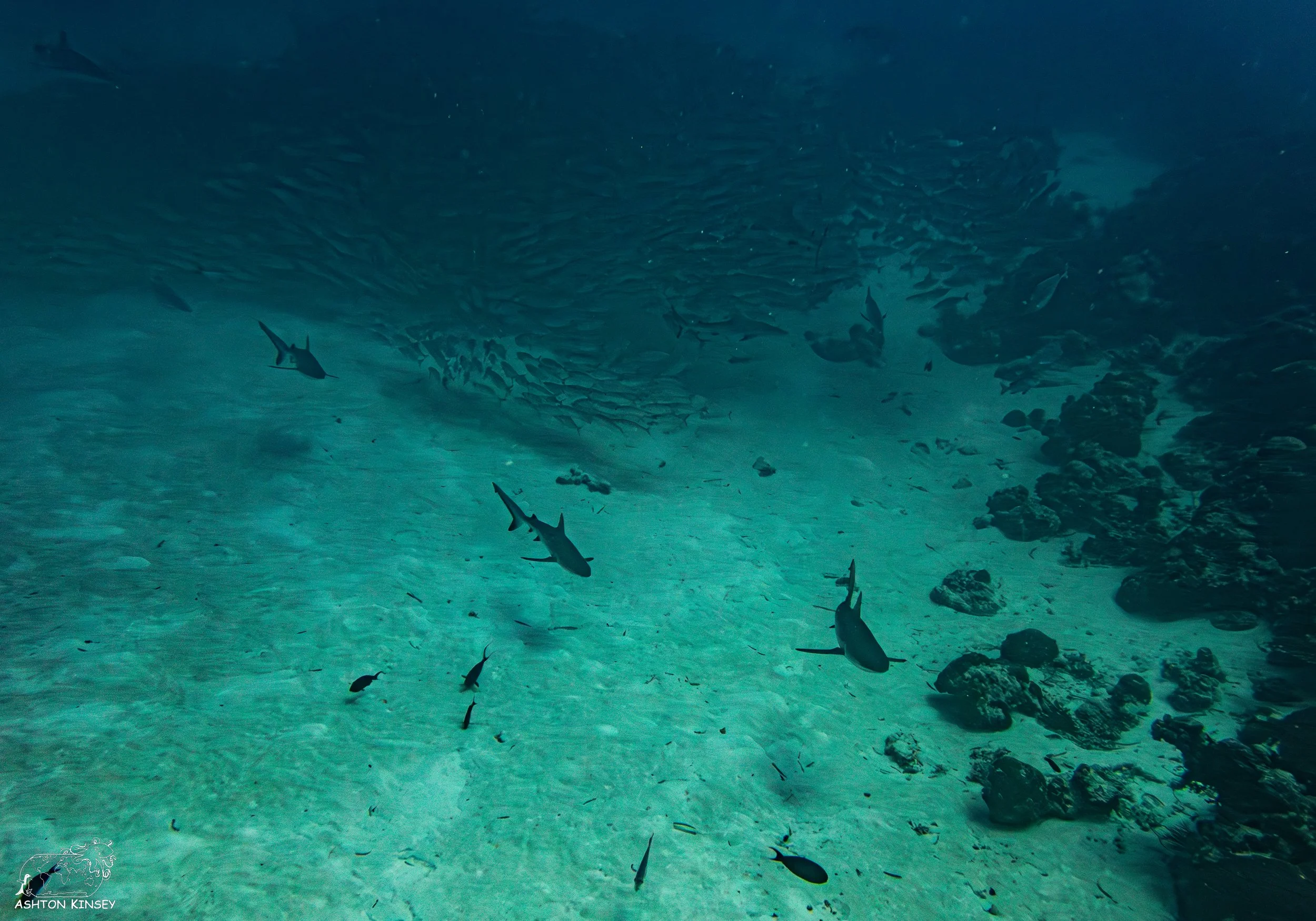
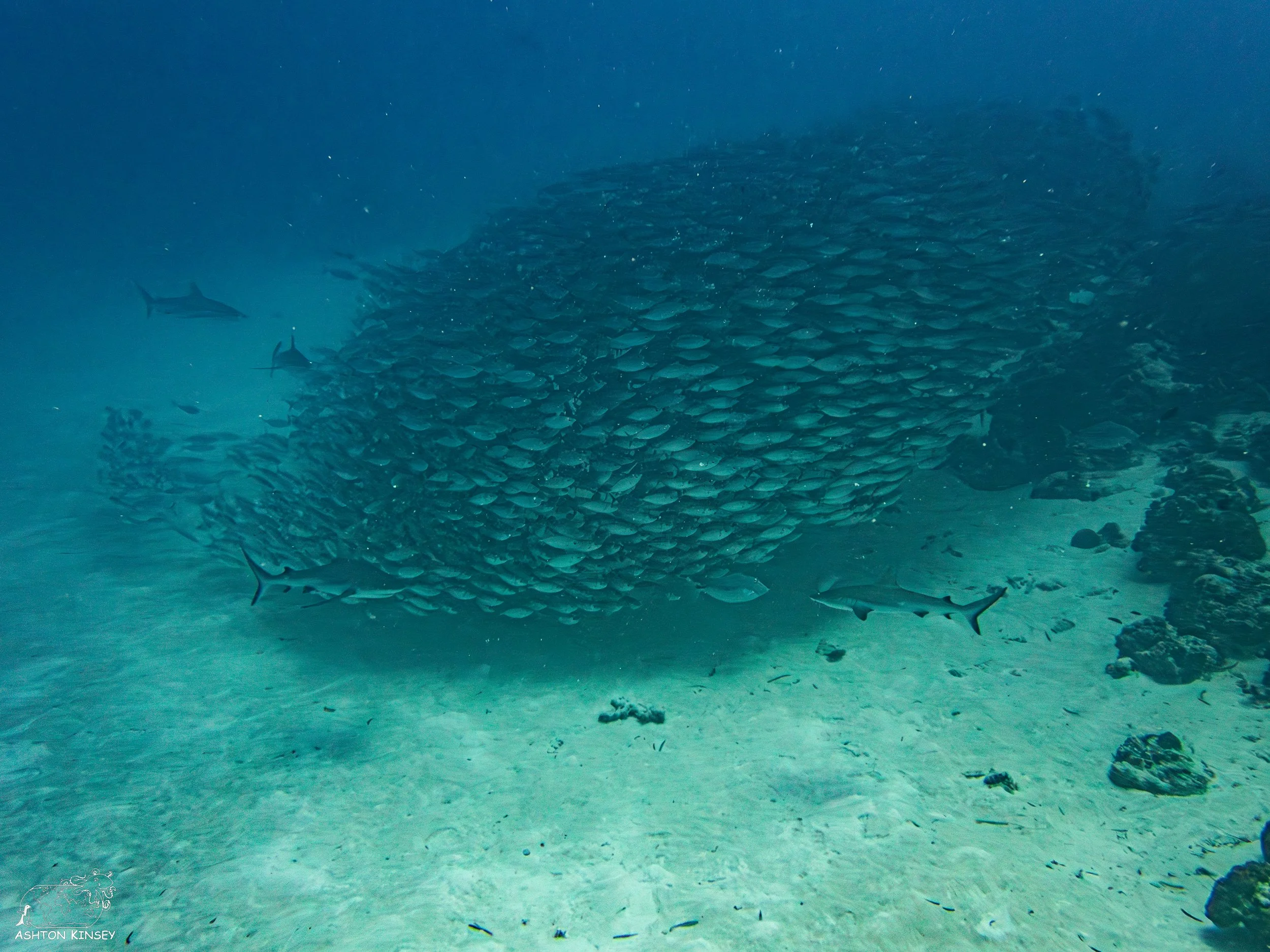
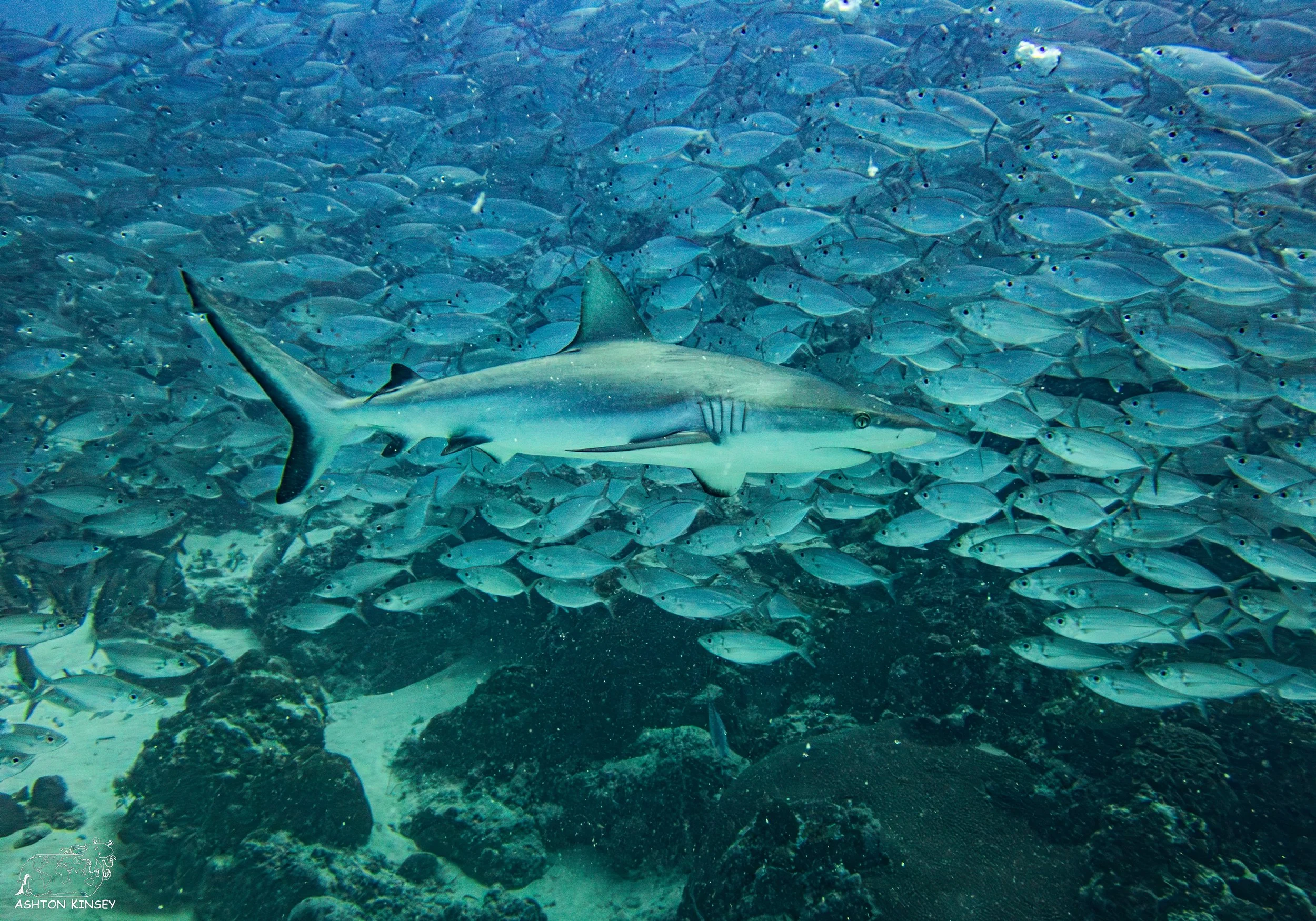
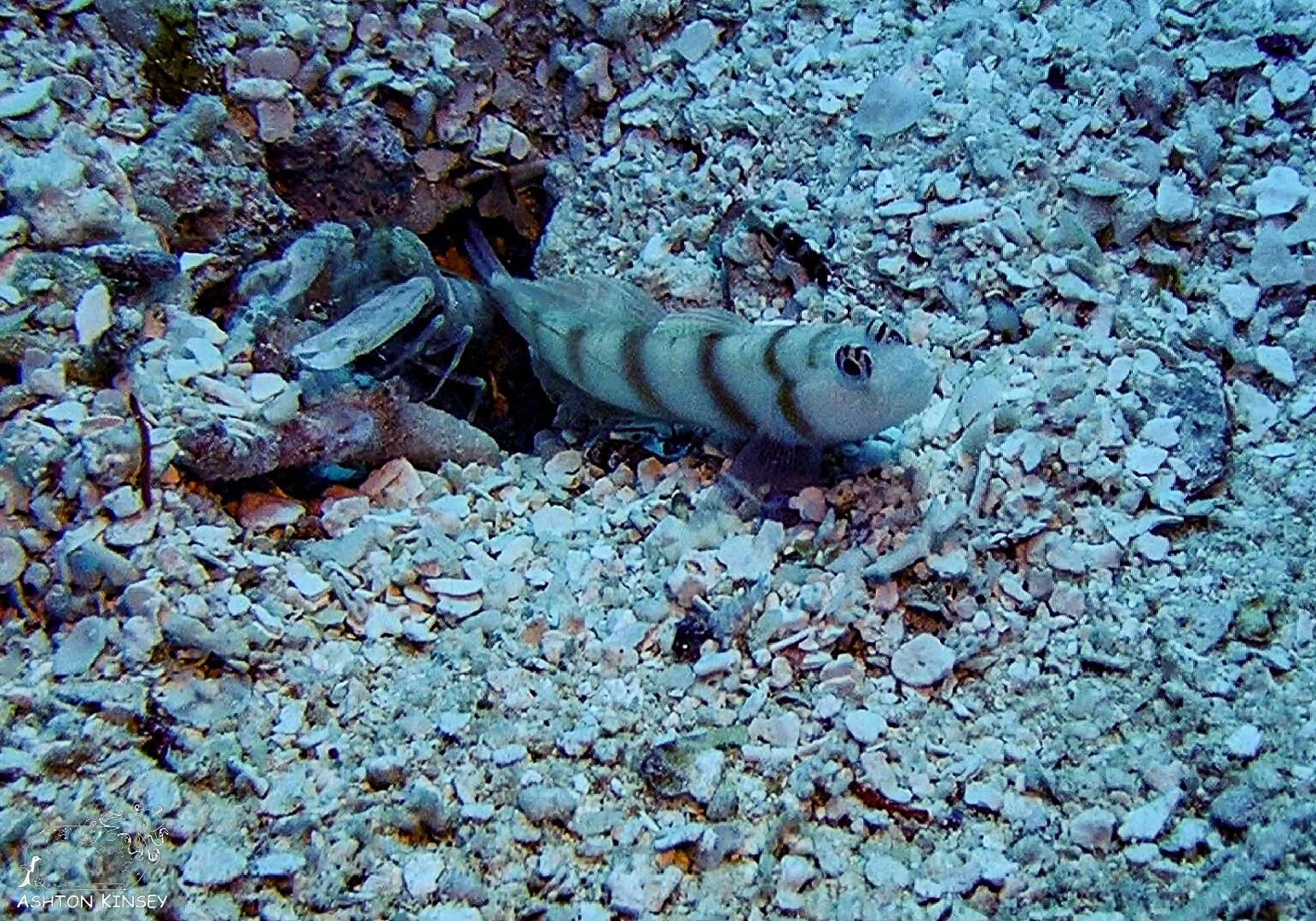
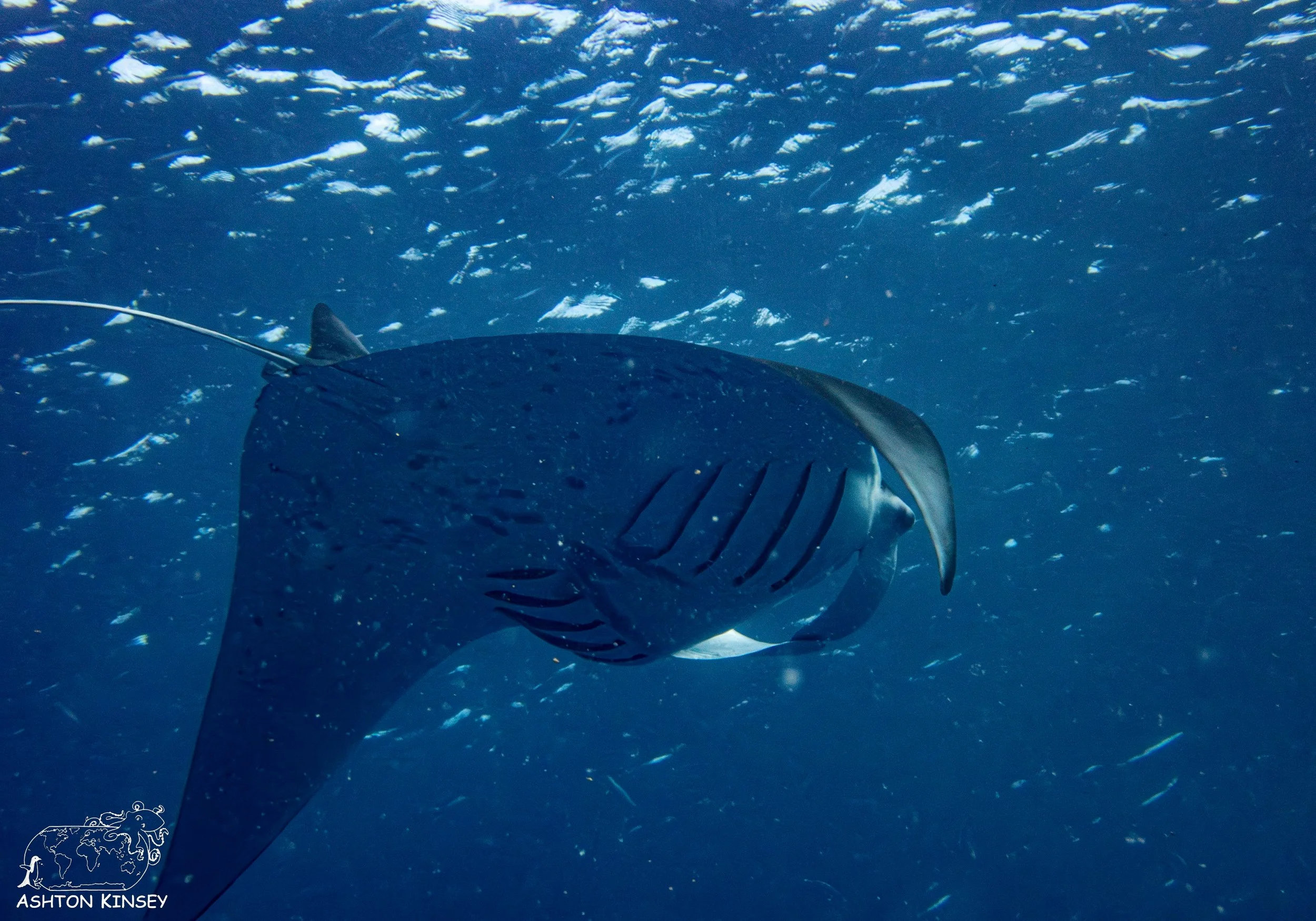
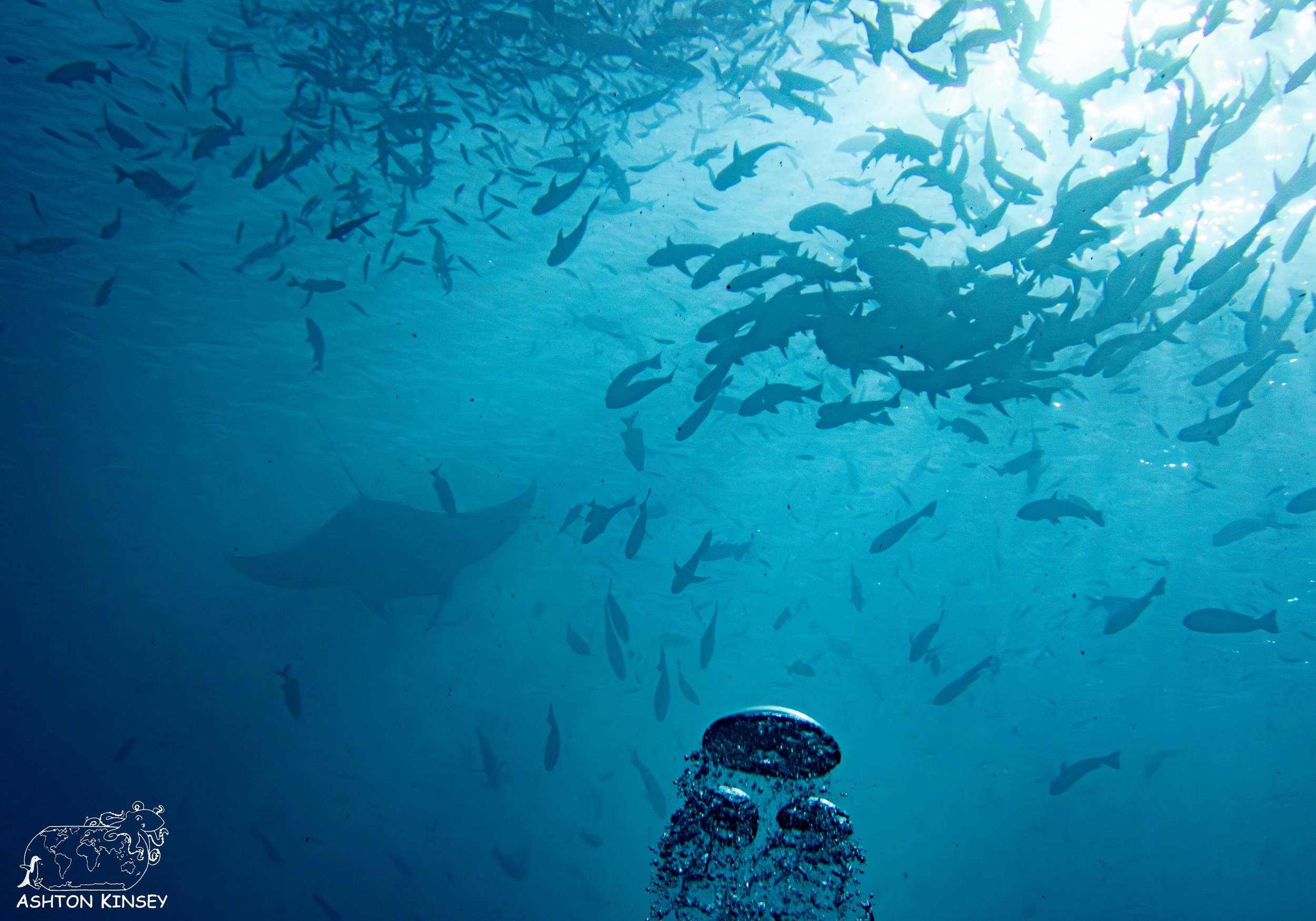
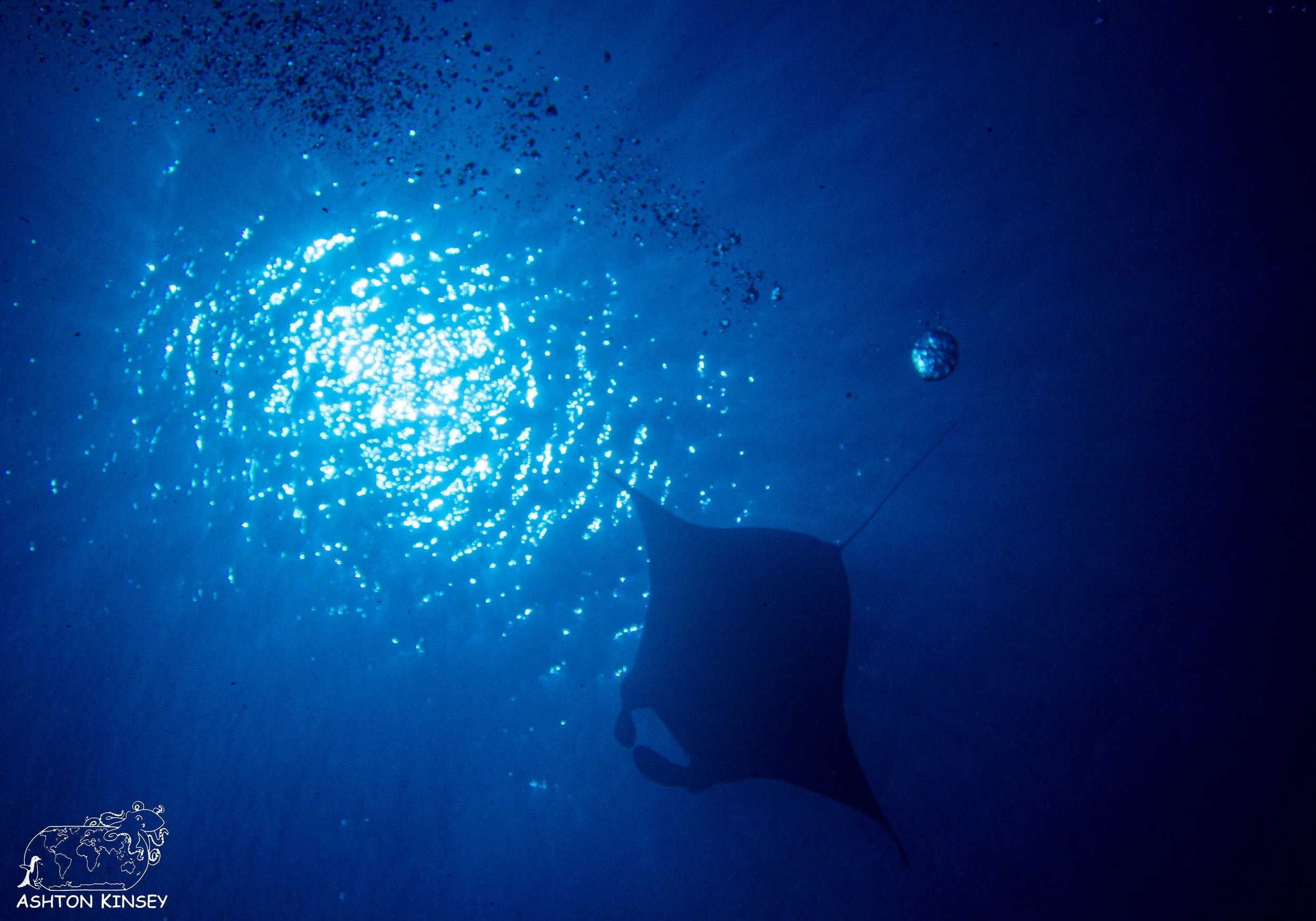
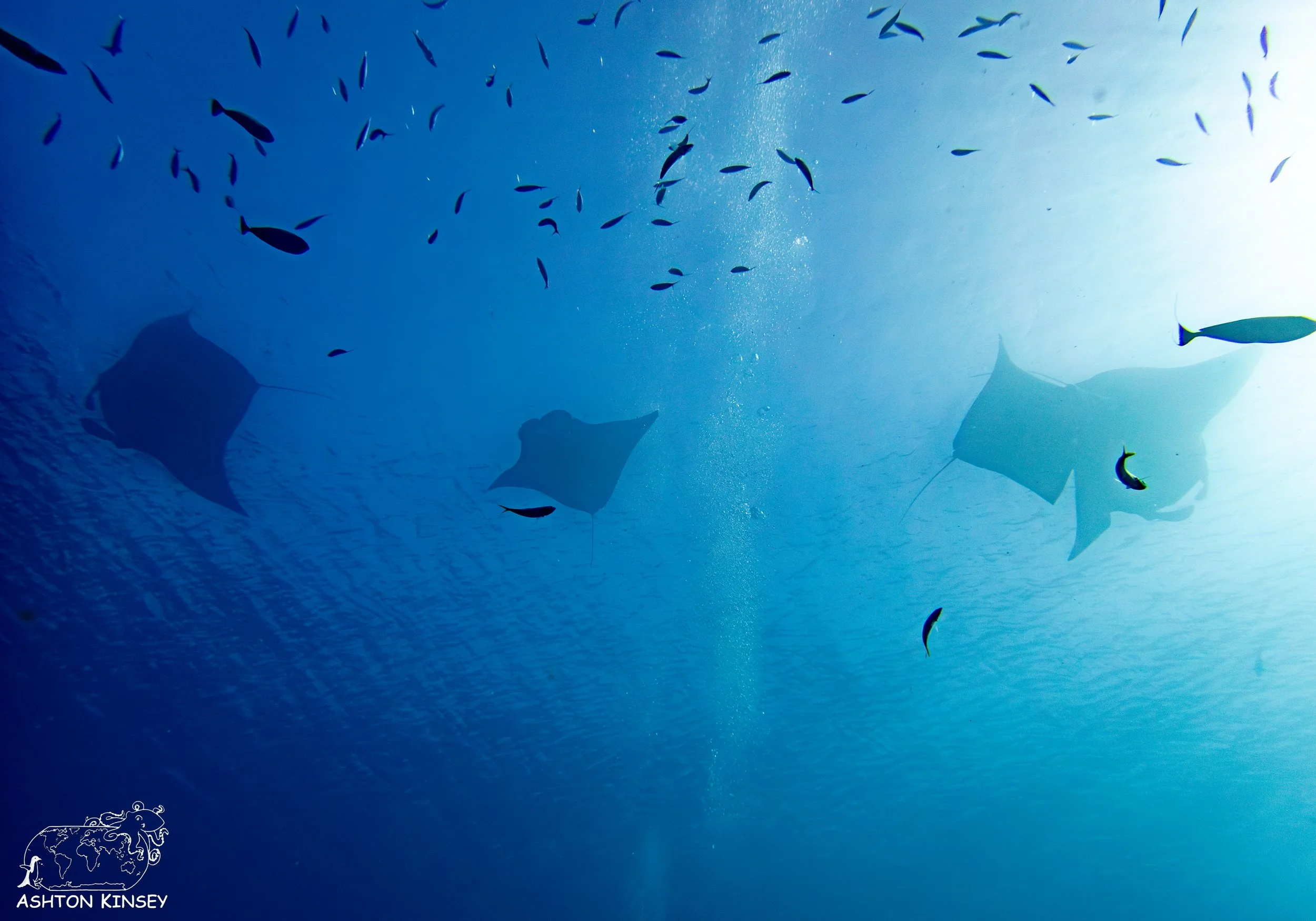
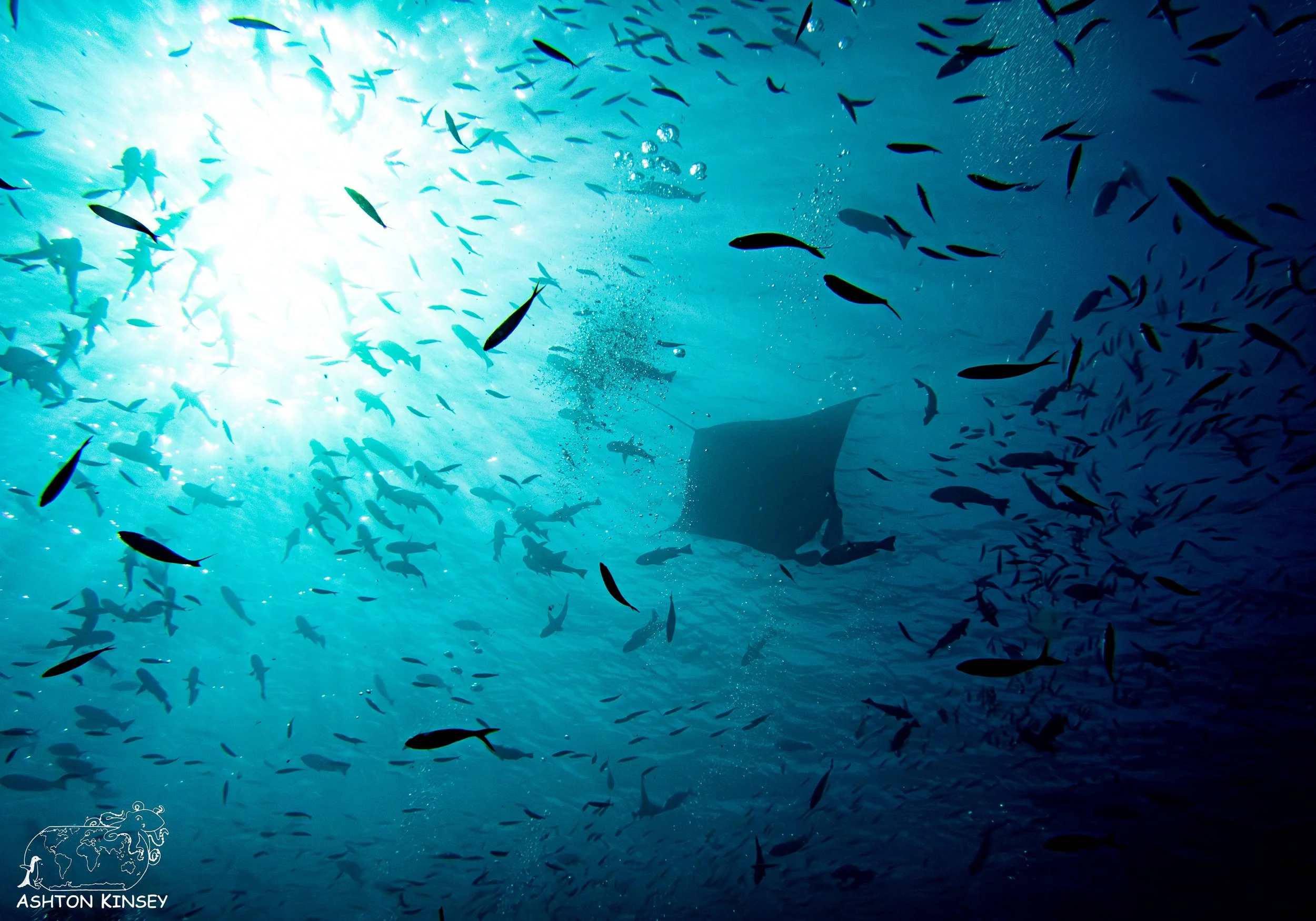
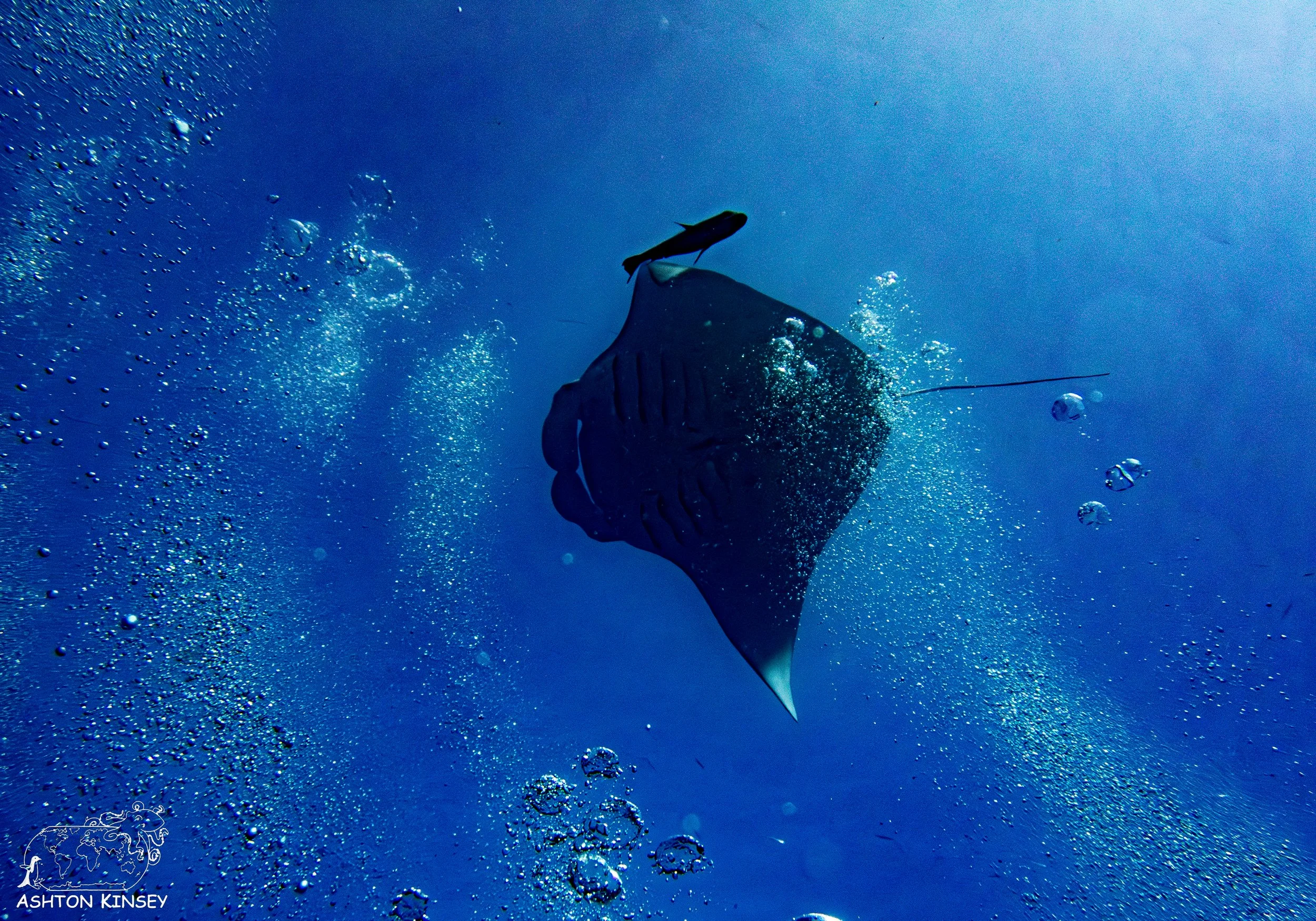
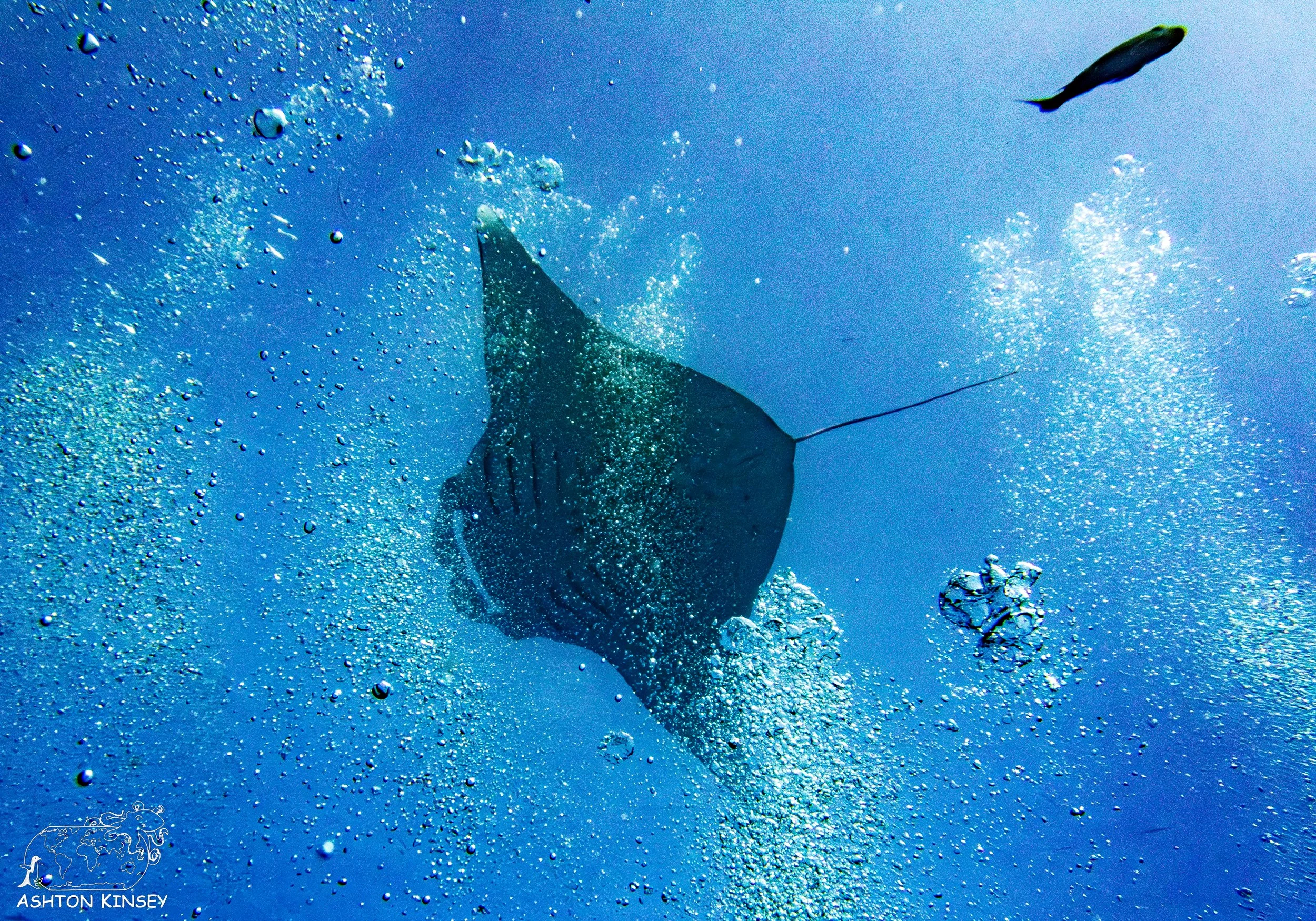
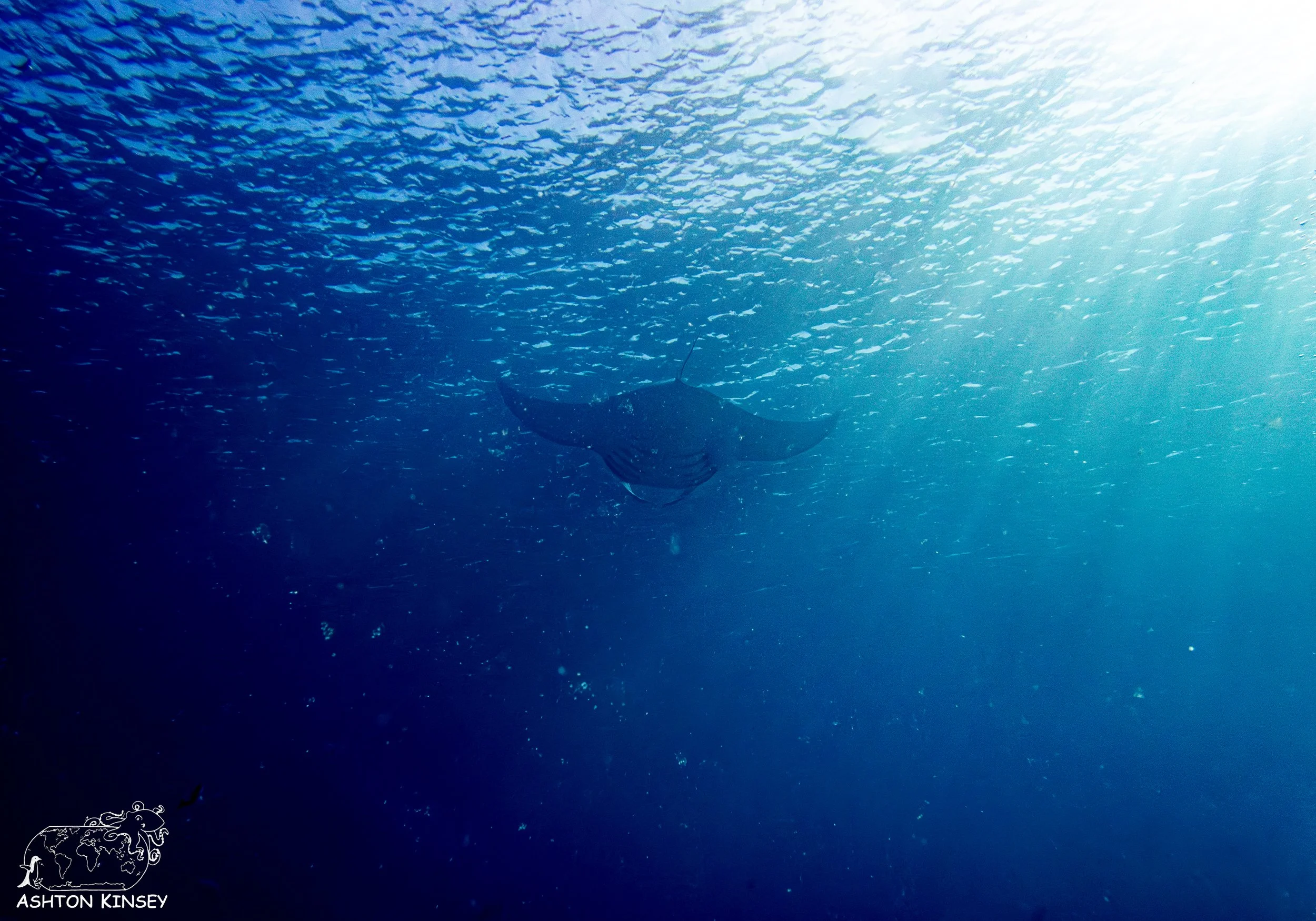
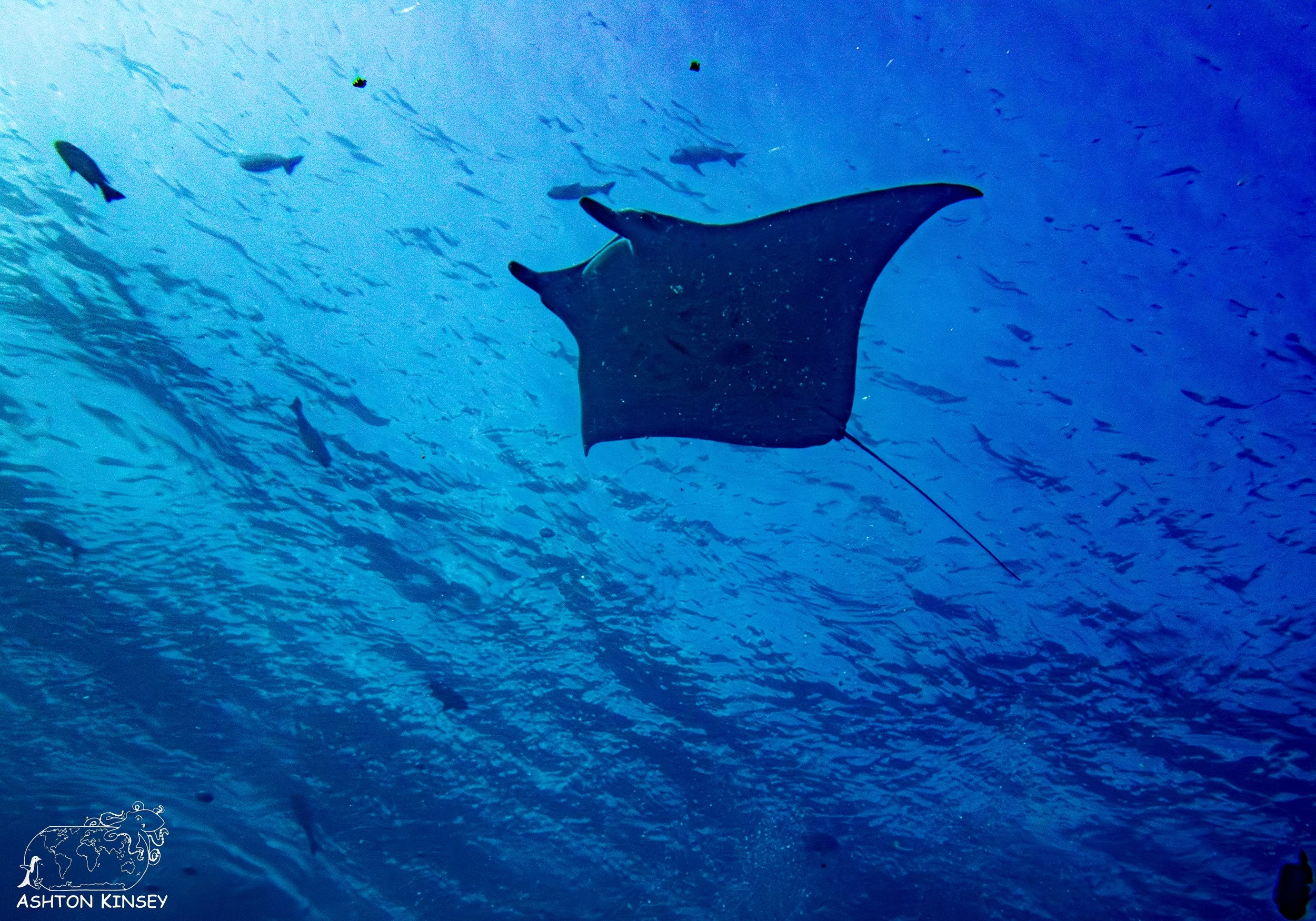
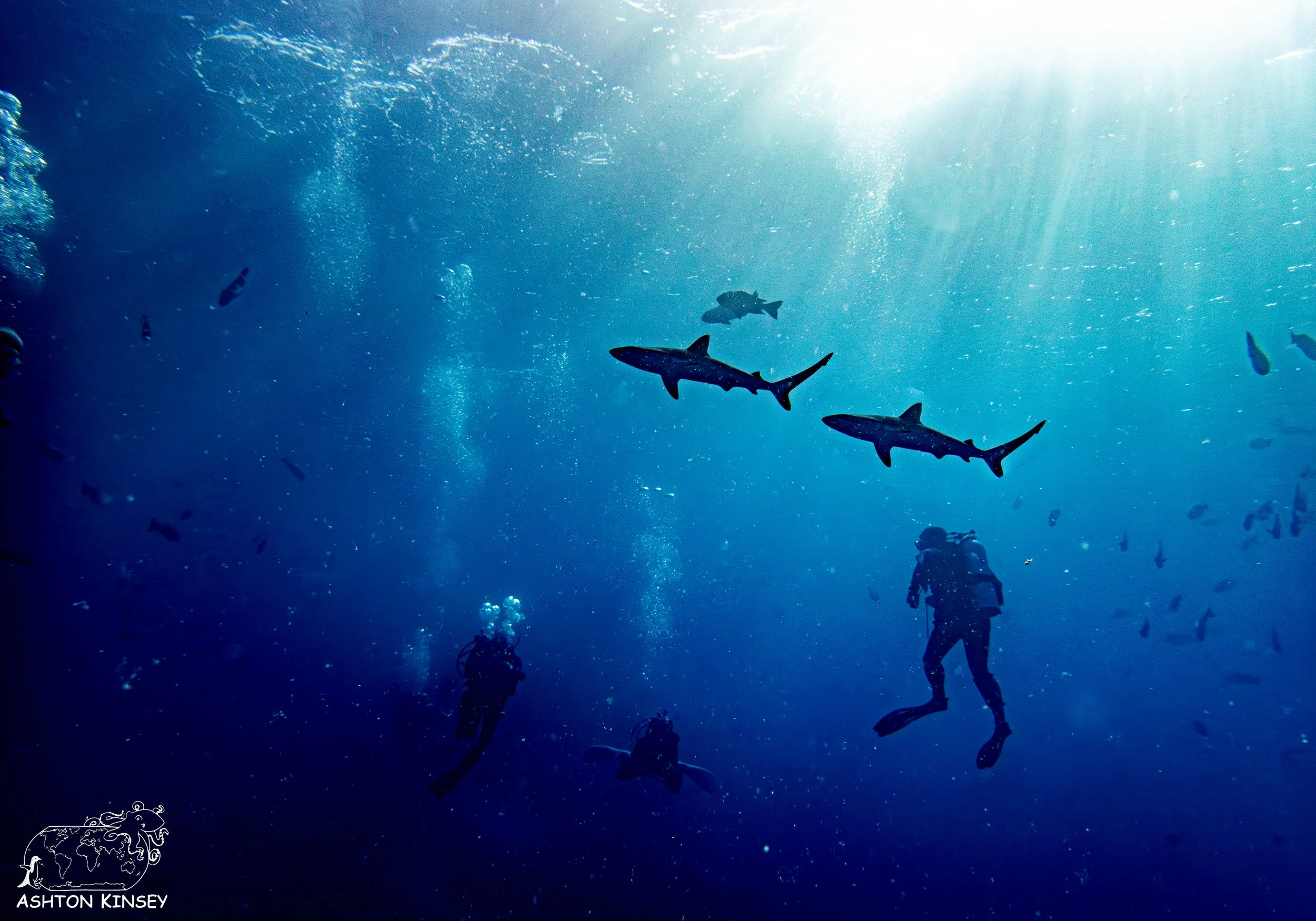
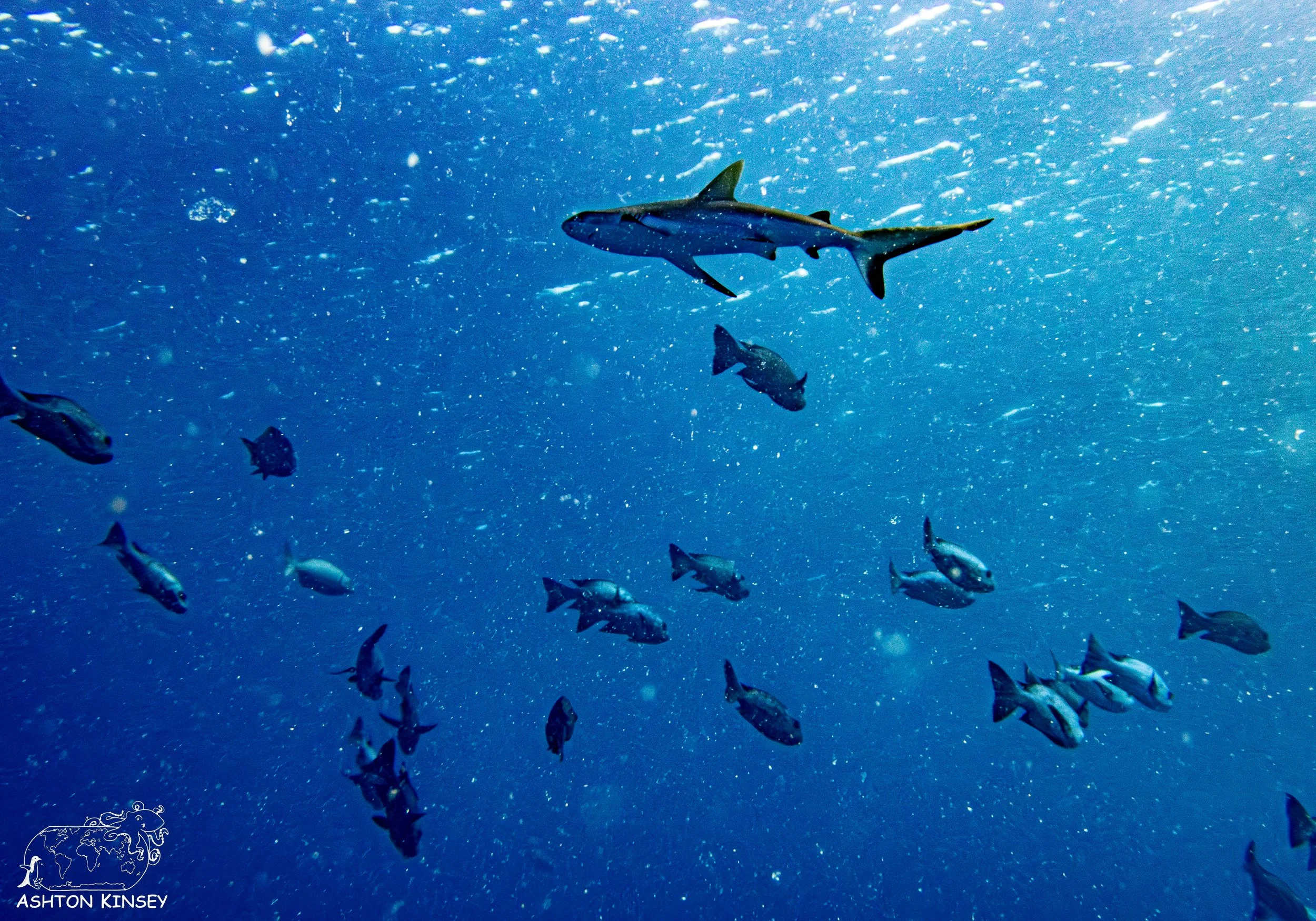
The channel is now 60’-75’ with a shandy bottom. Some corals have started growing on the boulders along the bottom. There are two big manta cleaning stations that are often populated with manta. The currents will also bring in lots of phytoplankton that attract large bait balls of scad and reef sharks. On the second dive we saw a school of 20+ manta rays feeding in the currents.
Ngerchong Inside
Dive 7: 78’ for 62 Min (Dive # 1400)
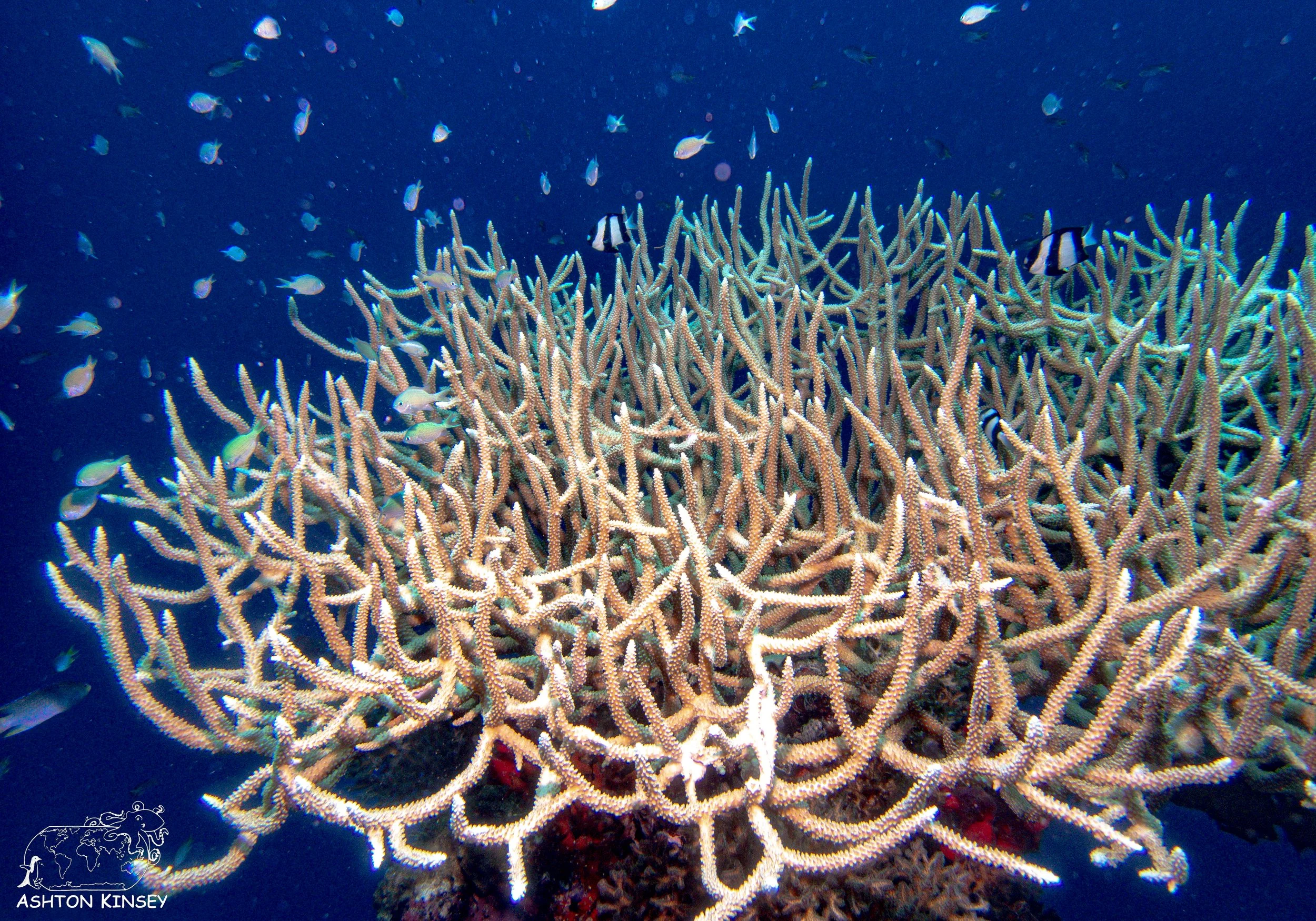
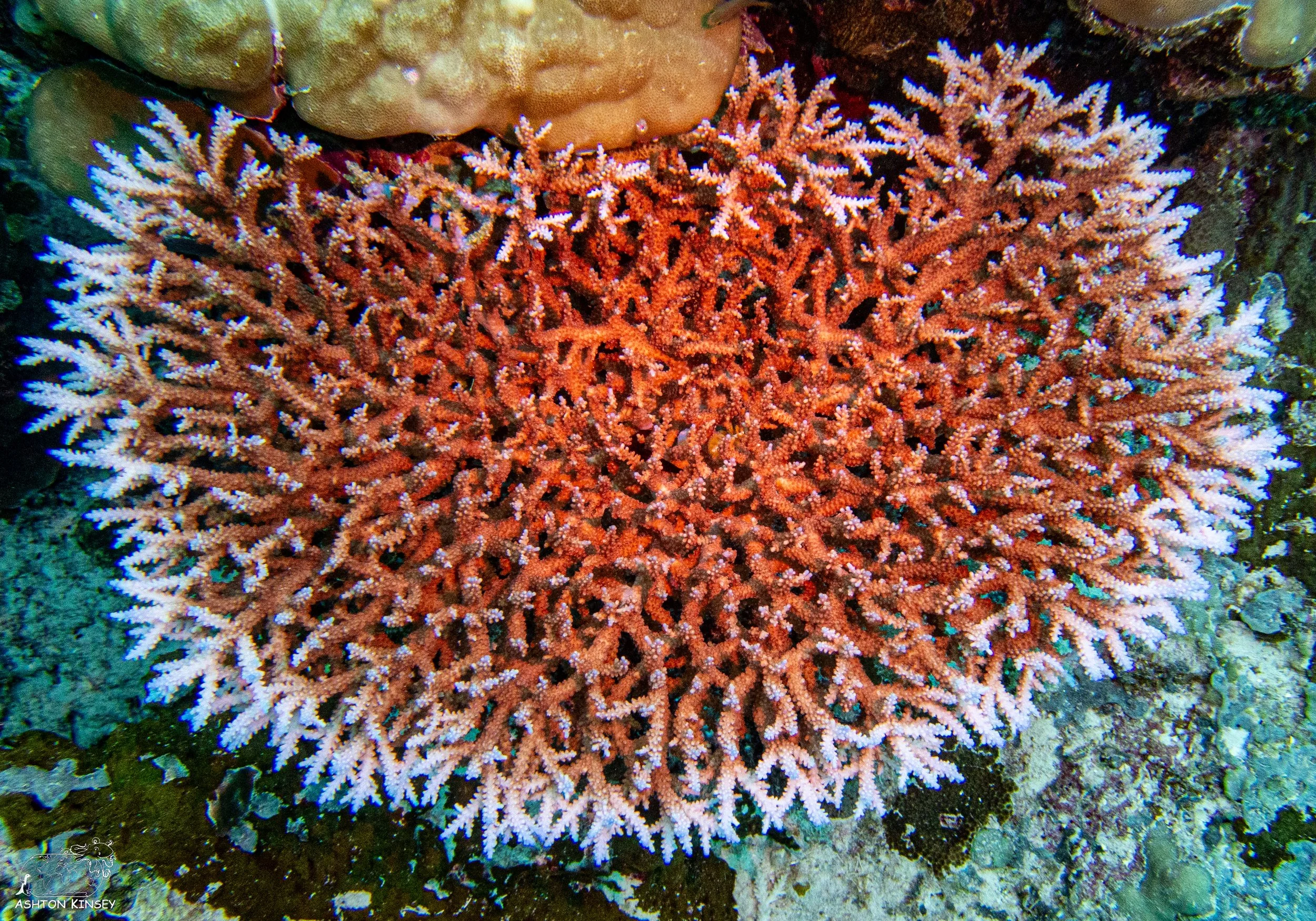
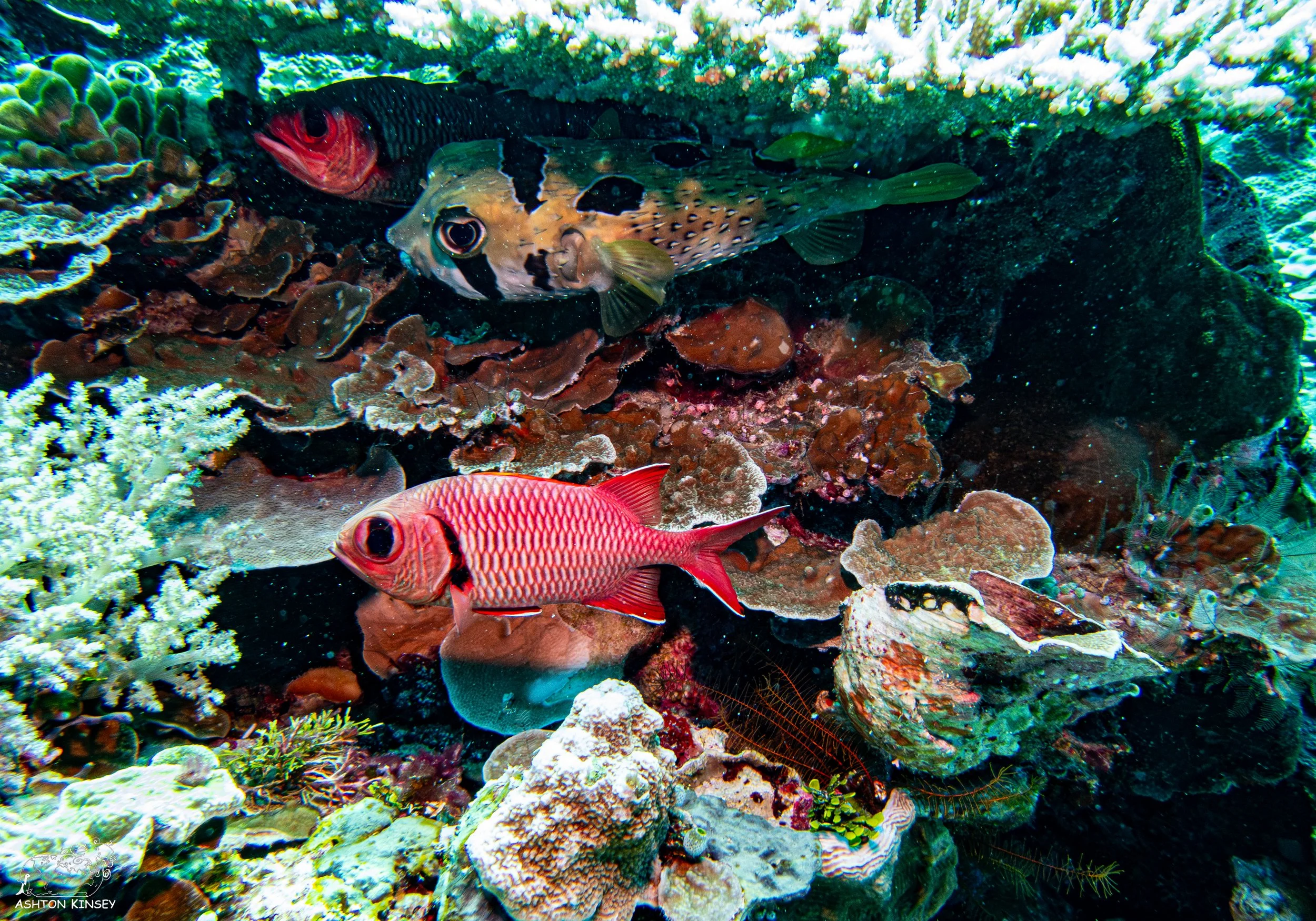
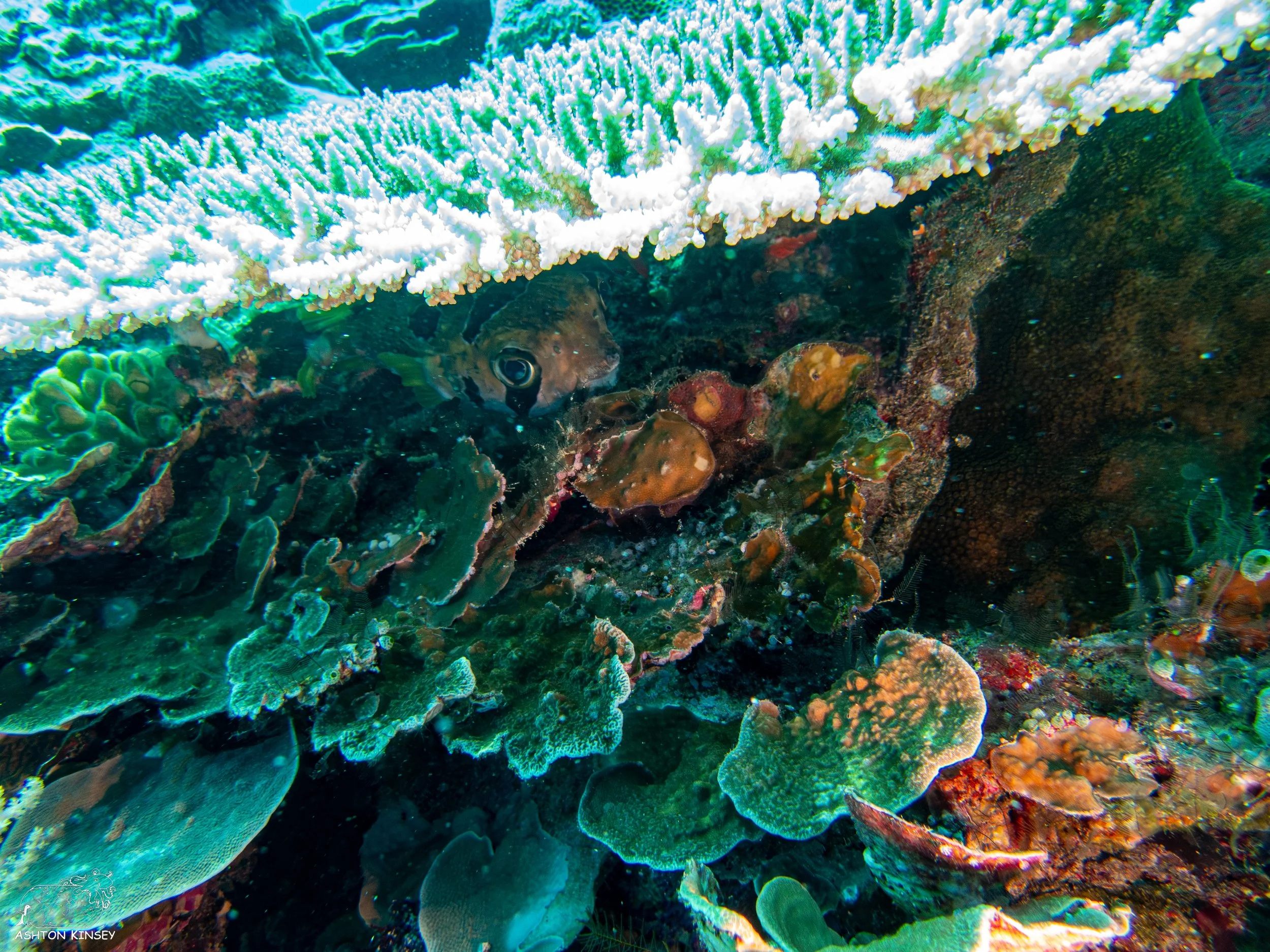
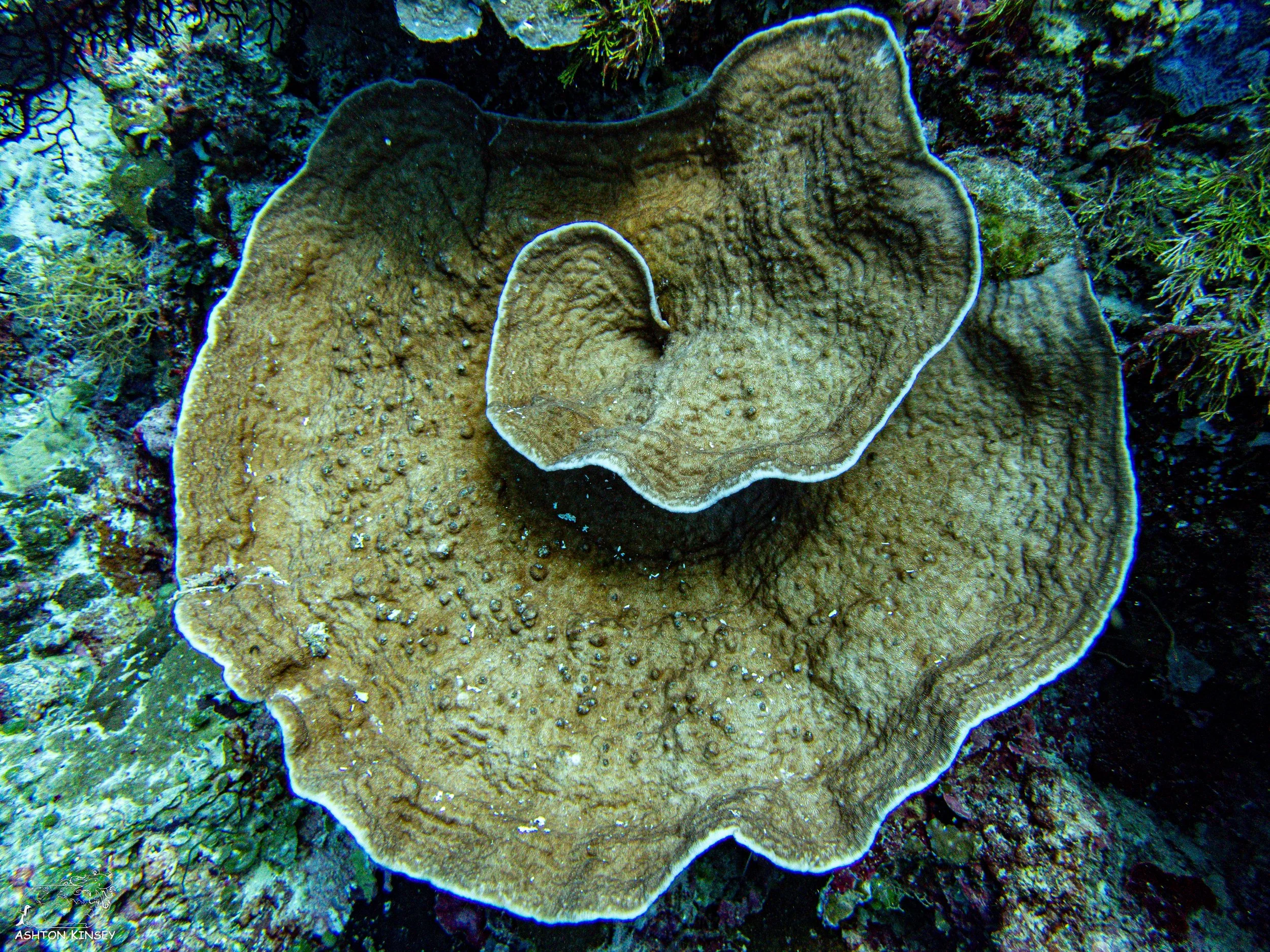
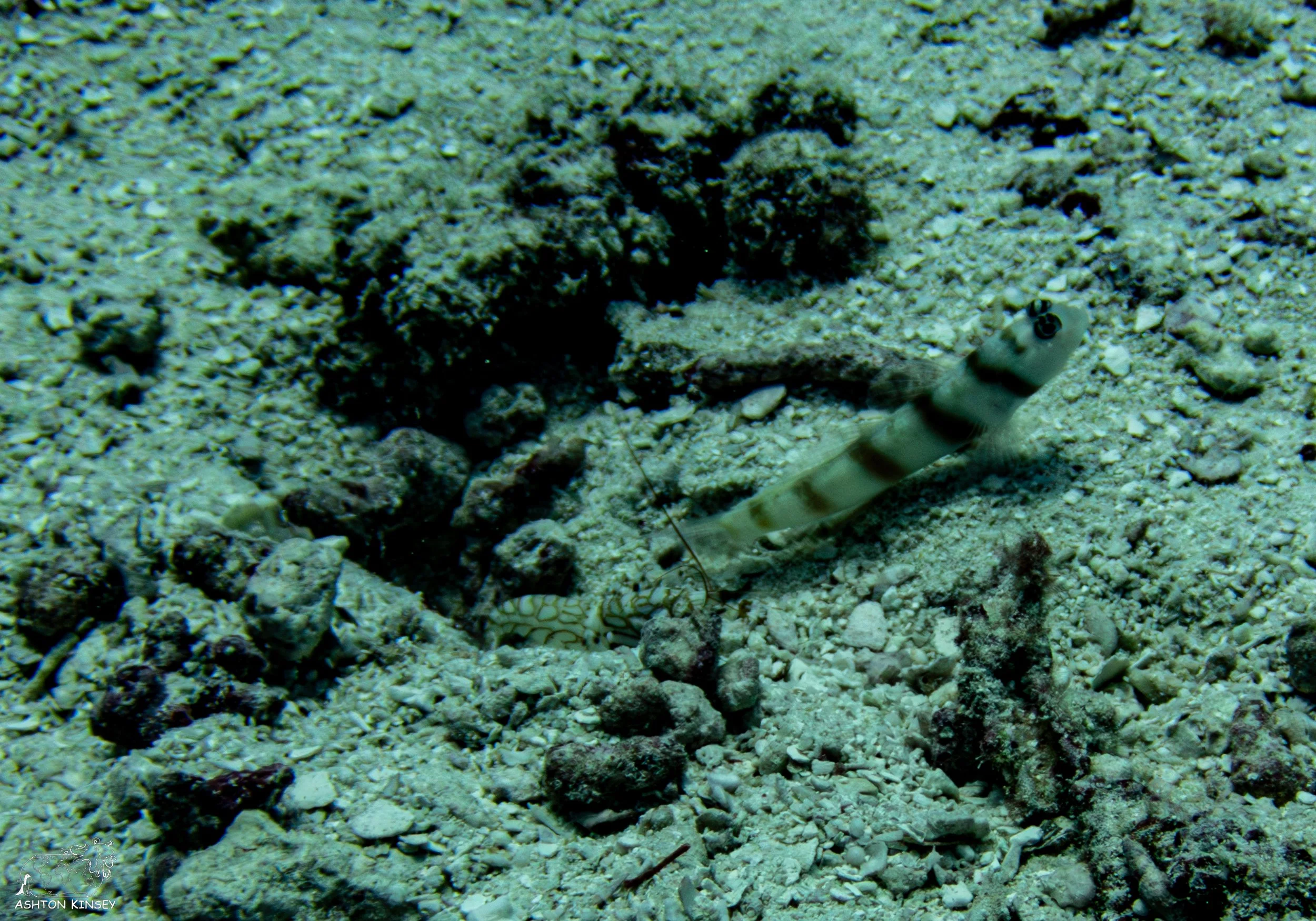
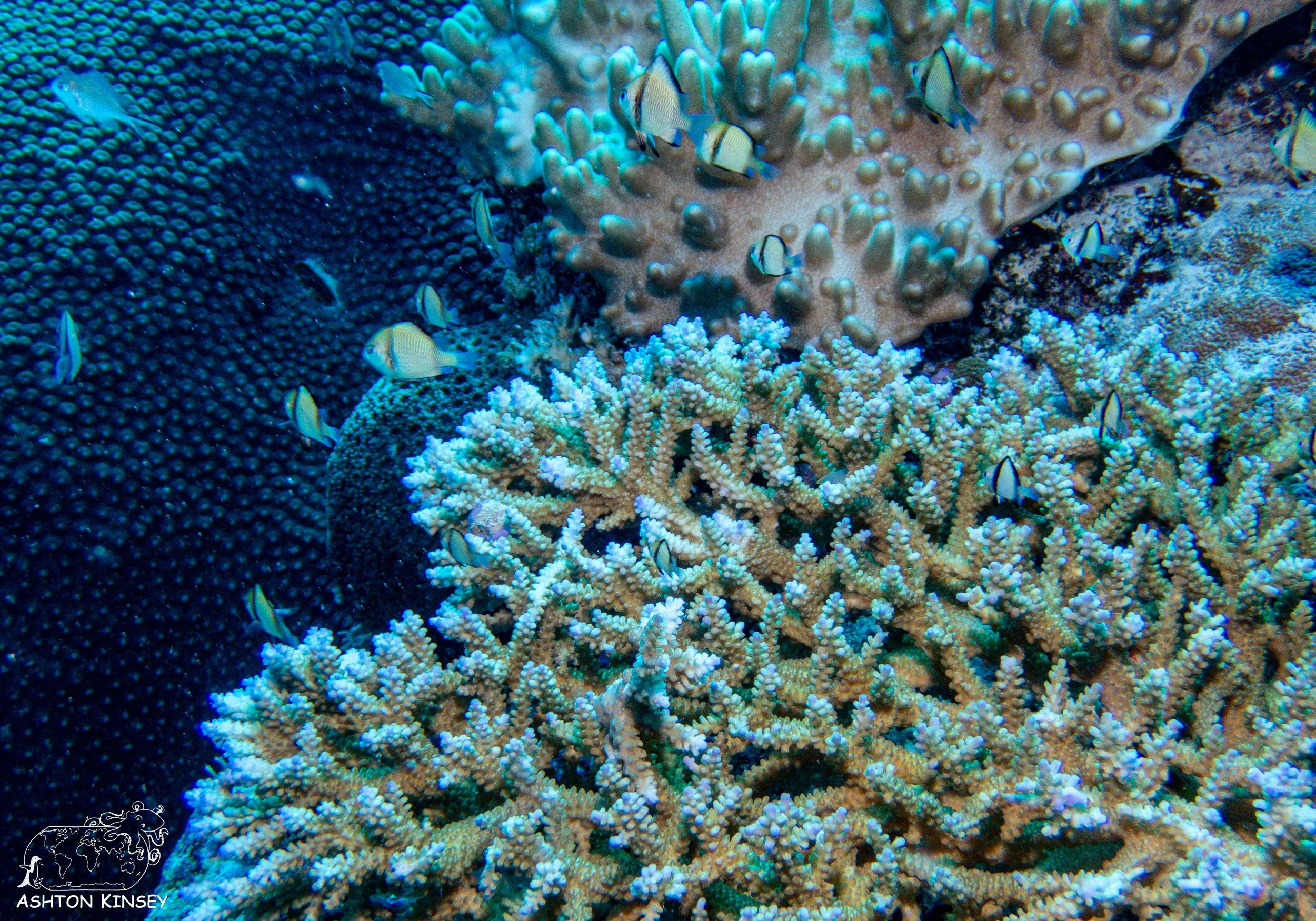
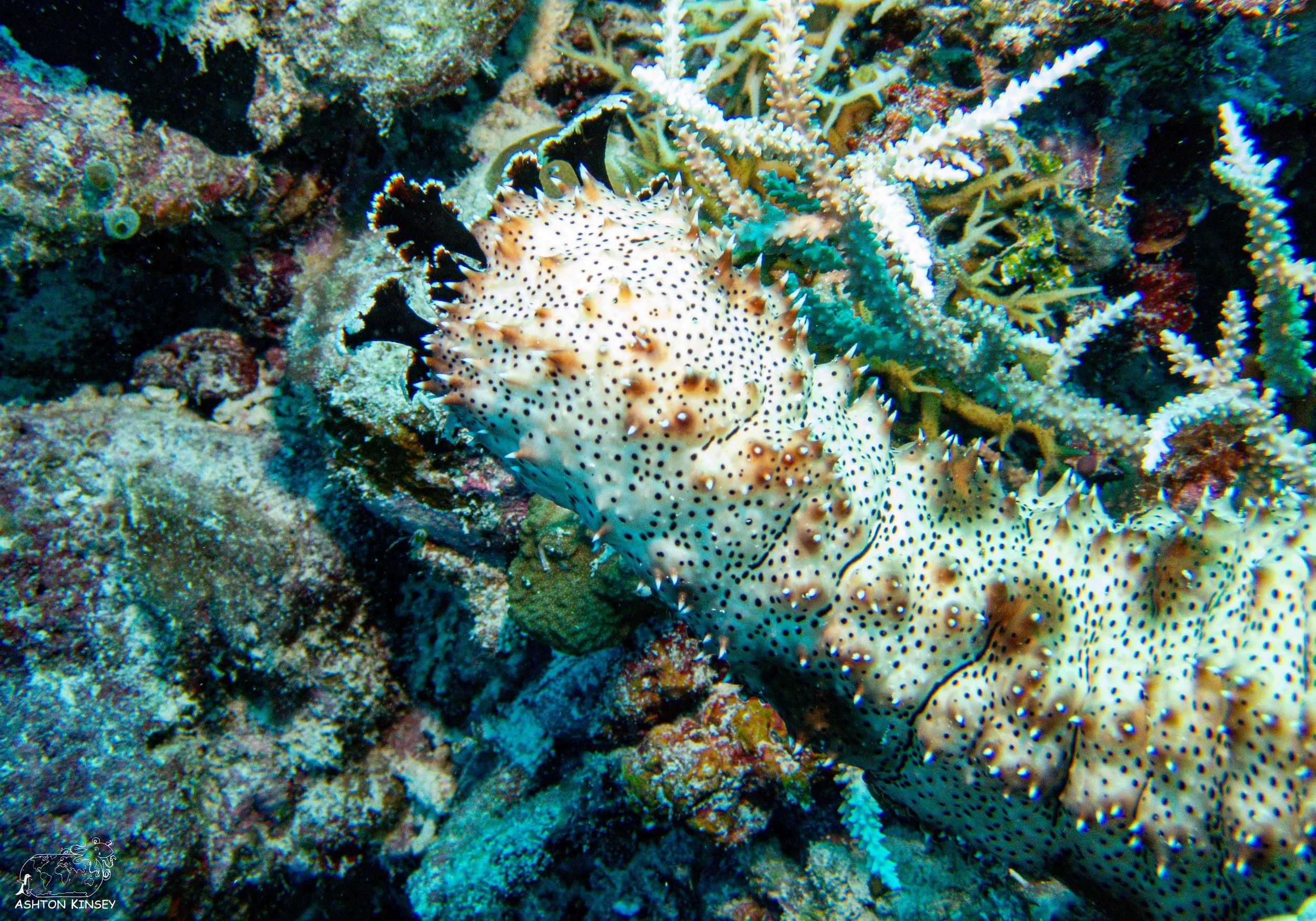
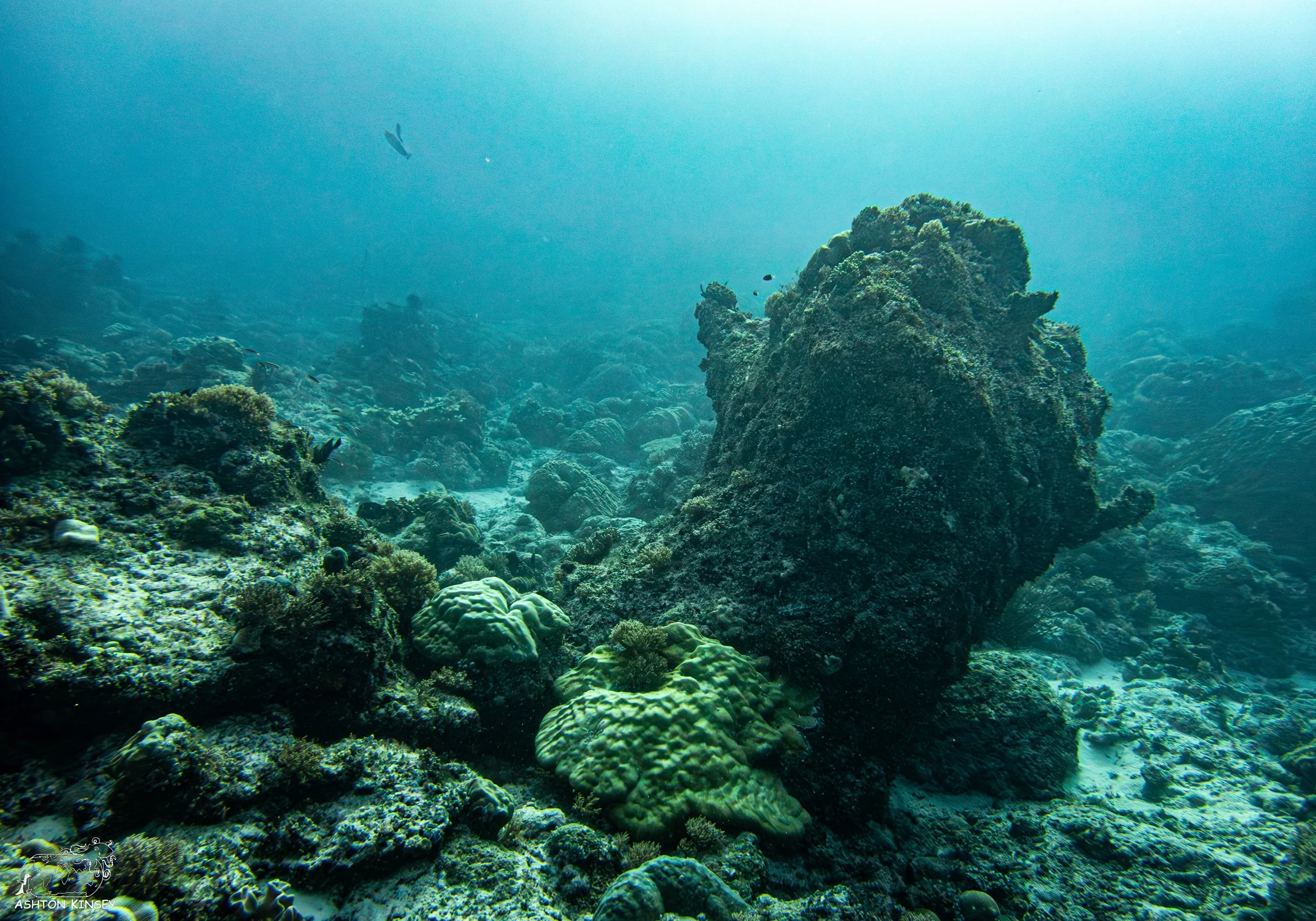
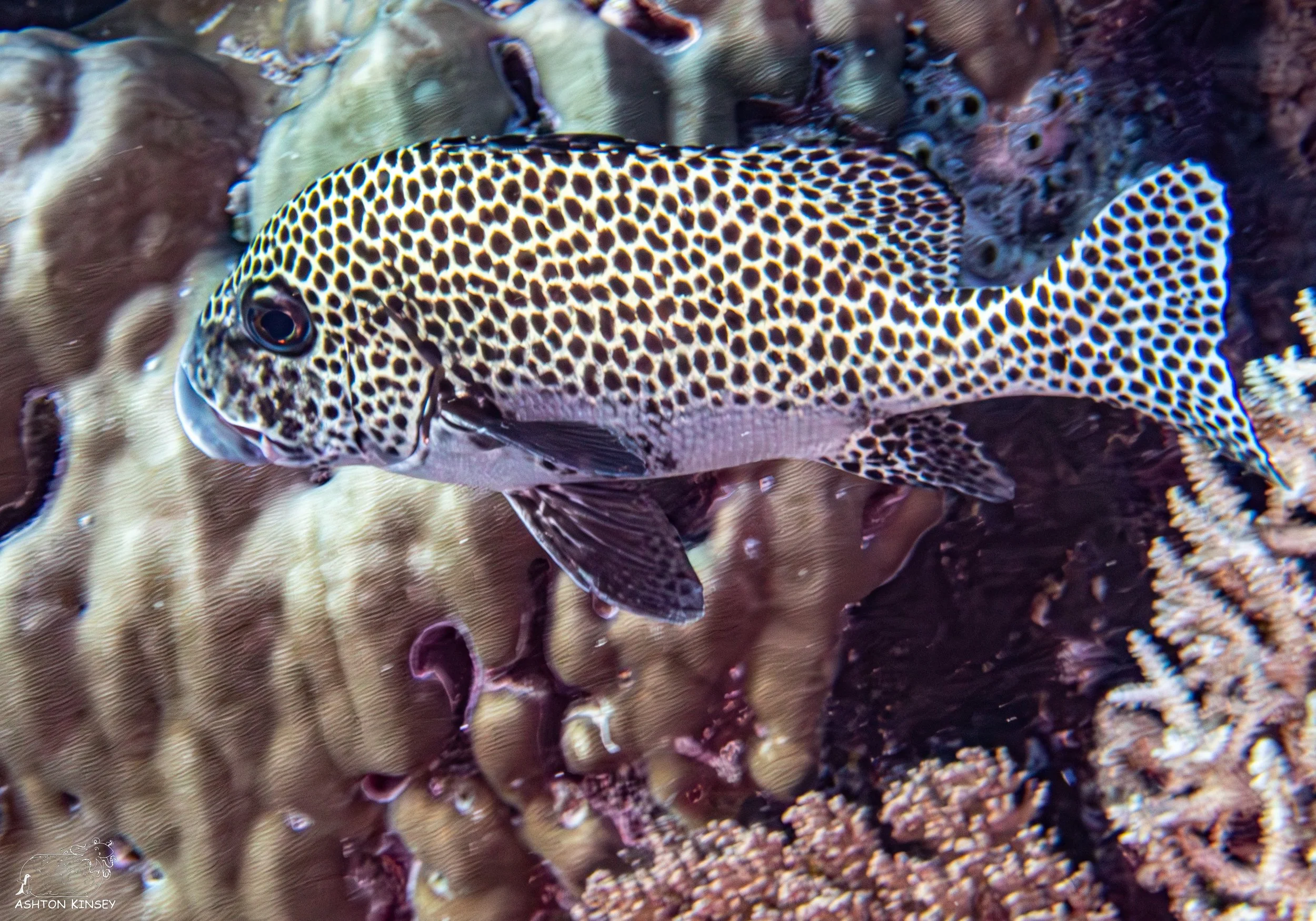
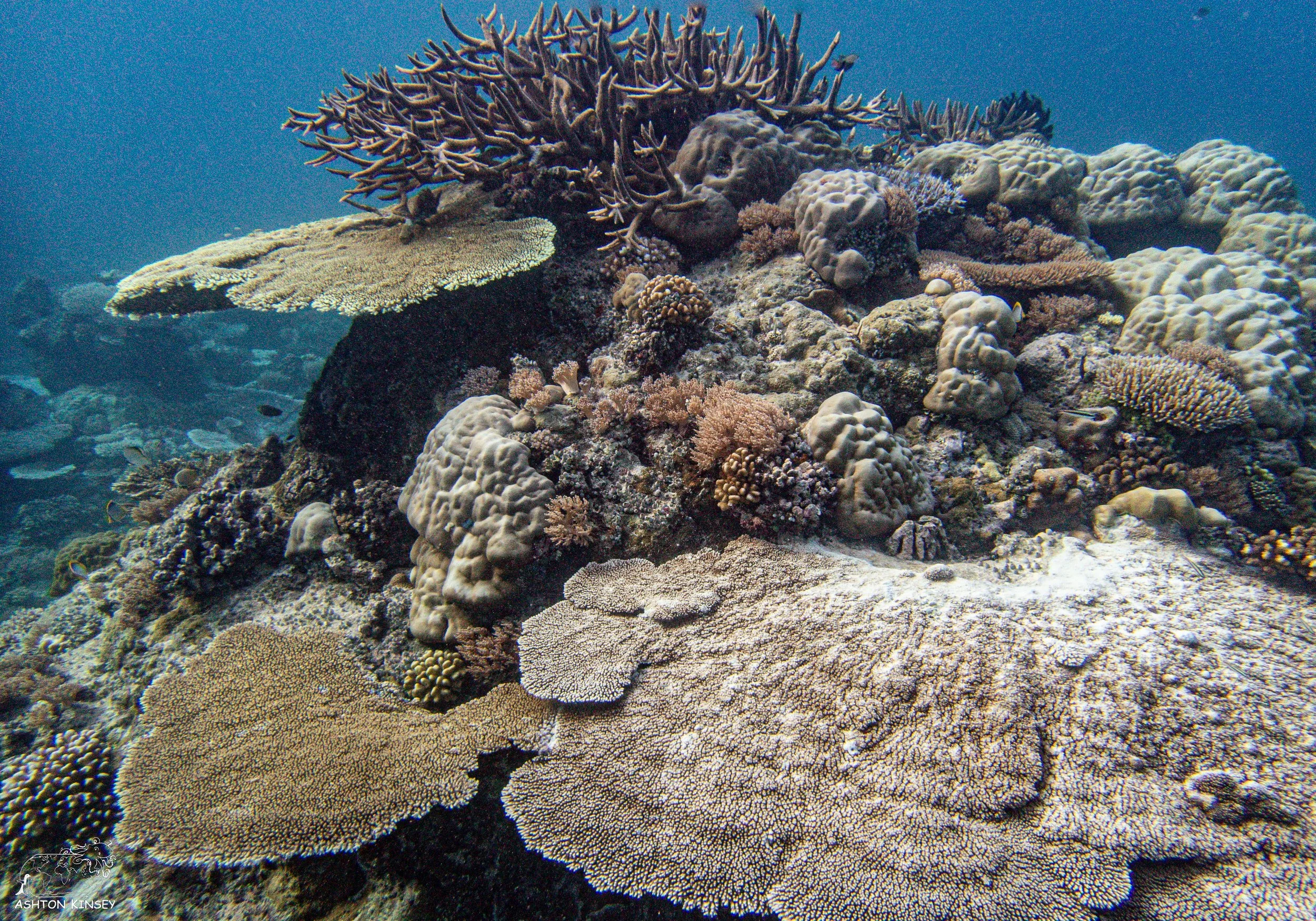
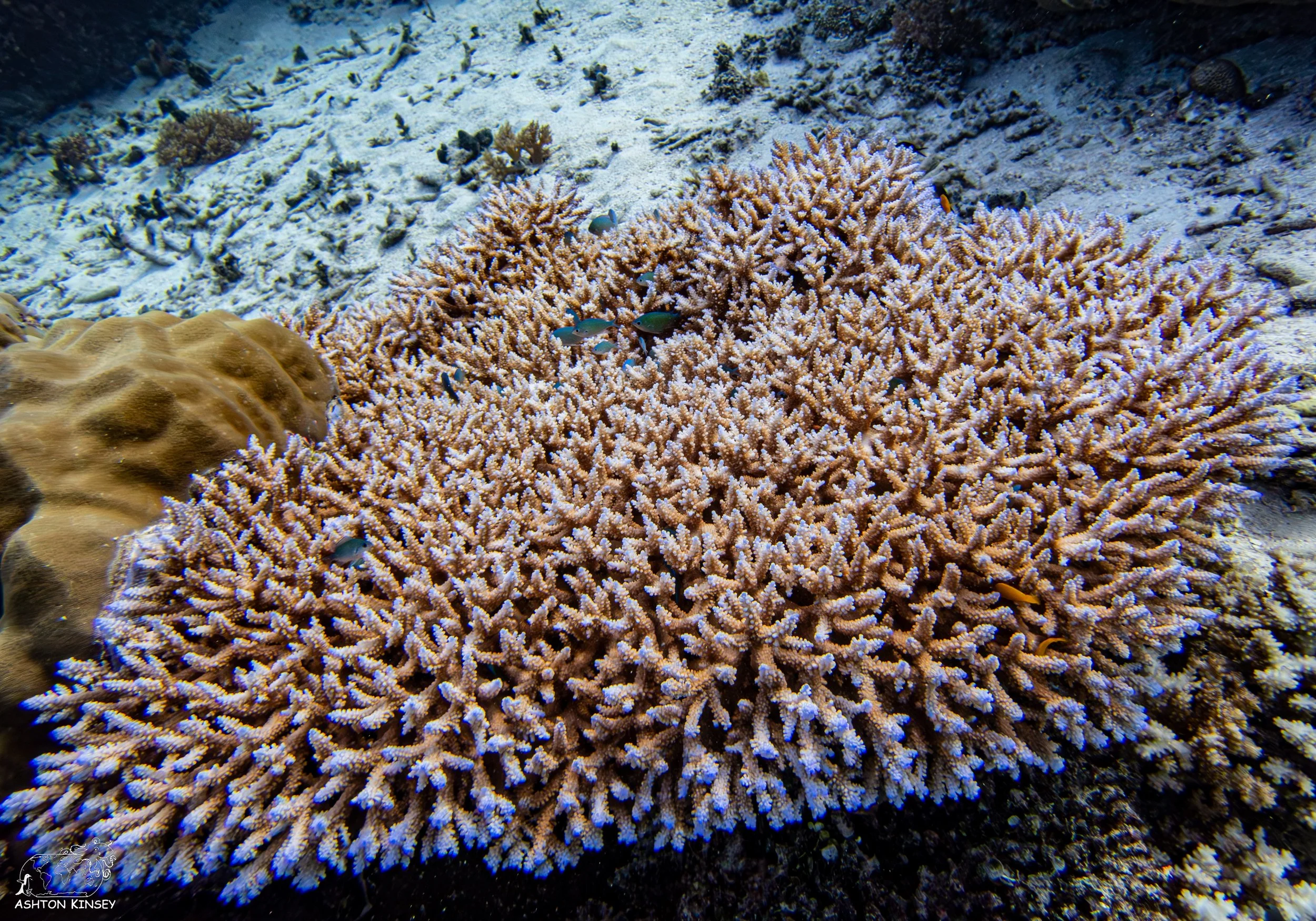
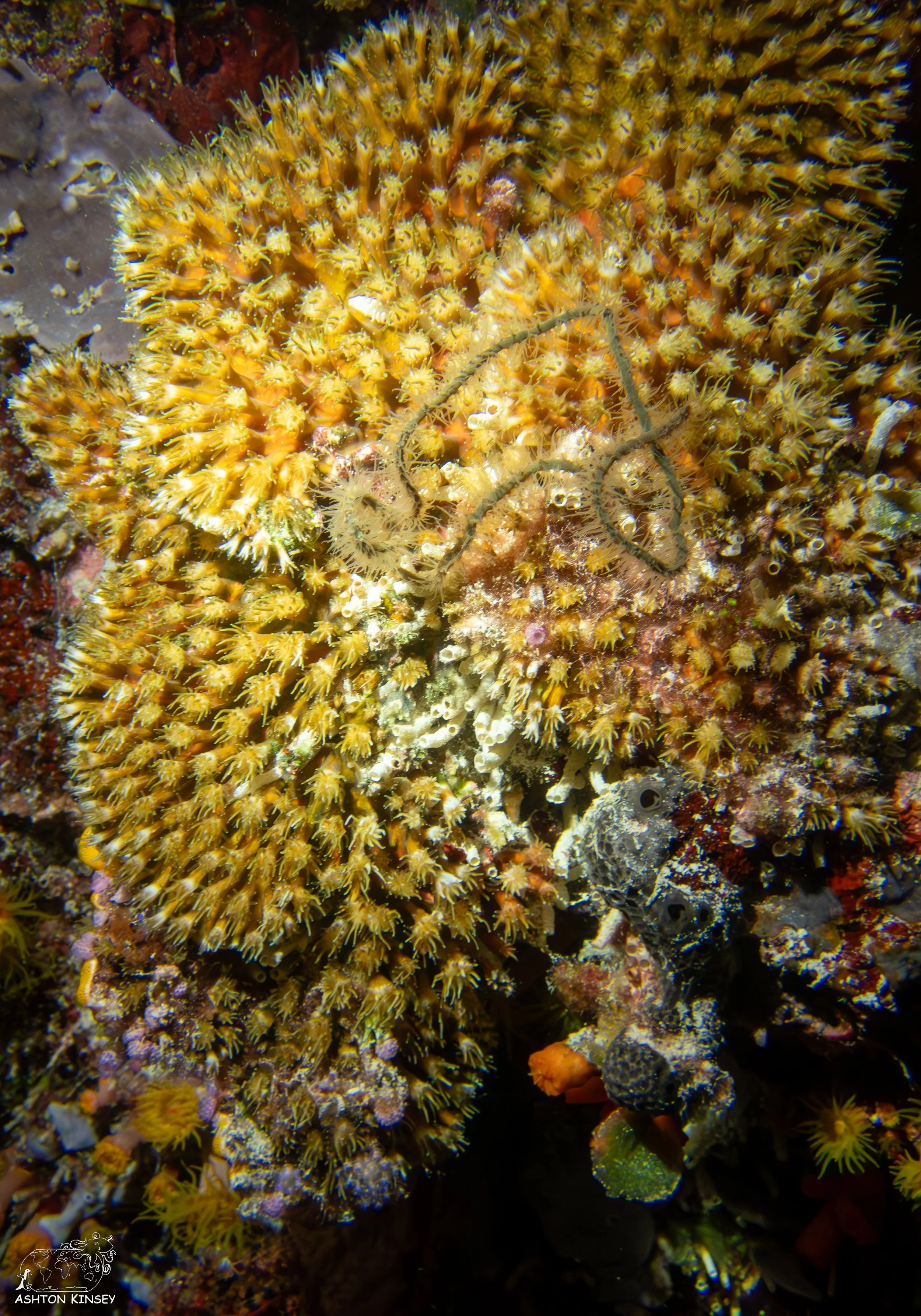
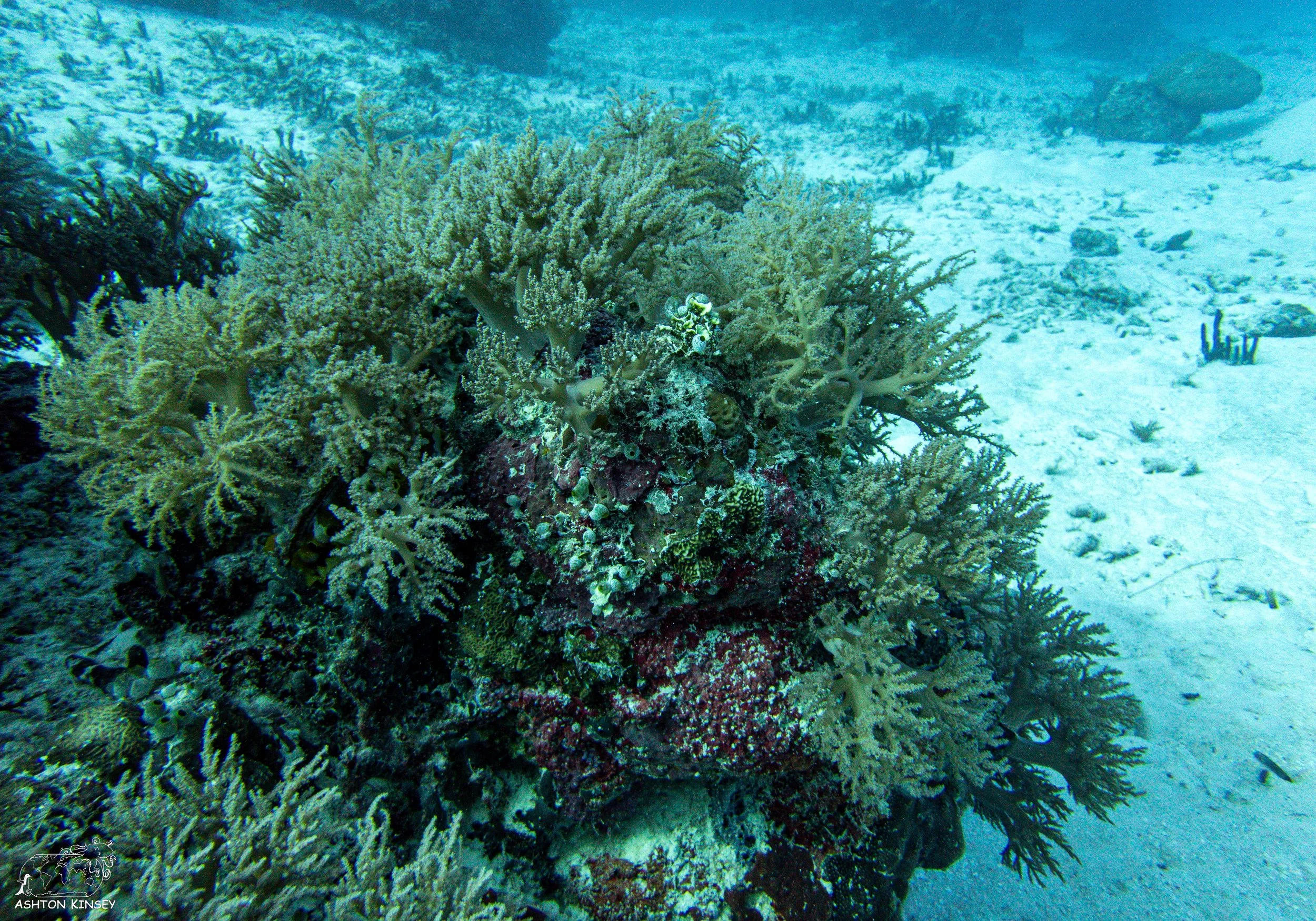
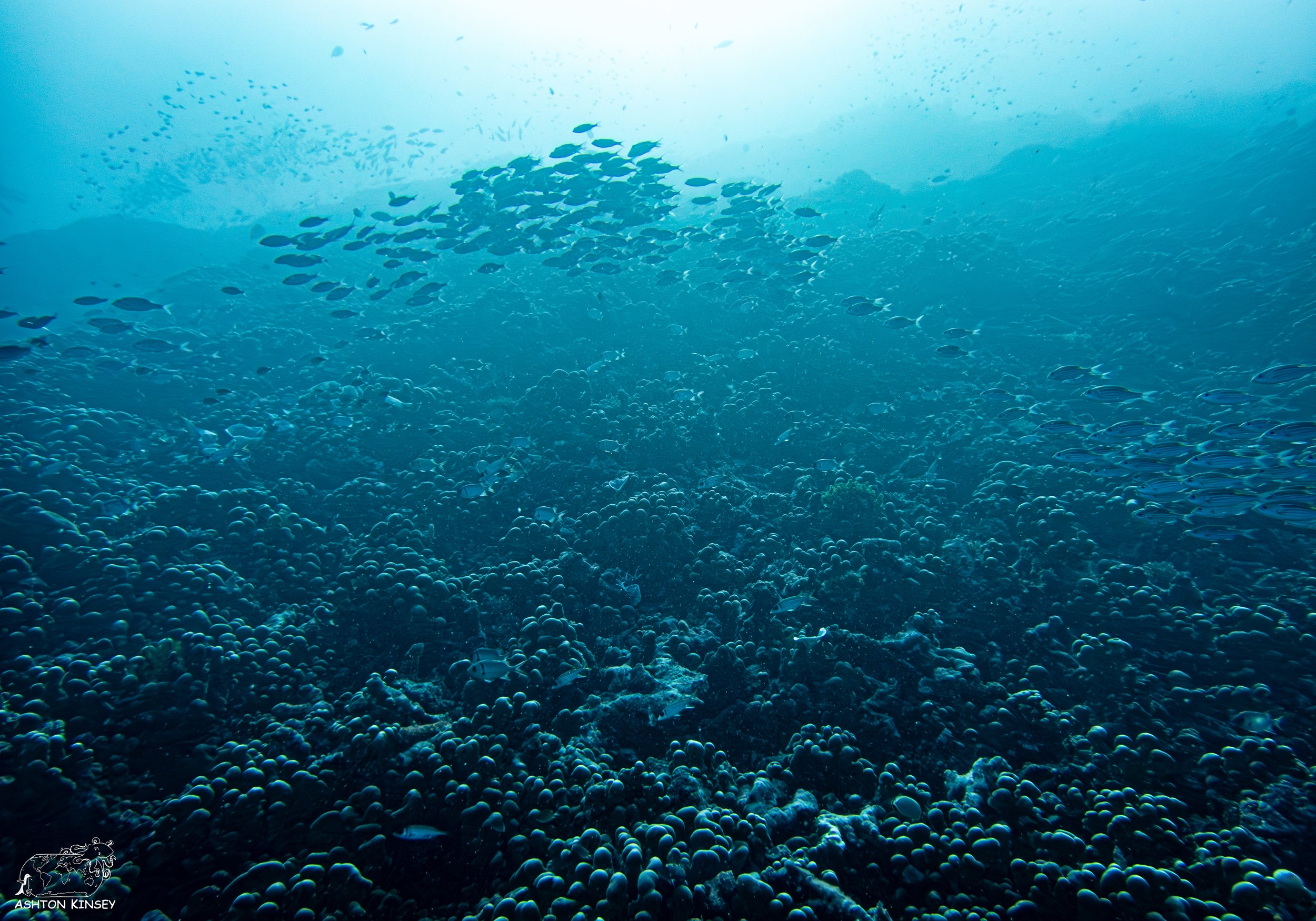
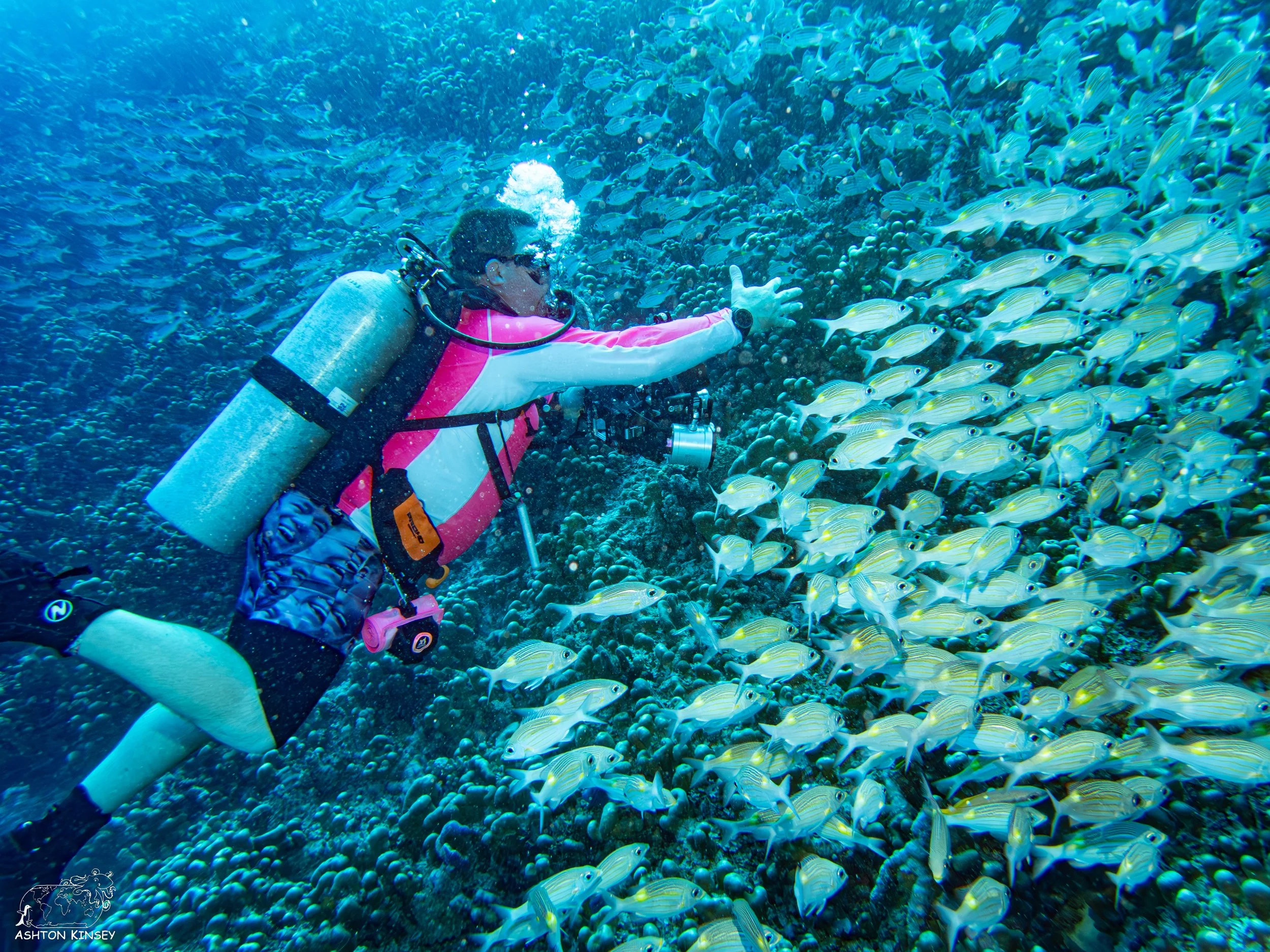
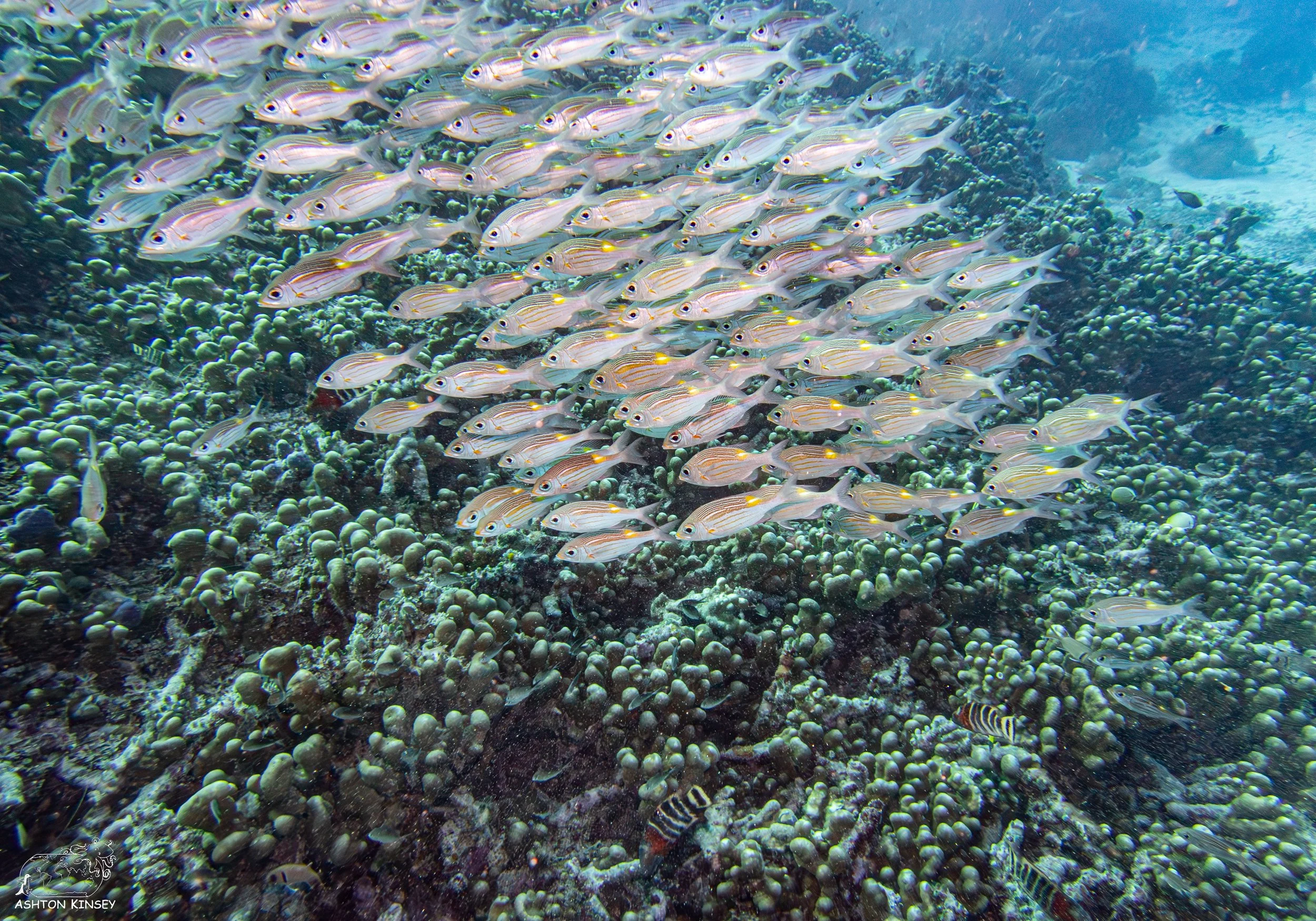
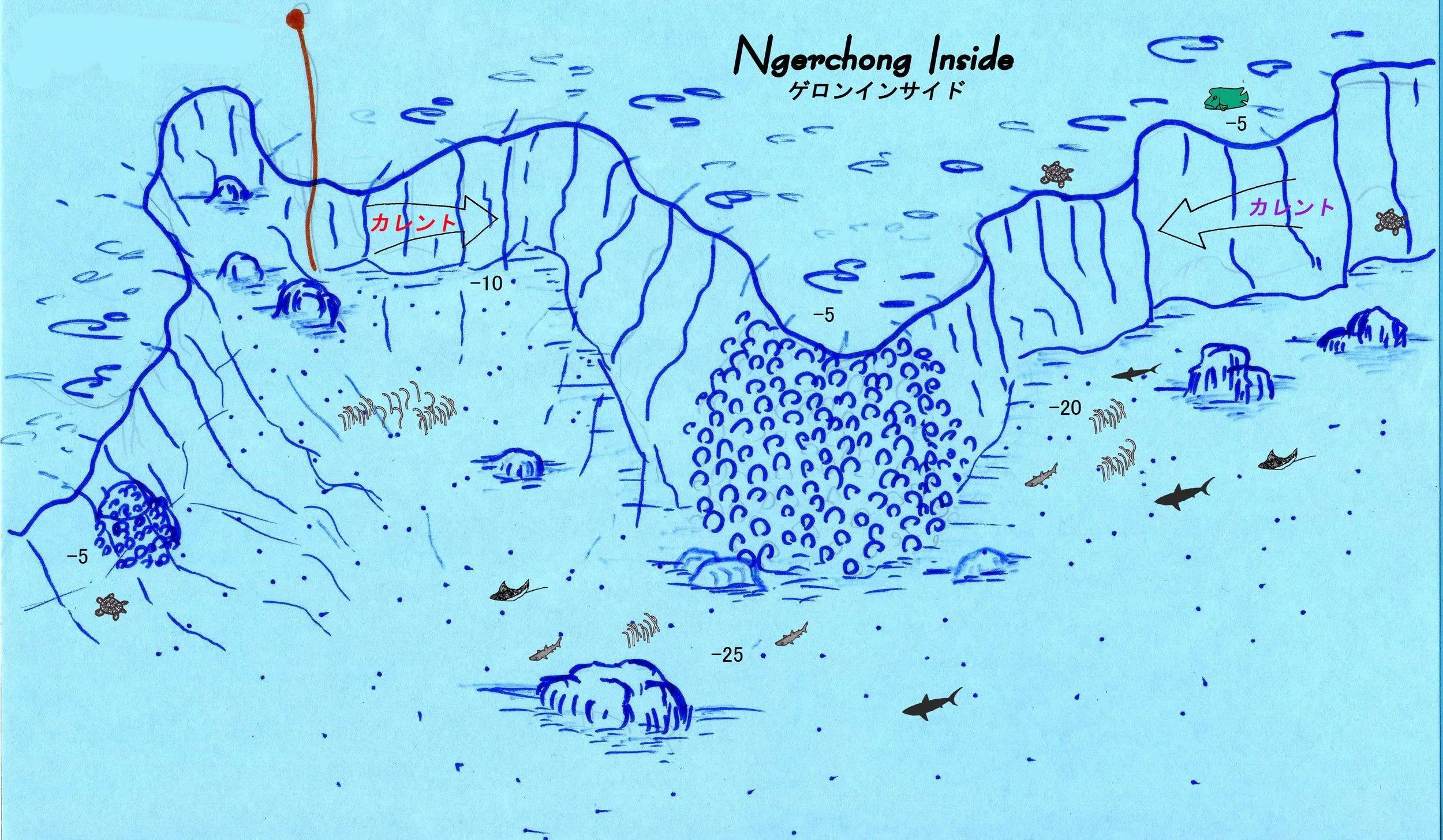
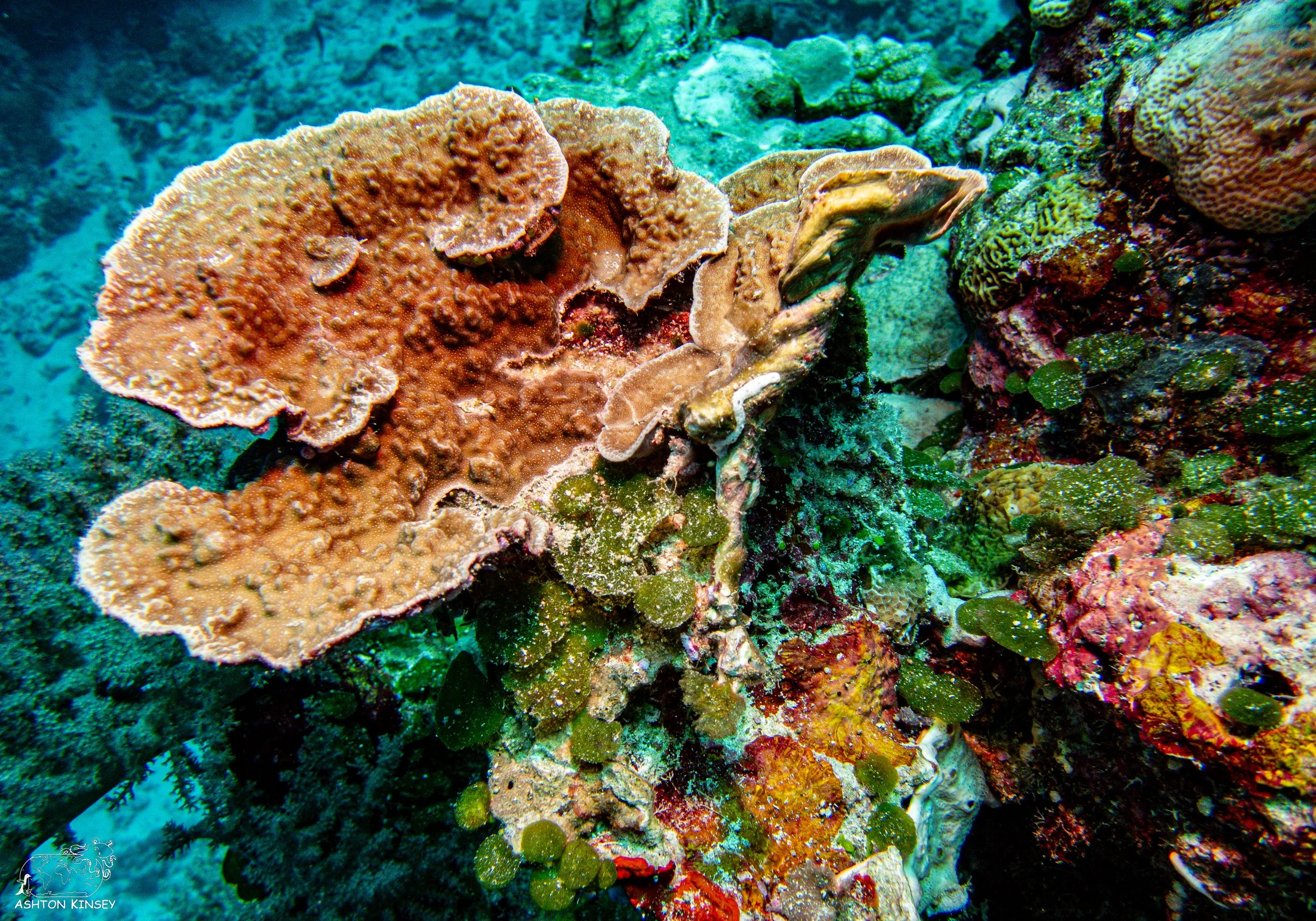
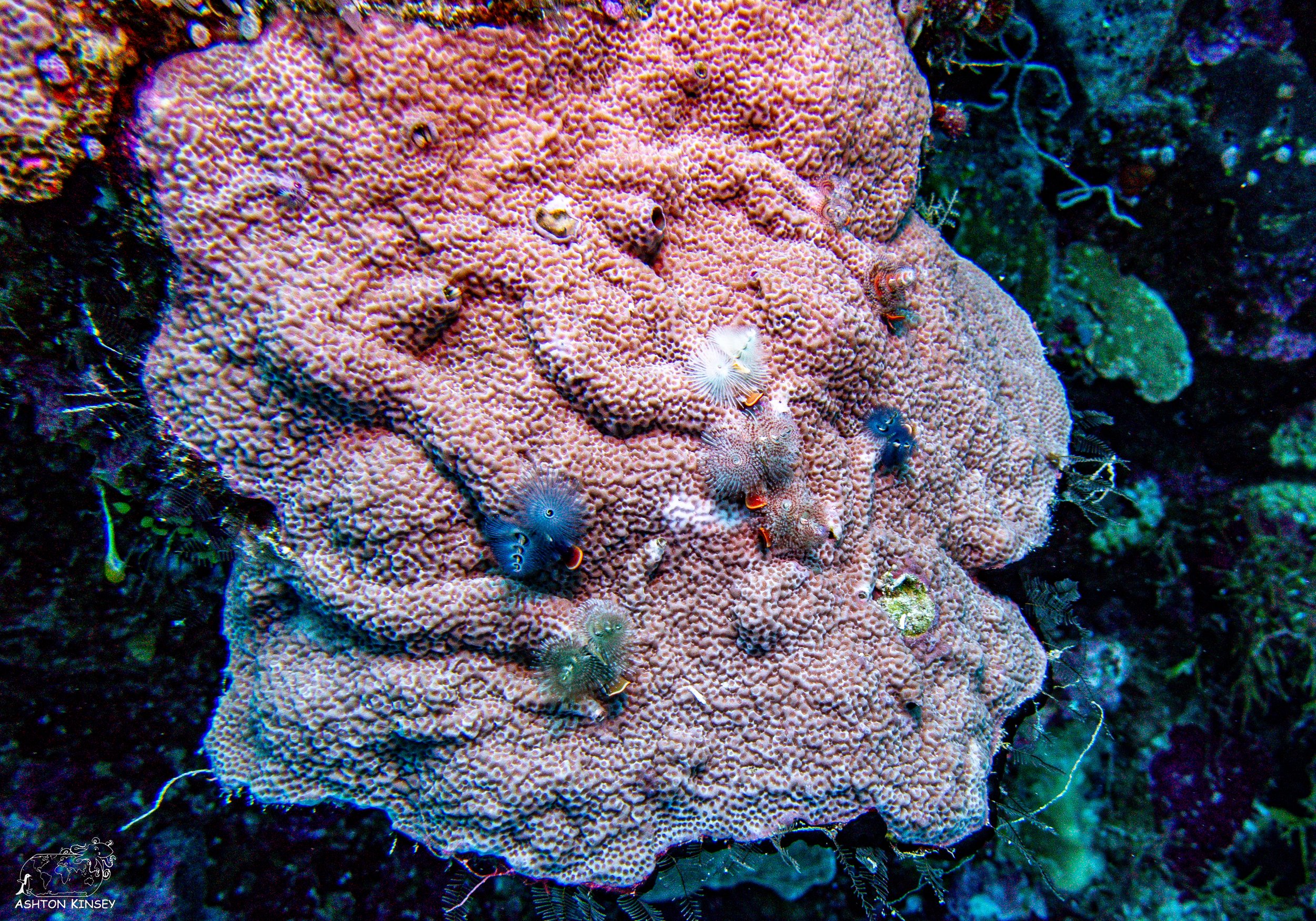
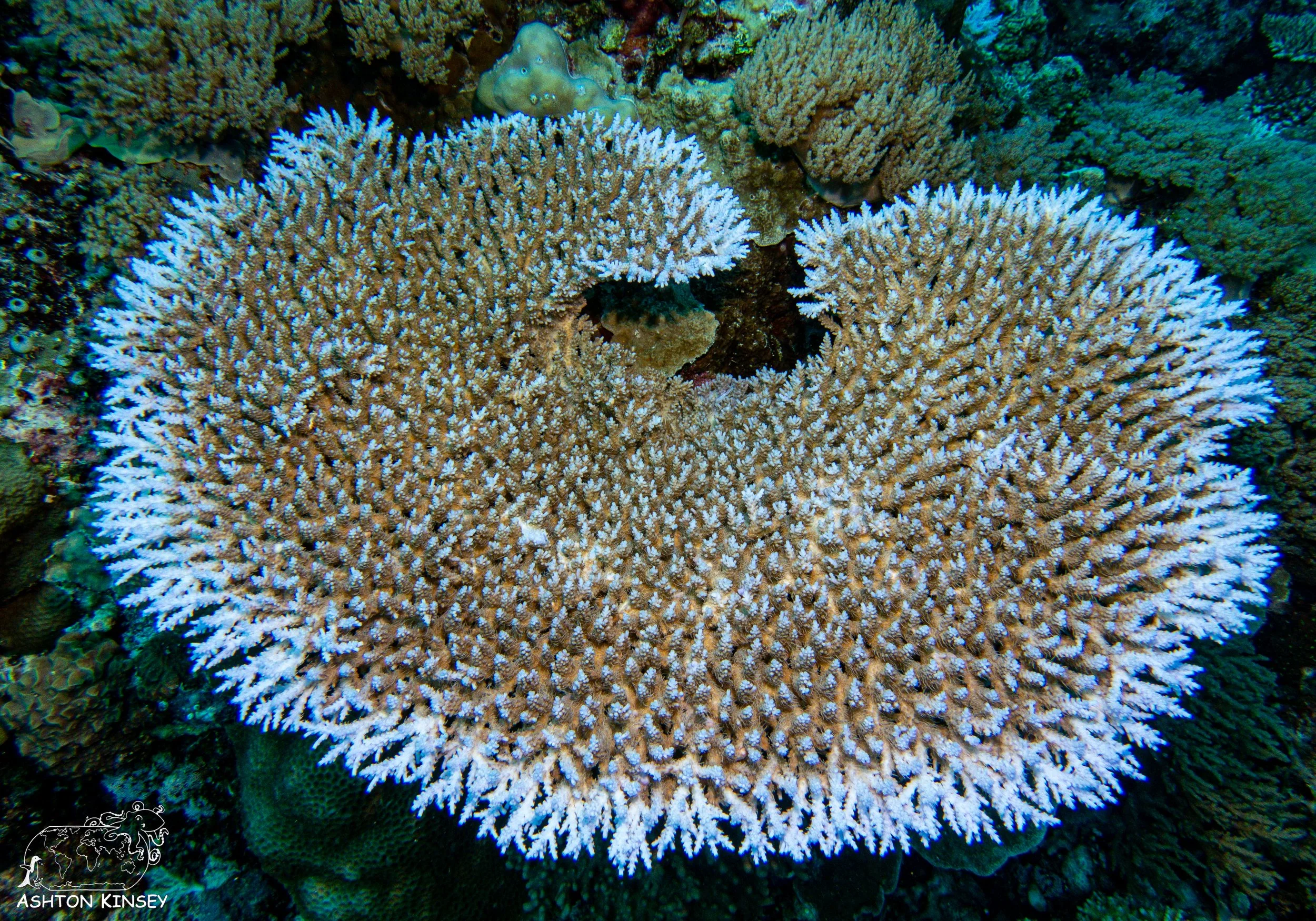
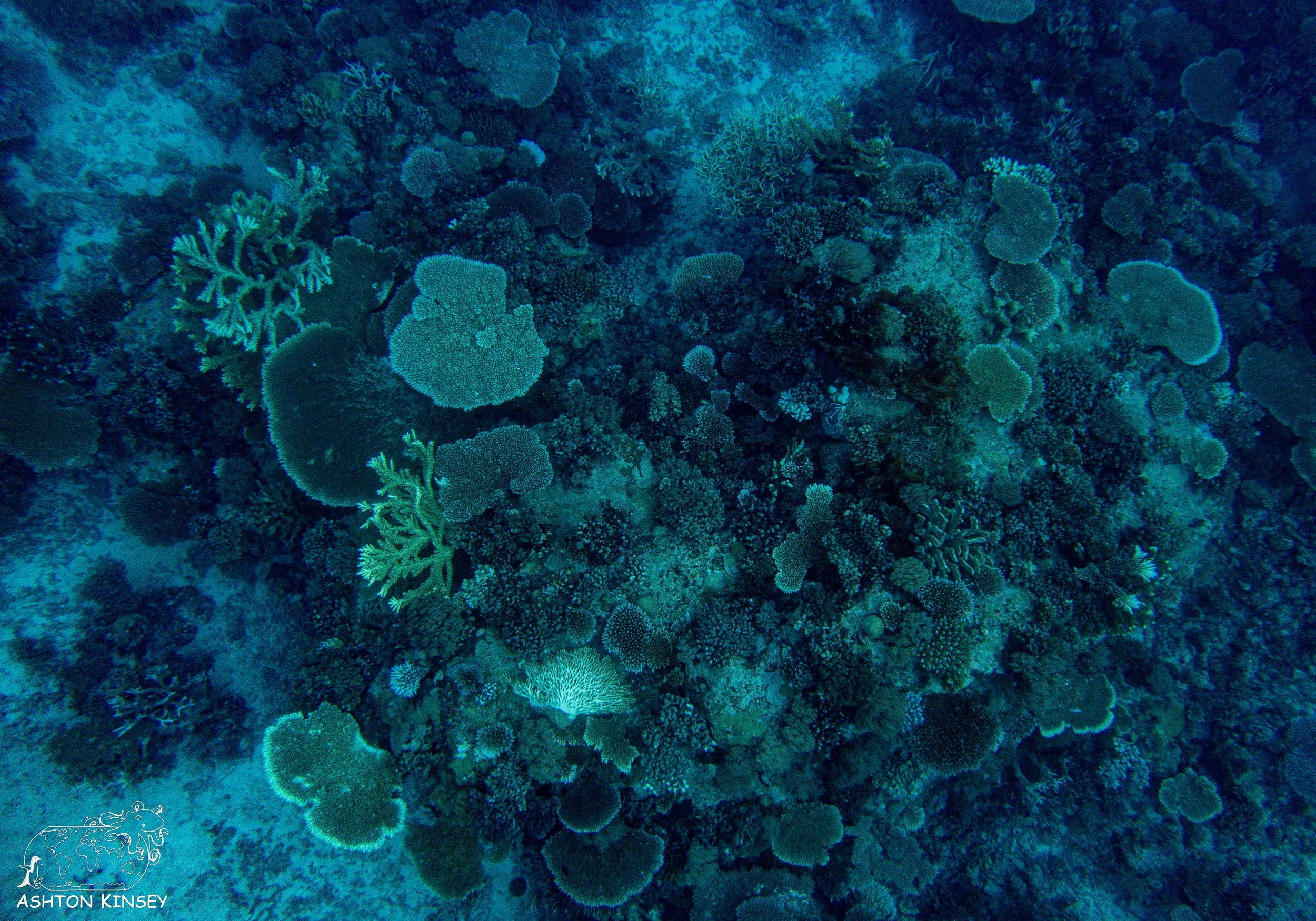
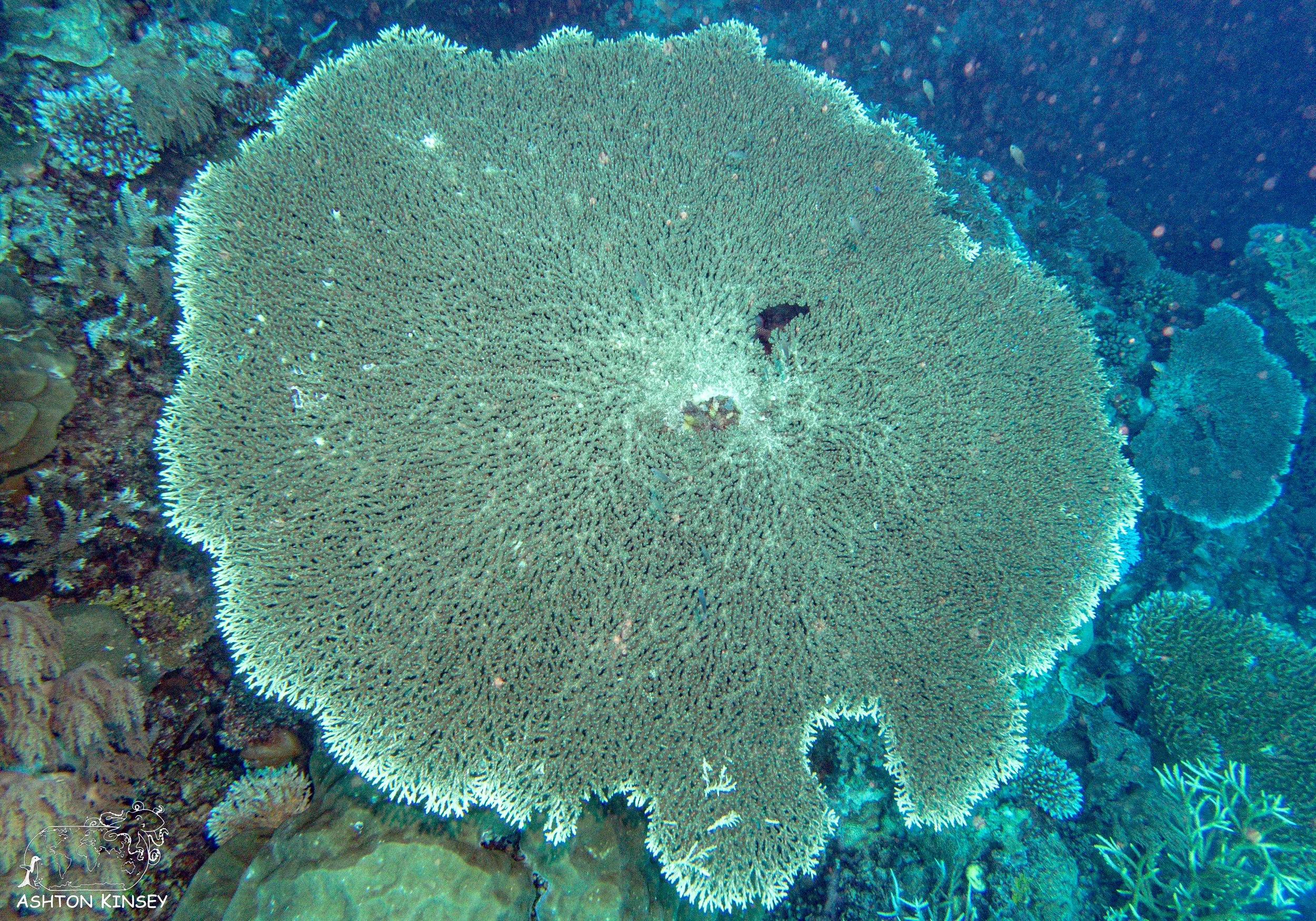
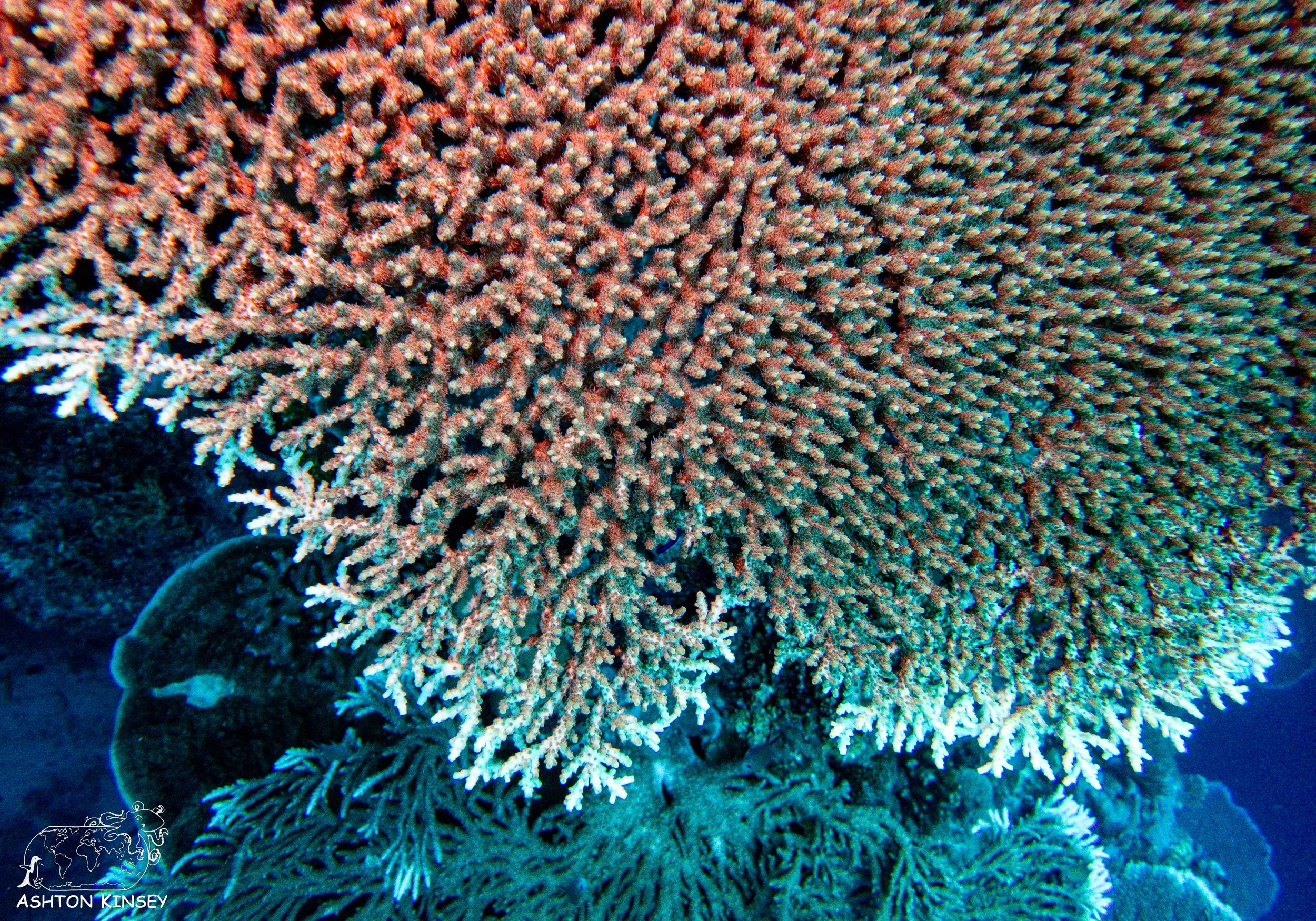
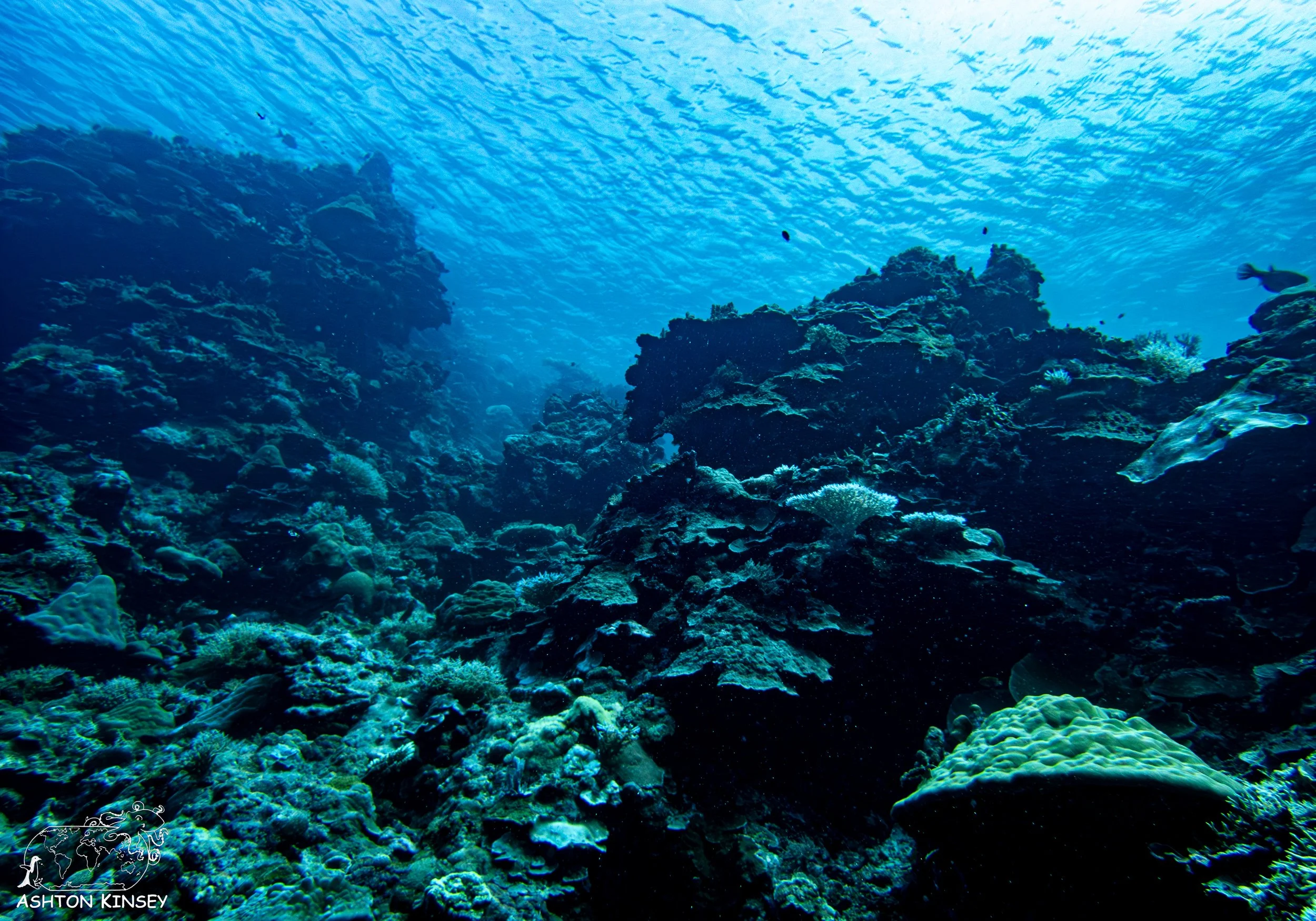
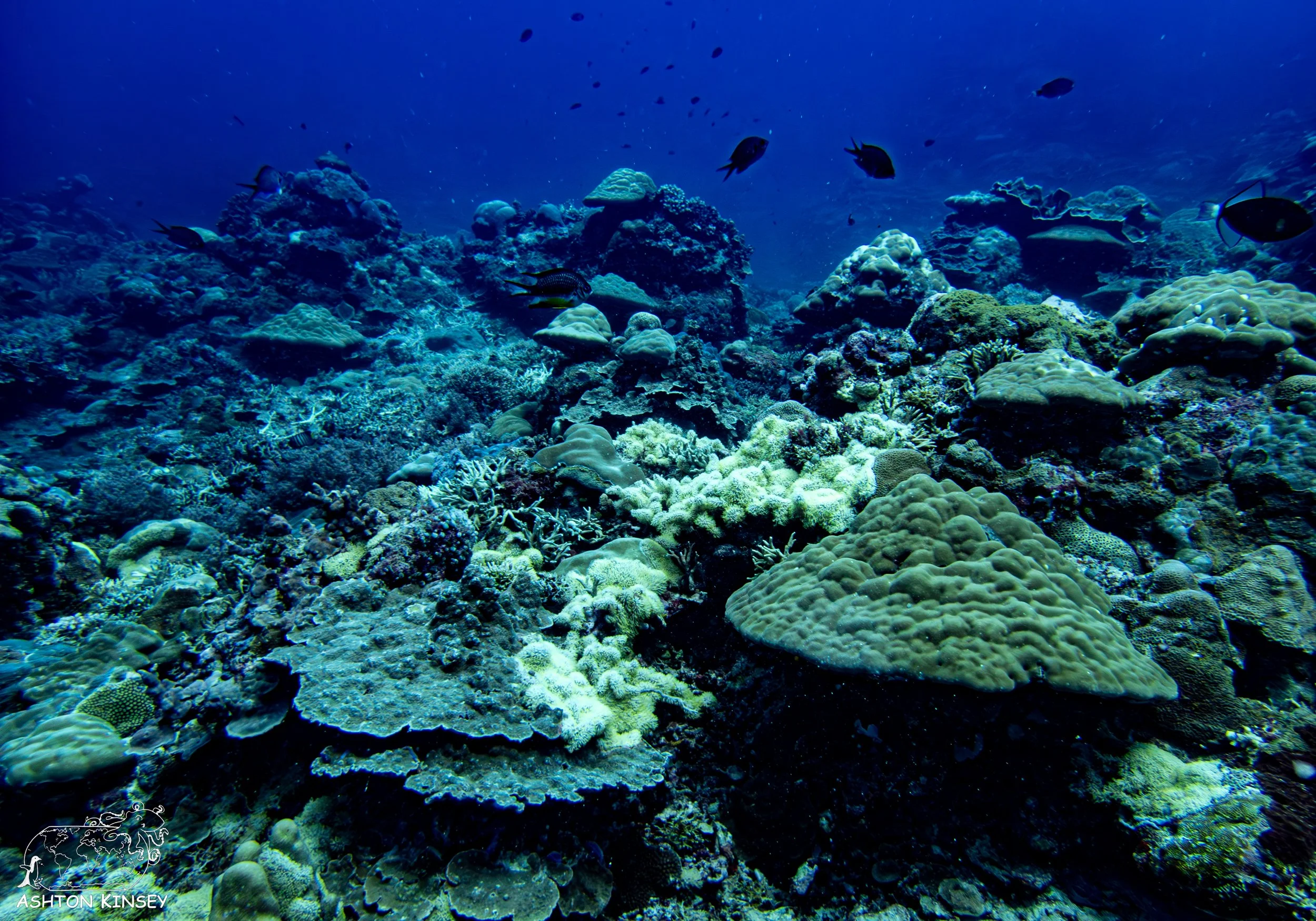
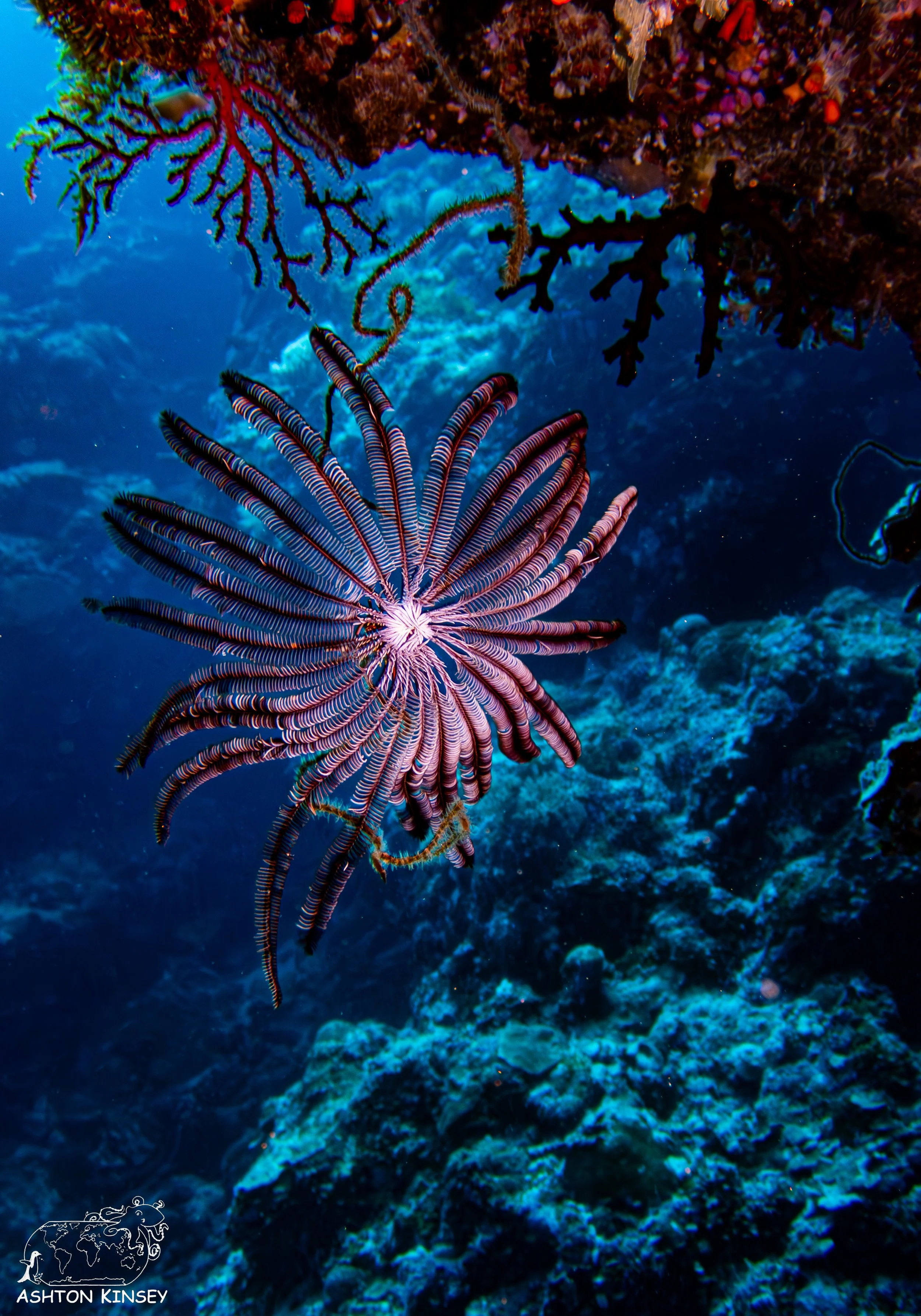
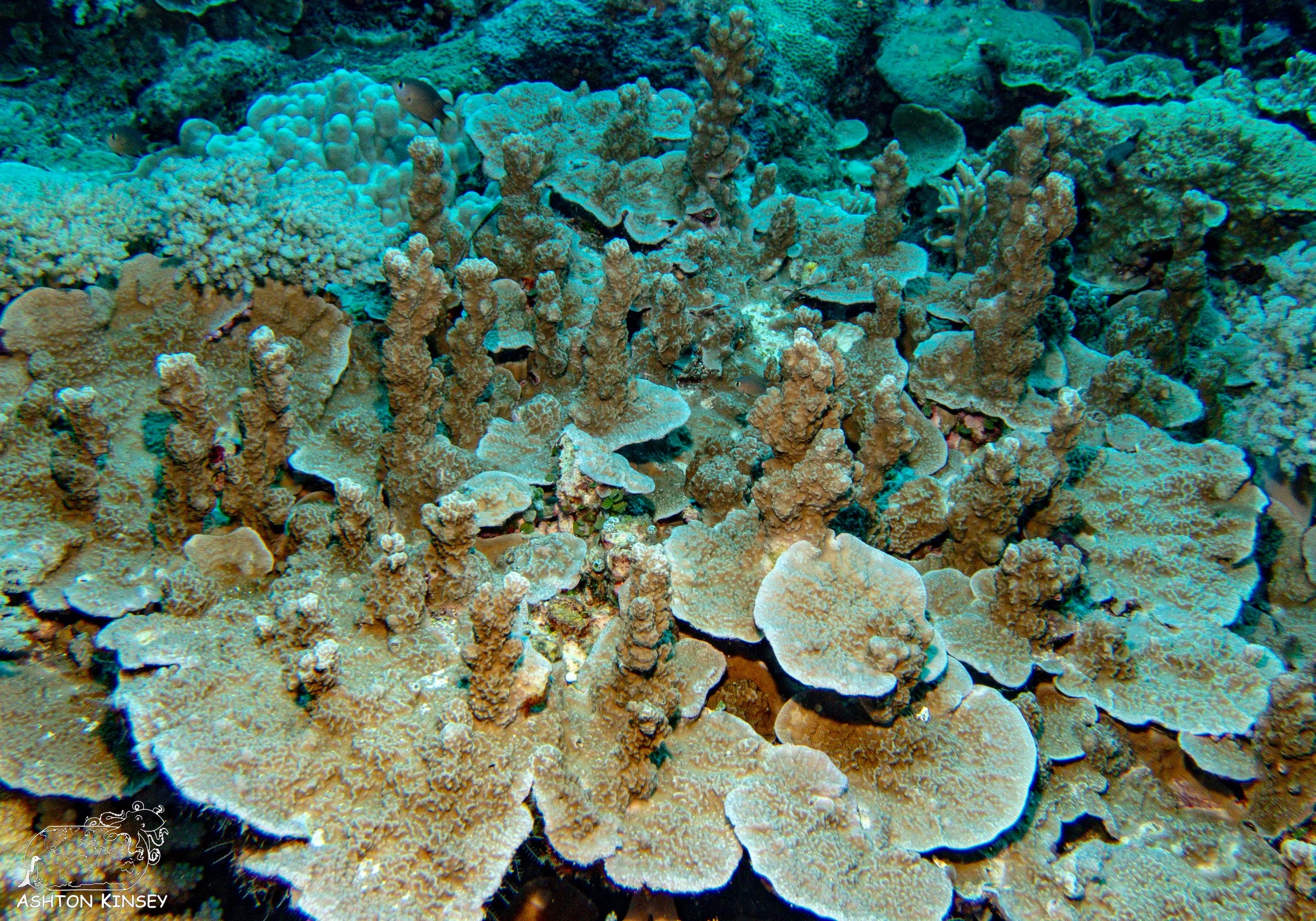
The dive starts off with a shallow hard coral garden full of multi colored Acropora tabling corals. As the reef starts to slope down there are walls of potato corals populated by soldier fish, squirrel fish and snappers. Nudibranchs, and worms live in a rubble and crushed coral section towards the bottom with soft corals overgrowing the rubble and boulders.
Blue Corner
Dive 9: 56’ for 67 Min Dive 20: 66’ for 58 Min
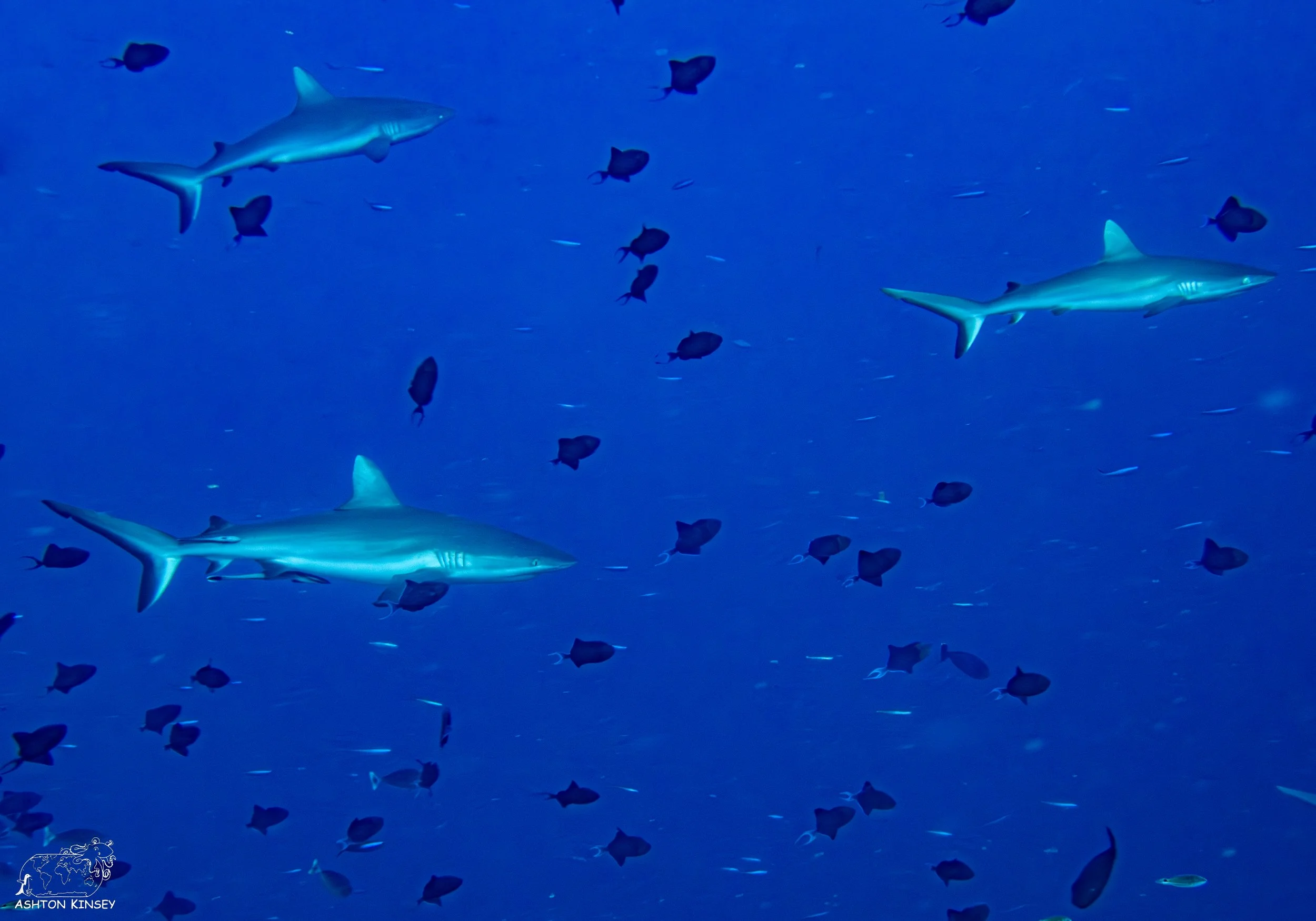
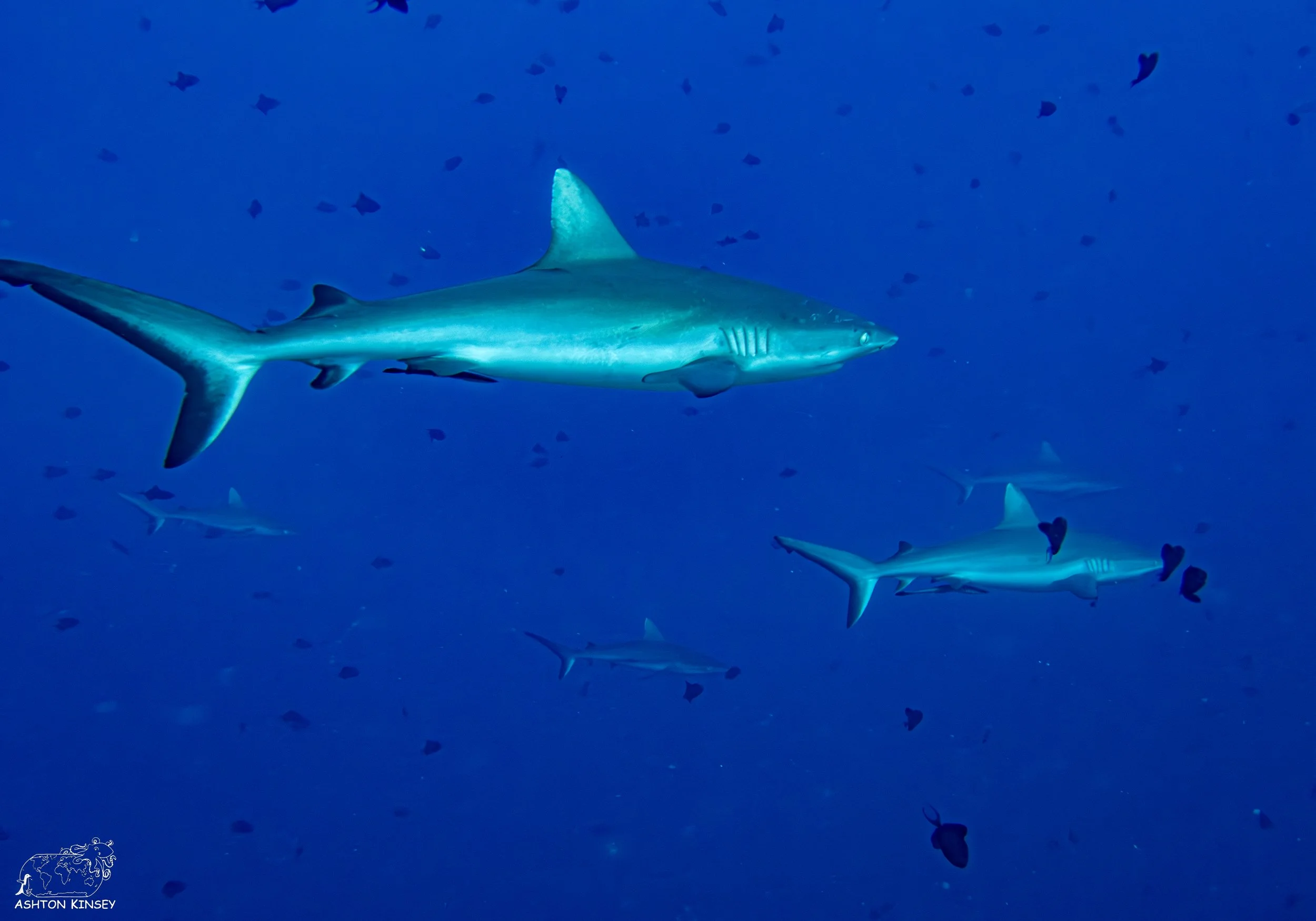
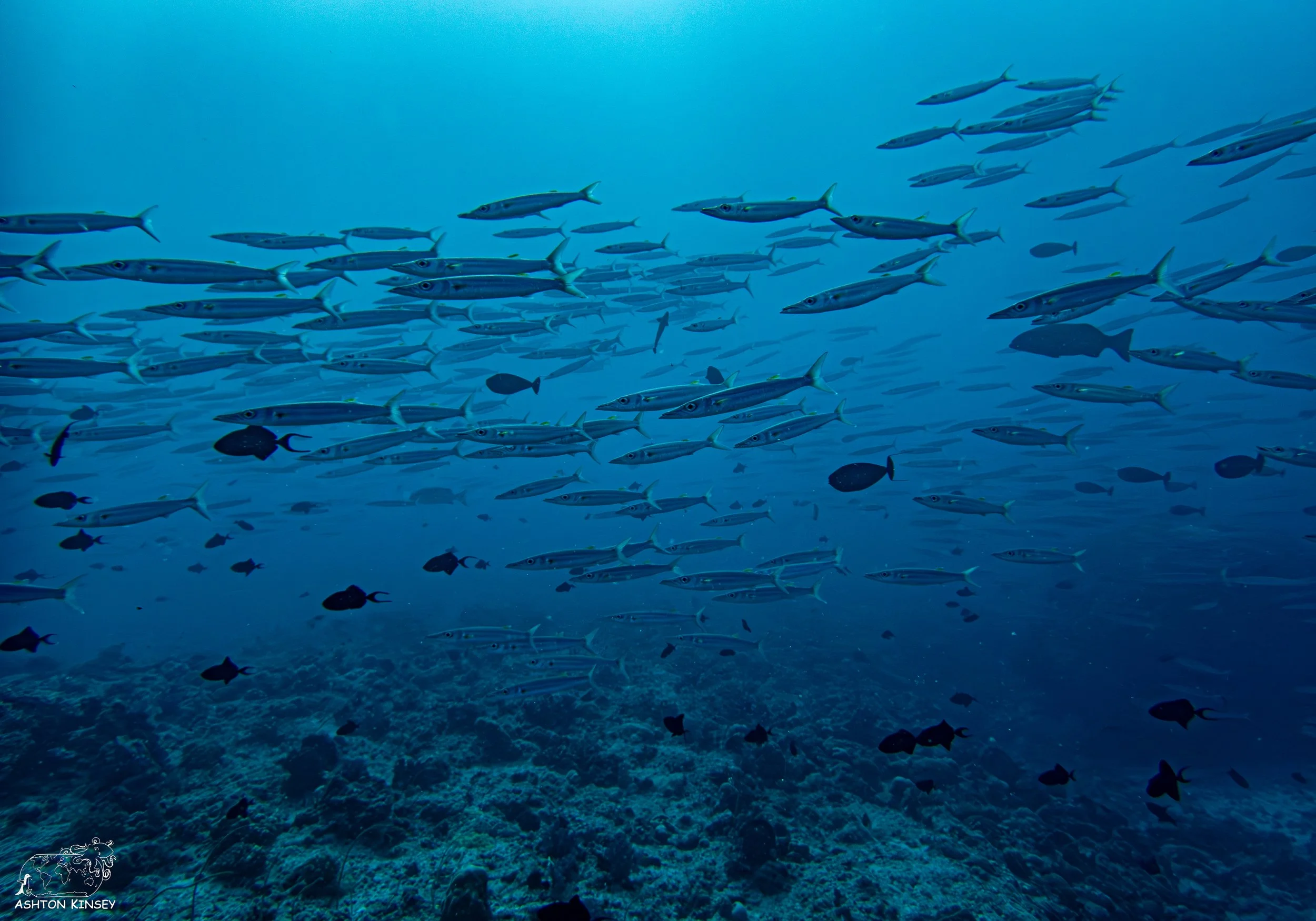
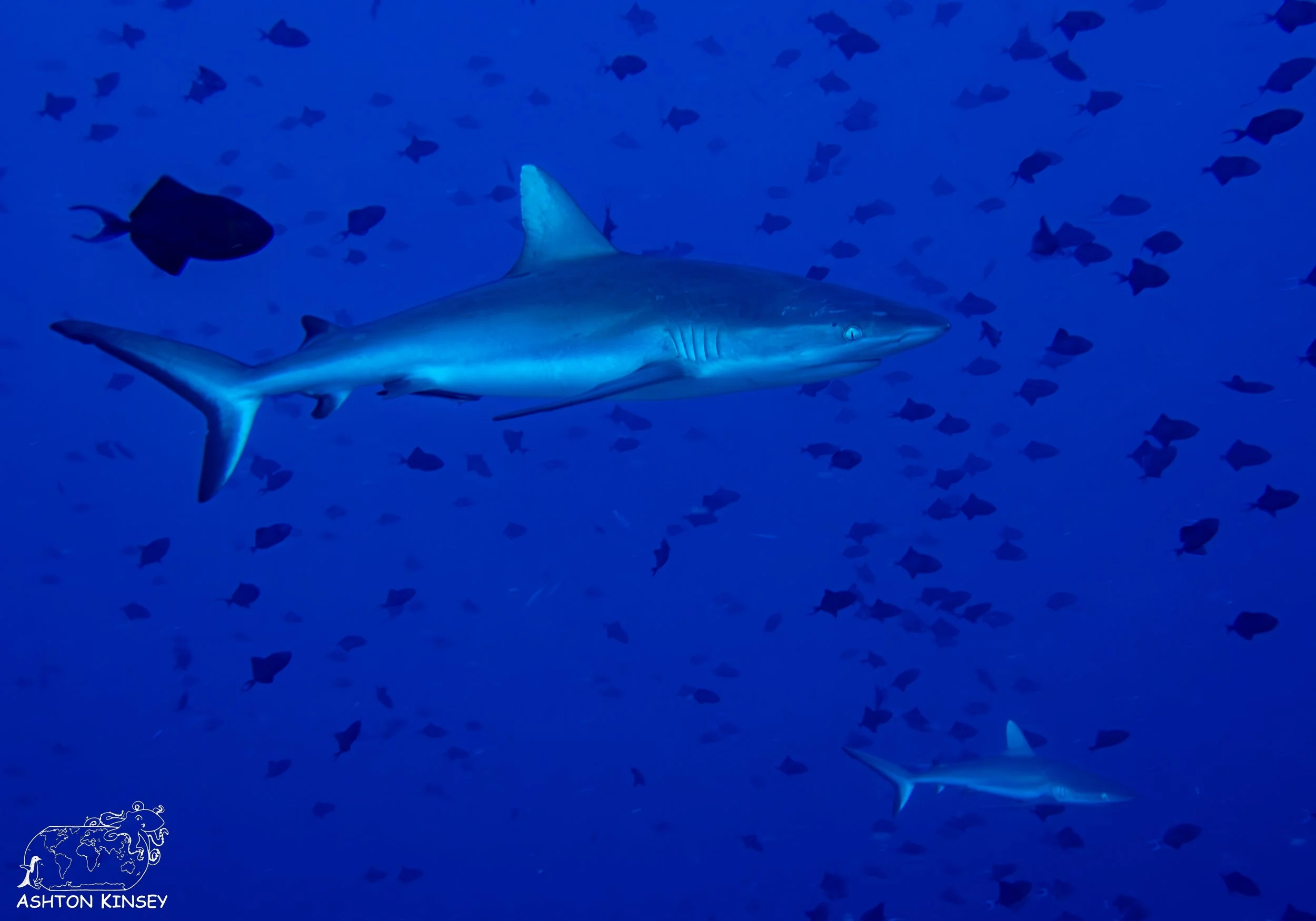
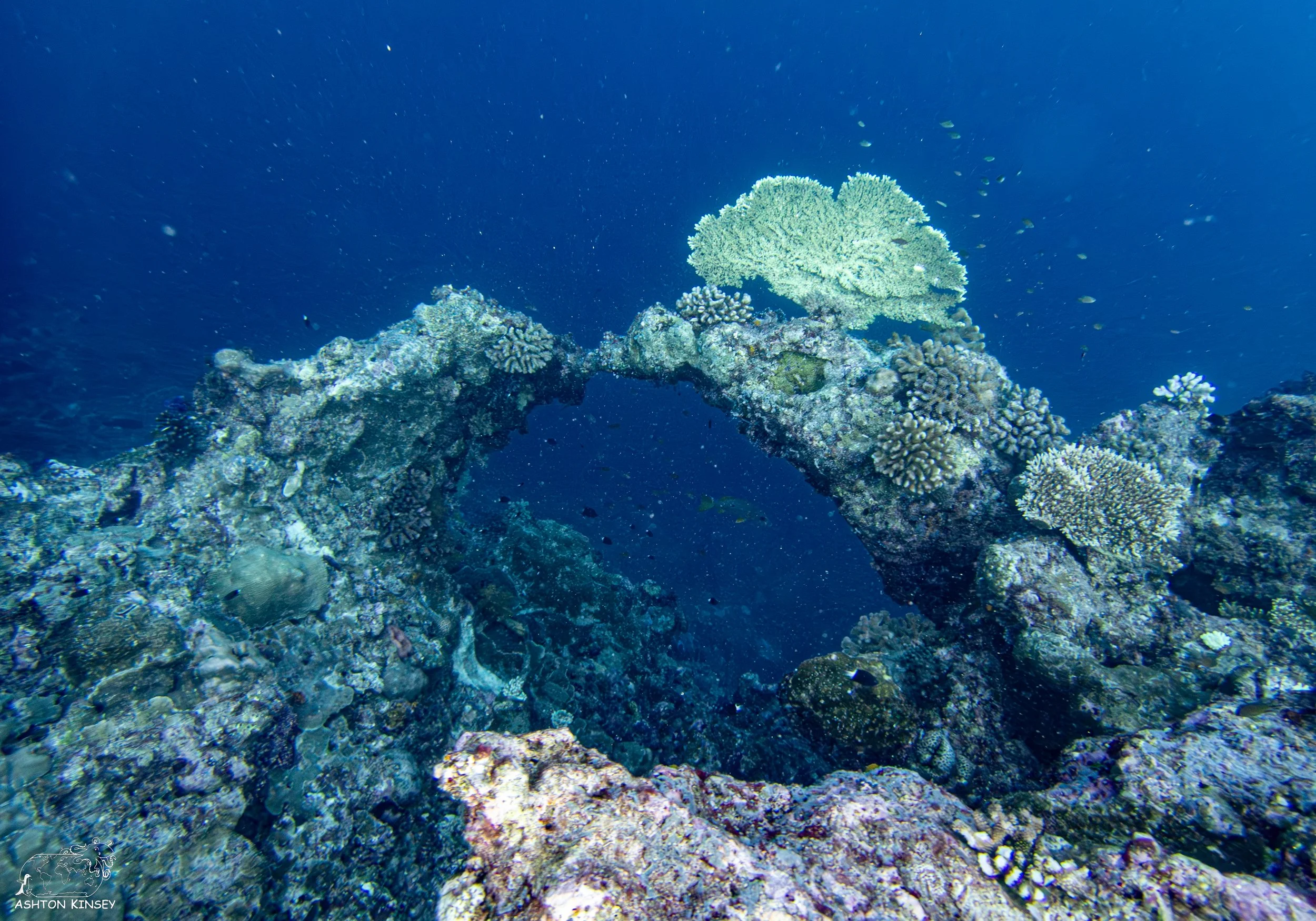
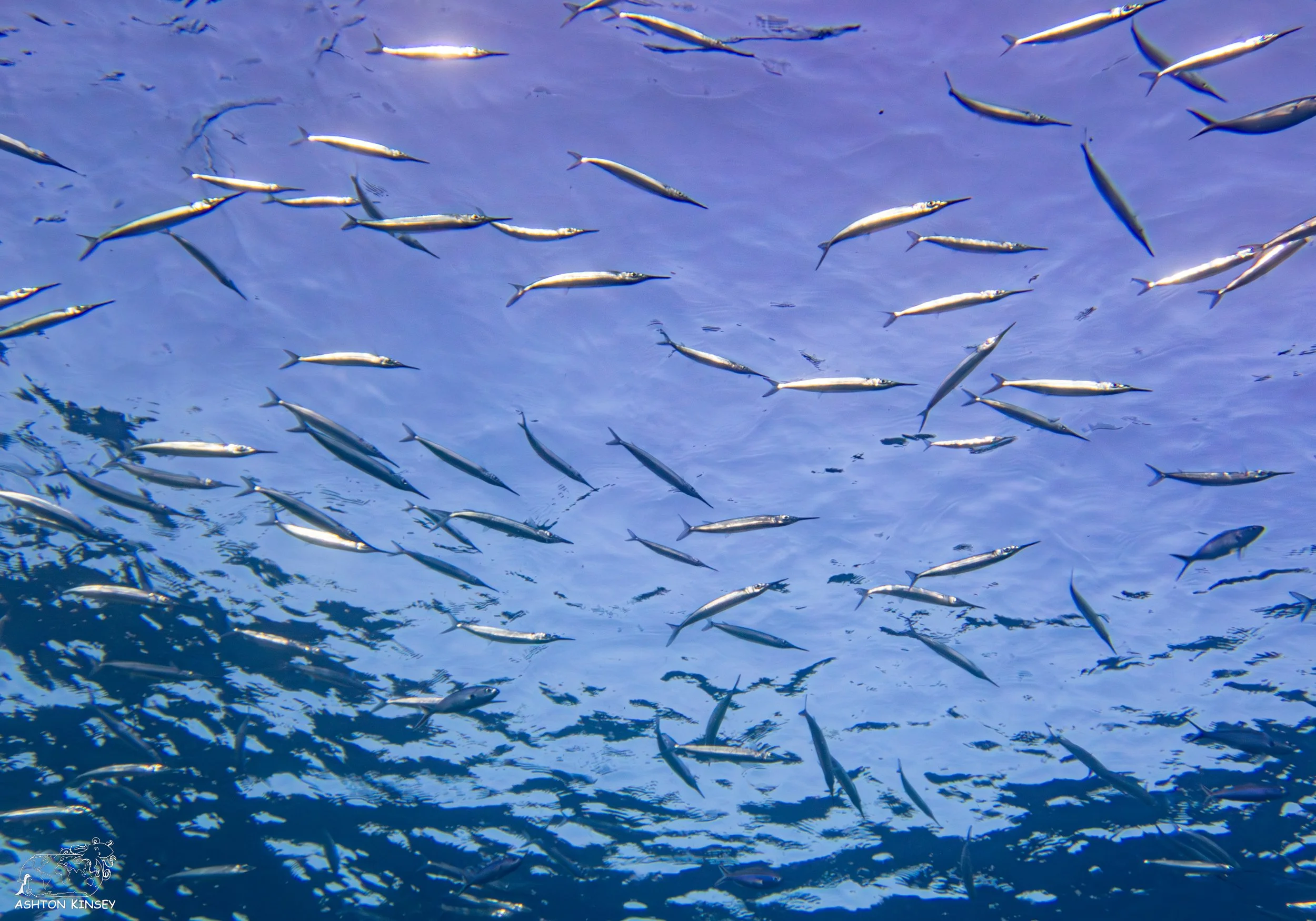
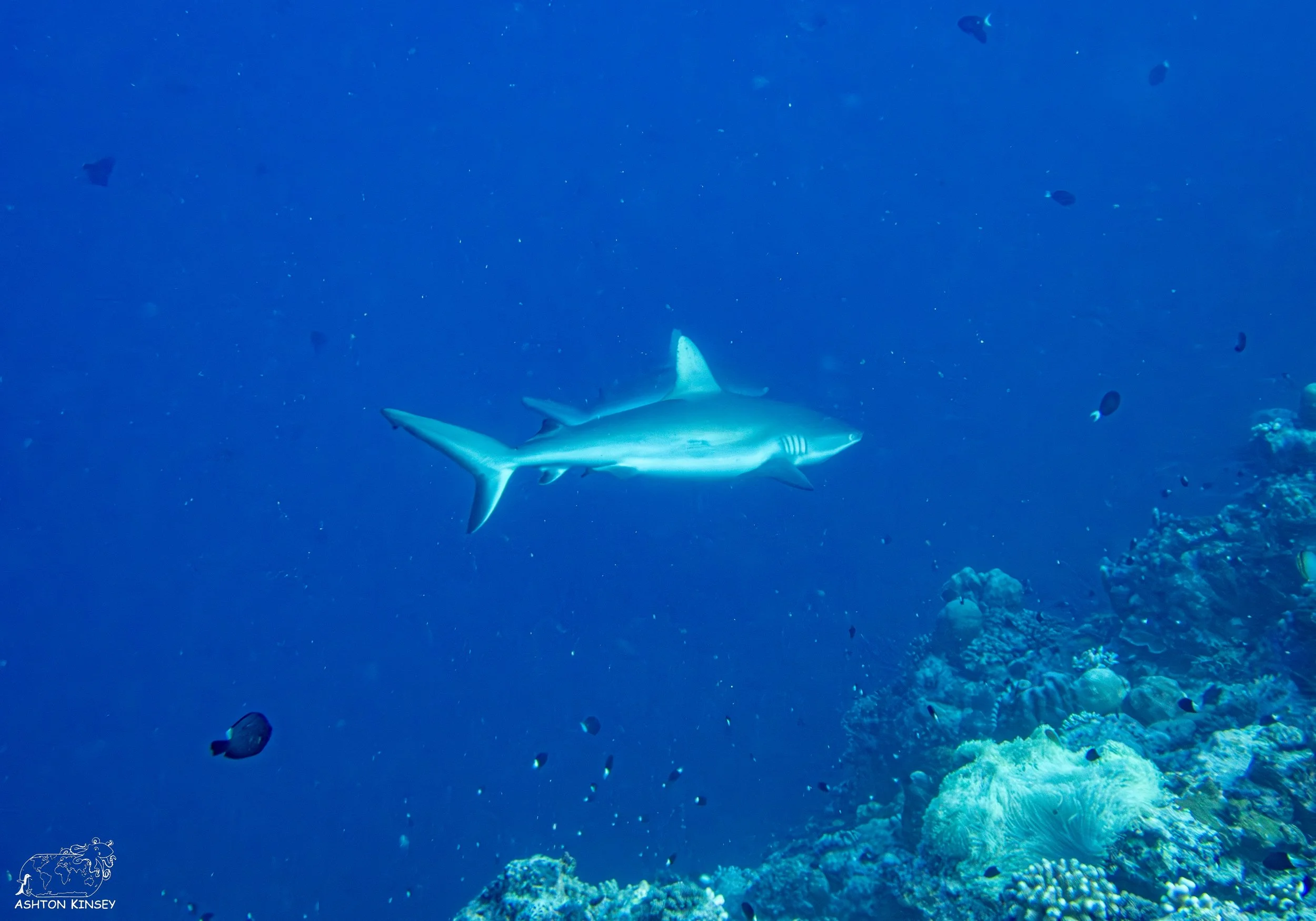
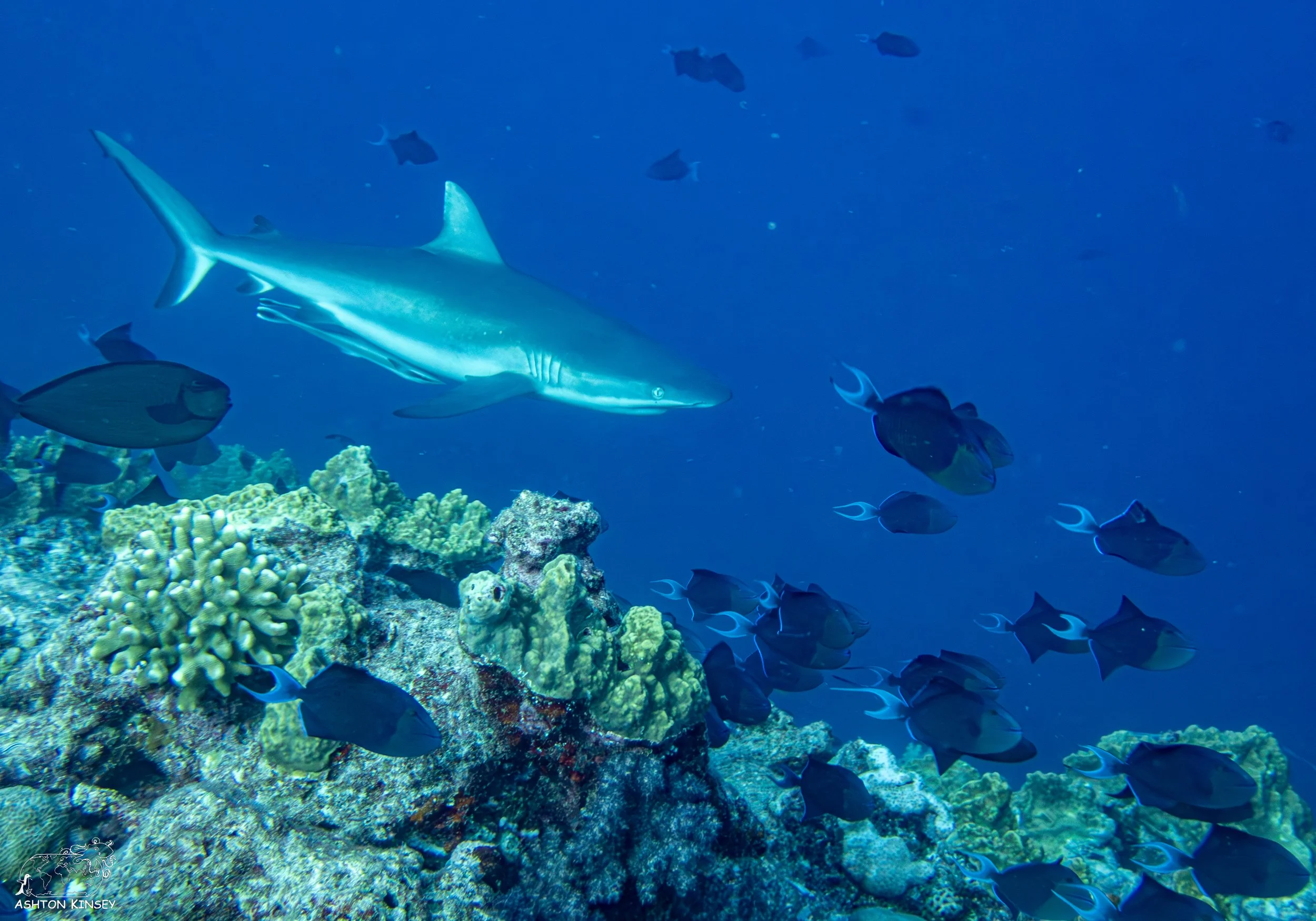
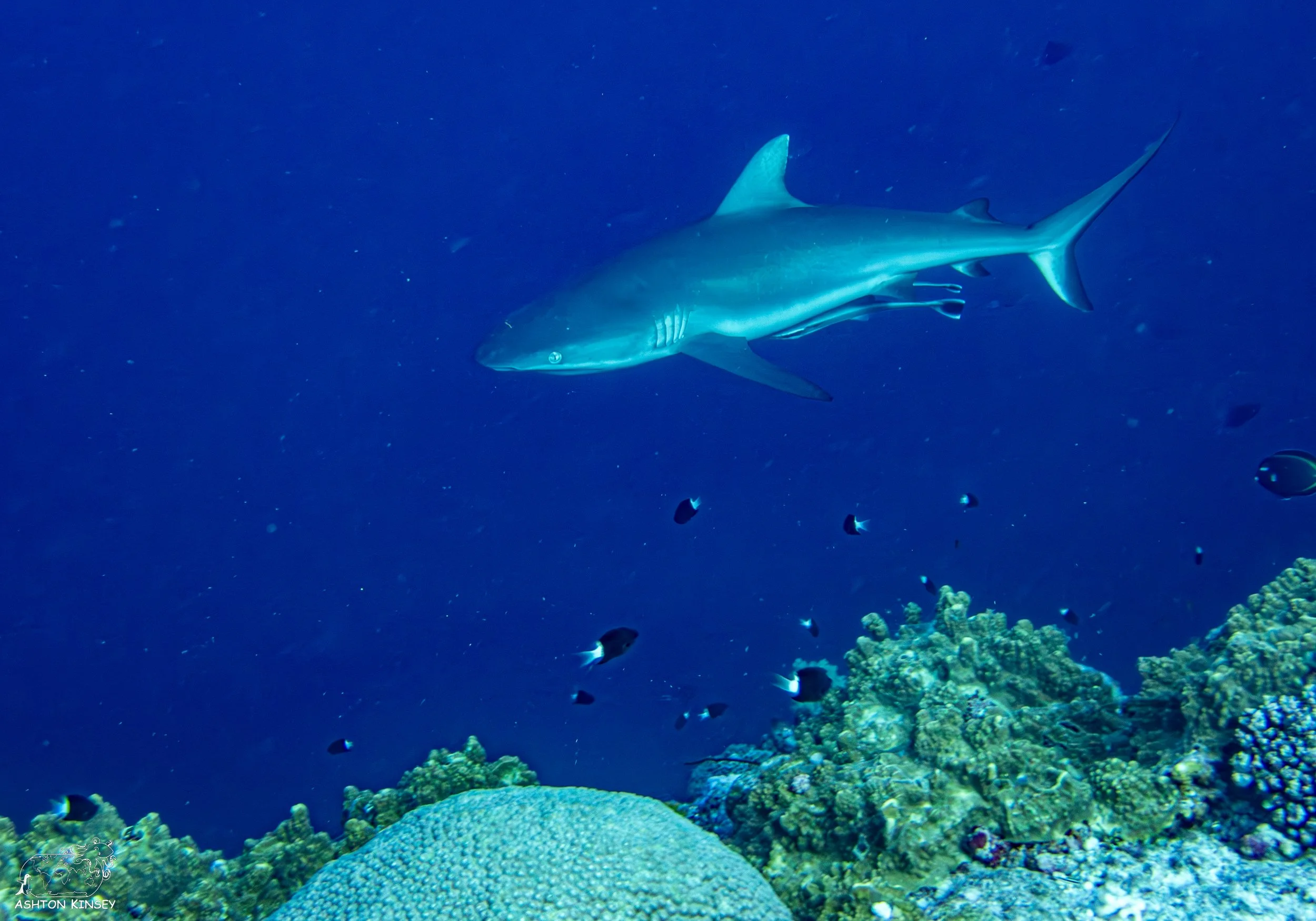
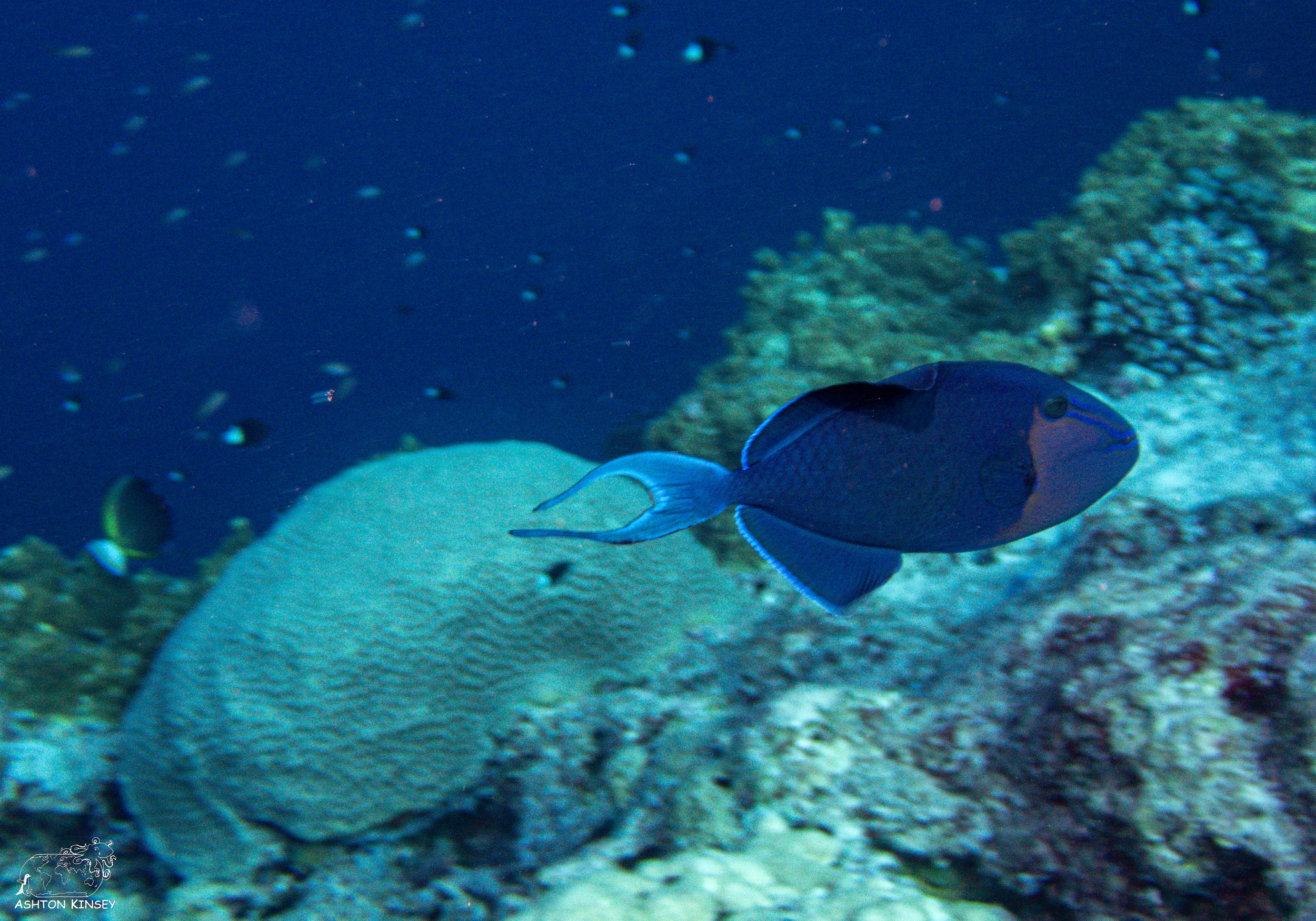
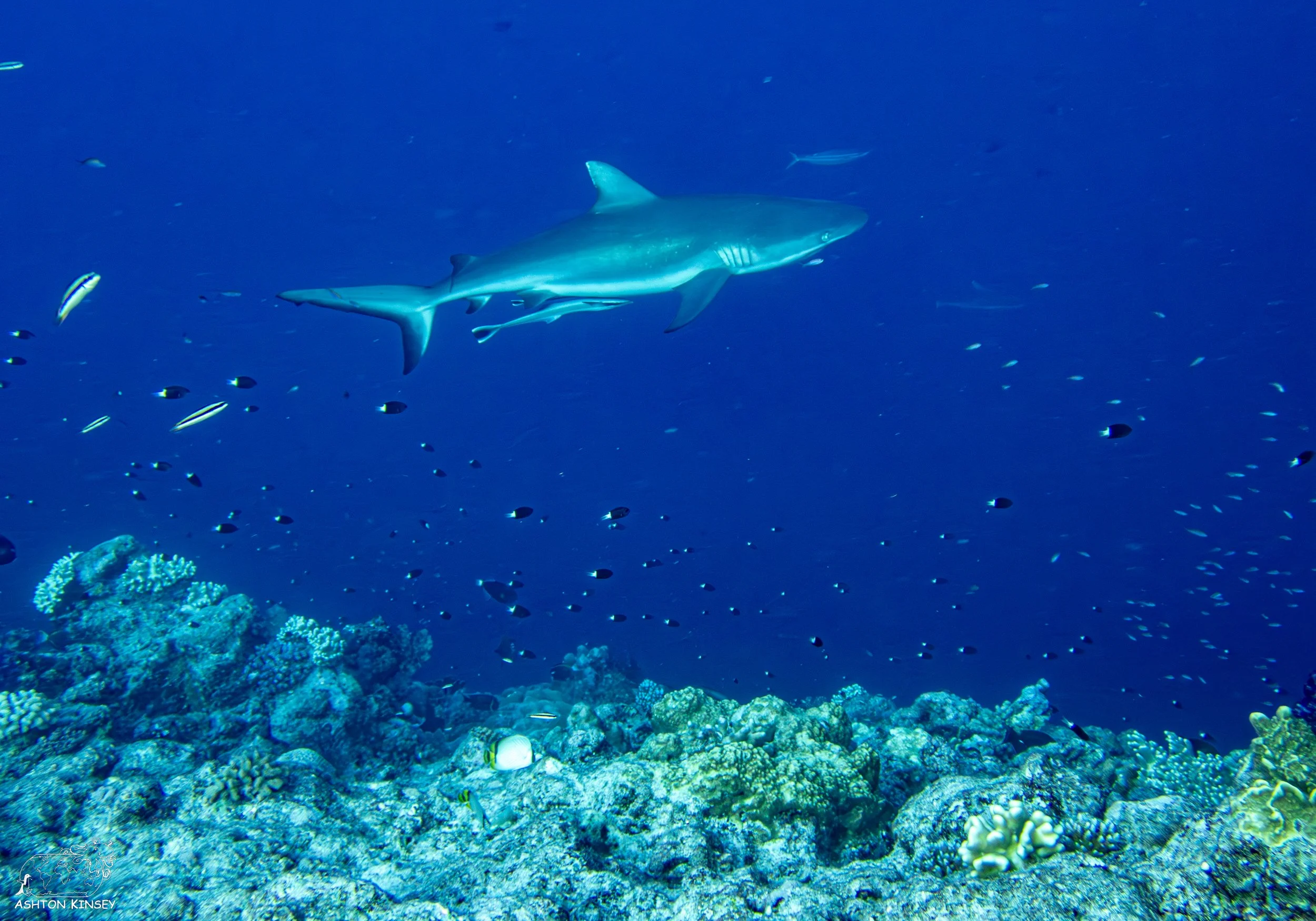
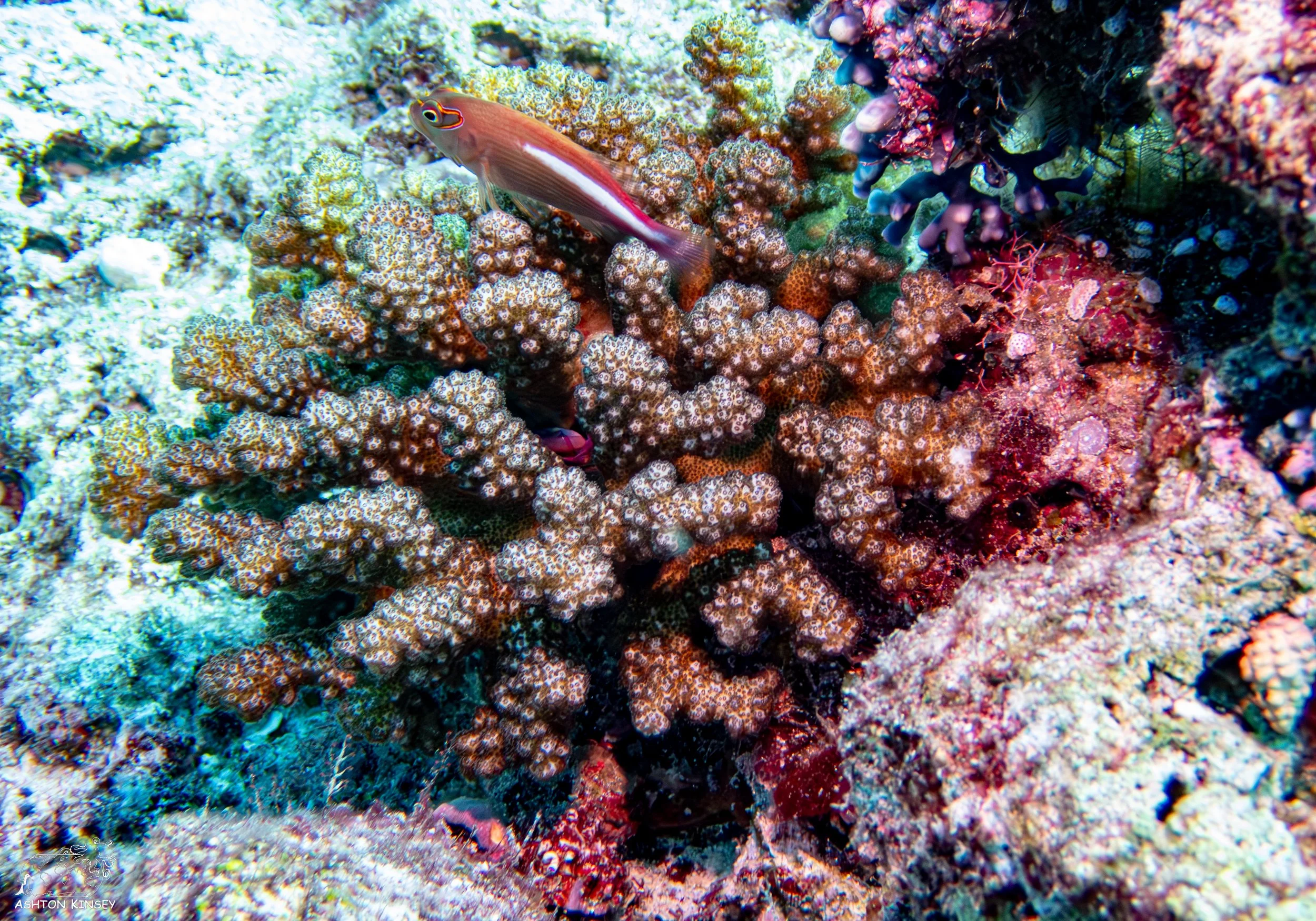
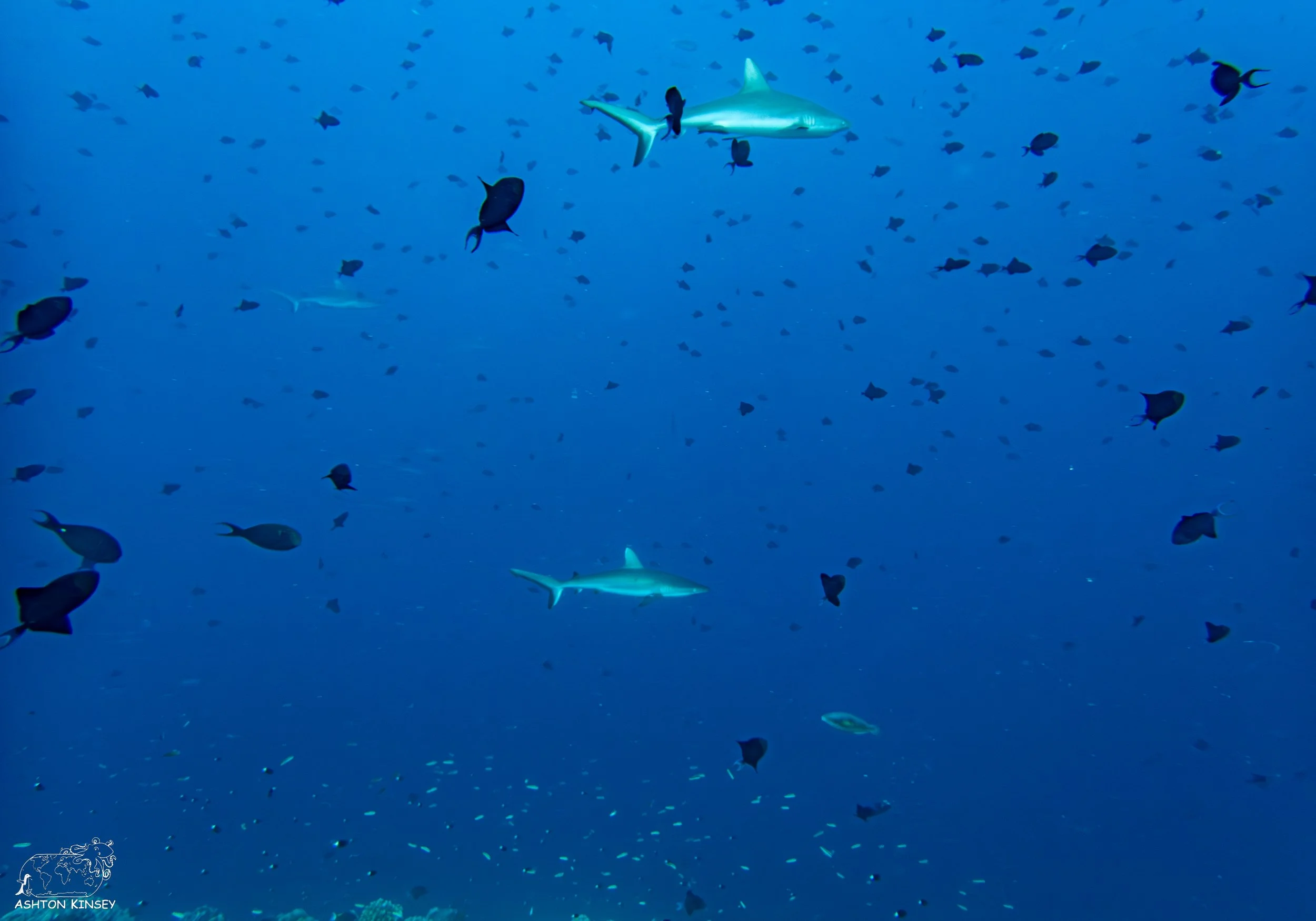
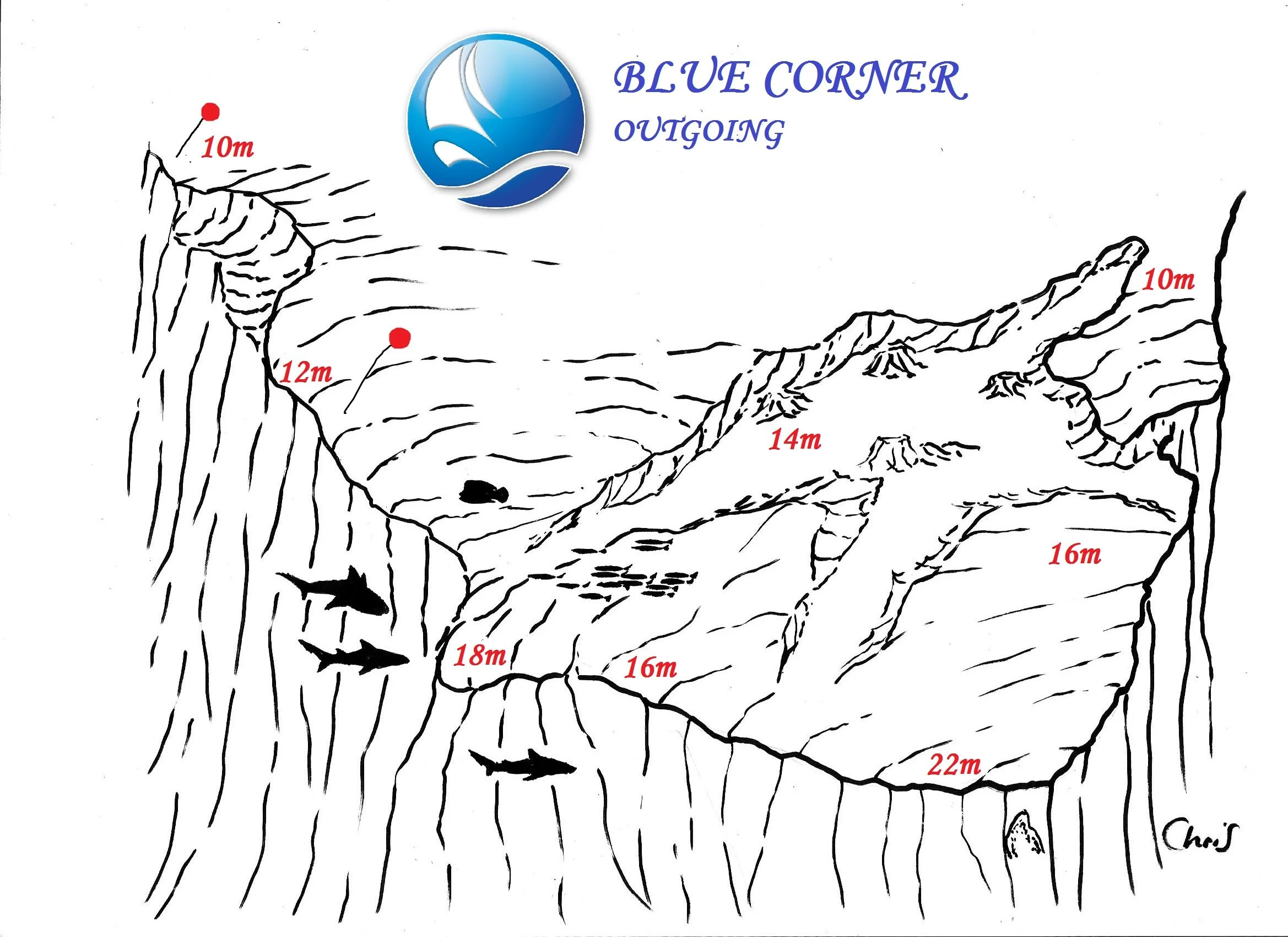
A large plateau that drops off to depth. When there is upwelling from down below, this is a good site to hook in and watch sharks ride the currents up the walls. While hooked in, surgeonfish like to come and play with diver’s bubbles and check themselves out in the reflection of diver’s masks. When there is no current a popular site for turtles and eels. Some octopus can be found on the top of the reef along with schools of barracuda, snapper, and unicornfish. A popular and healthy diverse reef full of life.
Dexter’s Wall
Dive 10: 71’ for 62 Min
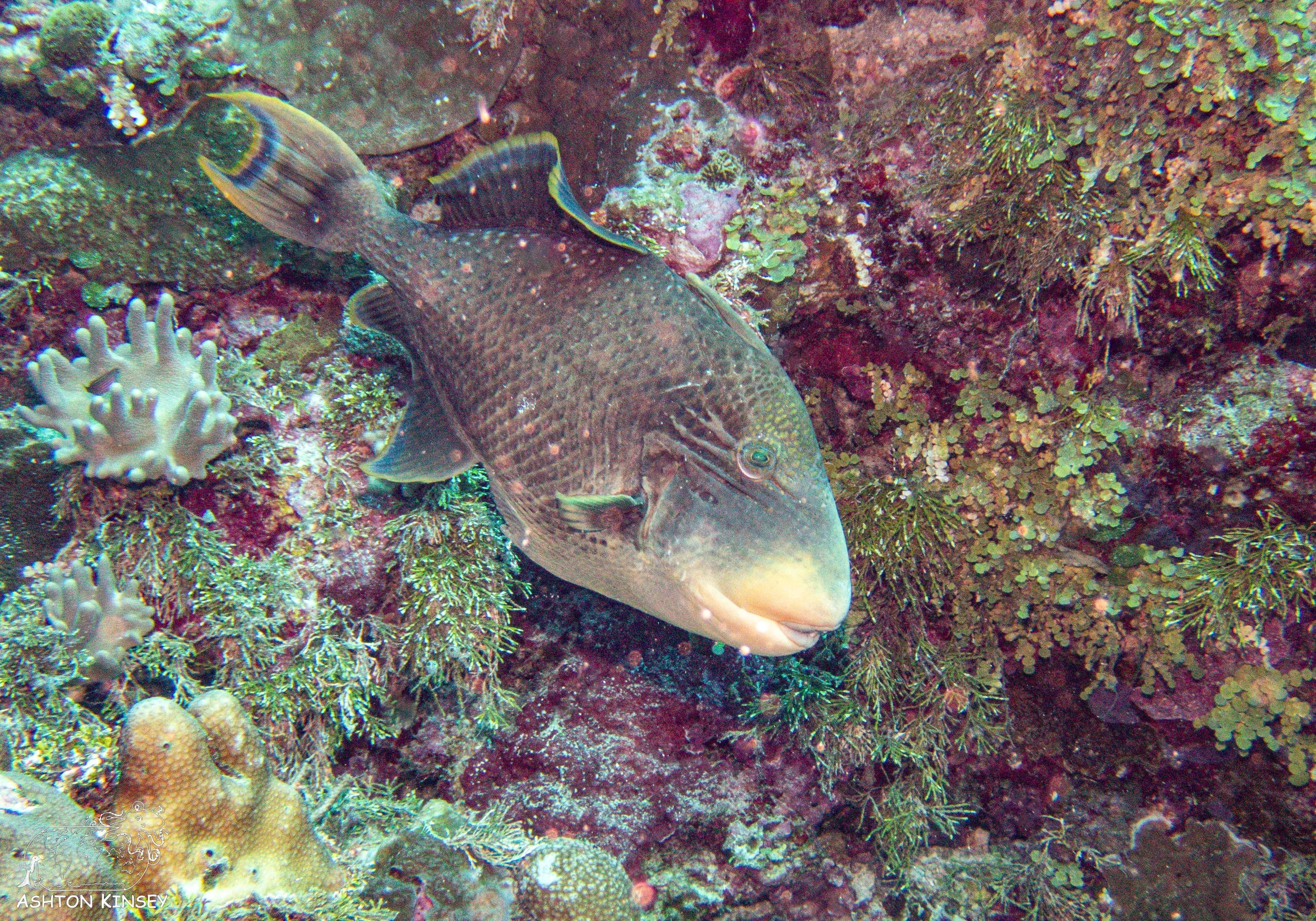
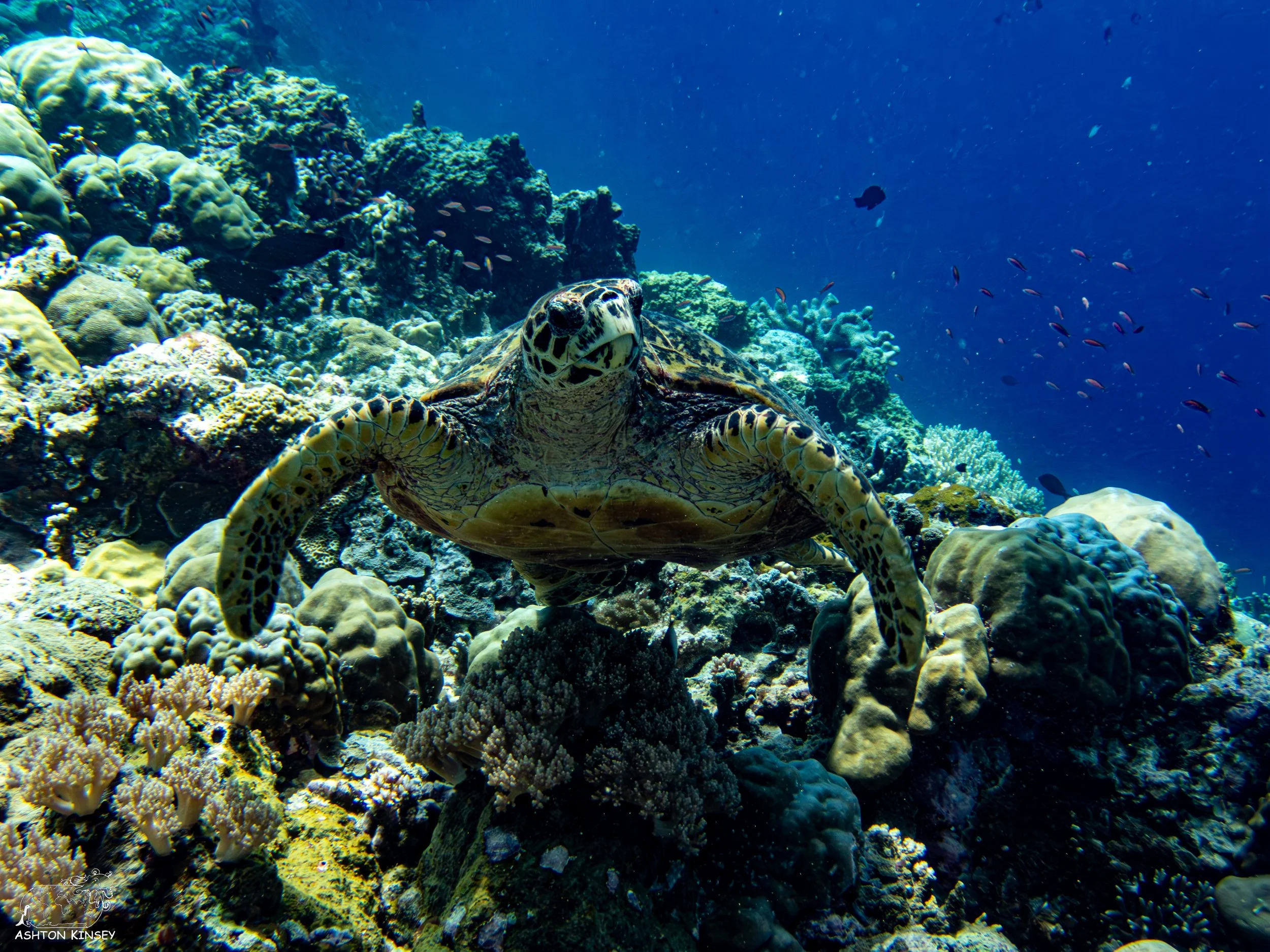
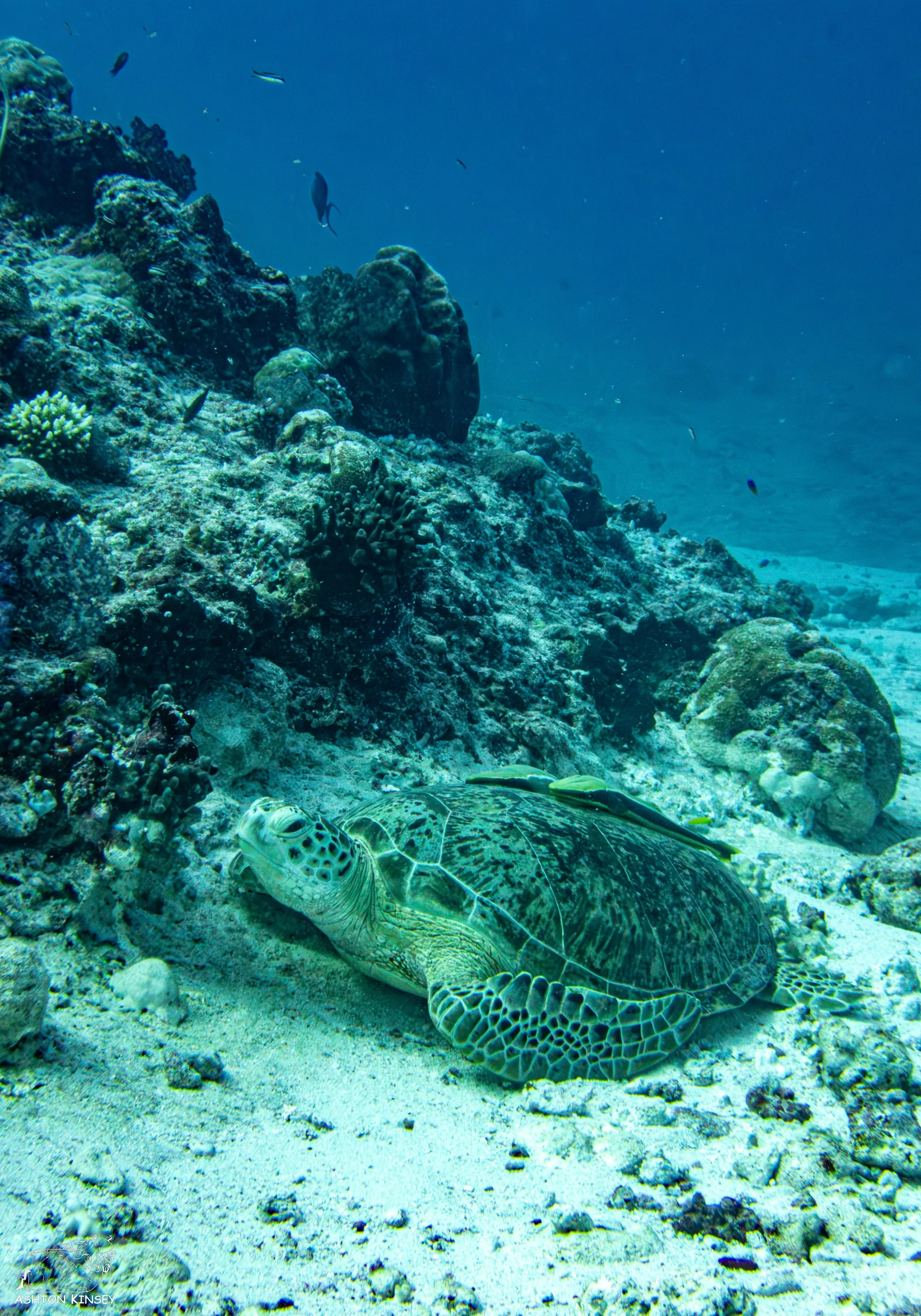
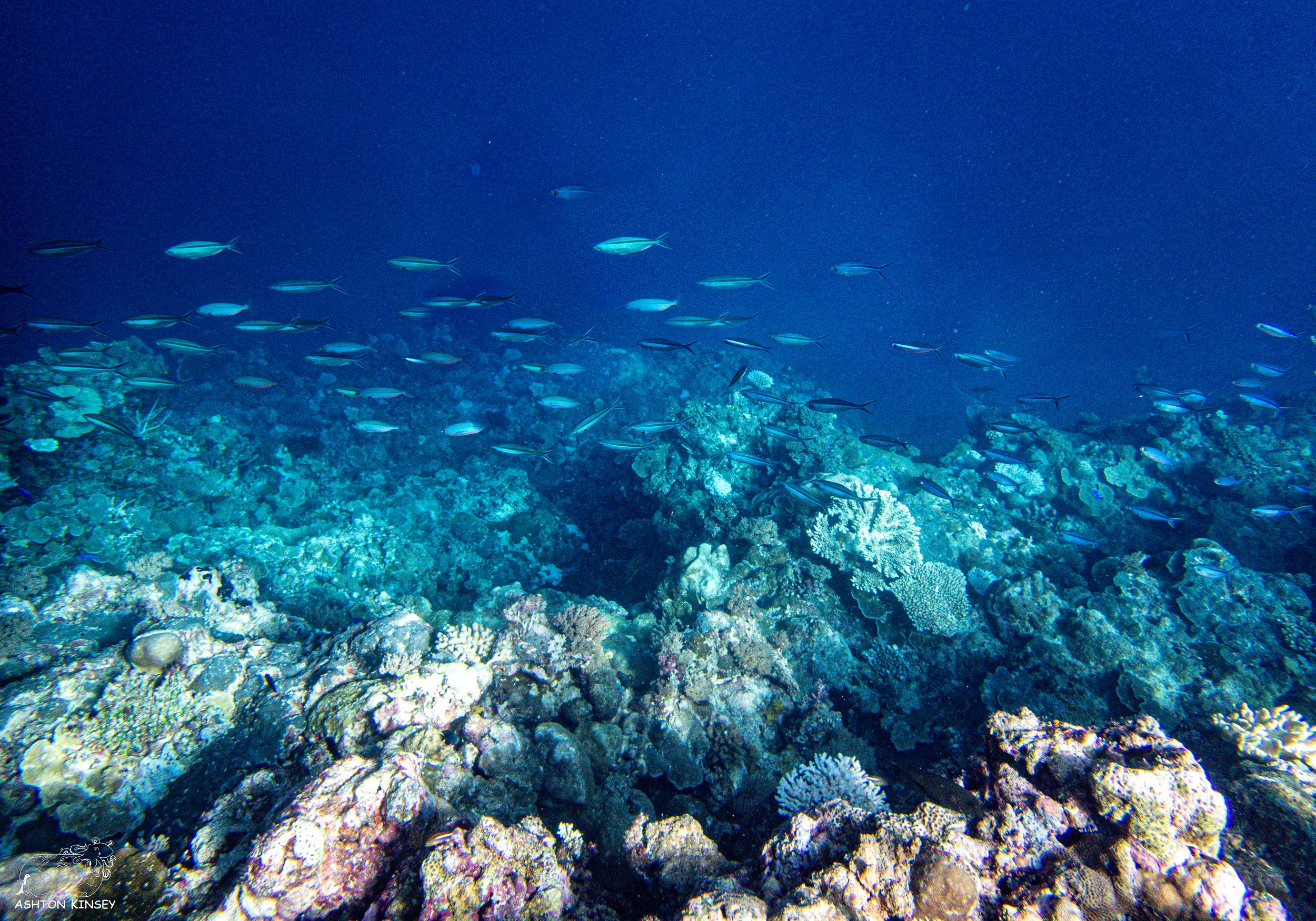
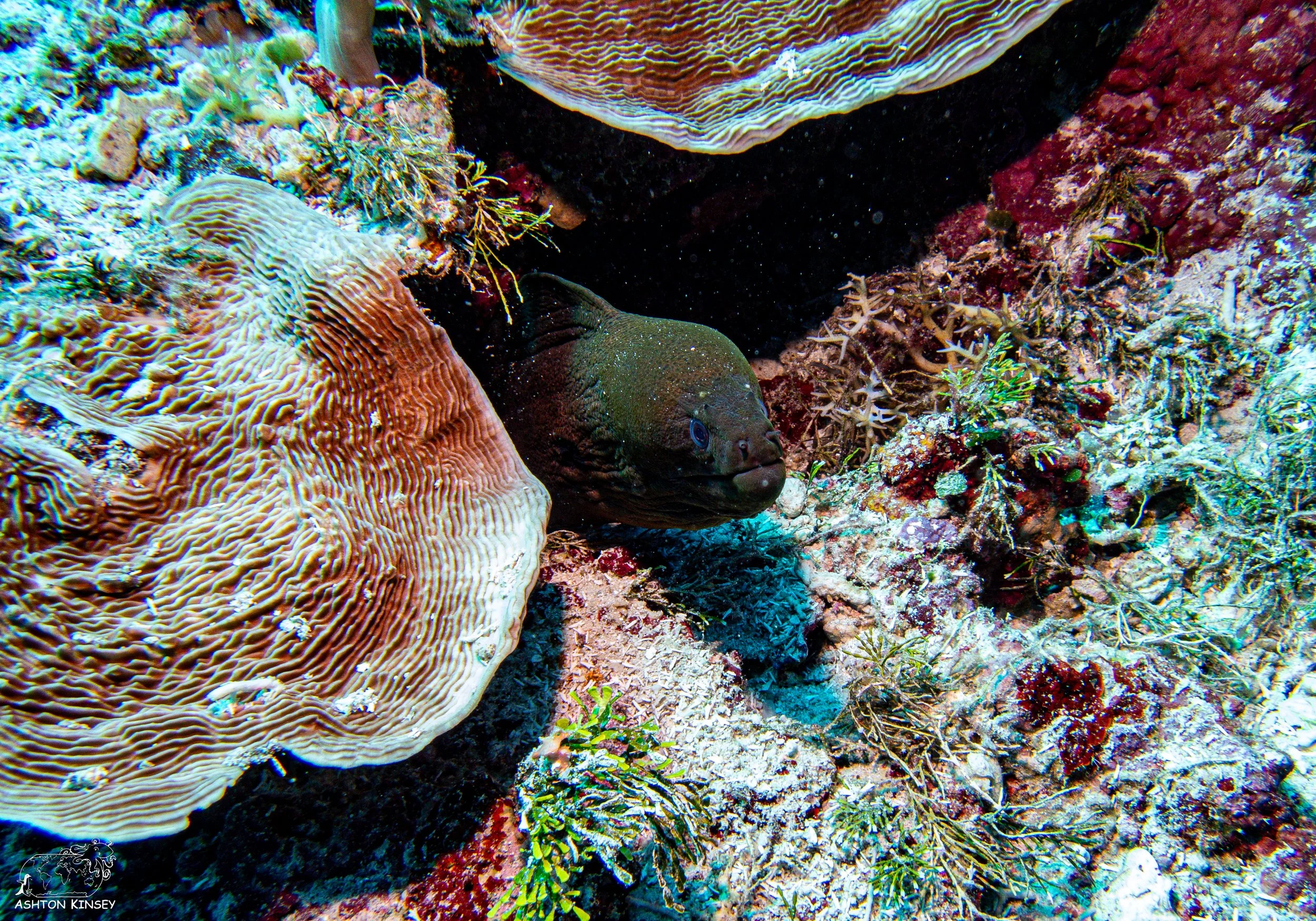
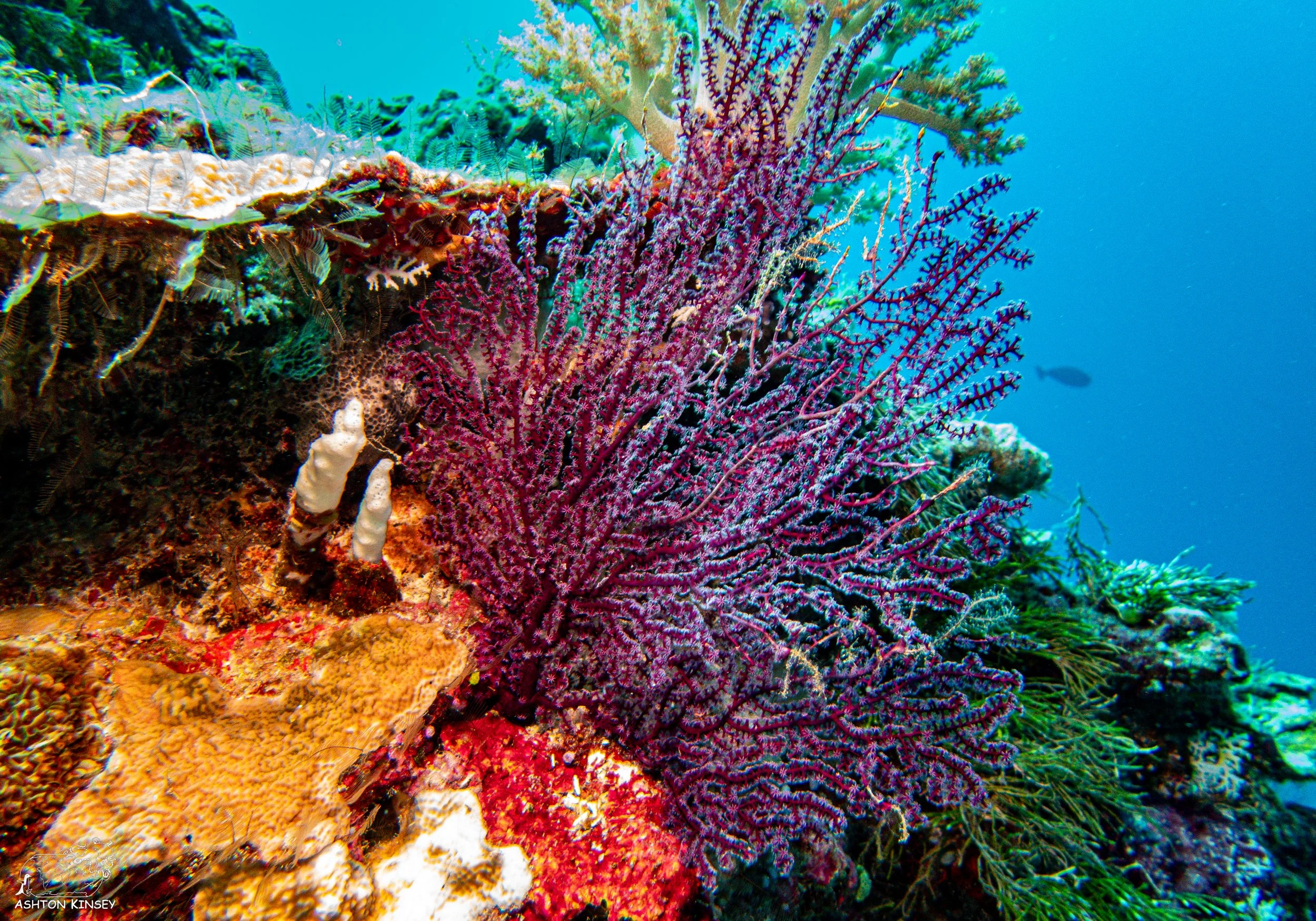
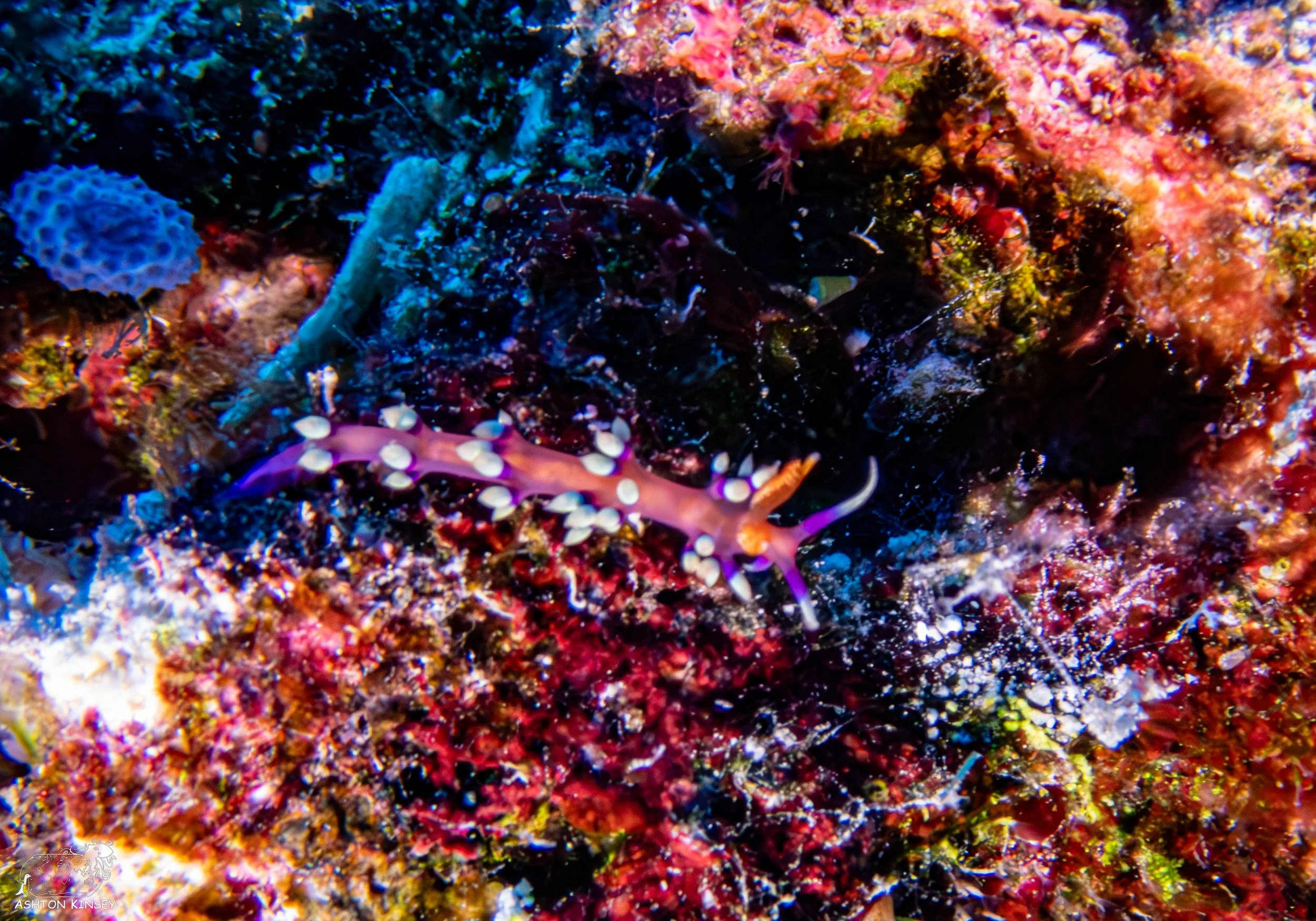
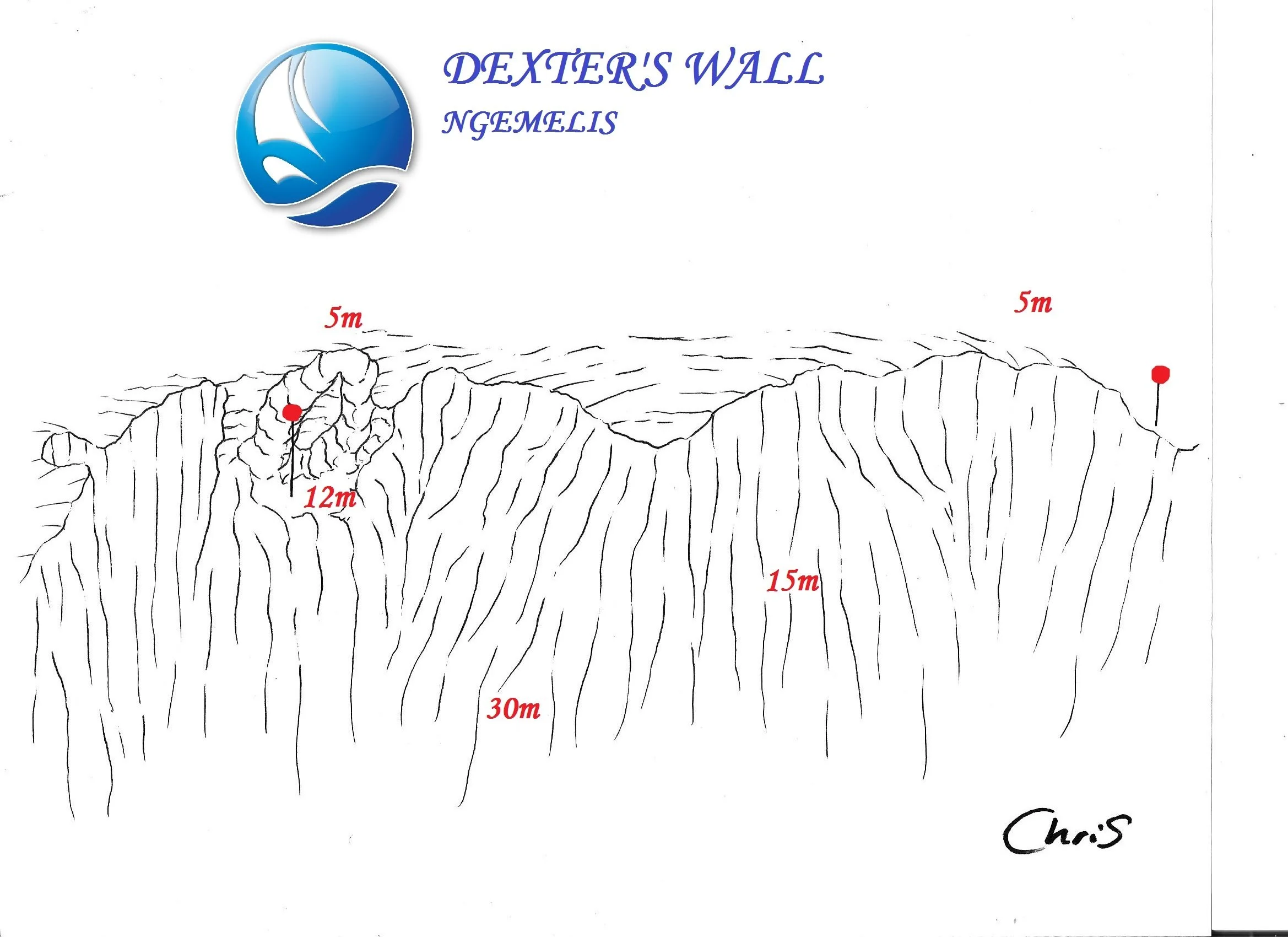
This site is located near Blue Corner. A shear wall that drops down past 230’ and is a common site to see hawksbill and green sea turtles rubbing against soft corals. A healthy mix of hard and soft corals with lots of nooks and crannies for critters to hide. Several yellowmargin triggerfish nests are present so always remember their territory is cone shaped, so swim out of it and don’t try to fight them with a knife.
Ngerchong Outside
Dive 26: 59’ for 65 Min
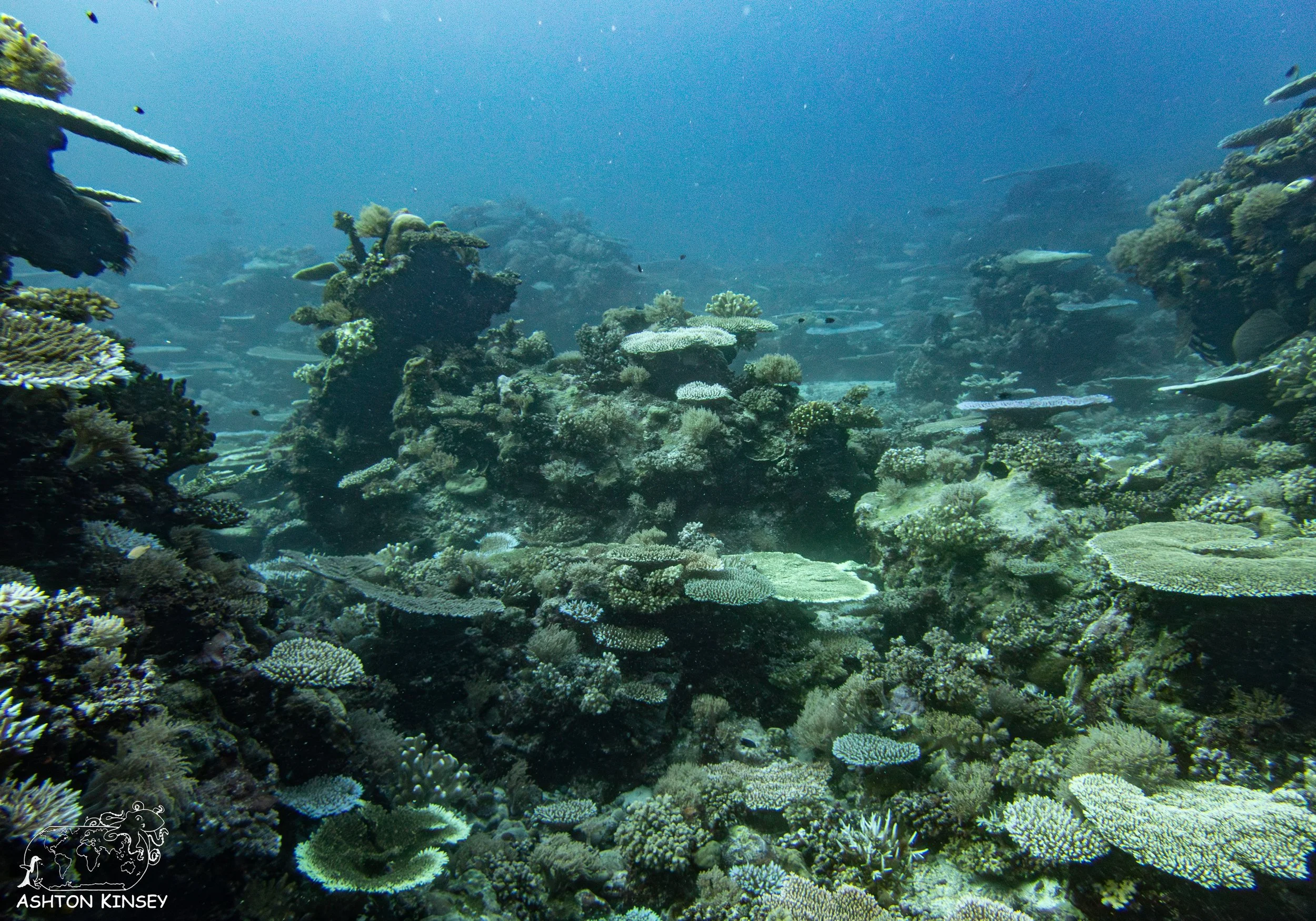
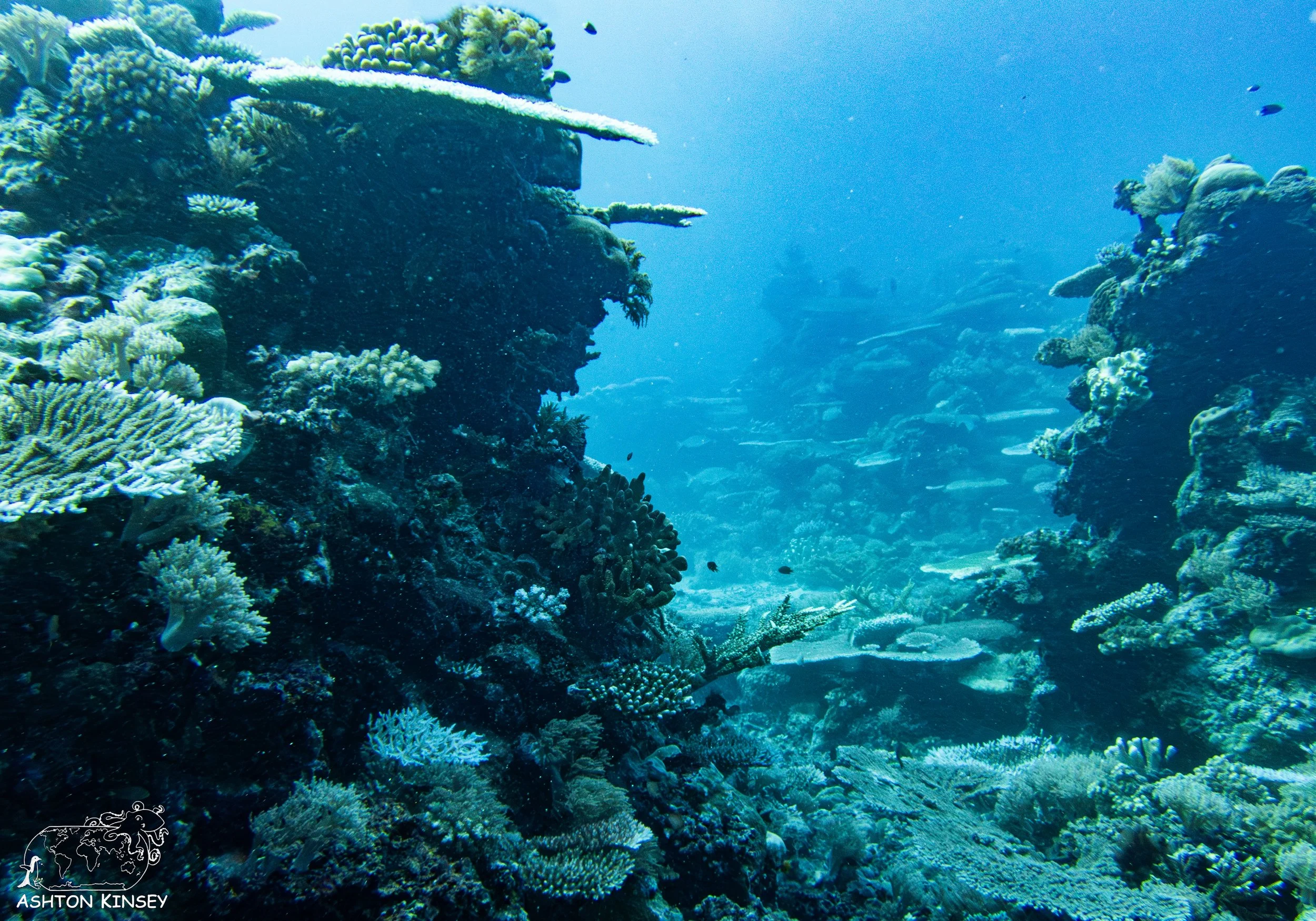
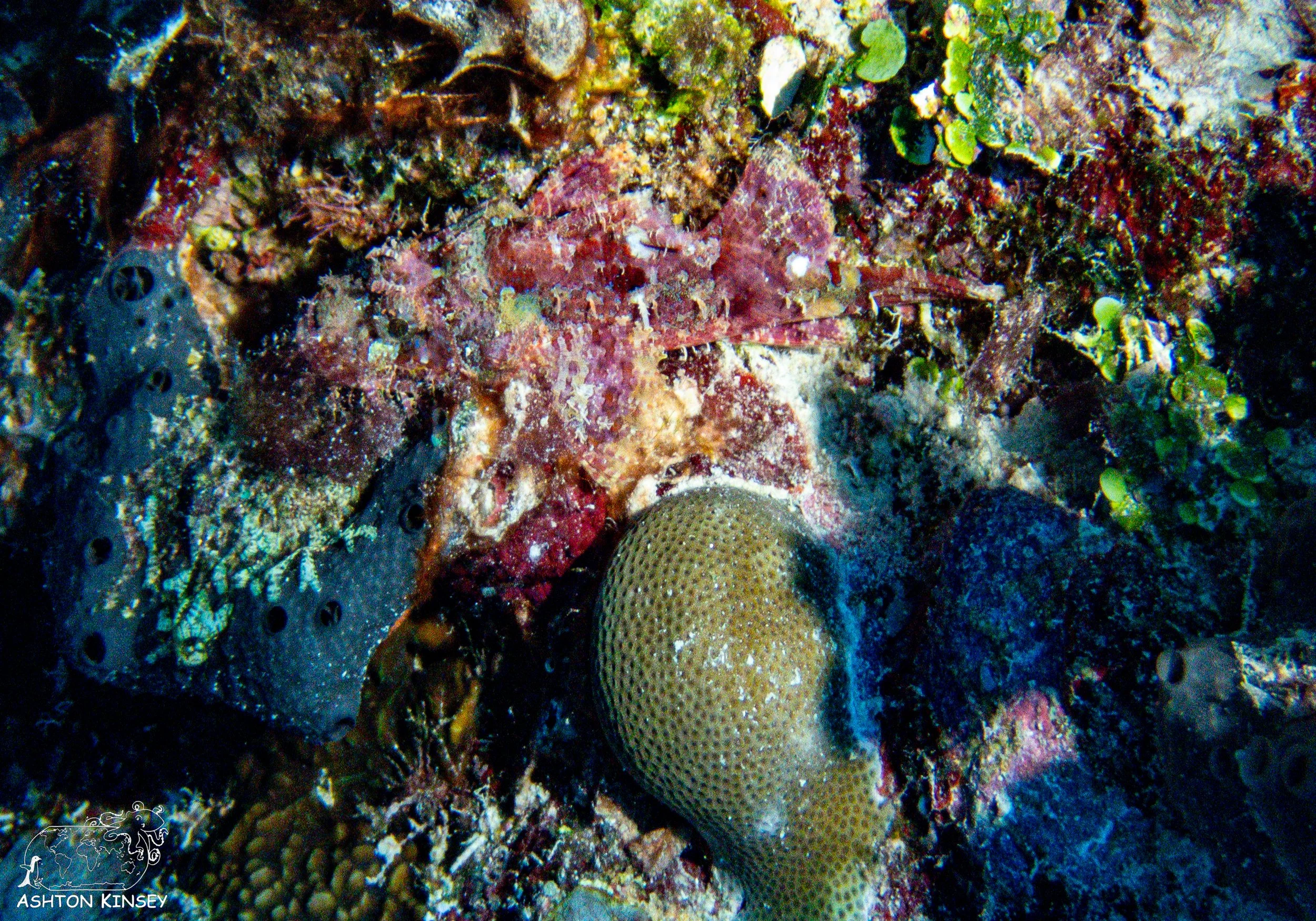
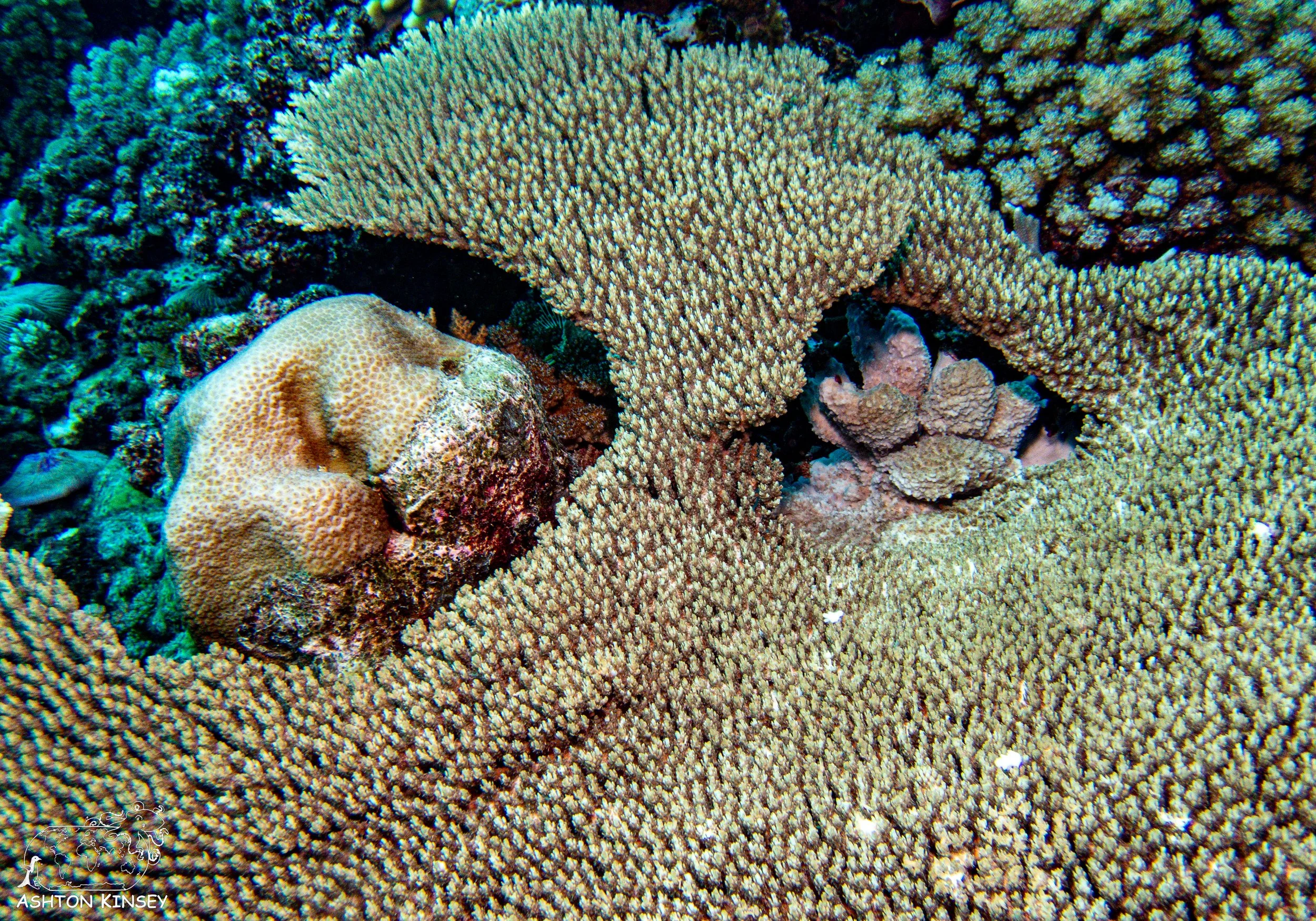
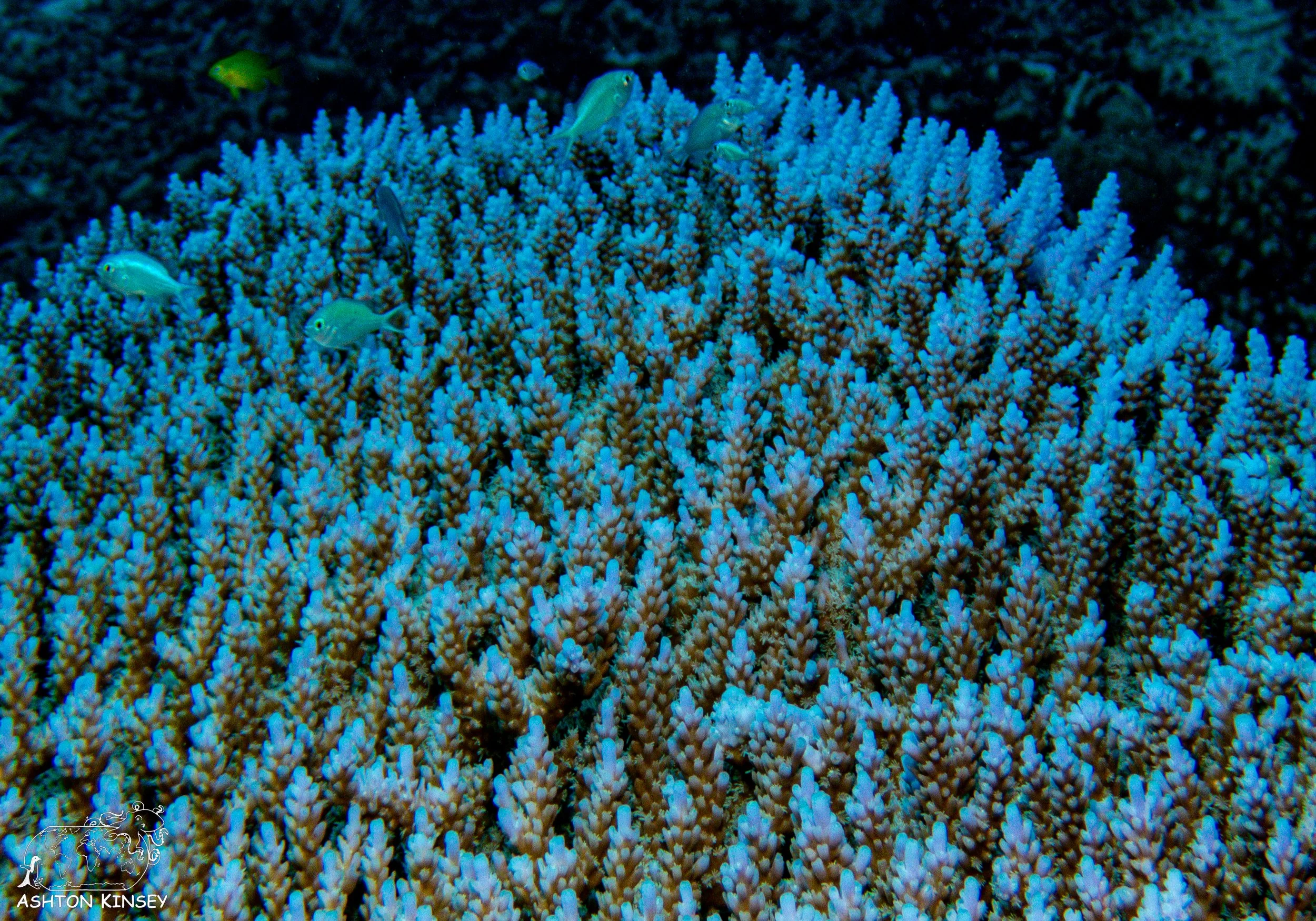
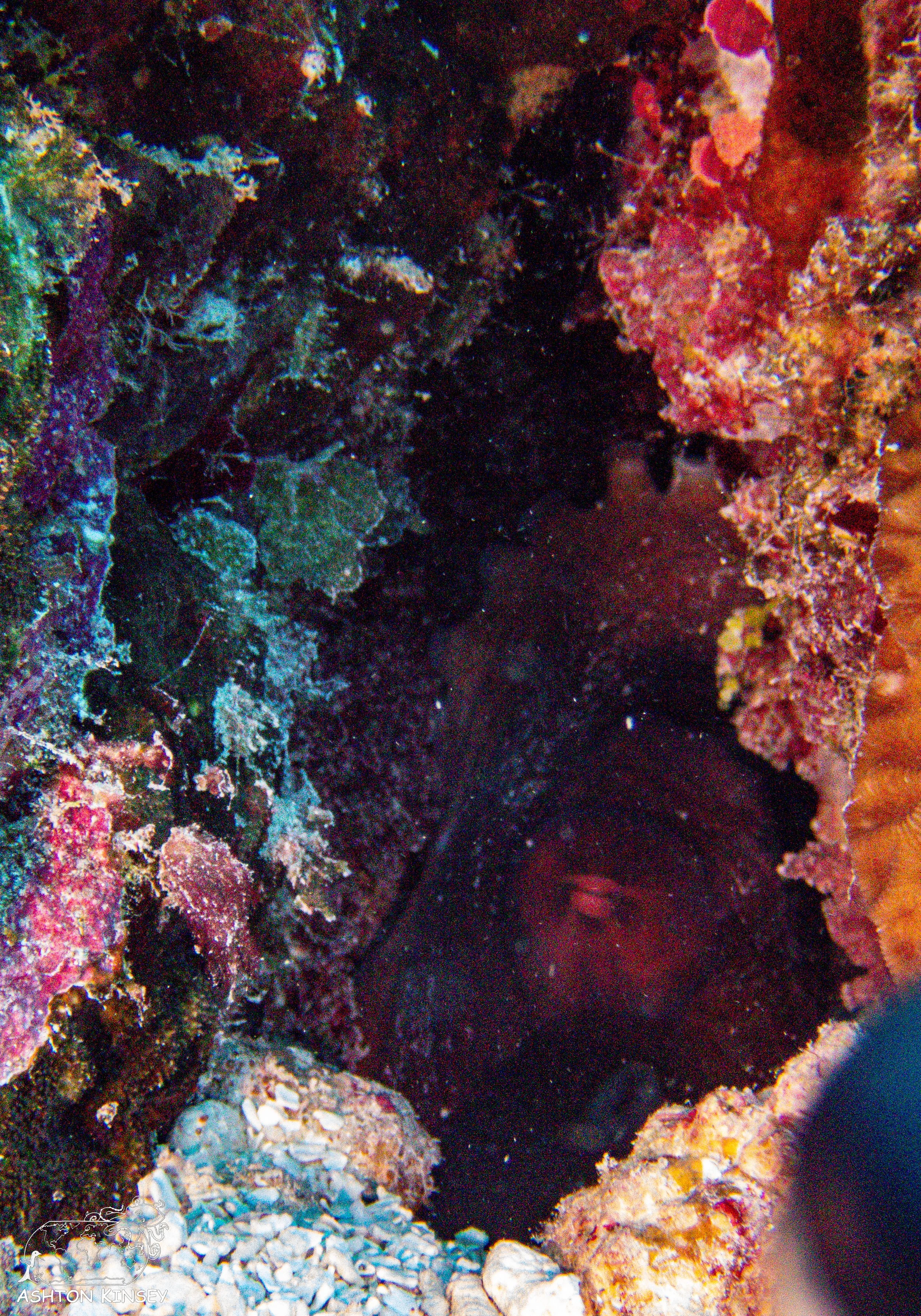
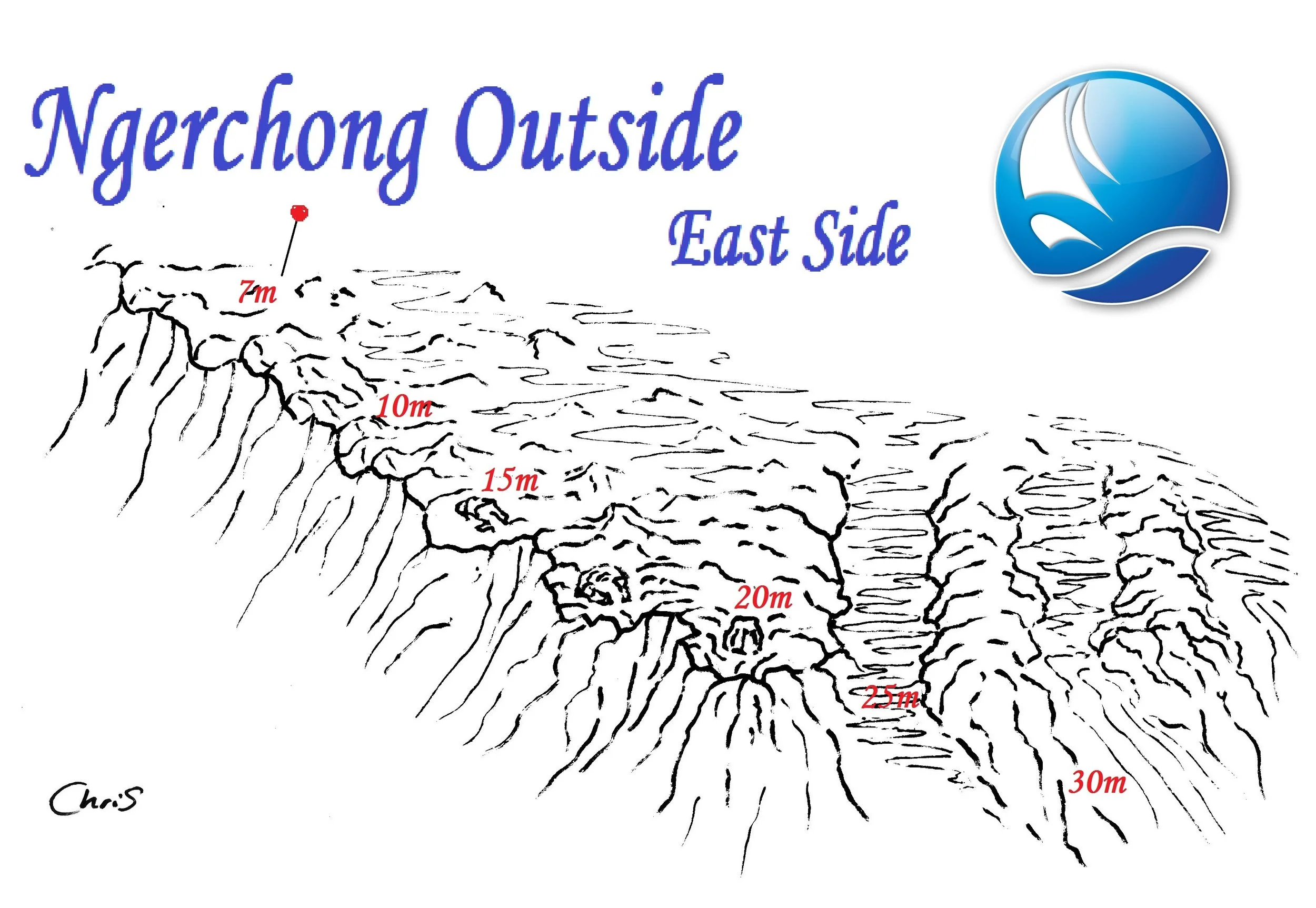
This is another sloping reef that drops from 20’ to over 100’, located on the eastern side of Ngemelis. The reef is connected down to the Peleliu reefs, via a large channel around 60’. The top side of the reef is covered with hard corals and provides opportunities to spot a variety of marine life, including bumphead parrotfish, fusiliers, yellow pyramid butterflyfish, grey reef sharks, white tip sharks, manta rays, and octopuses. This is an uncommon site to visit and generally remains healthy and untouched by divers.
Blue Holes
Dive 27: 84’ for 60 Min
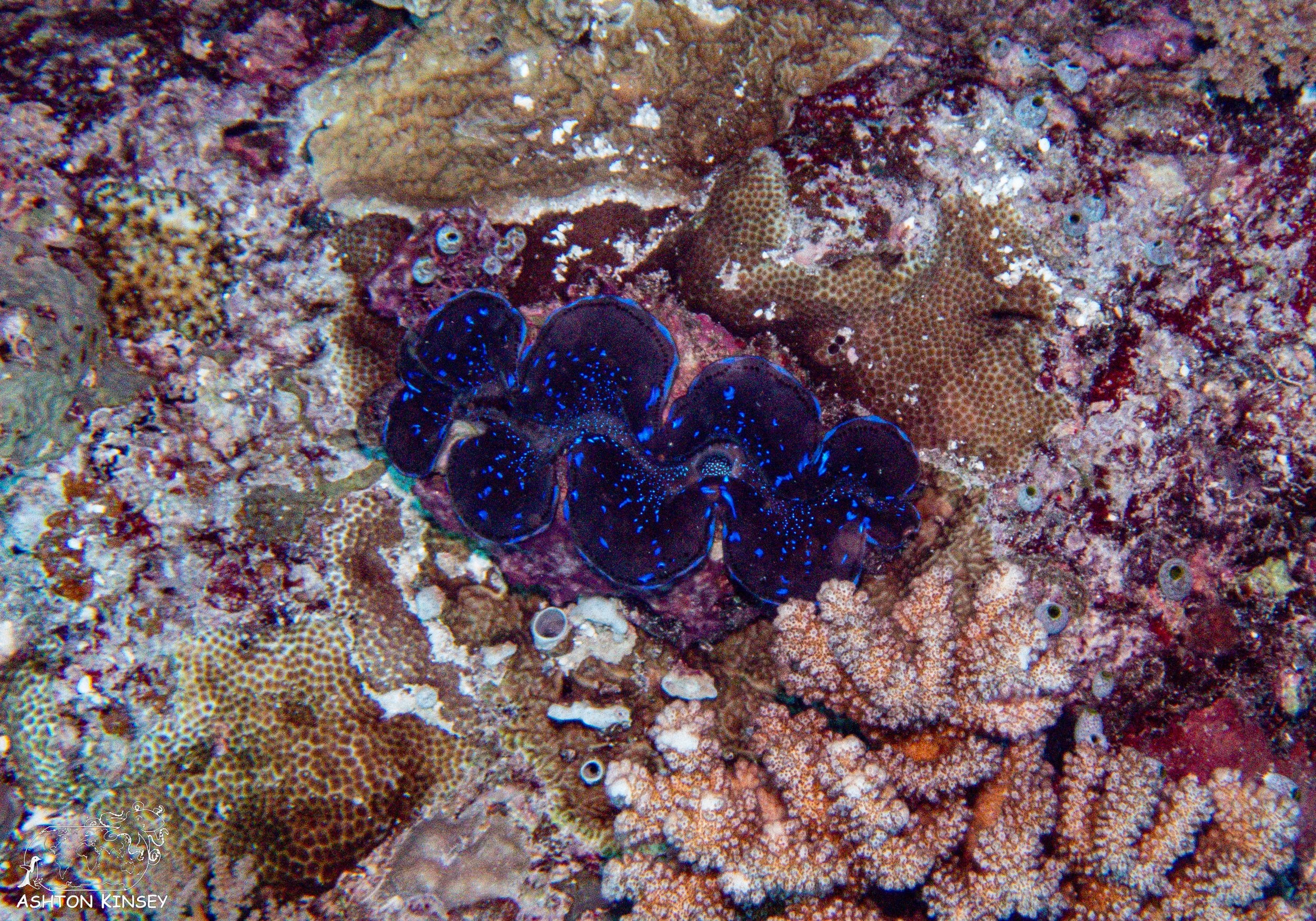
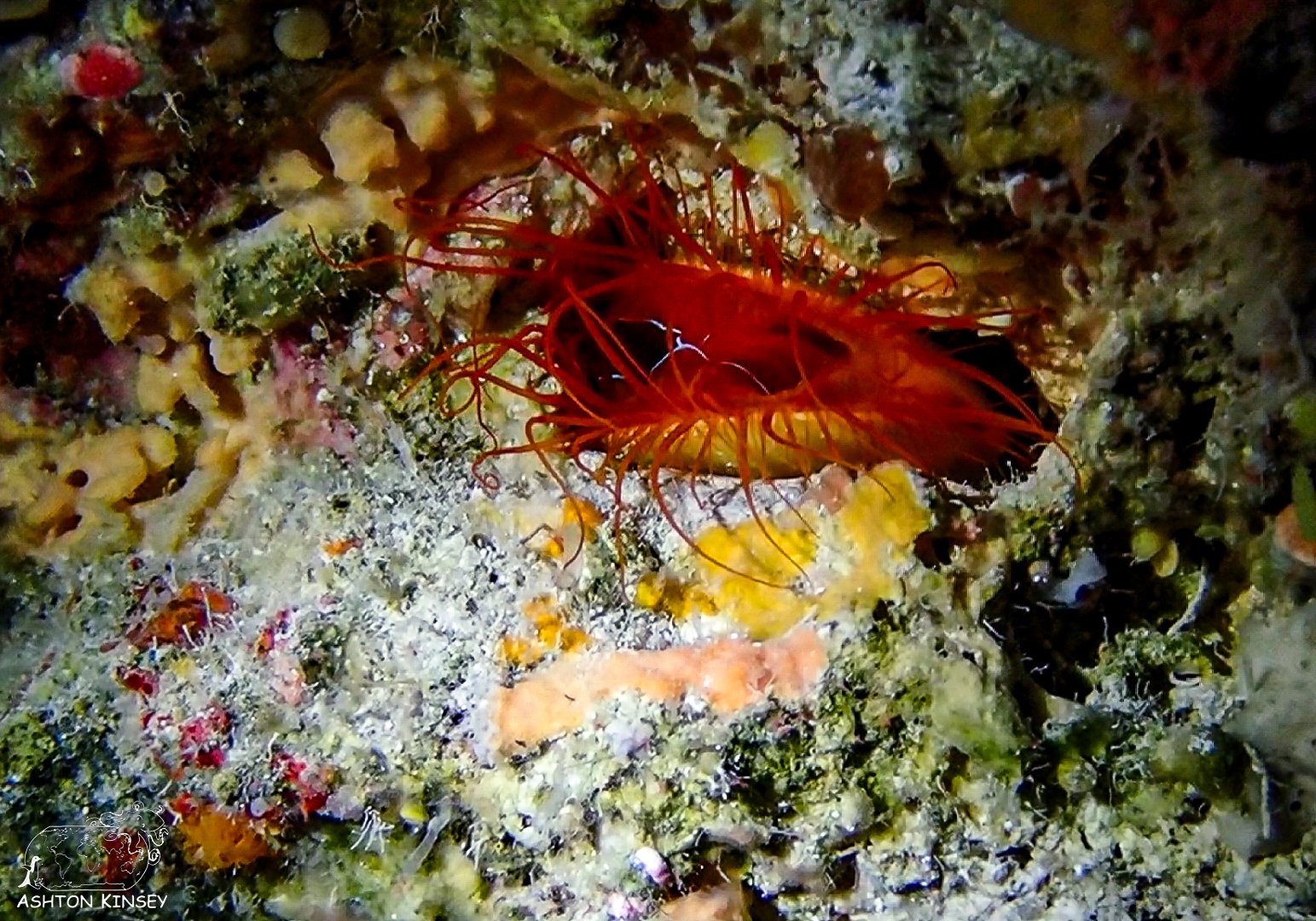
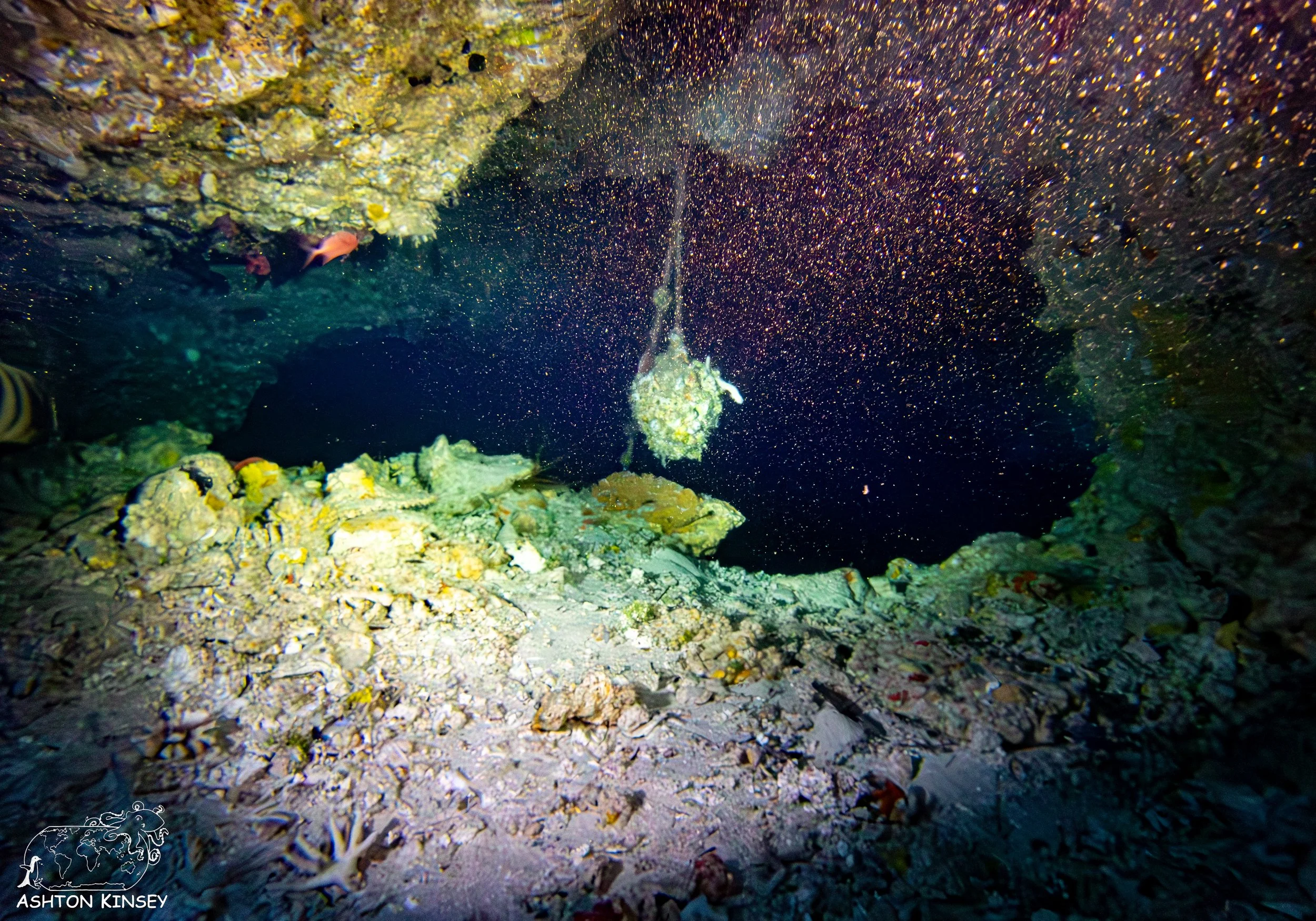
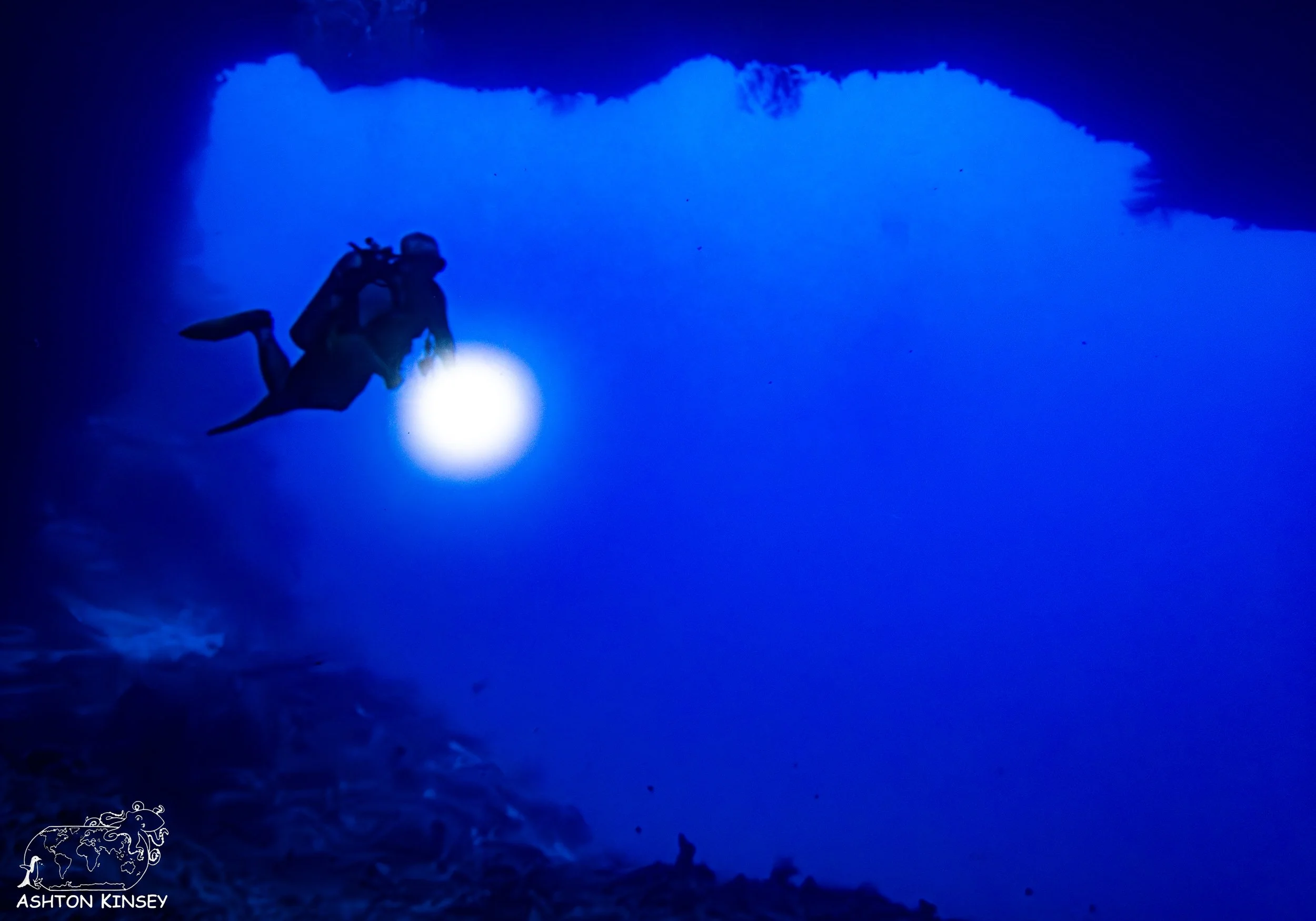
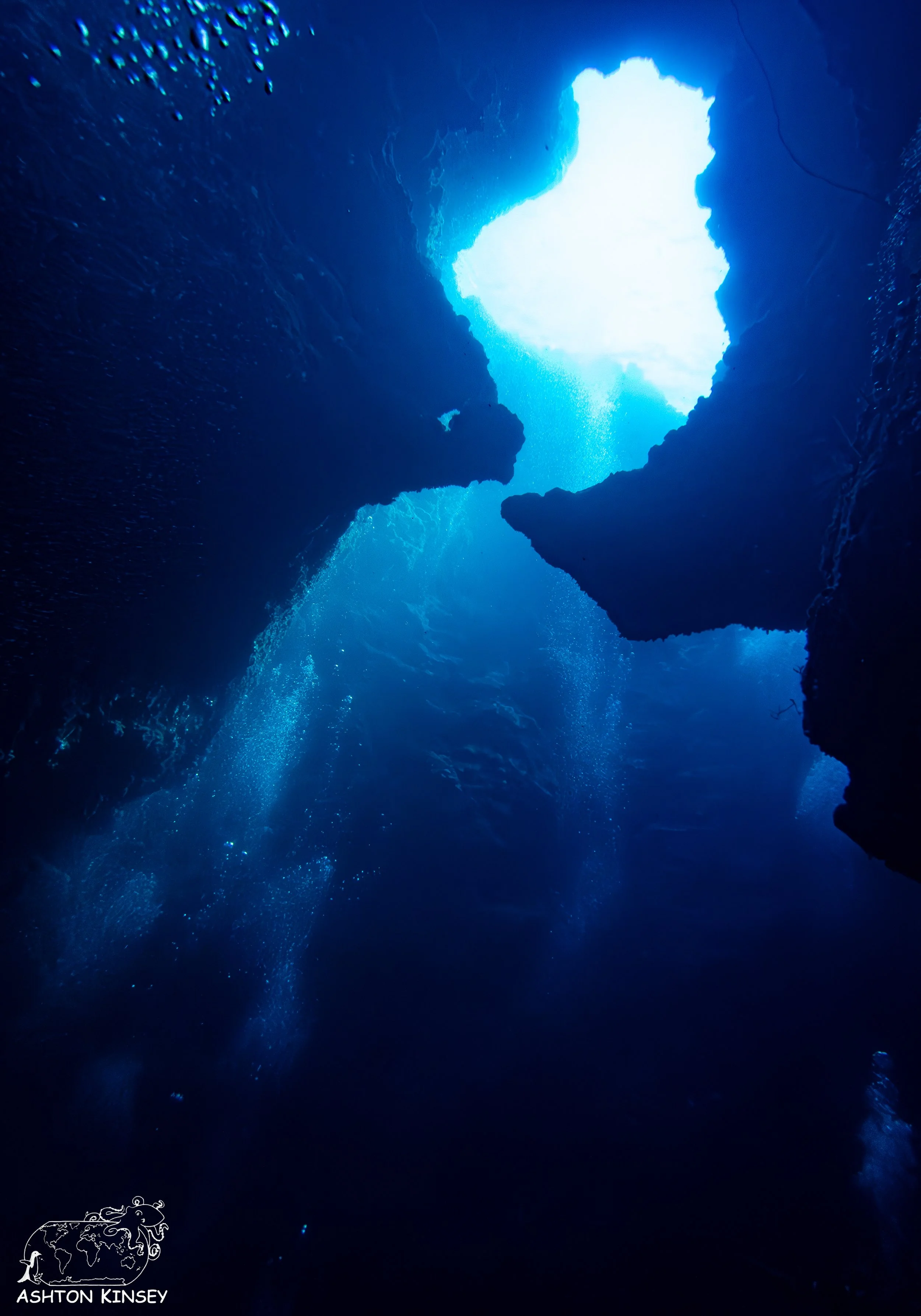
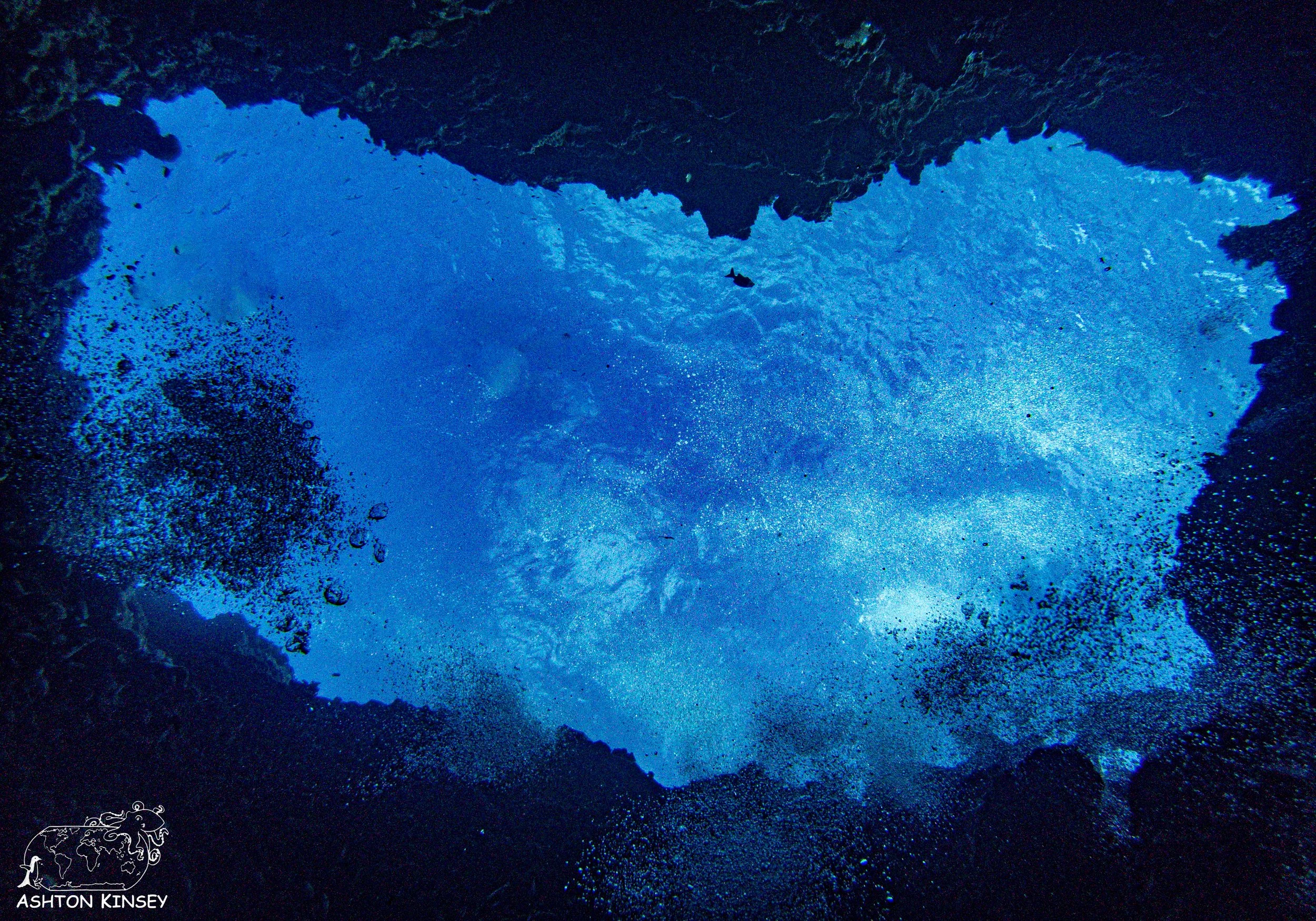
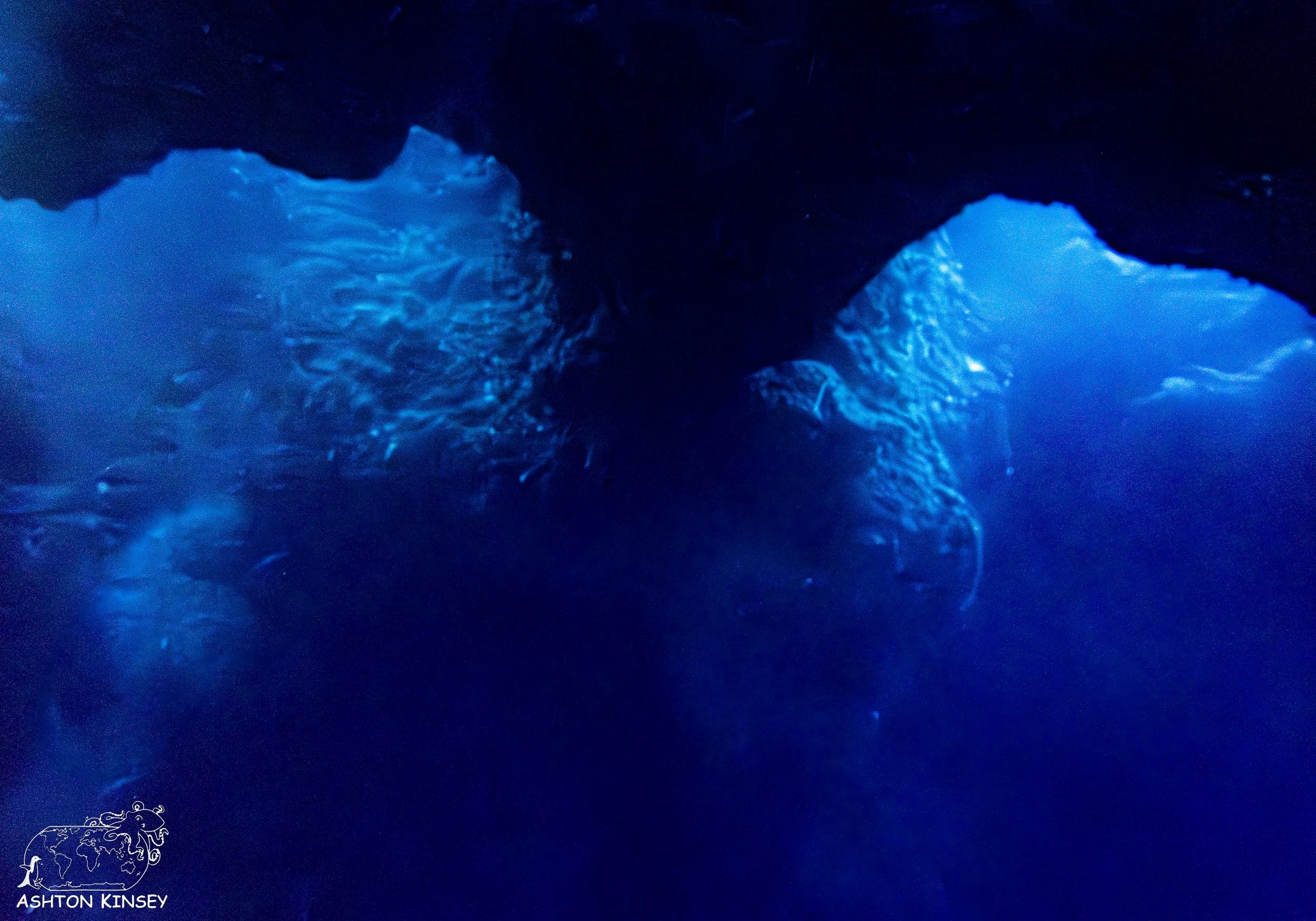
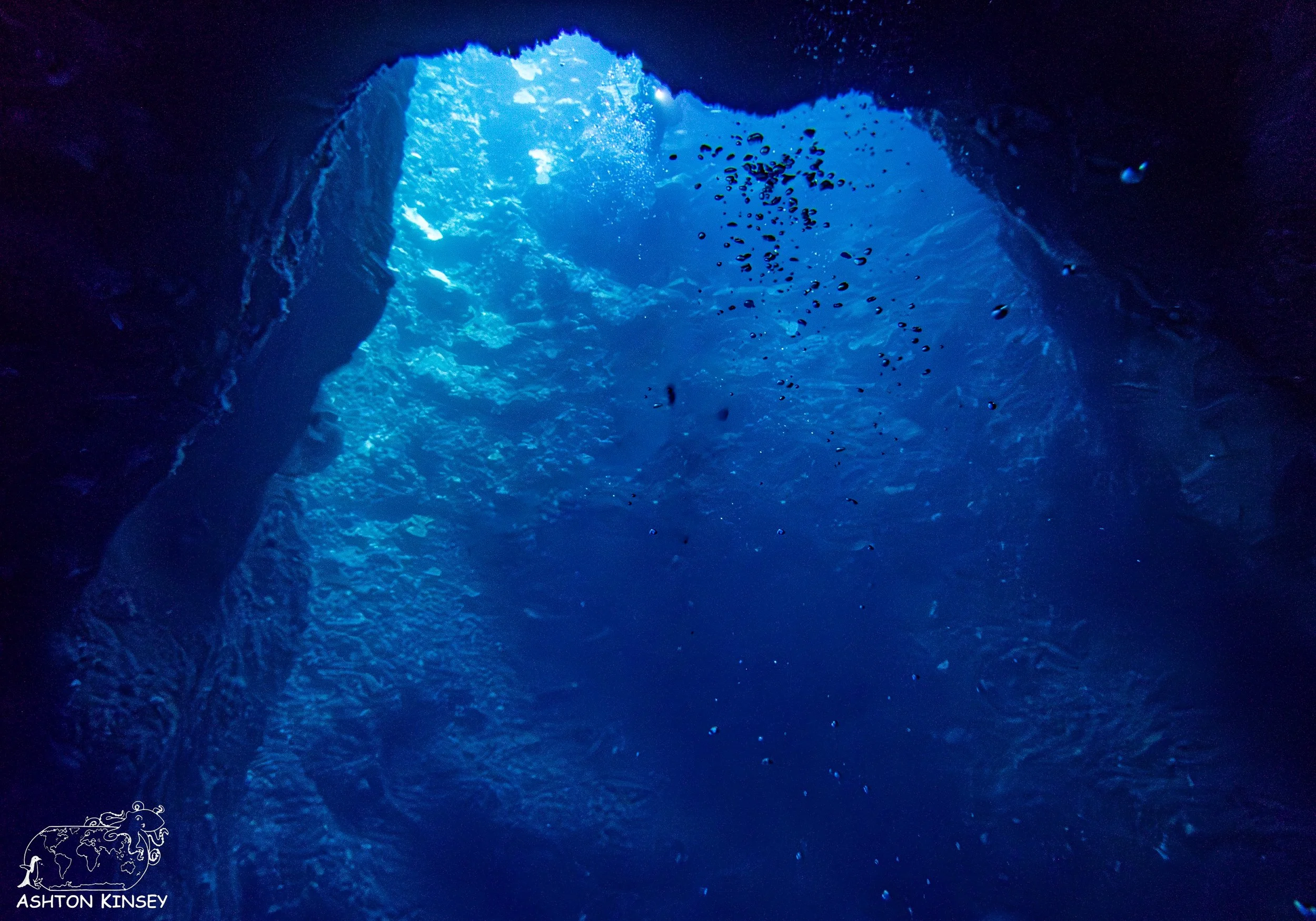
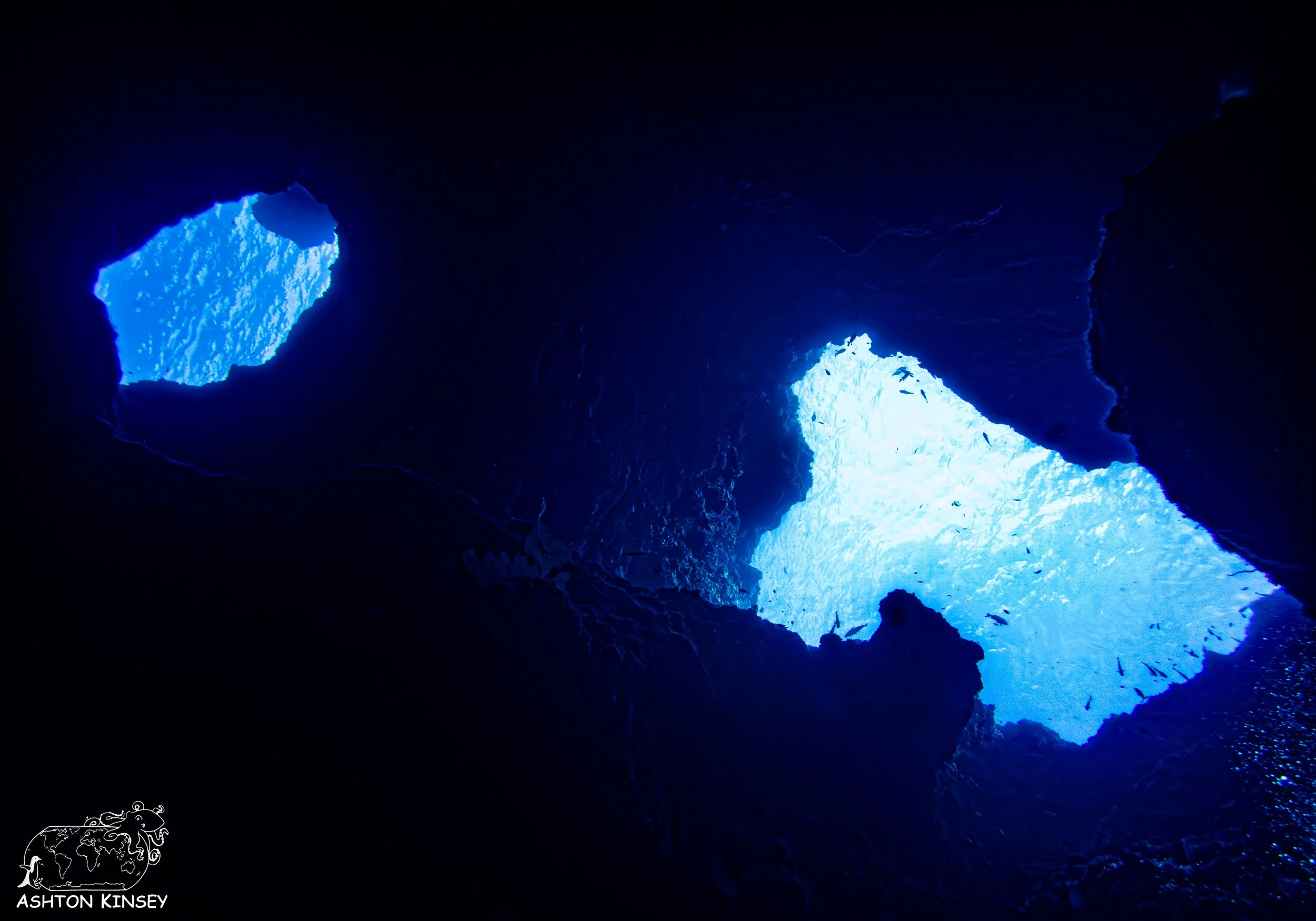
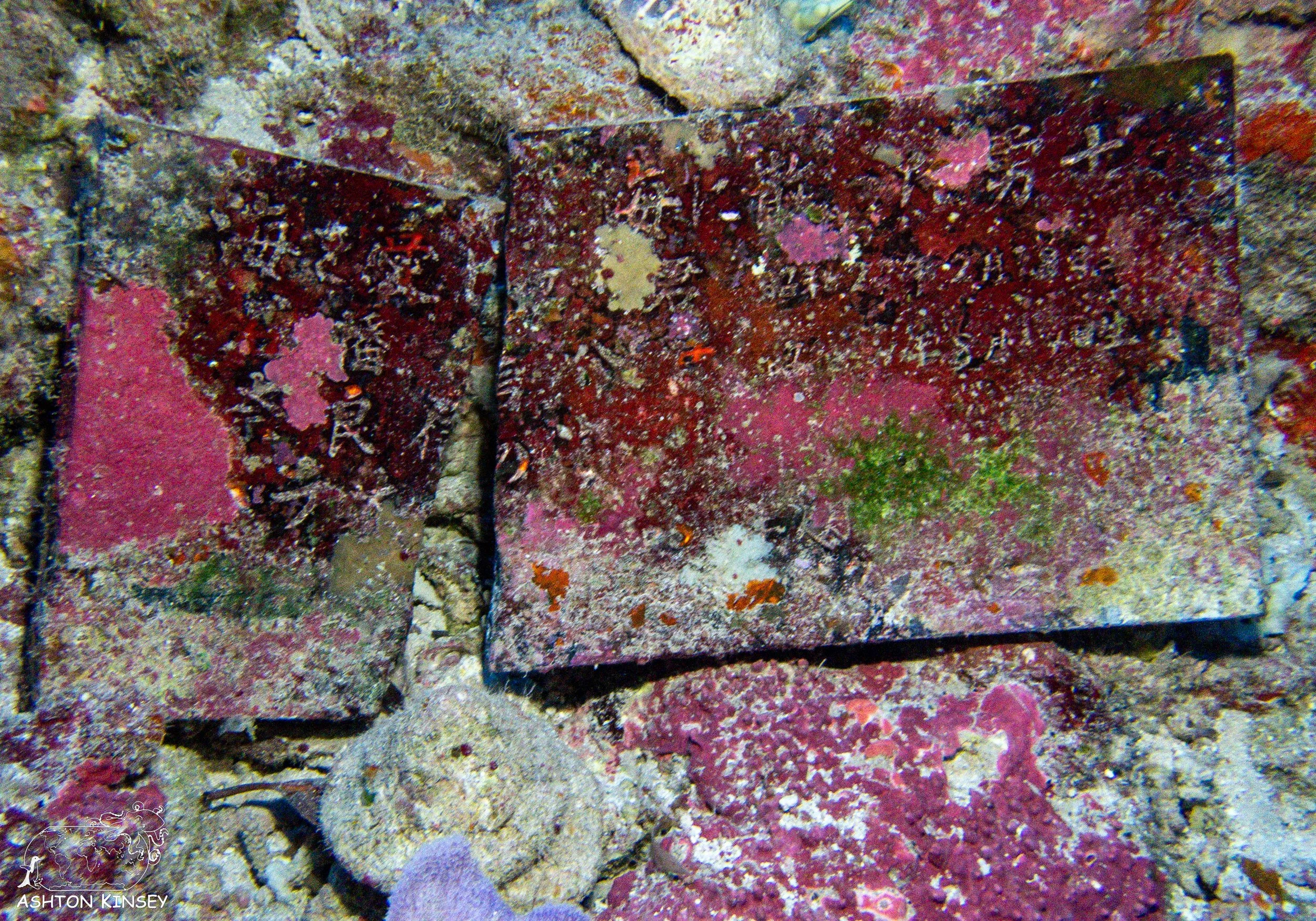
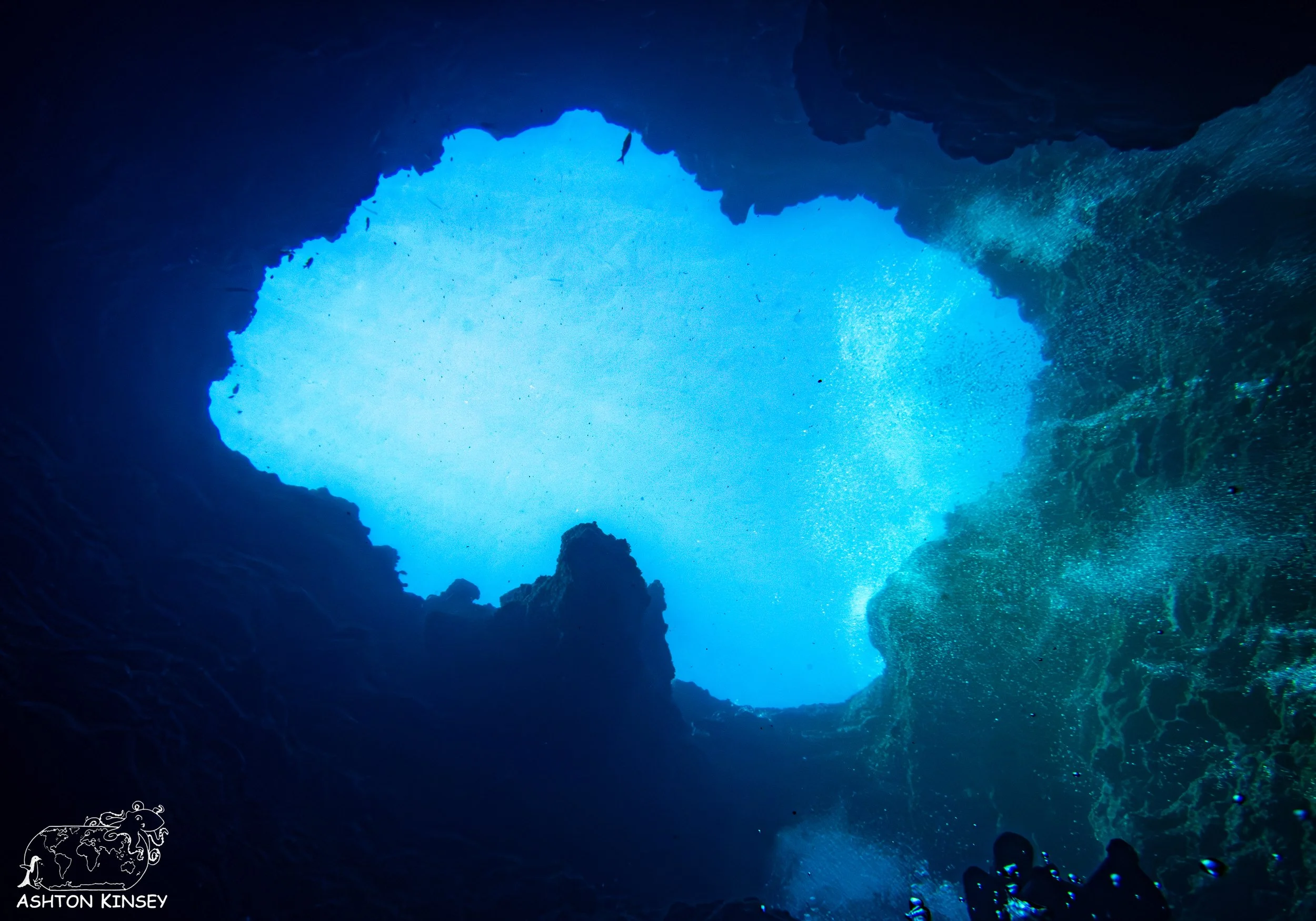
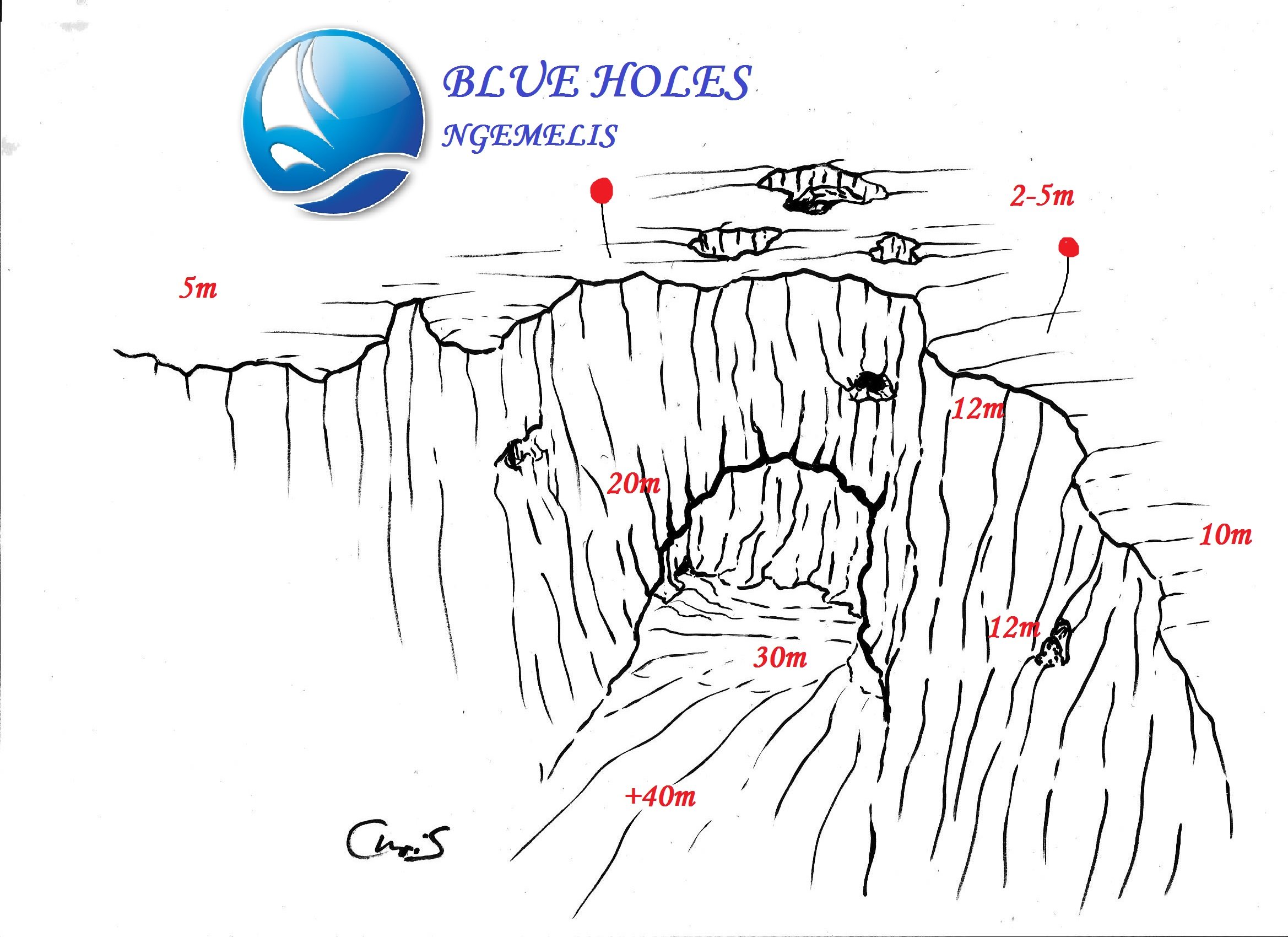
This site is a large cavern with multiple holes in the ceiling that allows for cool light beams into the cavern. Due to the massive size of the cavern several divers can be inside at a time without bumping into each other with space to explore. The cavern has a bottom depth of roughly 85 feet, with gentle slopes leading further down and out into the ocean. Along the left side of the cavern there is a small opening for a cave system at the bottom. This is the opening for the Temple of Doom which is off limits for everyone without the proper training. Several inexperienced divers have lost their lives while attempting to explore the cave and a small plaque sits opposite of the entrance with their names.
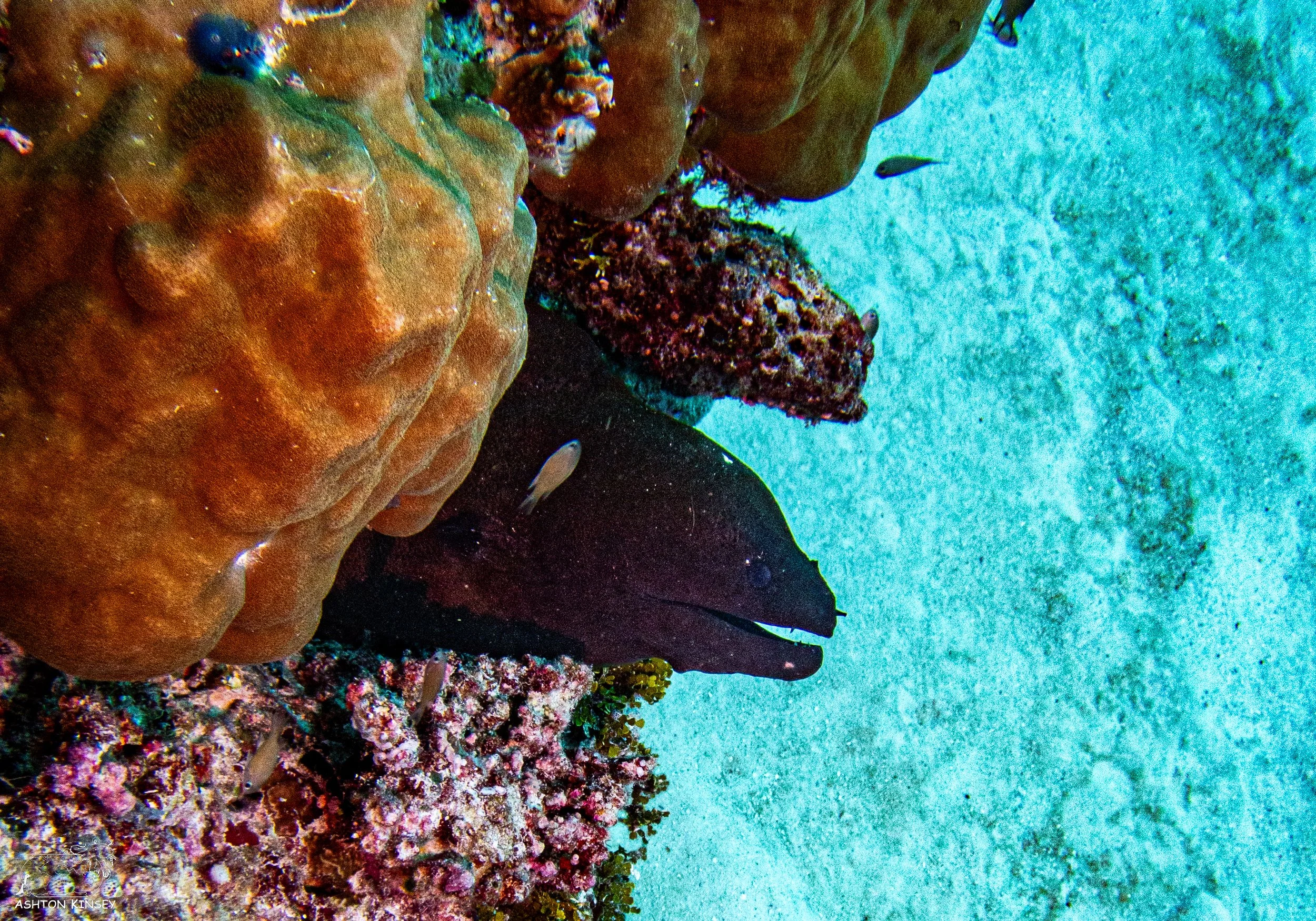
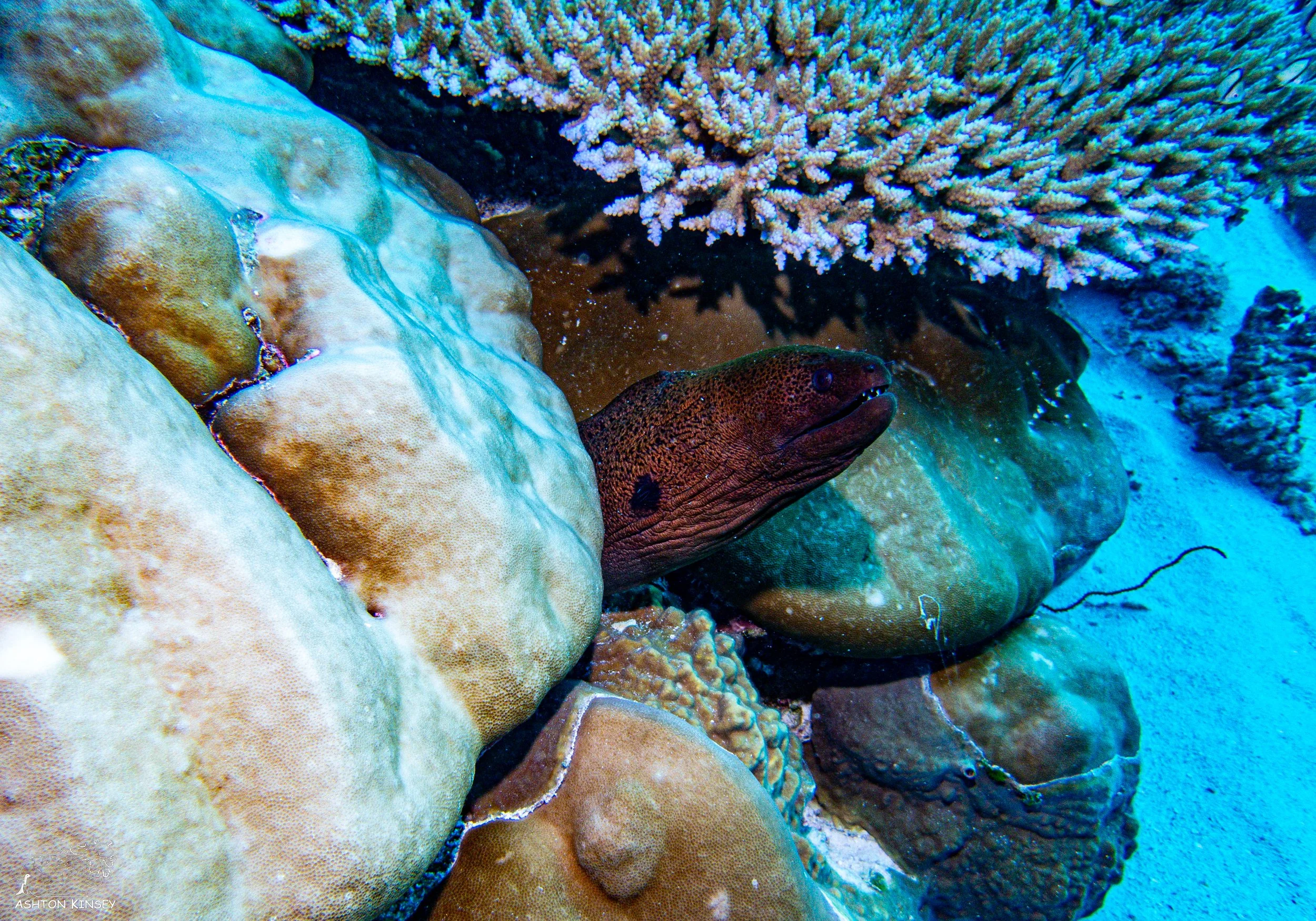
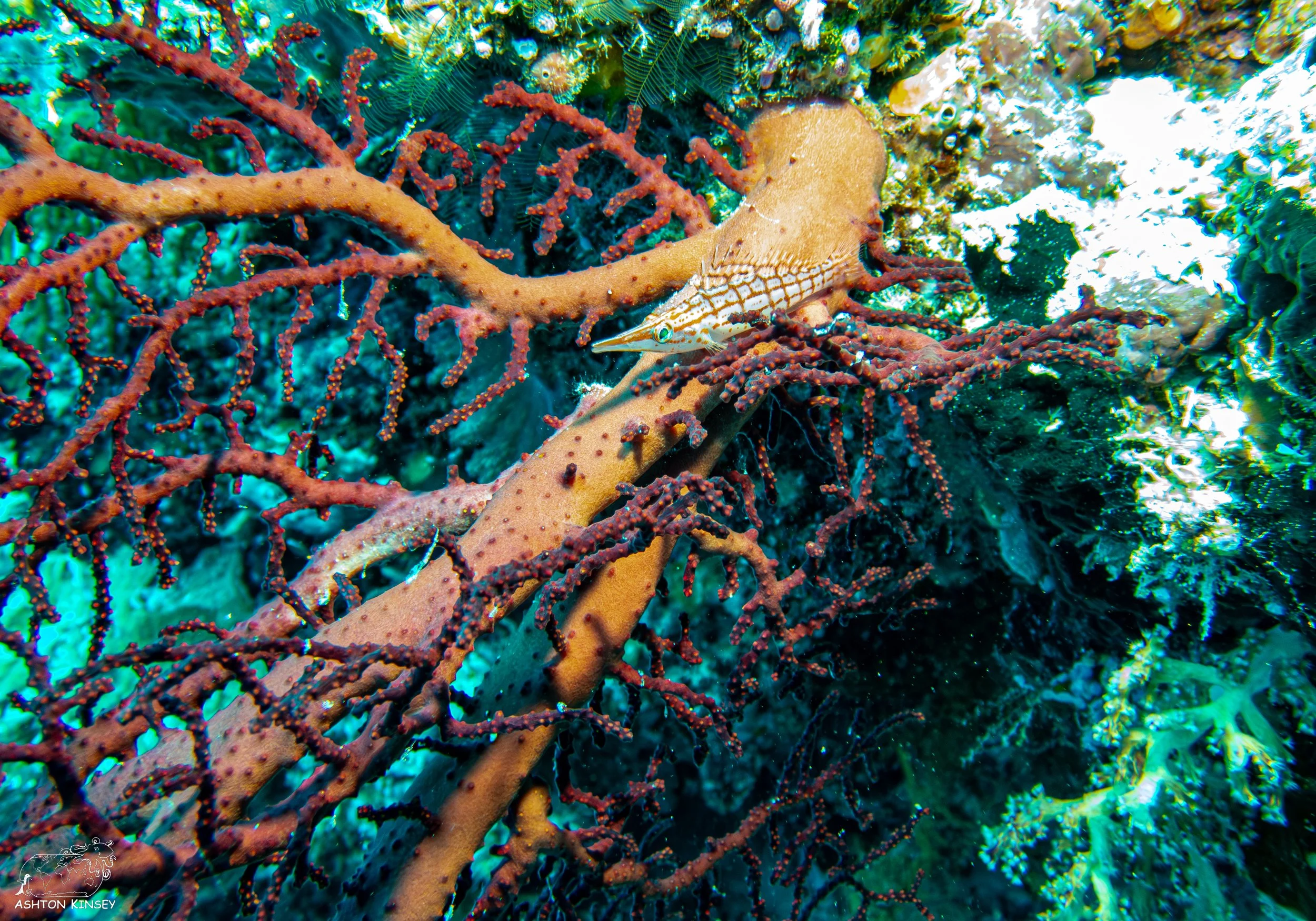
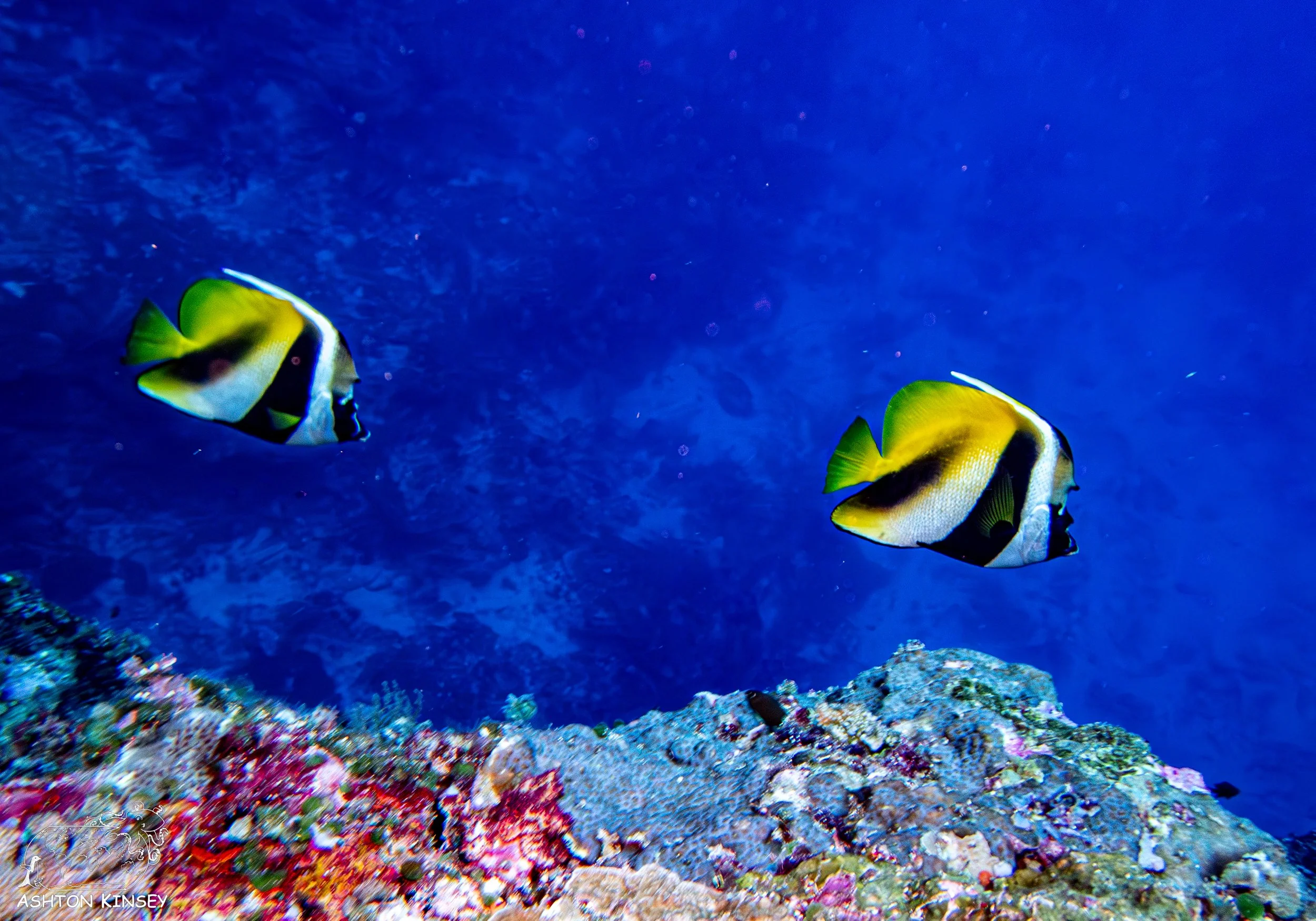
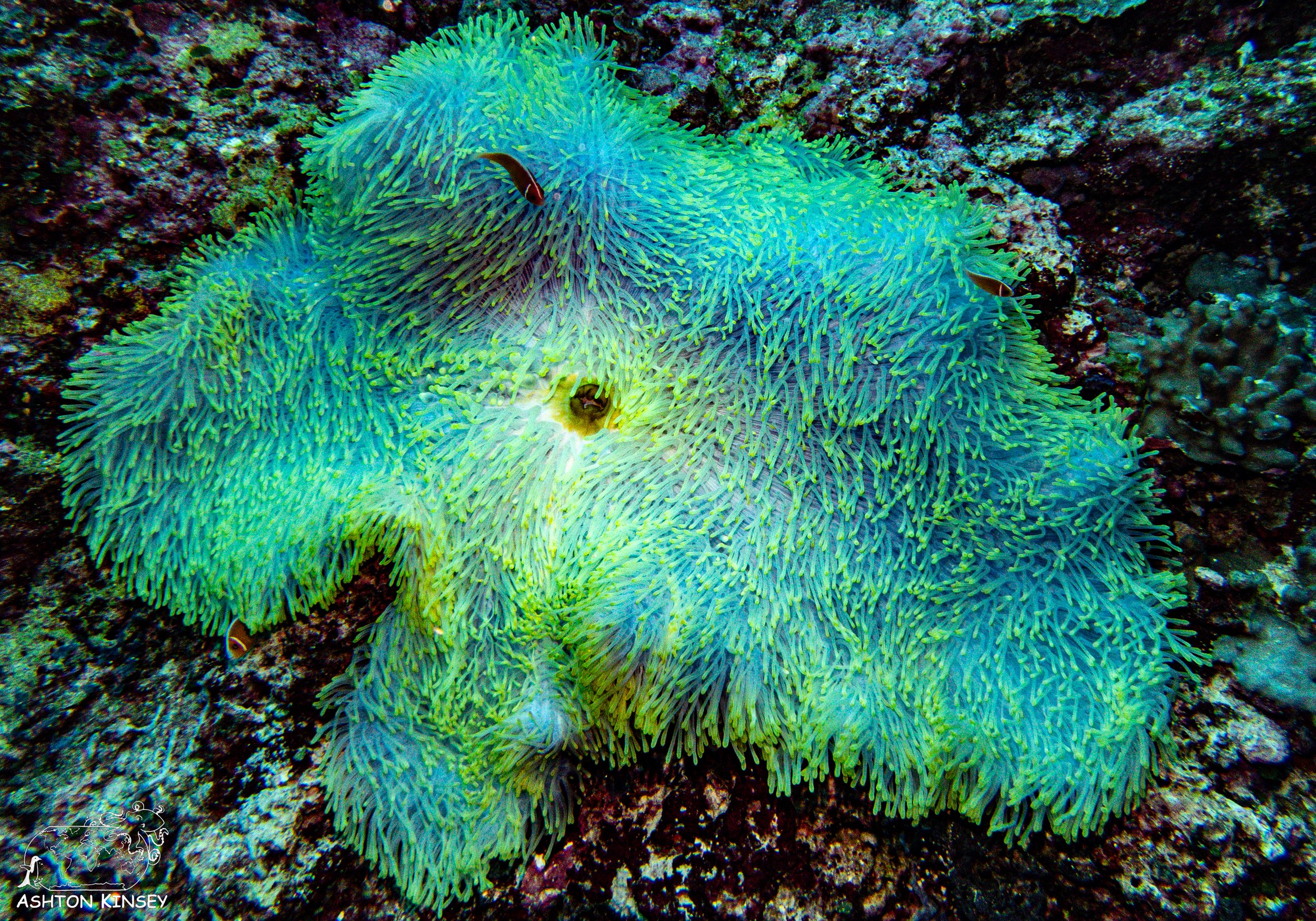
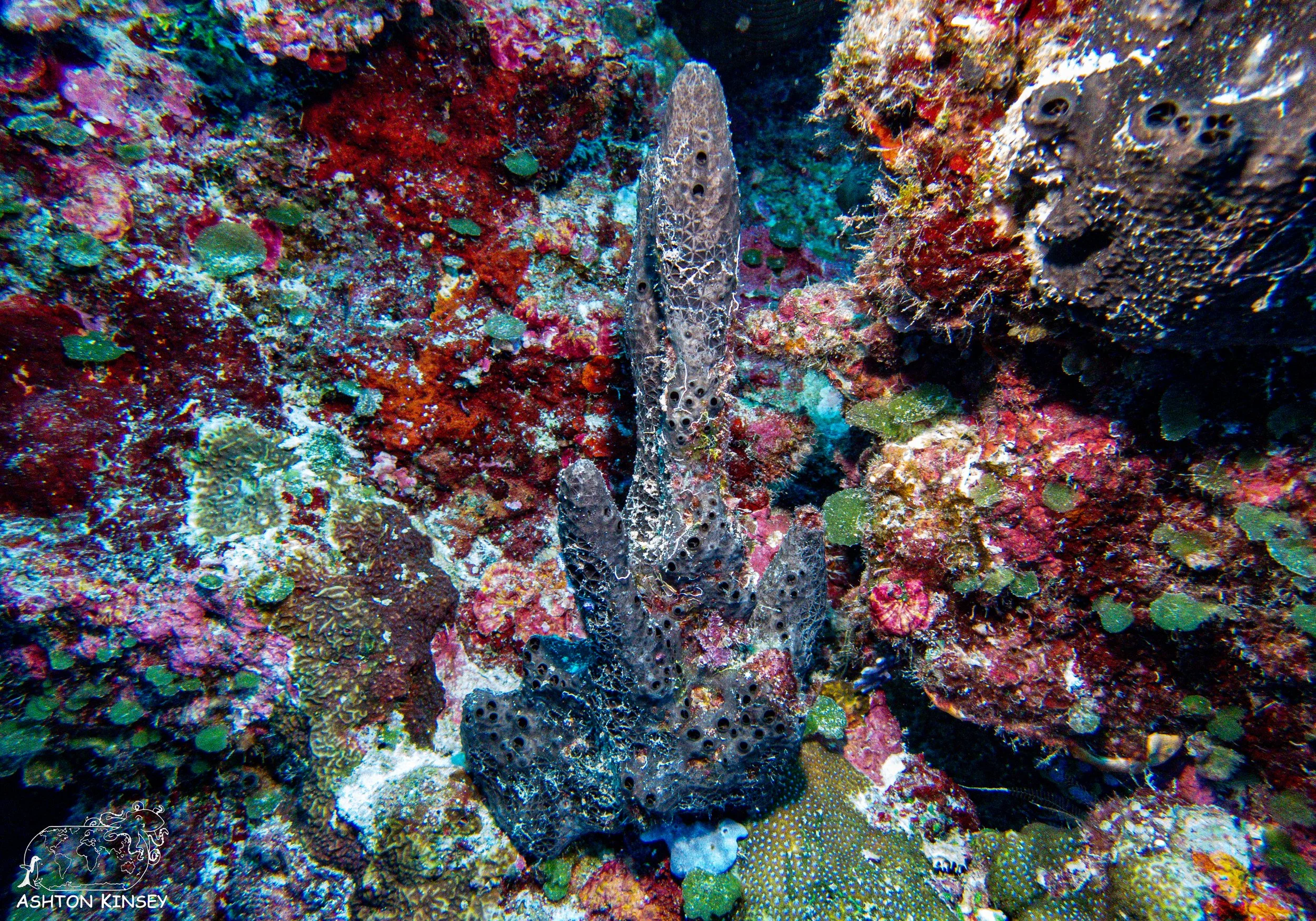
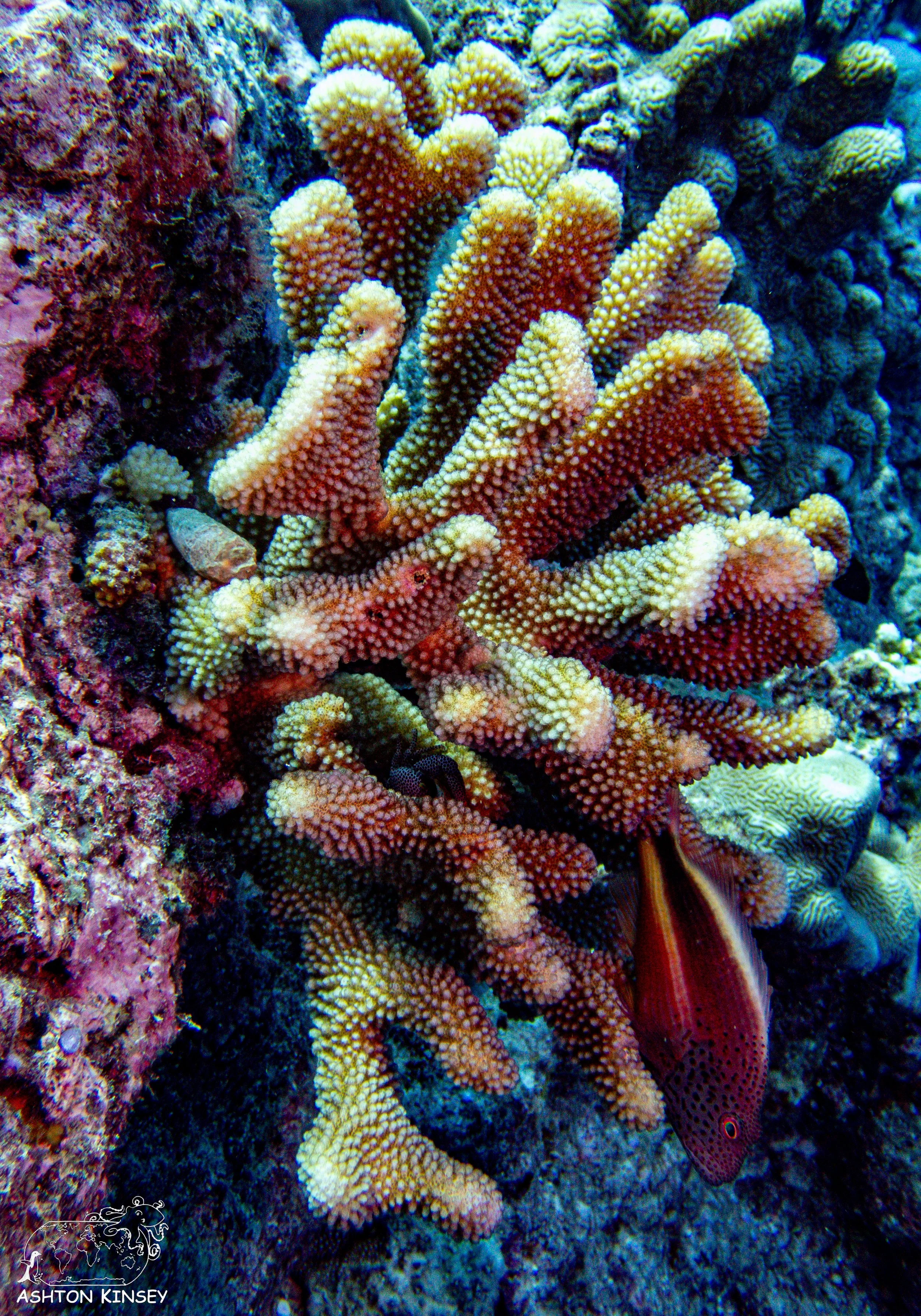
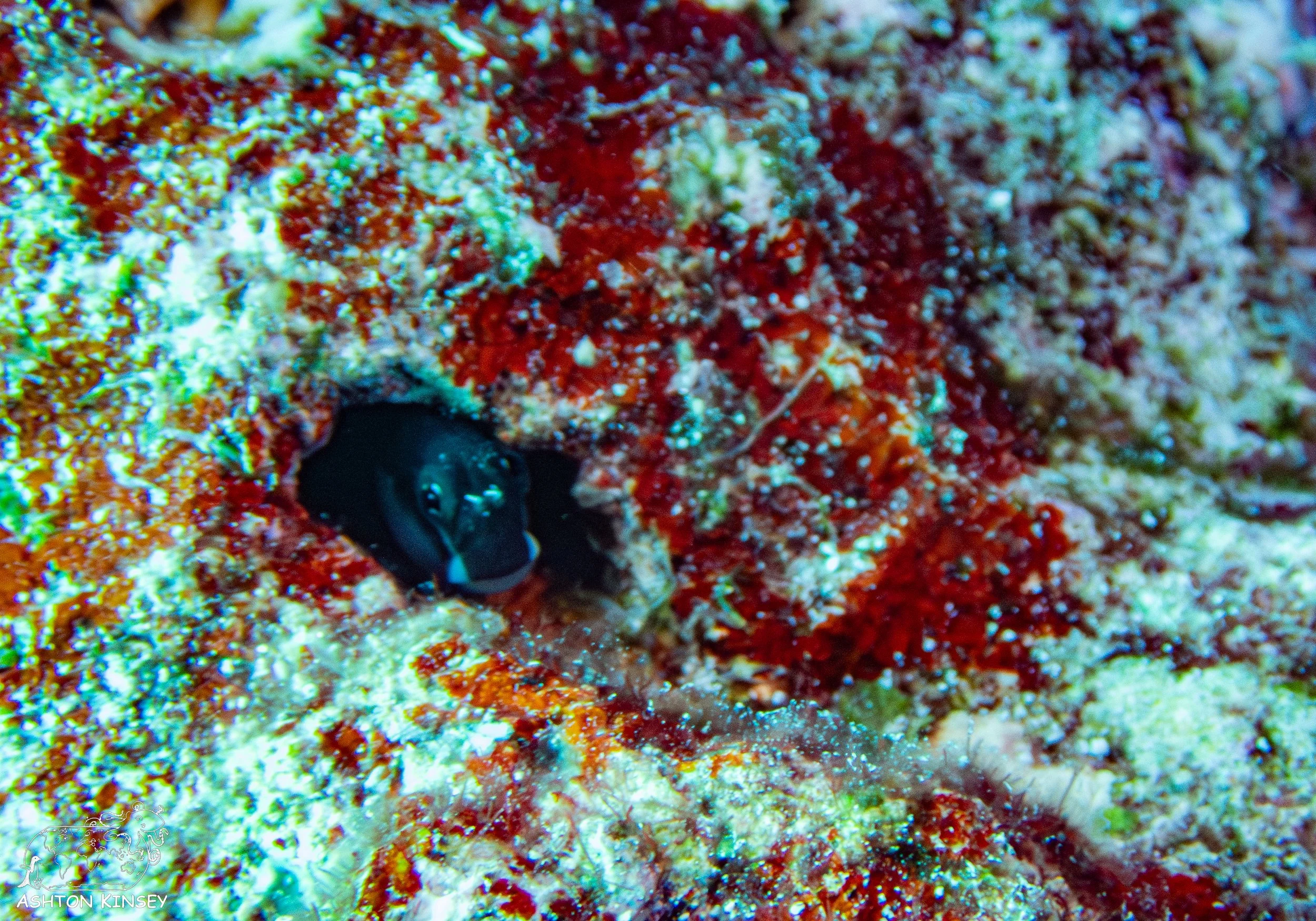
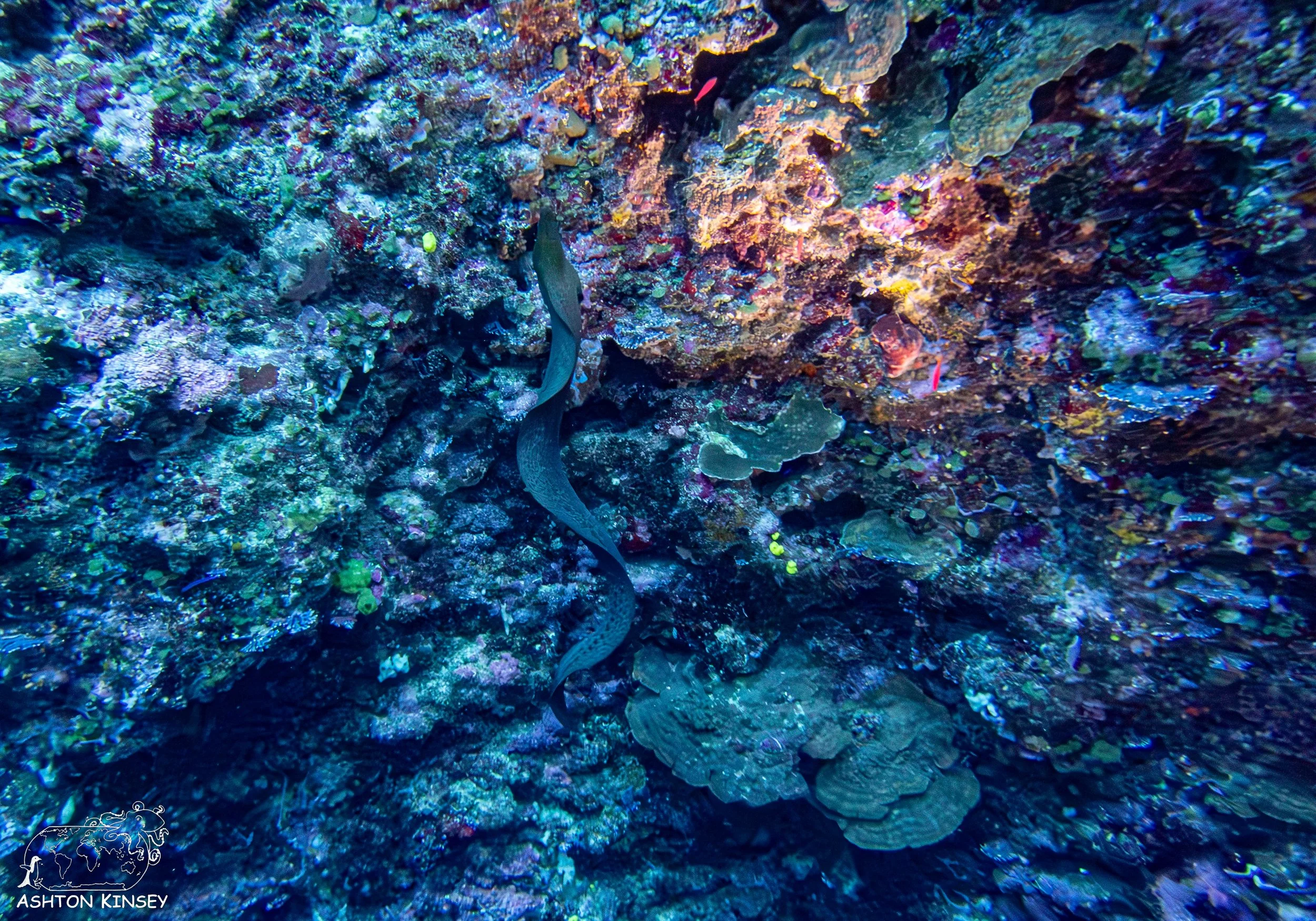
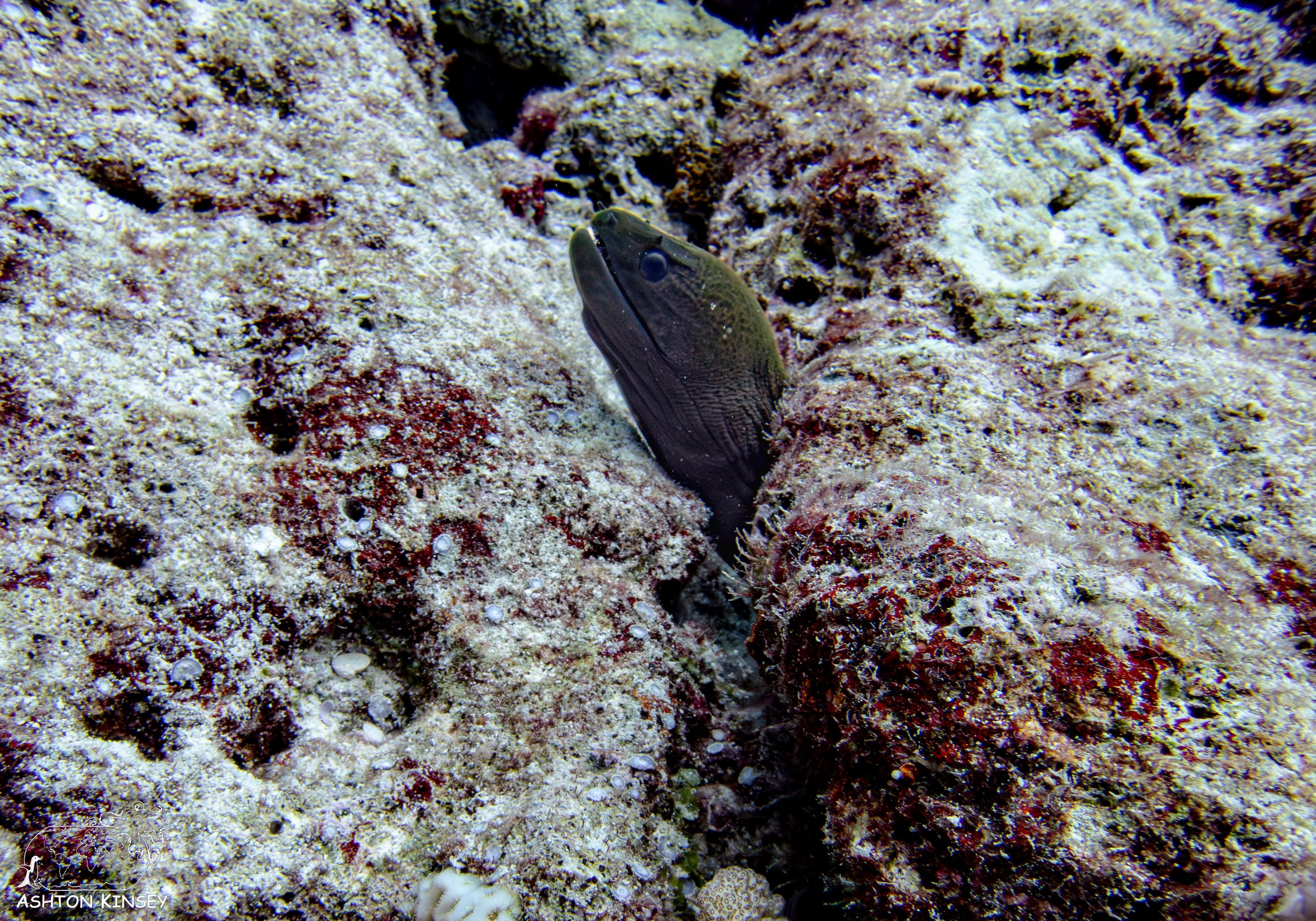
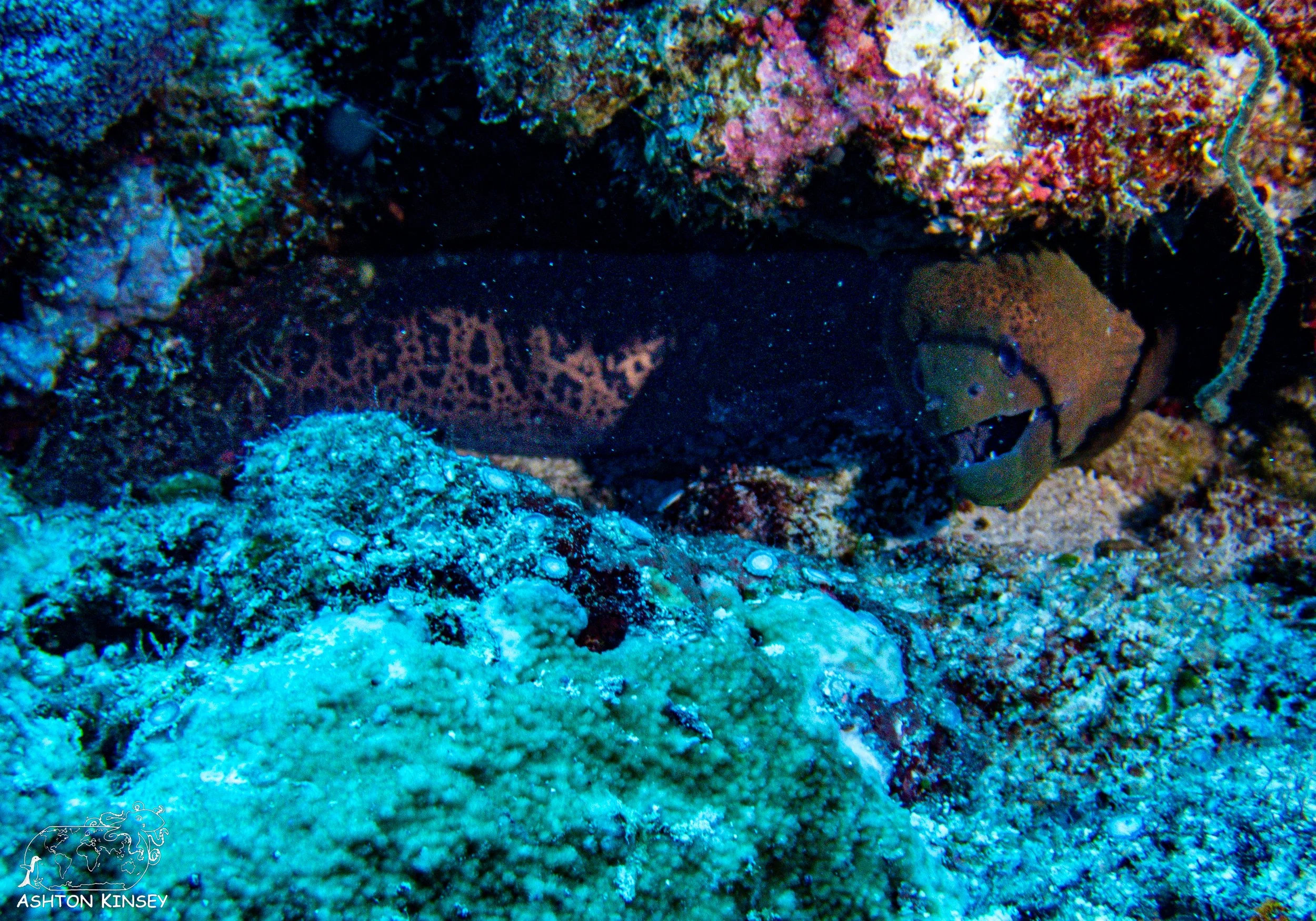
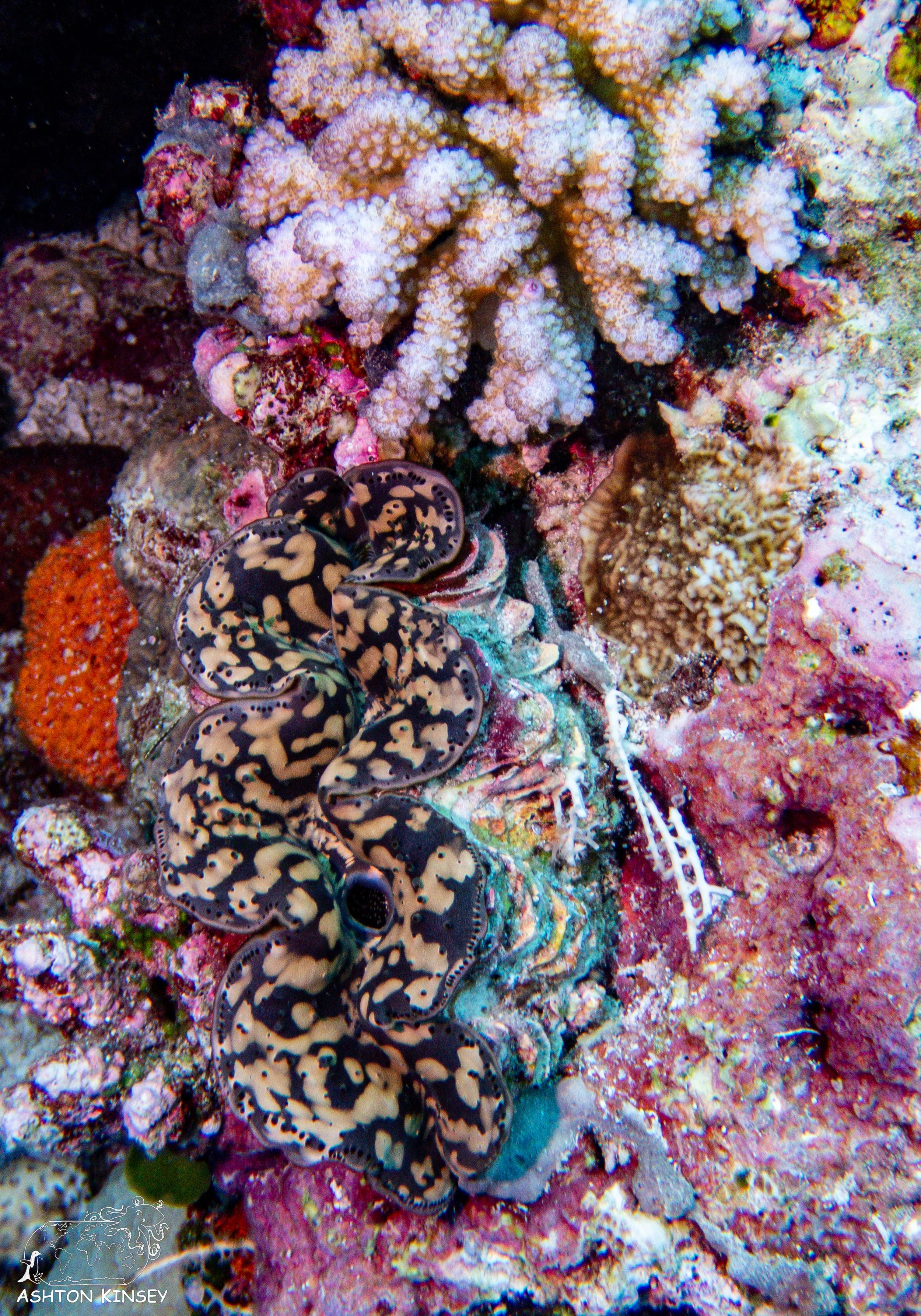
In the nooks and crevasses of the cave there are plenty of hidey holes for disco clams, crabs, moray eels, and several types of nudibranchs including the Grey Norse God nudie. Outside of the cavern it is possible to find Pygmy Seahorse on gorgonian coral as well as several other types of schooling fish. Outside along the wall there are vibrant soft and hard corals.
New Drop Off
Dive 28: 70’ for 66 Min
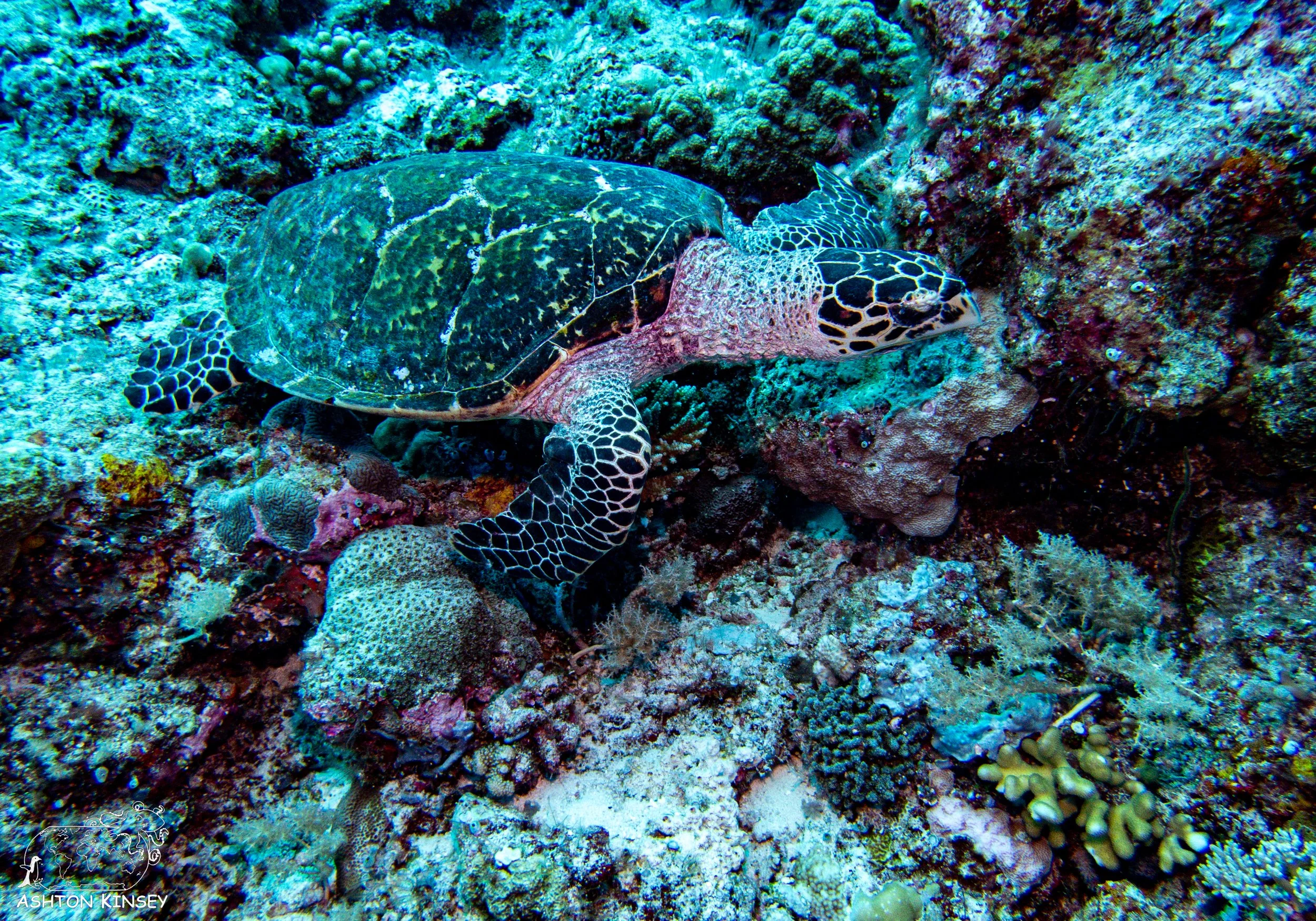
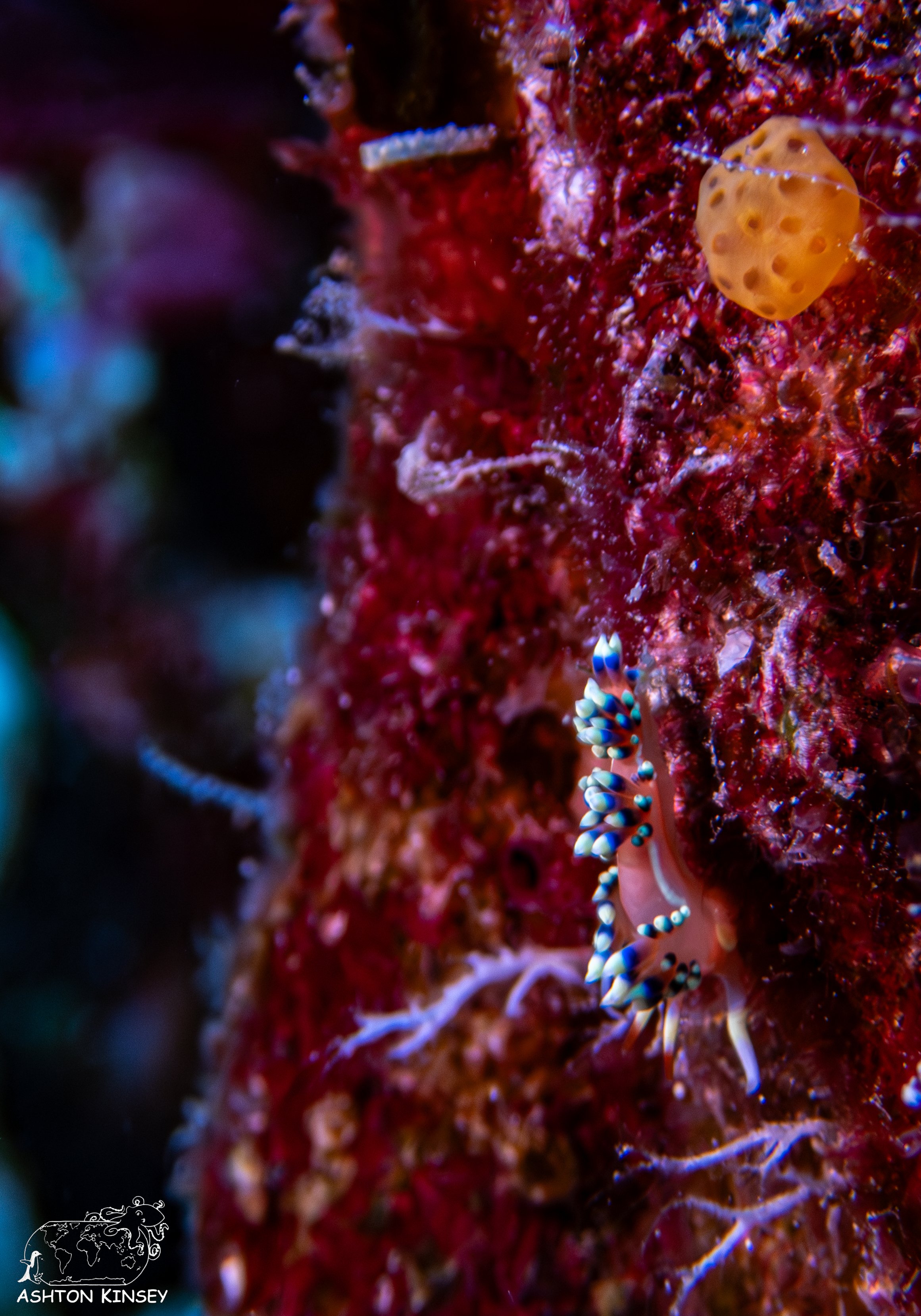
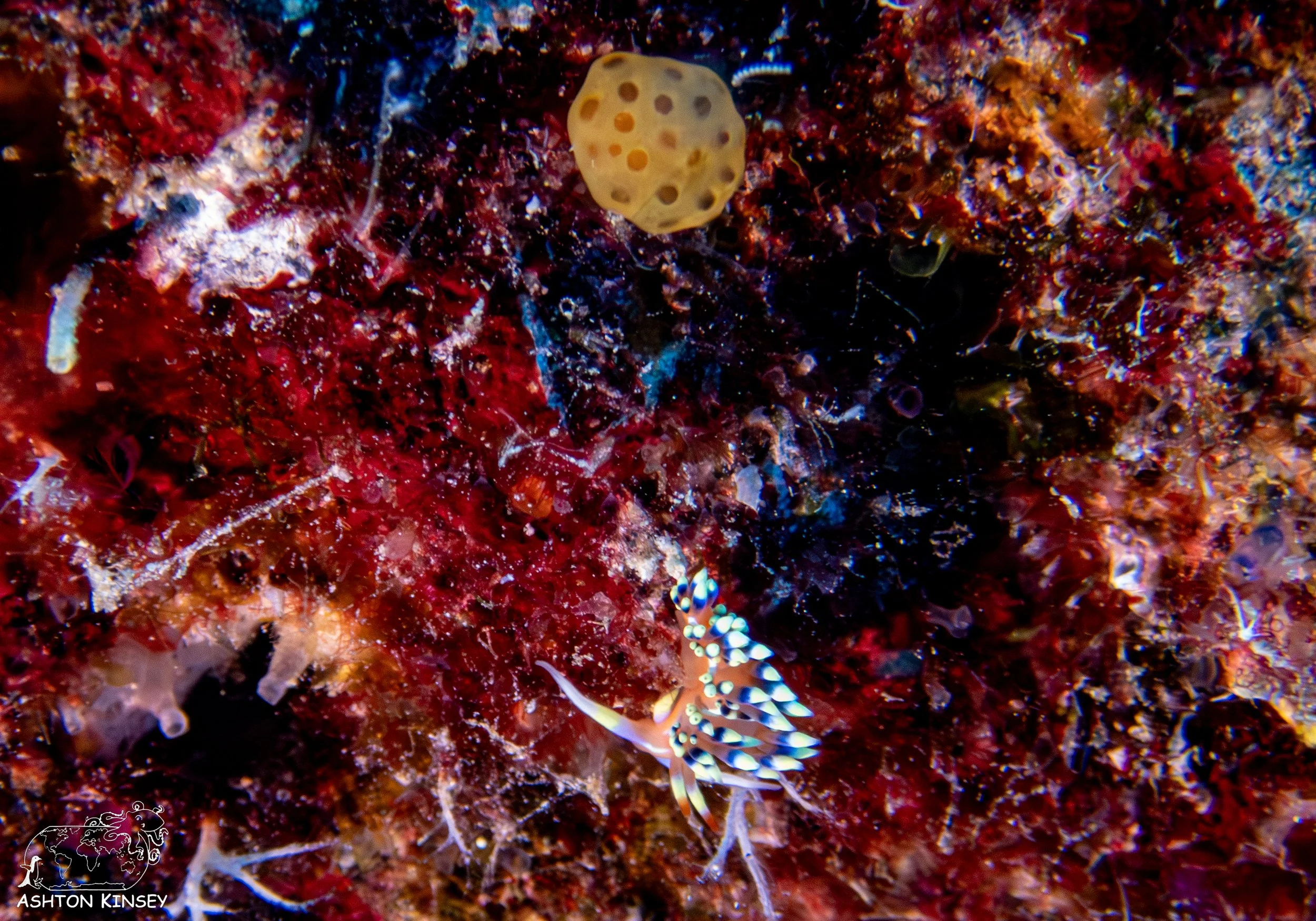
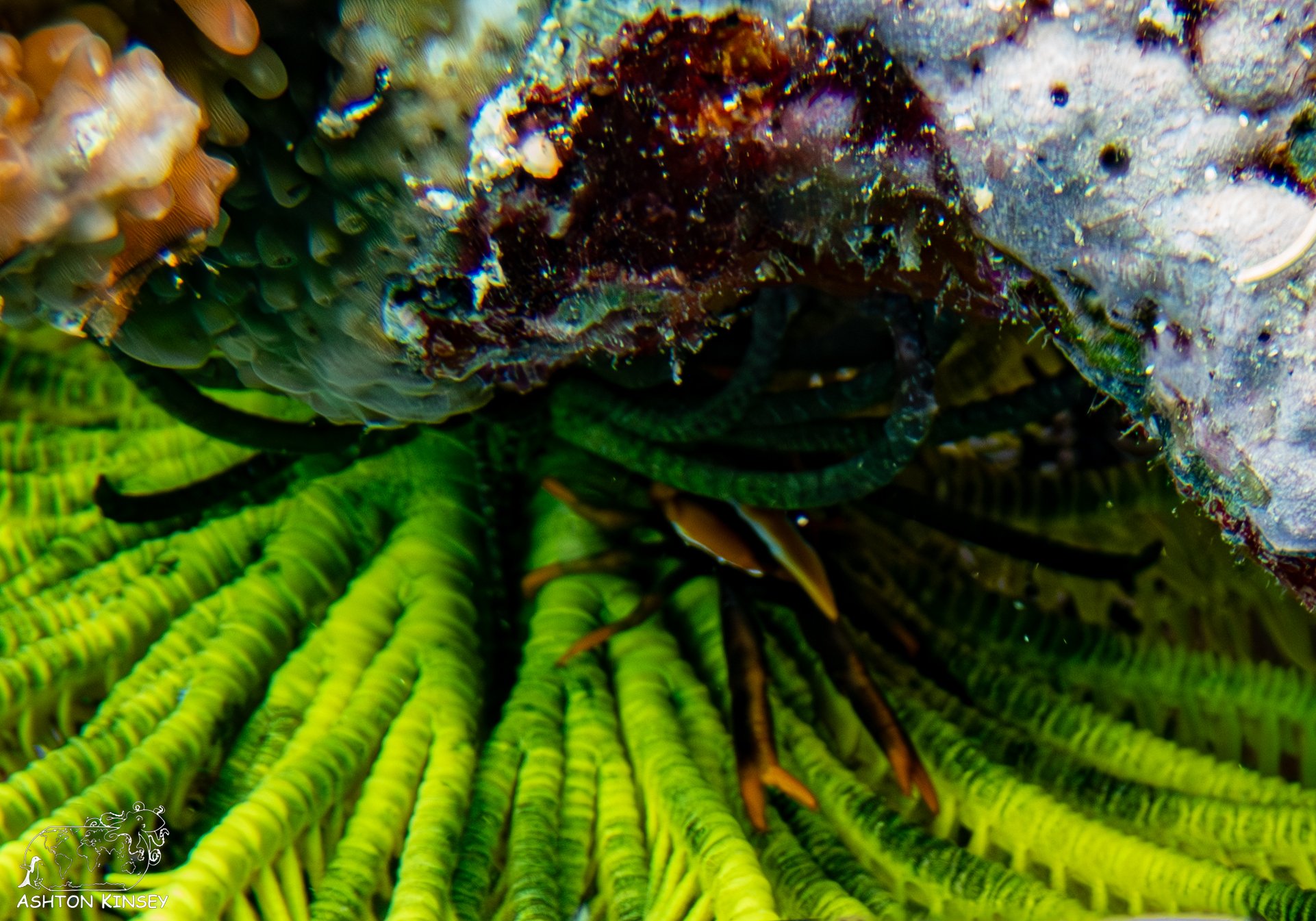
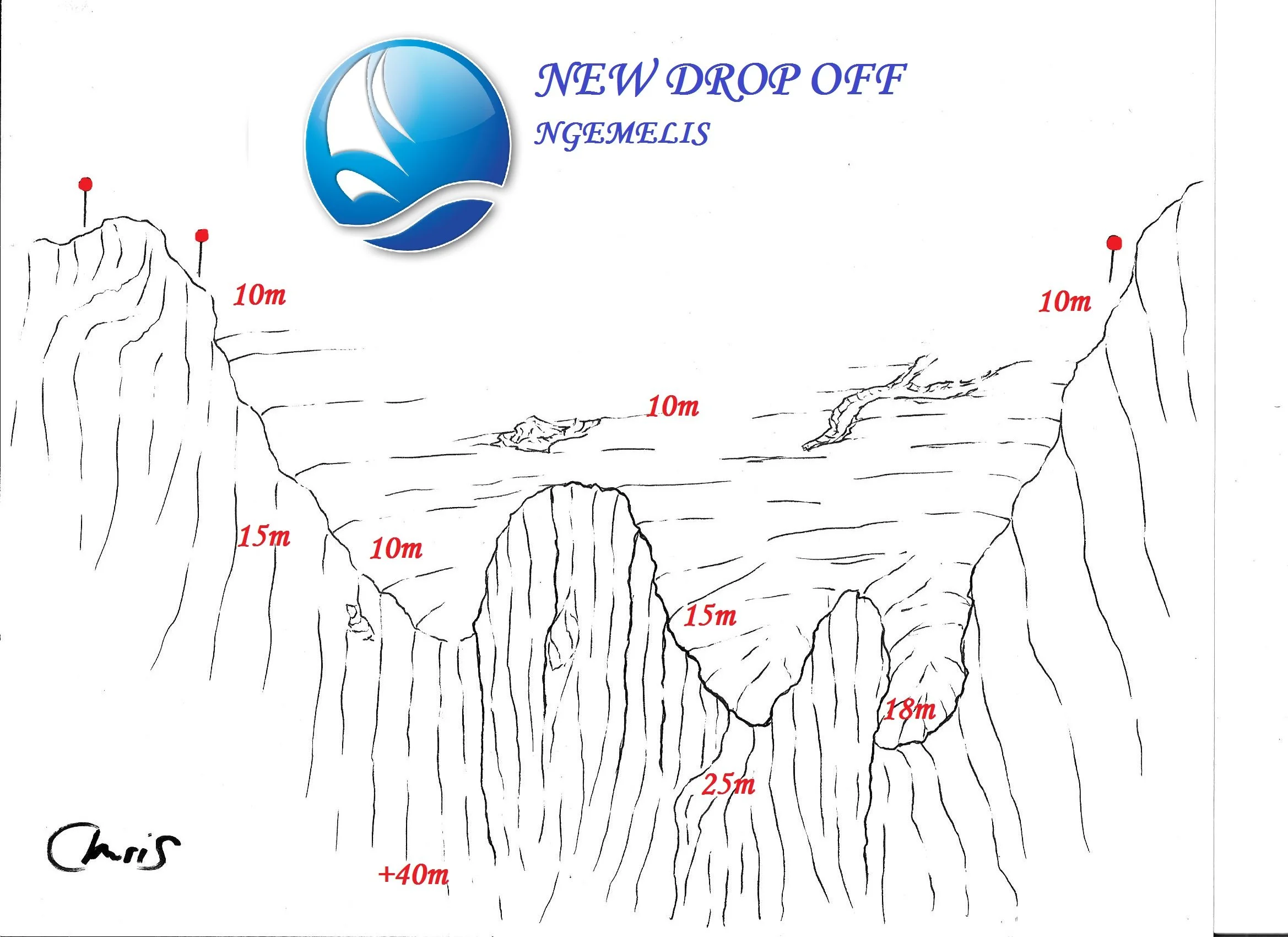
This was a relaxing, slow-paced dive near the entrance of the German Channel. There is a cutout with a steep wall that slopes down to a small plateau around 75’ that often has a cleaning station for sharks. Most of the common sea life can be found here, with leaf scorps and octopus hiding in the soft corals up top. There is a chance for “downward death currents” so good buoyancy control is important and it is best to stay out of cut so that you don’t scare off sharks in the cleaning station.
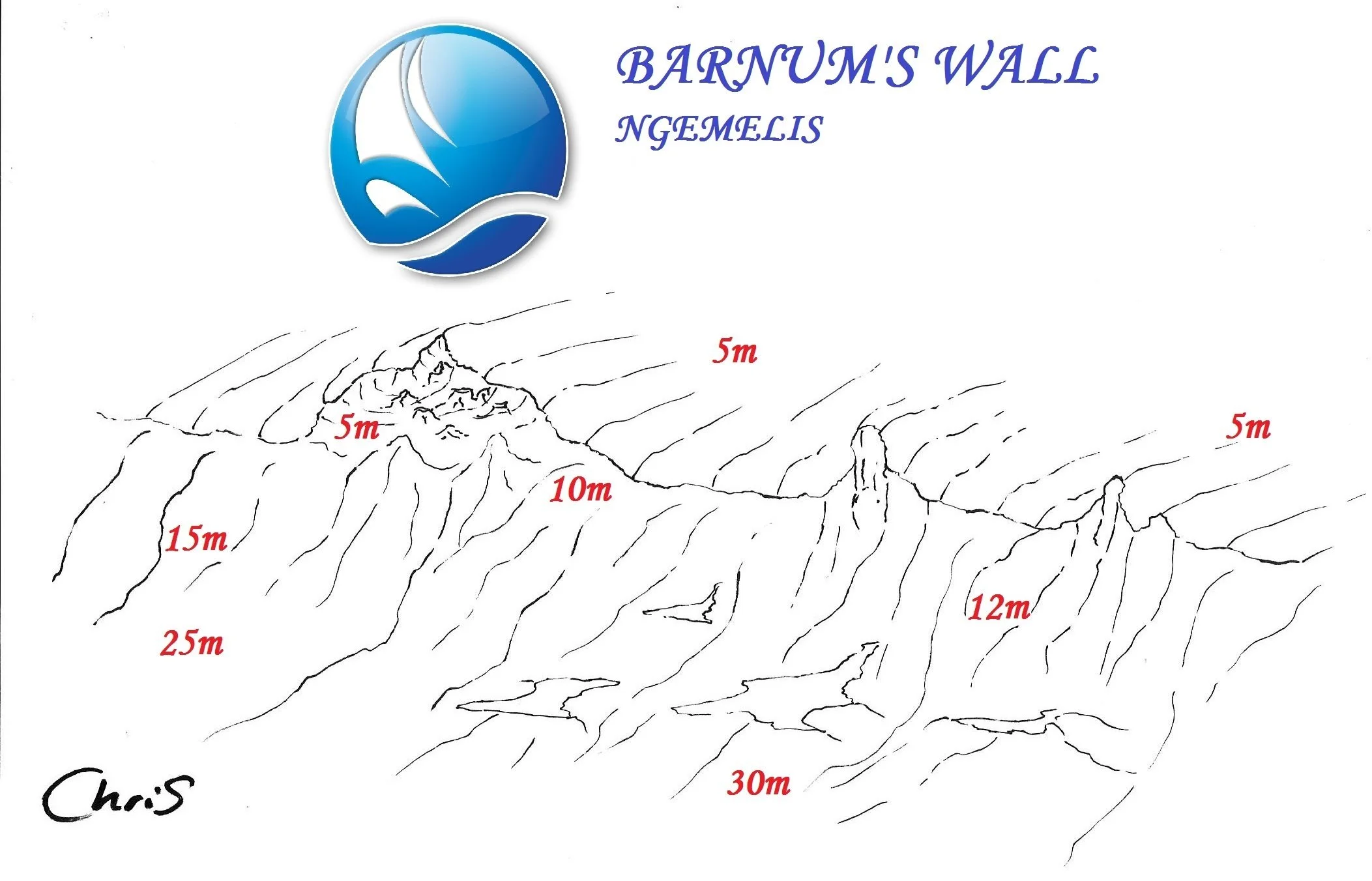
Barnum’s Wall
Dive 29: 72’ for 63 Min
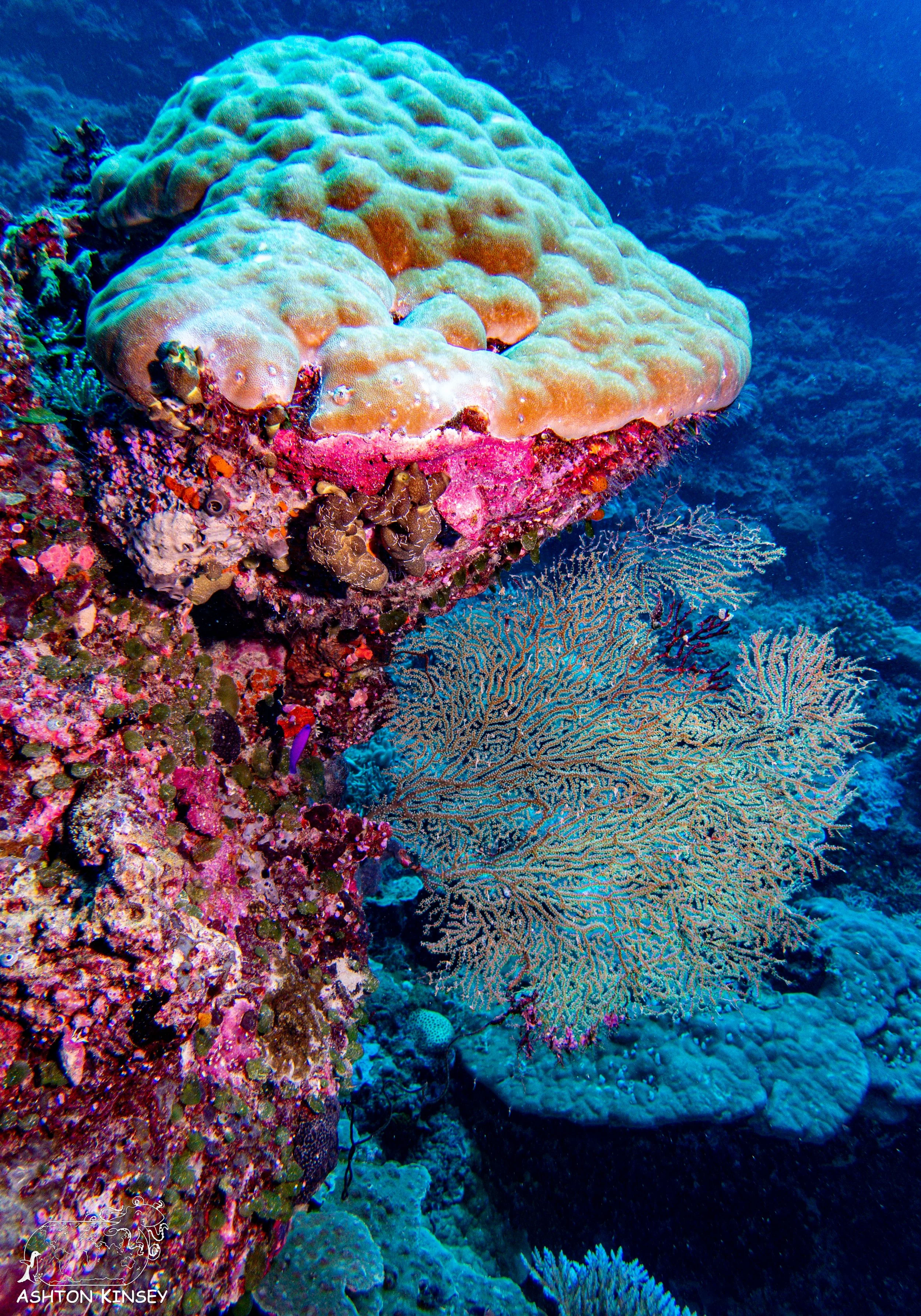
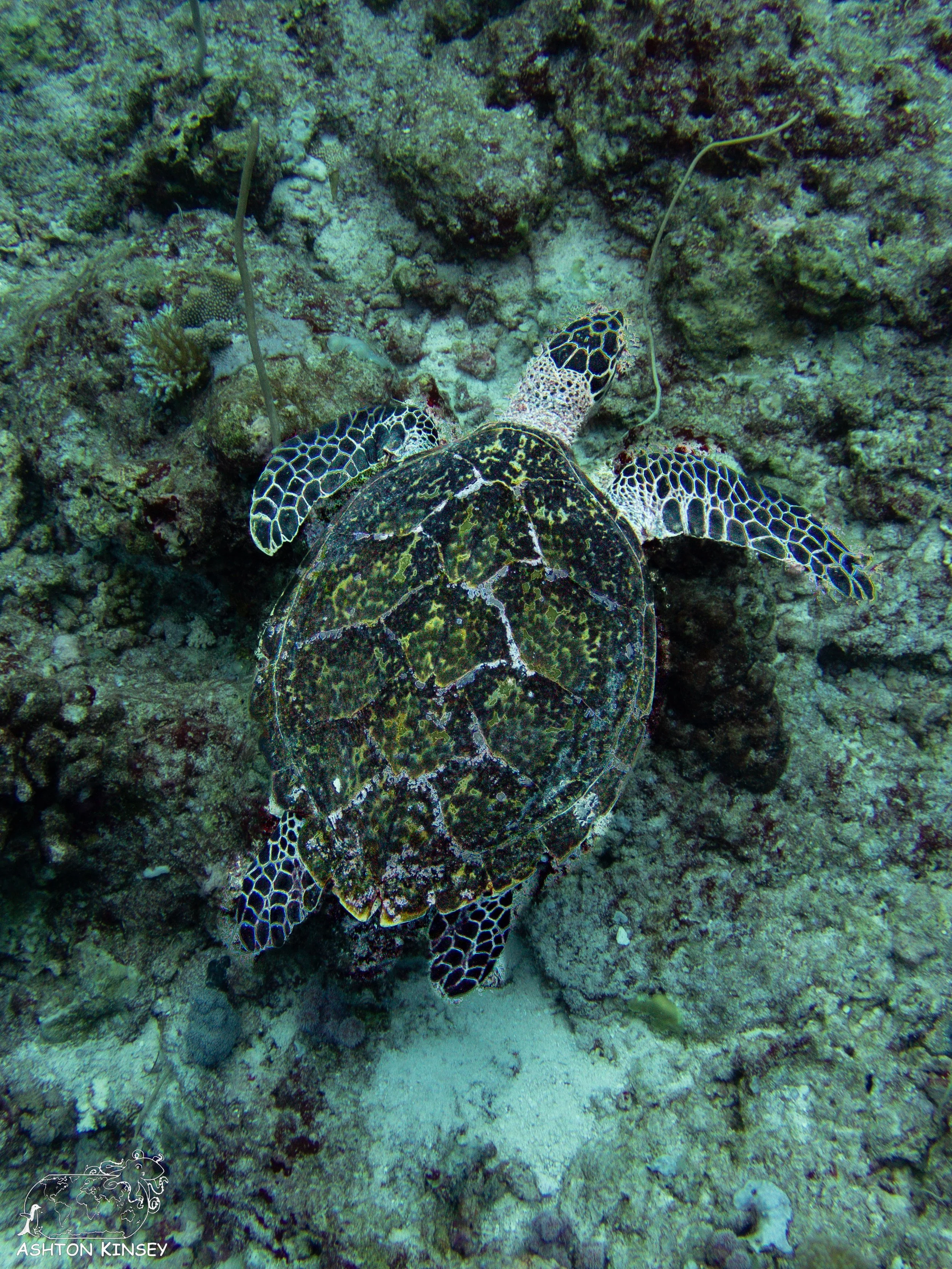
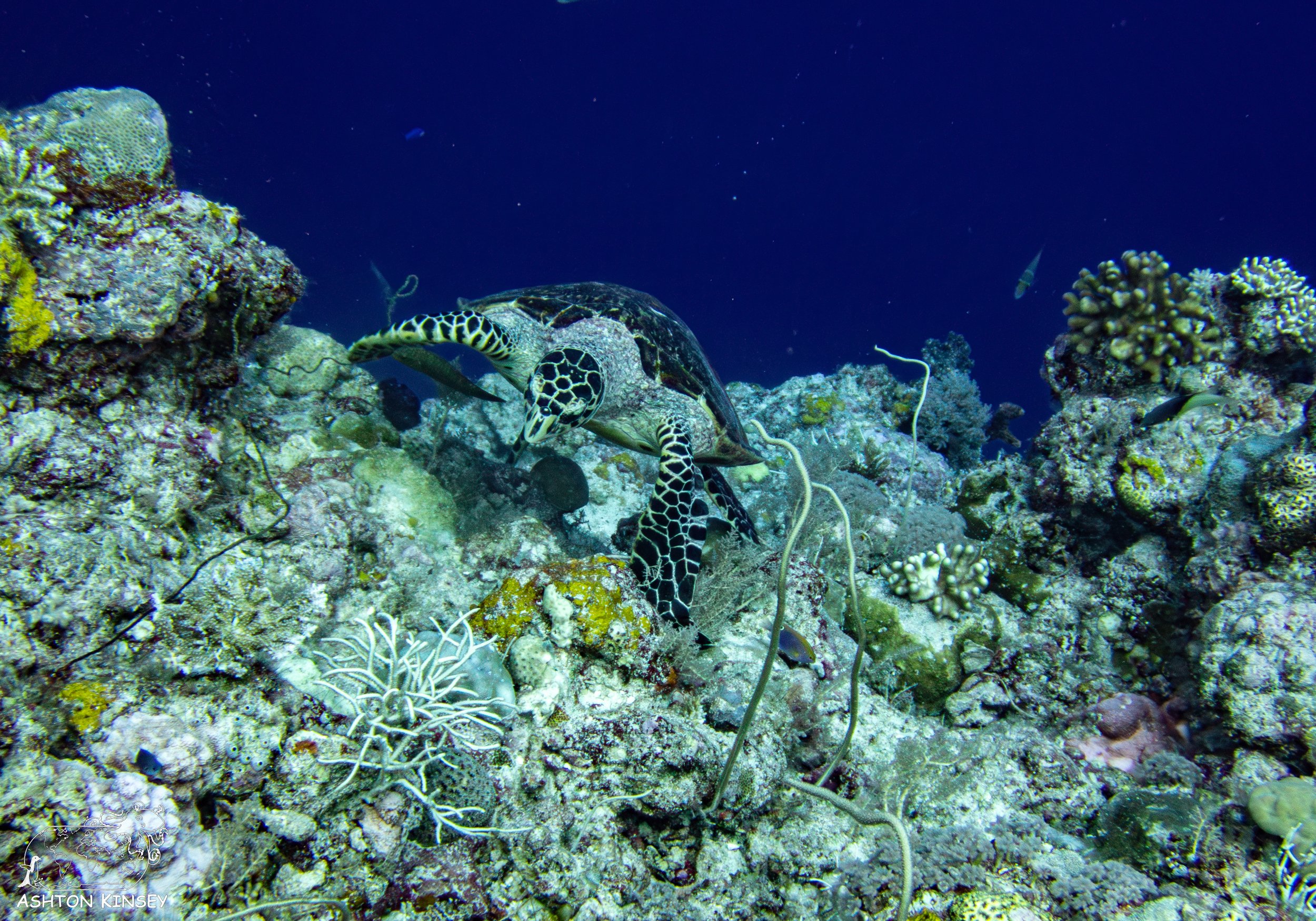
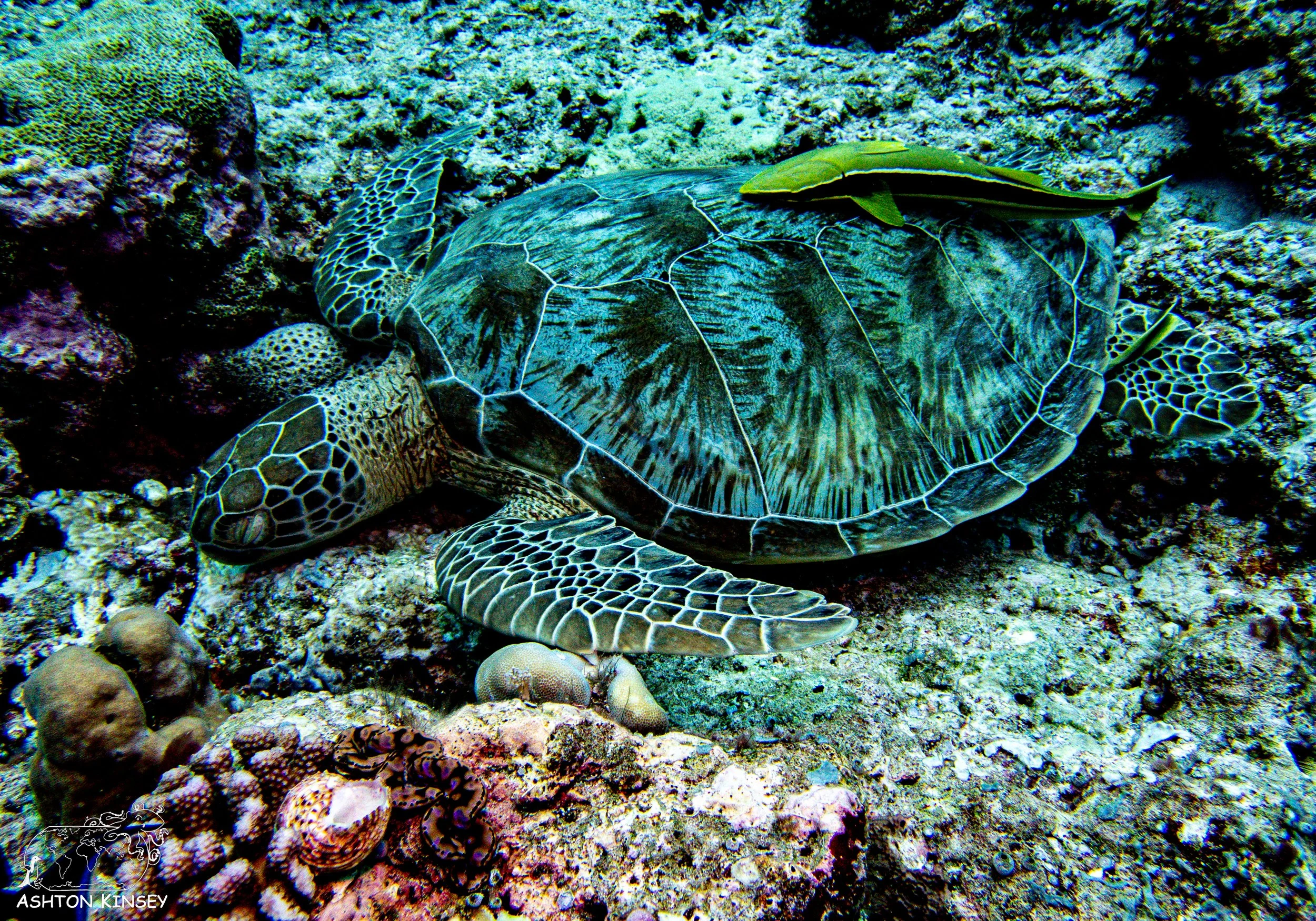
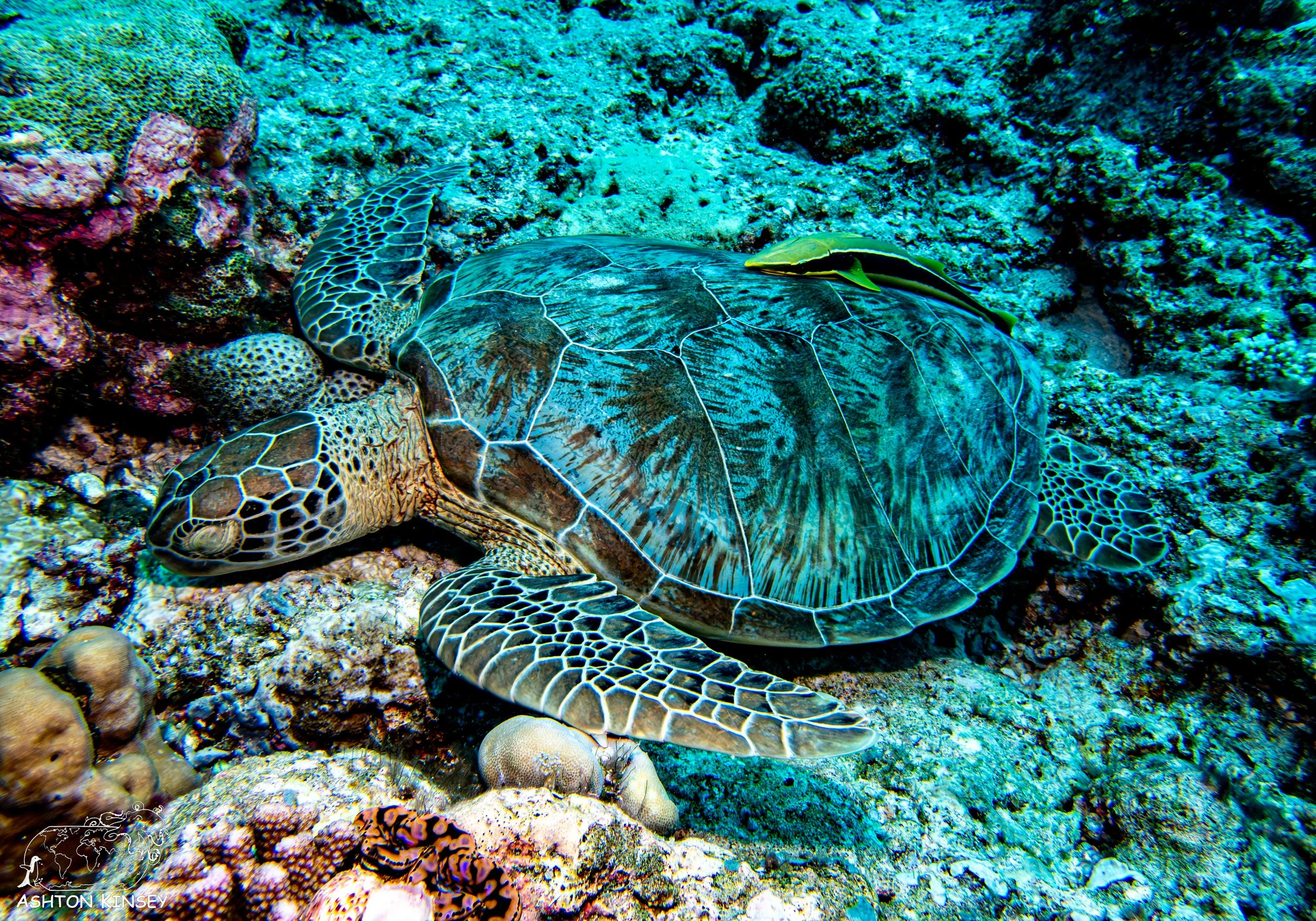
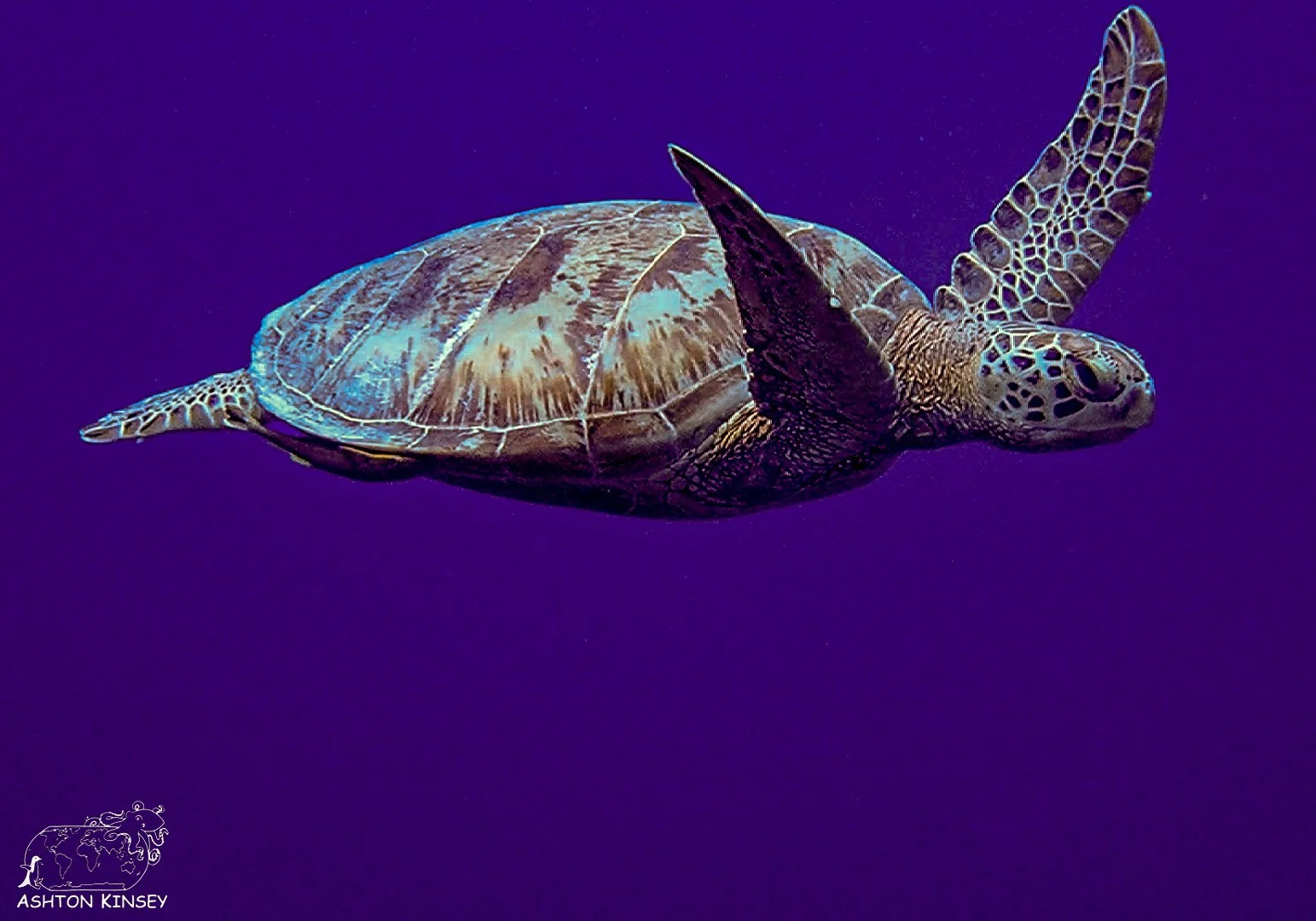
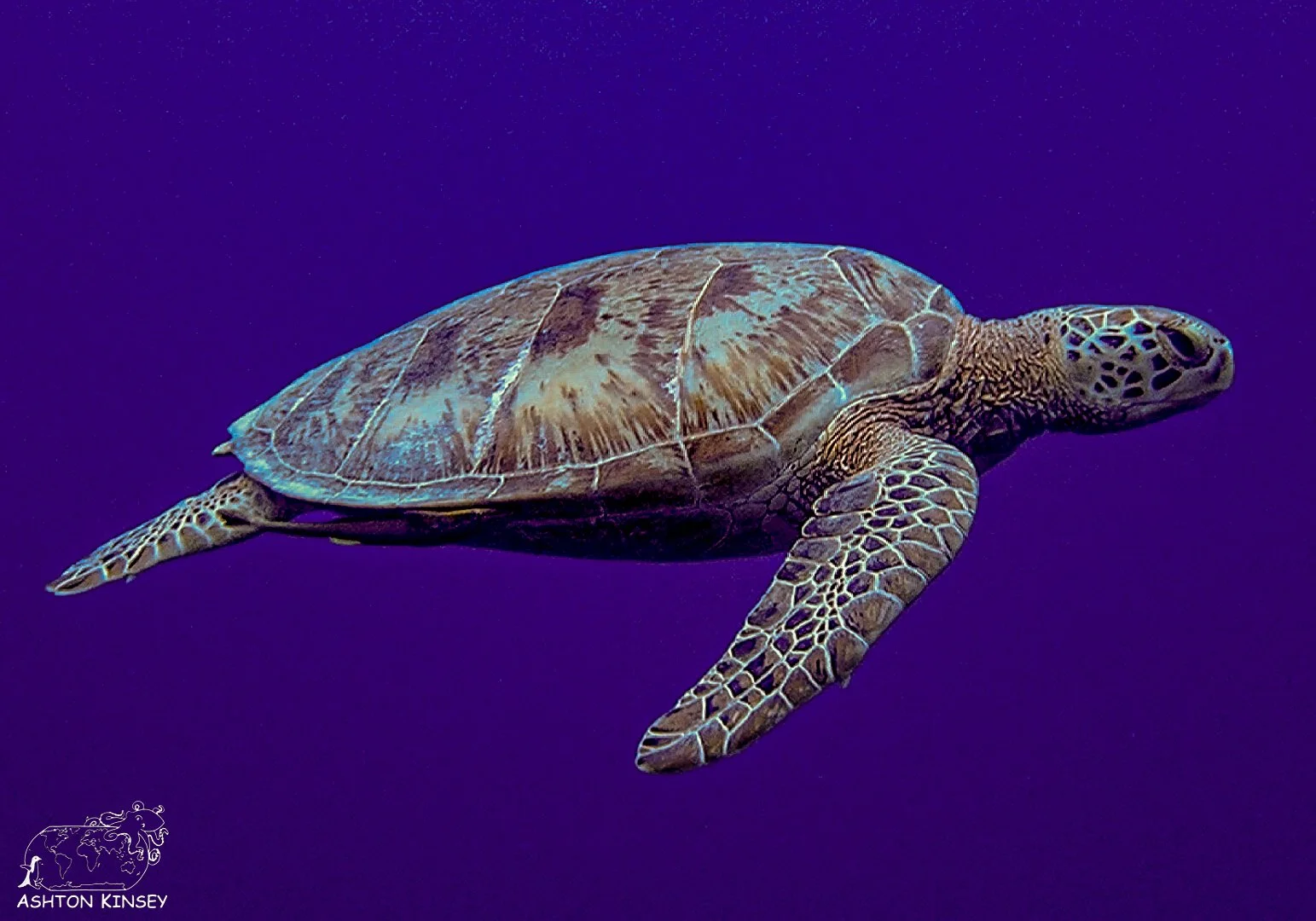
This was a relaxed, typical reef dive near the German Channel, featuring a mix of sloping areas and a steep wall opposite the Big Drop Off. The site is home to leopard sharks resting on sandy slopes and hawksbill sea turtles, often found resting in cracks along the wall. Schools of jacks and barracudas are commonly seen, with occasional aggregations of black snappers in the shallows. Gray reef sharks and white tip sharks can also be spotted here.
Peleliu
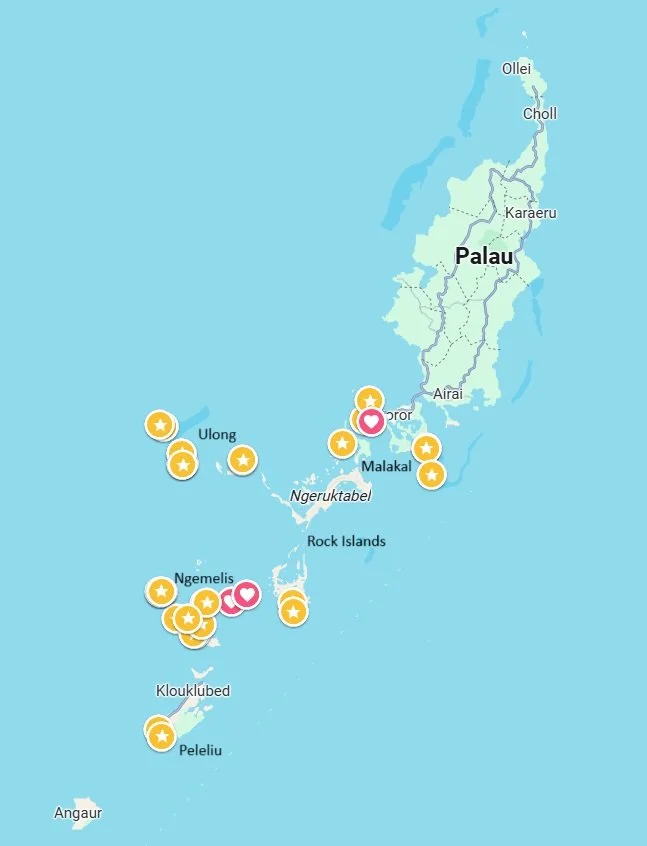
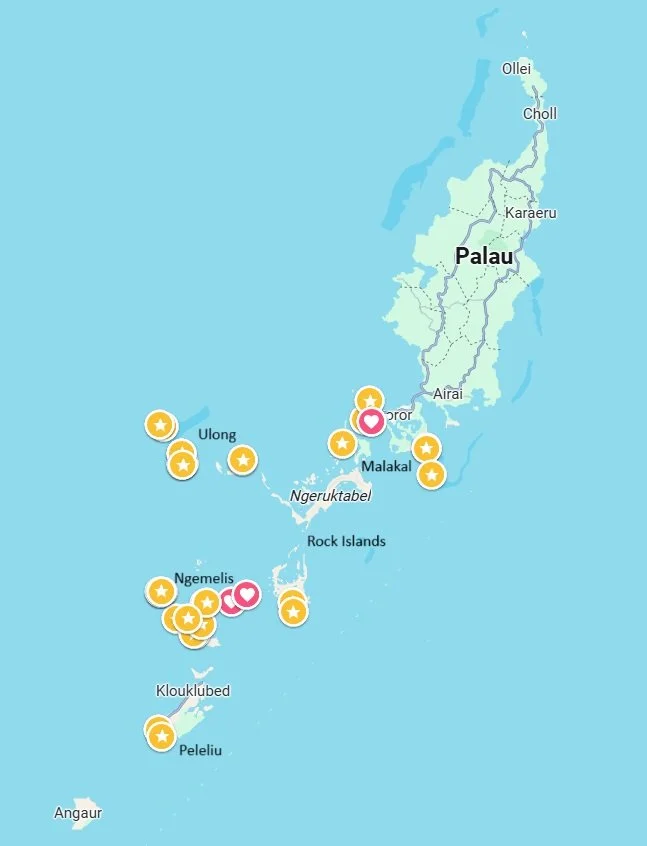
Peleliu is one of the southernmost islands of Palau and is roughly 3 miles wide and 7 miles long and currently has a population of around 500. Due to strategic advantages during WWII the Japanese came in and removed the natives from Peleliu and relocated them to Babeldaob, the largest island of Palau. Then over 10,000 Japanese soldiers began to excavate the natural caves and formations in the limestone and reinforced concrete bunkers. The Battle of Peleliu lasted from September 15th until November 27th 1944 with a loss of over 14,000 individuals, with most of the casualties being Japanese. It was a controversial battle due to the high loss of life and very limited strategic gains. During the war, Americans would find the entrance to caves and blast them shut or collapse the entrances in other means. After the war ended, many Japanese soldiers continued to hide in the caves cut off from the outside and years later were unaware that the battle ended.
Turtle Cove
Dive 21: 68’ for 62 Min Dive 23: 62’ for 55 Min
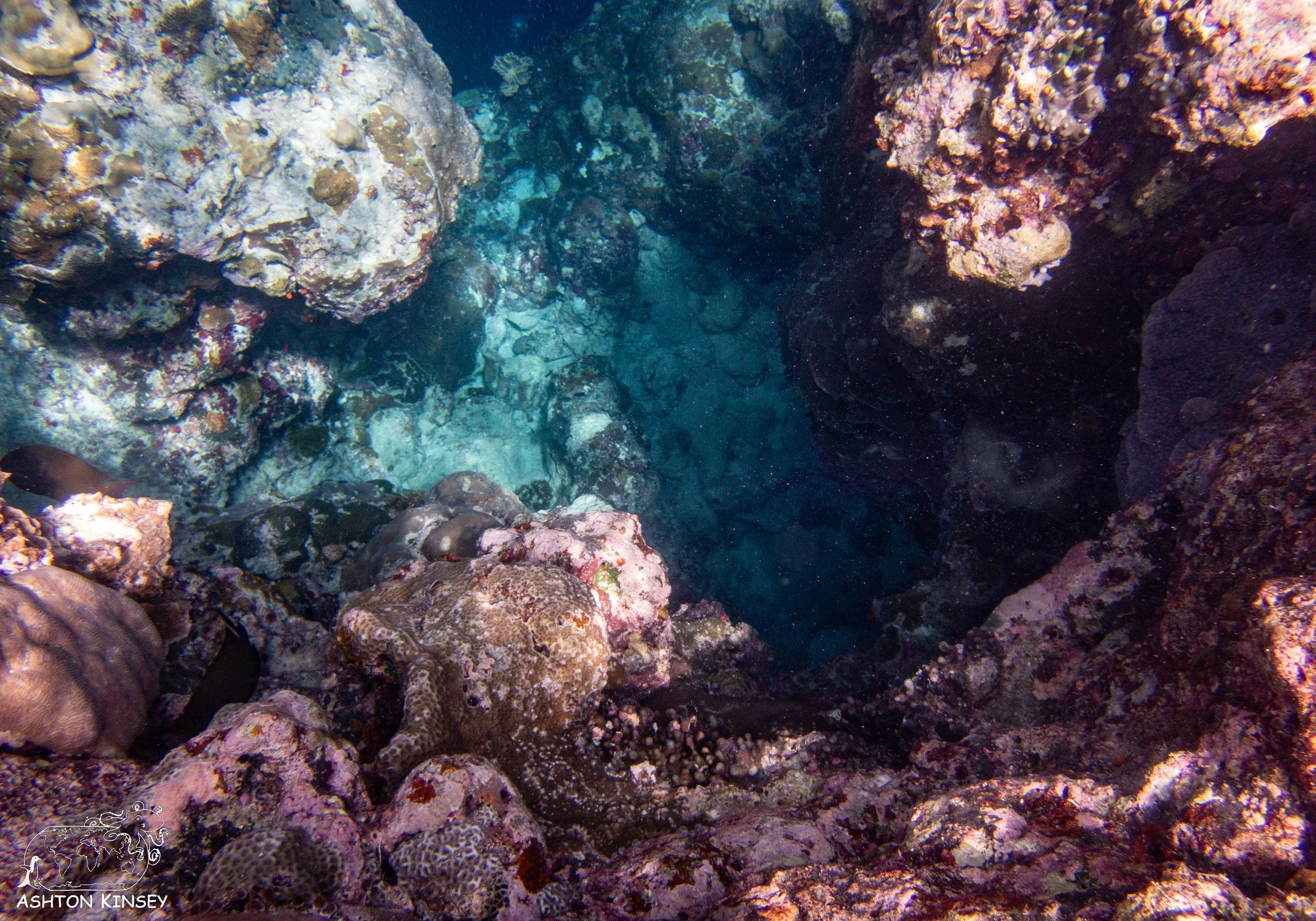
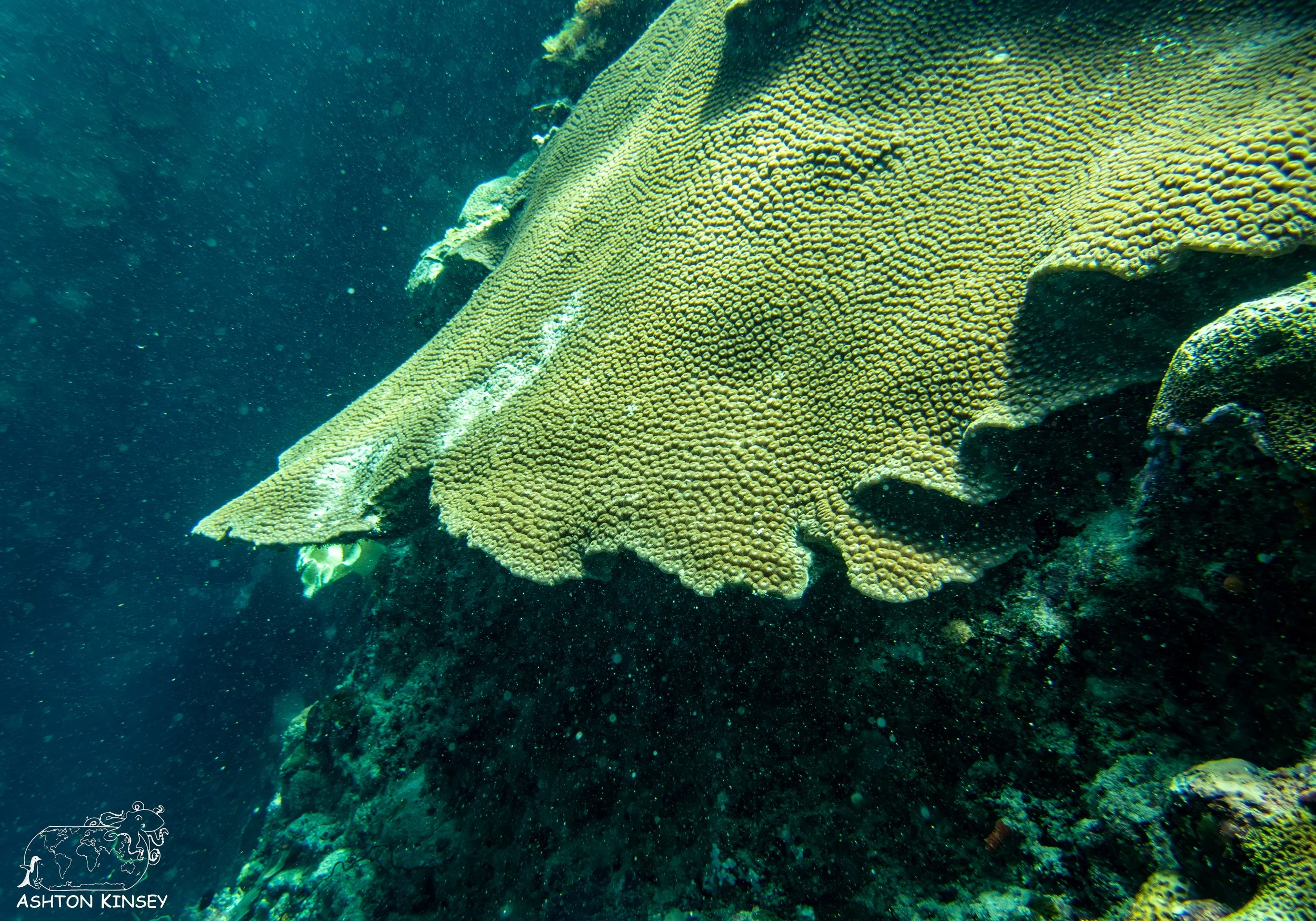
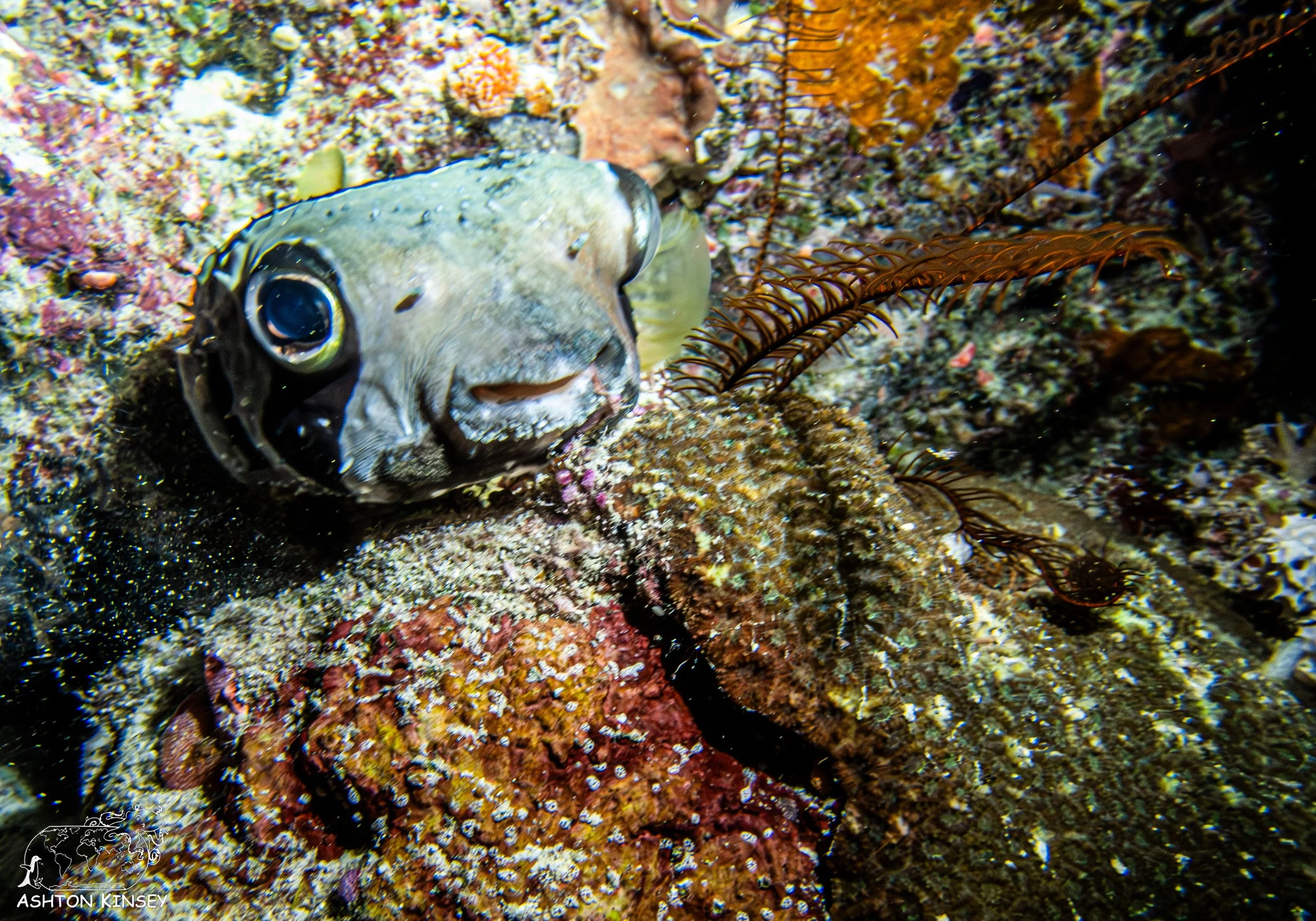
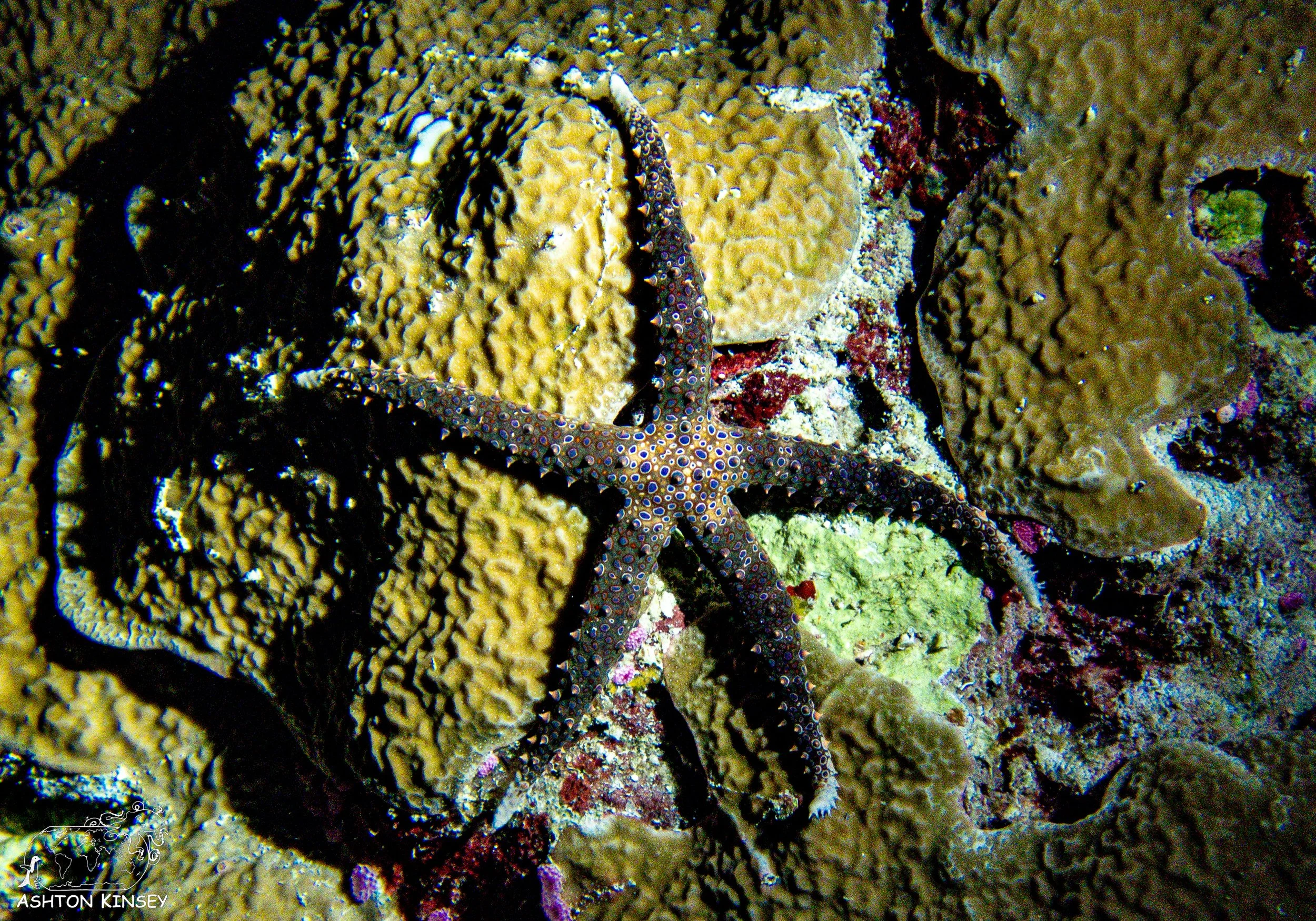
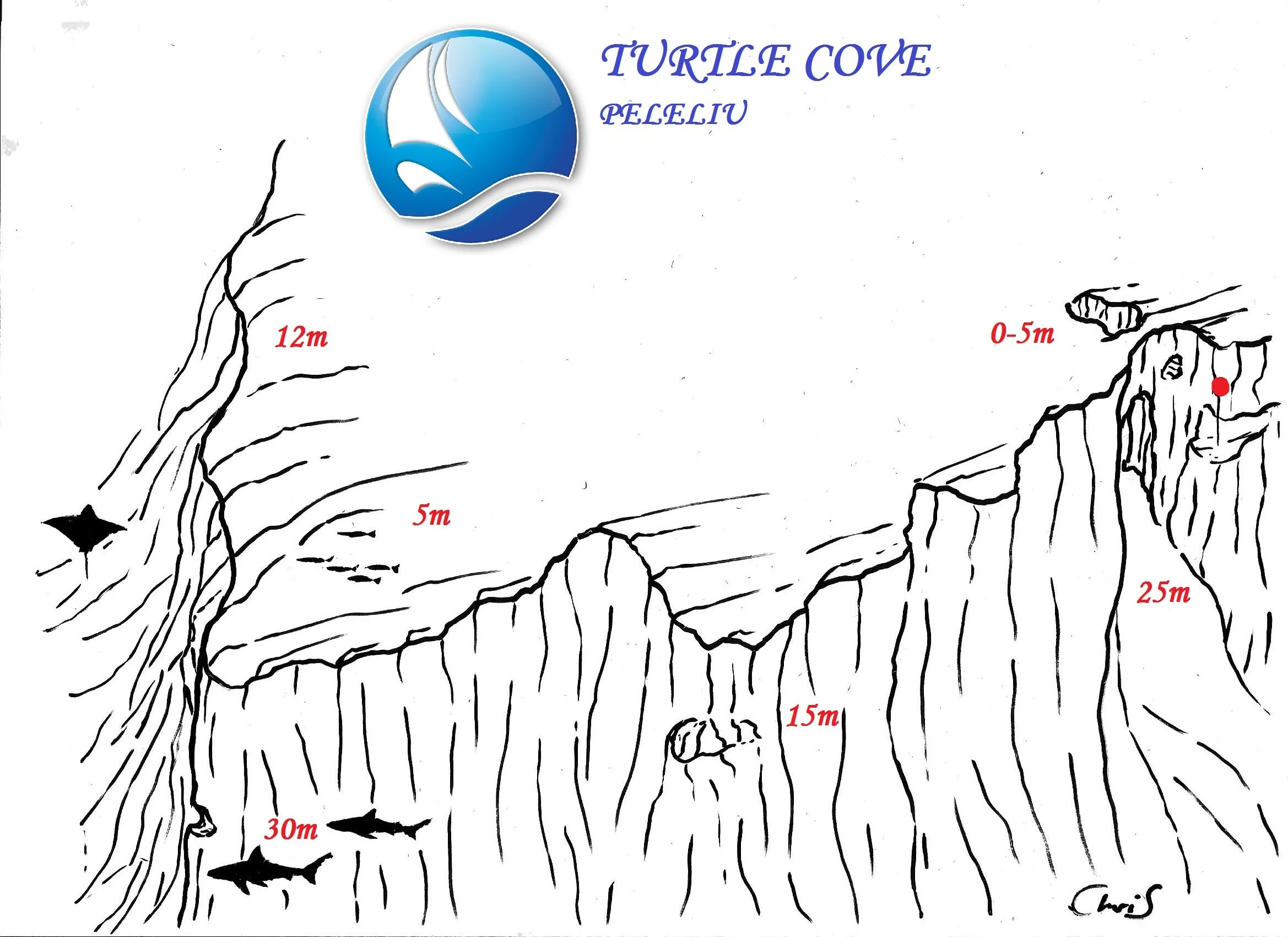
The tip of the channel outside of Barnum’s Wall offers a sandy slope the descends down to a shear wall. Around 100’ there is a sandy bay that often has leopard sharks hanging about. Out in the blue eagle rays, sharks and turtles cruise the currents looking for snacks.
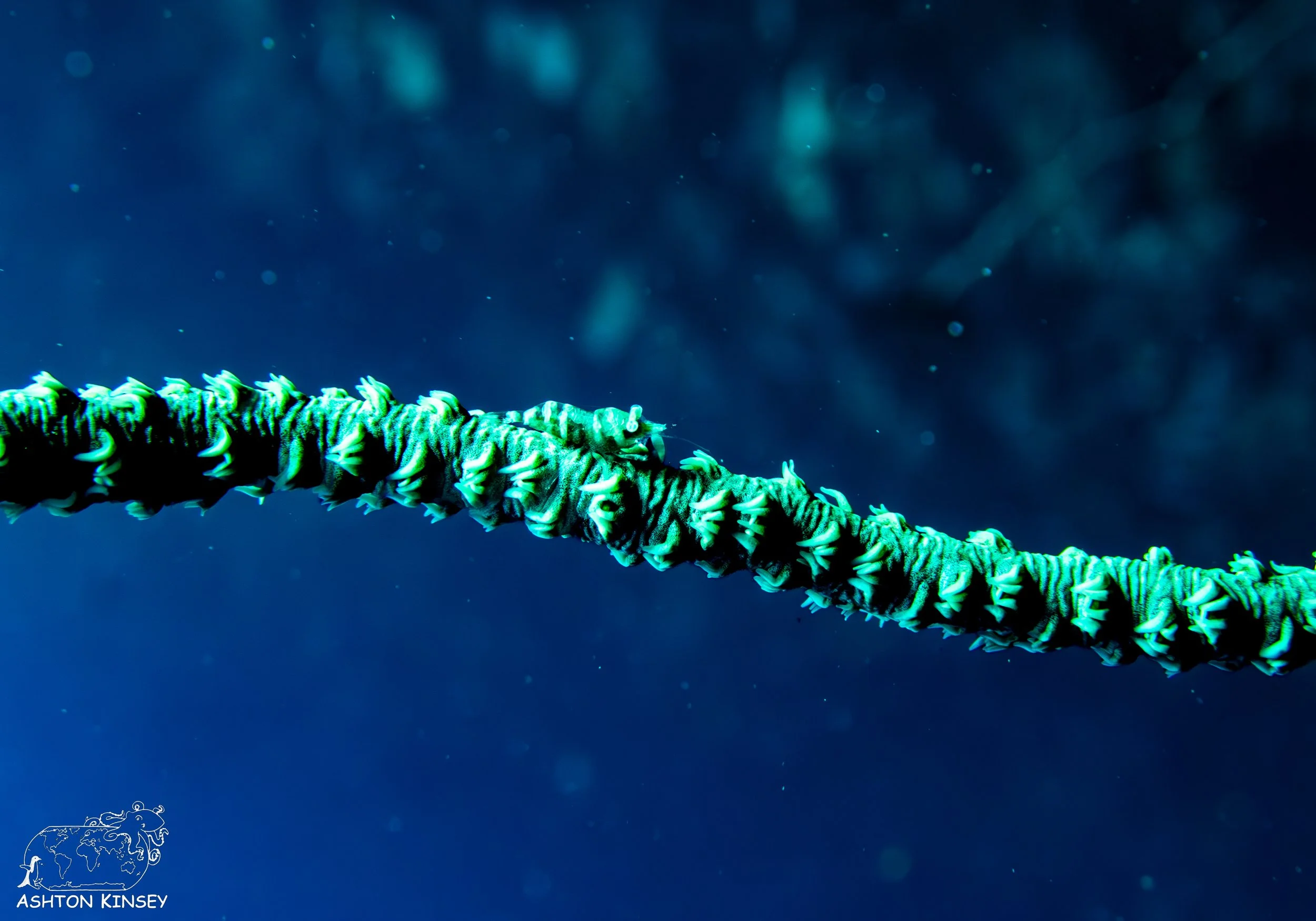
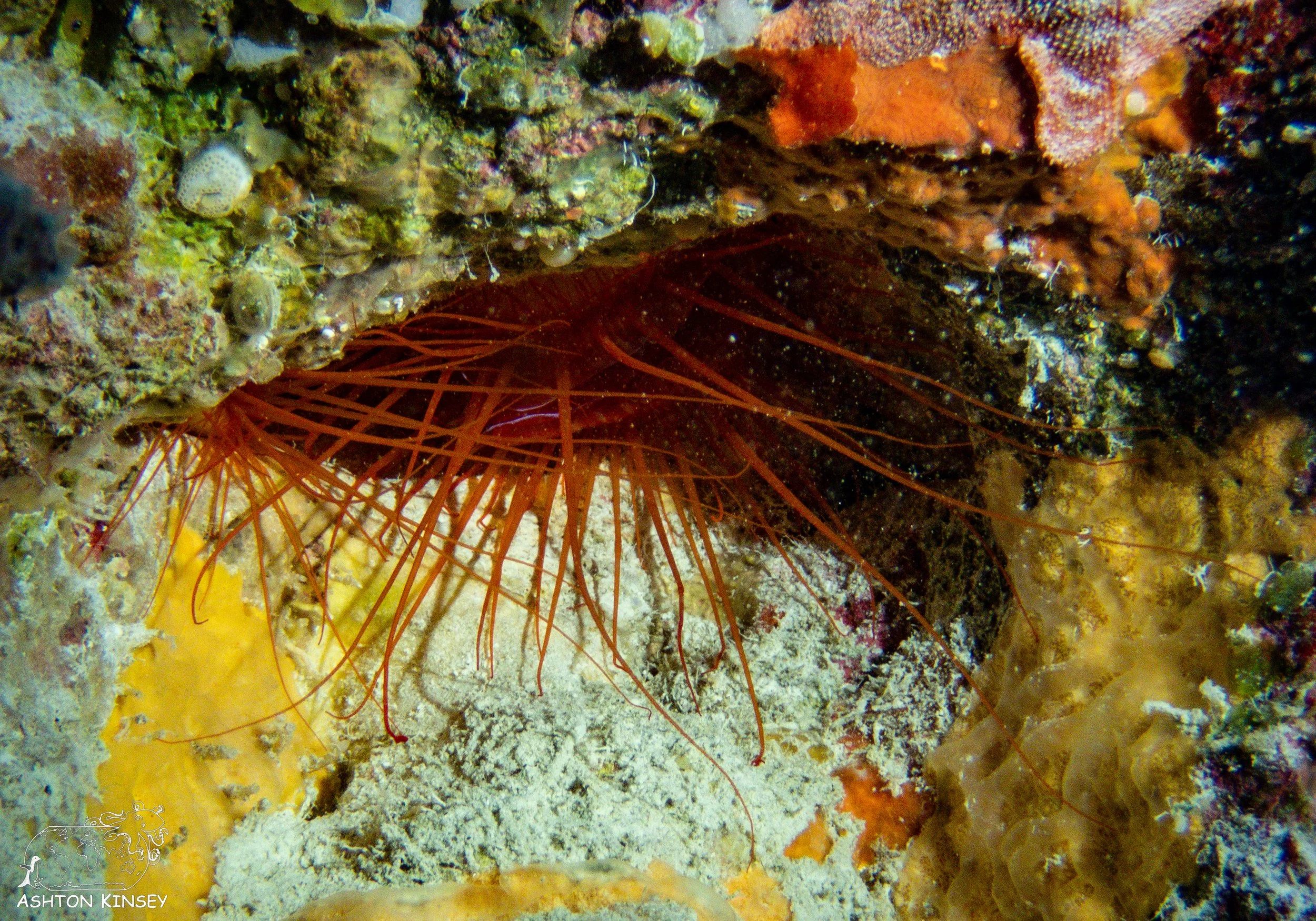
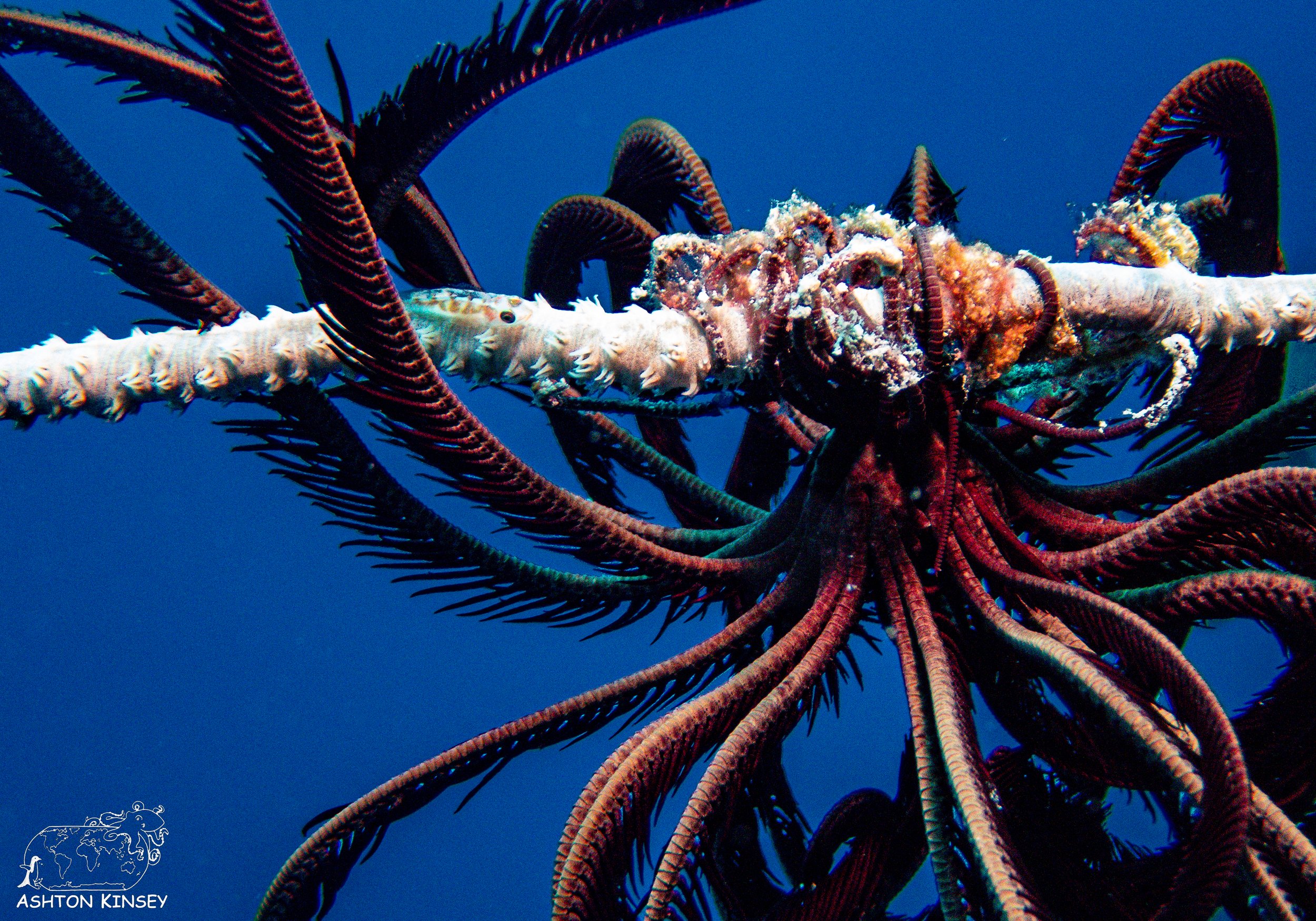
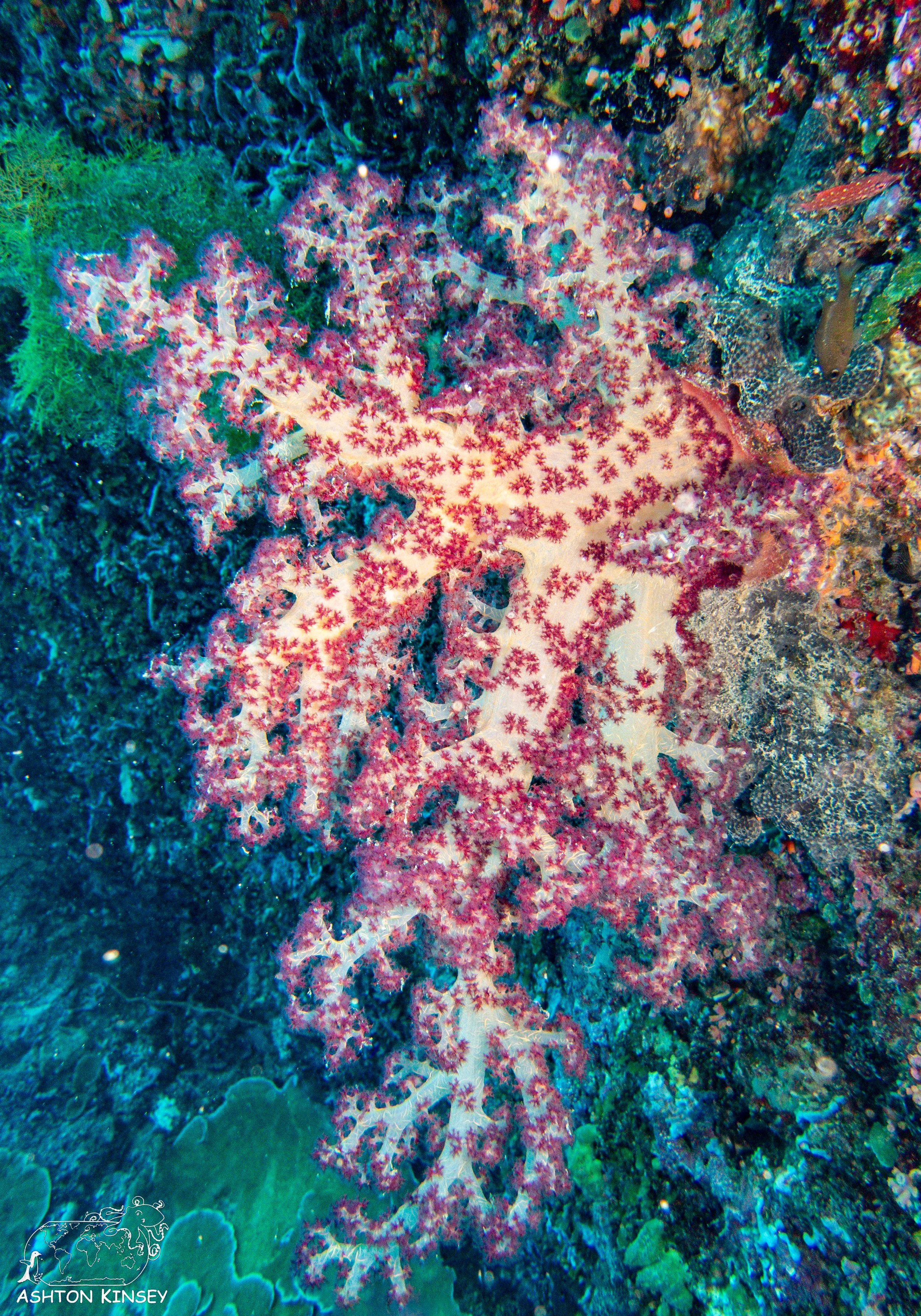
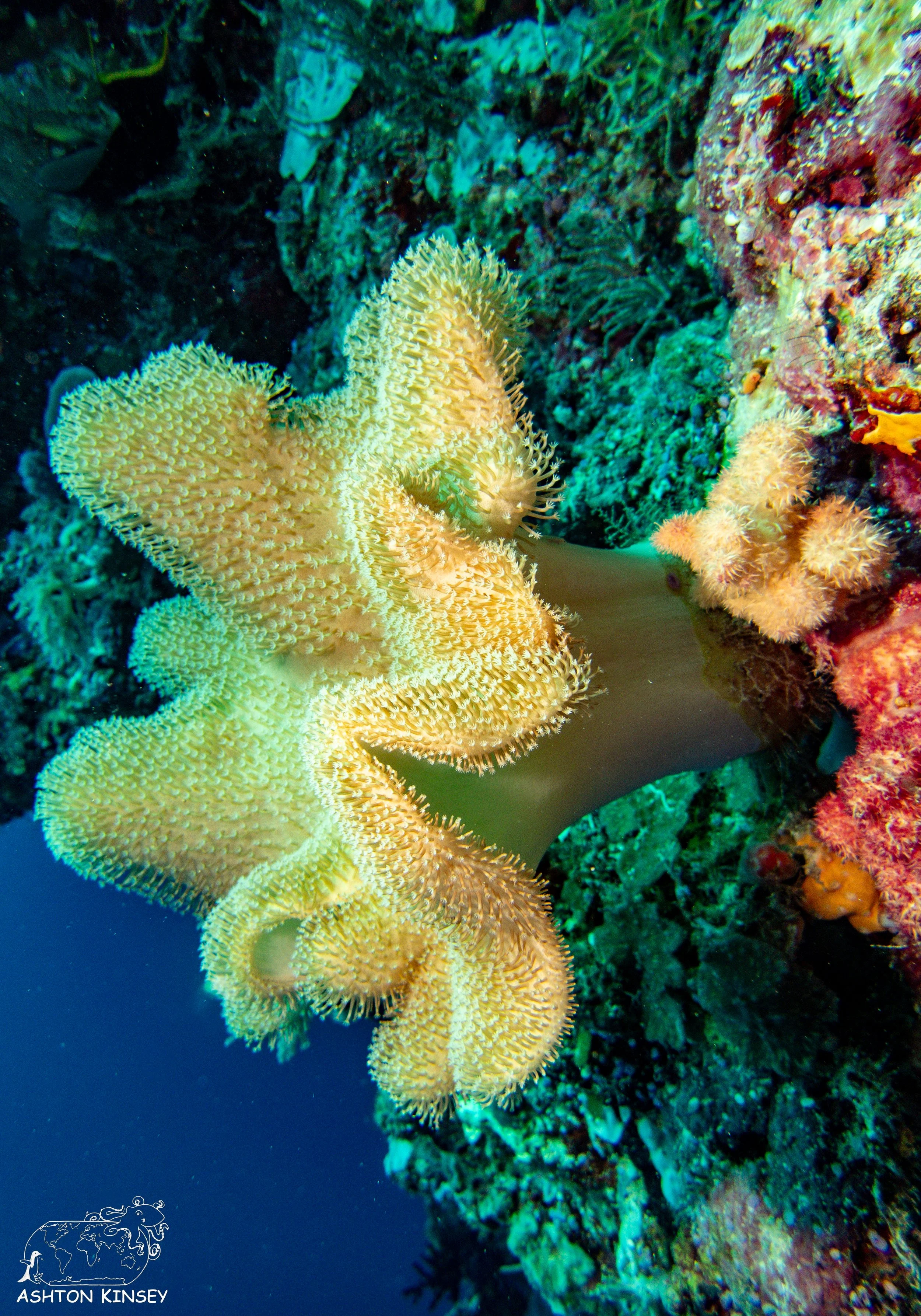
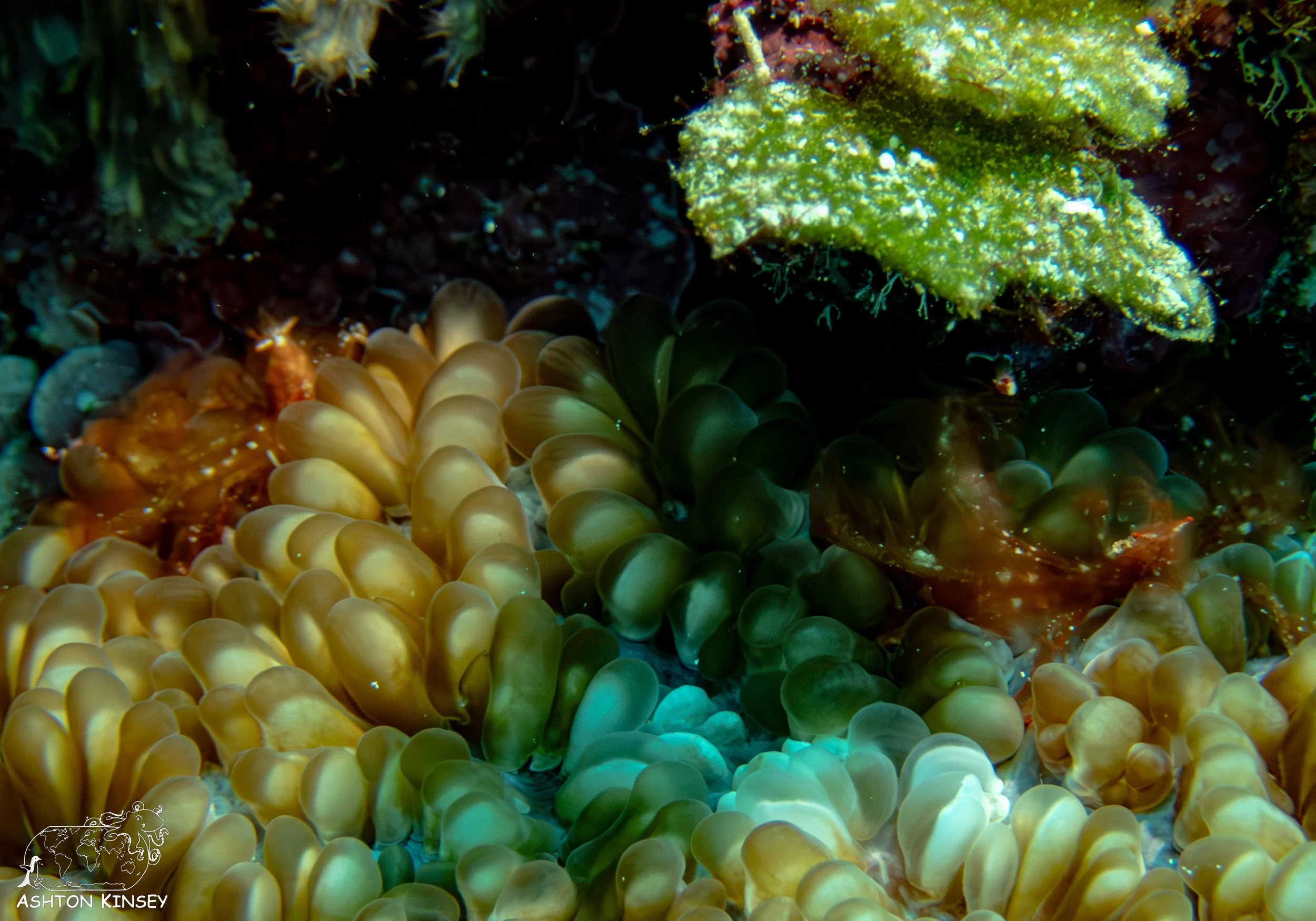
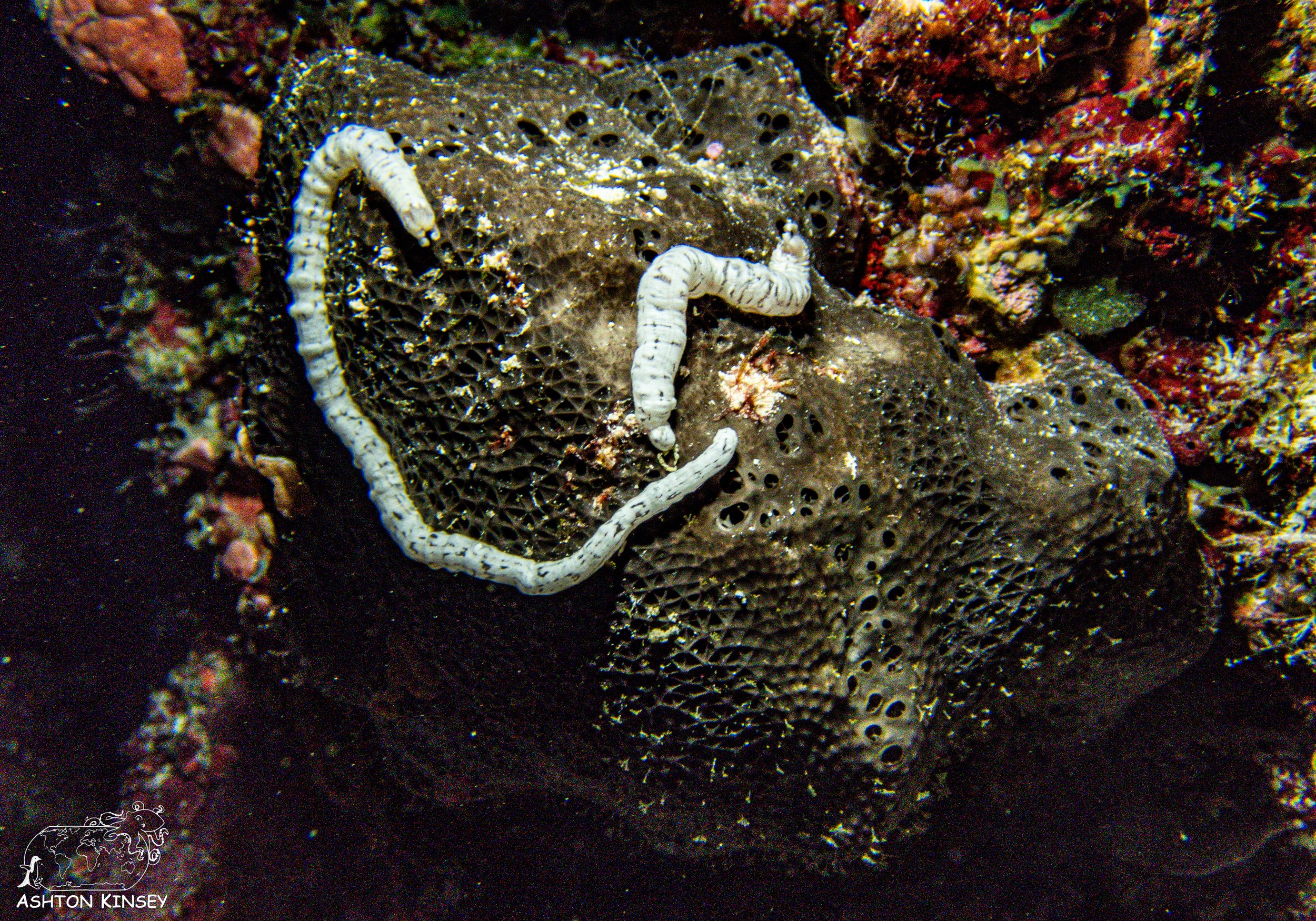
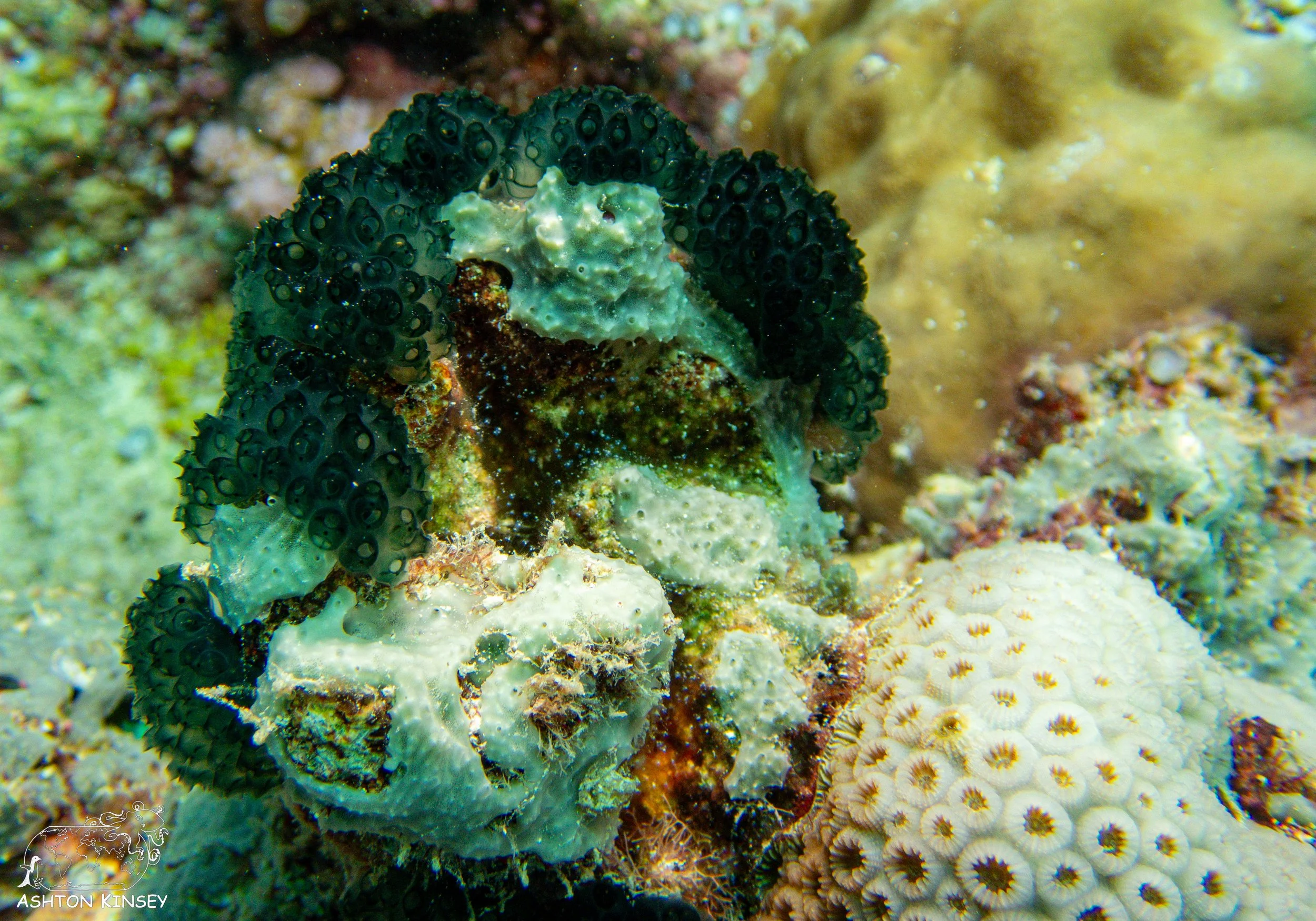
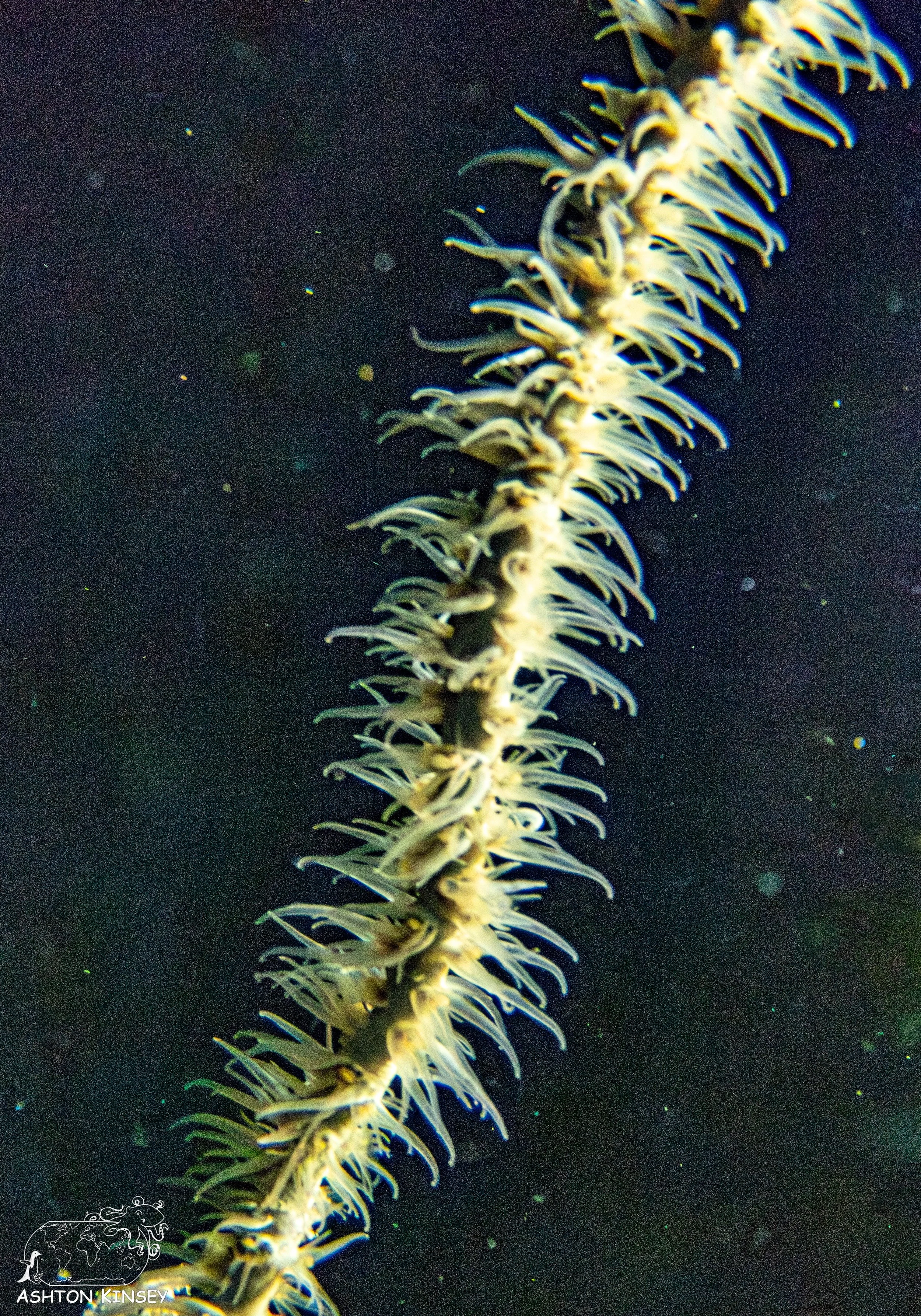
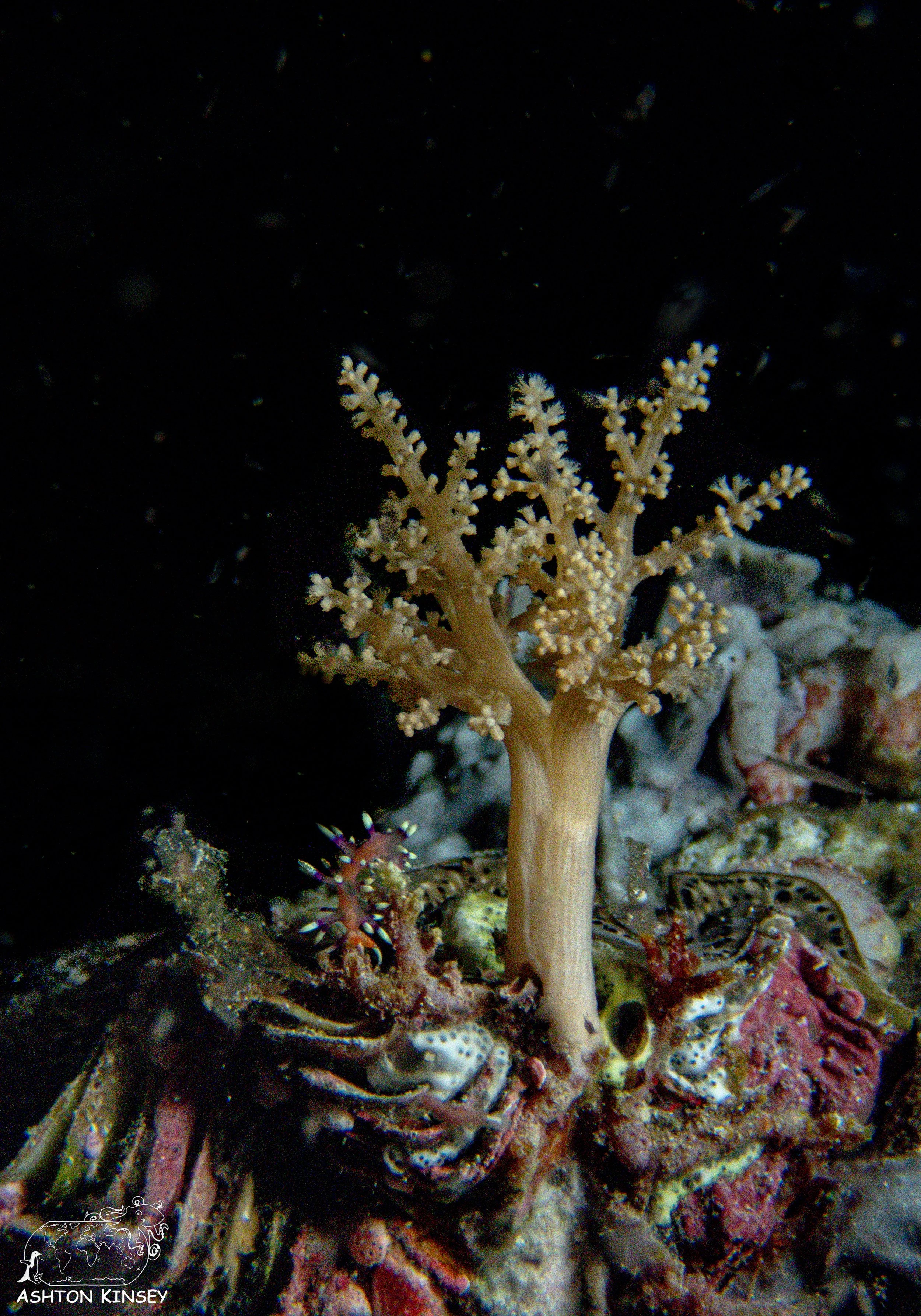
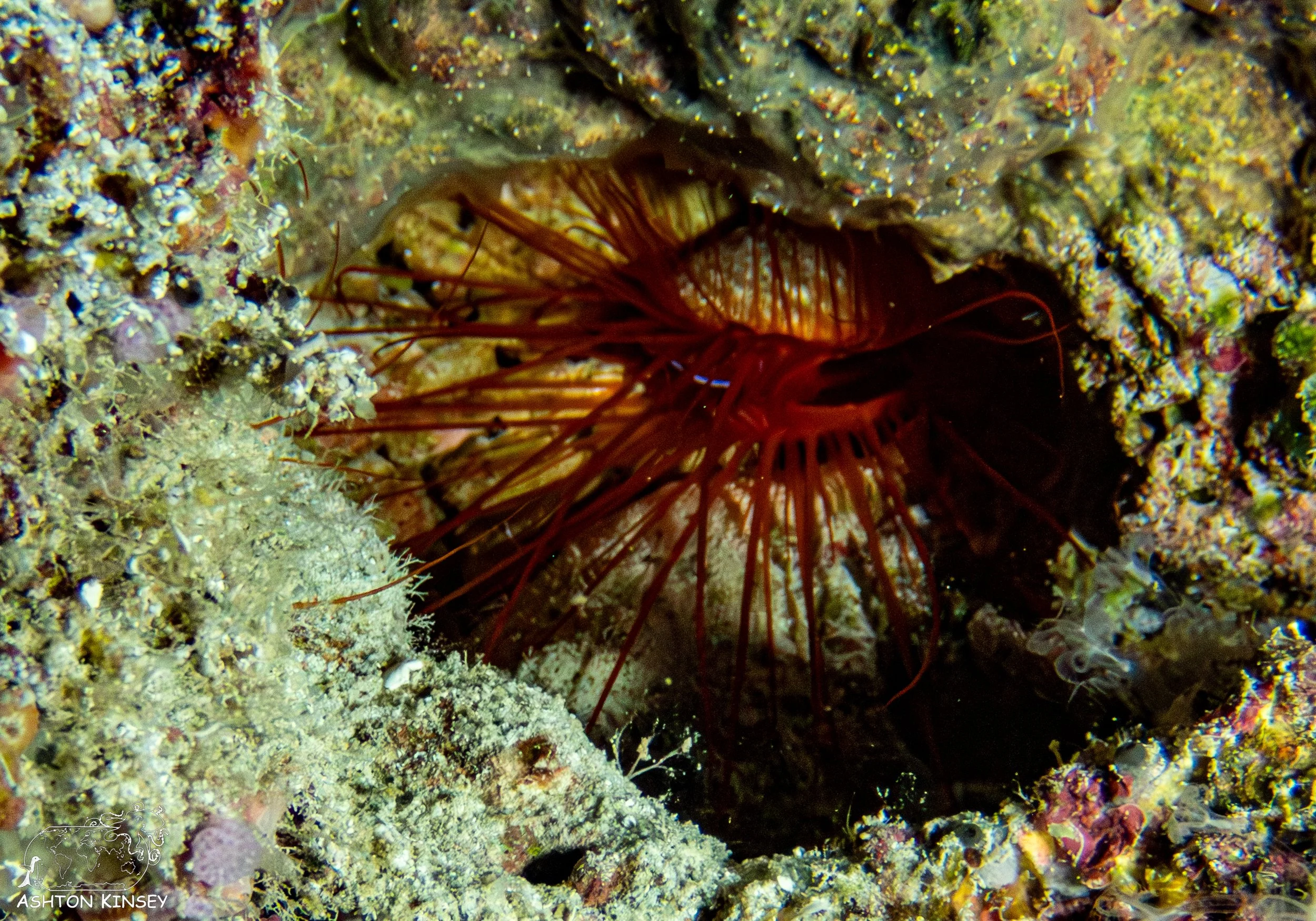
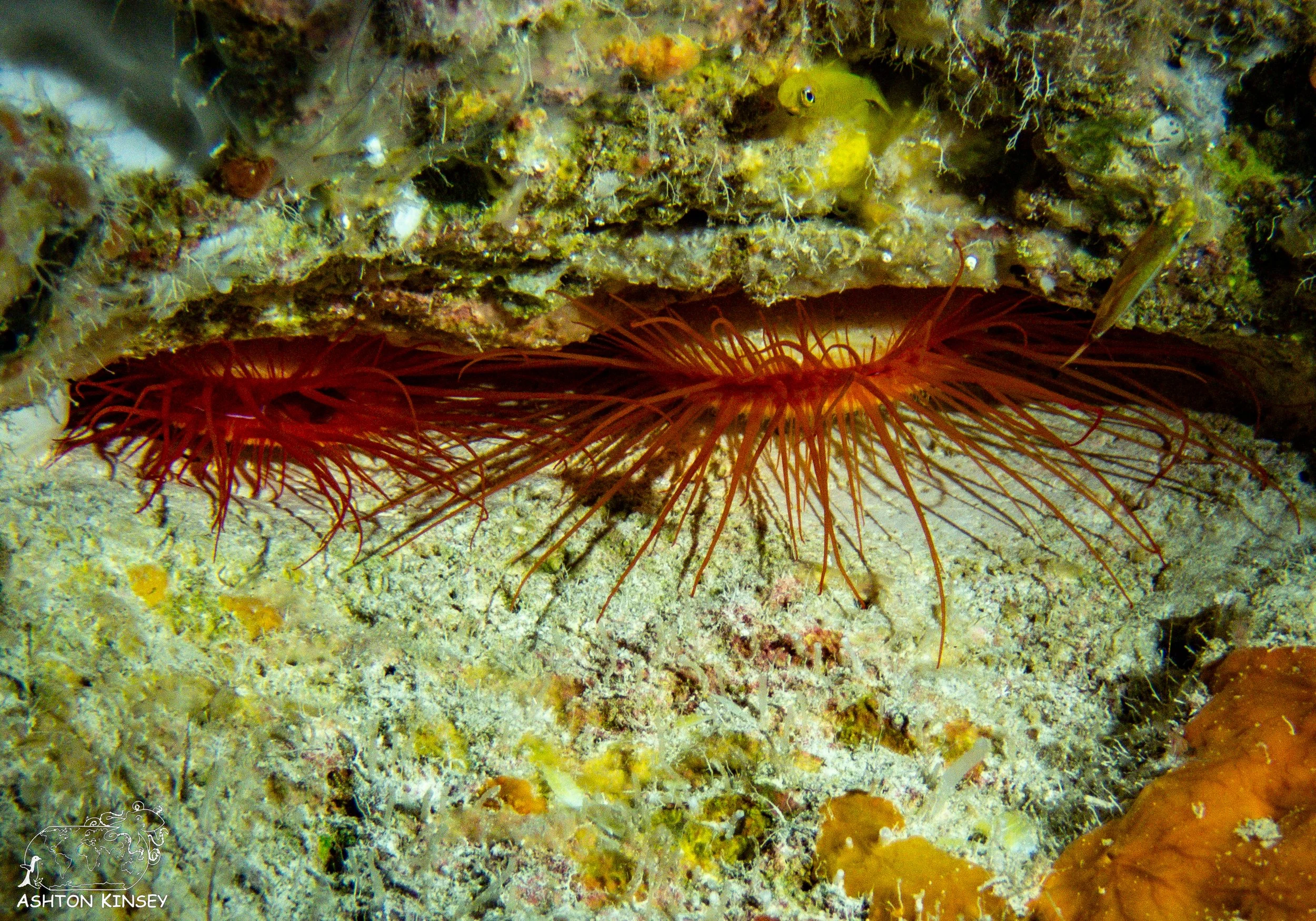
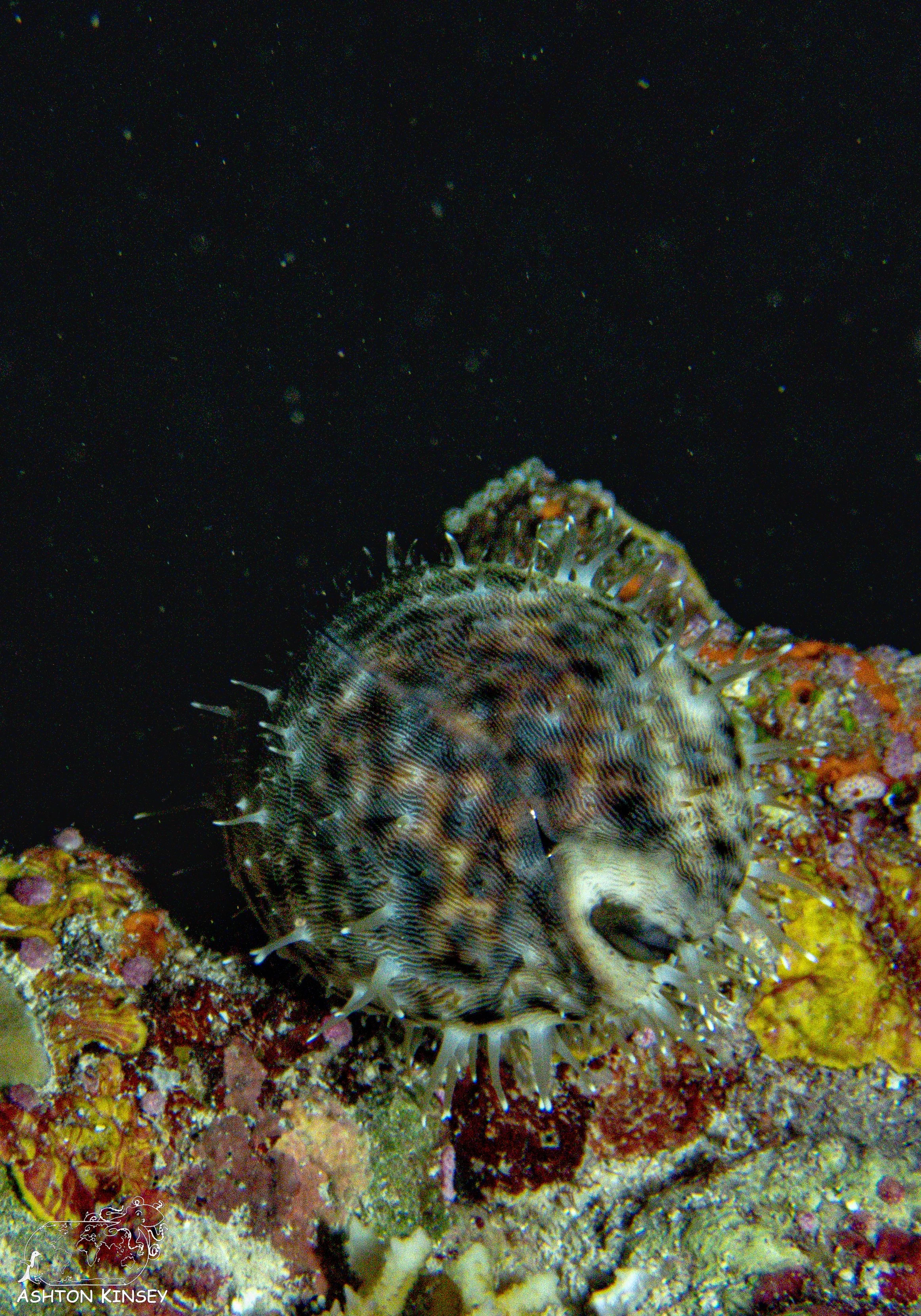
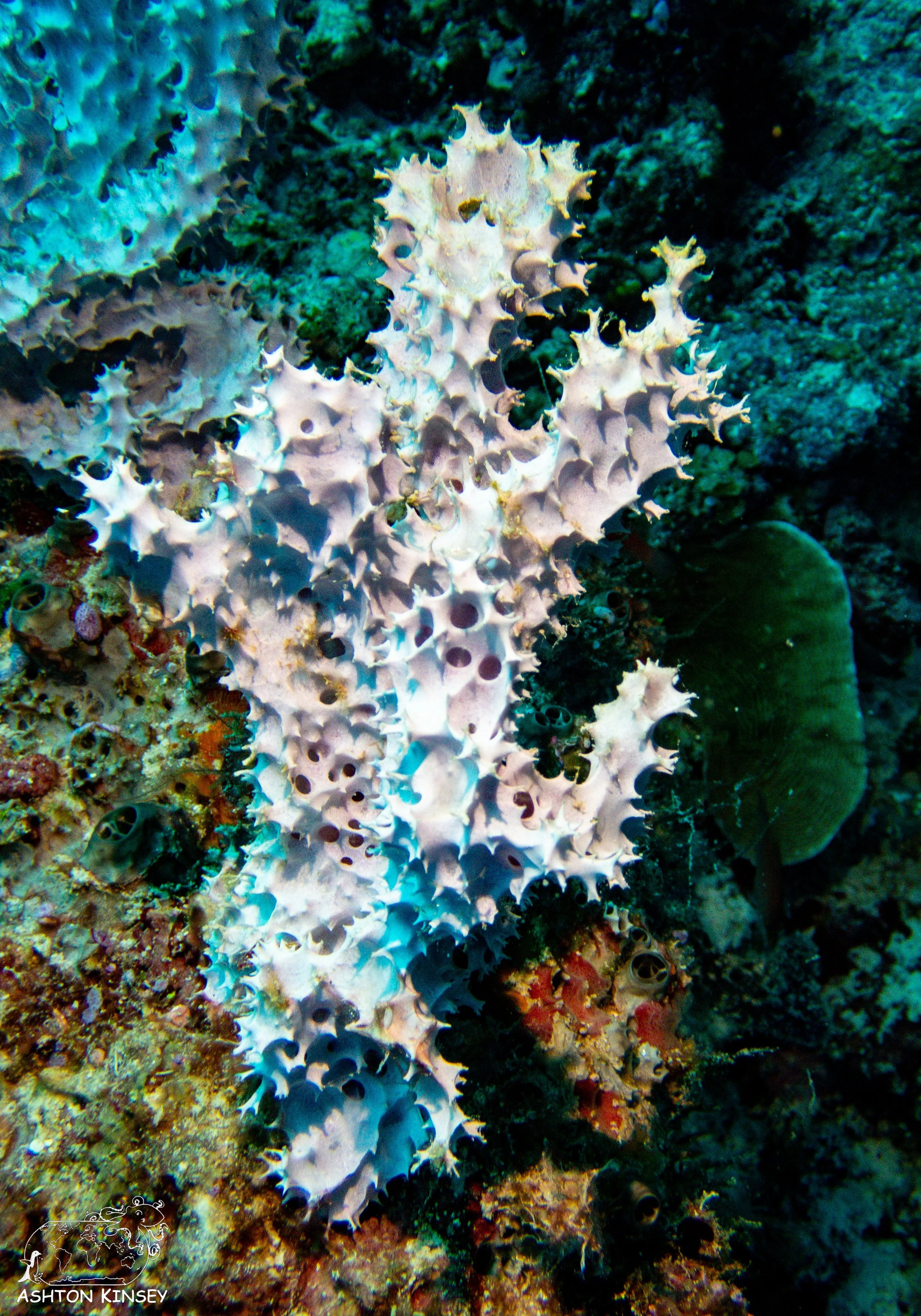
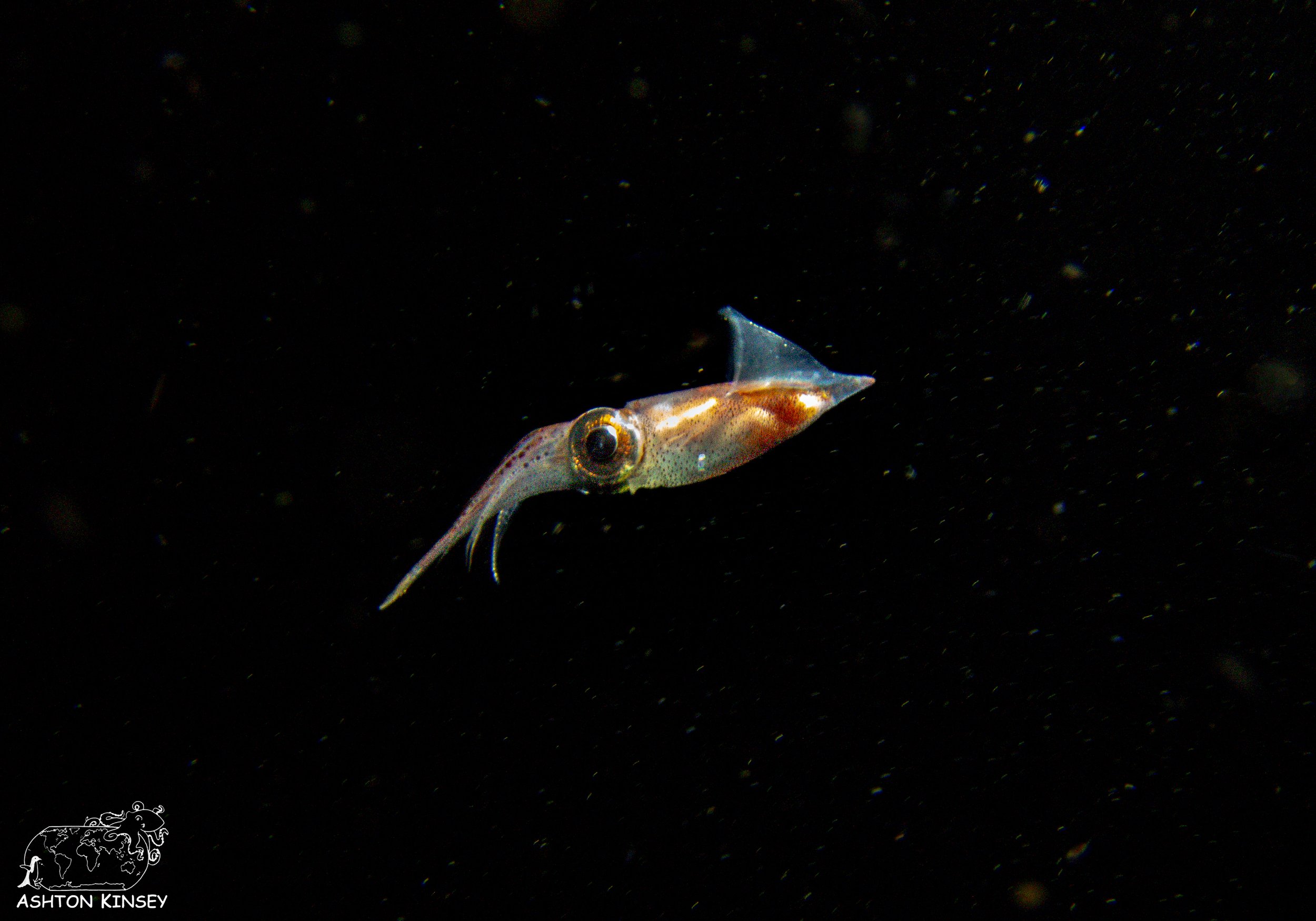
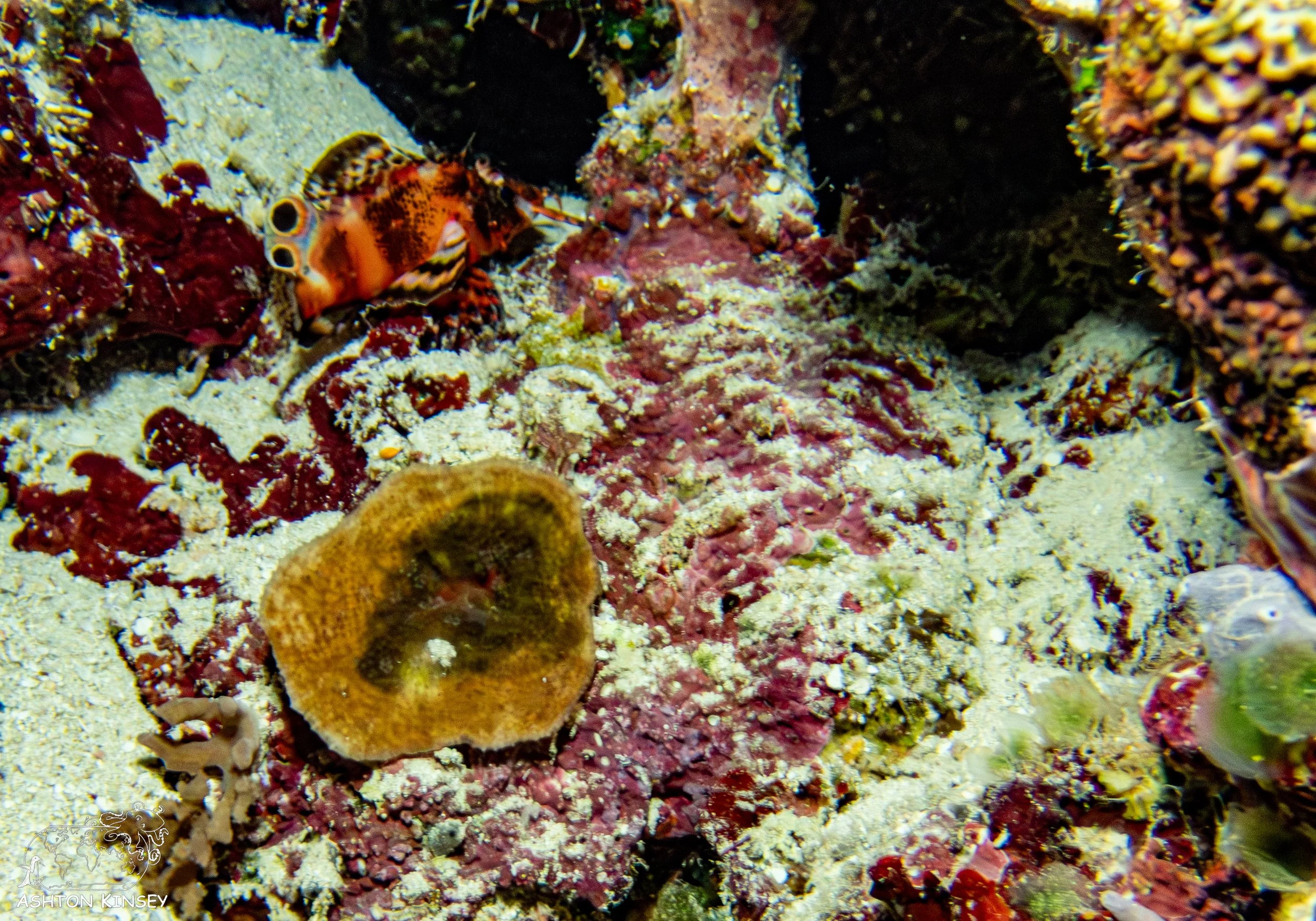
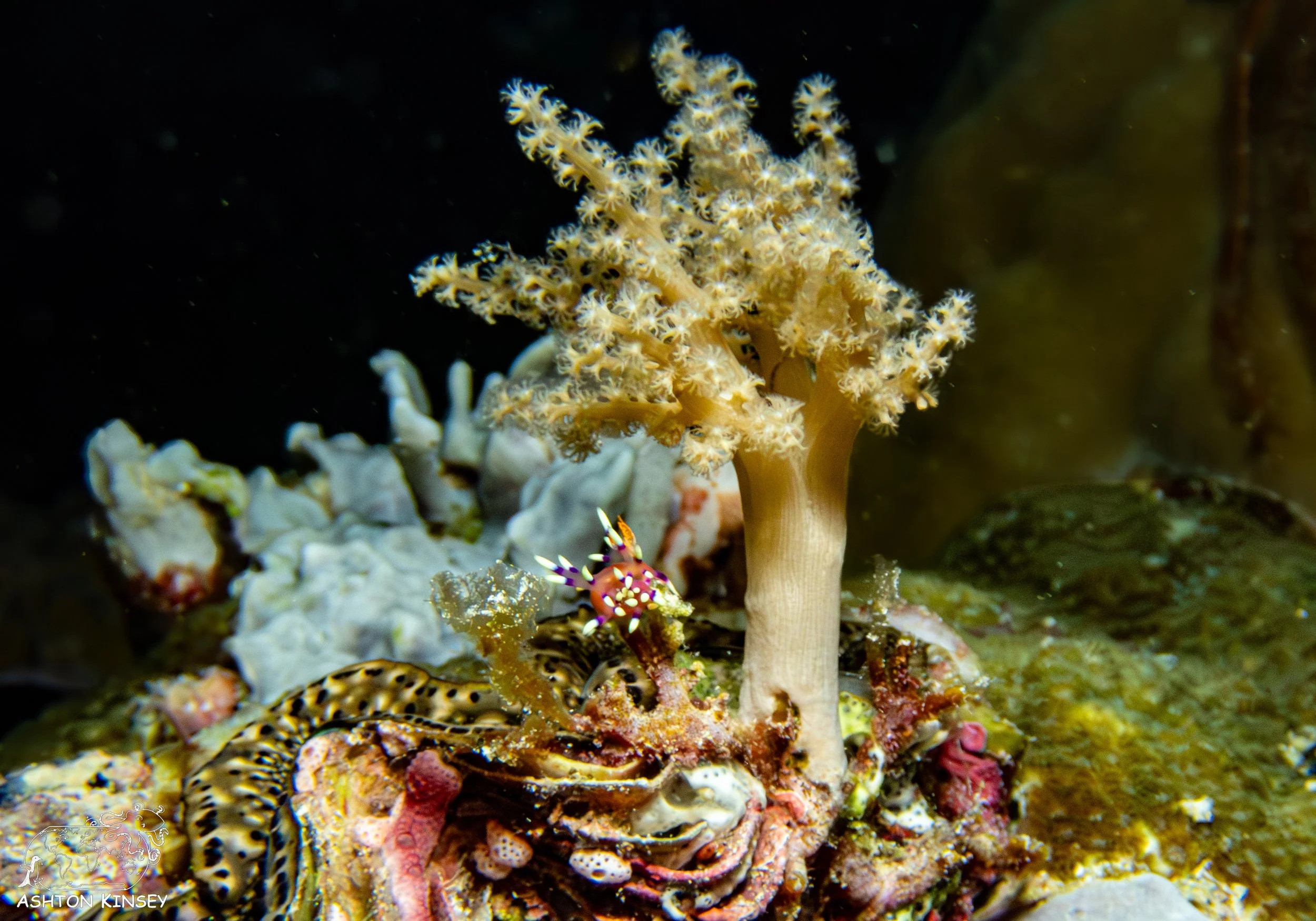
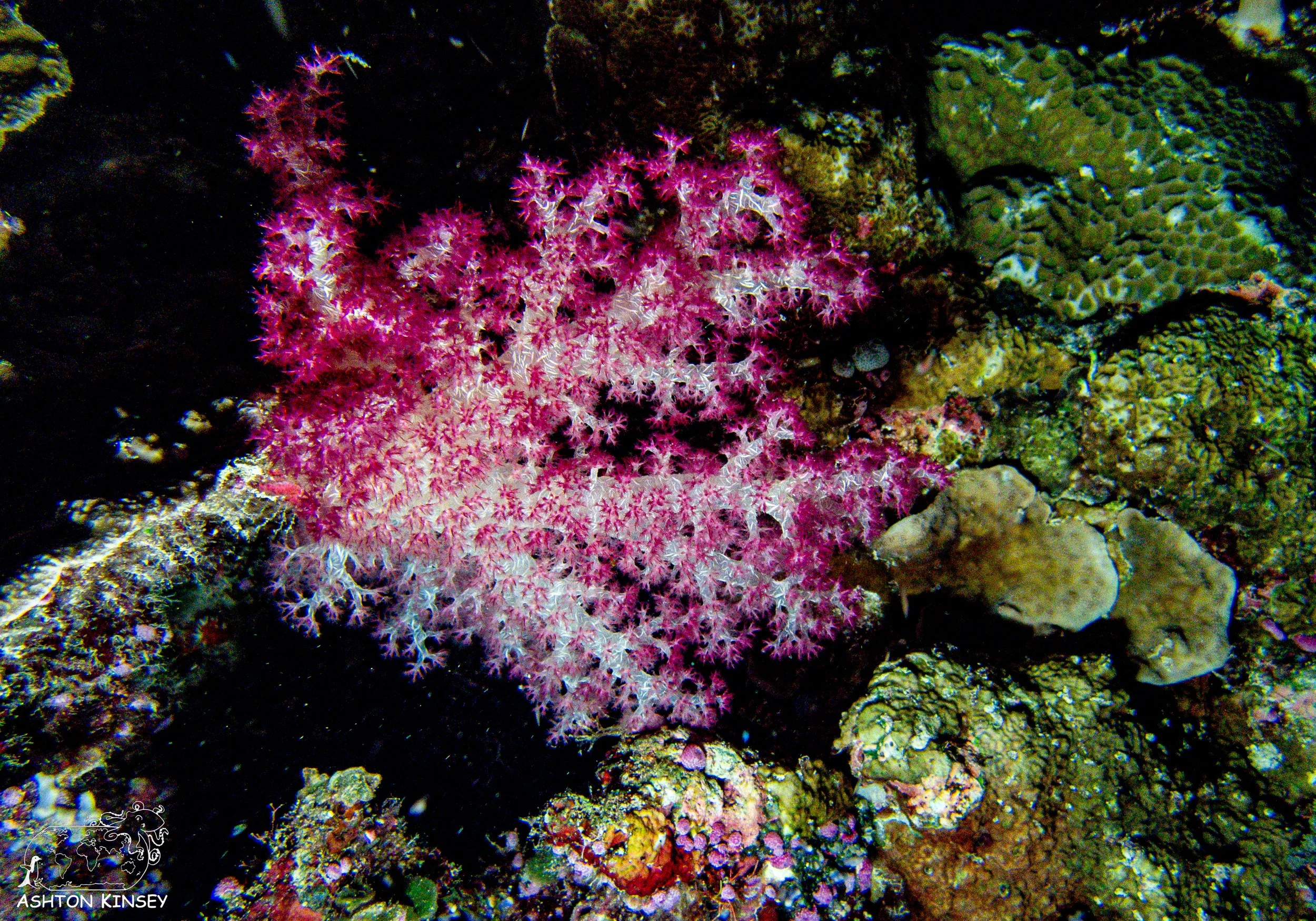
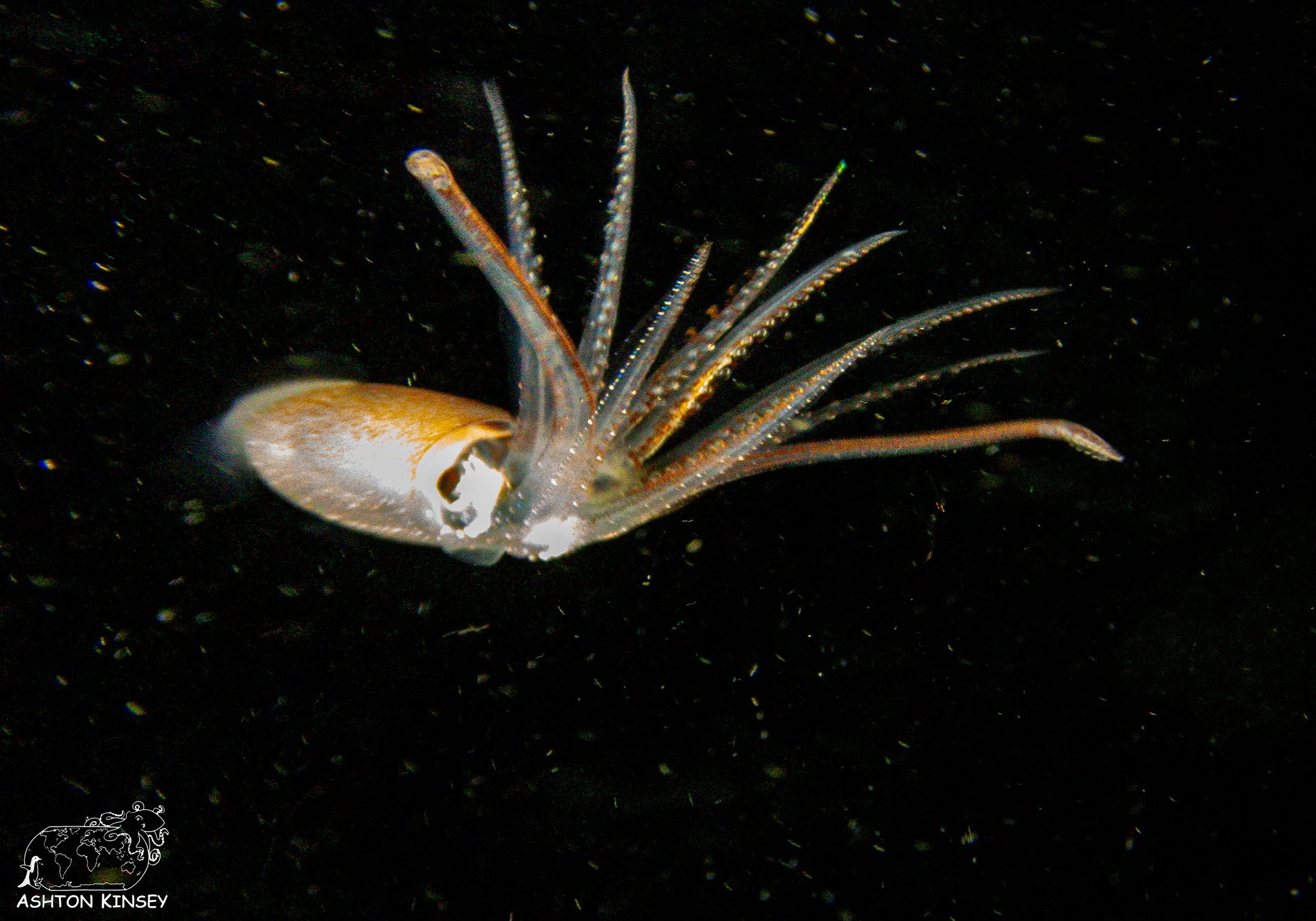
During blackwater dives, lights are placed along the opening of the swim through that attracts pelagic creatures from the depths. Often seen are various squids, box jellies and other stinging colonies like salps. Some jellies will have hitchhiker crustaceans riding them up from the depths. Lots of non-photosynthetic corals and small bodied lionfish can be found hiding inside the nooks and crannies along the wall.
Orange Beach
Dive 24: 82’ for 61 Min
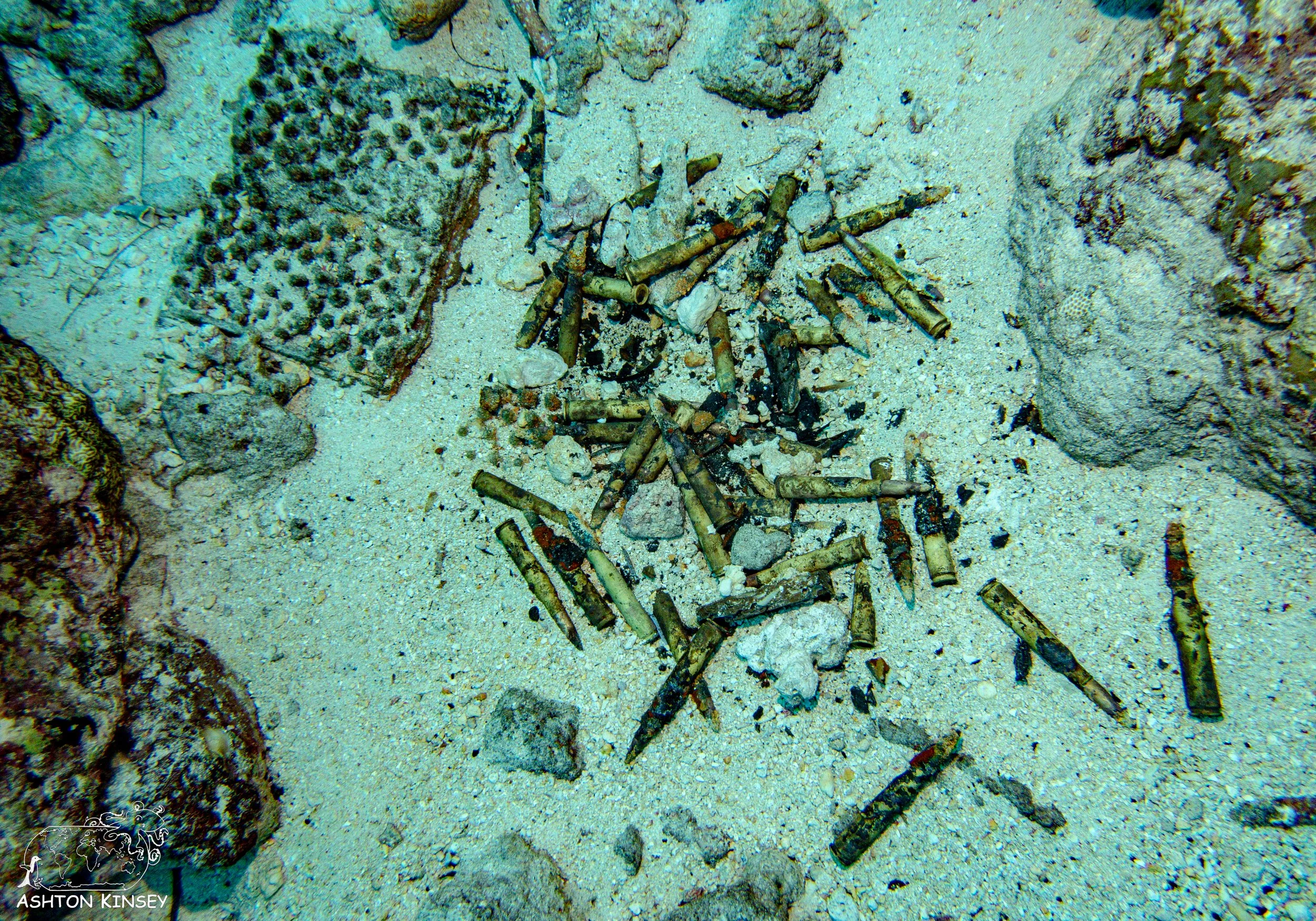
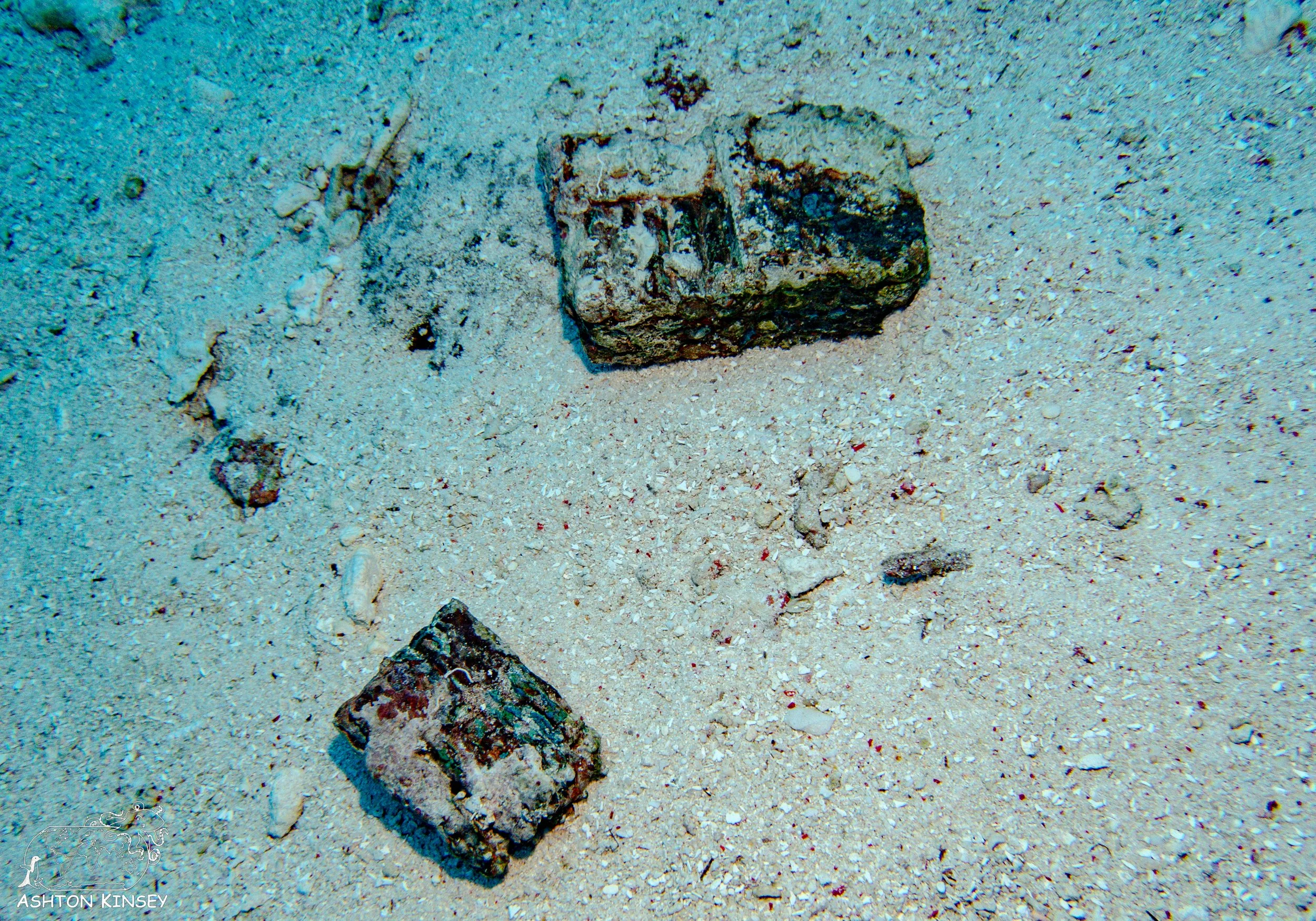
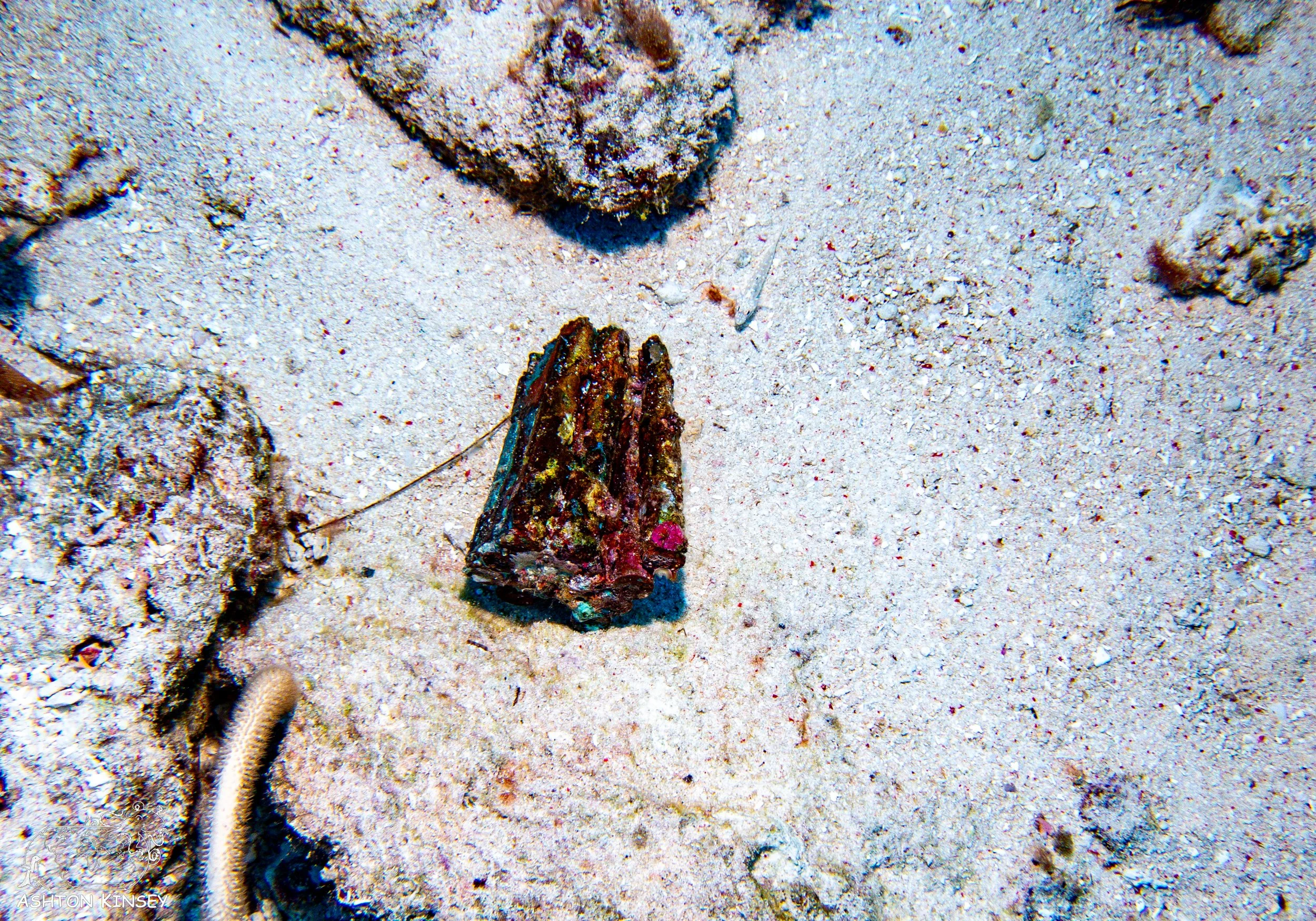
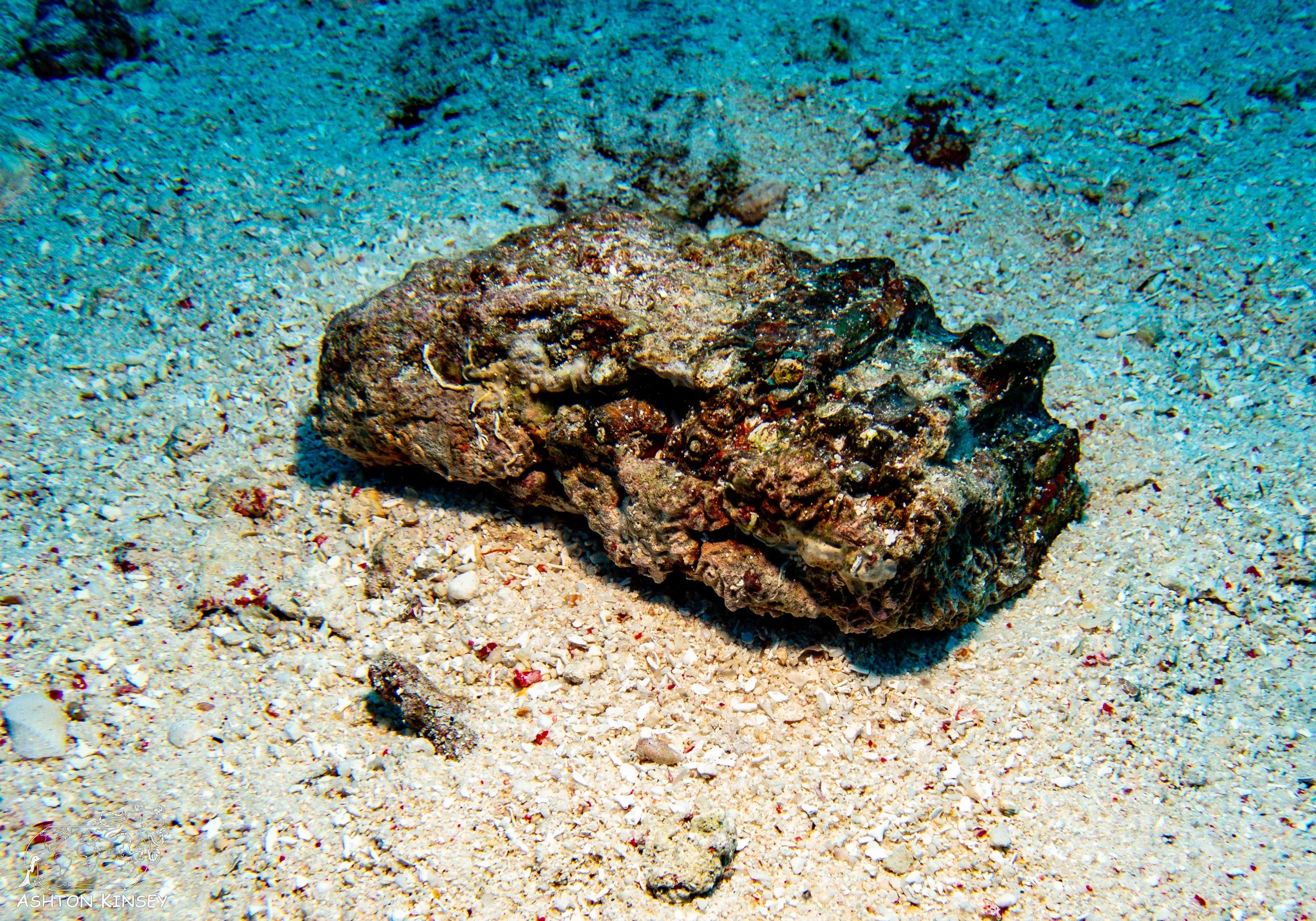
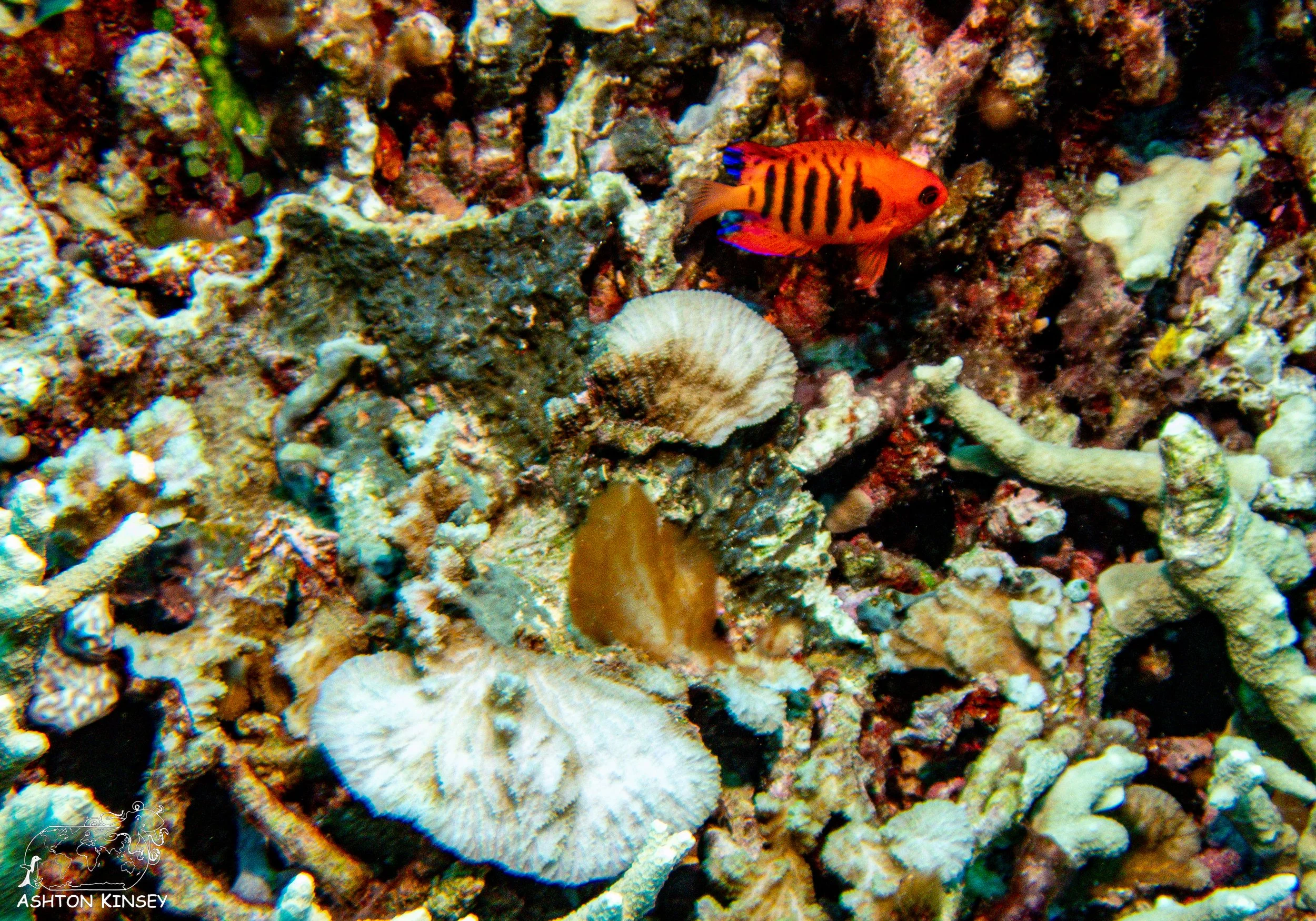
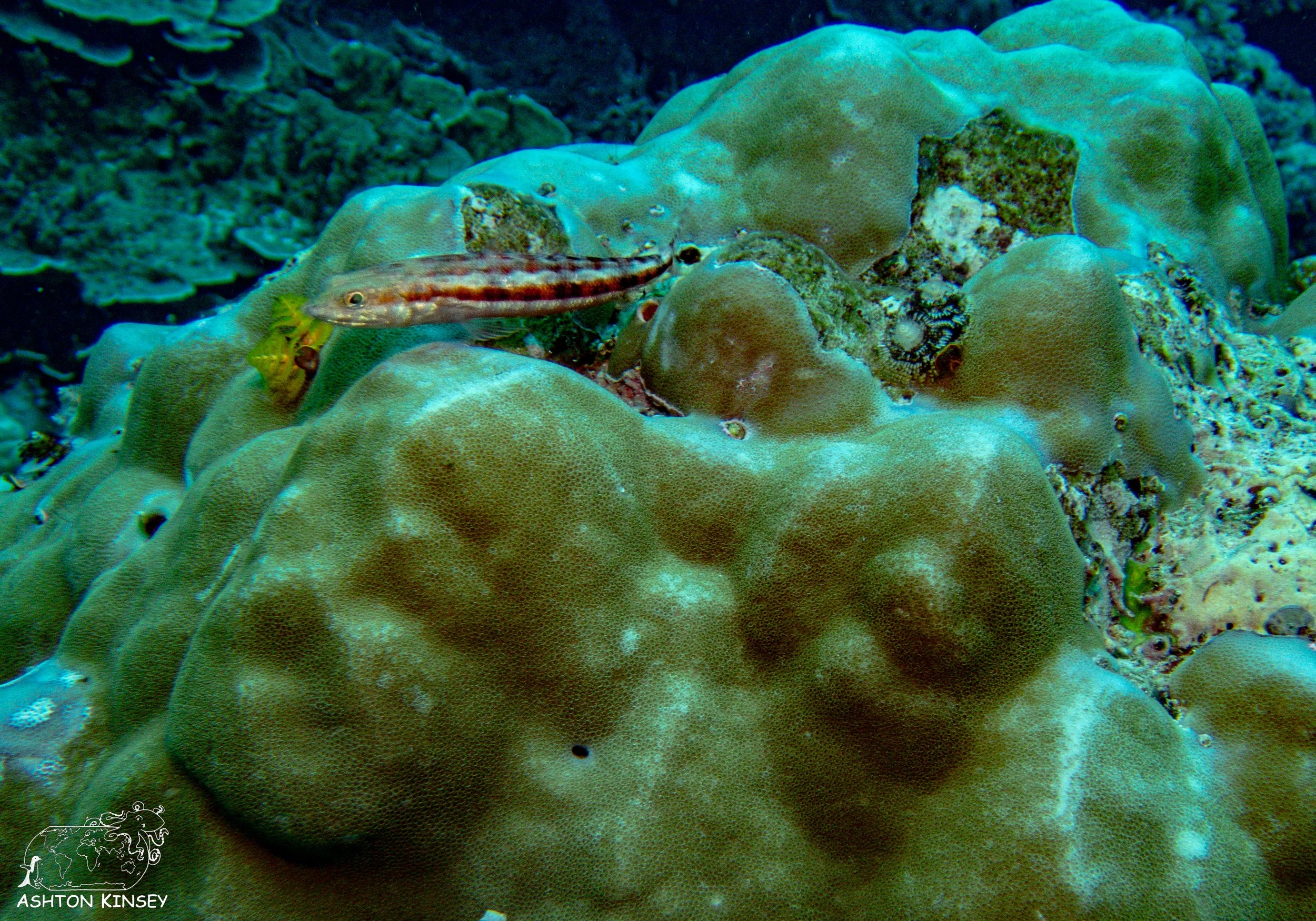
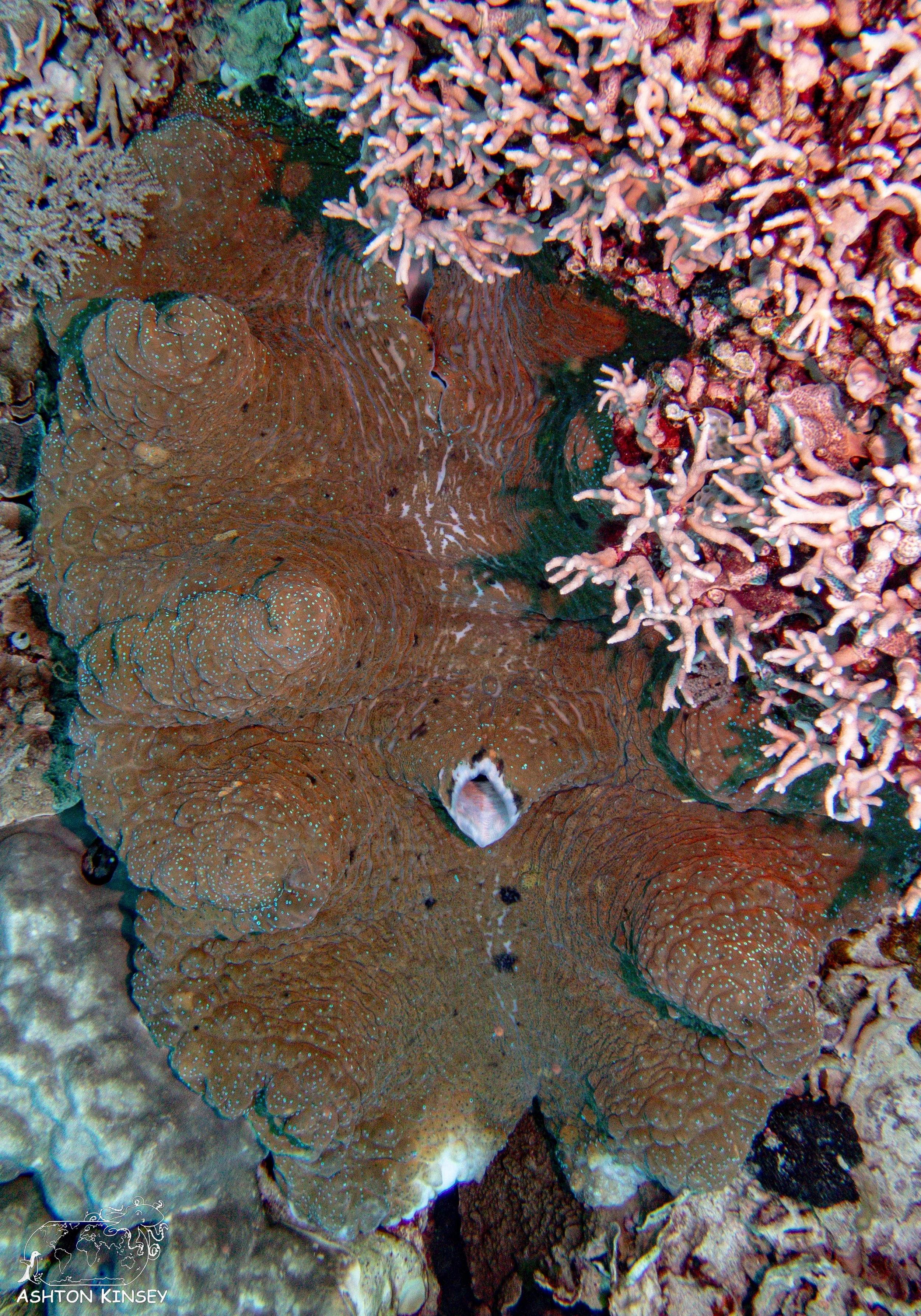
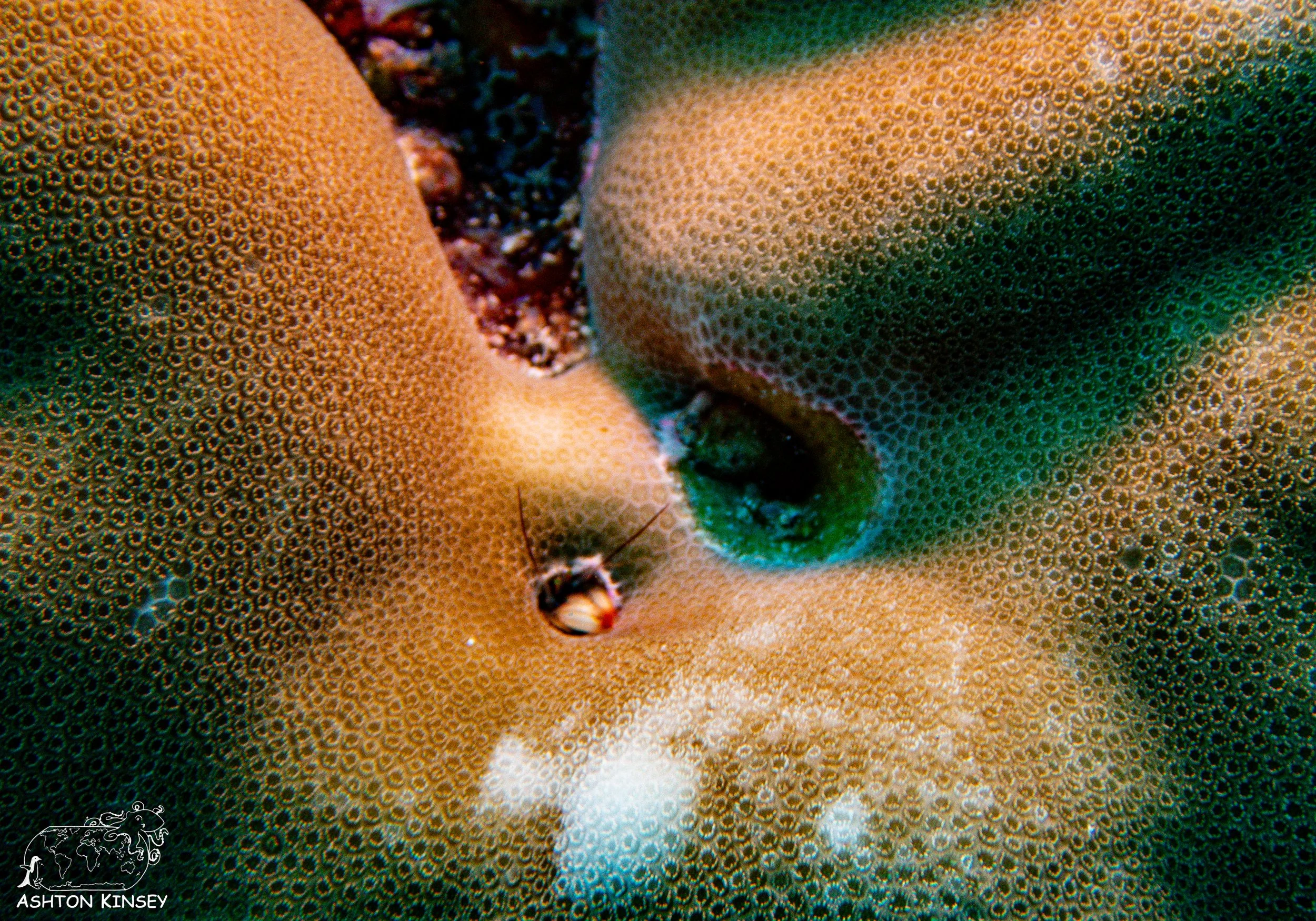
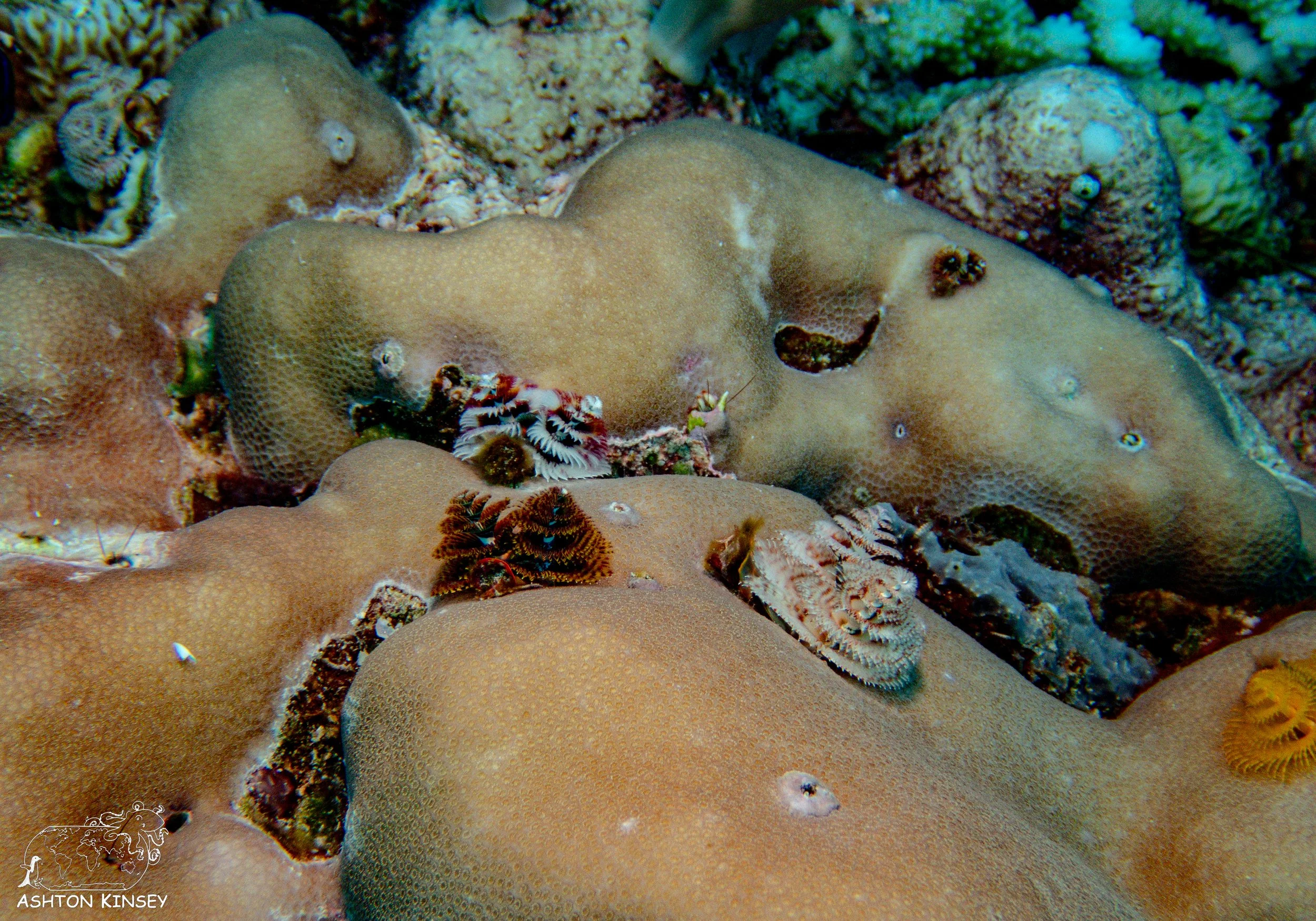
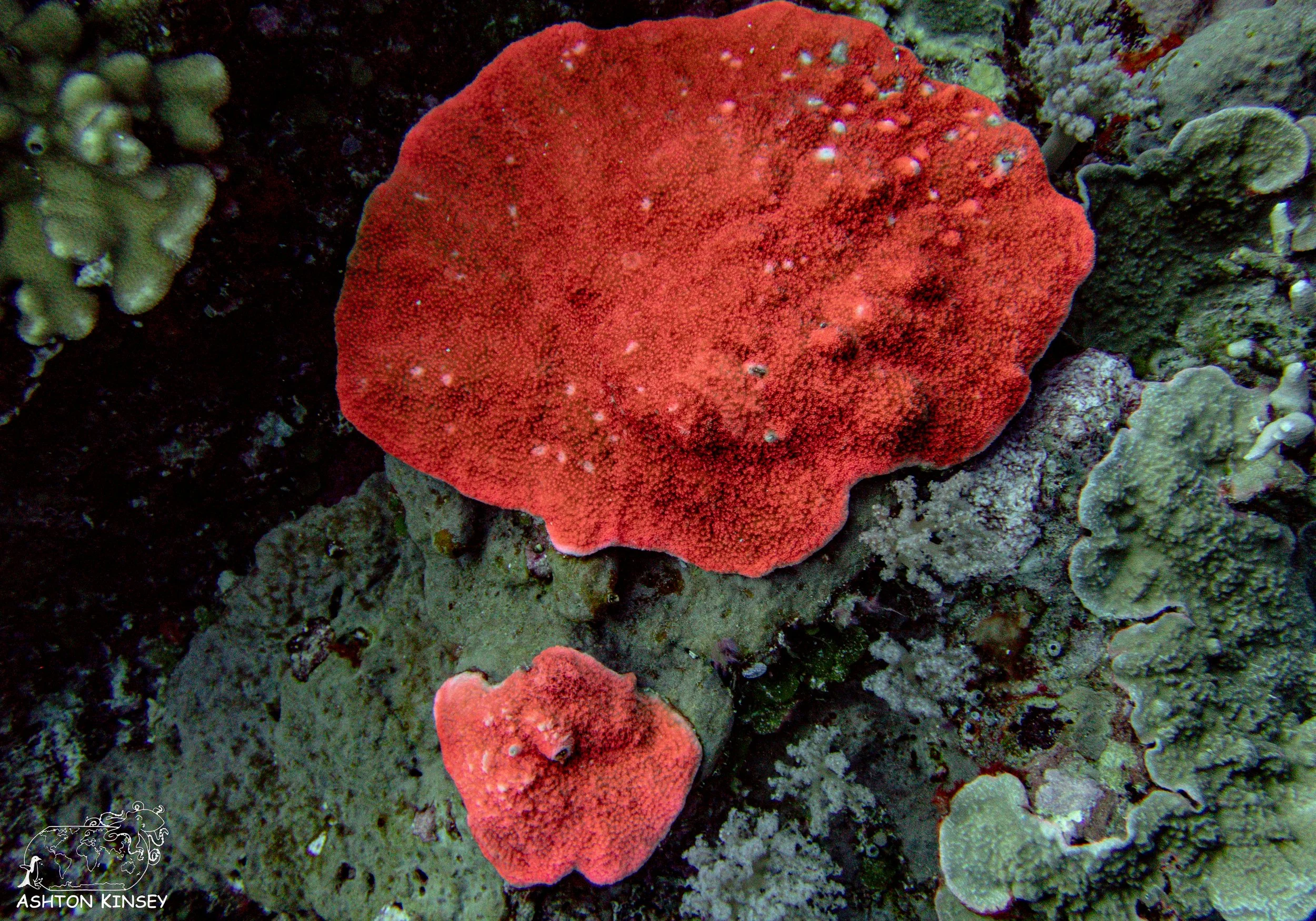
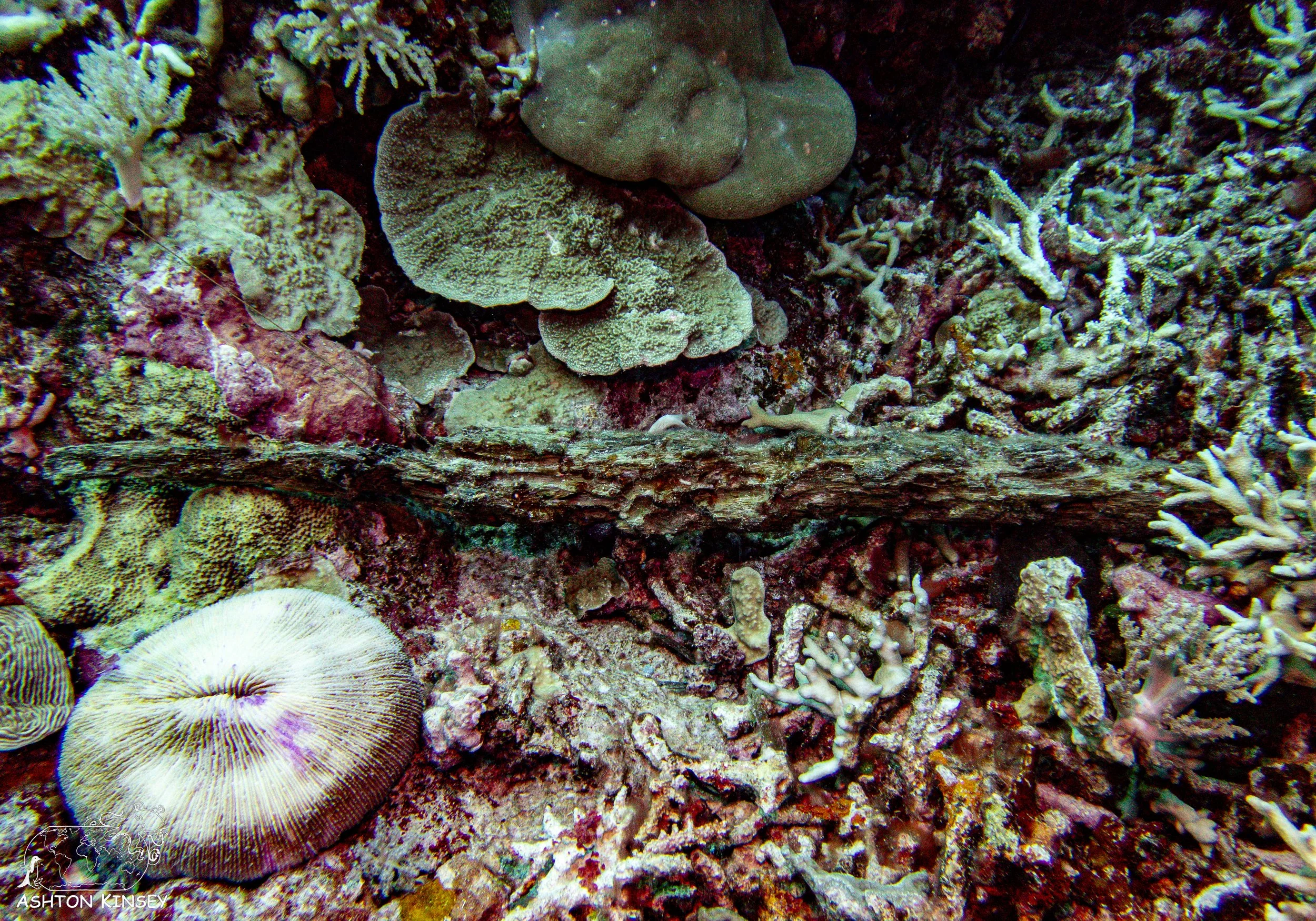
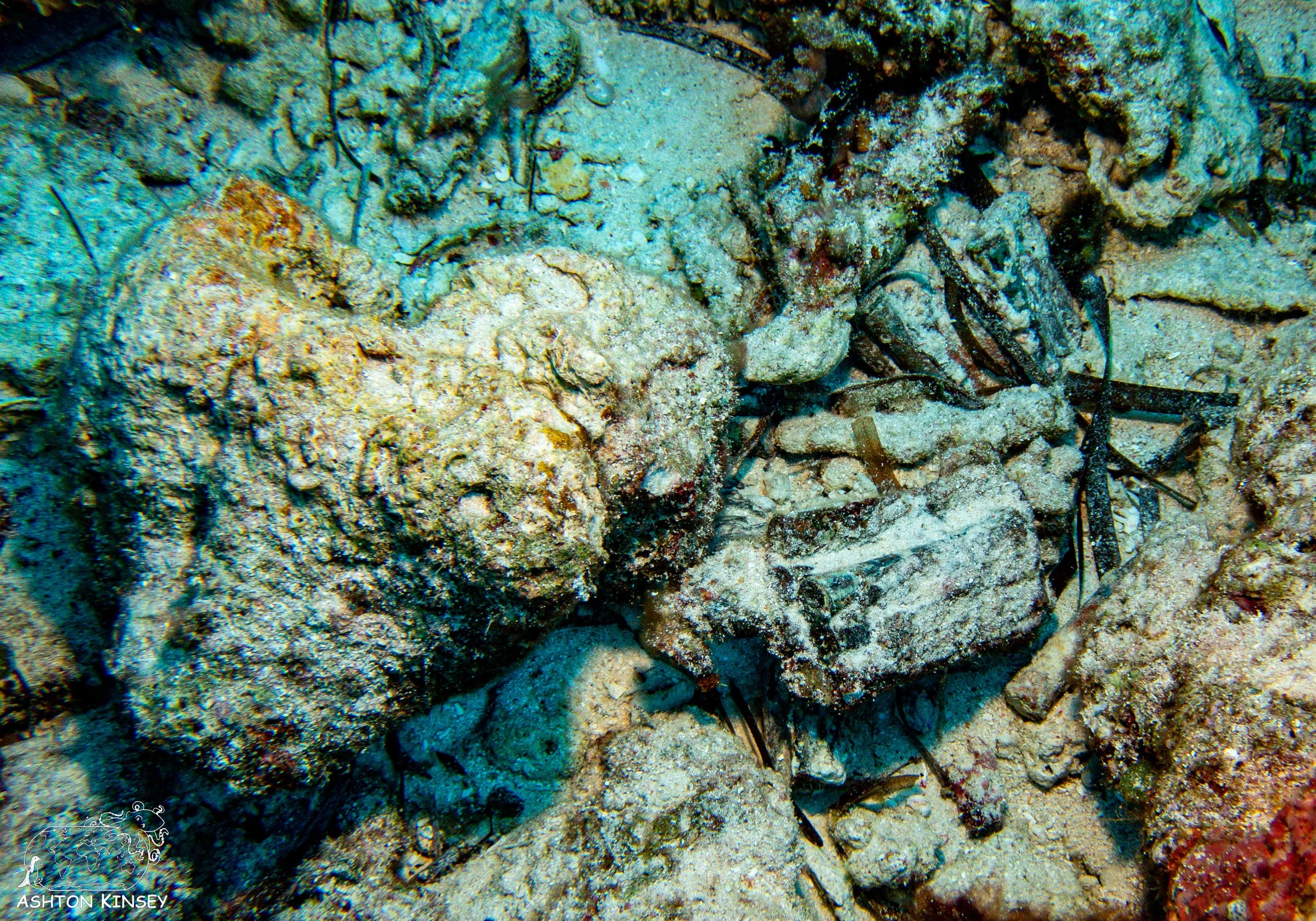
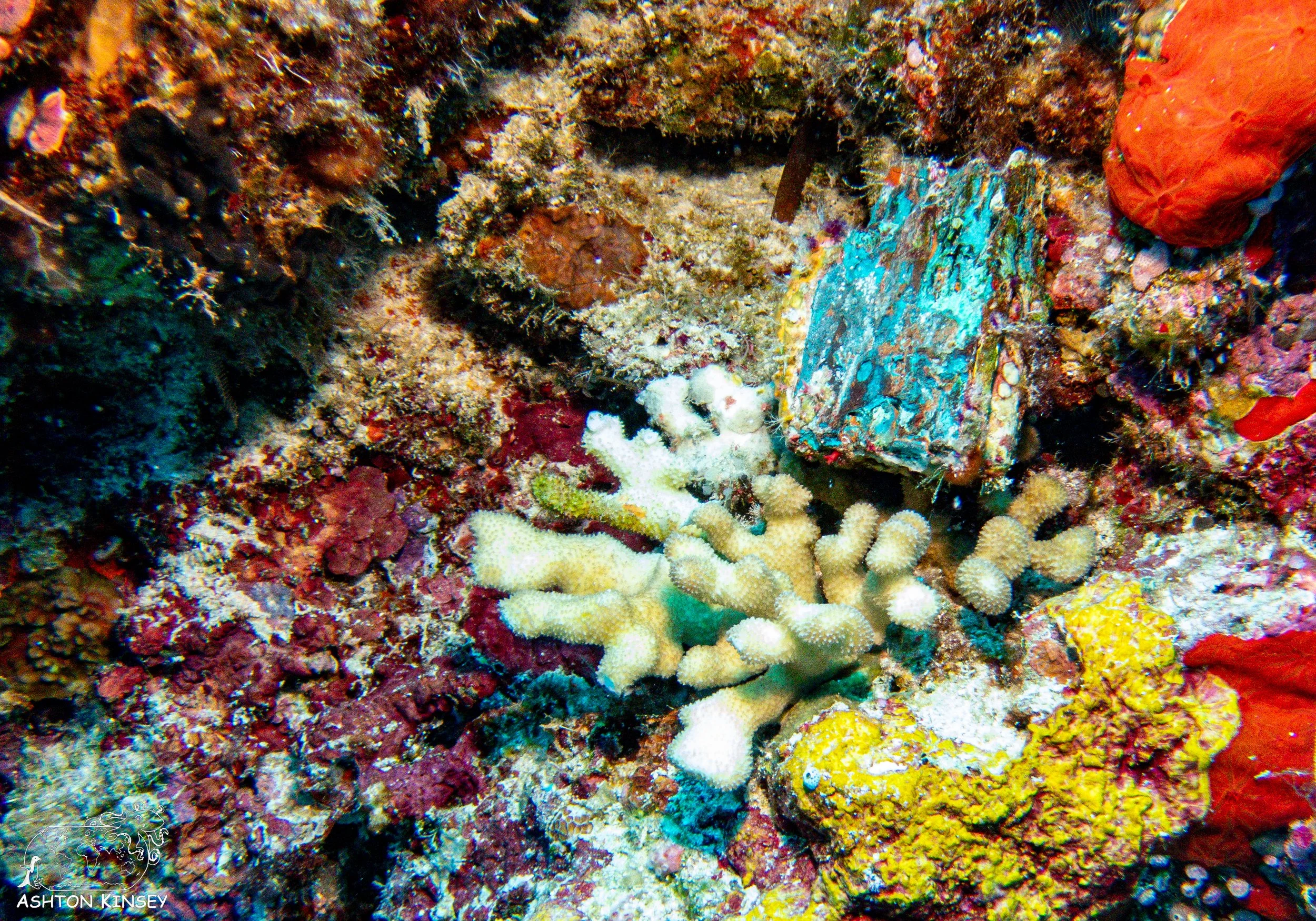
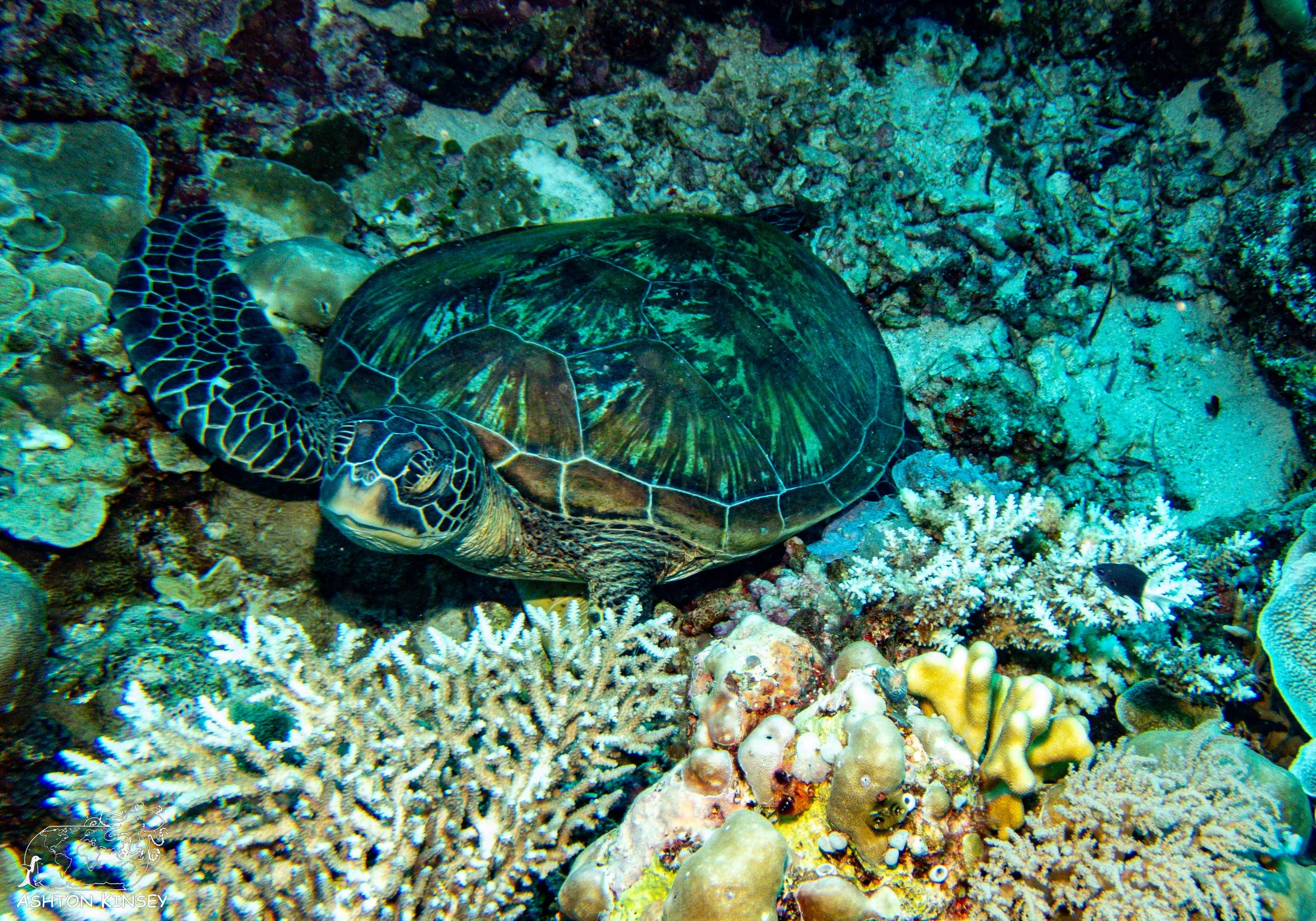
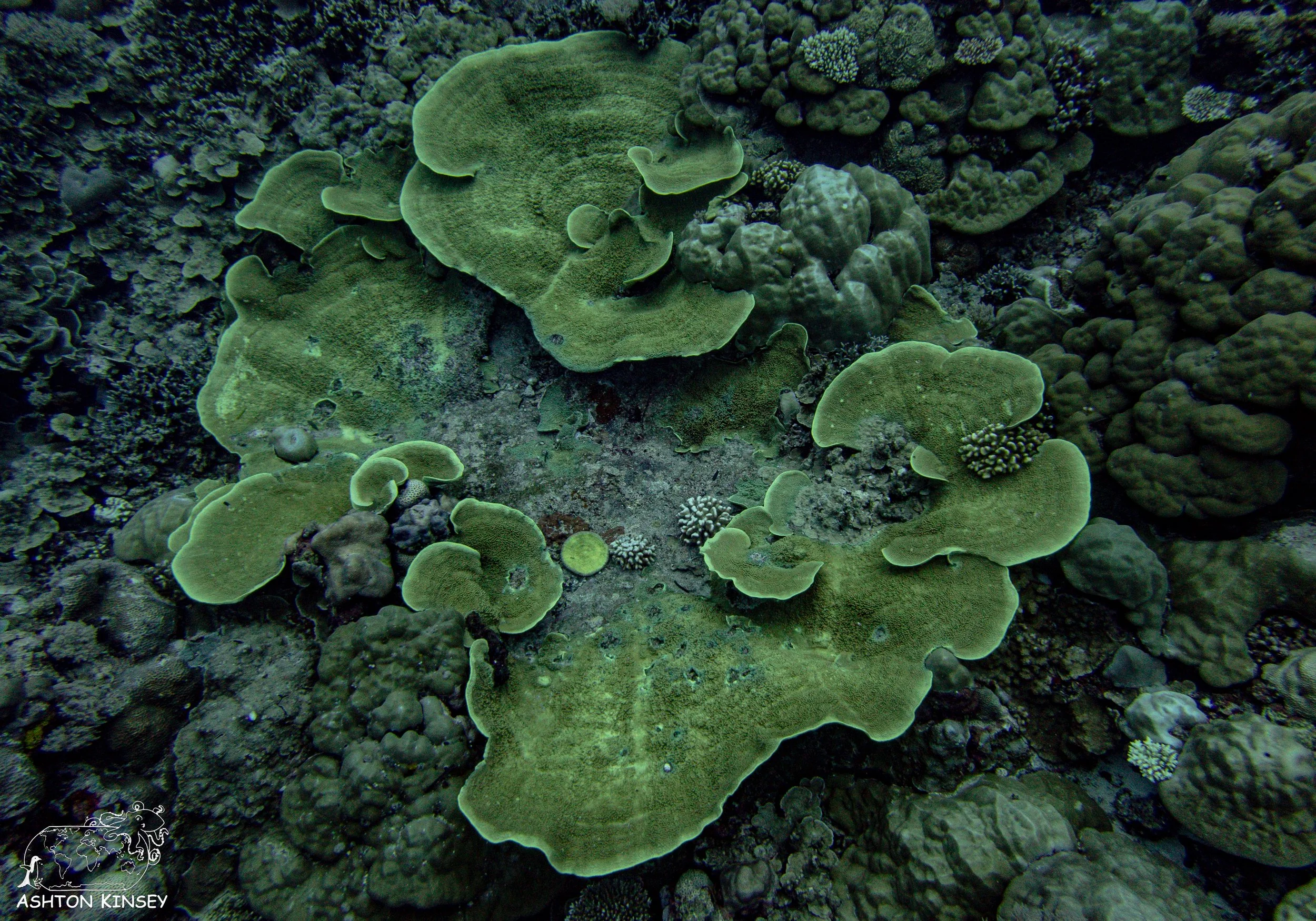
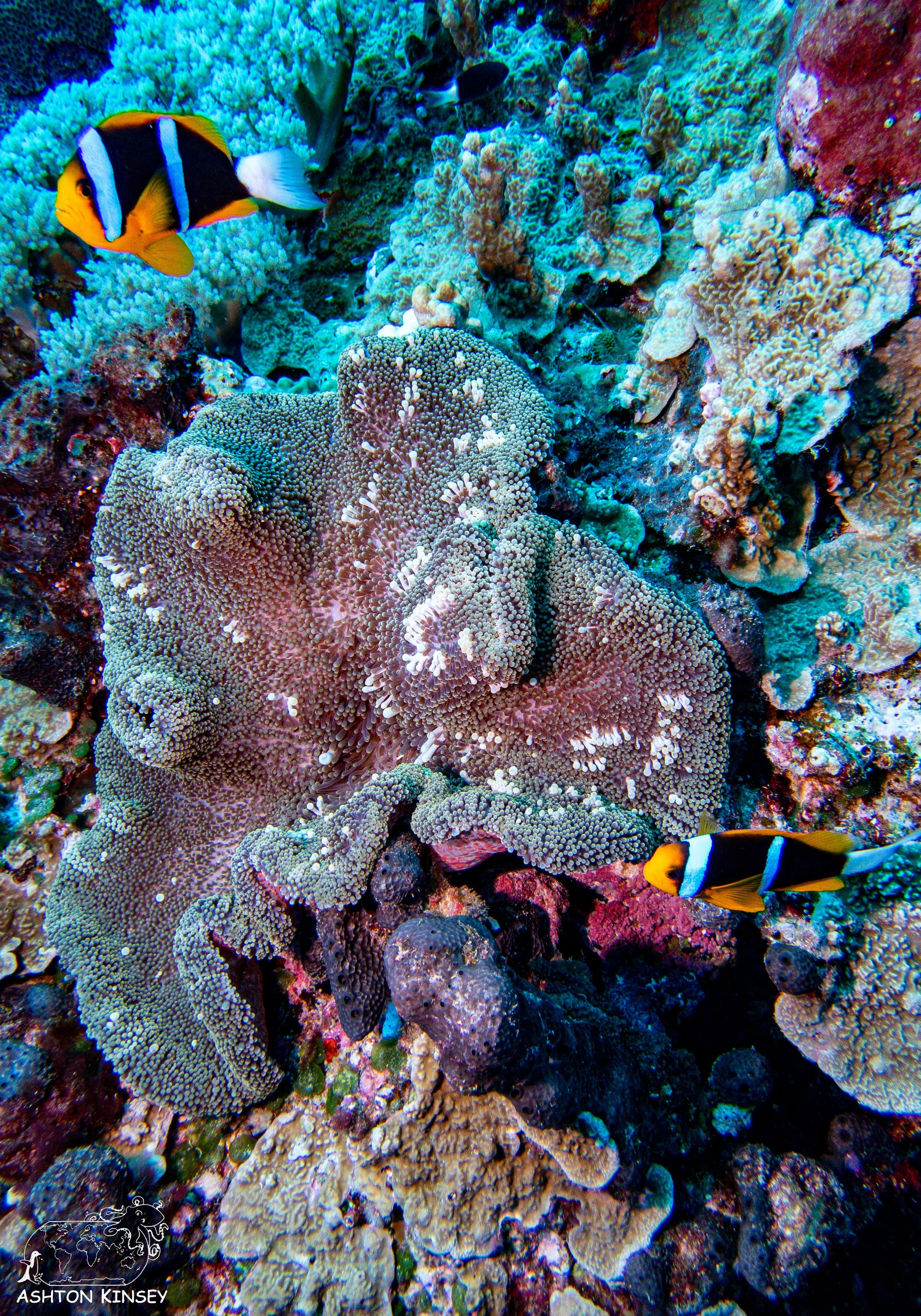
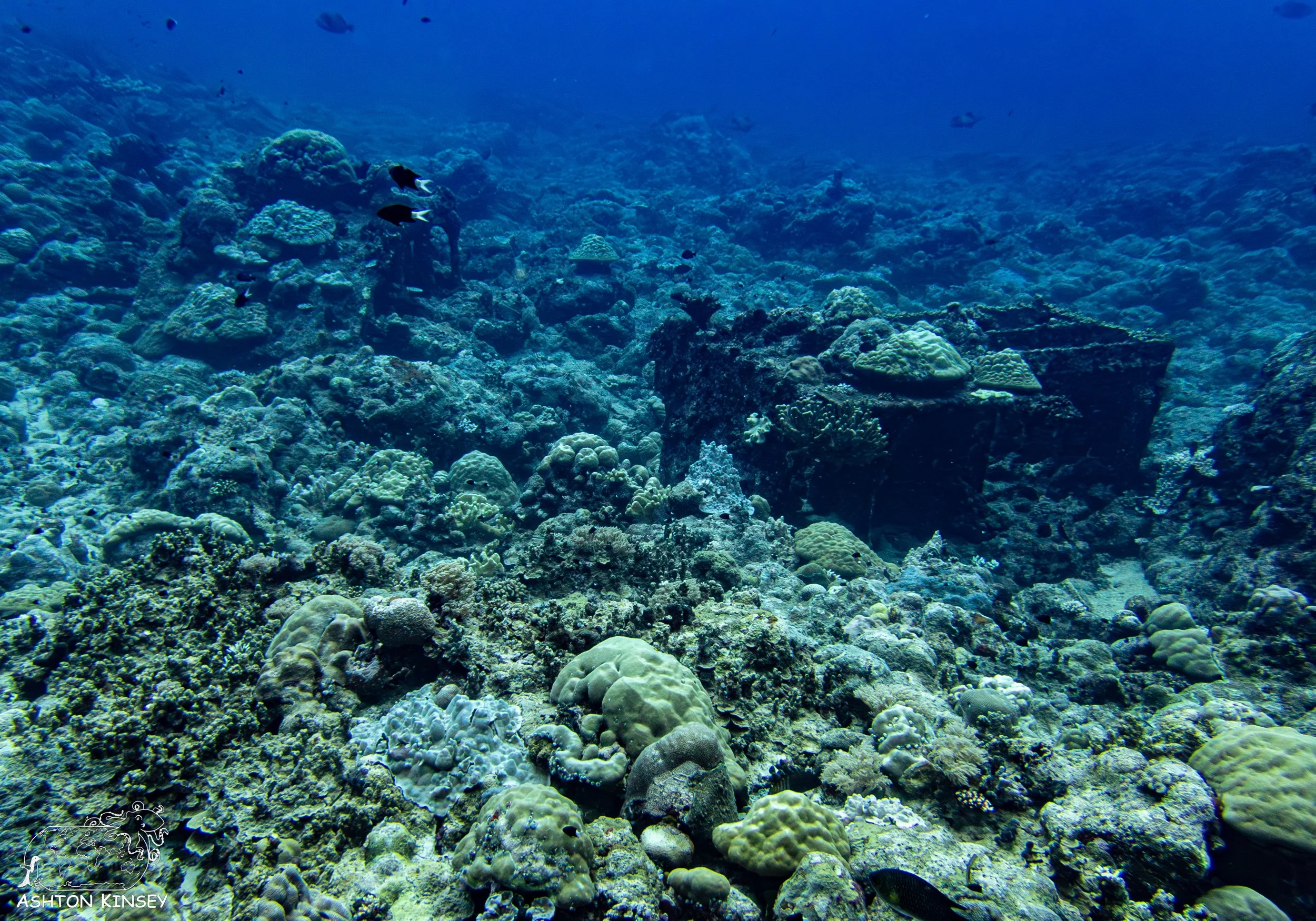
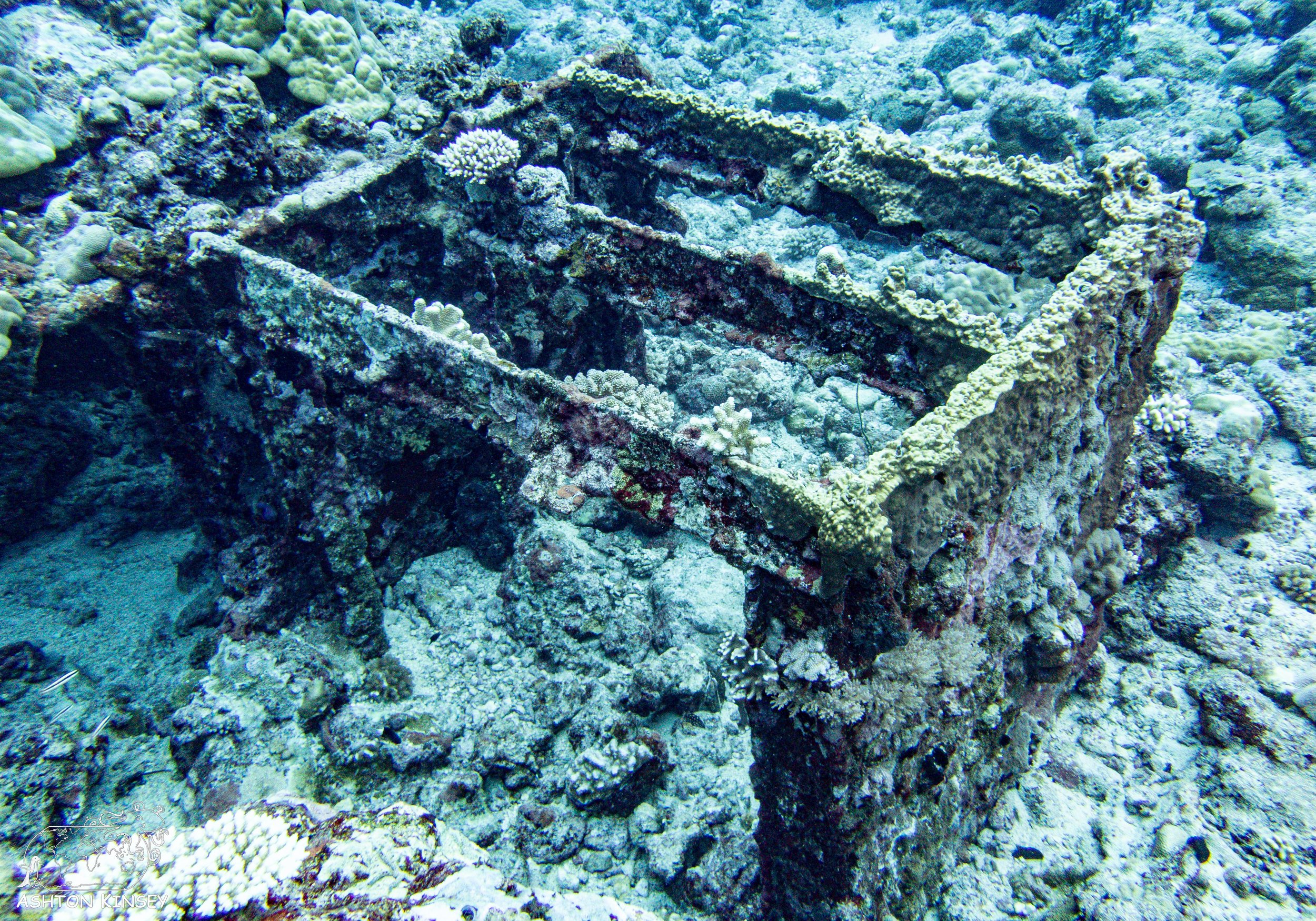
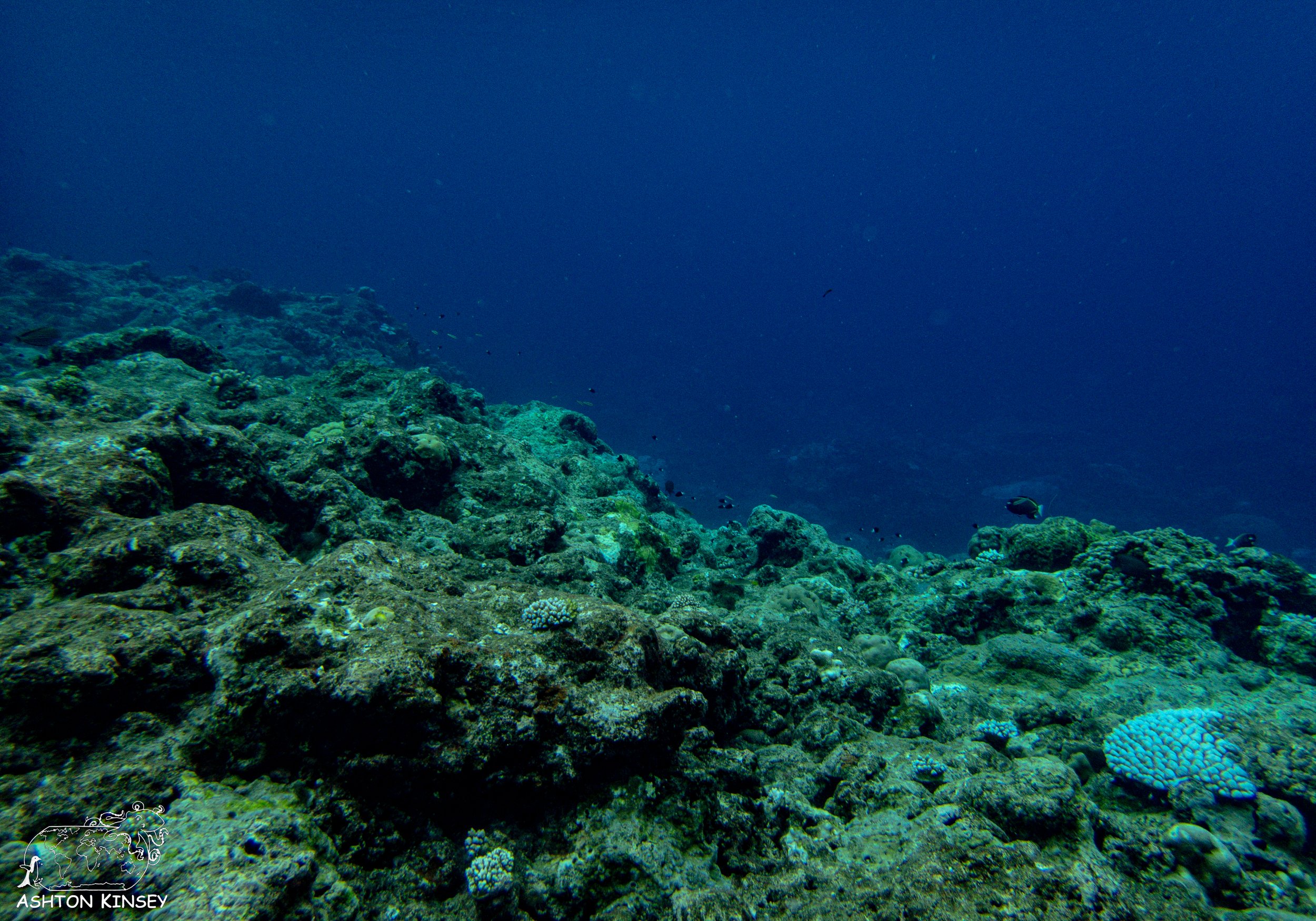
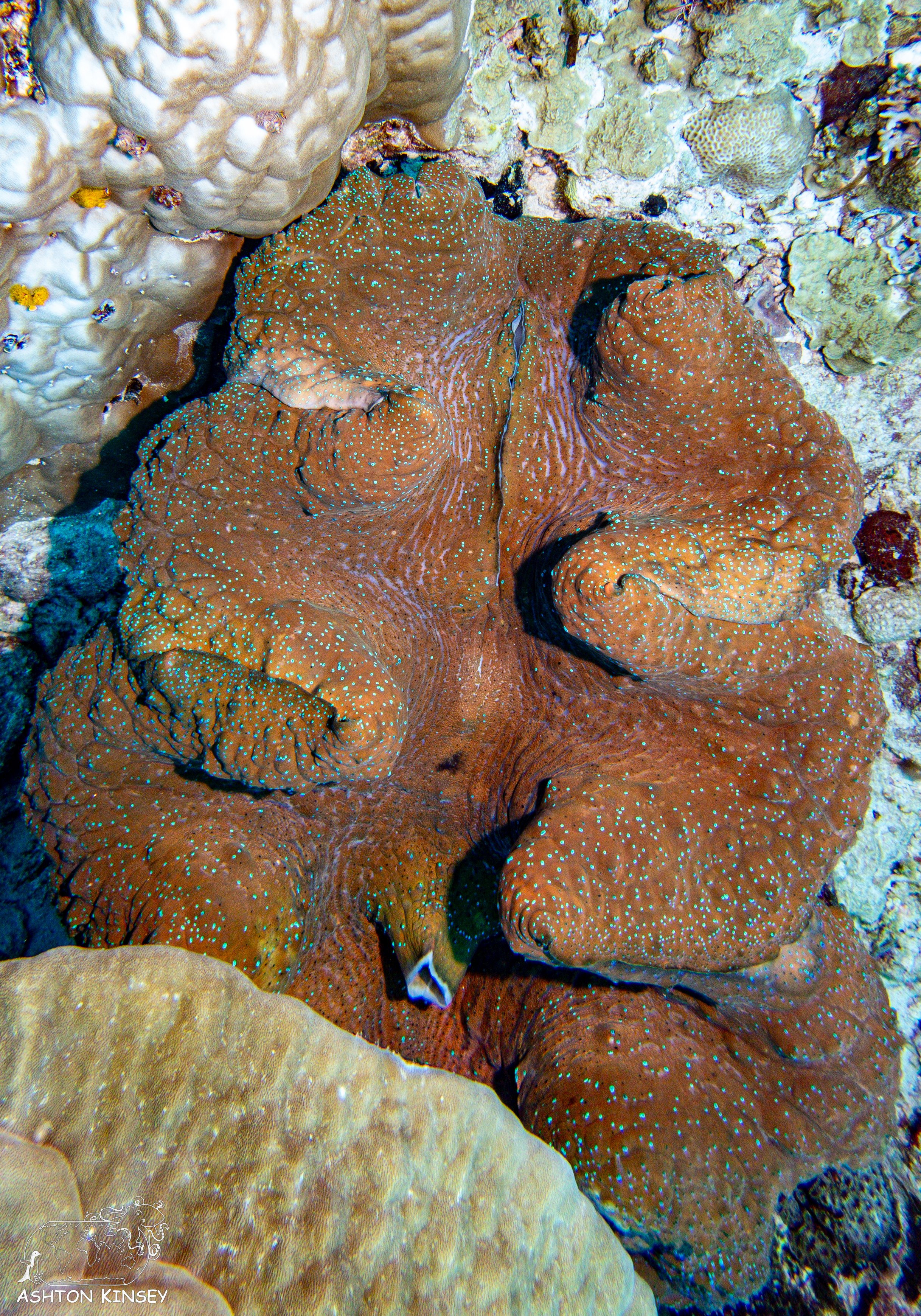
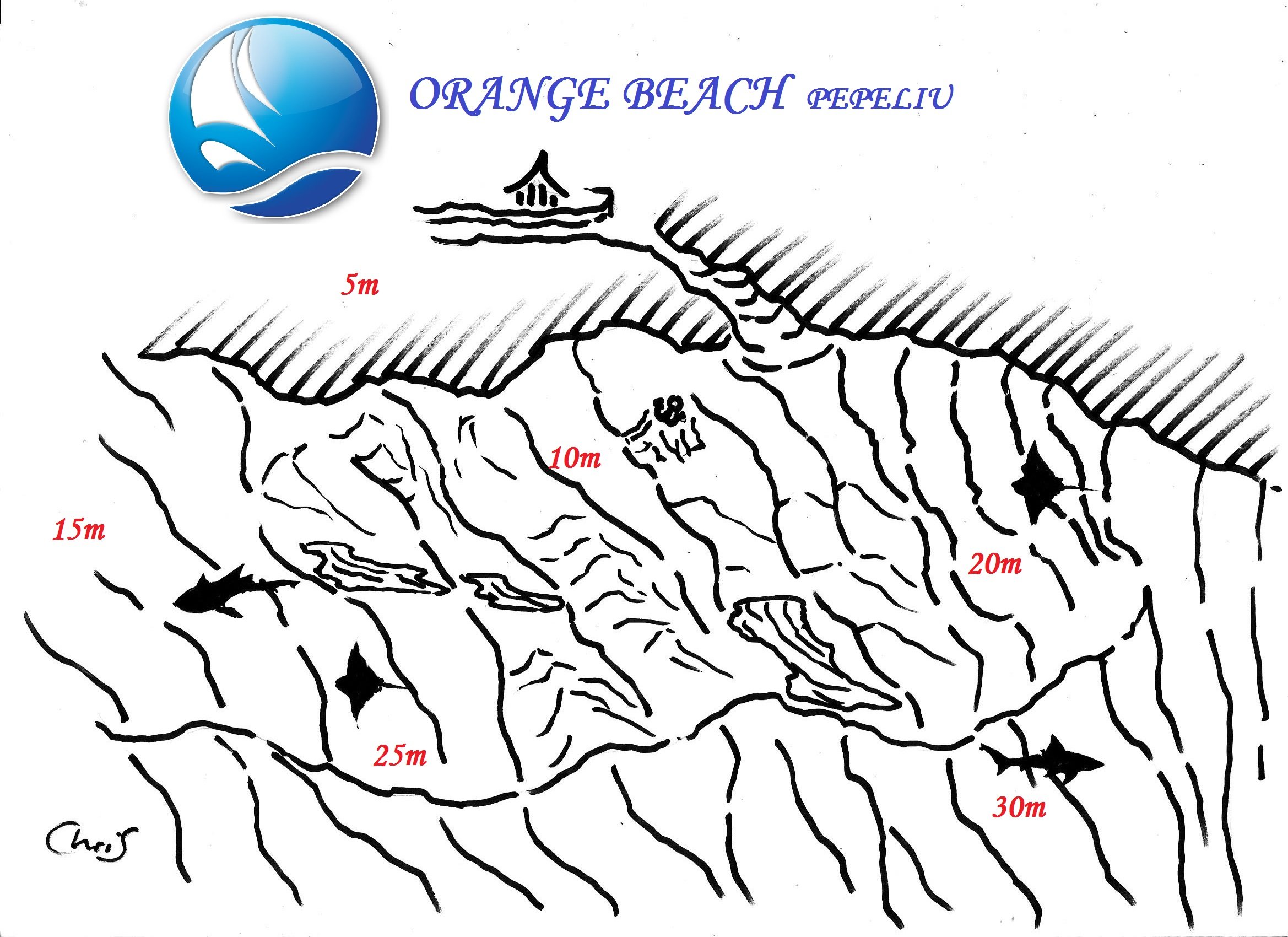
On the way to the island a pod of 100+ spinner dolphins flanked our boat and checked us all out. Orange beach was the landing point of the US Marines who tried to reclaim the airstrip of Peleliu. Remains of the battle can still be found underwater however they are mostly covered with hard corals. It’s a sloping reef with snappers, small schooling fish and turtles populating the reef. Several unexploded ordinances can be found amongst the reef from the battle as well as the wrecked shells of American pontoons.
The Cut
Dive 25: 84’ for 60 Min
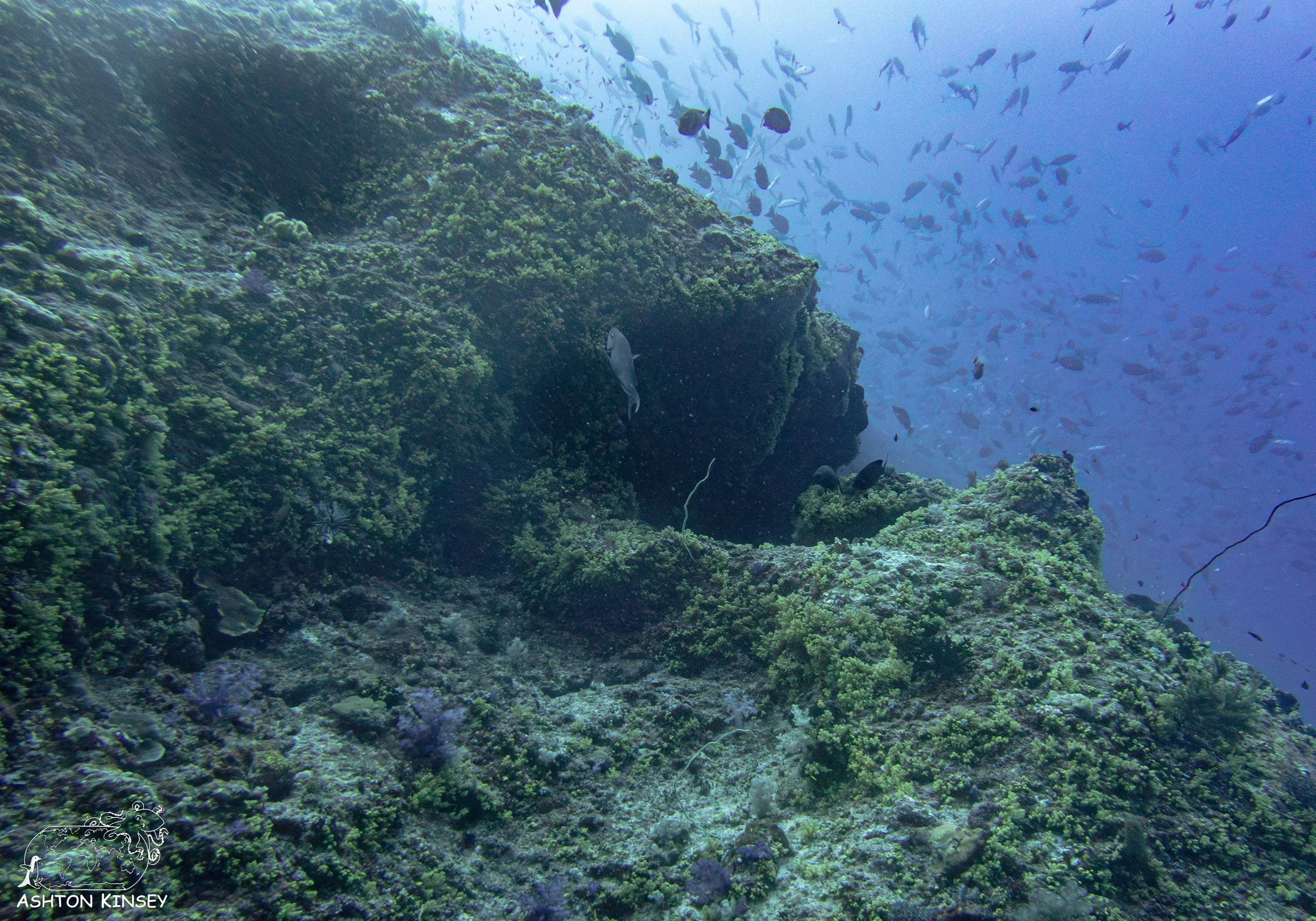
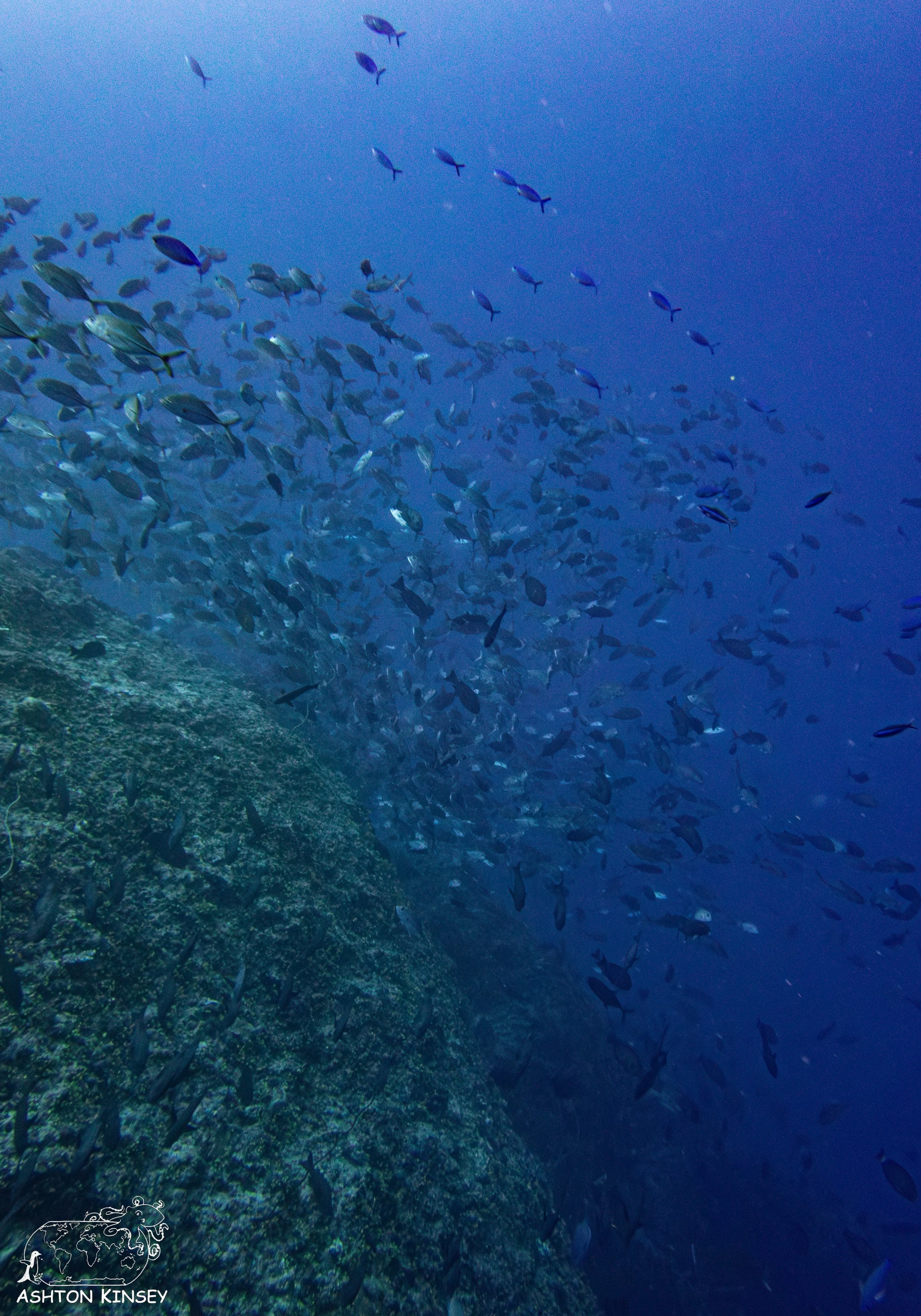
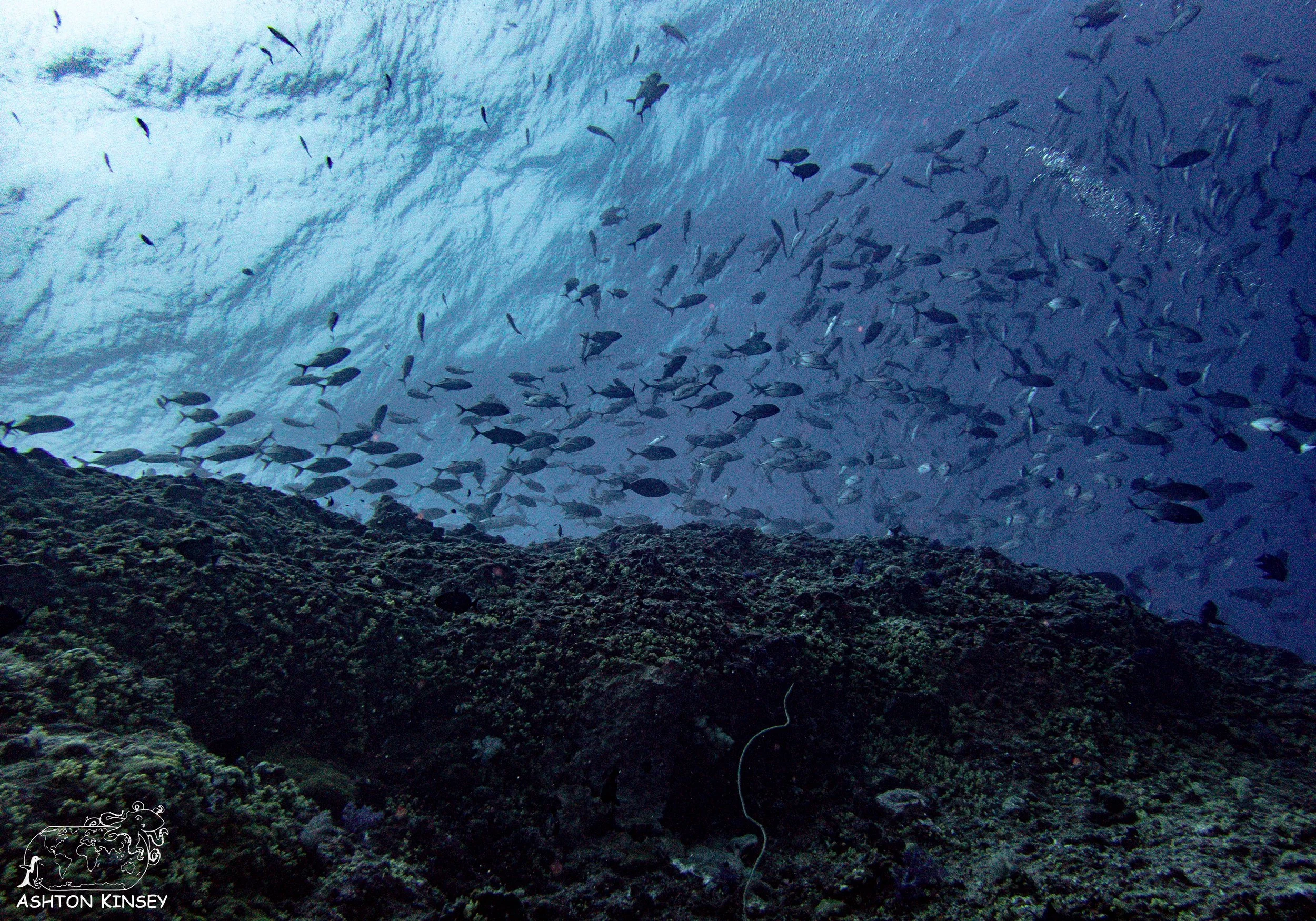
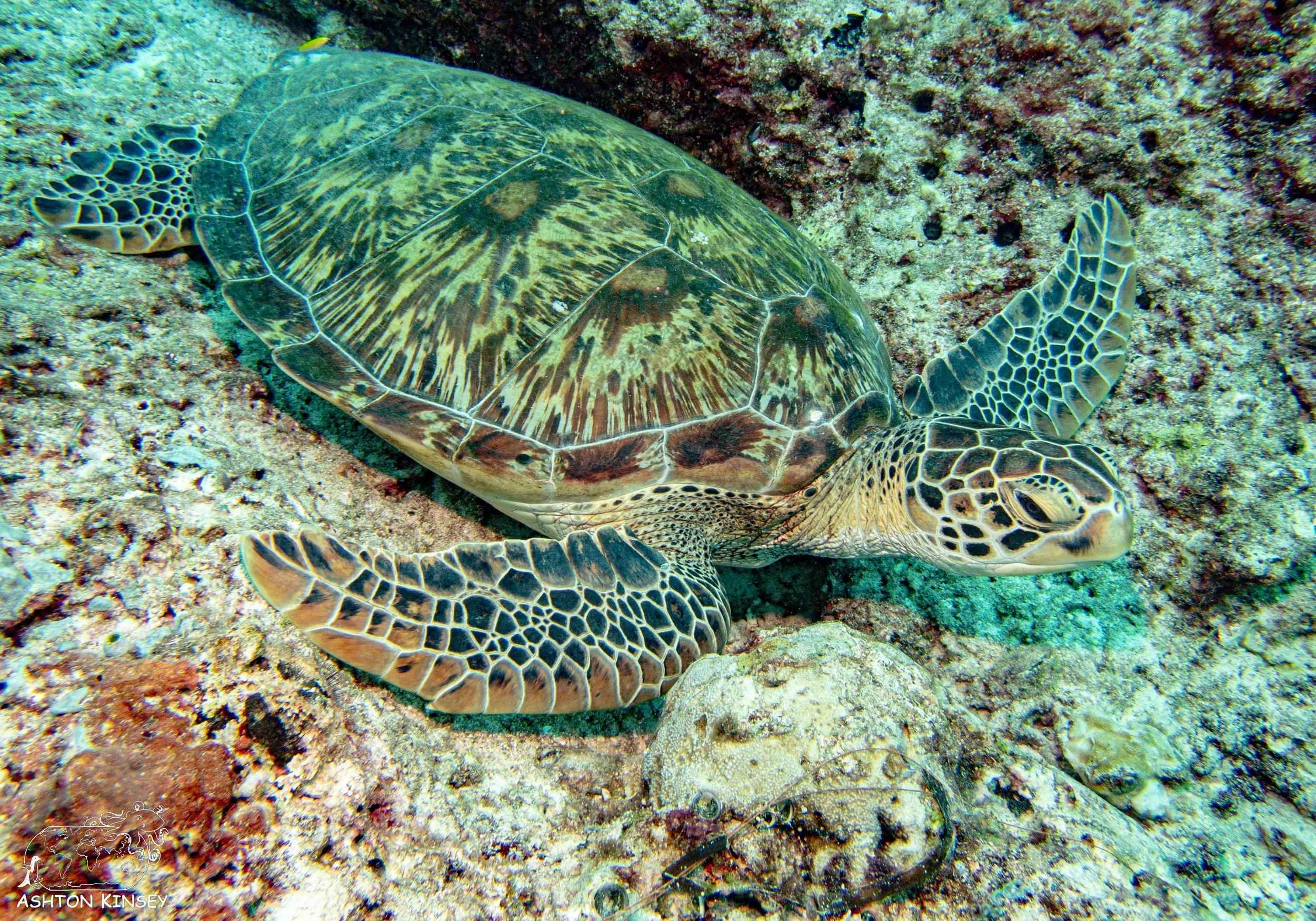
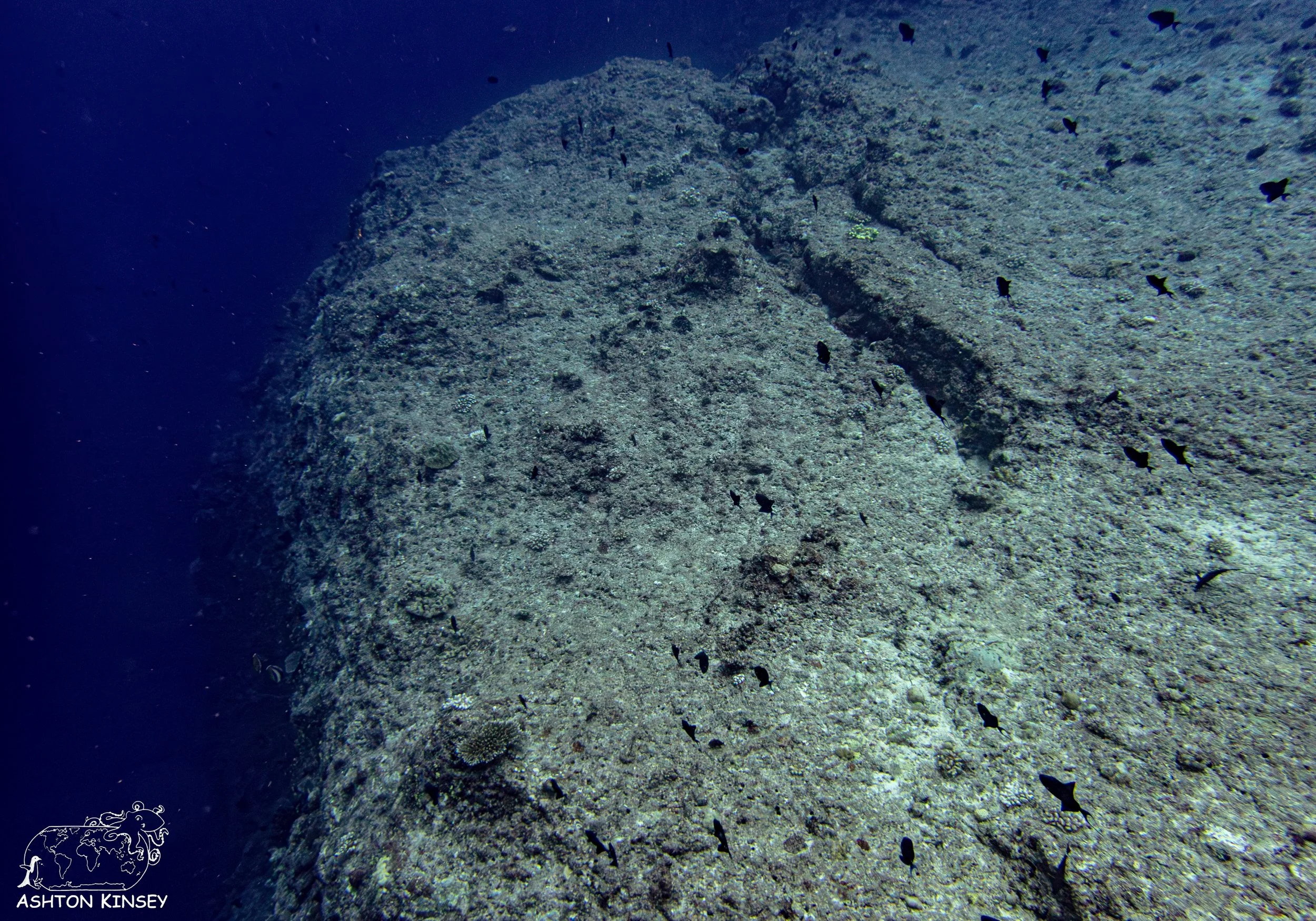
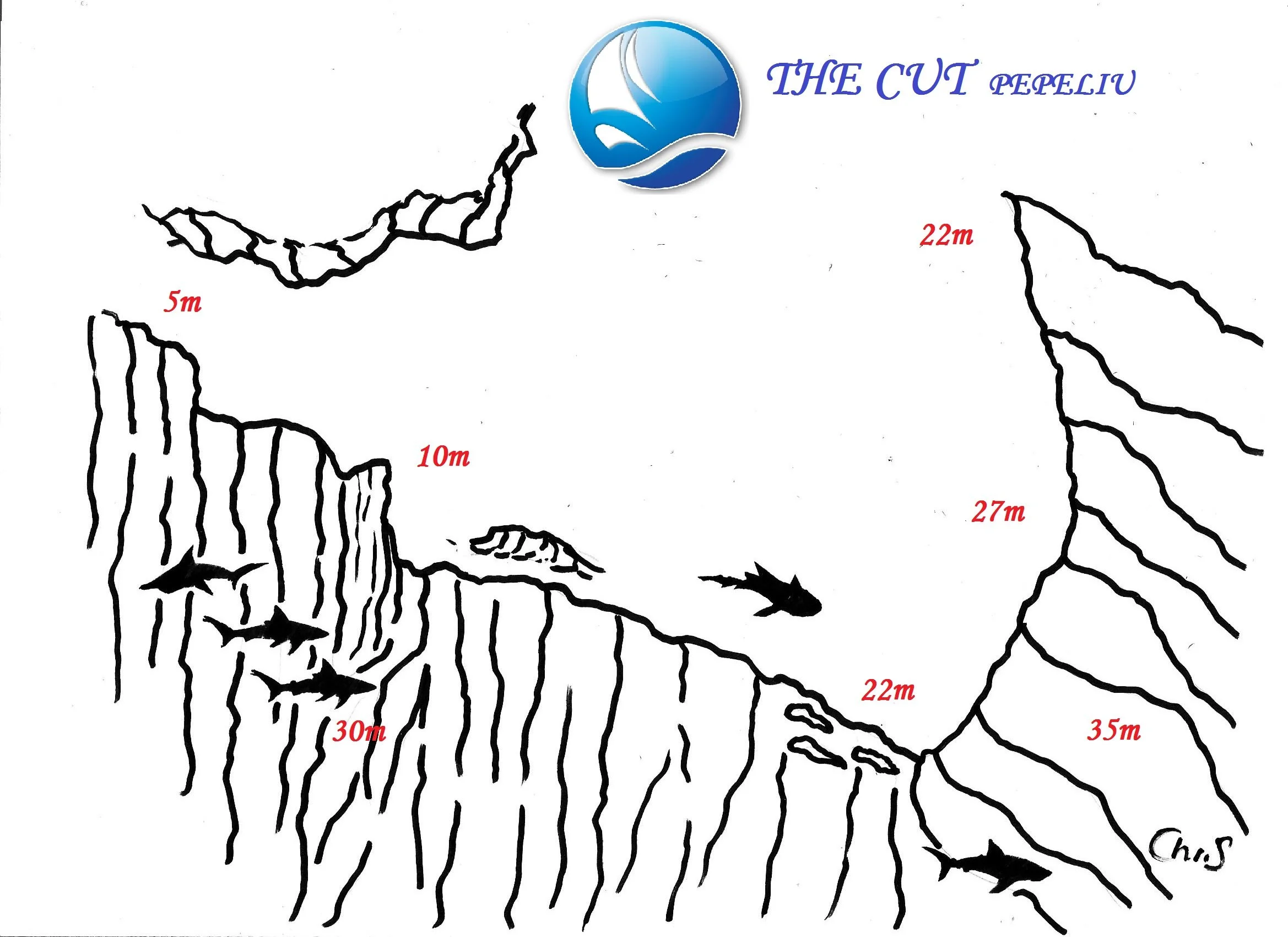
A roaring lion or a purring kitten of a dive. A shear wall at the tip of Peleliu’s southern island. Depending on the currents this can be a very intense dive with strong currents up to 7 knots. If there is a strong current, it is a good dive to hook into and watch the show. Several types of sharks, including bulls, can be found here groupers, rays and turtles are all common in the blue. There can be strong down currents due to the water hitting the reef and being forced downwards. Can also have up currents that can push up and over the plateau that sticks out. A nice relaxing dive without much currents, several turtles and sharks were prevalent
Rock Islands
Iro Wreck
Dive 32: 100’ for 54 Min
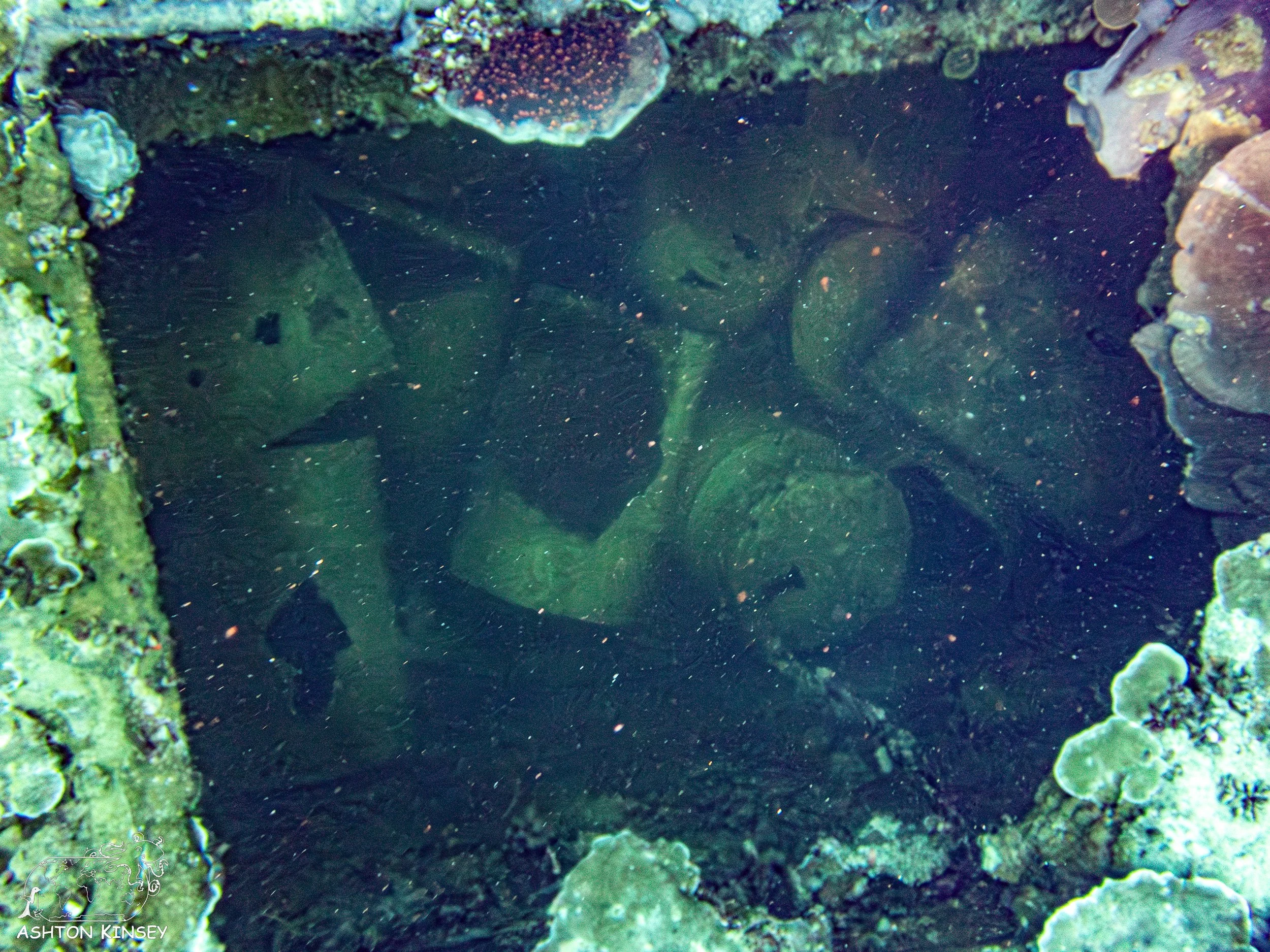
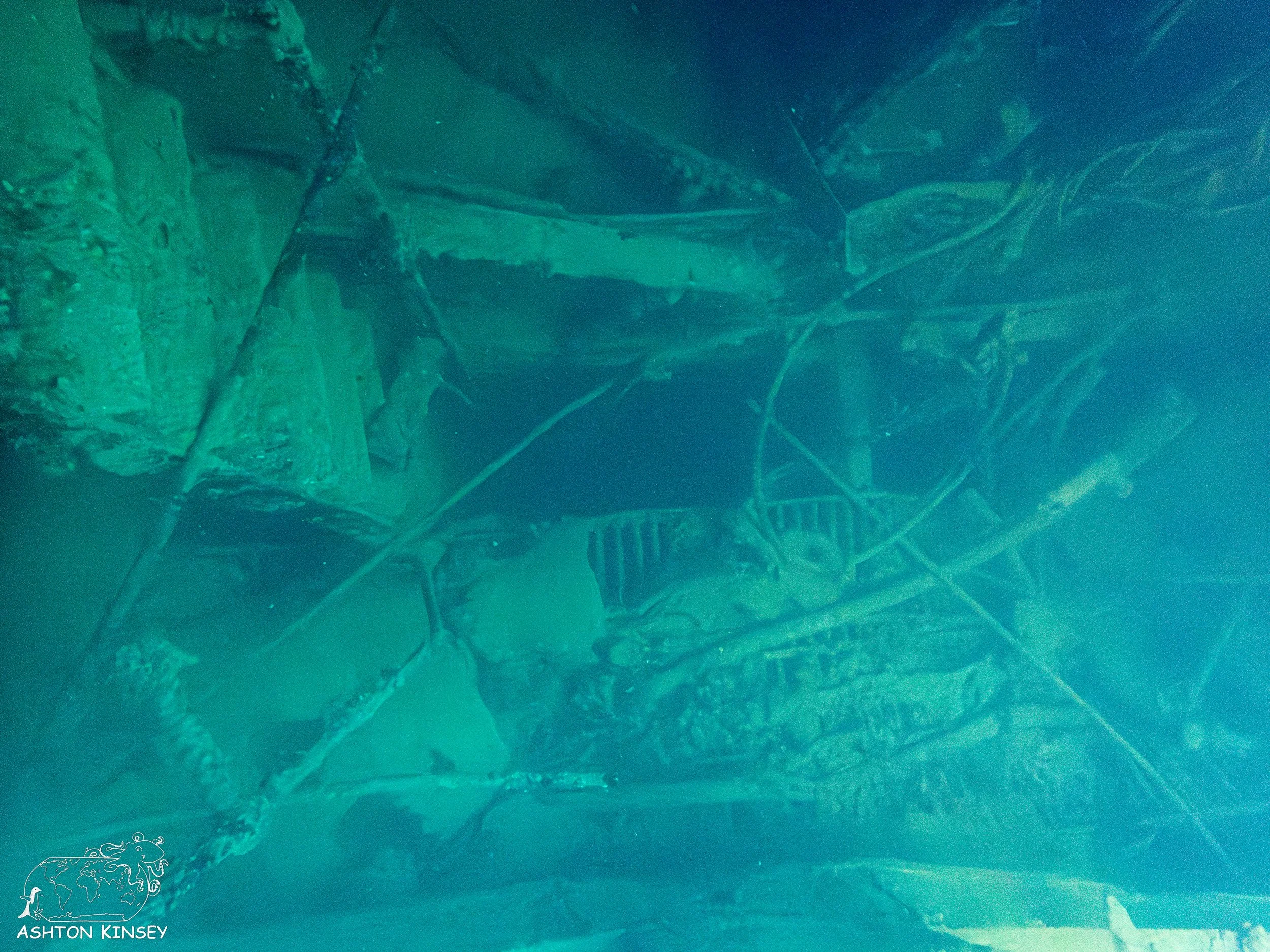
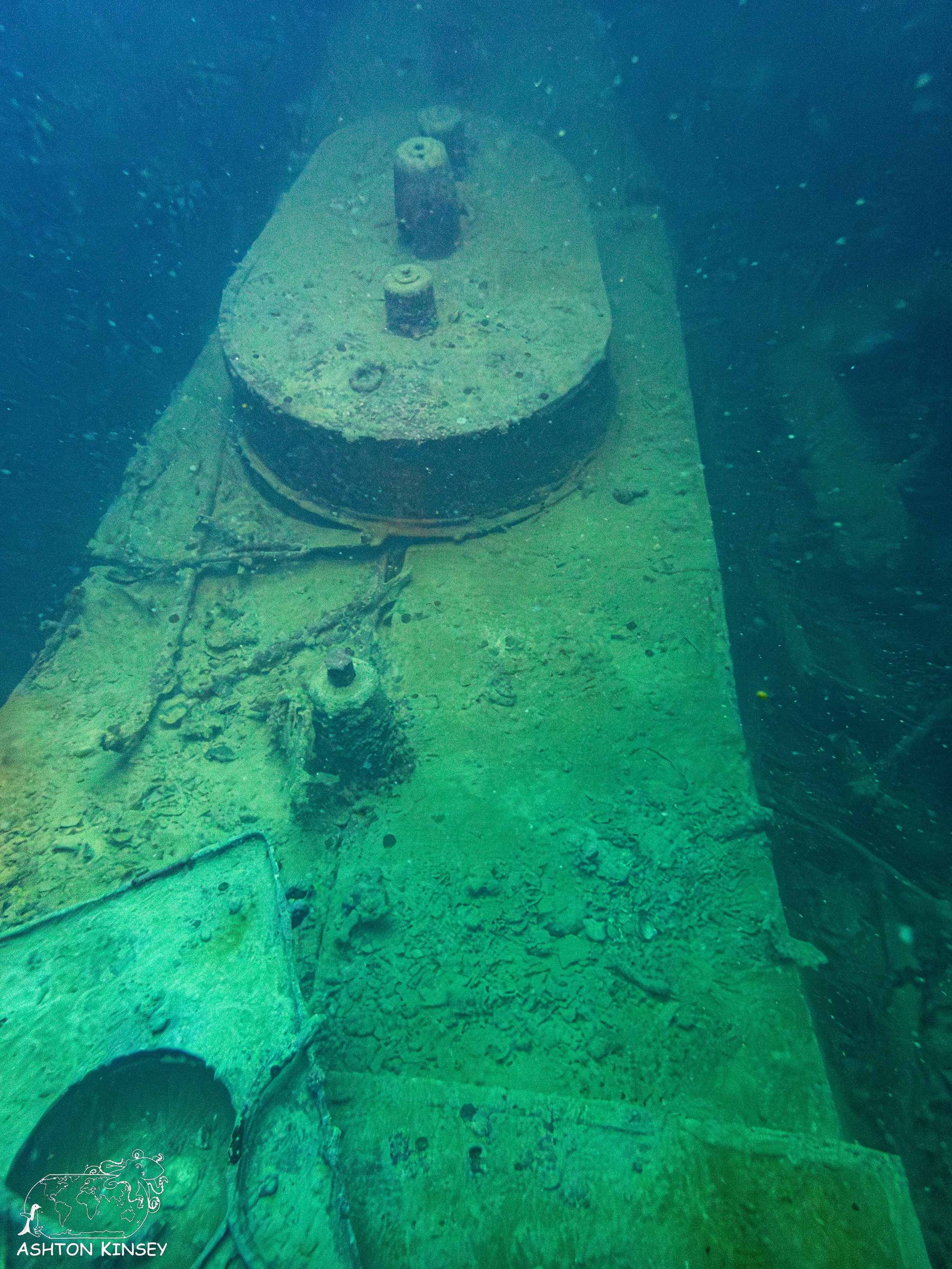
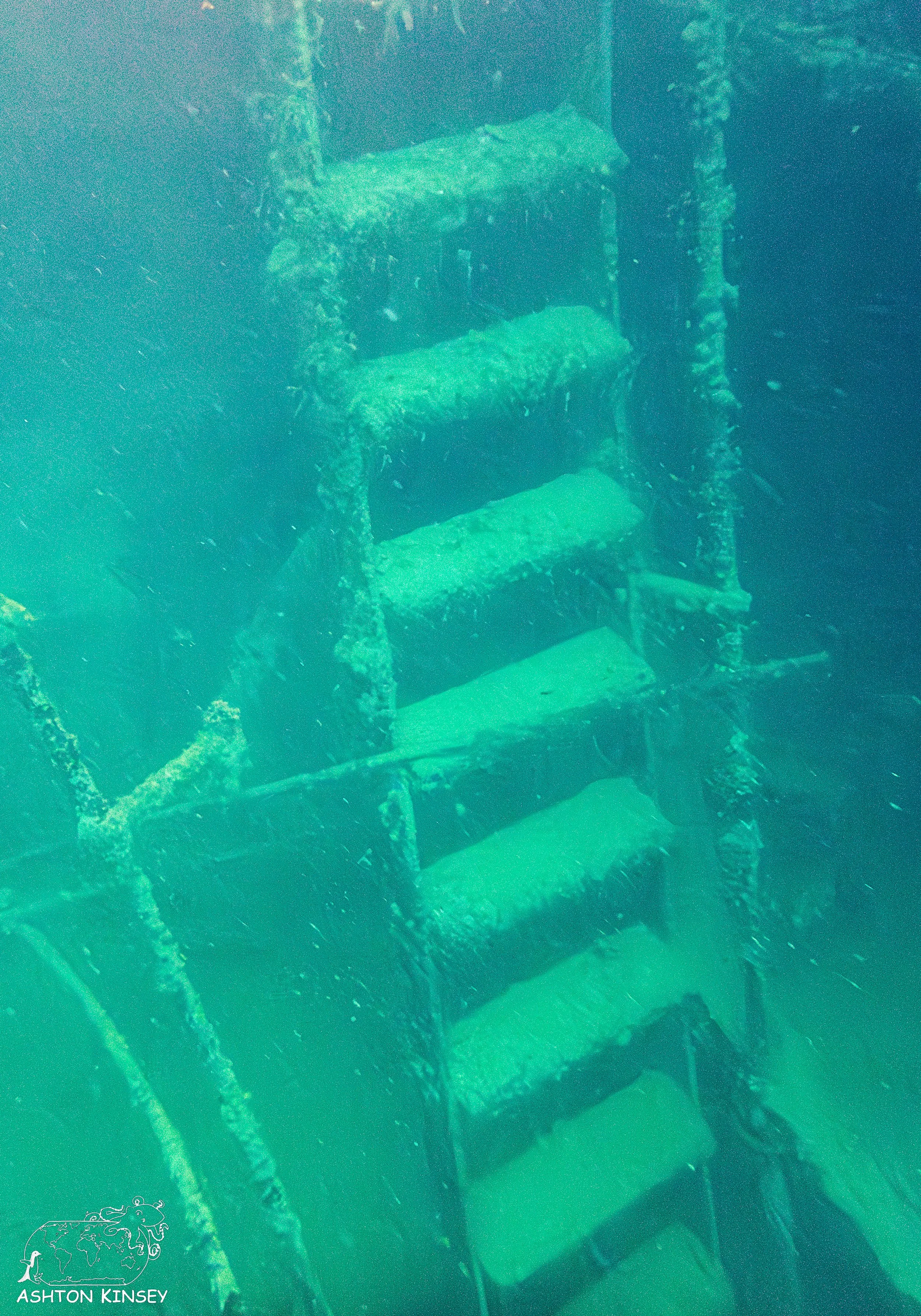
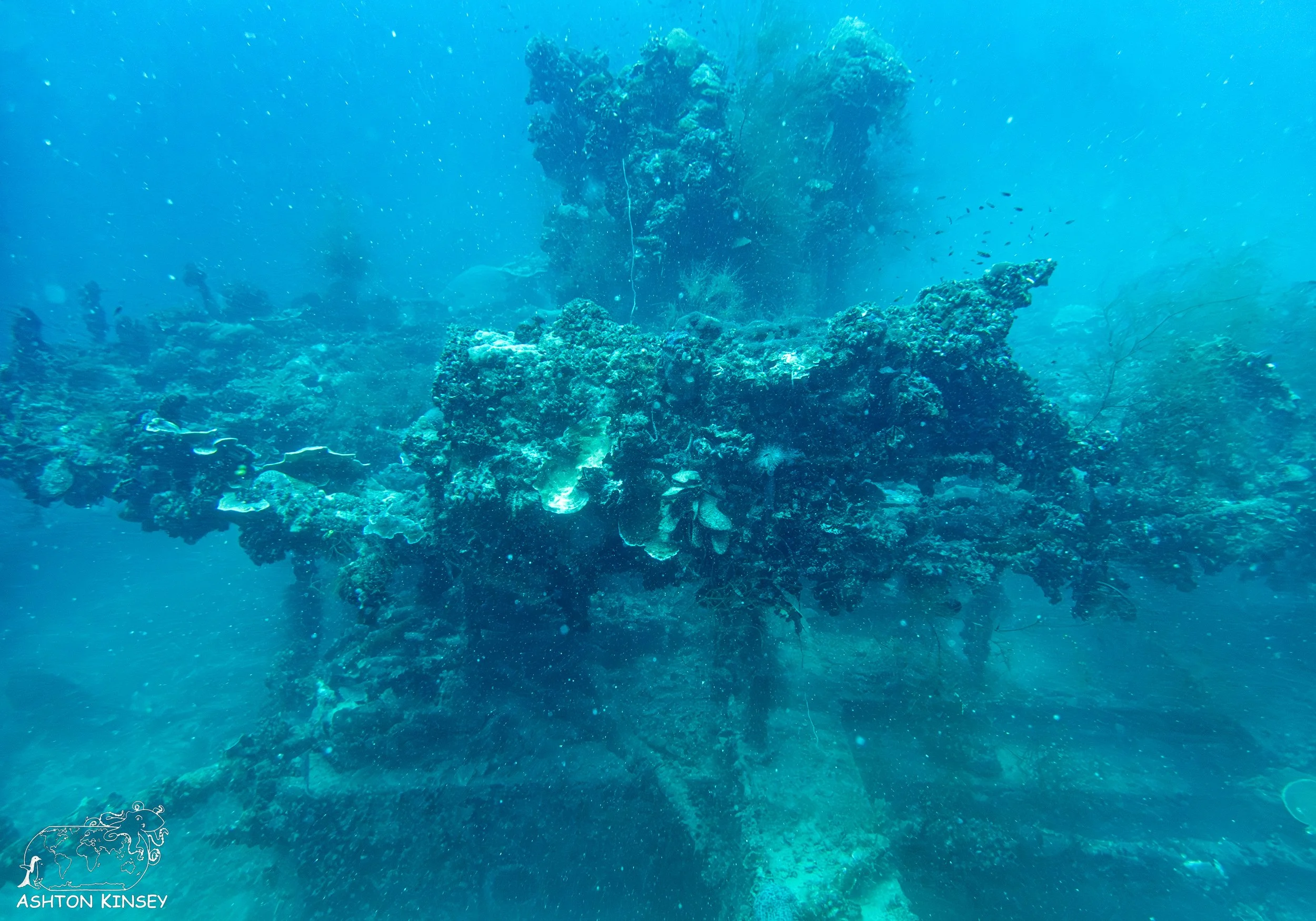
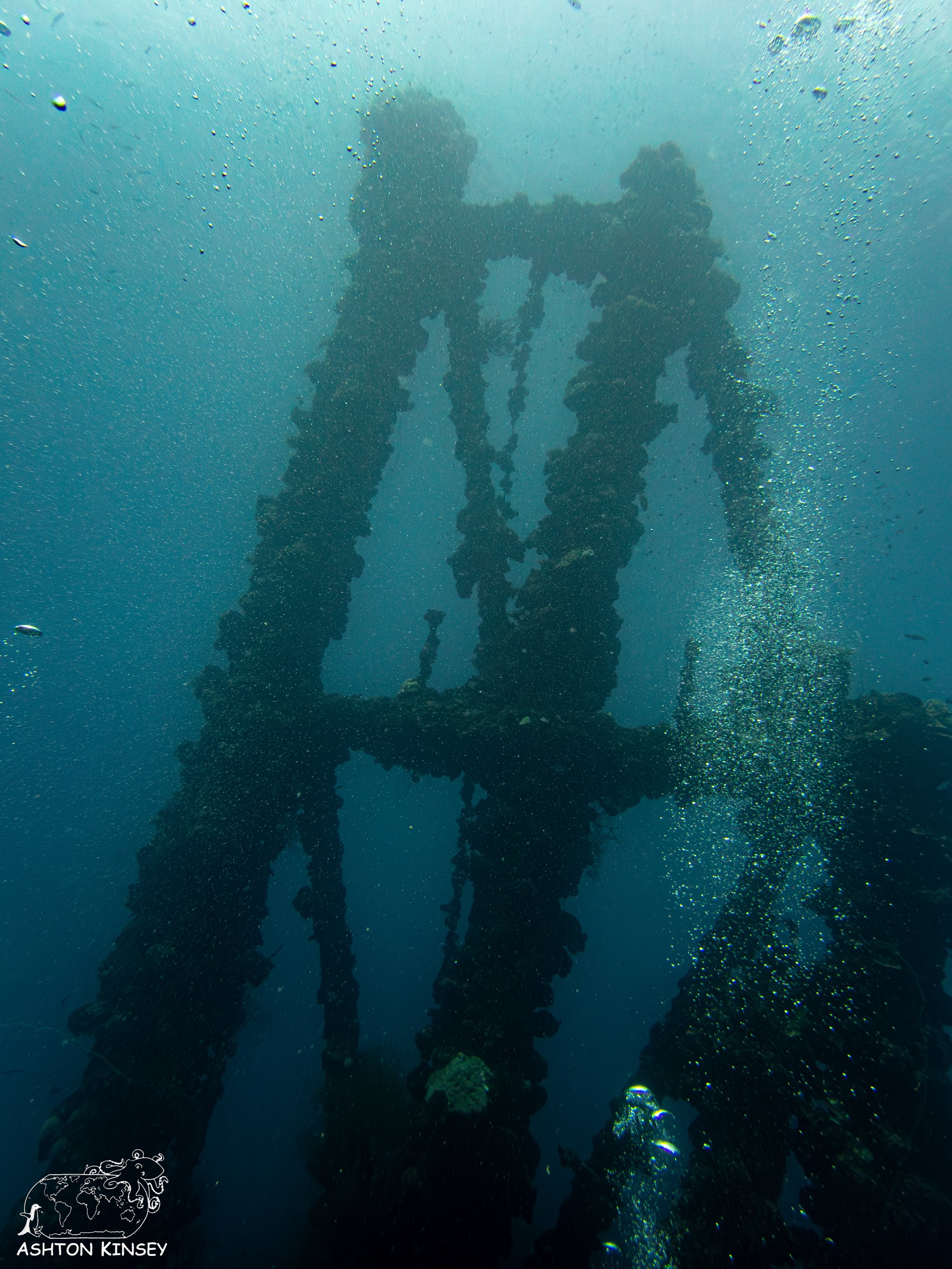
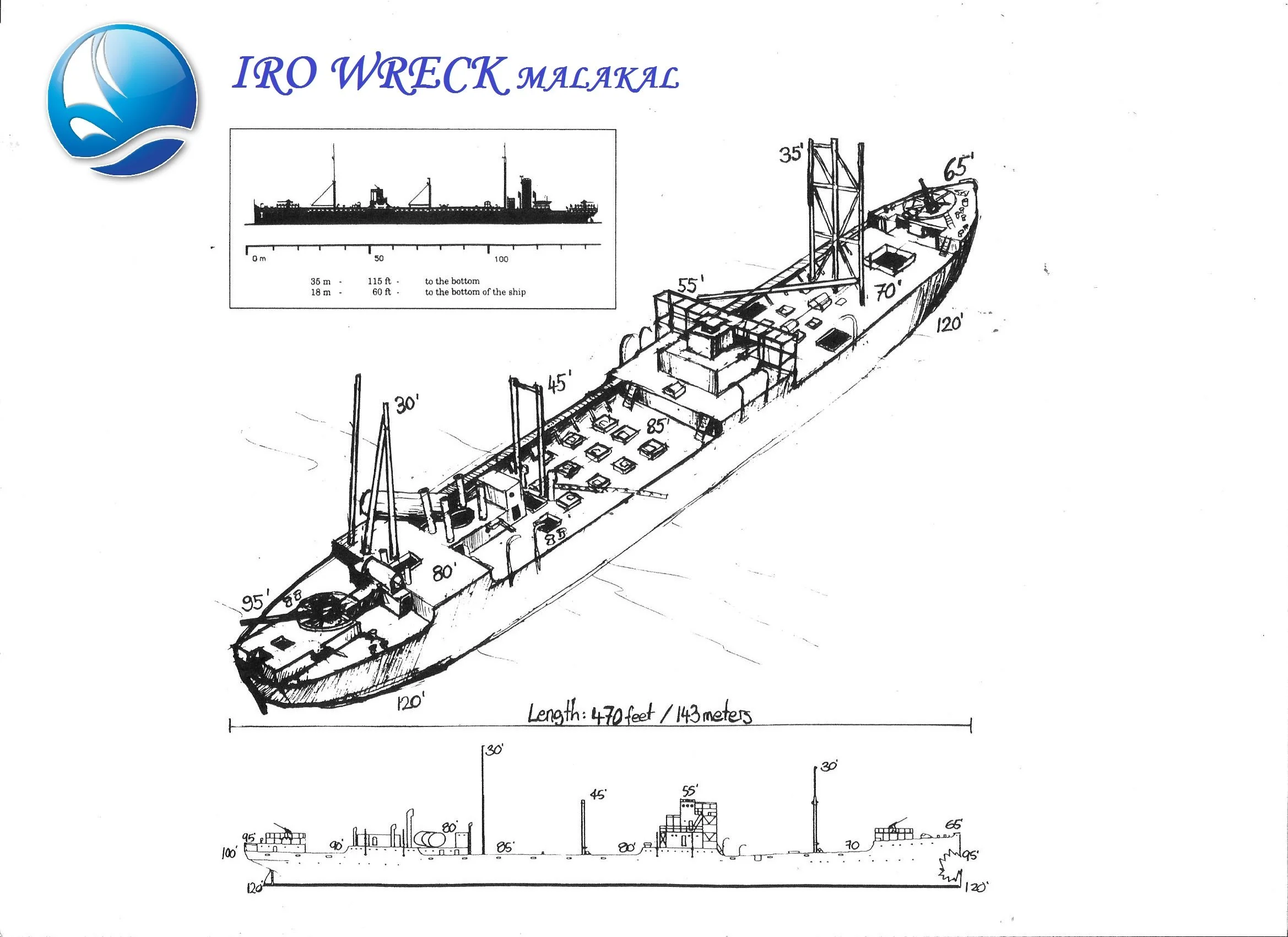
The IJN Iro was an oil tanker built in 1922 in Osaka, Japan, designed specifically for the Imperial Japanese Navy. Unlike most of the merchant ships that were converted for military use, the Iro was originally commissioned as a naval oil transport. At 417 feet in length and 58 feet in beam, it was a large vessel that primarily transported oil and supplies. In 1944, it was hit by two torpedoes fired by the USS Tunny but was able to limp its way to Palau by sealing off the bulk heads in the bow. It was docked outside a shipyard but during Operation Desecrate 1, the U.S. conducted a series of bombings on Palau, and on the second wave of bombings the Iro was struck by a delayed fuse bomb, causing severe a fire in the engine room. The fire burned for three days, and the ship finally sank three weeks later on April 17, 1944.
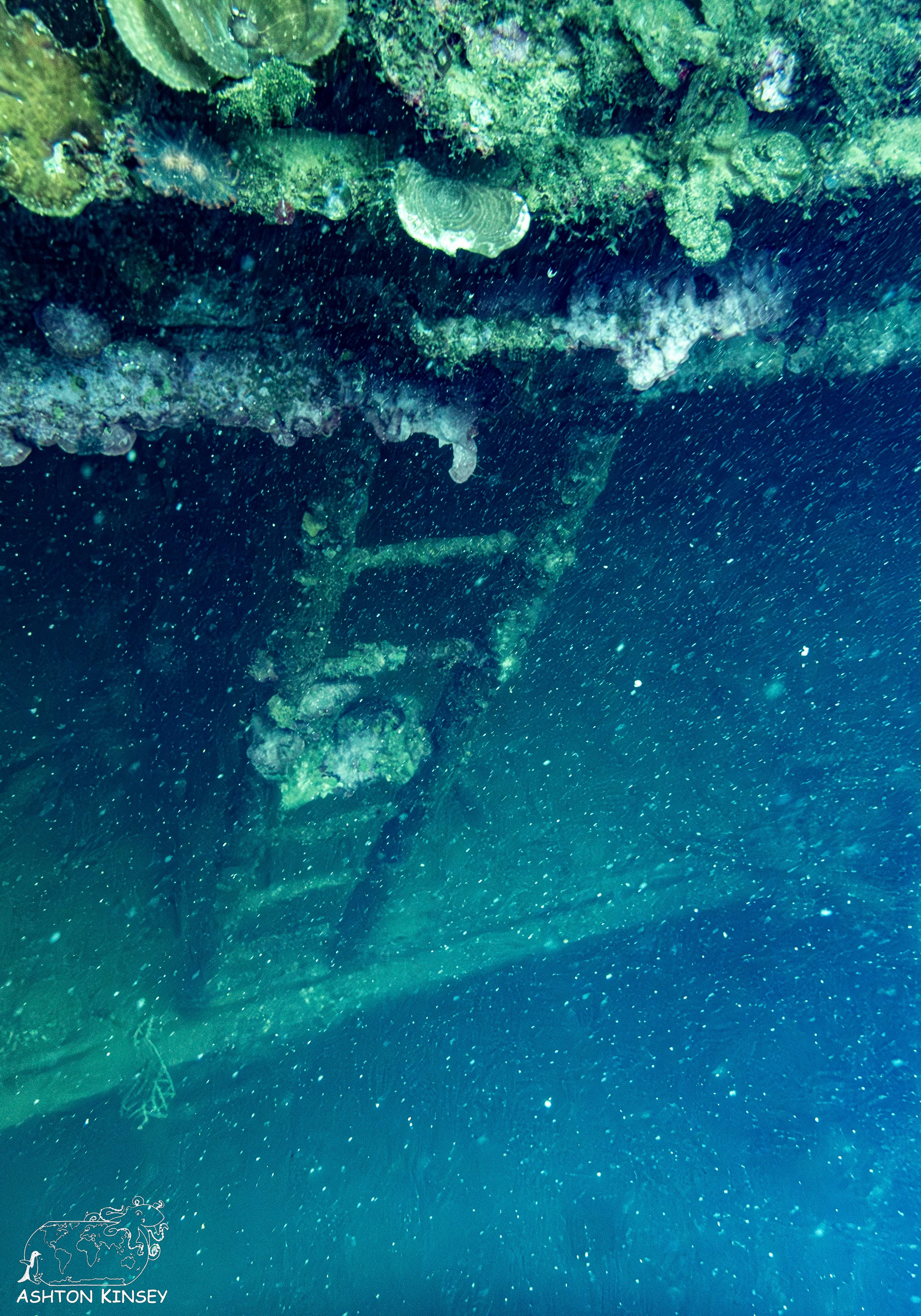
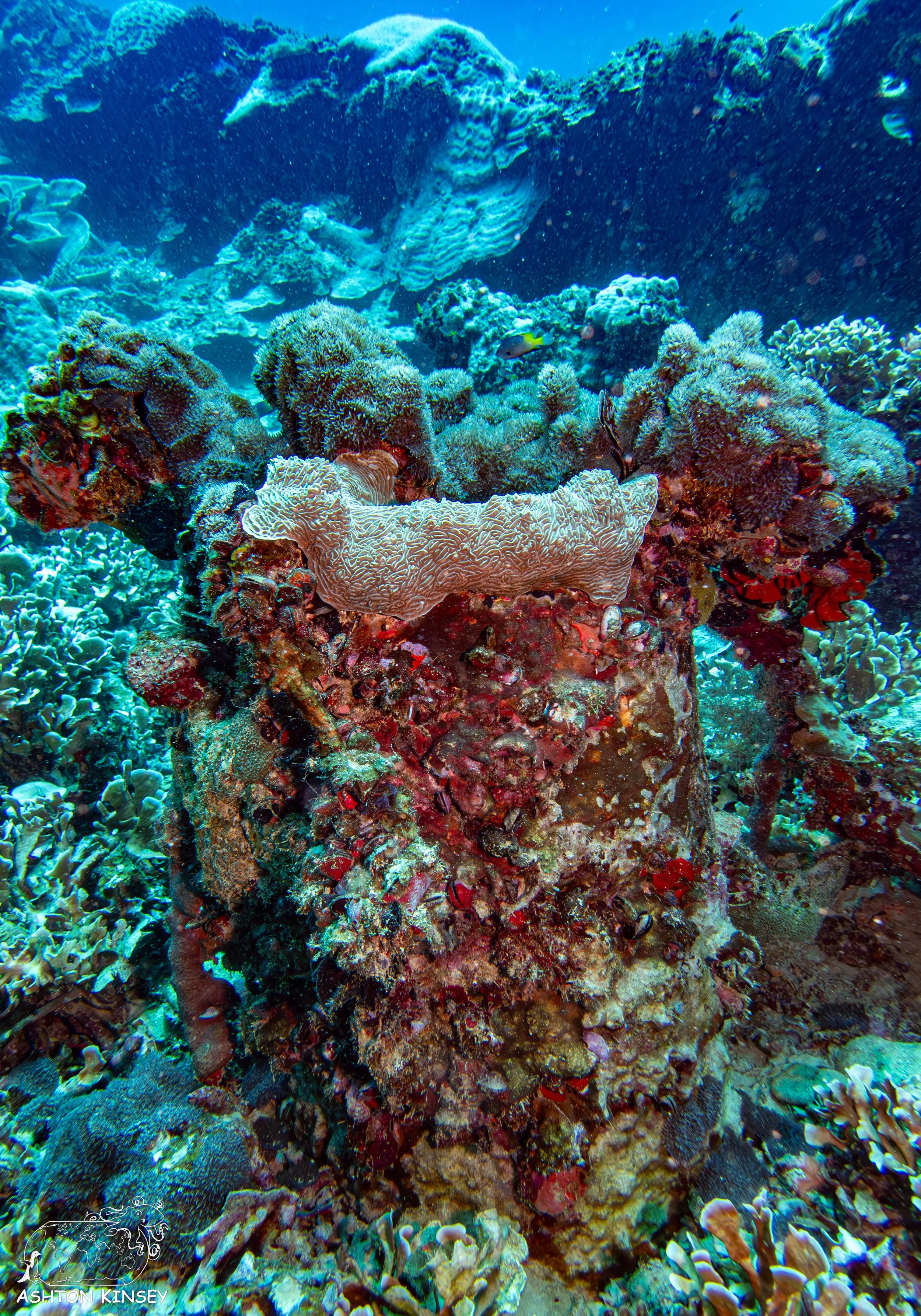
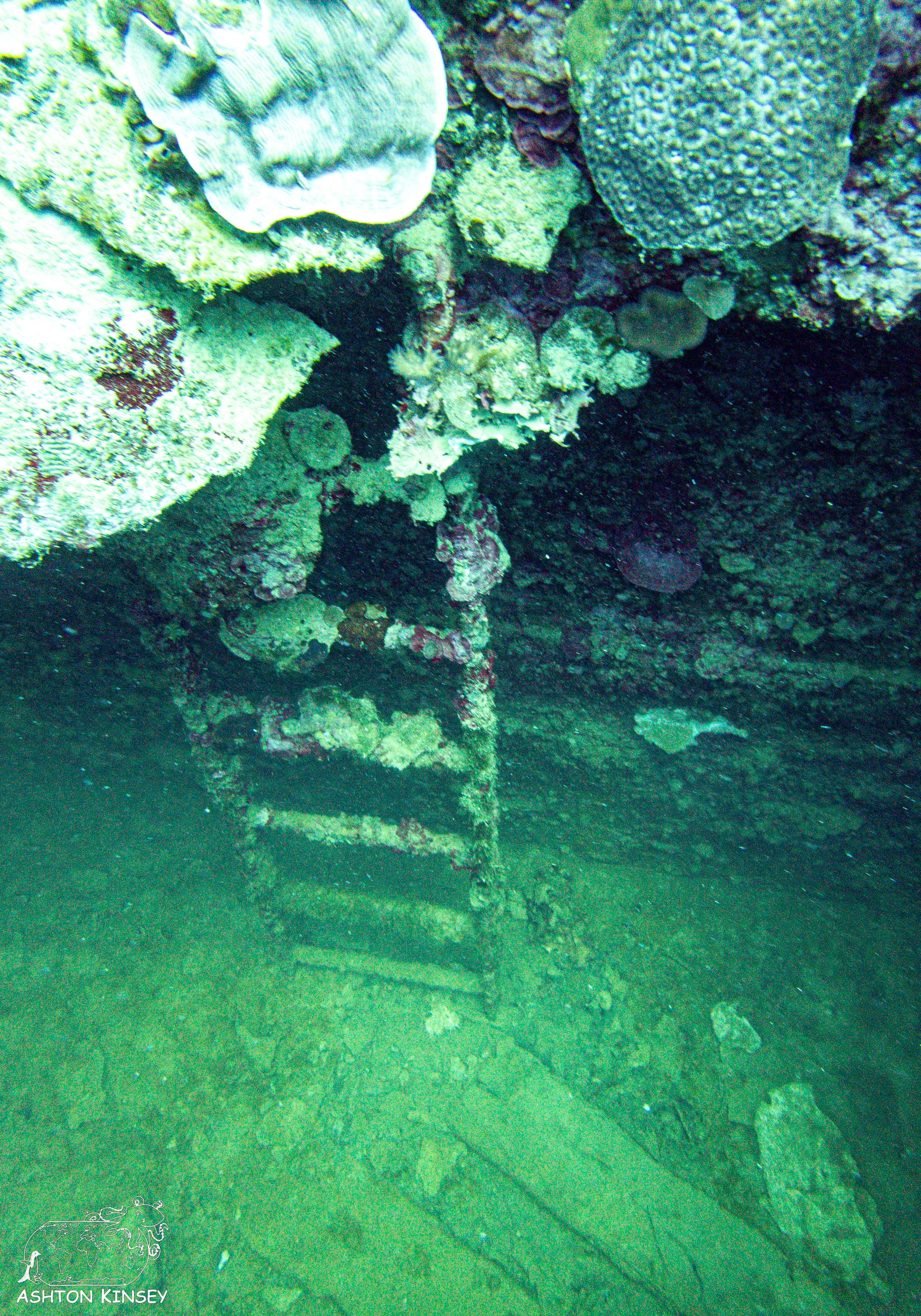
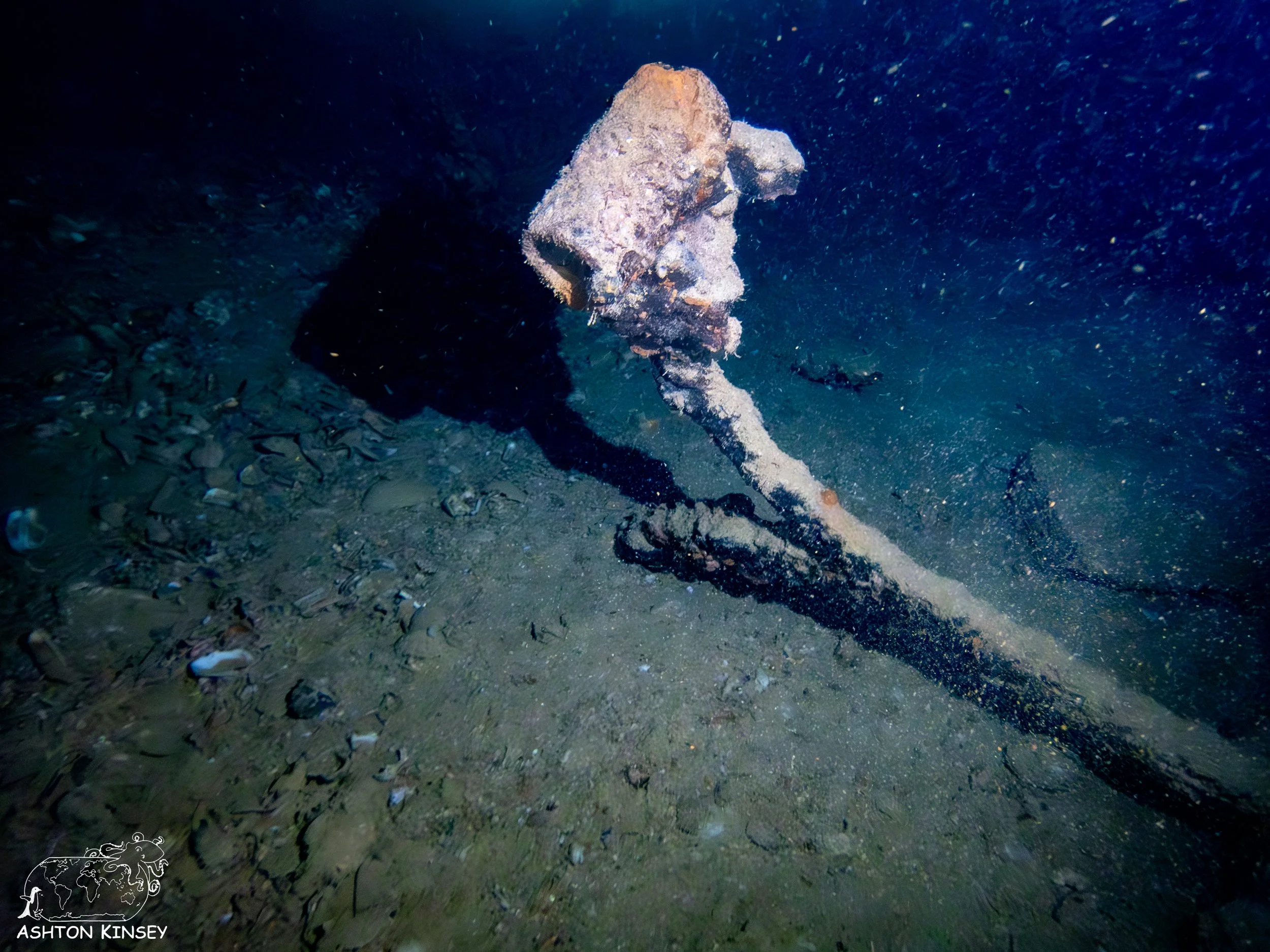
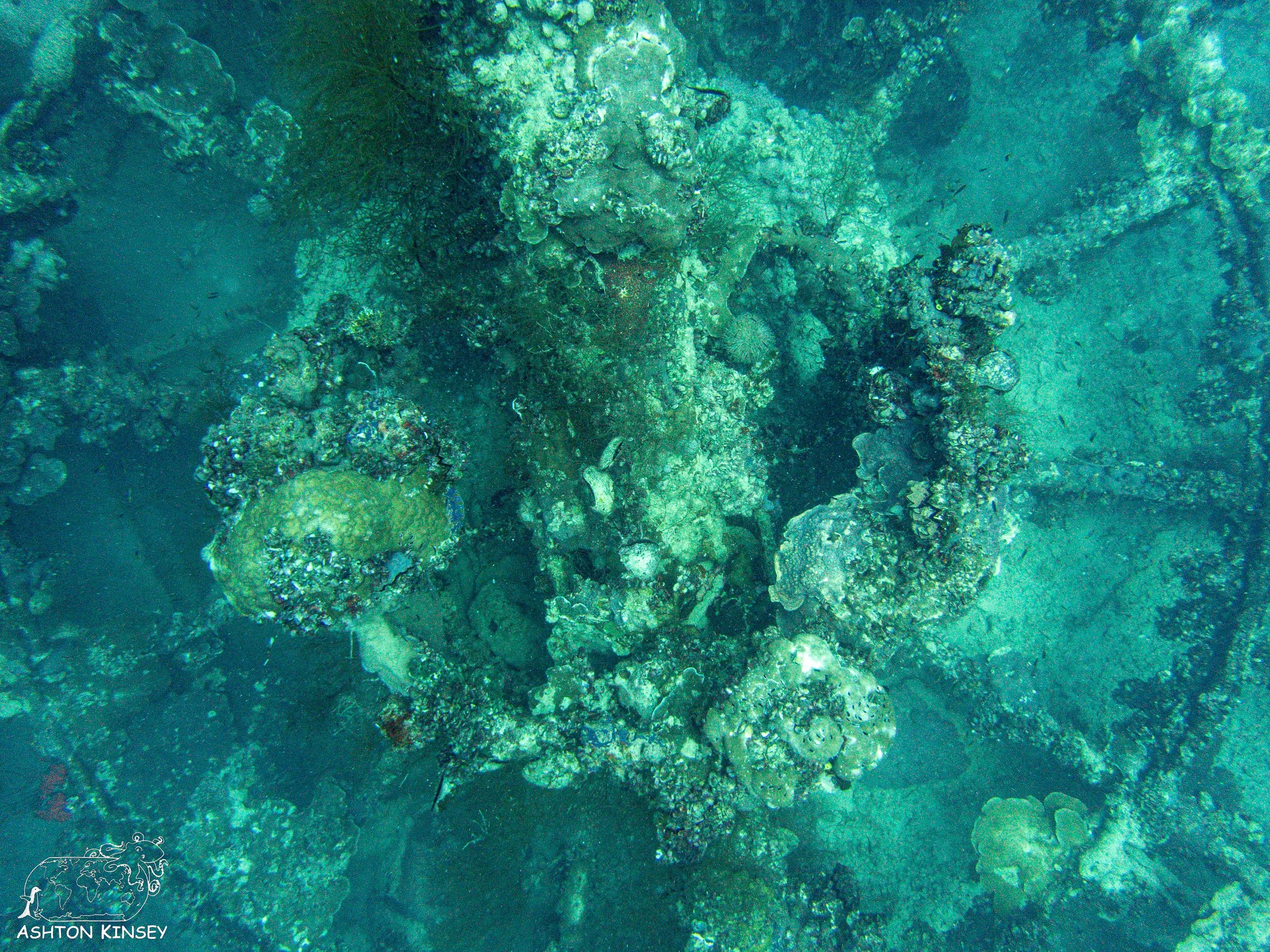
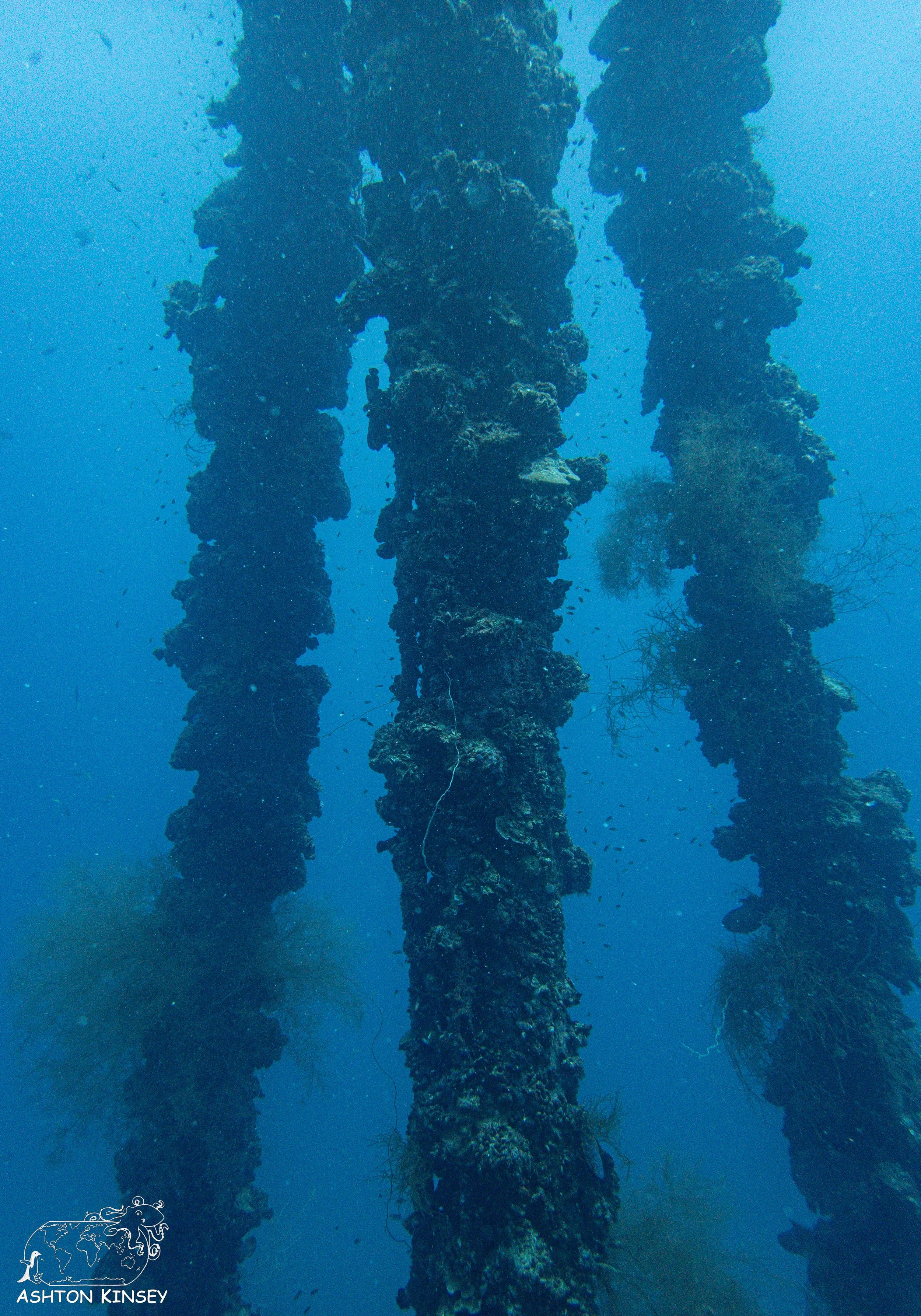
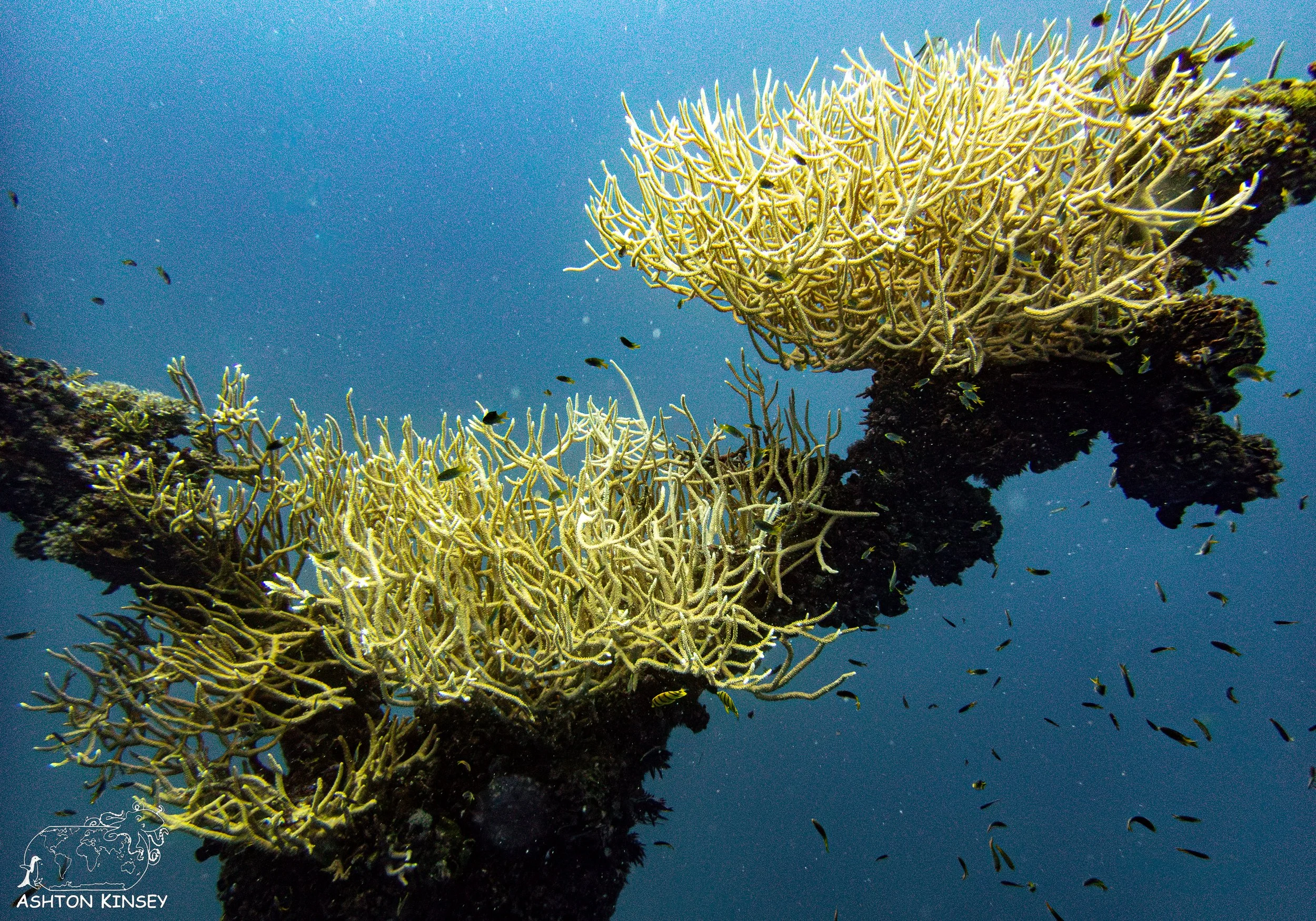
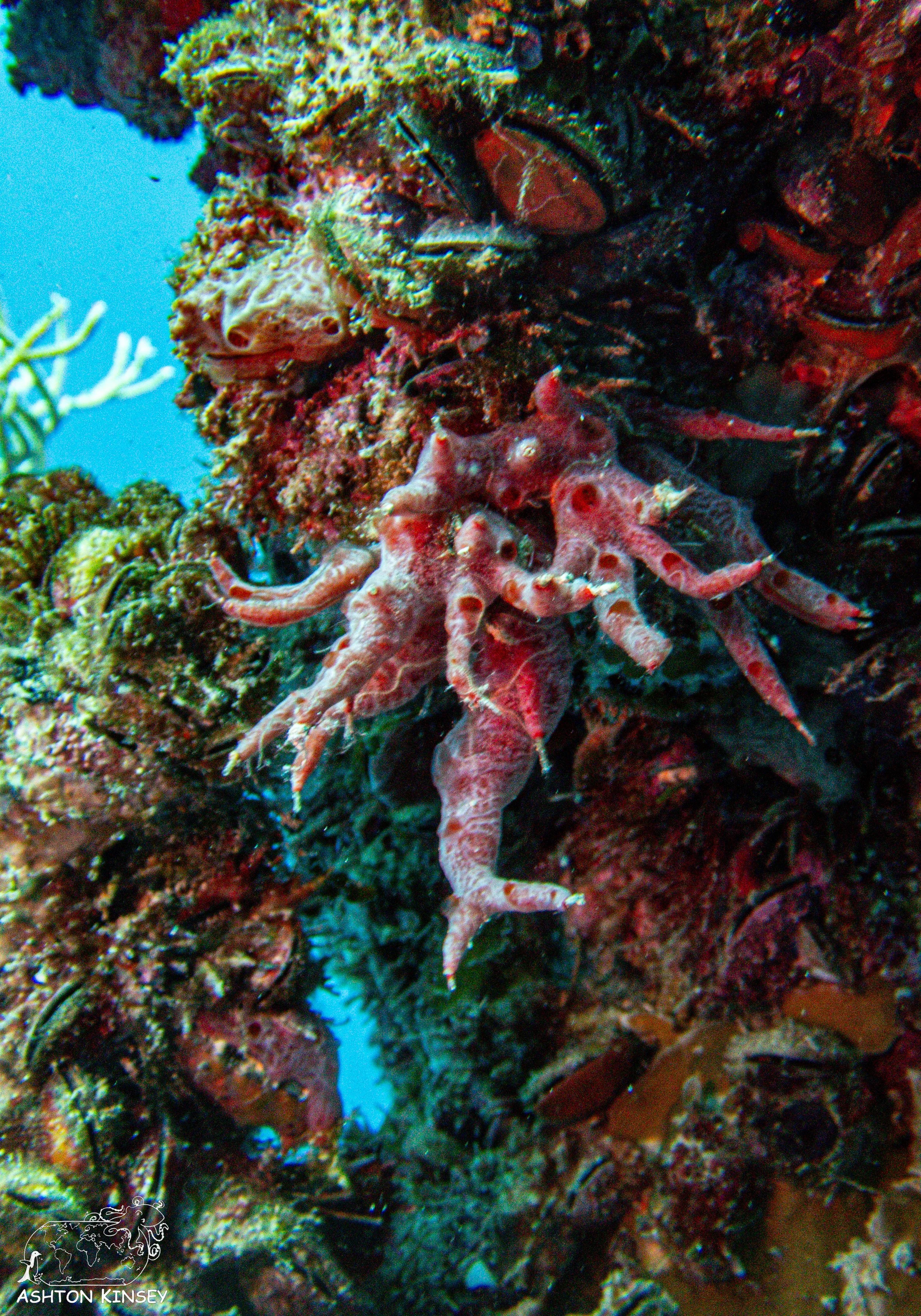
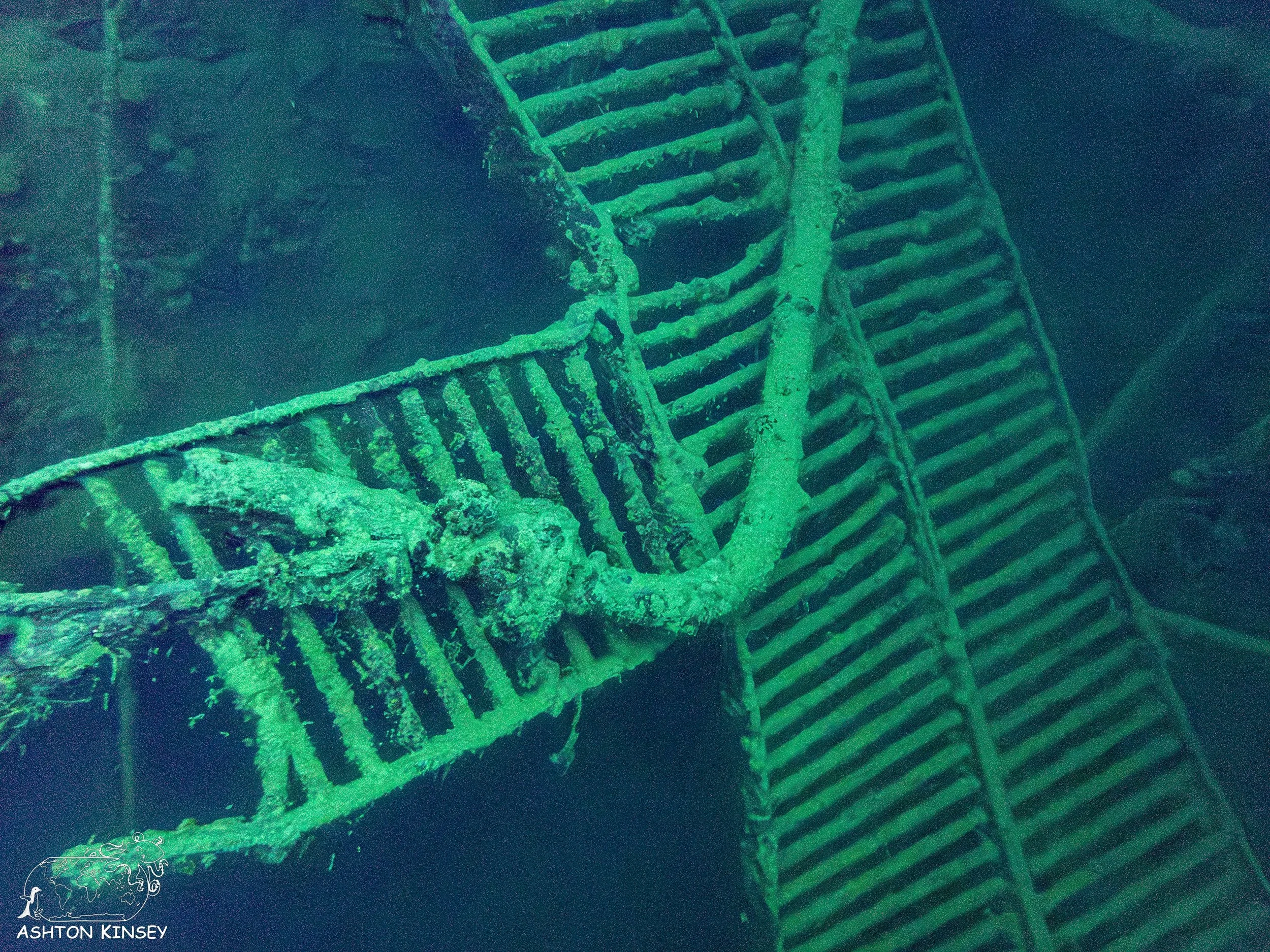
The Iro now sits upright at a depth of 120’. The ship’s heavy damage is easily visible with a large hole in the bow from the torpedo strikes, as well as melted and twisted metal in the engine room. There are many swim throughs available, with good buoyancy being key to avoid silting out the passage ways. The ship still holds remnants of its military equipment, including anti-aircraft guns, oil barrels in cargo holds, and life boat storage areas. Its vibrant marine life includes both hard and soft corals, and plenty of macro invertebrates as well as large sharks and turtles.