Micronesia Madness: Guam
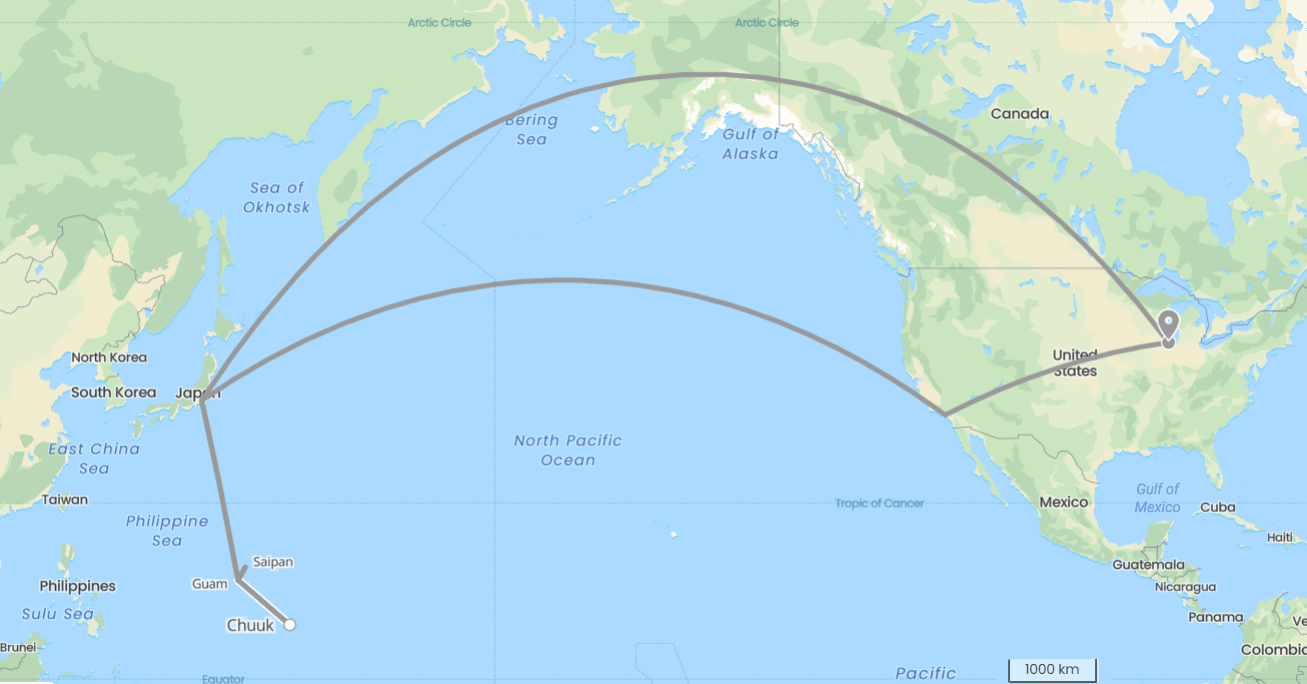
Håfa Adai! Buckle in, cause this was a whirlwind of adventures several years in the making! An innocent conversation while getting off the plane and waiting for luggage pickup on the way back from the Galápagos Islands resulted in wheels turning and a plan slowly falling into place to visit the wreck capital of the world. In addition to visiting the haunted wrecks of Chuuk Lagoon, Guam and Saipan were added to knock out two more US territories, in my quest to knock out all the US states, territories and the Great Lakes.
Adventure Part 1: Guam
Guam Ocean Divers
November 19th – 21st, 2026
Dive Guide: Wayne
Total Dives: 2 Total Time: 1 Hour 20 minutes
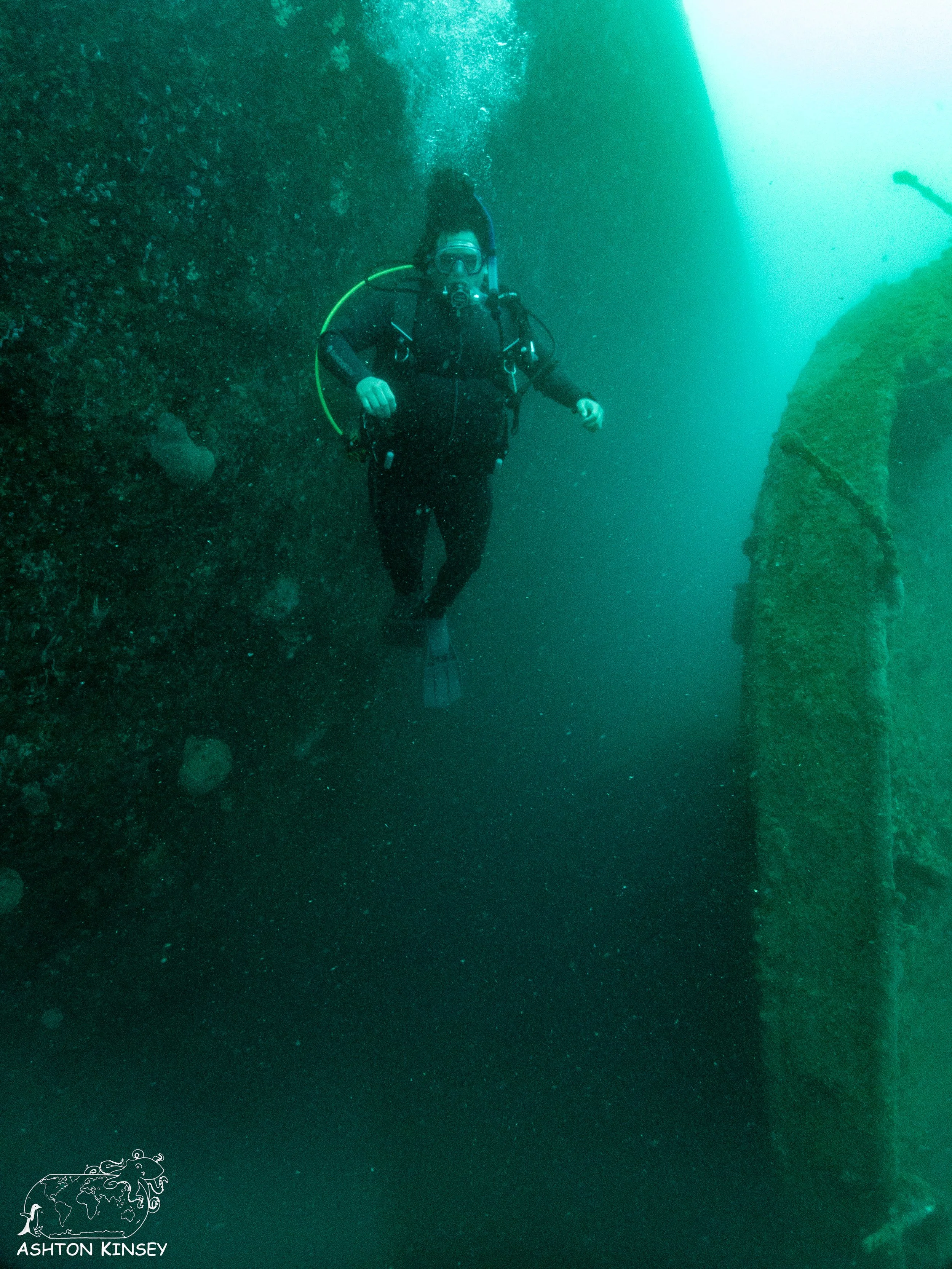
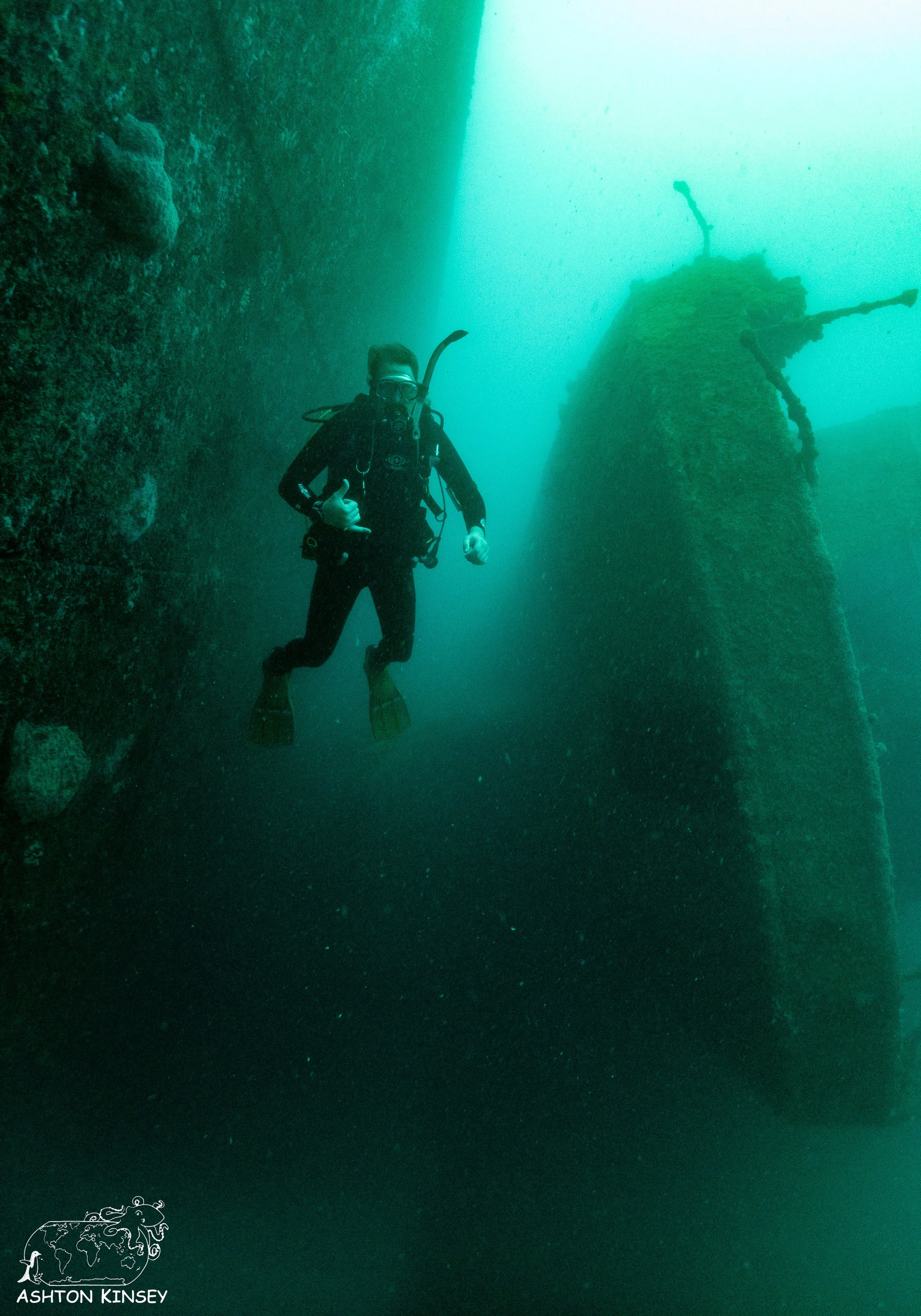
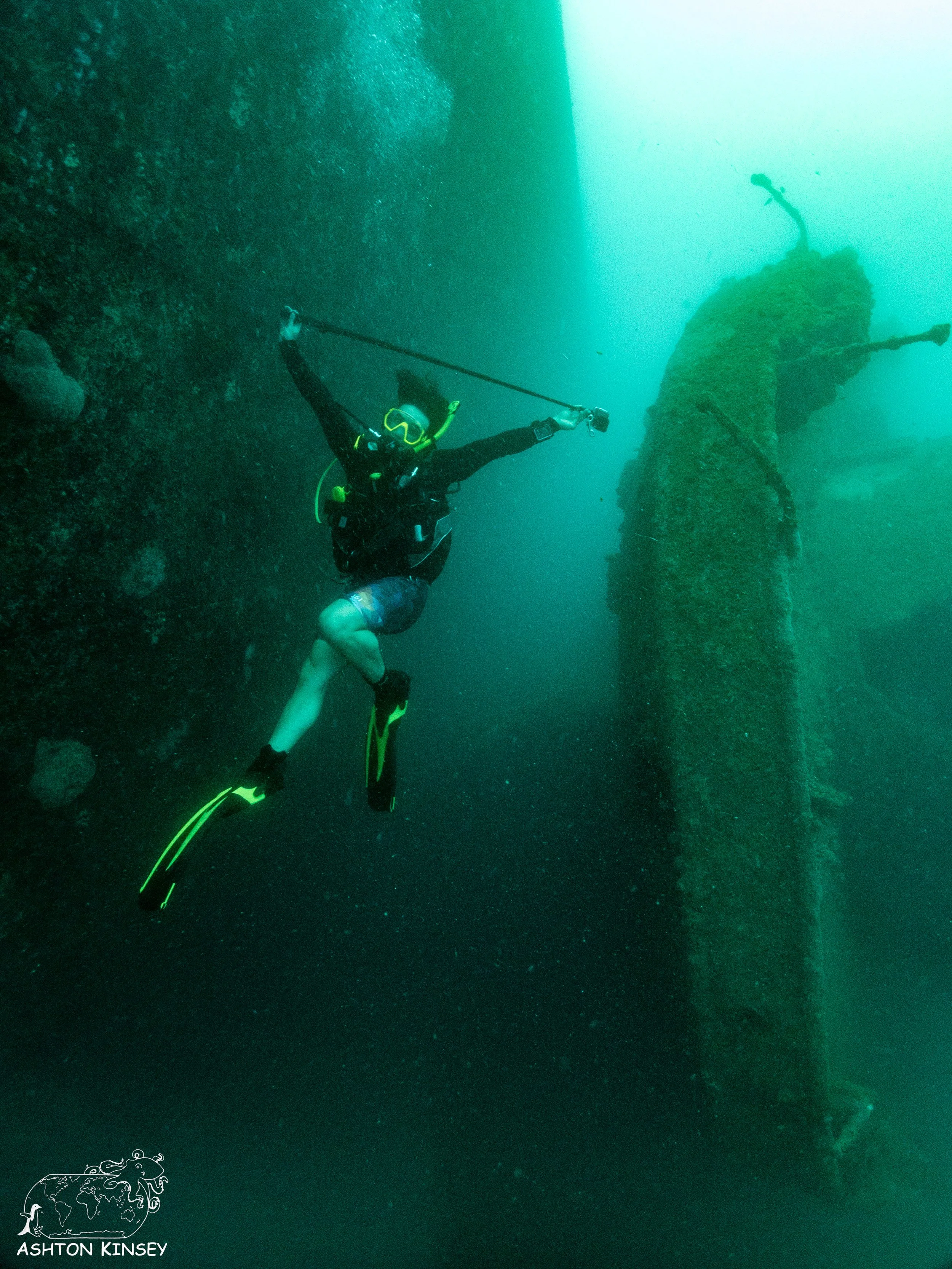
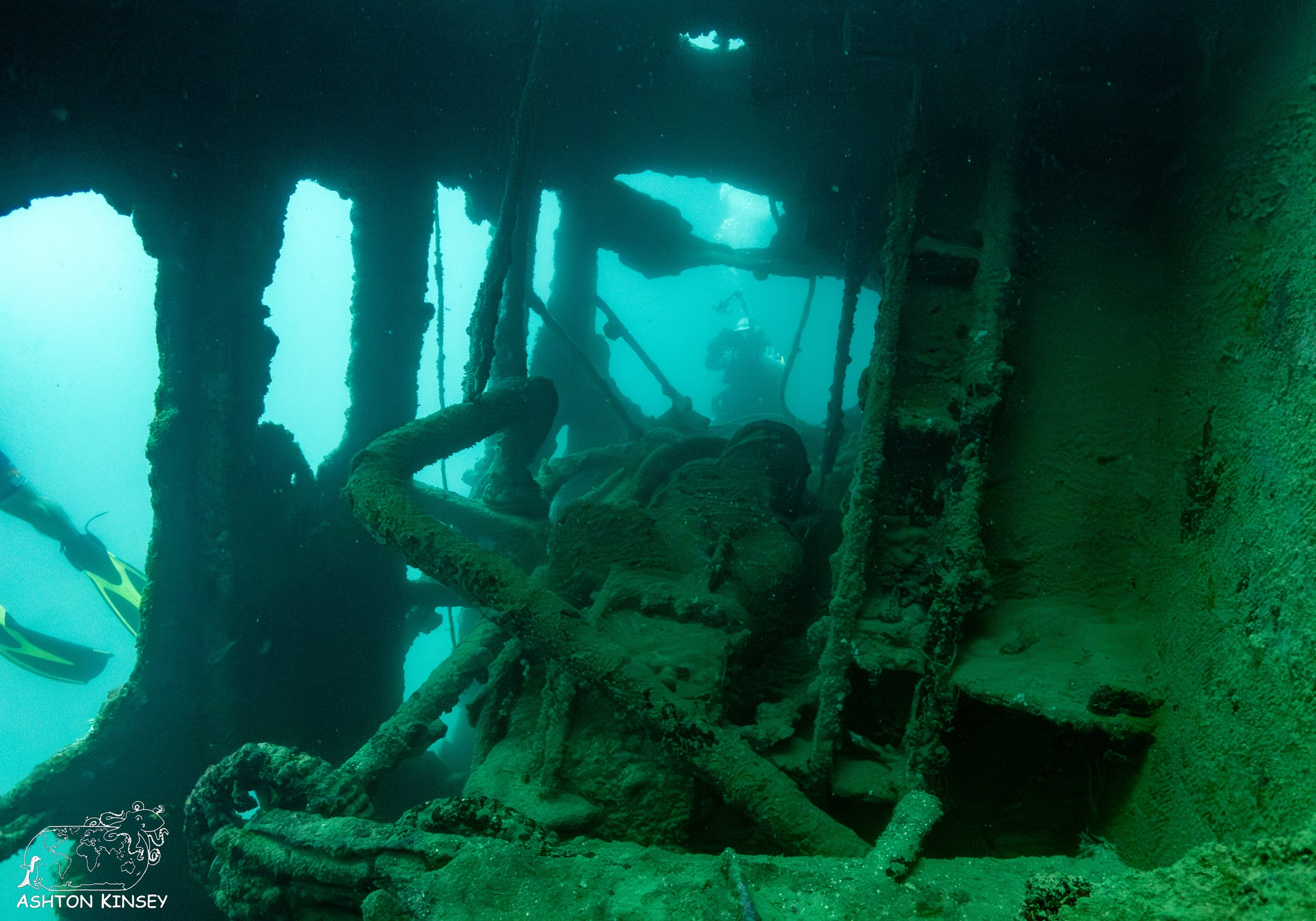
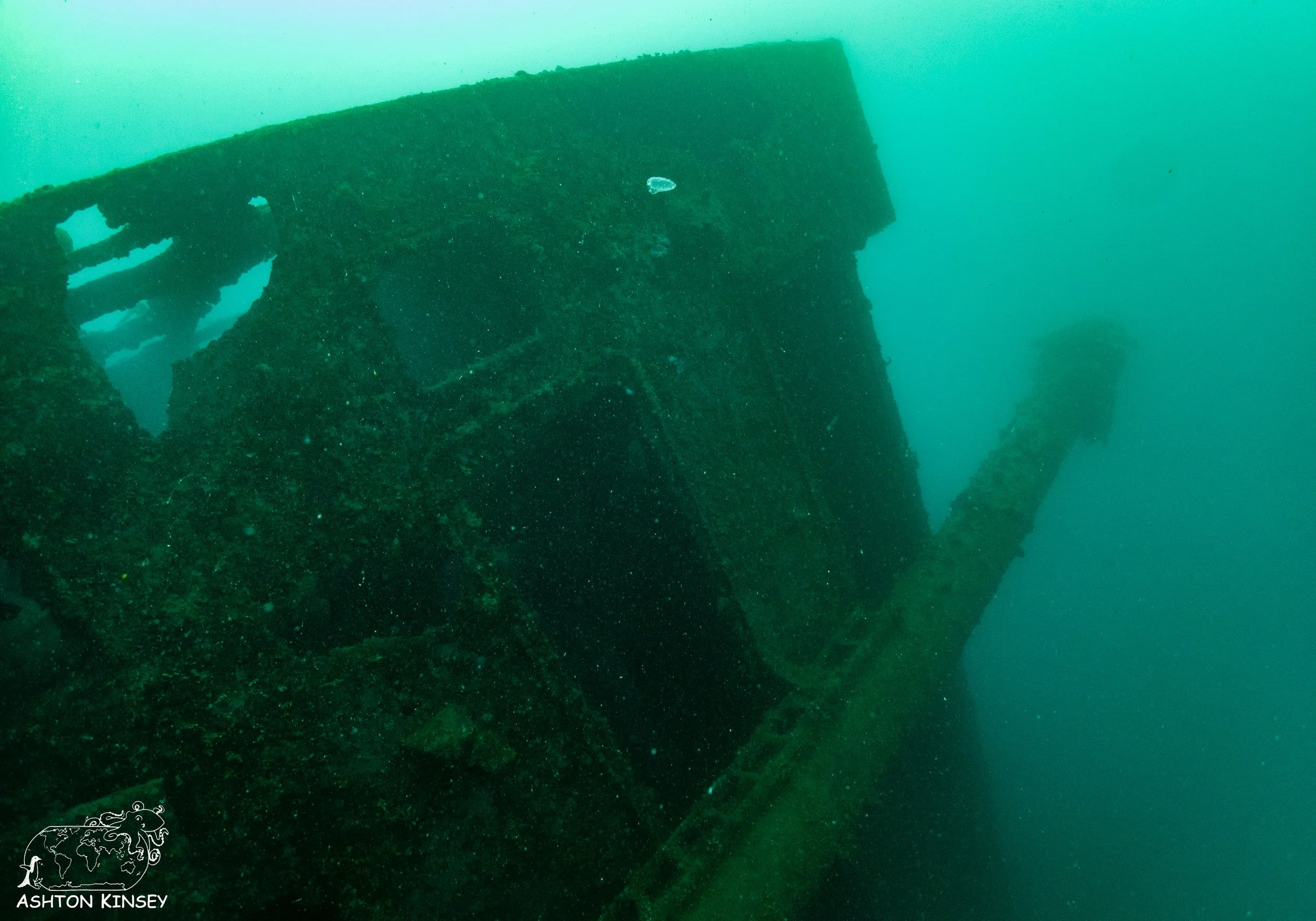
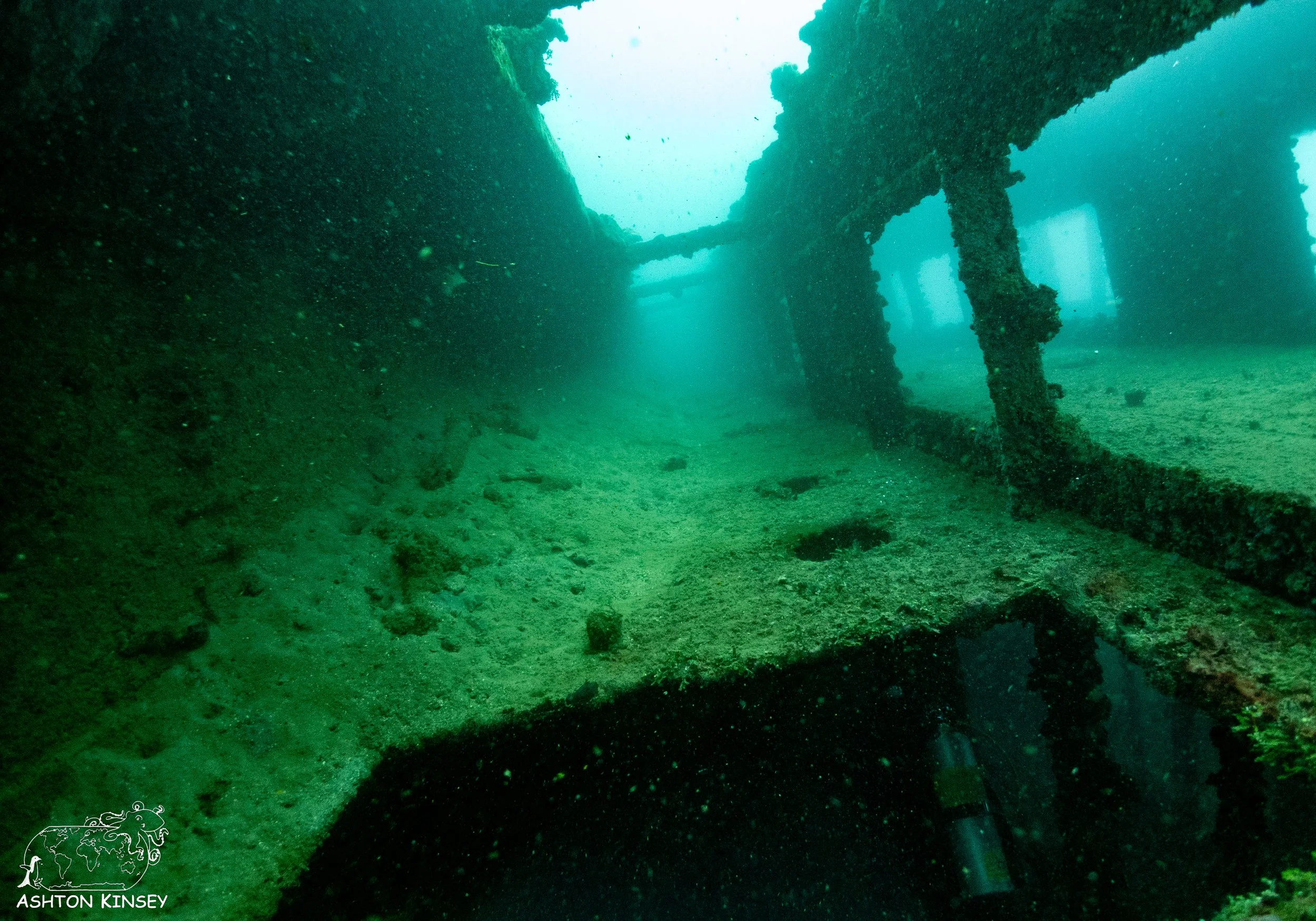
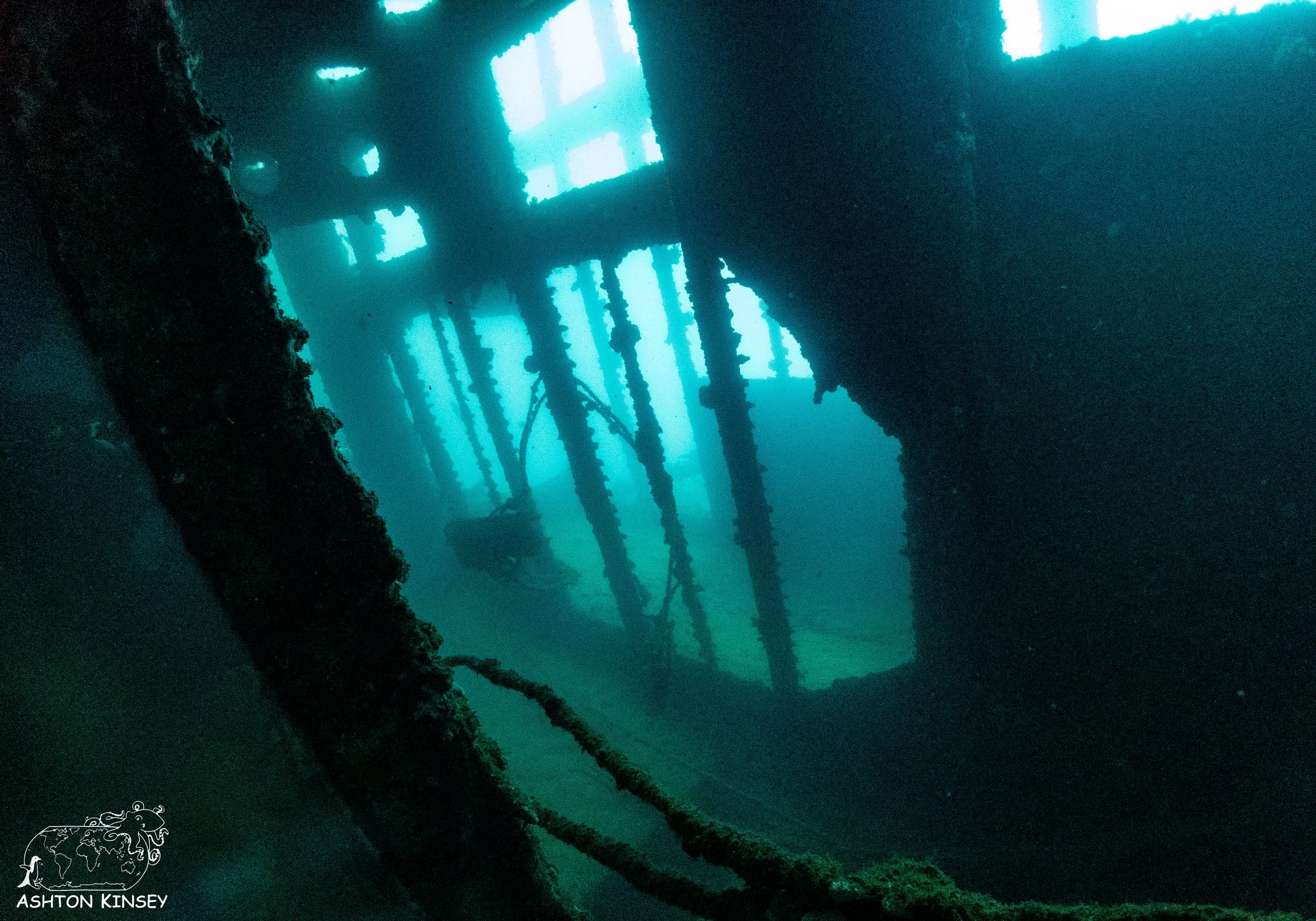
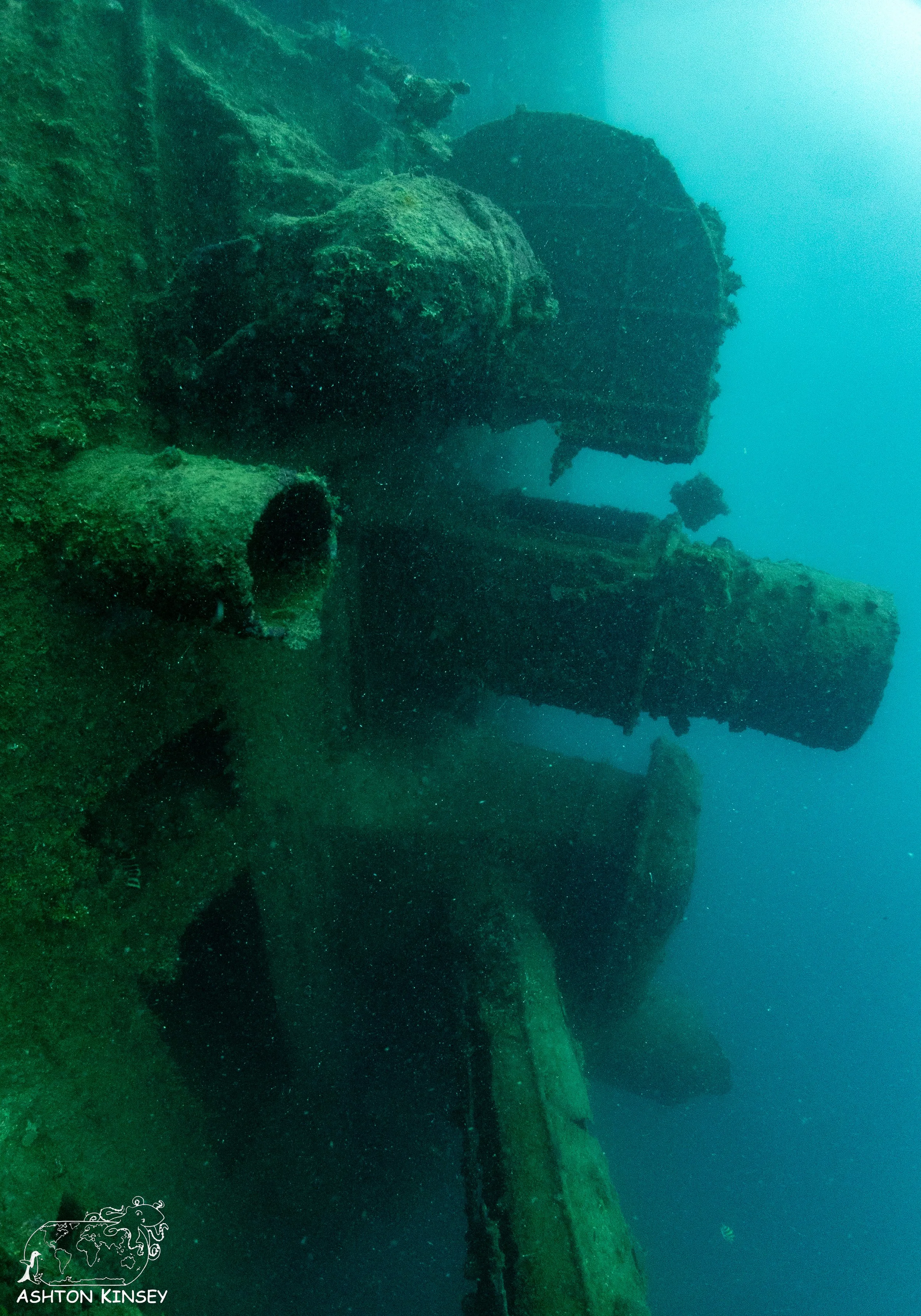
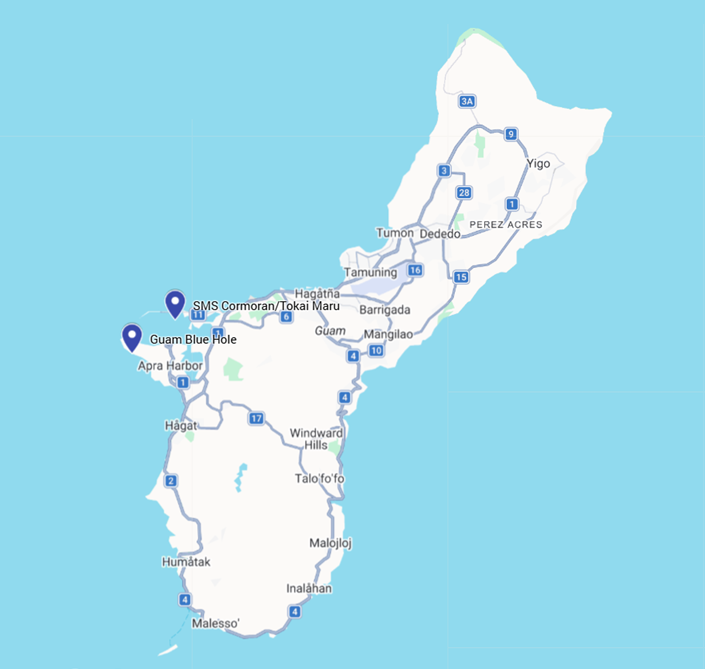
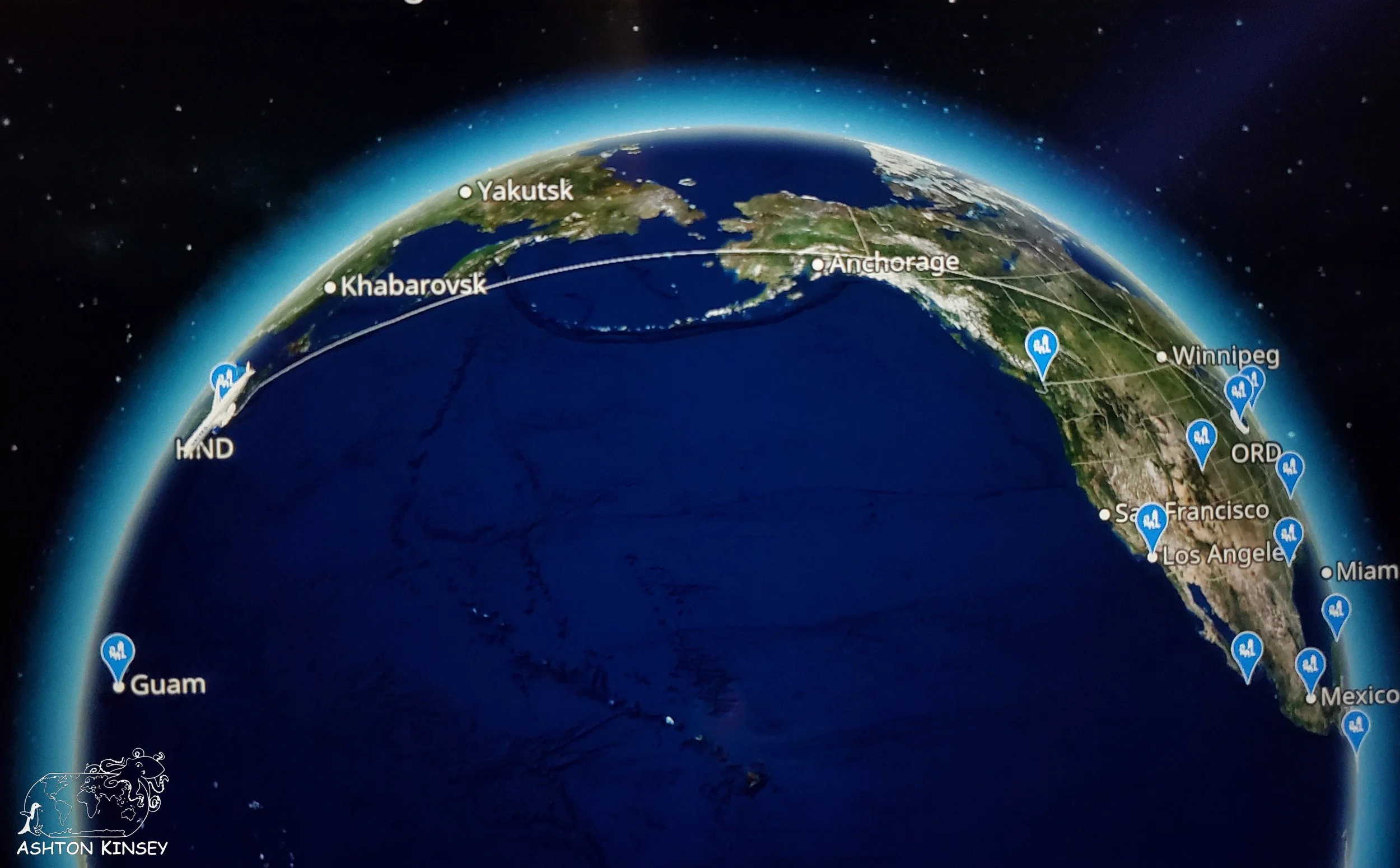
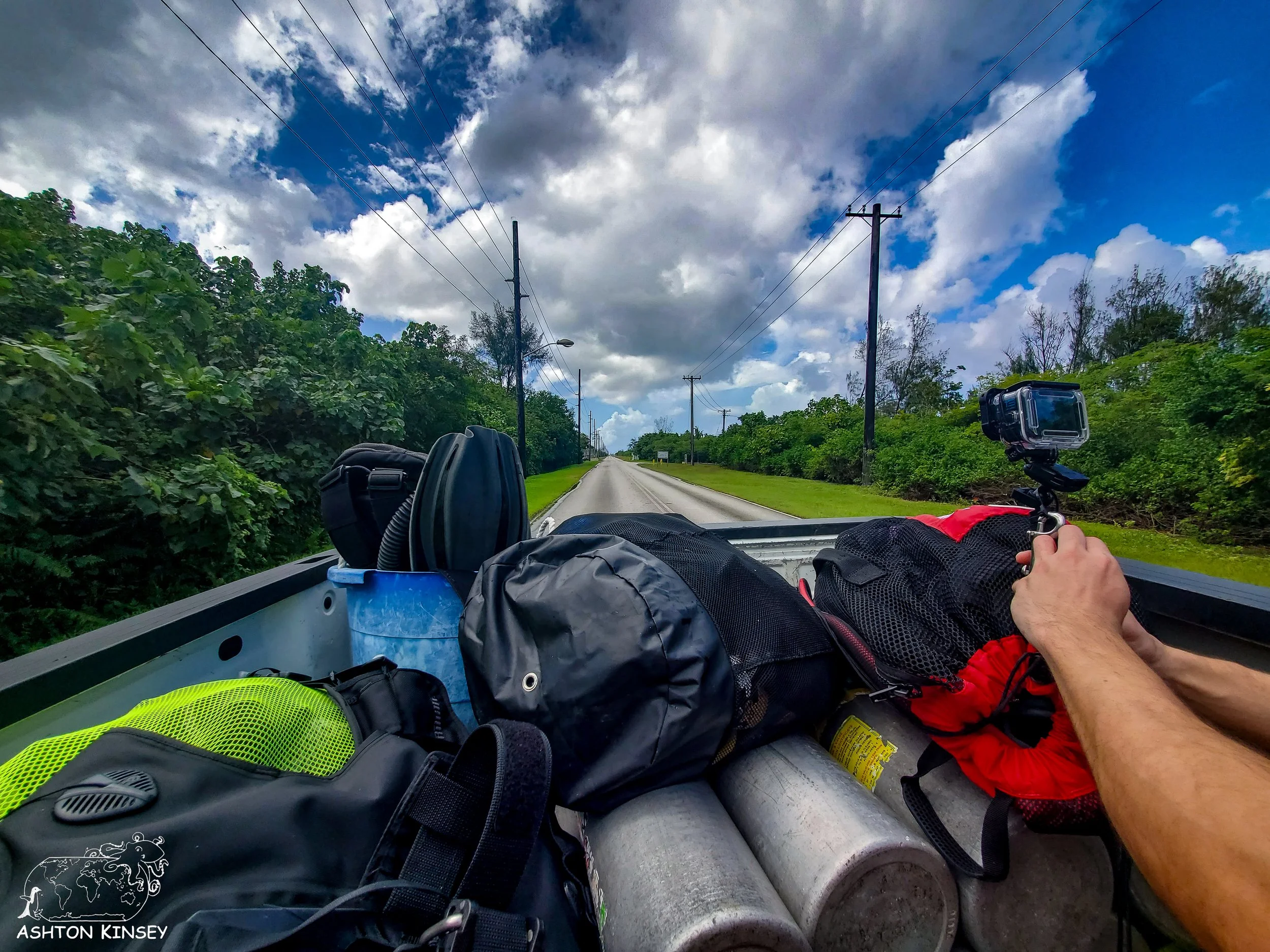
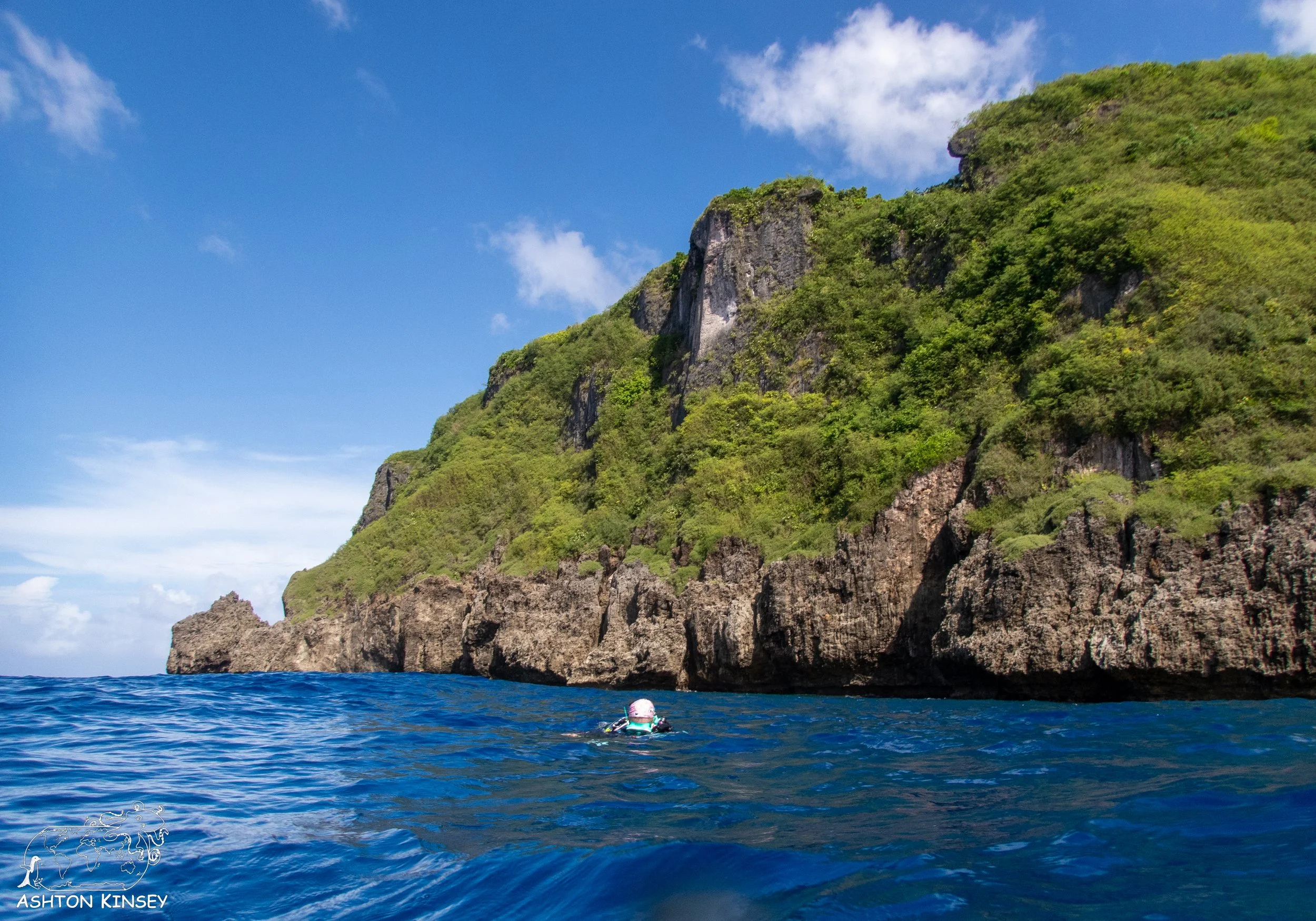
The first stop on this multi-island adventure was a short-ish layover in Guam. We landed in Guam, dropped off our bags at the hotel, and dealt with jet lag by doing the sensible thing: and going to see the double feature of Wicked: Part 1 and Wicked: For Good. After that, we quickly threw our gear together for diving the very next morning. Dives here were organized with Guam Ocean Adventures, with a plan to hit two very specific sites: the Blue Hole and then the dual wreck site of the Tokai Maru and the SMS Cormoran II. These wrecks are the only place in the world where you can dive wrecks from both World War I and World War II
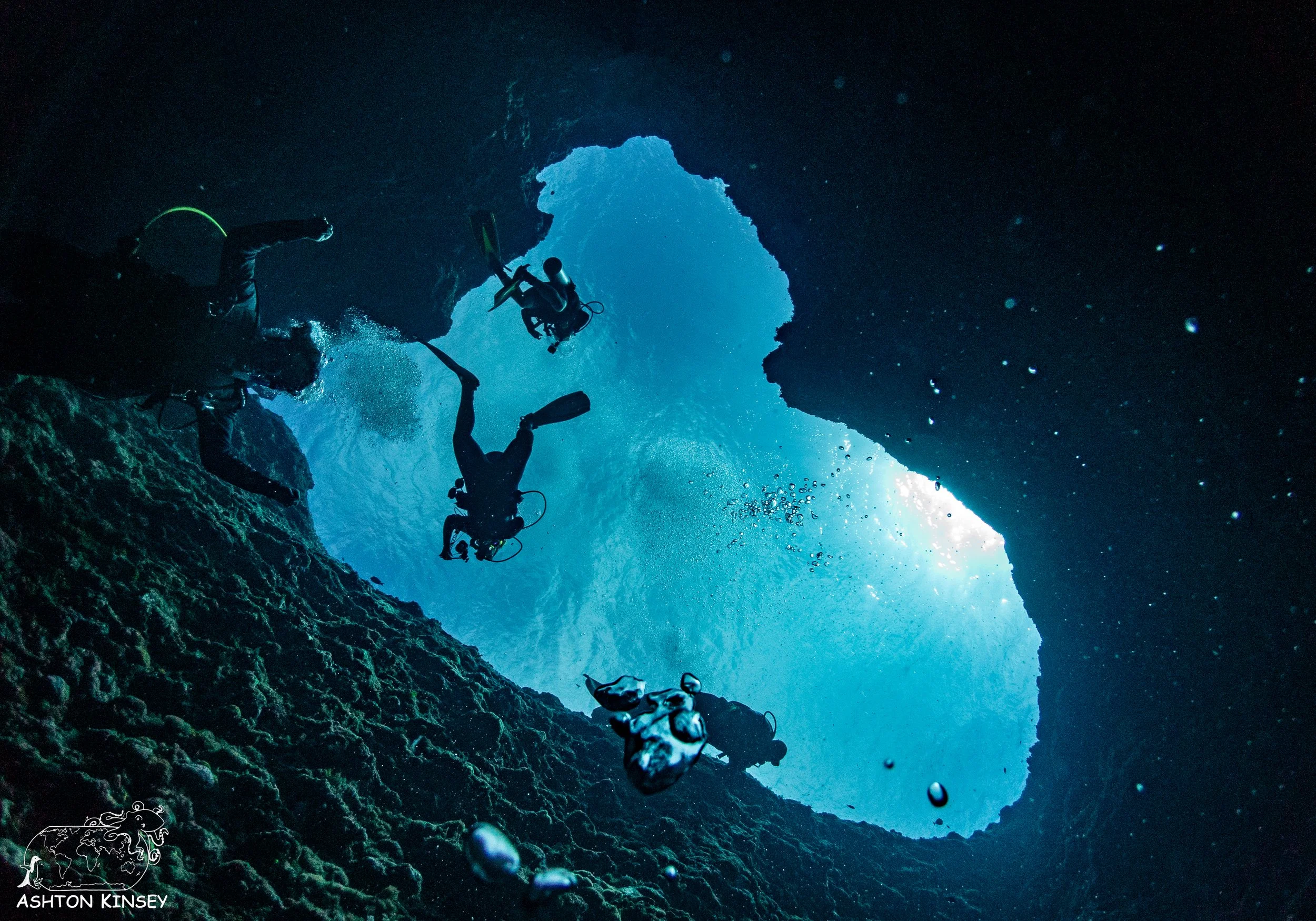
Dive 1: Blue Hole 129’ for 38 minutes
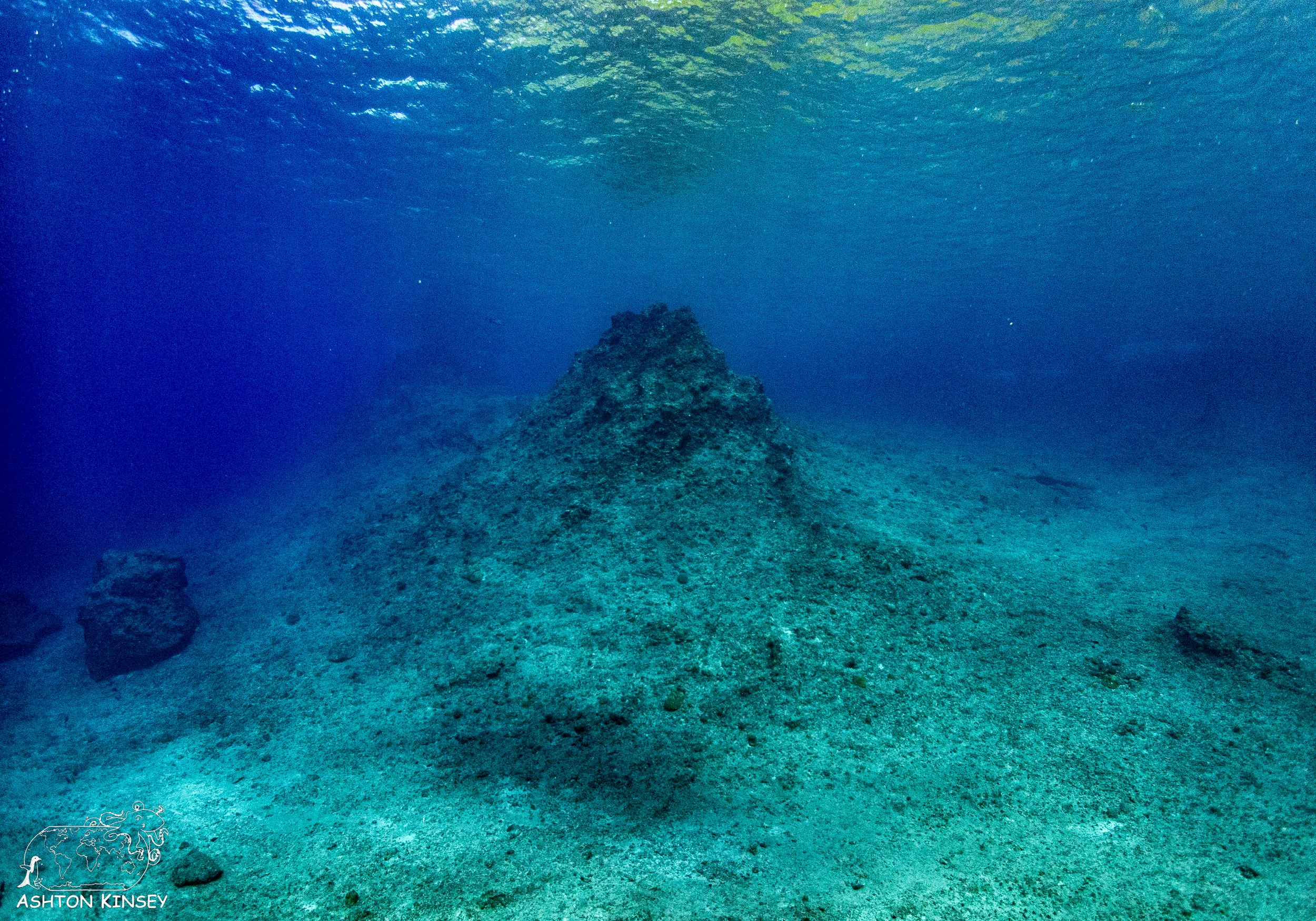
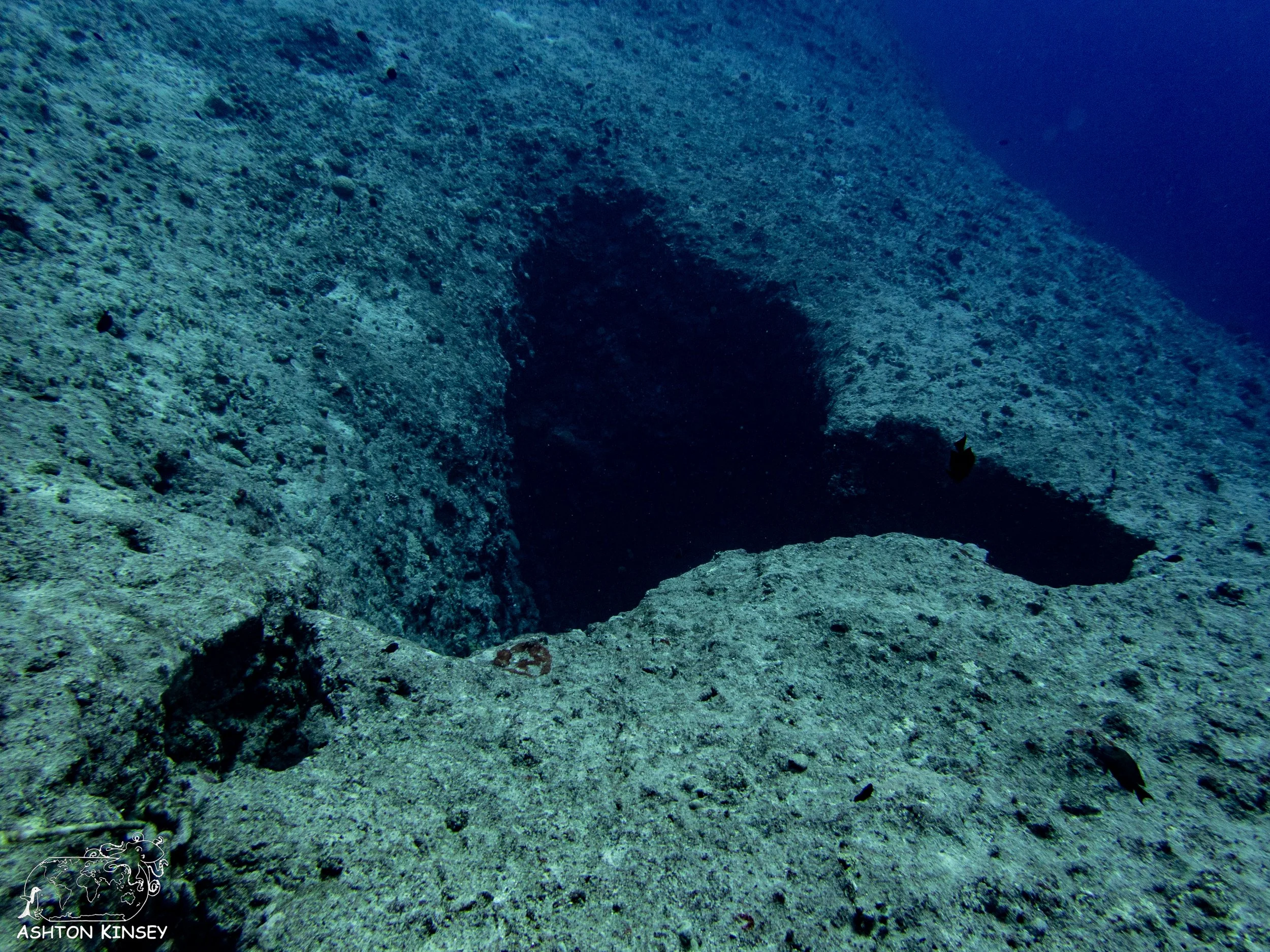
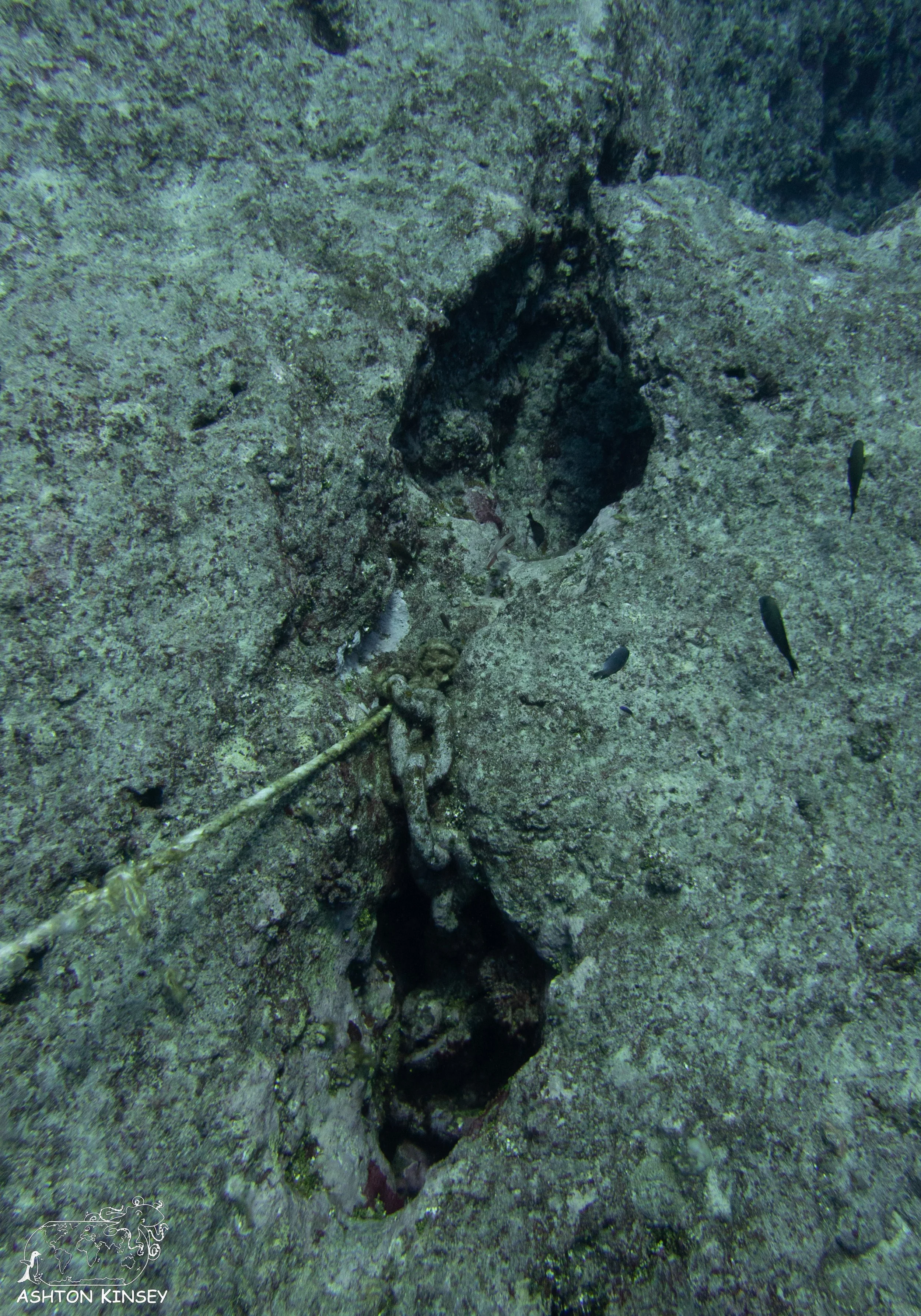
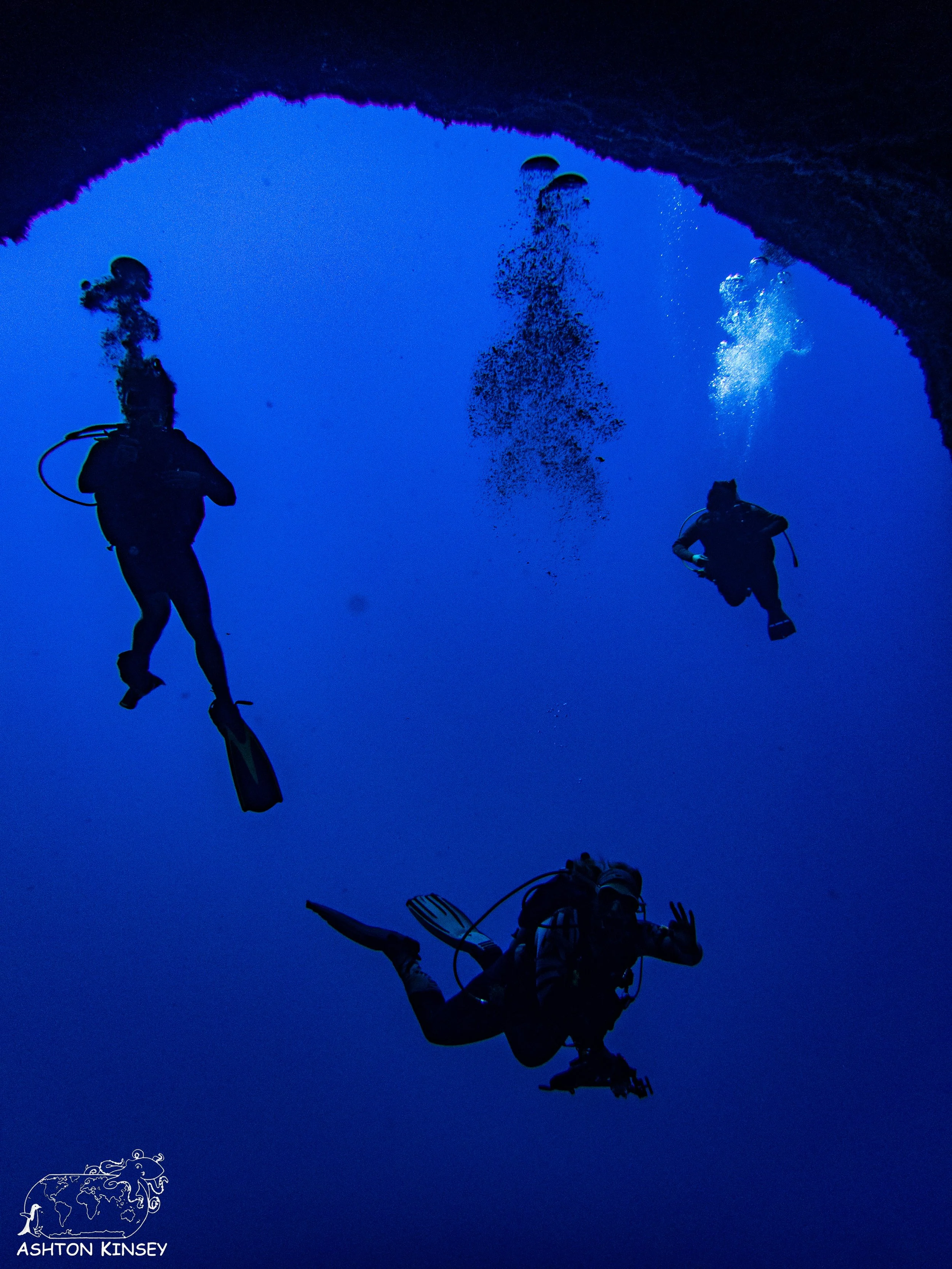
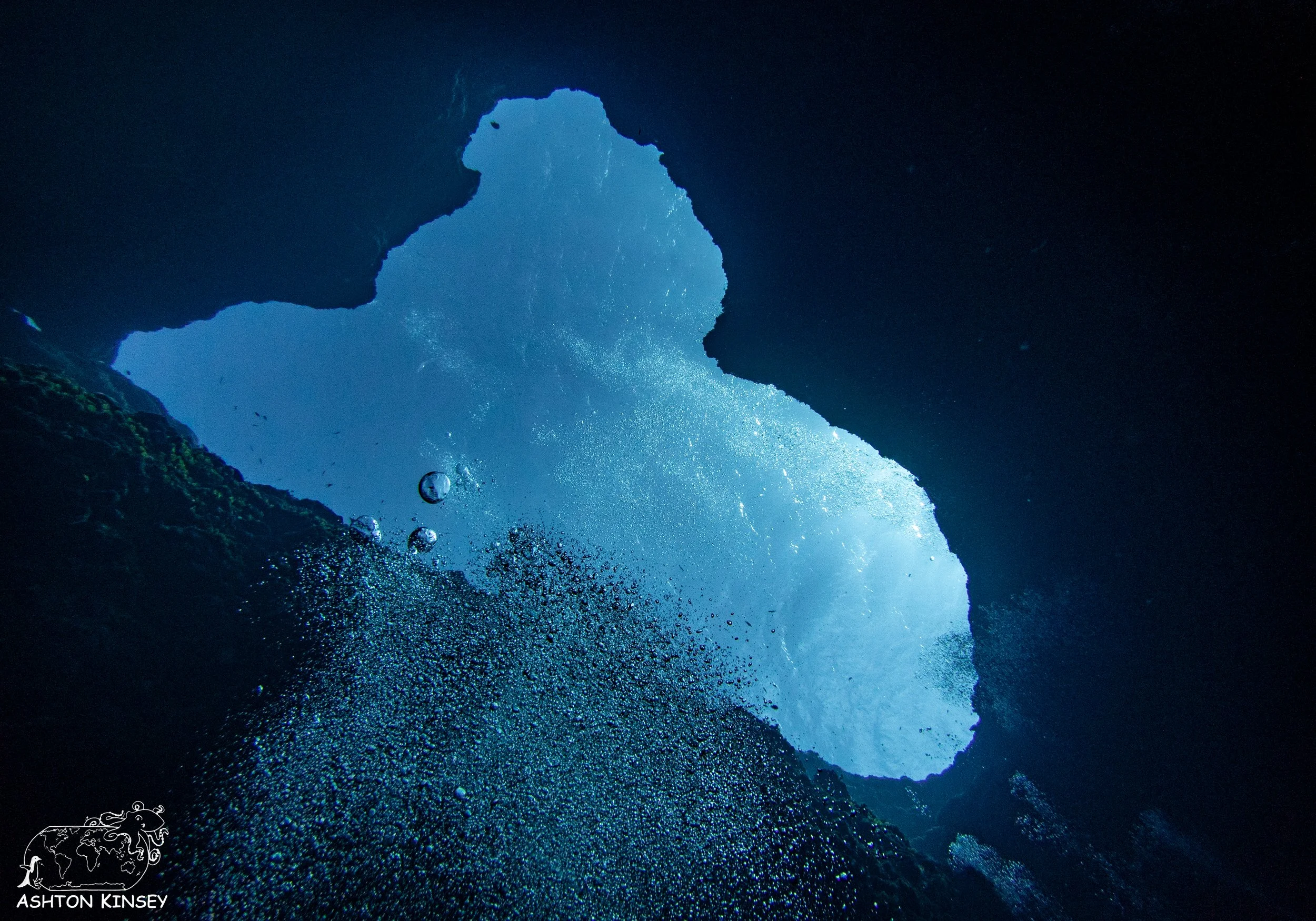
A chimney-style swim-through located on the southwest side of Guam near the Orote Peninsula. The bottom of the chimney’s arch starts at about 120’ and drops down beyond 130’ to much deeper depths. The chimney is a roughly 30’ wide circular swim up to the top via a “heart” shaped hole at 60’. Leaving the chimney, an easy drift dive along several very large boulders is an easy way to end a dive.
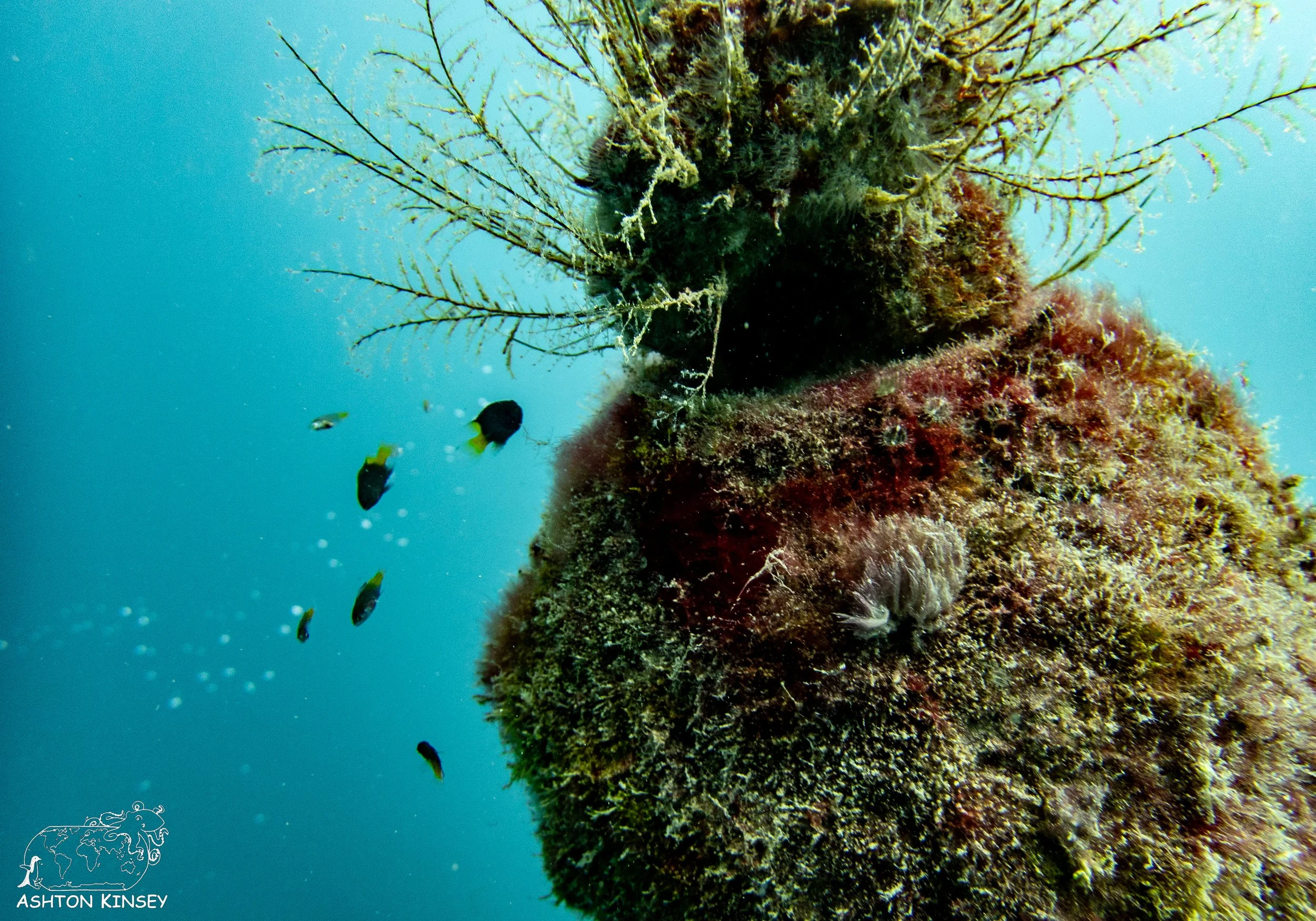
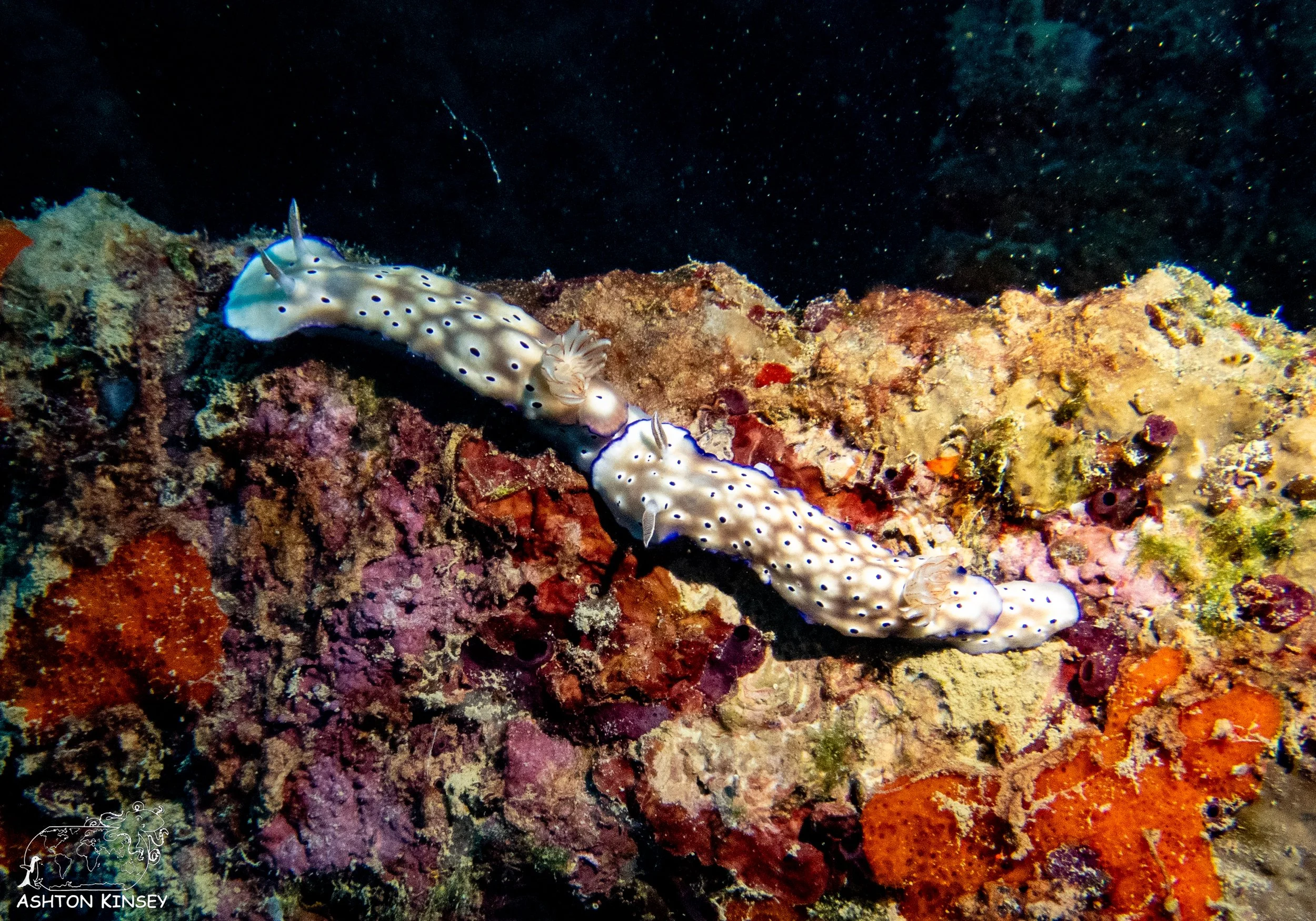
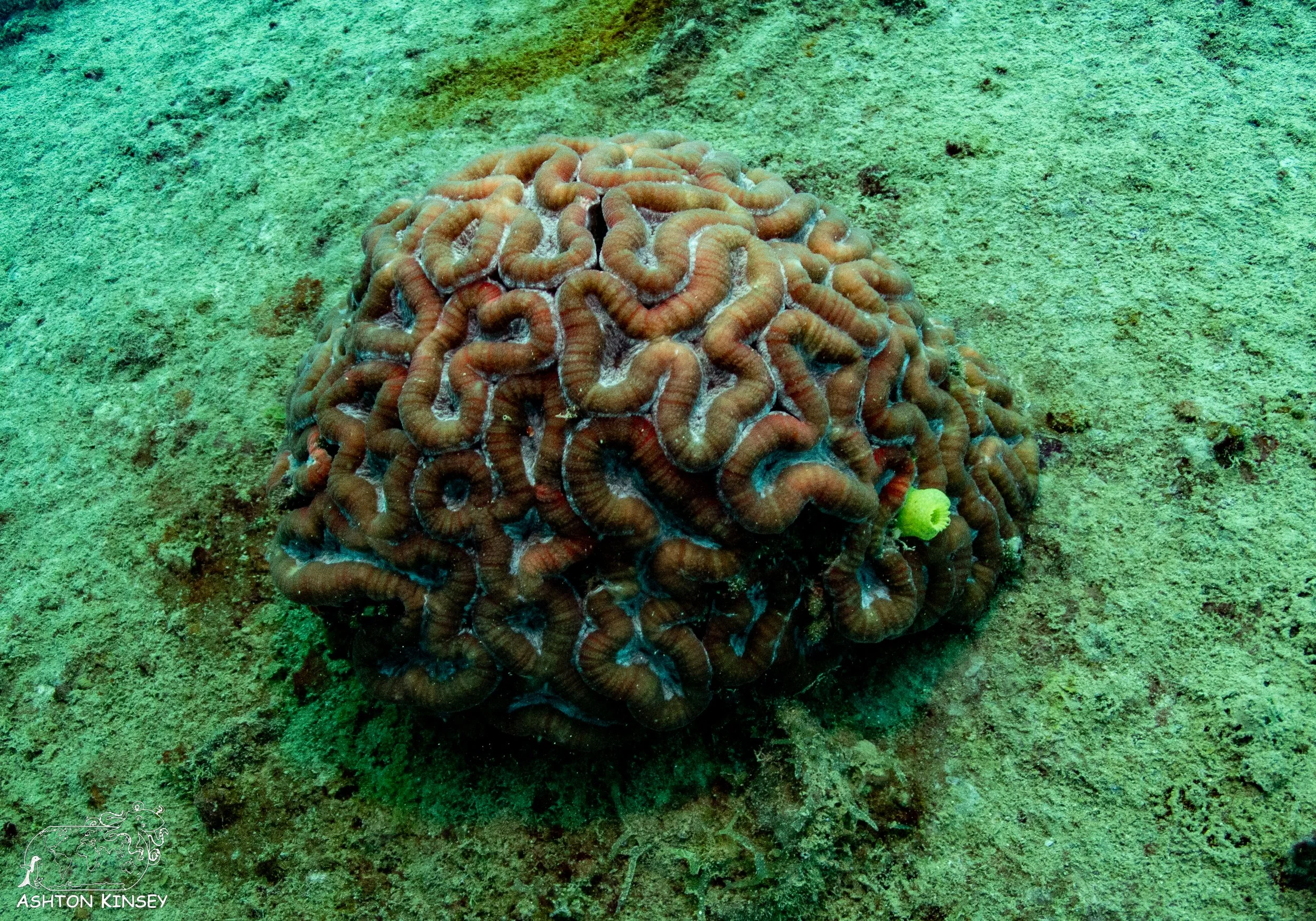
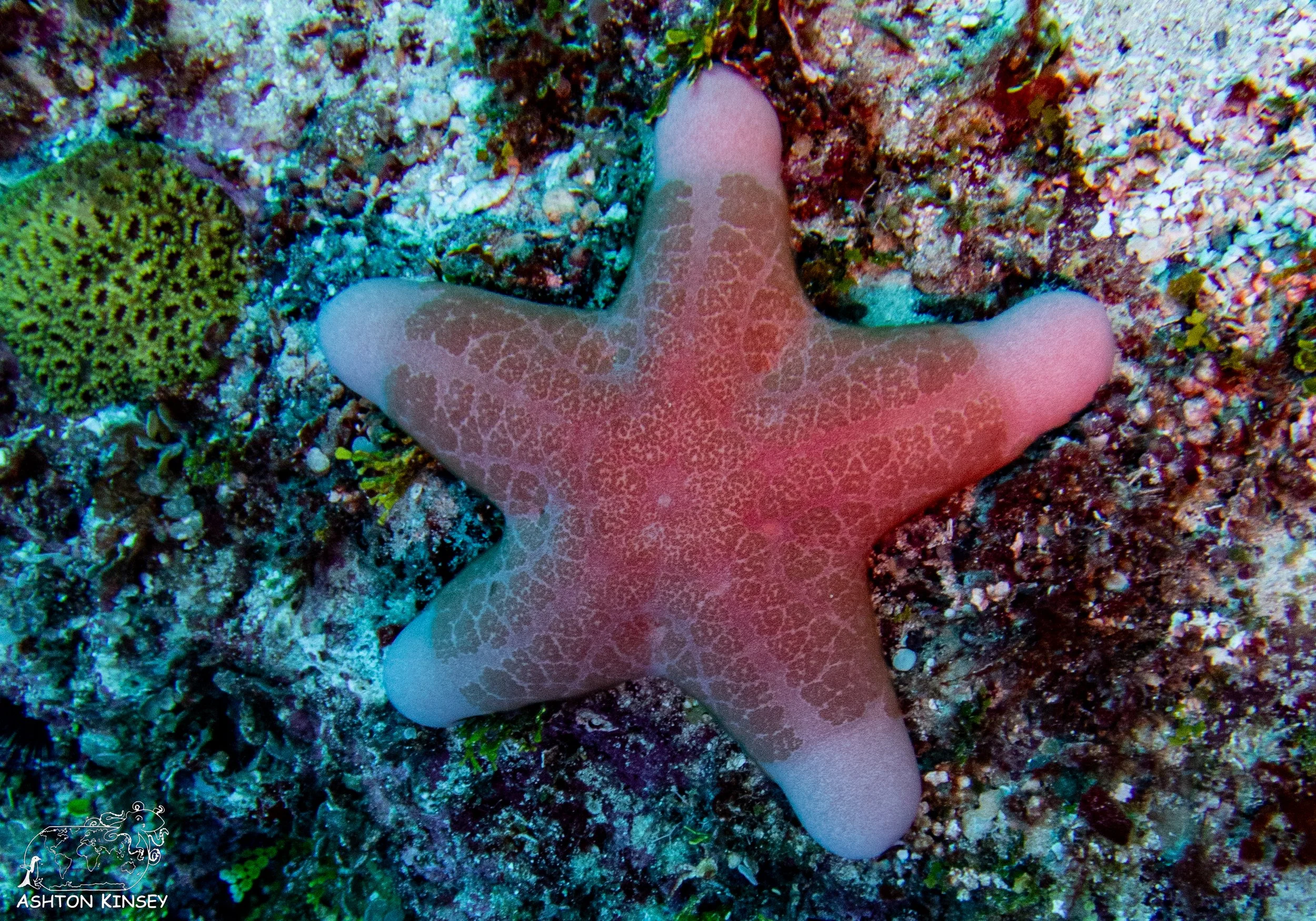
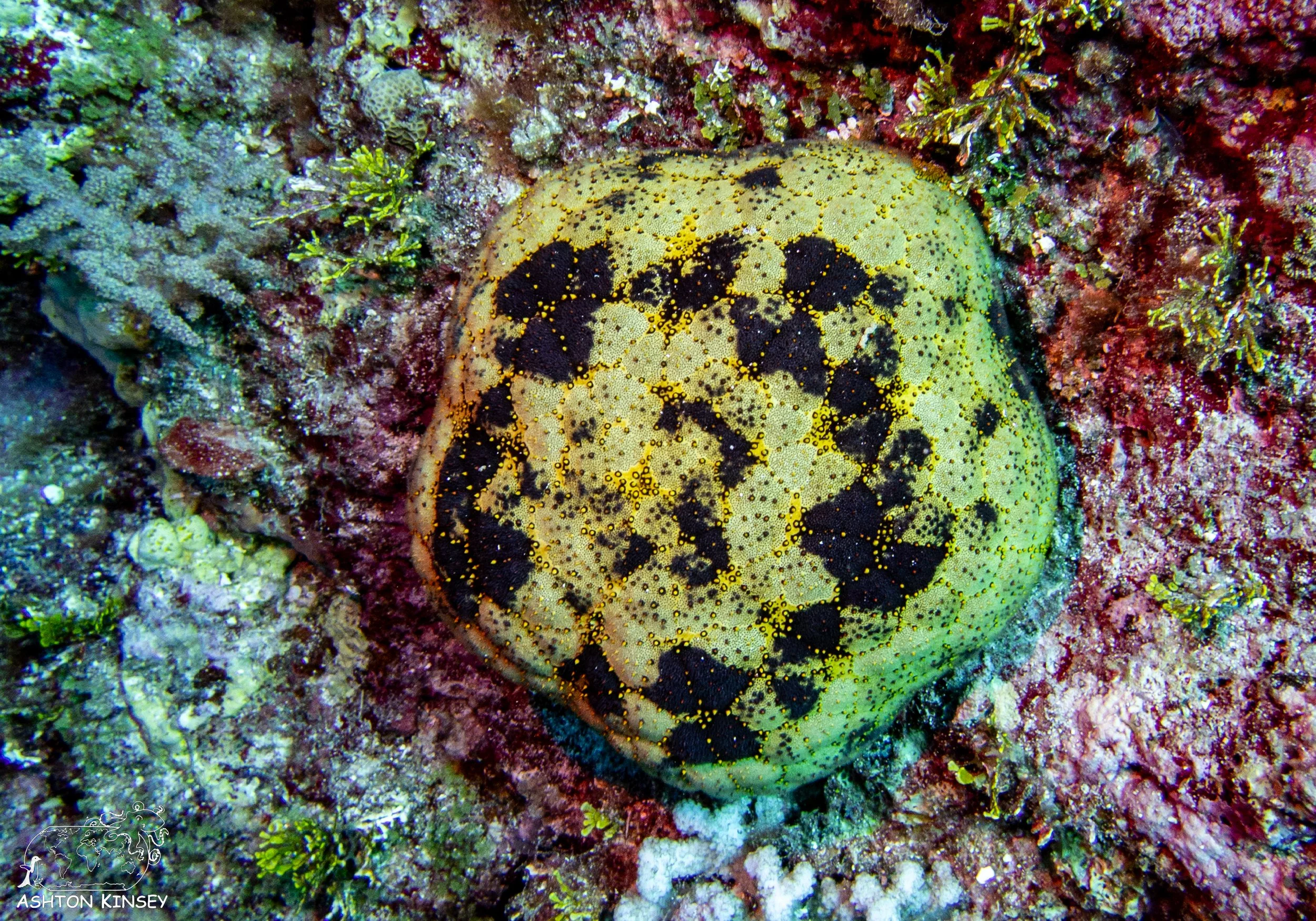
There’s not a lot of aquatic life on this site. Overfishing and increased water temperatures have caused a lot of the coral to bleach off and die. In the past few years, regulations to help overfishing have been put in place, resulting in fish populations slowly coming back.
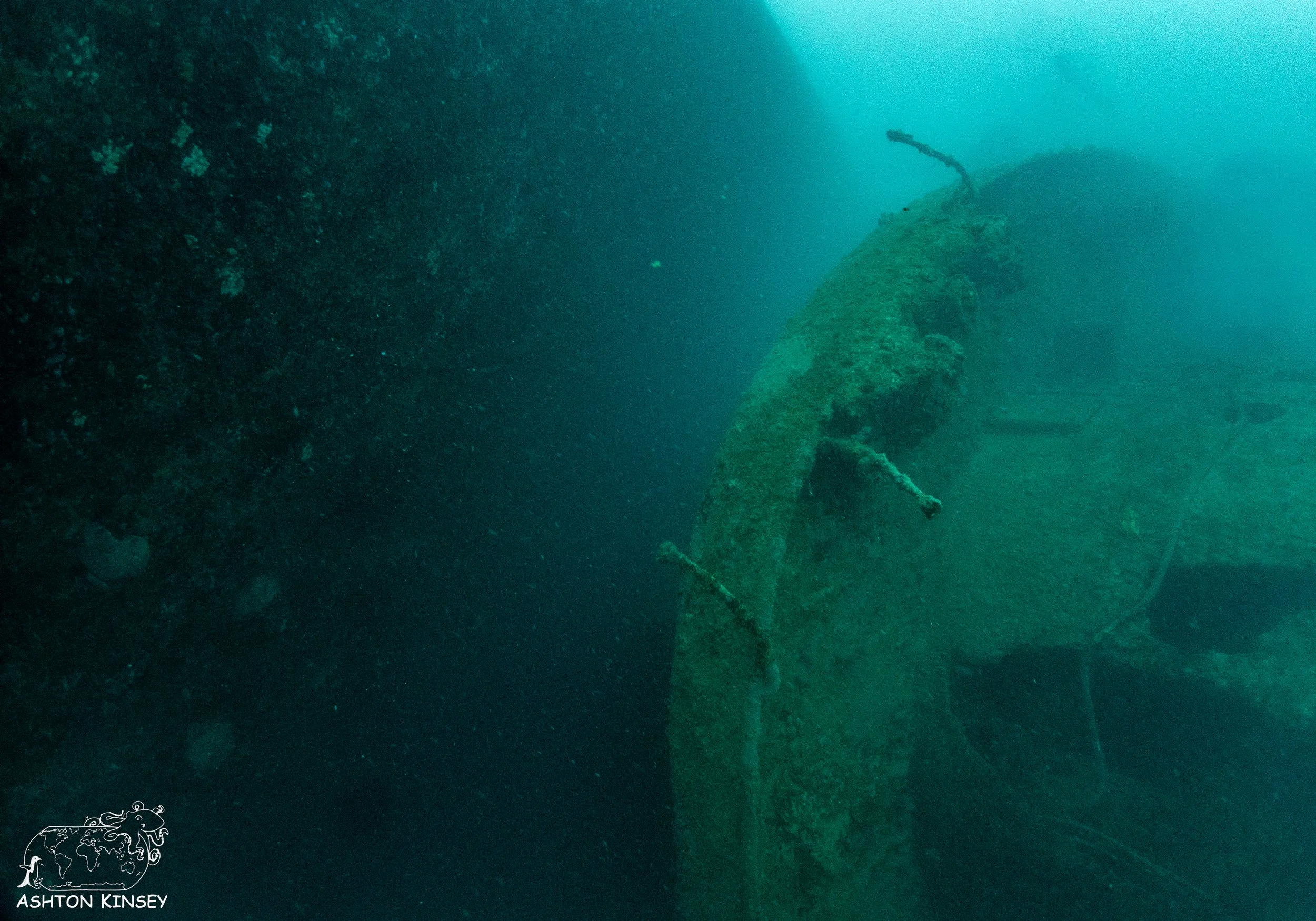
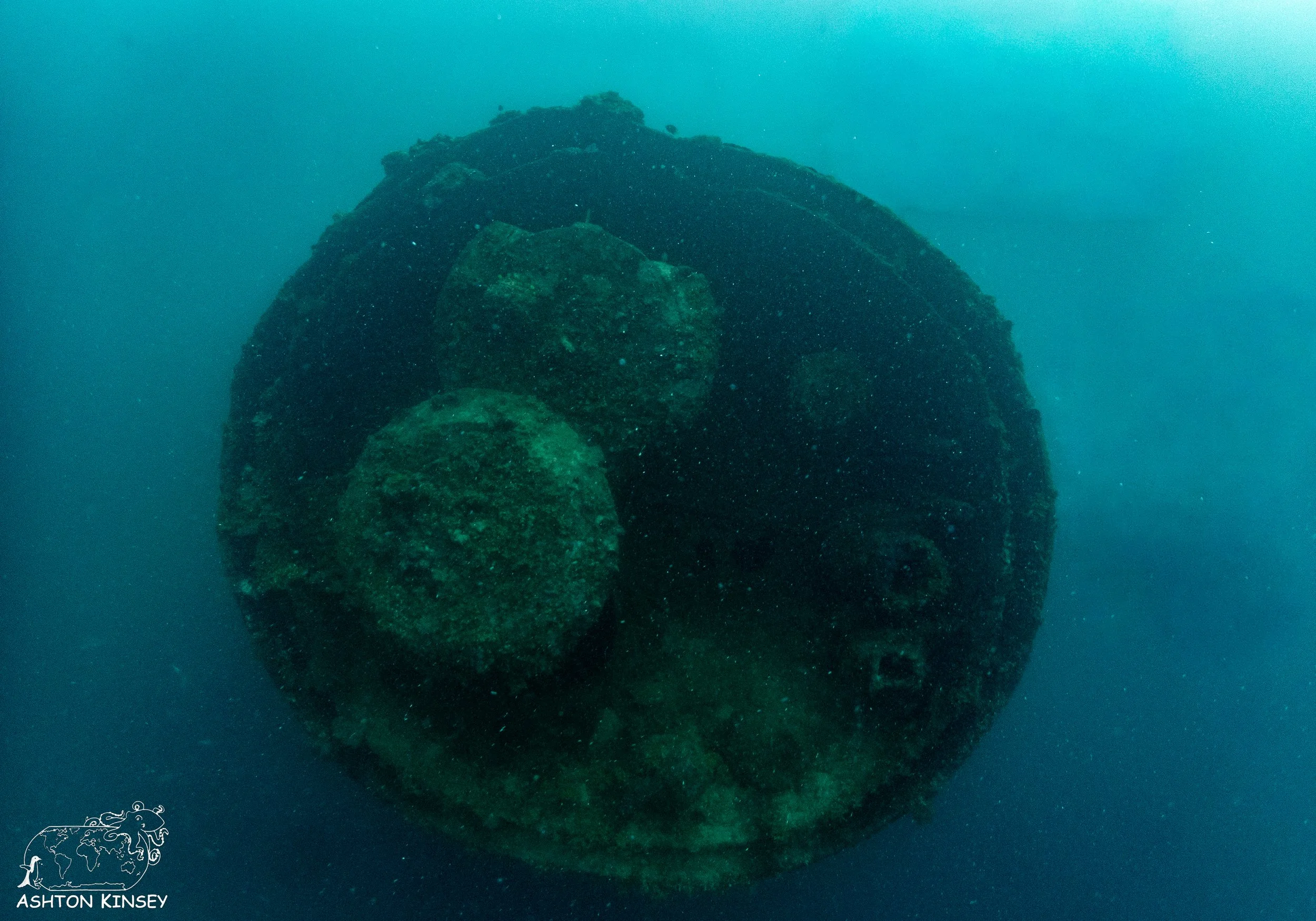
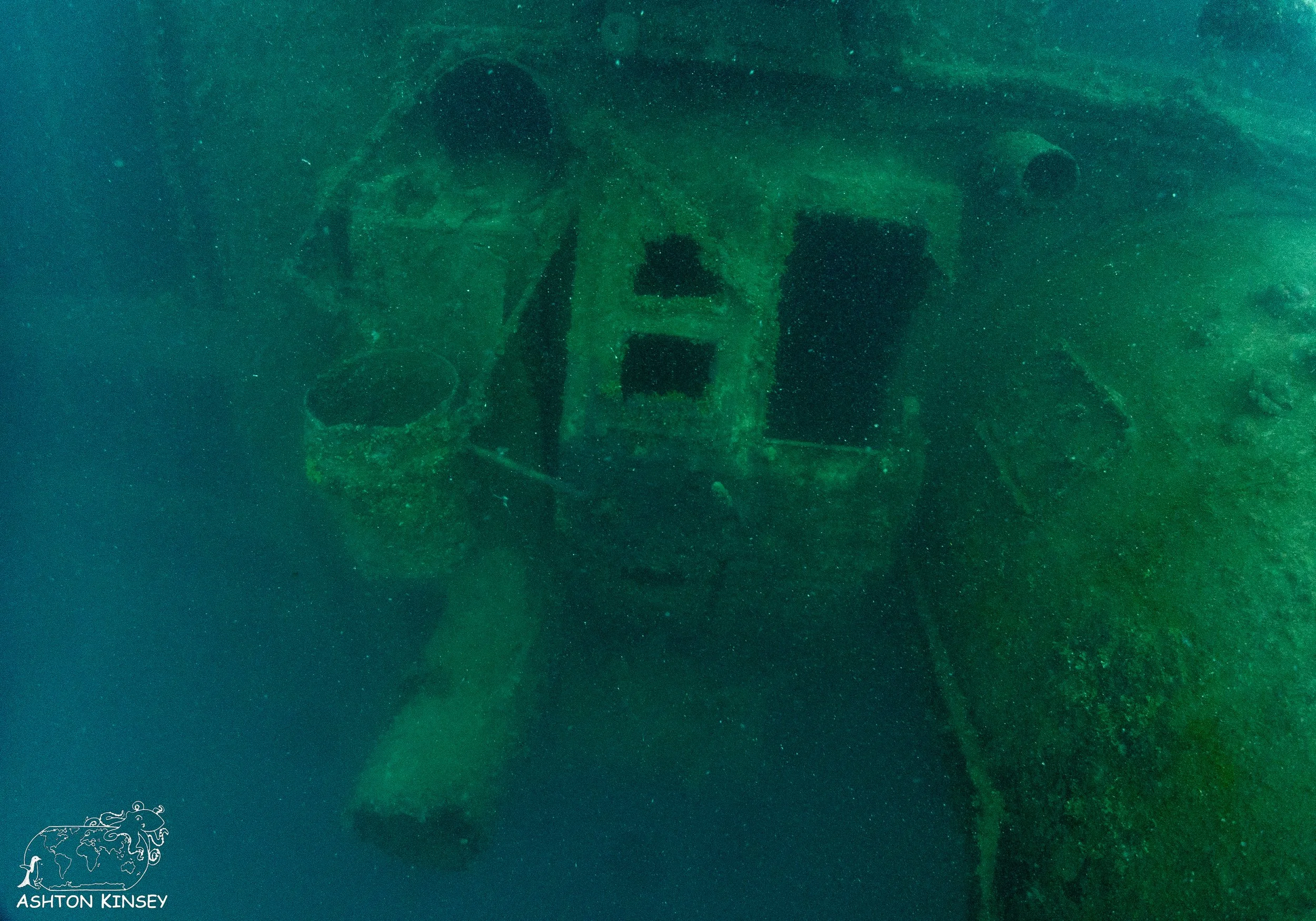
Dive 2: SMS Cormoran II and Tokai Maru 104’ for 42 minutes
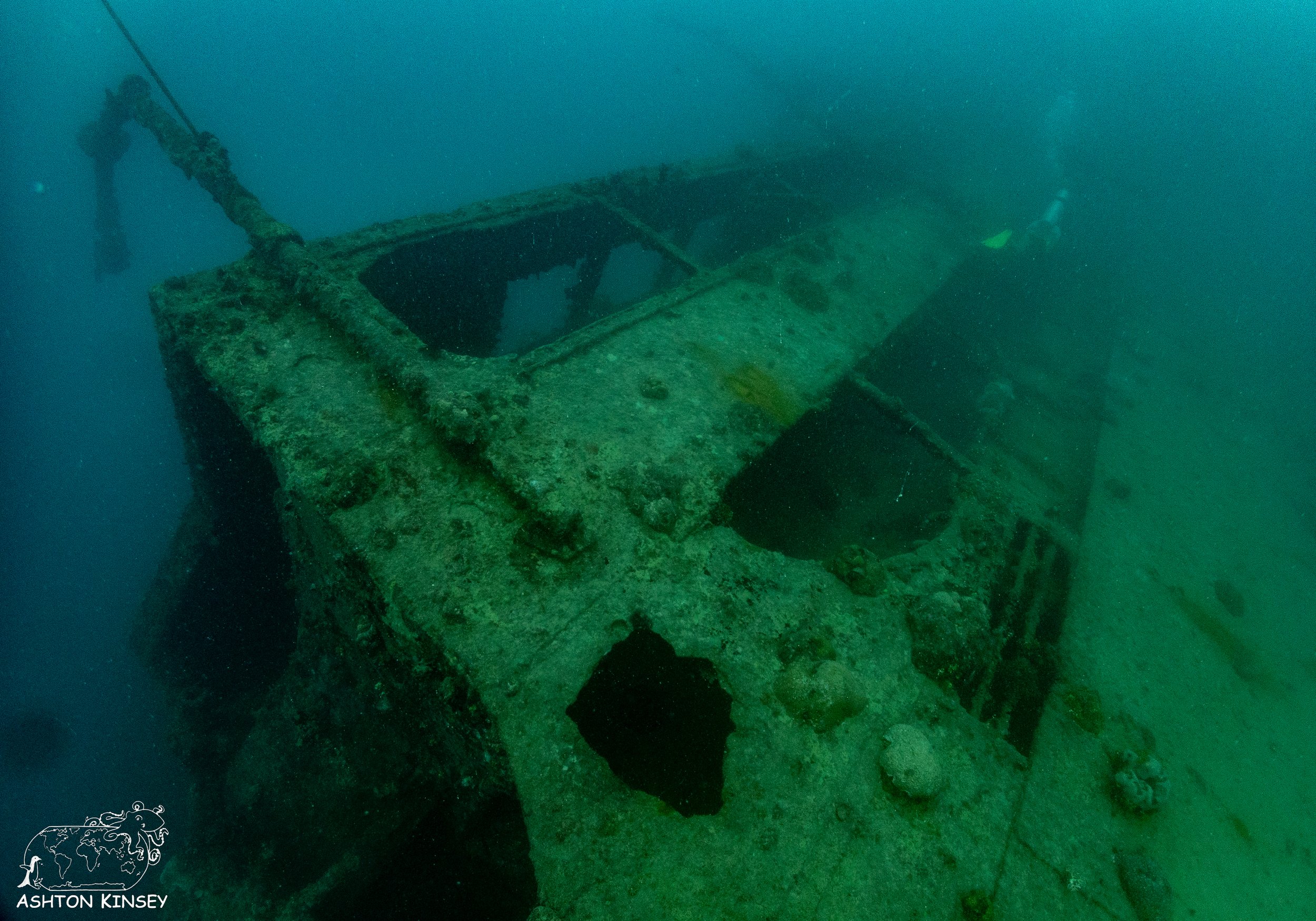
SMS Cormoran II

Built: 1909 by Schichau-Werke Sunk: 7 April 1917
GRT: 3,500 tons Length: 354’
Beam: 46’ Draught: 23’
Depth: 130’ Speed: 18 knots
Originally, she was an auxiliary cruiser converted from a civilian passenger and cargo ship called Ryazan. At the start of WWI German light cruiser SMS Emden captured the Ryazan in the Pacific, and it was taken to the German colonial port of Tsingtao (China), where the Imperial German Navy converted her into an auxiliary cruiser and raider and renamed her as the Cormoran II. She was outfitted with naval guns and raided against Allied ships.
Due to coal shortages, the Cormoran arrived in Guam on 14 December 1914 for provisions. However, because the United States was neutral in WWI, US refused to refuel her and provide supplies. This resulted in the Cormoran being stuck in Guam for two years. During this time, relations were mostly cordial between the Germans and the Americans stationed on Guam. When the US entered WWI on 6 April 1917 authorities demanded that the Cormoran be surrendered. The German Captain Adalbert Zuckschwerdt requested permission to tell the crew in person, returned to his ship, and ordered it scuttled so it would not fall into enemy hands. This was the first German ship lost to the US forces after the United State entered the war. Seven German crew members were killed in the self-scuttling and are now buried and commemorated on Guam.
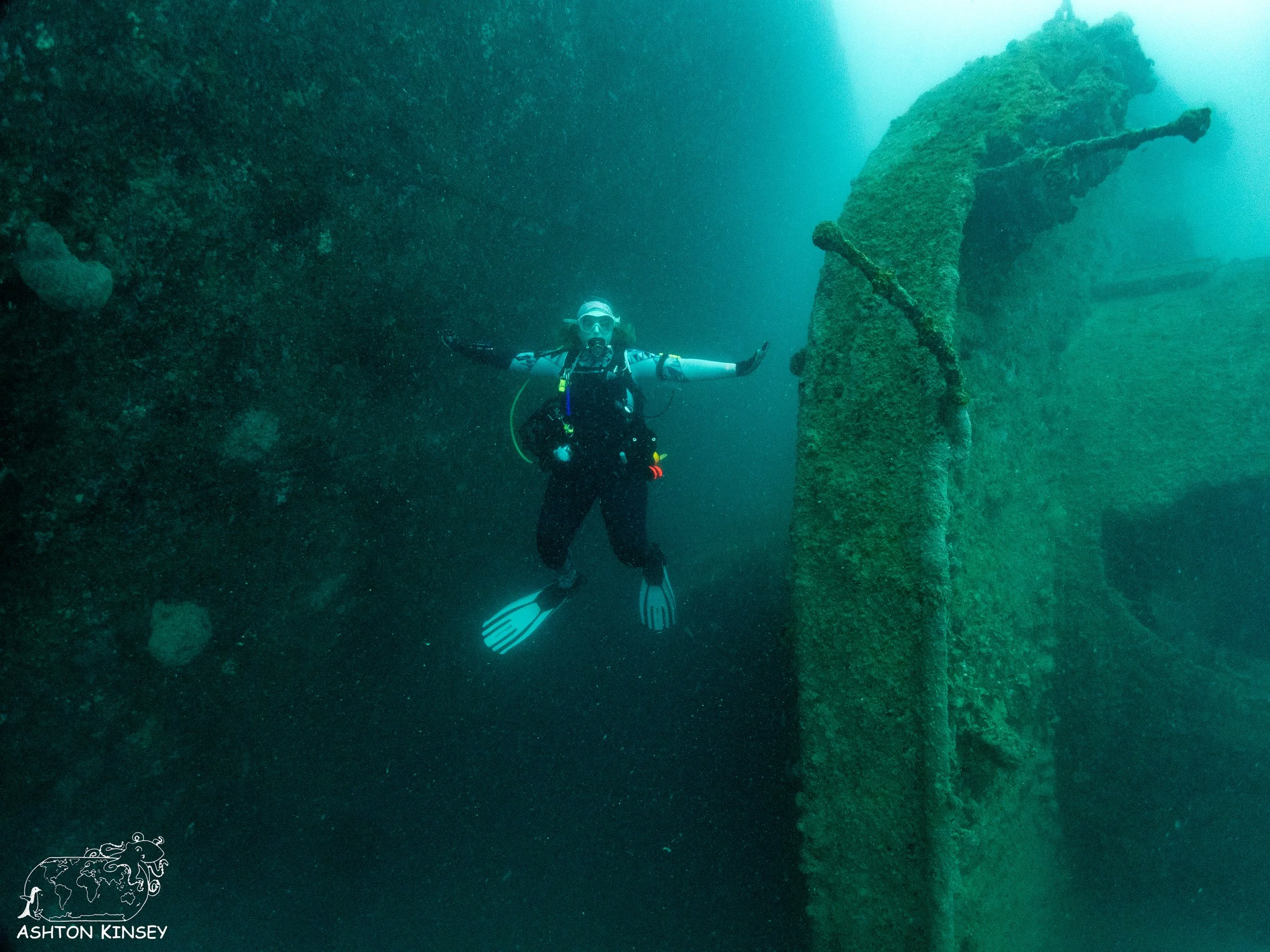
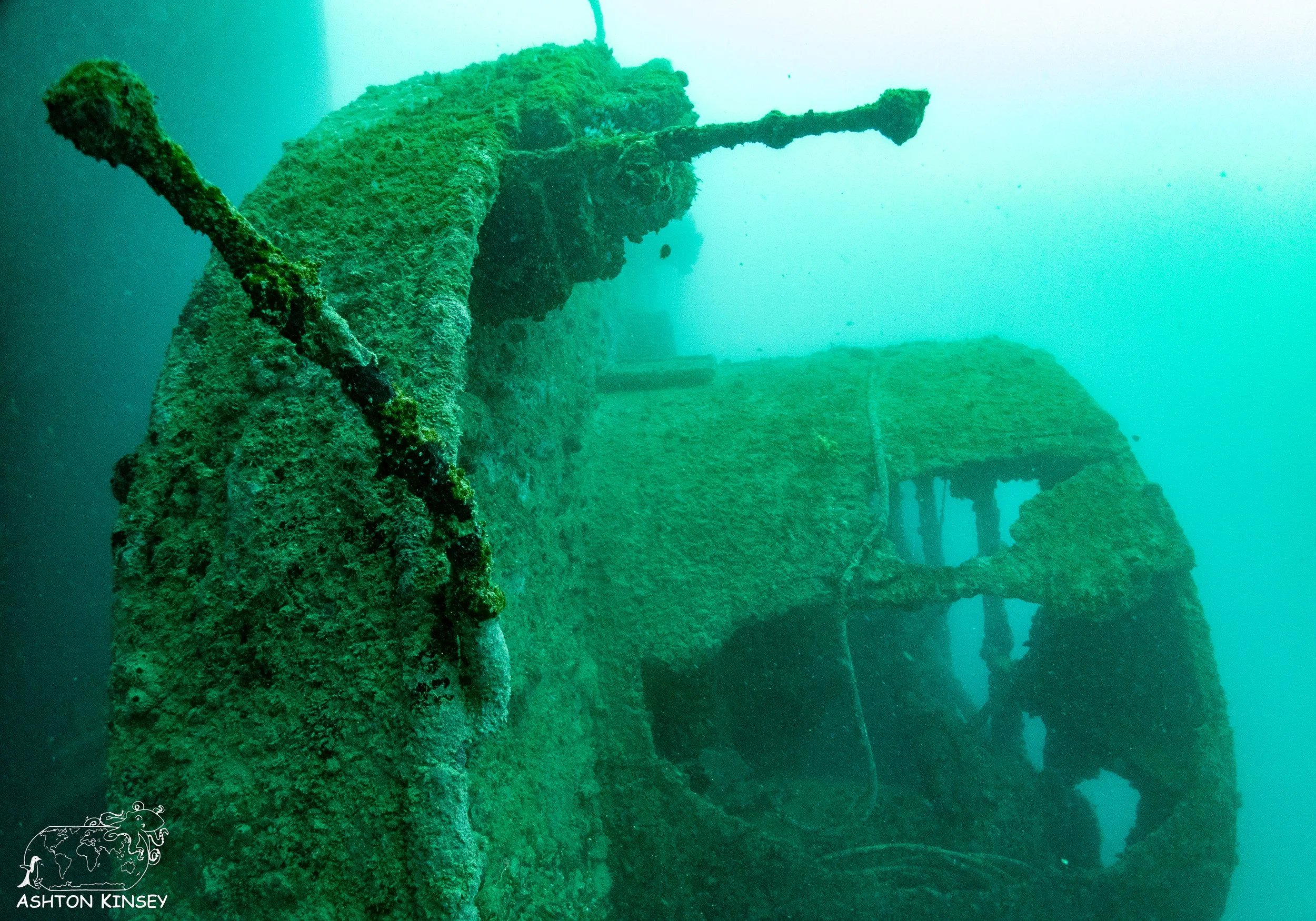
Tokai Maru

Built: 14 August 1930 Sunk: 27 August 1943
GRT: 8,600 tons Length: 450’
Beam: 62’ Draught: 34’
Depth: 130’ Speed: 18 knots
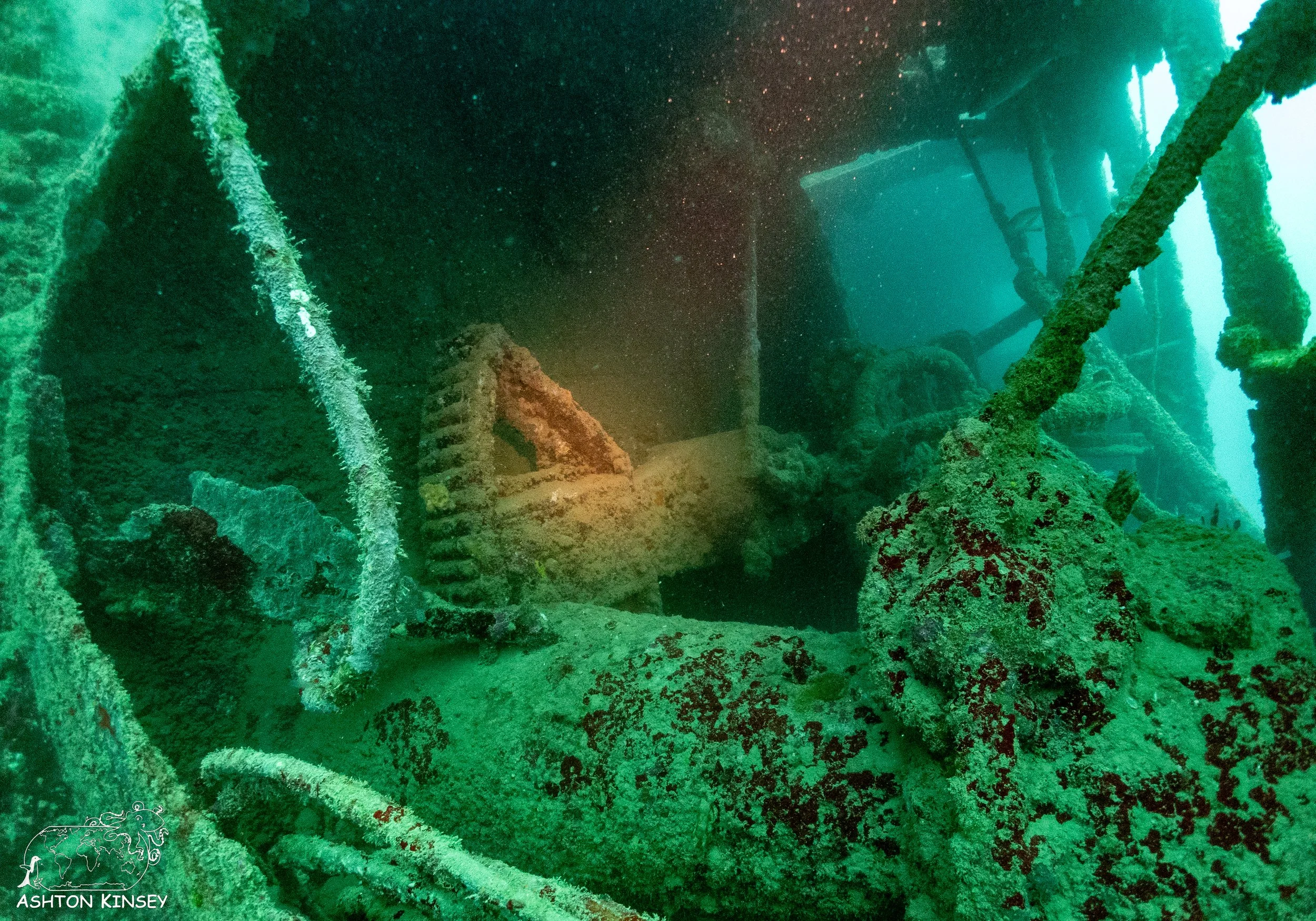
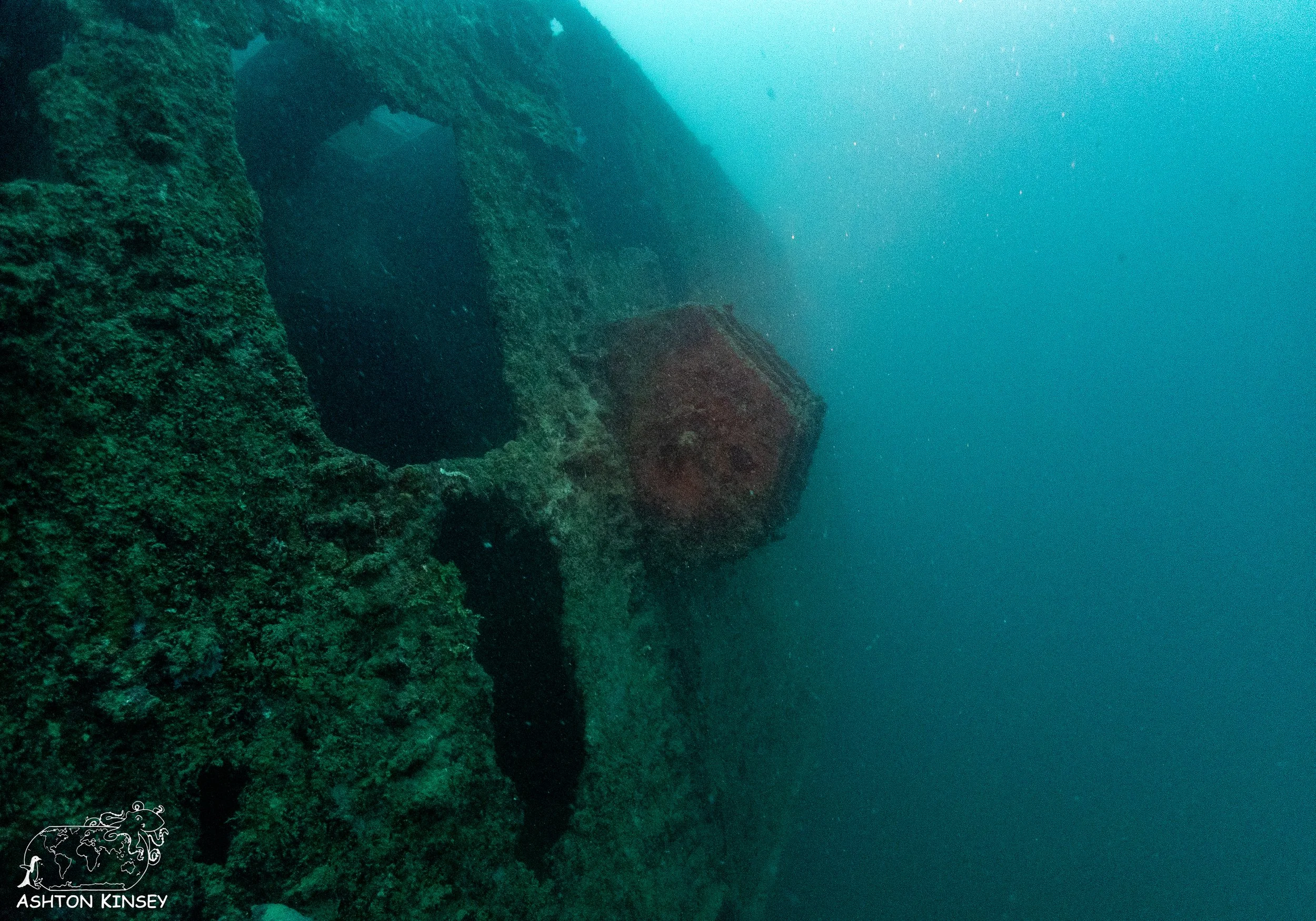
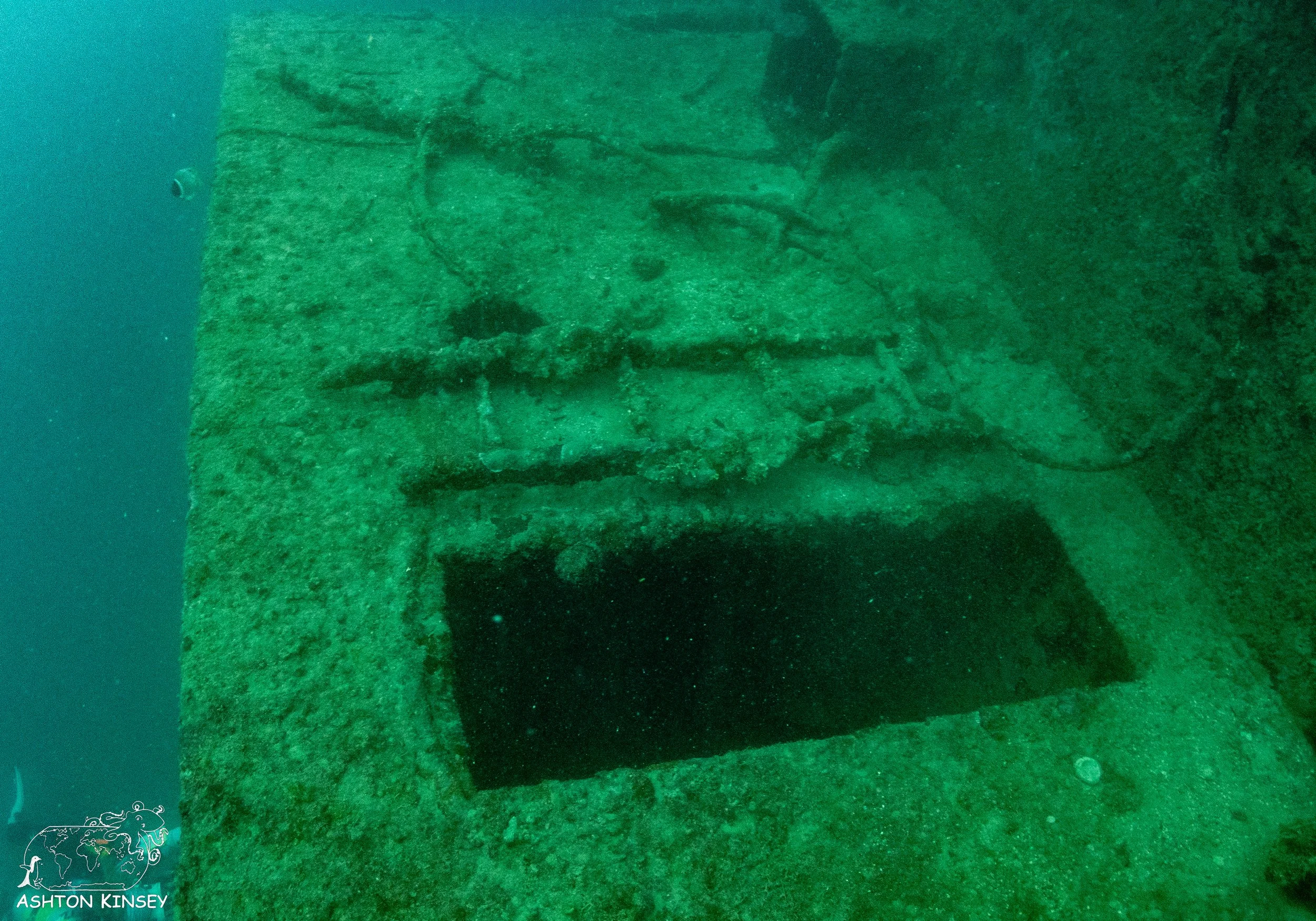
Originally, she was a Japanese passenger-cargo vessel for civilian trade routes between the Pacific and East Asia. It primarily served as a luxury freighter for fast travel between Tokyo and New York City via the Panama Canal. In July 1941, the Panama Canal was closed to the Japanese shipping in response to Japan’s expansion into the French Indochina. During the war, it was repurposed as an auxiliary transport ship to move supplies, troops, and materials, and was armed with six sets of guns.
On 24 January 1943, she was spotted by the USS Flying Fish in Guam Harbor, which fired two torpedoes: one missed and ran aground while the other struck and inflicted significant damages, however not enough to sink the Tokai. Later, on 27 August 1943, a US submarine, the USS Snapper, fired three torpedoes. The third struck near the port side #3 cargo hold finally sinking her almost on top of the SMS Cormoran II. Several crew members were killed in the sinking; however, the exact number is unknown.