Texas: Valhalla Atlas F Missle Silo
Valhalla Atlas F Missile Silo
32.21057, -100.05164
Wingate, TX 79566
July 24th – 28th, 2025
Dive Shop: Pressure Junkies Scuba
The Cold War is underway, and the threat of attack is on the forefront of the American government. Thus, the long-range intercontinental ballistic missile (ICBM) was born, used to help protect the country from foreign attacks. The Atlas F missile program began in 1961 and 72 silos were constructed around the country. The silos were distributed across 12 Strategic Air Command bases spread throughout Texas, Kansas, Nebraska, New York, Washington and other states. The silos in Texas were the only ones to be completed under budget, ahead of schedule and with the lowest number of deaths during construction. However, due to advancements in missile technology, primarily solid-state fueled ICBMs, the Atlas program was shut down in 1965.
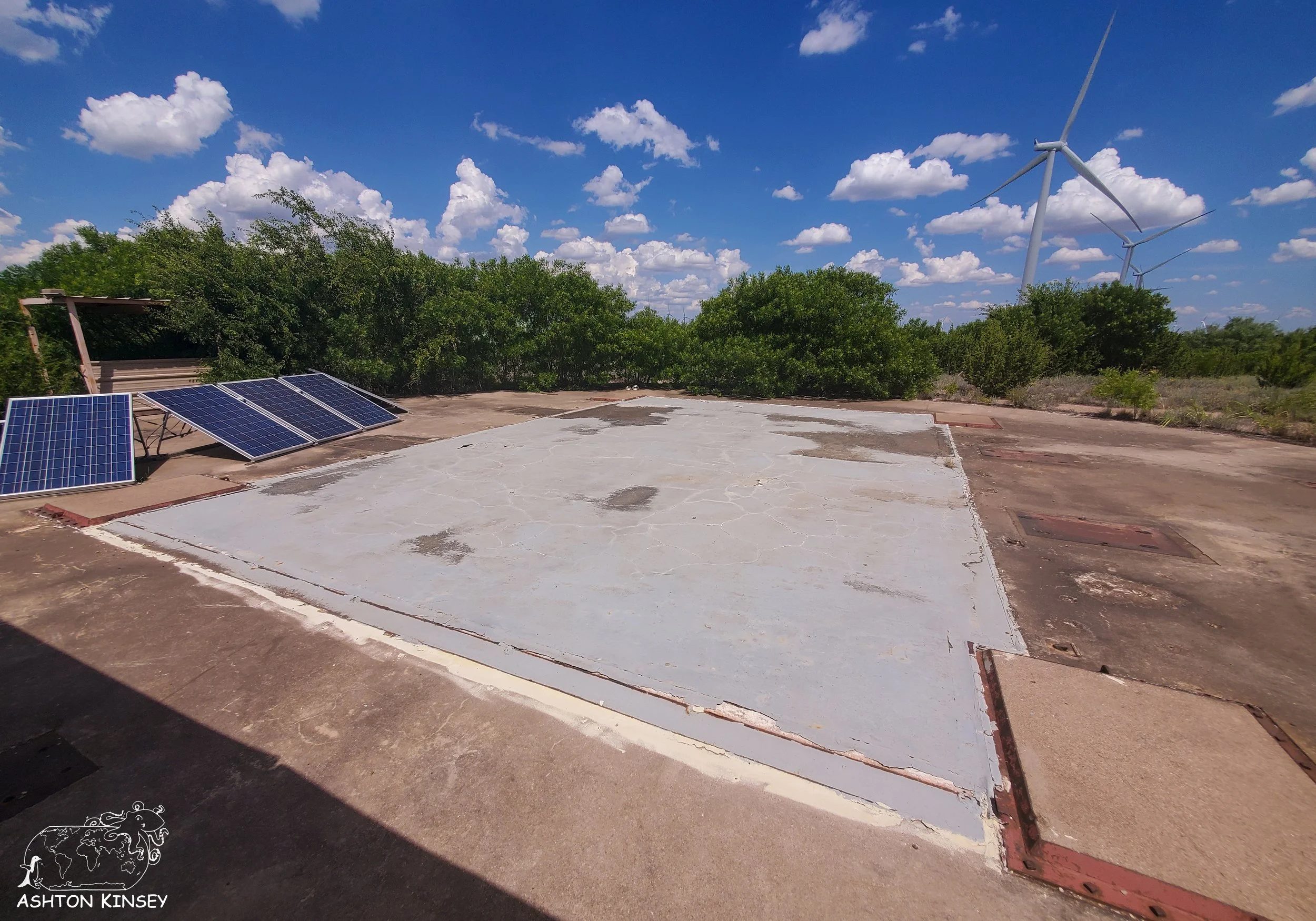
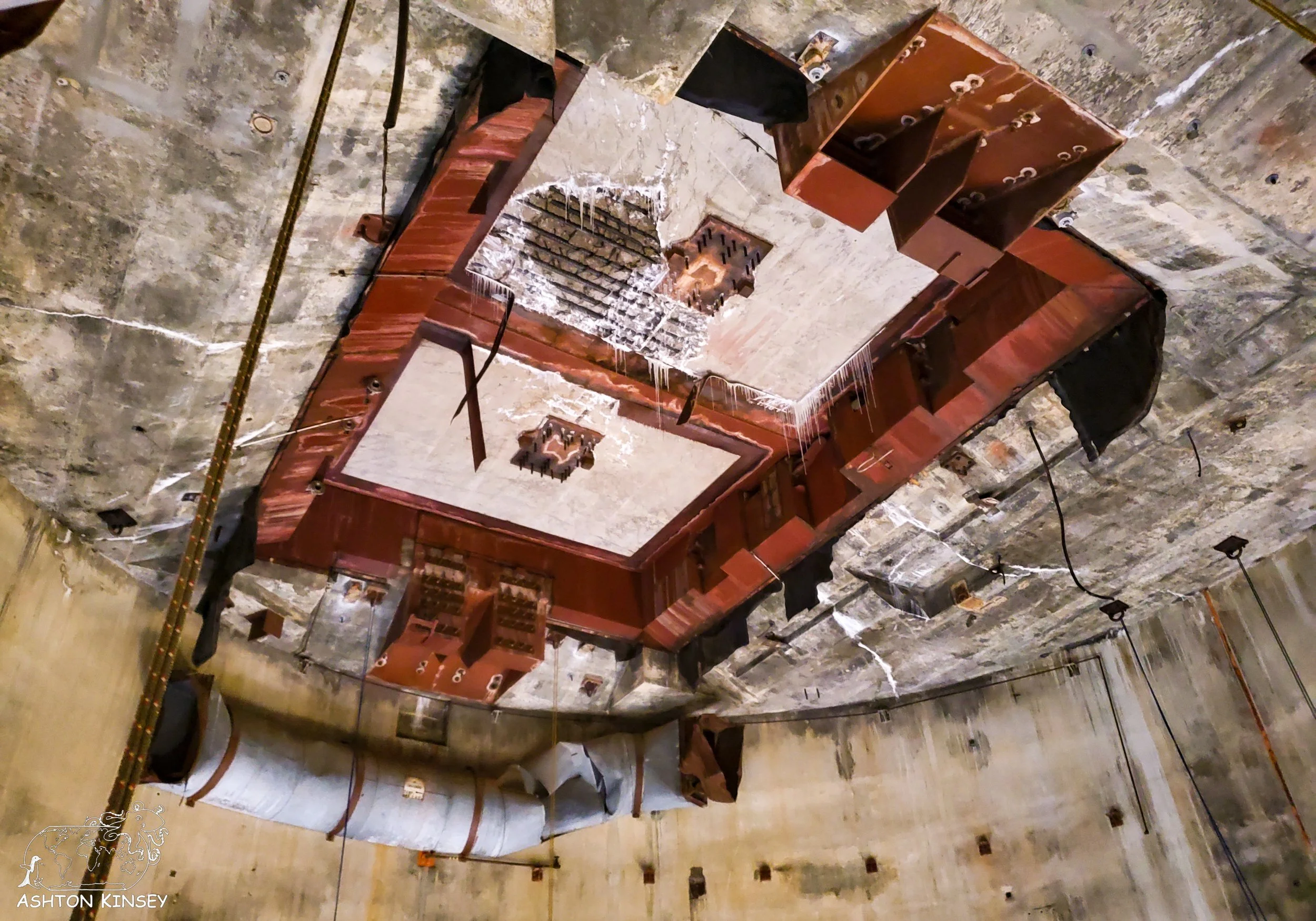
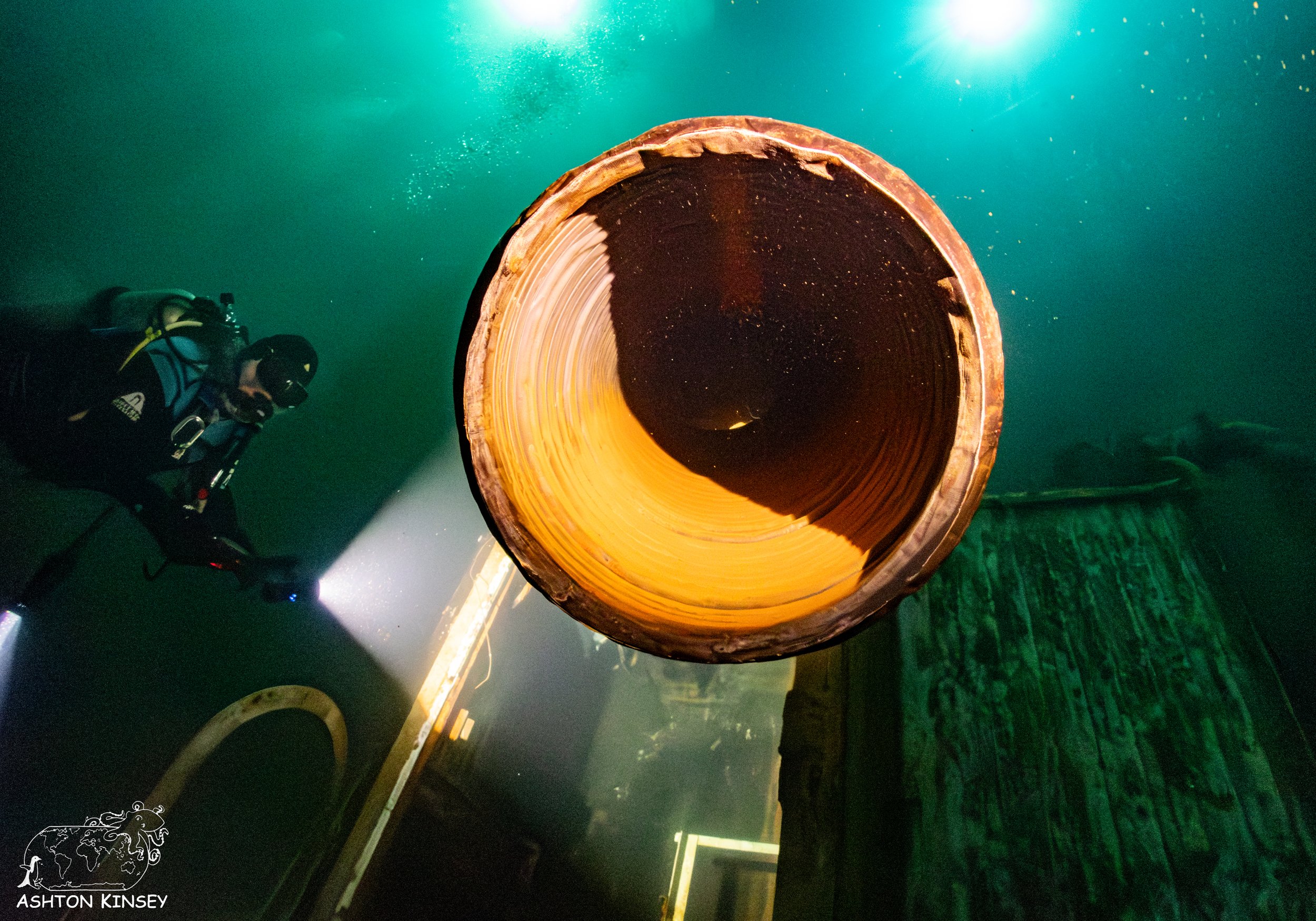
The silos were designed to house and protect the missiles as well provide a place to stay for the individuals who were maintaining the facility. The main silos are approximately 175’ deep with a diameter of 40’. With several different parts to the facility, the Missile Launch tube (vertical cylinder where the missile was stored), Equipment Rooms (next to the launch tube, housed guidance equipment, fuel pumps and communications equipment), lastly the Control Room (a separate area for launch operations).
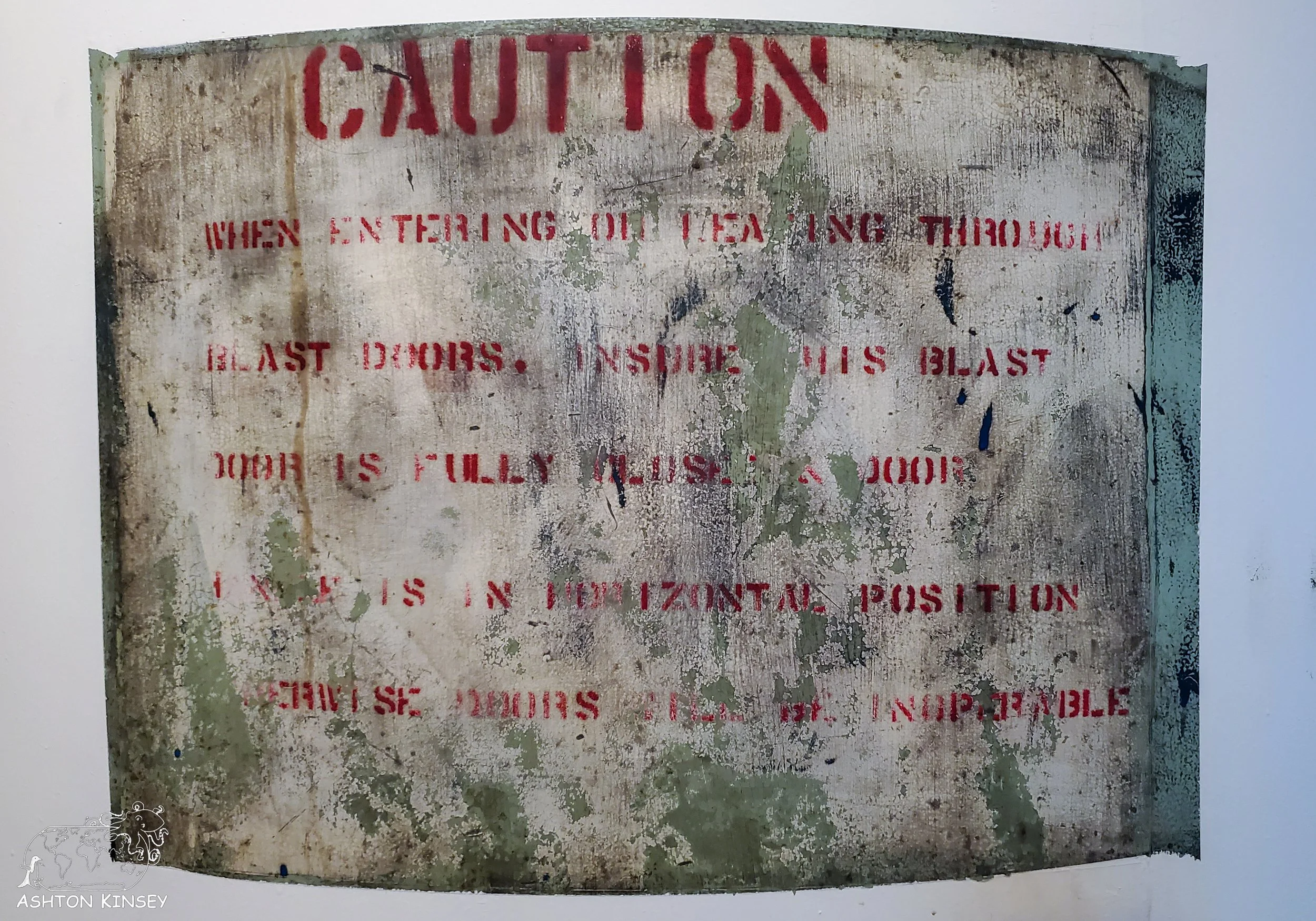
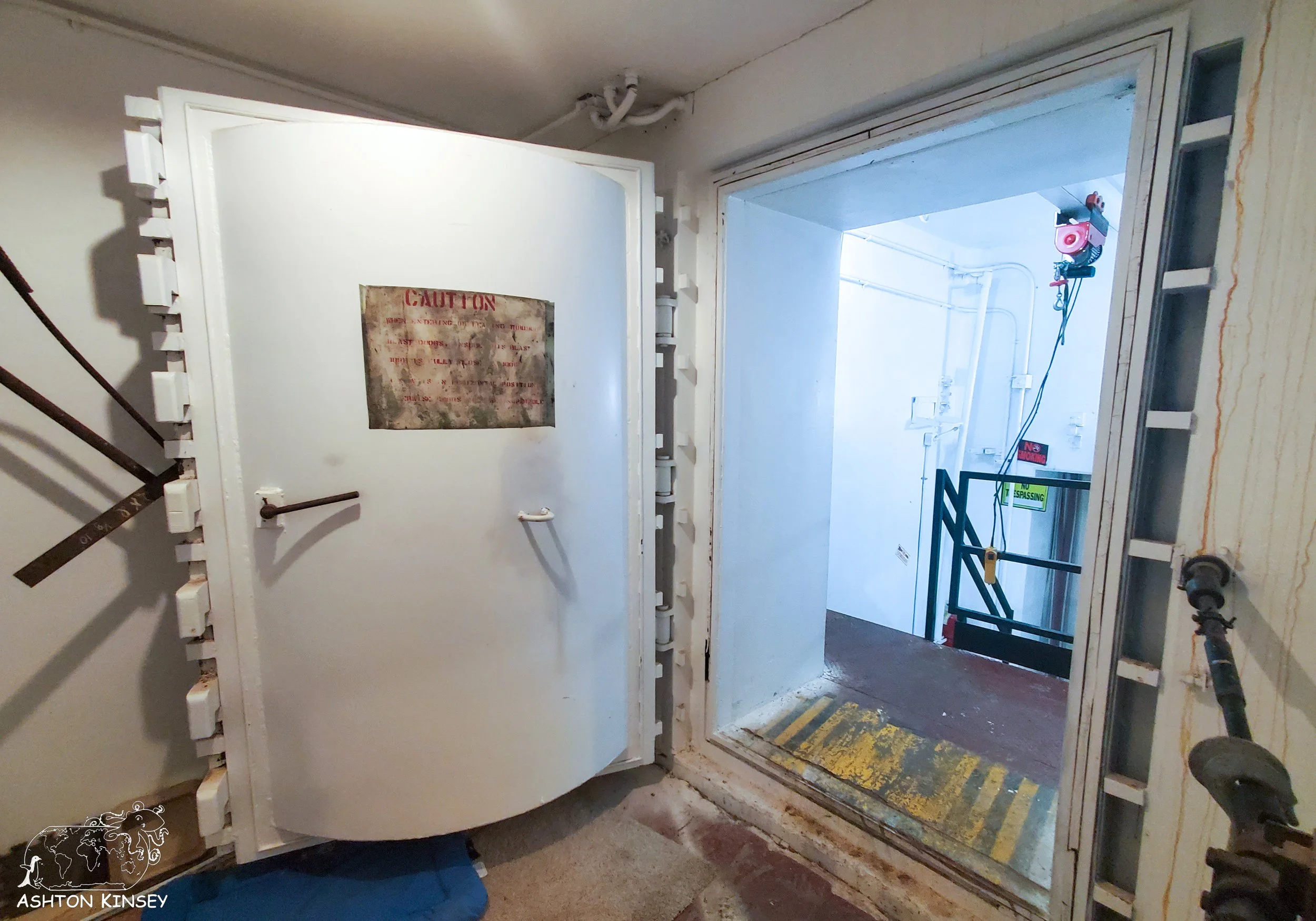
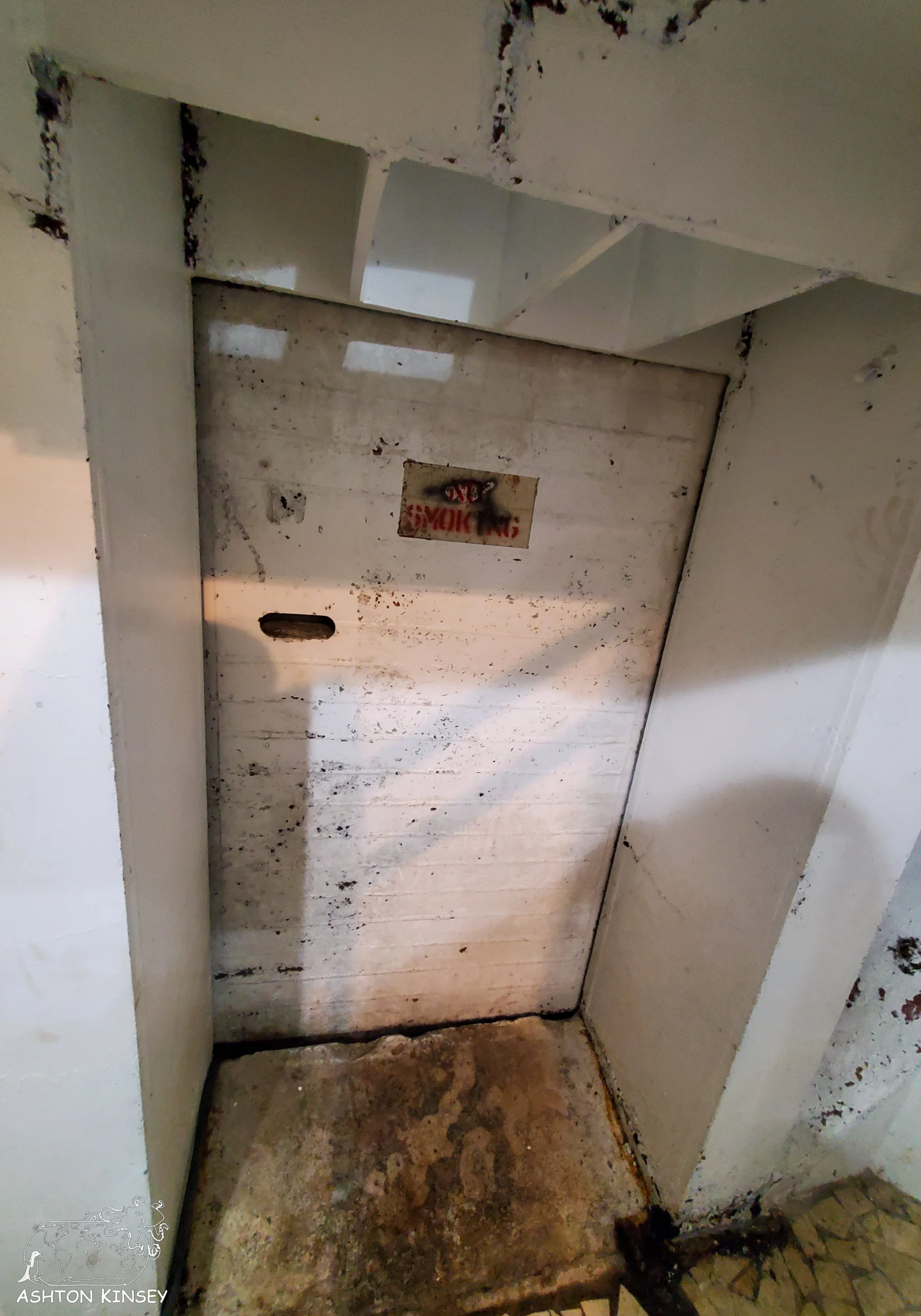
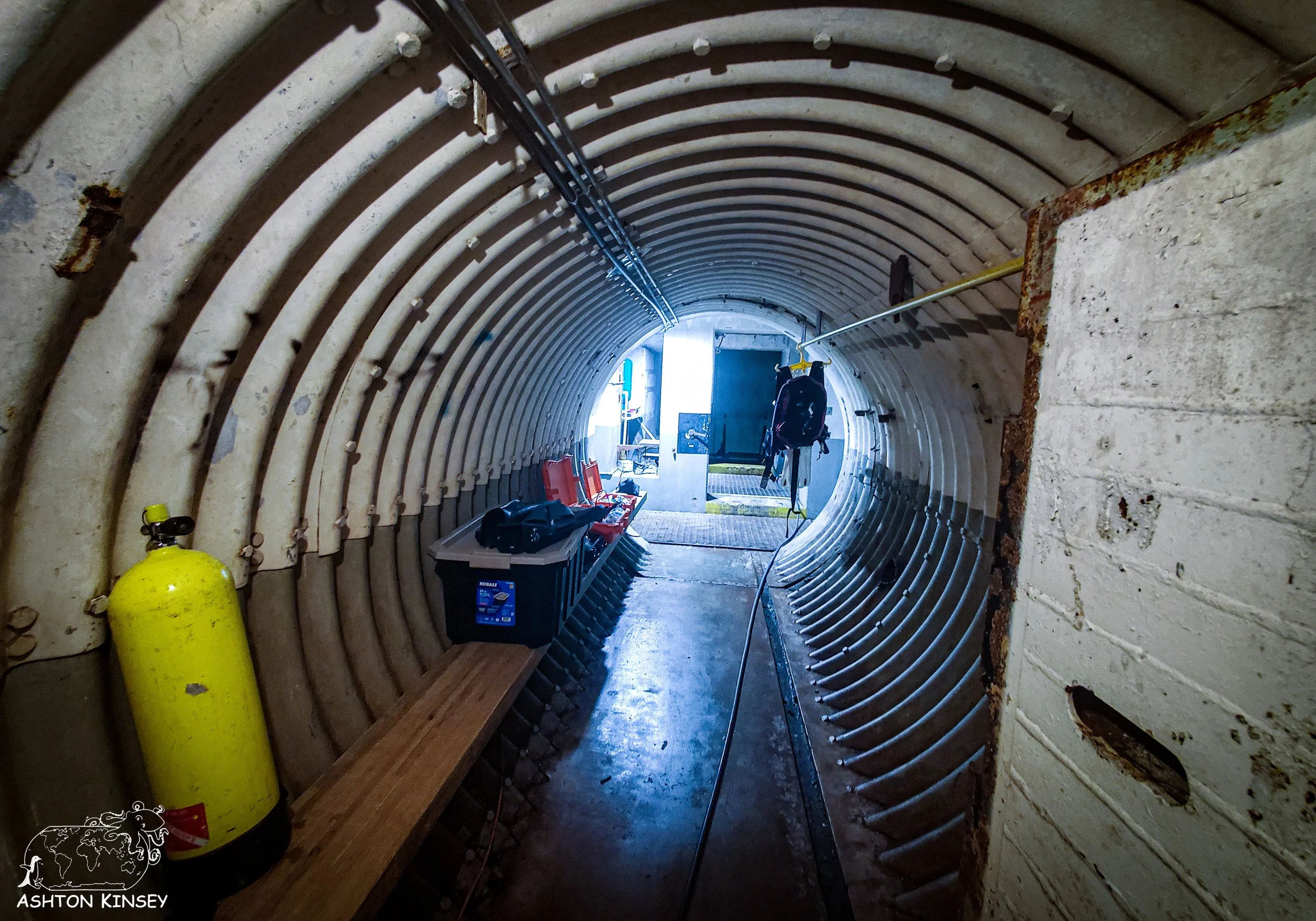
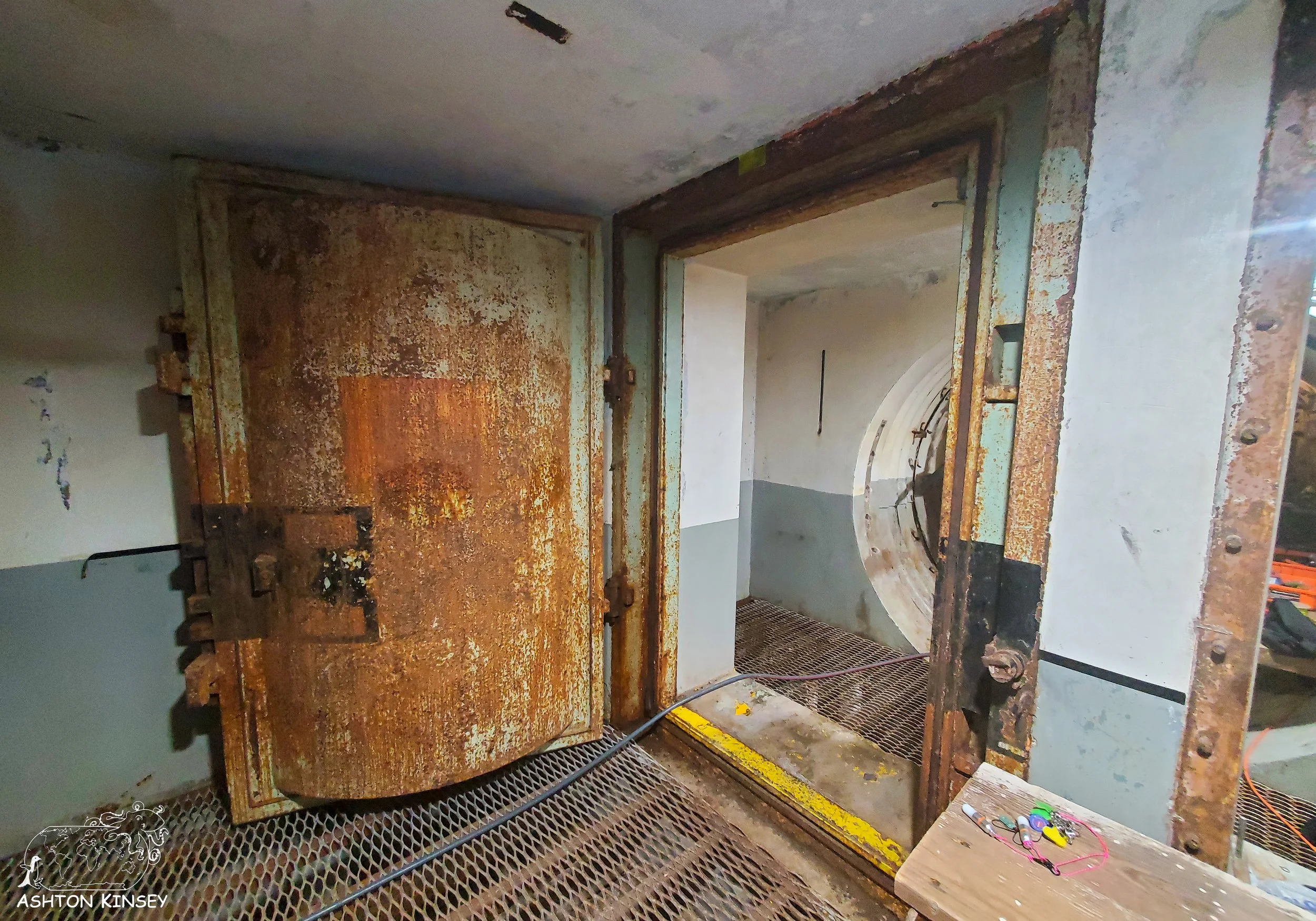
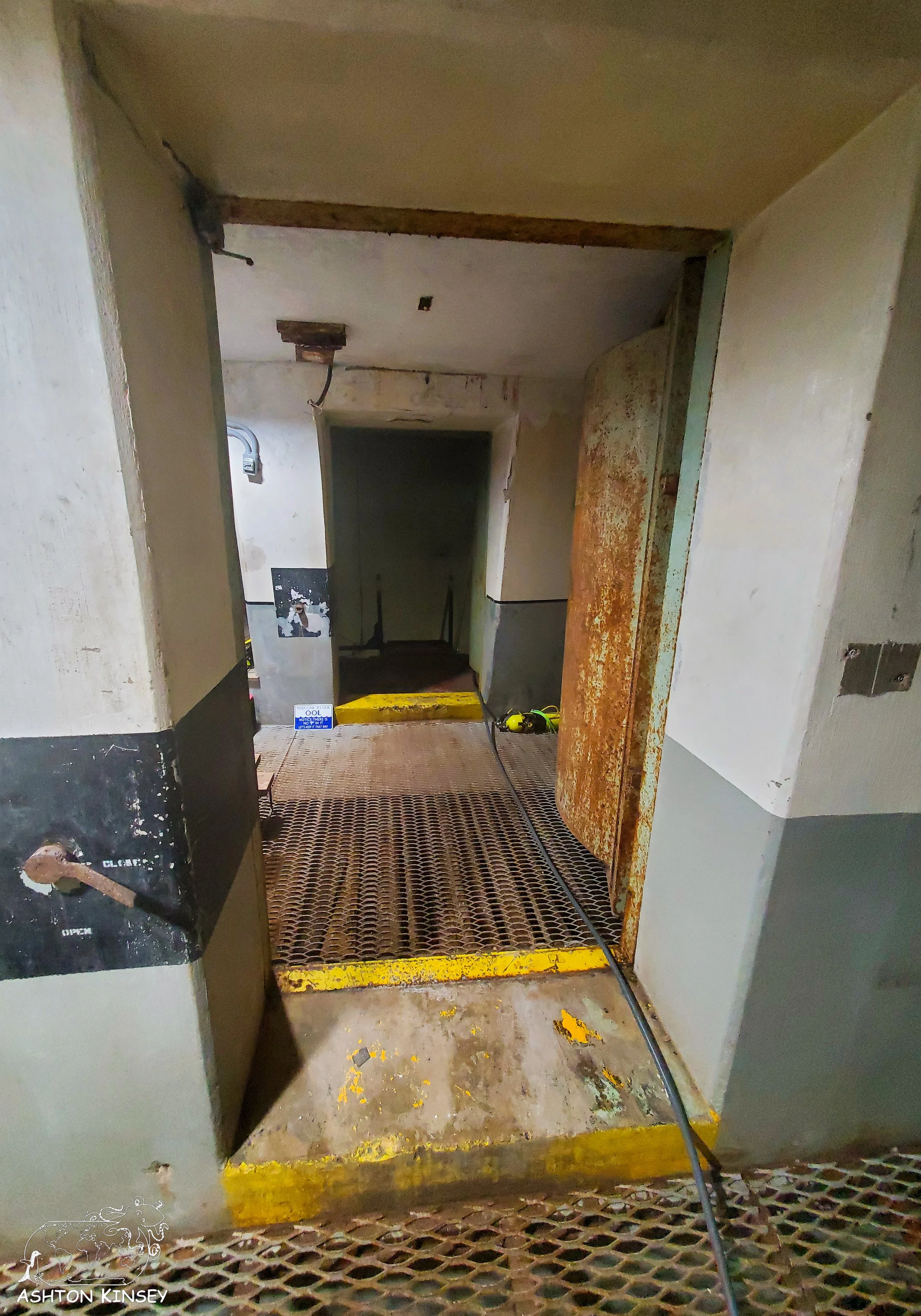
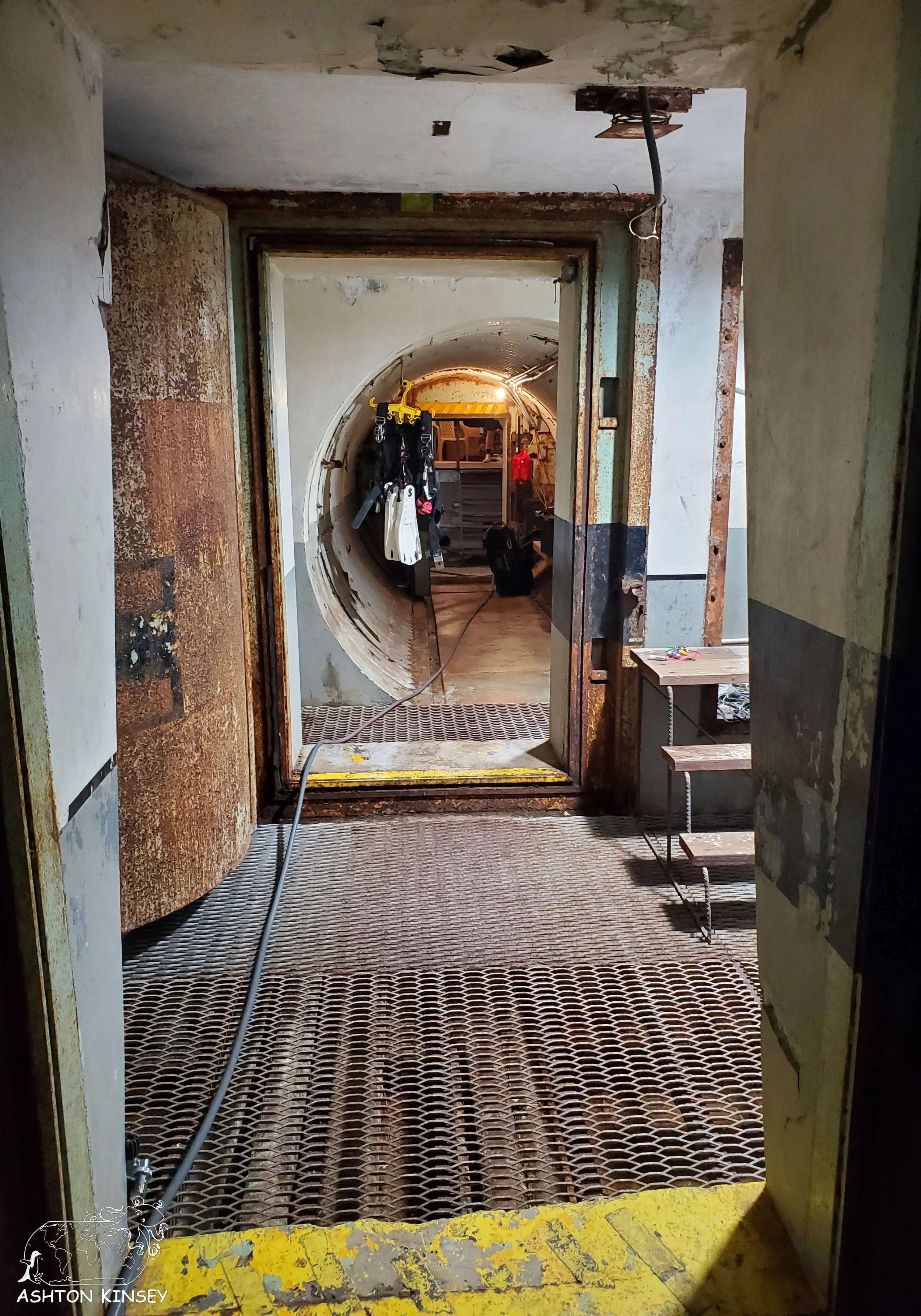
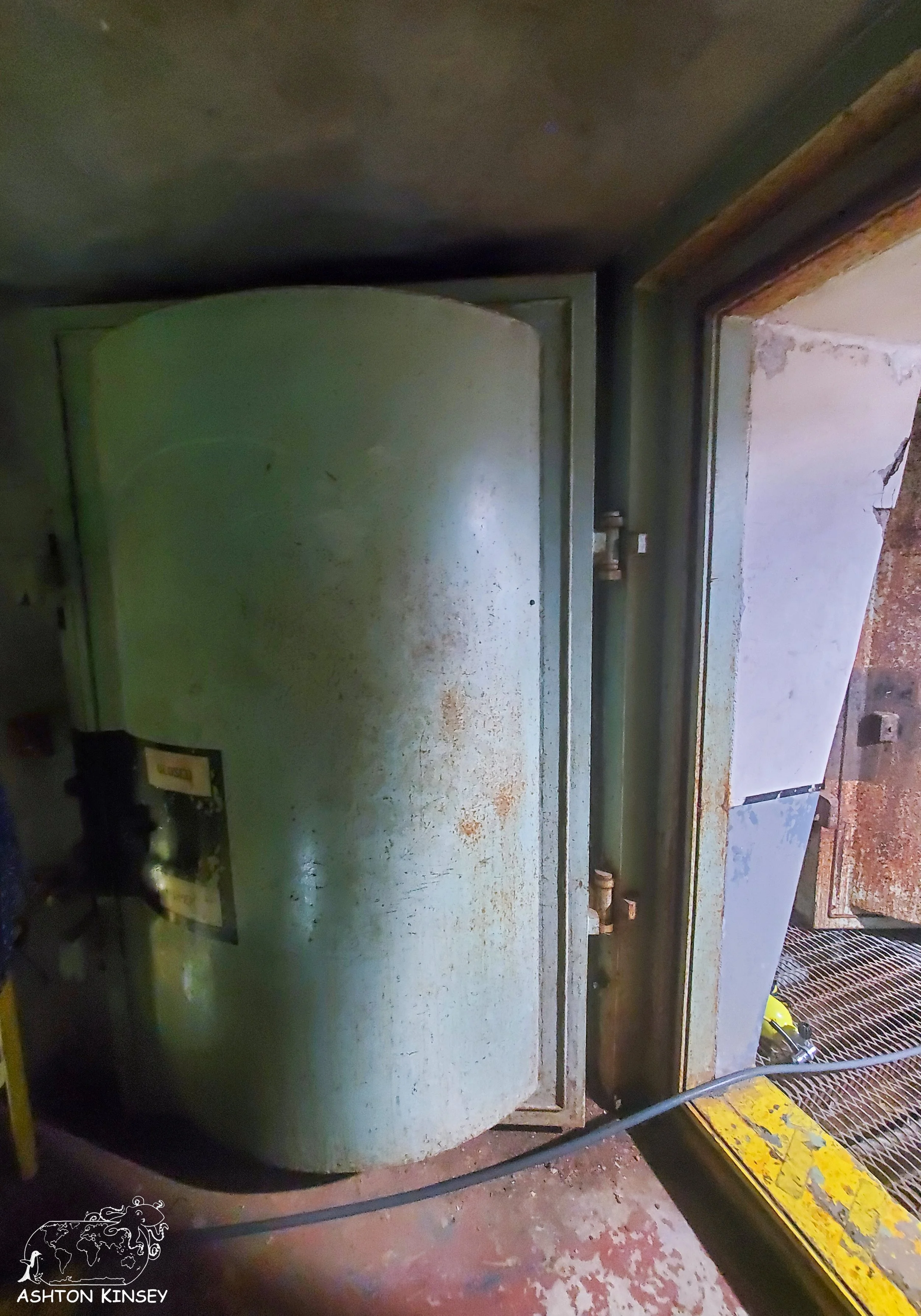
The different rooms were connected by access tunnels that had several four and a half foot thick, 2,000 lb, large reinforced blast doors that protected the silo from outside attacks. There were frequent 90* turns in the walkways that, if there were an explosion, would each decrease the blast 50%. Roughly seven turns would reduce the explosion to less than 1% of the original blast.
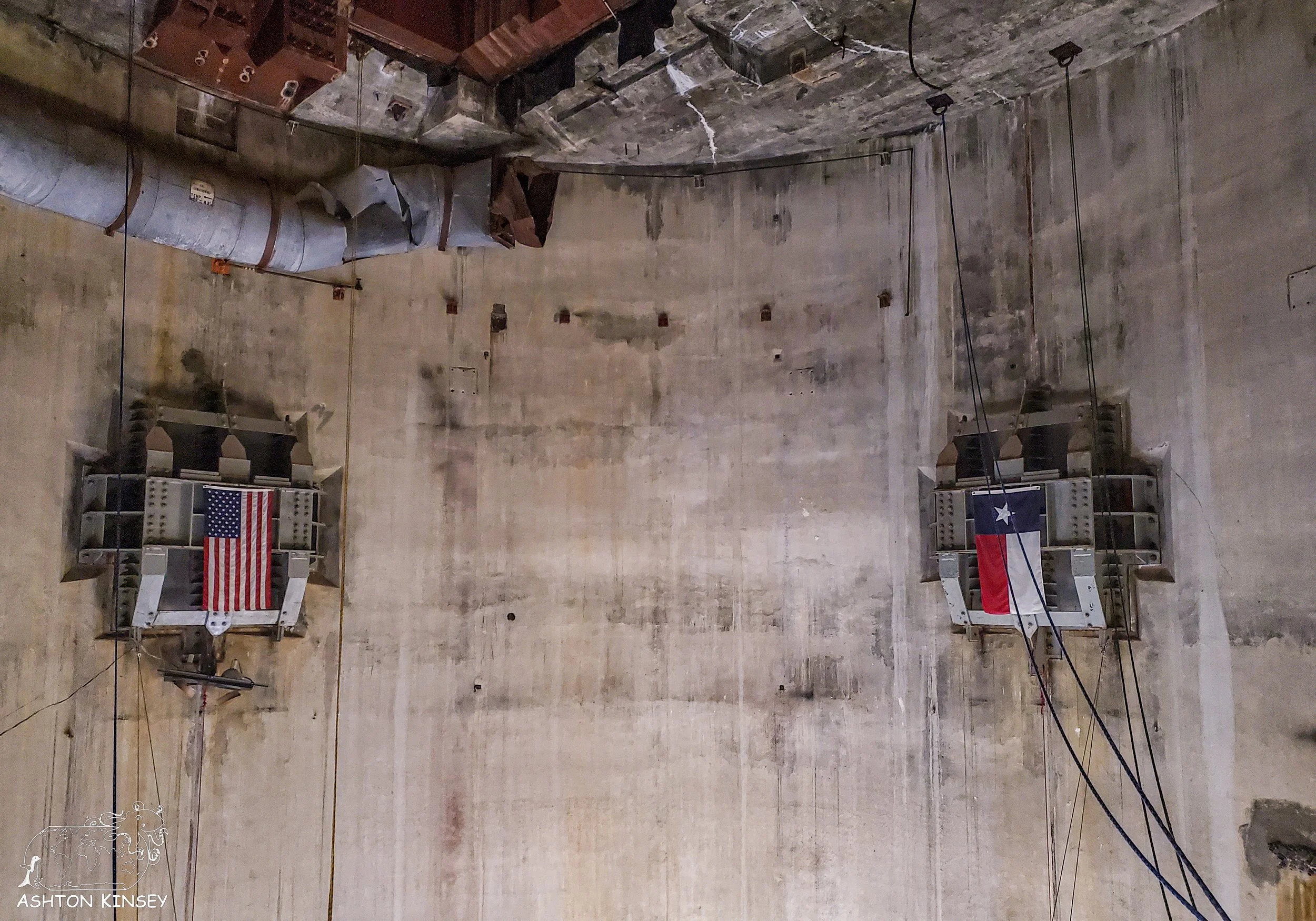
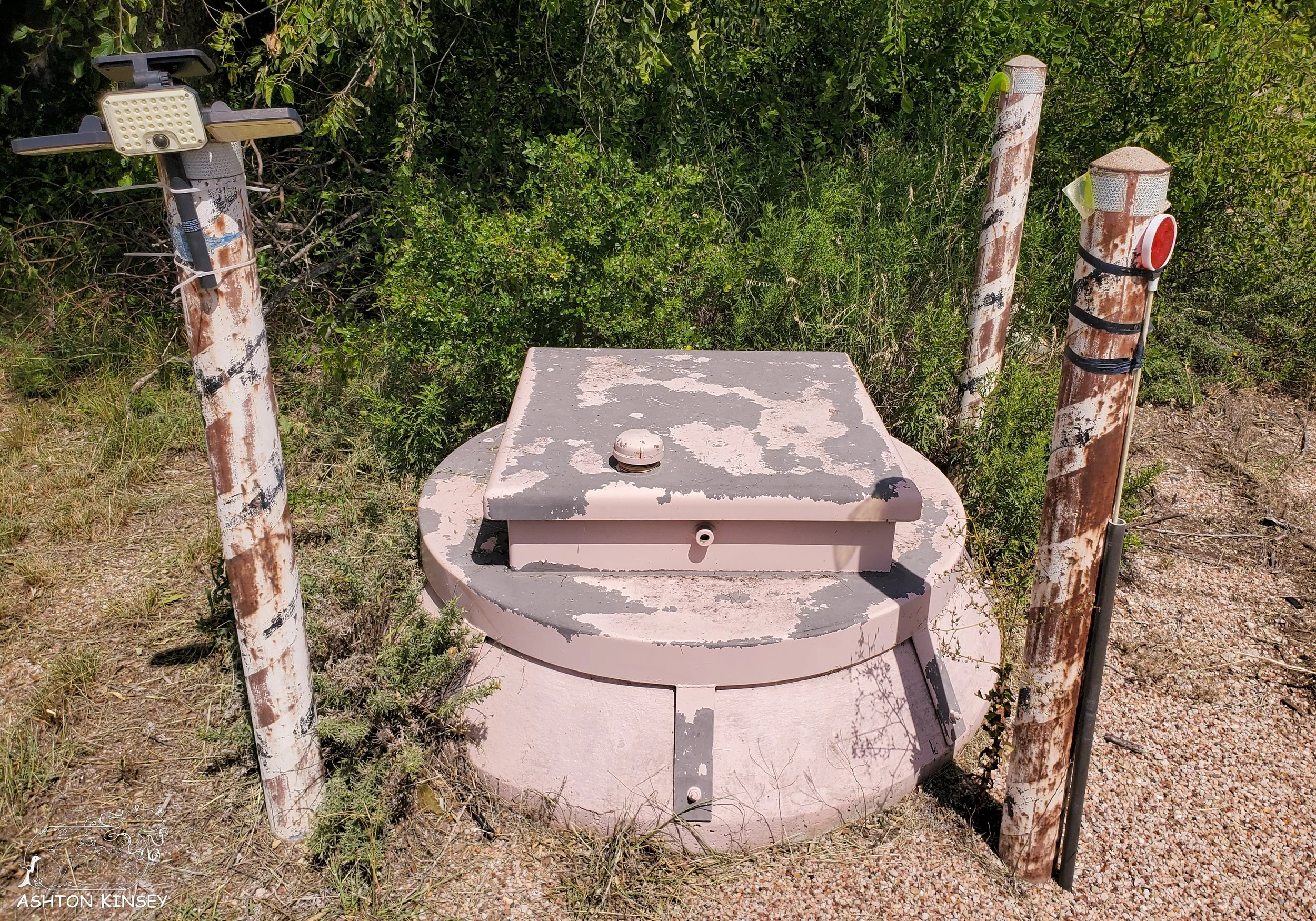
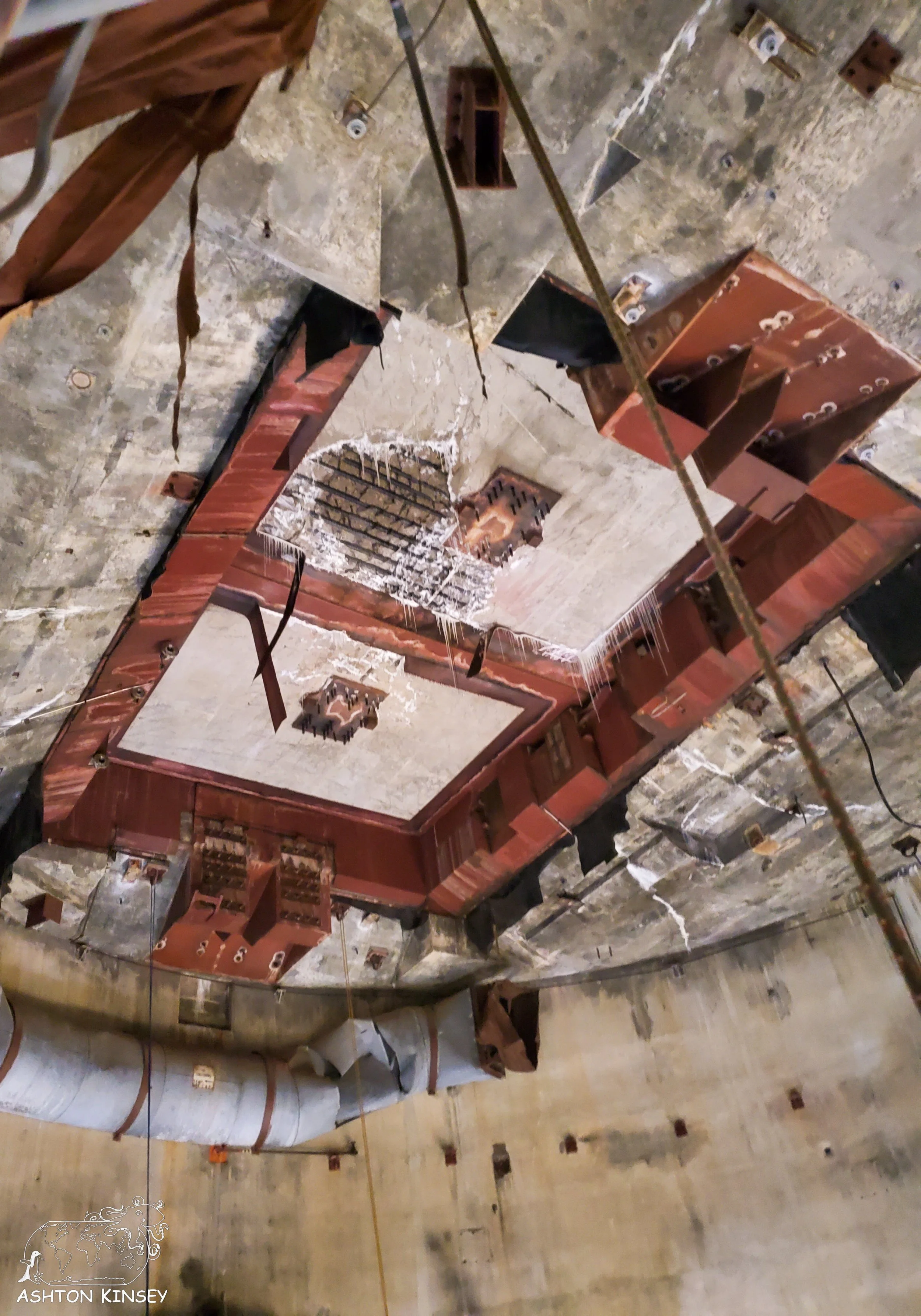
The missiles were 82’ long with a diameter of 10’, they had an approximate range of 9,000 miles and could carry a W38 thermonuclear warhead. The missiles were stored vertically in the silo, and using elevator systems were raised to the surface for launch. Where they would be filled with a kerosene and liquid oxygen mixture for propulsion. When empty the missile weighs approximately 121,000 lbs and when fully fueled 267,000 lbs, it took 15 minutes to fully fuel the missile. The silos had two doors securing the top, each door weighed 25 tons and took 26 seconds to open. It utilized an inertial guidance system based on the north star. From start to finish, it took roughly 30 minutes to launch the missile, with solid-state fuel, a missile could be launched in under 1 minute.
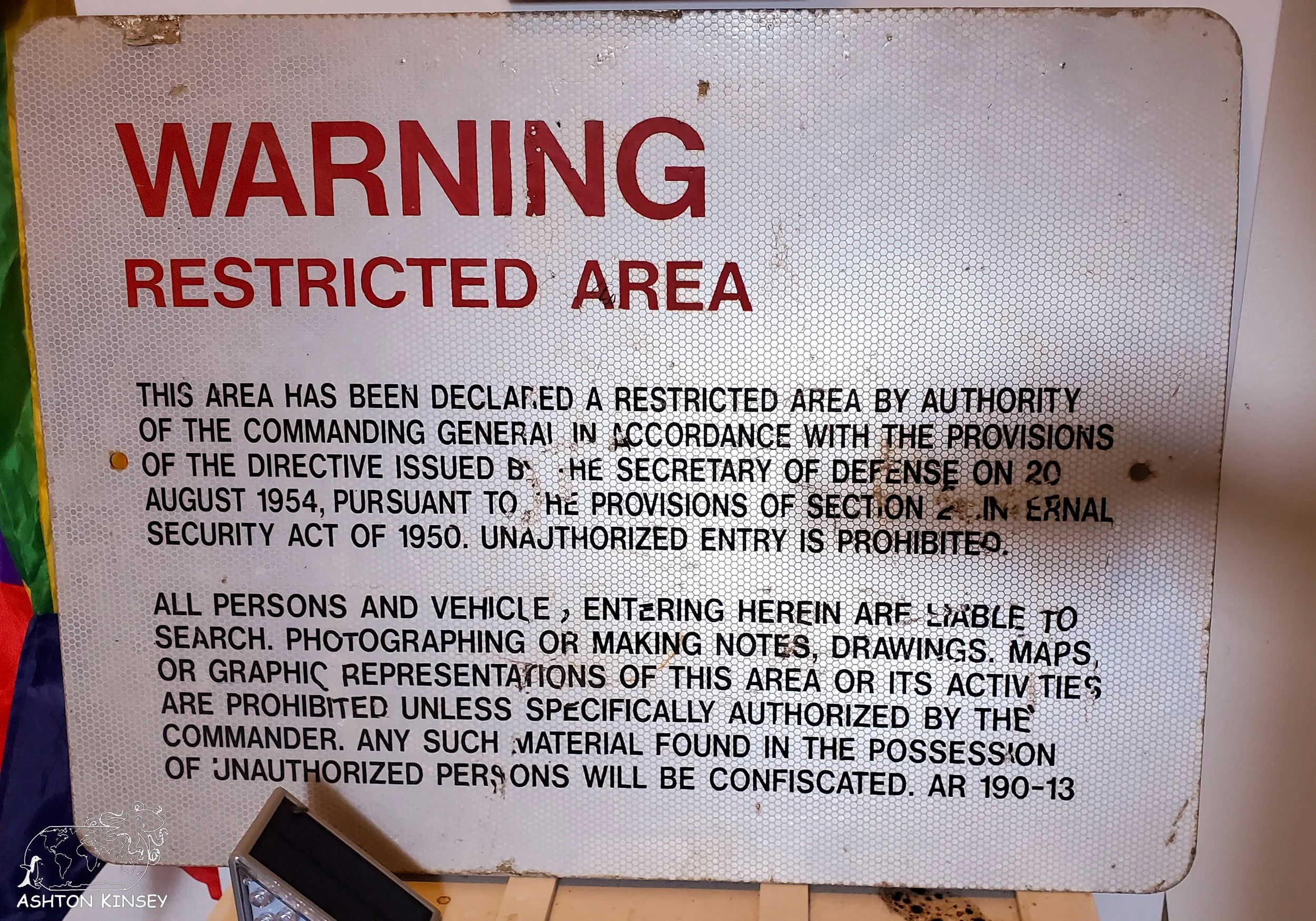
Valhalla is denoted as silo #9 and was never attacked, nor was a missile ever launched from the site. The silo was shut down two years after it was built. During the time it was active natural ground water seeped in through the concrete and pumps were required to keep the silo dry, without the pumps the silo slowly filled up as time marched on.
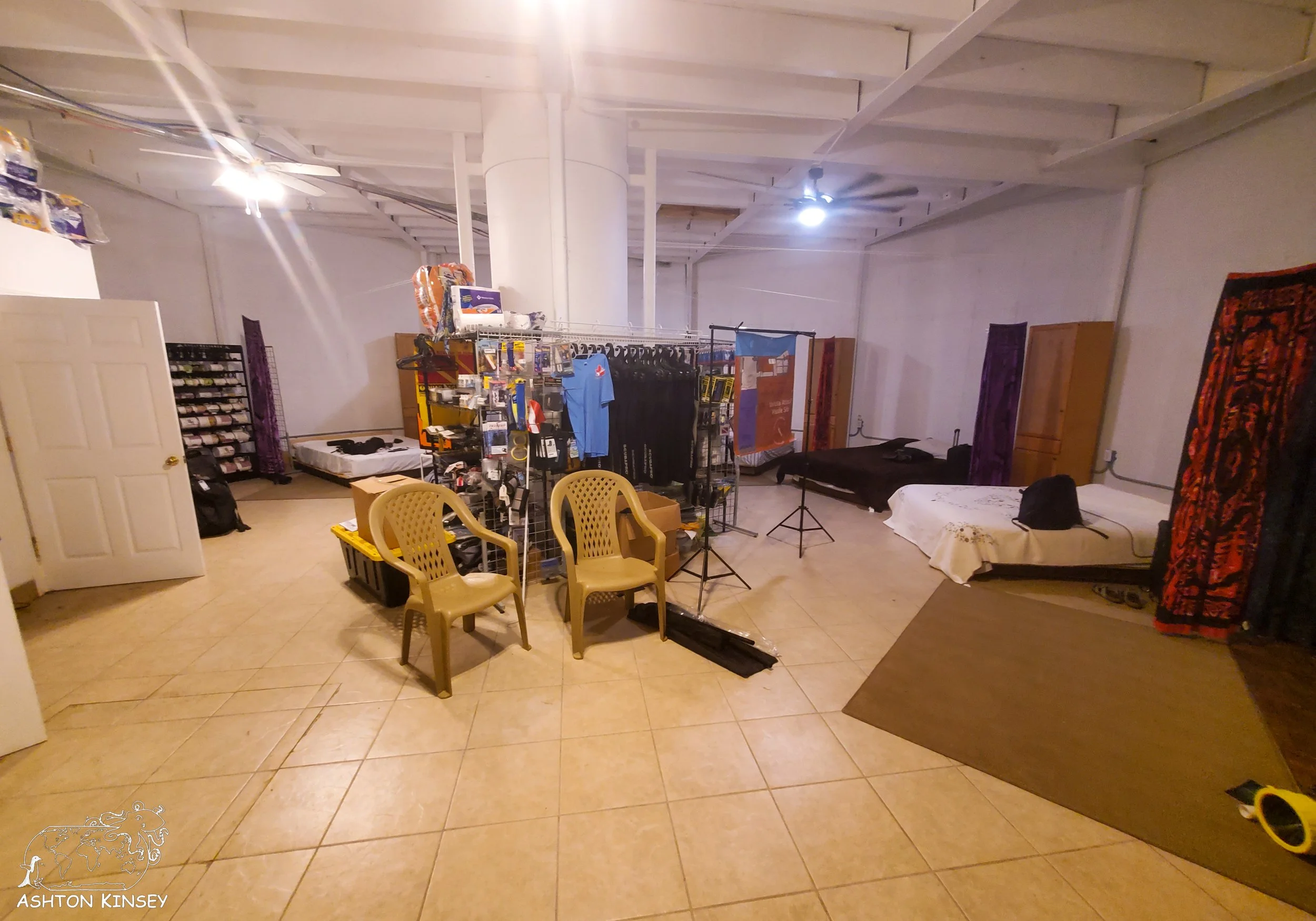
Mark Hannifin, and his wife Linda, bought the silo in 1982 as a safety bunker. After Mark bought the silo, he tested the water for heavy metals, radioactive material and other hazardous chemicals. The report came back safe and in 1992 Mark opened the silo up for diving. While they do not live in the silo full time, Mark has full living quarters in the upper control room, The launch control center, acts as storage for Mark and while divers are present has 6 Murphy beds that allow guests to sleep inside the silo at night. Camping is also allowed topside, or there are hotels in Abilene, roughly 30 minutes away.
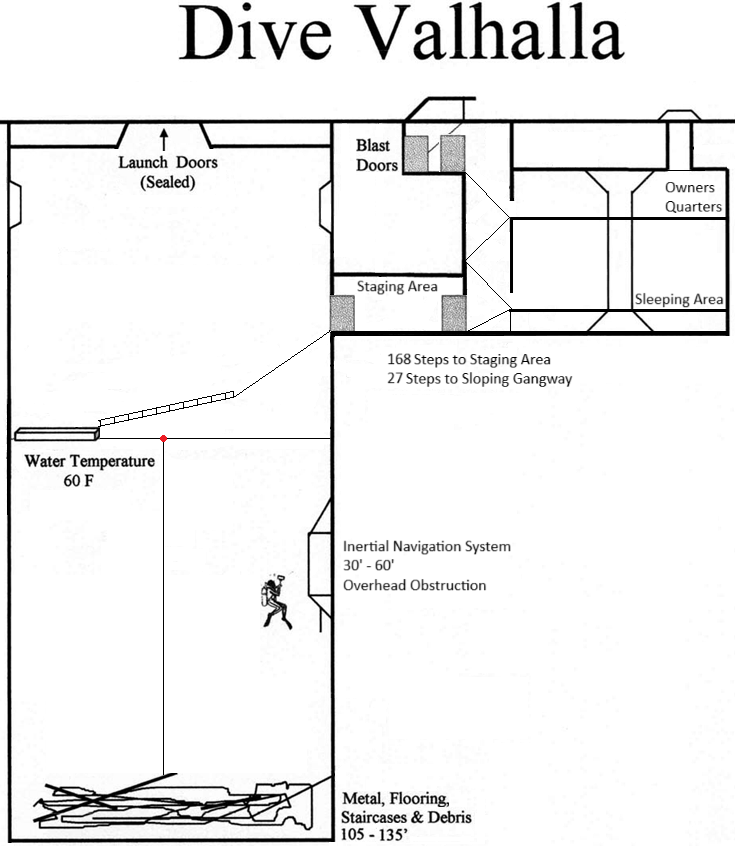
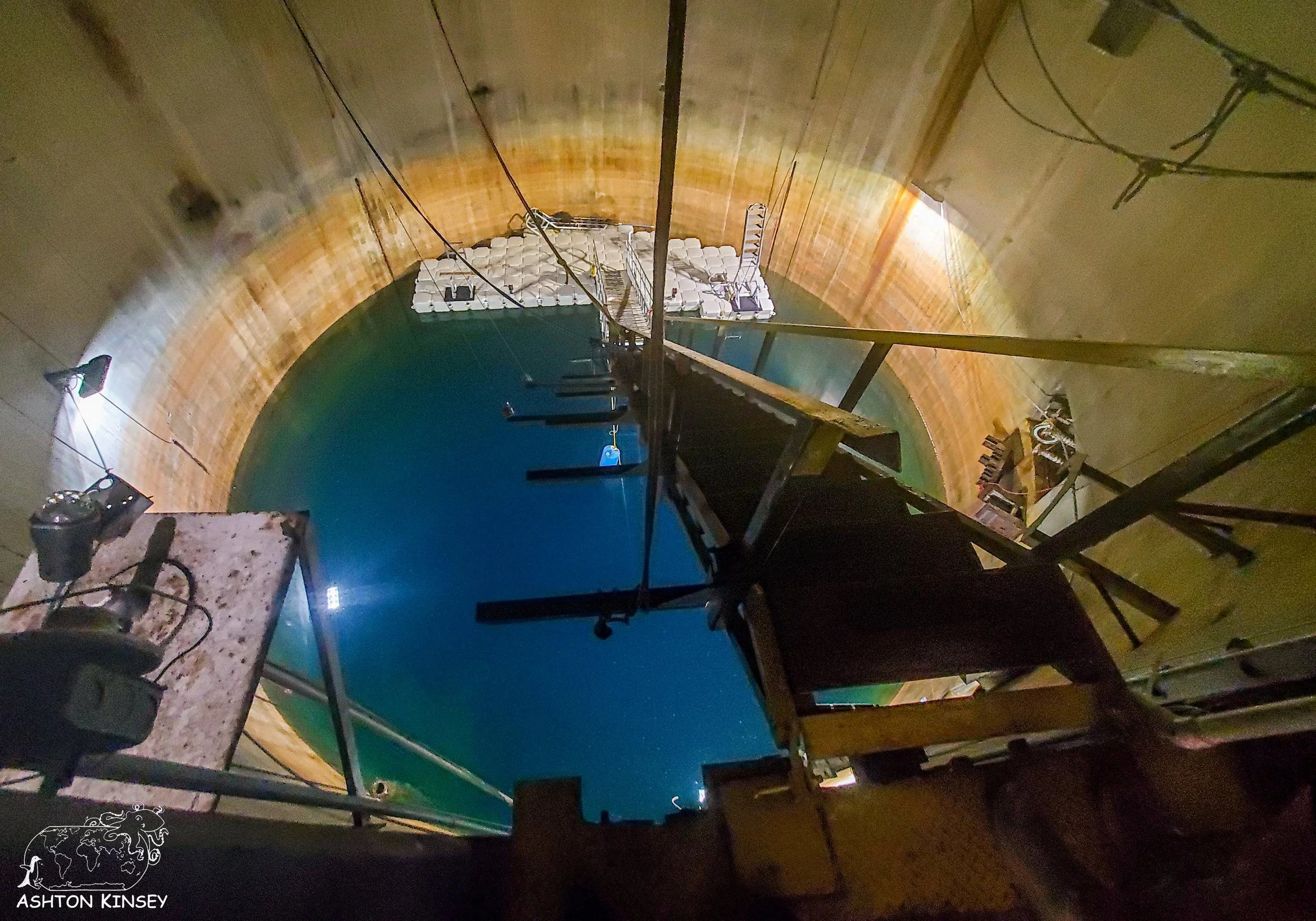
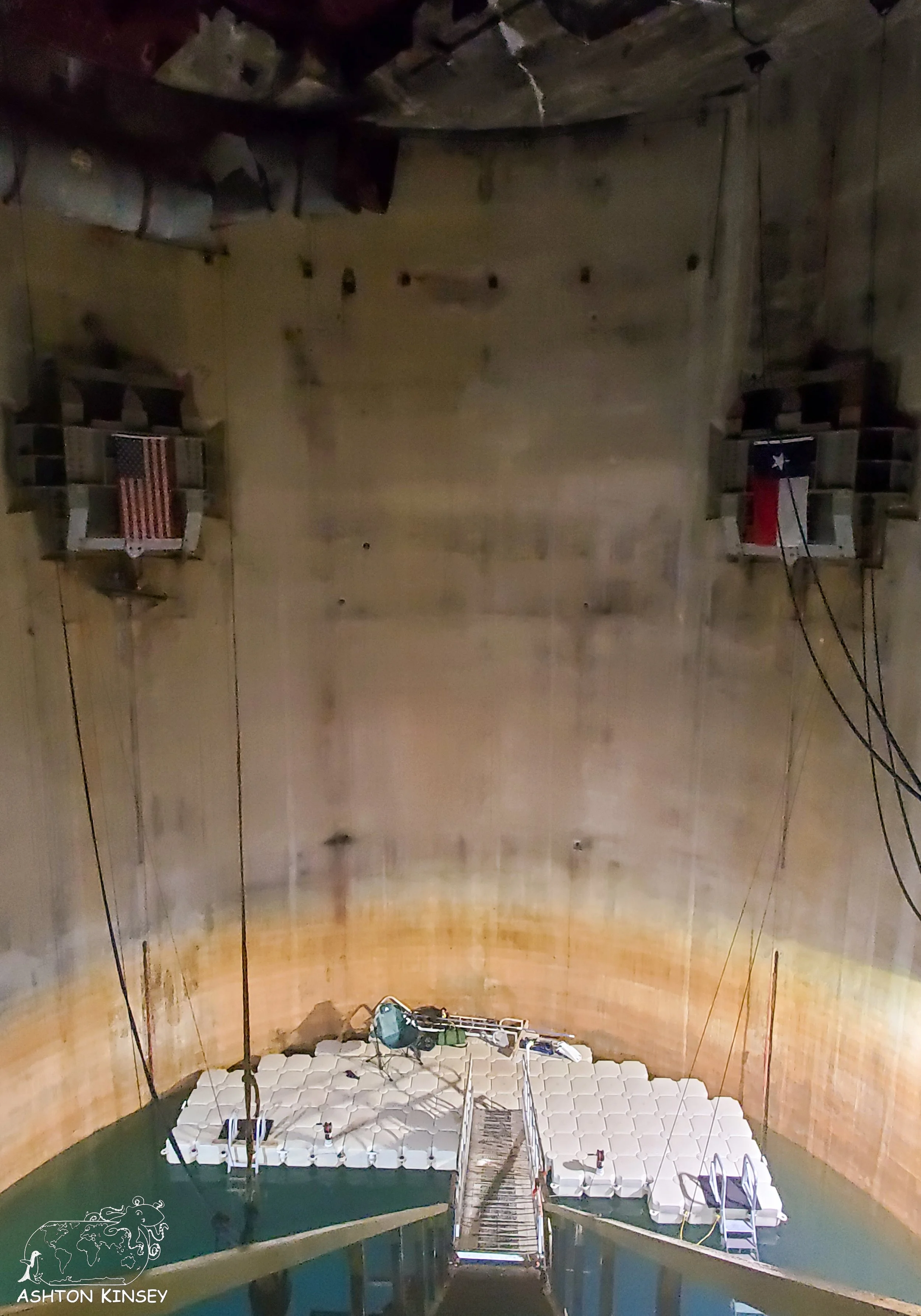
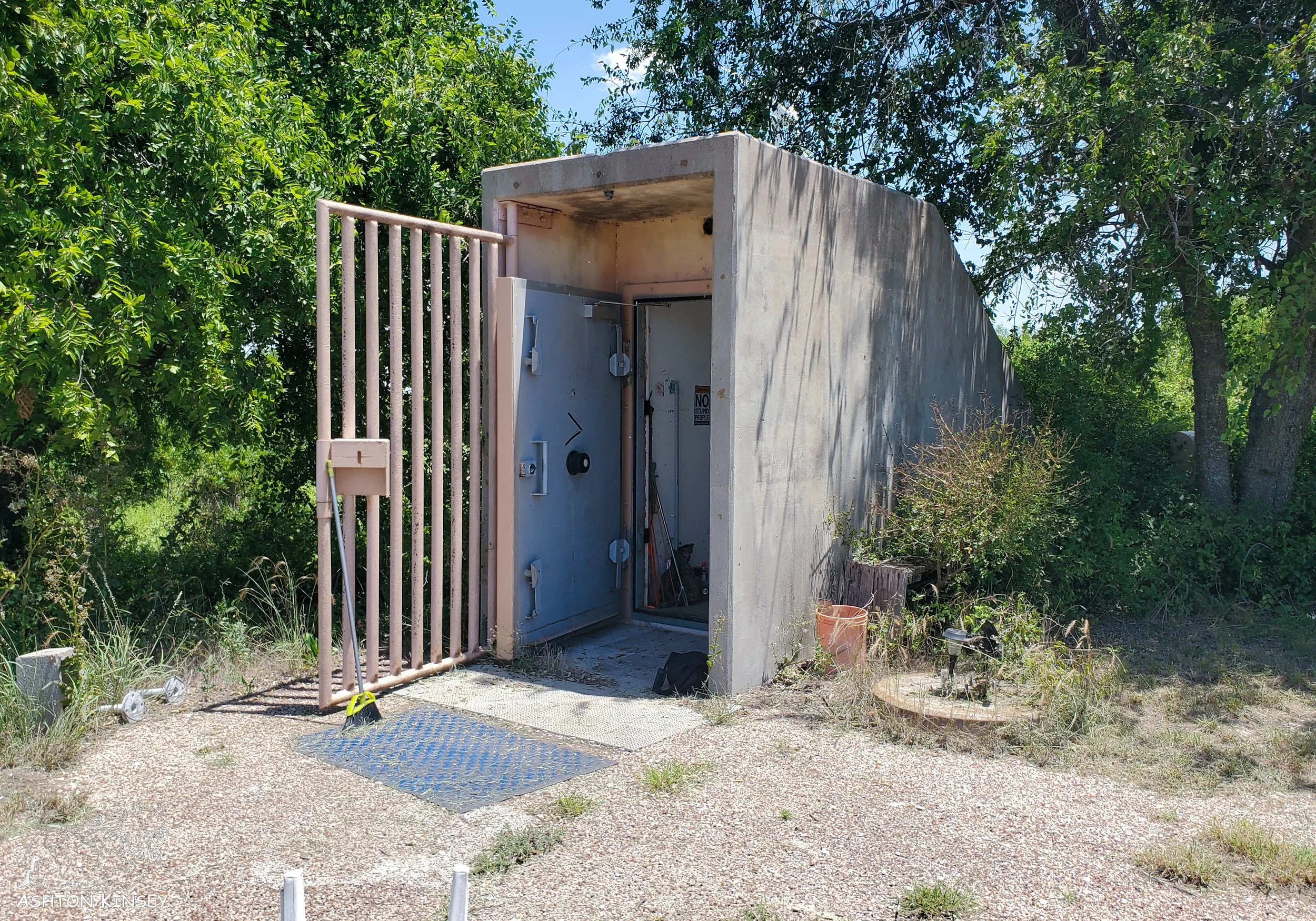
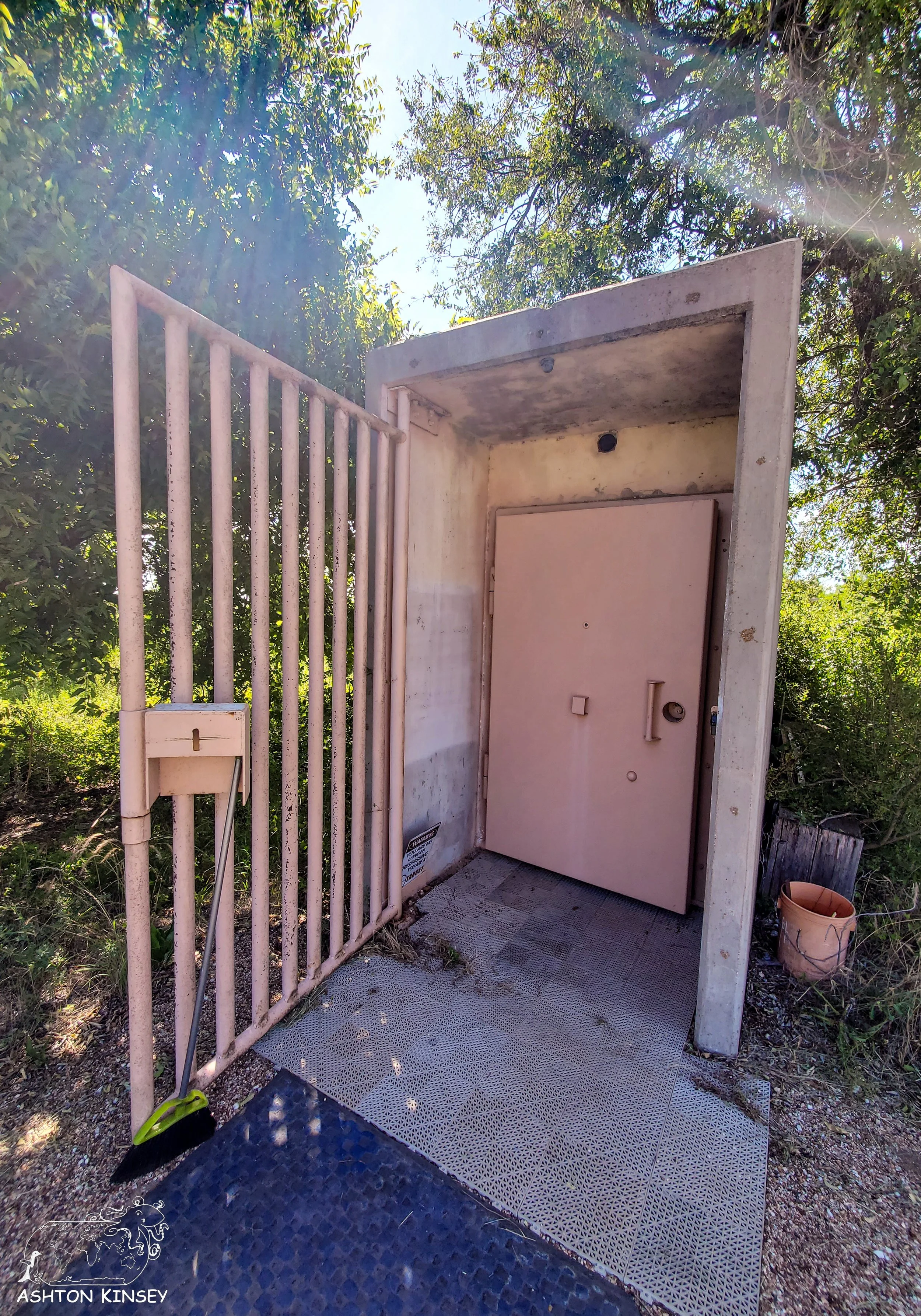
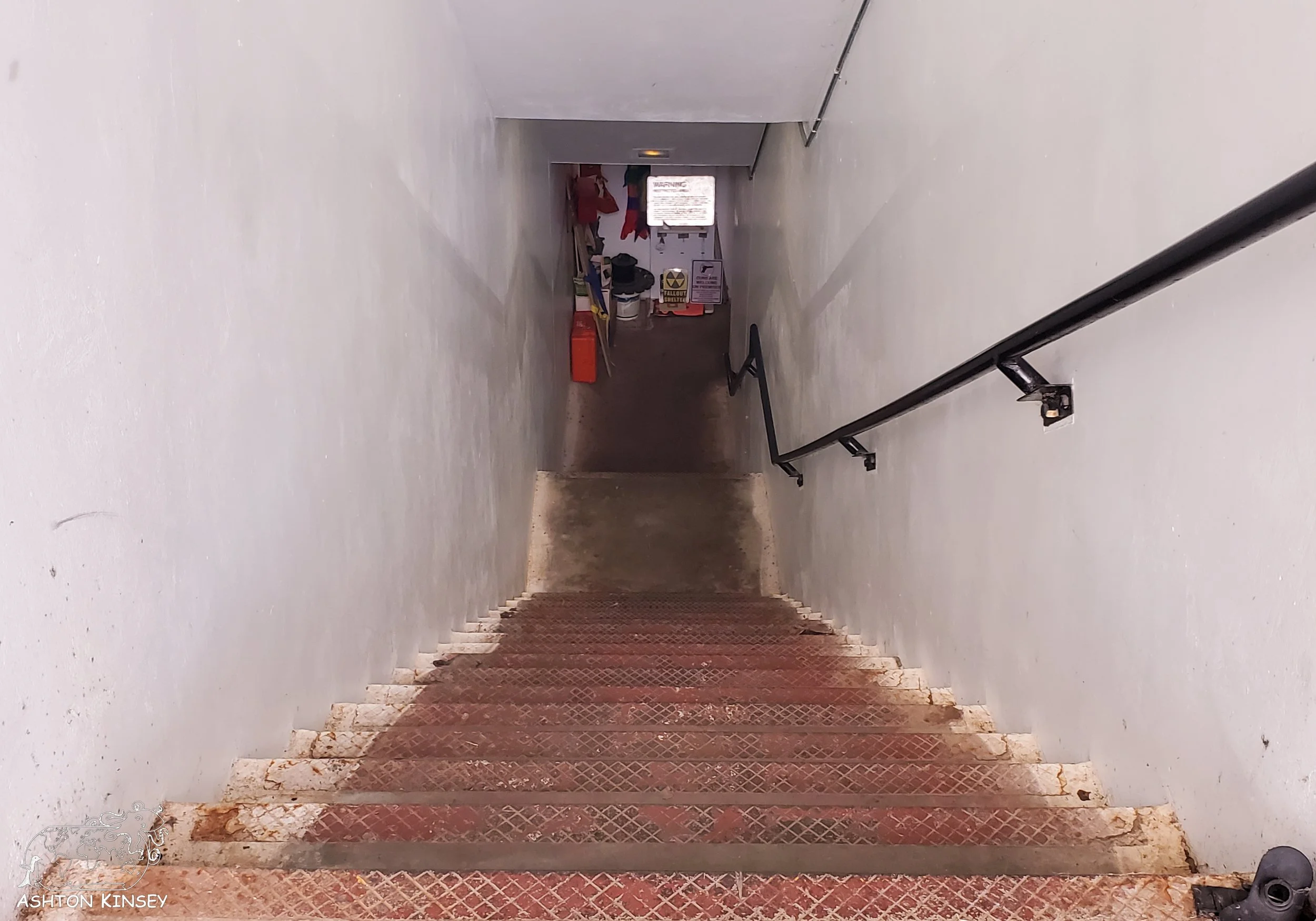
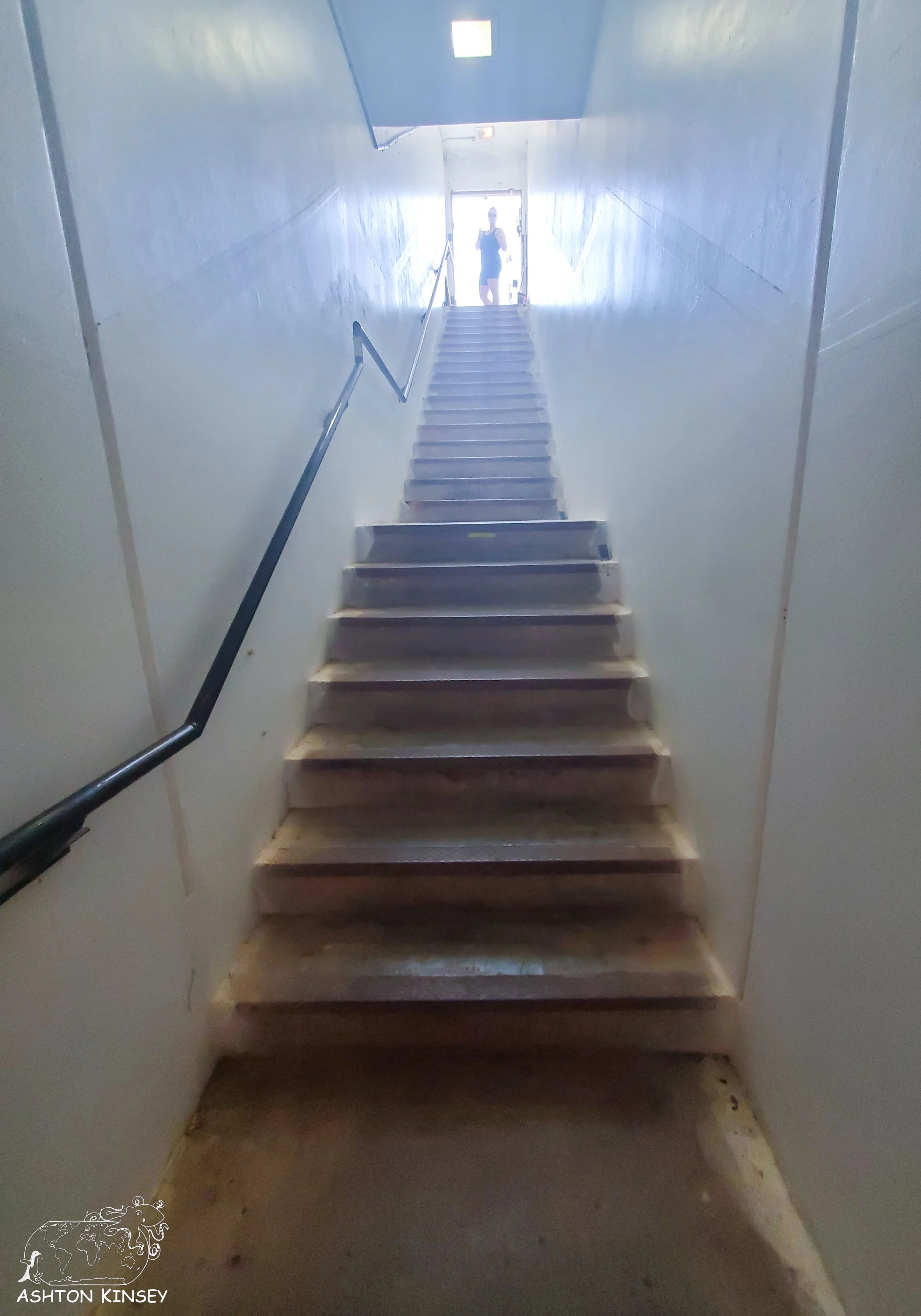
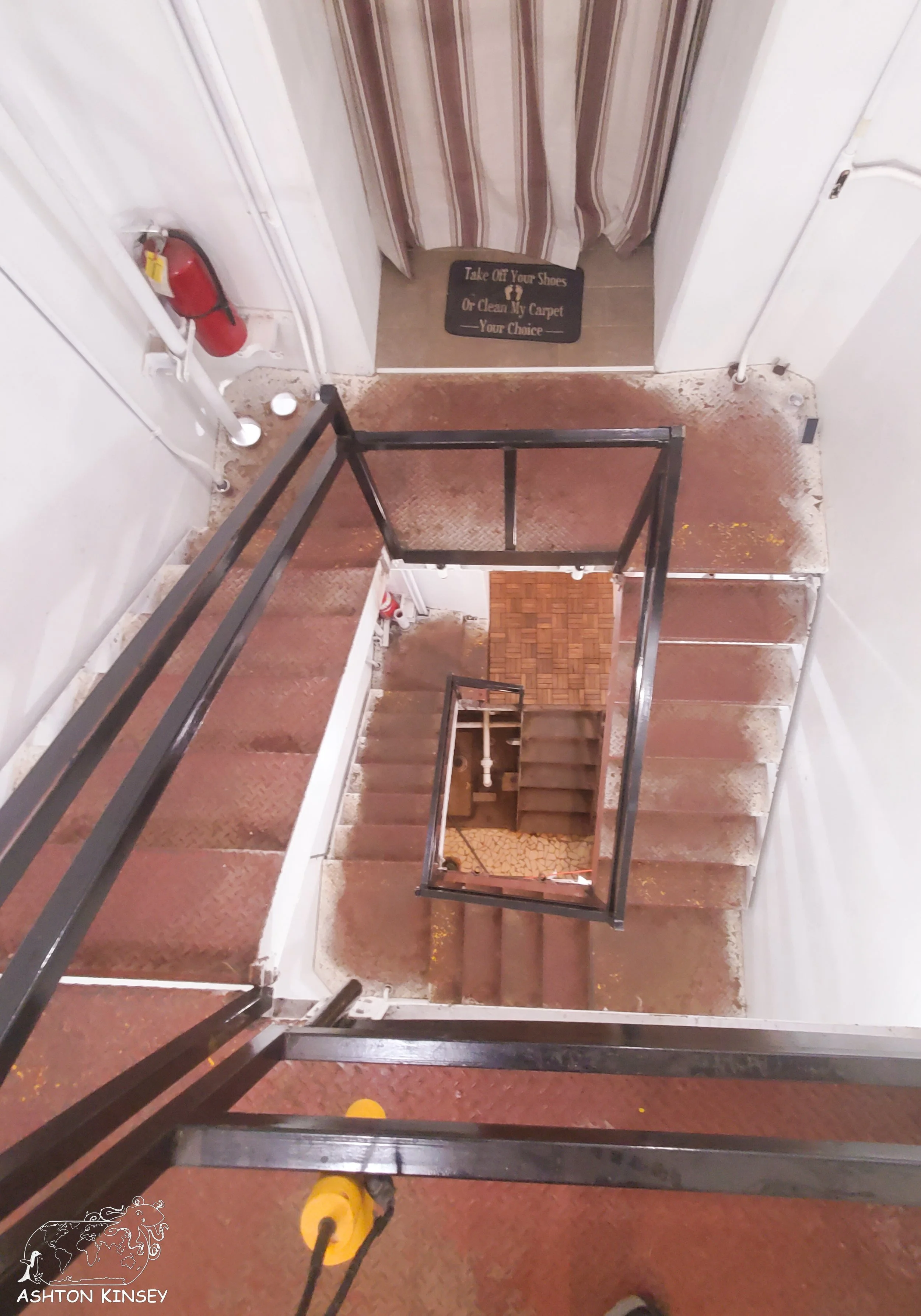
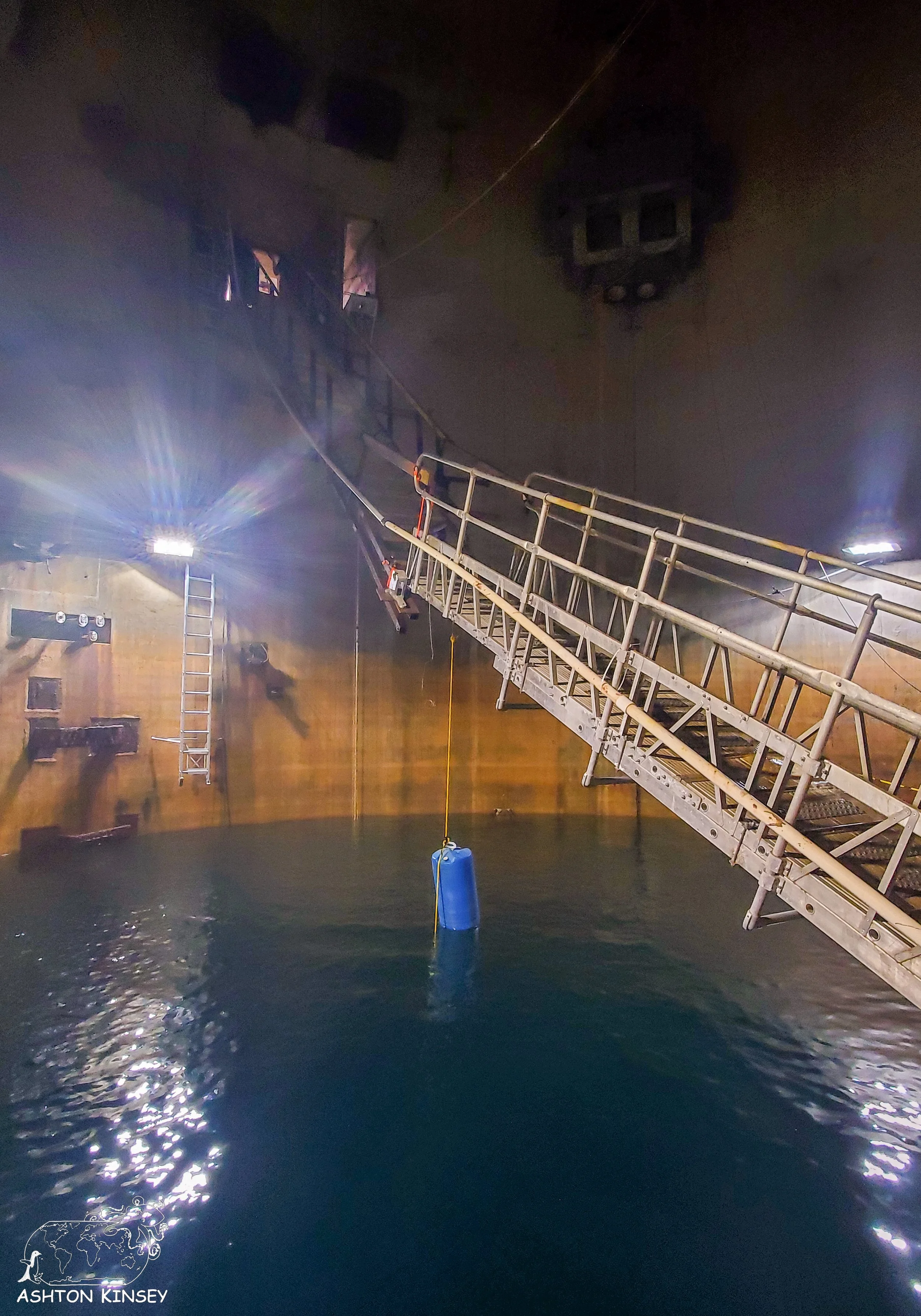
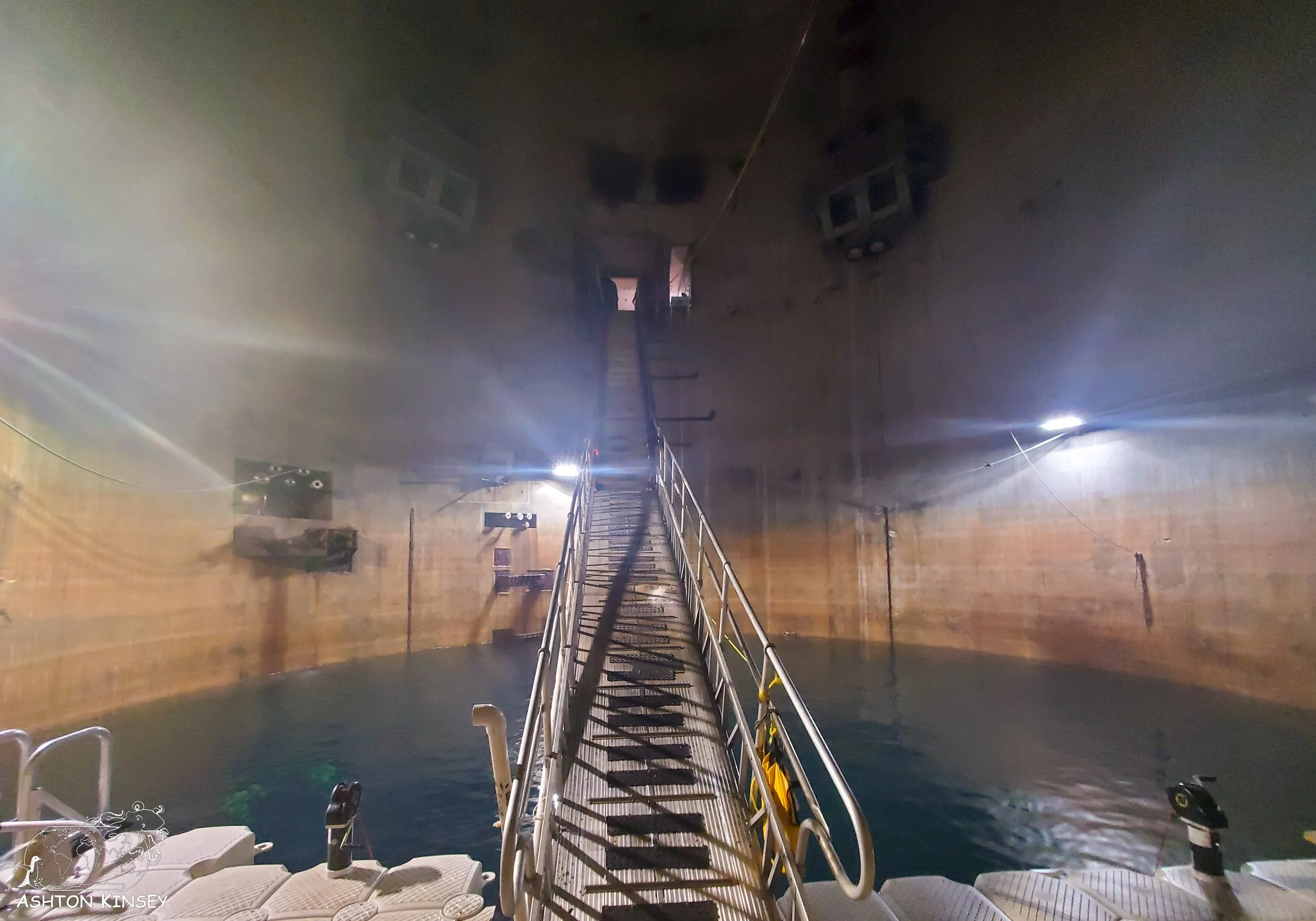
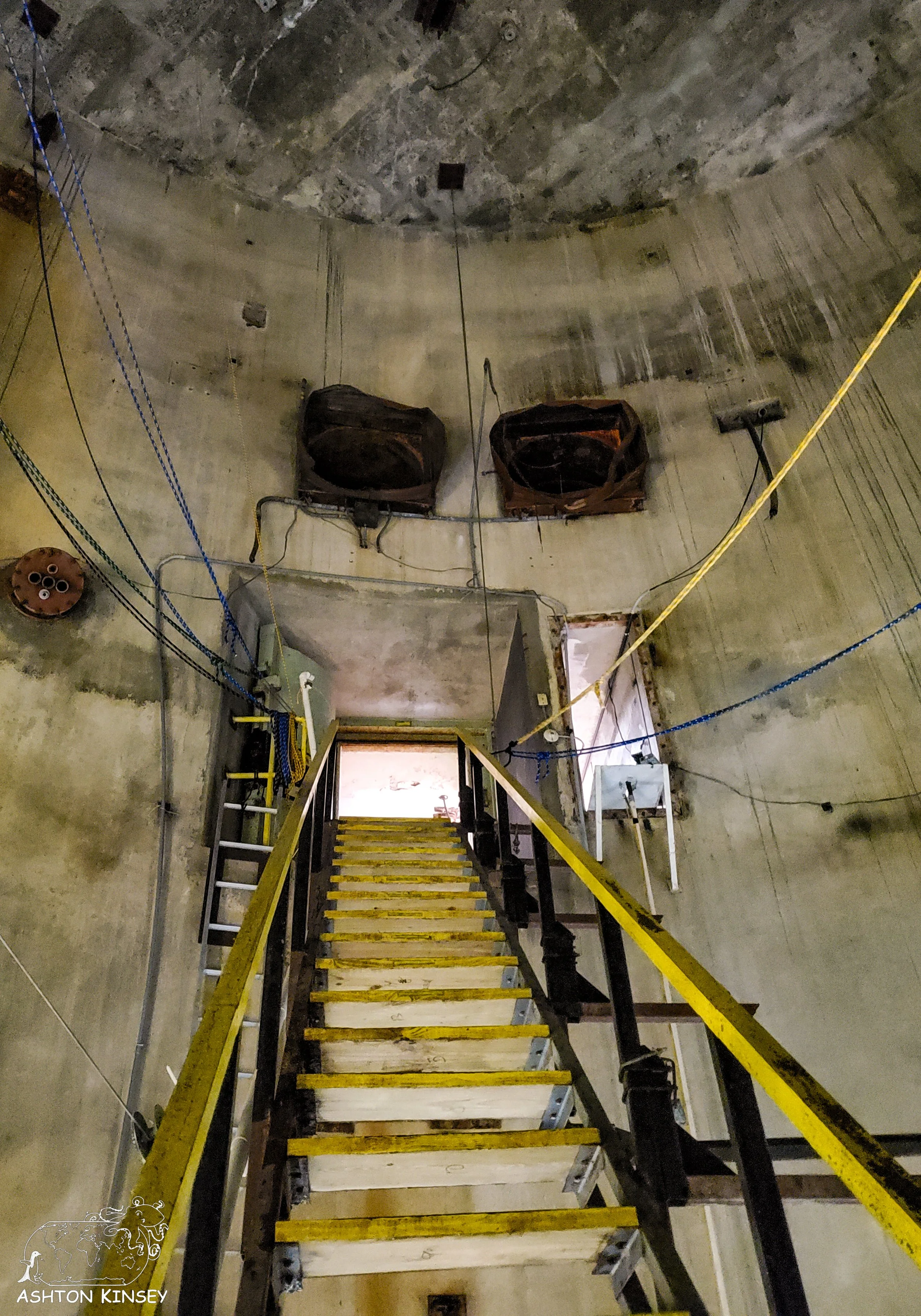
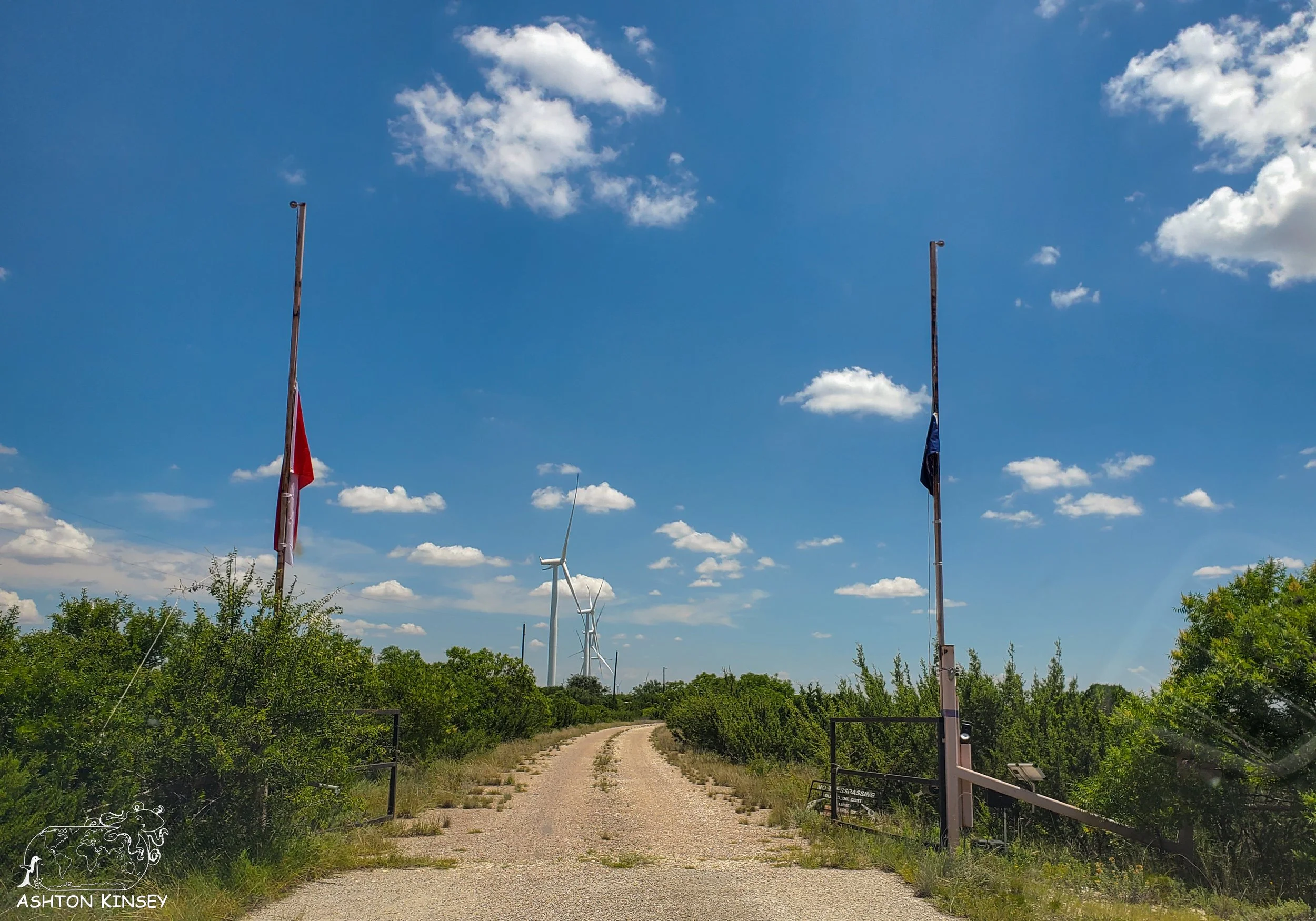
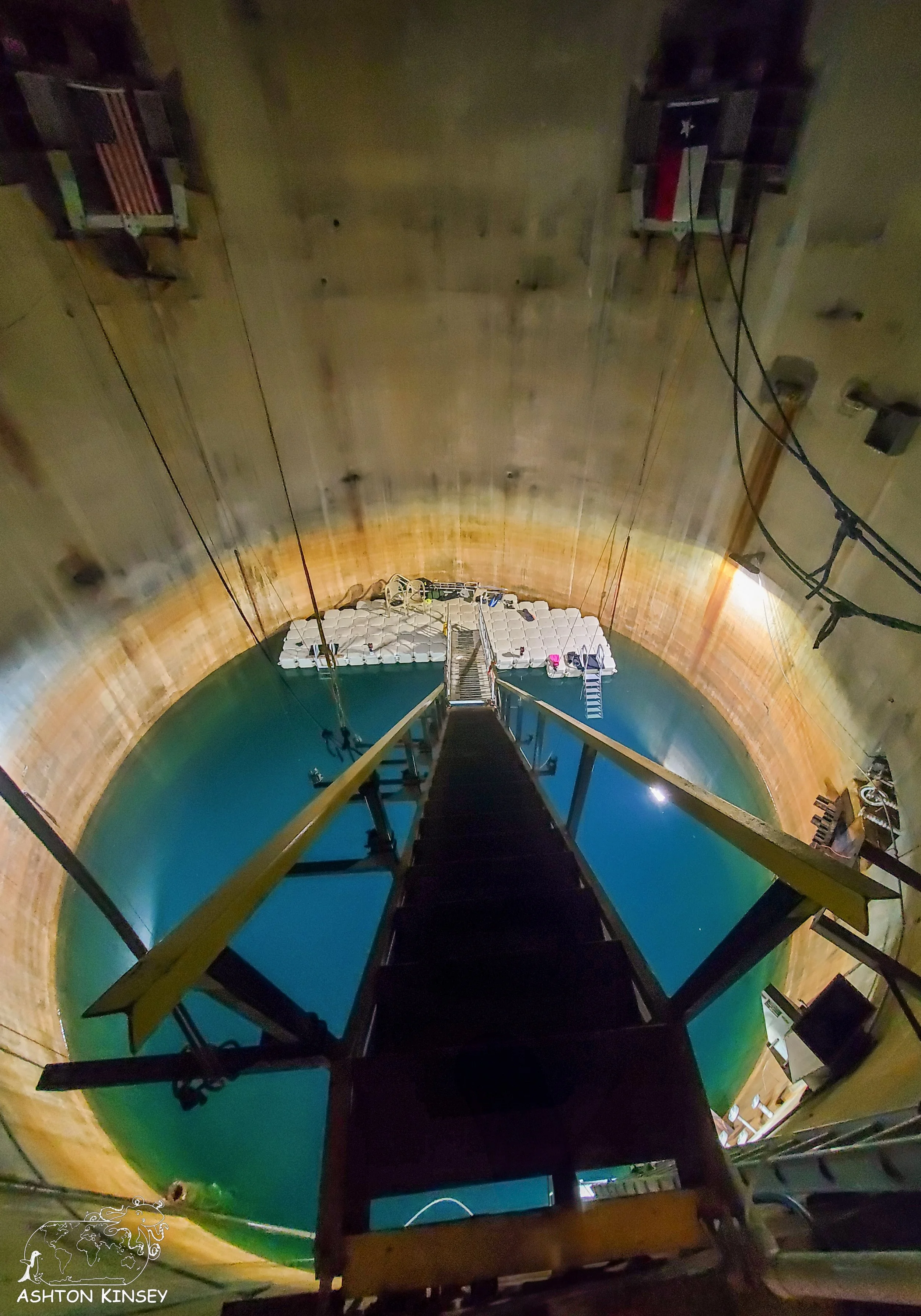
Entrance to the silo from the surface starts by going through a heavy metal gate, and then through another solid metal door. Then you begin the descent down 170 steps, through several abrupt 90* turns, through two blast doors, down a rounding staircase, past both control rooms, through an access tunnel, and through two more blast doors you come upon the silo, with the water roughly 30 feet below. The last flight of stairs are 30 rickety and rocking steps that connect to an equally rickety and swaying metal gangway before joining to the floating platform on the water all held up by four metal cables. We were told that each cable could hold 5,000 lbs of weight, but the shaking and swaying of the steps as we shuffled down wearing full gear along with the strict one person at a time rule called that into question, slightly.
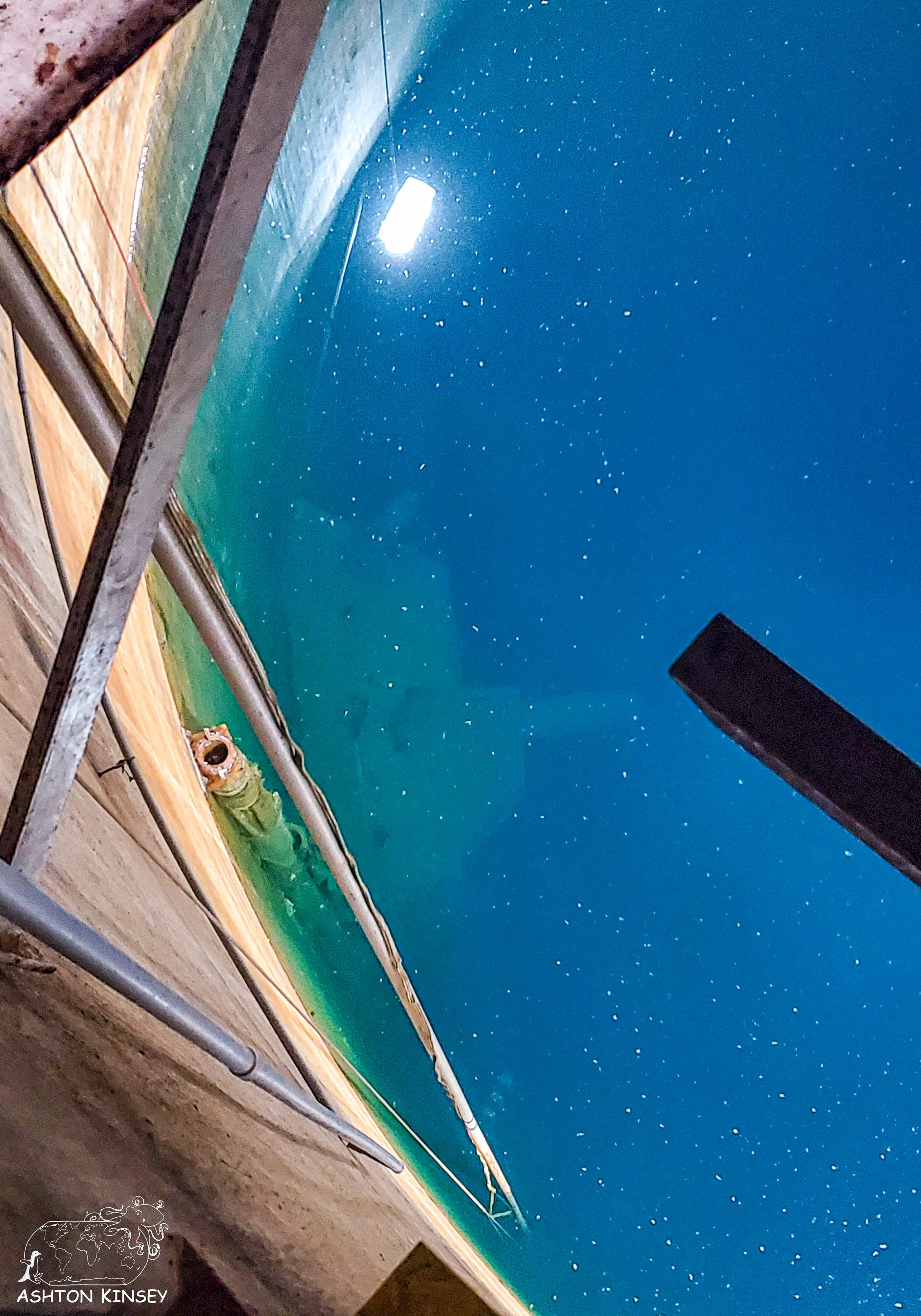
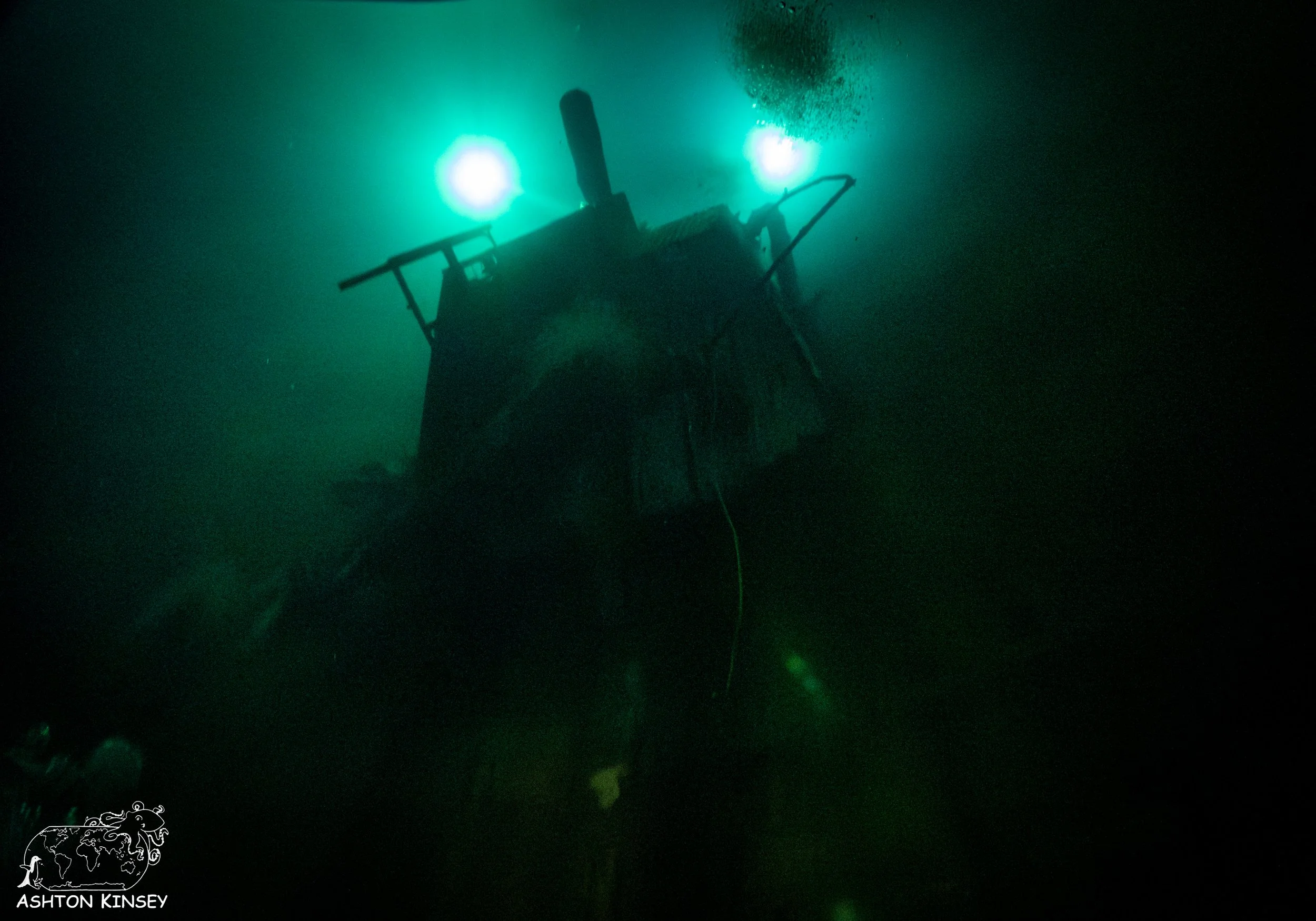
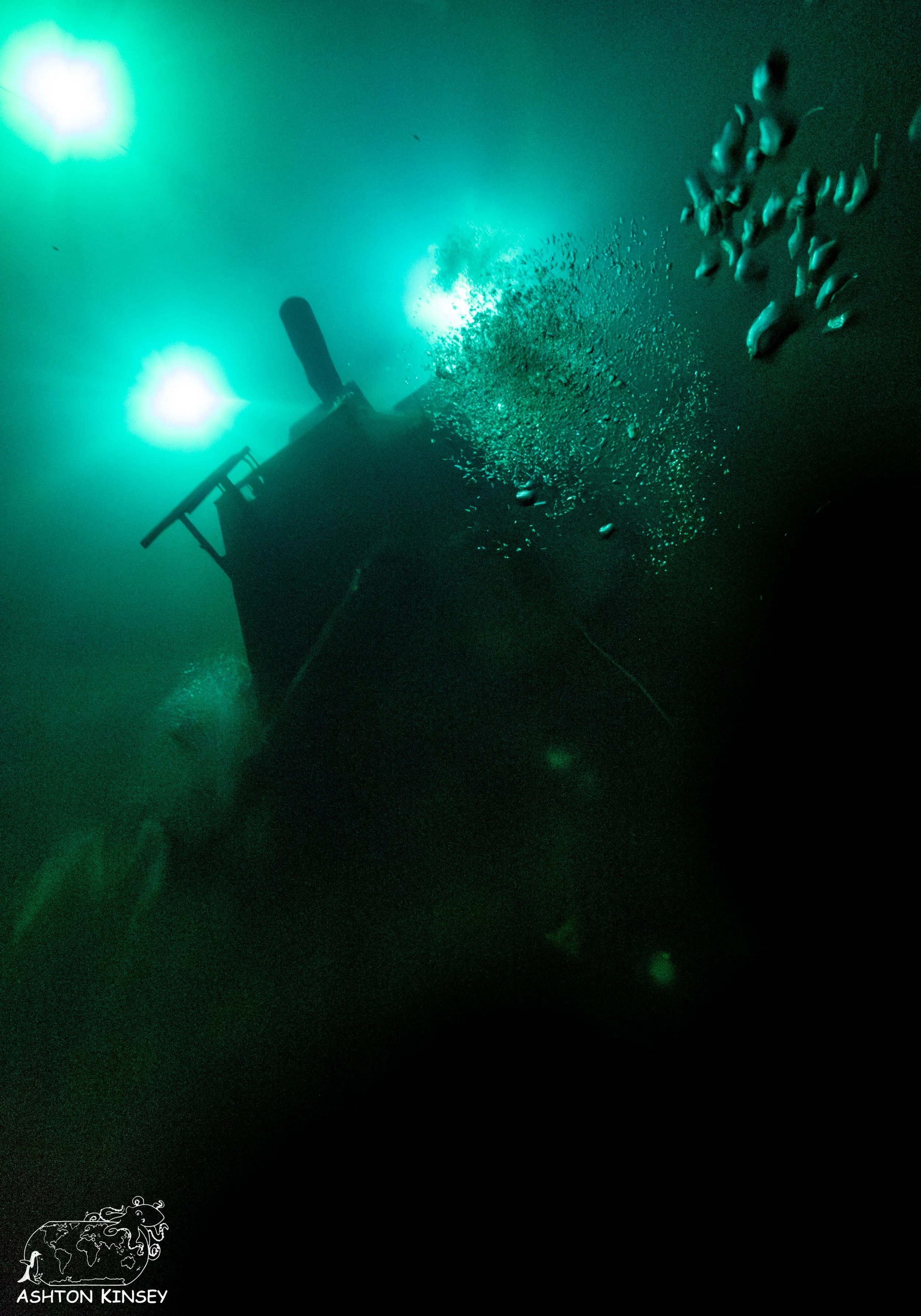
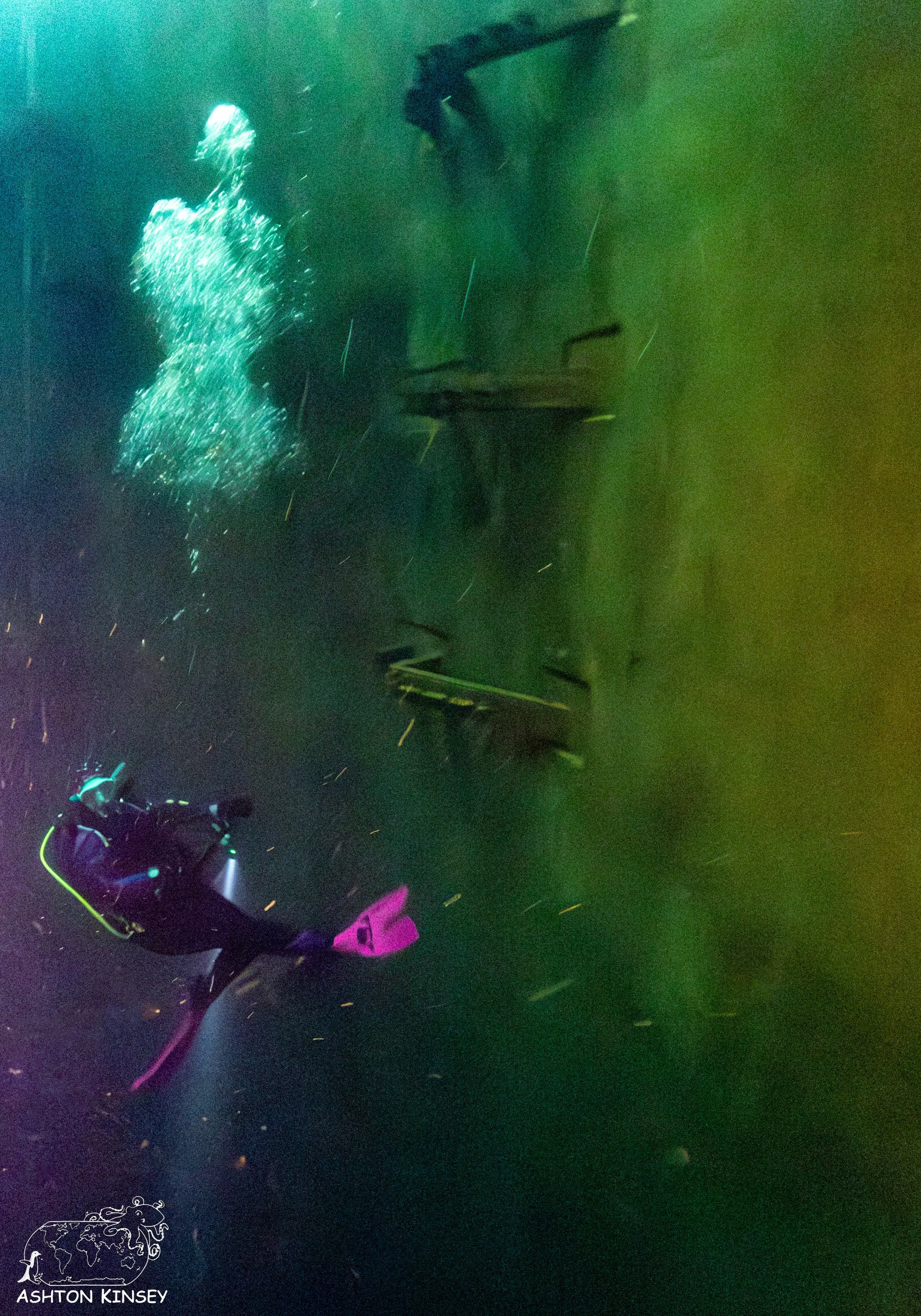
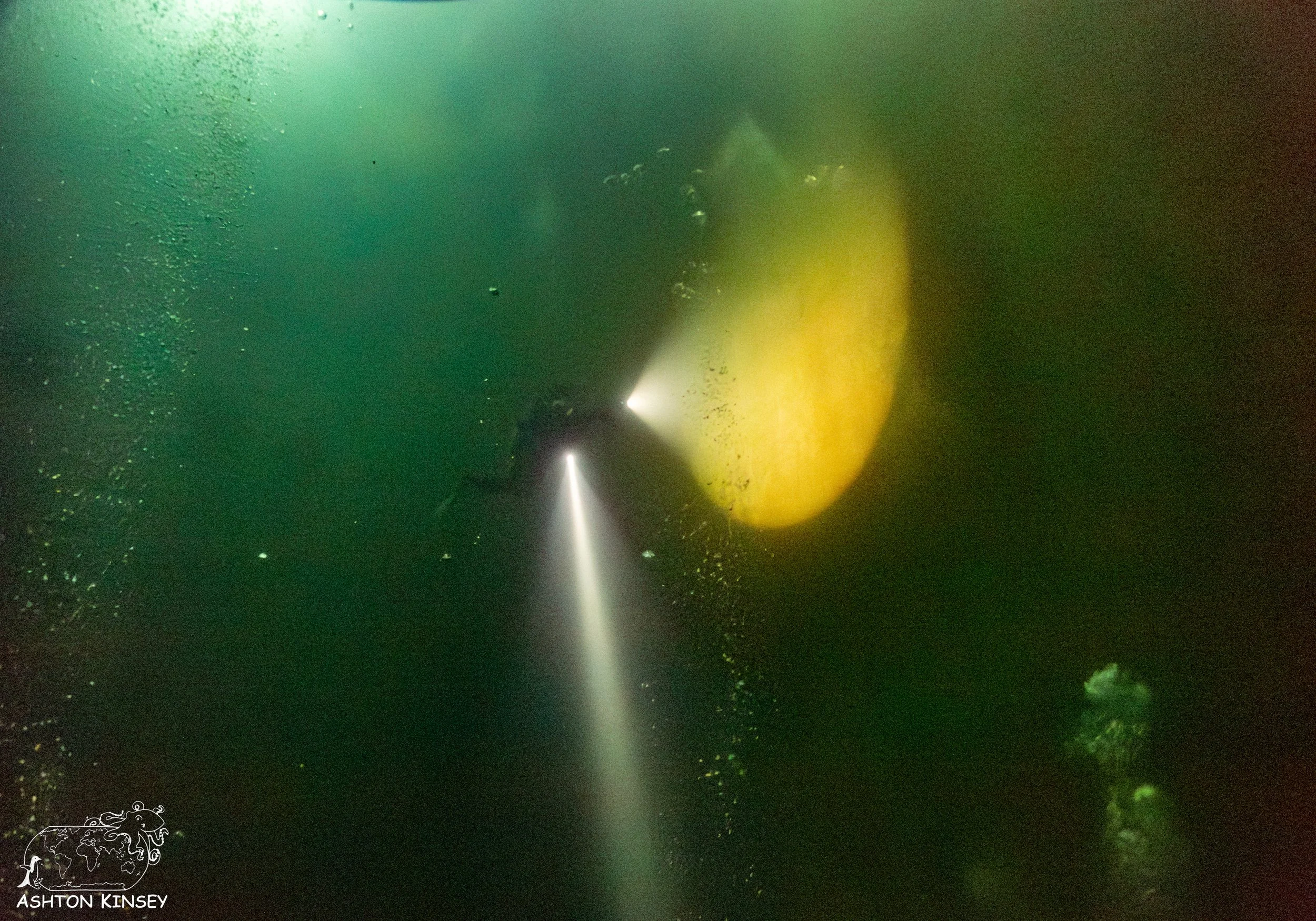
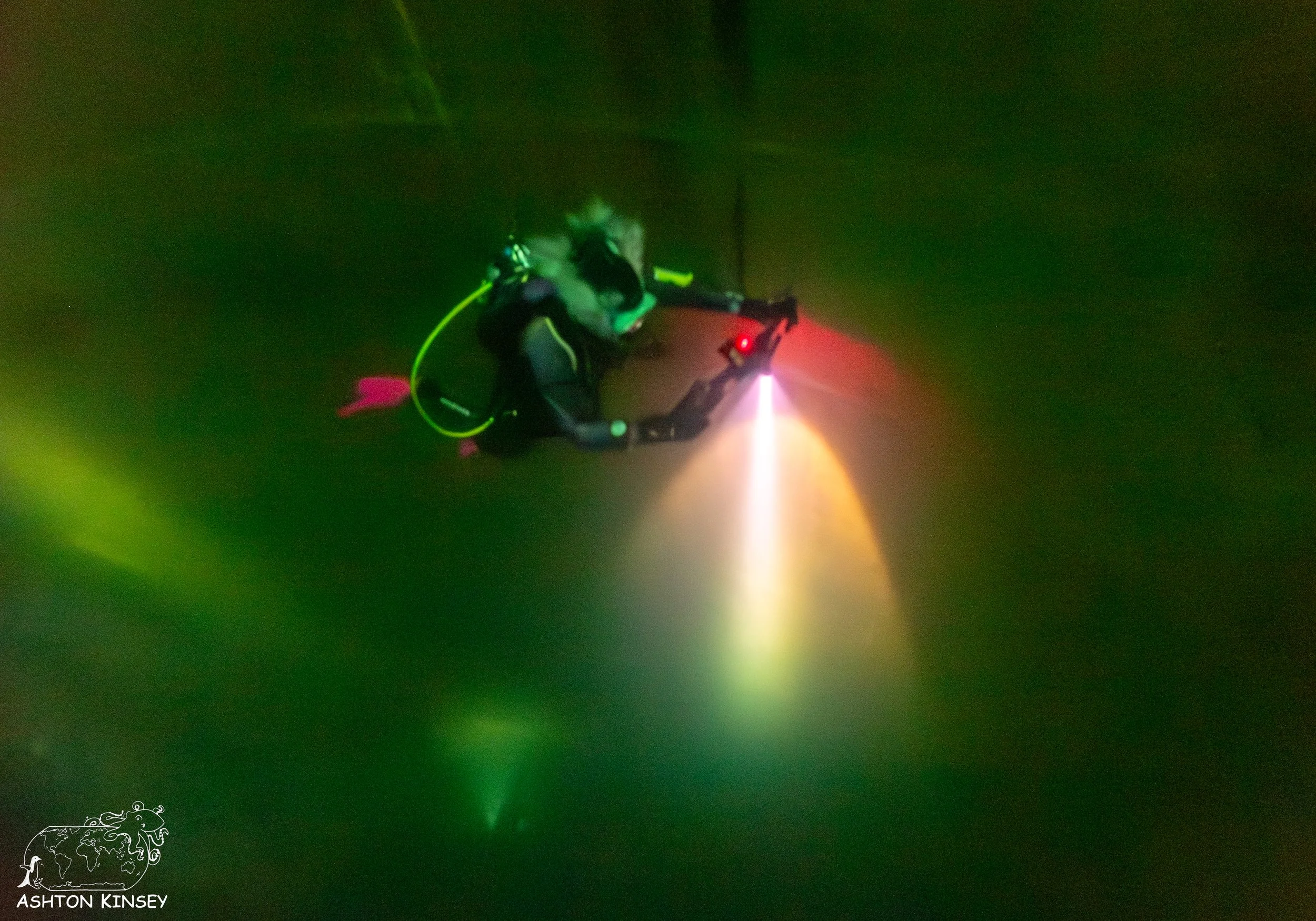
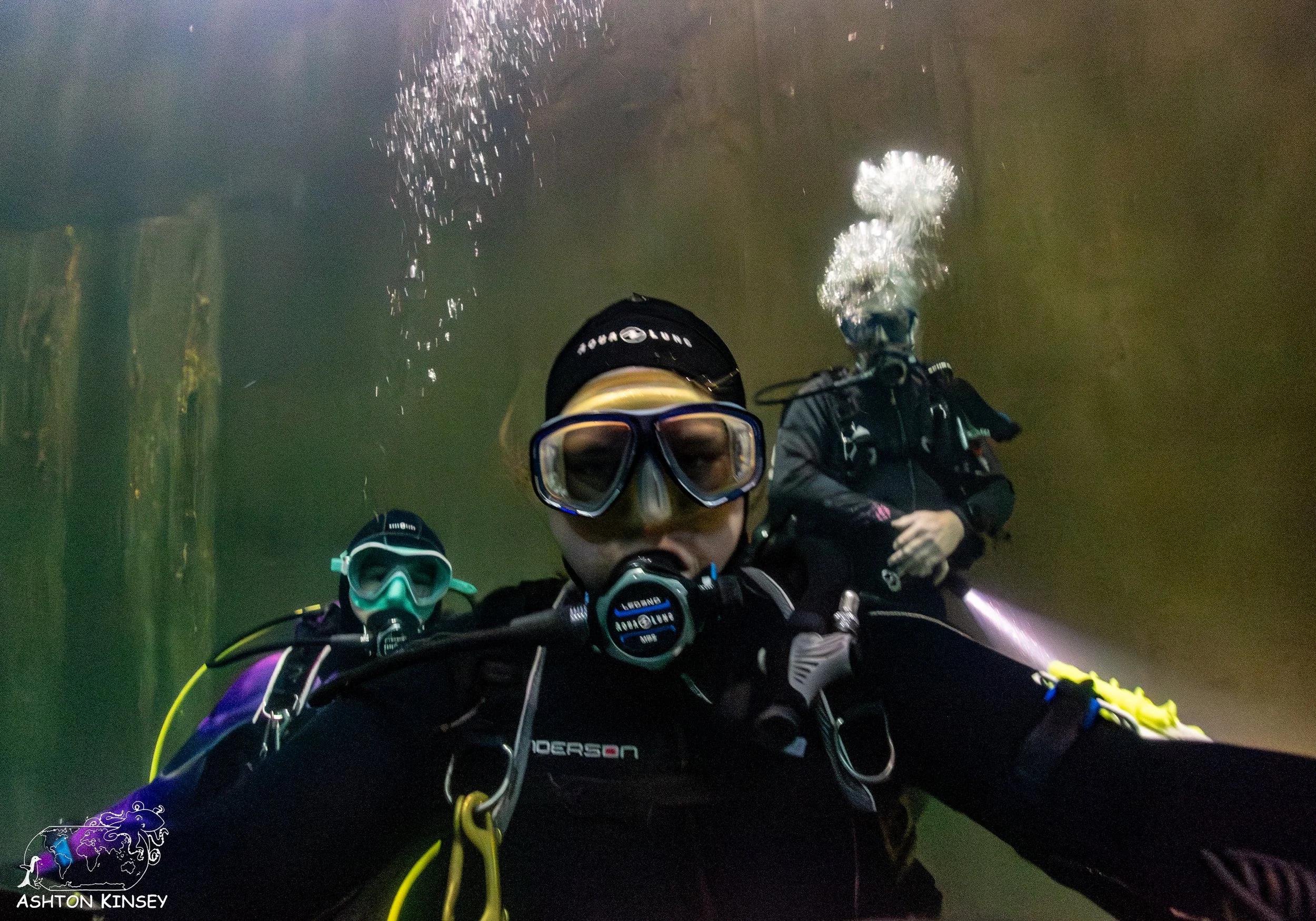
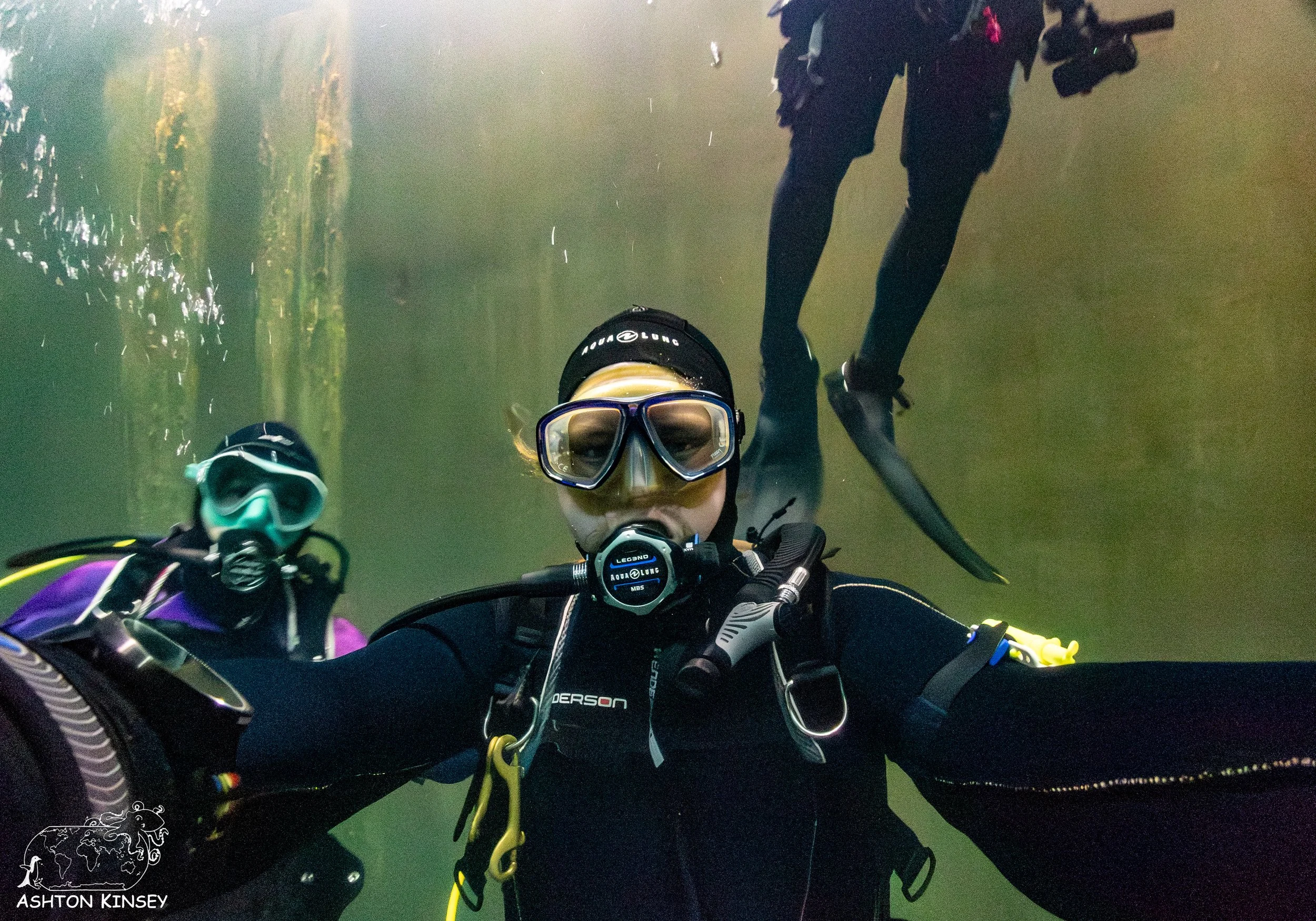
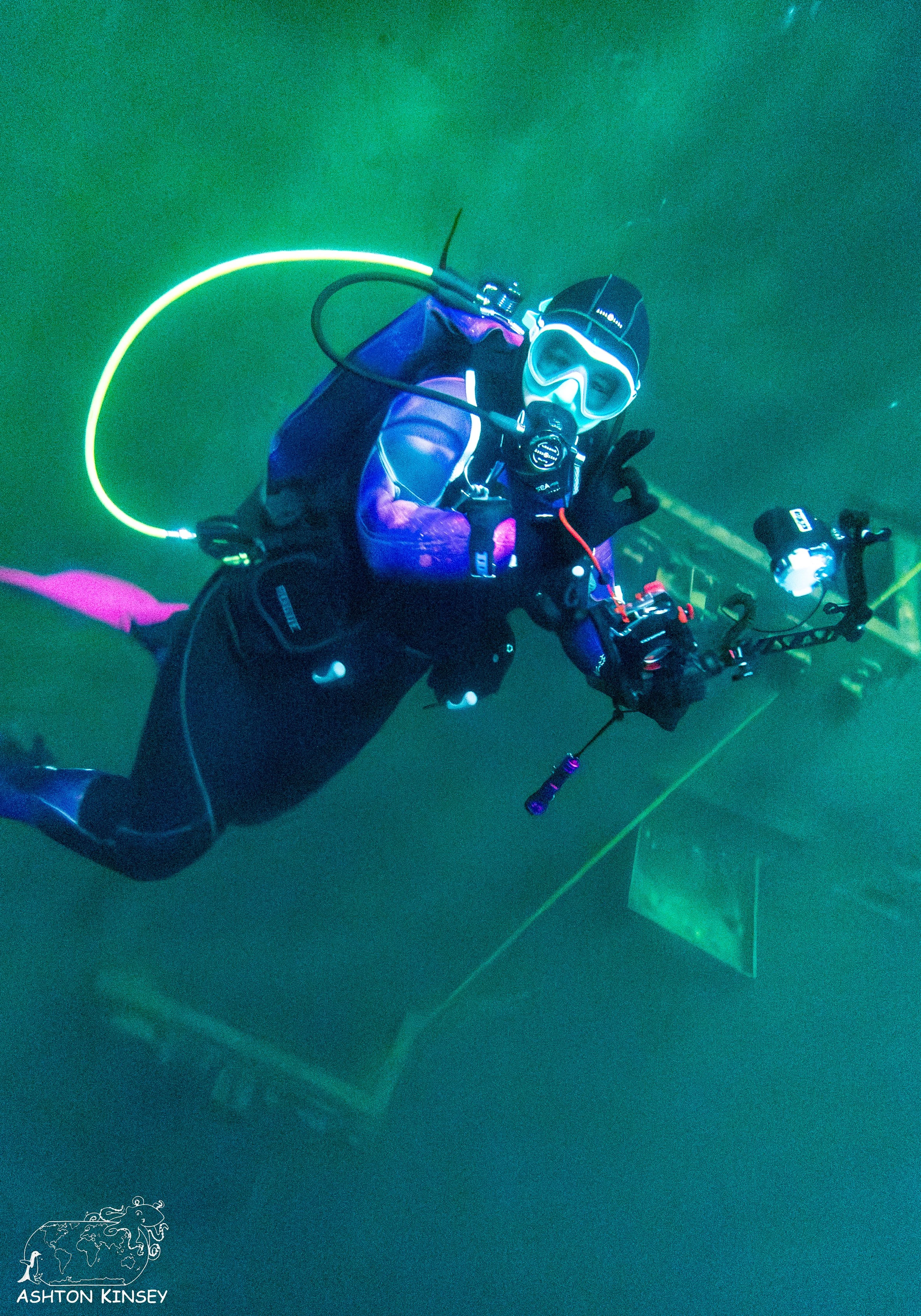
The dive itself is pretty simple and straightforward. After a giant stride into the water, and a short swim to the center of the silo, you follow the descent line down to depth. There are four flood lights that illuminate the inside of the silo, however as we get deeper, the light no longer penetrates and at approximately 60 feet darkness sets in and dive lights are required.
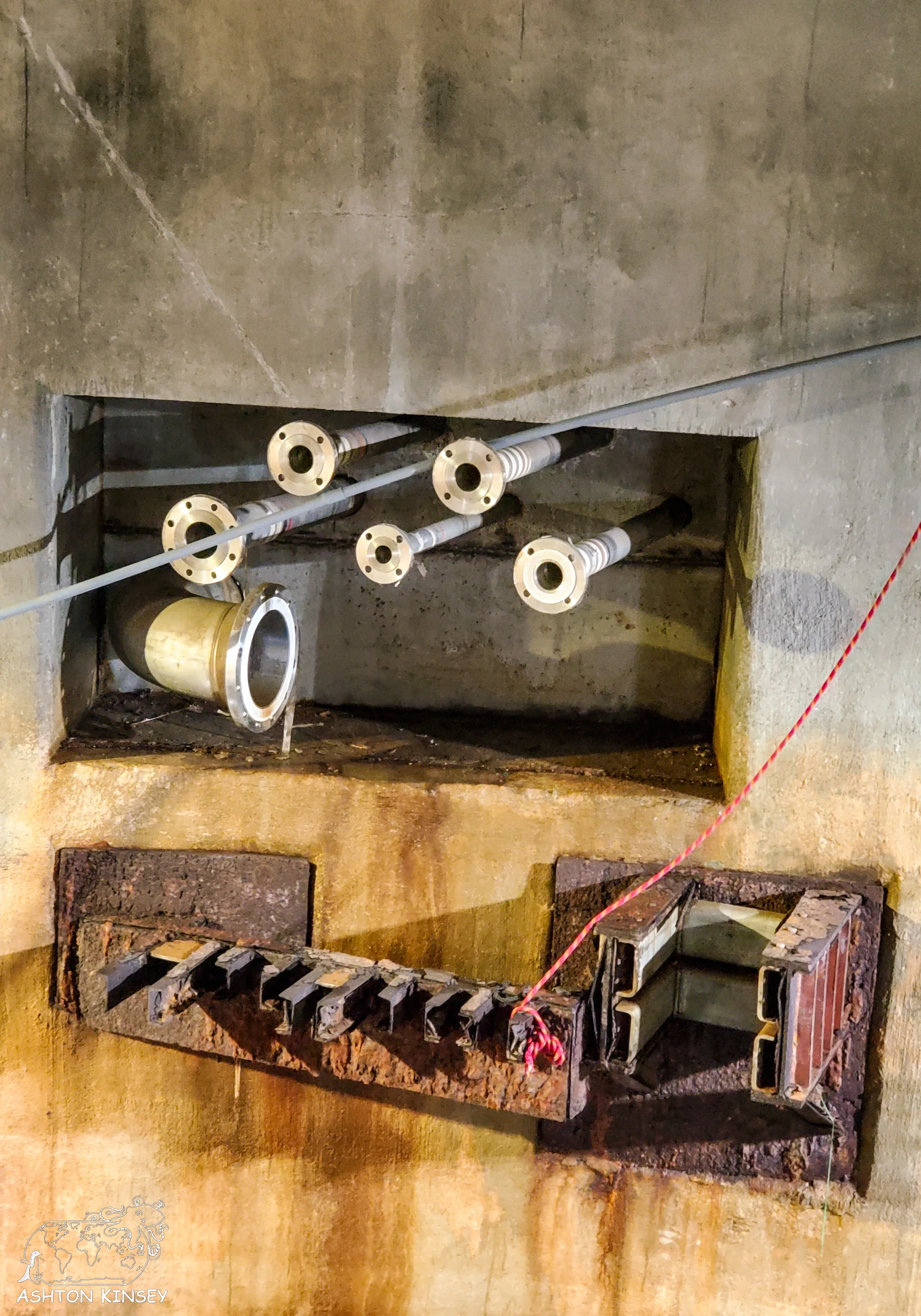
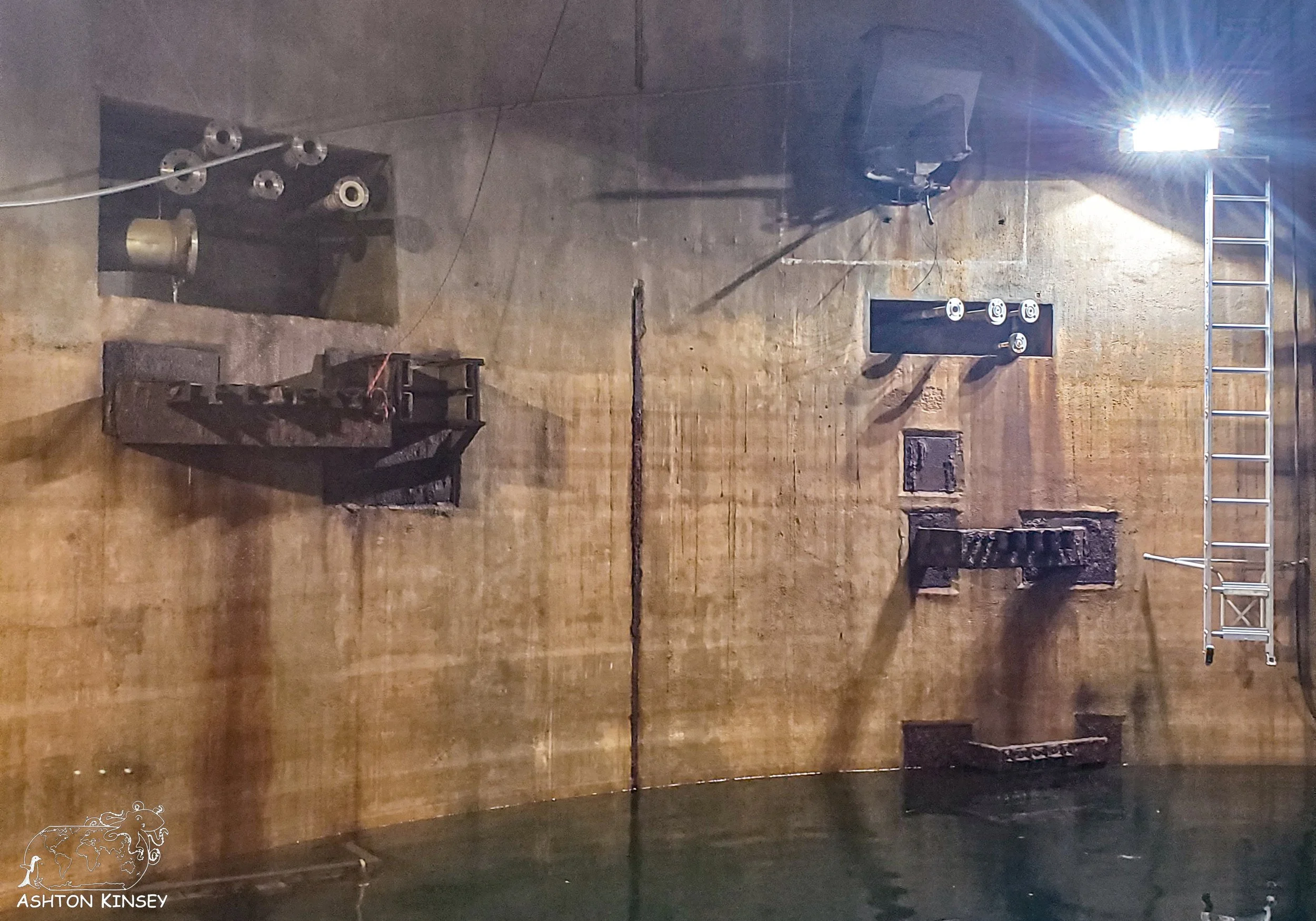
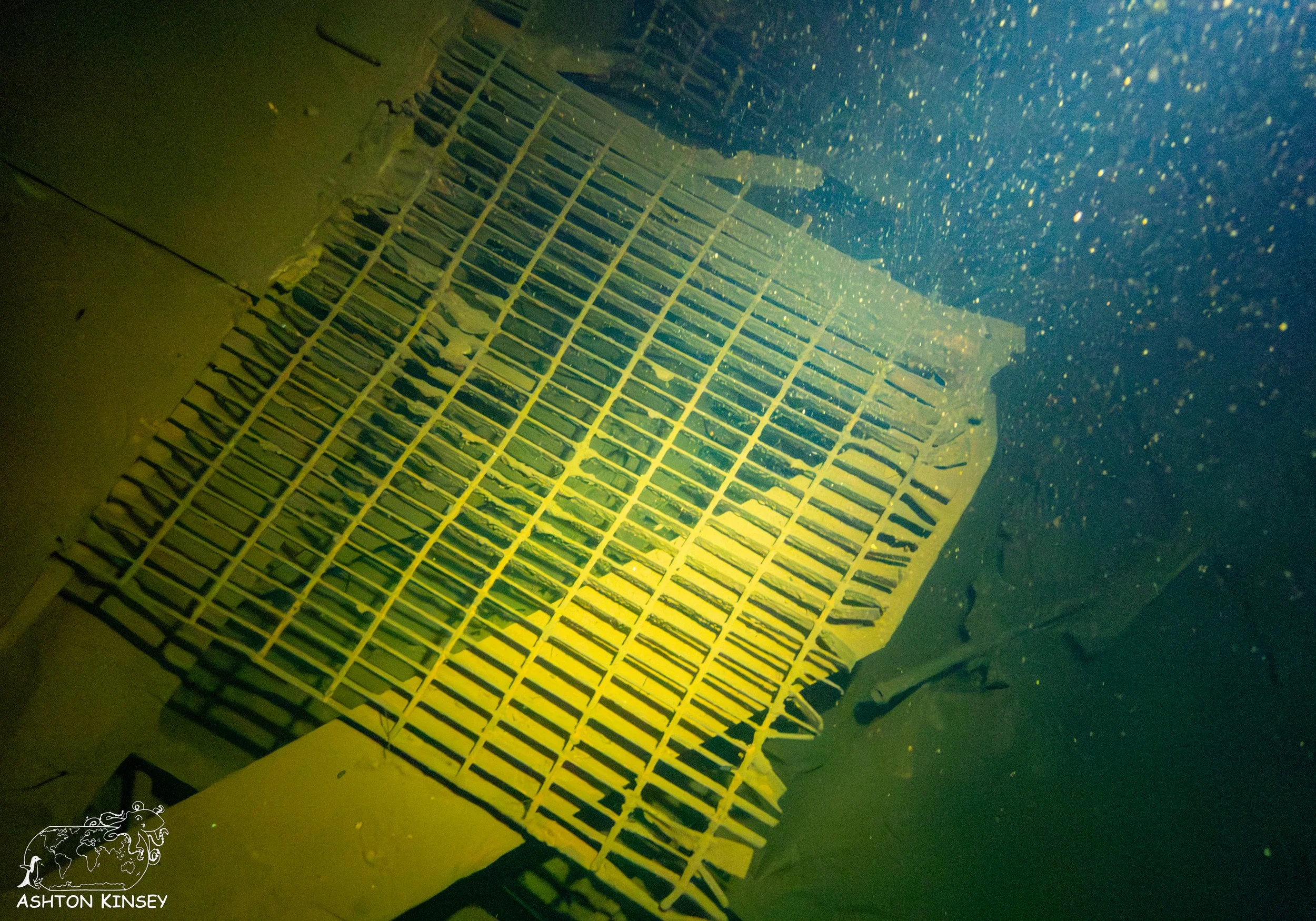
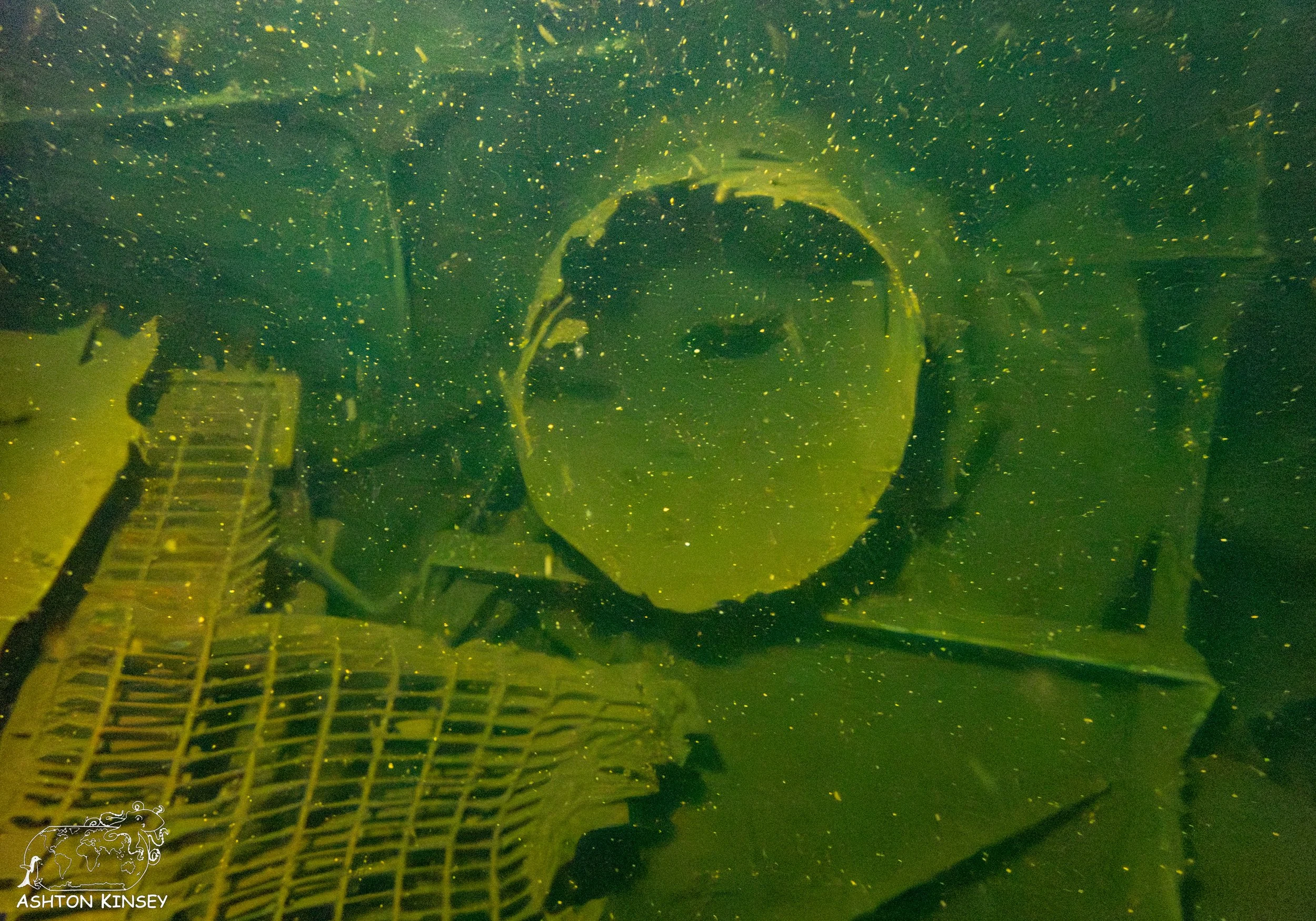
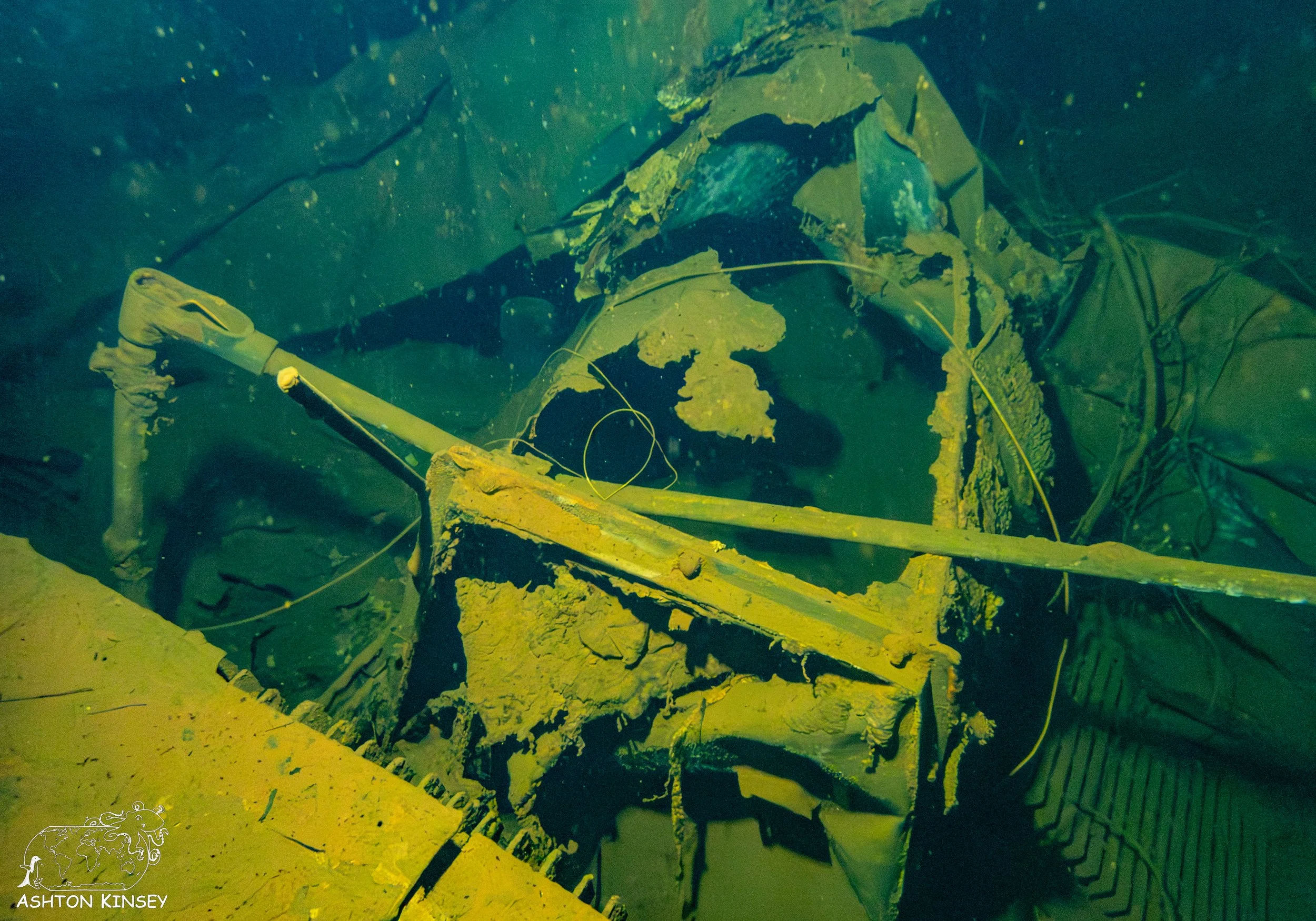
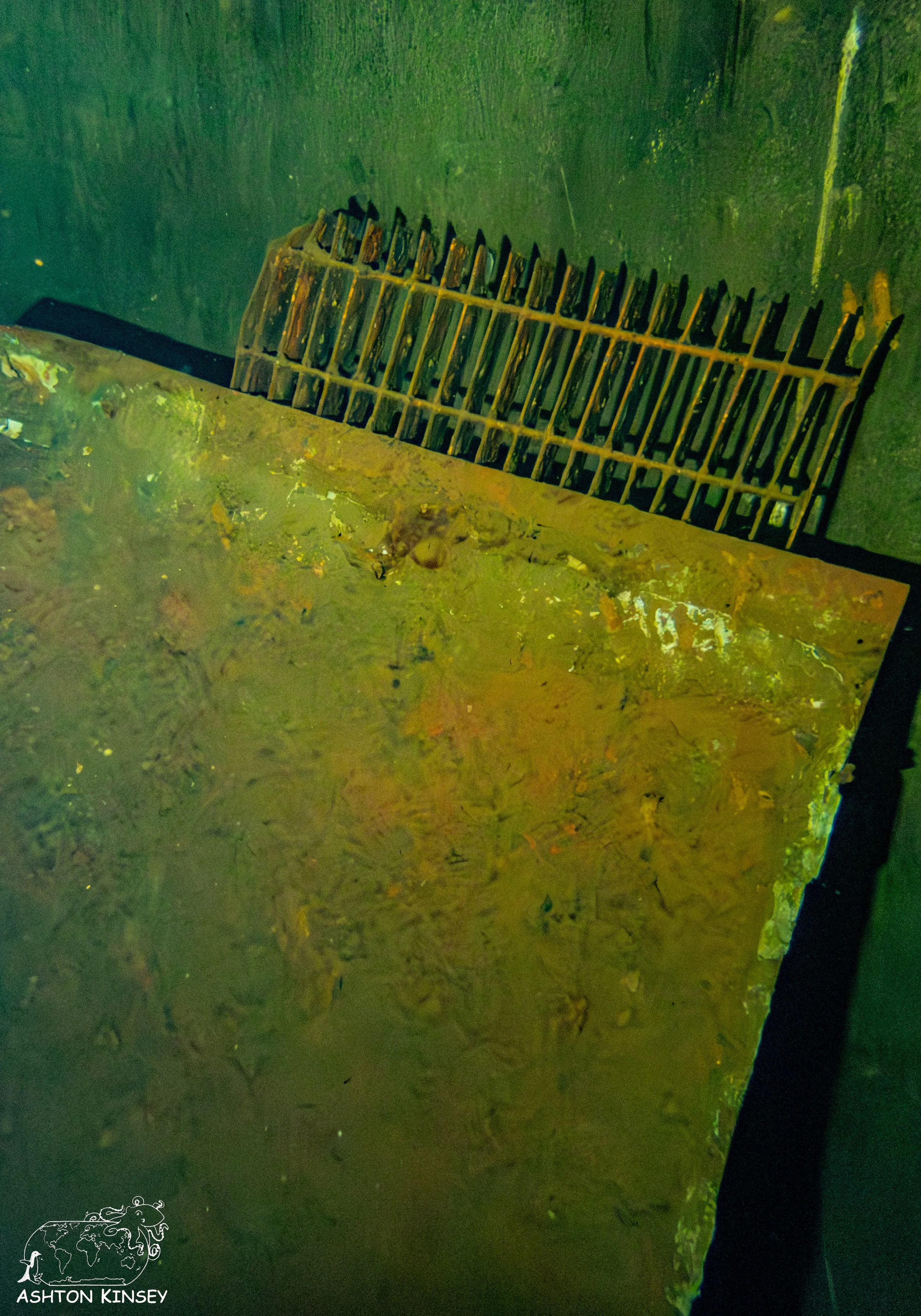
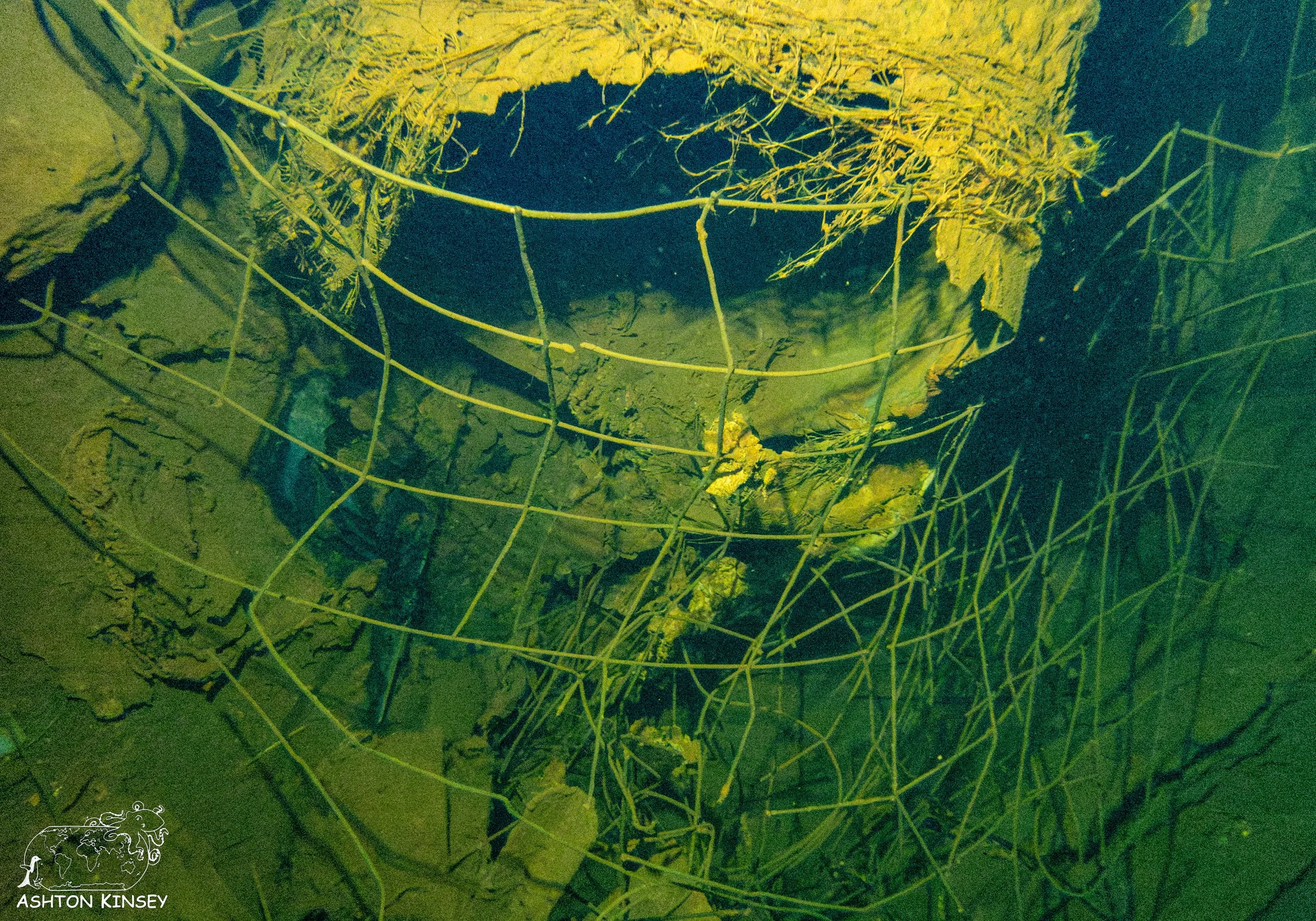
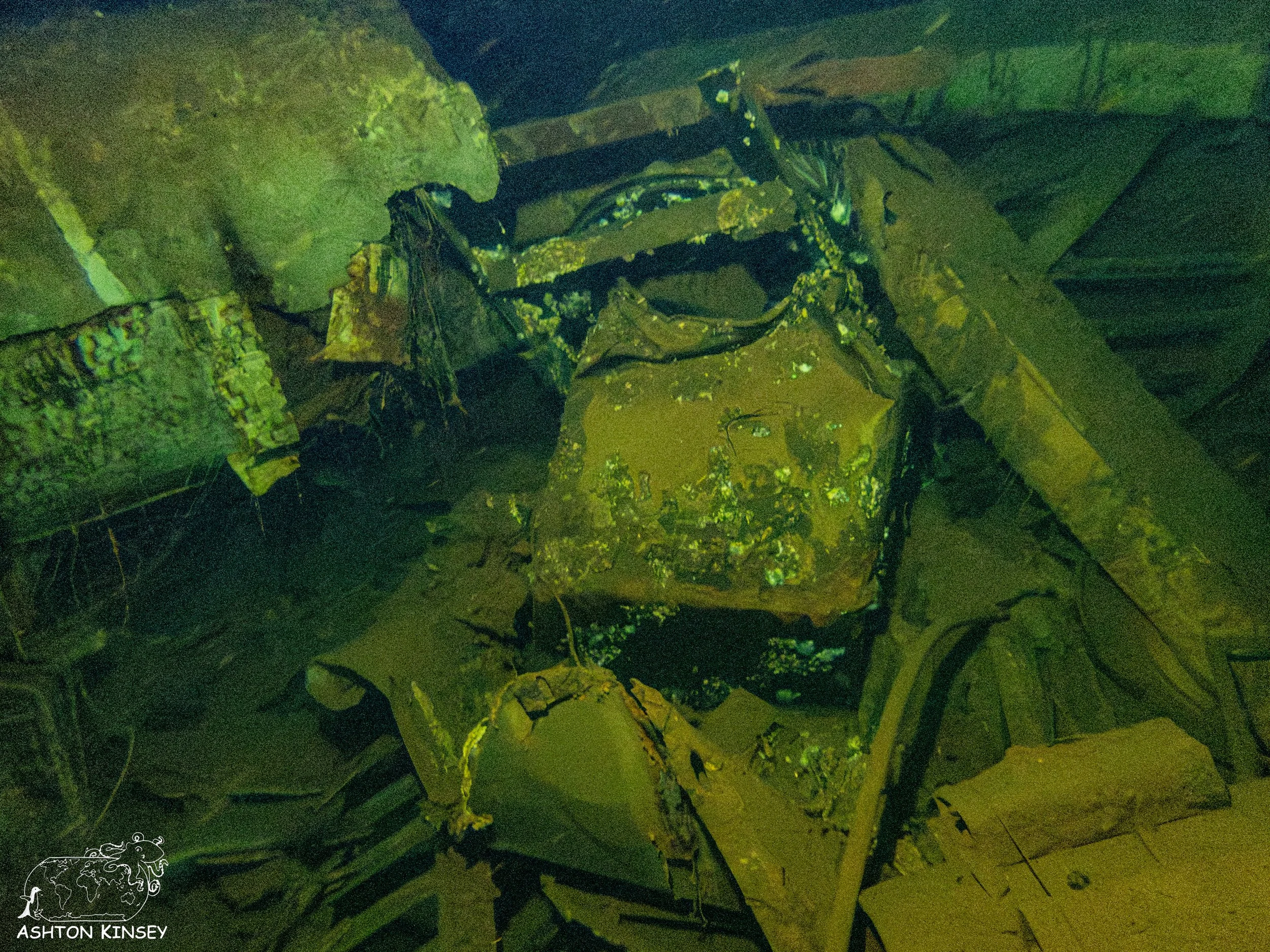
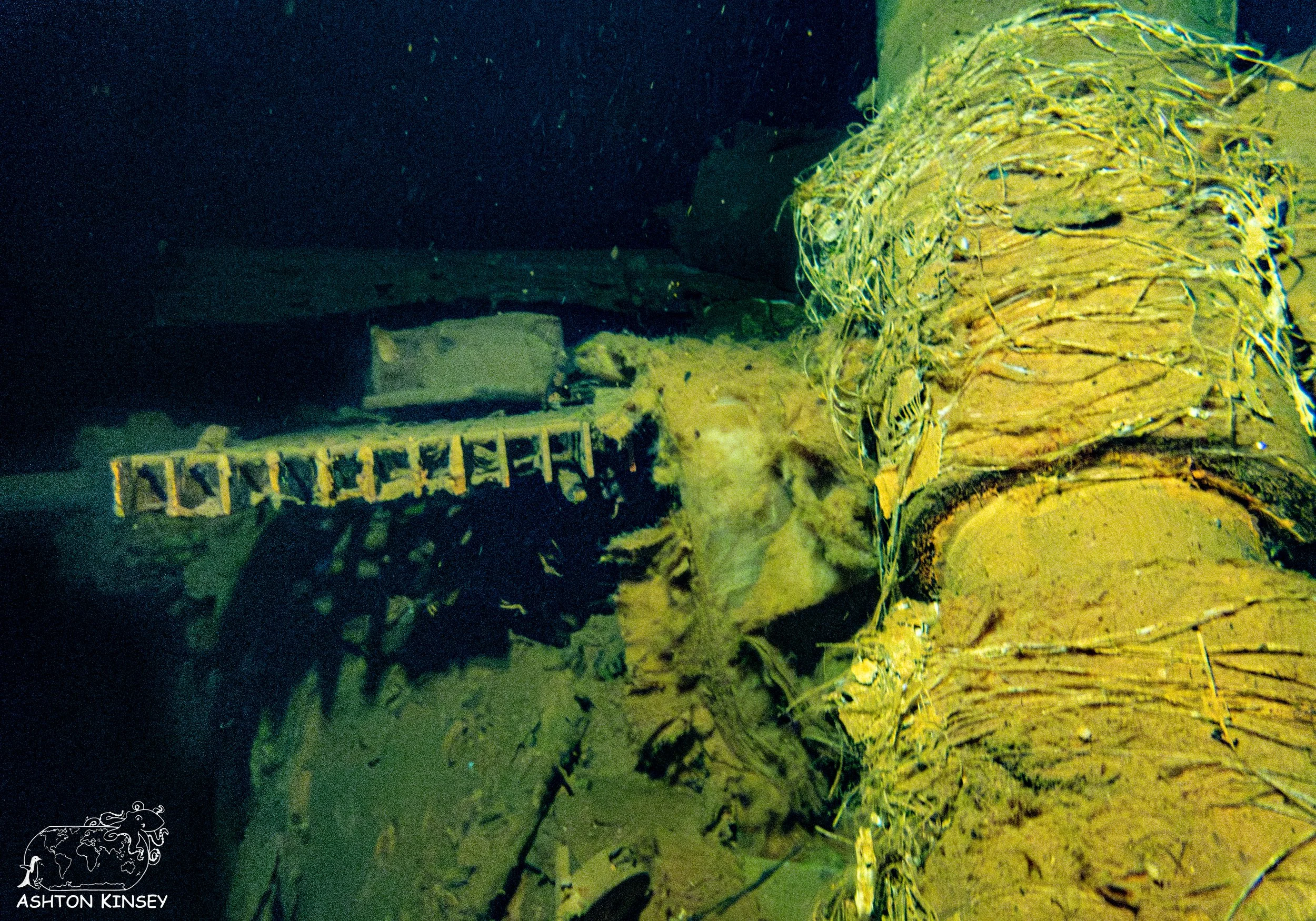
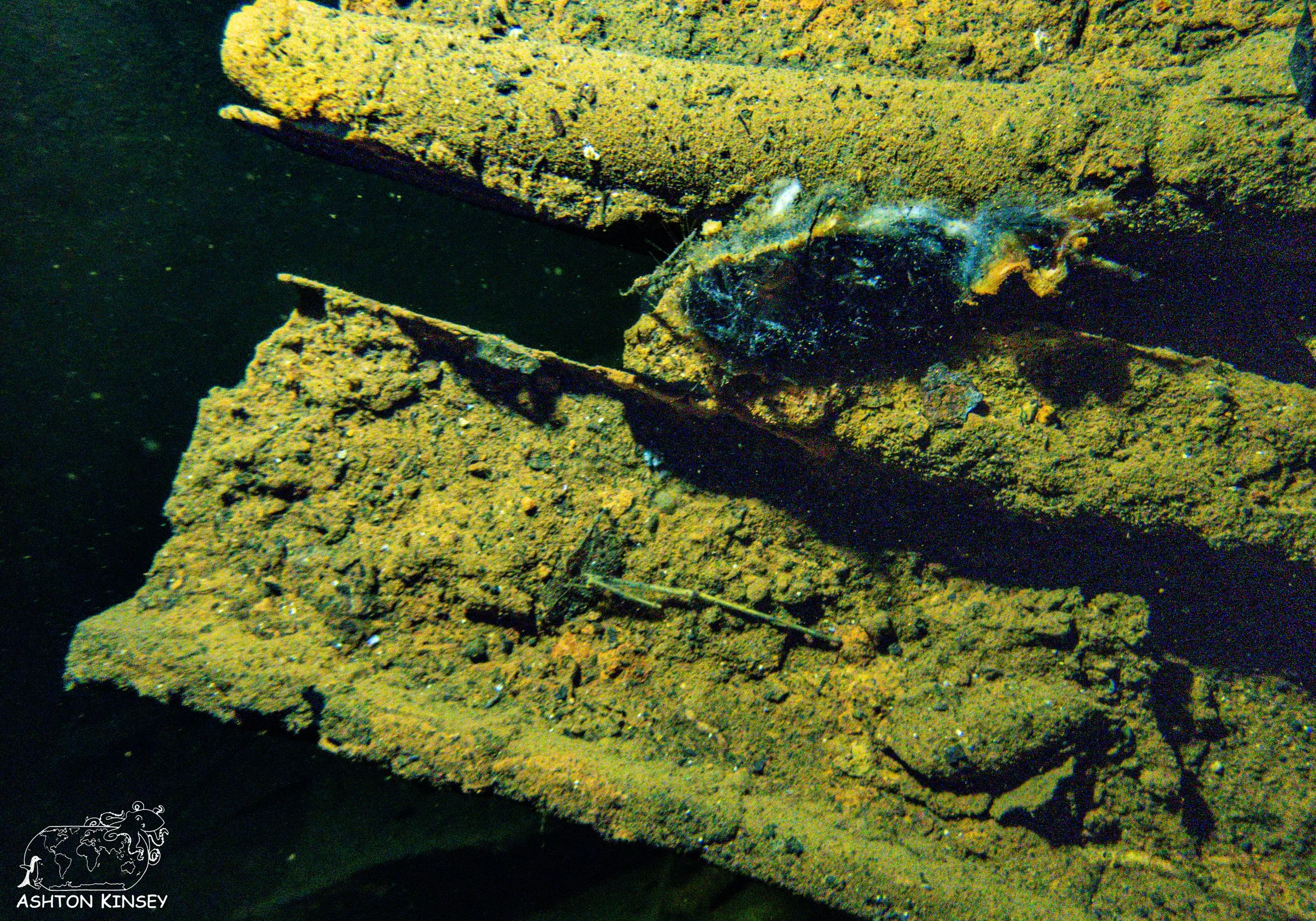
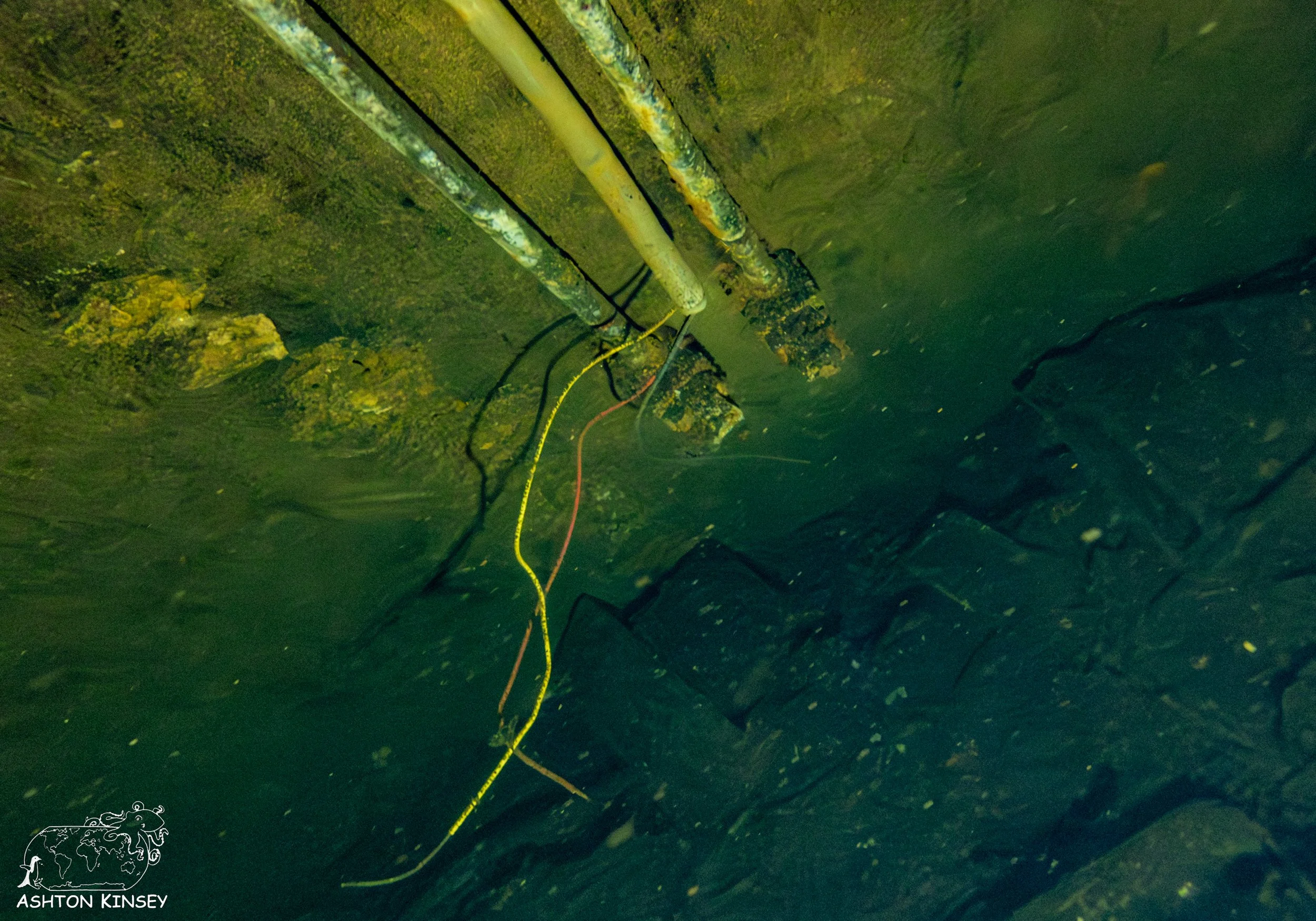
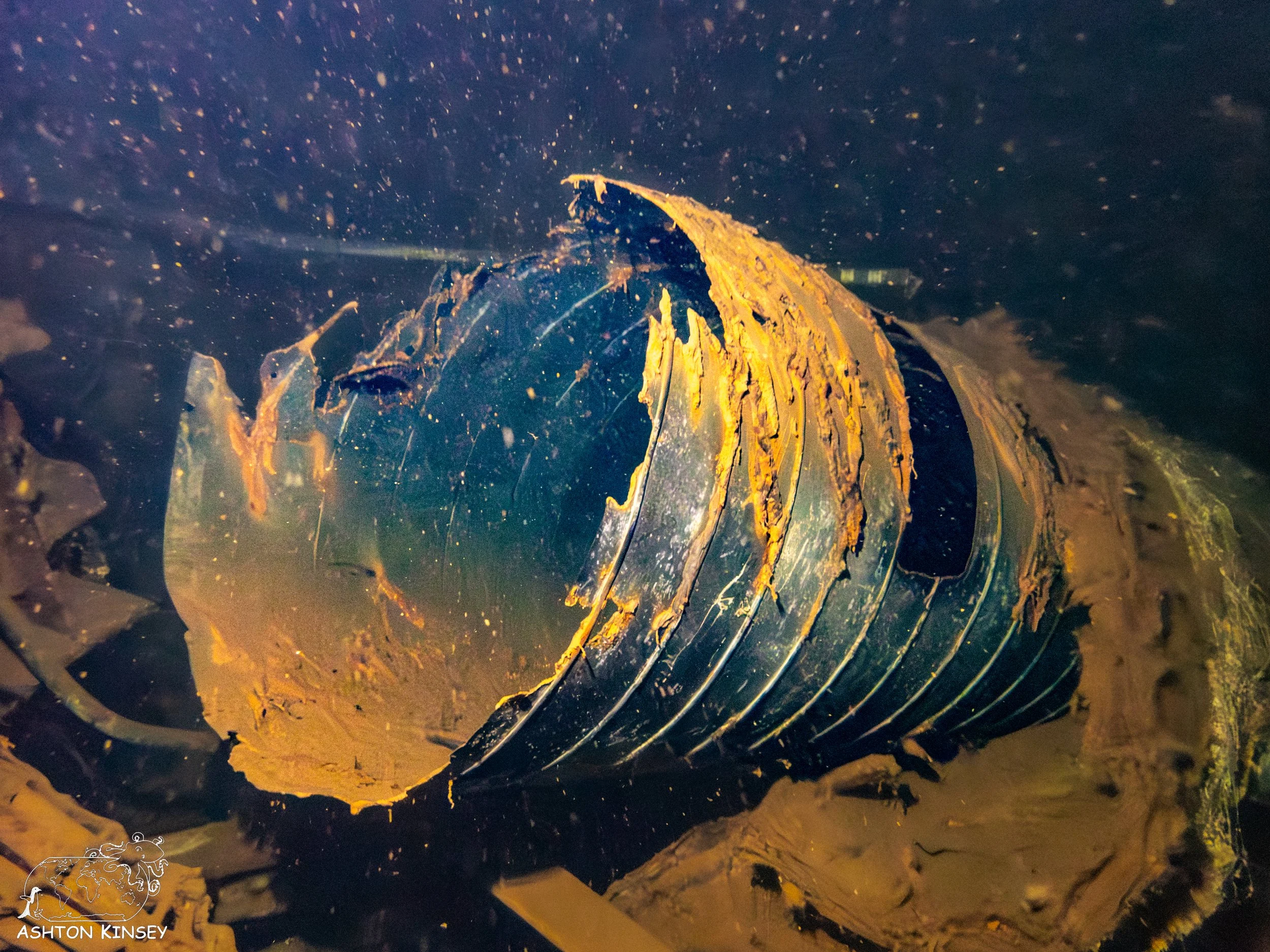
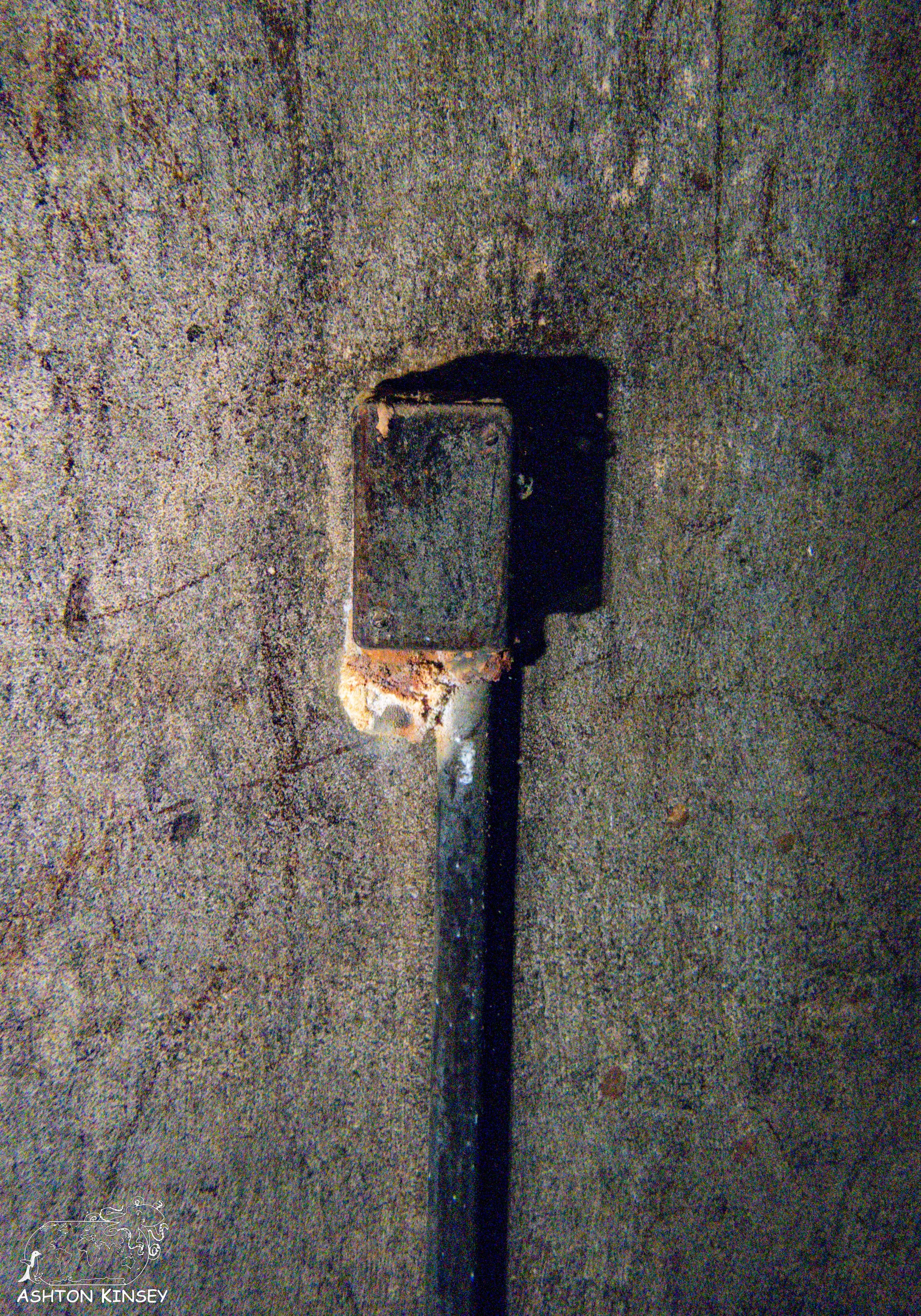
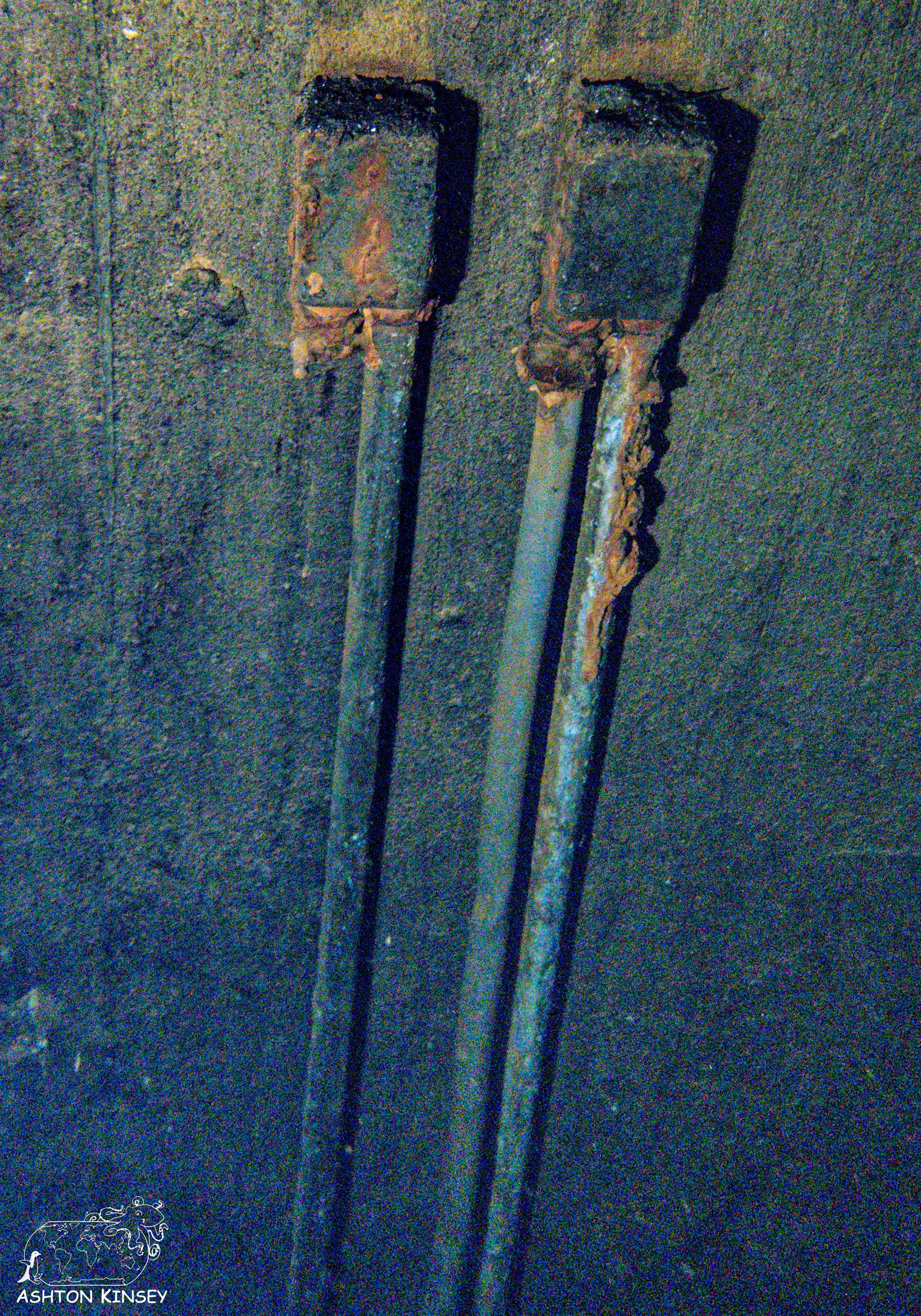
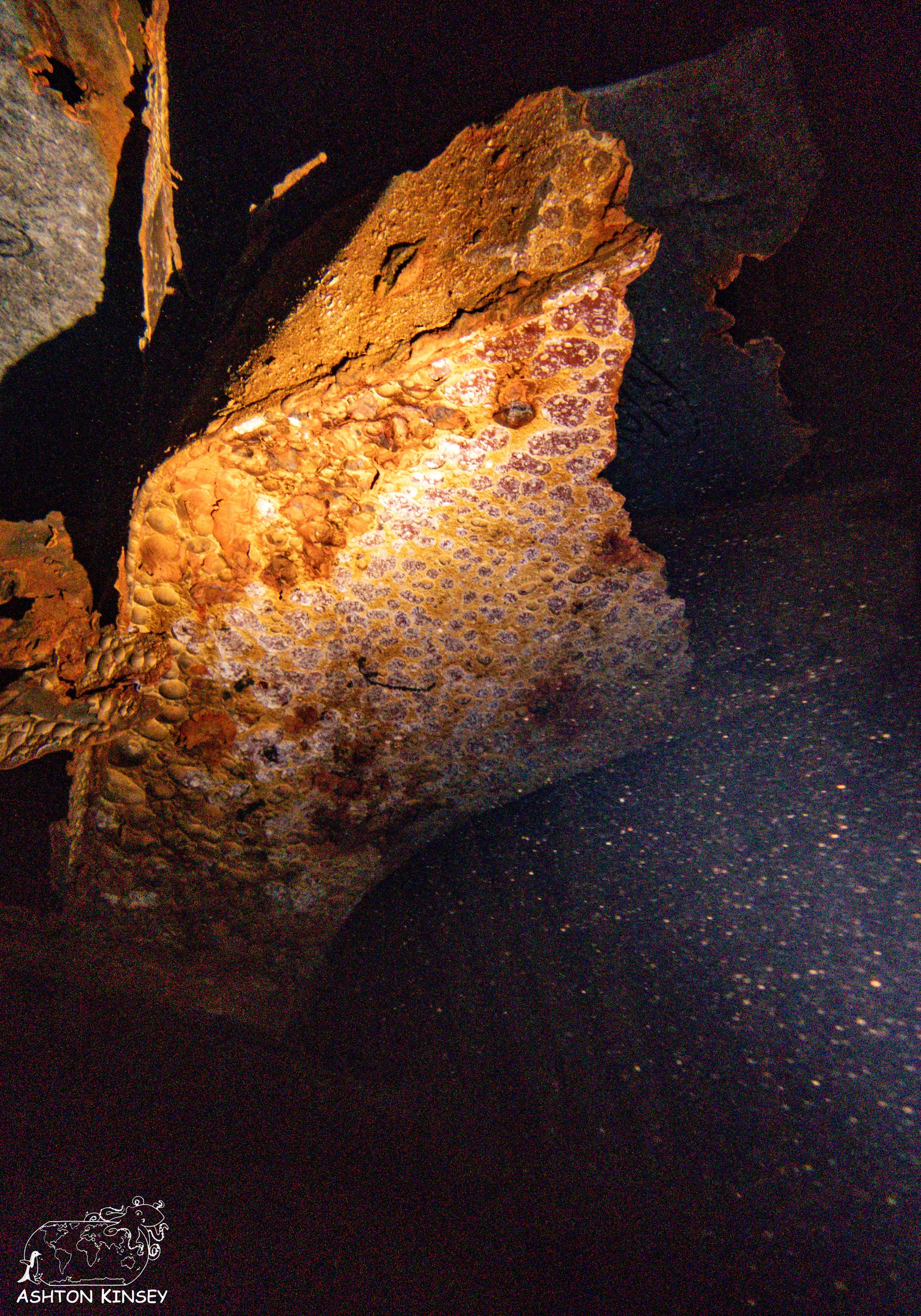
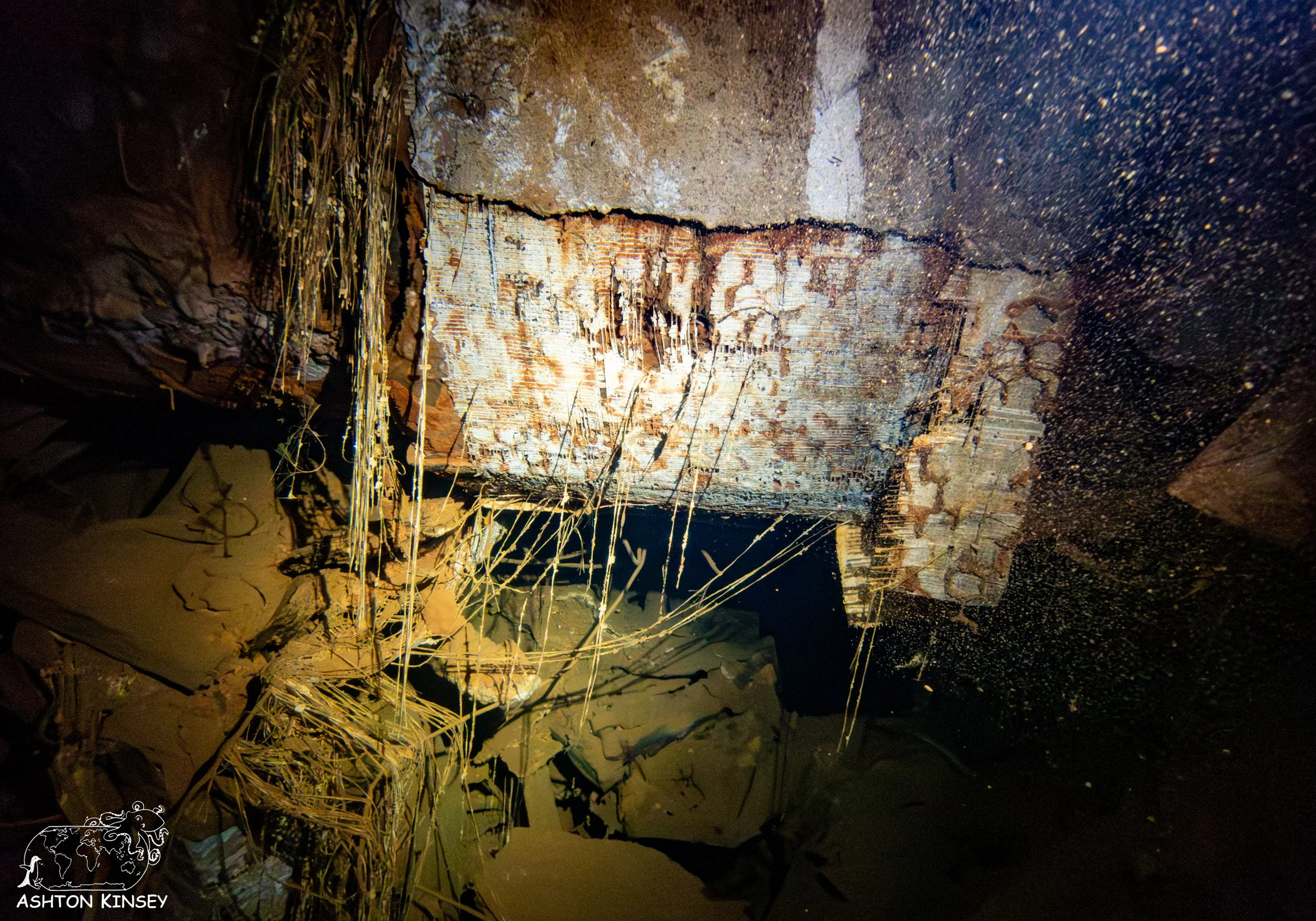
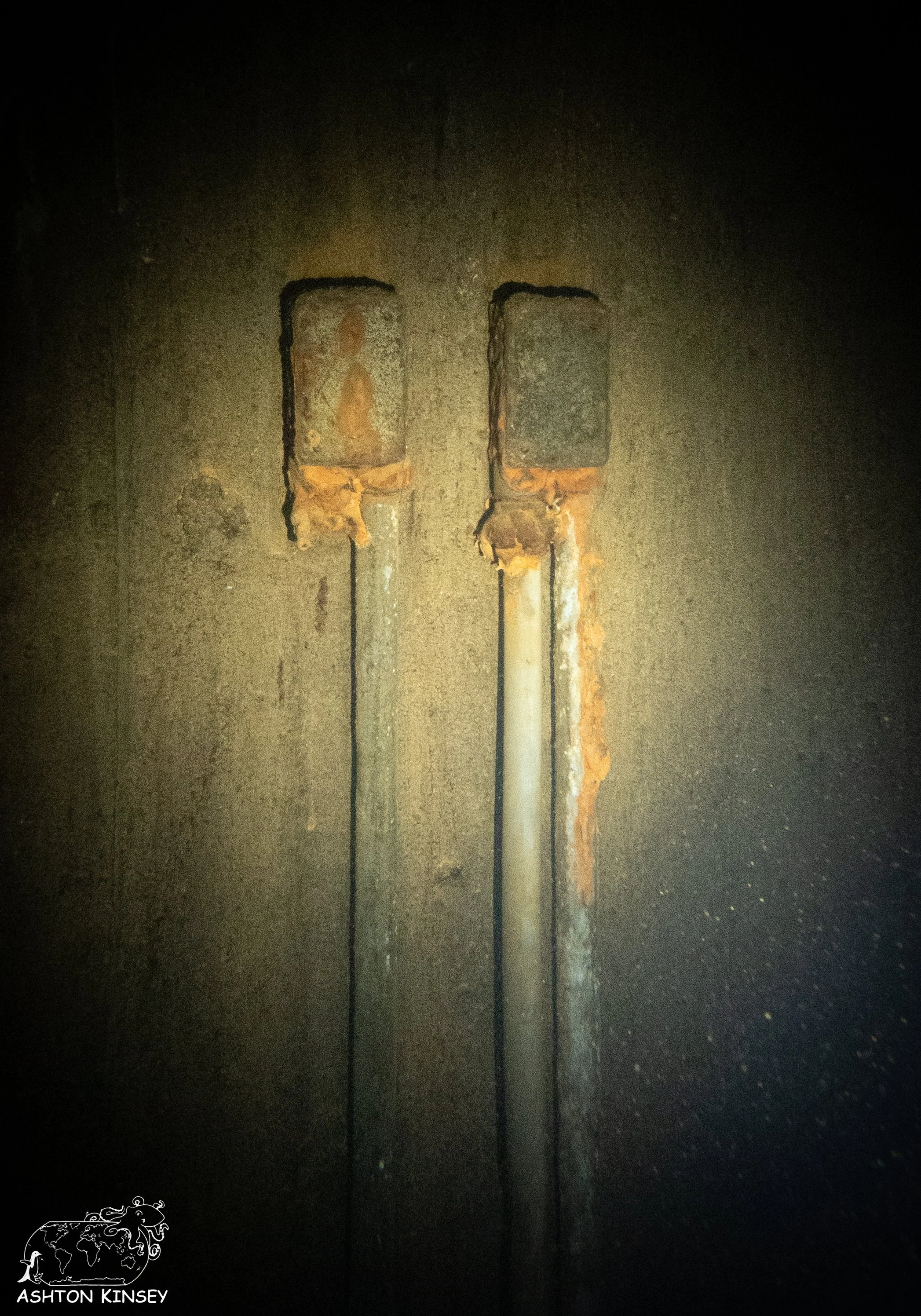
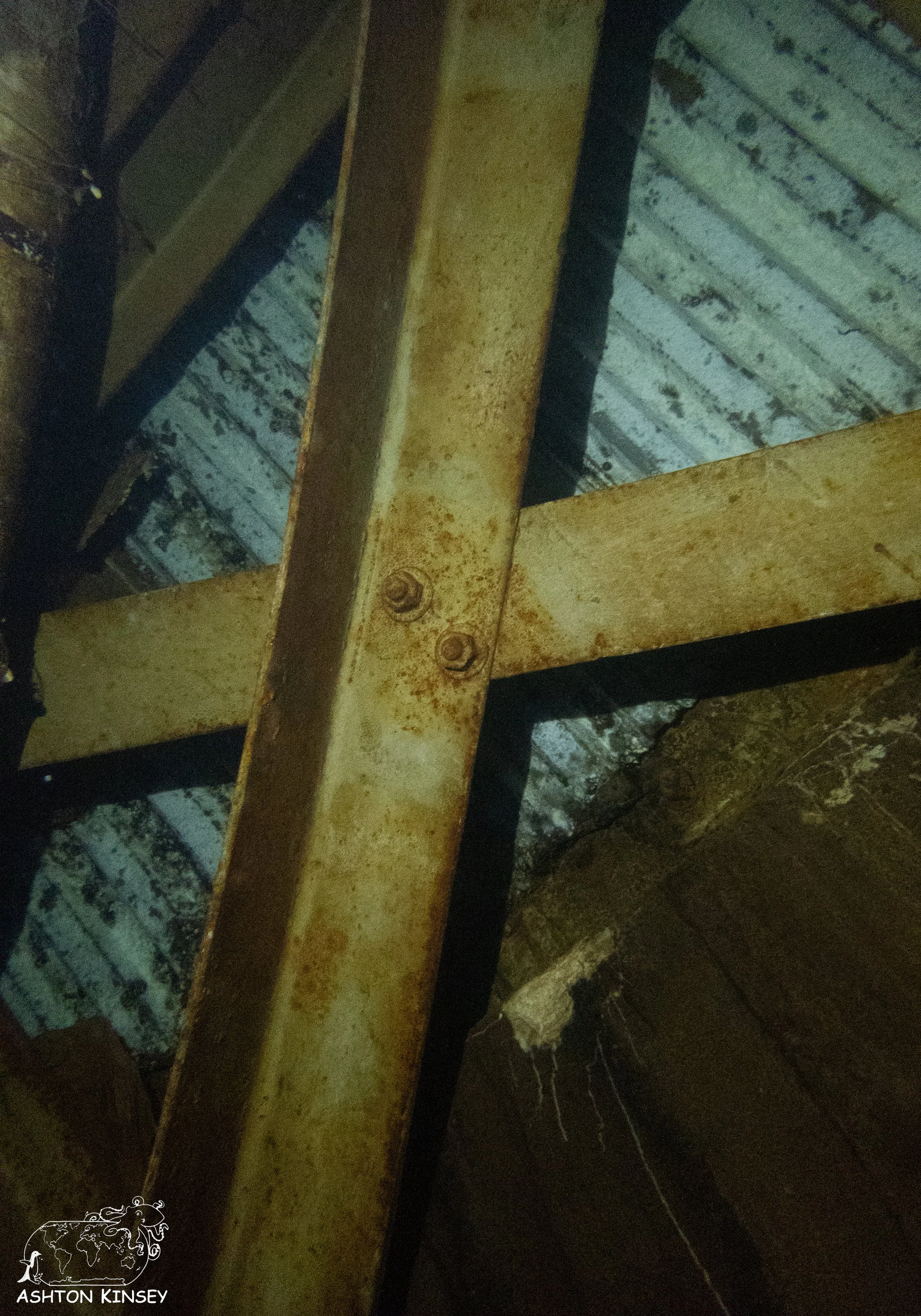
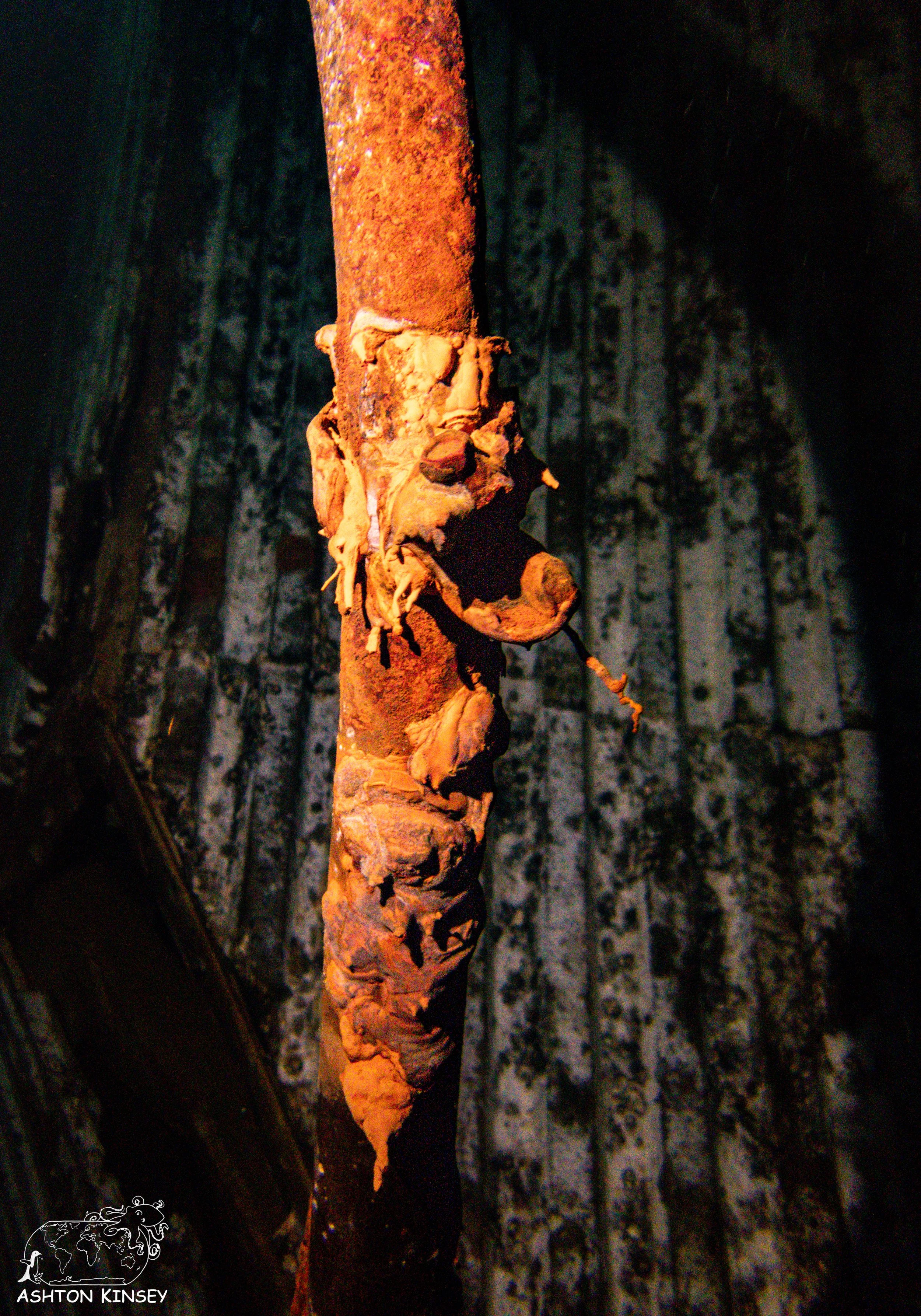
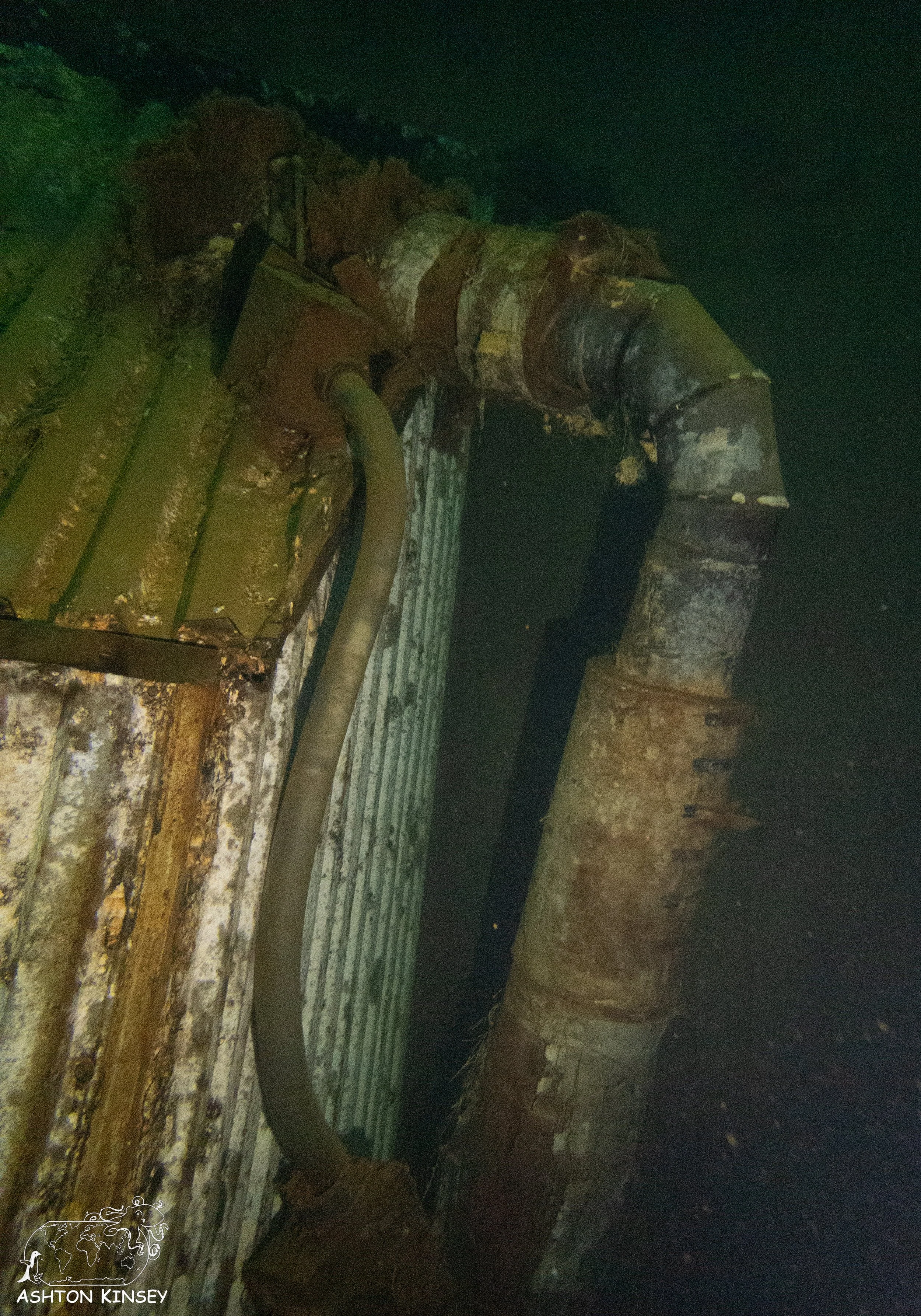
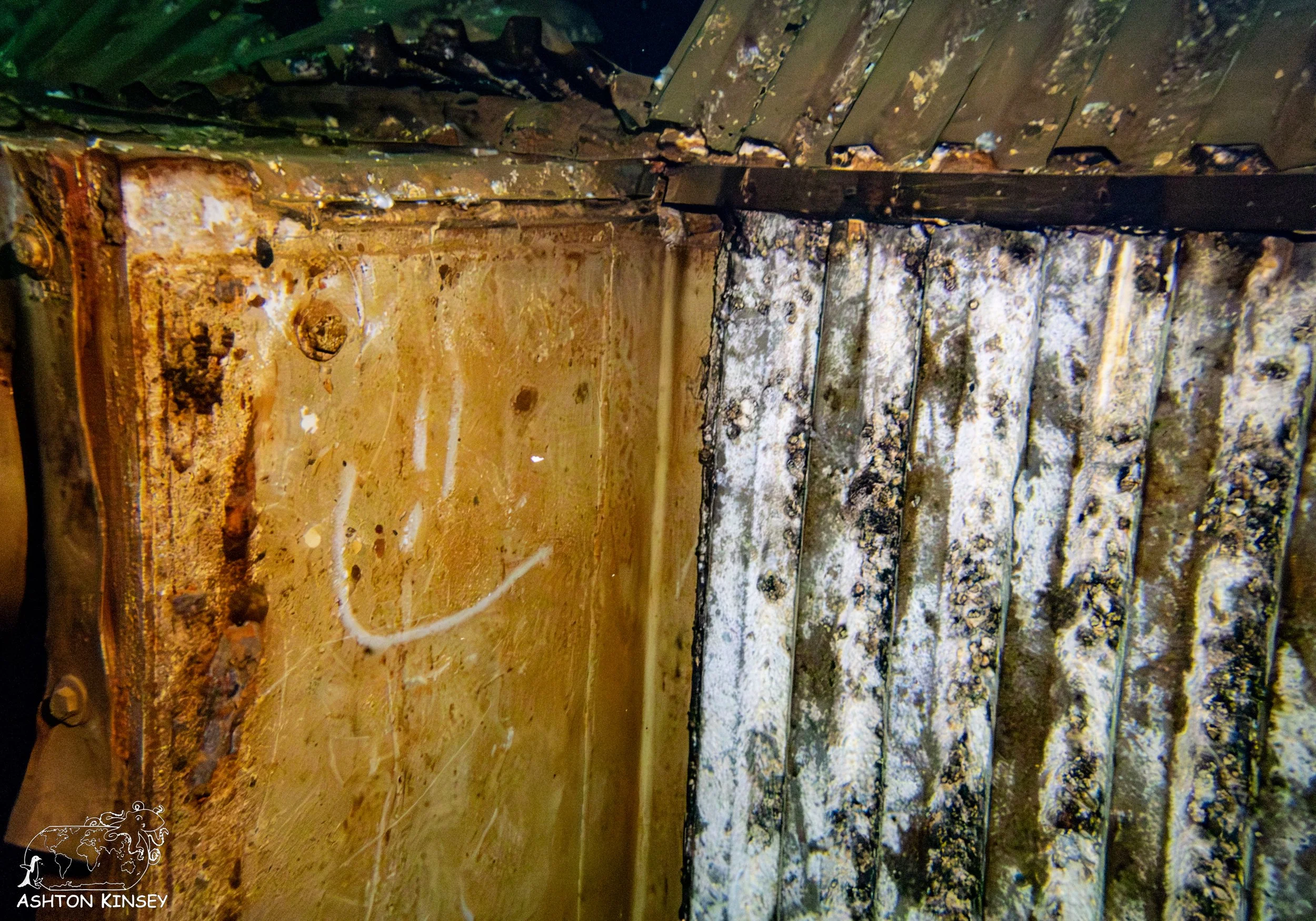
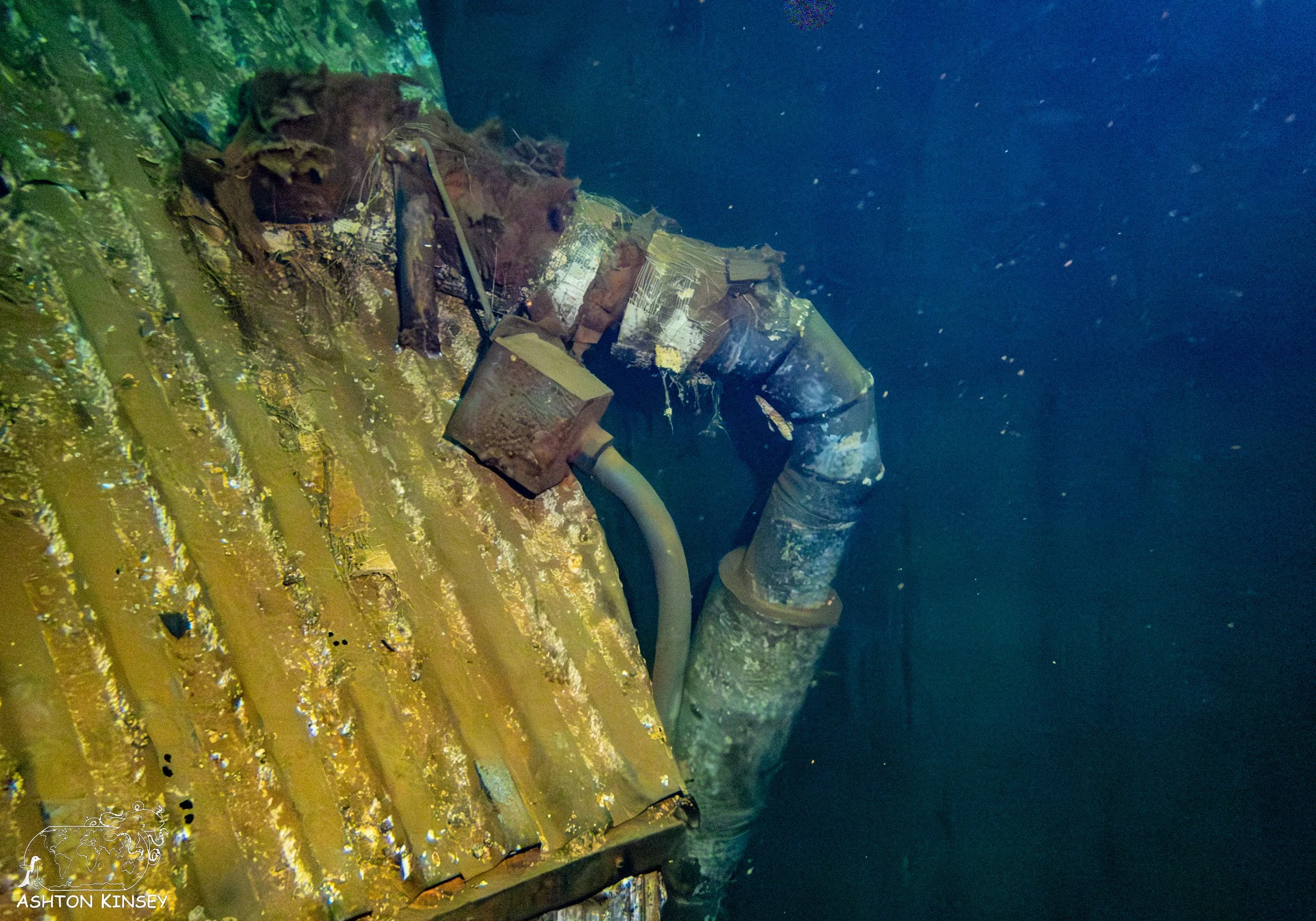
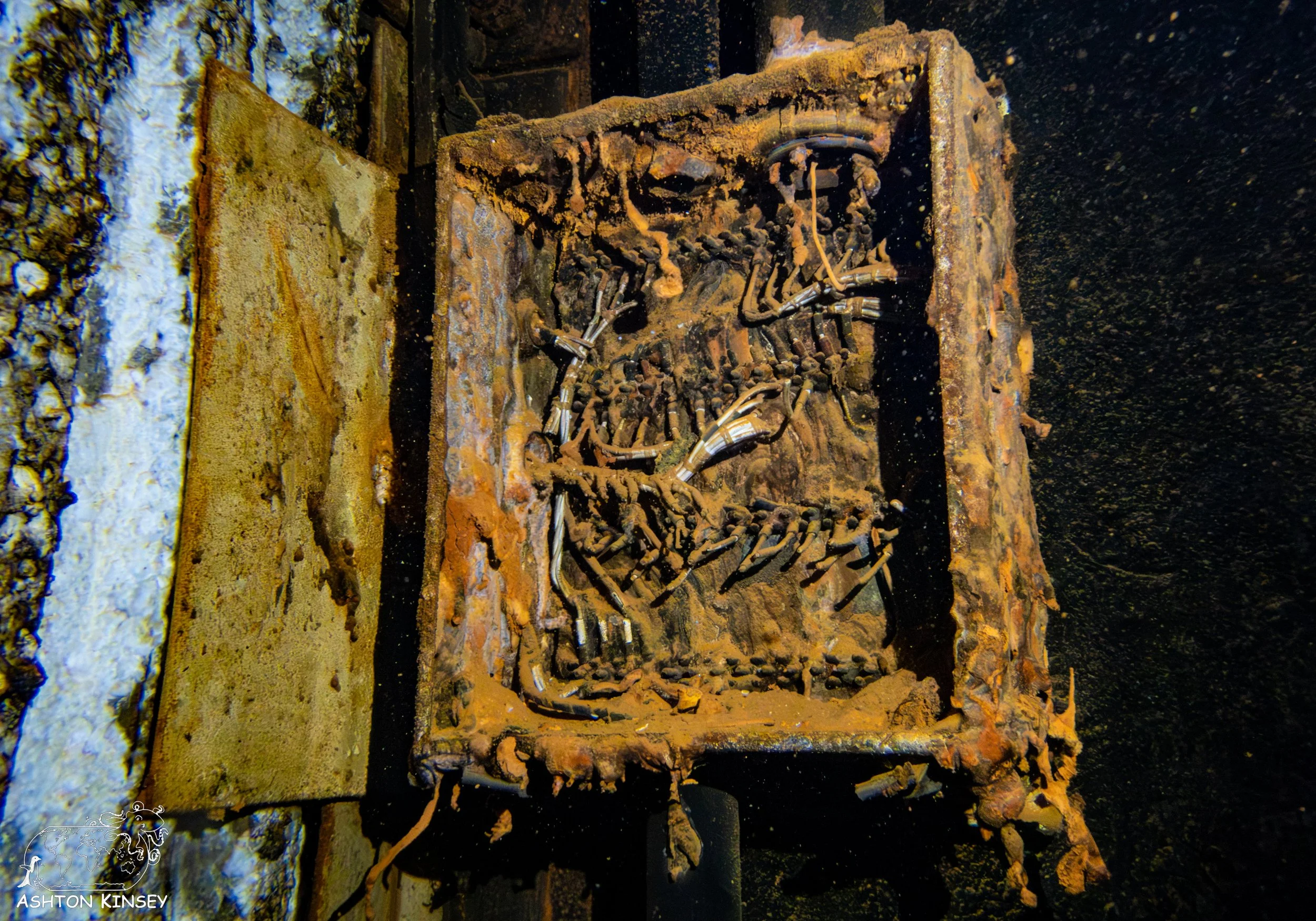
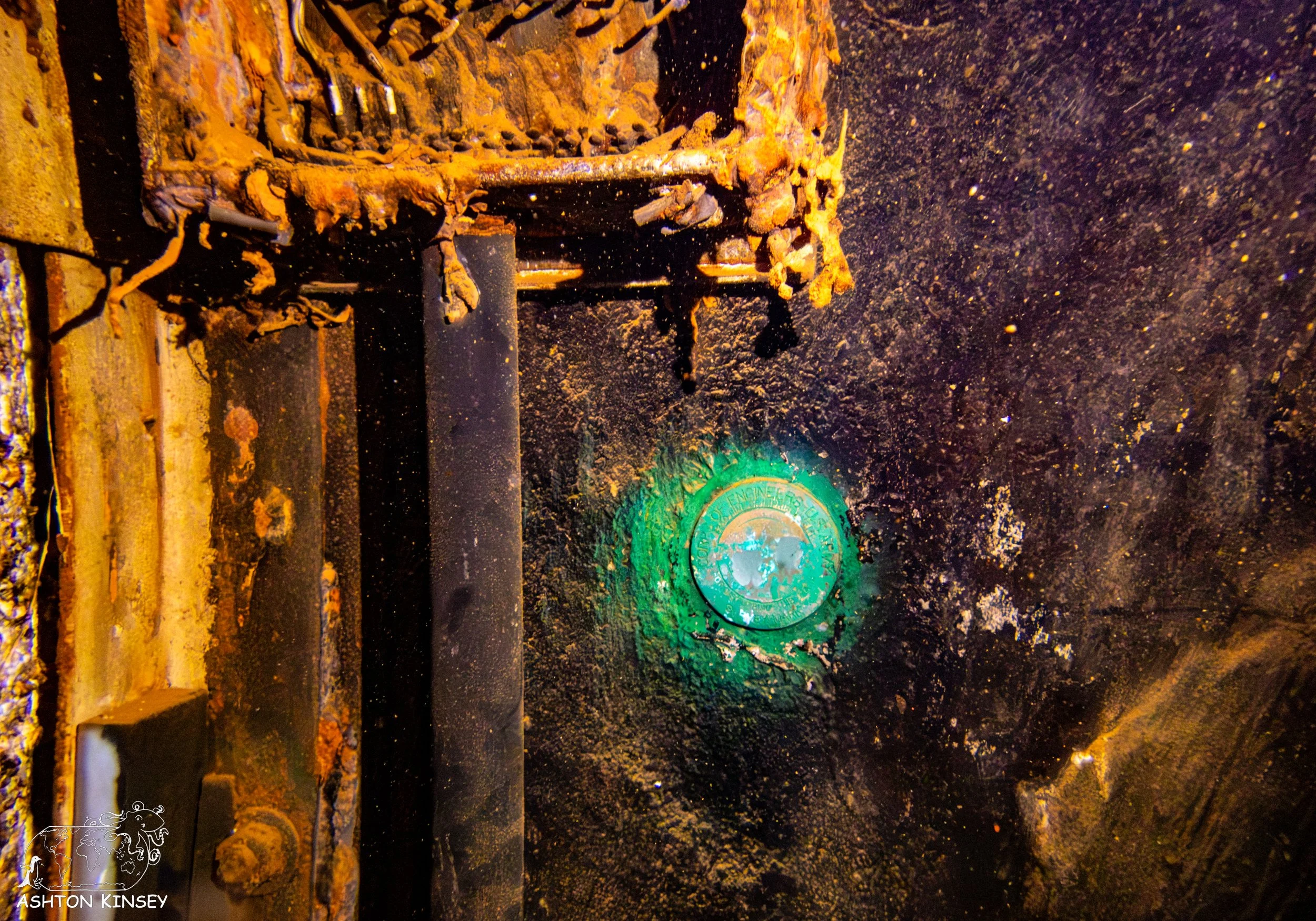
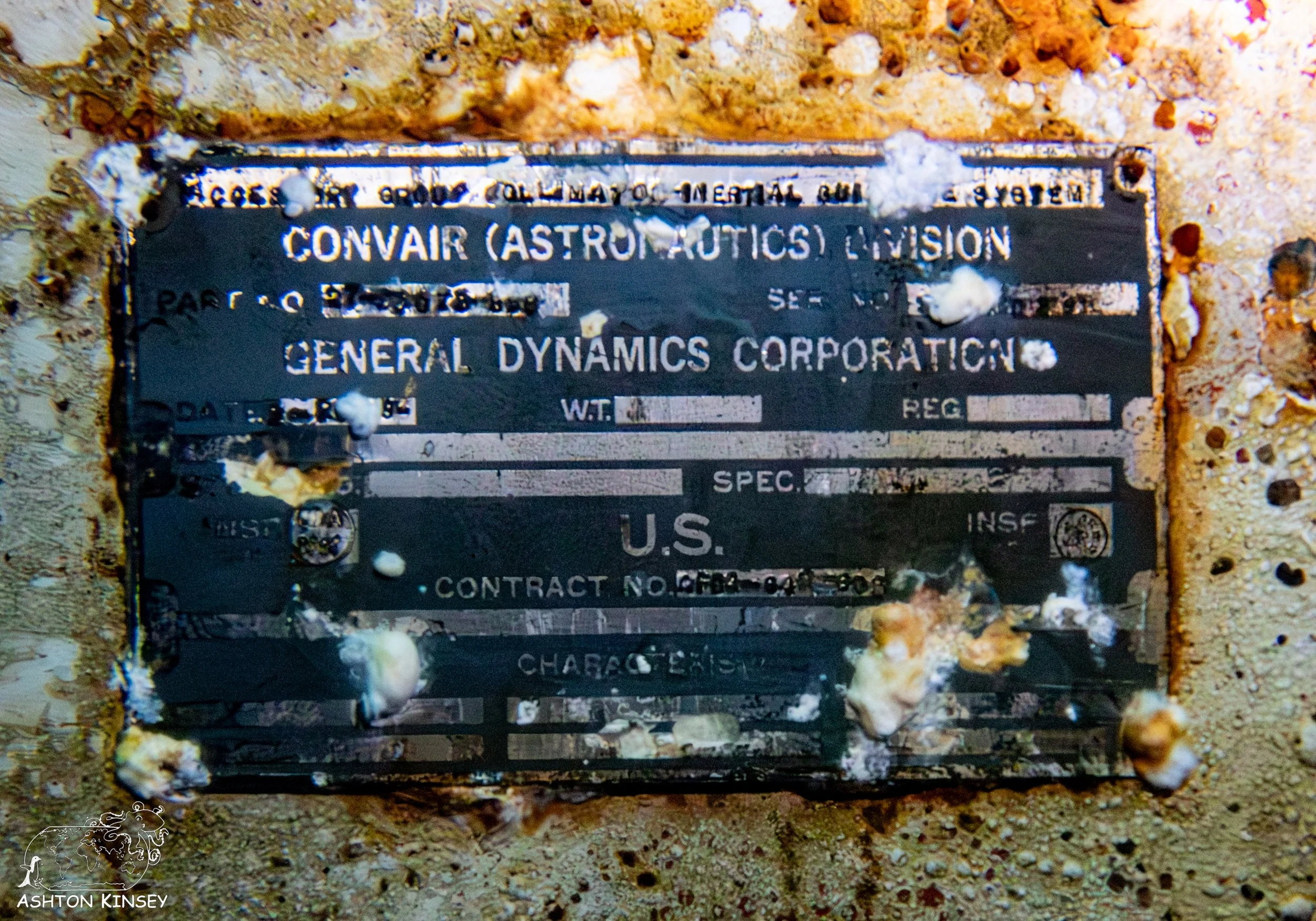
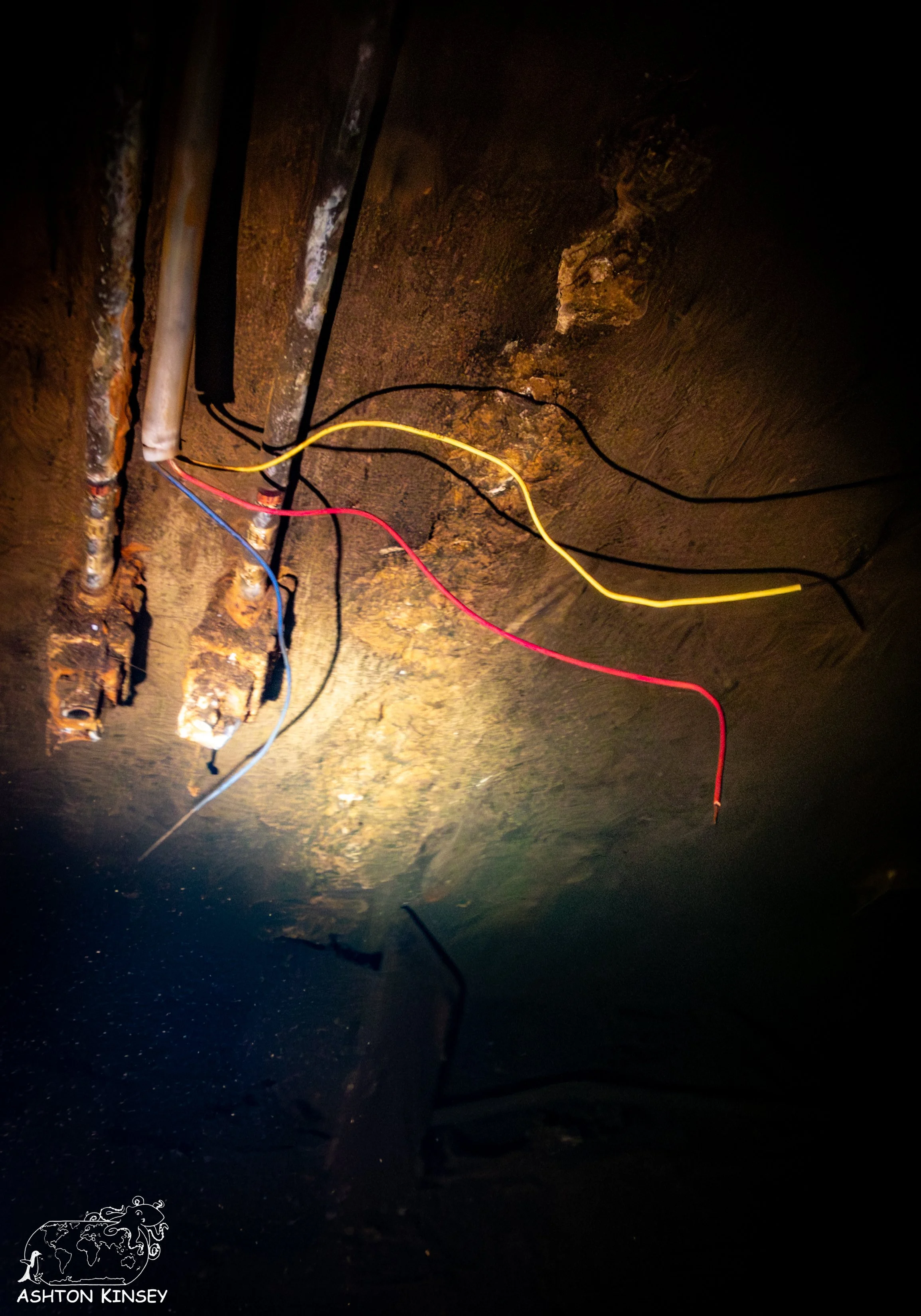
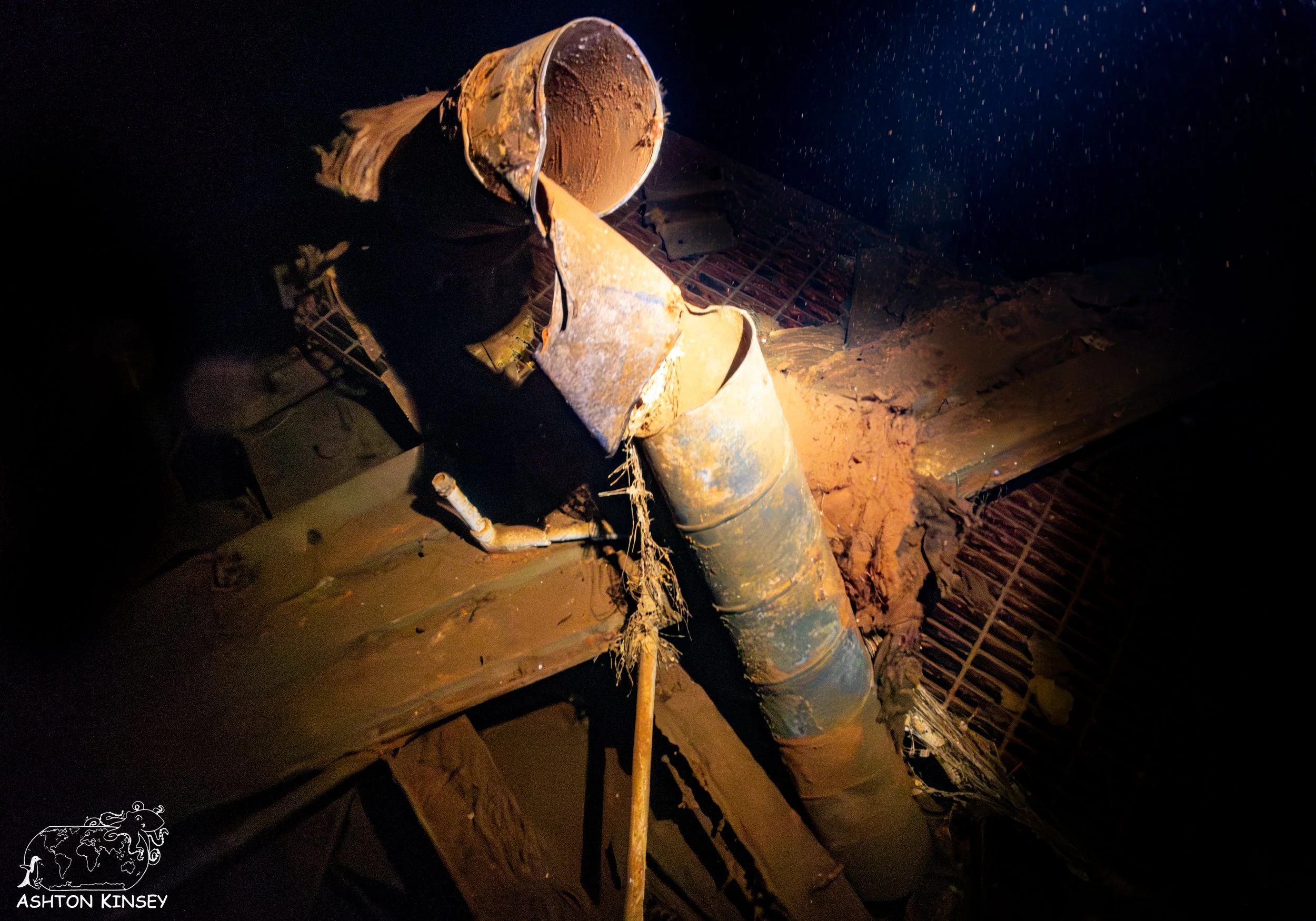
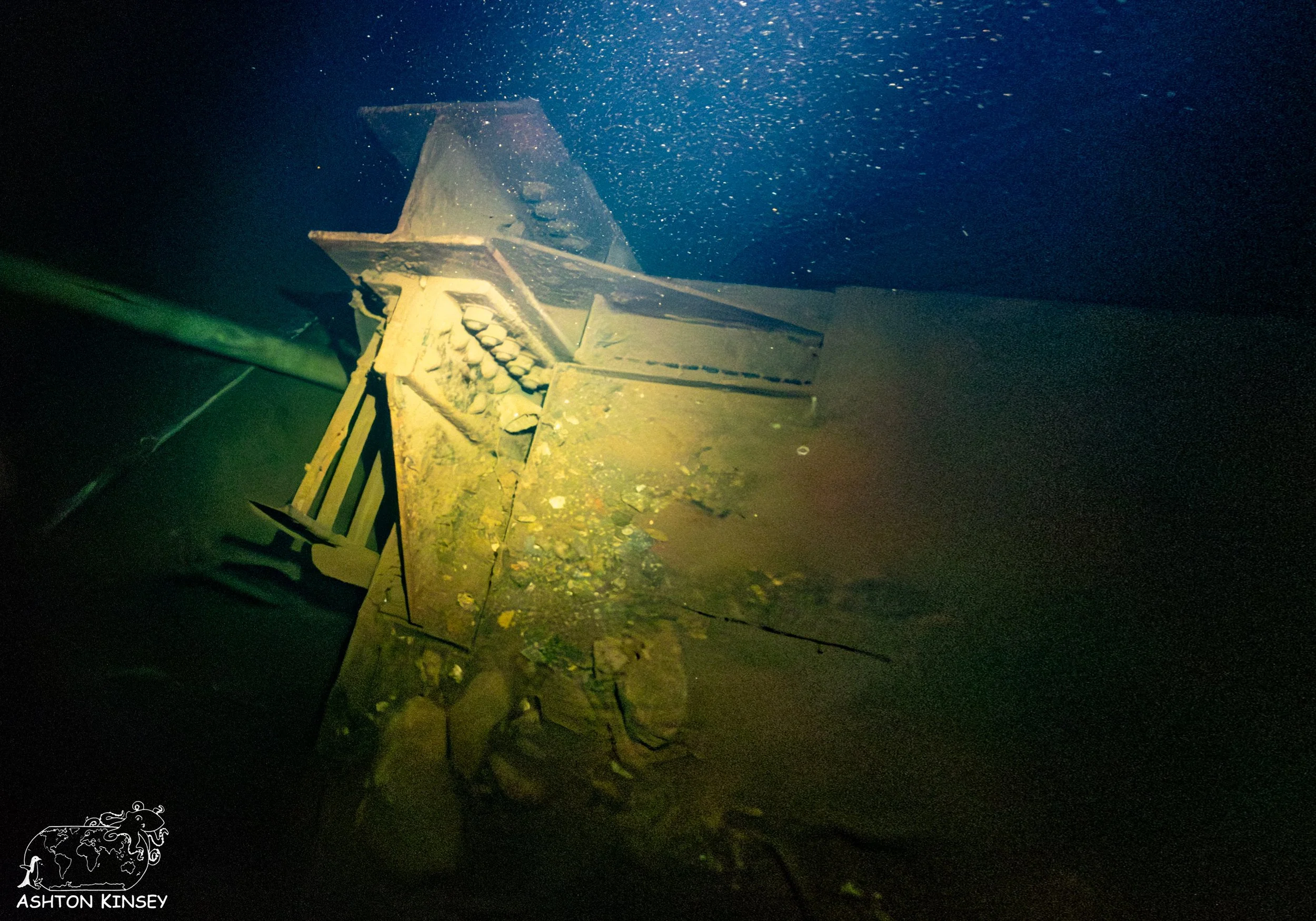
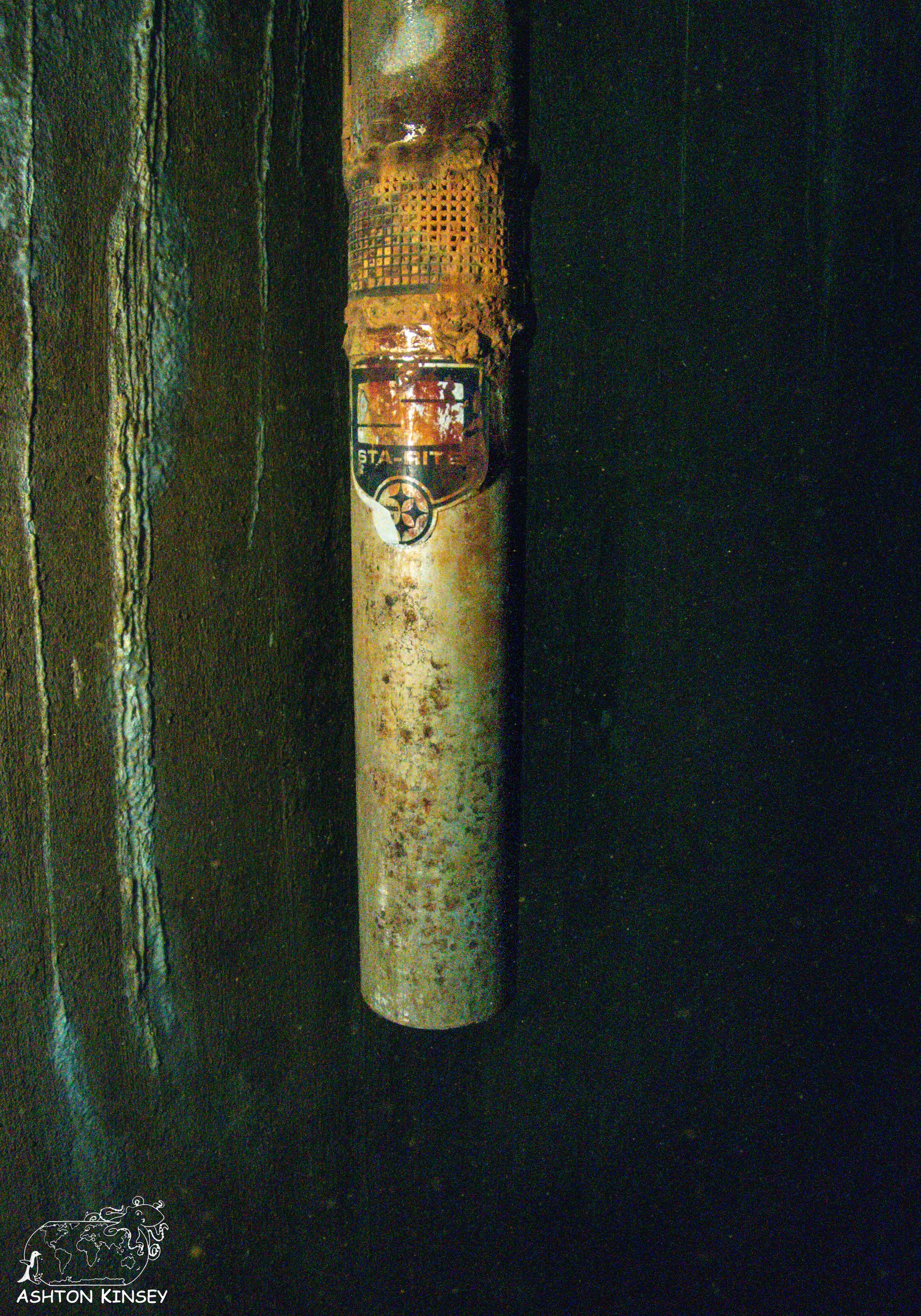
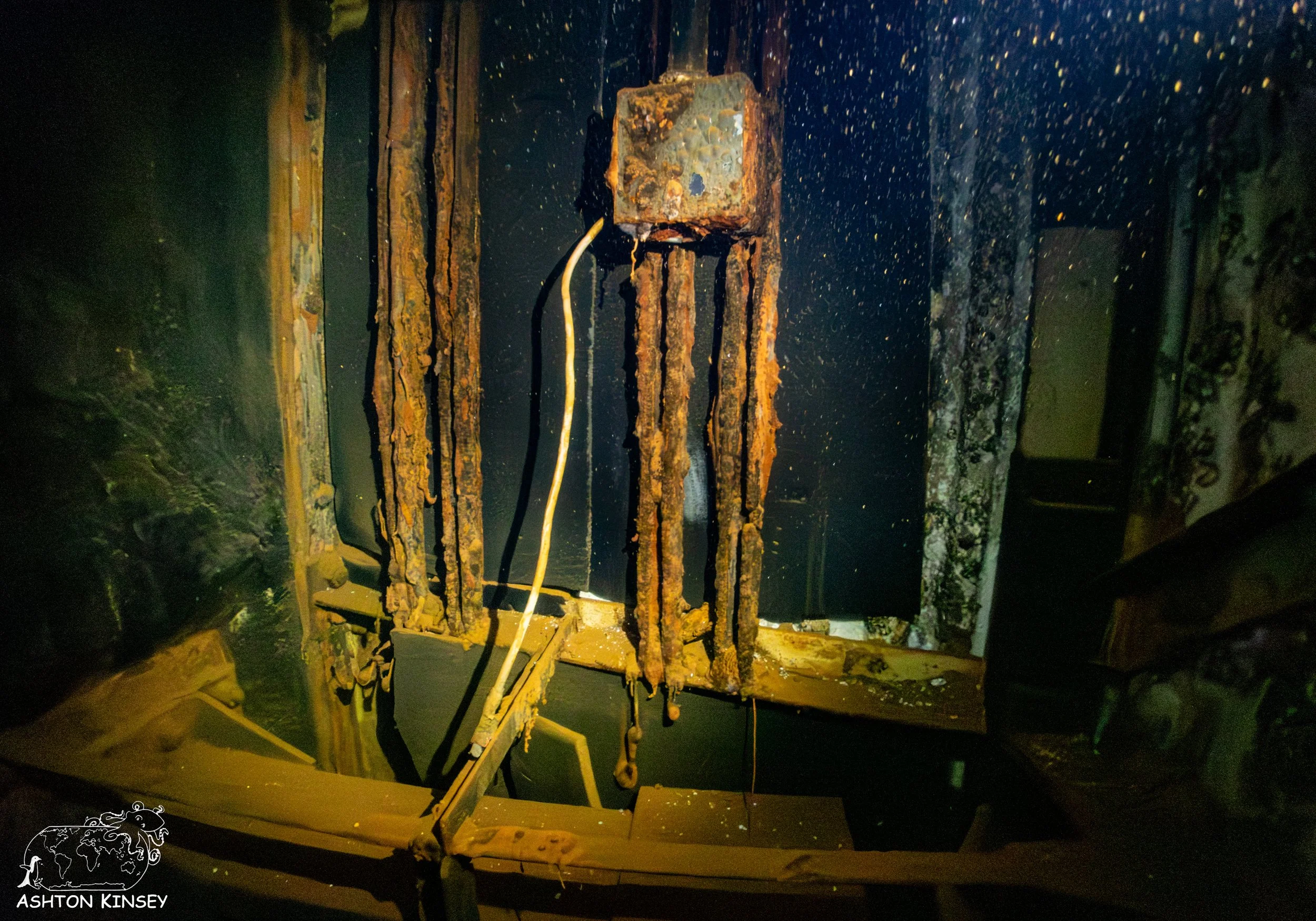
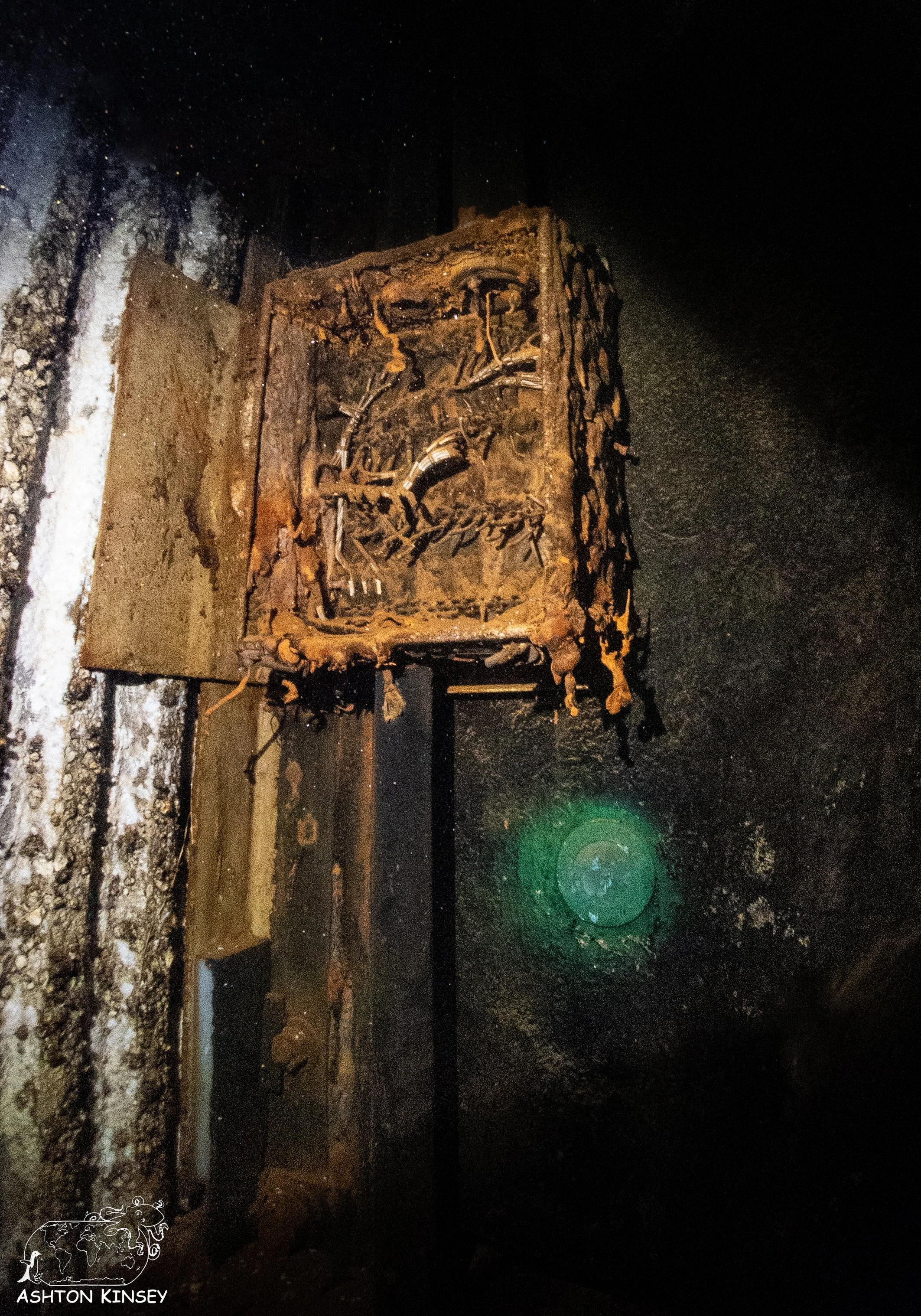
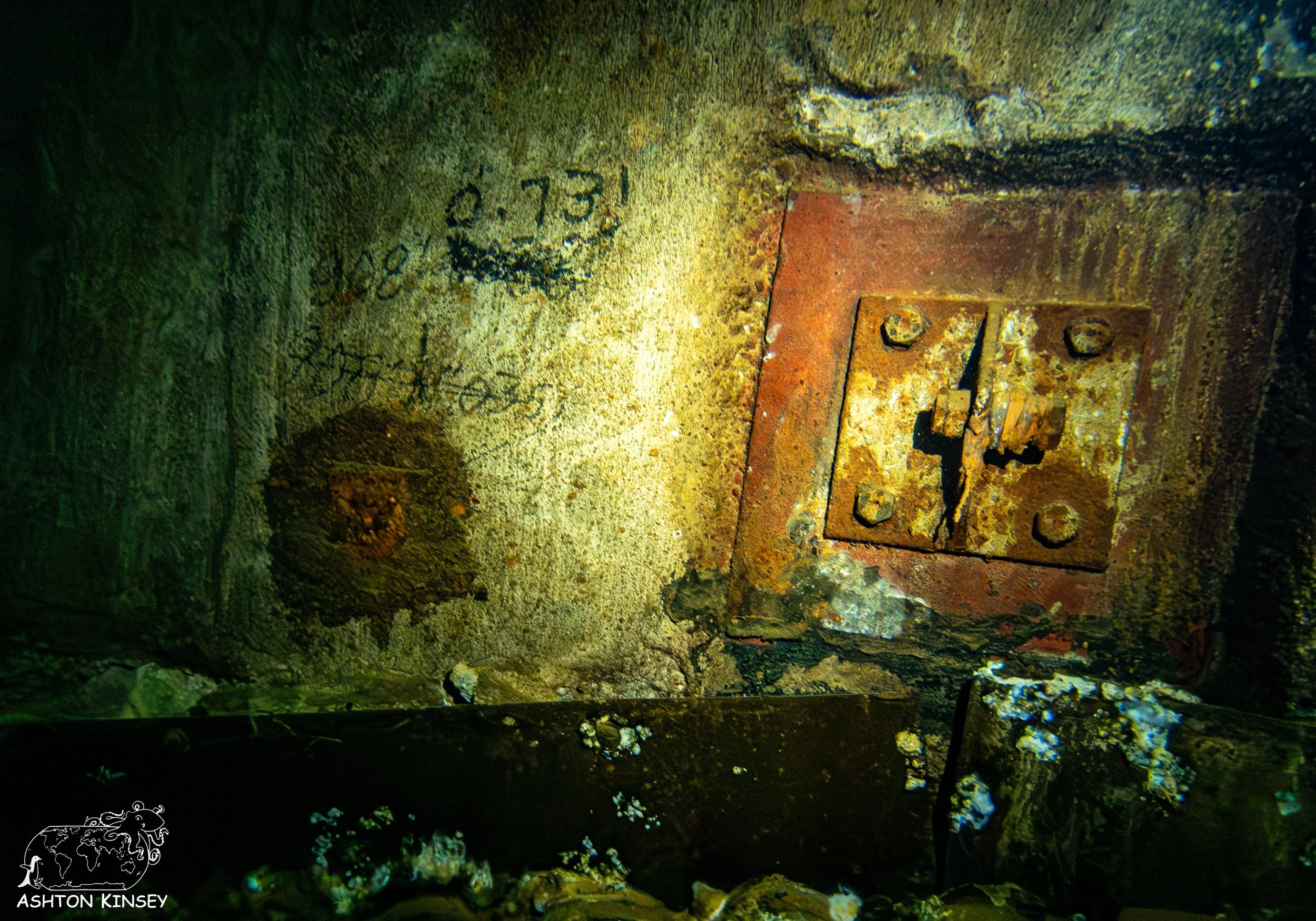
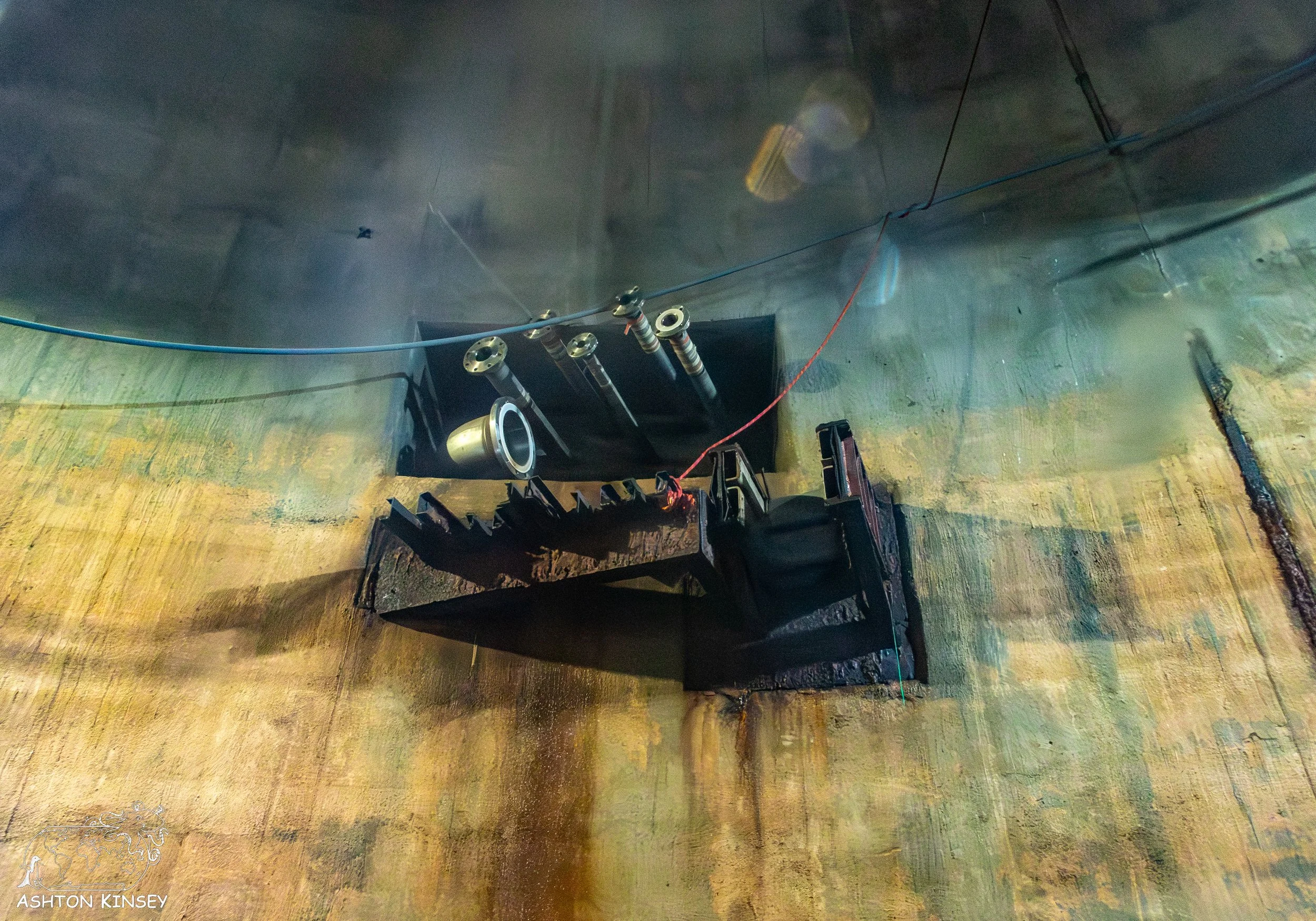
The “true” depth of the silo is approximately 135 feet; however, the bottom of the silo is a pile of twisted scrap metal, old air con pipes, and cable trays that have been left and sunk at the bottom so max depth is closer to 105 feet, if you stick your hand in a hole in the scraps. Between the bottom and 45 feet there is not much to see along the walls. There are some outlets with wires sticking out of them, a handful of placards spaced along the dive with Army Corps of Engineer badges, but other than that the most interesting thing to see is the guidance system.
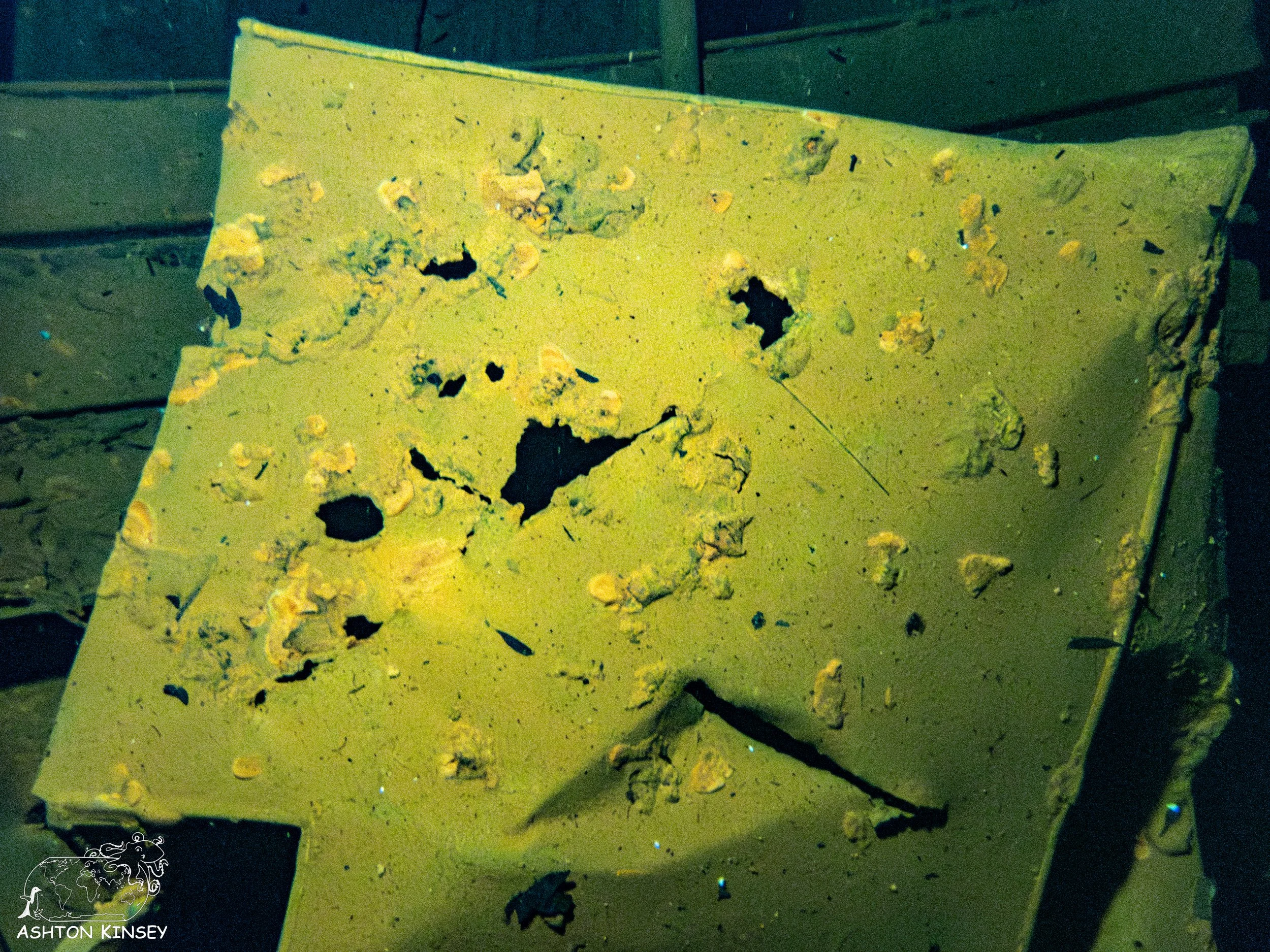
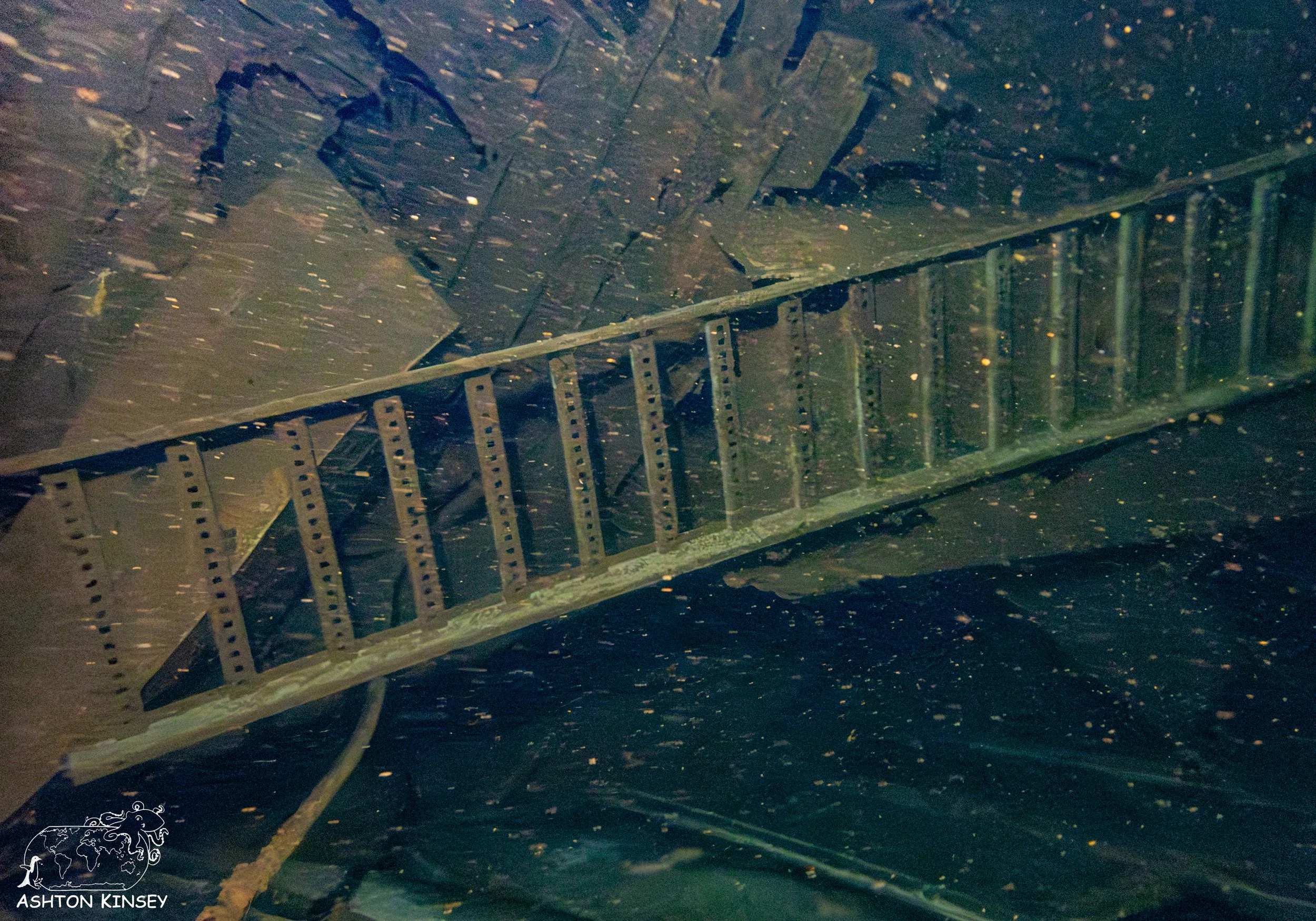
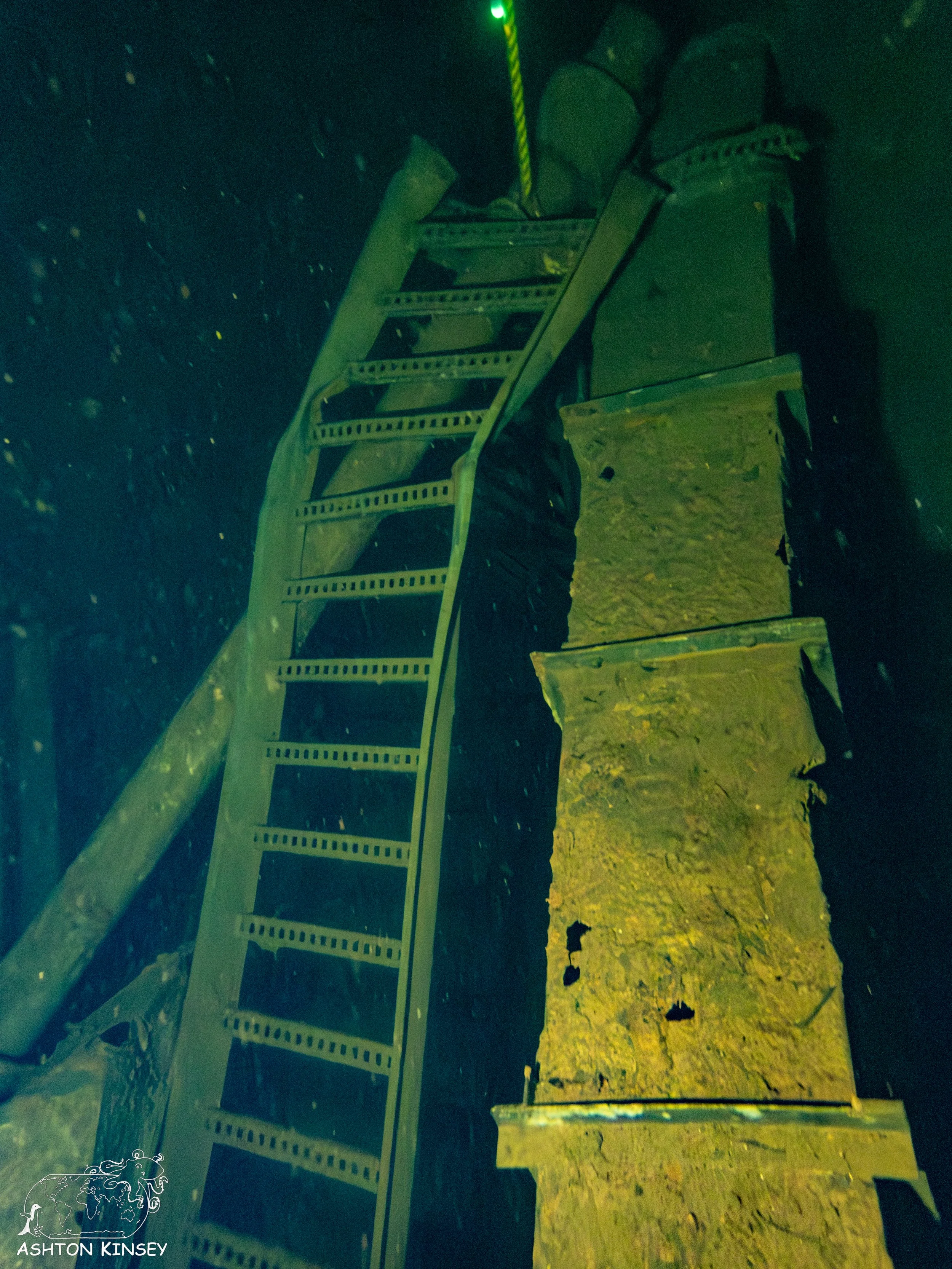
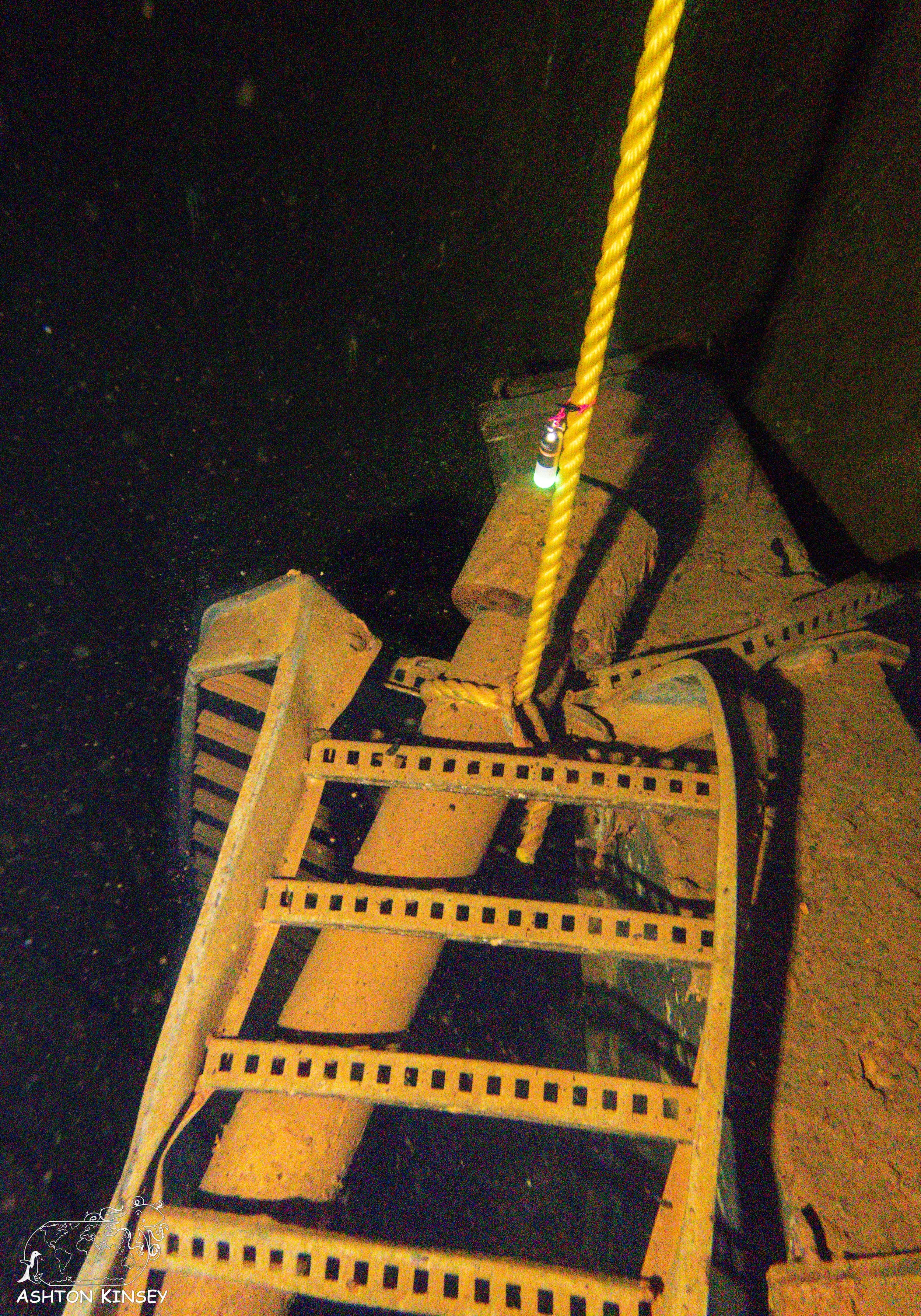
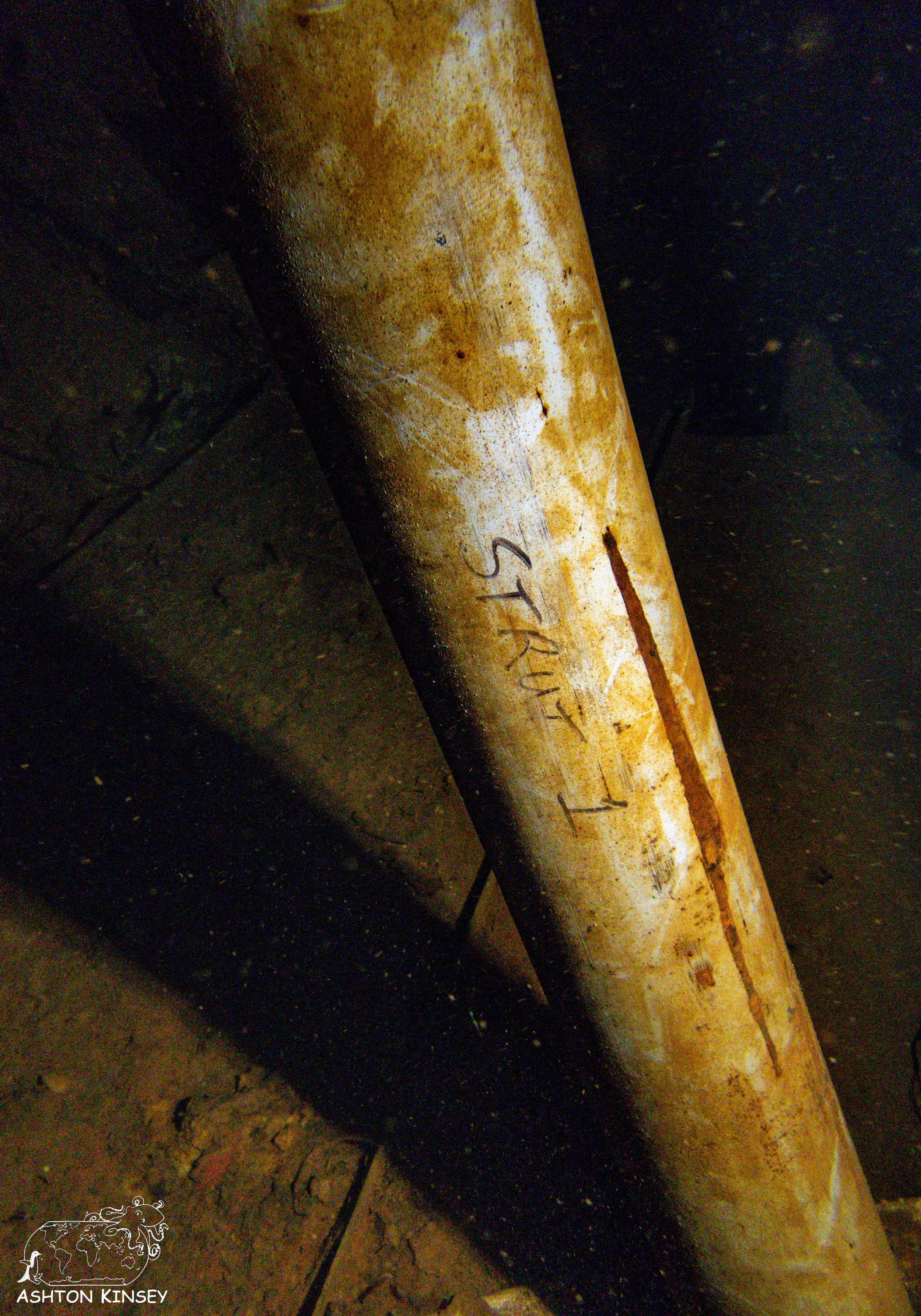
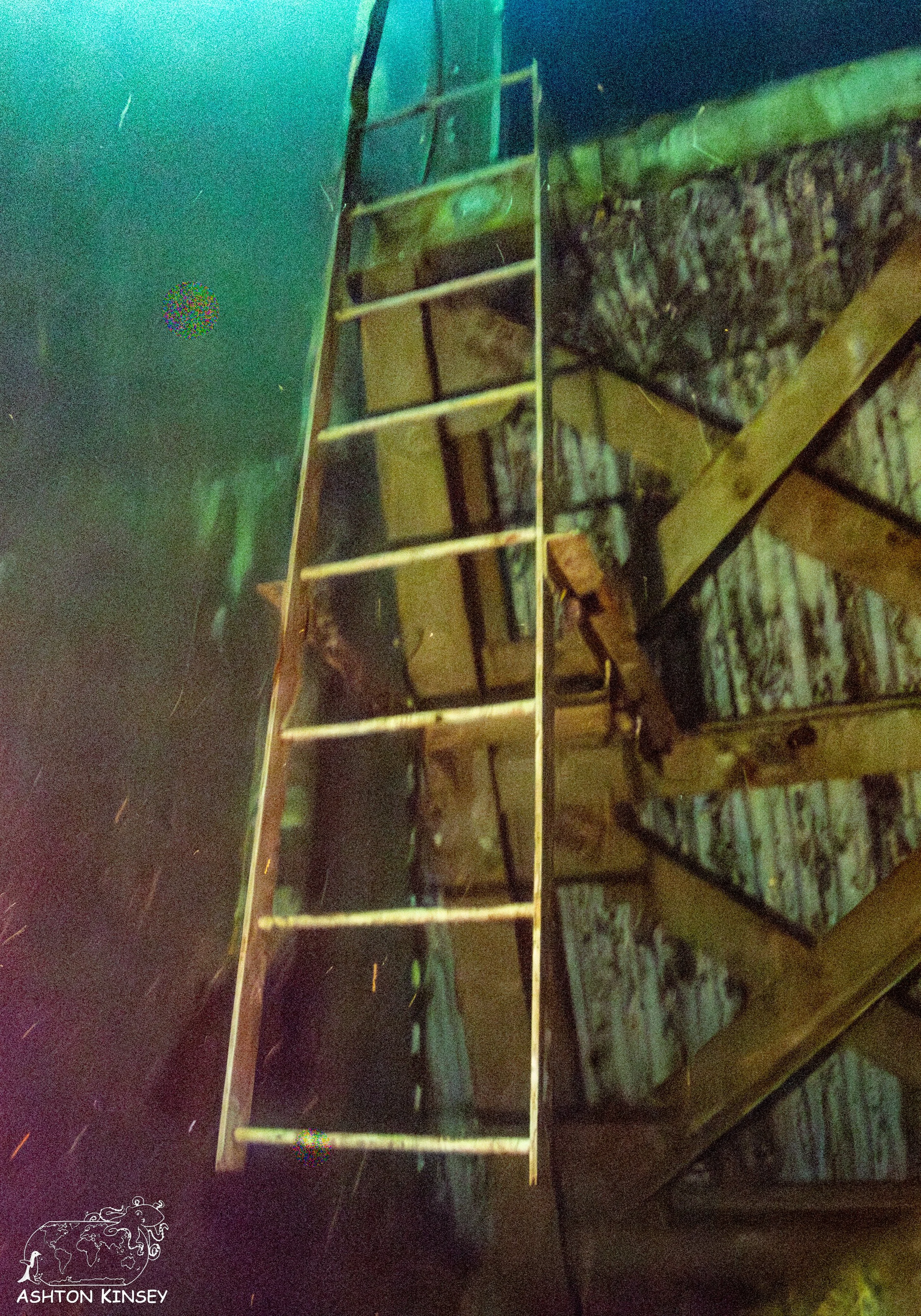
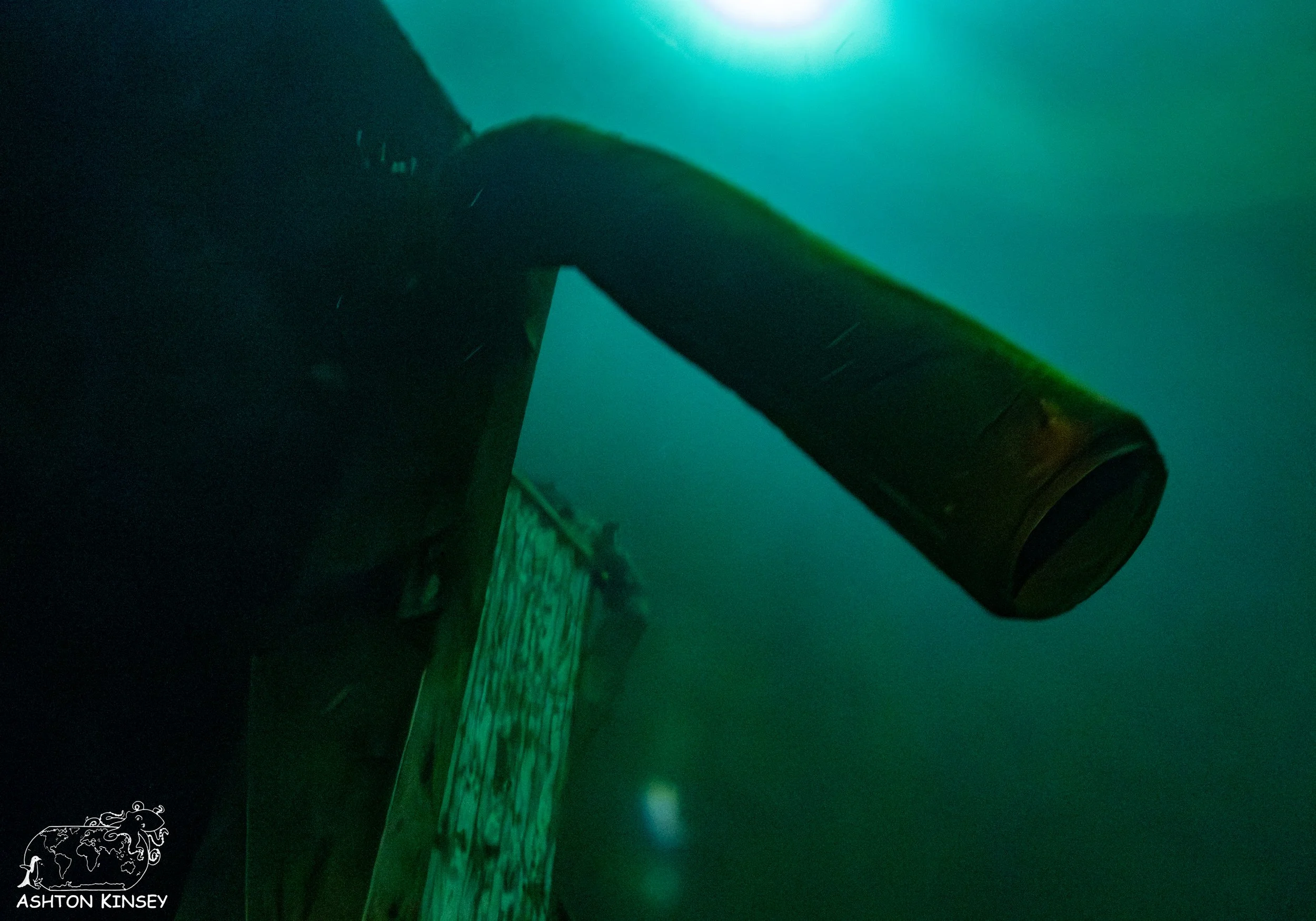
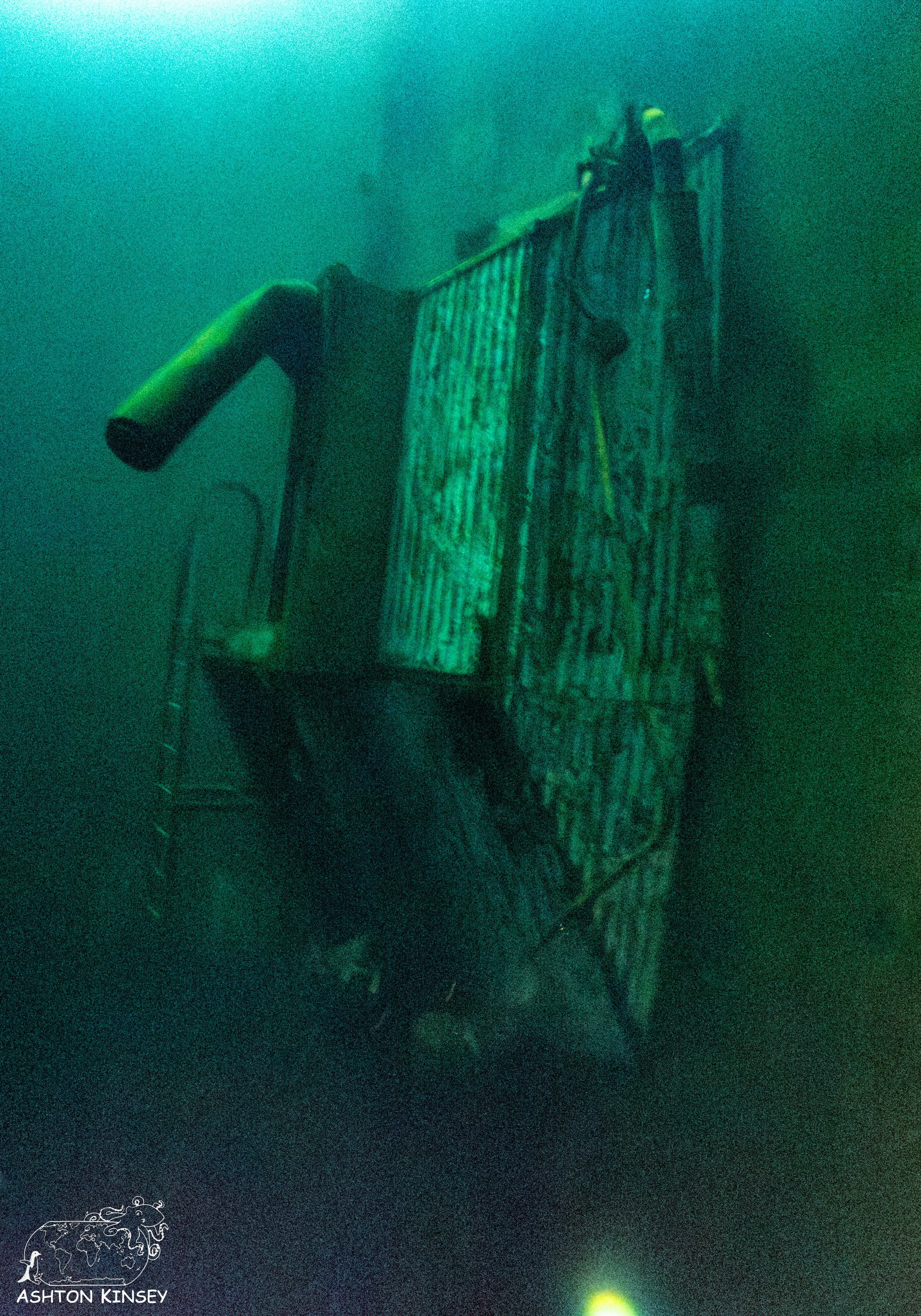
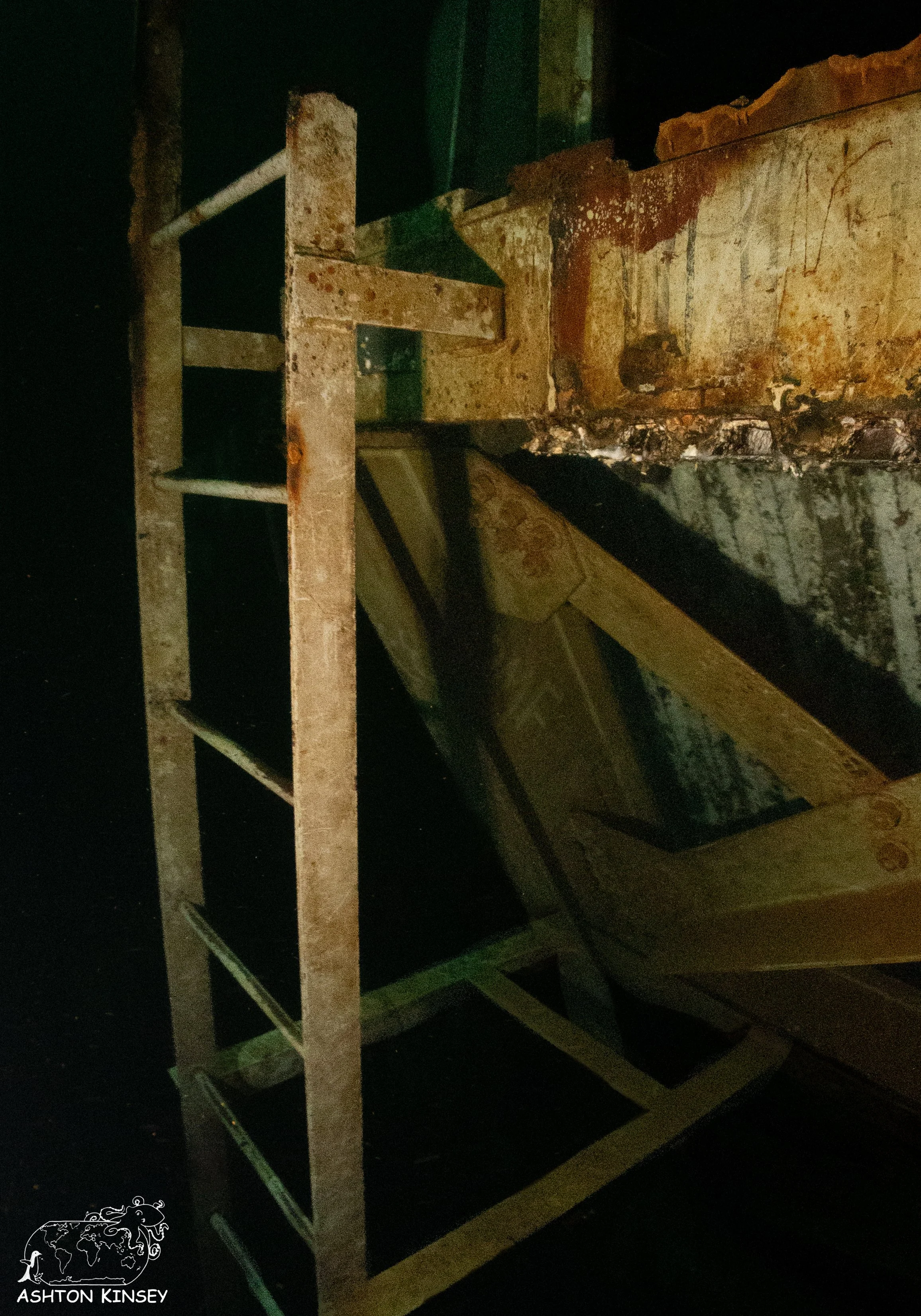
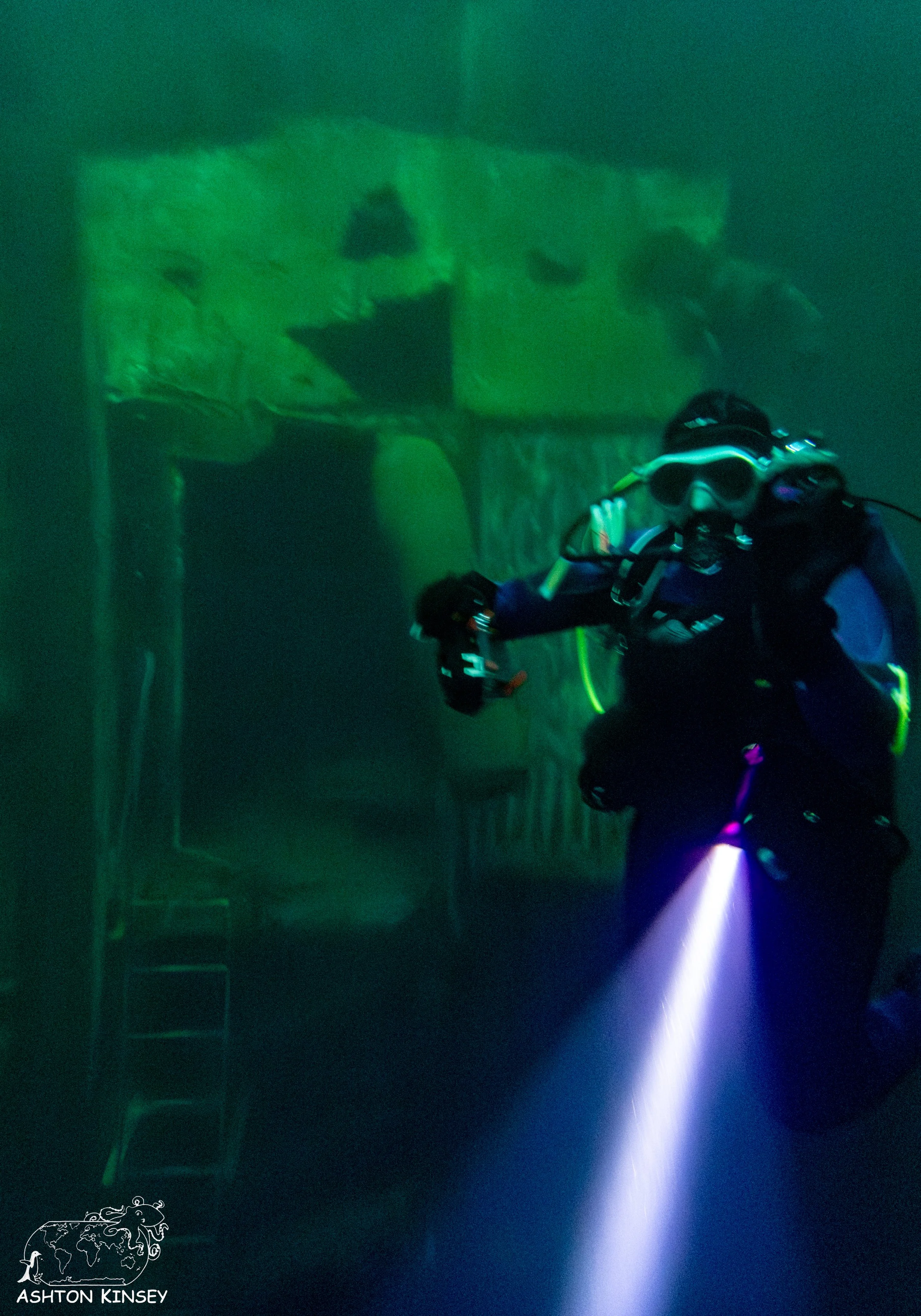
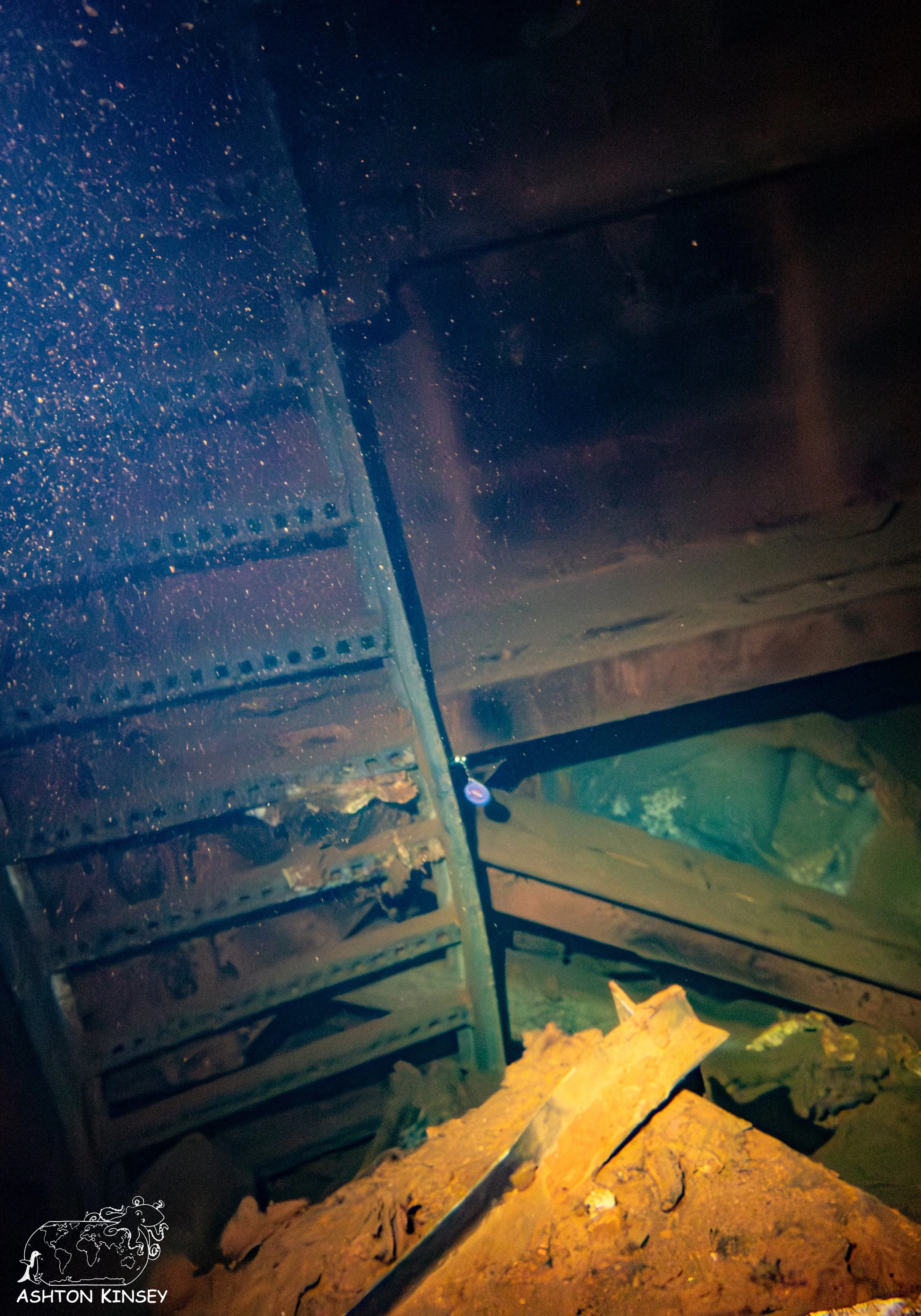
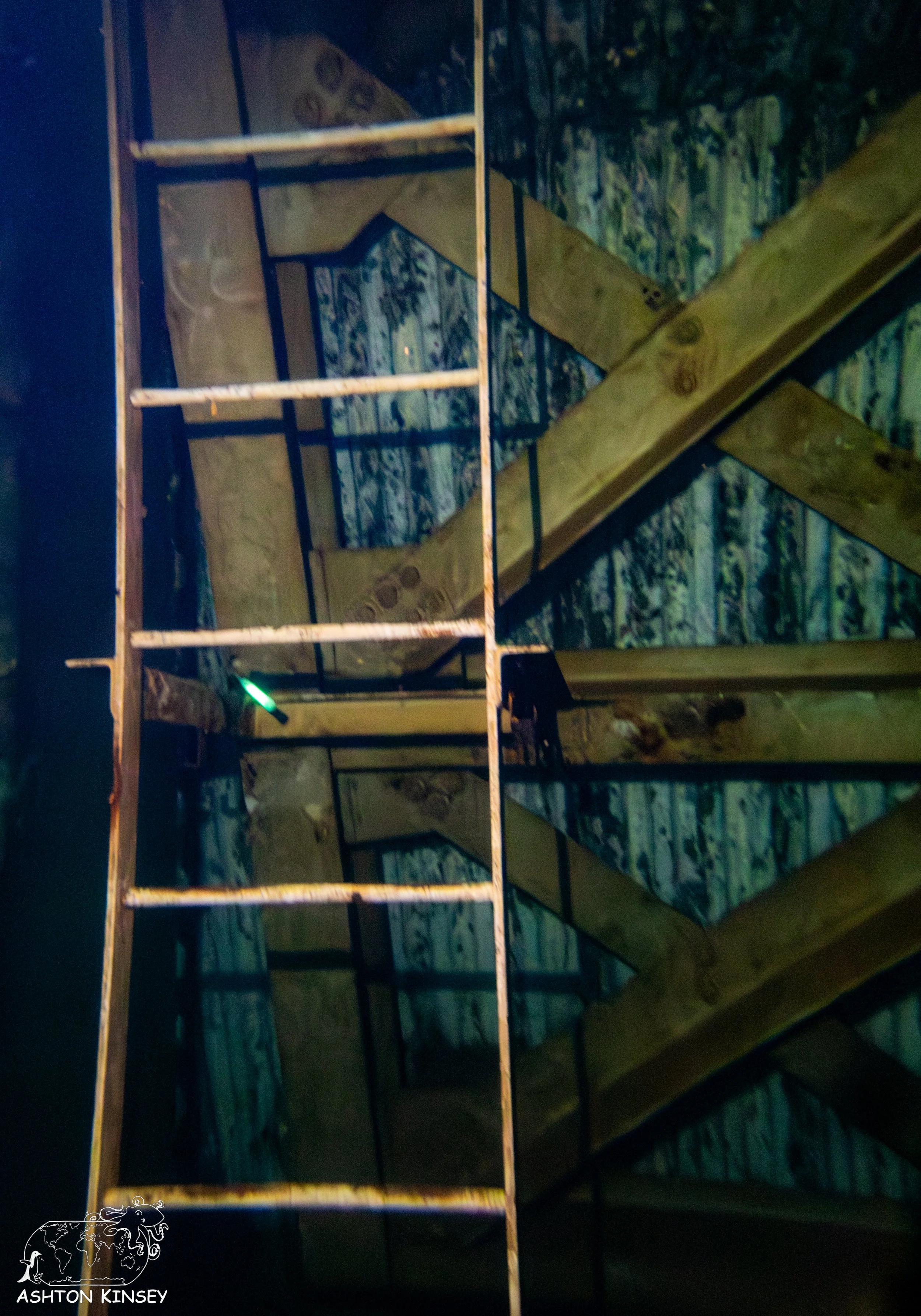
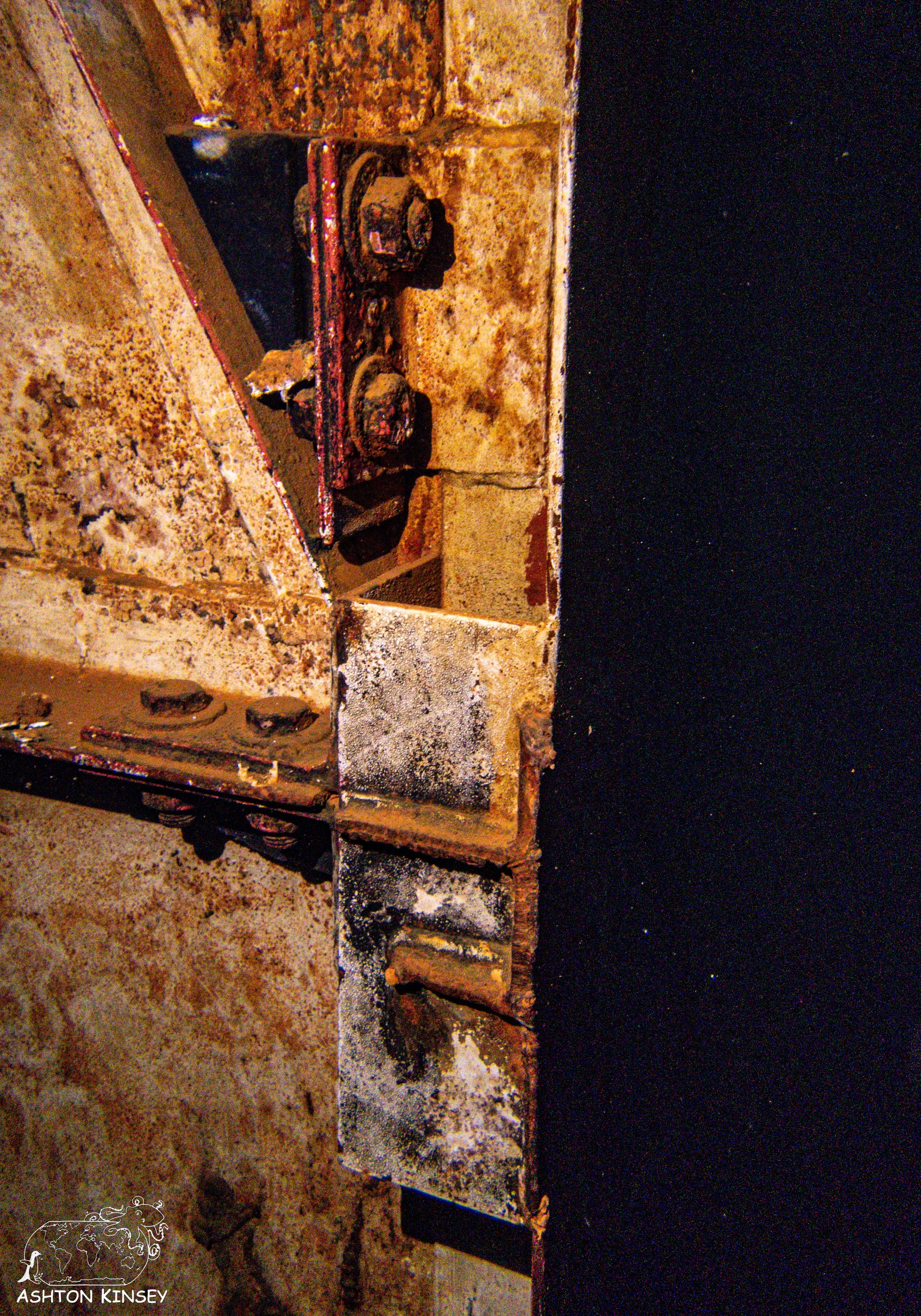
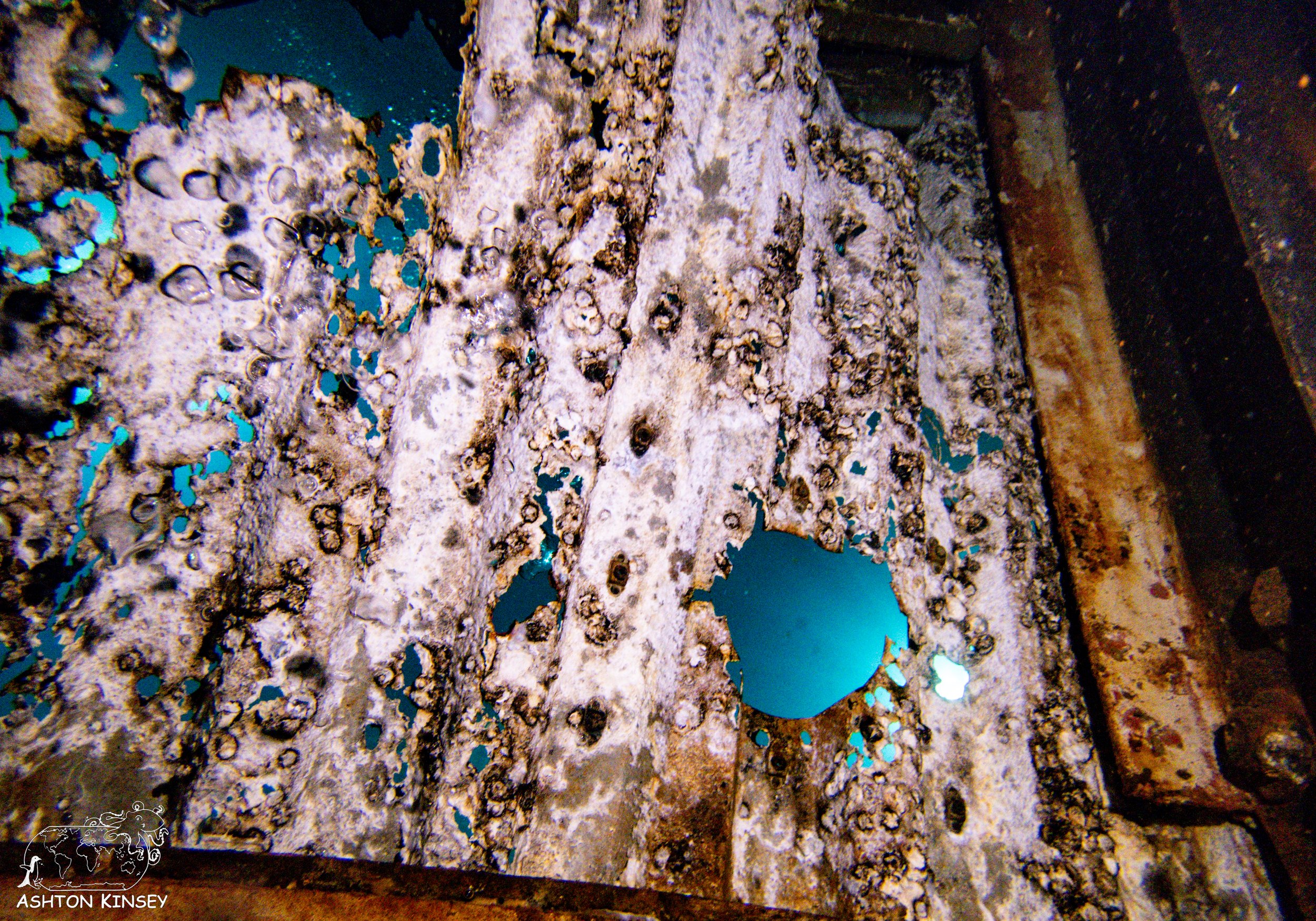
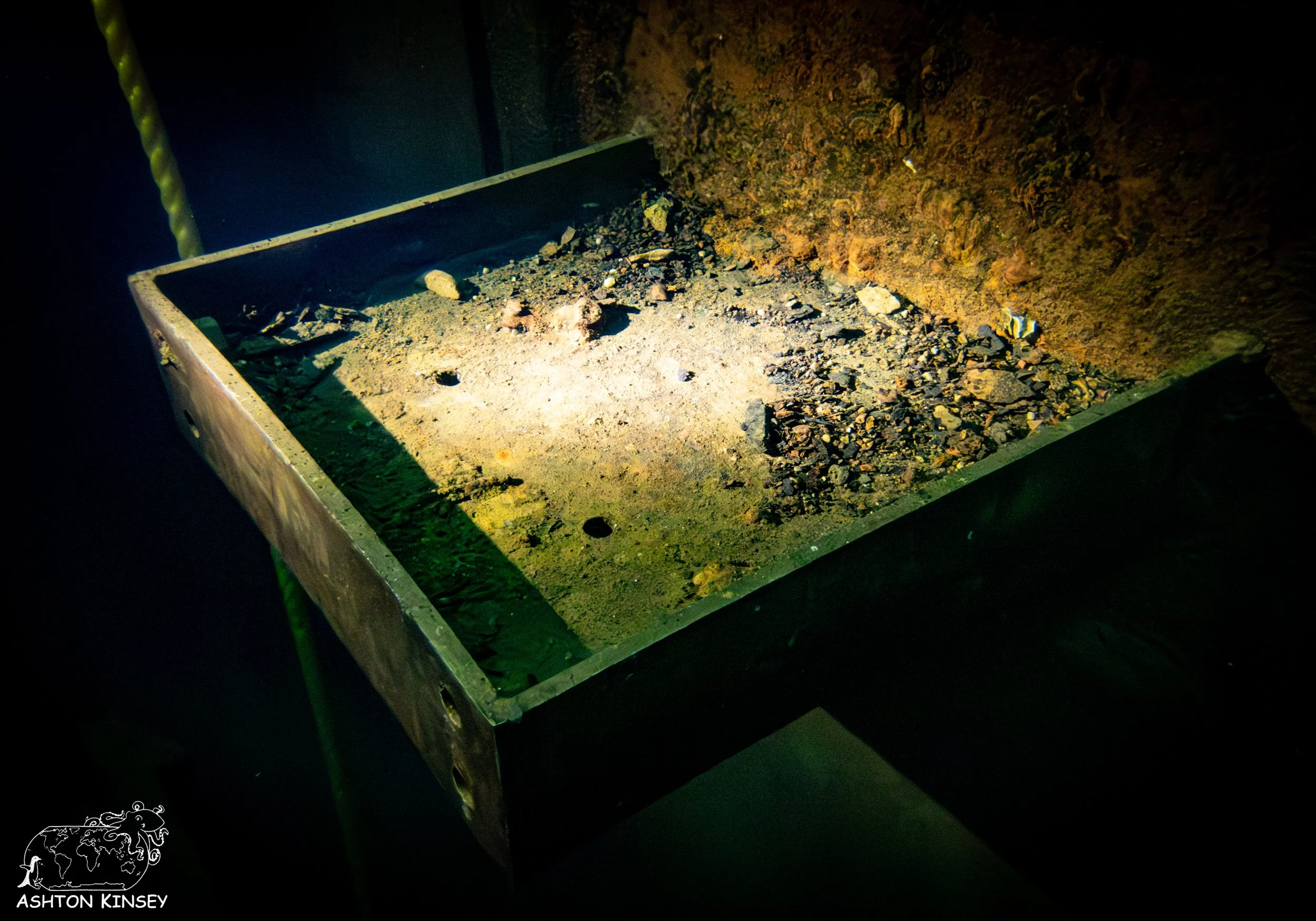
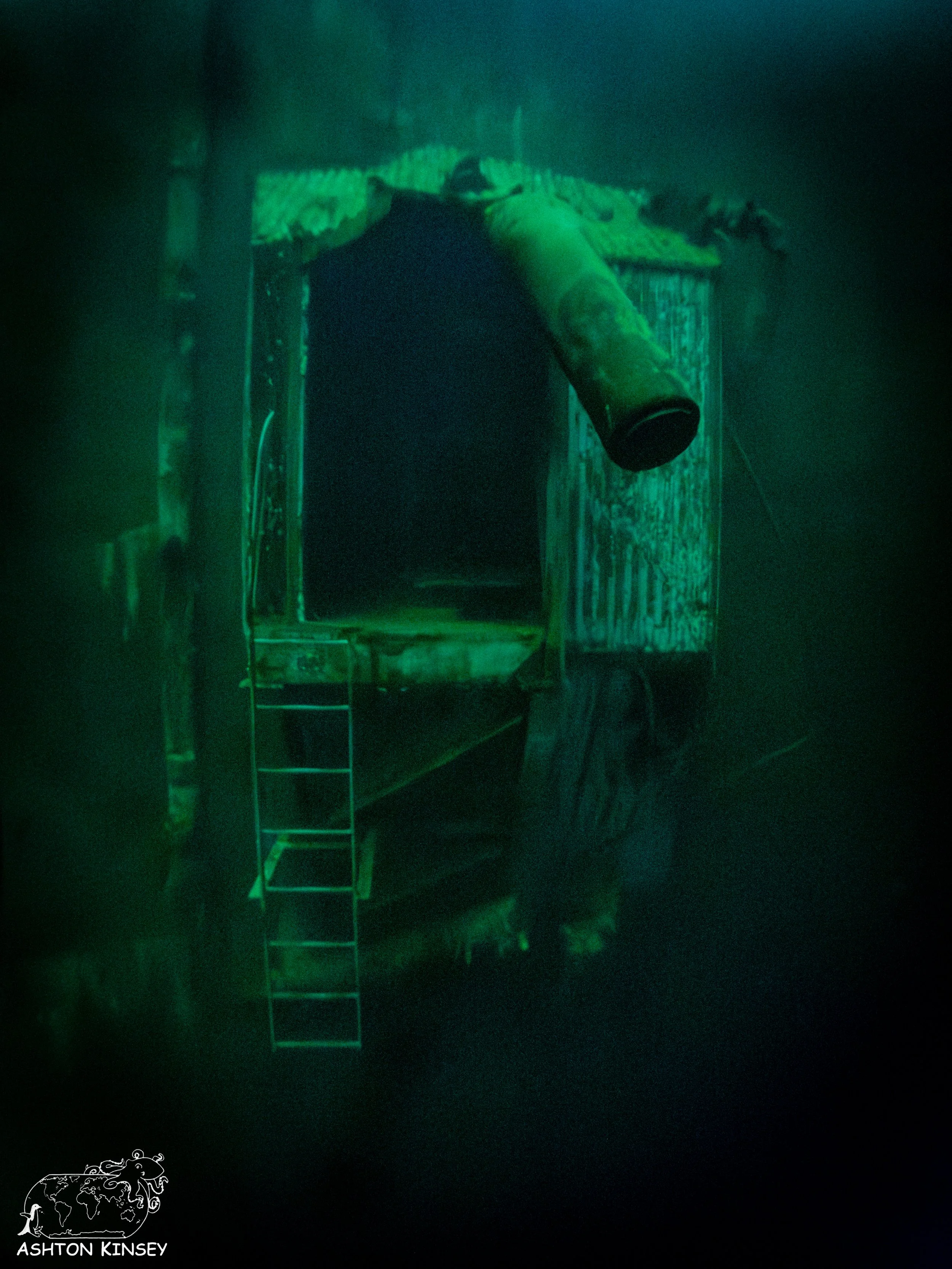
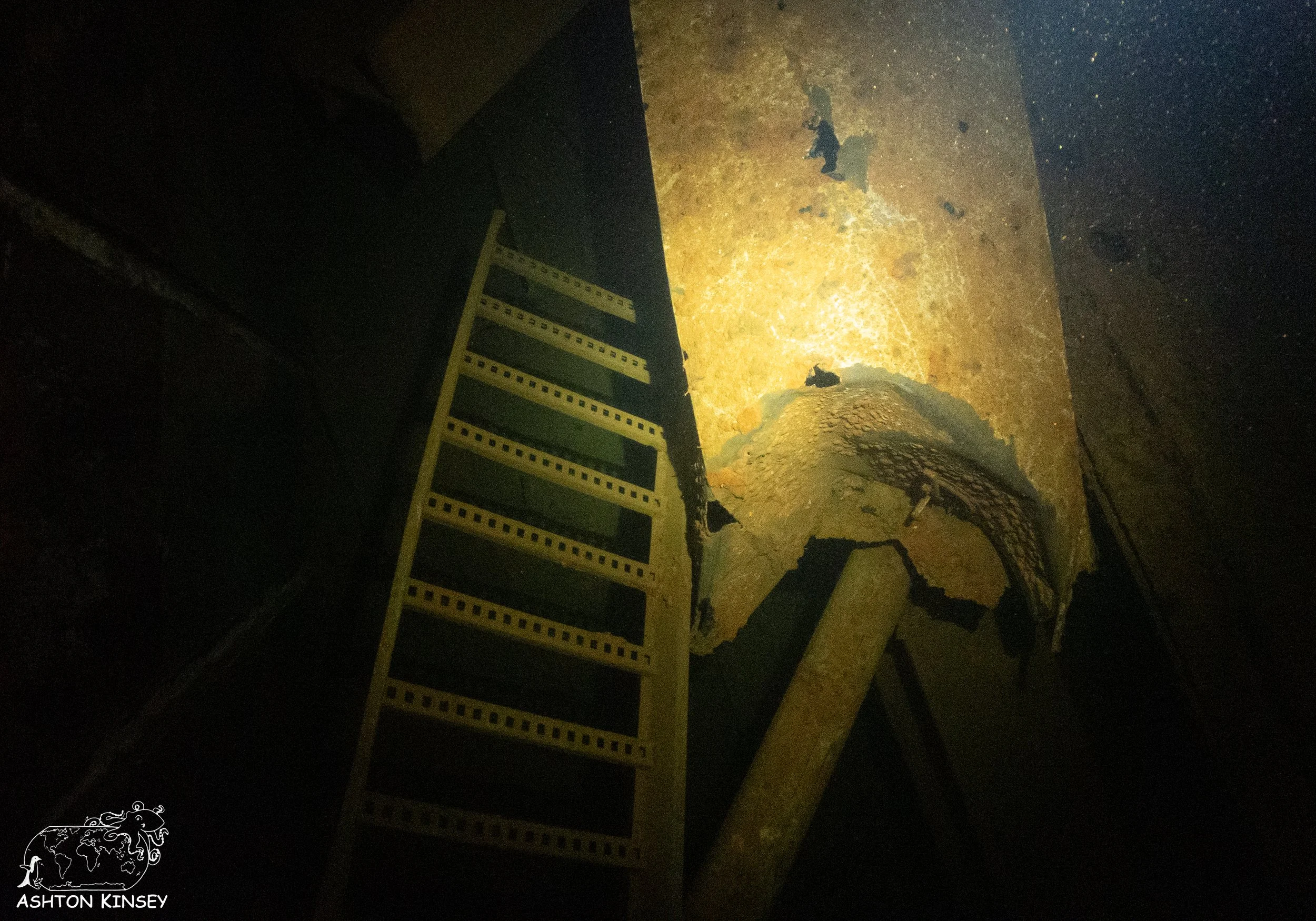
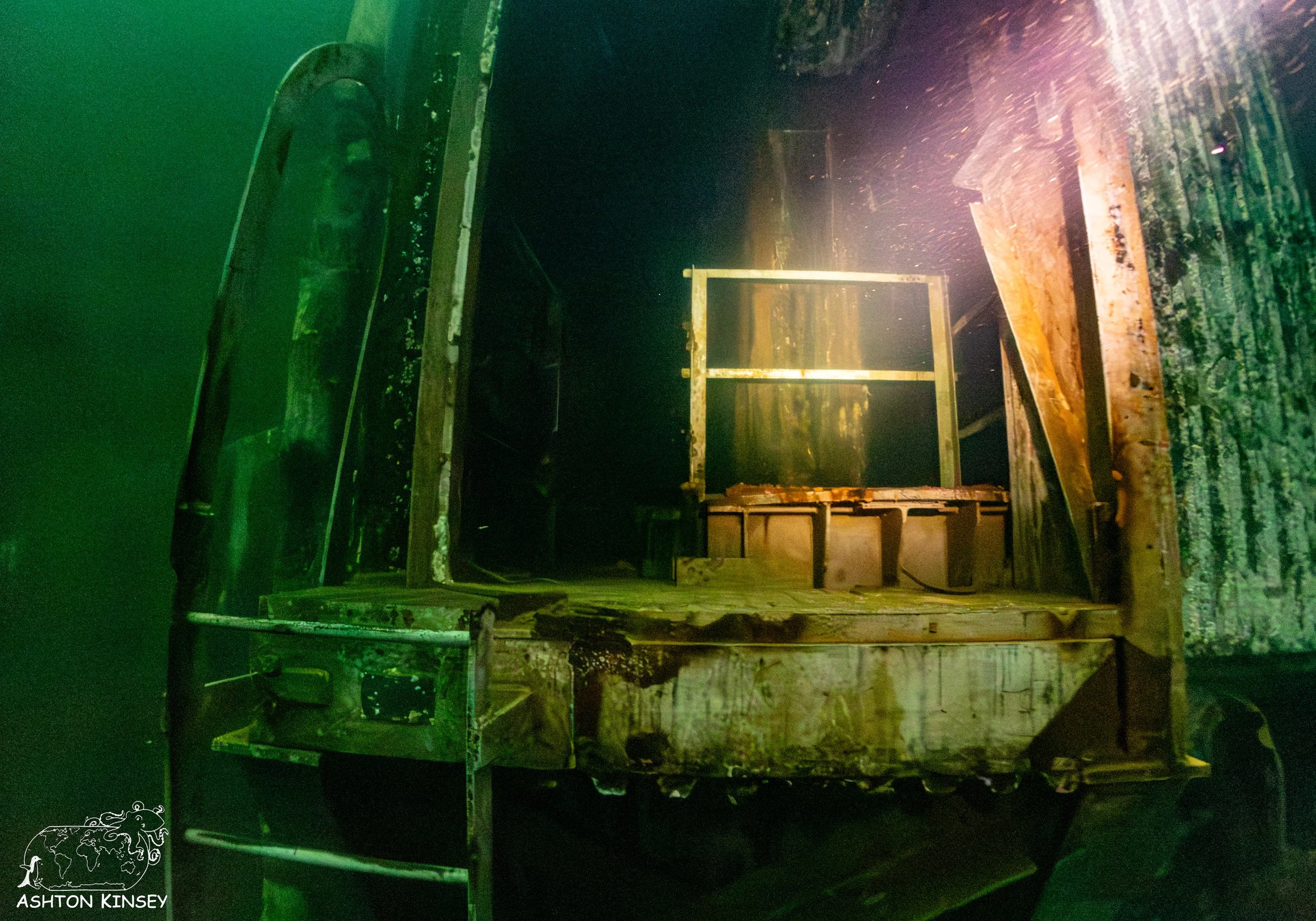
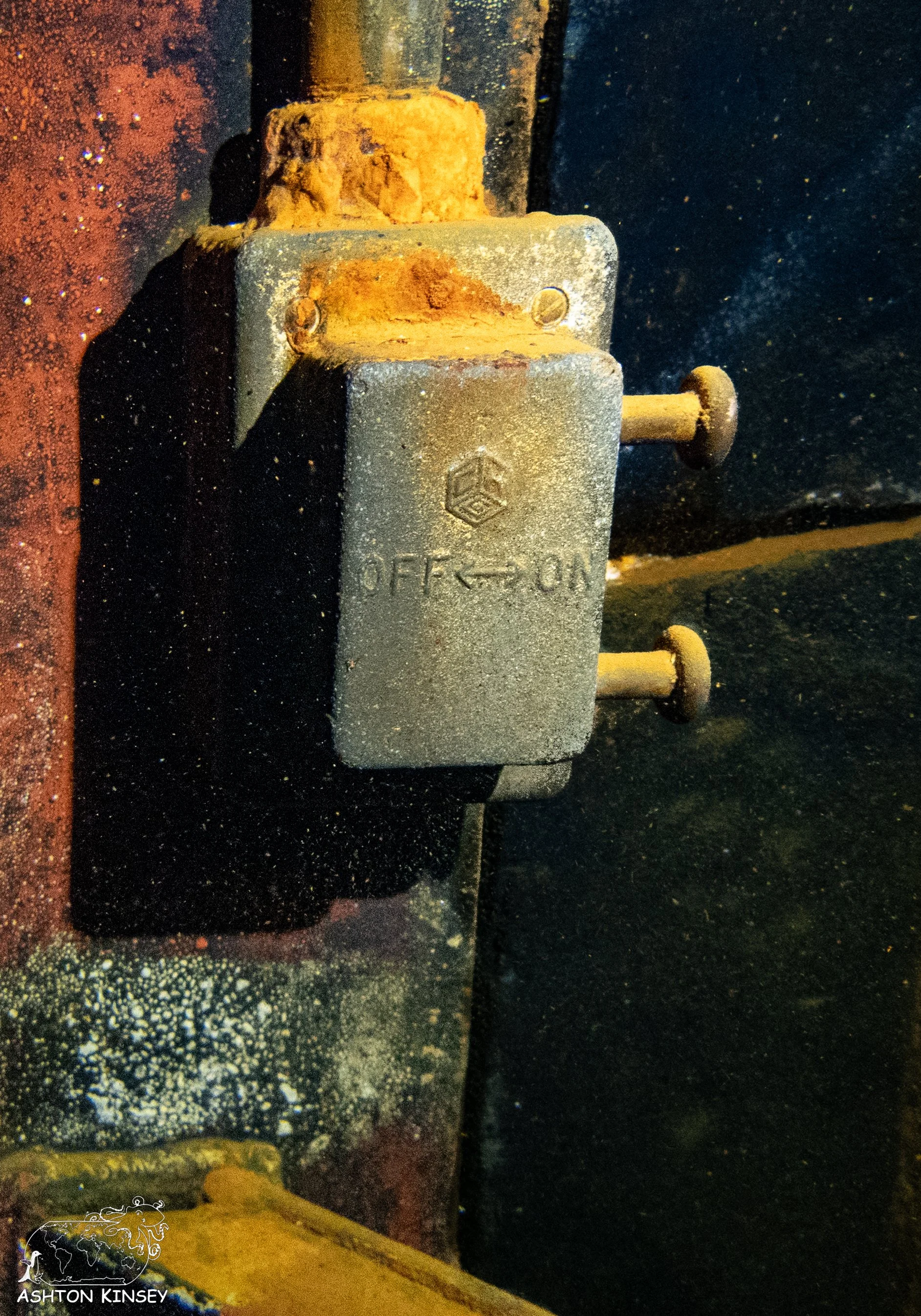
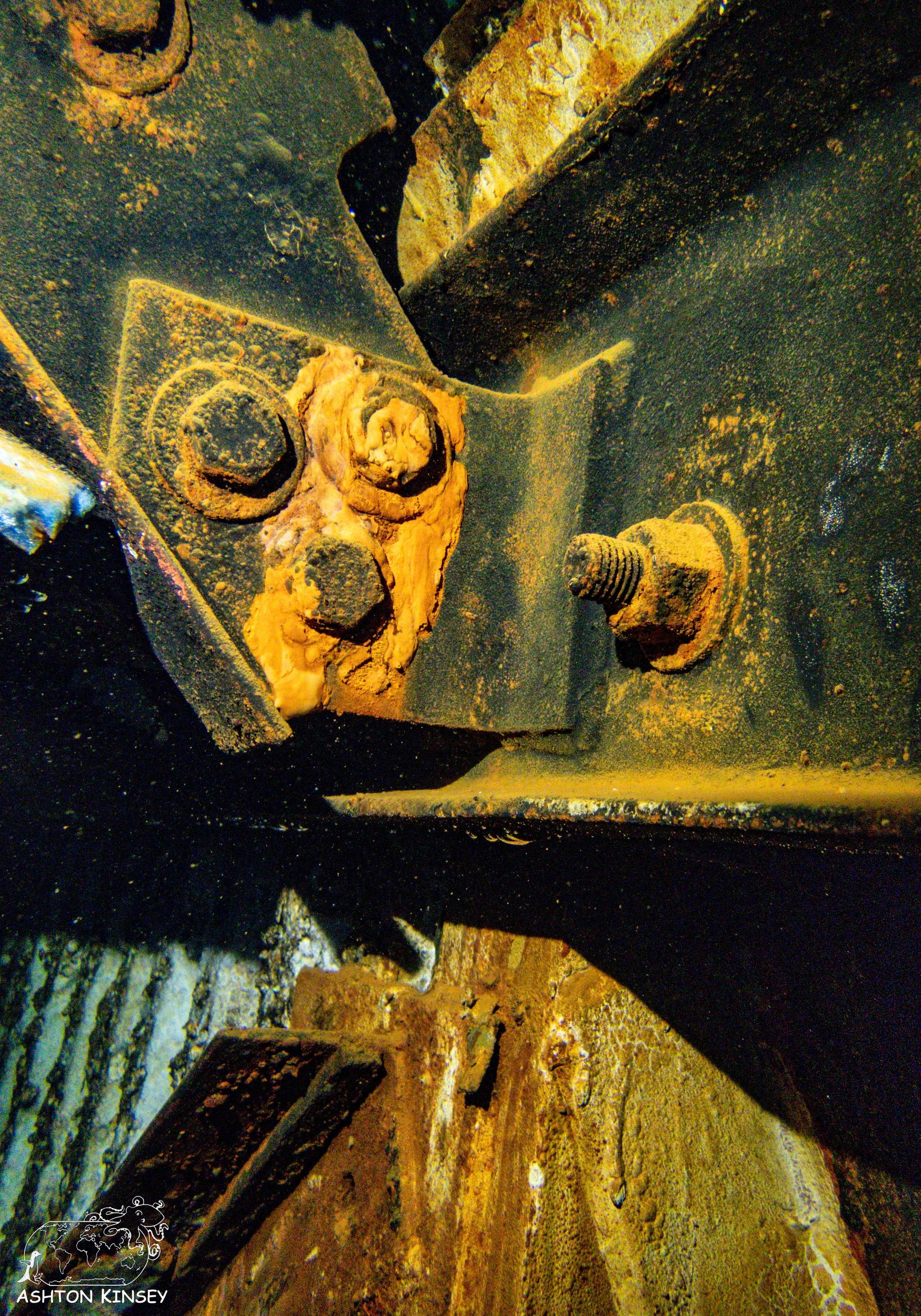
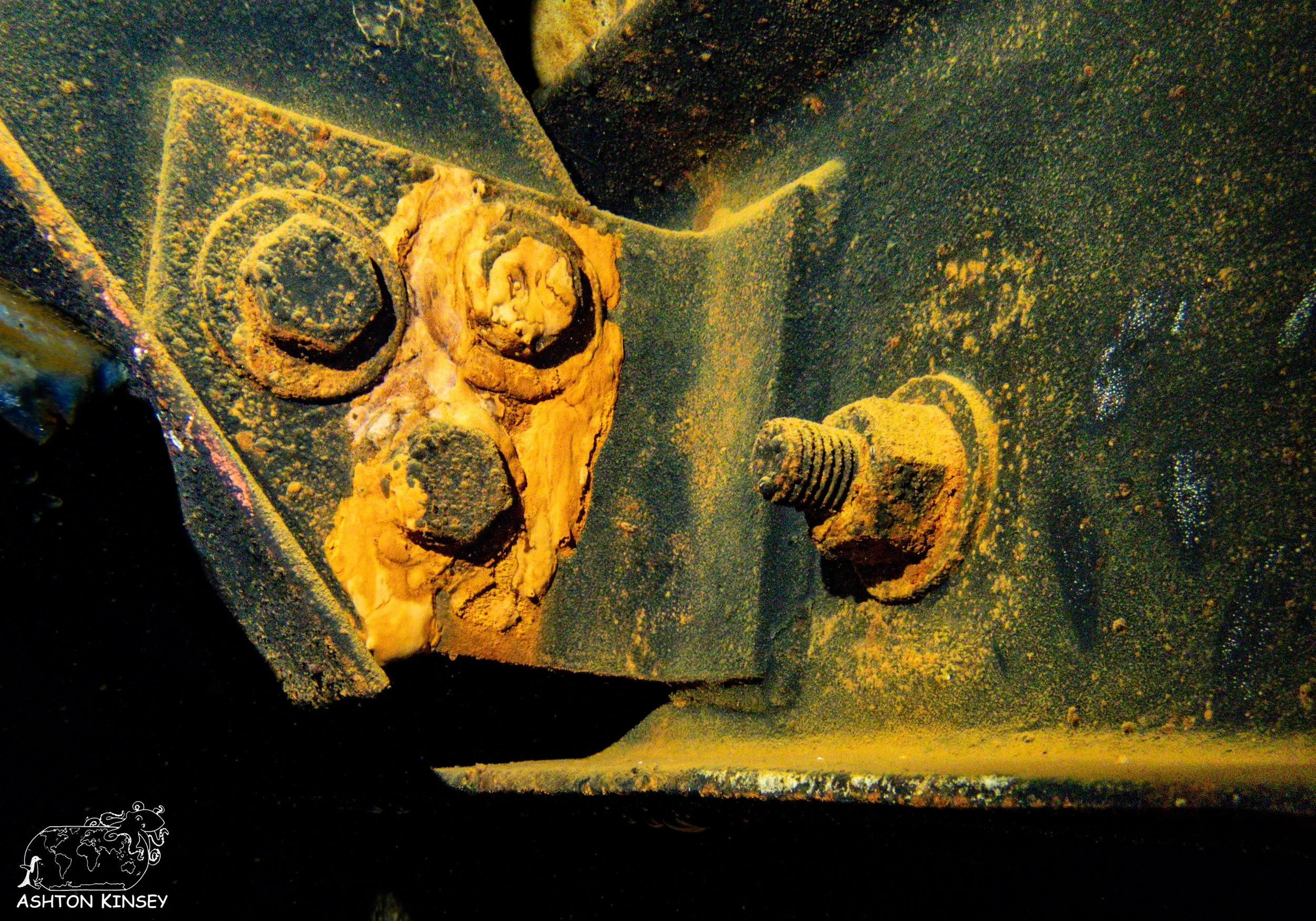
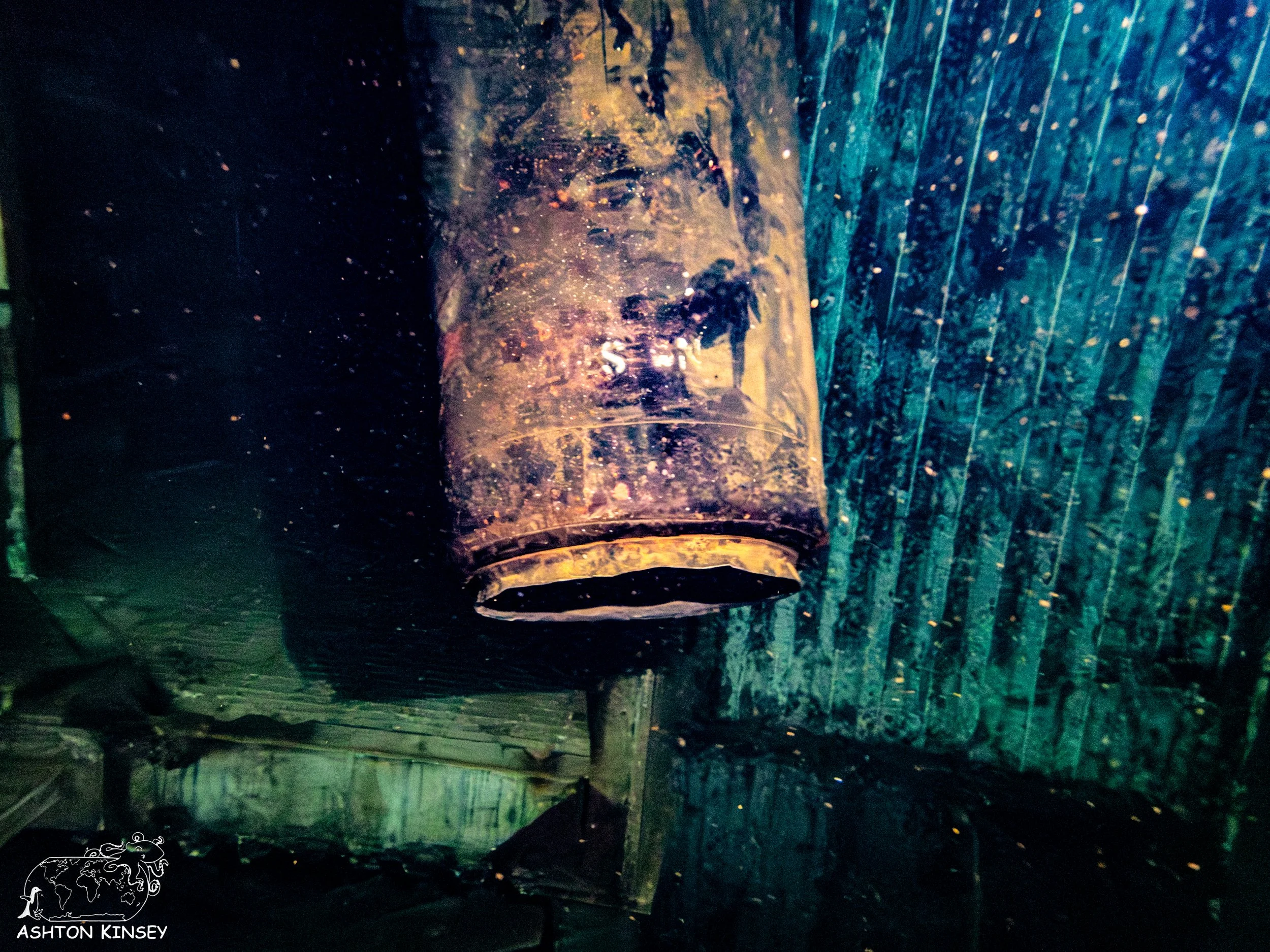
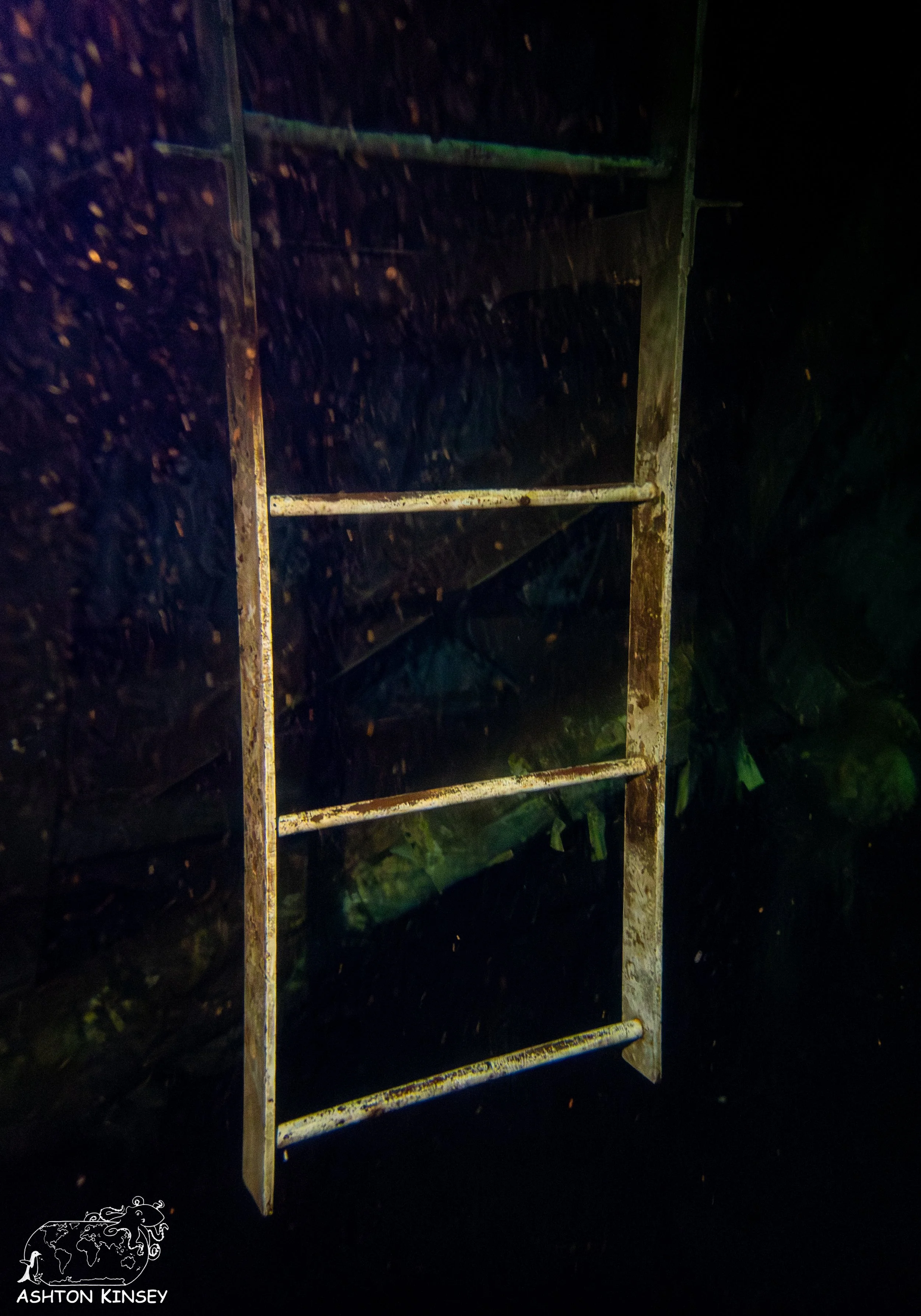
The guidance system is based on similar technology as the sextants. It uses the north star to align and then collimator adjusts for drift and using lights and prisms. Basically, acting like 18th century pirates. The booth is a fairly small room that is built out on the side of the wall. It is large enough for one person to barely fit and look around, but there’s not too much left inside, a couple of switch boxes, an oxidizing copper panel and some more collapsing pipes. There is a ladder outside of the platform to get inside, between the top two rungs there is a placard with the General Dynamics information on it. The remainder of the dive is spent circling around the walls while you swim up, there are a few stabilization supports built into the wall.
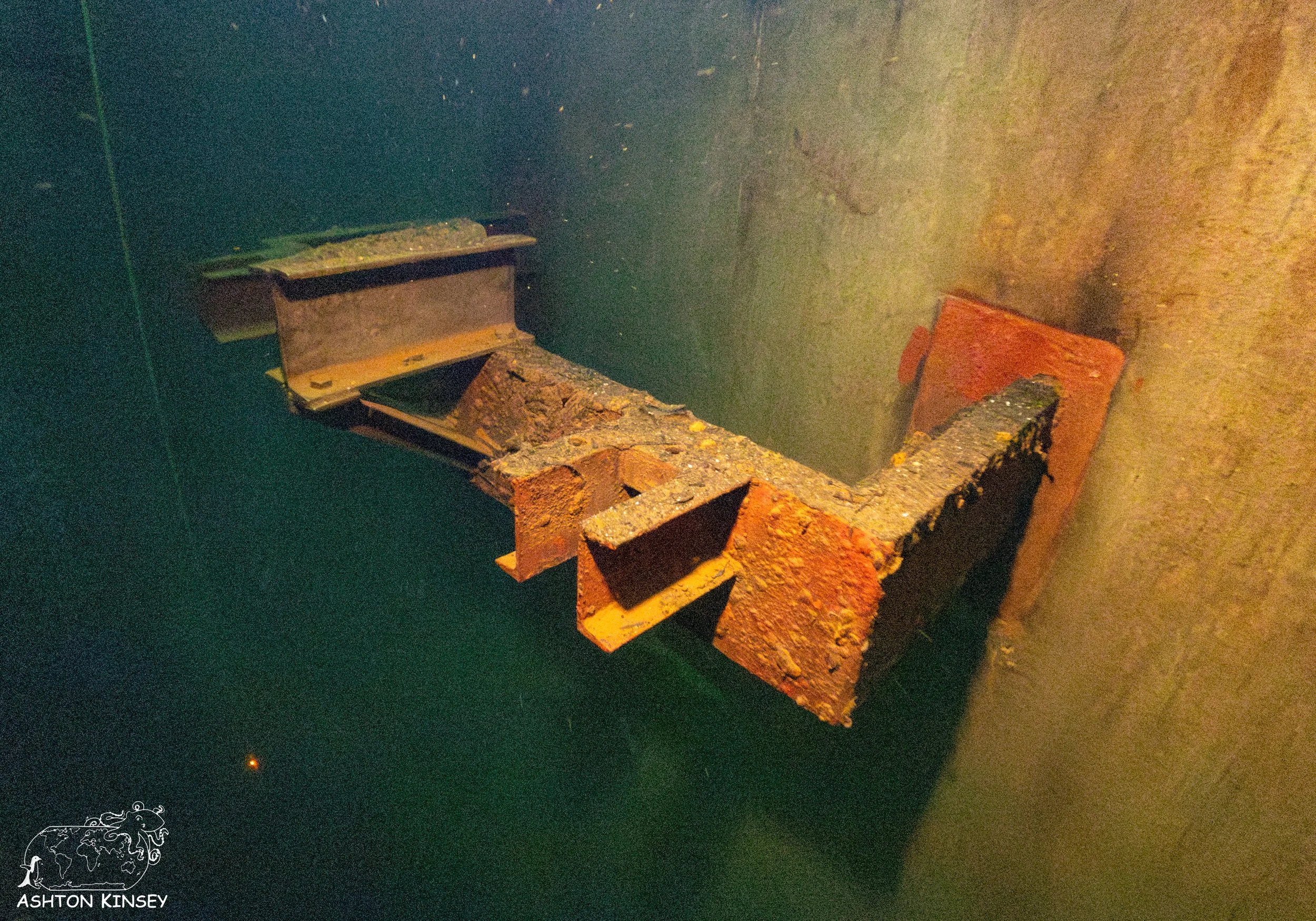
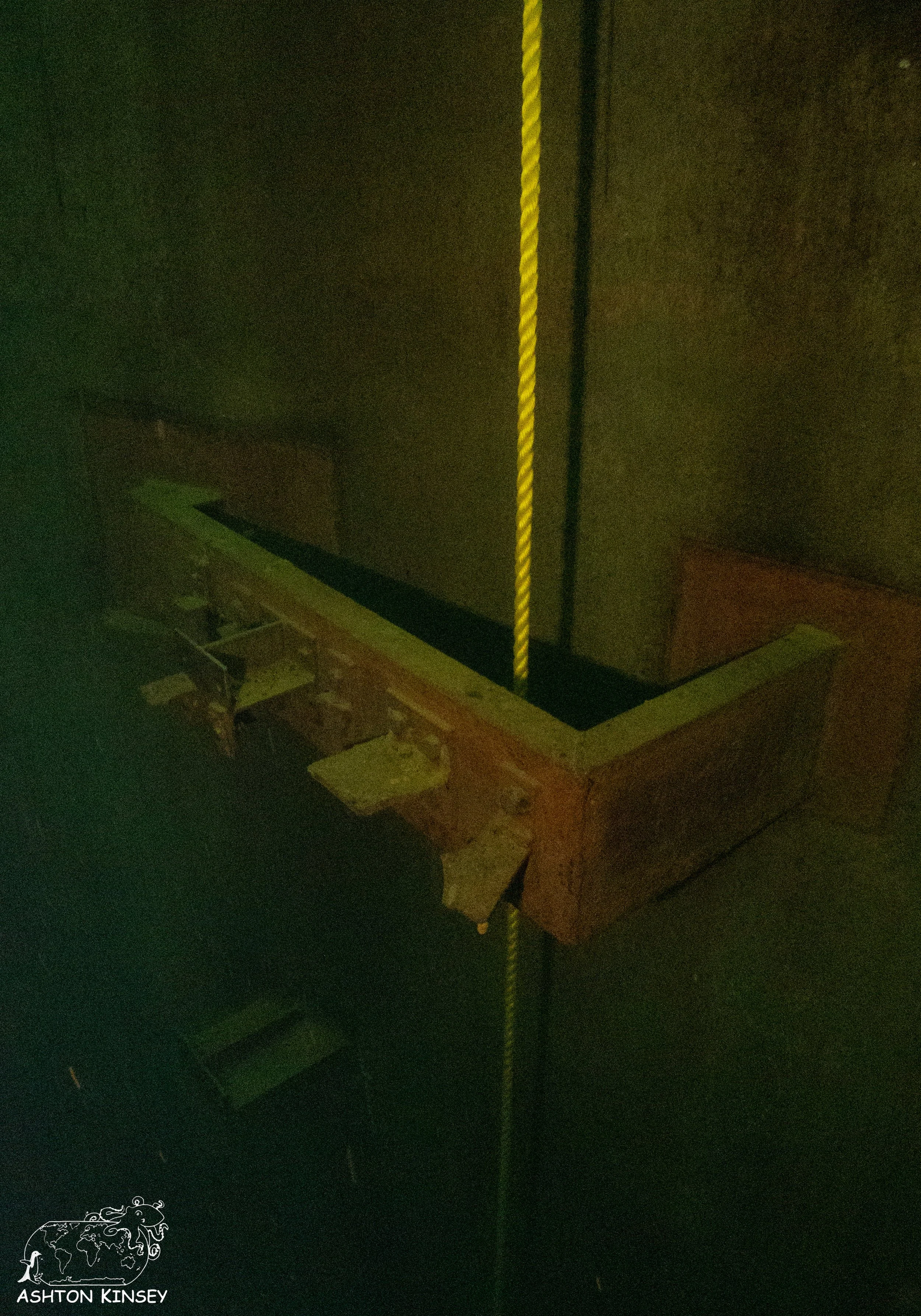
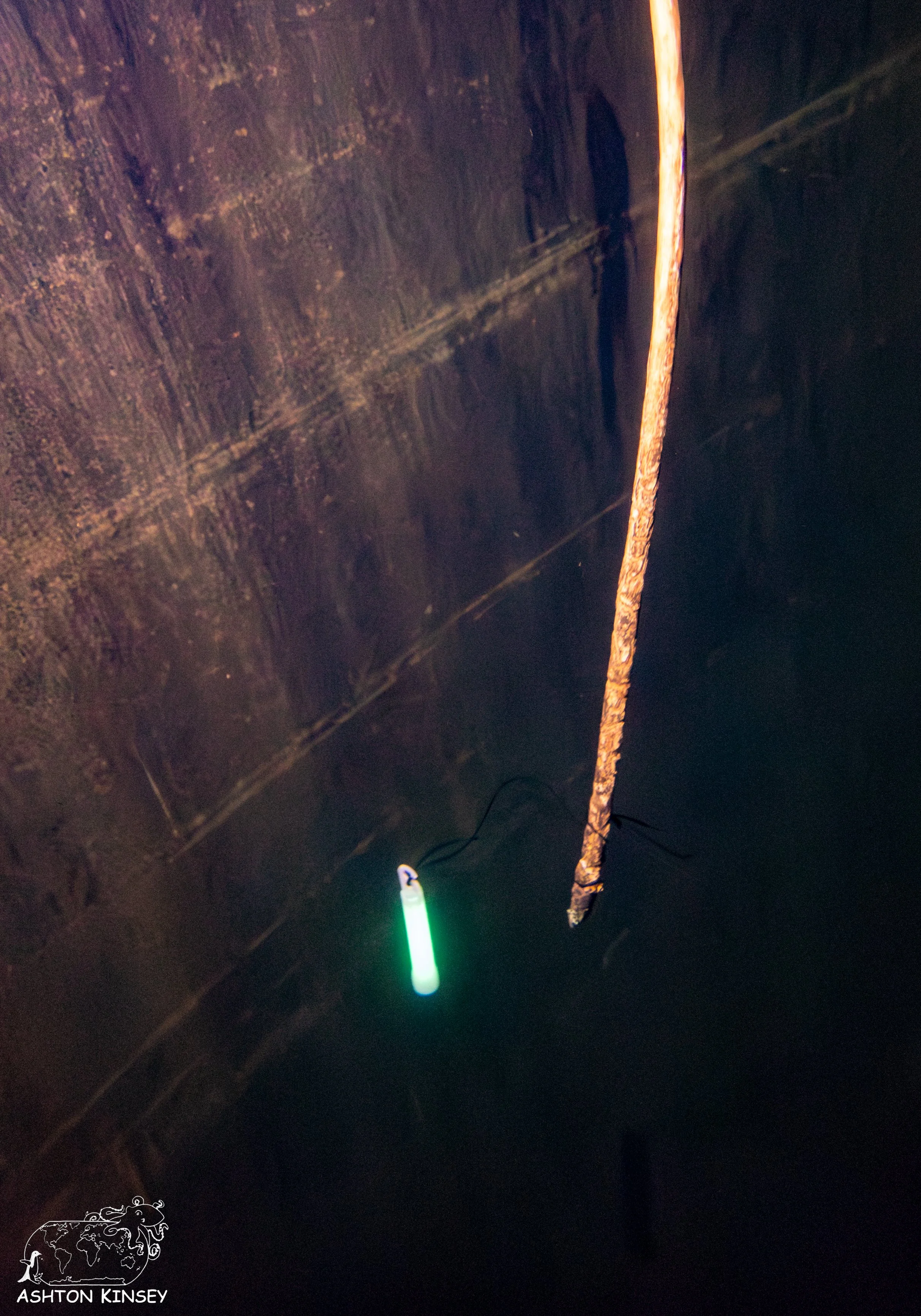
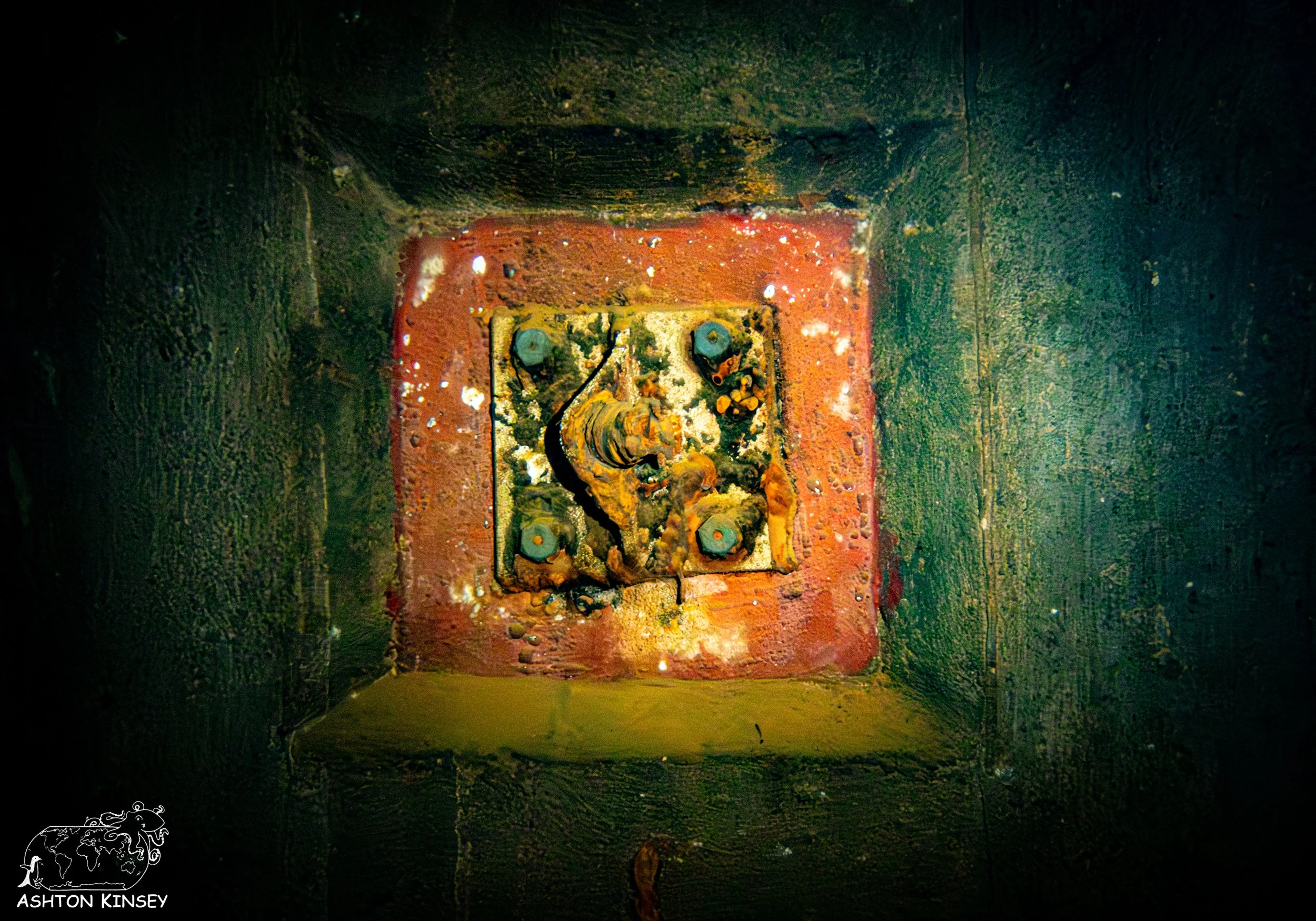
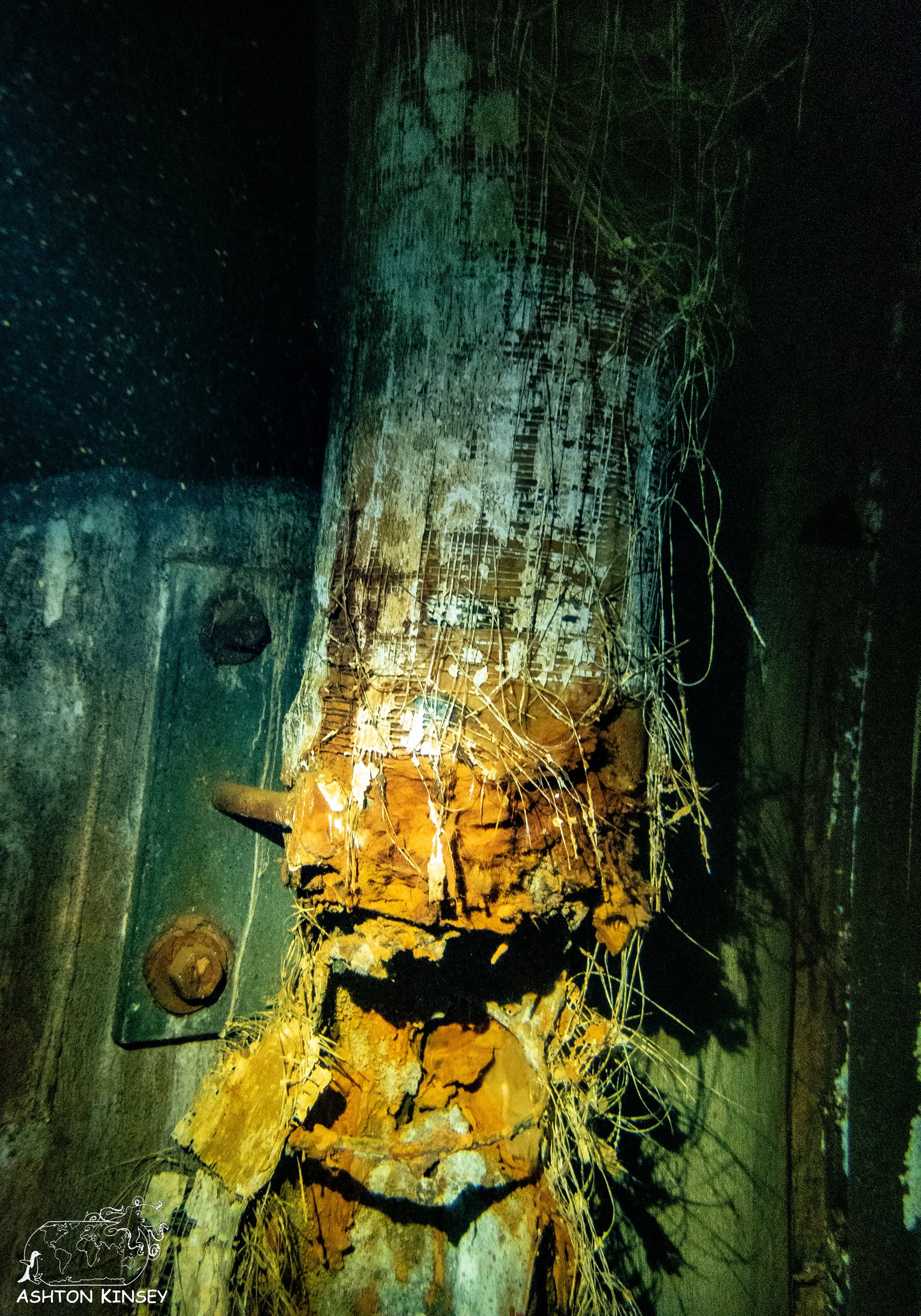
Along the wall and between the stabilization supports, an ascent line was added for the weekend to provide a secondary ascent and descent line to minimize the crowding on the line. After exiting the water, the long trek back to the surface awaits to help warm you before stepping back out into the blistering Texas sun.
At the end of the trip, Mark invited everyone into his living quarters for a brief power point slide show with some more history of the silo. He will also sell anyone who dives the silo a shirt with your name and the maximum depth obtained. This is the only shirt that he will sell you and will not sell you another unless you bring back the tattered remains of your old shirt. A fun way to commemorate the trip and to be part of a select group who have been able to dive the silo.
The dives and staying in the silo are interesting to do once, and to say that you’ve done it. There’s not much to see in the silo but it is still an interesting experience. Mark only allows trips that are organized through a dive shop, and will send out emails when upcoming shops have space. This weekend was set up by Pressure Junkies Scuba. Their disorganization of the weekend, unprofessionalism, and highly inappropriate conduct of Pressure Junkies Scuba staff members during and after the trip, including going radio silent on several different customers certifications from the weekend leads to me to warn anyone to be very wary of doing any trips or training with anyone associated with PJS.