Florida: Shallow Reefs
Rainbow Reef Dive Center
Captain: Raelin Boat: Tropical Legend Captain: Jeff Boat: Tropical Destiny
August 17th, 2024 August 18th, 2024
Somehow, I was convinced that it would be a good idea to make yet another trip to Florida, do the long drive down to Key Largo and do seven dives in roughly 24 hours. I’ve really got to stop drinking and booking plane tickets. But choices were made and a small army of Chicagoans flocked down to Florida. This trip focused mostly on the shallower reefs in the area and another night dive on the Benwood Wreck.
Molasses Reef
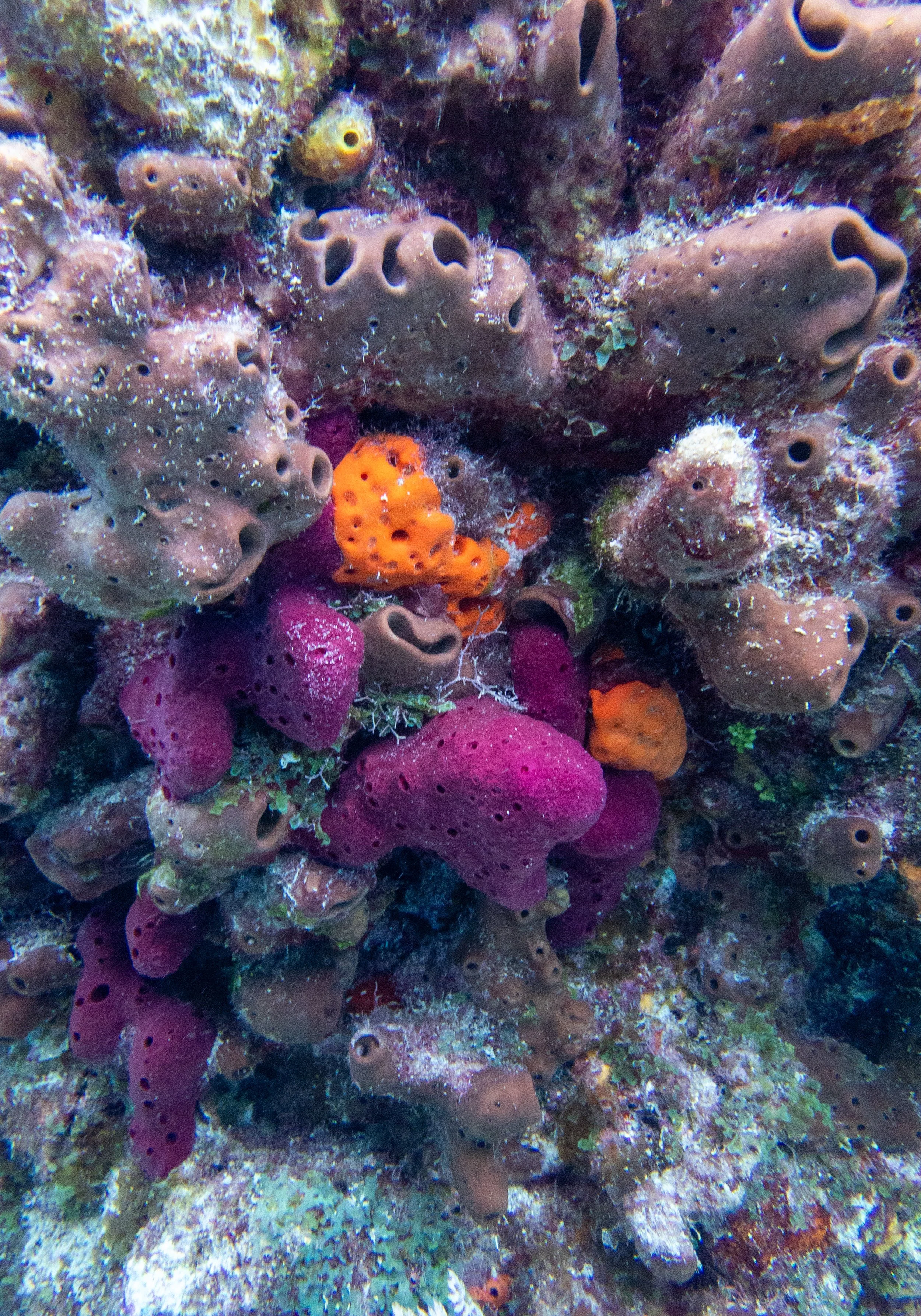
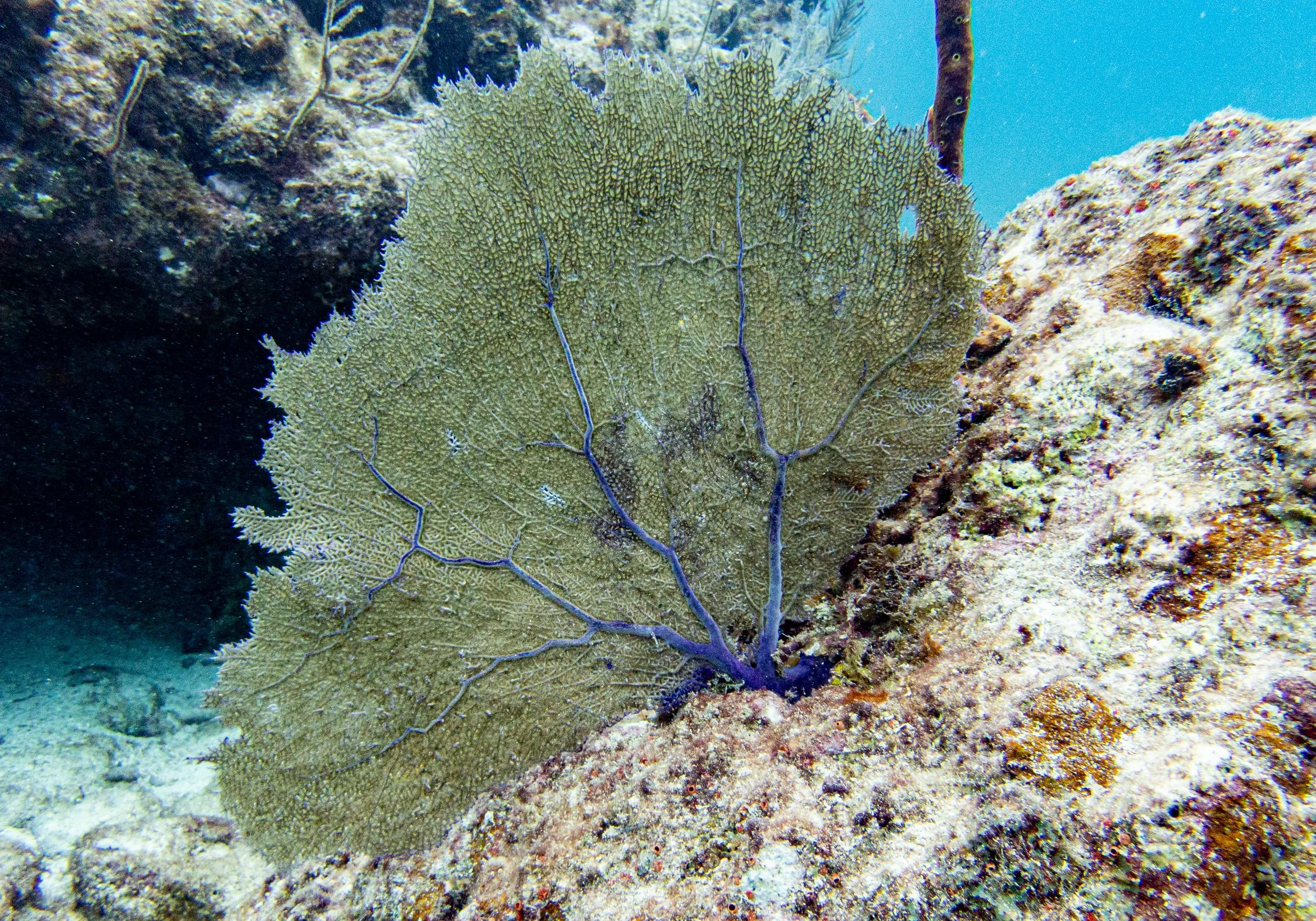
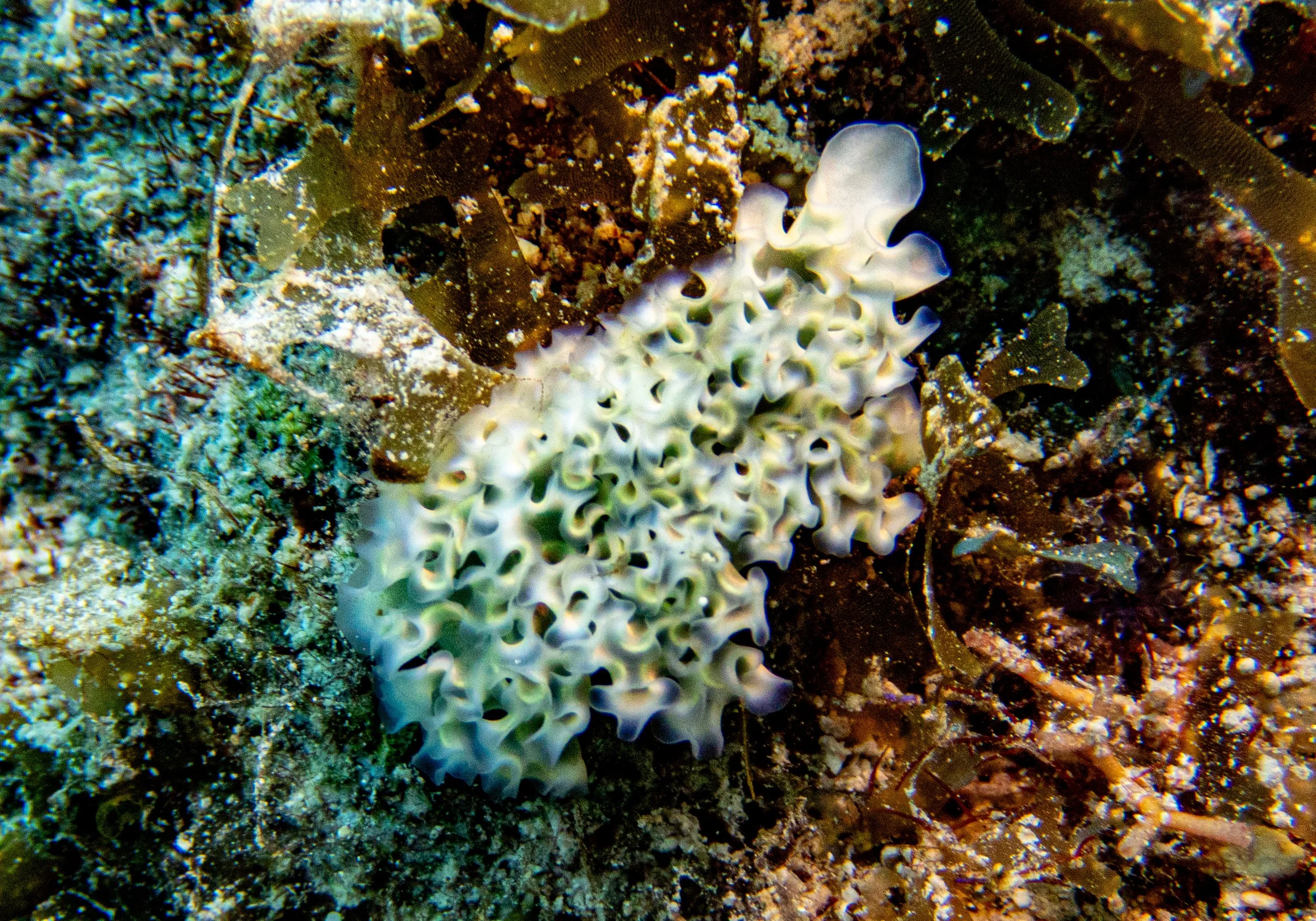
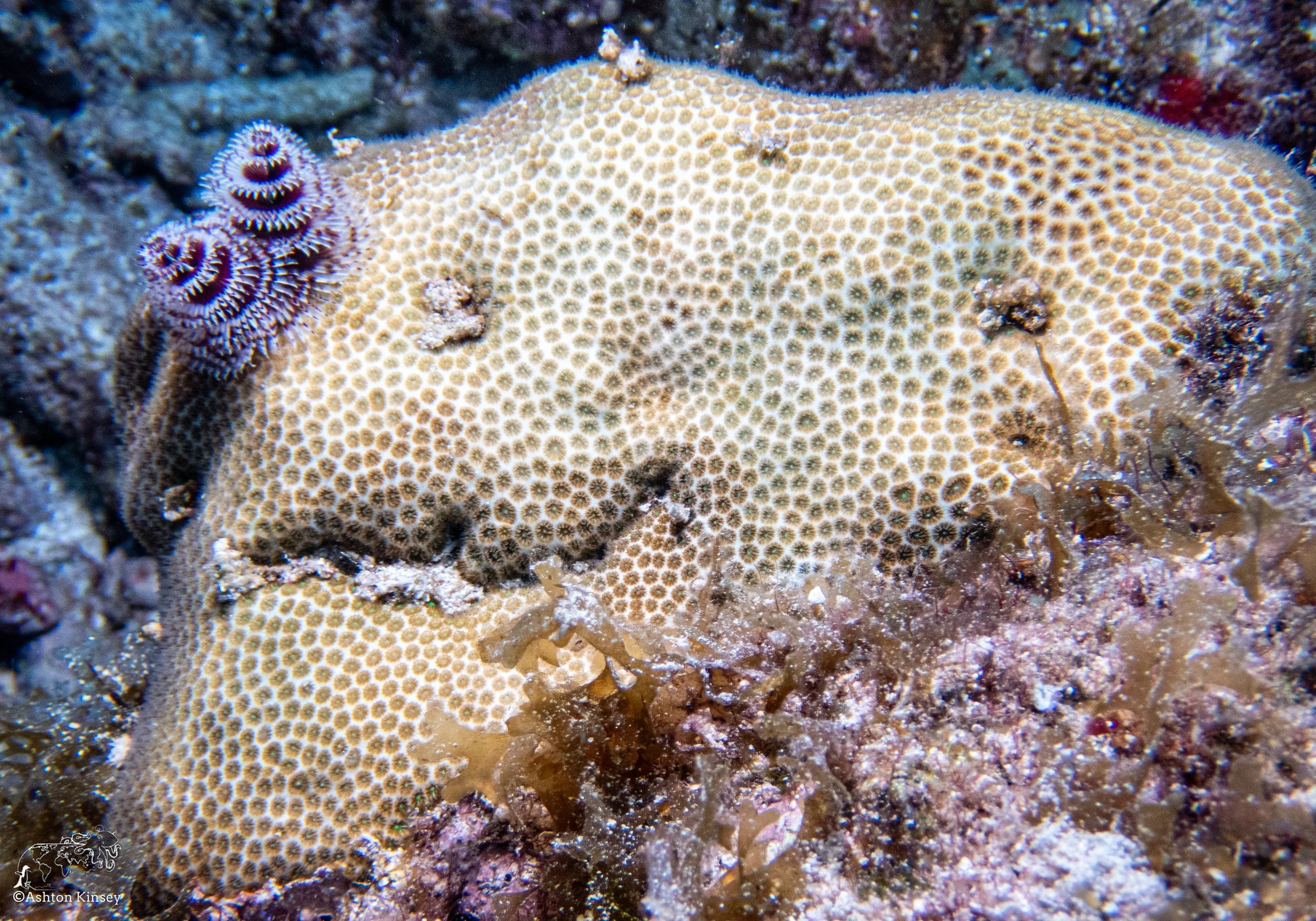
One of the most popular reef systems in the National Marine Sanctuary. This reef is made up of several different sites that range from 10’-90’ and contain over 600 species of corals, plants, fish and other aquatic critters. It is not known for certain why the reef is called Molasses but one of the common stories states that a barge was being towed when it struck the reef and lost several large barrels of molasses into the waters.
Eagle Ray Alley
31’ for 52 minutes
35’ for 53 minutes
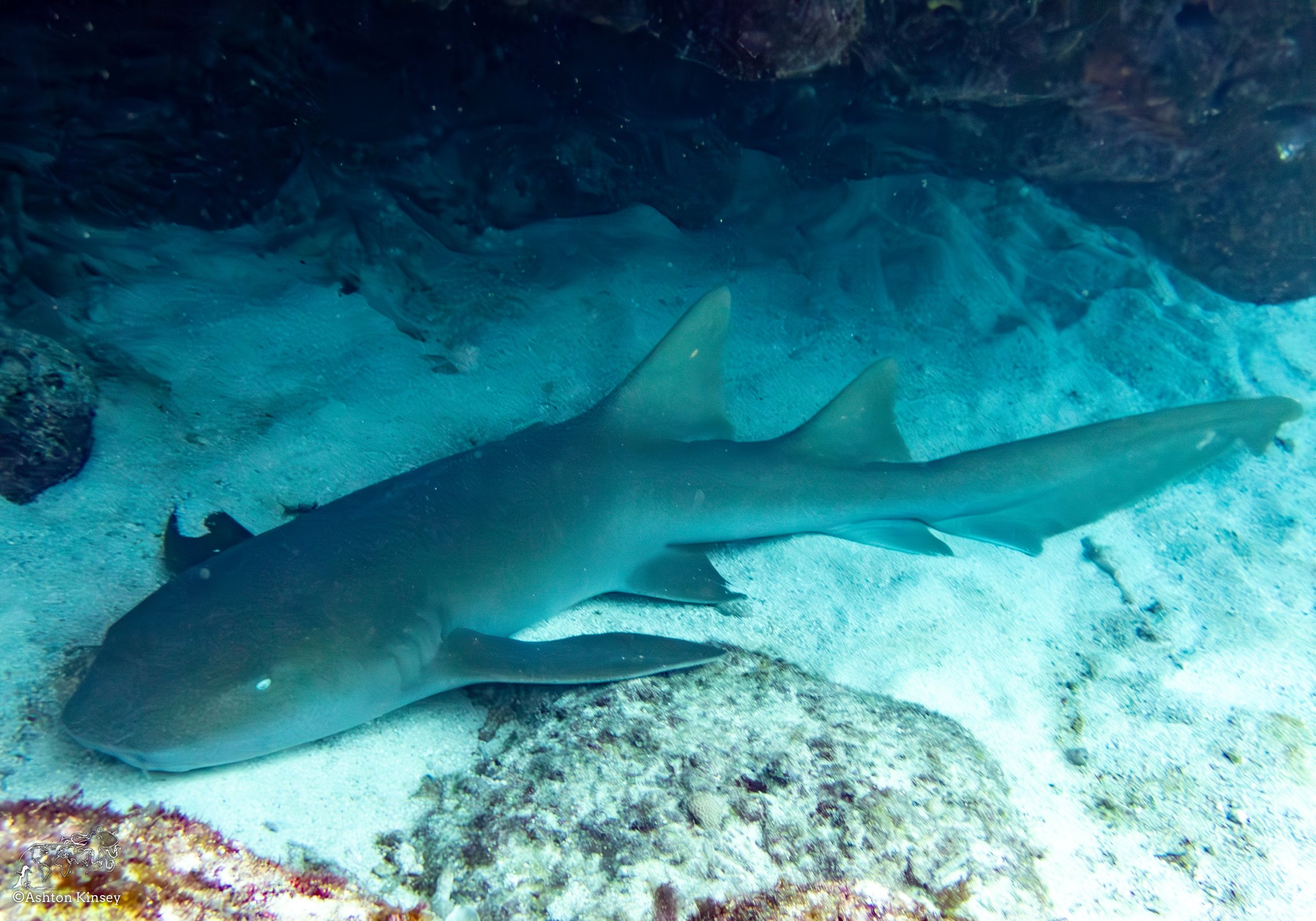
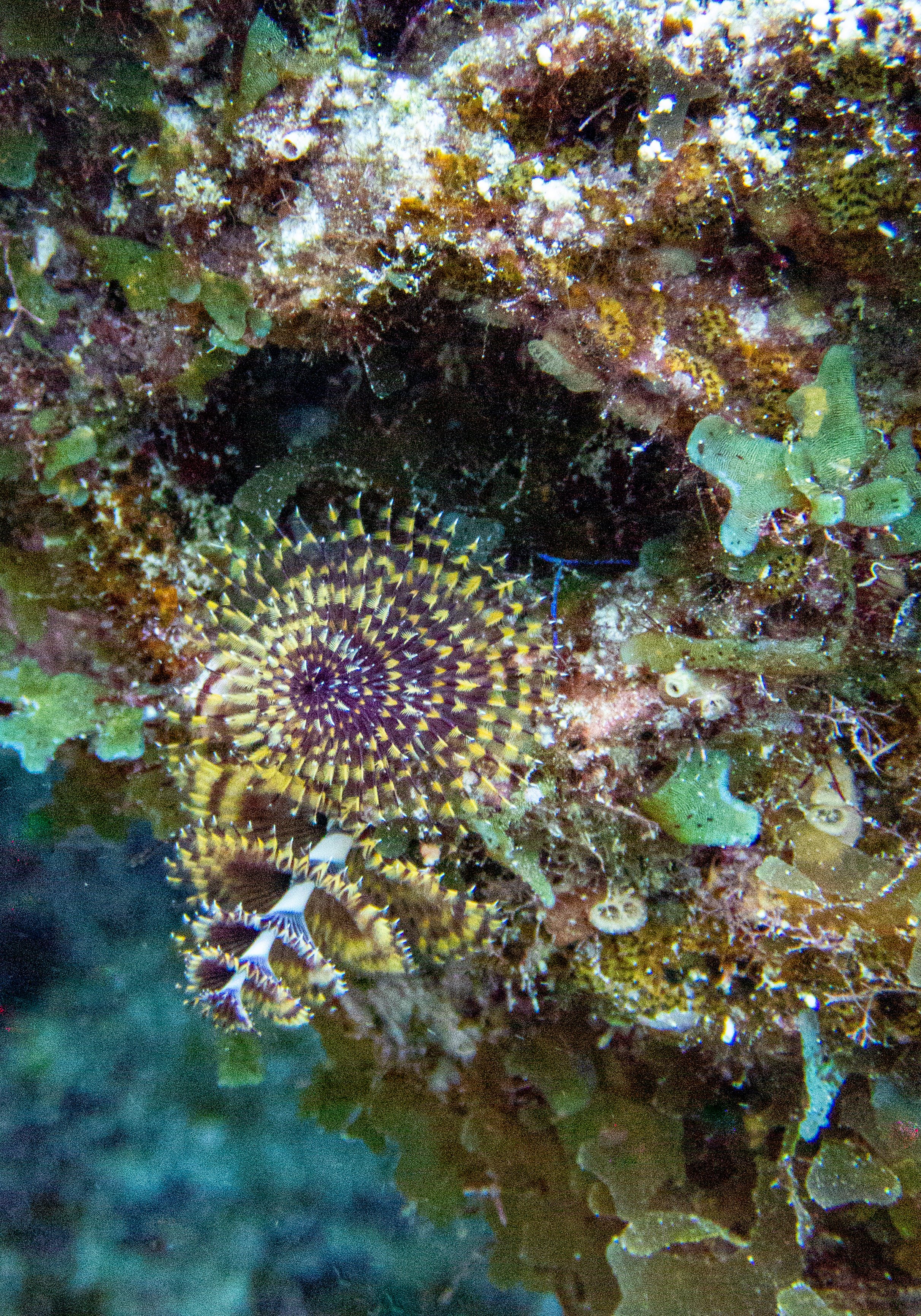
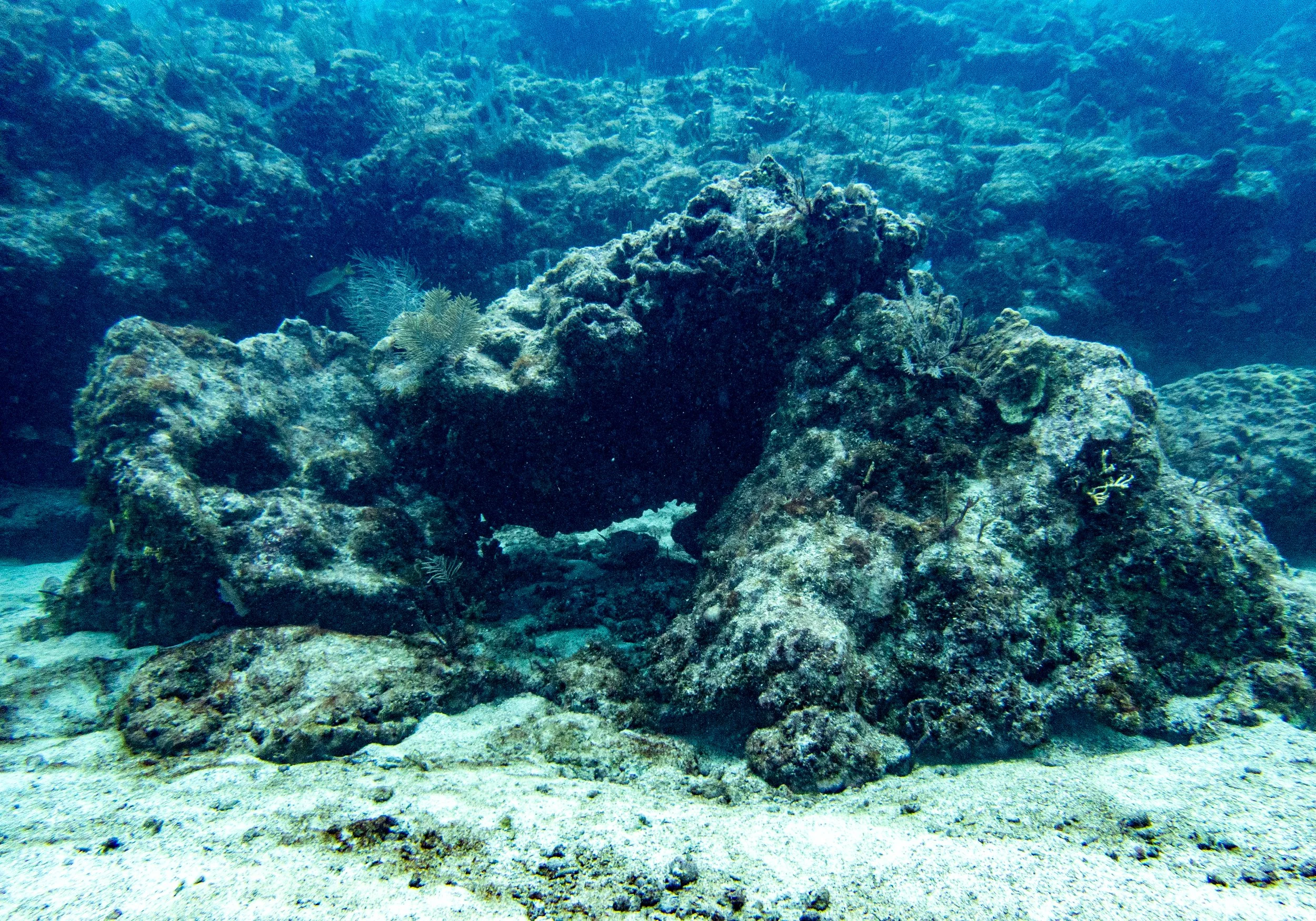
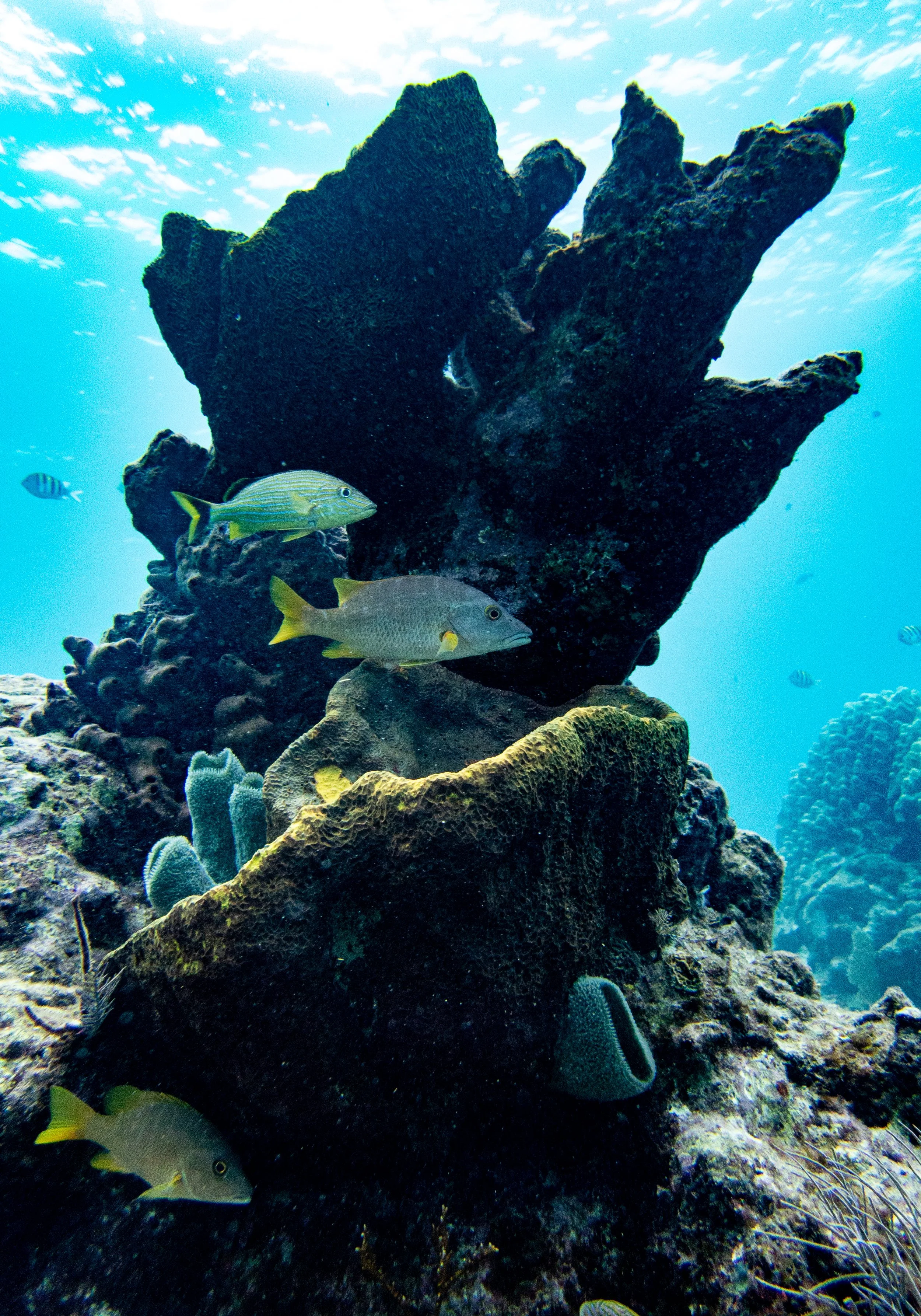
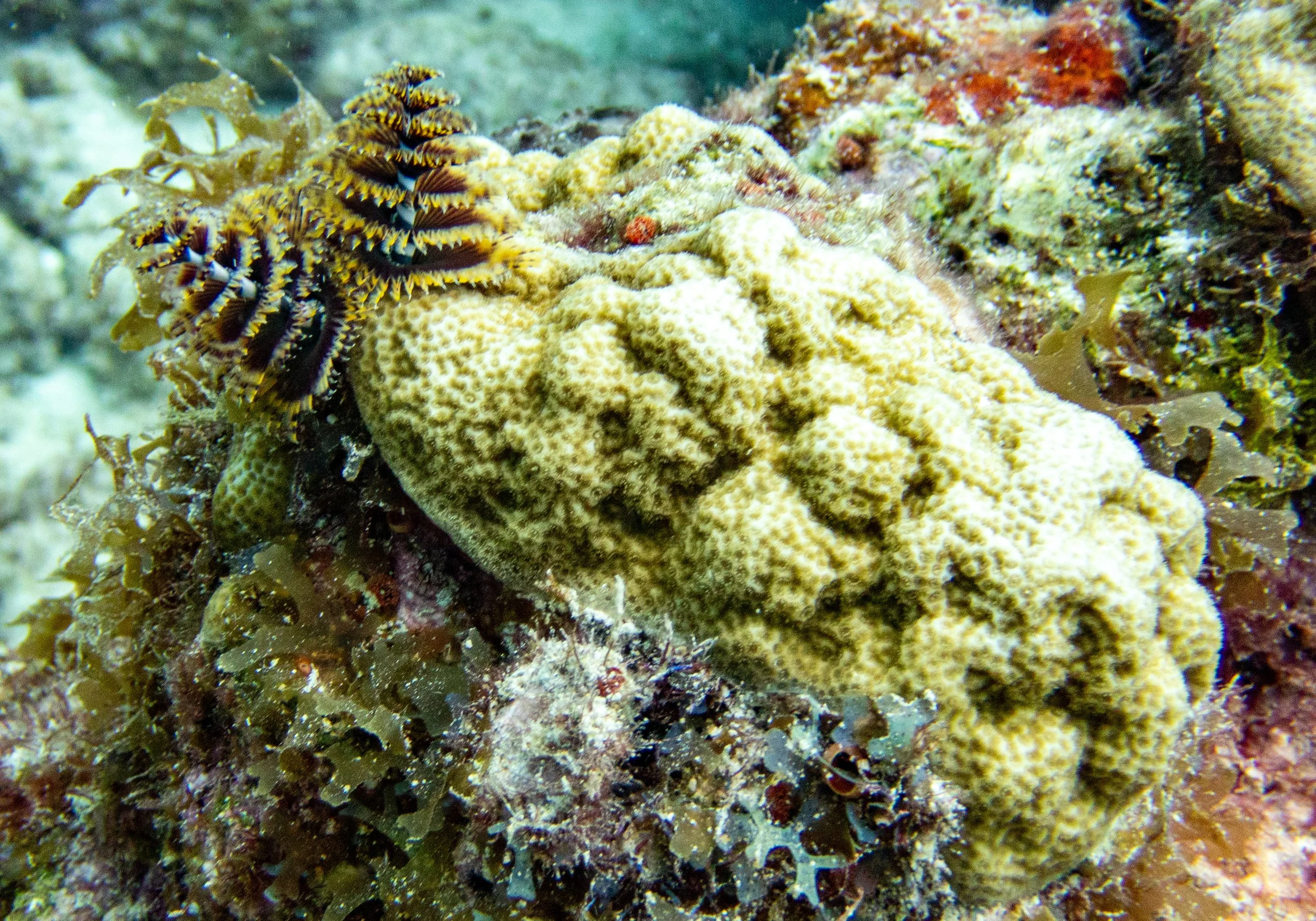
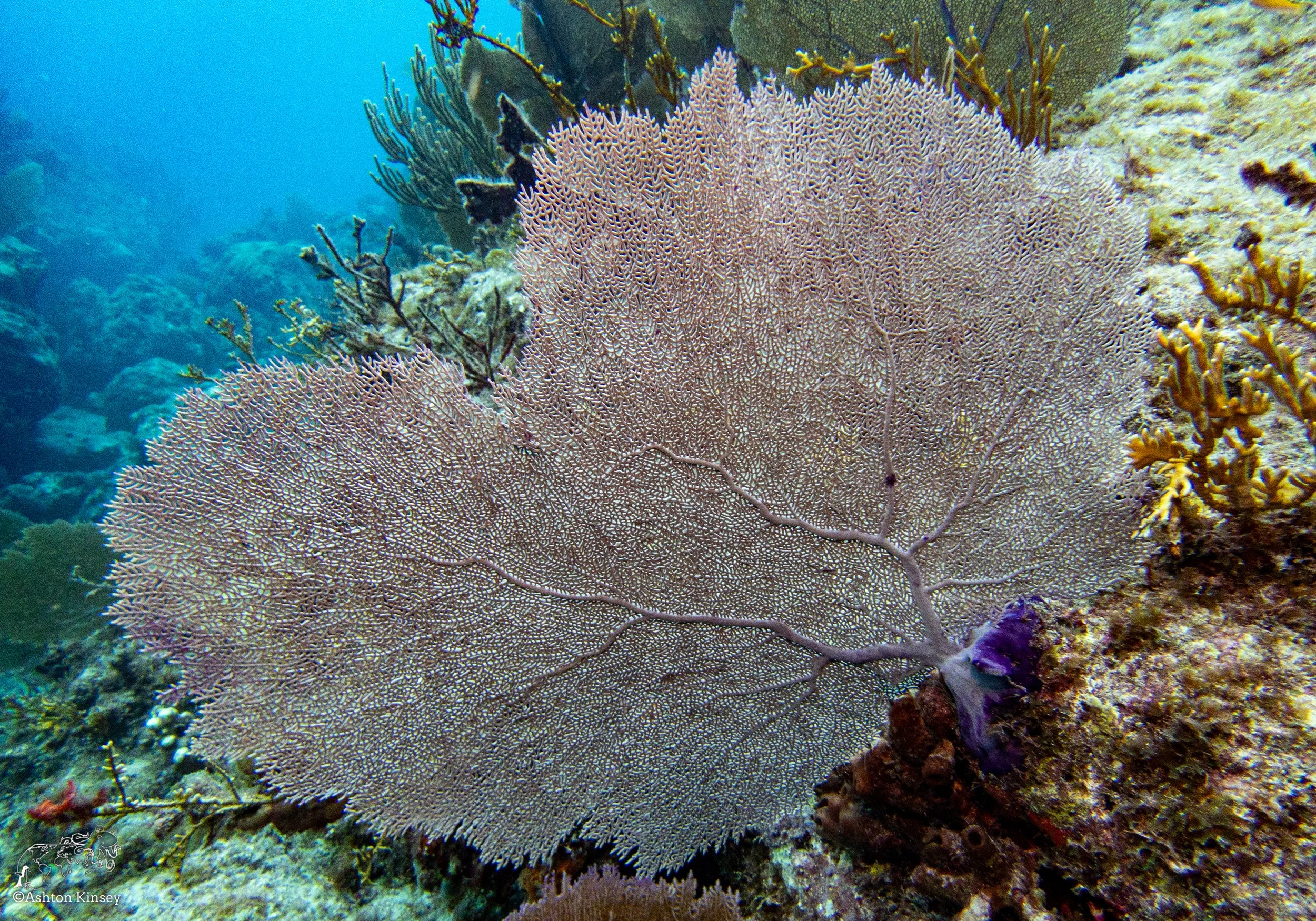
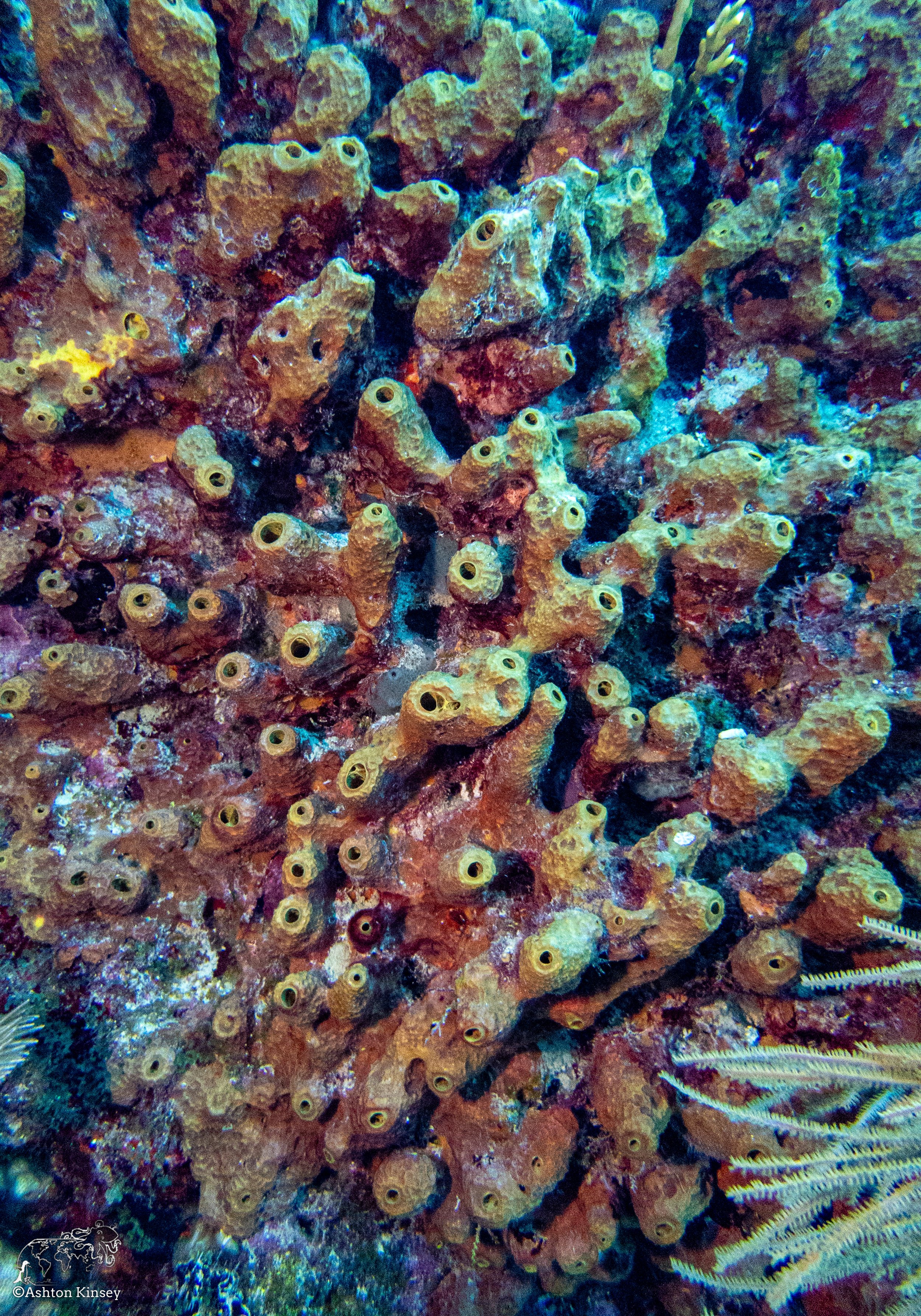
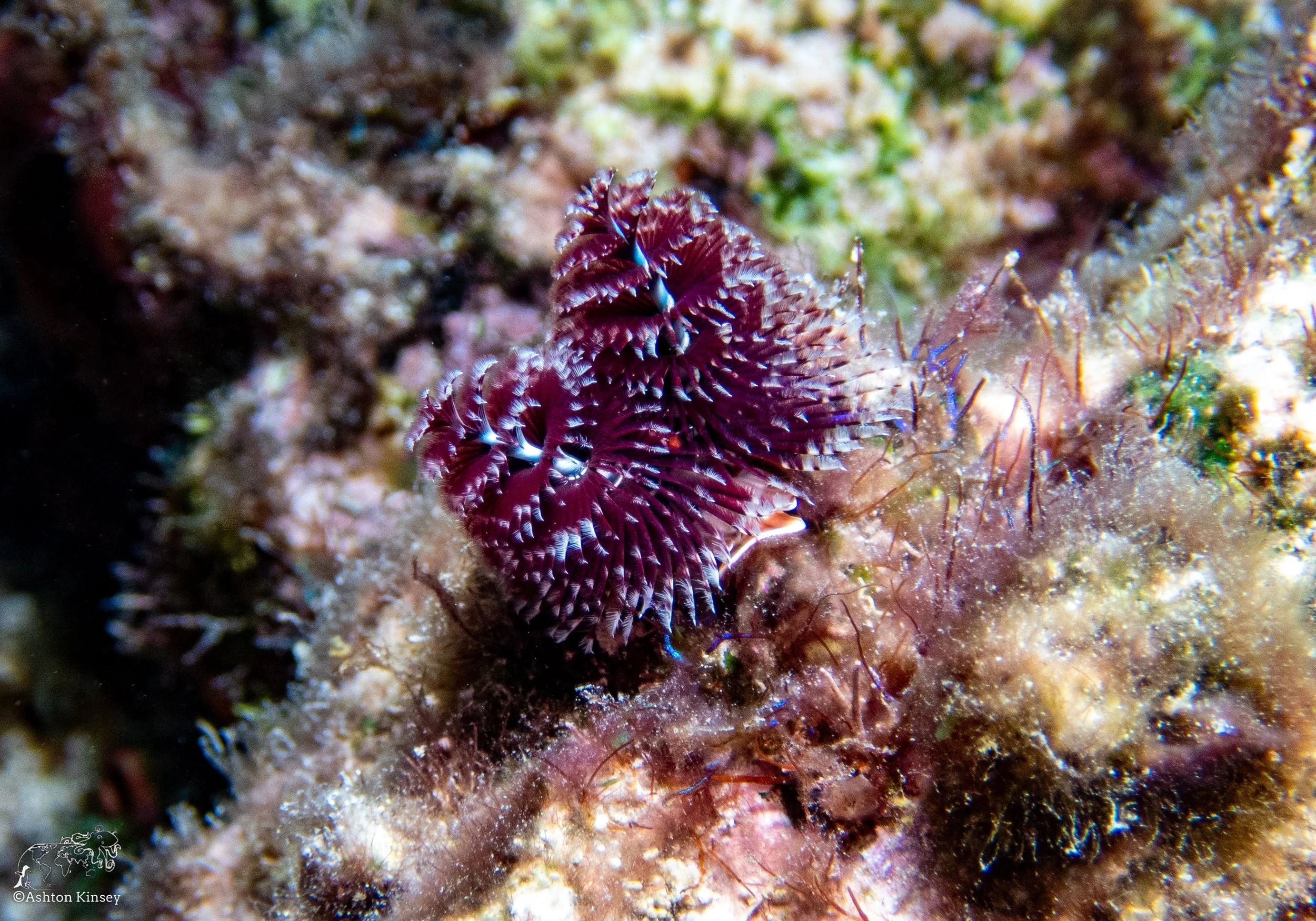
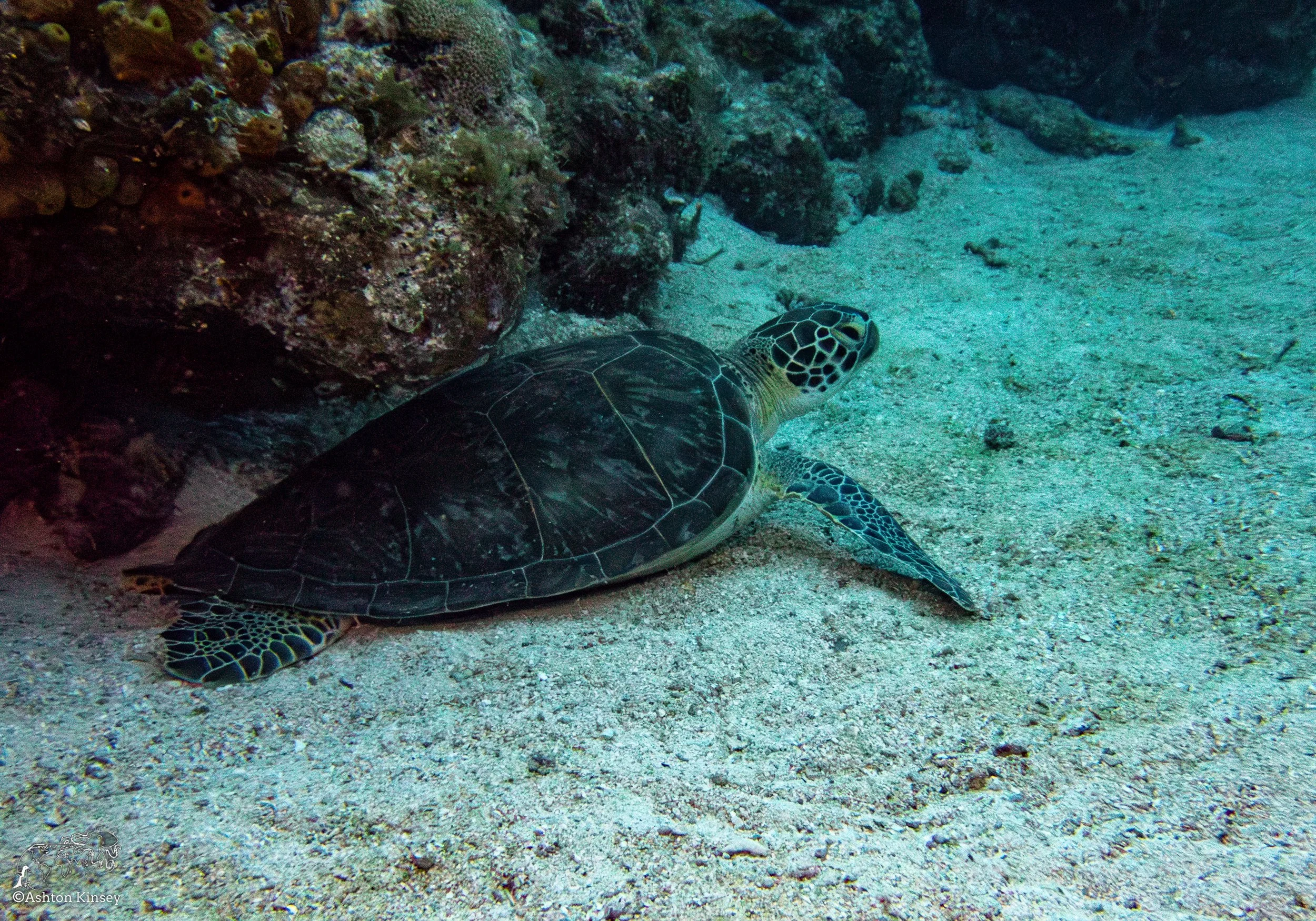
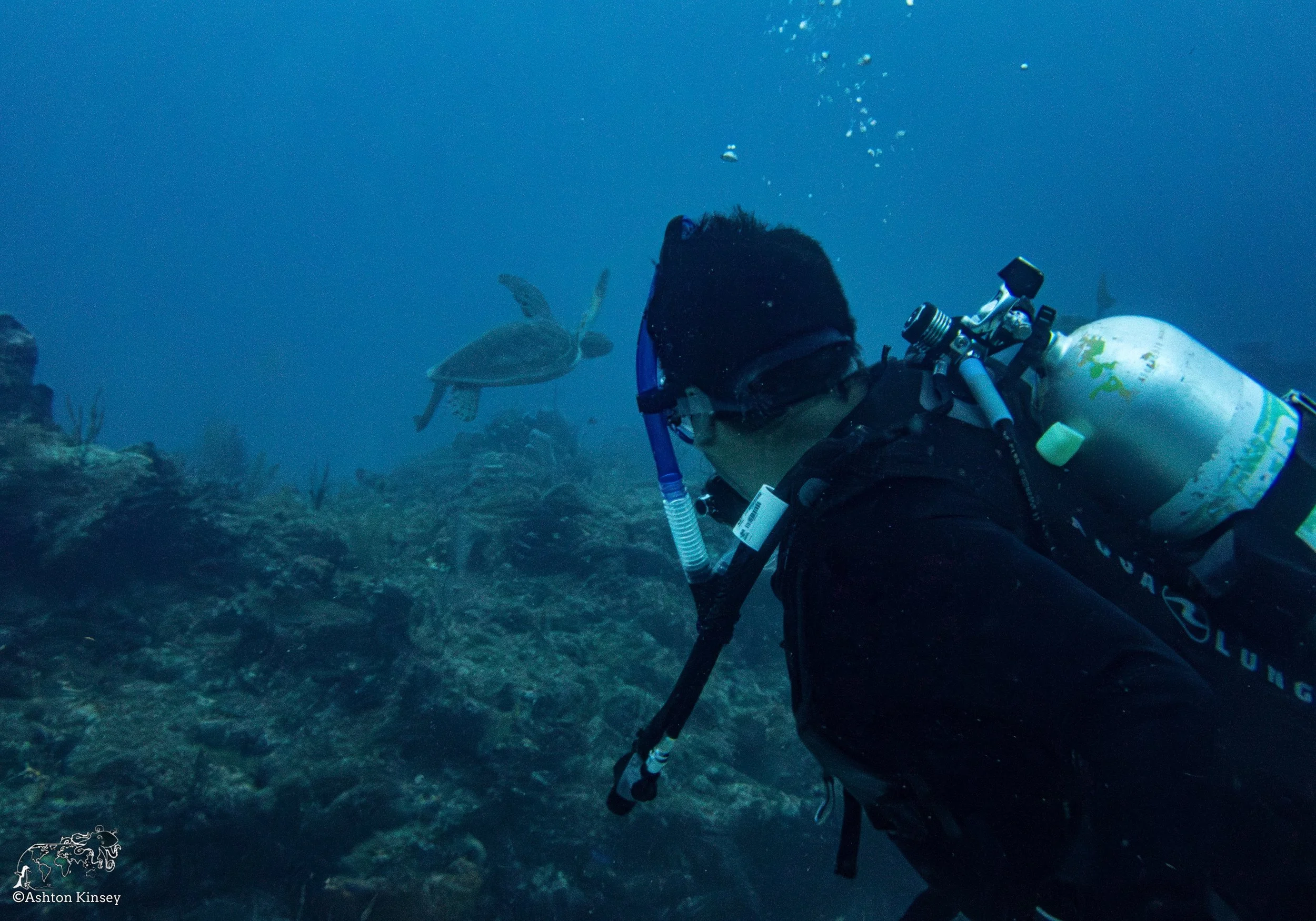
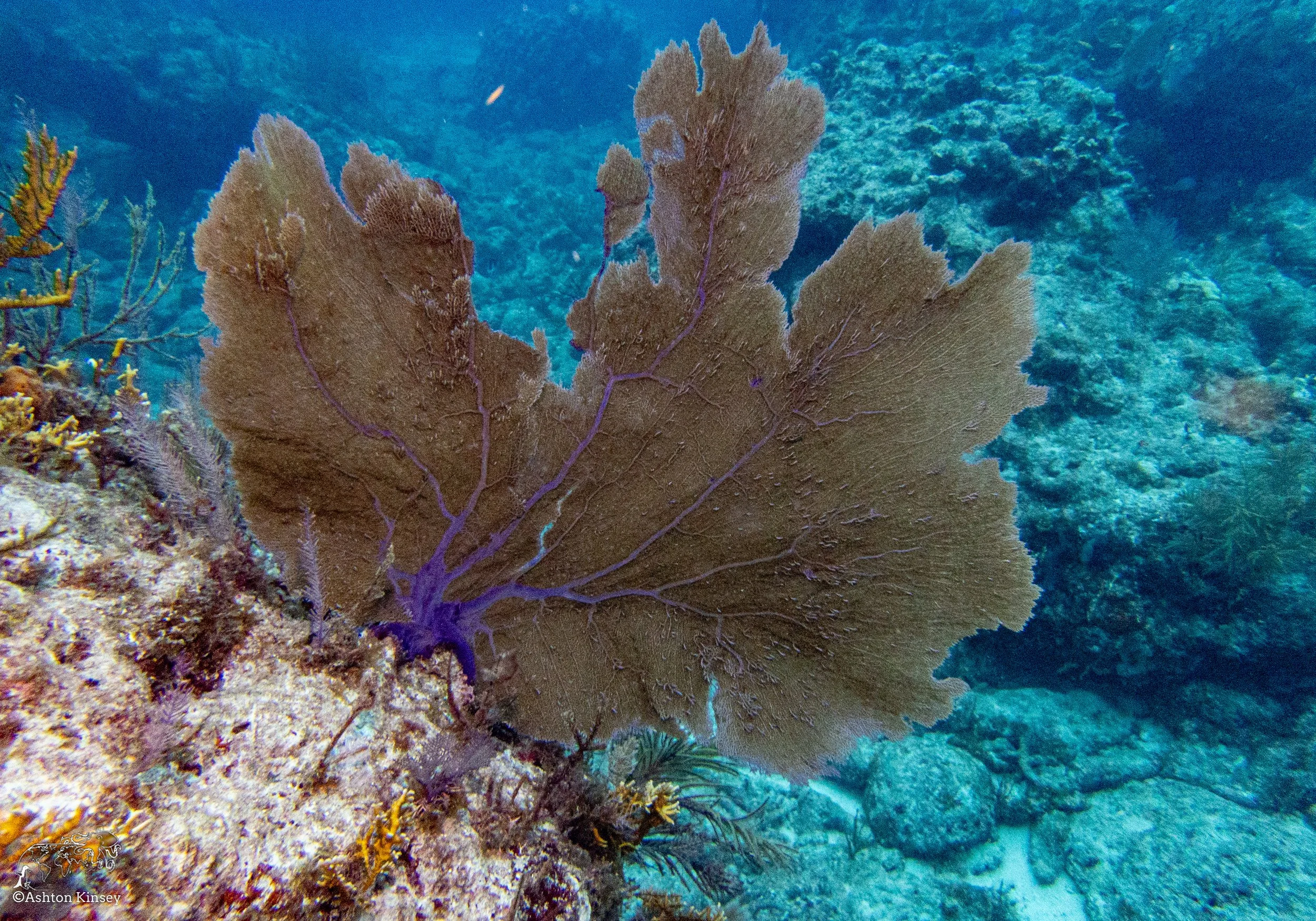
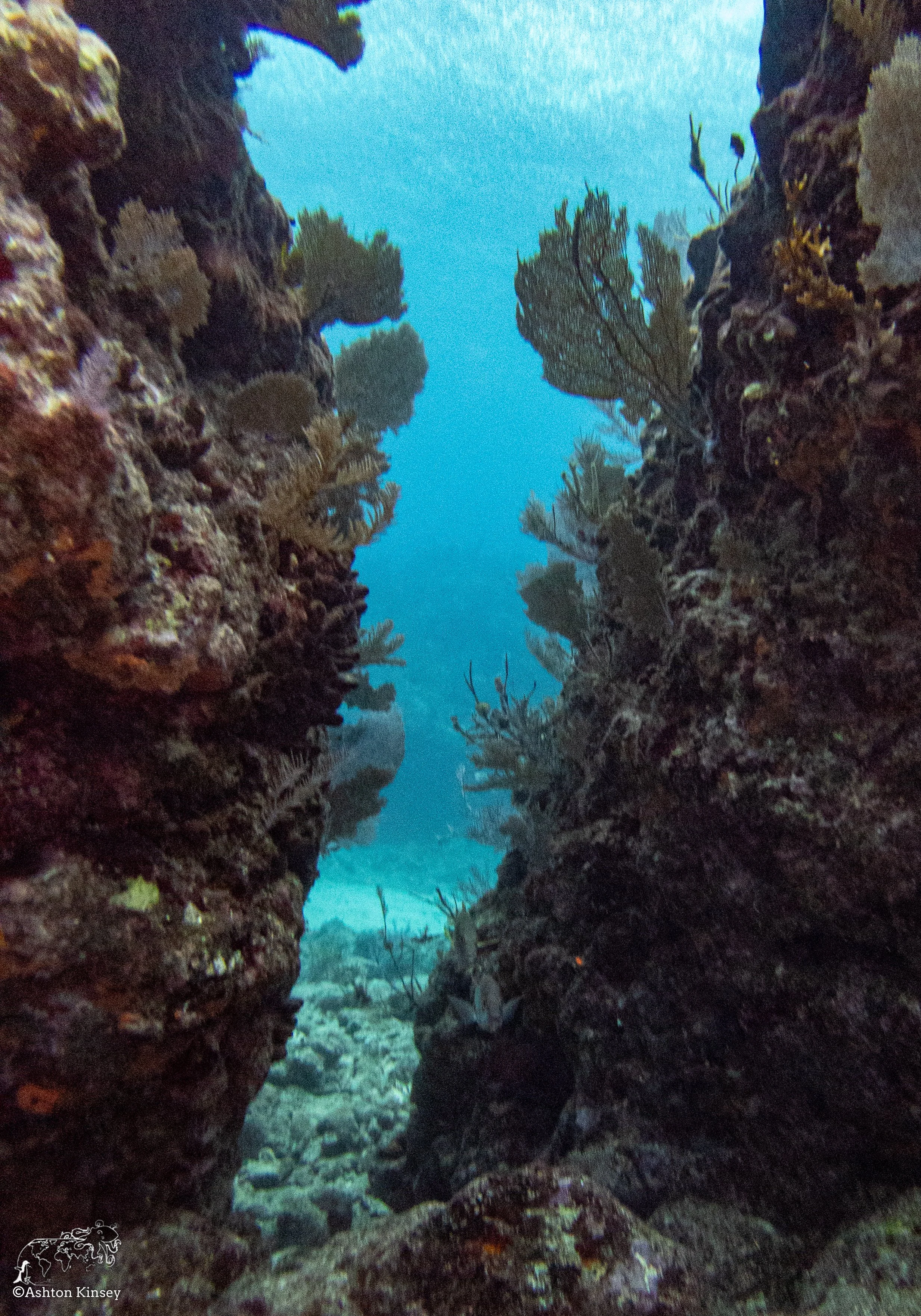
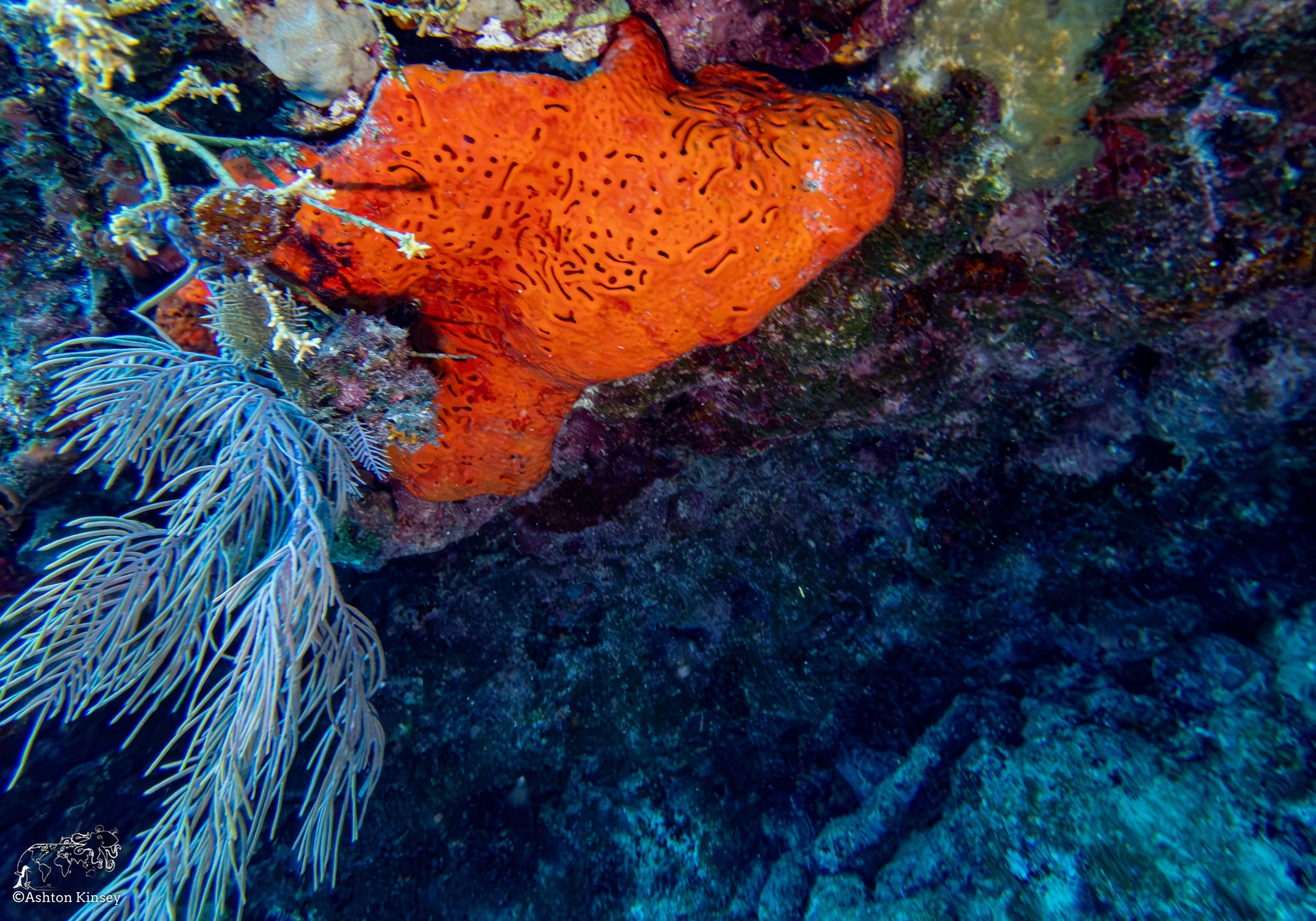
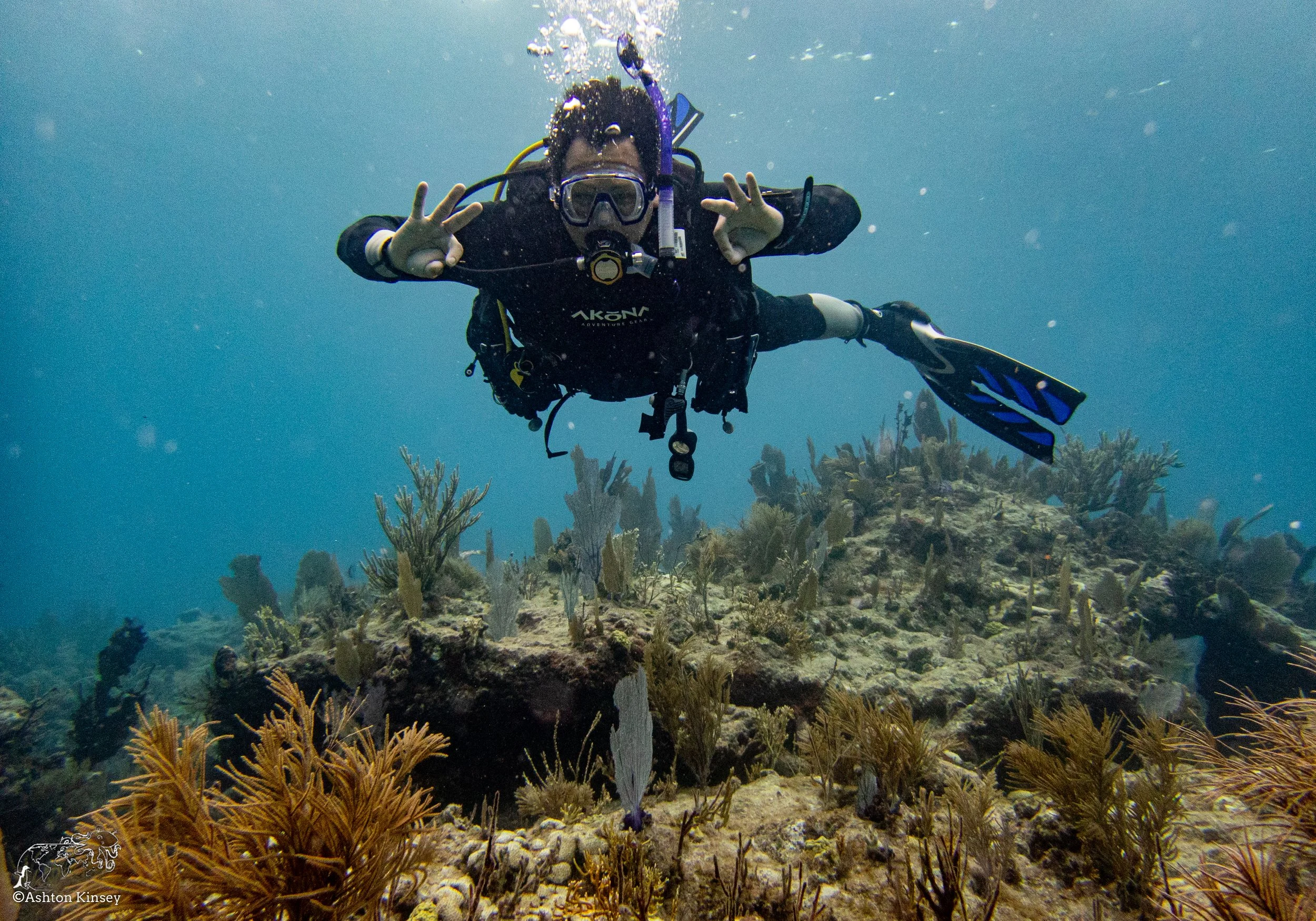
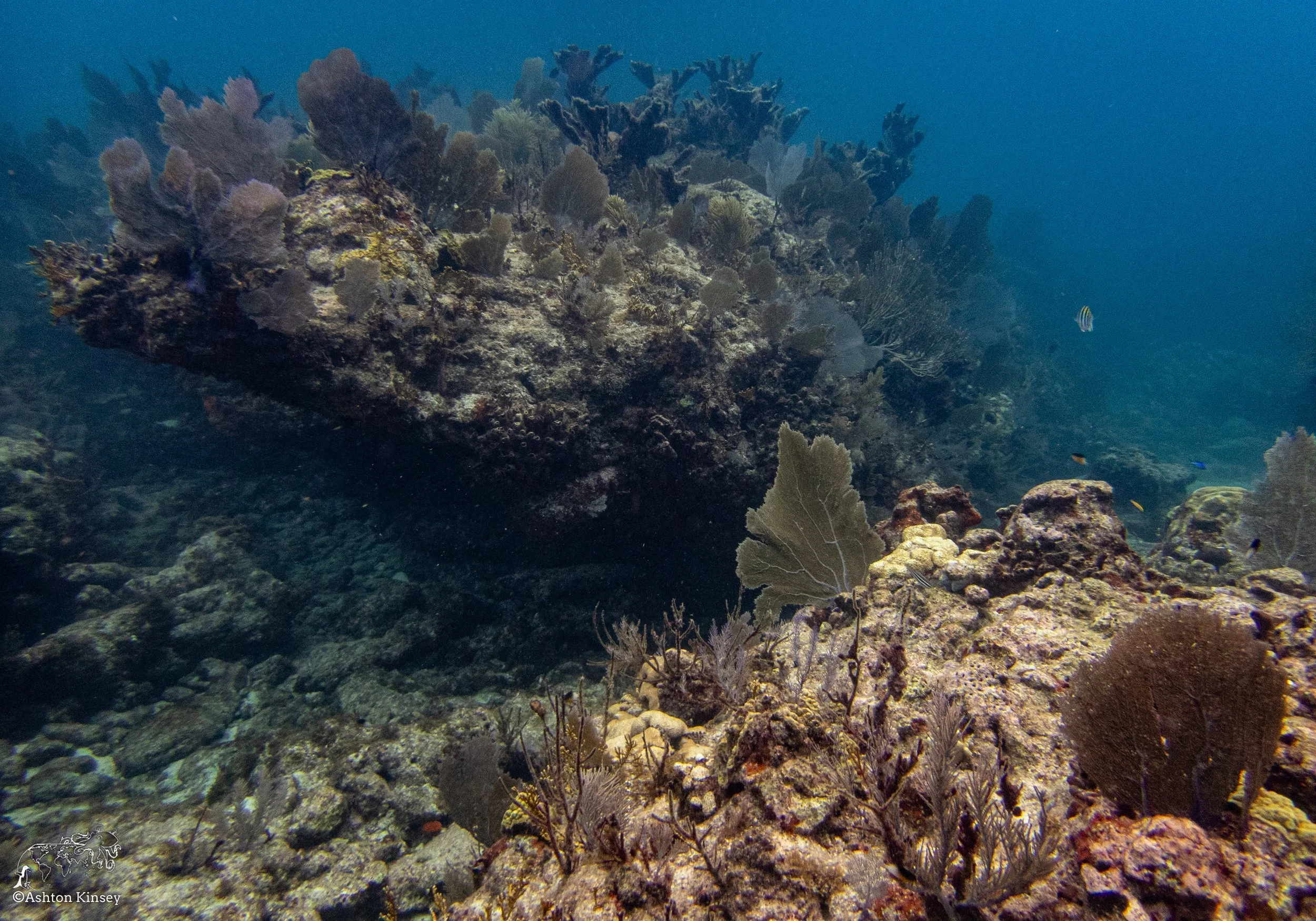
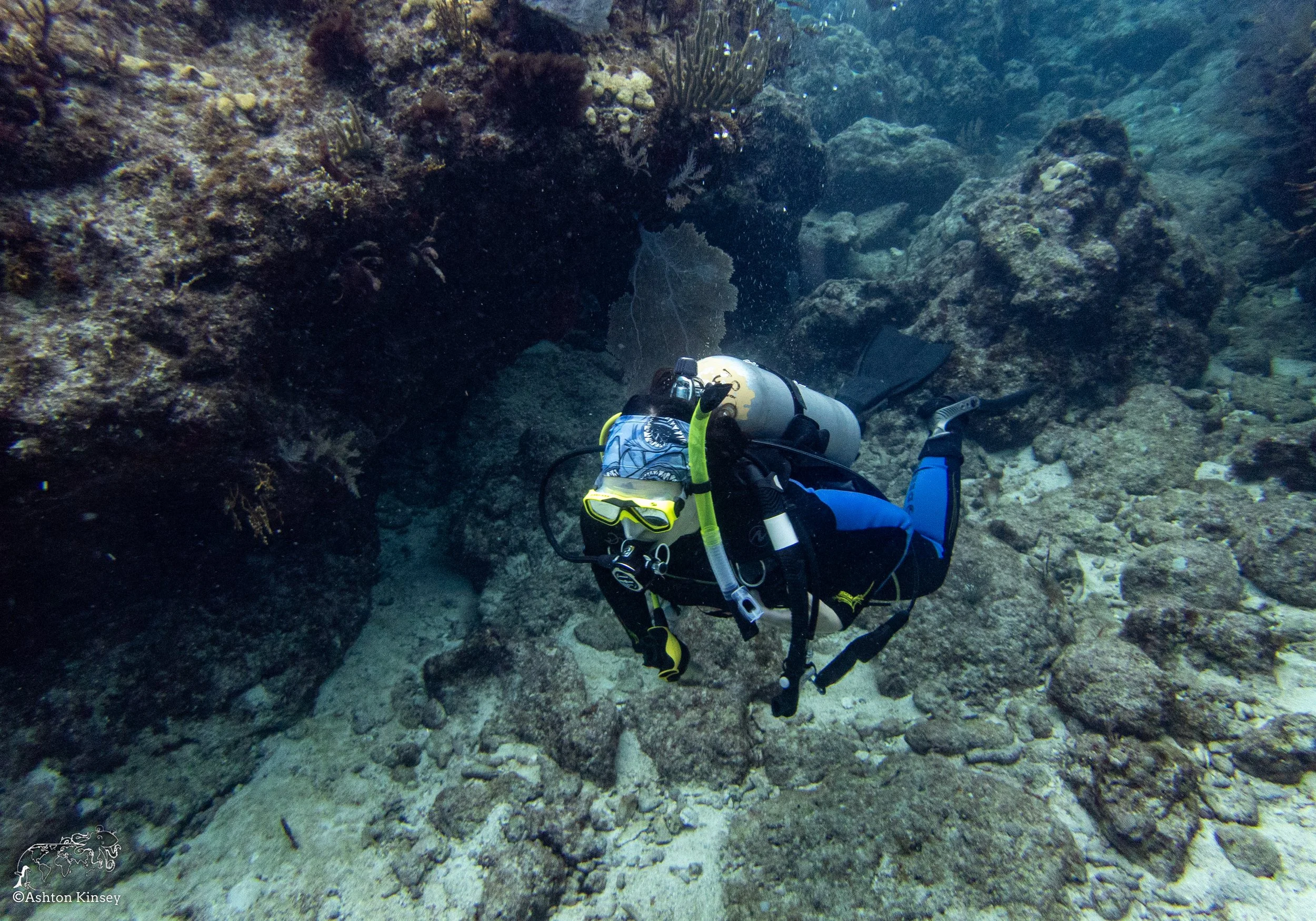
For being called Eagle Ray Alley, there was a disappointing amount of eagle rays during the dive, but hey, that’s life. This site consists of a large sandy channel that has large coral ledges full of nooks and crannies for jawfish, rays, sharks and scorpionfish. Each of our dives here as soon as we descended it started to downpour, being shallowed allowed us to hear and see the rain underwater.
Wellwood Reef Restoration Site
34’ for 53 minutes
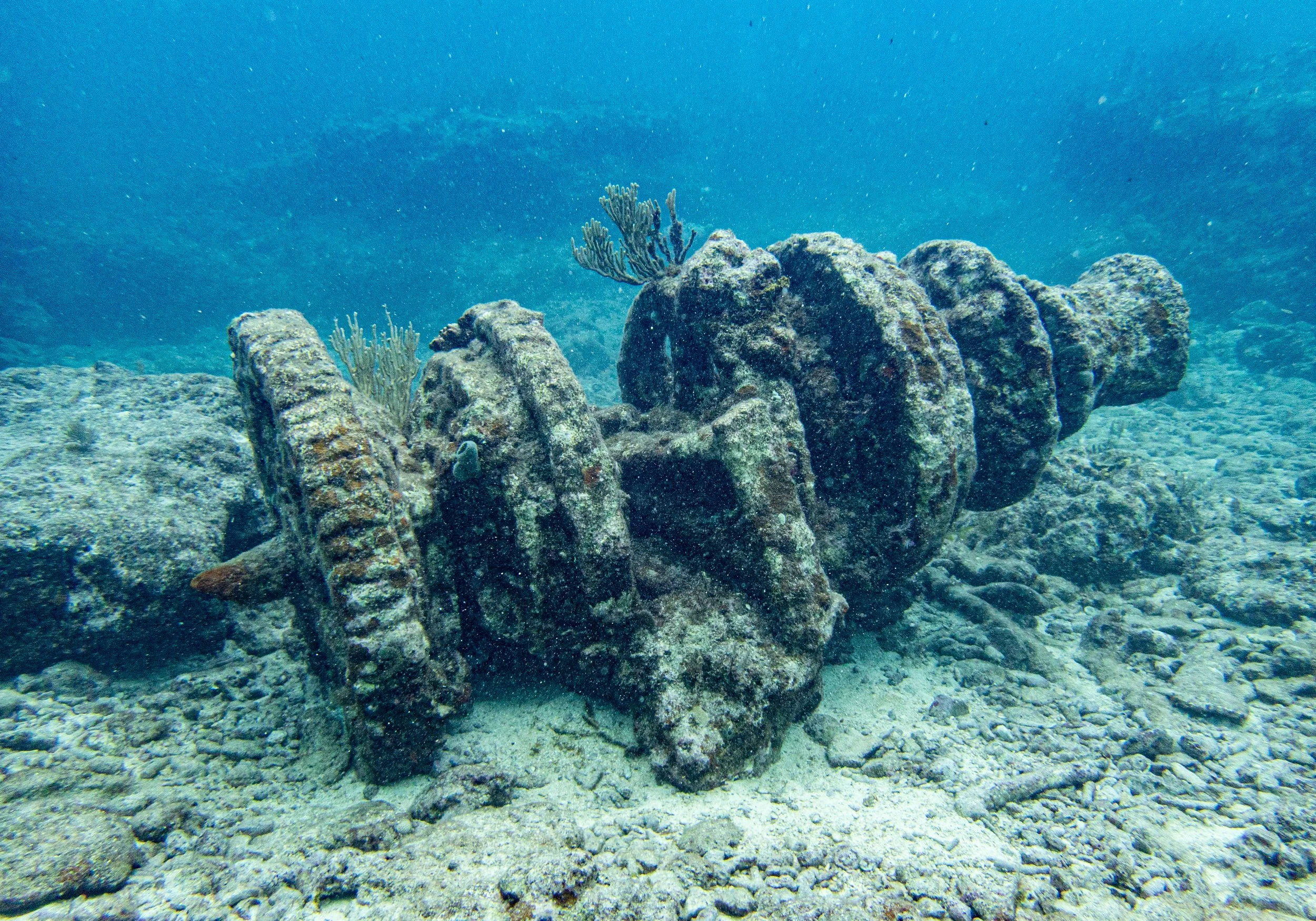
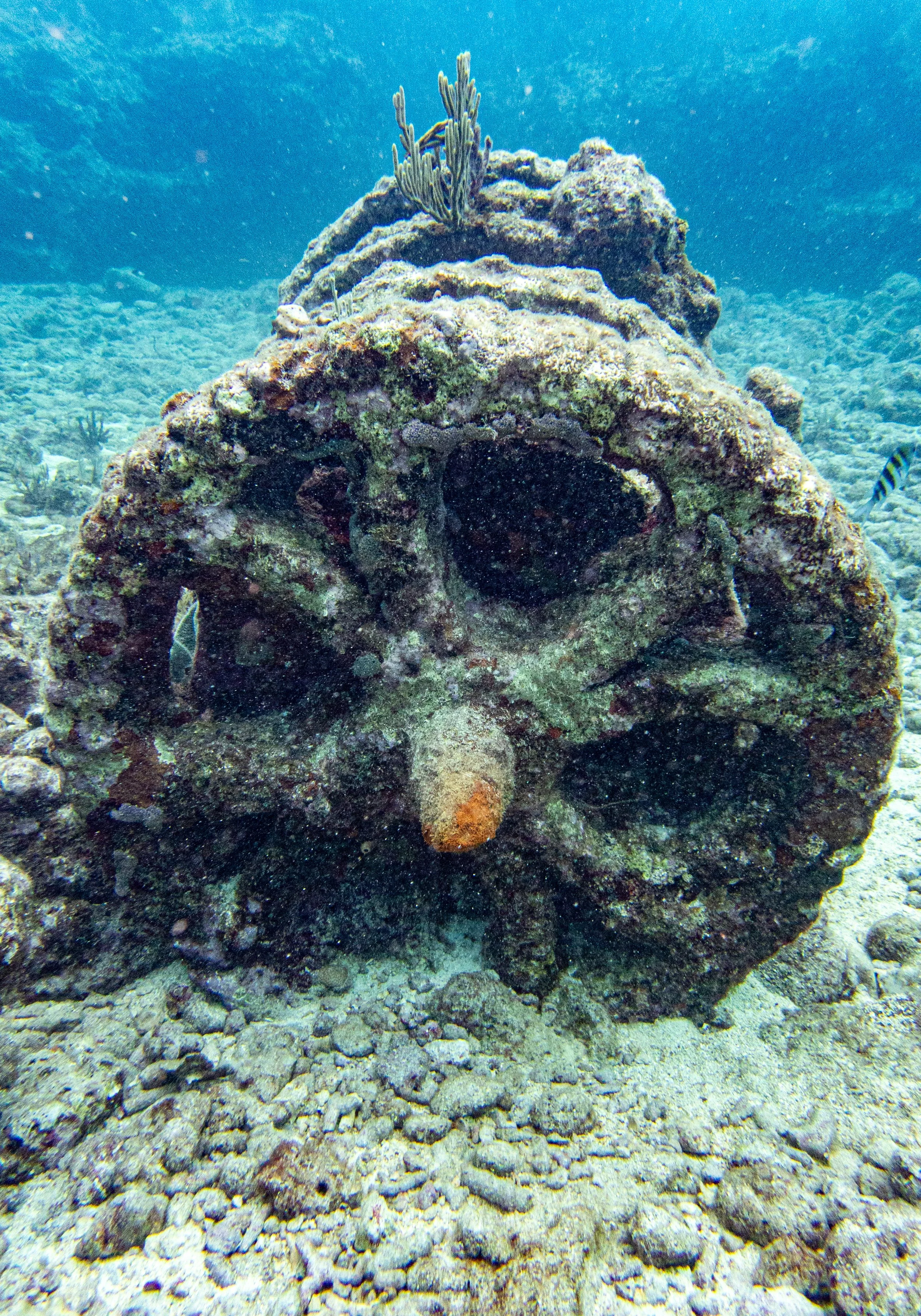
The 400-foot freighter, M/V Wellwood, crashed into the Molasses Reef on August 4, 1984 while carrying pelletized chicken feed where it sat for 12 days. This caused destruction of over 5,800 square meters of corals and reef habitat. Due to the damages The Wellwood Shipping Company and the Hanseatic Shipping Company settled to pay $6.275 million over the next 15 years, finally being paid off in December of 2001.
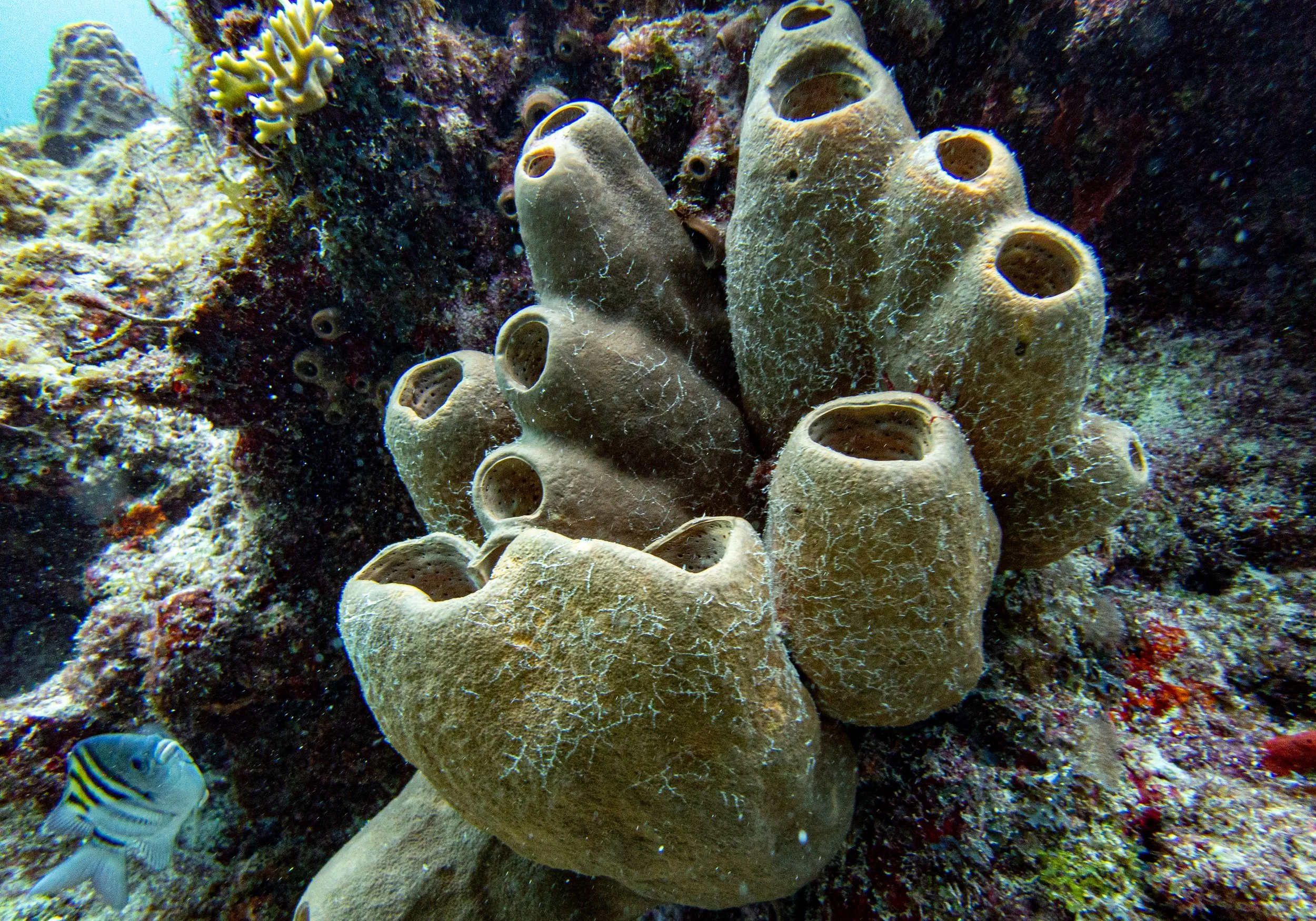
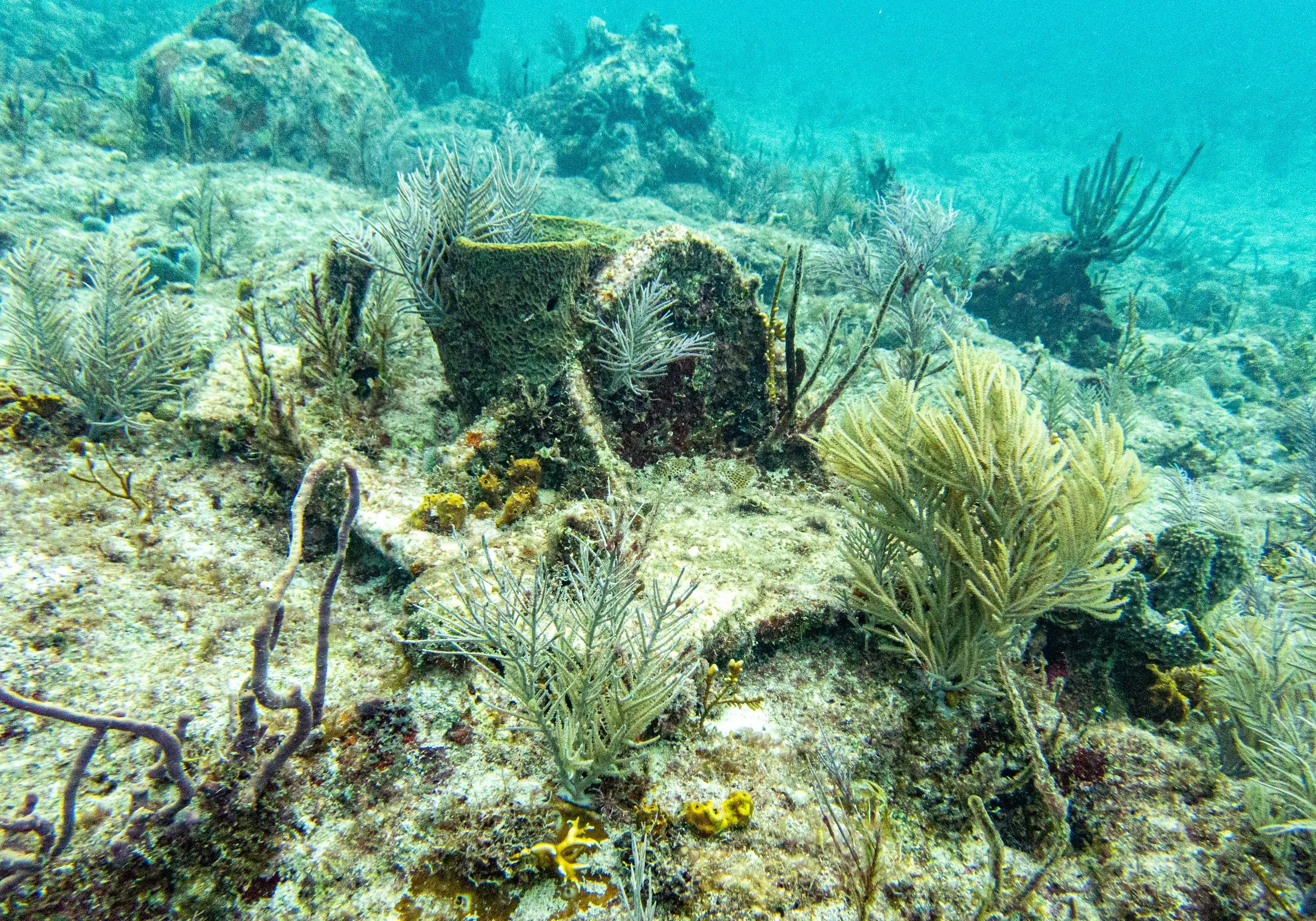
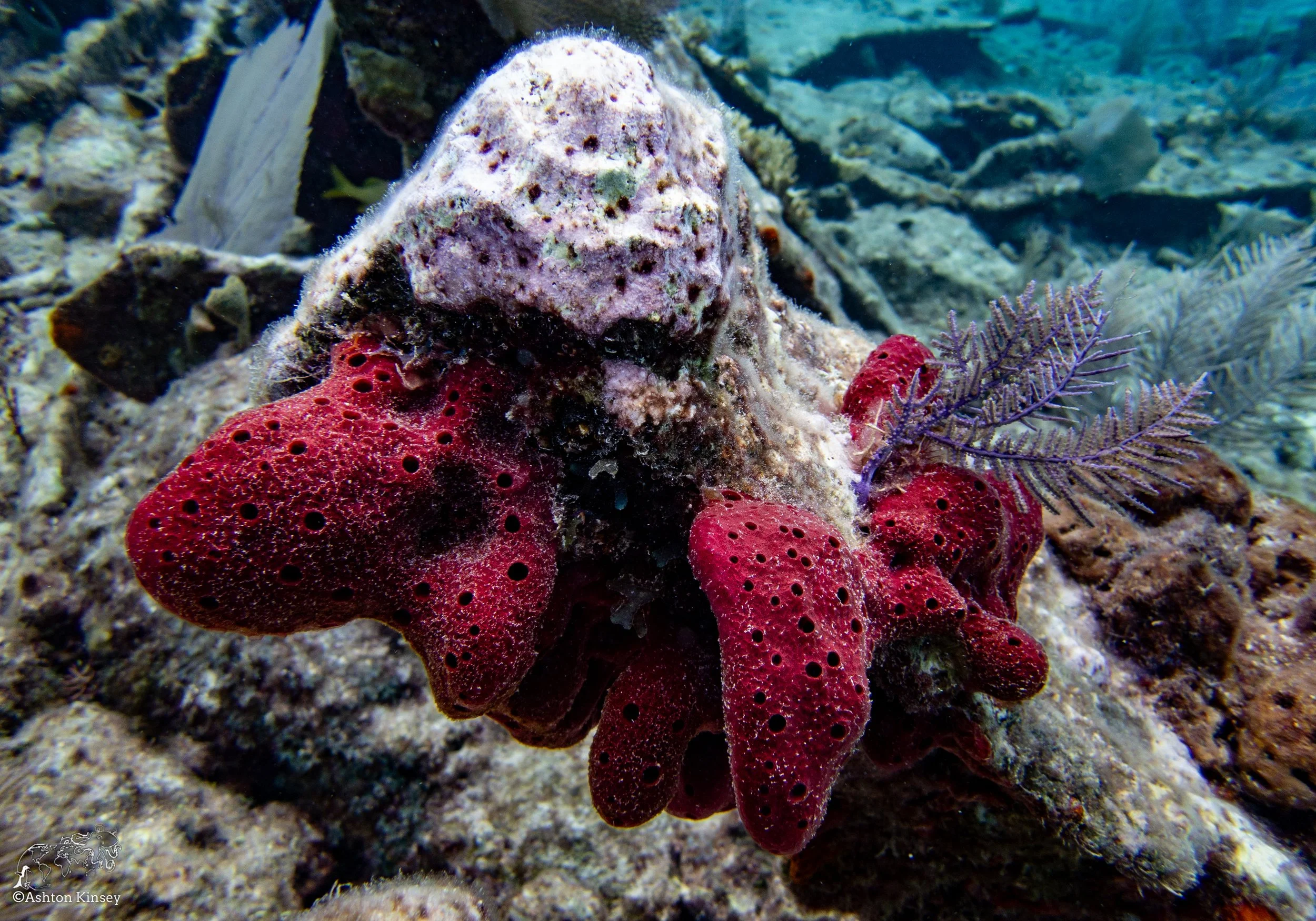
To help restore some of the damage, reef modules were placed along the damaged site to help provide substrate for new coral colonization. Sea grasses, and lab grown hard and soft corals were transplanted to help seed the new modules and entice fish, marine invertebrates and mammals to come start to repopulate the damaged area. Unfortunately, hurricanes 1985 and 1998 caused additional damages and removed a lot of the planted corals. Despite all of this juvenile corals are growing on the reef, and fish and invertebrate species are returning to the area and populations are increasing making it an interesting wreck and reef dive site.
JJ’s Cave
30’ for 54 minutes
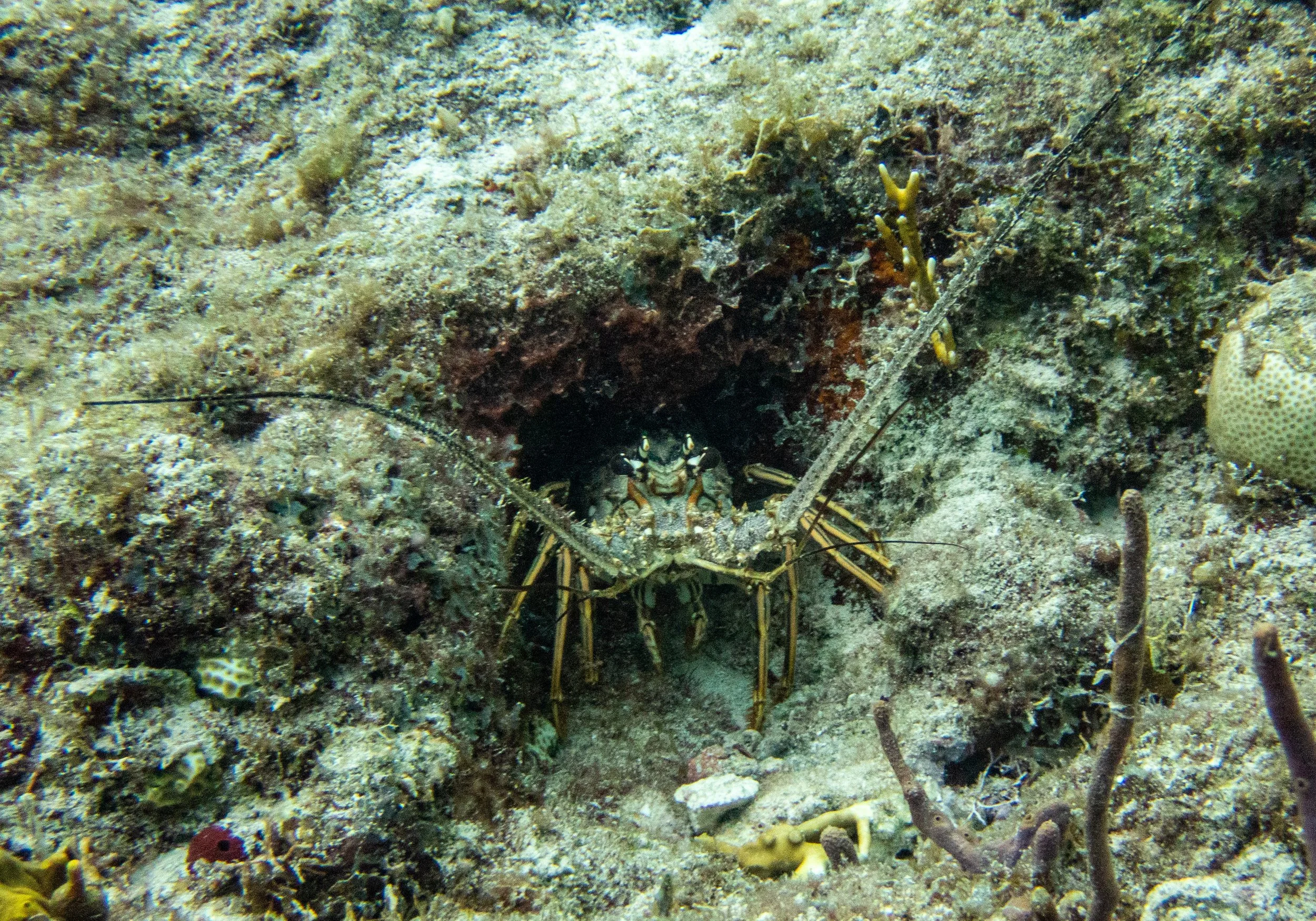
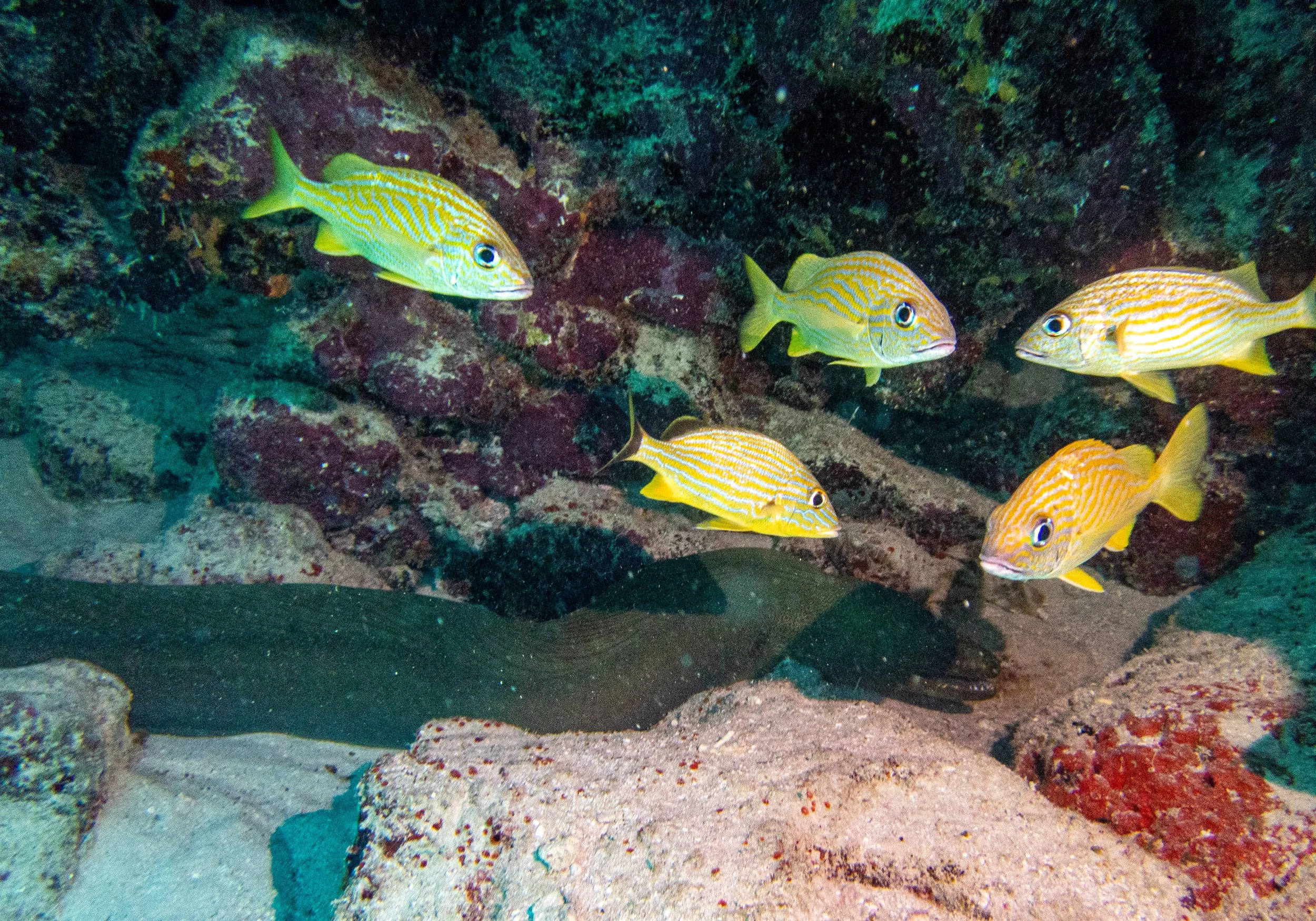
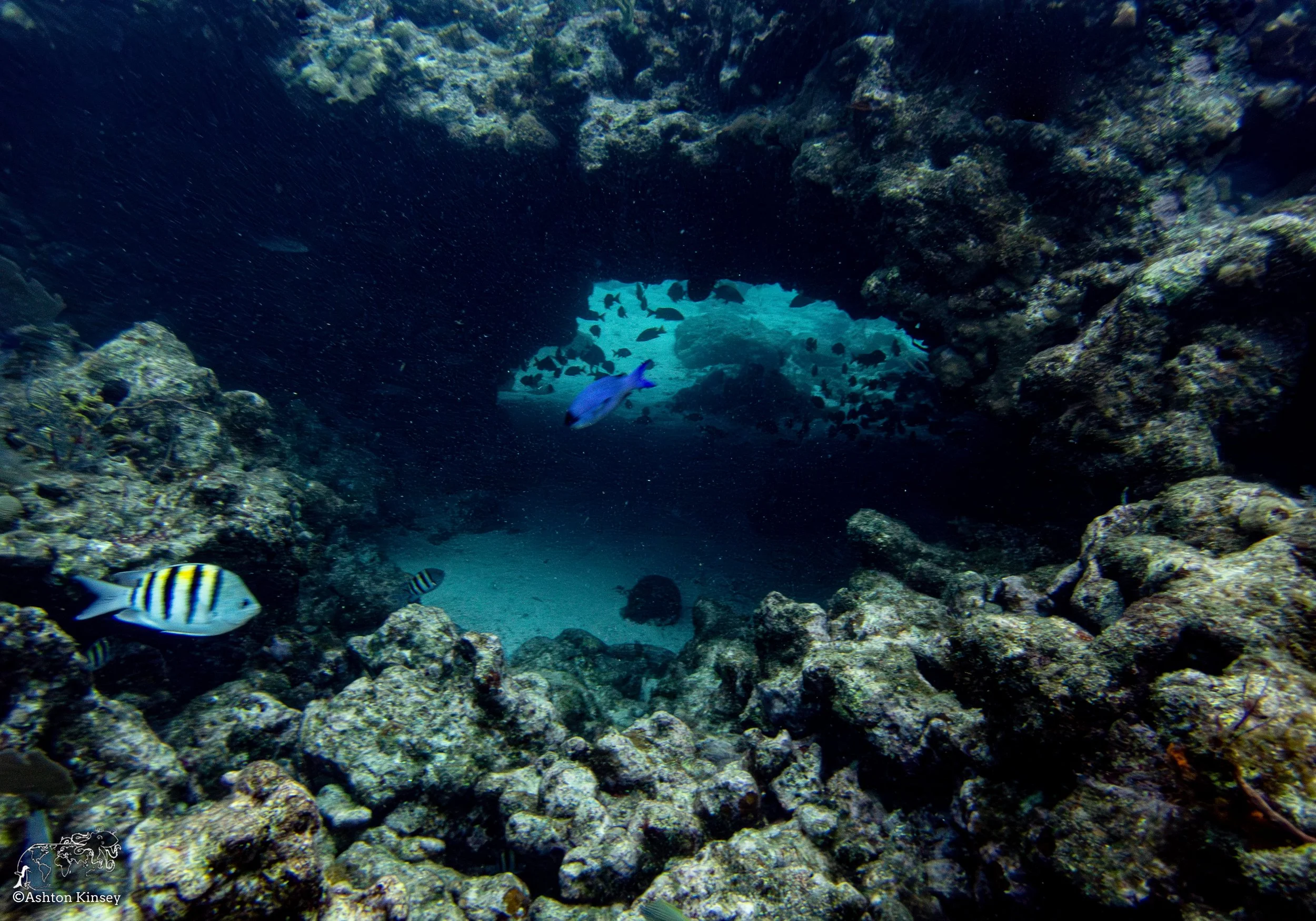
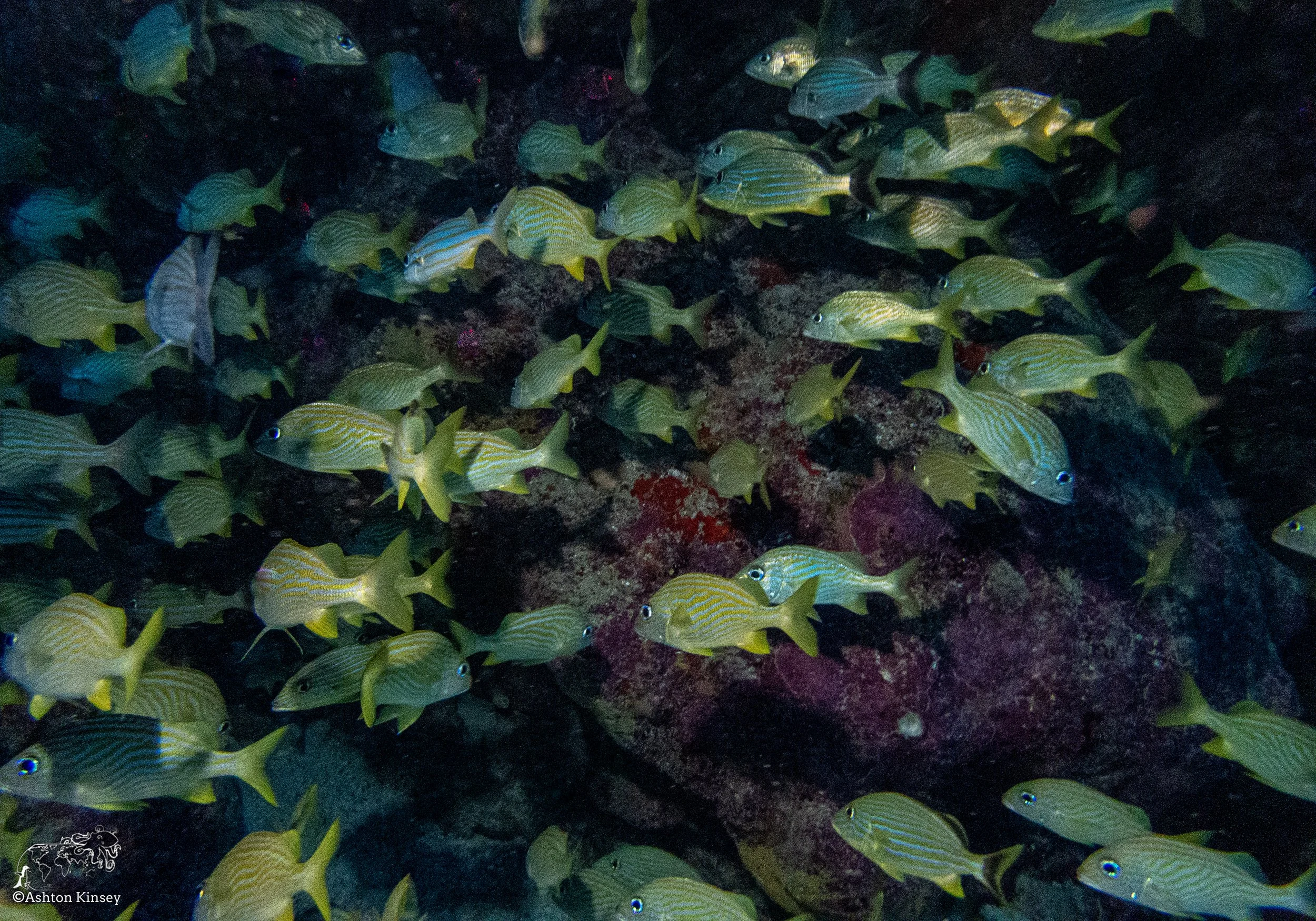
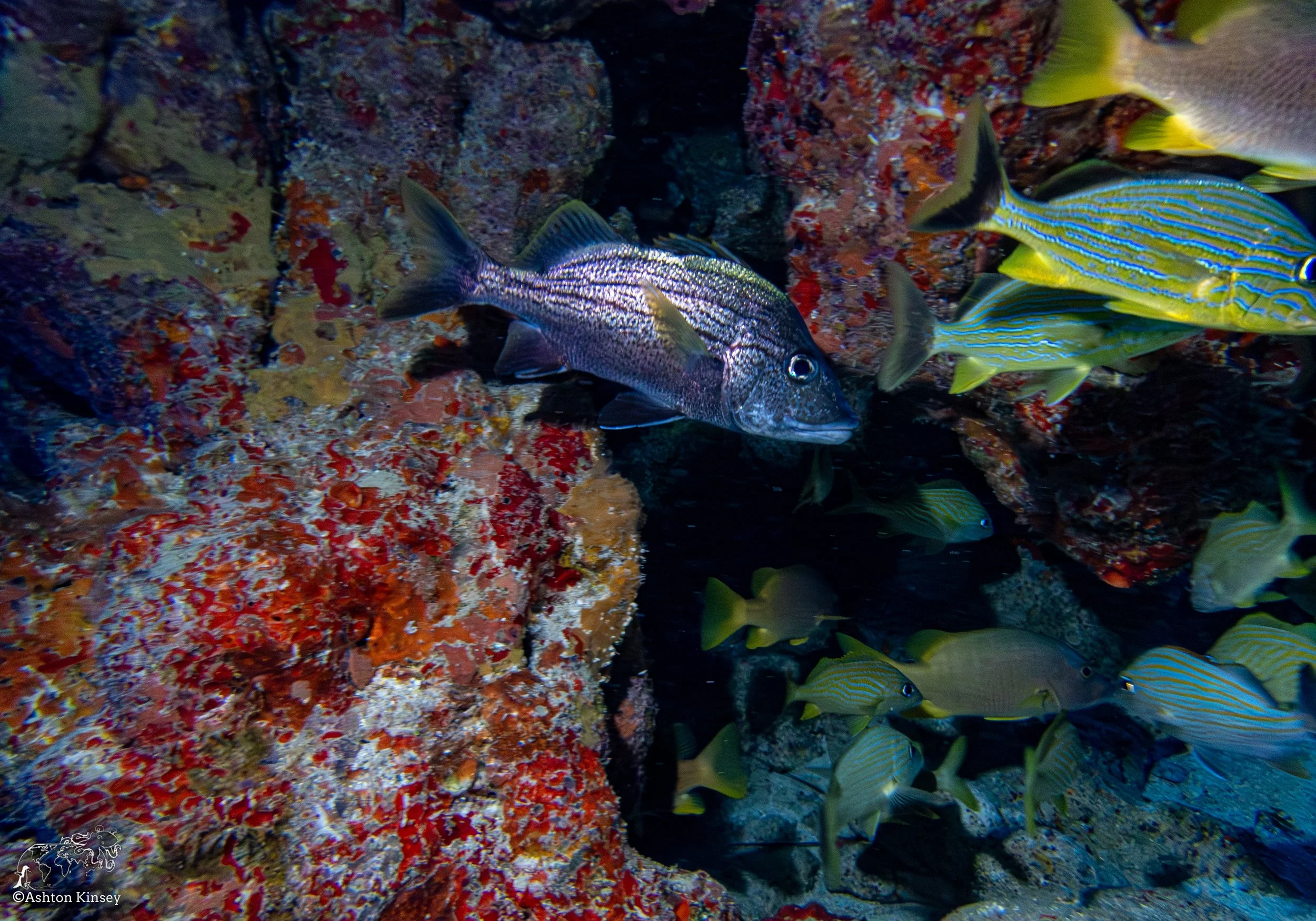
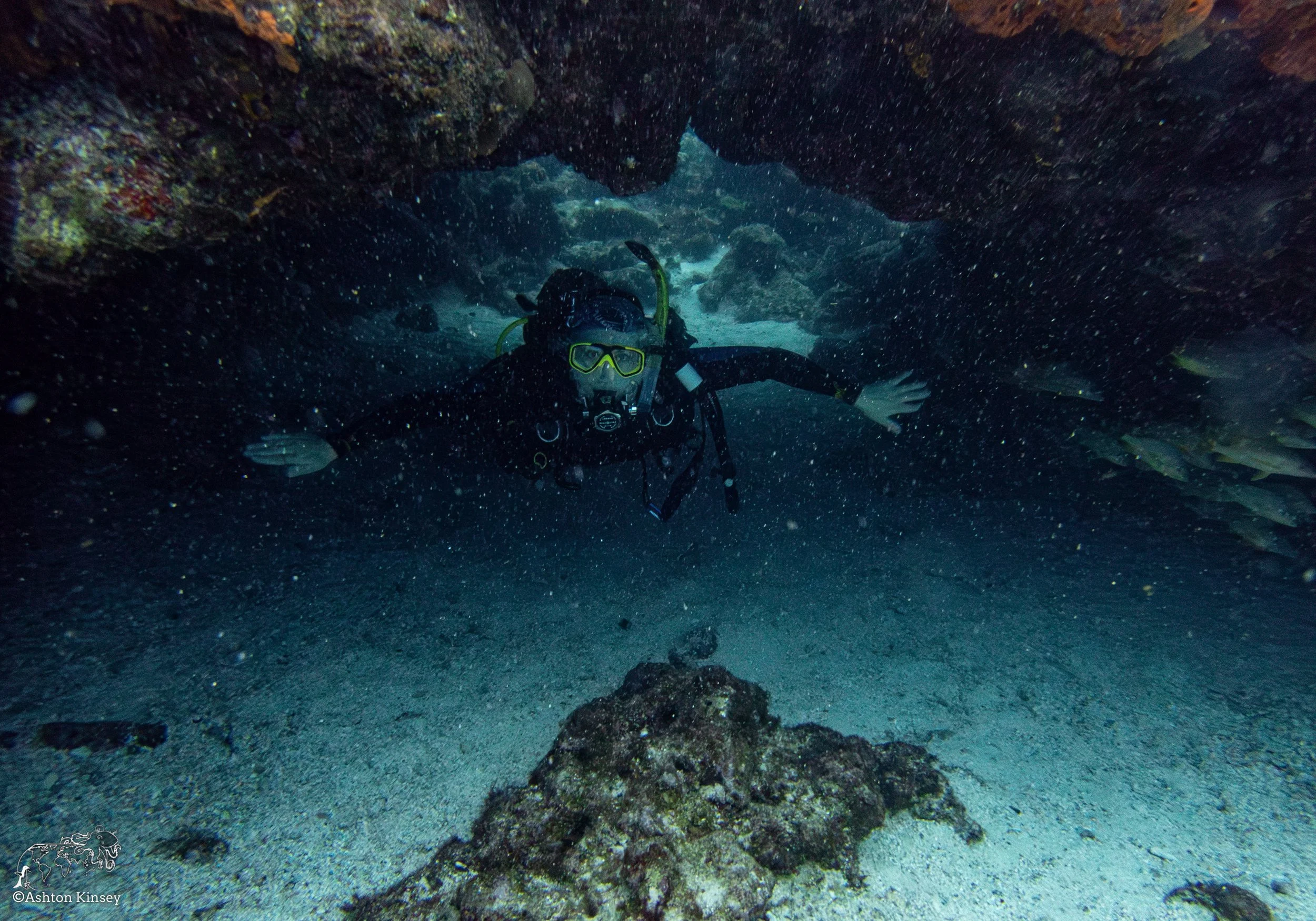
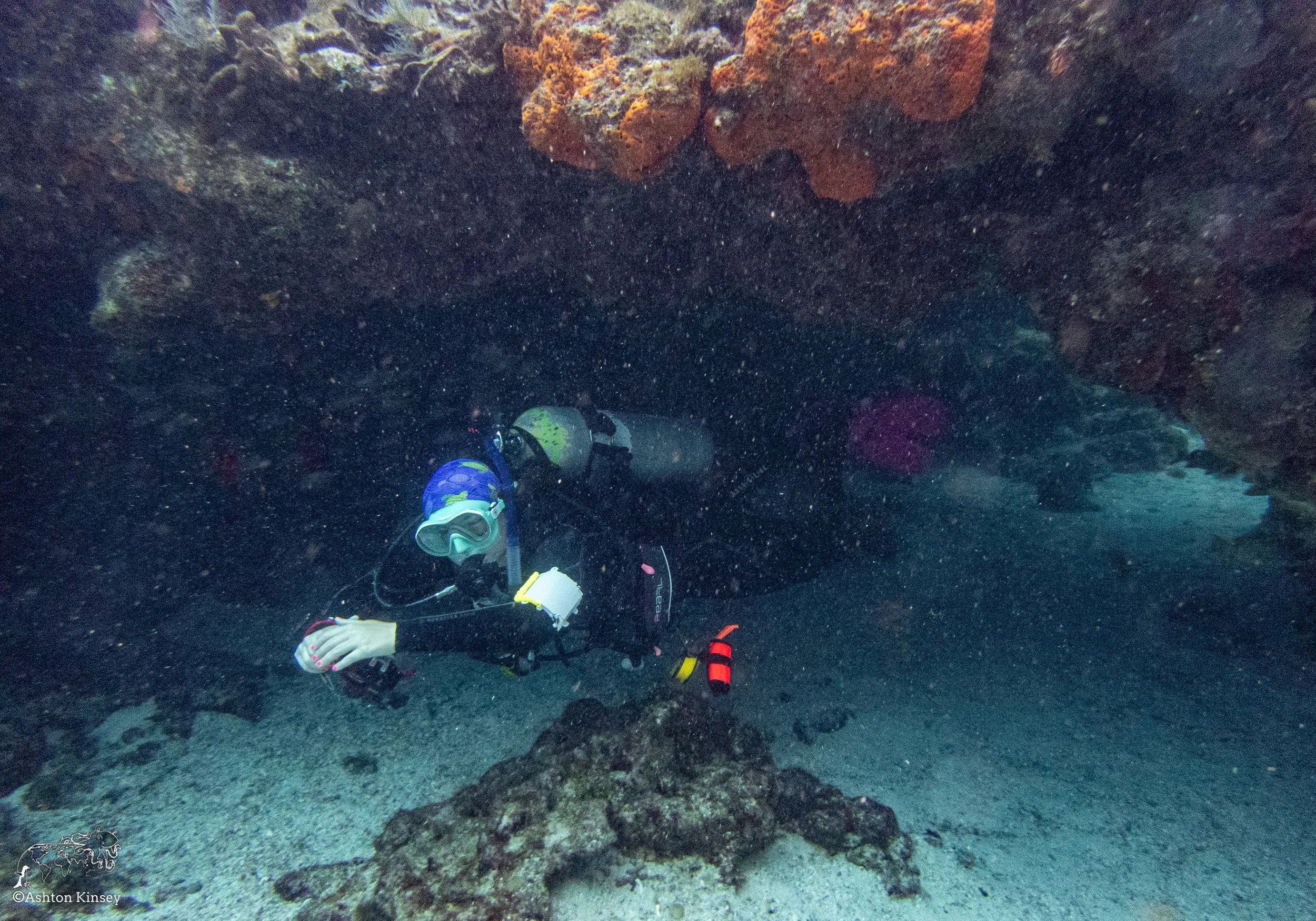
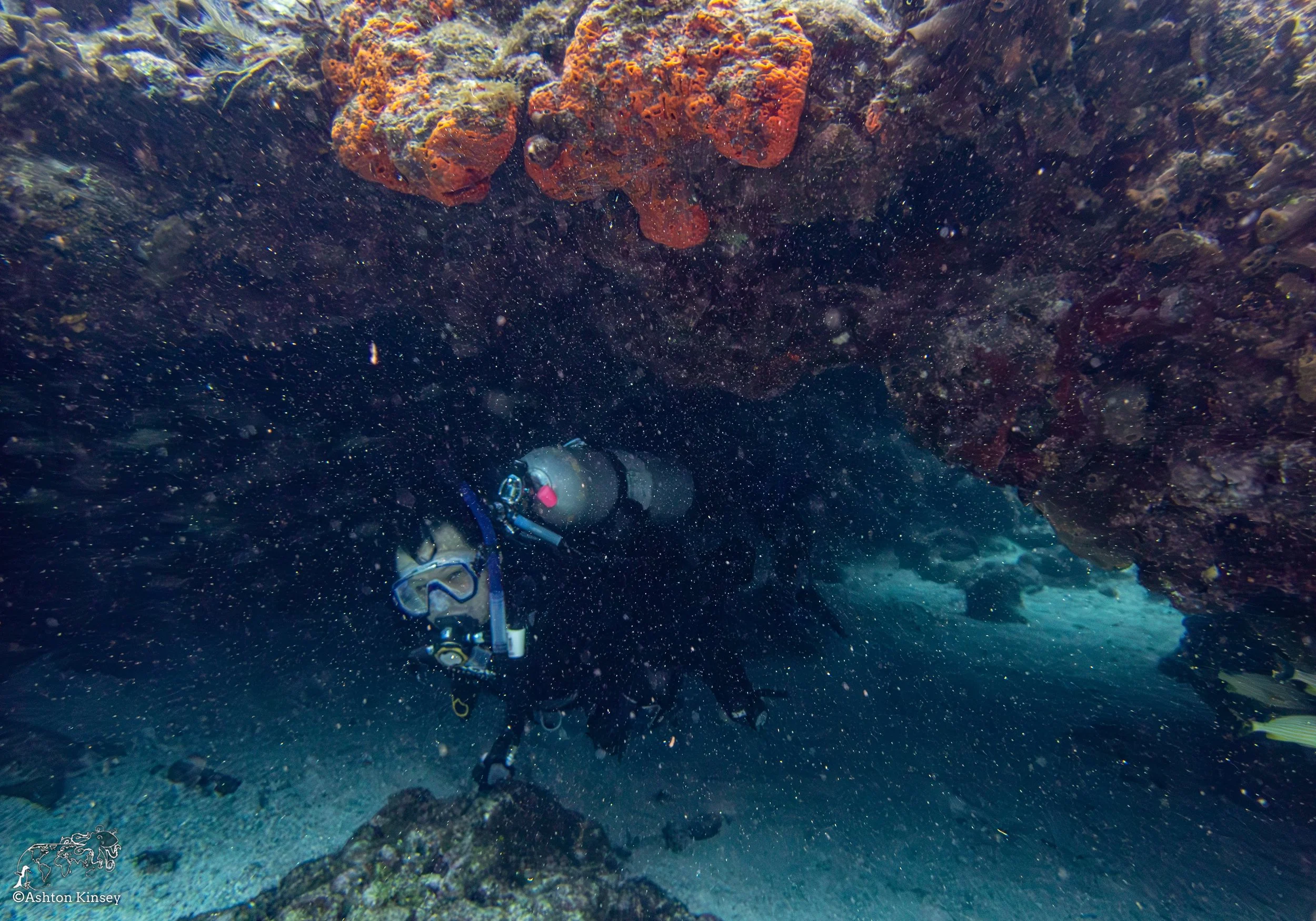
I’m unsure who JJ is, or how he got a “cave” named after him, but like most men online, this “cave” is vastly over exaggerated. It’s a nice swim through with squirrelfish hiding out. The rest of the reef is similar to the rest of sites on Molasses Reef a good final dive of the trip.
Elbow Reef
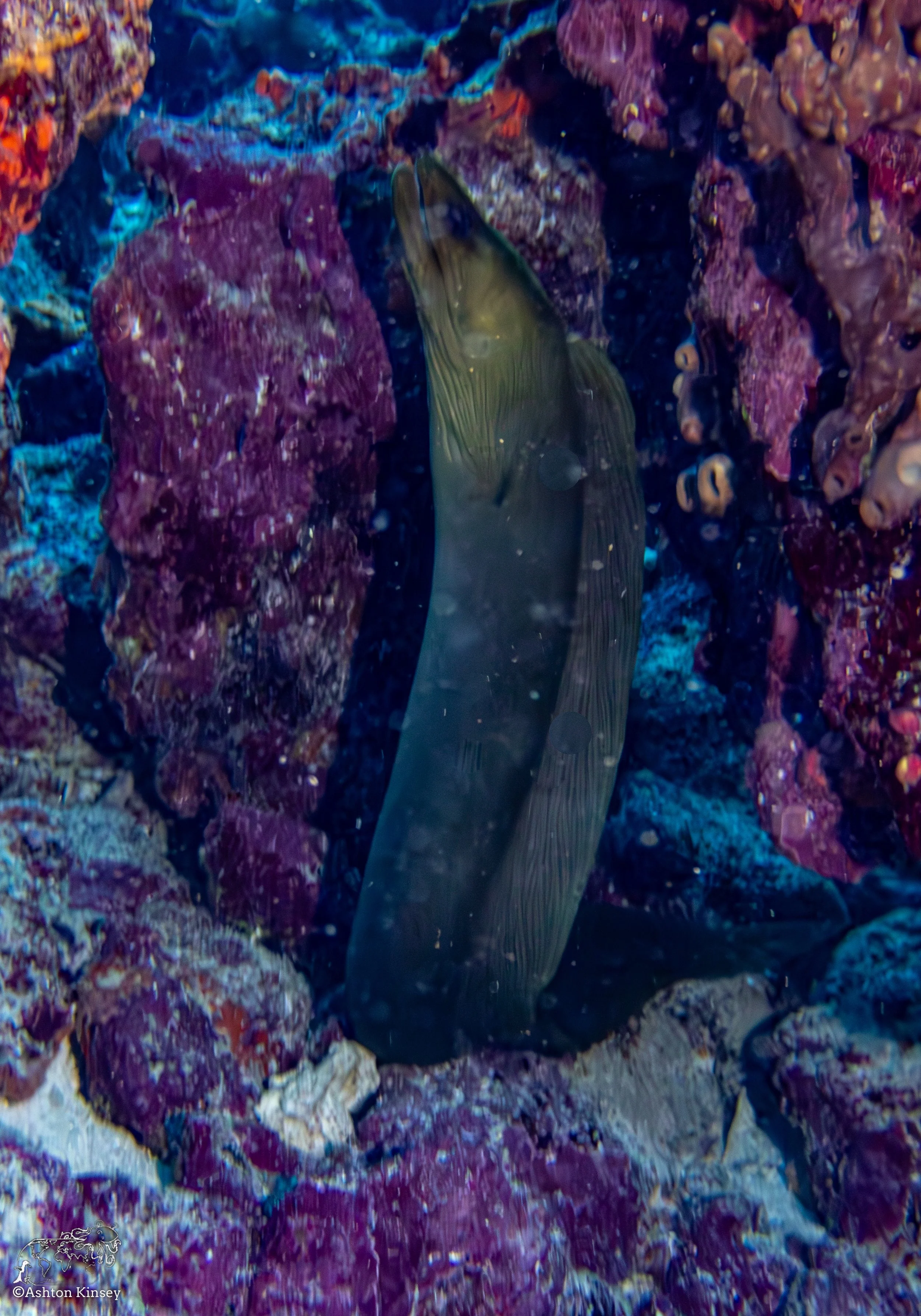
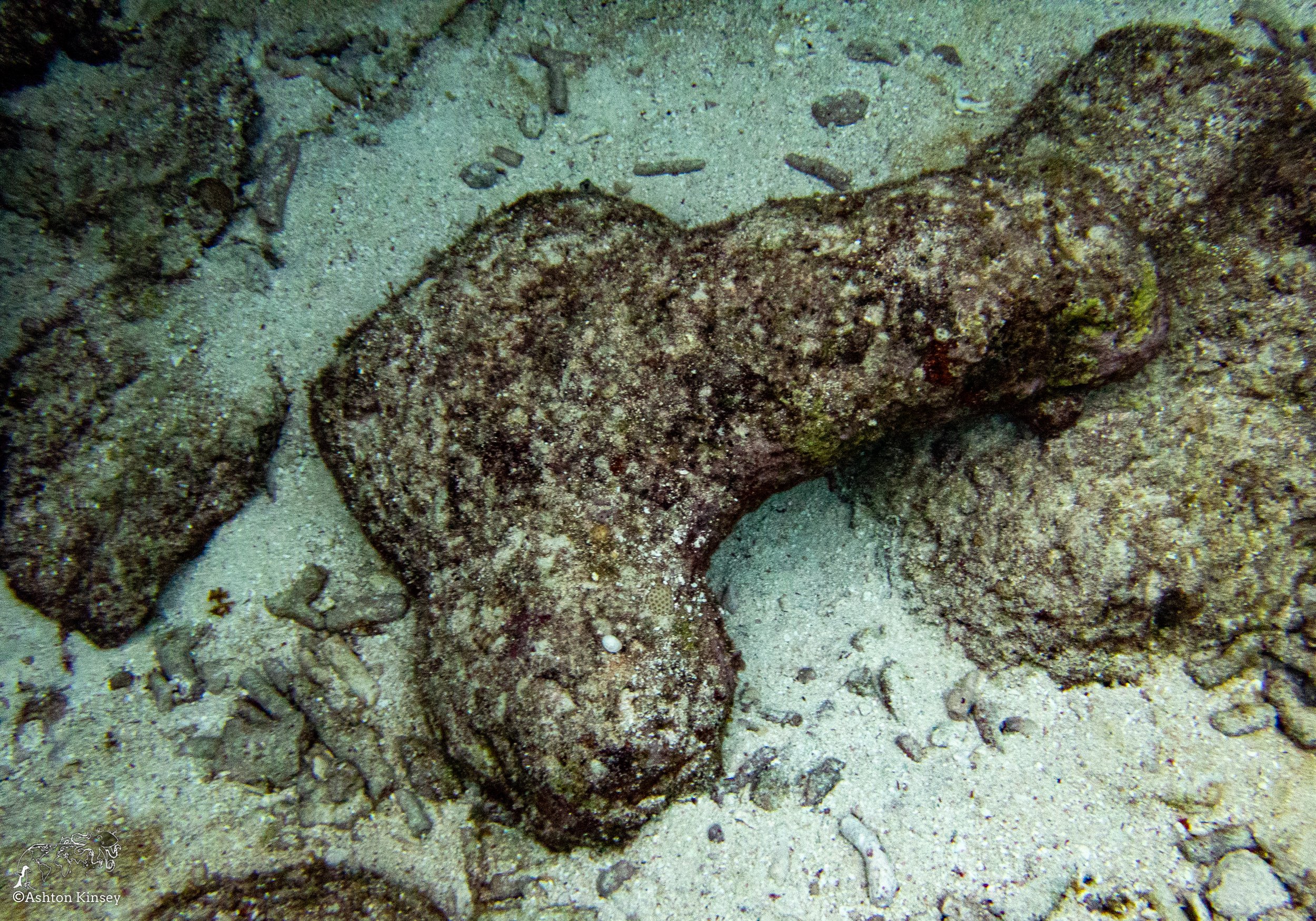
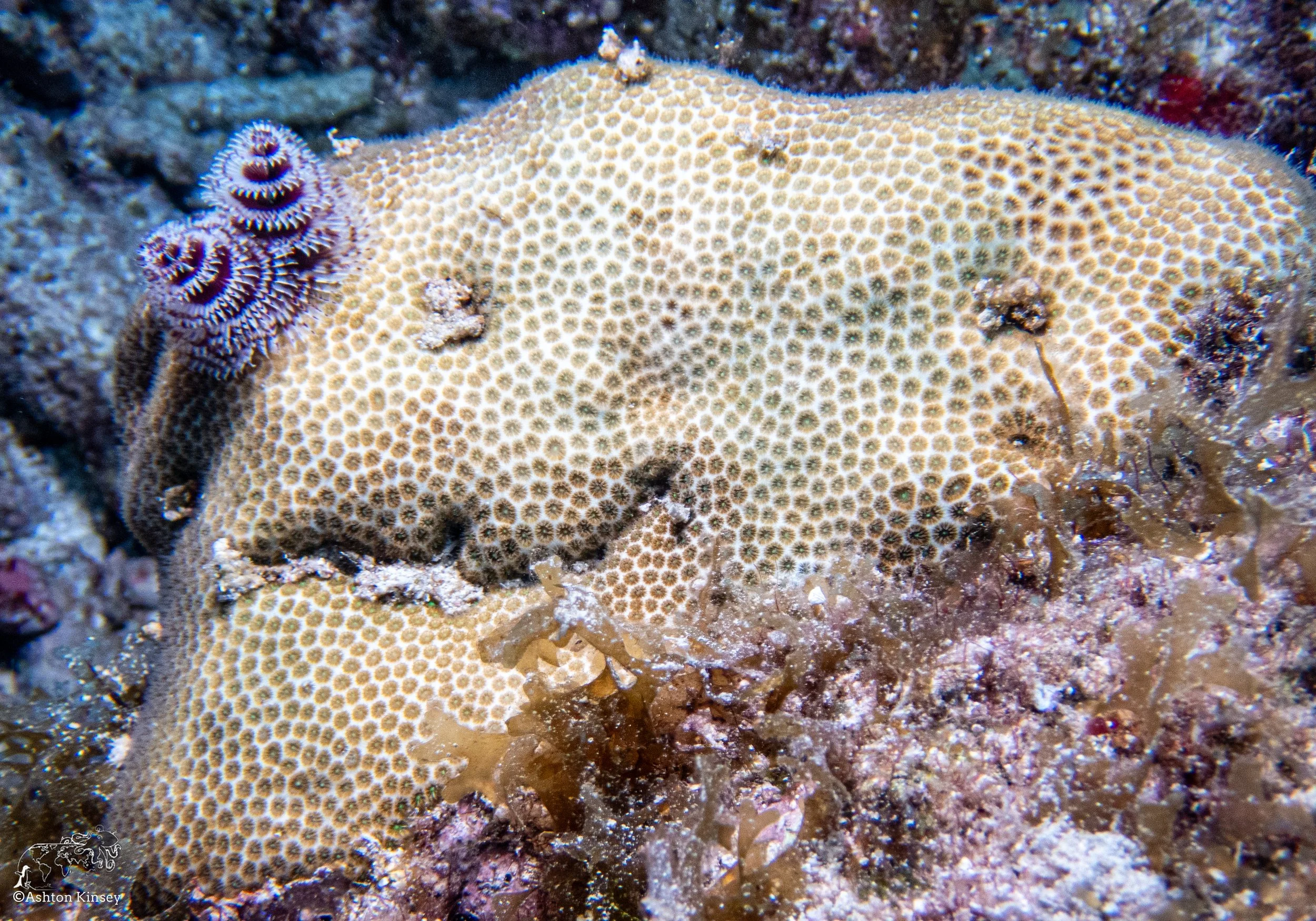
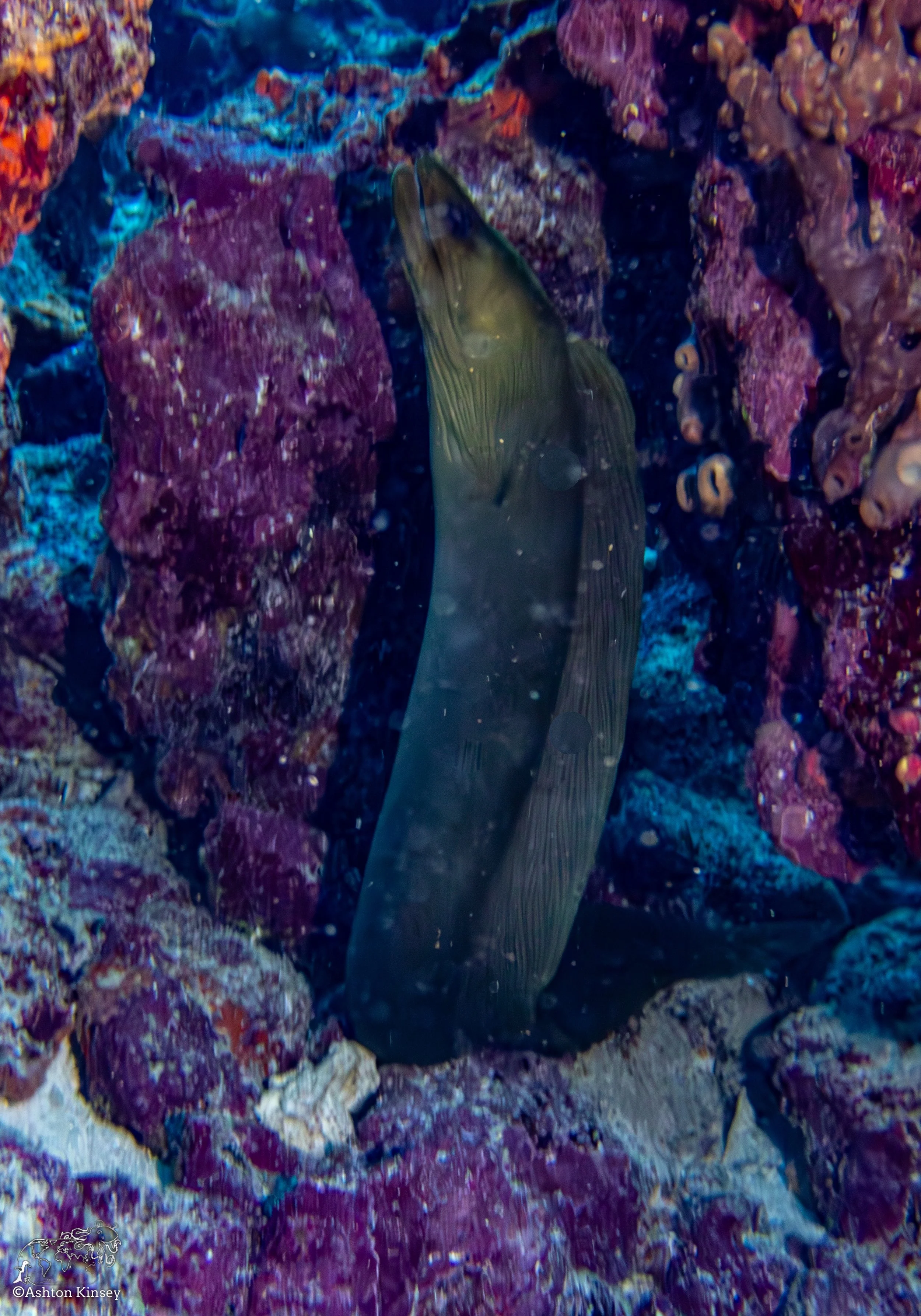
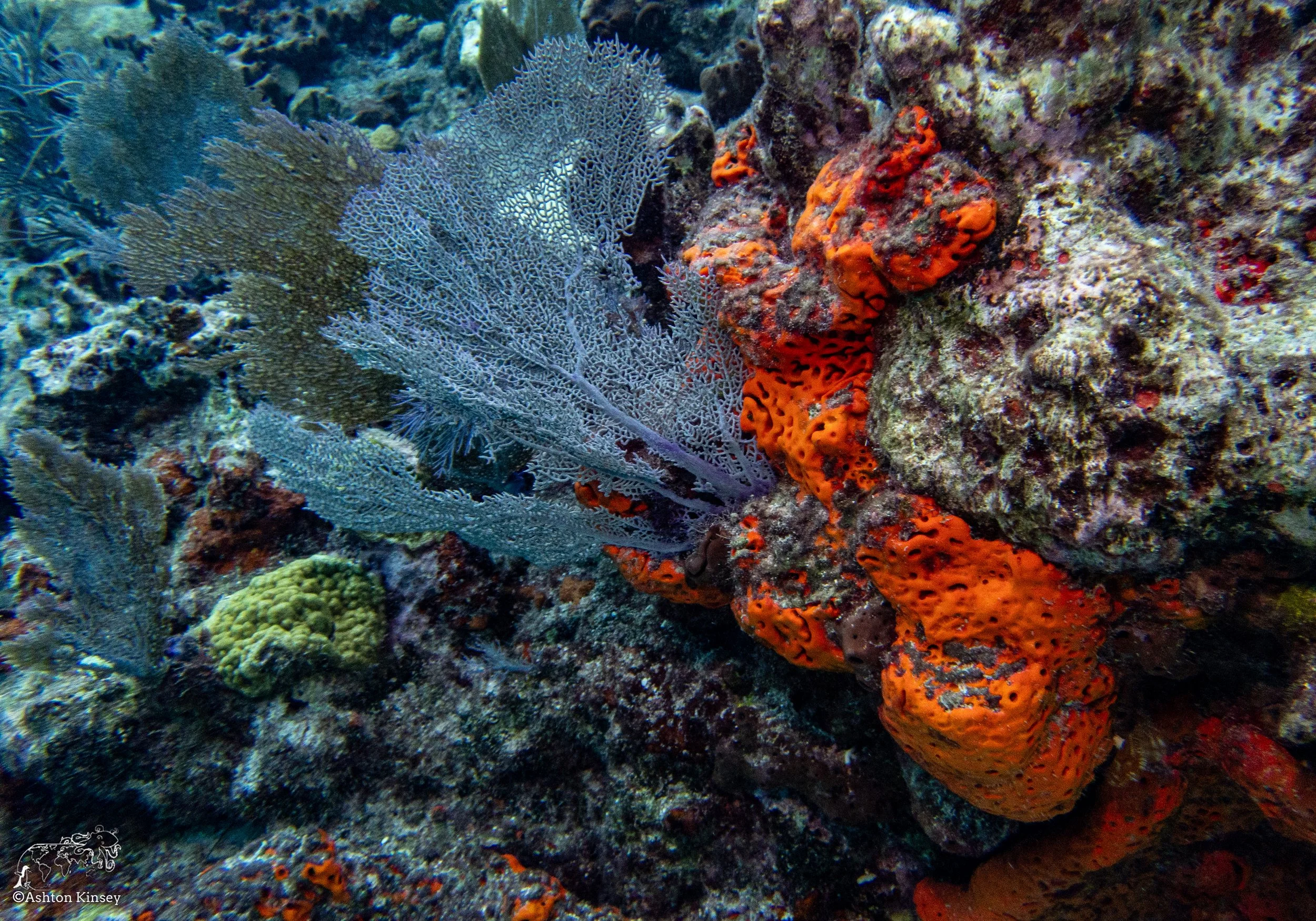
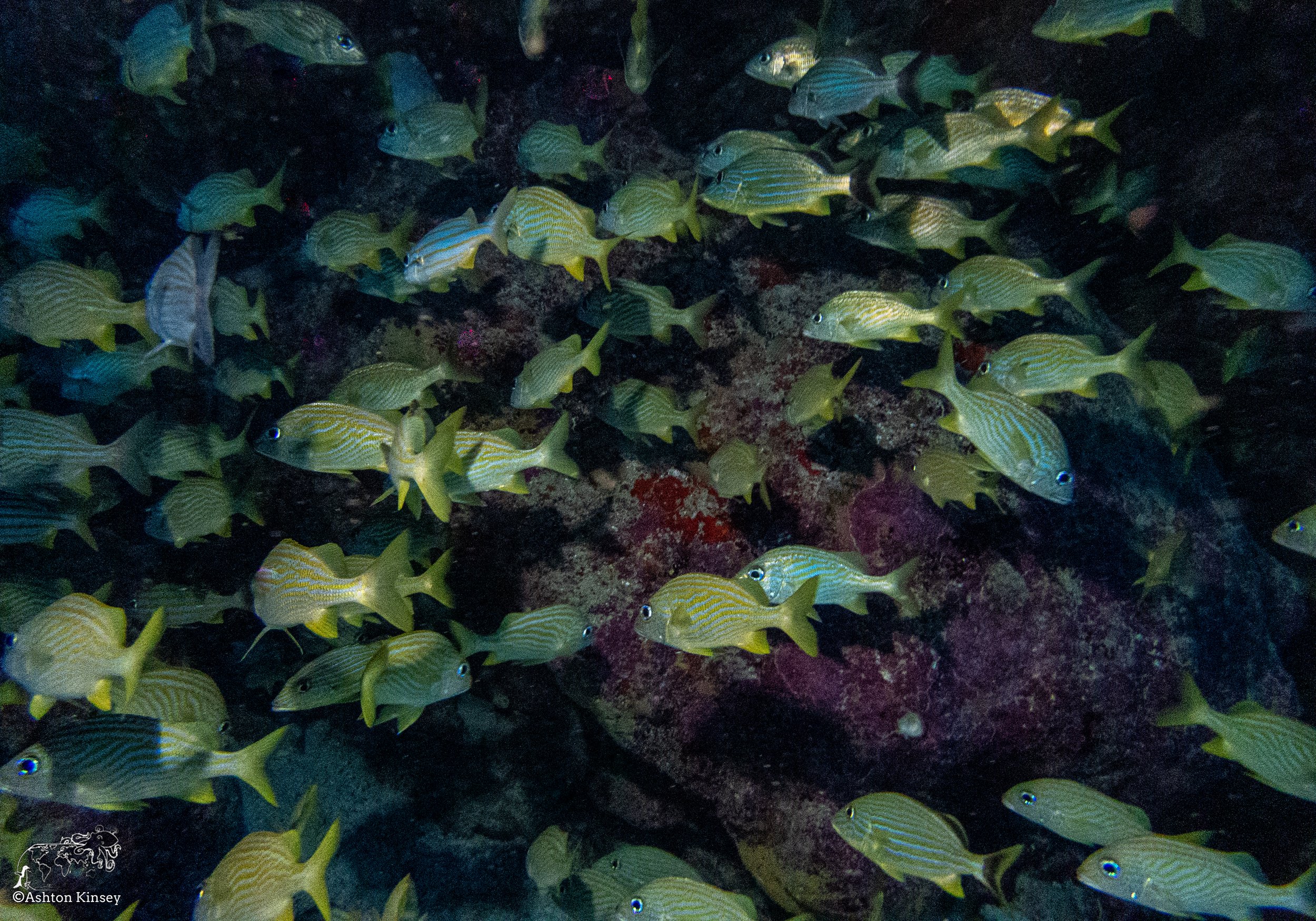
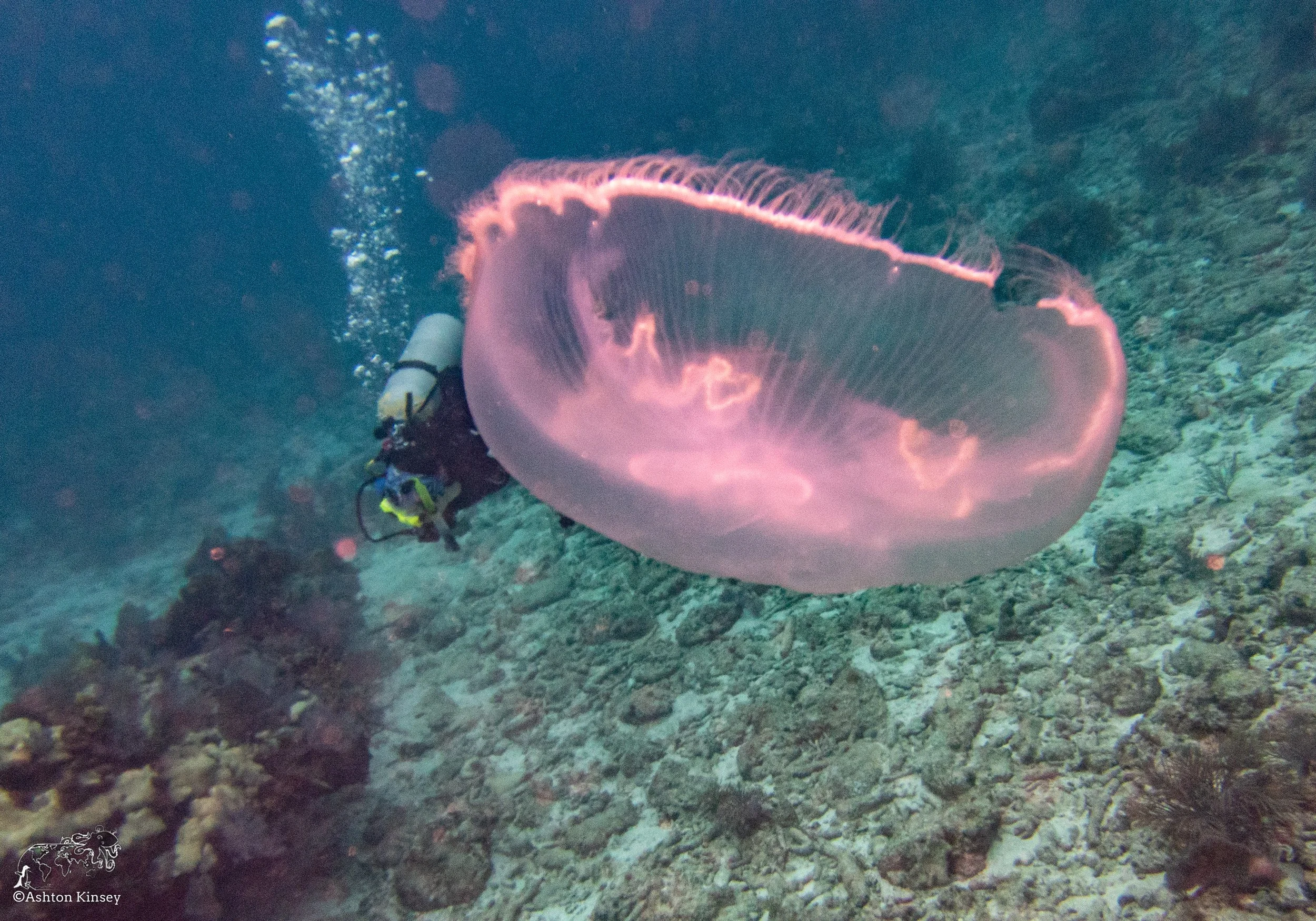
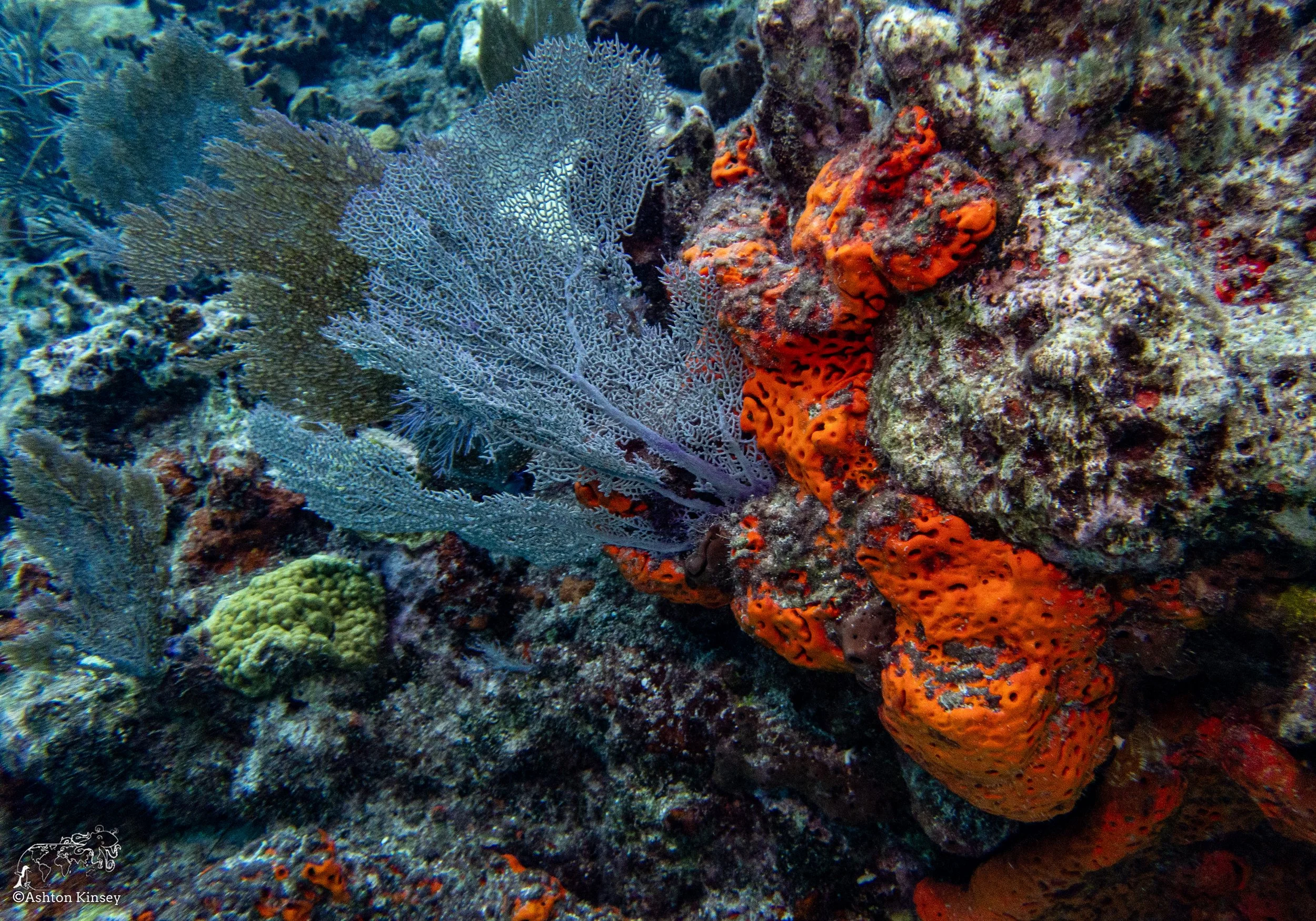
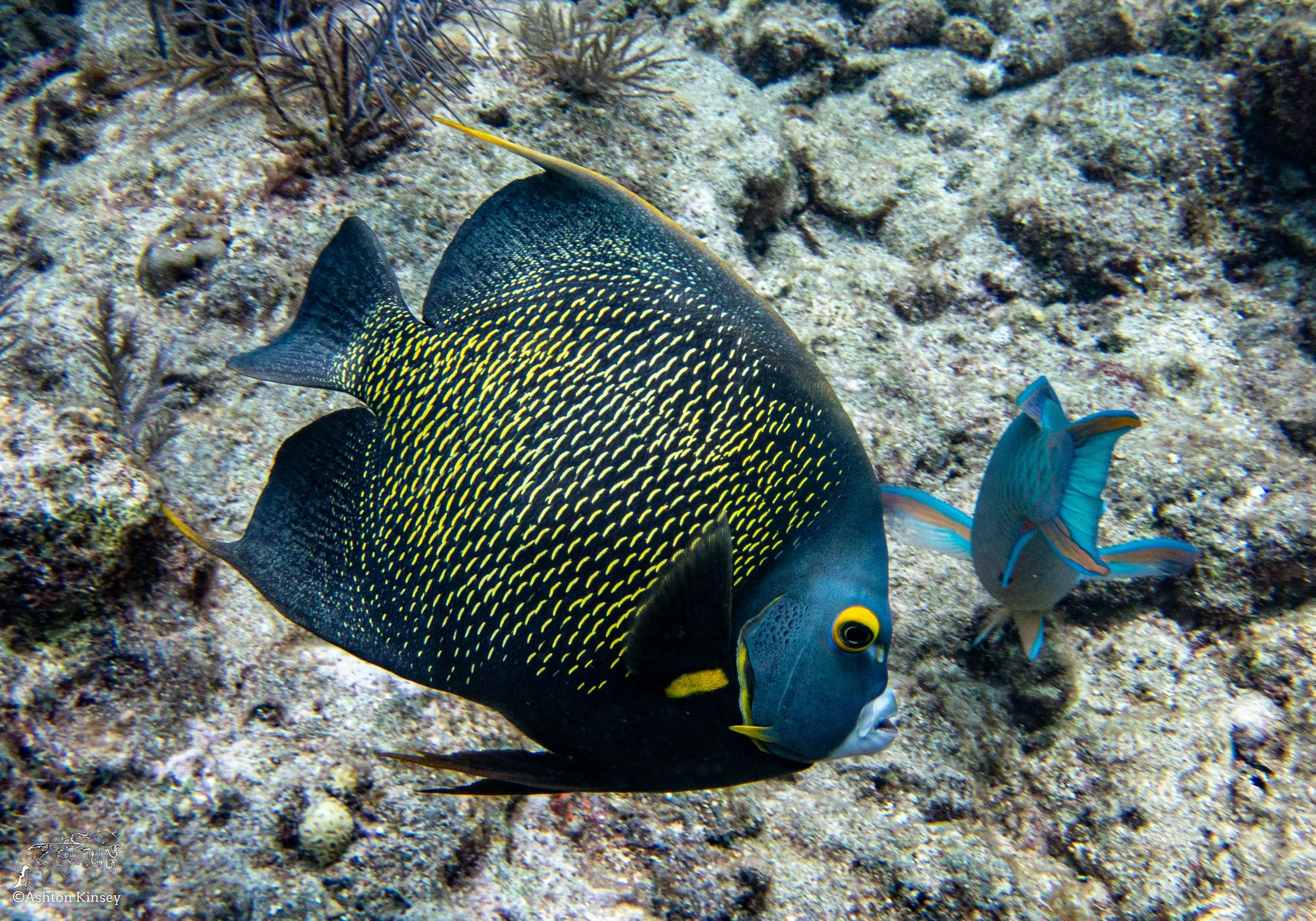
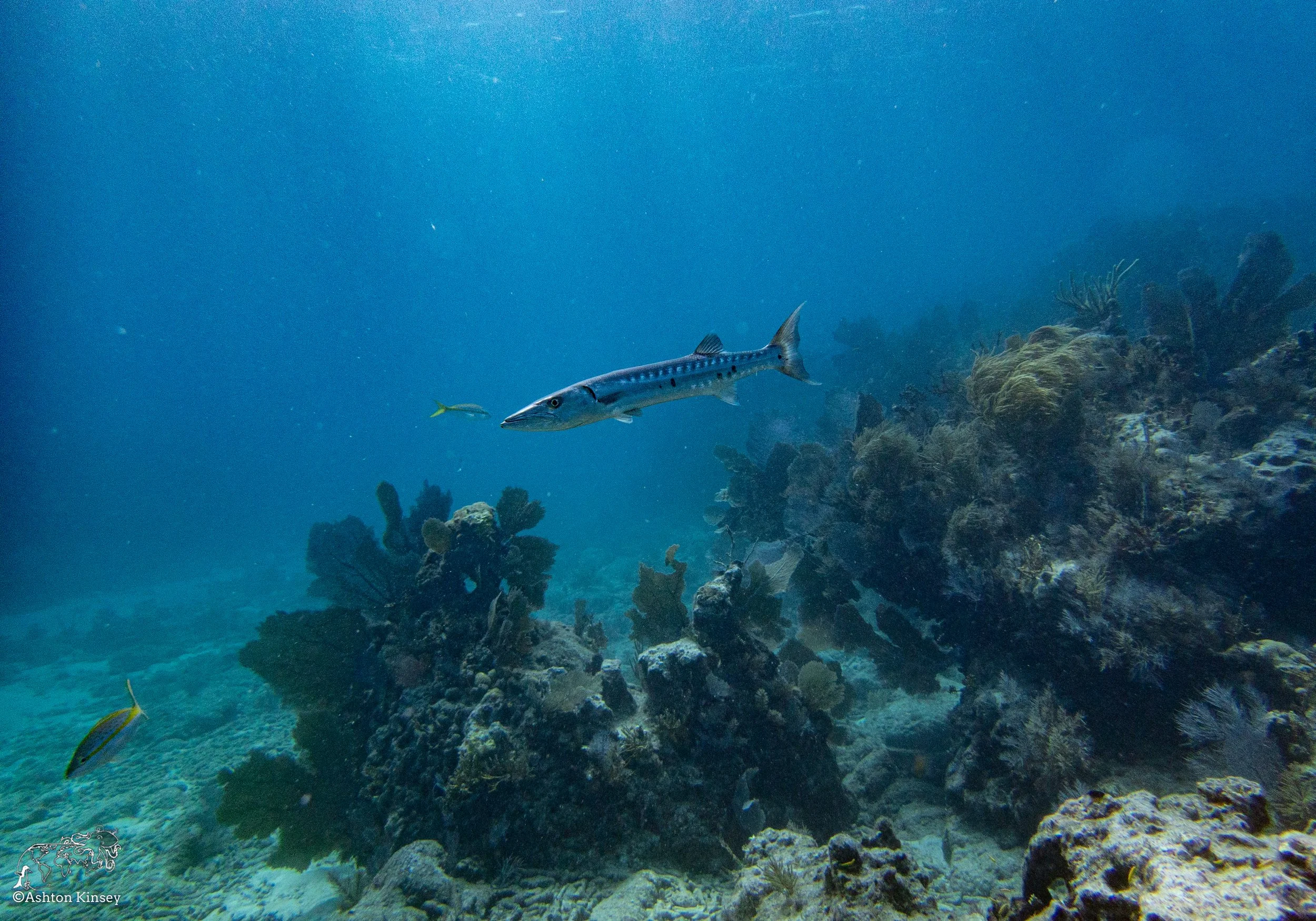
Elbow reef is a shallow, shaped shockingly like an elbow, reef system with a maximum depth of about 45’. This shallow reef has proven to be hazardous to many ships over the years and several wrecked ships now populate the reef. Barracuda, morays, sharks and plenty of reef fish and coral cover most of the wrecks and fill the reefs.
City of Washington
26’ for 52 minutes
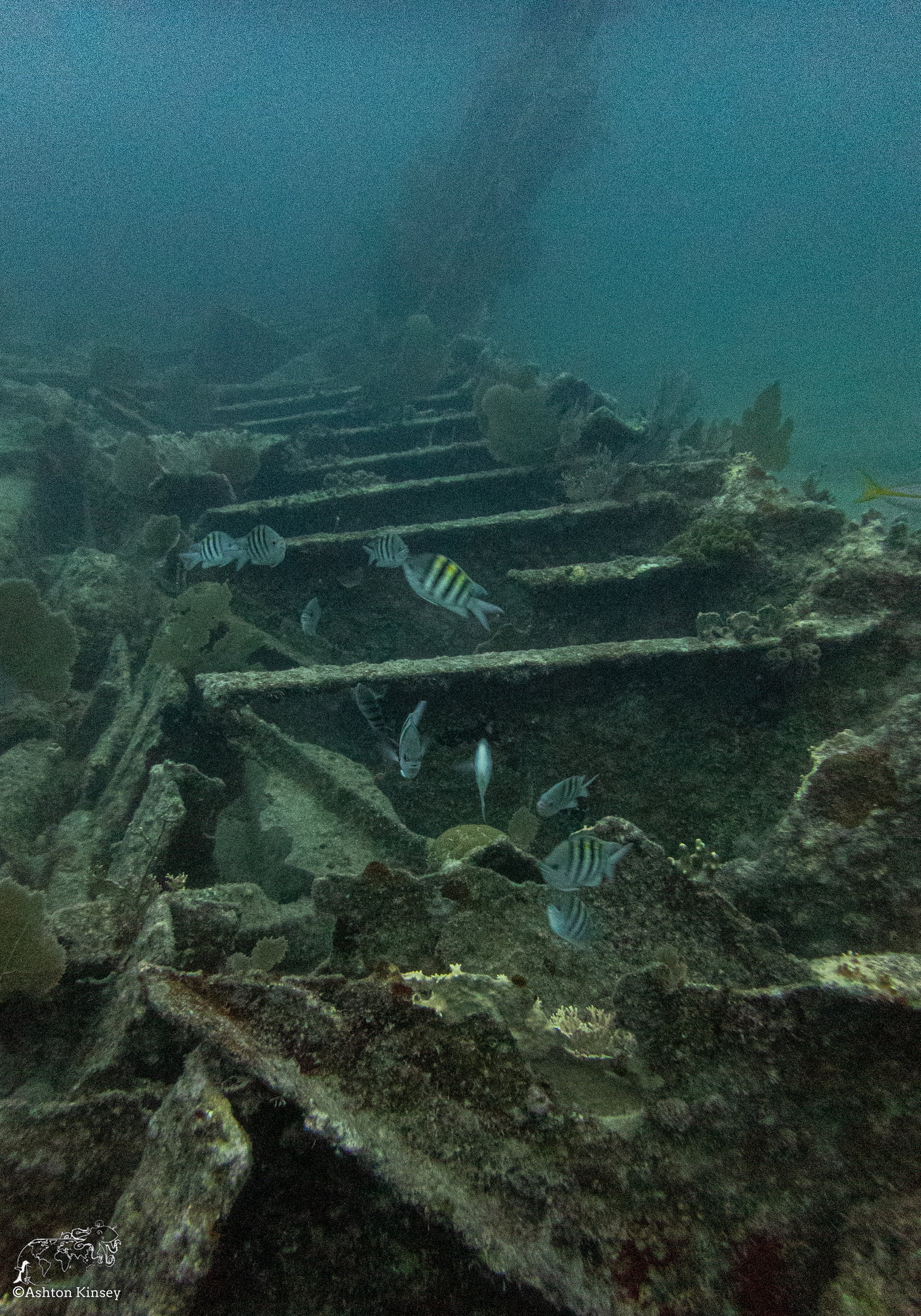
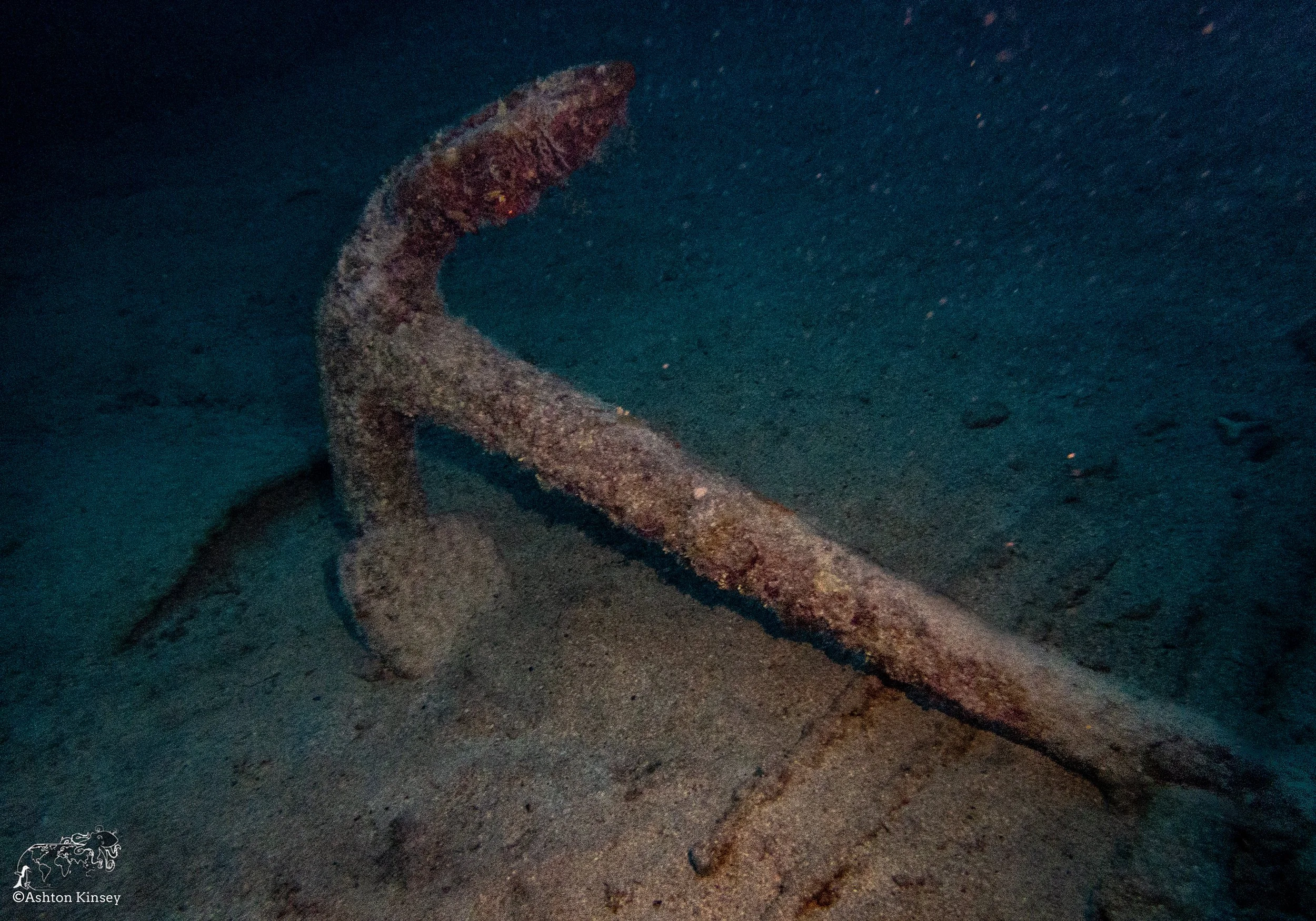
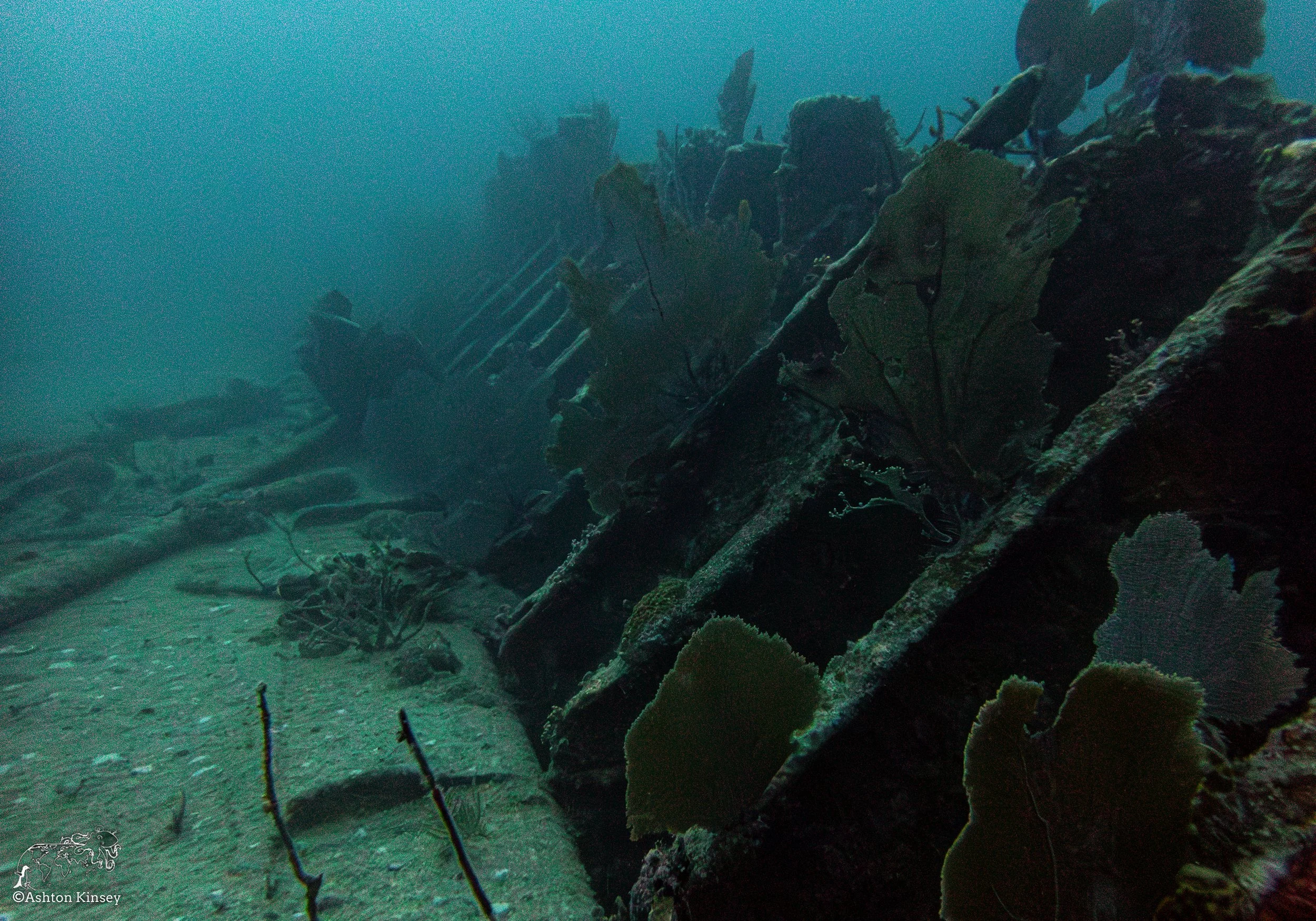
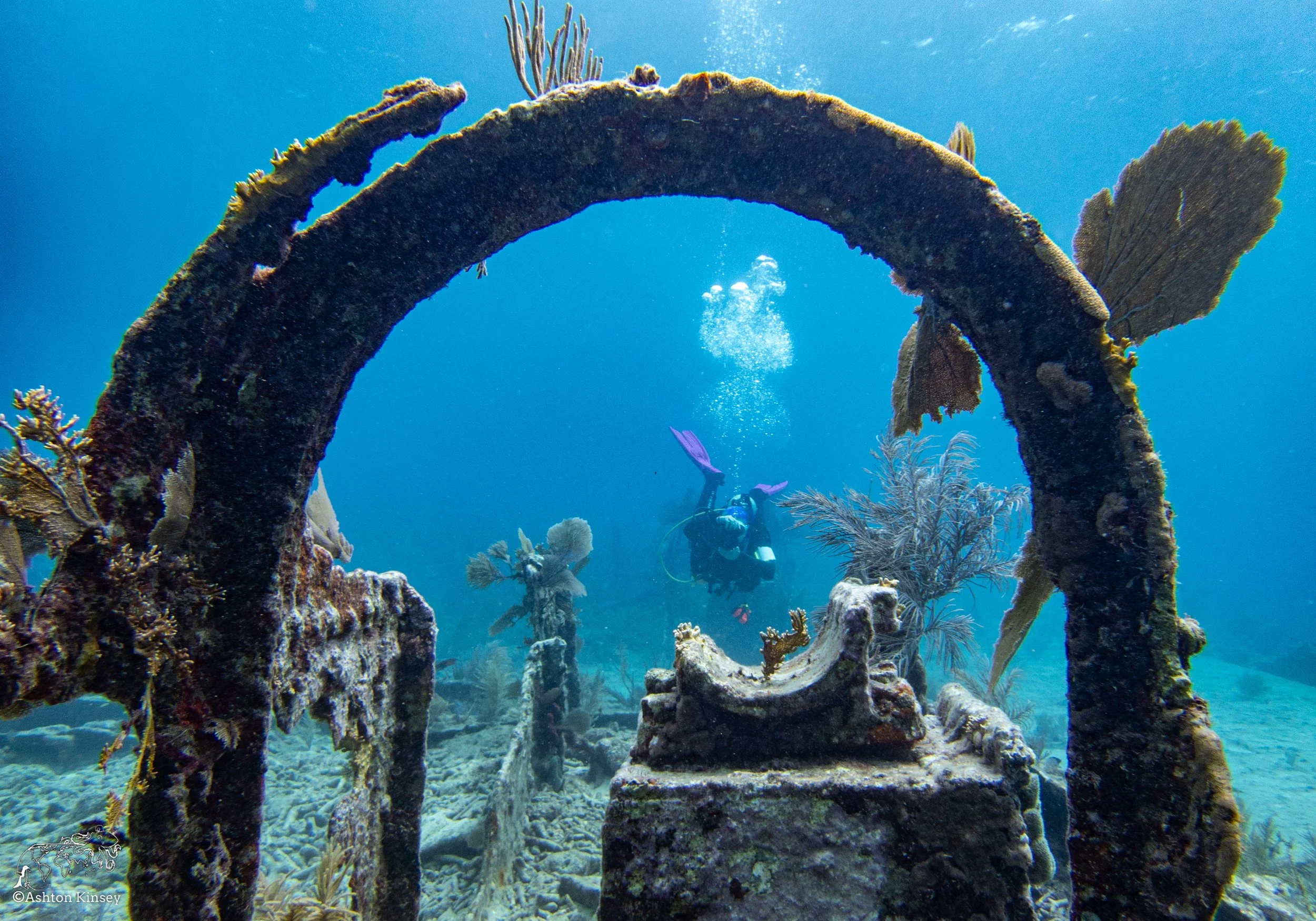
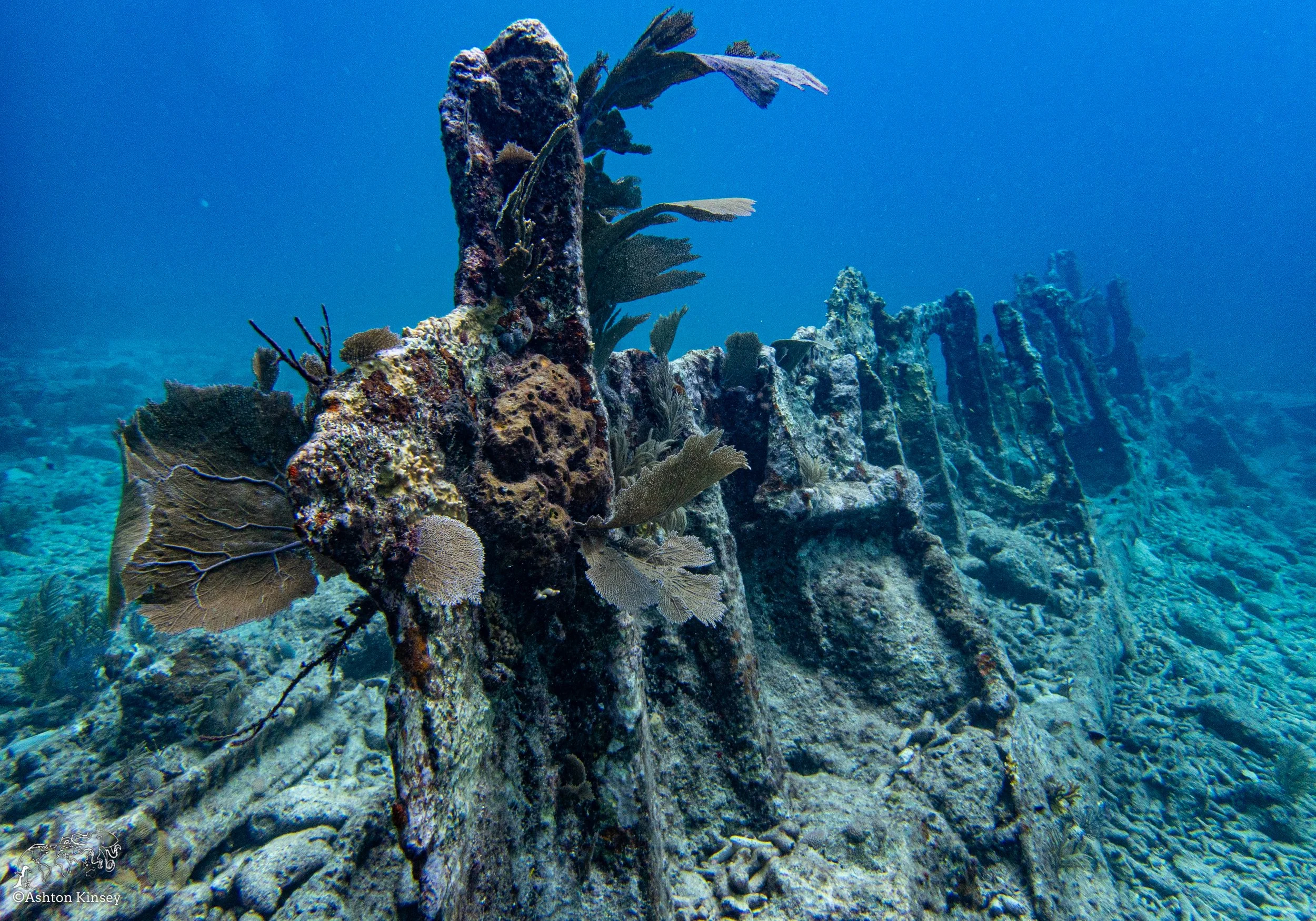
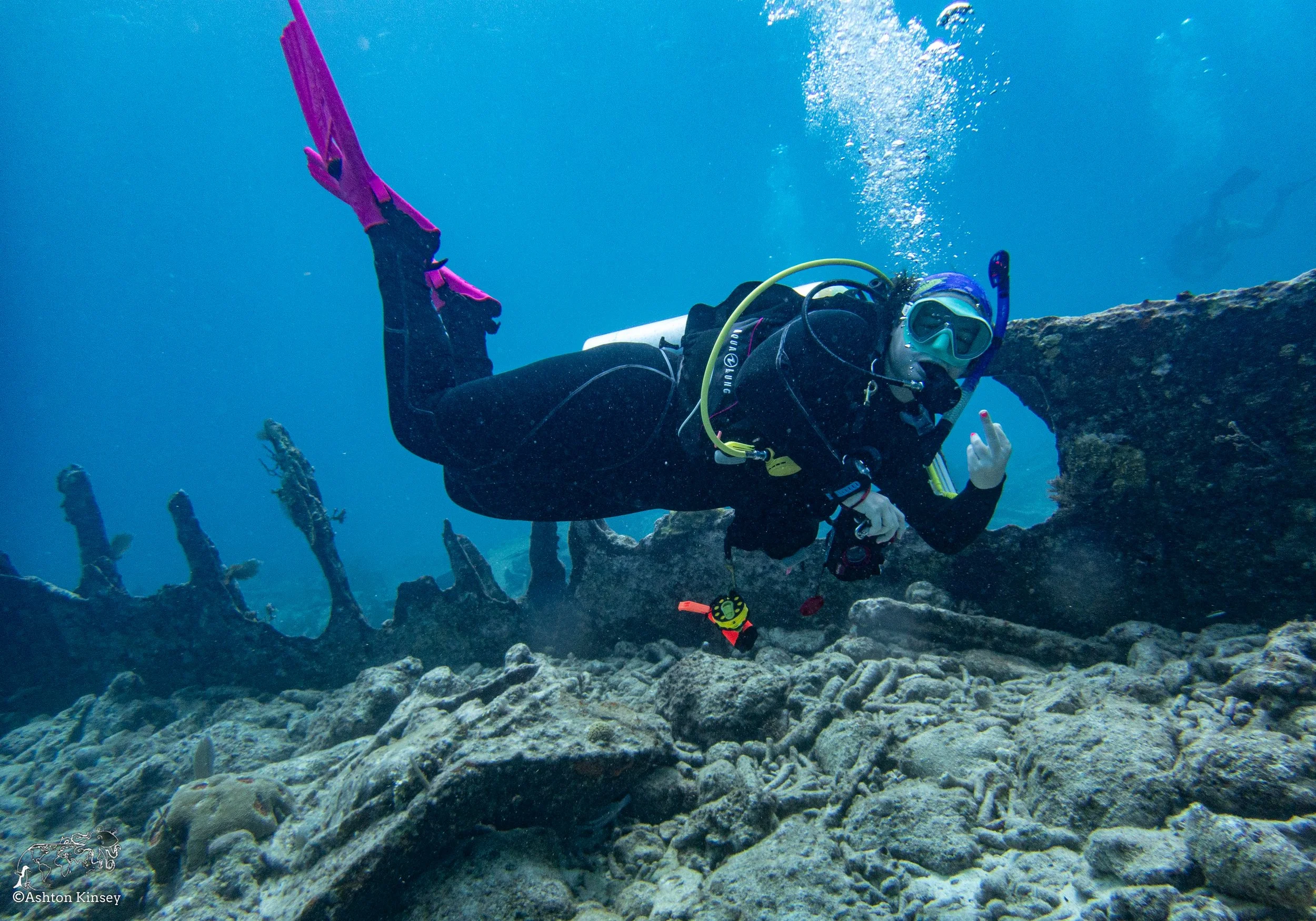
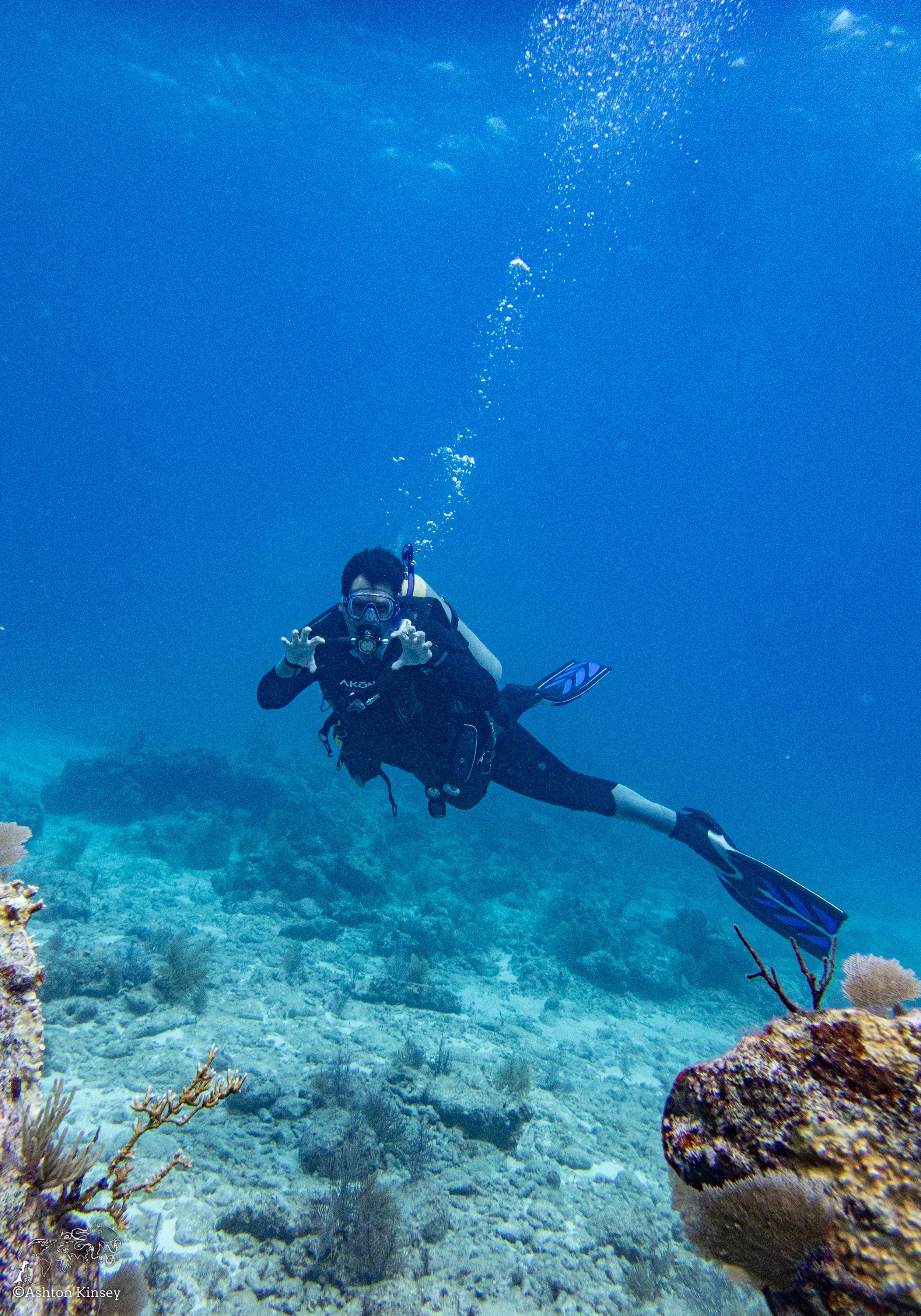
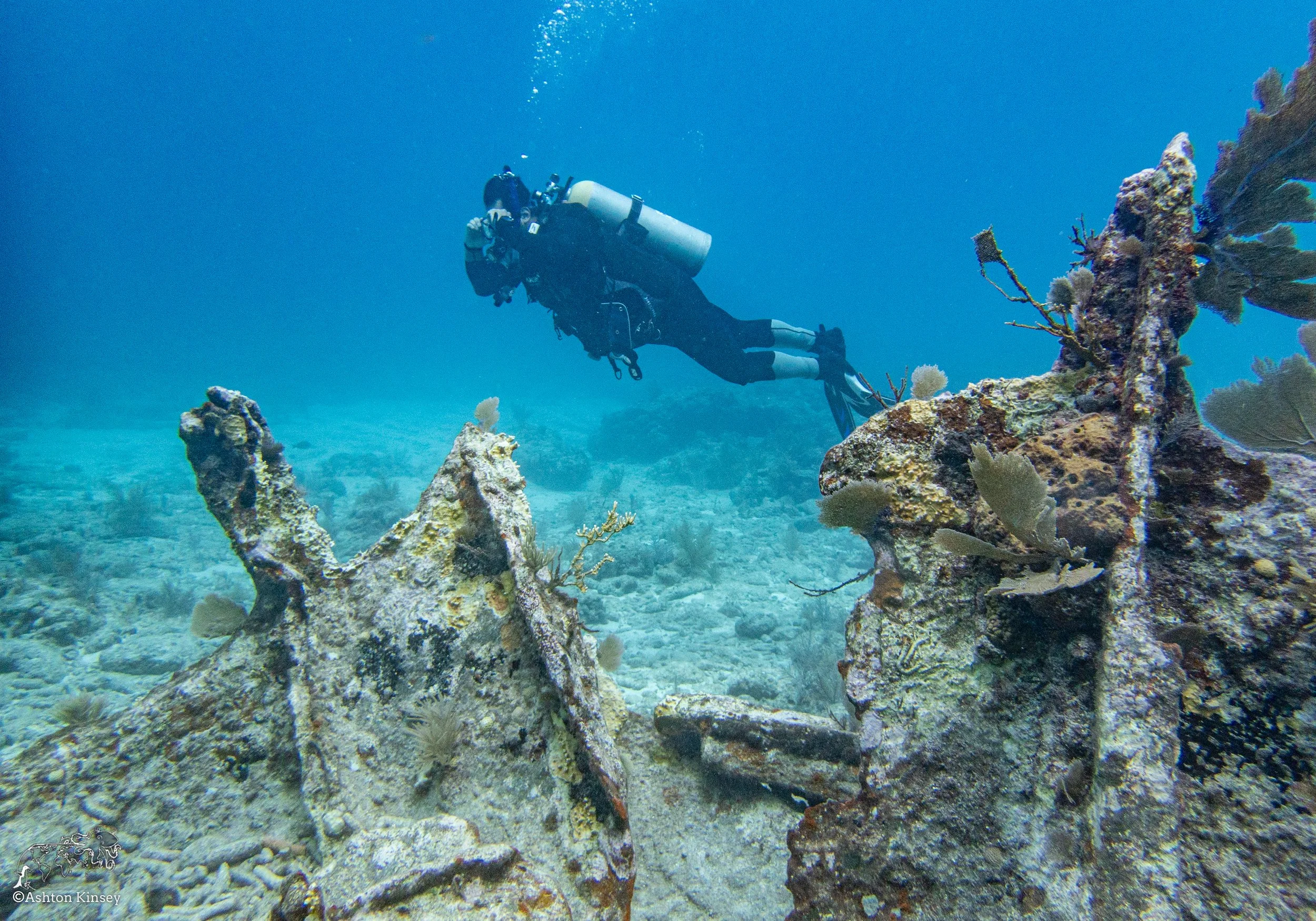
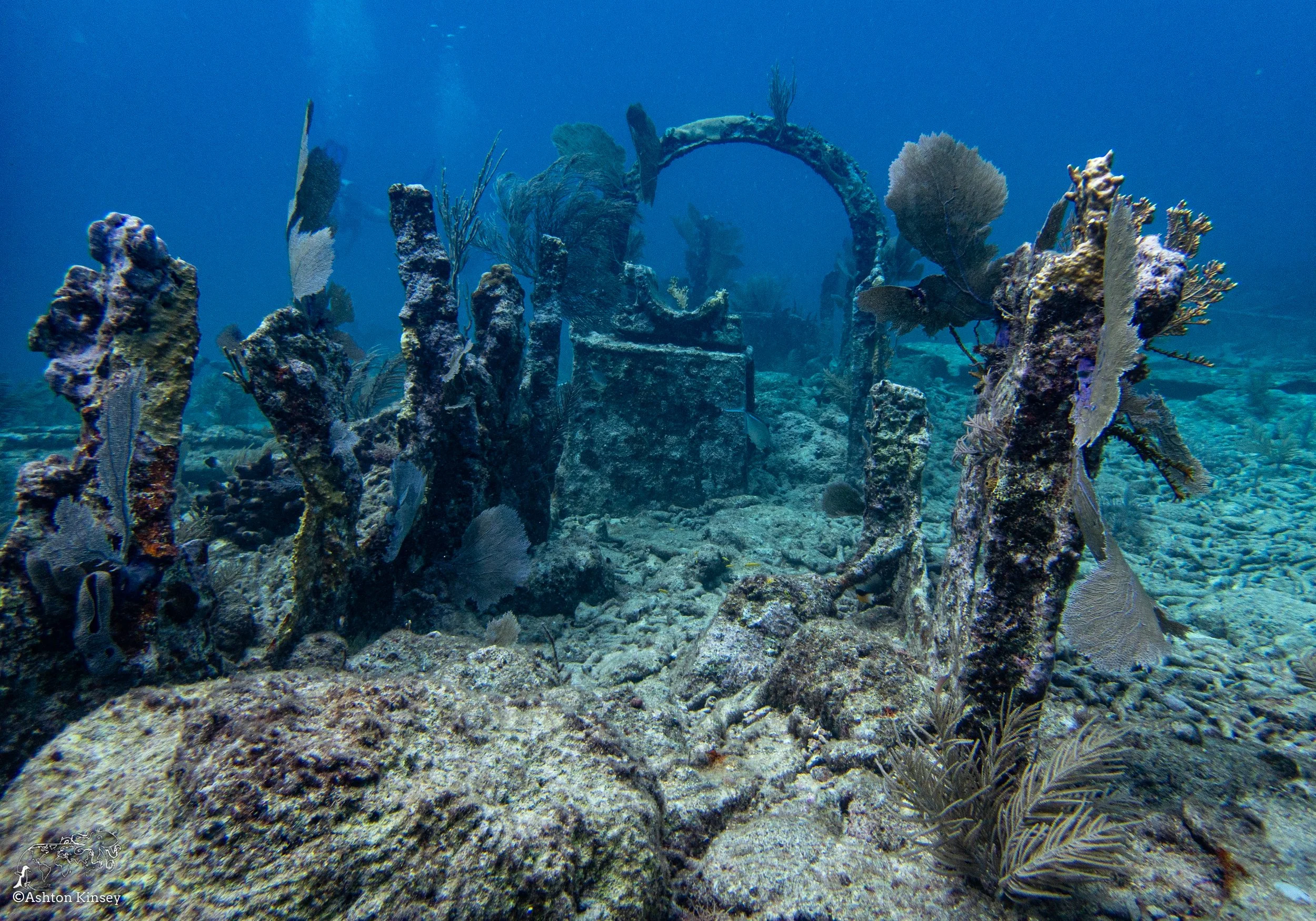
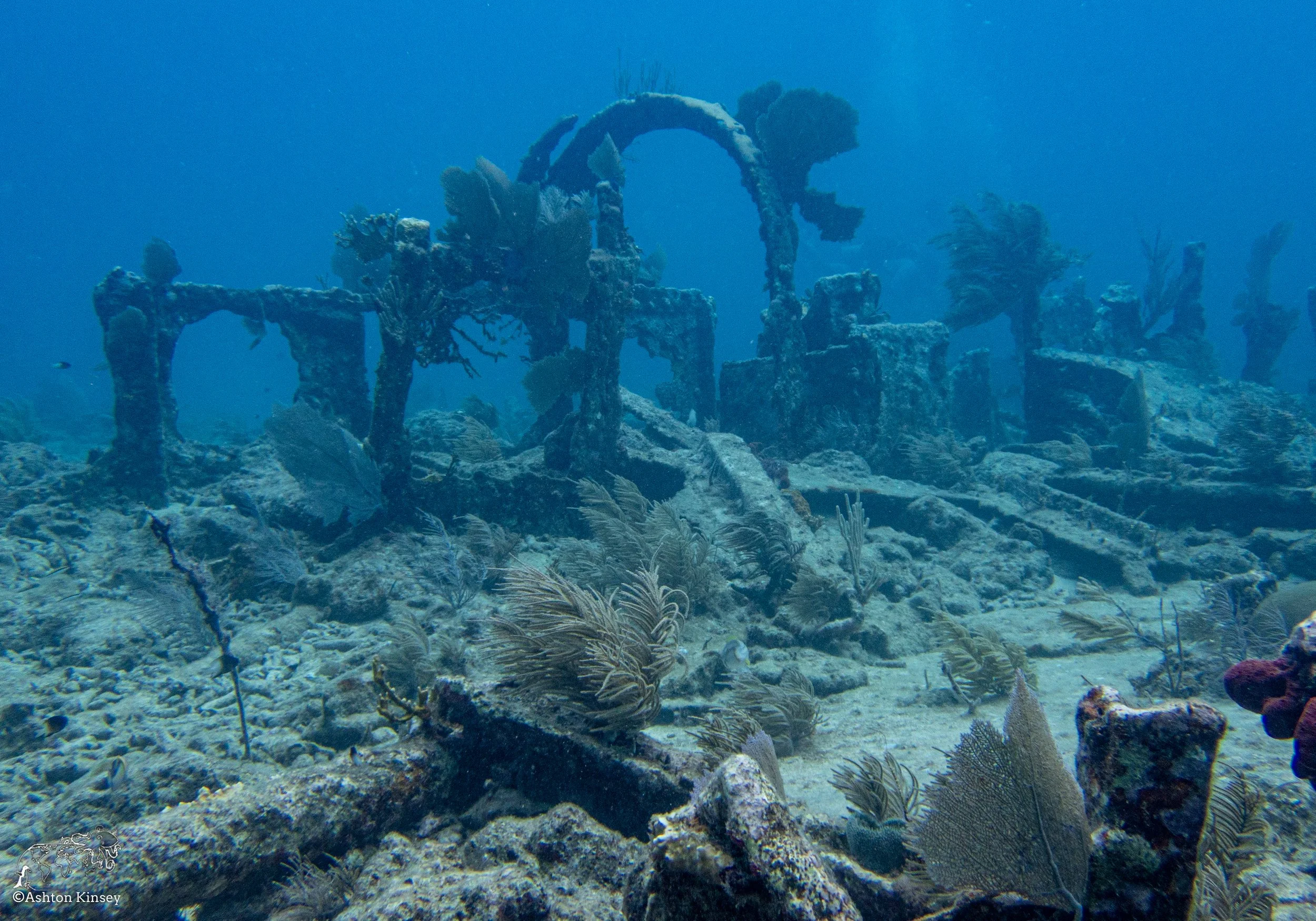
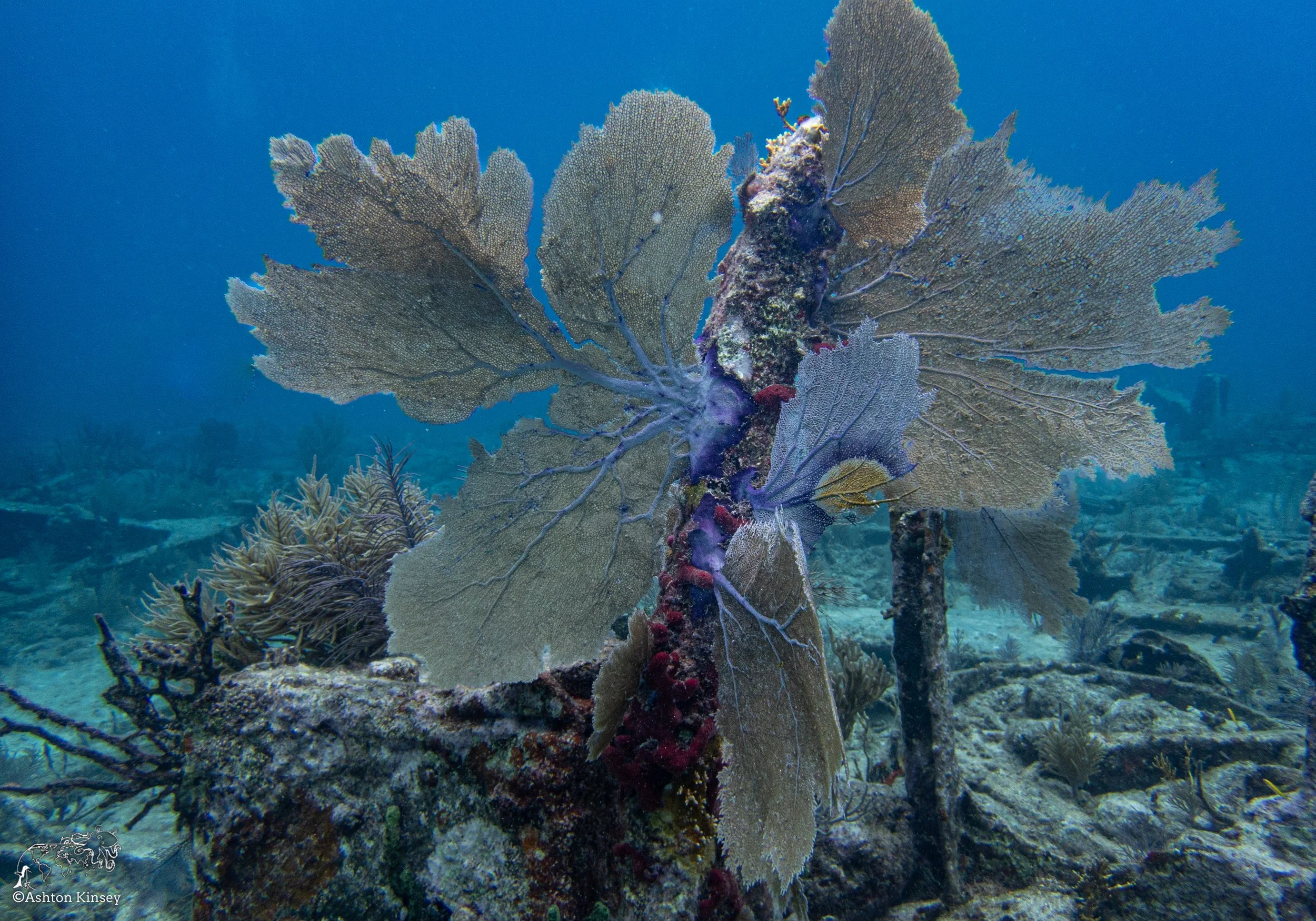
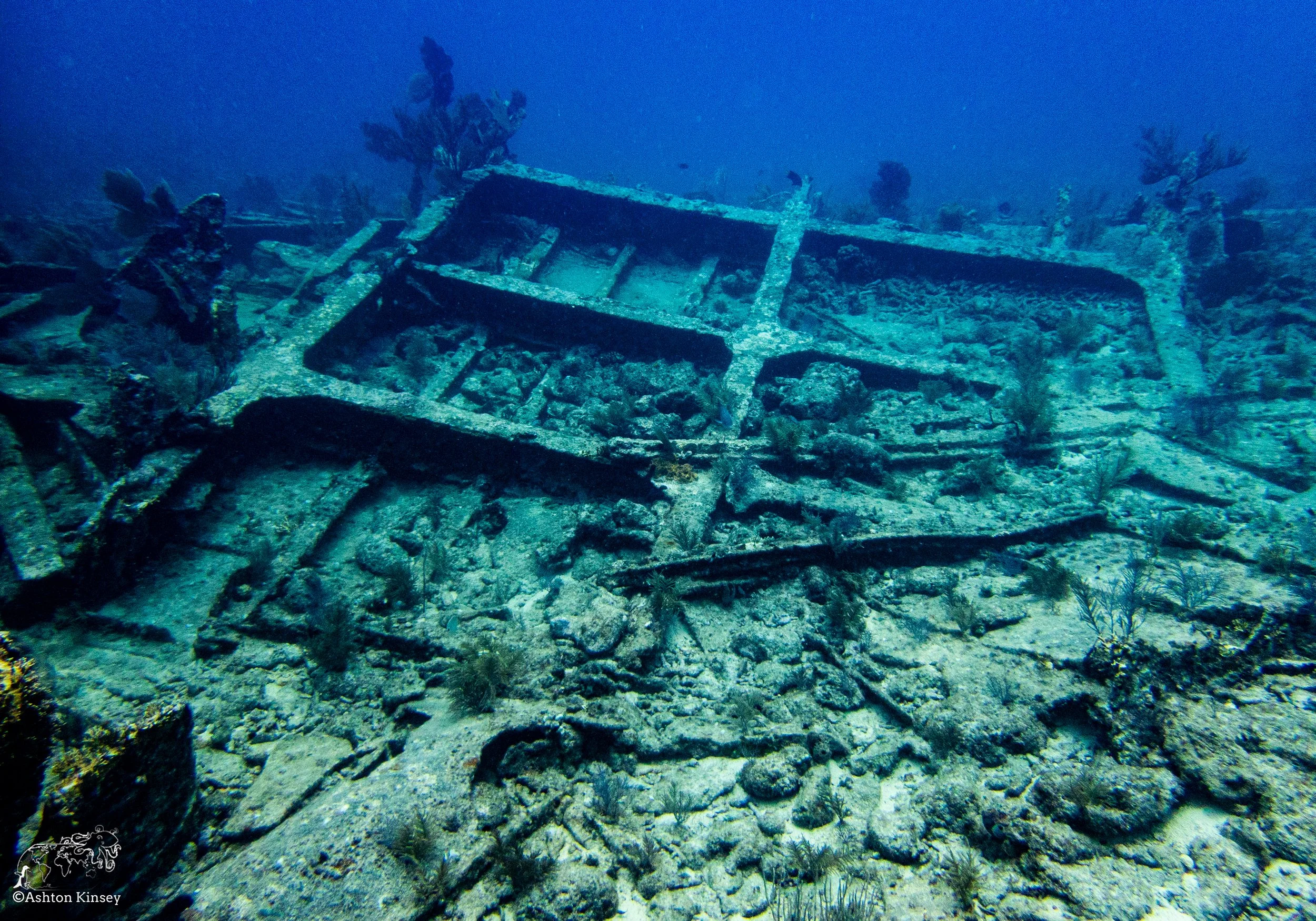
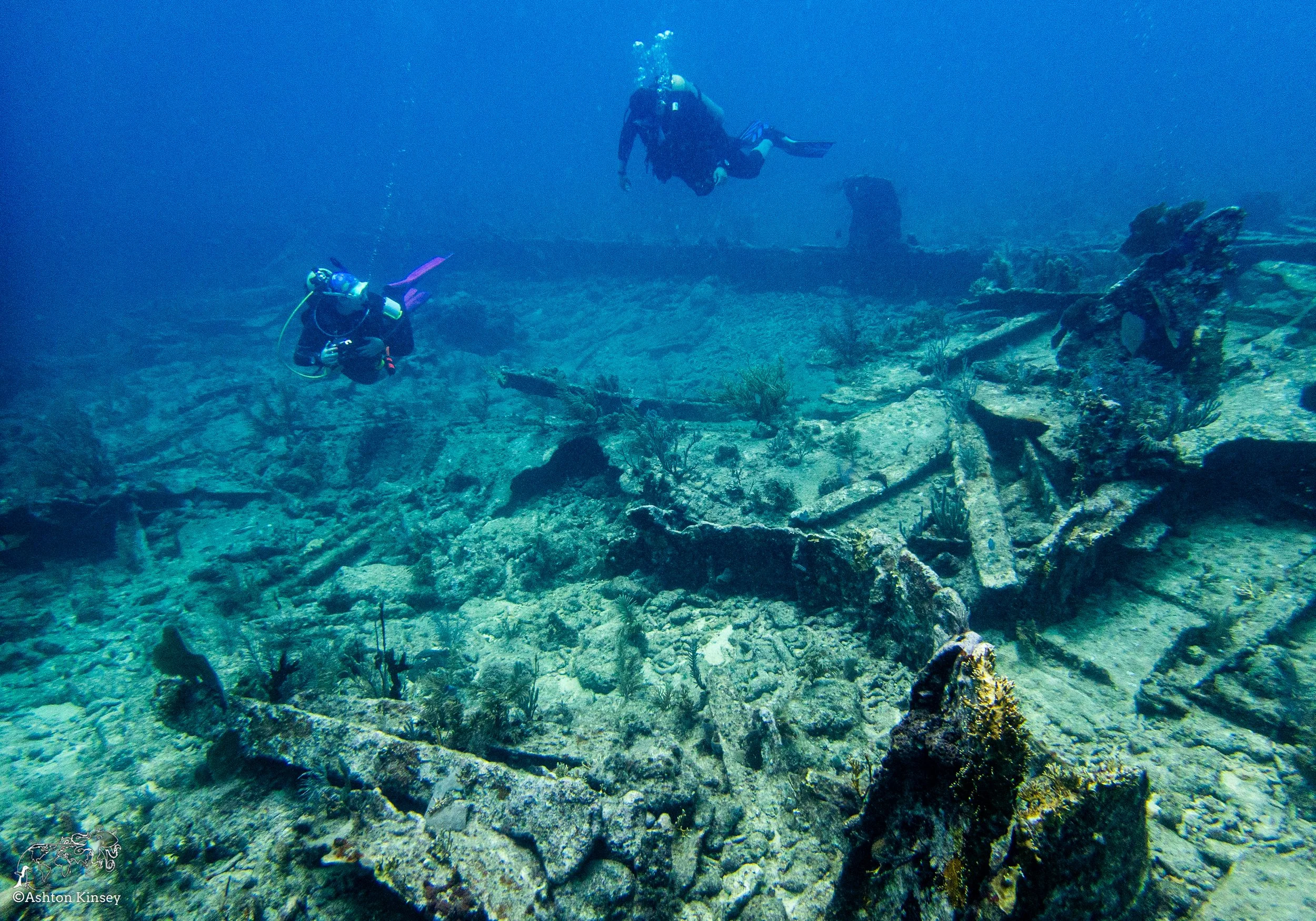
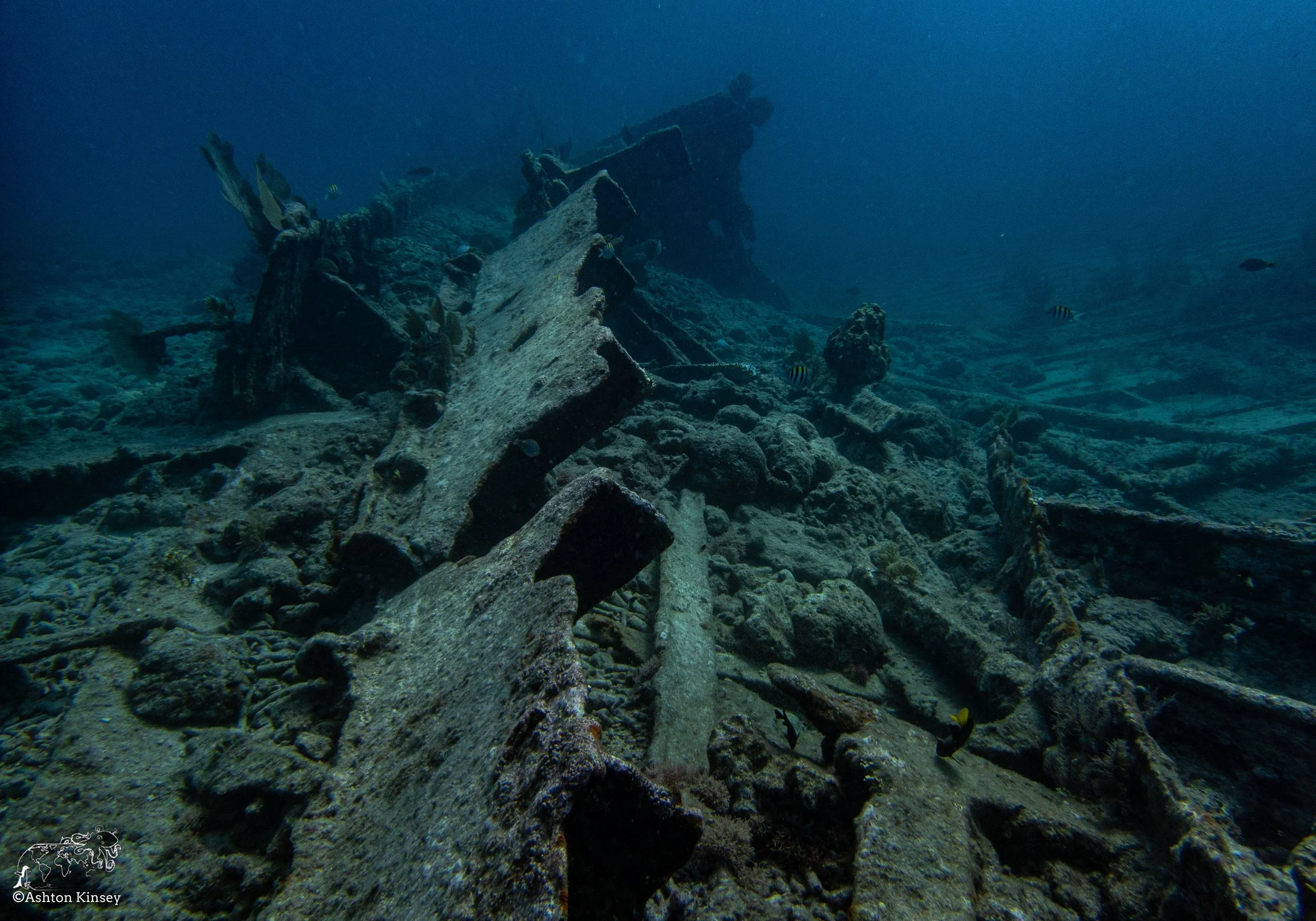
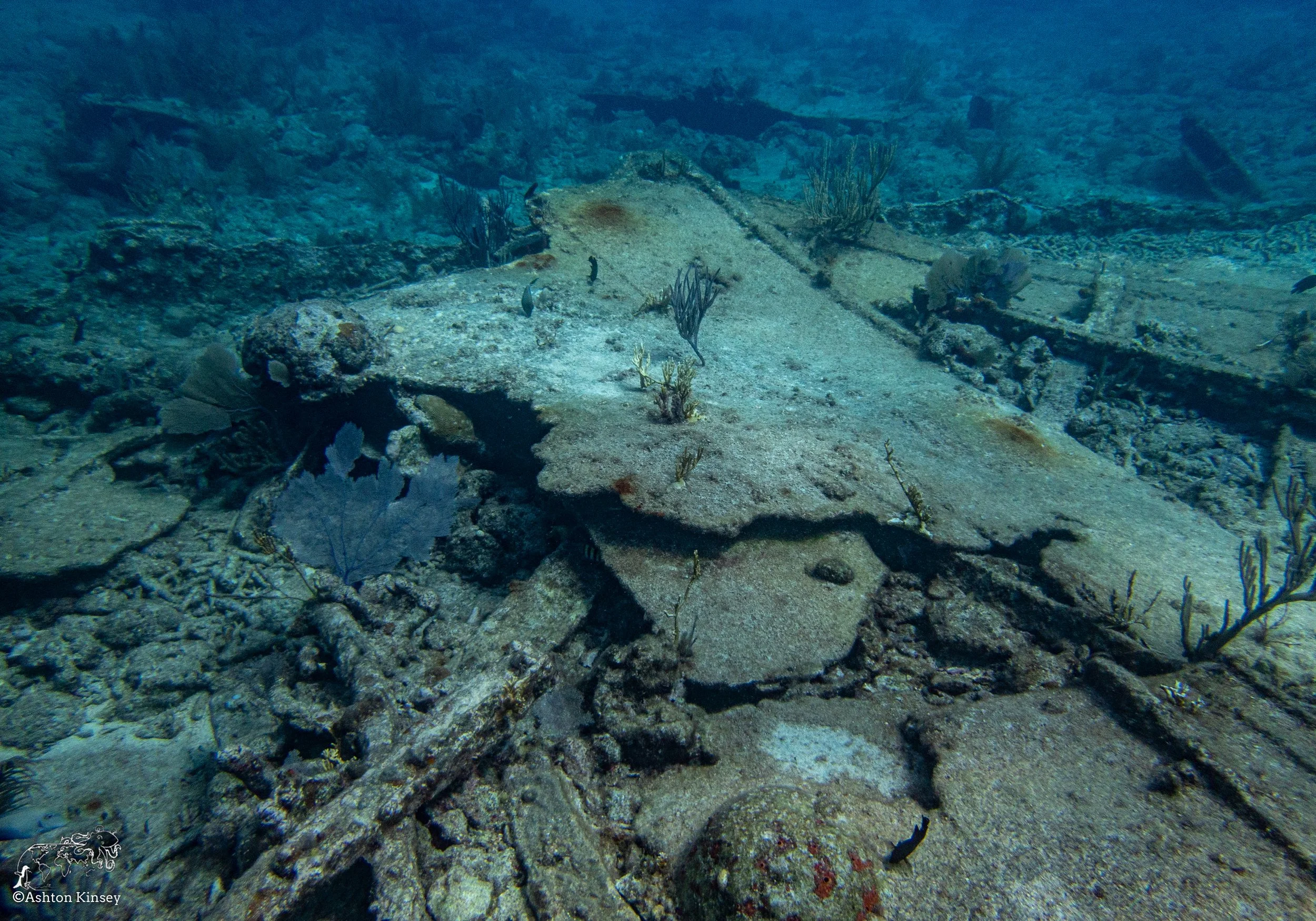
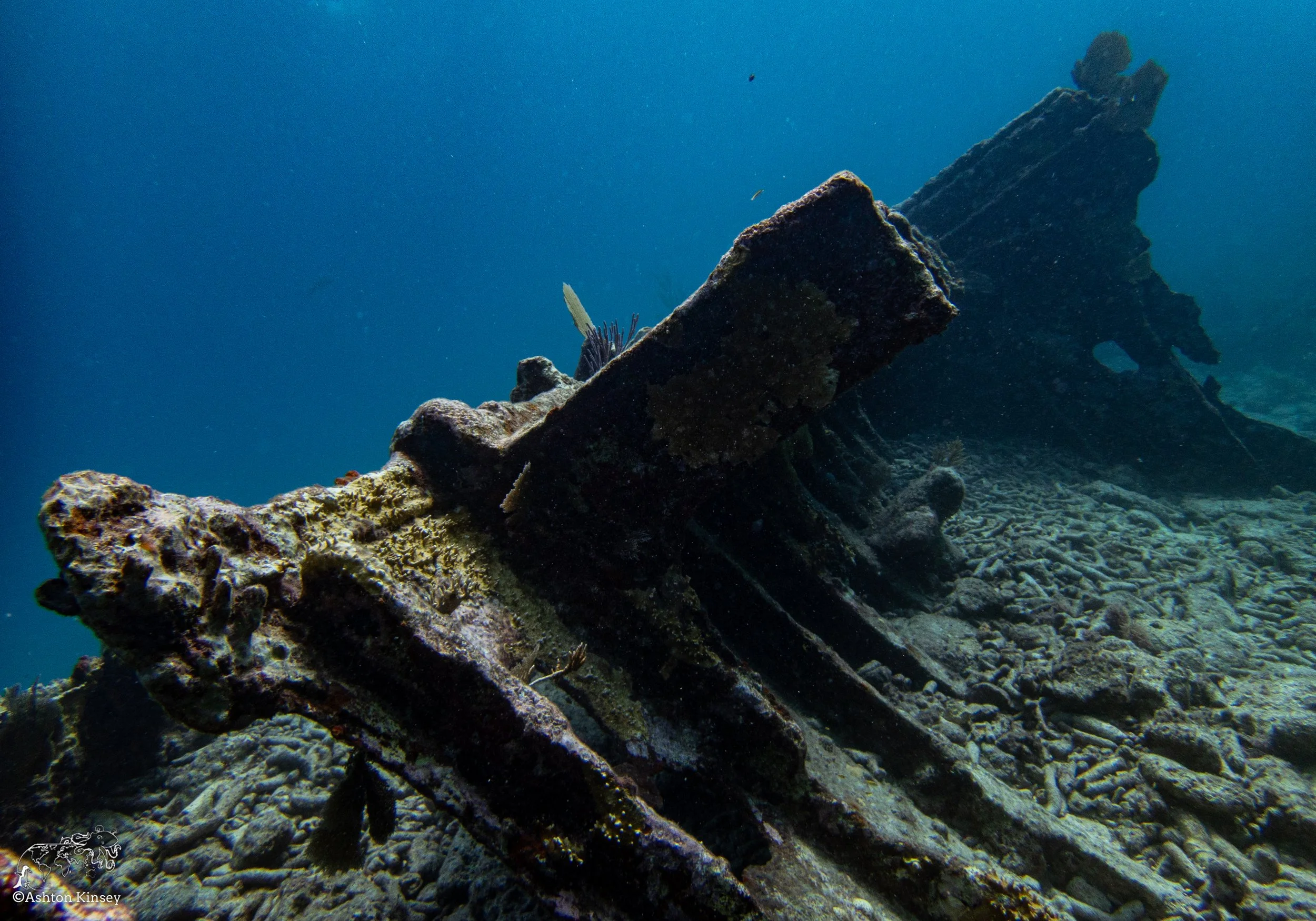
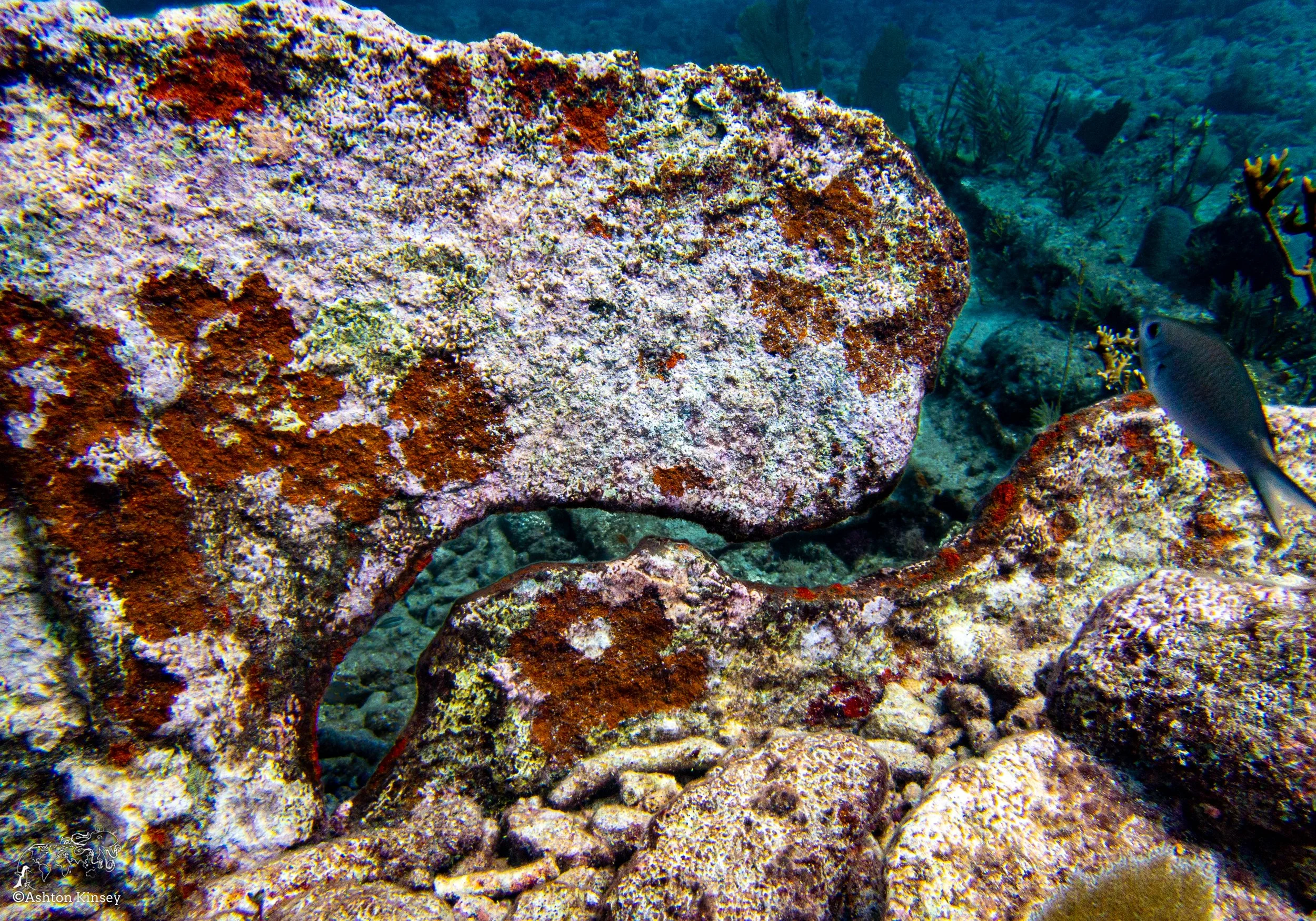
Built in 1877, this 320-foot long 38-foot wide schooner was anchored near the USS Maine in Havana’s Harbor when the Maine was blown up in 1898. The burning debris caused damage to the deckhouse and lifeboats of the Washington were damaged, but with the Spanish-American War on going it became a transport ship for troops to Cuba. After the war ended, she ship was converted into a coal barge in 1911, unfortunately in 1917 she hit the reef and sank. While most of the wreck has broken part there are still large parts of the hull and keel remain.
Mike’s Wreck
25’ for 52 minutes
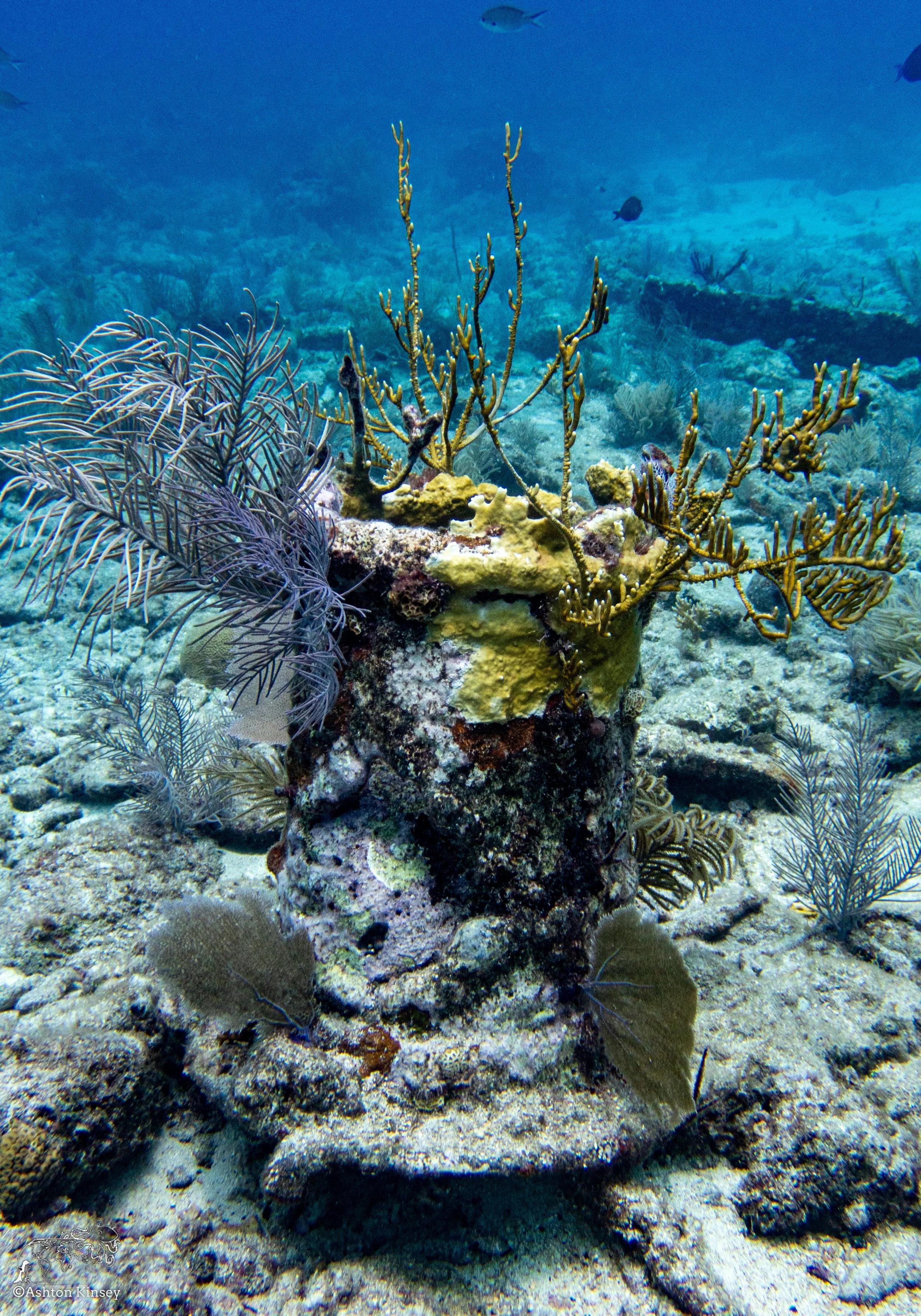
Prior to the identification of the wreck it was commonly referred to as Mike’s Wreck, after the man who accidently discovered her. However, it was confirmed in September of 2012, that the wreckage is that of the Hannah M. Bell, which sunk on April 3rd, 1911. Additional confusion about the wrecks identity was spurred when a US steamer ship, Quoque, ran aground on her in 1920. She now sits in roughly 30’ of water and is mostly broken up and over grown with coral and other aquatic life.
Benwood Wreck
46’ for 50 minutes
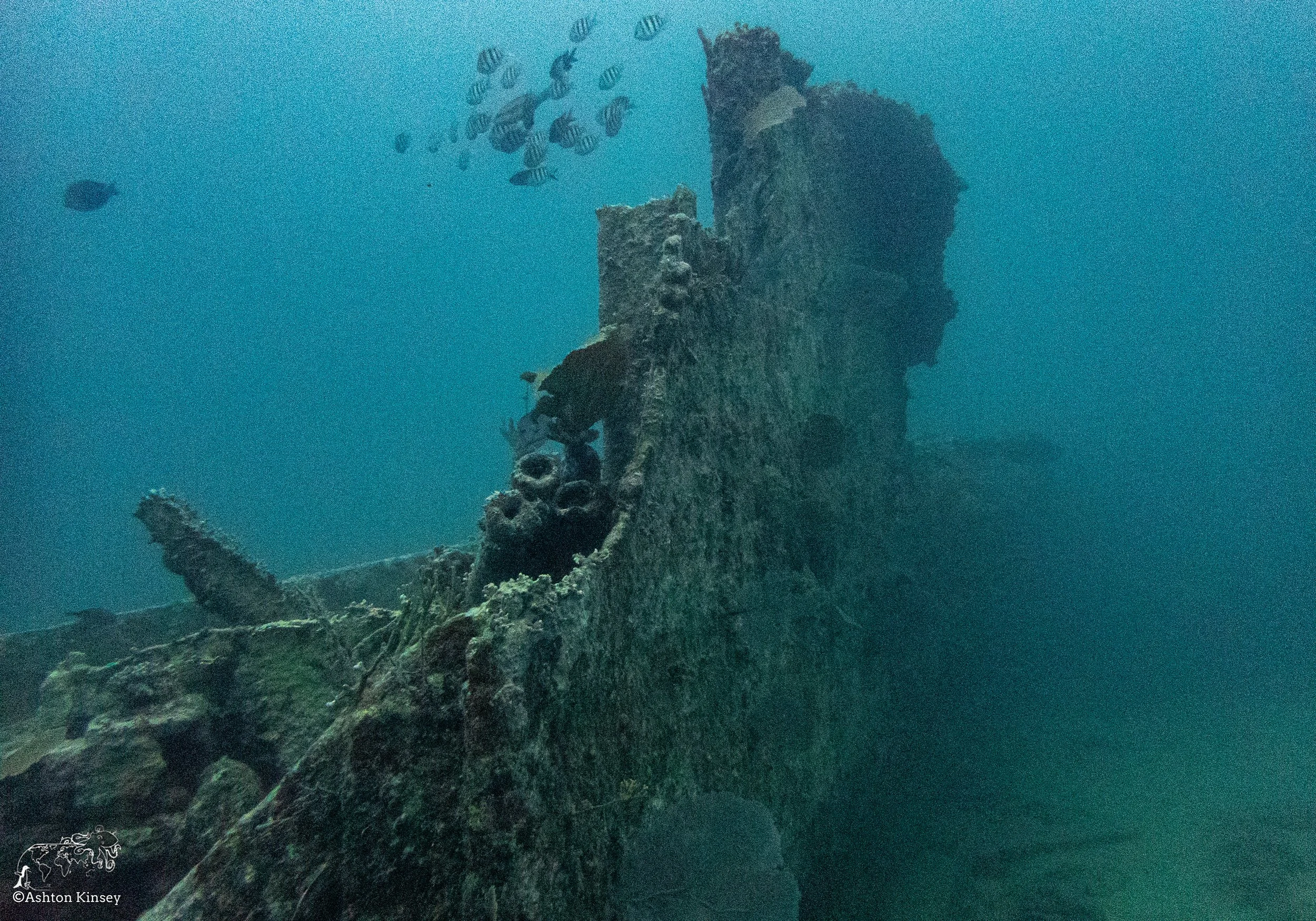
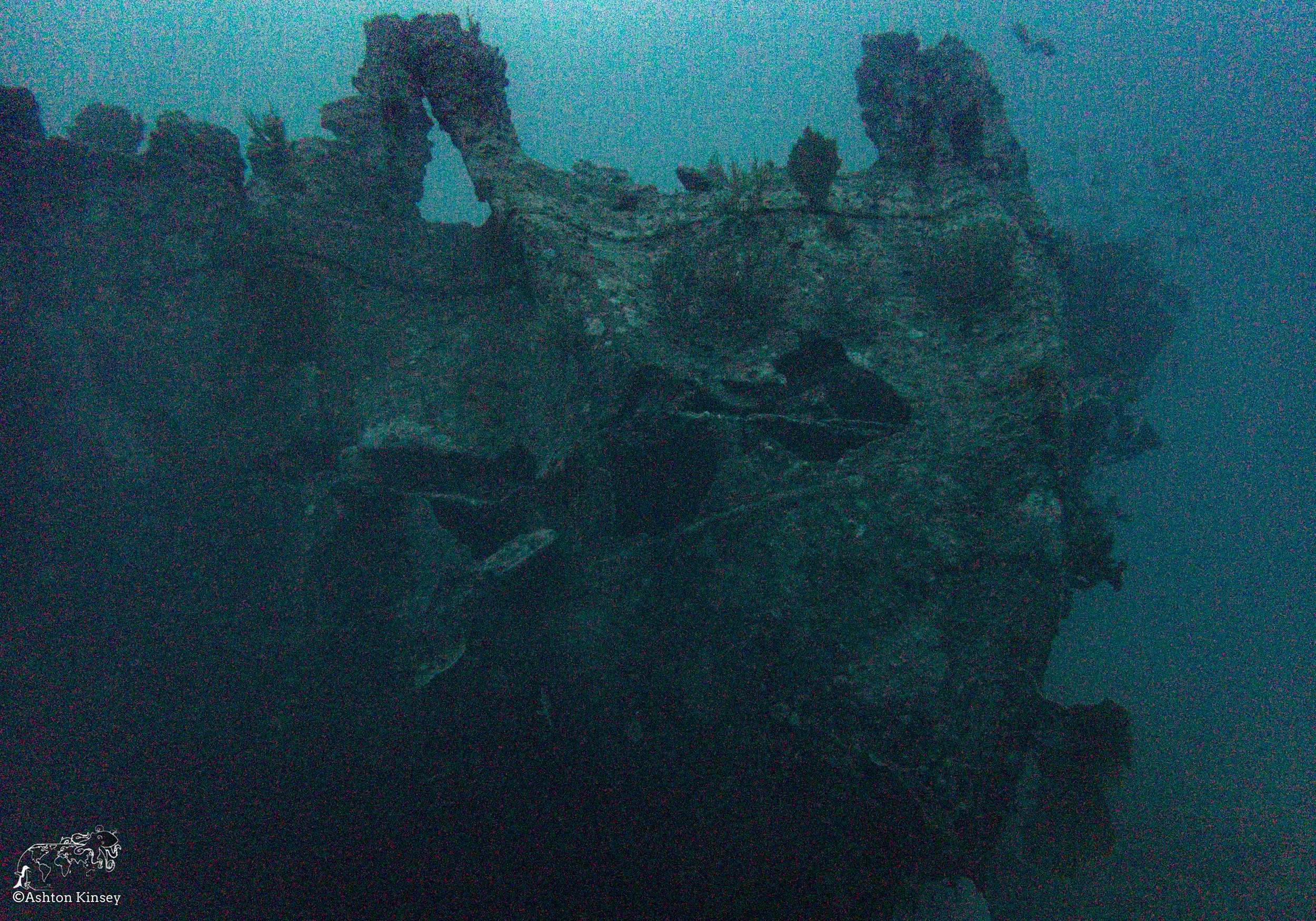
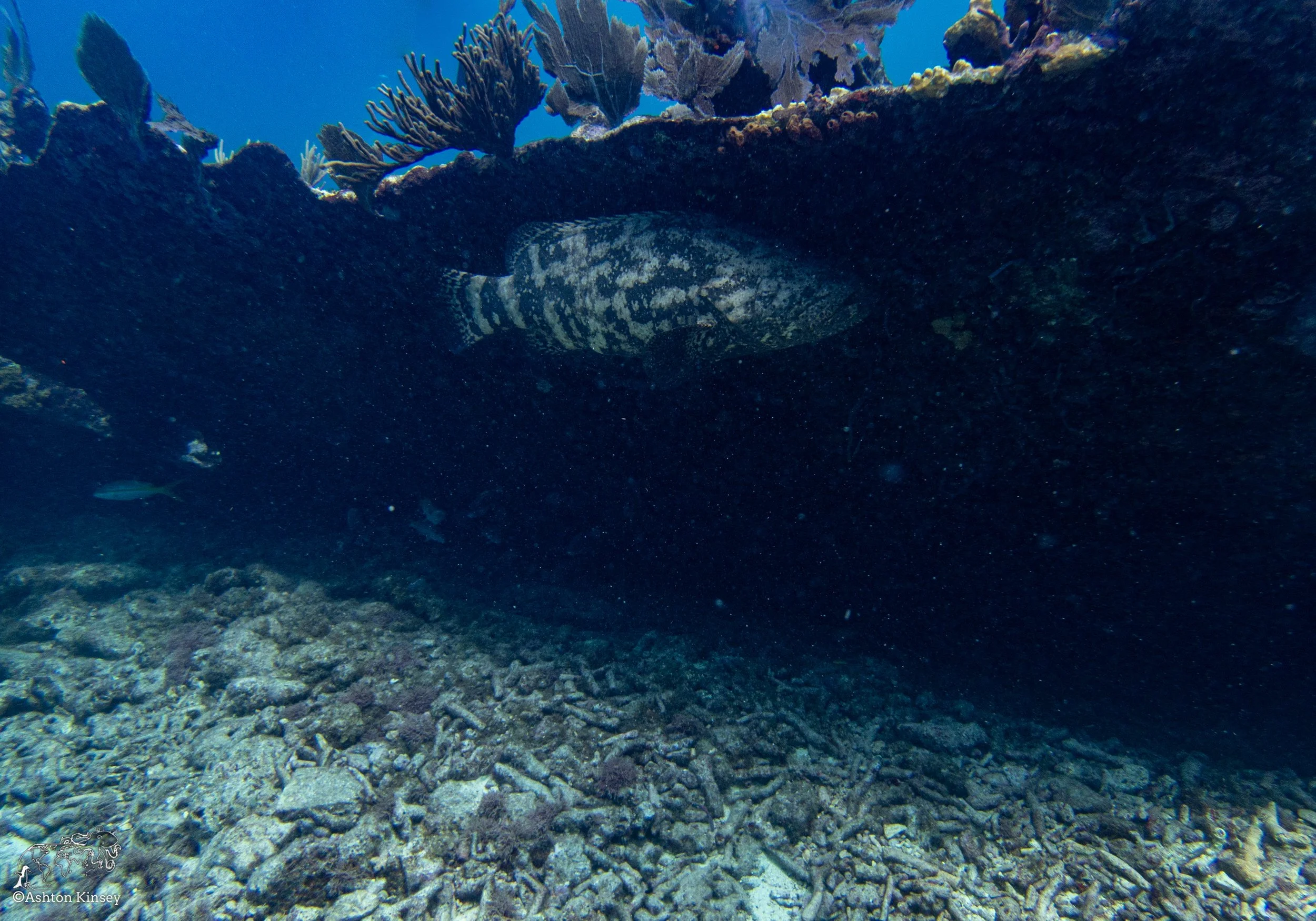
The Benwood was built in England in 1910, measuring 360’ by 51’ and was used as a merchant marine freighter. Due to the threats of German U-boats during WWII, it was armed with 12 rifles, a 4-inch gun, 6 depth charges and 36 bombs. During a routine voyage carrying phosphate rock from Tampa, FL to Norfolk, VA on April 9th 1942, the Benwood’s bow collided with the portside of the Tuttle. Both ships were cruising without lights due to threats of U-boats in the area. The Tuttle was able to be fully repaired however after being run aground the Benwood was written off as a total loss. Salvage continued into the 1950s. The wreck was pulled into deeper water and used as aerial target practice by the US Army to help mitigate potential navigational hazards.
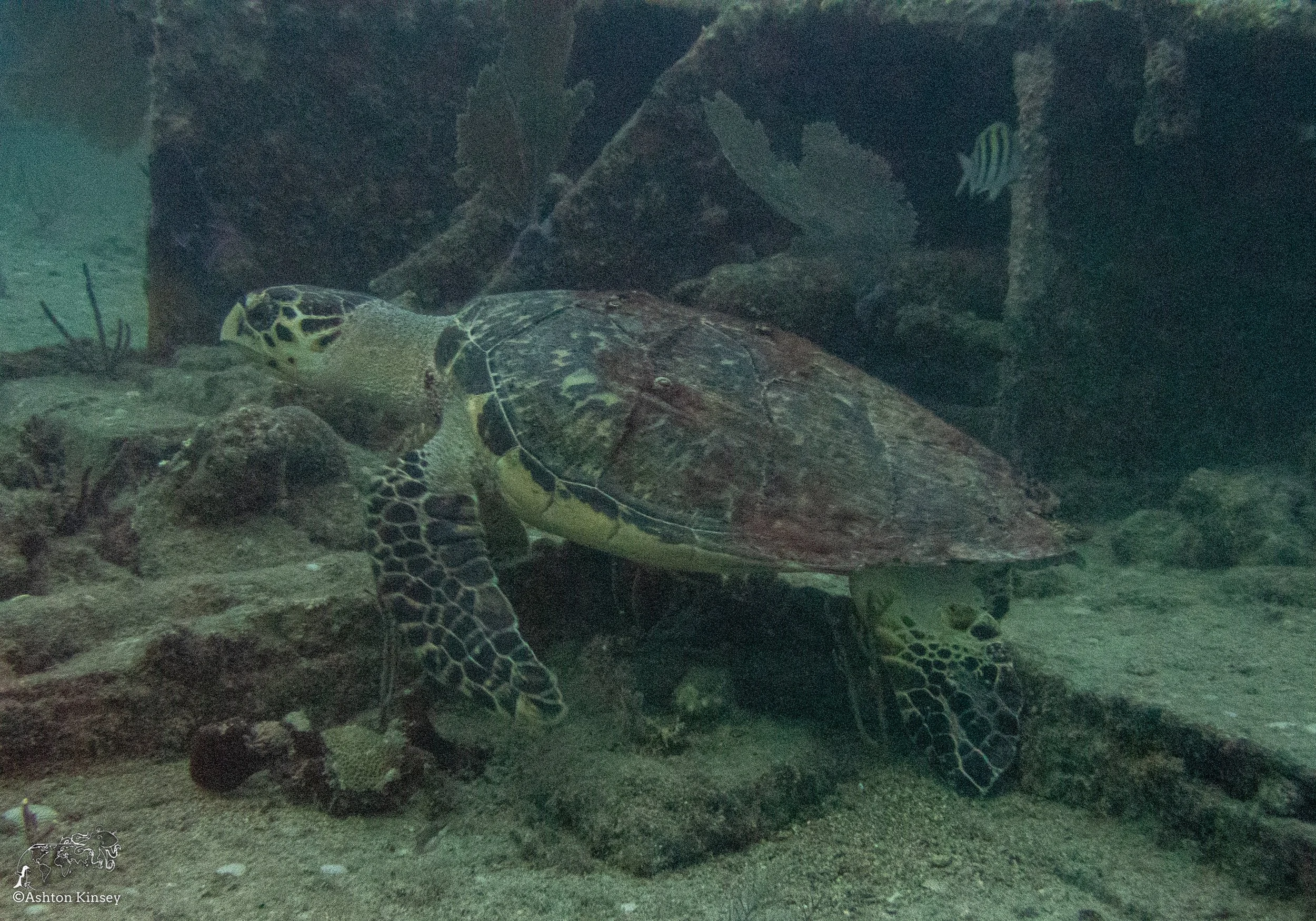
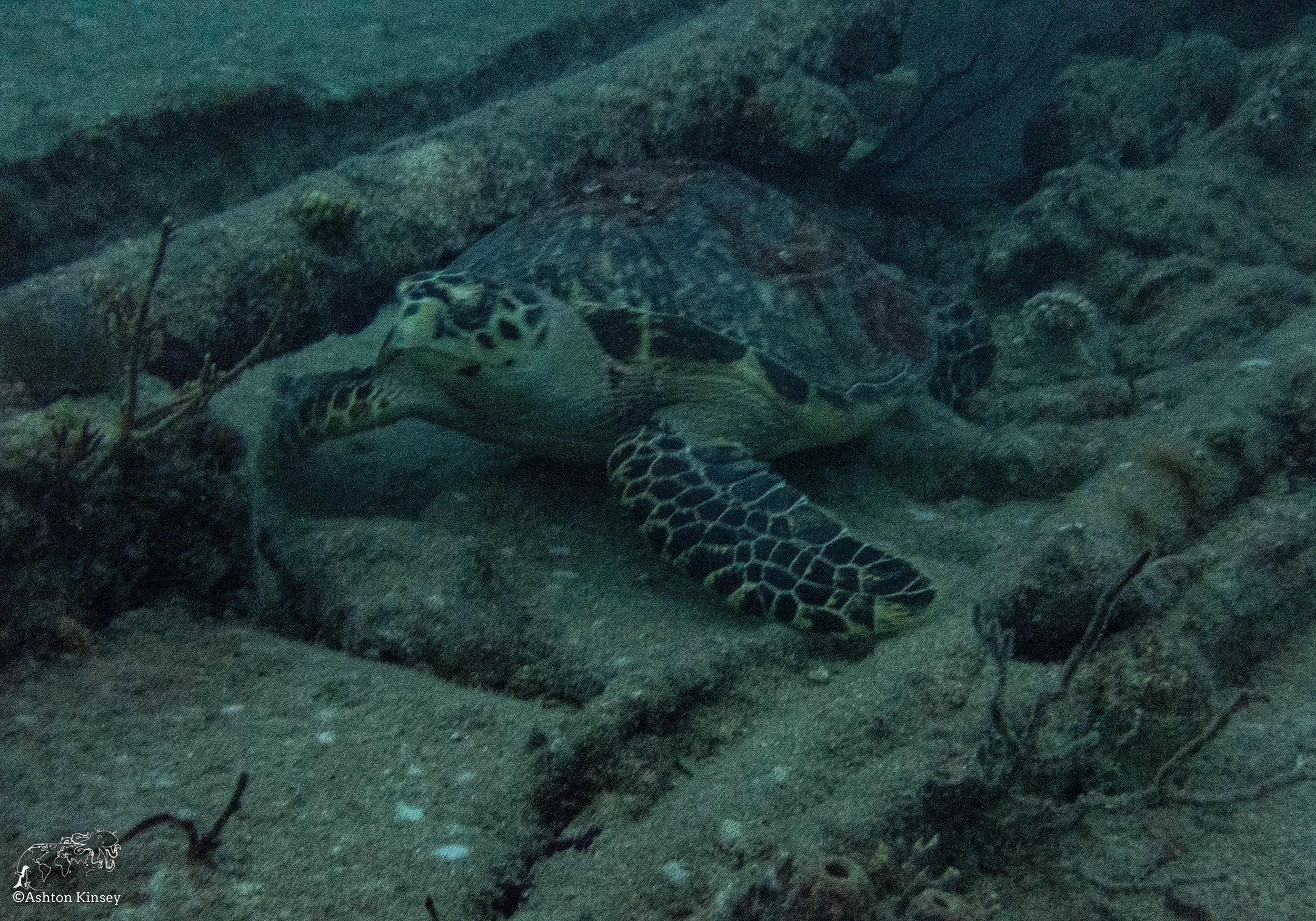
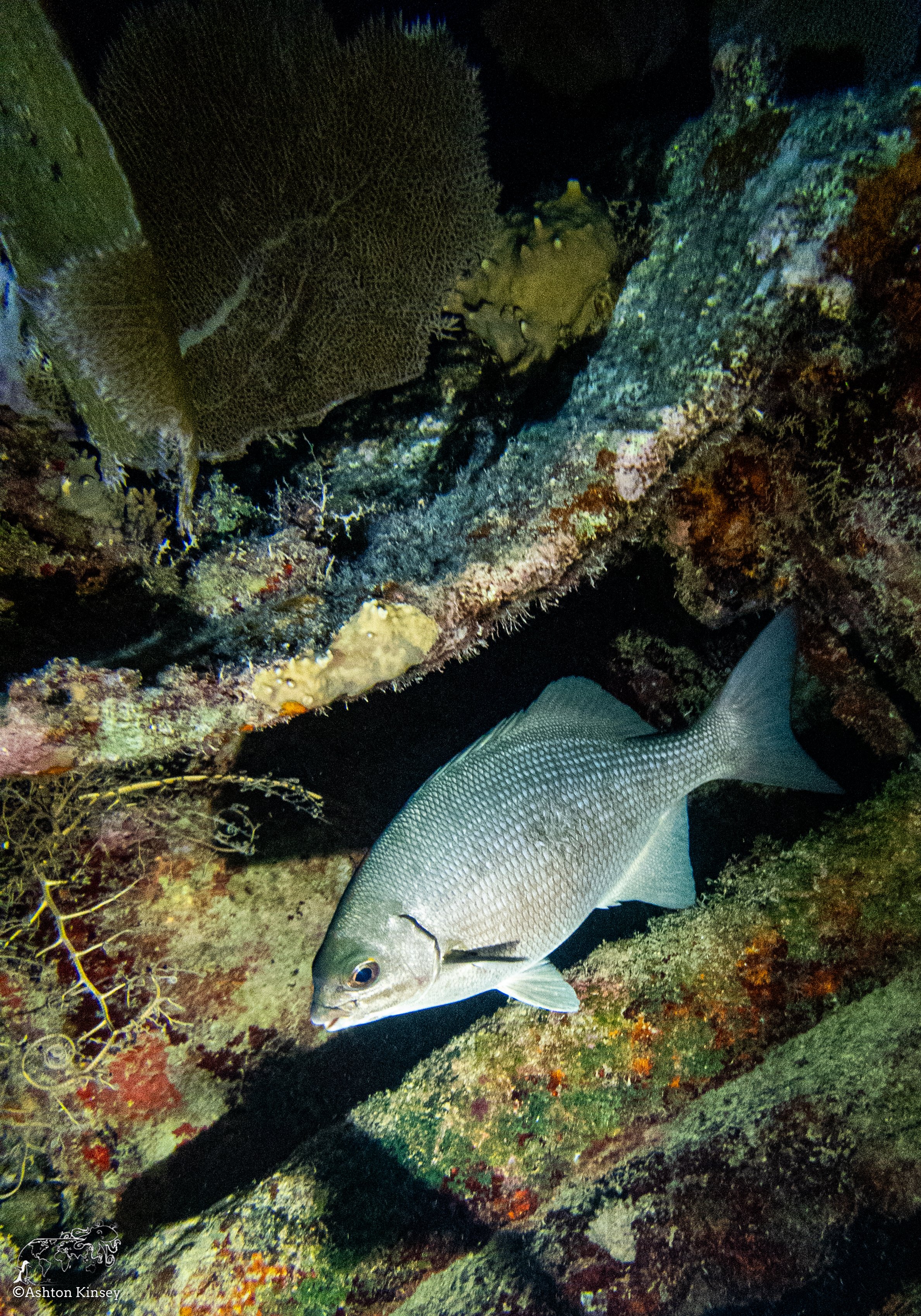
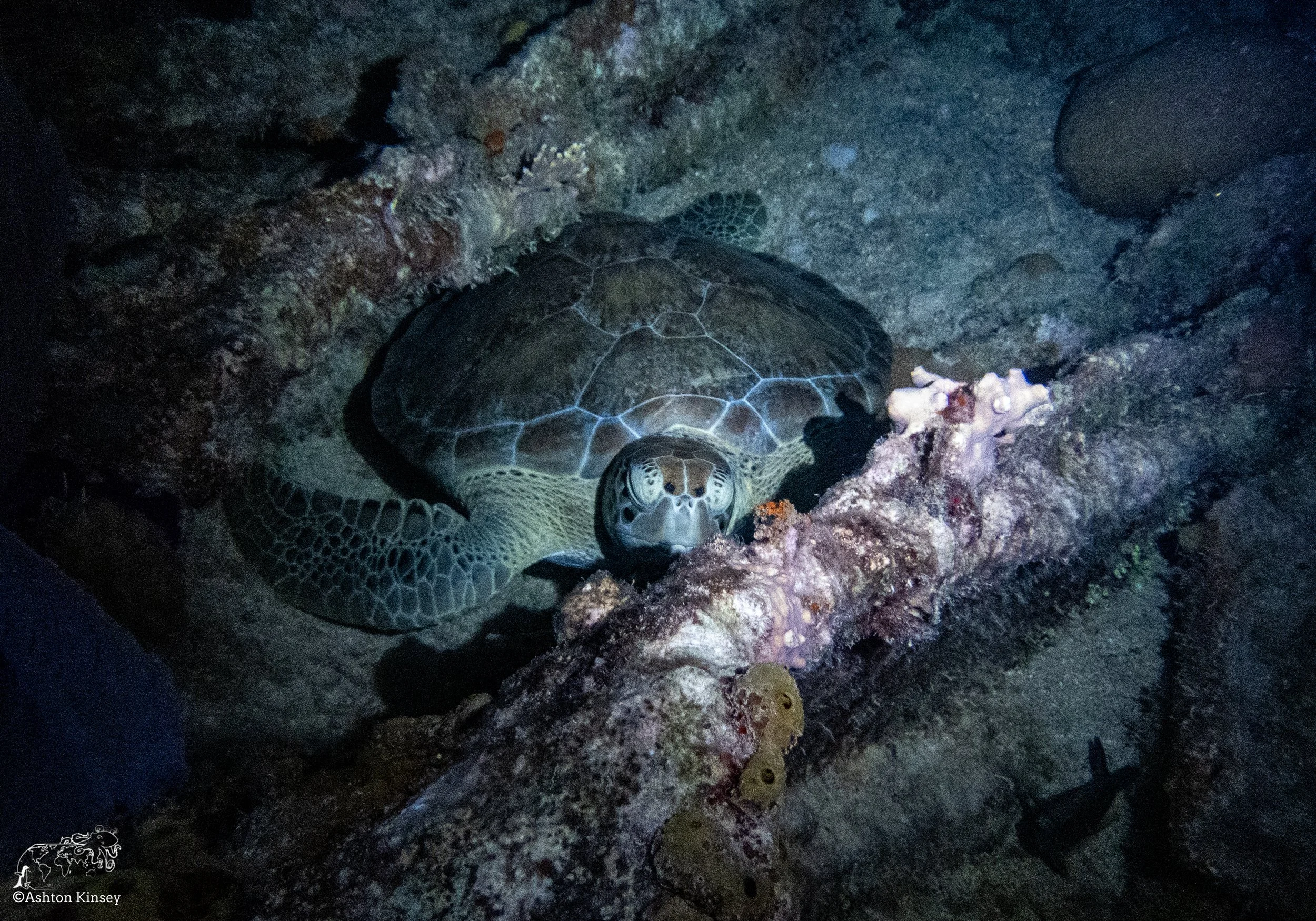
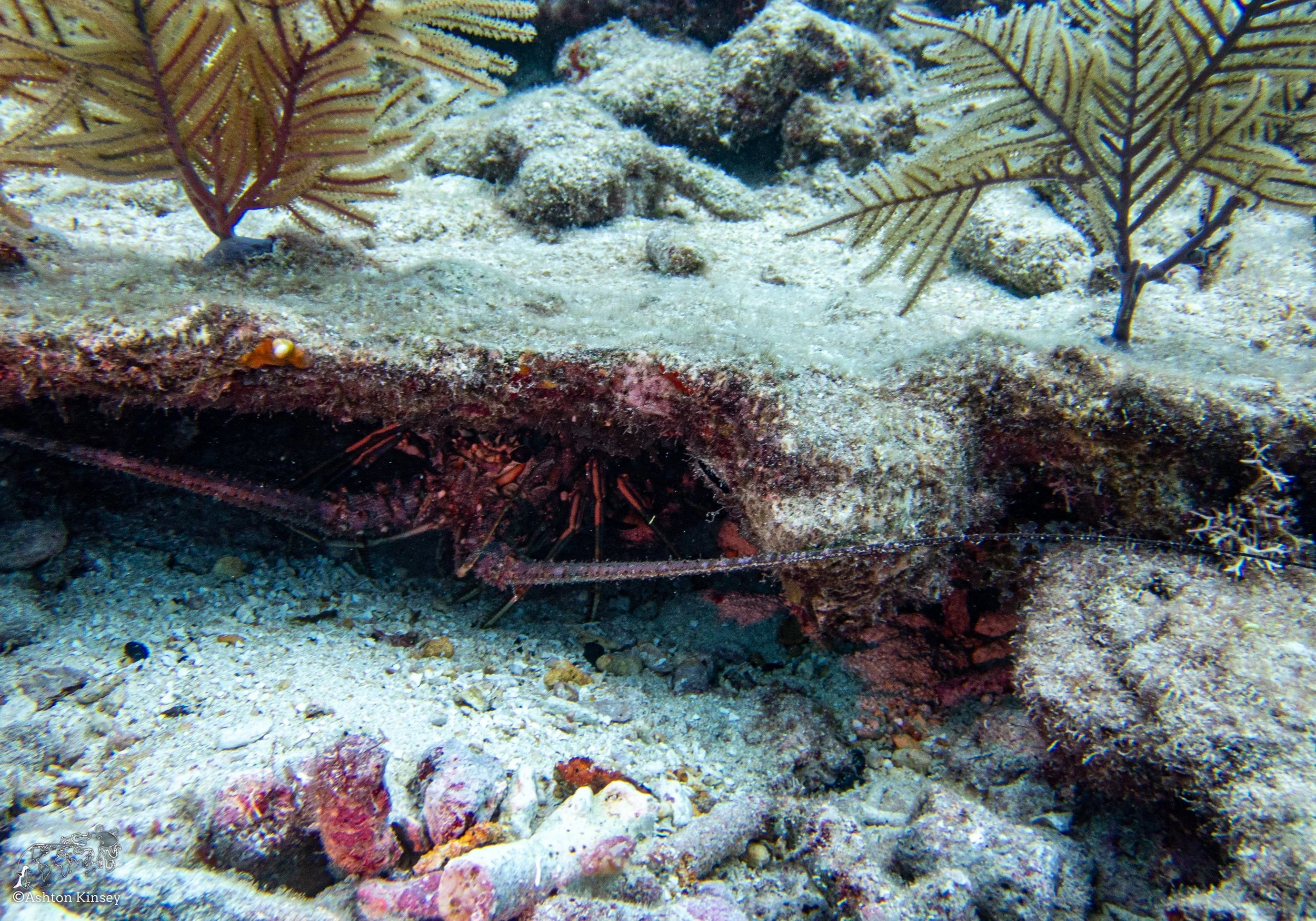
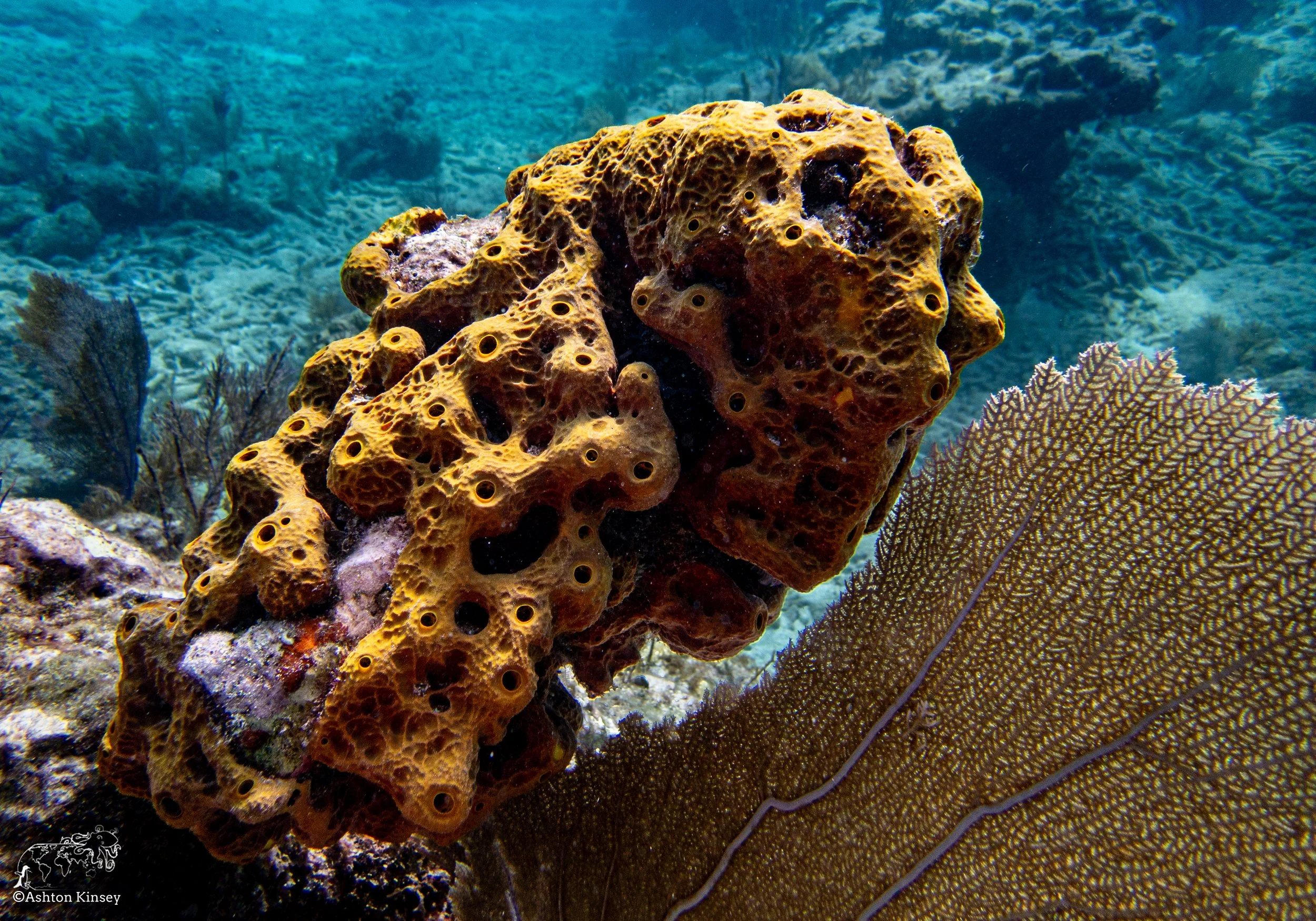
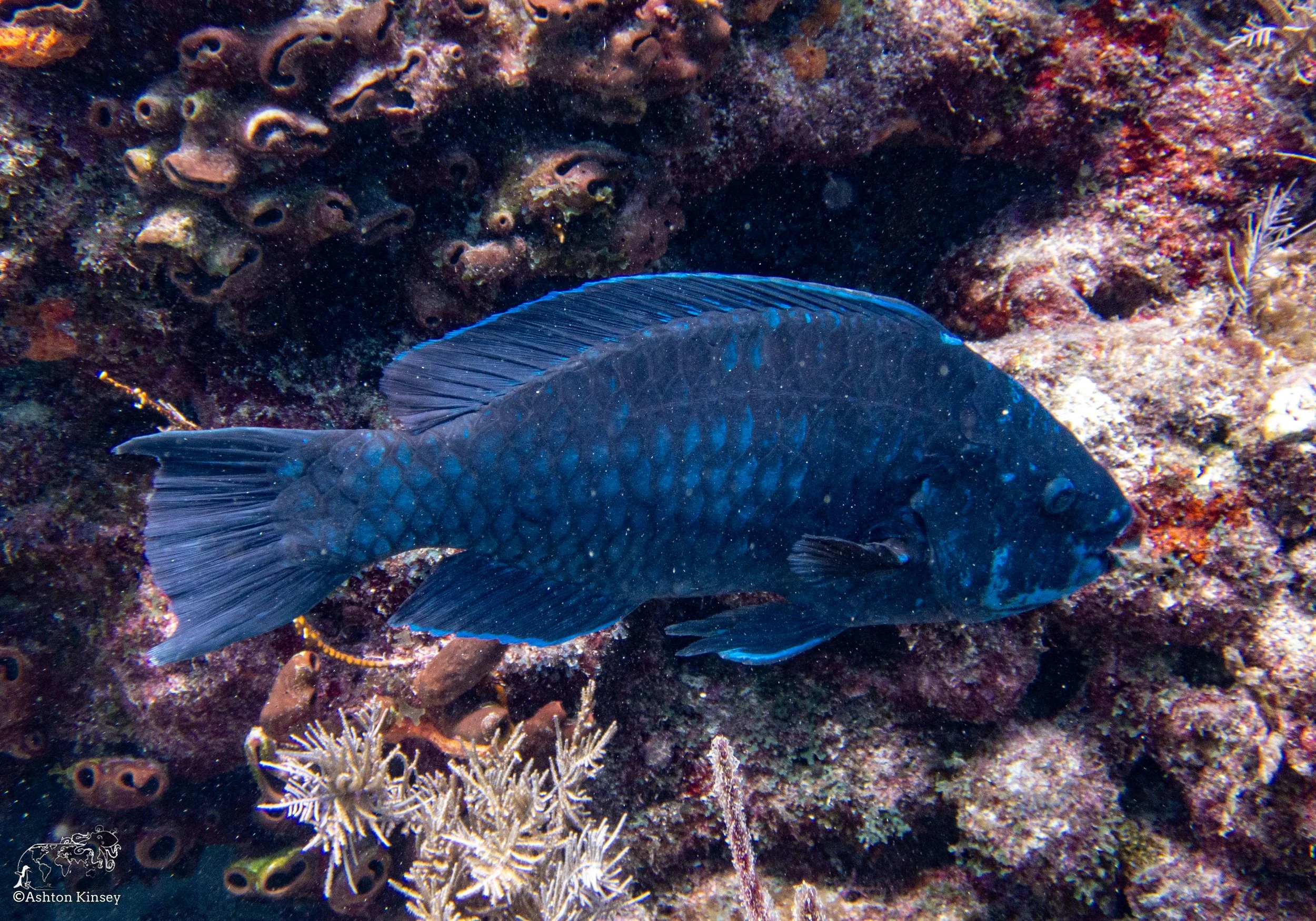
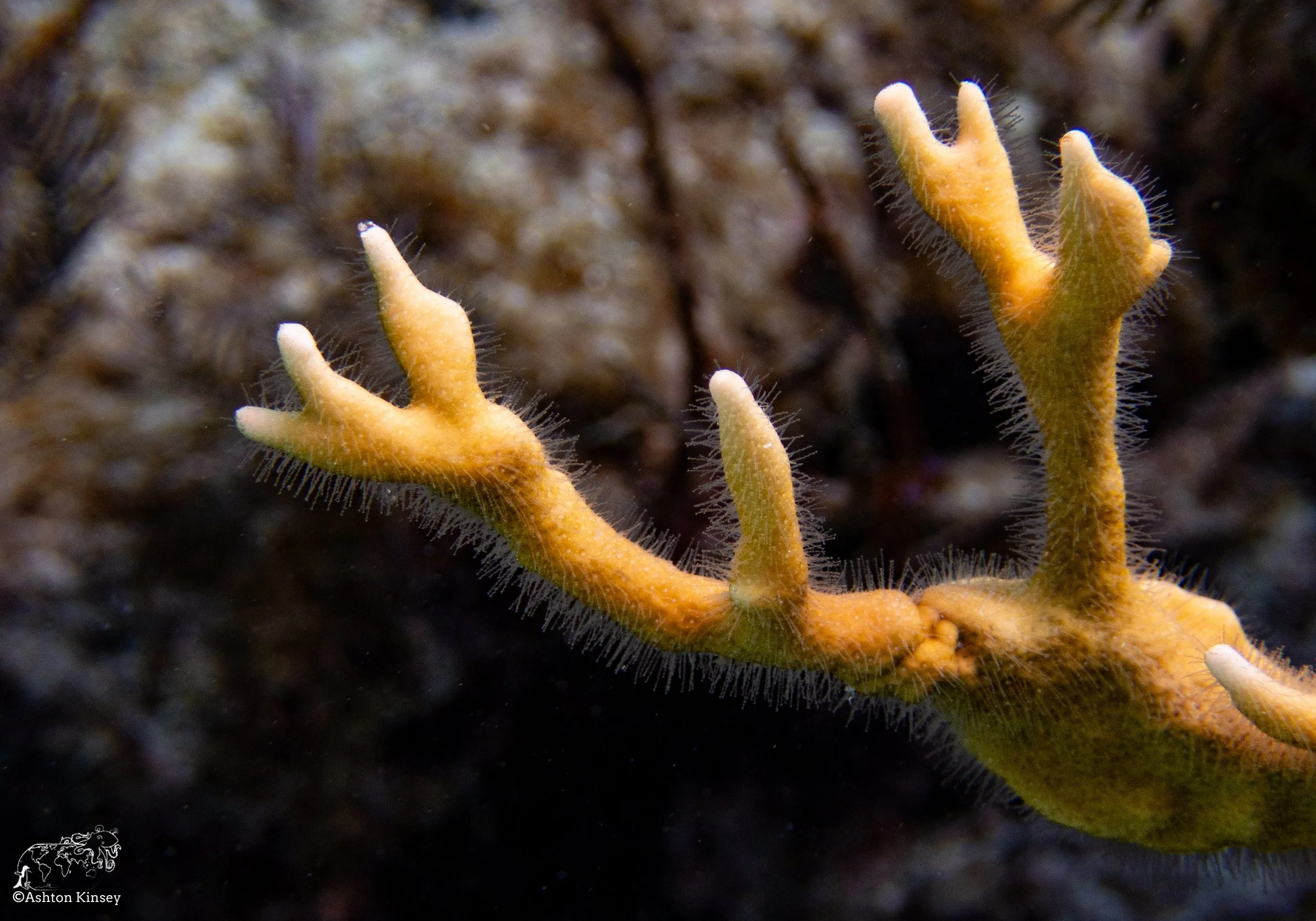
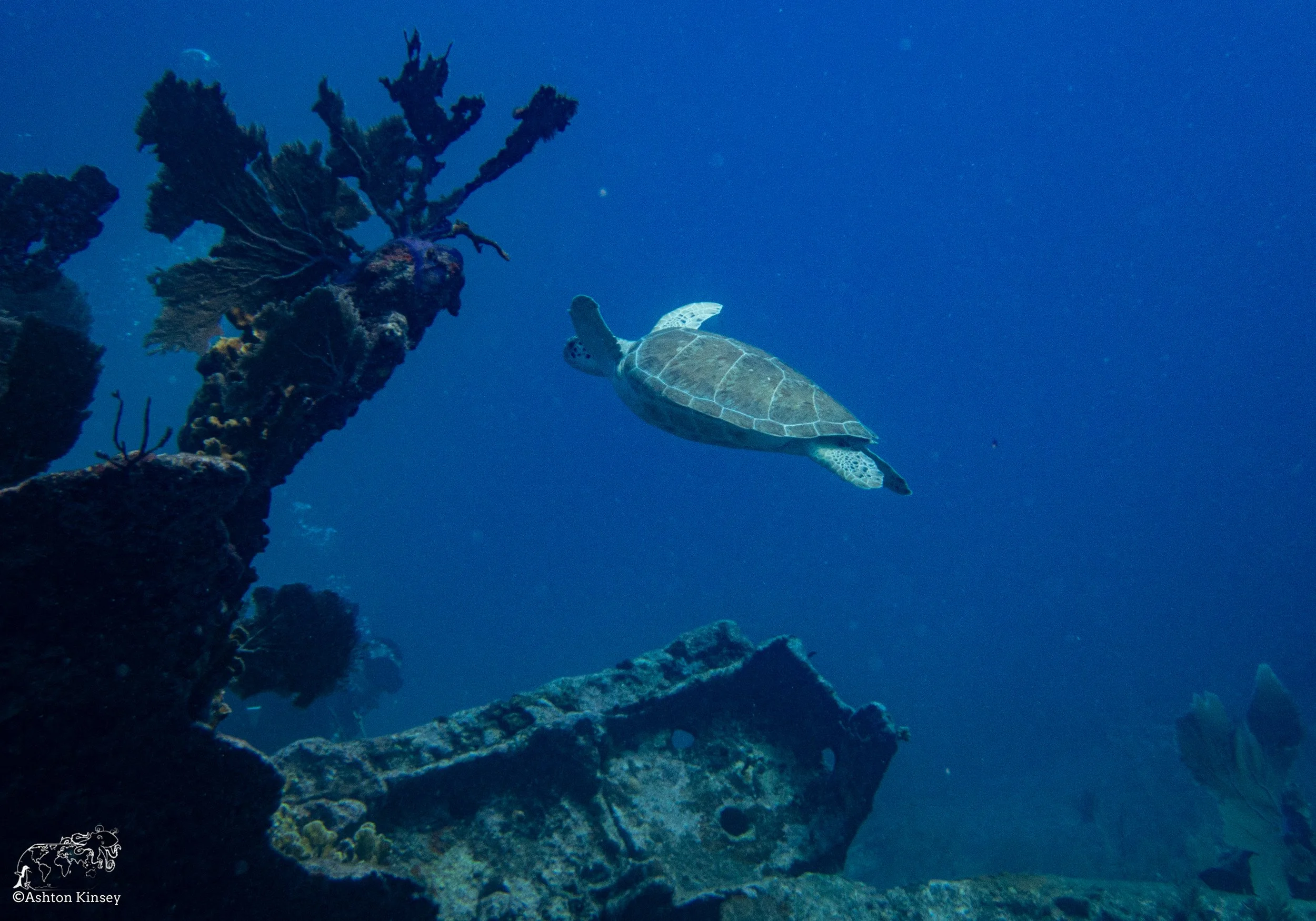
The wreck now sits in 45’. The hull is mostly intact with a few sections of collapsed walls and debris off to the sides. The wreck has a large amount of coral and algae growth resulting in a nice man-made reef in shallow waters. We dove on the Benwood wreck for our night dive and were graced by a lot of turtles, that are very used to divers, lobsters and parrot fish.